Aspire of Pleasant Valley
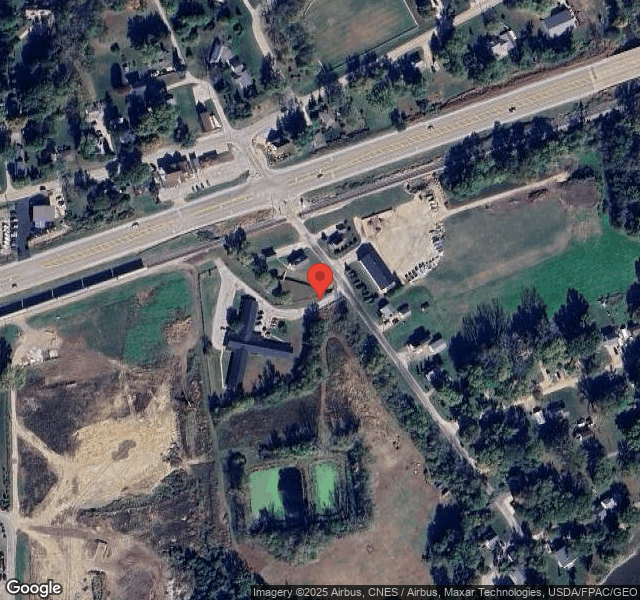
17990 Spencer Road, Pleasant Valley, IA 52767 (563) 332-4600
For profit - Limited Liability company 44 Beds BEACON HEALTH MANAGEMENT Data: November 2025
Trust Grade
25/100
#325 of 392 in IA
Last Inspection: September 2024

Within standard 12-15 month inspection cycle. Federal law requires annual inspections.

Overview

Aspire of Pleasant Valley has received a Trust Grade of F, indicating significant concerns about the quality of care provided. Ranking #325 out of 392 facilities in Iowa places them in the bottom half, and #7 out of 11 in Scott County suggests that only a few local options are better. Fortunately, the facility is showing signs of improvement, having reduced its issues from 19 in 2024 to just 2 in 2025. Staffing remains a concern with a rating of 2 out of 5 stars and a high turnover rate of 81%, which is well above the state average. While there have been no fines assessed against the facility, recent inspections revealed serious deficiencies, including failing to notify a physician about a resident’s worsening pressure ulcer and inadequate staffing to meet residents' needs. Overall, while there are strengths in their recent improvements, the facility still faces significant challenges that families should consider.
Trust Score
F
25/100
In Iowa
#325/392
Bottom 18%
Safety Record
Moderate
Needs review
Inspections
Getting Better
19 → 2 violations
Staff Stability
⚠ Watch
81% turnover. Very high, 33 points above average. Constant new faces learning your loved one's needs.
Penalties
✓ Good
No fines on record. Clean compliance history, better than most Iowa facilities.
Skilled Nurses
○ Average
Each resident gets 40 minutes of Registered Nurse (RN) attention daily — about average for Iowa. RNs are the most trained staff who monitor for health changes.
Violations
⚠ Watch
41 deficiencies on record. Higher than average. Multiple issues found across inspections.
★☆☆☆☆
1.0
Overall Rating
★★☆☆☆
2.0
Staff Levels
★☆☆☆☆
1.0
Care Quality
★☆☆☆☆
1.0
Inspection Score
Stable
2024: 19 issues
2025: 2 issues

The Good

  • Full Sprinkler Coverage · Fire safety systems throughout facility
  • No fines on record

Facility shows strength in fire safety.

The Bad

1-Star Overall Rating

Below Iowa average (3.0)

Significant quality concerns identified by CMS

Staff Turnover: 81%

34pts above Iowa avg (46%)

Frequent staff changes - ask about care continuity

Chain: BEACON HEALTH MANAGEMENT

Part of a multi-facility chain

Ask about local staffing decisions and management

Staff turnover is very high (81%)

33 points above Iowa average of 48%

The Ugly 41 deficiencies on record

1 actual harm
May 2025 1 deficiency
CONCERN (E) 📢 Someone Reported This

A family member, employee, or ombudsman was alarmed enough to file a formal complaint

Potential for Harm - no one hurt, but risky conditions existed

Deficiency F0925 (Tag F0925)

Could have caused harm · This affected multiple residents

Based on observation, clinical record review, and staff and resident interviews, the facility failed to maintain an effective pest control program that kept the facility free of ants and vermin. The f...

Read full inspector narrative →
Based on observation, clinical record review, and staff and resident interviews, the facility failed to maintain an effective pest control program that kept the facility free of ants and vermin. The facility reported a census of 34 residents. Findings include: 1. The Minimum Data Set (MDS) Assessment tool dated 4/18/25 revealed Resident #2 scored 15 out of 15 on the Brief Interview for Mental Status (BIMS), which indicated intact cognition. The assessment indicated Resident #2 did not have symptoms of delirium or hallucinations. During an interview on 5/14/25 at 10:33 a.m., Resident #2 stated there had been ants in her room that were observed over the last month. She stated the ants were under the night stand and along that wall, and she learned from staff that there was an ant problem in the room next to hers. Resident #2 identified Resident #5 as the occupant of the room. Observations in the resident's room at that time revealed 4 insulated types of cups and handled mugs with lids and straws located on top of the night stand, food not observed on the night stand, and a package of approximately 20 containers of bottled water on the floor near the night stand and next to the wall. Ants were not observed in the area, however, there was an approximate 5 millimeter (mm) long by 1 mm wide black colored piece of debris that looked similar to mouse droppings, located on the floor between the wall and the night stand. The resident had a 2nd night stand in her room located in the center of her room and positioned next to where she sat in a Broda chair (wheelchair that reclines). There was a clear plastic bag of red grapes that also contained a banana, located on top of that night stand. The resident stated around a month ago there was a mouse in her bed that had 5 baby mice, and she had notified staff of that. 2. The MDS Assessment tool dated 4/30/25 revealed Resident #5 scored 13 out of 15 on the BIMS cognitive assessment, which indicated intact cognition. The assessment indicated Resident #5 did not have symptoms of delirium or hallucinations. During an interview on 5/14/25 at 3:17 p.m., Resident #5 stated he had not seen any ants in his room, but their had been a mouse, and pointed to a mouse-trap located along the exterior wall beneath the wall heating system in his room. During an interview on 5/14/25 at 8:56 a.m., Staff A, Certified Nursing Assistant (CNA) stated she heard that some residents said they saw ants in their rooms, but she had not seen any, and there had been times when their were mice in the facility, usually in rooms of residents that kept food in their rooms. Staff A stated she had not seen any mice. During an interview on 5/14/25 at 1:28 p.m., Staff B, CNA, stated they had some mice in the building in the past, had not seen any mice recently, and was not aware of any ant problems. During an interview on 5/14/25 at 3:03 p.m., Staff C, CNA, stated she was not aware of any ants or mice in the facility, she had not seen any. During an interview on 5/14/25 at 2:20 p.m., the facility Administrator stated the facility had a contract for pest control that provided monthly services until 12/24/24. She'd received invoices for monthly services and forwarded them to the management. The Administrator stated she had thought the Pest Control provider continued services. The Administrator stated she was unaware the last serve was on 12/24/24 until she contacted the provider on 5/14/25 and learned the bill had not been paid. The Administrator stated she had already contacted a different pest control company known to her that said they would come to the facility later on 5/14/25 or on 5/15/25 and initiate pest control services. During an interview on 5/14/25 at 4:05 p.m., the Administrator stated Resident #2 had history of delusions, she received a call from the nurse on duty when Resident #2 said there was a mouse with babies in her bed, the nurse said there were no mice in her bed, the resident was having delusions at the time. The Administrator stated there was a resident in the room next door to Resident #2, that hoarded food in his room and was an ongoing problem (Resident #9 who passed away on 4/13/25) and there was an associated history of ants and mice in his room in the past associated with that, treated by their pest control service provider. The facility's Pest Control F 925 policy dated 10/2024 directed staff: 1. This community maintains an ongoing pest control program to ensure that the building is kept free of insects and rodents. 2. Maintenance Services assists, when appropriate and necessary, in providing pest control services.
Feb 2025 1 deficiency 1 Harm
SERIOUS (G) 📢 Someone Reported This

A family member, employee, or ombudsman was alarmed enough to file a formal complaint

Actual Harm - a resident was hurt due to facility failures

Pressure Ulcer Prevention (Tag F0686)

A resident was harmed · This affected 1 resident

**NOTE- TERMS IN BRACKETS HAVE BEEN EDITED TO PROTECT CONFIDENTIALITY** Based on observation, clinical record review, wound care provider and facility staff interviews, the facility failed to notify t...

Read full inspector narrative →
**NOTE- TERMS IN BRACKETS HAVE BEEN EDITED TO PROTECT CONFIDENTIALITY** Based on observation, clinical record review, wound care provider and facility staff interviews, the facility failed to notify the physician of pressure ulcer deterioration and implement nutritional orders in an effort to promote healing for 1 of 3 residents (Resident #3) reviewed for pressure ulcers. The facility reported a census of 36 residents. Stage 3 Pressure Ulcer: Full-thickness skin loss: Full-thickness loss of skin, in which subcutaneous fat may be visible in the ulcer and granulation tissue and epibole (rolled wound edges) are often present. Slough and/or eschar may be visible but does not obscure the depth of tissue loss. The depth of tissue damage varies by anatomical location; areas of significant adiposity can develop deep wounds. Undermining and tunneling may occur. Fascia, muscle, tendon, ligament, cartilage and/or bone are not exposed. If slough or eschar obscures the wound bed, it is an Unstageable PU/PI. Slough tissue is defined as a layer of dead skin cells and debris that forms on the surface of a wound. It can be yellow, white, tan, or cream in color, and can be moist, stringy, or fibrinous. Slough can occur in both acute and chronic wounds. Eschar is defined as a dry, dark scab usually adherent to healthy underlying tissue, and might require chemical or mechanical debridement if the tissue does not fall away from the underlying tissue naturally. Findings include: Review of Resident #3 Minimum Data Set (MDS) assessment dated [DATE], revealed the resident scored 2 out of 15 on a Brief Interview for Mental Status, which indicated the resident had severely impaired cognition. The list of diagnoses included; hip fracture, arthritis, asthma and encephalopathy (a change in brain function caused by various conditions such as infection, metabolic disorders, toxins or trauma). The assessment identified Resident #3 had a Foley catheter, and always incontinent of bowel. The MDS revealed Resident #3 required substantial staff assistance to roll left and right, and had not attempted sit to stand, or chair/bed-to-chair transfers due to medical conditions. The MDS indicated Resident #3 required substantial staff assistance for toileting hygiene, shower/bathe self, and personal hygiene. Resident #3 Height and Weight documented as 65 inches (5 ft 5 inches) and 107 pounds. The MDS documented on admission Resident #3 had a surgical incision wound, and skin tears. The Risk of Pressure Ulcer/Injuries question Is this resident at risk of developing pressure ulcers/injuries? answered with a 0 (code for No). The Unhealed Pressure Ulcers/Injuries question Does this resident have one or more unhealed pressure ulcers/injuries? Answered with a 0. Review of hospital records faxed to the facility on [DATE] revealed the Assessment/Plan included, in part: protein calorie malnutrition, with dietician consulted, have added high-protein supplementation 3 times daily. The admission Assessment, dated 12/23/24 at 8:45 PM documented Resident #3 had the following wounds present at admission: a. Left inner forearm - skin tear b. Right anterior elbow - skin tear c. Left lateral thigh - surgical wound The admission Assessment Care Planning section did not indicate a Focus, Goal or Interventions for any of the 42 care areas listed. Wound management was on of the care area options. A N Adv - Braden Scale for Predicting Pressure Ulcer Risk Evaluation completed on 12/23/24 at 9:40 PM indicated a score of 13.0. Per the Braden Evaluation Scoring, A score of 13 puts a resident at moderate risk for pressure ulcers. A score of 10-12 is considered a high risk. A Health Status Note dated 12/31/24 at 4:25 PM: Noted new skin issues upon skin rounds. MASD (moisture associated skin damage) to coccyx and skin tear to the upper L (left) back, new orders received for wound care and entered. Will continue to monitor. The N Adv - Skin Check note entered at 4:57 PM documented #012: New skin issue. Location: Right gluteus. Laterality/Orientation: Medial (towards the middle of body). Issue type: Skin tear .Length (cm - centimeters) 6.3 Width (cm) 6.4 Area (cm2) 0.1. Epithelial (area of new formed skin cells) 30%. Slough (area of wound covered by dead tissue, appearing yellow or white) 0%. Eschar (area of hard, dry, dark crust on the surface of wound often black or brown): 50%. Exudate (discharge) amount: Moderate. Exudate type: Sanguineous: Indicates active bleeding, typically bright red .Dressing saturation: None. A Dietary Progress Note, dated 1/3/25 at 5:43 PM for RD (Registered Dietician) Nutrition Assessment: DX (diagnosis) of PCM (protein calorie malnutrition) .Diet: regular, regular textures .Poor po (oral) intake <-50% of meal intake; averaging <25% .Braden 13; high risk for PI (pressure injury) .Nutrition DX: Agree with hospital DX of PCM. Meets criteria for moderate PCM of acute on chronic illness AEB (as evidenced by) inadequate oral intake <25% of meals >30 days with elevated nutritional needs .High risk for wt. (weight loss) and skin breakdown, poor wound healing .Recommendations: 1. Add nutritional shake 1 carton (120 ml) with lunch and dinner. 2. Offer House supplement 90 ml TID (three times daily) between meals. 3. Vit C 500 mg BID. 4. Weekly Weights for 4 weeks. 5. RD following as warranted and remains available as needed. A N Adv Skilled Evaluation note, dated 1/7/25 at 1:04 PM documented #008: Skin issue has been evaluated. Location: Right gluteus. Laterality/Orientation: Medial. Issue type: Skin tear .Length (cm) 13.5 Width (cm) 9 Area (cm2) 0.2. Epithelial: 10%. Slough: 30%. Eschar: 60%. Exudate amount: Moderate. Exudate: Serosanguineous: mixture of serum and blood .Dressing Saturation: Heavy >75%. Documentation of physician notification of the change in wound size, and heavy saturation of dressing not indicated in the Skilled Evaluation note. A Dietary Progress Note, dated 1/7/25 at 1:07 PM for RD Progress note r/t wounds: RD contacted by facility nurse to update on wounds. Buttocks/sacrum area of concern. Surgical site for repair of left femur fx (fracture). Improved from 9 skin tears to one. POC (Plan of Care): 1. Add liquid protein 30 ml QD (once daily). 2. RD following as warranted and remains available PRN (as needed). A N Adv - Skin Check note, dated 1/10/25 at 12:17 PM documented #001 Skin issue has been evaluated. Location: Right gluteus. Laterality/Orientation: Medial. Issue type: Pressure ulcer/injury. Progress: Deteriorating: wound characteristics deteriorated. Pressure ulcer staging: Stage 3 Pressure Ulcer/injury - full thickness skin loss. Wound acquired in house. Exact date: 12/31/24 .Staged by: In-house nursing. Length (cm) 16 Width (cm) 10.5: 1.2. Undermining (a condition where the edges of the wound separate from the underlying tissue, creating a cavity or pocket beneath the wound service): Yes. Undermining = 2 instances .Epithelial: 10%. Granulation (moist, pink or red tissue that forms in the wound bed during the healing process): 20% Slough: 20%. Eschar: 50%. Exudate amount: Heavy. Seropurulent: mixture of purulent (thick, opaque fluid that is typically yellow, green or white in color. It is a sign of infection .Dressing Saturation: Heavy >75% . A Health Status Note, dated 1/10/25 at 12:59 PM documented Received order for referral to [provider name redacted] wound clinic from MD and call placed to [provider name redacted] wound clinic for appt (appointment). Scheduler on another call at the time of call and message left for [name redacted] to call back to schedule this appt. DON (Director of Nursing) aware of the referral and call made to schedule. Called son to let him know of the referral to wound clinic due to deteriorating wound to coccyx. A N Adv Skilled Evaluation, dated 1/11/25 at 2:46 PM documented #011 Skin issue has not been evaluated. Location: Right Gluteus. Laterality/Orientation: Medial . A Health Status Note, dated 1/13/25 at 1:10 AM, documented Went into the resident's room earlier in the night and resident told this RN to get out of her room and don't touch me .Dressing to her buttocks area soaked with BM (bowel movement). Changed dressing as ordered . A Health Status Note, dated 1/13/25 at 8:55 AM documented Nurse went to resident room to preform wound care, and noted R (right) buttock wound has deteriorated over the weekend, and how has a significant depth, with continued breakdown. MD here in house rounding and called into room to assess the wound, and order to send out to hospital for further evaluation and treatment. A Health Status Note, dated 1/13/25 at 5:37 PM documented Call placed to follow up on resident and resident was admitted to the hospital for UTI (urinary tract infection), and ortho (orthopedic) consulted and resident will undergo surgery . Review of the Care Plan, Date Initiated: 1/14/25, Revised: 1/28/25 revealed a Focus area to address I have a Stage 3 pressure ulcer to my rt(right) buttock r/t (related to) immobility. Interventions, initiated on 1/14/25 included, in part: a. Administer Medications as ordered. Monitor/document for side effects and effectiveness. b. Administer treatments as ordered and monitor for effectiveness. c. Assess/record/monitor wound healing Measure length, width, and depth where possible. Assess and document status of wound perimeter wound bed and healing progress. Report improvements and declines to the MD (medical doctor). d. Follow facility policies/protocols for the prevention/treatment of skin breakdown. e. Monitor nutritional status. Serve diet as ordered, monitor intake and record. f. Monitor/document/report as needed any changes in skin status: appearance, color, wound healing, signs or symptoms of infection, wound size (length, width, depth), stage. g. Obtain and monitor lab/diagnostic work as ordered. Report results to MD and follow up as indicated. h. The resident needs monitoring to turn/reposition at least every 2 hours, more often as needed or requested. i. The resident requires the bed as flat as possible to reduce shear. j. Treat pain as per orders prior to treatment/turning etc. to ensure the resident's comfort. The Care Plan, Date Initiated: 1/17/25 also had a Focus area to address I am incontinent of Bowel. Interventions, initiated on 1/17/25, included: a. Apply barrier cream as ordered. b. Ask encourage resident to use call system& report need to use BR (bathroom). c. Check resident AC (before meals), PC (after meals), HS (bedtime) & provide incontinence care as needed. d. Monitor for excoriation/skin breakdown. The Care Plan did not include a Focus area to address protein calorie malnutrition. Hospital discharge (on 1/17/25) instructions for visit date 1/13/25 diagnoses listed included: Wound infection - complicated; complicated UTI .sacral decubitus ulcer (pressure ulcer) .Instructions from your Doctor . for coccyx - Irrigate with saline. Gently tuck Dakin's (a solution used to treat and prevent infections in wounds) 0.125% moistened gauze into wound depth and undermining and cover with ABD (abdominal pad), secure with tape. Perform daily and as needed. Additional orders included: reposition every 2 hours/repositioning wedges/bilateral heel boots, and Follow up with wound clinic upon discharge. A review of Physicians Orders revealed an order to start on 1/18/25 for Dakin's (1/4 strength or 0.125%) apply to coccyx topically one time a day for wound care. A review of the January 2025 Medication Administration Record (MAR) revealed a 9 documented on 1/18/25, and 1/19/25. No documentation of administration noted on 1/20/25. Per the MAR Charts Codes, a 9 =Other/See Nurse Notes. A review of the Nurse Notes in the electronic record revealed a lack of documentation to explain the Chart Code used on 1/18/25 and 1/19/25. The review of Physician Orders revealed a lack of orders for: repositioning every 2 hours, use of repositioning wedges and bilateral heel boots. And the RD orders for Mighty Shakes, house supplement, and Pro-stat were not re-ordered. A N Adv-Skin Check note, dated 1/17/25 at 1:59 PM documented #001: Skin Issue has been evaluated. Location: Right Gluteus. Laterality/Orientation: Medial. Issue type: Pressure ulcer/injury. Progress: Deteriorating: wound characteristics deteriorated. Pressure Ulcer staging: Stage 3 Pressure Ulcer/injury -full thickness. Wound acquired in-house. Exact date: 12/31/24. Staged by: In- house nursing. Length (cm): 6 Width (cm) 10.5 Depth (cm) 1. Epithelial: 10%. Slough: 30%. Eschar: 40%. Exudate amount: Heavy. Seropurulent. Dressing saturation: Heavy >75%. A review of the electronic health record revealed a lack of assessment information for the right gluteus Stage 3 pressure ulcer on 1/18/25, 1/19/25, and 1/20/25. A N Adv-Skin check note, dated 1/21/25 at 2:46 PM documented #002: Skin Issue has been evaluated. Location: Right Gluteus. Laterality/Orientation: Medial. Issue type: Pressure ulcer/injury. Progress: Deteriorating: wound characteristics deteriorated. Pressure Ulcer staging: Stage 3 Pressure Ulcer/injury -full thickness. Wound acquired in-house. Exact date: 12/31/24. Staged by: In- house nursing. Length (cm): 10 Width (cm) 8.5 Depth (cm) 1.2 . Epithelial: 10%. Granulation:40%. Slough: 20%. Eschar: 0%. Exudate amount: Heavy. Seropurulent. Dressing saturation: Heavy >75%. A follow up Wound Clinic visit note, dated 1/23/25 noted Wound #2 Coccyx, pressure ulcer measured 10.9 cm x 8.2 cm x 1.9 cm. Wound status: not healed. The visit discharge information assessed Resident #3 Stable. The Wound Clinic discharge orders for the 1/23/25 visit included: a. Cleanse sacral pressure sore with NS, apply slightly moistened Hydrofera Blue (an antimicrobial dressing), cover with ABD gauze or Optifoam/sacral pad and tape, change daily and PRN. b. Increase protein in diet to at least 1 Gram per pound of ideal body weight a day. c. Add 20 Grams of collagen peptides BID. d. Add 20 Grams of whey protein BID. e. At least 2 protein shakes a day of facility choice. f. Return to the Wound Center in 1 week, scheduled 1/30/25 at 8:45 a.m. A review of the January 2025 MAR revealed the wound care orders implemented. The MAR lacked orders for an increase in protein, the addition of collagen peptides, whey protein and at least 2 protein shakes a day. During an interview on 2/7/25 at 11:51 a.m., Staff A, Licensed Practical Nurse (LPN) stated she transcribed the resident's physician orders from the Wound Center on 1/23/25. Staff A stated she did not transcribe the orders to increase the resident's protein intake, add whey protein, collagen peptides, and protein shakes. Staff A stated the RD recommendations that were ordered prior to the resident being in the hospital were not restarted. She explained the recommendations were not on the hospital discharge orders. A review of the electronic health record revealed a lack of wound assessments on 1/25/25, 1/26/25, and 1/27/25. A Dietary Progress Note, dated 1/27/25 at 8:40 AM, documented Resident in bed this AM, and food was taken to the resident room for resident to eat. Resident woke up and looked at the sandwich and said I don't want to eat that just bring me some milk. Milk was brought to the resident and resident drank ½ cup of milk and then went back to sleep. Will continue to monitor. A N Adv -Skin Check note, dated 1/28/25 at 4:57 PM documented #001: Skin Issue has been evaluated. Location: Right Gluteus. Laterality/Orientation: Medial. Issue type: Pressure ulcer/injury. Progress: Deteriorating: wound characteristics deteriorated. Pressure Ulcer staging: Stage 3 Pressure Ulcer/injury -full thickness. Wound acquired in-house. Exact date: 12/31/24. Staged by: In- house nursing. Length (cm): 14 Width (cm) 10 Depth (cm) 0.8 . Epithelial: 10%. Slough: 30%. Eschar: 50%. Exudate amount: Moderate. Seropurulent. Dressing saturation: Moderate 26-75%. The note did not indicate physician notification of the increase in size of wound. A follow up Wound Clinic visit note, dated 1/30/25 did not document measurements or status for Wound #2 Coccyx. The visit discharge information documented Resident #3 Discharge Condition: Unstable, Discharge Destination: ER (emergency room). During an interview on 2/5/25 at 9:55 AM, the Wound Clinic nurse stated when the resident returned for a follow up appointment on 1/30/25, the sacral pressure sore had deteriorated. She stated the physician contacted the facility to inquire about the orders given at the 1/23/25 appointment. She stated the facility staff were unable to answer the physician's questions. Hospital ED (Emergency Department) Physician Notes, dated 1/30/25 at 10:49 AM documented Chief Complaint - pt (patient) arrives with c/o (complaint of) growing wound on coccyx. Pt lives at aspire and sees wound clinic for her skin. She has a wound on her coccyx that has grown by around 40% 1 week. Pt states she is in pain . The hospital History and Physical Documentation dated 1/30/25 revealed, in part .Patient presented to the ED once again on 1/13/25 with a worsening wound at the coccyx area. She was discharged to the facility on 1/17/25. The coccyx wound was reported to be 8 cm x10 cm at that time and is now 16cm x12 cm. Resident #3 discharged from the hospital and returned to the facility on 2/7/25. Discharge orders included: a. Wound care to the sacral pressure sore, cleanse with NS, apply silver alginate to the wound bed and cover with silicone foam dressing daily and PRN. b. Foam wedges for positioning resident. c. Heel boots on while in bed. During an interview on 2/7/25 at 3:25 PM, the Director of Nursing (DON) and Corporate Nurse stated the RD recommendation should have been reviewed with the physician for continuation when Resident #3 discharged back to the facility on 1/17/25. The DON stated staff should transcribe physician orders as written, unless contraindicated or changes required, and should clarify the order with the physician and transcribe the order as directed. During an interview on 2/10/25 at 9:03 AM, the Administrator stated a new process had been put into place on 2/7/25. After the nurse on duty transcribed new physician orders, they would be double checked by the following nurse (nurse on the next shift), and then triple checked by the DON to ensure all physician orders were implemented as directed. During an observation on 2/10/25 at 10:18 AM, Resident #3 in her room, in bed. An air mattress overlay on the bed, resident positioned on her left side, with her head positioned near the head of the bed, heel boots not on, resident did not have her call light. Resident #3 stated she was not comfortable due to her head position. Staff A, LPN asked to assess the resident's position. Staff A assisted the resident, and placed the heel boots on the resident. During an observation on 2/11/25 at 8:24 AM, Resident #3 positioned in bed on her left side, heel boots on, head of bed elevated approximately 10 degrees. Resident's hip appeared low. The facility Corporate Nurse stated the air mattress on the bed had a hole/was leaking. The Administrator stated she would contact the company and get a replacement air mattress, she should be able to have a new air mattress later that day. At 10:21 AM, the resident had been moved to another bed, pending replacement of the air mattress.
Oct 2024 1 deficiency
CONCERN (D) 📢 Someone Reported This

A family member, employee, or ombudsman was alarmed enough to file a formal complaint

Potential for Harm - no one hurt, but risky conditions existed

Deficiency F0806 (Tag F0806)

Could have caused harm · This affected 1 resident

Based on observations, clinical record review, Registered Dietician, staff and resident interviews, the facility failed to provide food that met the individual preferences of 1 of 7 residents reviewed...

Read full inspector narrative →
Based on observations, clinical record review, Registered Dietician, staff and resident interviews, the facility failed to provide food that met the individual preferences of 1 of 7 residents reviewed (Resident #4). The facility reported a census of 37 residents. Findings include: The Minimum Data Set (MDS) assessment. dated 8/7/24, revealed Resident #4 scored 15 out of 15 points possible on the Brief Interview for Mental Status (BIMS) indicating intact cognition. The MDS listed diagnoses included diabetes, congestive heart failure, peripheral vascular disease and anxiety. The MDS assessed Resident #4 required substantial staff assistance to reposition in bed, transfer to and from bed and chair, for dressing, toileting and bathing, and limited staff assistance required for eating. A review of Physician Orders revealed: a. Consistent/Controlled Carbohydrate diet (CCHO, common diet order for people with diabetes), regular texture, thin consistency liquids, ordered 5/31/22. b. Lantus SoloStar (long acting insulin) Solution Pen-injector 100 unit/ml (milliliter) (Insulin Glargine). Inject 53 units subcutaneously two times a day for DM2 (diabetes mellitus type 2). Start Date: 10/22/24. c. Insulin Lispro Injection Solution 100 UNIT/ML (Insulin Lispro) Inject 7 units subcutaneously with meals related to TYPE 2 DIABETES MELLITUS WITH HYPERGLYCEMIA. Start Date: 9/23/24 d. Trulicity Subcutaneous Solution Pen-Injector 1/5 MG (milligrams)/0.5ML (Dulaglutide - generic name). Inject 1/5 mg subcutaneously in the morning every Fri (Friday) related to TYPE 2 DIABETES MELLITUS WITH HYPERGLYCEMIA q Friday. Start Date: 4/12/24 The Care Plan, Created on: 4/21/22, Revision on: 11/14/23 Focus area I have Diabetes Mellitus and take insulin. Interventions included: Encourage me to practice good health practices; lose weight if overweight, compliance with dietary restrictions, compliance with treatment regimen, adequate sleep and exercise, good hygiene and oral care. The Care Plan, Date Initiated: 7/18/22, Revision on: 1/8/24 Focus area I have a nutritional problem r/t (related to) Class 3 obesity. I receive a therapeutic diabetic diet for bgl (blood glucose) & wt (weight) control. My obesity and urine incontinence places me at risk for skin breakdown. I am able to feed myself and make my needs and preferences known. I prefer to eat meals in my room. I am non-compliant with my current diet. Interventions included: Document % (percent) eaten of each meal and offer meal alternative consistent with diet order if meal is refused or <50% consumed. Encourage dietary compliance with CCHO diet order for healthy weight control and blood glucose regulation. Explain and reinforce the importance of maintaining the diet ordered. Provide and serve diet as ordered. The facility policy, dated October 2023, titled Nutrition & Weight Management, Diet Ordering Standard indicated All residents' diets shall be served according to the physician's order. During an observation on 10/23/24 at 10:20 a.m. a whiteboard in the facility dining room contained a hand written menu for the noon meal: chicken tetrazini, green beans, roll, and chilled fruit. An alternate menu written on a piece of paper, posted on the wall near the whiteboard listed a hot dog as the alternate for the 10/23/24 noon meal. The alternate menu did not have an authorization/signature of a Registered Dietician (RD). During an observation on 10/23/24 at 12:14 p.m, Resident #4 received a room tray with a hot dog on a bun, and a saucer of fruit cocktail. During an interview on 10/23/24 at 2:11 p.m., Resident $4 stated staff brought her a hot dog for lunch. She stated she told the staff member she didn't care for hot dogs, and asked if she could have a peanut butter and jelly sandwich. Resident stated she received the sandwich about 20 minutes later. She stated she preferred a vegetarian diet, would eat meat if absolutely necessary but preferred not to, staff usually provided a peanut butter and jelly sandwich when she asked for it, it wasn't the best choice but about the only one consistent with her preferences. Resident #4 stated staff have not provided the sandwich when she asked, she couldn't estimate how often this had happened. She explained the other night she received a supper tray with beef, she asked for a substitution but staff didn't provide anything else for her to eat, so she covered the food with a napkin and didn't eat anything until breakfast the following morning. During an interview on 10/24/24 at 10:03 a.m., Staff A, the interim off-site RD stated she worked remotely from another state and had not been in the facility or met with any of the resident's. She stated was not aware Resident #4 preferred a vegetarian diet and was concerned the resident went without a meal due to her preferences, as she was an insulin dependent diabetic, and had other conditions that also required consideration. Staff A stated she would speak to the Dietary Manager and the facility Administrator to come up with some menu alternatives that would be appropriate for the resident, and would also discuss an Always Available alternative menu with them. During an interview on 10/24/24 at 10:28 a.m., the Administrator stated she was going to have a conference phone call with the resident, the Dietary Manager and Staff A, RD after the lunch meal today. The Administrator stated there were some additional items usually available in the kitchen besides the list that they had, that included tomato, chicken noodle and vegetable soups, deli meats for sandwiches, and could provide some type of vegetable salad/cottage cheese combination and would discuss this with Staff A. On 10/24/24 at 1:25 p.m., the Administrator provided an Alternates Available Menu, signed by the RD. The list included: hot dog, hamburger, chicken nuggets, polish sausage, grilled cheese, soup, peanut butter and jelly, and lunch meat sandwich A Progress Note, transcribed by Staff A, RD, on 10/24/24 at 1:59 p.m. stated: Resident [Resident #4] expressing desire to eat more vegetarian meals. Reports she is not fully a vegetarian, however is not liking meats as much as she had previously. Registered Dietitian, Dietary Manager, and Administrator met with resident to discuss her new food preferences. Weekly menus were provided to resident, however resident reports being blind in one eye and poor vision in the other. The Dietary Manager read menu selections to resident and reviewed menu selection with her. Dietary preferences were obtained for meal/food preferences, ensuring adequate protein to be received. Dietary Manager stated self or dietary aid will visit with resident daily to review and obtain new food preferences for the day for meal substitutions from regular menu. Food items that the facility does not have in inventory was discussed with Administrator and Dietary Manager for adding foods to the food purchase order and sources of obtainment. Resident expressed pleasure that the staff will support her for her new food preferences to promote adequate nutrition status and personal pleasure and contentment. RD remains available to continue to review resident's selections with Dietary Manager and facility staff as warranted. RD available as needed.
Sept 2024 18 deficiencies
CONCERN (D) 📢 Someone Reported This

A family member, employee, or ombudsman was alarmed enough to file a formal complaint

Potential for Harm - no one hurt, but risky conditions existed

Free from Abuse/Neglect (Tag F0600)

Could have caused harm · This affected 1 resident

Based on observation, clinical record review, policy review, and staff and resident interviews, the facility failed to ensure 1 of 7 residents reviewed for abuse remained free from physical abuse (Res...

Read full inspector narrative →
Based on observation, clinical record review, policy review, and staff and resident interviews, the facility failed to ensure 1 of 7 residents reviewed for abuse remained free from physical abuse (Resident #16) when a staff member threw a box of gloves toward a resident. The facility reported a census of 36 residents. Findings: 1. The Minimum Data Set(MDS) assessment tool, dated 4/3/24, listed diagnoses for Resident #16 included depression, chronic pain, and chronic obstructive pulmonary disease. The MDS assessed the resident dependent on staff for toileting hygiene, showering, dressing, personal hygiene, and transferring. A Brief Interview for Mental Status(BIMS) score as 15 out of 15, indicated intact cognition. The facility Freedom of Abuse Neglect and Exploitation Policy revised 8/2020, defined abuse as the willful infliction of injury, unreasonable confinement, intimidation or punishment with resulting physical harm, pain, or mental anguish. The policy stated the facility had zero tolerance for abuse of any type or manner and would address accordingly. The Care Plan, dated 3/27/24, included the Focus area: The resident is verbally aggressive related to Poor Impulse control. Interventions, dated 5/9/24, identified in the plan included: a. Analyze key times, places, circumstances, triggers, and what de-escalated behaviors. b. Assess and anticipate the resident's needs: food, thirst. toileting needs, comfort level, body positioning, pain. c. Assess the resident's coping skills and support system. d. Assess the resident's understanding of the situation. e. Allow time for the resident to express himself and feelings towards the situation. f. Intervene before agitation escalated. g. Guide away from the source of distress. h. Engage calmly in conversation and if the response was aggressive, walk calmly away, and approach later. A handwritten statement, dated 5/6/24, by Staff H Registered Nurse (RN) stated she heard screaming down the hall and Staff F Certified Nursing Assistant (CNA) stated she could not take these residents cursing them out and complaining while she cared for them. Staff H stated Resident #16 called the Staff F a b--h and Staff F took a box of gloves and threw it at the resident from the doorway and it hit the resident indirectly in the head (it hit the bed mattress before it hit patient). The resident stated he was not hurt, just mad. Staff F left the building. A handwritten statement, dated 5/6/24, Staff N, CNA stated when she and Staff F put Resident #16 to bed, the resident was impatient and made comments about waiting to go to bed. Staff N stated Staff F stated she was tired of everyone cursing at them and yelling. Staff N stated after they transferred the resident into bed, he began to yell and curse again and Staff F snapped and said she was tired of being mistreated while wiping their [expletive referring to buttocks] and that residents were ungrateful mother-----s and that Resident #16 was a sorry excuse. Staff N stated that she held Staff F back from the resident and Staff F threw soapy washcloths at the resident. Staff N stated the resident's roommate (Resident #26) started to get involved and was cursing. Staff N stated Resident #26 walked towards Staff F and Staff F stated if you punch me or put your hands on me it's going to go down. Resident #26 tried to hug Staff F and she started to calm down and walk away but Resident #16 started yelling again and Staff F returned and threw a box of gloves at the resident. The gloves hit the bed and then hit the resident in the head. An undated written statement by Staff G Licensed Practical Nurse (LPN) stated after the incident with Resident #16, she called Staff F and asked her what happened. Staff F stated that the resident called her names and she grabbed a box of gloves and threw it at the wall. Staff F stated the box hit the wall and then fell on the resident. During an interview on 9/3/24 at 2:01 p.m., Resident #16 stated a staff member threw a wheelchair but was not sure if it hit him or not. He stated the incident made him angry but he was not hurt. He stated he did not remember the staff member throwing the gloves or wash cloths and did not remember her threatening him. He stated the staff member was usually nice to him. During an interview on 9/3/24 at 2:20 p.m. Staff H Registered Nurse (RN) stated on the night in question, the facility was understaffed and staff were pretty stressed out and Resident #16 got the worst end of it. She stated she heard screaming from the other end of the building and she arrived near Resident #16's room and Staff F stated she was the one doing the screaming. Staff H stated the resident and Staff F were yelling at each other. The resident called her names and said she was a bad a-- b---- and Staff F said she would show him. Staff F grabbed a box of gloves which was not empty and whipped it at him with all of her strength. Staff H stated the gloves landed in the bed. She believed the gloves hit the resident but she could not say where. She stated when she threw the gloves, it had force behind it. She stated after this happened the resident was shook up. During an interview on 9/4/24 at 11:25 a.m. via phone, Staff G, LPN stated the Administrator called her and asked her to go to the facility due to Staff F yelling at Resident #16. She stated when she arrived, Staff F cared for Resident #136 and she asked Staff F to step out and she finished assisting Resident #136. Staff G stated she assessed Resident #16 that night and he had no red marks. She stated Staff F only wanted to work 4 days per week and they put her on the schedule 5 days per week and she came in all the time. She stated Staff F loved the residents but was too stressed out. Staff G stated Staff F had mental issues she needed to take care of. During an interview on 9/4/24 at 3:06 p.m., Staff F, CNA stated due to the incident with Resident #16 she was charged with intentional first offense Dependent Adult Abuse and had a court date. She stated on the day in question, they were short staffed. She stated on 5/6/24, those who worked in the building consisted of: herself, Staff H, RN and Staff N, CNA. She stated they were the only 3 in the building. Staff F stated after supper she needed to assist Resident #16 into bed and he had no sling under him for the mechanical lift. She stated Staff N was there but she was pregnant and was spotting so she could not have her lift. The resident stated he did not care and directed them to just get me into bed. She stated Staff N said she could help and they both picked him up and they all three fell into bed. The resident then told Staff F not to manhandle him and was then pissed and yelling. Staff F said he was verbally abusing her and he said something and she just snapped and said I don't give a f--*. Staff F stated f--* you and no one appreciates me. Staff F stated she knocked over the wheelchair and left the room. At this time Staff H arrived and the resident then said oh f--* that b---h and Staff F stated she took a box of gloves and threw it directly into the room at the wall. She stated the box did not hit the resident. She stated she did not throw any washcloths or threaten anyone. Staff F stated she was angry and went out the front door and cried. She said she would not return down that hall and then went to another hall and assisted another resident when Staff G came into the room and told her she had to go. She stated prior to the incident she had a lot of personal problems which she shared with the Administrator and had been in counseling. About a week prior to the incident on 4/29/24, she stated she had a mental breakdown. She came into the building for the second shift and every resident was soiled and she could not take it anymore. She stated other workers did not show up for work and she was completing sit to stand lifts by herself. She stated she understood her exploding was not ok but the facility put a lot on her. She went out to her car and started screaming and crying. The Administrator, Staff J, RN and her mother (who worked in laundry) came out to her car also and were looking at her. She told them to get away and she was embarrassed. Staff F punched her car window and cracked it and she threw a 40 ounce soda on her mother. She stated as she tried to reverse in her car, an ambulance and police car arrived. After speaking to the police, she went home. She stated this was around 5:00 p.m. She stated the Administrator texted her to see if she was ok but then asked her that night if she could come in at 10:00 p.m She did not end up coming back that night. During an interview on 9/5/24 at 9:10 a.m., Staff J, RN stated she was present when Staff F went to her vehicle and was upset. She stated they tried to get her calmed down but she was hitting her steering wheel and was distraught. She stated Staff F gave good care. During on observation on 9/5/24 at 10:39 a.m., Staff A and Staff K, CNAs transferred Resident #16 from his wheelchair to the bed using a mechanical lift. The Daily Staff Assignment sheet for 5/6/24 displayed the following staff for the evening shift: a. Staff N CNA b. Staff F CNA until 8:30 p.m. c. Day charge nurse Staff H RN During an interview on 9/9/24 at 12:47 p.m., the Administrator was queried regarding ways she monitored and handled staff burnout. She stated she tried really hard to keep the facility staffed and tried to limit the amount of overtime. She stated she could tell by a staff member's energy, how they responded to residents, and their attitudes if they were getting burned out. She stated if they were clearly burned out, she would start filling the hours with other staff if she had them available. She stated with regard to Staff F, she got into an argument with her mother (the day the ambulance was called). She stated she was gone the next day or two but then was perfectly fine. She stated she did not ask Staff F to come in again that night. She stated after the incident with her mother, they watched her and she was fine. She stated with regard to the incident with Resident #16, she gave Staff H direction to have her leave the facility immediately and she knew that she should have been separated(from all residents). She said Staff F did what she was supposed to do without being told and was a really good aide. During an interview on 9/9/24 at 2:41 p.m., the Administrator stated residents should be free from abuse and this was their home.
CONCERN (D) 📢 Someone Reported This

A family member, employee, or ombudsman was alarmed enough to file a formal complaint

Potential for Harm - no one hurt, but risky conditions existed

Investigate Abuse (Tag F0610)

Could have caused harm · This affected 1 resident

Based on observation, clinical record review, policy review, and staff and resident interviews, the facility failed to separate a staff member from residents immediately after an an allegation of abus...

Read full inspector narrative →
Based on observation, clinical record review, policy review, and staff and resident interviews, the facility failed to separate a staff member from residents immediately after an an allegation of abuse involving the staff member and Resident #16. The facility reported a census of 36 residents. Findings: 1. The Minimum Data Set(MDS) assessment tool, dated 4/3/24, listed diagnoses for Resident #16 which included depression, chronic pain, and chronic obstructive pulmonary disease. The MDS stated the resident was dependent on staff for toileting hygiene, showering, dressing, personal hygiene, and transferring and listed the resident's Brief Interview for Mental Status(BIMS) score as 15 out of 15, indicating intact cognition. The facility Freedom of Abuse Neglect and Exploitation Policy revised 8/2020, defined abuse as the willful infliction of injury, unreasonable confinement, intimidation or punishment with resulting physical harm, pain or mental anguish. The policy stated the facility had zero tolerance for abuse of any type or manner and would address accordingly. The policy stated if a staff member was accused of abuse by a resident or another staff person, that staff member was suspended pending investigation. A handwritten note, dated 5/6/24 by Staff N, Certified Nursing Assistant (CNA) stated when she and Staff F put Resident #16 to bed, the resident was impatient and made comments about waiting to go to bed. Staff N stated Staff F stated she was tired of everyone cursing at them and yelling. Staff N stated after they transferred the resident into bed, he began to yell and curse again and Staff F snapped and said she was tired of being mistreated while wiping their [expletive referring to buttocks] and that residents were ungrateful mother-----s and that Resident #16 was a sorry excuse. Staff N stated that she held Staff F back from the resident and Staff F threw soapy washcloths at the resident. Staff N stated the resident's roommate (Resident #26) started to get involved and was cursing. Staff N stated Resident #26 walked towards Staff F and Staff F stated if you punch me or put your hands on me it's going to go down. Resident #26 tried to hug Staff F and she started to calm down and walk away but Resident #16 started yelling again and Staff F returned and threw a box of gloves at the resident. The gloves hit the bed and then hit the resident in the head. An undated written statement by Staff G Licensed Practical Nurse (LPN) stated after the incident with Resident #16, she called Staff F and asked her what happened. Staff F stated that the resident called her names and she grabbed a box of gloves and threw it at the wall. Staff F stated the box hit the wall and then fell on the resident. During an interview on 9/3/24 at 2:01 p.m., Resident #16 stated a staff member threw a wheelchair but was not sure if it hit him or not. He stated the incident made him angry but he was not hurt. He stated he did not remember the staff member throwing the gloves or wash cloths and did not remember her threatening him. He stated the staff member was usually nice to him. During an interview on 9/3/24 at 2:20 p.m. Staff H Registered Nurse(RN) stated on the night in question, the facility was understaffed and staff were pretty stressed out and Resident #16 got the worst end of it. She stated she heard screaming from the other end of the building and she arrived near Resident #16's room and Staff F stated she was the one doing the screaming. Staff H stated the resident and Staff F were yelling at each other. The resident called her names and said she was a bad a-- b---- and Staff F said she would show him. Staff F grabbed a box of gloves which was not empty and whipped it at him with all of her strength. Staff H stated the gloves landed in the bed. She believed the gloves hit the resident but she could not say where. She stated when she threw the gloves, it had force behind it. She stated after this happened the resident was shook up. During an interview on 9/4/24 at 11:25 a.m. via phone, Staff G LPN stated the Administrator called her and asked her to go to the facility due to Staff F yelling at Resident #16. She stated when she arrived, Staff F cared for Resident #136 and she asked Staff F to step out and she finished assisting Resident #136. On 9/4/24 at 3:06 p.m., Staff F, CNA stated due to the incident with Resident #16 she was charged with intentional first offense Dependent Adult Abuse and had a court date. She stated on the day in question, they were short staffed. She stated on 5/6/24, those who worked in the building consisted of: herself, Staff H, RN and Staff N, CNA. She stated they were the only 3 in the building. Staff F, CNA stated after supper she needed to assist Resident #16 into bed and he had no sling under him for the mechanical lift. She stated Staff N was there but she was pregnant and was spotting so she could not have her lift. The resident stated he did not care and directed them to just get me into bed. She stated Staff N said she could help and they both picked him up and they all three fell into bed. The resident then told Staff F not to manhandle him and was then pissed and yelling. Staff F said he was verbally abusing her and he said something and she just snapped and said I don't give a f--*. Staff F stated f--* you and no one appreciates me. Staff F stated she knocked over the wheelchair and left the room. At this time Staff H arrived and the resident then said oh f--* that b---h and Staff F stated she took a box of gloves and threw it directly into the room at the wall. She stated the box did not hit the resident. She stated she did not throw any washcloths or threaten anyone. Staff F stated she was angry and went out the front door and cried. She said she would not return down that hall and then went to another hall and assisted another resident when Staff G came into the room and told her she had to go. On 9/9/24 at 12:47 p.m., the Administrator stated .with regard to the incident with Resident #16, she gave Staff H direction to have her leave the facility immediately and she knew that she should have been separated(from all residents). She said Staff F did what she was supposed to do without being told and was a really good aide. On 9/9/24 at 2:41 p.m., the Administrator stated residents should be free from abuse and this was their home.
CONCERN (D) 📢 Someone Reported This

A family member, employee, or ombudsman was alarmed enough to file a formal complaint

Potential for Harm - no one hurt, but risky conditions existed

Deficiency F0658 (Tag F0658)

Could have caused harm · This affected 1 resident

**NOTE- TERMS IN BRACKETS HAVE BEEN EDITED TO PROTECT CONFIDENTIALITY** Based on observation, staff interview, and policy review the facility failed to appropriately prime an insulin pen prior to admi...

Read full inspector narrative →
**NOTE- TERMS IN BRACKETS HAVE BEEN EDITED TO PROTECT CONFIDENTIALITY** Based on observation, staff interview, and policy review the facility failed to appropriately prime an insulin pen prior to administration for 1 of 1 insulin injections observed (Resident #13) and follow physician orders after a hospitalization for 1 of 2 residents reviewed (Resident #17). The facility reported a census of 36 residents. Findings include: During a medication pass on 9/04/24 at 6:58 a.m, Staff D, Licensed Practical Nurse (LPN) completed an accucheck on Resident #13 and determined the resident needed the base dose and an additional 12 units of sliding scale insulin. She preformed hand hygiene and opened the Lantus pen. She attached the safety needle to the end of the pen and then dialed the pen to 50 units. She then took the Glargine pen and put the safety needle on the end. She dialed the pen to 12 units. Staff D then entered the resident's room, explained the procedure to the resident, cleansed the area, and administered both insulin injections. During an interview on 9/04/24 at 10:19 a.m., Staff D explained she goes by what is on the sliding scale for the number to dial the pen to. She takes the pen out, puts it to that number, places the needle on, cleanses the area and notes the place it is administered. She then discards the needle and alcohol and replaces the pen in the bag in the medication cart. She acknowledged she was not aware that 2 units were supposed to be primed and wasted before dialing in the correct units. During an interview on 9/05/24 at 11:08 a.m., the Director of Nursing confirmed priming is one of the things staff need to do. Depending on the pen they might require staff to check for a bubble because theoretically you shouldn't have to prime if there is no bubble. She explained the facility was planning on a meeting with the nurses for education on this next week. The facility policy titled Diabetic Management, dated 9/2021, did not include instructions on the need to prime the insulin pen prior to dialing in the prescribed dosage. 2. The Minimum Data Set (MDS) dated [DATE] identified Resident #17 as cognitively intact with a BIMS (Brief Interview for Mental Status) of 14 out of 15. The MDS listed diagnoses included: Type 2 diabetes mellitus with diabetic polyneuropathy. The MDS , coronary artery disease, and seizure disorder. The MDS revealed Resident #7 received insulin injections 7 out of 7 days in the look back period. A review of the Progress Notes revealed an admission summary, dated [DATE] at 5:24 p.m., Resident #17 readmitted to the facility after a hospitalization for UTI (urinary tract infection) with cystitis. Hospital After Visit Summary, dated 9/5/24, revealed Physician Orders for: a. Insulin Glargine 100 UNIT/ML (milliliter) injection. Inject 10 units into skin daily. b. POCT (Point of Care) Glucose 4 times daily before meals and at bedtime, notify Facility Physician if blood glucose less than 70 or greater than 140. c. Vitamin D PO. Take 5,000 units by mouth daily. A handwritten date of 9/9/24, with initials next to the Insulin Glargine, POCT glucose, and Vitamin D orders. A Progress Note, dated 9/9/24 at 3:13 a.m., documented: It was found that a couple of orders were not transcribed correctly upon resident's return from the hospital on 9/5/24. Added the orders today to: do accuchecks (blood sugar checks) AC & HS (before meals and at bedtime), Give 10 units Glargine insulin SQ every AM, and 5000 units of Vitamin D every AM. During an interview on 9/9/24 at 10:10 a.m., Resident #17 reported he did not have concerns with his care prior to going to the hospital. He stated he could not recall if he has missed any medications since returning from the hospital. During an interview on 9/9/24 at 11:39 a.m., the Director of Nursing (DON) stated the floor nurse would enter orders into the computer and the DON would double check them. She stated for the last few admits, she has entered the orders into the computer, however the nurses have not been double checking the orders. The DON stated the facilities current pharmacy does not enter the orders into the system. She stated she is working on having the pharmacy enter the orders initially and have the nurses double check the orders afterwards. When asked about Resident #17 insulin, glucose and Vitamin D orders the DON stated the facility had several new admits that week from another facility that had closed. The facility only has one floor nurse to double check the orders. The facility policy, dated October 2023, titled Physician Services section Physician's Orders Procedure, included, in part: 1. All Physicians' Orders for each resident shall be entered into the electronic medical record immediately upon receipt. Paper orders are also acceptable. 4. Transfer recommendations from the transferring facility for each resident are reviewed by the admitting nurse and attending physician and approved or revised by the resident's attending physician. The policy section, Processing of Medical Orders Procedure, included, in part: 1. Physician orders are to be noted by a licensed nurse .at the time that the orders are written/approved by the physician or received verbally or by telephone from the physician 2. The nurse who notes the order will transcribe the order onto the appropriate Medication Administration Record (MAR), Treatment Administration (TAR), and/or other records. 5. A licensed nurse between the hours of 12:00 midnight and 6:00 AM will review all physicians' verbal and/or telephone orders on a daily basis. The nurse will indicate his/her review and verification of accurate implementation by the nurse who noted the order, by documenting in red ink beneath the previous nurse's signature: a. 24-hour Physician Order Check b. The verifying nurse's name and professional designation c. The date (day, month, year) and time (including AM or PM that the Order was verified
CONCERN (D) 📢 Someone Reported This

A family member, employee, or ombudsman was alarmed enough to file a formal complaint

Potential for Harm - no one hurt, but risky conditions existed

ADL Care (Tag F0677)

Could have caused harm · This affected 1 resident

**NOTE- TERMS IN BRACKETS HAVE BEEN EDITED TO PROTECT CONFIDENTIALITY** 2. The MDS dated [DATE] for Resident #6 indicated a BIMS score of 15 out of 15 indicating no cognitive impairment. Listed diagno...

Read full inspector narrative →
**NOTE- TERMS IN BRACKETS HAVE BEEN EDITED TO PROTECT CONFIDENTIALITY** 2. The MDS dated [DATE] for Resident #6 indicated a BIMS score of 15 out of 15 indicating no cognitive impairment. Listed diagnoses included: paraplegia (inability to voluntarily move part of the body) and multiple sclerosis. The MDS assessed Resident #6 dependent on staff for showering/bathing and transferring to the shower/bath. The Care Plan, revised on 5/31/2018, included a Focus area to address I have impaired capability of performing my ADL's as my functional ability has deteriorated r/t diagnosis of MS. Interventions inclulded I need staff to provide me with a bath/shower twice weekly and PRN (as needed). A review of the bath documentation revealed 5 baths were missed in the months of July 2024 (7/14/24, 7/21/24, and 7/25/24) and August 2024 (8/18/24, and 8/22/24) During an interview on 9/03/24 at 10:59 a.m., Resident #6 explained the facility doesn't have enough staff to give showers. He noted he was supposed to be a Thursday/Sunday bed bath and he had not been getting them. During an interview on 9/04/24 at 10:04 a.m., Staff B, CNA explained they have a color coded list of baths for the week- yellow for days and blue for nights. Staff must initial they are done by the end of the shift and give the completed sheets to the Director of Nursing. If they find any new skin tears staff tell the nurse and complete a skin sheet as well. At 2:12 PM Staff B noted Resident #6 is on night shift for bed baths. When it was during the day he was getting his bed baths consistently. She explained it all depended on the staffing. Sometimes baths get missed if they don't have enough staff. Based on observation, record review and staff interview the facility failed to provide baths for 2 out of 3 residents reviewed (Resident #6 and #32 ). The facility reported a census of 36 residents. Findings include: 1.The Minimum Data Set (MDS) dated [DATE] for Resident #32 indicated a Brief Interview for Mental Status (BIMS) score of 13 out of 15, indicating cognition intact. It further indicated diagnoses including: quadriplegia (inability to voluntarily move all limbs of the body from the neck down), depression and anxiety. The MDS assessed Resident #32 dependent on staff for transfers, bathing, dressing and personal hygiene. The Care Plan, initiate date of 7/15/24, revised on 9/4/24 included a Focus area to address I require assistance with ADL's (Activities of Daily Living) r/t (related to) Limited Mobility, Limited ROM (Range of Motion) and being paraplegic. Interventions included: BATHING/SHOWERING: Provide sponge bath when a full bath or shower cannot be tolerated, and The resident is totally dependent on staff to provide bath/shower. Review of Resident #32 face sheet revealed an original admission date of 7/12/24. Review of the bath sheets revealed Resident #32 received a bath only on 8/15/24 and 8/22/24. During an interiew on 09/03/24 at 11:12 a.m., Resident #32 lying in bed flat on back not able to move any extremities. The resident stated I have only had two baths since I was admitted . It was probably a month after admitted that I even received my first bath. During an interview on 09/04/24 at 2:10 p.m., Staff B Certified Nurse Aide (CNA) stated residents should have a scheduled bath 2 times a week. If a resident refuses a bath we will document this. There is a piece paper at the front desk and then we document on it if they had their bath or refused. Staff B stated Resident # 32 was not one who would refuse his shower. If the showers get done it depends on the staffing if there is 2 aides then can only get 2-3 people in a shower, so sometimes baths and showers may get missed. It depends on who is working if they all get done. During an interivew on 09/05/24 at 1:13 p.m., the Director of Nursing (DON) stated if it is completed the bath or shower this need to be documented on the electronic health record. Residents should have a bath or shower 2 times a week and they have a list that is printed out every day and the CNA assigned to the resident is the one responsible for the bath/shower. This should be initialed on the sheet and if it is not it may be signed out on the electronic health record. I will spot check people and ask them if they got a shower. The facility provided a policy dated October 2023 titled Resident Hygiene Bath and Shower Standard which directed staff to bathe each resident daily, to include a sponge and/or bed bath five times weekly (or more often, if needed) including a tub bath, whirlpool bath or shower at least twice weekly. Tub and whirlpool baths or showers are scheduled for each resident and are given at various times of the day, modified according to the resident ' s condition, preferences, and desires, whenever possible.
CONCERN (D) 📢 Someone Reported This

A family member, employee, or ombudsman was alarmed enough to file a formal complaint

Potential for Harm - no one hurt, but risky conditions existed

Quality of Care (Tag F0684)

Could have caused harm · This affected 1 resident

**NOTE- TERMS IN BRACKETS HAVE BEEN EDITED TO PROTECT CONFIDENTIALITY** 2. The Minimum Data Set(MD'S) assessment tool, dated 5/8/24, listed diagnoses for Resident #33 which included multiple sclerosis...

Read full inspector narrative →
**NOTE- TERMS IN BRACKETS HAVE BEEN EDITED TO PROTECT CONFIDENTIALITY** 2. The Minimum Data Set(MD'S) assessment tool, dated 5/8/24, listed diagnoses for Resident #33 which included multiple sclerosis, muscle weakness, and difficulty walking. The MD'S listed the resident's Brief Interview for Mental Status(BINS) score as 15 out of 15, indicating intact cognition. A 5/8/24 Care Plan entry directed staff to document edema (swelling) and notify the physician. Skilled Evaluations on 6/25/24, 6/28/24 and 6/30/24 stated the resident had 2+ pitting edema(the measurement of the severity of edema/deepness of pitting when pressure was applied, measured on a scale of 1-4 with 4 being the most severe, 2+ caused a slight pit that disappeared within 15 seconds)to the right and left lower legs and feet. The facility lacked documentation of physician notification of the edema or any follow-up interventions related to the edema. On 9/9/24 at 10:56 a.m. , the Director of Nursing(DON) stated if a resident had edema, staff should report it to the physician. On 9/9/24 at approximately 1:00 p.m. the DON stated she could not locate anything further about the resident's edema she had in June. Based on observation, record review, resident, family and staff interview, the facility failed to carry out interventions for 2 of 2 residents reviewed (Resident #17 and Resident #33). Resident #17 had a lab result return with a high white blood cell count and did not intervene for two days, and Resident #33 identified with 2+ pitting edema. The facility reported a census of 36 residents. Findings include: 1. The Minimum Data Set (MDS) dated [DATE] identified Resident #17 as cognitively intact with a BIMS (Brief Interview for Mental Status) of 14 out of 15. The MDS listed diagnoses included: type 2 diabetes mellitus with diabetic polyneuropathy, coronary artery disease and seizure disorder. The MDS identified Resident #17 as requiring partial/moderate staff assistance with oral hygiene, toileting, and repositioning and was dependent on staff for assistance with showers, dressing, personal hygiene. A review of the lab report dated as collected 8/30/24 at 9:45 PM revealed order for a CBC (complete blood count), and BMP (basic metabolic panel) ordered STAT (immediately). The report listed the WBC (white blood cell count) as 26.67 thous/ml (thousand per milliliter. The reference range listed on the report for WBC 4.80 to 10.80 thous/ml. The results of the labs were posted on 8/31/24 at 1:15 a.m The results faxed to the facility on 8/31/24 at 2:29 a.m A review of the clinical record revealed an Infection Note, dated 9/2/24 at 6:41 a.m., Stat lab results received and noted WBC at 26.5, call placed to MD (medical doctor) due elevated WBC and change in condition, resident has been increasing lethargic, and vital fluctuating this AM vitals BP (blood pressure) 139/80 HR (heart rate) 91 manual. T (temperature in Fahrenheit) 97.3 R (respirations) 18 SPO2 (oxygen saturation in blood) 95% on RA (room air). MD with order to sent to ER (emergency room) for further evaluation and treatment with concern for sepsis. EMS (emergency medical services) called for transport to ER for further evaluation and treatment. Noted diaphoretic this AM, and some increased agitation. BS (blood sugar) 87. Report called to [hospital name redacted] to nurse [name redacted]. Will follow up on resident status. Family notified. A review of hospital ER records revealed: a. Vitals: T 97.8, HR 70, R 20, B/P 139/79, SPO2 95%. Denied pain b. Chief complaint: weakness and vomiting. Symptoms: weakness, confusion c. Weakness that began several days ago. WBC count from three days ago 26,000 d. Assessment: alert and oriented, no apparent distress. No Systems concerns noted e. Labs - WBC 13.29; Urine - turbid, moderate bacteria f. Admit for further evaluation. g. 11:55 a.m. reevaluation - pt (patient) stable h. UA (urinalysis) positive, CT (computed tomography) scans of abdomen negative. Treated for cystitis The hospital recorded revealed a principal diagnosis of acute cystitis without hematuria (blood in urine). Discharge orders included: levofloxacin 750 mg one tablet daily for 4 days. During an interview on 9/9/24 at 10:10 AM revealed Resident #17 sat up in his wheelchair, appeared well groomed, wearing clean clothing, properly positioned and appeared comfortable. When asked about his hospitalization, the resident stated he did not recall. During an interview on 9/5/24 at 9:01 AM, Staff D, LPN stated she CBC, and BMP to be done Friday [August 30, 2024]. The results should have been sent back to the facility the same day. Staff D stated she was off the weekend, and returned on 9/2/24 and printed out the lab results. Staff D stated the weekend nurse staff should have access to print the lab results. Staff D stated she reported the lab results to the physician on 9/2/24, and received orders for the resident to be sent to the ER for evaluation and treatment. During an interview on 9/5/24 at 10:10 AM, the Director of Nursing (DON) stated the nurse should have followed up looking for the lab results the following shift. The DON stated stated she was not aware of the labs being missed until Resident #17 had been sent out the ER, and cannot explain why the no one followed up on the labs draw. The DON stated she is responsible for scanning lab results and entering into the electronic medical record, but she did not remember seeing Resident #17's results A review of the facility policy, dated August 2023, titled Change in Condition/Incident Reporting Procedure indicated, in part: 1. When a resident displays a change in condition, Licensed Nurse will complete an identified (fall/incident/skin/weight/pain/infection/abuse) assessment or BAR (Situation, Background, Assessment, Recommendation) to determine symptom and clinical results. 2. Licensed Nurse to check physician orders to address. 3. If there is an actual change in condition, the resident's physician is notified promptly and validated as to information. Family/Responsible Party notified promptly. 4. Document the date/time of contacts and with whom you spoke. Document any new physician orders if indicated. Document resident condition and change in condition in nursing notes/BAR. Continue monitoring of resident's vital signs and pain level until determination made of potential delayed injury. 5. Immediately enter new orders on the resident's medical record and/or medication administration record if indicated. 6. Keep the Director of Nursing/Administrator abreast of the resident's condition change, potential for injury and response to new orders. 7. Report the status change and new physician orders to each shift on 24-hour report. 8. Document resident response to new orders or physician directives. 9. Update the care plan and [NAME] if indicated to new interventions/orders. 10 Monitor change of condition for 72 hours in Alert Charting.
CONCERN (D) 📢 Someone Reported This

A family member, employee, or ombudsman was alarmed enough to file a formal complaint

Potential for Harm - no one hurt, but risky conditions existed

Pressure Ulcer Prevention (Tag F0686)

Could have caused harm · This affected 1 resident

**NOTE- TERMS IN BRACKETS HAVE BEEN EDITED TO PROTECT CONFIDENTIALITY** Based on observation, record review, resident and staff interview, the facility failed to complete dressing changes as ordered f...

Read full inspector narrative →
**NOTE- TERMS IN BRACKETS HAVE BEEN EDITED TO PROTECT CONFIDENTIALITY** Based on observation, record review, resident and staff interview, the facility failed to complete dressing changes as ordered for a re-opening pressure ulcer for 1 of 1 residents (Resident #15) reviewed. The facility reported a census of 36 residents. Findings include: The Minimum Data Set (MDS) dated [DATE], identified Resident #15 as cognitively intact with a Brief Interview for Mental Status (BIMS) score of 15 out of 15. The MDS listed diagnoses included: multiple sclerosis, depression, and polyneuropathy. The MDS assessed Resident #15 dependent on staff to complete oral hygiene, toileting, showers, dressing, putting on and taking off footwear, personal hygiene, repositioning and transfers. The Care Plan, dated 8/7/24, included a Focus area to address I have a stage 4 pressure area to my coccyx/left buttock. Interventions included: Administer treatments as ordered and monitor for effectiveness. A Progress Note, dated 8/7/24 at 8:16 a.m., communicated New order received from hospice and clarified to coccyx wound. Wash coccyx wound with wound wash, pat dry, apply calcium alginate and secure with adhesive optifoam. Floor nurse to manage daily dressings and Hospice nurse to assess and manage twice weekly. A review of Physician Orders revealed an order, dated 8/17/24, Wound care to coccyx wound: Cleanse with vashe (brand name of wound cleanser) wash, pack with plain packing soaked in vashe, cover with 3x3 optifoam. During an observation of wound care on 9/4/24 at 3:23 p.m., Staff D, LPN cleansed and dressed the wound as ordered. The wound bed appeared dark pink without signs of infection. A review of the August 2024 Treatment Administration Records (TAR) for the treatment order received on 8/7/24, indicated the order on 8/9/24, 8/10/24, 8/11/24, 8/12/24, 8/13/24, 8/14/24, 8/15/24, and on 8/16/24. The order discontinued on 8/16/24. The TAR indicated no treatment completed on 8/8/24. The August 2024 TAR also indicated the order received on 8/17/24 completed every day from 8/17/24 to 8/31/24. The September 2024 TAR indicated the treatment completed every day as ordered from 9/1/24 to 9/4/24. A review of the clinical record indicated the following pressure ulcer measurements: On 8/5/24 - 0.5cm x 0.5cm x 0.4cm (wounds measurements indicate length x width x depth, in centimeters (cm). Per facility Skin Condition report. On 8/14/24 - per hospice assessment, resident refused wound care. On 8/21/24 - 0.5 x 0.3 x 0 .2 per facility Skin Condition report On 8/23/24 - 2.5 x1.5 x 0.5 per hospice assessment On 8/28/24 - 2.5 x 1.5 x 0.5 per facility Skin Condition report On 9/4/24 - Hospice completed assessment - no measurements documented On 9/5/24 - 1.5 x 1 x 0.4 per facility Skin Condition report On 9/9/24 - 1 x 0.7 x 0.3 per facility Skin Condition report During an interview on 9/5/24 at 9:01 a.m., Staff D, Licensed Practical Nurse (LPN) stated Resident #15 dressing changes had not occurred as ordered. Staff D explained she does not work on Friday, Saturday or Sunday. She stated after completing a dressing change on a Thursday, she found the same dressing on the resident when she returned on a Monday. Staff D stated I don't always chart that when I find it, but I should. I have reported it to the Director of Nursing (DON). During an interview on 9/5/24 at 10:10 a.m., the DON stated she was first made aware of dressing changes not occurring as ordered a few weeks ago, and has since completed re-education. During an interview on 9/5/24 at 12:50 p.m., Resident #15 stated her dressing do not get changed on the weekends and her wounds were getting bigger. A review of the facility policy titled: Skin Management Standard dated as last revised January 2020, did not address the completion of dressing changes as ordered.
CONCERN (D)

Potential for Harm - no one hurt, but risky conditions existed

Deficiency F0688 (Tag F0688)

Could have caused harm · This affected 1 resident

**NOTE- TERMS IN BRACKETS HAVE BEEN EDITED TO PROTECT CONFIDENTIALITY** Based on observation, record review and staff interview the facility failed to provide range of motion for 1 of 1 residents revi...

Read full inspector narrative →
**NOTE- TERMS IN BRACKETS HAVE BEEN EDITED TO PROTECT CONFIDENTIALITY** Based on observation, record review and staff interview the facility failed to provide range of motion for 1 of 1 residents reviewed to maintain current level of range of motion to all extremities (Resident #32). The facility reported a census of 36 residents. Findings include: The Minimum Data Set (MDS) dated [DATE] for Resident #32 indicated a Brief Interview for Mental Status (BIMS) score of 13 out of 15, indicating intact cognition. Listed diagnoses included: quadriplegia (inability to voluntarily move all limbs of the body from the neck down), depression and anxiety. The MDS indicated Resident #32 dependent on staff for transfers, bathing, dressing and personal hygiene. The Care Plan, initiated on 7/15/24, included a Focus area to address I require assistance with ADL's (Activities of Daily Living) related to limited mobility, limited range of motion and being paraplegic. Interventions included: The resident is non ambulatory and utilizes a broda chair and needs dependent assistance by staff to move around the facility. The Care Plan failed to direct staff to provide range of motion exercises to extremities. Review of a Occupation Therapy Discharge summary, dated [DATE], revealed interventions included attempted active range of motion, weight shifting, staff education and resident education, wheelchair setup and repositioning to facilitate maximal participating in self care tasks. Progress and response to treatment Resident #32 attempted to participate in therapy tasks, however due to lack of active range of motion he is total dependence for all tasks. The discharge summary failed to provide a restorative program or functional maintenance program. Review of the Physical Therapy Discharge summary dated [DATE] revealed the discharge recommendation to provide 24 hour care and shower chair with back. The discharge summary failed to provide a restorative program or functional maintenance program. During an interview on 09/03/24 at 11:13 a.m., Resident # 32 stated he is not getting any therapy and no range of motion he is quadriplegic and can not move his arms and legs by himself it is very frustrating. Resident #32 lying in bed on his back. During an interview on 09/05/24 at 11:06 a.m., the Director of Nursing, (DON) stated we do nothing for Restorative Nursing and we are working on getting it back in place. Staff should be providing some form of range of motion for residents who are not able to do for themselves. I don't how it is done here. During an interview on 9/05/24 at 11:11 a.m., Staff O, Physical Therapy Assistant (PTA) stated we did see Resident # 32 for Physical Therapy and Occupational Therapy. She revealed the therapy staff did not make recommendations for restorative nursing because they did not have anyone doing restorative nursing at the facility . All joints should have passive range of motion to all extremities and making sure the resident is turned and repositioned. We recommend the range of motion be done at least 2 times a day. We recommend range of motion to prevent contractures. The facility provided a policy title Restorative Nursing Standard dated August of 2021 which stated normal movement is an essential part of healthful living. Some individuals become incapable of moving their arms and legs without assistance. If ranges of motion exercises are performed with people who cannot move, joint movement capabilities can be maintained. This prevents the occurrence of painful, unsightly deformities. The range of motion program requires planning and consistency. The program and goals are to be established by a therapist or a licensed nurse. Whenever possible, the range of motion program should be performed on a daily basis, within the limitations or precautions specific to each resident.
CONCERN (D) 📢 Someone Reported This

A family member, employee, or ombudsman was alarmed enough to file a formal complaint

Potential for Harm - no one hurt, but risky conditions existed

Accident Prevention (Tag F0689)

Could have caused harm · This affected 1 resident

Based on clinical record review, policy review, and staff interview, the facility failed to follow the Care Plan and utilize a mechanical lift for 1 of 3 residents reviewed for mechanical lift transfe...

Read full inspector narrative →
Based on clinical record review, policy review, and staff interview, the facility failed to follow the Care Plan and utilize a mechanical lift for 1 of 3 residents reviewed for mechanical lift transfers(Resident #16). The facility reported a census of 36 residents. Findings: 1. The Minimum Data Set(MDS) assessment tool, dated 4/3/24, listed diagnoses for Resident #16 included depression, chronic pain, and chronic obstructive pulmonary disease. The MDS assessed the resident dependent on staff for toileting hygiene, showering, dressing, personal hygiene, and transferring and listed the resident's Brief Interview for Mental Status(BIMS) score as 15 out of 15, indicating intact cognition. The facility policy Lifting and Transferring Residents, dated 10/31/23, directed staff to transfer a resident based on the resident's assessment. The Care Plan, dated 4/10/24, included a Focus area to address The resident requires assistance with ADL's (Activities of Daily Living) r/t (related to) Fatigue, Impaired balance, Limited Mobility. The Interventions listed included The resident is totally dependent on staff for transferring and is an assist of 2 with hoyer (brand name for a mechanical lift often used to describe all mechanical lifts.) During an interview on 9/5/24 at 3:06 p.m. Staff F Certified Nursing Assistant (CNA) stated on 5/6/24, she and Staff N needed to transfer the resident into bed but he didn't have a sling under him. The resident stated he didn't care and directed them to put him in bed. Staff F stated she and Staff N CNA said 123, lifted him, and they all 3 fell into the bed. During an interview on 9/5/24 at 7:33 a.m., Resident #16 stated two staff transferred him themselves with a gait belt and not using a mechanical lift. He stated this did not happen very often. During an interview on 9/5/24 at 9:48 a.m., Staff I CNA stated the resident was supposed to utilize the hoyer lift but the CNAs did not use it and she reported it to the nurses. During an interview on 9/5/24 at 10:53 a.m. Staff C Certified Medication Aide (CMA) stated she heard that staff did not use the mechanical lift with Resident #16. She stated the resident asked her why she couldn't transfer him into bed without the lift like others do. During an interview on 9/9/24 at 12:47 p.m., the Administrator stated Resident #16 utilized the hoyer lift to transfer and it was not acceptable to transfer him without it utilizing two staff members. She stated she was unaware this happened.
CONCERN (D)

Potential for Harm - no one hurt, but risky conditions existed

Deficiency F0710 (Tag F0710)

Could have caused harm · This affected 1 resident

Based on clinical record review, policy review, and staff and resident interviews, the facility failed to ensure the physician provided orders for a resident's immediate care and needs for 1 of 3 resi...

Read full inspector narrative →
Based on clinical record review, policy review, and staff and resident interviews, the facility failed to ensure the physician provided orders for a resident's immediate care and needs for 1 of 3 residents reviewed for a change in condition (Resident #33). The facility reported a census of 36 residents. Findings: 1. The Minimum Data Set (MDS) assessment tool, dated 5/8/24, listed diagnoses for Resident #33 included multiple sclerosis, muscle weakness, and difficulty walking. The MDS listed the resident's Brief Interview for Mental Status(BIMS) score as 15 out of 15, indicating intact cognition. The facility policy Physician Services, revised 10/2023, stated the physician would develop, implement and monitor an effective and appropriate treatment plan to meet the resident's needs and achieve realistic goals. Physician's Progress Notes reflected the resident's current clinical and functional status, condition change(s) since the previous visit, and response to his/her plan of care, medication regimen, treatments, therapy, discharge plans, disposition and other factors relating to the resident. The Care Plan, dated 5/8/2024, included a Focus area to address I have hypertension (HTN, high blood pressure). An Intervention for the area included Monitor for and document any edema (swelling). Notify MD (physician). Skilled Evaluations on 6/25/24, 6/28/24 and 6/30/24 stated the resident had 2+ pitting edema (the measurement of the severity of edema/deepness of pitting when pressure was applied, measured on a scale of 1-4 with 4 being the most severe, 2+ caused a slight pit that disappeared within 15 seconds) to the right and left lower legs and feet. A review of the clinical record revealed a lack of documentation of physician notification of the edema or any follow-up interventions related to the edema. A Progress Notes, dated 7/4/24, written by Staff P Medical Doctor(MD) stated the resident had no new concerns today and did not address he resident's recent pitting edema. During an interview on 9/9/24 at 10:30 a.m., Resident #33 stated the only met the physician once time in July or August and stated he did not examine her. During an interview on 9/9/24 at 10:56 a.m., the Director of Nursing (DON) stated if a resident had edema, staff should report it to the physician. During an interview on 9/9/24 at approximately 1:00 p.m. the DON stated she could not locate anything further about the resident's edema she had in June.
CONCERN (D) 📢 Someone Reported This

A family member, employee, or ombudsman was alarmed enough to file a formal complaint

Potential for Harm - no one hurt, but risky conditions existed

Deficiency F0809 (Tag F0809)

Could have caused harm · This affected 1 resident

Based on clinical record review, staff and resident interviews, and policy review the facility failed to provide at least three meals daily, at regular times comparable to normal mealtimes in the comm...

Read full inspector narrative →
Based on clinical record review, staff and resident interviews, and policy review the facility failed to provide at least three meals daily, at regular times comparable to normal mealtimes in the community or in accordance with resident needs, preferences, requests, and Care Plan for 1 of 1 resident reviewed (Resident #6). The facility reported a census of 36 residents. Findings include: The facility posting titled Aspire of Pleasant Valley Mealtimes indicated meals times: Breakfast at 8 AM, Lunch at 12 PM, and Supper at 6 PM. The Care Plan revised 4/12/22 for Resident #6 documented the resident received dialysis M, W, F (Monday, Wednesday and Friday). During an interview on 9/03/24 at 10:45 a.m, Resident #6 stated he was missed altogether for supper last night (9/2/24). He reported he goes to dialysis Monday, Wednesday, and Friday and often doesn't get food afterwards. He gets back between 4-5 PM and eats in his room. He explained he needs assistance with eating so staff are supposed to help after they finish assisting in the dining room. They will leave the tray out at the nurses station but there isn't enough staff to assist him. They may give him a peanut butter and jelly sandwich after he pushes his call light. During an interview on 9/04/23 at 1:34 p.m., Staff A, Certified Nursing Assistant (CNA) reported staff forgot about Resident #6 for meals or she would have to go and ask for a peanut butter and jelly sandwich for him. She explained this has happened randomly. During an interview on 9/04/24 at 3:09 p.m., the Dietary Manager noted Resident #6 took a peanut butter and jelly sandwich with him to dialysis and was usually back in time for dinner. He always eats in his room. At one time he was feeding himself but now he needs assistance. She expected the CNA to get his tray from the kitchen to take it to him. She explained they had a cook that used to forget about him a lot. That cook is no longer working for the facility. An undated policy titled Food Preparation directed staff to use portion-control methods to assure the correct quantities are served to clients to meet the nutritional specifications as determined by the menu. Portions served are those listed on the menu for each food item.
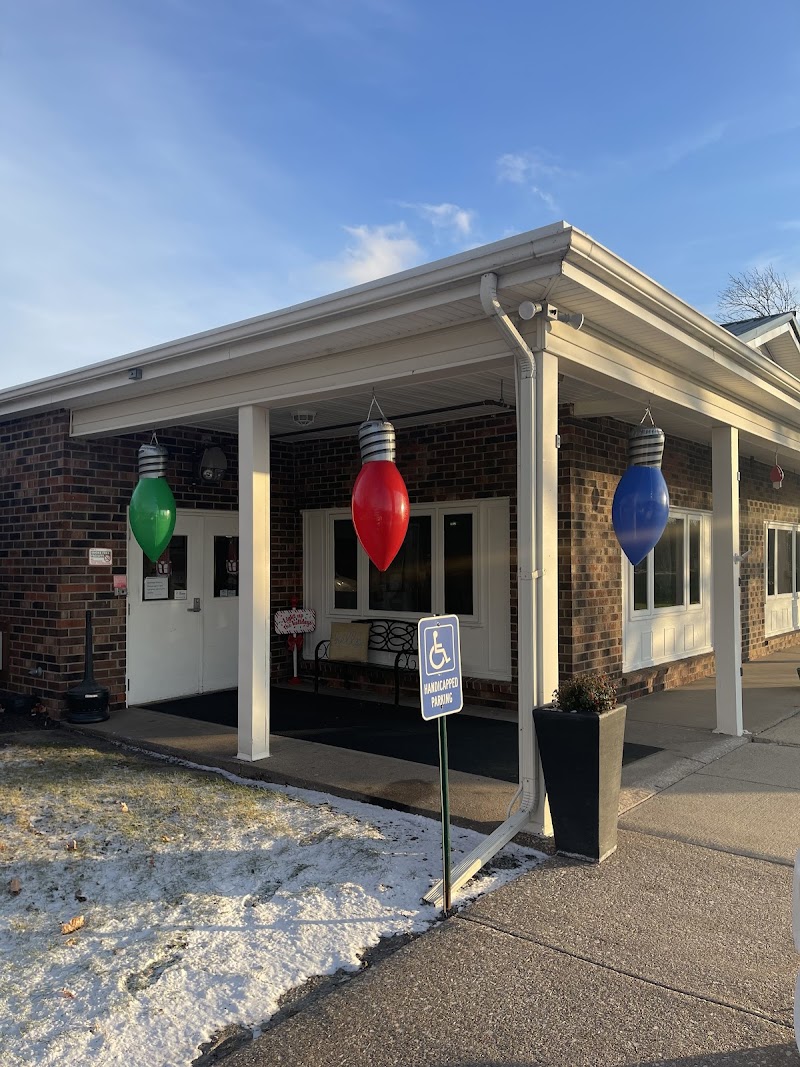
CONCERN (D)

Potential for Harm - no one hurt, but risky conditions existed

Deficiency F0883 (Tag F0883)

Could have caused harm · This affected 1 resident

Based on clinical record review, staff interview, and policy review that facility failed to provide pneumococcal and influenza immunizations as required for 2 out of 5 residents reviewed (Resident #10...

Read full inspector narrative →
Based on clinical record review, staff interview, and policy review that facility failed to provide pneumococcal and influenza immunizations as required for 2 out of 5 residents reviewed (Resident #10, Resident #19 ). The facility reported a census of 36 residents. Findings include: The facility immunization record for Resident #10 indicated the last pneumococcal vaccine was administered on 8/27/22. There was no record of the vaccine being offered or declined since that time. The facility immunization record for Resident #19 indicated the last influenza vaccine was administered on 10/07/22. There was no record of the vaccine being offered or declined since that time. During an interview on 9/04/24 at 3:18 PM the MDS (Minimum Data Set) Coordinator explained she sends and collects permission forms for all the vaccines at the same time. She confirmed that she did not have a form for Resident #10. She acknowledged they do not know if the resident refused the vaccine or was not offered one. She also confirmed she could not find a declination or acceptance form for the influenza vaccine for Resident #19. The facility policy titled Infection Control Manual, updated 9/2023 instructed: 1. All residents of the facility, regardless of age and medical condition, must receive the influenza vaccine annually, conditioned upon the availability of the vaccines, unless there is a documented contraindication, decline or refusal of vaccine and depending on availability of vaccine. 2. Residents must be immunized against pneumococcal disease unless medically contraindicated or when the resident or the resident's legal representative refuses immunization. 3. Staff must complete the Pneumococcal & Influenza Vaccine-Information and Consent with the resident or family at the time of admission and each time offered. Place in the medical record.
CONCERN (E)

Potential for Harm - no one hurt, but risky conditions existed

Deficiency F0801 (Tag F0801)

Could have caused harm · This affected multiple residents

Based on record review, staff interview, and policy review the facility failed to ensure the Dietary Manager met the minimum qualification of having a national certification for food service managemen...

Read full inspector narrative →
Based on record review, staff interview, and policy review the facility failed to ensure the Dietary Manager met the minimum qualification of having a national certification for food service management and safety in the required timeframe. The facility reported a census of 36 residents. Findings include: The facility lacked record of the Dietary Manager's education or certification. They were unable to produce a schedule for the Dietician. The facility Employee Name Report, dated 9/3/24, indicated the Dietary Manger date of hire as 6/21/22. During an interview on 9/04/24 at 4:55 p.m., the Administrator stated the Dietary Manager had scheduled to take her certification test the previous week but the test was shut off in the middle of her taking it. The test rescheduled for this Tuesday [9/3/24] but she was called in to work due to a cook cancellation. She was rescheduling the test for next week [week of 9/9/2024]. During an interview on 9/05/24 at 9:25 a.m., the Administrator explained the dietician works remotely. She is never on site. She acknowledged the Dietary Manager not having her certificate was an issue. During an interview on 9/05/24 at 12:35 p.m., the Dietary Manger explained she had several years working as a Dietary Supervisor but did not take the necessary classes to qualify until this April. She noted she had to reschedule her certification test yet again. The facility lacked a policy indicating the necessary certification for Dietary Managers.
CONCERN (E) 📢 Someone Reported This

A family member, employee, or ombudsman was alarmed enough to file a formal complaint

Potential for Harm - no one hurt, but risky conditions existed

Deficiency F0804 (Tag F0804)

Could have caused harm · This affected multiple residents

Based on record review, observations, resident and staff interviews, and policy review the facility failed to serve at the safe temperature, and palatable. The facility reported a census of 36 residen...

Read full inspector narrative →
Based on record review, observations, resident and staff interviews, and policy review the facility failed to serve at the safe temperature, and palatable. The facility reported a census of 36 residents. Findings include: A review of the Resident Council Minutes from May 2024 revealed documented complaints of food sometimes being cold. During an interview on 9/03/24 at 10:45 a.m., Resident #6 described the vegetables as overcooked and the hamburger tasted like sandpaper. He noted the food was not warm when it gets to his room on a room tray. During an observation on 9/03/24 at 1:05 p.m., a requested test tray food items temperature results: a. Mashed potatoes - 135.5 degrees Fahrenheit (F) b. Boiled carrots - 125.0 F c. Roast beef - 120.5 F When tasted, the carrots noted to be lukewarm and have a mushy consistency. The roast beef noted to be lukewarm. During an interview on 9/05/24 at 12:35 p.m., the Dietary Manager explained she expected food holding temperatures to be around 145°F. She expressed other steps may need to be put in place to keep the room trays warm. The facility undated manual, titled HACCP (Hazard Analysis and Critical Control Points) Procedures Manual, noted the minimum acceptable holding temperature for all hot foods to be 135°F. The manual directed staff to prevent soggy, overcooked vegetables.
CONCERN (E)

Potential for Harm - no one hurt, but risky conditions existed

Deficiency F0805 (Tag F0805)

Could have caused harm · This affected multiple residents

Based on record review, observation, staff interview, and policy review the facility failed to assure food was properly prepared and appropriate to meet resident needs. The facility reported a census ...

Read full inspector narrative →
Based on record review, observation, staff interview, and policy review the facility failed to assure food was properly prepared and appropriate to meet resident needs. The facility reported a census of 36 residents. Findings include: The facility menu titled Spring/Summer 2024 provided by the facility for 9/03/24 designated the following serving sizes to be given to residents with a pureed diet: a. Pot roast- #8 scoop size (4-5 ounces (oz.)) b. Gravy- 2 oz. c. Potatoes and onions- #10 scoop size (3-4 oz.) d. Carrots and celery- #16 scoop (2 ¼ oz.) e. Apple crisp- #10 scoop f. Wheat roll- #12 scoop (2 ½-3 oz.) During an observation of the puree preparation on 9/03/24 at 1:28 p.m., the Dietary Manager (DM) failed to measure the beef and placed four chunks into the blender for four residents. Beef juice was added and the DM failed to measure the resulting puree before it was poured into a serving container. A 3 oz. scoop was used to serve the meat. Five #8 scoops of carrots with added juice was then measured, blended, and the volume not measured afterward before being placed in a serving container. An #8 scoop was used to serve the carrots. Seven (7) chocolate chip cookies and an unknown quantity of milk was blended, not measured, and poured directly into dessert bowls. Bread was not pureed or served and gravy was not made for the meal. During an interview on 9/05/24 at 12:35 p.m., the DM explained different managers trained her over the years and showed her two different ways to puree. One of the managers taught her to use a total volume chart to measure the amount at the end of pureeing and find the corresponding scoop size for the number of servings prepared. The other did not. She does not use it. An undated facility policy, titled Pureed Food Preparation, directed staff to portion out the number of pureed items needed to prepare pureed meals for all residents prior to blending. Only nutritive liquids are to be added for consistency. The policy failed to provide direction on measuring foods after blending to ensure adequate serving sizes.
CONCERN (E)

Potential for Harm - no one hurt, but risky conditions existed

Food Safety (Tag F0812)

Could have caused harm · This affected multiple residents

Based on observations, policy review, and staff interview the facility failed to prevent the potential for cross contamination due to lack of hand hygiene during preparation and plating of meals, prop...

Read full inspector narrative →
Based on observations, policy review, and staff interview the facility failed to prevent the potential for cross contamination due to lack of hand hygiene during preparation and plating of meals, proper storage of opened food items, uncovered garbage cans, and a lack of adequate chemical concentration in cleaning buckets. The facility reported a census of 36 residents. Findings include: During an observation of the kitchen on 9/03/24 at 10:12 a.m, the cleaning buckets were tested and lacked the appropriate chemical concentration for sanitizing surfaces. During the observation the following items were found in the freezer opened, unsealed, and undated: a. Cookie dough b. Chicken nuggets c. Ravioli d. Pizza crust e. Sausage patties f. Sausage links The dry goods pantry revealed almond extract with the lid broken off, unsealed and undated on the shelf. A continuous observation of meal preparation, and plating on 9/03/24 at 11:50 a.m., revealed: a. A garbage can found under the food prep counter with no lid, and a second can under the dish sink with no lid. b. Staff L, [NAME] wore gloves and grabbed two stacks of plates, touched a pan and a spatula, and failed to change gloves prior to plating cookies by hand. c. Staff M, [NAME] washed dirty dishes, failed to perform hand hygiene, and proceeded to whisk powdered drink mix and water together for meal service. d. Staff L wore gloves to handle plates, plate covers, and tongs, and failed to change gloves and plated 4 buns by hand. The tong handles for the meat fell into the pan and touched the food. The tongs used to plate meat, and the food then served to residents. During an observation on 9/04/24 at 10:40 a.m., the Dietary Manager re-tested the cleaning bucket solution, and the the test strip remained negative. During an interview on 9/05/24 at 12:35 p.m., the Dietary Manger explained she expected and educated staff not to wear gloves and touch items other than food. She further explained the facility was supposed to get the garbage lids as they knew that was an issue last survey and but they still haven't. An undated policy, titled HACCP Procedures Manual, directed staff to use proper hand washing for safe food preparation. Some food items, such as bread and rolls, should be handled with utensils or plastic gloves to decrease potential of infections. Staff must change gloves if handling different food items. The policy lacked direction regarding covering garbage cans, chemical sanitization, and food storage of opened items, labeling and dating of said items.
CONCERN (E) 📢 Someone Reported This

A family member, employee, or ombudsman was alarmed enough to file a formal complaint

Potential for Harm - no one hurt, but risky conditions existed

Infection Control (Tag F0880)

Could have caused harm · This affected multiple residents

**NOTE- TERMS IN BRACKETS HAVE BEEN EDITED TO PROTECT CONFIDENTIALITY** Based on observations, clinical record review, and staff interviews the facility failed to follow accepted infection control tec...

Read full inspector narrative →
**NOTE- TERMS IN BRACKETS HAVE BEEN EDITED TO PROTECT CONFIDENTIALITY** Based on observations, clinical record review, and staff interviews the facility failed to follow accepted infection control technique and use Enhanced Barrier Precautions during wound care for 2 of 2 residents (Residents #15, and #87), and use Enhanced Barrier Precautions when emptying a urinary catheter collection bag for 1 of 1 residents (Resident #86). The facility reported a census of 36 residents. Findings include: 1. The Minimum Data Set (MDS) dated [DATE], identified Resident #15 as cognitively intact with a Brief Interview for Mental Status (BIMS) score of 15 out of 15. The MDS listed diagnoses included: multiple sclerosis, depression, and polyneuropathy. The MDS assessed Resident #15 dependent on staff to complete oral hygiene, toileting, showers, dressing, putting on and taking off footwear, personal hygiene, repositioning and transfers. The Care Plan, dated 6/6/24, identified a Focus area to address I have a need for Enhanced Barrier Precautions r/t (related to) wounds. Interventions included: a. Enhanced Barrier Precautions (EBP) involve gown and glove use during high contact resident care activities. b. Follow facility's infection control policies/procedures when cleaning/disinfecting room, handling soiled linen, disinfecting equipment, etc c. High contact resident care activities include dressing, bathing/showering, transferring, providing hygiene, changing linens, changing briefs or assisting with toileting, device care or use, and wound care. d. Precautions are intended to be in place for the duration of a resident's stay in the facility or until resolution of the wound or discontinuation of the indwelling medical device that placed them at higher risk. A review of Physicians Orders revealed an order, dated 8/1/24, to provide Wound Care R (right) lower abd (abdomen) superior (anatomical description used for location towards the head) wound; Cleanser and pat dry with gauze cover wound bed with calcium alginate and cover with adhesive optifoam daily one time a day for wound care. The orders included a Physicians Order, dated 8/124, RLQ (right lower quadrant) open wound: Cleanse with NS, pat dry, place calcium alginate and cover with border foam dressing daily one time a day for wound care. During an observation of wound care started on 9/4/24 at 3:00 p.m., an Enhanced Barrier Precaution sign noted to be on the door frame of Resident #15's room. Outside the door, in the hallway a storage bin contained Personal Protective Equipment (PPE - gowns and gloves). The bin contained an adequate supply of PPE. At 3:05 p.m., after setting up a tray in the hall with a wound care items on a towel used for a barrier, Staff D, LPN entered the room. Staff D donned (put on) gloves, without donning a gown. At 3:06 p.m., Staff D removed dressings to right abdomen. The dressings contained a small amount of serosanguinous (thin, watery, pale red/pink drainage) drainage. Staff D then removed gloves, completed hand hygiene and donned new gloves. At 3:07 PM Staff D used the used Vashe soaked gauze to cleanse both abdominal wounds. Staff D cleaned the wounds from outside the wound bed to the inside. At 3:09 PM, Staff D after removing gloves and completing hand hygiene, left the room to obtain calcium alginate. Staff D completed hand hygiene, donned gloves and resumed wound care. Staff D did not don a gown. At 3:20 PM Staff E, Certified Nursing Assistant (CNA) entered the room to assist Staff D. Staff E completed hand hygiene and donned gloves. Staff E did not don a gown. 2. The Minimum Data Set (MDS) dated [DATE], identified Resident #87 as cognitively intact with a BIMS score of 15 out of 15. The MDS listed diagnoses included: paraplegia (paralysis of one half of the body), diabetes mellitus and neurogenic bladder (lack of bladder control). The MDS assessed Resident #87 as dependent on staff for assistance with toileting, showers, dressing, personal hygiene and transfers from bed to chair. The MDS identified Resident #87 occasionally incontinent of both bladder and bowel. The Care Plan, dated 9/2/24, included a Focus area to address I have potential impairment to skin integrity r/t diabetes, paraplegia, decreased mobility, and at times urinary Incontinency. Interventions Follow facility protocols for treatment of injury. The plan did not address the need for Enhanced Barrier Precautions. A review of the Physician Orders revealed an order, dated 9/4/24, Wound care to L (left) upper back, cleanse with NS pat dry and apply calcium alginate to the wound bed and cover with bordered foam dressing daily one time a day for wound care. A Skin Only Evaluation, dated 9/3/24, identified two shearing wounds on Resident #87's back. The assessment identified each wound as having minimal serosanguinous drainage. During an observation of wound care started on 9/4/24 at 2:36 p.m., an Enhanced Barrier Precaution sign noted to be on the door frame of Resident #15's room. Outside the door, in the hallway a storage bin contained an adequate supply of PPE. Staff D, LPN entered the room, completed hand hygiene and donned gloves. Staff D did not don a gown. Staff D soaked gauze in NS and proceeded to use to clean both wounds on the residents back. During an interview on 9/5/24 at 9:01 a.m., Staff D, LPN stated when a resident has more than one wound, a different piece of gauze should be used to clean each wound. Staff D stated if a resident is on EBP she should have donned an gown. She stated she did not wear a gown when doing wound care on Resident #15 or Resident #87. During an interview on 9/5/24 at 10:10 a.m., the Director of Nursing (DON) stated before completing wound care, she would expect nurses to don an isolation gown and gloves. The DON stated she expects nurses to use a different gauze for each wound cleansed, and to work from dirty to clean when cleansing a wound. A review of the facility policy, dated January 2019, titled Skin Management Standard Procedure for Dressing Change section directed staff, in part, to: 10. Cleanse wound from the center of the wound in a circular motion moving outward using cleansing agent ordered by the physician . 3. The Minimum Data Set (MDS) dated [DATE] identified Resident #86 as cognitively intact with a BIMS score of 15 out of 15. The MDS listed diagnoses included: coronary artery disease, heart failure and renal insufficiency. The MDS identified the resident required substantial/maximal staff assistance with lower body dressing and putting on footwear, toilet transfer, required partial/moderate staff assistance with showers, upper body dressing, repositioning and walking. The MDS documented Resident #86 had an indwelling catheter. The Care Plan, dated 8/26/24, included a Focus area to address I have the need for Enhanced Barrier Precautions r/t wounds with the use of a wound vac, JP (Jackson Pratt) drain to rt and lt flanks and indwelling catheter. Interventions included: a. EBP are recommended for residents known to be colonized or infection with a MDRO as well as those at increased risk of MDRO (Multidrug-resistant Organisms) acquisition. b. EBP involve gown and gloves use during high contact care activities for me. c. High contact care activities for me include: dressing, bathing/showering, transferring, providing hygiene, changing linens, changing briefs or assisting with toileting, device care or use, and wound care. During an observation on 9/4/24 at 7:17 AM, Staff B, CNA went to Resident #86 room to empty the catheter collection bag. An Enhanced Barrier Precaution sign noted to be on door frame to Resident #86 room. A storage bin noted to be placed outside the room with an adequate amount of PPE (gowns and gloves). Staff B entered the room, donned gloves and proceeded to empty the collection bag. Staff B did not don a gown. During an interview on 9/4/24 at 2:02 PM, Staff B, CNA reported when emptying a urinary drainage bag, she would need to put on gloves, get an alcohol wipe, plastic bag, a graduate and empty it into the graduate. The aides were told to wear a gown before taking care of anyone who has a catheter. She could not recall if she had donned an isolation gown before she emptied out Resident #86's bag. During an interview on 9/5/24 at 9:01 AM, Staff D, LPN reported staff should don an isolation gown and gloves before providing any care of Resident #86. During an interview on 9/5/24 at 10:10 AM, the DON reported when staff provide cares on Resident #86, she would expect them to don an isolation gown and gloves as the resident should be in Enhanced Barrier Precautions. A review of the facility policy, dated July 12, 2022, titled: Implementation of Personal Protective Equipment (PPE) Use in Nursing Homes to Prevent Spread of Multidrug-resistant Organisms (MDROs) listed examples of high contact care activities that require the use of a gown and gloves for Enhanced Barrier Precautions. These activities included: dressing, bathing/showering, transferring, providing hygiene, changing linens, changing briefs or assisting with toileting, device care or use (central line, urinary catheter, feeding tube, tracheotomy/ventilator), and wound care identified as any skin opening requiring a dressing.
CONCERN (F) 📢 Someone Reported This

A family member, employee, or ombudsman was alarmed enough to file a formal complaint

Potential for Harm - no one hurt, but risky conditions existed

Deficiency F0725 (Tag F0725)

Could have caused harm · This affected most or all residents

Based on clinical record review, facility assessment review, and staff interviews the facility failed to employ sufficient numbers of staff to meet resident needs. The facility reported a census of 36...

Read full inspector narrative →
Based on clinical record review, facility assessment review, and staff interviews the facility failed to employ sufficient numbers of staff to meet resident needs. The facility reported a census of 36 residents. Findings include: 1. A review of the Facility Assessment, updated 8/01/24 revealed the facility needed 3 (three) Certified Nursing Assistants (CNA) for first and second shift if the census was 30 or more in order to meet resident needs. A review of the staff schedules from 8/01/24-9/02/24 revealed there were two CNA's for either partial or whole shifts 8 (eight) times on first shift and 13 times on second shift. During an interview 9/04/24 at 12:27 p.m., Staff C, Certified Medication Aide (CMA) acknowledged there are staff who come in late or oversleep, which leaves too few staff on the floor. During an interview on 9/04/24 at 12:36 p.m., Staff B, CNA noted she did not feel they had enough staff on the floor. She noted it depended on who she worked with if she could get everything done in a shift. She explained right now there were just 2 (two) CNA's as the third one took a resident to an appointment. She noted they don't often have call-ins or no shows, they just don't have enough staff scheduled. During an interview on 9/04/24 at 12:46 p.m., Staff A, CNA exclaimed right now no, they do not have enough staff. There have been only 2 (two) CNA's this day. Two is not enough. This past weekend it was only two of them [CNA's]. She was not sure if they just schedule two or if there were call-ins. Duties carry over to the next shift if there are only two working. She noted 3 (three) CNA's would be better. During an interview on 9/05/24 at 11:57 a.m., the Administrator explained she usually started the scheduling but the Assistant Director of Nursing (ADON) and Director of Nursing (DON) help with call-ins and scheduling also. They have several office staff that are CNA/CMA's that they can ask to help out if they are short on the floor during first shift. CMA's get pulled from medication duty to work the floor as well. In the afternoons they usually run 2 (two)CNA's but they are hiring more. They could usually ask someone to come in early or stay late. She explained staff called in 2-3 times per week and there was a lot of staff turnover. She noted staffing is based on census. Typically there were 2 (two) CNA's per shift on the weekends and they just hired more. There was also a policy where staff could be held over on their shift. She reported 3 (three) staff members quit recently because of this. They do borrow from other buildings at times if needed, and try to keep agency staff out. She expected all staff to answer a call light, no matter their title or job duties. 2. The Minimum Data Set(MDS) assessment tool, dated 4/3/24, listed diagnoses for Resident #16 which included depression, chronic pain, and chronic obstructive pulmonary disease. The MDS stated the resident was dependent on staff for toileting hygiene, showering, dressing, personal hygiene, and transferring and listed the resident's Brief Interview for Mental Status(BIMS) score as 15 out of 15, indicating intact cognition. The facility Freedom of Abuse Neglect and Exploitation Policy revised 8/2020, defined abuse as the willful infliction of injury, unreasonable confinement, intimidation or punishment with resulting physical harm, pain, or mental anguish. The policy stated the facility had zero tolerance for abuse of any type or manner and would address accordingly. A handwritten statement, dated 5/6/24, by Staff H Registered Nurse(RN) stated she heard screaming down the hall and Staff F Certified Nursing Assistant(CNA) stated she could not take these residents cursing them out and complaining while she cared for them. Staff H stated Resident #16 called the Staff F a b--h and Staff F took a box of gloves and threw it at the resident from the doorway and it hit the resident indirectly in the head(it hit the bed mattress before it hit patient). During an interview on 9/3/24 at 2:20 p.m. Staff H Registered Nurse(RN) stated on the night in question, the facility was understaffed and staff were pretty stressed out and Resident #16 got the worst end of it. She stated she heard screaming from the other end of the building and she arrived near Resident #16's room and Staff F stated she was the one doing the screaming. Staff H stated the resident and Staff F were yelling at each other. The resident called her names and said she was a bad a-- b---- and Staff F said she would show him. Staff F grabbed a box of gloves which was not empty and whipped it at him with all of her strength. Staff H stated the gloves landed in the bed. She believed the gloves hit the resident but she could not say where. She stated when she threw the gloves, it had force behind it. She stated after this happened the resident was shook up. During an interview on 9/4/24 at 3:06 p.m., Staff F CNA stated on the day in question [5/6/2024], they were short staffed. She stated on 5/6/24, those who worked in the building consisted of: herself, Staff H RN and Staff N CNA. She stated they were the only 3 in the building. She stated after supper she needed to assist Resident #16 into bed and he had no sling under him for the mechanical lift. She stated Staff N was there but she was pregnant and was spotting so she could not have her lift. The resident stated he did not care and directed them to just get me into bed. She stated Staff N said she could help and they both picked him up and they all three fell into bed. The resident then told Staff F not to manhandle him and was then pissed and yelling. Staff F said he was verbally abusing her and he said something and she just snapped and said I don't give a f--*. Staff F stated f--k you and no one appreciates me. Staff F stated she knocked over the wheelchair and left the room. At this time Staff H arrived and the resident then said oh f--* that b---h and Staff F stated she took a box of gloves and threw it directly into the room at the wall. She stated the box did not hit the resident. She stated she did not throw any washcloths or threaten anyone. Staff F stated she was angry and went out the front door and cried. She said she would not return down that hall and then went to another hall and assisted another resident when Staff G came into the room and told her she had to go. About a week prior to the incident on 4/29/24, she stated she had a mental breakdown. She came into the building for the second shift and every resident was soiled and she could not take it anymore. She stated other workers did not show up for work and she was completing sit to stand lifts by herself. She stated she understood her exploding was not ok but the facility put a lot on her. She went out to her car and started screaming and crying. The Administrator, Staff J RN and her mother(who worked in laundry) came out to her car also and were looking at her She told them to get away and she was embarrassed. Staff F punched her car window and cracked it and she threw a 40 ounce soda on her mother. She stated as she tried to reverse in her car, an ambulance and police car arrived. After speaking to the police, she went home. She stated this was around 5:00 p.m. She stated the Administrator texted her to see if she was ok but then asked her that night if she could come in at 10:00 p.m She did not end up coming back that night. The Daily Staff Assignment sheet for 5/6/24 displayed the following staff for the evening shift: Staff N CNA Staff F CNA until 8:30 p.m. Day charge nurse Staff H RN During an interview on 9/9/24 at 12:47 p.m., the Administrator was queried regarding ways she monitored and handled staff burnout. She stated she tried really hard to keep the facility staffed and tried to limit the amount of overtime. She stated she could tell by a staff member's energy, how they responded to residents, and their attitudes if they were getting burned out. She stated if they were clearly burned out, she would start filling the hours with other staff if she had them available. During an interview 9/4/24 at 1:42 PM, Staff A, CNA stated with a census of 36 resident, the facility is usually staffed with one nurse, one med aide and 2 or 3 CNAs. She stated there have been one or two days she arrived to work and was the only CNA scheduled to work During an interview on 9/4/24 at 2:02 PM, Staff B, CNA stated with a census of 36 resident, the facility is usually staffed with one nurse, one med aide and 2 or 3 CNAs. She added there are 9 (nine) residents that require transfers with a mechanical lift which requires 2 (two)staff to assist During an interview on 9/4/24 at 2:19 PM, Staff C, CMA stated she has been the only aide to come in to work at least once a month when people call in sick. During an interview on 9/5/24 at 9:01 AM, Staff D, LPN stated the facility usually is staffed with one nurse, one med aide and 2 (two) CNAs. She stated there have been 2 or 3 times she arrived to work and only one CNA was scheduled to work
CONCERN (F)

Potential for Harm - no one hurt, but risky conditions existed

Deficiency F0865 (Tag F0865)

Could have caused harm · This affected most or all residents

Based on previous CMS-2567 review, staff interview and facility policy review the facility failed to ensure a comprehensive, effective Quality Assessment and Performance Improvement (QAPI) program. Th...

Read full inspector narrative →
Based on previous CMS-2567 review, staff interview and facility policy review the facility failed to ensure a comprehensive, effective Quality Assessment and Performance Improvement (QAPI) program. The facility reported a census of 36 residents. Findings include: Per review of the dia-hfd.iowa.gov website, the following deficiency had been previously identified per a Recertification Survey conducted from 2/19/23 to 2/16/2. The deficiency also cited during a Recertification Survey and Complaint Survey conducted from 9/3/2024 to 9/9/24: a. F725 - Sufficient Nursing Staff. Review of the Recertification Survey, and Complaint Survey conducted 11/13/23 to 11/21/23 revealed the following deficient practices, which also were identified during the Recertification Survey, and Complaint Survey conducted from 9/3/24 to 9/9/24: a. F677 - ADL Care Provided for Dependent Residents b. F684 - Quality of Care c. F804 - Nutritive Value/Appearance, Palatable/Preferred Temperature d. F812 - Food Procurement, Store/Prepare/Serve - Sanitary f. F880 - Infection Prevention & Control During an interview on 9/09/24 at 3:44 p.m., the Administrator explained the QAPI team meets at least quarterly and try to meet monthly to discuss issues. Data is collected via an online program and resident or employee complaints. The facility takes the top three issues to work on at a time and intend to follow it for one calendar year. The deficiencies from a survey are considered high priority. She acknowledged there was no plan in place for improvement of the previous survey deficiencies when she took the position as Administrator. She noted she was not surprised they had repeat deficiencies this survey. A review of the facility QAPI Management Plan, revised 1/2024 revealed, Once a Plan of Improvement has been implemented by the facility, the QAPI Committee should monitor the progress of the Plan. Should the issue continue to be a concern to staff, residents or facility customers, additional Resident Grievance/Concern/Complaint Reports should be submitted to the QAPI Committee for further review. Duties and responsibilities of the QAPI Committee included, but are not limited to: a. Reviewing and approving written policies that guide and limit the activities and decisions of the staff as they fulfill the objectives of the facility. b. Establishing and enforcing policies to ensure that specific duties or functions are performed accurately and uniformly. c. Prioritizing areas of concern and identifying QAPI projects. d. Appointing Special Project Teams to investigate matters of concern and recommend Plans of Improvement to the QAPI Committee. e. Monitoring and evaluating the results of the Plans of Improvement and determining follow-up activities, if needed. f. Establishing benchmarks and data collection methodology for evaluating Plans of Improvement g. Review of clinical/operational results
Nov 2023 12 deficiencies
CONCERN (D) 📢 Someone Reported This

A family member, employee, or ombudsman was alarmed enough to file a formal complaint

Potential for Harm - no one hurt, but risky conditions existed

Resident Rights (Tag F0550)

Could have caused harm · This affected 1 resident

Based on clinical record review, observations, resident and staff interviews, and facility policy review, the facility failed to treat residents with dignity during services related to incontinence ca...

Read full inspector narrative →
Based on clinical record review, observations, resident and staff interviews, and facility policy review, the facility failed to treat residents with dignity during services related to incontinence care for 2 of 4 residents (Residents #9, and #14). The facility reported a census of 25 residents. Findings Include: 1. The Minimum Data Set (MDS) Assessment Tool, dated 10/17/23, listed diagnosis for Resident #9 included Parkinson's Disease, schizophrenia, and type 2 diabetes. The MDS assessed the resident dependent on staff for all care related to toileting. The MDS listed the resident's Brief Interview for Mental Status (BIMS) score as 4 out of 15, indicating severely impacted cognition. The Care Plan, dated 4/25/22, addressed a Focus Area of bladder incontinence, and bowel incontinence. Interventions included checking the resident every two hours and assisting with toileting as needed, and clean the peri-area after each episode of incontinence. During an interview on 11/13/23 at 2:56 PM, Staff E, Certified Nursing Assistant (CNA) stated on 11/6/23 she and Staff F, CNA were asked to assist Resident #9 with toileting and peri care due to apparent incontinence. Staff E stated she and Staff F used the Sara lift (transfer device) to assist the resident to the toilet. Staff E stated while the resident was on the toilet, the Administrator took pictures of the resident. During an interview on 11/15/23 at 1:24 PM, the Administrator stated she did take a picture of the resident while the resident was using the toilet. The Administrator explained the resident had been incontinent and had an odor, and appeared to have what appeared to be stool and urine on the bottom of her shirt. The Administrator explained she took the picture to document the lack of incontinence cares being completed. She explained she shared the picture with a Corporate Staff to give visual evidence of her concerns with the care given to the residents. On 11/15/23 at 1:33 PM, an observation of the picture revealed a resident sitting on the toilet, wearing a white shirt with a grapefruit size brown stain on the bottom right side. The residents' right arm from wrist to biceps, and thigh were visible. The picture did not include the resident's face. The Administrator stated the Corporate Staff with whom she shared the picture voiced concern about taking the picture and the issues with dignity. The Administrator stated she agreed with the feedback, but explained she felt it is hard for those not in the building to understand her concerns with care. 2. The MDS Assessment Tool, dated 10/1/23, listed diagnoses for Resident #14 included multiple sclerosis, depression, and polyneuropathy (malfunction of nerves throughout the body). The MDS assessed the resident dependent on staff for all care related to toileting. The MDS listed the resident's BIMS score as 15 out of 15, indicating intact cognition. The Care Plan, dated 5/26/22, documented a Focus Area of bowel incontinence related to multiple sclerosis. Interventions included checking the resident every two hours and providing incontinence care as needed. During an interview on 11/13/23 at 1:37 PM, the resident stated she has not had an adult incontinence brief since 11/12/23. She stated she has asked for one and the staff stated they would come back and assist her, but never returned. Resident #14 stated she feels very uncomfortable if not wearing an incontinence brief, especially if she has a bowel movement. During an interview on 11/15/23 at 4:24 PM, Staff C, CNA stated it is not uncommon for Resident #14 to be left without a brief. The staff stated she is unaware of any Care Plan intervention for the resident to be left open to air to prevent skin breakdown. During an interview on 11/16/22 at 10:22 AM, Staff B, Licensed Practical Nurse (LPN) stated there is no reason the resident should be open to air. She stated if the resident requested a brief then the staff should assist her. During an interview on 11/20/23 at 4:26 PM, the Director of Nursing (DON) stated Resident #14 is left open to air due to having a catheter and a wound that required a wound vacuum. The DON stated she completed education with the resident about the benefits of being open to air. The DON stated the resident indicated she does not feel comfortable having a bowel movement if she is not wearing an incontinence brief. The DON stated she does not know if the resident had a brief put on after the education. The facility admission Agreement packet included an undated document titled, Rights of Residents in Long-Term Care Facilities from the Office of State Long-Term Care Ombudsman. The Privacy and Confidentiality section informed residents of their rights to privacy while receiving treatment and personal care. The Dignity, Respect and Freedom section of the document informed residents of their right to be treated with consideration, respect and dignity, and to control their life and provide input on decisions made on their behalf.
CONCERN (D) 📢 Someone Reported This

A family member, employee, or ombudsman was alarmed enough to file a formal complaint

Potential for Harm - no one hurt, but risky conditions existed

ADL Care (Tag F0677)

Could have caused harm · This affected 1 resident

**NOTE- TERMS IN BRACKETS HAVE BEEN EDITED TO PROTECT CONFIDENTIALITY** 3. The MDS Assessment Tool, dated 10/7/23, listed diagnoses for Resident #17 included history of a stroke affecting the left sid...

Read full inspector narrative →
**NOTE- TERMS IN BRACKETS HAVE BEEN EDITED TO PROTECT CONFIDENTIALITY** 3. The MDS Assessment Tool, dated 10/7/23, listed diagnoses for Resident #17 included history of a stroke affecting the left side, neurogenic bladder, and type 2 diabetes mellitus. The MDS assessed the resident dependent on staff for all care related to toileting and as always incontinent. The MDS listed the resident's BIMS score as 8 out of 15, indicating moderately impaired cognition. The Care Plan, dated 10/13/23, addressed a Focus Area of bladder incontinence due to history of a stroke. Interventions included checking the resident every two hours and as required for incontinence. During an observation on 11/13/23 at 11:40 AM, Staff A, CNA and Staff D, CNA assisted the resident in getting up and ready for the day. A strong odor of urine noted to be present in the room. At 11:45 AM, Staff A removed the blankets off of the resident. The resident's clothing, incontinence bed pad, and bed sheet was wet. The sheet had a large wet area, with a brown ring along the edges. The incontinence brief appeared heavily soaked with urine. During an interview on 11/15/23 at 8:00 AM, Staff A stated late morning on 11/13/23 Resident #17 was found in bed, soaked with urine. She stated the resident's clothing, incontinence bed pad, and sheets were wet. She stated the sheet had a brown ring around the wet area. Staff A stated it appeared the resident had not been checked and changed at the end of third shift. During an interview on 11/20/23 at 4:26 PM, the DON stated she would expect a resident who is incontinent to be checked and changed, if needed, every two hours. The DON stated if a resident is wet and the bed sheets have a brown ring around a wet area that would indicate they have been incontinent more than once, and the area dried in between each incident. The facility policy, dated October 2023, titled Incontinence Management lacked direction on the care of residents who are always incontinent. Based on clinical record review, observations and resident and staff interviews, the facility failed to provide showers twice a week for one out of five residents reviewed (Resident #3) and failed to provide regular incontinence care for two of five residents reviewed (Residents #5 and #9). The facility reported a census of 25 residents. Findings Include: 1. The Minimum Data Set (MDS) dated [DATE] identified Resident #3 as cognitively intact with a Brief Interview for Mental Status (BIMS) score of 15 out of 15 and had the following diagnoses: Type 2 Diabetes Mellitus, Coronary Artery Disease and Anxiety Disorder. The MDS documented Resident #3 had impairments to both sides of arms and legs and required staff assistance with most activities of daily living. In an interview on 11/13/23 at 9:51 AM, Resident #3 reported the last time he got a shower was last weekend and he only got showers on Saturdays. On 10/9/21 the Care Plan identified Resident #3 with the problem of requiring assistance with Activities of Daily Living (ADL's)) related to a right below the knee amputation of his leg. It did not address how often Resident #3 should have been showered. A review of the Shower/Bath Sheets documented the following days the resident was bathed: a. On 8/2/23 had bed bath. b. On 8/5/23 had shower. c. On 8/9/23 refused upset about room spray in hallway bathroom. d. On 8/12/23 had shower. e. On 8/16/23 had bed bath. f. On 8/26/23 had bed bath. g. On 9/6/23 had bed bath. h. On 9/20/23 had bed bath. i. On 9/24/23 had shower. j. On 9/27/23 had bed bath. k. On 10/4/23 had bed bath. l. On 10/7/23 had bed bath. m. On 10/16/23 had bed bath. n. On 10/21/23 had shower. o. On 11/4/23 had shower. 2. The MDS dated [DATE] identified Resident #5 as cognitively intact with a BIMS score of 15 out of 15 and had the following diagnoses: Acute Kidney Failure requiring dialysis, Paraplegia (paralysis of one half of the body) and Multiple Sclerosis (MS). The MDS documented the resident had impairments to both sides of both arms and legs and required staff assistance with most ADL's. On 2/27/15, the Care Plan identified Resident #5 of having the problem of impaired capability of performing my ADLs as his functional ability has deteriorated related to the diagnoses of MS and directed staff to: a. Assist him with personal hygiene. b. Provide him with a bath/shower twice weekly and PRN (as needed). In an interview on 11/16/23 at 10:17 AM , Resident #5 reported on Thursdays he always feels like he is forgotten. He will not know when he had a bowel movement (BM) and he felt lucky if the staff checked on him twice a day. In an interview on 11/16/23 at 8:13 AM, Staff B, Licensed Practical Nurse (LPN) reported residents are supposed to be showered twice a week. If there is not documentation of this done twice a week it would be due to the residents refusing or if there are not enough staff to give showers. Staff B also reported Resident #3 had complained about not getting his showers twice a week. In an interview on 11/16/23 at 9:57 AM, Staff C, Certified Nursing Assistant (CNA) reported Resident #5 had complained to her that the staff did not change his brief on Tuesday (11/14/23). When she came in and saw it, his incontinent brief was full of stool. Every time she is scheduled to work second shift on Tuesdays, Thursdays and weekends she will find him incontinent of BM. In an interview on 11/20/23 at 9:23 AM, the Director of Nursing (DON) reported residents are supposed to get showers twice a week. If there are residents not getting showered twice a week it would be due to their refusal or if they are out of the building. She would then expect the staff to re-approach later and if the resident still refused, let the nurse know. There are Shower Sheets and they need to document that the resident refused and initial.
CONCERN (D) 📢 Someone Reported This

A family member, employee, or ombudsman was alarmed enough to file a formal complaint

Potential for Harm - no one hurt, but risky conditions existed

Quality of Care (Tag F0684)

Could have caused harm · This affected 1 resident

**NOTE- TERMS IN BRACKETS HAVE BEEN EDITED TO PROTECT CONFIDENTIALITY** Based on clinical record review, staff interviews, and facility policy review, the facility failed to document a thorough assess...

Read full inspector narrative →
**NOTE- TERMS IN BRACKETS HAVE BEEN EDITED TO PROTECT CONFIDENTIALITY** Based on clinical record review, staff interviews, and facility policy review, the facility failed to document a thorough assessment of a resident being transferred to the hospital for one of three residents reviewed (Resident #6). The facility reported a census of 25 residents. Findings Include: The Minimum Data Set (MDS) dated [DATE] identified Resident #6 as cognitively impaired with a BIMS (Brief Interview for Mental Status) of 6 out of 15 and had the following diagnoses: Metabolic Encephalopathy (an alteration in consciousness caused due to brain dysfunction), Renal Insufficiency (kidney failure) and Obstructive Uropathy (a disorder of the urinary tract that occurs due to obstructed urinary flow and can be either structural or functional). The MDS also identified Resident #6 had impairments to both arms and legs and required staff assistance with most activities of daily living. The MDS also identified Resident #6 received 51% or more of his diet from tube feedings. A review of the facility Progress Notes revealed the following: a. On 10/25/23 at 12:04 PM - Chief complaint: not feeling well, upset stomach. For past 2 days, complained of nausea, Temperature: 98.9 Pulse: 84 Respirations: 20 Blood Pressure: 112/66 Pulse Oximetry: 97. Abdomen: Minimally Distended, Soft Nontender, Gastrostomy tube in place. Last bowel movement (BM): Incontinent of bowel. b. On 10/31/23 at 3:04 PM - (last note entered prior to being admitted to local hospital) Call out to Nurse Practitioner concerning international normalised ratio (INR, a blood test measuring how long it takes for blood to clot) of 2.5 drawn today, new order received to continue same dose Warfarin (blood thinning medication) of 8 milligrams (mg) daily and recheck INR in one week. Family aware of new order. No documentation of the assessment of the resident prior to being transferred out to the hospital. c. On 11/1/23 at 1:04 AM - Received call back from the Hospital Nurse. Resident #6 has been admitted to the Med-Pulmonary Unit with altered mental status, chronic Urinary Tract Infection (UTI) and fecal impaction. d. On 11/1/23 5:33 AM - No BM x 3 days - please assess In the Hospital with fecal impaction. e. On 11/6/23 6:14 PM - Resident returned from hospital on ambulance cart with 2 attendants. Transferred to bed with assist of 4. Orders taken and entered. Family aware of return from hospital. On 1/25/23, the Care Plan identified Resident #6 with the problem of requiring a tube feeding related to Dysphasia and directed staff to Monitor/document/report as needed any signs/symptoms of: a. Aspiration such as fever. b. Shortness of breath (SOB). c. Tube dislodged. d. Infection at tube site, Self-extubation, Tube dysfunction or malfunction. e. Abnormal breath/lung sounds. f. Abnormal lab values. g. Abdominal pain, distension, tenderness, h. Constipation or fecal impaction. i. Diarrhea. j. Nausea/vomiting or Dehydration. A review of the October 2023 Medication Administration Record (MAR) failed to include orders for scheduled or give as needed (PRN) orders for laxatives or stool softeners. A review of the Emergency Department Physician Notes dated 10/31/23 at 5:38 PM revealed the following: Presents with abdominal pain with history of incarcerated inguinal hernia, Parkinson's and pulmonary embolism anticoagulated on Warfarin who presents with abdominal distention noted 2 weeks ago. Nursing Home Administrator for facility in the room and provided history. He was in the emergency room (ER) 2 weeks ago - CT of abdomen did not reveal any evidence of bowel obstruction. Per Nursing Home Administrator, staff had noticed he appeared to have minimal abdominal distention in the mornings that progressively worsens throughout the day. CT (Computerized Tomography - a series of x-rays from different angles around the body) of abdomen in ER showed no bowel dilation or fluid levels to indicate obstruction or ileus. There is prominent stool in the rectosigmoid (a portion of the large intestine) which is distended at 8 centimeters (cm) in diameter, similar to prior study likely due to some fecal impaction. Impression: Probable fecal impaction in the rectosigmoid. In an interview on 11/16/23 at 8:13 AM, Staff B, LPN reported before she sends a resident out to the hospital, she would need to chart the reason why she is sending the resident out, that she notified the doctor and family, received an order to send him out. Staff B also reported she would need to chart symptoms as to why she is sending the resident out and any complaints of pain, nothing else. Staff B reported when Resident #6 was hospitalized [DATE], his abdomen was distended and firm with active bowel wounds. The aides had reported he had regular bowel movements daily. She reported she thought he had a Urinary Tract Infection and Fecal Impaction. Resident #6 did not have any scheduled or PRN laxatives. Residents are checked on a daily basis once a day, the night shift will put the resident on the BM list if they have not had a BM in 3 days. Then we would initiate the bowel protocol. After the first day of no BM, give Senna. On the second day of no BM, give Milk of Magnesia. When asked if the fecal impaction could have been avoided, she reported it could have. Since he is only on tube feedings and the medications he is on, he should be on a stool softener at least PRN. In an interview on 11/20/23 at 9:23 AM, the Director of Nursing (DON) reported before sending a resident out to the hospital she would expect the nurses to chart in the Nurses's Notes why they are being sent out, how they are sent (ambulance), an assessment of the resident, that the family notified and physician were notified. She could not recall Resident #6's diagnosis when he was hospitalized [DATE]. When asked if the fecal impaction could have been avoided, she reported she did not think he had one as they document daily that the resident is being checked for BM. She also reported she did not think Resident #6 had scheduled laxatives or stool softeners ordered. A review of the facility policy titled: Discharge and Transfer dated 2020 documented the following Documentation should include: a. Basis for transfer. b. Specific needs that cannot be met. c. Physician of the resident. d. Care Plan. e. All other necessary information such as special events.
CONCERN (D)

Potential for Harm - no one hurt, but risky conditions existed

Incontinence Care (Tag F0690)

Could have caused harm · This affected 1 resident

Based on observations, clinical record review, staff interviews, and facility policy review, the facility failed to ensure catheter tubing and catheter bag are positioned in a manner to prevent possib...

Read full inspector narrative →
Based on observations, clinical record review, staff interviews, and facility policy review, the facility failed to ensure catheter tubing and catheter bag are positioned in a manner to prevent possible infection for 1 of 4 residents (Resident #21). The facility reported a census of 25 residents. Findings Include: The Minimum Data Set (MDS) Assessment Tool, dated, 10/29/23, listed diagnosis for Resident #21 included Alzheimer ' s disease, depression, and generalized weakness. The MDS listed the resident's Brief Interview for Mental Status (BIMS) score as 1 out of 15, indicating severely impaired cognition. A review of the clinical record revealed a 10/17/23 Physician Order for a Foley catheter. The Care Plan, dated 10/23/23, included a focus area for an indwelling catheter. The plan included an intervention to check the tubing for kinks each shift. An observation on 11/13/23 at 2:00 PM, revealed Resident #21 sitting in a geriatric chair in the common area outside of the dining room. The resident's catheter tubing looped down towards the floor, and then back up to the bag positioned on the arm rest. An observation on 11/14/23 at 8:57 AM, revealed the resident resting in her bed, positioned low to the floor. The catheter bag, attached to the bed frame, rested on the floor. During an interview on 11/20/23 at 4:26 PM, the Director of Nursing (DON) stated she would expect all catheter bags and tubing to be positioned in a manner so the tubing drains down into the bag, and off the floor. A facility policy, dated 10/2023, titled Incontinence Management, section Catheter Care Procedure lacked direction on placement of catheter bag and tubing.
CONCERN (D)

Potential for Harm - no one hurt, but risky conditions existed

Deficiency F0804 (Tag F0804)

Could have caused harm · This affected 1 resident

**NOTE- TERMS IN BRACKETS HAVE BEEN EDITED TO PROTECT CONFIDENTIALITY** Based on clinical record review, observations, resident and staff interviews, the facility failed to serve food that was warm an...

Read full inspector narrative →
**NOTE- TERMS IN BRACKETS HAVE BEEN EDITED TO PROTECT CONFIDENTIALITY** Based on clinical record review, observations, resident and staff interviews, the facility failed to serve food that was warm and palatable for three of twenty four residents reviewed (Residents #3, #5 and #10). The facility reported a census of 25 residents. Findings include: 1. The Minimum Data Set (MDS) dated [DATE] identified Resident #3 as cognitively intact with a Brief Interview for Mental Status (BIMS) score of 15 out of 15 and had the following diagnoses: Type 2 Diabetes Mellitus, Coronary Artery Disease and Anxiety Disorder. The MDS documented Resident #3 with impairments to both sides of arms and legs and required staff assistance with most activities of daily living. In an interview on 11/13/23 at 9:51 AM, Resident #3 reported the food here is nasty. He will ask for it to be cooked a certain way, i.e.: eggs. He likes his eggs over-easy and they serve it to him overcooked or scrambled. They do this most of the time. He eats in his room and most of the time his food is cold. In an observation and interview on 11/14/23 at 8:18 AM, the Resident #3 was served breakfast with a plate of scrambled eggs, bacon (which appeared overcooked) and toast. Resident stated here we go again, I keep telling them I don't like my eggs scrambled and look at this bacon it's burnt and I don't eat toast. I did tell that gal that I want fried eggs over-easy. On 12/2/21, the Care Plan identified Resident #3 with the problem of having the potential for nutrition issue related to severe morbid obesity, current vascular wound and directed staff to provide and serve diet as ordered. It did not address the resident's preferences. 2. The MDS dated [DATE] identified Resident #5 as cognitively intact with a BIMS score of 15 out of 15 and had the following diagnoses: Acute Kidney Failure requiring dialysis, Paraplegia (paralysis of one half of the body) and Multiple Sclerosis. The MDS also identified the resident with impairments to both sides of both arms and legs and required staff assistance with most activities of daily living. In an interview on 11/14/23 at 8:20 AM, Resident #5 reported he was served cold scrambled eggs, cold bacon and it was overcooked, can crack a tooth on it. In an interview on 11/14/23 at 1:09 PM, Resident #5 reported meatballs were overcooked no flavor, carrots were overcooked, noodles were overcooked. Food was warm today, but most of the time it's cold. In an interview on 11/16/23 at 10:17 AM , Resident #5 reported the meat for hamburger is terrible, very chewy. He will usually order peanut butter and jelly as the alternate. He cannot have dairy, but they continue to give him food that has dairy like things that have cheese, like pizza, grilled cheese sandwich and ravioli. On 2/28/22, the Care Plan identified Resident #5 with the problem of the potential for a nutrition problem related to hemodialysis treatments. The Care Plan directed staff to provide and serve diet as ordered, alternates as desired. 3. The MDS dated [DATE] identified Resident #10 as cognitively intact with a BIMS score of 13 out of 15 and had the following diagnoses: Chronic Atrial Fibrillation (an abnormal heart rhythm), Renal Insufficiency and Arthritis. It also identified her with impairments to both arms and legs and required staff assistance with most activities of daily living. In an interview on 11/13/23 at 10:19 AM, Resident #10 reported the food here is terrible, I don't like it. I eat in the dining room. I haven't talked to anyone about the food, as it does not do any good because they go by the menu. Observations of Resident #10 during mealtimes revealed the following: a. On 11/13/23 at 12:05 PM, Resident #10 served a plate with chicken tenders, mashed potatoes with brown gravy, sweet peas and dinner roll. She did not pick up her fork to feed herself, however, already drank all glasses of beverages. b. On 11/13/23 at 12:16 PM, resident served 4 oz container of raspberry sherbet, pushed aside plate with main meal which she had not touched and began feeding herself sherbet. Did not receive cues from staff on eating meal from her plate. c. On 11/14/23 at 8:08 AM, Resident #10 sat up in a Broda chair in the main dining room, had a plate in front of her with scrambled eggs, toast, two slices of bacon. She did not make any effort to feed herself. The Director of Nursing and Staff B, LPN sat at the table next to Resident #10 and did not provide cues to encourage the resident to eat. On 10/10/2023, the resident weighed 274 lbs. On 11/10/2023, the resident weighed 255 pounds which is a -6.93 % Loss. 10/12/23 at 6:41 PM, Resident #10 continues her desire for planned weight loss. Resident reports being without an appetite. Mirtazapine 7.5 mg ordered for depression which could also has side effects for possible appetite stimulant. In an interview on 11/16/23 at 8:13 AM, Staff B, Licensed Practical Nurse (LPN) reported Resident #3 had complained to her that he does not like the food and the kitchen will not offer him anything different. In an interview on 11/16/23 at 9:57 AM, Staff C, Certified Nursing Assistant (CNA) reported Resident #3 had complained about the food and that he does not like what is served. In an interview on 11/16/23 at 1:27 PM, Staff D, CNA, reported Resident #3 complained that he does not like the food they serve to him. They should offer him something different, but she did not know if they do. In an interview on 11/21/23 at 2:36 PM, the Administrator reported the facility did not have a policy to address food temperatures and palatability.
CONCERN (D)

Potential for Harm - no one hurt, but risky conditions existed

Deficiency F0806 (Tag F0806)

Could have caused harm · This affected 1 resident

**NOTE- TERMS IN BRACKETS HAVE BEEN EDITED TO PROTECT CONFIDENTIALITY** Based on clinical record review, observations, resident and staff interviews, the facility failed to give one of one residents r...

Read full inspector narrative →
**NOTE- TERMS IN BRACKETS HAVE BEEN EDITED TO PROTECT CONFIDENTIALITY** Based on clinical record review, observations, resident and staff interviews, the facility failed to give one of one residents reviewed foods of his personal choice (Resident #3). The facility reported a census of 25 residents. Findings Include: 1. The Minimum Data Set (MDS) dated [DATE] identified Resident #3 as cognitively intact with a Brief Interview for Mental Status (BIMS) score of 15 and had the following diagnoses: Type 2 Diabetes Mellitus, Coronary Artery Disease and Anxiety Disorder. The MDS also identified Resident #3 had impairments to both sides of arms and legs and required staff assistance with most activities of daily living. In an interview on 11/13/23 at 9:51 AM, Resident #3 reported the food here is nasty. He will ask for it to be cooked a certain way, i.e.: eggs. He likes his eggs over-easy and they serve it to him overcooked. They do this most of the time. He eats in his room and most of the time his food is cold. In an observation and interview on 11/14/23 at 8:18 AM, the resident served breakfast with a plate of scrambled eggs, bacon (which appeared overcooked) and toast. Resident #3 stated Here we go again, I keep telling them I don't like my eggs scrambled and look at this bacon it's burnt and I don't eat toast. I did tell that gal that I want fried eggs over-easy. On 12/2/21, the Care Plan identified Resident #3 with the problem of having the potential for nutrition issue related to severe morbid obesity, current vascular wound and directed staff to provide and serve diet as ordered. It did not address the resident's preferences. A review of the Dietary Progress Note dated 10/31/23 at 11:48 AM, documented a Quarterly Nutrition Assessment completed. Staff honors food preferences. The Dietary Progress Notes did not specifically address Resident #3's food preferences. In an interview on 11/14/23 at 2:03 PM, the Dietary Manager reported she admitted it was her fault that Resident #3 kept getting served scrambled eggs every day as she was following the menu and was not aware that he liked eggs over-easy. In an interview on 11/16/23 at 8:13 AM, Staff B, Licensed Practical Nurse (LPN) reported she was aware that Resident #3 hated scrambled eggs and that his preferences should be documented by the dietitian on the menu slips. If a resident does not like certain food items, that should be documented. In an interview on 11/16/23 at 9:57 AM, Staff C, Certified Nursing Assistant (CNA) reported Resident #3 complained he always gets scrambled eggs and he hates scrambled eggs. Staff C also reported the residents have not had any tickets where they can choose what they want to eat. This hasn't happened for months. In an interview on 11/16/23 at 1:27 PM, Staff D, CNA, reported Resident #3 had complained to her that he constantly gets scrambled eggs which he did not like. If he wanted eggs over-easy, there is not a reason why he should not be able to have it. In an interview on 11/20/23 at 9:23 AM, the Director of Nursing (DON) reported Resident #3's preferences should be documented in the Dietary Assessment. She did not think that food preferences would need to be addressed on the Care Plan unless he had a deathly allergic response to certain foods. In an interview on 11/21/23 at 2:36 PM, the Administrator reported the facility did not have a policy to address residents' food preferences.
CONCERN (D) 📢 Someone Reported This

A family member, employee, or ombudsman was alarmed enough to file a formal complaint

Potential for Harm - no one hurt, but risky conditions existed

Deficiency F0810 (Tag F0810)

Could have caused harm · This affected 1 resident

**NOTE- TERMS IN BRACKETS HAVE BEEN EDITED TO PROTECT CONFIDENTIALITY** Based on clinical record review, resident and staff interviews, the facility failed to provide one of one residents reviewed who...

Read full inspector narrative →
**NOTE- TERMS IN BRACKETS HAVE BEEN EDITED TO PROTECT CONFIDENTIALITY** Based on clinical record review, resident and staff interviews, the facility failed to provide one of one residents reviewed who required assistance with his meal (Resident #5). The facility reported a census of 25 residents. Findings Include: The Minimum Data Set (MDS) dated [DATE] identified Resident #5 as cognitively intact with a Brief Interview for Mental Status (BIMS) score of 15 out of 15 and had the following diagnoses: Acute Kidney Failure requiring dialysis, Paraplegia (paralysis of one half of the body) and Multiple Sclerosis. The MDS also identified the resident had impairments to both sides of both arms and legs and required staff assistance with most activities of daily living. In an interview on 11/14/23 at 8:20 AM, Resident #5 reported he was served cold scrambled eggs, cold bacon and it was overcooked, could crack a tooth on it. He was served a packet of jelly, however, no one offered to open it up and put it on the bread for him. Resident #5 reported he only has one good hand, and this happens all the time. Resident #5 also reported Dietary Staff deliver the room trays and do not offer to help open up packets or set up the tray for him. On 2/27/15, the Care Plan identified Resident #5 with the problem of impaired capability of performing my Activities of Daily Living (ADL's) as my functional ability has deteriorated related to the diagnoses of Multiple Sclerosis (MS). The Care Plan directed staff to provide adaptive equipment as needed for meals, but failed to identify the need to provide assistance with meal set up. In an interview on 11/14/23 at 1:48 PM, the Administrator reported her expectation would be for clinical staff to serve the meals, however, in the 3 weeks she had been at the facility she had always seen the Dietary Staff serving the room trays. In an interview on 11/14/23 at 2:03 PM, the Dietary Manager reported Dietary Staff serve room trays and if a resident could not open up packets such as jelly or ketchup, she would expect the dietary staff delivering the tray to assist the resident. In an interview on 11/15/23 at 8:07 AM, Staff A, Certified Nursing Assistant (CNA)/Certified Medication Aide (CMA) reported Resident #5 can not use his left hand at all and would not be able to open up packets like jelly or ketchup on his own. The staff delivering the room tray should be the one to help him open up packets and set it up for him. In an interview on 11/16/23 at 8:13 AM , Staff B, Licensed Practical Nurse (LPN) reported Resident #5 unable to use his left hand at all and would not be able to open up packets like jelly or ketchup on his own. Staff B also reported whoever delivers the meal should help the resident open up packets. Currently Kitchen Staff deliver room trays to the residents and they don't ask is there anything else you need before I leave the room. The fact that he needs help opening up packets and cutting up his food should be addressed on the Care Plan. In an interview on 11/16/23 at 1:27 PM, Staff D, CNA, reported Resident #5 can not use his left hand at all and would not be able to open up packets like jelly or ketchup on his own and this should be addressed on the Care Plan. Staff D also reported Dietary Staff deliver the meals to him and are responsible for helping him open up those packets. Resident #5 had also complained to her that they often forget to include his weighted silverware with his meals. In an interview on 11/20/23 at 9:23 AM, the Director of Nursing (DON) reported Resident #5 can not use his left hand at all and would not be able to open up packets like jelly or ketchup on his own as he has trouble with dexterity. The DON also reported the fact he needs help with setting up his meals should be addressed on the Care Plan. Dietary staff deliver room trays and should help him open up the packets of jelly or ketchup.
CONCERN (E)

Potential for Harm - no one hurt, but risky conditions existed

Deficiency F0678 (Tag F0678)

Could have caused harm · This affected multiple residents

**NOTE- TERMS IN BRACKETS HAVE BEEN EDITED TO PROTECT CONFIDENTIALITY** Based on personnel file review, facility policy review, and staff interview the facility failed to ensure Cardiopulmonary Resusc...

Read full inspector narrative →
**NOTE- TERMS IN BRACKETS HAVE BEEN EDITED TO PROTECT CONFIDENTIALITY** Based on personnel file review, facility policy review, and staff interview the facility failed to ensure Cardiopulmonary Resuscitation (CPR) certified staff scheduled 24/7 for 4 of 15 days in [DATE]. The facility reported a census of 25 residents. Findings Include: A review of staff CPR certifications revealed Staff G, Registered Nurse (RN) CPR certification expired on [DATE]. During an interview on [DATE] at 3:00 PM, the Regional Administrator stated Staff G updated her CPR certification on [DATE]. A review of the [DATE] through [DATE] schedules revealed Staff G worked the following days with an expired CPR certification: a. [DATE] b. [DATE] c. [DATE] d. [DATE] During an interview on [DATE] at 4:26 PM, the Director of Nursing (DON) stated the facility has residents who have a full code status. She stated she would expect at least one CPR certified staff to be scheduled at all times. An undated facility policy, titled Cardiopulmonary Resuscitation included the statement Note: Licensed Nurses will maintain current CPR certification.
CONCERN (E)

Potential for Harm - no one hurt, but risky conditions existed

Deficiency F0725 (Tag F0725)

Could have caused harm · This affected multiple residents

Based on facility assessment review, observations, and staff interviews the facility failed to employee a sufficient amount of staff to meet residents needs. The facility reported a census of 25 resid...

Read full inspector narrative →
Based on facility assessment review, observations, and staff interviews the facility failed to employee a sufficient amount of staff to meet residents needs. The facility reported a census of 25 residents. Findings Include: A review of the Facility Assessment, updated on 5/18/23, revealed the facility needed an average of 4 to 6 Certified Nursing Assistants (CNA) per day to care for the residents' needs. An observation on 11/14/23 at 11:45 AM, revealed the facility had one CNA on duty. During an interview on 11/14/23 at 12:00 PM, Staff B, Licensed Practical Nurse (LPN) stated there is one CNA today, and the Director of Nursing (DON) is assisting the CNA as needed. Staff B stated she is unaware of how often there is only one CNA at the facility. Staff B stated there have been two instances when she has been the only staff in the building from 6:30 AM until 7:50 AM. Staff B stated this occurred on 10/17/23, and on 11/3/23. Staff B stated the CNA scheduled at 6:00 AM had called off and there was not a replacement available. During an interview on 11/14/23 at Staff H, CNA stated she worked the 6 AM to 2 PM shift by herself. Staff H stated 11/14/23 was her first day as a facility employee. She stated she had been an Agency CNA and had worked at the facility approximately five times in the last six months. Staff H stated the night staff had given her a report sheet which outlined what each resident needed. Staff H stated working by herself with 25 residents is not doable. Staff H stated she had been scheduled until 2 PM, but came back to assist 2nd shift as only one staff was scheduled. During an interview on 11/15/23 at 4:24 PM, Staff C, CNA stated the facility called her to come in on 11/14/23 as there was only one CNA working. Staff C stated she was unable to come in early, but did work second shift. Staff C stated when she came in on 11/14/23 at 2:00 PM she found Resident # 5 incontinent with stool, which appeared to have been present for several hours. Staff C stated there were two other residents who appeared to have been cleaned up, but continued to wear their pajamas from the night before. During an interview on 11/20/23 at 4:26 PM, the DON stated she expected there to be 1 Nurse, and 2 CNA's scheduled to work on the floor on all shifts. The DON also stated the nurse should never be in the building by themselves.
CONCERN (E)

Potential for Harm - no one hurt, but risky conditions existed

Food Safety (Tag F0812)

Could have caused harm · This affected multiple residents

Based on observations, record review and staff interviews, the facility failed to follow proper food preparation techniques during a meal service. The facility reported a census of 25 residents. Findi...

Read full inspector narrative →
Based on observations, record review and staff interviews, the facility failed to follow proper food preparation techniques during a meal service. The facility reported a census of 25 residents. Findings Include: During an observation of the noon meal on 11/14/23 starting at 12:00 PM, the Dietary Manager (DM) donned gloves and began to plate meals with the following noted: a. At 12:09 PM, the DM removed a bun from a bag and touched handles of ladles and counter attached to steam table. b. At 12:11 PM, the DM did not change gloves, plated 2 meals, removed 2 buns from plastic bag and touched surface of counter attached to steam table. c. At 12:12 PM, the DM did not change gloves, plated 2 meals, removed 2 buns from plastic bag and touched counter attached to steam table. d. At 12:13 PM, the DM did not change gloves, plated 2 meals, removed 2 buns from plastic bag and touched counter beside steam table. e. At 12:14 PM, the DM removed gloves and placed on top of counter in front of microwave oven. She washed her hands and donned new gloves. f. At 12:15 PM, the DM plated 2 more plates, removed 2 buns from plastic bag and touched top of steam table surface. g. At 12:16 PM, the DM did not change gloves, plated another 2 meals, removed 2 buns from plastic bag and touched top of steam table and top of counter beside steam table and touched all the paper tickets for the room trays. h. At 12:17 PM, the DM did not change gloves, plated first meal for room trays and touched the outside of the metal cart with the room trays. i. At 12:18 PM, the DM did not change gloves, plated another meal for room trays - removed bun from plastic bag and touched outside of metal cart holding room trays. j. At 12:19 PM, the DM did not change gloves when she plated another room tray, touched the outside of the bag with buns and removed one bun and touched counter to steam table and repeated again for another room tray. k. At 12:20 PM, the DM touched the outside of kitchen cabinet in front of her, did not change gloves before she plated another room tray and pulled out another bun from plastic bag. l. At 12:21 PM, the DM did not change gloves and plated test tray. In an interview on 11/14/23 at 2:03 PM, the Dietary Manager reported when plating foods, she would remove buns from a bag with her gloves and would need to change them if she moved to a different area or started a different task. In an interview on 11/21/23 at 2:36 PM and review of the facility policies, the Administrator reported the facility did not have a policy to address the use of gloves during the meal service.
CONCERN (E) 📢 Someone Reported This

A family member, employee, or ombudsman was alarmed enough to file a formal complaint

Potential for Harm - no one hurt, but risky conditions existed

Infection Control (Tag F0880)

Could have caused harm · This affected multiple residents

**NOTE- TERMS IN BRACKETS HAVE BEEN EDITED TO PROTECT CONFIDENTIALITY** 4. The (MDS) Assessment Tool, dated 10/1/23, listed diagnoses for Resident #14 included multiple sclerosis, depression, and poly...

Read full inspector narrative →
**NOTE- TERMS IN BRACKETS HAVE BEEN EDITED TO PROTECT CONFIDENTIALITY** 4. The (MDS) Assessment Tool, dated 10/1/23, listed diagnoses for Resident #14 included multiple sclerosis, depression, and polyneuropathy (malfunction of nerves throughout the body). The MDS assessed the resident dependent on staff for all care related to toileting. The MDS listed the resident's BIMS score as 15 out of 15, indicating intact cognition. The Care Plan, dated 7/27/23, revealed a Focus Area related to a Stage 4 coccyx pressure ulcer. A review of Physician Orders revealed a 11/3/23 order to change the wound vacuum, wash wound, and apply duoderm two times weekly. During an observation on 11/20/23 at 11:32 AM, Staff B, LPN completed wound care. During cares Staff B observed to not complete hand hygiene in between glove changes during the following tasks transitions: a. At 11:37 AM, Staff B donned gloves, applied wound cleanser to 4 X 4 in a basin and opened the wound vac. b. At 11:39 AM, Staff B doffed gloves. c. At 11:39 AM, without completing hand hygiene or donning new gloves, Staff B cut foam for the wound vac, and cut wound care supplies (Tegaderm film, and duoderm) to size. d. At 11:44 AM, without completing hand hygiene, Staff B donned gloves and moved the catheter and positioned the resident with the assistance of Staff H, CNA. e. At 11:47 AM, Staff H asked the resident if she could look at the wound. Staff H, without changing gloves or completing hand hygiene used her right hand to move the residents right buttock to look at the wound. f. At 11:47 AM, Staff B washed her hands with soap and water prior to putting donning gloves. g. At 11:51 AM, Staff B used the 4 x 4 soaked in wound cleaner to clean the wound bed and surrounding area. h. At 11:52 AM, Staff B doffed gloves, and donned new gloves without hand hygiene. g. At 11:53 AM, Staff B applied the duoderm in the creases of the residents coccyx around the wound. i. At 11:55 AM, Staff B doffed gloves, and failed to complete hand hygiene prior to re-cutting the Tegaderm film. j. At 11:58 AM, Staff B without completing hand hygiene or donning gloves applied the Tegaderm film over the wound bed. During an interview on 11/20/23 at 4:26 PM, the DON stated during wound care she would expect staff to complete hand hygiene after removing soiled dressing, positioning the patient, and anytime going from dirty to clean. The DON stated soap and water should be used initially, and then alcohol based rub can be used between glove changes. Based on clinical record review, observations, resident and staff interviews, and facility policy review, the facility failed to use proper infection control techniques when delivering clean linen, failed to test facility water for Legionella on a regular basis and failed to use proper infection control techniques for one of two residents observed for incontinence care (Resident #5) and failed to utilize proper hand hygiene during wound care for one of three residents observed (Resident #14). The facility reported a census of 25 residents. Findings Include: 1. The Minimum Data Set (MDS) dated [DATE] identified Resident #5 as cognitively intact with a Brief Interview for Mental Status (BIMS) score of 15 out of 15 and had the following diagnoses: Acute Kidney Failure requiring dialysis, Paraplegia (paralysis of one half of the body) and Multiple Sclerosis. The MDS also identified the resident had impairments to both sides of both arms and legs and required staff assistance with most activities of daily living. In an interview on 11/16/23 at 10:17 AM , Resident #5 reported on Thursdays he always feels like he is forgotten. He will not know when he has a bowel movement (BM) and he felt lucky if the staff check on him twice a day. On 2/27/15, the Care Plan identified Resident #5 with the problem of increased risk for skin breakdown and pressure ulcer formation related to the diagnosis of Multiple Sclerosis and the need for staff assistance, incontinency and catheter placement and directed staff to provide peri care after each incontinence episode. On 4/5/23, the Care Plan identified Resident #5 with the problem of Methicillin Resistant Staphylococcus Aureus (MRSA, a type of infection) to the wound to the right shoulder and directed staff to observe standard precautions for infection control. The following observations were made during an observation of incontinence cares for resident #5 on 11/16/23: a. At 10:28 AM, Staff C, Certified Nursing Assistant (CNA) entered the room with towels and a gown and placed on top of a clean towel on his nightstand. Staff C washed her hands and donned gloves. b. At 10:30 AM, Staff D, CNA entered room. Staff C asked Staff D asked her to get soap. Staff D left the room. c. At 10:31 AM, Staff C filled a washbasin with water and then could not find enough room to place it on. Staff C removed her gloves, washed hands and left room to get another bedside table. d. At 10:37 AM both aides returned to room, washed their hands and donned gloves. e. At 10:41 AM, Staff C used the correct technique to cleanse Suprapubic area and groin, changing surfaces of cloth with each wipe. f. At 10:42 AM, Staff D tucked the soaker pad underneath the resident and turned him to his left side. Staff C removed the incontinent brief which had a moderate amount of BM, noting a small amount of BM on the soaker pad. Staff C did not tuck in the soaker pad and part of her glove and part of her sleeve touched the BM. She then changed gloves, still did not tuck in soaker pad under as BM still there, the end of the washcloth touched the BM on the soaker pad. Staff C then threw the soiled cloths into the plastic bag and contaminated the outer part of the bag with BM. g. At 10:45 AM, Staff C removed the soaker pad and placed in plastic bag and tied up back and stated oh, the bag has BM all over it and tossed it on the floor. h. At 10:55 AM , Staff D picked up bags of soiled linens and trash and removed from the room i. At 10:59 AM Staff D emptied the washbasin into the toilet, rinsed the basin and removed gloves and washed hands. Staff D did not disinfect the floor where the contaminated bag fell before she left the room. In an interview on 11/16/23 at 1:00 PM, Resident #5 reported no one had come in to disinfect the floor after the aides provided cares on him earlier. In an interview on 11/16/23 at 1:27 PM, Staff D, CNA, reported when providing cares to a resident that is incontinent of BM, and if BM happens to fall on to the soaker pad, she would stop cares, fold that soaker pad under the resident or remove it from underneath the resident. Staff D reported that when the bag contaminated with BM fell on the floor, they should have sanitized the floor. And if the CNA was busy, should have told Maintenance or Housekeeping to clean it up. In an interview on 11/20/23 at 9:06 AM, the former Infection Preventionist reported if the staff dropped a bag on the floor that was contaminated with stool, she would expect the staff to disinfect the floor immediately afterward. In an interview on 11/20/23 at 9:23 AM, the Director of Nursing (DON) reported if the staff dropped a bag on the floor that was contaminated with stool, she would expect the staff to disinfect the floor immediately afterward. A review of the facility policy titled: Incontinence Management Standard dated October 2023 did not address proper handling of any items contaminated with stool. 2. In an interview on 11/14/23 at 11:44 AM, a Laundry Aide reported when handling infectious linens, the only Personal Protective Equipment (PPE) she would be required to wear would be gloves only. An observation on 11/15/23 at 10:22 AM, revealed a Laundry Aide delivering clean towels and washcloths in uncovered laundry basket in hall starting with room [ROOM NUMBER]. In an interview on 11/16/23 at 8:13 AM, Staff B, Licensed Practical Nurse (LPN) reported when delivering clean clothing or linens to resident rooms, they should they be covered. In an interview on 11/20/23 at 9:06 AM, the former Infection Preventionist reported she would expect the laundry aide to wear gloves and a protective gown to handle infectious linens. In an interview on 11/20/23 at 9:23 AM, the DON reported she was not aware that when delivering clean clothing or linens to resident rooms, that they needed to be covered 3. A review of the facility documents to record Legionella test results revealed no testing had been recorded. In an interview on 11/15/23 at 1:14 PM, the Maintenance Director reported he had just ordered the test strips to test for Legionella. The Maintenance Director also reported he did not run any tests on the water since the policy came out in March 2023. In an interview on 11/20/23 at 9:06 AM, the former Infection Preventionist reported she thought the Maintenance Director had an outside source complete testing on the water for Legionella. They had discussed the need to test the water after the facility's last annual survey was conducted. A review of the facility Legionella Water Management Plan revealed the following documentation: Routine testing five times annually will be put in place to prevent Legionella.
CONCERN (F) 📢 Someone Reported This

A family member, employee, or ombudsman was alarmed enough to file a formal complaint

Potential for Harm - no one hurt, but risky conditions existed

Deficiency F0882 (Tag F0882)

Could have caused harm · This affected most or all residents

Based on record review, staff interviews, and facility policy review, the facility failed to document monthly Infection Surveillance for the months of September, October and November 2023, after the p...

Read full inspector narrative →
Based on record review, staff interviews, and facility policy review, the facility failed to document monthly Infection Surveillance for the months of September, October and November 2023, after the previous Infection Preventionist left the position in August 2023. The facility reported a census of 25 residents. Findings Include: 1. A review of the Infection Surveillance Data revealed no data collected for the months of September, October and November 2023. In an interview on 11/20/23 at 9:06 AM, the former Infection Preventionist (IP) reported she resigned in August 2023 and had not collected any data for monthly Infection Surveillance. She had returned to the facility to assist with completion of Minimum Data Sets (MDS), however, she did not assist with Infection Prevention. In an interview on 11/20/23 at 9:23 AM, the Director of Nursing (DON) reported collection of Infection Surveillance data had been a problem after the former IP left and she had not received any training on Infection Surveillance since starting in October 2023. A review of the facility policy titled: Infection Surveillance dated as last revised September 2023 documented the following: The facility will use a systematic method of collecting, consolidating and analyzing data concerning the distribution and determining factors of a given disease or event. The facility will have baseline data on the incidence of nosocomial infections in order to identify outbreaks. The Procedure Section directed staff as follows: a. Gather information from each unit at least once per week. b. Initiate a resident specific Infection Surveillance Worksheet if an infection appears likely. c. Summarize information from the Infection Surveillance Worksheet on the Monthly Line Listing Report. d. Tabulate infection data according to the following and document on the appropriate month on the Annual Infection Rate Summary: aa. Body Site bb. Geographical location cc. Catheter related Urinary Tract Infections (UTI's) versus non-catheter UTI's. e. Calculate incident rates and compare with previous rates within the facility. f. Present the information at the next scheduled Infection Control/Prevention Team meeting. g. Develop conclusions, recommendations, actions and follow-up. h. Implement an action plan as needed. Report to the Risk Management/ Quality Improvement Committee as needed. i. Provide staff training as needed. j. Review and revise action plan as needed
Feb 2023 3 deficiencies
CONCERN (D)

Potential for Harm - no one hurt, but risky conditions existed

Deficiency F0645 (Tag F0645)

Could have caused harm · This affected 1 resident

Based on clinical record review, policy review, and staff interview, the facility failed to submit a diagnosis of a mental illness to the State Agency for 1 of 1 residents reviewed for Preadmission Sc...

Read full inspector narrative →
Based on clinical record review, policy review, and staff interview, the facility failed to submit a diagnosis of a mental illness to the State Agency for 1 of 1 residents reviewed for Preadmission Screening and Resident Review(PASRR) (Resident #13). The facility reported a census of 22 residents. Findings Include:: 1. The Minimum Data Set (MDS Assessment Tool, dated 11/16/21, listed diagnoses for Resident #22 which included depression and bipolar disorder. The MDS Assessment Tool, dated 1/5/23, listed diagnoses for Resident #22 which included anxiety, depression, and bipolar disorder. The resident's 9/23/21 Notice of PASRR Level 1 Screen Outcome did not list the diagnoses above. Care Plan entries, dated 8/2/19, stated the resident had a mood problem related to bipolar disorder and had a diagnosis of depression. The facility policy PASRR, dated August 2022, stated all applicants to a Medicaid Certified Nursing Facility are to receive a Level I preliminary assessment to determine whether they might have a mental illness, intellectual disability, or related condition and stated if one of the above conditions was identified, the Social Worker would make a referral for a Level II assessment. During a phone interview on 2/15/23 at 12:51 p.m., the Assistant Director of Nursing (ADON) stated that when a resident was admitted they utilized the PASRR they admitted with. She stated they utilized that PASRR to determine if they were a Level 2 and required specialized services. She stated she did not change the PASRR or resubmit unless the resident had a new diagnoses.
CONCERN (D)

Potential for Harm - no one hurt, but risky conditions existed

Deficiency F0698 (Tag F0698)

Could have caused harm · This affected 1 resident

Based on clinical record review, resident and staff interviews, the facility failed to provide professional standards of practice in order to meet the resident's Dialysis care needs for one out of one...

Read full inspector narrative →
Based on clinical record review, resident and staff interviews, the facility failed to provide professional standards of practice in order to meet the resident's Dialysis care needs for one out of one resident reviewed receiving hemodialysis provider services (Resident #7). The facility failed to provide the ongoing provision of assessment, Care Planning and provision of care for Resident #7. The facility reported a census of 22. Findings Include: The Minimum Data Set (MDS) Assessment Tool completed 1/12/23 for Resident #7, documented a Brief Interview Mental Status (BIMS) total score of 15 out of 15, indicating the resident with intact cognition. The MDS listed active diagnosis of Multiple Sclerosis, and paraplegia showing the resident dependent on staff assistance for activities of daily living which had included a Dialysis access site. Review of the current Care Plan updated 1/17/23 for Resident #7 lacked specific goals and interventions related to Resident #7 hemodialysis plan of care. The Care Plan failed to indicate the following information: a. To state the fluid restriction amount. b. The arterial-venous fistula (AVF) care per the residents' outpatient hemodialysis facility protocol. c. Lacked identification of the AVF being in the right or left arm. Review of the February 2023 Electronic Medication Administration Record (EMAR) shown Resident #7 prescribed the medication Midodrine 10 milligrams three times a day for low blood pressure as the oral medication will increase the residents blood pressure to a normal range. The EMAR lacked identification of which arm to check the blood pressure as the resident had an access, AVF in the upper left arm. The EMAR failed to have a documentation area for a known resident with hypotension and taking a medication three time a day to treat. Review of the February 2023 Treatment Administration Record (TAR) lacked the following information: a. Hemodialysis tasks no identified. b. No identified area to document removal of AVF dressing at bedtime on hemodialysis days. c. No identified area to daily document assessment of the AVF (Standard protocol -to use a stethoscope to hear the AVF bruit and to physically feel the AVF for thrill). d. No identified arm to take blood pressures on. During an interview with Resident #7 on 2/14/23 at 9:21 AM, the resident observed while lying in bed. Observation of the Dialysis access shown the dressing and tape still in place from the last hemodialysis treatment on 1/13/23 as evidenced by two folded gauze squares and paper tape to the residents' skin. When asked about post Dialysis treatment dressing and the length of time the dressing had been in place, the resident stated staff had not checked the site or removed the dressing. In an interview with Staff B, Licensed Practical Nurse (LPN) on 2/14/22 at 3:26 PM, the staff shown a Hemodialysis Form that the facility and Dialysis Unit had in place for communication. The Outpatient Dialysis Form was sent back to the facility with the resident after each clinic visit. The form had an area for post Dialysis instructions and was kept as part of the residents' paper chart. When asked about AVF Care, Staff B stated the assessment completed on Dialysis days. When an Outpatient Dialysis Form reviewed with Staff B, a discussion took place on interventions to complete if an Outpatient Form was sent back incomplete. Staff B stated that if she received the form returned blank then she would call the outpatient unit for Post Dialysis Instructions and the time to remove AVF dressing. A Dialysis Form dated 2/3/23 had been sent back with Resident #7 incomplete regarding post treatment access directions with no length of time completed for removing AVF. None of the Communication Forms contained information except pre and post treatment, resident vital signs and weights. The dialysate bath used during the treatment was written on the Post Assessment. On 2/3/23 a dialysate potassium bath of three had been used along with a calcium bath of 2.5 (are in liquid form and pumped into the machine during dialysis treatment). An interview completed on 2/16/23 at 10:18 AM with the facility Regional Nurse Consultant (RNC). When asked about expectations of the facility staff when providing care for a Dialysis resident the RNC stated the facility staff expected to take resident vital signs pre and post dialysis, assess the AVF daily and document. When asked where the documentation needed to be completed, the RNC stated staff documented on the Monthly TAR. When asked about Care Plan goals and interventions, the RNC stated staff expected to review with the resident and expected a Dialysis resident to have a Plan of Care that included specific goals and interventions.
CONCERN (E)

Potential for Harm - no one hurt, but risky conditions existed

Deficiency F0725 (Tag F0725)

Could have caused harm · This affected multiple residents

2. The MDS Assessment Tool, dated 12/8/2022, listed diagnoses for Resident #1 included cerebral palsy, retention of urine requiring an indwelling urinary catheter, coronary artery disease (heart disea...

Read full inspector narrative →
2. The MDS Assessment Tool, dated 12/8/2022, listed diagnoses for Resident #1 included cerebral palsy, retention of urine requiring an indwelling urinary catheter, coronary artery disease (heart disease), hypertension (high blood pressure), seizure disorder, and anxiety disorder. Resident #1 had a history of cervical neck fractures that required surgical repair. The MDS documented the resident required dependence on staff for personal hygiene, and dependent on 2 staff for transfer to motorized wheelchair, bed mobility, and toilet needs. The MDS listed the resident's Brief Interview for Mental Status (BIMS) score as 15 out of 15, indicating intact cognition. During an interview on 2/13/2023 at approximately 11:00 am, Resident #1 stated staffing had been an issue and having a seizure could happen at any time. Resident #1 stated staff had not answered call lights or rounded on the third shift. Resident #1 noted with two to three day facial growth present, and when asked, Resident #1 stated staff don't time to shave his face as he prefers to be clean shaven. Resident is no longer able to shave face and dependent on staff for the cares. A Care Plan for Resident #1 updated 1/23/23, documented what assistance the resident needed: a. Resident is not ambulatory and needs assist of 2 for transfers from bed to a motorized wheelchair. b. Resident needs assist of 1 with bathing. c. Resident needs assist with all dressing, grooming and hygiene. d. Provide assistance to use the bathroom as needed upon rising, before/after meals and activities, at bedtime, and as requested by the resident. e. Assist of 1 with peri care after incontinent bowel. f. Assist with repositioning to maintain optimal comfort and avoid excessive pressure to any area. g. Assure call light cord is in reach at all times, respond promptly to call light. h. Assist of 1 with nail care. 3. The MDS assessment tool, dated 11/30/2022, listed diagnoses for Resident #4 included medical complex conditions, coronary artery disease, hypertension, diabetes requiring the medication insulin, anxiety, depression, asthma, and a history of respiratory failure. Resident has a surgical history of right below the knee amputation. The MDS documented the resident required total dependence of 2 staff for personal hygiene, toilet use, and 2 plus staff for dressing and all transfers. Resident #4 required 2 plus for positioning in bed, roll side to side. Resident #4 weight had been recorded on 2/10/23 as 372.9 pounds. The MDS listed the residents BIMS score as 15 out of 15, indicating intact cognition. During an interview on 2/14/2023 at 2:06 PM. , Resident #4 stated there was not enough staff on third shift. Resident #4 further stated on 2/13/23 that he had been in bed all day due to there not being two staff on third shift to assist with transfer by a Hoyer lift. Resident #4 further stated the problem of staff calling off happened two to three times a month causing his activity to lie in bed all day. The resident stated a preference of rising at 5:00 AM however not being accommodated. Care Plan for resident #4 documented the resident assistance needs: a. Resident is dependent on staff for all transfers. b. Resident is incontinent frequently and dependent on staff for peri care needs. c. Assist of 2 staff for shower or bed-bath. d. Call light within reach for resident to use. e. Resident is at risk for pain. 4. The MDS Assessment Tool, dated 1/12/2023, listed diagnoses for Resident #7 included complex medical condition, orthostatic hypotension (low blood pressure), end stage renal (kidney) disease requiring hemodialysis (the process of running the blood through an external machine to rid the blood of toxins completed three times weekly), neurogenic bladder which required Resident #7 to have a suprapubic urinary catheter placed (surgical procedure where an incision had been made below the umbilicus for a tube to externally drain urine into a collection bag). Multiple sclerosis and paraplegia listed as active diagnosis. The MDS documented the resident's BIMS score as 15 out of 15, indicating intact cognition. During an interview on 2/14/2023 at 9:21 AM, Resident #7 stated he had not seen a CNA or Nurse since 2:00 AM. The resident stated he had a Care Plan that indicated if the day had been a non-Dialysis day like today then sleeping till 7:30 AM had been agreed on. Since 7:30 AM, no staff entered the residents room. When asked about bowel needs then Resident #7 stated no longer being able to feel bowels move and dependent on staff to check and change depend. During an interview on 2/14/23 at 9:56 AM, Resident #7 stated staff had yet entered the room and he had not received his morning medications yet. An observation on 2/14/23 at 9:59 AM, shown the Facility Nurse enter the resident room with medications. Care plan for resident # 7 documented the amount of staff assistance needed: a. Dependent on staff for urinary catheter care each shift. b. Ensure call light is within reach at all times. c. Resident dependent on staff for all activities of daily living. d. Resident dependent on staff for all transfers. Hoyer lift used. e. Resident dependent on staff for all bowel needs. Wears depends. 5. The MDS assessment tool, dated 1/4/23, listed diagnoses for Resident #15 included medically complex conditions, heart failure, hypertension, diabetes requiring insulin medication, and arthritis. Bipolar Disorder and anxiety. The MDS documented the resident required extensive assistance of 1 staff for bed mobility, transfers, walking, dressing, toilet use, personal hygiene, and bathing. Resident #15 weight had been recorded on 2/6/23 as 299.6 pounds. The MDS listed the resident's BIMS score as 15 out of 15, indicating intact cognition. During an interview on 2/13/23 at approximately 5:00 PM., Resident #15 stated there had not been enough staff during the night. Resident #15 verbalized staff being hurried in physical positioning and at times the voice tone had presented being talked down to due to wanting to get the work done. Resident #15 further stated when rolling to left side for having depend checked that gripping the bed rail or wall had been very difficult for her right hand. Resident #15 demonstrated the closure of right hand being slow and unable to grip. Care Plan for resident #15 instructed staff to check on resident frequently throughout the day and night to assure that needs are met and the level of assistance needed: a. Resident preference is to get dressed for the day by 6:00 AM. b. Hoyer lift for transfers. c. Resident to use briefs and be changed every two hours as needed. d. Assist of 1 with dressing, grooming and hygiene, including oral cares. e. Assist with bed mobility at all times. f. Allow sufficient time for dressing and undressing. g. Call light within reach. Based on observation, clinical record review, policy review, staff interviews, and resident interviews, the facility failed to maintain sufficient staffing to meet the resident's needs in a timely manner for 5 out of 9 residents reviewed for staffing ( Residents #1, #4, #7, #15, and #21). The facility reported a census of 22 residents. Findings Include: 1. The Minimum Data Set (MDS) Assessment Tool, dated 2/3/23, listed diagnoses for Resident #21 which included hip fracture, Alzheimer's dementia, and amnesia. The MDS documented the resident required extensive assistance of 2 staff for bed mobility, transfers, dressing, toilet use, personal hygiene, and bathing, and listed the resident's Brief Interview for Mental Status (BIMS) score as 8 out of 15, indicating moderately impaired cognition. During continuous observation on 2/14/23 from 3:45 p.m. until 4:11 p.m., the resident sat on the toilet and yelled that she was ready to get up. During this time period, no staff came to check on the resident. At 3:56 p.m. the resident pulled her call light on the wall of her bathroom. The resident continued to yell until staff arrived at 4:11 p.m. and stated that her legs were getting numb and that this place is a torture palace. At 4:11 p.m., Staff A, Certified Nurse Aide (CNA) arrived and the resident told her that she was ready to get off the toilet and that her back and her skin hurt. Staff A stated she needed to get someone to help her and left the room. Staff A returned at 4:15 p.m. with Staff B, Licensed Practical Nurse (LPN). When Staff A and Staff B entered the resident's room, Staff A stated to the resident that she was sorry but they were short-staffed today and she cold not transfer her alone. The resident asked Staff A how she would feel if she had to sit there for a half an hour with everything pushed up. The resident then stated no one gives a sh[expletive] about me. Staff A and Staff B then transferred the resident from the toilet to her wheelchair. During an interview on 2/15/23 at 8:55 a.m. , Staff B, LPN stated with Resident #21 she would not leave the resident alone in the bathroom because she could forget that she could not walk. The stated at a minimum she would check on the resident every 5 minutes but stated she would not leave her alone due to her dementia. During an interview on 2/15/23 at 9:03 a.m., Staff D, CNA stated there were not enough staff here to take care of everyone. She stated residents were were used to getting up at a certain time but could not because there was just one CNA. She stated Resident #21 could not be left alone in the bathroom and stated they would not leave her. During an interview on 2/15/23 at 9:10 a.m., Staff C, CNA stated there was not enough staff to take care of everyone in a timely manner. She stated because of this, they were not always able to give the residents showers and could not get them up in the morning at the time they wanted. She stated there were times when the call lights were not answered within 15 minutes and when residents were not assisted off the toilet in a timely manner. Staff C stated if she assisted Resident #21 onto the toilet, she would want to check on her within one minute. During a phone interview on 2/15/23 at 12:45 p.m., the Regional Nurse Consultant (RNC) stated if staff assisted a resident to the toilet she expected them to check on the resident in 10 minutes. She stated they should check on the resident before 30 minutes elapsed. During an interview on 2/15/23 at 2:13 p.m., the Administrator stated staff informed her they did not leave Resident #21 alone in the bathroom. She stated there would be education completed regarding this. The facility policy Clinical Staffing Standard, dated August 2021, stated the standard was to provide nursing services regarding Licensed Nurses and Certified Nursing Assistants 24 hours daily in order to meet the care and service needs of residents that resided in the facility. The facility policy Call Light Standards , dated August 2021, stated the purpose of this standard was to respond to the resident's care needs and directed staff to answer the resident's call light as soon as practicable.
Dec 2022 5 deficiencies
CONCERN (D) 📢 Someone Reported This

A family member, employee, or ombudsman was alarmed enough to file a formal complaint

Potential for Harm - no one hurt, but risky conditions existed

Report Alleged Abuse (Tag F0609)

Could have caused harm · This affected 1 resident

Based on record review, staff and resident Responsible Party (RP) interviews, the facility failed to report an alleged Incident of resident to resident altercations and the facility's Incident Investi...

Read full inspector narrative →
Based on record review, staff and resident Responsible Party (RP) interviews, the facility failed to report an alleged Incident of resident to resident altercations and the facility's Incident Investigation results to the State Survey Agency (Iowa Department of Inspections & Appeals, DIA) as required for 3 of 3 residents reviewed (Resident #1, #2 and #3). The facility reported a census of 23 residents. Findings Include: 1. The 8/26/22 Minimum Data Set (MDS) Assessment revealed Resident #1 had diagnoses that included anxiety, depression, seizure disorder and history of traumatic brain injury, scored 14 out of 15 points possible on the Brief Interview for Mental Status (BIMS) cognitive assessment without cognitive impairment, symptoms of delirium present, able to make himself understood and understood others, able to ambulate independently and without behavioral symptoms. A behavior problem of reaching out and touching others initiated 5/27/22 on the Nursing Care Plan directed staff: a. When resident becomes agitated: Intervene before agitation escalates; Guide away from source of distress; Engage calmly in conversation; If response is aggressive, staff to walk calmly away, and approach later. b. Assess my coping skills and support system. A Nursing Progress Note by the Director of Nursing (DON) dated 9/20/22 at 8:49 p.m. stated the resident's Power of Attorney (POA) notified along with Physician and Behavioral Health Service Provider of incident at approximately 5 PM. Will be seen tomorrow by Behavioral Health services. Head to toe assessment completed. No injuries noted. During an interview 12/7/22 at 8:08 p.m., the resident's RP stated they were notified when the resident adjusted the shirt tag on the back neck area of another resident a different resident ran into their resident with the wheel chair on 9/20/22. 2. The 8/1/22 MDS Assessment revealed Resident #2 had diagnoses that included bipolar disorder, intermittent explosive disorder and mild intellectual disabilities, scored 7 out of 15 points possible on the BIMS cognitive assessment that indicated severe cognitive impairment, without symptoms of delirium present, able to make herself understood and understood others, able to ambulate independently and without behavioral symptoms. An impaired cognitive function related to intellectual disability problem imitated 7/7/18 on the Nursing Care Plan directed staff: a. Staff to cue, reorient and supervise resident as needed. b. Staff to engage resident in simple, structured activities that avoid overly demanding tasks. c. Keep resident routine consistent and try to provide consistent care givers as much as possible in order to decrease confusion. A Nursing Progress Note by the DON dated 9/20/22 at 8:47 p.m. stated the resident's POA notified along with Physician and Behavioral Health Service Provider of incident at approximately 5 PM. Head to toe assessment completed. No injuries noted. During an interview 12/8/22 at 12:17 p.m., the resident's RP stated they were notified that another resident touched the back of the resident's head and neck when they adjusted the resident's shirt on 9/20/22 and had not hurt the resident when they did that. 3. The 9/2/22 MDS Assessment revealed Resident #3 had diagnoses that included diabetes, depression and acquired absence or right leg below the knee, scored 15 out of 15 points on the BIMS cognitive assessment, that indicated no cognitive impairment, without symptoms of delirium, required extensive assistance by at least 2 staff to transfer to and from bed and chair, unable to ambulate with wheel chair used for mobility, able to make self understood and understood others, and without behavioral symptoms. A history of antagonizing other residents problem initiated 4/29/22 on the Nursing Care Plan directed staff: a. Monitor behavior episodes and attempt to determine underlying cause. Consider location, time of day, persons involved, and situations. Document behavior and potential causes. b. Assist resident to develop more appropriate methods of coping and interacting. Encourage resident to express feelings appropriately. c. If reasonable, discuss resident behavior. Explain to resident why the behavior is inappropriate and/or unacceptable. The facility's Investigative Summary described a 9/20/22 Incident that occurred between 4:45 p.m. and 5:00 p.m., witnessed by Staff A, Licensed Practical Nurse (LPN)) that involved Resident's #1, #2 and #3. The document described Resident's #2 and #3 seated near the Nurse's Station, Resident #1 approached and said something about the bald spot on top of Resident #2's head and made contact with Resident #2's head with his open hand. Resident #3 yelled and cursed at Resident #1, directed him not to touch the resident, Resident #3 and Resident #1 exchanged verbal threats at each other as Resident #3 drove his electric wheel chair towards Resident #1 and bumped into him before Staff A could intervene to stop the escalation. Staff A separated Resident's #1 and #3, Resident #1 went to his room and the two residents were placed on 1 to 1 supervision. All three residents were assessed, no injuries identified, Resident's #1 and #3 were educated not to touch others or react to situations that involved other residents, both residents assessed by a Behavioral Health Service provider on 9/21/22, psychoactive medication changes ordered for Resident #1 and further follow-up with the provider planned. The summary noted the Behavioral Health Provider noted the residents were not a threat to themselves or others. A written statement prepared by Staff A, LPN dated 9/20/22 stated Resident #1 approached Resident #2, made a comment about her bald spot and began to hit her on the back of her head. Staff A directed Resident #1 to stop and approached Resident #2 to console her. Resident #3 stated don't f- - - g touch her and continued yelling at Resident #1 as he drove his wheel chair at Resident #1 and bumped into him before the nurse could separate the two residents. Resident #1 threatened Resident #3 with violence and Resident #3 returned the threat, the nurse stood between the 2 residents, Resident #1 said he would go to his room, the nurse administered psychoactive medications as needed to Resident #1 and reported the incident to the DON. Staff interviews revealed: On 12/1/22 at 10:16 a.m., Staff A, LPN, stated on 9/20/22 around 5:00 p.m. she was by the medication cart near the Nurse's Station when Resident #1 walked by and tapped the bald spot area on the back of Resident #2's head and made a comment about the bald spot. Resident #3 was nearby in his electric wheel chair and got involved, he bumped into resident #1 with his wheel chair and she thought that was an accident, but Resident #1 and Resident #3 yelled and threatened each other during the incident, she got between the 2 residents to separate them, and reported the incident to the DON immediately. Resident #1 and Resident #3 were placed on close supervision after that, and kept apart. On 12/12/22 at 12:40 p.m., Staff B, an Interim Administrator at the facility 9/19/22 to 10/26/22 stated the alleged incident of the resident to resident altercations occurred the day after she started at the facility, the DON made the initial report to the Iowa DIA by phone and left her a voice mail message that confirmed that. Neither she nor the DON had the required access to submit information to the Iowa DIA via the online system, the DON completed the 5-day investigation summary and faxed (sent via facsimile) the information to the DIA office as she directed her to, due to their lack of access to make the report online. Staff B stated the investigative file related to the incident was located in the Administrator's office. On 12/12/22 at 1:08 p.m., the DON stated she did not recall faxing the alleged 9/20/22 incident investigation summary to the DIA, did not recall being directed to do that, and no longer had access to her email documents from September, 2022. The facility's Freedom of Abuse, Neglect and Exploitation; Abuse Prevention policy dated 1/2022 directed staff were required to report allegations of resident abuse to the State survey Agency within 2 hours of the incident if serious bodily injury had occurred, or within 24 hours if there was no serious bodily injury. The facility's updated Freedom of Abuse Standard Addendum policy, dated effective 10/24//22, directed Resident to Resident abuse of any type: a. Should be reviewed as a potential situation of abuse. b. Having a mental disorder or cognitive deficiency did not preclude a resident from engaging in deliberate or non-accidental actions. c. Redirection alone was not an effective protective intervention to a resident that will not be re-directed. d. Staff should monitor behaviors that can provoke a reaction by residents or others that included verbally aggressive behavior such as screaming, cursing, insulting and intimidation, and physically aggressive behaviors such as hitting, grabbing pushing, threatening gestures and throwing objects. e. Facility Administrator required to report all alleged incidents of Resident Abuse to the State Survey Agency immediately but not later than 2 hours if the alleged violation resulted in serious bodily injury, not later than 24 hours if the alleged violation did not result in serious bodily injury, and results of all investigations of alleged resident abuse reported within 5 working days of the incident. Records at the Iowa DIA revealed a message via phone call received from the facility on 9/21/22 at approximately 8:00 p.m., that did not provide resident names and other pertinent information related to the 9/20/22 incident, the DIA awaited and never received further information from the facility related to the alleged Incident as required.
CONCERN (D) 📢 Someone Reported This

A family member, employee, or ombudsman was alarmed enough to file a formal complaint

Potential for Harm - no one hurt, but risky conditions existed

Deficiency F0658 (Tag F0658)

Could have caused harm · This affected 1 resident

Based on record review, staff and resident interviews, and policy review, the facility failed to administer medications as ordered and prescribed by the Physician for 1 of 10 resident records reviewed...

Read full inspector narrative →
Based on record review, staff and resident interviews, and policy review, the facility failed to administer medications as ordered and prescribed by the Physician for 1 of 10 resident records reviewed (Resident #4). The facility reported a census of 23 residents. Findings Include: The 12/8/22 Minimum Data Set (MDS) Assessment revealed Resident #4 had diagnoses that included cerebral palsey, seizure disorder and anxiety, scored 15 out of 15 points possible on the Brief Interview for Mental Status (BIMS) cognitive assessment, without cognitive impairment or symptoms of delirium, able to make himself understood and able to understand others, and required extensive staff assistance for transfers to and from bed or chair, dressing, toileting, personal hygiene and bathing. Physician orders directed Lorazepam (a strong anti-anxiety medication that is a controlled narcotic) administered as follows: a. Order 7/7/22 - Lorazepam 2 milligrams (mg) per milliliter (ml) concentration, inject 1 ml intramuscularly (a shot) as needed for seizures lasting longer than 2 minutes, the ordered discontinued 12/2/22. b. Order 8/13/22 - Lorazepam 2 mg per ml concentration, administer 0.25 ml oral every 2 hours as needed for anxiety. c. Order 8/14/22 - Lorazepam 2 mg per ml concentration, administer 1 ml oral as needed at onset of seizure activity, repeat in 5 minutes if seizure activity still present, the order discontinued 12/2/22. d. Order 11/19/22 - Lorazepam 2 mg per ml concentration, administer 0.5 ml oral twice daily. The order discontinued 12/2/22. Narcotic inventory control sheets used for documentation of Lorazepam administration revealed: a. Staff administered 1 ml (2 mg) oral on 11/26/22 at 8:00 a.m., and 11/27/22 at 8:00 a.m. b. The resident should have received 0.5 ml (1 mg) doses as scheduled at those times per physician order. Nursing Progress Notes and the Resident ' s November, 2022 Medication Administration Record revealed Resident #4 refused scheduled Lorazepam doses: a. On 11/24/22 at 8:00 a.m. b. On 11/25/22 at 8:00 p.m. c. On 11/26/22 at 8:00 p.m. d. On 11/27/22 at 8:00 p.m. When interviewed on 12/8/22 at 8:55 a.m., Resident #4 stated at times he felt staff over-medicated him with Lorazepam, recalled he spent most of Thanksgiving Day (11/24/22) sleeping in his room due to that, and refused Lorazepam doses at times to avoid feeling that way. 12/8/22 at 3:05 p.m., the Director of Nursing (DON) stated Nursing Staff should administer medications as ordered by the Physician, unless contradicted, and in the situation with Resident #4 they should consult with the Physician for further orders. The facility's Medication Administration Guidelines Policy, dated August 2021, directed the following information would be documented on the resident's Medication Administration Record (MAR): a. Resident's name. b. Name of medication to be administered. c. Frequency of medication. d. Dosage of medication. e. Route of medication. f. Name/initials of staff administering medications.
CONCERN (F) 📢 Someone Reported This

A family member, employee, or ombudsman was alarmed enough to file a formal complaint

Potential for Harm - no one hurt, but risky conditions existed

Menu Adequacy (Tag F0803)

Could have caused harm · This affected most or all residents

Based on observation, record review, and staff and resident interviews, the facility failed to serve the planned menu for 2 of 2 observed meal services. The facility reported a census of 25 residents....

Read full inspector narrative →
Based on observation, record review, and staff and resident interviews, the facility failed to serve the planned menu for 2 of 2 observed meal services. The facility reported a census of 25 residents. Findings Include: The facility's posted Meal Times revealed Breakfast at 8 a.m., Lunch at 12 p.m. and Supper at 6 p.m. The facility's Diet Type Report revealed Resident's #5, #6, #7 and #8 had physician orders for mechanically altered pureed diets. 1. The facility's planned evening meal regular menu for 11/30/22 included: a. 3/4 cup (6 ounces) Tomato Basil Soup. b. 2 whole wheat crackers. Grilled Cheese Sandwich on Wheat bread, 2 ounces of cheese. c. 1/2 cup Tater Tots. d. 1/2 cup 3 Bean Salad. e. 1/2 cup Ambrosia Deluxe dessert with whipped topping. Observations on 11/30/22 between 6:00 p.m. and 6:32 p.m. revealed approximately 16 residents seated for the meal, and received Grilled Cheese sandwiches, Tomato Basil soup, crackers and the Ambrosia Deluxe dessert. At 6:32 p.m., residents able to ambulate and self-propel while seated in wheel chairs started leaving the Dining Room after they consumed the served meal. On 11/30/22 at 6:32 p.m., when asked why the residents had not received the 3 Bean salad, Staff D, Cook, stated the Dietary Manager (DM) would have to answer the question, and he wasn't available at that time. On 11/30/22 at 6:36 p.m., the DM brought a tray of bowls with 3 Bean salad from the Kitchen and out to the Dining Room, offered the salads to 6 of the 10 residents that remained (4 were on pureed diets), 1 resident accepted the salad and the others declined as they were done with their meal and in process of return to their rooms. The DM stated Staff D had not served the 3 Bean salad because she had a problem at home. 2. The facility's planned noon meal regular menu for 12/1/22 included: a. 3 ounces of Herbed Pork Loin. b. 2 ounces of Gravy. c. 1/2 cup (4 ounces) of Orzo SCR (a rice type grain). d. 1/2 cup (4 ounces) of California Vegetable Blend. e. 1 wheat roll. f. 1 margarine spread. Observation on 12/1/22 at 11:50 a.m., revealed Staff D, Cook, had placed 5 unmeasured portions of cooked Herbed Pork Loin and 1 and 1/2 cups (12 ounces) of gravy in the Robot Coupe blender container. The DM stated he would prepare 5 puree servings, turned the Robot Coupe blender on and pureed the contents. He checked a sample for consistency, then added two 3 ounce ladles of gravy to the container and blended the contents. The DM tested the results for consistency, added three additional 3 ounce ladles of gravy to the container, blended, checked the consistency and said it needed more gravy, added two additional 3 ounce ladles of gravy to the container and blended the contents. The DM tested the results, said it was the correct consistency, did not measure the final results from the blender and placed the contents from the Robot Coupe Blender container into a metal pan with approximate measurements of 6 inches by 6 inches by 8 inches deep; observation revealed the metal pan was approximately 5/8 full of pureed meat. The DM stated he would prepare 5 pureed vegetable servings, placed five 3 ounce sized scoops of cooked California Vegetables in the Robot Coupe blender container, then stated he knew the residents liked vegetables and added 1 additional 3 ounce scoop of the vegetable and three 2 ounce sized scoops of gravy to the Robot Coupe container, blended the results and tested for consistency, added one 2 ounce sized scoop of gravy to the container and blended, tested the consistency, added 2 scoops of unknown quantity of powder thickener to the contents, blended, did not measure the contents, used a 3 ounce sized scoop and placed a heaping scoop of pureed vegetables on each of 4 plates, with approximately one 3 ounce sized scoop of pureed vegetables remained in the blender unserved. The DM used a 2 ounce sized scoop for the pureed meat, served Resident #5 three scoops, served 1 and 1/2 scoops to Resident #8, and 1 scoop each to Resident's # 6 and #7. There was an approximate volume of half of the pureed meat mixture that remained in the metal pan and unserved to the residents. The DM did not puree wheat rolls and pureed bread was not served to the 4 residents on pureed diets for the noon meal. Observation on 12/5/22 at 9:35 a.m. revealed a Certified Dietary Manager (CDM) from a sister-facility in the building and stated she was there that day to provide additional education to the DM, planned to instruct on pureed diet methods, how to quantify the pureed content yield and determine the correct serving portions, and any other education required by the DM. The facility's undated Menus Policy directed staff: a. Menus are implemented by the Dietary Manager in conjunction with the Dietician. b. When changes in the menus are needed, the changes must provide equal nutritive value. Menu changes are made before the meal is served and are reviewed and approved in advance by the Dietician. During an interview 12/5/22 at 12:50 p.m., the facility's Registered and Licensed Dietician (RDLD), responsible for oversite of Dietary Staff and operations when the facility does not have a CDM, stated staff should always follow the planned menu, serve stated serving sizes, the DM should have measured the net results after he pureed each entree, then divided the end results by the number of servings that he pureed, and that should have been the amount served to each resident on pureed diets, she would provide additional direction for the DM and had asked the Administrator to have a CDM from a neighboring facility provide hands-on instructions to the DM to ensure he followed protocols and served the correct pureed portions. During an interview 12/8/22 at 12:50 p.m., the DM stated he had forgotten to measure the pureed results and use the chart located in the kitchen to determine which scoops to use for serving portions when the puree process was observed on 12/1/22. During an interview on 12/1/22 at 8:38 a.m., Resident #3, identified as interviewable with a Brief Interview for Mental Status (BIMS) cognitive assessment score of 15 out of 15 points on the most recent Minimum Data Set (MDS) Assessment completed 9/2/22, stated the facility often did not follow the planned Menu, he inquired what he would have to do to get the planned Menu changed and have alternate Menu items that he liked offered, and estimated the planned Menu was not followed at least 5 or 6 times a week. During an interview on 12/8/22 at 8:55 a.m., Resident #4, identified as interviewable with a BIMS score of 15 out of 15 points on the most recent MDS Assessment completed 10/12/22, stated there were often substitutions on the planned Menu, when they substituted items it was usually something he also liked and didn't want to complain about it, couldn't really say how many times it occurred but agreed it was at least 3 times a week.
CONCERN (F) 📢 Someone Reported This

A family member, employee, or ombudsman was alarmed enough to file a formal complaint

Potential for Harm - no one hurt, but risky conditions existed

Food Safety (Tag F0812)

Could have caused harm · This affected most or all residents

Based on observation, record review, and staff interviews, the facility failed to store, prepare and serve food in accordance with professional standards for food service safety. The facility reported...

Read full inspector narrative →
Based on observation, record review, and staff interviews, the facility failed to store, prepare and serve food in accordance with professional standards for food service safety. The facility reported a census of 25 residents. Findings Include: Observations in the facility Kitchen on 12/1/22 between 11:12 a.m. and 12:32 p.m. revealed: a. A 3 door refrigerator that contained 6 gallon-sized pitchers of assorted juices, all full, none labeled or dated, and a personal-serving sized container of salad with dressing inside a bag and was an employee's lunch, per Dietary Manager statement, stored among the contents in the refrigerator intended for resident consumption. b. The interior ledge of the exhaust hood sticky/tacky to touch. c. A 2 door freezer with zip-lock type of storage bags that contained sliced ham, sliced turkey, and green beans. None of the bags were labeled or dated, each contained approximately 2 pounds of contents. d. A bin of oats in the dry storage area with a 10-12 ounce sized cup left in the bin and used as a scoop. e. A thermal mug, approximately 12 - 14 ounce sized, that contained dry white powder and a scoop, without lid or label, stored on the shelf of a prep-counter. The Dietary Manager stated it was food thickener. f. The Dietary Manager (DM) provided a container of Sink and Surface Cleaner Sanitizer Test Strips when asked for strips to check the facility dishwasher, a low-temperature chemical dishwasher. When water in the dishwasher well after a cycle was tested with 1 of the strips at 12:09 p.m., the result read 1.17 out of 170 parts per million DQBSA. The DM prepared cream cheese frosting in the Robot Coupe blender, with gloved hands the DM used his right hand, plugged the electrical cord of the blender into an electrical outlet, wiped sweat from his forehead and brow area with the same gloved right hand at least twice as he blended the frosting. After the frosting was prepared the DM transferred the Robot Coupe container to a prep counter, used the same gloved right hand, reached into the container with the frosting and removed the internal blade, then removed the frosting from the container with a spatula. The facility's undated Food Storage Policy directed staff: a. Food is stored, prepared, and transported by methods designed to prevent contamination. b. Scoops must be provided for flour, sugar, cereals, dried vegetables and spices. Scoops are not to be stored in the food containers, but are kept covered in a protected area near the containers. The facility's undated Sanitation/Infection Control Policy directed that effective sanitary practices included: a. The procedures for washing and sanitizing all silverware, china, and glasses are developed and staff properly inserviced, and posted in the kitchen. b. The proper procedures for washing and sanitizing pots, pans, and utensils are posted and followed by the staff. c. Hoods and ducts are cleaned at least monthly to prevent grease build up. Ducts are professionally cleaned every six months. During an interview 12/1/22 at 11:14 a.m., the DM stated the turkey, ham and beans in the freezer bags were from the Thanksgiving meal on 11/24/22, knew that all items were to be labeled and dated but had ran out of labels and considered the use of sticky notes but not certain how he could secure the note to each of the items. During an interview 12/1/22 at 3:24 p.m., Staff E, the Service Representative from the facility's Chemical Company stated staff should use High Level Chlorine Test Strips to test the chemical level of the dishwasher, the facility should have the strips available and should not use the Sink and Surface Cleaner Sanitizer Test Strips, those were for testing sanitizer pails and the 3-compartment sink. During an interview 12/5/22 at 12:50 p.m., the facility's Registered and Licensed Dietician (RDLD), responsible for oversite of Dietary Staff and operations when the facility does not have a Certified Dietary Manager (CDM), stated staff should label and date all items stored in refrigerators, freezers and dry storage areas, adhere to strict handwashing practices, and change gloves during food preparation when gloves were contaminated.
CONCERN (F) 📢 Someone Reported This

A family member, employee, or ombudsman was alarmed enough to file a formal complaint

Potential for Harm - no one hurt, but risky conditions existed

Infection Control (Tag F0880)

Could have caused harm · This affected most or all residents

Based on observation, record review, and staff interviews, the facility failed to follow the manufacturer's instructions for use of laundry additives and equipment, and failed to ensure laundry proces...

Read full inspector narrative →
Based on observation, record review, and staff interviews, the facility failed to follow the manufacturer's instructions for use of laundry additives and equipment, and failed to ensure laundry processed at the facility was hygienically clean, and prevent the spread of infection. The facility reported a census of 25 residents. Findings Include: Observations on 12/7/22 at 1:39 p.m. revealed 1 large capacity (approximately 40 pound load size) washing machine in obvious unusable condition and the framework of what was left of a similar sized washing machine next to it on the dirty side of the facility's Laundry Room, with at least 5 large wheeled bins that contained at least 4 or more full bags of soiled laundry; the bags rose to at least 24 inches above the top of 2 of the bins, all located along the wall and entry area of the dirty side of the Laundry Room. There were 2 personal-sized washing machines, similar sized to ones commonly used in private homes, both located on the clean side of the Laundry Room, immediately next to 2 large capacity dryers, both in use at the time. A bottle of Brand A laundry detergent that was not labeled for use with High Efficiency (HE) machines, and a box of non-chlorine, peroxide-based powder, intended for use as a laundry additive, were positioned on top of washing machine A, labeled front-loading HE 4.5 cubic foot machine, the machine in operation at the time. Washing machine B, labeled Top Loading Commercial Heavy Duty and located next to machine A, was not in use. A small 3 drawer plastic dresser located in the clean side of the Laundry Room contained disposable gowns, face masks and goggles used as Personal Protective Equipment (PPE) and a circular shaped fan, approximately 15 inches across, was mounted high on the wall, the air flow directed at the folding area on the clean side of the Laundry Room, the grate that surrounded the fan covered with dust approximately 1/4 inch thick and without a protective screen that would have prevented the dust from coming into contact with clean linen in the area. The facility's Maintenance Man and Staff F, Laundry Aide, entered the clean side of the Laundry Room from the soiled side, and Staff F stated you could only put 1 sheet or a couple of small things in machine B, or the washer became off-balance half way through the cycle, she preferred not to use that machine, and used 1 of the cups of detergent A and sprinkled some of the powder on each of the loads she placed in machine A. Observation in the Laundry Room on 12/13/22 at 9:35 a.m. revealed the facility had purchased the HE version of detergent A and the product in use in washing machine A. The Owner's Manual for Machine A directed: a. Use only High Efficiency (HE) detergent, the product will be marked HE or High Efficiency. b. Using non HE detergents will result in longer cycle times and reduced rinsing performance. It may also result in component failure, and, over time, build-up of mold or mildew. The Owner's Manual for Machine B directed: a. HE detergent is recommended for use in this machine. Look for the HE logo or high efficiency on the detergent's label. b. Hoses and other rubber parts deteriorate after extended use. All hoses should be checked on a monthly basis for any visible signs of deterioration. Any hose showing signs of deterioration should be replaced immediately. All hoses should be replaced every 5 years. c. Preventative Maintenance schedule included: (1) Monthly check all hoses and the drain for leaks. Check the lid switch for proper operation. Check to make sure the washer is level. Clean upper 2-3 inches of wash tub. Fill washer with warm water at highest setting. Use an all purpose cleaner or a steel wool soap pad. (2) Every 6 months clean the filter screens in the fill hoses. (3) Every 5 years Have a qualified service technician conduct general preventative maintenance on the washer to ensure it operates properly. Replace the fill hoses. The facility's undated Laundry Aide Job Summary policy directed: a. The primary purpose of the Laundry Aide position is to perform the day-to-day activities of the Laundry Department. b. Ensures that work/cleaning schedules are followed as closely as practical. c. Performs day-to-day laundry functions as assigned. d. Performs assigned tasks according to established laundry procedures. e. Collects, sorts, counts and/or weighs soiled laundry, linen, garments, etc. and place in appropriate containers or assigned areas. f. Separate items that require special stain removal/treatment. g. Fold, count stack, hang, label and distribute clean laundry to residents daily or as instructed. h. During emergency conditions, assure that clean laundry, linen, garments, etc., are distributed to designated areas as instructed. i. Keep laundry area clean and sanitary. The facility's Laundry Policy, dated 6/2016, directed: a. Linens will be handled as little as possible, all soiled linen will be bagged and/or placed in containers where used. b. Linen heavily contaminated with blood or other body fluids will be bagged and transported in a manner that will prevent leakage. c. Sorting of linen is restricted to the laundry area, linen will not be sorted or rinsed in the resident's room. d. Standard Precautions will be followed when handling soiled linens. Personal Protective Equipment (PPE) will be worn when handling linen contaminated with blood or other potentially infectious body fluids. e. Wear gloves, gowns or aprons, eyewear and/or mask if the potential for splattering exists. Staff interviews revealed: On 12/5/22 at 3:04 p.m., Staff G, Licensed Practical Nurse (LPN), stated there was no Administrator at the facility when she worked there in the previous 3 months, there was never enough clean linen available to care for the residents and both she and the Certified Nursing Assistants (CNA's) had to go to the Laundry Room and wash sheets, pads and wash cloths in addition to their nursing duties in order to care for the residents. She had never been instructed on what wash cycles or products to use, or any specific procedures, she did the best she could to figure it out. On 12/5/22 at 5:14 p.m., Staff H, LPN, stated they never had enough clean sheets, soaker pads, towels and wash cloths on the evening and night shifts, staff including herself had to go to the Laundry Room, sift through the soiled linen bags to find the items needed and washed them. The laundry had not been pre-treated (fecal matter not removed) and sometimes the items had to be washed 4 or 5 times in order for it to look like it was clean. Staff H stated she was never instructed on laundry procedures, she operated the machine with hot water as she thought that was best on the whites, and used extra detergent if the laundry was heavily soiled. On 12/8/22 at 11:08 a.m., Staff I, CNA, stated she didn't go downstairs to do laundry at the facility, that's not what she was there to do, but other CNA's did, they had to because there was never enough clean linen, but were then told they couldn't do laundry anymore because it was cross-contamination. On 12/8/22 at 12:19 p.m., Staff J, CNA, stated she had gone to the Laundry Room to wash sheets, pads, wash cloths and resident clothing on the night shift, because they didn't have clean linen available. Staff had to sort through bags of soiled laundry to find resident clothing as there were 5 residents that the night shift was supposed to get dressed but leave in bed by the end of their shift, and sometimes those residents didn't have any clean clothes. Staff J stated she had never been instructed on laundry procedures, she tried to follow the instructions on the machine, took gowns and gloves with her when she went to the Laundry Room, and used a sink in the Laundry Room to try to rinse the worst of the fecal matter from the linens before she put them in the washing machine. On 12/8/22 at 2:09 p.m., Staff K, CNA, stated she did laundry every time she worked, usually on the night shift, because there was no clean linen available to care for the residents. She had not received any specific instructions on what to do, she wore gloves when she got the soiled linen out of the bags, there were no gowns to wear so she didn't rinse the linen if heavily soiled, and placed the soiled linen in the washing machine, added a cup of detergent and bleach if they had any, and washed the linen with hot water. On 12/7/22 at 1:55 p.m., when the Administrator was asked how she could assure the laundry was hygienically clean with the current practice in place, she stated she would check and provide the answer when she had the information. On 12/7/22 at 2:59 p.m., the Administrator stated she contacted their Corporate Nurse, and she was going to contact another Corporate Representative to answer the question. On 12/8/22 at 9:20 a.m., the Administrator stated the Corporate Nurse found a laundry product available with and without bleach, in a pod form, for personal machines, and asked if that was used with the detergent would it satisfy the regulatory requirements. Product information was requested at the time, in addition to the manufacturers guidelines for each of the current washing machines. The Administrator stated Machine A was purchased and put into use in November, 2022, and the facility had used Machine B for at least 4 years. On 12/8/22 at 4:05 p.m., the Administrator was advised that the detergent used by the facility was not HE, the washing machines in use required the HE detergent, and the detergent brand used did have an HE product. The Administrator stated the facility purchased the chlorine and non-chlorine pods and were in the Laundry Room, to use with detergent to ensure the linen was hygienically clean, and the facility could not purchase a large capacity commercial washing machine until they successfully increased their census of residents. The Administrator could not provide any Maintenance or Service Records for washing machine B, and would see if she could get someone to service that machine.
Understanding Severity Codes (click to expand)
Life-Threatening (Immediate Jeopardy)
J - Isolated K - Pattern L - Widespread
Actual Harm
G - Isolated H - Pattern I - Widespread
Potential for Harm
D - Isolated E - Pattern F - Widespread
No Harm (Minor)
A - Isolated B - Pattern C - Widespread

Questions to Ask on Your Visit

  • "Why is there high staff turnover? How do you retain staff?"
  • "Can I speak with families of current residents?"
  • "What's your RN coverage like on weekends and overnight?"

Our Honest Assessment

Strengths
  • • No fines on record. Clean compliance history, better than most Iowa facilities.
Concerns
  • • 41 deficiencies on record, including 1 serious (caused harm) violation. Ask about corrective actions taken.
  • • Grade F (25/100). Below average facility with significant concerns.
  • • 81% turnover. Very high, 33 points above average. Constant new faces learning your loved one's needs.
Bottom line: Trust Score of 25/100 indicates significant concerns. Thoroughly evaluate alternatives.

About This Facility

What is Aspire Of Pleasant Valley's CMS Rating?

CMS assigns Aspire of Pleasant Valley an overall rating of 1 out of 5 stars, which is considered much below average nationally. Within Iowa, this rating places the facility higher than 0% of the state's 100 nursing homes. A rating at this level reflects concerns identified through health inspections, staffing assessments, or quality measures that families should carefully consider.
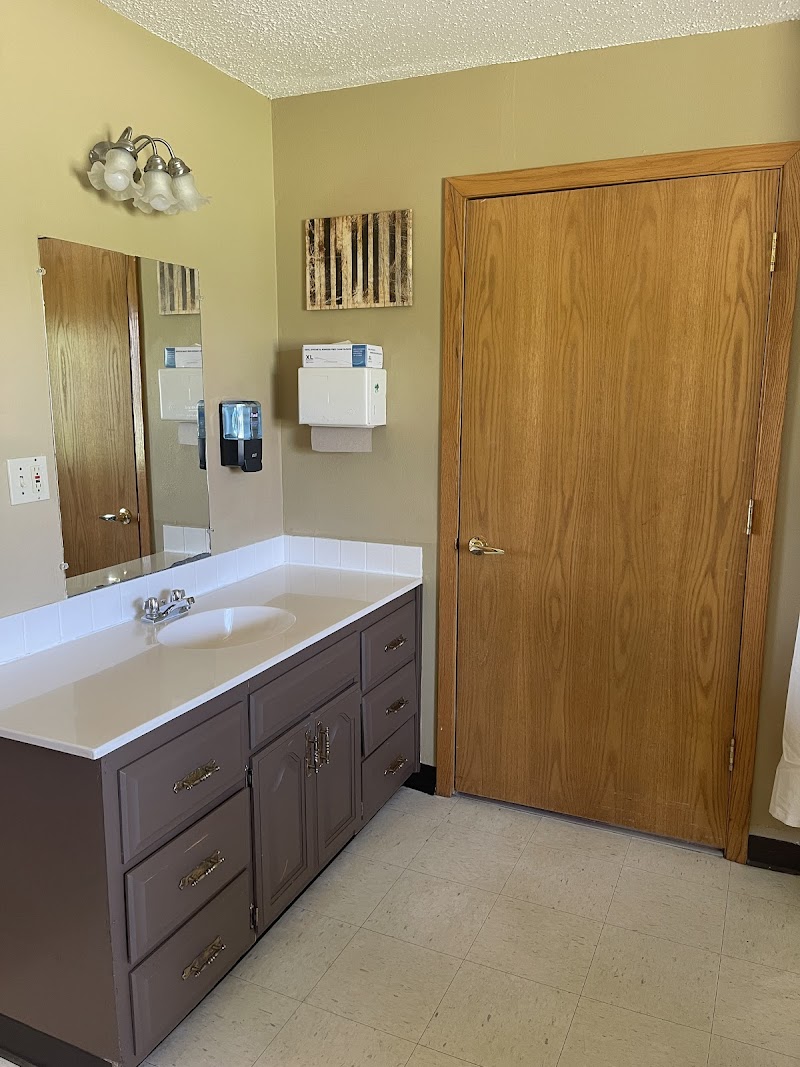
How is Aspire Of Pleasant Valley Staffed?

CMS rates Aspire of Pleasant Valley's staffing level at 2 out of 5 stars, which is below average compared to other nursing homes. Staff turnover is 81%, which is 34 percentage points above the Iowa average of 46%. High turnover can affect care consistency as new staff learn residents' individual needs. RN turnover specifically is 100%, which is notably high. RNs provide skilled clinical oversight, so turnover in this role can affect medical care quality.

What Have Inspectors Found at Aspire Of Pleasant Valley?

State health inspectors documented 41 deficiencies at Aspire of Pleasant Valley during 2022 to 2025. These included: 1 that caused actual resident harm and 40 with potential for harm. Deficiencies causing actual harm indicate documented cases where residents experienced negative health consequences.

Who Owns and Operates Aspire Of Pleasant Valley?

Aspire of Pleasant Valley is owned by a for-profit company. For-profit facilities operate as businesses with obligations to shareholders or private owners. The facility is operated by BEACON HEALTH MANAGEMENT, a chain that manages multiple nursing homes. With 44 certified beds and approximately 31 residents (about 70% occupancy), it is a smaller facility located in Pleasant Valley, Iowa.

How Does Aspire Of Pleasant Valley Compare to Other Iowa Nursing Homes?

Compared to the 100 nursing homes in Iowa, Aspire of Pleasant Valley's overall rating (1 stars) is below the state average of 3.0, staff turnover (81%) is significantly higher than the state average of 46%, and health inspection rating (1 stars) is much below the national benchmark.

What Should Families Ask When Visiting Aspire Of Pleasant Valley?

Based on this facility's data, families visiting should ask: "How do you ensure continuity of care given staff turnover, and what is your staff retention strategy?" "Can you walk me through typical staffing levels on day, evening, and night shifts?" "Can I visit during a mealtime to observe dining assistance and food quality?" "How do you handle medical emergencies, and what is your hospital transfer rate?" These questions are particularly relevant given the facility's high staff turnover rate and the below-average staffing rating.

Is Aspire Of Pleasant Valley Safe?

Based on CMS inspection data, Aspire of Pleasant Valley has a clean safety record: no substantiated abuse findings (meaning no confirmed cases of resident harm), no Immediate Jeopardy citations (the most serious violation level indicating risk of serious injury or death), and is not on the Special Focus Facility watch list (a federal program monitoring the lowest-performing 1% of nursing homes). The facility has a 1-star overall rating and ranks #100 of 100 nursing homes in Iowa. While no facility is perfect, families should still ask about staff-to-resident ratios and recent inspection results during their visit.

Do Nurses at Aspire Of Pleasant Valley Stick Around?

Staff turnover at Aspire of Pleasant Valley is high. At 81%, the facility is 34 percentage points above the Iowa average of 46%. Registered Nurse turnover is particularly concerning at 100%. RNs handle complex medical decisions and coordinate care — frequent RN changes can directly impact care quality. High turnover means new staff may not know residents' individual needs, medications, or preferences. It can also be disorienting for residents, especially those with dementia who rely on familiar faces. Families should ask: What is causing the turnover? What retention programs are in place? How do you ensure care continuity during staff transitions?

Was Aspire Of Pleasant Valley Ever Fined?

Aspire of Pleasant Valley has no federal fines on record. CMS issues fines when nursing homes fail to meet care standards or don't correct problems found during inspections. The absence of fines suggests the facility has either maintained compliance or corrected any issues before penalties were assessed. This is a positive indicator, though families should still review recent inspection reports for the full picture.

Is Aspire Of Pleasant Valley on Any Federal Watch List?

Aspire of Pleasant Valley is not on any federal watch list. The most significant is the Special Focus Facility (SFF) program, which identifies the bottom 1% of nursing homes nationally based on persistent, serious quality problems. Not being on this list means the facility has avoided the pattern of deficiencies that triggers enhanced federal oversight. This is a positive indicator, though families should still review the facility's inspection history directly.