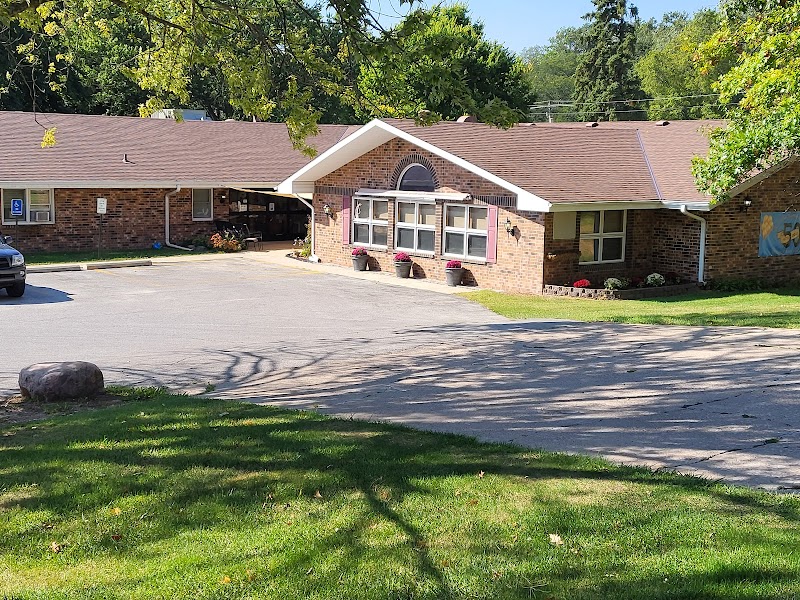
Red Oak Rehab and Care Center
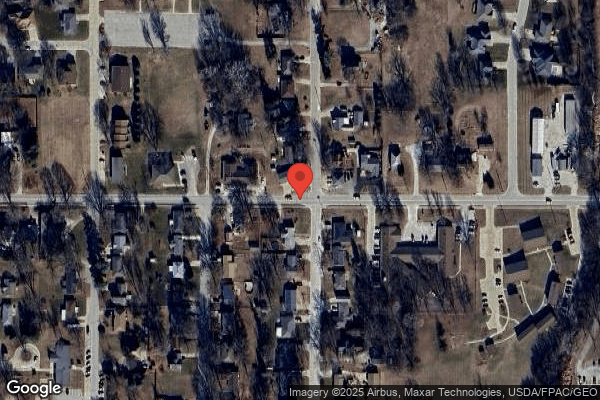
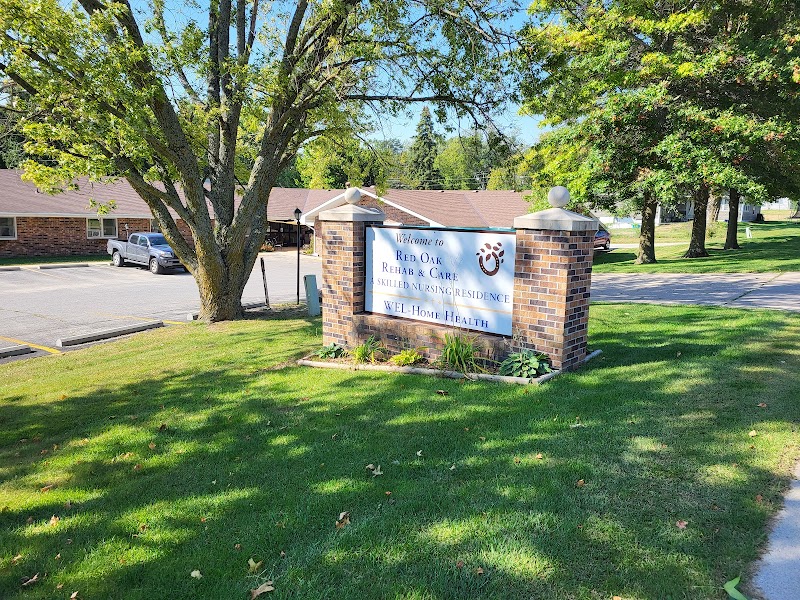
1600 SUMMIT STREET, RED OAK, IA 51566 (712) 623-5156
For profit - Limited Liability company 58 Beds LANTIS ENTERPRISES Data: November 2025
Trust Grade
30/100
#374 of 392 in IA
Last Inspection: October 2024

Within standard 12-15 month inspection cycle. Federal law requires annual inspections.

Overview

Red Oak Rehab and Care Center has received a Trust Grade of F, indicating serious concerns about the facility's overall quality and care. It ranks #374 out of 392 nursing homes in Iowa, placing it in the bottom half of all facilities in the state and #4 out of 4 in Montgomery County, suggesting limited options for better care nearby. The situation appears to be worsening, with the number of reported issues increasing from 8 in 2023 to 10 in 2024. While staffing has an average rating of 3 out of 5, the turnover rate is notably high at 66%, significantly above the state average, which raises concerns about staff consistency and familiarity with residents. There have been serious incidents, including a resident falling and sustaining a fracture due to improper equipment maintenance and another resident who fell while being transferred without the proper safety equipment, highlighting critical safety issues that need addressing.
Trust Score
F
30/100
In Iowa
#374/392
Bottom 5%
Safety Record
Moderate
Needs review
Inspections
Getting Worse
8 → 10 violations
Staff Stability
⚠ Watch
66% turnover. Above average. Higher turnover means staff may not know residents' routines.
Penalties
✓ Good
No fines on record. Clean compliance history, better than most Iowa facilities.
Skilled Nurses
○ Average
Each resident gets 39 minutes of Registered Nurse (RN) attention daily — about average for Iowa. RNs are the most trained staff who monitor for health changes.
Violations
⚠ Watch
18 deficiencies on record. Higher than average. Multiple issues found across inspections.
★☆☆☆☆
1.0
Overall Rating
★★★☆☆
3.0
Staff Levels
★☆☆☆☆
1.0
Care Quality
★★☆☆☆
2.0
Inspection Score
Stable
2023: 8 issues
2024: 10 issues

The Good

  • Full Sprinkler Coverage · Fire safety systems throughout facility
  • No fines on record

Facility shows strength in fire safety.

The Bad

1-Star Overall Rating

Below Iowa average (3.0)

Significant quality concerns identified by CMS

Staff Turnover: 66%

19pts above Iowa avg (46%)

Frequent staff changes - ask about care continuity

Chain: LANTIS ENTERPRISES

Part of a multi-facility chain

Ask about local staffing decisions and management

Staff turnover is elevated (66%)

18 points above Iowa average of 48%

The Ugly 18 deficiencies on record

2 actual harm
Oct 2024 3 deficiencies
CONCERN (D)

Potential for Harm - no one hurt, but risky conditions existed

Comprehensive Care Plan (Tag F0656)

Could have caused harm · This affected 1 resident

**NOTE- TERMS IN BRACKETS HAVE BEEN EDITED TO PROTECT CONFIDENTIALITY** Based on clinical document review, staff interview, and policy review the facility failed to provide a comprehensive care plan r...

Read full inspector narrative →
**NOTE- TERMS IN BRACKETS HAVE BEEN EDITED TO PROTECT CONFIDENTIALITY** Based on clinical document review, staff interview, and policy review the facility failed to provide a comprehensive care plan related to high risk medications for residents with an order for anticoagulants for 1 of 5 residents (Residents #10) reviewed. The facility reported a census of 25 residents. Findings include: Review of Resident #10's Minimum Data Set (MDS) dated [DATE] revealed anticoagulant medication usage for 7 of the 7 day look back period. Review of Resident #10's Electronic Healthcare Record page titled Physician's Orders revealed an order for Apixaban 5mg oral tablet take 1 tablet by mouth twice daily. Review of Resident #10's Care Plan with a review date of 8/23/24 revealed no documentation of anticoagulant medications. Interview on 10/22/24 at 2:48 PM with Staff D, MDS coordinator, confirmed Resident #10 is on an anticoagulant. Staff D further revealed that anticoagulants should be on care plans. Interview on 10/22/24 at 3:03 PM with the Director of Nursing (DON) revealed that her expectation is for care plans to be complete and accurate. Review of a facility provided policy titled, Care Planning with a revision date of March 2019 revealed: a. Physician's orders are referenced in the resident's care plan.
CONCERN (E)

Potential for Harm - no one hurt, but risky conditions existed

Food Safety (Tag F0812)

Could have caused harm · This affected multiple residents

Based on observation, staff interview, and policy review, the facility failed to maintain sanitary practices by improperly serving food and failing to ensure proper sanitizing solution concentration. ...

Read full inspector narrative →
Based on observation, staff interview, and policy review, the facility failed to maintain sanitary practices by improperly serving food and failing to ensure proper sanitizing solution concentration. The facility reported a census of 25 residents. Findings include: On 10/23/24 at 9:36 AM, Staff A, [NAME] and Staff B, Dietary Aide (DA) were unable to locate sanitizer test strips to perform a sanitizing solution concentration check. Staff B stated she used detergent to clean the dining room tables. On 10/23/24 observations in the kitchen revealed the following: At 11:45 AM, Staff A, Cook, grabbed potato chips from a bag and placed them on a resident's plate with gloved hands she previously used to touch other non-food items. At 11:55 AM, Staff A placed the mashed potato serving scoop in the mashed potatoes and the handle came in direct contact with the food. She picked it up and continued using it with the same gloves she had touched non-food items. At 12:00 PM, Staff A scooped meatloaf sauce into a bowl and used her right gloved hand to push the sauce off the rim and into the bowl and served it to a resident. She previously used the gloves to touch non-food items. At 12:04 PM, Staff C, Dietary Manager (DM), used her gloved hands to move menus and a tray from the serving window. She grabbed a plate with the same gloved hand and her thumb touched the food contact surface. At 12:05 PM, Staff A prepared fruit cocktail bowls for residents with gloved hands. She walked over to the service counter and stuck her gloved hand into the loaf of bread and grabbed two (2) slices. She put them on the resident's plate and spread peanut butter on one slice. She grabbed the jelly container and squeezed jelly onto the slice of bread. She picked up the slice of bread with the same left gloved hand and continued making the resident's sandwich. No hand hygiene or glove change was performed. On 10/24/24 at 8:34 AM, the DM stated staff should perform appropriate hand hygiene and the sanitizing solution strips should be accessible and used correctly. A policy titled Handwashing Guidelines for Dietary Employees and dated 2023 directed staff to clean their hands while preparing food, as often as necessary to remove soil and contamination and to prevent cross contamination when changing tasks.
CONCERN (F)

Potential for Harm - no one hurt, but risky conditions existed

Deficiency F0727 (Tag F0727)

Could have caused harm · This affected most or all residents

Based on document review, staff interview and facility policy review the facility failed to ensure a Registered Nurse (RN) was in the facility for eight (8) consecutive hours for 11 of 90 days reviewe...

Read full inspector narrative →
Based on document review, staff interview and facility policy review the facility failed to ensure a Registered Nurse (RN) was in the facility for eight (8) consecutive hours for 11 of 90 days reviewed (April 1st through June 30th 2024). The facility reported a census of 25 residents. Findings include: Review of the Payroll Based Journal (PBJ) staffing data report for the fiscal year quarter three (April 1st through June 30th, 2024) revealed there was no Registered Nurse (RN) hours for 4/29, 5/4, 5/18, 5/23, 5/31, 6/1, 6/2, 6/11, 6/15, 6/16, and 6/25/2024. Interview 10/22/24 at 12:52 PM with the Administrator confirmed that the facility did not have RN coverage listed on the PBJ. The Administrator confirmed these dates, and revealed that the facility only had one RN at the facility during this time. The Administrator revealed that her expectation would be for 8 hours RN coverage per day. Review of a facility provided document titled, Facility Assessment with a completed date of 7/15/2024 revealed: a. Federal law requires nursing homes to have sufficient staff to meet the needs of residents, to use the services of a registered nurse for at least 8 consecutive hours a day, 7 days a week.
Jul 2024 1 deficiency 1 Harm
SERIOUS (G) 📢 Someone Reported This

A family member, employee, or ombudsman was alarmed enough to file a formal complaint

Actual Harm - a resident was hurt due to facility failures

Accident Prevention (Tag F0689)

A resident was harmed · This affected 1 resident

**NOTE- TERMS IN BRACKETS HAVE BEEN EDITED TO PROTECT CONFIDENTIALITY** Based on clinical record review, resident interview, staff interviews, equipment manual review, and policy review the facility f...

Read full inspector narrative →
**NOTE- TERMS IN BRACKETS HAVE BEEN EDITED TO PROTECT CONFIDENTIALITY** Based on clinical record review, resident interview, staff interviews, equipment manual review, and policy review the facility failed to maintain patient care equipment in safe operating conditions by not completing safety and maintenance checks allowing the actuator mount to wear and break causing the resident to fall to the floor and sustain a compression fracture for 1 of 3 residents (Resident #2) reviewed. The facility reported a census of 26 residents. Findings include: The Minimum Data Set (MDS) assessment dated [DATE] revealed Resident #2 had a Brief Interview for Mental Status (BIMS) score of 15 indicating no cognitive impairment. The MDS also reported use of a sit to stand mechanical lift for transfers. On 7/19/24 at 12:40 PM Resident #2 stated on 6/12/24 she was halfway to the standing position when the sit to stand lift broke. Resident #2 stated she fell to the ground onto her buttocks. Resident #2 stated her buttocks did not hurt at first but when she was moved a little bit later it hurt. Resident #2 stated she was sent to the emergency department for an x-ray but did not get the x-ray because she said she didn't need them. Resident #2 stated a couple days later she was in real pain and she wanted them then. Resident #2 stated she went to the hospital but told the physician she did not want the x-rays and did not get them at that time. Resident #2 stated the staff were using the lift appropriately. Resident #2 stated the lift just broke. Resident #2 stated she still has pain in her lower back and legs from the fall. Resident #2 stated she was still fearful of every transfer with any mechanical lift since the fall. The Physician Communication form dated 6/18/24 documented resident had a fall on 6/12/24 and has had back spasms and pain when she is being lifted in the sit to stand. Resident would now like an x-ray. Physician response documented an order for X-ray to T-spine and L-spine for pain. The Diagnostic Radiology form dated 6/19/24 documented the reason for exam as back pain and fall. The report impression revealed mild compression deformities present at T11 and L1. The General Message from the provider dated 6/20/24 documented the resident does show signs of compression fractures of her vertebrae. This could be related to her recent fall but may also be related to past difficulty and falls. Provider recommended proceeding with MRI. Review of the document titled Office Clinic Notes dated 6/26/24 documented that a review of Resident #2's MRI revealed a compression fracture of L1 and L3. Review of document titled, EZ Way Service Manual, revised date 10/2/23, documented the EZ Way Smart Stand requires a minimum of servicing to keep it in good working order. Nevertheless, it is important that certain basic checks be periodically made by maintenance staff to ensure on-going safety throughout the life of the device. The manufacturer suggests that the following components and operating points be scheduled for inspection at intervals not greater than six months. Any detected deficiency must be rectified before the stand is put back into service. Check mounting bolts of actuator top and bottom. Pay particular attention to the top bolt hole for elongation. Observation of a photo (image 20240617) of actuator arm failure from the failed sit to stand lift provided by Staff A of actuator top bolt hole revealed the top bolt hole had smooth rolled out metal with clear elongation similar to that in the photo of what to pay particular attention to in the document titled, EZ Way Service Manual. On 7/19/24 at 12:10 PM Staff A, Maintenance Director stated he had worked at the facility over 5 years. Staff A stated the mechanical lift failed where the actuator motor meets the actuator lifting arm. Staff A stated he had never seen anything like that prior. Staff A stated he completed a monthly safety inspection through the facility's computer program that has all the steps to go through. Staff A stated the sit to stand lift was an EZ-way lift model number 898 and was a 400 lbs capacity. Staff A stated he never took the sit to stand lift apart to inspect the actuator or actuator arm bolt connection. Staff A said the failure must have happened from years of use or possibly use with a heavy resident. Review of document titled, Lift Inspection Checklist for lift with serial #43887 documented to inspect all hardware. Document signed off as completed for last 12 months of service. On 7/19/24 at 1:27 PM Staff B, Certified Nursing Assistant (CNA) stated she was one of the 2 CNA's that were caring for Resident #2 during the fall on 6/12/24. Staff B stated she was using the controls and the other CNA was behind Resident #2 and they were going to put the resident on a commode. Staff B stated Resident #2 was being raised and then the resident was on the floor. Staff #2 stated the sit to stand mechanical lift had broken. Staff B stated she worked PM shift and did not know if the maintenance performed any inspections on the lifts. Staff B stated after the resident ended up on the ground she asked Resident #2 if she was okay and the resident said she was. Staff B stated they called the nurse who completed an assessment and vitals. Staff B stated they used the Hoyer full body lift to get Resident #2 off the floor. Staff B stated Resident #2 stated she did not want to go to the ER. Staff B stated they were utilizing the lift appropriately when the fall occurred. Stated in point of care (POC) there is a [NAME] that tells how residents transfer. On 7/19/24 at 2:28 PM Staff D, Registered Nurse (RN) stated she was called to Resident #2's room and she did not remember what time it was. Staff D stated Resident #2 was seated in an upright position with a sling under her and the piston of the sit to stand lift was hanging out of the machine. Staff D stated you could see where the equipment failed. Staff D stated Resident #2 stated her head had not hit the floor. Staff D stated an assessment was completed at that time. Staff D stated range of motion (ROM) with arms and legs were per Resident #2's norm. Staff D stated Resident #2 denied pain with ROM. Staff D stated asked Resident #2 to go to the ER for evaluation and she refused. Staff D stated Resident #2 stated she was fine and wanted to get up off the floor. Staff D stated staff utilized a Hoyer full body lift to get the resident off the floor. Staff D stated the family requested she be sent to the emergency department (ED) a day later. Staff D stated ED called back and stated they did not see anything wrong with Resident #2 and Resident #2 refused the x-ray. Staff D stated all the straps were in place and the lift was utilized appropriately. On 7/20/24 at 12:55 PM Staff C, Certified Nursing Assistant (CNA) stated the EZ stand broke during the transfer of Resident #2. Staff C stated they utilized the sit to stand to transfer Resident #2 to the commode and the arm for the sit to stand lift broke. Staff C stated Resident #2 fell straight to the floor on her buttocks. Staff C stated she had never seen a sit to stand lift break before this incident. Staff C stated Resident #2 was crying. Staff C stated the nurse assessed and obtained vitals. Staff C stated a Hoyer full body lift and sling was utilized to get Resident #2 off the floor. Staff C stated the sit to stand did not have any problems prior to breaking. Staff C stated right when the sit to stand lift broke Resident #2 was crying but refused to go to the hospital. Staff C stated Resident #2 hit the floor pretty hard. Staff C stated maintenance never made any mention that the machine should be inspected prior to use. Staff C stated she had never seen maintenance inspecting the machine. On 7/20/24 at 9:03 AM the Administrator stated with the monthly maintenance the facility's expectation was the actuator arm would have been checked for any wear or damage. Review of the undated protocol titled, Instructions Conduct Mobile Lift Safety Inspection documented to inspect the lift actuator assembly to check for wear and damage. Protocol documented in bold to notify manufacturer and property manager if damage is found.
Jun 2024 4 deficiencies 1 Harm
SERIOUS (G) 📢 Someone Reported This

A family member, employee, or ombudsman was alarmed enough to file a formal complaint

Actual Harm - a resident was hurt due to facility failures

Accident Prevention (Tag F0689)

A resident was harmed · This affected 1 resident

Based on observations, clinical record review, facility investigative file review, staff interviews and facility policy review the facility failed to transfer 1 of 3 resident (Resident #1) safely to p...

Read full inspector narrative →
Based on observations, clinical record review, facility investigative file review, staff interviews and facility policy review the facility failed to transfer 1 of 3 resident (Resident #1) safely to prevent her from falling. Staff failed to obtain a gait belt prior to assisting Resident #1 from the toilet to the sink to wash her hands. Instead staff held on to the resident's pants during the transfer. As Resident #1 turned away from the sink, she lost balance, staff lost grip and the resident fell on her right shoulder. The resident was sent to the emergency room (ER) to be evaluated and was found to have a right proximal humerus fracture. The resident returned to the facility the same day with her right arm in a sling and recommendations to follow up with orthopedics. The facility reported a census of 28 residents. Findings include: According to the admission Minimum Data Set (MDS) assessment tool with a reference date of 2/13/24 Resident #1 had a Brief Interview of Mental Score of 3. A BIMS score of 3 suggested severe cognitive impairment. The MDS indicated Resident #1 utilized a walker and wheelchair for mobility. The MDS documented she used a walker and wheelchair and dependent on staff for toilet transfers. The MDS documented she had a fall in the last month prior to admission. She did have a fracture related to the fall in the 6 months prior to admission. Resident #1 had one fall with injury since admission. The MDS listed the following diagnoses for Resident #1: fractures and other multiple trauma, coronary artery disease, thyroid disorder, hip fracture, anxiety, and depression. The Care Plan focus area with an initiation date of 2/7/24 documented Resident #1 had a walk to dine program. The Care Plan indicated the resident was to use a hemi-walker with assistance of one staff, gait belt and wheelchair to follow, 2-3 times per day. A second Care Plan focus area with an initiation date of 2/7/24 documented she required assistance with her transfers, bed mobility and ambulation. The Care Plan indicated she required extensive assistance of one staff person with bed mobility, transfers, and ambulation. The Progress Notes documented the following notes: a. 2/10/24 at 2:57 PM skilled status note: resident's weight bearing tolerance has decreased since fall this morning. The need for assistance with a gait belt and walker has become more reliant on the assistance of one person than on herself. b. 2/25/24 at 3:32 PM this nurse was called to Resident #1's room for a witnessed fall. Observed resident lying on floor, supine with her knees bent. Bilateral forearms resting on resident's abdomen. This nurse sent Certified Nursing Assistance (CNA) to call for non-emergent transport to the emergency room at 1:08 PM. Resident complained of pain at 10/10 at right shoulder. She was able to move her fingers and bend at the elbow without discomfort or additional pain. Radial pulses equal bilaterally. Update received from the emergency department, resident was ready for transport back to facility. Resident had sustained a right humerus fracture and was stabilized with a sling. c. 2/25/24 at 4:08 PM Resident #1 returned to the facility at 3:49 PM in a shoulder/arm sling without a waist band. She stated her shoulder only hurts when she tried to use it or move it. The facility provided a hand-written statement from Staff E Activities Director/CNA. The statement documented the following: staff went to help Resident #1 off the toilet. She stood up by herself. Staff walked with Resident #1 holding the back of her pants, as there was no gait belt in sight. Staff walked with her to the sink where she washed her hands. As she turned around, Resident #1 lost balance. Staff's right hand was on Resident #1's right shoulder at the time she began to fall. Staff lowered her to the floor but lost grip. Resident #1 fell hitting her right shoulder on the floor. Staff E went to get the nurse who took vitals and instructed staff to call the nonemergency line to come take Resident #1 to the emergency room. Staff E signed the statement. The facility provided a report titled Fall dated 2/25/24 at 1:05 PM. Staff was called to Resident #1's room for a witnessed fall. An assessment was completed, resident complained of pain in her right shoulder. She was sent to the local emergency room (ER) to be evaluated. Review of a document titled Diagnostic Radiology with an admit and discharge date of 2/25/24 documented a right shoulder x-ray was completed. The following findings were documented: age-indeterminate but suspect acute mildly displaced humeral neck fracture, with suspect involvement of at least the surgical neck. The humeral shaft is superiorly displaced approximately 1.6 centimeter (cm) from the head. On 6/11/24 at 2:11 PM Staff E stated the day Resident #1 fell, she went in to assist her. The resident started to stand up before she could get a gait belt on her. They walked to the sink in her room, Resident #1 washed her hands, she turned around and she lost her balance as she picked up the walker instead of turning with the walker, and fell on her right side. Staff E stated she was holding Resident #1's pants and her hands slipped off her Resident #1's pants as she was falling and could not catch her, which resulted in her falling to the floor. When asked if Resident #1 had complained of pain after the fall, she indicated the resident said ow and that her shoulder was hurting, so she went and got the nurse. She acknowledged a gait belt is usually used when assisting Resident #1 with ambulation. She added the gait belts are occasionally on the back of the doors in the resident's rooms but sometimes they are not there. The day she fell, there were no gait belts on the back of her room door. Staff E stated at the time of the fall, Resident #1 required assistance of one staff, her walker and a gait belt with transfers and ambulation. When asked what she should have done if a gait belt was not in the resident's room, she stated she would make sure to ask the resident to sit back until she returned with a gait belt. She acknowledged she should have used a gait belt that day when she had assistance Resident #1. On 6/12/24 at 3:10 PM Staff B CNA indicated if a resident was to get up prior to applying a gait belt, she would find the nearest chair, ask the resident to sit back down, and to hold on while she goes to get one then assist the resident. When asked who requires the use of a gait belt is stated as far as she knew everyone that was ambulatory with staff assistance. On 6/13/24 at 11:22 AM Staff A CNA stated that if she could not find a gait belt prior to assisting a resident with a transfer, she would ask the resident to sit back down until she could get a gait belt. On 6/13/24 at 12:53 PM the Director of Nursing (DON) was asked if staff are assisting a resident and there is no gait belt in the resident's room what are staff supposed to do? She stated staff need to go find a gait belt, they have plenty in the facility. They should ask the resident to remain seated where they are until they find a gait belt. The DON indicated the gait belts are to be on the back of the doors in the resident's rooms, at times they get moved and are in the resident's closets. The facility provided a documented titled Transfer-Ambulation with Transfer Belt Policy with a revision date of March 2019. It is the policy of this facility that all associates utilize a transfer (gait) belt with residents during transfers, ambulation and gait training. The gait belt provides a firm grasping surface for the staff person and protects the resident from accidental trauma to the skin. It gives the resident a sense of security as it is tightened. The belt also allows the staff person to gradually lower a resident to the floor (if necessary) without injuring self or resident. Procedure: 4. If from chair, ensure resident's feet are flat on floor 5. Standing in front of resident, brace resident's lower extremities to prevent slipping. Staff person's knees bent, feet apart, back straight. 6. Place transfer (gait) belt low around resident's waist. Properly tighten belt to comfortably tight level. To bring the resident to standing position, keep your back relatively straight and pull on the gait belt. 8. Failure to use transfer belt with an assisted transfer is ground for disciplinary action and termination. 9. Grasp the belt on the resident's side, while assisting him/her to stand. 11. If ambulation, walk slightly behind and to one side of resident while holding on to the belt. 12. If resident begins to fall, draw the resident close to your body using the gait belt, and slowly lower the resident to the floor.
CONCERN (D) 📢 Someone Reported This

A family member, employee, or ombudsman was alarmed enough to file a formal complaint

Potential for Harm - no one hurt, but risky conditions existed

Resident Rights (Tag F0550)

Could have caused harm · This affected 1 resident

Based on clinical record review, resident interviews, staff interviews, and facility policy review the facility failed to ensure 2 of 3 (Resident #3 and #10) residents were treated with dignity and re...

Read full inspector narrative →
Based on clinical record review, resident interviews, staff interviews, and facility policy review the facility failed to ensure 2 of 3 (Resident #3 and #10) residents were treated with dignity and respect. The facility reported a census of 28 residents. Findings include: 1. According to the quarterly Minimum Data Set (MDS) assessment Resident #3 had a Brief Interview of Mental Status (BIMS) score of 13. A BIMS score of 13 suggested no cognitive impairment. The MDS listed the following diagnoses: cancer, anemia, hypertension, neurogenic bladder, obstructive uropathy, septicemia, diabetes mellitus, depression, and insomnia. The Care Plan focus area with an initiation date of 2/20/24 documented Resident #3 exhibits the following behaviors: being non-compliant with the use of her call light, asking for assistance and walking without staff assistance. On 6/11/24 at 1:51 PM Resident #3 stated she could not recall staff telling another staff member to shove whipped cream in her face and if they did it was probably a joke. When asked how staff treat her, she stated they are great. Staff will laugh and joke with her and she will do the same with them. Resident #3 stated Staff B Certified Nursing Assistant (CNA) is good with her, she even braids her hair after her baths. Resident #3 added she has had no issues with the care provided by Staff B. On 6/11/24 at 2:16 PM Staff E Activity Director/CNA stated she was assisting with passing out lunch trays. They had desserts to pass out so she asked Staff B to pass them out. The dessert was blueberry cobbler and Resident #3 needed one. The resident asked for extra whipped cream and Staff B said to rub it in the resident's face. Staff E told Staff B that comment was not appropriate and should not say those things. Staff E stated Staff B said it jokingly and Resident #3 heard it because she smiled. Staff E indicated she has heard Staff B say off the wall comments before, she means them jokingly but those comments were not always taken that way. On 6/11/24 at 3:17 PM the Corporate Nurse Consultant stated he was in the building doing a mock survey when he heard Staff B say to shove the whipped cream in Resident #3's face. He overheard the comment, it sounded like a fly by, sarcastic comment. Judging by her demeanor it was just a sarcastic comment. He indicated it was not ok to say even if it was a sarcastic comment and he reported it to the Administrator right away. Since this he has learned this is Staff B's sarcastic mannerism. On 6/12/24 at 3:10 PM Staff B stated she got written up for making the comment to Resident #3 about shoving whipped cream in her face. She added it was a joke, but now knows she should not be joking about this. Since then she has watched videos on abuse, neglect, and resident rights. On 6/13/24 at 12:53 PM the Director of Nursing (DON) stated Staff B can be mouthy and rude, not sure how else to describe it. She did not witness Staff B make the comment to Resident #3 about shoving whipped cream in her face. Even if she was joking she should not have said that to the resident. When Staff B jokes, it's hard to interpret if she is joking or not. Residents with cognitive issues could take it differently so we need to be careful on what is being joked about. On 6/13/24 at 2:05 PM the Administrator stated it was no okay for Staff B to tell staff to shove whipped cream in Resident #3's face, even if she was joking, we don't joke like that here. On 6/13/24 at 2:24 PM the MDS Coordinator/Assistant Director of Nursing (ADON) stated Staff B can be hot headed and does not take well to changes that are made. When she is joking in her comments, you don't know other people well enough to say certain things. When she was made aware of Staff B stating to shove the whipped cream in Resident #3's face, she went to approach Staff B about it she threw her hands up in the air and said she did not want to talk to the MDS Coordinator/ADON about it. The Corporate Nurse Consultant was here at the time and took over the situation. 2. According to the quarterly MDS assessment tool with a reference date of 5/22/24 Resident #10 had a BIMS score of 15. A BIMS score of 15 suggested no cognitive impairment. The MDS documented the following diagnoses: type 2 diabetes mellitus, amnesia, and pain in left lower leg. The Care Plan focus area with an initiation date of 8/28/23 documented Resident #10 is able to communicate and can understand what is said to her and able to make her needs known. On 6/11/24 at 9:47 AM Resident #10 stated she was kind of tired of Staff A CNA calling her brat. She would come in her room and say good morning brat, how are you brat. She does not think Staff A is doing it to be mean but it's very unprofessional, she says it a lot. On 6/13/24 at 11:22 AM Staff A was asked if she assists Resident #10 with her needs and she indicated she does. When asked if she calls the resident brat while speaking with her, she acknowledged she does and now calls her lovebug. She indicated brat is not very professional and only says it as a joke. Staff A indicated she asked Resident #10 if she liked it and she does. But she thought calling her lovebug would give the resident more spunk. She now sees that calling her brat was not very nice, it may be fun for some residents but not for others, that's why she changed it. On 6/13/24 at 12:53 PM the DON stated even if Staff A is joking she should not be calling a resident brat. She does not think that is appropriate. On 6/13/24 at 2:05 PM the Administrator indicated it is not ok for Staff A to call Resident #10 brat, even if she's joking it is not ok. She calls Resident #4 nanny. In this day an age you need to be careful on what you say. It's not appropriate to call anyone brat or nanny; staff can use their names. The facility provided a document titled Resident Rights Policy with a revision date of 11/2019 indicated the facility will inform the resident both orally and in writing in a language that the resident understands of his or her rights and all rules and regulations governing resident conduct and responsibilities during the stay in the facility. Resident Rights 1. Resident rights. The resident has the right to a dignified existence, self-determination, and communication with and access to persons and services inside and outside the facility. 2. Exercise of rights. The resident has the right to exercise his or her rights as a resident of the facility and as a citizen or resident of the United States. 5. Respect and dignity. The resident has a right to be treated with respect and dignity.
CONCERN (D) 📢 Someone Reported This

A family member, employee, or ombudsman was alarmed enough to file a formal complaint

Potential for Harm - no one hurt, but risky conditions existed

Deficiency F0602 (Tag F0602)

Could have caused harm · This affected 1 resident

Based on clinical record review, employee timecard review, resident interview, staff interviews, and facility policy review the facility failed to ensure 2 of 3 resident (Resident #4 and #5) were free...

Read full inspector narrative →
Based on clinical record review, employee timecard review, resident interview, staff interviews, and facility policy review the facility failed to ensure 2 of 3 resident (Resident #4 and #5) were free from exploitation. Staff signed out Resident #4's Tramadol on the medication count sheet at 12:00 AM but her timecard documented she clocked out at 11:09 PM. Staff had signed out Resident #5's Hydrocodone (narcotic pain medication) as being given. When staff spoke with Resident #5 during his comprehensive assessment he stated he had not received his Hydrocodone for 2-3 weeks. The facility reported a census of 28 residents. Findings include: 1. The quarterly Minimum Data Set (MDS) assessment tool with a reference date of 4/3/24 documented Resident #4 had severely impaired cognitive skills for daily decision making. The MDS documented Resident #4 received scheduled pain medications and received an opioid while a resident in the facility. The MDS documented the following diagnoses: autistic disorder, anemia, dementia, seizure disorder, respiratory failure, COVID-19, and hypoxemia. The Care Plan focus area with an initiation date of 12/18/23 documented the resident had chronic pain related to abnormal posture. The Care Plan directed staff to anticipate the resident's need for pain relief and respond immediately to any complaint of pain. The Medication Administration Record (MAR) for May 2024 revealed Resident #4 had an order for Tramadol (treatment of severe pain) 50 milligrams (mg) every 8 hours for pain control. Review of the April and May 2024 MAR revealed Resident #4's Tramadol was scheduled to be administered at 12:00 AM, 8:00 AM and 4:00 PM. Review of a document titled Controlled Medication Utilization Record for Resident #4's Tramadol 50 mg every 8 hours revealed Staff C Licensed Practical Nurse (LPN) signed out that she administered the medication at 12:00 AM on 5/31/24. Review of the May 2024 MAR revealed Staff D Agency LPN documented 9 (see nurse notes) on 5/31/24 at 12:00 AM for Resident #4's Tramadol 50 mg every 8 hours order. Staff C failed to sign the order out as being given. Review of Resident #4's Progress Note titled, orders-administration notes, revealed Staff D documented the resident's Tramadol 50 mg scheduled for 12:00 AM had been signed out by Staff C as given already. On 6/11/24 at 3:06 PM Staff C acknowledged she did not sign out Resident #4's Tramadol order on the MAR because the facility had let her go without giving her time to catch up on her charting before she left the building. When asked why she signed it out at 12:00 AM on 5/31/24 but her time card shows she clocked out at 11:09 PM on 5/30/24, she stated she gave Resident #4 her Tramadol before she left at 11:00 PM. Staff C denied taking the Tramadol after signing it out as being given. On 6/13/24 at 10:39 AM Staff D stated on 5/31/24 Resident #4's Tramadol was signed out as being given by Staff C on the count sheet but she did not sign it out as being given on the MAR. She acknowledged the medication had been removed from the medication card. The night Staff C had quit, the Administrator asked her to come to her office because Staff C had quit and they needed a nurse to finish her shift. Her and Staff C completed a narcotic count then left the building. When Staff D looked at the MAR to see what needed done, Resident #4's Tramadol order needed to be carried out. She went to the narcotic book but the medication had been signed out as being given by Staff C. Staff D indicated this was a little after 11:00 PM because the Administrator texted her at 11:00 PM to come to her office. She arrived to her office about 2 minutes after that. Staff D indicated when she arrived to the Administrator's office Staff C was staying right outside of her office. When she noticed the medication had been signed out by Staff C at 12:00 AM on 5/31/24 and the medication was removed from the medication card. Staff D did not know if Staff C actually gave Resident #4 her medication because the order on the MAR was not signed out as being given either. Staff D stated Staff C was standing by the Administrator's office door when she arrived, they immediately did a narcotic count and Staff C left. There would no way Staff C could have signed out and gave Resident #4 her Tramadol as she documented. When asked if Staff D noticed if Resident #4 was in any pain that night, she stated she did not observe any changes in the resident that night. On 6/13/24 at 12:53 PM the Director of Nursing (DON) stated her thoughts on Staff C signing out Resident #4's Tramadol at 12:00 AM on 5/31/24; she either gave it at 9:00 PM and did not want to sign it out early or she took it. Review of Staff C's timecard revealed on 5/30/24 she clocked in at 6:00 PM and clocked out at 11:09 PM. 2. The annual MDS assessment tool with a reference date of 5/26/24 documented Resident #5 had a BIMS score of 15. A BIMS score of 15 suggested no cognitive impairment. The MDS documented he received a PRN (as needed) medication or was offered and declined. The MDS documented he took an opioid medication. The MDS documented the following diagnoses for Resident #5: atrial fibrillation, diabetes mellitus, seizure disorder, anxiety, depression, bipolar, respiratory failure with hypercapnia, and obesity. The Care Plan focus area with an initiation date of 5/29/24 documented Resident #5 had chronic pain related to morbid obesity and immobility. Review of March 2024 Medication Administration Records (MARs) revealed Staff C signed out Resident #5's PRN Hydrocodone (treatment of pain) 5-325 milligram (mg) every 8 hours PRN on: a. 3/1 with a pain rating of 7 out of 10 b. 3/2 with a pain rating of 7 out of 10 c. 3/3 with a pain rating of 7 out of 10 d. 3/6 with a pain rating of 7 out of 10 e. 3/7 with a pain rating of 8 out of 10 f. 3/12 with a pain rating of 7 out of 10 g. 3/15 with a pain rating of 7 out of 10 h. 3/16 with a pain rating of 7 out of 10 i. 3/17 with a pain rating of 7 out of 10 j. 3/18 with a pain rating of 7 out of 10 k. 3/20 with a pain rating of 7 out of 10 l. 3/21 with a pain rating of 7 out of 10 m. 3/25 with a pain rating of 7 out of 10 n. 3/29 with a pain rating of 7 out of 10 o. 3/30 with a pain rating of 7 out of 10 p. 3/31 with a pain rating of 8 out of 10 Review of April 2024 Medication Administration Records (MARs) revealed Staff C signed out Resident #5's PRN Hydrocodone 5-325 mg every 8 hours PRN on: a. 4/4 with a pain rating of 7 out of 10 b. 4/8 with a pain rating of 8 out of 10 c. 4/26 with a pain rating of 7 out of 10 d. 4/27 with a pain rating of 7 out of 10 e. 4/28 with a pain rating of 7 out of 10 Review of May 2024 Medication Administration Records (MARs) revealed Staff C signed out Resident #5's PRN Hydrocodone 5-325 mg every 8 hours PRN on: a. 5/2 with a pain rating of 7 out of 10 b. 5/6 with a pain rating of 7 out of 10 c. 5/10 with a pain rating of 8 out of 10 d. 5/11 with a pain rating of 7 out of 10 e. 5/12 with a pain rating of 7 out of 10 f. 5/20 with a pain rating of 7 out of 10 g. 5/24 with a pain rating of 6 out of 10 h. 5/25 with a pain rating of 7 out of 10 i. 5/26 with a pain rating of 6 out of 10 On 6/11/24 at 1:41 PM Resident #5 stated he really has not had any pain when asked how his pain has been the last few months. If he did have pain, it's in his tailbone but staying in bed alleviates that pain. When asked when he last had his PRN Hydrocodone he stated he could not recall since it's been so long ago. He denied asking Staff C for anything for pain in the last month or so. On 6/11/24 at 10:13 AM Staff G Agency LPN stated Resident #5 does not ask for his PRN Hydrocodone nor does he ask for his PRN Tylenol. She added he may have asked for his PRN Tylenol when she first started working at the facility in April 2024. When she would get report, the off going nurse never reported he had received his PRN Hydrocodone on the previous shift. When they looked at the MARs they saw that Staff C had signed his PRN Hydrocodone out a lot. The narcotic counts were never off and the order was signed off as being give, so it looked like he was asking for it. On 6/11/24 at 3:06 PM Staff C when asked why she was the only staff member giving Resident #5 his PRN Hydrocodone, she stated he would ask for it when she would do medication pass. In April and May he would have right shoulder pain, rating it from a 6-8 out of 10. He also had pain everywhere. Staff C stated she only worked two nights a week, maybe three nights. She added the last time she worked he rated his pain a 2 so she did not give him anything. She denied taking the Hydrocodone herself after she signed his order out. The facility had suspected her of taking resident's medications, they suspended her but she quit. She added, she has been a nurse since 1993 and has never taken any resident's medications. When asked about the day she came to work acting out of her norm according to the facility, she stated when she got home that day, her mom checked her blood sugar and it was low at 41. On 6/13/24 at 10:39 AM Staff D stated Staff D stated Resident #5 was never in pain nor did he ask for his PRN pain medication while she worked. She recalled giving him a PRN once time at the end of February, but nothing since then. On 6/13/24 at 12:53 PM the Director of Nursing (DON) stated Staff C had previously worked as an agency nurse then came back full time. She always thought Staff C was doing her job when she was there at the facility. In the middle of May there was an episode where Staff C showed up for her shift unfit for work. She was banging on the main entrance, disheveled, and display erratic behavior. Staff C told them she had a headache, then she picked up the narcotic cards to do a count, stated she can't count these, threw them in the narcotic lock box and said I trust you. The DON asked her to go to her office while a replacement was found for her. Staff C indicated she thought her Zoloft was causing this behavior, then stated she thought she had cancer and needed to see the doctor but did not have health insurance. The DON wanted to give Staff C a ride home that day, when she went to get her stuff, Staff C had left the building. When the Assistant Director of Nursing (ADON) completed Resident #5's MDS assessment, she had completed the pain medication portion of the assessment and Resident #5 had stated he had no pain during the 5-day review period. When the ADON reviewed the resident's MAR, she noticed his PRN Hydrocodone was being given only by Staff C, this was a pattern. Staff C documented Resident #5's pain 7 out of 10 and 8 out of 10 but he had chronic pain of 3 out of 10. When staff spoke to Resident #5 he indicated he had not asked for his PRN Hydrocodone for 2-3 weeks prior to this ordeal. The Administrator was going to suspend Staff C while they continued to complete the investigation but Staff C ended up quitting. On 6/13/24 at 2:05 PM the Administrator stated between May 16-18th, she could not remember specifically what day, the DON called her about an incident with Staff C. She indicated Staff C came to the front entrance, when staff usually come through the west door. Staff C started pounding on the door with both her fists, stating she could not get in. The DON opened the front entrance doors and Staff C stated her key was not working. Staff C wore a t-shirt, hair was disheveled, no bra on, she did not look like she was ready to work. Staff C went to the medication cart, threw the medication cards in the narcotic lock box and said I can't count these, I trust you. She took an otoscope and put it in her mouth. When staff asked Staff C what she was doing, she told them she was getting a drink. The DON indicated she would take Staff C, so she went to put her things away and get her keys. When she returned staff had let Staff C out the front door. This kind of behavior prompted them to start looking in to their narcotic log to see if there were any patterns. When they reviewed Resident #5's Hydrocodone PRN order they noticed Staff C was the only staff member that had signed the medication as being given. When those spoke to Resident #5 about him needing his PRN Hydrocodone, he told them he had not taken it for two weeks. Once they called their corporate office, they decided the Administrator would come in at 10:30 PM during Staff C's next scheduled shift to talk with her about what was going on with Resident #5's PRN Hydrocodone order. She also wanted to address her attendance issues. When the Administrator arrived at 10:30 PM, she had Staff C come in to her office as well to talk about the behaviors staff observed a few weeks prior, along with their look in to Resident #5's PRN Hydrocodone order only being signed out by her. The Administrator informed her they were going to suspended her while they look further in to these issues. Staff C told the Administrator that she started taking metformin and was having a reaction. The Administrator indicated then we can clear this all up if you can get a doctor's note for them. That's when Staff C filled out a note that indicated she quit right then. Staff C waited in her office until 11:30 PM until Staff D came in to replace her. After Staff C left the building Staff D noticed Resident #4's 12:00 AM Tramadol order was signed out as being given at 12:00 AM by Staff C. Staff C was not in the building at that time and was with the Administrator from 10:30 PM until 11:30 PM so there was no way she could have given the medication during that time. On 6/13/24 at 2:24 PM the MDS Coordinator/ADON stated while she was completing Resident #5's MDS assessment she interviewed the resident and she stated he did not have any pain during the review period. While she was reviewing the MAR she noticed a lot of staff put he was not having any pain but there were nights where his Hydrocodone was being given consistently. Staff C had been the only administering his PRN Hydrocodone for pain. She went back to talk to Resident #5 about this and he stated he was having pain before his hospitalization but not since then. She let the Administrator know what she had found out. The facility provided a document titled Abuse Prevention Plan-Iowa Policy with a revision date of March 2019 documented in accordance with the Vulnerable Adult Law of the State and the Centers of Medicare and Medicaid (CMS), it is our policy that all residents resident in the facility will be protected from abuse, neglect, misappropriation of funds/property, exploitation or involuntary seclusion, mistreatment/maltreatment and that interventions are implemented to provide the vulnerable adult with a safe living environment. Exploitation means taking advantage of a resident for personal gain through the use of manipulation, intimidation, threats, or coercion. Misappropriation of resident property/financial exploitation means the deliberate misplacement, exploitation, or wrongful, temporary, or permanent use of a resident's belongings or money without the resident's consent.
CONCERN (D) 📢 Someone Reported This

A family member, employee, or ombudsman was alarmed enough to file a formal complaint

Potential for Harm - no one hurt, but risky conditions existed

Deficiency F0657 (Tag F0657)

Could have caused harm · This affected 1 resident

Based on clinical record review, hospital documents review, staff interviews and facility policy review the facility failed to update 1 of 10 resident (Resident #1) care plans after she sustained a fr...

Read full inspector narrative →
Based on clinical record review, hospital documents review, staff interviews and facility policy review the facility failed to update 1 of 10 resident (Resident #1) care plans after she sustained a fractured humerus. The facility reported a census of 28 residents. Findings include: According to the admission Minimum Data Set (MDS) assessment tool with a reference date of 2/13/24 documented Resident #1 had a Brief Interview of Mental Score of 3. A BIMS score of 3 suggested severe cognitive impairment. The MDS documented she used a walker and wheelchair and dependent on staff for toilet transfers. The MDS listed the following diagnoses for Resident #1: fractures and other multiple trauma, coronary artery disease, thyroid disorder, hip fracture, anxiety, and depression. The facility provided a report titled Fall dated 2/25/24 at 1:05 PM. The report documented staff was called to Resident #1's room for a witnessed fall. An assessment was completed, resident complained of pain in her right shoulder. She was sent to the local emergency room (ER) to be evaluated. Review of a document titled Diagnostic Radiology with an admit and discharge date of 2/25/24 documented a right shoulder x-ray completed. The following findings documented: age-indeterminate but suspect acute mildly displaced humeral neck fracture, with suspect involvement of at least the surgical neck. The humeral shaft is superiorly displaced approximately 1.6 centimeter (cm) from the head. The Care Plan focus area with an initiation date of 2/7/24 documented the resident had limited physical mobility related to a fracture of her left hip with nailing. The care plan failed to include her humerus fracture and interventions for staff to follow while caring for Resident #1 while her fracture healed. On 6/13/24 at 12:53 PM the Director of Nursing (DON) stated Resident #1's fall with fracture took place prior to her taking the DON position and prior to the new MDS Coordinator/Assistant Director of Nursing (ADON) starting. She acknowledged the humerus fracture should have been on Resident #1's care plan. The facility provided a policy titled Care Plan Revisions Upon Status Change Policy with an effective date of 4/23/19. The purpose of this procedure is to provide a consistent process for reviewing and revising the care plan for those residents experiencing a status change. PROCEDURE Policy Explanation and Compliance Guidelines 1. The comprehensive care plan will be reviewed, and revised as necessary, when a resident experience a status change. 2. Procedure for reviewing and revising the care plan when a resident experience a status change: a. Upon identification of a change in status, the nurse will notify the MDS Coordinator, the physician, and the resident representative, if applicable. b. The MDS Coordinator and the Interdisciplinary Team will discuss the resident condition and collaborate on intervention options. c. The team meeting discussion will be documented in the nursing progress notes. d. The care plan will be updated with the new or modified interventions. e. Staff involved in the care of the resident will report resident response to new or modified interventions. f. Care plans will be modified as needed by the MDS Coordinator or another designated staff member. g. The Charge Nurse or other designated staff member will communicate care plan interventions to all staff involved in the resident's care.
Feb 2024 2 deficiencies
CONCERN (D) 📢 Someone Reported This

A family member, employee, or ombudsman was alarmed enough to file a formal complaint

Potential for Harm - no one hurt, but risky conditions existed

Deficiency F0602 (Tag F0602)

Could have caused harm · This affected 1 resident

**NOTE- TERMS IN BRACKETS HAVE BEEN EDITED TO PROTECT CONFIDENTIALITY** Based on observations, clinical record reviews, facility record review, law enforcement file review, resident and staff intervie...

Read full inspector narrative →
**NOTE- TERMS IN BRACKETS HAVE BEEN EDITED TO PROTECT CONFIDENTIALITY** Based on observations, clinical record reviews, facility record review, law enforcement file review, resident and staff interviews, and facility policy review the facility failed to ensure one of three residents reviewed (Resident #7) was free from financial exploitation. The facility reported a census of 28 residents. Findings include: The quarterly Minimum Data Set (MDS) assessment tool with a reference date of 11/17/23 documented Resident #7 had a Brief Interview of Mental Status (BIMS) score of 15. A BIMS score of 15 suggested no cognitive impairment. The MDS documented the resident had the following diagnoses: anxiety, asthma, thoracic spine pain, muscle weakness, and lymphedema. The Care Plan focus area with a revision date of 9/25/2023 documented Resident #7 was independent for meeting emotional, intellectual, physical, and social needs. The Care Plan focus area with a revision date of 11/6/23 documented she displayed signs of impulsivity to include: making plans without enough information/reflection/input from others and jumps to conclusions. A Progress Note documented the following: On 10/31/23 at 2:07 PM the resident reported to staff that her credit card was missing. Staff checked all around and was not able to locate it in the facility. The facility called the hospital gift shop to see if it was there since that was the last place she used and saw it; they did not have it. The resident called the card company to report it as lost/stolen. Resident #7 stated the credit card company said her card was used at US Bank on 10/30/23 at 11:37 AM and $120.00 was withdrawn. The Administrator called the police department to file a report. The Social Service Director called the resident's daughter to let her know what was going on, she did not answer, so a voicemail was left. Review of a document titled Inventory of Personal Effects sheet listed 8/11/23 as Resident #7's admission date. The sheet documented she had one purse and wallet. The sheet did not document if she had a checkbook or credit cards. The form signed and dated by the resident and social service designee. The facility Investigative File included the following: a. On 10/31/23 at about 9:13 AM the Social Service Director notified of this incident by Staff B, Certified Nursing Assistant (CNA). The Social Service Director went to Resident #7's room and asked her about the incident, she stated that her credit card was lost or stolen. If it was stolen she thinks another resident may have taken it. The Social Service Director asked what color the credit card was and she stated it's green and stated the company on the card. The Social Service Director asked if she may have given the card to her family when they arrived this weekend to drop off clothes, Resident #7 denied this. The Social Service Director went to their Administrator about the incident. A search of the resident's room and transportation vehicle started. With the permission of Resident #7 Staff B, the Assistant Director of Nursing (ADON) and Social Service Director searched her room. They did not find the missing credit card. The Maintenance Supervisor searched the transportation bus and it was not there either. The facility's driver called the local hospital gift shop to see if the credit card had been left there and was it was not. After speaking with Resident #7 about not being able to find the credit card, she stated she would like to make a police report so she can turn it into the credit card company. b. On 10/31/23 Resident #7 reported her credit card was lost or stolen. She noticed it was missing on 10/30/23 in the evening, when she went to get it from where she had it, it was gone. She stated the last time she saw the credit card was on 10/26/23 when she was at the hospital gift shop. Resident #7 stated that she questions if another resident took it. On 10/31/23 the resident stated she called to report the card stolen and they informed her there had been a withdrawal from US Bank on 10/30/23 at 11:37 AM. c. A document titled Corrective Action/Outcome documented the following: An officer from the local police department came to the facility on [DATE] at 8:45 AM to talk to Resident #7 and the Administrator about the video feed from US Bank on 10/30/2023 at 11:37 AM (time and date given to resident from the credit card company when a withdrawal was made of $120.00, that did not authorize. The picture that the officer showed both Resident #7 and the Administrator was a picture of Staff A Certified Nursing Assistant (CNA) that works at the facility. The resident stated she never gave Staff A authorization to take out money on her behalf. The officer then went to Staff A's home to ask her if she could explain, and she confessed taking the money for her own use, saying she needed the money. Staff A arrested by the local police department; the facility was in the process of sending her a termination letter due to theft of $120.00. The facility takes theft very seriously and will be doing everything possible to make sure [NAME] is prosecuted for her actions. Review of the Police Report with a reported date of 10/31/23 at 12:16 PM documented the following summary: Officer called to the facility for a possible theft of a debit card. Once the officer arrived to the facility he spoke with the Administrator and she advised Resident #7 had told them about the possible lost/stolen debit card. They advised the victim does suspect one of the other residents. At the time the card was used last, the suspect was at the facility. They advised the card was used on 10/30/23 at 11:37 AM at US Bank. The officer then talked with the resident who told him the same story and advised she could not think of anyone else who might have taken the card, including family. The officer when to US Bank and gave them the information. They contacted the security company that manages the video. They advised they needed a subpoena to get the video. A subpoena on this date was submitted and on 11/6/23 the subpoena was given. The subpoena was taken to US Bank and was able to obtain the video footage. The officer then checked the time the money was taken, the ATM video was watched and there was a female at the ATM at 11:37 AM. The female was identified by officers as Staff A and she does work at the facility. On 12/12/23 the officer went to the facility to meet with the Administrator, she looked at the video and did advise it was Staff A. The officer met with Resident #7 to make sure she did not give Staff A her card to get cash out for her. The resident denied giving Staff A her card and that it was taken sometime on 10/29/23. The officer obtained a copy of the schedule and Staff A was working that day in the evening. On the same day he went to Staff A's house and contacted her. He explained he was talking to her because of a stolen debit card, she was working the night it was taken, and wanted to ask her some questions. Staff A advised she heard about the card being taken but did not know anything else about it. He then told Staff A he had video of the person at the ATM and showed the shot of the female. He asked Staff A if she knew who the person in the video was. Staff A indicated it looked like her. The officer let her know she needed to come to the police department and answer some questions. Staff A transported to the police department, where she was read her [NAME] rights and she consented to speaking with officers. Staff A told officers she took the card to pay a bill. When asked how she obtained the pin number she indicated someone gave it to her. When asked who gave her the number she indicated she called the company, told them she forgot the pin number and they gave her a new pin number. She added no one was involved, wrote a statement was placed under arrested for theft in the 5th degree. She is being held in the county jail on a $300 bond. Review of Staff A's timecard with a range date of 10/1/23-10/31/23 revealed she worked on 10/29/23 from 1:29 PM to 10:06 PM. Review of Staff A's employee file revealed the following: -She was given a copy of the facility's Employee Handbook and discussed the following areas: job description and resident property. Staff A and the Administrator signed the sheet indicating the Employee Handbook had been discussed with Staff A. -Staff A completed Relias trainings on the following: watched abuse video, Iowa only specific training on Mandatory Reporter for Abuse and Neglect. -Staff A's employee file contained a Code of Conduct paper that stated with regard to professional conduct, those acting on behalf of our company should: treat others with dignity and respect, follow state and federal laws and regulations and company policies related to your duties and responsibilities. Report all suspected incidences of abuse or mistreatment of residents. -The following letter was located in her employee file: 12/13/23 as you know, we have been investigating an October report of missing credit card from a resident where money had been withdrawn. The police have informed us that in your recent statement, you admitted to taking the money. We are notifying you that you are being discharged effective immediately from your position as a CNA at the facility. This information has also been reported to the Iowa Adult Protective Services. If you have any further information or documentation that you believe would impact your decision in any way, or if you have any information that you believe we did not consider, please bring it to our attention immediately. If you have believed this decision is incorrect or improper in any way, you are of course free to use our grievance procedures. A termination checklist documented Staff A was not eligible for rehire and had a termination date of 7/11/23, termination date of 12/11/23 and last date physically worked on 12/11/23. On 2/7/24 at 9:10 AM observed Resident #7 sitting in her recliner in her room with her purse on the floor to the right of her recliner. When asked if she ever had issues with her items missing she stated as a matter of fact yes, she had a credit card missing. The resident stated the evening aide must have taken her credit/debit card either while she was at dinner or sleeping. When asked where she stores her purse she indicated when she is not in her room she kept her purse in the bottom of her closet with blankets over it. Around Halloween she went to pay some bills, she liked to pay them early, and noticed her card was missing. When the cops investigated it, they got photos of Staff A using the card and she had taken $120.00 from her account. Resident #7 stated she used that card to pay her own bills. When asked if she ever told staff members about having a credit card, she denied doing so. She stated there was a pin number attached to the card but stated you can put the card in the machine and take the minimum amount out without a pin number, which is $120.00. The resident indicated she knew Staff A had just lost her mom and her life was a mess, but it was not right for her to take her money. Resident #7 stated they just had court last week about this and should know the outcome within a few days. The facility offered to pay her back but since Staff A took the money she should be the one paying it back. She added the officer told her this was not the first time she had taken money from someone. On 2/8/24 at 3:33 PM the Social Service Director stated she could not remember if Resident #7 or staff reported to her about the missing credit card but she went to the Administrator as soon as she was told about it. Her and another staff member completed a room search, they went through everything in her room but could not find the credit card. The resident told her she usually kept her purse in the closet and initially thought another resident had taken the credit card so they did a search in that resident's room and did not find it. On 2/9/24 at 9:34 AM Staff B stated Resident #7 was upset her credit card was missing that day. Staff B and another staff member went in the resident's room to search for the credit card, they were unable to locate the card. The resident had an appointment so they thought she may have lost it in the van. The van driver looked for it and did not find it. Resident #7 had accused another resident, her old roommate, of stealing the card. When they did a room search in that resident's room they did not find the card. On 2/13/24 at 1:24 PM the responding Police Officer stated he got the call that a resident had a missing debit card. At first they thought it was another resident but once he got the surveillance video from US Bank he got a photo of the person using it and found out it was Staff A from the facility. They looked at the schedule and determined Staff A had worked the day the card went missing. When he went to Staff A's house she denied taking the credit card and withdrawing money from the account. The officer indicated he pulled out a photo from the surveillance camera and asked her who it was, she indicated it was her. She admitted to taking the credit card and stated they gave it to her. When asked who they were the officer indicated Staff A flipped her story stating she took the card. Staff A told the officer she called the credit card company to get a new pin number to access the account. On 2/13/24 at 1:58 PM Staff A stated she worked with Resident #7 and took care of her. She stated she is dumb and feels stupid for what she did. When asked what she did, she acknowledged she took the resident's card and got $120.00 of cash out from the account. She had the pin number to the credit card by looking it up and using the card information when she called the card company. Staff A denied using the credit card prior to this incident and denied ever using any other resident's credit card. When asked how she knew Resident #7 had the credit card she stated she had seen her use it before. Staff A admitted to getting the credit card from the resident's purse that was located in the resident's closet. Staff A stated she has to pay the resident back and just started working at Burger King. She has set up payments so she can pay the $120.00 back to Resident #7. When asked if anyone else has ever used the resident's card she denied knowing anyone that may have. She was unsure if Resident #7 had ever given her card to other staff members to use for her. Staff A acknowledged she used the credit card at US Bank in town, was unsure what day but indicated it just happened once. She stated she returned the card to the resident's purse the next day when she got back to work. She denied telling the resident that she took her credit card and removed money from her account without her permission. Staff A stated the police officer showed her the photo from the ATM that showed her using the card. She admitted she goofed up big time and would never do that again. She was desperate as her mother had just passed away. On 2/14/24 at 9:10 AM the Administrator stated she would have suspected this from Staff A. Once the police officer showed her the photo of Staff A at the ATM with Resident #7's credit card they terminated her employment via phone and sent a termination letter to her mailing address. When Resident #7 saw the photo of Staff A at the ATM she was dumbfounded. The Administrator indicated before the learned Staff A had taken the card and withdrew cash, she never mentioned anything while at work. Staff A in fact point the guilt at another resident and suggested that resident took it. With consent they searched that resident's room and were unable to find the missing credit card. The facility's Abuse Prevention Plan-Iowa Policy with a revision date of March 2009 indicated all residents have the right to be free of abuse, neglect, involuntary seclusion, exploitation, misappropriation of funds/property and mistreatment/maltreatment. The intent of this policy is to provide a safe living environment to all residents of the facility and to provide guidelines for investigating and reporting of suspected maltreatment. The policy defined financial exploitation as the following: 1. Unauthorized expenditure of a resident's fund, 2. The withholding, disposing of, acquiring possession or control of a resident's funds or property without legal authority, 3. The failure to use a resident's financial resources for the resident's needs which results in detriment to the resident. Examples of financial or material exploitation include stealing, cashing checks without permission, forging signatures, misusing money or possessions.
CONCERN (D) 📢 Someone Reported This

A family member, employee, or ombudsman was alarmed enough to file a formal complaint

Potential for Harm - no one hurt, but risky conditions existed

Deficiency F0625 (Tag F0625)

Could have caused harm · This affected 1 resident

Based on clinical record review, staff and family interviews and facility policy review the facility failed to obtain a bed hold within 24 hours of a hospitalization for 1 of 3 residents reviewed (Res...

Read full inspector narrative →
Based on clinical record review, staff and family interviews and facility policy review the facility failed to obtain a bed hold within 24 hours of a hospitalization for 1 of 3 residents reviewed (Resident #6). The facility reported a census of 28 residents. Findings include: Review of Resident #6's census tab in his Electronic Health Record (EHR) revealed he was hospitalized on the following dates: a. 12/12/23-12/15/23 b. 12/17/23-12/21/23 c. 1/4/24-1/14/24 Record review revealed Resident #6's record lacked bed hold forms for his hospitalizations. On 2/8/24 at 10:22 AM Resident #6's Power of Attorney (POA) stated the bed hold agreement was not signed when he was hospitalized three times during his time at the facility. The first hospitalization it was mentioned to her but never did sign it. On 2/13/24 at 12:20 PM when asked the Administrator if the facility had the bed hold forms for the three hospitalizations Resident #7 had while in the facility she indicated they only had the one for the resident's 12/12/23-12/15/23 hospitalization. On 2/14/24 at 9:15 AM the Administrator stated initially the nurse that is sending the resident to the hospital will complete the bed hold paperwork. The Social Service Director will follow up to make sure it got done. The Social Service Director is fairly new to the position, she is still learning. The facility's Bed-Hold Policy documented its purpose as: to allow residents the option of returning to their own room after a temporary absence from the facility or returning to a room designated by the facility if the resident's previous room is not available. Any resident temporarily leaving the facility for medical or therapeutic reasons may request his/her room be reserved while away from the facility (called a bed-hold). Any resident that exceeds the number of days indicated in the bed- hold periods will be eligible for re-admission to the Facility upon the availability of a bed. If a resident has a temporary absence from the facility for medical treatment, the facility will ask the resident/resident representative/legal representative if they wish to hold the bed prior to resident's departure or within forty-eight (48) hours of resident's departure. This and the response will be documented in the medical record. Upon request of the resident/resident representative/legal representative, the facility shall hold the bed. A copy of this Policy shall be given to the resident and resident representative.
Jul 2023 8 deficiencies
CONCERN (D)

Potential for Harm - no one hurt, but risky conditions existed

Report Alleged Abuse (Tag F0609)

Could have caused harm · This affected 1 resident

**NOTE- TERMS IN BRACKETS HAVE BEEN EDITED TO PROTECT CONFIDENTIALITY** Based on clinical record review, review of facility policy, and staff interview the facility failed to ensure timely reporting o...

Read full inspector narrative →
**NOTE- TERMS IN BRACKETS HAVE BEEN EDITED TO PROTECT CONFIDENTIALITY** Based on clinical record review, review of facility policy, and staff interview the facility failed to ensure timely reporting of potential abuse to facility Administration and the State Agency related to one of two residents reviewed for abuse (Resident #19). The resident was observed displaying sexually inappropriate behavior in facility common areas, potentially within view of other residents, and these behaviors were not reported to the Administrator or the Director of Nursing (DON). The facility reported a census of 25. Findings include: The admission Record dated 07/19/23 for Resident #19 indicated the resident was admitted to the facility on [DATE] with diagnoses including high-risk sexual behavior. The quarterly Minimum Data Set (MDS) for Resident #19 with an Assessment Reference Date (ARD) of 05/18/23 indicated a Brief Interview for Mental Status (BIMS) score of 99 (the assessment could not be conducted due to the resident's poor cognition.) The assessment indicated the resident was able to ambulate about the facility with supervision from staff. The assessment also indicated the resident exhibited wandering behavior daily and exhibited additional behaviors daily, such as hitting or scratching self, pacing, and public sexual acts and/or disrobing in public. The Care Plan revised on 05/03/23 indicated the resident was receiving an antipsychotic medication, Risperdal, related to his behaviors. Interventions included monitor/record occurrence of for target behavior symptoms (repeat movements/wandering/sexually inappropriate) and document per facility protocol. The Progress Notes for the resident documented the following: On 02/25/23 the resident was going into the dining area when CNA (Certified Nursing Assistant) stopped resident to assist with pulling up his pants. Resident then became verbal stating in his normal tone You stupid fucking bitch. Resident continued walking to dining area and CNA to nurse station. No issues before or after interaction. Reported to Administration and DON (Director of Nursing). On 07/08/23 resident was walking through the halls with pants down showing his butt, asked resident to pull pants up, nurse went to pull up residents pants, he responded don't touch me, and held fist up threatening to hit this nurse, directed resident to room if he didn't want to keep his pants up, he told this nurse in a very plain intelligible voice to fuck off. The facility's Incident and Accident Log dated 02/01/23 through 07/19/23 indicated no incidents related to Resident #19. Review of the Abuse Prevention Policy and Procedure dated 12/2022 indicated, All residents have the right to be free from abuse, neglect, misappropriation of residents property, exploitation, corporal punishment, involuntary seclusion, and any physical or chemical restraint not required to treat the resident's medical symptoms; and Sexual abuse is non-consensual sexual contact of any type with a resident, Includes unnecessary exposure of residents; and The facility requires that all suspected maltreatment will be reported to the Administrator and the State immediately. All staff are required to report suspected maltreatment of a vulnerable adult [to the] Administrator. An interview conducted with the Administrator on 07/18/23 at 10:39 AM indicated any potential abuse was to be immediately reported to the Director of Nursing (DON) and/or the Administrator. Although the above Progress Note dated 02/25/23 revealed administration had been notified, the Administrator stated she was not aware of the above-cited incidents as neither incident had been reported to her. She stated Resident #19 was one of the facility's most difficult residents and stated, he loves hugs but if you give him a hug or show him affection, he is in there wanting more. Staff is very aware. If he gets agitated, we leave the room and come back, and he is usually fine. The Administrator further stated, if she had been aware of the incidents she would have looked into them. She stated the facility has to keep the other residents safe and these incidents should have been reported to her. The Administrator confirmed none of the incidents had been reported to the State Agency.
CONCERN (D)

Potential for Harm - no one hurt, but risky conditions existed

Investigate Abuse (Tag F0610)

Could have caused harm · This affected 1 resident

**NOTE- TERMS IN BRACKETS HAVE BEEN EDITED TO PROTECT CONFIDENTIALITY** Based on clinical record review, review of facility policy, and staff interview the facility failed to ensure a thorough investi...

Read full inspector narrative →
**NOTE- TERMS IN BRACKETS HAVE BEEN EDITED TO PROTECT CONFIDENTIALITY** Based on clinical record review, review of facility policy, and staff interview the facility failed to ensure a thorough investigation of potential abuse was completed related to one of two residents reviewed for abuse (Resident #19). The resident was observed displaying sexually inappropriate behavior in facility common areas, potentially within view of other residents, and these behaviors were not investigated to ensure resident safety. The facility reported a census of 25. Findings include: The admission Record dated 07/19/23 for Resident #19 indicated the resident was admitted to the facility on [DATE] with diagnoses including high-risk sexual behavior. The quarterly Minimum Data Set (MDS) for Resident #19 with an Assessment Reference Date (ARD) of 05/18/23 indicated a Brief Interview for Mental Status (BIMS) score of 99 (the assessment could not be conducted due to the resident's poor cognition.) The assessment indicated the resident was able to ambulate about the facility with supervision from staff. The assessment also indicated the resident exhibited wandering behavior daily and exhibited additional behaviors daily, such as hitting or scratching self, pacing, and public sexual acts and/or disrobing in public. The Care Plan revised on 05/03/23 indicated the resident was receiving an antipsychotic medication, Risperdal, related to his behaviors. Interventions included monitor/record occurrence of for target behavior symptoms (repeat movements/wandering/sexually inappropriate) and document per facility protocol. The Progress Notes for the resident documented the following: On 02/25/23 the resident was going into the dining area when CNA (Certified Nursing Assistant) stopped resident to assist with pulling up his pants. Resident then became verbal stating in his normal tone You stupid fucking bitch. Resident continued walking to dining area and CNA to nurse station. No issues before or after interaction. Reported to Administration and DON (Director of Nursing). On 07/08/23 resident was walking through the halls with pants down showing his butt, asked resident to pull pants up, nurse went to pull up residents pants, he responded don't touch me, and held fist up threatening to hit this nurse, directed resident to room if he didn't want to keep his pants up, he told this nurse in a very plain intelligible voice to fuck off. The facility's Incident and Accident Log dated 02/01/23 through 07/19/23 indicated no incidents related to Resident #19. All investigations into potential abuse related to Resident #19 requested by the survey team to the Administrator. No investigations related to the resident provided during the survey process. Review of the Abuse Prevention Policy and Procedure dated 12/2022 indicated, All residents have the right to be free from abuse, neglect, misappropriation of residents property, exploitation, corporal punishment, involuntary seclusion, and any physical or chemical restraint not required to treat the resident's medical symptoms; and Sexual abuse is non-consensual sexual contact of any type with a resident, Includes unnecessary exposure of residents; and The facility all incidences (of potential abuse). An interview conducted with the Administrator on 07/18/23 at 10:39 AM, who indicated neither of the above referenced incidents had been investigated since she was not aware of them. She further stated if she had been aware of the incidents she would have looked into them. She stated the facility needs to keep the other residents safe.
CONCERN (D)

Potential for Harm - no one hurt, but risky conditions existed

MDS Data Transmission (Tag F0640)

Could have caused harm · This affected 1 resident

Based on clinical record review, staff interviews and review of the Resident Assessment Instrument (RAI) manual, the facility failed to ensure the Minimum Data Set (MDS) assessments were submitted wit...

Read full inspector narrative →
Based on clinical record review, staff interviews and review of the Resident Assessment Instrument (RAI) manual, the facility failed to ensure the Minimum Data Set (MDS) assessments were submitted within the 14-day time frame for one reviewed for resident assessments (Resident #9). The facility reported a census of 25. Findings include: The MDS for Resident #9 with an Assessment Reference Date (ARD) of 05/04/23 revealed the MDS was not transmitted no later than completion date plus 14 calendar days. The MDS was 120 days overdue. During an interview on 07/18/23 at 10:48 AM, the Corporate MDS Coordinator (CMDSC) stated that Resident #9's quarterly MDS was completed on time on 05/04/23, however, he did not batch the residents MDS due to an error, so it was not submitted timely. During an interview on 07/18/23 at 10:50 AM MDS Coordinator (MDSC) stated the facility did not have a policy or procedure for MDS submissions, the facility followed the RAI for any time frames. During an interview on 07/19/23 at 4:45 PM the facility Administrator stated she expected the MDSC to submit all MDS assessments according to the RAI. Review of the Long-Term Care Facility Resident Assessment Instrument 3.0 User's Manual version 1.17.1 https://www.cms.gov/Medicare/Quality-Initiatives-Patient-Assessment-Instruments/NursingHomeQualityInits/MDS30RAIManual, dated 10/19, pages 2-17 indicated Quarterly (Non-Comprehensive): transmission date no later than MDS completion Date + 14. calendar days.
CONCERN (D)

Potential for Harm - no one hurt, but risky conditions existed

PASARR Coordination (Tag F0644)

Could have caused harm · This affected 1 resident

**NOTE- TERMS IN BRACKETS HAVE BEEN EDITED TO PROTECT CONFIDENTIALITY** Based on clinical record review, observations and staff interviews, the facility failed to incorporate the recommendations from ...

Read full inspector narrative →
**NOTE- TERMS IN BRACKETS HAVE BEEN EDITED TO PROTECT CONFIDENTIALITY** Based on clinical record review, observations and staff interviews, the facility failed to incorporate the recommendations from the Pre-admission Screening and Resident Review (PASARR) level II evaluation report into the assessment and care planning for one of one resident reviewed for PASARR (Resident #20). This failure had the potential to lead to decreased quality of life and dignity for Resident #20. The facility reported a census of 25. Findings include: The admission Record for Resident #20 indicated she was admitted to the facility on [DATE] with diagnoses including autistic disorder, profound intellectual disabilities, intermittent explosive disorder, mood disorder, and dementia. The quarterly Minimum Data Set (MDS) assessment with an assessment reference date (ARD) of 07/04/23 for Resident #20, revealed she was unable to complete the Brief Interview for Mental Status (BIMS) and staff assessed her with memory problems and severely impaired cognition. The resident was rarely/never able to make herself understood or understand others. The staff assessment for mood indicated she did not exhibit any mood symptoms. She occasionally exhibited physical behaviors directed toward others and wandered daily. She required limited assistance with locomotion with the use of a wheelchair. The Notice of PASRR Level II Outcome, dated 12/28/22 for Resident #20 revealed, Rehabilitative services: You will need to be provided the following services and/or supports [sic]: Socialization/leisure/recreation activities appropriate to current skills or adapted to facilitate optimal participation. Facilitate family involvement in the individual's care and care planning, including inviting family for regular visitation, and participation in care conferences . You are dependent on providers to get from place to place. It is essential that your care providers, social worker, and activities staff work together to develop and follow a daily plan that ensures you are transported to and able to attend activities and other opportunities for socialization/enrichment and participate in them with assistance in order to ensure your quality of life and dignity. You have very [sic] supportive family. You should have plenty of opportunities to see family through technology such as Zoom, Skype, or FaceTime if distance or visitor restrictions present [sic] as barriers. Family should be invited to participate in care planning as they can likely provide good information to nursing home staff about what things are important to you and your quality of life. The initial Activity assessment dated [DATE] revealed her current activity interests included arts and crafts, exercise, music, outings, time outside, watching TV or movies, and parties/socials and she was most happy when she was outside. The resident was not able to be interviewed regarding activity preferences during the assessment, nor was her family/responsible party involved in the assessment. The MDS assessment, with an ARD of 01/01/23, revealed the activity preferences interview was not completed with Resident #20 and staff did not document any activity preferences; all activity categories were answered no. The residents family/responsible party was not involved in the assessment. Review of Resident #20's Activities Routine Assessment, dated 06/23/23 revealed no information regarding her activity preferences or appropriate interventions was included. The Care Plan, dated 04/11/23 for the resident revealed, the resident has impaired cognitive function or impaired thought processes r/t [related to] intellectual disabilities. Resident has a BIMS score of 00: severe impairment. The care plan directed staff to cue, reorient, and supervise as needed; keep the resident's routine consistent and try to provide consistent care givers as much as possible in order to decrease confusion; [and] the resident needs assistance with all decision making. The Care Plan also documented, the resident has a behavior problem of grabbing at staff and other residents while propelling self around the facility. The Care Plan directed staff to intervene as necessary to protect the rights and safety of others; approach/speak in a calm manner; divert attention; remove from situation and take to alternate location as needed; [and] monitor behavior episodes and attempt to determine underlying cause. Consider location, time of day, persons involved, and situations. Document behavior and potential causes. The Care Plan did not include specific activity interests and interventions or a daily plan for activity involvement. Observations throughout the survey on 07/17/23 to 07/19/23 revealed Resident #20 not engaged in an appropriate, individualized program of activities to maintain her quality of life as follows: -On 07/17/23 at 10:15 AM revealed she was seated in her wheelchair in the hallway, wandering slowly up and down the hall. She did not respond with eye contact or verbalization to questioning. The resident remained in her wheelchair in the hallway throughout the day, from 10:15 AM to 11:45 AM and from 1:00 PM to 3:00 PM. During these observations, she was not provided with stimulation activities or activity engagement by staff. There was no music or television in the hallway. At times, the resident would stop in front of other residents' doorways. -On 07/18/23 from 9:23 AM to 11:25 AM she was seated in her wheelchair in the hallway, wandering slowly up and down the hall, except for between 11:07 AM and 11:11 AM when she was taken to her room to be changed. During these observations, she was not provided with stimulation activities or activity engagement by staff. There was no music or television in the hallway. At times, she would stop in front of other residents' doorways. -On 07/18/23 at 12:45 PM she wheeled herself from the dining room to the hallway. At 12:54 PM, the Assistant Director of Nursing (ADON) wheeled Resident #20 to the dining room for a music activity. At 1:10 PM, the resident wheeled herself back out into the hallway and appeared to be laughing. A staff member passed by and stated Resident #20 is loving the music. A Certified Nurse Aide (CNA)3 escorted her back to the dining room at 1:13 PM. At 1:23 PM, she wheeled herself back into the hall from the dining room. She did not re-join the music activity in the dining room, but the music could be heard in the hallway. -On 07/18/23 from 1:23 PM to 3:13 PM the resident was seated in her wheelchair in the hallway, wandering slowly up and down the hall, except for between 1:40 PM and 1:47 PM when she was taken to her room to be changed. During these observations, she was not provided with stimulation activities or activity engagement by staff. After the one-hour music activity, there was no music or television in the hallway. At times, she would stop in front of other residents' doorways. -On 07/19/23 from 9:44 AM to 10:20 AM the resident was seated in her wheelchair in the hallway, wandering slowly up and down the hall. She was not provided with stimulation activities or activity engagement by staff. There was no music or television in the hallway. At times, Resident #20 would stop in front of other residents' doorways. In an interview on 07/19/23 at 10:04 AM, the Activity Director (AD) stated, she did not have much in terms of participation for Resident ##20. She stated there's nothing else she could do and she had tried everything. The AD stated she was unaware of the PASARR level II recommendations regarding activity involvement and stated she did not know if she had access to the PASARR level II evaluation. In an interview on 07/19/23 at 10:28 AM, the AD stated she had not involved Resident #20's family in assessing her activity preferences and finding effective interventions. In an interview on 07/19/23 at 1:46 PM, the Social Services Director (SSD) stated she was not familiar with PASARR level II recommendations or how to communicate them to the staff or incorporate them into the plan of care. The SSD stated when she reviewed a PASARR upon a resident's admission, she looked at whether a level II evaluation was triggered and if it was time limited. She stated she typically did not review recommendations for services. In an interview on 07/19/23 at 2:47 PM, Registered Nurse (RN)1 stated she was not familiar with PASARRs and assumed the Director of Nursing (DON) or MDS Coordinator (MDSC) reviewed them upon admission. In an interview on 07/19/23 at 2:50 PM, the MDSC stated she was not responsible for reviewing PASARR recommendations and did not know how the recommendations were communicated to staff or included in the plan of care. In an interview on 07/19/23 at 2:54 PM, the Administrator stated the SSD was responsible for reviewing PASARR level II recommendations and communicating them to staff; however, the current SSD was new and unfamiliar with them. She stated typically, the information would be shared during morning team meetings; she could not recall whether R20's PASARR level II evaluation results had been shared. The Administrator stated the facility did not have a policy addressing PASARR. Additional review of Resident #20's Notice of PASRR Level II Outcome dated 12/28/22 revealed, The nursing facility will be required to Care Plan in a PASRR compliant fashion for all identified services including Specialized Services and Rehabilitative Services.
CONCERN (D)

Potential for Harm - no one hurt, but risky conditions existed

Deficiency F0679 (Tag F0679)

Could have caused harm · This affected 1 resident

**NOTE- TERMS IN BRACKETS HAVE BEEN EDITED TO PROTECT CONFIDENTIALITY** Based on clinical record review, observations, staff interviews, and facility policy review, the facility failed to ensure an in...

Read full inspector narrative →
**NOTE- TERMS IN BRACKETS HAVE BEEN EDITED TO PROTECT CONFIDENTIALITY** Based on clinical record review, observations, staff interviews, and facility policy review, the facility failed to ensure an individualized program of activities designed to meet the needs of one of 15 residents reviewed for activities (Resident #20). This failure had the potential to lead to depression, boredom, feelings of worthlessness or hopelessness, and increased behaviors for Resident #20. The facility reported a census of 25. Findings include: The admission Record for Resident #20 indicated she was admitted to the facility on [DATE] with diagnoses including autistic disorder, profound intellectual disabilities, intermittent explosive disorder, mood disorder, and dementia. The quarterly Minimum Data Set (MDS) assessment with an assessment reference date (ARD) of 07/04/23 for Resident #20, revealed she was unable to complete the Brief Interview for Mental Status (BIMS) and staff assessed her with memory problems and severely impaired cognition. The resident was rarely/never able to make herself understood or understand others. The staff assessment for mood indicated she did not exhibit any mood symptoms. She occasionally exhibited physical behaviors directed toward others and wandered daily. She required limited assistance with locomotion with the use of a wheelchair. The Notice of PASRR Level II Outcome, dated 12/28/22 for Resident #20 revealed, Rehabilitative services: You will need to be provided the following services and/or supports [sic]: Socialization/leisure/recreation activities appropriate to current skills or adapted to facilitate optimal participation. Facilitate family involvement in the individual's care and care planning, including inviting family for regular visitation, and participation in care conferences . You are dependent on providers to get from place to place. It is essential that your care providers, social worker, and activities staff work together to develop and follow a daily plan that ensures you are transported to and able to attend activities and other opportunities for socialization/enrichment and participate in them with assistance in order to ensure your quality of life and dignity. You have very [sic] supportive family. You should have plenty of opportunities to see family through technology such as Zoom, Skype, or FaceTime if distance or visitor restrictions present [sic] as barriers. Family should be invited to participate in care planning as they can likely provide good information to nursing home staff about what things are important to you and your quality of life. The initial Activity assessment dated [DATE] revealed her current activity interests included arts and crafts, exercise, music, outings, time outside, watching TV or movies, and parties/socials and she was most happy when she was outside. The resident was not able to be interviewed regarding activity preferences during the assessment, nor was her family/responsible party involved in the assessment. The MDS assessment, with an ARD of 01/01/23, revealed the activity preferences interview was not completed with Resident #20 and staff did not document any activity preferences; all activity categories were answered no. The residents family/responsible party was not involved in the assessment. Review of Resident #20's Activities Routine Assessment, dated 06/23/23 revealed no information regarding her activity preferences or appropriate interventions was included. The Care Plan, dated 04/11/23 for the resident revealed, the resident has impaired cognitive function or impaired thought processes r/t [related to] intellectual disabilities. Resident has a BIMS score of 00: severe impairment. The care plan directed staff to cue, reorient, and supervise as needed; keep the resident's routine consistent and try to provide consistent care givers as much as possible in order to decrease confusion; [and] the resident needs assistance with all decision making. The Care Plan also documented, the resident has a behavior problem of grabbing at staff and other residents while propelling self around the facility. The Care Plan directed staff to intervene as necessary to protect the rights and safety of others; approach/speak in a calm manner; divert attention; remove from situation and take to alternate location as needed; [and] monitor behavior episodes and attempt to determine underlying cause. Consider location, time of day, persons involved, and situations. Document behavior and potential causes. The Care Plan did not include specific activity interests and interventions or a daily plan for activity involvement. Observations throughout the survey on 07/17/23 to 07/19/23 revealed Resident #20 not engaged in an appropriate, individualized program of activities to maintain her quality of life as follows: -On 07/17/23 at 10:15 AM revealed she was seated in her wheelchair in the hallway, wandering slowly up and down the hall. She did not respond with eye contact or verbalization to questioning. The resident remained in her wheelchair in the hallway throughout the day, from 10:15 AM to 11:45 AM and from 1:00 PM to 3:00 PM. During these observations, she was not provided with stimulation activities or activity engagement by staff. There was no music or television in the hallway. At times, the resident would stop in front of other residents' doorways. -On 07/18/23 from 9:23 AM to 11:25 AM she was seated in her wheelchair in the hallway, wandering slowly up and down the hall, except for between 11:07 AM and 11:11 AM when she was taken to her room to be changed. During these observations, she was not provided with stimulation activities or activity engagement by staff. There was no music or television in the hallway. At times, she would stop in front of other residents' doorways. -On 07/18/23 at 12:45 PM she wheeled herself from the dining room to the hallway. At 12:54 PM, the Assistant Director of Nursing (ADON) wheeled Resident #20 to the dining room for a music activity. At 1:10 PM, the resident wheeled herself back out into the hallway and appeared to be laughing. A staff member passed by and stated Resident #20 is loving the music. A Certified Nurse Aide (CNA)3 escorted her back to the dining room at 1:13 PM. At 1:23 PM, she wheeled herself back into the hall from the dining room. She did not re-join the music activity in the dining room, but the music could be heard in the hallway. -On 07/18/23 from 1:23 PM to 3:13 PM the resident was seated in her wheelchair in the hallway, wandering slowly up and down the hall, except for between 1:40 PM and 1:47 PM when she was taken to her room to be changed. During these observations, she was not provided with stimulation activities or activity engagement by staff. After the one-hour music activity, there was no music or television in the hallway. At times, she would stop in front of other residents' doorways. -On 07/19/23 from 9:44 AM to 10:20 AM the resident was seated in her wheelchair in the hallway, wandering slowly up and down the hall. She was not provided with stimulation activities or activity engagement by staff. There was no music or television in the hallway. At times, Resident #20 would stop in front of other residents' doorways. Review of Resident #20's activity participation records, dated 06/19/23 through 07/18/23, revealed she had received one one-to-one visit, had listened to the radio independently five times, participated in News five times per week, and attended one music activity on 07/18/23. In an interview on 07/19/23 at 10:04 AM, the Activity Director (AD) stated, she did not have much in terms of participation from Resident #20. She stated there's nothing else she can do and that she has tried everything. She stated activity items just end up on the floor or in her mouth. The AD stated she had tried sensory items like scented lotion, balloon toss, a baby doll, and bean bags. She stated occasionally the resident would be interested in an item for 35 to 40 seconds but then lost attention. The AD stated she would read the resident the daily chronicles every weekday and that was recorded as news on the participation records. The AD stated with Resident #20, it was hit or miss whether she would respond to a visit. The AD stated it is very hard to get the resident to focus or want to do something. She stated she googled everything and called her previous place, and they had no ideas. Food is about the only thing. She stated if the facility is having activity with food, they feed her. The AD stated she was unaware of the PASARR level II recommendations regarding activity involvement and stated she did not know if she had access to the PASARR level II evaluation. In an interview on 07/19/23 at 10:28 AM, the AD stated Resident #20's activity Care Plan had not been locked in the medical record correctly and therefore was not showing in the current plan of care. The AD provided a Care Plan, dated 07/19/23, that documented, The resident has little or no activity involvement. The goal was, The resident will express satisfaction with type of activities and level of activity involvement when asked through the review date and the approaches included: modify daily schedule, treatment plan PRN [as needed] to accommodate activity participation as requested by the resident, monitor/document for impact of medical problems on activity level, [and] the resident needs a variety of activity types and locations to maintain interests. The AD also stated she had tried taking the resident outside for an activity, but she wandered away into the parking lot. The AD stated with other residents out there to keep an eye on; it was unsafe to have the resident outside and it was hard to keep her occupied during group activities. She stated she had not done a one-to-one visit outside with Resident #20. The AD stated she had not involved her family in assessing her activity preferences and finding effective interventions. In a subsequent interview on 07/19/23 at 12:28 PM, the AD stated she did not conduct one-to-one visits with Resident #20 other than reading the daily chronicle to her, but the resident did not respond to this activity. Review of the facility's Activities policy, dated 04/14/21, revealed, It is the policy of this facility to provide an ongoing program to support residents in their choice of activities based on their comprehensive assessment, care plan, and preferences of each resident. Facility-sponsored group and individual activities and independent activities will be designed to meet the interests of and support the physical, mental, and psychosocial well-being of each resident, as well as [sic], encourage both independence and interaction with the community.
CONCERN (D) 📢 Someone Reported This

A family member, employee, or ombudsman was alarmed enough to file a formal complaint

Potential for Harm - no one hurt, but risky conditions existed

Accident Prevention (Tag F0689)

Could have caused harm · This affected 1 resident

**NOTE- TERMS IN BRACKETS HAVE BEEN EDITED TO PROTECT CONFIDENTIALITY** Based on clinical record review, staff and resident interviews and facility policy review, the facility failed to ensure one of ...

Read full inspector narrative →
**NOTE- TERMS IN BRACKETS HAVE BEEN EDITED TO PROTECT CONFIDENTIALITY** Based on clinical record review, staff and resident interviews and facility policy review, the facility failed to ensure one of three residents reviewed for accidents was secured in the facility vehicle to prevent a fall with minor injury (Resident #22). This failure had the potential to cause pain or serious injury. The facility reported a census of 25. Findings include: The admission Record revealed Resident #22 was admitted to the facility on [DATE] with diagnoses of cerebral infarction, pneumonia, type 2 diabetes, pressure ulcer of sacral region, and iron deficiency anemia. The quarterly Minimum Data Set (MDS) assessment, with an assessment reference date of 06/09/23 revealed he scored 13 out of 15 on the Brief Interview for Mental Status (BIMS), indicating mild cognitive impairment. The MDS documented the resident required extensive assistance by staff and used a wheelchair. Review of Resident #22's admission MDS assessment with an ARD of 03/09/23, indicated he had experienced a fall after admission. The Care Plan, dated 03/03/22, for Resident #22 revealed the resident is a moderate risk for falls r/t [related to] weakness. The approaches included: -Anticipate and meet the resident's needs, be sure the resident's call light is within reach and encourage the resident to use it for assistance as needed. -The resident needs prompt response to all requests for assistance, educate the resident/family/caregivers about safety reminders and what to do if a fall occurs, review information on past falls and attempt to determine cause of falls. -Record possible root causes. Alter [or] remove any potential causes if possible. Educate resident/family/caregivers/IDT [interdisciplinary team] as to causes. Further review of Resident #22's Care Plan revealed an addition on 03/11/23 and revision on 04/24/23 that documented, the resident had an actual fall with (with no injury) r/t Poor Balance and left sided weakness from CVA [cerebrovascular accident/stroke], poor communication/comprehension/confusion. Fall on 3/11/2023 at 02:40 AM and 07:15 AM - fell out of bed. Fall on 4/24/2023 - with injury during transportation. The approaches included: -Check range of motion two times daily, for no apparent acute injury, determine and address causative factors of the fall. -Monitor/document /report PRN x 72h [as needed for 72 hours] to MD [physician] for s/sx [signs/symptoms of]: pain, bruises, change in mental status, new onset: confusion, sleepiness, inability to maintain posture, agitation. -Provide activities that promote exercise and strength building where possible. Provide 1:1 activities if bedbound. In an interview on 07/17/23 at 1:17 PM, Resident #22 stated he had suffered a fall in the facility's transportation van a couple months ago when the Administrator was driving. He stated, he didn't think the Administrator had him buckled down like the regular transportation staff always did. He stated they hit a bump, he went over backwards, banged his head but there was no real injury, nothing serious. The resident stated he went to the hospital for a CT scan due to hitting his head, but there were no findings. Review of Resident #22's General Note, dated 04/24/23 at 8:15 AM revealed a phone call received from the Administrator that while attempting to take resident to his appointment and while pulling out of the parking lot the residents chair tipped backwards and she needed help. Resident stated they went over the first bump, he bounced a little bit, then hit a couple more bumps and his chair just went over, and he hit his head. Resident assessed for injury, assisted back up to sitting position by 3 staff members, ROM [range of motion] checked and WNL [within normal limits]. The resident stated he had minimal pain, resident transported to local emergency room for evaluation. The Progress Notes for the resident documented the following: -On 04/24/23 at 9:17 AM nurse exited facility around 08:05 AM to assist with resident who had tipped back in wheelchair in transport van. Resident still in wheelchair when nurse entered transport van and the DON [Director of Nursing] was completing an assessment on resident. Resident stated that he had no pain, but stated, he bumped his head but did not know if it was bleeding. Nurse assured resident that it was not bleeding. Nurse, with three other staff members, then lifted resident in wheelchair back to upright position and securely fastened wheelchair. It was then decided to proceed to the nearest ER [emergency room] for further evaluation. This nurse had Activities Director ride with resident to assist with transporting to ER. POA [Power of Attorney] was notified by DON. -On 04/24/23 at 11:35 AM, telephone call received from ER, resident had scan and it showed no fractures or bleed. Resident ready to discharge back to facility in approximately 15 minutes. -On 04/24/23 at 12:24 PM, nurse received discharge instructions from ER. Head injury information reviewed. Resident has no major injuries noted. Small abrasions noted to the left leg. Closed head injury without loss of consciousness. Resident to see his PCP [primary care provider] within one week. No other orders at this time. Resident has returned to facility in good spirits and has no complaints of pain or discomfort. The Discharge Instructions dated 04/24/23, provided on paper, revealed, Closed head injury without loss of consciousness, abrasion of left leg. Follow up in 1 week with PCP, Tylenol Q [every] 6 hr [hours] as needed for headache or neck pain. Clean scalp wound daily. Follow-up with your doctor in 1 week. The Incident Report, dated 04/24/23, for Resident #22 revealed, received phone call from Administrator that while attempting to take resident to his appointment and while pulling out of the parking lot residents chair tipped backwards with resident in it and she needed help. Resident stated, 'We went over the first bump, and I bounced a little bit then we hit a couple more bumps and my chair just went over, and I hit my head on that thing. Resident then took his hand and with his thumb and pointed behind him (indicating the lift gate.) Resident was assessed for injury, assisted back to sitting position by 3 staff members, ROM was checked and WNL, resident stated he had minimal pain, resident transported to local emergency room for evaluation. No major injuries were reported. Resident had small scratch on L [left] leg and scratches on top of head. The report documented the resident's POA and physician were notified of the incident. The Incident Report documented the predisposing situation factor of Safety strap not applied to front of wheelchair for transport. In an interview on 07/19/23 at 11:03 AM, the Administrator stated she had completed the wheelchair tie-down process and was driving the van on 04/24/23 with Resident #22. She stated she did not drive very often but was filling a need that day. The Administrator stated she did not tie down the front of the resident's wheelchair as she had been trained to do, and the wheelchair tipped backward in the van causing the resident to hit his head. Review of a Trainer Evaluation of Driver, dated 04/28/23, revealed the Administrator received training on driving and using the vehicle as well as securing wheelchairs in the vehicle, including: place front and rear retractors in proper position in track, release retractor hook and place it on a secure frame member of wheelchair (not on wheels or axle). In an interview with the Administrator on 07/19/23 at 11:45 AM, she confirmed she had received training on driving the vehicle and securing wheelchairs prior to the incident on 04/24/23. She stated the training covered using both front and back tie-downs to secure a wheelchair in the vehicle. The Administrator stated it was just an accident that the front tie-downs were not used on 04/24/23 with Resident #22. Review of the Administrator's 07/19/23 ongoing training record revealed she had completed the training course, Coach Driver Training Ricon - Surelok on 04/29/20 with a score of 85%, 07/08/21 with a score of 85%, and 09/02/22 with a score of 97%. Review of the facility's policy titled, Driving dated 04/01/22, revealed, The company requires all drivers to comply with state and national transportation rules. In addition, all employees are required to adhere to the rules as set by management while driving on behalf of the company.
CONCERN (F)

Potential for Harm - no one hurt, but risky conditions existed

Food Safety (Tag F0812)

Could have caused harm · This affected most or all residents

Based on observations, staff interviews and facility policy review, the facility failed to ensure proper sanitary conditions in the facility's two of three freezers, one flour container located in the...

Read full inspector narrative →
Based on observations, staff interviews and facility policy review, the facility failed to ensure proper sanitary conditions in the facility's two of three freezers, one flour container located in the facility's pantry, and two scoops hanging on the wall in the kitchen. This had the potential to contaminate food stored for the facility 25 of 25 residents who receive oral meals from the facility's kitchen. Finding include: During an initial kitchen observation on 07/17/23 at 9:59 AM, the freezer located in the pantry next to the door had a red substance on three shelves in the freezer on the left side. A second freezer located in the pantry had crumbs and debris on the bottom of the freezer. A large five-gallon container of flour had a white Styrofoam cup inside the container used as a scoop. A large five-gallon container of brown rice had a lid that was not secure or closed tightly. During an interview and observation on 07/17/23 at 10:09 AM, the Dietary Services Director (DSD) confirmed the red substance, crumbs, and debris in the freezers. The DSD also confirmed the Styrofoam cup in the flour and the brown rice container not being secure or tightly closed. An observation on 07/17/23 at 2:30 PM revealed two six-ounce scoops stored hanging on the kitchen wall by the kitchen entrance with the scoops facing upward, one scoop had water in it and the other had a whiteish dried-up substance on the handle. During an interview and observation, the DSD confirmed the scoops and stated, the scoops were dirty and needed to be cleaned. During an interview on 7/19/23 at 12:07 PM the DSD stated the staff were expected to clean the refrigerator, freezers, and any mess every day. The DSD also stated there should be no scoops or cups in the flour container. During an interview on 7/19/23 at 1:55 PM the [NAME] President of Operation stated the facility did not have a policy and procedure related to proper handling of scoop usage in flour containers. Review of the General Infection Control and Prevention in the Food Service Department policy revised 11/22 revealed Sanitary conditions will be maintained throughout the food service department in order to prevent transmission of disease. Sanitary conditions mean storing, to prevent foodborne illness in accordance with Federal .regulations 4. All equipment, utensils, will be maintained in a clean condition at all times .
CONCERN (F)

Potential for Harm - no one hurt, but risky conditions existed

Infection Control (Tag F0880)

Could have caused harm · This affected most or all residents

Based on facility record review, staff interviews and policy review, the facility failed to ensure a water management plan was in place to prevent a potential Legionella (a potentially dangerous water...

Read full inspector narrative →
Based on facility record review, staff interviews and policy review, the facility failed to ensure a water management plan was in place to prevent a potential Legionella (a potentially dangerous water-borne bacterium capable of causing pneumonia) outbreak in the facility. The facility reported a census of 25. Findings include: Review of the facility's Water Management Program Policy dated 04/2020 read, in pertinent part, It is the policy of the facility to establish water management plans for reducing the risk of Legionella and/or other opportunistic pathogens in the facility's water system. Review of the facility's comprehensive Infection Control Program revealed the facility had a Legionella Program in place, and a risk assessment had been completed to identify where Legionella and other opportunistic waterborne pathogens could grow and spread in the facility's water system. The facility was unable to provide any documentation to indicate routine water testing was being done per the plan to ensure no pathogens were growing in the identified high-risk areas. During an interview on 07/19/23 at 10:50 AM, the Maintenance Director stated he was flushing the water system weekly, however no testing of the water was being done to ensure pathogens were not growing in the water supply. During an interview on 07/19/23 at 11:05 AM, the [NAME] President of Operations (VPO) stated the facility did not know they needed to do (Legionella) testing until another building got cited for the same thing recently. The Nurse Consultant confirmed that testing had not been done. He stated his expectation was that water testing be done routinely to ensure control of Legionella in the facility.
Understanding Severity Codes (click to expand)
Life-Threatening (Immediate Jeopardy)
J - Isolated K - Pattern L - Widespread
Actual Harm
G - Isolated H - Pattern I - Widespread
Potential for Harm
D - Isolated E - Pattern F - Widespread
No Harm (Minor)
A - Isolated B - Pattern C - Widespread

Questions to Ask on Your Visit

  • "Why is there high staff turnover? How do you retain staff?"
  • "Can I speak with families of current residents?"
  • "What's your RN coverage like on weekends and overnight?"

Our Honest Assessment

Strengths
  • • No fines on record. Clean compliance history, better than most Iowa facilities.
Concerns
  • • Multiple safety concerns identified: 2 harm violation(s), Payment denial on record. Review inspection reports carefully.
  • • 18 deficiencies on record, including 2 serious (caused harm) violations. Ask about corrective actions taken.
  • • Grade F (30/100). Below average facility with significant concerns.
  • • 66% turnover. Above average. Higher turnover means staff may not know residents' routines.
Bottom line: Trust Score of 30/100 indicates significant concerns. Thoroughly evaluate alternatives.

About This Facility

What is Red Oak Rehab And Care Center's CMS Rating?

CMS assigns Red Oak Rehab and Care Center an overall rating of 1 out of 5 stars, which is considered much below average nationally. Within Iowa, this rating places the facility higher than 0% of the state's 100 nursing homes. A rating at this level reflects concerns identified through health inspections, staffing assessments, or quality measures that families should carefully consider.
How is Red Oak Rehab And Care Center Staffed?

CMS rates Red Oak Rehab and Care Center's staffing level at 3 out of 5 stars, which is average compared to other nursing homes. Staff turnover is 66%, which is 19 percentage points above the Iowa average of 46%. High turnover can affect care consistency as new staff learn residents' individual needs. RN turnover specifically is 60%, which is notably high. RNs provide skilled clinical oversight, so turnover in this role can affect medical care quality.

What Have Inspectors Found at Red Oak Rehab And Care Center?

State health inspectors documented 18 deficiencies at Red Oak Rehab and Care Center during 2023 to 2024. These included: 2 that caused actual resident harm and 16 with potential for harm. Deficiencies causing actual harm indicate documented cases where residents experienced negative health consequences.
Who Owns and Operates Red Oak Rehab And Care Center?

Red Oak Rehab and Care Center is owned by a for-profit company. For-profit facilities operate as businesses with obligations to shareholders or private owners. The facility is operated by LANTIS ENTERPRISES, a chain that manages multiple nursing homes. With 58 certified beds and approximately 28 residents (about 48% occupancy), it is a smaller facility located in RED OAK, Iowa.

How Does Red Oak Rehab And Care Center Compare to Other Iowa Nursing Homes?

Compared to the 100 nursing homes in Iowa, Red Oak Rehab and Care Center's overall rating (1 stars) is below the state average of 3.0, staff turnover (66%) is significantly higher than the state average of 46%, and health inspection rating (2 stars) is below the national benchmark.

What Should Families Ask When Visiting Red Oak Rehab And Care Center?

Based on this facility's data, families visiting should ask: "How do you ensure continuity of care given staff turnover, and what is your staff retention strategy?" "Can I visit during a mealtime to observe dining assistance and food quality?" "How do you handle medical emergencies, and what is your hospital transfer rate?" "Can I speak with family members of current residents about their experience?" These questions are particularly relevant given the facility's high staff turnover rate.

Is Red Oak Rehab And Care Center Safe?

Based on CMS inspection data, Red Oak Rehab and Care Center has a clean safety record: no substantiated abuse findings (meaning no confirmed cases of resident harm), no Immediate Jeopardy citations (the most serious violation level indicating risk of serious injury or death), and is not on the Special Focus Facility watch list (a federal program monitoring the lowest-performing 1% of nursing homes). The facility has a 1-star overall rating and ranks #100 of 100 nursing homes in Iowa. While no facility is perfect, families should still ask about staff-to-resident ratios and recent inspection results during their visit.

Do Nurses at Red Oak Rehab And Care Center Stick Around?

Staff turnover at Red Oak Rehab and Care Center is high. At 66%, the facility is 19 percentage points above the Iowa average of 46%. Registered Nurse turnover is particularly concerning at 60%. RNs handle complex medical decisions and coordinate care — frequent RN changes can directly impact care quality. High turnover means new staff may not know residents' individual needs, medications, or preferences. It can also be disorienting for residents, especially those with dementia who rely on familiar faces. Families should ask: What is causing the turnover? What retention programs are in place? How do you ensure care continuity during staff transitions?

Was Red Oak Rehab And Care Center Ever Fined?

Red Oak Rehab and Care Center has no federal fines on record. CMS issues fines when nursing homes fail to meet care standards or don't correct problems found during inspections. The absence of fines suggests the facility has either maintained compliance or corrected any issues before penalties were assessed. This is a positive indicator, though families should still review recent inspection reports for the full picture.

Is Red Oak Rehab And Care Center on Any Federal Watch List?

Red Oak Rehab and Care Center is not on any federal watch list. The most significant is the Special Focus Facility (SFF) program, which identifies the bottom 1% of nursing homes nationally based on persistent, serious quality problems. Not being on this list means the facility has avoided the pattern of deficiencies that triggers enhanced federal oversight. This is a positive indicator, though families should still review the facility's inspection history directly.