Riceville Family Care and Therapy Center
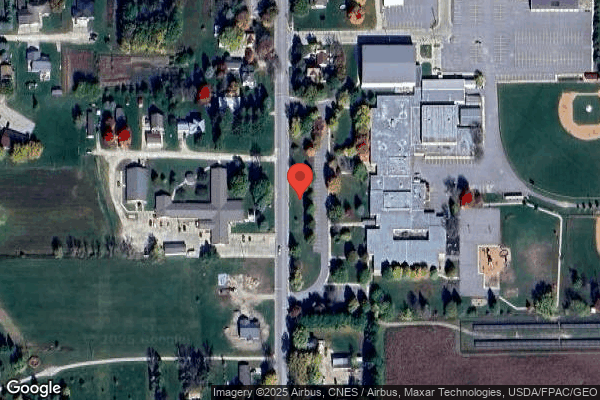
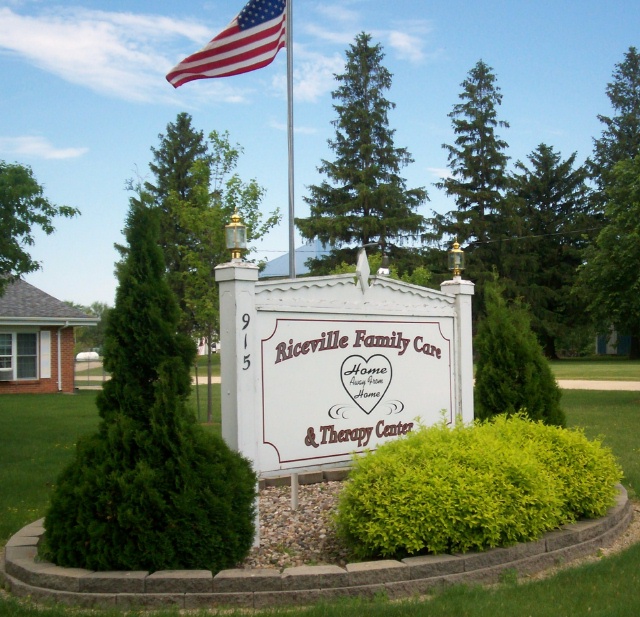
915 WOODLAND AVENUE, RICEVILLE, IA 50466 (641) 985-2606
Government - City/county 34 Beds Independent Data: November 2025
Trust Grade
90/100
#66 of 392 in IA
Last Inspection: March 2025

Within standard 12-15 month inspection cycle. Federal law requires annual inspections.

Overview

Riceville Family Care and Therapy Center has received an excellent Trust Grade of A, indicating they are highly recommended and perform well compared to other facilities. They rank #66 out of 392 in Iowa, placing them in the top half of all nursing homes in the state, and #3 out of 5 in Mitchell County, meaning only two local options are better. However, the facility's trend is worsening, with issues increasing from 1 in 2024 to 2 in 2025. While staffing is rated at 4 out of 5 stars, indicating quality care, the 50% turnover rate is average and may affect consistency. Notably, the center has not faced any fines, which is a positive sign, but there is concerningly less RN coverage than 80% of Iowa facilities, meaning residents may not receive as much oversight as needed. Specific incidents found during inspections include failures to provide baseline care plans to residents and a lack of dignity during meal assistance for residents who required help. Additionally, documentation errors were noted in resident assessments, which could impact care quality. Overall, while there are some strengths in staffing and trust grade, families should be aware of these concerns when considering Riceville Family Care and Therapy Center.
Trust Score
A
90/100
In Iowa
#66/392
Top 16%
Safety Record
Low Risk
No red flags
Inspections
Getting Worse
1 → 2 violations
Staff Stability
⚠ Watch
50% turnover. Above average. Higher turnover means staff may not know residents' routines.
Penalties
✓ Good
No fines on record. Clean compliance history, better than most Iowa facilities.
Skilled Nurses
⚠ Watch
Each resident gets only 29 minutes of Registered Nurse (RN) attention daily — below average for Iowa. Fewer RN minutes means fewer trained eyes watching for problems.
Violations
✓ Good
Only 5 deficiencies on record. Cleaner than most facilities. Minor issues only.
★★★★★
5.0
Overall Rating
★★★★☆
4.0
Staff Levels
★★★★★
5.0
Care Quality
★★★★☆
4.0
Inspection Score
Stable
2024: 1 issues
2025: 2 issues

The Good

  • 4-Star Staffing Rating · Above-average nurse staffing levels
  • 5-Star Quality Measures · Strong clinical quality outcomes
  • Full Sprinkler Coverage · Fire safety systems throughout facility
  • No fines on record

Facility shows strength in staffing levels, quality measures, fire safety.

The Bad

Staff Turnover: 50%

Near Iowa avg (46%)

Higher turnover may affect care consistency

The Ugly 5 deficiencies on record

Mar 2025 2 deficiencies
CONCERN (D)

Potential for Harm - no one hurt, but risky conditions existed

Assessment Accuracy (Tag F0641)

Could have caused harm · This affected 1 resident

**NOTE- TERMS IN BRACKETS HAVE BEEN EDITED TO PROTECT CONFIDENTIALITY** Based on clinical record review, staff interviews, and the Resident Assessment Instrument (RAI) Manual, the facility failed to a...

Read full inspector narrative →
**NOTE- TERMS IN BRACKETS HAVE BEEN EDITED TO PROTECT CONFIDENTIALITY** Based on clinical record review, staff interviews, and the Resident Assessment Instrument (RAI) Manual, the facility failed to accurately document and submit an accurate resident Minimum Data Set (MDS) assessments for 3 of 6 residents reviewed (Residents #5, #13, and #15). The facility reported a census of 27 residents. Findings include: 1. Resident #5's Minimum Data Set (MDS) assessment dated [DATE] identified a Brief Interview of Mental Status (BIMS) score of 6, indicating severe cognitive impaired. The MDS include diagnoses of depression, anxiety, and dementia. The MDS lacked documentation Resident #5 received an anti anxiety medication during the 7-day lookback period. Resident #5's November and December 2024 Medication Administration Record (MAR) documented Resident #5 received Buspirone (an anti anxiety medication) during the seven day look back period. 2. Resident #13 MDS assessment dated [DATE] identified a BIMS score of 10, indicating moderately cognitive impaired. The MDS include diagnoses of depression, anxiety, unspecified mood disorder, and dementia. The MDS lacked documentation Resident #13 received an anti anxiety medication during the 7-day lookback period. Resident #13's December 2024 MAR reflected they received buspirone (an antianxiety medication) during the 7-day lookback period. 3. Resident #15's Minimum Data Set (MDS) assessment dated [DATE] identified a Brief Interview of Mental Status (BIMS) score of 8, indicating severely impaired cognition. The MDS included diagnoses of depression, anxiety, and dementia. Resident #15's December 2024 MAR reflected they received buspirone during the 7-day look back period. During an interview on 3/6/25 at 8:48 AM the MDS Coordinator reported she compared the medications to the orders in Electronic Health Record to make sure they are correct. She reported she followed the RAI manual. She reported she have coded buspirone wrong and has been coding it as an antidepressant not an antianxiety like she should. The RAI Manual page N 6 under Coding Instructions directed to code medications according to the pharmacological classification, not how they are being used.
CONCERN (D)

Potential for Harm - no one hurt, but risky conditions existed

PASARR Coordination (Tag F0644)

Could have caused harm · This affected 1 resident

**NOTE- TERMS IN BRACKETS HAVE BEEN EDITED TO PROTECT CONFIDENTIALITY** Based on clinical record review and staff interview, the facility failed to complete a new Preadmission and Resident Review (PAS...

Read full inspector narrative →
**NOTE- TERMS IN BRACKETS HAVE BEEN EDITED TO PROTECT CONFIDENTIALITY** Based on clinical record review and staff interview, the facility failed to complete a new Preadmission and Resident Review (PASRR) evaluation as required for a new diagnosis of major depression for 1 of 1 residents reviewed (Resident # 13). The facility reported a census of 27 residents. Findings include: Resident #13 Minimum Data Set (MDS) assessment dated [DATE] identified a Brief Interview of Mental Status (BIMS) score of 10, indicating moderately impaired cognition. The MDS include diagnoses of depression, anxiety, unspecified mood disorder and dementia. Resident #13's PASRR dated 11/17/22 documented they didn't have a mental health diagnosis. Resident #13's Psychiatry Visit Note dated 1/3/25 documented they had major depressive disorder, insomnia, anxiety, and visual hallucinations. In addition, the note included the medication Resident #13 used for the mental health diagnoses. During an interview on 3/4/25 at 1:14 PM, the Director of Nursing (DON) reported the transferring facility completed Resident #13's PASRR prior to admission. The DON reported they should have completed a new PASRR with the diagnosis of major depression, the added and changed medications due to the increase in mood and behaviors.
Mar 2024 1 deficiency
CONCERN (E)

Potential for Harm - no one hurt, but risky conditions existed

Deficiency F0655 (Tag F0655)

Could have caused harm · This affected multiple residents

**NOTE- TERMS IN BRACKETS HAVE BEEN EDITED TO PROTECT CONFIDENTIALITY** Based on clinical record review, staff interviews, and policy review the facility failed to provide to the resident or their rep...

Read full inspector narrative →
**NOTE- TERMS IN BRACKETS HAVE BEEN EDITED TO PROTECT CONFIDENTIALITY** Based on clinical record review, staff interviews, and policy review the facility failed to provide to the resident or their representative a summary of the baseline care plan for 4 out of 4 residents reviewed (Residents #125, #126, #9,and #23). The facility reported a census of 24 residents. Findings include: 1. Resident #125's Minimum Data Set (MDS) assessment dated [DATE] identified a Brief Interview for Mental Status (BIMS) score of 15, indicating intact cognition. The MDS identified Resident #125 required partial/moderate assistance with bed mobility and transfers. The MDS included diagnoses of hypertension (high blood pressure), renal disease (kidney), arthritis, anxiety, and depression. The Clinical Census revealed Resident #125 was admitted on [DATE]. A facility form titled Riceville Family Care and Therapy Center Baseline Care Plan & Care Plan Summary dated 3/8/24 lacked documentation that a copy of the baseline care plan was given to or reviewed with Resident #125 or their resident representative. The sections of the baseline care plan titled Baseline Care Plan Summary and Review were not filled out and lacked signatures and dates from staff, resident, and/or resident representative. On 3/26/24 at 8:35 AM, the Director of Nursing (DON) acknowledged and verified Resident #125's baseline care plan had not been reviewed with the resident or their representative and a copy of the care plan had not been given. She stated if the review section of the baseline care plan form was not filled out then it was not completed. She stated the facility would need to QA (quality assurance) the process and provide reeducation to the staff. 2. Resident #126's entry MDS dated [DATE] identified Resident #126 entered the facility on 3/13/24 from the community. A facility form titled Riceville Family Care and Therapy Center Baseline Care Plan & Care Plan Summary dated 3/13/24 lacked documentation a copy of the baseline care plan was given to or reviewed with Resident #126 or their resident representative. The sections of the baseline care plan titled Baseline Care Plan Summary and Review were not filled out and lacked signatures and dates from staff, resident, and/or resident representative. 3. Resident #9's MDS assessment dated [DATE] identified a BIMS score of 14, indicating intact cognition. The MDS identified Resident #9 was dependent on staff for bed mobility and transfers. The MDS included diagnoses of hypertension (high blood pressure), renal disease (kidney), paraplegia (paralysis of legs and lower body), depression, and spinal stenosis (spaces inside the bones of the spine get too small). The Clinical Census revealed Resident #9 was admitted on [DATE]. A facility form titled Riceville Family Care and Therapy Center Baseline Care Plan & Care Plan Summary dated 1/19/24 lacked documentation a copy of the baseline care plan was given to or reviewed with Resident #9 or their resident representative. The sections of the baseline care plan titled Baseline Care Plan Summary and Review were not filled out and lacked signatures and dates from staff, resident, and/or resident representative. 4. Resident #23's MDS assessment dated [DATE] identified a BIMS score of 15, indicating intact cognition. The MDS identified Resident #23 required partial/moderate assistance with bed mobility, sit to stand transfers, and toilet transfers. The MDS included diagnoses of cancer, psychotic disorder, giardiasis (intestinal infection), coronary atherosclerosis (damage to heart's major blood vessels), and heart failure (inability to pump blood adequately). The Clinical Census revealed Resident #23 was admitted on [DATE] and discharged on 3/4/24. A facility form titled Riceville Family Care and Therapy Center Baseline Care Plan & Care Plan Summary dated 1/30/24 lacked documentation a copy of the baseline care plan was given to or reviewed with Resident #23 or their resident representative. The sections of the baseline care plan titled Baseline Care Plan Summary and Review were not filled out and lacked signatures and dates from staff, resident, and/or resident representative. On 3/26/24 at 3:45 PM, the DON acknowledged and verified Resident's #126, #9, and #23 baseline care plans were not reviewed with the resident or resident representative and copies of the baseline care plan had not been given. A facility policy titled Baseline Care Plan Policy revised 2024 documented the purpose of the policy was for the facility to develop and implement a baseline care plan for each resident that included instructions needed to provide effective and person-centered care of the resident that meet professional standards of quality of care. The procedure directed the following: 1. Include the resident's involvement and choices in the care plan, especially goal setting. 2. The baseline care plan to be developed within 48 hours of a resident's admission and include the minimum health care information necessary to properly care for the resident. 3. The facility must provide to the resident and their representative with a summary of the baseline care plan that includes but not limited to: a. The initial goals of the resident b. A summary of the resident's medication and dietary instructions c. Any services and treatments to be administered by the facility and personnel acting on behalf of the facility. d. Any updated information based on details of the comprehensive care plan as necessary.


Feb 2023 2 deficiencies
CONCERN (D)

Potential for Harm - no one hurt, but risky conditions existed

Assessment Accuracy (Tag F0641)

Could have caused harm · This affected 1 resident

**NOTE- TERMS IN BRACKETS HAVE BEEN EDITED TO PROTECT CONFIDENTIALITY** Based on clinical record review, observation, and staff interview the facility inaccurately coded active diagnosis on the Minimu...

Read full inspector narrative →
**NOTE- TERMS IN BRACKETS HAVE BEEN EDITED TO PROTECT CONFIDENTIALITY** Based on clinical record review, observation, and staff interview the facility inaccurately coded active diagnosis on the Minimum Data Set (MDS) Assessment for 2 of 14 residents (Resident #2 and #77) reviewed. The facility identified a census of 27 residents. Findings include: 1. A Electronic Health Record (EHR) Census showed Resident #2 admitted to the facility on [DATE]. A Hospital Discharge Summary Brief Overview dated 4/29/22 for Resident #2 documented a principal problem of acute respiratory failure with hypoxia and community acquired pneumonia. The Minimum Data Set (MDS) dated [DATE] for Resident #2 documented an active diagnosis of pneumonia in section I. The MDS dated [DATE] documented an active diagnosis of pneumonia in section I. The MDS dated [DATE] documented an active diagnosis of pneumonia in section I. The MDS dated [DATE] for Resident #2 documented and active diagnosis of pneumonia in section I. A Medication Review Report signed by the Provider on 11/01/22 lacked documentation of any current treatment for active pneumonia. A review of the Medication Administrative Records (MARs) for November 2022 and December 2022 lacked documentation of physician orders for the treatment of active pneumonia. During an interview on 1/30/23 at approximately 2:30 p.m. the Director of Nursing (DON) and Assistant Director of Nursing (ADON) reported they would look into why Resident #2 had pneumonia coded on his past MDS's as he had not been receiving treatment for pneumonia. During an observation on 1/31/23 at 8:25 a.m. Resident #2 propelled his wheelchair independently from his room to the dining room. He greeted the surveyor and stated he was heading to the dining room to get a good breakfast. Resident #2 did not exhibit a cough, shortness of breath, ashen skin color, or utilize oxygen. During an interview on 2/01/23 at 9:53 a.m. the Director of Nursing reported they had done a MDS assessment correction to Resident #2's MDS to remove the diagnosis of pneumonia and moved the pneumonia to a historical diagnosis. She reported the pneumonia diagnosis should not have been coded as it had not been a current diagnosis. She reported they are starting a quality assurance and performance improvement (QAPI) plan on the MDS coding. The MDS Assessment Coordinator Policy, undated, provided by the facility under #3 directed each individual who completes a portion of the MDS Assessment must certify the accuracy of that portion of the assessment by: a. dating and signing the MDS assessment; and b. identifying each section completed. Any individual who willfully and knowingly certifies (or causes another individual to certify) a material and false statement in a resident assessment is subject to disciplinary action and such incident must be promptly reported to the administrator. The Center for Medicare and Medicaid Services Long-Term Care Facility Resident Assessment Instrument (RAI) 3.0 User's Manual Version 1.17.1 October 2019, page (one) 1-8 documents an accurate assessment requires collecting information from multiple sources, some of which are mandated by regulations. Those sources must include the resident and direct care staff on all shifts, and should also include the resident's medical record, physician, and family, guardian, or significant other as appropriate or acceptable. It is important to note here that information obtained should cover the same observation period as specified by the MDS items on the assessment, and should be validated for accuracy (what the resident's actual status was during that observation period) by the interdisciplinary team completing the assessment. As such, nursing homes are responsible for ensuring that all participants in the assessment process have the requisite knowledge to complete an accurate assessment. The Long-Term Care Assessment Instrument 3.0 User's Manual Version 1.17.1 October 2019, Chapter 3, section I, Active Diagnosis, coding instruction on page I-8 of the manual directs to code diseases that have a documented diagnosis in the last 60 days and have a direct relationship to the resident's current functional status, cognitive status, mood or behavior status, medical treatments, nursing monitoring (nursing monitoring includes clinical monitoring by a licensed nurse (e.g., serial blood pressure evaluations, medication management, etc.), or risk of death during the 7-day look-back period. One of the important functions of the MDS assessment is to generate an updated, accurate picture of the resident's current health status. 2. An EHR census for Resident #77 showed Resident #77 returned to the facility from hospitalization on 11/14/22 on Medicare Part A Skilled Services. The MDS dated [DATE] for Resident #77 showed a Brief Interview for Mental Status (BIMS) score of 00 indicating severe cognitive loss. The Resident required extensive assistance with bed mobility, dressing, personal hygiene and eating. The MDS identified a diagnosis of a right femur fracture and receiving hospice care services. The MDS further documented Resident #77 at risk of a pressure ulcer and identified the use of a pressure reducing device for the chair, bed, turning and repositioning program and application of applications of dressing/ointments other than to feet. The MDS lacked documentation Resident #77 had the presence of an unhealed pressure injury at section M0210 and lacked documentation of the number and stage of the pressure injury in section M0300. A Progress Note dated 11/16/22 at 6:40 p.m. by Staff A, Licensed Practical Nurse (LPN) documented an open area to Resident #77's coccyx measuring 1.8 cm (L) x 1.0 cm (W) x 0.1 cm (D). The wound bed assessed to be dark purple in color with granulation tissue. The wound edges were well defined and intact. A facsimile was sent to the Provider to update on the Resident's condition and the daughter informed of the open area to the coccyx. A Skin Condition Record dated 11/16/22 documented a open pressure injury wound to the coccyx with a treatment to cleanse wound, pat dry, cut calcium alginate and place in the wound. Cover the wound with an ABD pad dressing and secure with paper tape. Change the Alginate dressing every 3 days as needed. The Skin Condition Record documented the following measurements: a. 11/25/22 2.6 centimeters (cm) in length (L) x 1.7 cm width (W) with small serous purulent exudate with slough to the wound bed; peri-wound bed red with normal edges to the wound. b. 11/30/22 2.5 cm (L) x 2.4 cm (W) x 1 cm depth (D) with purulent exudate with biofilm to the wound bed; peri-wound bed red with boggy wound edges. A note documented the Resident had been started on Bactrim Double Strength x 5 days. c. 12/07/22 coccyx wound 2.7 cm (L) x 2.2 cm (W) x 1.2 cm (D) with purulent exudate. The peri-wound exhibited a red/blue color. A note documented a stage 4 pressure ulcer with a 0.9 cm tunnel at the 12 O'clock position and a tunnel 1.5 cm at the 3 O'clock position. d. 12/14/22 wound 2.6 cm (L) x 2.1 cm (W) x 2 cm (D) with purulent exudate and necrosis to the wound bed with slough present in the peri-wound with boggy wound edges. A note documented stage 4 with a 0.9 cm tunnel at 12 O'clock and a 1.6 cm tunnel at the 3 O'clock position. The EHR census sheet documented Resident #77 admitted into hospice care on 12/08/22. During an interview on 2/01/23 at 9:53 a.m. the Director of Nursing reported Resident #77 should not have been coded as hospice care on her return MDS as she had been readmitted on skilled nursing services after her hospitalization. She reported the pressure ulcer should have been coded on the MDS. It had been missed.
CONCERN (E)

Potential for Harm - no one hurt, but risky conditions existed

Resident Rights (Tag F0550)

Could have caused harm · This affected multiple residents

**NOTE- TERMS IN BRACKETS HAVE BEEN EDITED TO PROTECT CONFIDENTIALITY** Based on clinical record review, observations, and staff interview the staff failed to maintain dignity while standing over resi...

Read full inspector narrative →
**NOTE- TERMS IN BRACKETS HAVE BEEN EDITED TO PROTECT CONFIDENTIALITY** Based on clinical record review, observations, and staff interview the staff failed to maintain dignity while standing over residents as they were assisted with their meals for 6 of 7 residents (Resident #7, #9, #11, #13, #16, and #21) observed that required meal assistance. The facility identified a survey of 27 residents. Findings include: 1. The Minimum Data Set (MDS) dated [DATE] for Resident #7 documented a Brief Interview for Mental Status (BIMS) score of 00 indicating severe cognitive loss. The Resident required limited assistance of one staff for eating. 2. The MDS dated [DATE] for Resident #9 showed a BIMS score of 00 indicating severe cognitive loss. The Resident required extensive assistance of one staff member for eating. 3. The MDS dated [DATE] for Resident #11 documented a BIMS score of 00 indicating severe cognitive loss. The Resident required extensive assistance of staff for eating. 4. The MDS for Resident #13 dated 11/01/22 showed a BIMS score of 00 indicating severe cognitive loss. The resident required total assistance of one staff member for eating. 5. The MDS dated [DATE] for Resident #16 documented a BIMS of 13 indicating intact cognition with unclear speech. The Resident required extensive assistance with eating. 6. The MDS dated [DATE] for Resident #21 documented a BIMS of 03 indicating severe cognitive loss. The Resident required extensive assistance of one staff member for eating. During an observation on 1/30/23 at 12:24 p.m. Staff E, Certified Nursing Assistant (C.N.A) stood to Resident #9's right side assisting him to take bites of food. Staff F, C.N.A. stood between Resident #21 and Resident #16 rotating assisting between the two residents with bites of food and drink. During an observation on 1/30/23 at 12:25 p.m. Staff F went to get a chair to sit next to Resident #21 to assist with the meal. Staff E remained standing over Resident #9 to assist with his lunch meal. During an observation on 1/30/23 at 12:26 p.m. Staff A, Registered Nurse (RN) approached Resident #9 to administer his medications. Staff E moved from her standing position to allow Staff A to administer the medications. Staff A did not direct Staff E to sit to assist Resident #9 with his meal. During an observation on 1/30 23 at 12:29 p.m. Staff G, C.N.A., approached Resident #9 and stood over him to assist him with taking bites and drinks of his lunch meal. During an observation on 1/30/23 at 12:30 p.m. Staff F went over to assist Resident #13 and Resident #7 standing between them and looking down at them as she assisted them with bites of food. During this time the Administrator walked through the dining room to get her lunch in a black plastic container from the kitchen, then left the dining room. The Administrator did not direct any of the staff assisting with the dining to sit down with the residents. During an observation on 1/30/23 at 12:32 p.m. Staff E stood to Resident #7's right side looking down at the resident and assisted with a hand over hand assist to take drinks of fluids. During an observation on 1/30/23 at 12:33 p.m. Staff E approached Resident #21 and stood by her side looking down at her giving her bites of food, then went back to Resident #13 and stood over Resident #13 with her left hand on hip and using her right hand to give Resident #13 bites of food. During an observation on 1/30/23 at 12:34 p.m. Staff F obtained a wheeled stool to sit down side by side with Resident #13 and Resident #7 to assist them with their lunch meals. During an observation on 1/30/23 at 12:34 p.m. Staff G remained standing by Resident #9's right side assisting him with his lunch meal. Staff E stood between Resident #21 and Resident #16 assisting them with their lunch meal. Staff F stood by Resident #13 assisting with the meal. Staff G obtained a wheeled stool and sat by Resident #9 to assist with his meal. Staff H sat side by side with Resident #7 assisting with her lunch meal. During an observation on 1/31/23 at 12:17 p.m. Staff F stood over Resident #16 as she assisted the Resident with bites of her lunch meal. During an observation on 1/31/23 at 1:38 p.m. Staff F stood over Resident #11 as she assisted him with the meal. Staff E stood looking down on Resident #21 as she assisted her with the meal. During an interview on 2/01/23 at 3:41 p.m. Staff B, C.N.A. and Staff C, C.N.A. both reported they have received training in assisting residents with meals. They would sit with the resident to assist them with their meal. During an interview on 2/01/23 at 3:55 p.m. Staff D, LPN, reported she believes the C.N.A.'s have been trained to sit by the resident when assisting with meals. She reported it is not dignified to stand over a resident when assisting them with a meal. During an interview on 2/01/23 at 4:00 p.m. the Director of Nursing reported staff are trained to sit down face to face and assist residents with the meal. She expects staff to sit with the resident, provide meal assistance to one resident at a time and engage the resident in conversation for dignity. The Assisting the Residents to Eat (Assisted and Independent) Policy, undated, provided by the facility documented a purpose to provide a pleasant meal experience for all residents. The Procedure directed the staff to sit next to the resident at eye level. Talk to the resident, not to other staff.
Understanding Severity Codes (click to expand)
Life-Threatening (Immediate Jeopardy)
J - Isolated K - Pattern L - Widespread
Actual Harm
G - Isolated H - Pattern I - Widespread
Potential for Harm
D - Isolated E - Pattern F - Widespread
No Harm (Minor)
A - Isolated B - Pattern C - Widespread

Questions to Ask on Your Visit

  • "Can I speak with families of current residents?"
  • "What's your RN coverage like on weekends and overnight?"

Our Honest Assessment

Strengths
  • • Grade A (90/100). Above average facility, better than most options in Iowa.
  • • No major safety red flags. No abuse findings, life-threatening violations, or SFF status.
  • • No fines on record. Clean compliance history, better than most Iowa facilities.
  • • Only 5 deficiencies on record. Cleaner than most facilities. Minor issues only.
Concerns
  • • No significant concerns identified. This facility shows no red flags across CMS ratings, staff turnover, or federal penalties.
Bottom line: Generally positive indicators. Standard due diligence and a personal visit recommended.

About This Facility

What is Riceville Family Care And Therapy Center's CMS Rating?

CMS assigns Riceville Family Care and Therapy Center an overall rating of 5 out of 5 stars, which is considered much above average nationally. Within Iowa, this rating places the facility higher than 99% of the state's 100 nursing homes. This rating reflects solid performance across the metrics CMS uses to evaluate nursing home quality.

How is Riceville Family Care And Therapy Center Staffed?

CMS rates Riceville Family Care and Therapy Center's staffing level at 4 out of 5 stars, which is above average compared to other nursing homes. Staff turnover is 50%, compared to the Iowa average of 46%.

What Have Inspectors Found at Riceville Family Care And Therapy Center?

State health inspectors documented 5 deficiencies at Riceville Family Care and Therapy Center during 2023 to 2025. These included: 5 with potential for harm.

Who Owns and Operates Riceville Family Care And Therapy Center?

Riceville Family Care and Therapy Center is owned by a government entity. Government-operated facilities are typically run by state, county, or municipal agencies. The facility operates independently rather than as part of a larger chain. With 34 certified beds and approximately 27 residents (about 79% occupancy), it is a smaller facility located in RICEVILLE, Iowa.

How Does Riceville Family Care And Therapy Center Compare to Other Iowa Nursing Homes?

Compared to the 100 nursing homes in Iowa, Riceville Family Care and Therapy Center's overall rating (5 stars) is above the state average of 3.1, staff turnover (50%) is near the state average of 46%, and health inspection rating (4 stars) is above the national benchmark.

What Should Families Ask When Visiting Riceville Family Care And Therapy Center?

Based on this facility's data, families visiting should ask: "Can I visit during a mealtime to observe dining assistance and food quality?" "How do you handle medical emergencies, and what is your hospital transfer rate?" "Can I speak with family members of current residents about their experience?"

Is Riceville Family Care And Therapy Center Safe?

Based on CMS inspection data, Riceville Family Care and Therapy Center has a clean safety record: no substantiated abuse findings (meaning no confirmed cases of resident harm), no Immediate Jeopardy citations (the most serious violation level indicating risk of serious injury or death), and is not on the Special Focus Facility watch list (a federal program monitoring the lowest-performing 1% of nursing homes). The facility has a 5-star overall rating and ranks #1 of 100 nursing homes in Iowa. While no facility is perfect, families should still ask about staff-to-resident ratios and recent inspection results during their visit.

Do Nurses at Riceville Family Care And Therapy Center Stick Around?

Riceville Family Care and Therapy Center has a staff turnover rate of 50%, which is about average for Iowa nursing homes (state average: 46%). Moderate turnover is common in nursing homes, but families should still ask about staff tenure and how the facility maintains care continuity when employees leave.

Was Riceville Family Care And Therapy Center Ever Fined?

Riceville Family Care and Therapy Center has no federal fines on record. CMS issues fines when nursing homes fail to meet care standards or don't correct problems found during inspections. The absence of fines suggests the facility has either maintained compliance or corrected any issues before penalties were assessed. This is a positive indicator, though families should still review recent inspection reports for the full picture.

Is Riceville Family Care And Therapy Center on Any Federal Watch List?

Riceville Family Care and Therapy Center is not on any federal watch list. The most significant is the Special Focus Facility (SFF) program, which identifies the bottom 1% of nursing homes nationally based on persistent, serious quality problems. Not being on this list means the facility has avoided the pattern of deficiencies that triggers enhanced federal oversight. This is a positive indicator, though families should still review the facility's inspection history directly.