Hegg Memorial Health Center
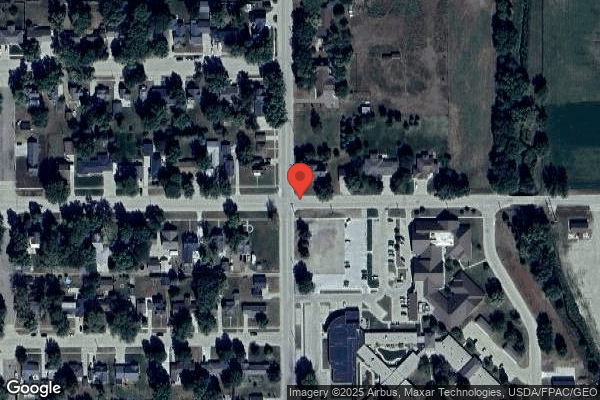
2116 14th Street, Rock Valley, IA 51247 (712) 476-8200
Non profit - Corporation 60 Beds Independent Data: November 2025
Trust Grade
95/100
#35 of 392 in IA
Last Inspection: November 2024

Within standard 12-15 month inspection cycle. Federal law requires annual inspections.

Overview

Hegg Memorial Health Center in Rock Valley, Iowa, has received a Trust Grade of A+, indicating it is an elite facility with top-tier quality care. It ranks #35 out of 392 nursing homes in Iowa, placing it in the top half of state facilities, and is the top-rated option among five facilities in Sioux County. The facility is improving, with reported issues decreasing from seven in 2023 to just one in 2024. Staffing is a notable strength, rated 5 out of 5 stars, and has a low turnover rate of 17%, which is well below the state average. However, there are some concerns, such as less RN coverage than 83% of Iowa facilities, which means fewer registered nurses are available to catch potential problems. Recent inspections revealed issues, including a lack of a process for residents to submit grievances anonymously and unsafe transfer techniques for a resident who required a mechanical lift. Overall, while the facility has strong staffing and quality ratings, families should be aware of these weaknesses when considering care for their loved ones.

Trust Score
A+
95/100
In Iowa
#35/392
Top 8%
Safety Record
Low Risk
No red flags
Inspections
Getting Better
7 → 1 violations
Staff Stability
✓ Good
17% annual turnover. Excellent stability, 31 points below Iowa's 48% average. Staff who stay learn residents' needs.
Penalties
✓ Good
No fines on record. Clean compliance history, better than most Iowa facilities.
Skilled Nurses
○ Average
Each resident gets 37 minutes of Registered Nurse (RN) attention daily — about average for Iowa. RNs are the most trained staff who monitor for health changes.
Violations
○ Average
10 deficiencies on record. Average for a facility this size. Mostly minor or procedural issues.
★★★★★
5.0
Overall Rating
★★★★★
5.0
Staff Levels
★★★★☆
4.0
Care Quality
★★★★☆
4.0
Inspection Score
Stable
2023: 7 issues
2024: 1 issues

The Good

  • 5-Star Staffing Rating · Excellent nurse staffing levels
  • 4-Star Quality Measures · Strong clinical quality outcomes
  • Low Staff Turnover (17%) · Staff stability means consistent care
  • Full Sprinkler Coverage · Fire safety systems throughout facility
  • No fines on record
  • Staff turnover is low (17%)

    31 points below Iowa average of 48%

Facility shows strength in staffing levels, quality measures, staff retention, fire safety.

The Bad

No Significant Concerns Identified

This facility shows no red flags. Among Iowa's 100 nursing homes, only 1% achieve this.

The Ugly 10 deficiencies on record

Nov 2024 1 deficiency
CONCERN (D)

Potential for Harm - no one hurt, but risky conditions existed

Accident Prevention (Tag F0689)

Could have caused harm · This affected 1 resident

**NOTE- TERMS IN BRACKETS HAVE BEEN EDITED TO PROTECT CONFIDENTIALITY** Based on observation, interview and record review the facility failed to ensure that staff practiced safe transfer techniques fo...

Read full inspector narrative →
**NOTE- TERMS IN BRACKETS HAVE BEEN EDITED TO PROTECT CONFIDENTIALITY** Based on observation, interview and record review the facility failed to ensure that staff practiced safe transfer techniques for 1 of 2 residents. Resident #5 required the use of the mechanical lift for transfers and staff used a sling that was 2-sizes larger than the manufacturer recommended size for her weight. The resident had a decline in condition which changed her ability to tolerate the mechanical lift transfer. The facility reported a census of 55 residents. Findings include: According to the Minimum Data Set (MDS) dated [DATE], Resident #5 had a Brief Interview for Mental Status (BIMS) score of 0 (severe cognitive deficit). She was totally dependent on staff for sit to lying, chair to bed transfers and toileting. Resident #5 was frequently incontinent of urine and bowel and had diagnosis that included; anemia, heart failure, Diabetes Mellitus, malnutrition and anxiety disorder. The Care Plan last reviewed on 9/27/24, showed that Resident #5 was totally dependent on staff to assist with Activities of Daily Living. She transferred with the use of a total lift with 2 staff and used wheel chair for mobility. The resident was admitted to hospice services on 6/14/24. She could be forgetful and confused, had difficulty making herself be understood, sometimes, did not understand others. She had chronic pain. On 11/18/24 at 11:13 AM, Resident #5 was in her wheel chair near the table in the dining room, with her head hanging down into her chest. At 11:57 AM, her head was still down and a staff member was sitting next to her trying to encourage her to take bites and drink. The resident occasionally opened her mouth, she did not speak and did not reach for food or drink. On 11/18/24 at 12:14 PM, Resident #5 was in the whirlpool room sitting in the tub. Her head was hanging down in her chest, she did not respond or speak. The resident had a bruise on left shoulder. Staff F, Licensed Practical Nurse (LPN) said they thought that the bruise was from the sling used with the mechanical lift. She said that Resident #5 had a recent significant decline is health. An Incident Report dated 11/20/24 at 10:35 AM, showed that Resident #5 had a new bruise on posterior shoulder that measured 2.5 centimeters (cm) x 7 cm and one on the left upper outer arm 2 cm x 3.2 cm. The type of injury was defined as a skin tear. The documentation lacked description of the bruising or possible cause. In an observation on 11/19/24 at 7:20 AM, Resident #5 was in bed sleeping on her back. Staff A Certified Nurse Aide (CNA) and Staff B, CNA woke her up and explained that they would be getting her dressed for the day. They assisted her to sit on the side of her bed with Staff A lifting her upper body, and Staff B swinging her legs around so her feet landed on the floor. The resident did not open her eyes or say anything. As she tried to sit up, she leaned over to the left and Staff B held her up in the seated position. Staff A grabbed a mechanical lift sling that was on the shelf, and the two CNA's put the sling around her back, tucked the leg straps under her legs, and placed her arms on the outside of the sling. When Staff A hooked the sling to the lift, the padding on the upper part of the sling (designed to support the arms during transfers) landed parallel to the resident's forearms and her armpits rested on the fabric of the sling. She continued to lean to the left and she was not able to sit up. As the lift raised up in the air and Staff A moved the machine toward the bathroom, it was discovered that the bottom of the sling was at the middle of her back, and the leg straps were just above her knees. The weight of the resident rested in her armpits and the back of her knees. She was then lowered to the toilet. At 7:35 AM, Staff C, Certified Medication Aide (CMA) came into the room to apply a lotion while Resident #5 was on the toilet. The resident continued to lean further to the left and Staff B tried to hold her head up. Her left arm was hanging down alongside the toilet and her right shoulder hyperextended back as she slid further down in the sling. At 7:37 AM staff engaged the mechanical lift and hoisted her back off of the toilet. From the middle of her back (from the bottom of the sling) to just above the back of her knees (the leg straps) her body was unprotected and hung down while Staff A and Staff B applied a clean brief. At 7:38 AM, they moved her out of the bathroom and into the wheel chair. Upon further inspection, it was discovered that the sling used for Resident #5 was an extra-large. According to the Sling User Guide dated March of 2005, it was recommended that an extra-large sling would be used for resident in the weight range of 264-352 pounds. (According to the electronic chart, Resident #5 weighed 150 pounds) On 11/19/24 at 7:40, Staff D, LPN and Staff E, Registered Nurse (RN) looked at the sling that staff had used to transfer the resident and explained that it was a special design used for toileting. Staff E stated that they were going to get a different sling since the resident had a decline and she wasn't sitting up any longer. On 11/19/24 at 7:59 AM Staff C CMA said that at one point the resident was able to sit up during transfer but she had gotten much weaker. The resident was mostly incontinent and hadn't been using in the toilet so the toileting sling probably was not the best option for her. She said that the padding on the sling was to help support and protect the arms and she hadn't noticed the position of the padding when the resident was on the toilet. On 11/20/24 at 12:31 PM, the Director of Nursing (DON) said that the nurses used the sling chart with weights to determine size of sling to use but there was not a specific assessment form for determining appropriate sling size. On 11/21/24 at 8:32 AM, the DON stated that when the CNA's saw that Resident #5 was different on 11/19/23, they should have notified the nurse so she could have done a complete assessment before transferring the resident to the toilet. According to the Arjo Sling User Guide: dated March of 2005, Using the correct sling for each patient was an essential element of safe patient handling. A sling that was the wrong size of a body fit for the patient created discomfort and increased the risk of injury. Indications of a badly fitted or wrongly sized sling included; 1. leg support of the sling digging into the back of the patient's knees with the sling clips/loops several inches above the front of the patient's thighs (sling may be too large). 2. The sling must adequately support the head 3. The patient's buttocks were not slipping through the sling aperture. It was not advised to use the toileting sling with residents that were flaccid as they could slip through the commode hole. The sling should be fitted with the top of the patients head as a guide to positioning. Both of the resident's arms should be positioned outside the sling, over the padded areas but under the head support straps. According to facility policy titled dated 11/5/05, the facility would provide a safe work environment for resident care areas by providing and requiring the use of safety materials, equipment and training designed to prevent personal and resident injury. The staff were accountable for utilizing proper body mechanics, lifting techniques and resident safety.
Sept 2023 7 deficiencies
CONCERN (D)

Potential for Harm - no one hurt, but risky conditions existed

PASARR Coordination (Tag F0644)

Could have caused harm · This affected 1 resident

**NOTE- TERMS IN BRACKETS HAVE BEEN EDITED TO PROTECT CONFIDENTIALITY** Based on clinical record review and staff interview, the facility failed to refer 1 resident with a negative Level I result for ...

Read full inspector narrative →
**NOTE- TERMS IN BRACKETS HAVE BEEN EDITED TO PROTECT CONFIDENTIALITY** Based on clinical record review and staff interview, the facility failed to refer 1 resident with a negative Level I result for the Preadmission Screening and Resident Review (PASRR), who was later identified with newly evident or possible serious mental disorder, intellectual disability, or other related condition, to the appropriate state-designated authority for Level II PASRR evaluation and determination for 1 out of 1 residents (Resident #1) reviewed for PASRR requirements. The facility reported a census of 52 residents. Findings include: The The Minimum Data Set (MDS) assessment dated [DATE] for Resident #1 documented diagnoses depression, hypertension and Peripheral Vascular Disease (PVD)The MDS included a Brief Interview for Mental Status (BIMS) score of 15 indicating no cognitive impairment. Review of the MDS dated [DATE] revealed an active diagnosis of depression. Review of the Long Term Care Recertification signed on 9/7/23 revealed a diagnoses of major depression in partial remission. Review of Resident #1 ' s active problems in her chart revealed a diagnosis of major depression in partial remission with first entered date of 11/26/17 and major depressive disorder, recurrent episode, mild with a first entered date of 10/25/22. Review of the PASRR Level 1 revealed the following information: a. Does the individual have any of the following major mental illnesses? The box was marked no b. Does the individual have any of the following mental disorders? Yes was marked with depression as mild or situational. Review of the clinical record revealed a exemption for PASRR dated 3/15/16 revealed Resident #1 PASRR Level 1 identification screen reviewed for a potential PASRR status change shows that further PASRR evaluation is not required at this time. The current PASRR dated remains valid for your stay at the nursing facility and should be transferred with you if you relocate. No further PASRR screening is required unless you experience a significant change in behavioral health needs or it is believed that your needs can be met in a less restrictive placement, such as in the community. Review of Resident #1 ' s chart lacked a follow-up and resubmission of a PASRR with the diagnosis of major depression. The facility does not have a PASRR policy. Interview on 9/27/23 at 9:47 a.m., with the Social Worker revealed she does not have the diagnosis of major depression on the current PASRR.
CONCERN (D)

Potential for Harm - no one hurt, but risky conditions existed

Pressure Ulcer Prevention (Tag F0686)

Could have caused harm · This affected 1 resident

**NOTE- TERMS IN BRACKETS HAVE BEEN EDITED TO PROTECT CONFIDENTIALITY** Based on clinical record, facility policy, and staff interview, the facility failed to accurately assess a wound for 1 of 1 resi...

Read full inspector narrative →
**NOTE- TERMS IN BRACKETS HAVE BEEN EDITED TO PROTECT CONFIDENTIALITY** Based on clinical record, facility policy, and staff interview, the facility failed to accurately assess a wound for 1 of 1 residents reviewed (Resident #38). The facility reported a census of 38 residents. The MDS (Minimum Data Set) assessment identifies the definition of pressure ulcers: Stage I is an intact skin with non-blanchable redness of a localized area usually over a bony prominence. Darkly pigmented skin may not have a visible blanching; in dark skin tones only it may appear with persistent blue or purple hues. Stage II is partial thickness loss of dermis presenting as a shallow open ulcer with a red or pink wound bed, without slough (dead tissue, usually cream or yellow in color). May also present as an intact or open/ruptured blister. Stage III Full thickness tissue loss. Subcutaneous fat may be visible but bone, tendon or muscle is not exposed. Slough may be present but does not obscure the depth of tissue loss. May include undermining and tunneling. Stage IV is full thickness tissue loss with exposed bone, tendon or muscle. Slough or eschar (dry, black, hard necrotic tissue). may be present on some parts of the wound bed. Often includes undermining and tunneling or eschar. Unstageable Ulcer: inability to see the wound bed. Other staging considerations include: Deep Tissue Pressure Injury (DTPI): Persistent non-blanchable deep red, maroon or purple discoloration. Intact skin with localized area of persistent non-blanchable deep red, maroon, purple discoloration due to damage of underlying soft tissue. This area may be preceded by tissue that is painful, firm, mushy, boggy, warmer or cooler as compared to adjacent tissue. These changes often precede skin color changes and discoloration may appear differently in darkly pigmented skin. This injury results from intense and/or prolonged pressure and shear forces at the bone-muscle interface. Findings include: The Minimum Data Set (MDS) dated [DATE] revealed a Brief Interview of Mental Status (BIMS) score of 0 which indicated severely impaired cognition. The MDS revealed the resident had diabetes mellitis and dementia; had a stage 2 pressure ulcer. The Clinical Record revealed the resident's pressure ulcer was first documented on 7/3/23, no depth measurement was located in the resident's clinical record. The Prevention of Pressure Ulcers Policy last reviewed February 2018 lacked information related to pressure ulcer measurement. In a concurrent record review and interview on 9/27/23 at 12:09 PM, with Director of Nursing (DON), Licensed Practical Nurse (LPN) Supervisor, and Staff B, Registered Nurse (RN), the resident's pressure ulcer to her coccyx was verified as a stage II pressure ulcer on 7/3/23. The depth of the wound could not be located in the resident's medical record. The DON reported that she would expect the depth measured with a stage 2 pressure ulcer.
CONCERN (D)

Potential for Harm - no one hurt, but risky conditions existed

Deficiency F0688 (Tag F0688)

Could have caused harm · This affected 1 resident

**NOTE- TERMS IN BRACKETS HAVE BEEN EDITED TO PROTECT CONFIDENTIALITY** Based on clinical record, facility policy, and staff interview, the facility failed to provide restorative therapy for 1 of 1 re...

Read full inspector narrative →
**NOTE- TERMS IN BRACKETS HAVE BEEN EDITED TO PROTECT CONFIDENTIALITY** Based on clinical record, facility policy, and staff interview, the facility failed to provide restorative therapy for 1 of 1 resident reviewed (Resident #20). The facility reported a census of 52 residents. Findings include: The Minimum Data Set (MDS) dated [DATE] for Resident #20 revealed the resident had severely impaired skills for cognitive daily decision making, had inattention, and disorganized thinking. The MDS revealed the resident had diagnoses of Alzheimer's disease, dementia, anxiety, and depression; required the extensive assistance of 2 staff for bed mobility, transfers, and toileting; required the extensive assistance of 1 staff with eating; did walk in her room or corridor; had functional limitation in range of motion for both lower extremities; was frequently incontinent of urine and bowel; did not have restorative therapy in the last 7 calendar days. The Clinical Record revealed the resident had 4 restorative therapy sessions out of a total of 22 possible sessions for AROM (active range of motion) from 8/25/23 to 9/25/23: 9/5/23, 9/13/23, 9/15/23 and 9/21/23. The Care Plan dated 9/27/23 revealed: 1. She is non ambulatory (does not walk). 2. Further declines are anticipated due to progression of end stage Alzheimer's. 3. Encourage participation in Aged for Action. Resident refuses even with supervision and cues due to diagnosis of dementia. The Care Plan Item Detail last revised 9/27/23 revealed the resident had restorative active ROM (range of motion). The Restorative Therapy Program Policy last revised September 2022: 1. Residents will be assessed for restorative needs and placed in facility programs as indicated. Each program purpose is directed toward assisting residents to achieve and maintain optimal levels of self care and independence, thus enhancing self-esteem, promoting active participation in daily living and improving quality of life. The programs will be carried out, recorded, and evaluated on a regular basis. 2. Restorative Nursing is a dynamic process which assist a resident in achieving optimum physical, emotional, psychological, and social potential. This process is exercised in an atmosphere that maintains the resident's dignity and self-respect and promotes a lifestyle that is as independent and self fulfilling as possible. 3. To provide individualized programs to maintain a resident's current functional level, identify and prevent loss in at risk residents, and restore residents to their highest functional level. 4. Identify a resident's strengths and improve their self-image and self-esteem. 5. To develop criteria for resident entry to, movement within, and discharge from the program. 6. Active Range of Motion - Exercises performed by a resident, with cueing or supervision by staff, that are planned, scheduled, and documented in the clinical record. 7. Take your time, and allow the residents to take their time. Watch for signs of fatigue or frustration before assisting. 8. Provide structured, well planned, individualized programming. 9. Measurable goals and interventions must be documented in the care plan and in the clinical record. 10. Evidence of periodic evaluation (quarterly) by a licensed nurse must be present in the clinical record. This documentation will reflect progress towards goals and whether the goal remains appropriate. 11. This program does not include exercise groups with more than four residents per supervising helper or caregiver 12. Must have daily documentation that the treatment was carried out. 13. Must show progress toward goals, or be necessary to prevent a decline in the level of functional independence 14. This program is a means of providing treatment for those residents identified as having: a. A change in function that has stabilized and is no longer in need of skilled therapy · A potential for functional decline b. Already exhibited a functional decline c. A potential for functional improvement 15. You may specifically find the resident in need of a program if they are: a. Incontinent b. Being fed c. Non-ambulatory d. Restrained e. Catheterized f. Identified as having a decubitus g. Requiring partial or complete assistance with ADL's (Activities of Daily Living) 16. As with all nursing records it is essential to maintain accurate and timely documentation on the Restorative Program. 17. Daily documentation will be recorded on the EMR, and is completed by the Caregiver who provides the treatment to the resident on the day of program delivery. 18. The specific approaches should be specified on the EMR intervention list. (e.g., RUE - ROM to all extremities, passive, 10 repetitions) 19. Notify the Charge Nurse of all refusals and withheld treatments to assure appropriate action is taken based on the circumstances and that the consequences of refusal was reviewed with the resident. Same day documentation is required if there is a variation from the plan or in a resident's response to the planned approaches. 20. The quarterly summary should include: a. Type of restorative nursing program b. Resident's overall tolerance of the program c. Resident's increased, decreased, or maintained function as related to the care plan goal d. Proposed changes in the program goals or approaches In an interview on 9/27/23 at 1:13 PM, Staff C, Licensed Practical Nurse (LPN) reported that the resident very rarely attends group exercise class. In a concurrent record review and interview on 9/27/23 at 12:41 PM, the Director of Nursing (DON) agreed that the area in which documentation of restorative therapy was correct in the clinical record. AROM (active range of motion) listed in the care plan means the resident will attend a group exercise class that is held Monday through Friday and not have 1 on 1 assistance with range of motion exercises. The resident is not cooperative with exercises in the group exercise class even when staff sit next to her to provide assistance. The DON reported that the frequency of restorative therapy program is the same as when group exercise class is held. When asked what the facility is doing for a restorative program in regards to prevent a further a decrease in the resident's limited range of motion, the DON reported that she misunderstood the earlier portions of the interview and that the resident has had 1:1 assistance with AROM and continued with non cooperative behaviors when this was performed. The DON was unable to locate the Physical Therapy (PT) recommendation for restorative program in the resident's clinical record. In an Electronic Mail (email) on 9/27/23 at 1:25 PM, documentation of resident's behaviors with AROM or group exercise class was requested. As of 9/28/23 at 9:30 AM, this documentation was not provided.
CONCERN (D)

Potential for Harm - no one hurt, but risky conditions existed

Accident Prevention (Tag F0689)

Could have caused harm · This affected 1 resident

**NOTE- TERMS IN BRACKETS HAVE BEEN EDITED TO PROTECT CONFIDENTIALITY** Based on clinical record review, observations, staff interviews, and facility policy review, the the facility failed to ensure r...

Read full inspector narrative →
**NOTE- TERMS IN BRACKETS HAVE BEEN EDITED TO PROTECT CONFIDENTIALITY** Based on clinical record review, observations, staff interviews, and facility policy review, the the facility failed to ensure residents were safe during mechanical lift transfers for 1 of 1 residents reviewed (Resident #1). The facility reported a total census of 52 residents. Findings include: The The Minimum Data Set (MDS) assessment dated [DATE] for Resident #1 documented diagnoses depression, hypertension and Peripheral Vascular Disease (PVD)The MDS included a Brief Interview for Mental Status (BIMS) score of 15 indicating no cognitive impairment. Interview on 9/25/23 at 1:16 p.m., with Resident #1 revealed she does not feel safe when the staff use the EZ stand with her. Resident #1 further revealed the staff does not use the straps or tighten them up when they use the lift with her. Review of Resident #1 ' s Care Plan with a revision date of 8/15/23 revealed the following: a. Resident will often refuse to utilize the strap around her lower extremities. She has been educated on the safety risks. b. Resident transfer on and off of the toilet with the stand aid with 1 staff assistance. c. Resident use the stand aid for all transfers. Observation on 9/25/23 at 1:36 p.m., of Staff A, Certified Nursing Assistant (CNA) transfer Resident #1 with the sit to stand lift revealed Staff A attached the lift harness around the resident and buckled the safety strap. Staff A attached the lift harness to the sit to stand machine. Staff A lifted Resident #1 with the sit to stand and the safety strap loosened up. Staff did not tighten up the strap. Resident was pushed into the bathroom and lowered onto the toilet. After Resident #1 was finished using the restroom Resident #1 was raised with the lift harness still attached to the sit to stand and the safety strap loosened up when lifting. Staff A did not tighten the strap. Resident #1 was then pushed into the room to her wheelchair and was lowered down. Resident #1 was assisted into her chair and staff finished assisting her. Review of the EZ Way Smart Stand operators manual with a revision date of 6/14/23 revealed as the patient is being raised, simultaneously tighten the safety strap buckled around their torso. Interview on 9/27/23 at 9:19 a.m., with the Director of Nursing (DON) revealed staff should have tightened the safety strap when lifting Resident #1.
CONCERN (D)

Potential for Harm - no one hurt, but risky conditions existed

Infection Control (Tag F0880)

Could have caused harm · This affected 1 resident

**NOTE- TERMS IN BRACKETS HAVE BEEN EDITED TO PROTECT CONFIDENTIALITY** Based on observations, facility policy review and staff interviews, the facility failed to perform proper hand hygiene during ro...

Read full inspector narrative →
**NOTE- TERMS IN BRACKETS HAVE BEEN EDITED TO PROTECT CONFIDENTIALITY** Based on observations, facility policy review and staff interviews, the facility failed to perform proper hand hygiene during routine cares for 1 of 3 residents reviewed (Resident #1). The facility reported a total census of 52 residents. Findings include: The The Minimum Data Set (MDS) assessment dated [DATE] for Resident #1 documented diagnoses depression, hypertension and Peripheral Vascular Disease (PVD)The MDS included a Brief Interview for Mental Status (BIMS) score of 15 indicating no cognitive impairment. Observation on 9/25/23 at 1:36 p.m., of Staff A, Certified Nursing Assistant (CNA) transfer Resident #1 with the sit to stand lift to the restroom. Staff A entered Resident #1 and did not perform hand hygiene applied gloves with no hand hygiene, Staff A removed a soiled brief and placed it in the trash. Staff A removed soiled gloves, placed them in the trash, did not perform hand hygiene. Staff A opened a package of wet wipes and took out wipes and placed them on the top of the package. Staff A without performing hand hygiene then applied a clean pair of gloves, opened the cabinet door and took out a clean brief. With gloves on, applied the brief on Resident #1. Staff A with soiled gloves moved her hair off of her shoulder, with the soiled gloves still on and placed left hand onto the bar of the lift and the right hand on the bathroom counter. When Resident #1 was finished Staff A with soiled gloves still on raised the lift so Resident #1 was standing above the toilet. Staff A with soiled gloves still on performed peri care, when completed Staff A pulled Resident #1 ' s clean brief up, pulled her underwear up, moved the loose strap around the abdomen out of the way and pulled Resident #1 ' s jeans up. Staff A removed soiled gloves and did not perform hand hygiene. Staff A assisted Resident #1 back to her wheelchair and removed the resident ' s lift harness and placed it on her bed. Staff A assisted the resident in getting comfortable in her chair and assisted her with pulling her shirt down. Staff A then took sanitizing wipes and wiped down the sit to stand lift and when completed pushed the lift out of the room. Left the lift in the storage area. Staff A then completed hand hygiene. Review of facility provided policy titled Hand Hygiene with a revision date of 4/2020 revealed hand hygiene is the single most important procedure of the control of infection. If hands are not visibly soiled, use the system approved alcohol-based hand rub for routinely decontaminating hands in most clinical situations including before each patient contact, after routine care where this is no contact with body fluids, after glove removal, before touching clean supplies Interview on 9/27/23 at 9:19 a.m., with the Director of Nursing (DON) revealed staff should have performed hand hygiene prior to putting gloves on and after taking off. She should have changed her gloves when they were soiled.
CONCERN (E)

Potential for Harm - no one hurt, but risky conditions existed

Grievances (Tag F0585)

Could have caused harm · This affected multiple residents

Based on observation, facility policy, and staff interview, the facility failed to provide a process in which grievance may be anonymously submitted. The facility reported a census of 52 residents. Fi...

Read full inspector narrative →
Based on observation, facility policy, and staff interview, the facility failed to provide a process in which grievance may be anonymously submitted. The facility reported a census of 52 residents. Findings include: Tour of the facility's main lobby and each of the 3 neighborhoods on 9/25/23 at 2:31 PM lacked observation of posted information about how to file a grievance or how to file an anonymous grievance. In an Electronic Mail (email) on 9/26/23 at 4:40 PM, the Director of Nursing (DON) reported that no grievances were filed since the last survey (June 2022). In a concurrent facility tour, Grievance Policy review, and interview on 9/27/23 at 3:17 PM, the DON located a binder in the main lobby that contained 2 grievance forms and the grievance policy. Upon review of the Grievance Policy, the DON was unable to locate information about how residents or their representatives could file an anonymous grievance. In the same interview, the DON agreed that there was no way for residents or their representatives to know how to file an anonymous grievance. The Supporting the Right of Residents to Voice Grievances Policy last revised April 2023 revealed: 1. Residents, their legal representative and family have the right to express a grievance or complaint about care and services provided by this community. 2. Notification of the right to file grievances either orally or in writing (anonymously if so desired) will be posted in each household along with the contact information of the Grievance Official. The announcement will also state the reasonable expected time frame for completing the review of the grievance, the right to obtain a written decision regarding the grievance and the contact information of the State Agency, Quality Improvement Organization and State Long- Term Care Ombudsman program or protection and advocacy system. 3. As the acting Grievance Official the social services coordinator will oversee the grievance process, namely: leading any necessary investigations by the facility maintaining the confidentiality of all information associated with grievances, for example, the identity of the resident for those grievances submitted anonymously. The Welcome to Whispering Heights admission Booklet, with no date, revealed a section related to Grievance Policy with no information about how to file an anonymous grievance.
CONCERN (E)

Potential for Harm - no one hurt, but risky conditions existed

Food Safety (Tag F0812)

Could have caused harm · This affected multiple residents

Based on observations and staff interviews the facility failed to ensure food was discarded after product expiration date. The facility identified a census of 52 residents. Findings include: An initia...

Read full inspector narrative →
Based on observations and staff interviews the facility failed to ensure food was discarded after product expiration date. The facility identified a census of 52 residents. Findings include: An initial kitchen tour conducted on 9/25/23 at 1:12 p.m., during the initial tour of the kitchen revealed the following items ready for service in the pantry: a. Two boxes of pancake mix unopened with best by date of 9/11/23. b. One box of pancake mix with an open date of 9/21/23 and a best by date of 9/11/23. c. Mango sauce unopened with an expiration date of 2/23. Dietary Manager (DM) discarded the items immediately except for the Mango sauce as the food representative had just brought the item for the facility to try. Review of the facility provided policy titled Food Storage Guidelines undated revealed it is the policy to ensure safe, sanitary, quality food products as required in Food Code 2017 and Servsafe Essentials. Interview on 9/25/23 at 1:32 p.m., with the DM revealed the items should have been discarded and not in the pantry for use. The pancake mix that was opened after the expiration date should not have been used.
Jun 2022 2 deficiencies
CONCERN (D)

Potential for Harm - no one hurt, but risky conditions existed

PASARR Coordination (Tag F0644)

Could have caused harm · This affected 1 resident

Based on record review and staff interview, the facility failed to ensure a resident's complete list of diagnosed mental illnesses were included in the facilities PASARR (Preadmission Screening and Re...

Read full inspector narrative →
Based on record review and staff interview, the facility failed to ensure a resident's complete list of diagnosed mental illnesses were included in the facilities PASARR (Preadmission Screening and Resident Review), ensuring a resident with a serious mental illness received the care and services appropriate to their needs, for 1 of 2 residents reviewed (Resident #54). The facility reported a census of 54 residents. 1. The Minimum Data Set (MDS) for Resident #54 revealed a Brief Interview for Mental Status (BIMS) score of 15, indicating intact cognition. The MDS documented the resident interviewed for feeling tired and having little energy for 7-11 days over 2 weeks. The MDS documented psychiatric and mood disorders, as an anxiety and depressive disorders and a psychotic disorder. The PASARR, dated 3/2/2016, identified the resident as having a personality disorder, anxiety and depressive disorder. The submission documented No for the screening of a serious mental illness (SMI), including a psychotic disorder. On 6/21/22 at 1:10 PM, in an interview and joint clinical record review with the DON, determined the resident was identified as having a psychotic disorder continuously from 9/6/2012 to present, on the facility's MDS submissions. On 6/21/22 at 3:15 PM, in a joint interview with Staff A and the DON, Staff A stated she could not explain the omission of including the resident's psychotic disorder diagnoses on the facility's PASARR submission. On 6/22/22 1:56 PM, in an interview with the DON, she stated she expected all psychiatric diagnoses to be included in a PASARR submission to ensure an accurate review and determination of services.
CONCERN (D)

Potential for Harm - no one hurt, but risky conditions existed

Deficiency F0657 (Tag F0657)

Could have caused harm · This affected 1 resident

**NOTE- TERMS IN BRACKETS HAVE BEEN EDITED TO PROTECT CONFIDENTIALITY** Based on clinical record review, staff interview and policy review, the facility failed to revise and update care plans to inclu...

Read full inspector narrative →
**NOTE- TERMS IN BRACKETS HAVE BEEN EDITED TO PROTECT CONFIDENTIALITY** Based on clinical record review, staff interview and policy review, the facility failed to revise and update care plans to include and address opioid medication and anticoagulant medication usage and side effects in 2 out of 16 sampled residents reviewed for comprehensive care plans (Resident #3 and #32). The facility reported a census of 54 residents. Findings include: 1. The Minimum Data Set (MDS) assessment dated [DATE] for Resident #3 documented diagnoses of pain in the right knee, Alzheimer's Disease and generalized anxiety disorder. The MDS showed a Brief Interview for Mental Status (BIMS) score of 10, indicating moderate cognitive impairment. Review of signed physician order dated 6/14/22 revealed the following order: Morphine 20 milligrams(mg)/milliliter(ML)oral concentrate 0.5 ml - 2 ML every hour as needed for breakthrough pain with a start date of 6/15/22. Review of the Care Plan with a revised date of 6/15/22 lacked information regarding usage of morphine (opioid medication) and side effects. 2. The MDS assessment dated [DATE] for Resident #32 documented diagnoses of coronary artery disease, hypertension and anemia. The MDS showed a BIMS score of 15, indicating no cognitive impairment. Review of signed physician orders dated 2/2/22 revealed the following order: Apixaban (anticoagulant medication) 2.5 mg twice daily with a start date of 10/1/21. Review of the Care Plan with a revised date of 5/12/22 lacked information regarding usage of apixaban and side effects. Interview on 6/22/22 at 11:19 a.m., with the Director of Nursing (DON) revealed she expects opioid and anticoagulant medications should be on the care plan. The DON further revealed the facility does not have a policy on care planning.
Understanding Severity Codes (click to expand)
Life-Threatening (Immediate Jeopardy)
J - Isolated K - Pattern L - Widespread
Actual Harm
G - Isolated H - Pattern I - Widespread
Potential for Harm
D - Isolated E - Pattern F - Widespread
No Harm (Minor)
A - Isolated B - Pattern C - Widespread

Questions to Ask on Your Visit

  • "Can I speak with families of current residents?"
  • "What's your RN coverage like on weekends and overnight?"

Our Honest Assessment

Strengths
  • • Grade A+ (95/100). Above average facility, better than most options in Iowa.
  • • No major safety red flags. No abuse findings, life-threatening violations, or SFF status.
  • • No fines on record. Clean compliance history, better than most Iowa facilities.
  • • 17% annual turnover. Excellent stability, 31 points below Iowa's 48% average. Staff who stay learn residents' needs.
Concerns
  • • No significant concerns identified. This facility shows no red flags across CMS ratings, staff turnover, or federal penalties.
Bottom line: Generally positive indicators. Standard due diligence and a personal visit recommended.

About This Facility

What is Hegg Memorial Health Center's CMS Rating?

CMS assigns Hegg Memorial Health Center an overall rating of 5 out of 5 stars, which is considered much above average nationally. Within Iowa, this rating places the facility higher than 99% of the state's 100 nursing homes. This rating reflects solid performance across the metrics CMS uses to evaluate nursing home quality.

How is Hegg Memorial Health Center Staffed?

CMS rates Hegg Memorial Health Center's staffing level at 5 out of 5 stars, which is much above average compared to other nursing homes. Staff turnover is 17%, compared to the Iowa average of 46%. This relatively stable workforce can support continuity of care.

What Have Inspectors Found at Hegg Memorial Health Center?

State health inspectors documented 10 deficiencies at Hegg Memorial Health Center during 2022 to 2024. These included: 10 with potential for harm.

Who Owns and Operates Hegg Memorial Health Center?

Hegg Memorial Health Center is owned by a non-profit organization. Non-profit facilities reinvest revenue into operations rather than distributing to shareholders. The facility operates independently rather than as part of a larger chain. With 60 certified beds and approximately 53 residents (about 88% occupancy), it is a smaller facility located in Rock Valley, Iowa.

How Does Hegg Memorial Health Center Compare to Other Iowa Nursing Homes?

Compared to the 100 nursing homes in Iowa, Hegg Memorial Health Center's overall rating (5 stars) is above the state average of 3.1, staff turnover (17%) is significantly lower than the state average of 46%, and health inspection rating (4 stars) is above the national benchmark.

What Should Families Ask When Visiting Hegg Memorial Health Center?

Based on this facility's data, families visiting should ask: "Can I visit during a mealtime to observe dining assistance and food quality?" "How do you handle medical emergencies, and what is your hospital transfer rate?" "Can I speak with family members of current residents about their experience?"

Is Hegg Memorial Health Center Safe?

Based on CMS inspection data, Hegg Memorial Health Center has a clean safety record: no substantiated abuse findings (meaning no confirmed cases of resident harm), no Immediate Jeopardy citations (the most serious violation level indicating risk of serious injury or death), and is not on the Special Focus Facility watch list (a federal program monitoring the lowest-performing 1% of nursing homes). The facility has a 5-star overall rating and ranks #1 of 100 nursing homes in Iowa. While no facility is perfect, families should still ask about staff-to-resident ratios and recent inspection results during their visit.

Do Nurses at Hegg Memorial Health Center Stick Around?

Staff at Hegg Memorial Health Center tend to stick around. With a turnover rate of 17%, the facility is 29 percentage points below the Iowa average of 46%. Low turnover is a positive sign. It means caregivers have time to learn each resident's needs, medications, and personal preferences. Consistent staff also notice subtle changes in a resident's condition more quickly.

Was Hegg Memorial Health Center Ever Fined?

Hegg Memorial Health Center has no federal fines on record. CMS issues fines when nursing homes fail to meet care standards or don't correct problems found during inspections. The absence of fines suggests the facility has either maintained compliance or corrected any issues before penalties were assessed. This is a positive indicator, though families should still review recent inspection reports for the full picture.

Is Hegg Memorial Health Center on Any Federal Watch List?

Hegg Memorial Health Center is not on any federal watch list. The most significant is the Special Focus Facility (SFF) program, which identifies the bottom 1% of nursing homes nationally based on persistent, serious quality problems. Not being on this list means the facility has avoided the pattern of deficiencies that triggers enhanced federal oversight. This is a positive indicator, though families should still review the facility's inspection history directly.