Bethany Life

212 Lafayette Street, Story City, IA 50248 (515) 733-4325
Non profit - Church related 126 Beds Independent Data: November 2025 1 Immediate Jeopardy citation
Trust Grade
0/100
#331 of 392 in IA
Last Inspection: February 2025

Within standard 12-15 month inspection cycle. Federal law requires annual inspections.

Overview

Bethany Life in Story City, Iowa, has received a Trust Grade of F, indicating poor performance and significant concerns about the quality of care provided. It ranks #331 out of 392 facilities in Iowa, placing it in the bottom half of all nursing homes in the state, and is the lowest-ranked facility in Story County. Although the facility is improving, with issues decreasing from 17 in 2024 to just 1 in 2025, it still had a troubling history, including a critical incident where a resident choked to death due to inadequate supervision during meals. Staffing is relatively strong with a rating of 4 out of 5 stars and a turnover rate of 33%, lower than the state average. However, the facility has faced fines totaling $41,701, which is concerning and suggests ongoing compliance challenges. Overall, while there are some strengths in staffing, the serious incidents and low trust grade raise significant red flags for families considering this home.

Trust Score
F
0/100
In Iowa
#331/392
Bottom 16%
Safety Record
High Risk
Review needed
Inspections
Getting Better
17 → 1 violations
Staff Stability
○ Average
33% turnover. Near Iowa's 48% average. Typical for the industry.
Penalties
○ Average
$41,701 in fines. Higher than 55% of Iowa facilities. Some compliance issues.
Skilled Nurses
✓ Good
Each resident gets 42 minutes of Registered Nurse (RN) attention daily — more than average for Iowa. RNs are trained to catch health problems early.
Violations
⚠ Watch
25 deficiencies on record. Higher than average. Multiple issues found across inspections.
★☆☆☆☆
1.0
Overall Rating
★★★★☆
4.0
Staff Levels
★★★★☆
4.0
Care Quality
★☆☆☆☆
1.0
Inspection Score
Stable
2024: 17 issues
2025: 1 issues

The Good

  • 4-Star Staffing Rating · Above-average nurse staffing levels
  • 4-Star Quality Measures · Strong clinical quality outcomes
  • Full Sprinkler Coverage · Fire safety systems throughout facility
  • No fines on record
  • Staff turnover below average (33%)

    15 points below Iowa average of 48%

Facility shows strength in staffing levels, quality measures, fire safety.

The Bad

1-Star Overall Rating

Below Iowa average (3.0)

Significant quality concerns identified by CMS

Staff Turnover: 33%

13pts below Iowa avg (46%)

Typical for the industry

Federal Fines: $41,701

Above median ($33,413)

Moderate penalties - review what triggered them

The Ugly 25 deficiencies on record

1 life-threatening 2 actual harm
Jun 2025 1 deficiency
CONCERN (D) 📢 Someone Reported This

A family member, employee, or ombudsman was alarmed enough to file a formal complaint

Potential for Harm - no one hurt, but risky conditions existed

Free from Abuse/Neglect (Tag F0600)

Could have caused harm · This affected 1 resident

**NOTE- TERMS IN BRACKETS HAVE BEEN EDITED TO PROTECT CONFIDENTIALITY** Based on observation, clinical record review, resident and staff interviews, family interviews, facility policy/procedure review...

Read full inspector narrative →
**NOTE- TERMS IN BRACKETS HAVE BEEN EDITED TO PROTECT CONFIDENTIALITY** Based on observation, clinical record review, resident and staff interviews, family interviews, facility policy/procedure reviews, the facility failed to adequately supervise 1 of 2 residents (Resident #1) This lack of supervision resulted in Resident #2 going to Resident #1 room, and Resident #1 was in a compromising position in bed. Resident #1 has a history of sexual advances towards other residents including Resident #2. The facility reported a census of 121 residents. Finding include: 1. Resident #1's Minimum Data Set (MDS) assessment dated [DATE] reflected they usually made themselves understood and understood others. The MDS identified a Brief Interview for Mental Status (BIMS) score of 11, indicating moderate cognitive impairment. The MDS listed Resident #1 required supervision or touching assistance with ambulation and a walker as the mobility device. The MDS included diagnoses of non-Alzheimer's dementia, anxiety and depression. The Care Plan Focus revised 5/1/25 reflected Resident #1 had a behavior problem regarding being sexually inappropriate and went in others' rooms at times. The Interventions directed the following: i. Observe body language and facial expressions closely for clues about her needs. ii. Supervision at all times to ensure her well-being. iii. 11/2/23: Assist the resident to develop more appropriate methods of coping and interacting with her peers. Encourage the resident to express feelings appropriately. iv. 11/2/23: Intervene as necessary to protect the rights and safety of others. Approach/Speak in a calm manner. Divert attention. Remove from situation and take to alternate location as needed. v. Incident 4/14/25: Resident separated entities notified head to toe assessment physician notification. vi. Resident to resident 4/20/25: Order change for Seroquel (a medication which plays a role in regulating mood, thoughts, and behaviors) 25 milligrams (mg) at noon. vii. 5/1/25: If reasonable, discuss Resident #1's behavior. Explain/reinforce why behavior is inappropriate and/or unacceptable to the resident. The Unusual Event dated 4/20/25 at 3:45 PM, documented the staff found Resident #1 in her room with a male resident (Resident #2). When a Certified Nursing Assistant (CNA) entered the room, they found Resident #1 lying on her bed with her pants and underwear around her knees with Resident #2 laying on top of her. The staff noted Resident #2 had his pants down around his knees, with his underwear still in place. He had an erect penis, lying motionless. Approximately 5 minutes before the incident, the staff saw both residents in the living room. Resident #1 told the CNA who entered her room, You have no business being in here, got out now! When interviewing Resident #1 about the situation that occurred, she stated, Oh yes, I heard about that terrible accident and the hospital people were involved, so sad for his wife. The staff immediately separated the residents, and the nurse completed a head-to-toe assessment. The staff assisted Resident #1 to another unit in the facility. On 6/12/25 at 3:55 PM, observed Resident #1 sitting on the couch in the unit with her eyes closed and walker in front of her. On 6/16/25 at 12:40 PM, when attempted to interview Resident #1, she couldn't recall an incident that happened between her and a male resident. The Orders Administration Note dated 3/24/25 at 1:34 PM, identified a staff member observed Resident #1 put her hand on another male resident's thigh and kept trying to hold his hand. The staff intervened quickly and separated the residents but she kept asking the male resident to sit next to her on the couch. The Nursing Progress Note dated 3/25/25 at 5:42 PM, indicated Resident #1 consistently tried to get a male resident to go in her room to shut the door and watch a movie together. The nurse explained they could watch the movie in the living room. Resident #1 told the other resident once that lady leaves we can go in my room. The nurse observed Resident #1 and Resident #2 hold hands and separated them. The Nursing Progress Note dated 3/26/25 at 5:42 PM, reflected Resident #1 constantly tried touching a male residents' thigh/leg that night. She tried to get in his face to talk to him, no matter how many times the staff separated her from him. She always tried to touch him and constantly tried to call him over to hold hands or sit next to him. The Advanced Registered Nurse Practitioner (ARNP) Progress Notes dated 3/27/25 indicated they saw Resident #1 at the request of staff for an evaluation of her behaviors. The staff reported Resident acting overly friendly with males on her unit with borderline inappropriate touching. The staff reported she had her hand high on their thighs and attempted to follow them into their rooms. In addition, the staff reported Resident #1 acted overly friendly with females on the unit. The facility transferred Resident #1 from one locked unit to the current locked unit for similar behaviors. The Nursing Progress Notes dated 4/2/25 at 1:16 PM, indicated the staff found Resident #1 holding hands with a male resident. When the staff intervened, Resident #1 got upset. When the staff move the male resident, she continued to call him over and tried to hold his hands again. The Nursing Progress Notes dated 4/4/25 at 2:58 PM, identified Resident #1 tried to go into a male's room and closed the doors. The staff witnessed them holding hands, Resident #1 felt his cheeks, and tried to sneak around staff to be next to each other. The staff provided supervision. The Nursing Progress Notes dated 4/6/25 at 1:16 PM, Resident #1 tried to hold hands with multiple residents. She tried to get male residents to sit next to her on couch while making comments about going to her room together and shutting the door. The Nursing Progress Notes dated 4/7/25 at 9:51 PM, a CNA reported Resident #1 asked if she could give her roommate a kiss. The CNA told Resident #1 she couldn't as it was inappropriate. Resident #1 replied One little kiss won't hurt anyone, if you won't tell then I won't tell. The CNA once again told her she couldn't kiss her roommate. Resident #1 went to bed and the CNA did frequent checks. The Nursing Progress Notes dated 4/13/25 at 12:02 PM, identified a CNA reported Resident #1 inappropriately touched another resident. Once witnessed, the staff separated the 2 parties to different units. The nurse completed a head-to-toe assessment without irregularities then notified management and other pertinent parties. The note reflected the staff would continue to separate the residents until they could evaluate their plan of action. The facility collected a witness statement For the CNA, relayed to management. The note reflected they informed all staff. The Nursing Progress Notes dated 4/14/25 at 11:09 AM, indicated as the nurse gave Resident #1 her medications that morning, the nurse observed Resident #1 rubbing another resident's arm and wanting to hold her hand. The nurse told Resident #1 they couldn't hold hands with other residents. Resident #1 responded, oh we can't touch over here too. The nurse reported the incident to the Nurse Manager. The Nursing Progress Notes dated 4/16/25 at 9:50 PM, Resident #1 attempted to persuade a male resident in to her room. Staff intervened before the residents made physical contact and separated them. Resident #1 didn't have further contact with the male resident. The Nursing Progress Notes dated 4/20/25 at 2:00 PM, described Resident #1 as anxious and agitated most of the shift. Resident #1 tried to touch a male resident's shoulder and arm. In addition, she attempted to follow him into his room when he used the bathroom. Resident #1 again tried to sit next to him on the couch. Other residents told Resident #1 to leave them alone due to her constantly trying to help them or ask them the same questions over and over. This made another resident yell at her and get agitated as well. The Nursing Progress Notes dated 4/20/25 at 3:45 PM, as a CNA entered Resident #1's room, they found Resident #1 laying on her bed with her pants and underwear around her knees. Resident #2 laid on top of her with his pants down around his knees, he had his underwear in place. Resident #2 had an erect penis, as he laid still motionless. Resident #1 told the CNA who entered her room, You have no business being in here, get out now! When the nurse interviewed Resident #1 about the situation that occurred, she replied, Oh, yes, I heard about that terrible accident and the hospital people were involved, so sad for his wife. The staff immediately separated the residents and the nurse completed a head-to-toe assessment with no injuries noted. The facility moved Resident #1 was assisted to another unit until further notice. 2. Resident #2's MDS assessment dated [DATE] reflected they could make themselves understood and understood others. The MDS identified a BIMS score of 3, indicating severe cognitive impairment. The MDS listed Resident #2 required supervision or touching assistance and didn't use a mobility device for ambulation. The MDS included diagnoses of non-Alzheimer dementia, vascular dementia (general term describing problems with reasoning, planning, judgment, memory and other thought processes caused by brain damage from impaired blood flow to the brain), and depression. The Care Plan Focus initiated 8/6/24 indicated Resident #2 had a behavior problem related to being touchy at times. He always looked for his girlfriend. In addition, he attempted to kiss and grabbed the staff. Resident #2 could be sexually inappropriate, as he went in to others' rooms at times and restless. The Interventions directed the following: i. If reasonable, discuss his behavior, explain and reinforce why the behaviors are inappropriate and/or unacceptable. ii. Incident 4/14/25: The facility separated Resident #2 from another resident. The nurse completed a head-to-toe assessment and notified the physician. iii. Intervene as necessary to protect the rights and safety of others. Approach and speak in a calm manner. Divert attention. Remove from situation and take to alternate location as needed. iv. Monitor behavior episodes and attempt to determine underlying cause. Consider location, time of day, persons involved, and situations. Document behavior and potential causes. v. Resident encounter 4/20/25. Medication review. On 6/16/25 at 1:35 PM, Resident #2's Representative (RR2) reported they didn't have any issues or concerns with staffing on the day of the incident. RR2 stated an incident happened and they hoped another incident didn't happen again. The Unusual Event dated 4/20/25 at 3:45 PM identified a CNA entered Resident #1's room and found Resident #2 laying on top of Resident #1. Resident #1 had her pants and underwear around her knees. Resident #2 had his pants down with his underwear still in place. The staff noted Resident #2 had an erect penis, lying motionless on top of Resident #1. The staff witnessed both residents in the living room approximately 5 minutes before the situation. When interviewed, Resident #2 couldn't describe the event that occurred. Resident #2 responded, Where are my parents. The staff immediately separated the residents and the nurse completed a head-to-toe assessment. The facility notified RR2, who voiced understanding. The facility assigned Resident #1 to another unit until further notice. The General Note dated 3/25/25 at 2:28 AM, reflected the facility had Resident #2 as a one-to-one (1:1) due to his anxiety, pacing, and going into others room. The note described Resident #2 as sexually inappropriate. The staff provided redirection, snacks, drinks and offered the use of the toilet as well. The Nursing Progress Note dated 4/4/25 at 2:56 PM indicated the staff saw Resident #2 attempt to go into a female's room, close the door, hold hands, rubbed her leg, and tried to sneak around staff to be next to each other. The staff provided supervision. The Nursing Progress Note dated 4/6/25 at 1:59 AM identified staff reported on the previous shift, Resident #2 went from behind a young CNA and put his hand on her breast. The staff redirected Resident #2. During the shift, as the CNA assisted Resident #2 to bed, and turned to cover him up, he had his pants down and stated aren't you going to get on this? The CNA redirected Resident #2 again, and asked him to pull up his pants. After a few minutes as the CNA sat in the den, Resident #2 came in and pulled his pants down again. The staff asked Resident #2 to pull up his pants and go lay down in bed. The Nursing Progress Note dated 4/6/25 at 5:14 AM, reflected a CNA reported Resident #2 came out of his room, into the den where she sat quietly with another male resident, and proceeded to pull down his pants again. The other resident sitting with the CNA became upset at Resident #2's actions. The CNA asked Resident #2 to pull up his pants. Resident #2 pulled up his pants and returned to his room. The Nursing Progress Note dated 4/7/25 at 8:19 AM, documented Resident #2 went into the hallway naked where a female resident tried to grab him and take him into the dining room with her. The CNA immediately separated them. The Nursing Progress Note dated 4/8/25 at 3:19 AM, reflected Resident #2 pulled his pants down twice (twice in his room and twice outside of his room) and attempted another 2 times. The CNA intervened and redirected but this didn't decrease his behavior. The ARNP Progress Note dated 4/10/25 indicated they saw Resident #2 due to his increase with agitation, pacing, and erratic behaviors. In addition, he had some sexual behaviors and urinating in inappropriate locations. The Nursing Progress Note dated 4/13/25 at 12:02 PM, identified a CNA reported Resident #2 touched another patient inappropriately. After the staff witnessed the 2 parties, they separated them to different units. The staff notified management and pertinent parties. They planned to continue to separate patients until they could evaluate a plan of action. The facility collected a Witness Statement from the CNA and submitted to management. The Nursing Progress Note dated 4/14/25 at 10:32 PM, identified a CNA called the nurse and reported when they did walk rounds, they found Resident #2 in a female resident's room. The CNA's immediately separated them and the nurse informed the Nurse Manager. The Nursing Progress Note dated 4/20/25 at 3:45 PM, identified a CNA entered Resident #1's room and found Resident #2 laying on top of Resident #1. Resident #1 had her pants and underwear around her knees. Resident #2 had his pants down with his underwear still in place. The staff noted Resident #2 had an erect penis, lying motionless on top of Resident #1. The staff witnessed both residents in the living room approximately 5 minutes before the situation. When interviewed, Resident #2 couldn't describe the event that occurred. Resident #2 responded, Where are my parents. The staff immediately separated the residents and the nurse completed a head-to-toe assessment. The facility notified RR2, who voiced understanding. The facility assigned Resident #1 to another unit until further notice. The Nursing Progress Note dated 4/21/25 at 8:53 PM, indicated a CNA reported Resident #2 rubbed the back up and down of a female resident. The staff immediately separated them and they had no further behaviors. The ARNP Progress Note dated 4/21/25 reflected the ARNP saw Resident #2 because the staff requested them to evaluate his behaviors. Resident #1 involved in a sexual encounter with another resident at facility. They increased his Zoloft (a medication that helps in the brain that plays a role in mood regulation) on 4/10/25 following the initial encounter with the other resident. The ARPN instructed the staff to separate Resident #2 from the other resident. The staff attempted however the 2 residents managed to get together in one of their rooms. The staff separated the 2 residents prior to any sexual activity. The ARNP recommended to continue separation of Resident #2 from the other resident and to continue monitoring for behaviors. The ARNP Progress Note dated 5/5/25 identified having Resident #2 separated from the other resident that who caused his anxiety, his behaviors returned to baseline. On 6/12/25 at 2:00 PM, Staff A, CNA, explained they worked on 4/20/25, when the incident happened between Resident #1 and Resident #2. Staff A sat on the couch in the living area visiting with another resident. Staff A had her back towards Resident #1 and Resident #2, they didn't see them leave the living room area until Staff B, CNA, asked if she saw the 2 residents leave the living room area. Staff A reported they had difficulty keeping close supervision on Resident #1 and Resident #2, as they both moved independently and described them as very quick. Staff A stated Resident #1 liked to flirt with Resident #2 and attempt to get him in her room. Staff A, said Resident #1 transferred to that unit as she had sexual advances and behaviors in another unit. Staff A verified the facility failed to give directives except to try and keep the 2 residents apart. Staff A, reported the difficulty to keep them apart with only 2 staff working on the unit. On 6/12/25 at 3:30 PM, Staff B, explained she worked on 4/20/25 when the incident occurred between Resident #1 and Resident #2. Staff B sat on the couch doing their charting for the day. When Staff B looked up, they didn't see the 2 residents in the living area. When Staff B, asked Staff A, if she saw the 2 residents, Staff A, replied no. Staff B, said she went looking for the 2 residents. She found Resident #2 in Resident #1's room with her pants and underwear down to her knees and Resident #2 on top of her with his pants down but he still had his underwear on with an erect penis. Staff B said she told Resident #2 to come with her and she took him out to Staff A to watch him, as she called the charge nurse. Staff B went back into Resident #1's room to assist getting her dressed. Staff B, explained Resident #1 had the same type of behaviors in another unit, when they transferred her to that unit. Staff B stated Resident #2 liked to flirt with the men on the unit. Staff B, verified the facility didn't give any directives except to attempt to keep the 2 residents apart and give them closer supervision. Staff B explained having difficulty providing close supervision when they only had 2 staff on the unit at times. On 6/16/25 at 9:00 AM, Staff C, Registered Nurse (RN), stated she worked on 4/20/25 when the incident between Resident #1 and Resident #2 happened. Staff C, explained at the time, she took care of another resident on a different unit when she received a phone call that she needed to go to the unit for an incident. Staff C, stated when she got to the unit the staff had the 2 residents separated and she assessed them. Staff C, explained Resident #1 acted flirty towards Resident #2 and did sexual innuendos for Resident #2 to go to her room. Staff C verified the facility failed to give any extra directives on the 2 resident except to attempt to keep them separated. On 6/16/25 at 3:55 PM, Staff D, CNA, explained Resident #1 liked to flirt with Resident #2. They added it was just a matter of time when the 2 residents would be in the same room together. Staff D verified the facility failed to give any extra directives with the 2 residents except to try and keep them separated as much as they could. Staff D explained the facility transferred Resident #1 to that unit due to having sexual advances on another unit. Since Resident #1 transferred off the unit, Resident #2 didn't have any sexual advances towards staff or other residents. On 6/16/25 at 4:00 PM, Staff E, CNA, verified that the facility did not give any extra directives except to attempt to keep Resident #1 and Resident #2 apart. Staff E, said since both residents moved independently, this made it difficult to supervise them both at all times. Staff E, described Resident #1 as flirtatious with Resident #2 for a while prior to the incident. Staff E added that management knew about the sexual advances but didn't do anything until the incident and then they transferred Resident #1 to another unit. Since Resident #1 transferred, Resident #2 didn't have any sexual advances towards staff or any other residents. On 6/17/25 at 8:30 AM, the Director of Nursing (DON) and Administrator, verified they expected the staff to keep the 2 residents separated at all times and the facility failed to keep close supervision on Resident #1 knowing she had a history of sexual innuendos and being flirtatious to other residents, especially men. They verified the facility failed to give adequate nursing supervision with these 2 residents. The undated Resident Rights pamphlet, directed the resident had a right to a dignified existence, self-determination, and communication with and access to persons and services inside and outside the facility. A facility must protect and promote the rights of each resident including abuse: the resident has the right to be free from verbal, sexual, physical, and mental abuse, corporal punishment, and involuntary seclusion (separation from others by someone other than themselves).
Jul 2024 1 deficiency
CONCERN (D) 📢 Someone Reported This

A family member, employee, or ombudsman was alarmed enough to file a formal complaint

Potential for Harm - no one hurt, but risky conditions existed

Deficiency F0725 (Tag F0725)

Could have caused harm · This affected 1 resident

**NOTE- TERMS IN BRACKETS HAVE BEEN EDITED TO PROTECT CONFIDENTIALITY** Based on alarm response report, resident, and staff interviews, the facility staff failed to answer resident call lights in a ti...

Read full inspector narrative →
**NOTE- TERMS IN BRACKETS HAVE BEEN EDITED TO PROTECT CONFIDENTIALITY** Based on alarm response report, resident, and staff interviews, the facility staff failed to answer resident call lights in a timely manner (no longer than 15 minutes) for 1 of 4 residents reviewed. (Resident #2). The facility identified a census of 117 residents. Findings include: Resident #2's Minimum Data Set (MDS) assessment dated [DATE], indicated they had adequate hearing, could make themselves understood, and she could understand others. The MDS identified a Brief Interview for Mental Status (BIMS) score of 12, indicating moderately impaired cognition. Resident #2 required staff assistance with toilet hygiene and transfers. The MDS included diagnoses of anemia (low blood iron), Alzheimer's disease, non-Alzheimer's dementia, depression, and osteoarthritis. The Plan of Care Focus dated 1/5/24, reflected Resident #2 had bladder incontinence related to needing assistance with mobility. The Interventions directed the following: *Clean peri-area with each incontinence episode. *Monitor/document for s/sx urinary tract infection (UTI): pain, burning, blood tinged urine, cloudiness, no output, deepening of urine color, increased pulse, increased temp, urinary frequency, foul smelling urine, fever, chills, altered mental status, change in behavior, and change in eating patterns. During an interview on 7/24/24 at 2:02 PM, Resident #2 stated it took the staff over a half hour to answer the call light. Review of the Alarm Response Report dated 7/23/24, listed on 7/22/24 at 8:03 AM Resident #2 needed assistance. The report reflected someone answered it at 8:23 AM, for response time from staff of 19:12 minutes. During an interview on 7/24/24 at 2:16 PM, Staff A, Certified Nursing Assistant (CNA), verified it could take over 15 minutes to answer a call light. Staff A confirmed the facility expected them to answer the call light with in 15 minutes. During an interview on 7/24/24 at 2:16 PM, Staff B, CNA, confirmed it took over 15 minutes to answer the call lights. During an interview on 7/24/24 at 9:31 AM, the Administrator confirmed they expected the staff to answer call lights within 15 minutes per the State Rules and Federal Regulations.
May 2024 1 deficiency 1 Harm
SERIOUS (G) 📢 Someone Reported This

A family member, employee, or ombudsman was alarmed enough to file a formal complaint

Actual Harm - a resident was hurt due to facility failures

Accident Prevention (Tag F0689)

A resident was harmed · This affected 1 resident

**NOTE- TERMS IN BRACKETS HAVE BEEN EDITED TO PROTECT CONFIDENTIALITY** Based on observation, clinical record review, facility policy review, resident, and staff interviews, the facility failed to ens...

Read full inspector narrative →
**NOTE- TERMS IN BRACKETS HAVE BEEN EDITED TO PROTECT CONFIDENTIALITY** Based on observation, clinical record review, facility policy review, resident, and staff interviews, the facility failed to ensure one (1) of six (6) residents (Resident #6) received adequate supervision to protect against hazards in the environment. On 4/22/24, staff witnessed Resident #6 fall. As Resident #6 fell, the staff assisted her without the use of a gait belt to ambulate (walk) and transfer to the bathroom. Resident #6's fall required a transfer to the local emergency department (ED). The (ED) record revealed Resident #6 received fractures of the 1st, 2nd, 3rd, and 5th proximal phalanges (toes). The facility reported a census of 125 residents. Findings include: 1. Resident #6's Minimum Data Set (MDS) assessment dated [DATE] identified a Brief Interview for Mental Status (BIMS) score of 11, indicating moderately impaired cognitive skills for decision making. Resident #6 required substantial/maximal assistance for toilet transfers and total dependence from staff for walking. The MDS included diagnosis of polyosteoarthritis (arthritis that affects multiple joints at once), left artificial knee joint, and atrial fibrillation (irregular heart rate). The MDS reported no previous falls. The Care Plan Focus revised 6/12/23 indicated Resident #6 had an activities of daily living (ADL) self-care performance deficit related to weakness from her recent left knee replacement. The Care Plan interventions directed the following: a. 6/12/23: Follow facility protocol as Resident #6 allows for gait belt usage. b. 6/15/23: Transfer with an upright walker. Assist of one staff person. The Incident Report dated 4/22/24 relfected Staff A, Certified Nursing Assistant (CNA), reported to the nurse at 6:00 a.m. on 4/22/24, as she walked Resident #6 to the bathroom using her walker, she started to back into the bathroom. As she backed into the room, her walker started to tip sideways. Immediately after, Resident #6 started bending at the knee leading her to believe Resident #6 was going to fall to the floor. Staff A lowered Resident #6 to the floor as gently as could she but Resident #6 still had her knees bent and her right knee caught on the walker breaking the skin. Resident #6 expressed concern for her knees and legs. The 01 Nursing Progress Note dated 4/22/24 at 6:15 a.m. indicated Resident #6 walked to the bathroom with her walker, turned to back into the bathroom, and then sat down on the floor. Resident #6 obtained an abrasion to the right knee from the walker. Resident #6's assessment indicated she could move all of her extremities. Resident #6 stated she hoped she didn't mess up her legs. The 01 Nursing Progress Note dated 4/22/24 at 9:34 a.m. reflected the facility sent Resident #6 to the local ED for evaluation due to her fall that morning. The facility notified Resident #6's family, who planned to meet her there. The 01 Nursing Progress Note dated 4/22/24 at 12:35 p.m. indicated the facility received report from the ED nurse. The nurse stated Resident #6 broke the left digits (toes) #1, 2, 3, and 5. Resident #6 would return with a special shoe. They recommended she rest and do activity as she tolerated. The Facility Investigation Summary Report signed by the Director of Nursing (DON) on 4/22/24 at 6:00 a.m. described Resident #6 as tearful and concerned the fall would set her back if she had an injury. The facility interviewed Staff A, who admitted she didn't use a gait belt to transfer Resident #6. When the staff interviewed Resident #6, she said she asked Staff A to use the gait belt but she just wouldn't do it. Resident #6 added she should never have let her help if she wasn't going to do it right. The facility terminated Staff A for not using a gait belt, due to it being a safety concern and a violation of a policy. On 5/2/24 at 11:30 a.m. observed the Assistant Director of Nursing (ADON) and Provider assess Resident #6. Witnessed Resident #6's left foot exposed, swollen, with the toes and foot darkened in color. Resident #6 stated that she had a lot of pain in the foot. The Provider discussed going to the local ED to have her foot further evaluated due to her pain, discoloration, and swelling. Noted Resident #6 tearful as she agreed. In an interview on 5/6/24 at 10:00 a.m. Resident #6 reported she had told the aide to use the gait belt, but she just wouldn't do it. Clarified that staff always use a gait belt when transferring. Resident #6 denied being afraid of falling again. In an interview on 5/2/24 at 11:05 a.m. Staff A stated that towards the end of her shift, approximately 6:00 a.m. on 4/22/24 she assisted Resident #6 to the bathroom. Staff A described Resident #6's walker as tall and when she turned to back into the bathroom the walker tried to tip sideways and Resident #6's knees bent. Staff A tried to ease her to the floor the best that she could. Staff A stated Resident #6 expressed concern about her knee and her leg immediately after her fall. Staff A responded that she didn't use a gait belt for the transfer even though she knew Resident #6 needed one with transfers. When the Surveyor questioned if she had an available gait belt, Staff A responded someone stole hers that the facility provided, so she didn't have one with her at the time. Staff A added she didn't attempt to get a new gait belt or to borrow a gait belt. Staff A stated she knew the facility required a gait belt for all staff assisted transfers. Staff A stated the facility terminated her for not using a gait belt during the transfer. She hasn't returned to work. On 5/2/24 the Director of Nursing (DON) explained it is a facility policy and an expectation for staff to use a gait belt for all staff assisted transfers. The DON reported the facility educated Staff A, gave her a gait belt, and signed the expectation acknowledgement. The DON stated Resident #6 reported that despite asking Staff A to use a gait belt, she didn't have one on. The DON explained the facility terminated Staff A on 4/22/24 for violation of facility policy and protocol for not using a gait belt for a staff assisted transfer. During a following interview on 5/2/24 at 12:05 p.m. the DON revealed the facility provided gait belts and educated the staff a new gait belt is available at the front desk with access through the charge nurse 24 hours, 7 days a week. Observed 10 new gait belts inside a drawer at the front desk. The Gait Belt Usage document last reviewed 8/8/23 instructed to use gait belts to safely assist residents with transfers and walking. The policy directed to use gait belts on Care Planned residents that require assistance with ambulation and or transfers unless otherwise specified. The Gait Belts facility document directed a gait belt must be with employees at all times and used for every transfer. If staff did not bring their own, the facility will provide one. Staff A signed the agreement on 4/22/24 to use a gait belt for all transfers and have one with them at all times when working and caring for residents at the facility. Additionally, Staff A agreed that not using a gait belt could result in termination. Staff A further indicated by an X that she received a gait belt by the facility. The Employee Action Form dated 4/22/24 identified the facility terminated Staff A for not following the gait belt policy.
Apr 2024 3 deficiencies 1 IJ (1 affecting multiple)
CRITICAL (K) 📢 Someone Reported This

A family member, employee, or ombudsman was alarmed enough to file a formal complaint

Immediate Jeopardy (IJ) - the most serious Medicare violation

Accident Prevention (Tag F0689)

Someone could have died · This affected multiple residents

**NOTE- TERMS IN BRACKETS HAVE BEEN EDITED TO PROTECT CONFIDENTIALITY** Based on video observation, interviews, policy, and record review, the facility failed to supervise a resident who needed cues t...

Read full inspector narrative →
**NOTE- TERMS IN BRACKETS HAVE BEEN EDITED TO PROTECT CONFIDENTIALITY** Based on video observation, interviews, policy, and record review, the facility failed to supervise a resident who needed cues to slow down while eating and provide adequate staff for supervision for 1 out of 5 residents reviewed (Resident #1). Due to the lack of supervision provided to Resident #1 at meals, he was able to eat his dessert very fast. As he started to choke on the dessert, the Certified Nurse Aide (CNA), passed out the meal to the other residents and didn't hear him choking. When the nurse arrived, she alerted the CNA to the situation and took action, due to the consistency of the dessert, the staff couldn't clear the resident's airway. This resulted in his death. This failure resulted in an Immediate Jeopardy situation to the health, safety, and security of the resident. The State Agency informed the facility of the Immediate Jeopardy (IJ) that began as of March 25, 2024 on April 2, 2024 at 12:14 PM. The Facility Staff removed the Immediate Jeopardy on March 28, 2024 through the following actions: a. 3/25/24 all nursing home staff were educated on Geri Card expectations, purpose being to give a visual reminder of those residents that require supervision during meal time. b. House wide audit completed on 3/28/24 of all Geri-cards and Care Plans for those residents that require supervision during meal time. c. Residents that require supervision were identified, lists of those residents were placed in appropriate households. Those households were provided with education and expectations of supervision at meal time on 3/28/24. d. On 3/28/24, A notice was sent out to all of the staff and they have been reminded of the specific residents and have been trained to make sure they are supervising those that require supervision. e. Staff members that are supervising residents during dining time will be in proximity of all residents needing supervision with no other job duties at that time plan to have supervisors audit every meal for 7 days and make sure the supervision is getting done correctly. f. Starting 4/5/24, We plan to have supervisors audit a random meal every day for 3 months. This will be reported on and reviewed at Quality Assurance Performance Improvement (QAPI). The scope lowered from a K to E at the time of the survey after ensuring the facility implemented education and their policy and procedures. The facility reported a census of 128 residents. Findings Include: Resident #1's Minimum Data Set (MDS) assessment dated [DATE] listed an admission date of 3/12/24. Resident #1's Clinical Record included diagnoses of dysphagia (difficulty swallowing), dementia and history of stroke. Review of untitled and undated facility provided document revealed Resident #1 had a hypoxic episode that caused death, related to an occluded airway. Review of facility document titled Investigation Summary signed and dated 3/25/24 revealed Resident #1 was coughing at mealtime after consumption of brownie and coughed a few times and then showed signs of hypoxia. Heimlich was attempted several times unsuccessfully by multiple staff. The Police department, First Responders and Emergency Medical Technicians then arrived and took over. Review of Resident #1's Care Plan revealed the following information: a. Regular diet, cut all food into bite sized pieces. Half portions of all desserts with date initiated 3/15/24. b. Finger foods when unable to use utensils. Staff supervision with intakes. Provide 1 food at a time. Cue to slow down at meals with a date initiated 3/15/24. c. Monitor, document, report as needed any signs or symptoms of dysphagia: Pocketing, Choking, Coughing, Drooling, Holding food in mouth, Several attempts at swallowing, Refusing to eat, Appears concerned during meals with date initiated 3/15/24. Review of Resident #1's progress notes revealed the following information: a. 3/25/24 at 2:38 PM, Resident #1's wife left with Resident #1's personal belongings. The Funeral Home was notified and the wife declined an autopsy at this time. b. 3/25/24 at 2:47 PM, order received to release the body to the funeral home of choice. Review of Resident #1's electronic health record lacked documentation regarding information on the incident that occurred on 3/25/24. Review of written statements provided by the facility revealed the following: a. Staff E, Licensed Practical Nurse (LPN) dated 3/25/24 , almost done with lunch and went to tell Staff D, Certified Nursing Assistant (CNA), she was going to another household when she seen Resident #1 coughing. She pulled him back from the table because of dignity concerns and saw his lips turning blue. b. Staff D, (CNA), dated 3/25/24 around noon Staff E got my attention, Resident #1 was blue in the face. In the dining room, was helping serve plates. Didn't notice choking while eating lunch, consumed his plate and moved onto dessert. He had his caramel brownie in front of him for a few minutes before had trouble. He ate his lunch so fast but was not choking prior to this. He often needed verbal cues to slow down eating. c. Staff I, homemaker dated 3/25/24 the CNA helped take orders, she read all the Geri cards and Staff I dished out all the food and handed the plate to the CNA as she was helping serve. Interview on 3/27/24 at 3:09 PM Staff D, (CNA), revealed she was in the dining room and was monitoring the residents when Staff E, LPN, got her attention regarding Resident #1. Staff D revealed the homemakers send Resident #1's food cut up into bite sized pieces for him. Staff D revealed she could not remember if she had given any reminders to Resident #1 to slow down during the meal or not. Interview on 3/27/24 at 3:50 PM Staff E, LPN, revealed she had come around the corner and into the dining room and was going to tell Staff D she was going to another household to give insulin but Staff D did not hear her and she came closer into the dining area and that is when she noticed Resident #1 coughing. At that time, she had noticed Resident #1 had a mess on his clothing protector and was coughing with his mouth closed. Staff E explained she told him to spit it out and a large around of food came out of his mouth and that is when she noted that his lips were starting to turn blue. Interview on 3/27/24 at 3:52 PM Staff F, Homemaker revealed she had come back over to Resident #1's household and the meal plates were already being served. She revealed that she dished up his dessert into the dish and cut up his brownie into bite sized pieces. Interview on 3/27/24 at 4:04 PM Staff H, Certified Medication Assistant (CMA), revealed Resident #1 needed reminders during meals to slow down while eating. Staff H further revealed that reminding Resident #1 needed to be done several times not just a one-time reminder during meals. Interview on 3/27/24 at 4:43 PM the Director of Nursing (DON) revealed upon admission of Resident #1 his wife had explained to the facility what she had been doing at home during meals. The DON revealed Resident #1 was very impulsive and needed supervision. The DON further revealed the facility added the supervision and verbal cues to his Care Plan to continue the care. Interview on 3/28/24 at 11:17 AM the DON revealed all the residents in the dementia unit are to be supervised. The DON revealed there are residents in the facility other than in the dementia unit that need supervision or assistance with eating. Interview on 3/28/24 at 11:21 AM the DON revealed the facility expects when residents are to be supervised for choking issues it means eyes on the resident while serving and eating of the meal is occurring. Interview on 3/28/24 at 11:59 AM Staff E revealed the day the incident occurred she had her medication cart parked on the west wall and was unable to see into the dining room with the long table. Staff E further revealed she has since moved her medication cart to the south wall so that she is able to see into the dining room with the long table. Staff E revealed on 3/25/24 she came around the corner into the dining room to tell Staff D she was going to another household and Staff D was up at the kitchen window with her back to the residents and dining table. That is when she seen Resident #1 coughing. Interview on 3/28/24 at 12:06 PM Staff D revealed she was by the long table at the serving window when Staff E got her attention. Staff D revealed she served Resident #1 his brownie and it was cut up into bite sized pieces. Staff D did not recall hearing any resident cough prior to Staff E getting her attention for Resident #1. Staff D revealed she only turned her back to the residents when she was getting another plate from the kitchen to serve. Staff D further revealed supervision with meals means mostly being in the area and making sure residents are supervised. Interview on 3/28/24 at 12:26 PM Staff G, Registered dietician revealed she had met with the Resident #1's family prior to care conferences being held. Staff G explained Resident #1's wife had cared for him at home and explained Resident #1 needed to have supervision during meals, his food cut up into bite sized pieces, and one item at a time. Staff G stated the physician had ordered him a regular diet but the facility implemented the interventions the wife had done at home. Staff G further explained supervision for Resident #1 means eyes are to be on him and able to cue him as needed. Interview on 4/1/24 at 2:06 PM Resident #1's wife revealed she had talked to the facility on admission regarding the assistance he needed with meals. Resident #1's wife explained to the facility she had been cutting his food up very small, only giving him one item at a time, and being with him and watching him the entire time he would eat. She explained that Resident #1 would eat all the food that was placed in front of him until his plate was empty unless someone was watching him. She further revealed she told the facility staff several times they needed to watch him while he was eating. Interview on 4/1/24 at 5:04 PM Staff F revealed Staff D was at the window helping Staff F and Staff I serve the lunch meal. Staff D was turned facing into the kitchen and had her back towards the dining room and residents eating. Review of facility provided policy titled Meal Supervision and Assistance with an approval date of 8/23/23 revealed the following information: a. The resident will be prepared for a well balanced meal in a calm environment, location of his or her preference and with adequate supervision and assistance to prevent accidents, provide adequate nutrition and assure an enjoyable event. This includes identifying hazards and risk, evaluating and analyzing hazards and risks, implementing interventions to reduce hazards and risk, and monitoring for effectiveness and modifying interventions when necessary. b. Definitions include supervision and adequate supervision refers to an intervention and means of mitigating the risk of an accident. Facilities are obligated to provide adequate supervision to prevent accidents. Adequate supervision is determined by assessing the appropriate level and number of staff members required, the competency and training of the staff, and the frequency of supervision needed. This determination is based on the individual resident's assessed needs and identified hazards in the resident environment. Adequate supervision may vary from resident to resident and from time to time for the same resident. c. The facility will develop and implement an individualized Care Plan based on the Resident Assessment Instrument to address the resident's needs and goals and to monitor the results of the planned interventions such as adequate supervision during meal time. d. Do not serve the meal until the attendant is ready to assist the resident.
CONCERN (D) 📢 Someone Reported This

A family member, employee, or ombudsman was alarmed enough to file a formal complaint

Potential for Harm - no one hurt, but risky conditions existed

Medical Records (Tag F0842)

Could have caused harm · This affected 1 resident

Based on record review, policy review, and staff interviews the facility failed to provide accurate resident records for 1 of 4 residents (Residents #1). Following Resident #1's death, the facility fa...

Read full inspector narrative →
Based on record review, policy review, and staff interviews the facility failed to provide accurate resident records for 1 of 4 residents (Residents #1). Following Resident #1's death, the facility failed to document the situation in his clincial record until after the start of the survey, two weeks later. The facility reported a census of 128 residents. Findings include: The clinical record for Resident #1 documented diagnoses of dysphagia (difficulty swallowing), dementia and history of stroke. The MDS showed the Brief Interview for Mental Status (BIMS) score not completed. Review of untitled and undated facility provided document revealed Resident #1 had a hypoxic episode that caused death, related to an occluded airway. Review of facility document titled Investigation Summary signed and dated 3/25/24 revealed Resident #1 was coughing at mealtime after consumption of brownie and coughed a few times and then showed signs of hypoxia. Heimlich was attempted several times unsuccessfully by multiple staff. The Police department, First Responders and Emergency Medical Technicians then arrived and took over. Review of Resident #1's progress notes revealed the following information: a. 3/25/24 at 2:38 PM, Resident #1's wife left with Resident #1's personal belongings. The Funeral Home was notified and the wife declined an autopsy at this time. b. 3/25/24 at 2:47 PM, order received to release the body to the funeral home of choice. Review of Resident #1's electronic health record lacked documentation regarding information on the incident that occurred on 3/25/24. Review of facility provided policy titled Documentation in Medical Record with a review date of 12/12/23 revealed each resident's medical record shall contain an accurate representation of the actual experiences of the resident and include enough information to provide a picture of the resident's progress through complete, accurate, and timely documentation. Licensed staff and interdisciplinary team members shall document all assessments, observations, and services provided in the resident's medical record in accordance with state law and facility policy. Review of facility provided policy titled Medical Records with approval date of 8/8/23 revealed the facility will maintain clinical records on each resident in accordance with accepted professional standards of practices that are complete, accurately documented, readily accessible, and systematically organized. Interview on 4/3/24 at 7:52 AM the Director of Nursing (DON) revealed when there is an incident, it should be charted in the resident's chart.
CONCERN (E) 📢 Someone Reported This

A family member, employee, or ombudsman was alarmed enough to file a formal complaint

Potential for Harm - no one hurt, but risky conditions existed

Deficiency F0725 (Tag F0725)

Could have caused harm · This affected multiple residents

Based on interviews, record review, and policy review, the facility failed to ensure call lights responded to in a timely manner for 4 out of 4 residents reviewed (Residents #8, #9, #10 and #11). The ...

Read full inspector narrative →
Based on interviews, record review, and policy review, the facility failed to ensure call lights responded to in a timely manner for 4 out of 4 residents reviewed (Residents #8, #9, #10 and #11). The facility reported a census of 128 residents. Findings include: 1. Interview on 4/2/24 at 2:41 PM Resident #8 revealed she has to wait a long time for the staff to take her to the bathroom, so she takes herself. Resident #8 further revealed she doesn't feel there is enough staff in the facility to take care of her needs. Review of the facility provided document titled Alarm Response Report dated 4/2/24 with report dates from 3/26/24 - 4/2/24 revealed the following: a. On 3/28/24 the call light turned on at 8:08 AM, and was on for 17 minutes. b. On 3/30/24 the call light turned on at 8:46 AM, and was on for 29 minutes. 2. Interview on 4/2/24 at 2:49 PM Resident #9 revealed she does not get out of bed at times because the facility doesn't have enough staff to transfer her to her wheelchair. She continued, she doesn't get dressed on those days either. Resident #9 revealed she would like to get up and get out of her room instead of being in bed all day. Resident #9 further revealed that when she uses her call light, it takes the staff a long time to answer it. Review of the facility provided document titled Alarm Response Report dated 4/2/24 with report dates from 3/26/24 - 4/2/24 revealed the following: a. On 3/26/24 the call light turned on at 6:00 PM, and was on for 17 minutes. b. On 3/30/24 the call light turned on at 5:34 PM, and was on for 24 minutes. c. On 4/2/24 the call light turned on at 9:40 AM, and was on for 22 minutes. 3. Review of Resident #10 progress notes revealed the following: a. Resident #10's wife reported she turned the call light on, but when staff did not come she walked out into the hallway and yelled out to staff while walking up and down the hall. Resident #10's wife reports no staff was able to be found, nor emerged from the other resident's room. Resident #10's wife then ambulated out of the unit into the hall. This is where a Registered Nurse (RN), who was in another household heard a woman calling out from the hallway, Woo Hoo!! repeating this call. This RN went to the doorway when the door opened up from the outside. Resident #10's wife had pushed the automatic button and this RN recognized Resident #11 in her nightgown, with no footwear and no walker. Resident #11 was short of breath and reported Resident #10 had fallen and was on the ground in their room. When the RN went to Resident #10's room, she saw him alert and sitting with his back against his recliner. Review of the facility provided document titled Alarm Response Report dated 4/2/24 with report dates from 3/26/24 - 4/2/24 revealed the following: a. On 3/26/24 the call light turned on at 1:52 PM, and was on for 23 minutes 4. Interview on 4/2/24 at 3:52 PM Resident #11 revealed it depends on who is working on quickly the call light gets answered. Resident #11 revealed Resident #10 had fallen and she couldn't find anyone in their household, she left the household to find help Review of the facility provided document titled Alarm Response Report dated 4/2/24 with report dates from 3/26/24 - 4/2/24 revealed the following: a. On 3/26/24 the call light was turned on at 1:52 PM, and was on for 24 minutes. b. On 3/26/24 the call light was turned on at 7:02 PM, and was on for 43 minutes. c. On 3/26/24 the call light was turned on at 9:02 PM, and was on for 23 minutes. d. On 3/30/24 the call light was turned on at 1:01 PM, and was on for 21 minutes. Review of facility provided policy titled Call Light Response with a review date of 8/21/23 revealed the purpose of this policy is to ensure that all call lights are answered promptly (Prompt response being considered as no longer than 15 minutes). The policy continues with the scope of the policy is the call light is to be answered within 15 minutes or less and the responsibility is all staff are responsible for answering a resident's call light any time that was on. Interview on 4/3/24 at 7:52 AM the Director of Nursing revealed the expectation is all call lights are answered in 15 minutes or less.
Mar 2024 12 deficiencies 1 Harm
SERIOUS (G) 📢 Someone Reported This

A family member, employee, or ombudsman was alarmed enough to file a formal complaint

Actual Harm - a resident was hurt due to facility failures

Accident Prevention (Tag F0689)

A resident was harmed · This affected 1 resident

**NOTE- TERMS IN BRACKETS HAVE BEEN EDITED TO PROTECT CONFIDENTIALITY** Based on observation, clinical record review, staff interviews and policy review, the facility failed to ensure each resident re...

Read full inspector narrative →
**NOTE- TERMS IN BRACKETS HAVE BEEN EDITED TO PROTECT CONFIDENTIALITY** Based on observation, clinical record review, staff interviews and policy review, the facility failed to ensure each resident receives adequate supervision to prevent accidents for 1 of 2 residents reviewed for falls (Resident #103). The facility reported a census of 117 residents. Findings include: The Minimum Data Set (MDS) dated [DATE] documented Resident #103 had a Brief Interview for Mental Status (BIMS) of 4, indicating severe cognitive impairment. The MDS further documented the resident had diagnoses including fractures and other multiple trauma, hip fracture and non-Alzheimer's dementia. Review of medical records from a local Medical Center, dated 12/22/23 for Resident #103, under history of present illness, documented the resident had an unwitnessed fall on 12/22/23 at the facility which resulted in a left hip fracture. The Care Plan for Resident #103 at the time of the fall on 12/22/23, with initiation dates of 7/21/23 and 9/19/23, documented under the focus area for activities of daily living (ADL), the resident had an ADL self-care performance deficit related to a right hip fracture. Under the interventions and tasks area, under ambulation, the resident was an assist of one staff with a front-wheeled walker (FWW). Under transfer, the resident was an assist with one staff with the FWW. Under gait belt, staff are instructed to follow facility protocol as resident allows for gait belt usage. Resident #103 had a focus area stating she had impaired cognitive function/dementia or impaired thought processes related to dementia and under interventions and tasks, directed staff to cue, reorient and supervise as needed. During an observation 2/27/24 at 1:30 PM of the household where Resident #103 resides (Julia's Place), the layout of the household included a locked entry door, which entered into a main family room with a smaller family room in the back, the kitchen and dining areas were to the right of the family room and a long hallway to the left of the family room which housed the resident rooms. The entirety of the hallway with the resident rooms could not be viewed from the dining room, the kitchen, or the family room. During an interview 2/27/24 at 2:30 PM, Staff K, certified medication aide (CMA), advised she had worked at this facility in Julia's Place household for several years, normally the 7:00 AM to 3:00 PM shift. Staff K stated they are short staffed often on this unit, to be fully staffed they need a CMA or nurse for medication pass, two certified nursing assistants (CNA's) and a homemaker (the homemaker does the kitchen and dining duties). They normally only have one CNA and one CMA, several times they do not have a homemaker and it is just her as a CMA and one CNA working. When it is just her and a CNA working she is trying to do medications and gets pulled into CNA work. She needs to assist the CNA and do CNA work on top of medications, which can be challenging. During these times when they are short staffed it is difficult to get to residents as quickly as they want to, especially if a resident is a two person assist or a mechanical lift. Staff K advised it is challenging when they are short staffed given their population on this household and needing to redirect residents who walk without their walkers or who wander into other resident's rooms. The layout of the unit also makes it difficult to observe the entire unit, with a long hallway with resident rooms and the kitchen and dining area on the other side and the family rooms in the middle, however if a staff is in the dining room or family room, they cannot see down the hallway where the resident rooms are located. Staff K was not working on the date and time Resident #103 fell. During an interview 2/28/24 at 2:30 PM, Staff R, certified nursing assistant (CNA), advised she was working the day Resident #103 fell, on the 22nd of December, 2023. The fall took place during dinner time. At that time the resident was a 1 person assist with her walker. Staff R advised the resident would normally use her walker, she would not very often get up without using it, however she would get up without waiting for staff to assist her with the gait belt, and assist her with walking. At the time of the fall, it was just Staff R working and a CMA and a homemaker- the homemaker was new and had several questions for Staff R. Staff R stated to be sufficiently staffed on this household, which is a chronic confusion or dementing illness (CCDI) unit with 15 residents, they need 2 CNA's, one CMA, a homemaker, and a registered nurse (RN) who floats. At the time of the fall, they only had 1 CNA, 1 CMA, and a new homemaker. They were just starting to serve dinner and Resident #103 did not have her dinner yet, she was sitting at the table, however she got up and left the table before being served her dinner. Staff R advised the resident was more restless in the evening and had more behaviors in the evenings. She would move around often. Resident #103 got up from the table without a gait belt assist and walking assistance and left the dining room. Staff R advised she could not follow the resident because she was the only one in the dining room and she needed to supervise the other residents, they have residents who are Care Planned to have supervision while eating. She asked the resident to come back to the table, however the resident continued to walk with her walker and went through the family room and turned to go down the resident room hallway, which cannot be observed from the dining room due to the layout of the unit. The CMA working at the time was in another resident's room giving medications. A little while later, another resident came into the dining room and told Staff R that Resident #103 was on the ground in the hallway of the resident's rooms. Staff R went down to the hallway and found the resident on the floor. She yelled out for the CMA and she and the CMA lifted the resident off the ground with a mechanical lift. They immediately called for the nurse who came within a few minutes and called for an ambulance. Staff R advised the next day after the fall she told her scheduler that she did not want to work a shift with just one CNA and one CMA, the scheduler told her that this was going to happen and did schedule her again to work with just a CMA and not another CNA. Staff R told the scheduler she did not feel safe working without another CNA. Staff R felt if they would have been fully staffed the night Resident #103 fell they could have prevented the fall as they could have redirected her back to the dining room and given her the 1 person assist with ambulating and supervision. During an interview 2/28/24 at 2:50 PM, Staff S, CMA, advised she had worked here for a total of 19 years, solidly for the past 15 years. She moves around to different households and varying shifts. She was working as a CMA the day Resident #103 fell, this was during dinner time. At that time, the resident used a walker to ambulate and was a one person assist, she was non-compliant at times and would get up without waiting for a gait belt assist and did not want anyone helping her. The night Resident #103 fell, Staff S was passing medication and had just looked down the hallway and the resident was not there, she was in the dining room. At the time of the fall, it was just Staff S and one CNA working with a homemaker, they did not have a 2nd CNA. Staff S said they should always have a 2nd CNA, especially due to this population on the CCDI unit and especially in the evening with sundowning (referring to an increase in confusion/behaviors in the evening, after sundown) and more behaviors and restlessness. Staff S said there have been several times that she has worked on this unit/household and there has only been 1 CNA and one CMA and a homemaker, and sometimes just 1 CNA, a CMA, and no homemaker, only two staff working. Staff S stated this creates a challenging and difficult situation, and she feels an unsafe situation, when they are not sufficiently staffed. It is hard to meet the residents needs and it is hard for her to pass medications and do CNA work, or homemaker worker in the kitchen. Staff S could not recall specifically where she was or what resident's room she was in when the resident fell that day, she only recalls she was passing medication. During an interview 2/29/24 at 3:44 PM, the Administrator and Director of Nursing (DON) advised normal and sufficient staffing on Julia's Place household is a CMA, a homemaker, 2 CNA's during the day and a nurse who floats between households. During the 2:00 PM -10:00 PM shift, normal and sufficient staffing is a CMA, 2 CNA's until 7:00 PM, a homemaker and floating nurse. The DON stated Resident #103 came to them as high risk with a prior hip fracture and was not compliant at all times. The DON does not feel supervision was a concern at the time of the fall, or adequate staffing, even though she acknowledged they only had 1 CMA and 1 CNA and a homemaker working at the time, it was dinnertime and before 7:00 PM, the household did not have a 2nd CNA at the time of the fall. The DON advised she was informed during her interviews after the fall that the CMA was in the dining room, not that she was passing medications. The DON and Administrator acknowledge supervision needs to take place while residents are eating, some residents on this household have this on their Care Plan. The DON felt the homemaker could help with supervision, even while getting food ready and even though they are not CNA trained or CPR certified. Review of the Facility Assessment, updated July of 2023, under general care- specific care or practices, documents hazards and risks for residents will be identified, care and services will be based on resident population, including assistance with activities of daily living and mobility assistance, mobility and fall/fall with injury prevention.
CONCERN (D)

Potential for Harm - no one hurt, but risky conditions existed

Resident Rights (Tag F0550)

Could have caused harm · This affected 1 resident

**NOTE- TERMS IN BRACKETS HAVE BEEN EDITED TO PROTECT CONFIDENTIALITY** Based on observation, clinical record review, staff interviews, and policy review, the facility failed to treat residents with d...

Read full inspector narrative →
**NOTE- TERMS IN BRACKETS HAVE BEEN EDITED TO PROTECT CONFIDENTIALITY** Based on observation, clinical record review, staff interviews, and policy review, the facility failed to treat residents with dignity and respect for 1 or 26 residents sampled (Resident #91). The facility reported a census of 117 residents. Findings include: 1. Observation on 2/28/24 at 4:40 PM revealed loud talking and a commotion outside of Resident #91's unit. Upon entering the unit, Resident #91 sat in a chair in the unit's community room. Staff H, Certified Medication Aide (CMA) stood near the resident and spoke loudly and in a stern frustrated tone demanding the resident go to the table to eat, your sister is not coming, she has already left and had to work. Resident #91's face appeared red, flushed, and tearful. As two state facility surveyors entered the unit, Staff H changed her tone of voice and asked the resident to go to the dining table so he could have dinner. Resident #91 followed Staff H to the dining table. Staff H pulled the chair out from the table. Resident #91 requested the chair be moved to a different spot at the table. Staff H moved the chair and the resident sat down by the dining table. At 4:55 PM, Staff H stood over the resident again while he sat at the dining room table, and talked in a loud stern voice and stated You want pop don't you? Your sister has to work to buy you pop. Again the resident appeared flushed and upset. Staff H then saw the surveyors in the area and walked away from the resident. Review of the Minimum Data Set (MDS) assessment dated [DATE] indicated Resident #91 had a Brief Interview for Mental Status (BIMS) score of 2, indicating severe cognitive impairment. The resident had diagnoses of Down Syndrome and Obsessive-compulsive disorder. During an interview on 02/29/24 at 02:55 PM, Staff I, Certified Nursing Assistant (CNA) explained when working with a resistant resident she would walk away, give the resident 5-10 minutes and re-approach the resident. If the resident continued to be resistant she asked a nurse to assist with the resident. Staff I stated if she witnessed a coworker getting a resistant response from a resident, she would ask the coworker to walk away, give the resident and coworker a couple of minutes, then re-approach the resident. Staff I stated they received annual training on dementia care, they have had a Liaison come to the facility for hands on training. All staff are required to complete mandatory Relias (online module training) yearly. During an interview on 02/29/24 at 03:13 PM, the Director of Nursing (DON) stated she expected staff to walk away then consider re-approaching the resident if a resident was resistive to cares or requests. The DON also expected staff attempted to re-approach the resident 3 times then notified the nurse for assistance. The DON reported staff are required to complete dementia training and mandatory Relias training annually. The facility also had an in-service dementia training for staff to have a more hands on approach.
CONCERN (D) 📢 Someone Reported This

A family member, employee, or ombudsman was alarmed enough to file a formal complaint

Potential for Harm - no one hurt, but risky conditions existed

Free from Abuse/Neglect (Tag F0600)

Could have caused harm · This affected 1 resident

**NOTE- TERMS IN BRACKETS HAVE BEEN EDITED TO PROTECT CONFIDENTIALITY** Based on observation, record review, staff and resident interviews, and policy review, the facility failed to appropriately impl...

Read full inspector narrative →
**NOTE- TERMS IN BRACKETS HAVE BEEN EDITED TO PROTECT CONFIDENTIALITY** Based on observation, record review, staff and resident interviews, and policy review, the facility failed to appropriately implement interventions to protect the facility residents from possible abuse by not separating a staff member, allegedly heard verbally abusing a resident, from resident care in a timely manner and until a thorough investigation could be completed for 1 of 1 resident's (Resident #91). The facility reported a census of 117 residents. Findings include: Resident #91's Minimum Data Set (MDS) assessment dated [DATE] included diagnoses of Down Syndrome, intellectual disabilities, mood disorder, neuromuscular dysfunction of bladder, obsessive-compulsive disorder, and insomnia. The MDS identified a Brief Interview for Mental Status (BIMS) score of 2, indicating severely impaired cognition. Resident #91 exhibited behavioral symptoms not directed towards others and rejection of care one to three times in the seven-day look back period. Progress Note review did not show any documentation of the alleged incident on 1/26/24. Care Plan dated 12/28/23 review: The Care Plan Focus indicated Resident #91 had a behavior problem related to diagnoses of intellectual disabilities and obsessive compulsive disorder. It stated the resident verbalized false accusations towards staff when they set boundaries with him as directed by his guardian and the resident could be aggressive with his movements when angry. The interventions instructed staff to intervene as necessary to protect the rights and safety of others and to approach in a calm manner, remove from situation, and take to alternate location as needed. The Care Plan Focus indicated Resident #91 had impaired cognitive function and impaired thought processes related to Down Syndrome and intellectual disability. The interventions direct staff to cue and reorient resident as needed, keep the resident's routine consistent and try to provide consistent care givers and present just one thought, idea, or command at a time. The Care Plan Focus indicated Resident #91 had a mood problem related to diagnosis of obsessive compulsive disorder. The interventions direct staff to monitor mood to determine if problems seem to be related to external causes and monitor and report mood patterns, symptoms of depression or anxiety. Observations: On 2/26/24 at 2:43 PM, Resident #91 was observed sitting in the lounge area on [NAME] Place watching TV. He had a walker in front of him. He then got up to ambulate around the unit using his walker. He had a catheter bag in a privacy bag hanging from his walker. Resident #91 denied any concerns. He stated he liked it here and he liked the staff. On 2/27/24 at 2:14 PM, Resident #91 was observed ambulating in the hall of [NAME] Place using his walker. He was greeting others with a fist pump and a smile. On 2/28/24 at 3:04 PM, Resident #91 was observed sitting in the lounge area of [NAME] Place drinking a soda. He reached out to surveyor and requested a fist pump. He stated his sister had brought him soda and he expressed how much he liked it. He was pleasant and smiling at the time. Per the facility self-report documentation dated 1/26/24, at approximately 4:45 PM Staff L, Nurse Manager reported hearing a staff member say Well you don't want to piss me off to a resident. Staff L notified Staff M, Director of Nursing (DON). Staff M interviewed Staff N, Certified Nursing Assistant (CNA), who was the alleged perpetrator, and Staff L. Staff N reported he did not say that to the resident. Staff M stated Staff N was removed from his shift and sent home. An investigation was initiated. In an interview on 2/27/24 at 4:41 PM Staff O, Certified Medication Aide (CMA) , stated she had a concern that Staff L reportedly walked by [NAME] Place outside the door and heard Staff N tell Resident #91 to Fucking shut up. Staff L then went to [NAME] Place and talked to a Companion (a paid employee to help on the unit and with residents but do not provide direct care), and asked them to go to [NAME] Place. Staff L then went to confront Staff N on what she had heard. Staff O reported Staff L notified Staff M and allowed Staff N to return to care for the resident's on the unit. Staff O reported during the time of the alleged abuse Staff N was the only staff person on the unit. Staff O, reported her concern was that Staff L did not separate Staff N from the resident or remove him from resident care when she initially heard it and that Staff N was allowed to continue to work with the resident and other residents on the unit for 1-2 hours after the alleged verbal abuse. Staff O reports Staff N left a little before 7 PM and the alleged abuse happened 1-2 hours prior. She reported the facility pulled an aide from [NAME]Place to [NAME] Place to replace Staff N when he left around 7 PM. In an interview on 2/28/24 at 2:58 PM, Resident #115 stated he liked it at the facility and the staff treated him well and were kind and spoke to him in a kind and caring manner. He stated he had not heard any staff yell or talk to a resident in a disrespectful manner. Resident #155 had a BIMS score of 13 indicating intact cognition. In an interview on 2/28/24 at 3:19 PM, Staff P, Assistant DON, stated she was in the facility when the alleged verbal abuse occurred. She went to Staff L's office and was told of the incident in [NAME] Place where she heard Staff N talking to a resident in a disrespectful way. Staff L had heard the resident yelling something and then Staff N responded by saying something inappropriate. Staff L had already spoken to Staff N when she was notified of the incident. Staff P then called and spoke with Staff M and told her of the situation so she could intervene. She felt the time frame was short from the time Staff L had talked to Staff N and reported it to her. It was within 5 minutes that Staff P notified Staff M of the situation. Staff P was unsure how long Staff N continued to work on the unit. She stated she believed he was allowed on the household while interviews were being completed from what she read on the report. Staff N was eventually sent home that night and had not returned. She believed the incident happened in the later afternoon around 4:30 or 5:00 PM. In an interview on 2/28/24 at 3:59 PM, Staff M, DON reported Staff L had notified Staff P and Staff P had notified her of the report. She stated she immediately went to Staff L's office to get her report. Based on what Staff L told her she went to [NAME] Place and pulled Staff N into the nurse manager office. Staff L had reported she heard Staff N say, Trust me (Res #91), you don't want to piss me off. Staff L thought that Staff N was by himself on the unit at the time and she would need to get supervision on the unit while she talked to him so she asked Staff Q, Life Enrichment Aide, from [NAME]Place to go to [NAME] Place to assist. Staff L stated she had asked Staff N to come to the entrance of [NAME] place to talk to her. Staff M stated she had met with Staff N earlier that day to give him a final warning for performance issues. When she heard what Staff L had reportedly heard Staff N say she thought it was enough to make her think it needed to be investigated. She reported that Staff Q stated she had heard the conversation in the entryway between Staff L and Staff N. Staff Q also heard Staff N say after it was over that Staff L was lucky he didn't punch her. Staff N had reported to Staff M that Staff L had put her hand in his face and was rude when talking to him. She reported taking Staff N to her office to wait while she watched the video (without sound) to see if that had occurred. It did not show Staff L ever putting her hand up in his face. She stated she then sent Staff N home pending the Department of Inspections, Appeals, and Licensing investigation. She felt Staff N was in the Nurse Manager's office for 45 minutes and then moved to her office for another 1-1.25 hours before being sent home. Staff M felt Staff N was probably on the unit for 15 minutes after the incident allegedly occurred. She stated it was the expectation staff be remove from the resident care area immediately when alleged abuse had occurred. She stated she thought it was Staff L's intention to bring Staff N over to discuss with him what had happened and what he said and then take action from there but he wasn't cooperative and she was uncomfortable so she left and notified Staff P. Staff M stated Staff N never worked in a resident care area after she removed him. She sent him home for the night and then after talking to Human Resources the following Monday, it was decided to terminate his position related to this incident and the other performance issues he had. In a phone interview on 2/28/24 at 4:13 PM, Staff L, Nurse Manager, stated she was sitting in her office right across from [NAME] Place and heard resident #91 yelling. She got up to check why he was yelling and just before she looked through the window to make sure no one was behind the door prior to entering, she heard Staff N say you don't want to piss me off and then heard Resident #91 yelling back at him. When she looked in the window, she the saw Staff N leaning against the medication cart looking at his phone. She felt Staff N was most likely the only staff person on the unit. She thought that Staff P who was on-call was probably in [NAME] place and when she went in there Staff P was not in the area. She then asked the activities person to go be with the resident while she talked to Staff N. She asked Staff N to come over by the door and he became agitated with her immediately. She told Staff N he could not talk to Resident #91 like that. Staff N denied saying anything to Resident #91. She stated Staff N got agitated with her and he was a big man and she felt threatened and uncomfortable so she chose to end the conversation with him. At that time she was unsure if there was other staff on the unit. She went back to her office and talked to Staff P and then Staff P called and talked to Staff M. Staff M came up to her office and she explained to what had happened. She felt that Staff N left the facility around 8:00 PM. She stated that he was allowed on the unit and was on the unit when she entered [NAME] place just before going home around 8 PM. She stated the incident happened around 4:45 PM and she called Staff P at 4:51 PM. She reported that Staff M took him to her office but that he was back on the unit around 8 PM and she had no idea how long he had been there and if he was allowed to continue to work with residents. The following Monday she reported she was relieved of her nurse manager position and put back on the floor as a floor nurse. She stated she felt Staff N should have been sent home immediately and that she could have separated him and removed him from the unit but she was not the nurse on-call and he didn't respect her and was aggressive towards her. She feels that she did everything she should have done and would not do anything differently. In a phone interview on 2/29/24 at 11:00 AM, Staff T, Homemaker, stated she was floating the evening of the incident in question. She reported she walked into [NAME] place in the middle of the incident and she right away noted Resident #91 to be sitting in the dining room at the table by the kitchen and the sink. His back was to the wall. He was sitting down and very distraught. He was rocking himself in the chair and screaming and [NAME]. She couldn't understand what he was saying but didn't think he was saying anything that made sense. She reported she was just standing there when Staff N walked in to the area. He entered from the left and was very visibly angry when he walked in. She stated his hands were balled into fist and straight at his side and he was stomping. She stated he then caught site of her, as he didn't know she had entered the household. He turned and walked away. He tried to calm down the best he could and then came back to Staff T and started venting to her and she asked him what happened. At that time the resident seemed to have calmed a little bit and was quieter. But not long after he started yelling and [NAME] again. Staff N got very angry and got in Resident #91's face and yelled at him Shut up! Shut Up! Shut the fuck up!!! He then turned and stormed away. The resident immediately started crying. She tried to comfort the resident but he didn't want any part of that so she went into the kitchen when she was unable to calm him down. Just after that, Staff L entered the household and confronted Staff N about what she had heard, she told him she could hear him from outside the door and he could not talk to Resident #91 like that. She stated Staff N again stormed off. She was floating and had to go to another household but she saw Staff L start to walk after him. When Staff T came back later to [NAME] place, she saw Staff N in a closet talking to who she believed to be the Staff M. She came back and spoke to Staff N 3 times. After the first time, Staff N began venting to Staff T again about how bad his day had been. She stated she tried to keep the mood light as she wanted to stay out of it. She stated she felt the facility handled the situation quickly and professionally. She thought the incident happened around 4:00 PM and Staff M came and told him to get his stuff as he would need to go home around 6:15 PM. She reported that he was on the unit the entire time as she was in and out of the unit and he was there each time until he left to go home. She stated she believed he was still providing resident care but did not have much interaction with Resident #91 as he pretty much ignored him after that. In an interview on 2/29/24 at 4:09 PM, Staff Q, Life Enrichment Aide, stated she worked the evening of 1/26/24. She reported she started her shift in [NAME] place but then went to [NAME] place shortly after the start of her shift. She reported that Staff L came into [NAME] place and directed her to go back to [NAME] place. She stated she was told to return to [NAME] Place because Resident #91 was freaking out. She reported she went right over to [NAME] place at that time. She reported Resident #91 was sitting in the dining room of [NAME] Place when she entered. Shortly after that Staff L came in and pulled Staff N into the hallway by the exit door to talk to him. She stated she heard Staff L tell Staff N it is hard to talk to you as an adult. Staff N then stated, Speak to me as an adult when you are here talking to me like this? She stated shortly after that Staff N returned to the unit and Staff L left. She stated Staff N started venting to himself that he was done and going to leave and quit. He then realized he was the only CNA, so did not leave. She then heard him tell the medication passer that Staff L was lucky he didn't punch her in the face. Staff Q reported she stayed there for a little bit longer. Then Staff M came and took Staff N off the floor. She then went back to [NAME] Place but Staff L returned and asked her to go back to [NAME] place again and take Resident #91 for a walk. She reported that Staff N was back on the unit until about 6:30 PM when Staff M took him out. She stated she felt Resident #91 was having a bad day this date and was getting upset a lot. She did hear Staff N say (Res #91), calm down but she did not feel it was in a disrespectful manner. Review of the facility investigation revealed: Resident #91's emergency contact was his sister who is his guardian/conservator. Diagnoses include: Downs Syndrome, intellectual disabilities, mood disorder, neuromuscular dysfunction of the bladder, morbid obesity, obsessive compulsive disorder, hypothyroidism, obstructive sleep apnea, asthma, gastroesophageal reflux disease, urine retention, and pulmonary nodule. Facility write up: Staff L stated at approximately 4:45 PM she was sitting in her office and heard this resident screaming and yelling in anger over and over. She got up and walked to [NAME] Place and just before looking through the window she heard Staff N say Well you don't want to piss me off . Just as she looked through the window and saw Staff N leaning on the cart on his phone and she could hear the resident yelling back to him from the other side of the dining room. He saw Staff L looking through the window. She then walked over to [NAME] Place and asked the activity girl to go over to [NAME] because this resident was upset. She left [NAME] and want over to [NAME] Place. She then returned to [NAME] and asked Staff N to Come here I just need to talk to you real quick. He responded in a very short tone and said What! Staff L said to him, excuse me? She was unsure why he was taking such a short tone with her and then he changed his tone of voice and said, I just said what. She talked to him at [NAME] Place entrance because she couldn't remove him from the household. She then said to him Hey (Staff N), I can't have you talk to (Res #91) that way. He said, What way? and she said (Staff N), I heard you say to him 'Well you don't wanna piss me off' and he responded with I didn't say that, you must be hearing things and again he was taking a short tone and was defensive with her. He was making her feel uncomfortable and then she told him, Well I can't talk to you right now because you don't want to talk to me like an adult and you're just getting mad and yelling at me. He then yelled at her and said An adult. Like an adult. You're the one over there accusing me of saying stuff I didn't say . He continued to talk but she chose to walk out at that point because he was causing a scene. She called Staff P at 4:51 PM and reported to her what had happened. She wasn't sure where his primary nurse was and she was unaware if Staff M was sill here or not. Staff P told her that she needed to let Staff M know what had happened because she had just talked to Staff N prior to his shift. She was sitting down to start typing the report and Staff M walked in and wanted to know what had just happened. Review of detail punches: Staff N punched in at 2:47 PM and punched out at 6:30 PM on 1/26/24. He did not work at all after that date until he was terminated from the facility on 1/29/24 Staff L punched in at 8:13 AM and punched out at 6:01 PM on 1/26/24 In an interview on 2/29/24 at 11:25 AM, the Administrator stated that per the facility Information Technology department, the video coverage in the facility is deleted at the end of each day and they no longer have the video coverage from the day of the alleged incident. Review of facility Human Resources employee files: a. Staff L was hired on 4/27/21 as a Licensed Practical Nurse (LPN). - Per signed Essential Functions dated 2/24/23 - She agreed to report any allegations of abuse, neglect, misappropriation of property, exploitation, or mistreatment of residents to supervisor and/or administrator. Protect residents from abuse, and cooperates with all investigation, -Completed Dependent Adult Abuse Mandatory Reporter Training 10/3/22 and was good for 3 years b. Staff N was hired on 8/31/22 and was a CNA - Had Relias training on Abuse policy assigned 11/3/23 and completed on 1/8/24 neglect and exploitation completed 8/8/23. -Completed Dependent Adult Abuse Mandatory Reporter Training 11/9/22 and good for 3 years In an interview on 2/29/23 at 4:40 PM, the Administrator and Staff M stated it was the expectation staff be taught to report any abuse or potential abuse to the abuse coordinator, administrator, or someone in management as soon as possible and the potential perpetrator was to be removed from resident care area as soon as possible until the investigation into the incident is completed. They stated the floor staff was to intervene at their comfort level but should definitely say something right away. They stated the nurse manager was expected to intervene at her comfort level as well. They are trained to separate if possible. Staff M stated she hoped a nurse manager would have enough responsibility to act immediately but if not, should notify management immediately. Review of Facility Policy: Abuse, Neglect and Exploitation last revised October 2023 stated [NAME] Life will make efforts to ensure all residents are protected from physical and psychosocial harm, as well as additional abuse, during and after the investigation. Examples include but are not limited to: - Responding immediately to protect the alleged victim and integrity of the investigation - Examining the alleged victim for any signs of injury, including a physical examination of psychosocial assessment if needed - Increased supervision of the alleged victim and residents - Room or staffing changes, if necessary, to protect the resident(s) form the alleged perpetrator - Protection from retaliation - Providing emotional support and counseling to the resident during and after the investigation, as needed - Revision of the resident's care plan if the resident's medical, nursing, physical, mental, or psychosocial need or preferences change as a result of an incident of abuse.
CONCERN (D)

Potential for Harm - no one hurt, but risky conditions existed

Comprehensive Care Plan (Tag F0656)

Could have caused harm · This affected 1 resident

**NOTE- TERMS IN BRACKETS HAVE BEEN EDITED TO PROTECT CONFIDENTIALITY** Based on observation, clinical record review, staff interview, and policy review, the facility failed to develop a comprehensive...

Read full inspector narrative →
**NOTE- TERMS IN BRACKETS HAVE BEEN EDITED TO PROTECT CONFIDENTIALITY** Based on observation, clinical record review, staff interview, and policy review, the facility failed to develop a comprehensive person centered Care Plan for 1 of 6 residents reviewed for Pressure Ulcers (Resident #63). The facility reported a census of 117 residents. Findings include: The Minimum Data Set (MDS) assessment dated [DATE] recorded Resident # 63 admitted to the facility on [DATE]. The MDS identified the resident had diagnoses that included Parkinson's disease with dyskinesia, major depressive disorder, dementia, chronic pain, and polyneuropathy. Resident #63's MDS revealed a Brief Interview for Mental Status (BIMS) score of 4, indicating severe cognitive impairment. The MDS indicated the resident was totally dependent on staff for personal hygiene, toileting, bathing, and transferring, and required set up for eating. Resident was always incontinent of bowel and bladder. Resident had a pressure reducing device for his bed and chair and the resident was at risk for developing pressure ulcers. The Skin & Wound Pressure Area Documentation in the electronic health record revealed the pressure wound to the rear left thigh was first noted on 1/23/24 and was in-house acquired and noted to be unstageable. The wound had been assessed and measured weekly since that time. Measurements were as follows: 1/23/24 - Area 0.71 cm2, Length 1.3 cm and Width 0.74 cm 1/30/24 - Area 0.53 cm2, Length 1.15 cm and Width 0.67 cm 2/6/24 - Area 0.17 cm2, Length 0.51 cm and Width 0.46 cm 2/13/24 - Area 0.68 cm2, Length 1.35 cm and Width 0.74 cm 2/21/24 - Area 1.55 cm2, Length 2.14 cm and Width 1.05 cm 2/28/24 - Area 0.3 cm2, Length 0.6 cm and Width 0.1 cm Per the Orders Summary in the electronic health system the treatment to the area on Resident #63's left ischium was to cleanse the area with cleanser of choice, apply calcium alginate to wound bed, and cover with a hydrocolloid dressing every day shift and as needed for wound care. In an observation on 2/28/24 at 11:42 AM, Staff X, Registered Nurse (RN) and Staff Y, RN completed the treatment to the left ischial (thigh) pressure ulcer. Area was clean and without sign or symptoms of infection. The treatment was completed as ordered using good infection control techniques. Review of the Care Plan dated 6/29/21 with a revision date of 8/9/23 (most recent revision date) lacked a focus area related to the pressure ulcer identified on 1/23/24. In an interview on 2/29/24 at 1:53 PM, Staff Z, MDS Coordinator, stated the facility protocol was to have a Care Plan intervention in place within 72 hours and to put an intervention in place for staff immediately to address the issue. She stated pressure wounds were addressed on the Care Plan using the wording skin injury. She stated it was the expectation floor staff notify nurses or the care team of the area and they were to put interventions in place immediately and let the management team know of the new wound and a Care Plan focus was to be put in place within 72 hours of the wound being identified. The facility provide policy titled Comprehensive Care Plans dated 8/8/23 stated requests for revisions to the person-centered plan of care will be honored if appropriate. At a minimum, the care plan will be reviewed and revised by the team after each comprehensive and quarterly MDS. Responsible staff will be informed of the interventions that are identified in the care plan. They will receive notification initially and when changes are made.
CONCERN (D)

Potential for Harm - no one hurt, but risky conditions existed

Quality of Care (Tag F0684)

Could have caused harm · This affected 1 resident

**NOTE- TERMS IN BRACKETS HAVE BEEN EDITED TO PROTECT CONFIDENTIALITY** Based on clinical record review, staff interview, and policy review, the facility failed to complete weekly skin assessments in ...

Read full inspector narrative →
**NOTE- TERMS IN BRACKETS HAVE BEEN EDITED TO PROTECT CONFIDENTIALITY** Based on clinical record review, staff interview, and policy review, the facility failed to complete weekly skin assessments in accordance with the resident's comprehensive, person-centered Care Plan for 1 of 3 residents reviewed for skin conditions (Resident #62). The facility reported a census of 117 residents. Findings include: The Minimum Data Set (MDS) dated [DATE] documented Resident #62 had a Brief Interview for Mental Status (BIMS) of 3, indicating severe cognitive impairment. The MDS further documented the resident had diagnoses including non-traumatic brain dysfunction, diabetes mellitus, and non-Alzheimer's dementia. The Care Plan for Resident #62, revised 11/25/22 with a focus area for Activities of Daily Living (ADL), directs staff under the interventions and task area to complete a skin inspection weekly. Review of electronic health records (EHR) for weekly skin assessments for Resident #62 revealed lack of documentation of skin assessments for the weeks of 1/17, 1/24, 1/31, 2/7 and 2/14 in the year of 2024, and from 1/11 to 5/24, 6/7, 6/21, 8/16, 9/6, 9/13 and 9/27 in the year of 2023. Further review of the EHR for Resident #62 showed an order from the resident's primary physician on 9/28/2022 for a Skin & Pain Assessment in the evening every Wednesday; complete a head to toe skin assessment, question related to pain and document in progress notes. Complete total skin assessment form in Point Click Care (PCC). If new areas found, complete risk management and picture in PCC. During an interview 2/27/24 at 2:59 PM, Staff K, certified medication aide (CMA), advised Resident #62 should have a skin assessment completed weekly. The nursing staff complete the skin assessments after or during the shower, which for this resident is on Wednesdays and Saturdays. During an interview 2/27/24 at 4:38 PM, the Director of Nursing (DON) verified Resident #62 should have weekly skin assessments completed and documented and will follow up on the missing documentation. During an interview 2/28/24 at 10:30 AM, the DON stated on the dates the weekly skin assessment was not documented, the CMA working marked on the treatment administration record (TAR) that the assessment was completed, which then did not trigger for the nursing staff to complete the skin assessment report. Only nursing staff can complete the skin assessments and they complete the skin assessment for the resident on their first shower day of the week, which for Resident #62 is on Wednesdays. The skin assessment report was not completed for the weeks the skin assessments are missing in the electronic health record. The DON advised she has an expectation that weekly skin assessments be completed and documented fully. Review of the facility Skin Assessment Policy, with a review date of 9/25/23, instructed staff under the procedure section to document the skin assessment, including the date and time, staff name and position title, observations, wound measurements and type, if resident refused assessment and why and other information as indicated or appropriate.
CONCERN (D)

Potential for Harm - no one hurt, but risky conditions existed

Menu Adequacy (Tag F0803)

Could have caused harm · This affected 1 resident

Based on observation, staff interviews, and facility policy review, the facility's Dietary Staff failed to perform the proper functions of food and nutrition services for the pureed food process for 7...

Read full inspector narrative →
Based on observation, staff interviews, and facility policy review, the facility's Dietary Staff failed to perform the proper functions of food and nutrition services for the pureed food process for 7 of 7 residents requiring a pureed diet. The facility reported a census of 117 residents. Findings include: During an observation 2/28/24, beginning at 9:00 AM and ending at 11:15 AM, Staff J, cook, began the puree process for 7 residents on a pureed diet for lunch service on this date. Staff J began the process to puree green beans, adding unmeasured beans into the blender, then adding hot water and thickener. After pureeing the green beans, Staff J did not measure out the volume of green beans pureed, she used a spread sheet already prepared to determine the scoop size for each resident, a #4 scoop. Staff J then began the process to puree the beef and noodle mixture, stating she put 8 servings into the blender using the #6 scoop. Staff J added 3 cups of hot water into the blender, then added thickener. After pureeing the beef and noodles, Staff J did not measure the volume pureed, rather used a spread sheet already prepared to determine the scoop size for each resident, a #6 scoop. Staff J then began the process to puree the caramel apple desert, using the #12 scoop to scoop out 8 servings into the blender, then added apple juice. Staff J did not measure the volume pureed, rather used a spread sheet already prepared to determine the scoop size for each resident, a #12 scoop. Staff J then began the process to puree the grilled cheese sandwiches, placing 10 sandwiches into the blender. Staff J added 2 1/2 cups of hot water, then 3 more cups of hot water, then 2 more cups of hot water, then thickener. Staff J did not measure the volume pureed, rather used a spread sheet already prepared to determine the scoop size for each resident, a #6 scoop. During an interview 2/28/24 at 9:20 AM, Staff J advised she does not measure the volume of pureed food after pureeing, she uses the scoop on the spread sheet already prepared for the type of food being pureed. Staff J stated she does not use the graph to determine the scoop size, she uses the spread sheet. During an interview 2/29/24 at 9:10 AM, the Dietician advised kitchen staff should portion out the servings before placing the food item into the blender to puree, and they should use only fluids that add nutritional value to the puree, such as broth, milk or juice, they should not add water. A spread sheet is prepared beforehand with the scoop size to use after the puree process, however staff should measure the volume after pureeing to be sure they have the correct serving size scoop and change the scoop size if needed. The Dietician stated an expectation of the pureed food to be measured after the puree process and to use the graph to determine the scoop size. She further stated an expectation that staff use appropriate fluids to add to the puree, water is not an appropriate fluid. The Dietician acknowledged the process observed on 2/28/24 for the pureeing of lunch service was not completed according to their puree policy and guidelines. The Dietician advised she has observed kitchen staff puree appropriately and they are trained on the puree process. Review of the Puree Food Preparation Policy, dated 9/25/23, under the procedure section directs staff to measure out desired number of servings into container for pureeing, add any necessary thickener or appropriate liquid of nutritive value and flavor to obtain desired consistency, measure the total volume of the food after it is pureed, use the Puree Scoop Outline for Pureed Diet Portions Sizes/Dishes and notify household staff if portion size is different than the spreadsheet for the food item.
CONCERN (D)

Potential for Harm - no one hurt, but risky conditions existed

Infection Control (Tag F0880)

Could have caused harm · This affected 1 resident

**NOTE- TERMS IN BRACKETS HAVE BEEN EDITED TO PROTECT CONFIDENTIALITY** Based on direct observation and staff interviews, the facility failed to provide appropriate catheter cares as it relates to 1 o...

Read full inspector narrative →
**NOTE- TERMS IN BRACKETS HAVE BEEN EDITED TO PROTECT CONFIDENTIALITY** Based on direct observation and staff interviews, the facility failed to provide appropriate catheter cares as it relates to 1 of 26 residents sampled (Resident #91). The facility reported a census of 117. Findings include: Review of Resident #91's Care Plan dated 12/22/24, which showed diagnoses of Down Syndrome with intellectual disability and Neurological dysfunction of bladder requiring suprapubic catheter. Review of Resident #91's Minimum Data Set (MDS) dated [DATE] which showed a Brief Interview for Mental Status (BIMS) score of 2, suggesting severely impaired cognition. MDS noted the presence of an indwelling catheter. Direct observation on 02/29/24 at 12:42 PM of Staff H (CMA) returning Resident #91 back to the unit after an appointment. At that time a significant length of catheter tubing was seen dragging on the ground, with Resident #91 stepping on it three times as he was escorted to his room. While Staff H actively assisted Resident #91 to their room, they took no action to correct the issue with catheter tubing. Interview on 02/29/24 at 2:48 PM with Staff B (RN), who noted at that time that proper catheter care is to secure the catheter tubing to the resident's leg, and place the remaining tubing in a dignity bag. Staff B further noted that Resident #91 often resists cares, including catheter cares, and that they secure long lengths of catheter tubing in the dignity bag as Resident #91 will not tolerate securing bags or tubing to their leg. Interview on 02/29/24 at 2:54 PM with Staff X (RN), who also noted that Resident #91 resists cares and will not tolerate anything touching their leg. Staff X reiterated what Staff B had said, they place excess catheter tubing in the dignity bag and secure it there to remove potential hazards. Staff X noted Resident #91 had never resisted placement of catheter tubing in the dignity bag to their knowledge.
CONCERN (E) 📢 Someone Reported This

A family member, employee, or ombudsman was alarmed enough to file a formal complaint

Potential for Harm - no one hurt, but risky conditions existed

Investigate Abuse (Tag F0610)

Could have caused harm · This affected multiple residents

**NOTE- TERMS IN BRACKETS HAVE BEEN EDITED TO PROTECT CONFIDENTIALITY** Based on record review, staff interview, and policy review the facility failed to thoroughly investigate all allegations of abus...

Read full inspector narrative →
**NOTE- TERMS IN BRACKETS HAVE BEEN EDITED TO PROTECT CONFIDENTIALITY** Based on record review, staff interview, and policy review the facility failed to thoroughly investigate all allegations of abuse for 5 of 5 abuse investigations reviewed (Resident #17, #91 #103, #112, #219 and #220). The facility lacked witness statements from other alert and oriented residents and from all staff involved. The facility reported a census of 117 residents. Finding include: 1. Review of facility provided self-report investigation file for an allegation of abuse dated 4/23/23 regarding Resident #219. It was alleged that a staff member offered sexual favors to this resident. Staff member was removed from resident care and an investigation was initiated. The Minimum Data Set, dated [DATE] for Resident #219 indicated the resident carried diagnoses that included dementia, encephalopathy, weakness, and urinary retention. The MDS indicated the resident had a Brief Interview for Mental Status (BIMS) score of 6, indicating severe cognitive impairment. The facility investigation included the following: -A Progress Note from an internal medicine Physician, It stated the resident had significant cognitive impairment. He was very weak and he advised inpatient evaluation and expedited neurology consultation. Resident and family are staunchly against that, citing concerns about COVID. The physician explained there were infection controls in place and the risk of contracting COVID would be relatively low and his chances of survival would be extremely high. They again flatly declined and requested to see another doctor. He stated he would continue to follow along as best he can, but he believed they would be pursuing another primary care provider in the near future. - An interview with the accused staff person, Staff U, Certified Nurse's Assistant (CNA) regarding the alleged incident. It included that she had worked at the facility for 7 months and had been a CNA for 23 years. She had never been accused of abuse and denied asking Resident #219 for sex. She was aware of who the abuse coordinator was. - It included Resident #219's admission Record - It included Resident #219's Transfer/Discharge Report - It included Resident #219's Diagnoses - It included Resident #219's MDS dated [DATE] - It included Resident #219's Progress Notes from 4/18/23 to 5/2/23 - It included Resident #219's Care Plan 2. Review of facility provided self-report investigation file for an allegation of abuse dated 12/12/23 regarding Resident #220 and Resident #103. It was alleged Resident #103 entered Resident #220's room, and was redirected by staff to go to the common area. Resident #103 complied and Resident #220 hit Resident #103 on her left shoulder with an open hand as Resident #103 exited and told her to stay out of her room. Staff immediately intervened and directed Resident #220 back to her room, and Resident #103 to the public area. No injury visualized, both residents with a BIMS unable to assess to not remember the incident 2 hours after occurrence. For Resident #220 end of life medication were to be utilized more frequently, hospice and family were notified. Resident #220 seemed to be aggressive with staff when her pain was not well managed. She had not however, had an incident with Resident #103 in the past. The MDS dated [DATE] for Resident #220 indicated the resident carried diagnoses that included Alzheimer's disease, dementia, anxiety disorder, major depressive disorder, abnormal weight loss, and hypertension. The MDS indicated the resident had a BIMS score of 1, indicating severe cognitive impairment The MDS dated [DATE] for Resident #103 indicated the resident carried diagnoses that included fractured left femur, dementia, hypertension, and major depressive disorder. The MDS indicated the resident had a BIMS score of 4, indicating severe cognitive impairment. There was no further information provided with the investigation file. 3. Review of facility provided self-report investigation file for an allegation of abuse dated 8/11/23 regarding Resident #17. Resident reported an alleged abuse to day shift staff by an overnight CNA. Staff V, CNA was removed from the schedule while investigation was ongoing. The MDS dated [DATE] for Resident #17 indicated the resident carried diagnoses that included Type II diabetes mellitus, vascular dementia, legal blindness, anemia, and hypothyroidism. The MDS indicated the resident had a BIMS score of 15 indicating intact cognition. There was no further information provided with the investigation file. 4. Review of facility provided self-report investigation file for an allegation of abuse dated 12/25/23 regarding Resident #112. Resident reported he felt roughed up by the CNA who worked overnight. A statement was taken from Resident #112 regarding the incident. He stated he used his call light to request assistance with toileting. The call light report was noted to have a response time of 12:34. The resident reported that black guy roughed me up when he changed my diaper. He shoved me against the side of the bed. A skin assessment was completed by the Licensed Practical Nurse (LPN) with no evidence of injury noted. When asked if he felt safe, Resident #112 stated he did feel safe. He stated this had not happened before. Resident #112 had a BIMS of 12 and was alert, and oriented times 4. He had diagnoses of heart failure and Type II diabetes mellitus. He used supplemental oxygen at bedtime. Staff W, CNA was on staff the night of the reported incident and was removed from the household while the investigation was on-going. The MDS dated [DATE] for Resident #112 indicated the resident carried diagnoses that included cardiac arrest, obesity, type II diabetes mellitus, weakness, atherosclerotic heart disease, dysphagia, cognitive communication deficit, and chronic pain. The MDS indicated the resident had a BIMS score of 12 indicating moderate cognitive impairment. The facility investigation included the following: -A Witness Investigation Statement from Staff W, CNA stated he went in to change resident #112's pants even though he was to use the urinal all night. While changing him, he noticed his foot was hitting the bed and he decided to boost him up in bed to prevent pressure sores before he changed him. - It included an incident report - It included the MDS dated [DATE] - It included the Care Plan with a revision date of 12/6/23 - It included an intervention that stated Resident #112 needed communication prior to performing any cares, especially at night. Resident has a painful shoulder, and rolling him at night prior to explaining the procedure causes discomfort and lack of control There was no further information provided with the investigation file. 5. Review of facility provided self-report investigation file for an allegation of abuse dated 1/26/24 regarding Resident #91. It was alleged that Staff N, CNA was heard telling Resident #91 Well you don't want to piss me off . and resident #91 could be heard very upset and yelling back. Staff N was sent home and removed from the schedule pending the results of the investigation. The MDS dated [DATE] for Resident #91 indicated the resident carried diagnoses that included Down Syndrome, intellectual disabilities , mood disorder, neurogenic bladder, obsessive-compulsive disorder, and asthma. The MDS indicated the resident had a BIMS of 2 indicating severe cognitive impairment. The facility investigation included the following: -A written statement from Staff M, Director of Nursing (DON). She stated she interviewed the homemaker and Staff Q, Life Enrichment Aide to see what they observed. She took Staff N, CNA to the nurse manager office and conducted an interview. She then took him to her office while she looked at camera footage. She then took staff N, to get his belongings and sent him home pending the completion of the investigation. She stated Staff N, Did return to David's Place after the interaction with Staff L, Nurse Manager, but he did not return to the floor to patient care after he was removed for the interview except to get his belongings prior to departure and he was supervised. This statement was dated 3/1/24. There was no further information provided with the investigation file. In an interview on 2/29/24 at 4:45 PM, the Administrator and Staff M, DON stated they are responsible to initiate abuse investigations and direct staff to assist as needed. They are responsible to complete the facility self-reports as needed. They stated they were to investigate anyone they had the name of or who may have saw or been involved in the incident. Review of the facility provided Policy: Abuse, Neglect and Exploitation last revised October 2023 indicated an immediate investigation is warranted when suspicion of abuse, neglect or exploitation, or reports of abuse, neglect or exploitation occur. Written procedures for investigations include: - Identifying staff responsible for the investigation - Exercising caution in handling evidence that could be used in a criminal investigation - Investigating different types of alleged violations - Identifying and interviewing all involved persons, including the alleged victim, alleged perpetrator, witnesses, and others who might have knowledge of the allegations - Focusing the investigation on determining if abuse, neglect, exploitation, and/or mistreatment has occurred, the extent, and cause, and - Providing complete and thorough documentation of the investigation.
CONCERN (E)

Potential for Harm - no one hurt, but risky conditions existed

Deficiency F0761 (Tag F0761)

Could have caused harm · This affected multiple residents

Based on observation, staff interviews, facility policy review, and the Center for Disease Control (CDC) guidelines the facility staff failed to ensure liquid Lorazepam (a sedative /controlled substan...

Read full inspector narrative →
Based on observation, staff interviews, facility policy review, and the Center for Disease Control (CDC) guidelines the facility staff failed to ensure liquid Lorazepam (a sedative /controlled substance) stored in a locked compartment in the refrigerator for 2 of 4 medication rooms reviewed. The facility also failed to maintain safe operating equipment and ensure medication refrigerators were kept clean and maintained to prevent ice build-up in the freezer in order to ensure safety and efficacy of medications and vaccines for 2 of 4 medication refrigerators reviewed. The facility reported a census of 117 residents. Findings include: 1. Observations of the Lifebridge household medication room on 2/28/24 at 4:17 PM with Staff A, Registered Nurse (RN), revealed a 30 milliliter (ml) bottle of liquid Lorazepam stored inside an unlocked medication refrigerator. During an interview 2/28/24 at 4:17 PM, Staff A confirmed the Lifebridge medication refrigerator was unlocked. Staff A reported nurses and certified medication assistants (CMA's) had access to the medication room. Staff used a badge and entered a code on the keypad to access the medication room. Staff A reported a CMA could obtain liquid Lorazepam from the medication refrigerator and administer the medication. 2. During observation of the David's Place household medication room on 2/28/24 at 4:50 PM with Staff B, RN, revealed four 30 ml bottles of liquid Lorazepam inside an unlocked refrigerator. At the time, Staff B reported CMA's and nurses had a key to the medication room and able to obtain medication from the medication room and medication refrigerator. 3. During observation of the Lifebridge medication refrigerator on 2/29/24 at 8:39 AM with Staff C, CMA, revealed the medication refrigerator unlocked and had a 30 ml bottle of liquid Lorazepam inside the medication refrigerator. In an interview 2/29/24 at 8:39 AM, Staff C reported the medication refrigerator had a lock on it but it depended on if they had a medication that had to be locked up or not. The surveyor asked Staff C if Lorazepam needed locked up. Staff C reported Lorazepam should be locked up. When the surveyor showed Staff C the box labeled Lorazepam and bottle of liquid Lorazepam inside, Staff C said she was unaware of the Lorazepam in the refrigerator. Staff C stated she had to get a key to lock the medication refrigerator, but the nurse had to come to the unit to lock the medication refrigerator. In an interview 2/29/24 at 11:20 AM, Staff G, maintenance, reported staff put in a work order if something needed repaired. Staff G reported no work orders received in a very long time to repair medication refrigerators. In an interview 2/29/24 at 3:24 PM, the Director of Nursing (DON) reported liquid Lorazepam and other controlled substances requiring refrigeration needed to be double locked and kept in the medication refrigerator. The DON reported staff had trouble with the medication refrigerator lock and had to get new keys to lock the medication refrigerator on the Lifebridge household. A facility's Controlled Substance Count policy updated 9/25/23 revealed narcotic medication kept under two locks at all times. A refrigerated narcotic medication kept in a locked room in a locked refrigerator. 4. Observations revealed the following: The Lifebridge household unit medication room with Staff A, Registered Nurse, on 2/28/24 at 4:17 PM, revealed a refrigerator contained various medications including a bottle of liquid Lorazepam, 11 syringes of flu vaccines, tuberculin purified protein derivative (for TB skin test), insulin, and Vancomycin (antibiotic). The freezer compartment had a heavy build-up of ice inside. On 2/29/24 at 8:18 AM, the medication refrigerator kept in the medication room on David's Place had a large amount of ice buildup in the freezer compartment. The refrigerator contained various medications. In an interview 2/29/24 at 8:39 AM, Staff C, CMA, reported the medication refrigerator to be cleaned by the household's homemaker. In an interview 2/29/24 at 8:45 AM, Staff D, homemaker, reported she served meals and cleaned out the refrigerator in the kitchenette and household unit, but she did not clean the medication refrigerator. Staff D stated she thought the nurses cleaned the medication refrigerator. In an interview 2/29/24 at 8:50 AM, Staff C, CMA, now reported she thought the housekeeper cleaned the medication refrigerator. Staff C acknowledged she wasn't aware of the ice buildup in the medication refrigerator but she would let someone know to defrost and clean the medication refrigerator. In an interview 2/29/24 at 11:00 AM, Staff E, housekeeper, reported he was unsure who cleaned the medication refrigerators on the households. In an interview 2/29/24 at 11:10 AM, Staff F, housekeeper, reported she was uncertain who cleaned the medication refrigerators. She had only worked at the facility for two months, and needed to check with her manager. In an interview 2/29/24 at 11:20 AM, Staff G, maintenance, reported he had worked at the facility 2 1/2 years. Staff G stated he only worked on the medication refrigerator if he got a work order for repairs and if it needed defrosted. Staff G confirmed he had not received any work orders for medication refrigerators in a very long time. Staff G stated he thought maybe the nursing staff defrosted and cleaned the medication refrigerators. During an interview 2/29/24 at 11:35 AM, the Director of Support Services (housekeeping and maintenance) reported the housekeepers didn't do anything with the household medication refrigerators. The nursing staff cleaned and defrosted the medication refrigerators. During an interview 2/29/24 at 3:24 PM, the DON reported the maintenance department cleaned and defrosted the household medication refrigerators. The DON reported staff submitted a work order or verbally told the maintenance staff whenever the medication refrigerator needed cleaned and defrosted. An email from the Administrator on 3/4/24 at 8:31 AM, revealed the facility didn't have a policy for medication refrigerator cleaning. The CDC guidelines revealed the following: https://www.cdc.gov/vaccines/hcp/admin/storage/toolkit/storage-handling-toolkit.pdf Under section three: vaccine storage and temperature monitoring equipment: a. It is important the facility maintained and repaired equipment appropriately and as needed in order to ensure proper operation and to protect residents from inadvertently receiving compromised vaccine/medication. b. Vaccines must be stored properly. Potency is reduced every time a vaccine is exposed to an improper condition including overexposure to cold. c. Defrost manual-defrost freezers when the frost exceeds either 1 centimeter or the manufacturer's suggested limit. The thin layers of frost on the inside of a freezer will not affect a freezer's performance, but a thick layer may affect the freezer's ability to maintain cold temperatures. Cold temperature storage may affect the efficacy and safety of vaccines and medications. Regularly defrosting a freezer minimizes the risk of damage to vaccines.
CONCERN (E)

Potential for Harm - no one hurt, but risky conditions existed

Deficiency F0804 (Tag F0804)

Could have caused harm · This affected multiple residents

Based on observation, resident and staff interview, and facility policy review the facility failed to prepare and serve all foods at a safe and palatable temperature in order to prevent food-borne ill...

Read full inspector narrative →
Based on observation, resident and staff interview, and facility policy review the facility failed to prepare and serve all foods at a safe and palatable temperature in order to prevent food-borne illness for 1 of 6 households observed (Sansgaard Household). The facility reported a census of 117 residents. Findings include: During initial resident screening of Sansgaard household residents on 2/26/28 to 2/27/28, 2 of 10 interviewable residents reported food temperatures are often not hot when meals are served. It was rare to get hot food. During observation in the Sansgaard household on 2/28/24 at 11:45 AM, Staff D, homemaker, checked the food temperatures of each entrée she planned to serve during the lunch meal service. The food temperatures revealed the following: Grilled cheese sandwich - 140 degrees Fahrenheit (F) Tomato soup - 166 degrees F Green beans - 158 degrees F Hamburger patties -131.5 degrees F The following pans of food sat on top of the stove but not on the burner for warming included: Noodles - 131 degrees F Ground beef noodles - 110 degrees F Pureed green beans -100.3 degrees F On 2/28/24 at 12:04 PM, Staff D began to plate food for resident's located in the Sansgaard household. At 1:03 PM, Staff D reported the last resident was served. At 1:05 PM, Staff D checked the food temperatures of the remaining food. The ending food temperatures revealed the following: Grilled cheese sandwich - 130 degrees F Green beans -138 degrees F Soup -152 F Hamburger patties -115 degrees F Fortified mashed potatoes -108 degrees F During an interview 2/28/24 at 1:15 PM, Staff D reported she had worked as a homemaker since 8/2023. She normally worked in another household but she was assigned to work in the Sansgaard Household on 2/28/24. Staff D reported food came from the main kitchen but she checked temperatures on the food before the meal was served, and again when the last resident was served on the household for the food entrees kept. Staff D stated food temperatures should be at the temperature on the chart kept on each household, and it depended on what type of food was served. For example, if chicken, beef, fish, or other entrée served, the temperature varied. Staff D reported she didn't know where the temperature chart was kept in the Sansgaard household. Random resident interviews of residents residing on the Sansgaard household on 2/28/24 at 1:20 PM to 01:47 PM, one of four residents reported she received a room tray. Her soup was cold and the grilled cheese sandwich was not hot. The facility's Food Temperature policy dated 10/27/22 directed the following: All hot food items served at least 140 degrees F. Foods failing to register this temperature must be reheated until acceptable temperatures are reached. If food required reheating, it must be treated as a leftover and heated to 165 degrees F. The cook shall monitor adequate heating time for plates and the steam table line system so that temperatures are maintained during the serving process. During an interview 2/29/24 at 3:09 PM, the Dietician reported food prepared and food temperatures checked in the main kitchen, then food transported to the households. Food temperatures checked again prior to food served in the households. The Dietician reported the food not sent out to the households if food is not up to the proper temperature until it is up to at least 140 degrees F or above. The dietician reported she expected food temperature at 140 degrees F or above before the food served during a meal service. If the food temperatures less than 140 degrees F she expected staff reheat the food to 165 F before serving.
CONCERN (F) 📢 Someone Reported This

A family member, employee, or ombudsman was alarmed enough to file a formal complaint

Potential for Harm - no one hurt, but risky conditions existed

Deficiency F0725 (Tag F0725)

Could have caused harm · This affected most or all residents

**NOTE- TERMS IN BRACKETS HAVE BEEN EDITED TO PROTECT CONFIDENTIALITY** 2. The Minimum Data Set (MDS) dated [DATE] documented Resident #103 had a Brief Interview for Mental Status (BIMS) of 4, indicat...

Read full inspector narrative →
**NOTE- TERMS IN BRACKETS HAVE BEEN EDITED TO PROTECT CONFIDENTIALITY** 2. The Minimum Data Set (MDS) dated [DATE] documented Resident #103 had a Brief Interview for Mental Status (BIMS) of 4, indicating severe cognitive impairment. The MDS further documented the resident had diagnoses including fractures and other multiple trauma, hip fracture and non-Alzheimer's dementia. Review of medical records from a local Medical Center, dated 12/22/23 for Resident #103, under history of present illness, documented the resident had an unwitnessed fall on 12/22/23 at the facility which resulted in a left hip fracture. During an interview 2/27/24 at 2:30 PM, Staff K, certified medication aide (CMA), advised she has worked at this facility in Julia's Place household for several years, normally the 7:00 AM to 3:00 PM shift. Staff K stated they are short staffed often on this unit, to be fully staffed they need a CMA or nurse for medication pass, two certified nursing assistants (CNA's) and a homemaker (the homemaker does the kitchen and dining duties). They normally only have one CNA and one CMA, several times they do not have a homemaker and it is just her as a CMA and one CNA working. When it is just her and a CNA working she is trying to do medications and gets pulled into CNA work. She needs to assist the CNA and do CNA work on top of medications, which can be challenging. During these times when they are short staffed it is difficult to get to residents as quickly as they want to, especially if a resident is a two person assist or a mechanical lift. Staff K advised it is challenging when they are short staffed given their population on this household and needing to redirect residents who walk without their walkers or who wander into other resident's rooms. The layout of the unit also makes it difficult to observe the entire unit, with a long hallway with resident rooms and the kitchen and dining area on the other side and the family rooms in the middle, however if a staff is in the dining room or family room, they cannot see down the hallway where the resident rooms are located. Staff K was not working on the date and time Resident #103 fell. Staff K advised she worked by herself yesterday from 2:00 PM to 3:00 PM on the unit; the unit has 15 residents. During an interview 2/28/24 at 2:30 PM, Staff R, certified nursing assistant (CNA), advised she was working the day Resident #103 fell, on the 22nd of December, 2023. The fall took place during dinner time. At that time the resident was a 1 person assist with her walker. Staff R advised the resident would normally use her walker, she would not very often get up without using it, however she would get up without waiting for staff to assist her with the gait belt, and assist her with walking. At the time of the fall, it was just Staff R working and a CMA and a homemaker- the homemaker was new and had several questions for Staff R. Staff R stated to be sufficiently staffed on this household, which is a chronic confusion or dementing illness (CCDI) unit with 15 residents, they need 2 CNA's, one CMA, a homemaker and a registered nurse (RN) who floats. At the time of the fall, they only had 1 CNA, 1 CMA, and a new homemaker. They were just starting to serve dinner and Resident #103 did not have her dinner yet, she was sitting at the table, however she got up and left the table before being served her dinner. Staff R advised the resident was more restless in the evening and had more behaviors in the evenings. She would move around often. Resident #103 got up from the table without a gait belt assist and walking assistance and left the dining room. Staff R advised she could not follow the resident because she was the only one in the dining room and she needed to supervise the other residents, they have residents who are Care Planned to have supervision while eating. She asked the resident to come back to the table, however the resident continued to walk with her walker and went through the family room and turned to go down the resident room hallway, which cannot be observed from the dining room due to the layout of the unit. The CMA working at the time was in another resident's room giving medications. A little while later, another resident came into the dining room and told Staff R that Resident #103 was on the ground in the hallway of the resident's rooms. Staff R went down to the hallway and found the resident on the floor. She yelled out for the CMA and she and the CMA lifted the resident off the ground with a mechanical lift. They immediately called for the nurse who came within a few minutes and called for an ambulance. Staff R advised the next day she told her scheduler that she did not want to work a shift with just one CNA and one CMA, the scheduler told her that this was going to happen and did schedule her again to work with just a CMA and not another CNA. Staff R told the scheduler she did not feel safe working without another CNA. Staff R stated there have been several shifts that she had worked in the last several months where it was just her and a CMA. She works different shifts, the morning shift and evening shift and this has happened on both shifts, where it is just her and a CMA and a homemaker, they do not have the extra CNA. Sometimes, there is no homemaker and Staff R will have to do homemaker duties as well, which is setting up the food for meals and serving the food and cleaning the kitchen. On several weekends in the last month it is just her and a CMA, no homemaker and no 2nd CNA, just two people working. Staff R stated residents have to wait longer for cares and assistance and it is more difficult to monitor and redirect, they have several residents who wander and have behaviors on this CCDI unit. Staff R felt if they would have been fully staffed the night Resident #103 fell they could have prevented the fall as they could have redirected her back to the dining room and given her the 1 person assist with ambulating. During an interview 2/28/24 at 2:50 PM, Staff S, CMA, advised she has worked here for a total of 19 years, solidly for the past 15 years. She moves around to different households and varying shifts. She was working as a CMA the day Resident #103 fell, this was during dinner time. At that time, the resident used a walker to ambulate and was a one person assist, she was non-compliant at times and would get up without waiting for a gait belt assist and did not want anyone helping her. The night Resident #103 fell, Staff S was passing medication and had just looked down the hallway and the resident was not there, she was in the dining room. At the time of the fall, it was just Staff S and one CNA working with a homemaker, they did not have a 2nd CNA. Staff S said they should always have a 2nd CNA, especially due to this population on the CCDI unit and especially in the evening with sundowning (referring to increased confusion/behaviors in the evening, after sundown) and more behaviors and restlessness. Staff S said there have been several times that she has worked on this unit/household and there has only been 1 CNA and 1 CMA, and a homemaker, and sometimes just 1 CNA, a CMA and no homemaker, only two staff working. Staff S stated this creates a challenging and difficult situation, and she feels an unsafe situation, when they are not sufficiently staffed. It is hard to meet the residents needs and it is hard for her to pass medications and do CNA work, or homemaker worker in the kitchen. Staff S could not recall specifically where she was or what resident's room she was in when the resident fell that day, she only recalls she was passing medication. During an interview 2/29/24 at 3:44 PM, the Administrator and Director of Nursing (DON) advised normal and sufficient staffing on Julia's Place household is a CMA, a homemaker, 2 CNA's during the day and a nurse who floats between households. During the 2:00 PM -10:00 PM shift, normal and sufficient staffing is a CMA, 2 CNA's until 7:00 PM, a homemaker and floating nurse. The DON stated Resident #103 came to them as high risk with a prior hip fracture and was not compliant at all times. The DON does not feel supervision was a concern at the time of the fall, or adequate staffing, even though she acknowledged they only had 1 CMA and 1 CNA and a homemaker working at the time, it was dinnertime and before 7:00 PM, the household did not have a 2nd CNA at the time of the fall. The DON advised she was informed during her interviews after the fall that the CMA was in the dining room, not that she was passing medications. The DON and Administrator acknowledge supervision needs to take place while residents are eating, some residents on this household have this on their Care Plan. The DON felt the homemaker could help with supervision, even while getting food ready and even though they are not CNA trained or CPR certified. Based on facility record review, resident and staff interviews, the facility failed to maintain an adequate number of staff for the facility's census to provide needed care and supervision of all residents. The facility reported a census of 117 residents. Findings include: 1. On 2/26/24 at 3:14 pm, Resident #32 reported the facility does not have enough help. She stated at times she has to wait a long time to receive assistance. On 2/27/24 at 8:06 am, Resident #100 stated she voices her concerns to the facility. She reported the facility is short staffed and feels its too large of a facility. On 2/27/24 at 9:09 am, Resident #14 stated the facility never has enough staff. On 2/29/24 at 10:59 am, Staff AA, Licensed Practical Nurse (LPN) reported that one of the units houses 18 residents and the normal staff is one nurse and one CNA. She stated she is asked daily to pick up extra shifts. She stated on the two dementia units on the second floor, there is never more than one CNA. On 2/29/24 at 11:10 am, Staff I, CNA stated she feels like the facility is understaffed. She stated every day she is asked to work extra shifts. She emphasized she feels confident in the staff that work at the facility, but that it is not fair to the residents to be so short staffed. She said it's not OK to have only a medication aide and a CNA and no homemaker. She reported it is very hard to have only two people to make the resident's dinner trays and serve them and she cannot leave the dining room if someone else needs help. She said that at times if management is called for assistance they do not answer their phones. On 2/29/24 at 4:14 pm, the Administrator stated the facility is consistently working on hiring people. She said it is ongoing and a hall is never left unsupervised. She stated there is always at least two staff members on every unit and nurse managers jump in and help when there is not enough staff. She stated the facility staff would rather work overtime than have staffing agency employees in the facility. The Facility Assessment, updated date of July, 2023 documented a Staffing Plan Matrix of 56-58 staff members per 24 hours including nurses, CNAs and CMAs to care for the residents on a daily basis. Review of 30 days of Staff/Census posting sheets dated January 19, 2024- February 17, 2024 revealed on 14 of those 30 days there was 45 or few staff to care for the residents in a 24 hour period of nurses, CMAs, and CNAs. The census during these days ranged from 120-126 residents.
MINOR (B)

Minor Issue - procedural, no safety impact

Deficiency F0661 (Tag F0661)

Minor procedural issue · This affected multiple residents

**NOTE- TERMS IN BRACKETS HAVE BEEN EDITED TO PROTECT CONFIDENTIALITY** Based on record review and staff interview, the facility failed to complete a discharge summary including a recapitulation of st...

Read full inspector narrative →
**NOTE- TERMS IN BRACKETS HAVE BEEN EDITED TO PROTECT CONFIDENTIALITY** Based on record review and staff interview, the facility failed to complete a discharge summary including a recapitulation of stay for 1 of 3 discharged residents reviewed (Resident #117). The facility reported a census of 117 residents. The Census line portion of Resident #117's chart revealed the resident was admitted on [DATE] and discharged on 12/5/23. The Progress Note dated 12/5/23 at 2:51 pm documented a note that the resident discharged from the facility on that date. Her advocate came and picked her up in a personal vehicle. All personal items, her medications, and treatments as well as a list of appointments were sent with her. The resident's electronic health record failed to reveal a discharge summary or a post discharge plan of care. On 2/29/24 at 3:17 pm, the Administrator stated the recapitulation is done through the discharge progress note and the facility had no interdisciplinary form. On 3/5/24 at 7:32 am via email, the Administrator stated the facility does not have a policy on recapitulation of stay.
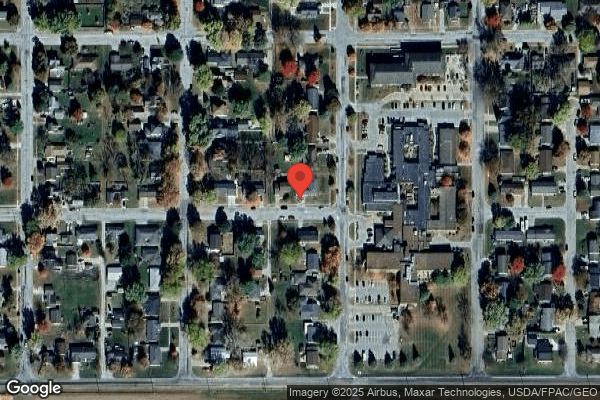
Dec 2023 1 deficiency
CONCERN (D) 📢 Someone Reported This

A family member, employee, or ombudsman was alarmed enough to file a formal complaint

Potential for Harm - no one hurt, but risky conditions existed

Deficiency F0658 (Tag F0658)

Could have caused harm · This affected 1 resident

Based on interviews, and record review, the facility failed to follow a doctor's order to start a treatment on a pressure ulcer for 1 of 3 residents reviewed (Resident #3). The provider ordered a trea...

Read full inspector narrative →
Based on interviews, and record review, the facility failed to follow a doctor's order to start a treatment on a pressure ulcer for 1 of 3 residents reviewed (Resident #3). The provider ordered a treatment for Resident #3's ulcer with a start date of 11/22/23. The facility did not acknowledge nor did they initiate the order until 11/25/23. Findings include: A Physician's Order Note dated 11/22/23, documented that Resident #3 had a Stage 3 Pressure Ulcer to the left abdominal fold groin area. The plan listed the following: a. Triad Hydrophilic Wound Dressing external paste apply to left abdominal fold/groin area every shift. b. Follow up in 2 weeks or sooner for concerns. Resident #3's Medication Administration Record for the month of November 2023, documented that Triad Hydrophilic Wound Dressing external paste was to be applied topically to left abdominal fold/groin area every shift for a Stage 3 Pressure Ulcer. The start date was 11/22/23. A Medication Order Audit revealed the provider wrote the above on 11/22/23. A nurse did not confirm the order until 11/25/23. On 12/4/23 at 2:00 p.m., the Director of Nursing (DON), when asked about Resident #3 not receiving the treatment for several days, the DON stated that the provider put the order in late on 11/22/23. A nurse did not acknowledge the order until 11/25/23. She stated it was over Thanksgiving. When asked if the nurses should check daily for orders, the DON stated yes, they should. The DON stated she talked with the Nurse Practitioner about this as well and the Nurse Practitioner would let a nurse know if she wrote an order later in the day. The DON stated she didn't know why no one confirmed the order. On 12/4/23 at 2:30 p.m., the DON and the Assistant Administrator acknowledged the concern with not following doctor's orders for Resident #3's pressure ulcer treatment.
Nov 2023 1 deficiency
CONCERN (D) 📢 Someone Reported This

A family member, employee, or ombudsman was alarmed enough to file a formal complaint

Potential for Harm - no one hurt, but risky conditions existed

Medication Errors (Tag F0758)

Could have caused harm · This affected 1 resident

**NOTE- TERMS IN BRACKETS HAVE BEEN EDITED TO PROTECT CONFIDENTIALITY** Based on interviews and record review of medication records and policy review, the facility failed to have a physician review an...

Read full inspector narrative →
**NOTE- TERMS IN BRACKETS HAVE BEEN EDITED TO PROTECT CONFIDENTIALITY** Based on interviews and record review of medication records and policy review, the facility failed to have a physician review and/or discontinue an as needed (PRN) psychotropic medication, Ativan (an anti-anxiety medication), within 14 days of the ordered date for 1 of 3 residents reviewed (Resident #1). Findings include: Resident #1's Minimum Data Set (MDS) assessment dated [DATE] listed an admission date of 9/14/23 from an inpatient psychiatric facility. The assessment included a staff assessment for Resident #1's mental status that reflected severely impaired cognitive skills for daily decision making. He took an antianxiety during the previous 7 days in the lookback period. Resident #1 received hospice care while a resident in the facility within the last 14 days in the lookback period. Resident #1's Medication Administration Record (MAR) included an order dated 9/16/23 to administer Ativan (lorazepam) 0.5 milligrams (mg) by mouth every 8 hours PRN for negative behaviors related to neurocognitive disorder with Lewy bodies. The order included to give an extra tablet an hour after dosage if needed. The order discontinued on 10/18/23. a. September 2023: Documented as administered 5 times in the month. b. October 2023: Documented as administered 8 times in the month. The 11 Pharmacy Note dated 10/12/23 at 10:16 AM reflect a medication regimen review completed with the indication for a stop date for the PRN lorazepam. On 11/1/23 at 4:39 PM, when asked about Resident #1's receiving his PRN Ativan for more than 14 days, the DON stated they knew of this and had talked with the nurse from Hospice about it as well. The DON acknowledged that Resident #1's PRN Ativan started prior to him starting hospice starting services with this resident, the DON stated she had the conversation with Hospice they were covering all there bases and wouldn't happen again. A Psychotropic Use Policy revised 6/1/23, directed that all PRN orders for psychotropic drugs shall be used only when the medication is necessary to treat a diagnosed specific condition that is documented in the clinical record, and for a limited duration (i.e. 14 days).
Dec 2022 5 deficiencies
CONCERN (D)

Potential for Harm - no one hurt, but risky conditions existed

Deficiency F0582 (Tag F0582)

Could have caused harm · This affected 1 resident

Based on staff interviews and clinical record review, the facility failed to provide the required Notice of Medicare Non-coverage (NOMNC) at least two days prior to the end of covered services for one...

Read full inspector narrative →
Based on staff interviews and clinical record review, the facility failed to provide the required Notice of Medicare Non-coverage (NOMNC) at least two days prior to the end of covered services for one resident (Resident (R)29) of three residents reviewed for beneficiary notices. Findings include: Review of R29's admission Record, located in the electronic medical record (EMR) under the Profile tab, revealed an initial admission date of 4/27/13. Per a SNF (Skilled Nursing Facility) Beneficiary Protection Notification Review form completed by the facility, the last day of coverage for Medicare Part A services was 6/13/22. R29 ' s NOMNC form signed by their representative on 6/13/22. R29's EMR and information provided by the facility revealed no evidence that the NOMNC was provided at least two days prior to the end of coverage. During an interview on 12/2/22 at 3:15 PM, the Director of Resident Life Services (DRLS) and the Medicare Coordinator (MC) stated the NOMNC was left at the front desk for the resident's representative to sign, and the representative did not come to the facility to sign it until 6/13/22. Upon further review, the DRLS stated the facility had no evidence in R29's records that the NOMNC had been discussed or provided prior to 48 hours of the end of coverage. The DRLS confirmed the NOMNC should have been completed at least two days before 6/13/22, when the resident's covered services ended.
CONCERN (D) 📢 Someone Reported This

A family member, employee, or ombudsman was alarmed enough to file a formal complaint

Potential for Harm - no one hurt, but risky conditions existed

Free from Abuse/Neglect (Tag F0600)

Could have caused harm · This affected 1 resident

**NOTE- TERMS IN BRACKETS HAVE BEEN EDITED TO PROTECT CONFIDENTIALITY** Based on observation, record review, interview, and facility policy review, the facility failed to assure freedom from abuse for...

Read full inspector narrative →
**NOTE- TERMS IN BRACKETS HAVE BEEN EDITED TO PROTECT CONFIDENTIALITY** Based on observation, record review, interview, and facility policy review, the facility failed to assure freedom from abuse for one (Resident (R) 64) of one resident reviewed for abuse. R64 was found with bruising after staff held her by the arms during care. Findings include: Review of a quarterly Minimum Data Set (MDS), with an Assessment Reference Date (ARD) of 7/27/22, which was located in the electronic medical record (EMR), revealed R64 was admitted to the facility on [DATE]. Per the MDS, R64 had diagnoses of Alzheimer's disease and dementia and was severely cognitively impaired. The MDS revealed R64 needed up to a one person assist for activities of daily living (ADL) but was primarily set-up or supervision only. Per [NAME] MDS, the resident did not exhibit any behaviors (including physical, verbal, or rejection of care) during the assessment period. The Nursing Progress Note dated 10/16/22 at 8:50 AM revealed that a nurse was called to the resident's room due to resident behaviors. CNA [Certified Nursing Assistant] reports that resident had BM [bowel movement] in her brief and became upset when the CNAs attempted to help her. R64 yelled at the CNAs to leave the room and started throwing objects at the staff. The nurse entered room as the resident sat on the edge of the bed with a CNA standing directly next to her. R64 at this point appeared less agitated then reported. The nurse sat with R64 and conversed until she calmed, then she got changed into clean clothing. The nurse instructed the CMA [Certified Medication Aide] to allow R64 some time and re-approach later. Review of R64's EMR revealed no indication of injury to the resident until 10/18/22 at 2:21 PM had documentation that a CMA reported to the nurse that R64 had discoloration to her bilateral arms and pain in her left hand. Upon assessment noted dark purple discoloration to both of her arms with her left hand swollen with purple discoloration. R64 reported that she did not know what it was or how it happened. The Facility Reported Incident (FRI), dated 10/26/22, revealed that on 10/18/22, the Director of Nursing (DON) received notification of the bruising when a CNA noticed it and reported it to her supervisor. The DON then began her investigation and contacted all appropriate authorities. On 11/30/22 at 4:45 PM the DON found the Progress Note dated 10/16/22 that indicated there was an issue related to behaviors and the care of R64 that day. Further interview with the DON revealed the investigation determined that the bruising occurred when staff held R64 by the arms during the incident on 10/16/22. During the interview, the DON stated that there was sufficient evidence to substantiate abuse and staff were terminated in response. On 11/30/22 at 4:45 PM the Administrator revealed that when the bruising was found, the facility immediately suspended two staff, CNA1 and CMA1. At the conclusion of the investigation, both staff were ultimately terminated. During their interviews, both staff insinuated the other was to blame for the bruising, and the Administrator did not feel good about the situation. Per the Administrator, once she and the DON became aware of the incident, all required parties were notified as required. On-site radiology took an x-ray and a second x-ray at daughter's request. Review of the two x-ray reports, dated 10/18/22 and 10/19/22, revealed no fracture, dislocation, or bone destruction. Record review of pictures taken by staff of R64's arms, dated 10/18/22, revealed bruising on the top of the left forearm with no discernable pattern. The facility continued to take pictures of the area and by 11/8/22, the bruising was no longer visible. An observation on 12/2/22 at 1:54 PM of R64's arms with CNA3 confirmed no current evidence of bruising. During an interview with R64 on 11/30/22 at 9:04 AM, the resident was pleasantly confused. The resident did not express any fear of staff and did not recall staff holding her by the arms. Review of the facility's investigation records revealed an undated handwritten explanation by CMA1 concerning the events of 10/16/22. CMA1 wrote I lightly grabbed R64's hands to help her stand and balance . I was in front of her, and my right hand was in hers. In a phone interview on 12/02/22 at 2:04 PM, CMA1 stated that on the morning of the incident, another staff member (CNA1) ran down the hall screaming for help. CMA1 stated she grabbed the vitals machine out of instinct and training. When CMA1 entered the room, another aide (CNA2) was with R64's roommate in the bathroom with the door ajar. R64 was sitting on her bed screaming. She was undressed with her soiled brief at her knees. The blanket and sheet were on the floor along with water. CMA1 stated she assisted the resident to put on a shirt. CMA1 stated CNA1 was in the hallway door during this time, adding Someone was in there with me the whole time. CMA 1 then said that CNA1 stepped away to call the floor nurse. The resident stood up about the time CNA2 came out of the bathroom (where she had been helping the roommate). CMA1 stated that CNA2 then assisted in cleaning the resident and pulling up her brief and clothes while CMA1 held the resident above the elbow on her left arm for stability. An interview on 12/1/22 at 5:11 PM with CNA2 revealed that on 10/16/22 when she went into the restroom to assist the roommate, R64 was sitting on the side of her bed. CNA2 stated that she closed the door to the restroom while assisting the roommate. While in the restroom, CNA2 stated she heard CMA1 and the resident yelling at each other, including a lot of 'shut up' and stuff. CNA2 stated that when she opened the bathroom door, she observed CMA1 holding the arms of R64 in an X formation. CNA2 verified that CMA1 was standing there holding the resident while the resident thrashed about. Review of the facility's Abuse, Neglect and Exploitation Policy, approved July 2019 and reviewed November 2022, revealed the policy of the facility is to provide protections for the health, welfare and rights of each resident by developing and implementing written policies and procedures that prohibit and prevent abuse, neglect, exploitation and misappropriation of resident property.
CONCERN (D) 📢 Someone Reported This

A family member, employee, or ombudsman was alarmed enough to file a formal complaint

Potential for Harm - no one hurt, but risky conditions existed

Report Alleged Abuse (Tag F0609)

Could have caused harm · This affected 1 resident

Based on record review, interviews, and facility policy review, the facility failed to ensure injuries of unknown origin or that were indicative of possible abuse were immediately reported to the Admi...

Read full inspector narrative →
Based on record review, interviews, and facility policy review, the facility failed to ensure injuries of unknown origin or that were indicative of possible abuse were immediately reported to the Administrator for one (Resident (R) 64) of one resident reviewed for abuse. A Certified Nursing Assistant (CNA) observed bruising on the resident's arms on 10/17/22, one day after seeing another staff hold the resident's arms during care. The CNA failed to immediately report the information and the Administrator was not informed until 10/18/22, two days after the incident occurred, and one day after bruising was identified. Findings include: R64's Nursing Progress Note dated 10/18/22 at 2:21 PM indicated that the staff reported to a nurse that R64 had discoloration to her bilateral arms with pain to her left hand. Upon assessment noted dark purple discoloration to her bilateral arms with her left hand swollen with purple discoloration. [R64] states she did not know what it was or how it happened. Review of facility investigation records, including a Facility Reported Incident (FRI) form dated 10/26/22, revealed that when the Director of Nursing (DON) was made aware of the bruising on 10/18/22, the DON then began her investigation and contacted all appropriate authorities as required. Interview with the DON on 11/30/22 at 4:45 PM revealed that during the investigation, the facility determined that the bruising occurred when staff held R64 by the arms during an incident on 10/16/22. During the interview, the DON stated that there was sufficient evidence to substantiate abuse and staff were terminated in response. An interview on 12/01/22 at 05:11 PM with Certified Nursing Assistant (CNA) 2 revealed that on 10/16/22 she saw Certified Medication Aide (CMA) 1 holding R64's arms in an X formation. CNA2 verified that CMA1 was standing there, holding the resident while the resident thrashed about. CNA2 stated that she did not report this when it occurred as it did not seem abusive to her. At no point did CNA2 report either what she saw on 10/16/22 or when she saw bruises on 10/17/22 until after the facility began its investigation. An interview on 12/1/22 at 07:00 PM with the Administrator, and the DON revealed that they shared the duties of Abuse Coordinator, with the Administrator having the ultimate responsibility. The DON stated that during the investigation, CNA2 told them that the bruises on R64's arms were evident on Monday, 10/17/22, but she did not report it to anyone. The DON stated that CNA2 told her that they looked so severe that she assumed someone had already noticed. Further interview with the Administrator and DON revealed that the bruises should have been reported immediately. Review of the facility's Abuse, Neglect and Exploitation Policy, approved July/2019 and reviewed November 2022, revealed the facility will have written procedures that include the reporting of all alleged violations to the Administrator, state agency, adult protective services and to all other required agencies (e.g., law enforcement when applicable) within specified timeframes. Per the policy, abuse allegations/concerns are reported immediately but not later than two hours after the allegation is noticed, if the events that cause the allegation involve abuse or result in serious bodily injury, or not later than 24 hours if the events that cause the allegation/concern do not involve abuse and do not result in serious bodily injury.
CONCERN (D)

Potential for Harm - no one hurt, but risky conditions existed

Deficiency F0658 (Tag F0658)

Could have caused harm · This affected 1 resident

**NOTE- TERMS IN BRACKETS HAVE BEEN EDITED TO PROTECT CONFIDENTIALITY** Based on observation, interview, record review, and facility policy review, the facility failed to ensure physician orders were ...

Read full inspector narrative →
**NOTE- TERMS IN BRACKETS HAVE BEEN EDITED TO PROTECT CONFIDENTIALITY** Based on observation, interview, record review, and facility policy review, the facility failed to ensure physician orders were followed in accordance with professional standards of care for one (Resident (R) 3) of 20 residents reviewed for physician orders. The facility did not change R3's suprapubic catheter (a hollow flexible tube inserted into the bladder through the abdominal wall that is used to drain urine from the bladder) every two weeks as ordered by her physician. Findings include: R3's undated admission Record, located in the electronic medical record (EMR) under the Profile tab, revealed R3 was admitted on [DATE] with diagnoses including multiple sclerosis (MS) and neuromuscular dysfunction of the bladder. The quarterly Minimum Data Set (MDS) dated [DATE], identified that R3 had a Brief Interview for Mental Status (BIMS) score of 15, indicating intact cognition. The MDS listed that the resident did not display behaviors of refusing care. On 11/29/22 at 12:03 PM, R3 laid in bed with an urinary drainage bag hanging on the side of her bed. R3 stated that she required a suprapubic catheter due to her diagnosis of MS. She said that she had physician orders to change her catheter every two weeks, but it was not being changed as it should be. R3's Order Summary Report dated 11/30/22, confirmed that R3 had an order for a suprapubic catheter with an order to change the catheter every two weeks. R3's Treatment Administration Record (TAR) dated September 2022, listed that R3's suprapubic catheter was last changed in September on 9/26/22. R3's TAR dated October 2022, indicated that R3's catheter should have next been changed on 10/10/22; however, the space to initial the TAR was left blank for this date. The TAR revealed R3's suprapubic catheter was not changed until 10/24/22, 28 days from the last change. R3's TAR dated November 2022, revealed R3's catheter should have been changed on 11/7/22 and 11/21/22. The TAR initial space was left blank for 11/21/22, with no evidence that the catheter was changed as ordered. R3's Nursing Progress Notes dated 10/1/22 to 11/30/22 lacked documentation of any refusals by R3 to have her catheter changed. During an interview on 11/30/22 at 3:19 PM, the Registered Nurse (RN) for R3's urologist (RN4) verified that R3 had an order to change her suprapubic catheter every two weeks. RN4 stated R3's catheter required changing every two weeks because the resident had a history of sediment build up, causing blockage. RN4 stated their expectation was for the facility to follow the physician's order. During an interview on 11/30/22 at 4:03 PM, RN3 stated R3's catheter was supposed to be changed every two weeks. RN3 verified R3's catheter was not changed as ordered in October and November. During an interview on 11/30/22 at 4:15 PM, the Director of Nursing (DON) stated it did not appear as if R3's catheter change was completed as ordered in October and November. She stated she expected the staff to document when they changed her urinary catheter if it was completed and for the nurses to follow physician orders. The facility's policy titled, Suprapubic and Indwelling Catheterization, revised 10/30/22, indicated that the care and maintenance of suprapubic catheters shall be in accordance with physician orders.
CONCERN (D)

Potential for Harm - no one hurt, but risky conditions existed

Respiratory Care (Tag F0695)

Could have caused harm · This affected 1 resident

Based on observations, clinical record review, facility policy review, resident, and staff interviews the facility failed to ensure each resident received oxygen therapy in accordance with professiona...

Read full inspector narrative →
Based on observations, clinical record review, facility policy review, resident, and staff interviews the facility failed to ensure each resident received oxygen therapy in accordance with professional standards of care for one (Resident (R) 29) of one resident reviewed for respiratory care. R29 received oxygen via an oxygen concentrator and had physician orders to change the filter weekly. The oxygen concentrator filter had an accumulation of dirt and lint covering the entire surface of the filter, creating the potential for risk for infection. Findings include: Review of the undated admission Record report, located in the electronic medical record (EMR) under the Profile tab, revealed R29 had an admission date of 4/27/13 with diagnoses that included acute and chronic respiratory failure. R29's Care Plan, last revised on 6/17/22 identified that R29 received oxygen therapy related to chronic respiratory failure. The Care Plan did not address cleaning the oxygen concentrator filter. R29's Order Summary report, dated 11/30/22 included an order for R29 to receive oxygen at three liters per minute. The orders also indicated, since 2/17/22, that the oxygen filter was to be changed once a week. R29's Treatment Administration Record (TAR) dated November 2022 listed an order for the filter on R29's oxygen concentrator to be changed weekly on Thursdays. The TAR was signed as completed every Thursday in November. On 11/29/22 at 10:37 AM R29 laid in bed wearing oxygen at 3 liters via an oxygen concentrator. The oxygen tubing observed to be kinked at the insertion to the concentrator then went to the resident. The oxygen concentrator filter had an accumulation of dirt and lint covering the entire surface of the filter. On 11/30/22 at 9:05 AM, as R29 laid in bed eating breakfast, using oxygen at 3 liters via an oxygen concentrator. The oxygen concentrator filter had an accumulation of dirt and lint covering the entire surface of the filter. On 11/30/22 at 4:50 PM, R29 sat up in her recliner, wearing oxygen at three liters via an oxygen concentrator. The oxygen concentrator filter had an accumulation of dirt and lint covering the entire surface of the filter. On 12/1/22 at 8:48 AM, as R29 slept in her bed, she received oxygen at three liters via an oxygen concentrator. The oxygen concentrator filter had an accumulation of dirt and lint covering the entire surface of the filter. On 12/2/22 at 9:14 AM, while R29 sat in her wheelchair in her room, she received oxygen at three liters via an oxygen concentrator. The oxygen concentrator filter had an accumulation of dirt and lint covering the entire surface of the filter. On 12/2/22 at 11:16 AM, Registered Nurse (RN)2 observed and verified the filter on R29's oxygen concentrator was dirty and needed to be cleaned. She stated the maintenance department was responsible for cleaning the filters on the oxygen concentrators. She added that she never changed or cleaned the filter on R29's oxygen concentrator. On 12/2/22 at 11:57 AM, the Transportation/Maintenance Aide said he changed oxygen tubing every two weeks but did not clean or change the oxygen concentrator filters. On 12/2/22 at 1:52 PM, the Director of Nursing (DON) stated the company that owns the oxygen concentrators changes the filters twice a year. She stated nursing should change the filter if it was visibly soiled. She stated she did not know of an order to change R29's filter weekly. The DON identified the initials on the TAR as Licensed Practical Nurse (LPN)1's. The DON then contacted LPN1 via phone during the interview. LPN1 stated he had last changed the filter on R29's concentrator a while ago. Review of the facility policy titled, Oxygen Administration, last reviewed 10/30/22, read, Oxygen is administered to residents who need it, consistent with professional standards of practice, the comprehensive person-centered Care Plans, and the resident's goals and preferences.Other infection control measures include: a. follow manufacturer recommendations for the frequency of cleaning equipment filters. Review of the undated user manual for the oxygen concentrator read, Cleaning the Cabinet Filter .1. Remove the filter and clean as needed. NOTE: Environmental conditions that may require more frequent inspection and cleaning of the filter include, but are not limited to: high dust, air pollutants, etc.
Understanding Severity Codes (click to expand)
Life-Threatening (Immediate Jeopardy)
J - Isolated K - Pattern L - Widespread
Actual Harm
G - Isolated H - Pattern I - Widespread
Potential for Harm
D - Isolated E - Pattern F - Widespread
No Harm (Minor)
A - Isolated B - Pattern C - Widespread

Questions to Ask on Your Visit

  • "What changes have you made since the serious inspection findings?"
  • "What safeguards are in place to prevent abuse and neglect?"
  • "Can I speak with families of current residents?"
  • "What's your RN coverage like on weekends and overnight?"

Our Honest Assessment

Strengths
  • • 33% turnover. Below Iowa's 48% average. Good staff retention means consistent care.
Concerns
  • • Multiple safety concerns identified: Federal abuse finding, 1 life-threatening violation(s), 2 harm violation(s), $41,701 in fines, Payment denial on record. Review inspection reports carefully.
  • • 25 deficiencies on record, including 1 critical (life-threatening) violation. These warrant careful review before choosing this facility.
  • • $41,701 in fines. Higher than 94% of Iowa facilities, suggesting repeated compliance issues.
  • • Grade F (0/100). Below average facility with significant concerns.
Bottom line: This facility has a substantiated abuse finding. Extreme caution advised. Explore alternatives.

About This Facility

What is Bethany Life's CMS Rating?

CMS assigns Bethany Life an overall rating of 1 out of 5 stars, which is considered much below average nationally. Within Iowa, this rating places the facility higher than 0% of the state's 100 nursing homes. A rating at this level reflects concerns identified through health inspections, staffing assessments, or quality measures that families should carefully consider.

How is Bethany Life Staffed?

CMS rates Bethany Life's staffing level at 4 out of 5 stars, which is above average compared to other nursing homes. Staff turnover is 33%, compared to the Iowa average of 46%. This relatively stable workforce can support continuity of care.

What Have Inspectors Found at Bethany Life?

State health inspectors documented 25 deficiencies at Bethany Life during 2022 to 2025. These included: 1 Immediate Jeopardy (the most serious level, indicating potential for serious harm or death), 2 that caused actual resident harm, 21 with potential for harm, and 1 minor or isolated issues. Immediate Jeopardy findings are rare and represent the most serious regulatory concerns. They require immediate corrective action.

Who Owns and Operates Bethany Life?

Bethany Life is owned by a non-profit organization. Non-profit facilities reinvest revenue into operations rather than distributing to shareholders. The facility operates independently rather than as part of a larger chain. With 126 certified beds and approximately 118 residents (about 94% occupancy), it is a mid-sized facility located in Story City, Iowa.

How Does Bethany Life Compare to Other Iowa Nursing Homes?

Compared to the 100 nursing homes in Iowa, Bethany Life's overall rating (1 stars) is below the state average of 3.0, staff turnover (33%) is significantly lower than the state average of 46%, and health inspection rating (1 stars) is much below the national benchmark.

What Should Families Ask When Visiting Bethany Life?

Based on this facility's data, families visiting should ask: "What changes have been made since the serious inspection findings, and how are you preventing similar issues?" "What safeguards and monitoring systems are in place to protect residents from abuse or neglect?" "Can I visit during a mealtime to observe dining assistance and food quality?" "How do you handle medical emergencies, and what is your hospital transfer rate?" These questions are particularly relevant given the facility's Immediate Jeopardy citations and the substantiated abuse finding on record.

Is Bethany Life Safe?

Based on CMS inspection data, Bethany Life has documented safety concerns. The facility has 1 substantiated abuse finding (meaning confirmed case of resident harm by staff or other residents). Inspectors have issued 1 Immediate Jeopardy citation (the most serious violation level indicating risk of serious injury or death). The facility has a 1-star overall rating and ranks #100 of 100 nursing homes in Iowa. Families considering this facility should ask detailed questions about what corrective actions have been taken since these incidents.

Do Nurses at Bethany Life Stick Around?

Bethany Life has a staff turnover rate of 33%, which is about average for Iowa nursing homes (state average: 46%). Moderate turnover is common in nursing homes, but families should still ask about staff tenure and how the facility maintains care continuity when employees leave.

Was Bethany Life Ever Fined?

Bethany Life has been fined $41,701 across 1 penalty action. The Iowa average is $33,496. While any fine indicates a compliance issue, fines under $50,000 are relatively common and typically reflect isolated problems that were subsequently corrected. Families should ask what specific issues led to these fines and confirm they've been resolved.

Is Bethany Life on Any Federal Watch List?

Bethany Life is not on any federal watch list. The most significant is the Special Focus Facility (SFF) program, which identifies the bottom 1% of nursing homes nationally based on persistent, serious quality problems. Not being on this list means the facility has avoided the pattern of deficiencies that triggers enhanced federal oversight. This is a positive indicator, though families should still review the facility's inspection history directly.