Twilight Acres

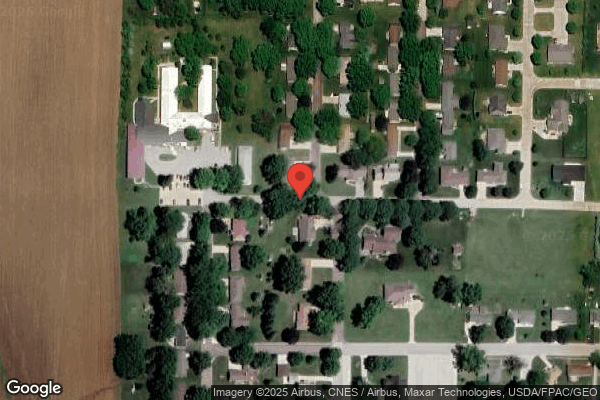
600 WEST 6TH STREET, WALL LAKE, IA 51466 (712) 664-2488
For profit - Corporation 39 Beds Independent Data: November 2025 1 Immediate Jeopardy citation
Trust Grade
78/100
#80 of 392 in IA
Last Inspection: December 2024

Within standard 12-15 month inspection cycle. Federal law requires annual inspections.

Overview

Twilight Acres in Wall Lake, Iowa has a Trust Grade of B, indicating it's a good choice among nursing homes, but not the best. It ranks #80 out of 392 facilities in Iowa, placing it in the top half, and is the best option among four facilities in Sac County. The facility is improving, having reduced its number of issues from 2 in 2023 to 1 in 2024. Staffing is strong with a 5/5 star rating and higher RN coverage than 76% of Iowa facilities, which means more experienced nurses are available to catch potential issues. However, the facility has had some concerning incidents, such as a staff member repeatedly wearing their mask improperly and a failure to serve correct food portions, which could affect the health and well-being of residents. Despite these weaknesses, the absence of fines and a strong staffing record suggest that Twilight Acres is committed to providing quality care.

Trust Score
B
78/100
In Iowa
#80/392
Top 20%
Safety Record
High Risk
Review needed
Inspections
Getting Better
2 → 1 violations
Staff Stability
⚠ Watch
48% turnover. Above average. Higher turnover means staff may not know residents' routines.
Penalties
✓ Good
No fines on record. Clean compliance history, better than most Iowa facilities.
Skilled Nurses
✓ Good
Each resident gets 63 minutes of Registered Nurse (RN) attention daily — more than 97% of Iowa nursing homes. RNs are the most trained staff who catch health problems before they become serious.
Violations
○ Average
7 deficiencies on record. Average for a facility this size. Mostly minor or procedural issues.
★★★★★
5.0
Overall Rating
★★★★★
5.0
Staff Levels
★★★☆☆
3.0
Care Quality
★★★★★
5.0
Inspection Score
Stable
2023: 2 issues
2024: 1 issues

The Good

  • 5-Star Staffing Rating · Excellent nurse staffing levels
  • Full Sprinkler Coverage · Fire safety systems throughout facility
  • No fines on record

Facility shows strength in staffing levels, fire safety.

The Bad

Staff Turnover: 48%

Near Iowa avg (46%)

Higher turnover may affect care consistency

The Ugly 7 deficiencies on record

1 life-threatening
Dec 2024 1 deficiency
CONCERN (D)

Potential for Harm - no one hurt, but risky conditions existed

Quality of Care (Tag F0684)

Could have caused harm · This affected 1 resident

**NOTE- TERMS IN BRACKETS HAVE BEEN EDITED TO PROTECT CONFIDENTIALITY** Based on record review and staff interview the facility failed to asses and provide interventions for residents who displayed re...

Read full inspector narrative →
**NOTE- TERMS IN BRACKETS HAVE BEEN EDITED TO PROTECT CONFIDENTIALITY** Based on record review and staff interview the facility failed to asses and provide interventions for residents who displayed respiratory symptoms for 2 of 2 residents reviewed, (Residents #1 and #16). The facility reported a census of 23. Findings include: 1. The Minimum Data Set (MDS) assessment dated [DATE] for Resident #1 documented a Brief Interview for Mental Status (BIMS) score of 3 which indicated severe cognitive impairment. The Care Plan for Resident #1 showed diagnoses of chronic obstructive pulmonary disease (COPD), amnesia (brain damage) and heart failure. The Progress Notes for Resident #1 documented the following: On 12/9/24 at 10:07 PM- Resident has been congested and coughing a lot this evening. COVID test was negative. On 12/10/24 at 12:58 AM- Resident congested and coughing bringing up moderate amounts of clear/white sputum. Albuterol nebulizer provided for wheezing as lung sounds with wheezes throughout bilateral lung fields. Remains afebrile. Tachycardic with pulse rate of 103, oxygen saturations within normal limits at 94% on room air. The resident did take the nebulizer mask off three times during nebulizer treatment to wipe nose and did not reapply the mask but this nurse reapplied the mask promptly. The resident continues to cough after the nebulizer was provided. The Progress Notes for Resident #1 further revealed the facility failed to initiate isolation precautions for symptoms of infection until the next shift on 12/10/24 at 6 AM. In an interview on 12/11/24 at 12:18 PM, Staff A, Licensed Practical Nurse (LPN) reported during shift report on 12/10/24 the night shift nurse informed her that Resident #1 suffered respiratory symptoms. Staff A stated, we set up isolation precautions. When asked if Resident #1 should have been placed in isolation precautions prior to her arrival, Staff A stated, yes. When asked when Resident #1 should have been placed in isolation precautions, Staff A stated, as soon as the nurse realized he had symptoms. 2. The MDS assessment dated [DATE] for Resident #16 documented diagnoses of anemia, hypertension and a history of COVID. The MDS showed a BIMS score of 12 which indicated moderate cognitive impairment. The Progress Notes for Resident #16 documented the following: On 11/28/2024 at 8:15 AM- Resident states he was coughing all night, has a hoarse voice, and that his throat hurts a little, also had a headache the night before and was given Tylenol. Vital signs are within normal limits. Cough medicine given and COVID test negative. The resident states he would like to continue to take cough medicine as needed to see if it helps. On 11/29/2024 at 11:42 AM- The physician responds via fax with a new order for Mucinex 600 milligrams twice a day for 7days. The Progress Notes for Resident #16 further revealed the facility failed to further document the status of respiratory symptoms, failed to complete assessments, and failed to place the resident in isolation precautions due to the presence of repository symptoms. The Temperature, Pulse, Blood Pressure and Oxygen Saturation Summaries for Resident #16 showed the facility failed to obtain vital signs from the onset of respiratory symptoms that occurred on 11/28/24. No vital signs recorded until 12/4/24. The undated Potential of COVID Positive Resident Recognized facility policy identified to provide a safe environment for those residents ill with COVID and separating them from those residents that are not ill in order to prevent the further spread of COVID. To also create a healing atmosphere for the resident to recover. Procedure: 1. A resident may or may not exhibit signs and symptoms of COVID. 2. The Centers for Disease Control and Prevention (CDC) for has identified signs and symptoms of probable disease that nurses will monitor in the residents as per outbreak status and non-outbreak status. 3. If residents exhibit these signs and symptoms without a positive test, they will be placed in Transmission-Based Precaution Isolation in their single room, unless married and refuse to move, for the illness for 3-5 days, testing daily. The resident's physicians will be updated to allow for any medication that may be prescribed for comfort and healing. 4. An isolation cart with signage directing personal protective equipment (PPE), and the need for the door to be closed will be put into place outside the room with Transmission-Based Isolation in place. 5. Communication will be forwarded to all departments identifying the isolation status of the particular resident. 6. During that time in which COVID positive residents are identified, they will be isolated in their private rooms, unless married and refusing to move. Isolation protocols will remain in place as per policy. 7. If and when the positive outbreak is outside the perimeter of more than one resident per hall, it will be evaluated to the need to establish a COVID Hall. In an interview on 12/19/24, the Administrator reported the facility currently had one COVID positive resident and two residents in isolation precautions due to respiratory symptoms. The Administrator reported residents that displayed respiratory symptoms, without explanation, should be placed in isolation precautions immediately and a COVID test should be performed. The Administrator reported residents should remain in isolation precautions for the duration of COVID testing cycle as policy.
Oct 2023 2 deficiencies
CONCERN (D)

Potential for Harm - no one hurt, but risky conditions existed

Deficiency F0637 (Tag F0637)

Could have caused harm · This affected 1 resident

**NOTE- TERMS IN BRACKETS HAVE BEEN EDITED TO PROTECT CONFIDENTIALITY** Based on record review, staff interview, Resident Assessment Instrument (RAI) manual, and policy review the facility failed to c...

Read full inspector narrative →
**NOTE- TERMS IN BRACKETS HAVE BEEN EDITED TO PROTECT CONFIDENTIALITY** Based on record review, staff interview, Resident Assessment Instrument (RAI) manual, and policy review the facility failed to complete a significant change Minimum Data Set (MDS) within 14 days for a resident who started on hospice care for 1 of 3 residents reviewed (Resident #8). Findings include: Resident #8's Minimum Data Set (MDS) assessment dated [DATE] identified a Brief Interview for Mental Status score of 2, indicating severe cognitive impairment. The MDS included a diagnosis of Non-Alzheimer's Dementia. Review of Resident #8's Clinical Census sheet revealed the resident started hospice level of care on 9/28/23. Resident #8's Hospice Certification and Plan of Care listed a current election date of 9/28/23 with certification period of 9/28/23 - 12/26/23. The review completed on 10/17/23 at 2:15 PM of Resident #8's MDS assessments listed of a Significant Change assessment started on 10/11/23 and remained still in progress. The undated MDS Policy instructed that it is the policy of the facility to follow the Resident Assessment Instrument (RAI) manual for all MDS procedures. On 10/18/23 at 3:26 PM, the Director of Nursing reported that she expected a significant change MDS completed within 14 days after a resident is placed on hospice. The MDS RAI manual dated October 2019 defines a significant change as a major decline or improvement in a resident's status that: a. Will not normally resolve itself without intervention by staff or by implementing standard disease-related clinical interventions, the decline is not considered self-limiting b. Impacts more than one area of the resident's health status; and c. Requires interdisciplinary review and/or revision of the Care Plan A Significant Change in Status Assessment (SCSA) is required to be performed when a terminally ill resident enrolls in a hospice program (Medicare-certified or State-licensed hospice provider) or changes hospice providers and remains a resident at the nursing home. The assessment reference date (ARD) must be within 14 days from the effective date of the hospice election (which can be the same or later than the date of the hospice election statement, but not earlier than). An SCSA must be performed regardless of whether an assessment was recently conducted on the resident. The MDS completion date must be no later than 14 days from the ARD (ARD plus (+) 14 calendar days) and no later than 14 days after the determination that the criteria for an SCSA were met (hospice election date + 14 days).
CONCERN (D)

Potential for Harm - no one hurt, but risky conditions existed

Deficiency F0868 (Tag F0868)

Could have caused harm · This affected 1 resident

Based on record review, staff interview, and policy review, the facility failed to have the necessary required members (Infection Preventionist) attend the quarterly Quality Assurance (QA) meetings. T...

Read full inspector narrative →
Based on record review, staff interview, and policy review, the facility failed to have the necessary required members (Infection Preventionist) attend the quarterly Quality Assurance (QA) meetings. The facility reported a census of 24 residents. Findings include: The QA Sign in Sheets for the months of August 2022, November 2022, February 2023, May 2023, and August 2023 lacked an Infection Preventionist that attended the QA meeting. On 10/18/23 at 8:59 AM the Administrator revealed that the facility did not have an infection Preventionist in August 2022 through March of 2023 to attend the QA meetings. The Administrator further revealed that the Infection Preventionist (IP) did not attend the QA meetings since obtaining his IP certification in April 2023 and that she expected the Infection Preventionist to attend the meetings. The Facility's Quality Assurance and Performance Improvement (QAPI) directed that the QAPI committee would consist of, but not be limited to: the Medical Director, Administrator, the Director of Nursing (DON), A (Assistant) DON/Care Plan Coordinator, Infection Control Nurse, Laundry, Housekeeping, Office, Dietary Supervisor, Social Service, Activity Director, Maintenance Supervisor, and QAPI Coordinator.
Aug 2022 4 deficiencies 1 IJ (1 facility-wide)
CRITICAL (L)

Immediate Jeopardy (IJ) - the most serious Medicare violation

Infection Control (Tag F0880)

Someone could have died · This affected most or all residents

⚠️ Facility-wide issue

**NOTE- TERMS IN BRACKETS HAVE BEEN EDITED TO PROTECT CONFIDENTIALITY** 5. Observations of Staff F, Housekeeper, with her mask down below her nose a. On 7/25/22 at 11:31 AM: Staff F entered and exited...

Read full inspector narrative →
**NOTE- TERMS IN BRACKETS HAVE BEEN EDITED TO PROTECT CONFIDENTIALITY** 5. Observations of Staff F, Housekeeper, with her mask down below her nose a. On 7/25/22 at 11:31 AM: Staff F entered and exited rooms in the 200 hall with her mask worn below her nose. b. On 7/25/22 at 1:55 PM: Staff F seen in the intersection of the 200 and 300 hall with a mask worn below her nose. c. On 7/26/22 at 8:01 AM: Staff F worked in the 200 hall with her mask worn below her nose as residents passed by. d. On 7/26/22 at 9:50 AM: Staff F observed at the intersection of 200 and 300 hall with a mask worn below her nose as residents passed by. e. On 7/27/22 at 8:01 AM watched Staff F in the 200 hall wearing a mask below her nose as a resident passed by. When asked if she had trouble with the mask staying on her face, Staff F stated that she pulls her mask down sometimes because it gets hard for her to breathe. On 7/26/22 at 3:55 PM, the Administer and DON reported that they expected staff to wear their PPE appropriately. The DON acknowledged that she previously addressed mask expectations with Staff F. The Personal Protective Equipment Guidelines policy updated 6/7/22 directed that all facility personnel should wear source control (a well-fitting mask or a N95) when in resident care areas and/or when it is likely that they could encounter another person. The mask or respirator should cover the individual's nose and mouth at all times. 6. Resident #1's MDS assessment dated [DATE] identified a BIMS score of 9, indicating moderately impaired cognition. Resident #1's diagnoses included non-Alzheimer's dementia, obstructive sleep apnea (adult), and obesity. On 7/25/22 at 1:33 PM, observed Resident #1 with a loose hacky, productive cough. Resident #1 reported that he tested negative for COVID the day before and the day of the interview. Resident #1's cough appeared to be frequent as it occurred approximately every 30-90 seconds. At the time of interview Resident #1 was not in transmission based precautions (TBP) for symptoms of COVID. On 7/25/22 at 4:16 PM noted that Resident #1 could be heard coughing in the hall. TBP not initiated. In an interview on 7/26/22 at 9:05 AM, the Administrator reported that Resident #1 tested positive for COVID. The facility failed to initiate TBP until 9:29 AM by the DON. On 7/26/22 at 2:06 PM, the DON reported that the facility did not initiate TBP unless the resident had a positive test result for COVID. The Personal Protective Equipment Guidelines policy updated 6/7/22 instructed staff about providing care for a COVID positive person or a person in quarantine. Personnel who enter the room of a resident with suspected or confirmed COVID infection should adhere to Standard Precautions and use an N95, equivalent, or a higher-level respirator, gown, gloves and eye protection. The Centers for Disease Control and Prevention (CDC) Interim Infection Prevention and Control Recommendations to Prevent SARS-CoV-2 Spread in Nursing Homes. Manage Residents with Suspected or Confirmed SARS-CoV-2 Infection, last updated on Feb. 2, 2022 (https://www.cdc.gov/coronavirus/2019-ncov/hcp/long-term-care.html) indicated that when healthcare professionals cared for residents with suspected or confirmed SARS-CoV-2 infection they should use full PPE (gowns, gloves, eye protection, and a NIOSH-approved N95 or equivalent or higher-level respirator). The facility abated the IJ on 7/27/22 after initiating the following corrective actions: 1. The facility established a COVID wing behind a set of double doors that would remain closed until the facility is out of outbreak status. 2. The facility replaced the cloth gowns with disposable gowns in the isolation areas. 3. All staff received education on the proper use of PPE. 4. The facility would assign designated staff to the COVID hallway whenever possible. Based on observations, interviews and record review the facility failed to implement adequate infection control strategies and practices to mitigate the transfer of viruses for 7 of 29 residents reviewed. In a series of observations on 7/25/22 and 7/26/22 it was discovered that residents that tested positive and negative for novel Coronavirus 2019 (COVID) remained in the same hallway, and many times had their bedroom doors left open. An observation showed staff not wearing full Personal Protective Equipment (PPE) when administering a nasal COVID test to a symptomatic resident, staff wore surgical masks improperly, and a symptomatic resident did not have isolation precautions and later tested positive for COVID. The facility reported a census of 28 residents. Due to these findings, the care of the residents, their health, and safety resulted in an immediate jeopardy (IJ) situation on 7/26/22. The facility removed the IJ situation on 7/27/22 decreasing the scope to an F. The facility reported a census of 29 residents. Findings include: On 7/25/22 at 9:35 AM, the Administrator reported that they had five residents that tested positive for COVID at that time. The Director of Nursing (DON) stated that the COVID positive residents stayed in their rooms on isolation precautions and added that the facility did not have the proper set up to provide a designated unit to separate those who tested positive from the healthy residents. 1. On 7/26/22 at 6:05 AM observed a cloth gown hanging on the outside of the open door to room [ROOM NUMBER]. On 7/26/22 observed the door to room [ROOM NUMBER] wide open at 10:00 AM and 12:06 PM. The Health Status Note dated 7/24/22 at 7:00 AM documented that Resident #23 got tested with a rapid COVID test twice. Each test result indicated Resident #23 as positive with COVID. Resident #23's skin, warm, and dry. The auscultation (listening) of Resident #23's lungs determined them to be clear with an occasional nonproductive cough reported by Resident #23. Resident #23 denied shortness of breath (dyspnea) and not feeling well. Isolation precautions initiated and explained to Resident #23. 2. On 7/26/22 at 8:47 AM, noted room [ROOM NUMBER] with their door wide open. On 7/26/22 at 9:24 AM observed the door to room [ROOM NUMBER] remained wide open and with the resident coughing. On 7/26/22 witnessed the door to room [ROOM NUMBER] open at 7:45 AM and 8:47 AM. The review on 7/28/22 at 1:43 PM of Resident #2's electronic health record determined the diagnosis tab listed Resident #2 in room [ROOM NUMBER]. The diagnosis of COVID got added to Resident #2's chart on 7/25/22. 3. On 7/26/22 at 11:15 AM witnessed the door to room [ROOM NUMBER] wide open with a container of PPE outside the door. On 7/26/22 at 12:06 PM saw the door to room [ROOM NUMBER] open. On 7/26/22 at 12:23 PM Staff D, Dietary, put on a cloth gown and went into room [ROOM NUMBER]. She soon came back out of the room wearing the same gown, gathered more items from the food cart in the hallway, and went back into room [ROOM NUMBER]. Staff D then exited out of room [ROOM NUMBER] and stood in the middle of the hallway. Staff D asked several staff members what she should do with her PPE. She explained that she just started and didn't get trained on PPE use. The Health Status Note documented that Resident #24 had no signs or symptoms per the list of CDC guidelines of apparent illness indicating COVID noted that shift for the following notes: 7/24/22 at 10:09 AM, 7/24/22 at 3:10 PM, and 7/25/22 at 4:23 AM. The Condition Note dated 7/25/22 at 1:53 PM documented that Resident #24 tested positive for COVID that morning. Resident #24 continued to cough and have congestion. Resident #24's electronic health record reviewed 8/1/22 at 1:19 PM diagnoses tab got updated with the diagnosis of COVID on 7/29/22 for a diagnosis date of 7/25/22. 4. On 7/26/22 at 8:40 AM, observed Staff C, Social Services, enter Resident #16's room, number 116, without wearing a gown. After she entered the room she administered a COVID nasal test. From there Staff C went into Resident #14's room. The Communication Note dated 7/26/22 at 3:37 PM documented by Staff C indicated that they visited with Resident #16's responsible party about moving him temporarily out of his room to remove him from the COVID area of the building as he did not have signs or symptoms. On 7/26/22 at 2:06 PM, the Director of Nursing (DON) said that they used cloth gowns due to the shortage of PPE back in 2020 and Public Health told them it was acceptable to use the cloth gown. She said that she had taught staff to use them only once and that they were not to hang them on the outside of the door. The DON said that the facility wasn't set up to have a separate COVID unit and they didn't feel that it was in the best interest of the residents to move them if/when they tested positive for COVID. She said that they did not talk about plans for a possible outbreak but that they all had the knowledge base to handle an outbreak. The DON acknowledged with the resident isolating in their rooms, the doors should have been closed and that the staff knew to close the doors. The DON explained that she felt they should be closed. The DON began typing up a list of processes to follow for isolation precautions to put at each room and said that she would add it to the list to remind staff to close the doors. She reported that she was making up a list of reminders to put outside of the residents rooms. On 7/26/22 at 2:13 PM the DON said that she instructed the dietary staff to stay out of COVID positive rooms. She also told staff to keep the doors closed to positive rooms and instructed staff not to hang used cloth gowns on the outside of the bedroom doors.
CONCERN (E)

Potential for Harm - no one hurt, but risky conditions existed

Menu Adequacy (Tag F0803)

Could have caused harm · This affected multiple residents

Based on observations, staff interviews, the facility's menu review, and the facility's meal selection record review, the facility failed to follow the planned menu for cognitively impaired residents ...

Read full inspector narrative →
Based on observations, staff interviews, the facility's menu review, and the facility's meal selection record review, the facility failed to follow the planned menu for cognitively impaired residents and failed to serve the correct food portions during meal service. The facility identified a census of 28 residents. Findings include: 1. Observation on 7/27/22 at 11:27 AM of the residents' lunch selection records revealed incomplete meal selections for cognitively imparied residents. Staff A, Dietary Aide, reported that she picked out the menu items for confused residents. When asked how she decided what menu items to pick, Staff A stated, it depends on what the resident likes or if they are big eaters. If they don't usually eat much, I don't order much. 2. Observations during meal service on 7/27/22 at 12:08 PM revealed a variety of facility staff that assisted kitchen staff in plating meals for residents from two buffets. The staff failed to consistently serve proper amounts of food by not entirely filling the scoop, overfilling scoops, or not completely emptying scoops of food onto the resident's dish. The undated Dining Policy failed to address meal selections for cognitively impaired residents and lacked directions that would ensure the proper amount of food is served. In an interview on 7/27/22 at 12:08 PM, Staff A and Staff B, Cook, acknowledged that they observed some of the staff not scooping food portions correctly when plating food. In an interview on 7/27/22 at 2:33 PM, the Director of Nursing reported that all staff received food service education.She acknowledged that staff should scoop the correct amount of food for residents. In an interview on 8/1/22 at 3:01 PM, the Dietitian stated that she expected the meal to be served per the planned menu and per the portion size required for every meal to meet nutritional needs, to avoid weight loss and to prevent complications related to diabetes.
CONCERN (E)

Potential for Harm - no one hurt, but risky conditions existed

Food Safety (Tag F0812)

Could have caused harm · This affected multiple residents

Based on observations and staff interviews the facility failed to prevent contamination during meal service and failed to keep sanitary conditions in the dishwashing area. The facility identified a ce...

Read full inspector narrative →
Based on observations and staff interviews the facility failed to prevent contamination during meal service and failed to keep sanitary conditions in the dishwashing area. The facility identified a census of 28 residents. Findings included: 1. An initial kitchen tour conducted on 7/25/22 at 10:16 AM, revealed a white flaky substance on the dishwasher and the surrounding countertop area. 2. During the meal service on 7/27/22 at 11:27 AM: a. Staff A, Dietary Aide, observed to clean up a resident's spilled drink then failed to perform hand hygiene before touching the food scoop handles. b. A variety of facility staff assisted the kitchen staff with plating meals for the residents from two buffets. While serving the food staff failed to prevent cross contamination by allowing the scoop handles to fall into the pans of food. c. All kitchen staff failed to perform hand hygiene during the lunch service. The undated Dining Policy failed to address hand hygiene during meal service. In an interview on 7/27/22 at 12:08 PM, Staff A and Staff B, Cook, acknowledged that they did not perform hand hygiene and neither did the other kitchen staff while serving lunch. In an interview on 7/27/22 at 2:33 PM, the Director of Nursing (DON), reported that all staff received food service education. When asked if she expected kitchen staff to perform hand hygiene during meal service she stated, yes. The DON also acknowledged issues with the lime build up in the dishwasher area. In an interview on 8/1/22 at 3:01 PM, the Dietitian stated that she expected staff to perform hand hygiene as needed throughout the meal service.
CONCERN (E)

Potential for Harm - no one hurt, but risky conditions existed

Medical Records (Tag F0842)

Could have caused harm · This affected multiple residents

**NOTE- TERMS IN BRACKETS HAVE BEEN EDITED TO PROTECT CONFIDENTIALITY** 4. Resident #1's MDS assessment dated [DATE] identified a BIMS score of 9, indicating moderately impaired cognition. Resident #1...

Read full inspector narrative →
**NOTE- TERMS IN BRACKETS HAVE BEEN EDITED TO PROTECT CONFIDENTIALITY** 4. Resident #1's MDS assessment dated [DATE] identified a BIMS score of 9, indicating moderately impaired cognition. Resident #1's diagnoses included non-Alzheimer's dementia, obstructive sleep apnea (adult), and obesity. On 7/25/22 at 1:33 PM, observed Resident #1 with a loose hacky, productive cough. Resident #1 reported that he tested negative for COVID the day before and that day. Resident #1's cough appeared to be frequent as it occurred approximately every 30-90 seconds. In an interview on 7/26/22 at 9:05 AM, the Administrator reported that Resident #1 tested positive for COVID. The Progress Notes reviewed on 7/26/22 at 11:11 AM revealed the nurse's documentation failed to record respiratory signs or symptoms for the days prior to Resident #1 testing positive for COVID. The documentation revealed the exact same notation of no signs or symptoms (s/s) per the list of CDC guidelines of apparent illness indicating COVID noted this shift. Resident #1 received testing for COVID on 7/25, 7/26 and 7/27, however the suspicion of COVID nor the sign and symptoms were not documented. The [Facility Name] Nursing Documentation policy reviewed April 2022 directed the staff that nursing documentation is part of the nursing process, which is a deliberate, problem-solving approach to meet the health care and nursing needs of residents. It involves assessment, nursing diagnosis, planning, implementation and evaluation to fit within the standards of care. Based on observations, clinical record reviews, facility policy review, resident, and staff interviews, the facility failed to complete incident reports regarding skin conditions for two of two residents reviewed (Residents #15 and #22). In addition the facility failed to document signs and symptoms of novel Coronavirus 2019 (COVID) when residents experienced them before testing positive for COVID for two of three residents reviewed (Residents #1 and #17) . The facility reported a census of 29 residents. Findings include: 1. Resident #15's Minimum Data Set (MDS) assessment dated [DATE] identified a Brief Interview for Mental Status (BIMS) score of 3, indicating severe cognitive impairment. Resident #15 required extensive assistance of one person for bed mobility, transfers and toilet use. The Incident Note dated 2/7/22 at 1:12 PM documented that Resident #15 went to the bathroom with assistance of the stand up lift. On the way to the bathroom he caught his right elbow on the door sill that caused a 1.5 centimeter (cm) long by (x) 0.5 cm wide skin tear. The Care Plan Focus revised 9/17/18 documented Resident #15 at risk for injuries related to his Parkinson's disease. The Care Plan included an intervention dated 2/7/22 that indicated that staff received education to watch for arm placement with the stand lift use. The Care Plan Focus dated 11/26/19 recorded that Resident #15 had fragile skin. The included intervention dated 6/16/21 directed staff to monitor extremities when going through doorways as Resident #15 could tolerate. Resident #15's record lacked an incident report or follow-up investigation on the bruise happened and how to prevent future incidences. 2. Resident #22's MDS dated [DATE] identified a BIMS score of 13, indicating intact cognition. Resident #22 required extensive assistance of one person with transfers, dressing and toilet use. The Incident Note dated 2/3/22 at 9:20 PM identified that Resident #22 went to the bathroom while using a standing lift and bumped his left elbow on the grab bar. Resident #22 sustained a 4 cm x 9 cm bruise to his left arm just below his left elbow and 2 cm long skin tear to the same area. The nurse documented the intervention to make sure to tuck Resident #22's extremities in before proceeding into areas with grab bars. The chart lacked an incident report or investigation into possible causes or interventions to prevent further incidences. On 7/27/22 at 9:25 AM when asked about a report of follow up investigations for the incidents related to Resident #15 and Resident #22, the Director of Nursing said that they only did incident reports on falls and did not do investigations related to bruising. The Care Plan Focus revised 2/10/20 indicated that Resident #22 had fragile skin. The Care Plan included the following intervention initiated on 9/22/21 to Monitor placement of Resident #22's arms during any transfers. 3. Resident #17's MDS assessment dated [DATE] documented a BIMS score of 14, indicating intact cognition. Resident #17's diagnoses included type two diabetes mellitus without complications, rheumatic tricuspid insufficiency, and unspecified pulmonary hypertension. Resident #17 experienced shortness of breath (dyspnea) while exerting (walking or transferring) himself, when sitting at rest, and when lying flat in the lookback period. Resident #17 used oxygen therapy in the last 14 days of the lookback period. On 7/25/22 at 9:25 AM observed Resident #17 coughing. An unidentified staff person told him said that he should stay in his room because he showed symptoms of COVID. The Nursing notes dated 7/26/22 at 1:19 AM, 1:50 PM, and 3:16 PM all indicated that Resident #17 had no signs of symptoms per the list of Centers for Disease Control (CDC) guidelines of apparent illness indicating COVID noted this shift. A nursing note dated 7/27/22 at 2:50 PM showed that Resident #17 tested positive for COVID. The note documented that Resident #17 also had continued signs and symptoms of head congestion. On 7/27/22 at 9:48 AM the Director of Nursing (DON) said that sometimes the nurses would copy and paste a canned text related to signs and symptoms of COVID. She agreed that the documentation showed an inaccurate picture of Resident #17's condition when he actually had a cough and runny nose.
Understanding Severity Codes (click to expand)
Life-Threatening (Immediate Jeopardy)
J - Isolated K - Pattern L - Widespread
Actual Harm
G - Isolated H - Pattern I - Widespread
Potential for Harm
D - Isolated E - Pattern F - Widespread
No Harm (Minor)
A - Isolated B - Pattern C - Widespread

Questions to Ask on Your Visit

  • "What changes have you made since the serious inspection findings?"
  • "Can I speak with families of current residents?"
  • "What's your RN coverage like on weekends and overnight?"

Our Honest Assessment

Strengths
  • • No fines on record. Clean compliance history, better than most Iowa facilities.
Concerns
  • • Multiple safety concerns identified: 1 life-threatening violation(s). Review inspection reports carefully.
  • • 7 deficiencies on record, including 1 critical (life-threatening) violation. These warrant careful review before choosing this facility.
Bottom line: Generally positive indicators. Standard due diligence and a personal visit recommended.

About This Facility

What is Twilight Acres's CMS Rating?

CMS assigns Twilight Acres an overall rating of 5 out of 5 stars, which is considered much above average nationally. Within Iowa, this rating places the facility higher than 99% of the state's 100 nursing homes. This rating reflects solid performance across the metrics CMS uses to evaluate nursing home quality.

How is Twilight Acres Staffed?

CMS rates Twilight Acres's staffing level at 5 out of 5 stars, which is much above average compared to other nursing homes. Staff turnover is 48%, compared to the Iowa average of 46%. RN turnover specifically is 67%, which is notably high. RNs provide skilled clinical oversight, so turnover in this role can affect medical care quality.

What Have Inspectors Found at Twilight Acres?

State health inspectors documented 7 deficiencies at Twilight Acres during 2022 to 2024. These included: 1 Immediate Jeopardy (the most serious level, indicating potential for serious harm or death) and 6 with potential for harm. Immediate Jeopardy findings are rare and represent the most serious regulatory concerns. They require immediate corrective action.

Who Owns and Operates Twilight Acres?

Twilight Acres is owned by a for-profit company. For-profit facilities operate as businesses with obligations to shareholders or private owners. The facility operates independently rather than as part of a larger chain. With 39 certified beds and approximately 21 residents (about 54% occupancy), it is a smaller facility located in WALL LAKE, Iowa.

How Does Twilight Acres Compare to Other Iowa Nursing Homes?

Compared to the 100 nursing homes in Iowa, Twilight Acres's overall rating (5 stars) is above the state average of 3.1, staff turnover (48%) is near the state average of 46%, and health inspection rating (5 stars) is much above the national benchmark.

What Should Families Ask When Visiting Twilight Acres?

Based on this facility's data, families visiting should ask: "What changes have been made since the serious inspection findings, and how are you preventing similar issues?" "Can I visit during a mealtime to observe dining assistance and food quality?" "How do you handle medical emergencies, and what is your hospital transfer rate?" "Can I speak with family members of current residents about their experience?" These questions are particularly relevant given the facility's Immediate Jeopardy citations.

Is Twilight Acres Safe?

Based on CMS inspection data, Twilight Acres has documented safety concerns. Inspectors have issued 1 Immediate Jeopardy citation (the most serious violation level indicating risk of serious injury or death). The facility has a 5-star overall rating and ranks #1 of 100 nursing homes in Iowa. Families considering this facility should ask detailed questions about what corrective actions have been taken since these incidents.

Do Nurses at Twilight Acres Stick Around?

Twilight Acres has a staff turnover rate of 48%, which is about average for Iowa nursing homes (state average: 46%). Moderate turnover is common in nursing homes, but families should still ask about staff tenure and how the facility maintains care continuity when employees leave.

Was Twilight Acres Ever Fined?

Twilight Acres has no federal fines on record. CMS issues fines when nursing homes fail to meet care standards or don't correct problems found during inspections. The absence of fines suggests the facility has either maintained compliance or corrected any issues before penalties were assessed. This is a positive indicator, though families should still review recent inspection reports for the full picture.

Is Twilight Acres on Any Federal Watch List?

Twilight Acres is not on any federal watch list. The most significant is the Special Focus Facility (SFF) program, which identifies the bottom 1% of nursing homes nationally based on persistent, serious quality problems. Not being on this list means the facility has avoided the pattern of deficiencies that triggers enhanced federal oversight. This is a positive indicator, though families should still review the facility's inspection history directly.