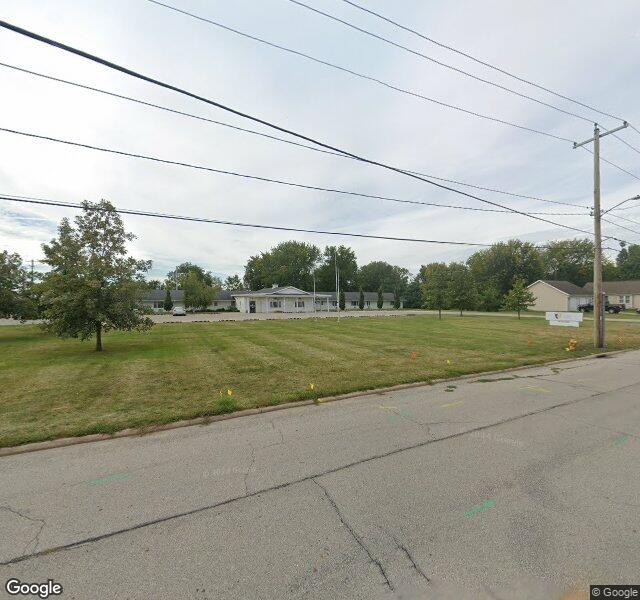
Aspire of Washington

601 E Polk St, Washington, IA 52353 (319) 653-6526
For profit - Corporation 90 Beds BEACON HEALTH MANAGEMENT Data: November 2025 3 Immediate Jeopardy citations
Trust Grade
0/100
#327 of 392 in IA
Last Inspection: January 2025

Within standard 12-15 month inspection cycle. Federal law requires annual inspections.

Overview

Families researching Aspire of Washington should be aware that the facility has received a Trust Grade of F, which indicates significant concerns about care quality. It ranks #327 out of 392 nursing homes in Iowa, placing it in the bottom half, and #4 out of 5 in Washington County, meaning there is only one local option that is rated lower. Although the facility appears to be improving, with a reduction in reported issues from 29 in 2024 to 25 in 2025, the high staff turnover rate of 60% is concerning, as it exceeds the state average of 44%. The facility has incurred $247,206 in fines, which is higher than 98% of Iowa facilities, indicating repeated compliance problems. Specific incidents noted by inspectors include a failure to provide adequate pain management for a resident after a fall, leading to a fracture, and a resident with severe cognitive impairment who was able to leave the facility unsupervised, creating significant safety risks. While staffing is rated at 4 out of 5 stars, suggesting that some aspects of care are strong, the overall picture indicates serious deficiencies that families should consider carefully.

Trust Score
F
0/100
In Iowa
#327/392
Bottom 17%
Safety Record
High Risk
Review needed
Inspections
Getting Better
29 → 25 violations
Staff Stability
⚠ Watch
60% turnover. Above average. Higher turnover means staff may not know residents' routines.
Penalties
○ Average
$247,206 in fines. Higher than 62% of Iowa facilities. Some compliance issues.
Skilled Nurses
✓ Good
Each resident gets 47 minutes of Registered Nurse (RN) attention daily — more than average for Iowa. RNs are trained to catch health problems early.
Violations
⚠ Watch
72 deficiencies on record. Higher than average. Multiple issues found across inspections.
★☆☆☆☆
1.0
Overall Rating
★★★★☆
4.0
Staff Levels
★★★☆☆
3.0
Care Quality
★☆☆☆☆
1.0
Inspection Score
Stable
2024: 29 issues
2025: 25 issues

The Good

  • 4-Star Staffing Rating · Above-average nurse staffing levels
  • Full Sprinkler Coverage · Fire safety systems throughout facility
  • No fines on record

Facility shows strength in staffing levels, fire safety.

The Bad

1-Star Overall Rating

Below Iowa average (3.0)

Significant quality concerns identified by CMS

Staff Turnover: 60%

14pts above Iowa avg (46%)

Frequent staff changes - ask about care continuity

Federal Fines: $247,206

Well above median ($33,413)

Significant penalties indicating serious issues

Chain: BEACON HEALTH MANAGEMENT

Part of a multi-facility chain

Ask about local staffing decisions and management

Staff turnover is elevated (60%)

12 points above Iowa average of 48%

The Ugly 72 deficiencies on record

3 life-threatening 6 actual harm
Mar 2025 2 deficiencies 1 Harm
SERIOUS (G) 📢 Someone Reported This

A family member, employee, or ombudsman was alarmed enough to file a formal complaint

Actual Harm - a resident was hurt due to facility failures

Pressure Ulcer Prevention (Tag F0686)

A resident was harmed · This affected 1 resident

Based on observation, clinical record review, policy review, and staff interview, the facility failed to carry out interventions to prevent and/or treat pressure ulcers for 3 of 3 residents reviewed w...

Read full inspector narrative →
Based on observation, clinical record review, policy review, and staff interview, the facility failed to carry out interventions to prevent and/or treat pressure ulcers for 3 of 3 residents reviewed with pressure ulcers (Residents #2, #18, #25). The facility reported a census of 32 residents. Findings include: The MDS (Minimum Data Set) assessment identifies the definition of pressure ulcers: Stage I is an intact skin with non-blanchable redness of a localized area usually over a bony prominence. Darkly pigmented skin may not have a visible blanching; in dark skin tones only, it may appear with persistent blue or purple hues. Stage II is partial thickness loss of dermis presenting as a shallow open ulcer with a red or pink wound bed, without slough (dead tissue, usually cream or yellow in color). May also present as an intact or open/ruptured blister. Stage III Full thickness tissue loss. Subcutaneous fat may be visible but bone, tendon or muscle is not exposed. Slough may be present but does not obscure the depth of tissue loss. May include undermining and tunneling. Stage IV is full thickness tissue loss with exposed bone, tendon or muscle. Slough or eschar (dry, black, hard necrotic tissue). may be present on some parts of the wound bed. Often includes undermining and tunneling or eschar. Unstageable Ulcer: inability to see the wound bed. Other staging considerations include: Deep Tissue Pressure Injury (DTPI): Persistent non-blanchable deep red, maroon or purple discoloration. Intact skin with localized area of persistent non-blanchable deep red, maroon, purple discoloration due to damage of underlying soft tissue. This area may be preceded by tissue that is painful, firm, mushy, boggy, warmer or cooler as compared to adjacent tissue. These changes often precede skin color changes and discoloration may appear differently in darkly pigmented skin. This injury results from intense and/or prolonged pressure and shear forces at the bone-muscle interface. 1. The 2/7/25 MDS assessment tool listed diagnoses for Resident #18 which included diabetes, non-Alzheimer's dementia, and Parkinson's disease (a disease characterized by tremors, stiffness, and slow movements). The MDS stated the resident was at risk for pressure ulcers but had no unhealed pressure ulcers. The MDS listed the resident's Brief Interview for Mental Status (BIMS) score as 6 out of 15, indicating severely impaired cognition. The facility policy Pressure Injury/Skin Breakdown-Clinical Guidelines, approved 6/2024, stated staff would implement interventions for the prevention and care of skin issues. A 2/18/25 N Adv-Skin Check note stated the resident had an unstageable pressure ulcer, black in color to the right heel which measured 2 centimeters(cm) x 2.2 cm (length x width). A 2/18/25 Care Plan note stated the resident had an unstageable pressure ulcer to the right heel and directed staff to encourage the resident to take his shoes off while in his room. A 2/20/25 Care Conference Note stated the facility discussed getting slippers for the resident when he sat in the chair. A 2/25/25 N Adv-Skin Check note stated the resident had a unstageable pressure ulcer, black in color to the right heel. A 3/4/25 N Adv-Skin Check note stated the resident had an unstageable pressure ulcer to the right heel, black in color. A 3/5/25 N. Adv Skin Check note stated the resident had a right heel ulcer, black in color, which measured 1.5 cm x 2.4 cm. A 3/8/25 N Adv Skin Check note stated the resident had a new blood blister to the left heel. The note did not include measurements of the blister. A 3/11/25 N Adv-Skin Check note stated the resident had a black pressure ulcer on the right heel and a blood blister on the left heel. On 3/17/25 at 3:16 p.m., the resident stated he had wounds on both of his heels. He stated when he was in bed, his heel were directly on the mattress and he did not wear boots or utilize pillows to offload his heels. On 3/18/25 at 8:38 a.m. and 9:13 a.m., the resident laid in bed on his back and his heels laid directly on the mattress. On 3/19/25 at 9:13 a.m. Staff B, Licensed Practical Nurse (LPN) measured a round dry-appearing dark-colored wound to his right inner heel as 3 cm x 2.5 cm. The State Agency (SA) asked to see the left heel and Staff B stated she was not aware he had an area on his left heel. She measured a dark red blister on the resident left heel as 5 cm x 5 cm. Staff E, LPN was present during the observation and asked the resident if he would be willing to wear boots in bed if she provided them and he said he would. The facility lacked physician notification of the resident's left heel blister from the 3/8/25 date of discovery until 3/19/25 and lacked documentation of a treatment carried out on the area from 3/8/25 to 3/19/25. The resident's Care Plan lacked further interventions to treat his right heel pressure ulcer and interventions to prevent the development of new ulcers. The Care Plan lacked guidance for staff regarding ways to reduce pressure on the resident's heels. The facility lacked further documentation of providing the resident slippers from the 2/18/25 note until 3/18/25. On 3/19/25 at 3:42 p.m., Staff B, LPN stated she started completing the facility's skin checks last week and stated she was not aware of Resident #18's left heel wound. She stated there was no order for the left heel as of today and stated she would suggest he placed a pillow underneath him for offloading. 2. The 2/15/25 MDS assessment tool listed diagnoses for resident #2 which included quadriplegia (paralysis from the neck down), encounter for change or removal of a nonsurgical wound dressing, and weakness. The MDS stated the resident required substantial/maximal assistance for turning right and left and stated the resident was at risk of developing pressure ulcers/injuries and had 1- Stage 4 pressure ulcer. The MDS listed the resident's cognitive skills as modified independence (some difficulty in new situations only). A 3/19/24 Care Plan entry stated the resident had a Stage 4 pressure ulcer of the coccyx. A 10/1/24 Care Plan entry stated the resident should not sit up in her wheelchair longer than 2 hours related to wound healing. The Care Plan lacked guidance for staff to assist the resident to turn from side to side. On 3/17/25 at 2:20 p.m., the resident laid in bed on her back and her air mattress was on the setting static. She stated she had a new area on her bottom which the Certified Nursing Assistants (CNAs) discovered. She stated she did not roll from side to side but would be willing to if staff assisted her. A 3/17/25 Health Status Note stated CNA's reported a new open area to the resident's buttocks which measured 0.5 cm x 1.0 cm and the facility informed the provider and applied barrier ointment. On 3/18/25 at 3:38 p.m., Staff C LPN measured a wound on the resident's sacrum as 1.2 cm x 0.9 cm x 3.4 cm which had a red wound bed. The resident also had a red, open area on her right lower buttock approximately the size of a quarter. The area had no dressing affixed to it. Staff C stated he did not have orders for this area yet. The resident's air mattress was set to static. The March 2025 Treatment Administration Record (TAR) lacked documentation of a treatment initiated to the resident's right buttock wound from the day of discovery on 3/17/25 until 3/20/25. The facility lacked documentation that the resident was on a turning and repositioning program. On 3/20/25 at 10:40 a.m., Resident #2's air mattress was set on static. The MDS Coordinator stated it should be on alternating and changed it to the air redistribution setting. On 3/20/25 at 11:03 a.m. Staff A CNA stated Resident #2 was on a turning and repositioning program. She stated she had an alternating mattress and when it was on the repositioning setting, this would take care of her turning and repositioning. She stated she would not want to position her on her side while the mattress was set on the redistribution setting as the resident could fall out of bed. 3. The 2/22/25 MDS assessment tool listed diagnoses for Resident #25 which included paraplegia (paralysis from the waist down), depression, and psychotic disorder. The MDS stated the resident was at risk for developing pressure ulcers and had 2 unstageable pressure ulcers. The MDS listed his BIMS score as 13 out of 15. 9/4/24 Care Plan entries stated the resident had a pressure injury and directed staff to carry out treatments as ordered. The March 2025 TAR listed a 2/14/25 order for Mupirocin External Ointment 2%(a medication which prevented bacterial growth in wounds) to the right and left buttock topically at bedtime for left and right ischial(referring to the lower portion of the hip bone) wounds. A 3/11/25 Medication Administration Note stated the resident's Mupirocin External Ointment was not available and staff waited for pharmacy delivery. A 3/12/25 Medication Administration Note stated the facility was out of the resident's Mupirocin ointment and waited for the pharmacy to deliver. On 3/19/25 at 8:44 a.m., Staff B LPN measured a wound on the left hip as 5 cm x 5 cm and a wound on the right buttock as 4 cm x 4.5 cm. The left hip wound had a brown, pink, and white wound bed and the right buttock had a pink wound bed. Staff B applied Mupirocin ointment to both wounds. On 3/19/25 at 3:53 p.m., the Director of Nursing (DON) stated it would depend on the resident, but they would implement such interventions as position changes, boots, offloading, and gel pads to treat and prevent heel ulcers. He stated if staff discovered a new skin area, they would notify the provider and obtain orders as soon as possible. He stated he did not know about Resident #18's left heel wound.
CONCERN (D) 📢 Someone Reported This

A family member, employee, or ombudsman was alarmed enough to file a formal complaint

Potential for Harm - no one hurt, but risky conditions existed

Accident Prevention (Tag F0689)

Could have caused harm · This affected 1 resident

Based on observation, clinical record review, policy review, and staff interview, the facility failed to carry out appropriate safety interventions for 1 of 3 residents reviewed for smoking safety (Re...

Read full inspector narrative →
Based on observation, clinical record review, policy review, and staff interview, the facility failed to carry out appropriate safety interventions for 1 of 3 residents reviewed for smoking safety (Resident #25). The facility reported a census of 32 residents. Findings Include: 1. The 2/22/25 Minimum Data Set(MDS) assessment tool listed diagnoses for Resident #25 which included paraplegia(paralysis from the waist down), depression, and psychotic disorder. The MDS stated the resident had impairment in range of motion(ROM) in both upper extremities and listed his Brief Interview for Mental Status(BIMS) score as 13 out of 15. The facility F 689 F 926 Accident Prevention-Smoking Policy, approved 8/2024, stated the facility would establish and maintain safe resident smoking practices. The 10/12/24 N Adv- Smoking and Safety Assessment stated the resident had limited or no ROM in arms or hands and dropped ashes on himself. A 2/28/25 Care Plan entry stated the resident required an apron while smoking. The 3/12/25 Smoking and Safety Assessment stated the resident had limited ROM in arms or hands and must wear a smoking apron. On 3/18/25 at 4:09 p.m. Resident #25 sat outside in the courtyard and smoked without wearing a smoking apron. On 3/19/25 at 4:04 p.m., the Administrator stated the resident should wear a smoking apron due to falling ashes. On 3/20/25 at 11:03 a.m. Staff A Certified Nursing Assistant(CNA) stated she assisted residents during their smoking breaks. She stated Resident #25 was required to wear a smoking apron and there was a list which directed staff to do this.
Jan 2025 23 deficiencies 2 IJ
CRITICAL (J) 📢 Someone Reported This

A family member, employee, or ombudsman was alarmed enough to file a formal complaint

Immediate Jeopardy (IJ) - the most serious Medicare violation

Deficiency F0692 (Tag F0692)

Someone could have died · This affected 1 resident

**NOTE- TERMS IN BRACKETS HAVE BEEN EDITED TO PROTECT CONFIDENTIALITY** 2. Review of the MDS assessment for Resident #12 dated 11/1/24 revealed the resident scored 9 out of 15 on a BIMS which indicate...

Read full inspector narrative →
**NOTE- TERMS IN BRACKETS HAVE BEEN EDITED TO PROTECT CONFIDENTIALITY** 2. Review of the MDS assessment for Resident #12 dated 11/1/24 revealed the resident scored 9 out of 15 on a BIMS which indicated moderately impaired cognition. Per this assessment, the resident was independent with eating. The assessment revealed the resident's height was 63 inches and weight was 194 pounds. Review of Resident #12's Care Plan dated 9/6/24 revealed, [Resident #12] has a potential nutritional problem r/t (related to) Dementia. Interventions per the Care Plan, all dated 9/6/24, revealed the following: a. Monitor/document/report PRN (as needed) any s/sx (signs/symptoms) of dysphagia: Pocketing, Choking, Coughing, Drooling, Holding food in mouth, Several attempts at swallowing, Refusing to eat, Appears concerned during meals. b. Monitor/record/report to MD (Medical Doctor) PRN s/sx of malnutrition: Emaciation (Cachexia), muscle wasting, significant weight loss: 3 lbs in 1 week, >5% in 1 month, >7.5% in 3 months, >10% in 6 months. 9/6/2024 c. Provide and serve diet as ordered. d. RD (Registered Dietician) to evaluate and make diet change recommendations PRN. Review of Resident #12's Physician Order dated 8/1/24 at 12:27 PM revealed, Regular diet, Regular texture, Thin consistency for 2 L (Liter) fluid restriction. A review of the EHR Weight Summary listed the following weight results for Resident #12: a. 8/13/24 at 3:25 PM: 206.0 Lbs b. 9/3/24 at 2:29 PM: 201.8 Lbs c. 10/7/24 at 9:34 AM: 194.4 Lbs d. 11/5/24 at 9:37 AM: 190.8 Lbs e. 11/20/24 at 1:42 PM: 190.8 Lbs f. 12/16/24 at 10:18 PM: 179.0 Lbs g. 1/6/25 at 2:42 PM: 168.0 Lbs Review of the Nutrition/Dietary Note dated 8/14/24 at 10:29 AM for the RD (Registered Dietician) admission Note revealed, in part, the resident had no chewing or swallowing difficulty noted, weight was 206 pounds, body mass index 36.5, and resident's height documented as 63 inches. The Goal section of the note revealed, weight will remain stable. within 7.5% of CBW (current body weight) through review date. The Plan section revealed the following: Monitor weight per orders. Follow diet and supplements per orders. RD to monitor and f/u (follow up) prn (as needed). The N-Adv Mini Nutritional assessment dated [DATE] revealed the resident weighed 190.8 pounds, revealed no decrease in food intake, no weight loss, had severe dementia or depression, The next Nutrition/Dietary Note present in the resident's electronic record dated 12/18/24 at 3:57 PM revealed, RD WEIGHT NOTE: CBW: 179# .Weight down 6.2% or 11.8# x 30 days. Weight down 15.4# or 7.9% x 90 days. Weight down 13.1% or 27# x 180 days. Reg/reg/thin diet. Intakes sporadic and avg 50%. Resident noted for recent diarrhea. Gatorade has been provided at times per nursing documentation. On 12/7/24 resident was admitted to the hospital r/t (related to) dehydration, resident noted to pull out two IVs (intravenous). Resident noted for confused behaviors .Continue to provide resident with Gatorade or otherelectrolyte drink when resident experiences diarrhea. RD to continue to monitor and make rec prn. The Nutrition/Dietary Note dated 1/6/25 at 3:35 PM revealed, RD WEIGHT NOTE: CBW: 168# .Weight down 6.1% or 11# x 30 days. Weight down 11.9% or 22.8# x 90 days. Weight down 18.4% or 38# x 180 days. Reg/reg/thin diet. Intakes sporadic and avg 50%. Resident noted for recent diarrhea. Gatorade has been provided at times per nursing documentation. On 12/7/24 resident was admitted to the hospital r/t dehydration, resident noted to pull out two IVs. Resident noted for confused behaviors .Continue to provide resident with Gatorade or otherelectrolyte drink when resident experiences diarrhea. On 1/6/24 nursing notes resident continues to have diarrhea. Resident receives Health Shake TID (three times per day) r/t (related to) recent weight loss. RD to continue to monitor and f/u (follow up) prn. Observation in the dining room on 1/13/25 at 11:43 AM, Resident #12 stood up, and staff said resident was not going to stay, and couldn't make her stay. Staff told Resident #12 let's sit down and eat, and asked resident you're not going to eat lunch? Resident #12 observed leaving the dining room with her walker, and walked away from the dining room. Record review revealed as of 1/13/25, Resident #12's Physician Orders lacked an order for a supplement. Review of the resident's MAR/TAR printed from the facility's EHR system on 1/13/25 did not include a supplement order, or charting of receipt. Review of the Physician Order dated 1/21/25 at 10:51 AM revealed, [Brand Name] Shake three times a day. During an interview on 1/14/25 at 8:57 AM, the Dietary Manager (DM) interviewed about Resident #12. The DM explained at the facility 9 years, and said when first got to facility resident would come up to every meal, would sit there, and never ate a whole lot. Per the DM, the resident liked desserts. The DM further explained lately it was so much work for them to get resident there, or if took tray to resident, to get resident to sit still. Per the DM, the intervention done was a health shake and even if the resident didn't come to the meal, the DM explained the resident did pretty good with those, and at first the resident would bring the shake out to the nursing station, set down, and say don't want it. The DM queried when the health shakes started, and responded they would have to see, probably about a month ago. Per the DM, the kitchen would give the shakes, they were called house supplements, and right now the facility had [brand name supplement] which gave resident a little more protein. Per the DM, supplements discussed 12/20/24, and when queried if they started then, the DM explained yeah, [DM] always started right away. When queried if facility did weight meetings, the DM explained the Dietician at the facility every two weeks, and went over any concerns had, tried to get interventions in place, and adjust from there. When queried if amount of shakes consumed was charted, the DM responded that would be on nursing charting, and DM acknowledged could not tell [State Agency] for sure what was going on there. The DM explained currently he wished would get the resident to calm down, sit still, and get the resident to eat a little more. The DM explained the resident was quick to take off from wherever she was at, she would get to the dining room, would feed the resident as soon as possible or the resident was gone as soon as possible. Per the DM, the resident would eat dessert, couple bites, drink, then left. The DM explained was sure resident was going to be an ongoing need to keep closer eye on. When queried if the resident could eat in their room, the DM explained resident always wanted to run off, and a little better if little supervision. During an interview on 1/14/25 at 1:24 PM, Staff D, Certified Nursing Assistant (CNA) explained Resident #12's eating was very sporadic, and definitely based off of mood, lack of sleep, factors like that. When queried about a supplement observed and whether resident had been drinking it,Staff D responded they thought so. Per Staff D, CNAs did chart meal intake, and when queried about supplement intake, Staff D explained the facility did a fluid intake, described as total fluids for the general time frame. When asked if could tell if resident drank the supplement versus, for example a different fluid, if could tell which one consumed, Staff D responded no. During an interview on 1/14/25 at 1:40 PM, Staff C, CNA explained the following about Resident #12 and eating: Per Staff C, tried to get resident to come down for meals every meal, and sometimes could be a fight, like a literal she (resident) is not happy kind of fight. Per Staff C, if the resident did not want to come to eat resident did not come to eat. Staff C explained would take a tray to resident and resident would eat in her room. When queried what had been done, Staff C explained at first talking to resident that want a full stomach, and learned to let the resident have her own space. Per Staff C, the resident was doing a lot better. When queried whether CNAs checked weights at the facility, Staff C responded weight was getting checked, for sure at least once a month which was all told to do so far. During an interview on 1/14/25 at 2:36 PM, Staff E, Licensed Practical Nurse (LPN) explained Resident #12's eating depended on the day, and if could get the resident to come out for meals the resident ate really well. Per Staff E, motivating the resident to come down to eat was the issue. When queried as to interventions, Staff E explained for awhile resident given health shakes. On 1/15/24 at 9:51 AM during an interview with the RD explained the following about Resident #12: The resident came in, lost quite a bit of weight, came in on a 2L (liter) fluid restriction, and one of the first things did was remove that. Per the RD the resident had dehydration, so didn't want restriction there. The RD described sporadic intakes for resident average 50%, and not sufficient amount calories for resident, and health shake started for resident. Per the RD, started health shake on 1/6/25, and it was started three times day because resident dropping pretty rapidly. The RD explained the resident was given [electrolyte drink] and had dehydration and diarrhea trying to resolve, at last visit talked to DM, and trying to include foods in brat diet. Per the DM, the resident started dropping weight in November, December really stated losing weight. When queried how often staff should be getting weights on the resident, the RD responded she believed resident was a monthly weight now, on admission was usually every week for four weeks, and explained may have to switch to increasing weights which may be next intervention as well. When queried about the policy for a reweight, the RD explained she was not sure if set in stone policy, and a lot of time RD came in and recommend reweights if saw them and thought weight was off. When queried if there should be an order for a shake if resident on nutritional shake, the RD responded yes. When queried who would put that in, the RD responded usually the DON. Per the RD, she had her own individual report, and on the RD's last report she put in a note hadn't updated orders in [electronic health record (EHR)]. The RD explained the DM had a spreadsheet of shakes kitchen provided. On interview, the RD confirmed thought it was correct that order was not in EHR, and explained she would have to send another email to make sure got that in there. The RD explained usually charting was that supplement was provided, did not have percentage drank usually, and some facilities did while others did not. The RD further explained the following about supplement intake: The RD could ask the Dietary Aides, the DM was usually pretty well informed of how resident drinking shake, or asked the DON. The RD would ask around if people remembered how much the resident drank. When queried about the resident's diet, the RD responded the resident on a regular diet since 8/1/24. When queried what the resident's weight loss was attributed to, the RD responded poor and sporadic intakes and diarrhea, and thought struggling to hold on weight in that regard. The RD explained the resident was admitted to the hospital on IV fluids at one point to help with that, which was why started on [electrolyte drink], health shake. The diarrhea continued, brat diet so could keep weight on, and explained if resident on toilet constantly hard to put on weight. When queried about interventions prior to the health shake, the RD responded [electrolyte drink] soon as diarrhea, and hospital on 12/7 to help with dehydration. When queried about the resident's diarrhea, RD explained facility had been trying to figure it out also, resident did not have diagnosis why diarrhea. The RD explained they were probably going to have to get the resident reviewed and sent to the hospital, as it had been going on too long. Observation on 1/27/25 at 12:18 PM revealed Resident #12 in their room in bed sleeping, with full plate of food. Two cartons of [Brand Name] supplement present with the resident's food, with one carton laying on its side. Some beverages observed to be full, and staff not in room with resident at time of observation. During an interview on 1/21/25 at 11:30 AM, the DON queried about Resident #12, and explained even from the beginning when resident came to facility had a problem with resident eating. Per the DON, the resident won't say in the dining room, and always headed back to her room. The DON explained the resident went through a phase, had a lot of behaviors, put self on he floor constantly, came up to the nursing station every two to three minutes, would send the resident back to her room, resident asked to cover her up, resident given a drink, and can't have more than fluid restriction. Then the resident caught COVID, took resident off fluid restriction, gave resident what should eat, and resident had [electrolyte drink] at nursing station. Per the DON, the resident was starting to eat a little better, still hit and miss with her (Resident #12). The DON explained the resident would drink the health shakes, and explained she saw the girls never got those entered in. When queried when they started, the DON didn't recall, said hadn't been that long, and said only been a couple of months. When queried about an order put in 1/21/25 for the shakes, the DON explained realized they hadn't been put in, and tried to explain to DM that he could put them in too, the DM didn't do it, and was left on DON. When queried if would be charted if drank the shake or not doing so, the DON explained if put into [EHR] like supposed to be, would put down how much drink of the shake. The DON explained trying to get the resident to come up for meals, would take it to her room and resident said not hungry, and got to eat something. Per the DON, once and a while resident came to main dining room, and didn't have the resident come up until her food was served right away. The DON explained if served right away, resident had tendency to eat some of it. Per the DON, the resident had diarrhea every once and awhile, and it was a tendency the resident had. Per the DON, when the resident first came in, the resident had no known allergies. Per the DON, the resident's [family member] then said the resident was allergic to eggs, the DON gave guidance to not give the resident eggs. The DON queried when resident not given eggs if diarrhea stopped, and the DON responded saw no complaints and didn't use loperamide (medication used for diarrhea). When queried if giving resident eggs again, DON responded yes, and resident still had some diarrhea occasionally, not like resident had been. The DON explained the following about Resident #12's weights: it was still monthly but facility was weighting resident more often, and they (staff) were not doing them like DON wanted them to. When queried as to when this started, the DON responded she could not remember. When queried how staff knew to do so, the DON responded if weekly would pop up dates, and supposed have in [EHR]/MAR. The DON explained whoever on the med cart would say needed weight on this person today. The DON explained there was a weekly weight sheet, and said it might have disappeared again. Review of Resident #12's Physician Orders printed on 1/13/25 revealed the resident had been ordered monthly weights as 12/17/24. A Physician Order for weekly weight as indicated one time a day every Tue (Tuesday) was entered into the resident's EHR on 1/21/25 by the DON. During an interview on 1/30/25 at 12:08 PM, Staff Q, Registered Nurse (RN) explained she worked at the facility maybe every other weekend, every two weekends. Per Staff Q, the last time she (Staff Q) worked (later clarified as 12/14) the resident had lost so much weight, and Staff Q was asking because before Staff Q left, was taking resident to the dining room to feed her. Per Staff Q, the resident used to eat in room, and the resident needed to be whether other people were. Staff Q explained the shift Staff Q picked up the resident had lost so much weight, and said no one had motivation to go in and feed her. The facility policy titled Weight Assessment and Intervention F 692, dated 9/2012 and last revised 10/2022, revealed the following: The interdisciplinary team will strive to prevent, monitor, and intervene for undesirable weight loss or gain for our residents .5. The threshold for significant unplanned and undesirable weight change will be based on the following criteria [where percentage of body weight loss = (usual weight-actual weight)/(usual weight) x100]: a. 1 month-5% weight change is significant; greater than 5% is severe. 3 months-7.5% weight change is significant; greater than 7.5% is severe. 6 months -10% weight change is significant;greater than 10% is severe. The Interventions section of the facility policy revealed, in part, Interventions for undesirable weight loss shall be based on careful consideration of the following: a. Resident choices and preferences; b. Nutrition and hydration needs of the resident; c. Functional factors that may be inhibiting independent eating; d. Environmental factors that may inhibit appetite or desire to participate in meals; e. Chewing and swallowing abnormalities and the need for diet modifications; f. Modifications that may interfere with appetite, chewing, swallowing, or digestion; g. The use of supplementation and/or feeding tubes; and h. End of life decisions and advanced directives. Based on observation, clinical record review, facility policy review, Registered Dietitian and staff interviews the facility failed to address the severe weight loss of 2 of 3 (Resident #183 and Resident #12) residents reviewed for weight loss. Per the Registered Dietician note dated 10/23/24, Resident #183 a cognitively impaired resident experienced a severe weight loss of 12.6% in 180 days. The facility failed to complete weekly weights as ordered, failed to increase interventions after initiation of a house supplement failed to maintain weight in August 2024, failed to notify the physician of the weight loss, and failed to care plan the actual weight loss. This failure resulted in Immediate Jeopardy to the health, safety, and security of the resident. The facility also failed to ensure Resident #12 was free from severe weight loss of 6.2% in 30 days, 7.9% in 90 days, and 13.1% in 180 days. The facility failed to care plan the resident's severe weight loss, failed to ensure the resident had a physician order implemented timely for nutritional supplements, and failed to revise interventions to address the resident's weight loss. The facility reported a census of 35 residents. The State Agency informed the facility of the Immediate Jeopardy (IJ) on 1/21/25 at 1:35 PM. The IJ began on 10/23/24, the day facility documented knowledge of Resident #183's weight loss of 12.6% or 17.2 pounds in 180 days. Facility staff removed the Immediate Jeopardy on 1/23/25 at 2:12 PM through the following actions: a. Facility re-weighed and reviewed for significant and/or severe weight loss for all current residents to implement interventions as needed. b. Facility reviewed medical records for presence of eating disorder and behavioral problems that could impact nutrition. c. Resident identified to have significant and/or severe weight loss reviewed by the Registered Dietitian for recommendations. d. Current residents with significant and/or severe weight loss had their physicians and responsible parties notified. e. Facility met with Medical Director to review residents' weight loss and facility corrective action on 1/21/25. f. Interdisciplinary Team (IDT) re-educated on criteria for a significant and severe weight loss for 1 month, 3 months, and 6 months. g. Current staff educated on changes in resident condition to report, such as poor appetite, behavioral changes, difficulty eating, and/or vomiting. The scope lowered from J to G at the time of the survey after ensuring the facility implemented education and their policy and procedure Findings include: 1. The Minimum Data Set (MDS) assessment, dated 10/25/24, revealed Resident #183 had both short term memory and long term memory problem, as well as fluctuating symptoms of inattention, disorganized thinking, and altered level of consciousness. Resident #183 assessed as able to feed self with supervision at the time of assessment. The MDS assessment identified a weight loss of 5% or more in the last month or loss of 10% or more in the last 6 months and indicated Resident #183 not on a physician prescribed weight loss regimen. The MDS list of diagnoses included: diabetes mellitus, non-Alzheimer's dementia, anxiety disorder, depression, and schizophrenia (schizoaffective disorder). The MDS, dated [DATE], revealed Resident #183 required set up assistance with meals and identified a weight loss of 5% or more in the last month or loss of 10% or more in the last 6 months and indicated Resident #183 not on a physician prescribed weight loss regimen. Diagnoses list included bulimia nervosa, a mental health disorder of self-induced vomiting related to a perceived concern for one's own weight. Per the Care Plan, revised on 6/10/21 Resident #183 ordered CCD (carbohydrate controlled diet), regular texture, thin consistency. The Care Plan, revised on 10/22/24, revealed Resident #183 had nutritional risk related to diabetes and abnormal labs with the goals to maintain weight and eat 50% of 3 meals daily. The Care Plan lacked identification of Resident #183's severe loss of weight (greater than 10% of body weight in 6 months). Interventions included: a. Allow Resident #183 to express that she is not hungry, initiated on 8/21/18. b. Provide health shakes three times a day, initiated on 7/24/24. c. Monitor labs as ordered and refer to physician as needed, initiated on 3/29/20 d. Offer resident an alternative food item or snack if they become hungry after refusing a meal, initiated on 8/21/18. e. Offer Resident #183 set up help at meals, initiated on 3/29/20. f. Weigh as ordered and record. Monitor for significant weight change and refer to physician as needed, initiated on 3/29/20. The Medication and Treatment Administration Record (MAR/TAR), for December 2024, revealed an order for weekly weight to be checked every Friday, start date 5/24/24. The MAR/TAR documented: a. On 12/6/24 a check mark indicated the completion of weekly weight b. On 12/13/24 a code of 6 used to indicate hospitalization c. On 12/20/24 no results indicated or codes used to explain the lack of a weight. d. On 12/27/24 a check mark indicated the completion of the weekly weight. The December 2024 MAR/TAR did not document the results of completed weekly weights. The December MAR/TAR revealed an order for a House Supplement TID three times daily for recommendation from RD (Registered Dietician). A review of the electronic health record (EHR) Weight Summary indicated on 5/31/24 Resident #183 weighed 130.0 pounds. On 11/11/24, the Weight Summary recorded the resident weighed 113.4 pounds. The change in weight from 130.0 pounds to 113.4 pounds represented a weight loss of 12.77% in 112 days. A weight loss is considered severe if greater than 7.5% in 3 months, and greater than 10% in 6 months. A Nutrition/Dietary Note, dated 10/23/24, listed Resident #183 had past medical history of schizoaffective disorder, bulimia nervosa, type 2 diabetes mellitus, mental disorder, and anxiety .CBW (current body weight): 118# (pounds) .Weight down 12.6% or 17.2 # x 180 days. Weight stable x 30/90 days. House supplement BID (two times daily), increased to TID on 8/2[2024] .Weight appears to be stabilizing continue POC (Plan of Care). A Mini Nutrition Assessment (MNA), dated 10/23/24, completed by Registered Dietitian documented .Resident has no decrease in food intake is last 3 months. Weight loss greater than 3kg (kilograms) (6.6 lbs [abbreviation for pounds] in the last 3 months. Goes out. Has not suffered psychological stress or acute disease in the past 3 months. Resident has no psychological problems .Mini Nutrition Score: The Score is 9. Per the scale 8-11 points: At risk of malnutrition. A Nutrition/Dietary Note, dated 11/06/24. documented RD WEIGHT NOTE: CBW: 113.4# .Weight stable 30/90 days. Weight down 12.8% or 16.6# x 180 days. House supplement BID, Increased to TID on 8/2[2024] .Weight appears to be stabilizing continue POC. A review of Nursing Progress notes from 10/23/24 to 12/30/24 revealed no documentation of physician notification related Resident #183 weight loss. During an interview on 1/20/24 at 10:30 AM, the facility RD stated Resident #183 had lost weight gradually at first, weight was approximately 140 pounds in June 2024 and then in August 2024, there had been around a 10 pound weight loss and started Resident #183 on House Supplement three times a day and reported that with intervention Resident #183 would stabilize then continue to lose weight. RD stated Resident #183 had orders for weekly weights to be completed, then facility may have switched to monthly. RD reported recommendations for residents would be given to Director of Nursing to notify Provider. During an interview on 1/21/24 at 11:30 AM, Director of Nursing (DON), stated that Resident #183 was supposed to be on weekly weights, but said the staff are not good about getting the weekly weights. DON claimed a list of weekly weights for staff reference often went missing and stated Resident #183's weights had been checked about twice per month. DON stated that Resident #183's intervention for weight loss had been to give House Supplement three times a day and confirmed this intervention was put into place in August 2024. DON stated that Resident #183's physician would be notified verbally by DON of an identified weight loss, DON unable to recall if Provider had been notified verbally and unable to recall if there had been documentation of Provider notification in Resident #183's EHR.
CRITICAL (J)

Immediate Jeopardy (IJ) - the most serious Medicare violation

Deficiency F0697 (Tag F0697)

Someone could have died · This affected 1 resident

**NOTE- TERMS IN BRACKETS HAVE BEEN EDITED TO PROTECT CONFIDENTIALITY** Based on clinical record review, facility policy review and staff interviews the facility failed to provide effective pain manag...

Read full inspector narrative →
**NOTE- TERMS IN BRACKETS HAVE BEEN EDITED TO PROTECT CONFIDENTIALITY** Based on clinical record review, facility policy review and staff interviews the facility failed to provide effective pain management for a resident who suffered a fall on 12/06/24, which resulted in limited range of motion (ROM) and bruising/swelling to the right upper extremity (RUE) on 12/07/24. Documentation from 12/07/24 to 12/11/24, revealed Resident #183 experienced severe pain when touching the right elbow, straightening the right elbow, moaning/groaning with ROM, and acting afraid to walk. The facility failed to conduct follow up pain assessments to determine whether or not effective pain management achieved by the administration of as needed (PRN) Tylenol and/or Tramadol. The facility failed to notify the physician of the pain symptoms prior to 12/11/24. An x-ray on 12/12/24 revealed an acute moderately displaced avulsion fracture of the right elbow and a fracture of the right trochanter (hip fracture) found by the hospital on [DATE]. The facility failed to obtain treatment orders upon return from the hospital. Resident #183 returned to the facility and rated pain a 10/10 (severe), crying out in pain, with increased pain during transfers with no indication that alternative pharmacological or non-pharmacological interventions attempted nor documentation of effective pain management being achieved from 12/13/24-12/30/24. This failure resulted in Immediate Jeopardy to the health, safety, and security of the resident. The facility reported a census of 35 residents. The State Agency informed the facility of the Immediate Jeopardy (IJ) on 1/22/25 at 3:30 PM. The IJ began on 12/07/24, the day the facility documented Resident #183 had severe pain in right arm and both knees. Facility staff removed the Immediate Jeopardy on 1/27/25 at 12:05 PM through the following actions: a. Facility assessed current residents for unresolved pain, notified their doctors of unresolved pain, and updated Care Plans to include non-pharmacological interventions. b. Residents returning to facility from the Hospital, clinic, or emergency room (ER) visit to have orders reviewed upon arrival and ensure new orders are in place and updated. c. Facility plan to follow up with Primary Care Providers if a resident's pain continues and to monitor this weekly at Interdisciplinary (IDT) meetings. d. Licensed nurses and nursing administration re-educated on reporting changes in resident condition, including unresolved pain, and to review residents experiencing unresolved pain for root cause and implement intervention, including non-pharmacological interventions. e. Facility had meeting with Medical Director on 1/22/25 to review residents with unresolved pain and the facility corrective action. The scope lowered from J to D at the time of the survey after ensuring the facility implemented education and their policy and procedures. Findings include: The Minimum Data Set (MDS) assessment, dated 10/25/24, revealed Resident #183 had both short term memory and long term memory problems, as well as fluctuating symptoms of inattention, disorganized thinking, and altered level of consciousness. Diagnoses included diabetes mellitus, non-Alzheimer's dementia, anxiety disorder, depression, and schizophrenia (schizoaffective disorder). The MDS revealed Resident #183 required staff supervision for transfers and ambulation. The MDS indicated pain medications were given only on an as needed (PRN) basis, no scheduled or non-medication interventions were being used for pain. Pain assessment interview with Resident #183 not completed due to resident being rarely or never understood. The MDS, dated [DATE], revealed Resident #183 dependent on staff for transfers and unable to ambulate. The MDS indicated pain mediations were given on an as needed (PRN) basis, no scheduled or non-medication interventions were being used for pain. A pain assessment interview completed with staff revealed observations of pain indicators, including non-verbal sounds, verbal complaints of pain, and facial expressions which were observed for 3-4 days of the 5 day look back period. The Care Plan, initiated on 11/16/18, included a Focus area to address I am at risk for Falls r/t (related to) poor impulse control, dx of schiizoaffective disorder, restlessness, dx (diagnosis) dementia, behavior disorders, anxiety, insomnia, incontinent status; I have hx (history) of frequent falls. The list of falls (total of 20 falls from 2/21/24 to 12/14/24) included: 12/6/24 Fall, no injury; 12/9/24 fall, Skin split forehead; and 12/14/24 Fall, no injury. The Care Plan, initiated on 11/16/18 and revised on 10/22/24, included a Focus area to address I am at increased risk of pain r/t arthritis, frequent falls. Interventions included: a. Evaluate the effective of pain interventions. Review for compliance, alleviating of symptoms, dosing schedules and resident satisfaction with results, impact on functional ability and impact on cognition. Initiated on 11/27/28, revised on 6/10/21. b. Monitor/document probable cause of each pain episode. Remove and limit causes where possible. Initiated on 11/27/18. c. Monitor/record/report to Nurse any s/sx (sign/symptom) of non verbal pain: Changes in breathing .Vocalizations (grunting, moans, yelling out, silence); Mood/behavior .Eyes .Face (sad, crying, worried, scared clenched teeth); Body . Initiated on 11/27/18 and revised 11/07/24. d. Monitor/record/report to Nurse resident complaints of pain or requests for pain treatment. Initiated on 11/27/18. e. Notify physician if interventions are unsuccessful or if current complaint is a significant change from resident's past experience of pain. Initiated on 11/27/18. f. Observe and report change in usual routine, sleep patterns, decrease in functional abilities, decreased ROM (range of motion), withdrawal, or resistance to care. Initiated on 11/27/18. g. Observe for pain every shift and PRN. Initiated on 11/26/22. h. Offer pain medication when she says she hurts. Initiated on 6/17/24. i. Report to Nurse any change in usual activity attendance patterns or refusal to attend activities related to s/sx of c/o (complaint of) pain or discomfort. Initiated on 11/27/18. The Care Plan, initiated on 7/26/24 and revised on 11/7/24, included a Focus area to Acute Pain/Chronic Pain. Interventions included, in part: a. Establish a pain management treatment plan. Initiated on 11/07/24. b. Medicate with PRN medications if non-medication interventions are ineffective. Initiated on 9/23/24 and revised on 11/07/24. c. Utilize non-medication interventions for pain relief. Initiated 9/23/24 and revised on 11/07/24. A review of the Medication Administration Record (MAR) for December 2024, revealed the following medications Resident #183 had ordered for pain relief: a. Acetaminophen (Tylenol) 325 milligrams (mg), Give 2 tablets by mouth every 4 hours as needed for general discomfort. Start Date 2/28/23. b. Tramadol HCL Oral Tablet 50 mg (Tramadol HCL). Give 1 tablet every 8 hours as needed for pain. Start date 6/27/24. A review of the Treatment Administration Record (TAR) for December 2024, revealed the following orders: a. Are you free of pain? If no, indicate response of pain level 1-10 with little to no pain as 1 and worst as 10 (If new or change in pain, complete [pain evaluation]) every shift. Start Date 9/26/22. b. BEHAVIOR(S) - Monitor for: RESTLESSNESS (AGITATION), Removing clothes in inappropriate places,exit seeking, AGGRESSION, REFUSING CARE. Document: 'N' if monitored and none of the above observed. 'Y' if monitored and any of the above were observed, select chart code 'Other/ See Nurses Notes' and document specific behavior(s) every shift for Behavior Monitoring Document each behavior observed and number of occurrences. Start Date 10/01/2024 Between the dates of 12/1/24 to 12/7/24 Are you free of pain?' asked of resident twice daily. A 0 (zero) documented 13 out of 14 of opportunities with 1 (one) NA documented for the day on 12/3/24. The TAR Chart Codes did not include an explanation of NA. Review of Resident #183's electronic health record Progress Notes and the December MAR from 12/7/24 to 12/13/24 revealed the following: 1. On 12/07/24: a. The December 2024 MAR documented Tramadol 50 mg administered at 7:36 AM for a pain of 5/10, with an E documented. The MAR Chart Code indicated an E = Effective. A eMar-Medication Administration Note at 8:38 PM indicated follow up pain 0/10. b. A Health Status Note at 8:09 PM revealed Resident's right elbow swollen and warm to touch. Can straighten out right arm but does state it hurts .Right arm placed on small pillow to elevate her arm. Ice pack attempted but resident will not leave it on. c. The December 2024 MAR Acetaminophen 325 mg not documented as administered to the resident on 12/7/24. d. The December TAR documented responses to Are you free of Pain? documented for day pain level of 0 (zero), and night pain level of 0 (zero). e. The December TAR documented number of NA, and NO for Behavior Observed for day, and NA, and NO for Behavior Observed for night. The TAR Chart Code did not indicate a code for NA. 2. On 12/8/24: a. The December 2024 MAR documented Tramadol 50 mg administered at 8:08 AM for a pain of 8/10, with an E documented. An eMar-Administration Note at 10:51 AM indicated follow up pain 4/10. And at 8:06 PM for a pain of 4/10 with an E documented. A eMar-Administration Note at 9:30 PM indicated follow up pain 0/10. No further doses of Tramadol documented. b. The December 2024 MAR documented Acetaminophen 325 mg administered at 6:41 PM for pain of 4/10, with an E documented. An eMar- Administration Note at 9:31 PM indicated follow up pain 0/10. No further doses of Acetaminophen documented. c. A Health Status Note at 8:51 PM revealed noted abrasion to right supraobrital area and above right eyebrow. Bruised area to right periorbital area healing appropriately. Slightly limited ROM (range of motion) to right upper extremity as result of bruised mildly swollen area to lateral elbow. Ice applied and pain med given. d. The December TAR documented responses to Are you free of Pain? documented for day pain level of 5 (five), and night pain level of 0 (zero). e. The December TAR documented number of NA, and NO for Behavior Observed for day, and NA, and NO for Behavior Observed for night. 3. On 12/09/24: a. The December 2024 MAR indicated Tramadol 50 mg not administered on 12/9/24. b. The December 2024 MAR indicated Acetaminophen 325 mg not administered on 12/9/24. c. A Health Status Note at 2:34 PM revealed .States pain in right elbow. Swelling had gone down. Vitals within normal limits with BP (blood pressure) being a little high at 153/96. d. A N Adv Vitals and Pain Only note entered at 5:45 PM revealed .BP 165/85 .Pain: Pain assessment interview should not be conducted, Resident is rarely/never understood. Indicators of pain: Facial expressions Indicators of pain: Vocal complaints of pain. Pain issue: #001: New. Location: Right elbow. Pain score: ? (Non-verbal sound or facial expressions of pain). Completed Clinical Suggestions: [no text present]. e. A N Avd-Post Fall Evaluation at 5:47 PM revealed Date/Time of Fall: 12/9/24 at 5:25 PM Fall was witnessed. Who witnessed fall: staff Fall occurred in the Resident's room .Did an injury occur as a result of the fall: Yes. Did fall result in ER (emergency room)/Hospitalization: No Pain: Indicators of pain: Vocal complaints of pain. Indicators of pain: Facial Expressions. Pain issue: #001: New. Location: Right elbow. Pain score: ? (Non-verbal sound or facial expressions of pain). f. The December TAR documented responses to Are you free of Pain? documented for day pain level of 0 (zero), and night pain level of 0 (zero). g. The December TAR documented number of 1 (number), and YES for Behavior Observed for day, and NA, and 0 (zero) for Behavior Observed for night. 4. On 12/10/24: a. A Health Status Note entered at 1:59 AM revealed .Resident acting like she is afraid to walk from fall. Resident has no c/o pain or discomfort. No s/s (signs/symptoms) of pain. b. The December 2024 MAR documented Tramadol 50 mg administered at 7:06 AM for a pain level of 7, with an E documented. c. The December 2024 MAR documented Acetaminophen 325 mg administered at 7:07 AM for a pain of 7, with an E documented, and administered at 1:07 PM for a pain level of 5, with an E documented. d. The December TAR documented responses to Are you free of Pain? documented for day pain level of 2 (two), and night pain level of 2 (two). e. The December TAR documented number of NA and NO for Behavior Observed for day, and 1 (one) number documented and YES for Behavior Observed for night. 5. On 12/11/24: a. The December 2024 MAR indicated Tramadol 50 mg not administered on 12/11/24. b. The December 2024 MAR documented Acetaminophen 325 mg administered at 7:21 AM for pain level of 4, with an E documented. An eMar-Administration Note at 9:22 AM indicated follow-up pain scale was: 0 (zero). Acetaminophen documented as given at and at 7:19 PM for pain level of 4, with an E documented. An eMar-Adminsitration Note at 9:23 PM indicated follow-up pain scale was: 0 (zero). c. The December TAR documented responses to Are you free of Pain? documented for day pain level of 0 (zero), and night pain level of 0 (zero). d. The December TAR documented number of no and NO for Behavior Observed for day, and 0 (zero) number documented and NO for Behavior Observed for night. e. A Health Status Note entered at 7:43 PM revealed Resident #183 reported to have lastly been known wet at 4AM this morning. She has been sleeping for most part of the day, drinking with meal. No distention/discomfort noted on palpation. Limited ROM on right upper and lower extremities with noted resolving bruises and swollen are to right upper extremity. Resident groans and moans with passive ROM, unable to walk, will just pivot to w/c (wheelchair). When ask what is wrong, she states it hurts when asked where she touches her right elbow and right knee. 6. On 12/12/24: a. The December 2024 MAR documented Acetaminophen 325 mg administered at 9:13 AM for pain level of 3, with an E documented. An eMar- Administration Note at 11:43 AM indicated follow- pain scale was: 2. b. The December 2024 MAR documented Tramadol 50 mg administered at 10:24 AM for pain level of 5, with an E documented. An eMar- Administration Note at 11:42 AM indicated follow- pain scale was: 2. c. A Health Status Note entered at 6:45 PM revealed Received call from [provider name redacted] xray and resident has a acute moderately displaced avulsion fracture arising from the dorsal olecranon (a bone fracture where a piece of the olecranon (the bony prominence at the back of the elbow) has been pulled away from the main bone by the force of the triceps tendon). Spoke with MD (medical doctor) [Name redacted] and received order for ortho (orthopedic) consult. d. The December TAR documented responses to Are you free of Pain? documented for day pain level of 0 (zero), and night pain level of 0 (zero). e. The December TAR documented number of no and NO for Behavior Observed for day, and number documented of NA and NO for Behavior Observed for night. 7. On 12/13/24 a. A Health Status Note entered at 8:25 AM revealed Call placed to [hospital name redacted] to report fracture in right elbow. Stated we should send to [hospital name redacted] as no ortho. b. The December 2024 MAR documented Acetaminophen 325 mg administered at 7:33 AM for pain level of 5, with an U documented. The MAR Chart Code indicated an U = unknown. c. The December 2024 MAR documented Tramodol 50 mg administered at 7:34 AM for pain level of 5, with an U documented. d. The December TAR documented responses to Are you free of Pain? documented for day pain level of 0 (zero), and night pain level of 0 (zero). e. The December TAR documented number of NA and NO for Behavior Observed for day, and number documented of NA and NO for Behavior Observed for night. f. A Health Status Note entered at 6:15 PM revealed Received call from social worker at [hospital name redacted] and she stated resident has a mildly displaced FX (fracture) of the her right greater trocanter (a bony prominence located at the top of the femur (thigh bone) on the outer side of the hip). Awaiting decision if surgical or note. DON aware. g. A Health Status Note entered on 9:45 PM revealed Resident returned from [name of hospital redacted] via 2 attendants via stretcher. Resident placed in low position bed with fall mat beside her bed. Snack given as she was hungry. Right arm in splint and sling for comfort. A review of Resident #183's December 2024 MAR/TAR from 12/13/24 to 12/30/24 revealed the following: a. Resident continued prescribed Tramadol 50mg every 8 hours as needed; and Tylenol 650mg every 4 hours as needed for pain. No documentation of pain medication changes. b. A pain level of 10 documented on the December 2024 TAR on: 12/14/24, 12/16/24 x2, 12/20/24, 12/24/24 x2, 12/25/24 x2, 12/26/24 x2, and 12/30/24. c. A pain level of 9 documented on December 2024 TAR on 12/27/24. d. A pain level of 8 documented on December 2024 TAR on: 12/14/24 x2, 12/17/24 x3, 12/23/24 x2, 12/27/24 x2. e. The December TAR documented responses to Are you free of Pain? documented a pain level of 5 on 12/19/24, 12/21/24, 12/29/24 for day, and 12/22/24 for night; a pain level of 6 on 12/22/24 day; a pain level of 7 on 12/14/24 night; a pain level of 8 on 12/15/24 night; and a pain level of 9 on 12/25/24 day. Pain level of 0 (zero) documented on for day and night on 12/16/24, 12/17/24, 12/18/24, 12/20/2412/23/24, 12/24/24, and 12/26/24. A review of Progress Notes from 12/13/24 to 12/30/24 revealed: a. An Incident Note entered on 12/16/24 at 2:44 AM, Late Entry: Resident #183 asleep in recliner by nurses' station. Resident awakens and occasionally cries out in pain. PRN medications given, attempts to put resident in her bed unsuccessful. Resident yelling out while staff attempting to put her in bed. Resident attempting to remove self from bed. Resident is unstable with standing and walking without assist. Resident paced backed into recliner where she again is comfortable and falls asleep. b. A Health Status Note entered on 12/17/24 at 4:41AM revealed Resident has little pain while in bed or in recliner chair. Resident has increased pain and yells out during transfers for peri care. Gait belt x3 staff for stand pivot. Pain medication given this shift. c. A Progress Note entered on 12/18/24 at 11:00 PM by [name redacted] NP (Nurse Practitioner) noted Pain Level: 5. Medications, in part: Acetaminophen 325 mg. Give 2 tablets by mouth every 4 hours as needed for general discomfort. Tramadol HCL 50 mg. Give 1 tablet by mouth every 8 hours as needed for pain. The note did not address recent fractures of increase in pain. c. A Health Status Note entered on 12/20/24 at 10:49 PM revealed Cast and sling to RUE (right upper extremity) in place. No s/s of compartment syndrome. Resident still moans and groans with position changes and transfer, unwilling to bear weight to BLE (bilateral lower extremities). d. A Health Status Note entered on 12/21/24 at 9:15 AM, noted res (resident) has facial grimacing c (with) position changes, has been resting at long intervals c ou (eyes) closed, did not eat am (morning) meal . e. An Incident Note entered on 12/22/24 at 12:05 PM revealed fall f/u (follow up) res has utilized prn pain meds this shift, she has been tearful, crying out, difficulty c position changes, res up for meals et (and) resting in bed c ou closed after meals. The review of the electronic health record progress notes revealed a lack of documentation of physician notification for pain of 10 the resident experienced on 12/14/24, 12/16/24 x2, 12/20/24, 12/24/24 x2, 12/25/24 x2, 12/26/24 x2, and 12/30/24. A review of a hospital note dated 12/30/24 revealed Resident #183 in Orthopedic Clinic for follow up appointment 2.5 weeks after injury and noted that resident continued to struggle with fairly severe pain in both right hip and right elbow. Resident #183 unable to bear weight of right lower extremity due to severity of pain and is standing with assistance of 2 staff members. The note documented Resident #183 presented to clinic with complications stemming from original injuries, including a wound over olecranon (elbow) which probed deep to bone and progression of greater trochanteric (hip) fracture to an intertrochanteric femur fracture. Resident #183 admitted to hospital from Orthopedic Clinic in anticipation for surgical intervention for the right elbow and right hip. During an interivew on 1/14/25 at 1:00 PM, Certified Medication Assistant (CMA), Staff J, reported that Resident #183 would cry and report pain after fractures found in December. Staff J reported Resident #183 would tell you she was in pain and received PRN Tramadol and Tylenol for pain. During an interview on 1/14/25 at 1:23 PM, Certified Nursing Assistant (CNA), Staff D, reported that after the fractures Resident #183 could not stand and required 2-3 staff assistance to transfer and stated this being a big change for resident used to walk down the hallway to not being able to stand. Staff D recalled that Resident #183 would cry and stated you could tell she had pain and when her pain medications were wearing off. Staff D stated Resident #183 also showed signs of restlessness and anxiety when she was in pain. Staff D informed that she would notify the nurse when signs of pain had been observed. During an interview on 1/14/25 at 1:40 PM, Staff C, CNA, stated she was tasked with transporting and accompanying Resident #183 to the orthopedic clinic for a follow up appointment on 12/30/24. She stated she was informed by the clinic that Resident #183 would be admitted to the hospital, for possible surgery, Staff C informed that she notified the Director of Nursing via phone and returned to the facility when Resident #183 was admitted . During an interview on 1/14/25 at 2:45 PM, Staff E, Licensed Practical Nurse (LPN) stated when returning to work following a couple of weeks off, noted Resident #183 had severely bruised elbow and had been unable to walk and screamed in pain. Staff E stated she notified the physician of this on a Sunday and received order to obtain X-Ray of right elbow and right knee, which had been completed the following day. During an interview on 1/15/25 at 9:08 AM, Staff DD, Registered Nurse (RN), recalled during a fall follow up assessment, it was noted Resident #183 had limited ROM of right arm and would moan and groan. Resident #183 had bruise around right elbow and Staff DD attempted to use ice to area. Staff DD stated she reported this to oncoming nurse about and when returned 1 or 2 days had learned in report of an additional fall, noted hand had been more swollen with limited ROM and stated the physician had been notified on a Sunday with order received for X-Ray of right elbow. Staff DD stated when she returned approximately 3-4 days later Resident #183 had come back from the hospital and was noted to have hip fracture which was decided no surgery. During an interview on 1/22/25 at 2:00 PM, Director of Nursing (DON) stated that no discharge orders of follow up care instructions had been received from the Hospital Emergency Department (ED) on 12/13/24 following fractures noted to right elbow and right hip, informed that the hospital didn't say anything, so she had staff put resident in wheelchair and pivot transfer resident on the good foot. DON stated Resident #183 was having pain and receiving PRN Tramadol, DON confirmed this order had been initiated prior to current injury on 6/27/24. When asked about Resident #183 pain management regimen, DON informed that staff were to keep pain controlled, and provide PRN medication around the clock for resident. DON stated pain medication had been effective because Resident #183 would fall asleep and not cry, noted that if resident had been crying she was hurting. DON revealed the expectation of nurses to call physician if resident pain was rated at 10/10 (severe). The facility policy, titled Pain Assessment and Management, dated effective 10/2024, Purpose statement declared the purposes of this procedure are to help the staff identify pain in the resident, and to develop interventions that are consistent with the resident's goals and needs, and that addresses underlying causes of pain. General Guidelines included, in part: 3. Pain management is a multidisciplinary care process that included the following: a. Assessing the potential for pain; b. Effectively recognizing the presence of pain; c. Identifying the characteristics of pain; d. Addressing the underlying causes of pain; e. Developing and implementing approaches to pain management; f. Identifying and using specific strategies for different levels and sources of pain; g. Monitoring for the effectiveness of interventions; and; h. Modifying approaches as necessary. Steps in the Procedure section included: Recognizing Pain: 1. Observe the resident (during rest and movement) for physiologic and behavioral (non-verbal) signs of pain Possible nonspecific Signs and Symptoms of Pain included, in part: a. Verbal expression such as groaning, crying, screaming; b. Facial expressions such as grimacing, frowning, clenching of the jaw; j. Difficulty eating or loss of appetite; l. Evidence of depression, anxiety, fear or hopelessness. 3. Review the medication administration record to determine how often the individual requests and receives pain medication, and to what extent the administered medications relieve the resident's pain. Look how often PRN pain medications are given. If given around the clock, call the practitioner and request routine (around the clock) pain medication instead of PRN. If pain is more often than not on a scale outside of the pain management goals (e.g., a 3 on a scale from 1-10), let the practitioner know as he/she may wish to adjust the pain medication. The Monitoring and Modifying Approaches section of the policy directed staff #4. If pain has not been adequately controlled, the multidisciplinary team, including the physician/practitioner, shall reconsider approaches and make adjustments as indicated.
SERIOUS (G)

Actual Harm - a resident was hurt due to facility failures

Quality of Care (Tag F0684)

A resident was harmed · This affected 1 resident

**NOTE- TERMS IN BRACKETS HAVE BEEN EDITED TO PROTECT CONFIDENTIALITY** Based on observations, clinical record review, and staff interview, the facility failed to ensure timely, consistent, accurate a...

Read full inspector narrative →
**NOTE- TERMS IN BRACKETS HAVE BEEN EDITED TO PROTECT CONFIDENTIALITY** Based on observations, clinical record review, and staff interview, the facility failed to ensure timely, consistent, accurate assessments occurred for non-pressure skin wounds including redness to a resident's hand and a wound to a resident's abdomen, and recognition of a condition change for a resident who experienced falls and pain for 4 of 4 residents reviewed for assessment/intervention (Resident #5, Resident #11, Resident #12, Resident #183). This deficient practice resulted in a hospitalization, and the worsening of a fracture. The facility reported a census of 35 residents. Findings include: 1. Review of the Minimum Data Set (MDS) assessment for Resident #5 dated 10/18/24 revealed the resident scored 4 out of 15 on a Brief Interview for Mental Status (BIMS) exam, which revealed severely impaired cognition. Review of the resident's Care Plan dated 8/25/17, revised on 6/4/19, revealed the following: I have the potential for skin breakdown r/t (related to) poor hygiene and fragile skin. Continued review of Interventions per the Care Plan revealed, in part, the following interventions: a. Avoid scratching and keep hands and body parts from excessive moisture. Keep fingernails short. Created Date 8/25/17. b. Monitor/document location, size and treatment of skin injury. Report abnormalities, failure to heal, s/sx (signs/symptoms) of infection, maceration etc. to MD (Medical Doctor). Created Date 8/25/17. c. Weekly full body skin assessment. Created Date 12/7/22. The Progress Note dated 1/8/25 at 9:26 PM revealed, Skin: Skin warm & dry, skin color WNL (within normal limits) and turgor is normal .Skin Issues: Skin Issue: #001: New skin Issue. Location: Right Lower Quadrant Midline. Laterality / Orientation: Middle. Additional location information: Chronic lesion where resident picks at wound Issue type: Open lesion. Wound acquired in-house. It is unknown how long the wound has been present .Length (cm) (centimeter): 0.5 Width (cm): 0.5 Depth (cm): 0 Undermining: No. Surrounding tissue: Normal in color. Periwound temperature: Normal. Skin issue education: Treatment of skin issue. Additional skin issue education documentation: Instructed resident to not pick at wound. The Bath/Skin Sheet dated 1/15/25 indicated the resident's abdominal folds were reddened. The Bath/Skin Sheet dated 1/19/25 revealed under the Reddened Areas section of the form the resident's abdominal folds were reddened. The word stomach had been written on the assessment and circled. The following comment had been written on the Bath/Skin Sheet: [NAME] and red spot on stomach side rolls very red. On 1/22/25, review of the resident's N-Adv Skin Check history revealed the most recent assessment completed on 1/8/25. During an observation on 1/29/25 at 10:38 AM, Resident #5 in their room, and the resident's abdomen observed with Staff C, Certified Nursing Assistant (CNA). The resident had a wound open approximately smaller than a dime size to the resident's left lower abdomen, with surrounding redness present. Staff C queried if had known the wound present, and responded she did not, was not sure if the other ladies had noticed it, and acknowledged she had not. Review of a N Adv-Skin Check for Resident #5 dated 1/29/25 at 3:53 PM revealed right lower quadrant midline chronic lesion where resident picks at wound, described as in house acquired open lesion which measured 0.5 centimeter (cm) by 0.5cm by 0 cm. During an interiew on 1/30/25 at approximately 5:00 PM, the Director of Nursing (DON) queried about whether familiar with Resident #5 picking, and responded right here, and indicated the abdomen. When queried if resident normally picked left or right, the DON indicated left. The DON acknowledged in the assessment tab was skin tab supposed to be done every week, and if problem with wounds needed to call the DON in to look at it. When queried if everyone should have a skin check in the [electronic health record (EHR)] weekly, DON explained they are behind. During an interview on 1/30/25 at 6:48 PM, the facility Administrator queried regarding skin assessments, explained last survey had issues, had explained had constantly been asking [DON] if getting done, and response given was yes. 2. Review of the MDS assessment for Resident #12 dated 11/1/24 revealed the resident scored 9 out of 15 on a BIMS which indicated moderately impaired cognition. Per this assessment, the resident was always continent of urine. Review of Resident #12's Care Plan dated 9/6/24 revealed, [Resident #12] has FUNCTIONAL bladder incontinence r/t (related to) Dementia. Review of the intervention dated 9/6/24 revealed, Monitor/document for s/sx (signs/symptoms) UTI (urinary tract infection): pain, burning, blood tinged urine, cloudiness, no output, deepening of urine color, increased pulse,increased temp, Urinary frequency, foul smelling urine, fever, chills, altered mental status, change in behavior, change in eating patterns. The Behavior Note dated 11/24/24 at 7:47 AM revealed, The resident started to put herself on the floor as a behavior. Resident came out of her room into the hallway and sat down on the floor and proceeded to lay down in the hallway. Resident is also putting herself on the floor in her room and rolling around on the ground. all these behaviors have been witness from staff as she puts herself on the floor. The next Progress Note documented in Resident #12's EHR was dated 11/24/24 at 6:25 PM. The Health Status Note dated 11/24/24 at 6:25 PM documented by Staff L, Registered Nurse (RN) revealed, Resident put self on floor at 1803 (6:03 PM) and hit her head when she landed on butt and went to her right side. V/S (vital signs) 118/77, O2 (oxygen) 82 RA (room air), P (pulse) 133, R (respirations) 18, T (temp) 97.3. Resident assisted to sitting position and then standing with no injuries noted. Resident taken to room resident found on floor at 1810 (6:10 PM). Resident cool and clammy at this time. BG (blood glucose) was 170. Staff reports 15-20 incidents on day shift of resident sitting her self on floor. Call to [Dr. Name Redacted] and order to send t <sic> ER (Emergency Room) for eval. During an interview on 1/28/25 at 12:02 PM, Staff L explained they had gotten report resident had fallen or put self on the floor multiple times that day, and Staff L thought they said 15 times. Staff L explained resident sent to the ER that night she did believe, and thought did send her (resident). Staff L explained when the resident did so again when Staff L was there, Staff L thought oh my gosh, something else is going on with her (resident). When queried if Resident #12 hit her head on that incident Staff L acknowledged resident did, and further explained she was told (resident) hit her head multiple times that day. Staff L queried if anything had been going on with the resident's urine, and responded off the top of her head she could not remember. On 1/28/25 at 10:09 AM, incident/accident reports and any corresponding investigation for Resident #12 for the last six months requested via email from the facility's Administrator. On 1/28/25 at 4:40 PM, the facility Administrator responded via email the resident had two incident reports for the last six months, noted to to lack documentation for 11/24/24. Review of the ED (Emergency Department) Provider Notes dated 11/24/24 at 6:51 PM revealed, Chief Complaint Patient presents with fall. The History of Present Illness (HPI) section revealed, [Resident #12] is a [age redacted] yo (year old) female presenting from [Facility Name Redacted] with abdominal pain and multiple falls today. She presents with EMS (Emergency Medical Services) who give history. EMS reports the patient has Alzheimer's/dementia and she is unable to give history. EMS reports that patient was endorsing abdominal pain en route but has not had any vomiting. They report that his prior reported to them the patient had multiple falls today, potentially up to 10 different falls. They also reported that the patient seemed to be throwing herself on on the floor. Patient is usually cooperative and follows commands however today she has not been listening to instructions. Review of the Physical Exam section revealed the resident had abdominal tenderness and back pain. Review of the ED Handoff Note dated 11/24/24 at 7:05 PM revealed, in part, [Resident #12] was sent from nursing home after having multiple abrupt sit downs where she sat down very hard onto her buttock. I spoke with [Name Redacted] from the nursing home and provider who witnessed 2 of these events stating she fell back and hit her head after sitting abruptly. No loss of conciousness. She is not redirectable, restless and has been like this all day although it has not been documented. Review of the After Visit Summary from [Hospital Name Redacted] dated 11/24/24 revealed, we are culturing [Resident #12's] urine. She has a very apparent urinary tract infection and was given 2 g (gram) of ceftriazone here in the emergency department. Per the After Visit Summary, the resident had the following reasons for visit listed: fall, initial encounter, complicated UTI, and delirium. Review of Progress Notes for Resident #12 dated 11/24/24 lacked documentation of any urinary symptoms or pain on 11/24/24. The Urinalysis with Microscopy included in the hospital records with collection date 11/24/24 at 8:27 PM revealed the resident's urine was turbid, had trace ketones and blood, had 1+ protein, had 2+ nitrites, 500 leukocyte esterase, greater than 100 white blood cell,6-10 red blood cell, many bacteria, and 1+ hyaline casts. The Infection Note dated 11/24/24 at 9:42 PM revealed, Call report from [Hospital Name Redacted] ER resident update given. Rocephin 2 for UTI .Resident has bad UTI Resident will return on oral ABT (antibiotics) per ER nurse. The Progress Note dated 11/24/24 at 11:00 PM for Date of Service 11/25/24 revealed, Patient had multiple falls this weekend. Was evaluated for back pain. Patient had multiple falls this weekend. Was evaluated at the hospital yesterday and diagnosed with UTI. Was prescribed cephalexin 500mg 4 times a day for 7 days. Patient is still experiencing significant painful urination. During an interview on 1/29/24 at 10:02 AM, Staff C queried if had ever been at facility when resident fell, and responded no, not accidentally. Per Staff C, the resident would put self on the floor sometimes, and would lay elegantly, described as slow motion. When queried if had ever seen resident put herself on the ground and hit their head, Staff C responded no. When queried if it was a pretty controlled movement, Staff C responded yeah, absolutely. During an interview on 1/30/24 at 12:08 PM, Staff Q, Registered Nurse (RN) explained she had been in shift where the resident would say help me, to room, then would throw self to ground. When queried if an incident report would be written up when resident did so, Staff Q responded she did not know, and if fall do risk management. Per Staff Q, did not think there would be incident report because everybody knew. During an interview on 1/30/25 at 4:34 PM, the Director of Nursing (DON) explained resident would tell everybody that going to put self on the floor, if put self on the floor and hit head should be treating it as a fall, and no one ever told her about that. The DON explained if fell and hit head needed to be incident, and should start neuros. When queried if any urinary complaints for resident were passed to the DON, the DON responded no, and per DON standard diagnosis from the hospital was UTI. The DON further explained the problem was never see the culture result back, and needed to see the culture. Regarding a change in clinical presentation, the DON explained she needed documentation number one of what the change was, and if significant enough DON needed to be called and let DON know. When queried if she was being called, the DON responded once in a while, and most of the time called with fall/no injury. 3. The Minimum Data Set (MDS) assessment, dated 10/25/24, revealed Resident #183 had both short term memory and long term memory problem, as well as fluctuating symptoms of inattention, disorganized thinking, and altered level of consciousness. Diagnoses included diabetes mellitus, non-Alzheimer's dementia, anxiety disorder, depression, and schizophrenia (schizoaffective disorder). The MDS revealed Resident #183 had 2 or more falls without injury, 2 or more falls with injury (except for major), and 0 falls with major injury during this assessment period. The MDS, dated [DATE], revealed Resident #183 dependent on staff for transfers and unable to ambulate. The MDS indicated during this assessment period Resident #183 had 2 or more falls without injury, had 2 or more falls with injury (except for major), and had 1 fall with major injury. Major injury defined in MDS assessment as bone fractures, joint dislocations, closed head injuries with altered level of consciousness, or subdural hematoma. A review of Progress Notes in the electronic health record revealed: a. On 12/06/24 at 9:12 PM, Resident #183 had an unwitnessed fall in room without apparent injury or indicators of pain. b. On 12/07/24 at 7:36 AM, . Resident #183's right elbow described as swollen and warm/tender to touch. Resident experienced pain when straightening arm. c. On 12/08/24 at 8:51 AM, Resident #183 had an abrasion to the right eyebrow and limited range of motion (ROM) to right upper extremity with bruising and mild swelling to the lateral elbow. d. On 12/09/24 at 2:34 PM, Resident #183 stated she had pain in the right elbow, nurse noted swelling had gone down. At 5:25 PM Resident #183 had fall in room with verbal complaints of pain to right elbow. No documentation of pain medication offered or administered post fall. e. On 12/11/24 at 7:32 AM, Resident #183 . had limited ROM of the right upper and lower extremities. Resident #183 .moans and groans with passive ROM, unable to walk, and had pain with touch to right elbow. Physician was called at 7:43 PM and new orders received to obtain X-Ray of right elbow and right knee. f. On 12/12/24 at 6:45 PM, portable X-Ray results revealed an acute moderately displaced avulsion fracture of the right elbow, physician was notified of results and ordered an Orthopedic consultation. g. On 12/13/24 at 8:35 AM, Resident #183 was sent to the Hospital via ambulance for Orthopedic Consultation at this time, and at 6:15 PM, call from the Hospital received to notify facility of mildly displaced fracture of the right trochanter (hip) found at the Hospital in addition to right elbow fracture. h. On 12/14/24 at 5:02 PM, Resident #183 sustained fall after standing from wheelchair in dining room, no injuries were observed at time of fall. i. On 12/16/24 at 2:44 AM, Resident #183 occasionally cried out in pain when awake, PRN pain medication given .unable to stand and walk without assist and placed back into recliner where comfortable. j. On 12/17/24 at 4:41 AM, Resident #183 .increased pain and yelled out during transfers for cares. Staff utilized gait belt with assist of 3 to stand, pivot transfer, PRN pain medication given. k. On 12/20/24 at 10:19 PM, Resident #183 still moans and groans with position change and transfer, unwilling to bear weight to bilateral lower extremities. l. On 12/21/24 at 9:15 AM, Resident #183 had facial grimacing with position changes, rested for long intervals with eyes closed, and did not eat morning meal. m. On 12/25/24 at 8:18 PM, Resident #183 with diagnosis of fracture right elbow and fracture right hip, had pain with movement. PRN Tramadol and Tylenol given for pain. A review of hospital records from Resident #183's 12/30/24 admission included a History and Physical (H&P). The H&P revealed .[Name redacted] .suffered a ground-level fall at her care facility on the evening of 12/12/24. She presented to the emergency room where x-rays of the right elbow and right hip were obtained as well as CT (computed tomography scan, a non-invasive image) A Hospital Note, dated 12/30/24 indicated Resident #183 seen in Orthopedic Clinic for follow up appointment 2.5 weeks after injury and noted that resident continued to struggle with fairly severe pain in both right hip and right elbow. Resident #183 unable to bear weight of right lower extremity due to severity of pain and is standing with assistance of 2 staff members. Hospital Note indicated that Resident #183 presented to clinic with complications stemming from original injuries, including a wound over olecranon (elbow) which probed deep to bone and progression of greater trochanteric (hip) fracture to an intertrochanteric femur fracture. Hospital Note revealed that facility reported resident had been observed hitting elbow on nearby objects during emotional outbursts, otherwise Resident #183 had no falls or trauma to hip or elbow since seen couple weeks ago, and right elbow splint not removed until today. Hospital Note indicated that information from facility raised concern that these complications were secondary to dementia related agitation and possibly unwitnessed falls at the facility. Resident #183 admitted to hospital from Orthopedic Clinic, in anticipation for surgical intervention for the right elbow and right hip. During an interview on 1/14/25 at 1:00 PM, Certified Medication Assistant (CMA), Staff J, reported that Resident #183 would cry and report pain after fractures found in December. Staff J reported Resident #183 would tell you she was in pain and received PRN Tramadol and Tylenol for pain. During an interview on 1/14/25 at 1:23 PM, Certified Nursing Assistant (CNA), Staff D, reported that following fractures, Resident #183 could not stand and required 2-3 staff assistance to transfer and stated this being a big change for resident used to walk down the hallway to not being able to stand. Staff D recalled that Resident #183 would cry and stated you could tell she had pain and when her pain medications were wearing off. Staff D stated Resident #183 also showed signs of restlessness and anxiety when she was in pain. Staff D informed that she would notify the nurse when signs of pain had been observed. During an interview on 1/14/25 at 1:40 PM, Staff C, CNA, stated she was tasked with transporting and accompanying Resident #183 to the Orthopedic Clinic follow up appointment on 12/30/24. Staff C stated she was informed by Clinic that Resident #183 would be admitted to the Hospital and required surgery, Staff C informed that she notified the Director of Nursing via phone and returned to the facility. During an interview on 1/15/25 at 9:08 AM, Staff DD, Registered Nurse (RN), recalled during a fall follow up assessment, it was noted Resident #183 had limited ROM of right arm and would moan and groan. Resident #183 had bruise around right elbow and Staff DD attempted to use ice to area. Staff DD stated she reported this to the oncoming nurse. She stated when she returned 1 or 2 days later she had learned in report of an additional fall. She stated she noted hand had been more swollen with limited ROM and stated the physician had been notified on a Sunday with order received for X-Ray of right elbow. During an interview on 1/22/25 at 2:00 PM, Director of Nursing (DON) stated that no discharge orders of follow up care instructions had been received from the Hospital Emergency Department (ED) on 12/13/24 following fractures noted to right elbow and right hip. DON stated that the hospital didn't say anything, so she had staff put resident in wheelchair and pivot transfer resident on the good foot. DON stated Resident #183 was having pain and receiving PRN Tramadol, DON confirmed this order had been initiated prior to current injury on 6/27/24. When asked about Resident #183 pain management regimen, DON informed that staff were to keep pain controlled, and provide PRN medication around the clock for resident. DON stated pain medication had been effective because Resident #183 would fall asleep and not cry, noted that if resident had been crying she was hurting. DON revealed the expectation of nurses to call physician if resident pain was rated at 10/10 (severe). During an interview on 1/27/25 at 12:18 PM, a Physician's Assistant (PA-C) from Hospital Orthopedic Clinic, stated discharge instructions for right elbow fracture included non-weight bearing status and Resident #183 sent with slab splint and sling which would stay in place until 1st follow up appointment 12/30/24, and instruction for right hip to weight bear as tolerated and avoid abduction (away from body) movement of hip. PA-C revealed expectation for facility to call Orthopedic Provider if Resident #183 were to have a fall or additional trauma that may cause worsening of injuries and to to call if Resident #183 experienced new, worsening, or unresolved pain. During an interview on 1/30/25 at 2:30 PM, DON again confirmed that no discharge instructions or paperwork had been received from hospital on [DATE] following identification of both right elbow and right hip fracture. DON stated that facility should call hospital if there's no discharge paperwork and that information should then be faxed or emailed to the DON. The DON denied having called hospital for discharge instructions or care orders of right elbow or right hip fractures. DON stated if Resident #183 fell when she had fractures identified, she would expect staff to start assessments and to call Orthopedics to see if resident would need to be seen sooner. DON confirmed documentation lacked notification to Orthopedics for fall on 12/14/24 or for increased pain documented in Progress Notes and Medication Administration Record. 4. The Minimum Data Set (MDS) dated [DATE], revealed a Brief Interview for Mental Status (BIMS) score of 13 out of 15, indicating intact cognition. Resident #11 utilized a walker for mobility, able to transfer and ambulate in facility independently. Diagnoses included: anemia, hypertension, viral hepatitis, Schizophrenia, Chronic Obstructive Pulmonary Disease (COPD), osteoarthritis of knee, and history of falling. The MDS revealed Resident #11 had 2 or more falls without injury during assessment period. The Care Plan, revised on 1/27/25, identified Resident #11 at moderate risk for falls related to deconditioning and COPD. Care Plan revealed Resident #11 is independent with transfers, toileting, dressing, and personal hygiene and instructed staff to monitor/document/report as needed any changes, any potential for improvement, reasons for self-care deficit, expected course, and declines in function. Review of facility provided incident reports revealed Resident #11 had 12 falls between 1/01/25-1/23/25, with 9 of the falls unwitnessed, and no injuries related to falls documented on incident reports. Dates of unwitnessed falls included: 1/03/25 at 7:25 AM, 1/03/25 at 8:00 PM, 1/06/25 at 8:38 PM, 1/08/25 at 8:15 AM, 1/10/25 at 6:10 PM, 1/12/25 at 9:00 AM, 1/13/25 at 12:25 AM, 1/15/25 at 6:00 PM, and 1/22/25 at 9:07 AM. Review of facility provided document, titled Neurological Flow Sheet revealed neurological assessments had been initiated on the following dates/times: 1/04/25 at 11:00 AM, 1/06/25 at 12:20 PM, 1/12/25 at 6:30 PM, and 1/22/25 at 8:30 AM During an observation on 1/11/25 at 11:45 AM, Resident #11 sat in a recliner in her room wearing nightgown and supplemental oxygen set between 2-3 liters, via nasal cannula, resident alert and oriented when approached and reported that oxygen was new for her. Resident #11 denied concerns. During an observation on 1/12/25 at 12:00 PM, Resident #11 sat in a recliner with meal tray on a overbed table, and eating. Oxygen in place at 2 liters via nasal cannula. Review of Resident #11's Progress Notes revealed the following documentation: On 1/03/25, Resident #11 had 3 falls on this day, new order received to check urinalysis. On 1/05/25, Resident #11 received order to start antibiotic (Macrobid) for Urinary Tract Infection (UTI), resident also started on supplemental oxygen at 2 liters via nasal cannula as needed. On 1/08/25 at 9:38 PM, Note revealed that neurological assessments do not need to be restarted at this time per Director of Nursing (DON). On 1/14/25, Resident #11 had witnessed fall, reported dizziness when bending forward, blood pressure noted to be 93/52. On 1/15/25, Resident #11 had unwitnessed fall, reported hitting her head, blood pressure noted to be 138/100 and pulse 110 beats per minute. On 1/23/25, Progress Note revealed multiple falls had been reported by previous shift, indicated approximately 4 falls, review of notes lacked any additional information related to multiple falls occurring on 1/22/25. On 1/23/25 at 12:50 PM, Resident #11 had an unwitnessed fall with blood pressure noted to be 94/71 and at 4:00 PM facility received therapy recommendations for Resident #11 to transfer with assistance of one staff using walker and gait belt at all times. On 1/23/25, Primary Care Provider (PCP) visit note, identified that Resident #11 continued to have falls, no new orders. On 1/24/25 at 9:39 PM, Note informed that Resident #11 is non-compliant with calling for help which leads to multiple falls. Indicated resident already on fall initiated neurological checks and resident falls in between checks due to non-compliance. Note revealed instruction from DON to not start neurological starts over. On 1/26/25 at 2:52 AM, Resident #11 noted to have brown urine with red slimy discharge, strong smell, history of multiple falls in past few days. Physician notified and new order received to check urinalysis, then at 9:05 AM, new order received to start antibiotic (Bactrim) for UTI. On 1/27/25, urinalysis preliminary results received and showed urine positive for blood, protein, and had greater than 100,000 [NAME] Blood Cell (WBC) Colony-Forming Units (CFU) per milliliter of urine, Resident #11 remained afebrile. On 1/27/25 at 9:08 AM, Resident #11 had witnessed fall out of wheelchair in common area near nurses station and at 1:20 PM, Resident sent to Emergency Department via ambulance to be evaluated for blood pressure 92/68, weakness, not being able to hold silverware or feed self, and requiring assist of 2 with gait belt to wheelchair when normally assist of one with gait belt and walker. On 1/27/25 at 12:21 PM, Resident #11 observed in common area by nursing station sat in wheelchair and reaching towards her oxygen concentrator, heard another resident tell Resident #11 she was going to fall out. Resident #11 explained she was trying to move her oxygen concentrator, Staff I, Certified Nursing Assistant (CNA) approached, bringing Resident #11 a sensory ball. At 12:23 PM observed sensory ball on the ground between resident's feet on the floor, staff member picked it up and handed to her, and at 12:24 PM ball again on the floor, Resident #11 reaching to left side, grabbed onto the oxygen tubing and pulled on the tubing, held taught in her hand. At 12:27 PM Resident #11 observed leaning forward attempting to pick ball up from floor again. Hospital Note, dated 1/27/25, revealed Resident #11 presented to Emergency Department (ED) via ambulance after a change in mental status, hypotension, and general weakness. Note informed that resident had started on the antibiotic Bactrim for UTI on 1/26/25 and had urine culture 3 weeks ago which grew E. Coli bacteria that was resistant to Bactrim. Hospital note revealed Resident #11 had Acute Kidney Injury (AKI) with creatinine level (used to monitor kidney function) 2 times her base line, in a setting of likely cystitis (bladder infection). Resident #11 admitted to hospital observation level of care for antibiotics for acute cystitis and monitoring of AKI. Resident #11 given intravenous (IV) antibiotic Ceftriaxone and IV fluids with improvement in blood pressures, and urine culture pending. Hospital Note, dated 1/28/25, revealed Resident #11 had result for positive blood culture of E. Coli and Enterobacterales bacteria. Resident #11 switched from observation to inpatient hospital admission, and bacteremia (bacteria present in blood stream) added to hospital diagnoses/problems list. On 1/28/25 at 12:04 PM, Staff L, Registered Nurse (RN), reported Resident #11 recently had gotten a lot weaker, unable to stand as well and knees would drop down. Staff L recalled that recently staff had to transfer resident as a 2 person assist with gait belt, when previously had been independent to transfer/walk. Staff L stated Resident #11 had been falling a lot lately, with a lot of unwitnessed fall and said when she comes in to work there's no notes on her falls that are verbally passed along in shift report. Staff L stated she received instruction from the Director of Nursing (DON) to not restart neurological assessment, instead continue where you were due to having multiple falls in a day. Staff L stated that on 1/26/25 she requested CNA staff to report appearance of Resident #11's urine because she was falling and had UTI in the past when increased falling occurred. Staff L confirmed urine appeared thick and brown with strong odor and reported to physician with order for to check urinalysis. On 1/29/25 at 9:24 AM, Staff D, Certified Nursing Assistant (CNA), stated Resident #11 had been falling frequently, almost everyday, multiple times a day for at least the past 2 weeks. Staff D stated Resident #11 had more weakness recently and now required a 2 person assist to transfer. Staff D reported Resident #11 would try to get up but couldn't which had been a big adjustment for resident to need staff to help her when previously was independent. Staff D recalled that a day or two before being hospitalized , on 1/27/25, Resident #11 had a change in cognition, when she was normally very with it, was observed grabbing for things that were not present in the air, Staff D stated reporting this information to the nurse. On 1/29/25 at 9:52 AM, Staff C, CNA, reported Resident #11 required assist of 2 for the past week, including use of full body lift. Staff C recalled Resident #11 had been assist of 1 for brief time before current transfer status and previously had been able to transfer and ambulate independently in facility with walker. Staff C recalled fall interventions for Resident #11 included checking on her more frequently and more recently bringing out to nurses station. Staff C stated that Resident #11 may use call light more during the past week as she had been less independent. On 1/29/25 at 1:41 PM, Staff R, Licensed Practical Nurse (LPN), stated neurologic checks should be initiated for each of Resident #11's falls because the falls are not witnessed. Staff R stated fall notification had only included letting the DON know about a fall, because DON informed LPN that physician notification was done by DON. Staff R stated that Resident #11 having multiple falls in a day would be change in condition and physician would need to be called to see if he wanted to get a urinalysis. Staff R confirmed working on 1/22/25 when Resident #11 had multiple (approximately 4 falls during shift) and denied calling physician to notify of falls on this date. On 1/30/25 at 2:30 PM, Director of Nursing (DON) confirmed that Resident #11 had history of UTI's and explained that she typically presented with increased falls when she had a UTI. DON stated she was unaware of Resident #11 requiring assistance of 2 staff to transfer until 1/27/25 at 12:30 PM, just before resident was sent out to the hospital. DON revealed the expectation of nurses to notify the physician, responsible party, and DON, if a resident falls multiple times in a day and informed that the protocol for unwitnessed falls included treating the fall like resident hit their head, by starting neurological exam. DON denied having called the physician on 1/22/25 for multiple falls noted on that day, and did not know if charge nurse on duty had notified resident's physician. DON confirmed that she has informed staff not to restart neurological assessment checks for falls that occur between neurological checks, if resident doesn't hit head, because they would never finish doing
SERIOUS (G) 📢 Someone Reported This

A family member, employee, or ombudsman was alarmed enough to file a formal complaint

Actual Harm - a resident was hurt due to facility failures

Accident Prevention (Tag F0689)

A resident was harmed · This affected 1 resident

**NOTE- TERMS IN BRACKETS HAVE BEEN EDITED TO PROTECT CONFIDENTIALITY** Based on observations, facility policy review, resident and staff interviews the facility failed to thoroughly investigate falls...

Read full inspector narrative →
**NOTE- TERMS IN BRACKETS HAVE BEEN EDITED TO PROTECT CONFIDENTIALITY** Based on observations, facility policy review, resident and staff interviews the facility failed to thoroughly investigate falls including identifying root cause analysis, failed to ensure interventions implemented to prevent further falls, failed to ensure gait belt utilized during transfer, failed to care plan and reassess a resident for the ability to safely smoke, and failed to timely update interventions for a resident who had previously exited the facility unaccompanied for 5 of 8 residents reviewed for accidents (Resident #4, Resident #11, Resident #19, Resident #25, Resident #184). Resident #4 sustained eight falls between 6/7/24 and 1/2/25, four of which resulted in injuries including the following: laceration to the scalp requiring 4 staples, laceration to top of head, laceration to right eyebrow requiring 2 sutures, and small hematoma to back of head. The facility reported a census of 35 residents. Findings include: 1. The Minimum Data Set (MDS) assessment for Resident #4 dated 6/14/24 revealed the resident scored 9 out of 15 on a Brief Interview for Mental Status (BIMS) exam, which indicated moderately impaired cognition. Per this assessment, the resident had falls since admit, entry, reentry, or prior assessment, two with no injury and one with injury except major. Per this assessment, the resident was independent for chair/bed to chair transfer, and was frequently incontinent of urine. Review of Medical Diagnoses for Resident #4 included Parkinson's, unspecified, dementia with other behavioral disturbance, cognitive communication deficit, unsteadiness on feet, unspecified lack of coordination, personal history of traumatic brain injury, and other seizures. Review of the MDS dated [DATE] assessment for Resident #4 revealed the resident scored 11 out of 15 on a BIMS assessment,which indicated the resident had moderately impaired cognition. Per this assessment, Resident #4 had two or more falls with no injury, and none with injury except major or major injury. Review of Resident #4's Care Plan dated 6/8/22, most recently revised on 6/8/22 revealed the following: Risk for falls a. Fall 1/9/24 after seizure b. Fall 2/22/24, No injury c. 3/31/24 Fall, no injury d. Fall 5/9/24, no injury e. Fall 5/10/24, laceration f. 6/7 Fall, No injury g. 6/29/24 Fall, No injury h. 7/11/24 Fall, laceration i. 7/24/24 Fall, No injury j. 10/15/24 Fall, Laceration to top of head k. 11/10/24 Fall, No injury l. 11/26/24 Fall, Laceration to right eyebrow m. 1/2/25 Fall, small hematoma back of head Review of interventions added to Resident #4's Care Plan from June 2024 to present included the following: a. (Created Date 6/6/24): Fall 5/9/24 intervention, stool riser placed. b. (Created Date 6/6/24, revised 6/11/24): Fall intervention 5/9/24 - PT/OT (Physical Therapy/Occupational Therapy) to eval (evaluation) & Tx (treat). Stool raiser placed over toilet seat. c. (Created Date 6/11/24): Fall 5/10/24 Intervention- Observe resident to be sure he is using wheelchair for mobility. d. (Created Date 7/1/24): Fall 6/29/24 Intervention- Dycem in chair. e. (Created Date 7/12/24): Fall 7/11/24 Sent to ER (emergency room) for staples to back of head laceration. Intervention- Staff to observe when going to room if he needs assist. f. (Created Date 7/29/24, revised 8/21/24): Fall 7/24/24-Intervention- Staff to check on him when he goes to room to be sure he is safe. g. (Created Date 10/21/24): Fall 10/15/24 Injury-laceration to top of head Intervention- Resident reminded to ask for assistance. h. (Created Date 11/22/24): 11/10/24 Fall- Intervention- Staff to be sure bed brakes are on. i. (Created Date 12/10/24): 11/26/24 Fall - Intervention- Staff to make check and change rounds with resident due to more incontinent. j. (Created Date 1/3/25): 1/2/25 Fall Intervention- Staff and resident educated on him to ask for help. The N-Adv Fall Risk Evaluation dated 6/7/24 at 8:39 AM revealed the resident had 3 or more falls in the past 3 months, and the resident's Fall Risk Score was 21.0. Per the evaluation, a score of 10 or higher indicated the resident is at high risk of fall. Another Fall Risk Evaluation dated 6/7/24 at 1:00 PM revealed the resident had 1-2 falls in the past 3 months, and the resident's Fall Risk Score was 11.0. Although the resident's Care Plan revealed the resident fell on 6/7, Resident #4's Progress Notes lacked documentation of a fall. The Incident Report dated 6/7/24 at 10:12 AM revealed, Resident was found sitting on the floor. Resident stated he was trying to straighten his bed and fell out of his chair. The Incident Report dated 6/29/24 at 4:10 PM revealed, Resident was found on the floor of his bedroom. Resident stated he just slipped out of WC (wheelchair). Presdisposing factors revealed incontinent, weakness/fainting, and impaired memory had been selected. The Health Status Note at 6/29/24 at 4:14 PM revealed, Resident is independent with transfers. Resident was found on floor and there was a puddle of water or urine next. to him. Resident stated that he would have gotten up himself. Resident does not have any injuries. Fall was not witnessed. Review of Resident #4's Progress Notes lacked documentation of a fall on 7/11/24, although a fall on 7/11/24 was noted in the resident's Care Plan. The Incident Report for an unwitnessed fall dated 7/11/24 at 10:10 PM revealed, resident rolled up to the nurse's station with blood coming from his head and hands. he was pulled into the nurse's station where his head was cleaned, and vitals were taken and WNL (within normal limits). small bleeding wound noted in the middle of resident's head from what appears to be from a previous occurrence. no other injuries noted. bleeding was stopped and EMS was called along with admin, his [family member, name redacted], and provider was notified. residents' room was cleaned, assessed for pain, and any fall risk .resident said he was trying to go to the bathroom when he fell forward although the wound is on the back of his head. resident says he is not in pain. will continue to monitor. The Immediate Action Taken section documented, in part, Staff to observe when going to room if he needs assist. The ED (Emergency Department) Provider Note dated 7/11/24 revealed, Pleasant [age redacted]-year-old-male presenting with scalp laceration after fall .We thoroughly cleaned this here in the emergency department and this was closed with 4 staples. Review of the Health Status Note dated 7/12/24 at 2:42 PM revealed, Resident denies complaints r/t (related to) fall, does admit to minor pain at site of cranial laceration. Neuro checks WNL (within normal limits), VSS (vital signs stable), appetite poor at noon. The Health Status Note dated 7/13/24 at 5:17PM revealed, No complaints of pain from fall. Staples intact on back of head. The Incident Report dated 7/24/24 at 4:00 AM revealed, Resident's next door neighbor alerted staff that resident was on the floor in the bathroom. Found resident sitting on the floor, fully dressed in puddle of urine. Physical assessment and questioning regarding injury, and he denied any. Assisted to wheelchair, vitals assessed, clothing and bedding changed and he went back to bed. The Immediate Action Taken section documented the following intervention: Staff to check on him when he goes to room to be sure he is safe. Predisposing physiological factors revealed drowsy, incontinent, and gait imbalance were selected. It was noted that the resident's falls on 6/29/24, 7/11/24, and 7/24/24 mentioned need for the bathroom, incontinence, or water/urine on the floor, although an intervention to address toileting was not added to the resident's falls care plan until 12/24. The Incident Report dated 10/15/24 at 6:11 AM revealed, Called to room by CNA. Resident was witnessed falling out of bed and hitting his head and right shoulder on the air conditioner in room. Resident has a laceration to top of had <sic> and an abrasion to left shoulder. Resident stated he was trying to get out of bed to get dressed. The Immediate Action Taken section documented the following intervention: Resident reminded to ask for assistance. The Incident Note dated 10/15/24 at 6:25 AM revealed, in part, Resident's bed was wet and floor was wet. Resident spilled urine from his urinal onto the floor. Room was cleaned and resident assessed. No complaints of pain. No abnormal or out of ordinary deformities .Laceration was cleaned with wound cleanser, applied TAO (triple antibiotic ointment) with Band-Aid. Progress Notes for Resident #4 lacked documentation of a fall on 11/10/24, although it was noted in Resident #4's Care Plan. The Incident Report dated 11/10/24 at 7:05 PM revealed, this nurse was alerted to res's room by cna who stated res was noted on the floor between his wall et bed. res was on his bottom c (with) knees bent et arms around knees with his head resting on his forearms. res denied pain et demonstrated a rom (range of motion) x4, no injuries observed at this time, res was assisted to wc et came out to common area to watch tv et eat a snack. The Immediate Action Taken section revealed, assisted to wc et taken to common area for close monitoring. Intervention-staff to be sure bed brakes are on. The Mental Status section of the Incident Report revealed the resident was oriented to person and confused, and included the following narrative: res stated that he ate supper, but he went to bed prior to eating, res also stated that he didn't have his eve meds, and he did. Review of an Incident Note dated 11/22/24 at 11:00 AM revealed, Resident was found on floor sitting with his buttocks in-between his unlocked wheelchair and his bed. A/O (alert/oriented) per baseline, ROM (range of motion) WNL (within normal limits). no injuries noted. all assessments negative as of this time. resident reports he was self transferring from his bed to his wheelchair and forget to lock in. the the process of doing so, his chair moved and he felt. he refused hitting his head and denies any pain/discomfort. resident had his glasses and shoes on, floor was dry, bed in low position with call light on it. his room was well lit and free of clusters. he was assisted to his wheelchair. resident stable, vitals noted 97.2-84-165/85-18-99% RA (room air). Neurochecks initiated per protocol, family, doctor and hot chart all updated. monitor continues per policy. The eMar-Medication Administration Note dated 11/26/24 at 09:11 AM revealed, in part, At approximately 0852 (8:52 AM), this nurse walked back to the nurse's station from the dining room and witnessed this resident having a seizure. He was sitting in the lounge area, in his wheelchair. Resident's arms and legs were positioned at his sides (arms), and in front of him (legs); BILATERAL upper and lower extremities were rigid and jerking repeatedly. This nurse went to the med cart and retrieved one of the resident's Nayzilam 5mg single-use sprays from the narc box, and administered it into his left nasal passage. Resident's convulsions halted approximately 5 seconds after administration of the spray .Once the convulsions ended, resident was very lethargic. Resident was taken to his room and put in his bed by this nurse, and [Name Redacted], LPN (Licensed Practical Nurse) on shift with me today. The Health Status Note dated 11/26/24 at 3:24 PM revealed, At 1430 (2:30 PM) resident observed having seizure in common area. Assessed for safety and after convulsions ceased resident was assisted back to bed and bed left in low position. After a short while was notified that resident was on the floor in his room. Enteredto find resident on floor and bleeding from laceration on right side of head. EMS (Emergency Medical Services) notified. While awaiting arrival resident was delusional and scooting self around room, was unable to obtain VS (vital signs) or assess d/t (due to) this. The Incident Report dated 11/26/24 at 3:45 PM authored by Staff revealed, Called to resident's room by CMA (Certified Medication Aide) due to resident being observed lying on the floor, with blood coming from an area on his forehead. The Immediate Action section documented the following intervention: Staff to make check and change rounds with resident due to more incontinent. Predisposing Physiological Factors included the following: confused, gait imbalance, impaired memory, recent change in cognition, and other. Review of the Other Info section revealed, Resident has had seizure activity today, 2 witnessed, lasting approximately 1.5 minutes x1, and 2 minutes x1. The Physician Order for Resident #4 dated 5/22/23 revealed, Nayzilam Nasal Solution 5 MG/0.1ML (Midazolam (Anticonvulsant)) 5 mg (milligram) Alternating nostrils as needed for as needed for seizures related to OTHER SEIZURES (G40.89) administer 1 bottle (0.1ml/5mg) into 1 nare, administer 2nd dose (0.1ml/5mg) in opposite nare 10 minutes after 1st dose is given if still seizing or if another seizure occurs. DO NOT give more than 10mg in 24 hours. Do not give more than 10mg q (every) 3 day. Although review of Resident #Progress Notes revealed the following two episodes of seizure activity on 11/26/24, review of the resident's November 2024 Medication Administration Record (MAR) revealed one dose of Nayzilam given on 11/26/24 at 9:09 AM. Review of a Controlled Substances Proof of Use sheet for Nayzilam for the resident revealed two doses received by the facility on 3/11/24, and administration of the medication on the morning of 11/26/24 brought the medication count to zero. However, review of an additional Controlled Medication Utilization Record for Resident #4 revealed 2 doses of Nayzilam were received by the facility on 7/25/24, with none signed off as administered to the resident. Review of History and Physical documentation dated 11/26/24 at 11:39 PM revealed the following: Chief Complaint: Seizure, fall. History of Present Illness: The patient is a [age redacted] year old male .who presented to the emergency room on [Hospital Name Redacted] on 11/26/2024 after having a seizure and falling down. According to the report of nursing staff at [Facility Name Redacted] where he resides, the patient had two seizures on 11/27/2024. Shortly after his second seizure, he was noted to have fallen out of his bed, striking his head resulting in a laceration. During chart review it is noted that he has had multiple visits to the emergency room this year with seizures and falls resulting in head injuries. On arrival to the emergency room, the patient appeared to be postictal (period immediately following seizure activity) and was not responding to questions. Over time he had become more alert, and would intermittently answer questions He received 2 sutures to a laceration above his right eyebrow .Maxillofacial CT (computed tomography) showed mild right frontal scalp and periorbital soft tissue swelling. CT of head and neck were negative for acute process. The N-Adv Post Fall Evaluation dated 11/28/24 at 11:19 AM revealed, Fall was not witnessed. Fall occurred in the Resident's room. Activity at the time of fall: Resident had a seizure and fell from bed Reason for the fall was evident. Reason for fall: seizure activity Did an injury occur as a result of the fall: Yes. Injury details: Laceration on R (right) eye Did fall result in an ER visit/hospitalization: Yes .Skin: Skin Issue: #001: Skin issue has not been evaluated. Location: Right eye. Laterality / Orientation: Right. Issue type: Laceration. Wound acquired in-house. Wound is new. Incision approximated: Yes. Closure method: Sutures. Painful: No. Length (cm):2 Width (cm): 0.2. The Incident Report dated 1/2/25 at 2:24 PM revealed, Resident had a fall at 1400 (2:00 PM). Resident c/o (complained of) hitting head. Resident has small hematoma to middle of head .I was trying to get up and go to the bathroom. The Immediate Action Taken section revealed, Staff and resident educated on him to ask for help. Predisposing physiological factors revealed incontinent had been selected. The Health Status Note dated 1/2/25 at 2:33 PM revealed, Resident had a fall at 1400 (2:00 PM) in his room attempting to self transfer to the bathroom. Resident c/o (complained of) hitting head. Resident has a small hematoma to the middle of his head with some tenderness to touch. Able to move upper and lower extremities. VS (vital signs) are stable at this time. The Incident Note dated 1/16/25 at 4:20 PM revealed, This nurse was told that resident was on the floor. Upon arriving, resident was sitting on the floor behind the recliner in the living room. Resident stated that he was trying to walk to his room. He was assessed and vitals obtained. No injuries noted andhe denies any pain of discomfort. Resident was also explained to that if he wants to go to his room he is to use the wheelchair and not to walk unassisted. Will continue to monitor. On 1/23/25 at approximately 4:08 PM and on 1/28/25 at 11:40 AM, Resident #4 observed in their wheelchair in the dining room. On 1/29/25 at 9:25 AM, Staff D, Certified Nursing Assistant (CNA) queried as to how the resident transferred, and responded 1 assist with a walker as long as Staff D worked at the facility, clarified as 90 days. When queried if Staff D had been at the facility when the resident had fallen, Staff D responded one time was sitting on bottom on the unit, with wheelchair by the fireplace and resident over by the beauty shop. Staff D explained they were surprised no one saw resident walk that far. On 1/29/25 at 10:04 AM, Staff C, CNA queried how the resident transferred, and responded stand pivot. When queried how long had been that way, Staff C responded a month max, and further explained the resident used to be fairly independent, had a fall, and Staff C felt seeing the resident everyday did not think resident been the same since. When queried in what ways, Staff C responded a lot more contused, agitated very fast. When queried if Staff C was at the facility when the resident fell at that time, Staff C responded they were not. On 1/29/25 at 1:19 PM, Staff R, Licensed Practical Nurse (LPN) queried if had been at facility when Resident #4 had fallen, and responded no. When queried about the incident report she authored for the resident dated 1/2/24, Staff R explained resident trying to get out of chair, and chair went from underneath him, and ended up with a bruise to middle of head. When queried if resident transferred self, Staff R responded she did not think resident supposed to. Per Staff R, the resident was a check and change now, further explained she thought the resident wet themselves, was not aware fully wet, and they took him. On 1/30/25 at 4:43 PM, the facility's Director of Nursing (DON) explained Resident #4 was getting more confused, and had caught him standing in the dining room area, and caught him trying to walk from wheelchair to another area. The DON explained how resident's feet positioned not safe, and when the resident went to sit down on the toilet he basically thumped down, and he broke a couple of the stools that way. Per the DON, a commode put over top of it to see if it worked, and that had worked. The DON further explained the resident continued to have the falls, and per DON did not know if the resident was having fall because had a seizure or not. The DON explained after a seizure the resident slept, and got very sleepy. The DON explained she did not think he was, but there was that possibility. Per the DON, the resident generally had grand mal seizures and generally after had one he slept. When queried as to what staff should do if the resident seized and was not given Nazilym, the DON responded to get the resident away so everyone not seeing him, not able to put in bed if seizing, watch him, wait till the seizure goes,and if no longer seizing hoyer off the floor, and to bed to rest. The DON explained the resident was generally out one to two hours after seizures. Per the DON, the Nazyilam worked, and you could do the nasal spray and within 5 seconds the resident was done seizing. The DON explained the following about the falls process: DON would ask what happened, know exact reason what happened, and DON needed to figure out what to do for an intervention. The DON would enter into the incident report, and it would go into the care plan too. The DON explained would do a study of the root cause, and a lot of times it was unknown. Per the DON, Resident #4's happened all over the place, the resident had been more incontinent the last six months, and were finally getting resident to wear briefs. The DON explained she told staff can't just do him once a day, need to see if go down to his room to change, and have another person try. When queried if root cause was documented, the DON responded no. When queried if the resident could unlock his bed himself, the DON responded she did not think he would be able to do that. When queried about educating the resident, as noted in his interventions, the DON explained you could not educate Resident #4. When queried if the resident would be able to receive education during the last six months, the DON responded no, and clarified the resident doesn't understand if explain to him. The DON explained she did not think it was so much the seizures as resident's balance getting worse and worse, explained the resident used to zip up and down the hall with the walker, and after falls said need to go to wheelchair. Per the DON, the resident would go up and down the hall in their wheelchair as fast as could go, and was not doing that anymore. Per the DON, the resident was slowing down. On 1/30/25 at 6:57 PM, the Administrator explained the following about root cause analysis: The facility talked through it, and didn't do formal root cause analysis. The Administrator believed the DON did one with incident report. 2. Review of the MDS assessment for Resident #19 dated 11/29/24 revealed the resident scored 5 out of 15 on a BIMS assessment, which indicated severely impaired cognition. Review of Resident #19's Care Plan dated 9/8/24 revealed, I requires assistance with ADL's (activities of daily living r/t (related to) Dementia. The intervention dated 9/8/24, revised on 12/6/24, revealed the following: TRANSFER: I need assistance by staff to move between surfaces as necessary. Sit to stand t <sic> be used when unable to transfer 2 assist. Observation on 1/27/25 at 12:28 PM revealed the following: Resident #19 present in the common area by nurses station, and resident in wheelchair. Staff I, CNA and Staff C, CNA attempted to get resident up without the use of a gait belt. The resident's legs were not straight, and the resident was asked if he wanted to sit back down. At 12:29 PM, Staff C got a gait belt, and Staff I and Staff C applied the gait belt to the resident. Next, Staff I and Staff C assisted the resident back up using the gait belt, and Resident assisted up to their walker. Resident #19 still not standing straight up, and Staff J, CMA assisted the other staff, and held the resident's gait belt from a position behind Resident #19. On 1/29/25 at 9:25 AM, Staff D, CNA queried about transfers for Resident #19, explained did stand pivot on him, as well as night shift stand lift. Per Staff D, in the mornings the resident stood well. When queried if gait belt put on if resident moving from wheelchair to walker, Staff D responded could do so, and won't hurt. On 1/29/24 at 10:06 AM, Staff C, CNA explained could usually get the resident to stand with a walker, and arm and arm him, and would do a lot of the work by self. Staff C explained the other day they were not sure what that was about, and further explained was never that hard, and no clue what to do. When queried if the resident normally had a gait belt on, Staff C responded sometimes, and further explained it was usually not that difficult that had to have the gait belt. Per Staff C, the gait belt not as helpful as the stand lift. When queried if the resident normally stood pretty good, Staff C responded, yeah. On 1/29/25 at 4:00 PM, Staff K, CNA queried about transfers for Resident #19 from wheelchair to walker, responded should be 2 (assist), and when queried if would use a gait belt, Staff K responded, definitely. When queried why so, Staff K responded the resident was a pretty big guy, and it could be difficult to get resident up from a sitting situation. Staff K explained they would generally prefer to have another CNA be with them any time taking care of him (Resident #19), explained he (Resident #19) was a pretty big guy, and depending on mood could have behaviors. On 1/30/25 at 4:55 PM, the DON explained if staff getting resident up from wheelchair, should use the stand lift. Per the DON, if trying to transfer, even two trying to do gait belt was not safe. When queried if staff did 2 person transfer if a gait belt should be used for him, the DON responded yeah. 5. The MDS assessment dated [DATE] revealed Resident #25 scored a 15 out of 15 on the BIMS exam, which indicated cognition intact. The MDS indicated resident dependent with roll left and right; chair/bed to chair transfer; and used wheelchair. The MDS indicated the resident impaired in both upper and lower extremities. The MDS list of diagnoses included: traumatic spinal cord dysfunction; paraplegia; and polyneuropathy (nerve damage in multiple locations), unspecified. The Care Plan did not include a Focus area to address smoking. A review of the N Adv- Smoking and Safety assessment dated [DATE] at 12:47 PM revealed the following: a. following product resident used: tobacco b. does the resident display any of the following? 1. poor vision or blindness 2. limited or no ROM (Range of Motion) in arms or hands 3. follows the facility's policy on location and time of smoking The N Adv- Smoking and Safety assessment dated [DATE] at 3:59 PM revealed the following: a. following product resident used: tobacco b. does the resident display any of the following: 1. balance problems while sitting or standing 2. limited or no ROM in arms or hands 3. drops ashes on self 4. Smoking Safety Notes: Having low blood pressure and passing out. Refusing to take midodrine. having spasms that put him at risk to fall out of w/c. May not smoke at this time A review of Physician Orders revealed the following: a. Start date 10/30/24 and end date 1/16/25- 1. no smoking 2. bedrest with turns q (every) 2 hours from back to left side only 3. meals in bed c (with) HOB (head of bed) raised for meals only, HOB <30 at all other times every shift for wound healing b. Start dated 1/16/25 and end date 1/21/25- 1. May smoke 2 cigarettes a day 2. bedrest with turns q2 hours from back to left side only 3. b. meals in bed c HOB raised for meals only, HOB <30 at all other times every shift for wound healing c. Start date 1/21/25: 1. No smoking 2. bedrest with turns q2 hours from right side to back to left side only 3. meals in bed c HOB raised for meals only, HOB <30 at all other times every shift for wound healing The Behavior Note dated 1/14/25 at 10:08 AM noted to be a late entry, revealed resident upset and states he wants to smoke. Educated resident on the smoking policy and the low temperatures outside. Resident states he is going to sign himself out and go no matter what. Resident is his own RP (representative) and with a BIMS of 15. Educated resident on health risks for frostbite and cold weather injury, resident states he understands and demands to go anyway. Resident signed self out and left the facility. This administrator followed resident outside to monitor resident for safety. When resident returned to the facility in his power w/c (wheelchair) he ran into the shelf/wall 2 times being unable to maneuver through the door and around a corner, this administrator took over w/c control and guided him out of the tight space. Resident states this was because he had sunglasses on and could not see. Educated resident on safety with use of power w/c within facility and if he has another incident her will not e able to use power w/c until PT (Physical Therapy) assessed for safety. During an interview on 1/22/25 at 2:13 PM, Resident #25 wheeled up in his electric wheelchair and told he couldn't go out and smoke and they did a wheelchair assessment on him and physical therapy said he didn't pass. Resident #25 said he told them he would sign himself out to go smoke and the DON came up to him and said she would get AMA (Against medical advice) papers and he was like what. Resident #25 stated they were bullying him. He stated he spoke to the doctor and they told him he shouldn't smoke and if he needed to smoke, he needed to smoke the least amount possible so his wounds could heal. The Health Status Note dated 1/22/25 at 4:02 PM, revealed resident went against doctors' orders for no smoking and went outside to smoke anyways. The Health Status Note dated 1/26/25 at 6:30 PM, the per Doctor's orders, resident is to have two cigarettes per day. Resident went out at 1600 to smoke. He had 2 cigarettes. Resident is upset that CNAs (Certified Nurse Aide) did not come put him to bed when he wanted to, so he wheeled himself back up to the nurse's station and insisted that he is going to go outside and smoke. Resident reeducated on the doctor's orders, and he says, That's not a doctor's f**king order. I made that sh*t up. Resident told we would call DON (Director of Nursing) per policy to see if it was an exception, resident stated, F**k [name redacted]. She is not my God. Resident explained to that he is not the only resident, and we were getting to him. Residents insist on a cigarette. Resident is cursing about his electric chair. Resident refusing to go to bed after multiple attempts and just sitting by the door until the smokers go out. Resident wanted the sign out book and said, Now, that I signed myself out, I can do what I want. Last time I checked, adults can do what the hell they want. DON called and told her what is going on,and stated, Let resident go out at 7 with the smokers. Resident is in the hallway with the smokers at this time and seen another resident and said, that's that f**king lady that rolled over my foot. You think they did anything about it. During an interview on 1/29/25 at 11:28 AM, the DON queried on Resident #25 smoking and she stated the doctor didn't want him to smoke because it affected his wound healing. The DON stated he wasn't safe to smoke, he dropped his cigarettes, but he threw such fits we let him smoke. The DON stated they went several months without smoking and then all of a sudden everything blew up. The DON asked about smoking assessments and she stated they were done quarterly. The DON informed the last assessment completed in October indicated he couldn't smoke, but he was, should another one been done and she stated her nurse didn't do one and yes, one should of been completed, but he would of failed again. The DON said he said he had a right to smoke. The DON asked if he could sign himself out to smoke and she stated he wants to sign himself out to smoke and she told the Administrator he can't do that because it wasn't safe and she told the Administrator if he wanted to smoke he was going to smoke with the other residents at the designated smoking times. The DON asked if smoking needed care planned and she stated yes, she forgot to do it. The Facility Safe Smoking Standard Policy dated 9/24/24 revealed the following: a. Safe smoking interventions will be reviewed at least quarterly on all residents who desire to smoke. An assessment will be completed if a change in condition warrants. b. The following steps will be used to evaluate a resident's risk while smoking: a. An initial Safe Smoking Evaluation will be completed on admission. The care plan will be developed and revised as indicated. b. All residents that smoke will be required to sign a Smoking Practice Agreement that they will not attempt to obtain or exchange smoking ma[TRUNCATED]
SERIOUS (G)

Actual Harm - a resident was hurt due to facility failures

Deficiency F0760 (Tag F0760)

A resident was harmed · This affected 1 resident

**NOTE- TERMS IN BRACKETS HAVE BEEN EDITED TO PROTECT CONFIDENTIALITY** 2. The MDS Assessment for Resident #4 dated 12/13/24 revealed the resident scored 11 out of 15 on a BIMS assessment, which indic...

Read full inspector narrative →
**NOTE- TERMS IN BRACKETS HAVE BEEN EDITED TO PROTECT CONFIDENTIALITY** 2. The MDS Assessment for Resident #4 dated 12/13/24 revealed the resident scored 11 out of 15 on a BIMS assessment, which indicated moderately impaired cognition. The Care Plan dated 5/25/23 revealed, [Resident #4] has a seizure disorder r/t (related to) Head injury. The Intervention dated 5/25/23 revealed, Give seizure medication as ordered by doctor. Monitor/document side effects and effectiveness. The Physician Order for Resident #4 dated 5/22/23 revealed, Nayzilam Nasal Solution 5 MG/0.1ML (Midazolam (Anticonvulsant)) 5 mg (milligram) Alternating nostrils as needed for as needed for seizures related to OTHER SEIZURES (G40.89) administer 1 bottle (0.1ml/5mg) into 1 nare (nostril), administer 2nd dose (0.1ml/5mg) in opposite nare 10 minutes after 1st dose is given if still seizing or if another seizure occurs. DO NOT give more than 10mg in 24 hours. Do not give more than 10mg q (every) 3 day. The eMar-Medication Administration Note dated 11/26/24 at 09:11 AM revealed, in part, At approximately 0852 (8:52 AM), this nurse walked back to the nurse's station from the dining room and witnessed this resident having a seizure. He was sitting in the lounge area, in his wheelchair. Resident's arms and legs were positioned at his sides (arms), and in front of him (legs); BILATERAL upper and lower extremities were rigid and jerking repeatedly. This nurse went to the med cart and retrieved one of the resident's Nayzilam 5mg single-use sprays from the narc box, and administered it into his left nasal passage. Resident's convulsions halted approximately 5 seconds after administration of the spray .Once the convulsions ended, resident was very lethargic. Resident was taken to his room and put in his bed by this nurse, and [Name Redacted], LPN (Licensed Practical Nurse) on shift with me today. The Health Status Note dated 11/26/24 at 3:24 PM revealed, At 1430 (2:30 PM) resident observed having seizure in common area. Assessed for safety and after convulsions ceased resident was assisted back to bed and bed left in low position. After a short while was notified that resident was on the floor in his room. Entered to find resident on floor and bleeding from laceration on right side of head. EMS (Emergency Medical Services) notified. While awaiting arrival resident was delusional and scooting self around room, was unable to obtain VS (vital signs) or assess d/t (due to) this. The Incident Report dated 11/26/24 at 3:45 PM revealed, in part, Resident has had seizure activity today, 2 witnessed, lasting approximately 1.5 minutes x1, and 2 minutes x1. Although review of Resident #4's Progress Notes revealed two episodes of seizure activity on 11/26/24, review of the resident's November 2024 Medication Administration Record (MAR) revealed one dose of Nayzilam given on 11/26/24 at 9:09 AM. Review of a Controlled Substances Substances Proof of Use for Nayzilam for the resident revealed two doses received by the facility on 3/11/24, and administration of the medication on the morning of 11/26/24 brought the medication count to zero. However, review of an additional Controlled Medication Utilization Record for Resident #4 revealed 2 doses of Nayzilam were received by the facility on 7/25/24, with none signed off as administered to the resident. On 1/23/25 at approximately 4:08 PM and on 1/28/25 at 11:40 AM, Resident #4 observed in their wheelchair in the dining room. On 1/29/25 during an observation conducted with the facility's DON, a Nayzilam box observed in the medication cart. The DON described the effect of the medication as instantaneous. On 1/30/25 at 1:16 PM, Staff AA, Pharmacy Technician explained resident's Nayzilam had last been sent out on 7/25/24, the pharmacy filled it, and explained the package size was two. 3. The MDS assessment dated [DATE] revealed Resident #31 scored a 12 out of 15 on the BIMS, which indicated moderately impaired cognition. The MDS list of diagnoses included: seizure disorder or epilepsy, intermittent explosive disorder, schizoaffective disorder. The MDS indicated the resident took antipsychotics, antidepressants, and anticonvulsants. The Care Plan revealed a focus area dated 12/25/24 for a seizure disorder. The interventions dated 12/25/24 revealed give seizure medication as ordered by doctor, and monitor/document side effects and effectiveness. A review of Physician Orders on 12/6/24 revealed Xcopri oral tablet 50 mg- give 1 tablet by mouth in the evening related to .SYMPTOMATIC EPILEPSY AND EPILEPTIC SYNDROMES .; Xcopri oral tablet 100 mg- give 1 tablet by mouth in the evening; Xcopri oral tablet 200 mg- give 1 tablet by mouth in the evening; and Rufinamide oral tablet 400 mg- give 3.5 tablet by mouth two times a day related to . SYMPTOMATIC EPILEPSY AND EPILEPTIC . A review of the December 2024 MAR revealed rufinamide 400 mg tablet- 3.5 tablet by mouth two times a day- marked with a 9 on 12/21/24 morning and evening dose. A review of the January 2025 MAR revealed the following information: a. Xcopri 200 mg give 1 tablet by mouth in the evening- marked with a 9 on 1/7/25, 1/8/25, 1/9/25, 1/10/25, 1/11/25, 1/12/25, 1/13/25. b. Xcopri 50 mg give 1 tablet by mouth in the evening- marked with a 9 on 1/7/25, 1/8/25, 1/9/25, 1/10/25, 1/11/25, 1/12/25, 1/13/25. c. Xcopri 100 mg give 1 tablet by mouth in the evening- marked with a 9 on 1/7/25, 1/8/25, 1/9/25, 1/10/25, 1/11/25, 1/12/25, 1/13/25. Per the MAR Chart Codes, a 9 used to indicate Other/See Nurse's Notes. A eMar- Medication Administration Note dated 1/8/25 at 6:37 PM, revealed Xcopri Oral Tablet 100 MG- Give 1 tablet by mouth in the evening related to localization-related (focal) (partial) symptomatic epilepsy and epileptic syndromes with complex partial seizures, intractable, without status epilepticus- Waiting to receive from pharmacy During an interview on 1/14/25 at 3:30 PM, Staff A, Licensed Practical Nurse (LPN) she stated sometimes there is an issue getting medications from the pharmacy and if she had issues, she called the pharmacy. Staff A asked if the CMA let her know if they don't have a medication and she stated yes, Resident #31 xcopri, and she didn't believe it had come in yet. Staff A asked if she knew why the medication had not came from the pharmacy yet and she stated no, the facility spoke to them with the DON been the last one to contact them. During an interview on 1/15/25 at 9:00 AM, Staff DD, Registered Nurse (RN) queried about Resident #13 being out of any of his medications and she stated not that she noted or been reported to her. She stated the pharmacy sent some of his seizure medications but some didn't come in. During an interview on 1/15/25 at 2:35 PM, the DON queried if they had any issues with pharmacy sending Resident #31 xcopri and she stated the pharmacy sent what we had in the computer. The DON stated it was a high cost medication and she had to sign for the next 14 days. The DON informed the medication had not been administered since 1/7 and stated she knew the medication was here and she would go and look for the pills and no one said anything to her about Resident #31 medication not being sent from pharmacy. The DON asked if she had any concerns with the resident not receiving his seizure medication and she stated yes, he could have a seizure. The DON stated the staff were not good at telling her when they don't have medication and she told them to let her know and she would contact the pharmacy and get it fixed immediately. During an interview on 1/15/25 at 3:37 PM, the DON spoke of the rufinamide not given and she stated it was refilled on 1/3 and they received it 2 days later. The DON informed the rufinamide not given on 12/21/24 and she stated maybe they ran out, but then she stated but it was given the next day and she didn't know what happened. The DON stated the xcopri refilled on 1/1/25 but didn't get refilled because the pharmacy stated it was discontinued, but the electronic health record doesn't show it discontinued. The DON stated the nurses called them [pharmacy] several times and they were told to tell me and she would call pharmacy. The DON stated the order put in on 12/6/24 and never changed. The DON confirmed Resident #31 would receive his medication tonight. During an interview on 1/28/25 at 12:48 PM, Staff L, RN queried on Resident #31 seizure medications and she stated she told day shift to call the pharmacy because when called pharmacy they told to call back in the morning because they didn't refill medication at night unless an emergent situation. Staff L stated they were told the medication was discontinued and we needed a copy of the order. Staff L stated Resident #31 had been out of his medication for a while and they told the DON. During an interview on 1/28/25 at 3:15 PM, the Pharmacy Technician stated the xcopri was a controlled medication and wondered if we [pharmacy] didn't have a script so the pharmacy didn't fill it. The Technician stated they had a script on 12/6 and sent 210 tablets with the resident taking 7 tablets a day, they would be out in 30 days. The Technician stated they [pharmacy] received a new script on 1/14 and they filled it. Staff AA stated they didn't have a script from 1/6/25 to 1/14/25 for the medication. During an interview on 1/28/25 at 3:26 PM, the Pharmacist queried if she could see if the facility sent refill requests for the xcopri and she stated she couldn't answer that because there were lots of ways to request. She stated she vaguely remembered talking to a nurse and they attempted to refill it but the medication was discontinued at that time and didn't see any requests until they filled it again. The Pharmacist stated when talking to the nurse she learned he went to the hospital and the computer system communicated discontinued messages whether controlled or not controlled medication and then when they come back the system will restart the medication unless they are a controlled medication and we would need a new script for them. She stated when they received the new script for the xcopri they sent it out the next day. During an interview on 1/29/25 at 11:07 AM, the DON asked what should have happened concerning Resident #31 xcopri and she stated the staff should have notified me on the first day he didn't have medications. She stated the medication was controlled and they still had a script for it, but said it was discontinued. The DON stated the staff were supposed to order the medications when they went into the blue section of the card so they didn't run out of the medication. A review of the facility policy, dated 10/1024 titled Pharmacy Services Overview revealed a Policy Statement which declared the facility shall accurately and safely provide or obtain pharmacy services, including provision of routine and emergency medications and biological's, and the services of a licensed Pharmacist. A review of the facility policy, dated 10/1024, titled Administering Medications revealed a Policy statement which declared Medications shall be administered in a safe and timely manner, and as prescribed. Guidelines #2. The Director of Nursing Services shall supervise and direct all nursing personnel who administer medications and/or have related functions. Based on observation, clinical record review, facility policy review and staff interviews, the facility failed to ensure anti-seizure, anti-depressant/anti-anxiety medications available for administration as prescribed for 3 of 3 residents (Resident #4, Resident #31, and Resident #184) reviewed for medication errors. The facility reported a census of 35 residents. Findings include: 1. The Minimum Data Set (MDS) assessment, dated 1/07/25, revealed Resident #184 admitted on [DATE]. A Brief Interview for Mental Status (BIMS) score of 15 out of 15, indicated intact cognition. No behavioral symptoms recorded on MDS. The MDS listed diagnoses included: post-traumatic stress disorder, moderate intellectual disability, and insomnia. The MDS listed Resident #184 took medication in the following drug classes: antianxiety and antidepressant. The Care Plan, initiated 1/10/25, revealed Resident #184 utilized venlafaxine an antidepressant related to a diagnosis of depression with the goal to be free from discomfort of adverse reactions related to antidepressant therapy. Interventions included monitoring and documenting effectiveness of medication A review of Resident #184 January 2025 Medication Administration Record (MAR), revealed an order for Venlafaxine HCI ER Oral Capsule Extended Release 24 hour. Give 1 capsule by mouth one time a day for Anxiety Disorder, Unspecified. Start date 1/1/25, D/C (discontinue) Date 1/8/25. The MAR documented a 9 on 1/01/25, 1/02/25, 1/03/25, 1/04/25, 1/05/25, and 1/06/25. Per the Chart Codes on the MAR a 9 is used for Other/See Nurse Notes. A review of e-Mar- Medication Administration Notes revealed: a. On 1/1/25 lack of a note to indicate the reason a 9 charted for the AM (morning) dose of venlafaxine. b. On 1/2/25 at 7:35 AM, a note documented Venlafaxine HCI ER Oral Capsule Extended Release Not on Hand. c. On 1/3/25 lack of a note to indicate the reason a 9 charted for the AM dose of venlafaxine. d. On 1/4/25 at 8:26 AM, a note documented Venlafaxine HCI ER Oral Capsule Extended Release Not on Hand. e. On 1/5/25 lack of a note to indicate the reason a 9 charted for the AM dose of venlafaxine. f. On 1/6/25 lack of a note to indicate the reason a 9 charted for the AM dose of venlafaxine. A Health Status Note entered on 1/6/25 at 12:45 PM, revealed Resident with increased anxiety. Crying, saying she feels as if she can't breathe, and she thinks she might have pneumonia. On her phone with her daughter telling her [daughter] she doesn't know what's going on with her. Assessment completed on her. Lungs sounds clear .[doctor name redacted] notified and gave one-time order for Lorazepam 0.5 mg . #184 had increased anxiety, crying, and saying she felt as if she can't breathe, physician notified and one time order given for Lorazepam 0.5 mg (antianxiety medication). The January 2025 revealed an order for Venlafaxine HCl ER Oral Capsule Extended Release 24 Hour. Give 75 mg by mouth one time a day related to Anxiety Disorder, unspecified. Start Date 1/7/25. Documentation on the MAR revealed the medication started on the AM of 1/7/25 and continued as ordered through AM on 1/12/25. During an interview on 1/30/25 at 10:00 AM, a Pharmacy Technician from the consulting pharmacy stated the stated the pharmacy received a script for venlafaxine on 1/06/25 at 11:30 AM and sent 6 capsules the same day. The pharmacy delivered 30 capsules of venlafaxine on 1/12/25. Pharmacy Technician stated the pharmacy did not receive communication from facility about this medication until 1/06/25. During an interview on 1/29/25 at 3:49 PM, Staff K, Certified Nursing Assistant (CNA), stated staff knew Resident #184 was having anxiety symptoms when seen [her] rocking in recliner and would notify the nurse when episodes of anxiety had been observed. During an interview on 1/29/25 at 1:06 PM, Staff X, Certified Medication Assistant (CMA) stated that when a 9 was documented in MAR, this would indicate the medication had not been available or could not find the medication and the nurse on duty would need to be notified that the medication had not been given. During an interview on 1/30/25 at 3:30 PM, the Director of Nursing (DON) confirmed a code 9 on the MAR would inform staff to see a Nurse Note and would be selected if the medication was not available. DON claimed Resident #184 had been unable to get venlafaxine due to payment issues and was unaware original order for this medication lacked dosage. DON stated Resident #184 would rock pretty hard in chair when anxious and said this would happen pretty often when she first got to the facility.
CONCERN (D)

Potential for Harm - no one hurt, but risky conditions existed

Deficiency F0578 (Tag F0578)

Could have caused harm · This affected 1 resident

**NOTE- TERMS IN BRACKETS HAVE BEEN EDITED TO PROTECT CONFIDENTIALITY** Based on the clinical record review, staff interviews, and the facility policy, the facility failed to have a resident's code st...

Read full inspector narrative →
**NOTE- TERMS IN BRACKETS HAVE BEEN EDITED TO PROTECT CONFIDENTIALITY** Based on the clinical record review, staff interviews, and the facility policy, the facility failed to have a resident's code status in the the electronic medical record match their IPOST(Iowa Physician Orders for Scope of Treatment) for 1 of 14 residents reviewed for advance directives (Resident #18). The facility reported a census of 35 residents. Findings include: 1. The Minimum Data Set assessment dated [DATE] revealed Resident #18 scored a 15 out of 15 on the Brief Interview for Mental Status which indicated intact cognition. The EMR (electronic medical record) revealed the following orders: a. CPR (Cardiopulmonary resuscitation) ordered on [DATE] and discontinued on [DATE] b. DNR/DNI (Do Not Resuscitate/Do Not Intubate) ordered on [DATE] The IPOST signed on [DATE] by the resident and signed by the physician on [DATE] indicated DNR. The Care Plan revealed a focus area dated [DATE] for resident expressed desire for Advanced Care Planning interventions for CPR. The interventions dated [DATE] revealed CPR. The interventions dated [DATE] revealed full treatment: include additional treatment and intubation (putting a tube into the trachea to maintain an airway), mechanical ventilation, and cardioversion (procedure to restore a regular heart rhythm) as indicated. Includes intensive care. Transfer to hospital if indicated. The Care Conference Note dated [DATE] at 3:41 PM, revealed the team spoke with [name redacted] about his care, his weight is maintained, his back is hurting going to see if they will increase pain med, would like to start coming to BINGO, social worker will contact [name redacted] to help find a group home possibly for placement, he would like to do a walk to dine, code status change is on effect will update once DR (doctor) signs off, going from CPR to DR. During an interview on [DATE] at 3:56 PM, the (Director of Nursing) DON queried on the Resident #18 code status and she stated the last she knew he was a full code and looked at the computer and said, yes he was a full code. DON informed of the progress note concerning Resident # 18 code statue. She stated let me check and see if he signed a new sheet and left the room and returned moments later. She stated yes, he did sign a new sheet, and it didn't help she was so far behind on records. During an interview on [DATE] at 8:51 AM, the Social Services Director queried if she spoke to the residents about their code status stated she spoke to them about their code status quarterly and during their care conference. She said they signed the back of the IPOST of it being reviewed. She stated if they change their code status they fill out a new form and then she sends it to the doctor to have him sign it and then it goes into the hard chart. Social Services Director stated the nurse or the DON need to change the order in the computer because she can't do that. During an interview on [DATE] at 12:10 PM, the DON asked how the process works if a resident changes their code status and she stated the Social Services Director is supposed let us know if it gets changed. The DON stated the Social Services Director cannot go in and make the change. She explained, we need to update the hard chart with the different status. The DON stated the Social Service Director puts the new form in the doctor's folder to sign and then it goes into medical record. The DON stated she organizes the files and looked at the peach forms to make sure they haven't changed and change it if needed and she hadn't been through the records in awhile. The Facility Advance Directives Policy dated 10/24 revealed the following: a. Prior to or upon admission of a resident to our facility, the Social Services Director or designee will provide written information to the resident concerning his/her right to make decisions concerning medical care, including the right to accept or refuse medical or surgical treatment, and the right to formulate advance directives. b. The Interdisciplinary Team will review annually with the resident his or her advance directives to ensure that such directives are still the wishes of the resident. Such reviews will be made during the annual assessment process and recorded on the resident assessment instrument (MDS). c. Changes or revocations of a directive must be reviewed by the IDT. The IDT may require new documents if changes are extensive. The Care Plan Team will be informed of such changes and/or revocations so that appropriate changes can be made in the resident assessment (MDS) and care plan.
CONCERN (D)

Potential for Harm - no one hurt, but risky conditions existed

Safe Environment (Tag F0584)

Could have caused harm · This affected 1 resident

**NOTE- TERMS IN BRACKETS HAVE BEEN EDITED TO PROTECT CONFIDENTIALITY** Based on clinical record review, facility policy review, resident and staff interviews, the facility failed to find, and then re...

Read full inspector narrative →
**NOTE- TERMS IN BRACKETS HAVE BEEN EDITED TO PROTECT CONFIDENTIALITY** Based on clinical record review, facility policy review, resident and staff interviews, the facility failed to find, and then replace a residents personal bed pad for 1 of 2 residents reviewed for personal property (Resident #15). The facility reported a census of 35 residents. Findings include: The Minimum Data Set (MDS) assessment dated [DATE] revealed Resident #15 scored a 15 out of 15 on the Brief Interview for Mental Status (BIMS) exam, which indicated cognition intact. The MDS revealed the resident dependent with toileting hygiene and occasionally incontinent of bladder. The MDS revealed the resident took a diuretic. The Resident Inventory for Resident #15 dated 12/1/23 revealed the resident has 2X monogrammed pads. During an interview on 1/12/25 at 2:29 PM, Resident #15 stated he was missing one of his pads and it had his name on it. He stated one side was blue and the other side was white. He stated he said he had been missing for a few months, probably longer. He stated he told laundry about it and they said they had problems finding one with the same material. The Patient Grievance Form revealed the following: a. Nature of grievance: Missing pad with name on it, socks, and pjs. (pajamas) b. Date assigned: 1/21/25 c. Returned by 1/22/25 d. Resolution of grievance: pjs in wash, will get to resident once dried. Still looking for pad. Haven't been able to locate. Will return socks once dried. Looking for blue pjs, I let him know Ill look in all closets. During an interview on 1/22/25 at 11:26 AM, Staff S, Housekeeping Aide queried about Resident #15 bed pad stated he had 2 when he came in and one came up missing. She said they had looked for it everywhere and they couldn't find it. Staff S asked if the facility would replace it and she said she didn't know the process and to ask the housekeeping supervisor. During an interview on 1/27/25 at 9:59 AM, the Housekeeping Supervisor asked if she knew anything about Resident #15 bed pad missing and she stated yes, they discussed it often and searched for it. She stated they think it might of gotten thrown away. She stated she needed to follow up and make sure it got replaced. The Housekeeping Supervisor stated the pad had been missing since before she started [job] at the end of October. The Housekeeping Supervisor stated the DON (Director of Nursing) would be the one who ordered the bed pads. During an interview on 1/29/25 at 12:19 PM, the DON queried if she knew about Resident #15 bed pad missing stated she tried to find one to buy to replace it and it was a big one and having a hard time finding one. She stated the staff continued to look for it. The DON asked how long it was missing and she stated for a couple of months. During an interview on 1/30/25 at 6:00 PM, the Administrator queried if she knew anything about Resident #15 pads stated she thought he bought them. She stated when he first reported it missing housekeeping and other staff looked for it. The Administrator stated she told him they would replace it even though the admission packet says the facility wasn't responsible for personal items. The Administrator asked how long the pad had been missing and she stated for a couple of months but at first they gave him extra bed pads to use and that seemed to make the resident happy but now he wants the pad replaced. The Administrator asked the time frame the facility would look for missing items before replacing them and she stated a couple of weeks. The Facility Personal Property Policy dated 10/24 revealed the following: a. The resident's personal belongings and clothing shall be inventoried and documented upon admission and as such items are replenished. b. The facility will promptly investigate any complaints of misappropriation or mistreatment of resident property.
CONCERN (D)

Potential for Harm - no one hurt, but risky conditions existed

Deficiency F0655 (Tag F0655)

Could have caused harm · This affected 1 resident

Based on record review, staff interviews, and the facility policy the facility failed to complete a baseline care plan within 48 hours of admission for 2 of 14 residents reviewed for baseline care pla...

Read full inspector narrative →
Based on record review, staff interviews, and the facility policy the facility failed to complete a baseline care plan within 48 hours of admission for 2 of 14 residents reviewed for baseline care plans (Resident #31, and Resident #133). The facility reported a census of 35 residents. Findings include: 1. A review of a Nurse ADV admission note, dated 12/6/24 at 1:38 PM revealed Resident #31 arrived at the facility for admission by ambulance. A review of the clinical record revealed a lack of baseline care plan completed within 48 hours. The electronic health record page Standard Assessments indicated a Next Assessment Due - Baseline Care Plan v.01: 39 days overdue - 12/6/24. During an interview on 1/29/25 at 11:41 AM, the Director of Nursing (DON) stated she hadn't gotten around to doing the baseline care plans, including Resident #31 plan. The DON stated the nurses did some of the paperwork and she tried to do the Baseline Care Plan the next day to learn more about the residents. 2. A review of an admission Summary note, dated 1/8/25 at 4:37 PM revealed Resident #133 admitted to the facility from a local hospital. A review of the clinical record revealed the lack of a baseline care plan completed within 48 hours. The electronic health record page Standard Assessments did not list the description Baseline Care Plan. During an interview on 1/30/25 at 3:40 PM, the DON stated she tried to get them done. She stated she had a worksheet for the nurses to check off of when they have a new admission to make sure it gets done. A review of the facility policy, effective date 8/2024, titled Baseline Care Plan Policy statement declared: A baseline plan of care to meet the resident's immediate needs shall be developed for each resident within forty eight (48) hours of admission. Guidelines included, in part: 1. A baseline care plan will be developed within forty-eight (48) hours of the resident's admission. 2. Included baseline information to be included, but not limited to; a. Initial goals based upon admission orders; b. Physician orders; c. Dietary orders; d. Therapy services needed; e. Social services needed; and f. PASARR recommendation, if applicable. 4. The Interdisciplinary Team will review the Attending Physician's orders (e.g. dietary needs, medications, and routine treatments, etc) and implement a baseline nursing care plan to meet the residents immediate care needs. 5. The baseline care plan will be used until the staff can conduct the comprehensive assessment and develop an interdisciplinary care plan.
CONCERN (D)

Potential for Harm - no one hurt, but risky conditions existed

Comprehensive Care Plan (Tag F0656)

Could have caused harm · This affected 1 resident

**NOTE- TERMS IN BRACKETS HAVE BEEN EDITED TO PROTECT CONFIDENTIALITY** Based on observation, clinical record review, facility policy review, and staff interviews, the facility failed to ensure target...

Read full inspector narrative →
**NOTE- TERMS IN BRACKETS HAVE BEEN EDITED TO PROTECT CONFIDENTIALITY** Based on observation, clinical record review, facility policy review, and staff interviews, the facility failed to ensure targeted behaviors for the use of an antipsychotic medication and pain were included on the comprehensive care plan for 2 of 14 residents reviewed for care planning (Resident #12, Resident #25). The facility reported a census of 35 residents. Findings include: 1. Review of the Minimum Data Set (MDS) assessment, dated 8/7/24 for Resident #12 revealed the resident scored 11 out of 15 on a Brief Interview for Mental Status (BIMS) which indicated moderately impaired cognition. Per this assessment, the resident took antipsychotic medication on a routine basis only. Review of the Medical Diagnoses for Resident #12 revealed the following diagnoses added in the resident's electronic health record (EHR) on 8/1/24: major depressive disorder, recurrent, with severe psychotic symptoms, and unspecified dementia, unspecified severity, without behavioral disturbance, psychotic disturbance, mood disturbance, and anxiety. Review of Resident #12's Census documentation in the EHR revealed the resident admitted to the facility on [DATE]. The Physician Order active 8/1/24 to 11/28/24 revealed, QUEtiapine Fumarate ER Oral Tablet Extended Release 24 Hour 150 MG (Quetiapine Fumarate), an antipsychotic medication, with directions to give 1 tablet by mouth at bedtime related to major depressive disorder, recurrent, severe with psychotic symptoms. The resident also had an additional order for Quetiapine Fumarate active 11/27/24 to 12/2/24, and also had a current order for the medication initiated 12/4/24 that remained active for the resident. Review of Resident #12's Care Plan dated 9/6/24 revealed, [Resident #12] uses psychotropic medications r/t (related to) Behavior management. Interventions per the Care Plan, all dated 9/6/24, included the following and lacked specific targeted behaviors for Resident #12: a. Administer psychotropic medications as ordered by physician. Monitor for side effects and effectiveness. b. Consult with pharmacy, MD (Medical Doctor) to consider dosage reduction when clinically appropriate at least quarterly. c. Do AIMS (abnormal involuntary movement scale) quarterly. d. Monitor/document/report PRN (as needed) any adverse reactions of psychotropic medications: unsteady gait, tardive dyskinesia, EPS (shuffling gait, rigid muscles,shaking), frequent falls, refusal to eat, difficulty swallowing, dry mouth, depression,suicidal ideations, social isolation, blurred vision, diarrhea, fatigue, insomnia, loss of appetite, weight loss, muscle cramps nausea, vomiting, behavior symptoms not usual to the person. Observation on 1/12/25 at 2:21 PM revealed Resident #12 in bed in their room, with the resident's room dark. On 1/30/25 at 4:29 PM, the facility's Director of Nursing (DON) queried if targeted interventions/behaviors were part of the care plan and responded she tried to. The DON explained behaviors were part of social work position. When queried who identified targeted behaviors, the DON responded anyone who saw what they were. When queried who could add to the care plan, the DON responded social work and DON, and activities could and was learning how to do care plans in [EHR system] too. The DON explained with the resident it was trying to find where comfortable, and the resident was up and down and up and down which the DON knew had to be uncomfortable to do that for so long. The DON explained the resident would then finally fall asleep. The DON explained not to wake the resident up when resident finally got to sleep, and further explained not to let the resident sleep past noon because wanted the resident up for lunch. When queried about the indication for use for the medication, the DON responded if she remembered right, said manic depressive. 2. The MDS assessment dated [DATE] revealed Resident #25 scored a 15 out of 15 on the BIMS exam, which indicated cognition intact. The MDS revealed the resident had frequent pain that occasionally affected sleep and he received pain medications as needed and scheduled, along with non medication interventions. The MDS revealed the resident took an opioid. Review of the Medical Diagnoses for Resident #25 revealed the following diagnoses added in the resident's electronic health record (EHR) on 8/21/24: paraplegia, unspecified, chronic pain syndrome, polyneuropathy (multiple damaged nerves throughout the body that can cause pain), unspecified. A review of the MDS Identification Information section revealed the resident admitted to the facility on [DATE]. The Physician Orders included: a. ordered 10/4/24- hydrocodone-acetaminophen oral tablet 10-325 mg (milligrams) - give 1 tablet by mouth four times a day related to cramp and spasm; polymer, unspecified. b. ordered 8/21/24- Are you free of pain? If no, indicate response of pain level 1-10 with little to no pain as 1 and worst as 10. (If new or change in pain, complete [pain evaluation]- every shift A review of the Care Plan revealed a lack of a focus area to address chronic pain. During an interview on 1/29/25 at 11:28 PM, the DON (Director of Nursing) queried if the resident's chronic pain should be care planned and she stated he should have a pain care plan and she didn't do that one either. A review of the facility policy, effective date 8/2024, titled Comprehensive Care Plan Policy statement declared: An individualized comprehensive person centered care plan that includes measurable objectives and time frames to meet the resident's medical, nursing, mental, cultural and psychological needs is developed for each resident. Guidelines included, in part: 1. The facility's Care Planning/Interdisciplinary Team, in coordination with the resident, his/her family or representative (sponsor), develops and maintains a comprehensive care plan for each resident that identifies the highest level of functioning the resident may be expected to attain. 2. The comprehensive care plan is based on a thorough assessment that includes, but is not limited to, the MDS and physicians orders. Assessments of residents are ongoing and care plans are revised as information about the resident and the resident's condition change. 7. The Care Plan should describe the resident's nursing, medical, physical, mental and psychosocial preferences. They should include person specific, measurable objectives and time frames with a goal to measure their progress towards meeting such.
CONCERN (D)

Potential for Harm - no one hurt, but risky conditions existed

Deficiency F0657 (Tag F0657)

Could have caused harm · This affected 1 resident

**NOTE- TERMS IN BRACKETS HAVE BEEN EDITED TO PROTECT CONFIDENTIALITY** Based on interview, record review, and facility policy review the facility failed to revise the care plan to reflect current cod...

Read full inspector narrative →
**NOTE- TERMS IN BRACKETS HAVE BEEN EDITED TO PROTECT CONFIDENTIALITY** Based on interview, record review, and facility policy review the facility failed to revise the care plan to reflect current code status, oral care and/or rejection of oral care for 2 of 14 residents reviewed for care plans (Resident #12 and Resident #2). The facility reported a census of 35 residents. Findings include: 1. Review of the Minimum Data Set (MDS) assessment for Resident #12 dated [DATE] revealed the resident scored 9 out of 15 on a Brief Interview for Mental Status (BIMS) exam, which indicated moderately impaired cognition. On [DATE], review of Resident #12's Care Plan dated [DATE] revealed, Full Code--Attempt Resuscitation (CPR). Review of the Physician Order dated [DATE] for Resident #12 revealed, DNR (Do Not Resuscitate) and Allow Natural Death On [DATE] at approximately 3:55 PM, review of the resident's paper chart revealed an IPOST (Iowa Physician Orders for Scope of Treatment) form which revealed DNR. On [DATE] at 4:32 PM, the facility's Director of Nursing (DON) explained, in part, social work should update what code status is in the care plan. A review of the facility policy, effective date 8/2024, titled Comprehensive Care Plan Policy statement declared: An individualized comprehensive person-centered care plan that includes measurable objectives and time frames to meet the resident's medical, nursing, mental, cultural and psychological needs is developed for each resident. Guidelines included, in part: 1. The facility's Care Planning/Interdisciplinary Team, in coordination with the resident, his/her family or representative (sponsor), develops and maintains a comprehensive care plan for each resident that identifies the highest level of functioning the resident may be expected to attain. 2. The comprehensive care plan is based on a thorough assessment that includes, but is not limited to, the MDS and physicians' orders. Assessments of residents are ongoing and care plans are revised as information about the resident and the resident's condition change. 7. The Care Plan should describe the resident's nursing, medical, physical, mental and psychosocial preferences. They should include person specific, measurable objectives and time frames with a goal to measure their progress towards meeting such. 2. The MDS for Resident #2 dated [DATE] documented the resident had diagnoses of quadriplegia, cognitive communication deficit, and depression. The resident scored 15 out of 15 on the BIMS which indicated intact cognition. The resident was admitted [DATE]. A Progress Note dated [DATE] at 1:11 PM, titled N ADV Clinical Admission, recorded the resident had her own teeth with an obvious or likely cavity or broken tooth. During an interview on [DATE] at 8:44 AM Resident #2 reported she asked facility staff to see a dentist at least a month ago for a hole in a tooth on the right side of her mouth because it caused her pain. She confirmed it was still causing her pain. She reported she had not been asked if she wanted to see a dentist at all, including at admission, and if she had been asked she would have told staff she definitely wanted to see a dentist. She stated she would be willing to see one at the facility or go outside of the facility. The resident also reported not getting help brushing her teeth daily. The Care Plan initiated [DATE] indicated Resident #2 required assistance with ADLs related to quadriplegia and limited range of motion. It further documented the resident was totally dependent on staff for personal hygiene and oral care also initiated [DATE]. The Care Plan did not include a focus area to address oral care, including dental care needs, and associated interventions for care. During an interview on [DATE] at 9:07 AM the DON stated every resident on the Dental Plan was checked when the provider was in the building. She stated 'I never know' who is and isn't on the list. She didn't think in house provider visits were on the care plan. During an interview on [DATE] at 3:43 PM, when asked who was responsible for ensuring care plans were reviewed and revised the Administrator stated the DON was responsible.
CONCERN (D) 📢 Someone Reported This

A family member, employee, or ombudsman was alarmed enough to file a formal complaint

Potential for Harm - no one hurt, but risky conditions existed

Deficiency F0658 (Tag F0658)

Could have caused harm · This affected 1 resident

**NOTE- TERMS IN BRACKETS HAVE BEEN EDITED TO PROTECT CONFIDENTIALITY** Based on clinical record review and staff interviews the facility failed to ensure parameters for monitoring blood sugars for a ...

Read full inspector narrative →
**NOTE- TERMS IN BRACKETS HAVE BEEN EDITED TO PROTECT CONFIDENTIALITY** Based on clinical record review and staff interviews the facility failed to ensure parameters for monitoring blood sugars for a resident with recent hospitalization related to a diabetic ketoacidosis (potentially life threatening complication of diabetes associated with a high blood sugar) for 1 of 1 residents reviewed for blood sugars. The facility reported a census of 35 residents. Findings include: 1. The Minimum Data Set (MDS) assessment, dated 1/07/25, revealed Resident #184 admitted to the facility on [DATE] from the hospital. Resident #184 had diagnosis of diabetes mellitus and received daily insulin injections and hypoglycemic medication. A review of the clinical record revealed Resident #184 admitted to facility on 12/31/24, with recent history of influenza, acute kidney injury, and diabetic ketoacidosis. The Care Plan, initiated on 1/10/25 included a Focus area diagnosis of diabetes mellitus. Interventions included: Diabetes medication as ordered and monitor/document for side effects and effectiveness; Fasting blood sugar as ordered; Monitor/document/report PRN (as needed) any s/sx (signs and symptoms)of hyperglycemia (high blood sugars): increased thirst and appetite, frequent urination, weight loss, fatigue, dry skin, poor wound healing, muscle cramps, abd (abdominal) pair, Kussmaul breathing, acetone (fruity) breath, stupor, and coma; Monitor/document/report PRN any s/sx of and hypoglycemia (low blood sugars); Sweating, tremor, increased heart rate, pallor, nervousness, confusion, slurred speech, lack of coordination, staggering gait. Review of the Medication Administration Record (MAR), dated January 2025, revealed an order for Insulin Lispro Injection Solution 100 units per milliliter (mL), with instructions to administer 6 units intramuscularly (typically administered subcutaneously) with meals and hold if Resident #184 not eating. Additional Insulin Lispro Solution instructed to inject insulin per sliding scale as follows: Blood sugar between 150-199 mg/dl (milligram/deciliter) give 1 unit of insulin; between 200-249mg/dl, give 2 units; blood sugar between 250-299mg/dl, give 3 units; blood sugar between 300-349mg/dl, give 4 units; and blood sugar between [PHONE NUMBER] mg/dl, give 5 units. Insulin Lispro order instructed to give intramuscularly (typically administered subcutaneously) with meals related to Type 2 Diabetes Mellitus. The insulin order did not provide direction for when to call the physician in the event of an abnormally high or low blood sugar. On 1/13/25 at 3:00 PM, Staff A, Licensed Practical Nurse (LPN), stated that residents blood sugars would be reported to physician based on ordered parameters and said if no parameters were in place, nursing should notify physician of blood sugars greater than 400 mg/dl. A review of the January 2025 MAR revealed an order to check Resident #184's blood sugar four times per day. Blood sugars recorded as follows: On 1/02/25 at 7:30 AM, blood sugar was 549 mg/dl. On 1/03/25 at 7:30 AM, blood sugar was 418 mg/dl, and at 11:30 AM, blood sugar was 426 mg/dl. On 1/06/25 at 7:30 AM, blood sugar was 411 mg/dl, and at 5:30 PM, blood sugar was 506 mg/dl. On 1/07/25 at 7:30 AM, blood sugar was 423 mg/dl, and at 11:30 AM, blood sugar was 520 mg/dl. On 1/11/25 at 11:30 AM, blood sugar was 406 mg/dl. On 1/12/25 at 5:30 PM, blood sugar was 500 mg/dl. On 1/14/25 at 11:30 AM, blood sugar was 435 mg/dl. On 1/15/25 at 7:30 AM, blood sugar was 501 mg/dl. On 1/16/25 at 7:30 AM, blood sugar was 518 mg/dl. On 1/19/25 at 7:30 AM, blood sugar was 412 mg/dl. On 1/30/25 at 2:30 PM, Director of Nursing (DON) stated that Resident #184 had been in hospital prior to facility admission because her blood sugars were way out of control. The DON stated that the nurse on duty would do resident admission assessments and DON would take care of admission orders. DON explained that physician signs admission orders during facility visits which may not be the same day as a resident's admission. DON reported that a sliding scale blood sugars from [PHONE NUMBER] mg/dl was not a typical order and revealed the expectation that nurses notify physician if Resident #184's blood sugars were greater than 500 mg/dl. DON confirmed that parameters for when to notify physician had not been implemented and that Resident #184's medical records lacked documentation of physician notification related to blood sugars greater than 500 mg/dl.
CONCERN (D)

Potential for Harm - no one hurt, but risky conditions existed

ADL Care (Tag F0677)

Could have caused harm · This affected 1 resident

**NOTE- TERMS IN BRACKETS HAVE BEEN EDITED TO PROTECT CONFIDENTIALITY** Based on clinical record review, facility policy review, and resident and staff interview, the facility policy, the facility fai...

Read full inspector narrative →
**NOTE- TERMS IN BRACKETS HAVE BEEN EDITED TO PROTECT CONFIDENTIALITY** Based on clinical record review, facility policy review, and resident and staff interview, the facility policy, the facility failed to provide at least 2 baths/showers a week for 1 of 1 residents reviewed for baths (Resident #31). The facility reported a census of 35 residents. Findings include: The Minimum Data Set (MDS) assessment dated [DATE] revealed Resident #31 scored a 12 out of 15 on the Brief Interview for Mental Status (BIMS) exam, which indicated cognition moderately impaired. The MDS revealed the resident required substantial/maximal assistance with showering/bathing; upper and lower body dressing. The MDS indicated the medical diagnosis for fractures and other multiple trauma. The Care Plan revealed a focus area dated 12/25/24 for required assistance with ADL's (Activities of Daily Living) related to impaired balance, history of falls, [NAME] fracture, C2 fracture, seizures, and intellectual disability. The interventions dated 12/25/24 revealed bathing/showering: resident required assistance by 1-2 staff with showering twice a week and as necessary. Had a neck brace on that cannot be removed. Nurse to check daily under brace for sores. During an interview on 1/12/25 at 10:45 AM, Resident #31 stated he hadn't showered since he had the neck collar on. Resident #31 stated he maybe got a bed bath here at the facility. Reviewed the shower calendars and skin sheets for the month of December. The facility lacked documentation for the resident receiving a bath bath/shower/bath for the month of December. The resident admitted to the facility on [DATE]. Review of the shower calendars and skin sheets in the shower binder revealed the following dates the resident received a bed bath on 1/4/25 and 1/8/25. During an interview on 1/22/25 at 12:23 PM, Staff Y, CNA (Certified Nurse Aide) queried when Resident #31 received a shower/bath and she stated they moved him to day shift. Staff Y asked if she ever given Resident #31 a shower/bath and she stated no. Staff Y asked if showers were documented and she stated yes, they were always documented when she did them. During an interview on 1/22/25 at 1:15 PM, Staff K, CNA queried if he ever gave Resident #31 a bed bath/shower and he stated no, he never did. During an interview on 1/29/25 at 9:26 AM, Staff D, CNA queried if she ever gave Resident #31 a bed bath or shower and she stated she gave him a partial bed bath a couple of weeks ago. Staff D asked when Resident #31 scheduled for showers and she stated she thought day shift. Staff D asked if skin sheets filled out with bed baths and she stated she filled out skin sheets with bed baths. During an interview on 1/29/25 at 9:52 AM, Staff C, CNA queried if she ever given Resident #31 a bath/shower and she stated no. Staff C asked when he received his showers and she stated she believed in the mornings on Tuesday and Friday. During an interview on 1/29/25 at 11:02 AM, the Director of Nursing (DON) queried on how she thought the showers were going and she stated they were better but still had problems with getting them done because sometimes they only have 2 aides on second shift and they try to get them all completed. The DON asked about Resident #31 shower/baths and she stated he got a bed bath up to the last appointment when he got a new brace that could get wet. The DON informed no documentation found in December and only 2 skin sheets found for January and she stated the staff knew they were supposed to fill out the shower sheets. The DON stated the staff forget to mark in the book. The DON stated there should be shower sheets because the girls asked her how to do his baths. The facility policy, dated 10/2024, titled Shower/Tub Bath Policy statement declared: The purposes of this procedure are to promote cleanliness, provide comfort to the resident and to observe the condition of the residents skin. The Documentation section of the policy directed staff to: 1. The date and time the shower/tub bath was performed. 2. The name and title of the individual(s) who assisted the resident with the shower/tub bath. 3. All assessment data (e.g., any reddened areas, sores, etc., on the resident's skin) obtained during the shower/tub bath. 4. If the resident refused the shower/tub bath, the reason(s) why and the intervention taken. 5. The signature and title of the person recording the data. The Reporting section of the policy directed staff to, in part: 1. Notify the supervisor if the resident refuses the shower/tub bath.
CONCERN (D)

Potential for Harm - no one hurt, but risky conditions existed

Pressure Ulcer Prevention (Tag F0686)

Could have caused harm · This affected 1 resident

**NOTE- TERMS IN BRACKETS HAVE BEEN EDITED TO PROTECT CONFIDENTIALITY** Based on clinical record review, staff interviews, and the facility policy the facility, the facility failed to perform consist ...

Read full inspector narrative →
**NOTE- TERMS IN BRACKETS HAVE BEEN EDITED TO PROTECT CONFIDENTIALITY** Based on clinical record review, staff interviews, and the facility policy the facility, the facility failed to perform consist wound assessments for 1 of 3 residents reviewed for pressure ulcers (Resident #25). The facility reported a census of 35 residents. Findings include: The Minimum Data Set (MDS) assessment dated [DATE] revealed Resident #25 scored a 15 out of 15 on the Brief Interview for Mental Status (BIMS) exam, which indicated cognition intact. The MDS indicated resident dependent with roll left and right; and chair/bed to chair transfer. The MDS indicated the resident impaired in both upper and lower extremities. The MDS revealed medical diagnoses for traumatic spinal cord dysfunction; paraplegia; and polyneuropathy (nerve damage in multiple locations), unspecified. The MDS revealed one unstageable pressure ulcer present on admission with pressure reducing device on chair and bed. The Care Plan, dated 9/4/24, included a Focus area to address pressure ulcers. Interventions,dated 9/4/24, included, in part: Weekly treatment documentation to include measurement of each area of skin breakdown's width, length, depth, type of tissue and exudate. A review of Physician Orders revealed: a. Ordered 12/5/24- Calcium Alginate-Silver External Pad 4- Apply to right buttock topically every evening shift for wound care clean c wound cleanser, apply skin prep to peri-wound, apply silvadene to wound bed then loosely pack with calcium alginate to wick away moisture, cover c (with) abd (abdominal) pad et (and) secure c tape and apply to right buttock topically every 12 hours as needed for soiling >75% b. Ordered 12/10/24 to 12/15/24- Left Ischial wound- apply silvadene and 4 x 4 mepilex daily at bedtime. On 12/15/24 to 1/20/25 time of order changed to one time a day. A review of Skin Check documentation revealed: a. On 12/10/24 at 8:19 AM: Skin check: skin warm and dry, skin color WNL (within normal limits), turgor (elasticity of skin) normal- not met; location- right gluteal fold; skin issue: right pressure ulcer; pressure ulcer staging: Stage 4 Pressure Ulcer/Injury: Full-thickness skin and tissue loss; acquired: present on admission; staged by: wound care clinic; length 7.7 cm x width 7 cm x depth 0.5 cm. b. On 12/18/24 at 7:51 PM: skin check: skin warm and dry, skin color WNL, turgor normal- met; location: right gluteal fold; skin issue: right pressure ulcer; pressure ulcer staging: Stage 4 Pressure Ulcer/Injury: Full-thickness skin and tissue loss e. acquired: present on admission; staged by: wound care clinic; length 7.7 cm x width 7 cm x depth 0.5 cm. c. On 1/1/25 at 5:19 PM: skin check: skin warm and dry, skin color WNL, turgor normal- not met; location: right gluteal fold; skin issue: right pressure ulcer; pressure ulcer staging: Stage 4 Pressure Ulcer/Injury: Full-thickness skin and tissue loss; acquired: present on admission; staged by: wound care clinic; length 7.7 cm x width 7 cm x depth 0.5 cm. The Skin Checks dated 12/10/24; 12/18/24; and 1/1/25 lacked documentation of two wounds present on the buttocks. During an interview on 1/29/25 at 11:41 AM, the Director of Nursing (DON) queried on the process for wound assessments and she stated the wound assessments were scheduled on a weekly basis and the nurses were not doing the skin sheets for the skin assessments in the computer and the wound assessments did not get done on a routine basis. The DON stated the nurses were supposed to be do measurements on the weekly checks. The DON stated if the nurse saw a change, they had the ability to right a progress note. The DON stated the nurses should chart on the wound daily and do weekly skin checks with measurements. The DON stated she continued to educate the nurses to do them and made a sheet for the day shift nurse and the night shift nurse responsibilities and no one looked at them. The facility policy, dated 6/2024 titled Injury/Skin Breakdown - Clinical Guidelines directed the following: a. Assessment and Recognition 1. The nursing staff will complete an evaluation of the skin weekly.
CONCERN (D)

Potential for Harm - no one hurt, but risky conditions existed

Incontinence Care (Tag F0690)

Could have caused harm · This affected 1 resident

Based on clinical record review, facilty policy review and staff interviews the facility failed to ensure timely treatment of a urinary tract infection (UTI) for 1 of 3 residents reviewed for urinary ...

Read full inspector narrative →
Based on clinical record review, facilty policy review and staff interviews the facility failed to ensure timely treatment of a urinary tract infection (UTI) for 1 of 3 residents reviewed for urinary tract infection (Resident #5). The facility reported a census of 35 residents. Findings include: 1. Review of the Minimum Data Set (MDS) assessment for Resident #5 dated 10/18/24 revealed the resident scored 4 out of 15 on a Brief Interview for Mental Status (BIMS) exam, which indicated severely intact cognition. Per this assessment, the resident was always incontinent of urine and bowel. The Care Plan dated 6/22/18, revised 4/11/19, included a Focus area to address I have bladder incontinence r/t (related to) functional incontinence. Review of the Interventions revealed the following: a. (Created Date 4/11/19): ACTIVITIES: notify nursing if incontinent during activities. b. (Created Date 7/17/18, revised 6/10/21): Apply house barrier cream as needed following incontinence cares and when indicated. c. (Created Date 7/17/18, revised 6/10/21): Encourage compliance with incontinence cares and toileting. d. (Created Date 7/17/18, revised 6/10/21): INCONTINENT: Check [Resident #5] for toileting and incontinence care needs as required per nursing protocols. Change clothing PRN (as needed) after incontinence episodes as [Resident #5] allows. e. (Created Date 4/11/19): Monitor/document for s/sx (signs/symptoms) UTI: pain, burning, blood tinged urine, cloudiness, no output, deepening of urine color, increased pulse,increased temp, Urinary frequency, foul smelling urine, fever, chills, altered mental status, change in behavior, change in eating patterns. The Behavior Note dated 1/12/25 at 3:54 PM revealed, Resident is wet with urine but refused to let staff change her. Is also exit seeking at this time. The Behavior Note dated 1/13/25 at 6:00 PM revealed, Resident with behaviors this shift. Refused to let staff give her cares and refused supper meds. The eMar-Medication Administration Note dated 1/13/25 at 7:39 PM revealed, in part, Resident refused cares from staff and refused supper meds. Review of the Progress Note dated 1/14/25 at 11:00 PM with date of service 1/15/25 revealed, in part, [age redacted]-year-old female history of CVA (cerebrovascular accident) and vascular dementia who is being seen for increased behaviors and reporting dysuria (painful urination). Orders given for UA (urinalysis) (may cath [use catheter to collect specimen] if needed) and will continue to monitor. Per the Progress Note, the resident had changes in urination. The Health Status Note dated 1/15/25 at 5:45 AM revealed, New order recv (received) and noted for UA may cath if needed R/T (related to) increased behaviors, pain burn with urination. Per Dr. [Name Redacted]. The Physician Order entered by Staff L, Registered Nurse (RN) dated 1/15/25 to 1/16/25 revealed, UA (urinalysis) with C&S (culture and sensitivity) if indicated may cath if needed one time only for increased behaviors, burn with urination for 1 Day. Review of the resident's Medication Administration Record (MAR) dated January 2025 revealed a code of 9, which indicated other/see nurses notes marked for the order on 1/15/25. Progress Notes for Resident #5 lacked why the order had been marked with the code 9. The MAR lacked documentation a UA completed on 1/16/24, then the order no longer populated to mark off on the resident's MAR. On 1/25/25 at 1:28 PM during an interview with Staff J, Certified Medication Aide (CMA), Staff J explained her signature on the MAR, which were noted to match the staff who had marked the resident's UA order with a code of 9) on 1/15/24. Staff J did not know why they had marked the code of 9, and explained they knew had gotten one (urine) recently and resident on Macrobid. The Health Status Note dated 1/17/25 at 8:05 PM revealed, in part, Resident in room the entire shift. she stayed calm but for when she has to be check and change then she becomes agitated, swinging and vocal. i will bite you b****s she turns to be somewhat complaint with cares. after several attempts and negotiation, she was able to be changed with the help of 3 staff. urine had bad odor to it unable to answer when ask about voiding discomfort, water encouraged. The Health Status Note dated 1/27/25 at 4:46 AM revealed, UA collected and sent per order, UA via cath. Resident tolerated well. Review of Resident #5's MAR lacked documentation the UA had been collected. Review of the Physician Order dated 1/27/25 to 2/3/25 revealed, Macrobid Oral Capsule 100 MG (Nitrofurantoin Monohyd Macro) Give 1 capsule by mouth two times a day for UTI (urinary tract infection) for 7 Days. The Health Status Note dated 1/27/25 at 10:03 PM revealed, Ekit (small supply of medications kept at facility to quickly treat symptoms) accessed and Macrobid initiated at 1745 (5:45 PM). No s/e (side effects) noted from atb (antibiotics), fluids encouraged, resident remains afebrile (free from fever) at 98. Review of Resident #12's Urinalysis with Microscopy lab results collected 1/27/25 revealed the resident had turbid urine with trace amounts of blood, 2+ nitrites, 500 leukocyte esterase, greater than 100 WBC (white blood cell), 6-10 RBC (red blood cell), and rare for bacteria. On 1/28/24 at 12:10 PM during an interview with Staff L, Registered Nurse (RN) revealed she last worked not the previous night, but the night before, and sent urine the night before as afraid had a UTI. Per Staff L, last week Staff L got an order to send urine out, and per Staff L, the Director of Nursing (DON) told another nurse didn't need it and took the order out last week. Staff L explained she sent the urine out yesterday. Staff L explained a lot of time, the resident sat in own BM (bowel movement) and won't let check or change, and Staff L explained was a breeding ground for bacteria. Per Staff L, when the resident had more behaviors, was afraid possible UTIs. When queried about who she got the order from the last week, Staff L responded Dr. [Name redacted]. Staff L explained the resident was incontinent, could not urinate in the hat, and needed to be catheterized. Staff L explained she clean catheterized the resident the other morning. When queried what made Staff L think last week the resident needed a UA, Staff L explained in November, the resident got Haldol shots, had behaviors and aggression, and wondered if UTI, got urine then, had a UTI, was treated, and better. Staff L further explained the resident was not trying to escape, was good as gold for weeks and weeks, and then started again. On 1/29/25 at 10:08 AM, Staff C, Certified Nursing Assistant (CNA) queried about Resident #5's urinary continence, explained she thought the resident was incontinent, and explained a lot of the time changed the resident, and the resident ripped the [brief] right off. Per Staff C, would change the resident and find the resident 5 minutes later with nothing on. When queried if Resident #5 let Staff C change her, Staff C responded, not all the time, no. When queried if Resident #5 allowed herself to be changed after a bowel movement, Staff C responded not all the time, and if having a great day, yeah, and if having not so good day would refuse care all day long. On 1/29/25 at 3:39 PM, Staff J, Certified Medication Aide (CMA) notified the State Agency that a 9 had been documented on 12/16 for UA on [Resident #5] because [the Director of Nursing] told [Staff J] and [Staff R], the nurse that also worked that day, not to get UA because resident was being combative. On 1/30/25 at 4:57 PM, the DON explained the resident had been having behaviors that day, staff asked about doing it, and DON said don't do it as going to get beat up. The DON also explained was not going to put the resident through the cath UA and it was not fair to her. Per the DON, she understood wanted a cath UA, and needed to try to get a hat if could before went to cath UA, and if not going to do it, needed to figure out how to. When queried as to what happened next and whether it got passed to the next shift or not, the DON responded they probably didn't or did and the person did not do anything about it/not passing on the orders. When queried if staff asked the DON about it after the 15th, the DON explained she did not know that had had the order, and did not know go the order in the first place. Per the DON, all she knew was the resident's UA was handed to her (DON), so could scan and send to the Doctor. The DON explained they still did not have the resident's culture back. The facility policy, titled Urinary Tract Infections/Bacteriuria-Clinical Protocol/Guidelines F 690, dated 8/2015 and last revised 11/2017, revealed the following per the Treatment/Management Section: 1. Obtain orders for verified or suspected UTIs based on a pertinent assessment. Notes below. a. Non catheterized residents with symptoms associated with a UTI, an order for a urine culture should be obtained prior to initiating antibiotic therapy. This should be obtained through clean catch or midstream for residents able to follow instructions. For those unable, it is recommended to catch with a condom catheter for males or an in-out catheter for females or males whom a condom is not easily applied.
CONCERN (D)

Potential for Harm - no one hurt, but risky conditions existed

Deficiency F0741 (Tag F0741)

Could have caused harm · This affected 1 resident

**NOTE- TERMS IN BRACKETS HAVE BEEN EDITED TO PROTECT CONFIDENTIALITY** Based on observation, interview, and record review the facility failed to ensure staff equipped with appropriate skills to addre...

Read full inspector narrative →
**NOTE- TERMS IN BRACKETS HAVE BEEN EDITED TO PROTECT CONFIDENTIALITY** Based on observation, interview, and record review the facility failed to ensure staff equipped with appropriate skills to address the needs of residents with mental health disorders and their behaviors for 2 of 4 residents reviewed for behaviors (Resident #5 and Resident #30). The facility reported a census of 35 residents. Findings include: 1. Review of the Minimum Data Set (MDS) assessment for Resident #5 dated 10/18/24 revealed the resident scored 4 out of 15 on a Brief Interview for Mental Status (BIMS) exam, which revealed severely intact cognition. Review of Medical Diagnoses for Resident #5 included dementia without behavioral disturbance, psychotic disturbance, mood disturbance, and anxiety, bipolar disorder, and personal history of other mental and behavioral disorders. Review of the resident's Care Plan dated 8/25/17, revised on 6/4/19, revealed the following: I have the potential for skin breakdown r/t (related to) poor hygiene and fragile skin. Continued review of Interventions per the Care Plan revealed, in part, the following interventions: a.(Created Date 8/25/17): Avoid scratching and keep hands and body parts from excessive moisture. Keep fingernails short. b.(Created Date 8/25/17): Monitor/document location, size and treatment of skin injury. Report abnormalities, failure to heal, s/sx (signs/symptoms) of infection, maceration etc. to MD (Medical Doctor). c. (Created Date 12/7/22): Weekly full body skin assessment. It was noted the resident's most recent intervention had been added in 2023, and did not specifically address picking behaviors. The Progress Note dated 1/8/25 at 9:26 PM revealed, Skin: Skin warm & dry, skin color WNL (within normal limits) and turgor is normal .Skin Issues: Skin Issue: #001: New skin Issue. Location: Right Lower Quadrant Midline. Laterality / Orientation: Middle. Additional location information: Chronic lesion where resident picks at wound Issue type: Open lesion. Wound acquired in-house. It is unknown how long the wound has been present. Incision approximated: No. Dehiscence: partial or complete separation of the outer layers of the joined incision: No. Healing Ridge: induration beneath the skin under the suture line: No. Signs and symptoms of infection: None. Painful: No. Length (cm) (centimeter): 0.5 Width (cm): 0.5 Depth (cm): 0 Undermining: No. Surrounding tissue: Normal in color. Periwound temperature: Normal. Skin issue education: Treatment of skin issue. Additional skin issue education documentation: Instructed resident to not pick at wound. During an interview on 1/22/25 at 1:10 PM, Staff H, Certified Nursing Assistant (CNA) queried if resident had any picking behaviors at herself or skin. Staff H responded, Oh yeah, all the time. Staff H explained any time the resident had a scab or skin tear resident would sit there and pick at it until she bled. When queried if the resident had any wounds from picking, Staff H responded she did not think so. Staff H then explained the resident had a spot on the stomach from picking at, and did not know how recent that was from. Staff H explained the wound was open when Staff H worked last, and when queried if there was a dressing on it, Staff H responded no. It was noted Staff H worked at the facility on 1/12/25. When queried as to whether the picking was new or had occurred longer, Staff H responded she had always done it. During an interview on 1/22/25 at 2:21 PM, Staff E, Licensed Practical Nurse (LPN) queried about Resident #5 and picking behaviors. Staff E explained the resident did sometimes if anxious, if in one of those moods ready to beat anybody down. Staff E explained the resident did pick sometimes, not very often. When queried if there were certain spots the resident normally picks, Staff E responded the right hand. Staff E explained she worked the past Sunday. When queried if there were wounds then, Staff E responded small picking on right hand, and went and cleaned it up. When queried about the resident's abdomen, Staff E responded she did not see anything and the CNAs did not say anything. During an interview on 1/29/25 at 10:38 AM, Resident #5 observed in their room, and the resident's abdomen observed with Staff C, Certified Nursing Assistant (CNA). The resident had a wound open approximately smaller than a dime size to the resident's left lower abdomen, with surrounding redness present. Staff C queried if had known the wound present, and responded she did not, was not sure if the other ladies had noticed it, and acknowledged she had not. During an interview on 1/29/25 at 1:28 PM, Staff J, Certified Medication Aide (CMA) explained the resident would dig and she picked and would see blood under fingernails and sheet. Per Staff J, the nurse would cover and the resident would take if off. Staff J explained the resident was a picker. When queried if resident had wounds currently, Staff J responded, in part, the resident had one on her belly, when queried as to how long Staff J explained for a month, and per Staff J you could see it start to heal and resident would pick and pick. Per Staff J, the resident had always been a picker. During an interview on 1/30/25 at 2:20 PM, the Social Services Director (SSD) queried if the resident picked, acknowledged resident did, the SSD said did not know if was a nervous twitch, and further explained would see on resident's arms and things. Per the SSD, the other day saw resident picking at her belly. The SSD queried as to when this occurred, and responded they were not for sure. When queried about interventions for the resident's picking, the SSD said they didn't know for sure, and would have to look. When queried where to find them, the SSD responded the Care Plan, explained she needed to read through it again, and if not specific did not know then. The SSD explained she could find out and let know. During an interview on 1/30/25 at approximately 5:00 PM, the Director of Nursing (DON) queried about whether familiar with Resident #5 picking, and responded right here, and indicated the abdomen. Per the DON, would go in and dress it and resident would get it off. When queried if resident normally picked left or right, the DON indicated left. When queried about interventions to not pick, the DON responded she did not know whether phases of the moon or not. Per the DON, the resident would do so for awhile, then would stop, and hadn't done anything different the resident just stopped doing it. Per the DON, picking had been an on and off behavior for long time for the resident. 2. Review of the MDS assessment for Resident #30 dated 12/6/24 revealed the resident scored 14 out of 15 on a BIMS exam, which indicated intact cognition. Per this assessment, the resident had delusions, and had verbal behavioral symptoms directed towards others for one to three days. Review of Medical Diagnoses for the resident included post traumatic stress disorder, mild intellectual disabilities, and schizoaffective disorder, bipolar type. Review of Resident #30's Care Plan dated 10/1/24 revealed, [Resident #30] has a behavior problem r/t (related to) PTSD (Post Traumatic Stress Disorder), dx (diagnosis) mild intellectual disability, schizoaffective disorder (bipolar type). Interventions per the Care Plan included the following: a. (Created 9/5/24): Administer medications as ordered. Monitor/document for side effects and effectiveness. a. (Created 9/5/24): Assist me to develop more appropriate methods of coping and interacting . Encourage me to express feelings appropriately. b. (Created 9/8/24): I prefer to not have men around me. If needed a female needs to enter the room with them c. (Created 9/5/24): If reasonable, discuss my behavior. Explain/reinforce why behavior is inappropriate and/or unacceptable to me. d. (Created 9/5/24): Intervene as necessary to protect the rights and safety of others. Approach/Speak in a calm manner. Divert attention. Remove from situation and take to alternate location as needed. During an interview on 1/15/25 at 2:42 PM, Staff J, Certified Medication Aide (CMA) explained, in part, the following about Resident #30's behaviors: Per Staff J, when the resident first at facility walked, was respectful, and totally normal. Staff J explained now it had gotten to where resident sat there, refused to pedal self, walk, and would sit there and scream bloody murder and cry. Staff J further explained the DON said to take Resident #30 to room to stop, and the resident would go to the room and scream. Staff J explained the ADR table (assisted dining room) moved to the back. Resident #30 was on puree, thickened liquids, and would ask for barbeque which would change the consistency. Staff J explained had other residents that did not want out of their room until moved, explained another resident refused to eat, couldn't take it, shoved tray, and couldn't do it. Per Staff J, sometimes the resident would wear headphones, and that was very rare. Staff J explained resident would be removed from out (at facility), would be taken to her room, and the residents in [number redacted] hall were sick of hearing resident scream and cry. Staff J explained she really did not know what to do with Resident #30, and further explained had no education on residents with mental issues. Staff J further explained, in part, that Resident #30 was no longer let into activities because of the resident's behaviors. During an interview on 1/28/25 at 12:09 PM, Staff L, Registered Nurse (RN) queried if was given training on how to address resident behaviors, and responded no. When queried about Resident #30's behavior, Staff L explained Resident #30 liked to call family, wanted snacks could not have because of pureed diet, wanted the snacks she could not eat, wanted pushed to her room, wanted radios/CDs, was very needy, and if didn't something right away resident cried out and hollered out. When queried how staff addressed, Staff L responded tried to redirect into activity, calmed down and took to room, and the resident asked to call sister multiple times. On 1/22/25 at 4:54 PM, Staff G, Certified Nursing Assistant (CNA)/Certified Medication Aide (CMA) queried about guidance for managing behaviors, and explained the facility had done some pretty good inservices, but there was some stuff that had come up, like Resident #30, that's new. Per Staff G, especially a lot of the younger girls felt like the resident was more mentally challenged than dementia, and Staff G queried so, like what do we do? Per Staff G, in Staff G's opinion resident had mind of a kid, and that was the behaviors. Per Staff G, the resident threw a lot of temper tantrums, and it kind of scared Staff G. Staff G further explained sometimes the resident would just go forward, and voiced concerns if the resident toppled. When queried if the resident was presenting differently than behaviors previously, Staff G explained when got to facility, resident would just scream I want a drink, want it now. Per Staff G, the resident still did a lot of childish whining, and explained the following: instant gratification right now. When queried if given guidance by the facility, Staff G explained a little bit, and explained needed more. Staff G explained another staff was very attached to the resident, and provided a lot of good suggestions with behaviors. Per Staff G, the other staff member said no matter what yelling about stay calm, and explained if got a little upset increases immensely, and if really frustrated to step away and get someone else to sit with her. When Staff G queried as to her approach, Staff G explained she tried to listen, help as much as could, tried to encourage to do a little more for self, and was told resident did more for self before came to facility. Per Staff G, they had a talk with coworkers, and were going to ask the Administrator and Director of Nursing (DON) at next meeting if could get a class online or someone to come in who specialized in mentally challenged adults. Staff G explained needed to be more educated so could help them (Resident #30). During an interview on 1/22/24 at approximately 12:20 PM, Staff Y, CNA explained the following about Resident #30's behaviors: Per Staff Y, Resident #30 yelled a lot. When queried how the facility told them to handle that, Staff Y explained removed from the room yelling in, and one point said to bring her down last so resident was not in the dining room as long. During an interview on 1/27/25 at 10:05 AM, Resident #30 observed in a wheelchair in the common area by the nursing station. The resident had coloring books on the table in front of her. On 1/29/25 at 10:10 AM, Staff C, CNA explained Resident #30 cried a lot when tried to promote independence with her. Staff C provided the following example: would go behind her to use walker, and resident would refuse. Staff C queried how managed the resident's behaviors and responded tried to get the resident to color, would talk about how beautiful her hair was, and would bring positive energy and hope for the best. Staff C explained it usually worked, and some days definitely not. Per Staff C told by therapy to walk, resident refused, and staff pushed resident around in wheelchair. When queried how facility told to address, Staff C responded other than to divert the attention to something that makes resident happy. Staff C explained when it came to the resident trying to help self, or for the future, was kind of like a big question mark. Staff C explained didn't know how to help her (Resident #30), and further explained this was a completely new Resident #30 for her. Per Staff C, Staff C thought a lot of people didn't know how to handle the resident's behaviors in a positive way, and explained puling coloring books and music for resident. When queried if were [NAME] for residents, Staff C explained she did not believe so. Staff C explained there was a book what behaviors could be and how could help resident. During an interview on 1/30/25 at 2:24 PM, the Social Services Director (SSD) explained the facility had a behavior book to notify what behaviors had, and further explained was going to get a book together for tips for how to address, etc. The SSD queried as to when started putting together behavior book, responded was updating it, and explained new behavior book present. When queried if staff had expressed concerns on not knowing how to handle Resident #30's behaviors, the SSD responded not to her. Per the SSD, the facility had not had every resident in the behavior book, did now, and was working on updating how to redirect and things hadn't gotten to yet. The SSD acknowledged Resident #30 would not have been in the old behavior book, now was, and didn't have how to redirect yet, and really needed to update redirect. On 1/29/25 at 3:58 PM, Staff K, CNA queried about Resident #30's behaviors and described the following behaviors: screaming, and further explained resident did not want to ambulate her wheelchair herself. When queried if the facility told how to address that type of behaviors, Staff K responded not specifically. Staff K explained they had enough experience with behaviors to just try to negotiate with her, explained the resident liked to color, and further explained was generally one way to calm resident down. During an interview on 1/30/25 at 5:08 PM, the explained when out in middle of group, Resident #30 would start yelling, would talk with a high pitched voice that couldn't understand, and would mumble with it. The DON explained she responded [Resident #30], got to talk so [DON] can understand you, yelling out here not appropriate for these people, don't want to hear yelling. Per the DON, the resident stopped. The DON explained she told girls yelling at her was not going to do anything, and was not going to give her treats for misbehavior. Per the DON, the facility had a behavior book, and wasn't finished. The DON explained it had what people's behaviors were, and did not tell what triggers were or how to react to them. The DON further explained needed to get more stuff in the behavior book, behaviors and how to react to them. When queried if those were getting added, the DON responded they would be, yes. The DON explained staff had been told how to address Resident #30's behaviors, the staff would go get the DON, and the DON said you guys (staff) got mom voices, use them. When queried about documentation for staff somewhere as to how staff to address individual residents' behaviors, the DON responded no, had some in the care plan, needed to get pulled over to the [NAME], and acknowledged the facility did not currently use a [NAME]. The facility policy, last revised on 6/2023, titled Behavior Health Services Policy statement declared Residents of our community will receive necessary behavioral health care and services to attain or maintain the highest practicable physical, mental, and psychosocial well-being, in accordance with the comprehensive assessment and care plan. The Guidelines section included: #18. Provide competency based education for the direct care staff as outlined in the facility assessment, MDS Data, resident assessments, individual plans of care and needs of residents as a whole for those with a history of trauma and/or post-traumatic stress disorder. Include education at a minimum on specific mental disorders, psychosocial disorders, PTSD or substance abuse disorders (as determined by the community need). The Facility Assessment revised on 11/20/24 revealed the following: a. Behavioral Health Services: The facility must have sufficient staff who provide direct services to residents with the appropriate competencies and skills sets to provide nursing and related services to assure resident safety and attain or maintain the highest practicable physical, mental and psychosocial well-being of each resident, as determined by resident assessments and individual plans of care and considering the number, acuity and diagnoses of the facility's resident population in accordance with 483.70(e). b. These competencies and skills sets include, but not limited to, knowledge of and appropriate training and supervision for 483.40(a)(1) caring for residents with mental and psychosocial disorders, as well as residents with history of trauma and/or post-traumatic stress disorder, that have been identified in the facility assessment conducted pursuant to 483.70(e)
CONCERN (D)

Potential for Harm - no one hurt, but risky conditions existed

Pharmacy Services (Tag F0755)

Could have caused harm · This affected 1 resident

Based on observation, clinical record review, and staff interviews the facility failed to ensure a medication is not discard on 28 days of being opened prior to administration for 1 of 6 residents rev...

Read full inspector narrative →
Based on observation, clinical record review, and staff interviews the facility failed to ensure a medication is not discard on 28 days of being opened prior to administration for 1 of 6 residents reviewed for medication administration (Resident #3). The facility reported a census of 35 residents. Findings include: The Minimum Data Set assessment, dated 10/18/24 revealed Resident #3 scored a 12 out of 15 on the Brief Interview for Mental Status, which indicated moderately impaired cognition. The MDS revealed a medical diagnoses of diabetes mellitus (DM), and the resident received insulin injections 7 out of 7 days. The Care Plan revealed a focus area revised on 8/10/21 for Resident #3 being an insulin dependent Type II diabetic. The interventions revised on 6/10/21 indicated administration of diabetic medication as ordered by doctor with monitored and documented side effects and effectiveness. A review of Physician Orders revealed: a. Novolog solution 100 unit/ml (milliliter)- inject 7 unit subcutaneously before meals b. Novolog solution 100 unit/ml- inject as per sliding scale: if blood sugar 150mg/dl (milligrams/deciliter) - 200 mg/dl = 1 unit; 201mg/dl - 250 mg/dl = 2 units; 251mg/dl -300mg/dl = 3 units; 301mg/dl - 350 mg/dl = 4 units; 351mg/dl - 400mg/dl = 5 units, subcutaneously before meals in addition to 7 units scheduled. The January 2025 Medication Administration Record revealed on 1/14/25 at the 11:00 AM the Novolog sliding scale of 1 unit and the scheduled Novolog 7 units administered to the resident. The record revealed the resident's blood glucose was 197. During an observation on 1/14/25 at 12:08 PM, Staff A, LPN (Licensed Practical Nurse) took the resident's blood glucose after she ate her lunch and then drew up 8 units of Novolog insulin from a vial dated 12/11/24 with an expiration (discard) date of 1/9/25 written on the vial. Staff A then administered Novolog insulin 8 units in resident right upper quadrant. During an interview, Staff A confirmed the expiration date on the vial of 1/9/25. During an interview on 1/14/25 at 3:30 PM, Staff A queried if the Novolog vial opened on 12/11/24 and she said she didn't see the open date. Staff A stated when a medication expires depends on the facility, She explained it can be 28 days, 31 days, or 42 days. Staff A stated she tried to take a residents blood sugar prior to them eating, but today she explained she was in a room with another resident and did not get to Resident #3 to take her blood sugar before she ate. During an interview on 1/29/25 at 12:06 PM, the Director of Nursing (DON) queried about the insulin vial being opened on 12/11/24 and observed insulin administration on 1/14/24, and she stated the expiration date would be 1/9/24. The DON stated she told them to watch their dates and told them to check the refrigerator to make sure we had extra vials for the residents. The DON informed of the blood glucose given after the resident ate and she stated she didn't know why the girls had issues getting the blood glucose done before before the residents ate. The Novolog insulin Aspart injection 100 units/ml manufacturing instructions revealed: a. Storage conditions for vial: in use (opened) 28 days refrigerated/room temperature. The facility policy, revised on 5/2021 titled Insulin Administration Policy statement declared To provide guidelines for the safe administration of insulin to residents with diabetes. The Steps in Procedure section provided the following guidance: 4. Check expiration date, if drawing from an opened multi-dose vial. If opening a new vial, record expiration date and time on the vial (follow manufacturer recommendations for expiration after opening).
CONCERN (D) 📢 Someone Reported This

A family member, employee, or ombudsman was alarmed enough to file a formal complaint

Potential for Harm - no one hurt, but risky conditions existed

Deficiency F0757 (Tag F0757)

Could have caused harm · This affected 1 resident

**NOTE- TERMS IN BRACKETS HAVE BEEN EDITED TO PROTECT CONFIDENTIALITY** Based on clinical record review, facility policy review, staff and resident interviews the facility failed to obtain a mental he...

Read full inspector narrative →
**NOTE- TERMS IN BRACKETS HAVE BEEN EDITED TO PROTECT CONFIDENTIALITY** Based on clinical record review, facility policy review, staff and resident interviews the facility failed to obtain a mental health diagnosis, ensure adequate indication for the use of a psychotropic medication, respond to a request for an evaluation for a dose reduction, care plan for behavioral concerns, and obtain a signed consent for 1 of 6 residents reviewed for unnecessary medications (Resident #25). The facility reported a census of 35 residents. Finding include: The Minimum Data Set (MDS) assessment dated [DATE] revealed Resident #25 scored a 15 out of 15 on the Brief Interview for Mental Status exam, which indicated intact cognition. The MDS revealed medical diagnoses for PTSD (post traumatic stress disorder) and depression and took antipsychotic medication. A review of Physician Orders revealed an order on [DATE] for Seroquel oral tablet 25 mg (milligrams). Give 1 tablet by mouth three times a day for behaviors. The Care Plan revealed a focus area dated [DATE] for PASRR (Preadmission Assessment Screening and Resident Review) had identified that resident in need of Specialized Services The interventions dated revised on [DATE] indicated [name redacted] of [name redacted] will provide ongoing psychiatric services starting on [DATE] in order to help me reach my recovery goals and maintain an optimal level of stability and recovery. Resident will attend ongoing psychiatric services every 4 weeks for 1 year at facility through telehealth. Progress notes from the provider of psychiatric services shall demonstrate that this service was delivered. The Care Plan lacked documentation for a focus area and interventions for the resident's behaviors and monitoring/administration of Seroquel. Treatment Administration Record (TAR) revealed an order for behavior(s) -monitor for picking at ostomy bags and removing them, restlessness (agitation), increase in complaints, cussing, racial slurs, delusions, aggression, refusing care. Document N' if monitored and none of the above observed. Y if monitored and any of the above were observed, select chart code Other/See Nurses Notes' and document specific behavior(s) every shift for behavior monitoring, document each behavior observed and number of occurrences. A review of the [DATE] TAR revealed documented behavior observed on 8 days; and the [DATE] TAR documented behavior observed on 5 days. A review of Behavior Notes revealed: a. On [DATE] at 6:27 PM, revealed resident hit the window with his fist. Following that he opened the ostomy back clip. He shouted at the aides. b. On [DATE] at 1:38 AM, revealed resident picking and removed ostomy x 2 so far this shift. Has removed urostomy x 2 this shift also. Both re-enforced with tape. Resident upset with staff, cussing and calling names. c. On [DATE] at 3:24 PM, revealed res (resident) calling to say his bags were off and I'm soaked. CNA went to room to tend to resident when he became angry .Urostomy and Colostomy bags replaced and wafers secured using skin prep and covered with tape. d. On [DATE] at 5:07 PM, revealed res called saying his bags had fallen off again. Explained that staff was getting supper to other residents and that I would get bags replaced as soon as possible. At approximately 1730, I received a call from the sheriff's dept that a caller named [Resident #25] was calling for help. Reportedly told EMS (Emergency Medical Staff) dispatcher that they've neglected me all day. I need out of here. Apologized to officer for taking their time and resident would be tended to. A review of a Progress Note dated [DATE] at 11:00 PM revealed: Date of Service: [DATE]; Visit Type: Follow Up; Details: General: [AGE] year-old male with a history of paraplegia s/p (status post) GSW (gun shot wound), colostomy, chronic pain, hypotension, MDD (Major Depressive Disorder), and malnutrition being seen for follow up. He has been very agitated. Seroquel oral tablet 25 mg: Give 1 tablet by mouth three times a day for behaviors / 25 MG / [DATE] A review of a Consultation Report dated [DATE] through [DATE] revealed the following: a. The resident receives the following psychotropic medications: venlafaxine ER (extended release) 75 mg po (by mouth) daily, trazodone 100 mg po hs (at bedtime); carbamezepine ER 200 mg po bid (twice a day); and quetiapine (generic name for Seroquel) 25 mg po tid (three times a day) b. Recommendation: Please continue to evaluate for the lowest possible doses. If no changes are indicated, please provide specific rationale. During an interview on [DATE] at 12:24 PM, Resident #25 stated about a month and half ago the DON got sneaky. Resident #25 told her he didn't like the Seroquel and it dropped his blood pressure and she would not listen and forced him to take Seroquel. Resident #25 looked up Seroquel and the warnings, and the FDA (Federal Drug Administration) flagged this pill to not give to anyone, because they gave it to people with senility and they died, it rushed their death, they died quicker and they would not give to teenagers up to 24 because they were depressed and suicidal and the pill made them more suicidal. He stated why would he take this pill. Resident #25 stated he was not suicidal and I am not depressed, why are you giving me this pill. I called [NAME] A review of Emergency Department notes dated [DATE] at 9:15 PM revealed the following: a. HPI (History of Present Illness): The patient was asked about each 1 of these allegations. He reports that the medication that he refuses to take is his Seroquel which was started when he was in the nursing facility. He reports that the provider that prescribed this medication never performed an actual examination. He reports that his concerns related to the Seroquel are that it decreases his blood pressure. He has low blood pressure at baseline related to his comorbidities as well as some of the other medications that he takes. He reports that he does become symptomatic when he becomes hypotensive. He takes midodrine to help regulate some of his hypotension episodes. Patient reports that he is a poor relationship with the director of nursing. Patient reports that due to this poor relationship, he does not trust that the medications that he is told he is receiving are correct. For example, he reports that while he is amendable to taking many of his medications, as he does not want to take the Seroquel, sometimes he refuses to take all of his medications because he is unsure if the Seroquel pill is mixed in with the cup of his other medications. Patient has seen our psychiatry colleagues, most recently [DATE]. In that note, he had diagnoses of PTSD and major depressive disorder. Patient recalls this visit. He also recalls his dose of venlafaxine being adjusted at that time from 150 mg back down to 75 mg. The venlafaxine was for depression and neuropathy. No other psychiatric diagnoses were indicated. Patient would be amendable to meeting with our psychiatry providers in the emergency department today for a psychiatric evaluation, however he does not feel that he is manifesting any concerning psychiatric symptoms. b. Consults: Psychiatry: 1. Emergency Department Course: I think the patient's concern of the Seroquel contributing to hypotension is a legitimate concern. In the interest of having him be more compliant with his other medications, I would recommend considering discontinuation of this medication. It seems that this is being largely used for sedation. The Health Status Note on [DATE] at 10:00 PM, revealed resident came back to facility from ER (Emergency Room) visit at 10:00 PM, BP (blood pressure) 109/76, t (temperature) 97.6, P (pulse) 80, R (respirations) 18, O2 (oxygen) 96%, denies pain at this time. Note that states patient was evaluated by ED (emergency department) and psychiatry staff, no indication for psychiatric hospitalization, with a recommendation to consider discontinuing Seroquel to improve compliance with other medication . During an interview on [DATE] at 10:50 AM, Staff EE, LPN (Licensed Practical Nurse) queried about Resident #25 Seroquel and he stated there were times he took it and other times he refused it, and it depended on the day. During an interview on [DATE] at 4:50 PM, Staff G, CMA queried if Resident #25 took his Seroquel and she stated he recently started refusing and she thought they were going to discontinue it. During an interview on [DATE] at 1:00 PM, Staff L, RN (Registered Nurse) stated Resident #25 can turn on you real quick and one minute you were [redacted derogatory names] and people were trying to poison him. Staff L queried on his order for Seroquel and she stated he pulled of his ostomy and urostomy bag and the Seroquel helped when they could get it down him. Staff L stated they went from changing his bags 2 to 3 times a day to every 5 to 6 days. During an interview on [DATE] at 11:41 AM, the DON queried on the resident order for Seroquel and she stated he refused to see psych and they had him set up for [name redacted] and Social Services went in to give him consent papers and he said no, he would see his own psychiatrist in [city name redacted]. The DON stated Resident #25 would not tell her who he saw and he was supposed to be seen in August but never did. The DON said she had him scheduled for [DATE] but she thinks he will refuse. The DON stated she had him scheduled to see psych in October and had Social Services go and talk to him and sign the consent papers. The DON confirmed the resident hadn't seen psych services since admitted in August of last year. During an interview on [DATE] at 11:41 AM, the DON asked about Seroquel being ordered for behaviors and she stated yeah, he broke a window in his room and constantly cursing at staff, said racist names, and threw stuff at people, he would scream at them so bad, they would cry. The DON asked of any interventions and she stated they tried to talk to him and tried to get him to stop, but he knew exactly what he was doing. The DON asked if the Seroquel helped and she stated yes, he was calmer and nice to people. The DON asked if the resident signed the consent to psychotropic medication and she stated no, she needed to find out if they had one in the building. The DON asked if the his behaviors and Seroquel care planned and she stated no, only the antidepressants and for false allegations. The DON stated the Social Worker puts in the behaviors. During an interview on [DATE] at 2:42 PM, Social Services queried on Resident #25 psych appointments and she stated she went to him about seeing psych because his PASRR indicated he needed to see a provider and the facility set him up an appointment with [name redacted]. The Social Services stated when she went into his room to discuss the appointment Resident #25 stated they were not going to force him to see a psych doctor and he refused the appointment and he stated he already seen psych and got his medications from them. Social Services stated she informed the DON of the encounter and she said they would reapproach. Social Services asked when she set up the appointment and she said just this month. Social Services asked if she set him up an appointment between August and October and she stated no. Social Services asked if she updated the care plan with resident's behaviors and she stated no, she thought the DON did. During an interview on [DATE] at 10:40 AM, the DON stated she needed a med manager for psych services because the other one quit. She stated they did telemed psych at the facility right now. The Email received from the DON on [DATE] at 11:57 AM the following: a. I got these [DATE]. I have not had a new med manager to be able to get recommendations. Am still waiting for [name redacted] to supply one. The Facility Unnecessary Drugs dated 10/24 revealed the following: a. Physician orders will include 1. Diagnosis; 2. Condition or symptoms for what is being ordered; and 3. Dose. b. complete an evaluation of the resident prior to starting a standing order of a psychotropic. This includes: 1. goals of therapy 2. reason for use (indication, diagnoses); and 3. non-pharmacological interventions attempted, but the residents quality of life is negatively impacted by the non-use of the medications c. During the comprehensive, person centered care planning process, the resident and/ or their representative should be informed of the prescribed treatment. If the resident and/or their representative refuse the treatment, then the IDT (Interdisciplinary team) member (including the physician) should inform the resident about the risks for refusal and discuss appropriate alternatives, such as offering the medication at a different time, in another dosage form, or an alternative medication or non-pharmacological approach if available. Document such in the clinical record.
CONCERN (D) 📢 Someone Reported This

A family member, employee, or ombudsman was alarmed enough to file a formal complaint

Potential for Harm - no one hurt, but risky conditions existed

Dental Services (Tag F0791)

Could have caused harm · This affected 1 resident

**NOTE- TERMS IN BRACKETS HAVE BEEN EDITED TO PROTECT CONFIDENTIALITY** Based on clinical record review, resident and staff interviews the facility failed to provide or obtain routine and emergency de...

Read full inspector narrative →
**NOTE- TERMS IN BRACKETS HAVE BEEN EDITED TO PROTECT CONFIDENTIALITY** Based on clinical record review, resident and staff interviews the facility failed to provide or obtain routine and emergency dental services for 2 of 2 residents (Residents #2 and #25). The facility reported a census of 35 residents. Findings include: 1. The Minimum Data Set (MDS) for Resident #2 dated 11/8/24 documented the resident had diagnoses of quadriplegia, cognitive communication deficit, and depression. The resident scored 15/15 on the Brief Interview for Mental Status (BIMS) which indicated intact cognition. The electronic health record for Resident #2 included orders for dental, podiatry, and ophthalmology consults and treatment as needed for patient health and comfort, active as of 03/15/2024. A N ADV Clinical admission Note dated 3/15/24 at 1:11 PM, documented the resident had her own teeth with an obvious or likely cavity or broken tooth. The Care Plan indicated the resident required assistance with ADLs related to quadriplegia and limited range of motion, initiated 06/03/2024. It further documented the resident was totally dependent on staff for personal hygiene and oral care also initiated 06/03/24. The Care Plan lacked focus areas or interventions to address oral care such as biannual teeth cleaning, broken or loose teeth, mouth pain interventions, or access to providers. A N Adv - Long Term Care Evaluation note dated 11/6/24 at 12:30 AM, documented the resident had her own teeth and was not assessed for abnormal mouth tissue, natural teeth or tooth fragments, obvious or likely cavity or broken natural teeth, inflamed or bleeding gums, mouth or facial pain. It included a statement that the nurse was unable to examine oral/dental status. It further documented the mucous membranes were moist and oral care was performed. During an interview on 1/23/25 at 8:44 AM Resident #2 reported she asked facility staff to see a dentist at least a month ago to address a hole in a tooth on the right side of her mouth because it caused her pain. She stated she had not been asked if she wanted to see a dentist, and if she had been asked she would have told staff she definitely wanted to. She stated she would be willing to see one at the facility or go outside of the facility. The resident also reported not getting help brushing her teeth and was unable to tell me where to find a toothbrush in her room. The resident's roommate added she did not have a toothbrush or toothpaste either, but wanted one. 2. The MDS dated [DATE] for Resident #25 documented Traumatic Spinal Cord Dysfunction and diagnoses of paraplegia, chronic pain syndrome, and malnutrition. The resident scored 15/15 on the BIMS, which indicated intact cognition. The electronic health record for Resident #25 included orders for dental, podiatry, and ophthalmology consult and treatment as needed for patient health and comfort, active as of 08/21/2024. A N Adv Skilled Evaluation note dated 10/30/24 at 10:07 AM, recorded the resident had his own teeth, broken or loose fitting dentures, tooth fragments, obvious or likely cavity or broken natural teeth, and that oral care was performed. His pain score during the evaluation was listed as 4/10. The Care Plan, with a focus area created 9/4/24, documented he had oral/dental health problems, cavities, and broken teeth related to poor nutrition and poor oral hygiene. Staff were instructed to monitor/document/report as needed any signs or symptoms of oral/dental problems needing attention including missing teeth and loose, broken, eroded, and decayed teeth. Staff were also directed to provide mouth care according to the Activities of Daily living personal hygiene section. During an interview on 1/23/25 at 8:50 AM Resident #25 reported he has not been offered dental care at the facility. He reported not knowing why he isn't on the dental visit list, and said he spoke to the administrator but didn't hear anything back. He reported that no one was helping him set up dental or vision appointments, and that if he was offered a dental appointment he would have accepted it. During an interview on 1/23/25 at 9:50 AM the Social Services Director stated she had records of who had been seen by the in house provider and referrals came through her. When asked how that information got to her, she said she would hope that the nurses or Certified Nurses Aides (CNAs) would pass the information on to her. The documentation she provided confirmed neither resident was on the list to be seen by the in house dental team. During an interview on 1/23/25 at 3:32 PM, Staff K, CNA, stated Resident #2 and Resident #25 would usually have dental care in the morning. Sometimes he would help them if they wanted it during the evening. He stated resident's toothbrushes and toothpaste were by their sink. He was not aware these residents reported not getting help or that they did not have the supplies they needed. On 1/23/25 at 3:43 PM, when asked how appointments for dental care should be arranged, the Administrator stated it was a shared responsibility between the Director of Nursing and Social Services. She didn't recall either resident requesting dental services and stated residents were asked about dental care on admission.
CONCERN (E) 📢 Someone Reported This

A family member, employee, or ombudsman was alarmed enough to file a formal complaint

Potential for Harm - no one hurt, but risky conditions existed

Resident Rights (Tag F0550)

Could have caused harm · This affected multiple residents

**NOTE- TERMS IN BRACKETS HAVE BEEN EDITED TO PROTECT CONFIDENTIALITY** Based on observations, clinical record review, facility policy and staff interviews the facility failed to ensure a dignified di...

Read full inspector narrative →
**NOTE- TERMS IN BRACKETS HAVE BEEN EDITED TO PROTECT CONFIDENTIALITY** Based on observations, clinical record review, facility policy and staff interviews the facility failed to ensure a dignified dining experience for 5 of 5 residents reviewed for dignity with dining, and failed to ensure a resident treated in a dignified manner during interactions between staff and residents for 1of 4 residents reviewed for dignity (Resident #10, Resident #17, Resident #19, Resident #28, and Resident #30). The facility reported a census of 35 residents. Findings include: 1. Review of Resident #17's Minimum Data Set (MDS) assessment dated [DATE] revealed the resident scored 8 out of 15 on a Brief Interview for Mental Status (BIMS) exam, which indicated the resident had moderately impaired cognition. Review of Resident #17's Care Plan dated 8/21/24, revised on 9/12/24, revealed, I have behaviors including hallucinations, delusions, agitation, restlessness, yelling out r/t (related to) dementia. Review of interventions per the resident's Care Plan revealed the following: a. (Date Initiated 8/21/24): Caregivers to provided opportunity for positive interaction and attention. Stop and talk with me when passing by. b. (Date Initiated 8/21/24): Explain all procedures to me before starting and allow me time to adjust to changes. c. Intervene as necessary to protect the rights and safety of others. Approach/Speak in a calm manner. Divert attention. Remove from the situation and take to alternate location as needed. Observation conducted 1/12/25 at 2:10 PM revealed Resident #17 in their wheelchair, and the resident attempted to go into another resident's room, the room of Resident #5. Resident #5 observed in their wheelchair inside the doorway area to their room at time of observation. On 1/12/25 at 2:13 PM, the facility's Director of Nursing (DON) said in presence of Resident #17, Hey, hey, hey, what are you doing going into other people's room .no. Resident #17 then mentioned something about a bed spread, and the DON responded, .you do not go into other people's rooms .they are their private rooms. The DON further told Resident #17 you can't open people door and go into other people's rooms. On 1/30/25 at 6:34 PM, the facility's Administrator queried about the following interaction: Hey, hey, hey, what are you doing going into other people's room .no. The Administrator explained Resident #17 was very hard of hearing, and sometimes if try to explain detailed things, might not understand. The Administrator further explained tried to not let residents go in there (Resident #5's room), sometimes Resident #17 was very hard of hearing, and sometimes staff talked very loudly. 2. On 1/12/25 at 11:51 AM, observation of dining in the small dining area near the facility's conference room, referred to by the facility as the ADR or assisted dining room, revealed the following: Five residents (Residents #10, #17, #19, #28, #30) were present around two U shaped tables that were pushed together to make a circle shape. Staff B, Certified Nursing Assistant (CNA)/Certified Medication Aide (CMA) present at the time of observation. Review of the MDS assessment for Resident #10 dated 1/10/25 revealed the resident scored 5 out of 15 on a BIMS exam, which indicated severely impaired cognition. Per this assessment, the resident required partial/moderate assist for eating. Review of the MDS assessment for Resident #19 dated 11/29/24 revealed the resident scored 5 out of 15 on a BIMS exam, which indicated severely impaired cognition. Per this assessment, the resident was independent with eating and was always incontinent of urine. Review of the MDS assessment for Resident #28 dated revealed the resident scored 6 out of 15 on a BIMS exam, which indicated severely impaired cognition. Per this assessment, the resident required supervision/touching assist for eating. Review of the MDS assessment for Resident #30 dated 12/6/24 revealed the resident scored 14 out of 15 on a BIMS exam, which indicated intact cognition. Per this assessment, the resident was independent with eating. On 1/12/25 at 11:55 AM, there were 5 residents present and one staff member. On 1/12/25 at 11:56 AM, surveyor heard a dripping type noise, and resident (Resident #19) observed to have a puddle underneath the resident's wheelchair. At 12:00 PM, Resident #19 remained at the table. At 12:03 PM, Resident #19 still at the table with liquid observed on the floor underneath him. On 1/12/25 at 12:09 PM, Resident #19 remained at the table with a drink in front of him and a bowl. On 1/12/25 at 12:12 PM, Resident #12 remained at the U shaped table in the common area/dining room space at end of hall by the conference room. On 1/12/25 at 12:13 PM, staff queried Resident #19 if resident was all finished, and Resident #19 responded yeah, but there's a puddle of water down here. On 1/12/25 at 12:14 PM, when Resident #19 lifted their feet observation revealed the spill on the floor. On 1/12/25 at 12:22 PM, Resident #19 observed in the hallway coming from the common area/dining area at the end of the hallway by the conference room. On 1/12/25 at 12:24 PM, Resident #19 remained the hallway coming from the end of the hall by the conference room where residents ate the meal. 3. Observation of dining in the main dining room, conducted 1/13/25 at 11:39 AM, revealed the following: On 1/13/25 at 11:46 AM, Staff assisted Resident #28 to the table. At 11:52 AM, Resident #28 served food, and staff not next to the resident to assist. On 1/13/25 at 11:53 AM, Resident #10 and Resident #28 had their food, and Resident #17 and Resident # 30 did not. On 1/13/25 at 11:57 AM, Staff C, CNA assisted Resident #28 with the meal while standing. Staff C walked away from Resident #28 and got a chair. Resident #19 observed with his utensils in his hand and napkin in his hand, and was approximately a foot from the table. Resident #19 tried to put their napkin on the table, and Resident #19's arm was fully extended when doing so. At 11:59 AM, Resident #19 held utensils in hand, the resident's napkin was half on and half off the table, and one of the utensils was slipping. At 12:01 PM, Resident #19 not feeing self, at 12:02 PM the resident dropped their knife on the floor, and Resident #19 approximately a foot from the table. Staff not observed to respond when resident dropped his knife. On 1/13/24 at 12:04 PM Resident #19 had hand on his fork, and was not eating. The resident's fork dropped, the resident had the napkin in his hand, and the resident leaned forward. At 12:05 PM, Resident #19 had a spoon sitting on untouched food, and Staff C said would scoot the resident up. When Staff C assisted Resident #19, Resident #28 did not receive assistance, Resident #28 had built up silverware, and lifted it, however not to their mouth. On 1/13/25 at 12:09 PM, Resident #19 not feeding themselves. Staff C walked away from the table to the kitchen, and Resident #10, Resident #28, Resident #30, and Resident #17 present at the table. On 1/13/25 at 12:11 PM while Staff C assisted Resident #30, Resident #28 looked on with weighted silverware in hand, Resident #19 was not eating, and Resident #10 not eating. On 1/13/25 at 12:18 PM, Staff C not present at the table with residents. Resident #10, Resident #19, Resident #28, and Resident #30 present at the table when Staff C went to an office off of the main dining room, then was present in the doorway to the kitchen. On 1/29/25 at 4:00 PM, Staff K, CNA queried if Resident #19 could feed himself, Staff K responded the resident could, and when queried if any issues with that, Staff K explained, in part, he would really say saw a decline in feeding self lately. Per Staff K, it was hit or miss with him (Resident #19) on the day, sometime did ok, and other times Staff K had to help him. On 1/29/25 at 9:56 AM, Staff C, CNA explained usually had one aide for each dining room and one on the floor, they did not think it worked, and further explained a lot of people finished before others, call lights went off, and needed to leave the dining room to answer call lights. Per Staff C, if short staffed the assisted dining room moved to the main dining room to be able to better control everything. Staff C explained with the ADR, was a lot of running down the hall trying to assist, Staff C asked what if a resident needed something and no one back here (ADR) other than an aide, which meant needed to leave and come back. When queried about the residents in the ADR, Staff C explained most of them required watching to make sure they were actually eating, and there was one resident who required assistance with feeding if needed it, identified as Resident #28. When queried about sitting or standing to assist a resident with the meal, Staff C explained she had never been told sitting or standing as long as assisted all times. When queried about the scenario of a resident having a puddle underneath their chair, Staff C explained they would try to get another aide, pull and change resident and bring him back. When queried about having the puddle remain underneath the resident, Staff C explained they would try to take resident out and have them come back, and further explained there were times no aide down there and couldn't get a hold of anyone. Staff C explained the facility had the ADR 2 weeks, and Staff C unaware why it had been initiated. On 1/30/25 at 4:28 PM, the facility's DON queried how staff should be positioned when assisting residents, and responded so can see them, sitting at the table preferably. When queried if appropriate for staff to stand, the DON explained they themselves had been known to stand and walk around table, and as long as still watching them, was good with that. The DON acknowledged staff not to leave the assisted dining, and there was to be one staff member at all times until done eating and transported out. When queried if the same was true if the ADR table was present in the main DR, DON explained somebody was supposed to be with them, When queried about puddle forming underneath Resident #19, the DON explained staff should come in, borrow the phone, call someone to come get (resident) changed, and floor mopped up. When queried about resident remaining to finish his meal, the DON responded prefer to get changed, and go back with dry pants on to finish his meal. When queried if residents at the same table should be the meal at the same time, the DON acknowledged yeah. On 1/30/25 at 6:36 PM, the Administrator queried about positioning during assistance with meal, explained standing not appropriate, and per Administrator did not agree with standing over residents at all. The Administrator queried what should happen if puddle forming underneath Resident #19, and responded as soon as staff member notified, the resident out of the dining room to be changed, and housekeeping notified to be cleaned up promptly. The Facility Policy titled Resident Rights 483.10 F 550-F 586, origination date 11/2016 last revised 12/2024, revealed the following: 3. Our facility will make every effort to assist each resident in exercising his/her rights to assure that the resident is always treated with respect, kindness, and dignity.
CONCERN (E) 📢 Someone Reported This

A family member, employee, or ombudsman was alarmed enough to file a formal complaint

Potential for Harm - no one hurt, but risky conditions existed

Deficiency F0726 (Tag F0726)

Could have caused harm · This affected multiple residents

**NOTE- TERMS IN BRACKETS HAVE BEEN EDITED TO PROTECT CONFIDENTIALITY** Based on clinical record review, facility policy review, nurse job description review, and staff interviews the facility failed ...

Read full inspector narrative →
**NOTE- TERMS IN BRACKETS HAVE BEEN EDITED TO PROTECT CONFIDENTIALITY** Based on clinical record review, facility policy review, nurse job description review, and staff interviews the facility failed to implement or restart neurological assessments after unwitnessed falls for 1 of 2 residents (Resident #11) reviewed for falls. The facility reported a census of 35 residents. Findings include: The Minimum Data Set (MDS) dated [DATE], revealed a Brief Interview for Mental Status (BIMS) score of 13 out of 15 for Resident #11, which indicated intact cognition. The MDS list of diagnoses included schizophrenia, chronic obstructive pulmonary disease (COPD), osteoarthritis of knee, and history of falling. The MDS indicated use of a walker for mobility, resident able to able to transfer and ambulate in facility independently. The MDS revealed Resident #11 had 2 or more falls without injury during assessment period. Review of facility provided incident reports revealed between 1/3/25 and 1/15/25, Resident #11 had 7 falls. falls between 1/01/25-1/23/25, with 9 of the falls unwitnessed, no injuries related to falls documented on incident reports. Dates of unwitnessed falls included: 1/03/25 at 7:25 AM, 1/03/25 at 8:00 PM, 1/06/25 at 8:38 PM, 1/08/25 at 8:15 AM, 1/10/25 at 3:10 PM, 1/12/25 at 9:00 AM, 1/13/25 at 12:25 AM, and 1/15/25 at 6:00 PM. Review of Neurological Flow Sheet revealed the following schedule for vital signs and neuro (neurological checks): a. q (every) 15 mins. (minutes) x1 hour (vitals and neuro checks to be completed every 15 minutes for the 1st hour after the fall), then; b. q 30 mins x1 hour (every 30 minutes for 1 hour), then; c. q 1 hour x4 hours (every 1 hour for the next 4 hours), then; d. q 4 hours x 24 hours (every 4 hours for the next 24 hours). A review of the falls between 1/3/25 and 1/15/25, and completed Neurological Flow Sheets revealed: a. Unwitnessed fall on 1/03/25 at 7:25 AM: No vital and neuro checks indicated on Neurological Flow Sheet provided. b. Unwitnessed fall on 1/03/25 at 8:00 PM: Vital and neuro checks started on 1/4/25 at 1100 AM, there after completed at: 11:15, 11:30, 11:45, 12:15 PM, 12:45, 1:15, 1:30, 2:30, 3:30, 4:30, 5:30, 9:30 PM, 1/5/24 at :30 AM, and at 5:30 AM. Next check undated with time labeled D, next check undated with time N, 1/6/25 labeled N, with next check labeled N with no documentation. The last check dated 1/7/25, labeled D with no documentation. The sheet did not indicate the meaning or time for D or N. c. Unwitnessed fall on 1/06/25 at 8:38 PM: Vitals and neuro checks started on 1/6/25 at 1220 (12:20 PM), and then completed at: 1235, 12:50, 1305 (1:30 PM), 1335, 1405, 1535, 1635, 1735, 1835, 1935, 2035, 1/7/25 at 0035 (12:35 AM), 0435, 0835, 1235 (12:35 PM), 1635, 1/8/25 check time indicated as D, next check time indicated as N, 1/9/25 time indicated as D. d. Unwitnessed fall on 1/08/25 at 8:15 AM: Vitals and neuro checks documented on the Neurological flow sheet for 1/8/25 at D, and N. 1/9/25 at D. The sheet did not indicate the meaning or time of D or N. e. Unwitnessed fall on 1/10/25 at 3:10 PM: No vitals and neuro checks indicated on Neurological Flow Sheet provided. f. Unwitnessed fall on 1/12/25 at 9:00 AM: Vitals and Neurological checks started on 1/12/25 at 1830 (6:30 PM), there after completed at at 1845, 1900, 1915, 1945, 2015, 2045, 2115, 2215, 2315, undated 0015 (12:15 AM), 0115, 0515, 0915, 0115, 0515, 0915, 0115, and the next check undated with time labeled E, next check undated with time label N, next check undated with time label D, next check undated with time label E, next check undated with time label N. The sheet did not indicate the meaning or time for E. g. Unwitnessed fall on 1/13/25 at 12:25 AM: Vital and neuro check start time and there after interval checks unable to be determined for this fall. h. Unwitnessed fall on 1/15/25 at 6:00 PM: No vital and neuro checks indicated on the Neurological Flow Sheet provided. An Incident Note entered on 1/8/25 at 9:38 PM revealed Resident seen by neurology today and she in on neuro for previous fall. Neuros do not need to restarted at this time per DON (Director of Nursing). During an interview on 1/28/25 at 12:04 PM, Staff L, Registered Nurse (RN), stated Resident #11 had been falling a lot lately, with a lot of unwitnessed fall and said when she comes in to work there's no notes on falls that are verbally passed along in shift report. Staff L stated she received instruction from the DON to not restart neurological assessment, instead continue where you were due to having multiple falls in a day. During an interview on 1/29/25 at 1:41 PM, Staff R, Licensed Practical Nurse (LPN), stated neurological checks should be initiated for each of Resident #11's falls because the falls are not witnessed. Staff R stated fall notification had only included letting the DON know about a fall, because DON informed her that DON would notify the physician. Staff R stated that Resident #11 having multiple falls in a day would be change in condition and physician would need to be notified. During an interview on 1/30/25 at 2:30 PM, Director of Nursing (DON), revealed the expectation of nurses to notify the physician, responsible party, and DON if a resident falls multiple times in a day and informed that the protocol for unwitnessed falls included treating the fall like resident hit their head, by starting neurological exam. DON confirmed that staff have been informed not to restart neurological assessment checks for falls that occur between neurological checks, if resident doesn't hit head because they would never finish doing vitals on Resident #11. DON reported that staff would know if Resident #11 hit head in an unwitnessed fall due to location of fall and resident position. The facility policy, dated 10/2024, titled Neurological Assessment (Neuro Evaluation) General Guidelines directed staff, in part, to: 1. Neurological assessments (neuro evaluation) are indicated: revealed the following indications for neurological assessments: b. Following an un-witnessed fall when there are signs and symptoms of subdural and epidural hematoma, which may include: lethargy, reduced level of consciousness, and/or significant weakness in one or more of the extremities. c. If a resident hits their head on an inflexible object (from a fall or hitting a hard object). d. Following an unwitnessed fall and the resident cannot verbalize what happened. e. Following a fall or other accident/injury involving head trauma and when there are signs and symptoms of subdural and epidural hematoma; or f. When indicated by resident's condition when there are signs and symptoms of subdural and epidural hematoma. An undated, facility Job Description for Registered Nurse (RN) revealed expectation of nursing staff to implement established policies and procedures and to complete accurate accident/incident reports as necessary.
CONCERN (E)

Potential for Harm - no one hurt, but risky conditions existed

Deficiency F0761 (Tag F0761)

Could have caused harm · This affected multiple residents

Based on observation, interview, and record review the facility failed to ensure a medication cart remained locked when unattended for one of two medication carts. The facility reported a census of 35...

Read full inspector narrative →
Based on observation, interview, and record review the facility failed to ensure a medication cart remained locked when unattended for one of two medication carts. The facility reported a census of 35 residents. Findings include: On 1/13/25 at 2:05 PM, the 400/500 nurses cart observed unlocked outside of the nursing station, and nursing staff not present by the medication cart. The lock on the medication cart was not depressed at the time of the observation, and the top two drawers of the medication cart were able to be opened without the use of a key. Once staff became aware, a staff member locked the medication cart. On 1/13/25 at 3:00 PM, Staff A, Licensed Practical Nurse (LPN) explained she was told one of the residents was screaming in pain, Staff A went to draw a med up, could hear screaming, was rushing and acknowledged the medication cart had been related to her. The Facility Policy titled Storage of Medications F 761, dated 4/2007 and last revised 10/2024, revealed the following: 7. Compartments (including, but not limited to, drawers, cabinets, rooms, refrigerators, carts, and boxes.) containing drugs and biologicals shall be locked when not in use, and trays or carts used to transport such items shall not be left unattended if open or otherwise potentially available to others.
CONCERN (F)

Potential for Harm - no one hurt, but risky conditions existed

Administration (Tag F0835)

Could have caused harm · This affected most or all residents

**NOTE- TERMS IN BRACKETS HAVE BEEN EDITED TO PROTECT CONFIDENTIALITY** Based on observation, staff interview, clinical record review, and job description review, the facility failed to ensure effecti...

Read full inspector narrative →
**NOTE- TERMS IN BRACKETS HAVE BEEN EDITED TO PROTECT CONFIDENTIALITY** Based on observation, staff interview, clinical record review, and job description review, the facility failed to ensure effective administration to ensure prompt and thorough response to allegations of abuse and mistreatment, failed to maintain current registration for a vehicle utilized to transport residents, failed to ensure a process in place at facility for bed holds, and failed to ensure narcotics were consistently counted with medication keys remained accessible to qualified staff. The facility reported a census of 35 residents. Findings include: 1. Review of the Minimum Data Set (MDS) assessment for Resident #5 dated [DATE] revealed the resident scored 4 out of 15 on a Brief Interview for Mental Status (BIMS) exam, which revealed severely intact cognition. On [DATE] at 11:37 AM, the facility's Director of Nursing (DON) notified by the State Agency of allegations that a staff member (Staff G, Certified Medication Aide) had allegedly pulled Resident #5's hair, and a staff member (Staff Q, Registered Nurse) had allegedly called Resident #5 a b***h. During the conversation, the DON responded she had told everybody, said if having a problem with Resident #5 get pop and potato chips and will distract her immediately. The DON explained Staff Q worked night shifts, and wouldn't have been [at facility]. Review of the Investigation Report for incident date [DATE] involving Resident #5 revealed, in part, the following per the Timeline of Events: a. [DATE] @ 1214: [Name Redacted] DON called administrator [Name Redacted], LNHA (Licensed Nursing Home Administrator] via phone and mentioned [State Agency] surveyors concerns about how the behaviors of [Resident #5] were handled by staff. b. [DATE] @ 1345 (1:45 PM): Administrator [Name Redacted] LNHA was approached in the facility by [State Agency Representative], who reported the incident with [Resident #5] involved staff member [Staff G], CMA pulling resident's hair and an agency nurse [Staff Q], RN calling the resident, [Resident #5], names. Investigation Initiated. On [DATE] at 709 PM, when queried about the above incident, the Administrator explained the DON should have reported the exact conversation, was kind of upset didn't pass on word for word, and explained she had spoken to the DON about that. Review of the Director of Nursing Job Description dated [DATE] revealed the following per the Resident Rights Responsibilities Section: Report and investigate all allegations of resident abuse and/or misappropriation of resident property. 2. On [DATE] at 10:33 AM, Staff F, [redacted] queried about staff treatment towards residents, and Staff F explained there was one Certified Nursing Assistant (CNA) in particular that treated residents terribly. Per Staff F, she pushed her concerns to [Administrator name redacted] a few times about that CNA. The CNA was identified by first name as Staff G, CNA. Staff F explained she had heard [Staff G] get very verbal with several of the residents, and heard quite a bit talking to residents, and further explained a lot of them (residents) had dementia and didn't understand. Staff F explained, in part, Staff G had a short fuse with them, it was hard to listen to, and Staff F expressed it numerous times. Staff F then named four different residents and provided examples of what had been said, including, in part, the following: Get out of my face, I'm sick of you, stop your boo hooing sick of it, stop your crying it's all you do, quit asking the same question, and [Staff G] was done, not doing cares on [resident] anymore. Staff F explained they had worked in healthcare long time never heard someone be so awful to those residents. Per Staff F, there had been a few times they had said how CNA treating this person and talking to them getting out of hand. Staff F then said they had heard it. Staff F explained had been told by a few people during meetings and stuff that sometimes those residents need to be talked to that way related to behaviors. Staff F explained communication of sometimes you have to be firm with them, and Staff F explained Staff F didn't know if agreeing how has to be talked to. Staff F was queried in regard to how many times approximately they had reported to [Administrator] concerns about Staff G, and explained a few times in meeting, later clarified as probably two or three times at least when it got really bad. When asked for further clarification as to description of what was really bad, Staff F responded the stuff about [one of four residents previously identified by Staff F]. When queried how she reported to the Administrator, and whether it was verbal, Staff F confirmed. Staff F explained the following process: we bring it up, talk about it, the DON would pull in (staff) and talk. When queried if the staff continued to work the shifts, Staff F responded, yeah. On [DATE] at 11:06 AM, Staff GG, [Redacted] explained they had witnessed verbal abuse from one certain CMA (Certified Medication Aide) who also did CNA work (Staff G). Staff GG explained Staff G told a resident to shut up all the time, said sick of [resident], stop your whining, you're driving me crazy. Staff GG explained it was abuse, and then identified two additional residents. Pre Staff GG, Staff G would yell at a resident, would argue with the resident until the resident was in totally full blown into anger, would look at the resident and said [Staff G] would not come into [resident's] room anymore today, and explained she (Staff GG) had been present. Per Staff GG, to tell someone sick of taking care of them and not going to care for them anymore was abuse. Per Staff GG, the Administrator tried, put a plan in place to correct, and it was not followed once hit the DON and the CNAs. Staff GG explained the Administrator would deal with it right away. Staff GG explained told the Administrator what was happening right in the moment. Staff GG queried when brought up concerns if felt listened to, explained in the morning meeting the DON right there, there was always an excuse, and the DON said would talk to them and handle. When queried if GG had told the Administrator Staff GG felt it was abuse, Staff GG responded yes. When queried if staff sent home or kept in building, Staff GG responded were kept in building. On [DATE] at 3:11 PM, the facility's Administrator queried if any staff brought anything her way talking about Staff G, and explained knew had talked about how Staff G talked sometimes. Per Administrator, had been brought up by [Staff GG] in morning meetings. When queried what Staff GG shared, the Administrator responded over the past months the CNAs had a lot of drama, and Staff GG's concerns had been with how talked to [a resident] and did not help push [resident] up and down the halls. The Administrator explained they were trying to think of other residents, and thought previous resident named was main one worried about. The Administrator explained in one of the morning meetings Staff GG and Staff F mentioned the way CNAs talking to residents or around residents. Per the Administrator, when asked if they were name calling or saying anything derogatory, response was no it was just their tone. When queried if anyone else brought up concerns with Staff G, the Administrator responded not that she could think of. When queried if concerned with Staff G's behavior for any reason, the Administrator responded not really, and explained with behaviors staff had to talk very sternly with them. When queried if concerns brought up in morning meeting were documented, the Administrator explained they would need to look back in their notes, and usually documented resident issues. When queried at what point would consider an allegation, the Administrator responded with the verbal, if they were making the resident upset at any way, any name calling, and anything physical for sure was an allegation. Per the Administrator, with the tones how they talk to the resident, if resident upset would become an allegation. On [DATE] at 5:22 PM, the DON explained morning meeting occurred Monday though Friday, and DON and Administrator always there, one or other. When queried if heard of staff tone concerns, the DON responded yep, and she had noticed it and talked to them about it, and had told before, don't raise voice, lower voice if have to, and high pitched voice won't hear most of the time. The DON explained staff were getting a little bit burnt, and had people not treating them nice in their rooms. When queried about not wanting to take care of resident, DON explained didn't have a problem with it, and explained to find someone else to take care of them. When queried who staff said didn't want to care for, the DON mentioned a specific resident and said resident threatened staff every day, then named another resident as well. When queried if there were certain staff pulled in to discuss their tone, the DON responded Staff J, CMA. When queried if anyone else, the DON responded Staff G, CMA, and said she was the same way too, and DON had pulled her in and talked to her. The DON then mentioned another staff member she had not pulled in yet. When queried if staff came to her with concerns, the DON explained that was why the staff got pulled in. Per the DON, Staff G could get loud. When queried if staff had told in meeting that Staff G was abusive, the DON denied. When queried the following statements: Shut up, get out of my face, the DON denied knowledge, and said if she heard those two things should be instantly pulled in. Per the DON, it was more like they probably recognize at the stress point, put in too many hours (for Staff G). The DON explained with certain residents, joke around and say things too and they come right back, nothing hadn't done before, they weren ' t;t going to complain about it, and they liked it, how joke around with each other. When queried if there were resident complaints with Staff J, Staff G, or Staff C, the DON responded had not had any on their desk for awhile, probably 4 months. The DON explained when a resident had a grievance, came to DON and DON investigated. On [DATE] at 7:10 PM, the Administrator queried if able to find documentation of concerns brought up related to tone, and responded wasn't able to. Per the Administrator, was not aware staff went to the DON about concerns with Staff G's tone. 4. The Facility Employee Vehicle Sign In/Out Log for Dodge Caravan revealed the van driven from [DATE] to [DATE] and then from [DATE] to [DATE]. The log lacked documentation of van use of the month of [DATE]. A picture of the facility van's license plate revealed the date of [DATE]. A text message dated [DATE] at 12:01 PM sent from the Administrator to a staff member revealed the following, in part:. AL overview- In Iowa an expired registration is considered a violation against the vehicle owner .however, the driver could still be cited for operating a vehicle with an expired registration; and remember to relatch the back door. During an interview on [DATE] at 3:02 PM, the Senior [NAME] President of Operations (SVPO) queried about the license tags on the van and she stated the Administrator tried to renew the tags, but was not able to. The SVPO stated they were unable to find the registration for the van and since they took over, the tags were not on the priority list. The SVPO stated the van came from another facility and they were currently trying to find the title for it. The SVPO stated she found out about the expired tags a couple of weeks ago. During an interview on [DATE] at 2:00 PM, Staff J, CNA (Certified Nurse Aide) stated she used the van until she realized the tags were expired. Staff J said they were last updated in 2023 and the facility still expected them to drive the van. Staff J stated the Administrator knew and sent a text that said if staff got pulled over, the citation would be on the facility but if you read down, it said the driver could also get a ticket. Staff J stated she didn't want a ticket. Staff J stated she told them she wouldn't drive it with expired plates and they ended up canceling the appointment. Staff J queried on who took Resident #25 to the emergency room this month and she stated Staff D and she had to keep pulling over because the back latch didn't latch right. During an interview on [DATE] at 9:20 AM, Staff D, CNA queried if she drove the van this month and she stated yes she did and she didn't realize the tags were expired. Staff D stated she took Resident #25 to the emergency room a A couple of Saturdays ago. Staff D stated she pulled over multiple times to relatch the back gate because the dash alarmed it wasn't latched and she could hear it rattling. Staff D stated she hadn't drove it since. During an interview on [DATE] at 9:46 AM, Staff C, CNA queried if she drove the van in the month of January and she stated yes, at the beginning of the month she took Resident #25 to an appointment. Staff C denied any issues with the van. Staff C stated she did not know the tags were expired and other people might of and we explained it bothered us to drive the van with expired plates. During an interview on [DATE] at 6:22 PM, the Administrator queried on the license plate tags on the van and she stated she started last year and thought everything good with the van because she saw December on the sticker and didn't realize the date of 2023. The Administrator stated she spoke to Human Resources and she stated sometimes they get mailed to the other facilities. The Administrator stated they are working on getting the title and registration for the van. She stated she emailed on [DATE]th about getting the tags renewed. The Administrator asked if staff drove the van with expired plates and she stated before she realized the plates were expired and no one had driven the van for a couple of weeks. The Administrator asked how they transport residents and she stated they used insurance and the Medicaid transport and other transportation around the facility. A review of the document Administrator Job Duties and Responsibilities revealed the following: a. Finance: Ensure protection of facility assets (insurance coverage, risk management) b. Physical Environment and Safety: Maintain responsibility for adequate supplies and equipment being on hand to meet the day-to-day operational needs of the facility and residents. 4. An email received from the Administrator on [DATE] at 1:35 PM revealed the following information for bed holds: a. Resident #31 was skilled and sent out emergently billing was stopped and he returned to the facility. b. Resident #183 was out to an ortho appointment and was admitted to the hospital. The sister/POA (Power of Attorney) told the DON (Director of Nursing) over the phone she did not want her to return to the facility. c. Resident #11 was not out for an overnight. d. Resident #12 (Medicaid pending) went out emergently on a Saturday and returned on a Sunday. e. Resident #4 POA was left a message and did not return call until the resident had returned to the facility. During an interview on [DATE] at 12:48 PM, Staff L, RN (Registered Nurse) queried on bed holds and she stated she was never told to do bed hold and wouldn't know where the paper would be. During an interview on [DATE] at 11:07 AM, the DON queried about bed holds and she stated most of the staff forgot to do bed holds and they needed to know which residents who sign for themselves and who couldn't. The DON asked if bed holds got completed and she stated not as much as they should and she needed to pull the paperwork to the front of the cabinet for all the staff nurse to use. During an interview on [DATE] at 6:11 PM, the Administrator queried on bed holds and she stated the nurse were supposed to do them and they didn't happen when the resident went out emergently and they just hold their bed for 10 days. The Administrator stated she looked in the policy and went over it in the morning meeting that we need to get the bed hold from family. The Administrator stated they completed them over the holidays for leaves and the urgent ones were the ones not getting done. A review of the policy, dated 6/2024, titled Bed Hold Policy revealed the following: a. When emergency transfers are necessary, the facility will provide the resident and the resident representative with information concerning our bed-hold policy per state law as applicable. b. Non-Medicaid residents will be required to provide the facility with written authorization to either reserve or release the bed space within 24 hours of the resident's transfer from the facility. c. A copy of the resident's bed-hold or release record will be filed in the resident's medical record. 3. On [DATE] at 12:04 PM, Staff L, Registered Nurse (RN), reported having worked an evening shift on [DATE] starting at 6:00 PM, in which another staff, scheduled to work the medication cart, admitted to not counting narcotics with the nurse going off shift and did not receive keys to the narcotic box in medication cart. Staff L stated at approximately 7:00 PM, she called the Facility Administrator and Director of Nursing (DON) to report the incident and need for medication cart keys to administer evening narcotic medications to residents. Staff L stated at approximately 11:30 PM on [DATE], the DON brought in a set of keys to the facility. Staff L stated she asked DON to count narcotics in the medication cart, as this had not been done at evening shift change and she was the only nurse on duty, DON refused to do so and left the facility. Staff L claimed to have called the Facility Administrator again following DON refusing to count narcotics and was instructed to count narcotics with a Certified Nursing Assistant (CNA) while Facility Administrator was on the phone.
MINOR (C)

Minor Issue - procedural, no safety impact

Deficiency F0865 (Tag F0865)

Minor procedural issue · This affected most or all residents

Based on staff interview, review of CMS-2567 reports, and facility QAPI (Quality Assurance and Performance Improvement) Plan, the facility failed to ensure an effective QAPI (Quality Assurance Perform...

Read full inspector narrative →
Based on staff interview, review of CMS-2567 reports, and facility QAPI (Quality Assurance and Performance Improvement) Plan, the facility failed to ensure an effective QAPI (Quality Assurance Performance Improvement) process to address previously identified quality deficiencies, resulting in multiple repeat deficiencies identified on the facility's current recertification and complaint survey previously identified during surveys completed in the last eight months. The facility reported a census of 35 residents. Findings include: a. The CMS-2567 form from a recertification and incident survey dated 5/6/24 to 5/14/24 revealed the facility issued a deficient practice for harm level citation for treatment of pressure ulcers; and no actual harm level citation for dignity; activities of daily living; assessment and intervention; UTI (urinary tract infection) or urinary catheter; nutrition; and unnecessary drug use and during this specific survey. b. Review of the facility's CMS-2567 form from an incident and complaint survey which occurred 10/2/24 to 10/10/24 revealed the facility received a no actual harm level citation for Activities of Daily Living. c. Review of the CMS-2567 form from a incident survey dated 10/21/24 to 10/23/24 revealed the facility issued an Immediate Jeopardy (IJ) deficient practice for accidents/supervision. The facility's current recertification survey, entrance date 1/12/25, resulted in an IJ harm level deficient practice for nutrition. The facility issued a deficient practice with a harm level for assessment and intervention and accidents/falls; no actual harm citation for ADLs, pressure ulcers, dignity, urinary catheter/UTI; and unnecessary drug use. During an interview on 1/30/25 at 7:36 PM, the Administrator queried on the repeat tags and she stated when she first came to the facility her focus was better staffing and improving the quality with that. She stated the DON (Director of Nursing) overwhelmed and they needed more help in the clinical department. The Administrator queried on the plan of correction with nutrition and she stated she didn't think they had previous issues with nutrition and they were meeting with the dietician more. The Administrator asked about baths and she stated she thought that gotten better with her audits, she stated they did a PIP (Performance Improvement Project) on it. The Administrator asked about skin assessments and she stated the DON said they were getting done or she would do them that day. The Administrator asked where she would wanted improvements and she stated in the clinical section, a lot needs to start with the care plans and the care plan needs to indicate if more skin assessments need done, making sure the wounds were taken care of; and if the care plan was educated to the staff. A review of the document titled QAPI Plan/2025, dated 12/26/24 revealed the Purpose of the plan which declared: To develop, implement and maintain an ongoing program designed to monitor and evaluate customer satisfaction and the quality of resident care, pursue methods to improve quality care and other facility services and to resolve identified problems. Guiding Principles included, in part: 2. The facility outcomes and resident outcomes are utilized for analysis and identification of trends to strategize for improvement. 4. The Quality Assurance Performance Improvement program gives focus on systems and process in each department to identify service failures or gaps and to improve care and services provided. The document included The QAPI Plan: The QAPI plan will include a drive towards enhanced resident care and services as well as employee growth and development. All determined goals and identified QAPI projects will be reviewed and monitored monthly to ensure compliance as well as quality outcomes. The Duties and responsibilities of QAPI committee identified in part to: a. Prioritizing areas of concern and identifying QAPI Special Projects and the completion of root cause analysis to determine why deviation of performance has occurred.
Oct 2024 1 deficiency 1 IJ
CRITICAL (J) 📢 Someone Reported This

A family member, employee, or ombudsman was alarmed enough to file a formal complaint

Immediate Jeopardy (IJ) - the most serious Medicare violation

Accident Prevention (Tag F0689)

Someone could have died · This affected 1 resident

**NOTE- TERMS IN BRACKETS HAVE BEEN EDITED TO PROTECT CONFIDENTIALITY** Based on clinical record review, facility policy review and staff interview the facility failed to provide adequate staff superv...

Read full inspector narrative →
**NOTE- TERMS IN BRACKETS HAVE BEEN EDITED TO PROTECT CONFIDENTIALITY** Based on clinical record review, facility policy review and staff interview the facility failed to provide adequate staff supervision to prevent a severely cognitively impaired resident identified at high risk for elopement, with wandering behavior from elopement on 10/21/24 for one of one resident (Resident #1) reviewed for elopement. The resident exited the building through an unlocked, unalarmed front door. The resident self-propelled her wheelchair out the front door, through the parking lot to the back of the building at an unknown time. Staff found the resident at approximately 6:30 AM when they exited the building for a break. The resident found with a wheel of her wheelchair stuck on the edge of the concrete, unable to move. This deficient practice resulted in an Immediate Jeopardy (IJ) to the health and safety of the residents who resided at the facility. The State Agency informed the facility of the Immediate Jeopardy (IJ) that began as of October 21, 2024 to October 23, 2024 at 10:38 AM. The Facility Staff removed the Immediate Jeopardy on October 23, 2024 through the following actions: a. Resident #1 was assessed immediately by the licensed nurse; no injuries noted. b. Medical Director notified of elopement on 10/21/24 by the Director of Nursing. c. Resident #1 responsible party notified on 10/21/24 by the Director of Nursing. d. The Medical Director notified on 10/22/24 for medication review due to increased behaviors; a medication increase for Seroquel was ordered for stabilization. e. All exit door alarms will be monitored every 2 hours to ensure alarms are armed and functioning appropriately. If a failure is noted, the door will be monitored by staff 24 hours a day/7 days per week until the alarm is functioning properly. The elopement monitoring tool will be updated daily during the morning meeting by the Administrator and or Director of Nursing. f. On 10/21/24, the dining room has 24 hours per day, 7 days per week monitoring by staff to ensure no failures occur. Monitoring will occur until the Magnetic Locks with keypads are installed by the vendor, when the vendor equipment is available. In the absence of a scheduled staff member, the Administrator and/or Director of Nursing will monitor the dining room door. Department heads will be scheduled in two-hour increments during the day shift 6 AM to 6 PM and then nursing staff will be assigned to monitor from 6 PM to 6 AM daily. g. 100% review of all current residents identified as elopement risk was completed on 10/21/24 by the Licensed Nurses and/or Social Service Director. 11 out of 36 residents were identified for elopement risk. Each resident identified as an elopement risk was placed in an updated elopement binder at each nursing station of the facility. h. The facility Elopement Policy was reviewed on 10/22/24 and included the safety of resident, unplanned absence, comprehensively assess/evaluate the resident for the risk for elopement, assist the Interdisciplinary Team to develop a plan and provide a resident with a safe and secure environment, utilize individualized interventions to maintain a resident's safety within the facility by the Senior [NAME] President of Clinical Services. i. In-service education for staff regarding the Elopement Policy was initiated on 10/21/24 by the Nursing Home Administrator and or Director of Nursing and is ongoing with new staff and agency staff that included the elopement assessment, Implementation, Elopement risk, Evaluation and evaluating the outcomes (Weekly reports, elopement monthly drills and as needed, and during the Quality Assurance Performance Improvement meeting monthly) with staff. j. No staff shall work until they have completed in-service education regarding Elopement. Staff will be in-serviced and educated on Elopement including safety of residents, unplanned absence, comprehensively assess/evaluate the resident for the risk for elopement, assist the Interdisciplinary Team to develop a plan and provide a resident with a safe an secure environment, utilize individualized interventions to maintain a resident's safety within the facility standardized process to evaluate effectiveness of interventions through care planning process and make changes as necessary to elopement, analyze trends and validate sustained improvement by the Administrator. The Administrator will monitor elopement education needs weekly to ensure staff is in-serviced prior to working schedule shift. k. Newly hired staff will be in-serviced on elopement with regards to unsafe wandering, identifying and reporting Risk to Elopement or Actual Elopement (if a there is an unplanned absence of a resident all department heads will search the facility and premises and after 15 minutes if resident is unfound the local police department will be notified providing police with the most recent full body photograph, an close up face photograph and information in the elopement binder), Investigation process, unplanned absence of a resident, assist with developing a plan and provide a resident with a safe and secure environment, utilize individualized interventions to maintain a resident ' s safety within the facility, evaluate the effectiveness of interventions through care planning process and make elopement changes as necessary, trend and validate sustained outcomes. l. Ad hoc Quality Assurance Performance Improvement meeting was conducted on 10/22/24 regarding Elopement Management. The Administrator and Director of Nursing will monitor for patterns and trends and report to Quality Assurance Performance Improvement Committee weekly for 4 weeks and quarterly, thereafter. Quality Assurance Performance Improvement Committee will evaluate the effectiveness of the above plan and will adjust the plan based on outcomes identified. The scope lowered from a J to D at the time of the survey after ensuring the facility implemented education and their policy and procedures. The facility reported a census of 36 residents. Findings include: The Minimum Data Set (MDS) assessment dated [DATE] revealed Resident #1 scored a 2 out of 15 on the Brief Interview for Mental Status (BIMS) exam, which indicated severely impaired cognition. Per this assessment, the resident had delusions. The MDS assessed the resident required substantial/maximal assistance to sit to stand, chair/bed-to-chair transfer, and to walk 10 feet. The assessment identified the resident normally required a walker or wheelchair for mobility. The MDS revealed Resident #1 experienced two or more falls, with no injury, since the last assessment. The MDS listed diagnoses included stroke, diabetes mellitus, non-Alzheimer's dementia, seizure disorder or epilepsy, depression, and bipolar disorder. The MDS identified the resident taking medications in the high-risk drug classes of antipsychotic, antidepressant, opioid, and hypoglycemic (medication used to lower blood sugars) The Care Plan, date initiated 1/11/23, revision on 10/21/24 included a Focus area to address [Name redacted] is an elopement risk/wanderer r/t (related to) history of attempts to leave facility unattended, impaired cognition, and poor safety awareness. [Name redacted] wanders aimlessly and had the potential to significantly intrude on the privacy of other residents. Elopement on 9/29/24 and on 10/21/24 with no injury. Interventions on the Care Plan included: a. 10/21/24 Elopement, No injury. Intervention -15-minute checks for 24 hours, 15-minute checks when exit seeking behaviors, Nurse checklists to check door alarms at night. Staff education on relocking doors immediately after use. Date Initiated: 10/21/24. b. 9/29/24 Elopement Intervention - medication management and 1:1. Dated Initiated: 9/29/24. c. 9/29/24 Elopement Intervention - Velcro STOP sign placed on front door. Date Initiated: 9/29/24. d. Assess for fall risk. Date Initiated: 1/11/23 e. Distract me from wandering by offering pleasant diversions, structured activities, food, conversation, television, book. Resident prefers: [no text completed]. Date Initiated: 1/11/23. f. elopement 6/5/23. Date Initiated: 6/5/23. g. [Name redacted] has a history of trying to open doors when she wanders. She states she is looking for someone who works here. [Name redacted] worked here as a CAN when she was younger. Date Initiated: 4/12/23. h. Identify pattern of wandering: Is wandering purposeful, aimless, or escapist? Am I looking for something? Does it indicate the need for more exercises? Intervene as appropriate. Date Initiated: 1/11/23. i. Provide structured activities: toileting, walking inside and outside, reorientation strategies including signs, pictures and memory boxes. Date Initiated: 1/11/23 The Care Plan, date initiated 6/22/18, revision on 6/17/24 Focus area to address I am at potential falls with injury related to my history of falls and convulsions. The Care Plan, dated initiated 6/22/18, revision on 7/17/18 Focus area to address impaired cognition function and impaired thought processes r/t my dementia. A Behavior Note, dated 9/29/24 at 3:31 PM, revealed Responded to front door alarm to discover resident had exited door and was in parking lot. Resident resistive to attempts to bring back in building but was wheeled back in with assist of 2 staff. While bringing in resident was swinging and struck left arm against door receiving a skin tear to left forearm. Once inside resident continued screaming and striking at staff. [name redacted] NP (Nurse Practitioner) notified of elopement and behaviors and gave order for 2.5 mg (milligrams) IM (intramuscularly) haldol x 1, may repeat in 15 minutes if behaviors continue, and to increase Seroquel to 100 mg BID (twice a day). DON (Director of Nursing), administrator, and POA (Power of Attorney) notified. A Behavior Note, dated 9/29/24 at 9:30 AM, revealed Resident with exit seeking behaviors and aggression after breakfast. Attempted to exit hall 5 fire door x2 (two times) but was redirectable. Afterwards though screaming at this nurse and the maintenance supervisor stating she was going to kill them and attempting to bite. Call placed to PCP (primary care provider) by DON, awaiting orders. The N Adv - Elopement Evaluation dated 9/30/24 at 9:51 AM, revealed a response of Yes for: a. Does the Resident have a history of elopement or an attempted elopement while at home b. Does the resident have a history of elopement or an attempted leaving the facility without informing staff c. Has the Resident verbally expressed the desire to go home, packed belongings to go home or stayed near an exit door d. Does the Resident Wander e. Is the wandering behavior a pattern, goal-directed (i.e. specific destination in mind; going home, etc.) f. Does the Resident wander aimlessly or non-goal directed (i.e. confused, moves with purpose, may enter others' rooms and explore others' belonging) g. Is the Resident's wandering behavior likely to affect the safety or well-being of self/others h. Is the Resident's wandering behavior likely to affect the privacy of others A score value of 1 or higher indicates Risk of Elopement. A N Adv-Elopement Evaluation note, dated 9/30/24 at 9:51 AM, indicated, in part, an Elopement Score of 8.0. Review of Physician Orders revealed an order, dated 10/1/24 BEHAVIOR(S) - Monitor for: RESTLESSNESS (agitation), DELUSIONS, exit seeking, threatening to kill staff, grabbing staff in personal areas of their body, AGGRESSION, REFUSING CARE. Document: 'N' if monitored and none of the above observed. 'Y' if monitored and any of the above were observed, select chart code 'Other/ See Nurses Notes' and document specific behavior(s). Directed to be completed every shift. A Behavior Note, dated 10/14/24 at 3:05 PM, revealed Resident was in the dining area and pushed the front door to set off the alarms, HR (Human Resources) manager in the area and redirects resident away from the front door. Resident was sitting in wheelchair inside the door and only set the door alarm off. CNA (Certified Nurse Aide) retrieved and assigned to 1:1 with resident. An Incident Note, dated 10/21/24 at 7:33 AM, documented Resident was observed outside of the facility, in the back-parking lot, by nurse, [name redacted] at approximately 0630 this shift. Resident was last seen by this nurse at approximately 0615, wheeling herself down the 300 hall in her wheelchair, heading towards the dining room. Resident was wearing a short-sleeved black flowered dress that covers the upper part of her legs, down to her knees, and a pair of tennis shoes. When asked if she was okay, resident nodded her head to indicate that yes, she's okay. When asked if she had gotten hurt in any way when she went outside, she shook her head, indicating that no, she had not gotten hurt when she exited the building. When this nurse asked the resident where she had been trying to go when she went out the door, the resident shrugged her shoulders and shook her head no, Resident was compliant with allowing this nurse to do a complete head-to-toe assessment, check her vital signs, and neuros (neurological assessments). No injuries were noted, and all vitals and neuros are at baseline and WNL (within normal limits) for the resident. Nurse [name redacted] and this nurse completed a check of all doors leading outside, and [name redacted] found that the alarm to the front door was not turned on at that time, which allowed for the resident to exit the building without setting off the alarm system. He re-armed the door alarm at that time. A complete head count was done throughout the facility, and all residents have been accounted for. DON (Director of Nursing), Administrator, Medical Director/Resident's MD (Medical Doctor), and resident's brother have all been notified. Completing 15-minute checks on the resident until further notice. The facility Self Report submission, dated 10/21/24 at 8:28 AM, revealed the following, in part: a. Approximate Date Time Occurred: 10/21/24 at 6:30 PM b. Location Occurred: parking lot c. Date Aware: 10/21/24 d. Incident summary: At 6:40 AM on 10/21/24 this administrator [name redacted] was called via phone by the charge nurse [name redacted] LPN (Licensed Practical Nurse) to report Resident #1 eloped from the facility between 6:20 am and 6:30 am. Over the phone interview completed and [name redacted] LPN reports last seeing resident, Resident #1, propelling in the hall at 6:20 am. At 6:30 am, [name redacted] LPN went outside and found Resident #1 in the parking lot. Resident #1 was brought back inside by [name redacted] LPN and [name redacted] RN (Registered Nurse) conducted assessments. Between 6:30 am-6:40 am Elopement Protocol was initiated, head count, and door checks completed. [name redacted] LPN reports all residents accounted for and door alarms were all active except the front door. Resident #1 DOB (date of birth ) 12/27/1952 is noted to have a BIMS of 2 and diagnosed with vascular dementia, unspecified sequelae cerebral infarction, Type 2 diabetes mellitus, unspecified symptoms and signs involving cognitive functions, bipolar disorder, and personal history of other mental and behavioral disorders. Resident previously identified as elopement risk and has a history of elopement. e. Corrective Action Description: Notified DON, SVP (Senior [NAME] President) of clinical services, and fast alert system utilized to notify [NAME] senior leadership at 6:59 AM. Health assessments, incident report completed, risk management completed, elopement task list started, 15-minute checks with resident to prevent wandering and elopement. Doors checked and alarmed. Family and medical provider notified of resident elopement. Care plan and elopement risk evaluation updated. If you have any further questions or concerns, please contact [name and contact information redacted]. The Witness Statement Form, dated 10/21/24, from Staff B, CNA documented I was doing cares when nurse came and informed me of incident and we immediately started head count. I did not opened or saw anyone opening door A Witness Statement Form, dated 10/21/24, from Staff D, CAN/CMA (Certified Medication Assistant) documented I was in with a resident doing cares. The nurse came in and told me to do a head count because a resident was outside. We found the resident and we put her in her recliner. No I never opened any doors. The Witness Statement Form dated 10/22/24 from Staff E, CNA documented We were getting people out for breakfast and I saw Resident #1 in her wheelchair going out to breakfast. I was only 5-10 minutes later or less, I was told she was outside. Per an email on 10/22/24 at 8:49 AM, the State Climatologist of Iowa reported from the facility location on 10/21/24 between 6:15 AM and 6:45 AM a temperature of 48 degrees Fahrenheit, relative humidity of 71%, winds out of the south at 3 mph (miles per hour), and fair conditions with no precipitation detected. During an observation on 10/21/24 at 1:07 PM, Resident #1 self-propelled herself in her wheelchair into her room using her feet as staff walked behind her. She wore a floral printed dress and hard soled shoes. During an interview on 10/21/24 at 1:44 PM, Staff A, LPN stated he pushed his medication cart up front to the dining room and went outside to have a smoke break before starting meds and found Resident #1 in the back-parking lot. Staff A stated he went through the service hallway off of hall 3 by the entrance of the dining room and used a code to get outside. Staff A stated he saw Resident #1 about 10 minutes before that walking unassisted and Staff B got her a wheelchair and then Resident #1 started wheeling herself towards the front of the building. Staff A stated he brought her in with no issue and asked Resident #1 what she was doing and she stated she didn't know. Staff A stated he did a quick head to toe on Resident #1 and then went and checked the doors, and noticed the front main door wasn't activated. Staff A asked if the door malfunctioned and he stated he was only speculating but he thought yesterday someone let someone out and didn't reactivate the door and you have to use a key to reactivate the door. Staff A queried on how the front door alarm worked and he stated they used an alarm box in the right upper corner and you needed to turn it off to let someone in and then you had to turn it back on after you let someone in the doors. Staff A stated it will chirp [sound] 3 times to let you know the alarm was activated. Staff A stated the main door also had a push bar on it and the facility had a key in a box by the front door to deactivate it but his understanding was the bar would automatically reactivate. Staff A stated the doors could still open but the alarms would sound and he didn't know why the bar alarm wasn't being used. Staff A stated they didn't have issues before with staff not turning the keyed alarm before. Staff A queried about who had keys to the alarm boxes and he stated the department head, nurses, dietary, and housekeeping. Staff A stated the CNA had to get the key from the nurse to let people in. Staff A stated he reactivated the door after the incident and notified the DON and Administrator about the incident. Staff A stated Staff C, RN performed a head to toe assessment on Resident #1. Staff A asked about the weather when he found Resident #1 and he stated it was cool outside, but not too cold and Resident #1 had a dress on and socks and shoes, but no jacket. Staff A stated the resident was not cool to touch and there was no precipitation and she [the resident] couldn't of been out there for more than 10 minutes. Staff A described Resident #1 as very mobile and very demented. Staff A stated Resident #1 always thought she needed to go somewhere and pick up her boyfriend. Staff A stated Resident #1 had eloped a few times and tried multiple other times and did a 1:1 observation with her. Staff A stated after the 10/21/24 incident the staff did 15-minute checks with her and activated the second alarm on the door. Staff A stated he believes the door not being activated happened on the shift before him because staff came in a different door. Staff A stated visiting hours were open and when he occasionally worked evening, they would have visitors around 7 o'clock. Staff A stated the door alarms were checked daily to his understanding, but he didn't know who currently checked them. During an interview on 10/21/24 at 2:09 PM, Staff B, CNA/CMA stated she saw Resident #1 walking with her walker and Staff B knew Resident #1 would get tired so Staff B immediately went and got Resident #1 a wheelchair and she sat down and asked her where she was going and Resident #1 shrugged and went down the 300 hall. Staff B stated she then went into another resident's room to help with a mechanical lift and a nurse came in and said they needed to do a head count because he found Resident #1 outside. Staff B stated she was shocked Resident #1 got outside because she wasn't exit seeking. Staff B stated Resident #1 used to be a CNA and would talk about going to break outside. Staff B queried on the interventions they used after Resident #1 elopement and she stated they took her to her room and sat her in the recliner and moved the wheelchair outside the room like they always did and folded her walker up against the wall and told her breakfast was coming. Staff B stated later she got up again and they watched her and made sure she was not alone. Staff B stated the nurse brought her inside and told us to put her in the recliner. Staff B stated she didn't see any wounds. Staff B stated she had a set of keys because she is a med aide and they kept a set in the drawer with the cigarette box at the nurse's station. Staff B stated sometimes the CNA deactivated the alarm if the nurse was busy and someone wanted to come in the building. Staff B stated they put another alarm on the front door and it was louder and they had to use their key on the key in the box to deactivate both alarms. Staff B stated she last saw Resident #1 around 6:20 AM when she put her in her chair and then maybe 15 to 20 minutes later the nurse said we had to do a head count, but we are busy in the morning and I am not good with time. During an interview on 10/21/24 at 3:20 PM, Staff C, RN, stated when she came in on 10/21/24, Resident #1 was already up and about in the 300 hall between the nurse's station and the dining room. Staff C stated five minutes later Staff A told her he stepped out for break and saw Resident #1 outside, so they did a head count and apparently the front door was not alarmed from what Staff A told her. Staff A stated she conducted a head to toe assessment on Resident #1 and nothing abnormal found. Staff C stated she saw Resident #1 around 6:20 AM and then maybe 6 or 7 minutes later she was in the back of the building. During an interview on 10/21/24 at 8:27 AM, the Administrator stated during her investigation she figured out they had a visitor and a pizza delivery on Sunday night and she thought about it and if someone forget to activate the alarm, it would not work. She stated they installed an egress door on Friday for their dementia residents as they recently had a few other elopements, but didn't have a chance to train all the staff so they didn't start using it until Monday morning. The Administrator stated Staff A told her the door did not alarm when he checked it and it was because it was not activated with the key locked in the on position. The Administrator stated she was still working on figuring out who didn't alarm the door. During an interview on 10/21/24 at 10:19 AM, Staff D, CNA stated she was here when Resident #1 eloped. Staff D stated she was not aware of Resident #1 getting out until Staff A came in the resident's room and told them to do head count right away because he found Resident #1 outside. Staff D stated she didn't see her before she was found outside. Staff D stated she didn't hear an alarm, but it depended on where you were at in the building and she was in a resident's room talking and the T.V was on. Staff D stated Resident #1 had tried to elope before and about a year ago she tried to leave with someone else's family. During an interview on 10/22/24 at 10:31 AM, Staff A, CNA demonstrated outside the facility where the resident came out and where she was found. Staff A stated she was on the edge of the pavement, with her wheelchair wheel stuck on the edge of the concrete and she couldn't move. Staff A stated it was approximately 200 feet from the front door to where he found her. Staff A stated no one knew she was outside until he found her and the front door was closed and if it was activated it would of alarmed and the door was not alarming. During an interview on 10/22/24 at 10:55 AM, Staff B, CAN/CMA stated she didn't hear an alarm and when other staff talked about it, nobody heard an alarm. Staff B stated no one knew she [Resident #1] was outside until Staff A found her and that was when they did a head count. Staff B stated breakfast was served at 7:00 AM and no staff would of been in the dining room because they started to get people up and that morning we were short staffed so she helped the 2 CNA get people up. Staff B stated the kitchen didn't open their door until they were ready to serve. Staff B stated Staff A usually took his medication cart up front before 6:30 am so when residents came to the dining room, staff was down there. During an interview on 10/22/24 at 12:01 PM, Staff E, CNA stated she was told about Resident #1 being outside. Staff E stated she didn't hear an alarm but she was in a room. Staff E stated she became aware of Resident #1 being outside when someone popped their head in the room and said we needed to do a head count and let me know Resident #1 got outside. Staff E stated she seen Resident #1 five minutes before and she thought she was going to breakfast because she saw her in the 300 hall going to towards the dining room. During an interview on 10/22/24 at 12:11 PM, the DON stated she received a call around 6:30 AM from Staff A and he explained what happened and that the CNAs seen Resident #1 about 6:15 AM and no one was in the dining room and the next time he saw Resident #1 she was outside. The DON stated she asked what the resident wore when she was found outside and asked about the door alarms and Staff A stated they didn't go off. The DON stated the alarms were usually set and she didn't know why they weren't this time. The DON stated Resident #1 probably went outside looking for her car because she used to work there as a CNA when she was younger. The DON said no one heard an alarm. The DON queried on the hazards for Resident #1 being outside and she stated the weather had been cooler in the morning and the possibility of her getting out of her wheelchair and walking without her walker. During an interview on 10/22/24 at 12:29 PM, the Administrator stated she spoke to the visitor that came to the building on Sunday evening and he described the staff member who let him out. The Administrator called the CNA and they said they locked the door and heard the chirps and they closed the double doors that lead to the dining room at 10 PM. The Administrator stated somehow the door was not alarmed. The Administrator stated Resident #1 couldn't have been outside more than 5 to 10 minutes max. The Administrator queried on the hazards of Resident #1 being outside and she stated the temperature could be and the vehicles on the road but she didn't think Resident #1 would go to the road, she would go and look for her car in the parking lot to go home. The Administrator stated no one said they heard an alarm at the time of the incident. The Administrator stated she did not think the alarm malfunctioned because Staff A turned it on. The Administrator stated she felt like this incident was human error and the plan of correction will be a keypad. During an interview on 10/23/24 at 1:28 PM, the Administrator stated the egress door put in late Friday and training for the door started on Monday. She stated the egress door is currently being used and they were working on getting a key pad in place to ultimately correct the issue. The Administrator stated she concluded a CNA on third shift let a visitor out around 8:15 PM on Sunday 10/20/24 and turned the key to left to arm the alarm and then right to pull out the key and she thought the CNA might have pulled the key too far to the right and unarmed it. The Administrator stated she expected staff to make sure the doors were alarmed properly. A review of the undated facility policy, titled Elopement Management, Identifying and Reporting an Actual Elopement section revealed: Definition: Elopement occurs when a resident leaves the facility or a safe area without authorization .If a resident is on facility property but not under supervision as needs identifies; then an elopement has occurred.
Oct 2024 4 deficiencies
CONCERN (D) 📢 Someone Reported This

A family member, employee, or ombudsman was alarmed enough to file a formal complaint

Potential for Harm - no one hurt, but risky conditions existed

Deficiency F0725 (Tag F0725)

Could have caused harm · This affected 1 resident

**NOTE- TERMS IN BRACKETS HAVE BEEN EDITED TO PROTECT CONFIDENTIALITY** Based on documentation review, staff and resident interview, and facility policy the facility failed to provide nursing staff to...

Read full inspector narrative →
**NOTE- TERMS IN BRACKETS HAVE BEEN EDITED TO PROTECT CONFIDENTIALITY** Based on documentation review, staff and resident interview, and facility policy the facility failed to provide nursing staff to assure residents safety by not responding to call lights in a timely manner for 3 of 7 residents reviewed (Resident #3, #5, and Resident #6). The facility reported a census of 37 residents. Findings include: 1. The Minimum Data Set (MDS) dated [DATE] for Resident #3 documented a Brief Interview for Mental Status (BIMS) of 15 indicating intact cognition. On 10/3/24 at 8:45 a.m., Resident #3 stated it takes over 15 minutes for staff to answer his call light. 2. The MDS dated [DATE] for Resident #5 documented a BIMS of 15 indicating intact cognition. On 10/2/24 at 7:00 p.m., Resident #5 stated it had taken longer than 15 minutes in the last week once or twice for staff to answer her call light. 3. The MDS dated [DATE] for Resident #6 documented a BIMS of 15 indicating intact cognition. On 10/7/24 at 1:00 p.m., Resident #6 stated that they have to wait over 25 minutes to get the call light answered and it upsets them. The Daily Assignments revealed the following on these dates: 9/29/24, 6:00 - 2:00 p.m , shift= 2 CNA scheduled 9/30/24, 6:00 - 2:00 p,m , shift= 1 CNA scheduled, 2:00 p.m.-10:00 p.m.=2 CNA scheduled 10/1/24, 6:00 - 2:00 p.m , shift= 2 CNA scheduled, 2:00 p.m.-10:00 p.m.=1 CNA scheduled 10/3/24, 6:00 - 2:00 p.m , shift= 2 CNA scheduled, 2:00 p.m.-10:00 p.m.=1 CNA scheduled 10/4/24, 6:00 - 2:00 p.m , shift= 2 CNA scheduled, 2:00 p.m.-10:00 p.m.=2 CNA scheduled During an interview on 10/2/24 at 6:00 p.m., Staff A, Certified Nursing Assistant (CNA) and Staff B, CNA, confirmed and verified that it takes over 15 minutes to answer a call light and the expectation of the staff are to answer the call light with in 15 minutes. During an interview on 10/3/24 at 1:30 p.m., Staff C, confirmed and verified that it takes over 15 minutes to answer a call light and the expectation is to answer with in 15 minutes. During an interview on 10/3/24 at 2:00 p.m., Staff D, Licensed Practical Nurse (LPN), confirmed and verified that it takes over 15 minutes to answer a resident call light and that the expectation is to answer within 15 minutes. During an interview on 10/10/24 at 12:00 p.m., the Administrator confirmed and verified that the expectation of the staff are to answer the resident call lights within 15 minutes. A review of the policy, dated August 2023, titled Call Light Standard revealed a Purpose statement: The purpose of this standard is to respond to the residents care needs. General Guidelines, in part, included: 7. Answer the residents call light as soon as practicable. Emergency call lights should be answered within one minute.
CONCERN (E) 📢 Someone Reported This

A family member, employee, or ombudsman was alarmed enough to file a formal complaint

Potential for Harm - no one hurt, but risky conditions existed

Safe Environment (Tag F0584)

Could have caused harm · This affected multiple residents

**NOTE- TERMS IN BRACKETS HAVE BEEN EDITED TO PROTECT CONFIDENTIALITY** Based on observation, resident and staff interview, and facility policy review, the facility failed to maintain a clean, free fr...

Read full inspector narrative →
**NOTE- TERMS IN BRACKETS HAVE BEEN EDITED TO PROTECT CONFIDENTIALITY** Based on observation, resident and staff interview, and facility policy review, the facility failed to maintain a clean, free from possible hazards, and homelike environment. The facility reported a census of 37 residents. Findings include: During an observation on 10/3/24 at 8:45 AM, in room [ROOM NUMBER] revealed dried white substance on the metal bottom bar of the over bedside tray table, multiple round black substance on the floor around the base of the recliner, a brownish, blackish substance in the bathroom around the base of the toilet. During an observation on 10/3/24 at 11:00 AM, in the 600 hallway brown stains noted on middle ceiling tiles; in the shower room reddish, brownish, and black substances noted on the floor and in the corners, tiles missing on the floor underneath the sink,and multiple floor tiles with brown stains on them. In the 300 hallway, brownish stains noted on the ceiling tile above the men's bathroom. And in the 400 hallway, brown vinyl baseboard coming off the walls. During an interview on 10/3/24 at 8:45 a.m., Resident #3, confirmed and verified that his room needed to be cleaned and that staff have not been into do a deep cleaning in his room. Resident #3 stated the bathroom is disgusting. During an interview on 10/2/24 at 4:45 PM, the Maintenance Supervisor stated it is it difficult to keep up with all the cleaning of resident rooms, shower rooms and that the ceiling tile need to be replaced and that the facility needs a deep down cleaning. During an interview on 10/9/24 at 2:30 PM, the Administrator confirmed and verified that the facility is is need of deep cleaning and repair of the ceiling tile, and the 600 hallway shower room needs to be completely remodeled. A review of the facility policy, dated 8/2021, titled The Homelike Environment Policy revealed the Standard statement: Residents are provided a safe, clean, comfortable, and homelike environment and encourage using their personal belongings to the extent possible.
CONCERN (E) 📢 Someone Reported This

A family member, employee, or ombudsman was alarmed enough to file a formal complaint

Potential for Harm - no one hurt, but risky conditions existed

ADL Care (Tag F0677)

Could have caused harm · This affected multiple residents

**NOTE- TERMS IN BRACKETS HAVE BEEN EDITED TO PROTECT CONFIDENTIALITY** Based on clinical record review, resident and staff interview the facility failed to provide a minimum of two bath or shower per...

Read full inspector narrative →
**NOTE- TERMS IN BRACKETS HAVE BEEN EDITED TO PROTECT CONFIDENTIALITY** Based on clinical record review, resident and staff interview the facility failed to provide a minimum of two bath or shower per week for 4 of 7 residents (Resident's #1, #2, #4 and #6) reviewed. The facility census was 37 residents. Findings include: 1. The Minimum Data Set (MDS) assessment, dated 7/26/24, revealed Resident #1 listed diagnoses included: diabetes mellitus, thyroid disorder, non-Alzheimer dementia, anxiety and depression. The MDS assessed the resident required substantial to maximal assistance with shower/bathing activity. The Plan of Care, initiation date 8/12/16, included a Focus area I have an Activity of daily living (ADL) impairment related to impairment of gait and weakness. Intervention included: *BATHING/SHOWERING: staff assist x 1 with 2 times weekly on Monday and Thursday. Review of the monthly calendar for Resident #1 revealed in September 2024 the resident received 1 of 2 scheduled baths the week of 9/23/24, with no bath documented for 9/23/24. In October 2024 baths scheduled to occur on: 10/3/24, 10/7/24, and 10/10/24. The October 2024 calendar lacked documentation the scheduled baths occurred. 2. The MDS assessment dated [DATE], revealed Resident #2 listed diagnoses included: hypertension, diabetes mellitus, non-Alzheimer dementia, depression and bi-polar disorder. The MDS documented the resident scored a 2 out of 15 on the Brief Interview for Mental Status (BIMS), indicating a severe cognitive impairment. The MDS assessed the resident as dependent on staff for showers/bathing activity. The Plan of Care, initiation date of 12/20/15, included a Focus area I have an ADL self-care performance deficit related to personal history of bipolar disorder and dementia. Intervention include: *BATHING/SHOWERING: Requires assist of 1 for showers 2 times per week on Wednesday and Saturday. Will refuse showers reapproach and notify nurse. If refusal continues approach the next day Review of the monthly calendar for Resident #2 revealed in September 2024 the resident received 1 of 2 scheduled baths the week 9/2/24, with no bath documented for 9/7/24; and 1 of 2 baths scheduled the week of 9/9/24, with no bath documented for 9/14/24. In October 2024 baths scheduled to occur on 10/2/24, 10/5/24, and 10/9/24. The October 2024 calendar lacked documentation baths occurred on 10/5/24, and 10/9/24. 3. The MDS assessment dated [DATE], revealed Resident #4 listed diagnoses included: anemia, cirrhosis, non-Alzheimer dementia, anxiety and depression. The MDS documented the resident scored a 15 out of 15 on the BIMS, indicating intact cognition. The MDS assessed the resident with set up/clean up assistance for bathing activity. The Plan of Care, initiation date 6/28/19, included a Focus area I have an ADL self-care performance deficit related to dementia. Intervention included: *BATHING/SHOWERING: I can do my own shower with observation twice a week on Monday and Thursday. Review of the monthly calendar for Resident #4 revealed in September 2024 the resident received 1 of 2 scheduled baths the week 9/9/24, with no bath documented for 9/9/24; and 1 of 2 baths scheduled the week of 9/16/24, with no bath documented for 9/19/24. In October 2024 baths scheduled to occur on 10/3/24, 10/7/24, and 10/10/24. The October 2024 calendar lacked documentation baths occurred on 10/7/24, and 10/10/24. During an interview on 10/2/24 at 6:30 p.m., Resident #4 confirmed and verified she only get one shower/bath per week and would like to have two per week. 4. The MDS assessment dated [DATE], revealed Resident #6 listed diagnoses included: anemia, hypertension, diabetes mellitus, non-Alzheimer dementia, depression and Parkinson's. The MDS documented the resident scored 15 out of 15 on the BIMS, indicating intact cognition. The MDS assessed the resident required substantial to maximal assistance with shower/bathing. Review of the monthly calendar for Resident #6 revealed in September 2024 the resident received 1 of 2 scheduled baths the week 9/9/24, with no bath documented for 9/10/24; and 1 of 2 baths scheduled the week of 9/16/24, with no bath documented for 9/17/24; and 1 of 2 baths scheduled the week of 9/23/24, with no bath documented for 9/24/24. In October 2024 baths scheduled to occur on 10/1/24, 10/4/24, and 10/7/24. The October 2024 calendar lacked documentation a bath occurred on 10/4/24. During an interview on 10/7/24 at 1:00 p.m., Resident #6 confirmed and verified that he only get one shower/bath per week and would like to have two. During an interview on 10/2/24 at 6:00 p.m. Staff A, Certified Nurses Aide (CNA) and Staff B, CNA, responded that baths were not being completed. Added that they are not fully staffed, and often are staffed with only 2 staff for the whole facility, where there is just too many 2 person lifts and cares to have a person in the shower room. During an interview on 10/3/24 at 2:00 p.m., Staff D, Licensed Practical Nurse (LPN), confirmed that the baths/showers are not getting completed two times per week and that the residents are lucky to get one bath/shower a week due to shortage of staff to have them completed. A review of the facility policy, dated October 2023, titled Resident Hygiene revealed theStandard statement: Bathe each residents as needed, to include a sponge and/or bed bath ( or more often, if needed) including a shower at least twice weekly. Tub and whirlpool baths or showers are scheduled for each resident and are given at various times of the day modified according to the residents condition, preferences, and desires, whenever possible. Bathing includes cleaning and trimming fingernails and toenails, shaving facial hair, washing the entire body, and shampooing residents hair.
CONCERN (E) 📢 Someone Reported This

A family member, employee, or ombudsman was alarmed enough to file a formal complaint

Potential for Harm - no one hurt, but risky conditions existed

Deficiency F0679 (Tag F0679)

Could have caused harm · This affected multiple residents

**NOTE- TERMS IN BRACKETS HAVE BEEN EDITED TO PROTECT CONFIDENTIALITY** Based on observation, resident and staff interview, and facility policy review the facility failed to implement resident centere...

Read full inspector narrative →
**NOTE- TERMS IN BRACKETS HAVE BEEN EDITED TO PROTECT CONFIDENTIALITY** Based on observation, resident and staff interview, and facility policy review the facility failed to implement resident centered activities for 4 of 7 residents reviewed (Resident #3, #4, #5, and Resident #6). The facility reported a census of 37 residents. Finding include: 1. The Minimum Data Set (MDS) dated [DATE] documented Resident #3 entered the facility on 10/10/23. The MDS also documented a Brief Interview of Mental Status (BIMS) of 15 out of 15, indicating intact cognition. During an interview on 10/3/24 at 8:45 a.m., Resident #3 stated the facility has no activities other than bingo. Resident #3 stated he spent a lot of time in the bedroom watching TV. Resident #3 stated the facility doesn't really have any activities that interest him. 2. The MDS dated [DATE] documented Resident #4 entered the facility on 6/6/19. The MDS also documented a BIMS of 15 indicating intact cognition. During an interview on 10/2/24 at 6:30 p.m., Resident #4 stated bingo and music therapy is the only activity the facility had to offer. Resident #4 stated she spends a lot of time playing cards and watching television. 3. The MDS dated [DATE] documented Resident #5 entered the facility on 3/15/24. The MDS also documented a BIMS of 15 indicating intact cognition. During an interview 10/2/24 at 7:00 p.m., Resident #5 stated that activity are pretty scarce and that she gets bored a lot and will just sit in her room and watch television. 4. The MDS dated [DATE] documented Resident #6 entered the facility on 6/5/24. The MDS also documented a BIMS of 15 indicating intact cognition. During an interview 10/7/24 at 1:00 p.m., Resident #6 stated that the activity at the facility are awful. The only activity are BINGO and music therapy, and that he gets bored easily. During an observation on 10/3/24 at 8:00 a.m., residents sitting across from the south nurses station and appeared to have their eyes closed as a western show was on the television. During an observation on 10/3/24 at 10:37 a.m., no activity was going on at the north dining room, and 6 residents were sitting in wheelchairs around the south nurses station with a movie on the television and residents appeared to have their eyes closed. No music therapy at either nurses station as per the activity calendar. During an interview on 10/8/24 at 12:15 p.m., Staff F, Licensed Practical Nurse confirmed and verified that the activity at the facility are very limited and that the residents get bored with the same activity every week. During an interview on 10/9/24 at 3:00 p.m., the Administrator confirmed and verified that the activity calendar is lacking with different activity and that it is the goal to expand the activity for the residents. A review of the facility policy, dated September 2023, Activity Recreation Standards revealed a Activity/Recreation Program section with the Standard statement: The facility shall provide for an ongoing program of Activity/Recreation designed to meet, in accordance with the comprehensive assessment, the interests and the physical, mental, and psychosocial well-being of each resident.
May 2024 12 deficiencies 1 Harm
SERIOUS (G)

Actual Harm - a resident was hurt due to facility failures

Pressure Ulcer Prevention (Tag F0686)

A resident was harmed · This affected 1 resident

**NOTE- TERMS IN BRACKETS HAVE BEEN EDITED TO PROTECT CONFIDENTIALITY** Based on observation, record review, resident and staff interviews, the facility failed to prevent a pressure ulcer from increas...

Read full inspector narrative →
**NOTE- TERMS IN BRACKETS HAVE BEEN EDITED TO PROTECT CONFIDENTIALITY** Based on observation, record review, resident and staff interviews, the facility failed to prevent a pressure ulcer from increasing in size and depth for one of one residents reviewed (Resident #2). The facility reported a census of 29 residents. Findings include: The Minimum Data Set, dated [DATE] identified Resident #2 as cognitively intact with a BIMS (Brief Interview for Mental Status) of 15 and had the following diagnoses: Stage IV Pressure Ulcer to the Sacral Region, Neurogenic Bladder and Quadriplegia (paralysis of all 4 limbs). The MDS also identified Resident #2 as dependent on staff for toileting, dressing, lower body dressing, transfers, and showers. The Clinical admission assessment dated [DATE] had documentation of the following: Resident #2 had a stage IV pressure ulcer to the gluteal area which had the following measurements: Length = 1 cm (centimeters) Width = 0.5 cm D= none documented No odor, tunneling or undermining or drainage. Peri wound normal. On 3/19/24, the Care Plan identified Resident #2 with the problem of a stage 4 pressure ulcer of the coccyx related to immobility and directed staff to: a. Document location of wound, amt of drainage, peri-wound area, pain, edema, and circumference measurements. b. Evaluate wound for: Size, Depth, Margins: peri-wound skin, sinuses, undermining, exudates, edema, granulation, infection, necrosis, eschar, gangrene. Document progress in wound healing on an ongoing basis. Notify physician as indicated. A review of the facility Skin Only Evaluations had documentation on the following dates: 4/5/24 L (length) =1.3 cm, W (Width)=1 cm, D (Depth)=3 cm No wound odor, tunneling, undermining or drainage. Skin tissue painful. Wound bed with granulation. Wound exudate serous. Dressing saturation heavy >75% 4/13/24 L=2 cm, W= 2 cm, D=2.7 cm No wound odor, tunneling, undermining or drainage. Skin tissue painful. Wound bed with granulation. Wound exudate serosanguinous. Dressing saturation moderate 4/18/24 L=2 cm, W=1 cm, D= 2.7 cm No wound odor, tunneling, undermining or drainage. Skin tissue painful. Wound bed with granulation. Wound exudate serosanguinous. Dressing saturation moderate 5/7/24 L= 2 cm, W= 2 cm D= 3.5 cm No wound odor, tunneling, undermining or drainage. Skin tissue painful. Wound bed with granulation. No wound exudate. A review of the Nurse Practitioner Note dated 5/10/24 at 4:16 PM revealed the following: Wound Assessment: The opening is circular measuring just under 2 cm in diameter, however the depth of the wound is concerning measuring approximately 3.75 cm in depth. The tissue of the wound appears healthy; it's pinkish red, there is no gray tissue, no bleeding noted. Up to this point Hydro Fair Blue has been used for packing of this wound. This resident however has multiple stools a day and the dressings become soiled and has to be changed which limits the effectiveness of the Hydro Fair Blue. Will try to reduce the number of stools a day by adding a bulking agent. Once this resident is not having such frequent stools reevaluation of dressing will be done, in hopes of healing the open area. Measurements/assessments were not documented weekly as follows from: March 17 through March 23, March 24 through March 30, April 21 through April 27, April 28 through May 4 In an interview on 5/6/24 at 2:04 PM, the resident laid on an air mattress with alternating pressure and reported she had a sore to her bottom that she thought she had when she first moved into the facility. The urostomy bag was connected to a large drainage bag with a dignity flap draining clear yellow urine. An observation of wound care on 5/8/24 at 3:41 PM revealed Resident #2 had a pressure ulcer to the coccyx area. The wound appeared to be beefy red, surrounding skin without signs of infection and no odor noted. Staff D, LPN used the correct technique to cleanse the wound and to place Hydrofera Blue dressing into the wound bed covered with dressings soaked in normal saline and Mepilex. In an interview on 5/9/24 at 10:08 AM, Staff E, CNA reported Resident #2 had the pressure ulcer to her coccyx when she was first admitted and she didn't have the air mattress for the first few days. In an interview on 5/9/24 at 10:30 AM, the DON (Director of Nursing) reported the following: a. She was the wound nurse at the facility, she was also the DON, also the MDS Coordinator, Infection Preventionist and Medical Records Coordinator. Because of all these additional tasks that needed to be completed, she became late on documenting the wound assessments. b. All the wound assessments on Resident #2 ulcer were documented in the electronic medical record under the assessment tab. c. The wound should be assessed and measured once a week. In addition to the other job duties she had picked up, she also has to cover the floor when the nurses call in sick. The assessments in the electronic medical records are the only ones that have been completed, I did change her dressing yesterday, the wound used to look gray, now it's looking beefy red and improving. In an interview on 5/8/24 at 10:46 AM, Staff D, LPN reported the following: a. Resident #2 was admitted with her current pressure ulcer b. Nurses should document on the wound weekly. The facility had a wound nurse, who was our MDS coordinator, so now the DON has been the wound nurse, and our nurse practitioner whenever she makes rounds. She's supposed to be here weekly, but not always here weekly c. If the DON is unable to work, he was not sure if her responsibilities were assigned to anyone regarding wound assessments. d. The wound did have depth when she came in, but it wasn't documented. e. When asked what is care planned to keep the wound from growing, he reported Resident #2 has the alternating pressure air mattress which she got within the day she got admitted . Before the alternating pressure mattress arrived, we were floating her, repositioning her from side to side every 2 hours, not supposed to be up in the wheelchair more than 2 hours. In an interview on 5/8/24 at 11:58 AM, Staff B, CNA reported Resident #2 had the wound when she was admitted to the facility and the wound has grown deeper and it has become harder to turn her to her right side because of the pain to her hip. In an interview on 5/13/24 at 9:49 AM, the DON reported the following: a. Resident #2 was not going to a wound care center. b. When Resident #2 first came to the facility, the wound was gray in color and she asked the Nurse Practitioner for an order for normal saline gauze to pack in the wound twice a day. The color of the wound became beefy red, but grew deeper. Orders were written to discontinue the Hydrofera Blue because the depth of the wound wasn't healing. The top of the wound was starting to close before the inner wound healed. Now we're back to the normal saline soaked packing twice daily. In an interview on 5/14/24 at 3:49 PM, the DON reported the following: a. She would expect nurses to document measurements and assessments of pressure ulcers under the assessment tab in the electronic medical record under skin evaluations b. To address the problem of wound assessments not documented weekly, she reported she would make sure that she documents them every week. Upon request of the facility policy on wound care, the facility provided a document titled: Review of Skin Management Standard dated October 2023. It had documentation of the following: a. Complete documentation of the wound assessment in the medical record, numbering each wound. b. Utilizing the information contained in the Weekly Wound Reports review and discusses each wound individually at the weekly Care Management Meeting. c. The interdisciplinary team determines the appropriateness of continuing current treatment or altering treatment, as indicated.
CONCERN (D) 📢 Someone Reported This

A family member, employee, or ombudsman was alarmed enough to file a formal complaint

Potential for Harm - no one hurt, but risky conditions existed

Resident Rights (Tag F0550)

Could have caused harm · This affected 1 resident

Based on observation, interviews with resident, family, and staff, clinical record review, and facility policy review, the facility failed to ensure residents were treated with dignity and respect, wh...

Read full inspector narrative →
Based on observation, interviews with resident, family, and staff, clinical record review, and facility policy review, the facility failed to ensure residents were treated with dignity and respect, when staff used inappropriate language and derogatory remarks towards 1 of 2 residents reviewed for dignity (Resident #28).The facility reported a census of 29 residents. Findings include: The Minimum Data Set (MDS) assessment, dated 04/19/24, revealed a Brief Interview for Mental Status (BIMS) score of 6 out of 15, indicative of severe cognitive impairment. Resident #28 had impairment of both upper and lower extremities and had required substantial to maximal staff assistance with dressing, bathing, and toileting cares. Diagnoses included: anoxic brain damage, Type 1 Diabetes Mellitus, Cerebrovascular accident (CVA), depression, and malnutrition. The Care Plan focus area, created 12/14/23, revealed that Resident #28 stated he wished to die. Resident #28 had a communication problem related to head injury and encouraged to continue to state thoughts, even when having difficulty. Staff are instructed to speak to Resident #28, clearly and on an adult level. The Care Plan additionally revealed Resident #28 had impaired cognitive function or impaired thought processes and agitated behaviors related to diagnosis of anoxic brain injury, which instructed staff to provide opportunities for positive interaction. The Care Plan focus area, created 03/07/24, revealed Resident #28 made false accusations against staff related to disease process, instructed that two staff are to be present when care is provided, and staff to report any accusation to Director of Nursing (DON) and Administrator immediately. On 05/07/24 at 09:03 AM, within close hearing distance, staff could be heard loudly making the statements, You will go to jail!, You are going to go to jail!, It's not fair for you to be swinging on us, you will go to jail!. Observed Staff A, Certified Nursing Assistant (CNA), transport Resident #28, via wheelchair, out of 600 hallway shower room to Resident #28's room, as she made loud statements, with irritated tone of voice, to Resident #28 about him going to jail. A second CNA, Staff B, exited 600 hallway shower room and informed that Staff A had made the comments heard from hallway to Resident #28. On 05/07/24 at 09:35 AM, the facility's Nurse Consultant informed that the incident between Staff A and Resident #28, on 05/07/24 at 09:03 AM, would be a self-reported incident with facility investigation and submission to the Department of Inspections, Appeals, and Licensing (D.I.A.L.). Nurse Consultant informed that Staff A would be placed on suspension. On 05/07/24 at 10:48 AM, facility submitted a self-reported incident of alleged abuse to D.I.A.L. intake office. Incident summary indicated that Staff A, CNA, threatened, cursed at, and threw a blanket at Resident #28 with Staff B, CNA, present. According to the facility reported incident, Staff A used profanity and cursed at Resident #28. Facility interviews revealed Staff A stated she would not help lay resident down and that she was going home. Resident #28 asked why she wouldn't help and raised his fist, Staff A responded with the statements heard from hallway that Resident #28 would go to jail if he hit her. The facility interviewed Resident #28 following incident, resident informed that he and Staff A do not get along and that Staff A threw a blanket at him. The intake concluded that Staff A had been suspended pending investigation. In a witness statement, signed and dated by Staff B, CNA, on 05/07/24, Staff A and B had given Resident #28 a shower. According to statement, Staff B informed Staff A they would need to lay resident down after shower, Staff A cursed, stated she was going home, and stated she would not lay Resident #28 down. Resident #28 then asked why Staff A would not help and raised his fist, in response Staff A told resident if he hit her he would go to jail. On 05/08/24 at 01:00 PM, Staff B, CNA, stated that on multiple different occasions in the presence of Resident #28, Staff A, CNA, would call Resident #28 names, such as retard, use profanity towards or around resident, and irritate him. Staff B additionally reported Staff A had, on more than one occasion, taken Resident #28's cell phone and put it on top shelf of closet with the knowledge that he would be unable to reach due to inability to stand and had reported these concerns to the Director of Nursing (DON). On 05/08/24 at 02:14 PM, Social Services Director stated that Staff A, CNA, had been heard using profanity around residents in general and talked about things she shouldn't at times in the nurse's station, but had not heard Staff A use profanity or curse directly at a resident. Social Services Director stated that interactions seen between Staff A and Resident #28 were joking with one another. Social Services Director denied ever hearing about Staff A calling Resident #28 names or placing his cell phone out of reach but stated this would not be acceptable. On 05/09/24 at 09:50 AM, Staff E, CNA, stated that Resident #28 keeps his cell phone in a bag around his neck at all times unless it is being charged on a countertop, so resident can get to it. Staff E noted that on more than one occasion, when Resident #28 stated he could not find cell phone, she had found it on the top shelf of the closet. Staff E reported asking multiple staff members who worked these days, including Staff A, why his cell phone was in the closet and stated, no one had an answer. Staff E stated that Staff A and Resident #28, initially, had joking-types of interactions but changed to more bickering and that Staff A used a lot of sarcasm towards Resident #28, as well as co-workers. Staff E noted that Resident #28 was sensitive and easily got his feeling hurt. Staff E reported overhearing a loud and inappropriate conversation that involved use of profanity between Staff A and Resident #28 from outside the resident's room at the Nurse's Station. Staff E reportedly went into the room and told Staff A, they would report her if this type of interaction was heard again. On 05/09/24 at 10:47 AM, Staff D, Licensed Practical Nurse (LPN), stated that Staff A had been heard using inappropriate language and profanity when joking with Resident #28 and that he has had to remind Staff A this was inappropriate. Staff D stated Staff A has an abrupt personality, but had not heard anything negative to the point of a complaint from staff or residents. On 05/09/24 at 02:19 PM, Staff A, CNA, confirmed she often works with Resident #28 and had assisted Resident #28 with shower on 05/07/24 at 09:03 AM. Staff A confirmed making the statements to Resident #28 that he would go to jail if he hit her. Staff A stated after Resident #28's shower, she spoke with the Director of Nursing (DON), about what happened and denied the use of any profanity. Staff A revealed that shortly after speaking to the DON, the Nurse Consultant informed her of suspension. Staff A reported her suspension was due to telling Resident #28 he would go to jail and understood this could be seen as a threat. Staff A stated that Resident #28 is in his right mind and is very aware of what he is doing, Staff A explained that he resided at facility due to contracted legs and inability to walk. Staff A confirmed that calling residents names and use of profanity towards residents is considered verbal abuse, stated that verbal abuse is to be reported to DON or the nurse on duty immediately. Staff A stated she has used profanity around Resident #28 but not towards him, denied ever calling Resident #28 any derogatory names. Staff A revealed that Resident #28 keeps his cell phone in red bag and is unaware of any reason his cell phone would be in the closet. On 05/13/24 at 10:30 AM, Director of Nursing (DON), stated when Resident #28 had been interviewed shortly after the self reported incident had occurred on 05/07/24, he was very upset, and stated that Staff A cursed at him so he pulled his fist back. DON stated that Staff A had been known to use profanity and inappropriate language at the Nurse's Station with residents present, and that Staff A had been educated that inappropriate language is not to be used with residents in the area. DON reported Staff A had not received any disciplinary action prior to suspension. DON denied any complaints received from Resident #28 or staff about Staff A cursing at residents, name calling, or placing his phone on top shelf of closet. On 05/13/24 at 11:55 AM, a family member reported Resident #28 had informed them of a recent incident in which Staff A had cursed at Resident #28 when he had asked for a bath. Family denied Resident #28 voicing any previous concerns about Staff A. On 5/13/24 at 2:26 PM, Resident #28 stated within the last week, Staff A, CNA, had pushed him in the chest, hit him on the forehead, used profanity when telling him to, shut the f- up, and called him a fat bitch. Resident #28 stated that this makes him feel bad and does not make him feel good about himself. Resident #28 stated that Staff A uses the F word all the time and indicated they used to joke around a lot before Staff A started treating him bad. Resident #28 reported that his cell phone is usually kept with him in a red bag but there had been times where he cannot find it or reach it when found in the closet, resident unaware of who put cell phone in the closet. Resident #28 informed that he does not want to be around Staff A. A facility document titled, Position Summary, for Certified Nursing Assistant (CNA), signed by Staff A on 10/31/23, revealed the expectation that all employees are expected to demonstrate proper respect for residents and to assist in resident calls, fall prevention, and advocacy as appropriate. Position summary additionally revealed that employees are expected to communicate clearly, accurately, and respectfully with residents/patients, families, visitors, vendors, and center employees. The facility policy titled, Freedom of Abuse, Neglect, and Exploitation Policy, revised 10/2023, revealed a zero tolerance of abuse, of any type or manner, and abuse would be addressed accordingly. Additionally, for all reports of abuse perpetrated by staff, the allegations must not be dismissed based on resident's cognitive status. Policy informed that staff members are expected to be in control of their own behavior and understand how to work with the nursing home population. Listed under the heading, Mental and Verbal Abuse, policy included the following examples: 1. Use of verbal or non-verbal conduct which causes or has the potential to cause the resident to experience humiliation, intimidation, fear, shame, agitation, or degradation. 2. Verbal abuse may be the use of written or gestured, oral, communication or sounds within resident hearing distance. 3. Harassing a resident. 4. Mocking, insulting, ridiculing 5. Yelling or hovering over a resident with intent to intimidate. 6. Threatening residents including depriving residents of care or refraining resident from seeing family. 7. Isolating residents from social interaction.
CONCERN (D)

Potential for Harm - no one hurt, but risky conditions existed

Abuse Prevention Policies (Tag F0607)

Could have caused harm · This affected 1 resident

Based on interview, employee personnel file review, and facility policy review, the facility failed to ensure timely completion of Dependent Adult Abuse Training, within first 6 months of hire, for 1 ...

Read full inspector narrative →
Based on interview, employee personnel file review, and facility policy review, the facility failed to ensure timely completion of Dependent Adult Abuse Training, within first 6 months of hire, for 1 of 5 Direct Care Worker staff reviewed for Dependent Adult Abuse Training (Staff A). The facility reported a census of 29 residents. Findings include: On 05/13/24 at 09:38 AM, Nurse Consultant confirmed that Staff A, Certified Nursing Assistant (CNA), had not completed Dependent Adult Abuse Training within 6 months of employment. On 05/13/24 at 12:13 PM, Human Resources Director, stated that Staff A had been notified that training was due, through multiple face to face encounters, which included verbal notification with Director of Nursing (DON) present, as well as notification via text message which included a link to access training. Human Resources Director stated that Staff A had been informed that if training did not get completed, she would not be able to work the floor to which Staff A often responded, just fire me then. Review of Staff A's personnel file revealed a start date of 10/31/23 for the position of Certified Nursing Assistant (CNA). Employee file lacked documentation of Dependent Adult Abuse training that had been completed prior to, or following, the start of Staff A's employment at facility. The facility policy titled, Freedom of Abuse, Neglect, and Exploitation Policy, revised 10/2023, revealed the following employee training expectations: 1. The section titled, Overview, under subcategory 3, revealed expectation of employee training regarding: Abuse identification, reporting, prevention, screening, investigation, and protection to occur upon hire and annually thereafter, unless performance indicates additional training is needed. 2. The section titled, Employee Review, instructed for employee abuse investigations to include review of personnel file for all implicated staff and witnesses. Subcategory 8, additionally instructed to review in-services attended by the employee and to ensure that mandatory training on abuse and resident rights were completed.
CONCERN (D)

Potential for Harm - no one hurt, but risky conditions existed

Quality of Care (Tag F0684)

Could have caused harm · This affected 1 resident

**NOTE- TERMS IN BRACKETS HAVE BEEN EDITED TO PROTECT CONFIDENTIALITY** Based on interviews, clinical record review, and facility policy review, the facility failed to monitor and assess Moisture Asso...

Read full inspector narrative →
**NOTE- TERMS IN BRACKETS HAVE BEEN EDITED TO PROTECT CONFIDENTIALITY** Based on interviews, clinical record review, and facility policy review, the facility failed to monitor and assess Moisture Associated Skin Damage (MASD) following the identification of skin impairment for 1 of 1 residents reviewed for non-pressure skin injuries (Resident #1). The facility reported a census of 29 residents. Findings include: The Minimum Data Set (MDS), dated [DATE], revealed Resident #1 required dependence on staff assistance for transfers, had not been able to stand or ambulate due to current illness, exacerbation, or injury, and required partial to moderate staff assistance with bed mobility. The MDS indicated Resident #1 was at risk for pressure injuries, currently had Moisture Associated Skin Damage (MASD), and required pressure reducing devices for chair and bed. Diagnoses included: Heart Failure, Peripheral Vascular Disease (PVD), Body Mass Index (BMI) of 70 or greater, muscle wasting or atrophy, respiratory failure, and depression. The Care Plan focus area, revised on 08/11/23, revealed Resident #1 had potential for skin breakdown related to immobility, edema, fragile skin, and history of ulcers with the goal that Resident #1 would maintain or develop clean and intact skin. Interventions included: avoid excessive moisture, follow facility protocols for treatment of injury, and complete weekly full body skin assessment. The Treatment Administration Record (TAR), dated May 2024, revealed the following treatment orders: 1. Cleanse and dry perineal area, apply Remedy cream topically twice per day, started 07/07/23. 2. Tolnaftate Powder applied to all skin folds topically every shift for yeast/excoriation, started 02/05/23. 3. Cleanse right thigh open area with skin integrity wound cleanser. Apply optifoam every 7 days as needed for recurrent moisture related breakdown, started 05/23/23. Facility Skin Assessment, dated 03/03/24, revealed a new skin issue in perineal region that caused redness and episodic pain. In a follow up skin assessment, dated 03/12/24, perineal region continued to have redness and episodic pain. Facility lacked any additional skin assessment documentation performed between the dates of 03/12/24 and 05/14/24. On 05/08/24 at 01:00 PM, Staff B, Certified Nursing Assistant (CNA), reported Resident #1 had redness in creases of bottom and breast folds and stated some areas are open, some are healing. Staff B informed that Remedy cream is applied every day with cares. On 05/08/24 at 01:27 PM, Staff C, Certified Medication Assistant (CMA), reported Resident #1 had redness within skin fold that receive treatment of powder daily. On 05/09/24 at 10:47 AM, Staff D, Licensed Practical Nurse (LPN), reported Resident #1 had a lot of MASD areas in skin folds and occasionally gets pin-point open areas, however did not currently have any open areas. On 05/13/24 at 10:30 AM, the Director of Nursing (DON), revealed being responsible for the completion of skin assessments and reported these are to be completed weekly. The DON informed she had gotten behind on the weekly skin assessments. DON informed that Resident #1 had a lot of moisture issues and confirmed the last skin assessment had been completed on 03/12/24. The facility policy, titled Skin Management Standard, revised 10/2023, revealed that all residents are expected to receive a head-to-toe body audit completed by a licensed nurse on a weekly basis and as needed to implement appropriate treatment interventions. Policy instructed wound care nurse and DON are to make weekly rounds to validate the wound reports received and to document on the condition of wounds including measurements and characteristics of wounds weekly.
CONCERN (D)

Potential for Harm - no one hurt, but risky conditions existed

Incontinence Care (Tag F0690)

Could have caused harm · This affected 1 resident

**NOTE- TERMS IN BRACKETS HAVE BEEN EDITED TO PROTECT CONFIDENTIALITY** Based on interview, clinical record review, and facility policy review, the facility failed to implement physician order for mon...

Read full inspector narrative →
**NOTE- TERMS IN BRACKETS HAVE BEEN EDITED TO PROTECT CONFIDENTIALITY** Based on interview, clinical record review, and facility policy review, the facility failed to implement physician order for monthly indwelling catheter changes and further failed to provide an appropriate indication for use of an indwelling catheter for 1 of 2 residents reviewed for urinary catheter use (Resident #1). The facility reported a census of 29 residents. Findings include: The Minimum Data Set (MDS), dated [DATE], revealed Resident #1 utilized an indwelling urinary catheter and had a Moisture Associated Skin Damage (MASD) wound. Diagnoses included: Body Mass Index (BMI) of 70 or greater, muscle wasting/atrophy, and depression. The Care Plan focus area, initiated 01/16/24, revealed Resident #1 had an indwelling catheter related to skin breakdown with a goal to remain free from catheter-related trauma. Care Plan informed that Resident #1 used size 16 French (Fr), with a 10 milliliter(mL) bulb, Foley catheter and instructed staff to ensure catheter bag is below level of bladder, to check tubing for kinks, and to monitor and report signs and symptoms of Urinary Tract Infection to Provider. The Treatment Administration Record (TAR), dated May 2024, lacked orders for routine catheter changes to be performed to decrease risk of Urinary Tract Infection (UTI) related to build up of bacteria on catheter tubing. Review of Physician's Order Summary, revealed there had been an order written to change Foley catheter, 16 Fr with 30 mL bulb, monthly and as needed, initiated on 02/25/24. A Nursing Progress Note, dated 05/02/24, revealed that Resident #1 continued to have a Foley catheter with no related diagnosis. 05/13/24 at 03:00 PM, Resident #1 confirmed she used an indwelling catheter and stated she was unaware of a schedule for changing her catheter but informed that her catheter would be changed the times when it fell out. 05/13/24 at 04:45 PM, the Director of Nursing (DON) revealed Resident #1 previously had a wound in the perineal area (groin) and when it got healed, Resident #1 wanted to keep the catheter. The DON stated Resident #1 was very incontinent of bladder and at times leaks around the catheter. DON confirmed that Resident #1 had no diagnoses to indicate the ongoing use of an indwelling catheter. The facility policy, titled Incontinent Management Standard, revised 10/2023, revealed that residents who enter the facility without an indwelling catheter is not catheterized unless the resident's clinical condition demonstrates that catheterization was necessary. The policy revealed the expectation that an indwelling catheter is not used unless there is valid medical justification and that an indwelling catheter for which continuing use is not medically justified is to be discontinued as soon as is clinically warranted. The policy instructed that catheters will be changed only in the event of an obstruction in the drainage system, if contamination occurs, if malfunction occurs, or upon specific written order of a physician.
CONCERN (D)

Potential for Harm - no one hurt, but risky conditions existed

Deficiency F0692 (Tag F0692)

Could have caused harm · This affected 1 resident

**NOTE- TERMS IN BRACKETS HAVE BEEN EDITED TO PROTECT CONFIDENTIALITY** Based on interview, clinical record review, and facility policy review, the facility failed to implement Dietitian recommendatio...

Read full inspector narrative →
**NOTE- TERMS IN BRACKETS HAVE BEEN EDITED TO PROTECT CONFIDENTIALITY** Based on interview, clinical record review, and facility policy review, the facility failed to implement Dietitian recommendations to prevent weight loss for 1 of 2 residents reviewed for nutrition (Resident #17). The facility reported a census of 29 residents. Findings include: The Minimum Data Set (MDS), dated [DATE] for Resident #17, revealed a Brief Interview for Mental Status (BIMS) score of 7 out of 15 indicating severe cognitive impairment. Resident #17 required staff supervision or touching assistance with eating. No weight loss, or unknown, at time of assessment. Diagnoses included: Non-Alzheimer's dementia, stroke, non-traumatic chronic subdural hemorrhage, malnutrition, adult failure to thrive, muscle wasting, and atrophy. The Care Plan, revised 04/26/23, revealed a focus area for nutritional risk related to history of adult failure to thrive, dementia, recurrent depression, and abnormal labs with a goal that nutritional status would be stable as evidenced by no significant weight loss or skin breakdown. A Care Plan intervention instructed staff to weight Resident #17 each month and monitor for significant weight change. The Nursing Progress Notes revealed the following entries: 1. On 02/19/24, Dietitian recommendation for health shake twice per day to promote gradual weight gain. 2. On 03/15/24, Dietitian noted weight trending up since health shake twice per day initiated on 02/21/24. Recommendation for Speech Language Pathology (SLP) referral and increase health shake to three times per day. 3. On 04/15/24, Dietitian noted Resident #17's Electronic Health Record (EHR) continued to reflect health shake given twice per day and needed updated. 4. On 05/02/24, a care management meeting had been held, Resident #17 noted to be a weight loss. Speech Therapy consulted for a texture test. The Nursing Progress Notes lacked documentation of Provider or responsible party notification related to weight loss between the dates of 03/15/24 thought 05/05/24. The Medication Administration Record (MAR), dated March 2024, revealed an order for house supplement two times a day for weight loss, started on 02/21/24 and discontinued on 04/19/24. The MAR, dated April 2024, revealed the same order for house supplement two times a day for weight loss, started 02/21/24 and discontinued on 04/19/24. The MAR, dated May 2024, revealed an order for house supplement three times a day for weight loss, started 04/19/24 and continued through May. The Electronic Health Record, revealed the following weights for Resident #17: On 03/03/2024, the resident weighed 148.6 lbs. On 04/03/2024, the resident weighed 139.8 pounds which is a -5.92 % Loss. On 05/06/24 resident weight further decreased to 135.8 pounds. On 05/09/24 at 08:20 AM, Resident #17 had a moderate amount of thick brown liquid that had drooled from side of mouth following breakfast. On 05/08/24 at 01:27 PM, Staff C, Certified Medication Assistant (CMA), reported that Resident #17 pocketed food and not eating like he used to. On 05/09/24 at 10:47 AM, Staff D, Licensed Practical Nurse (LPN), reported Resident #17 had lost some weight and drinks house shakes. LPN unsure how often house shakes are provided. On 05/13/24 at 10:00 AM, the Director of Nursing (DON) reported Dietitian recommendations are given to the DON and Dietary Manager, and that DON is responsible for updating Electronic Health Record (EHR) with recommendations. DON revealed the update for health shake frequency may have been missed and stated Resident #17's Provider was made aware of weight loss and ordered a Speech Therapy evaluation. The facility policy titled, Nutrition and Weight Management Standard, revised 10/2023, revealed the purpose of policy to assure that the resident maintains acceptable parameters of nutrition status, taking into account the resident's clinical condition or other appropriate intervention, when there is a nutritional problem. Policy revealed that a significant weight loss is a loss of 5 or more percentage of body weight loss in a month. If a resident triggered as weight loss or gain the follow steps are to be completed: -DON to run a Weight Variance Report to see all triggered weights. -Re-weight if indicated -Registered Dietitian consultation -Medical Doctor (MD) notification. -Family notification. -Implement new orders. -Medication review -Increase weight frequency -Update Care Plan. -Weekly weights on residents who have a 5% weight loss in 30 days -Weight change investigation completed by Dietitian, Dietary Manager, or a licensed nurse.
CONCERN (D)

Potential for Harm - no one hurt, but risky conditions existed

Deficiency F0725 (Tag F0725)

Could have caused harm · This affected 1 resident

**NOTE- TERMS IN BRACKETS HAVE BEEN EDITED TO PROTECT CONFIDENTIALITY** Based on observation, record review, resident and staff interviews, the facility failed to answer a resident's call light in a t...

Read full inspector narrative →
**NOTE- TERMS IN BRACKETS HAVE BEEN EDITED TO PROTECT CONFIDENTIALITY** Based on observation, record review, resident and staff interviews, the facility failed to answer a resident's call light in a timely manner for one of three residents observed (Resident #2). The facility reported a census of 29 residents. Findings include: The Minimum Data Set, dated [DATE] identified Resident #2 as cognitively intact with a BIMS of 15 and had the following diagnoses: Stage IV Pressure Ulcer to the Sacral Region, Neurogenic Bladder and Quadriplegia (paralysis of all 4 limbs). The MDS also identified Resident #2 as dependent on staff for toileting, dressing, lower body dressing, transfers, and showers. Observations on 5/6/24 revealed the following: 1:40 PM Resident #2's call light was on. The only staff in the hallway was Staff F, housekeeper. The call light was not audible from hallway. 1:47 PM Resident #2's call light remained on. Staff F entered room, no other staff in the hall. Resident #2 asked Staff F to turn on the fan in her room which Staff F did. 1:54 PM Staff C, CNA stood outside Resident 2's room and asked what she wanted. Staff C checked the isolation bin and walked down the other hall to retrieve more isolation supplies. Resident #2's call light remained on. 1:56 PM the call light remained on, Staff F walked out of Resident 2's room carrying her water pitcher. 1:59 PM Staff F returned to Resident #2's room with refilled water pitcher. The call light remained on. No other staff in room. 2:03 PM Staff C returned to Resident #2's room, replenished supplies for isolation bin, entered room and turned off call light which had been on for 23 minutes. In an interview on 5/6/24 at 2:04 PM, Resident #2 reported, she had a large digital clock which was highly visible from her bed and that it takes the staff a long time to answer her call light. She reported this happens several times a week mostly on second shift. Resident #2 reported it can take them up to two hours to answer her call light. On 4/16/24, the Care Plan identified Resident #2 with the problem of a behavior turning light on frequently and directed staff to: a. Remind her that she had just had the staff in the room. b. Staff to ask what she needs then ask again before they leave the room. c. Staff to document times light is turned on In an interview on 5/9/24 at 10:08 AM, Staff E, CNA reported the following: a. Staff are expected to answer call lights in 10 minutes. She tried to answer as quickly as possible and reported they no longer have 2 way radios to contact each other. b. She felt there were not enough staff to provide the care the residents need c. The facility used to staff the floor with 3 aides, one med aide and a charge nurse. Now they only have 2 aides, one med aide and one nurse. d. She has seen the DON (Director of Nursing) working more and more on the floor because nurses have called in sick. e. When asked how often staff called in sick, she reported Staff A, CNA called in sick daily In an interview on 5/8/24 at 10:46 AM, Staff D, LPN reported the following: a. Staff are expected to answer call lights within 15 minutes. b. He had seen staff answer the call light, tell the resident they'll get to them next, then the residents will have to wait so long for staff to return. c. He felt there were not enough staff to provide the care residents need. He typically worked 6:00 AM to 6:00 PM and there was usually just one nurse, one CMA and 2 CNAs. d. Staff call in sick at least several times a week. There are a lot call ins from both full time staff and agency. It has been mostly their own staff. Both nurses and aides have called in. In an interview on 5/8/24 at 11:58 AM, Staff B, CNA reported the following: a. Staff are expected to answer the call light within 15 minutes. Anyone can answer a call light, but it does not always work out that way. b. She felt there were not enough staff to provide the care residents need. c. Typically on the day shift there is one nurse, one CMA and 2 CNAs for the 29 residents we have. She worked 12 hours and after she leaves at 6 PM there has not been another aide to relieve her so there will be only one CNA from 6:00 PM to 10:00 PM. d. Staff A, CNA has called in sick a couple of times a week. During the week, Staff B and Staff A were scheduled to work day shift Monday through Thursday. Staff A will leave during the day when her child gets sick and the CMA will have to stop passing medications to help out on the floor. e. The weekends are staffed better where they have 3 aides, one CMA and one nurse. In an interview on 5/13/24 at 10:34 AM, the Director of Nursing (DON) reported the following: a. She expected staff to answer call lights within 15 minutes. b. The day shift is typically staffed with one nurse, one CMA and 2 CNAs. c. Staff A, CNA called in frequently. d. The DON has had to work the floor because they are short nurses and this happens at least 3 times a week. If the scheduled nurse calls in, then the DON has to work on the floor.
CONCERN (D)

Potential for Harm - no one hurt, but risky conditions existed

Medication Errors (Tag F0758)

Could have caused harm · This affected 1 resident

**NOTE- TERMS IN BRACKETS HAVE BEEN EDITED TO PROTECT CONFIDENTIALITY** Based on interview, clinical record review, and facility policy review, the facility failed to submit a Preadmission Screening a...

Read full inspector narrative →
**NOTE- TERMS IN BRACKETS HAVE BEEN EDITED TO PROTECT CONFIDENTIALITY** Based on interview, clinical record review, and facility policy review, the facility failed to submit a Preadmission Screening and Resident Review (PASRR) following the addition of anti-psychotic medication for new mental health condition and further failed to document appropriate indication for antipsychotic medication on 1 of 5 residents reviewed for unnecessary medication review (Resident #28). The facility reported a census of 29 residents. Findings include: The Minimum Data Set (MDS), dated [DATE], revealed Resident #28 required anti-psychotic medication on a routine basis, without an attempted Gradual Dose Reduction (GDR) or physician documented clinical contraindication for a GDR attempt. Diagnoses included: Anoxic brain injury, Cerebrovascular accident, and depression. The Care Plan focus area, initiated 11/07/23, revealed Resident #28 utilized psychotropic medications related to anoxic brain injury with the goal to remain free of psychotropic drug related complications, which included: movement disorder, discomfort, hypotension, gait disturbance, constipation, or cognitive/behavioral impairment. The Care Plan informed that Resident #28 had a behavior problem that indicated the resident would call out, swing at staff, and get agitated. The Medication Administration Record (MAR), dated May 2024, revealed orders for the anti-psychotic medication: Quetiapine Fumarate (Seroquel) 25 milligrams (mg) taken at bedtime for agitation, started on 12/01/23 and an additional order for Quetiapine Fumarate (Seroquel) 50 mg taken daily for agitation, started on 02/06/24. A Nursing Progress Note, dated 04/03/24, revealed a Telehealth Psychiatric encounter that listed the diagnosis unspecified psychosis, not due to a substance or know physiological condition and instructed the facility to continue with order for the anti-psychotic medication Quetiapine 50 mg daily for agitation. The admission Record, also referred to as the Face sheet, dated 05/07/24 revealed diagnoses included: anoxic brain injury, cerebrovascular accident, and depression. The diagnoses list, updated on 05/14/24, included diagnosis of F29, or unspecified psychosis not due to a substance or known physiological condition. A Preadmission Screening and Resident Review (PASRR) report, dated 09/06/23, submitted by a Hospital, prior to Resident #28 admission to facility on 10/13/23, revealed a level 1 screen with no level 2 screening required for the determination of appropriateness for nursing home placement. The PASRR instructed that no further level 1 screening would be required unless resident is known to have or is suspected of having a serious mental illness, intellectual disability, or developmental disability and exhibit a significant change in treatment needs. The section for mental health diagnoses revealed that Resident #28 had depression. The PASRR also instructed that if changes occur, or new information refutes findings, a new screen must be submitted. A Hospital Discharge summary, dated [DATE], revealed that throughout the prolonged hospitalization, Resident #28, was noted to have a tendency to develop acute somnolence and at times even agitated delirium with the administration of various centrally active agents such as, opioid, anticholinergic, and antipsychotic medications. Discharge Summary recommended to refrain from using any benzodiazepine or opioid medications unless acute indications arise. The facility assessment for Abnormal Involuntary Movement Scale (AIMS) evaluation, dated 03/07/24, revealed a score of 0, which indicated no involuntary movements noted while taking psychotropic medications. The AIMS evaluation, dated 04/19/24, revealed a score of 3, which indicated Resident #28 had moderate involuntary movements while taking psychotropic medications. On 05/14/24 at 01:43 PM, the Facility Administrator confirmed, via electronic mail, that Resident #28's PASRR had not been updated when antipsychotic medication was started and notified that Telehealth Psychiatrist wrote an order with the diagnosis for F29, unspecified psychosis. Administrator revealed education would be provided to Social Services Director on PASRR submission. The facility policy titled, PASRR Policy, revised 10/2023, revealed that PASRR is required under the State Medicaid program with purpose to identify specialized services for an individual with mental illness and mental retardation (MI/MR) residing in a nursing facility and offer the most appropriate setting for their needs. Additionally, the policy informed that PASRR assures that psychological, psychiatric, and function needs are considered in long term care and revealed that the facility Social Services Director would be accountable for this process. The PASRR Policy instructed that if one of the conditions (MI/MR) is identified, the Social Worker will make a referral for a level 2 assessment and must submit documentation of medical history, current medications, physical exam, and psychological evaluation including intelligence testing and functional evaluation will be needed. Policy further instructed that resident care planning should include a review of diagnoses and/or change in status which would include the need for specialized services.
CONCERN (D)

Potential for Harm - no one hurt, but risky conditions existed

Deficiency F0761 (Tag F0761)

Could have caused harm · This affected 1 resident

**NOTE- TERMS IN BRACKETS HAVE BEEN EDITED TO PROTECT CONFIDENTIALITY** Based on observation, record review, and staff interview, the facility failed to administer Tresiba insulin as ordered, failed t...

Read full inspector narrative →
**NOTE- TERMS IN BRACKETS HAVE BEEN EDITED TO PROTECT CONFIDENTIALITY** Based on observation, record review, and staff interview, the facility failed to administer Tresiba insulin as ordered, failed to prime the needle of the Novolog insulin pen, and failed to write the open and expiration dates for 3 insulin pens for one of one residents reviewed with insulin (Resident #26). The facility reported a census of 29 residents. Findings include: The Minimum Data Set (MDS) dated [DATE] identified Resident #26 as cognitively intact with a BIMS (Brief Interview for Mental Status) score of 15 and had the following diagnoses: Diabetes Mellitus, COPD (Chronic Obstructive Pulmonary Disease) and an open wound. The MDS also identified Resident #26 as independent with most activities of daily living. During an observation of a medication pass on 5/8/24 8:11 AM, Staff D, LPN removed an insulin pen of Tresiba and another insulin pen of Novolog from Resident #26's medication drawer. The pens were not dated when they were opened. When he dialed the amount to be given on each pen, he did not prime the needles. When the surveyor noted there were no dates on the pens when opened, he said he would waste those and get new pens. When Staff D returned, he reported there were no additional Tresiba pens and would need to call the doctor to get a hold order until a new pen arrives. He wrote the date opened on the new Novolog pen and did not write the date the pen would expire (should be 28 days after opened). He placed a needle on the pen, dialed it to 10 units, however, he did not prime needle with 2 units before he administered the Novolog to Resident #26. A review of the May 2024 Physician Orders and May 2024 Medication Administration Records (MARs) had documentation of the following: 3/20/24 Tresiba Subcutaneous Solution Pen-injector Inject 28 units subcutaneously one time a day Discontinued on 5/8/24. 3/20/24 order for Novolog FlexPen Subcutaneous Solution Pen-injector 100 UNIT/ML Inject 8 units subcutaneously in the afternoon 3/20/24 Novolog Subcutaneous Solution Pen-injector Inject 10 units subcutaneously two times a day 5/8/24 Tresiba Subcutaneous Solution Pen-injector Inject 28 units subcutaneously one time a day. No dose signed out for 5/8/24 The MARs did not provide instructions to prime the needles of the insulin pens prior to administration. On 3/20/24, the Care Plan identified Resident #26 with the problem of Diabetes Mellitus Type II and directed staff to administer diabetes medication as ordered by the doctor. The Care Plan did not instruct the nurses to prime the needle with 2 units on the insulin pens and to write the open date and expiration date of pens once opened. A review of the Progress Notes from 5/7/24 to 5/14/24 revealed no documentation to show the physician was notified of the dose of Tresiba that had not been given. A review of the facility's form titled: OMNICARE Guidance for Using Insulin Products, dated 2024, revealed documentation of the following: Prime pen-like devices prior to each and every injection to minimize air bubbles. Dial units as per below guidance and push until a drop of insulin is seen at the top of the needle. Other Insulin Pen Devices prime with 2 units. A review of the facility's form titled: OMNICARE poster of Safe Insulin Pen Practices, dated 2023, had documentation of the following: Insulin pens must be stored in the refrigerator and dated once removed Always prime then dial to ensure correct dosage In an interview on 5/8/24 at 10:46 AM, Staff D, LPN reported when opening up a new insulin pen, he should write the date it is opened and the date it expires. Before he gets ready to administer insulin from a pen, he should prime the needle with 2 units first then give the amount ordered. In an interview on 5/13/24 at 10:34 AM, the Director of Nursing (DON) reported when opening up a new insulin pen, she would expect the nurse to write the date they opened it and the date it is supposed to expire. Before administering insulin from an insulin pen, she would expect the nurses to prime the needle with 2 units first. In an interview on 5/14/24 at 3:49 PM, the DON reported she would not expect to see the issues with dating insulin pens with open and expiration dates and the need to prime insulin pens with 2 units to be addressed on the care plan. She also reported she did not think there were instructions on the MARs, that it should be second nature. They should know they should prime those needles, just like dating the pens. This is a big problem with a lot of the nurses with dating anything that they open.
CONCERN (D)

Potential for Harm - no one hurt, but risky conditions existed

Infection Control (Tag F0880)

Could have caused harm · This affected 1 resident

Based on record review, staff interview, and facility policy review, the facility failed to provide surveillance data on employee illnesses and documentation of results for testing the water for Legio...

Read full inspector narrative →
Based on record review, staff interview, and facility policy review, the facility failed to provide surveillance data on employee illnesses and documentation of results for testing the water for Legionella. The facility reported a census of 29 residents. Findings include: 1. Upon review of the facility surveillance data on 5/13/24 at 9:26 AM, there was no documentation to show surveillance on any of the employee illnesses. In an interview on 5/13/24 at 9:26 AM, the DON (Director of Nursing)/Infection Preventionist reported the following: a. She became the Infection Preventionist on April 2023 and became the DON in November 2023. b. She did not track any of her employee illnesses and when they tested positive for COVID. c. The facility had an outbreak of COVID in January 2024. The first resident that tested positive came to the facility from the hospital and 8 residents tested positive. 4 staff tested positive. d. She did not track employee illnesses from other departments as they have not been reporting it to her. She thought she was only responsible for tracking nursing department illnesses, but she was not documenting surveillance data on them. A review of the certificate of completion of the Center for Disease Control Nursing Home Infection Preventionist Training Course revealed the DON completed the course on 2/10/20. A review of the Infection Surveillance Policy dated as last revised September 2023 had documentation of the following: Overview: The facility will use a systematic method of collecting, consolidating, and analyzing data concerning the distribution and determining factors of a given disease or event. An outbreak may be defined as an increase of an incidence of a disease, complication or above the background rate. The facility will have baseline surveillance data on the incidence of nosocomial infections in order to identify outbreaks. Following the collection and analysis of the data, the information will be provided to the staff for education purposes to strive to improve infection prevention/control outcomes. The policy failed to address the need to collect data on employee illnesses. The process only included data collection specific to residents. 2. When asked to provide documentation the facility water had been tested for possible Legionella on 5/14/24 at 11:15 AM, the Administrator reported the former Maintenance Supervisor did not document any testing results. She provided a plastic bag with 2 cartridges that she reported were used to test the water. One cartridge was dated 2/27/23 and the other dated 4/3/23. A review of the facility document titled: CDC (Center for Disease Control) Guidelines to Develop a Water Management Program to Reduce Legionella Growth and Spread in Buildings dated 6/5/2017 had documentation of the following: Your written program should include at least the following: Program team, including names, titles, contact information, and roles on the team. Building description, including location, age, uses, and occupants and visitors. Water system description, including general summary, uses of water, aerosol-generating devices (e.g., hot tubs, decorative fountains, cooling towers), and process flow diagrams. Control measures, including points in the system where critical limits can be monitored and where control can be applied. Confirmatory procedures, including verification steps to show that the program is being followed as written and validation to show that the program is effective. Document collection and transport methods and which lab will perform the testing if environmental testing is conducted. The facility did not have a policy to address: a. Measures to prevent the growth of Legionella. b. A way to monitor the measures in place (i.e.: testing protocols and acceptable ranges) and ways to intervene when control limits are not met.
CONCERN (E)

Potential for Harm - no one hurt, but risky conditions existed

ADL Care (Tag F0677)

Could have caused harm · This affected multiple residents

**NOTE- TERMS IN BRACKETS HAVE BEEN EDITED TO PROTECT CONFIDENTIALITY** 4. The Minimum Data Set (MDS) for Resident #16, dated 02/02/24, revealed a Brief Interview for Mental Status (BIMS) score of 6 o...

Read full inspector narrative →
**NOTE- TERMS IN BRACKETS HAVE BEEN EDITED TO PROTECT CONFIDENTIALITY** 4. The Minimum Data Set (MDS) for Resident #16, dated 02/02/24, revealed a Brief Interview for Mental Status (BIMS) score of 6 out of 15 indicative of severe cognitive impairment. Resident #16 required substantial to maximal amount of staff assistance with bathing and dressing tasks. Resident #16 was always incontinent of bowel and bladder. Diagnoses included: dementia, cancer, depression, and adult failure to thrive. The Care Plan, revised 12/05/22, revealed Resident #16 required assistance with Activities of Daily Living (ADLs) and is resistive to bathing related to anxiety. Interventions instructed to allow Resident #16 to make decisions about treatment regimen, educate on possible outcomes of not complying with treatment or care, and encourage as much participation as possible during care activities. The Care Plan lacked direction on bathing frequency or behavioral interventions. The Care Plan additionally revealed Resident #16 had potential for skin impairment related to fragile skin and episodes of incontinence, instructed staff to keep body parts from excessive moisture, keep fingernails short, keep skin clean and dry, and perform weekly full body skin assessment. The Electronic Health Record (EHR) bathing task revealed one shower documented on 04/24/24 between the dates of 04/14/24 and 05/14/24. Facility provided bathing sheets revealed the following bathing documentation: On 03/09/24, Resident #16 received a shower. On 03/16/24, Resident #16 did not receive a shower, charted reason as no staff. On 03/23/24, Resident #16 received a shower, 14 days after last recorded shower. On 05/14/24 at 12:03 PM, Director of Nursing (DON), revealed that Resident #16 scheduled for bath or shower twice per week on Wednesdays and Saturdays. Based on observation, record review, resident and staff interviews, the facility failed to provide showers/baths as scheduled for 4 of 5 residents reviewed (Residents #4, #5, #7 and #16). The facility reported a census of 29 residents. Findings include: 1. The MDS dated [DATE] identified Resident #4 as cognitively impaired with a BIMS score of 10 and had the following diagnoses: Diabetes Mellitus, Non-Alzheimer's Dementia and Seizure Disorder. The MDS also identified Resident #4 as occasionally incontinent of urine and independent with most activities of daily living, however required assistance with showers/baths. In an observation on 5/7/24 at 10:33 AM Staff C, CNA asked Resident #4 who sat in a recliner in the common area by the nurse's station, if she could help him change his underwear, he refused and said he could do it on his own. A review of the shower/bath record in the electronic medical record for the past 30 days had documentation that only one shower was documented with partial assistance on 4/27/24. A review of the shower schedules revealed Resident #4 was scheduled to have his showers on Mondays and Thursdays on day shift. A review of the shower sheets had documentation of the following: In February, Resident #4 was scheduled to have showers on February 1, 5, 8, 12, 15, 19, 22, 26, & 29. He did not have showers on February 1, 5, 8, 12, & 22. In March, Resident #4 was scheduled to have showers on March 4, 7, 11, 14, 18, 21, 25, & 28. The sheet dated 3/11/24 had documentation of no shower, short staffed He did not have showers on March 4, 11, 14, 21, & 25. In May, Resident #4 was scheduled to have showers on May 2, 6, 9, & 13. He did not have a shower on May 6. On 7/15/22, the Care Plan identified Resident #4 with the problem of having impaired cognitive function or impaired thought processes and it did not direct staff on need to shower on Mondays and Thursdays. 2. The MDS dated [DATE] identified Resident #5 as cognitively impaired with a BIMS of 4 and had the following diagnoses: Peripheral Vascular Disease, Diabetes Mellitus and Non-Alzheimer's Dementia. It also identified Resident #5 required substantial assistance with toileting and showering. An observation on 5/7/24 6:25 AM revealed Resident #5 sat up in a wheelchair in her room, covered with a shawl and wore a hospital gown and non-skid shoes, watching TV. A review of the facility shower schedule revealed Resident #5 was scheduled to have her showers on Wednesday evenings and on Saturdays on day shift. A review of the shower/bath record in the electronic medical record for the past 30 days had documentation that she had showers on 4/27/24 and 5/4/24 and that Resident #5 refused on 4/20/24 and 5/11/24. A review of the shower sheets had documentation of the following: In February, Resident #5 was scheduled to have showers on February 3, 7, 10, 14, 17, 21, 24, & 28. She refused on February 24 and 28. She did not have showers on February 3, 7, 10, & 17. In April, Resident #5 was scheduled to have showers on April 3, 6, 10, 13, 17, 20, 23, & 27. She did not have any showers on April 3. In May, Resident #5 was scheduled to have showers on May 6, 9, & 13. She did not have showers on the May 9 and 13. On 12/30/15, the Care Plan identified Resident #5 with the problem of and ADL (Activities of Daily Living) self-care deficit and directed staff that one staff will assist to shower two times per week. Will refuse showers and re-approach and notify the nurse. If refusal continues, approach the next day. 3. The MDS dated [DATE] identified Resident #7 as cognitively intact with a BIMS of 15 and had the following diagnoses: Depression, Schizophrenia, and Asthma. The MDS also identified Resident #7 as independent with most activities of daily living and required set up or clean up assistance with showers. An observation on 5/7/24 at 11:54 AM revealed Resident #7 sat on the edge of his bed, hair appeared slightly disheveled, but wearing clean clothing and non-skid shoes. Resident #7 reported he had not had a shower for 2 weeks. He has been washing himself up at the sink in his room, but he would like a shower. A review of the facility shower schedule revealed Resident #7 was scheduled to have his showers once a week on Fridays on evening shift. A review of the shower/bath record in the electronic medical record for the past 30 days had documentation that Resident #7 did not have any showers documented as given. A review of the shower sheets had documentation of the following: In February, Resident #7 was scheduled to have showers on February 2, 9, 16, & 23. There were no shower sheets completed for the month of February. In March, Resident #7 was scheduled to have showers on March 2, 9, 16, 22, & 29. The sheet dated 3/15/24 only had documentation no shower, no staff He did not have showers documented on March 2, 9, 16, & 19. In April, Resident #7 was scheduled to have showers on April 5, 12, 19, & 26. He did not have showers documented on April 12 & 26. In May, Resident #7 was scheduled to have showers on May 3 & 10. He refused on May 4. He did not have a shower documented on May 10. In an interview on 5/14/24 at 3:49 PM, the DON reported the following: a. The facility did not have a bath aide. b. She expected the aides to document showers/baths on both paper and in the electronic medical record. c. Once the paper documents are turned in, the MDS coordinator is responsible for entering that data into the electronic medical record. The facility currently does not have one and she is also functioning as the MDS coordinator. d. When asked why there has not been consistent documentation on the shower sheets on the dates the residents were scheduled, she reported probably because someone called in sick. She will schedule and have enough staff to cover when there are 2 people in a shower. Once every 2 months, there will be staff will be a no-call/no show. Many times staff will call in less than two hours before their shift starts.
CONCERN (E)

Potential for Harm - no one hurt, but risky conditions existed

Deficiency F0804 (Tag F0804)

Could have caused harm · This affected multiple residents

**NOTE- TERMS IN BRACKETS HAVE BEEN EDITED TO PROTECT CONFIDENTIALITY** On 05/07/24 at 11:30 AM, observed lunch served from the main kitchen. The cook checked temperatures of food to be served from st...

Read full inspector narrative →
**NOTE- TERMS IN BRACKETS HAVE BEEN EDITED TO PROTECT CONFIDENTIALITY** On 05/07/24 at 11:30 AM, observed lunch served from the main kitchen. The cook checked temperatures of food to be served from steam table as follows: Chicken noodle casserole= 166 degrees Fahrenheit (F) Fish sandwich= 194 degrees F Steamed Peas= 187 degrees F Alternate Capri vegetables= 186 degrees F On 05/07/24 at 12:15 PM, final meal tray served and transported to room. The temperature of food served after transportation from kitchen was as follows: Chicken noodle casserole= 126.6 degrees F Steamed Peas= 118 degrees F On 5/07/24 at 02:55 PM, the Dietary Manager revealed the expectation that the temperature range of hot food served is between 135 to 145 degrees Fahrenheit (F). Based on observation, record review, resident and staff interviews, the facility failed to serve food at a palatable temperature for one lunch meal observed and for one of three residents interviewed (Resident #2). The facility reported a census of 29 residents. Findings include: The Minimum Data Set, dated [DATE] identified Resident #2 as cognitively intact with a BIMS of 15 and had the following diagnoses: Stage IV Pressure Ulcer to the Sacral Region, Neurogenic Bladder and Quadriplegia (paralysis of all 4 limbs). The MDS also identified Resident #2 as dependent on staff for toileting, dressing, lower body dressing, transfers and showers. On 3/19/24, the Care Plan identified Resident #2 with the problem of potential for nutritional problem and directed staff to administer medications as ordered, monitor and document for side effects and effectiveness. In an interview on 5/6/24 at 2:04 PM, Resident #2 complained that food is not always warm and this happened with most meals. In an interview on 5/8/24 at 6:51 AM, when asked how the temperature of her meals have been the past 2 days, Resident #2 reported they were lukewarm and not as warm as she would like her food to be. In an interview on 5/9/24 at 10:08 AM, Staff E, CNA reported when room trays are delivered to the rooms, they are delivered in carts that are open on all sides. There is a hard plastic dome to cover the plate. In an interview on 5/8/24 at 10:46 AM, Staff D, LPN reported when room trays are delivered to the rooms, they are delivered in a cart that is open on all sides. The food is covered with a plate cover. In an interview on 5/8/24 at 11:58 AM, Staff B, CNA reported when room trays are delivered to the rooms, they are delivered in a cart that is open on all sides. In an interview on 5/13/24 at 10:34 AM, the DON reported when room trays are delivered to the rooms, they are delivered in a cart that is open on all sides. She thought the kitchen had thrown away the plate warmers they used to utilize.
Apr 2024 3 deficiencies
CONCERN (D) 📢 Someone Reported This

A family member, employee, or ombudsman was alarmed enough to file a formal complaint

Potential for Harm - no one hurt, but risky conditions existed

Accident Prevention (Tag F0689)

Could have caused harm · This affected 1 resident

**NOTE- TERMS IN BRACKETS HAVE BEEN EDITED TO PROTECT CONFIDENTIALITY** Based on observation, record review, and staff and resident interviews, the facility failed to ensure all residents received ade...

Read full inspector narrative →
**NOTE- TERMS IN BRACKETS HAVE BEEN EDITED TO PROTECT CONFIDENTIALITY** Based on observation, record review, and staff and resident interviews, the facility failed to ensure all residents received adequate nursing supervision that ensured resident safety when the Maintenance Director provided a cognitively impaired resident (Resident #3) with an electric reciprocating saw (a Sawzall) to use outside the facility. The facility reported a census of 31 residents. Findings include: The Annual 12/22/23 Minimum Data Set (MDS) Assessment tool revealed Resident #3 had diagnoses that included hypertension (high blood pressure), peripheral vascular disease, anxiety, psychotic disorder, Alzheimer's disease and dementia, scored 12 out of 15 points possible on the Brief Interview for Mental Status (BIMS) cognitive assessment, that indicated mild cognitive impairment, and staff supervision required to ensure resident safety. The Care Plan for Resident #3 with revision date of 12/27/22 documented as follows; a. A Potential for Impaired Cognitive Function and Impaired Thought Process Related to Dementia problem initiated 4/9/19 on the resident's Nursing Care Plan directed staff: 1. Use task segmentation to support short-term memory deficits. b. A History of Physical and Verbal Aggression Related to Dementia problem initiated 1/25/17 on the resident's Nursing Care Plan directed staff: 1. Notify physician and family when resident has outbursts, document in the resident's record. 2. Modify environment, adjust room temperature to comfortable level, reduce noise, dim lights, shut door, etc. 3. Monitor, document and report any resident actions that pose a threat to the resident's safety, or safety of other residents. 4. When resident becomes agitated, intervene before agitation escalates. Staff interviews revealed: On 3/21/24 at 9:23 a.m., Staff C, Certified Nursing Assistant (CNA) stated the Maintenance Director (Staff A) gave Resident #3 an electric saw and directed him to trim bushes outside the facility. The Director of Nursing (DON) had to get the saw away from the resident. On 3/28/24 at 1:48 p.m., Staff B, Licensed Practical Nurse (LPN) stated recently when they supervised residents outside on their cigarette break, they heard the sound of an electric saw, looked over and saw Resident #3 trimmed the [NAME] with it, called the DON inside the building from their cell phone, the DON came outside immediately, took the saw away from the resident and said something to the Maintenance Director about it. On 3/28/24 at 1:57 p.m., the DON stated staff told her the Maintenance Director gave Resident #3 a Sawzall, she went outside and observed the resident as he operated the Sawzall, told the resident he couldn't have it and the resident threw the Sawzall to the ground while it was still on as she attempted to take it away from him. The DON stated residents should not have access to hazardous machinery and she had no idea why the Maintenance Director would have given the resident the tool to use. During an interview 3/28/24 at 7:34 a.m., Resident #3 stated he liked to garden and work outside, the Maintenance Director gave him an electric saw to use to trim some bushes, which he was able to do until the DON took the saw away from him. The resident called the DON a foul name as he recalled the event.
CONCERN (F) 📢 Someone Reported This

A family member, employee, or ombudsman was alarmed enough to file a formal complaint

Potential for Harm - no one hurt, but risky conditions existed

Administration (Tag F0835)

Could have caused harm · This affected most or all residents

Based on facility record review, staff interviews, and utility company interviews, the facility failed to effectively manage payments of utilities to avoid disconnection notices. The facility administ...

Read full inspector narrative →
Based on facility record review, staff interviews, and utility company interviews, the facility failed to effectively manage payments of utilities to avoid disconnection notices. The facility administrator and corporate administration failed to pay the gas and electric bill timely and in sufficient amounts which resulted in a scheduled disconnect of services 3/25/24 which was abated after the State Survey Agency prompted the corporation's immediate payment. The facility reported a census of 31 residents. Findings include: Review of the facility gas and electric (combined) utility bills revealed: A bill dated 2/15/24 documented a previous balance of $5,547.63, no payment received, current charges of $4,561.93, with a total of $10,109.56 due by 3/6/24. A bill dated 3/15/24 documented a previous balance of $10,109.56, a $5,547.63 payment received, current charges of $4,913.62, with a total of $9,475.55 due by 4/4/24. Staff interviews revealed: On 3/20/24 at 6:21 p.m., Staff D, former facility Scheduler, stated the facility received bill collection types of phone calls from the utility company. Staff D stated she never saw a utility bill come through the mail at the facility, and the previous Administrator stated the facility's utilities would be shut off because the corporation wasn't paying the bills. On 3/21/24 at 10:48 a.m., staff at the facility's utility company stated they had not received any payment since the $5,547.63 payment received on 2/28/24. The utility company reported the facility was past due on their account, the process to disconnect the facility from service was initiated on 3/20/24, and the disconnection could occur at any time. On 3/21/24 at 11:15 a.m., the facility Administrator stated she had no knowledge of any disconnection notice or the utility's scheduled disconnection due to nonpayment of the bill. On 3/21/24 at 12:09 p.m., the facility Administrator stated she spoke with fiscal staff at the corporate office, and they had paid the past due balance of $4,561.93; the facility was scheduled for disconnection on 3/25/24, but no longer at risk for disconnection with the past due balance paid. On 3/28/24 at 8:09 a.m., Staff E, Housekeeper, stated the previous Administrator told her the gas and electric were going to be disconnected because the owners weren't paying the bills. On 3/28/24 at 8:27 a.m., staff at the facility's utility company stated the facility's utility bill was mailed to the corporation at an address in Florida. The utility company reported an automated phone call placed on 3/20/24 at 7:02 p.m. to notify the facility that payment was required to avoid service disruption. The utility company placed another phone call on 3/21/24 at 9:15 a.m. to inform the facility that utilities would be disconnected if payment wasn't received and the staff member who answered stated they would notify the facility Administrator. The facility had received disconnection notices for 5 of the last 6 months because they failed to pay the required balances by the posted due dates, a payment of $4,561.93 was received on 3/21/24, and the facility still owed $4,913.62, which was due by 4/4/24.
CONCERN (F) 📢 Someone Reported This

A family member, employee, or ombudsman was alarmed enough to file a formal complaint

Potential for Harm - no one hurt, but risky conditions existed

Safe Environment (Tag F0921)

Could have caused harm · This affected most or all residents

Based on observation, record review, and resident and staff interviews, the facility failed to maintain a safe, functional and sanitary environment for residents, staff and the public, demonstrated by...

Read full inspector narrative →
Based on observation, record review, and resident and staff interviews, the facility failed to maintain a safe, functional and sanitary environment for residents, staff and the public, demonstrated by the failure to restore a residential hallway to an inhabitable area after a sewer pipe backed up and caused extensive damage to the floor of the hall and surrounding resident room, that occurred over a year prior, and failed to maintain facility grounds in an orderly way, free of refuse and unsightly items. The facility reported a census of 31 residents. Findings include: Observations revealed: On 3/21/24 at 7:58 a.m., doors to the 200 Hall (east hall towards the front of the facility) locked, the bottom of the doors were approximately 1 inch above the floor and permitted a foul odor to enter the area by the door in the facility's Dining Room. When the doors were opened, there was a pungent foul sewer smell in the hall, surrounding area and resident rooms. Carpet in the hall was heavily stained, and some areas on the carpet appeared white, similar to the effects from bleach. Several tiles (at least 9 or more) in at least 6 of the resident rooms were lifted from the floor, broken or warped, and required replacement. Rooms on the hall were filled with unusable furniture and equipment, 1 of the rooms filled with at least 16 boxes of biohazard red bag trash with an extremely foul odor, and the 200 Hall that contained some of the facility's licensed beds was uninhabitable. On 3/21/24 at 8:41 a.m. observation revealed a broken toilet located on the ground by a shed located on the facility property, the shed located approximately 100 feet from the facility's garbage dumpster. On 3/21/24 at 9:23 a.m. observation revealed at least 12 bags of biohazard red bag trash with a foul odor located in a Biohazard Room located in the center hall. On 3/28/24 at 6:49 a.m. observation revealed the broken toilet remained in the same position on the ground by the shed, and at least 3 boxes used for biohazard trash had blown in the wind and were located on the grounds near the shed and against a fence at the southern boundary of the facility's property. On 3/28/24 at 7:33 a.m. observation revealed extensive water damage to the ceiling Resident #3's room, the area measured approximately 36 inches by 48 inches in size, and a section of drywall removed from the resident's bathroom that measured approximately 9 inches wide by 36 inches high and exposed the pipes in the wall. The resident in his room at the time stated the wall and ceiling had been that way for several months, staff told the resident he would have to change rooms and he didn't want to relocate to another room. On 3/28/24 at 7:41 a.m. with Staff F, Certified Medication Aide (CMA), revealed the doors to the 200 Hall remained locked, upon entering the hall the carpet had been removed from the hallway, there wasn't a strong sewer smell, the biohazard trash was removed from the resident room, but the resident rooms and tiled floors otherwise unchanged in appearance from the previous observation. On 3/28/24 at 1:59 p.m., the Administrator stood in the center hall by the service hall door and stated the Housekeeping/ Laundry Supervisor was going to assist her to put the broken toilet located by the shed into the facility dumpster, the Maintenance Director instructed her that it could be placed in the dumpster and didn't require a special garbage pick-up. On /28/24 at 3:48 p.m. observation revealed all repairs to the ceiling and bathroom wall in Resident #3's room had been completed by Staff A, the Maintenance Director. Staff interviews revealed: On 3/21/24 at 11:15 a.m., the Administrator stated it was her 3rd day in the facility, on her 1st day there she hadn't noticed the strong sewer smell near the 200 Hall locked doors, but she detected the smell when she stood in the Dining Room by the doors on her 2nd day there. The Administrator was unaware of the length of time the resident hall had been in that condition and would discuss the matter with Staff A. On 3/27/24 at 12:55 p.m., the Administrator stated she directed Staff A to remove the carpet from the 200 hall, that was completed on 3/22/24 with some additional cleaning of the hallway floor and the sewer smell no longer there since the carpet was removed. On 3/28/24 at 9:40 a.m., Staff A stated the previous Administrator directed him to remodel resident rooms in the 100 Hall (West Hall located towards the front of the facility), that was the priority. Staff A stated the sewer line had backed up in the 200 Hall over a year ago, they attempted repairs at the time and thought the sewer line was operable, he asked the previous Administrator about the additional repairs required for the 200 Hall and was directed to remodel rooms in the 100 Hall. Staff A stated he was directed by the current Administrator to remove the carpet from the 200 Hall, which he completed the week before. Staff A stated there was a leaking pipe in Resident #3's bathroom, due to a leaking water spigot located on the outside wall of that room for a hose, that had occurred at least 4 months earlier, he asked the previous Administrator about repairs of the room and was directed to focus on the 100 Hall. On 4/2/24 at 11:44 a.m., the facility corporation President stated it was the responsibility of the facility Administrator to direct the repair and maintenance of damage to the 200 Hall from the backed up sewer line, he had visited the facility prior to winter and was unaware of the damages to the 200 Hall. In an email dated 4/2/24 at 12:34 p.m., the Regional [NAME] President of Operations described the facility did not have a maintenance policy, and utilized the TELS system for maintenance operations, a software system that assists personnel to prioritize required maintenance and utilized a vendor system for the completion of required repairs.
Feb 2024 9 deficiencies
CONCERN (D) 📢 Someone Reported This

A family member, employee, or ombudsman was alarmed enough to file a formal complaint

Potential for Harm - no one hurt, but risky conditions existed

Resident Rights (Tag F0550)

Could have caused harm · This affected 1 resident

Based on interviews, observation, and policy review the facility failed to ensure a resident was treated in a dignified and respectful manner for 1 of 3 residents reviewed (Resident #5). The facility ...

Read full inspector narrative →
Based on interviews, observation, and policy review the facility failed to ensure a resident was treated in a dignified and respectful manner for 1 of 3 residents reviewed (Resident #5). The facility reported a census of 32 residents. Findings include: The Minimum Data Set (MDS) for Resident #5 dated 1/12/24 revealed the resident scored 15 on a Brief Interview for Mental Status (BIMS) exam, which indicated intact cognition. Diagnoses included medically complex conditions, Restrictive lung disease, morbid obesity, Peripheral venous insufficiency, lymphedema, difficulty in walking, abnormal posture, borderline intellectual function, and need for assist with personal care. A Care Plan initiated 10/25/23 documented Resident #5 required assistance with Activities of Daily Living (ADL). Category of toilet use indicated requires extensive assistance by 1 staff for toileting, lift pannus, staff to place urinal over scrotum to catch urine. Mobility deficits indicated needs a wheel chair for mobility. Can use a walker for short distances with assist of staff. Category of bathing/showering documented required extensive assistance by 1-2 staff with showering twice a week and as necessary. He has a shower chair to be placed in the shower and ambulate to it. In an Interview with Resident #5 on 2/22/24 at 3:10 PM, Staff were directed not to use the porcelain toilet in the bathroom because it would not hold the weight, the porcelain toilet is for urinating and the bedside commode for bowel movements. The bedside commode was not wide enough. Resident relayed they had gotten stuck, the bedside commode raised off the floor and led to a staff argument, he became upset and angry and said to Nurse, Staff E, do not come back. As a result, Resident #5 relayed he did not get medicated cream for pain on the nights Staff E worked. Also relayed he wanted the nursing staff to place the urinal where it goes, he cannot reach to place properly, staff refused repeatedly to place the urinal, so he must get up and walk to the bathroom each time he needed to urinate even if he had a lot of pain. Relayed has pain in his ankles and knees from prior fractures and cannot reach to get that urinal placed properly to catch the urine in the urinal and he does not like getting urine on socks and furniture that has occurred. An Observation on 2/22/24 at 3:15 PM in Resident #5 room, noted a bedside commode appeared too small for the resident. The toilet in the bathroom had a blanket on the floor wrapped around it. In an Interview on 2/27/23 at 2:30 PM with nursing assistant, Staff A relayed staff used to hold the urinal when he would not do it, staff had to hold up his belly to see and it was difficult. Now he gets up to walk to use the toilet to urinate and will use the call light to let us know his socks are wet and if he is wet. Maintenance staff did not want him sitting on it because he broke the wax seal. Staff A stated, when they met with the resident and agreed he could come to this nursing facility, they should have known we were not properly prepared. A Progress Note dated 2/16/24 at 2:40 PM from the Director of Nurses, (DON) documented, refused shower, was reminded he does not get bed baths as he is capable of walking to the shower room. A Progress Note dated 2/23/24 at 7:00 PM documented by Nurse, Staff E , called to resident's room, resident stuck on commode chair, CNA reported Resident #5 became very verbally abusive and aggressive towards her, reminded resident that it was not appropriate to speak to staff in that manner, we would be unable to lift resident off of commode, resident belligerent, yelling and cursing and being verbally abusive; attempted to redirect, resident continued to yell, stated, get the hell out of my room and never come back, this writer complied with resident request. A Progress Note dated 2/25/24 at 7:59 PM documented by Nurse, Staff E, continued to stay out of Resident #5's room as per his request. A Progress Note dated 2/26/24 at 12:06 AM documented by Nurse, Staff E, continued to stay out of resident's room as per his request. Summary of a Grievance log dated 1/5/24 documented Resident #5 Reported grievance, Staff will not help with urinal use, responding column, Resident #5 is independent. Plan of correction noted reminded what independent means and staff will need to help Resident #5, marked as resolved. In an Interview with the Administrator on 2/27/24 at 2:00 PM relayed the resident has a bariatric (larger sized) commode on order since January. Relayed he resident had trouble using the commode, best practice is for him to lay down in bed and staff can assist with the urinal, prevents urine from spilling. Relayed he can walk and staff can push a wheel chair behind him as an option. Encouraged walk to dine, does expect staff to allow options and choice with bathing and ensure his medication was given as ordered. In an Interview with the DON on 2/28/24 at 3:00 PM she relayed she researched today and found the bariatric commode was shipped last month and was lost in transit. The company agreed to immediately ship another. The DON acknowledged she did not follow up on the order and that the commode the resident had in his room was too small. The DON acknowledged some staff will not help the resident with his urinal, they reported they had difficulty with placement of the urinal. The DON relayed the resident could not have a bed bath due to inappropriate behavior and comments with staff, she felt walking to the shower room was his best option. The DON acknowledged the Resident directed Nurse, Staff E not to come back into his room after an argument and will address options to ensure the resident receives his medicated pain cream. A facility policy titled Resident Rights and Dignity Management documented under Accommodation of Needs, the facility standard, included facility's environment and staff behaviors to be directed toward assisting the resident in maintaining and/or achieving independent functioning, dignity, and well-being. The resident's individual needs and preferences shall be accommodated to the extent possible. In order to accommodate individual resident needs and preferences, staff attitudes and behaviors must be directed towards assisting the residents in maintaining independence, dignity and well-being to the extent possible and in accordance to the resident wishes.
CONCERN (D) 📢 Someone Reported This

A family member, employee, or ombudsman was alarmed enough to file a formal complaint

Potential for Harm - no one hurt, but risky conditions existed

Safe Environment (Tag F0584)

Could have caused harm · This affected 1 resident

Based on observations, interviews, and policy review the facility failed to ensure a clean, maintained, homelike environment for 1 of 3 residents reviewed (Resident #5). The facility reported a census...

Read full inspector narrative →
Based on observations, interviews, and policy review the facility failed to ensure a clean, maintained, homelike environment for 1 of 3 residents reviewed (Resident #5). The facility reported a census of 32 residents. Findings include: The Minimum Data Set (MDS) for Resident #5 dated 1/12/24 revealed the resident scored 15 on a Brief Interview for Mental Status (BIMS) exam, which indicated intact cognition. Diagnoses included medically complex conditions, restrictive lung disease, morbid obesity, peripheral venous insufficiency, lymphedema, difficulty in walking, abnormal posture, borderline intellectual function, and need for assist with personal care. A Care Plan initiated 10/25/23 documented Resident #5, required assistance with Activities of Daily Living (ADL's) related to morbid obesity. Mobility deficits indicated needs a wheel chair for mobility. Can use a walker for short distances with assist of staff. On 2/22/24 at 9:45 AM observation in Resident #5 room, while walking in the room, shoes were sticking to the floor with each step around the resident's chair. The room had strong odor of urine. In the bathroom a blanket was wrapped around the toilet. On 2/22/24 at 9:47 AM interview with Resident #5 revealed the blanket around the toilet was to catch urine or toilet water. Queried about housekeeping, the resident relayed the staff empty the garbage, wipe the table, and spray in the bathroom along with a quick wet mop. Relayed sometimes the blanket around the toilet is changed out, not sure how often. The Resident relayed the room does have a urine odor. On 2/26/24 at 1:40 PM Resident #5 observed the bathroom had a blanket around the toilet, odor of urine in the room. In an interview on 2/27/24 at 10:00 AM with Environmental Services, Staff G relayed housekeeping department had been short staffed, relayed they are in the process of training new staff, tried to figure out the best schedule, working on a deep clean routine, had lacked in that area related to no staff to do deep cleans. Relayed all rooms are cleaned Monday to Friday by one staff member unless a resident refused, not much in regards to deep cleaning had been done, does feel it will improve after new staff training. In an interview on 2/27/23 at 2:30 PM with Staff A, CMA, relayed resident #5 toilet was broken related to resident weight, caused the wax seal to break. Relayed urine odor is common in the resident's room. Facility Policy booklet titled Healthcare Services Group, Inc and its subsidiaries, Environmental services, operations manual documented the facility must provide housekeeping and maintenance services necessary to maintain a sanitary, orderly and comfortable interior.
CONCERN (D) 📢 Someone Reported This

A family member, employee, or ombudsman was alarmed enough to file a formal complaint

Potential for Harm - no one hurt, but risky conditions existed

Report Alleged Abuse (Tag F0609)

Could have caused harm · This affected 1 resident

**NOTE- TERMS IN BRACKETS HAVE BEEN EDITED TO PROTECT CONFIDENTIALITY** Based on clinical record review, staff interview, resident interview, and policy review, the facility failed to report an incide...

Read full inspector narrative →
**NOTE- TERMS IN BRACKETS HAVE BEEN EDITED TO PROTECT CONFIDENTIALITY** Based on clinical record review, staff interview, resident interview, and policy review, the facility failed to report an incident of alleged abuse for 1 of 1 Residents (Resident #4) reviewed. The facility staff became aware of the allegation on 2/9/24 and failed to report the allegation to the Department of Inspections, Appeals, and Licensing (DIAL) until 2/13/24. The facility reported a census of 32 residents. Findings included: The Minimum Data Set (MDS) assessment dated [DATE] for Resident #4 reported he had a Brief Interview for Mental Status (BIMS) score of 11 indicating moderate cognitive impairment. The MDS indicated the resident had diagnoses of traumatic brain dysfunction, anoxic brain damage, diabetes, depression, and weakness. The Care Plan for Resident #4 revised 1/23/24 relayed family are unable to care for the resident, recognizes Resident #4 brain injury. Staff directed interventions included, staff will address concerns in a timely manner and notify the nurse. The facility self-reports listed a report filed on 2/13/24 for Allegation of Abuse involving Resident #4. In an interview on 2/21/24 at 1:20 PM with Nursing Assistant, Staff D, relayed Resident #4 told me first, on Friday 2/9/24. Staff D relayed Resident #4 had voiced a concern they had not seen Nursing Assistant, Staff F and asked if Staff F was fired for having a relationship with me, they further relayed they had intercourse on his mattress on the floor, Resident gave specifics on the sexual events. Staff D relayed she retrieved other staff at that time and the resident said the same to Nursing Assistant, Staff B and Staff C on that Friday. In an interview on 2/21/24 at 12:40 PM with Nursing Assistant, Staff A, relayed she confirmed Resident #4 told Staff D, Staff C, and Staff B on Friday 2/9/24 the same thing she was told on Monday included by Resident #4 included Resident #4 relayed they had sex more than one time and received oral sex from Staff F. She acknowledged she was the first to report allegation to the administration on Monday 2/12/23. In an interview on 2/21/24 at 2:00 PM Staff C relayed she was not sure Resident #4 was telling the truth, when Resident #4 reported sexual relations with Staff F on Friday 2/9/24. Relayed she told Resident #4 it was wrong and inappropriate. Staff C recalled the Director of Nurses was told and recalled the DON informed staff not to encourage the talk. In an interview on 2/21/24 at 2:26 Staff B relayed on Friday 2/9/24 Resident #4 relayed Staff F is my girlfriend and she touched me. Relayed she did not report it, she really did not think this happened. In an interview on 2/27/24 at 2:00 PM the Administrator relayed the expectation for any allegation of abuse is that staff report immediately. Staff can report to any department head and/or directly to me. On the weekends there is a weekend manager who would immediately report to me any allegations and the expectation is to immediately notify per regulation. Staff had recent abuse training November /December and the immediate reporting process obligation was included. It is expected that allegations be reported immediately. The Facility policy, Exploitation, Abuse Prevention revised October 2023 directed staff on reporting process under, Staff Reporting Requirements, when staff suspect a crime has occurred against a resident in our facility, they must report the incident to the State Survey Agency and local law enforcement within a designated time frame. Our facilities will follow all state and federal laws regarding the reporting of the suspicion of any crime being committed within the facilities. All alleged violations involving mistreatment, sexually inappropriate behaviors, and abuse or neglect will be thoroughly investigated by the facility under the direction of the Administrator and in accordance with state and federal law.
CONCERN (D) 📢 Someone Reported This

A family member, employee, or ombudsman was alarmed enough to file a formal complaint

Potential for Harm - no one hurt, but risky conditions existed

Investigate Abuse (Tag F0610)

Could have caused harm · This affected 1 resident

**NOTE- TERMS IN BRACKETS HAVE BEEN EDITED TO PROTECT CONFIDENTIALITY** Based on clinical record review, staff interview, resident interview and policy review, the facility failed to initiate an immed...

Read full inspector narrative →
**NOTE- TERMS IN BRACKETS HAVE BEEN EDITED TO PROTECT CONFIDENTIALITY** Based on clinical record review, staff interview, resident interview and policy review, the facility failed to initiate an immediate investigation of an incident of alleged abuse for 1 of 1 Residents (Resident #4). The facility reported a census of 32 residents. Findings included: The Minimum Data Set (MDS) assessment dated [DATE] for Resident #4 reported he had a Brief Interview for Mental Status (BIMS) score of 11 indicating moderate cognitive impairment. The MDS indicated the resident had diagnoses of traumatic brain dysfunction, anoxic brain damage, diabetes, depression, and weakness. The Care Plan Resident revised 1/23/24 relayed family are unable to care for resident, recognizes Resident #4 brain injury. Staff directed interventions included, staff will address concerns in a timely manner and notify the nurse. A Police Report dated narrative of 2/12/24 of police arrival to the facility regarding a report of sexual assault, report of sexual assault. The facility self-reports listed report filed on 2/13/24 for Allegation of Abuse involving Resident #4. In an interview on 2/21/24 at 1:20 PM with Nursing Assistant, Staff D, relayed Resident #4 told me first, on Friday 2/9/24. Staff D relayed, Resident #4 had voiced concern they not seen Nursing Assistant, Staff F and asked if Staff F was fired for having a relationship with me, further relayed they had intercourse on his mattress on the floor. The Resident gave specifics on the sexual events. Staff D relayed they retrieved other staff at that time and the resident said the same to Nursing Assistants, Staff B and Staff C on that Friday. In an interview on 2/21/24 at 12:40 PM with Nursing Assistant, Staff A, relayed she confirmed Resident #4 told Staff D, Staff C, and Staff B on Friday 2/9/24 the same thing she was told on Monday by Resident #4 included Resident #4 relayed he had sex more than one time and received oral sex from Staff F. Acknowledged she was first to report the allegation to administration on Monday 2/12/23. In an interview on 2/21/24 at 2:00 PM Staff C relayed she was not sure Resident #4 was telling the truth, when Resident #4 reported sexual relations with Staff F on Friday 2/9/24. Relayed she told Resident #4 it was wrong and inappropriate. Staff C recalled the Director of Nurses was told and recalled the DON informed staff not to encourage the talk. In an interview on 2/21/24 at 2:26 Staff B relayed on Friday 2/9/24 Resident #4 relayed Staff F is my girlfriend and she touched me. Relayed she did not report the allegation and really did not think this happened. In an interview on 2/27/24 at 2:00 PM the Administrator relayed the expectation for any allegation of abuse is that staff report immediately. Staff can report to any department head and/or directly to me. On the weekends there is a weekend manager who would immediately report to me any allegations and the expectation is immediately notify per regulation. Staff had recent abuse training November /December and the immediate reporting process obligation was included. It is expected that allegations be reported immediately. The facility self-reports listed report filed on 2/13/24 for Allegation of Abuse involving Resident #4 on 1/23/24. The Facility policy, Exploitation, Abuse Prevention revised October 2023 directed staff on the reporting process under, Staff Reporting Requirements, when staff suspect a crime has occurred against a resident in our facility, they must report the incident to the State Survey Agency and local law enforcement within a designated time frame. Our facilities will follow all state and federal laws regarding the reporting of the suspicion of any crime being committed within the facilities. All alleged violations involving mistreatment, sexually inappropriate behaviors, and abuse or neglect will be thoroughly investigated by the facility under the direction of the Administrator and in accordance with state and federal law.
CONCERN (D) 📢 Someone Reported This

A family member, employee, or ombudsman was alarmed enough to file a formal complaint

Potential for Harm - no one hurt, but risky conditions existed

Deficiency F0658 (Tag F0658)

Could have caused harm · This affected 1 resident

Based on clinical record review, policy review, and staff interview, the facility failed to ensure residents received ordered medications for 3 of 12 residents reviewed for medication administration (...

Read full inspector narrative →
Based on clinical record review, policy review, and staff interview, the facility failed to ensure residents received ordered medications for 3 of 12 residents reviewed for medication administration (Residents #2, #3, #16). The facility reported a census of 32 residents. Findings include: 1. The Minimum Data Set (MDS) assessment tool, dated 1/26/24, listed diagnoses for Resident #2 which included coronary artery disease, diabetes, and non-Alzheimer's dementia and listed the resident's cognitive skills as modified independence (organized a daily routine and made safe decisions in familiar situations but experienced some difficulty in decision making when faced with new tasks or situations). The February 2024 Medication Administration Record (MAR) listed an order for levothyroxine (a medication used to treat thyroid disorder) 112 micrograms daily. The following dates lacked a checkmark to indicate staff administered the medication and documented 9 to direct to the Progress Notes: 2/10/24, 2/11/24, 2/12/24, 2/13/24, 2/22/24. The 2/10/24, 2/12/24, and 2/13/24 Medication Administration Notes stated the medication was not available. 2. The MDS assessment tool, dated 12/29/23, listed diagnoses for Resident #3 which included Parkinson's (a disease which causes mobility deficits), seizure disorder, and intellectual disability. The MDS listed the resident's Brief Interview for Mental Status (BIMS) score as 6 out of 15, indicating severely impaired cognition. The January 2023 MAR listed an order for nifedipine ER (a medication used to treat high blood pressure) 90 milligrams (mg). The following dates lacked a checkmark to indicate staff administered the medication and documented 9 to direct to the Progress Notes 1/1/24, 1/3/24, 1/4/24, 1/5/24, 1/6/24, 1/7/24/ 1/8/24, 1/9/24, 1/10/24, 1/12/24, 1/13/24, 1/14/24, 1/15/24, and 1/17/24. The 1/3/24, 1/6/24, 1/9/24, and 1/16/24 Medication Administration Notes stated the medication was not available. 3. The MDS assessment tool, dated 12/22/23, listed diagnoses for Resident #16 which included non-Alzheimer's dementia and multiple sclerosis. The MDS listed the resident's BIMS score as 9 out of 15, indicating moderately impaired cognition. The February MAR listed an order for leflunomide 20 mg daily for multiple sclerosis. The following dates lacked a checkmark to indicate staff administered the medication and documented 9 to direct to the Progress Notes 2/2/24, 2/3/24, 2/4/24, 2/5/24, and 2/6/24. The 2/2/24 and 2/6/24 Medication Administration Notes stated the medication was not available. The facility policy Medication Administration Guidelines, dated October 2023, stated the facility promoted the health and safety of the residents by ensuring the safe assistance and administration of medications and treatments. On 2/27/24 at 10:40 a.m., Staff A, Certified Medication Assistant (CMA) stated there were a lot of times when they were out of medications and could not get it ordered in. She stated she could think of times when residents did not get their medications because of this. On 2/27/24 at 2:41 p.m., the Director of Nursing (DON) stated off and on, it could be difficult to get pills. She stated she reminded staff when the medications were getting low to write this on the reorder list. She stated she was not aware of residents being without medications for many days.
CONCERN (D) 📢 Someone Reported This

A family member, employee, or ombudsman was alarmed enough to file a formal complaint

Potential for Harm - no one hurt, but risky conditions existed

Quality of Care (Tag F0684)

Could have caused harm · This affected 1 resident

Based on clinical record review, policy review, and staff interviews, the facility failed to assess and intervene after abnormal blood pressure readings for 1 of 3 residents reviewed for a change in c...

Read full inspector narrative →
Based on clinical record review, policy review, and staff interviews, the facility failed to assess and intervene after abnormal blood pressure readings for 1 of 3 residents reviewed for a change in condition (Resident #3). The facility reported a census of 32 residents. Findings include: The Minimum Data Set (MDS) assessment tool, dated 12/29/23, listed diagnoses for Resident #3 which included hypertension (high blood pressure), Parkinson's (a disease which causes mobility deficits), and intellectual disability. The MDS listed the resident's BIMS score as 6 out of 15, indicating severely impaired cognition. The January 2024 Medication Administration Record(MAR) included the following blood pressures: 1/1/24 161/88 1/2/24 162/104 1/4/24 150/86 1/5/24 158/92 1/6/24 166/91, 157/96 1/7/24 163/101 1/10/24 165/85 1/11/24 159/88 1/134/24 168/100 1/14/24 194/36 The facility lacked documentation of physician notification of the above blood pressures. The facility policy Change in Condition/Incident Reporting, dated August 2021, stated if a resident had a change in condition , the resident's physician was to be notified promptly. On 2/27/24 at 2:41 p.m., the Director of Nursing (DON) stated if a blood pressure was over 180/90, staff should notify the provider. She stated staff did not notify her of Resident 3's high blood pressures.
CONCERN (D) 📢 Someone Reported This

A family member, employee, or ombudsman was alarmed enough to file a formal complaint

Potential for Harm - no one hurt, but risky conditions existed

Deficiency F0725 (Tag F0725)

Could have caused harm · This affected 1 resident

3. The Minimum Data Set (MDS) for Resident #17 revealed the resident scored 15 on a Brief Interview for Mental Status (BIMS) exam which indicated intact cognition. Diagnoses included Debility, cardior...

Read full inspector narrative →
3. The Minimum Data Set (MDS) for Resident #17 revealed the resident scored 15 on a Brief Interview for Mental Status (BIMS) exam which indicated intact cognition. Diagnoses included Debility, cardiorespiratory conditions, and peripheral vascular disease. A Care Plan, revised 5/11/23 for Resident #17 documented Activity of Daily Living (ADL) self-care performance deficit related to morbid obesity. Interventions included: required extensive assistance by 1 staff with showering twice a week and as necessary. In an interview on 2/26/24 at 12:30 PM Resident #17 relayed she didn't get a shower today or yesterday. Relayed she was Monday and Thursday but, it was changed to Sunday since Thursday was a problem getting it done, she said it takes three staff for her shower and more staff are available on Sunday to get it done. Relayed yesterday, on Sunday, staff said they knew nothing of the change so, I did not get a shower and will wait until Thursday. Resident stated staffing can be a factor in getting showers done as scheduled. In an Interview with the Administrator on 2/27/24 at 2:00 PM relayed they expected residents to be showered per schedules with consideration to resident choice with bathing. Based on clinical record review, policy review, resident interview, and staff interview, the facility failed to provide sufficient staff in order to provide an adequate number of baths for 3 of 7 residents reviewed for bathing assistance(Residents #2, #14, and #17). The facility reported a census of 32 residents. Findings include: 1. An 8/12/16 Care Plan entry stated Resident #2 required the assistance of 1 staff for bathing and directed staff to assist the resident twice weekly and as needed. The Minimum Data Set(MDS) assessment tool, dated 1/26/24, listed diagnoses for Resident #2 which included coronary artery disease, diabetes, and non-Alzheimer's dementia. The MDS stated the resident required substantial/maximal assistance with bathing and listed the resident's cognitive skills as modified independence(organized a daily routine and made safe decisions in familiar situations but experience some difficulty in decision making when face with new tasks or situations). Bath/Skin Sheets for the period of 2/1/24-2/27/24 documented Resident #2 had a bath on 2/15/24 and 2/24/24. The Documentation Survey Report v2 for February 2024 documented the resident received bathing assistance from staff on 2/16/24 and 2/24/24. The facility lacked additional documentation the resident received bathing assistance during the period of 2/1/24-2/27/24. 2. A 9/30/22 Care Plan entry stated Resident #14 required assistance with activities of daily living (ADLs) related to mobility and weakness. The facility policy Resident Hygiene, dated November 2023, directed staff to bathe each resident as needed and to include a bed bath or shower at least twice weekly. The MDS assessment tool, dated 12/22/23, listed diagnoses for Resident #14 which included unspecified dementia, cancer, and non-Alzheimer's dementia. The MDS stated the resident required partial/moderate assistance with bathing and listed the resident's Brief Interview for Mental Status Score(BIMS) as 15 out of 15, indicating intact cognition. Bath/Skin Sheets the for the period of 2/1/24-2/27/24 documented the resident had a bath on 2/3/24, 2/8/24, 2/10/24, 2/14/24, 2/21/24, and 2/24/24. The sheets did not include documentation of a bath between 2/14/24 and 2/21/24. The Documentation Survey Report v2 for February 2024 documented the resident received bathing assistance on 2/17/24 but lacked documentation of bathing assistance between 2/18/24 and 2/24/24. The facility policy Clinical Staffing Standard, dated October 2023, stated the facility would provide nursing services in order to meet the care and service needs of residents. On 2/26/24 at 10:27 a.m., Resident #14 stated she sometimes missed baths and only received one per week. On 2/27/24 at 10:40 a.m., Staff A, Certified Medication Assistant (CMA) stated there was not enough staff to take care of everyone and there were times when they could not complete baths. She stated Resident #17 took an hour to shower so it was very difficult to complete. On 2/27/24 at 11:07 a.m., Staff I, Certified Nursing Assistant (CNA) stated there was not enough staff to take care of residents. She stated she was unable to take a break and went 16 hours without a break once. She stated call lights were not answered and it was hard to complete showers with only 2 aides on the floor. On 2/27/24 at 11:14 a.m. Staff J, CMA stated staffing in the facility was bad. She stated the showers could not be completed and stated the heavier ones such as Resident #17 needed more help. On 2/27/24 at 11:36 a.m., Staff K, Registered Nurse (RN) stated with regard to baths, it was sometimes hectic with only 2 aides. She stated this past weekend, Resident #17 was supposed to get a shower but there was just no time. It required 2 aides to assist her and it took an hour. On 2/27/24 at 2:41 p.m., the Director of Nursing (DON) stated she would like to see 3 on the floor instead of 2 aides and stated it was difficult with 2 aides on the floor.
CONCERN (E) 📢 Someone Reported This

A family member, employee, or ombudsman was alarmed enough to file a formal complaint

Potential for Harm - no one hurt, but risky conditions existed

ADL Care (Tag F0677)

Could have caused harm · This affected multiple residents

3. The Minimum Data Set (MDS) for Resident #5 dated 1/12/24 revealed the resident scored 15 on a Brief Interview for Mental Status (BIMS) exam, which indicated intact cognition. Diagnoses included med...

Read full inspector narrative →
3. The Minimum Data Set (MDS) for Resident #5 dated 1/12/24 revealed the resident scored 15 on a Brief Interview for Mental Status (BIMS) exam, which indicated intact cognition. Diagnoses included medically complex conditions, Restrictive lung disease, morbid obesity, Peripheral venous insufficiency, lymphedema, difficulty in walking, abnormal posture, borderline intellectual function, and need for assist with personal care. A Care Plan initiated 10/25/23 documented Resident #5 required assistance with Activities of Daily Living (ADL). Category of bathing/showering required extensive assistance by 1-2 staff with showering twice a week and as necessary. He had a shower chair to be placed in the shower and ambulate to it. Mobility deficits indicated needs a wheel chair for mobility. Can use a walker for short distances with assist of staff. A Progress Note dated 2/16/24 at 2:40 PM from Staff, Director of Nurses, (DON) documented, Refused shower. Was reminded does not get bed baths as he is capable of walking to the shower room. In an Interview on 2/26/24 at 1:40 PM Resident #5 relayed he should get a shower twice a week, have refused because of the pain caused when he walked to the shower room. The DON relayed there will be no more bed baths when he refused showers, have asked for help to get washed up, was told staff can't do that. In an Interview with the Director of Nurses, DON on 2/28/24 at 3:00 PM relayed Resident #5 could not have a bed bath due to inappropriate behavior and comments with staff, she felt walking to the shower room was his best option. 4. The Minimum Data Set (MDS) for Resident #17 revealed the resident scored 15 on a Brief Interview for Mental Status (BIMS) exam, which indicated intact cognition. Diagnoses included Debility, cardiorespiratory conditions, and peripheral vascular disease. A Care Plan, revised 5/11/23 Resident #17 documented Activity of Daily Living (ADL) self-care performance deficit related to morbid obesity. Interventions included: required extensive assistance by 1 staff with showering twice a week and as necessary. In an interview on 2/26/24 at 12:30 PM Resident #17 relayed she didn't get a shower today or yesterday. Relayed she was Monday and Thursday, but was changed to Sunday since Thursday was a problem getting it done, she said it takes three staff and more staff are available on Sunday to get it done. Resident stated, yesterday on Sunday, staff said they knew nothing of the change so, I did not get a shower and will wait until Thursday. In an Interview with the Administrator on 2/27/24 at 2:00 PM relayed they expected staff to allow options and choice with bathing. A Policy titled Resident Hygiene, revised November 2023 documented Bathe each resident as needed, to include a sponge and/or bed bath (or more often, if needed) including a shower at least twice weekly. Tub and whirlpool baths or showers are scheduled for each resident and are given at various times of the day, modified according to the resident's condition, preferences, and desires, whenever possible. Based on clinical record review, policy review, resident interview, and staff interview, the facility failed to provide an adequate number of baths for 4 of 7 residents reviewed for bathing assistance (Residents #2, #5, #14, and #17). The facility reported a census of 32 residents. Findings include: 1. An 8/12/16 Care Plan entry stated Resident #2 required the assistance of 1 staff for bathing and directed staff to assist the resident twice weekly and as needed. The Minimum Data Set(MDS) assessment tool, dated 1/26/24, listed diagnoses for Resident #2 which included coronary artery disease, diabetes, and non-Alzheimer's dementia. The MDS stated the resident required substantial/maximal assistance with bathing and listed the resident's cognitive skills as modified independence(organized a daily routine and made safe decisions in familiar situations but experience some difficulty in decision making when face with new tasks or situations). Bath/Skin Sheets for the period of 2/1/24-2/27/24 documented Resident #2 had a bath on 2/15/24 and 2/24/24. The Documentation Survey Report v2 for February 2024 documented the resident received bathing assistance from staff on 2/16/24 and 2/24/24. The facility lacked additional documentation the resident received bathing assistance during the period of 2/1/24-2/27/24. 2. A 9/30/22 Care Plan entry stated Resident #14 required assistance with activities of daily living (ADLs) related to mobility and weakness. The facility policy Resident Hygiene, dated November 2023, directed staff to bathe each resident as needed and to include a bed bath or shower at least twice weekly. The MDS assessment tool, dated 12/22/23, listed diagnoses for Resident #14 which included unspecified dementia, cancer, and non-Alzheimer's dementia. The MDS stated the resident required partial/moderate assistance with bathing and listed the resident's Brief Interview for Mental Status Score (BIMS) as 15 out of 15, indicating intact cognition. Bath/Skin Sheets the for the period of 2/1/24-2/27/24 documented the resident had a bath on 2/3/24, 2/8/24, 2/10/24, 2/14/24, 2/21/24, and 2/24/24. The sheets did not include documentation of a bath between 2/14/24 and 2/21/24. The Documentation Survey Report v2 for February 2024 documented the resident received bathing assistance on 2/17/24 but lacked documentation of bathing assistance between 2/18/24 and 2/24/24. On 2/26/24 at 10:27 a.m., Resident #14 stated she sometimes missed baths and only received one per week. On 2/27/24 at 10:40 a.m., Staff A Certified Medication Assistant(CMA) stated there was not enough staff to take care of everyone and there were times when they could not complete baths. She stated Resident #17 took an hour to shower so it was very difficult to complete. On 2/27/24 at 11:07 a.m., Staff I Certified Nursing Assistant (CNA) stated there was not enough staff to take care of residents. She stated she was unable to take a break and went 16 hours without a break once. She stated call lights were not answered and it was hard to complete showers with only 2 aides on the floor. On 2/27/24 at 11:14 a.m. Staff J CMA stated staffing in the facility was bad. She stated the showers could not be completed and stated the heavier ones such as Resident #17 needed more help. On 2/27/24 at 11:36 a.m., Staff K Registered Nurse (RN) stated with regard to baths, it was sometimes hectic with only 2 aides. She stated this past weekend, Resident #17 was supposed to get a shower but there was just no time. It required 2 aides to assist her and it took an hour. On 2/27/24 at 2:41 p.m., the Director of Nursing (DON) stated she would like to see 3 on the floor instead of 2 aides and stated it was difficult with 2 aides on the floor.
CONCERN (E) 📢 Someone Reported This

A family member, employee, or ombudsman was alarmed enough to file a formal complaint

Potential for Harm - no one hurt, but risky conditions existed

Infection Control (Tag F0880)

Could have caused harm · This affected multiple residents

Based on observation, interview, and policy review the facility failed to ensure proper infection control standards to prevent potential cross contamination during medication administration, staff fai...

Read full inspector narrative →
Based on observation, interview, and policy review the facility failed to ensure proper infection control standards to prevent potential cross contamination during medication administration, staff failed to complete hand sanitation before administering medications (Residents #2, #4, #6, #7, #9, #10,#11,#12, & #13). The facility reported a census of 32 residents. Findings include: During a continuous observation with Certified Medication Assistant, (CMA), Staff H passing medication on 2/22/24 beginning at 11:08 AM. Staff H prepared Resident #4 scheduled Gabapentin Oral Tablet, placed the tablet in the medicine cup with pudding and spooned the contents into the residents mouth. Staff H returned to the medication cart and proceeded pushing the cart to the main dining room. Staff H prepared Resident #2 scheduled sodium chloride tablet, put it in a medication cup and gave it to the resident with water, Staff H return to the medication cart and prepared two medications for Resident #6. Staff H put the pills in a medication cup with pudding and spooned them into Resident #6's mouth. Staff H returned to the cart and prepared 2 tablets in a med cup, poured water and brought it to Resident #7 at the dining table. Staff H returned to the medication cart and for the first time during the mediation observation Staff H used hand sanitizer on her hands. Staff H prepared medication for resident #10 and spooned pills into Resident #10's mouth, returned to the medication cart and prepared medication for Resident #11 and brought it to the resident at the main dining room table with water. Staff H returned to the medication cart and proceeded with the cart to Resident #12's room, prepared oral medication, entered the room, adjusted the bed and resident positioning, gave his medication with water. Staff H returned to the cart and proceeded to prepare medication for Resident #13, delivered the pills with water to the bed side table without ensuring hand hygiene. In an Interview on 2/22/24 at 11:50 AM Staff H queried about hand sanitation, Staff H relayed they usually sanitize their hands about every 5 or so residents, relayed she does have sanitizer on the cart. In an interview with the Administrator on 2/27/24 at 2:00 PM they relayed expectation that hands are sanitized between each resident contact. Policy provided titled Medication Administration Infection Control dated 2023 directed hand hygiene before and after medication administration.
May 2023 11 deficiencies 1 Harm
SERIOUS (G) 📢 Someone Reported This

A family member, employee, or ombudsman was alarmed enough to file a formal complaint

Actual Harm - a resident was hurt due to facility failures

Deficiency F0760 (Tag F0760)

A resident was harmed · This affected 1 resident

**NOTE- TERMS IN BRACKETS HAVE BEEN EDITED TO PROTECT CONFIDENTIALITY** Based on clinical record review, resident and staff interview, and facility policy the facility failed to administer insulin cor...

Read full inspector narrative →
**NOTE- TERMS IN BRACKETS HAVE BEEN EDITED TO PROTECT CONFIDENTIALITY** Based on clinical record review, resident and staff interview, and facility policy the facility failed to administer insulin correctly to 1 of 3 residents reviewed for insulin therapy. (Resident#7) The facility staff put Resident#7 at risk for a potential life threatening reaction by combining two types of insulin in the same syringe that are incompatible to be administered together. Findings include: Resident #7's Quarterly Minimum Data Set (MDS) dated [DATE] documented a Brief Interview for Mental Status (BIMS) of 15 indicating intact cognition. The MDS further documented the resident had diagnosis including Diabetes Mellitus (DM), morbid obesity and renal (kidney) insufficiency and received insulin during the last 7 days. The Care Plan initiated 1/8/16 for Resident #7 documented the resident had a diagnosis of DM and used insulin to manage her condition. The Care Plan directed staff to provide insulin as ordered by the doctor. Review of Resident #7's March 2023 Medication Administration Record (MAR) revealed the following physician orders: a. Levemir solution 100 Unit/Milliliter (Insulin Detemir) Inject 35 unit subcutaneously at 7:30 AM and 7:00 PM for diabetes mellitus with a start date 9/19/22 b. Novolog solution 100 Unit/Milliliter (Insulin Aspart) Inject as per sliding scale: if 150 - 200 = 2 UNITS; 201 - 250 = 4 UNITS; 251 - 300 = 6 UNITS; 301 - 350 = 8 UNITS, subcutaneously with meals related to Type 2 diabetes mellitus with diabetic chronic kidney with a start date 9/19/22. The March 2023 MAR documented Resident #7 had a blood sugar reading of 151 at 7:30 AM on 3/10/23 and received 2 units of Novolog insulin. During an interview 5/22/23 at 11:50 AM, Resident #7 revealed on 3/10/23 she received 1 insulin injection at 7:50 AM by Staff H, Registered Nurse (RN) and she only remembered 1 needle. The resident revealed at 9:15 AM on 3/10/23 she had a reaction and started shaking and sweating and thought she was nervous and then put two and two together and realized she had a reaction to only receiving 1 insulin injection. The resident stated she asked Staff H the next night about only receiving 1 insulin injection the morning of 3/10/23 and he revealed he had combined the 2 two different insulin's into 1 syringe. Review of facility policy, Medication Administration Guidelines, dated August 2021 revealed definition of an error means any preventable event that may cause or lead to inappropriate medication use or resident harm while the medication is in the control of the health care professional. During an interview 5/25/23 at 12:32 PM, the Director of Nursing (DON) acknowledged Staff H, RN had mixed Levemir and Novolog insulin in 1 syringe and administered it to Resident #7 the morning of 3/10/23. The DON further revealed it would be an expectation not to mix Levemir and Novolog insulin into 1 syringe. During communication via electronic mail on 5/30/23 at 12:13 PM the DON revealed 10 residents were scheduled to receive insulin on 3/10/23.
CONCERN (D) 📢 Someone Reported This

A family member, employee, or ombudsman was alarmed enough to file a formal complaint

Potential for Harm - no one hurt, but risky conditions existed

Deficiency F0578 (Tag F0578)

Could have caused harm · This affected 1 resident

Based on clinical record review, policy review, and staff interview, the facility failed to ensure clear direction for staff regarding a resident's wishes for life sustaining measures for 1 of 18 resi...

Read full inspector narrative →
Based on clinical record review, policy review, and staff interview, the facility failed to ensure clear direction for staff regarding a resident's wishes for life sustaining measures for 1 of 18 residents reviewed for advance directives(Resident #36). The facility reported a census of 38 residents. Findings include: The Quarterly Minimum Data Set(MDS) assessment tool, dated 3/4/23, listed diagnoses for Resident #36 which included chronic obstructive pulmonary disease(COPD), anxiety disorder, and depression. The MDS listed the resident's Brief Interview for Mental Status(BIMS) score as 11 out of 15, indicating moderately impaired cognition. The resident's paper chart on 5/23/23 at 8:55 a.m. contained a 3/1/22 Iowa Physician Orders for Scope of Treatment(IPOST) which stated the resident was a Do Not Attempt Resuscitation(DNR). On 5/23/23 at 8:55 a.m., the resident's electronic health record(EHR) stated the resident was a Full Code. On 5/24/23 at 8:46 a.m., the resident's hard chart still contained the IPOST which stated DNR and the resident's EHR still stated the resident was a Full Code. The facility policy Advance Directives, effective 8/9/22, stated the Social Worker would maintain an advance directive log and update at each care plan review, and anytime there is a re-admit. During an interview on 5/24/23 at 8:43 a.m., the Director of Nursing(DON) stated staff could determine code status by looking in the paper chart or the EHR, whichever was most convenient. He stated the sources should match and stated the resident's EHR was not up to date and the resident was a DNR.
CONCERN (D)

Potential for Harm - no one hurt, but risky conditions existed

Notification of Changes (Tag F0580)

Could have caused harm · This affected 1 resident

**NOTE- TERMS IN BRACKETS HAVE BEEN EDITED TO PROTECT CONFIDENTIALITY** 3. The Quarterly Minimum Data Set (MDS) assessment tool for Resident #32, dated 3/25/23, indicated a Brief Interview for Mental ...

Read full inspector narrative →
**NOTE- TERMS IN BRACKETS HAVE BEEN EDITED TO PROTECT CONFIDENTIALITY** 3. The Quarterly Minimum Data Set (MDS) assessment tool for Resident #32, dated 3/25/23, indicated a Brief Interview for Mental Status (BIMS) score of 11 out of 15, indicating moderately impaired cognition and diagnoses of type 2 diabetes mellitus with diabetic polyneuropathy, epilepsy unspecified nonintractable without status epilepticus, and repeated falls. The admission Record identified Resident #32's daughter as his responsible party, care conference person, emergency contact # 1, and the family representative with documentation to call with all updates. The Care Plan identified a focus area with initiated date of 7/26/20 as follows; I have the potential risk for falls related to my history of falls, diabetic neuropathy ( loss of feeling) and history of epilepsy. The Care Plan included the following intervention with initiated date of 10/10/22; follow facility policy and educating resident/family/caregivers/interdisciplinary team as to causes. a. A 3/16/23 progress note described an incident when Resident #32 went unresponsive and limp in a sit to stand. The nurse attempted to awaken the resident multiple times. The resident remained breathing with his eyes open during the episode. The resident did not speak but was able to follow commands. The incident involved a 5 person transfer into his wheelchair. A 3/22/23 Care Conference Progress Note indicated Resident #32 and his daughter had no issues other than her not knowing about his incident on 3/16/23. The facility lacked documentation of family notification of the unresponsive episode according to policy and resident/family preference. b. A 5/14/23 Incident Note at 2:51 AM indicated Resident #32 needed to be lowered to the bathroom floor for safety after using the restroom. The resident complained of being dizzy and unable to walk back to bed. Two staff assisted the resident off the floor. A 5/22/23 Health Status Note at 2:26 PM revealed Resident #32's daughter was notified of the fall on 5/14/23. A 5/14/23 Witnessed Fall Report documented staff notified Resident #32's daughter of fall 5/22/23 at 2:26 PM. On 5/24/23 at 12:46 PM an interview with the Nurse Consultant indicated that the time frame for reporting an incident should be in the policy, and she thought it was 24-48 hours. The facility lacked documentation of family notification of the fall according to policy and resident/family preference. Based on observation, record reviews, resident and family interviews, and policy review, the facility failed to notify the resident or resident representitives of adverse events for 3 of 3 residents reviewed (Resident #17 condition & medication change, Resident # 32 fall & unresponsive episode and Resident #39 medication change). The facility reported a census of 38 residents. Findings include: 1. The Quarterly Minimum Data Set (MDS) dated [DATE] for Resident #17 revealed diagnosis of stroke, depression, atrophy (muscle wasting) and Moisture Associated Skin Damage (MASD) with a Brief Interview for Mental Status (BIMS) of 8 which indicated moderate impairment. The Care Plan dated 5/9/23 for Resident #17 directed staff to provide opportunities for the resident and family to participate in care and communicate with the family regarding resident capabilities (initiated date 8/20/21). During an observation on 05/22/23 at 1:33 PM, Resident #17 was on Isolation protocol for a rash to his right upper thigh. Resident #17's Power of Attorney (POA) was present in the room. The POA did not have an isolation gown on and slid back into her chair when she visualized the rash. During an interview on 5/22/23 at 1:33 PM, the POA stated she was unaware of the rash, No one told me why he is on isolation and no one told me he was taking medicine for it. The POA stated she has had singles before and was not happy no one discussed this with her. During an interview on 5/22/23 at 2:11 PM, Staff F, Registered Nurse (RN) stated that the wife walked past the signs on the door and the isolation gowns. Staff F stated, Sometimes it's just as much the responsibility of the family as it is nursing. Staff F stated Resident #17 has had shingles for a week. The physician orders revealed on 5/17/23 Resident #17 an order for Acyclovir 800mg 5 times a day for 10 days. The progress notes on 5/17/23 for Resident #17 lacked documentation of rash, medication ordered and family notification. 2. The Quarterly Minimum Data Set (MDS) dated [DATE] for Resident #39 revealed diagnosis of cancer, dementia and psychotic disorder with a Brief Interview for Mental Status (BIMS) of 7 which suggested severe impairment. The Care Plan dated 4/14/23 for Resident #39 directed staff to increase communication between resident, family, and caregivers about care and explain all procedures, treatments, medications, results of lab tests, condition and all changes (date initiated 8/20/21). During an interview on 05/23/23 at 1:32 PM, the Power of Attorney (POA) for Resident #39 stated she had received a call from staff that informed her that Resident #39 had received Risperidone today which had been discontinued on 5/16/23. The POA stated she was unaware that the Risperidone was discontinued on 5/16/23 as she was not notified. Record review revealed Risperidone 0.25 milligrams (mg) was initiated on 3/22/23 and discontinued on 5/16/23 verified on the physician order and on the Medication Administration Record (MAR). Progress notes revealed a lack of documentation: a.) Risperidone was discontinued. b.) family notification of a medication change. Progress note for 5/23/23 at 9:27 AM revealed the medication aide reported the medication error to the nurse and family notification was completed. During an observation on 5/23/23 at 8:20 AM of medication pass, Staff M, Certified Medication Aide (CMA) administered Risperidone 0.25 mg to Resident #39. Policy provided by the facility titled Accidents, Incidents Investigating and Reporting dated January 2021 revealed the purpose: All staff are to follow the facility policy on communicating proper notifications to residents, representatives and families and medical providers. #3. Alert Charting will be initiated for the following: (Page12) a.) change of condition b.) medication changes Post adverse Event: Following an adverse event/incident, the Administrator/Designee will contact the resident/representative within 24 hours of the event. #5 Change in Condition (page 13) Changes in physcial, mental, behavioral status, medical status, hydration/nutritional status, bowel/bladder functional status changes, activities of daily living functional status changed, mobilitystatus changes or any other area which is identified as changed from established normal baseline data must be documented and monitored. a. Documentation must focue on noted deterioration/improvement in resdient condition describing the resident's loss or improvement in fuction or health statu. b. Documentation must be completed for a minimum of each shift for three days to determine improvement, further decline, or stability. Time frames for documentation may be lengthened based on clinical judgement and resident needs. During an interview on 5/24/23 at 12:36 PM, the Director of Nursing (DON) stated when the nurse received an order from the provider, the order was placed into the computer which notified the pharmacy. The DON stated, The nurses are to notify the family of the changes.
CONCERN (D) 📢 Someone Reported This

A family member, employee, or ombudsman was alarmed enough to file a formal complaint

Potential for Harm - no one hurt, but risky conditions existed

Safe Environment (Tag F0584)

Could have caused harm · This affected 1 resident

Based on observations, staff interview, laundry personnel interview, and the Facility Assessment Tool the facility failed to provide clean chux and linens to meet resident needs. Findings include: In...

Read full inspector narrative →
Based on observations, staff interview, laundry personnel interview, and the Facility Assessment Tool the facility failed to provide clean chux and linens to meet resident needs. Findings include: In an interview on 5/25/23 at 11:30 a.m. Staff F, Housekeeping, stated soiled linen bins are to be picked up every two hours and the contents washed, folded and returned to the floor. Staff F stated sometimes they get behind with other laundry tasks which delays the process. Staff F stated they do not have an adequate supply of linens and chux to keep up when there are delays. Staff F stated there was a problem this last weekend due to no laundry staff available. In an interview on 5/25/23 at 11:20 a.m. Staff B, Certified Nurse Aide, stated they ran out of chux this morning and noted running out of linens were not unusual. Staff B stated when it happens, they go to the laundry and see if they can find clean linens not yet delivered. Staff B stated they otherwise would wait until some are cleaned. Observations on 5/25/23 at 11:30 a.m. found three linen closets with a minimal supply of linens and chux. One closet on 600 hall was completely void of linens or chux. The Facility Assessment Tool provided to the survey team documented that the nursing facility will conduct, document, and annually review a facility-wide assessment, which includes both their resident population and the resources the facility needs to care for their residents. The Facility Assessment Tool revealed a section as Part 3: Facility Resources Needed to Provide Competent Support and Care for our Resident Population Every Day and During Emergencies which included a subject for physical environment and building/plant needs. Sub category 3.8 documented a list (or refer to or provide a lint to inventory physical resources for the categories which included non-medical supplies such as soaps, body cleansing products, incontinence supplies, waste baskets, bed and bath linens.
CONCERN (D) 📢 Someone Reported This

A family member, employee, or ombudsman was alarmed enough to file a formal complaint

Potential for Harm - no one hurt, but risky conditions existed

ADL Care (Tag F0677)

Could have caused harm · This affected 1 resident

Based on observation, clinical record review, policy review, and staff interview, the facility failed to ensure timely completion of incontinence care for 1 of 6 residents reviewed for Activities of D...

Read full inspector narrative →
Based on observation, clinical record review, policy review, and staff interview, the facility failed to ensure timely completion of incontinence care for 1 of 6 residents reviewed for Activities of Daily Living(ADLs)(Resident #36) and failed to ensure nails were clean for 1 of 6 residents reviewed for ADLs(Resident #20). The facility reported a census of 38 residents. Findings include: 1. The Quarterly Minimum Data Set(MDS) assessment tool, dated 3/4/23, listed diagnoses for Resident #36 which included chronic obstructive pulmonary disease(COPD), anxiety disorder, and depression. The MDS stated the resident required extensive assistance of 1 staff for dressing and toilet use, extensive assistance of 2 staff for bed mobility, transfers, and walking, and depended completely on 2 staff for bathing. The MDS listed the resident's Brief Interview for Mental Status(BIMS) score as 11 out of 15, indicating moderately impaired cognition. The MDS stated the resident was occasionally incontinent of bladder and always incontinent of bowel. On 5/24/23 at 9:38 a.m. Staff D Certified Nursing Assistant(CNA) and Staff G CNA assisted the resident with perineal cares while he laid in bed. Staff G unfastened the resident's incontinent brief and his frontal perineal area and the front of the brief was covered with feces. Staff G told the resident that he should have notified them (of his incontinence) and they would have come in sooner. Staff G cleansed the resident's frontal perineal area. Staff D and Staff G then assisted the resident to turn onto his right side. The resident's buttocks and the back of the brief were covered with feces. Staff D cleansed the resident's buttocks and required several wipes in order to cleanse the resident. Staff G and Staff D exited the resident's room at 10:05 a.m. Continuous observation on 5/24/23 from 10:05 a.m. until 1:50 a.m. revealed no staff entered the resident's room to offer to complete perineal cares. Care Plan entries, dated 12/6/21, stated the resident required assistance with ADLs related to deconditioning and stated the resident required 1-2 staff for toileting. The facility policy Perineal Care Standard dated August 2021, stated the purpose of the procedure was to provide cleanliness and comfort to the resident, to prevent infections and skin irritation, and to observed the resident's skin condition. 2. The MDS assessment tool, dated 4/28/23, listed diagnoses for Resident #20 which included diabetes, non-Alzheimer's dementia, and difficulty walking. The MDS stated the resident required extensive assistance of 1 staff for personal hygiene and bathing, and extensive assistance of 2 staff for bed mobility, transfers, dressing, and toilet use. The MDS listed the resident's BIMS score as 7 out of 15, indicating severely impaired cognition. A 4/11/18 Care Plan entry directed staff to check nail length and trim and clean on bath day and as needed. On 5/24/23 at 8:51 a.m., the resident laid in bed and each nail was long with a black substance present underneath. On 5/25/23 at 8:55 a.m., a black substance remained under the resident's nails and they did not appear to be trimmed. The facility policy Resident Hygiene, revised August 2021, indicated the facility would clean and trim nails regularly. During an interview on 5/25/23 at 12:22 p.m., the Director of Nursing(DON) stated he would like staff to check on incontinent residents as close to every 2 hours as possible. He stated he was under the impression Resident #36 was able to let staff know he was incontinent. He stated if it was determined he wasn't, they should carry out frequent checks on him. He stated nurses completed nail care and dirty nails were unacceptable.
CONCERN (D)

Potential for Harm - no one hurt, but risky conditions existed

Deficiency F0697 (Tag F0697)

Could have caused harm · This affected 1 resident

**NOTE- TERMS IN BRACKETS HAVE BEEN EDITED TO PROTECT CONFIDENTIALITY** Based on observations, resident interview, staff interviews, and record review, the facility failed to manage pain for 1 of 2 re...

Read full inspector narrative →
**NOTE- TERMS IN BRACKETS HAVE BEEN EDITED TO PROTECT CONFIDENTIALITY** Based on observations, resident interview, staff interviews, and record review, the facility failed to manage pain for 1 of 2 residents reviewed for pain (Resident #1). The facility reported a census of 38 residents. Findings include: The Quarterly Minimum Data Set (MDS) dated [DATE] for Resident #1 revealed the diagnosis of hip fracture, paraplegia and Spina Bifida (a birth defect in which the spinal cord fails to develop properly) and needed limited assist of 2 people for bed mobility, transfers, dressing and toilet use. Resident #1 had a Brief Interview for Mental Status (BIMS) of 9 which suggested a moderately impaired mental status. The MDS identified that Resident #1 had experienced pain with a moderate intensity. Care Plan dated 3/1/23 for Resident #1 directed licensed nursing staff to monitor pain characteristics, frequency, severity and record every shift and as needed (PRN). The care plan did not give instruction to treat the pain. During an interview on 5/22/23 at 10:57 AM, Resident #1 stated she had experienced pain in the upper back and the nurses treat her pain with medications, sometimes. Resident #1 stated she had experienced pain over the weekend that was reported to the nursing staff and she did not receive pain medication. The Physician orders for Resident #1 revealed: a.) Pain assessment each shift. b.) Relafen 500 milligrams (mg) 1 tablet 2 times a day (BID). c.) Acetaminophen 325 mg every 4 hours as needed (prn) for pain. The Medication Administration Record (MAR) for Resident #1 revealed: a.) On 5/18/23 pain (rated a 5 out of 10), Acetaminophen administered at 16:38 PM. b.) On 5/20/23 pain (rated at a 6 out of 10) on the day shift and pain (5 out of 10) on evening shift, Acetaminophen not administered. c.) On 5/21/23 pain (rated at a 5 out of 10) on day shift and pain (5 out of 10) on evening shift, Acetaminophen not administered. During an interview on 5/23/23 at 07:01 AM Staff D, Certified Nursing Assistant (CNA) stated when a resident reports having pain, she notified the charge nurse. Staff D stated Resident #1 could not feel pain from waist down. Staff D stated, She cannot feel the wound on her leg, if it hurts or not. During an observation on 5/23/23 at 7:32 AM Staff D, CNA reported to Staff F, Registered Nurse (RN) that Resident #1 had a small wound found on Resident #1's left leg and she had upper back pain, Staff F responded with Ok. The MAR for Resident #1 on 5/23/23 revealed pain scale of 0 and Acetaminophen was not administered. The Progress Notes for Resident #1 revealed on 5/23/23 at 6:32 PM documentation of the skin wound completed and lacked documentation of back pain assessment. Pain policy titled Pain Management Standard dated August 2021, page 3 revealed: a.) Why pain management is important: Pain can, and does, affect the elderly person's ability to function and perform activities of daily living such as bathing, toileting, dressing, and walking. b.) Our pain management goal: The goal of this program is to manage the resident's pain to optimize their quality of life. The goal of the interdisciplinary team is to promptly identify pain and develop an effective Pain Management Plan (PMP). During an interview on 5/30/23 at 9:11 AM, Staff L, RN stated she had worked on 5/20/23 at 8 PM, Resident #1 had complained of pain at a 5 and received the Relafen, then reported a 0 on the follow-up. Staff L stated, Laying down helps to relieve her pain but being up to the wheelchair makes it worse, an 8 on the pain scale. Staff L stated Resident #1 utilized a regular wheelchair without modifications to suit her diagnosis, and will seek an order for therapy to evaluate. During an interview on 5/30/23 at 10:24 AM, Staff L, RN stated Physical Therapy had evaluated Resident #1, measured for a modified wheelchair and it was ordered today. During an interview on 5/30/23 at 10:51 AM, the Director of Nursing (DON) stated the expectations are for the nurse to evaluate and treat the resident's pain.
CONCERN (D)

Potential for Harm - no one hurt, but risky conditions existed

Infection Control (Tag F0880)

Could have caused harm · This affected 1 resident

**NOTE- TERMS IN BRACKETS HAVE BEEN EDITED TO PROTECT CONFIDENTIALITY** Based on observation, record review, staff interviews, and policy review, the facility failed to provide proper infection contro...

Read full inspector narrative →
**NOTE- TERMS IN BRACKETS HAVE BEEN EDITED TO PROTECT CONFIDENTIALITY** Based on observation, record review, staff interviews, and policy review, the facility failed to provide proper infection control procedure during perineal care for 1 of 3 residents reviewed (Resident #17). The facility reported a census of 38 residents. Findings include: The Quarterly Minimum Data Set (MDS) dated [DATE] for Resident #17 revealed diagnosis of stroke, depression, atrophy (muscle wasting) and Moisture Associated Skin Damage (MASD) and required assistance of 2 staff for bed mobility and toileting. The MDS identified the Brief Interview for Mental Status (BIMS) of 8, suggested moderate mental impairment. The Care Plan identified a focus area with the initiated date 8/20/21 for the reisdent as follows: the resident had potential/actual impairment to skin integrity with the goal to maintain or develop clean and intact skin by the review date. The Care Plan directed staff with the interventions including; keep skin clan and dry, follow facility protocols for treatment of injury, use lotion to dry skin. During an interview on 5/22/23 at 2:18 PM, the Power of Attorney, (POA) stated Resident #17 had the open wounds to his buttocks since admission to the facility. During an observation on 05/23/23 at 11:33 AM, Resident #17 received a treatment to his buttocks. Staff L, Registered Nurse, (RN) put on an isolation gown, gloved, and measured the rash area to Resident #17's right upper thigh, then pulled the cloth pad under his buttocks to roll him over. Resident #17 stated he had a urinal in place, handed the urinal to Staff L, who touched it with both gloved hands. Staff L turned Resident #17 to his left side and proceeded to wash his buttocks with a soaped washed cloth, rinsed with a wet wash cloth and placed both cloths, that had a red, brown drainage, on the floor next to the bed. Staff L applied a white ointment to the resident's buttocks then removed her gloves, washed her hands, applied new gloves and rolled the resident back onto the dirty pad and dirty sheet. Resident #17 had a strong body odor. Staff L removed the isolation gown, gloves, and left the room with the dirty wash cloths on the floor at bedside. During an interview on 5/23/23 at 11:39 AM, Staff L, RN, stated the wound was not open and the drainage on the wash cloth may have been old drainage. The policy titled Perineal Care Standard dated August 2021 revealed the purpose was to provide cleanliness and comfort to the resident, to prevent infections and skin irritation. The equipment and supplies included gown, gloves and a plastic bag for soiled items. The procedure instructed staff to clean and rinse the buttocks, remove gloves and wash hands, reapply gloves and apply barrier cream, then to remove the gloves and wash hands thoroughly. During an interview on 05/23/23 at 12:05 PM, the Director of Nursing (DON) stated the resident was non compliant with care.
CONCERN (D)

Potential for Harm - no one hurt, but risky conditions existed

Deficiency F0883 (Tag F0883)

Could have caused harm · This affected 1 resident

**NOTE- TERMS IN BRACKETS HAVE BEEN EDITED TO PROTECT CONFIDENTIALITY** Based on clinical record review, policy review and staff interview, the facility failed to document Pneumococcal vaccination con...

Read full inspector narrative →
**NOTE- TERMS IN BRACKETS HAVE BEEN EDITED TO PROTECT CONFIDENTIALITY** Based on clinical record review, policy review and staff interview, the facility failed to document Pneumococcal vaccination consents/declinations for 2 of 5 residents reviewed for immunizations. The facility reported a census of 38 residents. Findings include: 1. Resident #32 ' s clinical immunization report stated Pneumovax dose 1 status was, consent refused. The facility lacked documentation of pneumococcal vaccination or declination. Resident #32 was [AGE] years old at the time of review. 2. Resident #6 ' s clinical immunization report stated influenza status was, consent refused. The facility lacked documentation of influenza vaccination or declination. Resident #6 was [AGE] years old at the time of review. The facility Infection Control Manual revised 2023 stated all residents of the facility, regardless of age and medical condition will receive the influenza vaccine annually unless there is a documented medical contraindication or refusal of vaccine. The facility Infection Control Manual revised 2023 stated all residents of the facility, regardless of age and medical condition will receive the pneumococcal vaccine at least once unless there is a documented medical contraindication or refusal of vaccine. On 5/23/23 at 10:30 AM, the facility Infection Preventionist stated Resident #32 was in need of the pneumococcal vaccination. The infection Preventionist stated there was no signed declination form for Resident #32. On 5/23/23 at 10:32 AM the facility Infection Preventionist stated there was no consent or declination form for the influenza vaccine for Resident #6 The Centers for Disease Control (CDC) recommendation was routine administration of pneumococcal conjugate vaccine for all adults 65 years or older. The CDC recommendation was routine annual influenza vaccinations for everyone 6 months of age or older.
CONCERN (E) 📢 Someone Reported This

A family member, employee, or ombudsman was alarmed enough to file a formal complaint

Potential for Harm - no one hurt, but risky conditions existed

Accident Prevention (Tag F0689)

Could have caused harm · This affected multiple residents

Based on observation, clinical record review, policy review, and staff interview, the facility failed to ensure the resident's environment was free from accidents and hazards by failing to ensure a se...

Read full inspector narrative →
Based on observation, clinical record review, policy review, and staff interview, the facility failed to ensure the resident's environment was free from accidents and hazards by failing to ensure a secure exit door for 1 of 1 residents reviewed for elopement(Resident #6) and for 14 of 14 cognitively impaired, independently mobile residents. The facility reported a census of 38 residents. Findings include: 1. The Quarterly Minimum Data Set(MDS) assessment tool, dated 1/20/23, listed diagnoses for Resident #6 which included diabetes, depression, and bipolar disorder. The MDS stated the resident required supervision assistance of 1 staff for transfers and walking, limited assistance of 1 staff for dressing and personal hygiene, and extensive assistance of 1 staff for toilet use. The MDS documented the resident's Brief Interview for Mental Status(BIMS) score as 3 out of 15, indicating severely impaired cognition and stated the resident wandered 1-3 days out of the 7 day review period. An undated Maintenance Work Order stated the Service Hall door was not latching every time the door closed. The form lacked documentation of the repair completed. The Elopement Evaluation, dated 1/20/23 stated the resident was at risk for elopement and had a history of attempting to leave the facility. A 3/14/23 Post Fall Evaluation stated the resident walked into a male resident's room. A 3/15/2023 Health Status Note stated the resident was restless and tried to go down hallways without any reason. A 3/21/2023 Physician Progress Note stated the resident was often found trying to get into the linen closets at the facility and occasionally went into other resident rooms. A 3/24/2023 Medication Administration Note documented the resident frequently exit seeking and set off the door alarm during lunch and redirection was challenging. The resident stated she had an appointment to attend. The undated facility document Cognitively impaired independent with ambulation stated the facility had 14 residents who met this criteria. A 4/8/2023 Incident Note stated at 8:00 a.m. a Certified Medication Aide(CMA) arrived at the facility and observed the resident standing outside about 10-15 feet outside the door to the service hall. The staff member assisted her inside and the facility initiated 15 minute checks. Facility maintenance assisted in securing the door and arrived at 9:20 a.m. The resident wore a long-sleeved shirt, sweatpants, tennis shoes,and socks. The undated, untitled facility investigation stated Resident #6 was observed outside the Service Hall exit and staff escorted her back into the building. The temperature was 41 degrees Fahrenheit. Staff C Certified Nursing Assistant(CNA) observed the resident at approximately 6:30 a.m. and Staff B CMA observed the resident outside when she arrived for work between approximately 6:30 a.m. and 6:45 a.m. Staff B escorted the resident back inside. Maintenance arrived at the facility and fixed the door at approximately 9:20 a.m. Care plan entries, dated 1/11/23, stated the resident was an elopement risk/wanderer related to a history of attempts to leave the facility unattended, impaired cognition, and poor safety awareness. The resident wandered aimlessly and would not leave the facility unattended through the review date. The entries directed staff to: a. distract from wandering by offering pleasant diversions, structured activities, food, conversation, television, and books. b. identify pattern of wandering to determine if it was purposeful, aimless, or escapist, or if looking for something or in need of more exercise. c. intervene as appropriate. d. provide structured activities: toileting, walking inside and outside, reorientation strategies including signs, pictures and memory boxes. Care plan entries, dated 4/8/23, indicated an elopement and stated the resident was on 15 minute checks and the facility installed a new door lock. On 5/22/23 at 1:22 p.m., the resident sat in her recliner in her room and stated she did not recall going outside via the service door. On 5/24/23 at 7:58 a.m., Staff C, CNA stated on the day of the elopement, she observed the resident at 6:30 a.m. She stated the door to the Service Hall would not latch and had been like this for a couple of weeks. She stated one had to make sure the door was latched. On 5/24/23 at 8:06 a.m., Staff D CNA stated prior to the current key pad, they had to punch a code in and there was a lag in it. She guessed that that is how Resident #6 left. She thinks someone came in and the door did not latch behind them. On 5/24/23 at 8:08 a.m. Staff A [NAME] stated there was a period of about a week where the door to the Service Hall did not lock and one had to pay attention to ensure it latched. On 5/24/23 at 8:11 a.m., the Dietary Manager stated prior to the elopement the maintenance person was working on the door because it was not shutting. He stated he reported this to the maintenance person the day before the elopement but stated he thought someone came through and it did not latch. On 5/24/23 at 9:04 a.m. Staff B stated on the day of the elopement, she arrived at the facility at around 6:30 a.m. but was a little late. She stated when she pulled into the employee parking lot, she saw Resident #6 right away. She stated she was shocked and it was chilly, in the 40s. She assisted the resident inside. Staff B explained where she observed the resident which was about 30 feet from the rear door in the staff parking lot. She stated the resident would hang out by the service door and stated thank goodness she was late that day because she didn't know what would have happened had she not been. During an observation on 5/24/23 at approximately 10:00 a.m., the Director of Nursing(DON) opened the door to the Service Hall with a keypad and demonstrated how the door shut and latched when one shut it. He stated after Resident #6's elopement, the facility tightened the door. The facility policy Elopement Management, dated 2022, stated the facility would identify and implement individualized approaches to provide the resident with a safe and secure environment and stated the Environmental Services Director tested and documented that exit doors were secured and that alarms or electronic keypad lock functioned as designed. On 5/25/23 at 12:22 p.m., the Director of Nursing(DON) stated staff should notify him of a door not functioning properly and stated prior to Resident #6's elopement, he was not aware that the Service Hall door was malfunctioning.
CONCERN (E)

Potential for Harm - no one hurt, but risky conditions existed

Food Safety (Tag F0812)

Could have caused harm · This affected multiple residents

Based on observations, staff interviews, and facility policy reviews the facility failed to ensure food was served under sanitary conditions. The facility identified a census of 38 residents. Findings...

Read full inspector narrative →
Based on observations, staff interviews, and facility policy reviews the facility failed to ensure food was served under sanitary conditions. The facility identified a census of 38 residents. Findings include: During lunch service on 5/22/23 at 11:30 AM, Staff A used her bare hand to get a bun out of a plastic bag. Staff A used her bare hand to move the bun from the bag to a plate and took the top off the bun. Staff A used tongs to put a chicken breast patty on the bottom bun and then used her bare hand again to put the top of the bun on the chicken patty. There was no hand hygiene immediately before touching the bun. The handles of multiple serving utensils and menus were touched by staff A before she touched the bun with her bare hand. There were multiple sandwiches served and Staff A did not wear a glove or use a tong to prevent cross contamination on any of the buns served at lunch. The Dietary Manager was queried at 3:20 PM on 5/22/23 about safe handling of buns during food service. The manager asked if the cook used her hand to serve the bun. The manager stated he did not think about the hand touching the bun and the cook probably did not either. The dietary manager stated the buns from Sysco are hard to get apart. He suggested what might work better was to have buns separated prior to service. The Food Service Policy revised 1/11/19 and approved 2/20/22 directed staff as follows; food is served with clean tongs, scoops, forks, spoons, spatulas or other suitable implements so as to avoid manual contact of unpackaged food.
MINOR (B)

Minor Issue - procedural, no safety impact

Deficiency F0836 (Tag F0836)

Minor procedural issue · This affected multiple residents

**NOTE- TERMS IN BRACKETS HAVE BEEN EDITED TO PROTECT CONFIDENTIALITY** Based on record review and staff interview, the facility failed to ensure timely submission of veteran ' s affairs status for 4 ...

Read full inspector narrative →
**NOTE- TERMS IN BRACKETS HAVE BEEN EDITED TO PROTECT CONFIDENTIALITY** Based on record review and staff interview, the facility failed to ensure timely submission of veteran ' s affairs status for 4 of 4 residents reviewed. The facility reported a census of 38 residents. Findings include: 1.The facility list of resident submissions since the last survey listed the following: a. Resident #24 admitted on [DATE]. b. Resident #25 admitted on [DATE]. c. Resident #27 admitted on [DATE]. d. Resident #193 admitted on [DATE]. The facility failed to conduct assessments for veteran ' s affairs eligibility for Resident #24, Resident #25, Resident #27 and Resident #193. Review of the undated facility protocol titled, IA Veteran Reporting, revealed all veteran admissions/discharges need to be reported to the State of Iowa on the day of admission or discharge. During an interview 5/24/23 at 3:15 PM the Administrator acknowledged submissions for veteran ' s affairs eligibility had not been completed as expected for Residents #24, #25, #27 and #193.
Jan 2023 6 deficiencies
CONCERN (D) 📢 Someone Reported This

A family member, employee, or ombudsman was alarmed enough to file a formal complaint

Potential for Harm - no one hurt, but risky conditions existed

Quality of Care (Tag F0684)

Could have caused harm · This affected 1 resident

**NOTE- TERMS IN BRACKETS HAVE BEEN EDITED TO PROTECT CONFIDENTIALITY** 2. The Minimum Data Set (MDS) dated [DATE] identified a Brief Interview for Mental Status (BIMS) score of 12 out of 15 which ind...

Read full inspector narrative →
**NOTE- TERMS IN BRACKETS HAVE BEEN EDITED TO PROTECT CONFIDENTIALITY** 2. The Minimum Data Set (MDS) dated [DATE] identified a Brief Interview for Mental Status (BIMS) score of 12 out of 15 which indicated moderate cognitive impairment for Resident #5. The MDS revealed Resident #5 always incontinent of bowel and bladder. The Care Plan dated 12/23/22 revealed Resident #5 was incontinent of bowel and bladder related to bipolar disorder and failure to thrive. The Progress Notes dated 12/9/23 at 8:14 AM revealed Resident #5 had copious amounts of green colored, very foul smelling vaginal discharge. Per the Progress Note the Advanced Registered Nurse Practitioner (ARNP) notified and sent orders. On 12/9/22 metronidazole 500 mg tablet twice a day x 7 days had been ordered. The Physician Orders dated 1/13/23 at 8:26 PM stated to collect vaginal discharge for culture and sensitivity. The Progress Notes dated 1/15/23 at 11:00 AM revealed the vaginal specimen had been obtained per physician order, and taken to the lab. The culture specimen results on 1/17/23 at 9:21 AM revealed inadequate specimen quality and test not performed due to specimen not suitable. Observation on 1/17/23 at 1:30 PM revealed Resident #5 sat in her wheelchair and watched TV. The Progress Notes dated 1/18/23 at 12:43 AM revealed another vaginal specimen for culture completed and specimen delivered to the lab. Observation on 1/18/23 at 10:30 AM revealed Resident #5 sitting sat in her recliner resting. During an interview on 1/18/23 at 10:03 AM, Staff J, LPN (Licensed Practical Nurse) stated the vaginal infection was found on January 13th and an order placed for a culture. Staff J stated she could not recall who assessed Resident #5. During an interview on 1/18/23 at 12:05 PM, Staff L, CNA (Certified Nurse Assistant) stated she performed incontinent cares on Resident #5. Staff L stated Resident #5 had vaginal discharge 3 or 4 days ago and she believed the third shift nurse reported it. Staff J stated Resident #5 vaginal discharge was slimy yellowish green with a smell and the drainage had reduced over the last few days. During an interview on 1/18/23 at 10:13 PM, Staff D, RN (Registered Nurse) stated she did not perform the first assessment but performed the culture on 1/17/23. Staff D stated the vaginal discharge looked like diarrhea and fluffy like a fungal infection. Staff D stated she would document a change in condition and notify the DON (Director of Nursing) and the physician if the resident needed sent to the hospital. During an interview on 1/19/23 at 8:56 AM, DON (Director of Nursing) stated the when nurses conducted assessments, the expectation was to document the assessment. The DON stated he was aware of Resident #5 had vaginal discharge and it being cultured and there should be documentation of the assessment. During an interview on 1/19/23 at 10:45 AM, Staff K, RN stated she had performed the first initial assessment on Resident #5. Staff K stated she could smell the drainage outside of the room and it looked like green sludge. Staff K stated she notified the Nurse Practitioner and got the order. Staff K stated she didn't remember if she documented the assessment. Staff K stated she would normally put in a progress note for a change in condition. The Facility Policy Change of Condition dated August 2021 revealed a Licensed Nurse will complete an assessment or Situation Background Assessment Recommendation (SBAR) when a resident displayed a change in condition to determine symptomology and clinical results. The resident's condition will be documented in the nursing notes/SBAR by a licensed nurse and monitored for 72 hours for a change of condition in Alert Charting. Based on observation, interview, and record review the facility failed to assess a newly admitted resident in a timely manner and failed to provide assessment and intervention for a resident who experienced a change in condition for two of four residents reviewed for assessment and intervention (Resident #5, Resident #11). The facility reported a census of 46 residents. Findings include: 1. Review of the entry Minimum Data Set (MDS) assessment for Resident #11 dated 1/6/23 documented the resident's most recent admission/entry or reentry into this facility had been documented as 1/6/23. Review of Progress Notes for Resident #11 revealed the only notes documented on 1/6/23 had pertained to medication orders. Progress Notes lacked documentation about the resident's arrival to the facility on 1/6/23 or the time of the resident's arrival to the facility. On 1/17/23, review of assessments for Resident #11 lacked a nursing admission assessment. Review of an admission Summary note, created 1/12/23 at 9:02 AM, dated for 1/7/23 at 2:42 PM documented, Resident arrived at facility via transport, resident came from home he is a/o (alert and oriented) x2 with some confusion. Resident vitals WNL (within normal limits), LCTA (lungs clear to auscultation), B/S (bowel sounds) x4, resident is a smoker, resident denies pain at this time, resident med list from previous facility in [City Name Redacted] faxed to pharmacy, Dr (Doctor) notified. Review of a Health Status Note dated 1/7/23 (Saturday) at 3:12 PM documented, Resident admitted yesterday from sister facility in [City Name Redacted], [State]. Resident ambulates per self, resident has stayed in his room today, sitting in his recliner with call light within reach. Resident did c/o (complain of) of shortness of breath, resident SPO2 (oxygen saturation) 98% on room air. This writer encouraged resident to breath in through his nose and out through his mouth and turned his fan facing him. Resident relaxing in his recliner. Medications here except clonazepam, and shampoo. Pharm called and stated shampoo would be delivered Monday due to having to order it. On 1/11/23 at approximately 3:00 PM, the Business Office Manager (BOM) explained they had been at the facility when Resident #11 had arrived. Per the BOM, it had been on Friday (1/6/23) at approximately 10:00 AM, and the BOM recalled they had just had stand up. On 1/17/23, review of a Pain Assessment for admission dated dated 1/6/23 revealed the assessment had been left blank. On 1/17/23 at 3:00 PM, review of the resident's baseline care plan dated 1/17/23 revealed it remained in progress. On 1/17/23 at 2:33 PM, Staff G, Certified Nursing Assistant (CNA) acknowledged they had been at the facility when the resident had come into the facility. Per Staff G, they worked Monday through Friday, and had weighed the resident. When queried as to what time of day the resident had come to the facility, Staff G explained they knew it was not at night, and had been before 2 PM. Review of the resident's Medication Administration Record for January 2023 revealed no medications had been administered to the resident on 1/6/23. On 1/19/23 at 9:40 AM, the DON had been asked about resident admission, and explained the facility had an admission checklist. Per the DON, the facility had a check list and acknowledged the skin, braden, falls, BIMS, PHQ9 were to be completed, as well as the baseline care plan. The DON acknowledged there would be an admission assessment which would be checked off. When queried when Resident #11 arrived to the facility, the DON was not able to recall when the resident had arrived. The Facility Policy dated 5/14 titled Admission/re-admission documented, in part, the following: 1. Complete the Admission/re-admission Documents & Initial Care Plan of the resident/patient to identify any changes in condition. Review hospital transfer notes and any tests, treatments or medications completed while in the hospital. 2. Confirm transfer documentation arrives with the resident/patient or has already been received. Documentation includes, but is not limited to: a. Physician orders b. Hospital discharge notes and summary c. Transfer status d. Code status/Advanced directives e. Allergies f. State required documents 8. Confirm that resident/patient admission information is entered into the computerized medical records system, as applicable.
CONCERN (D) 📢 Someone Reported This

A family member, employee, or ombudsman was alarmed enough to file a formal complaint

Potential for Harm - no one hurt, but risky conditions existed

Deficiency F0761 (Tag F0761)

Could have caused harm · This affected 1 resident

Based on record review and staff interview the facility failed to ensure controlled medications are properly stored under lock and key. (Resident #13) The facility reported census was 46. Findings inc...

Read full inspector narrative →
Based on record review and staff interview the facility failed to ensure controlled medications are properly stored under lock and key. (Resident #13) The facility reported census was 46. Findings include: In an interview on 1/17/23 at 6:05 p.m. Staff H, licensed practical nurse, stated on the evening of 1/4/23 at around 7:00 p.m., Resident #13 was heard calling for help. Resident #13 had gotten herself into her wheelchair. Resident #13 stated she was having pain, so Staff H went to her medication cart and removed two containers of liquid controlled medication used for pain and anxiety and took them into her room. Resident #13 took her antianxiety medication, but not her pain medication. Staff H stated she sat visiting Resident #13 for 5 to 10 minutes and finally convinced her to take the pain medication. Staff H stated she gave the pain medication and left the room. At about 10:30 p.m. an aide informed her that Resident #13 was crying and in pain. Staff H stated she went to her medication cart to retrieve her medications and the two controlled medications were missing. Staff H concluded she must have left the medications in Resident #13's room. Staff H stated she returned to Resident #13's room and the medication bottles were not there. Staff H stated she began a thorough search of Resident #13's room, bathroom, bed and trash and medication carts without any success in finding the medications. Staff H called the Director of Nursing and reported the missing medication. Staff H stated there were 3 aides working during the time she administered the medication and discovered it missing. Staff H stated she knew of no residents wandering that evening or of no visitors. According to the controlled medication usage record, Staff H recorded removing Resident #13's controlled pain and anxiety medication at 7:35 p.m. on 1/4/23. According to a statement written by Staff A, Certified Nurses Aide on 1/5/23, Staff A stated she had laid Resident #13 into bed after supper at about 6:00 p.m. on 1/4/23. Staff A stated she had passed by Resident #13's room during checks and found her asleep in bed. According to a statement written by Staff B on 1/5/23, Staff B, Certified Nurses Aide stated he was assigned to pass medications and was at his medication cart all evening. Staff B stated he had no contact with Resident #13 that evening. Staff B stated he did inform Staff G that a resident was requesting a controlled pain medication. In an interview on 1/18/23 at 10:07 a.m. Staff I, certified nurse aide, stated she was working a 6:00 p.m. to 6:00 a.m. shift on 1/4/23. At around 8:45 p.m. Resident #13 was yelling and Staff A went in to check on her. Staff I stated she followed and was told Resident #13 was wanting her pain medication. Staff I left and told Staff H Resident #13 was in pain and wanted some medication. Staff H stated she had just given Resident #13 her pain medication 15 minutes earlier. Staff I stated she did not see any containers of medication in Resident #13's room and was not back in her room until 11:00 p.m. Staff I stated she did not know about any missing medication until she was told by Staff H at 2:00 a.m.
CONCERN (E) 📢 Someone Reported This

A family member, employee, or ombudsman was alarmed enough to file a formal complaint

Potential for Harm - no one hurt, but risky conditions existed

Report Alleged Abuse (Tag F0609)

Could have caused harm · This affected multiple residents

Based on record reviews and staff interviews, the facility failed to ensure alleged violations of abuse are reported with sufficient information to describe the alleged violation and indicate how resi...

Read full inspector narrative →
Based on record reviews and staff interviews, the facility failed to ensure alleged violations of abuse are reported with sufficient information to describe the alleged violation and indicate how residents are being protected. (Resident #6, #13, #15, #16, #17) The reported facility census is 49. Findings include: According to facility records, on 1/4/23 at 11:15 a.m. the facility sent three separate emails indicating there were three resident to resident altercations at the facility. The email stated the residents were separated and an investigation initiated. The emails did not indicate the date of the alleged violation, the residents involved or any details of the event. According to facility records, on 1/5/23 at 1:30 p.m. the facility sent an email indicating there was missing medication, investigation initiated and police notified. The email did not indicate the date of the alleged violation, the resident(s) involved or any details of the event. In an interview on 1/17/23 at 1:30 p.m. the Administrator stated all four notifications were submitted within 24 hours of the event. The Administrator stated she believed the email notifications were adequate.
CONCERN (E) 📢 Someone Reported This

A family member, employee, or ombudsman was alarmed enough to file a formal complaint

Potential for Harm - no one hurt, but risky conditions existed

Deficiency F0658 (Tag F0658)

Could have caused harm · This affected multiple residents

**NOTE- TERMS IN BRACKETS HAVE BEEN EDITED TO PROTECT CONFIDENTIALITY** 2. The Minimum Data Set (MDS) assessment dated [DATE] revealed Resident #5 had an active diagnosis of hypothyroidism, bipolar di...

Read full inspector narrative →
**NOTE- TERMS IN BRACKETS HAVE BEEN EDITED TO PROTECT CONFIDENTIALITY** 2. The Minimum Data Set (MDS) assessment dated [DATE] revealed Resident #5 had an active diagnosis of hypothyroidism, bipolar disorder, adult failure to thrive, and chronic lung disease (COPD). The MDS indicated Resident #5 received an antidepressant medication 7 out of 7 days. The Care Plan dated 12/23/22 revealed Resident #5 used antidepressant, antianxiety, antipsychotic medications related to bipolar disorder. Medical Diagnosis for Resident #5 included hypothyroidism, bipolar disorder, and COPD. Physician orders for Resident #5 medications are as followed: a. Acetaminophen tablet 325 MG- Give 2 tablets by mouth three times a day for fibromyalgia related to COPD ordered on 9/19/22. b. Artificial tears solution 1%- Instill 1 drop in both eyes at bedtime related to COPD ordered on 12/6/22. c. Docusate sodium capsule 100 MG- Give one capsule by mouth two times a day related to hypothyroidism ordered on 7/13/22. d. Dulera Aerosol 100-5 mcg/ACT (microgram/actuation) inhaler- 2 puffs inhale orally two times a day related to COPD, rinse mouth with water after use, do not swallow ordered on 11/3/22. e. House Nutritional Supplement- Give three times a day for weight restoration related to adult failure to thrive ordered on 12/23/22. f. Metronidazole tablet 500 MG- Give 1 tablet by mouth twice a day for vaginal infection for 14 administrations ordered on 12/9/22. g. Mirtazapine tablet 7.5 MG- Give one tablet by mouth at bedtime related to bipolar disorder ordered on 12/5/22. h. Levothyroxine Sodium tablet 50 mcg- Give one tablet by mouth one time a day related to hypothyroidism ordered on 6/1/22. Review of the eMar- Medication Administration Record for Resident #5 for December 2022 lacked documentation, in part, the following medications: a. 12/10/22 at HS (bedtime) range 8:00 PM to 10:00 PM acetaminophen tablet 325 MG- 2 tabs .left blank b. 12/10/22 at HS range 8:00 PM to 10:00 PM artificial tears solution 1% .left blank c. 12/10/22 at HS range 8:00 PM to 10:00 PM docusate sodium capsule 100 MG .left blank d. 12/10/22 at HS range 8:00 PM to 10:00 PM Dulera Aerosol 100-5 mcg/ACT inhaler .left blank e. 12/10/22 at HS range 8:00 PM to 10:00 PM metronidazole tablet 500 MG .left blank f. 12/10/22 at HS range 8:00 PM to 10:00 PM mirtazapine tablet 7.5 MG .left blank g. 12/18/22 at AM range 4:00 AM to 6:00 AM levothyroxine 50 mcg .left blank h. 12/21/22 at AM range 4:00 AM to 6:00 AM levothyroxine 50 mcg .left blank i. 12/25/22 at AM range 4:00 AM to 6:00 AM levothyroxine 50 mcg .left blank j. 12/26/22 at AM range 4:00 AM to 6:00 AM levothyroxine 50 mcg .left blank k. 12/30/22 at AM range 4:00 AM to 6:00 AM levothyroxine 50 mcg .left blank Review of the eMar- Medication Administration Record for Resident #5 for December 2022 documented, in part, the following: a. 12/10/22 at 0:09 AM: metronidazole tablet 500 mg: Give one tablet by mouth two times a day for vaginal infection for 14 administrations med not available, waiting for pharmacy to deliver b. 12/12/22 at 9:20 AM: metronidazole tablet 500 mg: Give one tablet by mouth two times a day for vaginal infection for 14 administrations .med n/a (not available) c. 12/14/22 at AM range 4:00 AM to 6:00 AM: metronidazole tablet 500 mg: Give one tablet by mouth two times a day for vaginal infection for 14 administrations .a number 7 documented which means resident sleeping. 3. The Minimum Data Set (MDS) assessment dated [DATE] revealed Resident #9 had an active diagnosis of depression. The MDS indicated Resident #9 received an antidepressant medication 7 out of 7 days. The Care Plan dated 12/23/22 revealed Resident #9 was at risk for psychosocial well-being problems related to medical conditions and depression. Medical Diagnosis for Resident #9 included Major Depressive Disorder, recurrent, unspecified. Physician order dated 12/06/22 documented fluvoxamine maleate tablet 100 MG (Milligrams) Give 1 tablet by mouth two times a day related to MAJOR DEPRESSIVE DISORDER, RECURRENT, UNSPECIFIED. Review of the eMar- Medication Administration Record for Resident #9 for January 2023 documented, in part, the following: a. 1/2/23 at 6:03 PM: fluvoxamine maleate tablet 100 MG: Give 1 tablet by mouth two times a day with instructions to give 2 of the 50 mg tablets .medication not available. b. 1/3/23 at 5:55 PM: fluvoxamine maleate tablet 100 MG: Give 1 tablet by mouth two times a day with instructions to give 2 of the 50 mg tablets .medication not available c. 1/4/23 at 7:50 AM: fluvoxamine maleate tablet 100 MG: Give 1 tablet by mouth two times a day with instructions to give 2 of the 50 mg tablets Medication not available. Nurse aware. d. 1/5/23 at 5:43 PM: fluvoxamine maleate tablet 100 MG: Give 1 tablet by mouth two times a day with instructions to give 2 of the 50 mg tablets Medication not available. e. 1/6/23 at 9:09 AM: fluvoxamine maleate tablet 100 MG: Give 1 tablet by mouth two times a day with instructions to give 2 of the 50 mg tablets N/A (not available) f. 1/7/23 2:26 AM: fluvoxamine maleate tablet 100 MG: Give 1 tablet by mouth two times a day with instructions to give 2 of the 50 mg tablets Not available g. 1/8/23 at 10:12 PM: fluvoxamine maleate tablet 100 MG: Give 1 tablet by mouth two times a day with instructions to give 2 of the 50 mg tablets unable to locate med h. 1/17/23 at 9:15 AM: fluvoxamine maleate tablet 100 MG: Give 1 tablet by mouth two times a day with instructions to give 2 of the 50 mg tablets On order from VA i. 1/18/23 at 10:57 AM: fluvoxamine maleate tablet 100 MG: Give 1 tablet by mouth two times a day with instructions to give 2 of the 50 mg tablets n/a 4. The Minimum Data Set (MDS) assessment dated [DATE] revealed Resident #10 had an active diagnoses for Hypertension, Gastroesophageal Reflux Disease (GERD), Non-Alzheimer's Dementia, Asthma, and Chronic Obstructive Pulmonary Disease (COPD). The MDS indicated Resident #10 received an antidepressant, antipsychotic, and antianxiety medications 7 out of 7 days. The Care Plan dated 1/10/23 revealed the resident has impaired cognitive function/dementia or impaired thought processes related to dementia. Interventions dated 1/10/23 stated to administer medications as ordered. The Care Plan revealed the resident is at risk for shortness of breath, low oxygen saturation and/or respiratory distress related to diagnosis of COPD and asthma. Interventions dated 1/5/23 revealed to give resident aerosol or bronchodilators as ordered. Medical Diagnoses for Resident #10 included Insomnia, unspecified, COPD, GERD with esophagitis, Asthma, and Hypertensive heart disease without heart failure. Physician orders for Resident #10 medications are as followed: a. Apixaban Oral Tablet- Give 5 mg by mouth one time a day for history of pulmonary embolism (ordered on 12/28/22 at 7:59 PM) b. Buspirone HCl (hydrochloric acid) oral tablet 5 MG- Give 1 tablet by mouth two times a day for Dementia, anxiety (ordered on 12/28/22 at 7:58 PM) c. Midodrine HCl Oral Tablet 10 MG- Give 10 mg by mouth three times a day for Postural hypotension (ordered on 12/28/22 at 8:07 PM) d. Omeprazole Oral Capsule Delayed Release 20 MG-Give 1 capsule by mouth one time a day for GERD without Esophagitis (ordered on 12/28/22 at 8:18 PM) e. Olanzapine Oral Tablet- Give 2.5 mg by mouth two times a day for Dementia, Anxiety (ordered 12/28/22 at 8:07 PM) f. Tiotropium Bromide Monohydrate Inhalation Capsule 18 MCG-1 caplet inhale orally one time a day for to prevent Bronchospasm. Rinse mouth with water after use (ordered 12/28/22 at 8:25 PM) g. Trazodone HCl Oral Tablet- Give 75 mg by mouth three times a day for Dementia, Anxiety (ordered on 12/28/22 at 8:27 PM) Review of the eMar- Medication Administration Record for Resident #10 for December 2022 and January 2023 documented, in part, the following: a. 12/29/22 at 8:38 AM: Apixaban Oral Tablet- Give 5 mg by mouth one time a day .med n/a (not available) b. 12/29/22 at 8:38 AM: Buspirone HCl oral tablet 5 MG- Give 1 tablet by mouth two times a day .med n/a c. 12/29/22 08:39 AM: Midodrine HCl Oral Tablet 10 MG- Give 10 mg by mouth three times a day .med n/a d. 12/29/22 08:39 AM: Omeprazole Oral Capsule Delayed Release 20 MG- Give 1 capsule by mouth one time a day . med n/a e. 12/29/22 08:39 AM: Olanzapine Oral Tablet- Give 2.5 mg by mouth two times a day .med n/a f. 12/29/22 08:40 AM: Tiotropium Bromide Monohydrate Inhalation Capsule 18 MCG- 1 caplet inhale orally one time a day .med n/a g. 12/29/22 08:40 AM: Trazodone HCl Oral Tablet- Give 75 mg by mouth three times a day med n/a h. 1/5/23 AM Range (8:00 AM-10:00 AM): Tiotropium Bromide Monohydrate Inhalation Capsule 18 MCG- 1 caplet inhale orally one time a day .marked with 9(other, see nurse's notes)- no documentation provided i. 1/7/23 AM Range (8:00 AM-10:00 AM): Tiotropium Bromide Monohydrate Inhalation Capsule 18 MCG- 1 caplet inhale orally one time a day .marked with 9(other, see nurse's notes)- no documentation provided j. 1/8/23 AM Range (8:00 AM-10:00 AM): Tiotropium Bromide Monohydrate Inhalation Capsule 18 MCG- 1 caplet inhale orally one time a day .marked with 9(other, see nurse's notes)- no documentation provided k. 1/9/23 AM Range (8:00 AM-10:00 AM): Tiotropium Bromide Monohydrate Inhalation Capsule 18 MCG- 1 caplet inhale orally one time a day .marked with 9(other, see nurse's notes)- no documentation provided During an interview on 1/18/23 at 10:03 AM with Staff J, LPN (Licensed Practical Nurse) had been asked how soon residents receive their medications after being admitted to the facility and Staff J stated as soon as the medications were received from the pharmacy. Staff J stated residents should receive their medications the night of admittance or within four hours after arrived. Staff J stated reasons medications were not administered would be the medication ordered from pharmacy, the insurance company didn't cover it, the stock medication was out of stock or not reordered, or the facility needed the script verified by the physician. Staff J stated the pharmacy delivered medications seven days a week if the facility needed it. Staff J stated she didn't know why there would be blank areas on the MAR, stating the medications came up yellow when time to administer, green when completed, and was red when the medication was overdue to be administered. During an interview on 1/18/23 at 10:13 PM with Staff D, RN (Registered Nurse) had been asked how soon should residents receive their medications after being admitted , and Staff D stated the medications should be called in right away and the residents should have received the medication by the next day. Staff D stated the reason medication was not given was due to the facility not having the medication. Staff D didn't know why there were blank areas on the MAR, stated there should always be something documented. Staff D stated the medication would stay red if not administered but was unsure how long it would stay red. During an interview on 1/19/23 at 8:56 AM with DON (Director of Nursing) acknowledged that not all staff had completed charting. DON stated the 9 on the MAR meant other and he was unsure if generated a comment in the progress notes. DON stated the nurse should have entered a rational. Based on observation, interview, and record review the facility failed to ensure residents received medications per physician order for four of four residents reviewed for physician orders (Resident #1, Resident #5, Resident #9, Resident #10). The facility reported a census of 46 residents. Findings include: 1. The Minimum Data Set Assessment (MDS) for Resident #1 dated 1/2/23 revealed the resident scored 11 out of 15 on a Brief Interview for Mental Status (BIMS) exam, which indicted the resident had moderately impaired cognition. Medical Diagnoses for the resident included rheumatoid arthritis, multiple sclerosis, and hypothyroidism. The Physician Order dated 12/6/22 documented, sulfaSALAzine Tablet 500 MG (Milligram) Give 3 tablet by mouth two times a day related to rheumatoid arthritis. The Physician Order dated 12/22/22 documented, traZODone HCl Oral Tablet (Trazodone HCl) Give 150 mg by mouth one time a day related to restlessness and agitation. The Physician Order dated 12/07/22 documented, Levothyroxine Sodium Tablet 100 MCG (microgram) Give one tablet by mouth in the morning related to hypothyroidism. Review of eMar-Medication Administration Notes for Resident #1 for December 2022 documented, in part, the following: a. 12/17/22 at 8:50 AM: sulfaSALAzine Tablet 500 MG Give 3 tablet by mouth two times a day .only gave 1 because that was all she had nurse aware. b. 12/17/22 at 11:03 PM: documented, sulfaSALAzine Tablet 500 MG Give 3 tablet by mouth two times a day .Unavailable. on order from pharmacy. c. 12/18/22 at 8:09 AM: sulfaSALAzine Tablet 500 MG Give 3 tablet by mouth two times a day related .none availabLE. d. 12/18/22 at 9:08 PM: sulfaSALAzine Tablet 500 MG Give 3 tablet by mouth two times a day .med unavailable. e. 12/23/22 at 11:35 PM:traZODone HCl Oral Tablet Give 150 mg by mouth one time a day .Not available. on order from pharmacy. f. 12/29/22 at 8:52 PM:traZODone HCl Oral Tablet Give 150 mg by mouth one time a day .Unavailable. Unknown reason. Review of the Medication Administration Record (MAR) for December 2022 documented Sulfasalazine Tablet 500 MG had been marked with a code of 9, which indicated Other/See Nurses Notes on the following dates and times: 12/17/22 at HS (night), 12/18/22 AM and HS, 12/19/22 at AM, and on 12/20/22 at AM and HS. Trazodone Hcl Oral Tablet 150 mg had been marked with a code of 9 on 12/23/22, had been left blank on 12/24/22, and had been marked with a code of 9 on 12/29/22 and 12/31/22. Review of documentation of Levothyoxine administration present on the resident's December 2022 MAR revealed blank spaces had been present for 12/18/22, 12/19/22, 12/20/22, 12/21/22, 12/22/22, 12/28/22, and 12/29/22. Observation on 1/12/23 at approximately 7:50 PM revealed Resident #1 had been seated in a chair at a table in the dining room. On 1/19/23 at 9:18 AM, the Director of Nursing (DON) acknowledged if synthroid had been passed on (to be administered later on), a nurse should have charted it. The DON acknowledged audits had been completed and acknowledged there had been blanks. Review of the Facility Policy titled Medication Administration Guidelines dated 1/22 documented, h. After administration, staff will document the administration on the MAR or will document the resident refusal if indicated.
CONCERN (E) 📢 Someone Reported This

A family member, employee, or ombudsman was alarmed enough to file a formal complaint

Potential for Harm - no one hurt, but risky conditions existed

Accident Prevention (Tag F0689)

Could have caused harm · This affected multiple residents

**NOTE- TERMS IN BRACKETS HAVE BEEN EDITED TO PROTECT CONFIDENTIALITY** Based on record review and staff interviews, the facility failed to provide adequate supervision and assistance devices to mitig...

Read full inspector narrative →
**NOTE- TERMS IN BRACKETS HAVE BEEN EDITED TO PROTECT CONFIDENTIALITY** Based on record review and staff interviews, the facility failed to provide adequate supervision and assistance devices to mitigate a resident's risk for resident to resident altercations and to prevent reoccurrences. (Residents #6, #15, #16 and #17). The facility reported census was 46 residents. Findings include: 1. According to the Minimum Data Set (MDS) assessment with assessment reference date of [DATE], Resident #6 had a Brief Interview for Mental Status (BIMS) score of 11 indicating a moderately impaired cognitive status. Resident #6 required limited assistance with mobility, transfers, dressing, toilet use and personal hygiene. Resident #6's diagnosis included Non-Alzheimer's Dementia, Parkinson's disease, schizophrenia, restlessness and agitation. According to Resident #6's medication administration records, an antianxiety medication to be given twice daily was recorded as unavailable from the evening dose on [DATE] to [DATE]. It was following this lapse in getting his antianxiety medication as ordered that he began to refuse his other psychotropic medications on [DATE] and [DATE]. In an interview on [DATE] at 2:30 p.m. Staff A, certified nurse aide, stated on the evening of [DATE], she was working a 2:00 p.m. to 10:00 p.m. shift. Staff A indicated there was only two aides and one nurse working that evening with a census of 40 plus residents. Staff A stated Resident #6 had fallen earlier that day and had been sent to the hospital. Resident #6 returned from the hospital just prior to supper and reportedly had a large bump on his forehead and concussion. Staff A stated sometime after 6:00 p.m. Resident #6 began having strange behaviors. Resident #6 would stand at his sink with running water and splash water towards his bed and on the floor. Resident #6 was restless and up and down. At around 7:00 p.m. he climbed into his roommates bed. Staff D, registered nurse, was able to get Resident #6 out of his roommates bed, which led to him wandering the facility. Staff A stated she was concerned Resident #6 might fall again. At around 8:00 p.m. Staff C reported finding Resident #6 in Resident #15's room and he was trying to push her out of bed. Staff C told Staff A that she was able to get him out of her room. Staff A stated finally at around 8:30 p.m. Staff C was heard calling out for help. Resident #6 had went into Resident #17's room. When Staff A arrived, Resident #6 was on top of Resident #17 and Staff C was trying to pull him off. Staff A stated she and Staff D arrived and it took all three to get Resident #6 off of Resident #6 and back to his room. Afterwards Resident #17 was complaining of her arms hurting. Staff C was positioned outside of Resident #6's room and Staff D was on the phone trying to get Resident #6 some help. Staff A stated they were very short that evening and was unable to meet resident needs, including adequate supervision of Resident #6. Staff A stated it takes at least three aides and preferably four aides to care properly for forty nine residents. In an interview on [DATE] at 5:46 p.m. Staff C, certified nurse aide, stated she works for an agency and on [DATE] worked a 2:00 p.m. to 10:00 p.m. shift at the facility. Staff C indicated it was her first shift she ever worked at that facility and it would be her last. Staff C stated the facility condition and care was abhorrent. Staff C stated from the very start of her shift things were horrible. Shortly after arriving, she discovered Resident #6 in his room covered in vomit and his face bloodied. Staff C immediately reported his condition to the nurse. Resident # 6 was sent to the hospital and returned around supper time. Staff C indicated that being new she was unfamiliar with the residents. Resident #6 seemed disoriented and was roaming the halls. At around 7:00 p.m. Resident #6 was discovered in a female resident's (#15) bed. Resident #15 was yelling for Resident #6 to leave. Staff C stated she redirected Resident #6 and escorted him back to his room. As Staff C returned to caring for other residents, Resident #6 continued to wander into other rooms. Resident #6 was discovered in a male resident's room and Staff C escorted him from the room and to his room. At around 8:30 p.m. a female resident #17 was heard screaming and Staff C responded, finding Resident #6 on top of Resident #17, trying to get in bed. Staff C stated it did not appear Resident #6 was trying to harm Resident #17. Staff A and Staff D entered the room and pulled Resident #6 off of Resident #17. Staff C stated at that time she decided to remain with Resident #6 to ensure he would not leave his room. An ambulance arrived and following some argument Resident #6 was transported to a hospital. Staff C stated the facility was woefully understaffed, stating it would take 4-5 aides to reasonably take care of 49 residents. In an interview on [DATE] at 7:52 p.m. Staff D, registered nurse, stated she worked a 6:00 p.m. to 6:00 a.m. shift on [DATE]. Resident #6 had fallen earlier that day and had just returned from the hospital prior to 6:00 p.m. Resident #6 has schizophrenia and various behaviors. Resident #6 had not been taking his medications for several days and had become more paranoid. Resident #6 was was acting unusual, so Staff D contacted the hospital to find out what they had found. The hospital staff reported Resident #6 had a CT scan which was okay and had a concussion. That evening, Resident #6 was crawling into his roommates bed. Staff would get him out and he would return back into his roommates bed. This went on for awhile, then Resident #6 began roaming the hallways and going into other resident rooms. This was unusual behavior for Resident #6. At around 7:00 p.m. Resident #6 was found in Resident #15 bed. Resident #15 was yelling for Resident #6 to get out of her bed. Resident #6 was escorted back to his room. Resident #6 was later discovered in Resident #16 room, attempting to push her out of her bed. Staff again removed him from the room and escorted him back to his room, where Resident #6 laid in his roommates bed. Staff D stated there were only two aides and herself to care for 49 residents that evening. There were other issues with other residents and they did not have enough aides to provide Resident #6 1:1 supervision. Finally at about 8:30 p.m. Resident #6 was discovered in Resident #17's room. Resident #17 was heard yelling and Staff C arrived first, followed by Staff D and Staff A. Resident #6 was squatted over the chest of Resident #17 and had her in a headlock. They pulled Resident #6 off of Resident #17 and escorted Resident #6 back to his room. Staff D stated Resident #6 kept trying to leave his room and was becoming aggressive towards staff. Staff D stated she contacted the Director of Nursing and Nurse Practitioner and received an order to have Resident #6 sent to the hospital for evaluation. Staff D contacted the ambulance services, but when they arrived a technician refused to transport Resident #6. Following a lengthy argument and Resident #6 becoming aggressive towards the technician, they agreed to transport. Staff D stated one nurse and two aides for 49 residents is not adequate to meet resident needs. Staff D stated two nurses and at least three aides would be necessary to adequately meet the needs of 49 residents. According to the daily assignment sheet for Tuesday, [DATE]rd, 2023, there were three aides and one nurse assigned for 49 residents. The aides included Staff A, Staff B and Staff C and the nurse was Staff D. In an interview on [DATE] at 2:15 p.m. Staff B, certified medication aide, stated he was on vacation on [DATE] and returned to work on [DATE]. Staff B stated two aides cannot sufficiently care for 40 plus residents on the evening shift. Staff B stated it takes at least one staff to ten residents to adequately meet resident needs. 2. According to the Minimum Data Set (MDS) assessment with assessment reference date of [DATE], Resident #15 had a Brief Interview for Mental Status (BIMS) score of 11 indicating a moderately impaired cognitive status. Resident #15 required limited assistance with mobility, transfers, dressing, toilet use and personal hygiene. Resident #15's diagnosis included diabetes mellitus, schizophrenia, seizure disorder and chronic obstructive pulmonary disease. 3. According to the Minimum Data Set (MDS) assessment with assessment reference date of [DATE], Resident #16 had a impaired short and long term memory and a severely impaired cognitive status. Resident #16 required extensive assistance with mobility, transfers, dressing, toilet use and personal hygiene. Resident #16's diagnosis included traumatic brain injury and malnutrition. 4. According to the Minimum Data Set (MDS) assessment with assessment reference date of [DATE], Resident #17 had a Brief Interview for Mental Status (BIMS) score of 3 indicating a severely impaired cognitive status. Resident #17 required limited assistance with mobility, transfers, dressing, toilet use and personal hygiene. Resident #17's diagnosis included Non-Alzheimer's Dementia, coronary artery disease, diabetes mellitus, schizophrenia and anxiety.
CONCERN (F) 📢 Someone Reported This

A family member, employee, or ombudsman was alarmed enough to file a formal complaint

Potential for Harm - no one hurt, but risky conditions existed

Deficiency F0725 (Tag F0725)

Could have caused harm · This affected most or all residents

Based on observation, record review and staff interviews. the facility failed to ensure sufficient, qualified and skilled staffing to maintain the safety and optimal health and well being of their res...

Read full inspector narrative →
Based on observation, record review and staff interviews. the facility failed to ensure sufficient, qualified and skilled staffing to maintain the safety and optimal health and well being of their residents. (Resident #6, #15, #16, #17) The facility reported census was 46. Findings included: According to the daily assignment sheet for Tuesday, January 3rd, 2023, there were three aides and one nurse assigned for 49 residents. The aides included Staff A, Staff B and Staff C and the nurse was Staff D. The daily assignment sheet provided for 1/3/23 was inaccurate. In an interview on 1/12/23 at 2:30 p.m. Staff A, certified nurse aide, stated on the evening of 1/3/23, she was working a 2:00 p.m. to 10:00 p.m. shift. Staff A indicated there was only two aides and one nurse working that evening with a census of 40 plus residents. That evening there was a behavioral issue with Resident #6 being disoriented and confused and entering the rooms of other residents, resulting in altercations. Staff A stated they were very short that evening and was unable to meet resident needs, including adequate supervision of Resident #6. Staff A stated it takes at least three aides and preferably four aides to care properly for forty nine residents. In an interview on 1/12/23 at 2:15 p.m. Staff B, certified medication aide, stated he was on vacation on 1/3/23 and returned to work on 1/4/23. Staff B stated two aides cannot sufficiently care for 40 plus residents on the evening shift. Staff B stated it takes at least one staff to ten residents to adequately meet resident needs. In an interview on 1/17/23 at 5:46 p.m. Staff C, certified nurse aide, stated she works for an agency and on 1/3/23 worked a 2:00 p.m. to 10:00 p.m. shift at the facility. Staff C indicated it was her first shift she ever worked at that facility and it would be her last. Staff C stated the facility condition and care was abhorrent. Staff C stated there was two aides and one nurse to care for 40 plus residents. That evening one resident (Resident #6) was having behavioral problems and going in and out of resident rooms creating resident to resident altercations. Staff C stated there was not enough staff to adequately care for and provide supervision for the residents. Staff C stated the facility was woefully understaffed, stating it would take 4-5 aides to reasonably take care of 49 residents during the evening shift. In an interview on 1/16/23 at 7:52 p.m. Staff D, registered nurse, stated she worked a 6:00 p.m. to 6:00 a.m. shift on 1/3/23. Resident #6 had fallen earlier that day and had just returned from the hospital prior to 6:00 p.m. His CT scan was normal, but he had suffer from a concussion. Resident #6 has schizophrenia and had various behaviors. Resident #6 had not been taking his medications for several days and had become more paranoid. That evening he was wandering in and out of resident rooms and creating resident to resident altercations. Staff D stated they only had two aides and one nurse for 49 residents that evening which was inadequate to meet resident needs, including dedicating a staff member to provide 1:1 supervision for Resident #6. Staff D stated it would take two nurses and at least three aides to adequately meet the needs of 49 residents. In an interview on 1/17/23 at 2:24 p.m. Staff G, restorative aide, stated she has never known a time in which there has not been a nurse in the building. Overnight nurses will stay over until the DON arrives when day nurses do not show. Staff G stated there can be anywhere from 3-7 aides on day shift. Staff G stated on second shift she has seen no one show up before. This has happened a couple times. One or two aides will stay over. On third shift there is usually 2 aides, but sometimes only one. Staff G stated Staff O has worked by herself before. According to the daily assignment sheets dated 12/31/22, 1/1/23 and 1/2/23 the facility provided staffing patterns which were inaccurate when cross checked with time sheets. On 12/31/22 there was only 1 nurse and 1 aide working with 46 plus residents from 6:00 p.m. until 6:00 a.m. the next day. On 1/1/23 there was only 1 nurse and 2 aides working from 6:00 p.m. to 6:00 a.m. on 1/2/23. On 1/2/23 there was no nurse from 12:30 p.m. until 6:00 p.m. and only 1 nurse and 1 aide from 8:15 p.m. until 6:00 a.m. on 1/3/23. In an interview on 1/19/23 at 3:58 p.m. the Director of Nursing (DON) stated he worked from 7:30 a.m. on 12/31/22 until 12:30 p.m. on 1/2/23, totaling 53 hours straight, so that they would have nursing coverage during that time. The DON stated he could not remember how many aides were working on the evening of 12/31/22, but noted he did work with just one aide on on the overnight shift. The DON stated staffing is a problem and they are often below desired staffing levels. The DON stated ideally he would like to see 1-2 nurses, 2 medication aides, 1 shower aide and 4 aides during the day shift, 1 nurse 1 medication aide and 4 aides until 8:00 p.m. and 1 nurse and 2 aides through the overnight shift. The DON was asked if 1 nurse and 2 aides were adequate to meet the needs of 46 plus residents on the evening shift and he stated no. In an interview on 1/16/23 at 6:43 p.m. Staff E, social worker, stated on Sunday 1/1/23 and Monday 1/2/23 there was no one to work, so she worked the floor from 2:00 p.m. to 10:00 p.m. Staff E stated she assisted with transfers, lifts, feeding and provided incontinence cares. Staff E stated she had no training or certification as an aide and no training as a feeding assistant. Staff E stated the business office manager, Staff F also worked on 12/31/22, without certification as an aide. Staff E stated they have been short of staff for months, noting one weekend the Director of Nursing worked non stop the entire weekend. In an interview on 1/17/23 at 11:58 a.m. Staff F, business office manager, denied ever working as an aide, noting she is not qualified to do aide work. Staff F stated she has helped by passing ice and handing out blankets for residents, but has not had any physical contact with residents, including transfers, lifts, feeding or cares. In an interview on 1/22/23 at 6:59 p.m. Staff M, certified nurse aide, stated on 12/31/22 she worked from 6:30 a.m. until 10:00 p.m. Staff M stated it was a hectic evening and at 6:00 p.m. she became the only aide working with 46 plus residents. Staff M stated Staff F was kind enough to come in and assisted her with transfers and resident cares. Staff M stated Staff F assisted with passing out water, ice and snacks, but also helped with hoyer lifts and mechanical lifts. Staff M stated she completed incontinence cares while Staff M helped position residents and handed her wipes and supplies. Staff M stated Staff F was greatly appreciated that evening. In an interview on 1/22/23 at 7:32 p.m. Staff O, certified nurse aide, stated she could not recall whether she worked as the only aide on 12/31/22, but noted she has worked some overnight shifts as the only aide before. Staff O stated some of the reason for not having workers was because the previous owner announced in December that staff would have to use their personal time off by 12/31/22 or loose it. Staff M stated she felt like she needed to work, even though it ended up costing her 67 hours of paid leave.
Nov 2022 1 deficiency
CONCERN (F) 📢 Someone Reported This

A family member, employee, or ombudsman was alarmed enough to file a formal complaint

Potential for Harm - no one hurt, but risky conditions existed

Deficiency F0725 (Tag F0725)

Could have caused harm · This affected most or all residents

Based on staff interview, time card review, and facility policy review the facility failed to ensure 24 hour coverage by a Licensed Nurse on the evening of 11/06/22. The facility reported a census of ...

Read full inspector narrative →
Based on staff interview, time card review, and facility policy review the facility failed to ensure 24 hour coverage by a Licensed Nurse on the evening of 11/06/22. The facility reported a census of 41 residents. Findings include: On 11/9/22 at 11:09 AM, Staff A, scheduler, explained she had worked as a Certified Medication Aide (CMA) on Sunday the past weekend (identified as 11/6/22). Per Staff A, she had arrived to the facility at 10:30 PM. Staff A explained at roughly 10:15 PM she had received a call from a Certified Nursing Assistant (CNA) that there had been an issue with a nurse. Per Staff A, after she had received notification from a CNA that the nurse had left and there had been no nurse in the building. Staff A explained that Staff B, Registered Nurse (RN) was supposed to have relieved Staff E, Licensed Practical Nurse (LPN) at 6:00 PM. Per Staff A, they had been working on trying to get a nurse in the building if Staff B didn't show up, but Staff A explained this information had been hearsay. Staff A acknowledged Staff E had texted her throughout the day, based on hearsay or guessing, that Staff B was not going to be in. When queried as to who had been at the facility when she had arrived, Staff A explained there had been two CNAs and the residents. Staff A confirmed there had been no nurse in the building. Staff A also explained there had been an agency nurse who was supposed to work Sunday night, however they had said they could not make it. On 11/9/22 at 12:41 PM when queried if they had been scheduled to work at all in the time period of 11/4/22 to 11/7/22, Staff B responded apparently she had been, and acknowledged she thought had been taking vacation. Staff B explained she had been texted on the seventh (11/7/22) by the Director of Nursing (DON) regarding why she had not been at the facility. Staff B denied having received notification from the facility on 11/6/22. On 11/9/22 at 12:48 PM, Staff C, Business Office Manager (BOM) explained she had received a call (clarified as from the Social Services Director) about 10:30 PM on 11/6/22 to come in. Staff C explained she had arrived at the facility about 10:45 PM, and stayed until about 1:00 AM. When queried if there had been any nurse in the building when she had arrived, Staff C responded no. On 11/9/22 at 1:08 PM, the Social Services Director explained she had been at the facility on Sunday from 10:25 PM to 6:15 AM. Per the Social Services Director, she had received a call from a CNA at the facility who had explained the nurse had walked out of the building. The Social Services Director explained she had been in communication with the facility's Regional Nurse Consultant (RNC), who had been coming in (to facility). Per the Social Services Director, other attempts to get a nurse in the building had been unsuccessful. On 11/9/22 at 2:59 PM, the RNC had been asked if she had been at the building on the weekend of 11/5/22 through 11/7/22. The RNC explained that she had been at the facility the evening of 11/6, and further explained she had arrived after midnight so it would be 11/7. When queried as to why she had come in, the RNC explained she had received a call from the Social Services Director who explained there was not a nurse at the facility. The RNC believed it had been about 12:10 AM when she had arrived at the facility. The RNC confirmed she had not seen a nurse when she had shown up, and all she knew had been what she had been told which was that they had left. When queried about the process for staying until relief comes, the RNC explained she did not know of a protocol if someone did not come in, but acknowledged as a nurse the person would wait until relief comes. The RNC explained she had stayed for the entire night, and the facility had been fully staffed when she had left. When queried if the facility should have a nurse on at all times, the RNC acknowledged they should. On 11/9/22 at 3:13 PM, the RNC explained the facility did not have staffing waivers. On 11/10/22 at 10:02 AM, Staff E, LPN explained the following: There had been a Scheduler prior to the current staff in the role, and Staff B had a month long vacation in November. Per Staff E, everyone had been aware and Staff B had communicated this information to everyone. Staff E explained Staff B had communicated this even on the last night she (Staff B) worked. Staff E explained on Friday (11/4/22), she had been given the daily sheet which had Staff B on the schedule for Sunday (11/6/22). Per Staff E, she had gotten busy on Friday and had not thought about it. On Saturday (11/5/22) at an unknown time she had asked the current scheduler if there had been someone for Sunday night as Staff B had been out of state. Per Staff E, she had received a response back from the current Scheduler (Staff A) on Sunday at approximately 8:30 AM, where she had been sent a name of who had been supposed to replace her. Per Staff E, within a five minute timeframe the person (agency) assigned called in. Staff E explained she had notified Staff A, and had got a text back. The only snag had been that she said someone but it would not be until 10 (PM). Per Staff E, she had told Staff A that she would be leaving the building regardless at it was illegal to work more than 16 hours. Per Staff E, they had tested Staff A repeatedly throughout the day. Staff E further explained around 6:30 PM to 7:00 PM that night she had texted the Administrator to which he had said reach out to the Director of Nursing (DON). Per Staff E, the DON had accepted the position on Friday. Staff E explained she had done so, received no answer, used text message and had no answer, and had called on the business phone at the facility with no answer. Staff E explained she had tried to find her own replacement, had reached out to the other night nurse with no response, and then tried to reach out to the Administrator via text message, to which she got no response. Staff E also explained she tried to reach out to Staff A, and explained she had told them all prior to 7:30 PM that night that she would be leaving the building at 10:01 PM which had been what she had done. Staff E explained she had received a text message from the DON that she had been sorry it had happened. Per Staff E, no one would talk to her and tell her what had been going on, and she may have stayed more hours if communication had occurred. When queried as to who had been in the building when she had left, Staff E responded there had been two CNAs in the building, and the evening shift had still been there. Staff E confirmed there had been no nurse when she had left the building. When queried if she had been educated or whether a discussion had occurred of what to do in this situation, Staff E explained she had not been educated. Staff E explained she knew she would call her DON and did so. Staff E explained she had been told by the previous Scheduler and by Staff B themselves about Staff B's vacation. Review of the time card for Staff E for 11/6/22 revealed an end time of 10:00 PM. On 11/10/22 at 12:33 PM, the Administrator explained the following when asked about staffing for Sunday, 11/6/22: The Administrator explained at about 1:30 PN or 2:00 PM he had been contacted by Staff E in the afternoon. Staff E had said the person said they would not be able to come in at 10 for their shift. The Administrator explained that he had asked Staff E to contact the DON and the Staff A, Scheduler. The Administrator also asked if she had contacted another night nurse, and explained if there were problems to call him back. Per the Administrator, staff had been trying to get ahold of him, and if he had known the situation he would have been at the facility. Per the Administrator, he had not heard back from Staff E. The Administrator explained the next morning he had seen a call from the RNC and he returned the call. Per the Administrator, the RNC had said there had been a gap in coverage the last night. The Administrator explained he had not thought of calling the RNC in the afternoon, and he had left it up to Staff A and the nurse to figure out what to do. The Administrator acknowledged that there had been a gap. When queried about the process if a relief person did not arrive, the Administrator acknowledged staff were supposed to stay on shift until someone relieved them. The Administrator explained Staff E had communicated they did not believe they would be able to stay past the night if the person was not working, he explained to call people or get back, and he had been under the assumption that it had worked out. The Facility Policy titled Clinical Staffing Standard dated August 2021 documented the following standard: To provide nursing services regarding licensed nurses and certified nursing assistants 24 hours daily in order to meet the care and service needs of residents that reside in the facility.
Understanding Severity Codes (click to expand)
Life-Threatening (Immediate Jeopardy)
J - Isolated K - Pattern L - Widespread
Actual Harm
G - Isolated H - Pattern I - Widespread
Potential for Harm
D - Isolated E - Pattern F - Widespread
No Harm (Minor)
A - Isolated B - Pattern C - Widespread

Questions to Ask on Your Visit

  • "What changes have you made since the serious inspection findings?"
  • "Why is there high staff turnover? How do you retain staff?"
  • "Can I speak with families of current residents?"
  • "What's your RN coverage like on weekends and overnight?"

Our Honest Assessment

Strengths
  • • Licensed and certified facility. Meets minimum state requirements.
Concerns
  • • Multiple safety concerns identified: 3 life-threatening violation(s), Special Focus Facility, 6 harm violation(s), $247,206 in fines, Payment denial on record. Review inspection reports carefully.
  • • 72 deficiencies on record, including 3 critical (life-threatening) violations. These warrant careful review before choosing this facility.
  • • $247,206 in fines. Extremely high, among the most fined facilities in Iowa. Major compliance failures.
  • • Grade F (0/100). Below average facility with significant concerns.
Bottom line: This facility is on CMS's Special Focus list for poor performance. Consider alternatives strongly.

About This Facility

What is Aspire Of Washington's CMS Rating?

CMS assigns Aspire of Washington an overall rating of 1 out of 5 stars, which is considered much below average nationally. Within Iowa, this rating places the facility higher than 0% of the state's 100 nursing homes. A rating at this level reflects concerns identified through health inspections, staffing assessments, or quality measures that families should carefully consider.

How is Aspire Of Washington Staffed?

CMS rates Aspire of Washington's staffing level at 4 out of 5 stars, which is above average compared to other nursing homes. Staff turnover is 60%, which is 14 percentage points above the Iowa average of 46%. High turnover can affect care consistency as new staff learn residents' individual needs. RN turnover specifically is 80%, which is notably high. RNs provide skilled clinical oversight, so turnover in this role can affect medical care quality.

What Have Inspectors Found at Aspire Of Washington?

State health inspectors documented 72 deficiencies at Aspire of Washington during 2022 to 2025. These included: 3 Immediate Jeopardy (the most serious level, indicating potential for serious harm or death), 6 that caused actual resident harm, 61 with potential for harm, and 2 minor or isolated issues. Immediate Jeopardy findings are rare and represent the most serious regulatory concerns. They require immediate corrective action.

Who Owns and Operates Aspire Of Washington?

Aspire of Washington is owned by a for-profit company. For-profit facilities operate as businesses with obligations to shareholders or private owners. The facility is operated by BEACON HEALTH MANAGEMENT, a chain that manages multiple nursing homes. With 90 certified beds and approximately 29 residents (about 32% occupancy), it is a smaller facility located in Washington, Iowa.

How Does Aspire Of Washington Compare to Other Iowa Nursing Homes?

Compared to the 100 nursing homes in Iowa, Aspire of Washington's overall rating (1 stars) is below the state average of 3.0, staff turnover (60%) is significantly higher than the state average of 46%, and health inspection rating (1 stars) is much below the national benchmark.

What Should Families Ask When Visiting Aspire Of Washington?

Based on this facility's data, families visiting should ask: "What changes have been made since the serious inspection findings, and how are you preventing similar issues?" "How do you ensure continuity of care given staff turnover, and what is your staff retention strategy?" "Can I visit during a mealtime to observe dining assistance and food quality?" "How do you handle medical emergencies, and what is your hospital transfer rate?" These questions are particularly relevant given the facility's Immediate Jeopardy citations and the facility's high staff turnover rate.

Is Aspire Of Washington Safe?

Based on CMS inspection data, Aspire of Washington has documented safety concerns. Inspectors have issued 3 Immediate Jeopardy citations (the most serious violation level indicating risk of serious injury or death). The facility is currently on the Special Focus Facility watch list (a federal program monitoring the lowest-performing 1% of nursing homes nationwide). The facility has a 1-star overall rating and ranks #100 of 100 nursing homes in Iowa. Families considering this facility should ask detailed questions about what corrective actions have been taken since these incidents.

Do Nurses at Aspire Of Washington Stick Around?

Staff turnover at Aspire of Washington is high. At 60%, the facility is 14 percentage points above the Iowa average of 46%. Registered Nurse turnover is particularly concerning at 80%. RNs handle complex medical decisions and coordinate care — frequent RN changes can directly impact care quality. High turnover means new staff may not know residents' individual needs, medications, or preferences. It can also be disorienting for residents, especially those with dementia who rely on familiar faces. Families should ask: What is causing the turnover? What retention programs are in place? How do you ensure care continuity during staff transitions?

Was Aspire Of Washington Ever Fined?

Aspire of Washington has been fined $247,206 across 4 penalty actions. This is 7.0x the Iowa average of $35,551. Fines at this level are uncommon and typically indicate a pattern of serious deficiencies, repeated violations, or failure to correct problems promptly. CMS reserves penalties of this magnitude for facilities that pose significant, documented risk to resident health or safety. Families should request specific documentation of what issues led to these fines and what systemic changes have been implemented.

Is Aspire Of Washington on Any Federal Watch List?

Aspire of Washington is currently an SFF Candidate, meaning CMS has identified it as potentially qualifying for the Special Focus Facility watch list. SFF Candidates have a history of serious deficiencies but haven't yet reached the threshold for full SFF designation. The facility is being monitored more closely — if problems continue, it may be added to the official watch list. Families should ask what the facility is doing to address the issues that led to this status.