Harmony House Health Care Center
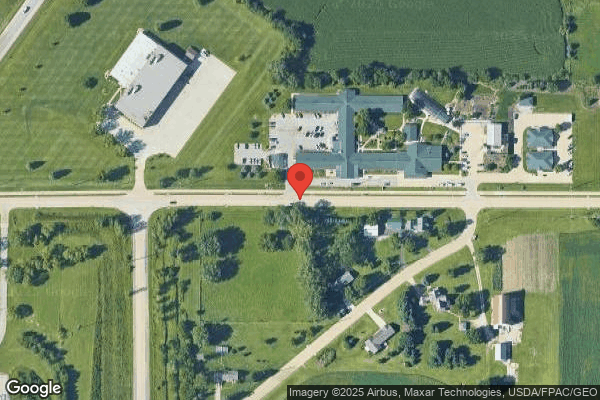
2950 West Shaulis Road, Waterloo, IA 50701 (319) 234-4495
For profit - Limited Liability company 65 Beds LEGACY HEALTHCARE Data: November 2025
Trust Grade
55/100
#196 of 392 in IA
Last Inspection: September 2024

Within standard 12-15 month inspection cycle. Federal law requires annual inspections.

Overview

Harmony House Health Care Center has a Trust Grade of C, indicating that it is average and sits in the middle of the pack among nursing homes. With a state ranking of #196 out of 392 facilities, they are in the top half, but they rank #4 out of 12 in Black Hawk County, meaning there are only three local options that are better. The facility is improving, having reduced its issues from 5 in 2024 to 3 in 2025. Staffing is a weakness, with a rating of 2 out of 5 stars and a turnover rate of 43%, which is slightly below the state average. They have concerning fines amounting to $76,950, which is higher than 92% of Iowa facilities and suggests ongoing compliance problems, and they also have less RN coverage than 80% of facilities in the state. Specific incidents noted in inspections included a failure to use communication devices for residents who relied on them, limiting their ability to express their needs. There were also reports of delays in responding to call lights, with one resident stating that staff often took longer than the 15 minutes required to respond. Additionally, there were concerns about treating residents with dignity, as one resident was not provided with proper bed linens, and a staff member dismissed their concern. While there are strengths, such as some good quality measures, the facility does have notable weaknesses that families should consider.

Trust Score
C
55/100
In Iowa
#196/392
Top 50%
Safety Record
Moderate
Needs review
Inspections
Getting Better
5 → 3 violations
Staff Stability
○ Average
43% turnover. Near Iowa's 48% average. Typical for the industry.
Penalties
✓ Good
$76,950 in fines. Lower than most Iowa facilities. Relatively clean record.
Skilled Nurses
○ Average
Each resident gets 32 minutes of Registered Nurse (RN) attention daily — about average for Iowa. RNs are the most trained staff who monitor for health changes.
Violations
⚠ Watch
12 deficiencies on record. Higher than average. Multiple issues found across inspections.
★★★☆☆
3.0
Overall Rating
★★☆☆☆
2.0
Staff Levels
★★★★☆
4.0
Care Quality
★★★☆☆
3.0
Inspection Score
Stable
2024: 5 issues
2025: 3 issues

The Good

  • 4-Star Quality Measures · Strong clinical quality outcomes
  • Full Sprinkler Coverage · Fire safety systems throughout facility
  • No fines on record
  • Staff turnover below average (43%)

    5 points below Iowa average of 48%

Facility shows strength in quality measures, fire safety.

The Bad

3-Star Overall Rating

Near Iowa average (3.1)

Meets federal standards, typical of most facilities

Staff Turnover: 43%

Near Iowa avg (46%)

Typical for the industry

Federal Fines: $76,950

Well above median ($33,413)

Moderate penalties - review what triggered them

Chain: LEGACY HEALTHCARE

Part of a multi-facility chain

Ask about local staffing decisions and management

The Ugly 12 deficiencies on record

1 actual harm
Aug 2025 2 deficiencies
CONCERN (D) 📢 Someone Reported This

A family member, employee, or ombudsman was alarmed enough to file a formal complaint

Potential for Harm - no one hurt, but risky conditions existed

Deficiency F0558 (Tag F0558)

Could have caused harm · This affected 1 resident

**NOTE- TERMS IN BRACKETS HAVE BEEN EDITED TO PROTECT CONFIDENTIALITY** Based on observation, clinical record review, staff interviews and policy review the facility failed to accommodate all resident...

Read full inspector narrative →
**NOTE- TERMS IN BRACKETS HAVE BEEN EDITED TO PROTECT CONFIDENTIALITY** Based on observation, clinical record review, staff interviews and policy review the facility failed to accommodate all residents by placing call lights in reach at all times for 1 of 6 residents (Resident #11). The facility reported a census of 49 residents. Findings include: Resident #11's Minimum Data Set (MDS) dated [DATE] identified a Brief Interview for Mental Status (BIMS) score of 15 indicating intact cognition. The MDS identified Resident #11 was dependent on staff assistance for bed mobility and all transfers. The MDS documented Resident #11 had limited range of motion to upper and lower extremities to both sides. Residents #11 MDS included diagnosis of Cerebral Vascular Accident (CVA/Stroke) with hemiplegia affecting both sides and seizure disorder.The Care Plan Focus with a target date of 9/1/25 documented Resident #11 had alteration in communication related to CVA (stroke) dysarthria (weakness in muscles used for speech) and anarthria (complete loss of speech motor ability). The Goal reflected Resident #11 would make his basic needs known by answering yes and no questions through the movement of his right foot/leg.The Care Plan lacked direction or information regarding the use of adaptive call light and placement. The Kardex (used by the facility certified nursing assistant CNA as snap shot of resident care) dated 7/30/25 lacked information regarding Resident #11's adaptive call light and placement. On 7/29/25 at 10:15 AM, observed Resident #11 in his wheelchair in his room without a call light within reach. Resident #11's had his call light on his lower left side of his abdomen, near his upper left thigh. Resident #11 had goose bumps and hair standing up on his arms and legs. When asked if he was cold, Resident #11 replied yes by moving his right foot forward and backwards. At 10:55 AM, Resident #11 attempted to call out. When notified the MDS Coordinator went in his room and readjusted his call light. A continuous observation revealed Resident #11 didn't have his call light within reach for 40 minutes at the time the MDS Coordinator went into the room. On 7/30/25 at 10:42 AM, observed Resident #11 had his call light attached with clips to the sheet on the edge of the bed on his right side. When asked Resident #11 if he normally had his call light positioned by his right foot, he replied yes by moving his right foot back and forth. An interview with Staff C, CNA, verified Resident #11 didn't have his call light within reach. Adding, the call light should be positioned next to his right foot so he could reach it. Staff C repositioned the call light next to his right foot.On 7/30/25 at 11:00 AM, the Director of Nursing (DON) reported she expected the staff to position Resident #11's call light next to his right foot. The DON verified the Kardex didn't address his call light. The facility policy titled Call Light Policy revised September 2023 instructed to ensure prompt response to the resident's call for assistance. The policy further directed to place call lights within reach for residents who could use them. In addition, the policy documented the facility could use soft touch call lights if needed.
CONCERN (D) 📢 Someone Reported This

A family member, employee, or ombudsman was alarmed enough to file a formal complaint

Potential for Harm - no one hurt, but risky conditions existed

Deficiency F0582 (Tag F0582)

Could have caused harm · This affected 1 resident

**NOTE- TERMS IN BRACKETS HAVE BEEN EDITED TO PROTECT CONFIDENTIALITY** Based on the electronic health record (EHR), facility records and staff interviews, the facility failed notify the resident or t...

Read full inspector narrative →
**NOTE- TERMS IN BRACKETS HAVE BEEN EDITED TO PROTECT CONFIDENTIALITY** Based on the electronic health record (EHR), facility records and staff interviews, the facility failed notify the resident or their Responsible Party when the facility initiated a change in their level of care and services for 2 of 5 residents reviewed (Residents #38 and #59). The facility reported a census of 49 residents.Findings Include:The facility completed Entrance Conference Worksheet regarding Beneficiary Notice reflected the following discharges from Medicare part A (skilled nursing facility care following a qualifying hospital stay) services on:3/10/25: Resident #38 remained in the facility.3/10/25: Resident #59 remained in the facility.1. Resident #38's Skilled Nursing Facility (SNF) Beneficiary Protection Notification Review listed their last day covered with Medicare Part A services as 3/10/25. The form reflected the facility initiated the discharge from Medicare Part A services when they had benefit days remaining. The facility provided a Notice of Medicare Non-Coverage (NOMNC) but didn't provide the SNF Advance Beneficiary Notice of Non-Coverage (ABN). The reason why the SNF ABN form didn't get provided listed other without an explanation.Resident #38's Clinical Census reviewed 7/31/25 documented the following:2/19/25: Medicare part A services started.3/10/25 Medicare part A services ended, Resident #38 remained in the facility.The facility provided the NOMNC but lacked documentation the Skilled Nursing Facility Advance Beneficiary Notice of Non-Coverage (SNF ABN) had been provided informing her of the cost for services. 2. Resident #59's SNF Beneficiary Protection Notification Review listed his last covered day as 3/10/25. The form indicated the facility initiated the discharge from Medicare Part A Services with benefit days remaining. The facility provided the NOMNC but not the SNF ABN. The reason for not providing the SNF ABN listed he planned to discharge home but choose to stay at the facility.Resident #59's Clinical Census reviewed 7/28/25 identified the following:admitted on [DATE] under Medicare part A services.discharged from Medicare part A services on 3/11/25 and remained in the facility.The Progress Notes lacked documentation, the facility informed Resident #59 of the change in services making him responsible for payment following his discharge from Medicare part A services on 3/11/25.Resident #59's clinical record lacked documentation he received a SNF ABN.In an interview on 7/31/25 at 9:26 AM, Staff D, Social Services, reported being the person responsible for providing notification to the resident or the Resident's Representative when Medicare part A services changed. Staff D verbalized she didn't receive proper training. She didn't provide the NOMNC or the SNF ABN appropriately. Staff D verbalized she got taught if the resident had Medicaid for their payor source, she didn't need to provide the SNF ABN.In an interview on 7/31/25 at 10:31 AM, the Administrator acknowledged the facility didn't provide NOMNC's and SNF ABNs as required regardless of payor source. The Administrator reported they had Staff D scheduled for additional training on providing proper notifications.The facility failed to provide a policy related to the notification of services to a resident and/or the Resident's Representative.
Apr 2025 1 deficiency
CONCERN (E) 📢 Someone Reported This

A family member, employee, or ombudsman was alarmed enough to file a formal complaint

Potential for Harm - no one hurt, but risky conditions existed

Deficiency F0725 (Tag F0725)

Could have caused harm · This affected multiple residents

**NOTE- TERMS IN BRACKETS HAVE BEEN EDITED TO PROTECT CONFIDENTIALITY** Based on resident interviews, staff interview, call light reports and policy review, the facility failed to consistently answer ...

Read full inspector narrative →
**NOTE- TERMS IN BRACKETS HAVE BEEN EDITED TO PROTECT CONFIDENTIALITY** Based on resident interviews, staff interview, call light reports and policy review, the facility failed to consistently answer call lights in a timely manner (15 minutes or less) for 3 of 3 rooms reviewed for call lights and 3 of 3 residents reviewed for call lights (Residents #1, #2 and #5). The facility reported a census of 54 residents. Findings include: 1. Resident #1's Minimum Data Set (MDS) assessment dated [DATE] identified a Brief Interview for Mental Status (BIMS) score of 15, indicating intact cognition. During an interview 4/14/25 at 1:51 PM, Resident #1 reported she used her call light but the staff more frequently than not didn't get to her call light within 15 minutes. 2. Resident #2's MDS dated [DATE] assessment identified a BIMS score of 10, indicating moderate cognitive impairment. Resident #2's Clinical Census reviewed on 4/14/25 reflected they lived in room A18. Review of call light report for room A18 for the time frame of 4/8/25 to 4/15/25 all shifts revealed: 75 call lights with an average to-room elapsed time of 21:35 a) 4/8/25 Bed 2 - 12:10:23 AM - Response time 25:15 b) 4/8/25 Bed 2 - 2:29:51 AM - Response time 2:39:18 c) 4/8/25 Bed 2 - 8:35:46 PM - Response time 33:31 d) 4/8/25 Bed 2 - 9:25:01 PM - Response time 38:34 e) 4/9/25 Bed 2-4:10:56 PM - Response time 59:37 f) 4/10/25 Bed 1 - 7:15:27 AM - Response time 35:01 g) 4/10/25 Bed 2 - 8:31:27 AM - Response time 1:00:10 h) 4/10/25 Bed 1 - 1:37:15 PM - Response time 1:34:03 i) 4/10/25 Bed 2 - 2:09:34 PM - Response time 1:01:33 j) 4/10/25 Bed 2 - 6:33:07 PM - Response time 46:54 j) 4/10/25 Bed 1 - 6:45:23 PM - Response time 38:04 k) 4/11/25 Bed 2 - 4:22:58 PM - Response time 20:00 l) 4/11/25 Bed 2 - 6:34:09 PM - Response time 23:12 m) 4/12/25 Bed 2 - 4:42:35 AM - Response time 53:53 n) 4/12/25 Bed 2 - 8:13:17 AM - Response time 52:44 o) 4/12/25 Bed 2 - 11:37:14 AM - Response time 1:55:33 p) 4/12/25 Bed 2 - 4:56:24 PM - Response time 1:21:34 q) 4/13/25 Bed 2 - 2:29:51 AM - Response time 22:20 r) 4/13/25 Bed 1 - 3:54:35 AM - Response time 43:59 s) 4/13/25 Bed 2 - 5:22:51 AM - Response time 19:41 t) 4/13/25 Bed 1 - 4:47:49 PM - Response time 44:18 u) 4/13/25 Bed 2 - 4:54:01 PM - Response time 37:53 v) 4/13/25 Bed 2 - 8:29:53 PM - Response time 18:01 w) 4/14/25 Bed 2 - 7 :49:30 AM - Response time 22:23 x) 4/14/25 Bed 2 - 7:22:45 PM - Response time 22:02 3. Resident #5's MDS assessment dated [DATE] identified a BIMS score of 15, indicating intact cognition. During an interview 4/14/25 at 12:05 PM, Resident #5 reported the staff didn't always answer their call light timely. Resident #5 added one time he had his call light on and had to wait on the commode for over an hour for staff to respond. 4. Review of call light report for room A11 for the time frame of 4/8/25 to 4/15/25 for all shifts revealed: 17 call lights with an average to-room elapsed time of 1:36:46. a) 4/8/25 Bed 2 - 7:13:01 AM - Response time 1:39:51 b) 4/10/25 Bed 2 - 9:22:26 PM - Response time 43:21 c) 4/11/25 Bed 2 - 3:20:04 PM - Response time 23:07 d) 4/11/25 Bed 2 - 3:48:15 PM - Response time 44:54 e) 4/12/25 Bed 1 - 5:05:05 PM - Response time 18:37 f) 4/12/25 Bed 1 - 5:26:32 PM - Response time 3:35:45 5. Review of call light report for room C6 for the time frame of 4/8/25 to 4/15/25 for all shifts revealed: 109 call lights with an average to-room elapsed time of 11:02. a) 4/8/25 Bed 2 - 10:41:49 AM - Response time 25:09 b) 4/8/25 Bed 2 - 1:35:34 PM - Response time 24:09 c) 4/8/25 Bed 1 - 2:11:00 PM - Response time 39:04 d) 4/8/25 Bed1 - 8:04:36 PM - Response time 30:30 e) 4/8/25 Bed 2 - 8:15:17 PM - Response time 19:46 f) 4/8/25 Bed 2 - 9:46:37 PM - Response time 17:02 g) 4/9/25 Bed 2 - 6:07:45 AM - Response time 1:12:18 h) 4/10/25 Bed 1 - 6:21:37 PM - Response time 24:53 i) 4/10/25 Bed 1 - 7:13:56 PM - Response time 30:26 j) 4/10/25 Bed 2 - 8:40:27 PM - Response time 26:41 k) 4/11/25 Bed 2 - 1:23:38 AM - Response time 4:00:03 l) 4/11/25 Bed 2 - 10:56:13 AM - Response time 29:58 m) 4/11/25 Bed 1 - 12:47:04 PM - Response time 30:34 n) 4/12/25 Bed 1 - 7:26:23 AM - Response time 20:29 o) 4/12/25 Bed 2 - 7:52:54 AM - Response time 28:44 p) 4/12/25 Bed 1 - 8:01:43 PM - Response time 33:51 q) 4/13/25 Bed 1 - 6:53:14 AM - Response time 17:34 r) 4/13/25 Bed 1 - 7:11:44 AM - Response time 35:57 s) 4/14/25 Bed 1 - 7:43:07 PM - Response time 25:44 t) 4/15/25 Bed 2 - 2:15:20 AM - Response time 51:07 u) 4/15/25 Bed 1 - 2:19:58 AM - Response time 46:25 During an interview 4/15/25 at 11:12 AM, the Administrator and Assistant Director of Nursing (ADON) reported if the staff didn't shut off a resident's call light after they entered the resident's room, the call light would continue to show up on the mobile device the staff carry to receive call light notifications and staff should be checking back on the call light. Review of facility policy titled, Call Light Policy, revised September 2023 documented the facility shall answer call lights in a timely manner. During an interview 4/16/25 at 11:10 AM, the Administrator stated she expected the staff to answer the call lights in a reasonable time frame.
Sept 2024 4 deficiencies
CONCERN (E) 📢 Someone Reported This

A family member, employee, or ombudsman was alarmed enough to file a formal complaint

Potential for Harm - no one hurt, but risky conditions existed

Resident Rights (Tag F0550)

Could have caused harm · This affected multiple residents

Based on observation, resident and staff interview, the facility failed to treat residents with respect and dignity for 2 of 5 residents (Residents #5 and #33) reviewed for dignity. The facility repor...

Read full inspector narrative →
Based on observation, resident and staff interview, the facility failed to treat residents with respect and dignity for 2 of 5 residents (Residents #5 and #33) reviewed for dignity. The facility reported a census of 43 residents. Findings include: On 9/9/24 at 11:50 AM, observed Resident #5 looking out of their doorway into the hallway. As the surveyor was walked through the hall, Resident #5 explained he didn't have sheets on his bed. An observation confirmed the bed didn't have a fitted or flat sheet. At the same time Staff J, Certified Nursing Assistant (CNA), approached Resident #5. He told her he didn't have a sheet on his bed. Staff J told him, the bed had a sheet, but it had a stain on it, as she held her hands in a circle approximately 5-6 centimeters, but it was just fine. After a brief pause, Staff J told Resident #5 she would see what she could find and turned to walk down a different hall. On 9/9/24 at 11:55 AM, Staff J returned to Resident #5's room and handed him a plastic bag with linens. After a brief pause, she asked if he needed help putting the sheet on his bed, Resident #5 responded yes. Staff J walked into the room, put the sheet on the bed and walked out without speaking to the resident. During an interview on 9/11/24 at 2:40 PM, Staff K, Licensed Practical Nurse (LPN), explained the facility had an incident in July with a CNA. They became loud and used profanity at the Nurse's Station beside the dining room, with residents in the dining room at the time. She explained they attempted to deescalate the CNA throughout the evening. During an interview on 9/11/24 at 3:03 PM, Staff F, Registered Nurse (RN), talked about an incident from July when he returned to the Nurse's Station after redirecting a resident from the dining room. Staff F explained a CNA at the Nurse's Station became loud while using profanity, with residents in the dining room at that time. He added himself and Staff K actively addressed an acute resident concern while attempting to deescalate the CNA. During an interview on 9/11/24 at 3:57 PM, Resident #33 explained the staff sometimes did get too loud and use profanity when addressing each other. He explained he hadn't heard any for a while but remembered an incident from a couple months ago. He further explained he didn't like to hear the staff get loud and use profanity, as it made him feel bad.
CONCERN (E)

Potential for Harm - no one hurt, but risky conditions existed

Food Safety (Tag F0812)

Could have caused harm · This affected multiple residents

Based on observation, United States Food and Drug Administration (FDA) 2022 Food Code and staff interview, the facility failed to promote good food handling when the staff touched the resident's food ...

Read full inspector narrative →
Based on observation, United States Food and Drug Administration (FDA) 2022 Food Code and staff interview, the facility failed to promote good food handling when the staff touched the resident's food with dirty gloves for 4 residents observed (Residents #9, #13, #22, and #31). The facility identified a census of 43 residents. Findings include: The Week 4 Monday Lunch Menu listed the following menu: a. 1 each fish sandwich b. #12 scoop macaroni salad On 9/9/24 at approximately 11:38 AM witnessed Staff A, Cook, rolled the steam cart from outside the A hallway dining room up to the main dining room. Before starting the meal service in the main dining room, Staff A didn't wash her hands. At 11:41 AM while wearing a glove on her right hand, Staff A touched a bun to make a fish sandwich, then touched a scoop to scoop macaroni salad onto a plate. Staff A handed the plate to another staff member to serve out to a resident. Staff A, wearing the same glove on her right hand removed the tie on a bag of buns, reached in with her right gloved hand and took a bun from the package to lay on a plate. Staff A grasped the tongs with her right gloved hand, placed a piece of fish on the bun, then used her right gloved hand to place the top of the bun on the sandwich. Staff A then grasped the scoop with her right gloved hand to place salad on the plate. Staff A prepared a total of four fish sandwiches using the same technique. At 11:44 AM after serving fish sandwiches to Residents #9, #13, #22, and #31, with the same dirty glove, the Certified Dietary Manager (CDM) came to the steam table and quietly instructed Staff A. Staff A replied turned as the CDM walked away and asked, what she meant that she couldn't use a glove? Staff A obtained tongs from the kitchen and finished serving out the 11:30 AM main dining room. Staff A already served the fish sandwiches to the A wing dining room prior to being corrected on her technique by the CDM. The Early Meal Service Dining Seating Chart showed 14 residents in the A wing dining room. Observed over seven residents in the A wing dining room receive the fish sandwiches. During an interview on 9/10/24 at approximately 11:05 AM the CDM reported she expected the dietary staff to use tongs and not touch the food with gloves that touched other items. She verbalized she is constantly re educating the dietary staff. On 9/11/24 at 5:07 PM the Administrator responded the facility didn't have a food handling policy, as they followed the most up to date food code. The FDA 2022 Food Code under 3 301.11 Preventing Contamination from Hands directed food employees wash their hands as specified under § 2 301.12. Food Employees may not contact exposed, ready to eat food with their bare hands and shall use suitable utensils such as deli tissue, spatulas, tongs, single use gloves, or dispensing equipment.
CONCERN (E) 📢 Someone Reported This

A family member, employee, or ombudsman was alarmed enough to file a formal complaint

Potential for Harm - no one hurt, but risky conditions existed

Deficiency F0839 (Tag F0839)

Could have caused harm · This affected multiple residents

**NOTE- TERMS IN BRACKETS HAVE BEEN EDITED TO PROTECT CONFIDENTIALITY** Based on employee file review, job descriptions review and staff interview, the facility failed to ensure professional nursing s...

Read full inspector narrative →
**NOTE- TERMS IN BRACKETS HAVE BEEN EDITED TO PROTECT CONFIDENTIALITY** Based on employee file review, job descriptions review and staff interview, the facility failed to ensure professional nursing staff held current and valid licenses for 1 of 2 professional nursing employee files reviewed (Staff F, Registered Nurse). The facility reported a census of 43 residents. Findings include: Staff F's, Registered Nurse (RN), employee file contained a license verification from Nursys (online database of nursing licenses in Iowa) reflecting their license expired on [DATE]. The facility schedule and employee time clock punches showed Staff F continued to work in the role of floor nurse and Health Services Supervisor (HSS) from [DATE] through and including [DATE]. The Charge Nurse (floor nurse) job description reviewed [DATE] signed by Staff F on [DATE] included qualifications of a current and active license. The Unit Manager (HSS) job description reviewed [DATE] signed by Staff F on [DATE] included qualifications of Registered Nurse or License Practical Nurse with knowledge in long term care. During an interview on [DATE] at 3:03 PM, Staff F explained he missed the email from the Board of Nursing for renewal. He explained the facility notified him his license expired when they pulled his personnel file (as part of DIAL survey). During an interview on [DATE] at 3:53 PM the Administrator explained they had a system in place for tracking professional licenses. She added they overlooked Staff F and didn't include him on their spreadsheet. During an interview on [DATE] at 4:58 PM the Director of Nursing (DON) explained she expected all nurses to have a valid license.
CONCERN (E)

Potential for Harm - no one hurt, but risky conditions existed

Infection Control (Tag F0880)

Could have caused harm · This affected multiple residents

**NOTE- TERMS IN BRACKETS HAVE BEEN EDITED TO PROTECT CONFIDENTIALITY** Based on observation, clinical record review, Center for Disease Control and Prevention (CDC) Guidance, policy review, and staff...

Read full inspector narrative →
**NOTE- TERMS IN BRACKETS HAVE BEEN EDITED TO PROTECT CONFIDENTIALITY** Based on observation, clinical record review, Center for Disease Control and Prevention (CDC) Guidance, policy review, and staff interview, the facility failed to have an adequate supply of personal protective equipment (PPE) for 1 of 1 resident reviewed for COVID 19 isolation (Resident #146). In addition, the facility failed to cover laundry during transport and ensure laundry remained free from cross contamination. The facility identified a census of 43 residents. Findings include: Resident #146's Minimum Data Set (MDS) assessment dated [DATE] identified a Brief Interview for Mental Status (BIMS) score of 6, indicating a severe cognitive loss. Resident #146 required supervision/touch assistance for eating, oral hygiene, toileting hygiene, and set up/clean up assistance for upper/lower body dressing and putting on/taking off footwear. The MDS included diagnoses of atrial fibrillation (abnormal heart rate), coronary artery disease (CAD, impaired arterial blood flow), hypertension (high blood pressure), diabetes mellitus, and cerebrovascular accident (stroke). A Progress Note dated 9/9/24 at 7:59 AM documented the facility notified Resident #146's family member he tested positive for COVID 19 and would be in isolation. On 9/9/24 at 4:28 PM the Surveyor entered the room of a COVID-19 positive resident for initial pool screening. A sign on door directed all persons entering the room to wear PPE including eye protection. The sign also indicated PPE should be removed prior to leaving the room. The cart of supplies outside room contained all PPE necessary, including 1 face shield with foam where the mask would rest on the forehead and 1 face shield with glasses type frame. The Surveyor wore the glasses frame type face shield. Upon exiting the room, there were no supplies to sanitize the face shield on the supply cart. On 9/9/24 at 4:34 PM when asked expectations for eye wear when coming out of a COVID-19 isolation room, the Administrator replied she had more face shields on order and the face shields would be in the next day. When asked if they should dispose or sanitize and reuse the shields, she reiterated she had shields on order and they would arrive to the facility the next day. The Administrator didn't respond regarding what she expected about if eye protection should be disposed of or sanitized for reuse. On 9/10/24 at 8:09 AM watched Staff B, Certified Nurse Aide (CNA), donned (put on) an isolation gown, gloves, NIOSH (National Institute for Occupational Safety and Health) 95 mask (an N95 respirator is a respiratory protective device designed to achieve a very close facial fit and very efficient filtration of airborne particles) and wore her prescription eye glasses into Resident #146 COVID-19 isolation room. Staff B failed to don a face shield over her prescription eye glasses or wear side shields on her prescription glasses for appropriate PPE. Observation of Resident #146 Room at the time revealed two posting: CDC Enhanced Barrier Precaution Sign, everyone must: a. i. Clean their hands, including before entering and leaving the room. ii. Providers and staff must also: wear gloves and a gown for the following high contact resident care activities: dressing, bathing/showering, transferring, changing linens, providing hygiene, changing briefs or assisting with toileting, device care or use: central line, urinary catheter, feeding tube, tracheostomy, wound care: any skin opening requiring a dressing. Do not wear the same gown and gloves for the care of more than one person. United States Department of Health and Human Services, CDC. b. Isolation: only staff enter room. Must have all the following PPE on before entering isolation gown, hair cover, gloves, booties, N95 mask or respirator. Do not bring equipment in the room. Room has disposable equipment that stays in the room. Remove all PPE before leaving the room and use hand sanitizer or wash hands. During an interview on 9/10/24 at 11:50 AM Staff B said she knew she is to wear eye protection into a COVID-19 room. She reported she didn't wear a face shield that morning for Resident #146's care as they didn't have face shields in the isolation bin. If they bin had face shields, she would have worn one. On 9/11/24 at 4:40 PM the Administrator reported she put a whole package of face shields in Resident #146 isolation bin, so they had face shields available for use. Interview on 9/12/24 at 8:30 AM with Staff C, Respiratory Therapist, explained the facility required the staff to wear an isolation gown, gloves, and an N95 mask into a COVID-19 isolation room. On 9/12/24 at 8:32 AM Staff D, CNA, verbalized they need to wear gloves, an isolation gown, and a mask (failed to specify type of mask) when a resident is on isolation for COVID-19. On 9/12/24 at 8:33 AM Staff E, Licensed Practical Nurse (LPN) reported the facility required the staff wear an isolation gown, gloves, N95 mask, and face shield for COVID-19 isolation. The staff received education at the beginning of the shift of who needed PPE. Staff E responded eye glasses are a form of eye protection. When asked if the eye glasses had side shields, Staff E responded she didn't know that was a requirement. Staff E added all the nurses and Certified Medication Aides (CMAs) on duty are responsible to monitor staff wore the correct PPE. On 9/12/24 at 8:40 AM watched Staff B leave room C-5 wearing her prescription eye glasses as they fell down and she tried bumping them back up with the back of her hand. Staff B reported she didn't know she needed to disinfect her prescription eye glasses when coming out of a COVID-19 room. She didn't disinfect her eye glasses when she exited Resident #146 room. She reported management assigned them a wing but the aides also go where needed on the A, B, and C wings for resident care. She provided care to other residents on 9/10/24 in addition to Resident #146. She reported she wouldn't know what to clean her glasses with after being in a COVID-19 isolation room. During an interview on 9/12/24 at 9:35 AM the Infection Preventionist verbalized she had the responsibility to monitor the staff wore the correct PPE into resident rooms. She expected the staff to wear an isolation gown, gloves, a N95 mask, face shield, and booties when providing care in a COVID-19 isolation room. The Infection Prevention and Control Program (IPCP) Guidelines Policy, revised September 2022, directed through a means of surveillance, investigation, prevention, control and reporting, the facility maintains an infection control program that: a. Provided a safe, sanitary, and comfortable environment; b. Helped prevent the development and transmission of communicable diseases and infections. In addition, the policy instructed to initiate droplet precautions when determined the infection is transmitted directly from the respiratory tract of an infected individual to susceptible mucosal surfaces of the recipient. (Respiratory droplets are generated when an infected person coughs, sneezes, or talks). Since transmission generally occurs at close proximity, facial protection is necessary. (Respiratory viruses can enter the body via the nasal mucosa lining of the inside of the nose, conjunctiva helped to keep the eye moist by producing mucus and tears, and less frequently the mouth). The policy indicated the staff use a mask when within 3-10 feet of a resident where droplet precautions utilized. The CDC Infection Control Guidance: SARS-CoV-2 (Severe acute respiratory syndrome (SARS) is a viral respiratory disease caused by the SARS associated coronavirus), updated June 24, 2024 under Recommended Infection Prevention and Control (IPC) Practices when Caring for a Patient with Suspected or Confirmed SARS-CoV-2 infection specified health care personnel who enter the room of a patient with suspected or confirmed SARS-CoV-2 infection should adhere to Standard Precautions and use a NIOSH Approved particulate respirator with N95 filters or higher, gown, gloves, and eye protection (i.e., goggles or a face shield that covers the front and sides of the face). 2. On 9/9/24 at 12:57 PM witnessed Staff G, Laundry, rolled an uncovered hanging laundry cart down the A hallway with clean laundry into several resident rooms. A bath blanket hung folded at the end of the cart. The Surveyor stood within 10 feet of the cart as Staff G passed laundry down the A hallway. Staff G never made any attempts to cover the hanging laundry with the bath blanket. The hanging laundry cart parked by Resident #146 room. On 9/11/24 at 9:30 AM observed the laundry room and saw a large, approximate 3 foot by 3 foot, 10 inch deep Black Hawk fan with a thick build up of gray lint, dust and debris through the front fan guard. The fan contained a heavy layer of gray dust on the three fan blades, inside the fan, and had a large build up of gray lint, dust, and debris build up throughout the rear fan guard. Witnessed the fan running on high blowing less than 8 10 feet of the folding table for clean laundry. On 9/11/24 at 9:34 AM Staff H, Laundry, parked a laundry bin in front of the end dryer less than 2-3 feet in front of the dirty fan. Staff H pulled clean clothes out of the dryer and hung the clean clothes over the side of the bin with the fan blowing on the clean clothes versus putting the linens down in the bin. On 9/11/24 at 9:43 AM Staff H reported they tried to wipe the fan down once a week with paper towels. It got really dusty down there. As far as she knew, they didn't document the fan cleaning. When asked if they had a cleaning list of what needed cleaned and how to clean in the laundry room, she responded, no, she just knew what needed wiped down. She reported they signed off on a Monthly Cleaning Documentation sheet. On 9/11/24 at 9:44 AM the review of the September 2024 Monthly Cleaning Documentation sheet reflected the following: a. 9/11/24 Daily sweep/mop at the end of shift already signed off by Staff I, Laundry. b. 9/11/24 Daily lint filters cleaned at the end of shift already signed off by Staff I. c. 9/11/24 Daily surfaces disinfected already signed off by Staff G, Laundry. d. 9/11/24 Duty of the day, see above (clean dirty linen barrels) already sign off by Staff G. The Monthly Cleaning Documentation sheet lacked direction and documentation of fan cleaning. On 9/11/24 at 9:44 AM Staff I verbalized she signed the sheet as she would complete the duties that day. On 9/11/24 at 9:50 AM the Environmental Services Coordinator reported they usually cleaned the fan once a week and it didn't get that bad. They clean the fan weekly either by wiping it with a Swiffer pad or by using a shop vacuum to blow out the fan. He added they didn't document the cleaning of the fan. During an interview on 9/12/24 at 9:37 AM the Infection Preventionist reported she didn't do anything with the laundry department for infection control, but a dirty fan shouldn't blow on clean clothes and they should cover the clothes when the clean laundry comes out to the floor. During an interview on 9/12/24 at approximately 11:00 the Administrator reported the facility didn't have a separate laundry policy or a fan cleaning policy. The facility utilizes the Infection Prevention and Control Program Policy. The Infection Prevention and Control Program (IPCP) Guidelines Policy, revised September 2022, lacked direction regarding prevent contamination (dirty or absorb infection) when transporting laundry.
Jan 2024 1 deficiency 1 Harm
SERIOUS (G) 📢 Someone Reported This

A family member, employee, or ombudsman was alarmed enough to file a formal complaint

Actual Harm - a resident was hurt due to facility failures

Resident Rights (Tag F0550)

A resident was harmed · This affected 1 resident

**NOTE- TERMS IN BRACKETS HAVE BEEN EDITED TO PROTECT CONFIDENTIALITY** Based on observations, interviews, and record review the facility failed to ensure communication devices were utilized for 2 out...

Read full inspector narrative →
**NOTE- TERMS IN BRACKETS HAVE BEEN EDITED TO PROTECT CONFIDENTIALITY** Based on observations, interviews, and record review the facility failed to ensure communication devices were utilized for 2 out of 3 residents reviewed (Resident #1 and Resident #2). Resident #1 had a communication device that used a button he controlled with his head to select words and phrases on a computer. The communication device could be used when it was not on his wheelchair(w/c). The nursing staff were not educated on how to use the communication device nor did they know they could use the communication device, therefore Resident #1 was communicating with the staff by answering yes or no questions only, limiting his ability to communicate his wants and needs to his full potential. Resident #2 had a picture board with pictures of items that she would/could frequently request. Staff interviewed did not know about a picture board for Resident #2 and stated they had not used the picture board with Resident #2. The picture board could not be found in this resident's room. The facility reported a census of 40 residents. Findings include: 1. Minimum Data Set/s (MDS/s) for Resident #1 dated 9/5/22, 12/1/22, 3/2/23, and 6/1/23 all had a Brief Interview of Mental Status score of 15 out of 15, which indicated intact cognition. The MDS dated [DATE], had a BIMS score of 0 out of 15, which indicated severe cognitive impairment. It documented that this resident was able to complete the BIMS. The Census sheet for Resident #1 documented that this resident admitted to the facility on [DATE]. It documented that the facility stopped billing on 12/28/23. The Medical Diagnoses Page for this resident showed his diagnoses included spastic quadriplegic cerebral palsy dated 8/29/22, epilepsy dated 8/29/22, and major depressive disorder, recurrent severe without psychotic features dated 3/30/23. A Care Plan directed that Resident #1 had been admitted to skilled level of care and that Speech Therapy would be working with Resident #1 with personalizing and making adjustments to his communication device. It was canceled on 9/20/22 but had a target date of 12/26/23. This Care Plan directed that the PASRR (Pre-admission Screening and Resident Review) had identified that Resident #1 could benefit from rehabilitative services with a target date of 12/26/23 and a cancel date of 12/28/23. It directed that assistance with assistive technology be overseen by the facility Social Worker. This intervention had a start date of 8/29/22 and was resolved on 12/11/23. On 1/23/24 at 10:45 a.m., Staff A, Speech Therapist (ST), stated they have two companies that provide communication devices and services for the device, repairs, tech support, and that kind of thing. This ST stated they had three residents with communication devices and now the facility had two residents that had communication devices. Staff A stated that 1 resident, Resident #1, discharged closer to his family. She stated that the facility did have some technical issues with the switch Resident #1 used. Staff A stated Resident #1 used a head switch in his head support on his w/c. She stated Resident #1's communication device would show him phrases or words and he would make selection with the head switch. Staff A stated Resident #1 was able to use the communication device when he was in bed too. She stated that staff knew how to help him with that. Staff A stated she did not know of any concerns from him that he was unable to use the device. Staff A stated it worked via blue tooth. She stated that occasionally they would have to reboot the device so it would pair with the blue tooth. She stated Resident #1 used the device often. He could answer yes/no questions-by nodding or shaking his head. She stated that she often would see Resident #1 using the device in bed as well as in his w/c. On 1/23/24 at 12:24 p.m., Staff B, Certified Nurse Aide (CNA), stated that Resident #1 used his communication device when he first got to the facility before his chair broke. Staff B stated they could meet his needs as Resident #1 would tell them yes or no. Staff B stated that this resident preferred to stay in bed. Staff B stated she did not see him use his communication device in bed. She stated he always communicated with them by head gestures yes or no. On 1/23/24 at 12:30 p.m., Staff A, ST stated that Resident #1 was proficient with his communication device so she did not have him on their caseload. On 1/23/24 at 12:35 p.m., Staff C, CNA, stated that Resident #1 only used his communication device for the first year that he came but then after that she didn't see it. She stated the reason he wasn't using it had something to do with the chair. She said the communication device was impossible to use in bed. He had to be in the chair to use it. She stated he would communicate with staff by answering yes/no questions. Staff C stated that when his chair was working he used the communication device all of the time. Staff C added that Resident #1 really liked to use it. Staff C stated she would say that Resident #1 was upset that he couldn't use the communication device anymore but he never told Staff C that but he really only could answer yes or no questions. After his chair broke, they did fix it but he needed a piece for the communication device. He never did get the part on the w/c and discharged without being able to use his communication device again. Staff C said that it was a good year that he went without the communication device. On 1/23/24 at 12: 45 p.m., Staff D, CNA stated that she had only worked at the facility for a month. She stated that she noticed Resident #1 moved out of the facility. She stated that Resident #1 did not use a communication device. On 1/23/24 at 12:50 p.m., Staff A stated that she definitely had seen Resident #1 using his communication device in bed. She said there should be documentation regarding Resident #1 using the communication device in bed. She stated that Resident #1 had a stand as well that they could put the computer on. Staff A stated that it was used mostly with his family when they visited. On 1/23/24 at 1:00 p.m., Staff A stated that Staff E, Speech Restorative Aide was the one who would use the communication device to meet with Resident #1. Staff E no longer worked at this facility. On 1/23/24 at 1:45 p.m., Staff F, CNA stated that Resident #1 used the communication device until his w/c broke. He was not able to use it in bed or in a geri chair (a padded reclining chair on wheels). She stated he communicated with yes or no answers. On 1/23/24 at 2:40 p.m., the Director of Nursing (DON), the Licensed Nursing Home Administrator (LNHA), Staff G, Social Worker (SW), Staff H, Nurse Manager, and Staff I Nurse Manager/MDS Coordinator came in to talk about Resident #1's communication device. Staff G stated Resident #1 was unable to answer the MDS questions without the device, so that is why she was unable to have him answer the BIMS questions on the most recent MDS's. The group stated that he was able to use the device in a geri-chair but it took at least 2 staff to help hold him up right as he was so spastic. They had to replace many buttons (used to choose words or phrases that he could see on his computer). The w/c he came with had zip ties, shoe strings, and duct tape all over it. They finally were able to replace his w/c but did not get the right parts to hook the communication device back on to it. Staff H stated that he opted not to get up in the geri chair very often because he hurt when he sat in it. He would get up for meetings and it would take several of them to assist him with working the communication device. She stated he couldn't use it in bed because of the spasms. Staff H stated that Resident #1 took bed baths because he refused the shower chair. He couldn't activate his call light because of his spasms. The SW and DON pointed out that they still gave him the call light and would always answer it if it did go off. They stated he would yell out if he needed something. He was very verbal. It sounded somewhat like a loud guttural sound and he would sometimes do this when he saw staff walking by. When asked about the speech restorative person using the device in bed or on the stand-almost daily they stated they didn't know anything about that. They would have to verify that with her. Stated they had replaced many buttons for him and many wires as he would have a spasm and knock the wire out that connected the communication device to his computer. They at one point switched it to Blue Tooth but then there were issues with the 2 devices syncing. A timeline was requested of chair breaking down and communication device issues. On 1/23/24 3:20 p.m., the LNHA stated for a timeline on the communication device, it's difficult because it was always hit or miss. Something would go wrong and they would try to fix it. She stated her IT (Information Technology) guy had worked on it a few times as well. The communication device was made for the wheelchair and was old. The IT staff tried to adapt the communication device to be used off of the w/c and it was difficult to do. When asked about wasn't there another way to administer the MDS when a resident has communication difficulties, the Administrator stated that the SW had checked with corporate office to see how she was to code his MDS. The administrator said that the IT person would not have made notes on what he tried to help with. The manufacturer would have made the repairs needed. The IT staff would have just tried to make things work in the meantime. She will look for any documentation from the company that serviced the communication device. On 1/23/24 at 3:35, the LNHA brought in SW notes stating the notes show somewhat of a timeline for repairs with his communication device and wheelchair. She stated she understands the concerns and is trying to figure out the best way to get the information. On 1/23/24 4:05 p.m., Resident #1's Current Caregiver stated that Resident #1 had an attorney and that was how he was able to get a new w/c and how he was able to go to a different care providing service. She stated that Resident #1 had been failing for about 9 months. She stated he now has a new wheelchair and his doctor had put in an order for his headrest to be revamped so the communication device would work. On 1/23/24 at 4:08 p.m., a Facetime call was placed to Resident #1 with his current caregiver holding the phone. Resident #1 did not have a communication device and they are in the process of getting one. He can answer yes or no questions. Resident #1: nodded emphatically yes to feeling emotionally distraught related to not being able to use his communication device to communicate with the staff while at the facility He nodded yes to the staff not using the communication device to talk with him while in bed. He nodded yes to using the communication device while in a geri chair and nodded yes to it taking more than one staff to assist with this at times. He nodded yes to the facility assisting with this for meetings with his case worker. He nodded yes emphatically to feeling depressed regarding not using his communication device. He nodded yes to not wanting to get up for showers. This resident shook his head no when asked if he didn't want to get up out of bed and into a geri chair. He nodded yes when asked if he refused to get up sometimes but that didn't mean he didn't want to get up all the time. He nodded yes to the speech restorative aide/Staff E using the communication device with him while he was in bed. He nodded yes to enjoying those moments when he could use his device to communicate He nodded yes to having a stand that the communication device could be placed. He nodded yes to his family using this device when they would visit him at the facility. On 1/23/24 at 5:15 p.m., Staff E, stated Resident #1 used his communication device pretty much all of his life, or at least some kind of communication device. She stated he could answer yes or no questions without the device. She thought she talked with Resident #1 at least twice a week. When asked how long she had been meeting with him, she stated pretty much two times a week for the whole time he had been at the facility. She never saw any of the CNAs using the communication device to talk with him. She said Resident #1 would have preferred using his device instead of answering yes or no questions with staff. She stated that Resident #1 was really proficient at using the device and again stated he had been using a device for pretty much all of his life. She stated she did not take notes on their visits as he was not on a speech program. She stated that she stopped in twice a week just to check in on him. On 1/24/24 at 11:30 a.m., the DON and LNHA asked what was needed. Shared that the concern is that the ability was there to use the communication device and it wasn't being used. Staff E used it twice a week pretty much since he arrived at the facility to communicate with this resident. When asked about the family using the device when they came, the DON stated that yes the family did use the communication device. The DON stated the facility would set that up for the family. On 1/24/24 at 11:46 a.m., Staff J, Program Coordinator/CNA/CMA(Certified Medication Aide), stated that Resident #1 could say yes or no. She stated he could say other words too. Once you get to know him you can understand him if you ask him things. Staff J then said she guessed you would have to ask yes or no questions. She stated that she had never saw him use his communication device in bed. She stated the facility got the tri pod and she had tried to set it up. She stated that she thought Staff E worked with him using the tri pod. Staff J stated that when he was in the chair the communication device worked really well. Staff J did not know how he would use the communication device while lying in bed anyway. She said she didn't know how it would work out. She stated the CNAs would basically go in and ask Resident #1 if he wanted the TV or something on and he would answer yes or no. Staff J stated that if Resident #1 seemed upset, they could figure out what he needed. She said he would make noise if he needed something and they would assist him. She stated they would ask him a couple of questions and within those couple questions we could figure out what he needed. He would use the communication device all the time when the chair was working. He was very funny and very intelligent. Staff J stated that when they got him up he was uncomfortable with getting up in the geri chair (not his wheelchair) and would want to lay right back down. Staff J stated during Covid isolation it was really awful, residents were so lonely. Staff J stated she didn't know if he felt that way. She stated understanding that he wasn't using a communication device with the staff and that took away the ability to tell them more. She stated he did use the device easily when it was on his w/c. Staff J stated she could see how that might have impacted him. Staff J stated that most of the time he had a smile on his face and when she left the room, he seemed content. Staff J stated she wouldn't be able to say if he was feeling otherwise. Staff J stated she could put herself in his shoes, and if it were her, she would want to be able to use the device so she could communicate her feelings. On 1/24/24 at 1:15 p.m., the SW was asked if she had done all MDS's prior to the one done in 8/2023 with Resident #1 using his communication device. She stated she only used the communication device on the admission/initial MDS and was not able to use it after that. She did not know how she did the MDS's without the device and could not find documentation on how she completed it. She would keep looking for documentation. She stated that Resident #1 was a very intelligent young man and that he had no signs of decline in his cognitive status. The SW was not aware that his communication device could have been used. She stated that she called the office regarding how to do his MDS in August of 2023 and they directed her to document the staff response questions for the MDS and not document as his answers. A SW progress note dated 9/6/22 at 1:16 p.m., documented that Resident #1's Disability Attorney called to check on Resident #1. She inquired about his transition to the facility and how he was doing. SW informed Attorney about a couple of Resident #1's statements; This is the best place for me medically but not mentally, and l am too smart for this place. Resident #1 has asked his Dad if he will be here forever. On 09/02/2022 Resident #1's Mom and Grandmother came to visit him and the SW informed the family of these same statements. Mom stated that it may be possible for him to take online classes but she would consult one of his sisters, who is a professor. The SW shared this information with the Attorney because she believed that his mental state of mind can play a factor in his health. Attorney stated that she will periodically call and check on Resident #1. A SW note dated 9/7/22 at 3:27 p.m., documented the Disability Attorney called the facility at 1 :37 PM for a Zoom Call that was supposed to happen at 1 :30 PM. This resident was in bed at the time. Case Manager joined the call about 15-20 minutes later. Once the resident was in his chair, the head rest was off centered so he was not able to use his communication device to speak with the Attorney. Multiple people were in and out of the room to try to adjust his headrest; Nurse Manager, a Med Aide, two CNAs, Environmental Supervisor, the Occupational Therapist (OT), and the SW. It was very noticeable today that the headrest was positioned different. Attorney expressed her concern about this resident not being able to communicate to staff but SW assured the Attorney that the resident had been able to communicate to staff, it seems the problem did not arise until today. The best conclusion was for the Case Manager to contact the individual who used to adjust this resident's chair for possible repairs. Staff will need to be educated on the functions of Resident #1's device, and other functions of his chair. Attorney stated that she will call the facility at another time to discuss the repairs of the headrest and also to reschedule the Zoom call that she initially called for. The Zoom call was supposed to be private (no staff assistance). A SW note dated 9/21/22 at 3:00 p.m., documented that a service man came to the facility to assess the Resident's chair. He stated that the headrest was very loose and needed tightening. It appeared that he tightened the headrest and exited the building in a quick manner. SW noticed the difference in the headrest but Resident was in bed in order to try out adjustments. OT was out on a home visit when he arrived to the facility. A SW Note dated 11/10/22 at 2:23 p.m., documented that this resident's uncle came to the facility today for a visit. SW introduced herself to the uncle and told him where he could find SW office if he needed anything. The uncle came to the SW office to ask if Resident #1 had his communication device at this facility. SW went to Resident #1's room and noticed that his Device was sitting on the sink countertop. SW found the wire to his device tucked under his wheelchair broken into two pieces ([NAME] wires). The uncle put the wires back together and put black tape on them. SW plugged in device as it was dead. Resident #1 was then able to communicate with his uncle. This resident also wanted his wheel chair adjusted but the wheelchair was dead. A CNA came to show SW and the uncle how to charge the chair and she also adjusted a brace on the chair. SW was very surprised that there was not a note about Resident #1's communication device being disabled. SW spoke with Resident #1 on Tuesday and the communication device was working properly. SW will talk with therapy to clarify if the facility would have to order a new wire or if IT can do it. SW will notify Nurse Manager of these issues and continue to follow progress. A SW note dated 11/25/22 at 4:10 p.m., documented the Nurse Manager, IT, and SW are aware of Resident #1's issues with his communication device. We are working hard to resolve this issue as soon as possible. Family and Administrator has been notified. SW will continue to follow. A SW note dated 12/1/22 at 10:32 a.m., documented Resident #1 was in his room in his chair when SW approached him to conduct the MDS assessment. Resident #1 had a BIMS score of 15 and a PHQ-9 score of 04. This resident indicates that he has little interest or pleasure doing things 7-14 days within the last two weeks. He also expressed feeling down or depressed around the same frequency. Recently, this resident has been having issues with his communication device, which could play a role with how he feels. After consulting with the device tech support, they are confident that he needs a new head switch to operate the device. A speech pathologist will be consulted to support the next steps with fixing this ongoing issue. SW will continue to follow until the device has been serviced and then this resident can be reevaluated to see if his mood has changed. A SW Note dated 6/12/23 at 10:59 a.m., documented that Resident #1 had a meeting today with his Disability Right's lawyer and Disability Rights Advocate. His lawyer came to the facility to obtain consents from Resident #1 to work on the case of his wheel chair being repaired. Resident #1 has been waiting for months to get parts for his chair and more recently, was denied to pay for parts because it is the facility's responsibility according to the Provider's Manual. His lawyer is trying to see how she can fight this situation . SW will continue to follow. A SW Note dated 08/31/23 at 9:51 a.m., documented that the SW conducted the Staff MDS assessment with CNA. Resident #1 is usually able to respond to interview questions himself, but he is not able to use his device due to ongoing wheel chair repairs. SW will re-conduct assessment after Resident #1 is able to use his device again. There are not any cognitive changes that staff are aware of at this time. Resident #1's attorney is working hard to hold insurance accountable for wheelchair repairs. The team is working hard as well to help find placement out in the community for this resident. SW will continue to follow progress. A SW Note dated 11/28/23 at 12:24 p.m., documented SW conducted the Staff MDS assessment with a CNA. Upon conclusion of the interview, Staff believes that this resident may have felt down two times within the last couple of weeks due to the holidays and wanting to be with the new host-home within the community. Staff also indicates that this resident's short and long term memory is ok. Staff believes that this resident is aware of the current season and is aware of staff names and faces. Overall, Resident #1 appears to be cognitive to time, place, and people around him. There were no changes to code status at this time and the goal for him to return to the community is currently active. A Nursing Note dated 5/5/23 at 10:19 p.m., documented that the nurse (Staff H) would like to have speech therapy do an evaluation with resident to take a look at his communication device to see if they can write up steps for staff on how to set it up properly for him to use. A Doctor's Order dated 5/9/23, directed a speech evaluation be done for communication device directions for staff. On 1/24/24 at 2:45 p.m., the DON and LNHA stated they were not aware of an order regarding Speech Therapy providing education to staff on how to use Resident #1's communication device. They acknowledged the concern regarding Resident #1's communication device was not being utilized by the staff for ease of communication. They acknowledged the concern that this could have impacted his mental health and his well-being. 2. A MDS dated [DATE], documented that diagnoses for Resident #2 included cerebral palsy and intellectual disabilities. The BIMS was answered by staff and indicated that this resident's cognition was severely impaired. A Care Plan directed staff that sometimes Resident #2 has problems communicating related to being non-verbal. Resident #2 would maintain current level of communication function by making sounds, using appropriate gestures, responding to yes/no questions appropriately, through the review date. The target date was 2/6/24. On 1/23/24 at 10:45 a.m., Staff A stated that Resident #2 had low tech picture pages that staff can use to communicate with her. There was a picture of suctioning on it for Resident #2 let staff know that she would like to be suctioned as Resident #2 requests this often. On 1/23/24 at 12:24 p.m., Staff B stated Resident #2 smiles when the answer is yes. Her aunt has told us she doesn't like to lie down. When we check and change her she makes a face like she is going to cry until she gets back up. Staff B stated they can tell what she wants/needs because of her smiling or a dissatisfied facial expression. She likes to be up out of her room and out here in the dining room. Following the above interview, the Licensed Nursing Home Administrator went into the resident room and was unable to locate the low tech picture pages. On 1/23/24 at 12:35 p.m., Staff C stated that Resident #2 communicates by moving her head yes or no. We know what she wants with cares as she can communicate that to us. Staff C stated she had not seen a picture board/pages that they were to use with her. On 1/23/24 at 12: 45 p.m., Staff D stated that Resident #2 sometimes would look down for yes or move head side to side for no. On 1/24/24 at 11:46 a.m., Staff J stated that she had never seen Resident #2 use a picture board/pages. On 1/24/24 at 1:30 p.m., Staff A stated the picture boards were kept on Resident #2's bedside table. Staff A stated she looked for them as she was just asked about them and could not find them. Staff A stated that Resident #2 was packed up as she was going to move out of state but now she was not going to move. When told that the staff were unaware that there was a communication board with pictures on it, she stated they should have known. This Speech Therapist stated the communication aides were left in sight so that staff could use them. She stated they were on the bed side table. On 1/24/24 at 2:45 p.m., the DON and LNHA acknowledged the concern that Resident #2 had a picture board to aide in communication. They acknowledged that staff reported not knowing about the picture board. The administrator stated they are unable to locate the picture board. An undated Enhancing and Maintaining Quality of Life policy, directed the following to staff: The facility will care for its residents in a manner and in an environment that promotes maintenance or enhancement of each resident's quality of life. The facility will provide reasonable accommodations of residents' individual needs and preferences related to their care and environment, directed toward assisting the resident to maintain and/or achieve their highest practicable level of functioning, promoting dignity and well-being, except when the health or safety of the individual or other residents would be endangered The facility will provide medically-related social services to attain or maintain the highest practicable physical, mental and psychosocial well-being of each resident.
Mar 2022 4 deficiencies
CONCERN (D)

Potential for Harm - no one hurt, but risky conditions existed

Comprehensive Care Plan (Tag F0656)

Could have caused harm · This affected 1 resident

**NOTE- TERMS IN BRACKETS HAVE BEEN EDITED TO PROTECT CONFIDENTIALITY** 2. The MDS assessment dated [DATE] identified Resident #21's diagnoses included hypertension, diabetes mellitus, hyperlipidemia,...

Read full inspector narrative →
**NOTE- TERMS IN BRACKETS HAVE BEEN EDITED TO PROTECT CONFIDENTIALITY** 2. The MDS assessment dated [DATE] identified Resident #21's diagnoses included hypertension, diabetes mellitus, hyperlipidemia, seizure disorder, anxiety disorder, depression, respiratory failure with hypoxia, tracheostomy and encephalopathy. The resident had a BIMS score of 10, indicating moderately cognitive impaired. Resident #21 required supervision of one staff for bed mobility, extensive assistance of two staff for transfers, and total dependence of one staff for eating and toilet use. Resident #21 required extensive assistance of one staff for personal hygiene. The MDS indicated the resident was frequently incontinent of bowel and bladder. Resident #21 had two or more falls since admission with no injury. The MDS indicated that the resident took antipsychotic medication, antianxiety medication, and antidepressant medications for seven out of seven days in the lookback period. The Care Plan reviewed on 3/15/22 revealed focus areas for Resident #21 which included pets and music, physical therapy, occupational therapy and speech therapy, tube feeding related to dysphagia and tracheostomy, bed and chair alarms, assistance with activities of daily living, and limited physical mobility. The care plan lacked additional information related to the need for psychotropic medications, resident's behaviors, and potential side effects of medications. Review of current physician orders revealed Resident #21 had the following orders: a. Buspirone HCL 10 mg 1 tablet via g-tube two times a day related to anxiety disorder (order date 2/7/22) b. Haldol 2 mg 1 tablet via g-tube every six hours as needed for agitation (order date 3/11/22) c. Remeron 7.5 mg via g-tube one time a day related to major depressive disorder (order date 2/10/22) d. Seroquel 100 mg 1 tablet via g-tube one time a day related to major depressive disorder (order date 2/7/22) e. Seroquel 100 mg 1.5 tablet via g-tube one time a day related to depressive disorder (order date 2/7/22) f. Trazadone HCL 50 mg 1 tablet via g-tube one time a day related to major depressive disorder (order date 2/7/22) g. Zoloft 50 mg 1 tablet via g-tube one time a day related to major depressive disorder and anxiety disorder (order date 3/11/22) Per the MDS instructions in section V under the Care Area Assessment (CAA, a tool used in the development of the resident's care plan) Summary documented that for each triggered Care Area, staff were to indicate whether a new care plan, care plan revision, or continuation of current care plan was necessary to address the problem(s) identified in the assessment of the care area. The Care Plan Decision column must be completed within 7 days of completing the Resident Assessment Instrument (RAI) (MDS and CAA(s)). Check column B if the triggered care area was addressed in the care plan. The CAA summary triggered psychotic drug use as a problem area that needed addressed. The CAA documentation indicated there was a plan to proceed with care planning the problem for psychotropic drug use but the facility failed to include a care plan problem for this CAA triggered area. In an interview on 3/16/22 at 4:15 PM, the Director of Nursing (DON) stated it was her expectation that any psychotropic medication and noted behaviors be addressed on the resident's care plan. Any potential side effects of medications that were to be monitored also be addressed on the care plan. The DON expected that the care plan be updated as needed with any change in the resident's status. In an interview on 3/16/22 at 4:13 PM, the Nurse Consultant reported that the Corporation didn't have a policy on Care Planning. The Nurse Consultant stated the facility followed the RAI Manual for all care planning instructions. Based on observations, clinical record review, resident interview and staff interview the facility failed to address pain and psychotropic medications on 2 of 18 resident (Resident #2 and #21) Care Plans reviewed. The facility reported a census of 38. Findings include: 1. Resident #2's Minimum Data Set (MDS) dated [DATE] documented a Brief Interview for Mental Status (BIMS) of 15, intact cognition. The MDS documented the resident had pain almost constantly, making it difficult to sleep at night and interfering with her day to day activity. The MDS documented a pain score of 8/10. Resident #2's diagnoses included pain in left knee, disorder of bone, unspecified, and other chronic pain. During an interview on 3/15/22 at 8:46 AM, Resident #2 reported that she was in constant pain at her trach site, due to osteoarthritis and chronic pain syndrome. Resident #2's Care Plan undated documented the following in the Diagnosis Section: age related osteoporosis, myalgia (pain in the muscles), pain in the right shoulder, pain in the left shoulder, generalized osteoarthritis, pain in the left knee, cervicalgia (pain in the neck and shoulder), and chronic pain. Resident #2's Care Plan did not include a focus, goal, or interventions for pain. The 3/22 Medication Administration Record (MAR) showed the following medication orders related to pain A. acetaminophen 650 milligrams (MG) by mouth twice a day. B. gabapentin 1200 MG by mouth three times a day C. acetaminophen 325 MG every four hours as needed for pain/temperature i. Used seven times in the month of March 2022. D. hydrocodone-acetaminophen tablet 5-325 one tablet every six hours as needed for pain. i. Used three times in the month of March 2022. The MAR and Care Plan lacked documentation of monitoring for side effects of pain medication or pain for Resident #2.
CONCERN (D)

Potential for Harm - no one hurt, but risky conditions existed

Deficiency F0887 (Tag F0887)

Could have caused harm · This affected 1 resident

Based on clinical record review, facility policy review and staff interview the facility failed to provide and document education regarding the risks, benefits and potential side effects of the COVID-...

Read full inspector narrative →
Based on clinical record review, facility policy review and staff interview the facility failed to provide and document education regarding the risks, benefits and potential side effects of the COVID-19 vaccine, signed declination (formal refusal) forms, and medical contraindication and/or refusal for 1 of 5 (Resident # 33) residents reviewed for immunizations. The facility reported a census of 38. The facility provided Vaccination Status list of residents dated 3/14/22 indicated that Resident #33 was not vaccinated. Review of Resident #33's clinical record lacked documentation of education regarding the risks, benefits and potential side effects of the COVID-19 vaccine. The clinical record revealed no medical contraindication. The clinical record lacked a signed declination form for the COVID-19 vaccine. The facility document titled Vaccine Policy Coronavirus (COVID-19) updated 8/11/21 documented that Residents would be screened and offered a COVID-19 vaccination when it was available to the facility unless medically contraindicated or if the individual was already vaccinated. The policy recorded that the Infection Preventionist would provide education regarding the benefits and potential side effects of the immunization before offering the immunization. The Infection Preventionist would retain evidence of the education in the medical record along with consent or declination of the vaccine. The policy stated that the resident's medical record should include documentation of the vaccine administered, refused, or medically contraindicated. During an interview on 3/17/22 12:17 PM the Director of Nursing (DON) stated she did not have a signed declination form or any form of documentation for Resident #33 regarding his COVID vaccine.
MINOR (B)

Minor Issue - procedural, no safety impact

Deficiency F0582 (Tag F0582)

Minor procedural issue · This affected multiple residents

Based on Record review and staff interview, the facility failed to issue Notice of Medicare Non Coverage (NOMNC), Center for Medicare and Medicaid (CMS) form 10123 and SNF (Skilled Nursing Facility) A...

Read full inspector narrative →
Based on Record review and staff interview, the facility failed to issue Notice of Medicare Non Coverage (NOMNC), Center for Medicare and Medicaid (CMS) form 10123 and SNF (Skilled Nursing Facility) ABN (Advanced Beneficiary Notice) CMS form 10055 for 3 of 3 residents reviewed. The facility reported a census of 38. Findings include 1. The SNF Beneficiary Protection Notification Review completed by the facility for Resident #14 related to a SNF stay from 1/16/22 until 1/25/22. The form indicated that the facility/provider initiated the discharge from Medicare Part A Services (SNF level of care) when benefit days were not exhausted. The facility documented that a SNF ABN, Form CMS-10055 and NOMNC (CMS 10123) was provided to the resident. The General Notes Report printed 3/15/22 indicated the Medicare notice was sent to Resident #14's Guardian. The facility lacked documentation of the completed forms signed for Resident #14 by the resident or their Guardian. 2. The SNF Beneficiary Protection Notification Review completed by the facility for Resident #34 related to a SNF stay from 2/10/22 until 2/19/22. The form indicated that the facility/provider initiated the discharge from Medicare Part A Services (SNF level of care) when benefit days were not exhausted. The facility documented that a SNF ABN, Form CMS-10055 and NOMNC (CMS 10123) was provided to the resident. The General Notes Report printed 3/15/22 indicated that the Medicare notice was send to Resident #34's Aunt. The facility lacked documentation of the completed forms signed for Resident #34 by the resident or their Responsible Party. 3. The SNF Beneficiary Protection Notification Review completed by the facility for Resident #39 related to a SNF stay from 11/30/21 until 12/22/21. The form indicated that the request for discharge from Medicare Part A Services (SNF level of care) were voluntary. The facility documented that a SNF ABN, Form CMS-10055 was not provided to the resident and the NOMNC (CMS 10123) was provided to the resident. The facility lacked documentation of the completed forms for Resident #39. During an interview on 3/16/22 at 12:56 PM the Administrator reported that the facility did not have the signed forms. The Nurse Consultant explained that they were aware of the concern and were working on a correction.
MINOR (B)

Minor Issue - procedural, no safety impact

Deficiency F0625 (Tag F0625)

Minor procedural issue · This affected multiple residents

**NOTE- TERMS IN BRACKETS HAVE BEEN EDITED TO PROTECT CONFIDENTIALITY** Based on clinical record review, policy review resident interview and staff interview the facility failed to provide a bed hold ...

Read full inspector narrative →
**NOTE- TERMS IN BRACKETS HAVE BEEN EDITED TO PROTECT CONFIDENTIALITY** Based on clinical record review, policy review resident interview and staff interview the facility failed to provide a bed hold notice for 2 of 3 hospitalizations reviewed (Resident #2). The facility reported a census of 38. Findings include: The Minimum Data Set (MDS) assessment dated [DATE] documented an entry date of 1/3/22 due to a reentry from an acute hospital stay. Resident #2 had a Brief Interview for Mental Status (BIMS) score of 15, indicating intact cognition. Resident #2's diagnoses included pulmonary hypertension, unspecified, obstructive sleep apnea (adult), and type 2 diabetes mellitus. The Communication - with Staff progress note dated 12/28/21 at 12:10 PM recorded that the resident was sent to the Emergency Department (ED) in Iowa City due to complaints of not being able to breathe. The Respiratory Therapy note dated 1/3/22 at 3:46 PM documented that the resident returned to the facility. The clinical record lacked record of the bed hold being sent with the resident or offerred to the resident or their Responsible Party. During an interview on 3/15/22 at 8:47 AM, Resident #2 stated she had been in the hospital twice in the last few months. The Health Status Note dated 5/7/21 at 2:32 AM documented that the resident admitted to the hospital for pneumonia. The Health Status Note dated 5/13/22 at 3:24 PM indicated that the resident returned to the facility. The clinical lacked record of a bed hold being offerred or provided to the resident. The Reserved Bed Policy revised 9/13 indicated that when a resident was absent from the facility at the midnight census hour, the option to reserve their bed must be made available to them. The policy indicated that the resident or their responsible party must be given written notification about reserving their bed prior to an upcoming hospitalization or at the time of hospital transfer. During an interview on 3/16/22 at 1:11 PM the Nurse Consultant stated the facility did not have a signed bed hold for either hospitalization.
Understanding Severity Codes (click to expand)
Life-Threatening (Immediate Jeopardy)
J - Isolated K - Pattern L - Widespread
Actual Harm
G - Isolated H - Pattern I - Widespread
Potential for Harm
D - Isolated E - Pattern F - Widespread
No Harm (Minor)
A - Isolated B - Pattern C - Widespread

Questions to Ask on Your Visit

  • "Can I speak with families of current residents?"
  • "What's your RN coverage like on weekends and overnight?"

Our Honest Assessment

Strengths
  • • 43% turnover. Below Iowa's 48% average. Good staff retention means consistent care.
Concerns
  • • 12 deficiencies on record, including 1 serious (caused harm) violation. Ask about corrective actions taken.
  • • $76,950 in fines. Extremely high, among the most fined facilities in Iowa. Major compliance failures.
  • • Grade C (55/100). Below average facility with significant concerns.
Bottom line: Mixed indicators with Trust Score of 55/100. Visit in person and ask pointed questions.

About This Facility

What is Harmony House Health Care Center's CMS Rating?

CMS assigns Harmony House Health Care Center an overall rating of 3 out of 5 stars, which is considered average nationally. Within Iowa, this rating places the facility higher than 0% of the state's 100 nursing homes. This mid-range rating indicates the facility meets federal standards but may have areas for improvement.

How is Harmony House Health Care Center Staffed?

CMS rates Harmony House Health Care Center's staffing level at 2 out of 5 stars, which is below average compared to other nursing homes. Staff turnover is 43%, compared to the Iowa average of 46%. This relatively stable workforce can support continuity of care.

What Have Inspectors Found at Harmony House Health Care Center?

State health inspectors documented 12 deficiencies at Harmony House Health Care Center during 2022 to 2025. These included: 1 that caused actual resident harm, 9 with potential for harm, and 2 minor or isolated issues. Deficiencies causing actual harm indicate documented cases where residents experienced negative health consequences.

Who Owns and Operates Harmony House Health Care Center?

Harmony House Health Care Center is owned by a for-profit company. For-profit facilities operate as businesses with obligations to shareholders or private owners. The facility is operated by LEGACY HEALTHCARE, a chain that manages multiple nursing homes. With 65 certified beds and approximately 53 residents (about 82% occupancy), it is a smaller facility located in Waterloo, Iowa.

How Does Harmony House Health Care Center Compare to Other Iowa Nursing Homes?

Compared to the 100 nursing homes in Iowa, Harmony House Health Care Center's overall rating (3 stars) is below the state average of 3.1, staff turnover (43%) is near the state average of 46%, and health inspection rating (3 stars) is at the national benchmark.

What Should Families Ask When Visiting Harmony House Health Care Center?

Based on this facility's data, families visiting should ask: "Can you walk me through typical staffing levels on day, evening, and night shifts?" "Can I visit during a mealtime to observe dining assistance and food quality?" "How do you handle medical emergencies, and what is your hospital transfer rate?" "Can I speak with family members of current residents about their experience?" These questions are particularly relevant given the below-average staffing rating.

Is Harmony House Health Care Center Safe?

Based on CMS inspection data, Harmony House Health Care Center has a clean safety record: no substantiated abuse findings (meaning no confirmed cases of resident harm), no Immediate Jeopardy citations (the most serious violation level indicating risk of serious injury or death), and is not on the Special Focus Facility watch list (a federal program monitoring the lowest-performing 1% of nursing homes). The facility has a 3-star overall rating and ranks #100 of 100 nursing homes in Iowa. While no facility is perfect, families should still ask about staff-to-resident ratios and recent inspection results during their visit.

Do Nurses at Harmony House Health Care Center Stick Around?

Harmony House Health Care Center has a staff turnover rate of 43%, which is about average for Iowa nursing homes (state average: 46%). Moderate turnover is common in nursing homes, but families should still ask about staff tenure and how the facility maintains care continuity when employees leave.

Was Harmony House Health Care Center Ever Fined?

Harmony House Health Care Center has been fined $76,950 across 1 penalty action. This is above the Iowa average of $33,848. Fines in this range indicate compliance issues significant enough for CMS to impose meaningful financial consequences. Common causes include delayed correction of deficiencies, repeat violations, or care failures affecting resident safety. Families should ask facility leadership what changes have been made since these penalties.

Is Harmony House Health Care Center on Any Federal Watch List?

Harmony House Health Care Center is not on any federal watch list. The most significant is the Special Focus Facility (SFF) program, which identifies the bottom 1% of nursing homes nationally based on persistent, serious quality problems. Not being on this list means the facility has avoided the pattern of deficiencies that triggers enhanced federal oversight. This is a positive indicator, though families should still review the facility's inspection history directly.