Northcrest Specialty Care
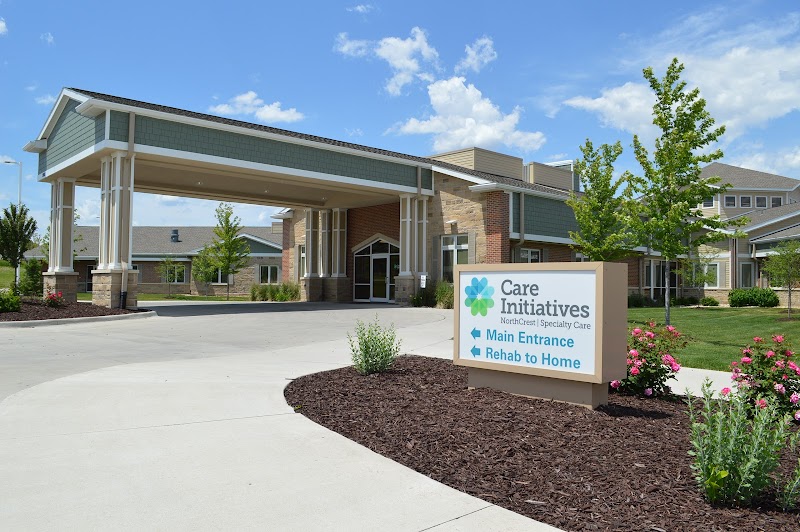
2001Health Street, Waterloo, IA 50703 (319) 234-4423
Non profit - Corporation 94 Beds CARE INITIATIVES Data: November 2025
Trust Grade
40/100
#287 of 392 in IA
Last Inspection: January 2025

Within standard 12-15 month inspection cycle. Federal law requires annual inspections.

Overview

Northcrest Specialty Care has a Trust Grade of D, indicating below-average performance with some concerns about care quality. They rank #287 out of 392 facilities in Iowa, placing them in the bottom half of the state, and #10 out of 12 in Black Hawk County, showing limited local competition. The facility is improving, having reduced reported issues from 14 in 2024 to 8 in 2025. Staffing is rated average with a 3/5 star rating and a turnover rate of 52%, which is close to the Iowa average. While there are no fines reported, which is a positive sign, there are serious concerns highlighted by inspections; for instance, one resident was transferred to the hospital in critical condition due to a failure to monitor their changing health status effectively, and there were instances of expired food and unsanitary conditions in the kitchen.
Trust Score
D
40/100
In Iowa
#287/392
Bottom 27%
Safety Record
Moderate
Needs review
Inspections
Getting Better
14 → 8 violations
Staff Stability
⚠ Watch
52% turnover. Above average. Higher turnover means staff may not know residents' routines.
Penalties
✓ Good
No fines on record. Clean compliance history, better than most Iowa facilities.
Skilled Nurses
○ Average
Each resident gets 37 minutes of Registered Nurse (RN) attention daily — about average for Iowa. RNs are the most trained staff who monitor for health changes.
Violations
⚠ Watch
31 deficiencies on record. Higher than average. Multiple issues found across inspections.
★★☆☆☆
2.0
Overall Rating
★★★☆☆
3.0
Staff Levels
★★★★☆
4.0
Care Quality
★★☆☆☆
2.0
Inspection Score
Stable
2024: 14 issues
2025: 8 issues

The Good

  • 4-Star Quality Measures · Strong clinical quality outcomes
  • Full Sprinkler Coverage · Fire safety systems throughout facility
  • No fines on record

Facility shows strength in quality measures, fire safety.

The Bad

2-Star Overall Rating

Below Iowa average (3.0)

Below average - review inspection findings carefully

Staff Turnover: 52%

Near Iowa avg (46%)

Higher turnover may affect care consistency

Chain: CARE INITIATIVES

Part of a multi-facility chain

Ask about local staffing decisions and management

The Ugly 31 deficiencies on record

2 actual harm
Jun 2025 1 deficiency
CONCERN (D) 📢 Someone Reported This

A family member, employee, or ombudsman was alarmed enough to file a formal complaint

Potential for Harm - no one hurt, but risky conditions existed

ADL Care (Tag F0677)

Could have caused harm · This affected 1 resident

**NOTE- TERMS IN BRACKETS HAVE BEEN EDITED TO PROTECT CONFIDENTIALITY** Based on observations, interviews, and record review, the facility failed to provide adequate grooming for 1 of 4 residents revi...

Read full inspector narrative →
**NOTE- TERMS IN BRACKETS HAVE BEEN EDITED TO PROTECT CONFIDENTIALITY** Based on observations, interviews, and record review, the facility failed to provide adequate grooming for 1 of 4 residents reviewed (Resident #1). An observation revealed Resident #1 still wore his t-shirt from bedtime, the following day. In addition, Resident #1 had hairs remaining on his shirt after his visit to the barber, the day before. The facility reported a census of 82 residents. Findings include: Resident #1's Minimum Data Set (MDS) assessment dated [DATE], identified a Brief Interview for Mental Status (BIMS) score of 13, indicating intact cognition. The MDS listed Resident #1 as dependent on staff with upper and lower body dressing. The MDS included diagnoses hemiplegia (extreme weakness on half of the body) following a cerebral infarction (stroke) and depression. On 6/3/25 at 12:46 PM, Resident #1's Sister reported Resident #1 wore the same shirt as he did the day before (6/2/25). She reported Resident #1 received a haircut the day before (6/2/25) and his shirt still had hair from his haircut. On 6/3/25 at 1:20 PM, observed Resident #1 in bed wearing an orange t-shirt and noted short hair on the shirt. Resident #1 acknowledged he didn't have his shirt changed the night before. Resident #1 allowed an up close picture of the hair on his shirt. On 6/4/25 at 11:06 AM, Staff A, Certified Nurse Aide (CNA), explained he got Resident #1 ready for bed on Monday, 6/2/25. He added he checked and changed Resident #1. Staff A reported Resident #1 already laid in bed, so he changed his brief during the shift. Staff A stated he didn't remember changing Resident #1's shirt that night. He stated 9 times out of 10, day shift changed him into his gown. He would already have his gown on for the night, when Staff A went into Resident #1's room. When asked who normally puts Resident #1's gown on, Staff A stated that sometimes day shift does it, otherwise he did. He added at times, Resident #1 refused to wear a gown because he preferred a t-shirt. When told Resident #1 wore the same t-shirt the following day, Staff A acknowledged the statement. He acknowledged he didn't remember if he wore a t-shirt or if Resident #1 refused to change into a gown. On 6/4/25 at 11:30 PM, Staff B, Assistant Director of Nursing (ADON), stated Resident #1 had a haircut on Monday. She remembered he wore a gray sweatshirt on Monday, but he could have worn the orange t-shirt under his sweatshirt. When shown the picture, Staff B acknowledged Resident #1 had hair on the t-shirt in the picture and it looked like hair from a haircut. An ADL (Activity of Daily Living), Supporting policy revised March 2018, directed the following: The facility would provide residents with care, treatment, and services as appropriate to maintain or improve their ability to carry out activities of daily living (ADLs). Residents who can't carry out their ADLs independently will receive the services necessary to maintain good nutrition, grooming and personal and oral hygiene. The Policy Interpretation and Implementation instructed the following: a. Residents will receive care, treatment and services to ensure that their ADLs didn't diminish unless the circumstances of their clinical condition(s) demonstrate diminishing ADLs are unavoidable. a. The existence of a clinical diagnosis or condition does not alone justify a decline in a resident's ability to perform ADLs. b. Appropriate care and services will be provided for residents who are unable to carry out ADLs independently, with the consent of the resident and in accordance with the plan of care, including appropriate support and assistance with: i. Hygiene (bathing, dressing, grooming, and oral care)
Jan 2025 7 deficiencies
CONCERN (D)

Potential for Harm - no one hurt, but risky conditions existed

Assessment Accuracy (Tag F0641)

Could have caused harm · This affected 1 resident

**NOTE- TERMS IN BRACKETS HAVE BEEN EDITED TO PROTECT CONFIDENTIALITY** Based on clinical record review, Center for Medicare and Medicaid Services (CMS) Long Term Care (LTC) Facility Resident Assessme...

Read full inspector narrative →
**NOTE- TERMS IN BRACKETS HAVE BEEN EDITED TO PROTECT CONFIDENTIALITY** Based on clinical record review, Center for Medicare and Medicaid Services (CMS) Long Term Care (LTC) Facility Resident Assessment Instrument (RAI) 3.0 User's Manual, and staff interviews, the facility failed to accurately complete the Minimum Data Set (MDS) assessment to accurately reflect the medication status for 1 of 1 resident reviewed on anticoagulant (blood thinner) medications (Resident #10). The facility identified a census of 87 residents. Findings include: Resident #10's MDS assessment dated [DATE] included a diagnosis of cerebrovascular accident (CVA, stroke). The MDS reflected Resident #10 took an anticoagulant medication within the lookback period. An Order Review History Report signed by the Provider on 1/5/25 documented the following physician orders dated 1/11/24: a. Aspirin (nonsteroidal anti inflammatory and antiplatelet medication) enteric (thick coating to prevent the medicine from breaking down too soon) coated delayed release 81 milligrams (MG) give 1 tablet by mouth one time a day for nonrheumatic aortic valve stenosis (a narrowing of the aortic valve that doesn't allow it to fully open, reducing the blood flow from the aorta to the rest of the body). b. Clopidogrel Bisulfate (Plavix, antiplatelet medication) oral tablet 75 MG give 1 tablet by mouth one time a day related to insufficiency of aortic valve. Interview on 1/29/25 at 10:44 AM Staff A, Assistant Director of Nursing (ADON) reviewed Resident #10 medications and verified she didn't receive an anticoagulant medication. During an interview on 1/29/25 at 10:48 AM the Director of Nursing (DON) stated the facility used traveling MDS Coordinators. She reviewed Resident #10 medications and stated she took aspirin and clopidogrel. Interview on 1/29/25 at 10:49 AM Staff B, Reimbursement Specialist, reported Resident #10 took aspirin and someone may have miscoded it as an anticoagulant on the MDS. She voiced she would look into it. During an interview on 1/29/25 at 10:59 AM Staff B reported Resident #10's MDS assessment from 1/3/25 as incorrectly coded. She thought since they did clinical documentation on bleeding risk, the nurse that completed the MDS may have confused it with that. She voiced the facility followed the RAI manual for MDS Coding. The LTC RAI 3.0 User's Manual Version 1.19.1 October 2024 documented the RAI process has multiple regulatory requirements. Federal regulations at 42 CFR (Code of Federal Regulations) 483.20 (b)(1)(xviii), (g), and (h) required the assessment accurately reflected the resident's status. The Section N Medications section instructed to not code antiplatelet medications such as aspirin as an anticoagulant. Antiplatelet and anticoagulant medications are both used to prevent blood clots, but they work in different ways. Antiplatelet medications prevent platelets, which are blood cells responsible for clotting, from sticking together and forming clots. Anticoagulant medications interfere with the clotting cascade, a series of steps that leads to blood clot formation.
CONCERN (D)

Potential for Harm - no one hurt, but risky conditions existed

Quality of Care (Tag F0684)

Could have caused harm · This affected 1 resident

**NOTE- TERMS IN BRACKETS HAVE BEEN EDITED TO PROTECT CONFIDENTIALITY** Based on observation, clinical record review, policy review and staff interview the facility failed to provide a timely assessme...

Read full inspector narrative →
**NOTE- TERMS IN BRACKETS HAVE BEEN EDITED TO PROTECT CONFIDENTIALITY** Based on observation, clinical record review, policy review and staff interview the facility failed to provide a timely assessment and physician notification for a resident with a history of bowel obstructions and peptic ulcer disease who exhibited nausea, vomiting, and loose stools for 1 of 1 resident's reviewed (Resident #45). The facility identified a census of 87 residents. Findings include: Resident #45's Minimum Data Set (MDS) assessment dated [DATE] identified a Brief Interview for Mental Status (BIMS) score of 12, indicating moderately impaired cognition. The MDS listed Resident #45 as dependent upon staff for toileting hygiene (the ability to maintain perineal hygiene, adjust clothes before and after having a bowel movement). The MDS documented Resident #45 as incontinent of bowel. The MDS included diagnoses of unspecified intestinal obstruction versus complete obstruction and esophagitis (inflammation of the esophagus) with bleeding. The Patient Report dated 2/29/24 related to Resident #45's two view abdominal x ray for excessive diarrhea and a history of (bowel) obstruction. The reviewer compared the x ray to a prior abdominal x ray completed 12/14/23. The Impression indicated Resident #45 didn't have evidence of an obstruction. The Orders - Administration Note dated 10/10/24 at 3:27 PM written by Staff L, Certified Medication Assistant (CMA), documented she administered 30 milliliters (ML) Milk of Magnesia (MOM) to Resident #45 for a stomach ache. The Orders - Administration Note dated 10/10/24 at 4:53 PM documented the MOM effectiveness as unknown. The Progress Notes lacked documentation of an abdominal assessment or notification to the nurse. The Orders - Administration Note dated 10/11/24 at 8:22 AM written by Staff M, Licensed Practical Nurse (LPN), indicated they administered Miralax 17 Grams for constipation/loose stools. The Progress Notes lacked documentation of an abdominal assessment. The Orders - Administration Note dated 10/11/24 at 9:19 PM written by Staff N, Registered Nurse (RN), reflected they administered ondansetron (anti nausea medication) 4 MG to Resident #45 for nausea and vomiting. The Progress Notes lacked documentation of an abdominal assessment or notification to the Primary Physician Provider (PPP) on 10/11/24 or 10/12/24. The Orders - Administration Note dated 10/13/24 at 6:39 PM written by Staff O, CMA, identified they administered ondansetron 4 MG to Resident #45 for complaints of nausea. The Progress Notes lacked documentation of notification to the nurse, the PPP, or an abdominal assessment on 10/13/24 or 10/14/24. The Orders - Administration Notes dated 10/15/24 at 7:00 PM written by Staff O, reflected they administered ondansetron 4 MG to Resident #45 for nausea and vomiting. The Orders - Administration Note dated 10/15/24 at 8:00 PM listed the ondansetron as ineffective for nausea and vomiting. The Nurses Note dated 10/15/24 at 10:13 PM written by Staff P, LPN, documented Resident #45 complained of abdominal pain and nausea. The assessment described Resident #45's abdomen as distended and firm. Staff P gave Resident #45 pain medication and Zofran (ondansetron) with no relief. He began vomiting a large amount of a thin light brown liquid in consistency with bits of chicken in the vomit. Resident #45 requested to go to the emergency room (ER). Staff P sent Resident #45 to the local hospital via ambulance at 10:15 PM. Resident #45's October 2024 B&B - Bowel Elimination Follow-Up Question Report from 10/9/24 - 10/15/24 list his bowel movements as: a. Formed - 10/10 b. Soft - 10/11 and 10/12 c. Loose/Diarrhea - 10/10 (2), 10/12, 10/13 (2), and 10/14 d. Watery - 10/11 and 10/13 The Weights & Vitals lacked documentation of pulses, respiration rates, blood pressures, oxygen saturations, and temperatures from 8/17/24 to 10/15/24. The eInteract Change in Condition Evaluation - V 5.1 dated 10/15/24 at 10:30 PM documented Resident #45 had uncontrolled abdominal pain, nausea and vomiting that started that afternoon with a history of GI complications. His vital signs at 9:48 PM reflected a blood pressure of 145/84 (expected normal range from 100/70 - 120/80), pulse 80/regular (expected from 60-100), respirations 19 (expected 12-20), temperature 98 degrees Fahrenheit (F) (normal body temperature range 96 to 99.9), and oxygen level 95% (expected greater than 90%). The Evaluation indicated Resident #45 had persistent nausea discomfort not associated with other acute symptoms; intermittent recurrent nausea and vomiting; mild diffuse or localized pain, unrelieved by antacids or laxatives, abdominal pain, and distention. Resident #45 had acute abdominal pain rated at an 8 out of 10 (10 being the worse pain on a 1 10 pain scale). The Evaluation documented Resident #45 went to the ER for evaluation and treatment. The Comprehensive Encounter Progress Note dated 11/4/24 at 12:00 AM completed by the Family Nurse Practitioner (FMP) detailed Resident #45 had a history of severe gastritis as well as scarring that is consistent with prior peptic ulcer disease. On 10/15/24 Resident #45 began complaining of abdominal pain and nausea, with his abdomen distended and firm. The facility nurses attempted as needed (PRN) Zofran which was unsuccessful, and Resident #45 began vomiting large amounts. According to the facility charting Resident #45 requested to go the ER. Nursing obtained an order from his PPP. In addition, to Resident #45's abdomen's distension and firmness, he also had tenderness. They took a computer tomography (CT) scan of Resident #45's abdomen and pelvis with contrast which suggested a gastric perforation (puncture), thickening of the wall of the urinary bladder with infiltration which is suggestive of cystitis (inflammation of the bladder), and colonic diverticulosis with no definite evidence of diverticulitis (inflammation of the bowel). Resident #45 underwent exploratory laparotomy (surgery done with cameras) on 10/16/24. Resident #45 had a bowel perforation fixed with a [NAME] patch, he returned to the facility and nursing had no concerns at that time. Interview on 1/29/25 at 10:23 AM Staff L reported she gave Resident #45 MOM back in October 2024 because he said he needed to poop and couldn't poop. She voiced she would have reported this to a nurse but didn't recall which nurse she reported to. At that time the CMAs reported all the as needed medications they gave to the charge nurse. The nurses were to follow up to check the effectiveness of the medication. Interview on 1/29/25 at 1:56 PM Staff I, RN, explained she didn't know CMAs couldn't administer as needed MOM. If a resident hasn't had a bowel movement (BM) in three days, then the nurses would follow the physician orders for giving as needed medications according to the physician orders for constipation. If a resident didn't have a bowel movement and complained of a stomachache that would be reportable to a nurse. She would look to see when the resident had a BM last and then they would assess bowel sounds and take vital signs to assess what is going on. If the nausea and vomiting continued over more days, it would warrant more assessment and notification to the physician. During an interview on 1/29/25 at 2:07 PM Staff M recalled Resident #45 having nausea and vomiting, but couldn't recall how long it went on, but knew it did result in a bowel obstruction. The facility required CMAs to notify the nurse if a resident requested an as needed medication and what they wanted it for. The charge nurse would direct the CMA if they could administer the medication or if the nurse needed to check the resident. If a resident had nausea and vomiting, she would look to see when they had their last BM, talk to the resident, listen to their bowel sounds, check vital signs, ask how long it has been going on and go from there. If it was a new condition, they should notify the physician. Interview on 1/29/25 at 2:18 PM Staff O reported if a resident requested an as needed medication such as for constipation, the CMAs have to report it to the nurse. The nurse will go talk with the resident, then the nurse will direct the CMAs what to give, for example MOM. The nurses follow up to see if the resident had a bowel movement. If a resident had nausea or vomiting, he would let the charge nurse know right away. He recalled the facility had a traveling Director of Nursing (DON) at that time and miscommunication happened as to who charted as needed medications. They had different direction given since that time on for the as needed medications. He recalled Resident #45 had nausea and he thought he reported it to the charge nurse at that time. Staff O commented the CMAs received new education on the administration of as needed medications since that time. He recalled signing the education sheet. Interview on 1/29/25 at 3:28 PM Staff B, Reimbursement Specialist, reported in reviewing Resident #45 he had a long history of perforations and bowel issues. During an interview on 1/29/25 at 3:41 PM Staff Q, DON Education Support Personnel, reported the facility had a Change of Condition Evaluation form they open in the Evaluations tab in the electronic health record (HER) that directed the nurses on what assessment to do. A 1/29/25 review of the EHR Evaluations revealed no Change of Condition Evaluation Form opened from 10/9/24 to 10/15/24 to monitor Resident #45 condition. The EHR Evaluations tab only contained the E Interact Change of Condition Evaluation form for 10/15/24 at 10:30 PM filled out by the nurse when they transferred Resident #45 to the ER for evaluation. On 1/30/25 at 9:02 AM Staff R, RN, reported she didn't recall any staff informing her about Resident #45 having abdominal pain. She always told the aides to report any resident issues to her. She would have assessed the resident's bowel sounds, felt his abdomen, checked his vital signs, review his medical history and report their condition to the physician. She would document the assessment and provider notification in the progress notes. Interview on 1/30/25 at 9:04 AM Staff S, LPN, reported he didn't recall any staff reporting a health change to him regarding Resident #45. If a CNA reported a resident having abdominal pain, nausea, or vomiting, he would take a full set of vitals, assess the bowel sounds, review the resident's bowel history, and contact the physician. He would document the assessment and notification of the physician in the resident's progress notes. On 1/30/25 at 9:50 AM Staff G, CMA, reported she is not allowed to give as needed medications to residents. A prior DON stated the CMAs had to stop administering as needed medications because they had just too many errors occurring. If a resident requested or complained of something, the CMAs will report it to the nurse. The nurse will go see the resident to see what is going on and go from there. The nurses do the medication follow ups on the as needed medication administration. She would alert the nurse about reports of abdominal pain, nausea, and vomiting especially with Resident #45 as he had issues in the past. Interview on 1/30/25 at 9:52 AM Staff F, RN, reported CMAs are not allowed to give as needed medications. If a resident reported symptoms or concerns, or a CNA/CMA saw a change in the resident, they are to report it to the nurse. The nurses are to go down to assess the resident by talking with them about symptoms, take vital signs, a pain assessment, abdominal assessment, review records, then give medications as needed, document the assessment either in the evaluations if a specific type of evaluation was completed or a change of in condition in the progress notes and notification of the provider in the resident's medical record. During an interview on 1/30/25 at 10:02 AM the DON reported she expected the nurses to fill out a Change of Condition Evaluation, perform a full assessment including vital signs, document the assessment and notify the physician of the change in condition. She expected a focused assessment on the area of concern to be completed every shift with vital signs until resolved. She expected the charge nurse to notify her or the Assistant DON's of the situation so they can do further monitoring as well. On 1/30/25 the DON provided In Service documentation to the CMAs from 11/11/24 directing that CMAs could no longer administer as needed medications. A 11/15/24 In Service Form provided nursing education that a resident's primary care physician must be notified of any changes and documented. An Acute Condition Change Clinical Protocol revised March 2018 directed the following: a. The physician will help identify individuals with a significant risk of having acute changes of condition during their stay. b. In addition, the nurse shall assess and document/report the following baseline information: vital signs, neurological status, current level of pain and recent changes in pain level, level of consciousness, cognitive and motional status, resident's age and sex, onset, duration and severity, recent labs, history of psychiatric disturbances, mental illnesses, depression, all active diagnosis and all current medications. c. Before contacting a physician about a resident with an acute change, the nursing staff will collect pertinent details to report to the physician; for example, the history of present illness and previous and recent test resulting for comparison. f. The nursing staff will contact the physician based on the urgency of the situation. For emergencies, they will call or page the physician and request prompt response (approximately one half hour or less). The nursing staff will contact the medical director for additional guidance and consultation if they do not receive a timely response or appropriate response.
CONCERN (D)

Potential for Harm - no one hurt, but risky conditions existed

Deficiency F0692 (Tag F0692)

Could have caused harm · This affected 1 resident

**NOTE- TERMS IN BRACKETS HAVE BEEN EDITED TO PROTECT CONFIDENTIALITY** Based on observation, clinical record review, and staff interview, the facility failed to provide food to a resident while out o...

Read full inspector narrative →
**NOTE- TERMS IN BRACKETS HAVE BEEN EDITED TO PROTECT CONFIDENTIALITY** Based on observation, clinical record review, and staff interview, the facility failed to provide food to a resident while out of the facility while they received renal dialysis for 1 of 1 resident's sampled (Resident #128). The facility identified a census of 87 residents. Findings include: Resident #128's Clinical Census reflected they admitted to the facility on [DATE]. The Handoff Report dated 1/24/24 listed Resident #128 received hemodialysis (a treatment that helps remove waste products and excess fluid from the blood when the kidneys are no longer able to do so) at a local (renal/kidney) dialysis center. The Nursing Admission/readmission Evaluation - V 18 dated 1/24/25 documented Resident #128 as alert, oriented to person, place, time, situation and clear communication abilities. The Evaluation noted Resident #128 didn't have short term memory impairment, confusion, forgetfulness or impaired decision making ability. The Evaluation listed a Dietary Care Plan indicating the facility would provide with meals within Resident #128's diet. The Evaluation documented an arteriovenous (AV) fistula (an AV fistula is surgically created in the arm to provide easy access to a large blood flow for dialysis) present to the resident's right (arm) and a Dialysis Care Plan that lacked direction for the staff to send food or meals with Resident #128 to dialysis appointments. The Clinical - Assessment included a Brief Interview for Mental Status (BIMS) dated 1/24/25 with a score of 14, indicating intact cognition. A Communication: Nursing to Dietary V3 dated 1/24/25 directed Resident #128 admitted to the facility and required a regular, no added salt diet. The Communication lacked documentation Resident #128 received renal dialysis. The NSG: Dialysis Evaluation - V 9 dated 1/27/25 at 1:46 PM reflected the reason for evaluation as a pre-dialysis evaluation. The evaluation indicated Resident #128 left the facility at 7:00 AM for renal dialysis. The NSG: Dialysis Evaluation - V 9 dated 1/27/25 at 2:53 PM reflected the reason for evaluation as a post dialysis assessment. The evaluation indicated Resident #128 returned to the facility. During an interview on 1/28/25 at 8:24 AM Resident #128 verbalized she goes to dialysis on Monday, Wednesday and Fridays. She added the transport arrived late to pick her up around 9:45 AM. She reported she had her first dialysis appointment on 1/27/25 since admitting to the facility. When she went to her appointment, the facility didn't send any food with her. Transport picked her up around 9:45 AM and she didn't return from dialysis until late afternoon. The facility didn't send any food with her to dialysis and she got really hungry. She voiced she had to call [NAME] and pay for her own lunch to be delivered to the dialysis center. During an interview on 1/29/25 at 11:26 AM Staff C, Registered Nurse (RN), reported she usually worked on the other side of the facility so she didn't see when Resident #128 left for dialysis. She reported if she asked for a meal, then the facility would send a meal with them. It depended on what the resident wanted. She wasn't sure who had the responsibility to check with the resident, dietary staff or the certified nursing aides (CNAs). On 1/29/25 at 11:30 AM Staff D, CNA, reported the kitchen usually had sack lunches set up, but if they didn't, then the aides ask the resident if they want food to go with them to dialysis or their appointment. Interview on 1/29/25 at 11:33 AM Staff E, Assistant Dietary Services Manager, reported she didn't send any lunch with Resident #128 on 1/27/25 when they went to dialysis. None of the staff informed her Resident #128 was leaving and no one communicated that she had to go out to dialysis. Staff E communicated the aides usually let them know if a resident is going out and wanted to take a sack lunch with them, then they make it for them. During an interview on 1/29/25 at 11:43 AM the Director of Nursing (DON) reported usually nursing informs the Dietary Manager know when a resident is going out so they can set things up. The DON voiced, Resident #128 was admitted over the weekend so it did not get communicated properly. She expects the dietary staff to send a sack lunch with the residents when the go out to dialysis.
CONCERN (D)

Potential for Harm - no one hurt, but risky conditions existed

Deficiency F0883 (Tag F0883)

Could have caused harm · This affected 1 resident

**NOTE- TERMS IN BRACKETS HAVE BEEN EDITED TO PROTECT CONFIDENTIALITY** Based on resident interview, record review, staff interview, and policy review the facility failed to administer the flu vaccine...

Read full inspector narrative →
**NOTE- TERMS IN BRACKETS HAVE BEEN EDITED TO PROTECT CONFIDENTIALITY** Based on resident interview, record review, staff interview, and policy review the facility failed to administer the flu vaccine for 1 of 6 residents reviewed (Resident #9). The resident requested the vaccine during her admission assessment. The facility reported a census of 87 residents. Findings include: Resident #9's Minimum Data Set (MDS) assessment dated [DATE] documented an admission date of 9/4/24. The MDS included diagnoses of stroke and asthma. During an interview on 1/27/25 at 12:47 PM Resident #9 reported she didn't receive any vaccines at the facility, and she wanted the flu and COVID vaccines. When asked if she spoke to the staff about it, she replied she asked for the vaccines when she first arrived. On 1/30/25 at 10:19 AM the Director of Nursing (DON) provided documentation from Resident #10's clinical record dated 9/4/24 at 11:44 AM titled Admission/readmission Evaluation. It documented Resident #10 consented to the flu vaccine, directed staff to complete the consent form, and noted the consent entered into Resident #10's immunization tab. The DON confirmed her record didn't have documentation about why Resident #10 didn't receive the vaccine, and acknowledged the facility had a flu clinic for residents at the facility in October after Resident #9's admission. The facility didn't have an original consent or declination form. During an interview at 11:28 AM on 1/30/25 the Administrator stated they usually have a progress note that said why the resident refused or why they didn't receive the vaccine during a clinic. A policy titled Influenza Vaccine revised October 2019 documented all residents who had no medical contraindications to the vaccine would be offered the influenza vaccine annually. It further indicated that if a resident refused the vaccine it would be documented on the Informed Consent for Influenza Vaccine and placed in the resident's medical record.
CONCERN (D)

Potential for Harm - no one hurt, but risky conditions existed

Deficiency F0887 (Tag F0887)

Could have caused harm · This affected 1 resident

**NOTE- TERMS IN BRACKETS HAVE BEEN EDITED TO PROTECT CONFIDENTIALITY** Based on resident interview, record review, staff interview, and policy review the facility failed to administer the flu vaccine...

Read full inspector narrative →
**NOTE- TERMS IN BRACKETS HAVE BEEN EDITED TO PROTECT CONFIDENTIALITY** Based on resident interview, record review, staff interview, and policy review the facility failed to administer the flu vaccine for 1 of 6 residents reviewed (Resident #9). The resident requested the vaccine during her admission assessment. The facility reported a census of 87 residents. Findings include: Resident #9's Minimum Data Set (MDS) assessment dated [DATE] documented an admission date of 9/4/24. The MDS included diagnoses of stroke and asthma. During an interview on 1/27/25 at 12:47 PM Resident #9 reported she didn't receive any vaccines at the facility, and she wanted the flu and COVID vaccines. When asked if she spoke to the staff about it, she replied she asked for the vaccines when she first arrived. On 1/30/25 at 10:19 AM the Director of Nursing (DON) provided documentation from Resident #10's clinical record dated 9/4/24 at 11:44 AM titled Admission/readmission Evaluation. It documented Resident #10 consented to the flu vaccine, directed staff to complete the consent form, and noted the consent entered into Resident #10's immunization tab. The DON confirmed her record didn't have documentation about why Resident #10 didn't receive the vaccine, and acknowledged the facility had a flu clinic for residents at the facility in October after Resident #9's admission. The facility didn't have an original consent or declination form. During an interview at 11:28 AM on 1/30/25 the Administrator stated they usually have a progress note that said why the resident refused or why they didn't receive the vaccine during a clinic. A policy titled Influenza Vaccine revised October 2019 documented all residents who had no medical contraindications to the vaccine would be offered the influenza vaccine annually. It further indicated that if a resident refused the vaccine it would be documented on the Informed Consent for Influenza Vaccine and placed in the resident's medical record.
CONCERN (E)

Potential for Harm - no one hurt, but risky conditions existed

Food Safety (Tag F0812)

Could have caused harm · This affected multiple residents

Based on observation, interviews, and record review the facility failed to remove expired foods from storage, to maintain a sanitary environment, and to date opened food during 2 of 2 observations. Th...

Read full inspector narrative →
Based on observation, interviews, and record review the facility failed to remove expired foods from storage, to maintain a sanitary environment, and to date opened food during 2 of 2 observations. The facility reported a census of 87 residents. Findings include: During the initial kitchen tour and observation on 1/27/25 at 9:36 AM the dry storage area contained an undated and nearly full clear bin of rice with a blue lid. The shelf below the rice contained two round snack bins without lids with prepackaged snacks. The bin on the left held 6 items, cheese puffs out of the wrapper, and crumbs. The bin on the right held 11 items, corn chips out of the wrapper, and chip crumbs. Another shelf contained an open, undated package of chicken and herb stuffing. The bottom shelf of the next unit contained 3 boxes of lemon bar mix. One of the boxes had two sides crumpled, and the tops of the other two had a film of dust and food particles. The boxes had expiration dates listed on the boxes as 8/1/23, 1/23/24, and 4/17/24. On the top shelf of that unit contained a box of gluten free chocolate chip cookies that expired 1/16/25. Further investigation of the kitchen included the walk-in refrigerator and freezer. The freezer contained an open, undated package of fajita vegetable blend. Another shelf contained a cardboard box of southern style biscuits. The front and side flaps of the box were open, and the plastic holding the biscuits was open to the freezer air (-3 degrees). The box had a delivery date, but didn't have an open date. The box looked approximately half full, and some of the biscuits had small ice crystals on them. The floor in the freezer had 3 half dollar size ice chunks stuck to the surface, tater tots, green beans, and other unidentified food particles. On 1/27/25 at 9:45 AM the Dietary Manager (DM) stated they had the snack bins from the day before. She didn't know why they had them in the dry storage room because they're not to be stored there. When asked when the last time they served lemon bars for a meal, the DM thought the spring and summer menu (2024) had them. During an interview on 1/27/25 at 4:11 PM the Administrator reported he recently audited the kitchen for expired items and didn't know how or why they still had those items there. During a second observation on 1/28/25 at 9:32 AM, saw a cart of clean dishes against the wall in the food preparation area. A metal surrounded floor drain approximately 5 6 inches deep with a mesh drain cup in the bottom sat approximately 9 inches from the cart. Food particles, bits of foil, and dust webs with food caught in them covered the metal-surrounded drain and the drain cup. Staff E, Assistant Dietary Services Manager (ADSM), stated they used the drain when the facility had a portable steam table, she didn't think they used it for anything at the time of survey. On 1/29/25 at 11:27 AM the DM reported she audited for expired food on a regular basis, and usually checked for shelf life on Mondays when she put the new food shipment away. When asked how the facility managed expired items, she stated they tossed expired food. She expected staff who opened food for meals to label items with an 'O' for opened with the date. On 1/30/25 at 11:45 AM the DM provided a document titled Cleaning Schedule for the week of the survey. Morning staff initialed that they swept and mopped the floors, cleaned refrigerator spills, and checked for outdated food daily. Evening (PM) staff initialed they cleaned refrigerator spills daily, swept, and mopped the floors.
CONCERN (E)

Potential for Harm - no one hurt, but risky conditions existed

Infection Control (Tag F0880)

Could have caused harm · This affected multiple residents

**NOTE- TERMS IN BRACKETS HAVE BEEN EDITED TO PROTECT CONFIDENTIALITY** Based on observation, clinical record review, Center for Disease Control and Prevention (CDC) Guidelines, policy review and staf...

Read full inspector narrative →
**NOTE- TERMS IN BRACKETS HAVE BEEN EDITED TO PROTECT CONFIDENTIALITY** Based on observation, clinical record review, Center for Disease Control and Prevention (CDC) Guidelines, policy review and staff interview, the facility failed to implement Enhanced Barrier Precautions when providing high contact care for assessing a fistula (dialysis access site), working with a gastrostomy (G) tube (feeding tube) and emptying a Urinary catheter drainage bag for 3 of 3 resident sampled (Resident #10, #128 and #132). In addition, the facility failed to provide adequate infection control prevention and practices to prevent touching medication with bare hands or dirty gloves during medication administration for 3 of 4 resident observed (Resident #34, #43 and #63). The facility identified a census of 87 residents. Findings include: 1. Resident #132's Clinical Census listed an admission date of 1/14/25. A Brief Interview for Mental Status (BIMS) Evaluation dated 1/14/25 listed a score of 15, indicating intact cognition. Resident #132 Minimum Data Set (MDS) assessment dated [DATE] included a diagnosis of malnutrition. The MDS documented Resident #132 had a feeding tube while a resident. She received 26 50 percent of her total calories and 501 cubic centimeters (CC, a unit of measurement 30 cc equals one ounce of fluids) per day or more through the feeding tube. Resident #132 January 2025 Electronic Medication Administration Record (EMAR) listed the following physician orders: a. Start Date 1/15/25: Enteral (An alternative way of eating that bypasses the mouth) feed order one time a day formula flow rate set at 60 Milliliters (ML) per Hour (HR). Discontinued 1/23/25. b. Start Date 1/15/25: Enteral feed order two times a day. Document the enteral feeding intake every shift. Discontinued 1/23/25. c. Start Date 1/14/25: Enteral feed order two times a day. Flush feeding tube with at least 15 30 ML of water before and after the administration of feedings. d. Start Date 1/14/25: Enteral feed order two times a day. Formula Osmolyte 1.2 no fiber at 60 ML/HR from 6 PM to 4 AM. Document the feeding tube intake every shift. Discontinued 1/23/25. e. Start Date 1/14/25: Enteral feed order three times a day. Check the residual every shift if less than 30 ML note in progress note. f. Start date 1/14/25: Enteral feed order three times a day. Document the amount of water every shift. Include water given before and after the medication administration. g. Start Date 1/14/25: Enteral feed order three times a day, verify the gastric (G) tube (feeding tube) placement every shift. On 1/27/25 at 10:47 AM observed Resident #132's room door. The door didn't have a CDC Enhanced Barrier Precaution (EBP) Sign on the room door. Resident #132's January 2025 Electronic Treatment Administration Record (ETAR) documented an order dated 1/27/25 to use EBP due to her having a G tube. On 1/28/25 at 7:54 AM observed Resident #132 with a CDC EBP sign posted on her room door. The CDC Enhanced Barrier Precautions Sign directed everyone must clean their hands, including before entering the room and when leaving the room. The EBP sign further directed Providers and Staff must wear gloves and a gown for the following high contact resident care activities: dressing, bathing/showering, transferring, changing linens, providing hygiene, changing briefs or assist with toileting, device care or use: feeding tube. During an interview on 1/28/25 at 8:02 AM Staff F, Registered Nurse (RN), reported Resident #132 ate a mechanical soft diet, the nursing staff only flushed and checked the placement of the feeding tube at that time. Resident #132 just started EBP on 1/27/25. Staff F voiced that up until 1/27/25 Resident #132 didn't have EBP precautions and she just started the precautions due to having a feeding tube. Interview on 1/28/25 at 1:30 PM Resident #132 reported the nurses just started using gowns and gloves when they flushed her tube the day before (1/27/25) in the afternoon. She voiced the other day the nurse pushed the syringe and the tube just blew. She reported stomach contents landed on her and went all over. On 1/28/25 at 1:24 PM watched Staff F sanitize her hands, apply an isolation gown, and gloves. Staff F then checked residual and placement of Resident #132's feeding tube. Afterwards, she removed her gown and gloves, then performed hand hygiene. During an interview on 1/29/25 at 11:46 AM the Director of Nursing (DON) reported the facility educated the certified nurses' aides (CNAs) on EBP. They just place the CDC EBP signs on the resident doors as an extra step to remind the staff of the Personal Protective Equipment (PPE) requirements. She reported she worked on the staff with the EBP and some residents, like Resident #132 and #128 just got missed. The Enhanced Barrier Precaution (EBP) Policy revised 3/28/24 directed EBP refers to an infection intervention designed to reduce transmission of multidrug resistant organisms that employs targeted gown and glove use during high contact resident care activities. The Policy further directed the facility would communicate to staff to ensure staff knew of which residents required the use of EBP prior to providing high contact care activities. The Policy PPE for EBP is only necessary when performing high contact care activities which further defined included device care for central lines, feeding tubes and urinary catheters. The Policy stated EBP should be used for the duration of the affected resident's stay in the facility or until resolution of the discontinuation of the indwelling medical device that places the resident at higher risk. 2. Resident #128's Clinical Census reflected they admitted to the facility on [DATE]. The Handoff Report dated 1/24/24 listed Resident #128 received hemodialysis (a treatment that helps remove waste products and excess fluid from the blood when the kidneys are no longer able to do so) at a local (renal/kidney) dialysis center. The Nursing Admission/readmission Evaluation - V 18 dated 1/24/25 documented Resident #128 as alert, oriented to person, place, time, situation and clear communication abilities. The Evaluation noted Resident #128 didn't have short term memory impairment, confusion, forgetfulness or impaired decision making ability. The Evaluation documented Resident #128 had an arteriovenous (AV) fistula (an AV fistula is surgically created in the arm to provide easy access to a large blood flow for dialysis) present to her right (arm). Resident #128's dialysis Care Plan directed staff to use EBP. Resident #128's BIMS evaluation dated 1/24/25 listed a score of 14, indicating intact cognition. On 1/27/25 at 11:50 PM observed Resident #128's room door didn't have a CDC EBP sign on the door. Resident #128's January 2025 EMAR listed a physician order for dialysis on Monday, Wednesday and Friday, chair time at 10:45 AM. Resident #128's January 2025 ETAR listed a physician order dated 1/24/25 to assess the fistula for bruit (swish) and thrill (pulsing feeling near the fistula) every shift. The NSG: Dialysis Evaluation - V 9 dated 1/25/25 at 1:09 PM reflected the reason for evaluation as non dialysis day. The evaluation documented Resident #128 fistula as normal with bruit heard, thrill pulsation felt, and normal fistula elevation. The NSG: Dialysis Evaluation - V 9 dated 1/26/25 at 1:53 PM reflected the reason for evaluation as non dialysis day. The evaluation documented Resident #128 fistula as normal with bruit heard, thrill pulsation felt, and normal fistula elevation. The NSG: Dialysis Evaluation - V 9 dated 1/27/25 at 1:46 PM reflected the reason for evaluation as a pre-dialysis evaluation. The evaluation described Resident #128's fistula as normal with good color, bruit swish heard and thrill pulsation present with normal fistula elevation. The NSG: Dialysis Evaluation - V 9 dated 1/27/25 at 2:53 PM reflected the reason for evaluation as a post dialysis assessment. The evaluation indicated Resident #128's fistula site as normal with the bruit heard, thrill pulsation felt, and normal fistula elevation with no bleeding at the site. Interview on 1/28/25 at 8:24 AM Resident #128 reported the nurses use their stethoscope to listen to her fistula several times a day. She voiced she never saw them wear a gown and gloves when checking and touching her fistula pointing to her fistula just below the bend in her right elbow. During an interview on 1/29/25 at 11:46 AM the DON reported Resident #128 admitted on a weekend. They felt it got missed and fell through the cracks. 3. On 1/29/25 at 7:24 AM observed Staff G, Certified Medication Aide (CMA), check Resident #63's EMAR for physician orders. Staff G pulled a bottle of stock Lactaid from the medication cart drawer, shook out two tablets from the bottle into the lid, then picked up one tablet with her bare right hand and placed it back in the stock bottle and picked up the other tablet with her bare right hand and placed it in Resident #63's medication cup. Staff G removed a stock multivitamin bottle from the medication cart. She shook two multivitamins into the bottle lid. Staff G picked up 1 tablet in her bare right hand and put back in the stock bottle, then picked up the remaining multivitamin and placed it in Resident #63's medication cup. Staff G proceeded to Resident #63's room and administered the medication to them. During an interview on 1/29/25 at 7:56 AM Staff H, CMA, verbalized staff shouldn't touch resident's pills with their bare hands. She would use a clean glove or a spoon if she needed to touch a resident's oral medications. 4. On 1/29/25 at 7:58 AM watched Staff I, Registered Nurse (RN), perform hand hygiene, apply gloves to both hands, touch the computer screen to scroll through residents and opened Resident #43's EMAR. Staff I took the medication cart keys from her pocket, unlocked the medication cart, opened the drawer, and removed Resident #43's medication cards from the drawer and laid them on top of the medication cart. Staff I reviewed the physician order on the computer screen and the medication card for each medication. Without performing hand hygiene or changing her gloves, Staff I punched each medication out of the backside of the medication card to the fingertips of her gloves putting each pill into the medication cup. Staff I continued with this technique while setting up the following medications: a. Cymbalta 90 Milligram (MG) one tablet b. Baclofen 10 MG one tablet c. Lisinopril 30 MG one tablet d. Metoprolol Succinate Extended Release 50 MG one tablet At 8:00 AM without performing hand hygiene or changing her gloves, Staff I entered Resident #43's room and administered their medications. 5. On 1/29/25 at 8:08 AM observed Staff I perform hand hygiene, apply gloves to both hands, touch the computer screen to scroll through residents and opened Resident #34's EMAR. Staff I took the medication cart keys, unlocked the medication cart, opened the drawer and removed Resident #34's medication cards from the drawer and laid them on top of the medication cart. Staff I reviewed the physician order on the computer screen and the medication card for each medication. Without performing hand hygiene or changing her gloves, Staff I punched each medication out of the backside of the medication card to the fingertips of her gloves putting each pill into the medication cup. Staff I continued with this technique while setting up the following medications: a. Amlodipine 10 MG one tablet b. Carvedilol 25 MG one tablet In addition, Staff I punched a 5 MG Eliquis (blood thinner) pill out of Resident #34's medication card and the pill flipped out on top of the medication cart. Without performing hand hygiene or changing her gloves, Staff I picked the Eliquis pill up with her right gloved hand and placed the pill in Resident #34's medication cup. Staff I touched the computer screen again with her gloved hand to scroll through the medications, then removed a stock Vitamin D3 bottle from the medication cart. Without performing hand hygiene or changing her gloves, Staff I shook one Vitamin D3 2000 Unit tablet from the bottle into her right gloved hand and then placed the tablet in the medication cup. Staff I proceeded into Resident #34 room and administered the medications to Resident #34. During an interview on 1/29/25 at 8:10 AM Staff I reported they must not touch the medication with bare hands. She added the staff should do hand hygiene and use a glove if they need to touch a medication. Interview on 1/29/25 at 11:23 PM Staff I reported she could see where wearing gloves and touching things prior to touching the medications could be an issue. During an interview on 1/29/25 at 12:15 PM the DON reported she expected the staff to use a clean glove if they need to touch resident's pills. The nursing staff shouldn't touch resident pills with bare hands. The Medication Administration Policy revised April 2019 directed the staff to follow established facility infection control procedures (e.g. handwashing, antiseptic technique, gloves, etc.) for the administration of medications, as applicable. 6. Resident #10's MDS assessment dated [DATE] showed a BIMS score of 14, indicating intact cognition. The MDS documented Resident #10 used an indwelling catheter. The MDS included a diagnosis of obstructive uropathy (blockage affecting urination). The Care Plan revised 10/24/24 documented Resident #10 had recurrent urinary tract infections (UTIs, bladder infections). The Care Plan lacked direction to the staff to utilize EBP to minimize the potential for cross contamination of bacteria. Resident #10 Order Review History Report signed by the Provider on 1/5/25 listed the following orders: a. Foley Catheter 16 French Bulb Size 5 cubic centimeters (CC, unit of measure) change every 30 days and as needed. Start Date 6/5/24. b. Enhanced barrier precautions due to Foley catheter. Start date 12/2/24. c. Foley catheter output every shift. Start date 1/10/24. e. Gentamicin (Antibiotic) 0.04% place 60 ML in bladder, clamp Foley catheter for 20 30 minutes then drain every evening shift every Monday, Wednesday, and Friday for bladder infection. Active 1/3/2025. Resident #10's January 2025 Electronic Medication Administration Record (EMAR) documented an order for Macrobid oral capsule (antibiotic medication), give 100 milligrams (MG) by mouth 2 times a day for a urinary tract infection for 5 days from 1/14/25 1/19/25. On 1/29/25 at 1:06 PM witnessed a CDC EBP sign on Resident #10's room door. The sign directed the staff to use good hand washing in and out of the room and utilize a gown and gloves during high contact care activity for catheter care. On 1/29/25 at 1:07 PM witnessed Staff J, CNA, enter Resident #10's room. Staff J applied a pair of gloves, placed two paper towels on the floor, placed a graduate container on top of the paper towels, cleansed the urinary drainage bag drain tube with alcohol, opened the drain tube and emptied the urine out of the bag into the graduate. Staff J emptied the graduate container of urine into the toilet, then placed the graduate under Resident #10's bathroom faucet and ran water into the graduate to rinse and dumped the urine water into the bathroom sink. Staff J filled the graduate a second time with water and dumped it into the sink before storing the graduate. Staff J failed to apply an isolation gown prior to emptying the urinary drainage bag. Interview on 1/29/25 at 1:18 PM, Staff G reported when resident is on EBP, a gown and gloves are to be worn when working with the catheter or high resident care activity. On 1/29/25 at 1:35 PM Staff K, CNA, voiced residents on EBP require the use of a gown, gloves, and a mask when working with the resident for PPE. During an interview on 1/29/25 at approximately 2:30 PM the DON reported she expected the staff to use a gown and gloves for EBP when emptying a catheter bag. She voiced it wasn't appropriate for the CNA to rinse the graduate and empty into the resident's sink. She ensured someone fully cleaned Resident #10's sink.
Oct 2024 1 deficiency 1 Harm
SERIOUS (G) 📢 Someone Reported This

A family member, employee, or ombudsman was alarmed enough to file a formal complaint

Actual Harm - a resident was hurt due to facility failures

Quality of Care (Tag F0684)

A resident was harmed · This affected 1 resident

**NOTE- TERMS IN BRACKETS HAVE BEEN EDITED TO PROTECT CONFIDENTIALITY** Based on clinical record review, staff interview, and observation the facility failed to provide appropriate assessment and inte...

Read full inspector narrative →
**NOTE- TERMS IN BRACKETS HAVE BEEN EDITED TO PROTECT CONFIDENTIALITY** Based on clinical record review, staff interview, and observation the facility failed to provide appropriate assessment and intervention for one of three residents reviewed (Resident #1). The facility reported a census of 79 residents. Findings include: The admission MDS (Minimum Data Set) an assessment tool dated 2/26/2024 revealed Resident #1 had mild impaired cognitive abilities, required staff assistance to transfer from one surface to another, used a wheel chair for mobility, and had no identified skin concerns. The MDS revealed the resident had diagnoses including anemia, malnutrition, ESRD (End Stage Renal Disease), diabetes, heart failure and received dialysis. The quarterly MDS dated [DATE] revealed the resident had intact cognitive abilities, required staff assistance to transfer, and received ointment/medication application other than to feet. The Care Plan identified the resident had a skin integrity concern due to venous insufficiency dated 3/12/2024. It directed staff to monitor the resident to avoid scratching, keep fingernails short, provide good nutrition, administer treatments as ordered, and staff were to do weekly skin assessments and document width, length, type of tissue, and other notable change. The TAR (Treatment Administration Record) dated 2/22/2024 - 5/21/2024 instructed staff to complete a head to toe skin check on the 2 - 10 o'clock P.M. shift on Thursday even if a previous skin area has been noted. If a new skin concern is noted, complete a new Risk Management, skin evaluation and add or update the weekly non-pressure/pressure Good Nursing Order. The resident's May, 2024 MAR/TAR (Medication and Treatment Administration Records) revealed an order for Benadryl itch stopping external cream on 5/21/2024. The records revealed staff failed to administer the cream from 5/21/2024 through 5/29/2024. The Resident's April, 2024 Weekly Skin Evaluation revealed staff documented they performed a skin evaluation on April 4, April 11, and April 18. Staff failed to perform the skin evaluation on April 25. The Resident's May, 2024 Weekly Skin Evaluation revealed staff documented they performed a skin evaluation on May 24. Staff failed to perform the skin evaluation on May 2, May 9, and May 16 as they were instructed. The resident's clinical record included skin evaluations related to a right shin skin issue from 3/5 - 4/11/2024. On 4/11/2024 the area had no measurement, indicating the wound had healed. The resident's clinical record had no further skin evaluations related to the residents lower extremities. The Resident's Progress Notes included: 4/19/2024 - Red/pink rash to bilateral abdominal folds, groin and under bilateral breasts. Appears yeast related with foul odors, and no bleeding or open areas. Areas cleansed with soap and water, barrier applied and Impact (the resident's primary care physician clinic) notified. The resident received a new order for Nystatin powder (treats yeast or fungal infections) for ten days. 4/27/2024 - resident picking at right lower extremity this shift resulting in leg bleeding. Wrapped legs per treatment order. Family visiting and questioned if treatment had been done and about the color of bilateral legs. The writer assured family the treatment had been done and the resident's picking had caused the bleeding. The resident stated she had picked the scales on her leg. The writer educated family the color to her bilateral legs was normal and due to chronic kidney disease. The writer wrapped the legs with new roll gauze. The family indicated the resident had medication at home for pruritis (itchy skin) and would let the facility know which specific medication. 4/30/2024 - New orders from Impact: , discontinue current treatment and apply Eucerin cream and tubigrips (tubular bandage). 5/19/2024 - Resident has red, irritated rash to abdominal folds and looks like yeast rash. Impact called and requested an order for Nystatin powder BID (two times a day) until healed. Education provided to C.N.A.'s to ensure resident's abdominal folds are cleansed and dried with every check and change or incontinence episode. 5/20/2024 - New order: Nystatin to abdominal folds. 5/20/2024 - Resident complained of itching and current medications are not helping with itch relief. Impact office called and voicemail left requesting a PRN (as needed) order to help with increased itching. 5/21/2024- Resident has been complaining of itching and states she wants an itch pill. Impact called and received orders for Benadryl cream BID and PRN. They are also going to check with primary nurse practitioner about getting Benadryl tablet order for all over itching. 5/27 and 5/28/2024 - Resident refused Nystatin and Eucerin lotion. 5/28/2024 at 4:55 A.M. - bilateral lower extremities with red/weeping blisters shin to calf. Yellow/red drainage. Resident observed scratching legs. Bilateral lower extremities covered with dressing to deter resident from scratching. Impact called. 5/28/2024 at 11:16 A.M. - Changed dressing to lower legs, no bleeding but open with sanguineous fluid (containing blood). Cleaned them and placed new dressing. Called Impact and indicated the wound nurse would see the resident on 5/29/2024. Also, brought up the Hydroxyzine the resident stated she took in the past. 5/28/2024 at 1:16 P.M. - Impact wound nurse will see resident tomorrow. 5/28/2024 at 10:05 PM. - Call placed to Impact due to resident's leg wound. Unable to take a photo due to I-pad not working. Received a new order: Xeroform (dressing) to weeping areas, (ABD) absorbent dressing, wrap with Kerlix (gauze) and tubigrips. 5/28/2024 at 9:24 P.M. - Eucerin External Lotion, apply to dry skin topically every day and evening shift related to pruritis. Legs are open wounds, weeping, no dry skin. 5/29/2024 at 5:23 A.M. - Upon entering the resident's room to administer medications, resident is found to have moderate tremors, pale, alert, but unable to follow commands. Vitals were assessed. Resident is warm to touch. Call placed to Impact and order received to send the resident to the ED. Staff notified the resident's family. 5/29/2024 at 10:12 A.M., hospital notified facility resident admitted with pneumonia, metabolic encephalopathy, and fluid overload. The ED note dated 5/29/2024 reported the resident admitted with mental status change. It also revealed the resident had extensive open, blistered stasis changes to both lower extremities. Overlying wraps in place. 5/29/2024 hospital records included: Active Hospital Problems: Diagnosis - cellulitis of lower extremity, delirium, ESRD, diabetes. Clinical Impression: metabolic encephalopathy, pneumonia to left lower lobe due to infectious organism, abnormal urinalysis and abnormal lower left lung on chest x-ray. Rocephin (antibiotic) has been given. Sepsis, early detection 5/29/2024. The resident's physical exam revealed she had wounds to bilateral lower extremities, scabs to upper arms from itching and erythema to groin. The resident admitted to inpatient care on 5/29/2024 and discharged to a care facility on 6/7/2024 with hospice services. The 6/7/2024 discharge Hospital Problem list included Cellulitis of lower extremity. A facility In-Service form dated 4/4/2024 revealed nursing staff received education related to Any new skin concerns should be documented, picture taken, risk management completed by the nurse at the time of the impairment being reported and/or observed. A facility In-Service form dated 10/1/2024 revealed the facility began re-educating nursing staff regarding skin/wound assessment and intervention. On 9/30/2024 at 1:35 P.M., Staff A, RN (Registered Nurse), ADON (Assistant Director of Nursing) indicated Resident #1 complained of being itchy. Staff notified Impact and they ordered different creams. Staff A contacted Impact and informed them the resident's husband revealed she had a prescription for Hydroxyzine (for itching). Impact never ordered Hydroxyzine for the resident. The resident scratched her legs as far as she could reach, and nothing seemed to help. At 3:30 P.M. Staff A reported the resident sternly refused staff to touch her legs. She had an order for staff to do skin checks weekly and that order never stopped. The facility failed to provide skin evaluations after 4/11/2024, and the Progress Notes failed to include skin assessments including measurements. If staff found the resident had a new skin concern, they were to complete a Risk Management Evaluation, notify family and provider, and start weekly skin assessments until it's resolved. On 10/1/2024 at 10:30 A.M., Staff B, Nurse Practitioner indicated staff reported the resident was itchy, and she did not want to order Benadryl (antihistamine) tablets due to the [AGE] year old resident received dialysis. The resident had blisters on the lower extremities that opened up and she transferred to the ED. According the the resident's record available to Impact, it appeared the resident already had an order for Hydroxyzine. When Hydroxyzine is ordered, the order is good for 14 days. The facility Ulcers/Skin Breakdown policy revised 9/2017 included: Policy Statement: Physicians shall help prevent and manage pressure ulcers, consistent with established guidelines. Outcomes: 1. Incidence of new pressure ulcers will be minimized to the extent possible. 2. Healing of existing pressure ulcers will be optimized to the extent possible. 3. The facility will be able to show that failure of a pressure ulcer to heal was medically unavoidable. Procedure: Identify Risk Factors Identify Existing Pressure Ulcers Define Details of Pressure Ulcers Identify Contributing Factors Clarify Medical Factors Order Pertinent Interventions Identify Related Medical Interventions Limited Effectiveness of Nutritional Supplementation Recognition: 1. The nursing staff and practitioner will assess and document an individual's significant risk factors for developing pressure ulcers; for example, immobility and medical instability. The facility Pressure Ulcers/Skin Breakdown - Clinical Protocol revised April, 2018 included: Assessment and Recognition: 1. The nursing staff and practitioner will assess and document an individual's significant risk factors for developing pressure ulcers; for example, immobility, recent weight loss, and a history of pressure ulcer(s). 2. In addition, the nurse shall describe and document/report the following: a. Full assessment of pressure sore including location, stage, length, width and depth, presence of exudates or necrotic tissue; b. Pain assessment; c. Resident's mobility status; d. Current treatments, including support surfaces; and e. All active diagnoses. 3. The staff will examine the skin of newly admitted residents for evidence of existing pressure ulcers or other skin conditions. 4. As needed, the physician will assist the staff to identify the type (for example, arterial or stasis ulcer) and characteristics (presence of necrotic tissue, status of wound bed, etc.) of an ulcer. 5. As needed, the physician will help identify and define any complications related to pressure ulcers.
Apr 2024 1 deficiency
CONCERN (D) 📢 Someone Reported This

A family member, employee, or ombudsman was alarmed enough to file a formal complaint

Potential for Harm - no one hurt, but risky conditions existed

Deficiency F0697 (Tag F0697)

Could have caused harm · This affected 1 resident

Based on record review, staff, resident, physician, and pharmacist interview and policy review the facility failed to ensure 1 of 1 residents (Resident #4) pain medication patch was removed prior to a...

Read full inspector narrative →
Based on record review, staff, resident, physician, and pharmacist interview and policy review the facility failed to ensure 1 of 1 residents (Resident #4) pain medication patch was removed prior to applying a new pain medication patch. The facility reported a census of 84 residents. Findings include: Record review of Resident #4 March 2024, Individual Narcotic Record, documented on 3/3/2024 at 8:18 PM Staff A, Certified Medication Aide (CMA) removed one fentanyl patch from the narcotic lock box. Record review of Resident #4 March MAR documented on 3/3/24 during the hour before sleep (HS) medication pass a fentanyl (pain medication) patch was applied transdermally (a drug is placed on top of the skin, where it is absorbed into the bloodstream) on Resident #4. Record review of Resident #4 Progress Note dated 3/4/24 at 7:00 AM documented Resident #4 approached nursing staff reporting a new fentanyl patch had been applied last night (3/3/24) without the previous patch being removed. Upon assessment, one (1) fentanyl patch to the left chest was noted, as well as one (1) to the right shoulder. Both patches were signed and dated by appropriate staff members. Upon alerting the resident two (2) patches were on, he refused removal, stating he wants to call the cops before any patches are removed. Record review of Resident #4 Progress Note dated 3/4/24 at 11:00 AM, documented Resident #4 re-approached regarding removal of fentanyl patch. Resident agreed to removal of the old fentanyl patch. Patch was removed with witness and destroyed with witness. Resident re-educated on appropriate fentanyl patch therapy and encouraged to bring any concerns to administration or nursing staff. During an interview on 4/10/24 at 12:34 PM, the facility Advanced Registered Nurse Reactionary (ARNP) stated she is not sure how many studies they have done on leaving an old fentanyl patch on for over the 72 hours, but based on Resident #4 diagnosis and prior pain medication usage she does not think it would have had a negative outcome. She stated on 3/4/24 Resident #4 would not take the old fentanyl patch off until she arrived to the facility and could see it. She stated upon assessment he had no overdose symptoms. During an interview on 4/10/24 at 12:35 PM with Resident #4's Pharmacist whom oversees the residents medication revealed having two (2) fentanyl patches on at the same time, one new and one old may have been a little bit of medication from the old patch, but they are designed to only give medication for three (3) days. During an interview on 4/11/24 at 10:26 AM with Staff A, revealed she has applied fentanyl patches to many residents including Resident #4, she stated she would always ensure the old patch was taken off prior to applying a new patch. She stated Resident #4 removes his shirt when a new patch is applied so you would see if there was already one on. She then stated she would not apply a new patch if the old one was still on. During an interview on 4/11/24 at 10:35 AM, the Director of Nursing (DON) and Assistant Director of Nursing (ADON) stated they would expect when applying a new fentanyl patch staff would remove the fentanyl patch that is on the resident before applying an new patch. Record review of the facilities policy titled, Administering Medications, last revised in 2019 instructed staff of the following: As required or indicated for a medication, the individual administering the medication records in the resident's medical record: a. The date and time the medication was administered; b. The dosage; c. The route of administration; d. The injection site (if applicable); e. Any complaints or symptoms for which the drug was administered; f. Any results achieved and when those results were observed; and g. The signature and title of the person administering the drug. Record review of an e-mail correspondence on 4/11/24 at 11:57 AM provided by the ADON and DON with the facilities Pharmacist, provided a journal dated 2014, Multiple Risks for Patients Using the Transdermal Fentanyl Patch, informing fentanyl patches take 24-72 hours to reach a steady state in the blood levels (prescribed amount of pain medication circulating in the blood), and once it is removed, the residual fentanyl in the skin continues to be absorbed for hours. It takes approximately 17 hours for fentanyl blood levels to drop by 50% once the patch is removed.
Jan 2024 12 deficiencies
CONCERN (D) 📢 Someone Reported This

A family member, employee, or ombudsman was alarmed enough to file a formal complaint

Potential for Harm - no one hurt, but risky conditions existed

Resident Rights (Tag F0550)

Could have caused harm · This affected 1 resident

**NOTE- TERMS IN BRACKETS HAVE BEEN EDITED TO PROTECT CONFIDENTIALITY** Based on observation, clinical record review, and staff interview the facility failed to promote resident dignity when dirty lin...

Read full inspector narrative →
**NOTE- TERMS IN BRACKETS HAVE BEEN EDITED TO PROTECT CONFIDENTIALITY** Based on observation, clinical record review, and staff interview the facility failed to promote resident dignity when dirty linens were passed over the top of a resident while laying in bed awake during cares and failed to allow a resident to eat in the main dining room per the resident's request for 2 of 5 residents observed (Resident #48 and #69). The facility reported a census of 87 residents. Findings include: 1. An observation on 1/23/2024 at 12:47 PM showed Resident 48 seated in her wheelchair in the hallway outside her room. Staff B, Licensed Practical Nurse (LPN) retrieved Resident #48's lunch tray from the cart and took the tray to a table located in a common area at the end of the hall and informed Resident #48 that because her lunch tray had left the dining room, she could not eat in the dining room but had to eat at the table at the end of the hall. During an interview on 1/23/2024 at 12:49 PM Resident #48 indicated that she preferred to take her meals in the dining room and did not want to eat at the table at the end of the hallway. The Resident then indicated that she was not going to eat the hamburger on her tray because it was cold and proceeded to eat her salad. During an interview on 1/24/2024 at 2:23 PM Staff B indicated she thought an aide had told her that once a meal tray left the dining room that it could not go back in the dining room and that's why the resident had to eat at the end of the hall. Staff B guessed it would have been better if she had just asked the kitchen to get the resident a fresh tray and then the Resident could have eaten in the dining room like she wanted. During an interview on 1/25/2024 at 10:29 AM the Director of Nursing (DON) and Assistant Director of Nursing (ADON) indicated there is no rule that once a meal tray left the dining area that it could not be taken back to the dining area. The DON and ADON then indicated that staff should have allowed Resident #48 to go to the dining room and then requested a new tray for the resident. During an interview on 1/25/2024 at 10:30 AM the Regional Director of Clinical Services (RDCS) indicated that it was the resident's personal preference as to whether they ate their meals in the dining room or in their room, unless circumstances necessitated a room tray. The Resident Right Policy, revised December 2015, documented employees shall treat all residents with kindness, respect, and dignity. The Policy further directed residents would be supported by the facility in exercising his or her rights. 2. Resident #69's Minimum Data Set (MDS) assessment dated [DATE] showed a Brief Interview for Mental Status (BIMS) score of 5 indicating severe cognitive loss. The Resident required full staff assistance with toileting, personal hygiene, and rolling left/right in bed. The MDS listed diagnoses of colon cancer and mild cognitive impairment etiology, unknown. The MDS documented Resident #69 as always incontinent of bowel and bladder. The Care Plan dated 11/03/23 documented Resident #69 as always incontinent of urine and directed the staff to assist with perineal cleansing as needed. During an observation on 1/23/24 at 11:31 AM Staff J, K, L, Certified Nursing Aides (CNA)'s assisted Resident #69 with peri-care after a large bowel movement. At 11:40 AM Staff L removed a bowel movement soiled fitted sheet and soaker from under Resident #69. Staff L gathered the linens up into a ball and handed the linens over the top of Resident #69 to Staff K who held an open plastic garbage bag by the Resident's left side of her body. The Resident lay in bed with her eyes open at this time. Staff then continued to provide cares for Resident #69. During an interview on 1/24/24 at 2:35 PM the Interim Director of Nursing (DON) reported it would not be dignified for staff to pass dirty laundry over the top of the resident to bag the laundry during cares. She expected residents to be treated with dignity. On 1/25/24 at 9:20 AM Staff M CNA reported it would not be dignified for dirty laundry to be passed and bagged over the top of the resident during cares. On 1/25/24 at 9:45 AM Staff D CNA reported it is not dignified to pass dirty linen over the top of a resident during cares. On 1/25/24 at 9:50 AM Staff N LPN reported it is not dignified to pass dirty linens and bag dirty linens over the top of a resident with cares. Staff N further replied, please tell me you didn't see that here? During an interview on 1/29/24 at 3:10 PM the Director of Nursing, Regional Director of Clinical Services, and Administrator reported they expected all residents to be treated with dignity when cares are provided. The Dignity Policy, revised February 2021, provided by the facility documented each resident shall be cared for in a manner that promotes and enhances his or her sense of well-being, level of satisfaction with life, and feelings of self-worth and self-esteem. The Policy specified residents are treated with dignity and respect at all times.
CONCERN (D)

Potential for Harm - no one hurt, but risky conditions existed

Deficiency F0578 (Tag F0578)

Could have caused harm · This affected 1 resident

**NOTE- TERMS IN BRACKETS HAVE BEEN EDITED TO PROTECT CONFIDENTIALITY** Based on clinical record review, staff interview, and policy review, the facility failed to document an accurate code status for...

Read full inspector narrative →
**NOTE- TERMS IN BRACKETS HAVE BEEN EDITED TO PROTECT CONFIDENTIALITY** Based on clinical record review, staff interview, and policy review, the facility failed to document an accurate code status for 2 of 2 residents reviewed for advanced directives (Resident #42 and #141). The facility reported a census of 87 residents. Findings include: The significant change Minimum Data Set (MDS) assessment tool dated [DATE], documented Resident #42 had a Brief Interview for Mental Status (BIMS) of 4 indicating severely impaired cognition. The resident had diagnoses of Type II diabetes mellitus, vascular dementia, chronic pain, neoplasm of the bladder, and ileus. The MDS documented [DATE] as the resident's admission date. The Care Plan updated on [DATE] had a focus area for Advanced Directives with a goal for the Advanced Directives to be followed per the resident/family request and interventions that included: honor the resident's wishes, review the resident's choices quarterly and as needed and to see the code status declaration form in the code status book. The Iowa Physician Orders for Scope of Treatment (IPOST) signed by the resident's son/power of attorney for health care on [DATE] and the medical provider on [DATE] indicated the resident desired to be a Do Not Resuscitate (DNR) status in the event her heart stopped beating. The electronic health record (EHR) indicated the resident desired to be a full code under the code status listed in the resident profile area. The Physician Orders Summary in the EHR last reviewed [DATE] and next review date of [DATE] indicated the resident was to be a Full Code and desired Cardiopulmonary Resuscitation (CPR). In an interview on [DATE] at 9:20 AM, Staff A, Licensed Practical Nurse (LPN) stated she believed there was a book with IPOST's in it at the nurse's station to check the resident's code status but was not sure. In an interview on [DATE] at 9:22 AM, Staff B, LPN stated there was a 3 ring binder that had all the residents' code status including IPOST's at the nurse's station. She stated she would use this book if sending a resident to the hospital but stated the information was also in the EHR profile area and it indicated whether the resident desired to be a full code or a DNR. She felt it was easier to use the computer rather than the IPOST book as the IPOST book had residents filed by room numbers and she didn't know resident's room numbers, she knew their names. In an interview on [DATE] at 9:28 AM, the Regional Director of Clinical Services stated the nurse who took the order should be the one to update the code status in the computer. She stated it was the expectation the IPOST match the computer information. The facility provided policy titled Emergency Procedure - Cardiopulmonary Resuscitation, last revised 2/18, indicated if an individual (resident, visitor, or staff member) was found unresponsive and not breathing normally, a licensed staff member who was certified in CPR was to initiated CPR unless it was known that a DNR order that specifically prohibited CPR and/or external defibrillation existed for that individual. The policy also stated staff were to verify or instruct another staff member to verify the DNR or code status of the individual. 2. The Point Click Care (PCC) Electronic Census showed Resident #141 admitted to the facility on [DATE]. The admission Nursing Assessment documented in the Progress Notes by the Interim Director of Nursing (DON) dated [DATE] at 1:40 PM documented the Resident's code status determined to be a Do Not Resuscitate (DNR). The Advanced Directives/Code Status Care Plan dated [DATE] directed to the staff to honor the Resident's wishes. A review of the 400 Hall Code Status Book revealed Resident #141 Cardiopulmonary Resuscitation (CPR) and DNR Order Declaration Form dated [DATE] signed as a DNR by the resident's legal representative but had not been acknowledged by the physician as of [DATE] (10 days). A review of the PCC electronic medical record on [DATE] at 11:16 AM showed Resident #141's code status listed as Cardiopulmonary Resuscitation (CPR) which conflicted with the CPR and DNR order declaration form. On [DATE] at 9:30 AM the Regional Director of Clinical Services reported the computer probably still had Resident #141 listed as a full code as the physician had not acknowledged the CPR and DNR form (17 days), but the practitioner would be coming today and would address.
CONCERN (D) 📢 Someone Reported This

A family member, employee, or ombudsman was alarmed enough to file a formal complaint

Potential for Harm - no one hurt, but risky conditions existed

Safe Environment (Tag F0584)

Could have caused harm · This affected 1 resident

**NOTE- TERMS IN BRACKETS HAVE BEEN EDITED TO PROTECT CONFIDENTIALITY** Based on observation, clinical record review, resident and staff interviews the facility failed to promote a homelike environmen...

Read full inspector narrative →
**NOTE- TERMS IN BRACKETS HAVE BEEN EDITED TO PROTECT CONFIDENTIALITY** Based on observation, clinical record review, resident and staff interviews the facility failed to promote a homelike environment by allowing a resident to eat meals from a dirty bedside table for 1 of 9 residents observed (Resident #80). The facility identified a census of 87 residents. Findings include: Resident #80's Minimum Data Set (MDS) assessment dated [DATE] showed a Brief Interview for Mental Status (BIMS) score of 15 indicating no cognitive impairment. Resident #80 could eat independently after a meal was set up on a tray for her. Observation on 1/22/24 at 2:29 PM revealed Resident #80's bedside table with over 1/3 of the table with stuck down cup rings and a crusty, brown, gritty film over the table. The dirty 1/3 of the bedside table did not contain resident personal items. Resident #80 reported no one had cleaned the bedside table and she had eaten her lunch tray from the table. On 1/23/24 at 11:16 AM Resident #80's bedside table observed with dirty cup rings and a crusty, brown, film on over 1/3 of the bedside table. The 1/3 dirty portion of the bedside table did not have resident personal items sitting on that area of the table. Resident #80 reported no one had cleaned her bedside table since the observation yesterday. She reported Staff E Certified Nursing Assistant (CNA) brought her breakfast tray in and sat the tray down on top of the dirty bedside table. Resident #80 reported the dirty table did bother her and it was gross. On 1/23/24 at 2:30 PM Staff F Housekeeping Aide reported they clean all the resident rooms daily. The cleaning includes wiping down the bedside tables. Staff F explained she didn't know whose responsibility it would be to clean the bedside table if it was dirty between room cleanings. On 1/24/24 at 7:40 AM Staff G Housekeeping Aide reported if she is assigned to a wing, then she cleans all resident rooms on that wing. She reported the room cleaning includes sanitizing the bedside table. If residents have personal items on the bedside table, then they only sanitize the portion of the table that they can. She reported they are not to touch resident personal items. Staff G verbalized she does not know whose responsibility it is to clean the bedside table if it is dirty between room cleanings. During an interview on 1/24/24 at 2:52 PM the Interim Director of Nursing reported she would expect the staff to clean the bedside tables as needed to maintain a homelike environment. The Cleaning and Disinfecting Residents' Rooms Policy, revised August 2013, provided by the facility specified under General Guidelines housekeepers to clean surfaces (e.g., floors, tabletops) on a regular basis, when spills occur, and when these surfaces are visibly soiled. The Policy further specified environmental surfaces will be disinfected (or cleaned) on a regular basis (e.g., daily, three times per week) and when surfaces are visibly soiled. The Room Cleaning Procedure directed to clean horizontal surfaces (e.g., bedside tables, over-bed tables, and chairs) daily with a cloth moistened with disinfectant solution.
CONCERN (D) 📢 Someone Reported This

A family member, employee, or ombudsman was alarmed enough to file a formal complaint

Potential for Harm - no one hurt, but risky conditions existed

Comprehensive Assessments (Tag F0636)

Could have caused harm · This affected 1 resident

**NOTE- TERMS IN BRACKETS HAVE BEEN EDITED TO PROTECT CONFIDENTIALITY** Based on clinical record review, Center for Medicare and Medicaid (CMS) Long-Term Care (LTC) Facility Resident Assessment Instru...

Read full inspector narrative →
**NOTE- TERMS IN BRACKETS HAVE BEEN EDITED TO PROTECT CONFIDENTIALITY** Based on clinical record review, Center for Medicare and Medicaid (CMS) Long-Term Care (LTC) Facility Resident Assessment Instrument (RAI) 3.0 User's Manual review, and staff interview the facility failed to complete the Minimum Data Set (MDS) admission Assessment, Care Area Assessments (CAA) and Care Plan within the required time frame for 1 of 4 residents sampled on hospice care (Resident #69). The facility reported a census of 87 residents. Finding include: Resident #69's MDS assessment dated [DATE] showed a Brief Interview for Mental Status (BIMS) score of 5 indicating severe cognitive loss. The MDS documented Resident #69 received hospice care services for a diagnosis of colon cancer and admitted to the facility on [DATE]. A Physician Order dated 4/14/23 documented admission to hospice care with a life expectancy of less than six months. Resident #69's Electronic Health Record (EHR) Point Click Care MDS 3.0 Summary page documented MDS completion, Care Area Assessment, and Care Plan decision date of 5/05/23. A CMS MDS 3.0 Nursing Home Validation Report dated 5/08/23 validated submission of Resident #69's admission MDS which contained the following warnings: a. Warning assessment completed late, Z0500B Completion Date is more than 13 days after A1600 Entry Date. b. Warning Z0500B Completion Date is more than 14 days after A2300 Assessment Reference Date. c. Warning Care Plan completed late, V0200B2 Care Assessment Area process signature date is more than 13 days after the A1600 Entry Date. On 1/24/24 at 2:48 PM the MDS Coordinator reported she had only been in the facility since November 2023. She verified Resident #69 admission MDS was completed and signed off late. She verbalized she was aware of the regulations and the facility follows the RAI Manual for completion of the MDS. During an interview on 1/24/24 at 2:52 PM the Interim Director of Nursing reported she would expect the MDS to be completed per the RAI manual. The CMS LTC RAI 3.0 User's manual, Version 1.18.11, October 2023, Chapter 2, page 2-17 directs the following: a. A2300 ARD must be completed by the 14th calendar day of the resident's admission (admission date plus 13 calendar days); b. The MDS Completion Date (Item Z0500B) must be completed no later than the 14th calendar day of the resident's admission (admission date plus 13 calendar days); c. The CAA(s) Completion Date (Item V0200B2) must be completed no later than 14th calendar day of the resident's admission (admission date plus 13 calendar days); d. The Care Plan Completion Date (Item V0200C2) must be completed no later than CAA(s) Completion Date plus 7 calendar days.
CONCERN (D) 📢 Someone Reported This

A family member, employee, or ombudsman was alarmed enough to file a formal complaint

Potential for Harm - no one hurt, but risky conditions existed

Comprehensive Care Plan (Tag F0656)

Could have caused harm · This affected 1 resident

Based on clinical record review, staff interviews, and policy review, the facility failed to accurately complete a comprehensive Care Plan for 1 of 3 residents reviewed for positioning (Resident #45)....

Read full inspector narrative →
Based on clinical record review, staff interviews, and policy review, the facility failed to accurately complete a comprehensive Care Plan for 1 of 3 residents reviewed for positioning (Resident #45). The facility reported a census of 87 residents. Findings include: The Minimum Data Set (MDS) for Resident #45 dated 11/02/23 revealed diagnoses of hemiplegia (paralysis to left side), muscle wasting and atrophy to left side, blindness, and history of Transient Ischemic Attack (TIA/mini stroke). Review of Resident #45 Electronic Health Record (EHR) documented resident had hemiplegia with affected left non-dominant side, muscle wasting and atrophy, and contractures to right hip, right knee, left hip and left knee. Review of Care Plan for Resident #45 lacked of documentation of Resident #45 hemiplegia and contractures. During an interview on 1/24/24 at 3:37 PM Staff P, MDS Coordinator reported the Care Plan should address contractures and hemiplegia. She reported it must have been missed. On 1/24/24 at 3:49 PM, the Cooperate Consultant reported she expects staff to address contractures and hemiplegia on the Care Plan.
CONCERN (D)

Potential for Harm - no one hurt, but risky conditions existed

Accident Prevention (Tag F0689)

Could have caused harm · This affected 1 resident

**NOTE- TERMS IN BRACKETS HAVE BEEN EDITED TO PROTECT CONFIDENTIALITY** Based on observation, clinical record review, policy review, and staff interviews, the facility failed to have a safe smoking ar...

Read full inspector narrative →
**NOTE- TERMS IN BRACKETS HAVE BEEN EDITED TO PROTECT CONFIDENTIALITY** Based on observation, clinical record review, policy review, and staff interviews, the facility failed to have a safe smoking area for 1 of 1 residents reviewed (Resident #74). The facility reported a census of 87 residents. Findings include: The Minimum Data Set (MDS) assessment dated [DATE] documented Resident #74 with a Brief Interview for Mental Status (BIMS) Score of 15 indicating cognitively intact. The MDS further documented the resident had diagnoses of diabetes, muscle weakness, and fibromyalgia. At the time of admission the MDS documented resident used tobacco. Resident #74's Care Plan revised on 1/22/24 directed the resident had been instructed on the facility smoking policy and could smoke unsupervised. The Care Plan further directed the staff to notify the nursing supervisor immediately when he had been suspected to have violated the facility smoking policy. Review of Resident #74 Smoking assessment dated [DATE] documented the resident was not permitted to keep cigarettes or lighter. A Progress Note dated 11/02/23 at 10:33 AM documented Resident #74 went out the 300 hallway to smoke. The Progress Notes further documented on 11/09/23 at 6:10 AM Resident #74 was outside of the 300 hallway door smoking. Resident #74 received education on no smoking on the facility property and he was to exit out the front door, not the 300 hallway door. During an observation on 1/23/24 at 3:15 PM, Staff Q, Certified Nursing Assistant (CNA) opened the door down hallway 300 for Resident #74 and he went out the door. The Resident pulled a cigarette box and lighter out of his coat pocket and began smoking. When the Resident finished smoking he then put the cigarette on the ground. On 1/23/24 at 3:39 PM Staff R, Admissions Coordinator reported during the admission process the facility is a smoke free campus and the smoke free air act is gone over. Residents are also aware prior to admitting to the facility that it is a smoke free campus. If a resident wishes to smoke then the facility goes over the policy and an assessment is completed by therapy to make sure they are safe to go off campus to smoke on the sidewalk outside the front of the parking lot. During an interview on 1/23/24 at 4:00 PM Staff Q and Staff S, CNAs reported Resident #74 keeps his own cigarettes and lighter and the resident goes out whenever he wants to smoke. During an interview on 1/23/24 at 4:03 PM Staff T, Certified Medication Aide reported Resident #74 keeps his own cigarettes and lighter. She verbalized Resident #74 goes out whenever he wants to smoke. On 1/23/24 04:06 PM Resident #74 reported he keeps his own cigarettes and lighter. An observation on 1/23/24 at 4:14 PM of the area outside Hallway 300 door noted to have several cigarette butts on the ground and no receptacle used to dispose of cigarettes present in the area. During an interview on 1/23/24 at 4:27 PM, the Regional Director of Clinical Services reported a smoking assessment is completed if a resident wants to smoke off the campus grounds on the sidewalk. She reports residents who smoke do not keep their own cigarettes and lighter. The nurse should have them locked up and they are to ask for them. The facility policy titled Smoking Policy with a revised date of July 2017 directed residents: a. Upon admission, residents shall be informed of the facility smoking policy, including designated smoking areas, and the extent to which the facility can accommodate their smoking preferences. b. Metal containers, with self-closing cover devices, are available in smoking areas. c. Smoking is permitted in designated resident smoking areas. d. Resident will be evaluated to determine if able to smoke safely with or without supervision. e. Residents who have smoking privileges are not permitted to keep cigarettes and lighters.
CONCERN (E)

Potential for Harm - no one hurt, but risky conditions existed

Deficiency F0565 (Tag F0565)

Could have caused harm · This affected multiple residents

Based on interview, policy review, and record review the facility failed to respond or provide a rationale for the response to the Resident Council group concerns. The deficient practice had the poten...

Read full inspector narrative →
Based on interview, policy review, and record review the facility failed to respond or provide a rationale for the response to the Resident Council group concerns. The deficient practice had the potential to affect many residents in the facility. The facility reported a census of 87 residents. Findings include: Review of the facility policy revised 4/2017 Grievances/Complaints, Recording, and Investigating recorded that all grievances and complaints filed with the facility would be investigated and corrective action would be taken to resolve the grievance. The policy recorded the Administrator had assigned the responsibility of investigating grievances and complaints to the Grievance Officer. Upon receiving a grievance and complaint report, the Grievance Officer would begin an investigation into the allegations, and the person(s) investigating the grievance would inform the resident/interested party of the findings and disposition of the grievance. The Grievance/Concern Investigation Form would be filed with the Administrator within five (5) working days of the incident, and the resident, or person acting on behalf of the resident, would be informed of the findings of the investigation and any corrective action recommended within 7 working days of the filing of the grievance or complaint. A copy of the Resident Grievance/Complaint Investigation Report Form must be attached to the Grievance/Concern Investigation Form and filed in the business office. Copies of all reports must be signed and made available to the resident or person acting on behalf of the resident. Review of the November 2023 Resident Council Meeting Minutes dated 11/30/2023 at 10:35 AM recorded the following resident concerns: 1) Residents requested that an American flag be hung in the main dining room. 2) Residents would like a Wii (electronic game). 3) Residents had concerns with third shift aides not being on the hall. 4) Residents would like the water coolers back on their halls. 5) Resident concerns that staff were allowed to smoke in the parking lot, but the residents were not. Review of the facility Grievance Log for November 2023 lacked documentation of a grievance or any follow-up related to the resident request for a flag in the dining room, lacked documentation of a grievance or any related follow-up related to the resident request for a new Wii (electronic game) or for their Wii to be repaired, lacked documentation of a grievance or any related follow-up related to aides on the third shift not being on their hall, lacked documentation of a grievance or any related follow-up to the resident concern that they [residents] wanted the water coolers placed back on their halls, and lacked documentation or any related follow-up to the resident concern that staff members were allowed to smoke in the parking lot but the residents were not. Additional review of the November 2023 Resident Council meeting notes lacked any follow up related to the resident verbalized concerns. The facility lacked documentation of Resident Council meeting minutes available for review for December 2023. Review of the 1/04/2024 Resident Council Meeting Minutes recorded at 10:35 AM documented the following resident concerns: 1) Residents requested that an American flag be hung in the Main dining room. 2) Residents would like a Wii or would like the broken one repaired. 3) Residents would like trips in the community. 4) Residents would like for staff to shop for them more than twice monthly. 5) Residents had concerns with third shift aides not being on the hall. Additional review of the January 2024 Resident Council meeting notes lacked any follow-up related to the resident verbalized concerns. Review of the facility Grievance Log for January 2024 lacked documentation of a grievance or any follow-up related to the resident request for a flag in the dining room, lacked documentation of a grievance or any related follow-up to the resident request for a new Wii or for their Wii to be repaired, lacked documentation of a grievance or any related follow-up to aides on the third shift not being on their hall, lacked documentation of a grievance or any related follow-up to the resident request that staff would shop for them more than twice monthly, and lacked documentation or any related follow-up to the resident request that they would like to have trips in the community. During an interview on 1/23/2024 at 4:05 PM Resident #48, Resident Council President (RCP) indicated that residents have repeatedly had the same complaints in the Resident Council meeting every month but nobody every tells them what they are going to do about it. Resident #48 further indicated that the residents had been requesting a new Wii or to get the old one fixed for three months, but she gave up on the facility so she had her grandson come in and fix it. Additionally, Resident #48 indicated that she thought there were forms to fill out for a grievance, but she did not know where they were kept, and no one in the facility reviewed Resident Rights/Grievances with the residents during the Resident Council meeting.
CONCERN (E)

Potential for Harm - no one hurt, but risky conditions existed

Grievances (Tag F0585)

Could have caused harm · This affected multiple residents

Based on record review, policy review, and staff interview, the facility failed to take prompt action to address resident concerns, failed to ensure the residents/resident representatives had the abil...

Read full inspector narrative →
Based on record review, policy review, and staff interview, the facility failed to take prompt action to address resident concerns, failed to ensure the residents/resident representatives had the ability to file grievances anonymously, failed to ensure the resident/resident representative were notified of the expected time frame for completing the review of the grievance, failed to provide the resident/resident representative a written decision regarding his or her grievance, and failed to ensure that all written grievance decisions included the date the grievance was received, a summary statement of the resident's grievance, the steps taken to investigate the grievance, a summary of the pertinent findings or conclusions regarding the resident's concerns(s), a statement as to whether the grievance was confirmed or not confirmed, any corrective action taken or to be taken by the facility as a result of the grievance, and the date the written decision was provided to the resident/resident representative. The facility reported a census of 87. Findings include: Review of the facility policy Grievances/Complaints, Recording and Investigating dated November 2017 recorded that all grievances and complaints filed within the facility would be investigated and corrective actions would be taken. The policy further recorded:: a. The Administrator had assigned the responsibility of investigating grievances and complaints to the Grievance Officer. b. Upon receiving a grievance and complaint report, the Grievance Officer would begin an investigation into the allegations. c. The department director(s) of any named employee(s) will be notified of the nature of the complaint and that an investigation is underway. d. The Grievance Officer would record and maintain all grievances and complaints on the Resident Grievance Complaint Log and the following information will be recorded and maintained in the log: e. The date the grievance/complaint was received; f. The name and room number of the resident filing the grievance/complaint (if available); g. The name and relationship of the person filing the grievance/complaint on behalf of the resident h. The date the alleged incident took place; i. The name of the person(s) investigating the incident; j. The date the resident, or interested party, was informed of the findings; and the disposition of the grievance. k. The Grievance/Concern Investigation Form would be filed with the Administrator within five (5) working days of the incident. l. The resident, or person acting on behalf of the resident, would be informed of the findings of the investigation, as well as any corrective actions recommended, within 7 working days of the filing of the grievance or complaint. Review of a Grievance/Concern Investigation Form dated 11/27/2023 recorded a resident had a concern regarding his missing blue and black sweatpants. Further review of the form recorded the concern had been assigned to laundry to address but lacked documentation of the action to be taken and the follow-up, lacked the signature of the party who initiated the grievance form, lacked a resolution to the concern, and lacked the Administrators signature. Review of a Grievance/Concern Investigation Form dated 11/29/2023 recorded a resident had a concern regarding his footrests for his power wheelchair. Further review of the form lacked documentation of who the concern was referred to, lacked documentation of the action to be taken and the follow-up, lacked the signature of the party who initiated the grievance form, lacked a resolution to the concern, and lacked the Administrators signature. Review of a Grievance/Concern Investigation Form dated 12/01/2023 filed by the Activity Director recorded a resident had a concern that she had to wait a long time for her call light to be answered multiple times on 12/01/2023. Further review of the form recorded the concern was a resident care issue and was assigned to nursing for follow-up. Further review of the form lacked documentation of the action to be taken and the follow-up, lacked the signature of the party who initiated the grievance form, lacked a resolution to the concern, and lacked the Administrators signature. Review of a Grievance/Concern Investigation Form dated 12/01/2023 filed by the Activity Director recorded a resident had a concern that she had to wait more than forty-five minutes for her call light to be answered multiple times on 11/29, 11/30, and on 12/01/2023, and that the long call light wait times occurred on all shifts but were worse on the second and third shifts. Further review of the form lacked documentation of who the concern was referred to, lacked documentation of the action to be taken and the follow-up, lacked the signature of the party who initiated the grievance form, lacked a resolution to the concern, and lacked the Administrators signature. Review of a Grievance/Concern Investigation Form dated 12/08/2023 recorded a resident had a concern regarding her broken lamp with a forty-dollar value. Further review of the form recorded the concern was referred to Administration for follow-up but lacked documentation of the action to be taken and the follow-up, lacked the signature of the party who initiated the grievance form, lacked a resolution to the concern, and lacked the Administrators signature. Review of a Grievance/Concern Investigation Form dated 12/18/2023 recorded a resident had a concern regarding that her room was cold. Further review of the form lacked documentation of who the concern was referred to, lacked documentation of the action to be taken and the follow-up, lacked the signature of the party who initiated the grievance form, lacked a resolution to the concern, and lacked the Administrators signature. Review of Resident #48's 10/26/2023 annual Minimum Data Set Assessment (MDS-a federally mandated assessment required to be completed by the facility) recorded the resident had a Brief Interview for Mental Status (BIMS) score of 15 which indicated she was cognitively intact and had the following diagnoses but not limited to Cerebral vascular accident (CVA-stroke), hypertension (high blood pressure), hemiplegia (paralysis that affects one side of the body), and aphasia (loss of ability to express and/or understand speech). The MDS further recorded the resident required staff assistance with bathing and personal hygiene and had urinary incontinence (leakage of urine from the bladder without urge to urinate). Review of Resident #48's 1/12/2024 quarterly MDS recorded the resident had a BIMS score of 15 and was cognitively intact. The MDS further recorded the resident had the following diagnoses but not limited to CVA, hypertension, hemiplegia, aphasia, and urinary incontinence. During an interview on 1/24/2024 at 4:00 PM Resident #48's indicated that she knew she had the right to file a grievance, but she did not know where the forms were located. Resident #48 further indicated that she had complained about not receiving her baths as scheduled but had not filled out a specific grievance form. During an interview on 1/25/2023 at 11:30 AM Resident #39 indicated that she had reported to the previous Director of Nursing (DON) and the previous Administrator about staff not answering call lights in the evenings, but she did not know how to file an actual grievance and she did not know if there was a form to file a grievance anonymously. During an interview on 1/25/2024 at 10:29 AM the DON and Assistant Director of Nursing (ADON) indicated that they did not fill out a grievance form when a resident verbalized a complaint they just took care of it. During an interview on 1/25/2024 at 10:30 AM the Regional Director of Clinical Services (RDCS) indicated that the Administrator was responsible for ensuring that the grievances were followed-up on in a timely manner and the resolution was documented on the grievance form and signed. During an interview on 1/25/2024 at 11:43 AM the Activity Director (AD) indicated that she thought that the forms to file an anonymous grievance were located at the front of the building next to the Administrator's office. An observation on 1/25/2024 at 11:45 AM showed no Grievance Forms were available at the front of the building. During an interview on 1/25/2024 at 11:46 AM the Administrator indicated that he thought the Grievance Forms were located just outside his office. During a concurrent observation, the Administrator confirmed there were not any Grievance Forms available for resident's or resident representatives to file a grievance anonymously. The Administrator further indicated that he was new to the facility and had not yet had an opportunity to review the grievance program and make necessary changes.
CONCERN (E) 📢 Someone Reported This

A family member, employee, or ombudsman was alarmed enough to file a formal complaint

Potential for Harm - no one hurt, but risky conditions existed

ADL Care (Tag F0677)

Could have caused harm · This affected multiple residents

**NOTE- TERMS IN BRACKETS HAVE BEEN EDITED TO PROTECT CONFIDENTIALITY** 4. The annual MDS completed on 04/13/23 for Resident # 27 documented a BIMS of 15 indicating no cognitive impairment. The MDS do...

Read full inspector narrative →
**NOTE- TERMS IN BRACKETS HAVE BEEN EDITED TO PROTECT CONFIDENTIALITY** 4. The annual MDS completed on 04/13/23 for Resident # 27 documented a BIMS of 15 indicating no cognitive impairment. The MDS documented section G0120 Bathing: supervision required for self-performance of bathing and staff support for set up is required. The resident's Care Plan had interventions including assist of 1 required for bathing. During an interview on 1/22/24 at 4:23 PM, Resident # 27 stated once to twice per month only receiving a shower once per week due to lack of staff. The resident desired a shower twice per week. Per the EHR Documentation Survey Report V2 from December 2023, the resident was to shower/bathe self every Monday and Thursday, and PRN (as needed). The document reported no shower or bath from Thursday, December 14th through Tuesday, December 19th. 5. The MDS assessment dated [DATE] for Resident #17 indicated the resident was admitted to the facility on [DATE]. The MDS identified a BIMS score of 15 indicting intact cognition. The MDS indicated the resident required maximal assistance of staff for oral hygiene, toileting, bathing/showering, and dressing and totally dependent on staff for transfers. The MDS documented diagnoses of renal insufficiency, multi drug-resistant organism, diabetes mellitus, anxiety disorder, psychotic disorder, and post-polio syndrome. The Care Plan dated 12/29/23 indicated an activities of daily living (ADL) deficit requiring staff assistance with ADL's. It stated the resident needed the assistance of 2 staff for bathing and needed encouragement to shower and not request a bed bath. Review of the December 2023 and January 2024 Documentation Survey Report, where staff document cares provided, the ADL Mobility-shower/bathe area documented resident was to receive a shower/bath on Wednesdays and Saturdays on the day shift. It further documented the resident was to get into the shower. Per documentation in the Electronic Health Record under the Documentation Survey Report the resident did not receive a Shower/bath on the following dates: 12/16/23 - coded as not attempted due to environmental limitations 12/20/23 - coded as not applicable - Not attempted and the resident did not perform this activity prior to the current illness, exacerbation, or injury. 1/13/23 - not signed for at all 1/17/24 - coded as not attempted due to medical condition or safety concerns. Review of the Progress Notes for Resident #17 did not indicate any reason for not providing the shower/bath for any of the dates noted above. In an interview on 1/23/24 at 8:53 AM, the resident stated he was not getting his showers or bed baths as scheduled on a regular basis. In an interview on 1/24/24 at 1:46 PM, Staff C, Certified Nursing Assistant (CNA) stated when a resident refused a shower/bath, the staff were to report it to the nurse and nurse was to follow up and re-approach the resident. The nurse was to document if the resident continued to refuse . In an interview on 1/24/24 at 1:48 PM, Staff D, CNA stated they use different codes when a bath is not given as scheduled. She stated she thought 10 meant they didn't have a wheelchair or something and 88 meant they were sick or hospice. She was not sure what 9 for not applicable would mean or how it was applied. She stated the Resident #17 was to have a shower today but he adamantly insisted he received a shower yesterday so she documented it and let the nurse know. Based on clinical record review, policy review, staff and resident interviews, the facility failed to ensure that residents that required assistance with their activities of daily living (ADL's) received bath assistance per their request and failed to ensure residents received appropriate peri-care for 5 of 7 residents sampled (Residents #17, #27, #48, #69, and #82). The facility reported a census of 87 residents. Findings include: 1. Review of Resident #48's Minimum Data Set (MDS) assessment dated [DATE] documented a Brief Interview for Mental Status (BIMS) score of 15 indicating intact cognition and diagnoses of cerebral vascular accident (CVA-stroke), hypertension (high blood pressure), hemiplegia (paralysis that affects one side of the body), and aphasia (loss of ability to express and/or understand speech). The Resident required staff assistance with bathing and personal hygiene and had urinary incontinence (leakage of urine from the bladder without urge to urinate). A review of Resident #48's 1/12/2024 quarterly MDS recorded the resident had a BIMS of 15 and was cognitively intact. The MDS further recorded the resident had the following diagnoses but not limited to CVA, hypertension, hemiplegia, aphasia, and urinary incontinence. Review of Resident #48's revised 12/27/23 Care Plan recorded the resident required partial to total assistance with bathing and personal hygiene but lacked any information related to her bathing preferences and lacked information regarding her bath schedule. Review of the facility master bath schedule recorded Resident #48 was scheduled to receive a bath every Sunday and Wednesday on the day shift. Review of Resident #48's Electronic Medical Record (EMR) lacked documentation that the resident received a bath as scheduled on 12/20, 12/27, and 12/31/2023. During an interview on 1/23/2024 at 2:02 PM Resident #48 indicated that she did not always get her baths as scheduled because the facility was short staffed, and it was especially bad around the holidays. Resident #48 further indicated that there used to be three aides assigned to her hall but recently there have only been two aides and that makes it harder to get her baths because the staff don't always have time. On 1/23/24 at 4:53 PM Staff H Certified Nursing Aide (CNA) reported they document resident baths in the EMR Point Click Care (PCC). She reported she checks with the resident to see if they want a shower. They used to have shower sheets they filled out and put in a binder, but they don't do that anymore. There is a master baths schedule in the nurse's station. A signature or initials in the box doesn't actually mean the resident got a whirlpool or shower. It could indicate the resident just got washed up. On 1/23/24 at 5:00 PM Staff I CNA reported there is a master bath schedule at the nurse's station. She stated the residents usually get two baths per week. They can have a whirlpool or shower. She explained that the CNA sign off on the task sheet and could mean a shower was done or that the resident had just been washed up. If a resident wants a shower, they should get a shower. During an interview on 1/24/2024 at 1:28 PM Staff E CNA indicated there were only two aides assigned to the hall but there used to be three. Staff E further indicated that she did not know why there were only two aides assigned to the hall, but she would often stay late to try and get all her baths done. During a concurrent interview on 1/24/2024 at 1:28 PM Staff O CNA indicated that the aides were responsible for all the care for the residents on their hall and that at times the aides felt overworked and did not always have time to get all their showers done. Staff O further indicated that aides would stay late to make sure the residents were taken care of and baths were done. If they could not get someone's bath done then they would pass it off to the next shift or try and get it done the following day. During an interview on 1/24/2024 at 2:13 PM Staff B, Licensed Practical Nurse (LPN) indicated residents should only miss a bath if they refuse. Staff B further indicated that she was not sure what it meant if a bath was not documented in the EMR but she thought it meant the resident had not received a bath, but she was not sure. Staff O confirmed that all baths were to be documented in the EMR. During an interview on 1/25/2024 at 10:29 AM the Director of Nursing (DON) and Assistant Director of Nursing (ADON) indicated that residents should receive their baths as scheduled and if there was some reason the resident did not receive their bath then it [the bath] should be passed on to next shift or made up the next day. The DON and ADON further indicated that the Point of Care (POC) documentation was checked daily and they [charge nurses] should check the shower documentation at that time. Additionally, the DON and ADON confirmed they did not have a process to ensure that all baths were given as scheduled, and they were unaware that staff would document that a bath/shower had been given but they [staff] were just washing residents up and the resident had not received a bath/shower as scheduled. The ADON further indicated that just washing someone up and not giving them their scheduled bath/shower should not be an option. 2. Resident #82's MDS assessment dated [DATE] showed a BIMS score of 15 indicating intact cognition. The Resident required partial to moderate assistance (helper does less than half the effort. The helper lifts, holds, or supports trunk or limbs, but provides less than half the effort) of one staff member with a bath/shower. The MDS documented Resident #82 as occasionally incontinent of bladder. The Activities of Daily Living (ADL) Care Plan dated 1/04/24 directed the staff to provide one assist with bathing. On 1/22/24 at 11:02 AM Resident #82 sat a chair in his room wearing a white t-shirt and blue sweat pants. He wore a cervical neck brace which had brown crusty particles on the front of the brace under his chin. Resident #82 reported he had requested to take a shower last Tuesday (1/16/24) after supper. Supper came and went and he never got a shower. He verbalized he stayed up until 10 PM waiting for a bath, then finally went to bed. The staff could have come in after 10 PM but they didn't wake him up for a shower. Resident #82 reported he had not been offered a bath since last Tuesday and that concerned him. The January 2024 Documentation Survey Report V2 Task Record for Shower/Bath documented the staff provided a bath on January 5, 9, 16, 19, and 22nd. On 1/23/24 at 8:09 AM Resident #82 sat in the wheelchair watching television in his room. He reported he had scrubbed his own neck brace last night as it was dirty. He stated no one had come in to offer him a bath yet and he still had not taken a bath/shower in a week. He reported he had not been offered or had a shower on 1/22/24. Resident #82 verbalized he preferred to take a shower twice a week. On 1/23/24 at 4:53 PM Staff H CNA reviewed Resident #82 bath charting and reported the signature in the box could mean the resident was just washed up. A signature or initials in the box doesn't actually mean the resident got a whirlpool or shower. She verbalized it would be nice if the documentation they sign off on would have just an area for showers. 3. Resident #69 MDS assessment dated [DATE] showed a BIMS score of 5 indicating severe cognitive loss. The Resident required full staff assistance with toileting, personal hygiene, and rolling left/right in bed. The MDS listed diagnoses of colon cancer and mild cognitive impairment etiology, unknown. The MDS documented Resident #69 as always incontinent of bowel and bladder. The Care Plan dated 11/03/23 documented Resident #69 as always incontinent of urine and directed the staff to assist with perineal cleansing as needed. During an observation on 1/23/24 at 11:31 AM Staff J, K, L, CNA's assisted Resident #69 with peri-care after a large incontinence of bowel movement (BM) in bed. At 11:35 AM Staff L started to roll Resident #69 to her back when the Surveyor stopped her and point to BM on her right posterior thigh. Staff L obtained a cleansing wipe and repeatedly wiped over the right thigh with the same portion of the wipe back and forth several times. Staff L pulled the dirty fitted sheet and cloth soaker out from under the resident and rolled it up into a ball. Without changing her right gloved hand, Staff L tucked a clean brief under Resident #69's left buttock and then touched the Resident's right outer hip to assist her onto back. Staff K cleansed the front right and left groin areas, then cleansed down the front of the Resident's labia to cleanse BM from the area. Staff K wearing the dirty gloves touched the Resident's outer left hip to roll on to her right side. The clean brief that had been rolled under the resident had BM on the brief. Staff K still wearing the same gloves tucked a clean brief under the resident right hip and assisted to roll to her back. Staff L and Staff K finished attaching the brief. Staff K placed a heel bolster under the Resident's heel and Staff J and L still wearing the dirty gloves covered the resident up and then removed their gloves. During an interview on 1/24/24 at 2:35 PM the Interim DON reported she expected the staff to change their gloves before touching any clean items when performing peri-cares. On 1/25/24 at 9:20 AM Staff M CNA reported after cleansing urine or BM during peri-cares, gloves should be changed before touching any clean items. On 1/25/24 at 9:45 AM Staff D CNA reported after cleansing urine or bowel gloves should be changed, hand hygiene performed, and new gloves applied before touching any clean supplies. On 1/25/24 at 9:50 AM Staff N LPN reported peri-cares should be done clean to dirty. After cleansing urine or bowel, the gloves should be changed with hand hygiene between touching a clean brief or any other clean items. During an interview on 1/29/24 at 3:10 PM the Director of Nursing and Regional Director of Clinical Services reported they expected staff to remove dirty gloves and perform hand hygiene before touching any clean items when peri-care is provided. The Perineal Care Policy revised in 2018 provided by the facility documented a purpose to provide cleanliness and comfort to the resident, to prevent infections and skin irritation, and to observe the resident's skin condition. The Policy instructed to wash the peri-area front to back in the following way: a. Separate labia and wash area downward from front to back. b. Continue to wash the perineum moving from inside outward to the thighs, Rinse the perineum thoroughly in same direction, using fresh water and a clean washcloth. c. Gently dry the perineum d. Remove the gloves and sanitize/wash hands. e. Apply gloves f. Ask the resident to turn on her side with her top leg slightly bent, if able. g. Use a new wash cloth and apply soap or skin cleansing agent, or use cleansing wipes h. Wash the rectal area thoroughly, wiping from the base of the labia towards and extending over the buttocks. i. Rinse and dry thoroughly. The Personal Protective Equipment - Gloves Policy, Revised 2009, directed staff in the following: a. All employees must wear gloves when touching blood, body fluids, secretions, excretions, mucous membranes, and/or non-intact skin. b. Gloves shall be used only once and discarded into the appropriate receptacle located in the room in which the procedure is being performed. c. Employees are to wash hands after gloves are removed. The Policies lacked direction to the staff to not touch clean items with dirty gloves.
CONCERN (E)

Potential for Harm - no one hurt, but risky conditions existed

Deficiency F0801 (Tag F0801)

Could have caused harm · This affected multiple residents

Based staff interview and job description review the facility failed to ensure the Dietary Manager was certified as required. The facility reported a census 87 residents. Findings include: During an i...

Read full inspector narrative →
Based staff interview and job description review the facility failed to ensure the Dietary Manager was certified as required. The facility reported a census 87 residents. Findings include: During an interview on 1/22/24 at 10:05 AM the Dietary Manager explained she was not a Certified Dietary Manager. She further explained she had completed the class and taken the test but she failed the test. There is a 3 month wait to retake the test and she would be paying for the retake today. On 1/22/24 at 3:00 PM the Dietary Manager provided a receipt for taking the certification test. During an interview on 1/22/24 at 12:16 PM the Dietary Manager explained the Registered Dietician is only in the facility monthly. Review of the job description for the Dietary Manager last revised on 4/18 documented one of the qualifications for the Dietary Manager was to be a Certified Food Protection Manager.
CONCERN (E) 📢 Someone Reported This

A family member, employee, or ombudsman was alarmed enough to file a formal complaint

Potential for Harm - no one hurt, but risky conditions existed

Deficiency F0919 (Tag F0919)

Could have caused harm · This affected multiple residents

**NOTE- TERMS IN BRACKETS HAVE BEEN EDITED TO PROTECT CONFIDENTIALITY** Based on observation, staff interview, and policy review the facility failed to maintain a working call light system. The facili...

Read full inspector narrative →
**NOTE- TERMS IN BRACKETS HAVE BEEN EDITED TO PROTECT CONFIDENTIALITY** Based on observation, staff interview, and policy review the facility failed to maintain a working call light system. The facility reported a census of 87 residents. Findings include: 1. During an interview on 1/22/24 at 1:34 PM Resident #73 reported needing a medication. He pressed his call light. The [NAME] sign at the end of the hall did not have his call light on. At 1:44 PM the resident pushed the call light a second time. He had to use quite a bit of pressure to push the light. Again the [NAME] sign did not have his light on. After the light was pressed a second time and did not come on, Staff U, (Registered Nurse) RN was alerted the resident's light was not working and he was requesting medication. Staff U alerted Staff V, Maintenance, the call light was not working. Staff U entered the resident's room and pressed the call light. Staff U reported to Staff L the call light was sticky. During an interview on 1/22/24 at 2:28 PM Staff V stated he fixed the call light and last he checked it was working. He explained sometimes when a call light has not been used for a while the computer doesn't recognize it and the computer needs to be reset. He explained he reset the computer for Resident #73's room. 2. During an observation on 1/22/24 at 1:47 PM Resident #53 pressed his call light and it was not working. Staff W, Activity Coordinator, was outside the door and had to pull the call light out of the wall and plug it back in. The call light then worked. During an interview on 1/22/24 at 1:52 PM Staff W explained she was unsure when the call lights are working or not. She further explained the residents will tell staff when their call lights are not working and then they know. She continued and stated this happens all the time. The facility policy titled Answering the Call Light last revised 3/21 directs staff to be sure the call light is plugged in and functioning at all times.
MINOR (B)

Minor Issue - procedural, no safety impact

Assessment Accuracy (Tag F0641)

Minor procedural issue · This affected multiple residents

Based on clinical record review, staff interviews, and the Resident Assessment Instrument (RAI) manual, the facility failed to accurately document and submit accurate resident Minimum Data Set (MDS) A...

Read full inspector narrative →
Based on clinical record review, staff interviews, and the Resident Assessment Instrument (RAI) manual, the facility failed to accurately document and submit accurate resident Minimum Data Set (MDS) Assessments for 2 of 15 residents reviewed (Resident #9 and #45). The facility reported a census of 87 residents. Findings include: 1. The MDS for Resident #9 dated 11/16/23 revealed diagnoses of congestive heart failure, hypertension, and coronary artery disease. The MDS documented the resident received an anticoagulant during the 7 day look back period. Review of the November 2023 Medication Administration Record lacked documentation of a anticoagulant given. 2. The MDS for Resident #45 dated 11/02/23 revealed diagnoses of hemiplegia (paralysis to left side), muscle wasting and atrophy to left side, blindness, and history of Transient ischemic attack (TIA/mini stroke). The MDS lacked documentation of impairment to upper or lower extremities for functional limitation in range of motion. Review of Resident #45 Electronic Health Record (EHR) documented resident with hemiplegia with affected left non-dominant side, muscle wasting and atrophy, and contractures to right hip, right knee, left hip, and left knee. During an interview on 1/29/24 at 11:05 AM Staff P, MDS Coordinator reported the facility follows the RAI manual for completing an MDS. She verbalized the MDS for Resident #9 and Resident #45 were not documented correctly.
Jul 2023 3 deficiencies
CONCERN (D) 📢 Someone Reported This

A family member, employee, or ombudsman was alarmed enough to file a formal complaint

Potential for Harm - no one hurt, but risky conditions existed

Report Alleged Abuse (Tag F0609)

Could have caused harm · This affected 1 resident

**NOTE- TERMS IN BRACKETS HAVE BEEN EDITED TO PROTECT CONFIDENTIALITY** Based on clinical record review, policy review, and staff interview, the facility failed to report allegations of abuse to the s...

Read full inspector narrative →
**NOTE- TERMS IN BRACKETS HAVE BEEN EDITED TO PROTECT CONFIDENTIALITY** Based on clinical record review, policy review, and staff interview, the facility failed to report allegations of abuse to the state agency within the required time frame for 1 of 3 residents reviewed (Resident #4). The facility reported a census of 77 residents. Findings include: The Minimum Data Set (MDS) dated [DATE] documented Resident #4 was admitted to the facility on [DATE]. The MDS documented a Brief Interview for Mental Status (BIMS) of 10 indicating moderately impaired cognitive status. The MDS also documented diagnoses including cancer, paranoid personality disorder, and depression. The MDS documented the resident required extensive assistance for bed mobility, transfers, dressing, and personal hygiene. The resident was dependent on staff for locomotion (moving between locations) on and off of the unit (hallway), toilet use, and bathing. She was not ambulatory. The facility form titled Internal Investigation Witness Statement dated 6/16/23, the hospice nurse documented she notified the Director of Nursing (DON) verbally on 6/13/23 that Resident #4 had reported staff being rough with her. The hospice nurse further documented when the resident was questioned about what happened, she pointed out bruising on her arms. The hospice nurse documented she returned on 6/14/23 and updated Staff A, Registered Nurse (RN), Assistant Director of Nursing (ADON), of additional information from 6/13/23. The facility document Past Non-Compliance Checklist documented the state agency [Department of Inspections and Appeals (DIA)] was notified on 6/14/23. The facility document tilted Abuse and Neglect - Clinical Protocol last revised 3/18 directed management and staff will address any suspected or identified abuse and report in a timely manner to appropriate agencies consistent with laws and regulations. During an interview on 7/11/23 at 3:44 PM, the DON stated the resident was alert and oriented with confusion. She stated while the resident could be quite feisty, she would not expect staff to lash out at a resident.
CONCERN (D) 📢 Someone Reported This

A family member, employee, or ombudsman was alarmed enough to file a formal complaint

Potential for Harm - no one hurt, but risky conditions existed

Deficiency F0658 (Tag F0658)

Could have caused harm · This affected 1 resident

**NOTE- TERMS IN BRACKETS HAVE BEEN EDITED TO PROTECT CONFIDENTIALITY** Based on clinical record review, resident interview, and staff interview the facility failed to ensure medications were received...

Read full inspector narrative →
**NOTE- TERMS IN BRACKETS HAVE BEEN EDITED TO PROTECT CONFIDENTIALITY** Based on clinical record review, resident interview, and staff interview the facility failed to ensure medications were received as ordered for 1 of 7 residents reviewed (Resident #11). The facility reported a census of 77 residents. Findings include: The Minimum Data Set (MDS) dated [DATE] documented the resident had a Brief Interview for Mental Status (BIMS) of 15, indicting no cognitive impairment The MDS documented diagnoses including osteoarthritis of hip unspecified, pain in left leg, and pain in right leg. The MDS documented the resident was on a scheduled pain medication regimen and the resident described her pain at the time of the assessment as moderate. During an interview on 7/12/23 at 11:05 AM, Resident #11 stated sometimes she runs out of pain medication and she doesn't understand how that happens. She stated she missed a dose on 6/3/23 of pain medication. The Medication Administration Records (MAR) for June and July document all doses of pain medication were received. The MAR documented the resident had an order for hydrocodone/acetaminophen (narcotic pain medication) 5/325 milligrams (mg) from 6/2/23 until 6/12/23 when it was discontinued. On 6/12/12 the MAR added an order for oxycodone (narcotic pain medication) 5 mg every 8 hours. That oxycodone order had a discounted date of 6/19/23. The physician orders in the Electronic Health Record include an order dated 6/19/23 for Oxycodone 10 mg every 6 hours. The Individual Narcotic Record for Resident #11's pain medication hydrocodone/acetaminophen revealed no missed doses on 6/3/23. The Individual Narcotic Record for Resident #11's oxycodone showed multiple incorrect doses after 6/19/23. On 6/19 (2 doses), 6/20 (1 dose), 6/21 (2 doses), 6/22 (1 dose), 6/23 (3 doses), 6/24 (1 dose), 6/29 (1 dose), 6/30 (2 doses) and 7/8 (1 dose) the resident received oxycodone 5 mg, not the 10 mg ordered, for a total of 14 doses given at half the ordered strength. During an interview on 6/12/23 at 1:20 PM, the pharmacist confirmed there was a delivery 60 tablets of oxycodone 5 mg on 6/13/23. She additionally confirmed a delivery of 60 tablets of oxycodone 10 mg on 6/19/23. On 6/12/23 at 1:29 PM, the DON and surveyor reconciled the narcotic sign out sheets. She explained the oxycodone 5 mg in the med cart was removed and the medication destroyed. She stated the oxycodone 10 mg was in the cart and the count was correct. That was the card with the correct dose and is the only card remaining in the cart. She stated the oxycodone was ordered at 5 mg and 60 tablets of 5 mg was delivered on 6/13/23. The order changed to oxycodone 10 mg on 6/19/23. She stated what should have happened was the 5 mg tablets should have been destroyed and the oxycodone 10 mg was the only card that should have been in the cart. She stated that is her expectation and what should have happened. She further explained that the nurses were pulling from 2 different cards. The pulling from 2 different cards caused the resident to get oxycodone 5 mg instead of oxycodone 10 mg on 9 different days for a total of 14 doses. During an interview on 7/13/23 at 11:14 AM, the DON stated she expects medications to be given as ordered.
CONCERN (D) 📢 Someone Reported This

A family member, employee, or ombudsman was alarmed enough to file a formal complaint

Potential for Harm - no one hurt, but risky conditions existed

Pressure Ulcer Prevention (Tag F0686)

Could have caused harm · This affected 1 resident

**NOTE- TERMS IN BRACKETS HAVE BEEN EDITED TO PROTECT CONFIDENTIALITY** Based on observation, clinical record review, and staff interview, the facility failed to provide repositioning for 1 of 3 resid...

Read full inspector narrative →
**NOTE- TERMS IN BRACKETS HAVE BEEN EDITED TO PROTECT CONFIDENTIALITY** Based on observation, clinical record review, and staff interview, the facility failed to provide repositioning for 1 of 3 residents reviewed (Resident #2). The facility reported a census of 77 residents. Findings include: The Minimum Data Set (MDS) dated [DATE] documented Resident #2 was unable to participate in a Brief Interview for Mental Status, indicating server cognitive impairment. The MDS documented the resident was totally dependent on staff for bed mobility. The Care Plan for Resident #2 last revised on 11/12/21, included an intervention directing staff the resident required assistance of 2 staff for repositioning. During a continuous observation on July 11, 2023 from 9:07 AM to 11:48 AM, no facility clinical staff entered Resident #4's room. Staff B, Maintenance entered and exited the room at 11:16 AM. At 9:50 AM, a student in the facility entered the room to ensure residents had a call light. She exited the room at 9:51 AM. No other staff or visitors entered the room. Throughout the observation resident #2 was laying on her back leaning slightly to her left. During an interview on 7/13/23 at 11:14 AM, the Director of Nursing (DON) stated she would expect residents to be repositioned at least every 2 hours and as needed.
Jan 2023 2 deficiencies 1 Harm
SERIOUS (G) 📢 Someone Reported This

A family member, employee, or ombudsman was alarmed enough to file a formal complaint

Actual Harm - a resident was hurt due to facility failures

Quality of Care (Tag F0684)

A resident was harmed · This affected 1 resident

**NOTE- TERMS IN BRACKETS HAVE BEEN EDITED TO PROTECT CONFIDENTIALITY** Based on record review and facility staff, hospital staff and First Responder interviews, the facility failed to provide nursing...

Read full inspector narrative →
**NOTE- TERMS IN BRACKETS HAVE BEEN EDITED TO PROTECT CONFIDENTIALITY** Based on record review and facility staff, hospital staff and First Responder interviews, the facility failed to provide nursing care that included accurate assessment with timely intervention, and failed to notify the physician of a resident's condition changes in a timely manner, that resulted in the resident's transfer to the hospital in critical condition for emergent care when found in an unresponsive state, for 1 of 7 resident records reviewed (Resident #6). The facility reported a census of 88 residents. Findings include: The Minimum Data Set (MDS) assessment dated [DATE] revealed Resident #6 had diagnoses that included traumatic brain injury, subdural hematoma (bleeding on the brain) and anemia, scored 9 out of 15 points possible on the Brief Interview for Mental Status (BIMS) cognitive assessment, that indicated severe cognitive impairment with symptoms of delirium present, required extensive assistance of at least 1 staff for transfers to and from bed and chair, dressing, toileting, bathing and personal hygiene, a urinary catheter utilized and frequently incontinent of bowel. The assessment revealed the resident's speech was unclear, some times was able to make herself understood and some times was able to understand others. The resident sustained a subdural hematoma from a 12/26/22 fall at the facility that required hospitalization from 12/26/22 to 1/2/23. An alteration in neurological status related to recent subdural hematoma problem on the nursing care plan directed staff to:. 1. Monitor, document, and report to physician as needed any signs or symptoms of tremors, rigidity, dizziness, changes in level of consciousness, slurred speech. 2. Obtain and monitor lab/diagnostic work as ordered. Report results to MD and follow up as indicated. A potential for urinary tract infection (UTI) related to urinary catheter use problem on the nursing care plan directed staff to: 1. Monitor vital signs/physical assessment per order/protocol/RN. Notify MD of significant abnormalities. 2. Monitor, document, and report to physician as needed any signs or symptoms of urinary tract infection: frequency, urgency, malaise, foul smelling urine, dysuria, fever, nausea and vomiting, flank pain, supra-pubic pain, hematuria, cloudy urine, altered mental status, loss of appetite, behavioral changes. 3. Obtain and monitor lab/ diagnostic work as ordered. Report results to MD and follow up as indicated. Fluid oral intake records recorded by Certified Nursing Assistants (CNA's) revealed the following: 1/7/23 11:05 a.m. 200 milliliters (ml) 12:47 p.m. 200 ml 1/8/23 11:15 a.m. 50 ml 11:30 a.m. 50 ml 6:49 p.m. 50 ml 1/9/23 8:00 a.m. 100 ml 11:30 a.m. 100 ml 9:31 p.m. 50 ml Urinary output recorded by CNA's revealed the following entries: 1/7/23 at 5:18 am., 650 ml 1/7/23 at 12:47 p.m., 500 ml 1/8/23 at 5:34 a.m., 0 ml 1/8/23 at 1:59 p.m., 250 ml 1/9/23 at 5:04 a.m., 400 ml 1/9/23 at 1:59 p.m., 100 ml The January, 2023 Treatment Administration Record (TAR) revealed the following urine output entries: 1/7/23 day shift (6 a.m. - 2 p.m.) 350 milliliters (ml) documented by Staff P, Licensed Practical Nurse (LPN). 1/7/23 evening shift (2 p.m. - 10 p.m.) 300 ml documented by Staff K, LPN 1/7/23 night shift (10 p.m. on 1/7/23 to 6 a.m. on 1/8/23) a 9 recorded by Staff K, LPN, directed the reader to refer to the Nurse's Notes. 1/8/23 day shift, no documentation of urine output or notation by nursing staff. 1/8/23 evening shift, 200 ml documented by Staff D, LPN. 1/8/23 night shift, 400 ml documented by Staff K, LPN 1/9/23 day shift, no documentation of urine output or notation by nursing staff. 1/9/23 evening shift, a 1 recorded indicated the resident was absent from the facility. The staffing schedule revealed Staff C, LPN, assigned to the resident on the 1/8/23 day shift (6 a.m. to 2 p.m.) and 1/9/23 day and evening shift from 6 a.m. to 6 p.m. A Nursing Progress Note entry recorded by Staff I, LPN, at 10:15 p.m. on 1/9/23 stated: Resident noted to be non responsive, unable to get pupil dilation, Vital Signs: Blood Pressure 134/74, Pulse 99, Temperature 102.9, Oxygen saturation 73 percent, applied oxygen at 6 Liters to increase resident to 83 percent, did finally rise to 90 percent on 6 Liters. Impact physician contacted and order received to send to emergency room for evaluation and treatment, notified family and Director of Nursing. Nursing Progress Notes documented between 1/7/23 and 1/9/23 did not otherwise describe the resident's condition or change in condition. The hospital ER record, dated 1/9/23 revealed the resident received at 10:18 p.m., with treatment and findings as of 1:00 a.m. on 1/10/23 that revealed the resident diagnosed with sepsis with encephalopathy and septic shock, and increased size of subdural hematoma when compared to a 12/27/22 Computed Tomographic (CT) image of the head results, and required immediate transfer to a tertiary hospital for higher level of care required by her critical condition. A Urinalysis laboratory report dated 1/10/23 at 4:11 a.m. revealed more than 180 [NAME] Blood Cells (WBC) per High Powered Field, HPF, (normal range 0 to 5 per HPF), WBC clumps present (abnormal result), Blood 1+ (normal result negative), Leukocyte Esterase 2+ (normal result negative), all indicated presence of a UTI. Staff interviews revealed: 1/18/23 at 9:58 a.m., Staff H, CNA, (assigned to the resident on the 1/7/23 day shift) stated she had to assist the resident with her cereal for breakfast, and had to keep cuing the resident to eat, which wasn't normal for the resident. The resident's urine was dark tea colored with some residue, and she notified the nurse, Staff P, of that. 1/18/23 at 8:32 p.m., Staff B, CNA (assigned to the resident on the 1/8/23 day and evening shifts) stated on 1/8/23, the resident didn't have much of an appetite, she ate very little despite a lot of encouragement, normally the resident loved to eat cookies with coffee and the resident wouldn't accept that on that day, and she informed the nurse on duty, Staff C, that something must have really been wrong for the resident not to eat her cookies or drink coffee on that day. 1/17/23 at 1:54 p.m., Staff A, CNA, (assigned to the resident on the 1/9/23 day shift) stated on 1/9/23, the resident was really out of it, she mostly slept, she tried to wake her up to eat but the resident remained half asleep and she really couldn't get her fully awake or alert, she ate very little that day. The resident could normally transfer with 1 staff assist as she held on to the walker, but that day the could not get the resident awake enough to follow cues and bare weight, so she was left in bed. The resident ate very little, and that was with a lot of staff encouragement and assistance. She did not have much for urine output, it was a low volume, and she is certain she reported the output as required to the nurse, Staff C, at the end of her shift at 2 p.m. that day. 1/17/23 at 12:55 p.m., Staff F, CNA, (assigned to the resident on the 1/9/23 evening shift) stated on 1/9/23, she was instructed by Staff A, CNA, in their change of shift report that the resident was not doing well, they had only gotten her to eat a couple of bites of food on the day shift. When she checked on her around 3 p.m., the resident would open her eyes when they spoke to her, but she wouldn't say anything and would close her eyes again when they didn't stimulate her. Around 5:30 p.m. that day, the resident was the same way, they sat the resident up in bed slightly for supper and when she tried to assist the resident with her supper meal, she wouldn't open her mouth and didn't follow her cues to open her mouth. There was about 25 to 50 ml of urine in her catheter bag, sort of dark in color. Staff F was certain she told Staff C, the nurse, that she couldn't get the resident to open her mouth to eat or awake enough to eat. 1/18/23 at 10:31 a.m., Staff D, LPN, (assigned to the resident on the 1/8/23 evening shift) stated on 1/8/23, the resident was in bed and awake, but couldn't swallow her medication whole, she had to crush her pills and put them in applesauce for the resident to be able to swallow them, and that was a definite change and decline in the resident's condition as she had never had to do that before. The resident was somewhere between awake and asleep, and not very talkative, which was also a change in her condition. The resident wasn't really eating and she instructed the aide to do what they could to get her to eat something. The resident did drink her juice that night and she was usually pretty good about drinking fluids. 1/17/23 at 2:05 p.m., Staff G, CNA and CMA, Certified Medication Aide, (assigned to the resident as a CNA on the 10 p.m. to 6 a.m. night shifts on 1/7/23 and 1/8/23, and worked as a CMA scheduled as assigned to the resident from 6 p.m. on 1/9/23 to 6 a.m. on 1/10/23) stated when she worked as a CNA on the 1/7/23 and 1/8/23 night shifts, the resident slept so soundly that she snored loudly. The resident had not woke up on those nights, and she provided was her catheter care and other routine night shift duties that night as the resident never asked for anything. She noted a difference when she first saw the resident on 1/9/23, the resident didn't snore but she made an ah sound with each breath. She was unable to wake the resident for her medication when she attempted between 9 p.m. and 9:15 p.m. She asked the aides how the resident was and was instructed the resident hadn't eaten. She then alerted the nurse, Staff I, LPN, that she couldn't wake the resident. Staff I joined her in the resident's room and attempted to wake the resident, shined a light in her eyes and tried a sternal rub (painful stimulus) which were not successful to wake the resident. Staff G stated she had medications to administer to other residents and Staff I took over from there with the resident. 1/17/23 at 1:40 p.m., Staff C, LPN (assigned to the resident on the 1/8/23 day shift, and from 6 a.m. to 6 p.m. on 1/9/23) stated on 1/9/23, the resident was her normal self, she tried to administer her medications to her that morning and received the resident's usual response, the resident turned her head away and sort of pushed the nurse away with her hand, between 7 a.m. and 7:30 a.m. A half hour later, the nurse from the next hall was available to assist her (Staff E, RN) and Staff E administered the resident's medications. The resident drank her breakfast drinks that morning but didn't eat anything, the resident would usually drink fluids but, didn't take her liquid supplement at noon that day, and that was unusual as she normally would drink it. At the time, the resident didn't say anything and moved her arms to swat her away. Staff C denied that any staff had reported the resident's refusal to eat or low urine output to her, and stated she observed yellow urine in the graduate meter attached to the catheter bag and described about 3 inches of urine in the meter (approximately 30 to 50 ml). 1/17/23 at 12:04 p.m., Staff I, LPN, (assigned to the resident from 6 p.m. to 10 p.m.) stated she normally worked on 2 different halls at the facility, she was familiar with the resident but had not taken care of the resident since her return from the hospital on 1/2/23. She received change of shift report from Staff C, LPN, and was told in report the resident was doing okay, but was sleepy, didn't really describe it as a change of condition or concern. Later that evening, the Med Aide (Staff G) told her she couldn't wake her up, she went to check the resident, it was around 9:30 - 9:35 p.m. and was the first time she had seen the resident that evening, and could not get a reaction to a sternal rub, her pupils were not responding when she shined the light in her eyes, she checked her oxygen saturation, it was low, 73 percent on room air, so applied oxygen at 6 liters per minute, took her vital signs, was able to get her saturation up to 83 percent and then called the physician for orders to transfer her to the hospital, then called for an ambulance. The resident left the facility at approximately 10:05 p.m. 1/19/23 at 10:13 a.m., Staff O, Paramedic for the local ambulance service stated he was with the crew that responded to the facility on 1/9/23 to transfer the resident to the hospital. Upon his initial assessment of the resident, he noted the resident's left hand and arm in a decorticate position (a contracted posture associated with increased intracranial pressure such as head trauma) and a strong foul smell of urine consistent with a UTI and the potential the resident had septic shock. Based on his observations, the resident's non-responsive status and Staff I's statement that the resident had a recent subdural hematoma from a fall, his immediate priority was to apply the electrocardiogram heart monitor, start an intravenous line for access if medications were required and transport the resident as quickly as possible to the hospital before her condition further deteriorated. 1/17/23 at 3:27 p.m., Staff N, Registered Nurse (RN) from the local hospital ER stated she was on duty in the ER when the resident arrived on 1/9/22 with contracted or decorticate positioning of her arm, the resident non-responsive to painful stimulus, an overwhelming foul urine odor and scant amount of urine in the catheter that was white, thick and had the appearance of pus. The resident was in critical condition, a CT of the head completed upon her arrival showed she had more subdural hemorrhage, lab work that included a urinalysis and Complete Blood Count (CBC) showed the resident likely septic from a UTI, they started IV antibiotics immediately and the resident required transfer to a higher level of care due to her condition and care requirements. 1/18/23 at 2:38 p.m., the Director of Nursing (DON) stated she expected nursing staff to notify the physician or provider any time a resident had negative condition change and seek appropriate treatment orders for the identified changes.
CONCERN (E) 📢 Someone Reported This

A family member, employee, or ombudsman was alarmed enough to file a formal complaint

Potential for Harm - no one hurt, but risky conditions existed

ADL Care (Tag F0677)

Could have caused harm · This affected multiple residents

Based on resident and staff interviews, and record review, the facility failed to provide regular bathing assistance, twice weekly as scheduled and directed, for 5 of 7 resident records reviewed (Resi...

Read full inspector narrative →
Based on resident and staff interviews, and record review, the facility failed to provide regular bathing assistance, twice weekly as scheduled and directed, for 5 of 7 resident records reviewed (Resident's #1, #2, #3, #4 and #5). The facility reported a census of 88 residents. Findings include: 1. The Minimum Data Set (MDS) Assessment tool dated 1/5/23 revealed Resident #1 scored 15 out of 15 points possible on the Brief Interview for Mental Status (BIMS) cognitive assessment, that indicated no cognitive deficits or symptoms of delirium, and required extensive assistance of at least 1 staff for bathing and personal hygiene. When reviewed 1/26/23, the resident's shower records for the last 30 days revealed he received a shower/bath on 1/4/23, 1/11/23, 1/18/23 and 1/25/23, and scheduled shower days were Wednesday and Saturday on the evening 2 p.m. to 10 p.m. nursing shift. During an interview 1/26/22 at 7:51 a.m., Resident #1 stated he usually received 1 shower a week, on Wednesdays, and wanted 2 showers a week if possible. 2. The MDS Assessment tool dated 1/19/23 revealed Resident #2 scored 15 out of 15 points possible on the BIMS cognitive assessment, without cognitive deficits or symptoms of delirium, and required limited assistance of 1 staff for bathing and personal hygiene. When reviewed 1/25/23, the resident's shower records for the last 30 days revealed she received a shower/bath on 12/27/22, 1/6/23, 1/17/23 and 1/24/23, an entry of Not Applicable was recorded for 1/20/23, and scheduled shower days were Tuesday and Friday on the evening 2 p.m. to 10 p.m. nursing shift. Nursing Progress Note and other documentation on 1/20/23 revealed the resident at the facility and no indication why a shower/bath was not provided. During an interview 1/25/23 at 1:05 p.m., the resident stated she was supposed to be showered on Tuesdays and Fridays, but staff seldom offered showers more than 1 time a week and would say they were short-staffed and couldn't give her a shower on days when she asked about it. The resident stated she wanted 2 showers a week and rated that as the highest of her concerns that she hoped could be addressed. 3. The MDS Assessment tool dated 1/6/23 revealed Resident #3 scored 14 out of 15 points possible on the BIMS cognitive assessment, that indicated no cognitive deficits or symptoms of delirium, and required extensive assistance of at least 2 staff for bathing and 1 staff assist for personal hygiene. When reviewed 1/25/23, the resident's shower records for the last 30 days revealed she received a shower/bath on 1/11/23 and 1/18/23, refused entries recorded on 12/28/22 and 1/4/23, and scheduled shower days were Wednesday and Saturday on the evening 2 p.m. to 10 p.m. nursing shift. Nursing Progress Note and other documentation on 12/28/22 and 1/4/23 did not reveal any indication of why a shower/bath was refused on those days. During an interview 1/25/23 at 1:05 p.m., the resident stated she didn't know what days her showers were scheduled and couldn't remember the last time she had a shower, but it had to have been at least a week ago. The resident stated she wanted to have 2 shower/baths a week, but staff say they are short-handed and don't have the time to assist her. During another interview on 1/25/23 at 3:11 p.m., the resident stated she had not and would not refuse a shower, she was showered whenever staff offered the care. 4. The MDS Assessment tool dated 12/1/22 revealed Resident #4 scored 15 out of 15 points possible on the BIMS cognitive assessment, that indicated no cognitive deficits or symptoms of delirium, and required extensive assistance of at least 1 staff for bathing and personal hygiene. When reviewed 1/26/23, the resident's shower records for the last 30 days revealed he received a shower/bath on 1/9/23, 1/12/23, 1/16/23 and 1/19/23, refused recorded on 12/29/22, and scheduled shower days were Mondays and Thursdays on the daytime 6 a.m. to 2 p.m. nursing shift. Nursing Progress Note and other documentation on 12/29/22 did not reveal any indication why a shower/bath was refused that day. During an interview 1/26/23 at 9:14 a.m., the resident stated he hadn't had a shower/bath for at least a week, not aware of a schedule for his shower days and would prefer at least 2 shower baths a week if possible. 5. The MDS Assessment tool dated 11/10/22 revealed Resident #5 scored 14 out of 15 points possible on the BIMS cognitive assessment, that indicated no cognitive deficits or symptoms of delirium, and required extensive assistance of at least 1 staff for bathing and personal hygiene. When reviewed 1/26/23, the resident's shower records for the last 30 days revealed she received a shower/bath on 12/30/22 and 1/10/23, refused entries recorded on 1/3/23 and 1/17/23, a not available entry recorded 1/20/23, and scheduled shower days were Tuesday and Friday on the evening 2 p.m. to 10 p.m. nursing shift. Nursing Progress Note and other documentation on 1/3/23 and 1/17/23 did not reveal why a shower/bath was refused on those days, documentation on 1/20/23 revealed the resident at the facility and no indication the resident was unavailable for care. During an interview 1/25/23 at 1:18 p.m., Resident #5 stated she didn't know what days she was supposed to have a shower, she hadn't had a shower for over a week and thought she could really use one. Staff interviews revealed: 1/18/23 at 8:32 p.m., Staff B, Certified Nursing Assistant, (CNA), stated the facility was often short-staffed, she could not transfer resident's that were a 2 to 1 transfer, or mechanical lift transfer, when she was the only aide on her hall, other staff not available to assist her, as a result, some resident's stayed in bed for meals, and she gave bed-baths instead of showers if her time allowed for resident's that had assigned showers, and sometimes resident's didn't receive their scheduled baths or showers. 1/17/23 at 1:54 p.m., Staff A, CNA, stated there was not enough staff at the facility, they relied on Agency staff to fill openings, she had been asked to change her scheduled weekends to cover openings, is often asked to stay over her shift and when they worked short, staff could not complete all required duties that included showers, all the aides were expected to do their own showers. During another interview 1/26/23 at 7:01 a.m., Staff A stated the only way to know what each resident's assigned shower days were was to log into the electronic record and check the schedule for each individual resident. 1/17/23 at 2:05 p.m., Staff G, CNA, stated there was not enough staff most days that she worked, staff worked short-handed often and not able to complete all care requirements when they worked short, it was not possible. 1/26/23 at 10:02 a.m., the Director of Nursing, (DON), stated all resident's were scheduled for 2 baths of their choice each week unless otherwise instructed, each resident's assigned shower schedule was in the electronic record, and staff were expected to provide bathing assistance on the scheduled days. If a resident refused their shower, staff were expected to notify the nurse, and the nurse was required to document the refusal in Nursing Progress Notes in the resident's electronic record. The DON stated staff could select not available if the resident was out of the facility, but otherwise not to be utilized by staff, and she had tried unsuccessfully to remove not applicable as an option for staff to choose in the electronic record, and stated staff should not make that selection when they document scheduled bathing assistance.
Oct 2022 4 deficiencies
CONCERN (D)

Potential for Harm - no one hurt, but risky conditions existed

Deficiency F0657 (Tag F0657)

Could have caused harm · This affected 1 resident

**NOTE- TERMS IN BRACKETS HAVE BEEN EDITED TO PROTECT CONFIDENTIALITY** 2. Resident #21's MDS dated [DATE] documented the resident had an indwelling catheter. Physician Orders for the resident includ...

Read full inspector narrative →
**NOTE- TERMS IN BRACKETS HAVE BEEN EDITED TO PROTECT CONFIDENTIALITY** 2. Resident #21's MDS dated [DATE] documented the resident had an indwelling catheter. Physician Orders for the resident included catheter change every 30 days. The Care Plan for Resident #21 had a goal of urinating adequately without a Foley catheter. The Care Plan interventions included intermittent catheterization per order. During an observation on 10/10/22 at 2:34 PM the resident was observed with indwelling catheter tubing extending over the edge of the bed. During an interview at that time, the resident explained he had an indwelling catheter. During an observation on 10/11/22 at 2:15 PM the resident was observed with indwelling catheter tubing extending over the edge of the bed. During an observation on 10/12/22 at 7:53 AM two CNAs were observed completing catheter care on Resident #21. 3. A Progress Note written on 9/3/21 at 5:23 AM documented the resident had a fall while reaching for a box of Kleenex. The Care Plan did not have an intervention documented after that fall. During an interview on 10/12/22 at 10:38 AM the DON stated the intervention was in the facilities risk management program. The intervention was to keep all personal belongings in reach at all times. She explained the staff would not know that was the intervention if it was not on the Care Plan. 4. Resident #47's physician orders do not list an antibiotic. Resident #47's Care Plan includes the resident is on antibiotic cefdinir. The Care Plan includes a goal of being free from discomfort or adverse side effects of antibiotic therapy. The Care Plan interventions include monitor and document side effects and effectiveness of antibiotic. During an interview on 10/12/22 at 4:28 PM the DON stated she would expect the Care Plan to be up to date. Based on observation, clinical record and staff interview the facility failed to revise the care plan for 3 of 18 residents reviewed, (Resident #6, #21, and #47). The facility identified a census of 76 residents. Findings include: 1. The Minimum Data Set (MDS) assessment dated [DATE] documented Resident #6 with short/long term memory impairment and severely impaired daily decision-making ability. The Resident required extensive assistance with bed mobility, dressing, eating, toilet use, personal hygiene and total dependence with transfer. The MDS listed a diagnosis of Alzheimer's Disease with late onset, hypertension, orthostatic hypotension, diabetes mellitus, Non-Alzheimer's Disease, and depression. The Care Plan initiated 8/13/16 identified Resident #6 with a potential for falls related to dementia, use of psychotropic medication and impaired mobility with a history of sliding out of her wheelchair. The Care Plan directed the staff to remove the lift pad from under resident after placed in the wheelchair, date initiated was 02/01/2022. An Incident, Accident, Unusual Occurrence Note dated 8/30/2021 at 5:55 p.m., documented a Certified Nursing Assistant (CNA) reported to the RN the Resident slid out of her wheelchair onto the floor. The nurse assessed the Resident and the CNA's assisted with a two assist back to the wheelchair. An Incident, Accident, Unusual Occurrence Note dated 6/18/2021 at 9:55 a.m. documented the Resident was found on the floor by the housekeeper. It appeared the resident slide out of her wheelchair and ended up on the floor in front of her chair. A dycem (non-slip pad) had been placed in wheelchair seat on top of the padded cushion in the wheelchair. An Incident, Accident, Unusual Occurrence Note dated 4/15/2021 at 5:50 a.m. documented a CNA found the Resident sitting on the floor in front of the wheelchair shortly after getting her up for dinner. The Resident appeared to have slid out of the chair and was sitting on her foot pedals. The CNA's and the nurse assisted her up to her chair. During an observation on 10/11/22 at 1:29 p.m. the Restorative Aide entered Resident #6's room to offer her a range of motion exercise program. Resident #6 sat in her wheelchair with the hoyer (mechanical) lift sling underneath her. Staff A, Restorative Aide exited the room without taking the hoyer sling out from under the resident. During an observation on 10/12/22 at 7:34 a.m. the resident sat in the hallway in her wheelchair with the hoyer sling under her. Staff B, Registered Nurse (RN), came up to her and said good morning and offered her some ensure. Staff B left Resident #6 sitting in the wheelchair with the hoyer lift sling underneath her in the hallway. During an observation on 10/12/22 at 10:19 a.m. the resident sat with her eyes closed, leaning to the right side in the wheelchair in the hallway with the hoyer sling under her. A nurse and CNA were conversing in the area in front of the resident. During an observation on 10/12/22 at 12:35 p.m. the resident sat in her wheelchair on top of the hoyer lift sling at the dining room table. During an interview on 10/12/22 at 4:03 p.m. the MDS Coordinator reported that she is new and in training since July 2022. She reported they review the Care Plan every quarter to see if changes are needed. The Care Plan's are also revised with new interventions after a resident falls. She reported she did not know how the Care Plan revisions were communicated to the nurses and certified nursing assistants. That would be a question she would have to ask from her traveling MDS trainers that come to the facility several days per week. During an interview on 10/12/22 at 4:08 p.m. Staff B reported the Care Plan revisions after a fall are communicated through the risk management on the electronic record system. She stated the CNA's do not have access to that but the nurse do and they would communicate those changes to the staff during report so they know how to care for the residents. She reported the Care Plan revisions are put into the tasks within the medical records system and the CNA's see the changes there. A review Resident #6's task record on 10/12/22 at 4:14 p.m. directed the staff to remove lift pad from under resident after placed in wheelchair for fall prevention every evening and day shift. A review of the September 2022 Documentation Survey Report v2 (CNA Task Record) revealed 14 blank holes in the day, 6 a.m. - 2 p.m. documentation record for the intervention to remove the lift pad from under the Resident after placed in the wheelchair for fall prevention every evening evening and day shift. The Report documented 13 blank holes in the evening shift, 2 p.m. - 10 p.m. shift documentation. A review of the October 1, 2022 to October 12, 2022 Documentation Survey Report v2 (CNA Task Record) revealed 2 blank holes in the day, 6 a.m. - 2 p.m. documentation record for the intervention to remove the lift pad from under the Resident after placed in the wheelchair for fall prevention every evening evening and day shift. The Report documented 7 blank holes in the evening shift, 2 p.m. - 10 p.m. shift documentation The 10/10/22 - 10/12/22 Documentation Survey Report v2 (CNA Task Record) documented a L at 1:59 each day. The L on the Report stood for located. During an interview on 10/12/22 at 4:45 p.m. the Director of Nursing (DON) reported the interventions that staff need to be aware of from the Care Plan go into the task sheet so the staff know what to do. She would expect the staff to follow the interventions in the Care Plan. During an observation on 10/13/22 at 8:00 a.m. Resident #6 sat in the wheelchair on top of the hoyer lift sling at the breakfast table eating breakfast. During an interview on 10/13/22 at 9:50 a.m. the DON reported she thought the L documented on the Document Survey Report (CNA task record) indicated the CNA's were aware of the intervention listed on the task record. The Care Planning - Interdisciplinary Team Policy, dated 9/2013, provided by the facility, stated the facility's Care Planing/Interdisciplinary Team is responsible for the development of an individualized comprehensive Care Plan for each resident. The Care Plan policy lacked documentation the Care Plan would be revised based on changing goals, preferences and needs of the resident and in response to current interventions as well as the expectation of the staff to follow the plan of care.
CONCERN (D)

Potential for Harm - no one hurt, but risky conditions existed

Deficiency F0698 (Tag F0698)

Could have caused harm · This affected 1 resident

**NOTE- TERMS IN BRACKETS HAVE BEEN EDITED TO PROTECT CONFIDENTIALITY** Based on observation, clinical record review and staff interview, the facility failed to perform pre and post dialysis assessmen...

Read full inspector narrative →
**NOTE- TERMS IN BRACKETS HAVE BEEN EDITED TO PROTECT CONFIDENTIALITY** Based on observation, clinical record review and staff interview, the facility failed to perform pre and post dialysis assessments for 1 of 1 residents sampled for dialysis care, (Resident #30). The facility identified a census of 76 residents. Findings include: The Minimum Data Set (MDS) assessment dated [DATE] showed a Brief Interview for Mental Status (BIMS) score of 10 indicating moderate cognitive loss. The Resident required extensive assistance with bed mobility, transfers and toilet use. The MDS listed a primary diagnosis of end stage renal disease, diabetes and received dialysis services while a resident of the facility. A Physician Order Sheet, signed by the Provider on 7/20/22, documented the following physician orders: 1. Dialysis Monday, Wednesday and Friday. Chair time arrival at 5:40 a.m. Van pick up scheduled for 5:00 a.m. One time a day every Monday, Wednesday, Friday for end stage renal disease. Start date 1/28/22. 2. Complete the Dialysis Evaluation prior to dialysis, post dialysis and on non-dialysis days, two times a day every Monday, Wednesday, Friday and one time a day every Tuesday, Thursday, Saturday, and Sunday. Start date 6/21/22. The Care Plan dated 12/02/21 documented Resident #30 received hemodialysis related to end stage renal disease on Monday, Wednesday and Fridays and directed the nurses to completed a dialysis assessment prior to and post dialysis and on non-dialysis days. A review of the Pre and Post Dialysis Assessments in Resident #30's electronic health record revealed the following missing assessments: October 1, 2022 - October 11, 2022: a. 10/10/22 no pre dialysis assessment b. 10/07/22 no pre or post dialysis assessment c. 10/05/22 no pre dialysis assessment d. 10/03/22 no pre dialysis assessment September 1, 2022 - September 30, 2022: a. 9/30/22 no pre or post dialysis assessment b. 9/26/22 no pre dialysis assessment c. 9/23/22 no post dialysis assessment d. 9/21/22 no pre dialysis assessment e. 9/16/22 no pre or post dialysis assessment f. 9/09/22 no post dialysis assessment g. 9/05/22 no post dialysis assessment August 1, 2022 - August 31, 2022: a. 8/29/22 no pre dialysis assessment b. 8/26/22 no post dialysis assessment c. 8/24/22 no post dialysis assessment d. 8/19/22 no post dialysis assessment During an interview on 10/11/22 at 1:09 p.m. the DON reported the nurses are to do a pre and post dialysis assessment on dialysis days. On the days the the resident does not have dialysis they are to do a non-dialysis assessment. The assessments are similar. She would expect the nurses to do a pre and post dialysis assessment on the day the resident has dialysis. During an interview on 10/12/22 at 7:39 a.m. Staff B, Registerd Nurse (RN), reported the nurses are required to do a pre and post dialysis assessment. She reported she will do a post assessment which includes vital signs, looking at the fistula dressing, and for any signs of fluid issues. She reported the nurses will take the fistula dressing off later in the day, usually at 2 hours after she returns and look at the fistula site. During an observation on 10/12/22 at 11:05 a.m. Staff B completed the post dialysis assessment on Resident #30. During an interview on 10/12/22 at approximately 2:15 p.m. the DON reported she did not find any additional pre or post dialysis assessment. The End-Stage Renal Disease, Care of a Resident with Policy, dated 9/2010, provided by the facility documented Resident's with end stage renal disease (ESRD) would be cared for according to currently recognized standards of care. The Policy directed nursing staff would be educated in the type of assessment data that is to be gathered about the resident's condition on a daily or per shift basis and signs and symptoms of worsening condition and/or complications of ESRD.
CONCERN (D)

Potential for Harm - no one hurt, but risky conditions existed

Deficiency F0868 (Tag F0868)

Could have caused harm · This affected 1 resident

Based on document review, policy review and staff interview, the facility failed to hold quarterly quality assurance (QA) meetings as required. The facility identified a census of 76 residents. Findin...

Read full inspector narrative →
Based on document review, policy review and staff interview, the facility failed to hold quarterly quality assurance (QA) meetings as required. The facility identified a census of 76 residents. Findings include: A review completed on 10/13/22 at 8:59 a.m. of the QA Committee Meeting Sign-In sheets provided by the facility showed the following information: a. QA Committee Attendance Sign-In sheet dated 3/31/22 at 10:30 a.m. which had been attended by the required members. b. QA Committee Attendance Sign-In sheet dated 8/18/22 at 1:30 p.m. which had been attended by the required members. During an interview on 10/13/22 at 8:50 a.m. the Administrator reported she had started at the facility in early March of 2022. She stated she had not been able to find any of the QA attendance sheet/notes to show the facility had been holding meetings. She reported they should of had a QA meeting in June (2022) but they were in a COVID 19 outbreak and did not do a meeting. She reported they developed performance improvement projects (PIPs) for 3/28/22 to address not having QA meetings up to date and 8/04/22 addressing holding scheduled QA meetings. They are trying to get back on track. The Quality Assurance and Performance Improvement (QAPI) Program - Governance and Leadership Policy, revised March 2020, provided by the facility directed the committee meets at least quarterly (or more often as necessary). Committee members are reminded of the meeting day, time and location via e-mail at least two business days prior to the meeting. Special meetings may be called by the Administrator as needed to present issues that need to be addressed before the next regularly scheduled meeting.
MINOR (C)

Minor Issue - procedural, no safety impact

Staffing Information (Tag F0732)

Minor procedural issue · This affected most or all residents

Based on observation, document review and staff interview, the facility failed to post daily nurse staffing hours that are available to the public. The facility identified a census of 76 residents. Fi...

Read full inspector narrative →
Based on observation, document review and staff interview, the facility failed to post daily nurse staffing hours that are available to the public. The facility identified a census of 76 residents. Finding include: During an observation on 10/10/22 at 12:00 p.m. a Daily Nurse Staff posting was not observed posted at the nurses station for public viewing. During an observation on 10/10/22 at 4:02 p.m. a Daily Nurse Staff posting was not observed posted at the nurses station for public viewing. During an observation on 10/11/22 at 8:51 a.m. a Daily Nurse Staff posting was not observed posted at the nurses station for public viewing. During an interview on 10/11/22 at 2:45 p.m. the Administrator reported the Daily Nurse posting is in a plastic stand posted at the nurses station. The Administrator walked with the Surveyor to the nurses station. The plastic stand sat down below the outer counter top down on the nurses desk, behind the counter and was not visible for public viewing. An observation at this time revealed the a Daily Nurse Staff posting inside the plastic stand dated 10/9/22. The Administrator reported the Scheduling Coordinator fills out the Daily Nurse posting and puts in the plastic stand at the nurses station. She reported the Scheduling Coordinator had been off today (10/11/22), but had been in the facility yesterday. She reported she would expect the daily nurse staffing to be posted for public viewing. During an observation on 10/12/22 at 7:29 a.m. the Daily Nurse Staff posting sat inside a plastic stand facing inward toward the nurses desk not visible to the public from the entrance hallway or visible/readable from around the large circular nurses station when walking around the nurses station from the 100, 200, 300, 400 hallways or the dining room. During an observation on 10/12/22 at 8:48 a.m. with the Administrator the Daily Nurse Staff Posting remained in the plastic stand facing inward toward the nurses station not visible to the public. The Administrator reported visitors are not allowed in the nurses station. The Administrator acknowledged the Daily Nurse Staff Posting could not be viewed by the public. She stated the Nurse Staff Posting should be facing outward so it can be seen by the public. During an observation on 10/12/22 at 12:20 p.m. the Daily Nurse Staff posting noted to be hanging outside of the DON's office for public viewing.
Understanding Severity Codes (click to expand)
Life-Threatening (Immediate Jeopardy)
J - Isolated K - Pattern L - Widespread
Actual Harm
G - Isolated H - Pattern I - Widespread
Potential for Harm
D - Isolated E - Pattern F - Widespread
No Harm (Minor)
A - Isolated B - Pattern C - Widespread

Questions to Ask on Your Visit

  • "Can I speak with families of current residents?"
  • "What's your RN coverage like on weekends and overnight?"

Our Honest Assessment

Strengths
  • • No fines on record. Clean compliance history, better than most Iowa facilities.
Concerns
  • • 31 deficiencies on record, including 2 serious (caused harm) violations. Ask about corrective actions taken.
  • • Grade D (40/100). Below average facility with significant concerns.
Bottom line: Trust Score of 40/100 indicates significant concerns. Thoroughly evaluate alternatives.

About This Facility

What is Northcrest Specialty Care's CMS Rating?

CMS assigns Northcrest Specialty Care an overall rating of 2 out of 5 stars, which is considered below average nationally. Within Iowa, this rating places the facility higher than 0% of the state's 100 nursing homes. A rating at this level reflects concerns identified through health inspections, staffing assessments, or quality measures that families should carefully consider.
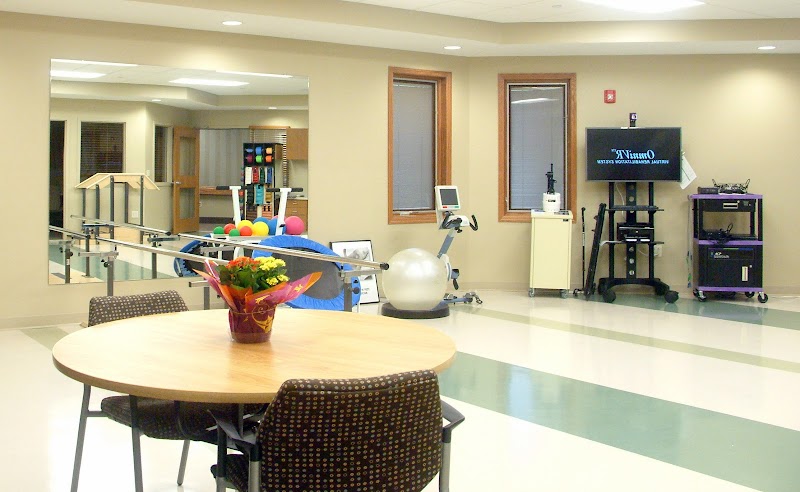
How is Northcrest Specialty Care Staffed?
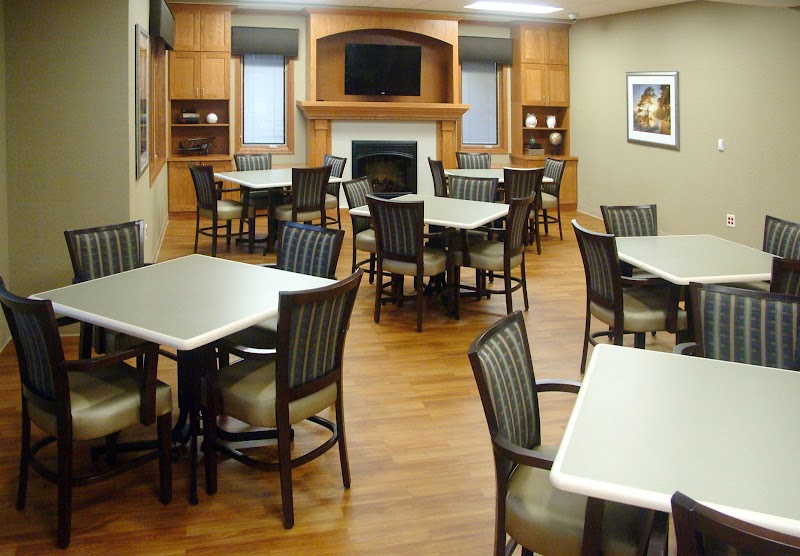
CMS rates Northcrest Specialty Care's staffing level at 3 out of 5 stars, which is average compared to other nursing homes. Staff turnover is 52%, compared to the Iowa average of 46%. RN turnover specifically is 69%, which is notably high. RNs provide skilled clinical oversight, so turnover in this role can affect medical care quality.

What Have Inspectors Found at Northcrest Specialty Care?

State health inspectors documented 31 deficiencies at Northcrest Specialty Care during 2022 to 2025. These included: 2 that caused actual resident harm, 27 with potential for harm, and 2 minor or isolated issues. Deficiencies causing actual harm indicate documented cases where residents experienced negative health consequences.

Who Owns and Operates Northcrest Specialty Care?

Northcrest Specialty Care is owned by a non-profit organization. Non-profit facilities reinvest revenue into operations rather than distributing to shareholders. The facility is operated by CARE INITIATIVES, a chain that manages multiple nursing homes. With 94 certified beds and approximately 82 residents (about 87% occupancy), it is a smaller facility located in Waterloo, Iowa.

How Does Northcrest Specialty Care Compare to Other Iowa Nursing Homes?

Compared to the 100 nursing homes in Iowa, Northcrest Specialty Care's overall rating (2 stars) is below the state average of 3.0, staff turnover (52%) is near the state average of 46%, and health inspection rating (2 stars) is below the national benchmark.

What Should Families Ask When Visiting Northcrest Specialty Care?

Based on this facility's data, families visiting should ask: "Can I visit during a mealtime to observe dining assistance and food quality?" "How do you handle medical emergencies, and what is your hospital transfer rate?" "Can I speak with family members of current residents about their experience?"

Is Northcrest Specialty Care Safe?

Based on CMS inspection data, Northcrest Specialty Care has a clean safety record: no substantiated abuse findings (meaning no confirmed cases of resident harm), no Immediate Jeopardy citations (the most serious violation level indicating risk of serious injury or death), and is not on the Special Focus Facility watch list (a federal program monitoring the lowest-performing 1% of nursing homes). The facility has a 2-star overall rating and ranks #100 of 100 nursing homes in Iowa. While no facility is perfect, families should still ask about staff-to-resident ratios and recent inspection results during their visit.

Do Nurses at Northcrest Specialty Care Stick Around?

Northcrest Specialty Care has a staff turnover rate of 52%, which is 6 percentage points above the Iowa average of 46%. Moderate turnover is common in nursing homes, but families should still ask about staff tenure and how the facility maintains care continuity when employees leave.

Was Northcrest Specialty Care Ever Fined?

Northcrest Specialty Care has no federal fines on record. CMS issues fines when nursing homes fail to meet care standards or don't correct problems found during inspections. The absence of fines suggests the facility has either maintained compliance or corrected any issues before penalties were assessed. This is a positive indicator, though families should still review recent inspection reports for the full picture.

Is Northcrest Specialty Care on Any Federal Watch List?

Northcrest Specialty Care is not on any federal watch list. The most significant is the Special Focus Facility (SFF) program, which identifies the bottom 1% of nursing homes nationally based on persistent, serious quality problems. Not being on this list means the facility has avoided the pattern of deficiencies that triggers enhanced federal oversight. This is a positive indicator, though families should still review the facility's inspection history directly.