Pillar of Cedar Valley
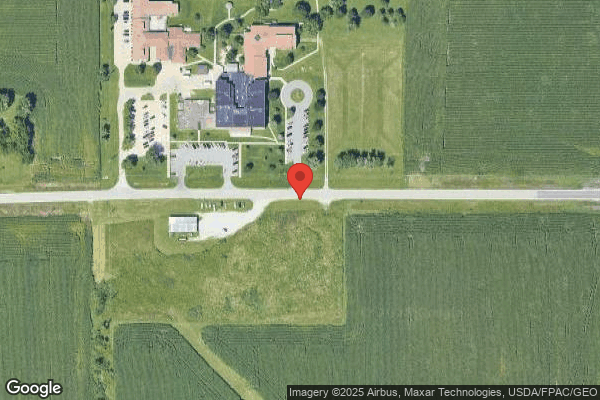
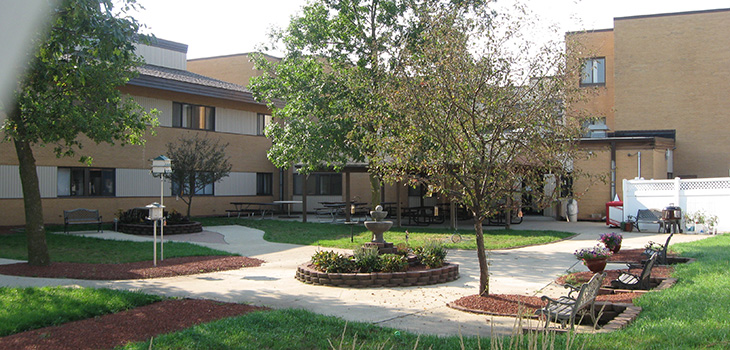
1410 WEST DUNKERTON ROAD, WATERLOO, IA 50703 (319) 291-2509
Non profit - Corporation 114 Beds Independent Data: November 2025
Trust Grade
50/100
#292 of 392 in IA
Last Inspection: October 2024

Within standard 12-15 month inspection cycle. Federal law requires annual inspections.

Overview

Pillar of Cedar Valley in Waterloo, Iowa has a Trust Grade of C, which means it is average and sits in the middle of the pack for nursing homes. It ranks #292 out of 392 in the state and #11 out of 12 in Black Hawk County, indicating it is in the bottom half of available facilities. Unfortunately, the facility is worsening, with issues increasing from 3 in 2023 to 11 in 2024. Staffing is considered a strength with a 3/5 star rating and a turnover rate of 43%, which is slightly below the state average. While the facility has not incurred any fines, there have been concerning incidents, such as a resident being left disconnected from their feeding tube and the facility failing to keep the environment clean and sanitary, posing potential risks to residents' health. Overall, while there are some strengths, families should carefully consider the recent trends and specific incidents when researching this home.
Trust Score
C
50/100
In Iowa
#292/392
Bottom 26%
Safety Record
Low Risk
No red flags
Inspections
Getting Worse
3 → 11 violations
Staff Stability
○ Average
43% turnover. Near Iowa's 48% average. Typical for the industry.
Penalties
✓ Good
No fines on record. Clean compliance history, better than most Iowa facilities.
Skilled Nurses
⚠ Watch
Each resident gets only 28 minutes of Registered Nurse (RN) attention daily — below average for Iowa. Fewer RN minutes means fewer trained eyes watching for problems.
Violations
⚠ Watch
29 deficiencies on record. Higher than average. Multiple issues found across inspections.
★★☆☆☆
2.0
Overall Rating
★★★☆☆
3.0
Staff Levels
☆☆☆☆☆
0.0
Care Quality
★★☆☆☆
2.0
Inspection Score
Stable
2023: 3 issues
2024: 11 issues

The Good

  • Full Sprinkler Coverage · Fire safety systems throughout facility
  • No fines on record
  • Staff turnover below average (43%)

    5 points below Iowa average of 48%

Facility shows strength in fire safety.

The Bad

2-Star Overall Rating

Below Iowa average (3.0)

Below average - review inspection findings carefully

Staff Turnover: 43%

Near Iowa avg (46%)

Typical for the industry

The Ugly 29 deficiencies on record

Oct 2024 11 deficiencies
CONCERN (D)

Potential for Harm - no one hurt, but risky conditions existed

Resident Rights (Tag F0550)

Could have caused harm · This affected 1 resident

**NOTE- TERMS IN BRACKETS HAVE BEEN EDITED TO PROTECT CONFIDENTIALITY** 3. The MDS dated [DATE], revealed Resident #52 had delusions and modified independence for decision making regarding tasks of da...

Read full inspector narrative →
**NOTE- TERMS IN BRACKETS HAVE BEEN EDITED TO PROTECT CONFIDENTIALITY** 3. The MDS dated [DATE], revealed Resident #52 had delusions and modified independence for decision making regarding tasks of daily life. Resident #52 required dependance upon staff for hygiene tasks, dressing, and transfers. Diagnoses included Schizophrenia, dysphagia (difficulty swallowing), and flaccid hemiplegia (paralysis of one side of the body) affecting left side. The Care Plan, revised on 3/27/24, revealed a focus area problem identified for psychosocial well-being due to diagnoses and symptoms of Paranoid Schizophrenia and Major Depressive Disorder. Intervention instructed staff to provide Resident #52 assistance and support to identify, reduce, or eliminate causative and contributing factors to feelings of isolation, anger, and frustration. The Medication/Treatment Administration Order, dated October 2024, revealed an order, started on 9/19/24, for Resident #52 to receive enteral feed, at a rate of 85 milliliters (mL) per hour for 12 hours, followed by a water flush of 100 mL per hour for 10 hours daily. Nursing Progress Notes, dated 9/26/24 at 1:49 PM, revealed Resident #52 had expressed depressive thoughts related to new feeding tube. On 10/2/24 at 11:26 AM, note indicated Resident #52 had been verbalizing unhappiness with tube feeding related to being hooked up to tube during the day and also due to limitations on oral intake. On 10/1/24 at 11:10 AM, Resident #52 sat in wheelchair at dining room table disconnected from feeding tube pump. Staff G, Licensed Practical Nurse (LPN), entered dining room with feeding tube pump attached to rolling pole. Staff G lifted Resident #52's shirt to expose gastrostomy tube (g-tube) and with ungloved hands, cleaned g-tube port with an alcohol wipe and attached the end of feeding tube to the g-tube port. Staff G then resumed continuous enteral tube feeding at 85 mL per hour. On 10/1/24 at 2:00 PM, Staff G, LPN, stated Resident #52 had gastrostomy tube in place for approximately 2 weeks and received tube feeding for difficulty with swallowing and risk for aspiration. Staff G informed that enteral feedings are started daily between 4:00-6:00 AM in resident's room and that it did not bother Resident #52 to have enteral feeding in common areas. On 10/1/24 at 2:53 PM, Staff H, Registered Nurse (RN) and Assistant Director of Nursing (ADON), revealed that Resident #52 had been very depressed after having g-tube placed and does not like to have tube feeding out of his room. ADON planned to inform Dietitian and Physician with request to have tube feeding completed during the night shift. On 10/1/24 at 2:55 PM, Director of Nursing (DON) revealed that hooking a feeding tube to resident in dining room was a concern for resident dignity. The facility policy titled, Resident Rights, dated October 2022, revealed that resident's in the community have the right to be treated with dignity and respect in full recognition of the resident's individuality and be treated in a manner that enhances the resident's quality of life. The policy additionally informed that residents have the right to be fully informed in advance about care and treatment and any changes in that care or treatment that will affect the resident's well being. 2. The MDS for Resident #27 dated 6/10/24 documented diagnoses including anxiety disorder and schizoaffective disorder. The MDS documented a BIMS score of 15 indicating intact cognitive functioning. The interventions on the Care Plan for Resident #27 included assist of 1 for turning and repositioning in bed, transfer with assist of 2 using mechanical lift and encourage use of call light During an interview on 9/30/24 at 2:13 PM with Resident #27, Staff E, CNA, answered the resident's call light. The resident explained to the CNA she was hot and wanted to get out of bed. The resident was visably sweating. Staff E explained to the resident that she was just coming on shift and could not get the resident out of bed at this time. She explained she would be back in 5-7 minutes. She then asked the resident to turn off her call light. While under continuous observation on 9/30/24 from 2:13 PM until 2:28 PM Staff E entered the resident's room at 2:33 PM. She did not take the mechanical lift or the resident's w/c in the room. She was in the room at 2:34 PM. As soon as the CNA left the room the resident's call light came back on. At 2:37 PM the resident was calling out that she wanted to get out of bed. At 2:39 PM Staff E and Staff F, CNA, entered the resident's room with the mechanical lift and turned off the call light. At 2:40 PM Staff F exited the room and took the w/c into the resident's room. At 2:48 the resident, Staff E and Staff F exited the resident's room. During an interview on 10/2/24 at 4:56 PM the DON explained she would expect call lights to be answered in no more than 15 minutes. She further explained if a resident was given a timeframe when the staff would return, they would return during that time frame. She explained that even if the staff needed to get assistance or was otherwise unable to meet the resident's need fully, they should attempt to alleviate the immediate discomfort. Based on observations, clinical record review, and resident, family, and staff interviews, the facility failed to treat residents with dignity and respect while affirming each resident's individuality during random observations of staff and resident interactions conducted during our unannounced visit. This was found during review of 3 of 3 residents (Resident #29, Resident #27, and Resident #52). During an observation of Resident #29's room it was noted that there was no curtain hanging between Resident #29's designated room space and his roommate Resident #64's room space, removing all privacy for Resident #29. Resident #29 did not have decision making abilities to approve that there be no curtain. It was observed that Resident #64 could not enter or exit their shared room without walking through Resident #29's designated room space. During an observation Resident #27 turned her call light on and wanted assistance to get out of bed as she was hot and visibly sweaty. Staff returned to the room [ROOM NUMBER] minutes later with a lift to transfer Resident #27 out of the room. An observation revealed that Resident #52's tube feeding was hooked up in a common area in front of several other residents. The facility reported a census of 132. Findings include: 1. A Minimum Data Set (MDS) assessment dated [DATE], documented diagnoses for Resident #29 included schizophrenia. A Brief Interview for Mental Status (BIMS) documented that this resident was rarely/never understood. It documented this resident knew the location of his own room and knew staff names and faces. On 10/1/24 at 8:54 AM, Resident #29 was lying in his recliner on his side with recliner reclined. There was no curtain between this resident and his roommate. His roommate was also lying in bed with covers on him. Resident #64 stated he did not mind there being no curtain. Resident #29, was not able to respond. On 10/1/24 at 1:39 PM, Staff A, Assistant Director of Nursing (ADON) and the Maintenance Supervisor acknowledged there was no curtain between Resident #29 and Resident #64. This ADON and the Maintenance Supervisor noted there was a track on the ceiling for a curtain but did not know why there was not a curtain in place. They stated maybe it was being laundered. They stated they would look for a work order to figure out why the curtain was not in place. Staff A and the Maintenance Supervisor concurred that there was no way for Resident #64 to enter and/or exit his allotted space in the room without walking through Resident #29's space. On 10/2/24 at 10:20 AM, the Maintenance Supervisor acknowledged the concerns with no direct access to the door without passing through another resident's room space, and no curtain hanging between the above two residents. He stated they think that Resident #64 tore down the curtain.
CONCERN (D)

Potential for Harm - no one hurt, but risky conditions existed

Deficiency F0658 (Tag F0658)

Could have caused harm · This affected 1 resident

**NOTE- TERMS IN BRACKETS HAVE BEEN EDITED TO PROTECT CONFIDENTIALITY** Based on observation, interview, clinical record review, and facility policy review, the facility failed to apply continuous oxy...

Read full inspector narrative →
**NOTE- TERMS IN BRACKETS HAVE BEEN EDITED TO PROTECT CONFIDENTIALITY** Based on observation, interview, clinical record review, and facility policy review, the facility failed to apply continuous oxygen at 2 liters (L) per minute via nasal cannula, as ordered by Provider, for 1 of 1 resident (Resident #52) reviewed for respiratory care. The facility reported a census of 132 residents. Findings include: The Minimum Data Set (MDS), dated [DATE], revealed Resident #52 had delusions and modified independence for decision making regarding tasks of daily life. Resident #52 required dependance upon staff for hygiene tasks, dressing, and transfers. Diagnoses included Chronic Obstructive Pulmonary Disease (COPD), Chronic Respiratory Failure with hypoxia, Schizophrenia, dysphagia (difficulty swallowing), and flaccid hemiplegia (paralysis of one side of the body) affecting left side. The MDS indicated Resident #52 had shortness of breath both with activity and at rest but lacked indication that Resident #52 required oxygen therapy or respiratory treatments. The Care Plan, revised 3/27/24, revealed a focused area for Resident #52 diagnosis of COPD with a goal that resident would display optimal breathing patterns daily and intervention to give oxygen therapy as ordered by the physician. The Medication and Treatment Administration Record (MAR/TAR), dated September 2024, revealed an order for oxygen administration at 2 liters per minute to keep oxygen saturation above 89%, initiated on 3/12/24. The MAR/TAR, dated October 2024, revealed a new order for nursing to assess Resident #52 lung sounds twice per day and notify provider or any changes from baseline, order initiated 10/2/24. On 9/30/24 at 10:55 AM, Resident #52 sat in dining room, oxygen worn via nasal cannula with flow set at 6 liters per minute. On 9/30/24 at 2:16 PM, Resident #52 laid in bed, oxygen worn via nasal cannula with flow set at 5 liters per minute. On 10/1/24 at 11:10 AM, Resident #52 sat in dining room, no oxygen applied. Noted oxygen concentrator remained in resident's room running at 4.5 liters per minute. At 12:06 PM, Resident #52 continued to be without oxygen therapy. On 10/1/24 at 2:00 PM, Staff G, Licensed Practical Nurse (LPN), stated Resident #52 mainly wore oxygen when in bed and stated that oxygen is provided as needed to Resident #52 when he is in common areas. On 10/1/24 at 2:53 PM, Staff H, Registered Nurse (RN) and Assistant Director of Nursing (ADON) revealed Resident #52 had order for oxygen to be given continuously at 2 liters per minute but informed that at times Resident #52 refused to wear oxygen outside of his room. On 10/1/24 at 2:55 PM, Director of Nursing (DON) revealed the expectation was that nursing staff follow physician's orders. On 10/3/24 at 11:57 AM, the Facility Administrator denied having a policy related to respiratory care or oxygen therapy.
CONCERN (D) 📢 Someone Reported This

A family member, employee, or ombudsman was alarmed enough to file a formal complaint

Potential for Harm - no one hurt, but risky conditions existed

Quality of Care (Tag F0684)

Could have caused harm · This affected 1 resident

**NOTE- TERMS IN BRACKETS HAVE BEEN EDITED TO PROTECT CONFIDENTIALITY** Based on observation, interview, clinical record review, and facility policy review, the facility failed complete resident fall ...

Read full inspector narrative →
**NOTE- TERMS IN BRACKETS HAVE BEEN EDITED TO PROTECT CONFIDENTIALITY** Based on observation, interview, clinical record review, and facility policy review, the facility failed complete resident fall assessment or neurological checks following a resident reported, unwitnessed, fall for 1 of 3 residents (Resident #53) reviewed for accidents. The facility reported a census of 132 residents. Findings include: The Minimum Data Set (MDS), dated [DATE], revealed a Brief Interview for Mental Status (BIMS) score of 12 out of 15, indicating moderately impaired cognition. Resident #53 able to transfer, ambulate and perform personal hygiene tasks independently. Diagnoses included Schizoaffective disorder, anxiety disorder, depression, and polyneuropathy. The MDS indicated Resident #53 had 2 or more falls with minor injury since previous assessment. The Care Plan, revised on 7/31/24, revealed Resident #53 had been at risk for falls related to daily use of psychotropic medications, chronic pain, and hammer toes with the intervention to educate resident about safety and remind her what to do if a fall occurs. The Care Plan revealed that Resident #53 had a fall on 7/25/24 and 7/30/24. In a Nursing Progress Note, dated 9/29/24 at 6:32 PM, documentation revealed that Resident #53 had been yelling from inside room, staff approached, and noted Resident #53 had been on hands and knees, crawling around room. Resident #53 stated she was attempting to clean out the drawers next to her bed. The note revealed staff assisted resident into bed. On 9/30/24 at 1:12 PM, Nursing Progress Note included documentation that Resident #53 reported to non-staff that she had fallen and when asked, could not remember the details of when, where, or how she had fallen. Note revealed that no injuries related to a fall were noted. Review of Resident #53's Incident Reports and Electronic Health Record (EHR) assessment tab, lacked a fall incident report or completion of fall assessment related to observation of resident crawling on floor or resident self-report of a fall. On 9/30/24 at 12:08 PM, Resident #53 reported to Staff I, Certified Nursing Assistant (CNA), that she had fallen in room. Staff I went into nurses station, no additional questions or assessment observed by nursing staff following resident's fall report. On 9/30/24 at 12:22 PM, Resident #53 again stated she had fallen and crawled across the floor using the bed to get self up. Resident #53 informed she had hurt her hands and knees during incident. A small scratch noted to left pinkie finger with scant amount of blood. State Inspector notified Staff H, Assistant Director of Nursing (ADON) of Resident #53 self-reported fall and blood noted to left pinkie finger. Staff H checked Resident #53's hand, applied a Band-aid, and reminded resident to notify staff if fallen and not to try and get self up. On 10/1/24 at 2:00 PM, Staff G, Licensed Practical Nurse (LPN) revealed that Staff I, CNA, had informed LPN that Resident #53 reported a fall on 9/30/24 at 12:08 PM. Staff G stated Resident #53 often had attention seeking behaviors and could not have fallen as she did not recall details of when, where, or how she had fallen. On 10/1/24 at 2:53 PM, Staff H, ADON, revealed that she had asked Resident #53 about a fall, resident had been unable to state details of fall, then reminded her to let someone know if she falls. On 10/1/24 at 2:54 PM Director of Nursing (DON) revealed the expectation that nursing would assess a resident, complete incident report, and neurological assessment for any resident self-reported or unwitnessed fall. The facility policy, titled Fall Prevention and Fall Review Policy, revised 1/2023, revealed the expectation for fall response to include: an investigation into fall circumstance, creation of risk management report in EHR, and completion of fall assessment to include checking for injury and pain. Nursing staff instructed to record and implement an immediate fall intervention.
CONCERN (D) 📢 Someone Reported This

A family member, employee, or ombudsman was alarmed enough to file a formal complaint

Potential for Harm - no one hurt, but risky conditions existed

Accident Prevention (Tag F0689)

Could have caused harm · This affected 1 resident

**NOTE- TERMS IN BRACKETS HAVE BEEN EDITED TO PROTECT CONFIDENTIALITY** Based on observation, record review, and staff interview, the facility failed to ensure residents were safe from accidents and h...

Read full inspector narrative →
**NOTE- TERMS IN BRACKETS HAVE BEEN EDITED TO PROTECT CONFIDENTIALITY** Based on observation, record review, and staff interview, the facility failed to ensure residents were safe from accidents and hazards for 1 of 3 residents reviewed (Resident #79). Staff failed to supervise Resident #79 in the shower room. The resident fell while in the shower. The facility reported a census of 132 residents. Findings include: The Minimum Data Set (MDS) dated [DATE] for Resident #79 revealed a Brief Interview of Mental Status (BIMS) score of 03 which indicated severe cognitive impairment. The MDS documented the resident had diagnoses of hypertension, dementia, Parkinson's Disease, anxiety and depression. The Care Plan for Resident #8 with a revised date of 9/26/24 with a focus area ADL Self Care revised on 7/03/24 directed staff for bathing the he required assistance of 1 with staff. Review of Resident #79's Electronic Health Record Progress Notes revealed a Nursing Progress Note dated 7/19/24 at 5:17 PM documented Resident #79 was in the shower unattended when staff found him on the floor in the shower room no injuries noted. In an interview on 10/1/24 at 3:49 PM, the Director of Nursing reported Resident #79 should have not been left in the shower unattended.
CONCERN (D)

Potential for Harm - no one hurt, but risky conditions existed

Tube Feeding (Tag F0693)

Could have caused harm · This affected 1 resident

**NOTE- TERMS IN BRACKETS HAVE BEEN EDITED TO PROTECT CONFIDENTIALITY** Based on observation, interview, clinical record review, and facility policy review, the facility failed to apply gloves or addi...

Read full inspector narrative →
**NOTE- TERMS IN BRACKETS HAVE BEEN EDITED TO PROTECT CONFIDENTIALITY** Based on observation, interview, clinical record review, and facility policy review, the facility failed to apply gloves or additional Personal Protective Equipment (PPE) for infection prevention during administration of enteral tube feeding for 1 of 1 residents (Resident #52) reviewed for tube feeding. The facility reported a census of 132 residents. Findings include: The Minimum Data Set (MDS), dated [DATE], revealed Resident #52 had delusions and modified independence for decision making regarding tasks of daily life. Resident #52 required dependance upon staff for hygiene tasks, dressing, and transfers. Diagnoses included Schizophrenia, dysphagia (difficulty swallowing), and flaccid hemiplegia (paralysis of one side of the body) affecting left side. The Care Plan, revised on 9/24/24, revealed Resident #52 had a Percutaneous Enteral Gastrostomy (PEG) tube placed 9/16/24 related to dysphagia with the goal for insertion site to remain free of signs and symptoms of infection through the review date. Interventions instructed staff to check for tube placement and gastric contents/residual volume per facility protocol, provide localized care to G-tube site as ordered, and observe for signs and symptoms of infection. The Medication/Treatment Administration Order, dated October 2024, revealed an order, started on 9/19/24, for Resident #52 to receive enteral feed, at a rate of 85 milliliters (mL) per hour for 12 hours, followed by a water flush of 100 mL per hour for 10 hours daily. On 09/30/24 at 12:43 PM, observed an Enhanced Barrier Precautions sign posted on Resident #52's door to room. On 10/01/24 at 11:10 AM, Resident #52 sat in wheelchair at dining room table disconnected from feeding tube pump. Staff G, Licensed Practical Nurse (LPN), entered dining room with feeding tube pump attached to rolling pole. Staff G lifted Resident #52's shirt to expose gastrostomy tube (g-tube) and with ungloved hands, no additional Personal Protective Equipment (PPE) worn, cleaned g-tube port with an alcohol wipe and attached the end of feeding tube to the g-tube port. Staff G then resumed continuous enteral tube feeding at 85 mL per hour. Various residents and staff remained in area as nurse reattached and resumed Resident #52's enteral feeding. On 10/01/24 at 2:00 PM, Staff G, LPN, stated Resident #52 had gastrostomy tube in place for approximately 2 weeks and received tube feeding for difficulty with swallowing and risk for aspiration. Staff G stated that enteral feedings are started daily between 4:00-6:00 AM in resident's room and that it did not bother Resident #52 to have enteral feeding in common areas. Staff G stated the Enhanced Barrier Precautions (EBP) sign, posted on Resident #52's door, was for additional PPE to be worn when completing wound care related to an open area on bottom. On 10/01/24 at 2:53 PM, Staff H, Registered Nurse (RN) and Assistant Director of Nursing (ADON), revealed that the EBP sign on Resident #52's door was to instruct staff to don additional PPE (gown, gloves) when attaching or removing the feeding tube. On 10/01/24 at 2:55 PM, Director of Nursing (DON) revealed that hooking a feeding tube to resident in dining room was a concern for resident dignity and expected nursing staff to provide appropriate infection control practices when administering tube feedings. The facility policy titled, Gastrostomy Tube Care, not dated, instructed staff to wash hands and don gloves before handling gastrostomy tubes and attachments to decrease the risk of infection.
CONCERN (D)

Potential for Harm - no one hurt, but risky conditions existed

Deficiency F0912 (Tag F0912)

Could have caused harm · This affected 1 resident

**NOTE- TERMS IN BRACKETS HAVE BEEN EDITED TO PROTECT CONFIDENTIALITY** Based on observations, interviews and record review, the facility failed to ensure a minimum of 80 square feet of personal room ...

Read full inspector narrative →
**NOTE- TERMS IN BRACKETS HAVE BEEN EDITED TO PROTECT CONFIDENTIALITY** Based on observations, interviews and record review, the facility failed to ensure a minimum of 80 square feet of personal room space for residents with roommates for 1 of 1 resident reviewed (Resident #29). During an observation it was noted that Resident #29 had a smaller room space than his roommates. The facility reported a census of 132 residents. Findings include: A Minimum Data Set (MDS) dated [DATE], documented diagnoses for Resident #29 included schizophrenia. A Brief Interview for Mental Status (BIMS) documented that this resident was rarely/never understood. It documented this resident knew the location of his own room and knew staff names and faces. A Care Plan with a Bed Mobility intervention initiated on 4/20/21, directed staff that Resident #29 chose to sleep in a recliner; Resident #29 did not have a bed. On 10/1/24 at 1:39 PM, the Maintenance Supervisor measured the room space for Resident #29. The measurements were 82 inches by 98 inches. Both Staff A, Assistant Director of Nursing (ADON) and the Maintenance Supervisor confirmed the measurements. On 10/2/24 at 10:20 AM, the Maintenance Supervisor stated they were having discussions regarding moving Resident #29 to the room next door and to keep room [ROOM NUMBER] a 3 resident room instead of a 4 resident room. He stated the room above room [ROOM NUMBER] on the 3rd floor was currently a 3 person room and mirrored room [ROOM NUMBER]. He stated that room [ROOM NUMBER] was certified for 4 resident occupancy at some point and what they think might have happened was when the facility was mandated to add a bathroom to each of the resident's rooms, the square footage per resident decreased. This Maintenance Supervisor acknowledged that Resident #29's room was less than 80 square footage and that the measurements of 82 inches by 98 inches was a little over 55 square feet. The facility did not have a policy that addressed square footage in resident rooms.
CONCERN (D)

Potential for Harm - no one hurt, but risky conditions existed

Deficiency F0913 (Tag F0913)

Could have caused harm · This affected 1 resident

**NOTE- TERMS IN BRACKETS HAVE BEEN EDITED TO PROTECT CONFIDENTIALITY** Based on observations, interviews and record review, the facility failed to ensure residents had direct access to an exit corrid...

Read full inspector narrative →
**NOTE- TERMS IN BRACKETS HAVE BEEN EDITED TO PROTECT CONFIDENTIALITY** Based on observations, interviews and record review, the facility failed to ensure residents had direct access to an exit corridor from their designated room space in a room shared by 4 residents for 4 of the 4 residents reviewed (Resident #29, Resident # 60, Resident #64 and Resident #92). Resident #64 would need to exit through Resident #29's designated room space to exit the room and access the hall. Resident #60 would need to exit through either Resident # 64's space and then into Resident #29's designated space or would need to exit through Resident #92's designated space. The facility reported a census of 132 Residents. Findings include: On 10/1/24 at 1:39 PM, Staff D, Assistant Director of Nursing (ADON) and Staff A, Maintenance Supervisor concurred that there was no way for in and out of the room for the 2 residents in the back of the room Resident #29 and Resident #60 to enter and/or exit their allotted space in the room without walking through Resident #64's and/or Resident #29's space. On 10/2/24 at 10:20 AM, Staff A stated the facility was having discussions regarding moving Resident #29 to the room next door and then to keep room [ROOM NUMBER] a 3 resident room. Staff A stated the room above it on the 3rd floor was a 3 person room and mirrors room [ROOM NUMBER]. He stated that at some point room [ROOM NUMBER] was certified for 4 residents. Staff A stated that what they think might have happened was when the facility had to add a bathroom to each of the individual rooms, the square footage per resident decreased. Staff A acknowledged the concerns with no direct access to the door without passing through another resident's room space. The facility did not provide a policy regarding direct access to an exit corridor.
CONCERN (D)

Potential for Harm - no one hurt, but risky conditions existed

Deficiency F0914 (Tag F0914)

Could have caused harm · This affected 1 resident

**NOTE- TERMS IN BRACKETS HAVE BEEN EDITED TO PROTECT CONFIDENTIALITY** Based on observations, interviews and record review, the facility failed to provide a privacy curtain between 2 residents (Resid...

Read full inspector narrative →
**NOTE- TERMS IN BRACKETS HAVE BEEN EDITED TO PROTECT CONFIDENTIALITY** Based on observations, interviews and record review, the facility failed to provide a privacy curtain between 2 residents (Resident # 29 and Resident #64. During an observation of Resident #29's room it was noted that there was no curtain hanging between Resident #29's designated room space and his roommate Resident #64's room space, removing all privacy for Resident #29. Resident #29 did not have decision making abilities to approve that there be no curtain. The facility reported a census of 132 residents. Findings include: A Minimum Data Set (MDS) dated [DATE], documented diagnoses for Resident #29 included schizophrenia. A Brief Interview for Mental Status (BIMS) documented that this resident was rarely/never understood. It documented this resident knew the location of his own room and knew staff names and faces. On 10/1/24 at 8:54 AM, Resident #29 was lying in his recliner on his side with recliner reclined. There was no curtain between this resident and his roommate. His roommate was also lying in bed with covers on him. Resident #64 stated he did not mind there being no curtain. Resident #29, was not able to respond. On 10/1/24 at 1:39 PM, Staff A, Assistant Director of Nursing (ADON) and the Maintenance Supervisor acknowledged there was no curtain between Resident #29 and Resident #64. This ADON and the Maintenance Supervisor noted there was a track on the ceiling for a curtain but did not know why there was not a curtain in place. They stated maybe it was being laundered. They stated they would look for a work order to figure out why the curtain was not in place. On 10/2/24 at 10:20 AM, the Maintenance Supervisor acknowledged the concern no curtain hanging between the above two residents. He stated they think that Resident #64 tore down the curtain. The facility did not have a policy addressing privacy curtains.
CONCERN (D)

Potential for Harm - no one hurt, but risky conditions existed

Deficiency F0919 (Tag F0919)

Could have caused harm · This affected 1 resident

**NOTE- TERMS IN BRACKETS HAVE BEEN EDITED TO PROTECT CONFIDENTIALITY** Based on observations, policy review, resident and staff interviews, the facility failed to provide a call light for Resident #1...

Read full inspector narrative →
**NOTE- TERMS IN BRACKETS HAVE BEEN EDITED TO PROTECT CONFIDENTIALITY** Based on observations, policy review, resident and staff interviews, the facility failed to provide a call light for Resident #103. The facility reported a census of 103 residents. Findings include: The Minimum Data Set (MDS) dated [DATE] for Resident #103 revealed a Brief Interview of Mental Status (BIMS) score of 13 which indicated intact cognition. The MDS documented the resident had diagnoses of seizure disorder, Benign paroxysmal vertigo, malnutrition, Bipolar and Schizophrenia. Review of Resident #103 census documents she moved from another room to her current room on 1/11/2022. An observation on 9/30/24 at 2:53 PM, Resident #103 did not have a call light noted in her room. During an interview on 9/30/24 at 2:53 PM, Resident #103 reported she has not had a call light in her room. An observation on 10/02/24 at 9:49 AM, Resident #103's room continued to not have a call light. During an interview on 10/02/24 at 9:49 AM, Resident #103 reported she didn't know all the rooms should have a call light because she didn't have one. During an interview on 10/02/24 at 9:52 AM, Staff C, Licensed Practical Nurse reported Resident #103 should have a call light and didn't know why she didn't. In an interview on 10/02/24 at 11:03 AM, Staff D, Assistant Director Of Nursing reported Resident #103 should have a call light in her room and was not sure why she didn't have one or how long it had been missing. Review of the facility policy titled Call Light and Availability and Response dated 1/01/2019 documented staff will ensure residents that change rooms have a call light in the room.
CONCERN (E)

Potential for Harm - no one hurt, but risky conditions existed

Deficiency F0577 (Tag F0577)

Could have caused harm · This affected multiple residents

Based on observation and staff interview, the facility failed to post notice of the availability of the most recent survey reports and failed to have survey reports readily accessible to residents, fa...

Read full inspector narrative →
Based on observation and staff interview, the facility failed to post notice of the availability of the most recent survey reports and failed to have survey reports readily accessible to residents, family members and legal representatives of the most recent survey of the facility. The facility reported a census of 132 residents. Findings include: Observations 9/30/24 and 10/1/24 revealed a three-ring white binder labeled Department of Inspection and Appeals (DIA) Survey Book 1/6/22 to present lay flat on a rolling rack inside of double set of doors labeled community room. The area was a hallway that went down to the facility conference room and the therapy room. The area outside of the Community Room did not publicly display and post that facility survey results were available for review and where to find the survey book. During an observation on 10/2/24 at 9:52 AM the white three ring binder labeled DIA Survey Book 1/6/22 to present continued to lay flat on a rolling rack inside a set of double doors labeled community room. No residents had been observed accessing the area. Interview on 10/2/24 at 9:53 AM Staff B, Scheduler reported she didn't know why the survey book was on a rack inside the inner hallway. Staff B stated she only does the scheduling. On 10/2/24 at 1:13 PM the wheeled cart observed in a cove off of the main entrance hallway area with coat hooks and wet floor signs with a red and black broom sitting up against the wall. Observation at this time revealed no posting to notify residents, family, legal representatives or the general public of the location to review the facility's most recent survey results. During an interview on 10/3/24 at 9:15 AM the Director of Nursing reported she was not aware they needed to post survey reports were available and where to find the them. She reported they had recently repainted and the cart got moved, but the facility had not posted survey reports were available and where to find them. They would get a sign posted.
CONCERN (F)

Potential for Harm - no one hurt, but risky conditions existed

Infection Control (Tag F0880)

Could have caused harm · This affected most or all residents

**NOTE- TERMS IN BRACKETS HAVE BEEN EDITED TO PROTECT CONFIDENTIALITY** 2. The Minimum Data Set (MDS), dated [DATE], revealed Resident #52 had delusions and modified independence for decision making r...

Read full inspector narrative →
**NOTE- TERMS IN BRACKETS HAVE BEEN EDITED TO PROTECT CONFIDENTIALITY** 2. The Minimum Data Set (MDS), dated [DATE], revealed Resident #52 had delusions and modified independence for decision making regarding tasks of daily life. Resident #52 required dependance upon staff for hygiene tasks, dressing, and transfers. Diagnoses included Schizophrenia, dysphagia (difficulty swallowing), and flaccid hemiplegia (paralysis of one side of the body) affecting left side. The Care Plan, revised on 9/24/24, revealed Resident #52 had a Percutaneous Enteral Gastrostomy (PEG) tube placed 9/16/24 related to dysphagia with the goal for insertion site to remain free of signs and symptoms of infection through the review date. Intervention instructed provide localized care to G-tube site as ordered, and observe for signs and symptoms of infection. On 09/30/24 at 12:43 PM, observed an Enhanced Barrier Precautions sign posted on Resident #52's door to room. On 10/01/24 at 11:10 AM, Resident #52 sat in wheelchair at dining room table disconnected from feeding tube pump. Staff G, Licensed Practical Nurse (LPN), entered dining room with feeding tube pump attached to rolling pole. Staff G lifted Resident #52's shirt to expose gastrostomy tube (g-tube) and with ungloved hands, no additional Personal Protective Equipment (PPE) worn, cleaned g-tube port with an alcohol wipe and attached the end of feeding tube to the g-tube port. Staff G then resumed continuous enteral tube feeding at 85 mL per hour. Various residents and staff remained in area as nurse reattached and resumed Resident #52's enteral feeding. On 10/01/24 at 2:00 PM, Staff G, LPN, informed that the Enhanced Barrier Precautions (EBP) sign, posted on Resident #52's door, was for additional PPE to be worn when completing wound care related to an open area on bottom. On 10/01/24 at 2:53 PM, Staff H, Registered Nurse (RN) and Assistant Director of Nursing (ADON), revealed that the EBP sign on Resident #52's door was to instruct staff to don additional PPE (gown, gloves) when attaching or removing the feeding tube. On 10/01/24 at 2:55 PM, Director of Nursing (DON) revealed the expectation that nursing staff provide appropriate infection control practices when administering tube feedings. The facility policy titled, Gastrostomy Tube Care, not dated, instructed staff to wash hands and don gloves before handling gastrostomy tubes and attachments to decrease the risk of infection. Based on policy review, Center for Infection Control and Prevention (CDC) Guidelines, and staff interview, the facility failed to perform an assessment to identify where Legionella and other opportunistic waterborne pathogens could grow and spread; and failed to identify measures to monitor and prevent the growth of opportunistic waterborne pathogens and facility staff failed to use enhanced barrier precautions when assisted a resident with a tube feeding, (Resident #52). The facility identified a census of 132 residents. Findings include: According to the CDC Legionnaires' disease is a serious type of pneumonia caused by bacteria, called Legionella, that live in water. Legionella can make people sick when they inhale contaminated water from building water systems that are not adequately maintained. During an interview on 10/02/24 at 10:50 AM Staff A, Maintenance Supervisor reported they did not have a water mapping or plan, but the facility does have a Legionella Policy. He verbalized they have never had low census so resident rooms are never vacant. They have not had to flush rooms, kitchens, water fountains or shower rooms, because everything is always in use. All laundry, kitchen, fountains and showers are in use daily so they have not identified any dead ends in the water system that require flushing at this time. On 10/02/24 at 1:05 PM Staff A verbalized they had always just given the Legionella Policy to the State and it was fine. He reported he did not have a written assessment pertaining to where Legionella could grow and he did not have a water plan that identified measure to prevent the growth of Legionella and how to monitor for Legionella. Staff A confirmed the facility had municipal water lines coming into the facility, an eye wash station in the laundry room with a back-flow valve, several shower rooms in use and a large kitchen with an ice machine. During an interview on 10/02/24 at 1:48 PM the Administrator reported she had only been with the facility for a month, but she had worked on Legionella assessment and water plans for facilities back in 2019. She stated she understood the facility needed a water management plan and the facility would be working on developing one. During an interview on 10/03/24 at 9:05 AM the Director of Nursing (DON) reported she had gone to a meeting on Legionnaires disease. She brought the information back and reviewed with maintenance, but honestly there has been no communication between the infection control preventionist and maintenance to work on the Legionnaires and a water management plan. She reported they had just gone through a water main break not that long ago and they did not have a water plan in place. On 10/02/24 at 11:58 the facility provided the Legionella Policy. The Section T Legionella Policy reviewed 2/2024 directed when the facility maintenance director identifies potentially hazardous conditions that promote Legionella, the facility will conduct a Legionella Environmental Assessment. There will also be a risk assessment completed annually only upon any major alteration of the physical plant or new structure erected that may cause water condition to change. The assessment provided by the CDC will assist the facility to assess water systems, determine if Legionella environmental sampling is required and developing a plan. When conducting a hazard assessment, the maintenance director will pay special attention to: a. Locations in the water system where water may stagnate, such as storage tanks, and components that have been isolation and no longer maintain a significant flow of water or infrequently used faucets. b. Hot water recirculation systems. c. Side-stream plumbing equipment not experiencing regular flow, such as expansion tanks, hammer arrestors, or by-pass lines. d. Cross-connections between domestic and process water system. d. Backflow prevention devices.
Jun 2023 2 deficiencies
CONCERN (D)

Potential for Harm - no one hurt, but risky conditions existed

Deficiency F0676 (Tag F0676)

Could have caused harm · This affected 1 resident

Based on clinical record review, observation, resident interview, staff interview and policy review the facility failed to provide appropriate services to maintain or improve resident abilities with m...

Read full inspector narrative →
Based on clinical record review, observation, resident interview, staff interview and policy review the facility failed to provide appropriate services to maintain or improve resident abilities with mobility and dining-eating for 1 of 5 residents reviewed (Resident #132). The facility reported a census of 134 residents. Findings include: The Minimum Data Set (MDS) for Resident #132 dated 04/17/23 listed diagnoses that included dysphasia (swallowing difficulty), non-traumatic brain dysfunction, muscle weakness with abnormalities of gait and mobility. The MDS documented needs for assist with personal care, included resident required extensive assist of one person with bed mobility, transferring, walking, toilet use, and personal hygiene. The MDS section for Brief Interview of Mental Status (BIMS) was not scored, relayed the resident had clear speech, understands verbal content and able to express ideas and wants. The Care Plan revised 5/28/23 documented the resident will increase level of mobility, ability and willingness to fully participate in restorative program. Resident will participate in restorative program up to six (6) days per week. Interventions included to encourage resident to perform restorative plan, to notify the nurse of pain, significant change or refusals and reasons The Care Plan documented resident to have meals in the doorway of room if refusing to go to the dining room. The Care Plan also documented that the resident will not have an interruption in normal activities due to pain. The Therapy Recommendations for Restorative Form dated 11/14/22 documented goals to maintain walking ability, maintain standing and balance by walking with a walker with assist of one person for up to two hundred (200) feet six times a week. The Restorative documentation, an electronic record for May 2023 indicated resident refused four (4) of eight (8) times offered. There was no documentation for June 2023 to indicate resident participated in any restorative exercises. The Functional Ambulation, an electronic record under tasks, directed to walk with walker up to six times a week as tolerated, to encourage two hundred (200) feet. Documented only one entry for the fourteen day look back 6/15/23 to 6/29/23 , entry on 6/23/23 documented refusal. The Weight Summary, an electronic record, documented on 6/1/23 the resident weighed 159.4 pounds on 6/21/23 weighed 150.6 pounds and on 5/5/23 the resident weighed 170.4 pounds. The Progress Notes on 6/23/23 at 12:30 PM documented a weight warning with recommendation for the nutritional supplement to be increased to three times a day. The Progress Notes on 6/20/23 at 3:05 PM documented resident refusing physical therapy evaluation three (3) times. Resident #132 stated, not yet and expressed reasons relating to pain. Note followed, obtain discontinue order for physical therapy evaluation. On 06/26/23 at 02:37 PM resident observed lying in bed, had only incontinent brief on. Resident relayed he did not want to get out of bed due to pain. He refused to go to the dining room for meals. He stated he had rib pain from a fall and healing was very slow. On 6/27/23 at 03:00 PM Resident #132 observed in bed, resident again relayed he does not want to get out of bed due to rib pain. Resident stated he was having meal trays delivered to his room and would not get up from his bed to eat. He acknowledged he does not always ask for Tylenol to treat the pain. On 6/28/23 at 8:45 AM medication administration observed by Certified Medication Assistant, CNA, Staff #A. Resident #132 was in bed, the breakfast meal was on his bed side table. He had food on his shirt and under his neck. Staff #A relayed he refuses to get up and is able to eat at his bed side. Resident requested Tylenol for his pain at this time. Resident raised his head to take his medication, he was not assisted to sit up or encouraged to do so. Interview On 6/28/23 at 03:15 PM Staff #A acknowledged resident did not get out of bed today. She relayed she would offer Tylenol at 4:30 PM and stated he usually gets up for the evening meal and sits in a chair outside of his room so he can be observed eating. Interview On 6/29/23 at 10:45 AM with Staff #C about resident activity. Staff #C relayed he has seen resident up walking but it was not this month. Staff acknowledged resident had a bedside meal on his tray table and he should eat sitting up. Staff #C relayed resident walked at least ten feet when he gets up to eat in his hall chair. Staff shared I think he is supposed to at least get up in his chair to eat in the hall if he doesn't want to go the dining room to ensure some walking. Staff #C relayed more details on restorative program could be obtained from restorative aide, staff #D who works with the resident on restorative goals. Interview On 6/29/23 at 11:10 AM with staff #D who acknowledged residents has a restorative plan consisting of goals to maintain walking ability. Staff #D relayed resident had been refusing. He could not give a detail of date of requests to participate or dates of refusals and reported resident had not received any therapy exercises in the month of June. Staff #D pointed to the board schedule with resident's name scheduled on Tuesday and Friday. Staff D shared that he felt resident participated very well when he thought he was moving to assisted living and then refused when he found it was not an option. He did not know if his lack of participation was related to pain. Interview with Staff # B (LPN) at 1:30 PM inquired about resident rib pain. Reviewed x-ray from 6/15/23 requested due to pain complaints that revealed no rib fracture. Reviewed together the medication administration record that revealed pain medications consisted of Tylenol every eight (8) hours as needed and bio-freeze to ribs as needed. Staff B, acknowledge resident was asking for Tylenol repeatedly due to pain, relayed he did not know why the bio-freeze was not used. Staff B acknowledged resident was not wanting to get out of bed, had not been walking, had room trays delivered, and had weight loss. Interview with Resident #132, Staff B present, Resident relayed ongoing rib pain, Staff B offered Tylenol and bio-freeze. Resident replied, yes, I would like the Tylenol and the bio-freeze. Staff B acknowledged resident would not know to ask for the bio freeze if he did not know it was an option. Staff B relayed he would continue to offer the bio-freeze as well at the Tylenol. On 6/29/23 at 11:45 PM the Administrator acknowledged per resident documentation that he was not taking part in the restorative program due to refusals. She acknowledged the activity changes could be a result of his fall and his refusals to get out of bed due to complaints of pain. The administrator acknowledged the resident had weight loss with reduced oral intake documented. The administrator relayed it would be beneficial to ensure hot charting follow up after a fall to assess if any changes. Pillar of Cedar Valley policy, Range of Motion and Mobility revised 4/2023 noted a goal to ensure residents remain active and avoid a decline in their mobility. Services provided include restorative programming or therapy services. Pillar of Cedar Valley policy, Pain management revised 4/2023 documented the mission to facilitate resident independence, promote comfort, and preserve dignity with interventions that included, communication, assessments, observations, exams, and reviews.


CONCERN (D)

Potential for Harm - no one hurt, but risky conditions existed

Medication Errors (Tag F0758)

Could have caused harm · This affected 1 resident

**NOTE- TERMS IN BRACKETS HAVE BEEN EDITED TO PROTECT CONFIDENTIALITY** Based on clinical record review, policy review, and staff interview the facility failed to limit the timeframe for PRN (as neede...

Read full inspector narrative →
**NOTE- TERMS IN BRACKETS HAVE BEEN EDITED TO PROTECT CONFIDENTIALITY** Based on clinical record review, policy review, and staff interview the facility failed to limit the timeframe for PRN (as needed) psychotropic medication to 14 days or obtain appropriate documentation from the provider for 1 of 5 residents (Resident #29). The facility reported a census of 134 residents. Finding include: Resident #29's Minimum Data Set (MDS) assessment dated [DATE] identified a Brief Interview for Mental Status (BIMS) score of 10, indicating moderate cognitive impairment. The MDS indicated that Resident #29 required extensive assistance of two persons with bed mobility, and ambulation, extensive assistance of one person for dressing and personal hygiene, and limited assistance of two persons for transfer and toilet use. The resident was independent with eating. The MDS included diagnoses of heart failure, diabetes, anxiety disorder, schizophrenia, schizoaffective disorder, and borderline personality disorder. Resident #29's Care Plan, revised on 4/11/23 revealed documentation that Psychotropic medications would be regularly reviewed by pharmacy and psychiatric health care provider per facility policy and Medicare guidelines. Review of the clinical medical record revealed that Resident #29 was prescribed Ativan 0.5 mg every 4 hours PRN (as needed) for health management related to anxiety disorder on 4/7/23 with an end date of indefinite. Review of facility policy, titled Policy & Procedure Psychotropic Medication with a revision date of 4/2023, revealed that PRN orders for psychotropic medications are limited to 14 days except if the attending physician or prescribing practitioner believes that it is appropriate for the PRN order to be extended beyond 14 days, he/she should document their rationale in the resident's medical record and indicate the duration for the PRN order. Resident #29's medical record lacked this documentation. During interview with Administrator on 6/29/23 at 11:15 AM, she acknowledged that the order should have an end date of 14 days or the supporting documentation to extend it.
Feb 2023 1 deficiency
CONCERN (E) 📢 Someone Reported This

A family member, employee, or ombudsman was alarmed enough to file a formal complaint

Potential for Harm - no one hurt, but risky conditions existed

Safe Environment (Tag F0921)

Could have caused harm · This affected multiple residents

**NOTE- TERMS IN BRACKETS HAVE BEEN EDITED TO PROTECT CONFIDENTIALITY** Based on observation, facility cleaning schedules, and resident and staff interviews, the facility failed to provide a safe, san...

Read full inspector narrative →
**NOTE- TERMS IN BRACKETS HAVE BEEN EDITED TO PROTECT CONFIDENTIALITY** Based on observation, facility cleaning schedules, and resident and staff interviews, the facility failed to provide a safe, sanitary, and comfortable environment for residents. The facility reported a census of 137. Findings include: Observations during a facility tour of the second floor on 2/20/2023 at 10:00 AM revealed: The common area floor had several dark, dirty areas of dried up spills and food debris. B hall resident room floors appeared scuffed with scattered debris present. room [ROOM NUMBER] - bed linens on the floor, the floor had heavy, dark grime, the toilet area floor had dried yellow urine. room [ROOM NUMBER] - bed linens on the floor, heavy, dark grime on floors, the toilet interior had a large amount of brown stains. room [ROOM NUMBER] - room and bathroom floor with heavy, dark grime. room [ROOM NUMBER] - used linens on the floor and sink. room [ROOM NUMBER] - dried blood on curtains used to separate resident areas, dried blood on floor from the resident bed towards the bathroom, a large amount of dust on the windowsill and under furniture. Room floor had a heavy amount of dirt and grime. During an interview on 2/20/2023 at 12:50 PM, Staff A (Housekeeping) stated the facility had two housekeepers. Staff A also reported she had to assist with maintenance and laundry. Staff A provided a Daily Checklist for cleaning resident rooms that staff were required to complete. On 2/20/2023 the Administrator submitted a random environment audit that revealed staff replaced the curtains and cleaned the floors in room [ROOM NUMBER]. On 2/21/2023, Resident # 1, who resided in room [ROOM NUMBER] transferred to a private room. During an interview on 2/20/2023, the Administrator indicated the facility would prefer to staff 8 housekeepers on the day shift, however they were having difficulty in hiring new staff.
Mar 2022 15 deficiencies
CONCERN (D)

Potential for Harm - no one hurt, but risky conditions existed

Resident Rights (Tag F0550)

Could have caused harm · This affected 1 resident

**NOTE- TERMS IN BRACKETS HAVE BEEN EDITED TO PROTECT CONFIDENTIALITY** Based on clinical record reviews, observations, facility policy review, resident and staff interviews, the facility failed to pr...

Read full inspector narrative →
**NOTE- TERMS IN BRACKETS HAVE BEEN EDITED TO PROTECT CONFIDENTIALITY** Based on clinical record reviews, observations, facility policy review, resident and staff interviews, the facility failed to promote dignity by covering a urinary drainage bag for 1 of 17 Residents (Residents #111) sampled for dignity. The facility identified a census of 130 residents. Findings include: The Minimum Data Set (MDS) assessment dated [DATE] showed a Brief Interview for Mental Status (BIMS) score of 14 indicating intact cognitive functioning. The resident required extensive assistance of one person for toilet use and personal hygiene. The MDS identified that the resident utilized (used) an indwelling suprapubic (through the abdomen to the bladder) urinary catheter for a diagnosis of neurogenic bladder. The Care Plan Focused area revised 6/17/20, identified the resident was at risk for complications related to use of a suprapubic catheter due to a diagnosis of benign prostatic hypertrophy (BPH) with obstructive uropathy. The Care Plan lacked interventions directing the staff to cover the urinary drainage bag with a dignity cover. During an observation on 3/7/22 at 1:00 p.m. Staff B, Certified Nursing Assistant, (CNA), assisted the resident back to his room. The urinary drainage bag hung off the right side of the reclining wheelchair with the urinary drainage bag 3/4 full of yellow urine. There was no privacy bag observed covering the drainage bag. During an interview on 3/7/22 at 1:10 p.m. Resident #111 stated it bothers him a little bit that others could see the urine in his bag. He reported he never knew if they covered the bag. During an observation on 3/8/22 at 7:37 a.m. the resident sat in the reclining wheelchair by the Oaks elevator with the urinary drainage bag. The urinary drainage bag was uncovered, hanging from the right side of his wheelchair with the urinary drainage bag was 1/4 full of yellow urine. Three other residents, not included in the sample, were observed sitting in the hallway area by the elevator. During an observation on 3/8/22 at 8:10 a.m. the resident sat in the reclining wheelchair, in the first floor dining room with his urinary drainage bag uncovered hanging off the right side of the wheelchair. The urinary bag had yellow urine 1/4 full in the urinary drainage bag visible. Twenty-seven residents were present in the dining room. Eleven residents were facing the resident where the urinary drainage bag could be visualized. On 3/8/22 at 8:13 a.m. Staff A, Licensed Social Worker, walked in to the dining room to inform another resident that she had a box for her. She stood 10 feet from Resident #111, and she did not address the resident's uncovered urinary drainage bag. An observation on 3/8/22 at 8:14 a.m. revealed the Provisional Administrator walked around the dining room talking with residents. She stood approximately 10 feet from Resident #111 and did not intervene to cover the urinary drainage bag for dignity. During an observation on 3/8/22 at 8:25 a.m. Staff C, Certified Nursing Assistant (CNA)/Restorative Aide (RA), moved the Resident's wheelchair to the side of the dining room table so that she could sit in a chair on the right side of the wheelchair near the uncovered urinary drainage bag. The urinary drainage bag hung down from the wheelchair uncovered and was 1/4 full of yellow urine. Staff B proceeded to assist the resident with breakfast without addressing the urinary drainage bag. During an interview on 3/8/22 at 1:57 p.m. Staff G, CNA, reported that urinary drainage bags should be emptied at the end of each shift and the bags should always be covered with a privacy cover. During an interview on 3/8/22 at 1:58 p.m. Staff H, Licensed Practical Nurse, (LPN), reported the CNA's should empty the urinary drainge bags at the end of the shift and the drainage bag should be covered. On 3/9/22 at 9:36 a.m. Staff C and Staff F, CNA/RA, entered Resident #111's room to perform the restorative nursing exercise program. The resident's door was opened to the hallway with the uncovered urinary drainage bag hanging off of the outer bed frame visible from the open room door draining 100 milliliters (ML) of dark amber urine. During an interview on 3/10/22 at 7:27 a.m. the Director of Nursing, (DON), reported she expects a dignity bag to be over the urinary drainage bags for dignity. She stated she needs to put a performance improvement program (PIP) in place, educate the staff regarding dignity, and catheter care going forward. At 7:39 a.m. the DON stated the drainage bags should be covered and that the facility had dignity bag covers available. The Resident's [NAME] of Rights, revised 11/16, provided by the facility, under section 1. Resdent's Rights (1) documented the facility must treat each resident with respect and dignity and care for each resident in a manner and in an environment that promotes maintenance or enhancement of his or her quality of life, recognizing each resident's individuality. The facility must protect and promote the rights of the resident. The undated Catheter - Emptying of policy provided by the facility lacked direction of when to use a privacy bag for urinary drainage bags.
CONCERN (D)

Potential for Harm - no one hurt, but risky conditions existed

Deficiency F0558 (Tag F0558)

Could have caused harm · This affected 1 resident

**NOTE- TERMS IN BRACKETS HAVE BEEN EDITED TO PROTECT CONFIDENTIALITY** Based on clinical record reviews, observations, and staff interviews the facility failed to provide reasonable accommodations fo...

Read full inspector narrative →
**NOTE- TERMS IN BRACKETS HAVE BEEN EDITED TO PROTECT CONFIDENTIALITY** Based on clinical record reviews, observations, and staff interviews the facility failed to provide reasonable accommodations for use of a call light while a dependent resident was in his bedroom with the door closed for 1 of 8 dependent residents reviewed (Resident #100). The facility reported a census of 130 residents. Findings include: The Minimum Data Set (MDS) dated [DATE] for Resident #100 documented a Brief Interview of Mental Status (BIMS) score of nine (9), indicating moderately impaired cognition. The MDS directed that the resident needed limited assistance (resident highly involved in activity; staff provide guided maneuvering movement of limbs or other non-weight-bearing assistance) of one (1) staff and total dependence (full staff performance every time during entire 7-day period) of two (2) staff for assistance. The MDS documented that Resident #10 had a Stage three (3) pressure ulcer (full thickness skin and tissue loss). During an observation on 3/7/22 at 11:14 AM noted Resident #100's call light hanging over the call light box on the wall and not within his reach. During the observation, Resident #100 was observed laying on his right side in the bed, approximately 8 feet away from the call light. During a follow-up observation on 3/7/22 at 11:40 AM witnessed Resident #100 leaving his room for meal service. During an interview on 3/10/22 at 10:40 AM the Director of Nursing (DON) revealed that she would expect for a call light to be in reach at all times while Resident #100 was in his room.
CONCERN (D)

Potential for Harm - no one hurt, but risky conditions existed

Abuse Prevention Policies (Tag F0607)

Could have caused harm · This affected 1 resident

Based on employee record review, policy review and staff interviews, the facility failed to complete a background employment check within 30 days of hire for 1 of 5 employee (Staff D) files reviewed. ...

Read full inspector narrative →
Based on employee record review, policy review and staff interviews, the facility failed to complete a background employment check within 30 days of hire for 1 of 5 employee (Staff D) files reviewed. The facility identified a census of 130 residents. Findings include: The New Hires since 3/7/21 list provided by the facility, documented Staff D, Certified Nursing Assistant, (CNA), with a hire date of 7/20/21. Staff D's Single Contact License and Background Check dated 6/11/21 show that the background check was complete as of 6/11/21. The Criminal History Background Check section indicated that further research was required and to await for the final response for criminal history. The Single Contact License and Background Check printed 6/14/21 recorded the status complete 6/14/21 with no criminal history (CCH) record found. Staff D's personnel record lacked a background check completed within 30 days of the hire date of 7/20/21. During an interview on 3/9/22 at 11:18 a.m. Staff E, Office Manager, reported that the background check has to be completed within 30 days of the actual hire date. Staff E explained that if it was outside of that timeframe, the background checks would have to be redone. During an interview on 3/9/22 at 11:19 a.m. the Provisional Administrator stated the background checks have to be completed within 30 days of hire. The Abuse Prevention, Identification, Investigation and Reporting Policy, revised 7/6/21 included a Policy Statement that all resident have the right to be free from abuse, neglect, misappropriation of resident property, exploitation, corporal punishment, involuntary seclusions, and any physical or chemical restraint not required to treat the resident's medical symptoms. Residents must not be subject to abuse by anyone, including but not limited to, facility staff, other residents, consultants or volunteers, staff of other agencies serving the resident, family members or legal guardians, friends, or other individuals. It shall be the policy of this facility to implement written procedures that prohibit abuse, neglect, exploitation and misappropriation of resident property. These procedures shall include screening. The Abuse, Prevention, Identification, Investigation and Reporting Policy Employee Screening documented that the facility should screen all potential employees for a history of abuse, neglect exploitation, misappropriation of property, or mistreatment of residents. The facility would not employ or otherwise engage individuals who; (i) have been found guilty of resident abuse, neglect, exploitation, misappropriation of property, or mistreatment by a court of law; (ii) have had a finding entered into the State Nurse Aide Registry of misappropriation of their property, or (iii) have a disciplinary action in affect against their professional license by a State licensure body as a result of a finding of abuse, neglect, exploitation, mistreatment of residents or misappropriation of resident property. This will be accomplished through (including maintaining documentation of such results): 1. The facility will conduct an Iowa Criminal record check and department adult/child abuse registry check on all prospective employees and other individuals engaged to provide services, prior to hire, in the manner prescribed under 481 Iowa Administrative Code 58.11(3). The facility will conduct a criminal record check and dependent adult/child abuse registry check on all current employees and other individuals engaged to provide services to residents who have criminal convictions or founded abuse determinations after hire, or where the facility received credible information that an employee has had a criminal conviction or a founded abuse determination subsequent to hire. See Iowa Code 135C.33(7). 2. For those prospective employees and other individuals engaged to provide services who hold certificates, the facility will conduct a check with the appropriate registry to assure there is no finding of abuse, neglect, exploitation, or treatment of resident or misappropriation of resident property. The Policy lacked documentation of the time frame for completing employee background checks. The Employee Handbook, revised 2/8/20, provided by the facility, under Employee Background Checks, Page 10 of 66, documented the Facility conducts background checks on applicants considered for employment and reserves the right to recheck the background of current employees.
CONCERN (D)

Potential for Harm - no one hurt, but risky conditions existed

Transfer Requirements (Tag F0622)

Could have caused harm · This affected 1 resident

**NOTE- TERMS IN BRACKETS HAVE BEEN EDITED TO PROTECT CONFIDENTIALITY** Based on clinical record reviews, staff interviews, and policy review; the facility failed to document in the resident's record ...

Read full inspector narrative →
**NOTE- TERMS IN BRACKETS HAVE BEEN EDITED TO PROTECT CONFIDENTIALITY** Based on clinical record reviews, staff interviews, and policy review; the facility failed to document in the resident's record a transfer form given to the receiving Emergency Department (ED). The facility failed to provided at minimum the following: contact information of the practitioner responsible for the care of the resident, the Resident's Representative information including contact information, Advance Directive information, all special instructions or precautions for ongoing care, as appropriate, comprehensive care plan goals, all other necessary information, and any other documentation, as applicable, to ensure a safe and effective transition of care for 1 of 2 residents reviewed (Resident #34). The facility reported a census of 130 residents. Findings include: Resident #34's Minimum Data Set (MDS) assessment dated [DATE] directed that the resident required extensive assistance of one person for bed mobility, transfers, walking in their room, walking in the corridor, toilet use, personal hygiene, locomotion on and off unit. The MDS documented an admission date to the facility on [DATE]. The MDS assessment dated [DATE] indicated the resident's most recent admission/entry or reentry to the facility was on 12/11/21. The MDS documented the resident returned to the facility from an acute hospital. Resident #34's census report revealed the following recent ED visits: A. On 12/9/21 Resident #34 discharged to the hospital B. On 12/11/21 Resident #34 returned to the facility C. On 2/9/22 Resident #34 discharged to the hospital D. On 2/15/22 Resident #34 return to the facility Resident #34's progress notes lacked documentation of records sent to the ED when resident transferred on 12/9/21 and 2/9/22. Resident #34's electronic Forms lacked a transfer or discharge form for the 12/9/21 and the 2/9/22 ED visits. During an interview on 3/10/22 at 10:47 AM the Director of Nursing (DON) revealed she expected at a minimum the facility nurse would send a resident to ED with their: 1. Medication Administration Record (MAR) 2. Treatment Administration Record (TAR) 3. admission record (face sheet) 4. IPOST (code status) 5. Transfer report relaying in writing what was going on and the reason for evaluation 6. Copy of the bed hold The DON added that the nurse was to call the receiving ED and give report about the resident, notify the resident's family of what was going on with a request of the bed hold if needed, and then make a progress note documenting what they sent with the resident.
CONCERN (D)

Potential for Harm - no one hurt, but risky conditions existed

Deficiency F0625 (Tag F0625)

Could have caused harm · This affected 1 resident

**NOTE- TERMS IN BRACKETS HAVE BEEN EDITED TO PROTECT CONFIDENTIALITY** Based on record review, staff interview and facility policy review, the facility failed to notify a resident and/or resident rep...

Read full inspector narrative →
**NOTE- TERMS IN BRACKETS HAVE BEEN EDITED TO PROTECT CONFIDENTIALITY** Based on record review, staff interview and facility policy review, the facility failed to notify a resident and/or resident representative of the facilities bed hold policy, including reserve bed payment, during hospitalization for 2 of 2 residents reviewed for hospitalization (Resident #34 and #125). The facility reported a census of 130 residents. Findings include: 1. An admission Minimum Data Set (MDS), dated [DATE] for Resident #34, documented the resident admitted to the facility on [DATE]. The MDS assessment dated [DATE] indicated the resident's most recent admission/entry or reentry to the facility was on 12/11/21. The MDS documented that the resident returned to the facility from an acute hospital. Resident #34's electronic health records (EHR) Census List reviewed on 3/8/22 revealed that he was sent to the hospital on [DATE] and returned to the facility on [DATE]. Resident #34's EHR of the MDS logs revealed the following completed assessments dates with description: a. 12/9/21 - Discharge return anticipated b. 12/11/21 - Entry The record review of Resident #34's Progress Notes for December 21 lacked documentation of notification to the family of the bed hold policy. During an interview on 2/10/22 at 10:48 AM the Director of Nursing (DON) revealed she would expect the nurse on duty to send a bed hold with the resident to the ED and document it in the resident's chart. The undated facility policy and procedure labeled Resident Discharge/Bed Holds indicated that when a resident transfers to a hospital a Bed Hold will be initiated by charge nurse as appropriate or when approved by the family.
CONCERN (D)

Potential for Harm - no one hurt, but risky conditions existed

PASARR Coordination (Tag F0644)

Could have caused harm · This affected 1 resident

**NOTE- TERMS IN BRACKETS HAVE BEEN EDITED TO PROTECT CONFIDENTIALITY** 2. Resident #33's Census report showed they admitted to the facility on [DATE]. The Notice of PASRR Level One Screen Outcome dat...

Read full inspector narrative →
**NOTE- TERMS IN BRACKETS HAVE BEEN EDITED TO PROTECT CONFIDENTIALITY** 2. Resident #33's Census report showed they admitted to the facility on [DATE]. The Notice of PASRR Level One Screen Outcome dated 9/20/21 for Resident #33 documented the PASRR Level One Determination as a Convalescence Categorical with a suspected or confirmed PASRR condition of mental health disability. The PASSR documented an approval period of 60 days. The PASRR documented Resident #33 could be admitted to a Medicaid certified nursing facility for up to 60 calendar days. If the stay goes beyond 60 calendar days, a nursing facility representative must submit a Status Change Level One. A PASRR Resident Review would be required before the 60th day. During an interview on 3/8/22 at 1:50 p.m. Staff A, Licensed Social Worker, reported she was working on updating Resident #33's new PASRR as of 3/8/22. She stated when a resident first admits to the facility, if they need an updated PASRR she puts a reminder on the calendar about three weeks out from when the PASRR is due. Staff A wasn't sure how the PASRR got missed. She was not sure if the facility had a PASRR policy. During an interview on 3/8/22 at 2:22 p.m. the Provisional Administrator stated she would expect the PASRR to be completed upon admission and be reviewed by the Social Worker. She would expect the Social Worker to follow up on the PASRR as indicated. The Provisional Administrator would allow each Social Worker to have their own system on how they tracked any needed follow-up. The PASRR Policy dated 3/8/22, documented it was required that all residents admitted to the facility have a PASRR on file and that the approval period was active and valid. The Policy Procedure outlined the following A. If a short-term approval was granted, the social worker(s) will follow up appropriately with a calendar reminder on paper and/or a computer reminder to ensure the PASRR remained in an approval period. B. A PASRR that was nearing the expiration approval period, should not be submitted any later than two weeks before its expiration date. C. The Administrator and/or DON would follow-up monthly during the Quality Assurance and Performance Improvement (QAPI) committee to ensure PASRR's were submitted in a timely manner. Based on clinical record reviews, staff interviews, and policy review; the facility failed to implement specialized services from a Preadmission Screening and Resident Review (PASRR) assessment completed on the date of admission for 1 of 1 residents reviewed (Resident #34). In addition the facility failed to resubmit a 60 day convalescent PASRR for a resident to be reviewed after a 60 day stay at the facility for 1 of 1 resident reviewed (Resident #33) for PASRR assessment. The facility reported a census of 130 residents. Findings include: 1. Resident #34's admission Record printed on 3/8/22 documented the following diagnoses; symptoms and signs involving cognitive functions and awareness, major depressive disorder, and adult failure to thrive. The Notice of PASRR Level 2 (II) Outcome dated 12/11/20 instructed that Resident #34 needed the following specialized services: a. Ongoing psychiatric medication management by a psychiatrist or psychiatric Advanced Registered Nurse Practitioner, ARNP, (to evaluate response and effectiveness of psychotropic medication on target symptoms, modify medication orders, and to evaluate the ongoing need for additional behavioral health services) b. Individual therapy by a licensed behavioral health professional. The Care Plan provided by the facility on 3/8/22 lacked implementation and documentation of the specialized services as instructed by PASRR for the facility to provide. During an interview on 3/8/22 at 3:52 PM the Provisional Administrator revealed they were implementing a PASRR policy effective that day, but the facility didn't have one before that day.
CONCERN (D)

Potential for Harm - no one hurt, but risky conditions existed

Comprehensive Care Plan (Tag F0656)

Could have caused harm · This affected 1 resident

**NOTE- TERMS IN BRACKETS HAVE BEEN EDITED TO PROTECT CONFIDENTIALITY** Based on clinical record reviews, observation, policy review and staff interviews, the facility failed to develop a comprehensiv...

Read full inspector narrative →
**NOTE- TERMS IN BRACKETS HAVE BEEN EDITED TO PROTECT CONFIDENTIALITY** Based on clinical record reviews, observation, policy review and staff interviews, the facility failed to develop a comprehensive care plan for a resident that developed a unstageable pressure injury to the left heel for 1 of 1 residents (Resident #55) reviewed. The facility identified a sample of 130 residents. Findings include: The Minimum Data Set (MDS) assessment dated [DATE] showed a Brief Interview for Mental Status (BIMS) Score of 9 indicating moderate cognitive loss. The resident required total assist of two staff for bed mobility, transfer, dressing, toileting and personal hygiene. The MDS listed a diagnosis of Non-Alzheimer's dementia, hypertension, bipolar, and paroxysmal atrial fibrillation. The MDS documented the resident as receiving pressure ulcer/injury care. During an interview on 3/8/22 at 9:24 AM, Resident #55 explained that the staff repositioned her when she wanted to be moved. During the interview Resident #55 had heel boots on. During an observation on 3/9/22 at 9:58 AM Resident #55 sat in bed, looking at book wearing heel boots on both of her feet. The Nursing Progress Note dated 12/29/21 at 8:05 a.m. documented that Resident #55 had four by four (4 x 4) blister-[NAME] area to her left heel. Staff were to put soft buddy boots on her and elevate her legs. The Primary Care Provider responded to the facility notification with no new orders. The Care Plan dated 3/8/22 documented Resident #55 with an actual impairment to her skin integrity related to decreased mobility. Resident #55 had an unstageable pressure ulcer to the left heel. The Focus and interventions were recorded as initiated on 3/8/22. The Care Plan directed the following interventions: a. Avoid scratching and keep hands and body parts from excessive moisture. Keep fingernails short. b. Encourage good nutrition and hydration in order to promote healthier skin. c. Follow facility protocols for treatment of injury. d. Followed by contracted Wound Nurse e. Monitor and document the location, size, and treatment of her skin injury. Report abnormalities, failure to heal, signs and symptoms of infection, maceration to medical doctor. f. Use caution during transfers and bed mobility to prevent striking arms, legs, and hands against any sharp or hard surface. During an interview on 3/9/22 at approximately 7:50 a.m. the Director of Nursing, (DON), reported she would not be surprised if the care plan was completed on 3/8/22 as she knows the MDS Coordinator was behind. During a follow-up interview on 3/10/22 at 7:32 a.m. the DON reported that the care plan was a working tool that needed to be completed based on the MDS and updated as the resident's changes occur. The care plan needed to be completed and revised timely. The Interim and Comprehensive Care Plans Policy, dated 1/19, provided by the facility documented the facility would develop an Interim Care Plan upon admission followed by a Comprehensive Care Plan for each resident. The Comprehensive Care Plan must include measurable objectives and timetables to meet the resident's medical, nursing and mental and psychosocial needs that were identified in the Comprehensive Assessment. The facility's interdisciplinary team in conjunction with the resident, resident's family, surrogate, or representative, as appropriate, would develop quantifiable objectives for the highest level of functioning the resident may be expected to attain, based on the Comprehensive assessments and the Care Area Assessments.
CONCERN (D)

Potential for Harm - no one hurt, but risky conditions existed

Deficiency F0657 (Tag F0657)

Could have caused harm · This affected 1 resident

**NOTE- TERMS IN BRACKETS HAVE BEEN EDITED TO PROTECT CONFIDENTIALITY** 2. The MDS dated [DATE] for Resident #111 showed a Brief Interview for Mental Status (BIMS) score of 14, indicating intact cogni...

Read full inspector narrative →
**NOTE- TERMS IN BRACKETS HAVE BEEN EDITED TO PROTECT CONFIDENTIALITY** 2. The MDS dated [DATE] for Resident #111 showed a Brief Interview for Mental Status (BIMS) score of 14, indicating intact cognitive functioning. The resident required extensive assistance with dressing, toilet use, and personal hygiene. The MDS listed a diagnosis of neurogenic bladder and identified the use of a suprapubic catheter. The Medication Review Report signed by the Provider on 2/9/22 listed the following physician orders: 1. Suprapubic Catheter: change catheter monthly with 20 French (FR) 10 cubic centimeters (cc) every evening shift starting on the 11th and ending on the 11th every month for catheter change. Start date 2/11/22. 2. Order suprapubic catheter change supplies from the resident's medical supply company. Change the catheter on the 11th one time a day starting on the 9th and ending on the 9th every month. Start date 2/9/22. The January 2022 Treatment Administration Record (TAR) documented the following physician order: Suprapubic catheter: Change catheter monthly with 20 FR 10 cc every evening shift starting on the 3rd and ending on the 3rd every month for catheter change. Start date 12/07/21. Discontinue date 1/11/22. The nursing staff signed off the catheter changes for the 20 FR 10 cc suprapubic catheter for 1/3/22. The February 2022 TAR documented the nursing staff ordered the suprapubic catheter supplies from the pharmacy on 2/1/22. The order to changed the suprapubic catheter was document as a 5 (hold/see progress notes) on 2/11/22. The March 2022 TAR documented the nursing staff ordered the suprapubic catheter supplies from the pharmacy on 3/1/22. The order to change the catheter on 3/11/22 lacked documentation of completion. A Care Plan Progress Note dated 2/17/22 at 12:47 p.m. documented the Resident had a care plan conference. The care plan note lacked documentation to support the resident utilized a suprapubic catheter, change in physician orders or need for revision of the care plan. The Care Plan revised 6/17/20 documented Resident #111 at risk for complications related to use of a suprapubic catheter due to a diagnosis of benign prostatic hytropertrophy. The Care Plan intervention revised on 10/5/19 indicated that the resident used a size 16 FR Foley catheter with 10 cc balloon. The Facility failed to revise the care plan with the new physician order for the 20 FR 10 cc suprapubic catheter. During an interview on 3/10/22 at 7:32 a.m. the Director of Nursing, (DON), reported the care plan is a working tool that needs to be completed based on the MDS and updated as resident changes occur. The care plan needs to be done timely and revised timely. The Interim and Comprehensive Care Plans Policy, dated 1/19, provided by the facility documented that the Comprehensive Care Plans would be reviewed and updated every quarter (90 days) at a minimum. The facility may need to review the care plans more frequently based on changes in the resident's condition and/or newly developed health/psychosocial well-being issues. The policy continued that the facility MDS/Care Plan Coordinators and ancillary MDS staff would attend the department head meeting with an in-depth review of the 24 hour report and would establish a new plan of care and/or make revisions to the existing care plans to address any acute condition changes or exacerbation of chronic issues that may need revisions to the problem, goals and/or interventions. Based on record review, staff interviews, and policy review the facility failed to revise a care plan within 7 days from the completion date of a Significant Change in Status Assessment (SCSA) Minimum Data Set (MDS) for 1 of 1 residents reviewed (Resident #100). The facility also failed to revise 1 of 1 care plans for the use of a super pubic catheter (Resident #111). The facility reported a census of 130 residents. Findings include: 1. Resident #100's SCSA MDS with an Assessment Reference Date (ARD) of 1/19/22 documented completion of the assessment on 2/16/22. In addition, the MDS documented the resident's recent entry date as 6/28/20. Resident #100's current Care Plan printed on 3/9/22 revealed the facility implemented a Focused area related to hospice on the date of review of 3/9/22. The Resident Assessment Instrument (RAI) manual, Chapter 4, documented that facilities are to complete care plan revisions within 7 days of the SCSA MDS completion date (2/16/22). During an interview on 3/10/22 at 10:45 AM the Director of Nursing revealed that the care plan should of been revised in January 2022.
CONCERN (D)

Potential for Harm - no one hurt, but risky conditions existed

Deficiency F0658 (Tag F0658)

Could have caused harm · This affected 1 resident

**NOTE- TERMS IN BRACKETS HAVE BEEN EDITED TO PROTECT CONFIDENTIALITY** Based on observation, clinical record review, policy and staff interview the facility failed to monitor and assess a skin condit...

Read full inspector narrative →
**NOTE- TERMS IN BRACKETS HAVE BEEN EDITED TO PROTECT CONFIDENTIALITY** Based on observation, clinical record review, policy and staff interview the facility failed to monitor and assess a skin condition for 1 of 1 resident reviewed (Resident #86). The facility reported a census of 130. Finding include: Resident #86's admission Minimum Data Set (MDS) dated [DATE] documented diagnoses that included type 2 diabetes mellitus with diabetic foot ulcer, anxiety disorder, and Lichen planus (inflammatory condition of the skin and mucous membranes). The MDS documented a Brief Interview for Mental Status (BIMS) score of 15, indicating no cognitive impairment. The MDS documented the resident had diabetic foot ulcers, nonsurgical dressings other than to feet, application of ointment other than to feet, application of dressings to feet. During an observation on 3/8/22 at 9:38 AM noted Resident #86's bilateral (both) lower legs appear red with dressings in place. The resident's MDS dated [DATE] documented a BIMS of 15. The resident had nonsurgical dressings other than to feet, application of ointment other than to feet and application of dressings to feet. The resident's MDS dated [DATE] documented a BIMS of 15. The resident had open lesions on the foot, open lesions other than ulcers, cuts, and rashes. The MDS documented nutritional or hydration interventions to manage skin problems. The MDS documented application of nonsurgical dressing other than to feet, application of ointment other than to feet and application of dressing to feet. The Care Plan Focused area revised on 1/2/22 indicated Resident #86 had increased nutrient needs related to Lichen Planus as evidenced by (AEB) skin wound. The first Goal revised 3/10/22 documented an A1C (diabetic glucose lab test) lab result less than or equal to 7. The second Goal revised 3/10/22 directed for Resident #86 to accept supplements as ordered. Interventions included provide diet as ordered. The Care Plan Focused area revised 12/31/21 documented that Resident #86 had an actual impairment to her skin integrity related to Lichen Planus and poor wound healing related to diabetes mellitus type II. The Focused area continued to state that when Resident #86's had a history of wounds to both of her lower legs. When the wounds heal, Resident #86 will often manually reopen them. This Focused area include a Goal revised 3/10/22 of no complications related to bilateral lower extremity wounds. The intervention dated 11/23/21 included to monitor and document location, size and treatment of skin injury. Report abnormalities, failure to heal, signs and symptoms of infection, maceration to the medical doctor (MD). The Physician Orders signed by the MD on 10/14/21 included an order dated 8/20/21 to cleanse legs, foot, and arms with soap and water, then pat dry. Once dry apply Vaseline ointment in equal parts to wounds twice daily. Cover with ABD (dressing) and secure with paper tape. The Physician Orders included an order dated 9/9/21 to dress Resident #86's right plantar (bottom of foot) foot ulcer (wound) with medihoney gauze and secure with paper tape daily. During an interview on 3/8/22 at 2:55 p.m. the Director of Nursing (DON) reported she couldn't find skin sheets for Resident #86. The facility provided the following information at exit of survey, they reported that the ARNP saw the resident for her skin and the facility didn't do assessments. Resident #86's Wound Follow-up Visit reports showed the following information A. 10/13/21 included a diagnosis of excoriation (skin-picking disorder), poor compliance, and a self-care deficit. 1. Bilateral Lower extremities etiology (cause) indicated Lichen Planus and skin excoriation disorder - left ankle measure three by 10 by 0.1 centimeters (3x10x0.1 cm), left dorsal foot 5x2.5 cm, right lateral ankle (6x9x0.1 cm), right calf eschars lat 2x3 cm, med 1.2x4 cm. The wound bed was red and granular except for the eschars. The wound had moderate serous exudate (drainage) and didn't have an odor. The peri-wound (skin around the wound) showed some slight surrounding maceration, scarring, and discoloration of a chronic (long-term) nature. No plan documented. 2. Bilateral arms etiology excoriation disorder - the left arm wound measured 1x2 cm and the right arm measured 3x2.5 cm. The wound bed was dry, pink, without odor or drainage, and with some eschars.The peri-wound was scarring with chronic discoloration The Assessment and Plan section directed that the open wounds involving multiple regions of upper and lower extremities to discontinue vaseline, use aquaphor daily after cleaning, and apply mupurocin () to eschars twice daily with no dressings needed. The MD discussed poor compliance with Resident #86 and explained the risk of life threatening infections and even amputations. B. 11/3/21 1. Bilateral Lower extremities etiology (cause) indicated Lichen Planus and skin excoriation disorder - left lateral leg measured 8x6.0x0.1 cm, left dorsal foot 4x3x0.1 cm, right lateral leg (8x6x0.1 cm), right anterior leg 2x7x0.1 cm, right dorsal foot 1.0x2x0.1 cm. The wound bed was granular. The wound had moderate serosanguinous exudate and didn't have an odor. The peri-wound showed scarring and discoloration of a chronic nature. No plan documented. 2. Bilateral arms etiology Lichen Planus and excoriation disorder - no measurements done. The wound bed was granular, without odor, and with small serosanguinous exudate.The peri-wound was scarring and with chronic discoloration The Assessment and Plan indicated no new orders. C. 11/24/21 - the wounds had worsened and were surrounded with crusting blood. Resident #86 reported that the staff didn't apply dressings to her lower extremities because they misread the order regarding no dressings to the arms. Resident #86 refuses to allow staff to clean the wounds well as she refuses showers often. 1. Bilateral Lower extremities etiology (cause) indicated Lichen Planus and skin excoriation disorder - left ankle measure three by 3.5x7 cm, left foot 2x3 cm, right lateral ankle 9x11 cm, right anterior leg 3.5x5 cm, medial 6x4 cm, and right foot measured 1x2.5 cm The wound bed was superficial granular with crusted blood. The wound had moderate serous exudate and didn't have an odor. The peri-wound showed some scarring and discoloration of a chronic nature. No plan documented. The Assessment and Plan directed to have a Psych follow-up for excoriation (skin-picking) disorder. The lesions worsened since they were not dressed. 2. Bilateral arms etiology skin excoriation disorder and Lichen Planus - the left arm had three scabbed areas measuring 1 cm, 1 cm, and 0.5 in diameter. The right arm measured 8.5x5 cm. The wound bed was dry, scabbed, without odor, and small sanguinous exuate.The peri-wound was scarring with chronic discoloration. D. 12/15/21 - Resident #86 had small amount of serosanguinoeous drainage on the dressings to her bilateral lower extremities, her arms were open to air with a few scabbed areas on the right arm, left arm looked pretty good. 1. Bilateral Lower extremities etiology indicated Lichen Planus and skin excoriation disorder - left ankle measure three by 10 by 0.1 centimeters (3x10x0.1 cm), left dorsal foot 5x2.5 cm, right shin 7.5x7.5x0.1, right lateral calf 8x1.5x0.1 cm, right medial calf 8x1.5x0.1 cm, and rght foot 1.3x4.0x0.1 cm. The wound bed was granular. The wound had small serosanguineous exudate and didn't have an odor. The peri-wound showed some scarring and discoloration of a chronic nature. 2. Bilateral arms etiology excoriation disorder - the left arm wound measured 1x2 cm and the right arm measured 3x2.5 cm. The wound bed was scabbed with no exudate or odor. The peri-wound was scarred with chronic discoloration. The Assessment and Plan section directed to continue the daily dressing with vaseline or aquaphor to the bilateral lower extremities. No dressings needed to the arms unless draining and to see Psych for a follow-up. E. 1/5/22 - Other than an abrasion from a fall, Resident #86's wounds were pretty much healed. Bilateral lower extremity dressings were in place since the previous day as Resident #86 reported that they weren't changed for two days. The staff reported that she refused showers because she didn't like the staff who would assist her. 1. Bilateral lower extremities etiology indicated Lichen Planus, anxiety, and skin excoriation disorder - left ankle measured three by 5 by 15 centimeters, left foot 6x4 cm, left shin 5.6x6 cm, right lateral extremity 7.5x9.5x0, right anterior leg 8x9 cm, and right medial 9x3.5 cm. The wound bed was granular. The wound had small serosanguineous exudate and didn't have an odor. The peri-wound showed some scarring and discoloration of a chronic nature. 2. Bilateral arms etiology excoriation disorder - the left arm wound healed and the right superior (upper) arm measured 2x1.5 cm and inferior (lower) 3.5x4.5 cm. The wound bed was dry red, with no odor or exudate. The peri-wound was intact with scarring and chronic discoloration. The Assessment and Plan directed to continue Aquaphor Vaseline applied daily after cleansing and shower with warm water, then cover with an ABD dressing secured with paper tape. No dressings needed to the upper extremities. Orders provided that visit included discontinue Mupurocin, triamcinolone, leave Vaseline or Aquaphor at bedside for Resident #86 to apply to itching skin as needed. F. 1/26/22 - Resident #86 reported that she wasn't getting her dressing changed any more than 2 to 3 times a week. The staff reported that Resident #86 frequently refuses the dressing changes. There was a large amount of foul-smelling tan drainage from the wounds on the right lower extremity, there was extensive erythema (raised red skin) around the wounds which resolved after the wounds were cleaned and left open to air to dry. The wounds on the left lower extremity were healing well. Noted some new areas to the upper right extremity due to a fall. 1. Bilateral lower extremities etiology indicated Lichen Planus, anxiety, and skin excoriation disorder - left lower extremity measured anterior 1.5x4.5x0.1 cm, left medial leg 2.0x1.8x0.1 cm, the wound bed was granular with small serosanguineous exudate, no odor with intact, scarring, and chronic discoloration. The right superior extremity measured 4.0x10.5x0.1 cm, right medial leg 1.5x2.0x0.1 cm, and right ankle 9x7.5x0.1 cm. The wound bed was all granular with large tan serous exudate and slight odor. The peri-wound was intact, scarring, and chronic discoloration. The Assessment and Plan indicate the resident was refusing care per the staff. The right lower extremities were stable, and the left lower extremity was improved. Continue daily changes as ordered. Resident #86 could benefit from compression but she refuses due to being allergic to latex. The new orders directed to start Ampicillin for an oral infection with the Dentist to follow-up. 2. Right upper extremity etiology abrasion - The right superior arm measured 1.5x4.5x0.1 cm, medial arm 2x0x1.8x0.1 cm. The wound bed was pale pink, small serous exudate, and no odor. The peri-wound had scarring and chronic discoloration. G. 2/16/22 - The wounds on the left lower extremity was nearly healed. The bilateral upper arms looked well there was only a couple of scabs on her right forearm. The Assessment and Plan documented open wounds involving multiple regions of upper and lower extremities. The bilateral upper extremities improved just a couple scabbed areas to the right forearm. Mild rash and dry scaly skin noted. Triamcinolone oint 0.1% to rashes daily for seven days then discontinue. H. 3/9/22 - The dressings were intact with minimal amount of serosanguineous drainage on removal. Her overall bilateral lower extremity wounds appeared much better. There was no sign of surrounding sign of cellulitis, there was chronic discoloration from recurrent breakdown and self-inflicted itching. The bilateral upper extremities were completely healed there was only one small scabbed area on her right forearm. The Assessment and Plan directed that the open wounds involving multiple regions of the upper and lower extremities were to continue to receive daily cleansing and Vaseline with dry dressings. The upper extremities were healed. The lower extremities were improving without signs or symptoms of infection. During a follow-up interview on 3/10/22 at 11:30 AM the DON stated there should be weekly documentation. The DON explained that she would expect wounds to be measured, described, and able to see improvement or the nurse should seek a different treatment. During a follow-up interview on 3/10/22 at 1:11 PM the DON stated she would expect wounds to be documented weekly. She stated she would expect facility policies to be followed by all staff. The General Wound and Skin Care Guidelines policy dated 1/15 directed to document wound assessment, treatment performed, and the resident's wound response to treatment on the appropriate documentation form.
CONCERN (D)

Potential for Harm - no one hurt, but risky conditions existed

Infection Control (Tag F0880)

Could have caused harm · This affected 1 resident

**NOTE- TERMS IN BRACKETS HAVE BEEN EDITED TO PROTECT CONFIDENTIALITY** Based on clinical record reviews, observations, facility policy review and staff interviews, the facility failed to perform hand...

Read full inspector narrative →
**NOTE- TERMS IN BRACKETS HAVE BEEN EDITED TO PROTECT CONFIDENTIALITY** Based on clinical record reviews, observations, facility policy review and staff interviews, the facility failed to perform hand hygiene before or after donning (putting on) gloves for emptying a urinary drainage bag and between resident care. In addition, the facility failed to change multiple bed linens with yellow dried rings which were in use for resident care and failed to follow proper infection control procedures for emptying catheter bags for 2 of 2 residents reviewed (Resident #104 and #111). The facility identified a census of 130 residents. Findings include: 1. Resident #104's Minimum Data Set (MDS) assessment dated [DATE] documented a Brief Interview for Mental Status (BIMS) score of 15, indicating intact cognition. The resident required extensive assistance for bed mobility, dressing, personal hygiene and toilet use. The MDS listed a diagnosis of end stage renal disease, neurogenic bladder, diabetes mellitus, tubulo-interstitial nephritis, not specific as acute or chronic and identified the presence of a urostomy (an opening in the belly, also known as abdominal wall, that's made during surgery to redirect the urine flow to a urinary drainage pouch or bag). The MDS assessment did not rate the urinary incontinence as the resident had a urinary urostomy. The Medication Review Report, signed by the Provider on 2/9/22, documented the following physician orders: 1. Change the urinary catheter bed bag monthly on the 14th and 28th of the month on the night shift starting on the 28th and ending on the 18th of every month. 2. Change urostomy bag along with wafer twice weekly on day shift every Tuesday and Friday. The Care Plan, revised 11/1/21, documented Resident #104 had a urostomy for diagnoses of neurogenic bladder and hydronephrosis. The Care Plan directed the staff in the following interventions: a. Intake and outputs as per policy. Date initiated: 7/25/19 b. Monitor ostomy site for swelling, pain, or redness, and report promptly (quickly) to the medical doctor (MD) with follow up as indicated. Date Initiated: 7/25/19 c. Observe for discomfort, urine color, clarity, amount, odor, and presence of blood. Notify MD of abnormal findings and follow up as indicated. Date Initiated: 7/25/19. d. Ostomy care: Ostomy bag changed by nurse, empty drainage bag when it becomes approximately 1/3 full to prevent leakage. Date Initiated: 7/25/19 During an observation on 3/7/22 at 12:17 p.m. Resident #104 laid in her bed supine (on her back). The uncovered urinary drainage bag noted to be 3/4 full of amber colored urine hanging from the right side of the bed frame with the drain tube hanging from the bag in direct contact with the floor below the bed. During an observation on 3/8/22 at 1:45 p.m. Staff B, Certified Nursing Assistant (CNA), entered Resident #104's room, donned gloves without performing hand hygiene and placed a wash basin on the floor without a clean barrier. Staff B opened the urinary drainage bag valve and drained the urine into the wash basin. Staff B failed to cleanse the urinary drainage bag drain tube with alcohol before closing. Staff B removed gloves, failed to perform hand hygiene after cares in room [ROOM NUMBER]-A and entered room [ROOM NUMBER] to empty the urinary drainage bag for Resident #111. During an interview on 3/8/22 at 1:57 p.m. Staff G, CNA, reported urinary drainage bags should be emptied at the end of each shift and the bags should always be covered with a privacy cover. She reported she uses alcohol to cleanse the drain tube before attaching bag to the bag. During an interview on 3/8/22 at 1:58 p.m. Staff H, Licensed Practical Nurse, (LPN), reported that the CNA's should empty the urinary drainage bags at the end of the shift and the drainage bag should be covered. She stated alcohol should be used to clean the draing tube prior to attaching to the urinary bag. During an observation on 3/9/22 at 9:26 a.m. noted a heavy urine smell upon entrance into the resident's room. Staff C, Restorative aide, (RA), placed a pillow case with a basketball sized yellow dried ring on the pillow case under the resident's left calf directly contacting the skin. She pulled the sheet up over the resident's lower body. The sheet had three approximate 5 x 5 inch yellow dried circular areas on the upper part of the sheet covering the resident's mid section. Upon completion of the upper body range of motion, Staff B placed a pillow with a approximate 6 x 7 inch yellow circular dried area on the upper part of the pillow case under the resident's right arm. At 9:30 a.m. Staff F, Restorative Aide, placed the bedside table over the resident to set up for putty therapy. Staff B and Staff F left the room without performing hand hygiene and before entering room [ROOM NUMBER]. Staff B and Staff F did not inform any staff to change Resident #104's linens. During an observation on 3/9/22 at 12:01 p.m. the resident lay in bed eating lunch. The urinary drainage bag lay positioned between the right bed side rail and the mattress bed frame uncovered not below the level of the bladder. During an observation on 3/9/22 at 2:24 p.m. Resident #104's uncovered, urinary drainage bag laid flat directly on the floor beneath her bed. 2. The MDS dated [DATE] for Resident #111 showed a BIMS of 14, indicating intact cognition. The resident required extensive assistance of one staff with dressing, toilet use, and personal hygiene. The MDS listed a diagnosis of neurogenic bladder and identified the use of a suprapubic catheter. The Medication Review Report signed by the Provider on 2/9/22 listed the following physician orders: 1. Suprapubic Catheter: change catheter monthly with 20 French (FR) 10 cubic centimeters (cc) every evening shift starting on the 11th and ending on the 11th every month for catheter change. Start date 2/11/22. 2. Order suprapubic catheter change supplies from the resident's medical supply company. Change the catheter on the 11th one time a day starting on the 9th and ending on the 9th every month. Start date 2/9/22. The Care Plan revised 6/17/20 documented Resident #111 at risk for complications related to use of a suprapubic catheter due to a diagnosis of benign prostatic hytropertrophy. The Care Plan directed the staff in the following: a. Change catheter/bag as ordered and per policy, and as needed. b. Check tubing for kinks when repositioning each shift. c. Flush the Foley catheter as ordered by the medical doctor (MD) to prevent sediment associated obstruction. d. Monitor/document for pain/discomfort due to catheter. e. Monitor/record/report to MD for signs/symptoms of urinary tract infection: pain, burning, blood tinged urine, cloudiness, no output, deepening of urine color, increased pulse,increased temp, urinary frequency, foul smelling urine, fever, chills, altered mental status, change in behavior, change in eating patterns. f. The resident uses a size 16 French Foley catheter with 10 cubic centimeter (cc) balloon. Position catheter bag and tubing below the level of the bladder. During an observation on 3/8/22 at 2:07 p.m. Staff B, C.N.A., left room [ROOM NUMBER]-A without performing hand hygiene and entered Resident #111's room. Staff B donned glove without performing hand hygiene, obtained an unmarked urinal from the bathroom placed directly on the floor below the urinary drainage bag without a clean barrier. Staff B opened the urinary drainage bag drain tube and emptied the urine into the urinal. Without cleansing the urinary drain bag tube with alcohol, Staff B closed and attached the drain tube to the bag. Staff B emptied the contents of the urinal into the toilet. Staff B then placed the used urinal under the bathroom sink faucet touching the urinal to the faucet to put water into the urinal. Staff B swished the water in the urinal and emptied the urinal into the bathroom sink. Staff B rinsed the used urinal a second time with water from the bathroom sink and again emptied the urinal into the bathroom sink. Staff B removed her gloves, failed to perform hand hygiene, and left the room. During an interview on 3/10/22 at 7:39 AM the Director of Nursing (DON) reported that the facility did a recent education on changing linens. She felt that all nursing staff should have further education on infection control. The urinary drainage bags should have a dignity bag cover, as the facility had dignity bag covers available. The DON expected a clean barrier of a plastic bag to be under a graduate when the urinary drainage bags were emptied, as urine could leak onto the floor, thus causing another infection control issue. She expected staff to use alcohol wipes on the urinary drainage bag valve or drain tube after the bag was emptied. The DON expected staff to perform hand hygiene. She stated nursing would [NAME] later that day on hand hygiene for resident care and emptying urinary drainage bags. The DON reported that they need to provide more education on infection control. During an interview on 3/10/22 at 7:40 a.m. the Provisional Administrator reported the sheets should be changed when soiled (dirty). The undated Infection Prevention and Control Program (IPCP) Guidelines Policy provided by the facility documented through means of surveillance, investigation, prevention, control, and reporting, the facility maintains an infection control program that: 1. Provides a safe, sanitary and comfortable environment; 2. Helps prevent the development and transmission of communicable diseases and infections and; 3. Balances precautionary measures with promoting individual resident's rights and well-being. The undated IPCP Policy, Standard Precautions included under Hand Hygiene should be performed: a. when coming off duty; b. When hands are visibly soiled (wash with soap and water); c. Before and after direct resident contact; d. Before and after performing any invasive procedure (i.e. fingerstick blood sampling); e. Before and after handling peripheral vascular catheters and other invasive devices; f. Before and after entering isolation precaution settings; g. Before and after assisting a resident with personal care; h. Before and after eating or handling food; i. Before and after assisting a resident withe meals; j. Before and after inserting indwelling catheters; k. Before and after changing dressings; l. Upon and after coming into contact with a resident's intact skin; m. After personal use of the toilet; n. Before and after assist a resident with toileting; o. After contact with a resident with infectious diarrhea; p. After blowing or wiping nose; q. After contact with a resident's mucous membranes and body fluids or excretions; r. After handling soiled or used linens, dressing, bedpans, catheters, urinals; s. After handling soiled equipment or utensils; t. After removing gloves; u. After completing duty. The undated Catheter, Emptying of policy, provided by the facility directed the following guidelines: 1. Assemble equipment. 2. Wash hands. 3. Put on gloves 4. Put a plastic bag under the graduate. 5. Remove the catheter bag from protective covering if applicable. 6. Open the drain and let urine run into the graduate. Avoid contaminating the drain. Allow the urine in tubing to drain into the collection bag. 7. Clamp tubing; wipe drain with alcohol swab. 8. Place drain bag in a protective covering if applicable. 9. Measure amount of urine. 10. Remove one glove. 11. Use gloved hand to carry the graduate. 12. Use non-gloved hand to open door, flush stool and turn on and off the faucet. 13. Rinse graduate with water, empty into the bathroom - air dry. 14. Remove glove. Wash hands. 15. Check position of drain bag and tubing to make sure it is positioned correctly; catheter strap on leg, unless contraindicated. 16. Record output, if indicated. 17. Report anything unusual to the charge nurse.
CONCERN (D)

Potential for Harm - no one hurt, but risky conditions existed

Deficiency F0887 (Tag F0887)

Could have caused harm · This affected 1 resident

Based on clinical record review, facility policy review and staff interview the facility failed to provide and document education regarding the risks, benefits, potential side effects of the novel Cor...

Read full inspector narrative →
Based on clinical record review, facility policy review and staff interview the facility failed to provide and document education regarding the risks, benefits, potential side effects of the novel Coronavirus 2019 (COVID-19) vaccine, signed refusal forms, and/or medical contraindication, for 2 of 5 residents (Residents #45 and #106) reviewed for immunization review. The facility reported a census of 130. Findings include: The undated and unlabeled facility provided form indicated it was information on resident vaccines taken from the immunization record in the electronic health record (EHR). The form documented that Resident #45 and Resident #106 didn't have the COVID-19 vaccine. The review of Resident #45's clinical record on 3/9/22 at 12:40 PM revealed no documentation of education regarding the risks, the benefits, and the potential side effects of the COVID-19 vaccine. The clinical record revealed no medical contraindication. The clinical record revealed no signed declination (formal refusal) form for the COVID-19 vaccine. The review of Resident #106's clinical record on 3/9/22 at 12:40 PM revealed no documentation of education regarding the risks, the benefits, and the potential side effects of the COVID-19 vaccine. The clinical record revealed no medical contraindication. The clinical record revealed no signed declination form for the COVID-19 vaccine. The undated COVID-19 Vaccination policy stated that all residents would be offered the COVID-19 vaccination upon admission. The resident or resident decision maker would sign a consent to receive or decline the vaccination after receiving information regarding the benefits versus the risks of the vaccine. The policy stated vaccinations would be documented in the resident's medical record. During an interview on 3/10/22 at 1:11 PM the Director of Nursing (DON) reported that she would expect the facility policies to be followed by all staff.
CONCERN (E)

Potential for Harm - no one hurt, but risky conditions existed

Food Safety (Tag F0812)

Could have caused harm · This affected multiple residents

Based on observation and staff interviews the facility failed to complete hand hygiene and use clean gloves when touching food during the puree process for 16 of 16 residents who receive a puree meal....

Read full inspector narrative →
Based on observation and staff interviews the facility failed to complete hand hygiene and use clean gloves when touching food during the puree process for 16 of 16 residents who receive a puree meal. The facility reported a census of 130 residents. Findings include: The following observation took place on 3/9/22 from 10:03 AM until 10:20 AM of Staff K, Dietary Cook, making 19 servings of pureed ham with bread and butter. Staff K did not wash her hands throughout the entire observation. Staff K applied disposable gloves without hand hygiene observed to both hands then touched a pull out drawer handle. She then preceded to touch a pan and kitchen utensils while adding ham to the puree machine. Staff K then touched the puree machines buttons. Staff K then proceed to touch with both contaminated gloved hands the bread and butter half sandwiches, three at a time, and placed into the puree machine. Staff K then removed her gloves and reviewed the chart to ensure that she used the correct scoop size. Staff K grabbed the appropriate scoop sizes from the bin. Then while touching the scoop and pan, Staff K scooped the purred ham with bread and butter into the designated pan for meal service. Staff K repeated the process by applying gloves without hand hygiene and adding ham to the puree machine. With her unclean hands with new gloves on, Staff K touched the pans and the kitchen utensils. Staff K then grabbed the bread and butter sandwiches with her gloved hand and added them to the puree. Staff K then removed her gloves, then went to review the chart to ensure the proper scoop size. Staff K grabbed the appropriate scoop from the bin and scooped the pureed ham with bread and butter into the designated pan for meal service. During an interview on 3/10/22 at 9:08 AM, the Dietary Manager revealed she would expect Staff K to not use gloves and instead use tongs when adding the bread and butter sandwiches to the pureed ham. The Dietary Manager reported that she completed many audits and training, she didn't think Staff K would have used gloves. The Dietary Manager then added that since Staff K did use gloves she would of expected hand washing after each removal of gloves and before putting on new gloves. The Dietary Manager remarked that she didn't have a policy specific to glove use in the kitchen, but that she would only expect them to use them if unable to use a kitchen utensil.
MINOR (B)

Minor Issue - procedural, no safety impact

Deficiency F0637 (Tag F0637)

Minor procedural issue · This affected multiple residents

**NOTE- TERMS IN BRACKETS HAVE BEEN EDITED TO PROTECT CONFIDENTIALITY** Based on record review and staff interviews the facility failed to complete a significant change in status Minimum Data Set (MDS...

Read full inspector narrative →
**NOTE- TERMS IN BRACKETS HAVE BEEN EDITED TO PROTECT CONFIDENTIALITY** Based on record review and staff interviews the facility failed to complete a significant change in status Minimum Data Set (MDS) assessment within 14 days for 2 of 4 residents reviewed for Hospice services (Resident #100 and #116). The facility reported a census of 130 residents. Findings include: 1. A letter dated 2/7/22 from Resident #100's hospice provider to the facility documented that Resident #100 started Hospice on 1/5/22. The record review completed on 3/10/22 of Resident #100's Electronic Health Record (EHR) documented a significant change in status MDS Assessment Reference Date (ARD) of 1/19/22. Resident #100's 1/19/22 significant change MDS assessment showed a completion date of 2/16/22. The Form Warnings Report for Resident #100's MDS assessment dated [DATE] revealed Staff I, Registered Nurse (RN), acknowledged two (2) warnings on 2/16/22 that the MDS completion date minus the ARD (1/19/22) should be less than or equal to (<=) 14 days (2/16/22 - 1/19/22 = 28 days). Staff I acknowledged 2 additional warnings on 2/16/22 that the Care Area Assessment (CAA) completion date minus the ARD should be <= 14 days (2/16/22 - 1/19/22 = 28 days). 2. The Election of Medicaid Hospice Benefit dated 2/23/22 for Resident #116 documented that the resident started hospice services on 2/23/22. The record review completed on 3/10/22 of Resident #116's Electronic Health Record (EHR) lacked documentation of a significant change MDS assessment. The most recent MDS assessment complete date was 2/8/22 of a Quarterly MDS assessment. The Resident Assessment Instrument (RAI) manual dated 10/17 in Chapter 2, instructs facilities to follow the guidelines below: A Significant Change in Status Assessment (SCSA) is required to be performed when a terminally ill resident enrolls in a hospice program (Medicare-certified or State-licensed hospice provider) or changes hospice providers and remains a resident at the nursing home. The ARD must be within 14 days from the effective date of the hospice election (which can be the same or later than the date of the hospice election statement, but not earlier than). A SCSA must be performed regardless of whether an assessment was recently conducted on the resident. This is to ensure a coordinated plan of care between the hospice and nursing home is in place. A Medicare-certified hospice must conduct an assessment at the initiation of its services. This is an appropriate time for the nursing home to evaluate the MDS information to determine if it reflects the current condition of the resident, since the nursing home remains responsible for providing necessary care and services to assist the resident in achieving his/her highest practicable well-being at whatever stage of the disease process the resident is experiencing. During an interview on 3/9/22 at 10:57 AM the Director of Nursing remarked that she would expect a SCSA be completed with all Hospice admissions and for staff to follow the RAI manual.
MINOR (B)

Minor Issue - procedural, no safety impact

MDS Data Transmission (Tag F0640)

Minor procedural issue · This affected multiple residents

**NOTE- TERMS IN BRACKETS HAVE BEEN EDITED TO PROTECT CONFIDENTIALITY** Based on record review, Resident Assessment Instrument Manual (RAI) and staff interviews the facility failed to transmit a Minim...

Read full inspector narrative →
**NOTE- TERMS IN BRACKETS HAVE BEEN EDITED TO PROTECT CONFIDENTIALITY** Based on record review, Resident Assessment Instrument Manual (RAI) and staff interviews the facility failed to transmit a Minimum Data Set (MDS) assessment as directed in the RAI Manual to the Centers of Medicare and Medicaid Services (CMS) for 5 of 5 residents reviewed (Resident #1, #2, #4, #5, and #15). The facility reported a census of 130 residents. Findings include: 1. The Electronic Health Record (EHF) Minimum Data Set (MDS) Assessment History documented Resident #1 had a Quarterly MDS assessment dated [DATE] with a status of accepted. The Assessment History indicated that the Quarterly MDS assessment dated [DATE] was included in the batch submitted that was approved on 3/7/22. The MDS Assessment submission date was more than 14 days after the completion date of the assessment. 2. The EHR MDS tab documented Resident #2 had a Discharge Return Not Anticipated assessment dated [DATE] with the status of export ready. 3. The MDS Assessment History documented Resident #4 had a Quarterly MDS dated [DATE] indicated a status of export ready. The Assessment History recorded the assessment was never added to a batch. 4. The EHR MDS Assessment History documented Resident #5 had a Quarterly MDS dated [DATE] with the status of completed. The Assessment History record the assessment was never added to a batch. 5. The EHR MDS Assessment History documented Resident #15 had a Quarterly MDS dated [DATE] indicated a status of export ready. The Assessment History recorded the assessment was never added to a batch. During an interview on 3/8/22 at 2:27 p.m. Staff J, Registered Nurse/MDS Coordinator, reported that she generally went through every few days to see what MDS assessments needed to be submitted. In the MDS tab of the EHR there was a section where you could hit the new button and add the MDS assessments that are export ready into a batch file, then those MDS will submit to the database. Staff J stated there was a CASPER (Certification And Survey Provider Enhanced Reports. These are reports that are compiled using facility submitted MDS data to demonstrate the facilities performance) report that can tell them if there was a late MDS. The old Director Of Nursing, (DON), had access into the CASPER reports. The new DON was working on getting access to use CASPER. Staff J wasn't aware if the facility EHR had anything in place to notify if an assessment that was late. Staff I didn't think the EHR system could let a MDS be late. Staff I thought they might have something through another system. Staff J remarked that the previous MDS Coordinator said they use the CASPER report to know if a MDS was submitted late. During an interview on 3/10/22 at 7:29 a.m. the DON declared that the MDS should be submitted on time. There was no reason now that the pandemic (1135) wavier was done that the records should be late. The DON explained that she expected the MDS to be submitted timely. The Long Term Care Facility Resident Assessment Instrument 3.0 User's Manual, Version 1.17.1, October 2019, Chapter 5 Submission and Correction of the MDS Assessments, page 5-3, documents Transmitting Data: Submission files are transmitted to the Quality Improvement and Evaluation System (QIES) Assessment Submission and Processing (ASAP) system using the Center for Medicare and Medicaid Services (CMS) wide area network. Providers must transmit all sections of the MDS 3.0 required for their State-specific instrument, including the Care Area Assessment (CAA) Summary (Section V) and all tracking or correction information. Transmission requirements apply to all MDS 3.0 records used to meet both federal and state requirements. Care plans are not required to be transmitted. Page 5-4 further defines a Quarterly and discharge MDS assessments are to be submitted 14 days after the final completion date at Z0500B. The MDS Submission/Transmission Policy and Procedure, dated 1/1/19, provided by the facility documented a purpose to ensure MDS assessments were transmitted to the QIES timely. The Procedure documented Transmitted means electronically transmitting to the QIES ASAP System, an MDS record that passes CMS' standard edits and is accepted into the system, within 14 days of the final completion date, or event date in the case of Entry and Death in Facility situations, of the record. Tranmitting data refers to electronically sending encoded MDS information, from the facility to the QIES ASAP System. Guidance 483.20(f)(1-4). Facilities are required to encode MDS data for each resident in the facility. Facilities are required to electronically transmit MDS data to the CMS System for each resident in the facility. The CMS System for MDS data is named the QIES ASAP System.
MINOR (B)

Minor Issue - procedural, no safety impact

Assessment Accuracy (Tag F0641)

Minor procedural issue · This affected multiple residents

**NOTE- TERMS IN BRACKETS HAVE BEEN EDITED TO PROTECT CONFIDENTIALITY** 2. The Minimum Data Set (MDS) assessment dated [DATE] for Resident #55 showed a Brief Interview for Mental Status (BIMS) Score o...

Read full inspector narrative →
**NOTE- TERMS IN BRACKETS HAVE BEEN EDITED TO PROTECT CONFIDENTIALITY** 2. The Minimum Data Set (MDS) assessment dated [DATE] for Resident #55 showed a Brief Interview for Mental Status (BIMS) Score of 9 indicating moderate cognitive loss. The resident required total assist of two staff for bed mobility, transfer, dressing, toileting and personal hygiene. The MDS listed a diagnosis of Non-Alzheimer's Dementia, hypertension, bipolar, and paroxysmal atrial fibrillation. The MDS lacked documentation under section M0100 Determination of Pressure Ulcer/Injury Risk and M0300 a-g Current Number of Unhealed Pressure Ulcer/Injuries at Each Stage. The MDS documented the resident as receiving pressure ulcer/injury care. A Nursing Progress Note dated 12/29/21 at 8:05 a.m. documented a Note Text: resident has a 4 x 4 blister like area to left heel. put soft buddy boots on and elevated legs. Primary Care Provider notified with no new orders. A Weekly Pressure Injury Record documented the presence of a pressure ulcer to the left heel per the Point Click Care Notes as of 12/29/21. During an interview on 3/10/22 at 7:30 a.m. the Director of Nursing, (DON), reported she expects the MDS to be filled out completely, comprehensively according to documentation, closed, locked and submitted on time. The MDS Accuracy of Transmission Policy, dated 1/2019, provided by the facility documented the assessment must accurately reflect the resident's status. Accurate means that the encoded MDS data matches the MDS form in the clinical record. And the information accurately reflects the resident's status as of the Assessment Reference Date (ARD) to assure that each resident receives an accurate assessment, reflective of the resident's status at the time of the assessment, by staff qualified to assess relevant care areas and are knowledgeable about the resident's status, needs, strengths and areas of decline. Based on record review, staff interviews, and policy review the facility failed to accurately reflect a residents PASRR level II status outcome on the Minimum Data Set (MDS) assessment for 1 of 1 residents reviewed (Resident #34). The facility also failed to accurately code the presence of a pressure ulcer on the MDS for 1 of 4 residents reviewed for pressure ulcers (Resident #55). The facility reported a census of 130 residents. Findings include: 1. Record review on 03/09/2022 of Resident #34 census documented he was admitted to the facility on [DATE]. Record review of a document titled Notice of PASRR Level II Outcome dated 12/11/20 for Resident #34 documented that he is a PASRR Level II. Record Review of Resident #34 Minimum Data Set (MDS) with an Advance Reference Date (ARD) of 12/17/2021 documented the resident was not a PASRR Level II. Interview with the Director of Nursing (DON) on 03/09/2022 at 10:55 AM revealed she would of expected the facilities contracted MDS Coordinator to code the PASRR level II on the MDS and follow the Resident Assessment Instrument (RAI) manual.
Understanding Severity Codes (click to expand)
Life-Threatening (Immediate Jeopardy)
J - Isolated K - Pattern L - Widespread
Actual Harm
G - Isolated H - Pattern I - Widespread
Potential for Harm
D - Isolated E - Pattern F - Widespread
No Harm (Minor)
A - Isolated B - Pattern C - Widespread

Questions to Ask on Your Visit

  • "Can I speak with families of current residents?"
  • "What's your RN coverage like on weekends and overnight?"

Our Honest Assessment

Strengths
  • • No major safety red flags. No abuse findings, life-threatening violations, or SFF status.
  • • No fines on record. Clean compliance history, better than most Iowa facilities.
  • • 43% turnover. Below Iowa's 48% average. Good staff retention means consistent care.
Concerns
  • • 29 deficiencies on record. Higher than average. Multiple issues found across inspections.
  • • Grade C (50/100). Below average facility with significant concerns.
Bottom line: Mixed indicators with Trust Score of 50/100. Visit in person and ask pointed questions.

About This Facility

What is Pillar Of Cedar Valley's CMS Rating?

CMS assigns Pillar of Cedar Valley an overall rating of 2 out of 5 stars, which is considered below average nationally. Within Iowa, this rating places the facility higher than 0% of the state's 100 nursing homes. A rating at this level reflects concerns identified through health inspections, staffing assessments, or quality measures that families should carefully consider.

How is Pillar Of Cedar Valley Staffed?

CMS rates Pillar of Cedar Valley's staffing level at 3 out of 5 stars, which is average compared to other nursing homes. Staff turnover is 43%, compared to the Iowa average of 46%. This relatively stable workforce can support continuity of care.

What Have Inspectors Found at Pillar Of Cedar Valley?

State health inspectors documented 29 deficiencies at Pillar of Cedar Valley during 2022 to 2024. These included: 26 with potential for harm and 3 minor or isolated issues.

Who Owns and Operates Pillar Of Cedar Valley?

Pillar of Cedar Valley is owned by a non-profit organization. Non-profit facilities reinvest revenue into operations rather than distributing to shareholders. The facility operates independently rather than as part of a larger chain. With 114 certified beds and approximately 136 residents (about 119% occupancy), it is a mid-sized facility located in WATERLOO, Iowa.

How Does Pillar Of Cedar Valley Compare to Other Iowa Nursing Homes?

Compared to the 100 nursing homes in Iowa, Pillar of Cedar Valley's overall rating (2 stars) is below the state average of 3.0, staff turnover (43%) is near the state average of 46%, and health inspection rating (2 stars) is below the national benchmark.

What Should Families Ask When Visiting Pillar Of Cedar Valley?

Based on this facility's data, families visiting should ask: "Can I visit during a mealtime to observe dining assistance and food quality?" "How do you handle medical emergencies, and what is your hospital transfer rate?" "Can I speak with family members of current residents about their experience?"

Is Pillar Of Cedar Valley Safe?

Based on CMS inspection data, Pillar of Cedar Valley has a clean safety record: no substantiated abuse findings (meaning no confirmed cases of resident harm), no Immediate Jeopardy citations (the most serious violation level indicating risk of serious injury or death), and is not on the Special Focus Facility watch list (a federal program monitoring the lowest-performing 1% of nursing homes). The facility has a 2-star overall rating and ranks #100 of 100 nursing homes in Iowa. While no facility is perfect, families should still ask about staff-to-resident ratios and recent inspection results during their visit.

Do Nurses at Pillar Of Cedar Valley Stick Around?

Pillar of Cedar Valley has a staff turnover rate of 43%, which is about average for Iowa nursing homes (state average: 46%). Moderate turnover is common in nursing homes, but families should still ask about staff tenure and how the facility maintains care continuity when employees leave.

Was Pillar Of Cedar Valley Ever Fined?

Pillar of Cedar Valley has no federal fines on record. CMS issues fines when nursing homes fail to meet care standards or don't correct problems found during inspections. The absence of fines suggests the facility has either maintained compliance or corrected any issues before penalties were assessed. This is a positive indicator, though families should still review recent inspection reports for the full picture.

Is Pillar Of Cedar Valley on Any Federal Watch List?

Pillar of Cedar Valley is not on any federal watch list. The most significant is the Special Focus Facility (SFF) program, which identifies the bottom 1% of nursing homes nationally based on persistent, serious quality problems. Not being on this list means the facility has avoided the pattern of deficiencies that triggers enhanced federal oversight. This is a positive indicator, though families should still review the facility's inspection history directly.