Ravenwood Specialty Care
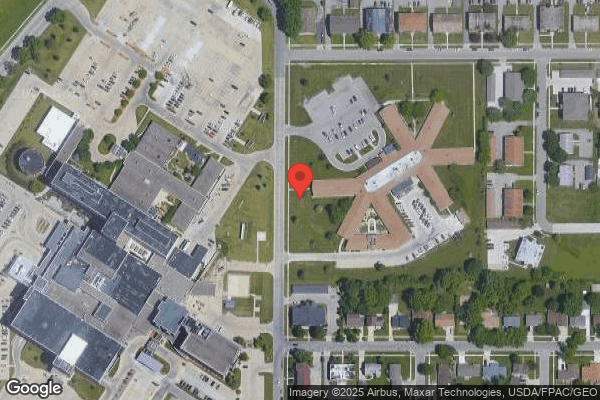
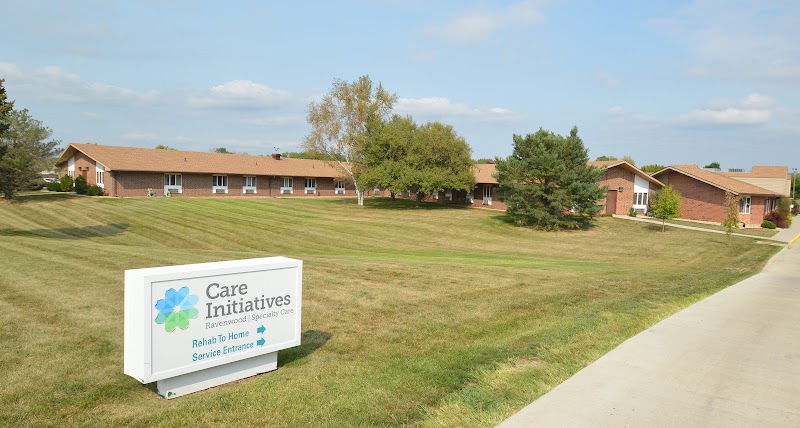
2651 ST FRANCIS DRIVE, WATERLOO, IA 50702 (319) 232-6808
Non profit - Corporation 176 Beds CARE INITIATIVES Data: November 2025
Trust Grade
50/100
#296 of 392 in IA
Last Inspection: October 2024

Within standard 12-15 month inspection cycle. Federal law requires annual inspections.

Overview

Ravenwood Specialty Care has a Trust Grade of C, which means it is average and falls in the middle of the pack among nursing homes. It ranks #296 out of 392 facilities in Iowa, placing it in the bottom half, and #12 out of 12 in Black Hawk County, indicating there are no better local options. The facility is improving, having reduced its issues from 8 in 2024 to just 1 in 2025. Staffing is a strength, with a rating of 4 out of 5 stars and a turnover rate of 35%, which is better than the state average. However, there have been some concerning findings, including incidents where food was served on dirty dishes and residents did not have access to functioning call systems for assistance, which could pose risks to their well-being. Despite these weaknesses, the lack of fines and good staffing levels suggest that the facility may be working to address its shortcomings.
Trust Score
C
50/100
In Iowa
#296/392
Bottom 25%
Safety Record
Low Risk
No red flags
Inspections
Getting Better
8 → 1 violations
Staff Stability
○ Average
35% turnover. Near Iowa's 48% average. Typical for the industry.
Penalties
✓ Good
No fines on record. Clean compliance history, better than most Iowa facilities.
Skilled Nurses
✓ Good
Each resident gets 44 minutes of Registered Nurse (RN) attention daily — more than average for Iowa. RNs are trained to catch health problems early.
Violations
⚠ Watch
33 deficiencies on record. Higher than average. Multiple issues found across inspections.
★★☆☆☆
2.0
Overall Rating
★★★★☆
4.0
Staff Levels
★★★☆☆
3.0
Care Quality
★★☆☆☆
2.0
Inspection Score
Stable
2024: 8 issues
2025: 1 issues

The Good

  • 4-Star Staffing Rating · Above-average nurse staffing levels
  • Full Sprinkler Coverage · Fire safety systems throughout facility
  • No fines on record
  • Staff turnover below average (35%)

    13 points below Iowa average of 48%

Facility shows strength in staffing levels, fire safety.

The Bad

2-Star Overall Rating

Below Iowa average (3.0)

Below average - review inspection findings carefully

Staff Turnover: 35%

11pts below Iowa avg (46%)

Typical for the industry

Chain: CARE INITIATIVES

Part of a multi-facility chain

Ask about local staffing decisions and management

The Ugly 33 deficiencies on record

Apr 2025 1 deficiency
CONCERN (D) 📢 Someone Reported This

A family member, employee, or ombudsman was alarmed enough to file a formal complaint

Potential for Harm - no one hurt, but risky conditions existed

ADL Care (Tag F0677)

Could have caused harm · This affected 1 resident

**NOTE- TERMS IN BRACKETS HAVE BEEN EDITED TO PROTECT CONFIDENTIALITY** Based on clinical record review, resident, family and staff interview the facility failed to complete oral cares as required for...

Read full inspector narrative →
**NOTE- TERMS IN BRACKETS HAVE BEEN EDITED TO PROTECT CONFIDENTIALITY** Based on clinical record review, resident, family and staff interview the facility failed to complete oral cares as required for 1 of 4 residents reviewed (Resident #1). The facility census was 120 residents. Findings include: Resident #1's Minimum Data Set (MDS) assessment dated [DATE], identified a Brief Interview for Mental Status (BIMS) score of 15, indicating intact cognition. The MDS listed Resident #1 as dependent on staff for oral care and eating. The MDS included diagnoses of hypertension (high blood pressure), cerebrovascular accident (stroke), hemiplegia or hemiparesis, (muscle weakness or partial paralysis on one side of the body that affect the arms, legs and facial muscles), anxiety and depression. The MDS documented Resident #1 denied pain. The Care Plan Focus of activities of daily living (ADLs) initiated 9/29/23 included an intervention that Resident #1 required maximum assistance of 1 person with oral hygiene. Resident #1's February 2025 Documentation Survey Report lacked documentation on 2/2/25, 2/6/25, 2/14/25 and 2/23/25, indicating he didn't receive oral care those days. Resident #1's March 2025 Documentation Survey Report lacked documentation on 3/2/25, 3/17/25, 3/18/25, 3/19/25, 3/22/25, and 3/24/25 indicating he didn't receive oral care those days. Interview on 4/8/25 at 4:45 PM, Resident #1, stated sometimes his teeth get brushed and sometimes they don't. He added it depended on who worked. He denied mouth pain. Interview on 4/9/25 at 2:00 PM, Resident #1's family reported they expected staff to brush Resident #1's teeth after every meal. Interview on 4/9/25 at 3:00 PM, the Director Of Nursing (DON) verified they expected the staff to do oral cares twice daily. After reviewing the Documentation Survey Report for February and March 2025, the DON acknowledged Resident #1 didn't receive oral cares twice daily. On 4/10/25 at 8:30 AM, observed Resident #1 had missing top and bottom teeth. As he received oral cares, his upper gums started to bleed. Resident #1 denied having pain during oral cares. The Activities of Daily Living Supporting Policy/Procedure dated March 2018, directed the residents would receive care, treatment, and services as appropriate to maintain or improve their ability to carry out activities of daily living. Residents who can't carry out ADLs independently will receive the services necessary to maintain good nutrition, grooming and personal and oral hygiene. Residents will receive appropriate care and services who are unable to carry out activities of daily living independently, with the consent of the resident and in accordance with the plan of care, including appropriate supports and assistance with hygiene (bathing, grooming and oral care). Interventions to improve or minimize a resident's functional abilities will be in accordance with the resident's assessed needs, preferences, stated goals, and recognized standards of practice.
Dec 2024 1 deficiency
CONCERN (E) 📢 Someone Reported This

A family member, employee, or ombudsman was alarmed enough to file a formal complaint

Potential for Harm - no one hurt, but risky conditions existed

Food Safety (Tag F0812)

Could have caused harm · This affected multiple residents

Based on observation, policy review and staff interviews, the facility failed to date, date, cover, or label items after opening. In addition, the facility failed to have clean dishes when serving the...

Read full inspector narrative →
Based on observation, policy review and staff interviews, the facility failed to date, date, cover, or label items after opening. In addition, the facility failed to have clean dishes when serving the meal. The facility reported a census of 114 residents. Findings include: 1. On 12/30/24 at 9:45 AM observed in the drink area refrigerator with the Certified Dietary Manager (CDM) present revealed the following: a. An open, undated, and uncovered piece of cherry pie. b. An undated and unlabeled, covered plate covered with a prior day's meal. c. Unlabeled and undated items in a clear plastic small container. D. Two unlabeled and undated juice pitchers. During an interview 12/30/24 at 10:00 AM the CDM reported the staff should have covered, dated, and labeled the items. 2. During the 12/30/24 lunch meal, observed the staff serve the following: a. 11:25 AM: Staff A, Cook, served fish, hashbrown casserole, and mixed vegetables on a dirty plate containing dried food particles. Staff A got another dirty plate and served the same meal on the new dirty plate contained dried food particles for the A wing. b. 11:37 AM: Staff B, Cook, dished tomato soup into a dirty bowl containing dried food particles and served it in the main dining room. Staff B removed an dirty bowl with dried food particles and served another tomato soup in the dining room. Staff B then served a third dirty bowl with tomato soup into the dining room. c. 11:45 AM: Staff B serve fish, hashbrown casserole, and mixed vegetables on a dirty plate with dried food particles on the plate to the dining room. On 12/30/24 at 11:52 AM during an observation in the dining room Resident #1 reported she had a bowl of soup for lunch and didn't notice the rim of the bowl was dirty on the side with dried food until finished the bowl. She reported they frequently received dirty dishes. On 12/30/24 at 12:37 PM observed the clean dish caddy to hold the clean dishes, dirty with dirt and dirty dishes containing food particles on them. During an interview on 12/30/24 at 12:45 PM the CDM reported the staff need to send the dishes back through the dishwasher if the dishes didn't get cleaned. Facility Policy titled Food Receiving and Storage revised October 2017, directed food services or other designated staff to maintain clean food storage areas at all times, and have all foods stored in the refrigerator or freezer covered, labeled and dated with a use by date. Facility Policy titled Sanitization revised October 2008, instructed to keep all utensils, counters, shelves and equipment clean and washed to remove or completely loosen soil by using the manual or mechanical means necessary.
Oct 2024 5 deficiencies
CONCERN (D)

Potential for Harm - no one hurt, but risky conditions existed

Deficiency F0578 (Tag F0578)

Could have caused harm · This affected 1 resident

**NOTE- TERMS IN BRACKETS HAVE BEEN EDITED TO PROTECT CONFIDENTIALITY** Based on clinical record review, policy review, and staff interviews, the facility failed to have a consistent code status betwe...

Read full inspector narrative →
**NOTE- TERMS IN BRACKETS HAVE BEEN EDITED TO PROTECT CONFIDENTIALITY** Based on clinical record review, policy review, and staff interviews, the facility failed to have a consistent code status between the physician orders, the electronic health record (EHR), and the Care Plan for 1 of 1 resident reviewed for Advanced Directives (Resident #101). The facility reported a census of 116 residents. Findings include: Resident #101's Minimum Data Set (MDS) assessment dated [DATE] identified a Brief Interview of Mental Status (BIMS) score of 14, indicating intact cognition. Resident #101's Clinical Physician Orders included an order dated [DATE] for cardiopulmonary resuscitation (CPR). Review of the facility form titled, Cardiopulmonary Resuscitation and DNR order Declaration Form, signed by Resident #101 on [DATE], indicated he desired to have CPR initiated to prolong his life when biological death (final death) is not imminent. The Care Plan Focus initiated [DATE] reflected Resident #101 had an Advanced Directives code status of do not resuscitate (DNR). The Care Plan documented the goal was for Advanced Directives to be followed per resident/family request. The Care Plan further directed staff to perform CPR, honor the resident's wishes and review the resident's wishes quarterly and as needed. Review of facility policy titled, Advanced Directives, revised [DATE] directed to have consistent Plans of Care for each resident with their documented treatment preferences and/or Advanced Directive. The staff will inform the Care Plan Team of such changes and/or revocations so that appropriate changes can be made in the resident assessment (MDS) and Care Plan. During an interview on [DATE] at 8:12 AM, the Director of Nursing (DON) reported they expected consistent Advanced Directives between the resident's physician orders, the EHR, and the Care Plan. During an interview on [DATE] at 8:37 AM, Staff A, Registered Nurse (RN), explained the facility kept the Advanced Directives on the resident's Medication Administration Record (MAR), in the EHR, in a book at the nurse's station, and on the Care Plan. During an interview on [DATE] at 1:15 PM, the DON acknowledged Resident #101's Care Plan Focus had DNR documented and the rest of his clinical record listed he desired CPR.
CONCERN (D)

Potential for Harm - no one hurt, but risky conditions existed

Deficiency F0582 (Tag F0582)

Could have caused harm · This affected 1 resident

**NOTE- TERMS IN BRACKETS HAVE BEEN EDITED TO PROTECT CONFIDENTIALITY** Based on clinical record review and staff interviews the facility failed to provide the Skilled Nursing Facility Advance Benefic...

Read full inspector narrative →
**NOTE- TERMS IN BRACKETS HAVE BEEN EDITED TO PROTECT CONFIDENTIALITY** Based on clinical record review and staff interviews the facility failed to provide the Skilled Nursing Facility Advance Beneficiary Notice of Non coverage form CMS 10055 (SNF ABN) for 1 of 3 residents (Resident #372) reviewed. The facility reported a census of 116. Findings include: Resident #372 Minimum Data set (MDS) assessment dated [DATE] identified a Brief Interview for Mental Status (BIMs) score of 11, indicating moderately impaired cognition. The MDS indicated Resident #372 required supervision or touching assistance (helper provides verbal cues and/or contact guard assistance as resident completes activity. Assistance may be provided throughout the activity or intermittently) for sit to stand, chair/bed to chair transfer, toileting, and walking. Resident #372's MDS included diagnoses of cancer, coronary artery disease (impaired blood vessels), heart failure, diabetes mellitus, cerebrovascular accident (stroke), wound infection, non traumatic ischemic (dead tissue) infarction (inadequate blood supply) of the muscle (right lower leg), and non Alzheimer's dementia. The Notice of Non Coverage form CMS 10123 (NOMNC) dated 9/10/24 at 3:27 PM indicated the Social Worker contacted Resident #372's Power of Attorney (POA) and explained the NOMNC. The POC indicated they would sign it on 9/11/24. An addendum added on 9/11/24 at 10:42 AM indicated the Social Worker spoke with the POA and notified him Resident #372 knew about his discharge from skilled services and he understood, he didn't wish to appeal. The POA signed the form on 9/11/24. The Social Service Progress Note dated 9/11/24 at 4:20 PM indicated Resident #372 would remain in the facility at an intermediate care facility (ICF) level of care after his Medicare A skilled stay ended. Resident #372 Clinical Census listed an admission date of 8/16/24 as Medicare Part A skilled stay. The Clinical Census documented on 9/13/24, Resident #372 continued to reside in the facility after his Medicare Part A skilled services ended. Resident #372's clinical record lacked a SNF ABN. On 10/22/24 at 1:42 PM Staff B, Social Worker, declared themselves as the person responsible for reviewing the SNF ABN and the NOMNC with the resident/responsible family. Staff B verified they didn't provide Resident #372 with the SNF ABN. On 10/22/24 at 2:16 PM the Administrator said they expected all required notifications be completed as required. The facility failed to provide a policy for providing Medicare required notices.
CONCERN (D)

Potential for Harm - no one hurt, but risky conditions existed

PASARR Coordination (Tag F0644)

Could have caused harm · This affected 1 resident

**NOTE- TERMS IN BRACKETS HAVE BEEN EDITED TO PROTECT CONFIDENTIALITY** Based on clinical record review and staff interview, the facility failed to submit a Preadmission Screening and Resident Review ...

Read full inspector narrative →
**NOTE- TERMS IN BRACKETS HAVE BEEN EDITED TO PROTECT CONFIDENTIALITY** Based on clinical record review and staff interview, the facility failed to submit a Preadmission Screening and Resident Review (PASRR) evaluation for 1 of 2 residents reviewed with a new mental health diagnosis (Resident #63). The facility reported a census of 116 residents. Findings include: Resident #63's Minimum Data Set (MDS) assessment dated [DATE] identified a Brief Interview for Mental Status (BIMS) score of 12, indicating moderately impaired cognition. The MDS included diagnoses of anxiety, depression, psychotic disorder, post-traumatic stress disorder (PTSD). In addition, Resident #63 received antipsychotic and depression medications during the lookback period. The Care Plan Focus initiated 1/18/23 reflected Resident #63 had the potential for psychosocial well-being problems related to anxiety, depression, PTSD, psychosis, delusions, and hallucinations, due to his loss of independence and being away from family following his recent admission to the facility. The Psychological Service Progress Note dated 3/6/23 listed a diagnosis of PTSD. Resident #63's Level 1 PASRR dated 11/20/23 lacked a diagnosis of PTSD. Resident #63's clinical record lacked a PASRR after 11/20/23. During an interview on 10/23/24 at 11:24 AM, the Social Services Coordinator reported they missed PTSD on the PASRR and they should have completed a new one. In an interview on 10/23/24 at 11:32 AM, the Director of Nursing (DON) reported the facility didn't have a policy for PASRR, as the facility followed the regulations.
CONCERN (D) 📢 Someone Reported This

A family member, employee, or ombudsman was alarmed enough to file a formal complaint

Potential for Harm - no one hurt, but risky conditions existed

Accident Prevention (Tag F0689)

Could have caused harm · This affected 1 resident

**NOTE- TERMS IN BRACKETS HAVE BEEN EDITED TO PROTECT CONFIDENTIALITY** Based on clinical record review, policy review and staff interview the facility failed to ensure staff use the assistance of two...

Read full inspector narrative →
**NOTE- TERMS IN BRACKETS HAVE BEEN EDITED TO PROTECT CONFIDENTIALITY** Based on clinical record review, policy review and staff interview the facility failed to ensure staff use the assistance of two certified nursing assistants (CNA) when using the full body mechanical lift (transferring a person using a sling that are dependent upon staff to move from the bed and/or chair) to transfer for 2 of 3 residents sampled (Resident #12 and #34). The facility reported a census of 116 residents. Findings include: 1. Resident #12's Minimum Data Set (MDS) assessment dated [DATE] identified a Brief Interview for Mental Status (BIMS) score of 15, indicating intact cognition. Resident #12 had a functional limitation of both lower extremities. They required the use of a wheelchair and total staff assistance for chair to bed/chair to chair transfers. The MDS included a diagnosis of a cerebrovascular accident (stroke). The Care Plan Focus dated 11/14/23 related to Activities of Daily Living (ADLs) directed the following: a. Resident #12 didn't walk b. Resident #12 required the use of two staff members to transfer with the full-body mechanical lift. During an interview on 10/21/24 at 12:11 PM Resident #12 reported once they knew how to use the full-body mechanical lift, they just used one person to operate it. They only use one person to lay him down in the afternoon with the full-body mechanical lift. Resident #12 pointed a finger at Staff C, CNA, who stood in the upper part of the hallway and said he's a good one. He'll put him in bed with the full-body mechanical lift by himself. When they had two staff, that usually meant they didn't know what they were doing. A review of Resident #12's weight record on 10/22/24 documented a weight on 10/2/24 of 165 pounds. During an interview on 10/23/24 at 1:10 PM Resident #12 sat in his wheelchair in the doorway of his room. Resident #12 waited for someone to lay him down in bed. He stated now they have to get another CNA to run the full-body mechanical lift so he had to wait. On 10/23/24 at 1:14 PM observed Staff F, CNA, and Staff M, CNA, bring the full-body mechanical lift to Resident #12's room and assisted him from the wheelchair to his bed with two staff and the full-body mechanical lift. 2. Resident #34 MDS assessment dated [DATE] identified a BIMS score of 13, indicating intact cognition. Resident #34 required total staff assistance with transfers from the chair to bed or from the bed to chair. Resident #34 had functional impairment of both lower extremities. The MDS included diagnoses of stroke with hemiparesis (half body weakness), anxiety, and morbid obesity. The Care Plan Focus dated 11/14/23 related to ADLs directed she needed two CNAs present for all cares, she couldn't walk, relied on a wheelchair, and required a full-body mechanical lift with two aides for transfers. On 10/21/24 at 12:37 PM Resident #34 reported most of the time they use two people with the full-body mechanical lift to get her from the wheelchair back to bed. However, last night they only had 1 aide available. They used only 1 aide to operate the full-body mechanical lift to put her to bed. Resident #34 voiced she felt safer when they had two staff with the full-body mechanical lift, but she didn't feel unsafe when they only had 1 aide run the full-body mechanical lift. Interview completed on 10/21/24 at 12:43 Staff O, CNA, reported sometimes they had to find another staff member to help do the 2-assist full-body mechanical lift transfers. The staff are not to use the full-body mechanical lifts by themselves. The review of Resident #34's weight record on 10/22/24 documented a weight on 10/8/24 of 242.8 pounds. On 10/22/24 at 12:09 PM Staff F verbalized she wouldn't do a full-body mechanical lift by herself, as they had residents that weighed more than 200 pounds. She add it is not safe to do it alone. Interview completed on 10/22/24 at 12:18 PM Staff L, CNA, verbalized if they needed help with a full-body mechanical lift transfer, they are to ask the nurse or another aide from another hallway. She didn't transfer anyone with a full-body mechanical lift by herself. During an interview on 10/22/24 at 12:25 Staff M voiced you have to find another staff member to help use the full-body mechanical lift. Staff M added she wouldn't do a full-body mechanical lift without a second person. If no one is available, they couldn't lift them. Staff M said they can't operate a full-body mechanical lift with 1 person. On 10/22/24 at 12:47 PM Staff H, CNA, reported the facility had some residents that required 2 assist for care. He voiced people from different wings help out, or they have a float aide who assists. When he can't find a second aide to transfer resident with a full-body mechanical lift transfer, he did transfer the resident by himself with the full-body mechanical lift transfer. He voiced he reported the issue to the Director of Nursing (DON), approximately a month before. During an interview on 10/23/24 at 8:11 AM Staff I, CNA, reported call ins it makes it tough, but they get the care done. She had to go ask if someone can help her. Depending on the nurse, and which nurse worked, they may or may not help. She refused to use a full-body mechanical lift by herself and wouldn't risk her certification. She didn't see other aides running the full-body mechanical lift by themselves, but she wouldn't put it past the aides on the other side (hallways C and D). She wouldn't have a resident fall out of a lift sling on her watch. During an interview on 10/23/24 at 11:35 AM Staff J, Licensed Practical Nurse (LPN), reported the facility policy required 2 staff members operate the full-body mechanical lift. During an interview on 10/23/24 at 3:21 PM the DON reported the staff shouldn't operate the full-body mechanical lift without a second staff person. She stressed to the staff to come get her if they needed help with the full-body mechanical lift. They staffed two aides or at least a float aide that is to assist when a resident required the assistance of 2 staff. She expected the staff to ask the float CNA, Certified Medication Aide (CMA), or the nurse to assist with transfers. The DON voiced no staff informed her they did full-body mechanical lifts by themselves. A full-body mechanical lift transfer required absolutely 2 staff members. She reported they didn't have any resident incident reports or injuries regarding the full-body mechanical lifts. On 10/23/24 at 3:35 PM the DON reported being upset that staff said they reported the issue to her. She always goes out to the floor and stressed to the staff that full-body mechanical lifts required 2 staff. On 10/24/24 at 9:00 AM the DON submitted the In Service Education they provided on 10/23/24 to the staff that directed full-body mechanical lift transfers must have 2 staff members to with no exceptions. On 10/24/24 at 10:40 AM the DON reported the facility used their full-body mechanical lift Operator's Instruction Manual Competency Checklist. The facility didn't have a full-body mechanical lift policy. The EZ Way Smart Lift Operator's Instructions revised 6/14/23 directed depending on the situation, facility policy, and the patient's condition, 2 caregivers may be necessary, with some patients it is best to use two people. On Page 7, figure 6 the manual included a picture of 2 staff with the patient ready to be lifted from the bed. On Page 8, figure 9 included 2 staff attaching the lift sling to lift a person out of the wheelchair.
CONCERN (D) 📢 Someone Reported This

A family member, employee, or ombudsman was alarmed enough to file a formal complaint

Potential for Harm - no one hurt, but risky conditions existed

Infection Control (Tag F0880)

Could have caused harm · This affected 1 resident

**NOTE- TERMS IN BRACKETS HAVE BEEN EDITED TO PROTECT CONFIDENTIALITY** Based on observation, clinical record review, policy review and staff interview, the facility failed to provide clean peri care ...

Read full inspector narrative →
**NOTE- TERMS IN BRACKETS HAVE BEEN EDITED TO PROTECT CONFIDENTIALITY** Based on observation, clinical record review, policy review and staff interview, the facility failed to provide clean peri care per the standards of practice for 1 of 2 residents sampled (Resident #65). As the staff provided peri-care to Resident #65, they failed to wipe front to back, change their gloves as completing a dirty task, complete hand hygiene prior to applying gloves, and removing their gloves. The facility identified a census of 116 residents. Findings include: Resident #65's Minimum Data Set (MDS) assessment dated [DATE] identified a Brief Interview for Mental Status (BIMS) score of 3, indicating severely impaired cognition. Resident #65 required total staff assistance for toileting hygiene. The MDS listed Resident #65 as always incontinent of urine and frequently incontinent of bowel. The MDS included diagnoses of Alzheimer's disease and non Alzheimer's dementia. The Care Plan Focus revised 7/12/24 indicated Resident #65 had bowel and bladder incontinence related to her Alzheimer's disease. The Interventions directed the following: a. Assist her to the bathroom or commode as needed. b. Assist her with perineal cleansing as needed. c. Provide her with incontinence pads. On 10/23/24 at 11:04 AM observed Staff C, Certified Nursing Assistant (CNA), push Resident #65 in the wheelchair into the spa room, as Staff D, CNA, held the door. Without performing hand hygiene, Staff C and Staff D donned (put on) gloves. With their gloved hands, Staff C touched the wheelchair to lock the brakes and Staff applied the gait belt around Resident #65's waist. Staff D removed her brief with a visible solid blue line revealing the brief as wet. Staff D walked over to the trash can and disposed of the dirty brief. After Resident #65 used the toilet, they stood her up from the toilet. Staff D cleansed her front peri area with a disposable wipe. She cleansed the right vaginal fold, the left vaginal fold, and down the middle without changing the wipe or folding the disposable wipe. Staff D then cleansed the left of Resident #65's gluteal fold, then the right of the gluteal fold, and then down the gluteal fold with the same disposable wipe without changing or folding the wipe. Staff D threw away the disposable wipe. While still wearing their gloves or completing hand hygiene, Staff D obtained and applied a clean brief through the back of Resident #65's legs. Staff D pulled the brief from the back to the front, then attached the brief. Afterwards without removing their gloves or completing hand hygiene, Staff D pulled up Resident #65's pants, placed the gait belt under her left arm, and then removed her dirty gloves. Without completing hand hygiene after removing his gloves, Staff C assisted Resident #65 out of the spa room to her wheelchair. On 10/23/24 at 1:19 PM Staff E, CNA, reported they should complete peri care by wiping front to back with one swipe on each side of the cloth, unless the resident had a bowel movement. If the resident had a bowel movement, then she cleansed the bottom first and then cleansed the front peri-area (low abdomen, vaginal folds, and thighs) of the resident. Staff E didn't know of any needed special precautions when cleansing from back to front. During an interview completed on 10/23/24 at 1:25 PM Staff F, CNA, said she would perform peri cares by cleansing the front peri area and work towards the back. She stated she got trained in the one wipe, one swipe method. She would only use one wipe to clean one area. Then she would perform hand hygiene and change gloves when she touched something soiled before touching clean supplies. On 10/23/24 at 1:35 PM Staff G, Assistant Director of Nursing (ADON), reported the facility followed a peri care policy. She expected the CNAs to clean from front to back, using a one wipe, one swipe method. If the CNAs have to go from dirty to touching clean supplies, they are to change their gloves and perform hand hygiene. During an interview on 10/23/24 at 3:21 PM the DON reported she expected the staff to clean the entire peri area, change the fold on the cleansing wipe with each swipe and change gloves before handling clean peri care supplies. The Perineal Care policy revised February 2018 directed the following care: a. Wash perineal area, wiping from front to back. b. Separate labia and wash area downward from front to back. c. Continue to wash the perineum moving from inside outward to the thighs, rinse perineum thoroughly in same direction, using fresh water and a clean washcloth. d. Gently dry perineum. e. Remove gloves and sanitize and wash hands. f. Put on gloves. g. Ask the resident to turn on their side with their top leg slightly bent, if able. h. Use new wash cloth and apply soap or skin cleansing agent, or use cleansing wipes i. Wash the rectal area thoroughly, wiping from the base of the labia towards and extending over the buttocks. j. Rinse and dry thoroughly. k. Wash perineal area, wiping from front to back. l. Use a new wash cloth and apply soap or skin cleansing agent, or use cleansing wipes.
Jul 2024 1 deficiency
CONCERN (D) 📢 Someone Reported This

A family member, employee, or ombudsman was alarmed enough to file a formal complaint

Potential for Harm - no one hurt, but risky conditions existed

Medication Errors (Tag F0758)

Could have caused harm · This affected 1 resident

**NOTE- TERMS IN BRACKETS HAVE BEEN EDITED TO PROTECT CONFIDENTIALITY** Based on clinical record review, family and staff interviews the facility failed to complete an informed consent for a psychotro...

Read full inspector narrative →
**NOTE- TERMS IN BRACKETS HAVE BEEN EDITED TO PROTECT CONFIDENTIALITY** Based on clinical record review, family and staff interviews the facility failed to complete an informed consent for a psychotropic medication for 1 of 1 resident reviewed (Resident #1). The facility reported a census of 127 residents. Findings include: Resident #1's Minimum Data Set (MDS) assessment dated [DATE] identified a Brief Interview for Mental Status (BIMS) Score of 3, indicating severe cognitive impairment. The MDS included diagnoses of diabetes, Alzheimer's disease, depression and anxiety. The Prescription dated 3/25/24 directed to start Risperdal (antipsychotic) 0.25 milligrams (MG) by mouth twice daily. The facility noted the order on 3/26/24 at 12:13 AM. The Nurses Note dated 3/2/24 at 10:45 AM reflected the wife knew of Resident #1's new orders. During an interview on 7/12/24 at 11:30 AM Resident #1's daughter and wife reported the facility didn't notify them of the risk of using risperidone (Risperdal). In addition, the facility didn't go over it to consent. During an interview on 7/12/24 at 12:06 PM Staff A, Assistant Director of Nursing, reported he notified Resident #1's wife of the ordered medication, but he didn't go over the risk factors or get an informed consent for the medication. During an interview on 7/12/24 at 12:20 PM, the Director of Nursing (DON) reported the facility didn't complete an informed consent for the risperidone for Resident #1. During an interview on 7/13/24 at 11:29 PM, the DON reported the facility didn't have a policy for psychotropic medications. She reported the facility followed the regulations.
Mar 2024 1 deficiency
CONCERN (D) 📢 Someone Reported This

A family member, employee, or ombudsman was alarmed enough to file a formal complaint

Potential for Harm - no one hurt, but risky conditions existed

Deficiency F0558 (Tag F0558)

Could have caused harm · This affected 1 resident

**NOTE- TERMS IN BRACKETS HAVE BEEN EDITED TO PROTECT CONFIDENTIALITY** Based on clinical record review, staff and resident interviews, and observations, the facility failed to provide comfortable and...

Read full inspector narrative →
**NOTE- TERMS IN BRACKETS HAVE BEEN EDITED TO PROTECT CONFIDENTIALITY** Based on clinical record review, staff and resident interviews, and observations, the facility failed to provide comfortable and therapeutic dining accommodations for 1 of 17 residents reviewed (Resident #2). The facility reported a census of 123 residents. Findings include: According to the Minimum Data Set (MDS) dated [DATE], Resident #2 had diagnoses which included stroke, diabetes, heart failure, arthritis, anxiety, and depression. The resident has residual paralysis to the left extremities and required extensive assistance of 2 staff for transfers, personal hygiene, bed positioning, and can feed herself with set up assistance from the staff. The resident utilized a wheelchair with a power back rest. Review of the undated Care Plan informed the staff the resident was independent with eating but needed set up assistance and to encourage the resident to eat her meals in the main dining room. Observation on 3/18/24 at 11:38 am revealed Resident #2 in the main dining room sitting in her wheelchair, pushed up to a regular dining room table with 2 peers. The staff served the resident a regular diet tray consisting of spaghetti noodles (whole) covered with meat sauce, garlic bread, vegetable, and a container of sherbet. The staff placed the food in front of the resident and left. The resident picked up her fork with her right hand and fully extended her right arm to reach her plate of spaghetti. The resident wound the spaghetti noodles onto her fork and put the food in mouth. The resident ate approximately half of her spaghetti, each time having to fully extend her arm out to reach the spaghetti and other food items on her tray. The resident would slowly place the food in her mouth but dropping spaghetti sauce and other food items on her abdomen and chest area. The resident's wheelchair back noted to be tilting backwards not allowing the resident to easily reach her food and causing the resident to drop food on her clothing. Observation on 3/20/24 at 8:10 am revealed Resident #2 sitting in her wheelchair with the back tilting back. The resident again fully extended her arm out to reach a bowl of cold cereal. Multiple food items noted on the front of the resident's shirt. During an interview with Resident #2 at 8:20 am the resident stated the back of her wheelchair does not move forward as the battery that controls that function is not working. She stated it is very hard to eat her meals in this position and does not feel comfortable having to eat like that, especially when she drops food on her clothes. At this meal the resident did not have a clothing protector on. During an interview with Staff A-Assistant Director of Nurses (ADON) on 3/20/24 at 9:30 am reveals she was not aware of the resident's inability to easily reach her food while eating in the main dining room. Staff A stated she did not notice that but will now make a referral for a wheelchair position evaluation and repair to the current wheelchair. During an interview on 3/20/24 at 11:10 am the ADON informed the Surveyor, Resident #2 has a special modified wheelchair which would enable the resident to adjust the wheelchair back up and down but it is currently not working and she has contacted the wheelchair company for repairs. Observation on 3/20/24 at 12:00 pm revealed Resident #2 sitting in her wheelchair in the main dinning room. The facility had provided the resident with a taller table which enabled the resident to sit close to the dining table and can now easily reach her food. The resident stated with a smile, this table is much better now.
Aug 2023 15 deficiencies
CONCERN (D) 📢 Someone Reported This

A family member, employee, or ombudsman was alarmed enough to file a formal complaint

Potential for Harm - no one hurt, but risky conditions existed

Resident Rights (Tag F0550)

Could have caused harm · This affected 1 resident

**NOTE- TERMS IN BRACKETS HAVE BEEN EDITED TO PROTECT CONFIDENTIALITY** Based on clinical record review, staff and resident interviews, and policy review, the facility failed to assure residents were ...

Read full inspector narrative →
**NOTE- TERMS IN BRACKETS HAVE BEEN EDITED TO PROTECT CONFIDENTIALITY** Based on clinical record review, staff and resident interviews, and policy review, the facility failed to assure residents were treated with respect and dignity for 1 of 5 residents reviewed (Resident #123). The facility reported a census of 138 residents. Findings include: The Minimum Data Set (MDS) dated [DATE] documented Resident #123 had a Brief Interview for Mental Status (BIMS) of 15 indicating intact cognitive status. The MDS further documented the resident had diagnoses including medically complex conditions, neurogenic bladder, other fracture, paraplegia, and malnutrition. The Care Plan for Resident #123 revised 4/8/23 with a focus area ADL's documented the resident was dependent for all ADL's due to being paralyzed with a goal of resident will be able to participate in part of ADL's with tasks. The Care Plan directed staff to wake the resident up for breakfast and further documented full staff assistance is needed for transfer, mobility, bathing, dressing, and eating. Facility record review of grievances revealed a grievance concern dated April 2023. The grievance revealed an email was sent to the facility from Reliant Rehabilitation with concerns the resident was not getting out of bed for meals. During an interview 8/1/23 8:50 AM, Resident #123 stated staff did not get them out of bed until 2:00 PM the previous week. Resident #123 stated a preference to get out of bed around 9 AM to 10 AM and to eat meals while seated in the wheelchair. Resident #123 stated on the day staff did not come in until 2:00 PM, resident did not get to eat breakfast and laid in the bed until 2:00 PM. Resident #123 stated staff gave her lunch while she was still laying in the bed. During an interview 8/2/23 at 7:45 AM, the Administrator acknowledged there was a day the previous week when staff did not get Resident #123 out of bed until 2:00 PM. The resident did not get breakfast, and staff fed the resident lunch in bed. The Administrator stated the expectation is for two staff to assist the resident out of bed in the morning and into the wheelchair and to assist the resident with meals while seated in the wheelchair. Review of facility policy titled, Resident's [NAME] of Rights, dated 2017, documented the resident has the right to a dignified existence, self-determination, and communication with and access to persons and services inside and outside the facility,including those specified in this section. A facility must treat each resident with respect and dignity and care for each resident in a manner and in an environment that promotes maintenance or enhancement of his or her quality of life, recognizing each resident's individuality. The facility must protect and promote the rights of the resident.
CONCERN (D) 📢 Someone Reported This

A family member, employee, or ombudsman was alarmed enough to file a formal complaint

Potential for Harm - no one hurt, but risky conditions existed

Deficiency F0558 (Tag F0558)

Could have caused harm · This affected 1 resident

**NOTE- TERMS IN BRACKETS HAVE BEEN EDITED TO PROTECT CONFIDENTIALITY** Based on clinical record review, observation, staff and resident interviews, and policy review, the facility failed to accommoda...

Read full inspector narrative →
**NOTE- TERMS IN BRACKETS HAVE BEEN EDITED TO PROTECT CONFIDENTIALITY** Based on clinical record review, observation, staff and resident interviews, and policy review, the facility failed to accommodate residents needs with assurance of accessibility to call lights within resident's reach and ability to operate for 1 of 1 residents reviewed (Resident #123). The facility reported a census of 138 residents. Findings include: The Minimum Data Set (MDS) dated [DATE] documented Resident #123 had a Brief Interview for Mental Status (BIMS) of 15 indicating intact cognitive status. The MDS further documented the resident had diagnoses including medically complex conditions, neurogenic bladder, other fracture, paraplegia, and malnutrition. The MDS further indicated under functional limitation in range of motion the resident has impairment on both sides of upper extremity (shoulder, elbow, wrist, hand). The Care Plan for Resident #123 revised 4/8/23 with a focus area ADL's documented the resident was dependent for all ADL's due to being paralyzed and further documented under interventions and tasks to be sure the call light is within reach and encourage to use it for assistance as needed; resident requires prompt response to all requests for assistance. During an observation 7/31/23 at 11:09 AM, Resident #123 did not have access to a call light while seated in a motorized wheelchair. During an observation 8/1/23 at 9:00 AM, Resident #123 had the modified call light device located on the motorized wheelchair, however the call light was facing the wrong direction and the resident was unable to push the call light. During an interview 8/1/23 at 9:00 AM, Resident #123 stated the call light is often out of reach or placed on the wheelchair facing the wrong direction and resident is unable to operate the call light when the device is not facing towards the resident. Resident #123 advised she has to yell out for assistance often due to not having access to a call light. During an interview 8/2/23 at 7:45 AM, the Administrator acknowledged the expectation for Resident #123 to have the call light accessible at all times and staff are expected to place the call light on the resident's wheelchair facing the correct direction while the resident is seated in the wheelchair, and to place the call light by the resident's head while the resident is in bed. The Administrator advised Resident #123 has had to yell out for assistance while in her room. During an interview 8/2/23 at 8:30 AM, the Director of Nursing (DON) confirmed that the expectation for the call light for Resident #123 is for staff to place the call light on the resident's wheelchair facing the correct direction while the resident is seated in the wheelchair, and to place the call light by the resident's head while the resident is in bed. Review of the facility policy titled Answering the Call Light, revised March 2021, documented when a resident is in bed or confined to a chair, be sure the call light is within easy reach of the resident.
CONCERN (D)

Potential for Harm - no one hurt, but risky conditions existed

Deficiency F0582 (Tag F0582)

Could have caused harm · This affected 1 resident

**NOTE- TERMS IN BRACKETS HAVE BEEN EDITED TO PROTECT CONFIDENTIALITY** Based on clinical record review, document review, and staff interview the facility failed to provide the resident or the residen...

Read full inspector narrative →
**NOTE- TERMS IN BRACKETS HAVE BEEN EDITED TO PROTECT CONFIDENTIALITY** Based on clinical record review, document review, and staff interview the facility failed to provide the resident or the resident's legal representative with a Skilled Nursing Advance Beneficiary Notice of Non-Coverage (SNF/ABN) and Notice of Medicare Non-Coverage (NOMNC) to document an appeal decision and the date of notification of Medicare non-coverage for 1 of 3 residents sampled (Resident #130). The facility identified a census of 138 residents. Findings include: Resident #130's Electronic Census Record detailed the Resident admitted into Medicare Part A skilled services on 6/12/23. The MDS listed a diagnosis of a displaced fracture of the greater trochanter of the right femur (hip fracture) and detailed Resident #130 had received four days of speech-language pathology treatment; 4 days of occupational therapy treatment and 3 days of physical therapy treatment. Resident #130's Minimum Data Set (MDS) assessment dated [DATE] showed a Brief Interview for Mental Status (BIMS) score of 13 indicating intact cognitive status. An Entrance Conference Worksheet submitted by the facility on 8/01/23 documented Resident #130 received his last covered Medicare Part A skilled services on 7/10/23. The Electronic Census Record detailed Resident #130 remained in the facility on 7/11/23. On 8/01/23 at 4:10 p.m. the Regional Director of Clinical Services provided beneficiary notices for Residents #54 and #63. The facility lacked documentation of beneficiary notices detailing the resident's right to appeal discharge from Medicare skilled services and notification of the last Medicare covered day had been served to Resident #130 or the Resident's legal representative within 2 days prior to the discontinuation of Medicare Part A skilled services. The facility submitted a Past Non-Compliance Checklist (facility internal document with a correction plan) documenting a mock survey on 7/10/23 identified incomplete and missing NOMNC and SNF/ABN's with a plan of correction detailing all end of therapy would be reviewed Monday thru Friday during morning clinical meetings with the interdisciplinary team for completion, signature, and documentation in Point Click Care. The anticipated plan of correction identified a correction date of 8/07/23. The Action Plan failed to identify Resident #130 had been identified in the Correction Plan. The Correction Plan further identified NOMNC/SNFABN training for August 2023 with a completion date of 8/30/23. A review of Resident #130's Progress Notes on 8/01/23 revealed the medical record lacked documentation the Resident or the Resident's legal representative had been notified of the discontinuation of Medicare Part A skilled services on 7/10/23, even though the mock survey had identified the issue on 7/10/23. On 08/02/23 at 3:03 p.m. the Director of Nursing (DON) explained they now review residents going off skilled care services as part of their morning meetings to ensure the beneficiary notices do not get missed. They have a correction plan in place and are following it. During an interview on 8/02/23 3:04 p.m. the Regional Director of Clinical Services stated they had a mock survey on 7/10/23 which identified issues with the beneficiary notices. She reported the facility had issues with the notices prior to 7/10/23. She had written a plan of correction on 7/10/23 and they had not looked further at the notices so the one on 7/10/23 did not get done. She voiced the root cause of the problem related to the Director of Rehabilitation being out on leave and the facility having turn over in Social Workers. They had a plan of correction and were working through it.
CONCERN (D) 📢 Someone Reported This

A family member, employee, or ombudsman was alarmed enough to file a formal complaint

Potential for Harm - no one hurt, but risky conditions existed

Grievances (Tag F0585)

Could have caused harm · This affected 1 resident

**NOTE- TERMS IN BRACKETS HAVE BEEN EDITED TO PROTECT CONFIDENTIALITY** Based on record review, resident interviews, staff interviews and policy review the facility failed to make efforts to investiga...

Read full inspector narrative →
**NOTE- TERMS IN BRACKETS HAVE BEEN EDITED TO PROTECT CONFIDENTIALITY** Based on record review, resident interviews, staff interviews and policy review the facility failed to make efforts to investigate or resolve resident grievances regarding a lost hearing aid for 1 of 3 resident reviewed (Resident #121). The facility reported a census of 138 residents. Findings include: Facility inventory sheet for Resident #121 dated 4/27/23, listed hearing aid charger and hearing aids present on admission. Electronic Health Record (EHR) revealed the task history, revised 6/13/23, included resident care for hearing aides. admission Progress Note dated 6/13/23, documented resident required bilateral hearing aides. The Minimum Data Set (MDS) assessment dated [DATE] revealed the Brief Interview for Mental Status (BIMS) score a 10 (moderate cognitive impairment). On 7/31/23 10:01 AM, observed Resident #121 without hearing aides in either ear and speaking volume increase required during conversation. Resident #121 reported missing a hearing aid for around one month and stated staff were notified of the missing item. On 08/02/23 08:44 AM, Resident #121 stated hearing aids make it easier for him to communicate. On 08/02/23 08:59 AM, Staff U acknowledged Resident #121 was missing one of two hearing aids for approximately one month and commented that one hearing aid had been found within bedding in the laundry room after hearing aids were reported missing. Staff U claimed the missing item was reported to Facility Administrator to complete a grievance form. When asked what follow up was completed, Staff U responded Resident #121's wife would be replacing the hearing aid. On 08/02/23 12:30 PM, Facility Administrator provided binder with completed grievances. No grievance form available for Resident #121 missing hearing aid. On 08/03/23 09:00 AM, the facility provided a Grievance document for Resident #121 titled Grievance/Concern Investigation Form, dated 08/02/23, indicated hearing aid was lost and listed action/follow up: contact corporate to replace, contact provider for replacement cost. On 08/03/23 01:09 PM, when asked what the normal process for missing items was, the facility Administrator stated staff normally report during morning meeting, then look for item. The facility Administrator voiced that current the process is not working due to staff or family reporting missing items while in passing. When asked if they were aware of Resident #121 missing hearing aid, the Administrator responded yes and reported being aware as of July 22nd or 23rd. When asked how soon Administrator should be notified of a missing item, Facility Administrator responded, at least by the next morning. Facility Administrator commented on plan for facility to replace Resident #121 missing hearing aid.
CONCERN (D)

Potential for Harm - no one hurt, but risky conditions existed

PASARR Coordination (Tag F0644)

Could have caused harm · This affected 1 resident

**NOTE- TERMS IN BRACKETS HAVE BEEN EDITED TO PROTECT CONFIDENTIALITY** Based on clinical record review and staff interview, the facility failed to submit a Level 2 Preadmission Screening and Resident...

Read full inspector narrative →
**NOTE- TERMS IN BRACKETS HAVE BEEN EDITED TO PROTECT CONFIDENTIALITY** Based on clinical record review and staff interview, the facility failed to submit a Level 2 Preadmission Screening and Resident Review (PASRR) evaluation for 1 of 1 residents reviewed with a new mental health diagnosis (Resident #69). The facility reported a census of 138 residents. Findings include: The Minimum Data Set (MDS) dated [DATE] documented Resident #69 had a Brief Interview for Mental Status (BIMS) of 15 indicating intact cognition. The MDS further documented diagnoses including anxiety, depression, and psychotic disorder and the resident received an antipsychotic medication 7 out of the past 7 days. The Care Plan for Resident #69 initiated 1/18/23 revealed the resident was at risk for side effects from antipsychotic drug use and utilized Olanzapine (antipsychotic) related to diagnoses of psychosis and hallucinations. Clinical record review for Resident #69 revealed she had a diagnosis of unspecified psychosis not due to a substance or known physiological condition dated 7/13/22. The clinical record further revealed a Level II PASRR had not been submitted following the diagnosis of psychotic disorder and use of an antipsychotic. Review of the Level 1 PASRR dated 1/14/21 for Resident #69 documented anxiety, depression/depressive disorder and lacked the diagnosis of psychotic disorder and the use of an antipsychotic. During an interview 8/1/23 at 3:22 PM, the Nurse Consultant acknowledged a Level II PASRR evaluation for Resident #69 had not previously been submitted regarding the resident's psychosis diagnosis and submitted one that day, 8/1/23. During an interview 8/2/23 at 8:35 AM, the Administrator revealed the facility did not have a protocol for Level II PASRR submissions as they followed regulations.
CONCERN (D)

Potential for Harm - no one hurt, but risky conditions existed

Deficiency F0645 (Tag F0645)

Could have caused harm · This affected 1 resident

**NOTE- TERMS IN BRACKETS HAVE BEEN EDITED TO PROTECT CONFIDENTIALITY** Based on clinical record review and staff interview, the facility failed to submit a Level 1 Preadmission Screening and Resident...

Read full inspector narrative →
**NOTE- TERMS IN BRACKETS HAVE BEEN EDITED TO PROTECT CONFIDENTIALITY** Based on clinical record review and staff interview, the facility failed to submit a Level 1 Preadmission Screening and Resident Review (PASRR) evaluation to the appropriate state-designated authority prior to the expiration date for 1 of 1 residents reviewed (Resident #17). The facility reported a census of 138 residents. Findings include: The Minimum Data Set (MDS) dated [DATE] documented Resident #17 had a Brief Interview for Mental Status (BIMS) of 10 indicating moderate impairment. The MDS further documented the resident had diagnoses including non-Alzheimer's dementia, anxiety disorder, depression, bipolar disorder, and post traumatic stress disorder (PTSD). The Care Plan for Resident #17 revised 6/13/23 with a focus area PASRR, documented a PASRR had been completed prior to admission to the facility with a goal the facility will ensure the nursing home is the proper placement. Clinical record review of a facility submitted Level 1 PASRR completed by Maximus for Resident #17 documented a determination of short term approval on 8/30/22 with approval ending 2/26/23. Clinical record review of facility submitted Level 1 PASRR completed by Maximus for Resident #17 documented a submission date of 3/29/23, 32 days after the expiration of the prior PASRR. The summary of findings from Maximus documented the delay in submission caused a compliance issue for the facility. During an interview 8/02/23 at 7:45 AM the Administrator acknowledged the expectation is to submit a PASRR to Maximus before the expiration date for continued approval and confirmed the PASRR for Resident #17 was not submitted prior to the short term approval end date. The Administrator revealed the facility does not have a policy for PASRR, they follow regulations.
CONCERN (D)

Potential for Harm - no one hurt, but risky conditions existed

Deficiency F0658 (Tag F0658)

Could have caused harm · This affected 1 resident

**NOTE- TERMS IN BRACKETS HAVE BEEN EDITED TO PROTECT CONFIDENTIALITY** Based on observation, clinical record review, resident and staff interviews, the facility failed to follow the physician ordered...

Read full inspector narrative →
**NOTE- TERMS IN BRACKETS HAVE BEEN EDITED TO PROTECT CONFIDENTIALITY** Based on observation, clinical record review, resident and staff interviews, the facility failed to follow the physician ordered wound treatment for 1 of 4 residents sampled (Resident #97). The facility identified a census of 138 residents. Findings include: Resident #97 MDS dated [DATE] showed a BIMS score of 15 indicating no cognitive loss. The Resident required extensive assistance of one staff member for bed mobility, transfer, dressing, toilet use, and personal hygiene. The MDS listed diagnoses of type 2 diabetes mellitus with diabetic neuropathy (nerve damage), anemia, heart failure, hypertension, end stage renal disease, chronic obstructive pulmonary disease (COPD), venous insufficiency, morbid obesity, and history of a Methicillin resistant Staphylococcus infection (an infection that is difficult to treat because of resistance to some antibiotics). An Order Summary Report, signed by the Provider on 7/06/23 documented a physician order to apply an ABD pad to the left leg below knee amputation (BKA) site, secure with kerlix wrap, three times a day for wound care. The July 2023 Electronic Treatment Administration Record (ETAR) for Resident #97 documented a physician ordered treatment to apply an ABD pad to left leg below knee amputation (BKA) site, secure/wrap with Kerlix (gauze type dressing) three times a day for wound care, start date 6/04/2023. The ETAR documented the following administration of the physician ordered treatment: a. 7/30/23 5:00 a.m. ETAR blank. The Treatment had not been signed off as completed. b. 7/31/23 5:00 a.m. ETAR treatment signed off as completed by Staff H, LPN. c. 7/31/23 1:00 p.m. ETAR treatment signed off as completed by Staff I, RN. d. 7/31/23 8:00 p.m. ETAR treatment signed off as completed by Staff J, LPN. During an observation on 8/01/23 at 1:32 p.m. Staff C, Licensed Practical Nurse (LPN) entered Resident #130's room, provided privacy, explained the treatment, performed hand hygiene, set up a clean field, washed her hands, applied gloves and removed Resident #130's tubigrip from the Resident's left BKA. Staff C removed a 2 inch by 2 inch foam adhesive dressing dated 7/30/23. Staff C voiced it was a Tegaderm type dressing. Staff C cleaned the BKA area with normal saline and performed the dressing change as physician ordered marking the outer dressing with 8/01/23 and her initials. On 8/01/23 at 1:43 p.m. Staff C reported the treatment is ordered to be done at 5 a.m., 1 p.m. and 8 p.m. Three times a day. She reported the physician ordered treatment is ordered as an ABD pad and kerlix wrap. She stated the Tegaderm dressing had not been the correct dressing that she removed prior to starting the treatment. She acknowledged the Tegaderm dressing had been dated 7/30/23 without a time. Staff C further reported she could not read the initials on the dressing to know who had done the prior dressing change. She would expect the nurses to perform the physician ordered treatment. During an interview on 8/01/23 at 2:05 p.m. Resident #97 reported the prior dressing had been changed by the night nurse around 3:00 a.m. on 7/31/23 before he got ready to go to dialysis. He reported it is done by the night nurse and he believed she just put the wrong date on the dressing but it was meant to be the 5:00 a.m. dressing change. He reported he doesn't remember the dressing to the BKA being changed Monday afternoon or evening (7/31/23). A review Resident #97's Progress Notes on 8/01/23 at 3:00 p.m. lacked documentation Resident #97 had refused his BKA wound dressing on 7/31/23 at 1:00 p.m. and 8:00 p.m. On 8/02/23 at 1:44 p.m. Staff D, Assistant Director of Nursing (ADON), reported she had been made aware the wound treatment had not been done as ordered. She voiced if the wound treatment had not been done, the staff should not have signed the treatment off as completed on the TAR. She expects the nurses to administer the appropriate physician ordered treatment. She reported she has pulled the Treatment sheet and corrective actions will be taken with the employees. During an interview on 8/02/23 at 2:59 p.m. the DON reported she expected the nurses to follow the physician ordered treatment. The Medication and Treatment Orders Policy, revised July 2016, provided by the facility directed orders for medications and treatments would be consistent with principles of safe and effective order writing. The Policy lacked documentation licensed nursing staff would administer or perform treatments as physician ordered.
CONCERN (D) 📢 Someone Reported This

A family member, employee, or ombudsman was alarmed enough to file a formal complaint

Potential for Harm - no one hurt, but risky conditions existed

ADL Care (Tag F0677)

Could have caused harm · This affected 1 resident

**NOTE- TERMS IN BRACKETS HAVE BEEN EDITED TO PROTECT CONFIDENTIALITY** 2. The MDS dated [DATE] documented Resident #123 had a BIMS of 15 indicating intact cognitive status. The MDS further documented...

Read full inspector narrative →
**NOTE- TERMS IN BRACKETS HAVE BEEN EDITED TO PROTECT CONFIDENTIALITY** 2. The MDS dated [DATE] documented Resident #123 had a BIMS of 15 indicating intact cognitive status. The MDS further documented the resident had diagnoses including medically complex conditions, neurogenic bladder, other fracture, paraplegia, and malnutrition. The Care Plan for Resident #123 revised 4/8/23 with a focus area ADL's documented the resident was dependent for all ADL's due to being paralyzed with a goal the resident will be able to participate in part of ADL's with tasks. The Care Plan directed staff to allow resident rest breaks between tasks, and full staff assistance was needed for bathing. Clinical record review revealed Resident #123 had an ADL bathing assistance schedule Wednesday and Saturday during the AM shift. Facility record review of grievances revealed a grievance concern dated April 2023. The grievance revealed an email was sent to the facility from Reliant Rehabilitation with concerns there are days when they go in for therapy and the resident has not had her face washed, hair combed, etc. and it will be in the afternoon. The email further documented the aides have told Reliant Rehabilitation staff they are too busy and there is not enough help. The resident revealed during a follow up with the facility regarding the emailed concerns, the night shift does not clean her up or help her quite often stating they are too busy, resident also said she has not had a bath in weeks and her head itches. Resident was noted to have a dry, flaking scalp. The resident stated she stinks. During an observation 8/1/23 at 8:50 AM, Resident #123 was observed to have matted and greasy hair. During an interview 8/1/23 8:50 AM, Resident #123 stated she is scheduled to be bathed twice a week and only received one bath last week. The resident further revealed her bath schedule is every Wednesday and Saturday and she last received a bath on the Wednesday prior. During an interview 08/02/23 at 7:45 AM the Administrator acknowledged the expectation is for staff to complete all ADL's as scheduled, including bathing. Review of facility policy titled, Activities of Daily Living (ADL's), Supporting with a revised date March 2018 documented appropriate care and services will be provided for residents who are unable to carry out ADL's independently, with the consent of the resident and in accordance with the Plan of Care, including appropriate support and assistance with hygiene (bathing, dressing, grooming and oral care). 3. On 8/01/23 at 9:55 a.m. a review of the Medical Records revealed Resident #125 had three showers in the last 30 days. Documentation revealed the resident refused her shower on 7/3/23 and verbalized that she would take it the next day. No documentation noted that staff offered a shower the next day or even tried a different time of the day to see if the resident would take it. An observation on 8/01/23 at 10:00 a.m. Resident #125 noted to have greasy hair. An observation on 8/2/23 at 8:55 a.m. Resident #125 noted to have greasy hair. An interview on 8/2/23 at 9:00 a.m. with Staff N, CNA reported they do not carry baths over to the next day. If a resident refuses then it just gets documented. An interview on 8/2/23 at 9:27 at 9:27 a.m. Staff M, CNA reported if a resident refuses a shower then she will try and get them to clean up their peri area in the restroom. There is no carry over of showers to the next day if a resident refuses. An interview on 8/2/23 at 10:20 a.m. with the DON, reported the facility does not have a system in place for when a resident refuses a shower to offer it to them the next day. Reported staff should try and attempt to clean the resident up in the restroom with a basin or offer a shower cap if hair needs cleaned. The nurses are to document the refusals. Based on observation,clinical record review, policy reviews, and resident and staff interviews, the facility failed to provide cleanliness and grooming by neglecting nail care for dependent residents for 1 of 5 reviewed (Resident #54); failed to complete residents' baths for 2 of 3 residents reviewed for bathing (Resident #123 and Resident #125) and failed to provide appropriate peri care for 1 of 3 residents reviewed (resident #90). The facility reported a census of 138 residents. Findings included: The Minimum Data Set (MDS) dated [DATE] documented diagnosis of traumatic brain dysfunction, coded for always incontinent, non-verbal, total staff dependence for bed mobility, transfer, dressing, eating, toilet use, and hygiene. The Care Plan updated 6/30/23 noted Resident #54 was unable to participate in activities due to traumatic brain injury, is non-verbal and bed bound, needed daily observation of skin with routine care. On 07/31/23 at 01:33 PM observation of resident lying in bed, right hand revealed long finger nails, approximately a half to an inch longer than fingers with dark debris underneath, in bed not responsive to verbal stimuli. On 08/01/23 at 01:00 PM observation of Resident #54 in bed, both hands in view on top of bedding, finger nails approximately a half to an inch longer than fingers with dark debris underneath nails and pungent odor, resident noted able to move hand to head scratching head, able to periodically move arms and hand. Residents left hand clenched, finger nails in palms. Resident non-responsive to verbal stimuli. On 08/01/23 at 1:05 PM nurse, Staff A revealed the Certified Nurse Aides (CNA) are responsible for nail care for residents that are not diabetic, voiced uncertainty if there is a schedule or protocol for nail care, acknowledged residents' nails needed cleaned and groomed, acknowledged resident ability to move extremities and is incontinent of bowel and bladder. 08/01/23 at 01:09 PM Administrator in hall, summoned to resident room, acknowledged nails are long, dirty, and starting to dig into to skin of the palm of hands. Administrator acknowledged nail care should have been ensured. Policy titled Activities of Daily Living (ADL's), Supporting, revision date March 2018 provided by the facility, documented residents who are unable to carry out activities of daily living independently will receive the services necessary to maintain good grooming and personal hygiene. 4. Resident #90 MDS dated [DATE] showed a BIMS score of 1 indicating severe cognitive loss. The Resident required extensive assistance of two staff for bed mobility, transfer, toilet use, and personal hygiene. The MDS identified Resident #90 as being frequently incontinent of urine and always incontinent of bowel. The MDS documented Resident #90 with upper extremity (shoulder, elbow, wrist, hand) and lower body (hip, knee, ankle, foot) limitation to one side of the body. The listed diagnoses of stroke, hypertension, aphasia (a disorder that results from damage to portions of the brain that are responsible for language), and seizure disorder. The MDS documented Resident #90 received 5 days of a restorative nursing exercise program. The Care Plan revised 5/30/23 detailed Resident #90 as being frequently incontinent of bowel and bladder and directed the staff to assist with peri-cares and barrier cream as needed. On 8/01/23 at 9:30 a.m. Staff C, Licensed Practical Nurse (LPN) reported Resident #90 was non-verbal. She could make sounds to communicate but not much unless a family member comes. She reported she was incontinent of bowel and bladder and thought the aides might still put the resident on the toilet between meals. During an observation on 8/01/23 at 2:07 p.m. Staff E Certified Medication Aide, (CMA) donned a pair of gloves. She lowered the Resident's bed down to try to remove the air mattress cord from under the bed wheel. Staff E unplugged the cord from the air mattress unit and threaded the cord behind the wheel of the bed through her gloves, then plugged the cord back into the unit. Staff E, using the foot of the bed control, raised the bed up to a working height to perform peri-cares. Staff E, without changing gloves or performing hand hygiene, unfastened Resident #90's brief and tucked the brief down between the Resident's legs. The brief contained a moderate amount of urine. Staff E cleansed the frontal peri-area, then grasped the cloth chux with her dirty gloves and rolled the resident over to her left side. Staff E cleansed the right hip and buttock crease, then opened a tube of barrier cream with the right gloved hand and proceeded to apply barrier cream to the Resident's buttocks with the same right gloved hand. Staff E placed the cap back on the tube of barrier cream with her right gloved hand and placed on the Resident's bedside stand. Staff E tucked the clean brief under the Resident's left hip with her right gloved hand. Staff E positioned the Resident onto her back to finish applying the brief. Staff E failed to cleanse the full left buttock and hip. Staff C rolled Resident #90 to remove the cloth chux from under the resident still wearing the dirty gloves. The cloth chux had a 6 inch by 5 inch circular yellow area that smelled of urine. Staff E reported the chux may smell, but the yellow area on the chux was not urine. Staff E reported the chux is stained from another resident's tube feeding. Staff E used the same gloves to tuck the Resident's stuff animals by her and cover her with a blanket. Staff E removed the gloves at the end of care and washed her hands. On 8/02/23 at 1:48 p.m. Staff D, ADON, reported it appears the staff need more education regarding peri-care. She would expect staff to change their gloves and wash their hands after handling dirty items. The gloves should be changed after cleansing and before applying the barrier cream or touching any clean supplies. She reported she should have cleansed the left hip and buttock as well. She expects the staff to follow clean to dirty technique and perform good hand washing/gloving with peri-cares. During an interview on 8/02/23 at 2:56 p.m. the DON voiced she expected the aides to provide peri-cares working from dirty to clean. She expected the staff to change gloves and perform hand hygiene as needed during peri-care. The Perineal Care Policy revised February 2018 provided by the facility directed the staff in the following procedure: 1. Place the equipment on the bedside stand. Arrange the supplies so they can be easily reached. 2. Wash and dry your hands thoroughly. 3. Fill the wash basin one-half (1/2) full of warm water. Place the wash basin on the bedside stand within easy reach, or place cleansing wipes within reach. 4. Fold the bedspread or blanket toward the foot of the bed. 5. Fold the sheet down to the lower part of the body. Cover the upper torso with a sheet. 6. Raise the gown or lower the pajamas. Avoid unnecessary exposure of the resident's body. 7. Put on gloves. 8. Ask the resident to bend his or her knees and put his or her feet flat on the mattress. Assist as necessary. For a female resident: a. Wet washcloth and apply soap or skin cleansing agent, or use cleansing wipes. b. Wash perineal area, wiping from front to back. (1) Separate labia and wash area downward from front to back. (2) Continue to wash the perineum moving from inside outward to the thighs, rinse the perineum thoroughly in the same direction, using fresh water and a clean washcloth. (3) Gently dry perineum. (4) Remove gloves and sanitize/wash hands. (5) DON gloves. c. Ask the resident to turn on her side with her top leg slightly bent, if able. d. Use new wash cloth and apply soap or skin cleansing agent, or use cleansing wipes e. Wash the rectal area thoroughly, wiping from the base of the labia towards and extending over the buttocks. f. Rinse and dry thoroughly. 9. Discard disposable items into designated containers.
CONCERN (D) 📢 Someone Reported This

A family member, employee, or ombudsman was alarmed enough to file a formal complaint

Potential for Harm - no one hurt, but risky conditions existed

Deficiency F0688 (Tag F0688)

Could have caused harm · This affected 1 resident

**NOTE- TERMS IN BRACKETS HAVE BEEN EDITED TO PROTECT CONFIDENTIALITY** Based on observation, clinical record review, document review, policy review, and staff interviews, the facility failed to apply...

Read full inspector narrative →
**NOTE- TERMS IN BRACKETS HAVE BEEN EDITED TO PROTECT CONFIDENTIALITY** Based on observation, clinical record review, document review, policy review, and staff interviews, the facility failed to apply a left-hand orthotic device and failed to reposition to prevent contracture and skin breakdown per the care plan for 1 of 3 residents sampled. (Resident #90). The facility identified a census of 138 residents. Findings include: Resident #90's MDS dated [DATE] showed a BIMS score of 1 indicating severe cognitive loss. The Resident required extensive assistance of two staff for bed mobility, transfer, toilet use, and personal hygiene. The MDS documented Resident #90 as frequently incontinent of urine and always incontinent of bowel. The MDS detailed Resident #90 with upper extremity (shoulder, elbow, wrist, hand) and lower body (hip, knee, ankle, foot) limitation in functional range of motion to one side of the body. The MDS listed diagnoses of stroke, hypertension, aphasia (a disorder that results from damage to portions of the brain that are responsible for language), and seizure disorder. The MDS documented Resident #90 received 5 days of a restorative nursing exercise program. The MDS documented Resident #90 required a pressure reducing device for the bed and chair. The Care Plan revised 5/30/23 detailed Resident #90 with a history of exhibiting non-verbal indicators of pain and directed the staff to assist to reposition slowly and encourage to reposition every 2 hours. The Care Plan further defined Resident #90 required assistance for all activities of daily living (ADL's, basic care) and directed the staff to utilize a left-hand palm protector on at all times as of 6/21/23. An Occupational Therapy (OT) Evaluation and Treatment Plan completed 5/30/23 and signed by the therapist on 6/01/23 identified Resident #90 with a new short-term goal to tolerate a left hand orthotic for four plus hours per day to assist with maintaining joint and skin integrity. The Evaluation and Treatment defined a long-term goal Resident #90 would wear a hand roll on the left hand for up to 8 hours with minimal signs and symptoms of redness, swelling, discomfort, or pain. An Occupational Therapy Treatment Encounter Notes dated 5/30/23 - 6/20/23 documented OT provided treatment of Resident #90's left hand with passive range of motion (PROM) and stretching for use of an orthotic device. A Nursing Section GG V3 Assessment completed on 6/12/23 documented Resident #90 as dependent with rolling in bed left and right from lying on her back, dependent in the ability to move from a sitting to lying position, dependent in chair/bed to chair transfers and dependent in toilet transfers. A Braden Scale for Predicting Pressure Sore Risk dated 6/13/23 detailed Resident #90 as being chair fast (cannot bear own weight and/or must be assisted into wheelchair) and completely immobile (does not even make slight changes in body or extremity position without assistance). The Braden Scale documented friction and shear as a problem (requires moderate to maximum assistance in moving. Complete lifting without sliding against sheets is impossible. Frequently slides down in bed/chair, requires frequent repositioning with maximum assistance. Spasticity, contractures or agitation leads to almost constant friction. The Braden Scale Risk Assessment documented Resident #90's nutritional needs as probably inadequate meaning the Resident rarely eats a complete meal and generally eats only about 1/2 of any food offered. Protein intake includes only 3 servings of meat or dairy products per day. The overall Braden Scale Risk Assessment detailed a score of 10 indicating Resident #90 as high risk for skin breakdown. The Care Plan documented Resident #90 could not transfer independently and included a new intervention dated 7/18/23 to utilize a broda chair for better positioning. Observation on 7/31/23 at 10:41 a.m. revealed Resident #90 sitting upright in a broda chair in her room. The Resident did not have a palm protector in her left contracted hand and the broda chair lacked a pressure reducing cushion in the seat of the chair. At 11:00 a.m. a CNA assisted resident #90 to the dining room in the broda chair. The resident continued under continuous observation. On 7/31/23 at 1:30 p.m. Resident #90 sat reclined in the broda chair in her room. The Resident did not have a palm protector in her left contracted hand. Staff entered Resident #90's room to assist her roommate to lay down for approximately 5 minutes. Staff exited the room and only reclined Resident #90 in the broda chair. Resident #90 sat reclined in the broad chair with only a blue non-slip dycem mat under her bottom. On 7/31/23 at 4:00 p.m. Resident #90 continued to sit reclined in the broda chair in her room without a palm protector to her left contractured hand and no pressure reducing cushion to her chair. On 8/01/23 at 7:37 a.m. Resident #90 sat reclined in her broda chair in her room with her eyes closed. The Resident did not have a palm protector in her left contractured hand and sat on a blue non-slip dycem mat in her chair. The Resident continued under continuous observation. On 8/01/23 at 7:40 a.m. Staff assisted the resident via broda chair to the dining room for breakfast. The Resident sat in the broda chair on the blue-non-slip dycem mat with no palm protector in her left hand. While under continued observation on 8/01/23 at 8:19 a.m. Resident #90 sat in the reclined broda chair with no pressure reducing cushion in the hallway by the C wing nurses station resting with her eyes closed. No palm protector to the left hand. While under continued observation on 8/01/23 at 9:04 a.m. Staff E, CNA and Staff K, CNA assisted Resident #90 back to her room and reclined the Resident in the broad chair in her room in front of the television. The Resident did not have a palm protector in the left contractured hand and lacked a pressure reducing cushion in her broad chair. On 8/01/23 at 9:30 a.m. Staff C, LPN reported Resident #90 is non-verbal. She reported she is incontinent of bowel and bladder. She reported she thought the aides might still put the resident on the toilet between meals. 08/01/23 9:49 a.m. Resident #90 under continuous observation continued to sit in reclined broda chair on a blue non-slip dycem mat at this time with no left palm protector in her left hand. On 8/01/23 at 10:16 a.m. Staff E and Staff K transferred Resident #90 from the broda chair to the bed to perform a check and change, then transferred the Resident back to sit in the broda chair. While under continued observation on 8/01/23 at approximately 11:00 a.m. Staff assisted Resident #90 to the dining room for lunch in the broda chair. Resident #90 sat in the dining room waiting to be served her lunch without a palm protector to her left hand and no pressure reducing cushion to her chair. On 8/01/23 at 12:07 p.m. Staff assisted Resident #90 back from the dining room to her room via the broda chair. During an observation on 8/01/23 at 2:07 p.m. Staff E and Staff K assisted Resident #90 to transfer in bed using the hoyer lift. Staff E completed peri-cares and then rolled Resident #90 on her back to position her before leaving the room. On 08/02/23 at 12:28 p.m. Staff P, Registered Nurse (RN) reported she usually goes by the Treatment Administration Record (TAR) to know if a resident has a splint or brace. Resident #90 sometimes has the splint on but she doesn't know for sure how often she is to have it on. She couldn't recall what the splint looked like. She is to have repositioning done every 2 hours, but if she is incontinent and they need to clean her it may be sooner. Resident #90 cannot talk to be able to say if she wants to be repositioned. The staff check the Care Plan to know how to take care of the resident or they ask the nurse. The nurses enforce the aides are following the Care Plan. Resident #90 does not exhibit physical signs of pain. On 8/02/23 at 1:48 p.m. Staff G, Assistant Director of Nursing (ADON), reported Resident #90 has a black palm protector. The last time she tried to put it on the Resident cried. The CNA's should have tried to put the brace on. She reported she did not see a physician order for the brace. She voiced she felt the care plan had not been revised to show the brace had been discontinued to the left palm. She thought the brace could have been discontinued when the Resident had been on hospice care. She stated she had been discharged from hospice services on 7/30/23. The Care Plan should have been revised to show the change. She reported all resident should be repositioned every 2 hours. She reported just reclining the resident in the chair is not adequate repositioning and she would expect the resident to repositioned. A Review of the clinical record on 8/02/23 revealed a Physician Order detailing Resident #90's last day of hospice care was 4/30/23. During an interview on 8/02/23 at 2:56 p.m. the Director of Nursing (DON) voiced she expected the staff to reposition residents and provide a check and change if needed every 2 hours as best they can. A review completed on 8/03/23 of the Documentation Survey Reports (ADL Task Records) for July and August 2023 revealed the following information: a. Monitor/Encourage to turn and reposition every 2 hours: 1. 7/31/23 6-2 shift 6:00 a.m. documented as completed at 9:51 a.m. 2. 7/31/23 6-2 shift 8:00 a.m. documented as completed at 9:51 a.m. 3. 7/31/23 6-2 shift 10:00 a.m. documented as completed at 9:52 a.m. 4. 7/31/23 6-2 shift 12:00 p.m. documented as completed at 1:37 p.m. 5. 7/31/23 2-10 shift 2:00 p.m. documented as completed at 3:25 p.m. 6. 7/31/23 2-10 shift 4:00 p.m. documented as completed at 3:25 p.m. b. ADL - Toileting Assistance: incontinent of bowels; apply barrier cream to buttock with peri-cares 1. 8/01/23 6-2 shift blank 2. 8/01/23 2-10 shift documented completed at 3:30 p.m. 3. 8/01/23 10-6 shift documented completed at 10:16 p.m. c. Bowel and bladder Elimination: 1. 8/01/23 6-2 shift blank. 2. 8/01/23 2-10 shift documented as completed at 6:00 p.m. 3. 8/01/23 10-6 shift documented as completed at 10:16 p.m. d. Monitor/Encourage to turn and reposition every 2 hours: 1. 8/01/23 6-2 shift 6 a.m., 8 a.m., 10 a.m., noon all blank indicating no repositioning had been completed. 2. 8/01/23 2-10 shift 2:00 p.m. documented as completed at 3:47 p.m. 3. 8/01/23 2-10 shift 4:00 p.m. repositioning documented as completed at 3:47 p.m. 4. 8/01/23 2-10 shift 6:00 p.m. repositioning documented as completed at 5:57 p.m. 5. 8/01/23 2-10 shift 8:00 p.m. repositioning documented as completed at 6:02 p.m. 6. 8/01/23 2-10 shift 10:00 p.m. repositioning documented as completed at 10:16 p.m. Further review of the July 2023 and August 2023 Documentation Survey Report revealed no documentation to support a left palm splint had been utilized per the OT recommendations. The Survey Report revealed no documentation of refusals of care. On 8/03/23 at 12:13 p.m. the Regional Director of Clinical Services provided an email from Staff S noting chair cushions slipping in the Rock and Go wheelchairs. The email did not specifically direct that Resident #90 had issues with a cushion in the Rock and Go wheelchair. During an interview on 8/03/23 at 12:37 p.m. Staff S Physical Therapy Aide/Director of Rehab reported The Occupational Therapist (OT) had been worried about Resident #90 sliding out of the wheelchair due to her legs being so stiff. The Resident had been on hospice care. She doesn't recall what type of chair or cushion she had when she had been on hospice, but the Resident came off of hospice on 5/01/23. She didn't know what type of chair, pressure reducing cushion, or how long the Resident had been without a cushion to her broad chair. On 8/03/23 at 12:54 p.m. Staff T, Registered Occupational Therapist (OTR,) reported she has not made any recommendations on the chair cushion. She voiced that hospice care would need to address the pressure reducing cushion as she is on hospice and the broda chair is a hospice chair. She has no knowledge of who would have taken the pressure reducing cushion out of the broda chair or if she ever had a pressure reducing cushion in the broda chair. She reported Resident #90 was not receiving adequate repositioning sitting on the non-slip dycem mat and just being reclined in the broda chair. She would need to be physically transferred out of the broda chair to receive adequate repositioning. She voiced occupational therapy had not had any orders to re-evaluate the Resident's chair positioning or any pressure reducing cushion. On 8/03/23 at 1:07 p.m. Staff T provided an OT Discharge Summary which she signed on 6/20/23. The OT Discharge Summary recommendations specified Resident #90 to wear the left-hand palm protector at all times, off for daily hygiene, skin inspection, and with showers. The Repositioning Policy, revised May 2013, provided by the facility defined a purpose to provide guidelines for the evaluation of resident repositioning needs, to aid in the development of an individualized care plan for repositioning, to promote comfort for all bed- or chair-bound residents, and to prevent skin breakdown, promote circulation and provide pressure relief for residents. The Policy directed the staff in the following procedures: A. Interventions 1. Frequency of repositioning a bed- or chair-bound resident should be determined by: a. The type of support surface used; b. The condition of the skin; c. The overall condition of the resident; d. Overall treatment objectives. 2. Residents who are in bed should be repositioning as resident allow 3. Residents who are in a chair should be repositioned and encouraged to off load weigh B. Repositioning the Resident in Bed 1. Check the care plan, assignment sheet or the communication system to determine resident's specific positioning needs including special equipment, resident level of participation and the number of staff required to complete the procedure. 2. Wash and dry hands thoroughly. 3. Apply gloves. 4. Raise the bed to waist level. 5. Lower the side rail, if applicable, on the side where you are standing. 6. Encourage the resident to participate if able. 7. Lower the sheets. 8. Check for incontinence. Follow steps to care for the incontinent resident, if necessary. 9. Use two people and a draw sheet to avoid shearing while turning or moving the resident up in bed. Encourage resident to place feet flat on bed and assist with pushing up. Encourage the use of an overhead trapeze if resident is able to use one. 10. Raise the head of the bed as little and for as short of a time as possible, and only as necessary for meals, treatments and as medically necessary. 11. Move the resident to his or her back. 12. Move the resident's top leg and shoulder in the direction of the turn. 13. Encourage resident to hold the side rail with the top arm in the direction of the turn, if possible. 14. Place the resident in a comfortable position in accordance with the resident's individualized care plan. 15. Prevent skin-to-skin contact with use of sheets, pillows or positioning devices. 16. Lower the bed into lowest position and place the side rails in the appropriate position as indicated in the residents' plan of care. 17. Reposition the bed covers. Make the resident comfortable. 18. Place the call light within easy reach of the resident. 19. Wash and dry hands thoroughly. 20. If the resident desires, return the door and curtains to the open position and if visitors are waiting, tell them that they may now enter the room. C. Repositioning the Resident in the Chair 1. Encourage the chair-bound resident, who is able to move, to change positions or shift weight. 2. Check the care plan, assignment sheet or the communication system to determine resident-specific positioning needs including special equipment; resident level of participation and the number of staff required to complete the procedure. 3. Ask the resident's permission to reposition or assist in repositioning. Take the resident to a private location, if indicated. 4. Assist the resident to change his or her position in the chair. Monitor the need for toileting or incontinence care when changing position. 5. Place resident in a comfortable position in accordance with the resident's individualized care plan. 6. Prevent skin to skin contact with use of sheets, pillows or positioning devices. 7. Wash and dry your hands thoroughly. D. Documentation The following information should be recorded in the residents' plan of Care Initiatives: 1. Refusals and education that resident will allow. E. Reporting 1. Notify the supervisor if the resident refuses the procedure. 2. If the resident refuses care, an evaluation of the basis for refusal, and the identification and evaluation of potential alternatives is indicated.
CONCERN (D)

Potential for Harm - no one hurt, but risky conditions existed

Incontinence Care (Tag F0690)

Could have caused harm · This affected 1 resident

**NOTE- TERMS IN BRACKETS HAVE BEEN EDITED TO PROTECT CONFIDENTIALITY** #2. The Minimum Data Set (MDS) assessment tool, dated 7/7/23, listed diagnoses for Resident #34 including stroke, left side part...

Read full inspector narrative →
**NOTE- TERMS IN BRACKETS HAVE BEEN EDITED TO PROTECT CONFIDENTIALITY** #2. The Minimum Data Set (MDS) assessment tool, dated 7/7/23, listed diagnoses for Resident #34 including stroke, left side partial paralysis/weakness, and benign prostatic hyperplasia (enlarged prostate). The MDS listed the resident's Brief Interview for Mental Status (BIMS) score as 13 out of 15, indicating intact cognition. A review of the electronic health record (EHR) revealed a physician order, dated 4/29/23, for an indwelling catheter due to a diagnosis of urinary retention. On 8/1/23 at 9:58 AM, Resident #34 observed sitting in a wheelchair in the front entrance hallway. The catheter tubing observed resting on the carpet. The carpet in the front entrance area noted to be stained in multiple areas, and the footpath area worn and heavily soiled. On 8/3/23 at 9:38 AM, the resident observed sitting in a wheelchair in the Sun Room engaged in a group activity. The catheter tubing observed resting on the tiled floor. On 8/3/23 at 10:44 AM, the resident observed sitting in a wheelchair in the front entrance hallway. The catheter tubing observed resting on the carpet. During an interview on 8/3/23 at 11:39 AM, Staff R, Certified Nursing Assistant (CNA) stated if a resident with a catheter is ambulating in their wheelchair the catheter bag should be covered with a dignity bag. She stated the bag should be hooked under the wheelchair seat, and the tubing tucked into the dignity bag. Staff R stated the catheter bag, even if covered, and the tubing should never be on the floor. Staff R stated if she observed the bag or tubing on the floor she would inform the nurse, gather supplies, and assist the resident to a private area to change the tubing. During an interview on 8/3/23 at 12:52 PM PM, the Director of Nursing (DON) stated she would expect catheter bags in dignity covers and tubing to be off the floor at all times. The facility policy, dated September 2014, titled Catheter Care, Urinary Infection Control section, #2b directed staff to be sure the catheter tubing and drainage bag are kept off the floor. Based on observation, clinical record review, policy review, and staff interview the facility failed to place a urinal within reach, provide incontinence check and failed to prevent catheter tubing from coming into contact with the floor for 2 of 3 residents sampled (Resident #25 and #34). The Facility identified a census of 138 residents. Findings include: 1. Resident #25's MDS dated [DATE] showed a BIMS score of 11 indicating moderate cognitive loss. The Resident required extensive assistance of two staff for transfers, dressing, toilet use, and personal hygiene. Resident #25 had occasional incontinence of urine and frequent incontinence of bowel. The MDS listed diagnoses of stroke, diabetes mellitus, Non-Alzheimer's Dementia, anxiety, depression, psychotic disorder, and history of falling. The MDS documented Resident #25 at risk of a pressure ulcer. The Care Plan revised 2/14/23 documented Resident #25 at risk of developing pressure ulcers and directed the staff to develop a turning/repositioning plan with Resident input. The Care Plan detailed Resident #25 required assistance from staff with grooming, dressing, toilet use, bathing, and personal hygiene and documented Resident #25 preferred to have his urinal on his bedside table at all times. All frequently used items were to be on the bedside table within reach per the Care Plan. A Nursing Bladder Evaluation V4 assessment dated [DATE] at 2:44 p.m. documented Resident #25 as alert, oriented to place, person, time, slow comprehension, and wheelchair bound. The Assessment further documented Resident #25's vision status and hearing status as poor. The Assessment documented the length of incontinence as years plus and documented the incontinence pattern as large amounts and dribbles after voiding. The Assessment identified Resident #25 needed check and change with routine toileting and as needed toileting. A Physician Visit Note dated 5/15/23 documented Resident #25 with a diagnosis of retinitis pigmentosa (RP) (a rare eye diseases that affects the retina (the light-sensitive layer of tissue in the back of the eye). RP makes cells in the retina break down slowly over time, causing vision loss). A Braden Scale for Predicting Pressure Sore Risk dated 7/06/23 at 12:18 p.m. documented a total score of 17 indicating at risk of skin breakdown. On 8/01/23 at 9:11 a.m. Resident #25 was assisted via wheelchair back from the dining room to his room by a random staff member. She asked him where he wanted all of his frequent used items and offered a drink of water, then left the room. She did not place a urinal within reach of the resident as directed by the Care Plan or ask him about toileting needs. Resident #25 remained under constant observation. At 8/01/23 at 9:12 a.m. Resident #25 yelled out into the hallway, boy I have to pee! Oh boy do I have to pee. Oh man! It hurts bad. Oh, I have to pee! I got to go! I got to go! Oh, man, it's terrible! A random housekeeper vacuumed the upper part of the C hallway at this time. On 8/01/23 at 9:13 a.m. revealed Resident #25 did not have a urinal within reach per the Care Plan. No urinal visible in the main part of the room. The call light lay on the bed two foot away from the resident. The Resident continued under constant observation. On 8/01/23 at 9:14 a.m. Staff K came down the hallway and peaked into Resident #11's room. Staff K did not actually go in the room and ask if Resident #25 if he needed anything. Staff K did not offer Resident #25 to use his urinal, or ask/offer to check the resident for incontinence. Observation on 8/01/23 at 9:53 a.m. revealed Resident #25 sitting in his wheelchair in his room by his bedside table. Observation revealed no urinal within reach of the resident. On 8/01/23 at 12:32 p.m. the Resident continued to sit in the wheelchair in his room. No urinal on the bedside table. On 8/01/23 at 12:40 p.m. Staff C, LPN, had a CNA ask Resident #25 if he would lay down to keep the swelling down in his feet. Staff C did not have the CNA ask Resident #25 if he needed to use the restroom or use his urinal. The Resident continued under constant observation. During an observation on 8/01/23 at 1:15 p.m. Staff P, CMA, knocked, washed hands and donned gloves. Resident #25 said he could use the urinal. Staff K, already in the room standing at the foot of the Resident's bed, reported she didn't know where the urinal was. She didn't see it. Staff K then looked in the bathroom and came back out with a urinal and handed the urinal to Staff P. Staff P took the urinal and assisted Resident #25 to place so that he could use it. Staff P asked Resident #25 if they could use the lift to stand him up to check his brief. Resident #25 responded they could and it would probably be a good idea. Staff P left the room to get the standing lift. Approximately 10 minutes later Staff P stood outside of Resident #25's room and reported she could not find the standing lift. On 8/01/23 at 2:20 p.m. Staff P reported she did not get back to Resident #25 with the standing lift to check his attend, but she would pass it on to the second shift. Staff P reported off to Staff Q, CNA that Resident #25 still needed to have cares done. Resident #25 continued under constant observation. On 8/01/23 at 2:55 p.m. Staff Q still had not checked or attempted to take the standing lift into Resident #25's room to attempt to check his brief for incontinence to see if he needed changed/or incontinence care. On 8/02/23 at 2:14 p.m. Staff D, ADON explained the expectation is if Resident #25 asks to use the EZ stand they will go get the EZ stand and assist the resident to check to be sure he hasn't been incontinent. The aides should have followed the Care Plan to have the urinal in reach per the Care Plan after breakfast. He usually likes his urinal on his bed or the bedside table. He will let you know where he wants the urinal. She would expect the Care Plan to be followed. She plans to provide corrective action. During an interview on 8/02/23 at 2:48 p.m. the DON reported she expected the staff to follow the Care Plan. Resident #25's urinal should have been in reach per the care plan. She expected the aides to check Resident #25 and all residents every 2 hours as best they can for incontinence care. The Perineal Care Policy, revised February 2018, provided by the facility lacked direction to the staff on when to check resident's for incontinence care.
CONCERN (D)

Potential for Harm - no one hurt, but risky conditions existed

Medication Errors (Tag F0758)

Could have caused harm · This affected 1 resident

Based on clinical record review, policy review, and staff interview, the facility failed to limit as needed (PRN) medication to 14 days without a rationale from the physician to extend the medication ...

Read full inspector narrative →
Based on clinical record review, policy review, and staff interview, the facility failed to limit as needed (PRN) medication to 14 days without a rationale from the physician to extend the medication for 1 of 5 residents reviewed for unnecessary medications (Resident #79). The facility reported a census of 138 residents. Findings include: The Minimum Data Set (MDS) for Resident #79 documented a Brief Interview for Mental Status (BIMS) of 15 indicating intact cognition. The MDS further revealed the resident had diagnoses including anxiety, depression, and non-Alzheimer's dementia. The Care Plan dated 9/28/22 documented Resident #79 used anti-anxiety medication with the goal the resident would be free from discomfort or adverse reactions related to anti-anxiety therapy. The Care Plan directed staff to monitor for side effects from anti-anxiety medication. Review of the August 2023 Medication Administration Record (MAR) for Resident #79 revealed she had an order for Clonazepam (psychotropic) 0.5 milligram tablet by mouth every 12 hours as needed for anxiety with a start date 5/25/23. The order lacked documentation extending the PRN psychotropic past 14 days. Review of Progress Notes for Resident #79 on 7/13/23 at 12:31 PM revealed a pharmacy consultant review had been completed and documented a request for a specific duration on the PRN Clonazepam order. Review of the facility policy revised December 2016 and titled, Antipsychotic Medication Use, documented the need to continue PRN orders for psychotropic medications beyond 14 days requires the practitioner document the rationale for the extended order. The policy further documented the duration of the PRN order will be indicated in the order. During an interview 8/3/23 at 2:00 PM the Nurse Consultant acknowledged the PRN Clonazepam had exceeded the 14 days without a new physician's order for Resident #79.
CONCERN (D)

Potential for Harm - no one hurt, but risky conditions existed

Food Safety (Tag F0812)

Could have caused harm · This affected 1 resident

**NOTE- TERMS IN BRACKETS HAVE BEEN EDITED TO PROTECT CONFIDENTIALITY** #2 An observation on 7/31/23 at 12:08 p.m. of Hall A dining room revealed milk sitting on a drink cart not in ice. Once the meal...

Read full inspector narrative →
**NOTE- TERMS IN BRACKETS HAVE BEEN EDITED TO PROTECT CONFIDENTIALITY** #2 An observation on 7/31/23 at 12:08 p.m. of Hall A dining room revealed milk sitting on a drink cart not in ice. Once the meal was complete the milk staff placed it in the refrigerator in Hall A. An observation on 8/1/23 at 8:25 a.m. of Hall A dining room the milk noted on the drink cart not in ice. At 8:39 a.m. Staff O, CNA grabbed the milk off the cart to put in the refrigerator and then asked CNA to pour a glass of the milk to temp it. CNA poured a glass of the milk and used a thermometer from the kitchen and tempted the milk. 49 degrees the milk tempted at. Staff O, CNA put the milk then in the refrigerator. Staff O notified of the risks with the milk temperature and verbalized that staff would try and get the milk back in the refrigerator sooner in the future. Staff O reported that any time she has worked the milk has never come down in an ice tub to keep cold. An interview on 8/1/23 at 8:42 a.m. the Dietary Manager reported that she expects milk to be kept at a temperature below 41 degrees and if not should be discarded. Based on observation, policy review, and staff interviews, the facility failed to ensure open items were dated, covered and labeled, refrigerators were kept clean and milk served was in a safe temperature range. The facility reported a census of 138 residents. Findings include: 1. Observation 7/31/23 at 9:25 AM in the main kitchen with the Certified Dietary Manager (CDM) present revealed the following: a. Open undated bag of approximately 1 gallon of rice krispies b. Open undated bag of approximately 1 gallon frozen french fries c. Open undated approximately 1 gallon frozen breadsticks During an interview 7/31/23 at 9:35 AM the CDM revealed the items should have been dated when opened. 2. Observation of the B hallway dining room on 8/1/23 at 12:05 PM revealed the following: a. Open container of Pepsi plastic bottle without an open date or name documented b. Open plastic water bottle without an open date or name documented c. Undated and unlabeled container of what appeared to be sliced tomatoes d. Red liquid spillage on the top shelf of the refrigerator and lack of cleanliness throughout the refrigerator 3. Observation of the A hallway dining room [ROOM NUMBER]/1/23 at 12:08 PM revealed the following: a. 5 uncovered and undated chocolates in the freezer b. Red liquid spillage on the top shelf of the refrigerator lack of cleanliness throughout the refrigerator During an interview 8/3/23 at 1:26 PM the CDM acknowledged the refrigerators in the A and B hallway dining areas had not been clean and had opened undated items. The CDM further revealed the employee who usually cleaned the refrigerators had been in Bosnia and the CDM was not aware the employee had been gone and the refrigerators were not being cleaned. Facility policy revised October 2017 and titled, Food Receiving and Storage, documented food services or other designated staff will maintain clean food storage areas at all times, all foods stored in the refrigerator or freezer will be covered, labeled and dated (use by date), refrigerated foods must be kept below 41 degrees unless otherwise specified by the law, all foods belonging to residents must be labeled with the resident's name, the item and the use by date, beverages must be dated when opened and discarded after twenty four (24) hours and other opened containers must be dated and sealed or covered during storage. Review of facility policy revised December 2014 and titled, Refrigerators and Freezers, documented refrigerators and freezers will be kept clean, free of debris, and mopped with sanitizing solution on a scheduled basis and more often as necessary.
CONCERN (D)

Potential for Harm - no one hurt, but risky conditions existed

Safe Environment (Tag F0921)

Could have caused harm · This affected 1 resident

**NOTE- TERMS IN BRACKETS HAVE BEEN EDITED TO PROTECT CONFIDENTIALITY** Based on observations and staff interviews, the facility failed to maintain a clean and sanitary environment for the residents. ...

Read full inspector narrative →
**NOTE- TERMS IN BRACKETS HAVE BEEN EDITED TO PROTECT CONFIDENTIALITY** Based on observations and staff interviews, the facility failed to maintain a clean and sanitary environment for the residents. The facility reported a census of 138 residents. Findings Include: An Interview on 7/31/23 at 1:23 p.m. Resident # 84 reported the carpet down hallways are dirty with stains and feels that the facility is not addressing the carpet. An observation 7/31/23 at 2:00 p.m. of the carpet down the hallways showed it soiled with several stains noted down hallway C and E and the carpet to the general population dining room and the nurses station. Newer carpet down halls F and G noted to have spots of stains. An observation on 8/1/23 at 12:45 p.m. noted spots and stains on carpet to all areas remain. An interview on 8/2/23 at 11:20 a.m. with Staff L, Housekeeping Aide, reported the facility did not have staff that cleans the carpet. The carpet is contracted out. An interview on 8/2/23 at 1:00 p.m. with the Housekeeping Supervisor, reported that in March [NAME] Steamers cleaned the carpets and three weeks ago she cleaned the carpet on Hallway C. Receipt shown by Housekeeping Supervisor showed [NAME] Steamers cleaned carpet on 3/29/23. An interview on 8/2/23 at 1:20 p.m. with the Administrator, verbalized the facility was aware of the carpet stains and has an action plan on it. [NAME] Steamers came out and cleaned but stains on Hallway C did not come out. Action plan did not address concerns on other hallways or main areas.
CONCERN (E)

Potential for Harm - no one hurt, but risky conditions existed

Safe Environment (Tag F0584)

Could have caused harm · This affected multiple residents

Based on observation, policy review and staff interview the facility failed to provide a homelike environment by serving 2 of 3 dining rooms (A wing and B wing dining areas) meals on plastic food serv...

Read full inspector narrative →
Based on observation, policy review and staff interview the facility failed to provide a homelike environment by serving 2 of 3 dining rooms (A wing and B wing dining areas) meals on plastic food serving trays. The facility identified a census of 138 residents. An initial observation of the B wing dining room on 7/31/23 at 11:46 a.m. 15 residents sat in the dining room eating their lunch meals off of black plastic food trays. Observation on 8/01/23 at 7:56 a.m. revealed Resident #11, #60, #119, and #120 seated at their dining room tables eating breakfast off of black plastic food trays. Further observation revealed 12 dirty black food tray on a cart that had been removed from the tables with all dishes contained on the food trays. Observation on 8/01/23 at 8:32 a.m. revealed 13 residents sat in the A wing dining room eating breakfast from black plastic food trays. On 8/01/23 at approximately 10:00 a.m. Resident #104 out walking on the B wing reported look at this place. It is like a prison here. During an observation on 08/01/23 at 8:04 a.m. 43 residents sat in the main dining room eating breakfast without plastic food trays in use. On 8/02/23 at 8:32 a.m. observation revealed 13 residents in the B wing dining room eating breakfast off of black plastic food trays. On 8/02/23 at 2:55 p.m. the DON reported not being aware that food trays could not be used in the dining room. During an interview on 8/02/23 at 2:56 p.m. the Regional Director of Clinical Services voiced she didn't think their dining policy addressed the use of serving trays, but she would check on that. On 8/03/23 at 7:33 a.m. Staff F CNA observed passing resident breakfast meals from the delivery cart to the resident tables on food trays. On 8/03/23 at 7:35 Staff F CNA reported she really wasn't sure why they do not take the plates, silverware, and napkins off the food trays. She reported the meals come set up on the food trays so they just pass the trays out. She had never really thought about taking the items off the food trays. During an interview on 8/03/23 at 7:41 a.m. Staff G, Registered Nurse (RN), reported she didn't know why they did not take the resident meals off the food trays. She stated it would make sense and give the resident more table space since there are four residents to a table. Staff G reported she didn't think any residents had requested to be served their meals on food trays. She voiced it really isn't homelike. During an interview on 8/03/23 at 8:10 a.m. the DON reported she had gone down to the A and B wings to instruct the staff not to use the food trays due to being an institutionalized practice. The staff had informed her they had already served out many of the food trays. The Dining Room Service Policy dated February 2016 provided by the facility documented Resident's shall be served meals in a courteous and dignified manner. A comfortable and attractive atmosphere shall be maintained in the dining room area(s). The Policy lacked direction to staff on the use of food trays to maintain a homelike environment.
CONCERN (E) 📢 Someone Reported This

A family member, employee, or ombudsman was alarmed enough to file a formal complaint

Potential for Harm - no one hurt, but risky conditions existed

Deficiency F0919 (Tag F0919)

Could have caused harm · This affected multiple residents

Based on observation, staff interviews, resident interviews, and policy review, the facility failed to provide 4 of 6 residents reviewed with functioning call system devices to allow resident to staff...

Read full inspector narrative →
Based on observation, staff interviews, resident interviews, and policy review, the facility failed to provide 4 of 6 residents reviewed with functioning call system devices to allow resident to staff communication (Resident #7, #10 #12, #32). The facility reported a census of 138. Findings include: The Minimum Data Set (MDS) for Resident #7 dated 06/09/23 listed diagnoses that included diabetes, seizure disorder/epilepsy, and pain. The MDS section for Brief Interview of Mental Status (BIMS) scored 9 indicated resident cognition is moderately impaired. The Care Plan dated 7/5/23 for Resident #7 documented to call for assistance with cleaning up after defecating in bed. The MDS for Resident #10 dated 05/30/23 listed diagnoses that included heart/lung disease, diabetes, and pain. The BIMS assessment scored 15 indicated resident cognition is intact. The Care Plan revised 6/22/23 for Resident #10 documented risk for falls, interventions included to ensure my call light is within reach and encourage me to use it for assistance as needed. I need prompt response to all requests for assistance. The MDS for Resident #12 dated 06/08/23 listed diagnoses that included heart failure and diabetes. The BIMS assessment scored 11 indicated resident cognition is moderately impaired. The Care Plan completed 6/17/23 for Resident #12 documented at risk for falls, encourage me to use my call light for assistance. The MDS for Resident #32 dated 06/16/23 listed diagnoses that included progressive neurological condition, Multiple Sclerosis. The BIMS assessment scored 12 indicated resident cognition is moderately impaired. The Care Plan completed 7/21/23 for Resident #32 documented at risk for falls, educated to call for assistance when wanting to sit on the edge of the bed. Observation on 7/31/23 at 10:30 AM Resident #32 in bed, discussion on care, meals and drinks. Resident #32's responses included, needed ice and does not have a working call light cord, does not have a bell to ring, relayed I just wait until someone comes around, uncertain of how long she has not had a working call light. On 7/31/23 at 11:10 AM Resident #12 with a family member who relayed resident #12 has not had a pull cord available to her, relayed staff gave her the bell on the table to ring and is not sure why. Family member stated, I saw the bell on the bed side table today and yesterday and again last week. Family member relayed she believes resident #12 has had the bell to ring for the last few weeks instead of a call light cord. On 07/31/23 at 1:56 PM resident #10 relayed had waited on the toilet for about two hours, stated I could not get up and there is no pull cord for the call light in the bathroom, relayed staff could not hear him yell for help and he waited. Resident #10 relayed there is still no working call light in the event of an emergency in the shared bathroom that serves four (4) residents. Resident relayed the call light near the bed does not always work either, stated you never know when the call lights are actually working, stated many residents have bells to ring because call lights do not always work. On 07/31/23 at 04:42 PM Resident #7 relayed the call lights do not usually work, stated many residents have bells because they don't work, relayed he just yells out loud when needing help. Resident #7 pulled the call light cord, no indication on the electronic hall board that the call light was activated. The call light did not work. On 7/31/23 at 11:10 AM observation in Resident #12's room, a metal bell located on resident's bed side table. On 07/31/23 at 1:59 PM observation of Resident #10 bathroom revealed a device on the wall with a red arrow and red words, pull for help the arrow pointed to a hole with less than 2 inches of a frayed cord, no pull cord for the resident to grab and pull in the event help was needed. On 7/31/23 at 4:50 PM Nurse, Staff B summoned to the room and acknowledged the resident room number was not on the call light board to indicate the resident needed assistance and had pulled his cord. Staff B pulled the cord and again no call light was activated to notify staff of a resident need for assistance. Staff B relayed residents have bells to ring since call lights are not always working. On 07/31/23 at 5:03 PM the Administrator acknowledged that two halls including the hall where Resident #7, #10, #12 and #32 reside have a different call system than the other part of the building. The Administrator stated staff have to reset the button on the wall each time they respond to a call light and if they do not the call light will not work. She also relayed they are now having maintenance staff visits from another nearby facility to work on call system issues. The Administrator appeared frustrated and acknowledged the call system in the two end halls had ongoing problems. On 08/01/23 at 12:48 PM the Administrator viewed Resident #10 bathroom call light and acknowledged there was not a cord to pull in the event the residents using this bathroom needed assistance or had an emergency. On 08/02/23 at 11:27 AM interview with Nurse, Staff A, relayed the call systems are working now, but is hard to say how long, stated there is no rhyme or reason, believes possibly when the Internet goes down that may cause issues with the call system. Staff A relayed, it is not only related to staff not resetting the button, it's an on and off problem that has not been fixed. Stated, the rest of the building have a system with lights above the door, that system works, this does not. The facility provided policy titled Answering the call light revised March 2021 documented general guidelines included: When the resident is in bed or confined to a chair be sure the call light is within easy reach, be sure that the call light is plugged in and functioning at all times.
Apr 2023 1 deficiency
CONCERN (D) 📢 Someone Reported This

A family member, employee, or ombudsman was alarmed enough to file a formal complaint

Potential for Harm - no one hurt, but risky conditions existed

Deficiency F0760 (Tag F0760)

Could have caused harm · This affected 1 resident

**NOTE- TERMS IN BRACKETS HAVE BEEN EDITED TO PROTECT CONFIDENTIALITY** Based on clinical record review, observation, and staff interview the facility failed to follow the physician order for administ...

Read full inspector narrative →
**NOTE- TERMS IN BRACKETS HAVE BEEN EDITED TO PROTECT CONFIDENTIALITY** Based on clinical record review, observation, and staff interview the facility failed to follow the physician order for administration of a high risk medication sliding scale insulin for 1 of 2 residents (Resident #11) sampled for insulin administration. The facility identified a census of 126 residents. Findings include: The Minimum Data Set (MDS) assessment dated [DATE] showed Resident #11 had a Brief Interview for Mental Status (BIMS) score of 11 indicating moderate cognitive loss. The resident required extensive assistance of two staff members with bed mobility, dressing, toilet use, personal hygiene; total staff assistance with transfers and supervision with set up for eating. The MDS listed a diagnosis of diabetes mellitus and documented the Resident received insulin injections. An Order Review History Report electronically signed by the Provider on 4/02/23 documented the following orders: a. Complete a blood sugar check before meals, four times a day. before meals and at bedtime for diabetes mellitus. Start date 2/15/2023 b. Humalog Kwik Pen Solution Pen-injector 100 unit/milliliter (ml) (Insulin Lispro (1 unit dial) inject as per sliding scale: if blood sugar 180 - 200 = 1 unit; 201 - 250 = 2 units; 251 - 300 = 3 units; 301 - 350 = 4 units; 351 - 400 = 5 units; if sugar is greater than 400 call primary care provider. Administer the insulin subcutaneously (injected under the skin) before meals and at bedtime for diabetes mellitus. Start date 2/15/2023. The Care Plan Focus dated 9/20/22 documented the Resident utilized insulin/hypoglycemic medication related to diabetes mellitus and directed the staff to monitor blood glucose as ordered and monitor for side effects and effectiveness of the medication. During an observation on 4/04/23 at 11:08 a.m. Staff A Licensed Practical Nurse (LPN) checked Resident #11's blood sugar resulting in a blood sugar of 194. Staff A reported Resident #11 would get 1 unit of insulin. Staff A returned to the medication cart, opened the drawer and removed a Humalog Kwik Pen for Resident #11. Staff A set the dial to 2 units and primed the pen, then set the dial to 2 units without looking at the electronic medication administration record (EMAR) physician order for Humalog Kwik Pen Solution sliding scale insulin. Staff A said Resident #11 would get 2 units of insulin. She then closed out of the EMAR and turned to start to walk away from the medication cart. The Surveyor stopped Staff A and directed them to check the EMAR. Staff A opened the EMAR and checked Resident #11's order for sliding scale insulin. Staff A reported Resident #11 should get 1 unit of insulin. She reset the Humalog Kwik Pen to 1 unit to administer to the resident. During an interview on 4/05/23 at 11:45 a.m. the Director of Nursing (DON) reported the facility did not have a policy on insulin pen administration. The facility follows the manufacturer's directions for use. During an interview on 4/05/23 at 2:50 p.m. the DON reported she completes medication administration audits as part of nurse medication administration training. She expected the nurses to administer medications according to the physician orders.
Dec 2022 1 deficiency
CONCERN (D) 📢 Someone Reported This

A family member, employee, or ombudsman was alarmed enough to file a formal complaint

Potential for Harm - no one hurt, but risky conditions existed

Deficiency F0760 (Tag F0760)

Could have caused harm · This affected 1 resident

Based on observation, facility procedure, manufacture instructions and staff interview the facility failed to appropriately prime an insulin pen/needle prior to intended administration for 1 of 1 insu...

Read full inspector narrative →
Based on observation, facility procedure, manufacture instructions and staff interview the facility failed to appropriately prime an insulin pen/needle prior to intended administration for 1 of 1 insulin injection observed (Resident #40). The facility reported a census of 115 residents. Findings include: During a medication pass on 12/7/22 at 10:36 AM, Staff A, Licensed Practical Nurse (LPN), completed an accucheck on Resident #40 and determined the resident was to receive 2 units of sliding scale insulin. She performed hand hygiene and opened a Lispro insulin pen. She attached a safety needle to the end of the pen and dialed the pen to 3 units. She entered the residents room, explained the procedure to the resident and began to expose the resident's abdomen. Staff A confirmed she was ready to give the injection. The surveyor intervened and stopped the injection. At 10:46 AM, Staff A stepped into the hall and confirmed she did not prime the needle and stated that is what the extra unit was for. She stated when she has attempted to prime the needle in the past she is unable to see the needle prime with the current style the facility uses. At 11:02 AM Staff A stated the Director of Nursing (DON) told her to waste 2 units. She again performed hand hygiene and opened the lispro insulin pen. She attached a safety needle and dialed up 4 units. She pressed the end of the pen sown to 2 units and entered the residents room. The procedure was again explained to the resident and her abdomen was exposed, cleansed and the injection given. Review of the facility's procedure Using Insulin Pen Delivery Systems, staff is directed to prime the pen per manufacture instructions. The manufacture instructions direct staff to dial up 2 units and press the push button at the end of the pen all the way in so the dial returns to zero. A drop of insulin should appear at the tip of the needle. If it does not, change the needle and repeat the process up to 6 times. During an interview on 12/7/22 at 11:28 AM Clinical Nurse Consultant stated there was no policy for insulin pen administration, just the procedure from the pharmacy titled Using Insulin Pen Delivery Systems. She stated there was no competency and the facility are nearly exclusively using insulin pens. During an interview on 12/7/22 at 1:00 PM, the DON stated She (Staff A) knows better, we've been over this. She stated education would be provided. During an interview on 12/7/22 at 3:39 PM. The DON stated she would expect an insulin pen to be primed prior to use.
May 2022 7 deficiencies
CONCERN (D)

Potential for Harm - no one hurt, but risky conditions existed

Transfer Notice (Tag F0623)

Could have caused harm · This affected 1 resident

**NOTE- TERMS IN BRACKETS HAVE BEEN EDITED TO PROTECT CONFIDENTIALITY** Based on record review and staff interview the facility failed to send a copy of a Notice to Transfer to a representative of the...

Read full inspector narrative →
**NOTE- TERMS IN BRACKETS HAVE BEEN EDITED TO PROTECT CONFIDENTIALITY** Based on record review and staff interview the facility failed to send a copy of a Notice to Transfer to a representative of the Office of the State Long Term Care Ombudsman for 2 of 2 residents (#40 and #94). The facility reported a census of 113 residents. Findings include: 1. Resident #94's MDS discharge assessment with a return anticipated dated 2/15/22 documented an unplanned discharge on [DATE] to an acute hospital. Resident #94's Minimum Data Set (MDS) assessment dated [DATE] documented a reentry to the facility on 2/18/22 from an acute hospital stay. The Notice of Transfer Form to Long Term Care Ombudsman form for the month of February 2022 lacked Resident #94's hospital stay. On 5/19/22 at 11:11 AM Staff A, Social Worker, explained that the ombudsman notification gets completed monthly. Staff A responded that she runs a report every month from the electronic health records (EHR) software and submit all discharges on a fax to the ombudsman's office. Staff A reported that she submits resident discharges to the hospital, deaths, and any other residents discharged . If the facsimile (fax) didn't have a resident's name on it, the Staff A explained that she must have missed it on the report or it wasn't on there for some reason. 2. Resident #40's MDS discharge assessment with a return anticipated dated 3/13/22, listed a discharge date of 3/13/22 to an acute hospital. Resident #40's Entry MDS assessment dated [DATE], documented a reentry to the facility on 3/16/20 from an acute hospital. The Notice of Transfer Form to the Long Term Care Ombudsman dated for the month of March 2022, failed to include the discharge of Resident #40 on 3/13/22.
CONCERN (D)

Potential for Harm - no one hurt, but risky conditions existed

Assessment Accuracy (Tag F0641)

Could have caused harm · This affected 1 resident

**NOTE- TERMS IN BRACKETS HAVE BEEN EDITED TO PROTECT CONFIDENTIALITY** Based on clinical record review and staff interview, the facility failed to accurately complete a Minimum Data Set assessment fo...

Read full inspector narrative →
**NOTE- TERMS IN BRACKETS HAVE BEEN EDITED TO PROTECT CONFIDENTIALITY** Based on clinical record review and staff interview, the facility failed to accurately complete a Minimum Data Set assessment for 1 of 1 residents reviewed for smoking (Resident #12). The facility reported a census of 113 residents. Findings include: The annual Minimum Data Set (MDS) assessment tool dated 10/8/21 documented Resident #12 as a current tobacco user. The Care Plan Focus dated 5/25/21 documented Resident #12 as a smoker and would often go outside of the facility to smoke on her own. The included intervention dated 5/25/21 recorded that Resident #13 could smoke unsupervised. On 5/17/22 the facility provided a list of residents who smoked cigarettes and it included Resident #12. The Smoking Policy - Residents revised 7/17 documented that the facility shall establish and maintain safe resident smoking practices. A resident's ability to smoke safely would be re-evaluated quarterly, upon a significant change (physical or cognitive), and as determined by the staff. The Smoking assessment dated [DATE] documented Resident #13 could smoke unsupervised. The clinical record lacked additional smoking assessments following the 1/14/22 assessment. During an interview 5/18/22 at 3:31 PM the Director of Nursing reported that she expected smoking assessments to be completed quarterly.
CONCERN (D)

Potential for Harm - no one hurt, but risky conditions existed

PASARR Coordination (Tag F0644)

Could have caused harm · This affected 1 resident

**NOTE- TERMS IN BRACKETS HAVE BEEN EDITED TO PROTECT CONFIDENTIALITY** Based on clinical record review and staff interview, the facility failed to complete a follow-up Preadmission Screening and Resi...

Read full inspector narrative →
**NOTE- TERMS IN BRACKETS HAVE BEEN EDITED TO PROTECT CONFIDENTIALITY** Based on clinical record review and staff interview, the facility failed to complete a follow-up Preadmission Screening and Resident Review (PASRR) for 1 of 4 residents reviewed in the sample who had a change in mental health diagnoses and psychotropic medication (Resident #9). The facility reported a census of 113 residents. Findings include: Resident #9's Minimum Data Set (MDS) assessment dated [DATE] documented diagnoses that included anxiety, depression, and psychotic disorder. The assessment documented Resident #9's reentry date of 2/14/22. The MDS indicated Resident #9 had a Brief Interview for Mental Status of 8, indicating moderate cognitive impairment. The MDS documented Resident #9 received antipsychotic and antianxiety medications for 5 of 7 days during the look-back period and antipsychotics were received on a routine basis. The Care Plan Focus revised date 3/15/21 documented that Resident #9 had a history of experiencing hallucinations and delusions. The included Intervention dated 8/22/19 directed staff to observe for changes in behavior and update the primary care physician if Resident #9 had an increase in episodes of delusional behavior or hallucinations. The Medication Administration Record dated May 2022 revealed Resident #9 took the following medications: a. Lamictal (anti-epileptic) for psychotic disorder with hallucinations b. Quetiapine (antipsychotic) for insomnia due to other mental disorder c. Venlafaxine (antidepressant) for depression d. Clonazepam (benzodiazepine) for anxiety Clinical record review revealed the following diagnoses effective 5/10/21: Psychotic disorder with hallucinations due to a known physiological condition. The medical record revealed a PASSR dated 2/6/20 documented diagnoses of bipolar, major depressive disorder, depression, and anxiety. Resident #9 received a PASRR Notice of Nursing Facility Approval. The clinical record lacked a Level II PASSR evaluation following the psychotic disorder with hallucinations diagnoses effective 5/10/21. During an interview 05/18/22 at 12:26 PM the Nurse Consultant revealed a Level II PASSR was not completed as expected for Resident #9 with his diagnoses effective 5/10/21 of psychotic disorder with hallucinations.
CONCERN (D)

Potential for Harm - no one hurt, but risky conditions existed

Accident Prevention (Tag F0689)

Could have caused harm · This affected 1 resident

**NOTE- TERMS IN BRACKETS HAVE BEEN EDITED TO PROTECT CONFIDENTIALITY** Based on observations, policy reviews, staff and resident interviews, the facility failed to keep residents safe for three of se...

Read full inspector narrative →
**NOTE- TERMS IN BRACKETS HAVE BEEN EDITED TO PROTECT CONFIDENTIALITY** Based on observations, policy reviews, staff and resident interviews, the facility failed to keep residents safe for three of seven residents reviewed (Residents #1, #24, and #74) by providing adequate nursing supervision by: 1. Observations showed medications left for residents to take at a later time without a nurse present. Two resident were observed with medications without a nurse present (Resident #1 and Resident #24). 2. Not having a protocol in place when an alarm sounded at an exit door. Resident #74 exited the facility through an alarmed door. The staff responded immediately to the door but didn't see the resident, so they assumed it was a visitor. Approximately en minutes later, a visitor alerted the staff of Resident #24 being outside of the facility. When the staff assisted Resident #74 into the building he was weak and tired. The facility reported a census of 113 residents. Findings include: 1. Resident #1's Minimum Data Set (MDS) assessment dated [DATE] documented a Brief Interview for Mental Status (BIMS) score of 6, indicating severe cognitive impairment. The MDS indicated Resident #1 could independently complete bed mobility, transfer, walk in room, toilet use, and eating. Resident #1's diagnoses included heart failure, macular degeneration (vision decline), and dementia. The Clinical Physician Orders viewed on 5/19/22 documented Resident #1 took the following medications: a. Aspirin tablet chewable 81milligrams (mg). Give 1 tablet by mouth daily. b. Multivitamin tablet. Give 1 tablet by mouth daily. c. Acetaminophen tablet 325mg. Give 650mg by mouth every 6 hours as needed. d. Lisinopril tablet 40mg. Give 1 tablet by mouth daily. e. Levothyroxine Sodium tablet 25micrograms (mcg). Give 1 tablet by mouth daily. f. Ibuprofen tablet 200mg. Give 1 tablet by mouth every 8 hours as needed. g. Glucosamine HCl tablet 1000mg. Give 1 tablet by mouth daily. h. Simvastatin tablet 10mg. Give 1 tablet by mouth daily. i. Ferrous Sulfate tablet delayed release 324mg. Give 1 tablet by mouth daily. j. Famotidine tablet 20mg. Give 1 tablet by mouth daily. k. Amlodipine Besylate tablet 10mg. Give 1 tablet by mouth daily. On 5/16/22 at 2:43 PM observed Resident #1 lying in his bed, with four pills sitting loose on his bedside table. On 5/16/22 at 2:43 PM Resident #1 explained that he found the pills in his bed. He didn't know when they were given to him. When asked if he had anymore pills he produced a denture container with antacid tablets in it and took one. Resident #1 reported that you can buy those anywhere and they wouldn't hurt you. He remarked that his stomach was upset. Resident #1's Care Plan lacked documentation related to self-administration of medications. Resident #1's Clinical Physician Order reviewed on 5/19/22 lacked an order for him to self-administer medications. 2. Resident #24's MDS assessment dated [DATE] documented a BIMS scored of 15, indicating intact cognition. Resident #24 could independently complete bed mobility, transfers, ambulation, and toilet use. She required supervision of one person for personal cares. Resident #24 received routine and as needed (PRN) pain medication. Resident #24 had pain frequently that interrupts her sleep and limited her day to day activities. She rated her pain at a 9 on a scale of 1-10 with 1 being very little pain and being extreme pain. The MDS included diagnoses of low back pain and rheumatoid arthritis. The Clinical Physician Orders reviewed on 5/19/22 lacked an order for Resident #24 to self-administer pain medications. On 5/16/22 at 1:45 PM observed Resident #24 take a small white pill out of her robe pocket and watched as she took it. The Clinical Physician Orders viewed on 5/19/22 documented Resident #24 took the following medications: a. Oxycodone HCL capsule 5mg, give 1 tablet by mouth every 6 hours as needed for moderate to severe pain and give 2 tablets by mouth four times a day for pain b. Baclofen tablet 5mg, give 5mg by mouth daily for muscle spasms c. Acetaminophen tablet 500mg, give 2 tablets by mouth every 6 hours as needed for pain. Resident #24's Care Plan Focus viewed on 5/19/22 documented that she experienced the presence of frequent pain in her joints related to Rheumatoid Arthritis. The included interventions directed to administer her medications as ordered. The Care Plan lacked documentation related to Resident #24 having pain medication to take independently PRN. On 5/16/22 at 1:45 PM Resident #24 explained that she had back pain. She reported that she got a pain pill to take if she needed it. She did not know which nurse gave it to her or when. On 5/18/22 at 10:44 AM Staff D, Certified Nurse Aide (CNA), reported that if she found pills in a resident's room she would give them to the nurse. Staff D explained that she rarely if ever found pills in a resident's room. On 5/18/22 at 10:46 AM Staff E, CNA, said that if she found pills in a resident's room or on their tray she would give them to the nurse. Staff E explained that she worked all the halls and doesn't often find any pills out. On 5/18/22 at 8:00 AM watched Staff C, Licensed Practical Nurse (LPN), pass medications to four residents. No observations noted that Staff C left pills with the residents to take at a later time. Staff C stayed and watched the residents swallow their medications. On 5/18/22 at 11:20 AM the Director of Nursing (DON) stated staff have been told to not leave medication at the bedside for a resident to take later. She expected the staff to watch the resident take the medication. On 5/18/22 at 12:00 PM Staff C remarked that she did't give pills to residents to take later, as they got instructed to not do that. The Medications, Administration Guidelines policy dated 1/15 recorded under section labeled Safety that Medications are not to be left in a resident's room unless there are specific orders for medication at bedside. Medication must be in a locked box and addressed on overall plan of care. 2. Resident #74's MDS assessment dated [DATE] documented diagnoses that included cerebrovascular accident (stroke), non-Alzheimer's dementia, post traumatic disorder, and anxiety. The MDS documented a BIMS score of 10, indicating moderately impaired cognition. The MDS further revealed Resident #74 required extensive assistance for transfers, personal hygiene, and locomotion off the unit. Resident #74's Care Plan revised 3/2/22 revealed an incident of wandering with a goal that his safety would be maintained. The Progress notes dated 5/7/22 at 2:22 PM revealed Staff G, Registered Nurse (RN), was notified by Staff K, Licensed Practical Nurse (LPN), that an alarm sounded at the end of the F wing hall. Staff H, Certified Nursing Assistant (CNA), and Staff I, CNA, went to check the door but did not see anyone outside or a resident leaving the building. Within minutes a family member of another resident stated she saw a resident outside of her family member's window on the C wing. Staff responded and escorted Resident #74 into the building without difficulty. Resident #74 replied, when asked why he went outside, that he wanted to check on his car in the back parking lot. During an interview 5/18/22 at 11:11 AM, Staff J, Activities Coordinator, stated on 5/7/22 she had just passed out the mail when she saw staff running down the hallway. Staff J explained that she took off running down the hallway then went outside. She saw Resident #74 standing in the grass in the corner between C and D hallways with two CNA's with him. Staff J reported Resident #74 was tired and weak when the staff got to him. Staff J added that it all happened between 10:55AM and 11:05AM. During an interview 5/18/22 at 3:00 PM, Staff H reported he worked in the E hall on 5/7/22 when he heard a door alarm while assisting a resident. Staff H reported that he sat the resident on the bed and responded to the alarm with Staff I. Staff H reported that he put the code into the door alarm key pad and deactivated the alarm. Staff H explained that he then went outside to check to see if he could see any residents. Staff I held the door open so it wouldn't lock behind them. Staff H reported that he went around the bend of the drive so he could see the staff parking lot and didn't see anyone. Staff H explained that he thought maybe a visitor exited the door and got into their car then drove away. Staff H stated that he came back into the facility and assisted a resident to bed. When he came out of the room after putting her to bed he saw staff at the nurse station running and heard someone saw a resident from F wing outside. Staff H reported that he ran to D hall to assist the resident back into the facility. During a follow-up interview 5/19/22 at 8:35 AM, Staff H stated the door alarm need a code put into its key pad to deactivate the alarm before the door will open. During an interview 5/19/22 at 8:55 AM, Staff K, LPN, reported that she did not hear the alarm on 5/7/22 and didn't know a resident was out of the building until a family member notified the staff that she saw the resident outside. Staff K further revealed that she did not know if the door would open without putting in a code to deactivate the alarm. During an interview 5/19/22 at 9:10 AM, a family member reported she visited her mother on the morning of 5/7/22. While in her mother's room, she looked out into the parking lot and saw a resident walking around out there alone. The family member stated she did not know who the resident was but she kept her eye on him. The family member reported that she asked Staff F, LPN, if that was a resident. When Staff F looked out the window he reported to her it was a resident. During an interview 5/19/22 at 2:41 PM, Staff F reported that on 5/7/22 another resident's family member saw Resident #74 outside in the employee parking lot. Staff F reported Resident #74 was outside between C and D wing when the staff got to him. Staff F revealed Resident #74 was exhausted when the staff got to him with a portable oxygen tank. The staff put Resident #74 in a wheelchair and brought him back into the facility. During an interview 5/19/22 at 12:13 PM, Staff I reported that on 5/7/22 she heard the door alarm and responded to the alarm with Staff H. Staff I said that she held the door open while Staff H looked around to see a resident outside. Staff I reported that she recently worked in the kitchen and didn't know how to turn off the door alarms. Staff I stated that she got trained for door alarms in October 2021. Staff I explained that as she most recently worked in the kitchen and she didn't get retrained on the door alarms when she came back to work on the floor as a CNA. During an observation on 5/19/22 at 7:55AM of video coverage from the facility camera outside the therapy door showed the following: a. 10:52:02 AM observed Resident #74 exiting the facility b. 10:52:21 AM observed Staff H, CNA responding outside the therapy door c. 10:53:36 AM observed Staff H, CNA looking around the curve to see parking lot d. 10:54:00 AM observed Staff H, CNA returning inside the building During an interview 5/18/22 at 3:30 PM the Director of Nursing (DON) revealed the facility didn't have a protocol in place in regards to responding to alarms. During an interview 5/19/22 at 8:50 AM the Nurse Consultant revealed she had contacted the home office and the Corporation didn't have a protocol in place in regards to responding to door alarms. The Administrator concurred.
CONCERN (D)

Potential for Harm - no one hurt, but risky conditions existed

Deficiency F0698 (Tag F0698)

Could have caused harm · This affected 1 resident

**NOTE- TERMS IN BRACKETS HAVE BEEN EDITED TO PROTECT CONFIDENTIALITY** Based on observations, staff interviews, and clinical record review the facility failed to complete pre and post dialysis assess...

Read full inspector narrative →
**NOTE- TERMS IN BRACKETS HAVE BEEN EDITED TO PROTECT CONFIDENTIALITY** Based on observations, staff interviews, and clinical record review the facility failed to complete pre and post dialysis assessments for 1 out of 1 resident reviewed (Resident #104). The facility reported a census of 113 residents. Findings included: Resident #104's Minimum Data Set (MDS) assessment dated [DATE], listed diagnoses of end stage renal disease (ESRD). The MDS documented a Brief Interview for Mental Status (BIMS) score of 14, indicating intact cognition. The MDS indicated that Resident #104 received dialysis while a resident at the facility. Resident #104's Care Plan Focus revised 12/3/21 identified he received hemodialysis related to ESRD on Monday, Wednesday, and Friday at 9:30 AM. The Care Plan intervention directed A. Resident #104 had a dialysis graft in his left arm. (11/26/21) B. Monitor my shunt on left forearm for patency (5/11/21) C. Please do a Dialysis assessment every day shift, every Tuesday, Thursday, Saturday, Sunday for dialysis, and two times a day every Monday, Wednesday, and Friday for dialysis. The Medication Administration Record (MAR) for the Month of May 2022 included the following A. Dialysis Monday-Wednesday-Friday at 930 every day shift, for ESRD. B. Dialysis assessment every day shift every Tuesday, Thursday,, Saturday, and Sunday for dialysis related to ESRD. C. Dialysis assessments two times a day every Monday, Wednesday, and Friday for dialysis. The MAR and Treatment Administration Record (TAR) failed to directed the staff to assess the residents dialysis access site for signs and/or symptoms of infection and bleeding. The Dialysis Evaluations failed to show an assessment of the dialysis access site on the following dates A. 5/2/22 at 21:50 PM B. 5/4/22 at 8:10 AM, 1:20 PM, and at 22:44 PM C. 5/6/22 at 8:30 AM and at 2:15 PM D. 5/9/22 at 9:01 AM E. 5/13/22 at 9:01 AM and 3:13 PM F. 5/16/22 at 8:45 AM G. 5/18/22 at 8:45 AM . On 5/16/22 at 2:00 PM, Resident # 104 sat in the wheelchair and told the nurse the location of his shunt, so she could get a blood pressure. On 5/18/22 at 2:30 PM, the Assistant Director of Nursing (ADON) reported she expected the nurses to assess the resident pre and post dialysis including the access site related to any bleeding from the dressing. On 5/18/22 at 2:50 PM the Director of Nursing (DON) revealed she expected the staff to completed a pre and post dialysis assessment that included assessment of the dialysis access site. On 05/18/22 at 3:29 PM, the DON confirmed the facility didn't have a policy directing pre and post dialysis assessments.
CONCERN (D)

Potential for Harm - no one hurt, but risky conditions existed

Deficiency F0726 (Tag F0726)

Could have caused harm · This affected 1 resident

**NOTE- TERMS IN BRACKETS HAVE BEEN EDITED TO PROTECT CONFIDENTIALITY** Based on clinical record review and resident interviews, the facility failed to ensure qualified staff was available for a conti...

Read full inspector narrative →
**NOTE- TERMS IN BRACKETS HAVE BEEN EDITED TO PROTECT CONFIDENTIALITY** Based on clinical record review and resident interviews, the facility failed to ensure qualified staff was available for a continuous passive motion (CPM) machine could be used following physician orders for 1 of 1 residents reviewed (Resident #92). The facility reported a census of 113 residents. Findings include: Resident #92's Minimum Data Set (MDS) assessment dated [DATE] included diagnoses of aftercare following joint replacement surgery, respiratory failure, and morbid obesity. The MDS documented a Brief Interview for Mental Status (BIMS) of 15, indicating intact cognition. Resident #92 needed limited assistance of one person with bed mobility and extensive assistance of two persons with transfers. The Order Details dated 4/22/22 recorded the following order: a. Use CPM machine 4-12 hours daily until active motion is at least 100 degrees. Continue to increase range of motion (ROM) settings until (-10-110 goal) as patient tolerates. CPM to be off at night. The Order Summary Report dated 4/22/22 revealed the following order: a. Use CPM 4-12 hours daily until active motion is at least 100 degrees. Continue to increase ROM settings until -10-110 goal. CPM to be off at hour of sleep (HS) and immobilizer in place. Resident #92's Care Plan Focus initiated 4/22/22 revealed she had orders to work with therapy. The included goal indicated that Resident #92 would work with therapy as the doctor ordered. The Progress Note dated 4/24/22 at 12:52 AM, Staff L, Registered Nurse (RN), documented that Resident #92 didn't use the CPM machine during the day. Resident #92 stated the staff were waiting for therapy to show them how to use the machine. Staff L documented that she knew how to use the machine and Resident #92 was ok with Staff L showing the staff how to use the machine at 7:00 AM the morning of 4/24/22. During an interview 5/23/22 at 8:55 AM, Resident #92 revealed she hadn't used the CPM machine as ordered until 4/24/22 becaise the staff didn't know how to use the machine. Resident #92's Treatment Administration Record (TAR) for the month of April 2022 revealed the following order with a start date of 4/24/22 at 6:00 AM: a. CPM machine is to be on for 2 hours & off for two hours throughout the shifts. No more than 12 hours a day. May apply an ice pack to the knee with or without use of CPM every day and evenings shift The April 2022 TAR lacked orders related to the use of the CPM machine before 4/24/22. On 5/23/22 at 3:31 PM, the Director of Nursing (DON) revealed the staff in the facility knew how to apply and use the CMP machine. The DON explained that new staff would be educated. The DON further revealed that if a resident refuses, education would be provided at the time.
CONCERN (D)

Potential for Harm - no one hurt, but risky conditions existed

Pharmacy Services (Tag F0755)

Could have caused harm · This affected 1 resident

**NOTE- TERMS IN BRACKETS HAVE BEEN EDITED TO PROTECT CONFIDENTIALITY** Based on record review and staff interview, the facility failed to ensure accurate documentation related to an as needed pain me...

Read full inspector narrative →
**NOTE- TERMS IN BRACKETS HAVE BEEN EDITED TO PROTECT CONFIDENTIALITY** Based on record review and staff interview, the facility failed to ensure accurate documentation related to an as needed pain medication for 1 of 1 residents reviewed (Resident #92). The facility reported a census of 113 residents. Findings include: Resident #92's Minimum Data Set (MDS) assessment dated [DATE] included diagnoses of aftercare following joint replacement surgery, respiratory failure, and morbid obesity. The MDS documented a Brief Interview for Mental Status (BIMS) of 15, indicating intact cognition. Resident #92 needed limited assistance of one person with bed mobility and extensive assistance of two persons with transfers. The May 2022 Medication Administration Record (MAR)for Resident #92 documented the following order with a start date 4/22/22: a. Oxycodone tablet 5 Milligrams (MG). Give 5 MG by mouth every 4 hours as needed for post operational pain. The Individual Narcotic Record, revealed Resident #92 received as needed Oxycodone 5MG at 8:37 AM and 8:39 AM on 5/1/22. During an interview on 5/23/22 at 2:36 PM, Staff M, Registered Nurse (RN) revealed she administered as needed Oxycodone 5 MGs to Resident #92 at 8:37 AM on 5/1/22 as Resident #92 had complained of pain. Staff M stated she went to Resident #92's room around noon and Resident #92 stated the as needed Oxycodone she received earlier was ineffective. Staff M reported that she gave Resident #92 another as needed Oxycodone 5 MG at that time however wrote 8:39 AM down on the Individual Narcotic Record in error instead of 12:34 PM. Staff M, RN further revealed she forgot to sign off the MAR in the Electronic Health Record that she gave the as needed Oxycodone 5 MG at 12:34 PM. The Administration History revealed Staff M, RN documented 5/1/22 at 12:34 PM the previous Oxycodone received ineffective. The MAR dated 5/1/22 revealed Staff M, RN documented ineffective in regards to the 8:37 AM as needed Oxycodone 5 MG medication. During an interview 5/23/22 at 1:30 PM, the Director of Nursing (DON) explained that she expected the staff sign out medication on the narcotic sheet and the MAR at the same time. The DON planned to provide ongoing education.
Understanding Severity Codes (click to expand)
Life-Threatening (Immediate Jeopardy)
J - Isolated K - Pattern L - Widespread
Actual Harm
G - Isolated H - Pattern I - Widespread
Potential for Harm
D - Isolated E - Pattern F - Widespread
No Harm (Minor)
A - Isolated B - Pattern C - Widespread

Questions to Ask on Your Visit

  • "Can I speak with families of current residents?"
  • "What's your RN coverage like on weekends and overnight?"

Our Honest Assessment

Strengths
  • • No major safety red flags. No abuse findings, life-threatening violations, or SFF status.
  • • No fines on record. Clean compliance history, better than most Iowa facilities.
  • • 35% turnover. Below Iowa's 48% average. Good staff retention means consistent care.
Concerns
  • • 33 deficiencies on record. Higher than average. Multiple issues found across inspections.
  • • Grade C (50/100). Below average facility with significant concerns.
Bottom line: Mixed indicators with Trust Score of 50/100. Visit in person and ask pointed questions.

About This Facility

What is Ravenwood Specialty Care's CMS Rating?

CMS assigns Ravenwood Specialty Care an overall rating of 2 out of 5 stars, which is considered below average nationally. Within Iowa, this rating places the facility higher than 0% of the state's 100 nursing homes. A rating at this level reflects concerns identified through health inspections, staffing assessments, or quality measures that families should carefully consider.
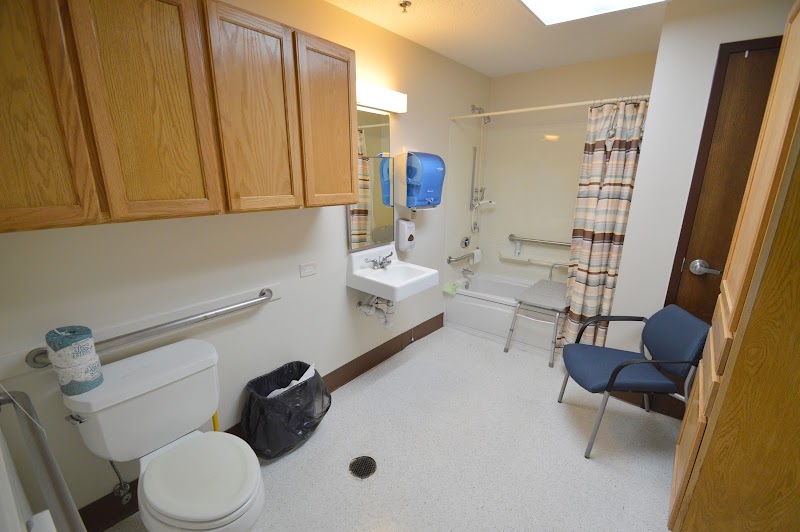
How is Ravenwood Specialty Care Staffed?
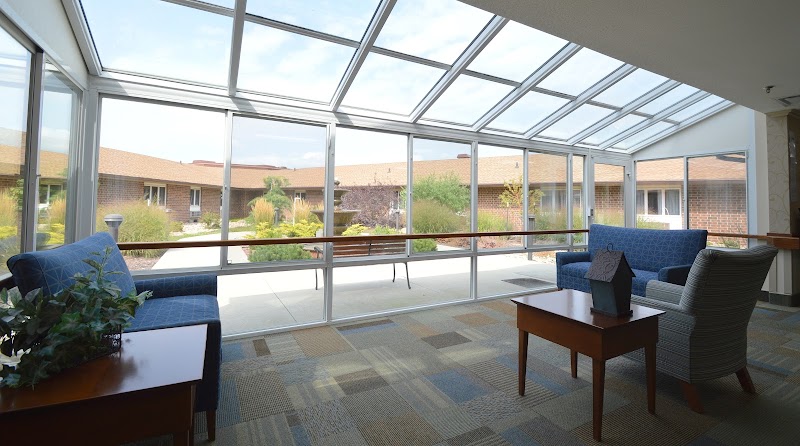
CMS rates Ravenwood Specialty Care's staffing level at 4 out of 5 stars, which is above average compared to other nursing homes. Staff turnover is 35%, compared to the Iowa average of 46%. This relatively stable workforce can support continuity of care.

What Have Inspectors Found at Ravenwood Specialty Care?

State health inspectors documented 33 deficiencies at Ravenwood Specialty Care during 2022 to 2025. These included: 33 with potential for harm.

Who Owns and Operates Ravenwood Specialty Care?

Ravenwood Specialty Care is owned by a non-profit organization. Non-profit facilities reinvest revenue into operations rather than distributing to shareholders. The facility is operated by CARE INITIATIVES, a chain that manages multiple nursing homes. With 176 certified beds and approximately 118 residents (about 67% occupancy), it is a mid-sized facility located in WATERLOO, Iowa.

How Does Ravenwood Specialty Care Compare to Other Iowa Nursing Homes?

Compared to the 100 nursing homes in Iowa, Ravenwood Specialty Care's overall rating (2 stars) is below the state average of 3.0, staff turnover (35%) is significantly lower than the state average of 46%, and health inspection rating (2 stars) is below the national benchmark.

What Should Families Ask When Visiting Ravenwood Specialty Care?

Based on this facility's data, families visiting should ask: "Can I visit during a mealtime to observe dining assistance and food quality?" "How do you handle medical emergencies, and what is your hospital transfer rate?" "Can I speak with family members of current residents about their experience?"

Is Ravenwood Specialty Care Safe?

Based on CMS inspection data, Ravenwood Specialty Care has a clean safety record: no substantiated abuse findings (meaning no confirmed cases of resident harm), no Immediate Jeopardy citations (the most serious violation level indicating risk of serious injury or death), and is not on the Special Focus Facility watch list (a federal program monitoring the lowest-performing 1% of nursing homes). The facility has a 2-star overall rating and ranks #100 of 100 nursing homes in Iowa. While no facility is perfect, families should still ask about staff-to-resident ratios and recent inspection results during their visit.

Do Nurses at Ravenwood Specialty Care Stick Around?

Ravenwood Specialty Care has a staff turnover rate of 35%, which is about average for Iowa nursing homes (state average: 46%). Moderate turnover is common in nursing homes, but families should still ask about staff tenure and how the facility maintains care continuity when employees leave.

Was Ravenwood Specialty Care Ever Fined?

Ravenwood Specialty Care has no federal fines on record. CMS issues fines when nursing homes fail to meet care standards or don't correct problems found during inspections. The absence of fines suggests the facility has either maintained compliance or corrected any issues before penalties were assessed. This is a positive indicator, though families should still review recent inspection reports for the full picture.

Is Ravenwood Specialty Care on Any Federal Watch List?

Ravenwood Specialty Care is not on any federal watch list. The most significant is the Special Focus Facility (SFF) program, which identifies the bottom 1% of nursing homes nationally based on persistent, serious quality problems. Not being on this list means the facility has avoided the pattern of deficiencies that triggers enhanced federal oversight. This is a positive indicator, though families should still review the facility's inspection history directly.