Zearing Health Care, LLC
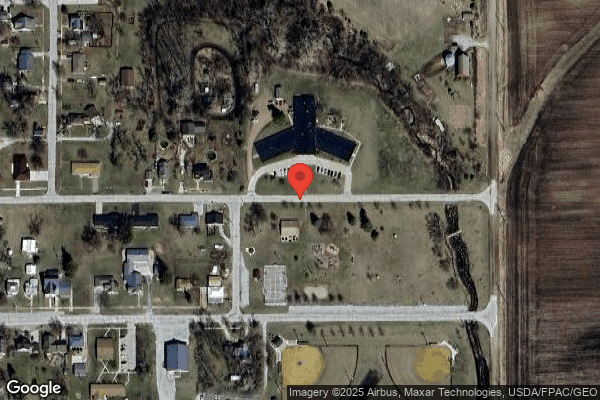
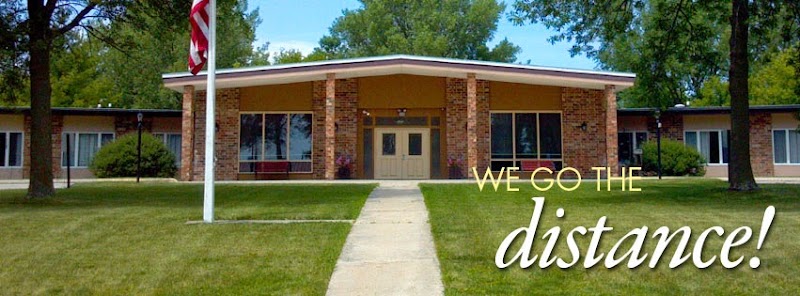
404 East Garfield St, Zearing, IA 50278 (641) 487-7631
For profit - Limited Liability company 40 Beds Independent Data: November 2025
Trust Grade
85/100
#89 of 392 in IA
Last Inspection: December 2024

Within standard 12-15 month inspection cycle. Federal law requires annual inspections.

Overview

Zearing Health Care, LLC has received a Trust Grade of B+, indicating it is above average and recommended for families considering nursing home options. With a state rank of #89 out of 392 facilities in Iowa, they are in the top half, and they rank #2 out of 7 in Story County, meaning only one local facility performs better. The facility's performance has been stable, with 11 concerns identified in both 2024 and 2025, indicating consistent issues rather than worsening conditions. While staffing is a strong point with a 5-star rating and RN coverage better than 87% of Iowa facilities, the turnover rate of 60% is quite high compared to the state average of 44%. Interestingly, there have been no fines reported, which is a positive sign. However, there are some areas of concern: an unattended treatment cart was left unlocked, posing a potential risk, and there were instances where residents did not receive the necessary dignity and respect during assistance with daily activities. Additionally, one resident who faced verbal abuse was not promptly separated from the alleged perpetrator, highlighting a need for improved response to safety concerns. Overall, while Zearing Health Care has solid strengths, there are critical areas needing attention for resident safety and care.

Trust Score
B+
85/100
In Iowa
#89/392
Top 22%
Safety Record
Low Risk
No red flags
Inspections
Holding Steady
5 → 5 violations
Staff Stability
⚠ Watch
60% turnover. Above average. Higher turnover means staff may not know residents' routines.
Penalties
✓ Good
No fines on record. Clean compliance history, better than most Iowa facilities.
Skilled Nurses
✓ Good
Each resident gets 59 minutes of Registered Nurse (RN) attention daily — more than average for Iowa. RNs are trained to catch health problems early.
Violations
⚠ Watch
11 deficiencies on record. Higher than average. Multiple issues found across inspections.
★★★★★
5.0
Overall Rating
★★★★★
5.0
Staff Levels
★★★★★
5.0
Care Quality
★★★★☆
4.0
Inspection Score
Stable
2024: 5 issues
2025: 5 issues

The Good

  • 5-Star Staffing Rating · Excellent nurse staffing levels
  • 5-Star Quality Measures · Strong clinical quality outcomes
  • Full Sprinkler Coverage · Fire safety systems throughout facility
  • No fines on record

Facility shows strength in staffing levels, quality measures, fire safety.

The Bad

Staff Turnover: 60%

14pts above Iowa avg (46%)

Frequent staff changes - ask about care continuity

Staff turnover is elevated (60%)

12 points above Iowa average of 48%

The Ugly 11 deficiencies on record

Aug 2025 2 deficiencies
CONCERN (D) 📢 Someone Reported This

A family member, employee, or ombudsman was alarmed enough to file a formal complaint

Potential for Harm - no one hurt, but risky conditions existed

Resident Rights (Tag F0550)

Could have caused harm · This affected 1 resident

**NOTE- TERMS IN BRACKETS HAVE BEEN EDITED TO PROTECT CONFIDENTIALITY** Based on record review, policy review, resident, and staff interviews, the facility failed to treat residents with dignity and r...

Read full inspector narrative →
**NOTE- TERMS IN BRACKETS HAVE BEEN EDITED TO PROTECT CONFIDENTIALITY** Based on record review, policy review, resident, and staff interviews, the facility failed to treat residents with dignity and respect while assisting with their activities of daily living (ADL) for 2 of 5 residents reviewed (Residents #1 and #2). The facility reported a census of 32 residents. Findings include:1. Resident #1's Minimum Data Set (MDS) assessment dated [DATE] listed an admission date of 3/14/22. The MDS identified a Brief Interview for Mental Status (BIMS) score of 7, indicating severe cognitive impairment. Resident #1 required supervision or touching assistance with eating and substantial/maximal assistance with mobility. The MDS included diagnoses of Huntington's disease and non-Alzheimer's dementia.The Care Plan Focus revised 8/6/25 reflected Resident #1 had a potential nutritional problem related to swallowing issues. The Interventions instructed the following:a. Resident #1 needed a calm, quiet setting at meals with adequate time to eat.b. She used curved utensils, a Kennedy cup (spill proof cup with handle and straw), and a lip plate to promote independence with eating.c. She ate a pureed diet with nectar thickened liquids.The Care Plan Focus dated indicated Resident #1 had a risk for skin integrity and falls related to choreatic movements (involuntary, jerky, and unpredictable muscle movements), poor balance, and impaired ambulation due to Huntington's disease. The Interventions directed to wear a soft helmet for safety.During an interview on 8/26/25 at 8:54 AM, Staff B, Registered Nurse (RN), stated on 7/30/25 around 5:30 PM, she entered the dining room and found Staff A, Certified Nursing Assistant (CNA), sitting next to Resident #2 at the dining table. She witnessed Resident #1 leaning forward in her chair with her head (wearing her soft helmet) down under the table. At the time Staff A used her personal phone. As Staff B approached the table she asked Staff A, what was happening? Staff A responded loudly and aggressively, She fucking does this all the time. She fucking throws her food on the floor. She won't fucking let you feed her. Staff B stated, They (CNAs) weren't doing anything, the resident didn't purposely do these things. Staff B, continued speaking, while Staff A used her phone on speakerphone with her boyfriend, who also used loud profane language. Staff C, CNA, interjected by saying okay, enough with the ‘F' word. Staff A continued laughing and persisted with her behavior. Resident #1 had food all over her with her helmet shifted, covering her eyes and obstructing her vision. Staff B stated she then positioned herself between Staff A and Resident #1 to de-escalate the situation. While cleaning up Resident #1, she spoke gently in an effort to comfort her. Staff B assisted Resident #1 with eating the remainder of her meal without issue. While assisting Resident #1, Staff A continued making sarcastic verbal remarks including Yeah, she doesn't talk, but when I'm in her room and she doesn't like something, she'll fucking let it rip then.In an interview on 8/26/25 at 10:45 AM, Staff C explained, Resident #1 had crazy uncontrolled movements because of having Huntington's chorea, that caused her to repeatedly drop her spoon and the CNAs constantly had to pick it up. On 7/30/25 as the CNAs help the resident's eat supper, Resident #1 leaned forward, reaching down under the table to grab her spoon that fell on the floor. Because of the material of Resident #1's helmet it kept catching on the underside of the table making it so she couldn't sit back up. At the time Staff B, asked what was going on, they had to move the table so Resident #1 could sit back up. Staff C added Staff A got frustrated and used the F bomb saying she did this all the fucking time. An interview on 8/26/25 at 1:24 PM, Staff D, CNA, reported Resident #1 kept dropping her silverware. When Staff B approached asking what happened, Staff A responded she does this all the fucking time. Staff B helped Resident #1 eat the rest of her meal. During an interview on 8/27/25 at 11:35 AM, Staff A, stated Resident #1 got stuck under the table. Staff A and another CNA had to move the table for her to be able to sit back up. At that time Staff B entered the dining room and said I've never seen her (Resident #1) like this. Staff A, acknowledged she responded out of frustration, she does this all the fucking time. 2. Resident #2's MDS assessment dated [DATE] identified a BIMS score of 12, indicating moderate cognitive impairment. Documented behaviors including delusions and other behaviors not directed towards other. Resident #2 used a wheelchair and could propel self. The MDS included diagnoses of stroke, schizophrenia, anxiety disorder, borderline personality disorder, and a history of falls.The Care Plan Focus revised 8/14/25, indicated Resident #2 had an indwelling urinary catheter. The Care Plan Focus revised 9/18/23 identified Resident #2 had a behavior problem related to borderline personality disorder. The Interventions directed the following:a. At times, using a stern mom voice is the only way to get Resident #2 to focus on reality and not hallucinations.b. Caregivers provide an opportunity for positive interactions and attention. They should stop and talk to her as they pass her.The Care Plan Focus revised 12/5/19 reflected Resident #2 had bowel incontinence related to her diet.The Care Plan Focus revised 12/5/19 indicated Resident #2 had an ADL self-care performance deficit. The Interventions instructed the following:a. She required a standing mechanical lift with the assistance of 2 staff. b. Praise all efforts of self-care.c. Resident #2 required the assistance of 2 staff to use the toilet.d. Encourage her to participate to the fullest extent possible with each interactions.In an interview on 8/26/25 at 10:45 AM, Staff C stated on 8/5/25 around 12:00 PM Resident #2 sat in her wheelchair propelling herself from the lobby area to her room. When she got tired, she started to cry because she needed to have a bowel movement. Staff C went to get Resident #2's foot pedals for the wheelchair. Staff C encouraged Resident #2 to propel herself to the beginning of the hallway. Staff C stated by the time she found the pedals, Staff E, Certified Medication Aide (CMA), positioned themselves in front of Resident #2 and pushed her backwards in the wheelchair, with her feet dragging on the floor, as 2 other CNAs watched. During this time, Resident #2 cried due to having to go to the bathroom. Staff C stated the facility's policy and proper procedure is to always use foot pedals on the wheelchair when moving residents from one area to another.During an interview on 8/26/25 at 1:45 PM, Staff E stated Resident #2 returned from the hospital on 8/5/25 and could propel her wheelchair independently. When Resident #2 propelled around she said she had to go poop right away and couldn't hold it. Staff C told Resident #2, they had to go get foot pedals to put on the wheelchair to push her to the bathroom. Staff E stated, while Staff C was getting the foot pedals, she (Staff E) turned Resident #2's wheelchair around and stood in front of her and pushed her backwards down the hallway but could not recall if Resident #2's feet were bouncing on the floor or not. Staff E explained, she stood in front of Resident #2 in case she slipped or came out of the wheelchair, she could stop her from falling. Staff E acknowledged the protocol as wheelchairs needed foot pedals on when pushing residents in the wheelchair.The Resident's Rights Policy, reviewed 10/7/24, stated, each and every resident of this facility has the following rights:a. To be treated with respect and dignity in recognition of individuality and preferences.b. The right to quality of care and treatment that is fair and free from discrimination. The Resident Dignity policy reviewed 10/17/24, instructed to the facility to treat each resident with respect and dignity, with care delivered in a person-centered way to preserve individuality, autonomy, and quality of life. The facility is committed to promoting and protecting the dignity of all residents. The staff, contractors, volunteers, and visitors must treat residents with respect, uphold their right, and foster an environment where choices, preferences, and self-determination are honored at all times. Every resident has the right to a dignified existence and self-determination. The facility must treat individuals with respect and care in a way that supports their quality of life and individuality. The Cell Phone policy, reviewed 10/7/24, instructed the following:a. Personal cell phone use during work hours must not interfere with resident care, staff responsibilities, or the professional atmosphere of the facility.b. Resident dignity and privacy are the highest priority; staff are strictly prohibited from using cell phones in ways that compromise confidentiality.The Wheelchair Foot Pedal Use policy, reviewed 10/17/24, directed wheelchairs require foot pedals (footrests) and used whenever a resident is being transported regardless of independence level to prevent lower-limb injury and maintain safe positioning.
CONCERN (D) 📢 Someone Reported This

A family member, employee, or ombudsman was alarmed enough to file a formal complaint

Potential for Harm - no one hurt, but risky conditions existed

Investigate Abuse (Tag F0610)

Could have caused harm · This affected 1 resident

**NOTE- TERMS IN BRACKETS HAVE BEEN EDITED TO PROTECT CONFIDENTIALITY** Based on clinical record review, staff interviews, and policy review, the facility failed to separate residents from alleged per...

Read full inspector narrative →
**NOTE- TERMS IN BRACKETS HAVE BEEN EDITED TO PROTECT CONFIDENTIALITY** Based on clinical record review, staff interviews, and policy review, the facility failed to separate residents from alleged perpetrator of verbal abuse in a timely manner for 1 of 1 resident reviewed for abuse (Resident #1). The facility reported a census of 32 residents.Findings include:Resident #1's Minimum Data Set (MDS) assessment dated [DATE] listed an admission date of 3/14/22. The MDS identified a Brief Interview for Mental Status (BIMS) score of 7, indicating severe cognitive impairment. Resident #1 required supervision or touching assistance with eating and substantial/maximal assistance with mobility. The MDS included diagnoses of Huntington's disease and non-Alzheimer's dementia.The Care Plan Focus revised 8/6/25 reflected Resident #1 had a potential nutritional problem related to swallowing issues. The Interventions instructed the following:a. Resident #1 needed a calm, quiet setting at meals with adequate time to eat.b. She used curved utensils, a Kennedy cup (spill proof cup with handle and straw), and a lip plate to promote independence with eating.c. She ate a pureed diet with nectar thickened liquids.The Care Plan Focus dated indicated Resident #1 had a risk for skin integrity and falls related to choreatic movements (involuntary, jerky, and unpredictable muscle movements), poor balance, and impaired ambulation due to Huntington's disease. The Interventions directed to wear a soft helmet for safety.During an interview on 8/26/25 at 8:54 AM, Staff B, Registered Nurse (RN), stated on 7/30/25 around 5:30 PM, she entered the dining room and found Staff A, Certified Nursing Assistant (CNA), sitting next to Resident #2 at the dining table. She witnessed Resident #1 leaning forward in her chair with her head (wearing her soft helmet) down under the table. At the time Staff A used her personal phone. As Staff B approached the table she asked Staff A, what was happening? Staff A responded loudly and aggressively, She fucking does this all the time. She fucking throws her food on the floor. She won't fucking let you feed her. Staff B stated, They (CNAs) weren't doing anything, the resident didn't purposely do these things. Staff B, continued speaking, while Staff A used her phone on speakerphone with her boyfriend, who also used loud profane language. Staff C, CNA, interjected by saying okay, enough with the ‘F' word. Staff A continued laughing and persisted with her behavior. Resident #1 had food all over her with her helmet shifted, covering her eyes and obstructing her vision. Staff B stated she then positioned herself between Staff A and Resident #1 to de-escalate the situation. While cleaning up Resident #1, she spoke gently in an effort to comfort her. Staff B assisted Resident #1 with eating the remainder of her meal without issue. While assisting Resident #1, Staff A continued making sarcastic verbal remarks including Yeah, she doesn't talk, but when I'm in her room and she doesn't like something, she'll fucking let it rip then. Staff B, stated she didn't address any concerns about the incident with Staff A. She added she knew Staff A didn't work with Resident #1 for the rest of the shift. Staff B explained she contacted the Administrator around 9:00 PM, when things calmed down. The Administration instructed Staff B to send Staff A home. Staff B added, she should have pulled Staff A aside and had her leave the facility at the time of the incident and reported it to the Facility Administrator at that time. In an interview on 8/26/25 at 10:45 AM, Staff C explained, Resident #1 had crazy uncontrolled movements because of having Huntington's chorea, that caused her to repeatedly drop her spoon and the CNAs constantly had to pick it up. On 7/30/25 as the CNAs help the resident's eat supper, Resident #1 leaned forward, reaching down under the table to grab her spoon that fell on the floor. Because of the material of Resident #1's helmet it kept catching on the underside of the table making it so she couldn't sit back up. At the time Staff B, asked what was going on, they had to move the table so Resident #1 could sit back up. Staff C added Staff A got frustrated and used the F bomb saying she did this all the fucking time. Staff C stated Staff A stayed at the dining table assisting another resident finish eating dinner and continued to provide care for residents throughout the shift. Staff C, reported being confused when she received a call the next day about the incident with Resident #1. The situation happened at supper around 5-6 PM, Staff B didn't act on the situation at all. Staff C said Staff B should have asked someone to stay for Staff A and sent her home. An interview on 8/26/25 at 1:24 PM, Staff D, CNA, reported, Resident #1 kept dropping her silverware. When Staff B approached asking what was going on, Staff A responded she does this all the fucking time. At the time, Staff B assisted Resident #1 eat the rest of her meal. Staff D, stated her shift ended at 6:30 PM and Staff A still worked when she left. During an interview on 8/27/25 at 11:35 AM, Staff A, stated Resident #1 got stuck under the table. Staff A and another CNA had to move the table for her to be able to sit back up. At that time Staff B entered the dining room and said I've never seen her (Resident #1) like this. Staff A, acknowledged she responded out of frustration, she does this all the fucking time. After the incident Staff A, stated she finished helping resident eat dinner, got them settled in to bed, and the rest of the night ran like normal. At 9:55 PM Staff A, stated Staff B approached her and told her that her language could be considered verbal abuse. Staff B notified the facility Administrator, and they directed Staff B to tell her to leave the facility. Staff A reported she didn't have any communication after the incident at dinner until Staff B told to leave at 9:55 PM. The Abuse Prevention, Identification, Investigation, and Reporting policy, reviewed 10/17/24, directed the following:a. All allegations of Resident abuse, neglect, exploitation, mistreatment, injuries of unknown origin and misappropriation should be reported immediately to the charge nurse. The charge nurse is responsible for immediately reporting the allegations of abuse to the Administrator, or designated representative.b. Upon receiving a report of an allegation of resident abuse, neglect, exploitation, or mistreatment, the facility shall immediately implement measures to prevent further potential of abuse of residents from occurring while the facility investigation is in process. If this involves an allegation of abuse by an employee, this will be accomplished by separating the employee accused of abuse from all residents through the following or a combination of the following, if practicable: i. Suspending the employee ii. Segregating the employee by moving the employee to an area of the facility where there will be no contact with any residents of the facility; and in rare instances iii. Separating the employee accused of abuse from the resident alleged to have been abused but allowing the employee to care for and have contact with other residents, only if there is a second employee who remains with and accompanies the employee accused of abuse at all times to supervise all contacts and interactions with the residents.
Jun 2025 1 deficiency
CONCERN (D) 📢 Someone Reported This

A family member, employee, or ombudsman was alarmed enough to file a formal complaint

Potential for Harm - no one hurt, but risky conditions existed

Deficiency F0658 (Tag F0658)

Could have caused harm · This affected 1 resident

**NOTE- TERMS IN BRACKETS HAVE BEEN EDITED TO PROTECT CONFIDENTIALITY** Based on observation, clinical record review, staff interviews, and facility policy/procedure review, the facility failed to fol...

Read full inspector narrative →
**NOTE- TERMS IN BRACKETS HAVE BEEN EDITED TO PROTECT CONFIDENTIALITY** Based on observation, clinical record review, staff interviews, and facility policy/procedure review, the facility failed to follow the 5 rights of medication administration and physician orders to prevent a medication error from occurring. On 5/3/25, during the morning medication pass, a Registered Nurse (RN) took Resident #2's oral medications and gave them to Resident #1. The facility reported a census of 34 residents. Findings include: 1. Resident #1's Minimum Data Set (MDS) assessment dated [DATE] reflected they could usually make themselves understood and understood others. The MDS identified a Brief Interview for Mental Status (BIMS) score of 7, indicating severe cognitive impairment. The MDS listed Resident #1 as dependent in all activities of daily living (ADL). The MDS included diagnoses of non-Alzheimer's dementia and Huntington's disease. The Care Plan included Focuses of: a. Revised 2/26/20: Resident #1 has impaired cognitive function/dementia or impaired thought processes related to Huntington's Disease. The Interventions directed the following: i. Needs assistance with all decision making. ii. Administer medications as ordered. The Employee Counseling/Disciplinary Form dated 5/3/25 at 11:00 AM labeled Incident Description, documented on 5/3/35 approximately 11:00 AM, Staff A, Registered Nurse (RN), administered a noon does of clonazepam (a medication to treat seizures and panic disorder) 2 milligrams (mg) and Hydroxyzine 25 mg (used to help manage anxiety and tension) intended for Resident #2 to Resident #1 in error. Staff A identified the error approximately 10 minutes later when they went to document the medication administration in the electronic Medication Administration Record (MAR) and noted Resident #2's photo did no match the individual who received the medication. Upon recognizing the error, Staff A, immediately followed protocol. She notified the administrative staff, on-call provider, and Resident #1's family. She did a full assessment of Resident #1 and found no adverse reactions at the time. Staff A contacted the pharmacy to replace the administered medications. Staff A documented the incident per facility protocol, and submitted a medication error report. The Health Status Note 5/3/25 at 1:25 PM, identified at 12:40 PM, the staff discovered Resident #1 received 2 milligrams (mg) clonazepam (antianxiety medication) and 25 mg hydroxyzine (anti-itch medication used to treat anxiety) which he didn't normally get. The staff immediately assessed Resident #1. The assessment revealed the following vital Signs: a. Blood pressure (BP) - 94/58 (average 120/80) b. Temperature - 97.5 (average 98.6) c. Pulse - 92 (average 80 - 100) d. Respirations - 18 (average 12 - 20) e. Oxygen saturation - 96% on room air (average greater than 90%) Resident #1 didn't display any signs or symptoms of pain/discomfort. The staff notified the Advance Registered Nurse Practitioner (ARNP) and Power of Attorney (POA). The staff received an order to monitor for 48 hours, then continue to monitor per facility protocol. The POA reported she would call back later in the day to check on Resident #1, and would follow up with any changes. An email to the attending physician dated 5/3/25 at 1:37 PM, indicated the facility sent a quick update that Staff A gave Resident #1, Resident #2 noon medications. (clonazepam and hydroxyzine). Per protocol, they notified the provider and submitted a medication error report. They monitored Resident #1 closely, and he had vitals at baseline with no noticeable lethargy or reaction noted. They planned to continue to monitor. On 5/4/25 at 9:13 AM, the attending physician replied, thank you duly noted. The Health Status Note dated 5/3/25 at 4:52 PM indicated the staff assessed Resident #1 due to noted lethargy (sleepiness) and decreased interactivity when staff approached him to get him up from his nap to have supper. The assessment reflected the following: a. Temperature - 97.0 b. Pulse - 70 c. Respirations - 15 d. Blood Pressure - 123/68 e. Spo2 - 98% on room air. Resident #1 had his head of bed (HOB) elevated. The staff repositioned Resident #1 and noted his pupils as equal and reactive to light. Resident #1 opened his eyes but didn't respond to questions or react to verbal stimuli. The note described Resident #1's color as pink, with warm and dry skin. Resident #1 had even respirations with noted audible (loud breath) chest congestion (a gurgle sound). The staff documented no coughing or sobbing noted. The staff spoke with the facility's on call-provider to discuss Resident #1's condition. They instructed to monitor for the time being. The Health Status Note dated 5/4/25 at 12:18 AM identified Resident #1 as more and more alert when the nurse looked in on him to assess his condition that night. The nurse did several checks with vital signs, neuro checks and providing stimuli to assess resident responsiveness and level of consciousness. Resident #1's vital signs remained with in normal limits with each assessment and by the end of the shift, he responded with change in affect (facial expression). The nurse held Resident #1's medications as they didn't notice he could swallow safely. The nurse attempted to give Resident #1 small sips of thickened water but he didn't swallow. The staff left Resident #1's HOB left up and planned to attempt more as he became more alert. The note included the following vital signs: a. Temperature - 96.9 b. Pulse - 69 c. Respirations - 18 d. Blood Pressure - 120/52 e. Spo2 - 96% on room air. The Health Status Note dated 5/4/25 at 1:34 PM reflected the facility continued monitoring Resident #1. He had episodes of lethargy that shift but did respond at times, he had a decreased appetite noted, but had vital signs within normal limits (WNL). He didn't interact much with staff, but didn't have signs or symptoms of pain or discomfort. They facility planned to continue to follow-up. The Health Status Note dated 5/5/25 at 12:20 AM, described Resident #1 as alert and reactive, responding per his baseline (how he usually acts). The nurse assessed some mild audible congestion in his lungs, however he can cough and clear the congestion. Resident #1 didn't get up for dinner that night but received fluids and medications late that evening. The Health Status Note dated 5/5/25 at 3:55 AM described Resident #1 as awake, responding, and smiling earlier in the night shift. He awoke easily and had no visible signs of pain or discomfort noted. The Health Status Note dated 5/5/25 at 2:49 PM described Resident #1 as awake and alert that shift. He interacted with staff. He did have delayed swallowing at the morning meal, but had no other complaints or concerns that shift. 2. Resident #2's MDS assessment dated [DATE], identified a BIMS score of 9, indicating moderately impaired cognition. The MDS included diagnoses of non-Alzheimer's dementia, Huntington's (a disease passed on from family that causes breakdown of the brain's nerve cells. The illness is rare, it causes uncontrollable movements, changes in behavior and memory) disease, anxiety and difficulty in walking. The MDS documented Resident #2 received antipsychotic, antianxiety and antidepressant medications in the lookback period. The Care Plan Focus initiated 6/14/21 indicated Resident #2 had anxiety related to an altered mentation (changes in behavior, alertness, and memory) and changes in the environment. The Interventions directed to: a. Administer his medications per the physicians' orders b. Takes hydroxyzine, this medication is an anti-anxiety, also takes clonazepam, this is an anti-convulsant and has a black box warning. c. Concomitant (Use of multiple medications) use of benzodiazepines (antianxiety medications) and opioids (controlled pain medications) may result in profound (extreme) sedation (tiredness), respiratory depression (inability to breath), coma (inability to wake up from sleep), and death. Reserve (try to not use) concomitant prescribing of those drugs for use in patients who had inadequate alternative treatments options. Limit dosages to the minimum required. Follow patients for signs and symptoms of respiratory depression and sedation. The Progress Notes lacked documentation of a medication error on 5/3/25. On 5/29/25 observed Staff A during the medication pass. She followed the 5 rights for administration of medications and followed the physician orders as written. On 5/29/25 at 1:00 PM, Staff A reported around 11:00 AM, she took medications out of the medication cart and proceeded to get them ready for Resident #2. Staff A explained that as they went to Resident #2, they accidentally gave the medication to Resident #1. Staff A, stated they knew right away the medication error occurred. They called the on-call provider, Director of Nursing (DON), and Resident #1's family. Staff A, explained they received the education for the 5 rights of medication administration and following physician orders. On 5/29/25 at 2:15 PM, the DON verified they expected the nursing staff to follow the physician's orders as written and follow the medication administration policy for the 5 rights. The Medication Administration Policy dated January 2025 described the purpose of the policy as to ensure safe, accurate, and consistent administration of medications to residents in the nursing home in compliance with professional standards of practice, Federal, and State regulations. The policy applied to all licensed nursing staff, medications aides, and other personnel authorized to handle or administer medications within the facility. The Five (plus one) Rights of Medication Administration directed the following: a. Right resident (verify two identifiers) b. Right medications (compare to MAR) c. Right dose d. Right route e. Right time/frequency f. Right documentation (document immediately after administration)
Feb 2025 2 deficiencies
CONCERN (D) 📢 Someone Reported This

A family member, employee, or ombudsman was alarmed enough to file a formal complaint

Potential for Harm - no one hurt, but risky conditions existed

Report Alleged Abuse (Tag F0609)

Could have caused harm · This affected 1 resident

**NOTE- TERMS IN BRACKETS HAVE BEEN EDITED TO PROTECT CONFIDENTIALITY** Based on record review, staff interview and policy review, the facility failed to report an allegation of abuse timely for 1 of ...

Read full inspector narrative →
**NOTE- TERMS IN BRACKETS HAVE BEEN EDITED TO PROTECT CONFIDENTIALITY** Based on record review, staff interview and policy review, the facility failed to report an allegation of abuse timely for 1 of 1 residents reviewed for alleged abuse (Resident #1). The facility reported a census of 35 residents. Findings include: Resident #1's Minimum Data Set (MDS) assessment dated [DATE] identified a Brief Interview for Mental Status (BIMS) of 11, indicating moderate cognitive impairment. The MDS included a diagnosis of Huntington's disease (causes nerve cells in the brain to decay over time, affecting the person's movements, thinking ability, and mental health). The Care Plan Focus revised 10/27/22 described Resident #1 as a smoker, who required supervision to smoke. During an interview on 2/17/25 at 12:25 PM, Staff A, Certified Nurse Aide (CNA), reported she worked with Staff B, CNA, and Staff C, CNA, on 1/3/25. After she came in the building after she took residents out to smoke, Resident #1 came up to smoke late. Staff A reported as she assisted another resident take off her coat, Resident #1 grabbed a smoking protector. Staff D, Registered Nurse (RN), yelled at Resident #1 saying it was too late to smoke. As Resident #1 tried to go out the door, Staff D pulled her arm and grabbed her away from the door. Resident #1 then walked down the hallway to her room. Staff A reported Staff B and her wrote written statements, then slid them under the Administrator's door but the statements never got to the Administrator. During a follow-up interview on 2/17/25 at 12:51 PM, Staff A reported witnessing Staff E, Licensed Practical Nurse (LPN), grab Resident #1's other arm when she tried to go outside to smoke and moved her away from the door. Staff A stated she didn't separate the alleged abuser from the residents because her brain froze. During an interview on 2/17/25 at 12:42 PM, Staff B explained on 1/3/25 Resident #1 didn't come with the other residents for their 8:00 PM smoke break, adding she came up at 8:06 PM. Staff B described Staff D, RN, as adamant Resident #1 couldn't go out to smoke since she came late. At that time Resident #1 became very upset and began having behaviors. Staff B reported Staff D and Staff E grabbed Resident #1 in the triangle area by the nurse's station and the beginning of the 200 hallway, then dragged her down the hall to the inside of her room while Resident #1 screamed and tried to get out of their grasp. Staff B reported Resident #1 screamed for ½ an hour because she couldn't go out to smoke. Staff B reported she couldn't write a statement at the time of the incident due to being busy but wrote one out the next day with the dates and times, then turned it into the office. Staff B explained she reported the allegation within 24 hours as the facility didn't have anyone to report it to that night due to the involvement both of the nurses working. During an interview on 2/17/25 at 1:25 PM, Staff C reported as she came out of the dining room on 1/3/25 around 8:00 PM, she saw Staff D coming onto her shift, then she saw Staff D yank Resident #1's right arm. Staff C explained Resident #1's had her back to the wall by the exit door, when Staff D told her they wouldn't allow her to go outside and smoke because she missed the smoke break. Staff C reported Resident #1 left the doorway area and walked down to her room independently. Staff D walked the opposite direction following the incident. Staff C reported Staff E also yelled at Resident #1 but like a puppet as she followed Staff D. Staff C reported she would have seen if Staff E grab Resident #1's other arm, which she didn't as Staff E stood behind Staff D. Staff C stated Staff A and Staff B told her what they witnessed and she told them to report it to whomever they needed to tell. Staff C stated she reported the incident to the Assistant Director of Nursing (ADON) at work the next time, the next Tuesday, she saw her at work. Review of facility policy titled, Nursing Facility Abuse Prevention, Identification, Investigation and Reporting Policy dated October 2022 indicated all allegations of resident abuse should be reported immediately to the charge nurse. The charge nurse is responsible for immediately reporting the allegations of abuse to the Administrator, or designated representative. All allegations of resident abuse shall be reported to the Iowa Department of Inspections and Appeals no later than 2 hours after the allegation is made. If the person in charge is the alleged abuser, the staff member shall directly report the abuse to the Department immediately, pursuant to the deadlines established above. During an interview on 2/18/25 at 3:40 PM, the Administrator reported he first learned of the allegation of abuse against Resident #1 on 1/10/25 after Staff A's staffing agency, who employed her, contacted him via the phone reporting Staff A reported the alleged abuse to the staffing agency. The Administrator added he expected the staff report allegations of abuse right away.
CONCERN (D) 📢 Someone Reported This

A family member, employee, or ombudsman was alarmed enough to file a formal complaint

Potential for Harm - no one hurt, but risky conditions existed

Investigate Abuse (Tag F0610)

Could have caused harm · This affected 1 resident

**NOTE- TERMS IN BRACKETS HAVE BEEN EDITED TO PROTECT CONFIDENTIALITY** Based on record review, staff interviews, policy review and staff timecard punch detail, the facility staff who witnessed an all...

Read full inspector narrative →
**NOTE- TERMS IN BRACKETS HAVE BEEN EDITED TO PROTECT CONFIDENTIALITY** Based on record review, staff interviews, policy review and staff timecard punch detail, the facility staff who witnessed an alleged abuse to a resident on 1/3/25 failed to report the incident to the facility administration or the Department of Inspections, Appeals, and Licensing. Due to the facility's staff failing to report the alleged abuse to the Administration, the facility Administration failed to separate the alleged abuser from the resident for 1 residents reviewed for alleged abuse (Resident #1). The Administrator reported he didn't learn of the situation until 1/10/25, allowing the alleged abuser to continue to work with Resident #1 and other residents in the facility for approximately 7 days after the incident. Please refer to deficiency F609 for additional information. The facility reported a census of 35 residents. Findings include: Resident #1's Minimum Data Set (MDS) assessment dated [DATE] identified a Brief Interview for Mental Status (BIMS) of 11, indicating moderate cognitive impairment. The MDS included a diagnosis of Huntington's disease (causes nerve cells in the brain to decay over time, affecting the person's movements, thinking ability, and mental health). The Care Plan Focus revised 10/27/22 described Resident #1 as a smoker, who required supervision to smoke. During an interview on 2/17/25 at 12:25 PM, Staff A, Certified Nurse Aide (CNA), reported she worked with Staff B, CNA, and Staff C, CNA, on 1/3/25. After she came in the building after she took residents out to smoke, Resident #1 came up to smoke late. Staff A reported as she assisted another resident take off her coat, Resident #1 grabbed a smoking protector. Staff D, Registered Nurse (RN), yelled at Resident #1 saying it was too late to smoke. As Resident #1 tried to go out the door, Staff D pulled her arm and grabbed her away from the door. Resident #1 then walked down the hallway to her room. Staff A reported Staff B and her wrote written statements, then slid them under the Administrator's door but the statements never got to the Administrator. During a follow-up interview on 2/17/25 at 12:51 PM, Staff A reported after she witnessed Staff E, Licensed Practical Nurse (LPN), grab Resident #1's other arm when she tried to go outside to smoke, she didn't separate the alleged abuser from the residents because her brain froze. During an interview on 2/18/25 at 3:40 PM, the Administrator reported he first learned of the allegation of abuse against Resident #1 on 1/10/25 after Staff A's staffing agency, who employed her, contacted him via the phone reporting Staff A reported the alleged abuse to the staffing agency. The Administrator added he expected the staff report allegations of abuse right away. Review of Staff D's timecard punch detail reflected she worked the following dates and times, after the alleged incident prior to her suspension: a. 1/3/25: 7:58 PM-6:20 AM b. 1/4/25: 7:58 PM-6:37 AM c. 1/5/25: 9:52 PM-6:26 AM d. 1/7/25: 8:00 PM-6:23 AM e. 1/8/25: 7:58 PM-6:39 AM f. 1/9/25: 7:53 PM-6:26 AM Review of facility policy titled, Nursing Facility Abuse Prevention, Identification, Investigation and Reporting Policy dated October 2022 indicated upon an allegation of resident abuse, the facility shall immediately implement measures to prevent further potential abuse of residents.
Jul 2022 6 deficiencies
CONCERN (D)

Potential for Harm - no one hurt, but risky conditions existed

Notification of Changes (Tag F0580)

Could have caused harm · This affected 1 resident

**NOTE- TERMS IN BRACKETS HAVE BEEN EDITED TO PROTECT CONFIDENTIALITY** Based on clinical record reviews, policy review, family, and staff interviews the facility failed to provide updated information...

Read full inspector narrative →
**NOTE- TERMS IN BRACKETS HAVE BEEN EDITED TO PROTECT CONFIDENTIALITY** Based on clinical record reviews, policy review, family, and staff interviews the facility failed to provide updated information when change occurred with a resident for 1 of 1 resident (Resident #33). The facility reported a census of 33 residents. Findings included: Resident #33's Minimum Data Set (MDS) dated [DATE]documented that her Cognitive Skills for Daily Decision Making were Severely impaired (never/rarely made decisions). The MDS included diagnoses of hypertension and hypothyroidism. Resident #33 Care Plan Focus dated 5/1/19 indicated that she had an impaired cognitive function. The interventions revised 9/16/21 directed staff to provide her with a homelike environment and to administer her medications as ordered. The Care Plan also included a Focus related to a nutritional problem dated 4/9/19. The included intervention directed staff to provide diet as ordered, provide, and serve the supplements as ordered. The document Resident [NAME] of Rights dated 11/16 included the following: Notification of changes. 1. A facility must immediately inform the resident; consult with the resident's physician; and notify consistent with his or her authority the resident representative when there is a. An accident involving the resident which in injury and has the potential for requiring physician intervention. b. A significant change in the resident's physical, mental or psychosocial status. c. A need to alter treatment Resident #33's Progress Notes included the following: a. The Health Status Note dated 2/5/21 at 9:37 AM indicated the facility received a call from the Advanced Registered Nurse Practitioner (ARNP). The ARNP gave an order to draw labs on 3/4/21 lab day b. The Health Status Note dated 2/25/21 at 11:49 PM documented that during Resident #33's shower, the Certified Nurse Aides (CNA's) found a large bruise that measured 16 inches (in.) by 6 in, from Resident #33's left arm pit to her right breast. The bruising noted to be dark purple to green trim in color. The nurse called ARNP. c. The Health Status Note dated 3/11/21 at 2:54 PM recorded that the ARNP came to the facility for rounds. The ARNP reviewed Resident #33's labs and gave an order change Resident #33's levothyroxine from a tablet form to a liquid form. The ARNP ordered to recheck Resident #33's thyroid lab in eight weeks. d. The Health Status Note dated 5/6/21 at 8:59 PM indicated that Resident #33 had a shower, and the staff observed a bruise to top of her head. Resident #33's daughter did not get contacted due to time. The ARNP contact through book. No known cause. The area measured 3 centimeters (cm) with a circular and light purple appearance. The progress notes lacked notification to Resident #33's Representive related to the above items. On 7/5/22 at 2:07 PM the Director of Nursing (DON) explained she would expect the staff to notify the family with any change of condition change in medication, really with anything.
CONCERN (D)

Potential for Harm - no one hurt, but risky conditions existed

Deficiency F0582 (Tag F0582)

Could have caused harm · This affected 1 resident

**NOTE- TERMS IN BRACKETS HAVE BEEN EDITED TO PROTECT CONFIDENTIALITY** Based on clinical record reviews and staff interviews, the facility failed to notify residents of charges for services provided ...

Read full inspector narrative →
**NOTE- TERMS IN BRACKETS HAVE BEEN EDITED TO PROTECT CONFIDENTIALITY** Based on clinical record reviews and staff interviews, the facility failed to notify residents of charges for services provided for 1 of 3 residents reviewed in a timely manner (Resident #184). The facility reported a census of 33 residents. Findings include: The Minimum Data Set (MDS) dated [DATE] documented an admission date of 1/24/22 for Resident #184. The MDS listed a Brief Interview of Mental Status (BIMS) score of 13, indicating intact cognition for decision making. The Centers for Medicare & Medicaid Services (CMS) form 20052 documented the last day of Medicare A services as 3/5/22. The CMS form 10055 documented Resident #184 reached his goals to strengthen and could go home. Resident #184 signed the form on 3/4/22. Review of progress notes revealed Resident #184 discharged from the facility 3/5/22. During an interview 6/29/2022 at 1:35PM the Administrator revealed that he expected residents to be given 2 days notice regarding services ending unless they left Against Medical Advice (AMA), hospice, a change in their level of care, or if the resident left early.
CONCERN (D)

Potential for Harm - no one hurt, but risky conditions existed

Deficiency F0637 (Tag F0637)

Could have caused harm · This affected 1 resident

**NOTE- TERMS IN BRACKETS HAVE BEEN EDITED TO PROTECT CONFIDENTIALITY** Based on clinical record reviews and staff interviews the facility failed to complete a comprehensive assessment after a signifi...

Read full inspector narrative →
**NOTE- TERMS IN BRACKETS HAVE BEEN EDITED TO PROTECT CONFIDENTIALITY** Based on clinical record reviews and staff interviews the facility failed to complete a comprehensive assessment after a significant change for 3 of 3 residents reviewed (Residents #1, #14, and #25). The facility reported a census of 33 residents. Findings include: 1. Resident #1's Minimum Data Set (MDS) dated [DATE] included diagnoses of renal (kidney) insufficiency, diabetes mellitus, and amyotrophic lateral sclerosis (ALS). The MDS documented the resident received hospice care during the last 14 days of the lookback period. The Physician's Order dated 3/23/22 documented an order for hospice level of care. Review of Resident #1's electronic health record lacked documentation of a significant change comprehensive assessment after Resident #1 went on hospice level of care. 2. Resident #25's MDS dated [DATE] included diagnoses of Huntington's disease and respiratory failure. The MDS documented the resident received hospice care during the last 14 days of the lookback period. The Physician's Order dated 12/28/21 recorded an order for hospice level of care. Review of Resident #25's electronic health record lacked documentation of a significant change comprehensive assessment after Resident #25 went on hospice level of care. The Acute Change in Condition Policy, implemented 3/19/12 under the section Documentation Guidelines indicated that documentation may include initiating a change of condition on the MDS. During an interview 7/5/22 at 11:35 AM the MDS nurse acknowledged that she did not complete a significant change as expected for Resident #1 or Resident #25 when they started on hospice services. 3. Resident #14's MDS dated [DATE] included a Brief Interview for Mental Status (BIMS) score of 9, indicating moderately impaired (poor decisions and supervision required) cognition for daily decision making. The MDS included diagnoses of diabetes mellitus, epilepsy, and anxiety disorder. The MDS documented that Resident #14 used hospice services within the last 14 days in the lookback period. Resident #14's Care Plan Focus revised 4/16/22 indicated that he used hospice services. The Focus included an intervention that directed staff to reassure him that they would meet his care needs and would provide comfort. The Physicians Order dated 1/11/22 included an order for a hospice consult. Resident #14's Hospice Plan of Care indicated his certification period as 1/13/22 to 4/12/22. On 6/29/22 at 11:44 AM the Administrator acknowledged that he would expect a significant change MDS to be done when a resident admitted to hospice services. On 7/5/22 at 11:41 AM the MDS Coordinator reported that she did not realize she needed to do a significant change MDS when a resident went on hospice services.
CONCERN (D)

Potential for Harm - no one hurt, but risky conditions existed

PASARR Coordination (Tag F0644)

Could have caused harm · This affected 1 resident

**NOTE- TERMS IN BRACKETS HAVE BEEN EDITED TO PROTECT CONFIDENTIALITY** Based on clinical record review, policy review, and staff interviews the facility failed to follow through completing the Pre-ad...

Read full inspector narrative →
**NOTE- TERMS IN BRACKETS HAVE BEEN EDITED TO PROTECT CONFIDENTIALITY** Based on clinical record review, policy review, and staff interviews the facility failed to follow through completing the Pre-admission Screening and Resident Review (PASRR) for 1 of 1 reviewed with PASRR (Resident #29). The facility reported a census of 33. Findings included: Resident #29's Minimum Date Set (MDS) dated [DATE] documented a Brief Interview for Mental Status (BIMS) score of 11, indicating moderately impaired cognition for daily decision making. The MDS included diagnoses of depression and bipolar disorder. The MDS documented Resident #29 as not considered state level II PASRR to have a serious mental illness and/or intellectual disability. Resident #29's Care Plan Focus dated 8/19/19 indicated that she had a potential for alteration in behavior manifested by physical and verbal episodes. Resident #29 could be uncooperative with cares and resistive with activities of daily living (ADL). The included goal with a target date of 7/25/22 directed staff to redirect her during episodes of inappropriate behavior. The Care Plan lacked information about a PASRR assessment. The information form titled [Company Name] for Resident #29 included they reported through level I on 10/1/21. Resident #29's clinical record lacked a PASRR assessment. The document titled Policy/Procedure updated 8/31/21 under the section labeled Intent indicated it was the policy of the facility to assure that all residents admitted to the facility received a Pre-admission Screening and Resident Review, in accordance with State and Federal Regulations. On 6/28/22 at 2:53 PM the Administrator acknowledged that the PASRR did not get completed. He explained that after talking to the PASRR company, the facility had two accounts and the PASRR company sent a response to the other account so nothing changed on her PASRR from the level one. The Administrator reported that they were rebuilding PASRR that day.
CONCERN (D)

Potential for Harm - no one hurt, but risky conditions existed

Medication Errors (Tag F0758)

Could have caused harm · This affected 1 resident

**NOTE- TERMS IN BRACKETS HAVE BEEN EDITED TO PROTECT CONFIDENTIALITY** Based on clinical record reviews, policy review, and staff interviews, the facility failed to limit an as needed (PRN)antipsycho...

Read full inspector narrative →
**NOTE- TERMS IN BRACKETS HAVE BEEN EDITED TO PROTECT CONFIDENTIALITY** Based on clinical record reviews, policy review, and staff interviews, the facility failed to limit an as needed (PRN)antipsychotic medications to fourteen days and failed to ensure an in person evaluation got completed by the prescribing practitioner prior to continuation for 1 of 1 residents reviewed (Resident #22). The facility reported a census of 33 residents. Findings include: Resident #22's Minimum Data Set (MDS) dated [DATE] included diagnoses of Huntington's disease and anxiety disorder. The Medication Administration Records (MAR) for the months of March 2022, April 2022, May 2022 revealed an order started on 3/25/22 for Olanzapine 5 milligrams (MG) by mouth PRN for antipsychotic. The order documented a discontinuation date of 5/10/22. The clinical record lacked documentation related to a new order for the PRN Olanzapine. In addition the clinical record lacked documentation to indicate the prescribing Practitioner evaluated Resident #22 after 14 days. The facility policy titled, Pharmacy Services-Drug Regimen Free From Unnecessary Drugs dated 8/31/21 recorded that PRN orders for anti-psychotic drugs are limited to 14 days and cannot be renewed unless the attending physician or prescribing Practitioner evaluates the resident for the appropriateness of that medication. During an interview on 6/29/22 at 10:33 AM the Administrator revealed he couldn't locate a physician's visit every 14 days as expected since the start of the PRN Olanzapine until the order got discontinued.
CONCERN (E)

Potential for Harm - no one hurt, but risky conditions existed

Deficiency F0761 (Tag F0761)

Could have caused harm · This affected multiple residents

Based on observations, policy review, and staff interviews, the facility failed to lock an unattended treatment cart and medication cart in a resident care area. The facility reported a census of 33 r...

Read full inspector narrative →
Based on observations, policy review, and staff interviews, the facility failed to lock an unattended treatment cart and medication cart in a resident care area. The facility reported a census of 33 residents. Findings include: Observations on 6/27/22 revealed the following: a) 7:30 AM- Unattended treatment cart with keys on a lancet hanging from the unlocked locking mechanism near the nurse's station. b) 7:31 AM - Administrator walked by and removed the keys from the cart but did not lock the cart. c) 7:32 AM - Administrator walked by the unlocked cart. d) 7:33 AM - A resident and one staff member walked by the unlocked cart. e) 7:36 AM - Two staff members walked by the unlocked cart. f) 7:37 AM - Two residents and two staff members walked by the unlocked cart. g) 7:39 AM- One staff member walked by the unlocked cart. h) 7:40 AM- One resident walked by the unlocked cart. i) 7:41 AM- The Director of Nursing (DON) approached the unlocked treatment cart and locked it. Upon request the DON unlocked the treatment cart and observed numerous prescription treatments in the cart. The DON acknowledged that the treatment cart had been unlocked and was left unattended. On 6/28/22 at 1:52 PM the DON revealed that she expected the treatment carts to remain locked when staff were not present. During an observation 6/28/22 at 3:36 PM, Staff A, Registered Nurse (RN), walked away from the medication cart without locking it in a resident care area near the nurse's station. Staff A went to administer medications to a resident in the 100 hallway. The medication cart remained unlocked and unattended from 3:29 PM until 3:31 PM when Staff A returned to the medication cart. Staff A acknowledged that the medication cart had been unlocked. The facility policy titled Administering Medication revised 5/1/20 revealed the following: During administration of medications, the medication cart is kept closed and locked when out of sight of the medication nurse or aide. It may be kept in the doorway of the resident's room, with open drawers facing inward and all other sides closed. No medications should be kept on top of the cart. The cart must be clearly visible to the personnel administering medications, and all outward sides must be inaccessible to residents or others passing by. During an interview on 6/28/22 at 3:40 PM the DON revealed she expected the staff to keep the medication carts locked when staff weren't present.
Understanding Severity Codes (click to expand)
Life-Threatening (Immediate Jeopardy)
J - Isolated K - Pattern L - Widespread
Actual Harm
G - Isolated H - Pattern I - Widespread
Potential for Harm
D - Isolated E - Pattern F - Widespread
No Harm (Minor)
A - Isolated B - Pattern C - Widespread

Questions to Ask on Your Visit

  • "Why is there high staff turnover? How do you retain staff?"
  • "Can I speak with families of current residents?"
  • "What's your RN coverage like on weekends and overnight?"

Our Honest Assessment

Strengths
  • • Grade B+ (85/100). Above average facility, better than most options in Iowa.
  • • No major safety red flags. No abuse findings, life-threatening violations, or SFF status.
  • • No fines on record. Clean compliance history, better than most Iowa facilities.
Concerns
  • • 11 deficiencies on record. Higher than average. Multiple issues found across inspections.
  • • 60% turnover. Above average. Higher turnover means staff may not know residents' routines.
Bottom line: Generally positive indicators. Standard due diligence and a personal visit recommended.

About This Facility

What is Zearing Health Care, Llc's CMS Rating?

CMS assigns Zearing Health Care, LLC an overall rating of 5 out of 5 stars, which is considered much above average nationally. Within Iowa, this rating places the facility higher than 99% of the state's 100 nursing homes. This rating reflects solid performance across the metrics CMS uses to evaluate nursing home quality.

How is Zearing Health Care, Llc Staffed?

CMS rates Zearing Health Care, LLC's staffing level at 5 out of 5 stars, which is much above average compared to other nursing homes. Staff turnover is 60%, which is 14 percentage points above the Iowa average of 46%. High turnover can affect care consistency as new staff learn residents' individual needs.

What Have Inspectors Found at Zearing Health Care, Llc?

State health inspectors documented 11 deficiencies at Zearing Health Care, LLC during 2022 to 2025. These included: 11 with potential for harm.

Who Owns and Operates Zearing Health Care, Llc?

Zearing Health Care, LLC is owned by a for-profit company. For-profit facilities operate as businesses with obligations to shareholders or private owners. The facility operates independently rather than as part of a larger chain. With 40 certified beds and approximately 33 residents (about 82% occupancy), it is a smaller facility located in Zearing, Iowa.

How Does Zearing Health Care, Llc Compare to Other Iowa Nursing Homes?

Compared to the 100 nursing homes in Iowa, Zearing Health Care, LLC's overall rating (5 stars) is above the state average of 3.1, staff turnover (60%) is significantly higher than the state average of 46%, and health inspection rating (4 stars) is above the national benchmark.

What Should Families Ask When Visiting Zearing Health Care, Llc?

Based on this facility's data, families visiting should ask: "How do you ensure continuity of care given staff turnover, and what is your staff retention strategy?" "Can I visit during a mealtime to observe dining assistance and food quality?" "How do you handle medical emergencies, and what is your hospital transfer rate?" "Can I speak with family members of current residents about their experience?" These questions are particularly relevant given the facility's high staff turnover rate.

Is Zearing Health Care, Llc Safe?

Based on CMS inspection data, Zearing Health Care, LLC has a clean safety record: no substantiated abuse findings (meaning no confirmed cases of resident harm), no Immediate Jeopardy citations (the most serious violation level indicating risk of serious injury or death), and is not on the Special Focus Facility watch list (a federal program monitoring the lowest-performing 1% of nursing homes). The facility has a 5-star overall rating and ranks #1 of 100 nursing homes in Iowa. While no facility is perfect, families should still ask about staff-to-resident ratios and recent inspection results during their visit.

Do Nurses at Zearing Health Care, Llc Stick Around?

Staff turnover at Zearing Health Care, LLC is high. At 60%, the facility is 14 percentage points above the Iowa average of 46%. High turnover means new staff may not know residents' individual needs, medications, or preferences. It can also be disorienting for residents, especially those with dementia who rely on familiar faces. Families should ask: What is causing the turnover? What retention programs are in place? How do you ensure care continuity during staff transitions?

Was Zearing Health Care, Llc Ever Fined?

Zearing Health Care, LLC has no federal fines on record. CMS issues fines when nursing homes fail to meet care standards or don't correct problems found during inspections. The absence of fines suggests the facility has either maintained compliance or corrected any issues before penalties were assessed. This is a positive indicator, though families should still review recent inspection reports for the full picture.

Is Zearing Health Care, Llc on Any Federal Watch List?

Zearing Health Care, LLC is not on any federal watch list. The most significant is the Special Focus Facility (SFF) program, which identifies the bottom 1% of nursing homes nationally based on persistent, serious quality problems. Not being on this list means the facility has avoided the pattern of deficiencies that triggers enhanced federal oversight. This is a positive indicator, though families should still review the facility's inspection history directly.