LIFE CARE CENTER OF ANDOVER
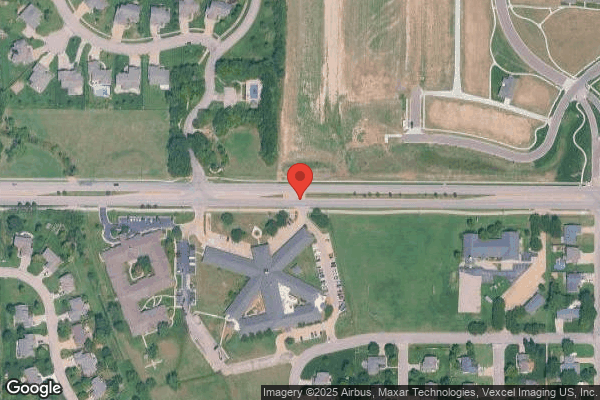
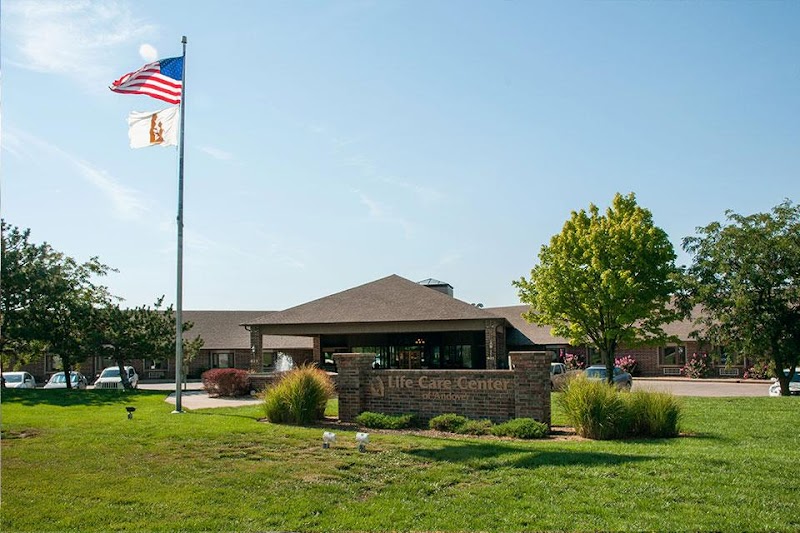
621 W 21ST, ANDOVER, KS 67002 (316) 733-1349
For profit - Limited Liability company 154 Beds LIFE CARE CENTERS OF AMERICA Data: November 2025 2 Immediate Jeopardy citations
Trust Grade
0/100
#259 of 295 in KS
Last Inspection: March 2025

Within standard 12-15 month inspection cycle. Federal law requires annual inspections.

Overview

Life Care Center of Andover has a Trust Grade of F, indicating significant concerns about the quality of care provided. It ranks #259 out of 295 nursing homes in Kansas, placing it in the bottom half overall, and #6 out of 6 in Butler County, meaning there are no better local options available. Unfortunately, the facility is worsening, with reported issues increasing from 2 in 2024 to 19 in 2025. While staffing is rated as average with a turnover rate of 58%, which is close to the state average, the facility has accrued $90,973 in fines, raising red flags about compliance with regulations. Critical incidents include a resident suffering a fractured pelvis due to inadequate support during a lift transfer and another resident leaving the facility unsupervised in freezing weather, both of which indicate serious safety risks for residents. Overall, families should weigh these concerning deficiencies against the average staffing levels before making a decision.

Trust Score
F
0/100
In Kansas
#259/295
Bottom 13%
Safety Record
High Risk
Review needed
Inspections
Getting Worse
2 → 19 violations
Staff Stability
⚠ Watch
58% turnover. Above average. Higher turnover means staff may not know residents' routines.
Penalties
✓ Good
$90,973 in fines. Lower than most Kansas facilities. Relatively clean record.
Skilled Nurses
○ Average
Each resident gets 35 minutes of Registered Nurse (RN) attention daily — about average for Kansas. RNs are the most trained staff who monitor for health changes.
Violations
⚠ Watch
56 deficiencies on record. Higher than average. Multiple issues found across inspections.
★☆☆☆☆
1.0
Overall Rating
★★★☆☆
3.0
Staff Levels
★★★★☆
4.0
Care Quality
★☆☆☆☆
1.0
Inspection Score
Stable
2024: 2 issues
2025: 19 issues

The Good

  • 4-Star Quality Measures · Strong clinical quality outcomes
  • Full Sprinkler Coverage · Fire safety systems throughout facility
  • No fines on record

Facility shows strength in quality measures, fire safety.

The Bad

1-Star Overall Rating

Below Kansas average (2.9)

Significant quality concerns identified by CMS

Staff Turnover: 58%

12pts above Kansas avg (46%)

Frequent staff changes - ask about care continuity

Federal Fines: $90,973

Well above median ($33,413)

Moderate penalties - review what triggered them

Chain: LIFE CARE CENTERS OF AMERICA

Part of a multi-facility chain

Ask about local staffing decisions and management

Staff turnover is elevated (58%)

10 points above Kansas average of 48%

The Ugly 56 deficiencies on record

2 life-threatening 3 actual harm
Jun 2025 1 deficiency 1 Harm
SERIOUS (G) 📢 Someone Reported This

A family member, employee, or ombudsman was alarmed enough to file a formal complaint

Actual Harm - a resident was hurt due to facility failures

Deficiency F0697 (Tag F0697)

A resident was harmed · This affected 1 resident

The facility reported a census of 93 residents. The sample included three residents. Based on interview and record review the facility failed to assess for pain and take action to manage severe pain f...

Read full inspector narrative →
The facility reported a census of 93 residents. The sample included three residents. Based on interview and record review the facility failed to assess for pain and take action to manage severe pain for Resident (R)1. Additionally, the facility failed to communicate R1's pain between her nurses, doctors, and other healthcare providers. As a result of the deficient practice, R1 had severe pain with ineffective pain relief for six days. This deficient practice also placed R1 at risk for discomfort and further decline in her overall well-being. Findings included: - R1's Electronic Health Record (EHR) included diagnoses of osteoarthritis (degenerative changes to one or many joints characterized by swelling and pain), hemiparesis/hemiplegia (weakness and paralysis on one side of the body), and chronic pain. R1's 11/02/24 Annual Minimum Data Set (MDS) documented a Brief Interview for Mental Status (BIMS) score of four, which indicated severely impaired cognition. The MDS documented R1 was dependent on staff for all activities of daily living (ADL). The MDS documented R1 had impairment of both the upper and lower extremities on one side. The MDS documented R1 received routine medications and did not receive as needed pain medications or non-medicated pain interventions during the observation period. The MDS noted R1 did not report pain during the interview. The MDS documented R1 received opioid (a class of controlled drugs used to treat pain) medication during the observation period. R1's Cognitive Loss/Dementia Care Area Assessment (CAA) dated 11/08/24 documented R1 triggered due to orientation, memory, and recall deficits noted during the BIMS interview. The CAA noted R1's risk factors included self-care deficits, falls, and injuries. The CAA noted the care plan would reflect the resident's current cognitive status, ADL status, encourage active participation in facility functions, maintain communication, decrease fall and pressure ulcer risk, and maintain R1's dietary intake and hydration status. The Pain CAA did not trigger on the MDS. R1's 05/05/25 Quarterly MDS documented a BIMS score of zero, which indicated severely impaired cognition. The MDS documented R1 as dependent on staff for all activities of daily living (ADL). The MDS documented R1 had impairment of both the upper and lower extremities on one side. The MDS documented R1 received routine medications and as-needed pain medications: R1 did not receive non-medicated pain interventions during the observation period. The MDS documented R1 received opioid medication. R1's Care Plan dated 05/23/23 directed staff to evaluate the effectiveness of R1's pain interventions and administer pain medications as ordered. The plan dated 10/10/23 directed staff to provide non-pharmacological pain interventions including diversional activities, massage, quiet environment, and repositioning. The plan, dated 11/15/23, directed staff to anticipate the resident's need for pain relief and respond immediately to any complaint of pain. The plan directed staff to notify the physician if the interventions were unsuccessful or if R1's complaint was a significant change from the resident's past experience of pain. The plan directed staff to observe and report changes in usual routine, sleep patterns, decrease in functional abilities, decreased range of motion, and/or withdrawal or resistance to care. The plan directed staff to report to the nurse a loss of appetite, refusal to eat, and weight loss. R1's Physician Orders documented the following orders: Acetaminophen (over-the-counter pain medication) oral tablet 325 milligrams (mg), give two tablets by mouth at bedtime for back pain, dated 12/14/23. Acetaminophen oral tablet 325 mg, give two tablets by mouth every six hours as needed for pain, dated 12/14/23. Hydrocodone-acetaminophen (opioid medication use to treat severe pain) oral tablet 5-325 mg, give one tablet by mouth every six hours as needed for pain, date ordered 01/15/24. Hydrocodone-acetaminophen oral tablet 5-325 mg, give one tablet by mouth two times a day for arthritis pain, date ordered 01/15/24. R1's Progress Note dated 04/30/25 at 12:47 PM documented R1 cried out in pain in the dining room. The note documented staff noted R1's left arm was behind her in a wheelchair and R1 hollered out loudly in pain when her arm was touched. The note documented R1 had edema (swelling resulting from an excessive accumulation of fluid in the body tissues) on her left elbow. Staff notified R1's physician and received an order for an X-ray of R1's left humerus (upper arm bone) and left elbow immediately. The Progress Note dated 04/30/25 at 04:10 PM, documented the X-ray results were negative. The X-ray Reports dated 04/30/25 documented no fractures (broken bone) of the left elbow or left humerus. The Provider Progress Note dated 05/01/25 at 10:25 AM documented R1 hurt her left elbow after being repositioned in the wheelchair. The noted documented the X-rays showed no acute displaced fractures. The note recorded R1 had acetaminophen 325 mg two tablets by mouth every six hours for pain and R1 had left-side weakness and received supportive care. The Progress Note dated 05/05/25 at 03:05 PM documented R1 had a shower, and no new concerns were noted. The Progress Note dated 05/21/25 at 02:09 PM documented R1 received a shower that day and recorded R1 had yellow bruises on her chest area and the nurse was aware. The Orders Administration Note dated 05/23/25 at 04:14 PM, documented R1 exhibited uncontrolled crying and poor oral intake. The note lacked mention of any actions taken or follow-up assessment for ongoing pain. The Orders Administration Note dated 05/24/25 at 09:39 AM, documented R1 exhibited uncontrolled crying and poor oral intake. The note lacked mention of any actions taken or follow-up assessment for ongoing pain. The Orders Administration Note dated 05/25/25 at 11:33 AM, documented R1 received acetaminophen 325 mg, two tablets by mouth as needed for pain. The Orders Administration Note dated 05/25/25 at 12:29 PM, documented the as needed acetaminophen was ineffective. R1's record lacked evidence of further actions or pain management interventions implemented in response to the ineffective medication. The Orders Administration Note dated 05/26/25 at 08:08 AM, documented R1's scheduled (two times daily) hydrocodone-acetaminophen tablet 5-325 mg ran out. The pharmacy was unable to provide a code to remove the medication from the emergency kit due to the need for a new signed prescription from the physician. The note documented staff placed the request for a new prescription in the MD Book to notify the physician. The Orders Administration Note dated 05/26/25 at 06:24 PM, documented staff notified the provider via phone regarding R1's need for a new hydrocodone prescription. The note documented the facility received the medication and R1 would receive a scheduled dose that night. The Orders Administration Note dated 05/28/25 at 03:39 PM, documented R1 exhibited uncontrolled crying and poor oral intake. The note lacked mention of any actions taken or follow-up assessment for ongoing pain. The Order Note dated 05/29/25 at 10:0 AM, documented the provider was in the facility to see R1 and provided new orders. The note documented the orders discontinued the current acetaminophen order and started acetaminophen 325 mg two tablets by mouth twice a day scheduled, and as needed, every six hours for pain. R1's May 2025 Medication Administration Record (MAR) revealed the facility administered as needed acetaminophen 325 mg tablet two by mouth every six hours on 05/05/25 and was effective. The facility also administered as needed acetaminophen on 05/25/25 and noted it was ineffective. R1 received hydrocodone-acetaminophen oral tablet 5-325 mg, give one tablet by mouth every six hours as needed for pain, one time on 05/28/25, which staff documented as effective. The Progress Note dated 05/29/25 at 06:01 PM, documented the X-ray results showed an acute mildly displaced fracture of the surgical neck of the proximal (nearer to a point of reference or attachment) left humerus, new to the prior X-ray results. The Progress Note dated 05/29/25 documented R1's pain would be managed by as needed narcotics. The staff notified the provider of R1's excruciating pain on Friday (05/23/25) and staff monitored R1 and administered medications. The note documented staff received a new order that day to obtain X-rays of R1's left humerus and to send her to the hospital. R1's Hospital Report dated 05/29/25 at 10:47 PM, documented R1 had an acute comminuted (a fracture where the bone breaks into three or more pieces due to a sudden, traumatic injury) fracture of the left humerus neck. The Progress Note dated 05/30/25 at 09:22 AM, documented R1 returned from the hospital. R1 did not require surgery but R1 was to wear a sling on her left arm and follow up with an orthopedic physician (bone doctor) the following week. R1's May 2025 Treatment Administration Record (TAR) documented an order for a pain level every shift, day and night, using a 0-10 pain scale (zero indicating no pain and 10 the worst pain imaginable). Both day and night pain levels for 05/01/25 through 05/28/25 documented the resident had no pain. The night pain level for 05/28/25 and day pain level for 05/30//25 noted the resident was hospitalized . The night pain level for 05/30/25 noted the resident had no pain. The day pain level for 05/31/25 noted R1's pain was four and the night pain level for the same day recorded R1 had no pain. During an interview on 06/03/25 at 11:00 AM, Certified Medication Aide (CMA) R reported as needed medications would be given under the direction of a Licensed Nurse (LN). CMA R reported if a resident's pain medication was not effective the resident would be assessed by the LN and the LN would direct staff what needed to be provided to the resident. CMA R reported if the resident had another as needed medication that could be administered, the LN would give the direction to administer the medication. CMA R reported she could not say if R1 had pain issues as CMA R had not worked in R1's hallway. During an interview on 06/03/25 at 11:29 AM, Certified Nurse Aide (CNA) M reported R1 discharged that morning. CNA M reported R1 was very stiff to move, the left was R1's weak side, and she would stiffen up during showers and transfers. CNA M reported R1 would hold her left arm on her stomach during movements. CMA M reported R1 had pain, but once she received her medications, she was okay. CMA M reported she noticed R1 had an increase in pain in the past couple of weeks before the fracture was noted. CNA M reported R1 screamed out in pain quite loudly on her shower day, and CNA M reported that to the nurse. CNA M reported she always let a nurse know if a resident was in pain. During an interview on 06/03/25 at 12:25 PM, CNA N reported she was in the dining room when R1 hollered out in pain because R1's left arm was behind her. CNA N reported she gently moved R1's arm from behind the resident that day. During an interview on 06/03/25 at 05:00 PM, LN G reported she verbally told the provider on 05/23/25 about R1's excruciating pain when the provider was in the facility. LN G reported she forgot to document that in the EHR because she was quite busy. LN G reported she noticed R1 was not eating well and the resident did cry so that is why she documented the behavior notes for the dates 05/23/25, 05/24/25, and 05/28/25. LN G said she could not recall if she had finished the progress notes as she reported she was busy and sometimes she forgot. LN G reported R1's hydrocodone was discontinued and why she did not give the resident any as needed hydrocodone after she gave the ineffective acetaminophen on 05/25/25. LN G verified the acetaminophen was ineffective and said she must have forgotten to follow up on any documentation. LN G reported R1 received routine pain medication the morning of 05/23/25 therefore she felt it was too soon to give R1 more pain medication at 12:30 PM. LN G reported other nurses knew R1 had increased pain since 05/23/25 and said it would be documented in the Team Health Book at the nurse's station, since the provider was in the facility almost daily. During an interview on 06/03/25 at 11:38 AM, Administrative Nurse E reported R1 had pain when staff transferred her with the mechanical lift but once she was transferred, she was fine. Administrative Nurse E said R1's body would stiffen because she had contractures (abnormal fixation of muscles or joints). Administrative Nurse E reported she noted around the beginning of May, R1 complained of left arm pain and had some swelling. Administrative Nurse E said an X-ray was negative. Administrative Nurse E reported she was not R1's direct care nurse so she did not know if R1 had any other discomfort. Administrative Nurse E reported if a pain medication was not effective, the nurse would notify the provider with a phone call. During an interview on 06/03/25 at 04:09 PM, Administrative Nurse D was not sure if the fracture was related to the incident on 04/30/25 for R1 as she had an open investigation for the fracture. Administrative Nurse D reported she expected the nurse to call the physician if a pain intervention was ineffective, or if the resident was experiencing increased pain, the nurse should call the provider and document that in the EHR. Administrative Nurse D reviewed R1's documentation in EHR for the three behavior notes that LN G documented uncontrolled crying and poor oral intake and reported she expected the nurses to complete a progress note on what interventions were completed and if they were effective or ineffective and document what was done for the resident. Administrative Nurse D said she expected the nurses to complete that documentation. During an interview on 06/03/25 at 05:15 PM Administrative Nurse D sat at the nursing station in the 200 hallway and reviewed the Team Health Book. Administrative Nurse D verified the book lacked any documentation about R1's increased pain in the month of May until 05/26/25 which was regarding the prescription that was needed for R1's hydrocodone refill. Administrative Nurse D reported the provider was generally in the facility every day and would look at the book. She further stated the provider was currently on vacation so she could not contact him until next week but went on to say that when the provider assessed R1 on 05/29/25, he changed the medication orders for pain and ordered the X-ray. Administrative Nurse D reported that R1's pain not being addressed the week prior to the fracture was a concern. The facility's Pain Assessment and Management dated 04/22/25 documented the facility must ensure pain management to each resident who requires such services, consistent with professional standards of practice, the comprehensive person-centered care plan, and the resident's goals and preferences.
Mar 2025 18 deficiencies
CONCERN (D) 📢 Someone Reported This

A family member, employee, or ombudsman was alarmed enough to file a formal complaint

Potential for Harm - no one hurt, but risky conditions existed

Deficiency F0558 (Tag F0558)

Could have caused harm · This affected 1 resident

**NOTE- TERMS IN BRACKETS HAVE BEEN EDITED TO PROTECT CONFIDENTIALITY** The facility identified a census of 96 residents. The sample included 20 residents. Based on observation, record review and inte...

Read full inspector narrative →
**NOTE- TERMS IN BRACKETS HAVE BEEN EDITED TO PROTECT CONFIDENTIALITY** The facility identified a census of 96 residents. The sample included 20 residents. Based on observation, record review and interviews, the facility failed to ensure adequate bariatric equipment was available to provide the necessary care and promote the resident's highest practicable level of function and quality of life for Resident (R) 43. The facility also failed to ensure R81 had foot pedals in use on the wheelchair and a call light available within reach. These deficient practices placed the residents at risk for impaired quality of life and health complications related to unmet needs. Findings Included: - R43's Electronic Medical Record (EMR) from the Diagnosis tab documented diagnoses of hypertensive heart disease (a condition where high blood pressure damages the heart muscles over time), heart failure (a condition of low heart output), diabetes mellitus (DM - when the body cannot use glucose, not enough insulin is made, or the body cannot respond to the insulin), respiratory failure (a condition where there's not enough oxygen or too much carbon dioxide in the body), obesity (excessive body fat), bed confinement status, and palliative treatment (treatment designed to relieve or reduce the intensity of uncomfortable symptoms). The admission Minimum Data Set (MDS) dated [DATE] documented a Brief Interview of Mental Status (BIMS) score of 15 which indicated intact cognition. The MDS documented R43 was dependent on staff for toileting, dressing, personal hygiene, and bathing. The MDS recorded R43 was dependent on staff for wheelchair mobility and did not ambulate. The MDS recorded R43 had no functional impairment of the upper or lower extremities. The MDS documented R43 required set up and clean up for eating. R43's MDS documented it was very important to R45 to choose between a tub bath, shower, bed bath or sponge bath. The MDS recorded doing things with groups of people and going outside was very important to R43. The MDS noted R43 weighed 712 pounds. The Quarterly MDS dated 01/08/25 documented a BIMS score of 15. The MDS documented R43 was dependent on staff for most activities of daily (ADL) except personal hygiene and eating for which he required set up assistance. The MDS recorded that lying to sitting activity, transfers (to chairs, toilet, and showers) and walking were not attempted due to medical conditions or safety concerns. The MDS recorded the resident did not use a wheelchair or scooter. The MDS recorded R43 weighed 712 pounds. R43's ADL Function/Rehabilitation Potential Care Area Assessment (CAA) dated 07/08/24 documented R43's risk factors included further ADL decline, falls, incontinence, skin breakdown, and pain. The CAA documented the care plan would reflect R43's current ADL status and functional ability and R43 would maintain continence status, have decreased pain, and decreased fall and pressure ulcer risk. R43's Activities CAA dated 07/08/24 documented R43's risk factors included decreased socialization, depression (a mood disorder that causes a persistent feeling of sadness and loss of interest), and anxiety (mental or emotional reaction characterized by apprehension, uncertainty, and irrational fear). R43's care plan would be initiated to improve symptoms through one-on-one activity and would encourage participation in group activities. R43's Care Plan documented R43 had an ADL self-care performance deficit related to morbid obesity dated 07/17/24. The plan documented R43 was dependent on the assistance of two staff for bathing, repositioning in bed, and toilet use (dated 07/18/24). The plan directed staff that R43 required the assistance of two staff and a mechanical lift for transfers (07/18/24). R43's Care Plan documented the resident was dependent on staff to meet his emotional, intellectual, physical, and social needs due to the resident's immobility (07/18/24). The plan documented staff would invite R43 to scheduled activities and the facility would plan a program of activities that was of interest to the resident, and which empowered the resident by encouraging and allowing choices and self-expression. The plan was revised on 10/18/24 to note that if R43 chose not to participate in organized activities, he preferred to watch TV and play games on his tablet. R43's EMR under the Orders tab documented the following physician's order: Weights monthly starting on the first of each month dated 10/01/24. R43's EMR under the Weights and Vitals tab documented R43 weighed 711.7 pounds on 07/03/24. R43's medical record lacked any other recorded weights from 07/04/24 through 03/26/25. The record lacked evidence of refusals. R43's EMR under Tasks documented bathing was scheduled for Wednesday and Saturday in the evening. R43's Lookback Report from the Tasks lacked evidence of bathing from 01/01/25 through 03/25/25. There was no evidence of refusals. R43's EMR under Lookback Report under Transfers from 01/01/25 through 03/26/25 documented activity (transfers) did not occur. There was no evidence of refusals. On 03/25/25 at 08:25 AM, R43 laid on his bed looking at his iPad. On 03/27/25 at 10:40 AM, Licensed Nurse (LN) H stated R43's hospice service provided his bathing, and he always received a bed bath. LN H stated the facility was unable to obtain weights for R43 because the facility did not have a mechanical lift with scale that could accommodate R43's weight. LN H stated if staff needed to get R43 out of bed and out of his room or the facility, staff would have to use some sort of gurney (a wheeled stretcher for transporting patients) but the facility did not have one readily available. On 03/27/25 at 10:52 AM, Certified Nursing Aide (CNA) N stated hospice gives R43 a bed bath twice a week. She stated R43 usually refused to have facility staff give him a bath. CNA N stated when the facility must move R43, they used a gurney, and pulled him through the doorway. CNA N stated the facility's mechanical lift would not lift R43. On 03/72/25 at 11:36 AM, Administrated Nurse D stated the hospice bath aide gives R43 his bed bath and the facility staff offer twice a week. Administrative Nurse D stated the facility did not have a lift to get R43 out of bed. She stated the facility had to move R43 when the 100-hall flooded, and staff had to call Emergency Medical Response (EMR) to get the resident moved. She stated EMR slid R43 on a slide board on to the gurney and pulled him through the door. Administrative Nurse D confirmed the facility lacked the ability to obtain a weight on R43. The facility failed to provide an accommodation of needs policy. The facility failed to ensure adequate adaptive equipment including a suitable mechanical lift, and wheelchair was available to provide R43 the necessary care and promote the resident's highest practicable level of function and quality of life. This placed the resident at risk for decreased quality of life and health complications due to unmet needs. - R81's Electronic Medical Record (EMR) from the Diagnosis tab documented diagnoses dementia (a progressive mental disorder characterized by failing memory and confusion), metabolic encephalopathy (a condition where the brain's function is impaired due to an imbalance in the body's metabolism), hyperlipidemia (condition of elevated blood lipid levels), anemia (an inadequate number of healthy red blood cells to carry adequate oxygen to body tissues), hypothyroidism (a condition characterized by decreased activity of the thyroid gland), insomnia (inability to sleep), depression (a mood disorder that causes a persistent feeling of sadness and loss of interest), unsteady on feet, lack of coordination, anxiety (mental or emotional reaction characterized by apprehension, uncertainty, and irrational fear), and palliative treatment (treatment designed to relieve or reduce the intensity of uncomfortable symptoms). The Significant Change Minimum Data Set (MDS) dated [DATE] documented a Brief Interview of Mental Status (BIMS) score of five which indicated severely impaired cognition. The MDS documented R81 required set up and clean up for eating and oral hygiene, partial to moderate assistance from staff for toileting, and substantial to maximum assistance with bathing. The MDS documented R81 used a wheelchair. R81's Functional Abilities (Self-Care Mobility) Care Area Assessment (CAA) dated 03/07/25 documented R81's risk factors include further activities of daily living (ADL) decline, falls, incontinence, skin breakdown, and pain. Care plan would reflect current ADL status and functional ability, maintain continence status, decrease pain, and decrease fall and pressure ulcer risk. R81's Falls CAA dated 03/07/25 documented R81 risk factors included falls and other major and minor injuries related to falls. R81's Care Plan revised 09/24/2024 documented R81 was at risk for falls related to poor safety awareness. The plan documented on 01/23/25 R81 had an unwitnessed fall. The plan documented on 02/10/25 R 81 had an unwitnessed fall, the provider followed up with labs and imaging. On 03/25/25 at 07:42 AM, R81's call light was clipped to the wall in the middle of her room. On 03/25/25 at 08:50 AM, Certified Nurse's Aide (CNA) M pushed R81 without foot pedals into the dining room. On 03/25/25 at 07:42 AM, R81's call light was clipped to the wall in the middle of her room. On 03/25/25 at 12:10 PM, CNA M pushed R81 without foot pedals out of the large dining room. On 03/26/25 at 07:42 AM, R81's call light was clipped to the wall in the middle of her room. On 03/27/25 at 09:47 AM, CNA M stated call lights should always be within the residents reach when the residents were in their rooms. She stated all the residents have foot pedals and should be used if the resident was being pushed. On 03/27/25 at 10:02 AM, Licensed Nurse (LN) G stated call lights should be placed near the resident, or with in reach. LN G stated residents should not be pushed without pedals. She stated residents that do not have foot pedals are able to propel themselves. On 03/27/25 at 11:36 AM, Administrative Nurse D stated residents call light should be within reach, if the resident was in their room. She stated all wheelchairs have foot pedals and should be used if the staff are pushing the wheelchair. The facility failed to provide a policy that obtained to foot pedals and call light use. The facility failed to ensure R81s call light was within his reach, and further failed to ensure R81 had foot pedals on her wheelchair, if staff were pushing her. This deficient practice left R81 vulnerable to unmet care needs due to the inability to call for staff assistance and possible injury from falls.
CONCERN (D) 📢 Someone Reported This

A family member, employee, or ombudsman was alarmed enough to file a formal complaint

Potential for Harm - no one hurt, but risky conditions existed

Transfer Notice (Tag F0623)

Could have caused harm · This affected 1 resident

The facility identified a census of 96 residents. The sample included 20 residents, with two residents reviewed for hospitalization. Based on observation, record review, and interview, the facility fa...

Read full inspector narrative →
The facility identified a census of 96 residents. The sample included 20 residents, with two residents reviewed for hospitalization. Based on observation, record review, and interview, the facility failed to ensure that written notification of transfer provided to Resident (R) 8 included the required information. The facility failed to ensure staff provided the written notification of transfer as soon as practicable to the resident's representative. This deficient practice placed R8 at risk for uninformed care choices. Findings included: - R8's Electronic Medical Record (EMR) documented diagnoses of quadriplegia (inability to move the arms, legs, and trunk of the body below the level of an associated injury to the spinal cord), bipolar disorder (a major mental illness that causes people to have episodes of severe high and low moods), paranoid schizophrenia (subtype of schizophrenia characterized by persistent delusions of persecution, distrust, and hallucinations), and respiratory failure (inadequate gas exchange by the respiratory system causing a decreased level of oxygen in the blood). R8's Discharge MDS dated 07/22/24 documented an unplanned discharge to an inpatient psychiatric facility with a return anticipated. R39's Entry MDS dated 07/27/24 documented a re-entry to the facility from an unlisted facility. A Notice of Resident Transfer/Discharge to Alternate Healthcare Setting form was not provided to R8 or her representative for her discharge from 07/22/24 to 07/27/24. R8's Annual MDS dated 07/30/24 documented a Brief Interview for Mental Status (BIMS) score of zero which indicated a severely impaired cognition. R8 had functional limitation in range of motion (ROM) of both upper and lower extremities. R8 used a wheelchair for mobility. R8 was dependent on staff for all functional abilities. R8 was always incontinent of bladder and frequently incontinent of bowel. R8's Cognitive Loss/Dementia Care Area Assessment (CAA) dated 08/02/24 documented her risk factors include self-care deficits, falls and injuries, incontinence, decreased socialization, skin breakdown, weight loss, and fluid imbalance. The care plan would reflect R8's current cognitive status, activities of daily living (ADL) status, continence status, mobility, encourage active participation in facility functions, maintain communication, decrease falls, and skin breakdown risk, and maintain dietary intake and hydration status. R8's Discharge MDS dated 08/01/24 documented an unplanned discharge to an inpatient psychiatric facility with a return anticipated. R8's Entry MDS dated 08/13/24 documented a re-entry to the facility from an unlisted facility. A Notice of Resident Transfer/Discharge to Alternate Healthcare Setting form dated 08/01/24 lacked the reason for her transfer or discharge. The notice was not mailed and provided to R8's representative as required. R8's Discharge MDS dated 09/07/24 documented an unplanned discharge to an inpatient psychiatric facility with a return anticipated. R8's Entry MDS dated 09/08/24 documented a re-entry to the facility from an unlisted facility. A Notice of Resident Transfer/Discharge to Alternate Healthcare Setting form dated 09/06/24 lacked the reason for her transfer or discharge. The notice was not mailed and provided to R8's representative as required. R8's Discharge MDS dated 03/01/25 documented an unplanned discharge to an inpatient psychiatric facility with a return anticipated. R39's Entry MDS dated 03/05/25 documented a re-entry to the facility from an unlisted facility. A Notice of Resident Transfer/Discharge to Alternate Healthcare Setting form dated 03/01/25 lacked the reason for her transfer or discharge. The notice was not mailed and provided to R8's representative as required. R8's Care Plan revised on 08/05/24 directed staff that she would be a long-term stay. On 03/26/25 at 07:31 AM, R8 reclined in her Broda chair (specialized wheelchair with the ability to tilt and recline). R8 had a splint on bilateral hands and wrists. On 03/27/25 at 10:40 AM, Licensed Nurse (LN) H stated the nurses would complete the notice of transfer form and a copy would be sent with the resident to where they were being transferred to. LN H stated a copy was given to the social worker and the resident's representative would be notified by phone of the transfer. On 03/27/25 at 11:37 AM, Administrative Nurse D stated when a resident was transferred out of the facility the transfer form was completed by the nurse, a copy was made for the resident to take with them, then a copy was given to social services so they could do the bed hold policy. Administrative Nurse D stated as far as she knew the notice of transfer was not mailed to the resident's representative but would be notified by phone of the transfer. The Notice if Transfers and Discharges policy revised 10/29/24 documented the written notice must include the reason for the transfer or discharge; the effective date of transfer or discharge; the location to which the resident was transferred or discharged ; a statement of the resident's appeal rights; the name, address and telephone number of the office of the state long-term care ombudsman; for nursing facility residents with intellectual and developmental disabilities or related disabilities, the mailing and email address and telephone number of the agency responsible for the protection and advocacy of individuals with developmental disabilities; and for nursing facilities with a mental disorder or related disabilities, the mailing and email address and telephone number of the agency responsible for the protection and advocacy of individuals with a mental disorder. When a resident was temporarily transferred on an emergency basis to and acute care facility, notice of transfer may be provided to the resident and the representative as soon as practicable before the transfer. The policy lack clarification that the for was to be provided in written form. The facility failed to ensure that written notification of transfer provided to R8 included the reason for the transfer. The facility failed to ensure staff provided the written notification of transfer as soon as practicable to the resident's representative. This deficient practice placed R8 at risk for uninformed care choices.
CONCERN (D) 📢 Someone Reported This

A family member, employee, or ombudsman was alarmed enough to file a formal complaint

Potential for Harm - no one hurt, but risky conditions existed

Comprehensive Care Plan (Tag F0656)

Could have caused harm · This affected 1 resident

**NOTE- TERMS IN BRACKETS HAVE BEEN EDITED TO PROTECT CONFIDENTIALITY** The facility identified a census of 96 residents. The sample included 20 residents. Based on observation, record review, and int...

Read full inspector narrative →
**NOTE- TERMS IN BRACKETS HAVE BEEN EDITED TO PROTECT CONFIDENTIALITY** The facility identified a census of 96 residents. The sample included 20 residents. Based on observation, record review, and interviews, the facility failed to develop a comprehensive care plan for Resident (R) 24 which included individualized, person-centered interventions for her trauma-based care. The facility also failed to develop a comprehensive care plan for R9 which included individualized person-centered intervention for his activities. This deficient practice placed these residents at risk for impaired care due to uncommunicated care needs. Findings included: - R24's Electronic Medical Record (EMR) from the Diagnosis tab documented diagnoses of posttraumatic stress disorder (PTSD- a mental disorder characterized by an acute emotional response to a traumatic event or situation involving severe environmental stress), cognitive communication deficit (an impairment in organization, sequencing, attention, memory, planning, problem-solving, and safety awareness), anxiety (mental or emotional reaction characterized by apprehension, uncertainty, and irrational fear), dementia (a progressive mental disorder characterized by failing memory and confusion), and depression (a mood disorder that causes a persistent feeling of sadness and loss of interest). The Annual Minimum Data Set (MDS) dated [DATE] documented a Brief Interview of Mental Status (BIMS) score of four which indicated severely impaired cognition. The MDS documented R24 had no behaviors during the observation period. The MDS documented R24 had an active diagnosis of PTSD. The Quarterly MDS dated 03/13/25 documented a BIMS score of five which indicated severely impaired cognition. The MDS documented R24 had no behaviors during the observation period. The MDS documented R24 had an active diagnosis of PTSD. R24's Cognitive Loss/Dementia Care Area Assessment (CAA) dated 11/14/24 documented her risk factors included self-care deficits, falls with possible injuries, incontinence, decreased socialization, skin breakdown, weight loss, and fluid imbalance. R24's Care Plan dated 09/23/21 documented staff would analyze times of day, places, circumstances, triggers, and what de-escalates behavior and document. The plan of care lacked individualized triggered-specific interventions that identified ways to decrease exposure to triggers which could re-traumatize her. On 03/25/25 at 07:17 AM, R24 sat in her wheelchair next to the bed with the lights off in the room. On 03/27/25 at 09:52 AM, Certified Nurse Aide (CNA) N stated she was not aware R24 had a diagnosis of PTSD. CNA N stated R24 would often yell out. CNA N stated she would expect to find the information of R24's PTSD which included what might possibly re-traumatize her. CNA N stated she would also expect to find the interventions that would help address R24's trauma. On 03/27/25 at 10:37 AM, Licensed Nurse (LN) I stated R24's diagnose of PTSD could explain why R24 yelled out frequently. LN I stated she would expect the care plan to have information on what had happened to cause the PTSD and what interventions that were in place to prevent re-traumatization. On 03/27/25 at 11:00 AM, Social Services Staff X and Social Services Staff Y stated R24's last Trauma Informed Care assessment was completed on 02/26/20. Social Services Staff X and Social Services Staff Y stated the trauma-based assessment would only be assessed at the time of admission and only if Administrative Nurse D would request a reassessment. Social Services Staff X and Social Services Staff Y stated the MDS coordinator would be responsible to develop R24's care plan. Social Services Staff X and Social Services Staff Y stated R24 would not require any increased monitoring due to her diagnosis of PTSD. On 03/27/25 at 11:36 AM, Administrative Nurse D stated she would expect to find R24's PTSD addressed on her care plan. Administrative Nurse D stated she was not sure the frequency R24 should be assessed for her trauma-based care. Administrative Nurse D stated that would be handled by the social service department. The facility's Comprehensive Care Plans and Revisions policy last revised 09/11/24 documented the facility would ensure the timeliness of each resident's person-centered, comprehensive care plan, and to ensure that the comprehensive care plan was reviewed and revised by an interdisciplinary team composed of individuals who have knowledge of the resident and his/her needs, and that each resident and resident representative, if applicable, was involved in developing the care plan and making decisions about his or her care. The facility failed to develop a comprehensive care plan for R24 which included individualized person-centered interventions for her PTSD. This deficient practice placed R24 at risk for impaired care due to uncommunicated care needs and re-traumatization. - The Medical Diagnosis section within R9's Electronic Medical Records (EMR) included diagnoses of chronic kidney disease, quadriplegia (inability to move the arms, legs, and trunk of the body below the level of an associated injury to the spinal cord), type to diabetes mellitus (DM - when the body cannot use glucose, not enough insulin is made, or the body cannot respond to the insulin), dysphagia (difficulty swallowing), and pressure ulcers (localized injury to the skin and/or underlying tissue usually over a bony prominence, as a result of pressure, or pressure in combination with shear and/or friction). R9's admission Minimum Data Set (MDS) completed 01/20/25 noted a Brief Interview for Mental Status (BIMS) score of zero indicating severe cognitive impairment. The MDS noted he was dependent on staff assistance for bathing, transfers, dressing, personal hygiene, bed mobility, and toileting. The MDS noted he had one-sided upper and lower extremity impairment. The MDS noted he received enteral nutrition (provision of nutrients through the gastrointestinal tract when the resident cannot ingest, chew, or swallow food). R9's Cognitive Loss/Dementia Care Area Assessment (CAA) dated 01/23/25 documented his risk factors included self-care deficit, falls with injuries bowel incontinence, decreased socialization, skin breakdown, weight loss and fluid imbalance. R9's Care Plan dated 03/19/25 documented he was on Enhanced Barrier Precautions (EBP - infection control interventions designed to reduce transmission of resistant organisms which employ targeted gown and glove use during high contact care). The plan of care lacked person centered activities for R9. Review of R9's EMR under Reports for Activity Participation lacked documentation of any activity participation. The facility was unable to provide any activity documentation upon request. On 03/24/25 at 07:45 AM, R9 lay flat in his bed. R9's enteral feeding pump ran at 70 milliliters/hour (ml/hr.). R9's roommates TV was on, the curtain that divided the room was pulled to block the TV from R9's vision. No music or TV was on in the room on R9's side of the room. On 03/27/25 at 09:52 AM, Certified Nurse Aide (CNA) N stated R9 enjoyed having his TV or radio on when he was in bed. CNA N stated everyone had access to the residents' care plan and the [NAME] (nursing tool that gives a brief overview of the care needs of each resident). On 03/27/25 at 10:37 AM, Licensed Nurse (LN) I stated R9 enjoyed listening to music when he was in bed. LN I stated his activities of choice should be on his care plan. LN I stated everyone had access to the residents' care plan and the [NAME]. On 03/27/25 at 11:36 AM, Administrative Nurse D stated R9 enjoyed music. Administrative Nurse D stated his person-centered activities should be care planned. The facility's Comprehensive Care Plans and Revisions policy last revised 09/11/24 documented the facility would ensure the timeliness of each resident's person-centered, comprehensive care plan, and to ensure that the comprehensive care plan was reviewed and revised by an interdisciplinary team composed of individuals who have knowledge of the resident and his/her needs, and that each resident and resident representative, if applicable, was involved in developing the care plan and making decisions about his or her care. The facility failed to identify and create a person-centered comprehensive care plan that included meaningful activities for R9. This deficient practice placed R9 at risk for a decline in physical, mental, and psychosocial well-being and independence.
CONCERN (D) 📢 Someone Reported This

A family member, employee, or ombudsman was alarmed enough to file a formal complaint

Potential for Harm - no one hurt, but risky conditions existed

Deficiency F0657 (Tag F0657)

Could have caused harm · This affected 1 resident

**NOTE- TERMS IN BRACKETS HAVE BEEN EDITED TO PROTECT CONFIDENTIALITY** - R85's Electronic Medical Record (EMR) from the Diagnosis tab documented diagnoses of lack of coordination, fracture right hip ...

Read full inspector narrative →
**NOTE- TERMS IN BRACKETS HAVE BEEN EDITED TO PROTECT CONFIDENTIALITY** - R85's Electronic Medical Record (EMR) from the Diagnosis tab documented diagnoses of lack of coordination, fracture right hip (broken bone), dementia (a progressive mental disorder characterized by failing memory and confusion), muscle weakness, aphasia (condition with disordered or absent language function), and communication deficit (an impairment in organization, sequencing, attention, memory, planning, problem-solving, and safety awareness). The admission Minimum Data Set (MDS) dated [DATE] documented a Brief Interview of Mental Status (BIMS) score of seven which indicated severely impaired cognition. The MDS documented R85 was independent with bed mobility. The MDS documented R85 required supervision to touch assistance with personal hygiene and dressing. The MDS documented R85 had no limitations with upper and lower extremity range of motion (ROM - the full movement potential of a joint, usually its range of flexion and extension). The MDS documented R85 had one non-injury fall since admission or previous MDS assessment. The Quarterly MDS dated 01/24/25 documented a BIMS score of zero which indicated severely impaired cognition. The MDS documented that R85 had limited ROM to lower extremity on one side. The MDS documented R85 was dependent on staff assistance for eating, oral hygiene, personal hygiene, her bathing, toileting activity, and transfers. The MDS documented R85 had orthopedic surgery. R85's Falls Care Area Assessment (CAA) dated 12/04/24 documented her risk factors included falls with major and minor injuries related to past falls. R85's Care Plan dated 12/02/24 documented a medication review would be completed by the physician. The plan of care dated 12/18/24 documented for a no apparent acute injury staff would determine and address causative factors of the fall. The plan of care dated 12/08/24 documented R85 had a witnessed fall on 12/17/24 and staff would offer her to take rest breaks when wandering on the unit. The plan of care dated 01/09/25 staff would increase observation for 72 hours post fall. The plan of care dated 01/10/25 documented R85 had a fall in the dining room and staff would encourage her to wear non-skid footwear. The plan of care dated 01/14/25 documented R85 had an injury of unknown origin, and the therapy department would evaluate her ambulation needs and any assistive devices needed. The plan care dated 03/20/25 documented R85 had an unwitnessed fall so staff would provide purposeful rounding for 72 hours and place a floor mat on the left side of her bed. The plan of care dated 03/26/25 directed staff to offer R85 cares during rounding. The care plan lacked new long-term interventions to prevent future falls. R85's EMR under the Progress Notes tab the following Health Status Note dated 12/02/24 at 01:48 PM documented R85 was found on the floor in another resident's room. No injuries noted. On 12/02/24 at 12:03 PM an admission Note documented a visit dictated by the physician. No medication changes were documented. On 12/05/24 at 11:48 AM an Encounter Note dictated by the physician which documented that R85's Depakote (mood stabilizer) medication was discontinued per family's request. On 12/18/24 at 01:00 AM an Event Note that documented R85 had a witnessed fall while she was wandering in the hallway. On 12/18/24 at 08:57 AM a Health Status Note documented R85 continued fall follow-up monitoring. RF85 had a skin tear documented on her right elbow. On 01/09/25 at 06:30 PM an Event Note documented R85 was found on the floor in her room. No injuries noted. On 01/10/25 at 03:50 PM an Alert Note documented R85 was found on the floor in the dining room. R85 was found lying on her right side. On 01/14/25 at 07:07 PM an Event Note documented R85 complained of right hip pain during staff provided incontinence care. The physician was notified, and an X-ray was obtained, and the results showed a displaced intertrochanteric fracture of her right femur. R85 was admitted to the hospital with a right hip fracture. On 03/20/25 at 09:28 AM a Health Status Note documented R85 was found on the floor mat next to her bed. On 03/25/25 at 04:59 PM an Event Note documented R85 was found sitting on the floor on the floor mat next to her bed. On 03/26/25 at 07:27 AM, R85 laid asleep on her bed in the lowest position with the floor mat next to the bed on the right side of the bed. On 03/27/25 at 09:52 AM, Certified Nurse Aide (CNA) N stated R85 was on the secured unit until her right hip fracture. CNA N stated R85 was a high fall risk and was to have her bed in the lowest position and a fall mat next to her bed. CNA N stated everyone had access to the care plan and the Kardex (nursing tool that gives a brief overview of the care needs of each resident). CNA N stated she would review R85's care plan to find all the fall interventions that were in place to prevent falls. On 03/27/25 at 10:37 AM, Licensed Nurse (LN) I stated everyone had access to the residents' care plan and the Kardex. LN I stated R85's fall interventions should be on her care plan. LN I stated R85 should have her call light within reach, fall mat on the floor next to her bed and the bed in the lowest position. On 03/27/25 at 11:36 AM, Administrative Nurse D stated R85 had the right hip fracture from the possible fall on 01/10/25. Administrative Nurse D stated R85 had not had any pain from 01/10/25 to 01/14/25 when staff had reported the pain while they provided care. Administrative Nurse D stated they had found the right hip fracture after the x-ray. Administrative Nurse D stated after the 72-hour observation interventions was completed, she stated there was no new interventions placed on R85's care plan to prevent future falls. The facility's Comprehensive Care Plans and Revisions policy last revised 09/11/24 documented the facility would ensure the timeliness of each resident's person-centered, comprehensive care plan, and to ensure that the comprehensive care plan was reviewed and revised by an interdisciplinary team composed of individuals who have knowledge of the resident and his/her needs, and that each resident and resident representative, if applicable, was involved in developing the care plan and making decisions about his or her care. The facility failed to revise R85's plan of care to include the new fall preventive measures to prevent future falls for a resident who was a high fall risk. This deficient practice placed R85 at risk of falls and possible future injuries. The facility reported a census of 96 residents. The sample included 20. Based on observations, interviews, and record review, the facility failed to revise Residents (R)73s care plan to reflect her visitation requirements and R85's fall intervnetions. These deficient practices placed the residents at risk for impaired care due to uncommunicated care needs. Findings Included: - The Medical Diagnosis section within R73's Electronic Medical Records (EMR) included diagnoses of aphasia (difficulty speaking), hemiparesis/hemiplegia (weakness and paralysis on one side of the body), cerebral infarction (stroke - sudden death of brain cells due to lack of oxygen caused by impaired blood flow to the brain by blockage or rupture of an artery to the brain), muscle weakness, and depression (a mood disorder that causes a persistent feeling of sadness and loss of interest). R73's Quarterly Minimum Data Set (MDS) completed 01/03/25 noted a Brief Interview for Mental Status (BIMS) score of ten indicating mild cognitive impairment. The MDS noted she was dependent on staff assistance for bathing, transfers, dressing, personal hygiene, bed mobility, and toileting. The MDS noted she was at risk for falls, pressure ulcers (localized injury to the skin and/or underlying tissue usually over a bony prominence, as a result of pressure, or pressure in combination with shear and/or friction) and had an indwelling urinary catheter (tube placed in the bladder to drain urine into a collection bag). R73's Cognitive Loss Care Area Assessment (CAA) completed 09/17/24 indicated she had cognitive loss related to her orientation, memory, and recall deficits. The CAA noted she was at risk for falls, skin breakdown, weight loss, and a decline of her activities of daily living (ADL). The plan noted her care plan addressed her risks. R73's Care Plan initiated 10/09/23 indicated she had a self-care performance deficit related to her medical diagnoses. The plan noted she required substantial staff assistance for transfers, bathing, personal hygiene, dressing, and toileting. The plan instructed staff to provide a safe care environment due to her risk of falling. The plan instructed staff to ensure her call light remained within reach, keep room clear from clutter, and assist her with ADLs (10/14/23). The plan noted she had difficulty with communication. The plan instructed staff to allow adequate time for conversation, allow her to express her thoughts, and anticipate her needs (10/17/23). R73's EMR under Special Instructions indicated R73's family representative was only allowed to visit her in a common area. A Facility Reported Investigation completed 02/09/25 indicated staff overheard R73's family representative yelling and witnessed the representative's arm around R73's neck in an aggressive manner. The report indicated staff immediately separated the representative and removed them from the building. The report indicated local law enforcement was notified of the incident. On 03/25/25 at 11:01 AM, R73 sat in her wheelchair in her room. She stated her mom was not allowed to return to the facility per R73's wishes. She stated if she had to talk with her representative, she wanted staff to be present or in a supervised area. On 03/027/25 at 09:52 AM, Licensed Nurse (LN) I stated the care plan should reflect relevant information related to the resident's care. She stated R73'S representative can only visit in the common area due to safety concerns. He stated the care plan should reflect that information. On 03/027/25 at 11:34 PM, Administrative Nurse D stated 73's family representative was not allowed back at the facility per R73's request. She stated she was not sure if R73's care plan reflected the incident or contained information about the representative. The facility's Comprehensive Care Plans and Revisions policy last revised 09/11/24 documented the facility would ensure the timeliness of each resident's person-centered, comprehensive care plan, and to ensure that the comprehensive care plan was reviewed and revised by an interdisciplinary team composed of individuals who have knowledge of the resident and his/her needs, and that each resident and resident representative, if applicable, was involved in developing the care plan and making decisions about his or her care. The facility failed to revise R73's care plan to reflect visitation requirements. This deficient practice placed R73 at risk for impaired quality of life and safety concerns.
CONCERN (D) 📢 Someone Reported This

A family member, employee, or ombudsman was alarmed enough to file a formal complaint

Potential for Harm - no one hurt, but risky conditions existed

Deficiency F0676 (Tag F0676)

Could have caused harm · This affected 1 resident

**NOTE- TERMS IN BRACKETS HAVE BEEN EDITED TO PROTECT CONFIDENTIALITY** The facility identified a census of 96 residents. The sample included 20 residents, with four residents reviewed for activities ...

Read full inspector narrative →
**NOTE- TERMS IN BRACKETS HAVE BEEN EDITED TO PROTECT CONFIDENTIALITY** The facility identified a census of 96 residents. The sample included 20 residents, with four residents reviewed for activities of daily living (ADLs). Based on observation, record review, and interviews, the facility failed to ensure Resident (R) 55 was provided a touch pad call light. This deficient practice placed R55 at risk of unmet care needs and inability to call for assistance if needed. Findings included: - R55's Electronic Medical Record (EMR) from the Diagnosis tab documented diagnoses of spastic quadriplegic cerebral palsy (a progressive disorder of movement, muscle tone, or posture caused by injury or abnormal development in the immature brain, most often before birth), protein-calorie malnutrition (inadequate intake of protein and calories which may cause wasting of muscle and tissue), muscle spasms, muscle weakness, need for assistance with personal care, muscle weakness, and pneumonitis due to inhalation of food and vomit (an inflammation of the lungs). The Annual Minimum Data Set (MDS) dated [DATE] documented a Brief Interview of Mental Status (BIMS) score of zero which indicated severely impaired cognition. The MDS documented R55 had bilateral upper and lower limitation in range of motion (ROM - the full movement potential of a joint, usually its range of flexion and extension). The MDS documented R55 was dependent on staff assistance for his activities of daily living (ADL). The MDS documented R55 was independent with mobility in a motorized wheelchair. The MDS documented R55 had a feeding tube. The MDS documented R55 was at risk for development of pressure ulcers (localized injury to the skin and/or underlying tissue usually over a bony prominence, because of pressure, or pressure in combination with shear and/or friction and had a pressure reducing device on his bed and in his wheelchair. The Quarterly MDS dated 01/18/25 documented a BIMS score of zero which indicated severely impaired cognition. The MDS documented that R55 had bilateral upper and lower limitation in ROM. The MDS documented R55 was dependent on staff assistance for his ADLs and dependent on staff assistance for wheelchair mobility. The MDS documented R55 had a feeding tube. The MDS documented R55 was at risk for development of pressure ulcers and had a pressure reducing device on his bed and in his wheelchair. R55's Cognitive Loss/Dementia Care Area Assessment (CAA) dated 08/15/24 documented risk factors included self-care deficits, falls, decreased socialization, bowel and bladder incontinence, skin breakdown, weight loss, and fluid imbalance. The facility would care plan his current ADL status. R55's Care Plan dated 11/07/23 documented staff would provide him with a mechanical pad call light in order to request staff assistance. On 03/25/25 at 08:16 AM, R55 laid on his bed, head of the bed was slightly elevated. R55's bed was elevated three feet of the floor with bed rails up in place bilaterally. R55's push button call light was attached to the right bed rail and hung off the bed out of his reach. R55's bilateral hands were clenched tightly closed with no palm grippers in place. R55's low air mattress was unplugged from the wall and was not working. On 03/27/25 at 09:52 AM, Certified Nurse Aide (CNA) N stated R55 could not operate a push button call light. CNA N stated she was not sure who would assess the residents for the appropriate equipment. On 03/27/25 at 10:37 AM, Licensed Nurse (LN) I stated R55 could not operate the push button call light. On 03/27/25 at 11:36 AM, Administrative Nurse D stated R55 was not able to operate the push button call light. Administrative Nurse D stated he probably would do better if he had a touch pad call light. The facility's Activities of Daily Living (ADLs) policy last reviewed 09/10/24 documented a resident is given the appropriate treatment and services to maintain or improve his or her ability to carry out the activities of daily living. The facility failed to ensure R55 had a touch pad call light. This deficient practice placed R55 at risk of uncommunicated needs and ability to call for assistance.
CONCERN (D) 📢 Someone Reported This

A family member, employee, or ombudsman was alarmed enough to file a formal complaint

Potential for Harm - no one hurt, but risky conditions existed

Pressure Ulcer Prevention (Tag F0686)

Could have caused harm · This affected 1 resident

**NOTE- TERMS IN BRACKETS HAVE BEEN EDITED TO PROTECT CONFIDENTIALITY** The facility identified a census of 96 residents. The sample included 20 residents, with four reviewed for pressure ulcers (loca...

Read full inspector narrative →
**NOTE- TERMS IN BRACKETS HAVE BEEN EDITED TO PROTECT CONFIDENTIALITY** The facility identified a census of 96 residents. The sample included 20 residents, with four reviewed for pressure ulcers (localized injury to the skin and/or underlying tissue usually over a bony prominence, because of pressure, or pressure in combination with shear and/or friction). Based on interviews, observations, and record reviews, the facility failed to ensure staff set the appropriate weight for Resident (R) 245's low air-loss mattresses (specialized air mattress used to reduce pressure on the body) and failed to ensure R55's low air-loss mattress was plugged in and functioning. This deficient practice placed both residents at risk for complications related to skin breakdown and pressure ulcers. Findings Included: - The Medical Diagnosis section within R245's Electronic Medical Records (EMR) included diagnoses of dementia (a progressive mental disorder characterized by failing memory and confusion), major depressive disorder (major mood disorder), end-stage renal failure (kidney failure), and a gastrostomy tube (G-tube: tube surgically placed through an artificial opening into the stomach). R245's admission Minimum Data Set (MDS) completed 01/13/25 noted a Brief Interview for Mental Status (BIMS) score of zero indicating severe cognitive impairment. The MDS noted she was dependent on staff assistance for bathing, transfers, dressing, personal hygiene, bed mobility, and toileting. The MDS noted she had bilateral upper extremity impairment. The MDS noted she admitted with a stage two (partial-thickness skin loss into but no deeper than the dermis including intact or ruptured blisters) pressure ulcer (localized injury to the skin and/or underlying tissue usually over a bony prominence, as a result of pressure, or pressure in combination with shear and/or friction). The MDS noted she had pressure-reducing devices for her bed and wheelchair. The MDs noted she received hospice services (end-of-life comfort care). The MDS noted she weighed 228 pounds (lbs.). R245's Pressure Ulcer Care Area Assessment (CAA) completed 01/14/25 indicated she was at risk for further pressure ulcers related to her urinary incontinence, impaired mobility, and history of pressure ulcers. The CAA noted she required frequent repositioning and a special mattress. R245's Care Plan initiated on 01/09/25 indicated she was dependent on staff assistance for bed mobility, transfers, toileting, bathing, dressing, and personal hygiene. The plan noted she was at risk for impaired skin integrity and pressure ulcers. The plan instructed staff to provide preventative skin care, turning/repositioning, weekly skin checks, and provide a pressure redistribution mattress. A review of the low air-loss mattress manufacturer's operation (Meridian Medical) manual indicated the mattress system was intended to reduce the incidence of pressure ulcers while optimizing comfort. The manual indicated the mattress pump's pressure levels and firmness were preset based on the weight range selected. R245's EMR under Vitals revealed she weighed 228.1 pounds (lbs.) on 03/21/25. On 03/24/25 at 09:20 AM, R245 slept in her bed. R245's bed was set to a low height with her call light next to her bed within reach. R245's low air-loss mattress was set to 400 lbs. (maximum setting). The mattress pump had fixed weight settings of 80 lbs, 110 lbs, 140 lbs, 170 lbs, 200 lbs, 230 lbs, 260 lbs, 290 lbs, 320 lbs, 350 lbs, and 400 lbs. On 03/24/25 at 12:35 PM, R245 rested in her bed. Her low air-loss mattress pump was set at 400 lbs. On 03/25/25 at 08:01 AM, R245's low air-loss mattress pump was changed to a firmness pump. On 03/27/25 at 09:52 AM, Certified Nurse's Aide (CNA) N stated staff just checked to make sure the pump was turned on and the bed was inflated. She stated some of the mattresses were calculated by the resident's weight. On 03/27/25 at 10:32 AM, Licensed Nurse I stated staff were expected to ensure the low air-loss mattress was functioning and turned on. She stated the beds were set by the resident's current weight. On 03/27/25 at 11:32 AM, Administrative Nurse D stated most of the mattresses in the facility were set by comfort settings but some of them went by what the resident weighed to ensure the correct pressure was being applied. The facility's Skin Integrity and Pressure Ulcer- Prevention and Management policy revised 08/2021 indicated the facility implements individualized interventions based on each resident's comprehensive assessment and risk. The policy noted the facility will implement interventions that prevent pressure-related injures to include repositioning, comprehensive skin assessments, safe lifting devices, and pressure redistribution surfaces. - R55's Electronic Medical Record (EMR) from the Diagnosis tab documented diagnoses of spastic quadriplegic cerebral palsy (a progressive disorder of movement, muscle tone, or posture caused by injury or abnormal development in the immature brain, most often before birth), protein-calorie malnutrition (inadequate intake of protein and calories which may cause wasting of muscle and tissue), muscle spasms, muscle weakness, need for assistance with personal care, muscle weakness, and pneumonitis due to inhalation of food and vomit (an inflammation of the lungs). The Annual Minimum Data Set (MDS) dated [DATE] documented a Brief Interview of Mental Status (BIMS) score of zero which indicated severely impaired cognition. The MDS documented R55 had bilateral upper and lower limitation in range of motion (ROM - the full movement potential of a joint, usually its range of flexion and extension). The MDS documented R55 was dependent on staff assistance for his activities of daily living (ADL). The MDS documented R55 was independent with mobility in a motorized wheelchair. The MDS documented R55 had a feeding tube. The MDS documented R55 was at risk for development of pressure ulcers (localized injury to the skin and/or underlying tissue usually over a bony prominence, because of pressure, or pressure in combination with shear and/or friction). The MDS documented R55 had a pressure reducing device on his bed and in his wheelchair. The MDS lacked documentation R55 was provided a restorative nursing program during the observation period. The Quarterly MDS dated 01/18/25 documented a BIMS score of zero which indicated severely impaired cognition. The MDS documented that R55 had bilateral upper and lower limitation in ROM. The MDS documented R55 was dependent on staff assistance for his ADLs. The MDS documented R55 was dependent on staff assistance for wheelchair mobility. The MDS documented R55 had a feeding tube. The MDS documented R55 was at risk for development of pressure ulcers. The MDS documented R55 had a pressure reducing device on his bed and in his wheelchair. The MDS lacked documentation R55 was provided a restorative nursing program during the observation period. R55's Pressure Ulcer Care Area Assessment (CAA) dated 08/15/24 documented he was at risk of development of pressure ulcers due to his fluid deficit, his current ADL status, and his functional ability. R55's Care Plan dated 08/07/23 documented a pressure reducing mattress was placed on his bed. The plan of care dated 11/09/23 documented a low air loss mattress was placed R55's bed. Review of R55's clinical record lacked documentation of monitoring his low air loss mattress function. On 03/25/25 at 08:16 AM, R55 laid on his bed, head of the bed was slightly elevated. R55's bed was elevated three feet of the floor and the low air mattress was unplugged from the wall and not functioning. On 03/27/25 at 09:52 AM, Certified Nurse Aide (CNA) N stated staff just checked to make sure the pump was turned on and the bed was inflated. She stated some of the mattresses were calculated by the resident's weight. On 03/27/25 at 10:32 AM, Licensed Nurse I stated staff were expected to ensure the low air-loss mattress was functioning and turned on. She stated the beds were set by the resident's current weight. On 03/27/25 at 11:32 AM, Administrative Nurse D stated most of the mattresses in the facility were set by comfort settings but some of them went by what the resident weight to ensure the correct pressure was being applied. The facility's Skin Integrity and Pressure Ulcer- Prevention and Management policy revised 08/2021 indicated the facility implements individualized interventions based on each resident's comprehensive assessment and risk. The policy noted the facility will implement interventions that prevent pressure-related injures to include repositioning, comprehensive skin assessments, safe lifting devices, and pressure redistribution surfaces.
CONCERN (D) 📢 Someone Reported This

A family member, employee, or ombudsman was alarmed enough to file a formal complaint

Potential for Harm - no one hurt, but risky conditions existed

Deficiency F0688 (Tag F0688)

Could have caused harm · This affected 1 resident

**NOTE- TERMS IN BRACKETS HAVE BEEN EDITED TO PROTECT CONFIDENTIALITY** The facility identified a census of 96 residents. The sample included 20 residents with four residents reviewed for positioning ...

Read full inspector narrative →
**NOTE- TERMS IN BRACKETS HAVE BEEN EDITED TO PROTECT CONFIDENTIALITY** The facility identified a census of 96 residents. The sample included 20 residents with four residents reviewed for positioning and mobility. Based on observation, record review, and interviews, the facility failed to ensure Resident (R)55 was provided services and treatment to prevent worsening of contractures (abnormal permanent fixation of a joint or muscle) in his left hand. This deficient practice placed R55 at risk for discomfort and decreased range of motion (ROM - the full movement potential of a joint, usually its range of flexion and extension). Findings included: - R55's Electronic Medical Record (EMR) from the Diagnosis tab documented diagnoses of spastic quadriplegic cerebral palsy (a progressive disorder of movement, muscle tone, or posture caused by injury or abnormal development in the immature brain, most often before birth), protein-calorie malnutrition (inadequate intake of protein and calories which may cause wasting of muscle and tissue), muscle spasms, muscle weakness, need for assistance with personal care, muscle weakness, and pneumonitis due to inhalation of food and vomit (an inflammation of the lungs). The Annual Minimum Data Set (MDS) dated [DATE] documented a Brief Interview of Mental Status (BIMS) score of zero which indicated severely impaired cognition. The MDS documented R55 had bilateral upper and lower limitation in range of motion (ROM - the full movement potential of a joint, usually its range of flexion and extension). The MDS documented R55 was dependent on staff assistance for his activities of daily living (ADL). The MDS documented R55 was independent with mobility in a motorized wheelchair. The MDS documented R55 had a feeding tube. The MDS documented R55 was at risk for development of pressure ulcers (localized injury to the skin and/or underlying tissue usually over a bony prominence, because of pressure, or pressure in combination with shear and/or friction). The MDS documented R55 had a pressure reducing device on his bed and in his wheelchair. The MDS lacked documentation R55 was provided a restorative nursing program during the observation period. The Quarterly MDS dated 01/18/25 documented a BIMS score of zero which indicated severely impaired cognition. The MDS documented that R55 had bilateral upper and lower limitation in ROM. The MDS documented R55 was dependent on staff assistance for his ADLs. The MDS documented R55 was dependent on staff assistance for wheelchair mobility. The MDS documented R55 had a feeding tube. The MDS documented R55 was at risk for development of pressure ulcers. The MDS documented R55 had a pressure reducing device on his bed and in his wheelchair. The MDS lacked documentation R55 was provided a restorative nursing program during the observation period. R55's Cognitive Loss/Dementia Care Area Assessment (CAA) dated 08/15/24 documented risk factors included self-care deficits, falls, decreased socialization, bowel and bladder incontinence, skin breakdown, weight loss, and fluid imbalance. The facility would care plan his current ADL status. R55's Care Plan dated 11/14/24 documented staff would apply palm grips on bilateral hands. The plan of care documented R55 was to wear the palm grips four to six hours a day seven days a week. The plan of care documented the staff would monitor his skin integrity, pain, and circulation. The plan of care documented nursing staff would provide a passive ROM program to R85's upper extremities, with stretching, flexion, and extension of his digits, wrists, and shoulders. The plan of care documented nursing staff would provide the restorative program up to 15 minutes per day and up to seven days a week. Review of R55's clinical record under the Medication Administration Record (MAR), under the Treatment Administration Record (TAR), and under the Reports tab for the Documentation Survey Report form 01/01/25 to 03/25/25 (84 days) lacked documentation of a nursing restorative program and application of his palm grippers. On 03/24/25 at 09:44 AM, R55 laid flat on his bed with his enteral feeding (within or via the small intestine). R55's enteral formula container and clear bag was undated and unlabeled. R55's hair looked oily and had a body odor noted. R55's bilateral hands were clenched tightly closed without any type of contracture prevention device. On 03/25/25 at 08:16 AM, R55 laid on his bed, head of the bed was slightly elevated. R55's bed was elevated three feet of the floor with siderails up in place bilaterally. R55's push button call light was attached to the right siderail and hung off the bed out of his reach. R55's bilateral hands were clenched tightly closed with no palm grippers in place. On 03/26/25 at 07:35 AM, R55 laid on his bed with elevated three feet off the floor. Bilateral side rails up and locked in place R55's hand was tightly clenched closed with no palm grippers in place. On 03/26/25 at 09:12 AM, Administrative Nurse D stated she did not believe R55 had any type of contracture preventive devices. She would have to review his chart. On 03/27/25 at 09:52 AM, Certified Nurse Aide (CNA) N stated if R55 was to wear palm grippers usually the therapy department would apply them and remove them. CNA N stated if nursing staff would be responsible to apply his palm grippers therapy would educate the staff about the application and removal of palm grippers. CNA N stated if a resident a restorative program of splint application that would be documented on the POC under the Tasks tab. On 03/27/25 at 10:37 AM, Licensed Nurse (LN) I stated therapy would usually apply the hand grippers and monitor the amount of time to be worn and removed. LN I stated if nursing was responsible for the application of the On 03/27/25 at 11:36 AM, Administrative Nurse D stated she had found R55's palm grippers and was going to have the therapy department reevaluate his contractures. The facility's Restorative Nursing policy last revised 09/20/24 documented to promote the resident 's optimum function, a restorative program would be developed by proactively identifying, care planning and monitoring of a resident's assessments and indicators. Nursing Assistants must be trained in the techniques that promote resident involvement in restorative activities. Restorative programs may be initiated by nursing and /or therapy.
CONCERN (D) 📢 Someone Reported This

A family member, employee, or ombudsman was alarmed enough to file a formal complaint

Potential for Harm - no one hurt, but risky conditions existed

Incontinence Care (Tag F0690)

Could have caused harm · This affected 1 resident

**NOTE- TERMS IN BRACKETS HAVE BEEN EDITED TO PROTECT CONFIDENTIALITY** The facility reported a census of 96 residents with 20 residents sampled. Based on observation, interview, and record review the...

Read full inspector narrative →
**NOTE- TERMS IN BRACKETS HAVE BEEN EDITED TO PROTECT CONFIDENTIALITY** The facility reported a census of 96 residents with 20 residents sampled. Based on observation, interview, and record review the facility failed to provide timely incontinenct care to Resident (R) 81, to prevent an incontinence episode during the lunchtime meal in the dining room, which left a puddle of urine on the floor by the resident. This failure placed the resident at risk for potetial negative psychosocial well-being, due to embarassment and frustration. The facility staff also failed to ensure they educated R10 regarding keeping the urinary catheter bag below the level fo the bladder, in order to prevent the potential infection control issue, which could lead to urinary tract infections. Findings included: - The Medical Diagnosis section within R10's Electronic Medical Records (EMR) included diagnoses of general anxiety disorder (mental or emotional reaction characterized by apprehension, uncertainty, and irrational fear), obstructive uropathy (blockage in the urinary tract), benign prostatic hyperplasia (BPH - non-cancerous enlargement of the prostate which can lead to interference with urine flow, urinary frequency, and urinary tract infections), depression (a mood disorder that causes a persistent feeling of sadness and loss of interest), and history of falls. R10's Quarterly Minimum Data Set (MDS) completed 12/26/24 noted a Brief Interview for Mental Status (BIMS) score of six indicating severe cognitive impairment. The MDS noted he used a wheelchair for mobility. The MDS noted he required substantial to maximal assistance with dressing, bed mobility, bathing, transfer, personal hygiene, and toileting. The MDS noted he had an indwelling urinary catheter (Foley Catheter - tube placed in the bladder to drain urine into a collection bag). R10's Urinary Incontinence Care Area Assessment (CAA) completed 04/24/24 indicated he was at risk for urinary tract infections (UTI) and discomfort related to his medical diagnoses. The CAA noted staff would monitor for abnormalities related to his Foley catheter. R10's Care Plan initiated on 09/04/19 indicated he required supervision to touch assistance from staff for bed mobility, transfers, dressing, personal hygiene, toileting, and bathing. The plan noted he had an indwelling urinary catheter due to obstructive uropathy. The plan instructed staff to provide catheter care each shift and ensure the catheter tubing and urine collection bag remained below the level of the bladder. The plan instructed staff to monitor the tubing for kinks. On 03/24/25 at 09:30 AM, R10 lay in his bed asleep. R10's catheter collection bag was placed on the side of his bed. The urine collection bag was above the level of his bladder and urine pooled in the tubing of his urinary catheter. On 03/24/25 at 02:15 PM, R10 sat in his wheelchair in the front hallway. R10's urine collection bag was hung off his armrest on the left side of his wheelchair. Bright yellow urine pooled in the catheter tubing. On 03/25/24 at 07:13 AM, R10 sat in his wheelchair in the front hallway. His urinary catheter collection bag hung off the left side handrail of his wheelchair. R10 sat in the lobby with his catheter bag above his bladder level. The bag hung off his armrest until he returned to his bed to rest after breakfast. On 03/27/25 at 09:30 AM, Certified Nurse Aide (CNA) M stated R10 catheter tubing and urine collection bags must be hung below the level of the bladder to prevent infections. On 03/27/25 at 10:30 AM, Licensed Nurse (LN) I stated catheter bags need to remain below the level of the resident's bladder to prevent backflow of old urine into the bladder. On 03/27/25 at 11:32 AM, Administrative Nurse D stated staff were expected to ensure each catheter was positioned below the resident's bladder. She stated that R10 liked to place his catheter bag on his wheelchair armrest, but it still was an infection risk. The facility's Indwelling Urinary Catheter Management policy issued 06/2023 indicated the facility was to ensure standards of practice were followed to ensure safe and sanitary urinary catheter care. The policy indicated staff were to ensure unobstructed urine flow within the catheter by inspecting the tubing for kinks, frequent emptying, and maintaining the catheter collection bag below the level of the resident's bladder. - R81's Electronic Medical Record (EMR) from the Diagnosis tab documented diagnoses of dementia (a progressive mental disorder characterized by failing memory and confusion), metabolic encephalopathy (a condition where the brain's function is impaired due to an imbalance in the body's metabolism), hyperlipidemia (condition of elevated blood lipid levels), anemia (an inadequate number of healthy red blood cells to carry adequate oxygen to body tissues), hypothyroidism (a condition characterized by decreased activity of the thyroid gland), insomnia (inability to sleep), depression (a mood disorder that causes a persistent feeling of sadness and loss of interest), unsteady on feet, lack of coordination, anxiety (mental or emotional reaction characterized by apprehension, uncertainty, and irrational fear), and palliative treatment (treatment designed to relieve or reduce the intensity of uncomfortable symptoms). The Significant Change Minimum Data Set (MDS) dated [DATE] documented a Brief Interview of Mental Status (BIMS) score of five which indicated severely impaired cognition. The MDS documented R81 required set up and clean up for eating and oral hygiene, partial to moderate assistance from staff for toileting, and substantial to maximum assistance with bathing. The MDS documented R81 did not have a bladder program and was frequently incontinent. R81's Urinary Incontinence and Indwelling Catheter Care Area Assessment (CAA) dated 03/07/25 documented R81's risk factors included skin breakdown, falls, and recurrent UTI's. The CAA documented the care plan would reflect current toileting skills. R81's Care Plan dated 09/21/24 documented R81 had urinary incontinence and would have no skin breakdown related to urinary incontinence, staff would provide peri care as needed. On 03/24/25 at 12:12 PM, R81 sat in the large dining room, R81 was incontinent of bladder. R81's bladder incontinence left a puddle of urine on the floor, in the area where other residents were eating lunch. On 03/27/25 at 09:46 AM, Certified Nurse Aide (CNA) M stated residents should be asked if they need toileted more often. CNA M stated most of the residents are toileted before meals, or before they were laid down. On 03/27/25 at 10:02 AM, Licensed Nurse (LN) G stated all nursing staff were responsible to ensure residents were toileted as needed. She stated nursing should anticipate the resident's needs. On 03/27/25 at 11:36 AM, Administrative Nurse D stated staff should anticipate the resident's needs, and ask residents more often. She stated staff know the residents well and can anticipate their needs. The facility's Bowel and Bladder Program policy dated 09/24/24 documented the facility would ensure that a resident who was continence of bladder on admission receives care, including assistance, and service to maintain continence unless their clinical condition was or becomes such that continence was not possible to maintain. The facility would ensure that a resident who was admitted with incontinence of bladder, receives appropriate treatment and service to prevent urinary tract infections and to restore as much normal bladder function as possible.
CONCERN (D) 📢 Someone Reported This

A family member, employee, or ombudsman was alarmed enough to file a formal complaint

Potential for Harm - no one hurt, but risky conditions existed

Respiratory Care (Tag F0695)

Could have caused harm · This affected 1 resident

**NOTE- TERMS IN BRACKETS HAVE BEEN EDITED TO PROTECT CONFIDENTIALITY** The facility identified a census of 96 residents. The sample included 20 residents, with three sample residents reviewed for res...

Read full inspector narrative →
**NOTE- TERMS IN BRACKETS HAVE BEEN EDITED TO PROTECT CONFIDENTIALITY** The facility identified a census of 96 residents. The sample included 20 residents, with three sample residents reviewed for respiratory care. Based on observation, record review, and interview, the facility failed to ensure Resident (R) 4 had her physician-ordered supplemental oxygen on as ordered. The facility failed to ensure R4's nasal cannula (NC - a thin hollow tube that assists in providing supplemental oxygen) was appropriately stored when not used. The facility failed to ensure R43's continuous positive airway pressure (CPAP- ventilation device that blows a gentle stream of air into the nose to keep the airway open during sleep) mask was stored appropirately when not in use. This deficient practice placed R4 and R43 at risk of respiratory complications and possible infection. Findings included: - R4's Electronic Medical Record (EMR) documented diagnoses of respiratory failure (a condition where the lungs are unable to adequately perform their primary function of gas exchange), chronic obstructive pulmonary disease (COPD - a progressive and irreversible condition characterized by diminished lung capacity and difficulty or discomfort in breathing), congestive heart failure (CHF - a condition with low heart output and the body becomes congested with fluid), and dementia (a progressive mental disorder characterized by failing memory and confusion). R4's Annual Minimum Data Set (MDS) dated 06/09/24 documented she had a Brief Interview for Mental Status (BIMS) scored of nine which indicated moderately impaired cognition. R4 required partial assistance from staff for the activities of daily living (ADL). R4 required oxygen therapy (the administration of oxygen at concentrations greater than that in ambient air). R4's Functional Abilities Care Area Assessment (CAA) dated 06/18/24 documented she was at risk for functional decline due to COPD, impaired mobility, CHF, and multiple co-morbidities. Staff would continue to monitor R4 and provide assistance daily. R4's Care Plan last revised on 01/24/25 directed staff that she was on oxygen therapy related to COPD. Staff were directed that R4 was to be administered oxygen at three liters via NC. Staff were directed to observe for signs and symptoms of respiratory distress and report it to the physician. R4's Order Summary documented a physician's order dated 12/11/19 for oxygen at three liters per minute per NC for COPD. R4's Order Summary documented a physician's order dated 06/19/19 to clean oxygen concentrator (a machine that provides supplemental oxygen) filter with soap and water weekly every Sunday. R4's Order Summary documented a physician's order dated 08/07/24 to check oxygen saturation (percentage of oxygen in the blood) every shift. R4's Order Summary documented a physician's order dated 03/19/25 to change oxygen tubing every Sunday on night shift. On 03/25/25 at 07:39 AM, R4 laid on her bed resting. R4's oxygen concentrator was on in her room and the oxygen NC was laid on her bedside table and was not bagged. On 03/26/25 at 08:02 AM, R4 ambulated down the hallway, with the assistance of a walker. R4 did not have her supplemental oxygen on. On 03/27/25 at 10:15 AM, R4 sat on the side of her bed watching tv. R4's oxygen concentrator was on, but she did not have the NC in her nose. The NC laid on her bed, unbagged. On 03/27/25 at 10:30 AM, Certified Nurse Aide (CNA) P stated R4 was aware that she was to always have her supplemental oxygen on, but she would put on and take off her NC when she wanted. CNA P stated R4's NC should be stored in a bag when it was not in use. CNA P stated when R4 took her NC off she would not place it in the provided bag. On 03/27/25 at 10:40 AM, Licensed Nurse (LN) H stated she was aware that R4 was supposed to have her oxygen on all the time, but she put it on and took the NC off when she wanted to. LN H stated R4 did not have a portable oxygen tank to take with her when she walked with her walker. LN H stated R4 was reminded frequently to use her supplemental oxygen and to put the NC in the provided bag when she did not have it on, but R4 was very forgetful. On 03/27/25 at 11:37 AM, Administrative Nurse D stated R4 was non-compliant a lot with her supplemental oxygen. Administrative Nurse D stated R4's care plan should reflect that she refused to have her supplemental oxygen on. Administrative Nurse D stated R4's NC should be stored in the provided bag when not being used and that R4 would not always remember to place the NC in the bag. The facility's Oxygen Administration (Safety, Storage, Maintenance) policy revised on 10/11/24 documented to assure that oxygen was administered and stored safely within the healthcare centers or in an outside storage area. An oxygen order should be written for specific liter flow required. Oxygen supplies should be changed weekly and when visibly soiled. The equipment should be labeled with the resident's name and dated when setup or changed out. Oxygen and respiratory supplies should be stored in a bag labeled with the resident's name when not in use. The facility failed to ensure R4 had her physician-ordered supplemental oxygen on as ordered. The facility failed to ensure R4's NC was appropriately stored when not used. This deficient practice placed R4 at risk of respiratory complications and possible infection. The facility identified a census of 96 residents. The sample included 20 residents, with three sample residents reviewed for respiratory care. Based on observation, record review, and interview, the facility failed to ensure R43's continuous positive airway pressure (CPAP- ventilation device that blows a gentle stream of air into the nose to keep the airway open during sleep) mask was stored appropriately when not in use. This deficient practice placed R4 and R43 at risk of respiratory complications and possible infection. Findings included: - R43's Electronic Medical Record (EMR) from the Diagnosis tab documented diagnoses of hypertensive heart disease (a condition where hypertension (high blood pressure) damages the heart muscles over time), heart failure (a condition of low heart output), diabetes mellitus (DM -when the body cannot use glucose, not enough insulin is made, or the body cannot respond to the insulin), respiratory failure (a condition where the lungs struggle to exchange oxygen and carbon dioxide effectively, leading to low oxygen levels in the blood (hypoxemia) and or high carbon dioxide levels (hypercapnia)), obesity (excessive body fat), bed confinement status, and palliative treatment (treatment designed to relieve or reduce the intensity of uncomfortable symptoms). The Annual Minimum Data Set (MDS) dated [DATE] documented a Brief Interview of Mental Status (BIMS) score of 15 which indicated intact cognition. The MDS documented R43 was dependent on staff for toileting, dressing, and bathing. The MDS documented R43 required set up and clean up for eating. The MDS documented R43 was on hospice. The Quarter MDS dated 10/08/24 documented a BIMS of 15 which indicated intact cognition. The MDS documented R43 was dependent on staff for toileting, dressing, and bathing. The MDS documented R43 required set up and clean up for eating. The MDS documented R43 was on hospice. The MDS documented R43 used a noninvasive mechanical ventilator (a medical procedure that uses a machine to assist or take over the work of breathing). R43's Functional Abilities (Self-Care Mobility) Care Area Assessment (CAA) dated 01/10/25 documented R43's risk factors include further activities of daily living (ADL) decline, falls, incontinence, skin breakdown, and pain. The MDS documented R43's care plan would reflect current ADL status and functional ability, maintain continence status, decrease pain, and decrease fall and pressure ulcer risk. R43's Care Plan date 07/17/24 documented R43 had altered respiratory status and difficulty breathing related to sleep apnea (a disorder of sleep characterized by periods without respirations), staff were to observe for changes in orientation, increased restlessness, anxiety, and air hunger. The plan documented staff were to position R43 with proper body alignment for optimal breathing pattern. R43's EMR under the Orders tab revealed the following physician orders: CPAP, fill humidifier with sterile or distilled water every shift dated 07/01/24. CPAP Clean reservoir with warm soapy water, rinse; set out to dry everyday shift, seven days dated 07/02/24. Clean CPAP mask with warm soapy water, rinse, and air dry as needed dated 07/02/24. CPAP on while sleeping/napping and off while awake every shift dated 07/02/24. On 03/25/25 at 08:25 AM, R43 laid on his bed looking at his iPad. R43's CPAP laid in his windowsill; the CPAP was not stored in a sanitary manner. On 03/27/25 at 10:02 AM Licensed Nurse (LN)H stated all respiratory equipment should be placed in an appropriate bag labeled with the resident's name when the resident was not using the equipment. She stated R43 would not have been able to place the mask in the windowsill. On 03/27/25 at 10:52 AM, Certified Nurse's Aide (CNA) N stated R43 was able to take off his mask but was not able to place his mask in the windowsill. She stated the mask should be in a bag when not in use. On 03/27/25 at 11:36 AM, Administrative Nurse D stated all respiratory equipment should be stored in a sanitary manner when not in use. The facility did not provide a policy pertaining to the storage of respiratory equipment when not in use.
CONCERN (D) 📢 Someone Reported This

A family member, employee, or ombudsman was alarmed enough to file a formal complaint

Potential for Harm - no one hurt, but risky conditions existed

Deficiency F0699 (Tag F0699)

Could have caused harm · This affected 1 resident

**NOTE- TERMS IN BRACKETS HAVE BEEN EDITED TO PROTECT CONFIDENTIALITY** The facility identified a census of 96 residents. The sample included 20 residents, with one resident reviewed for trauma inform...

Read full inspector narrative →
**NOTE- TERMS IN BRACKETS HAVE BEEN EDITED TO PROTECT CONFIDENTIALITY** The facility identified a census of 96 residents. The sample included 20 residents, with one resident reviewed for trauma informed care (treatment or care directed to prevent re-experiencing or reducing the effects of traumatic events). Based on observation, record review, and interviews, the facility failed to identify trauma-based triggers related to Resident (R) 24's post-traumatic stress disorder (PTSD- mental disorder characterized by an acute emotional response to a traumatic event or situation involving severe environmental stress) and failed to implement individualized interventions to prevent re-traumatization. These deficient practices placed R24 at risk for decreased psychosocial well-being and ineffective treatment. Findings included: - R24's Electronic Medical Record (EMR) from the Diagnosis tab documented diagnoses of PTSD, cognitive communication deficit (an impairment in organization, sequencing, attention, memory, planning, problem-solving, and safety awareness), anxiety (mental or emotional reaction characterized by apprehension, uncertainty, and irrational fear), dementia (a progressive mental disorder characterized by failing memory and confusion), and depression (a mood disorder that causes a persistent feeling of sadness and loss of interest). The Annual Minimum Data Set (MDS) dated [DATE] documented a Brief Interview of Mental Status (BIMS) score of four which indicated severely impaired cognition. The MDS documented R24 had no behaviors during the observation period. The MDS documented R24 had an active diagnosis of PTSD. The Quarterly MDS dated 03/13/25 documented a BIMS score of five which indicated severely impaired cognition. The MDS documented R24 had no behaviors during the observation period. The MDS documented R24 had an active diagnosis of PTSD. R24's Cognitive Loss/Dementia Care Area Assessment (CAA) dated 11/14/24 documented her risk factors included self-care deficits, falls with possible injuries, incontinence, decreased socialization, skin breakdown, weight loss, and fluid imbalance. R24's Care Plan dated 09/23/21 documented staff would analyze times of day, places, circumstances, triggers, and what de-escalates behavior and document. The plan of care lacked individualized triggered-specific interventions that identified ways to decrease exposure to triggers which could re-traumatize her. On 03/25/25 at 07:17 AM, R24 sat in her wheelchair next to the bed with the lights off in the room. On 03/27/25 at 09:52 AM, Certified Nurse Aide (CNA) N stated she was not aware R24 had a diagnosis of PTSD. CNA N stated R24 would often yell out. CNA N stated she would expect to find the information of R24's PTSD which included what might possibly re-traumatize her. CNA N stated she would also expect to find the interventions that would help address R24's trauma. On 03/27/25 at 10:37 AM, Licensed Nurse (LN) I stated R24's diagnose of PTSD could explain why that R24 yelled out frequently. LN I stated she would expect what had happened to cause the PTSD and what interventions that were in place to prevent re-traumatization on the care plan. On 03/27/25 at 11:00 AM, Social Services Staff X and Social Services Staff Y stated R24's last Trauma Informed Care assessment was completed on 02/26/20. Social Services Staff X and Social Services Staff Y stated the trauma-based assessment would only be assessed at the time of admission and only if Administrative Nurse D would request a reassessment. Social Services Staff X and Social Services Staff Y stated the MDS coordinator would be responsible to develop R24's care plan. Social Services Staff X and Social Services Staff Y stated R24 would not require any increased monitoring due to her diagnosis of PTSD. On 03/27/25 at 11:36 AM, Administrative Nurse D stated she would expect to find R24's PTSD addressed on her care plan. Administrative Nurse D stated she was not sure the frequency R24 should be assessed for her trauma-based care. Administrative Nurse D stated that would be handled by the social service department. The facility's Trauma-Informed Care policy last reviewed 09/06/24 documented based on the comprehensive assessment of a resident, this facility must ensure that residents who are diagnosed mental disorder or psychosocial adjustment difficulty, or who had a history of trauma and/or post-traumatic stress disorder, received appropriate treatment and services to correct the assessed problem or to attain the highest practicable mental and psychosocial well being. The facility must ensure that residents who are trauma survivors received culturally competent, trauma-informed care in accordance with professional standards of practice and accounting for residents' experiences and preferences in order to eliminate or mitigate triggers that may cause re-traumatization of the resident. Trigger-specific interventions would identify ways to decrease the resident 's exposure to triggers which re-traumatize the resident, as well as identify ways to mitigate or decrease the effect of the trigger on the resident. The facility would monitor the effects of their approaches to ensure they are implemented as intended and are having the desired effect to achieve the measurable objectives and the resident's goals for care. For residents with a history of trauma in particular, the facility should evaluate whether the interventions have been able to mitigate (or reduce) the impact of identified triggers on the resident that may cause re-traumatization. Remember to involve the resident and/or his or her family or representative in this evaluation to ensure clear and open discussion and better understand if interventions must be modified.
CONCERN (D) 📢 Someone Reported This

A family member, employee, or ombudsman was alarmed enough to file a formal complaint

Potential for Harm - no one hurt, but risky conditions existed

Deficiency F0700 (Tag F0700)

Could have caused harm · This affected 1 resident

**NOTE- TERMS IN BRACKETS HAVE BEEN EDITED TO PROTECT CONFIDENTIALITY** - R55's Electronic Medical Record (EMR) from the Diagnosis tab documented diagnoses of spastic quadriplegic cerebral palsy (a pr...

Read full inspector narrative →
**NOTE- TERMS IN BRACKETS HAVE BEEN EDITED TO PROTECT CONFIDENTIALITY** - R55's Electronic Medical Record (EMR) from the Diagnosis tab documented diagnoses of spastic quadriplegic cerebral palsy (a progressive disorder of movement, muscle tone, or posture caused by injury or abnormal development in the immature brain, most often before birth), protein-calorie malnutrition (inadequate intake of protein and calories which may cause wasting of muscle and tissue), muscle spasms, muscle weakness, need for assistance with personal care, muscle weakness, and pneumonitis due to inhalation of food and vomit (an inflammation of the lungs). The Annual Minimum Data Set (MDS) dated [DATE] documented a Brief Interview of Mental Status (BIMS) score of zero which indicated severely impaired cognition. The MDS documented R55 had bilateral upper and lower limitation in range of motion (ROM - the full movement potential of a joint, usually its range of flexion and extension). The MDS documented R55 was dependent on staff assistance for his activities of daily living (ADL). The MDS documented R55 was independent with mobility in a motorized wheelchair. The MDS documented R55 had a feeding tube. The MDS documented R55 was at risk for development of pressure ulcers (localized injury to the skin and/or underlying tissue usually over a bony prominence, because of pressure, or pressure in combination with shear and/or friction). The MDS documented R55 had a pressure reducing device on his bed and in his wheelchair. The MDS lacked documentation R55 was provided a restorative nursing program during the observation period. The Quarterly MDS dated 01/18/25 documented a BIMS score of zero which indicated severely impaired cognition. The MDS documented that R55 had bilateral upper and lower limitation in ROM. The MDS documented R55 was dependent on staff assistance for his ADLs. The MDS documented R55 was dependent on staff assistance for wheelchair mobility. The MDS documented R55 had a feeding tube. The MDS documented R55 was at risk for development of pressure ulcers. The MDS documented R55 had a pressure reducing device on his bed and in his wheelchair. The MDS lacked documentation R55 was provided a restorative nursing program during the observation period. R55's Cognitive Loss/Dementia Care Area Assessment (CAA) dated 08/15/24 documented risk factors included self-care deficits, falls, decreased socialization, bowel and bladder incontinence, skin breakdown, weight loss, and fluid imbalance. The facility would care plan his current ADL status. R55's Care Plan dated 10/15/23 documented he required two staff members with assistance of a Hoyer (total body mechanical lift) for all transfers. The plan of care dated 04/24/24 documented staff would complete an evaluation for use of bed rails at the time of admission, quarterly, and any change of condition. The plan of care documented staff would encourage R55 to use his bed rails to assist in bed mobility and transfers. The plan pf care documented staff would obtain resident or representative consent and education on potential risks and any negative outcomes of bed rail use. The plan of care documented staff would provide continued education and reminders on safe use of the bed rails as needed. Review of R55's EMR under Assessments tab revealed 7a Bedside Mobility Assessment Tool (BMAT) completed on 07/26/23. The assessment documented he had not been evaluated by therapy. The assessment had documented R55 was on bed rest or had bilateral non-weight bearing restrictions. The assessment lacked the risk assessment for her low air-loss mattress (a special mattress used to reduce pressure). On 03/25/25 at 08:16 AM R55 laid on his bed, head of the bed was slightly elevated. R55's bed was elevated three feet of the floor with bed rails up in place bilaterally. R55's push button call light was attached to the right bed rail and hung off the bed out of his reach. R55's bilateral hands were clenched tightly closed with no palm grippers in place. R55's low air mattress was unplugged from the wall and was no working. On 03/27/25 at 09:52 AM, Certified Nurse's Aide (CNA) N stated staff were expected to inspect the low air-loss mattresses each time they entered the rooms but was not sure what they were to be set at. She stated the bed rails should not have gaps due to the risk of entrapment. CNA N stated R55 was unable to use his bed rails with repositioning or with transfers. On 03/27/25 at 10:37 AM, Licensed Nurse (LN) I stated she was not sure if bed rail assessments include low air-loss mattresses. She stated the assessment for bed rails was completed quarterly and annually. LN I stated R55 was not able to use his bed rails to assist with bed mobility or transfers. On 03/27/25 at 11:34 AM, Administrative Nurse D stated bed rail assessments were completed upon admission, annually, quarterly, and with changes in conditions. She stated the low air-loss mattress risk assessment was included in the completed assessments. Administrative Nurse D stated R55 was not able to utilize his bed rails for bed mobility and transfers. Administrative Nurse D stated R55's representative wanted him to have bed rails because it made her feel safer. The facility's Bed Rails policy revised 12/2022 indicated the facility was to ensure bed rails were used appropriately to prevent entrapment. The policy noted the facility will review all risks and benefits prior to installation. The policy indicated the facility was to provide ongoing inspections and assessments. The facility identified a census of 96 residents. The sample included 20 residents with two reviewed for bed rails. Based on observation, record review, and interviews, the facility failed to ensure that Residents (R) 15 and R55 had a safety assessment for the use of side rails that acknowledged the risks of their low air-loss mattress. This deficient practice placed both residents at risk for uninformed decisions and impaired safety related to the risks associated with the use of side rails. Findings Included: - The Medical Diagnosis section within R15's Electronic Medical Records (EMR) included diagnoses of type two diabetes (DM - when the body cannot use glucose, not enough insulin is made, or the body cannot respond to the insulin), major depressive disorder (major mood disorder), morbid obesity (severely overweight), general anxiety disorder (mental or emotional reaction characterized by apprehension, uncertainty, and irrational fear), and schizoaffective disorder (a mental disorder characterized by gross distortion of reality, disturbances of language and communication, and fragmentation of thought). R15's Quarterly Minimum Data Set (MDS) completed 03/07/25 noted a Brief Interview for Mental Status (BIMS) score of eleven indicating mild cognitive impairment. The MDS noted she had physically aggressive behaviors towards others. The MDS noted she was dependent on staff assistance for bed mobility, toileting, bathing, transfers, personal hygiene, and dressing. The MDS noted she was frequently incontinent of bowel and bladder. The MDS noted she was not on a toileting program. The MDS noted she was at risk for skin breakdown and pressure ulcers but had no unhealed wounds. The MDS noted she had pressure-reducing devices and a repositioning program in place. R15's Behavioral Care Area Assessment (CAA) completed 11/01/24 indicated she was at risk for physical aggression, decreased socialization, isolation, and anxiety. The plan indicated care plan was to reflect interventions to decrease her behaviors and agitation. R15's Functional Abilities CAA completed 11/01/24 indicated she was at risk for a decline in her activities of daily living (ADL) related to her medical diagnoses. The plan indicated care plan was to reflect interventions to maintain her current level of functioning. R15's Care Plan initiated on 03/04/20 indicated she was at risk for activities of daily living (ADL) deficit due to her medical diagnoses and behaviors. The plan noted she was dependent on two staff for assistance with bathing, transfers, bed mobility, toileting, personal hygiene, and dressing (12/03/23). The plan noted she was at risk for skin break and had a low air-loss mattress. The plan noted she had bed rails to aid in mobility (04/24/24). The plan noted an evaluation would be completed for the use of bed rails upon admission, quarterly, and with changes in the condition of the resident (04/24/24). The plan instructed staff to educate on the potential risks and negative outcomes of bed rail use (04/24/24). R15's EMR under Assessments revealed a Bedside Mobility Assessment Tool (BMAT) completed on 09/05/23. The assessment stated she may use the bedside rails to reposition and maintain her positioning. The assessment lacked the risk assessment for her low air-loss mattress. A review of R15's EMR on 03/27/25 revealed no documentation showing the identified risks related to the use of her low air-loss mattress in conjunction with her bed's side rails. On 03/25/25 at 07:20 AM, R15 slept in her bed on her right side. R15's head was sunk low on the bed next to her side rails. R15's low air-loss mattress was set at the maximum firmness. On 03/27/25 at 09:52 AM, Certified Nurse's Aide (CNA) N stated staff were expected to inspect the low air-loss mattresses each time they entered the rooms but was not sure what they were to be set at. She stated the bed rails should not have gaps due to the risk of entrapment. On 03/27/25 at 10:37 AM, Licensed Nurse (LN) I stated she was not sure if bed rail assessments include low air-loss mattresses. She stated the assessment for bed rails was completed quarterly and annually. On 03/27/25 at 11:34 AM, Administrative Nurse D stated bed rail assessments were completed upon admission, annually, quarterly, and with changes in conditions. She stated the low air-loss mattress risk assessment was included in the completed assessments. The facility's Bed Rails policy revised 12/2022 indicated the facility was to ensure bed rails were used appropriately to prevent entrapment. The policy noted the facility will review all risks and benefits prior to installation. The policy indicated the facility was to provide ongoing inspections and assessments. The facility failed to ensure that R15 had a safety assessment for the use of side rails that acknowledged the risks from the low air-loss mattress, consent for the use of the side rails, and failed to ensure the resident and/or responsible party were advised of the risks and/or benefits of the use of the side rails. This placed R5 at risk for uninformed decisions and impaired safety related to the risks associated with the use of side rails.
CONCERN (D) 📢 Someone Reported This

A family member, employee, or ombudsman was alarmed enough to file a formal complaint

Potential for Harm - no one hurt, but risky conditions existed

Deficiency F0745 (Tag F0745)

Could have caused harm · This affected 1 resident

**NOTE- TERMS IN BRACKETS HAVE BEEN EDITED TO PROTECT CONFIDENTIALITY** The facility identified a census of 95 residents. The sample included 20 residents, with one resident reviewed for trauma inform...

Read full inspector narrative →
**NOTE- TERMS IN BRACKETS HAVE BEEN EDITED TO PROTECT CONFIDENTIALITY** The facility identified a census of 95 residents. The sample included 20 residents, with one resident reviewed for trauma informed care (treatment or care directed to prevent re-experiencing or reducing the effects of traumatic events). Based on observation, record review, and interviews, the facility failed to identify and provide medically related social services to attain or maintain the highest practicable physical, mental, and psychosocial well-being for Resident (R) 24, who has a history of posttraumatic stress disorder (PTSD- mental disorder characterized by an acute emotional response to a traumatic event or situation involving severe environmental stress). This deficient practice placed R24 at risk for further decline of her emotional and mental wellbeing. Findings included: - R24's Electronic Medical Record (EMR) from the Diagnosis tab documented diagnoses of PTSD, cognitive communication deficit (an impairment in organization, sequencing, attention, memory, planning, problem-solving, and safety awareness), anxiety (mental or emotional reaction characterized by apprehension, uncertainty, and irrational fear), dementia (a progressive mental disorder characterized by failing memory and confusion), and depression (a mood disorder that causes a persistent feeling of sadness and loss of interest). The Annual Minimum Data Set (MDS) dated [DATE] documented a Brief Interview of Mental Status (BIMS) score of four which indicated severely impaired cognition. The MDS documented R24 had no behaviors during the observation period. The MDS documented R24 had an active diagnosis of PTSD. The Quarterly MDS dated 03/13/25 documented a BIMS score of five which indicated severely impaired cognition. The MDS documented R24 had no behaviors during the observation period. The MDS documented R24 had an active diagnosis of PTSD. R24's Cognitive Loss/Dementia Care Area Assessment (CAA) dated 11/14/24 documented her risk factors included self-care deficits, falls with possible injuries, incontinence, decreased socialization, skin breakdown, weight loss, and fluid imbalance. R24's Care Plan dated 09/23/21 documented staff would analyze times of day, places, circumstances, triggers, and what de-escalates behavior and document. The plan of care lacked individualized triggered-specific interventions that identified ways to decrease exposure to triggers which could re-traumatize her. On 03/25/25 at 07:17 AM, R24 sat in her wheelchair next to the bed with the lights off in the room. On 03/27/25 at 09:52 AM, Certified Nurse Aide (CNA) N stated she was not aware R24 had a diagnosis of PTSD. CNA N stated R24 would often yell out. CNA N stated she would expect to find the information of R24's PTSD which included what might possibly re-traumatize her. CNA N stated she would also expect to find the interventions that would help address R24's trauma. On 03/27/25 at 10:37 AM, Licensed Nurse (LN) I stated R24's diagnose of PTSD could explain why that R24 yelled out frequently. LN I stated she would expect what had happened to cause the PTSD and what interventions that were in place to prevent re-traumatization on the care plan. On 03/27/25 at 11:00 AM, Social Services Staff X and Social Services Staff Y stated R24's last Trauma Informed Care assessment was completed on 02/26/20. Social Services Staff X and Social Services Staff Y stated the trauma-based assessment would only be assessed at the time of admission and only if Administrative Nurse D would request a reassessment. Social Services Staff X and Social Services Staff Y stated the MDS coordinator would be responsible to develop R24's care plan. Social Services Staff X and Social Services Staff Y stated R24 would not require any increased monitoring due to her diagnosis of PTSD. On 03/27/25 at 11:36 AM, Administrative Nurse D stated she would expect to find R24's PTSD addressed on her care plan. Administrative Nurse D stated she was not sure the frequency R24 should be assessed for her trauma-based care. Administrative Nurse D stated that would be handled by the social service department. The facility's Trauma-Informed Care policy last reviewed 09/06/24 documented based on the comprehensive assessment of a resident, this facility must ensure that residents who are diagnosed mental disorder or psychosocial adjustment difficulty, or who had a history of trauma and/or post-traumatic stress disorder, received appropriate treatment and services to correct the assessed problem or to attain the highest practicable mental and psychosocial well being. The facility must ensure that residents who are trauma survivors received culturally competent, trauma-informed care in accordance with professional standards of practice and accounting for residents' experiences and preferences in order to eliminate or mitigate triggers that may cause re-traumatization of the resident. Trigger-specific interventions would identify ways to decrease the resident 's exposure to triggers which re-traumatize the resident, as well as identify ways to mitigate or decrease the effect of the trigger on the resident. The facility would monitor the effects of their approaches to ensure they are implemented as intended and are having the desired effect to achieve the measurable objectives and the resident's goals for care. For residents with a history of trauma in particular, the facility should evaluate whether the interventions have been able to mitigate (or reduce) the impact of identified triggers on the resident that may cause re-traumatization. Remember to involve the resident and/or his or her family or representative in this evaluation to ensure clear and open discussion and better understand if interventions must be modified.
CONCERN (E) 📢 Someone Reported This

A family member, employee, or ombudsman was alarmed enough to file a formal complaint

Potential for Harm - no one hurt, but risky conditions existed

ADL Care (Tag F0677)

Could have caused harm · This affected multiple residents

**NOTE- TERMS IN BRACKETS HAVE BEEN EDITED TO PROTECT CONFIDENTIALITY** - R55's Electronic Medical Record (EMR) from the Diagnosis tab documented diagnoses of spastic quadriplegic cerebral palsy (a pr...

Read full inspector narrative →
**NOTE- TERMS IN BRACKETS HAVE BEEN EDITED TO PROTECT CONFIDENTIALITY** - R55's Electronic Medical Record (EMR) from the Diagnosis tab documented diagnoses of spastic quadriplegic cerebral palsy (a progressive disorder of movement, muscle tone, or posture caused by injury or abnormal development in the immature brain, most often before birth), protein-calorie malnutrition (inadequate intake of protein and calories which may cause wasting of muscle and tissue), muscle spasms, muscle weakness, need for assistance with personal care, muscle weakness, and pneumonitis due to inhalation of food and vomit (an inflammation of the lungs). The Annual Minimum Data Set (MDS) dated [DATE] documented a Brief Interview of Mental Status (BIMS) score of zero which indicated severely impaired cognition. The MDS documented R55 had bilateral upper and lower limitation in range of motion (ROM - the full movement potential of a joint, usually its range of flexion and extension). The MDS documented R55 was dependent on staff assistance for his activities of daily living (ADL). The MDS documented R55 was independent with mobility in a motorized wheelchair. The MDS documented R55 had a feeding tube. The MDS documented R55 was at risk for development of pressure ulcers (localized injury to the skin and/or underlying tissue usually over a bony prominence, because of pressure, or pressure in combination with shear and/or friction). The MDS documented R55 had a pressure reducing device on his bed and in his wheelchair. The MDS lacked documentation R55 was provided a restorative nursing program during the observation period. The Quarterly MDS dated 01/18/25 documented a BIMS score of zero which indicated severely impaired cognition. The MDS documented that R55 had bilateral upper and lower limitation in ROM. The MDS documented R55 was dependent on staff assistance for his ADLs. The MDS documented R55 was dependent on staff assistance for wheelchair mobility. The MDS documented R55 had a feeding tube. The MDS documented R55 was at risk for development of pressure ulcers. The MDS documented R55 had a pressure reducing device on his bed and in his wheelchair. The MDS lacked documentation R55 was provided a restorative nursing program during the observation period. R55's Cognitive Loss/Dementia Care Area Assessment (CAA) dated 08/15/24 documented risk factors included self-care deficits, falls, decreased socialization, bowel and bladder incontinence, skin breakdown, weight loss, and fluid imbalance. The facility would care plan his current ADL status. R55's Care Plan dated 09/24/23 documented he required assistance of two staff members for his bathing activity. Review of R55's EMR under the Reports tab and Bathing task was reviewed for the following dates 01/01/25 to 03/24/25 (82 days). The EMR documented five Showers (SW) on 01/03/25, 01/14/25, 01/17/25, 02/06/25, and 03/13/25. The EMR documented one Not Applicable (NA) on 01/25/25. The EMR documented two Bed Bath (BB) on 01/28/25 and 02/10/25. The EMR documented 11 Activity Did Not Occur (8) on 01/08/25, 01/21/25, 02/03/25, 02/13/25, 02/17/25, 02/20/25, 02/24/25, 03/03/25, 03/06/25, 03/17/25, and 03/20/25. R55's clinical record lacked evidence he was offered or refused care during the 82-days reviewed. On 03/24/25 at 09:44 AM, R55 laid flat on his bed with his enteral feeding (within or via the small intestine). R55's enteral formula container and water bag was undated and unlabeled. R55's hair looked oily and had a body odor noted. R55's bilateral hands were clenched tightly closed without any type of contracture prevention device. On 03/27/25 at 09:52 AM, Certified Nurse Aide (CNA) N stated R55 received his bathing on dayshift. CNA N stated he never refused his bath/shower. CNA N stated the only reason he would not be taken to the shower would be if there was a problem with his gastrostomy tube (G-tube: tube surgically placed through an artificial opening into the stomach). On 03/27/25 at 10:37 AM, Licensed Nurse (LN) I stated R55 never refused his bath/shower. LN I stated R55 had infection around his G-tube currently that the physicians were treating, so he would need his bath to keep that area clean. On 03/27/25 at 11:36 AM, Administrative Nurse D stated R55 should receive two baths weekly. Administrative Nurse D stated if a resident refused his bath, the CNAs would report that to the charge nurse, then the charge nurse would try to find out why the resident had refused. Administrative Nurse D stated the staff attempt to provide the resident's preference for bathing. The facility's Activities of Daily Living (ADL) policy last reviewed 09/10/24 documented the resident would receive assistance as needed to complete ADLs. Any change in their ability to perform ADLs would be reported to the nurse. Quality of care is a fundamental principle that applies to all treatment and care provided to facility residents. Based on the comprehensive assessment of a resident, the facility would ensure that residents received treatment and care in accordance with professional standards of practice, the comprehensive person-centered care plan, and the residents' choices. Based on the comprehensive assessment of a resident and consistent with the resident's needs and choices, the facility must provide the necessary care and services to ensure that a resident's abilities in activities of daily living do not diminish unless circumstances of the individual's clinical condition demonstrate that such diminution was unavoidable. This includes the facility ensuring that a resident was given the appropriate treatment and services to maintain or improve his or her ability to carry out the activities of daily living. A resident who was unable to carry out ADLs received the necessary services to maintain good nutrition, grooming, and personal and oral hygiene. The facility failed to provide consistent bathing for R55 who was dependent on staff for bathing. This deficient practice had the risk for poor hygiene, skin breakdown, decreased self-esteem, and dignity. The facility identified a census of 96 residents. The sample included 20 residents, with four residents reviewed for activities of daily living (ADL). Based on observation, record review, and interview, the facility failed to ensure staff provided consistent bathing to dependent Resident (R) 18, R15, R43, and R55 per their preferred preferences. Findings included: - R18's Electronic Medical Record (EMR) documented diagnoses of pressure ulcer (localized injury to the skin and/or underlying tissue usually over a bony prominence, as a result of pressure, or pressure in combination with shear and/or friction) of the buttock, Guillan-Barre syndrome (a disorder in which the body's immune system attacks the nerves), and congestive heart failure (CHF- a condition with low heart output and the body becomes congested with fluid). R18's admission Minimum Data Set (MDS) dated 08/22/24 documented she had a Brief Interview for Mental Status (BIMS) score of 15 which indicated intact cognition. R18 had functional limitation in range of motion with impairment on one side of her upper extremity. R18 used a walker and a wheelchair to assist with mobility. R18 was dependent on staff for toileting, bathing, dressing, and putting on footwear. R18 had an indwelling catheter (tube placed in the bladder to drain urine into a collection bag) to assist with bladder continence. R18 was frequently incontinent of bowel. R18 was a risk for pressure ulcer development. R18 required supplemental oxygen. R18's Functional Abilities Care Area Assessment (CAA) dated 08/26/24 documented her risk factors include further ADL decline, falls, incontinence, skin breakdown, and pain. The care plan would reflect her current ADL status and functional ability, maintain continence status, decrease pain, and decrease fall and pressure ulcer risk. R18's Care Plan revised 01/13/25 directed staff to check her nail length and trim and clean them on bath days as necessary. Staff were directed that R18 was totally dependent on two staff to provide a bath or shower and as necessary. R18's care plan lacked staff direction on her preferred bath or shower days. R18's Documentation Survey Report v2 for December 2024 documented an ADL bathing task on Tuesday and Sunday days as needed. R18 received a bed bath on 12/03/24. R18 refused a bath on 12/17/24. On 12/06/24 at 01:59 PM a Health Status Note late entry note, documented R18 had a bed bath on 12/06/24, with nail care done, and linens changed. On 12/12/24 at 08:55 PM a Health Status Note in the EMR documented R18 had a bed bath on 12/10/24, with nail care done, and linens changed. R18's EMR lacked a Health Status Note documenting a bath was offered to or refused by R18 between 12/12/24 and 12/19/24. On 12/20/24 at 09:25 AM a Health Status Note in the EMR documented R18 had a bed bath on 12/20/24, with nail care done, and linens changed. On 12/24/24 at 09:16 AM a Health Status Note in the EMR documented R18 refused a shower on 12/24/24. R18 stated she just had one. On 12/31/24 at 04:41 PM a Health Status Note documented a late entry that R18 had a bed bath 12/31/24. R18's EMR lacked a Health Status Note documentation of a bath offered or refused by R18 between 12/25/24 and 12/30/24. R18's January 2025 Documentation Survey Report v2 in the EMR documented an ADL bathing task on Tuesday and Sunday days as needed. R18 received a bed bath on 01/31/25. On 01/14/25 at 09:18 AM a Health Status Note documented R18 had a bed bath 01/14/25. R18's EMR Progress Notes tab lacked documentation that she received, was offered, or refused any bathing other than on 01/14/25 and 01/31/25 for the month of January 2025. R18's February 2025 Documentation Survey Report v2 in the EMR documented an ADL bathing task on Tuesday and Sunday days as needed. R18 received a bed bath on 02/04/25. The report had an entry on 02/16/25 marked not applicable activity did not occur. On 02/04/25 at 10:49 AM a Health Status Note documented a late entry note that R18 had a bed bath on 02/04/25. R18's hair was washed, and the linens were changed. On 02/11/25 at 04:11 AM a Health Status Note documented a late entry that R18 refused a shower on 02/11/25. R18's EMR Progress Notes tab lacked documentation that she received, was offered, or refused any bathing between 02/05/25 and 02/10/25. R18's EMR Progress Notes tab lacked documentation that she received, was offered, or refused any bathing between 02/12/25 and 02/24/25. On 02/25/2025 at 09:31 AM a Health Status Note documented a note that R18 had a bed bath 02/25/25. R18's hair was washed, nail care was done, and linens changed. R18's March 2025 Documentation Survey Report v2 in the EMR documented an ADL bathing task on Tuesday and Sunday days. The report documented R18 received a bed bath on 03/11/25, 03/16/25, 03/18/25, and 03/23/25. The report documented not applicable, activity did not occur, on 03/02/25, 03/09/25, and 03/25/25. R18's EMR Progress Notes tab lacked documentation that she received, was offered, or refused any bathing between 02/26/25 and 03/03/25. (Eight days) On 03/04/25 at 09:53 AM a Health Status Note documented a late entry note that R18 had a bed bath on 03/04/25. Nail care was done, and the linens changed. No new skin concerns noted. On 03/11/25 at 02:19 AM a Health Status Note documented a late entry note R18 had a bed bath 03/11/25. Her hair was washed, nail care was done, and the linens changed. No new skin concerns was noted. On 03/18/25 at 08:55 AM a Health Status Note documented a late entry note that R18 had a bed bath on 03/18/25. On 03/27/25 at 09:15 AM, R18 stated she did get bed baths or shower at least once a week but sometimes it was longer in between them. R18 stated she knew that the facility was short of staff, and they would not always get hers done as she required more help bathing than some of the other residents. On 03/27/25 at 10:33 AM, Certified Nurse Aide (CNA) P stated the nurse's station had a bathing schedule list that had who was to get bathed each day on it. CNA P stated most of the time the bathing was able to be completed daily but some days when the unit was short of staff a resident might have to wait until the next day. CNA P stated typically a resident would be offered bath by the aide twice then the aide would tell the nurse if the resident had refused. On 03/27/25 at 10:40 AM, Licensed Nurse (LN) J stated there was a list at the nurse's station that had the days each resident was scheduled for bathing or a shower, which was typically twice a week per the resident's preference. LN J said the aides would offer the resident a bath twice and then the nurse would be told. LN J said after the aide told the nurse that a resident had refused the nurse would offer one more time and if the resident still refused then the nurse should document a note of the refusal. The facility's Activities of Daily Living (ADL) policy last reviewed 09/10/24 documented the resident would receive assistance as needed to complete ADLs. Any change in their ability to perform ADLs would be reported to the nurse. Quality of care is a fundamental principle that applied to all treatment and care provided to facility residents. Based on the comprehensive assessment of a resident, the facility would ensure that residents received treatment and care in accordance with professional standards of practice, the comprehensive person-centered care plan, and the residents' choices. Based on the comprehensive assessment of a resident and consistent with the resident's needs and choices, the facility must provide the necessary care and services to ensure that a resident's abilities in activities of daily living do not diminish unless circumstances of the individual's clinical condition demonstrate that such diminution was unavoidable. This includes the facility ensuring that a resident was given the appropriate treatment and services to maintain or improve his or her ability to carry out the activities of daily living. A resident who was unable to carry out activities of daily living received the necessary services to maintain good nutrition, grooming, and personal and oral hygiene. The facility failed to ensure staff provided consistent bathing to dependent R18 per her preferred bathing preferences. This deficient practice placed these residents at risk for skin breakdown and possible injury/infection. - The Medical Diagnosis section within R15's Electronic Medical Records (EMR) included diagnoses of type two diabetes (DM - when the body cannot use glucose, not enough insulin is made, or the body cannot respond to the insulin), major depressive disorder (major mood disorder), morbid obesity (severely overweight), general anxiety disorder (mental or emotional reaction characterized by apprehension, uncertainty, and irrational fear), and schizoaffective disorder (a mental disorder characterized by gross distortion of reality, disturbances of language and communication, and fragmentation of thought). R15's Quarterly Minimum Data Set (MDS) completed 03/07/25 noted a Brief Interview for Mental Status (BIMS) score of eleven indicating mild cognitive impairment. The MDS noted she had physically aggressive behaviors towards others. The MDS noted she was dependent on staff assistance for bed mobility, toileting, bathing, transfers, personal hygiene, and dressing. The MDS noted she was frequently incontinent of bowel and bladder. The MDS noted she was not on a toileting program. The MDS noted she was at risk for skin breakdown and pressure ulcers but had no unhealed wounds. The MDS noted she had pressure-reducing devices and a repositioning program in place. R15's Behavioral Care Area Assessment (CAA) completed 11/01/24 indicated she was at risk for physical aggression, decreased socialization, isolation, and anxiety. The plan indicated her care plan was to reflect interventions to decrease her behaviors and agitation. R15's Functional Abilities CAA completed 11/01/24 indicated she was at risk for a decline in her activities of daily living (ADL) related to her medical diagnoses. The plan indicated her care plan was to reflect interventions to maintain her current level of functioning. R15's Care Plan initiated on 03/04/20 indicated she was at risk for ADL deficit due to her medical diagnoses and behaviors. The plan noted she was dependent on two staff for assistance with bathing, transfers, bed mobility, toileting, personal hygiene, and dressing (12/03/23). The plan noted she was resistant to care and wished to set her own schedule (12/03/23). The plan instructed staff to allow her to make her own decisions and encourage participation (12/03/23). The plan instructed staff to give clear explanations during each interaction, leave and return five to ten minutes after refusals, and praise appropriate behaviors (12/03/23). A review of R15's EMR under Documentation Survey Report from 01/01/25 through 03/27/25 (86 days reviewed) revealed she received bathing opportunities on occasions (01/09, 01/20, 02/10, and 03/03). The review revealed bathing was marked rejected on two occasions (1/30 and 3/3). The review revealed bathing was not given under Not Applicable circumstances on 19 occasions (1/2, 1/6, 1/13, 1/16, 1/23, 1/27, /1/30, 2/3, 2/6, 2/13, 2/17, 2/20, 2/24, 2/27, 3/6, 3/10, 3/13, 3/17, 3/17, 3/20, and 3/24). R15's EMR under Progress Notes revealed an Interdisciplinary Team (IDT) note completed on 03/13/25. The note revealed she had continued refusal of care and medications due to her medical diagnosis. The note revealed was not receiving behavioral health services. The note indicated the team will continue to monitor her changes and worsening mental health. On 03/24/25 at 10:03 AM, R15 lay in her bed on her right side next to her side rail. She stated she had not had a bath in almost a month and staff would not provide them when it was convenient for her. R15's hair was matted and greasy. Her nails were dirty. R15 stated she would often refuse care when she was upset or didn't like the staff taking care of her. On 03/27/25 at 09:52 AM, Certified Nurse's Aide (CNA) N stated R15 had ongoing behaviors. She stated it was hard to get her to take baths and provide care due to her behaviors and rejection of care. She stated staff often would ask multiple times if she wanted care or baths and she would still refuse. On 03/27/25 at 10:37 AM, Licensed Nurse (LN) I stated R15 would often refuse ADL care and medications. She stated nursing would often offer the medications but R15 would refuse care. She stated R15 could be physically aggressive towards staff but most of the time she just refuses. On 03/27/25 at 11:34 AM, Administrative Nurse D stated staff were expected to provide consistent care for R15 and report refusals to the nurse. She stated that R15 should be educated on the importance of medication and care. She stated staff should make multiple attempts to provide these things to her. She stated staff could also call the resident representative for assistance with refusals. The facility's Activities of Daily Living (ADL) policy last reviewed 09/2024 indicated all residents would be provided ADL assistance and consistent bathing opportunities for all residents. The policy noted residents will be assessed for their specific care needs and provided interventions. The facility failed to provide consistent bathing opportunities for R15. This deficient practice placed R15 at risk for impaired psycho-social well-being and skin breakdown. - R43's Electronic Medical Record (EMR) from the Diagnosis tab documented diagnoses of hypertensive heart disease ( a condition where hypertension (high blood pressure) damages the heart muscles over time), heart failure (a condition of low heart output), diabetes mellitus (DM -when the body cannot use glucose, not enough insulin is made, or the body cannot respond to the insulin), respiratory failure (a condition where the lungs struggle to exchange oxygen and carbon dioxide effectively, leading to low oxygen levels in the blood (hypoxemia) and or high carbon dioxide levels (hypercapnia), obesity (excessive body fat), bed confinement status, and palliative treatment (treatment designed to relieve or reduce the intensity of uncomfortable symptoms). The admission Minimum Data Set (MDS) dated [DATE] documented a Brief Interview of Mental Status (BIMS) score of 15 which indicated intact cognition. The MDS documented R43 was dependent on staff for toileting, dressing and bathing. The MDS documented R43 required set up and clean up for eating. The Quarter MDS dated 01/08/25 documented a BIMS of 15 which indicated intact cognition. The MDS documented R43 was dependent on staff for toileting, dressing and bathing. The MDS documented R43 required set up and clean up for eating. R43's Functional Abilities (Self-Care and Mobility) Care Area Assessment (CAA) dated 01/10/25 documented the risk factors for R43 included decline in activities of daily living (ADL), falls, incontinence, skin breakdown, and pain. R43's care plan will reflect current ADL status and functional ability, maintain continence status, decrease pain, decrease fall, and pressure ulcer risk. R43's Care Plan dated 07/17/24 documented R43 has an ADL self-care performance deficit related to obesity, and R43 would maintain current level of function. R43's plan documented staff would check fingernail length, clean, and trim nails on bath day. R43's plan documented two staff were required to give R43 a bath. R43's EMR under Task documented R43 preferred bathing on Wednesday and Saturday in the evening. R43's Lookback Report from the Tasks lacked evidence of bathing from 01/01/25 through 03/25/25. The EMR lacked evidence of refusals. On 03/26/25 at 08:44 AM, R43 laid on his bed looking at iPad. R43's hair appeared greasy. On 03/27/25 at 08:15 AM, R43 laid on his bed looking at his iPad. R43 had a green hospital gown on with a food stain on the front of his gown. R43's hair appeared greasy. On 03/27/25 at 10:40 AM, Licensed Nurse (LN) H stated a hospice aide gave R43 his bath. She stated, he received two bed baths a week. On 03/27/25 at 10:52 AM, Certified Nursing Aide (CNA) N stated R43 has refused bathing from the facility aides. She stated the hospice aide comes twice a week to give R43 a bed bath. On 03/72/25 at 11:36 AM, Administrated Nurse D stated the hospice bath aide gives R43 a bed bath, she stated the facility aide should be offering R43 bed baths on his scheduled days also. The facility's Activities of Daily Living (ADLs) policy last reviewed 09/10/24 documented the resident would receive assistance as needed to complete ADLs. Any change in their ability to perform ADLs would be reported to the nurse. Quality of care is a fundamental principle that applies to all treatment and care provided to facility residents. Based on the comprehensive assessment of a resident, the facility would ensure that residents received treatment and care in accordance with professional standards of practice, the comprehensive person-centered care plan, and the residents' choices. Based on the comprehensive assessment of a resident and consistent with the resident's needs and choices, the facility must provide the necessary care and services to ensure that a resident's abilities in activities of daily living do not diminish unless circumstances of the individual's clinical condition demonstrate that such diminution was unavoidable. This includes the facility ensuring that a resident was given the appropriate treatment and services to maintain or improve his or her ability to carry out the activities of daily living. A resident who was unable to carry out activities of daily living received the necessary services to maintain good nutrition, grooming, and personal and oral hygiene. The facility failed to provide consistent bathing for R43 who required assistance with bathing. This deficient practice placed R43 at risk for complications related to poor hygiene and impaired dignity.
CONCERN (E) 📢 Someone Reported This

A family member, employee, or ombudsman was alarmed enough to file a formal complaint

Potential for Harm - no one hurt, but risky conditions existed

Tube Feeding (Tag F0693)

Could have caused harm · This affected multiple residents

**NOTE- TERMS IN BRACKETS HAVE BEEN EDITED TO PROTECT CONFIDENTIALITY** The facility identified a census of 96 residents. The sample included 20 residents, with four residents reviewed for tube feedin...

Read full inspector narrative →
**NOTE- TERMS IN BRACKETS HAVE BEEN EDITED TO PROTECT CONFIDENTIALITY** The facility identified a census of 96 residents. The sample included 20 residents, with four residents reviewed for tube feeding. Based on observation, record review, and interviews, the facility failed to ensure safe enteral nutritional feedings for Residents (R)71, R245, R9, and R55. This deficient practice placed the residents at risk for malnutrition and complications related to their enteral feedings (provision of nutrients through the gastrointestinal tract when the resident cannot ingest, chew, or swallow food). Findings Included: - The Medical Diagnosis section within R71's Electronic Medical Records (EMR) included diagnoses of cognitive communication deficit (an impairment in organization, sequencing, attention, memory, planning, problem-solving, and safety awareness), hemiparesis/hemiplegia (weakness and paralysis on one side of the body), dysphagia (difficulty swallowing), cerebrovascular disease (abnormal blood flow to the brain), and a gastrostomy tube (G-tube: tube surgically placed through an artificial opening into the stomach). R71's Quarterly Minimum Data Set (MDS) completed 01/20/25 noted a Brief Interview for Mental Status (BIMS) score of zero indicating severe cognitive impairment. The MDS noted she was dependent on staff assistance for bathing, transfers, dressing, personal hygiene, bed mobility, and toileting. The MDS noted she had one-sided upper and lower extremity impairment. The MDS noted she received enteral nutrition (provision of nutrients through the gastrointestinal tract when the resident cannot ingest, chew, or swallow food). The MDS indicated not weight loss. R71's Feeding Tube Care Area Assessment (CAA) completed 10/11/24 indicated she received enteral nutrition with a gastrostomy tube. The CAA noted care plan interventions were implemented to maintain his nutritional status. The CAA noted he was at risk for complications related to his enteral feedings including aspiration (an inflammatory condition of the lungs caused by inhaling foreign material or vomit) and fluid imbalance. R71's Care Plan initiated on 11/17/23 indicated she was dependent on staff assistance for bed mobility, transfers, toileting, bathing, dressing, and personal hygiene. The plan noted she received enteral feedings via a feeding tube (tube for introducing high-calorie fluids into the stomach). The plan instructed staff to elevate the head of her bed at 45 degrees for thirty minutes after feedings. The plan instructed staff to check tube placement and residual volume (amount of fluid in the stomach) per the facility's protocol. R71's EMR under Orders revealed an order (dated 10/02/24) for staff to inspect and verify the positioning of her PEG tube each shift. The order instructed staff to provide enteral access site care each shift and as needed. The order instructed staff to check for residual fluids at the beginning of each shift and record the amount. The order instructed staff to maintain the head of her bed at 30 degrees or greater each shift. R71's EMR under Orders revealed an order (dated 10/02/24) for staff to administer Osmolite 1.5 (nutritional supplement used for tube feedings) at 65 milliliters per hour (ml/hour) for 24 hours via enteral feeding pump for a total of 1430ml. The Order instructed staff to also flush with 150ml of purified water every four hours. On 03/24/25 at 10:04 AM, R71 slept in her bed. R71 positioning was almost flat with her low air-loss mattress (adjustable air mattress system used to prevent pressure on the body) pump set to firm. R71's enteral pump was running at 65 ml/hr. R71 had an unlabeled/undated bag of Osmolite 1.5 supplement. On 03/24/25 at 02:32 PM, R71 slept flat in her bed as her continuous supplement pump ran at 65 ml/hr. The supplement bag was still unlabeled/undated. On 03/25/25 at 09:21 AM, R71's body positioning was adjusted, and her supplement bag was labeled/dated. On 03/27/25 at 09:52 AM, Certified Nurse's Aide (CNA) N stated residents were not to lay flat in bed when tube feeding was administered due to the risk of aspiration and choking. She stated staff were to make sure residents on tube feeding were in an elevated position while in bed. On 03/27/25 at 10:32 AM, Licensed Nurse I stated staff were expected to date and label the enteral feeding bags when they were administered and hung in the resident's rooms. She stated staff needed to know the date and time the administration was started to ensure consistent nutrition was being given. She stated the head of the resident's bed was elevated at least 45 degrees to prevent aspiration or acid reflux during feeding. On 03/27/25 at 11:32 AM, Administrative Nurse D stated staff were expected to elevate the enterally feed residents to at least 45 degrees while administering enteral nutrition. She stated the bags should always be labeled with the date and time to ensure consistent feedings. The facility did not provide a policy related to enteral nutrition as requested on 03/27/25. - The Medical Diagnosis section within R245's Electronic Medical Records (EMR) included diagnoses of dementia (a progressive mental disorder characterized by failing memory and confusion), major depressive disorder (major mood disorder), end-stage renal failure (kidney failure), and a gastrostomy tube (G-tube: tube surgically placed through an artificial opening into the stomach). R245's admission Minimum Data Set (MDS) completed 01/13/25 noted a Brief Interview for Mental Status (BIMS) score of zero indicating severe cognitive impairment. The MDS noted she was dependent on staff assistance for bathing, transfers, dressing, personal hygiene, bed mobility, and toileting. The MDS noted she had bilateral upper extremity impairment. The MDS noted she received enteral nutrition (provision of nutrients through the gastrointestinal tract when the resident cannot ingest, chew, or swallow food). The MDS noted she admitted with a stage two (partial-thickness skin loss into but no deeper than the dermis including intact or ruptured blisters) pressure ulcer (localized injury to the skin and/or underlying tissue usually over a bony prominence, as a result of pressure, or pressure in combination with shear and/or friction). The MDS noted she had pressure reducing devices for her bed and wheelchair. The MDs noted she received hospice services (end of life comfort care). R245's Feeding Tube Care Area Assessment (CAA) completed 02/12/25 indicated she received enteral nutrition with a gastrostomy tube. The CAA noted care planned interventions were implemented to maintain his nutritional status. The CAA noted he was at risk for complications related to his enteral feedings including aspiration and fluid imbalance. R245's Falls Care Area Assessment (CAA) completed 02/12/25 indicated she was at-risk for a deficit of her activities of daily living (ADL) related to her medical diagnoses. The CAA noted her care plan addressed her ADL decline. R245's Care Plan initiated 01/09/25 indicated she was dependent on staff assistance for bed mobility, transfers, toileting, bathing, dressing, and personal hygiene. The plan noted she received enteral feedings via a feeding tube (tube for introducing high-calorie fluids into the stomach). The plan instructed staff to elevate the head of her bed at 45 degrees for thirty minutes after feedings. The plan instructed staff to check tube placement and residual volume (amount of fluid in the stomach) per the facility's protocol. R245's EMR under Orders revealed an order (dated 01/08/25) for staff to inspect and verify the positioning of her percutaneous endoscope gastrostomy tube (PEG-a tube inserted through the wall of the abdomen directly into the stomach) each shift. The order instructed staff to provide enteral access site care each shift and as needed. The order instructed staff to check for residual fluids at the beginning of each shift and record the amount. The order instructed staff to maintain the head of her bed at 30 degrees or greater each shift. R245's EMR under Orders revealed an order (dated 01/08/25) for staff to administer TwoCal HN (nutritional supplement used for tube feedings) at 50 milliliters per hour (ml/hour) continuously via enteral pump. The Order instructed staff to also flush with 170 ml of purified water every four hours. On 03/24/25 at 09:21 AM, R245 slept flat in her bed. R245's bed was in the low position. Her Low-air-loss (adjustable air mattress system used to alleviate pressure areas of the body) mattress pump was set to 400lbs (maximum weight). R245's enteral feeding pump was set to 55 ml/hr and an unlabeled/undated bag of unknown supplement was being administered. The bag was 1/3 full of supplement. On 03/24/25 at 12:12 PM, R245 slept in bed. Enteral pump still set to 55 ml/hr. Enteral supplement bags still not labeled or dated. Unknown type of supplement in bag. On 03/25/25 at 07:43 AM, R245 slept flat in bed and the enteral feeding bag was not labeled or dated. There was an unknown supplement in feeding bag and the enteral pump was running at 55 ml/hr. The enteral bag was almost empty. On 03/25/25 at 09:18 AM, R245's positioning adjusted with head elevated. The enteral pump was set to 55 ml/hr and the enteral feedings bag was now labeled and dated. On 03/27/25 at 09:52 AM, Certified Nurse's Aide (CNA) N stated residents were not to lay flat in bed when tube feeding was administered due to the risk for aspiration and choking. She stated staff were to make sure residents on tube feeding were in an elevated position while in bed. On 03/27/25 at 10:32 AM, Licensed Nurse I stated staff were expected to date and label the enteral feeding bags when they were administered and hung in the resident's rooms. She stated staff need to know the date and time the administration was started to ensure consistent nutrition was being given. She stated the head of the resident's beds were elevated at least to 45 degrees to prevent aspiration or acid reflux during feeing. On 03/27/25 at 11:32 AM, Administrative Nurse D stated staff were expected to elevate the enterally feed resident's to at least 45 degrees while administering enteral nutrition. She stated the bags should always be labeled with the date and time to ensure consistent feedings. The facility failed to provide a policy related to enteral nutrition at requested on 03/27/25. - The Medical Diagnosis section within R9's Electronic Medical Records (EMR) included diagnoses of chronic kidney disease, quadriplegia (inability to move the arms, legs, and trunk of the body below the level of an associated injury to the spinal cord), type to diabetes mellitus (DM-when the body cannot use glucose, not enough insulin is made, or the body cannot respond to the insulin), dysphagia (difficulty swallowing), and pressure ulcers (localized injury to the skin and/or underlying tissue usually over a bony prominence, as a result of pressure, or pressure in combination with shear and/or friction). R9's admission Minimum Data Set (MDS) completed 01/20/25 noted a Brief Interview for Mental Status (BIMS) score of zero indicating severe cognitive impairment. The MDS noted he was dependent on staff assistance for bathing, transfers, dressing, personal hygiene, bed mobility, and toileting. The MDS noted he had one-sided upper and lower extremity impairment. The MDS noted he received enteral nutrition (provision of nutrients through the gastrointestinal tract when the resident cannot ingest, chew, or swallow food). R9's Feeding Tube Care Area Assessment (CAA) completed 01/23/24 indicated she received enteral nutrition with a gastrostomy tube (G-tube: tube surgically placed through an artificial opening into the stomach). The CAA noted care planned interventions were implemented to maintain his nutritional status. The CAA noted he was at risk for complications related to his enteral feedings including aspiration and fluid imbalance. R9's Care Plan initiated 03/12/25 indicated he was at risk for skin breakdown, pressure injuries, urinary tract infections (UTIs), and wound infections. The plan noted he had an indwelling urinary catheter (tube placed in the bladder to drain urine into a collection bag). The plan lacked information related to his enteral feedings or management of his percutaneous endoscope gastrostomy tube (PEG-a tube inserted through the wall of the abdomen directly into the stomach). The plan instructed staff to elevate the head of her bed at 45 degrees for thirty minutes after feedings. The plan instructed staff to check tube placement and residual volume (amount of fluid in the stomach) per the facility's protocol. R9's EMR under Orders revealed an order (dated 01/31/25) for staff to inspect and verify the positioning of her PEG-tube each shift. The order instructed staff to provide enteral access site care each shift and as needed. The order instructed staff to check for residual fluids at the beginning of each shift and record the amount. The order instructed staff to maintain the head of her bed at 30 degrees or greater each shift. R9's EMR under Orders revealed an order (dated 01/31/25) for staff to administer Jevity 1.5 (nutritional supplement used for tube feedings) at 70 milliliters per hour (ml/hour) for 24 hours via enteral feeding pump for a total of 1430 ml. The Order instructed staff to also flush with 200 ml of purified water every four hours. On 03/24/25 at 07:45 AM, R9 lay flat in his bed. R9's enteral feeding pump ran at 70 ml/hr. A clear unlabeled/undated bag of unknown supplement was administered to him through the feeding pump. On 03/27/25 at 09:52 AM, Certified Nurse's Aide (CNA) N stated residents were not to lay flat in bed when tube feeding was administered due to the risk for aspiration and choking. She stated staff were to make sure residents on tube feeding were in an elevated position while in bed. On 03/27/25 at 10:32 AM, Licensed Nurse I stated staff were expected to date and label the enteral feeding bags when they were administered and hung in the resident's rooms. She stated staff need to know the date and time the administration was started to ensure consistent nutrition was being given. She stated the head of the resident's beds were elevated at least to 45 degrees to prevent aspiration or acid reflux during feeing. On 03/27/25 at 11:32 AM, Administrative Nurse D stated staff were expected to elevate the enterally feed resident's to at least 45 degrees while administering enteral nutrition. She stated the bags should always be labeled with the date and time to ensure consistent feedings. The facility failed to provide a policy related to enteral nutrition at requested on 03/27/25. - The Medical Diagnosis section within R55's Electronic Medical Records (EMR) included diagnoses of spastic quadriplegic cerebral palsy (a progressive disorder of movement, muscle tone, or posture caused by injury or abnormal development in the immature brain, most often before birth), protein-calorie malnutrition (inadequate intake of protein and calories which may cause wasting of muscle and tissue), muscle spasms, muscle weakness, need for assistance with personal care, muscle weakness, and pneumonitis due to inhalation of food and vomit (inflammation of the lungs). R55's Quarterly Minimum Data Set (MDS) dated [DATE] documented a Brief Interview of Mental Status (BIMS) score of zero which indicated severely impaired cognition. The MDS indicated he had bilateral upper and lower limitations in range of motion (ROM - the full movement potential of a joint, usually its range of flexion and extension). The MDS documented that R55 was dependent on staff assistance for his activities of daily living (ADL). The MDS documented that R55 was independent with mobility in a motorized wheelchair. The MDS noted he received enteral nutrition (provision of nutrients through the gastrointestinal tract when the resident cannot ingest, chew, or swallow food). R55's Feeding Tube Care Area Assessment (CAA) completed 08/15/24 indicated she received enteral nutrition with a gastrostomy tube (G-tube: tube surgically placed through an artificial opening into the stomach). The CAA noted that planned interventions were implemented to maintain his nutritional status. The CAA noted he was at risk for complications related to his enteral feedings including aspiration (an inflammatory condition of the lungs caused by inhaling foreign material or vomit) and fluid imbalance. R55's Care Plan initiated on 07/25/23 indicated he was at risk for a decline in his activities of daily living (ADL). The plan noted he was dependent on staff for assistance with bathing, toileting, personal hygiene, dressing, transfers, and bed mobility. The plan noted he required enteral nutrition via a gastrostomy tube (G-tube: tube surgically placed through an artificial opening into the stomach). The plan instructed staff to elevate the head of her bed at 45 degrees for thirty minutes after feedings. The plan instructed staff to check tube placement and residual volume (amount of fluid in the stomach) per the facility's protocol. R55's EMR under Orders revealed an order (dated 09/02/24) for staff to inspect and verify the positioning of her PEG tube each shift. The order instructed staff to provide enteral access site care each shift and as needed. The order instructed staff to check for residual fluids at the beginning of each shift and record the amount. The order instructed staff to maintain the head of her bed at 30 degrees or greater each shift. R55's EMR under Orders revealed an order (dated 09/02/24) for staff to administer Jevity 1.5 (nutritional supplement used for tube feedings) at 75 milliliters per hour (ml/hour) continuously via an enteral pump. The Order instructed staff to also flush with 250 ml of water every four hours. On 03/24/25 at 07:56 AM, R55 lay in his bed. The head of his bed was slightly elevated but below 30 degrees. R55's enteral pump ran at 75 ml/hr. His clear enteral bag was unlabeled and undated with an unknown supplement inside. On 03/25/25 at 07:50 AM, R55 lay in his bed. The head of his bed again was slightly elevated but not below 34 degrees. His enteral nutrition pump ran at 75 ml/hr. His enteral supplement bag was again not dated or labeled. On 03/27/25 at 09:52 AM, Certified Nurse's Aide (CNA) N stated residents were not to lay flat in bed when tube feeding was administered due to the risk of aspiration and choking. She stated staff were to make sure residents on tube feeding were in an elevated position while in bed. On 03/27/25 at 10:32 AM, Licensed Nurse I stated staff were expected to date and label the enteral feeding bags when they were administered and hung in the resident's rooms. She stated staff needed to know the date and time the administration was started to ensure consistent nutrition was being given. She stated the head of the resident's bed was elevated at least 45 degrees to prevent aspiration or acid reflux during feeding. On 03/27/25 at 11:32 AM, Administrative Nurse D stated staff were expected to elevate the enterally feed residents to at least 45 degrees while administering enteral nutrition. She stated the bags should always be labeled with the date and time to ensure consistent feedings. The facility failed to provide a policy related to enteral nutrition as requested on 03/27/25.
CONCERN (E) 📢 Someone Reported This

A family member, employee, or ombudsman was alarmed enough to file a formal complaint

Potential for Harm - no one hurt, but risky conditions existed

Infection Control (Tag F0880)

Could have caused harm · This affected multiple residents

The facility identified a census of 96 residents. The facility identified 32 residents on Enhanced Barrier Precautions (EBP - infection control interventions designed to reduce transmission of resista...

Read full inspector narrative →
The facility identified a census of 96 residents. The facility identified 32 residents on Enhanced Barrier Precautions (EBP - infection control interventions designed to reduce transmission of resistant organisms which employ targeted gown and glove use during high contact care) and three residents on contact precautions (safeguards designed to reduce the risk of transmission of microorganisms by direct or indirect contact). Based on record review, observations, and interviews, the facility failed to cover all linen, and store pillows in a sanitary manner. The facility further failed to ensure R69's urine bag was not dragging on the floor. The facility failed to ensure staff performed hand hygiene during wound dressing changes and urinary catheter (a tube inserted into the bladder to drain the urine into a collection bag) care. This deficient practice placed residents at risk for infections. Findings included: - On 03/24/25 at 08:28 AM, the following concerns were identified during the initial tour: in the shower room on hall 500 a linen cart was uncovered, and a pillow laid on top of the cabinets uncovered. The whirlpool had a Do Not Use sign which contained a stack of bedspreads in the middle of the shower room. On 03/24/25 at 08:32 AM, on hall 300 a linen cart was covered, and a pillow laid on top of the linen cart uncovered. On 03/24/25 at 12:06 PM, R69's urinary catheter bag drug on the floor, underneath his wheelchair during lunch time. On 03/25/25 at 08:25 AM, R43 laid on his bed looking at his iPad. R43's CPAP laid in his windowsill; the CPAP was not stored in a sanitary manner. On 03/25/25 at 09:58 AM, during wound care for R18 Administrative Nurse E, Administrative Nurse F, and Licensed Nurse (LN) K entered R18's room but failed to do hand hygiene or wash their hands before entering R18's room. Administrative Nurse F had her hands full of wound supplies from her wound cart. Administrative Nurse F placed a barrier on the counter in R18's room and placed the wound supplies on top of the barrier. Administrative Nurse F, Administrative Nurse E, and LN K donned gowns. LN K sanitized her hands prior to donning gloves. LN K placed a barrier on the bed under R18. LN K then obtained a package that had a wound wipe, she opened the wipe and wiped one of R18's wounds and threw the wipe in the trash can beside the bed. LN K failed to doff the dirty gloves before she opened and cleaned R18's second wound. Administrative Nurse E told LN K after she cleansed the next wound, she needed to change her gloves and do hand hygiene. LN K doffed her gloves and performed hand hygiene before donning clean gloves. On 03/26/25 at 08:20 AM, LN J did not perform hand hygiene between glove changes during R9's catheter care. On 03/26/25 at 09:12 AM, LN J did not perform hand hygiene between glove changes during R55's feeding tube (tube for introducing high-calorie fluids into the stomach), while changing the dressing. On 03/27/25 09:03 AM, LN I administered medication via feeding tube to R55. LN I gowned and gloved, gave apple juice, water, and two medications. LN I placed a cover over R55's abdomen, prior to giving medication. LN I adjusted R55's pillow, his gown covering his brief, and then adjusted R55's brief, LN I did not do hand hygiene or change gloves. LN I then started 30 milliliters (ml) of water flush and a prefilled vial of medication. LN I did not do hand hygiene or glove changes during administration of medication or water flush. The Infection Prevention policy revised on 12/21/21 documented the goals of the infection program was to reduce the risk of acquisition and transmission of health care associated infects. Monitor for any occurrences of infection and implement appropriate control measures. Identify and correct problems relating to infection prevent and control practices. The facility failed to cover all linen, and store pillows a sanitary manner, the facility failed to ensure R10's urine collection bag was below the level of his bladder and failed to ensure R69's urine bag was not dragging on the floor. The facility further failed to ensure R43's CPAP was stored in a sanitary manner, and R4's nasal cannula was also stored in a sanitary manner, and further failed to constantly do hand hygiene during wound dressing changes and urinary catheter care. This defiant practice placed the residents at risk for infections.
CONCERN (F) 📢 Someone Reported This

A family member, employee, or ombudsman was alarmed enough to file a formal complaint

Potential for Harm - no one hurt, but risky conditions existed

Deficiency F0730 (Tag F0730)

Could have caused harm · This affected most or all residents

The facility identified a census of 96 residents. The sample included 20 residents and five Certified Nurse Aides (CNA) were reviewed for yearly performance evaluations and the associated in-service t...

Read full inspector narrative →
The facility identified a census of 96 residents. The sample included 20 residents and five Certified Nurse Aides (CNA) were reviewed for yearly performance evaluations and the associated in-service training. Based on record review and interview, the facility failed to ensure one of the five CNA staff reviewed had yearly performance evaluations completed. This placed the residents at risk for inadequate care. Findings included: - A review of the facility's staffing list revealed Certified Nurse Aide (CNA) O was employed with the facility for more than 12 months: CNA O hired on 06/13/23. CNA O had no yearly performance evaluation upon request. On 03/27/25 at 08:55 AM, Administrative Staff A stated the department directors were responsible to complete their staff yearly performance reviews. Administrative Staff A stated human resource department helps the department directors to track their yearly performance reviews and yearly required in-services. Administrative Staff A stated the facility was unable to locate the yearly performance review for CNA O's yearly performance review. The facility did not provide a policy related to yearly performance reviews for staff.
CONCERN (F) 📢 Someone Reported This

A family member, employee, or ombudsman was alarmed enough to file a formal complaint

Potential for Harm - no one hurt, but risky conditions existed

Food Safety (Tag F0812)

Could have caused harm · This affected most or all residents

The facility identified a census of 96 residents with one kitchen and two dining rooms. Based on observation, record review, and interviews, the facility failed to follow sanitary dietary standards re...

Read full inspector narrative →
The facility identified a census of 96 residents with one kitchen and two dining rooms. Based on observation, record review, and interviews, the facility failed to follow sanitary dietary standards related to storage, preparation, and meal service. This deficient practice placed the residents at risk related to food-borne illnesses and food safety concerns. Findings Included: - On 03/24/25 at 07:10 AM, an inspection of the facility's kitchen was completed with the following concerns identified: An inspection of the dry food storage area revealed 4 large plastic bins of Fruits Loops, Raisin Bran, Frosted Flakes, and Frosted Mini Wheat. The bins lacked dates opened for the cereal. An inspection of the food serving area revealed a mobile counter for plate storage. The plates were stored upward with no barrier to prevent contamination of the eating surfaces. On 03/24/25 at 07:30 AM, an inspection of the main dining room revealed trash and food debris under the ice machine and condiment counter. On 03/24/25 at 07:40 AM, an inspection of the 500 hall dining room revealed a bottle of drain cleaner in a cabinet underneath the sink. The product contained the warning, Keep out of reach of children, hazardous to humans can cause eye irritation, harmful if swallowed. On 03/27/25 at 08:01 AM Dietary Staff BB stated all food items were expected to be labeled and dated once stored in the kitchen. She stated plates and cooking utensils were to be stored downward to prevent contamination. She stated the kitchen recently started cleaning the dining areas due to confusion that facility staff were expected to clean it before. The facility's Food Safety policy revised 09/2022 indicated all facility staff were expected to follow safe and sanitary practices related to food storage, preparation, and service. The policy noted food will be handled and stored in a manner to prevent contamination. The policy noted the kitchen was to be maintained in a functioning and sanitary manner.
MINOR (C) 📢 Someone Reported This

A family member, employee, or ombudsman was alarmed enough to file a formal complaint

Minor Issue - procedural, no safety impact

Staffing Information (Tag F0732)

Minor procedural issue · This affected most or all residents

The facility identified a census of 96 residents. Based on record review and interviews, the facility failed to maintain the posted daily nurse staffing data for the required 18 months. Findings incl...

Read full inspector narrative →
The facility identified a census of 96 residents. Based on record review and interviews, the facility failed to maintain the posted daily nurse staffing data for the required 18 months. Findings included: - Review of the posted staffing sheets from 09/24/23 to 03/24/25 revealed the facility could not provide posted staffing documentation for the following 29 dates: 01/01/24, 01/03/24, 01/09/24, 01/12/24, 02/06/24, 03/28/24, 04/26/24, 05/17/24, 05/23/24, 05/24/24, 05/27/24, 06/04/24, 06/05/24, 06/06/24, 06/07/24, 06/11/24, 06/19/24, 06/20/24, 07/02/24, 07/04/24, 07/09/24, 08/08/24, 09/02/24, 10/17/24, 11/29/24, 12/25/24, 12/26/24, 12/31/24, and 01/01/25. The following 12 dates lacked the resident census: 09/06/23, 09/07/23, 09/08/23, 09/09/23, 09/10/23, 09/11/23, 09/12/23, 09/13/23, 09/14/23, 09/15/23, 09/16/23, and 09/17/23. The following eight lacked the total number of nursing hours: 02/08/24, 03/07/24, 03/08/24, 03/23/24, 06/02/24, 06/17/24, 06/18/24, and 06/21/24. On 03/26/25 at 11:55 AM, Administrative Nurse D stated she was responsible to post the nursing hours when she worked and provided the sheets for days she was not in the facility. Administrative Nurse D stated that front desk staff would change the posted nursing hours sheet and place the previous days sheet in medical records. Administrative Nurse D stated medical records staff maintained the past nursing hours sheets. The facility's Staffing policy last reviewed 12/20/24 documented the facility maintained adequate staff on each shift to meet residents' needs, posts daily staffing data, and furnished staffing information to the state as specified in the Federal regulations.
Jun 2024 1 deficiency 1 Harm
SERIOUS (G) 📢 Someone Reported This

A family member, employee, or ombudsman was alarmed enough to file a formal complaint

Actual Harm - a resident was hurt due to facility failures

Accident Prevention (Tag F0689)

A resident was harmed · This affected 1 resident

**NOTE- TERMS IN BRACKETS HAVE BEEN EDITED TO PROTECT CONFIDENTIALITY** The facility identified a census of 90 residents. The sample included three residents reviewed for falls. Based on observation, ...

Read full inspector narrative →
**NOTE- TERMS IN BRACKETS HAVE BEEN EDITED TO PROTECT CONFIDENTIALITY** The facility identified a census of 90 residents. The sample included three residents reviewed for falls. Based on observation, record review, and interviews, the facility failed to ensure an environment free from preventable accidents for Resident (R) 1. On 04/30/24, Certified Nurse Aide (CNA) M was providing incontinence (lack of voluntary control over urination or defecation) care for R1 when she noticed R1 was close to the edge of the bed. She moved her hand to wipe R1's buttocks and R1 rolled off the bed onto the floor. R1 was sent to the Emergency Department (ED) for evaluation and treatment where he received 13 staples for a laceration to his scalp because of the fall. The deficient practice also placed the resident at risk for increased pain and a further decline in mobility. Findings included: - R1's Electronic Medical Record (EMR) documented diagnoses of cerebral infarction (cerebrovascular accident [CVA]- the sudden death of brain cells due to lack of oxygen caused by impaired blood flow to the brain by blockage or rupture of an artery to the brain), quadriplegia (paralysis of the arms, legs, and trunk of the body below the level of an associated injury to the spinal cord), lack of coordination, and generalized muscle weakness. The Annual Minimum Data Set (MDS) dated 03/08/24, documented R1 had short-term and long-term memory problems and his cognitive skills for daily decision-making were severely impaired. R1 had impairment on both sides of the upper and lower extremities. R1 was dependent on staff for activities of daily living (ADLs). R1 had an indwelling catheter (tube placed in the bladder to drain urine into a collection bag) and was always incontinent of bowel movements. R1 had no falls since the last assessment. The Quarterly MDS dated 05/22/24, documented R1 had short-term and long-term memory problems, and his cognitive skills for daily decision-making were severely impaired. R1 had impairment on both sides of the upper and lower extremities. R1 was dependent on staff for ADLs. R1 had an indwelling catheter and was always incontinent of bowel movements. The Cognitive Loss/Dementia Care Area Assessment (CAA) dated 03/14/24, documented R1 had cognitive-communication deficits related to memory problems and risk factors included self-care deficits, falls, and incontinence. The Urinary Incontinence and Indwelling Catheter CAA dated 03/14/24, documented R1 had a foley catheter (indwelling catheter) which placed him at risk for infection and injury if it dislodged. R1's Care Plan dated 01/08/19, documented R1 had an ADL self-care performance deficit related to CVA with deficits, bilateral upper and lower extremity contractures (abnormal permanent fixation of a joint), and quadriplegia. The plan documented an intervention, revised 09/21/22, that directed R1 was totally dependent on one to two staff for repositioning and turning in bed on rounds and as necessary. The plan documented an intervention, revised on 04/21/23, that R1 was dependent on one staff for incontinence care. R1's EMR revealed an Event Note on 04/30/24 at 11:04 PM. The note documented the nurse was notified that R1 was on the floor. Upon entering R1's room, R1 was lying on the floor, facing the window with his head bleeding. CNA M stated she assisted R1 when he rolled over, and he fell when she reached for wipes from the other side. R1 had an open area on the upper head that was bleeding and the nurse applied pressure to the wound to stop the bleeding. Staff helped R1 off the floor and called Emergency Medical Services (EMS) to transfer R1 to the ER for further evaluation. R1's EMR revealed Discharge Instructions, dated 05/01/24, for his ED visit on 04/30/24. The instructions documented R1 had a scalp laceration and was to return to the ED in 10 days for staple removal. The facility's investigation, dated 05/07/24, documented on 04/30/24 at approximately 09:30 PM, CNA M went to R1's room to provide perineal (the region of the body between the anus and the genital organs) care. CNA M stated she attempted to clean bowel movement off R1 when she noticed he was close to the edge of the bed. She stated when she moved her hand to wipe R1's buttocks, he rolled off the side of the bed onto the floor. CNA M immediately notified Licensed Nurse (LN) G. LN G reported when he entered R1's room, R1 was lying on the floor with his head bleeding. LN G performed first aid and applied gauze to the laceration on the top of R1's scalp. LN G obtained orders from the on-call physician to send R1 to the ED for further evaluation. R1 returned to the facility after receiving 13 staples to the midline of his scalp. In an undated Witness Statement, CNA M stated on 04/30/24 around 09:15 PM, she assisted R1 by changing him. She stated she was told by another CNA that R1 was a one-person assist, so she went to change him. CNA M stated she was holding onto R1 while trying to clean bowel movement off him and noticed he was close to the edge. She stated she moved her hand to wipe R1 and he rolled off the side of the bed. CNA M stated she told LN G what happened, and he assisted with R1. On 06/25/24 at 01:30 PM, R1 lay in bed, positioned on his right side with his eyes closed. On 06/25/24 at 01:49 PM, LN H stated after R1 fell out of bed on 04/30/24, there was an investigation and education was completed. She stated he now required two staff with bed mobility and incontinence care. LN H said R1 was stiff and contracted and he was difficult to move so it was better to have two staff. On 06/25/24 at 02:08 PM, Administrative Nurse D stated after R1 fell out of bed, staff were educated to make sure the resident was closer to the staff before turning the resident. She stated R1 required one to two staff with bed mobility but was changed to two staff with bed mobility after the fall. On 06/25/24 at 02:58 PM, CNA N stated if a resident was heavy or on the edge of their bed, there should be two staff. She stated she had access to the care plan which had bed mobility requirements. CNA N stated two staff provided bed mobility with R1. She stated if she rolled a resident over and noticed they were on the edge of the bed, she laid them back down and got assistance. On 06/25/24 at 03:04 PM, LN I stated the care directive on the tablets and the care plan directed staff on resident assistance in bed. She stated if the resident was on the edge of the bed when rolled over, the staff brought the resident back to the middle of the bed and got assistance to prevent them from rolling off the bed. On 06/25/24 at 03:07 PM, Administrative Nurse D stated the [NAME] (a nursing tool that gives a brief overview of the care needs of each resident) directed the level of assistance with bed mobility and positioning. She stated she expected staff to pull the resident over to them to give them plenty of room to turn the resident. Administrative Nurse D stated she expected staff to know their own and the resident's limits, follow the [NAME], and ask for help for residents the staff did not know. On 07/01/24 at 11:51 AM, CNA M stated on 04/30/24, she asked one of the CNAs if R1 required one-person or two-person assistance and she was told he required one-person assistance. She stated R1 was in the middle of the bed facing the wall and she had her hand on him, but she could not reach his call light. CNA M stated she tried to reach for a wipe and R1 rolled off the bed. She stated she noticed he was close to the edge of the bed when she started incontinence care. She stated he did not move because he was contracted, and she did not know how to explain what happened. The facility's Fall Management policy, revised 04/07/22, directed an avoidable accident occurred when the facility failed to implement interventions including adequate supervision consistent with the resident's needs, goals, care plan, and current professional standards in practice to eliminate the risk of an accident. The facility's Activities of Daily Living policy, revised 02/12/24, directed for bed mobility, staff utilized appropriate safety measures and any necessary equipment to maintain resident safety. The facility failed to prevent a fall with injury for R1. The deficient practice also placed the resident at risk for increased pain and a further decline in mobility. The facility put the following corrections into place by 05/11/24: R1 went to the ER for evaluation and treatment on 04/30/24. R1's Care Plan was updated to include two staff for repositioning and turning in bed on 05/05/24. Staff received education on safe transfers/fall prevention from 05/01/24 to 05/11/24. Due to the corrective actions completed prior to the onsite survey, the deficient practice was cited as past noncompliance, with the scope and severity of G.
Feb 2024 1 deficiency 1 IJ
CRITICAL (J) 📢 Someone Reported This

A family member, employee, or ombudsman was alarmed enough to file a formal complaint

Immediate Jeopardy (IJ) - the most serious Medicare violation

Accident Prevention (Tag F0689)

Someone could have died · This affected 1 resident

The facility reported a census of 94 residents, with three residents sampled for accidents with a mechanical lift. Based on observation, interview, and record review, the facility failed to ensure Res...

Read full inspector narrative →
The facility reported a census of 94 residents, with three residents sampled for accidents with a mechanical lift. Based on observation, interview, and record review, the facility failed to ensure Resident (R)1 remained free from accident hazards on 02/20/24 when Certified Nurse Aide (CNA) E used a mechanical lift by himself, while transferring R1. As a result, R1 fell from the full body mechanical lift and fractured her pelvis. This failure placed R1 in immediate jeopardy and placed 30 residents, who required a full body mechanical lift for transfers, at risk for injury. Findings Included: - R1's diagnoses from the Electronic Health Record (EHR) included osteomyelitis (local or generalized infection of the bone and bone marrow), multiple sclerosis (MS- progressive disease of the nerve fibers of the brain and spinal cord), paraplegia (paralysis characterized by motor or sensory loss in the lower limbs and trunk), and anxiety (mental or emotional reaction characterized by apprehension, uncertainty, and irrational fear). The 12/14/23 admission Minimum Data Set (MDS) documented a Brief Interview for Mental Status (BIMS) score of 13, indicating intact cognition. R1 had range of motion impairments on both sides of her lower extremities. The 12/14/23 Activities of Daily Living (ADL) Functional/Rehabilitation Potential Care Area Assessment (CAA) documented R1 required substantial to total assistance of staff for all ADLs and mobility. The resident had MS and functional quadriplegia (paralysis of all four extremities and sometimes he trunk and internal organs), which placed R1 at further risk for falls. The 12/09/23 Care Plan revealed an 05/25/23 intervention that R1 required the use of a mechanical lift with two staff assistance for transfers. The 12/08/23 Fall Risk assessment documented R1 was a fall risk. The Progress Note dated 02/20/24 at 05:08 PM documented R1 fell during a mechanical lift transfer with CNA E. CNA E indicated R1 slid out of the sling and hit her head on the bed frame, and then he assisted her to the floor. R1 stated she had pain in her neck and the back of her head. On 02/20/24 at 12:00 AM, the Progress Note documented R1 recently had a fall and was sent to a local hospital. X-rays revealed a left pubic rami fracture (type of pelvic fracture) which was non-operable. When R1 returned to the facility, R1 had increased pain and an analgesic prescribed for the pain. On 02/20/24, a Witness Statement by CNA E, revealed at approximately 04:30 PM, R1 was about to be transferred from her electric wheelchair to her bed with the mechanical lift and CNA E lifted R1 from the electric wheelchair, and she began to slide from the sling. R1 held onto CNA E's left hand and CNA E lowered R1 to the floor. CNA E then notified the charge nurse. On 02/20/24, a Witness Statement by CNA F, revealed Licensed Nurse (LN) D asked CNA F and CNA G to answer a call light that had been on for a while. They went down to the room, opened the door and R1 was on the floor with no sling around her, and CNA E stood over R1. The lift was behind CNA E and the only sling in the room was crumpled in a ball on her bed. They immediately informed the charge nurse. On 02/20/24, a Witness Statement by CNA G, revealed CNA G was at the nurse station when LN D asked her to go and answer the call light because the resident in the room (roommate) called and she could not understand what she was saying. CNA G went with CNA F and opened the door and saw R1 lying on the floor with CNA E standing over her. The mechanical lift was behind the door and the sling was on her bed. CNA G went back to the nurse station and informed the nurse that R1 was on the floor. On 02/20/24, a Witness Statement by LN D, documented she was at the nurse station when a unit manager alerted her that R1's roommate had called saying R1 fell out of the sling during a transfer to bed. Two CNAs went to the room and came back to report R1 fell. LN D ran down to the room and saw R1 on her back, on the floor, with her head under the bed frame. CNA E reported he attempted to transfer R1 by himself. R1 stated she hit her head and her left leg/thigh hurt. LN D and CNA E placed the mechanical lift sling under R1 and transferred R1 back into bed. Orders obtained (later) and R1 transferred to a local hospital at 06:38 PM. On 02/20/24, a Witness Statement by LN C, documented she answered a phone call from a resident stating she needed help in the room. LN C sent two CNAs to the room to see what she needed. The two quickly returned and stated that R1 was on the floor. When LN C and LN D got to R1's room, they saw CNA E in the room with the mechanical lift above R1, who was on the floor on her back. R1's head was under the bed. CNA E stated he tried to transfer R1 by himself and had to lower her to the floor. R1 stated she hit her head and her leg hurt. After completion of a head-to-toe assessment and neurological assessment, LN C, LN D, and CNA E used a mechanical lift to put R1 back into bed. On 02/29/24 at 12:20 PM, R1 sat in her bed. R1 stated she had her call light on to get staff assistance to the commode. R1 reported staff administer medications for the pain. Two unidentified CNAs entered the room to transfer R1 with a full body mechanical lift. On 02/29/24 at 11:39 AM, Administrative Nurse B stated she expected all nursing staff to know the appropriate and safe protocol with a mechanical lift. Administrative Nurse B stated she always expected two staff present with the use of a mechanical lift. On 02/29/24 at 12:30 PM, LN C revealed at the time of the fall she had received a call from R1's roommate and could not really understand all she was saying, so she sent two CNAs down to her room to find out what she needed. They came back and told her that R1 was on the floor. She stated CNA E transferred R1 by himself. LN C said there should always be at least two staff when transferring a resident with a mechanical lift. The facility's policy for Limited Lift Program (Safe Patient Handling) revised 08/09/23, documented the facility would provide education, upon hire and annually, to associates on the proper use of lifts in accordance with the manufacturer guidelines. The education would include the need to have two associates present during the transfer. The facility failed to ensure Resident (R)1 remained free from accident hazards when CNA E used a mechanical without two staff present, on 02/20/24, and R1 fell from the full body mechanical lift and fractured her pelvis. On 02/29/24 at 02:00 PM, Administrative Staff A was provided the Immediate Jeopardy (IJ) Template and notified the failure to ensure R1, who required a mechanical lift, remained free from accident hazards when one staff attempted to transfer a resident that required a mechanical lift without another staff member. The facility identified and implemented the following corrective actions completed 02/22/24 at 04:15 PM. 1. Inspection of the full body mechanical lift sheet for tears or frays, completed on 02/21/24 at 03:00 PM. 2. Hoyer (full body mechanical lift) education initiated on 2/21/24. Those not present received phone education, with the last education on 02/22/24 at 04:15 PM. 3. CNA E suspended on 02/21/24 at approximately 10:00 AM and terminated at approximately 03:00 PM per phone call. 4. Quality Assurance Performance Improvement (QAPI) meeting held on 02/21/24 at approximately 12:00 PM. 5. Education of nursing and therapy related to safe Hoyer transfers held on 02/21/24. 6. Audits of resident that required mechanical lift to verify the transfer status, correct sling size, how staff could access the information, completed on 02/21/24 at 05:00 PM. Due to the actions identified and implemented prior to the onsite visit, the deficient practice was deemed past noncompliance at a J scope and severity.
Oct 2023 23 deficiencies
CONCERN (D)

Potential for Harm - no one hurt, but risky conditions existed

Resident Rights (Tag F0550)

Could have caused harm · This affected 1 resident

**NOTE- TERMS IN BRACKETS HAVE BEEN EDITED TO PROTECT CONFIDENTIALITY** The facility reported a census of 93 residents with 22 residents sampled, including two residents reviewed for dignity. Based on...

Read full inspector narrative →
**NOTE- TERMS IN BRACKETS HAVE BEEN EDITED TO PROTECT CONFIDENTIALITY** The facility reported a census of 93 residents with 22 residents sampled, including two residents reviewed for dignity. Based on observation, interview, and record review, the facility failed to show respect and dignity to one Resident (R)4, by failing to ensure the resident had appropriate clothing to wear, rather than hospital-type gowns. Findings included: - Review of Resident (R)4's electronic medical record (EMR) revealed a diagnosis of major depressive disorder (MDD--a significant mental illness). The admission Minimum Data Set (MDS), dated [DATE], documented the resident had a Brief Interview for Mental Status (BIMS) score of 14, indicating intact cognition. It was somewhat important for her to choose which clothing to wear and she required extensive assistance of one staff for dressing. The Activity for Daily Living (ADL) Functional/Rehabilitation Potential Care Area Assessment (CAA), dated 09/26/23, documented the resident required extensive assistance with all her ADL's. The care plan for ADL's, dated 09/23/23, instructed staff the resident required extensive assistance of one for dressing. Review of the resident's EMR revealed a lack of an inventory sheet. On 10/16/23 at 10:26 AM, the resident sat up in bed dressed in a hospital gown. On 10/17/23 at 07:20 AM, the resident rested in bed in a hospital gown. On 10/17/23 at 03:04 PM, the resident remained in bed dressed in a hospital gown. On 10/17/23 at 07:20 AM, observation of the resident's closet and dresser drawers revealed no clothing. On 10/16/23 at 10:26 AM, the resident stated she did not have any clothing to wear so the facility kept her in a hospital gown. She would like to have some clothing to wear through the day. On 10/17/23 at 10:35 AM, Certified Nurse Aide (CNA) N stated the resident did not have any clothes in the dresser drawers and no clothes in her closet. On 10/17/23 at 10:37 AM, CNA M stated the resident came to the facility without clothing. On 10/18/23 at 09:01 AM, Activity Staff Z stated there are clothes which had been donated in the laundry room. She would look for clothing that may fit the resident. Activity staff Z stated she had not known the resident did not have any clothing. On 10/17/23 at 04:13 PM, Consultant staff GG stated it was the expectation that all residents would have clothing to wear other than hospital gowns. The facility policy for Dignity, reviewed 08/03/21, included: Each resident has the right to be treated with dignity and respect and has the right to retain and use personal possessions, including furnishings, and clothing. The facility failed to show this resident respect and dignity by not having clothing, other than a hospital-type gown, for her to dress in.
CONCERN (D)

Potential for Harm - no one hurt, but risky conditions existed

Deficiency F0625 (Tag F0625)

Could have caused harm · This affected 1 resident

**NOTE- TERMS IN BRACKETS HAVE BEEN EDITED TO PROTECT CONFIDENTIALITY** The facility had a census of 93 residents. The sample included 22 residents with four reviewed for hospitalization. Based on obs...

Read full inspector narrative →
**NOTE- TERMS IN BRACKETS HAVE BEEN EDITED TO PROTECT CONFIDENTIALITY** The facility had a census of 93 residents. The sample included 22 residents with four reviewed for hospitalization. Based on observation, interview, and record review, the facility failed to provide a bed hold notice to two residents, Resident (R)25 and R46, or their representative when the residents were sent and admitted to the hospital. This deficient practice placed R25 and R46 at risk to not be allowed to return to their former rooms at the facility. Findings include: - The Electronic Health Records (EHR) documented that R46 had the following diagnoses: type 1 diabetes mellitus ( DM1 - a chronic metabolic disorder characterized by persistent high blood glucose when the body cannot use glucose, not enough insulin made, or the body cannot respond to the insulin), chronic kidney disease, chronic pancreatitis (a condition characterized by inflammation of the pancreas that can be accompanied by severe pain with nausea and vomiting), and chronic respiratory failure (a condition in which respiratory function is inadequate to maintain the body's need for oxygen supply and/or carbon dioxide removal while at rest). The 02/28/23 admission Minimum Data Set (MDS) documented a brief interview for mental status (BIMS) of 10, which indicated moderately impaired cognition. The resident received oxygen. The 08/18/23 Quarterly MDS documented a BIMS of 14, which indicated intact cognition. The resident was not receiving oxygen. The Care Area Assessment (CAA) lacked documentation related to hospitalizations. The 10/16/23 Care Plan lacked documentation related to hospitalizations. The Physician Orders in R46's EHR lacked orders to send the resident to the hospital, or for post-hospitalization and readmission monitoring. The EHR census log for R46 documented hospitalizations on 06/19/23 and 07/25/23. The Progress Notes documented: 1. On 06/19/23 that the resident had chosen to go to the emergency department (ED) with his wife after having a telemedicine appointment with his physician. 2. On 06/28/23, R46 being monitored due to readmission from the hospital, but lacked additional progress notes related to readmission monitoring due to recent hospitalization on 06/19/23. 3. Lacked documentation related to hospitalization on 07/25/23. 4. On 08/10/23, R46 being readmitted to the facility following recent hospitalization, but lacked additional readmission monitoring due to recent hospitalization on 07/25/23. Review of EHR documents on 10/17/23 revealed a lack of bed hold documentation provided to the resident. On 10/17/23 at 12:52 PM, Administrative Nurse D revealed no bed hold documents exist. On 10/18/23 at 11:26 AM, Social Services X revealed that bed holds should be sent with residents when they are sent to the hospital and confirmed the staff issued no bed hold to R46 on 06/19/23 or 07/25/23 hospitalizations. On 10/18/23 at 11:34 AM, Administrative Staff A revealed that bed holds are supposed to be issued for anytime any resident leaves the facility for an anticipated period of more than 24 hours. Nursing staff are to fill out the paperwork and submit it to Social Services X. Further, stated that there was no acceptable reason why a resident would not be issued a bed hold when leaving the facility to be admitted to the hospital. The facility's Kansas Bed-Hold Notification policy dated 01/24/23 documented that a bed hold policy should be given on admission, transfer to the hospital (within 24 hours if an emergency), or therapeutic leave of absence. The facility failed to provide a bed hold notice to R46 or their representative when the resident was sent and admitted to the hospital. This deficient practice placed R46 at risk to not be allowed to return to his former room at the facility. - Review of Resident (R)22's electronic medical record (EMR) revealed a diagnosis of chronic obstructive pulmonary disease (COPD- progressive and irreversible condition characterized by diminished lung capacity and difficulty or discomfort in breathing). The Annual Minimum Data Set (MDS), dated [DATE], documented the resident had a Brief Interview for Mental Status (BIMS) score of nine, indicating severe cognitive impairment. The resident had no shortness of breath (SOB) and used oxygen while in the facility. The Cognitive Loss/Dementia Care Area Assessment (CAA), dated 05/26/23, documented the resident had self-care deficits due to her cognitive issues. The Quarterly MDS, dated 08/25/23, documented the resident had a BIMS score of nine, indicating moderately impaired cognition. The resident had no SOB and used oxygen while at the facility. The residents care plan, revised 08/29/23, instructed staff the resident had a Durable Power of Attorney (DPOA). Review of the resident's EMR revealed the resident went to a local hospital on [DATE] at 06:32 AM. The resident then returned to the facility from the hospital on [DATE]. The resident's EMR did not document the time of her return to the facility on [DATE]. The resident's EMR lacked a bed-hold for the resident's hospital admission on [DATE]. On 10/17/23 at 04:13 PM, Consultant staff GG stated a bed-hold should always be signed when a resident admitted to the hospital. Consultant staff GG confirmed there was not a bed-hold for this resident when she admitted to the hospital on [DATE]. The facility policy for Bed-Hold, reviewed 08/09/23, included: The bed-hold policy shall be given upon transfer of a resident to the hospital and within 24 hours if hospital admission is an emergency. The facility failed to provide a copy of the facility bed hold policy for this resident, and/or their representative, with a written notice specifying the duration and cost of the bed hold policy, at the time the resident transferred to a hospital.
CONCERN (D)

Potential for Harm - no one hurt, but risky conditions existed

Comprehensive Care Plan (Tag F0656)

Could have caused harm · This affected 1 resident

**NOTE- TERMS IN BRACKETS HAVE BEEN EDITED TO PROTECT CONFIDENTIALITY** The facility reported a census of 93 residents with 22 residents sampled. Based on observation, interview, and record review, th...

Read full inspector narrative →
**NOTE- TERMS IN BRACKETS HAVE BEEN EDITED TO PROTECT CONFIDENTIALITY** The facility reported a census of 93 residents with 22 residents sampled. Based on observation, interview, and record review, the facility failed to develop and implement a comprehensive person-centered care plan for three Residents (R)90, regarding failure to develop the care plan until the resident's death, and R33 and R46, regarding failure to care plan related to oxygen usage. This placed the residents at risk to not receive appropriate cares and treatments. Findings included: - The Electronic Health Records (EHR) documented Resident (R)46 had the following diagnoses that included chronic respiratory failure (a condition in which respiratory function is inadequate to maintain the body's need for oxygen supply and/or carbon dioxide removal while at rest). The [DATE] admission Minimum Data Set (MDS) documented a Brief Interview for Mental status (BIMS) of 10, which indicated moderately impaired cognition. The resident received oxygen. The [DATE] Quarterly MDS documented a BIMS of 14, which indicated intact cognition. The MDS revealed the resident did not receive oxygen. The [DATE] Care Area Assessment (CAA) lacked documentation related to oxygen use. The [DATE] Care Plan lacked instructions to staff related to oxygen administration. The [DATE] Physician Orders documented an order for oxygen to be administered to maintain oxygen saturation (a measure of how much oxygen the blood carried as a percentage of the maximum it could carry) greater than 90 percent (%), dated [DATE]. On [DATE] at 10:25 AM, R46 observed seated in his recliner and had oxygen via nasal cannula. On [DATE] at 09:00 AM, R46 observed seated in his recliner and had oxygen via nasal cannula. The Progress Notes documented: 1. On [DATE], the resident received oxygen. 2. On [DATE], the resident received oxygen. 3. On [DATE], the resident received oxygen. On [DATE] at 10:09 AM, Licensed Nurse (LN) J revealed that new interventions should be placed in the care plan and this task was usually performed by the Director of Nursing (DON) or Assistant Director of Nursing (ADON), although any Licensed Nurse could perform this task. On [DATE] at 11:16 AM, Administrative Nurse E revealed that care plan could be performed by any Licensed Nurse and should be performed by the nurse on duty when a change occurs as the cares delivered should be reflected on the care plan. On [DATE] at 11:39 AM, Administrative Nurse D and Consultant GG revealed that the expectation was for the Licensed Nurse on duty to develop and document new interventions on the care plan if the residents care needs change. The facility's policy Comprehensive Care Plans and Revisions, dated [DATE], documented that the facility would ensure each resident has a person-centered comprehensive care plan that is reviewed and revised by an interdisciplinary team composed of individuals who have knowledge of the resident and his/her needs. Further documented that the facility should monitor the resident to identify changes in condition that may warrant an update or revision to the plan of care, and when changes occur the plan of care should reflect the changes in care delivery. The facility failed to develop and implement a comprehensive person-centered care plan for Resident (R)46. This placed the resident at risk to not receive appropriate cares and treatments. - R33's physician orders dated [DATE] revealed the following diagnoses: dementia (progressive mental disorder characterized by failing memory, confusion), heart failure (heart muscle doesn't pump blood as well as it should), and anxiety (mental or emotional reaction characterized by apprehension, uncertainty, and irrational fear). The Significant Change in Status Minimum Data Set (MDS) dated [DATE], revealed the resident had severe cognitive impairment with memory problems and severely impaired decision-making ability. The resident had shortness of air with all activity and required the use of oxygen (O2). The resident had a terminal diagnosis and received hospice services. The Quarterly MDS dated [DATE], revealed no significant changes in cognition. The resident received hospice services and use of O2. Review of the Activities of Daily Living (ADL)Functional/rehabilitation Potential Care Area Assessment (CAA) dated [DATE] revealed the resident required extensive to total staff assistance with ADL's and mobility. The resident was oxygen dependent. Review of the care plan dated [DATE], lacked guidance related to the resident's O2. Review of the Physician Order dated [DATE], revealed Oxygen at two to five liters/minute per nasal cannula, as needed for shortness of air/ hypoxia (inadequate supply of oxygen). Review of the Treatment Administration Record (TAR) from [DATE] thru [DATE], lacked documentation that the resident had oxygen treatment (the resident observations revealed the resident utilized the O2 treatment). Observation on [DATE] at 02:30 PM revealed the resident lying in bed with the lights off. The resident was awake and had eyes open. The O2 running at three liters per minute (3L/min) per nasal cannula. Observation revealed the O2 tubing lacked a date when the tubing had been replaced. There was no humidifier on the concentrator. Observation on [DATE] at 09:00 AM, revealed the resident continued to wear the oxygen per nasal cannula. Observation on [DATE] at 07:30 AM, revealed the resident continued to have her oxygen on per nasal cannula. The tubing continued to lack a date. On [DATE] at 04:20 PM, Certified Nursing Assistant (CNA) O reported the resident was dependent on nursing staff for all cares. The resident always required her oxygen. On [DATE] at 10:30 AM, Licensed Nurse (LN) K reported the resident was on continuous O2 and would become short of breath without O2. However, she did not document in the care plan and would not know if the resident's O2 guidance was on the care plan or not. On [DATE] at 11:30 AM, Administrative Nurse D reported it was the responsibility of the MDS Coordinator to keep care plans current and accurate. The facility's policy for Comprehensive Care Plans and Revisions, dated [DATE], documented the facility will ensure each resident had a person-centered comprehensive care plan that is reviewed and revised by an interdisciplinary team composed of individuals who have knowledge of the resident and his/her needs. Further documented that the facility should monitor the resident to identify changes in condition that may warrant an update or revision to the plan of care, and when changes occur the plan of care should reflect the changes in care delivery. The facility failed to develop and implement a person-centered comprehensive care plan the use of oxygen for this resident related to the use of oxygen. - Review of R 90's electronic medical record (EMR) dated [DATE] revealed the resident admitted to the facility on [DATE], with diagnoses that included chronic obstructive pulmonary disease (COPD- progressive and irreversible condition characterized by diminished lung capacity and difficulty or discomfort in breathing), respiratory failure, congestive heart failure (CHR-a condition with low heart output and the body becomes congested with fluid), hypertension (elevated blood pressure) and osteoporosis (abnormal loss of bone density and deterioration of bone tissue with an increased fracture risk). The admission Minimum Data Set (MDS) dated [DATE] revealed a Brief Interview for Mental Status (BIMS) score of 10, indicating moderate cognitive impairment. The resident was dependent on one to two staff for all daily cares. The resident had occasional complaint of pain at a level of 5/10. The resident had breathing issues with no terminal diagnosis. The resident received anticoagulant (commonly known as blood thinners), antibiotic, and diuretic (medication to promote the formation and excretion of urine) medications during the look back period. The resident received oxygen (O2) therapy with bilevel positive airway pressure (BIPAP- a machine that pushes air into lungs). The MDS discharge tracking revealed the resident died on [DATE]. The care plan dated [DATE] (four days after the resident's death) revealed an activities of daily living (ADL) self-care performance deficit related to fatigue, and the resident required oxygen and Bipap. The care plan had been initiated 4 days after the resident expired. The resident was on six liters/minute of oxygen continuous with BIPAP at night. No respiratory issues or interventions ordered by the physician were included on the care plan. Review of the nurse's notes from [DATE] -[DATE] revealed the resident required O2, was incontinent of bowels, and required staff assistance with ADL's. The resident required a wheelchair for mobility and ambulated with a walker and extensive staff for ambulation. The resident also required nebulized inhalation treatments. On [DATE], the resident was unresponsive, and staff initiated cardiac pulmonary resuscitation (CPR) until emergency medical technicians transferred the resident to the hospital, and the resident expired (died) later at the hospital. On [DATE] at 10:30 AM, Licensed Nurse (LN) K reported she did not write on resident care plans. On [DATE] at 11:30 AM, Administrative Nurse D reported it was the responsibility of the MDS Coordinator to keep care plans current and accurate. The facility's policy for Comprehensive Care Plans and Revisions dated [DATE], documented the facility will ensure each resident has a person-centered comprehensive care plan that is reviewed and revised by an interdisciplinary team composed of individuals who have knowledge of the resident and his/her needs. Further documented that the facility should monitor the resident to identify changes in condition that may warrant an update or revision to the plan of care, and when changes occur the plan of care should reflect the changes in care delivery. The facility failed to include oxygen therapy and interventions for the resident's breathing issues on the comprehensive care plan.
CONCERN (D)

Potential for Harm - no one hurt, but risky conditions existed

Deficiency F0657 (Tag F0657)

Could have caused harm · This affected 1 resident

**NOTE- TERMS IN BRACKETS HAVE BEEN EDITED TO PROTECT CONFIDENTIALITY** The facility reported a census of 93 residents with 22 residents sampled. Based on observation, interview, and record review, th...

Read full inspector narrative →
**NOTE- TERMS IN BRACKETS HAVE BEEN EDITED TO PROTECT CONFIDENTIALITY** The facility reported a census of 93 residents with 22 residents sampled. Based on observation, interview, and record review, the facility failed to review and revise the person-centered care plan for three residents, Resident (R) 82 regarding interventions to mitigate fall risk and R67 and R25 regarding interventions to treat/prevent pressure ulcer/injury areas. This placed the residents at risk to not receive appropriate cares and treatments. Findings included: - The Electronic Health Records (EHR) documented Resident (R)82 had the following diagnoses that included generalized muscle weakness, abnormalities of gait (manor or style of walking) and mobility, lack of coordination and history of falling. The 02/13/23 admission Minimum Data Set (MDS) documented a Brief Interview for Mental Status (BIMS) of two, which indicated severe cognitive impairment. R82 required the limited assistance of one staff for all cares and used a walker or wheelchair for mobility. The 08/08/23 Quarterly MDS documented a BIMS of three, which indicated severe cognitive impairment. R82 required limited or extensive assistance of one staff for all cares and used a wheelchair for mobility. The 02/13/23 Falls Care Area Assessment (CAA) documented that the care plan would address risk for falls. The 10/16/23 Care Plan documented R82 was at risk for falls related to balance deficit and history of falls with instructions as follows: 1. On 04/03/23, instructed staff to assist with activities of daily living (ADL's). 2. On 04/03/23, instructed staff to place call light within reach. 3. On 04/03/23, instructed staff to complete a fall risk assessment. 4. On 04/03/23, instructed staff to encourage the resident to use her wheelchair for mobility. 5. On 04/03/23, instructed staff to orient resident to her room. 6. On 04/18/23, instructed staff to place the bed in low position and place a fall mat on the floor. The EHR Physician Orders lacked orders related to fall prevention. Review of EHR fall reports revealed the following: 1. On 04/18/23, R82 had a fall without injury. The root cause determined to be the resident attempted to get up and use the bathroom without assistance from staff. The care plan had a corresponding entry to place a fall mat on the floor; however, the fall report lacked an immediate intervention implemented by the nurse on duty to mitigate risk of further falls. 2. On 08/16/23, R82 had a fall without injury in the shower room. The root cause determined to be the floor in the shower room was wet. The fall report lacked an immediate intervention implemented by the nurse on duty to mitigate the risk and indicated that the care plan had been reviewed and updated; however, no corresponding intervention dated in the care plan. On 10/18/23 at 10:09 AM, Licensed Nurse (LN) J revealed that new interventions should be placed in the care plan and this task was usually performed by the Director of Nursing (DON) or Assistant Director of Nursing (ADON), although any Licensed Nurse could perform this task. On 10/18/23 at 11:16 AM, Administrative Nurse E revealed that care plan revision could be performed by any Licensed Nurse and should be performed by the nurse on duty when a change occurred as the cares delivered should be reflected on the care plan. On 10/18/23 at 11:39 AM, Administrative Nurse D and Consultant GG revealed that the expectation was for the Licensed Nurse on duty to develop and document new interventions on the care plan if the residents care needs change. The facility's policy Comprehensive Care Plans and Revisions, dated 03/02/22, documented that the facility would ensure each resident has a person-centered comprehensive care plan that is reviewed and revised by an interdisciplinary team composed of individuals who have knowledge of the resident and his/her needs. The facility should monitor the resident to identify changes in condition that may warrant an update or revision to the plan of care, and when changes occur the plan of care should reflect the changes in care delivery. The facility failed to review and revise the comprehensive person-centered care plan for R82. This placed the resident at risk for additional falls and potential for injury. - The Electronic Health Records (EHR) documented Resident (R)67 had the following diagnoses that included anoxic brain damage (brain damage as a result of lack of oxygen flow to the brain), quadriplegia (paralysis of the arms, legs and trunk of the body below the level of an associated injury to the brain or spinal cord), and soft tissue disorders related to pressure of the right ankle and foot. The 06/09/23 Annual Minimum Data Set (MDS) documented a Brief Interview for Mental Status (BIMS) score of 99, which indicated that the interview could not be completed. The resident required total dependence on two or more staff for all cares and was always incontinent of bowel. The resident did not have any unhealed pressure ulcer/injury area. The resident had pressure relieving devices on the bed and the chair and received turning and repositioning to prevent pressure ulcer/injury. The 06/09/23 Pressure Ulcer Care Area Assessment (CAA), documented the CAA triggered due to the resident being dependent for mobility, a history of skin issues, and bowel incontinence. The 09/01/23 Quarterly MDS, documented a BIMS score of 99, which indicated that the interview could not be completed. The resident required total dependence on two or more staff for all cares and was always incontinent of bowel. The resident did not have any unhealed pressure ulcer/injury area. The resident had pressure relieving devices on the bed and the chair and received turning and repositioning to prevent pressure ulcer/injury. The 10/17/23 Care Plan documented on 06/30/22 that R67 was at risk for development of impaired skin integrity due to impaired mobility and sensation and incontinence episodes with history of deep tissue injuries to both great toes and right plantar (bottom of the foot) wound and provided the following instructions to staff: 1. On 06/30/22, instructed staff to clean and dry skin after each incontinent episode and apply moisture barrier. 2. On 06/30/22, instructed staff to place a pressure reducing mattress on resident's bed. 3. On 06/30/22, instructed staff to perform treatments as ordered. 4. On 06/30/22, instructed staff to perform weekly skin checks. The EHR Physician Orders documented the following: 1. On 09/07/23 cleanse right foot wound with normal saline (NS - a mixture of sodium chloride and water and can be used as a sterile [free of contaminates] wound cleanser) or wound cleanser, then apply skin prep (a solution when applied that forms a protective waterproof barrier on the skin) and cover with ABD pad (a highly absorbent dressing that provides padding and protection for large wounds) and secure with kerlix (a gauze bandage dressing wrap) and change daily and as needed. 2. On 09/08/23, wound team to evaluate/treat the right foot wound. 3. On 10/13/23, cleanse the right foot wound with NS, pat dry with clean gauze, and cover with band-aid, every day and as needed if saturated. The Progress Notes documented: 1. On 09/01/23, R67 had a pressure injury on right plantar (sole of the foot) surface which measured 6.5 centimeters (cm) by 0.5 cm with an open area in the center which measured 1.8 cm by 0.9 cm. 2. On 09/22/23, the provider documented that x-ray results revealed no concern for osteomyelitis (local or generalized infection of the bone and/or bone marrow) or bone destruction. The progress notes lacked additional entries with wound descriptions or entries related to dressing changes. The Assessments Wound Observation Tool documented the following: 1. On 09/07/23, 100 per-cent (%) necrosis (localized tissue death that occurred in a group of cells in response to disease or injury) to the right foot wound with measurements of 5 cm by 6 cm by 0.4 cm. 2. On 09/14/23, 100% necrosis to the right foot wound with measurements of 5 cm by 4 cm by 0.1 cm. 3. On 09/20/23, epithelial (new skin growing in the wound) tissue present to the right foot wound with measurements of 5 cm by 3 cm by 0.1 cm. 4. On 09/27/23, epithelial tissue present with slough (dead tissue, usually cream or yellow in color) 70% and necrosis 20% with wound measurements of 3.5 cm by 1.8 cm by 0.5 cm. 5. On 10/12/23, slough 50% and beefy red granulation (tissue formed during wound healing with bright red color) with measurements of 2.5 cm by 1.5 cm by 0.7 cm. On 10/18/23 at 09:41 AM, Licensed Nurse (LN) J performed wound care to right foot wound with measurements of 4 cm by 2 cm by 0.2 cm and placed dressing of ABD pad with kerlix wrap. On 10/18/23 at 10:09 AM, LN J revealed that new interventions should be placed in the care plan and this task was usually performed by the Director of Nursing (DON) or Assistant Director of Nursing (ADON), although any Licensed Nurse could perform this task. On 10/18/23 at 11:16 AM, Administrative Nurse E revealed that care plan revision could be performed by any Licensed Nurse and should be performed by the nurse on duty when a change occurs as the cares delivered should be reflected on the care plan. On 10/18/23 at 11:39 AM, Administrative Nurse D and Consultant GG revealed that the expectation was for the Licensed Nurse on duty to develop and document new interventions on the care plan if the residents care needs change. Administrative Nurse D and Consultant GG confirmed that the current care plan did not reflect interventions for R67's foot wound. The facility's policy Comprehensive Care Plans and Revisions, dated 03/02/22, documented that the facility would ensure each resident has a person-centered comprehensive care plan that is reviewed and revised by an interdisciplinary team composed of individuals who have knowledge of the resident and his/her needs. The facility should monitor the resident to identify changes in condition that may warrant an update or revision to the plan of care, and when changes occur the plan of care should reflect the changes in care delivery. The facility failed to review and revise the comprehensive person-centered care plan for Resident (R)67. This placed the resident at risk complications and delayed healing of existing pressure ulcer/injury on his right foot. - Review of Resident (R) 25's Physician's Orders, dated 10/04/23 documentation included diagnoses of morbid obesity (severely overweight), type two diabetes mellitus (DM-when the body cannot use glucose, not enough insulin made or the body cannot respond to the insulin), protein calorie malnutrition, heart failure, chronic kidney disease (CKD), coronary artery disease (CAD- abnormal condition that may affect the flow of oxygen to the heart), abnormalities of gait and mobility, chronic ulceration (wound) of the left foot, needed assistance for personal care, dependence on wheelchair, and with left and right buttock wounds. The admission Minimum Data Set, (MDS) dated [DATE], documented the resident's Brief Interview for Mental Status, (BIMS) score of 15, indicating cognitively intact. She did not exhibit behaviors nor reject care. She required extensive assistance of staff for bed mobility, and personal hygiene. She had a formal clinical skin assessment which indicated she was at risk for developing pressure ulcers/injuries. She did not have an existing pressure ulcer but was identified as having moisture associated skin damage (MASD). The resident received application of ointments/medications other than to her feet and antibiotic medication for seven days of the look back period. The Quarterly MDS, dated 09/08/23, documented changes which included a BIMS score of 14, indicating a decline, however remained cognitively intact. Her weight was 258 lbs. She had a significant weight loss and was not on a physician prescribed weight loss program. The resident did not receive antibiotic treatment. The Pressure Ulcer/Injury Care Area Assessment, (CAA) dated 03/23/23, triggered for further assessment. It identified contributing factors which included her need for assistance with activities of daily living (ADL's), pain, incontinence, coronary artery disease (CAD), immobility, weight gain, and DM. Her risk factors include the development of pressure ulcers, injuries, and pain. The Care Plan was to reflect treatment/prevention of pressure ulcer/injury development. The staff instructed to monitor the resident's skin weekly and as needed (PRN) and report to the physician for follow-up treatments. The Care Plan, (CP), dated 10/17/23, direction to the staff included the resident had a history of pressure injury to the left heel, and current MASD to the bilateral buttocks and back thighs. The dietician to review quarterly and as needed (PRN), initiated on 03/04/2020. The Care Plan lacked an update related to the residents change in skin condition on her return to the facility on [DATE] or following the newly identified Pressure Ulcer on 10/07/23. The Skin Integrity Data Collection tab of the electronic medical record (EMR) documented the resident transferred to the hospital on [DATE] and returned to the facility on [DATE], with multiple skin issues noted upon return on 09/18/23 as follows: 1. The right buttock with worsening MASD, right buttock 8.0 cm by 0.5 cm by 0.2 cm, cleanse wound with NS, pat dry with clean gauze, apply baza cream to wound bed and leave open to air, every shift. 2. The left buttock with a rash with two small open spots which measured 1.0 cm by 1.0 cm on the left buttocks from incontinence. The Skin Integrity Data Collection dated 10/07/23, identified the resident with a right heel blister which measured 3.0 cm by 4.0 cm. The most recent Nutritional Assessment, for the resident dated 11/11/2022, was prior to the resident's return from the hospital with skin breakdown and pressure ulcers. The EMR documentation lacked a Nutritional Assessment to address the resident's skin issues on readmission on [DATE] and/or developed pressure ulcer/blister identified on 10/07/23. On 10/17/23 at 10:48 AM, Administrative Nurse D, Licensed Nurse (LN) L, Certified Nurse Aides MM and NN, provided wound care and repositioning with the resident. Observation included: 1. An open area on her Left (L) Buttock, measured 0.7 centimeters (CM) by 1.5 cm by 0.3 cm with red granulation at the wound bed with 60% maceration. Administrative Nurse D confirmed the open area was a stage two pressure injury where the resident had diminished skin integrity due to MASD. 2. An open area on the resident's Right (R) buttock, which measured 0.4 cm by 2.5 cm by 0.2 cm, with serosanguinous (fluids leaving the body which contains blood) granulation tissue and maceration. Administrative Nurse D confirmed the open area was a stage two pressure injury where the resident had diminished skin integrity due to MASD. 3. A Right heel fluid filled blister which measured 5.0 cm by 4.5 cm with a raised blistered area colored as blue black, brown, to red fluid collected beneath the bulging film of the blister. Administrative Nurse D confirmed the area was unstageable and had gotten worse due to the resident's refusal to wear off loading boots as a preventative measure. She reported the area was acquired on 10/07/23. On 10/18/23 at 01:34 PM, Administrative Nurse D confirmed the above findings and stated the resident should have received a nutritional assessment by the dietician upon return to the facility from the hospital, with the noted changes in her skin condition and pressure ulcers, as well as when staff identified a new pressure ulcer on the resident's right heel on 10/07/23. She reported the dietitian conducts nutritional assessments offsite. The facility department heads have an offsite zoom weekly meeting with the dietitian for residents identified at risk. The resident should be reviewed in that meeting due to her wounds and worsening of condition. She stated the dietician failed to assess the resident as she should. Additionally Administrative Nurse D confirmed the Care Plan should be updated with a change in condition to direct the staff in giving needed care. The facility lacked a policy to address updating the Care Plan related to changes in skin condition and development of pressure ulcers/injury. The facility's failed to review and revise the resident's care plan following changes in the resident's skin condition and the development of pressure ulcers to promote healing and prevent development of further ulcers.
CONCERN (D)

Potential for Harm - no one hurt, but risky conditions existed

Deficiency F0679 (Tag F0679)

Could have caused harm · This affected 1 resident

**NOTE- TERMS IN BRACKETS HAVE BEEN EDITED TO PROTECT CONFIDENTIALITY** The facility reported a census of 93 residents with 22 residents sampled, including one resident reviewed for activities. Based ...

Read full inspector narrative →
**NOTE- TERMS IN BRACKETS HAVE BEEN EDITED TO PROTECT CONFIDENTIALITY** The facility reported a census of 93 residents with 22 residents sampled, including one resident reviewed for activities. Based on observation, interview and record review, the facility failed to provide an ongoing program of appropriate activities for one Resident (R)4. Findings included: - Review of Resident (R)4's electronic medical record (EMR) revealed a diagnosis of major depressive disorder (MDD-a major mental illness). The admission Minimum Data Set (MDS), dated [DATE], documented the resident had a Brief Interview for Mental Status (BIMS) score of 14, indicating intact cognition. It was somewhat important for her to be around animals, go outside when the weather was nice and to do her favorite activities. The Activity Care Area Assessment (CAA), dated 09/26/23, documented the resident was a recent admission and showed limited interest in facility activities. The care plan for activities, completed 09/23/23, instructed staff the resident was dependent on staff for meeting her emotional, intellectual, physical and social needs related to immobility. Staff were to invite the resident to scheduled activities and provide activities that were compatible with her physical and mental capabilities. Review of the facilities documentation for activities from admission until October 17, 2023, revealed the resident participated in no activities other than watching television six times. No other activity documentation was available. On 10/17/23 at 08:00 AM, Activity staff Z read the news aloud to residents in the dining room. The resident was not present. Observation of the resident's room revealed she did not have an activity schedule in her room. On 10/18/23 at 08:00 AM, Activity staff Z read the news aloud to residents in the dining room. The resident was not present. Observation of the resident's room revealed she did not have an activity schedule in her room. On 10/16/23 at 10:26 AM, the resident stated she would like to attend activities but has not been invited to attend. She was unsure of what activities were taking place in the facility. On 10/17/23 at 10:37 AM, Certified Nurse Aide (CNA) M stated the resident had not attended activities. CNA M confirmed the resident did not have an activities calendar in her room. On 10/18/23 at 09:01 AM, Activity staff Z stated all residents are invited to attend activities. She would announce which activities are about to being over the intercom so that residents could get to the dining room to participate but stated she did not invite residents individually. Activity staff Z stated all residents should have an activity calendar in their room where they are able to see what activities are happening each day. On 10/17/23 at 04:13 PM, Consultant staff GG stated all residents should have activity calendars in their rooms. The facility policy for Therapeutic Activities Program, reviewed 04/01/22, included: The facility must provide, based on the comprehensive assessment and care plan and the preferences of each resident, an ongoing program to support residents in their choice of activities, designed to meet the interests of each resident. The facility failed to provide an ongoing program of appropriate activities for this dependent resident.
CONCERN (D)

Potential for Harm - no one hurt, but risky conditions existed

Pressure Ulcer Prevention (Tag F0686)

Could have caused harm · This affected 1 resident

**NOTE- TERMS IN BRACKETS HAVE BEEN EDITED TO PROTECT CONFIDENTIALITY** The facility reported a census of 93 residents with 22 residents selected for review, which included four residents reviewed for...

Read full inspector narrative →
**NOTE- TERMS IN BRACKETS HAVE BEEN EDITED TO PROTECT CONFIDENTIALITY** The facility reported a census of 93 residents with 22 residents selected for review, which included four residents reviewed for pressure ulcers. Based on observation, record review, and interview, the facility failed to reposition one Resident (R67), with a high risk for development of pressure ulcers (localized injury to the skin and/or underlying tissue usually over a bony prominence, as a result of pressure, or pressure in combination with shear and/or friction) over two hours and 15 minutes. In addition, the facility failed to implement interventions to prevent further development of pressure areas for R85. Findings include: - The Electronic Health Record (EHR) revealed Resident (R)67 had a diagnosis that included anoxic brain damage (brain damage as a result of lack of oxygen flow to the brain), quadriplegia (paralysis of the arms, legs and trunk of the body below the level of an associated injury to the brain or spinal cord) and soft tissue disorders related to pressure of right ankle and foot. The 06/09/23 Annual Minimum Data Set (MDS) documented a Brief Interview for Mental Status (BIMS) score of 99, which indicated that the interview could not be completed. The resident required total dependence on two or more staff for all cares and was always incontinent of bowel. The resident did not have any unhealed pressure ulcer/injury area. The resident had pressure relieving devices on the bed and the chair and received turning and repositioning to prevent pressure ulcer/injury. The 06/09/23 Pressure Ulcer Care Area Assessment (CAA), documented the CAA triggered due to the resident being dependent for mobility, a history of skin issues, and bowel incontinence. The 09/01/23 Quarterly MDS, documented a BIMS score of 99, which indicated that the interview could not be completed. The resident required total dependence on two or more staff for all cares and was always incontinent of bowel. The resident did not have any unhealed pressure ulcer/injury area. The resident had pressure relieving devices on the bed and the chair and received turning and repositioning to prevent pressure ulcer/injury. The 10/17/23 Care Plan documented on 06/30/22 that R67 was at risk for development of impaired skin integrity due to impaired mobility and sensation and incontinence episodes and lacked instructions for staff to check resident's brief (and change if necessary), turn or reposition the resident to prevent further skin breakdown. The Electronic Health Records (EHR) Physician Orders lacked orders specific to turning/repositioning resident to prevent pressure ulcer/injury. The EHR Assessments from 07/28/22 to 09/28/23, documented monthly Braden (an assessment scoring tool to assess the risk of development of pressure ulcer/injury) score of 12, which indicated high risk of development of pressure ulcer/injury. The Progress Notes lacked documentation related to the resident being repositioned periodically to prevent development of pressure ulcer/injury. On 10/18/23 from 07:15 AM to 09:30 AM, R67 observed to be resting in bed in supine (back laying) position, without a position change during the two hours and 15 minutes. On 10/18/23 at 09:32 AM, a skin check was requested to Licensed Nurse (LN) J. On 10/18/23 at 09:51 AM, LN J and Certified Nurse Aide (CNA) M repositioned R67 to his right side after changing his brief. The resident was incontinent of bowel. Scarring from old pressure wounds noted on R67's coccyx/sacrum (a large triangular bone at the base of the spine between the two hip bones) area. No redness or wounds discovered on R67's posterior skin surfaces during incontinence care and skin check. On 10/18/23 at 09:32 AM, LN J revealed that residents who cannot move themselves in bed should be turned/repositioned every two hours to prevent pressure ulcer/injury development. LN J further stated that R67 should be turned and repositioned every two hours when the CNAs performed their rounds to check on the residents and change their briefs if necessary. LN J identified two CNAs working on that hall. Further stated that R67 was last turned/repositioned on 10/18/23 between 06:00 AM and 06:30 AM. LN J confirmed that this time frame was over two hours, and therefore a potential problem for skin breakdown. On 10/18/23 at 10:11 AM, CNA M revealed that residents who cannot move themselves in bed should be turned/repositioned every two hours to prevent pressure ulcer/injury development. CNA M confirmed that R67 had last been turned/repositioned on 10/18/23 between 06:00 AM and 06:30 AM. The facility's Skin Integrity & Pressure Ulcer/Injury Prevention and Management policy, dated 08/25/21, documented that staff would use turning and repositioning as needed with ADL care/assistance to manage skin integrity, prevent pressure ulcer/injury and provide treatment and care of skin and wounds using professional standards. The facility failed to perform ongoing turning and repositioning interventions to prevent development of pressure ulcer/injury areas for the resident. - Review of Resident (R) 25's Physician's Orders, dated 10/04/23 documentation included diagnoses of morbid obesity (severely overweight), type two diabetes mellitus (DM-- when the body cannot use glucose, not enough insulin made or the body cannot respond to the insulin), protein calorie malnutrition, heart failure, chronic kidney disease (CKD), coronary artery disease (CAD- abnormal condition that may affect the flow of oxygen to the heart), abnormalities of gait and mobility, chronic ulceration (wound) of the left foot, needed assistance for personal care, dependence on wheelchair, and with left and right buttock wounds. The admission Minimum Data Set, (MDS) dated [DATE], documented the resident's Brief Interview for Mental Status, (BIMS) score of 15, indicating cognitively intact. She did not exhibit behaviors nor reject care. She required extensive assistance of staff for bed mobility, and personal hygiene. The resident was five foot two inches in height and weighed 330 pounds (lbs.). She had a significant weight gain during the look back period. She had a formal clinical skin assessment which indicated she was at risk for developing pressure ulcers/injuries. She did not have an existing pressure ulcer but was identified as having moisture associated skin damage (MASD). She did not receive nutrition or hydration intervention to manage skin problems. The resident received application of ointments/medications other than to her feet and antibiotic medication for seven days of the look back period. The Quarterly MDS, dated 09/08/23, documented changes which included a BIMS score of 14, indicating a decline, however remained cognitively intact. Her weight was 258 lbs. She had a significant weight loss and was not on a physician prescribed weight loss program. The resident did not receive antibiotic treatment. The Pressure Ulcer/Injury Care Area Assessment, (CAA) dated 03/23/23, documentation included the Pressure ulcer/injury CAA triggered secondary to the potential for pressure ulcer and injuries. Contributing factors included her need for assistance with activities of daily living (ADL's), pain, incontinence, coronary artery disease (CAD), immobility, weight gain, and DM. Her risk factors include the development of pressure ulcers, injuries, and pain. The Care Plan will reflect treatment/prevention of pressure ulcer/injury development. The staff instructed to monitor the resident's skin weekly and as needed (PRN) and report to the physician for follow-up treatments. The Care Plan, (CP), dated 10/17/23, direction to the staff included the resident was at risk for break in skin integrity/ injuries related to her diagnoses of DM, CKD, immobility, obesity, CAD, pain, hip fracture, incontinence, and neuropathy. She has a history of pressure injury to the left heel, and current MASD to the bilateral buttocks and back thighs. The dietician to review quarterly and as needed (PRN), initiated on 03/04/2020. The Skin Integrity Data Collection tab of the electronic medical record (EMR) documented the resident transferred to the hospital on [DATE] and returned to the facility on [DATE], with multiple skin issues noted upon return on 09/18/23 as follows: 1. The right buttock with worsening MASD, right buttock 8.0 cm by 0.5 cm by 0.2 cm, cleanse wound with NS, pat dry with clean gauze, apply baza cream to wound bed and leave open to air, every shift. 2. The left buttock with a rash with two small open spots which measured 1.0 cm by 1.0 cm on the left buttocks from incontinence. The Skin Integrity Data Collection dated 10/07/23, identified the resident with a right heel blister which measured 3.0 cm by 4.0 cm. The most recent Nutritional Assessment, for the resident dated 11/11/2022, was prior to the resident's return from the hospital with skin breakdown and pressure ulcers. The EMR documentation lacked a Nutritional Assessment to address the resident's skin issues on readmission on [DATE] and/or developed pressure ulcer/blister identified on 10/07/23. On 10/17/23 at 10:48 AM, Administrative Nurse D, Licensed Nurse (LN) L, Certified Nurse Aides MM and NN, provided wound care and repositioning with the resident. Observation included: 1. An open area on her Left (L) Buttock, measured 0.7 centimeters (CM) by 1.5 cm by 0.3 cm with red granulation at the wound bed with 60% maceration. Administrative Nurse D confirmed the open area was a stage two pressure injury where the resident had diminished skin integrity due to MASD. 2. An open area on the resident's Right (R) buttock, which measured 0.4 cm by 2.5 cm by 0.2 cm, with serosanguinous (fluids leaving the body which contains blood) granulation tissue and maceration. Administrative Nurse D confirmed the open area was a stage two pressure injury where the resident had diminished skin integrity due to MASD. 3. A Right heel fluid filled blister which measured 5.0 cm by 4.5 cm with a raised blistered area colored as blue black, brown, to red fluid collected beneath the bulging film of the blister. Administrative Nurse D confirmed the area was unstageable and had gotten worse due to the resident's refusal to wear off loading boots as a preventative measure. She reported the area was acquired on 10/07/23. On 10/18/23 at 01:34 PM, Administrative Nurse D confirmed the above findings and stated the resident should have received a nutritional assessment by the dietician upon return to the facility from the hospital, with the noted changes in her skin condition and pressure ulcers, as well as when staff identified a new pressure ulcer on the resident's right heel on 10/07/23. She reported the dietitian conducts nutritional assessments offsite. The facility department heads have an offsite zoom weekly meeting with the dietitian for residents identified at risk. The resident should be reviewed in that meeting due to her wounds and worsening of condition. She stated the dietician failed to assess the resident as she should. The facility lacked a policy to address the dietician's responsibility to provide a nutritional assessment for a resident with pressure ulcers. The facility failed to ensure provision of a registered dietitian nutritional assessment for the resident with pressure ulcers/injury, to promote healing and prevent further development of pressure ulcers.
CONCERN (D)

Potential for Harm - no one hurt, but risky conditions existed

Deficiency F0688 (Tag F0688)

Could have caused harm · This affected 1 resident

**NOTE- TERMS IN BRACKETS HAVE BEEN EDITED TO PROTECT CONFIDENTIALITY** The facility reported a census of 93 residents with 22 residents sampled, including one resident reviewed for restorative servic...

Read full inspector narrative →
**NOTE- TERMS IN BRACKETS HAVE BEEN EDITED TO PROTECT CONFIDENTIALITY** The facility reported a census of 93 residents with 22 residents sampled, including one resident reviewed for restorative services. Based on observation, interview, and record review, the facility failed to provide restorative services for Resident (R)22, to maintain or prevent decline in range of motion (ROM) ability. Findings included: - Review of Resident (R)22's electronic medical record (EMR) revealed a diagnosis of contracture (permanent fixture of a joint) to her left hand. The Annual Minimum Data Set (MDS), dated [DATE], documented the resident had a Brief Interview for Mental Status (BIMS) score of nine, indicating moderately impaired cognition. She had limited range of motion (ROM) on one side of her upper extremity and received no restorative cares during the assessment period. The Activity of Daily Living (ADL) Functional/Rehabilitation Potential Care Area Assessment (CAA), dated 05/26/23, documented the resident required assistance with all ADL's due to contractures. The Quarterly MDS, dated 08/25/23, documented the resident had a BIMS score of nine, indicating moderately impaired cognition. She had limited ROM on one side of her upper extremity and received restorative care two days of the assessment period. The care plan for restorative care, revised 08/29/23, instructed staff to perform active range of motion (AROM- when one can move a part of the body by using their muscles) to the resident's bilateral (both) lower extremities and passive range of motion (PROM-- when someone physically moves or stretches a part of another person's body) to the resident's upper extremities up to 15 minutes per day up to seven days per week, as tolerated. The electronic records lacked evidence of a restorative program for the resident. On 10/17/23 at 07:34 AM, the resident rested in her reclined wheelchair. She had a contracted left hand. On 10/17/23 at 03:00 PM, the resident rested in bed. She had a contracted left hand. On 10/17/23 at 08:05 AM, Certified Nurse Aide (CNA) M stated the facility presently did not have a restorative aide. CNAs did not do restorative cares with the resident. On 10/17/23 at 09:03 AM, CNA N stated the facility did not have a restorative aide at that time. On 10/17/23 at 02:51 PM, Licensed Nurse (LN) H stated she was unsure if the CNAs were doing ROM with the residents. If restorative cares were being done, it would be documented in the computer. On 10/18/23 at 11:03 AM, Administrative Nurse D stated the facility did not currently have a restorative aide. If a resident was care planned for restorative cares, it would be the expectation that it would be done. Administrative Nurse D confirmed there was no restorative care documented for the resident. The facility lacked a policy for restorative care. The facility failed to provide restorative services for this dependent resident with a contracture to maintain or prevent decline in her ROM ability.
CONCERN (D)

Potential for Harm - no one hurt, but risky conditions existed

Respiratory Care (Tag F0695)

Could have caused harm · This affected 1 resident

**NOTE- TERMS IN BRACKETS HAVE BEEN EDITED TO PROTECT CONFIDENTIALITY** The facility reported a census of 93 residents with 22 residents included in the sample, that included one resident reviewed for...

Read full inspector narrative →
**NOTE- TERMS IN BRACKETS HAVE BEEN EDITED TO PROTECT CONFIDENTIALITY** The facility reported a census of 93 residents with 22 residents included in the sample, that included one resident reviewed for respiratory services. Based on observation, interview, and record review the facility failed to ensure one Resident (R) 33's oxygen (O2) tubing dated to ensure safe oxygen treatment and failed to document in the clinical records, when the resident required use of the O2, identified by staff that the resident required the O2 continuously. Findings included: - R33's physician orders dated 08/23/23 revealed the following diagnoses: dementia (progressive mental disorder characterized by failing memory, confusion), heart failure (heart muscle doesn't pump blood as well as it should), and anxiety (mental or emotional reaction characterized by apprehension, uncertainty, and irrational fear). The Significant Change in Status Minimum Data Set (MDS) dated [DATE], revealed the resident had severe cognitive impairment with memory problems and severely impaired decision-making ability. The resident had shortness of air with all activity and required the use of oxygen (O2). The resident had a terminal diagnosis and received hospice services. The Quarterly MDS dated [DATE], revealed no significant changes in cognition. The resident received hospice services and use of O2. Review of the Activities of Daily Living (ADL)Functional/rehabilitation Potential Care Area Assessment (CAA) dated 11/29/22 revealed the resident required extensive to total staff assistance with ADL's and mobility. The resident was oxygen dependent. Review of the care plan dated 11/15/2022, lacked guidance related to the resident's O2. Review of the Physician Order dated 11/22/22, revealed Oxygen at two to five liters/minute per nasal cannula, as needed for shortness of air/ hypoxia (inadequate supply of oxygen). Review of the Treatment Administration Record (TAR) from 08/01/23 thru 10/18/23, lacked documentation that the resident had oxygen treatment (the resident observations revealed the resident utilized the O2 treatment). Observation on 10/16/23 at 02:30 PM revealed the resident lying in bed with the lights off. The resident was awake and had eyes open. The O2 running at three liters per minute (3L/min) per nasal cannula. Observation revealed the O2 tubing lacked a date when the tubing had been replaced. There was no humidifier on the concentrator. Observation on 10/17/23 at 09:00 AM, revealed the resident continued to wear the oxygen per nasal cannula. Observation on 10/18/23 at 07:30 AM, revealed the resident continued to have her oxygen on per nasal cannula. The tubing continued to lack a date. On 10/17/23 at 04:20 PM, Certified Nursing Assistant (CNA) O reported the resident was dependent on nursing staff for all cares. The resident always required her oxygen. On 10/18/23 at 10:30 AM, Licensed Nurse (LN) K reported the resident was on continuous O2 and would become short of breath without O2. The resident would occasionally remove the O2 but would become very confused. LN K reported was unaware when the O2 tubing should be changed. On 10/18/23 at 03:30 PM, Administrative Nurse E reported nursing staff should change the O2 tubing's every Sunday. She reported she was unaware when the last time the O2 tubing changed. Nursing staff should document the use of O2 every shift on the TAR. Review of the facility's policy for Oxygen Administration/Safety/Storage/Maintenance dated 08/02/21, revealed staff should change oxygen supplies weekly and when visibly soiled. Equipment should be labeled with the patient's name and dated when set up or changed out. The facility failed to ensure this resident that required O2, had tubing dated to ensure safe oxygen treatment and failed to document the resident required use of the O2 in the Treatment Administration Record, identified by staff that the resident required the O2 continuously.
CONCERN (D)

Potential for Harm - no one hurt, but risky conditions existed

Drug Regimen Review (Tag F0756)

Could have caused harm · This affected 1 resident

**NOTE- TERMS IN BRACKETS HAVE BEEN EDITED TO PROTECT CONFIDENTIALITY** The facility reported a census of 93 residents with 22 residents sampled, that included five residents reviewed for unnecessary ...

Read full inspector narrative →
**NOTE- TERMS IN BRACKETS HAVE BEEN EDITED TO PROTECT CONFIDENTIALITY** The facility reported a census of 93 residents with 22 residents sampled, that included five residents reviewed for unnecessary medications. Based on observation, interview, and record review, the facility failed to ensure the consultant pharmacist identified and reported the lack of an appropriate/ timely Abnormal Involuntary Movement Scale ([AIMS] a clinical outcome measure used to assess abnormal movements in people with tardive dyskinesia [abnormal condition characterized by involuntary repetitive movements of the muscles of the face, limbs, and trunk]) for Resident (R)55, who received an antipsychotic (class of medication used to treat psychosis) medication. Findings included: - Review of Resident (R)55's electronic medical record (EMR) documented a diagnosis of paranoid schizophrenia (a type of schizophrenia accompanied by paranoia, which means having delusions of persecution, grandiosity, or jealousy and hallucinations, such as hearing voices). The Annual Minimum Data Set (MDS), dated [DATE], documented the resident had a Brief Interview for Mental Status (BIMS) score of 15, indicating intact cognition. She received an antipsychotic (medication used to treat psychosis) seven days of the seven-day assessment period. The Psychotropic Drug Use Care Area Assessment (CAA), dated 06/23/23, documented the resident received antipsychotic medications. The Quarterly MDS, dated 09/15/23, documented the resident had a BIMS score of 15, indicating intact cognition. She received antipsychotic medication seven days of the seven-day assessment period. The care plan, revised 08/18/23, instructed staff the resident took Risperdal (an antipsychotic medication). Review of the resident's EMR revealed an Abnormal Involuntary Movement Scale (AIMS) assessment, dated 02/09/23, which revealed the resident had no involuntary movements. The EMR lacked any further AIMS assessments. Review of the resident's EMR revealed the following physician's order: Risperdal, 1 milligram (mg), by mouth (po), twice daily (BID), for schizophrenia, ordered 02/09/23. On 10/17/23 at 04:13 PM, Consultant staff GG stated AIMS assessments should be completed every three months. The facility lacked a policy for pharmacy consultants. The facility failed to ensure the consultant pharmacist identified and reported the lack of an appropriate/ timely Abnormal Involuntary Movement Scale (AIMS) for Resident (R)55, that received antipsychotic medications.
CONCERN (D)

Potential for Harm - no one hurt, but risky conditions existed

Medication Errors (Tag F0758)

Could have caused harm · This affected 1 resident

**NOTE- TERMS IN BRACKETS HAVE BEEN EDITED TO PROTECT CONFIDENTIALITY** The facility reported a census of 93 residents with 22 residents sampled. Based on observation, interview, and record review, th...

Read full inspector narrative →
**NOTE- TERMS IN BRACKETS HAVE BEEN EDITED TO PROTECT CONFIDENTIALITY** The facility reported a census of 93 residents with 22 residents sampled. Based on observation, interview, and record review, the facility failed to complete an Abnormal Involuntary Movement Scale (AIMS) assessment for one Resident (R)55, who takes an antipsychotic (medication which treats psychosis) medication. Findings included: - Review of Resident (R)55's electronic medical record (EMR) documented a diagnosis of paranoid schizophrenia (a type of schizophrenia accompanied by paranoia, which means having delusions of persecution, grandiosity, or jealousy and hallucinations, such as hearing voices). The Annual Minimum Data Set (MDS), dated [DATE], documented the resident had a Brief Interview for Mental Status (BIMS) score of 15, indicating intact cognition. She received an antipsychotic (medication used to treat psychosis) seven days of the seven-day assessment period. The Psychotropic Drug Use Care Area Assessment (CAA), dated 06/23/23, documented the resident received antipsychotic medications. The Quarterly MDS, dated 09/15/23, documented the resident had a BIMS score of 15, indicating intact cognition. She received antipsychotic medication seven days of the seven-day assessment period. The care plan, revised 08/18/23, instructed staff the resident took Risperdal (an antipsychotic medication). Review of the resident's EMR revealed an Abnormal Involuntary Movement Scale (AIMS) assessment, dated 02/09/23, which revealed the resident had no involuntary movements. The EMR lacked any further AIMS assessments. Review of the resident's EMR revealed the following physician's order: Risperdal, 1 milligram (mg), by mouth (po), twice daily (BID), for schizophrenia, ordered 02/09/23. On 10/17/23 at 04:13 PM, Consultant staff GG stated AIMS assessments should be completed every three months. The facility policy for Tardive Dyskinesia Assessment (AIMS), reviewed 08/10/23, included: Upon initiation of a medication with known EPS (extrapyramidal symptoms) side effects, the facility will complete a baseline Tardive dyskinesia AIMS (Abnormal Voluntary Movement Assessment) and then every three months and as needed thereafter for as long as the medication is being used. The facility failed to complete appropriate AIMS assessments for this resident who received an antipsychotic medication.
CONCERN (D)

Potential for Harm - no one hurt, but risky conditions existed

Menu Adequacy (Tag F0803)

Could have caused harm · This affected 1 resident

The facility reported a census of 93 residents. Based on observation, interview, and record review, the facility failed to ensure the use of recipes reviewed by the facility's dietitian or other clini...

Read full inspector narrative →
The facility reported a census of 93 residents. Based on observation, interview, and record review, the facility failed to ensure the use of recipes reviewed by the facility's dietitian or other clinically qualified nutrition professional for nutritional adequacy, also failure to prepare adequate nutritional food in accordance with the menus/follow recipes for the residents of the facility. Findings included: - On 10/17/2023 at 11:24 AM, Dietary Staff CC identified eight residents in the facility which received pureed diets. He stated that he followed the recipes for preparation of the menu food items. On 10/17/23 at 11:34 AM, Dietary staff CC confirmed the menu for the meal included Salisbury steak, macaroni cheese, green beans, steamed rice, dinner rolls, and cheesecake. Dietary Staff CC proceeded to place Salisbury steak in a blender without weighing or counting the meat servings. He added water to the content of the blender to gain his desired consistency. Upon inquiry Dietary Staff CC indicated he did not know what the recipe called for because the recipe documented 13.34 as one serving, and he did not know what that meant. Additionally, he reported that he added water to puree the food as the facility did not have beef base to use to maintain the flavor of the food. He noted the recipe did not provide for additional liquid to achieve the desired texture, consistency, or flavor of the food. Dietary Staff CC then contact Dietary Staff BB for clarification. On 10/17/23 at 12:09 PM, Dietary Staff BB reported she was the dietary manager since January. She explained she received the contact information for the wrong dietician for dietary questions she had. Additionally, she reported she had not had an onsite dietician since she started. She stated the Dietician reviewed the resident's medical records remotely. She reported she had called the Director of Food and Nutrition Services for address of any issues. She stated she was waiting for the corporate staff to direct her to the appropriate person for clarification on the recipes as she did not understand the Qualified Recipe. On 10/17/23 at 12:17 PM, Dietary Staff BB reported she spoke with the corporate staff, and they did not know what the 13.34 SV indicated on the recipe for preparing 10 servings. She stated the serving should be two to three ounces of meat and the meat should be weighed before pureed to ensure adequate nutritional value. Instructions for additional fluid should be listed on the recipe to obtain the appropriate texture and consistency and to ensure the flavor. The facility lacked a policy to address the use of recipes in the preparation of pureed foods and the dieticians review and approval of recipes/menus. The facility failed to ensure the use of recipes reviewed by the facility's dietitian or other another clinically qualified nutrition professional for nutritional adequacy. The facility also failed to follow the menu with the failure to follow recipes they did not understand how to read/prepare to ensure nutritional foods for the residents.
CONCERN (D)

Potential for Harm - no one hurt, but risky conditions existed

Deficiency F0883 (Tag F0883)

Could have caused harm · This affected 1 resident

The facility reported a census of 93 residents. Based on interview and record review, the facility failed to ensure two Residents (R)89 and R 11 acknowledged receipt of the 2022-2023 vaccination infor...

Read full inspector narrative →
The facility reported a census of 93 residents. Based on interview and record review, the facility failed to ensure two Residents (R)89 and R 11 acknowledged receipt of the 2022-2023 vaccination information, related to influenzas or pneumococcal (vaccines designed to prevent pneumonia or influenza) vaccination. In addition, the facility failed to ensure R11 acknowledged receipt related to COVID-19 vaccination information to make informed declination decisions as required. Findings included: - Review of the Electronic Health Record (EHR) for Resident (R) 89 lacked documentation of the 2022 influenza vaccine or declination of the vaccine. It further lacked documentation of any pneumococcal vaccine or declination of the vaccine (s). Review of R11's EHR lacked documentation of 2022-2023 influenza vaccine or declination of the vaccine. It further lacked documentation of any pneumococcal vaccine or declination of vaccines. R 11's EHR also lacked any record of the COVID vaccine or Booster ever been given with no declination of the vaccine. On 10/18/23 at 01:00 PM, Administrative Nurse D stated when residents admitted to the facility, residents should be offered an influenza and/or pneumococcal vaccination, and staff should document if a resident declined any vaccination. If residents report they already received a vaccination prior to admission, staff should make every effort to find out if the resident had a previous vaccination, and staff should document the finding. A record should be kept of the COVID-19 vaccinations given. Review of the facility policy named Influenza Vaccine and Pneumococcal Vaccine Policy for Residents, dated 01/25/23 revealed: The facilities must follow their state rules and regulations regarding physician-approved policies and procedures that incorporate physician orders for the administration of the influenza and pneumococcal vaccines into physician standing orders. The facility must develop policies and procedures to ensure that before offering immunizations each resident or resident representative receives education regarding the benefits and potential side effects of the immunization. The resident or the resident's representative could refuse immunizations. Co-Administration of COVID-19 Vaccines: COVID-19 vaccines and other vaccines can be administered without regard to timing. This includes the simultaneous administration of COVID-19 vaccines with other vaccines on the same day, as well as co-administered within 14 days. The facility failed to ensure residents/legal guardians acknowledged receipt of vaccinations, as required.
CONCERN (E)

Potential for Harm - no one hurt, but risky conditions existed

Deficiency F0558 (Tag F0558)

Could have caused harm · This affected multiple residents

The facility reported a census of 93 residents. Based on observation, interview, and record review, the facility failed to ensure all residents were free from accident hazards regarding several reside...

Read full inspector narrative →
The facility reported a census of 93 residents. Based on observation, interview, and record review, the facility failed to ensure all residents were free from accident hazards regarding several residents not having access to their call lights while in their beds. Findings included: - During an initial tour of the facility on 10/16/23 at 08:30 AM, the following areas of concern were noted: 1. Resident #195's call light was on the floor underneath her bed, out of her reach. 2. Resident #22's call light was on the floor underneath her bed, out of her reach. 3. Resident #54's call light was on the floor underneath her bed, out of her reach. 4. Resident #8's call light was on the floor underneath his bed, out of his reach. 5. Resident #19's call light was on the floor underneath his roommates' bed, out of his reach. 6. Resident #33's call light was on the floor underneath her bed, out of her reach. 7. Resident #68's call light was coiled on the floor, out of his reach. On 10/17/23 at 04:13 PM, Consultant staff GG stated the resident's call lights should always be within their reach while they are in bed. The facility policy for Resident Call System, revised 01/04/23, included: The call light should be positioned within reach of the resident. The facility failed to ensure all residents were free from accident hazards by not having access to their call lights while in their beds.
CONCERN (E)

Potential for Harm - no one hurt, but risky conditions existed

Safe Environment (Tag F0584)

Could have caused harm · This affected multiple residents

The facility reported a census of 93 residents. Based on observation, interview, and record review, the facility failed to maintain a clean, comfortable and homelike environment, regarding concerns in...

Read full inspector narrative →
The facility reported a census of 93 residents. Based on observation, interview, and record review, the facility failed to maintain a clean, comfortable and homelike environment, regarding concerns in the clean utility closet on one of four resident halls. Findings included: - During an environmental tour on 10/18/23 at 10:10 AM with Housekeeping/Maintenance Staff U, the following areas of concern were noted in the clean utility closet on one resident hall: 1. There was one unopened box of 96 COVID-19 tests, stored directly on the floor. 2. There was one opened box of 90 COVID-19 tests, stored directly on the floor. Random trash had been thrown into the open box on top of the testing supplies. 3. There was one unopened box of 72 briefs, stored directly on the floor. 4. There was one opened box of 16 briefs, stored directly on the floor. 5. The hand washing sink in the clean utility closet contained random pieces of trash. On 10/18/23 at 10:10 AM, Housekeeping/Maintenance staff U stated the boxes should not be stored directly on the floor and should not contain trash. The facility lacked a policy regarding storing boxes directly on the floor. The facility failed to maintain a clean, comfortable and homelike environment for the residents of the facility.
CONCERN (E)

Potential for Harm - no one hurt, but risky conditions existed

Deficiency F0761 (Tag F0761)

Could have caused harm · This affected multiple residents

The facility census totaled 93 residents on four halls with a commons area where residents gather for meals and activities and with a medication cart and a nurse treatment cart for each hallway. Based...

Read full inspector narrative →
The facility census totaled 93 residents on four halls with a commons area where residents gather for meals and activities and with a medication cart and a nurse treatment cart for each hallway. Based on observation, interview, and record review, the facility failed to provide a safe environment for 21 residents by the failure to ensure a medication cart used by the facility remained locked when not in direct line of vision of the nurse and medication aide passing medications from their carts. Findings included: - On 10/16/23 at 12:08 PM, a medication cart was left unlocked and unattended in the 300 hallway. On 10/16/23 at 12:11 PM, Licensed Nurse (LN) I stated that the medication cart was assigned to her and confirmed that it was left unattended and unlocked. LN I further confirmed that the cart serviced 21 residents and contained prescription medications such as metoprolol (Lopressor - a medication to lower blood pressure and heart rate), amlodipine (Norvasc - a medication to lower blood pressure), bupropion (Wellbutrin - an antidepressant [class of medications used to treat mood disorders and relieve symptoms of depression]), NovoLog (Humalog - an insulin [a medication to lower or control blood sugar levels]) and hydrocodone (Norco - an opioid [a class of narcotic medication used to treat moderate to severe pain]). LN I revealed that the medication cart should be locked at all times when unattended and stated that she failed to lock the medication cart before going into a resident's room. On 10/16/23 at 12:14 PM, LN L confirmed that medication carts should be locked whenever unattended to prevent unauthorized access to medications and confirmed that the medication cart included medications to control blood pressure, heart rate, psychotropic (classes of medications that affect the mind, mood or mental processes), blood sugar and pain. On 10/16/23 at 12:22 PM, Administrative Nurse D stated that the expectation was for all staff who have access to medication carts to lock medication carts before walking away. The facility failed to provide a policy related to medication storage as requested on 10/18/23. The facility failed to provide a safe environment for all residents by the failure to ensure a medication cart used by the facility remained locked when not in direct line of vision of the licensed nurse passing medications from their carts.
CONCERN (F)

Potential for Harm - no one hurt, but risky conditions existed

ADL Care (Tag F0677)

Could have caused harm · This affected most or all residents

**NOTE- TERMS IN BRACKETS HAVE BEEN EDITED TO PROTECT CONFIDENTIALITY** The facility reported a census of 93 residents. The sample of 22 residents included 10 residents sampled for personal hygiene re...

Read full inspector narrative →
**NOTE- TERMS IN BRACKETS HAVE BEEN EDITED TO PROTECT CONFIDENTIALITY** The facility reported a census of 93 residents. The sample of 22 residents included 10 residents sampled for personal hygiene related to grooming, bathing, nail care, and shaving. Based on observation, interview, and record review the facility failed to ensure necessary services to maintain good personal hygiene for the nine of the 10 sampled residents, including Resident (R)45, R73, R 25, R 59, R 64, R 4, R 8, R 19, and R 22. Findings included: - Review of Resident (R) 45's Physician's Orders, dated 10/04/23 documentation included diagnoses of bipolar disorder (mental health condition that causes extreme mood swings that include emotional highs [mania or hypomania] and lows [depression]), muscle weakness, and nicotine dependence. The admission Minimum Data Set, (MDS) dated [DATE], documented the resident's Brief Interview for Mental Status, (BIMS) score of 15, indicating cognitively intact. He did not exhibit behaviors or reject cares. He required supervision of staff for activities of daily living (ADL). Bathing did not occur during the look back period. The Quarterly MDS, dated 08/18/23, documented the resident was independent with set up help only for ADL's which included bathing. The ADL Functional/Rehabilitation Potential Care Area Assessment, dated 11/28/22, documented the resident has ADL deficit related to recent chronic obstructive pulmonary disease (COPD) exacerbation and sepsis. The Care Plan, (CP), dated 08/24/23, directed staff the resident has an ADL self-care performance. The resident required different levels of assistance from staff depending on his fatigue and mood. He typically required one staff assistance touch/supervision with his showers. Initiated on 11/23/22, the staff should check nail length and trim and clean on bath day and as necessary and offer bathing on shower days. The care plan lacked a specific bathing schedule for the resident. Review of the Tasks for bathing in the electronic medical record (EMR) and the Bath Sheets, provided by the facility from 09/19/23 through 10/18/23 (28 days) revealed the resident received showers/baths on 09/19/23, 10/07/23, and 10/10/23 (three showers in 28 days). The documentation noted bathing did not occur on three other occasions, however, did not indicate the resident refused baths or staff offered a bathing opportunity. On 10/16/23 at 12:46 PM, Resident (R)45 noted with a partial missing right third finger. The remaining nine fingernails extended approximately 0.5 centimeters (CM) beyond the fingertips and were soiled with a visible brown substance. The skin on his face was flaky, his hair was untidy and sticking upward. On inquiry, he reported his last shower was on 10/10/2023. The resident reported that the staff seldom offered him an opportunity to bathe. On 10/18/23 at 08:54 AM, Certified Nursing Assistant (CNA) MM reported the residents should receive two baths/showers a week. The facility staff should give baths/showers on the assigned scheduled days based on the hall where the resident lived. The residents should be able to receive a bath when needed or if they asked for baths in addition to the scheduled days. Often, bathing was not done as it should be due to the lack of staff. A lot of residents required two staff for bathing. The CNA should document in the Electronic Medical Record (EMR) when they give a resident a bath, also complete a bath sheet indicating the type of bath, shave, shower, fingernail cut/trim, and any skin issues noted. The nurse should sign the bath sheet and turn it into the office. R45 required stand by assistance of one staff for showers. CNA MM reported when she gave baths, she trimmed the fingernails and shaved residents as well. Showers were not given sometimes because the staff did not have help. He does not refuse he just wants them a certain time of day, first thing in the morning. Upon CNA MM review of the TASK in the EMR and the resident's bath sheets, she verified the baths were not offered or given a bath/shower at a minimum of two a week. On 10/17/23 09:09 AM, Licensed Nurse L stated the baths are scheduled for two times a week for each resident. The schedule was in a book at the nurse's station. The CNAs complete a bath sheet when they give a bath and turn it in to the charge nurse who initialed it and turned it into the nursing office. She reported she did not check to see if staff gave all the residents' baths as scheduled. LN L stated she did not know who audited the residents' baths to determine if the staff gave the residents baths/showers. She confirmed the residents probably do not get baths as often as they should due to the lack of available staff. LN L further stated, The staff does what they can. On 10/18/23 at 02:28 PM, Administrative Nurse D stated staff should offer residents showers at a minimum of two a week, as needed and/or requested. The staff should document in the EMR the baths offered, given, and if refused. She stated the residents should receive nail care and shaves with their baths/showers. Administrative Nurse D reviewed the above documentation and verified the staff did not offer nor did the resident receive baths/shower or grooming care as expected. The facility policy for Activities of Daily Living, dated 07/17/21, included: A resident who was unable to carry out activities of daily living (ADL) receives the necessary services to maintain good grooming and personal hygiene. The facility failed to ensure necessary services to maintain good personal hygiene with bathing services or fingernail care, for this resident. - Review of Resident (R) 25's Physician's Orders, dated 10/04/23 documentation included diagnoses of morbid obesity, heart failure, chronic respiratory failure, abnormalities of gait and mobility, chronic ulceration of the left foot, need for assistance for personal care, dependence on wheelchair. The admission Minimum Data Set, (MDS) dated [DATE], documented the resident's Brief Interview for Mental Status, (BIMS) score of 15, indicating cognitively intact. She did not exhibit behaviors or reject care. She required extensive assistance of staff for bed mobility, and personal hygiene. The resident was totally dependent on staff for bed mobility and bathing needs. The Quarterly MDS, dated 08/18/23, documented the resident was independent with set-up help only for ADL's which included bathing. The ADL Functional/Rehabilitation Potential Care Area Assessment, CAA dated 03/23/23, documented the ADL function triggered secondary to the need for assistance with ADL's. Contributing factors included: incontinence, behaviors, depression, pain, and weakness. Risk factors included: depression, incontinence, and further decline in ADL's. Care plan will be reviewed to maintain/improve ADL status and decrease the risk for falls. The Care Plan, (CP), dated 10/17/23, directed staff the resident required two staff assistance with a full body lift to move between surfaces and as necessary. Staff should offer bathing/showering to the resident on scheduled bath days and as necessary. If a full bath or shower cannot be tolerated, offer a bed bath. Review of the Tasks tab for bathing in the electronic medical record (EMR) and the Bath Sheets, provided by the facility for 09/19/2023 through 10/18/23 (28 days) revealed the resident received a bed bath on 9/19/23, received a shower/bath on 09/23/23, and refused baths on 9/27/23, 10/04/23, and 10/11/23. However, on 10/07/23 the resident refused a shower but staff offered and the resident received a bed bath 10/7/23 with noted areas of yeast and skin issues. The electronic medical record lacked evidence the staff offered the resident a bed bath when refusing the baths/showers on 9/27/23, 10/04/23, and 10/11/23. The EMR did not reflect any offer, refusal or bath/shower given from 10/11/23 through 10/17/23. Review of the current form, Bath Schedule, Days 6-2, Hall 300, Wed/Sat documented the resident to receive a bed bath with no scheduled indicated for a shower. On 10/16/23 at 10:28 AM, the resident was lying supine in her bariatric (larger sized) bed with bilateral protective type boots in place. The resident's hair contained visible matting and appeared oily. The resident's fingernails extended approximately 0.5 centimeters (CM) past her fingertips with black matter substance noted around the nail beds. The resident reported staff do not give her enough baths and that she wants a bath at least once a week not once a month. On 10/18/23 at 08:54 AM, Certified Nursing Assistant (CNA) MM reported the residents should receive two baths/showers a week. The facility staff should give baths/showers on the residents assigned scheduled days based on the hall where the resident lives. The residents should be able to receive a bath when needed or could ask for baths in addition to the scheduled days. Often bathing was not done as it should be due to the lack of staff. A lot of residents require two staff for bathing. The CNA should document in the EMR, complete a bath sheet indicating the type of bath, shave, shower fingernail cut/trim and any skin issues noted, when they give a resident a bath. The nurse should then sign the bath sheet and turn it into the office. R 45 required stand by assistance of one staff for showers. CNA MM reported when she gave baths, she trimmed the fingernails and shaved the residents as well. Showers are not given sometimes because the staff do not have help. R25 does not refuse he just wants baths at a certain time of day, first thing in the morning. Upon review of the TASK tab in the EMR and the bath sheets CNA MM verified the baths were not offered or given at a minimum of two a week. Additionally, CNA MM reported the bath schedule was not dated to reflect the residents bath changes when they moved from one hall to another. She further explained the bath schedule for 300 hall currently lacked four residents that moved onto that hall and the schedule continued to have discharged residents listed on the schedule. She reviewed the Bath Schedule for Days 6-2, 300 Hall, Wed/Sat Schedule and confirmed the above findings. Additionally, CNA MM stated the residents bath days will pop up in point click care (computer program) but if the resident moved to a different hall the days do not get changed to reflect the different days. She confirmed R 25 did have a shower scheduled but noted bed bath documented beside the resident's name. CNA MM stated staff were to keep resident's showers on their scheduled bath days only. On 10/17/23 at 09:09 AM, Licensed Nurse (LN) L stated the baths are scheduled for two times a week for each resident. The schedule was in a book at the nurse's station. The CNAs complete a bath sheet when they give a bath and turn it in to the charge nurse who initials the Bath Sheet and turns into the nursing office. She reported she did not check to see if all baths were given as scheduled. LN L stated she did not know who audited the resident's baths to determine if the staff provided all of the scheduled baths/showers. She confirmed the residents probably do not get baths as often as they should due to the lack of available staff. The staff did what they could. On 10/17/23 at 10:48 AM, Administrative Nurse D stated the staff should be able to shower a resident when needed in addition to the scheduled days. A bed bath should be offered when a resident refuses. She stated the resident often refused the shower, but a bed bath should be offered. On 10/18/23 at 02:28 PM, Administrative Nurse D stated staff should offer the residents showers at a minimum of two a week, as needed and/or when requested. The staff should document in the EMR the baths offered, given, and if refused. She stated the resident should receive nail care and shaves with their baths/showers. Administrative Nurse D reviewed the above documentation and verified the staff did not offer nor the resident receive baths/shower or grooming care as expected. The facility policy for Activities of Daily Living, dated 07/17/21, included: A resident who was unable to carry out activities of daily living (ADL) receives the necessary services to maintain good grooming and personal hygiene. The facility failed to ensure necessary services to maintain good personal hygiene for the resident. - Review of Resident (R) 73's Physician's Orders, dated 10/04/23 documentation included diagnoses of hypertension (high blood pressure), unsteadiness of feet, history of falling, swelling, mass and lump of the head. The admission Minimum Data Set, (MDS) dated [DATE], documented the resident's Brief Interview for Mental Status, (BIMS) score of 15, indicating cognitively intact. He did not exhibit behaviors nor reject care. The resident required one-person physical assistance for bathing. The Quarterly MDS, dated 08/17/23/23, documented changes of BIMS score of 11, indicated moderate cognitive impairment. He was independent with bathing required set up help with bathing. The ADL Functional/Rehabilitation Potential Care Area Assessment, dated 12/15/22, documentation included the CAA triggered secondary to recent strokes with residual effects of weakness. He reported he felt he could improve in strength and endurance. The Care Plan, (CP), dated 10/13/23, directed staff the resident has an activities of daily living (ADL) self-care performance deficit related to recent cerebral infarction (stroke) He requires supervision/touch assistance by one staff with bathing. Offer bathing on resident shower days and as necessary. In the event that a full bath or shower cannot be tolerated, offer a bed bath, initiated on 12/12/2022. Review of the Tasks for bathing in the electronic medical record (EMR) and the Bath Sheets, provided by the facility revealed the facility failed to offer and/or provide a bath/shower/shave for eight consecutive days on 09/27/23 through 10/03/23, and for ten consecutive days on 10/07/23 through 10/17/23. On 10/16/23 at 11:41 AM the resident's had a stubbled beard approximately 1/4 inch long. He wore a hat, and his hair was visible dirty and oily. On inquiry, the resident stated he did not get offered a shower or shave on Saturday 10/14/23, as scheduled. On 10/18/23 08:54 AM Certified Nursing Assistant (CNA) MM reported the residents should receive two baths/showers a week. The facility staff should give baths/showers on assigned schedule days based on the hall where the resident lives. The residents should be able to receive a bath when needed or asked for in addition to the scheduled days. Often times bathing was not done as it should be due to the lack of staff. The CNA should document in the EMR when they give resident a bath, complete a bath sheet indicating type of bath, shave , shower fingernail cut/trim and any skin issues noted. The nurse should sign the bath sheet and turn it into the office. R 73 required stand by assistance of one staff for showers. CNA MM reported when she gave baths, she trimmed the fingernails and shaved residents as well. Showers are not given sometimes because we do not have help. He does not refuse baths to my knowledge Upon review of the TASK in the EMR and the bath sheets she verified the baths were not offered or given a bath/shower at a minimum of two a week. Additionally, CNA MM reported the bath schedule was not updated to reflect the residents bath changes when they moved from one hall to other, she explained the bath schedule for each hall currently lacked residents that had moved to that hall and continued to have discharged residents listed on the schedule. Additionally, CNA MM stated the residents bath days will pop up in point click care but if they move to a different hall the days do not get changed to reflect the different days. She stated staff were to keep resident's showers on their scheduled bath days only. On 10/17/23 09:09 AM, Licensed Nurse L stated the baths are scheduled for two times a week for each resident . The schedule is in a book at the nurse's station. The CNAs complete a bath sheet when they give a bath and turn it in to the charge nurse who initials the Bath Sheet and turns into the nursing office. She reported she did not check to see if all baths were given as scheduled. LN L stated she did not know who audited the resident's baths to determine if the baths/showers had been given. She confirmed the residents probably do not get baths as often as they should due to lack of available staff. The staff do what they can. On 10/17/23 10:48 AM, On inquiry, Administrative Nurse D stated the staff should be able to shower a resident when needed in addition to the scheduled days. A bed bath should be offered when resident refuses. She stated the resident often refused the shower, but bed bath should be offered and should include shave and nail care. On 10/18/23 02:28 PM Administrative Nurse D stated staff should offer resident's showers at a minimum of two a week, as needed and/or requested. The staff should document in the EMR the baths offered, given, and if refused. She stated the resident should receive nail care and shaves with their baths/showers. Administrative Nurse D reviewed the above documentation and verified the staff did not offer nor the resident receive baths/shower or grooming care as expected. The facility policy for Activities of Daily Living, dated 07/17/21, included: A resident who was unable to carry out activities of daily living (ADL) receives the necessary services to maintain good grooming and personal hygiene. The facility failed to ensure necessary services to maintain good personal hygiene for the resident. - Review of Resident (R)4's electronic medical record (EMR) revealed a diagnosis of morbid obesity (a disease which had lifestyle implications and medical complications which significantly impact health and quality of life while shortening life expectancy). The admission Minimum Data Set (MDS), dated [DATE], documented the resident had a Brief Interview for Mental Status (BIMS) score of 14, indicating intact cognition. It was somewhat important for her to choose between a tub bath, shower, bed bath or sponge bath. She required extensive assistance of one staff for personal hygiene and the bathing activity did not occur during her assessment period. The Activity of Daily Living (ADL) Functional/Rehabilitation Potential Care Area Assessment (CAA), dated 09/26/23, documented the CAA triggered due to the resident's need for extensive staff assistance with all ADLs. The care plan for ADLs, created 09/23/23, instructed staff to give a sponge bath when the resident could not tolerate a full bath or shower. Staff were to provide showers twice weekly and as needed (PRN). Review of the resident's EMR, from 09/22/23 through 10/16/23, documented the resident had not received a bathing opportunity since admission to the facility, on 09/22/23. On 10/16/23 at 10:26 AM, the resident rested in bed. Her hair was greasy. On 10/17/23 at 03:04 PM, the resident rested in bed. Her hair was greasy. On 10/16/23 at 10:26 AM, the resident stated she had not had a shower since she had come to the facility. The resident stated she would like to be given a shower. On 10/17/23 at 03:20 PM, Certified Nurse Aide (CNA) O stated they were supposed to have a bath aide twice a week who would do showers, but they usually did not have one. CNA O stated some residents would go a long time without being bathed. Staff were to wash resident's hair and trim and clean their fingernails on shower days. On 10/17/23 at 08:42 AM, Licensed Nurse (LN) H stated the residents would not always get their showers due to staffing issues. On 10/17/23 at 04:13 PM, Consultant Staff GG stated it was the expectation for residents to be showered per their preferences. At times, showers are not done due to staff calling in for their shift. The facility policy for Activities of Daily Living, reviewed 07/17/21, included: A resident who was unable to carry out activities of daily living (ADL) receives the necessary services to maintain good grooming and personal hygiene. The facility failed to bathe this dependent resident since admission to the facility on [DATE], a total of 25 days. - Review of Resident (R)8's electronic medical record (EMR) revealed a diagnosis of dementia (progressive mental disorder characterized by failing memory, confusion). The Annual Minimum Data Set (MDS), dated [DATE], documented the resident had a Brief Interview for Mental Status (BIMS) score of five, indicating severe cognitive impairment. The resident required extensive staff assistance of one for personal hygiene and physical help of two staff for bathing. The Activity of Daily Living (ADL) Functional/Rehabilitation Potential Care Area Assessment (CAA), dated 08/11/23, documented the resident required assistance with ADLs. The Quarterly MDS, dated 08/17/23, documented the resident had a BIMS score of 11, indicating moderately impaired cognition. He required extensive assistance of one staff for personal hygiene and total assistance of one staff for bathing. The care plan for ADLs, updated 08/23/23, instructed staff to clean and trim the resident's fingernails on shower days. The resident required assistance of one staff for bathing. Review of the resident's EMR, from 09/18/23 through 10/16/23, the resident required extensive to total assistance of one staff for personal hygiene and he only had three bathing opportunities in the 29-day period. On 10/16/23 at 10:17 AM, the resident rested in bed. He had long, jagged, dirty fingernails and his hair was greasy. On 10/17/23 at 08:39 AM, the resident sat up in his bed. He had long, jagged, dirty fingernails. On 10/18/23 at 08:05 AM, the resident had greasy hair and long, jagged, dirty fingernails. On 10/17/23 at 03:20 PM, Certified Nurse Aide (CNA) O stated they were supposed to have a bath aide twice a week who would do showers, but they usually did not have one. CNA O stated some residents would go a long time without being bathed. Staff were to wash resident's hair and trim and clean their fingernails on shower days. On 10/17/23 at 08:42 AM, Licensed Nurse (LN) H stated the residents would not always get their showers due to staffing issues. On 10/17/23 at 04:13 PM, Consultant Staff GG stated it was the expectation for residents to be showered per their preferences. At times showers are not done due to staff calling in for their shift. The facility policy for Activities of Daily Living, reviewed 07/17/21, included: A resident who was unable to carry out activities of daily living (ADL) receives the necessary services to maintain good grooming and personal hygiene. The facility failed to bathe and trim and clean the fingernails of this dependent resident. - Review of Resident (R)19's electronic medical record (EMR) revealed a diagnosis of dementia (progressive mental disorder characterized by failing memory, confusion). The Annual Minimum Data Set (MDS), dated [DATE], documented the resident had a Brief Interview for Mental Status (BIMS) score of six, indicating severe cognitive impairment. The resident had no refusal of cares. He was independent with personal hygiene and bathing did not occur during the assessment period. The Activity of Daily Living (ADL) Functional/Rehabilitation Potential Care Area Assessment (CAA), dated 05/05/23, documented the resident required assistance with ADLs. The Quarterly MDS, dated 08/04/23, documented the resident had a BIMS score of seven, indicating severe cognitive impairment. He required supervision of one staff for personal hygiene and physical assistance of one staff for bathing. The care plan for ADLs, updated 08/15/23, instructed staff to offer to shave the resident on bath days and as needed (PRN). Staff were to offer to trim and clean the resident's fingernails on shower days. Review of the resident's EMR, from 09/18/23 through 10/16/23, the resident required extensive to total staff assistance for personal hygiene and he only had three bathing opportunities in the 29-day period. On 10/16/23 at 10:06 AM, the resident's fingernails were long, jagged and dirty. The resident had unkempt facial hair. On 10/17/23 at 07:25 AM, the resident had long, jagged and dirty fingernails. On 10/18/23 at 08:05 AM, the resident had long, jagged and dirty fingernails. On 10/16/23 at 10:06 AM, the resident stated he liked to be clean shaven. On 10/17/23 at 03:20 PM, Certified Nurse Aide (CNA) O stated they were supposed to have a bath aide twice a week who would do showers, but they usually did not have one. CNA O stated some residents would go a long time without being bathed. Staff were to wash resident's hair and trim and clean their fingernails on shower days. On 10/17/23 at 08:42 AM, Licensed Nurse (LN) H stated the residents would not always get their showers due to staffing issues. On 10/17/23 at 04:13 PM, Consultant Staff GG stated it was the expectation for residents to be showered per their preferences. At times showers are not done due to staff calling in for their shift. The facility policy for Activities of Daily Living, reviewed 07/17/21, included: A resident who was unable to carry out activities of daily living (ADL) receives the necessary services to maintain good grooming and personal hygiene. The facility failed to trim and clean the fingernails of this dependent resident and failed to shave his facial hair on a regular basis. - Review of Resident (R)22's electronic medical record (EMR) revealed a diagnosis of cerebrovascular accident (CVA [stroke] - sudden death of brain cells due to lack of oxygen caused by impaired blood flow to the brain by blockage or rupture of an artery to the brain) and contracture (abnormal permanent fixation of a joint) of the left hand. The Annual Minimum Data Set (MDS), dated [DATE], documented the resident had a Brief Interview for Mental Status (BIMS) score of nine, indicating moderately impaired cognition. She required extensive assistance of one staff for personal hygiene and total assistance of one staff for bathing. She had functional impairment in range of motion (ROM) on one side of her upper extremity. The Activity of Daily Living (ADL) Functional/Rehabilitation Potential Care Area Assessment (CAA), dated 05/26/23, documented the resident required assistance with ADLs. The Quarterly MDS, dated 08/25/23, documented the resident had a BIMS score of nine, indicating moderately impaired cognition. She required extensive assistance of one staff with personal hygiene and had functional impairment in ROM on one side of her upper extremity. The care plan for ADLs, revised 08/29/23, instructed staff the resident had a self-care deficit due to a history of a CVA. Staff were to check the resident's nail length and offer to trim and clean her fingernails on bath days. Review of the resident's EMR, from 09/18/23 through 10/16/23, the resident required extensive to total staff assistance for personal hygiene. Review of the resident's EMR revealed the following physician's order: Cleanse the resident's left hand with soap and water every shift, ordered 02/10/23. On 10/17/23 at 07:34 AM, the resident was in her reclined wheelchair with her left hand tightly clenched. The fingers on her left hand contained a dried substance in between her fingers. Her fingernails on both hands were long, jagged and dirty. She had long facial hair on her chin. On 10/17/23 at 03:00 PM, the resident rested in her bed. She had dried food substance in between the fingers of her left hand. Her fingernails were long, jagged and dirty and she had unshaven facial hair. On 10/18/23 at 08:07 AM, the resident continued to have dried food substance in between the fingers of her left hand. Her fingernails were long, jagged and dirty and she had unshaven facial hair. On 10/17/23 at 08:04 AM, Certified Nurse Aide (CNA) M stated the resident was to be showered on the evening shift and the staff would clean and cut her fingernails and shave her at that time. CNA M confirmed the resident had dried food debris in between the fingers of her left hand. On 10/17/23 at 03:20 PM, Certified Nurse Aide (CNA) O stated they were supposed to have a bath aide twice a week who would do showers, but they usually did not have one. CNA O stated some residents would go a long time without being bathed. Staff were to wash resident's hair and trim and clean their fingernails on shower days. On 10/17/23 at 08:42 AM, Licensed Nurse (LN) H stated the residents would not always get their showers due to staffing issues. On 10/17/23 at 04:13 PM, Consultant Staff GG stated it was the expectation for residents to be showered per their preferences. At times showers are not done due to staff calling in for their shift. The facility policy for Activities of Daily Living, reviewed 07/17/21, included: A resident who was unable to carry out activities of daily living (ADL) receives the necessary services to maintain good grooming and personal hygiene. The facility failed to clean this dependent resident's hand to prevent a build-up of dried food substances in between her fingers. The facility further failed to shave this resident's facial hair and failed to keep her fingernails trimmed and cleaned. - R59's electronic medical records (EMR) revealed the following diagnoses: Congestive heart failure (CHF- a condition with low heart output and the body becomes congested with fluid), diabetes mellitus when the body cannot use glucose, not enough insulin is made or the body cannot respond to the insulin), chronic respiratory failure (difficulty breathing), muscle weakness, osteoarthritis (degenerative changes to one or many joints characterized by swelling and pain), and morbid obesity (the state or condition of being very fat or overweight). The Significant Change in Status Minimum Data Set (MDS) dated [DATE] revealed a Brief Interview for Mental Status (BIMS) score of 15, indicating intact cognition. The resident required extensive assistance of two staff with bed mobility, transfers, dressing, hygiene, and bathing. The resident received as needed pain medication for reported pain of 8/10. The Annual MDS dated 07/07/23 revealed a BIMS of 15. No significant changes since MDS dated [DATE]. Review of the Activities for Daily Living (ADL) Care Area Assessment (CAA) revealed triggered due to need for limited to extensive assistance with ADL's. The Care Plan with revision date of 02/14/23, revealed the resident had an activities of daily living (ADL) self-care performance deficit related to CHF, generalized weakness, osteoarthritis and sever morbid obesity with alveolar hypoventilation (respiratory failure). The resident typically required extensive assistance by one staff with bathing. Offer bathing on resident shower days and as necessary. Review of the EMR tasks and bath sheets from 09/17/23 to 10/17/23 revealed the resident received a total of three showers out of eight opportunities to have a shower. The resident received a shower on 09/19/23, then 3 days later 09/26/23, and then 09/29/23. No baths were documented after the 09/29/23 bath. Observation on 10/17/23 at 9:00 AM revealed the resident in her bed conversing with her roommate. The resident had unkempt hair stringy and appeared oily. Interview on 10/17/[TRUNCATED]
CONCERN (F)

Potential for Harm - no one hurt, but risky conditions existed

Deficiency F0725 (Tag F0725)

Could have caused harm · This affected most or all residents

The facility reported a census of 93 residents. Based on interview and record review, the facility failed to ensure sufficient qualified nursing staff available at all times to provide nursing and rel...

Read full inspector narrative →
The facility reported a census of 93 residents. Based on interview and record review, the facility failed to ensure sufficient qualified nursing staff available at all times to provide nursing and related services to meet the residents' needs safely and in a manner that promotes each resident's rights, physical, mental and psychosocial well-being. Findings included: - Review of the Facility Assessment, updated 06/23/23, documented the facility would base the staffing plan on resident population and the needs of residents' care and support. The facility assessment did not specify the required amount of staff required for resident care. Review of the Fiscal Year (FY) Quarter 4 2022 (July 1 through September 30), Quarter 2, 2023 (January 1 through March 31) and Quarter 3, 2023 (April 1 through June 30) of the Payroll Based Journal (PBJ) revealed the facility had excessively low weekend staffing. On 10/16/23 at 09:09 AM, Resident #38 stated he would wait hours for the Certified Nurse Aides (CNA) to answer his call light. The facility needed more staff. On 10/16/23 at 10:49 AM, Resident #59 stated there were not enough CNAs to provide care. On 10/17/23 at 02:57 PM, CNA NN stated the facility did not always have a restorative aide to do the range of motion (ROM) exercises with the residents. On 10/17/23 at 03:20 PM, CNA O stated when there are call-ins, the bath aides are usually moved from showers to working the floor. On 10/17/23 at 04:13 PM, Consultant staff GG stated there were times when the facility would have multiple call-ins and the facility was not always able to replace the staff. The facility lacked a policy regarding sufficient staffing. The facility failed to ensure sufficient qualified nursing staff to provide nursing and related services to meet the residents' needs safely and in a manner that promotes each resident's rights, physical, mental and psychosocial well-being.
CONCERN (F)

Potential for Harm - no one hurt, but risky conditions existed

Deficiency F0727 (Tag F0727)

Could have caused harm · This affected most or all residents

The facility reported a census of 93 residents. Based on observation, interview and record review, the facility failed to have Registered Nurse (RN) coverage for at least eight continuous hours on 07/...

Read full inspector narrative →
The facility reported a census of 93 residents. Based on observation, interview and record review, the facility failed to have Registered Nurse (RN) coverage for at least eight continuous hours on 07/22/23, 07/23/23, 08/05/23, 08/06/23, 08/19/23, 08/23/23, 09/12/23, 09/24/23, 09/30/23, 10/08/23, 10/14/23 and 10/15/23, as required. The facility may permit the DON to serve as a charge nurse only when the facility had an average daily occupancy of 60 or fewer residents. This placed the residents in the facility at risk for unsupervised nursing care and services. Findings included: - Review of the Daily Staff Postings from 07/01/23 through 10/17/23, revealed the facility had greater than 60 residents on all days. Review of the nursing schedules for 07/01/23 through 10/17/23, revealed the facility did not have the required eight consecutive hours of Registered Nurse (RN) coverage, as required, on 07/22/23, 07/23/23, 08/05/23, 08/06/23, 08/19/23, 08/23/23, 09/12/23, 09/24/23, 09/30/23, 10/08/23, 10/14/23 and 10/15/23. On 10/18/23 at 11:13 AM, Consultant staff GG stated Administrative Nurse D had worked on the dates of concern and provided the RN coverage on those dates. Administrative Nurse D confirmed the census of the facility was greater than 60 on all the dates. The facility lacked a policy regarding RN coverage for eight consecutive hours. The facility failed to ensure eight consecutive hours of RN nursing coverage to ensure adequate nursing cares provided to the residents of the facility.
CONCERN (F)

Potential for Harm - no one hurt, but risky conditions existed

Deficiency F0730 (Tag F0730)

Could have caused harm · This affected most or all residents

The facility reported a census of 93 residents. Based on interview and record review, the facility failed to complete an annual performance review at least once every 12 months for two of the five Cer...

Read full inspector narrative →
The facility reported a census of 93 residents. Based on interview and record review, the facility failed to complete an annual performance review at least once every 12 months for two of the five Certified Nurse Aides (CNA) reviewed, CNA P and CNA Q, to ensure adequate appropriate cares and services provided to the residents of the facility. Findings included: - Review of five employee personnel files, employed by the facility for greater than one year, revealed the following concerns: Review of Certified Nurse Aide (CNA) P, hired 08/13/04, lacked an annual performance review in her personnel file. Review of CNA Q, hired 11/15/21, lacked an annual performance review in her personnel file. On 10/17/23 at 04:10 PM, Administrative Nurse D stated the annual staff evaluations had not all been completed. The facility policy for Performance Evaluations, reviewed 12/05/22, included: Annual performance reviews shall be completed annually to all staff members. The facility failed to complete an annual performance review for these two CNAs, employed by the facility for greater than one year, to ensure adequate appropriate cares and services provided to the residents of the facility.
CONCERN (F)

Potential for Harm - no one hurt, but risky conditions existed

Food Safety (Tag F0812)

Could have caused harm · This affected most or all residents

The facility reported a census of 93 residents. Based on observation, interview, and record review the facility failed to prepare, store, and serve food under sanitary conditions, to the residents of ...

Read full inspector narrative →
The facility reported a census of 93 residents. Based on observation, interview, and record review the facility failed to prepare, store, and serve food under sanitary conditions, to the residents of the facility. Findings Included: - On 10/16/23 at 02:42 PM, the following concerns were identified during the initial tour of the kitchen with Dietary Staff BB: 1. Five cup cake pans, with 24 cup capacity, sat stacked together ready for use. The pans inside held a brown substance in contact in the edges which would contact the food when used. 2. The refrigerator contained an open to air sliced turkey package which lacked a date to indicate when it was opened. 3. The refrigerator contained an open to air package of sliced ham in the unsealed package. On 10/16/23 at 02:52 PM, Dietary Staff BB confirmed the above findings. She stated the brown substance was on the baking surface of the pans and could be in direct contact with the food. Additionally, she stated the opened packages of meat in the refrigerator should be sealed and labeled with the date open to prevent the spread of food borne illnesses. The facility lacked a policy to address labeling and sealing open meat stored in the refrigerator, and the sanitation, stacking, and storage of cup cake pans. The facility failed to prepare store, prepare, and serve food under sanitary conditions, to the residents of the facility.
CONCERN (F)

Potential for Harm - no one hurt, but risky conditions existed

Deficiency F0865 (Tag F0865)

Could have caused harm · This affected most or all residents

The facility reported a census of 93 residents. Based on observation, interview and record review, the facility failed to maintain a quality assurance committee that developed and implemented appropri...

Read full inspector narrative →
The facility reported a census of 93 residents. Based on observation, interview and record review, the facility failed to maintain a quality assurance committee that developed and implemented appropriate plans of action to correct identified infractions of resident rights, nursing services, food and nutritional services, pharmacy services, comprehensive resident centered care plans, infection control, physical environment, and quality of life and quality of care concerns for all residents. Findings included: - On 10/18/23 at 01:04 PM, Administrative staff A stated the quality assurance (QA) committee met almost every month on 09/20/23, 08/16/23, 07/12/23, 06/14/23, 03/08/23, 02/08/23, 01/18/23, 12/14/22, 11/09/22 and 10/12/22. 1. Failure to provide quality of life for residents as evidenced by the following: a) Refer to F677. The facility failed to show respect and dignity to one Resident (R)4, by failing to ensure the resident had appropriate clothing to wear, rather than hospital-type gowns. b) Refer to F679. The facility failed to provide an ongoing program of appropriate activities for one Resident (R)4. 2. Failure to provide quality of care for residents as evidenced by the following: a) Refer to F686. The facility failed to reposition one Resident (R67), with a high risk for development of pressure ulcers (localized injury to the skin and/or underlying tissue usually over a bony prominence, as a result of pressure, or pressure in combination with shear and/or friction) over two hours and 15 minutes. In addition, the facility failed to implement interventions to prevent further development of pressure areas for R85. b) Refer to F688. The facility failed to provide restorative services for Resident (R)22, to maintain or prevent decline in range of motion (ROM) ability. c) Refer to F695. The facility failed to ensure one Resident (R) 33's oxygen (O2) tubing dated to ensure safe oxygen treatment and failed to document in the clinical records, when the resident required use of the O2, identified by staff that the resident required the O2 continuously. 3. Failure to provide resident rights for residents as evidenced by the following: a) Refer to F550. The facility failed to show respect and dignity to one Resident (R)4, by failing to ensure the resident had appropriate clothing to wear, rather than hospital-type gowns. b) Refer to F584. The facility failed to maintain a clean, comfortable and homelike environment, regarding concerns in the clean utility closet on one of four resident halls. c) Refer to F558. The facility failed to ensure all residents were free from accident hazards regarding several residents not having access to their call lights while in their beds. d) Refer to F625. The facility failed to provide a bed hold notice to two residents, Resident (R)25 and R46, or their representative when the residents were sent and admitted to the hospital. This deficient practice placed R25 and R46 at risk to not be allowed to return to their former rooms at the facility. Failure to provide resident assessments as evidenced by the following: a) Refer to F656. The facility failed to develop and implement a comprehensive person-centered care plan for three Residents (R)90, regarding failure to develop the care plan until the resident's death, and R33 and R46, regarding failure to care plan related to oxygen usage. This placed the residents at risk to not receive appropriate cares and treatments. b) Refer to F657. The facility failed to review and revise the person-centered care plan for three residents, Resident (R) 82 regarding interventions to mitigate fall risk and R67 and R25 regarding interventions to treat/prevent pressure ulcer/injury areas. This placed the residents at risk to not receive appropriate cares and treatments. 5. Failure to provide nursing services for residents as evidenced by the following: a) Refer to F725. The facility failed to ensure sufficient qualified nursing staff available at all times to provide nursing and related services to meet the residents' needs safely and in a manner that promotes each resident's rights, physical, mental and psychosocial well-being. b) Refer to F727. The facility failed to have Registered Nurse (RN) coverage for at least eight continuous hours on 07/22/23, 07/23/23, 08/05/23, 08/06/23, 08/19/23, 08/23/23, 09/12/23, 09/24/23, 09/30/23, 10/08/23, 10/14/23 and 10/15/23, as required. The facility may permit the DON to serve as a charge nurse only when the facility had an average daily occupancy of 60 or fewer residents. This placed the residents in the facility at risk for unsupervised nursing care and services. c) Refer to F730. The facility failed to complete an annual performance review at least once every 12 months for two of the five Certified Nurse Aides (CNA) reviewed, CNA P and CNA Q, to ensure adequate appropriate cares and services provided to the residents of the facility. 6. Failure to provide pharmacy services for residents as evidenced by the following: a) Refer to F756. The facility failed to ensure the consultant pharmacist identified and reported the lack of an appropriate/ timely Abnormal Involuntary Movement Scale ([AIMS] a clinical outcome measure used to assess abnormal movements in people with tardive dyskinesia [abnormal condition characterized by involuntary repetitive movements of the muscles of the face, limbs, and trunk]) for Resident (R)55, who received an antipsychotic (class of medication used to treat psychosis) medication. b) Refer to F761. The facility failed to provide a safe environment for 21 residents by the failure to ensure a medication cart used by the facility remained locked when not in direct line of vision of the nurse and medication aide passing medications from their carts. 7. Failure to provide food and nutritional services as evidenced by the following: a) Refer to F803. The facility failed to ensure the use of recipes reviewed by the facility's dietitian or other clinically qualified nutrition professional for nutritional adequacy, also failure to prepare adequate nutritional food in accordance with the menus/follow recipes for the residents of the facility. b) Refer to F812. The facility failed to prepare, store, and serve food under sanitary conditions, to the residents of the facility. Failure related to Infection Control as evidenced by the following: a) Refer to F880. The facility failed to maintain an effective infection control program with the failure of staff to perform proper transportation of soiled linen and hand hygiene when appropriate and failure of the staff to clean resident transfer equipment between resident use. b) Refer to F883. The facility failed to ensure two Residents (R)89 and R 11 acknowledged receipt of the 2022-2023 vaccination information, related to influenzas or pneumococcal (vaccines designed to prevent pneumonia or influenza) vaccination. In addition, the facility failed to ensure R11 acknowledged receipt related to COVID-19 vaccination information to make informed declination decisions. Failure related to Physical Environment as evidenced by the following: a) refer to F921. The facility failed to provide a safe, functional, and sanitary environment in the kitchen. The facility failed to maintain a QAA (Quality Assessment and Assurance) that developed and implemented appropriate plans of action to correct identified infractions to meet the needs of the residents of the facility.
CONCERN (F)

Potential for Harm - no one hurt, but risky conditions existed

Infection Control (Tag F0880)

Could have caused harm · This affected most or all residents

The facility reported a census of 93 residents. Based on observation, interview, and record review, the facility failed to maintain an effective infection control program with the failure of staff to ...

Read full inspector narrative →
The facility reported a census of 93 residents. Based on observation, interview, and record review, the facility failed to maintain an effective infection control program with the failure of staff to perform proper transportation of soiled linen and hand hygiene when appropriate and failure of the staff to clean resident transfer equipment between resident use. This deficient practice has the potential to negatively affect every resident in the facility. Findings include: - On 10/18/23 at 08:25 AM, CNA M exited a resident's room with a full body mechanical lift (a device used to transfer a person who is unable or incapable of sitting or standing) on the 100 hallway and transported the full body mechanical lift to the 300 hall and entered a different resident's room without sanitizing the full body mechanical lift. On 10/18/23 at 08:35 AM, CNA M stated that the lifts were supposed to be sanitized after each resident use. On 10/18/23 at 09:03 AM Certified Nurse Aide (CNA) M and CNA MM carried clean linen and clean supplies into multiple rooms while carrying clean linens against their persons, in and out of multiple resident rooms while manipulating hallway door handles and placing linens and supplies in resident rooms and lacked hand hygiene between delivering linen and supplies to resident rooms. On 10/18/23 at 09:10 AM CNA M and CNA MM confirmed multiple resident room contacts with the same stacks of linens and supplies without performing hand hygiene. Further, CNA M stated that she was aware that the standard of practice was to deliver supplies and linens to individual resident rooms and to perform hand hygiene before entering resident rooms and after exiting resident rooms. CNA MM stated that she was unaware of this standard of practice. On 10/18/23 at 11:45 AM, Consultant GG and Administrative Nurse D stated that the expectation for staff is to sanitize lifts between resident uses. Further stated that the expectation is for staff to only deliver linens or supplies to a single resident room and performing hand hygiene between resident room contact. The facility's Limited Lift Program (Safe Patient Handling) policy dated 08/09/23, documented that the facility would ensure that mechanical lifts were cleaned between resident uses with a disinfectant. The facility's Infection Prevention and Control Program (IPCP) and Plan policy, dated 05/19/23 documented that the facility would ensure staff followed the IPCP standards for hand hygiene that complies with Centers for Disease Control (CDC - a federal public health agency of the United States) hand hygiene guidelines. Further documented that staff must transport and distribute linens in a manner to prevent the spread of infection. The facility failed to maintain an effective infection control program with the failure of staff to perform hand hygiene when appropriate and failure of the staff to clean equipment between resident use. This deficient practice had the potential to cause cross-contamination between residents in the facility. - On 10/17/23 at 09:23 AM, Certified Nurse Aides (CNA) MM and NN, removed the soiled wet brief, clothing, and sheets from Resident (R)63's bed and threw the articles directly on the floor beside the resident's bed while they continued to provide the resident with incontinence hygiene care. Upon Inquiry, CNA MM, reported she often worked by herself and when she had call lights going off and she got in a rush she forgot to get a bag to contain the soiled wet articles in. She stated she should not put soiled or wet clothes or linens directly on the floor due the potential for cross contamination and the spread of infections. On 10/17/23 at 09:39 AM, Upon completion of transfer of R 63 with the full body lift they rolled the lift into the hallway without sanitizing it after use. Certified Medication Aide (CMA) R retrieved the full body lift and took it through the hallway to another resident's room and did not sanitize the lift between residents. Upon inquiry he stated the lift should be sanitized between residents. He reported there were over 10 bariatric residents that used the lift, and this lift was the only one that would allow the residents to position properly into a chair. CMA R confirmed he did not sanitize the lift prior to taking it into the other resident's room as he should. He stated the staff had to use the lift when they could get it and it would take longer if they sanitized it between each use and he did not know where to get the wipes to sanitize the lifts. On 10/18/23 at 02:28, Administrative Nurse D, stated the staff should not put soiled wet briefs, clothing, or linen directly on the floor. She expected staff to place soiled linen in a closed container such as a bag to prevent cross contamination and the spread of infection. Additionally, she stated the staff should sanitize the full body lift between each resident use. The facility policy Limited Lift Program (Safe Patient Handling), dated 08/09/23, documented that the facility should ensure the lift is cleaned between uses with a disinfectant. The facility policy Infection Prevention and Control Program (IPCP) and Plan, dated 05/19/23, documentation included personnel must handle, store, process, and transport linen to prevent infection. The facility failed to ensure staff handle, store, process, and transport linens to prevent the spread of infection. Additionally, the facility failed to provide a safe sanitary environment for the residents related to the sanitizing the full body lift between individual residents of the facility.
CONCERN (F)

Potential for Harm - no one hurt, but risky conditions existed

Safe Environment (Tag F0921)

Could have caused harm · This affected most or all residents

The facility reported a census of 39 residents. Based on observation and interview, the facility failed to provide a safe, functional, and sanitary environment in the kitchen. Findings included: - On ...

Read full inspector narrative →
The facility reported a census of 39 residents. Based on observation and interview, the facility failed to provide a safe, functional, and sanitary environment in the kitchen. Findings included: - On 10/16/23 02:42 PM, during initial tour of the kitchen with Dietary Staff BB, identified an eight foot by 4 inch open slated iron grate surrounding by 28 ceramic tiles in the food prep area. The tiles were not level with the grate and posed a trip hazard. Dietary staff BB confirmed the findings and report she was concerned staff may trip and fall while working in the food prep area. On 10/17/23 at 11:24 AM, Dietary Staff CC confirmed the findings and stated he had to be careful not to trip on the uneven surface while preparing food. On 10/17/23 at 11:30 AM, Dietary Staff BB stated the floor need to have maintenance repair it, so the surfaces were even and not a trip hazard. She stated she had mentioned her concern but was not aware of a plan to repair the floor. The facility lacked a policy to address maintenance and repair related to the kitchen. The facility failed to provide a safe, functional, and sanitary environment in the kitchen.
Sept 2023 1 deficiency 1 Harm
SERIOUS (G) 📢 Someone Reported This

A family member, employee, or ombudsman was alarmed enough to file a formal complaint

Actual Harm - a resident was hurt due to facility failures

Accident Prevention (Tag F0689)

A resident was harmed · This affected 1 resident

The facility reported a census of 88 residents, with three residents sampled for accidents. Based on observations, record review, and interview, the facility failed to follow Resident (R) 1's care pla...

Read full inspector narrative →
The facility reported a census of 88 residents, with three residents sampled for accidents. Based on observations, record review, and interview, the facility failed to follow Resident (R) 1's care planned, which required total dependence of two staff for toilet use. R1 slid out of his bed when Certified Nurse Aide (CNA) M failed to follow the resident's care plan and have an additional staff member present to assist with toileting. The resident slid out of his bed during cares and sustained a fracture to his right knee. Findings included: - R1's signed Physician Order Sheet, dated 07/31/23, documented the facility admitted the resident on 08/07/23. The resident's diagnoses included hemiplegia (paralysis of one side of the body) and hemiparesis (muscular weakness of one half of the body) following cerebral infarction (sudden death of brain cells due to lack of oxygen caused by impaired blood flow to the brain by blockage or rupture of an artery to the brain) left dominant side contracture (shortening) of muscle, left foot, ankle & right contracture, unsteadiness on feet, fracture (broken bone) of lower end of right femur (thigh bone) subsequent encounter for closed fracture with routine healing. The 05/08/23 Significant Change of Condition ((MDS), documented the resident had a Brief Interview for Mental Status (BIMS) score of 14, which indicated intact cognition. He required total dependence of two staff for toileting, bed mobility, and transfers. The resident did not ambulate. The resident was not steady, and only able to stabilize with staff assistance. He had impairment to upper and lower extremities, used a mechanical lift for transfers, and wheelchair for mobility device. The 05/08/23 Fall Care Area Assessment (CAA), documented the resident as at risk for fall related to injury secondary to impaired balance and hemiplegia and hemiparesis following a cerebral vascular accident. The Activities of Daily Living Care Plan dated 09/15/21 documented the resident required two staff assistance with the use of a mechanical lift. The Fall Risk Evaluation dated 05/05/23 revealed a score of 12, which indicated a high risk for falls. The Nursing Notes revealed on 08/04/23 at 11:06 AM Certified Nurse Aide (CNA) M notified Licensed Nurse (LN) G on 08/04/23 at 10:50 AM that R1 slid off of the bed when he repositioned himself to change his brief. CNA M asked CNA N to assist her with the mechanical lift to transfer the resident from the floor to the resident's bed. LN M completed a head-to-toe assessment on the resident. The resident complained of right knee pain. The resident's health care provider was notified to obtain an x-ray of the resident's right knee. The Mobile X-Ray results, dated 08/04/23, documented the resident had a displaced fracture of the distal femoral metaphysis of the right knee. Review of the facility Investigation, dated 08/11/23, revealed on 08/04/23 at approximately 10:50 AM, CNA M reported that R1 turned on his call light and asked to have his brief changed, due to an incontinence episode. While CNA M changed the resident, he grabbed the bed rail to assist CNA M to position him on his right side. The resident's feet slid off of the bed and his body followed him onto the floor. The resident reported to LN G when she entered the room, as the resident still laid on the floor, that he slid off of the bed to the floor while CNA M provided perineal care. The resident denied hitting his head. LN G observed R1's right extremity was warm to touch, slightly pink, and had limited range of motion. The facility health care provider was notified. The results of the right knee x-ray revealed a fracture to distal femoral metaphysis. Orthopedic surgery was consulted for further evaluation and management and the surgeon's progress note noted the resident had osteopenia (bones are weaker than normal but not so far gone that they break easily). The resident had surgical repair of the fracture on 08/05/23. On 09/07/23 at 11:45 AM, Certified Nurse Aide M and Certified Nurse Aide O transferred R1 with a full body mechanical lift with no concerns. On 09/07/23 at 11:35 AM, R1 reported CNA M was changing his brief and he held onto the grab bar to turn onto his right side. The resident reported that his feet began to slide off of the bed and his body continued to slide until he fell onto the floor. The nursed assessed R1 and an x-ray was done, revealing a fracture to his right knee. He reported he was transferred to the Emergency Department (ED) and then to surgery on his right knee. On 09/11/23 at 09:01 AM LN G reported CNA M did not notify her that R1 had fallen out of bed until he was transferred back into bed. The nurse reported that she observed the resident's right knee was red in color so she notified the health care provided and a mobile x-ray was obtained. The x-ray results identified a fracture R1's right knee. The resident was transferred to the ED for further evaluation and was also admitted to the hospital for surgical repair to his right knee. On 09/11/23 at 02:15 PM, CNA M reported that she did not follow the residents care plan for toilet use. The resident required total dependence of two staff for toileting. The staff member reported that she should have waited for a second staff member before toileting the resident. On 09/11/23 02:00 PM CNA O reported the resident's care plan identified the resident as two-person total dependence for toilet use. On 09/12/23 at 07:57 AM CNA N reported that CNA M called her to assist R1 off of the floor. On 09/12/23 at 04:00 PM Administrative Nurse D reported that CNA M did not follow the dependent resident's care plan for toilet use. The resident required total dependence of two-staff for toilet use. The facilities policy for, Fall Management, dated 09/29/22, documented for staff to assess the resident's risk of an accident and implement measures to reduce the hazards and risks. The facility failed to follow Resident (R)1's care planned intervention of total dependence on two-staff for toilet use. R1 slid out of his bed when CNA M failed to follow the resident's care plan and the resident slid out of his bed and sustained a fracture to his right knee.
Dec 2022 1 deficiency 1 IJ
CRITICAL (J) 📢 Someone Reported This

A family member, employee, or ombudsman was alarmed enough to file a formal complaint

Immediate Jeopardy (IJ) - the most serious Medicare violation

Accident Prevention (Tag F0689)

Someone could have died · This affected 1 resident

**NOTE- TERMS IN BRACKETS HAVE BEEN EDITED TO PROTECT CONFIDENTIALITY** The facility reported a census of 82 residents. Based on observation, interview, and record review, the facility failed to provi...

Read full inspector narrative →
**NOTE- TERMS IN BRACKETS HAVE BEEN EDITED TO PROTECT CONFIDENTIALITY** The facility reported a census of 82 residents. Based on observation, interview, and record review, the facility failed to provide a safe environment for Resident (R) 1 when the resident left the facility without staff supervision. R1 left the facility, located in a heavily trafficked [NAME] area, without staff knowledge, accepted a ride from an unknown bystander, and was found 8.6 miles from the facility and returned to the facility by police officers. The weather outside at that time the resident left the facility was below freezing at approximately three degrees Fahrenheit, with winds up to 21 miles per hour (MPH). This failure placed the resident in immediate jeopardy. Findings Included: - R1's diagnoses from the Electronic Health Record (EHR) included alcohol abuse, disorientation, abnormal gait (manner or style of walking) and mobility, muscle weakness, and dementia (progressive mental disorder characterized by failing memory, confusion). The 11/18/22 admission Minimum Data Set (MDS) documented a brief interview for mental status (BIMS) score of nine, indicating moderately impaired cognition. R1 had physical behaviors directed toward others and wandering on one to three days of the seven-day look back period of the assessment. R1 required limited to extensive assistance of one staff with all activities of daily living (ADL). R1 was unsteady, but able to stabilize without staff assistance and used a walker. R1 did not have any range of motion impairments and did not use a wander/elopement alarm (a device/bracelet that sets off an alarm when a resident wearing one attempts to leave the facility without staff supervision). The 11/18/22 Cognitive Loss/Dementia Care Area Assessment (CAA) documented R1 had a history of severe dementia related to a history of alcohol abuse. The 11/18/22 Behavioral Symptoms CAA documented R1 had wandering and exit seeking behaviors. The 11/14/22 Care Plan documented R1 was at risk for elopement and had displayed exit-seeking behaviors. Staff were to encourage R1 to participate in activities of interest or diversional activities as tolerated. Staff were to give medications, which included a nicotine patch, as ordered. Staff were to provide safe wandering (in the locked unit). On 12/23/22, staff added R1 had a wander/elopement alarm in place, staff were to complete an elopement risk evaluation, R1 had an actual elopement, R1 was to have one on one supervision, and R1 had been added to the elopement book, after the elopement. The 12/23/22 Elopement Risk assessment documented R1 as an elopement risk. The 11/10/22 Physician Orders documented an order to admit R1 to the dementia locked unit of the facility. As of 12/07/22 the physician placed an order for Seroquel 25 milligrams (mg) twice daily. As of 12/23/22 staff were to place a wander/elopement alarm on R1 and check placement and functionality each shift. The Progress Note dated 12/18/22 at 11:08 PM, documented R1 watched the doors as he sat in a chair in the hallway most of the evening. R1 walked from one door to the other door often. The Progress Note dated 12/22/22 at 11:22 AM documented R1 reviewed in RISK (a facility meeting of management staff to go over issues in the facility) meeting and continued to display intermittent behaviors and required frequent redirection. The Progress Note dated 12/23/22 at 02:51 PM, documented Certified Nurse Aide (CNA) M reported she gave R1 coffee in his room around 10:20 AM and then went into another resident's room to provide care. Around 11:00 AM, CNA M reported she looked out of the window in the common room that was open and did not see anyone, she then searched rooms down the hall. As she went to report R1 missing to Administrative Nurse F, the nurse immediately initiated a head count of all residents in the facility and an outdoor perimeter search. After approximately 10 minutes of searching outside, staff notified law enforcement of the missing resident. The medical director and R1's daughter were notified of the elopement and the search continued. At 12:05 PM, R1's daughter called the facility and reported law enforcement located R1. At 11:18 AM, law enforcement located R1 at a convenience store 8.9 miles from the facility, with an unknown male member of the community who gave R1 a ride. Law enforcement picked R1 up at the convenience store at 11:18 AM, one hour after facility staff last saw R1, and returned him to the facility at 12:35 PM. The resident wore a white puffer coat and purple gloves, that the facility did not know where the coat and gloves came from. R1 ambulated into the facility and to his room. Staff completed a nursing assessment, with no new skin issues noted, and vital signs were within baseline. Staff notified the Medical Director and received an order to send R1 to a hospital for evaluation. R1 returned to the facility. According to Weatherunderground.com, the temperature between 09:53 AM and 12:53 PM was between three to 10 degrees Fahrenheit with an 18 to 21 mile per hour wind from the west, northwest. The Witness Statement for the incident on 12/23/22 for R1 by CNA M documented R1 was last seen by CNA M around 10:20 AM when she handed R1 a cup of coffee. She then went to assist another resident with cares, when she exited, she saw a housekeeper who had come down the hall from the TV room and she asked her if she saw R1 in the TV room. CNA M then went and looked in the TV room and saw an open window and looked out it but did not see anyone. Together her and the housekeeper looked in the rooms as they walked back down the hall and when R1 was not found, she notified the Administrative Nurse F. The Witness Statement for the incident on 12/23/22 for R1 by Housekeeping Staff U documented she was going to lunch about 11:00 AM and noted the TV room was cold. CNA M then asked her if she saw R1 in that room and she stated she had not, but the room was cold. CNA M asked her to assist with looking for R1. On 12/27/22 at 01:50 PM, R1 laid in his bed in his room covered with blankets. On 12/27/22 at 01:50 PM, R1 stated he remembered walking out in the cold for a bit, he did not remember why he left, if he had fallen, or how he got back. R1 stated he was not afraid of anyone, that he can remember, and that he did not remember where he was going. He did remember a lady giving him a white coat. On 12/27/22 at 02:00 PM the window in the TV room, opposite the window R1 eloped out of, opened with little effort over the tamper resistant screw in the windowsill. Administrative Staff A was brought in to look at the window and confirmed it had been secured, along with all of the windows on the unit, and was unsure how it opened. On 12/27/22 at 03:30 PM, Administrative Nurse E stated that they documented R1's location every 15 minutes, and she confirmed he was not on 15-minute checks prior to the elopement. She stated there were usually two staff on the unit and confirmed on 12/23/22 there was only one staff present. On 12/28/22 at 07:44 AM, Administrative Nurse D stated at the time of the elopement she received a call at approximately 11:08 AM to 11:10 AM informing her the resident was missing. During the call she instructed staff to call law enforcement due to the cold weather. When she arrived at the facility law enforcement was in the building and she went through the timeline with an officer to get specific times. At 10:20 AM, CNA M gave R1 coffee in his room, she then went to provide care for another resident in their room and closed the door. Around 11:00 AM she came out of that room and saw a housekeeper walking down the hall and asked her if R1 was in the TV room. Housekeeping Staff U stated R1 was not in the TV room, but she felt a cold wind in the TV room. CNA M went to the TV room and looked out the open window and saw no one outside. CNA M completed room checks as she came back down the hall. At 11:15 AM, the facility notified law enforcement and at 12:05 PM, law enforcement called the facility and notified them they had R1 in custody. At 12:35 PM, law enforcement returned R1 to the facility. R1 wore a white puffer coat and purple gloves that did not come from the facility. R1 wore two pair of sweatpants, a t-shirt under a sweatshirt, and nonskid socks with house shoes. The officer informed Administrative Nurse D that at 10:51 AM, a concerned citizen called in a hitchhiker and the citizen drove the resident to the convenience store. Law enforcement took custody of R1 at 11:18 AM. The bystander that gave R1 a ride to the convenience store waited with R1 until officers arrived and confirmed he had not given the coat and gloves to R1. Administrative Nurse F followed the footprints in the snow and directed the search for R1. Administrative Nurse D reported that she and a law enforcement officer concluded that R1 was picked up and transported approximately 122 blocks to the location the bystander had given R1 a ride to the convenience store and where law enforcement took custody of R1. Upon his return to the facility, staff placed R1 on one-on-one supervision. On 12/28/22 at 08:26 AM, Administrative Nurse F confirmed she looked at the footprints below the window and they were directly under the window facing out. There were only about four sets that went northeast and then stopped abruptly at the concrete. She then dispatched two staff to search for R1. On 12/28/22 at 08:52 AM, CNA M reported she had only worked on the secured unit a few times and that day was probably the third or fourth time. She reported she always worked alone when she worked on the unit. CNA M stated if she required assistance on the unit, she would need to go to the dining room and call out for someone to come assist her. She stated the nurse and housekeeping did come back to the unit to help at times. CNA M reported on 12/23/22, she gave R1 a cup of coffee in his room, she then went into another resident's room to assist them with incontinence care. About 20-25 minutes later, she came out of that room and R1 was not in his room. CNA M stated she saw housekeeping staff in the hallway coming towards her from the common room and asked her if she saw R1 in the common room, housekeeping staff answered, no but it is cold in there. CNA M then went to the common room and noted the window open and wind coming in the room. CNA M then looked out the window and saw no one. CNA M went and told Administrative Nurse F that she could not find R1. Administrative Nurse F then instructed staff to look for R1. When R1 returned, CNA M reported that he did not appear to be in distress, his face was not red, he was not cold. CNA M stated that R1 usually walked up and down the halls, she stated she believed he was looking for his wife. CNA M reported that she believed there should always be two staff in the unit as there were other residents who liked to fight a bit. On 12/28/22 at 09:00 AM, Maintenance Staff V stated he was told to put screws in all of the windowsills of the locked unit and completed this. He stated he was further instructed to place a different type of screws instead, and he replaced the existing screws with tamperproof screws. Maintenance Staff V stated the tamperproof screws were placed to allow the windows to only open a small amount and upon testing them they did not pass the screws. Maintenance Staff V confirmed he only placed the screws on the windows on the secured unit. On 12/28/22 at 09:20 AM, R1 laid on his bed in his room covered with a blanket. Certified Medication Aide (CMA) R pulled up the blinds and multiple screws observed screwed into the windowsill. CMA R demonstrated the window would only open a few inches. On 12/28/22 at 10:26 AM, Physician GG confirmed she received a call from the facility regarding the elopement at the time of elopement and then upon return of R1 to the facility, at which time she gave an order to send R1 to the emergency room for evaluation and treatment. She stated that it was not due to any injury, real or suspected, but just to be safe. She stated she believed he had sustained no injury, per the emergency room report. The facility's revised 08/30/22 Missing Residents/Actual Elopement Event policy, outlined steps for staff to follow in the event of a resident becoming unaccounted for including who to notify and when (including law enforcement and other appropriate agencies). The facility's 11/23/22 Area of Focus: Elopement policy, defined elopement as when a resident leaves the premises without authorization. The policy further directed staff to perform wandering and/or elopement assessments on admission/readmission and to revise care plans as indicated. The facility failed to provide a safe and secure environment for R1 who had impaired cognition and exit seeking behaviors, when he exited the facility, unsupervised, out of a window in the common TV room, and law enforcement located him 8.6 miles away and returned R1 to the facility. On 12/28/22 at 02:23 PM, Administrative Staff A was informed of the immediate jeopardy status and provided the Immediate Jeopardy Template for failure to provide a safe environment and adequate supervision to prevent elopement for R1, who was independently mobile and cognitively impaired. This deficiency was cited as immediate jeopardy, past non-compliance as the facility completed the following, as of 12/23/22 at 05:30 PM: 1. R1's placed on one-to-one supervision upon return to the facility. 2. All residents at risk for elopement, with a BIMS of 12 or below, audited for accuracy on 12/23/22. 3. The elopement book assessed for accuracy on 12/23/22. 4. Secured unit window check completed on 12/23/22 to ensure proper securement. 5. On 12/23/22, maintenance completed work on R1's room and all other windows to secure them from opening more than a few inches on 12/23/22. 6. An elopement drill was conducted on 12/23/22. 7. A QAPI (Quality Assurance and Performance Improvement) meeting was held on 12/23/22. 8. All staff educated on elopement policy and resident incident prior to working new shift. Education initiated immediately on 12/23/22 following the incident and completed on 12/23/22 at 05:30 PM.
Dec 2022 1 deficiency
CONCERN (D) 📢 Someone Reported This

A family member, employee, or ombudsman was alarmed enough to file a formal complaint

Potential for Harm - no one hurt, but risky conditions existed

Grievances (Tag F0585)

Could have caused harm · This affected 1 resident

**NOTE- TERMS IN BRACKETS HAVE BEEN EDITED TO PROTECT CONFIDENTIALITY** The facility reported a census of 82 residents with four selected for review including three residents reviewed for missing pers...

Read full inspector narrative →
**NOTE- TERMS IN BRACKETS HAVE BEEN EDITED TO PROTECT CONFIDENTIALITY** The facility reported a census of 82 residents with four selected for review including three residents reviewed for missing personal property. Based on interview and record review, the facility failed to file a grievance report for Resident (R)10 when his hearing aid became missing, and he reported to staff. Findings included: - The Medical Diagnosis tab for R10 included diagnoses of alcohol abuse with withdrawal, muscle weakness, and abnormalities of gait and mobility. The admission Minimum Data Set (MDS) dated [DATE] assessed R10 with a Brief Interview of Mental Status (BIMS) score of one, indicating severe cognitive impairment. R10 did not have any behaviors, rejection of care, or wandering. He required limited assistance of one staff for dressing and hygiene. R10 had moderate difficulty hearing with a hearing aid present. The Communication Care Area Assessment dated 07/08/22 revealed R10 had impaired communication related to moderate difficulty hearing and wore a hearing aid to his right ear, the other hearing aid was lost before he came to the facility. R10 had generalized confusion, difficulty processing information during the BIMS assessment, and difficulty remembering to use the call light to communicate needs. The Care Plan revealed a problem dated 07/11/22, which revealed R10 had hearing impairment to both ears and had a right hearing aid. R10 usually wore a hearing aid to his left ear too but was lost prior to admission. The care plan instructed the staff to assist him with the right hearing aid. The Nursing: Admission/readmission Collection Tool - V 2 dated 06/28/22 revealed R10 had a hearing and vision impairment, could see large print, had moderately difficulty with ability to hear, and had a hearing aid to his right ear. The facility grievance log for July 2022 revealed two resident concerns however lacked concern of R10 having a missing hearing aid. A letter to the facility, undated, from an unidentified family member, revealed R10 lost his hearing aid on 07/03/22 as you should be aware. The nurses and aides looked for the hearing aid, as well as family and was not successful in finding it. The Progress Notes dated 07/03/22 lacked mention of a lost hearing aid. On 12/13/22 at 04:06 PM Certified Nurse Aide (CNA) M stated she had provided care to R10 however she was not sure if he had any hearing aids as the staff had to talk loud for him to hear. On 12/13/22 at 04:19 PM, CNA N stated she could not recall if R10 had any hearing aids or not of if he had been missing any. CNA N stated when a resident reports a missing item a blue sheet, which is a missing item sheet, would be filled out with the date, time, when item went missing, and description of the item, then given to Administrative Nurse D. CNA N stated we check around the room first then if the item is not found then the blue sheet is filled out. On 12/14/22 at 08:59 AM, Activity Staff Z stated there is a form the staff fill out and then discussed about it in morning meeting if anything is lost. Activity staff Z stated she did not recall if R10 had any hearing aids or if any had been missing. On 12/14/22 at 09:18 AM, Laundry Staff U stated the facility has concern cards that a resident can fill out when an item is lost. The laundry staff would be notified if any items were missing such as jewelry, cell phones, keys, hearing aides and we would look for those reported items. If the item was found, then we would give it to Social Service Staff X. Laundry Staff U stated she was not aware of a missing hearing aid for R10. On 12/14/22 at 09:28 AM, Social Service Staff X stated when a resident has a missing item a blue card, the Concern and Comment form, was to be filled out with what the missing item was and description of it, then a staff member would be assigned to follow up and see if the item could be found. If the item could not be found, then we would ask the resident or family what they would like for us to do about it. Social Service Staff X stated the facility does have situations where a resident may place a hearing aid elsewhere so the Medication Administration Record or the Treatment Administration Record would have instructions for the nursing staff to remove the hearing aid(s) at night and replace in the morning. Social Service Staff X stated she thought items on the blue cards would be logged on the grievance log and Administrative Staff A was in charge of the logs. Social Service Staff X stated she did not recall if R10 had any hearing aid or if one had been missing. On 12/14/22 at 09:37 AM, Administrative Staff A stated the residents or the staff were to fill out the blue cards and then turn them in to him, sometimes the investigation on the card had been completed when he received them and the information would be added to the grievance log. Administrative Staff A stated if the investigation was not complete the concern would be assigned to a department head or Social Services to help track down a missing item, and then when completed, the card would be given back to him then added to the grievance log. Administrative Staff A stated the grievance log lacked R10's missing hearing aid and he was not aware of the missing hearing aid until after discharge of the resident, when the facility received a letter and a bill for a hearing aide. On 12/14/22 at 11:47 AM, an unidentified family member stated another family member arrived to R10's room on 07/03/22 after 11:00 AM and an unidentified nurse was in the room looking for R10's hearing aid. The unidentified family member stated she talked to the hall nurse on 07/03/22 while in the facility and the nurse reported the staff had looked for the hearing aid that morning, including on the floor and the bed. The unidentified family member stated she was at the facility daily and if R10 did not have the hearing aid to his right ear in, it would be in a box in the nightstand drawer, R10 could remove the hearing aid however he needed help to put it back in. The unidentified family member stated the facility did not touch base with her about the lost hearing aid, she had purchased a new one and brought it to the facility on [DATE] and let the hall staff know he had a new one. On 12/14/22 at 12:41 PM, Administrative Nurse D stated the staff did not report R10's missing hearing aid, and she was not aware it was missing until after discharge, when a letter came to the facility. Administrative Nurse D stated she did not receive a grievance card and the staff should have filled one out. Administrative Nurse D stated when a resident needed help with a hearing aid, she would put it on the Treatment Administration Record for the nurse and did not remember if R10 required help or not with the hearing aid. On 12/14/22 at 01:05 PM, attempt to interview Licensed Nurse (LN) G, who was on duty on 07/03/22 for the day shift, was unsuccessful. The facility policy Grievance Program [Concern and Comment] dated 06/15/22 and reviewed 09/30/22, revealed any associate can assist in the completion of a Concern and Comment Form if a resident, family member, or guest expresses a concern or comment. The facility was to resolve the concern if possible, and if resolution was not possible at that time, explain to the individual that another staff member will be assigned to investigate the concern, and will contact them in a timely manner. All concerns were to be reported to the supervisor on duty who would then contact the Executive Director, DON, and/or other personnel as needed. The facility was to maintain a record keeping system of all complaints reported via the Concern and Comment program or any other means of reporting that includes the dated grievance received, summary of statement of grievance, steps taken to investigate the grievance was confirmed or not confirmed, any corrective action taken or to be taken by the facility as a result of the grievance, and the date the written decision issued. The facility was to follow up with the resident and family to communicate resolution or explanation and ensure that the issue was handled to the resident and family's satisfaction. The Executive Director and/or designee was responsible for overseeing the facility's overall grievance program, including the Concern and Comment program, ensuring all had been reviewed and addressed in a timely and appropriate manner, and that concerned individuals feel that some type of resolution had been communicated and achieved and maintained. The facility failed to follow their Grievance Program on 07/03/22 when R10's hearing aid went missing, when they failed to fill out a Concern and Comment sheet and provide the concern to administrative staff for further follow up.
Feb 2022 9 deficiencies
CONCERN (D)

Potential for Harm - no one hurt, but risky conditions existed

Deficiency F0557 (Tag F0557)

Could have caused harm · This affected 1 resident

**NOTE- TERMS IN BRACKETS HAVE BEEN EDITED TO PROTECT CONFIDENTIALITY** The facility reported a census of 75 residents with 20 residents sampled, including two residents sampled for dignity. Based on ...

Read full inspector narrative →
**NOTE- TERMS IN BRACKETS HAVE BEEN EDITED TO PROTECT CONFIDENTIALITY** The facility reported a census of 75 residents with 20 residents sampled, including two residents sampled for dignity. Based on interview, record review, and observation, the facility failed to ensure Resident (R)25 was treated with respect and dignity, when sitting in the commons area with drool down the front of his face and clothing and staff failure to stop and clean him off. Findings included: - The Physician Order Sheet (POS), dated 01/06/22, documented Resident (R)25 had a diagnosis of quadriplegia (paralysis of the arms, legs and trunk of the body below the level of an associated injury to the spinal cord). The significant change Minimum Data Set (MDS), dated [DATE], documented the staff assessment for cognition revealed severe impairment. The resident required extensive assistance of one staff for personal hygiene and had functional limitation in his range of motion (ROM) on both sides of his upper and lower extremities (arms and legs). The Activity of Daily Living (ADL) Functional/Rehabilitation Potential Care Area Assessment (CAA), dated 08/27/21, did not trigger. The quarterly MDS, dated 11/26/21, documented the staff assessment for cognition revealed severe impairment. He required extensive assistance of two staff for personal hygiene and had functional limitation of ROM in both sides of his upper and lower extremities. The ADL care plan, revised 11/04/21, instructed staff the resident required hand splints to both hands and required staff assistance for personal hygiene and oral care. The staff were to use methods to enhance grooming and dignity. The resident had limited physical mobility. Review of the resident's electronic medical record (EMR), under the Tasks tab, from 01/12/22 through 02/08/22, the resident required extensive to total assist of one to two staff for personal hygiene. On 02/01/22 at 09:27 AM, Certified Medication Aide (CMA) R and Certified Nurse Aide (CNA) MM assisted the resident into his room to watch TV. As the staff members left the room, the resident had thick stringy type drool stretching from his mouth to the hand brace on his right hand which was rested in his lap. The resident's mouth had a build-up of drool on his lips. The staff did not provide any hygiene cares for this situation while in his room. On 02/01/22 at 02:37 PM, the resident sat in his wheelchair in the front commons area. He had thick stringy drool stretching from his mouth to his lap. Several staff walked past the resident without offering any assistance to wipe off or clean this drool from the resident, who sat in visual site of multiple people including other residents and visitors walking past him. On 02/07/22 at 10:00 AM, the resident sat in his wheelchair in the front commons area. The resident had the thick stringy drool stretching from his mouth to the brace on his right hand which rested in his lap. On 02/01/22 at 09:27 AM, CMA R stated the resident did drool a lot. CMA R explained that the staff would wash his face when they get him up in the mornings. On 02/01/22 at 09:27 AM, CNA MM stated the resident did drool at times. On 02/08/22 at 08:33 AM, CMA S stated the resident did drool a lot. Staff clean his face every morning and following meals. On 02/08/22 at 09:27 AM, Licensed Nurse (LN) H stated the resident has had an increase in drooling. Staff should clean his face when he had drool on it. He did not have any medications ordered to help with the drooling. On 02/08/22 at 10:40 AM, Administrative Nurse D stated the expectation would be for staff to clean the resident's mouth and prevent a build-up of drool. The facility policy for Dignity, reviewed 08/03/21, included: Each resident has the right to be treated with dignity and respect and has the right to a dignified existence. The facility failed to ensure this resident was treated with respect and dignity by allowing a build-up of drool from his face to his lap while sitting in direct vision of multiple other residents and visitors.
CONCERN (D)

Potential for Harm - no one hurt, but risky conditions existed

Deficiency F0657 (Tag F0657)

Could have caused harm · This affected 1 resident

**NOTE- TERMS IN BRACKETS HAVE BEEN EDITED TO PROTECT CONFIDENTIALITY** The facility reported a census of 75 residents with 20 selected for review. Based on observation, interview and record review, t...

Read full inspector narrative →
**NOTE- TERMS IN BRACKETS HAVE BEEN EDITED TO PROTECT CONFIDENTIALITY** The facility reported a census of 75 residents with 20 selected for review. Based on observation, interview and record review, the facility failed to review and revise one sampled resident's (R) 30's care plan for interventions for pressure relieving devices for a preventative boot which the resident often refused and staff failed to identify the failure and implement an effective interventnion for the resident's diabetic heel ulcer. Findings included: - Review of resident (R)30's Physician Order Sheet, dated 01/06/22, revealed diagnoses included heart failure, diabetes (when the body cannot use glucose, not enough insulin made or the body cannot respond to the insulin), major depressive disorder, osteoarthritis (degenerative changes to one or many joints characterized by swelling and pain), hemiparesis ( muscular weakness of one half of the body), cerebral vascular accident (stroke) peripheral vascular disease (abnormal condition affecting the blood vessels) and chronic ulcer to the left heel. The Quarterly Minimum Data Set (MDS), dated [DATE], assessed the resident with mild cognitive deficit and required extensive assistance of two staff for bed mobility, dressing and personal hygiene. The resident was dependent on staff for transfers. The resident had no bathing assessment opportunities during the look-back period. The resident had no impairment in range of motion in the upper or lower extremities. The resident had a diabetic foot ulcer and no pressure ulcers. The Pressure Ulcer Care Area Assessment (CAA), dated 09/07/21, assessed the resident at risk for pressure ulcer/injury development and to treat current pressure ulcer. The Care Plan, reviewed 12/15/21, instructed staff the resident had a current diabetic ulcer to his left heel and instructed the staff to provide treatment as ordered. The resident was to wear a Prevalon (a type of cushioned device to relieve pressure) boot while in bed and in the wheelchair. The care plan lacked any mention of the resident's frequent refusal to wear the Prevalon boot and failed to implement any alternatives to this intervention. A Physician's Order, dated 01/21/22, instructed staff to cleanse the resident's left heel with normal saline, pat dry, apply skin prep to the peri wound (area surrounding the wound), apply calcium alginate (a type of material that forms a gel-like covering over a wound to provide a moist environment for wound healing), to the wound bed, then apply a bordered gauze dressing and change daily. Observation, on 01/31/22 at 02:48 PM, revealed the resident positioned in bed with his left heel positioned against the foot board (the resident's Prevalon boot was on the bedside table), the resident with the head of the bed elevated approximately 45 degrees and the resident slumped over. Administrative Nurse E removed the resident's left foot sock and discovered a lack of the ordered wound dressing on the resident's left heel ulcer. The sock did not contain a dressing. The resident stated at that time that no one put a dressing on his foot for several days, his intravenous medication did not run, and staff did not restart it. The resident's left heel contained an area of black eschar (dead tissue) and dried skin in the peri wound area. The resident's bed sheet, below his foot, contained brown drainage and flakes of skin. Administrative Nurse E provided wound care and measured the wound as 1.9 by 2 centimeters (cm). The resident agreed to wear the Prevalon boot after completion of the dressing change. Interview, on 01/31/22 at 03:15 PM, with Administrative Nurse E, revealed she was responsible for wound care today as the usual wound care nurse was off work since last week with COVID. Administrative Nurse E did not know how long the resident's diabetic foot ulcer dressing was off and stated the resident frequently refused to wear the Prevalon boot. Observation, on 02/01/22 at 09:56AM revealed the resident sitting upright in bed feeding himself breakfast. The resident did not have the Prevalon boot on his left foot. Observation, on 02/01/22 at 01:00 PM, revealed the resident remained in bed without the Prevalon boot on his left foot. Interview, on 02/01/22 at 01:15 PM, with Certified Nurse Aide Q, revealed the resident did not like to wear the boot on his left foot. Interview, on 02/01/22 at 3:30 PM, with Certified Nurse Aide (CNA) PP, revealed the resident did not like to get out of bed, but would wear the heel protector. Observation, on 02/03/22 at 08:30 AM, revealed the resident positioned in bed, with head of the bed elevated eating breakfast, the resident did not have the Prevalon boot on his left foot, and both feet were positioned directly against the foot board. Observation, on 02/03/22 at 11:43AM, revealed the resident remained without the Prevalon boot and with both feet directly against the foot board. Interview, on 02/08/22 at 10:41AM, with Administrative Nurse D, revealed she would expect staff to provide wound care to this resident's diabetic foot ulcer as ordered by the physician, the staff should ensure the resident's dressing remained intact, the staff should provide the Prevalon boot to his left foot, and the staff should reposition the resident in his bed to prevent his feet from pressing against the foot board. Administrative Nurse D stated if the resident did not like the Prevalon boot, alternatives could be tried. Interview, on 02/08/22 at 11:30 AM, with administrative staff D, revealed the resident did not always allow the use of his Prevalon boot and staff should explore alternatives for relief of heel pressure. The facility policy Treatment of Wounds, revised 09/03/21 instructed staff to ensure the resident with a wound has a comprehensive treatment plan designated to meet the resident's goals utilizing a multidisciplinary approach. The facility policy Skin Integrity and Pressure Ulcer/Injury Prevention and management, revised 08/25/21, instructed staff to ensure measures to protect against the adverse effects of mechanical forces such as pressure, friction and shear are implemented in the care plan, and when breakdown occurs, staff to implement a change in the plan of care to appropriately treat the resident. The facility failed to review and revise the plan of care for alternative interventions when the resident declined the Prevalon boot to enhance healing of this resident's diabetic foot ulcer.
CONCERN (D)

Potential for Harm - no one hurt, but risky conditions existed

Deficiency F0679 (Tag F0679)

Could have caused harm · This affected 1 resident

**NOTE- TERMS IN BRACKETS HAVE BEEN EDITED TO PROTECT CONFIDENTIALITY** The facility reported a census of 75 residents with 20 residents sampled, including three residents sampled for activities. Base...

Read full inspector narrative →
**NOTE- TERMS IN BRACKETS HAVE BEEN EDITED TO PROTECT CONFIDENTIALITY** The facility reported a census of 75 residents with 20 residents sampled, including three residents sampled for activities. Based on observation, record review, and interview, the facility failed to provide an ongoing program of individualized activities for one of the three residents, Resident (R)25. Findings included: - The Physician Order Sheet (POS), dated 01/06/22, documented the resident had a diagnosis of quadriplegia (paralysis of the arms, legs and trunk of the body below the level of an associated injury to the spinal cord). Review of the significant change Minimum Data Set (MDS), dated [DATE], documented the resident had a staff assessment for cognition which revealed severe cognitive impairment. It was very important for the resident to listen to music he liked and somewhat important to do things with groups of people. The Cognitive Loss/Dementia Care Area Assessment (CAA), dated 08/12/21, documented the resident had a communication deficit related to memory problems and a history of a cerebrovascular accident (CVA) (stroke) - sudden death of brain cells due to lack of oxygen caused by impaired blood flow to the brain by blockage or rupture of an artery to the brain). The quarterly MDS, dated 11/26/21, documented the staff assessment for cognition revealed severe impairment. He required total assistance of two staff for locomotion on the unit. The care plan for activities, dated 11/04/21, instructed staff the resident was dependent on staff for meeting social needs. The resident enjoyed one to one visits and activities if he was unable to attend events outside of his room. Staff were to invite him to activities such as exercise group. Review of the activities calendar, near the commons area of the facility, revealed each morning at 10:30 AM a group exercise activity took place. Review of the activity documentation, provided by the facility, revealed the resident did not participate in any group exercise activities, as care planned. On 02/01/22 at 10:30 AM, a group exercise activity was taking place in the dining room. Staff failed to invite the resident to attend the activity. On 02/07/22 at 10:32 AM, a group exercise activity was taking place in the dining room. Staff failed to invite the resident to attend the activity. On 02/01/22 at 09:27 AM, Certified Medication Aide (CMA) R stated the resident did not participate in activities. On 02/01/22 at 09:27 AM, Certified Nurse Aide (CNA) MM stated the resident did not participate in activities because he was not able to participate. On 02/07/22 at 08:38 AM, CMA S stated the resident did not participate in activities because he was unable to. He would sit in the front commons area and go to his room to watch cartoons on the TV. On 02/07/22 at 10:04 AM, Activity staff Z stated the resident would come to exercise activity and participate as much as he could. Staff would also talk with the resident while feeding him meals. On 02/08/22 at 09:27 AM, Licensed Nurse (LN) H stated the resident would go to exercise activity but was unable to participate in the activity. On 02/08/22 at 10:40 AM, Administrative Nurse D stated she would expect the staff to take the resident to activities he enjoyed and would expect staff to do one on ones with the resident a few times each month. The facility policy for Activities of Daily Living (ADLs), reviewed 07/17/21, included: A resident who was unable to carry out activities of daily living receives the necessary services to maintain good grooming and personal hygiene. The facility failed to provide an ongoing program of individualized activities for this dependent cognitively impaired resident.
CONCERN (D)

Potential for Harm - no one hurt, but risky conditions existed

Deficiency F0688 (Tag F0688)

Could have caused harm · This affected 1 resident

**NOTE- TERMS IN BRACKETS HAVE BEEN EDITED TO PROTECT CONFIDENTIALITY** The facility reported a census of 75 residents with 20 selected for review which included one resident reviewed for restorative ...

Read full inspector narrative →
**NOTE- TERMS IN BRACKETS HAVE BEEN EDITED TO PROTECT CONFIDENTIALITY** The facility reported a census of 75 residents with 20 selected for review which included one resident reviewed for restorative services. Based on observation, interview and record review, the facility failed to provide restorative services to ensure one resident (R)34 received restorative services to her bilateral foot (drop- extended) contractures with proper wheelchair positioning devices and bed device to enhance anatomical joint alignment as much as possible to prevent further decline. Findings included: - Review of resident (R)34's Physician Order Sheet, dated 01/06/22, revealed diagnoses included cerebral vascular accident(stroke), hemiplegia (paralysis of one side of the body), schizoaffective disorder (psychotic disorder characterized by gross distortion of reality, disturbances of language and communication and fragmentation of thought) and contracture (abnormal permanent fixation of a joint) of right and left hands and knees. The Quarterly Minimum Data Set, (MDS), dated [DATE] assessed the resident with moderate cognitive impairment, dependent on staff for transfer, extensive assistance of staff for bed mobility, and impaired functional range of motion on both sides of upper and lower extremities. The ADL (Activity of Daily Living) Functional/Rehabilitation Potential Care Area Assessment (CAA), dated 09/10/21, assessed the resident needed assistance with ADL's due to depression, anxiety, dementia, contractures and history of stroke with deficits. The Care Plan, dated 12/22/21, instructed staff the resident had limited physical mobility related to contractures. And received palm protectors to her bilateral hands. Observation, on 01/31/22 at 10:00 PM, revealed the resident seated in her wheelchair with feet dangling in a plantar-flexed position (toes pointing downward) without support to maintain neutral anatomical positioning. Observation, on 02/01/22 at 07:45 AM, revealed the resident seated in her wheelchair, with feet dangling in a plantar-flexed position. Observation, on 02/01/22 at 09:46 AM, revealed Certified Nurse Aide (CNA) Q and CNA MM transferred the resident into bed with the mechanical lift. The resident's feet remained in a plantar flexed position. Interview at that time with CNA Q, revealed the restorative aide placed her hands in splints (palm protectors). CNA Q did not know if the resident could bend her feet at the ankles. CNA Q stated the staff lacked any positioning devices for her feet when in bed. Interview, on 02/01/22 at 12:59 PM, with CNA O, revealed she provided palm protectors to the resident's bilateral contracted hands, but did not provide any type of restorative services to her lower extremities. Interview, on 02/01/22 at 3:30 PM, with CNA PP, revealed the resident required staff to provide all activities of daily living and did not move herself about in the bed. CNA PP did not know if the resident required positioning devices for her feet when in bed. Observation on 02/08/22 at 08:30 AM, revealed the resident positioned in her wheelchair without support for her feet, resulting in her toes pointing downward. Interview, on 02/08/22 at 09:45 AM, with Consulting Therapy Staff GG, revealed the resident did have positioning devices for her wheelchair, but did not know why staff did not utilize them to maintain proper foot position when up in the wheelchair. Interview, on 02/08/22 at 10:20 AM, with Consulting Therapy Staff HH, revealed the resident received therapy services on and off since admission in 2020. Therapy Staff confirmed the resident did have deficits in dorsiflexion (moving the foot towards the body) to achieve a neutral position and would recommend evaluation for devices to assist with positioning in bed and when in the wheelchair. Interview, on 02/08/22 at 11:30 AM, with Administrative Nurse D, revealed restorative provided splints to the resident's hands, and the staff changed the resident's wheelchair seating so that it reclined. Administrative Nurse D stated she would expect reevaluation of the positioning of the resident's feet to maintain as much anatomical alignment as possible in her bed and wheelchair. The facility policy Activities of Daily Living, reviewed 07/17/21, instructed staff to identify and provide the needed care and services that will meet each resident's physical, mental, and psychosocial needs. The facility failed to provide restorative services to include positioning devices to promote proper anatomical positioning for this dependent resident's feet when in her wheelchair and bed to prevent further contractures.
CONCERN (D)

Potential for Harm - no one hurt, but risky conditions existed

Accident Prevention (Tag F0689)

Could have caused harm · This affected 1 resident

**NOTE- TERMS IN BRACKETS HAVE BEEN EDITED TO PROTECT CONFIDENTIALITY** The facility reported a census of 75 residents with 20 residents sampled, including two residents reviewed for accidents. Based ...

Read full inspector narrative →
**NOTE- TERMS IN BRACKETS HAVE BEEN EDITED TO PROTECT CONFIDENTIALITY** The facility reported a census of 75 residents with 20 residents sampled, including two residents reviewed for accidents. Based on observation, interview and record review, the facility failed to ensure staff safe transports for one of the two, dependent Resident (R)17 while in her wheelchair to prevent accidents. Findings included: - The Physician Order Sheet (POS), dated 01/06/22, documented Resident (R)17 had a diagnosis of dementia (progressive mental disorder characterized by failing memory, confusion). The admission Minimum Data Set (MDS), dated [DATE], documented the staff assessment for cognition revealed severe impairment. She required extensive assistance of two staff for locomotion in the facility and the use of a wheelchair. She had no impairment in functional range of motion (ROM). The Activities of Daily Living (ADL) Functional/Rehabilitation Potential Care Area Assessment (CAA), dated 03/23/21, did not trigger. The quarterly MDS, dated 11/19/21, documented the resident had a Brief Interview for Mental Status (BIMS) score of 3, indicating severe cognitive impairment. She required extensive assistance of one staff for locomotion in the facility and the use of a wheelchair. She had no impairment in functional ROM. The care plan for ADLs, dated 01/24/22, instructed staff the resident used a wheelchair for locomotion with staff assistance. On 02/01/22 at 08:30 AM, Certified Nurse Aide (CNA) MM propelled the resident in her wheelchair from the commons area to the resident's room. The wheelchair lacked foot pedals and the resident's feet skimmed along on the floor during transport. On 02/03/22 at 08:50 AM, CNA NN propelled the resident in her wheelchair from the resident's room to the dining room. The wheelchair lacked foot pedals and the resident's feet skimmed along on the floor during transport. On 02/01/22 at 08:30 AM, CNA MM stated the resident did not have foot pedals for her wheelchair. Further explanation included that when the resident's feet skimmed along on the floor, the CNA would then push the wheelchair slowly since the resident was not able to hold her feet up well. On 02/03/22 at 08:50 AM, CNA NN stated the resident's wheelchair did have foot pedals but staff did not use them. CNA NN explained that he would push the wheelchair slowly since the resident was not able to hold her feet up during transports. On 02/08/22 at 11:11 AM, Licensed Nurse (LN) H stated the resident's feet do not always stay on the foot pedals of the wheelchair. When the resident's feet come off the foot pedals, staff would push the wheelchair slower. On 02/08/22 at 10:40 AM, Administrative Nurse D stated, the resident should have her feet securely on the foot pedals while being transported by staff in the wheelchair. The facility policy for Activities of Daily Living (ADLs), reviewed 07/17/21, included: For wheelchair mobility staff will utilize appropriate safety measures and any necessary equipment to maintain resident safety. The facility failed to ensure safe transports for this dependent resident while in her wheelchair to prevent accidents.
CONCERN (D)

Potential for Harm - no one hurt, but risky conditions existed

Incontinence Care (Tag F0690)

Could have caused harm · This affected 1 resident

**NOTE- TERMS IN BRACKETS HAVE BEEN EDITED TO PROTECT CONFIDENTIALITY** - The Physician Order Sheet (POS), dated 01/06/22, for Resident (R)35, included a diagnosis of neuromuscular dysfunction of the ...

Read full inspector narrative →
**NOTE- TERMS IN BRACKETS HAVE BEEN EDITED TO PROTECT CONFIDENTIALITY** - The Physician Order Sheet (POS), dated 01/06/22, for Resident (R)35, included a diagnosis of neuromuscular dysfunction of the bladder (urinary bladder problems due to disease or injury of the central nervous system). The significant change Minimum Data Set (MDS), dated [DATE], documented the resident had a Brief Interview for Mental Status (BIMS) score of 15, indicating intact cognition. The resident required extensive assistance of two staff for toileting and had an indwelling urinary catheter (a closed sterile system with a catheter and retention balloon that is inserted either through the urethra or supra-pubically to allow for bladder drainage). The Urinary Incontinence and Indwelling Catheter Care Area Assessment (CAA), dated 12/10/21, documented the resident required staff assistance with her suprapubic catheter. The quarterly MDS, dated 11/26/21, documented the resident had a BIMS score of 15, indicating intact cognition. She required extensive assistance of two staff for toileting and had an indwelling urinary catheter. The care plan for the suprapubic catheter, updated 12/23/21, instructed staff to perform catheter care daily. Staff were to ensure the catheter tubing was secured to the resident's leg. On 01/31/22 at 02:08 PM, the resident rested in bed. The tubing to the suprapubic catheter was not anchored to the resident's leg at that time. On 02/03/22 at 09:03 AM, Certified Nurse Aide (CNA) NN was in the resident's room doing cares. The tubing to the resident's suprapubic catheter lacked an anchor to secure the tubing to the resident's leg to prevent trauma to the insertion site. On 02/07/22 at 02:18 PM, the resident stated she had not had a leg anchor for her catheter tubing until over the last weekend (02/05/22-02/06/22) when staff came in and put one in place. On 02/07/22 at 02:22 PM, Certified Nurse Aide (CNA) OO stated the resident did not normally have an anchor for her catheter tubing until today. On 02/07/22 at 08:33 AM, Certified Medication Aide (CMA) S stated the anchor to the resident's catheter tubing just showed up. CMA stated unknown reasons why the catheter anchor had been put into place. On 02/07/22 at 02:02 PM, Licensed Nurse (LN) I stated all catheter tubing should have an anchor to prevent the tubing from being tugged on and causing trauma to the resident. On 02/08/22 at 10:40 AM, Administrative Nurse D stated staff should anchor the catheter tubing to ensure security to the resident's leg to prevent pulling. The facility policy for Urinary Incontinence and Indwelling Urinary Catheter (Foley), reviewed 07/17/21, included: Staff should make sure that the catheter was secured properly. If a securement device isn't available, use a piece of adhesive tape to secure the catheter tubing. The facility failed to ensure the catheter tubing was secured to this dependent resident's leg to prevent pulling or trauma to insertion site. The facility reported a census of 75 residents with 20 selected for review, which included three residents reviewed for urinary catheters. Based on observation, interview and record review, the facility failed to provide proper catheter care and services for the three sampled residents (R)30, R43 and R35 to prevent pulling trauma and infection. Findings included: - Review of resident (R)30's Physician Order Sheet, dated 01/06/22, revealed diagnoses included heart failure, diabetes (when the body cannot use glucose, not enough insulin made or the body cannot respond to the insulin), major depressive disorder, osteoarthritis(degenerative changes to one or many joints characterized by swelling and pain) hemiparesis,( muscular weakness of one half of the body), cerebral vascular accident (stroke) peripheral vascular disease ( abnormal condition affecting the blood vessels)and neurogenic bladder(dysfunction of the urinary bladder caused by a lesion of the nervous system.) The Quarterly Minimum Data Set (MDS), dated [DATE], assessed the resident with mild cognitive deficit and required extensive assistance of two staff for bed mobility, dressing and personal hygiene. The resident had an indwelling urinary catheter (a closed system device to allow the bladder to drain continuously.) The Urinary Incontinence and Indwelling Catheter Care Area Assessment, dated 09/07/21, assessed the resident needed assistance with activities of daily living (ADL) and had an indwelling urinary catheter for neurogenic bladder. The care plan reviewed 12/15/21, instructed staff to assist the resident with toileting. The resident was incontinent of bowel and had an indwelling catheter. This care plan instructed staff to offer peri care/incontinent care and catheter care as needed. The Physician Order, dated 07/13/21, instructed staff to change the size 16 urinary catheter with a 10 cc (cubic centimeter) bulb and to change it every 30 days or for leakage or obstruction. Observation, on 02/01/22 at 12:36 PM, revealed the resident positioned in bed. Certified Nurse Aide (CNA) Q, prepared to empty the urine collection bag attached to the catheter. The catheter lacked and anchoring device. CNA Q placed the spout of the catheter bag into the resident's urinal, touching the inside, and when finished, snapped the spout back into place without sanitizing the spout. Interview, on 02/02/22 at 1:45 PM, with CNA Q revealed she should have used an alcohol wipe or peri wipe to sanitize the spout after draining the urine out. Observation, on 02/03/22 at 12:05 PM, revealed the resident positioned in bed. Administrative Nurse E confirmed the catheter lacked an anchoring device, and that the resident's catheter tubing lay positioned beneath the resident's leg. The catheter anchoring device was attached on the resident's leg but without attachment to the catheter. Administrative Nurse E stated the device was broken and she would obtain a new one. Interview, on 02/08/22 at 11:30 AM, with administrative staff D, revealed she would expect staff to secure catheters with an anchoring device per their preference and sanitize the drainage spout after emptying the urine from the urine collection bag. The facility policy Catheter /Urinary Incontinence and Indwelling Urinary Catheter, reviewed 01/17/21, Instructed staff to ensure proper securing of the catheter and assess to the securement device daily and change it when clinically indicated. The facility failed to maintain this resident's urinary catheter in a secure and sanitary manner to prevent pulling trauma and infection. - Review of resident (R)43's Physician Order Sheet, dated 01/06/22, revealed diagnoses included morbid obesity (weight over 100 pounds of ideal body weight,) polyneuropathy (dysfunction of many nerves), diabetes (when the body cannot use glucose, not enough insulin made, or the body cannot respond to the insulin,) major depressive disorder and obstructive(blocked) and reflux uropathy (a condition in which the kidneys are damaged by the back flow of urine into the kidney.) The Quarterly Minimum Data Set, (MDS), dated [DATE], assessed the resident with normal cognitive function, required extensive assist of two staff for bed mobility, personal hygiene and dressing. and dependent on staff for transfers. The resident had no impairment in range of motion in the upper extremities but did have impairment on one side of the lower extremity. The resident had an indwelling urinary catheter (a closed system device to continuously drain the bladder.) The Urinary Incontinence and Indwelling Catheter Care Area Assessment (CAA), assessed the resident needed assistance with activities of daily living and had an indwelling urinary catheter due to obstructive uropathy. The Care Plan, reviewed 12/29/21, instructed staff the resident required assistance with activities of daily living and had a urinary catheter due to obstructive uropathy. It instructed staff to provide incontinent care as needed and catheter care as per facility protocol. Observation, on 02/03/22 at 08:30 AM, revealed the resident positioned in bed with the head of bed elevated and resident slumped to the right. The resident's catheter lacked an anchoring device. Observation, on 02/01/22 at 12:47 PM, revealed Certified Nurse Aide (CNA) Q, emptied the resident's urinary drainage bag into the resident's urinal without sanitizing the drainage spout when completed. The catheter also lacked an anchoring device. Interview, on 02/01/22 at 1:45 PM, with CNA Q revealed she should have used an alcohol wipe or peri wipe to sanitize the spout after draining the urine out. Observation on 02/03/22 at 11:03 AM, revealed CNA M, emptied the resident's urine collection bag into his urinal and did not sanitize the drain spout when completed. Observation, on 02/03/22 at 12:23 PM, revealed Administrative Nurse E, confirmed the resident's catheter lacked an anchoring device. Interview, on 02/08/22 at 11:30 AM, with administrative staff D, revealed she would expect staff to secure catheters with an anchoring device per their preference and sanitize the drainage spout after emptying the urine from the urine collection bag. The facility policy Catheter /Urinary Incontinence and Indwelling Urinary Catheter, reviewed 01/17/21, Instructed staff to ensure the catheter is secured properly and assess the securement device daily and change it when clinically indicated. The facility failed to maintain this resident's urinary catheter in a secure and sanitary manner to prevent pulling trauma and infection.
CONCERN (D)

Potential for Harm - no one hurt, but risky conditions existed

Deficiency F0760 (Tag F0760)

Could have caused harm · This affected 1 resident

**NOTE- TERMS IN BRACKETS HAVE BEEN EDITED TO PROTECT CONFIDENTIALITY** The facility reported a census of 75 residents 20 selected for review, which included five residents reviewed for unnecessary me...

Read full inspector narrative →
**NOTE- TERMS IN BRACKETS HAVE BEEN EDITED TO PROTECT CONFIDENTIALITY** The facility reported a census of 75 residents 20 selected for review, which included five residents reviewed for unnecessary medications. Based on observation, interview and record review, the facility failed to ensure the consistent administration for one of the five residents, Resident (R) 30 antibiotic therapy following lack of intravenous site, which created a significant medication error for this resident with pneumonia. Findings included: - Review of resident (R)30's Physician Order Sheet, dated 01/06/22, revealed diagnoses included heart failure, diabetes (when the body cannot use glucose, not enough insulin made or the body cannot respond to the insulin), major depressive disorder, osteoarthritis (degenerative changes to one or many joints characterized by swelling and pain), hemiparesis (muscular weakness of one half of the body), cerebral vascular accident (stroke), peripheral vascular disease (abnormal condition affecting the blood vessels) and chronic ulcer to the left heel. The Quarterly Minimum Data Set (MDS), dated [DATE], assessed the resident with mild cognitive deficit and required extensive assistance of two staff for bed mobility, dressing and personal hygiene. The resident was dependent on staff for transfers. The resident had a diabetic foot ulcer and no pressure ulcers. The ADL (Activity of Daily Living) Functional/Rehabilitation Potential Care Area Assessment (CAA), dated 09/07/21, assessed the resident needed assistance with ADL's. The Cognitive Loss/Dementia Care Area Assessment (CAA), assessed the resident had a cognitive communication deficit related to depression, pain chronic kidney disease, anxiety respiratory failure, heart failure, diabetes, and mood changes. The Care Plan, reviewed 12/07/21, instructed staff the resident was on an antibiotic for bronchopneumonia (pneumonia involving many relatively small areas of lung tissue). It instructed staff to auscultate lung sounds, elevate the head of bed for comfort and lung expansion, give medications as ordered, observe for mental changes and notify the physician for signs and symptoms of pneumonia. A Physician's Order, dated 01/25/22, instructed staff to administer ceftriaxone (Rocephin) 2 grams (gm), intravenously (IV) every 24 hours for one dose, then 1 gm, IV, daily for seven days for respiratory infection. A Physician's Order, dated 02/01/22, instructed staff to administer ceftriaxone 1 gm, IM (intramuscularly) for one dose and obtain a CBC (complete blood count) with differential, comprehensive metabolic profile, ammonia level, sedimentation rate, and reactive protein. A Physician's Order, dated 02/02/22, instructed staff to administer ceftriaxone, 1 gm, IM, daily for four more doses for respiratory infection. Review of the Medication Administration Record (MAR) and eMAR note (electronic MAR,) for January 2022 and February 2022, revealed the following: The resident received ceftriaxone, 2 gm, IV, on 01/25/22. The resident received ceftriaxone 1 gm. IV, on 01/27/22 and 01/28/22. The documentation for the 01/29/22 dose remained blank, with an eMAR Progress Note documented the antibiotic of IV ceftriaxone 1 gm, daily for seven days for respiratory infection, IV discontinued by the resident. New site needed in morning no noted adverse reactions noted. An eMAR progress note, dated 01/30/22 at 11:02 PM, documented the ceftriaxone 1 gm IV for respiratory infection for seven days and the IV was not in place and the physician was made aware. An eMAR note, dated 02/01/22 at 01:59 AM, indicated the IV was discontinued. An eMAR note, dated 02/01/22 at 01:16 PM, indicated the ceftriaxone, 1 gram, once a day, IM as last dose of Rocephin since the IV was not patent and the site was discontinued this note did not indicate staff notified the physician that the resident missed three doses of the seven days ordered of ceftriaxone. An eMAR note, dated 02/02/22 at 01:39 PM, indicated to continue the Rocephin IM for four more days. Observation, on 01/31/22 at 02:48 PM, revealed an IV pump and one partially full bag of ceftriaxone and one empty bag of ceftriaxone on the shelf of the resident's windowsill. Interview with the resident at that time, revealed his IV did not work, and staff did not restart it since last week. The resident wondered if he should still be receiving medications IV. Interview, on 01/31/22 at 03:00 PM, with Administrative Nurse E, revealed she did know if the staff administered the IV antibiotic course completely but would investigate this. Interview, on 02/08/22 at 10:00 AM, with Administrative Nurse D, revealed the resident received three of the ordered seven doses of ceftriaxone. The charge nurse notified the on-call physician and received no further orders. This medication was scheduled for evening shift to administer, but Administrative Nurse D stated she would expect day shift charge nurse staff to follow up with the attending physician to report the lack of IV access and discuss further orders. Interview, on 02/08/22 at 12:30 PM, with Consulting Physician II, revealed she would expect nursing staff to follow up with her for change in route for continued administration of the antibiotic. The facility policy Administration of Medications, revised 07/17/21, instructed staff to administer medication safely and appropriately per the physician orders to address the resident's diagnosis, signs and symptoms. A significant medication error depended on the resident's individual situation and duration. The facility failed to ensure follow up for the failure to administer this resident's IV antibiotics following three (of the seven ordered doses) after lack of IV site for the treatment of this resident's pneumonia, which created a significant medication error.
CONCERN (E)

Potential for Harm - no one hurt, but risky conditions existed

ADL Care (Tag F0677)

Could have caused harm · This affected multiple residents

**NOTE- TERMS IN BRACKETS HAVE BEEN EDITED TO PROTECT CONFIDENTIALITY** The facility reported a census of 75 residents with 20 residents sampled, including 11 residents reviewed for Activities of Dail...

Read full inspector narrative →
**NOTE- TERMS IN BRACKETS HAVE BEEN EDITED TO PROTECT CONFIDENTIALITY** The facility reported a census of 75 residents with 20 residents sampled, including 11 residents reviewed for Activities of Daily Living (ADL). Based on interview, record review, and observation the facility failed to provide appropriate bathing opportunities to 10 of the 11 residents including; Residents (R)35, R 177, R 9, R 44, R 62, R 57, R 128, R 16, R 30, and R43 to ensure personal hygiene needs are met. Findings included: - The Physician Order Sheet (POS), dated 01/06/22, documented Resident (R)35 had a diagnosis of morbid obesity (a serious health condition that can interfere with basic physical functions such as breathing or walking). The significant change Minimum Data Set (MDS), dated [DATE], documented the resident had a Brief Interview for Mental Status (BIMS) score of 15, indicating intact cognition. She had no rejection of care and required physical help in part of bathing of two staff. The Activity of Daily Living (ADL) Functional/Rehabilitation Potential Care Area Assessment (CAA), dated 12/10/21, documented the resident required staff assistance with ADLs. The quarterly MDS, dated 11/16/21, documented the resident had a BIMS score of 15, indicating intact cognition. She had no rejection of care. The bathing activity did not occur during the assessment period. The care plan for ADLs, revised 12/23/21, instructed staff the resident required total staff assistance with bathing. Staff were to offer bathing on the scheduled bath days and as needed (PRN). Review of the resident's electronic medical record (EMR), under the Tasks tab, and review of the bathing sheets provided by the facility, revealed from 01/05/22 through 01/31/22, documented staff were to bathe the resident on Tuesday, Friday and Sunday day shifts. Documentation revealed the resident received a shower on 01/11/22. It contained no other bathing opportunities provided to the resident. On 01/31/22 at 02:08 PM, the resident rested in bed. Her hair had a greasy and dirty appearance. On 02/03/22 at 09:03 AM, the resident rested in bed. Her hair had a greasy and dirty appearance. On 02/07/22 at 09:45 AM, the resident rested in bed. Her hair had a greasy and dirty appearance. On 01/31/22 at 02:08 PM, the resident stated she would like to have three showers per week, but she had not been getting all of her showers. On 02/07/22 at 02:14 PM, Certified Nurse Aide (CNA) OO stated the resident did not refuse cares. The staff provided the resident baths on day shift. CNA OO confirmed the resident's hair appeared dirty. On 02/08/22 at 08:33 AM, Certified Medication Aide (CMA) S stated she was unsure of the resident's shower days. CMA S stated the showers were not always getting done because they only had a bath aide once or twice a week. On 02/08/22 at 11:11 AM, Licensed Nurse (LN) H stated all residents should receive at least two showers per week. If a resident were to refuse a shower, the staff would notify the nurse and the nurse would try to talk the resident into taking a shower. LN H stated the resident did not refuse cares. On 02/08/22 at 10:40 AM, Administrative Nurse D stated the residents were bathed per their preference. The facility had been in a staffing crisis and the shower aide had been reassigned to work the floor. The facility policy for Activities of Daily Living (ADLs), reviewed 07/17/21, included: A resident who was unable to carry out activities of daily living receives the necessary services to maintain good grooming and personal hygiene. The facility failed to provide appropriate bathing opportunities to this dependent resident, to ensure her personal hygiene needs were met. - The Physician Order Sheet (POS), dated 01/06/22, documented Resident (R)177, had a diagnosis of morbid obesity (a serious health condition that can interfere with basic physical functions such as breathing or walking). The annual Minimum Data Set (MDS), dated [DATE], documented the resident had a Brief Interview for Mental Status (BIMS) score of 14, indicating intact cognition. She had rejection of care one to three days of the assessment period. She required extensive assistance of two staff for personal hygiene and bed mobility. The bathing activity did not occur during the assessment period. The Activity of Daily Living (ADL) Functional/Rehabilitation Potential Care Area Assessment (CAA) dated 03/12/21, documented the resident required staff assistance with ADLs. The quarterly MDS, dated 12/10/21, documented the resident had a BIMS score of 15, indicating intact cognition. She had no rejection of care and required total staff assistance of one for bathing. The care plan for ADLs, revised 11/17/21, instructed staff to offer a sponge bath when a full bath or shower could not be tolerated. She required assistance of one staff for bathing on her scheduled bath days and as needed (PRN). Review of the resident's electronic medical record (EMR), under the Tasks tab, and review of the bathing sheets provided by the facility, revealed from 01/10/22 through 02/03/22, documented staff were to bathe the resident on Monday and Thursday. The resident received a shower on 01/06/22, 01/24/22 and 02/01/22. It revealed no other bathing opportunities were provided by the staff to the resident. On 01/31/22 at 08:51 AM, the resident rested in bed. Her hair appeared greasy and dirty. On 02/01/22 at 09:30 AM, the resident rested in bed. Her hair appeared greasy and dirty. On 02/01/22 at 01:00 PM, the resident sat in her wheelchair in her room. Her hair appeared greasy and dirty. On 02/03/22 at 07:59 AM, the resident rested in bed. Her hair appeared greasy and dirty. On 01/31/22 at 08:51 AM, the resident stated staff were not showering her as much as she would like to be showered. On 02/01/22 at 02:26 PM, Certified Nurse Aide (CNA) OO stated staff were to bathe the resident on the day shift. The resident did not usually refuse cares. On 02/03/22 at 09:10 AM, CNA NN stated he was unsure of when staff were to bathe the resident. CNA NN confirmed the resident's hair appeared dirty and greasy. On 02/08/22 at 08:33 AM, Certified Medication Aide (CMA) S stated showers were documented on the computer as well as on a bath sheet. Currently, the facility only has a bath aide once or twice a week, so not all of the residents' showers were getting done. On 02/08/22 at 11:11 AM, Licensed Nurse (LN) H stated all residents should receive at least two showers per week. If a resident were to refuse a shower, the staff would notify the nurse and the nurse would try to talk the resident into taking a shower. LN H stated the resident did not refuse cares. On 02/08/22 at 10:40 AM, Administrative Nurse D stated the residents were bathed per their preference. The facility had been in a staffing crisis and the shower aide had been reassigned to work the floor. The facility policy for Activities of Daily Living (ADLs), reviewed 07/17/21, included: A resident who was unable to carry out activities of daily living receives the necessary services to maintain good grooming and personal hygiene. The facility failed to provide appropriate bathing opportunities to this dependent resident to ensure her personal hygiene needs were met. - The Physician Order Sheet (POS), dated 01/06/22, documented Resident (R)9 had a diagnosis of Parkinson's disease (slowly progressive neurologic disorder characterized by resting tremor, rolling of the fingers, masklike faces, shuffling gait, muscle rigidity and weakness). The significant change Minimum Data Set (MDS), dated [DATE], documented the staff assessment revealed moderately impaired cognition. The resident had no rejection of care. He required physical help of one staff in part of the bathing activity. The Activity of Daily Living (ADL) Functional/Rehabilitation Potential Care Area Assessment (CAA), dated 05/07/21, documented the resident required assistance with ADLs. The quarterly MDS, dated 11/05/21, documented the staff assessment revealed moderately impaired cognition. The resident had no rejection of care. The bathing activity did not occur during the assessment period. The care plan for ADLs, revised 01/10/22, instructed staff to offer bathing on scheduled bath days and PRN. The resident required assistance of one staff for bathing. On 01/31/22 at 12:55 PM, the resident was eating lunch in the dining room. He had dirty, greasy appearing hair. On 02/03/22 at 08:00 AM, the resident was in the hallway. He had dirty, greasy appearing hair. On 02/08/22 at 08:33 AM, Certified Medication Aide (CMA) S stated showers were documented on the computer as well as on a bath sheet. Currently, the facility only has a bath aide once or twice a week, so not all of the showers were getting done. On 02/08/22 at 11:11 AM, Licensed Nurse (LN) H stated all residents should receive at least two showers per week. If a resident were to refuse a shower, the staff would notify the nurse and the nurse would try to talk the resident into taking a shower. LN H stated the resident did not refuse cares. On 02/08/22 at 10:40 AM, Administrative Nurse D stated the residents were bathed per their preference. The facility had been in a staffing crisis and the shower aide had been reassigned to work the floor. The facility policy for Activities of Daily Living (ADLs), reviewed 07/17/21, included: A resident who was unable to carry out activities of daily living receives the necessary services to maintain good grooming and personal hygiene. The facility failed to provide appropriate bathing opportunities to this dependent resident to ensure personal hygiene needs were met. - The Physician Order Sheet (POS), dated 01/20/21, documented Resident (R)44, had a diagnosis of dementia (progressive mental disorder characterized by failing memory, confusion). The annual Minimum Data Set (MDS), dated [DATE], documented the resident had a Brief Interview for Mental Status (BIMS) score of 15, indicating intact cognition. The resident had no rejection of care. The bathing activity did not occur during the assessment period. The Activity of Daily Living (ADL) Care Area Assessment (CAA), dated 12/17/21, documented the resident required assistance with ADLs. The quarterly MDS, dated 09/17/21, documented the resident had a BIMS score of 14, indicating intact cognition. She did not refuse cares and required total assistance of one staff for bathing. The care plan for ADLs, revised, 12/23/21, instructed staff to offer a sponge bath when a shower could not be tolerated. The resident would require assistance of one staff for bathing on her scheduled bath days and as needed (PRN). Review of the resident's electronic medical record (EMR), under the Tasks tab, and review of the bathing sheets provided by the facility, revealed from 01/04/22 through 02/01/22, documented staff were to bathe the resident on Tuesday and Saturday day shifts. Documentation revealed the resident received a shower on 01/08/22, 01/11/22 and 01/22/22. It revealed no other bathing opportunities provided by the staff for the resident. On 01/31/22 at 12:45 PM, the resident rested in her bed. Her hair appeared dirty and greasy. On 02/01/22 at 09:17 AM, the resident rested in her bed. Her hair appeared dirty and greasy. On 02/03/22 at 08:03 AM, the resident rested in her bed. Her hair appeared dirty and greasy. On 01/31/22 at 12:45 PM, the resident stated she had not been receiving her showers and would like to have them on a regular basis. On 02/01/22 at 09:27 AM, Certified Medication Aide (CMA) R stated the facility had not had a bath aide recently so the resident had not been getting showered. CMA R confirmed the resident did have dirty, greasy hair and stated the resident did not refuse cares. On 02/08/22 at 08:33 AM, CMA S stated showers were documented on the computer as well as on a bath sheet. Currently, the facility only has a bath aide once or twice a week, so not all of the showers were getting done. On 02/08/22 at 11:11 AM, Licensed Nurse (LN) H stated all residents should receive at least two showers per week. If a resident were to refuse a shower, the staff would notify the nurse and the nurse would try to talk the resident into taking a shower. LN H stated the resident did not refuse cares. On 02/08/22 at 10:40 AM, Administrative Nurse D stated the residents were bathed per their preference. The facility had been in a staffing crisis and the shower aide had been reassigned to work the floor. The facility policy for Activities of Daily Living (ADLs), reviewed 07/17/21, included: A resident who was unable to carry out activities of daily living receives the necessary services to maintain good grooming and personal hygiene. The facility failed to provide appropriate bathing opportunities to this dependent resident to ensure personal hygiene needs were met. - The Physician Order Sheet (POS), dated 01/06/22, documented Resident (R)62 had a diagnosis of dementia (progressive mental disorder characterized by failing memory, confusion). The re-admission Minimum Data Set (MDS), dated [DATE], documented the staff assessment for cognition revealed the resident had severely impaired cognition. He had rejection of care on one to three days of the assessment period. The bathing activity did not occur. The Activity for Daily Living (ADL) Functional/Rehabilitation Potential Care Area Assessment (CAA), dated 01/03/22, did not trigger. The admission MDS, dated 11/17/21, documented the staff assessment for cognition revealed moderate cognitive impairment. The resident had no rejection of care. He required total assistance of one staff for bathing. Review of the resident's electronic medical record (EMR), under the Tasks tab, and review of the bathing sheets provided by the facility, revealed from 01/10/22 through 02/01/22, documented staff were to bathe the resident on Monday, Wednesday and Friday on any shift. Documentation revealed the resident received a shower on 01/24/22. It revealed staff failed to provide any other bathing opportunities for this resident. On 01/31/22 at 11:12 AM, the resident rested in his bed. His hair appeared dirty and greasy. On 02/01/22 at 12:56 PM, the resident rested in his bed. His hair appeared dirty and greasy. On 02/07/22 at 10:22 AM, the resident rested in his bed. His hair appeared dirty and greasy. On 02/01/22 at 12:56 PM, Certified Nurse Aide (CNA) MM stated she was unsure of when the resident's shower days were. CNA MM confirmed the resident had dirty, greasy hair. On 02/08/22 at 08:33 AM, CMA S stated showers were documented on the computer as well as on a bath sheet. Currently, the facility only has a bath aide once or twice a week, so not all of the showers were getting done. On 02/08/22 at 11:11 AM, Licensed Nurse (LN) H stated all residents should receive at least two showers per week. If a resident were to refuse a shower, the staff would notify the nurse and the nurse would try to talk the resident into taking a shower. On 02/08/22 at 10:40 AM, Administrative Nurse D stated the residents were bathed per their preference. The facility had been in a staffing crisis and the shower aide had been reassigned to work the floor. The facility policy for Activities of Daily Living (ADLs), reviewed 07/17/21, included: A resident who was unable to carry out activities of daily living receives the necessary services to maintain good grooming and personal hygiene. The facility failed to provide appropriate bathing opportunities to this dependent resident to ensure personal hygiene needs were met. - Review of resident (R)30's Physician Order Sheet, dated 01/06/22, revealed diagnoses included heart failure, diabetes (when the body cannot use glucose, not enough insulin made or the body cannot respond to the insulin), major depressive disorder, osteoarthritis(degenerative changes to one or many joints characterized by swelling and pain) hemiparesis,( muscular weakness of one half of the body), cerebral vascular accident (stroke) and chronic ulcer to the left heel. The Quarterly Minimum Data Set (MDS), dated [DATE], assessed the resident with mild cognitive deficit and required extensive assistance of two staff for bed mobility, dressing and personal hygiene. The resident was dependent on staff for transfers. The resident had no bathing assessment opportunities during the look-back period. The resident had no impairment in range of motion in the upper or lower extremities. The ADL (Activity of Daily Living) Functional/Rehabilitation Potential Care Area Assessment (CAA), dated 09/07/21, assessed the needed assistance with ADL's. The Care Plan, reviewed 12/15/21, instructed staff the resident's level of assistance varies depending on mood and level of fatigue. Staff instructed to assist with ADL's as needed and offer to shave the resident with assistance on bath days and as needed. The resident had a history of refusing to be shaved and staff advised to retry later. The resident's preferences change periodically. The Task, Bathing section in the electronic medical record, revealed staff to provide bathing opportunities twice a week. The tab contained no data for 30 days. The Bath-Aide resident bathing list, dated 02/01/22, for the week, days shift and evening shift, lacked the resident's name for a scheduled bath. The facility failed to provide bath sheets documentation of bathing opportunities provided. Observation, on 01/31/22 at 10:58 AM, revealed the resident in a slouched positioned in bed. The resident had a beard, and mustache which had grown down over his upper lip. The resident responded to questions appropriately, and stated staff had not offered a shower for weeks nor did they offer to shave him. Observation on 02/01/22 at 12:36 PM, revealed Administrative Nurse E prepared to apply a dressing to the resident's lower extremity. The resident stated to Administrative Nurse E that he would like to have his beard shaved. Observation, on 02/03/22 at 11:43 AM, revealed Administrative Nurse E, assessing the resident's need for an anchoring device for his catheter. Administrative Nurse E stated the resident would be getting a shower today and the resident again requested staff shave his beard off. Observation and interview, on 02/07/22 at 08:30 AM, revealed the resident slouched in bed. The resident' beard and mustache remained unshaven/trimmed. The resident confirmed staff did shower him but did not shave/trim his beard or mustache as he desired. Interview, on 02/01/22 at 12:36 PM, with Certified Nurse Aide (CNA) Q, revealed the shower aide provided bathing opportunities to the residents, but did not know when the resident was scheduled for a shower. Interview, on 02/01/22 at 2:24 PM, with CNA P, revealed she provided showers on the evening shift. If the day shift did not get their showers done, she did try to complete them but today, the list had 11 residents for her to complete. (day shift had 15 residents and no shower aide.) Interview, on 02/01/22 at 03:30 PM, with Certified Nurse Aide (CNA) PP, revealed the resident did get up out of bed on the evening shift, but did not know when he received a bathing opportunity which the bath aide provided if available. Interview, on 02/08/22 at 10:45 AM, with Administrative Nurse D, revealed she would expect staff to offer bathing to residents as per their preferences, and R30 did refuse shaving at times. Administrative Nurse D stated the bathing sheets (provided for January 2022) reflected bathing opportunities provided by nursing staff, but therapy also provided bathing to the residents but lacked documentation of this. The facility policy Activities of Daily Living/ADLs, reviewed 07/17/21, instructed staff to provide the resident assistance as needed to complete activities of daily to ensure the resident received needed care and services in accordance with the resident's preferences. The facility failed to provide twice a week bathing opportunity to this dependent resident to ensure adequate hygiene needs were met. - Review of resident (R)43's Physician Order Sheet, dated 01/06/22, revealed diagnoses included morbid obesity (weight over 100 pounds of ideal body weight,) polyneuropathy (dysfunction of many nerves), diabetes (when the body cannot use glucose, not enough insulin made, or the body cannot respond to the insulin,) and major depressive disorder. The Quarterly Minimum Data Set, (MDS), dated [DATE], assessed the resident with normal cognitive function, required extensive assist of two staff for bed mobility, personal hygiene and dressing. and dependent on staff for transfers. The resident had no impairment in range of motion in the upper extremities but did have impairment on one side of the lower extremity. The ADL (Activity of Daily Living) Functional/Rehabilitation Potential Care Area Assessment (CAA), dated 09/27/21, assess the resident needed assistance with AD's due to depression, pain, obesity medication usage, incontinence hip surgery, diabetes and weakness. The Care Plan, reviewed 12/29/21, instructed staff to complete bed baths on his regularly scheduled bath days. The Task, Bathing section in the electronic medical record, revealed staff to provide bathing opportunities on Monday and Thursday evenings and the resident was dependent of staff to provide the bed bath or shower as necessary. The tab contained no data for the most recent 30 days. Review of the Bath Sheets for January 2022, revealed the resident received a bed bath on 01/10/22 and 01/20/22. The Bath-Aide resident bathing list, dated 02/01/22, for the week, days shift and evening shift, revealed the resident's name on the evening shift list on Mondays and Thursdays. Interview, on 01/31/22 at 1:20 PM, with the resident, revealed he has not had a bed bath for weeks. The resident stated he did not get out of bed per his choice. Interview, on 02/01/22 at 12:36 PM, with Certified Nurse Aide (CNA) Q, revealed the shower aide provided bathing opportunities to the residents, but did not know when the resident was scheduled for a bed bath. CNA Q stated the resident did not get up out of bed. Interview, on 02/01/22 at 2:24 PM, with CNA P, revealed she provided showers on the evening shift. If the day shift did not get their showers done, she did try to complete them but today, the list had 11 residents for her to complete. (day shift had 15 residents and no shower aide.) Interview, on 02/01/22 at 03:30 PM, with CNA PP, revealed the resident did not get up out of bed on the evening shift, but did not know when he received a bathing opportunity which the bath aide provided if available. Interview, on 02/08/22 at 10:45 AM, with Administrative Nurse D, revealed she would expect staff to offer bathing to residents as per their preferences, and R43 did refuse to get up out of bed, and should have a bed bath. Administrative Nurse D stated the bathing sheets (provided for January 2022) reflected bathing opportunities provided by nursing staff but therapy also provided bathing to the residents but lacked documentation. The facility policy Activities of Daily Living/ADLs, reviewed 07/17/21, instructed staff to provide the resident assistance as needed to complete activities of daily to ensure the resident received needed care and services in accordance with the resident's preferences. The facility failed to provide the twice a week bed bath opportunity to this dependent resident to ensure personal hygiene needs were met. - Review of resident (R)16's Physician Order Sheet, dated 01/06/22, revealed diagnoses included osteoporosis (abnormal loss of bone density and deterioration of bone tissue with an increased fracture risk), pneumonia(inflammation of the lungs) and psychosis (any major mental disorder characterized by a gross impairment in reality testing.) The Significant Change Minimum Data Set (MDS), dated [DATE], assessed the resident with severe cognitive deficit. The resident required extensive assistance of one staff for bed mobility, transfer, dressing and personally hygiene. The resident had no impairment in functional range of motion in her upper or lower extremities. The resident required assistance of one staff for bathing. The ADL (Activity of Daily Living) Functional/Rehabilitation Potential Care Area Assessment (CAA), did not trigger. The Care Plan, reviewed 01/24/22, instructed staff the resident had an ADL performance deficit related to dementia, delusional disorder, hypertension , anxiety, and weakness and staff instructed to offer a sponge bath when the resident could not tolerate a full bath or shower. The Task, Bathing section in the electronic medical record, revealed staff to provide bathing opportunities on Thursday and Sunday evenings. Review of the Bath Sheets for January 2022, revealed the resident received a bed bath on 01/06/22 and 01/20/22. The Bath-Aide resident bathing list, dated 02/01/22, for the week, days shift and evening shift, revealed the resident's name on evening shift on Thursday and Sunday. Observation, on 02/01/22 at 08:30 AM, revealed the resident dressed appropriately, with her hair in a ponytail. The resident responded to her name and simple questions only and could not determine when/how she bathed. Interview, on 02/01/22 at 12:36 PM, with Certified Nurse Aide (CNA) Q, revealed the shower aide provided bathing opportunities to the residents. Interview, on 02/01/22 at 2:24 PM, with CNA P, revealed she provided showers on the evening shift. If the day shift did not get their showers done, she did try to complete them but today, the list had 11 residents for her to complete. (day shift had 15 residents and no shower aide.) Interview, on 02/01/22 at 3:30PM, with CNA PP, revealed the resident had a decline in her ability to focus on tasks and was more dependent on staff for ADL's. CNA PP stated the shower aide provided bathing to the residents on the evening shift. Interview, on 02/08/22 at 10:45 AM, with Administrative Nurse D, revealed she would expect staff to offer bathing to residents as per their preferences, and R16 did have a decline due to medication adjustments. Administrative Nurse D stated the bathing sheets (requested for January 2022) reflected bathing opportunities provided by nursing staff, but therapy also provided bathing to the residents without documentation. The facility policy Activities of Daily Living/ADLs, reviewed 07/17/21, instructed staff to provide the resident assistance as needed to complete activities of daily to ensure the resident received needed care and services in accordance with the resident's preferences. The facility failed to provide twice a week bathing opportunity to this dependent resident to ensure her personal hygiene needs were met. - Review of resident (R)128's Physician Order Sheet, dated 01/06/22, revealed diagnoses included fracture of the left arm, Alzheimer's (progressive mental deterioration characterized by confusion and memory failure,) dementia (- progressive mental disorder characterized by failing memory) and major depressive disorder. The Significant Change Minimum Data Set, dated 11/05/21, assessed the resident with moderate cognitive impairment, required extensive assistance of one staff for bed mobility, dressing, personal hygiene and transfers. Bathing did not occur during the seven day look back period. The ADL (Activity of Daily Living) Functional/Rehabilitation Potential Care Area Assessment (CAA), dated 11/05/21, assessed the resident required assistance with ADL's due to impaired balance, dementia, depression and humerus (arm) fracture. The Care Plan, reviewed 11/17/21, instructed staff to offer a sponge bath when a full bath or shower not tolerated, and the resident required assistance by one staff. The Task, Bathing section in the electronic medical record, revealed instructions for the staff to provide bathing opportunities on Monday and Fridays. The tab (for the past 30 days) indicated the resident received a bathing opportunity on 01/06/22, 01/07/22, 01/10/22 and 01/14//22. Review of the Bath Sheets for January 2022, revealed the resident received a shower on 01/26/22 by physical therapy assistant. (for a total of five out of nine opportunities.) The Bath-Aide resident bathing list, dated 02/01/22, for the week, days shift and evening shift, revealed the resident's name on day shift on Mondays and Fridays. Interview, on 02/01/22 at 12:36 PM, with Certified Nurse Aide (CNA) Q, revealed the shower aide provided bathing opportunities to the residents. Interview, on 02/01/22 at 2:24 PM, with CNA P, revealed she provided showers on the evening shift. If the day shift did not get their showers done, she did try to complete them but today, the list had 11 residents for her to complete. (day shift had 15 residents and no shower aide.) Interview, on 02/01/22 at 3:30PM with CNA PP, revealed the resident had a decline in her ability to perform ADL's but was becoming more independent. CNA PP stated the shower aide provided bathing to the residents on the evening shift. Interview, on 02/08/22 at 10:45 AM, with Administrative Nurse D, revealed she would expect staff to offer bathing to residents as per their preferences, and R128 did require assistance due to the arm fracture but was becoming more independent. Administrative Nurse D stated the bathing sheets (requested for January 2022) reflected bathing opportunities provided by nursing staff, but therapy also provided bathing to the residents without documentation. The facility policy Activities of Daily Living/ADLs, reviewed 07/17/21, instructed staff to provide the resident assistance as needed to complete activities of daily to ensure the resident received needed care and services in accordance with the resident's preferences. The facility failed to provide twice a week bathing opportunity to this dependent resident to ensure her personal hygiene needs were met. - Review of resident (R)57's Physician Order Sheet, dated 01/06/22, revealed diagnoses included lower extremity fracture with open wound to the left ankle with Methicillin-resistant Staphylococcus aureus (MRSA) - a type of bacteria resistant to many antibiotics) diabetes, (when the body cannot use glucose, not enough insulin made or the body cannot respond to the insulin) and schizoaffective disorder (psychotic disorder characterized by gross distortion of reality, disturbances of language and communication and fragmentation of thought.) The Quarterly Minimum Data Set (MDS), dated [DATE], assessed the resident required limited assistance for personal hygiene, extensive assistance for dressing, limited assistance for bed mobility and supervision for transfers. Bathing did not occur during the seven-day lookback period. The ADL (Activity of Daily Living) Functional/Rehabilitation Potential Care Area Assessment (CAA), dated 10/20/21, assessed the resident needed assistance for ADL due to open reduction and internal fixation (of left ankle fracture) anxiety, depression and weakness. The Care Plan, revie[TRUNCATED]
CONCERN (E)

Potential for Harm - no one hurt, but risky conditions existed

Quality of Care (Tag F0684)

Could have caused harm · This affected multiple residents

**NOTE- TERMS IN BRACKETS HAVE BEEN EDITED TO PROTECT CONFIDENTIALITY** - The Physician Order Sheet (POS), dated 01/06/22, for Resident (R)177, documented she had diagnoses which included: type II Dia...

Read full inspector narrative →
**NOTE- TERMS IN BRACKETS HAVE BEEN EDITED TO PROTECT CONFIDENTIALITY** - The Physician Order Sheet (POS), dated 01/06/22, for Resident (R)177, documented she had diagnoses which included: type II Diabetes Mellitus (when the body cannot use glucose, not enough insulin made or the body cannot respond to the insulin) and morbid obesity (serious health condition that results from an abnormally high body mass). The annual Minimum Data Set (MDS), dated [DATE], documented the resident had a Brief Interview for Mental Status (BIMS) score of 14, indicating intact cognition. She required extensive assistance of two staff for bed mobility, toilet use and personal hygiene. She was always incontinent of bladder and was not on a turning and repositioning schedule to help prevent skin problems. The Activity of Daily Living (ADL) Functional/Rehabilitation Potential Care Area Assessment (CAA), dated 03/12/21, documented the resident required assistance with her ADLs. The quarterly MDS, dated 12/10/21, documented the resident had a BIMS score of 15, indicating intact cognition. She required extensive assistance of two staff for bed mobility, toilet use and personal hygiene. She was frequently incontinent of bladder and was not on a turning and repositioning schedule to help prevent skin problems. The care plan for ADLs, dated 11/17/21, instructed staff the resident was incontinent (inability to hold urine) of bladder and required assistance of two staff for turning and repositioning in bed, as necessary (PRN). The care plan for skin injuries, dated 11/17/21, instructed staff to clean and dry the resident's skin after each incontinent episode and to apply barrier cream. The staff were to perform any ordered treatments. Review of the resident's electronic medical record (EMR), under the Assessments tab, revealed a Wound Observation Tool, dated 01/31/22, which documented a moisture associated skin damage (MASD) wound to the resident's right posterior (back of) thigh, measuring 7.2 centimeters (cm) in length, 1.0 cm in width and 0.1 cm in depth. The wound had a red bed with a small amount of sanguineous exudate (fresh bloody exudate (drainage) that appears when skin is breached). Review of the resident's EMR under the Orders tab, revealed the following: For the right posterior thigh wound, cleanse the wound with normal saline (NS) or wound cleanser, pat dry, apply skin prep (a antimicrobial skin cleanser) to the periwound (area surrounding the wound) and apply a dry dressing. Change every other day and PRN, ordered 01/31/22. On 02/03/22 at 09:10 AM, Licensed Nurse (LN) H and Certified Nurse Aide (CNA) NN entered the resident's room. Staff turned the resident onto her right side and removed the bandage to her posterior thigh, dated 02/03/22. The dressing was wet with serous (clear, thin drainage) exudate and the dressing had begun to peel away from the resident's skin. LN H cleansed the area and applied a new dressing using proper technique. On 01/31/22 at 08:51 AM, the resident stated she had sores on her bottom which caused her pain. The staff would apply cream to her buttocks, but no other treatment was in place. Staff will often leave her wet for long periods of time. On 02/02/22 at 10:39 AM, Certified Medication Aide (CMA) R stated the resident had the open area to the back of her thigh for a couple of weeks. She notified the nurse of the area back when she first identified the area. On 02/03/22 at 09:10 AM, CNA NN stated the open area to the resident's thigh had been reported to the nurse about a week earlier when he first identified them. On 02/07/22 at 01:49 PM, CNA OO stated the resident had the open area to her thigh for a couple of weeks. CNA believed the nurse had been notified of the area. On 02/03/22 at 09:10 AM, LN H stated when a resident had a new skin area, the nurse would take measurements of the area and let the wound nurse know of the new wound. Currently the wound nurse was out sick. LN H stated she had not worked with the resident in quite a while and did not know how long the resident had the wound. On 02/08/22 at 10:40 AM, Administrative Nurse D stated when a resident had a new skin issue, the CNA would report it to the nurse. The nurse would assess the area, obtain orders from the physician and notify the wound nurse. The facility obtained wound orders on the same day they were made aware of the resident having an open area to her thigh. Administrative Nurse D was unsure of why the CNAs did not make sure the nurse was aware of the open area to the resident's thigh earlier. The facility policy for Treatment of Wounds, revised 09/03/21, included: It was the intent of this center that a patient having a wound receives necessary medical treatment to prevent infection, deterioration or development of wounds in keeping with the patient's medical condition. The facility failed to obtain wound treatment orders for this dependent resident with an open wound in a timely manner to prevent infection and promote healing. - The Physician Order Sheet (POS), dated 01/06/22, documented Resident (R)25 had a diagnosis which included: quadriplegia (paralysis of the arms, legs and trunk of the body below the level of an associated injury to the spinal cord). The significant change Minimum Data Set (MDS), dated [DATE], documented the staff assessment for cognition revealed severely impaired cognition. He required total assist of two staff for locomotion and had limitation in range of motion (ROM) on both sides of the upper and lower extremities. He used a wheelchair for locomotion. The Activities of Daily Living (ADL) Functional/Rehabilitation Potential Care Area Assessment (CAA), dated 08/27/21, did not trigger. The quarterly MDS, dated 11/26/21, documented the staff assessment for cognition revealed severely impaired cognition. He required total assist of two staff for locomotion and had limitation in range of motion (ROM) on both sides of the upper and lower extremities. He used a wheelchair for locomotion. The care plan for alteration in musculoskeletal status, dated 11/04/21, instructed staff the resident required extensive assist of one staff for locomotion in the facility with the use of a wheelchair. Review of the resident's electronic medical record (EMR), under the Tasks tab, revealed the resident required total assistance of one staff for locomotion on the unit. On 01/31/22 at 10:27 AM, the resident sat in his wheelchair in the front commons area. His wheelchair had bilateral foot pedals in place, however, the resident's feet were behind the foot pedals, and dangling above the floor. On 02/01/22 at 09:27 AM, the resident sat in his wheelchair in the front commons area. The resident's feet were behind the foot pedals of the wheelchair, dangling above the floor. Certified Nurse Aide (CNA) MM took the resident to his room to watch cartoons. When the staff left the resident in his room to watch cartoons, his feet continued to dangle above the floor behind the foot pedals of the wheelchair. On 02/01/22 at 02:37 PM, the resident sat in his wheelchair in the front commons area. His wheelchair had bilateral foot pedals in place, however, the resident's feet were hanging down behind the foot pedals, and dangling above the floor. On 02/03/22 at 07:55 AM, the resident sat in his wheelchair in the dining room. His wheelchair had bilateral foot pedals in place, however, the resident's feet were behind the foot pedals, dangling above the floor. On 02/07/22 at 08:38 AM, the resident sat in the front commons area. His wheelchair had bilateral foot pedals in place, however, the resident's feet were behind the foot pedals, dangling above the floor. On 02/01/22 at 09:27 AM, Certified Medication Aide (CMA) R stated the resident's feet do not stay on the foot pedals of his wheelchair. On 02/01/22 at 09:27 AM, Certified Nurse Aide (CNA) MM stated the resident's feet do not stay in place on the foot pedals and will hover above the floor when he sits in his wheelchair. On 02/07/22 at 08:38 AM, CMA S stated the resident's feet do not always stay on the foot pedals of his wheelchair. Staff will use a pillow to help with the positioning of his feet, but after while his feet will come off the pillow and dangle above the floor. On 02/08/22 at 09:27 AM, Licensed Nurse H stated the resident had foot pedals for his wheelchair, but his feet would not always stay on them. His feet will fall back behind the foot pedals and dangle above the floor, with no support. On 02/08/22 at 10:40 AM, Administrative Nurse D stated all residents should have proper support while in their wheelchairs. The resident's feet should not fall of behind the foot pedals of his wheelchair. The facility policy for Activities of Daily Living (ADLs), reviewed 07/17/21, included: For wheelchair mobility staff will utilize appropriate safety measures and any necessary equipment to maintain resident safety. The facility failed to ensure proper wheelchair alignment positioning for this dependent resident related to his feet hanging down behind the wheelchair foot pedals without any support. The facility reported a census of 75 residents. The 20 residents selected for review included five residents reviewed for quality of care including three residents for non-pressure wounds and one with alignment positioning. Based on observation, interview and record review, the facility failed to provide non-pressure wound care to two residents (R)30 and R57 and failed to provide assessment and timely treatment for non-pressure skin wounds for R177. Furthermore, the facility failed to provide alignment positioning for the one resident R25, who sat in the wheelchair with feet handing behind the foot pedals and above the floor without any support. Findings included: - Review of resident (R)57's Physician Order Sheet, dated 01/06/22, revealed diagnoses included lower extremity fracture with open wound to the left ankle with Methicillin-resistant Staphylococcus aureus (MRSA- a type of bacteria resistant to many antibiotics), diabetes (when the body cannot use glucose, not enough insulin made or the body cannot respond to the insulin), and schizoaffective disorder (psychotic disorder characterized by gross distortion of reality, disturbances of language and communication and fragmentation of thought). The Quarterly Minimum Data Set (MDS), dated [DATE], assessed the resident required limited assistance for personal hygiene, extensive assistance for dressing, limited assistance for bed mobility and supervision for transfers. Bathing did not occur during the seven-day lookback period. The resident had a surgical wound and received surgical wound care. The ADL (Activity of Daily Living) Functional/Rehabilitation Potential Care Area Assessment (CAA), dated 10/20/21, assessed the resident needed assistance for ADL due to open reduction and internal fixation (surgery repair of the left ankle fracture) anxiety, depression, and weakness. The Care Plan, reviewed 11/01/21, instructed staff the resident was at risk for a break in skin integrity/injuries due to the ankle fracture with surgery. The resident had a current surgical wound from an open reduction internal fixation on 07/30/21, for ankle fracture with a history of treatment for infection. It instructed the staff to monitor the incision for signs of infection. The Physician's Order, for the left lateral ankle wound, dated 01/20/22, instructed staff to cleanse the wound with normal saline or wound cleanser, apply Vaseline to the peri wound (area around the wound) pack the wound with silver alginate (a type of material that forms a gel-like covering over a wound to provide a moist environment for wound healing, cover with an ABD pad (a large multilayered dressing), wrap with kerlix (an elastic type of gauze, an ace wrap and to change it daily and as needed. A Nurse's Note, dated 01/20/22, documented the resident returned to the facility from acute care with diagnosis of MRSA of left ankle. (admitted to acute care on 01/17/22, for cellulitis [an infection of the skin] of the left ankle). Observation, on 01/31/22 at 02:00 PM, (Monday) revealed Administrative Nurse E provided wound care to the resident's left ankle surgical site. The Ace wrap contained a piece of tape dated 01/25/22 or 01/26/22 (5 to 6 days earlier). Upon unwrapping the wound, the kerlex contained a piece of tape dated 01/25/22. The ABD portion of the dressing contained two approximately 1.5 cm (centimeter) diameter areas of brown drainage and the calcium alginate was visible on the lower incision area. The surgical site consisted of two brown colored areas. Administrative Nurse E measured the upper lateral incision as 1.2 by 0.5 cm with a depth of 0.1 cm and the lower incision as 1.3 by 0.5 cm with a depth of 0.1cm. Administrative Nurse E provided wound care appropriately. At that time, the resident stated no one changed the dressing since last week (01/25/22 Tuesday). Interview, on 01/31/22 at 02:30PM, with Administrative Nurse E, revealed the wound nurse was out of the facility with COVID, and she was responsible today for wound care. Administrative Nurse E stated the physician instructed staff to provide wound care daily. Interview, on 02/08/22 at 11:30 AM, with Administrative Nurse D, revealed the resident had a fractured ankle that required surgical repair and the resident came to the facility for recover, but was complicated due to her noncompliance. Administrative Nurse D stated the facility had a staffing crisis during December 2021 and January 2022 but would expect staff to follow the physician orders to provide wound care daily to this resident. The facility policy Treatment of Wounds revised 09/03/21, instructed staff that the resident received the necessary medical treatment to prevent infection, deterioration and to verify the practitioners order for wound care. The facility failed to provide daily wound care to this resident's surgical wound as ordered by the physician to promote healing and prevent infection. - Review of resident (R)30's Physician Order Sheet, dated 01/06/22, revealed diagnoses included heart failure, diabetes (when the body cannot use glucose, not enough insulin made or the body cannot respond to the insulin), major depressive disorder, osteoarthritis (degenerative changes to one or many joints characterized by swelling and pain), hemiparesis ( muscular weakness of one half of the body), cerebral vascular accident (stroke) peripheral vascular disease (abnormal condition affecting the blood vessels) and chronic ulcer to the left heel. The Quarterly Minimum Data Set (MDS), dated [DATE], assessed the resident with mild cognitive deficit and required extensive assistance of two staff for bed mobility, dressing and personal hygiene. The resident was dependent on staff for transfers. The resident had no bathing assessment opportunities during the look-back period. The resident had no impairment in range of motion in the upper or lower extremities. The resident had a diabetic foot ulcer and no pressure ulcers. The Pressure Ulcer Care Area Assessment (CAA), dated 09/07/21, assessed the resident at risk for pressure ulcer/injury development and to treat current pressure ulcer. The Care Plan, reviewed 12/15/21, instructed staff the resident had a current diabetic ulcer to his left heel and instructed the staff to provide treatment as ordered. The resident was to wear a Prevalon (a type of cushioned device to relieve pressure) boot while in bed and in the wheelchair. A Physician's Order, dated 01/21/22, instructed staff to cleanse the resident's left heel with normal saline, pat dry, apply skin prep to the peri wound (area surrounding the wound), apply calcium alginate (a type of material that forms a gel-like covering over a wound to provide a moist environment for wound healing), to the wound bed, then apply a bordered gauze dressing and change daily. Observation, on 01/31/22 at 02:48 PM, revealed the resident positioned in bed with his left heel positioned against the foot board (the resident's Prevalon boot was on the bedside table), the resident with the head of the bed elevated approximately 45 degrees and the resident slumped over. Administrative Nurse E removed the resident's left foot sock and discovered a lack of the ordered wound dressing on the resident's left heel ulcer. The sock did not contain a dressing. The resident stated at that time that no one put a dressing on his foot for several days, his intravenous medication did not run, and staff did not restart it. The resident's left heel contained an area of black eschar (dead tissue) and dried skin in the peri wound area. The resident's bed sheet, below his foot, contained brown drainage and flakes of skin. Administrative Nurse E provided wound care and measured the wound as 1.9 by 2 centimeters (cm). The resident agreed to wear the Prevalon boot after completion of the dressing change. Interview, on 01/31/22 at 03:15 PM, with Administrative Nurse E, revealed she was responsible for wound care today as the usual wound care nurse was off work since last week with COVID. Administrative Nurse E did not know how long the resident's diabetic foot ulcer dressing was off and stated the resident frequently refused to wear the Prevalon boot. Observation, on 02/01/22 at 09:56AM revealed the resident sitting upright in bed feeding himself breakfast. The resident did not have the Prevalon boot on his left foot. Observation, on 02/01/22 at 01:00 PM, revealed the resident remained in bed without the Prevalon boot on his left foot. Interview, on 02/01/22 at 01:15 PM, with Certified Nurse Aide Q, revealed the resident did not like to wear the boot on his left foot. Interview, on 02/01/22 at 3:30 PM, with Certified Nurse Aide (CNA) PP, revealed the resident did not like to get out of bed, but would wear the heel protector. Observation, on 02/03/22 at 08:30 AM, revealed the resident positioned in bed, with head of the bed elevated eating breakfast, the resident did not have the Prevalon boot on his left foot, and both feet were positioned directly against the foot board. Observation, on 02/03/22 at 11:43AM, revealed the resident remained without the Prevalon boot and with both feet directly against the foot board. Interview, on 02/08/22 at 10:41AM, with Administrative Nurse D, revealed she would expect staff to provide wound care to this resident's diabetic foot ulcer as ordered by the physician, the staff should ensure the resident's dressing remained intact, the staff should provide the Prevalon boot to his left foot, and the staff should reposition the resident in his bed to prevent his feet from pressing against the foot board. Administrative Nurse D stated if the resident did not like the Prevalon boot, alternatives could be tried. The facility policy Treatment of Wounds revised 09/03/21, instructed staff to provide necessary medical treatment to prevent infection, deterioration or development of wounds in keeping with the patient's medical condition. And to verify the practitioners order for wound care. The facility failed to provide the physician ordered daily treatments to this resident's diabetic heel ulcer and failed to ensure the dressing remained intact and that protective devises and positioning were effective to promote wound healing.
Understanding Severity Codes (click to expand)
Life-Threatening (Immediate Jeopardy)
J - Isolated K - Pattern L - Widespread
Actual Harm
G - Isolated H - Pattern I - Widespread
Potential for Harm
D - Isolated E - Pattern F - Widespread
No Harm (Minor)
A - Isolated B - Pattern C - Widespread

Questions to Ask on Your Visit

  • "What changes have you made since the serious inspection findings?"
  • "Why is there high staff turnover? How do you retain staff?"
  • "Can I speak with families of current residents?"
  • "What's your RN coverage like on weekends and overnight?"

Our Honest Assessment

Strengths
  • • Licensed and certified facility. Meets minimum state requirements.
Concerns
  • • Multiple safety concerns identified: 2 life-threatening violation(s), 3 harm violation(s), $90,973 in fines. Review inspection reports carefully.
  • • 56 deficiencies on record, including 2 critical (life-threatening) violations. These warrant careful review before choosing this facility.
  • • $90,973 in fines. Extremely high, among the most fined facilities in Kansas. Major compliance failures.
  • • Grade F (0/100). Below average facility with significant concerns.
Bottom line: Trust Score of 0/100 indicates significant concerns. Thoroughly evaluate alternatives.

About This Facility

What is Life Of Andover's CMS Rating?

CMS assigns LIFE CARE CENTER OF ANDOVER an overall rating of 1 out of 5 stars, which is considered much below average nationally. Within Kansas, this rating places the facility higher than 0% of the state's 100 nursing homes. A rating at this level reflects concerns identified through health inspections, staffing assessments, or quality measures that families should carefully consider.
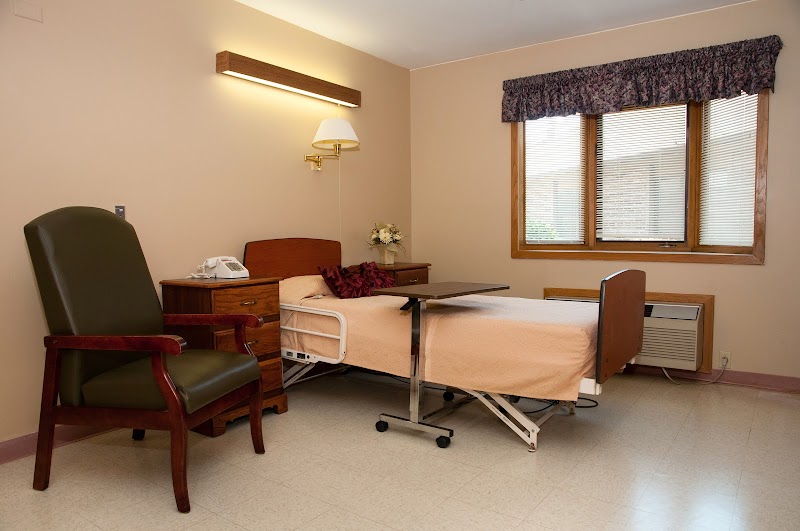
How is Life Of Andover Staffed?

CMS rates LIFE CARE CENTER OF ANDOVER's staffing level at 3 out of 5 stars, which is average compared to other nursing homes. Staff turnover is 58%, which is 12 percentage points above the Kansas average of 46%. High turnover can affect care consistency as new staff learn residents' individual needs.

What Have Inspectors Found at Life Of Andover?

State health inspectors documented 56 deficiencies at LIFE CARE CENTER OF ANDOVER during 2022 to 2025. These included: 2 Immediate Jeopardy (the most serious level, indicating potential for serious harm or death), 3 that caused actual resident harm, 50 with potential for harm, and 1 minor or isolated issues. Immediate Jeopardy findings are rare and represent the most serious regulatory concerns. They require immediate corrective action.
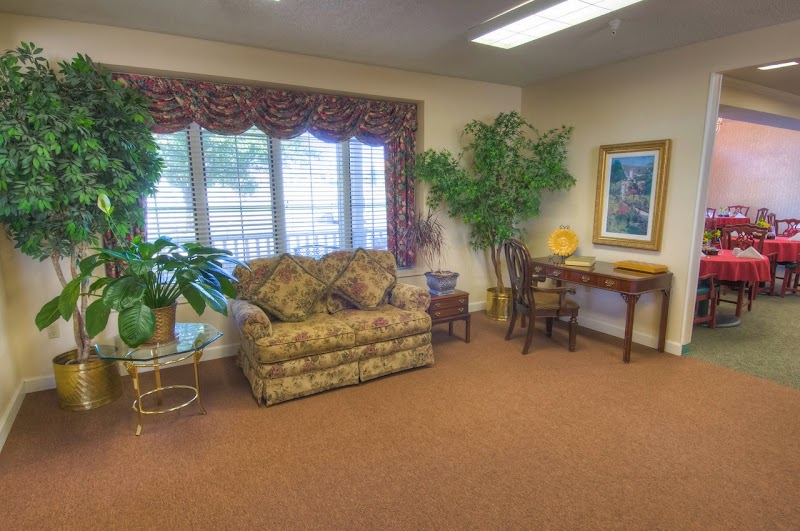
Who Owns and Operates Life Of Andover?

LIFE CARE CENTER OF ANDOVER is owned by a for-profit company. For-profit facilities operate as businesses with obligations to shareholders or private owners. The facility is operated by LIFE CARE CENTERS OF AMERICA, a chain that manages multiple nursing homes. With 154 certified beds and approximately 93 residents (about 60% occupancy), it is a mid-sized facility located in ANDOVER, Kansas.
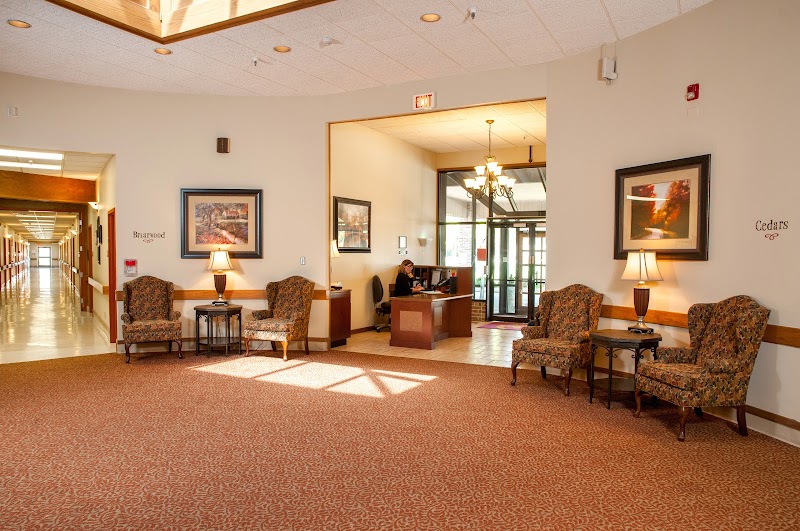
How Does Life Of Andover Compare to Other Kansas Nursing Homes?

Compared to the 100 nursing homes in Kansas, LIFE CARE CENTER OF ANDOVER's overall rating (1 stars) is below the state average of 2.9, staff turnover (58%) is significantly higher than the state average of 46%, and health inspection rating (1 stars) is much below the national benchmark.

What Should Families Ask When Visiting Life Of Andover?

Based on this facility's data, families visiting should ask: "What changes have been made since the serious inspection findings, and how are you preventing similar issues?" "How do you ensure continuity of care given staff turnover, and what is your staff retention strategy?" "Can I visit during a mealtime to observe dining assistance and food quality?" "How do you handle medical emergencies, and what is your hospital transfer rate?" These questions are particularly relevant given the facility's Immediate Jeopardy citations and the facility's high staff turnover rate.

Is Life Of Andover Safe?

Based on CMS inspection data, LIFE CARE CENTER OF ANDOVER has documented safety concerns. Inspectors have issued 2 Immediate Jeopardy citations (the most serious violation level indicating risk of serious injury or death). The facility has a 1-star overall rating and ranks #100 of 100 nursing homes in Kansas. Families considering this facility should ask detailed questions about what corrective actions have been taken since these incidents.

Do Nurses at Life Of Andover Stick Around?

Staff turnover at LIFE CARE CENTER OF ANDOVER is high. At 58%, the facility is 12 percentage points above the Kansas average of 46%. High turnover means new staff may not know residents' individual needs, medications, or preferences. It can also be disorienting for residents, especially those with dementia who rely on familiar faces. Families should ask: What is causing the turnover? What retention programs are in place? How do you ensure care continuity during staff transitions?

Was Life Of Andover Ever Fined?

LIFE CARE CENTER OF ANDOVER has been fined $90,973 across 6 penalty actions. This is above the Kansas average of $33,989. Fines in this range indicate compliance issues significant enough for CMS to impose meaningful financial consequences. Common causes include delayed correction of deficiencies, repeat violations, or care failures affecting resident safety. Families should ask facility leadership what changes have been made since these penalties.

Is Life Of Andover on Any Federal Watch List?

LIFE CARE CENTER OF ANDOVER is not on any federal watch list. The most significant is the Special Focus Facility (SFF) program, which identifies the bottom 1% of nursing homes nationally based on persistent, serious quality problems. Not being on this list means the facility has avoided the pattern of deficiencies that triggers enhanced federal oversight. This is a positive indicator, though families should still review the facility's inspection history directly.