EL DORADO CARE AND REHAB

900 COUNTRY CLUB LANE, EL DORADO, KS 67042 (316) 321-4444
For profit - Limited Liability company 50 Beds MISSION HEALTH COMMUNITIES Data: November 2025
Trust Grade
70/100
#64 of 295 in KS
Last Inspection: October 2024

Within standard 12-15 month inspection cycle. Federal law requires annual inspections.

Overview

El Dorado Care and Rehab in El Dorado, Kansas, has a Trust Grade of B, which indicates it is a good choice for families seeking care, though not the top option available. It ranks #64 out of 295 facilities in Kansas, placing it in the top half, and #1 out of 6 in Butler County, meaning it is the best local option available. The facility is improving, with the number of issues identified decreasing from 11 in 2022 to 8 in 2024. Staffing is rated 4 out of 5 stars, with a turnover rate of 51%, which is average but indicates some staff stability, and it has more RN coverage than 93% of Kansas facilities, ensuring better oversight of resident care. While the facility has not incurred any fines, which is a positive sign, there have been some concerns raised during inspections. For instance, there were multiple lapses in visitor screening protocols related to COVID, where temperature checks and mask usage were not consistently documented. Additionally, the beauty shop and dining areas were noted to be unclean, with discolored and rusted equipment, and there were safety concerns regarding portable oxygen tanks not being secured properly. Overall, while there are notable strengths, families should weigh these against the highlighted weaknesses.

Trust Score
B
70/100
In Kansas
#64/295
Top 21%
Safety Record
Low Risk
No red flags
Inspections
Getting Better
11 → 8 violations
Staff Stability
⚠ Watch
51% turnover. Above average. Higher turnover means staff may not know residents' routines.
Penalties
✓ Good
No fines on record. Clean compliance history, better than most Kansas facilities.
Skilled Nurses
✓ Good
Each resident gets 60 minutes of Registered Nurse (RN) attention daily — more than 97% of Kansas nursing homes. RNs are the most trained staff who catch health problems before they become serious.
Violations
⚠ Watch
31 deficiencies on record. Higher than average. Multiple issues found across inspections.
★★★★☆
4.0
Overall Rating
★★★★☆
4.0
Staff Levels
★★★☆☆
3.0
Care Quality
★★★★☆
4.0
Inspection Score
Stable
2022: 11 issues
2024: 8 issues

The Good

  • 4-Star Staffing Rating · Above-average nurse staffing levels
  • Full Sprinkler Coverage · Fire safety systems throughout facility
  • No fines on record

Facility shows strength in staffing levels, fire safety.

The Bad

Staff Turnover: 51%

Near Kansas avg (46%)

Higher turnover may affect care consistency

Chain: MISSION HEALTH COMMUNITIES

Part of a multi-facility chain

Ask about local staffing decisions and management

The Ugly 31 deficiencies on record

Oct 2024 6 deficiencies
CONCERN (D)

Potential for Harm - no one hurt, but risky conditions existed

Deficiency F0561 (Tag F0561)

Could have caused harm · This affected 1 resident

**NOTE- TERMS IN BRACKETS HAVE BEEN EDITED TO PROTECT CONFIDENTIALITY** The facility reported a census of 34 residents with 14 residents selected for review, which included one resident reviewed for s...

Read full inspector narrative →
**NOTE- TERMS IN BRACKETS HAVE BEEN EDITED TO PROTECT CONFIDENTIALITY** The facility reported a census of 34 residents with 14 residents selected for review, which included one resident reviewed for self-determination. Based on observation, interview, and record review, the facility failed to ensure one Resident (R)5, received appropriate preparations for his scheduled surgery. Findings included: - Review of Resident (R)5's diagnoses included paraplegia (paralysis characterized by motor or sensory loss in the lower limbs and trunk) due to demyelinating (a disease of the spinal cord, nerves and brain causing paralysis and weakness) disease of the central nervous system, and cutaneous (in the skin) abscess (cavity containing pus and surrounded by inflamed tissue) of the abdominal wall. The Annual Minimum Data Set (MDS), dated [DATE], assessed the resident with a Brief Interview for Mental Status (BIMS) score of 15, which indicated normal cognitive function. The resident had impairment in both lower extremities and no impairment in upper extremities. The Activities of Daily Living Functional (ADL) /Rehabilitation Care Area Assessment (CAA), dated 03/20/24, assessed the resident was dependent on staff for ADLs due to paraplegia, weakness, infections, and risk factors included unresolved skin issues. The Return to Community Referral CAA dated 03/20/24, assessed the resident wanted to return home, with barriers related to paralysis, wounds and inability to care for self. The pressure ulcers Care Plan reviewed 09/18/24, revealed cares related to the resident's old PEG (percutaneous endoscopic gastrostomy: a feeding tube that is inserted through the abdominal wall directly into the stomach) tube site had MASD (moisture associated skin damage) and staff were to cleanse the area with normal saline and apply skin prep and zinc oxide paste. A Physician's Order dated 07/20/24, instructed staff to administer ferrous sulfate (an iron supplement), 325 milligrams (mg), daily. A Physician's Order dated 08/28/24, instructed staff to administer Eliquis (a medication used to prevent blood clots), 2.5 mg, twice a day. A Nurse's Note dated 09/25/24, documented the lack of preoperative orders, realized by nursing staff when the resident refused to take his blood thinner for the planned surgery. Observation on 09/30/24 at 02:35 PM, revealed the resident had a gauze pad covering the PEG tube site, with dark brown drainage on it. The resident stated the drainage was gastric acid and caused the skin damage to the surrounding skin. Interview, on 09/30/24 at 02:35 PM, R5 reported he desired to return home but had to overcome many obstacles. He stated he was self-sufficient in the past with paraplegia but now had multiple medical issues that needed treatment but was determined to overcome the obstacles and return home. He stated his PEG tube had been surgically closed in August 2024, but failed, and he was scheduled for another attempt at closure in September 2024, but staff did not hold his blood thinner and iron, and surgery had to be canceled. He stated the surgery had to be rescheduled for 10/23/24, which he felt further delayed his plans to return home. Interview, on 10/02/24 at 08:45 AM with Certified Nurse Aide (CNA) N, revealed she was notified of the need for transportation for the resident on 09/26/24 , for surgery and knew the time of arrival. She thought the nursing staff had the orders for the surgery. Interview, on 10/02/24 at 02:01 PM with Administrative Nurse E, revealed the resident set up the surgery for closure of the PEG tube site on 09/26/24 and notified nursing staff that the physician's office would send the preoperative orders to the facility. Administrative Nurse E stated nursing staff did not receive the orders and did not follow up with the physician's office for preoperative instructions. Interview, on 10/02/24 at 02:30 PM with Administrative Nurse D, confirmed the nursing staff did not prepare the resident for surgery, by not ensuring preoperative orders received, which resulted in the surgery delayed and required to be rescheduled for 10/23/24. The facility lacked a policy staff to ensure components of planned operative procedures were in place. The facility failed to ensure preoperative orders were obtained for this resident's planned procedure which resulted in the rescheduling of the procedure for 27 days, which further delayed the resident's progress toward his goal of returning to his home.
CONCERN (D)

Potential for Harm - no one hurt, but risky conditions existed

Respiratory Care (Tag F0695)

Could have caused harm · This affected 1 resident

**NOTE- TERMS IN BRACKETS HAVE BEEN EDITED TO PROTECT CONFIDENTIALITY** The facility reported a census of 34 residents. The sample of 14 residents included three residents reviewed for respiratory car...

Read full inspector narrative →
**NOTE- TERMS IN BRACKETS HAVE BEEN EDITED TO PROTECT CONFIDENTIALITY** The facility reported a census of 34 residents. The sample of 14 residents included three residents reviewed for respiratory care. Based on observation, interview, and record review, the facility failed to provide two Residents (R), R27 and R 3, who required respiratory care, including tracheostomy (opening through the neck into the trachea through which an indwelling tube may be inserted) care and tracheal suctioning, provided such care, consistent with professional standards of practice, the comprehensive person-centered care plan, the residents' goals and preferences related to the storage of suctioning cannulas/tubing to when not in use to prevent infection and cross contamination to prevent infection. Findings included: - Review of Resident (R)27's Physician Orders, dated 08/07/24 revealed the following diagnoses that included spastic quadriplegia (inability to move the arms, legs and trunk of the body below the level of an associated injury to the spinal cord), cerebral palsy (progressive disorder of movement, muscle tone or posture caused by injury or abnormal development in the immature brain, most often before birth), with tracheostomy (opening though the neck into the trachea through which an indwelling tube may be inserted), chronic respiratory failure with hypoxia (inadequate supply of oxygen), abnormalities of breathing, disorders of lungs, pneumonia (inflammation of the lungs), due to pseudomonas aeruginosa mallei psuedomallei (type of microorganisms/bacteria related to infection) , and developmental disorder of speech and language. The admission Minimum Data Set (MDS) dated [DATE] revealed a Brief Interview for Mental Status (BIMS) score of 00, which indicated severe cognition. R27 rarely/never understood. She received special care and treatment which included oxygen, suctioning, and tracheostomy. R 27 received antibiotic medication. The Care Plan dated 07/24/24, directed staff the resident with a tracheostomy related to impaired breathing mechanics. Staff were to monitor the resident for potential for respiratory infection. The suctioning tubing should be put away properly to prevent infection/ related to contamination. The Physician Orders, dated 08/07/24, documentation included: 1. When tracheostomy suctioning, the suctioning tubing is to be put away properly to prevent infection/contamination. Suctioning every two hours related to chronic respiratory failure with hypoxia. 2. Ciprofloxacin HCl Tablet (antibiotic used to treat infection), 500 milligrams (MG), give 1 tablet via gastrostomy tube every 12 hours for pneumonia, for seven days, ordered 09/25/24. On 10/01/24 at 08:29 AM, R27 was in bed with the head of bed elevated and the tube feeding infusing via pump. The resident had white frothy secretions at her mouth and bubbling film at her tracheostomy opening. She made raspy gurgling sounds while inhaling and exhaling. Licensed Nurse (LN) H entered R27's room, put on gowns and gloves, assessed the resident, opened in line suction cannula, attached to suction machine connection tubing, and suctioned the resident's tracheostomy twice, clearing the line with sterile water with each pass. LN H provided mouth care/oral care. LN H reported the resident had infection in her sputum which was sent to laboratory for analysis. R27 received intravenous (IV) antibiotics. R27 has frequent congestion and required suctioning every two hours. On 10/01/24 at 10:07 AM, LN G verified R27's suction tubing in a drawer with the end of the suction connective tubing uncapped and stored directly on the bottom of the drawer,surrounded by various other medical supplies. LN G stated the tubing should be capped and stored when not in use to prevent contamination of the cannula and connective tubing. On 10/02/24 at 11:00 AM, Administrative Nurse F noted an uncapped and uncovered suction tube stored directly on the drawer bottom surrounded by various other medical supplies. She stated the tubing should be capped and stored when not in use to prevent contamination of the cannula and connective tubing. Administrative Nurse F reported she expected staff to follow orders and the suction tubing placed back into the wrapper should be labeled and dated. Cannulas should be capped when not in use. Storing cannula without caps when not in use is not appropriate. She confirmed the resident received antibiotic therapy for upper respiratory infection. On 10/02/24 at 12:30 PM, Administrative Nurse D reported staff should cap and store suction cannulas/ tubing when not in use in a manner to prevent cross contamination and infection. She confirmed storing a suction machine connective tubing and cannulas used for suctioning the resident's tracheostomy directly in the drawers was not appropriate to prevent infection. The facility's policy for Suctioning the Lower Airway (Endotracheal (ET) or Tracheostomy Tube), dated 05/2024, documentation included staff were to use sterile equipment to avoid widespread pulmonary and systemic infection. Suctioning of the lower airway is a sterile procedure. All equipment that comes in contact with the lower airway must be sterile. The facility failed to provide required respiratory care to this resident, which included tracheostomy care and tracheal suctioning, consistent with professional standards of practice related to the storage of suctioning cannulas/tubing to when not in use to prevent infection and cross contamination to prevent infection. - Review of Resident (R)3's Physician Orders, dated 08/07/24 revealed the following diagnoses that included chronic respiratory failure, extended spectrum beta lactamase (ESBL) resistance infection (microorganism/bacteria), chronic obstructive pulmonary disease (COPD- progressive and irreversible condition characterized by diminished lung capacity and difficulty or discomfort in breathing), carrier, or suspected carrier of methicillin resistant staphoccocus aureus (MRSA-microorganism/bacteria type infection), and tracheostomy (opening though the neck into the trachea through which an indwelling tube may be inserted). The Annual Minimum Data Set (MDS) dated [DATE], revealed a Brief Interview for Mental Status (BIMS) score of 00, indicating not able to complete interview, related to the resident rarely/never understood. He received special care and treatment which included oxygen, suctioning, and tracheostomy. The Care Plan dated 07/03/24, directed staff the resident with a tracheostomy (trach) related to impaired breathing mechanics. Staff were to monitor the resident for potential for respiratory infection. The suctioning tubing is to be put away properly to prevent infection/ related to contamination. The Physician Orders, dated 08/07/24, documentation included when trach suctioning, suctioning tubing is to be put away properly to prevent infection/contamination. Suctioning every two hours related to chronic respiratory failure with hypoxia (inadequate supply of oxygen). On 10/01/24 at 10:07 AM, Licensed Nurse (LN) G verified the suction tubing in R 3's drawer with the end of the suction connective tubing uncapped and stored directly on the drawer bottom surrounded by various other medical supplies. LN G stated the tubing should be capped and stored when not in use to prevent contamination of the cannula and connective tubing. On 10/02/24 at 12:30 PM, Administrative Nurse D reported staff should cap and store suction cannulas/ tubing when not in use in a manner to prevent cross contamination and infection. She confirmed storing suction machine connective tubing and cannulas used for suctioning the resident's tracheostomy directly in the drawers was not appropriate to prevent infection. The policy Suctioning the Lower Airway (Endotracheal (ET) or Tracheostomy Tube), dated 05/2024, documentation included use sterile equipment to avoid widespread pulmonary and systemic infection. Suctioning of the lower airway is a sterile procedure. All equipment that comes in contact with the lower airway must be sterile. The facility failed to provide required respiratory care to this resident, which included tracheostomy care and tracheal suctioning, consistent with professional standards of practice related to the storage of suctioning cannulas/tubing to when not in use to prevent infection and cross contamination to prevent infection.
CONCERN (D)

Potential for Harm - no one hurt, but risky conditions existed

Deficiency F0757 (Tag F0757)

Could have caused harm · This affected 1 resident

**NOTE- TERMS IN BRACKETS HAVE BEEN EDITED TO PROTECT CONFIDENTIALITY** The facility reported a census of 34 residents. The sample of 14 residents included five residents reviewed for unnecessary medi...

Read full inspector narrative →
**NOTE- TERMS IN BRACKETS HAVE BEEN EDITED TO PROTECT CONFIDENTIALITY** The facility reported a census of 34 residents. The sample of 14 residents included five residents reviewed for unnecessary medications. Based on observations, interviews, and record review, the facility failed to ensure medications monitored and administered to treat Resident (R)19's heart failure. Findings included: - Review of Resident (R) 19's Physician Orders, dated 08/07/24, revealed diagnosis that included congestive heart failure. The Annual Minimum Data Set (MDS) dated [DATE] revealed a Brief Interview for Mental Status (BIMS) score of 15, indicating cognitively intact. The resident rejected evaluation of care one to three days a week. The Quarterly MDS, dated 06/21/24, documented changes in the resident status which included a BIMS score of 13, which represented a decline in his cognition. R 19's Care Plan dated 08/29/24, directed staff the resident received multiple medications to treat his diagnoses. The staff should administer medications as ordered, monitor for side effects and effectiveness, notify the physician as ordered, consult with pharmacist, and discuss with the physician regarding ongoing need for use of medication. Staff were to educate the resident of risk of refusal of care. Review of R 19's Physician Orders, dated 08/07/24, included Metoprolol Succinate ER (Extended Release) Tablet 50 milligrams (MG), give one tablet, by mouth in the morning, related to heart failure. Hold medication and notify the Physician for a pulse of less than 60 and/or systolic blood pressure (SBP- top number, the force your heart exerts on the walls of your arteries each time it beats) of less than 110. Review of the Medication Administration Record, (MAR) dated 09/01/24 through 09/30/21, revealed R19 received Metoprolol medications outside of the physician prescribed parameters on 09/02/24 with SBP of 108, on 09/10/24 with SBP of 103, on 09/12/24 with SBP of 103, on 09/19/24 with SBP of 106, and 09/20/24 with SBP of 106, a total of five occasions. The MAR and electronic medical record (EMR) lacked documentation of R 19's physician notification of medications administered outside of the prescribed parameters. Additionally, the documentation revealed the resident refused Metoprolol on five occasions on 09/03/24, 09/05/24, 09/11/24, 09/26/24, and 09/28/24, and lacked physician notification, or documented evidence of education provided to the resident regarding benefits verses risks related to not taking his heart medication. On 10/01/24 at 03:10 PM, Licensed Nurse (LN) J verified the resident frequently refused his medication. She reported the resident stayed up late and became agitated when staff woke him to give him his medication. The anti-hypertensive medications had parameters for administration. LN J reported the physician orders indicated the resident the medication should be held if the resident's SBP less than 110, and/or pulse less than 60. She confirmed that if the resident's vital signs were outside of the parameters the medication should be held and the physician notified. On 10/02/24 at 02:57 PM, Administrative Nurse D reported staff should follow physician orders when they administer medication. She stated the staff should hold the medication when vital signs were outside of the prescribed parameters and notify the physician. The facility lacked a policy to address administering medications as the physician orders and/or staff notifying the physician of parameter outliers and resident refusal of medication. The facility failed to ensure medications monitored and administered to treat Resident (R)19's heart failure.
CONCERN (D)

Potential for Harm - no one hurt, but risky conditions existed

Food Safety (Tag F0812)

Could have caused harm · This affected 1 resident

The facility reported a census of 34 residents. Based on observation, record review, and interview, the facility failed to ensure foods were stored, prepared, and distributed in a manner to prevent fo...

Read full inspector narrative →
The facility reported a census of 34 residents. Based on observation, record review, and interview, the facility failed to ensure foods were stored, prepared, and distributed in a manner to prevent foodborne illness to the residents. Findings included: - Observation, on 09/30/24 at 10:02 AM, revealed the kitchen refrigerator contained six squirt bottles of condiments (salad dressings) that lacked coverings over the tips of the squirt bottles. Observation, on 10/02/24 at 10:57 AM, during environmental tour of the kitchen with Dietary Staff BB, revealed the following areas of concern: 1. The kitchen refrigerator contained six squirt bottles of condiments (salad dressings) that lacked coverings over the tips of the squirt bottles. 2. The kitchen handwashing sink contained a black substance along the back edge caulking and brown/yellow discolorations on the sink back edges. 3. The air fryer/convection oven contained splatters of a black substance on the upper interior surface. 4. The ice machine drain laid directly in the drain without a two-inch air gap. Interview, on 10/02/24 at 11:15 AM, Dietary Staff BB confirmed the above issues and Maintenance Staff U, confirmed the ice machine drain did not have a two-inch air gap between the drain. The facility policy Food Safety Requirements reviewed 10/2023, instructed staff all foods stored in the refrigerators will be covered, labeled and dated. The facility policy Sanitation instructed staff to maintain the food service area in a clean and sanitary manner. Equipment, food contact surfaces and utensils shall be washed to remove or completely looses soils by using manual or mechanical means. The facility failed to ensure foods were stored, prepared, and distributed in a manner to prevent foodborne illness to the residents.
CONCERN (D)

Potential for Harm - no one hurt, but risky conditions existed

Infection Control (Tag F0880)

Could have caused harm · This affected 1 resident

**NOTE- TERMS IN BRACKETS HAVE BEEN EDITED TO PROTECT CONFIDENTIALITY** The facility reported a census of 34 residents with 14 residents selected for review. Based on observation, interview, and recor...

Read full inspector narrative →
**NOTE- TERMS IN BRACKETS HAVE BEEN EDITED TO PROTECT CONFIDENTIALITY** The facility reported a census of 34 residents with 14 residents selected for review. Based on observation, interview, and record review, the facility failed to ensure staff provided incontinence care in a manner to prevent the spread of infection for one Resident (R)13 with an open wound on her sacrum (large triangular bone between the two hip bones). Findings included: - Review of Resident (R)13's medical record revealed diagnoses that included diabetes (when the body cannot use glucose, not enough insulin made or the body cannot respond to the insulin), heart failure, cerebral infarction (CVA/stroke) - sudden death of brain cells due to lack of oxygen caused by impaired blood flow to the brain by blockage or rupture of an artery to the brain) and sacral (large triangular bone between the two hip bones) pressure ulcer (localized injury to the skin and/or underlying tissue usually over a bony prominence, as a result of pressure, or pressure in combination with shear and/or friction). The Annual Minimum Data Set (MDS), dated [DATE], assessed the resident with a Brief Interview for Mental Status (BIMS) score of 11, which indicated moderate cognitive impairment. R13 had impairment on one side of her upper extremities and required substantial to dependent assistance on staff for activities of daily living, incontinent of bowel and bladder and had a stage two pressure ulcer (a partial loss of skin resulting in a shallow open ulcer. The ADL (Activity of Daily Living) Functional/Rehabilitation Care Area Assessment (CAA), dated 05/26/24, assessed the resident with skin breakdown, incontinence of bowel and bladder and a pressure ulcer to her coccyx (small bone at the end of the spine in the sacrum). The Care Plan reviewed 08/21/24, instructed staff the resident required total assistance with personal hygiene. Observation, on 10/01/24 at 10:19 AM, revealed Certified Nurse Aide (CMA) M and Administrative Nurse E, provided incontinence care to the resident. The resident was incontinent of stool, and the stool was on the lower edge of the dressing on her sacrum. CNA M used peri wipes to cleanse the rectal area of stool, and Administrative Nurse E instructed CNA M to remove the soiled dressing. The sacrum contained an open wound, and CNA M then used a peri wipe to further cleanse the rectal area and wiped the resident from her rectum over the wound. Administrative Nurse E then cleansed the wound with wound cleanser and provided wound care. Interview, on 08/21/24 at 10:30 AM, with Administrative Nurse E, revealed staff should wipe incontinent residents from the front to back, but in this case, it would be appropriate to wipe away from the wound, so as not to contaminate the wound with stool. The facility policy Wound Care Guidelines reviewed 04/2024, instructed staff to provide care of wounds to promote healing. The facility failed to ensure staff provided this resident with bowel incontinence with appropriate incontinence care to prevent the spread of infection.
CONCERN (D)

Potential for Harm - no one hurt, but risky conditions existed

Room Equipment (Tag F0908)

Could have caused harm · This affected 1 resident

The facility reported a census of 34 residents. Based on observation and interview, the facility failed to maintain patient care equipment in safe operating conditions to ensure two residents, Residen...

Read full inspector narrative →
The facility reported a census of 34 residents. Based on observation and interview, the facility failed to maintain patient care equipment in safe operating conditions to ensure two residents, Resident (R)82 and R2's commode grab bars and over the toilet commode. Findings included: - Observation, on 10/01/24 at 03:30 PM, revealed Resident (R)2's the over the toilet commode contained four legs that wobbled when pressure applied to the armrests, making it unstable. Observation, on 10/01/24 at 03:51 PM, revealed commode grab bars in Resident (R)82's bathroom, were unstable and moved when the resident attempted to sit or rise from the commode. Interview, on 10/01/24 at 04:00 PM, with Administrative Staff A stated she would expect staff to enter a maintenance request into their electronic system for maintenance tasks. The facility lacked a policy for maintenance of commode grab bars and over the toilet commode. The facility failed to ensure the commode grab bars for R82 and over the toilet commode for R2 were maintained in a safe condition to prevent accidents.
Mar 2024 2 deficiencies
CONCERN (D) 📢 Someone Reported This

A family member, employee, or ombudsman was alarmed enough to file a formal complaint

Potential for Harm - no one hurt, but risky conditions existed

Quality of Care (Tag F0684)

Could have caused harm · This affected 1 resident

The facility reported a census of 37 residents. The sample included four residents sampled for quality of care. Based on observation, interview, and record review, the facility failed to ensure that t...

Read full inspector narrative →
The facility reported a census of 37 residents. The sample included four residents sampled for quality of care. Based on observation, interview, and record review, the facility failed to ensure that three Residents(R)2, R 3, and R 4, received treatment and care in accordance with professional standards of practice, the comprehensive person-centered care plan, and/or the residents' choices, related to skin treatments for ostomies (an artificial opening in an organ created during an operation as ordered by the physician. Findings included: - Review of Resident (R)2's, undated Physician Orders, documentation revealed diagnoses which included quadriplegia (inability to move the arms, legs, and trunk of the body below the level of an associated injury to the spinal cord), urinary tract infection, and retention of urine. The Annual Minimum Data Set, dated 07/13/23, documented the resident's short term and long-term memory intact. He had an indwelling catheter (insertion of a catheter into the bladder to drain the urine into a collection bag). The Urinary Incontinence Care Area Assessment (CAA), dated 07/26/23, triggered secondary to use of a supra pubic catheter (urinary bladder catheter inserted through the abdomen into bladder). Risk factors included recurrent urinary tract infections (UTI is an infection in any part of the urinary system) and injury from use of a catheter. The care plan would be initiated to maintain catheter per facility policy and physician orders and decrease the risk for recurrent UTIs. The Care Plan dated 02/25/24, directed staff the resident had an indwelling suprapubic catheter related to urinary retention and staff were to provide treatment to the supra pubic site as per physician orders. The Physician Orders, documentation included cleanse the suprapubic catheter site with Normal Saline Solution (NSS) and apply a dry dressing every night shift for infection control and hygiene, and as needed for soilage and hygiene, ordered 08/26/2022. On 03/14/24 at 10:14 AM, the resident was in bed. The supra pubic site had a dressing in place, dated 03/12/24. On 03/14/24 at 09:38 AM, Licensed Nurse (LN) G reported the night nurse were to change the dressings according to the physician's orders and as directed by the care plan for supra pubic catheters and feeding tubes. On 3/14/24 at 11:05 AM, LN H reported the night shift nurse should change R2's dressing as ordered by the physician, and if it is soiled or wet to prevent infection and skin breakdown. She confirmed the resident's supra pubic dressing dated 03/12/24 and should have been changed on 03/13/24, LN H verified the nurse for 03/13/24 as an agency nurse and did not change the dressing. She stated the night shift dressings were not done on occasion. LN H stated she reported her concern with dressings on night shift not being done as physicians ordered to the previous Administrative Nurse B and was not aware of the follow-up. She confirmed she had not reported the concern to the most recent Administrative Nurse A. She stated it was not uncommon for the resident's dressing to not be completed as ordered. On 03/14/24 at 02:30 PM, Administrative Nurse A confirmed the night nurse was responsible for changing the resident's supra pubic dressing nightly. She confirmed the night nurse on 03/13/24 should have changed the dressing as ordered by the physician to prevent infection and monitor the skin for breakdown. The facility lacked a policy to address changing dressings for supra pubic catheter insertion sites to prevent infections and maintain skin integrity. The facility failed to ensure the resident received treatment and care in accordance with professional standards of practice, the comprehensive person-centered care plan, and/or the residents' choices, related to skin treatments for this resident that required supra pubic catheter dressing changes. - Review of Resident (R)3's diagnoses included chronic kidney disease, and retention of urine. The Annual Minimum Data Set, dated 12/20/23, documented the resident's Brief Interview for Mental Status, (BIMS) score of 15, indicating R3 was cognitively intact. He had an indwelling catheter (tube placed in the bladder to collect urine). The Urinary Incontinence and Indwelling Catheter Care Area Assessment (CAA), dated 01/03/24, triggered secondary to use of supra pubic catheter (urinary bladder catheter inserted through the abdomen into bladder). Risk factors included recurrent urinary tract infections (UTI) and injury from use of a catheter. The care plan will be initiated to maintain catheter per facility policy and physician orders and decrease risk for recurrent UTIs. The Care Plan dated 03/10/24, directed staff the resident had an indwelling Suprapubic Catheter related to urinary retention to provide treatment to supra pubic site as per physician orders. The Physician Orders, documentation included to cleanse the suprapubic catheter site with Normal Saline Solution (NSS) and apply a dry dressing every night shift, for infection control and hygiene, and as needed for soilage and hygiene, ordered 12/08/2022. On 03/14/24 at 09:38 AM, Licensed Nurse (LN) G reported the night nurse should change the dressings according to the physician's orders, and as directed by the care plan for supra pubic catheters and feeding tubes. On 3/14/24 at 11:05 AM, LN H reported the night shift nurse should change R2's dressing as ordered by the physician, and if it is soiled or wet to prevent infection and skin breakdown. She confirmed the resident's supra pubic dressing dated 03/12/24 and should have been changed on 03/13/24, LN H verified the nurse for 03/13/24 as an agency nurse and did not change the dressing. She stated the night shift dressings were not done on occasion. LN H stated she reported her concern with dressings on night shift not being done as physicians ordered to the previous Administrative Nurse B and was not aware of the follow-up. She confirmed she had not reported the concern to the most recent Administrative Nurse A. She stated it was not uncommon for the resident's dressing to not be completed as ordered. On 3/14/24 at 11:22 AM, LN H confirmed R3's supra pubic dressing dated 3/12/24, with LN H's initials. On 03/14/24 at 02:30 PM, Administrative Nurse A confirmed the night nurse was responsible for changing the resident's supra pubic dressing nightly. She confirmed the night nurse on 03/13/24 should have changed the dressing as ordered by the physician to prevent infection and monitor the skin for breakdown. The facility lacked a policy to address changing dressings for supra pubic catheter insertion sites to prevent infections, maintain skin integrity. The facility failed to ensure this resident that required supra pubic dressing changes, received treatment and care in accordance with professional standards of practice, the comprehensive person-centered care plan, and/or the residents' choices, related to skin treatments for ostomies. - Review of Resident (R)4's, undated Physician Orders, documentation revealed diagnoses which included quadriplegia (inability to move the arms, legs, and trunk of the body below the level of an associated injury to the spinal cord) urinary tract infection, retention of urine, aphasia (loss of the ability to swallow) following cerebral infarction (stroke-sudden death of brain cells due to lack of oxygen caused by impaired blood flow to the brain by blockage or rupture of an artery to the brain), and gastrostomy tube (G-tube: tube surgically placed through an artificial opening into the stomach). The admission Minimum Data Set, dated 04/13/23, documented the resident's Brief Interview for Mental Status, (BIMS) score of five, indicating severe cognitive impairment. R4 required a feeding tube-nasogastric or abdominal percutaneous gastrostomy tube (peg). The Feeding Tube Care Area Assessment (CAA) dated 04/19/23, revealed R4 required the use of a feeding tube via peg-tube for maintenance of nutritional/hydration status. Contributing factors included dysphagia (swallowing difficulty), and recent acute medical condition and decline. The Care Plan dated 01/22/24, directed staff the resident required tube feeding, and staff were to administer medications as ordered. The Physician Orders, documentation included staff was to wash R4's gastrostomy tube insertion site with soap and water, apply a dressing every night, and as needed, every night shift, ordered 06/16/2023. On 03/14/24 at 11:36 AM, R4 was in his bed with the head of the bed elevated. Licensed Nurse (LN) H entered the room and examined the resident's gastrostomy tube insertion site. She confirmed the dressing in place had been dated 03/12/24, two days prior. LN H stated his gastrostomy tube dressing should be changed daily. to prevent skin breakdown from leaking acidic stomach content. LN H reported the night shift nurse should change R4's dressing as ordered by the physician, and if it is soiled or wet to prevent infection and skin breakdown. She stated the night shift dressings were not done on occasion. She stated it was not uncommon for the resident's dressing to not be completed as ordered. On 03/14/24 at 09:38 AM, Licensed Nurse (LN) G reported the night nurse was to change the dressings according to the physician's orders and as directed by the care plan for feeding tubes. On 03/14/24 at 02:30 PM, Administrative Nurse A confirmed the night nurse was responsible for changing the resident's gastrostomy tube insertion site dressing nightly. She confirmed the night nurse on 03/13/24 should have changed the dressing as ordered by the physician to prevent infection and monitor the skin for breakdown. The facility lacked a policy to address changing dressings for gastrostomy insertion sites to prevent infections and maintain skin integrity. The facility failed to ensure the resident received treatment and care in accordance with professional standards of practice, the comprehensive person-centered care plan, and/or the residents' choices, related to skin treatments for this resident that required gastrostomy insertion site dressing changes.
CONCERN (D) 📢 Someone Reported This

A family member, employee, or ombudsman was alarmed enough to file a formal complaint

Potential for Harm - no one hurt, but risky conditions existed

Pharmacy Services (Tag F0755)

Could have caused harm · This affected 1 resident

The facility reported a census of 37 residents. The sample included four residents sampled for procedures of following physician orders. Based on observation, interview, and record review, the facilit...

Read full inspector narrative →
The facility reported a census of 37 residents. The sample included four residents sampled for procedures of following physician orders. Based on observation, interview, and record review, the facility failed to ensure three Residents(R)2, R 3, and R 4, received treatment and care in accordance with physician's orders related to skin treatments for ostomies (an artificial opening in an organ created during an operation as ordered by the physician). Findings included: - Review of Resident (R)2's, undated Physician Orders, documentation revealed diagnoses which included quadriplegia (inability to move the arms, legs, and trunk of the body below the level of an associated injury to the spinal cord), urinary tract infection, and retention of urine. The Annual Minimum Data Set, dated 07/13/23, documented the resident's short term and long-term memory intact. He had an indwelling catheter (insertion of a catheter into the bladder to drain the urine into a collection bag). The Urinary Incontinence Care Area Assessment (CAA), dated 07/26/23, triggered secondary to use of a supra pubic catheter (urinary bladder catheter inserted through the abdomen into bladder). Risk factors included recurrent urinary tract infections (UTI is an infection in any part of the urinary system) and injury from use of a catheter. The care plan would be initiated to maintain catheter per facility policy and physician orders and decrease the risk for recurrent UTIs. The Care Plan dated 02/25/24, directed staff the resident had an indwelling suprapubic catheter related to urinary retention and staff were to provide treatment to the supra pubic site as per physician orders. The Physician Orders, documentation included cleanse the suprapubic catheter site with Normal Saline Solution (NSS) and apply a dry dressing every night shift for infection control and hygiene, and as needed for soilage and hygiene, ordered 08/26/2022. On 03/14/24 at 10:14 AM, the resident was in bed. The supra pubic site had a dressing in place, dated 03/12/24. On 03/14/24 at 09:38 AM, Licensed Nurse (LN) G reported the night nurse was to change the dressings according to the physician's orders and as directed by the care plan for supra pubic catheters and feeding tubes. On 3/14/24 at 11:05 AM, LN H reported the night shift nurse should change R2's dressing as ordered by the physician, and if it is soiled or wet to prevent infection and skin breakdown. She confirmed the resident's supra pubic dressing dated 03/12/24 and should have been changed on 03/13/24, as ordered. LN H verified the nurse for 03/13/24 as an agency nurse and did not change the dressing as ordered by the physician. She stated the night shift dressings were not done on occasion. LN H stated she reported her concern with dressings on night shift not being done as physicians ordered to the previous Administrative Nurse B and was not aware of the follow-up. She confirmed she had not reported the concern to the most recent Administrative Nurse A. She stated it was not uncommon for the resident's dressing to not be completed as ordered by the physician. On 03/14/24 at 02:30 PM, Administrative Nurse A confirmed the night nurse was responsible for changing the resident's supra pubic dressing nightly in accordance with the physician's orders. She confirmed the night nurse on 03/13/24 should have changed the dressing as ordered by the physician to prevent infection and monitor the skin for breakdown. The facility lacked a policy to address following physician orders related to changing dressings for supra pubic catheter insertion sites to prevent infections and maintain skin integrity. The facility failed to ensure the resident received treatment and care in accordance with the physician's orders, related to the care and treatment of his supra pubic catheter dressing changes. - Review of Resident (R)3's diagnoses included chronic kidney disease, and retention of urine. The Annual Minimum Data Set, dated 12/20/23, documented the resident's Brief Interview for Mental Status, (BIMS) score of 15, indicating R3 was cognitively intact. He had an indwelling catheter (tube placed in the bladder to collect urine). The Urinary Incontinence and Indwelling Catheter Care Area Assessment (CAA), dated 01/03/24, triggered secondary to use of supra pubic catheter (urinary bladder catheter inserted through the abdomen into bladder). Risk factors included recurrent urinary tract infections (UTI) and injury from use of a catheter. The care plan will be initiated to maintain catheter per facility policy and physician orders and decrease risk for recurrent UTIs. The Care Plan dated 03/10/24, directed staff the resident had an indwelling Suprapubic Catheter related to urinary retention to provide treatment to supra pubic site as per physician orders. The Physician Orders, documentation included to cleanse the suprapubic catheter site with Normal Saline Solution (NSS) and apply a dry dressing every night shift, for infection control and hygiene, and as needed for soilage and hygiene, ordered 12/08/2022. On 03/14/24 at 10:14 AM, the resident was in bed. The supra pubic site had a dressing in place, dated 03/12/24. On 03/14/24 at 09:38 AM, Licensed Nurse (LN) G reported the night nurse were to change the dressings according to the physician's orders and as directed by the care plan for supra pubic catheters and feeding tubes. On 3/14/24 at 11:05 AM, LN H reported the night shift nurse should change R3's dressing as ordered by the physician, and if it is soiled or wet to prevent infection and skin breakdown. She confirmed the resident's supra pubic dressing dated 03/12/24 and should have been changed on 03/13/24, LN H verified the nurse for 03/13/24 as an agency nurse and did not change the dressing as ordered by the physician. She stated the night shift dressings were not done on occasion. LN H stated she reported her concern with dressings on night shift not being done as physicians ordered to the previous Administrative Nurse B and was not aware of the follow-up. She confirmed she had not reported the concern to the most recent Administrative Nurse A. She stated it was not uncommon for the resident's dressing to not be completed as ordered by the physician. On 03/14/24 at 02:30 PM, Administrative Nurse A confirmed the night nurse was responsible for changing the resident's supra pubic dressing nightly in accordance with the physician's orders. She confirmed the night nurse on 03/13/24 should have changed the dressing as ordered by the physician to prevent infection and monitor the skin for breakdown. The facility lacked a policy to address following physician orders related to changing dressings for supra pubic catheter insertion sites to prevent infections and maintain skin integrity. The facility failed to ensure the resident received treatment and care in accordance with physician's orders, related to skin treatments for this resident that had physician orders for the care and treatment of his supra pubic catheter dressing changes. - Review of Resident (R)4's, undated Physician Orders, documentation revealed diagnoses which included quadriplegia (inability to move the arms, legs, and trunk of the body below the level of an associated injury to the spinal cord) urinary tract infection, retention of urine, aphasia (loss of the ability to swallow) following cerebral infarction (stroke-sudden death of brain cells due to lack of oxygen caused by impaired blood flow to the brain by blockage or rupture of an artery to the brain), and gastrostomy tube (G-tube: tube surgically placed through an artificial opening into the stomach). The admission Minimum Data Set, dated 04/13/23, documented the resident's Brief Interview for Mental Status, (BIMS) score of five, indicating severe cognitive impairment. R4 required a feeding tube-nasogastric or abdominal percutaneous gastrostomy tube (peg). The Feeding Tube Care Area Assessment (CAA) dated 04/19/23, revealed R4 required the use of a feeding tube via peg-tube for maintenance of nutritional/hydration status. Contributing factors included dysphagia (swallowing difficulty), and recent acute medical condition and decline. The Care Plan dated 01/22/24, directed staff the resident required tube feeding, and staff were to administer medications as ordered. The Physician Orders, documentation included staff was to wash R4's gastrostomy tube insertion site with soap and water, apply a dressing every night, and as needed, every night shift, ordered 06/16/2023. On 03/14/24 at 11:36 AM, R4 was in his bed with the head of the bed elevated. Licensed Nurse (LN) H entered the room and examined the resident's gastrostomy tube insertion site. She confirmed the dressing in place had been dated 03/12/24, two days prior. LN H stated his gastrostomy tube dressing should be changed daily to prevent skin breakdown from leaking acidic stomach content. LN H reported the night shift nurse should change R4's dressing as ordered by the physician, and if it is soiled or wet to prevent infection and skin breakdown. She stated the night shift dressings were not done on occasion. She stated it was not uncommon for the resident's dressing to not be completed as ordered. On 03/14/24 at 09:38 AM, Licensed Nurse (LN) G reported the night nurse was to change the dressings according to the physician's orders and as directed by the care plan for feeding tubes. On 03/14/24 at 02:30 PM, Administrative Nurse A confirmed the night nurse was responsible for changing the resident's gastrostomy tube insertion site dressing nightly according to the physician's orders. She confirmed the night nurse on 03/13/24 should have changed the dressing as ordered by the physician to prevent infection and monitor the skin for breakdown. The facility lacked a policy to address following physician orders to address changing dressings according to physician's orders for gastrostomy insertion sites to prevent infections and maintain skin integrity. The facility failed to ensure the resident received treatment and care in accordance with physician orders related to skin treatments for this resident that required gastrostomy insertion site dressing changes.
Oct 2022 11 deficiencies
CONCERN (D)

Potential for Harm - no one hurt, but risky conditions existed

Deficiency F0655 (Tag F0655)

Could have caused harm · This affected 1 resident

**NOTE- TERMS IN BRACKETS HAVE BEEN EDITED TO PROTECT CONFIDENTIALITY** The facility reported a census of 35 residents with 16 residents sampled. The facility failed to complete a baseline care plan t...

Read full inspector narrative →
**NOTE- TERMS IN BRACKETS HAVE BEEN EDITED TO PROTECT CONFIDENTIALITY** The facility reported a census of 35 residents with 16 residents sampled. The facility failed to complete a baseline care plan to include the need for assistance with oral hygiene needs for one (R)137 sampled resident. Findings included: - Review of Resident (R)137's electronic medical record (EMR), included a diagnosis of traumatic subdural hemorrhage (bleeding in the area between the brain and the skull). The admission Minimum Data Set (MDS), dated [DATE], documented the staff assessment for cognition revealed severe impairment. The resident required total assistance of one staff for personal hygiene and had no dental issues. The Activities of Daily Living (ADL) Functional/Rehabilitation Potential Care Area Assessment (CAA), dated 10/07/22, did not trigger for further review. The baseline care plan, dated 10/05/22, lacked staff instruction for ADLs which also included the resident's need for assistance with oral hygiene cares. Review of the resident's EMR, from 10/04/22 through 10/18/22, revealed the resident required total assistance of one staff for personal hygiene, including brushing his teeth. On 10/12/22 at 12:03 PM, the resident rested in his bed on his back. His teeth had a build-up of a brownish/grayish substance. His bottom lip stuck to his bottom teeth. On 10/13/22 at 07:15 AM, the resident rested in his bed on his back. His teeth continued to have a build-up of a brownish/grayish substance. His bottom lip stuck to his bottom teeth. On 10/13/22 at 07:19 AM, Certified Nurse Aide (CNA) N stated the resident required total care with all ADLs. Staff should complete oral care with all cares as the resident could have nothing by mouth (NPO). On 10/13/22 at 01:41 PM, Certified Medication Aide (CNA) S stated staff should complete oral care whenever they turn and reposition the resident. On 10/17/22 at 02:59 PM, CNA O stated oral care should be given every two hours. On 10/17/22 at 02:20 PM, CNA M stated staff should do oral care every two hours. CNA stated she had never done oral care with the resident while giving cares. On 10/13/22 at 07:47 AM, Licensed Nurse (LN) H stated the staff should do oral care whenever other cares were done with the resident. On 10/18/22 at 08:18 AM, Administrative Nurse D stated staff should complete oral care every two hours for the resident. On 10/18/22 at 02:00 PM, Administrative Nurse F stated the care plans should be updated quarterly and with any changes in a residents care. Baseline care plans should be completed within 48 hours of admission. The facility failed to complete a baseline care plan to include the need for assistance with oral hygeine needs for this dependent resident.
CONCERN (D)

Potential for Harm - no one hurt, but risky conditions existed

ADL Care (Tag F0677)

Could have caused harm · This affected 1 resident

**NOTE- TERMS IN BRACKETS HAVE BEEN EDITED TO PROTECT CONFIDENTIALITY** The facility reported a census of 35 residents with 16 residents sampled, including four residents reviewed for Activities of Da...

Read full inspector narrative →
**NOTE- TERMS IN BRACKETS HAVE BEEN EDITED TO PROTECT CONFIDENTIALITY** The facility reported a census of 35 residents with 16 residents sampled, including four residents reviewed for Activities of Daily Living (ADL). Based on observation, interview, and record review, the facility failed to provide adequate hygiene cares for two fo the four sampled residents including: dependent Resident (R)137, regarding oral hygiene cares and R31 with grooming of facial hairs. Findings included: - Review of Resident (R)137's electronic medical record (EMR), included a diagnosis of traumatic subdural hemorrhage (bleeding in the area between the brain and the skull). The admission Minimum Data Set (MDS), dated [DATE], documented the staff assessment for cognition revealed severe impairment. The resident required total assistance of one staff for personal hygiene and had no dental issues. The Activities of Daily Living (ADL) Functional/Rehabilitation Potential Care Area Assessment (CAA), dated 10/07/22, did not trigger for further review. The baseline care plan, dated 10/05/22, lacked staff instruction for ADLs. Review of the resident's EMR, from 10/04/22 through 10/18/22, revealed the resident required total assistance of one staff for personal hygiene, including brushing his teeth. On 10/12/22 at 12:03 PM, the resident rested in his bed on his back. His teeth had a build-up of a brownish/grayish substance. His bottom lip stuck to his bottom teeth. On 10/13/22 at 07:15 AM, the resident rested in his bed on his back. His teeth continued to have a build-up of a brownish/grayish substance. His bottom lip stuck to his bottom teeth. On 10/13/22 at 07:19 AM, Certified Nurse Aide (CNA) N stated the resident required total care with all ADLs. Staff should complete oral care with all cares as the resident could have nothing by mouth (NPO). On 10/13/22 at 01:41 PM, Certified Medication Aide (CNA) S stated staff should complete oral care whenever they turn and reposition the resident. On 10/17/22 at 02:59 PM, CNA O stated oral care should be given every two hours. On 10/17/22 at 02:20 PM, CNA M stated staff should do oral care every two hours. CNA stated she had never done oral care with the resident while giving cares. On 10/13/22 at 07:47 AM, Licensed Nurse (LN) H stated the staff should do oral care whenever other cares were done with the resident. On 10/18/22 at 08:18 AM, Administrative Nurse D stated staff should complete oral care every two hours for the resident. The facility policy for Quality of Life-Activities of Daily Living, revised 11/2017, included: Residents whom are unable to carry out activities of daily living receive the necessary care and services to maintain oral hygiene. The facility failed to provide adequate oral hygiene care for this dependent resident. - Review of Resident (R)31's Physician Order Sheet, undated, revealed diagnoses included cerebral palsy (progressive disorder of movement, muscle tone or posture caused by injury or abnormal development in the immature brain, most often before birth), reflux uropathy(blockage of the normal flow of urine),urinary retention (when urine does not drain for the bladder) and history of e coli sepsis ( severe infection with a type of bacteria known as Escherichia coli which is the most common cause of urinary tract infections). The Annual Minimum Data Set (MDS), dated [DATE], assessed the resident with normal cognitive function with fluctuating episodes of inattention. The resident required extensive assistance of two persons for personal hygiene and had impairment in functional range of motion in both upper extremities. The ADL (Activities of Daily Living)/Functional/Rehabilitation Potential Care Area Assessment (CAA), dated 01/28/22, assessed the resident required assistance for ADLs due to cerebral palsy and weakness. The Quarterly Minimum Data Set (MDS), dated [DATE], assessed the resident had normal cognitive function with fluctuating episodes of inattention. The resident was dependent on staff for personal hygiene. The resident had impairment in both upper extremities. The Care Plan reviewed 10/10/22, instructed staff to provide personal hygiene assistance. Observation, on 10/13/22 at 08:17 AM, revealed the resident seated in his reclining wheelchair at the dining room table feeding himself breakfast. The resident's mustache extended down to his lower lip in a ragged manner and extended into his food when he brought the food to his mouth. Interview, on 10/17/22 at 12:54 PM, with Administrative Staff A, revealed the resident's brother sent money for the resident to receive hair grooming services and to receive a beard and mustache trim by the beautician in August 2022. Administrative Staff A stated the beautician provided services to the residents every six to eight weeks and would be returning soon. Interview, on 10/17/22 at 01:32 PM, with CNA P, revealed nursing staff provided bathing and did clean his beard at that time but did not trim his mustache. Interview, on 10/17/22 at 01:53 PM, with Licensed Nurse (LN) G, revealed she would expect CNAs to trim the resident's mustache as needed so it did not interfere with eating. Interview, on 10/18/22 at 09:02 AM, with Administrative Nurse D, revealed she would expect CNAs and/or nursing staff to trim the resident's mustache as needed. The facility policy Quality of Life Activities of Daily Living revised 10/2017, instructed staff to provide assistance to the residents for grooming and personal hygiene. The facility failed to ensure good hygiene/grooming of this resident's mustache to maintain it in a sanitary manner.
CONCERN (D)

Potential for Harm - no one hurt, but risky conditions existed

Quality of Care (Tag F0684)

Could have caused harm · This affected 1 resident

**NOTE- TERMS IN BRACKETS HAVE BEEN EDITED TO PROTECT CONFIDENTIALITY** The facility reported a census of 35 residents with 16 residents sampled, including one resident reviewed for wheelchair positio...

Read full inspector narrative →
**NOTE- TERMS IN BRACKETS HAVE BEEN EDITED TO PROTECT CONFIDENTIALITY** The facility reported a census of 35 residents with 16 residents sampled, including one resident reviewed for wheelchair positioning. Based on observation, interview, and record review, the facility failed to provide adequate body alignment of foot support for the one sampled dependent Resident (R)20, while in her wheelchair. Findings included: - Review of Resident (R)20's electronic medical record (EMR), included a diagnosis of cerebral accident (CVA or stroke - sudden death of brain cells due to lack of oxygen caused by impaired blood flow to the brain by blockage or rupture of an artery to the brain). The admission Minimum Data Set (MDS), dated [DATE], documented the resident had a Brief Interview for Mental Status (BIMS) score of three, indicating severe cognitive impairment. She required total assistance of two staff for transfers and one staff for locomotion on the unit. She had no limitation in range of motion (ROM) and used a wheelchair. The Activities of Daily Living (ADL) Functional/Rehabilitation Potential Care Area Assessment (CAA), dated 10/03/22, did not trigger for further review. The care plan for ADLs, dated 09/23/22, lacked staff instruction on the need for a wheelchair with foot pedals. Review of the resident's EMR, from 09/26/22 through 10/16/22, documented the resident required total assistance of one staff for movement between locations while in her wheelchair. On 10/12/22 at 12:37 PM, the resident sat up in her wheelchair eating lunch at the dining room table. Her feet dangled downward and had an approximate two inch gap from the tip of her toes to the floor. The resident's wheelchair lacked any type of foot support at that time. On 10/13/22 at 08:16 AM, Certified Nurse Aide (CNA) N and Certified Medication Aide (CMA) R transferred the resident from her bed to her wheelchair. Staff raised the leg rest of the wheelchair raising the resident's legs up. The wheelchair lacked foot support for the resident's feet. On 10/13/22 at 12:02 PM, the resident sat up in her wheelchair awaiting lunch at the dining room table. Her feet dangled downward and had an approximate one inch gap from the tip of her toes to the floor. The resident's wheelchair lacked any type of foot support at that time. On 10/13/22 at 08:16 AM, CNA N stated the resident required total assistance of one staff for all ADLs. The resident's feet would often hang a few inches above the floor while in her wheelchair as the wheelchair had no foot support. On 10/13/22 at 08:16 AM, CMA R stated the resident's wheelchair lacked foot support. The resident's feet dangle a few inches above the floor when she sat in her wheelchair. On 10/17/22 at 10:35 AM, Licensed Nurse (LN) G stated that the residents should have foot support while up in their wheelchairs. The resident's wheelchair lacked support for her feet. On 10/18/22 at 08:18 AM, Administrative Nurse D stated the resident should have adequate foot support while in her wheelchair. The facility lacked a policy on the proper body alignment/positioning of a resident in a wheelchair. The facility failed to provide any type of foot support for adequate body alignment of this dependent resident while up in her wheelchair, with feet dangling above the floor.
CONCERN (D)

Potential for Harm - no one hurt, but risky conditions existed

Incontinence Care (Tag F0690)

Could have caused harm · This affected 1 resident

**NOTE- TERMS IN BRACKETS HAVE BEEN EDITED TO PROTECT CONFIDENTIALITY** The facility reported a census of 35 residents with 16 selected for review which included four residents reviewed for urinary ca...

Read full inspector narrative →
**NOTE- TERMS IN BRACKETS HAVE BEEN EDITED TO PROTECT CONFIDENTIALITY** The facility reported a census of 35 residents with 16 selected for review which included four residents reviewed for urinary catheter/urinary tract infection. Based on observation, interview and record review, the facility failed to ensure secure placement of a urinary catheter for one Resident (R)31 of the four residents reviewed. Findings included: - Review of Resident (R)31's Physician Order Sheet, undated, revealed diagnoses included cerebral palsy (progressive disorder of movement, muscle tone or posture caused by injury or abnormal development in the immature brain, most often before birth), reflux uropathy (blockage of the normal flow of urine), urinary retention (when urine does not drain for the bladder), and history of e coli sepsis (severe infection with a type of bacteria known as Escherichia coli which is the most common cause of urinary tract infections). The Annual Minimum Data Set (MDS), dated [DATE], assessed the resident with normal cognitive function and required extensive assistance of two persons for toileting and personal hygiene the resident had a urinary catheter and was frequently incontinent of bowel. The 'Urinary Incontinence and Indwelling Catheter Care Area Assessment (CAA), dated 01/28/22, assessed the resident had recurrent urinary tract infections and injury from use of a catheter. The Quarterly Minimum Data Set (MDS), dated [DATE], assessed the resident had normal cognitive function, and required extensive assistance of two staff for toileting and was dependent on staff for personal hygiene. The resident had a urinary catheter and was frequently incontinent of bowel. The Care Plan reviewed 10/10/22, instructed staff to keep the catheter tubing from being kinked while doing cares and positioning and to empty the urine collection bag every shift and as needed. Observation, on 10/13/22 at 08:17 AM, revealed the resident seated in his reclining wheelchair at the dining room table feeding himself breakfast. Observation, on 10/13/22 at 10:09 AM, revealed Certified Nurse Aide (CNA) R and P, transferred the resident from his wheelchair into bed and checked the resident for incontinence. The urinary catheter lacked an anchoring device. The resident's urinary meatus extended toward the posterior penis with the urinary catheter positioned against the meatus beneath the penis posteriorly. Observation, on 10/13/22 at 12:10 PM, revealed CNA R and P checked the resident for incontinence and placed the urine collection bag on the bed. As CNA R and P rolled the resident from side to side, the urine collection bag (which contained urine approximately 250 cubic centimeters of urine) fell onto the floor and noted to pull on the catheter and the insertion site. Interview, on 10/17/22 at 01:32 PM, with CNA P, revealed the charge nurse applies the anchoring device for the catheter. Interview, on 10/17/22 at 01:53 PM, with Licensed Nurse (LN) G, revealed she would expect CNAs to apply the anchoring device on catheters especially on male residents. LN G stated the resident's extended meatus was not a new event. Interview, on 10/18/22 at 09:02 AM, with Administrative Nurse D, revealed she would expect CNAs or and nursing staff to apply and anchoring device to a urinary catheter to prevent trauma to the meatus. The facility policy Indwelling Urinary Catheters, revised 06/2022, instructed staff to ensure that the catheter remains secured with a leg strap to reduce friction and movement at the insertion site. The facility failed to ensure staff provided an anchoring device to this resident's urinary catheter to prevent trauma and opportunity for infection.
CONCERN (D)

Potential for Harm - no one hurt, but risky conditions existed

Deficiency F0692 (Tag F0692)

Could have caused harm · This affected 1 resident

**NOTE- TERMS IN BRACKETS HAVE BEEN EDITED TO PROTECT CONFIDENTIALITY** The facility reported a census of 35 residents with 16 residents sampled, including one resident reviewed for tube feeding and w...

Read full inspector narrative →
**NOTE- TERMS IN BRACKETS HAVE BEEN EDITED TO PROTECT CONFIDENTIALITY** The facility reported a census of 35 residents with 16 residents sampled, including one resident reviewed for tube feeding and weight. Based on observation, interview and record review, the facility failed to ensure staff gave the correct higher calorie physician ordered formula to the one sampled tube feeding Resident (R)137, which resulted in a 4.07% (percent) weight loss. Findings included: - Review of Resident (R)137's electronic medical record (EMR), included the following diagnoses: traumatic subdural hemorrhage (bleeding in the area between the brain and the skull) and type II diabetes mellitus (when the body cannot use glucose, not enough insulin made or the body cannot respond to the insulin). The admission Minimum Data Set (MDS), dated [DATE], documented the staff assessment for cognition revealed severe impairment. He required total assistance of one staff for eating and received 51% or more of his total calories through the tube feeding. He weighed 163 pounds. The Feeding Tube Care Area Assessment (CAA), dated 10/07/22, documented the resident received feedings through the PEG tube (flexible feeding tube placed through the abdominal wall and directly into the stomach), to maintain his nutritional and hydrational status. The care plan for altered nutritional and hydration status, dated 10/04/22, instructed staff to monitor the resident for signs and symptoms of malnutrition (lack of proper nutrition). Staff were to notify the physician for a weight loss of three pounds in one week. Review of the resident's EMR, revealed a physician order, which included: Enteral feed order, three times per day (TID), for Glycemic Control Glucerna 1.5 calorie, 400 ml TID via PEG tube, ordered 10/04/22. Review of the resident's EMR, revealed weights, which included: On 10/04/22, the resident's weight was 162.6 pounds. On 10/13/22, the resident's weight was 155.6 pounds, a loss of 4.07%. On 10/17/22, the resident's weight was 156.8 pounds. On 10/13/22 at 07:47 AM, Licensed Nurse (LN) H went into the medication room to get the resident's feeding formula. LN H got two cartons of Glucerna with carbsteady (a meal replacement for those with DM) 1.2 calories, 400 milliliter (ml). LN H administered the feeding to the resident via PEG tube. On 10/13/22 at 07:47 AM, LN H stated she had been using the 1.2 calorie formula for the resident's feedings. She failed to notice the formula was 1.2 calorie and not the newer physician ordered 1.5 calorie formula. LN H stated she would notify Administrative Nurse D that the facility did not have the appropriate formula for the resident. On 10/17/22 at 12:35 PM, Consultant staff HH stated the facility notified her of the resident being newly admitted but did not inform her he received a tube feeding. She tries to evaluate residents with a tube feeding within 24-72 hours. The nutrition the resident was receiving was not adequate and only supplied the resident with about 85% of his required nutritional needs. She increased the feeding to 480 ml TID. She explained that this should help the resident's weight stabilize. On 10/18/22 at 08:18 AM, Administrative Nurse D stated the facility had the 1.5 calorie formula in stock but somehow the nurses began to use the 1.2 calorie formula. The resident did have a 4.07% (percent) weight loss, probably from using the incorrect formula. The 1.2 calorie formula had been removed from the medication room and now the staff only had access to the 1.5 calorie formula. Administrative Nurse D stated consultant staff HH had been notified of the new admission at the time the resident admitted and had been notified the resident received a PEG tube feeding. The facility policy for Gastric Tube Feeding via Syringe, revised 06/21, included: Staff should ensure they have the appropriate prescribed enteral feeding when giving the PEG tube feeding. The facility failed to provide the resident with tube feeding with the correct higher calorie formula and the resident lost 4.07% weight before staff were informed of the error.
CONCERN (D)

Potential for Harm - no one hurt, but risky conditions existed

Respiratory Care (Tag F0695)

Could have caused harm · This affected 1 resident

**NOTE- TERMS IN BRACKETS HAVE BEEN EDITED TO PROTECT CONFIDENTIALITY** The facility reported a census of 35 residents with 16 residents sampled, including one resident reviewed for respiratory. Based...

Read full inspector narrative →
**NOTE- TERMS IN BRACKETS HAVE BEEN EDITED TO PROTECT CONFIDENTIALITY** The facility reported a census of 35 residents with 16 residents sampled, including one resident reviewed for respiratory. Based on observation, interview, and record review, the facility failed to ensure a clean, sanitary storage of the one sampled Resident's (R)11 bilevel positive airway pressure mask (BIPAP-a device that helps with breathing), to prevent respiratory infections. Findings included: - Review of Resident (R)11's electronic medical record (EMR), included a diagnosis of chronic obstructive pulmonary disease (COPD- a progressive and irreversible condition characterized by diminished lung capacity and difficulty or discomfort in breathing). The admission Minimum Data Set (MDS), dated [DATE], documented the resident had a Brief Interview for Mental Status (BIMS) score of 13, indicating intact cognition. He required total assistance of two staff for bed mobility and transfers. He had shortness of breath (SOB) with exertion and when lying flat. The Activities of Daily Living (ADL) functional/Rehabilitation Potential Care Area Assessment (CAA), dated 07/27/22, documented the resident required staff assistance with ADLs due to generalized weakness and decreased safety awareness. The care plan for respiratory status, dated 07/19/22, instructed staff the resident had difficulty breathing due to COPD and used a BIPAP machine with a full-face mask when sleeping. On 10/12/22 at 10:00 AM, the resident's BIPAP mask and tubing were stored in an unsanitary manner inside of a drawer next to the resident's bed, out of the resident's reach. On 10/13/22 at 08:30 AM, the resident's BIPAP mask and tubing were stored in an unsanitary manner inside of a drawer next to the resident's bed, out of the resident's reach. On 10/12/22 at 10:00 AM, the resident stated he used the BIPAP machine every night when he slept. Staff stored the face mask, still attached to the tubing, in the drawer, out of his reach, when he would wake up each morning. On 10/12/22 at 12:08 PM, Certified Medication Aide (CMA) S stated staff store the BIPAP face mask in the drawer by the resident's bed during the day. On 10/17/22 at 02:20 PM, Certified Nurse Aide (CNA) M stated staff usually kept the BIPAP mask in the drawer by the resident's bed. On 10/17/22 at 10:35 AM, Licensed Nurse (LN) G stated staff were to keep the BIPAP face mask in a container in the resident's room. On 10/18/22 at 08:18 AM, Administrative Nurse D stated, face masks are stored in a plastic bag at bedside. The facility was currently working on a new system for storing the face masks. The facility lacked a policy for the storage of BIPAP supplies. The facility failed to store this dependent resident's BIPAP face mask in a clean, sanitary manner to prevent respiratory infections.
CONCERN (D)

Potential for Harm - no one hurt, but risky conditions existed

Pharmacy Services (Tag F0755)

Could have caused harm · This affected 1 resident

**NOTE- TERMS IN BRACKETS HAVE BEEN EDITED TO PROTECT CONFIDENTIALITY** The facility reported a census of 35 residents with 16 selected for review which included six residents reviewed for unnecessary...

Read full inspector narrative →
**NOTE- TERMS IN BRACKETS HAVE BEEN EDITED TO PROTECT CONFIDENTIALITY** The facility reported a census of 35 residents with 16 selected for review which included six residents reviewed for unnecessary medications. Based on observation, interview and record review, the facility failed to ensure staff followed medication administration holding parameters for one of the six sampled residents, Resident (R)25. Findings included: - Review of Resident (R)25's Physician Order Sheet, dated 10/01/22, revealed diagnoses that included hypertension (elevated blood pressure) and ateriosclerotic heart disease (thickening and hardening of the arteries of the heart). The Annual Minimum Data Set (MDS), dated [DATE], assessed the resident with normal cognitive function and received seven days of a diuretic (medication to reduce excess fluid in the body) within the seven-day look-back period. The ADL (Activity of Daily Living) Functional/Rehabilitation Potential Care Area Assessment (CAA), dated 03/20/22, assessed the resident had impaired balance and transition during transfers and functional impairment in activity. The Care Plan reviewed 07/10/22, instructed staff to administer medications in a safe and timely manner as prescribed and in accordance with the orders. On 04/07/22, the physician instructed staff to administer Metoprolol, 50 milligrams (mg), twice a day for hypertension, and to hold the medication and notify the physician if the pulse was less than (<)60 beats per minute (BPM) or if the systolic (the amount of pressure the heart exerts when pumping blood out) blood pressure (SBP) was <110 mmHg (millimeters of mercury). On 04/15/22, the physician instructed staff to administer Amlodipine, 10 milligrams (mg), every morning, for hypertension and to hold the medication if the pulse was less than 60 BPM or if the systolic pressure was <110 mmHg. Review of the Medication Administration Record (MAR), for September 2022, revealed the following areas of concern of the staff not following the physician order to hold these medications due to parameters: On 09/14/22 at 07:00 AM, staff administered Metoprolol 50 mg, and Amlodipine 10 mg, with the resident's pulse documented at 53 BPM. At 08:00 PM, staff administered Metoprolol 50 mg, with the resident's blood pressure 100/45 mmHg. On 09/15/22 at 08:00 PM, staff administered Metoprolol 50 mg, with the resident's pulse documented as 57 bpm and the blood pressure 92/50 mmHG. On 09/16/22 at 08:00 PM, staff administered Metoprolol 50 mg, with the blood pressure documented as 106/55 mmHg. On 09/28/22 at 07:00 AM, staff administered Metoprolol 50 mg and Amlodipine 10 mg, with the blood pressure documented as 101/51 and the pulse recorded as 54 bpm and administered Metoprolol 50 mg, at 08:00 PM with the pulse recorded as 55 bpm. Review of the October 2022 MAR revealed the following areas of concern of the staff not following the physician order to hold these medications due to parameters: On 10/05/22 at 08:00 PM, staff administered Metoprolol 50 mg, with the blood pressure recorded as 106/52 mmHg. On 10/06/22 at 07:00 AM, staff administered Metoprolol 50 mg and Amlodipine with the blood pressure recorded as 106/52. On 10/08/22 at 08:00 PM, staff administered Metoprolol 50 mg with the pulse recorded as 52 bpm. On 10/09/22 at 08:00 PM, staff administered Metoprolol 50 mg with the pulse recorded as 58bpm. Interview, on 10/17/22 at 02:30 PM, with Certified Medication Aide (CMA) S, revealed if the blood pressure and/or pulse are outside of the parameters for a medication, she would hold the medication and notify the charge nurse. CMA S stated the code for holding the medication was a 4 which was indicated on the MAR along with the staff identification. Interview, on 10/17/22 at 03:15 PM, with CMA T, revealed if the resident's blood pressure or pulse was low and the physician had ordered staff to hold the medication for the low readings, she would hold the medication and notify the charge nurse. Interview, on 10/17/22 at 03:30 PM, with Licensed Nurse (LN) G, revealed she would expect the CMA to notify her of abnormal blood pressure and/or pulse, and would recheck them again and if still outside of the parameters would notify the physician. Interview on 10/18/22 at 10:13 AM, with Administrative Nurse D, revealed she would expect staff to follow the physician's parameters and hold the medication and notify the physician. Administrative Nurse D stated the facility did not have a policy for parameters for medications. Interview, on 10/18/22 at 12:24 PM, with Pharmacy Consultant II, revealed she did not identify the above issues with the administration of Metoprolol and Amlodipine outside of the physician's parameters for the September 2022 and October 2022 medication reviews. Pharmacy Consultant II stated she would expect staff to follow the physician's instructions when the blood pressure and pulse fell outside of the parameters. The facility policy Medication Administration Schedule, revised 09/2012, instructed staff to administer medications in accordance with the physician's orders. The facility failed to ensure staff followed physician orders to hold these medications with blood pressure and/or pulse out of physician ordered parameters to hold it.
CONCERN (D)

Potential for Harm - no one hurt, but risky conditions existed

Drug Regimen Review (Tag F0756)

Could have caused harm · This affected 1 resident

**NOTE- TERMS IN BRACKETS HAVE BEEN EDITED TO PROTECT CONFIDENTIALITY** The facility reported a census of 35 residents with 16 selected for review which included six residents reviewed for unnecessary...

Read full inspector narrative →
**NOTE- TERMS IN BRACKETS HAVE BEEN EDITED TO PROTECT CONFIDENTIALITY** The facility reported a census of 35 residents with 16 selected for review which included six residents reviewed for unnecessary medications. Based on observation, interview and record review, the facility consulting pharmacist failed to identify the lack of the facility following physician order parameters for holding the administration of antihypertensive medications for one Resident (R)25, of the six residents reviewed for unnecessary medications. Findings included: - Review of Resident (R)25's Physician Order Sheet, dated 10/01/22, revealed diagnoses that included hypertension (elevated blood pressure) and ateriosclerotic heart disease (thickening and hardening of the arteries of the heart). The Annual Minimum Data Set (MDS), dated [DATE], assessed the resident with normal cognitive function and received seven days of a diuretic (medication to reduce excess fluid in the body) within the seven-day look-back period. The ADL (Activity of Daily Living) Functional/Rehabilitation Potential Care Area Assessment (CAA), dated 03/20/22, assessed the resident had impaired balance and transition during transfers and functional impairment in activity. The Care Plan reviewed 07/10/22, instructed staff to administer medications in a safe and timely manner as prescribed and in accordance with the orders. On 04/07/22, the physician instructed staff to administer Metoprolol, 50 milligrams (mg), twice a day for hypertension, and to hold the medication and notify the physician if the pulse was less than (<)60 beats per minute (BPM) or if the systolic (the amount of pressure the heart exerts when pumping blood out) blood pressure (SBP) was <110 mmHg (millimeters of mercury). On 04/15/22, the physician instructed staff to administer Amlodipine, 10 milligrams (mg), every morning, for hypertension and to hold the medication if the pulse was less than 60 BPM or if the systolic pressure was <110 mmHg. Review of the Medication Administration Record (MAR), for September 2022, revealed the following areas of concern of the staff not following the physician order to hold these medications due to parameters: On 09/14/22 at 07:00 AM, staff administered Metoprolol 50 mg, and Amlodipine 10 mg, with the resident's pulse documented at 53 BPM. At 08:00 PM, staff administered Metoprolol 50 mg, with the resident's blood pressure 100/45 mmHg. On 09/15/22 at 08:00 PM, staff administered Metoprolol 50 mg, with the resident's pulse documented as 57 bpm and the blood pressure 92/50 mmHG. On 09/16/22 at 08:00 PM, staff administered Metoprolol 50 mg, with the blood pressure documented as 106/55 mmHg. On 09/28/22 at 07:00 AM, staff administered Metoprolol 50 mg and Amlodipine 10 mg, with the blood pressure documented as 101/51 and the pulse recorded as 54 bpm and administered Metoprolol 50 mg, at 08:00 PM with the pulse recorded as 55 bpm. Review of the October 2022 MAR revealed the following areas of concern of the staff not following the physician order to hold these medications due to parameters: On 10/05/22 at 08:00 PM, staff administered Metoprolol 50 mg, with the blood pressure recorded as 106/52 mmHg. On 10/06/22 at 07:00 AM, staff administered Metoprolol 50 mg and Amlodipine with the blood pressure recorded as 106/52. On 10/08/22 at 08:00 PM, staff administered Metoprolol 50 mg with the pulse recorded as 52 bpm. On 10/09/22 at 08:00 PM, staff administered Metoprolol 50 mg with the pulse recorded as 58bpm. Interview, on 10/17/22 at 02:30 PM, with Certified Medication Aide (CMA) S, revealed if the blood pressure and/or pulse are outside of the parameters for a medication, she would hold the medication and notify the charge nurse. CMA S stated the code for holding the medication was a 4 which was indicated on the MAR along with the staff identification. Interview, on 10/17/22 at 03:15 PM, with CMA T, revealed if the resident's blood pressure or pulse was low and the physician had ordered staff to hold the medication for the low readings, she would hold the medication and notify the charge nurse. Interview, on 10/17/22 at 03:30 PM, with Licensed Nurse (LN) G, revealed she would expect the CMA to notify her of abnormal blood pressure and/or pulse, and would recheck them again and if still outside of the parameters would notify the physician. Interview on 10/18/22 at 10:13 AM, with Administrative Nurse D, revealed she would expect staff to follow the physician's parameters and hold the medication and notify the physician. Administrative Nurse D stated the facility did not have a policy for parameters for medications. Interview, on 10/18/22 at 12:24 PM, with Pharmacy Consultant II, revealed she did not identify the above issues with the administration of Metoprolol and Amlodipine outside of the physician's parameters for the September 2022 and October 2022 medication reviews. Pharmacy Consultant II stated she would expect staff to follow the physician's instructions when the blood pressure and pulse fell outside of the parameters. The facility policy Medication Administration Schedule, revised 09/2012, instructed staff to administer medications in accordance with the physician's orders. The facility consultant pharmacist failed to identify the staff failure to follow the physician orders to hold these medications with blood pressure and/or pulse that were out of physician ordered parameters to hold it.
CONCERN (E)

Potential for Harm - no one hurt, but risky conditions existed

Safe Environment (Tag F0584)

Could have caused harm · This affected multiple residents

The facility reported a census of 35 residents. Based on observation and interview the facility failed to ensure a safe, clean, and homelike environment for the residents in the facility beauty shop, ...

Read full inspector narrative →
The facility reported a census of 35 residents. Based on observation and interview the facility failed to ensure a safe, clean, and homelike environment for the residents in the facility beauty shop, a resident hallway, the quiet room, and in the dining room. Findings included: - Observation, on 10/17/22 at 09:23 AM, with Maintenance Staff U, revealed the following areas of concern: The beauty shop contained a pink beautician's chair with a discolored grime covering all surfaces and tan/gray discolorations on the backrest top surface on each side approximately five by two inches. The base of the chair contained several areas of rusted surface. A corner of the floor contained loose cove base approximately four inches with soiled discolorations on the floor tile in this corner. The ceiling contained areas of stainage approximately 12 by 12 inches. The hair dryer filter contained a layer of dust across the entire surface. The threshold to a resident hallway contained an accumulation of discolored grime and the carpet in this hallway contained stains ranging in size of approximately three to eight inch in diameter. The quiet room contained stains in the carpet approximately six inches in diameter. The phone in the quiet room flashed low battery and was not working. The threshold to one resident room on hall 200 contained an accumulation of discolored grime and along the perimeter of the floor. Three ceiling tiles in the resident dining room contained discolored stains varying in size. Interview, with maintenance staff U, confirmed the above areas in need of maintenance/housekeeping services. The facility policy Cleaning/Repairing Carpeting and Cloth Furnishings, revised 12/2009, instructed staff that the carpeting and cloth furnishings will be cleaned regularly and repaired promptly. Stained or soiled upholstered furniture shall be cleaned in a manner consistent with the type of fabric and stain. The facility failed to maintain the above listed areas in a safe, clean, and homelike manner to enhance the residents' sense of wellbeing.
CONCERN (E)

Potential for Harm - no one hurt, but risky conditions existed

Accident Prevention (Tag F0689)

Could have caused harm · This affected multiple residents

The facility reported a census of 35 residents. Based on observation and interview, the facility failed to ensure an environment as free of accident hazards as possible when the facility failed to ens...

Read full inspector narrative →
The facility reported a census of 35 residents. Based on observation and interview, the facility failed to ensure an environment as free of accident hazards as possible when the facility failed to ensure portable oxygen tanks were kept in a secure upright position. Findings included: - Observation, on 10/13/22 at 10:00 AM, revealed a portable oxygen cylinder with nasal canula tubing attached, positioned near the inside dining room door to the patio. This oxygen cylinder lacked a stabilizing base or cart to ensure stability. Observation, on 10/13/22 at 10:24 AM, revealed Administrative Nurse D, placed the portable oxygen cylinder on the back holder of an unsampled resident's wheelchair who had been outside on the patio smoking. Observation, on 10/17/22 at 11:30 AM, revealed a portable oxygen cylinder leaning against a bookcase in Resident (R)1 room. The cylinder lacked a stabilizing base or cart to ensure stability. Observation, on 10/17/22 at 11:40 AM, revealed a portable oxygen tank sitting across a chair in R 11's room. Interview, on 10/17/22 at 12:01 PM, with Administrative Nurse D, revealed staff placed the portable oxygen cylinder beside the dining room interior door while the unsampled resident went outside to smoke. Administrative Nurse D stated staff should keep the portable oxygen cylinders in a cart in an upright position and removed the unsecured tanks from the resident's rooms. The facility policy Fire Safety Precautions, revised 11/2012, instructed staff to store oxygen in sturdy portable carts or approved stands and should never be left free standing. The facility failed to ensure portable oxygen cylinders were stored with an approved stand to ensure stability to prevent fire/explosion in the facility.
MINOR (C)

Minor Issue - procedural, no safety impact

Staffing Information (Tag F0732)

Minor procedural issue · This affected most or all residents

The facility reported a census of 35 residents. Based on observation and interview the facility failed to post actual hours worked by the nursing staff as required. Findings included: - Review of the ...

Read full inspector narrative →
The facility reported a census of 35 residents. Based on observation and interview the facility failed to post actual hours worked by the nursing staff as required. Findings included: - Review of the Nursing Staff posting revealed a dry erase board on the entry way wall. This board lacked the resident census number and lacked indication that the numbers on the board indicated the actual hours worked by nursing staff. Review of the Daily Assignment Sheet revealed the following areas of concern: The month of July 2022 lacked completion of the form to indicate the actual hours worked by staff with the exception of July 5th and July 14th. The month of August 2022 lacked completion of the form to indicate the actual hours worked by staff. The month of September 2022 contained two days with completion of the actual hours worked by staff. Through the current date, the month of October 2022 contained 10/12/22 lacking completion of actual hours worked by staff. Interview, on 10/18/22 at 08:15 AM, with Administrative Nurse D revealed the charge nurse updates the dry erase board to indicate the staff working and Nurse D would expect them to update the board to reflect the actual hours worked. Administrative Nurse D stated the Daily Assignment Sheet was also filled in by the charge nurse or Administrative Nurse and should total the hours actually worked by nursing staff as indicated on the dry erase board. Administrative Nurse D confirmed the above listed sheets lacked compilation of the actual hours worked. The facility policy Posting Direct Care Daily Staffing Numbers, revised 09/22, instructed staff to record the resident census and the total number and actual number of hours worked by nursing staff. The facility failed to record resident census and actual number of hours worked by nursing staff as required.
Apr 2021 12 deficiencies
CONCERN (D)

Potential for Harm - no one hurt, but risky conditions existed

Deficiency F0625 (Tag F0625)

Could have caused harm · This affected 1 resident

The facility reported a census of 29 residents with 14 selected for review which included one resident reviewed for hospitalization. Based on interview and record review, the facility failed to ensure...

Read full inspector narrative →
The facility reported a census of 29 residents with 14 selected for review which included one resident reviewed for hospitalization. Based on interview and record review, the facility failed to ensure a bed hold was provided for one resident (R)13. Findings included: - Review of Resident (R)13's Physician Order Sheet, dated 04/02/21 revealed diagnoses included femur (hip) fracture and dementia (progressive mental disorder characterized by failing memory, confusion). Review of the electronic medical record, revealed the resident was admitted to acute care on 04/04/2020, 02/27/21 and 04/12/21 . The medical record lacked indication the responsible party received a notice of a bed hold. Interview, on 04/14/21 at 11:55 AM, with Licensed Nurse H, revealed she did not provide a bed hold policy to the resident's responsible party when she transferred the resident out of the facility on 02/27/21. Interview, on 04/14/21 at 01:30 PM, with Social Service Staff X revealed she did follow up on the bed hold policy when a resident transferred to acute care. Interview on 04/14/21 at 02:00 PM, with Administrative Nurse F, revealed she did not issue or follow up with a resident's responsible party regarding the Bed Hold policy after a resident transferred to acute care. Interview, on 04/15/21 at 12:30 PM, with Administrative Staff A, revealed she would expect social service staff or business office staff to follow up with the responsible party when the resident transferred to acute care. Interview, on 04/15/21 at 01:07PM, with Administrative Staff B, revealed the charge nurse should send a Bed Hold notice with the resident when transferred to acute care, and notify the responsible party verbally at the time of the transfer. Administrative Staff B stated the facility should follow up with the responsible party to determine if they want the bed hold beyond the mandatory hold date. Staff B confirmed inconsistent follow through by the facility for this resident's Bed Hold notifications. The facility policy Holding Bed Space (Bed Holds) dated 01/2020, advised staff to inform the resident/responsible party upon admission and prior to a transfer for hospitalization and/or therapeutic leave. The Bed Hold information would include any charges that the resident may incur as well as the time limit established by the State Medicaid Plan for which the facility would reserve the resident's bed space. Non Medicaid resident's would be required to provide the facility with written authorization to either reserve or release the bed space within 24 hours of the resident's transfer from the facility and a copy of the bed hold or release would be filed in the resident's medical record. The facility failed to provide the Bed Hold policy to this resident's responsible party and/or follow up with the responsible party after the transfer to acute care as required.
CONCERN (D)

Potential for Harm - no one hurt, but risky conditions existed

Assessment Accuracy (Tag F0641)

Could have caused harm · This affected 1 resident

**NOTE- TERMS IN BRACKETS HAVE BEEN EDITED TO PROTECT CONFIDENTIALITY** The facility reported a census of 29 residents with 14 residents in the sample. Based on interview, record review, and observati...

Read full inspector narrative →
**NOTE- TERMS IN BRACKETS HAVE BEEN EDITED TO PROTECT CONFIDENTIALITY** The facility reported a census of 29 residents with 14 residents in the sample. Based on interview, record review, and observation, the facility failed to complete an accurate comprehensive assessment for one Resident (R)21, regarding falls. Findings included: - The Physician Order Sheet (POS), dated 04/02/21, documented Resident (R) 21 had a diagnosis of dementia (progressive mental disorder characterized by failing memory, confusion). The annual Minimum Data Set (MDS), dated [DATE], documented the resident had a Brief Interview for Mental Status (BIMS) score of five, indicating severely impaired cognition. The resident required extensive assistance of one staff for bed mobility, transfers, toilet use, and locomotion on and off the unit. Her balance moving from seated to standing, moving on/off the toilet, and surface to surface transfers were not steady. She was only able to stabilize with staff assistance. She had no impairment in range of motion (ROM) and used a wheelchair for mobility. She had no falls since her prior assessment. The Falls Care Area Assessment (CAA), dated 07/01/21, documented the resident required extensive assistance with cares and required a wheelchair for locomotion. She had no falls since the prior assessment. The quarterly MDS, dated 03/18/21, documented the resident had a BIMS score of 11, indicating moderately impaired cognition. She required extensive assistance of two staff for transfers. Her balance while moving from seated to standing, moving on/off the toilet, and surface to surface transfers were not steady. She was only able to stabilize with staff assistance. She had no impairment in ROM, used a wheelchair for locomotion, and had no falls since the prior assessment. The care plan for falls, dated 02/21/21, documented the resident was at risk for falls due mobility status and a history of falls. Staff were to ensure the resident wore appropriate footwear, kept her bed in the lowest position, and had her call light within reach. Review of the resident's electronic medical record (EMR), revealed fall assessments which placed the resident at a high risk for falls, dated: 03/27/20, 06/27/20, 08/04/20, 02/04/21, 02/24/21, and 04/10/21. Review of the resident's EMR, revealed a non-injury fall on 01/16/21. Staff discovered the resident on her back on the floor of her room. The resident was unable to state how she fell, and her bed was in the lowest position. No intervention was initiated following the fall. On 04/13/21 at 09:45 AM, the resident rested in her bed. The fall mat was next to her bed on the floor with her bed in the low position. On 04/14/21 at 08:20 AM, Administrative Nurse E stated, the MDS, dated [DATE], documenteds the resident did not have any falls since the prior assessment. The MDS was inaccurate as the resident did have a fall. On 04/14/21 at 02:40 PM, Administrative Nurse D stated, it was her expectation that the MDS be completed accurately. All falls should be documented accurately on the MDS. The facility used the Resident Assessment Instrument (RAI) manual for completion of the MDS. The facility failed to accurately complete the quarterly MDS regarding falls for this dependent resident who had fallen. - Review of resident (R)23's Physician Order Sheet, dated 03/23/21, revealed diagnoses that included cerebral infarction (sudden death of brain cells due to lack of oxygen caused by impaired blood flow to the brain by blockage or rupture of an artery to the brain), dysarthria (disorder of speech), hemiplegia (paralysis of one side of the body), and hemiparesis (muscular weakness of one half of the body.) The admission Minimum Data Set (MDS) dated 03/30/21, assessed the resident required limited assistance of two persons for bed mobility and dressing, The resident required total dependence of two person for transfers, locomotion, and toilet use. The resident had no impairment in functional range of motion in the upper and lower extremities. The ADL (Activity of Daily Living) Functional/Rehabilitation Potential Care Area Assessment(CAA,) dated 03/30/21 assessed the resident required assistance with ADLs, had impaired balance and functional impairment in activity. Contributing factors included generalized weakness and decreased safety awareness. The care plan, revised 04/14/21, instructed staff to use the mechanical lift for transfers. The resident was able to reposition herself in the bed and was able to use the call light. The resident could provide most of her personal cares with limited assistance of one staff. Observation, on 04/12/21 at 03:26 PM revealed the resident positioned in the bed. The resident's left arm evidenced edema and lay flaccidly (weakness and lack of ability to move on it's own) on a pillow. The resident stated the stroke affected her left side, and she demonstrated that she could barely move the arm. Interview, on 04/14/21 at 12:32 PM with Therapy Consultant II, revealed the stroke affected the resident's left side and confirmed the resident had limitation in range of motion in this extremity. Interview, on 04/14/21 at 02:00 PM with Administrative Nurse E, revealed she saw the resident move in bed and thought the resident had full use of all her extremities and coded the MDS as no limitation in range of motion. The facility utilized the RAI (Resident Assessment Instrument) for coding on the MDS. The facility failed to accurately assess this resident's functional limitation in her left upper extremity.
CONCERN (D)

Potential for Harm - no one hurt, but risky conditions existed

Comprehensive Care Plan (Tag F0656)

Could have caused harm · This affected 1 resident

**NOTE- TERMS IN BRACKETS HAVE BEEN EDITED TO PROTECT CONFIDENTIALITY** The facility reported a census of 29 residents with 14 residents sampled. Based on observation, interview, and record review, th...

Read full inspector narrative →
**NOTE- TERMS IN BRACKETS HAVE BEEN EDITED TO PROTECT CONFIDENTIALITY** The facility reported a census of 29 residents with 14 residents sampled. Based on observation, interview, and record review, the facility failed to complete a comprehensive care plan for one Resident (R)14, regarding restorative services. Findings included: - The Physician Order Sheet (POS), dated 04/02/21, documented Resident (R)14 had a diagnosis of Multiple sclerosis ( - progressive disease of the nerve fibers of the brain and spinal cord). The Aadmission Minimum Data Set (MDS), dated [DATE], documented the resident had a Brief Interview for Mental Status (BIMS) score of 15, indicating intact cognition. The resident required extensive assistance of two staff for bed mobility, transfers, and toilet use. She had functional impairment in range of motion (ROM) in the bilateral (both sides) of her upper and lower extremities. The Care Area Assessment (CAA) for Activities of Daily Living (ADLs), dated 12/04/20, documented the resident required staff assistance with ADLs due to functional impairment. The quarterly MDS, dated 03/06/21, documented the resident had a BIMS score of 15, indicating intact cognition. She had functional impairment in ROM in the bilateral upper and lower extremities. The care plan, dated 03/18/21, lacked instruction for restorative exercises for the resident. Review of the resident's electronic medical record EMR, for the past 30 days, lacked documentation of ROM exercises or restorative care for the resident. On 04/13/21 at 09:45 AM, the resident laid in bed on her back. She had a contracture of her left wrist, with the wrist turned in at approximately 90 degrees. On 04/14/21 at 03:59 PM, the resident laid in bed on her back. Her left wrist remained contracted. Certified Nurse Aide (CNA) P and CNA N performed cares with the resident. CNAs did not perform ROM exercises with the resident. On 04/14/21 at 11:09 AM, the resident stated she had limited ROM in all her extremities, but the left wrist was the worse. Staff had not provided restorative cares with her to help the contracture. There had been no change in the contracture since admission to the facility. On 04/14/21 at 01:31 PM, Licensed Nurse (LN) H stated, the resident did not receive restorative care due to the facility lacked a restorative aide to provide restorative services. LN H was unsure of who completed the comprehensive care plans. On 04/14/21 at 02:03 PM, LN G stated, the resident did have a contracture to her left wrist and did not receive restorative care. LN G was unsure of who completed the comprehensive care plans. On 04/15/21 at 07:36 AM, Administrative Nurse D stated, the completion of the comprehensive care plan was the responsibility of the entire interdisciplinary team. The facility policy for Care Plans, last approved 01/2020, included: Each resident's comprehensive care plan is designed to aid in preventing or reducing declines in the resident's functional status and/or functional levels. The facility failed to complete a thorough comprehensive care plan for this dependent resident with contractures.
CONCERN (D)

Potential for Harm - no one hurt, but risky conditions existed

Deficiency F0657 (Tag F0657)

Could have caused harm · This affected 1 resident

**NOTE- TERMS IN BRACKETS HAVE BEEN EDITED TO PROTECT CONFIDENTIALITY** The facility reported a census of 29 residents with 14 residents sampled. Based on observation, interview, and record review, th...

Read full inspector narrative →
**NOTE- TERMS IN BRACKETS HAVE BEEN EDITED TO PROTECT CONFIDENTIALITY** The facility reported a census of 29 residents with 14 residents sampled. Based on observation, interview, and record review, the facility failed to review and revise the care plans for three of the 29 sampled Residents (R)13, R 21, and R 26, regarding falls. Findings included: - The Physician Order Sheet (POS), dated 04/02/21, documented Resident (R) 21 had a diagnosis of dementia (progressive mental disorder characterized by failing memory, confusion). The care plan for falls, dated 02/21/21, documented the resident was at risk for falls due mobility status and a history of falls. Staff were to ensure the resident wore appropriate footwear, kept her bed in the lowest position, and had her call light within reach. However, staff failed to revise the care plan after she had a fall on 01/16/21. Review of the resident's electronic medical record (EMR), revealed fall assessments which placed the resident at a high risk for falls, dated: 03/27/20, 06/27/20, 08/04/20, 02/04/21, 02/24/21, and 04/10/21. Review of the resident's EMR, revealed a non-injury fall on 01/16/21. Staff discovered the resident on her back on the floor of her room. The resident was unable to state how she fell, and her bed was in the lowest position. No intervention was initiated following the fall. On 04/13/21 at 09:45 AM, the resident rested in her bed. The fall mat was next to her bed on the floor with her bed in the low position. On 04/14/21 at 01:31 PM, Licensed Nurse (LN) H stated, when a resident had a fall, the nurse on duty was responsible for initiating a new intervention. The resident currently had a fall mat, staff kept her call light within her reach, and staff were not to leave her in her wheelchair alone in her room. The nurse on duty was responsible for adding the new intervention to the care plan. On 04/14/21 at 02:03 PM, LN G stated, a new fall intervention should be initiated at the time of each fall and communicated to the staff. The nurse on duty was responsible for adding the new intervention to the care plan. On 04/14/21 at 02:40 PM, Administrative Nurse D stated, the nurse on duty should initiate a new, immediate intervention following each fall and ensure it was added to the care plan. The facility policy for Care Plans, last approved 01/2020, included: The Care Planning/Interdisciplinary Team is responsible for the periodic review and updating of care plans. The facility failed to review and revise the care plan for this dependent resident who experienced non-injury falls. - The Physician Order Sheet (POS), dated 04/02/21, documented Resident (R)26 had a diagnosis of dementia (progressive mental disorder characterized by failing memory, confusion). The care plan for falls, dated 04/12/21, instructed staff to encourage the resident to use her call light when needing assistance. Staff should ensure the resident wore appropriate footwear, had a fall mat next to her bed, and keep the wheelchair out of the resident's view when she was not in the wheelchair. The resident had a concave mattress. However, staff failed to revise the care plan for repeated falls. Review of the resident's electronic medical record (EMR), revealed fall assessments which placed the resident at a high risk for falls, dated: 08/18/20, 08/23/21, 11/27/20, 11/27/20, and 01/16/21. Review of the facility's Fall Investigations, revealed the resident had non-injury falls which lacked fall interventions on the following dates: 09/10/20, 10/18/20, 10/29/20, 11/12/20, and 01/09/21. On 04/12/21 at 02:30 PM, the resident was in her bed with both feet out of the bed and on the floor. The call light cord was coiled and positioned on the floor underneath the foot of the resident's bed. On 04/12/21 at 05:54 PM, the resident rested in her bed. The call light cord was coiled and positioned on the floor underneath the foot of the resident's bed. On 04/13/21 at 09:50 AM, the resident rested in her bed. The call light cord was coiled and remained positioned on the floor underneath the foot of the resident's bed. On 04/14/21 at 01:31 PM, Licensed Nurse (LN) H stated, when a resident had a fall, the nurse on duty was responsible for initiating a new intervention. The resident currently had a fall mat, staff kept her call light within her reach, and staff were not to leave her in her wheelchair alone in her room. The nurse on duty was responsible for adding the new intervention to the care plan. On 04/14/21 at 02:03 PM, LN G stated, a new fall intervention should be initiated at the time of each fall and communicated to the staff. The nurse on duty was responsible for adding the new intervention to the care plan. On 04/14/21 at 02:40 PM, Administrative Nurse D stated, the nurse on duty should initiate a new, immediate intervention following each fall and ensure it was added to the care plan. The facility policy for Care Plans, last approved 01/2020, included: The Care Planning/Interdisciplinary Team is responsible for the periodic review and updating of care plans. The facility failed to review and revise the care plan for this dependent resident who experienced non-injury falls. - Review of Resident (R)13's Physician Order Sheet, dated 04/02/21 revealed diagnoses included femur (hip) fracture and dementia (progressive mental disorder characterized by failing memory, confusion). The quarterly Minimum Data Set (MDS) dated [DATE], revealed the resident with severely impaired cognitive skills, with fluctuating inattention and disorganized thinking. The resident required extensive two- person assistance with bed mobility, dressing, toilet use, and one- person extensive assistance with personal hygiene. The resident required limited assistance of one person for transfer and ambulation in the room. The resident's balance was not steady but could stabilize without staff assistance. The resident used a walker for mobility. The Significant Change Minimum Data Set, dated 03/10/21, indicated the resident with a brief interview for mental status (BIMS) score of nine, indicating moderate cognitive impairment, disorganized thinking which fluctuated and rejection of care one to three days during the seven day look back period. The resident required extensive assistance of two persons for transfers. The resident was frequently incontinent of urine. The resident had impairment in functional range of motion on one side in the lower extremity and no impairment in his upper extremities. The resident used a walker and wheelchair for mobility. The Falls Care Area Assessment (CAA,) dated 03/10/21, revealed the resident had impaired gait and mobility, and level of assistance of one to two required with transfers. The resident had a history of falls prior to admission, weakness, and physical performance limitations that affected balance, gait, strength, and muscle endurance. The ADL (Activity of Daily Living) Functional/Rehabilitation Potential Care Area Assessment CAA, revealed the resident required assistance with ADLs, due to impaired balance and assistance with transition during transfers. Contributing factors included recent left hip surgery, generalized weakness, and decreased safety awareness. The resident had decline in ADL ability, falls, incontinence, skin breakdown, and pain. The Urinary Incontinence and Indwelling Catheter CAA, triggered secondary to the level of assistance needed with toileting and actual incontinent episodes. The care plan, updated 03/15/21, instructed staff the resident had impaired cognitive function and impaired thought process with short term memory loss and indifference to or trouble making some everyday decisions. Staff instructed to keep the resident's routine consistent. The resident required assistance of one or two staff for ambulation and transfer (interventions dated 03/05/21) and the resident could bear weight to his left leg as tolerated (intervention dated 03/06/21.) The resident was at risk for falls due to dementia. However, the care plan lacked interventions following the 03/20/21 fall. Review of the Fall Investigation , dated 03/03/21, conclusion indicated the resident ambulated and lost his balance and fell onto the floor, causing a hip fracture. The interventions added to the care plan on 03/05/21 included assistance of one or two staff for ambulation and transfers. On 03/06/21, staff added an intervention of weight bearing on left leg as tolerated. Review of the Fall Investigation dated 03/20/21, revealed on 03/20/21 at 06:12 AM staff found the resident on the floor in his room and he was yelling out. The resident told staff he was trying to take himself to the bathroom. The resident had a 0.03 centimeter skin tear to his right thumb and an abrasion to his right hip (unmeasured.) Staff sent the resident to the emergency room for an evaluation. The resident returned to the facility the same day with report of no fracture of the right hip. This investigation failed to develop interventions to meet the needs of this resident to possibly prevent another fall. Interview, on 04/14/21 at 11:55 PM, with Licensed Nurse H revealed the resident sustained a previous fall on 02/26/21 which resulted in a hip fracture and required surgical repair. LN H stated the resident returned to the facility on [DATE] and required staff assistance to get up. When the resident returned to the facility on [DATE], she thought the intervention in place was a low bed. She stated the resident would not use the call light as he had poor cognitive ability and poor safety awareness. Interview, on 04/14/21 at 02:00 PM, Administrative Nurse F, stated she thought the resident was to have a low bed and a fall mat for fall prevention after the fall on 02/26/21. Interview, on 04/14/21 at 02:24 PM with Administrative Nurse E revealed after the fall on 02/26/21, the intervention to the care plan was weight bearing to the left leg as tolerated and one to two person assistance with transfers and ambulation. Interview, on 04/14/21 at 03:30 PM with Certified Nurse Aide P, stated after the resident fell and fractured his hip (02/26/21), the resident required a low bed and nonskid socks. He stated the resident could use the electric bed controls and would raise the head of the bed. He thought the resident should have a fall mat. Interview, on 04/15/21 at 06:15 AM with LN I, revealed prior to the resident's fall in February 2021, the resident could get up by himself, but afterward, he required at least one person to assist him. LN I stated staff kept the light on in his room and kept the bed in low position. He stated the resident wore tennis shoes while in his bed. He stated the resident was usually continent of his bladder but did dribble and he placed a urinal for the resident to use. Interview, on 04/15/21 at 11:16 AM with Administrative Nurse D, revealed the intervention after the fall with the hip fracture was the resident required one to two staff and the resident could bear weight on his left leg as tolerated. She thought staff had the resident on a toileting plan. Administrative Nurse D confirmed no interventions were in place after the fall on 03/20/21. The policy Falls and Fall Risk revised 01/2020, instructed staff to identify interventions related to the resident's specific risks and causes to try to prevent the resident from falling and to try to minimize complications from falling. The interdisciplinary team would attempt to identify appropriate interventions to reduce the risk of falls. If a systematic evaluation of a resident's fall risk identified several possible interventions, staff may choose to prioritize interventions. Furthermore: The facility policy Care Plans-Comprehensive revised 11/2017, instructed staff to review the person centered care plan and update the care plan when the desired outcome was not obtained or there has been a significant change in the resident's condition. An individualized comprehensive person centered care plan that included measurable objectives and time frames to meet the resident's medical, nursing, mental and psychological needs is developed for each resident. The facility failed to review and revise the resident's care plan with appropriate interventions and failed to determine if the interventions were effective to minimize the risk of falls for this resident with multiple falls.
CONCERN (D)

Potential for Harm - no one hurt, but risky conditions existed

Deficiency F0660 (Tag F0660)

Could have caused harm · This affected 1 resident

**NOTE- TERMS IN BRACKETS HAVE BEEN EDITED TO PROTECT CONFIDENTIALITY** The facility reported a census of 29 residents with 14 selected for review which included two residents reviewed for discharge. ...

Read full inspector narrative →
**NOTE- TERMS IN BRACKETS HAVE BEEN EDITED TO PROTECT CONFIDENTIALITY** The facility reported a census of 29 residents with 14 selected for review which included two residents reviewed for discharge. Based on interview and record review, the facility failed to develop a care plan for the discharge for one resident(R)130 of the two residents reviewed, to ensure a safe transition to home. Findings included: - Review of Resident (R) 130's Physician Order Sheet, dated 12/07/20, revealed diagnoses included recent spinal surgery on the lumbar (lower back) region, neurogenic claudication (leg pain, heaviness and/or weakness with walking due to compression of the spinal nerves) major depressive disorder(major mood disorder) , anxiety and chronic obstructive pulmonary disease (COPD which is progressive and irreversible condition characterized by diminished lung capacity and difficulty or discomfort in breathing.) The resident admitted to the facility on [DATE]. The admission Minimum Data Set (MDS), dated 12/10/20, assessed the resident with normal cognitive status, required extensive assistance of one person for bed mobility, dressing and toilet use and required one to two person transfers. The resident's balance was not steady. The resident used a wheelchair for mobility. The ADL (Activity of Daily Living) Functional/Rehabilitation Potential Care Area Assessment (CAA), dated 12/10/20, assessed the resident required assistance with ADLs and the resident had impaired balance. The resident had generalized weakness and decreased safety awareness. The Cognitive Loss/Dementia CAA, dated 12/10/20, assessed the resident had contributing factors which included dementia, change in mental status and long and short -term memory loss. The Base Line Care Plan, dated 12/03/20, instructed staff the resident required a pressure relieving device for bed and chair, and medicate for pain per physician. The care plan instructed staff with interventions for COVID but lacked interventions for rehabilitation/ special care needs related to the spinal surgery. The Comprehensive Care Plan was not completed as the resident had not been in the facility 21 days. A Social Service Note, written by social service staff X, dated 12/15/20, documented the resident would discharge note with occupational and physical therapy for evaluation and treatment. Social Service staff X sent medication prescriptions to the provider and to the pharmacy for the resident. The Nurses' Note, dated 12/17/20, documented the resident discharged to home with family in a private vehicle with medication orders and belongings. Interview, on 04/14/21 at 12:30 PM, with Social Service staff X, revealed the resident admitted to the facility having undergone a spinal fusion and required occupational/physical therapy for recovery. The tested positive for COVID upon admission and was placed on the COVID unit. The resident did not receive occupational or physical therapy services. Social Service Staff X confirmed the resident did not have a discharge plan as the resident spontaneously wanted to go home. Interview, on 04/14/21 at 12:51 PM with Therapy Consultant HH, revealed therapy did not treat residents while on the COVID unit and did not treat this resident. Interview, on 04/14/21 at 12:59 PM, with Administrative Nurse E, confirmed the resident did not have a discharge care plan. Interview, on 4/14/21 at 01:15 PM with Administrative Nurse D, revealed the resident did not have a fully developed Comprehensive Care Plan as the resident discharged [DATE], 14 days after admission. The facility policy Care Plans-Comprehensive, revised 11/2017, instructed staff to consult with the resident and or their representative and document in the care plan their goals for admission and desired outcomes and preferences and potential for discharge. The Discharge Summary and Plan, revised 11/2017, instructed staff a discharge summary and post discharge plan will be developed to assist the resident to adjust to his/her new living environment. The facility failed to develop a discharge planning process to address this resident's discharge goals and needs to determine the services needed for a transition to the home setting to ensure the resident a smooth and safe transition.
CONCERN (D)

Potential for Harm - no one hurt, but risky conditions existed

Deficiency F0661 (Tag F0661)

Could have caused harm · This affected 1 resident

**NOTE- TERMS IN BRACKETS HAVE BEEN EDITED TO PROTECT CONFIDENTIALITY** - The Physician's Order Sheet (POS), dated 04/02/21, documented Resident (R)129 had a diagnosis of dementia (progressive mental ...

Read full inspector narrative →
**NOTE- TERMS IN BRACKETS HAVE BEEN EDITED TO PROTECT CONFIDENTIALITY** - The Physician's Order Sheet (POS), dated 04/02/21, documented Resident (R)129 had a diagnosis of dementia (progressive mental disorder characterized by failing memory, confusion). The admission Minimum Data Set (MDS), dated [DATE], documented the resident had a Brief Interview for Mental Status (BIMS) score of three, indicating severe cognitive impairment. He had continuous disorganized thinking with hallucinations (sensing things while awake that appear to be real, but the mind created) present. He had rejection of care one to three days and wandered four to six days. The Behavioral Care Area Assessment (CAA), dated 12/02/20, documented the resident had dementia and a decreased ability to understand others. The discharge care plan, dated 12/04/20, documented he had no plans to discharge from the facility. Review of the resident's electronic medical record (EMR), dated 04/01/21, revealed a progress note, which documented that the resident could discharge to a new facility with current medications. Review of the resident's EMR, dated 04/01/21, revealed a progress note, which documented the resident would move to a different facility. All necessary paperwork had been faxed to the new facility. On 04/14/21 at 12:59 PM, Administrative Nurse E confirmed she did not complete a discharge summary for this resident. On 04/15/21 at 10:42 AM, Administrative Nurse D confirmed staff failed to complete the resident's discharge summary. Administrative Nurse D stated it was her expectation that a discharge summary be completed when residents discharge from the facility. The Discharge Summary and Plan, revised 11/2017, instructed staff a discharge summary and post discharge plan would be developed to assist the resident to adjust to his/her new living environment. The facility failed to complete a discharge plan which recapitulated the resident's stay, with written discharge instructions given to the resident and discussed with the resident, in language the resident would understand, as required. The facility reported a census of 29 residents with 14 selected for review which included two residents reviewed for discharge. Based on interview and record review, the facility failed to complete a discharge summary for the discharge for two residents(R)130 and R129 of the two residents reviewed. Findings included: - Review of Resident (R) 130's Physician Order Sheet, dated 12/07/20, revealed diagnoses included recent spinal surgery on the lumbar (lower back) region, neurogenic claudication (leg pain, heaviness and/or weakness with walking due to compression of the spinal nerves) major depressive disorder(major mood disorder), anxiety, and chronic obstructive pulmonary disease (COPD which is progressive and irreversible condition characterized by diminished lung capacity and difficulty or discomfort in breathing.) The resident admitted to the facility on [DATE]. The admission Minimum Data Set (MDS), dated 12/10/20, assessed the resident with normal cognitive status, required extensive assistance of one person for bed mobility, dressing and toilet use and required one to two person transfers. The resident's balance was not steady. The resident used a wheelchair for mobility. The ADL (Activity of Daily Living) Functional/Rehabilitation Potential Care Area Assessment (CAA), dated 12/10/20, assessed the resident required assistance with ADLs and the resident had impaired balance. The resident had generalized weakness and decreased safety awareness. The Cognitive Loss/Dementia CAA, dated 12/10/20, assessed the resident had contributing factors which included dementia, change in mental status and long and short -term memory loss. The Base Line Care Plan, dated 12/03/20, instructed staff the resident required a pressure relieving device for the bed and the chair, and medication for pain. The care plan instructed staff with interventions for COVID, but lacked interventions for rehabilitation/ special care needs related to the spinal surgery. The Comprehensive Care Plan was not completed as the resident had not been in the facility 21 days. A Social Service Note, written by social service staff X, dated 12/15/20, documented the resident would discharge with occupational and physical therapy for evaluation and treatment. Social Service staff X sent medication prescriptions to the provider and to the pharmacy for the resident. The Nurses' Note, dated 12/17/20, documented the resident discharged to home with family in a private vehicle with medication orders and belongings. Interview, on 04/14/21 at 12:30 PM, with Social Service staff X, revealed the resident admitted to the facility having undergone a spinal fusion and required occupational/physical therapy for recovery. The tested positive for COVID upon admission and was placed on the COVID unit. The resident did not receive occupational or physical therapy services. Social Service Staff X confirmed the resident did not have a discharge plan as the resident spontaneously wanted to go home. Social Service Staff X stated she was not at the facility when the resident went home. Interview, on 04/14/21 at 12:59 PM, with Administrative Nurse E, confirmed she did not complete a discharge summary. Interview, on 4/14/21 at 01:15 PM with Administrative Nurse D, revealed staff failed to complete the resident's discharge summary. Interview, on 04/14/21 at 01:30 PM, with Administrative staff A, revealed she expected staff to complete a discharge summary for the resident. The Discharge Summary and Plan, revised 11/2017, instructed staff a discharge summary and post discharge plan would be developed to assist the resident to adjust to his/her new living environment. The facility failed to complete a discharge plan which recapitulated the resident's stay, with written discharge instructions given to the resident and discussed with the resident, in language the resident would understand, as required.
CONCERN (D)

Potential for Harm - no one hurt, but risky conditions existed

Deficiency F0688 (Tag F0688)

Could have caused harm · This affected 1 resident

**NOTE- TERMS IN BRACKETS HAVE BEEN EDITED TO PROTECT CONFIDENTIALITY** The facility reported a census of 29 residents with 14 residents sampled, including two residents reviewed for restorative servi...

Read full inspector narrative →
**NOTE- TERMS IN BRACKETS HAVE BEEN EDITED TO PROTECT CONFIDENTIALITY** The facility reported a census of 29 residents with 14 residents sampled, including two residents reviewed for restorative services. Based on observation, interview, and record review, the facility failed to provide restorative services for one sampled Resident (R)14 to maintain or prevent decline in range of motion (ROM) ability. Findings included: - The Physician Order Sheet (POS), dated 04/02/21, documented Resident (R)14 had a diagnosis of Multiple sclerosis ( - progressive disease of the nerve fibers of the brain and spinal cord). The admission Minimum Data Set (MDS), dated [DATE], documented the resident had a Brief Interview for Mental Status (BIMS) score of 15, indicating intact cognition. The resident required extensive assistance of two staff for bed mobility, transfers, and toilet use. She had functional impairment in range of motion (ROM) in the bilateral (both sides) of her upper and lower extremities. The Care Area Assessment (CAA) for Activities of Daily Living (ADLs), dated 12/04/20, documented the resident required staff assistance with ADLs due to functional impairment. The quarterly MDS, dated 03/06/21, documented the resident had a BIMS score of 15, indicating intact cognition. She had functional impairment in ROM in the bilateral upper and lower extremities. The care plan, dated 03/18/21, instructed staff the resident needed to be repositioned every two to three hours due to a diagnosis of MS. The care plan lacked instruction for ROM exercises for the resident. Review of the resident's electronic medical record EMR, for the past 30 days, lacked documentation of ROM exercises or restorative care for the resident. On 04/13/21 at 09:45 AM, the resident laid in bed on her back. She had a contracture of her left wrist, with the wrist turned in at approximately 90 degrees. On 04/14/21 at 03:59 PM, the resident laid in bed on her back. Her left wrist remained contracted. Certified Nurse Aide (CNA) P and CNA N performed cares with the resident. CNAs did not perform ROM exercises with the resident. On 04/14/21 at 11:09 AM, the resident stated she had limited ROM in all her extremities, but the left wrist was the worse. Staff had not provided restorative cares with her to help the contracture. There had been no change in the contracture since admission to the facility. On 04/14/21 at 03:59 PM, CNA P stated, the resident had a contracture to her left wrist. Staff did not perform ROM or restorative care with the resident due to her being on hospice. On 04/14/21 at 03:59 PM, CNA N stated, the resident had limited ROM in all of her extremities, but especially her left wrist. Staff did not perform ROM with the resident. Staff N was unsure who did restorative cares in the facility. On 04/14/21 at 01:31 PM, Licensed Nurse (LN) H stated, the resident did not receive restorative care due to the facility lacked a restorative aide to provide restorative services. On 04/14/21 at 02:03 PM, LN G stated, the resident had a contracture to her left wrist, but did not receive restorative care. LN G was unsure about restorative care in the facility. On 04/15/21 at 07:36 AM, Administrative Nurse D stated, the facility currently lacked a restorative aide or a restorative nurse. CNAs should provide ROM during cares. The resident lacked anything specific on her task list for staff to do even though she had a contracture of the left wrist. The resident would benefit from some restorative care. The facility policy for Restorative Services, last approved 01/2020, included: Specialized rehabilitative service goals and objectives shall be developed for problems identified through resident assessments. The facility failed to provide restorative services for this dependent resident with a contracture to her left wrist.
CONCERN (D)

Potential for Harm - no one hurt, but risky conditions existed

Drug Regimen Review (Tag F0756)

Could have caused harm · This affected 1 resident

The facility reported a census of 29 residents with 14 selected for review, which included five residents selected for review for unnecessary medications. Based on observation, interview and record re...

Read full inspector narrative →
The facility reported a census of 29 residents with 14 selected for review, which included five residents selected for review for unnecessary medications. Based on observation, interview and record review, the Pharmacy Consultant failed to identify one resident (R) 15's as needed Ativan (a psychotropic medication used for anxiety) orderd on 03/16/21 did not contain a 14 day stop date to ensure the resident did not receive side effects from unnecessary medication. Findings included: - Review of R15's Physician Order Sheet, dated 04/02/21, revealed diagnoses included atrial fibrillation (rapid, irregular heartbeat,) metabolic encephalopathy, (chemical imbalance that affects the brain), acute kidney failure, and chronic respiratory failure. The admission Minimum Data Set (MDS), dated 01/12/21, assessed the resident with severely impaired cognitive function with fluctuating inattention and disorganized thinking. The resident received two days of antianxiety medications during the seven day look back period. The Delirium Care Area Assessment (CAA,) dated 01/12/21, assessed the resident had a history of psychosis (any major mental disorder characterized by a gross impairment testing) with the use of antipsychotic medications to manage symptoms. The Behavioral Symptoms CAA, dated 01/12/21, assessed the resident was verbal and physically abusive to staff, resistance to care, yelled out and cursed. The Psychotropic Drug Use CAA, dated 01/12/21, assessed the use of psychotropic medications to manage the resident psychiatric illness. The care plan, dated 01/11/21, instructed staff to monitor for side effects and effectiveness of medications and intervene as necessary to protect the rights and safety of others, approach and speak in a calm manner, divert attention and remove the resident from situation and take to alternate locations as needed. A Physician's Order, dated 03/16/21 instructed staff to administer Ativan 0.5 milligram (mg), every eight hours, as needed for agitation and lacked a 14 day stop order as required. Review of the Medication Administration Record, for April 2021, revealed staff administered five doses of the as needed Ativan. Observation, on 04/12/21 at 2:30 PM, revealed the resident seated on the side of his bed. The resident answered simple questions appropriately. Observation, on 04/14/21 at 11:30 AM, revealed the resident awakened in his room, yelling out at staff. Interview, on 04/15/21 at 01:00PM with Administrative Nurse D, revealed the facility tried to limit the use of as needed psychotropic medications to the 14- day limit, and must have missed this resident's Ativan order. Administrative Nurse D stated the pharmacist worked closely with the facility to monitor the stop dates of psychotropic medications. Interview, on 04/15/21 at 01:30 PM, with Consulting Pharmacist GG, revealed she reviewed the resident's medications on 03/17/21 and did not notice the Ativan as needed order lacked a 14 day stop. Consulting Pharmacist GG stated this medication required physician reevaluation for effectiveness for diagnosis and specific length of time to use this medication. The Med Review, dated 01/2020, instructed staff the consultant pharmacist should review the medication regimen per state and federal guidelines. A review of the resident's with as needed psychotropic medications for a documented diagnosis for specific condition with a limitation of 14 days. If a need persisted greater than 14 days, the rational for such would be listed in the resident's medical record. The consulting pharmacist failed to identify this resident's as needed Ativan did not include the 14 day stop limit to ensure the resident did not receive unnecessary medication side effects.
CONCERN (D)

Potential for Harm - no one hurt, but risky conditions existed

Medication Errors (Tag F0758)

Could have caused harm · This affected 1 resident

The facility reported a census of 29 residents with 14 selected for review, which included five residents selected for review for unnecessary medications. Based on interview and record review, the fac...

Read full inspector narrative →
The facility reported a census of 29 residents with 14 selected for review, which included five residents selected for review for unnecessary medications. Based on interview and record review, the facility failed to ensure one resident (R) 15 did not receive as needed Ativan (a psychotropic medication used for anxiety) beyond the 14 day limit without reevaluation by the physician to ensure the resident did not receive unnecessary medications side effects. Findings included: - Review of R15's Physician Order Sheet, dated 04/02/21, revealed diagnoses included atrial fibrillation (rapid, irregular heartbeat,) metabolic encephalopathy, (chemical imbalance that affects the brain), acute kidney failure, and chronic respiratory failure. The admission Minimum Data Set (MDS), dated 01/12/21, assessed the resident with severely impaired cognitive function with fluctuating inattention and disorganized thinking. The resident received two days of antianxiety medications during the seven day look back period. The Delirium Care Area Assessment (CAA,) dated 01/12/21, assessed the resident had a history of psychosis (any major mental disorder characterized by a gross impmariment in reality testing) with the use of antipsychotic medications to manage symptoms. The Behavioral Symptoms CAA, dated 01/12/21, assessed the resident was verbal and physically abusive to staff, resistance to care, yelled out and cursed. The Psychotropic Drug Use CAA, dated 01/12/21, assessed the use of psychotropic medications to manage the resident psychiatric illness. The care plan, dated 01/11/21, instructed staff to monitor for side effects and effectiveness of medications and intervene as necessary to protect the rights and safety of others, approach and speak in a calm manner, divert attention and remove the resident from situation and take to alternate locations as needed. A Physician's Order, dated 03/16/21 instructed staff to administer Ativan 0.5 milligram (mg), every eight hours, as needed for agitation and lacked a 14 day stop order as required. Review of the Medication Administration Record, for April 2021, revealed staff administered five doses of the as needed Ativan. Observation, on 04/12/21 at 2:30 PM, revealed the resident seated on the side of his bed. The resident answered simple questions appropriately. Observation, on 04/14/21 at 11:30 AM, revealed the resident awakened in his room, yelling out at staff. Interview, on 04/15/21 at 01:00PM with Administrative Nurse D, revealed the facility tried to limit the use of as needed psychotropic medications to the 14- day limit, and must have missed this resident's Ativan order. Interview, on 04/15/21 at 01:30 PM, with Consulting Pharmacist GG, revealed she reviewed the resident's medications on 03/17/21 and did not notice the Ativan as needed order lacked a 14 day stop. Consulting Pharmacist GG stated this medication required physician reevaluation for effectiveness for diagnosis and specific length of time to use this medication. The Med Review, dated 01/2020, instructed staff the consultant pharmacist shouldreview medication regimen per state and federal guidelines. A review of the resident's with as needed psychotropic medications for a documented diagnosis for specific condition with a limitation of 14 days. If a need persisted greater than 14 days, the rational for such would be listed in the resident's medical record. The facility failed to ensure this resident's as needed Ativan did not exceed the 14 day review to ensure the resident did not receive unnecessary medication side effects.
CONCERN (D)

Potential for Harm - no one hurt, but risky conditions existed

Deficiency F0760 (Tag F0760)

Could have caused harm · This affected 1 resident

**NOTE- TERMS IN BRACKETS HAVE BEEN EDITED TO PROTECT CONFIDENTIALITY** The facility reported a census of 29 residents. The sample included 14 residents, with five residents reviewed for unnecessary m...

Read full inspector narrative →
**NOTE- TERMS IN BRACKETS HAVE BEEN EDITED TO PROTECT CONFIDENTIALITY** The facility reported a census of 29 residents. The sample included 14 residents, with five residents reviewed for unnecessary medications. Based on observation, interview, and record review, the facility failed to ensure medication administration without significant medication error for one resident, Resident (R)5, when staff failed to remove a transdermal patch (a medicated adhesive patch that is placed on the skin to deliver a specific dose of medication through the skin and into the bloodstream) of fentanyl (an opioid medication used to treat pain), and applied an additional fentanyl patch, that allowed the resident to receive greater than the prescribed 50 micrograms (mcg) dose fentanyl for two days. Findings included: - The signed Physician Order Sheet (POS), dated 04/02/21, documented R5's diagnoses included rheumatoid arthritis (chronic inflammatory disease that affected joints and other organ systems), and chronic pain. A significant change Minimum Data Set (MDS), dated [DATE], documented R5's Brief Interview for Mental Status (BIMS) score was 10, indicating moderate cognitive impairment. R5 received opioid medication daily. The Pain Care Area Assessment did not trigger. The care plan lacked instruction regarding application and removal of a fentanyl patch. A POS, dated 01/07/21, documented an order for fentanyl patch, 50 micrograms (mcg), apply one patch transdermal, every 72 hours, for pain, and remove per schedule. A Nursing Note, dated 03/31/21, documented Administrative Nurse D received report that R5 had two fentanyl patches on the resident's skin. One patch, dated 03/26/21 and one patch dated 03/29/21. The reporting nurse removed and disposed of the fentanyl patch dated 03/26/21, then notified R5's hospice staff. On 04/13/21 at 11:45 AM, Licensed Nurse (LN) H removed a fentanyl patch, dated 04/10/21, from R5's right chest and applied a new fentanyl patch, dated 04/13/21, to R5's left chest. Observation revealed the resident had no additional fentanyl patch on the resident. On 04/15/21 at 01:15 PM, Administrative Nurse D stated staff expected that any fentanyl patches in place would be removed prior to the application of any new fentanyl patches. On 04/15/21 at 01:45 PM, Pharmacist GG stated expected any resident receiving transdermal fentanyl should have the correct dose of fentanyl patch in place. Old fentanyl patches must be removed when the new dose applied. Fentanyl is so strong that it is necessary to be careful, because fentanyl causes central nervous system depression and sedation. On 04/15/21 at 01:59 PM, LN G stated on 03/31/21, Certified Medication Aide (CMA) R told her that R5 had two fentanyl patches on her body. LN G notified the Director of Nursing, assessed R5, and removed the fentanyl patch dated 03/26/21, because it was the fentanyl patch with the oldest date. R5 exhibited nothing out of the ordinary. R5's had normal breathing, was alert, and communicating. LN G notified R5's hospice staff. Hospice staff had no further orders related to the medicated patch. LN G reported when staff administer a fentanyl patch nurses should document the old patch removal as well as document the new medicated patch application in the resident's electronic medical record. On 04/15/21 at 02:15 PM, CMA R stated, while bathing R5, she observed a patch on each side of R5's chest. One patch dated 03/26/21, and one patch dated 03/29/21. CMA R notified the nurse. CMA R recalled R5 was less agitated, communicating, and breathed without difficulty. On 04/15/21 at 02:17 PM, LN H stated staff should remove the old patch off first, then apply a new patch. The physician increased R5's fentanyl patch from 25 mcg to 50 mcg. After the fentanyl order increased, staff continued to administer the remaining 25 mcg fentanyl patches to use them up. Staff applied two of the 25 mcg patches to make the 50mcg dose. On 04/19/21 at 09:45 AM, Pharmacy Consultant GG verified fentanyl 50 mcg patches ispensed for R5 on 01/08/21. A facility policy titled Administering Topical Medications, dated 04/2021, instructed staff to remove the old patch, remove the new patch from the wrapper, and apply the new patch. The facility failed to ensure medication administration without significant medication error for this resident when staff failed to remove the fentanyl patch dated 03/26/21 from the resident prior to application of the fentanyl patch dated 03/29/21, that allowed this resident to receive greater than the prescribed 50 mcg dose of fentanyl for two days.
CONCERN (E)

Potential for Harm - no one hurt, but risky conditions existed

Accident Prevention (Tag F0689)

Could have caused harm · This affected multiple residents

**NOTE- TERMS IN BRACKETS HAVE BEEN EDITED TO PROTECT CONFIDENTIALITY** The facility reported a census of 29 residents with 14 residents sampled, including three residents reviewed for accidents. Base...

Read full inspector narrative →
**NOTE- TERMS IN BRACKETS HAVE BEEN EDITED TO PROTECT CONFIDENTIALITY** The facility reported a census of 29 residents with 14 residents sampled, including three residents reviewed for accidents. Based on observation, interview, and record review, the facility failed to initiate appropriate interventions following falls for three Residents (R)13, R 21, and R26, failed to ensure one resident R 26, had their call light within reach at all times, and failed to contain protective sleeves and panel covers for four bulbs, which placed residents around the light bulbs at risk for glass shards, if the bulbs should shatter. Findings included: - The Physician Order Sheet (POS), dated 04/02/21, documented Resident (R) 21 had a diagnosis of dementia (progressive mental disorder characterized by failing memory, confusion). The annual Minimum Data Set (MDS), dated [DATE], documented the resident had a Brief Interview for Mental Status (BIMS) score of five, indicating severely impaired cognition. The resident required extensive assistance of one staff for bed mobility, transfers, toilet use, and locomotion on and off the unit. Her balance moving from seated to standing, moving on/off the toilet, and surface to surface transfers were not steady. She was only able to stabilize with staff assistance. She had no impairment in range of motion (ROM) and used a wheelchair for mobility. She had no falls since her prior assessment. The Falls Care Area Assessment (CAA), dated 07/01/21, documented the resident required extensive assistance with cares and required a wheelchair for locomotion. She had no falls since the prior assessment. The quarterly MDS, dated 03/18/21, documented the resident had a BIMS score of 11, indicating moderately impaired cognition. She required extensive assistance of two staff for transfers. Her balance while moving from seated to standing, moving on/off the toilet, and surface to surface transfers were not steady. She was only able to stabilize with staff assistance. She had no impairment in ROM, used a wheelchair for locomotion, and had no falls since the prior assessment. The care plan for falls, dated 02/21/21, documented the resident was at risk for falls due mobility status and a history of falls. Staff were to ensure the resident wore appropriate footwear, kept her bed in the lowest position, and had her call light within reach. However, the care plan lacked a fall intervention after she had a fall on 01/16/21. Review of the resident's electronic medical record (EMR), revealed fall assessments which placed the resident at a high risk for falls, dated: 03/27/20, 06/27/20, 08/04/20, 02/04/21, 02/24/21, and 04/10/21. Review of the resident's EMR, revealed a non-injury fall on 01/16/21. Staff discovered the resident on her back on the floor of her room. The resident was unable to state how she fell, and her bed was in the lowest position. No intervention was initiated following the fall. On 04/13/21 at 09:45 AM, the resident rested in her bed. The fall mat was next to her bed on the floor with her bed in the low position. On 04/13/21 at 11:12 AM, CNA MM reported, the resident's fall interventions were to keep her bed in the lowest position and the fall mat next to her bed. On 04/14/21 at 01:54 PM, CNA M stated, the resident had a fall mat next to her bed. Staff should also keep her bed in the lowest position. She did not have any other fall interventions. On 04/14/21 at 03:29 PM, CNA P stated, the resident's fall interventions included her bed being in the lowest position and the fall mat next to her bed. Staff should also make sure she had on non-skid socks at all times. On 04/14/21 at 01:31 PM, Licensed Nurse (LN) H stated, when a resident had a fall, the nurse on duty was responsible for initiating a new intervention. The resident currently had a fall mat, staff kept her call light within her reach, and staff were not to leave her in her wheelchair alone in her room. On 04/14/21 at 02:03 PM, LN G stated, a new fall intervention should be initiated at the time of each fall and communicated to the staff. On 04/14/21 at 02:40 PM, Administrative Nurse D stated, the nurse on duty should initiate a new, immediate intervention following each fall. The facility policy for Falls and Fall Risk, last approved 01/2020, included: The staff would identify interventions related to the resident's specific risks and causes to prevent the resident from falling. The facility failed to initiate a new intervention following this dependent resident's fall. - The Physician Order Sheet (POS), dated 04/02/21, documented Resident (R)26 had a diagnosis of dementia (progressive mental disorder characterized by failing memory, confusion). The annual Minimum Data Set (MDS), dated [DATE], documented the resident had a Brief Interview for Mental Status (BIMS) score of 10, indicating moderately impaired cognition. She required limited assistance of one staff for bed mobility and extensive assistance of one staff for transfers and toilet use. Her balance was unsteady. She was only able to stabilize with staff assistance. She had no impairment in functional range of motion (ROM) and used a wheelchair for locomotion. She had one non-injury fall since the prior assessment. The ADL (Activity of Daily Living) Functional/Rehabilitation Potential Care Area Assessment (CAA), dated 03/19/21, documented the resident had impaired balance and required assistance with ADLs. The quarterly MDS, dated 01/29/21, documented the resident had a BIMS score of 11, indicating moderately impaired cognition. She required extensive assistance of one staff for transfers and limited assistance of one staff for toilet use. Her balance remained unsteady. The care plan for falls, dated 04/12/21, instructed staff to encourage the resident to use her call light when needing assistance. Staff should ensure the resident wore appropriate footwear, had a fall mat next to her bed, and keep the wheelchair out of the resident's view when she was not in the wheelchair. The resident had a concave mattress. Review of the resident's electronic medical record (EMR), revealed fall assessments which placed the resident at a high risk for falls, dated: 08/18/20, 08/23/21, 11/27/20, 11/27/20, and 01/16/21. Review of the facility's Fall Investigations, revealed the resident had non-injury falls which lacked fall interventions on the following dates: 09/10/20, 10/18/20, 10/29/20, 11/12/20, and 01/09/21. On 04/12/21 at 02:30 PM, the resident was in her bed with both feet out of the bed and on the floor. The call light cord was coiled and positioned on the floor underneath the foot of the resident's bed. On 04/12/21 at 05:54 PM, the resident rested in her bed. The call light cord was coiled and positioned on the floor underneath the foot of the resident's bed. On 04/13/21 at 09:50 AM, the resident rested in her bed. The call light cord was coiled and remained positioned on the floor underneath the foot of the resident's bed. On 04/14/21 at 10:29 AM, Certified Nurse Aide (CNA) M stated, the resident should have her call light within reach at all times. On 04/14/21 at 03:41 PM, CNA P stated, the resident's call light should have been within reach whenever she was in bed. On 04/14/21 at 10:18 AM, Licensed Nurse (LN) G stated, residents should have their call lights within reach at all times. On 04/14/21 at 01:31 PM, LN H stated, residents are always supposed to have their call lights within reach. When a resident fell, the nurse on duty should initiate a new fall intervention. The resident had a fall mat. Staff should not leave her in her wheelchair alone while she was in her room. On 04/14/21 at 02:03 PM, LN G stated, a new fall intervention should be initiated at the time of each fall and communicated to the staff. On 04/14/21 at 02:40 PM, Administrative Nurse D stated, it was her expectation that staff ensure residents have their call lights whenever they were in bed. The nurse on duty should initiate the resident's fall intervention following each fall. The facility policy for Answering the Call Light, last approved 01/2020, included: When the resident was in bed or confined to a chair be sure the call light was within easy reach of the resident. Furthermore, the facility's policy for Falls and Fall Risk, last approved 01/2020, included: The staff would identify interventions related to the resident's specific risks and causes to prevent the resident from falling. The facility failed to ensure this dependent resident had her call light within reach while she was in bed. Furthermore, the facility failed to initiate new fall interventions following five separate falls on this dependent resident. - Review of Resident (R)13's Physician Order Sheet, dated 04/02/21 revealed diagnoses included femur (hip) fracture and dementia (progressive mental disorder characterized by failing memory, confusion). The quarterly Minimum Data Set (MDS) dated [DATE], revealed the resident with severely impaired cognitive skills, with fluctuating inattention and disorganized thinking. The resident required extensive two- person assistance with bed mobility, dressing, toilet use, and one- person extensive assistance with personal hygiene. The resident required limited assistance of one person for transfer and ambulation in the room. The resident's balance was not steady but could stabilize without staff assistance. The resident used a walker for mobility. The Significant Change Minimum Data Set, dated 03/10/21, indicated the resident with a brief interview for mental status (BIMS) score of nine, indicating moderate cognitive impairment, disorganized thinking which fluctuated and rejection of care one to three days during the seven day look back period. The resident required extensive assistance of two persons for transfers. The resident was frequently incontinent of urine. The resident had impairment in functional range of motion on one side in the lower extremity and no impairment in his upper extremities. The resident used a walker and wheelchair for mobility. The Falls Care Area Assessment (CAA,) dated 03/10/21, revealed the resident had impaired gait and mobility, and level of assistance of one to two required with transfers. The resident had a history of falls prior to admission, weakness, and physical performance limitations that affected balance, gait, strength, and muscle endurance. The ADL (Activity of Daily Living) Functional/Rehabilitation Potential Care Area Assessment CAA, revealed the resident required assistance with ADLs, due to impaired balance and assistance with transition during transfers. Contributing factors included recent left hip surgery, generalized weakness, and decreased safety awareness. The resident had decline in ADL ability, falls, incontinence, skin breakdown, and pain. The Urinary Incontinence and Indwelling Catheter CAA, triggered secondary to the level of assistance needed with toileting and actual incontinent episodes. The care plan, updated 03/15/21, instructed staff the resident had impaired cognitive function and impaired thought process with short term memory loss and indifference to or trouble making some everyday decisions. Staff instructed to keep the resident's routine consistent. The resident required assistance of one or two staff for ambulation and transfer (interventions dated 03/05/21) and the resident could bear weight to his left leg as tolerated (intervention dated 03/06/21.) The resident was at risk for falls due to dementia. Review of the Fall Investigation dated 03/20/21, revealed on 03/20/21 at 06:12 AM staff found the resident on the floor in his room and he was yelling out. The resident told staff he was trying to take himself to the bathroom. The resident had a 0.03 centimeter skin tear to his right thumb and an abrasion to his right hip (unmeasured.) Staff sent the resident to the emergency room for an evaluation. The resident returned to the facility the same day with report of no fracture of the right hip. This investigation failed to thoroughly investigate the root cause of the fall and failed to determine if the interventions in place were effective to prevent falls in this resident, and to develop interventions to meet the needs of this resident. The fall investigation lacked factors listed, lacked predisposing situation and environmental factors. Interview, on 04/14/21 at 11:55 PM, with Licensed Nurse H revealed the resident sustained a previous fall on 02/26/21 which resulted in a hip fracture and required surgical repair. LN H stated the resident returned to the facility on [DATE] and required staff assistance to get up. Prior to this fall, the resident ambulated with his walker without staff assistance. When the resident returned to the facility on [DATE], she thought the intervention in place was a low bed. She stated the resident would not use the call light as he had poor cognitive ability and poor safety awareness. Somehow the resident got up out of his bed and tried to take himself to the bathroom, and he fell on [DATE]. The resident had an abrasion to his right hip and skin tear to his thumb. LN H stated she did not think the resident had nonskid socks on at the time of this fall. LN H stated she did not think he had a fall mat as he would probably trip over the fall mat. LN H stated the resident recently developed low oxygen concentration levels and was currently was in acute care. Interview, on 04/14/21 at 02:00 PM, with Administrative Nurse F, revealed the resident currently was in acute care due to hematuria (blood in the urine) and acute urinary tract infection. Administrative Nurse F, stated she thought the resident was to have a low bed and a fall mat for fall prevention after the fall on 02/26/21. Interview, on 04/14/21 at 02:24 PM with Administrative Nurse E revealed after the fall on 02/26/21, the intervention to the care plan was weight bearing to the left leg as tolerated and one to two person assistance with transfers and ambulation. Interview, on 04/14/21 at 03:30 PM with Certified Nurse Aide P, revealed the resident had COVID and was weak, however, he recovered from COVID. He stated after the resident fell and fractured his hip (02/26/21), the resident required a low bed and nonskid socks. He stated the resident could use the electric bed controls and would raise the head of the bed. He thought the resident should have a fall mat. Interview on 04/14/21 at 04:20 PM with Licensed Nurse (LN) G, revealed the resident required staff assistance to ambulate after his hip fracture. Interview, on 04/15/21 at 06:15 AM with LN I, revealed prior to the resident's fall in February 2021, the resident could get up by himself, but afterward, he required at least one person to assist him. LN I stated staff kept the light on in his room and kept the bed in low position. He stated the resident wore tennis shoes while in his bed. He stated the resident was usually continent of his bladder but did dribble. and he placed a urinal for the resident to use. Interview, on 04/15/21 at 10:15 AM with Consulting Therapy Staff HH, revealed the resident required staff assistance, verbal cues, and a walker for ambulation. Consulting Therapy Staff HH stated the resident struggled to get out of bed and did not know that the resident got himself up and fell on [DATE]. Interview, on 04/15/21 at 11:16 AM with Administrative Nurse D, revealed the intervention after the fall with the hip fracture was the resident required one to two staff and the resident could bear weight on his left leg as tolerated. She thought staff had the resident on a toileting plan. Administrative Nurse D confirmed no interventions were in place after the fall on 03/20/21. The policy Falls and Fall Risk revised 01/2020, instructed staff to identify interventions related to the resident's specific risks and causes to try to prevent the resident from falling and to try to minimize complications from falling. The interdisciplinary team would attempt to identify appropriate interventions to reduce the risk of falls. If a systematic evaluation of a resident's fall risk identified several possible interventions, staff may choose to prioritize interventions. The facility failed to determine the root cause of this resident's falls and to determine if interventions were effective to minimize the risk of falls for this resident with multiple falls. - Observation, on 04/12/21 at 05:00 PM, in the dining room, revealed four overhead lights without the plastic panels to cover the light fixture and lacked the protective plastic sleeves to prevent glass shards from dropping onto residents if the bulbs broke. Several residents passed underneath the lights on their way to activities, or going outside to smoke and approximately 10 residents ate their meals in the dining room. Interview on 04/13/21 at 08:00AM with Maintenance staff U, confirmed the light bulbs lacked sleeves and the protective plastic cover over the light fixture and did not know how long they had been without the covers. The Work Orders, Maintenance, dated 01/2020, instructed staff to place a work order for maintenance services. The facility failed to ensure the four overhead florescent bulbs contained protective sleeves and panel covers to protect residents from glass shards should the bulbs break and shatter.
CONCERN (F)

Potential for Harm - no one hurt, but risky conditions existed

Infection Control (Tag F0880)

Could have caused harm · This affected most or all residents

The facility reported a census of 29 residents. Based on observation, interview and record review, the facility failed to properly screen visitors upon entering the facility related to COVID screening...

Read full inspector narrative →
The facility reported a census of 29 residents. Based on observation, interview and record review, the facility failed to properly screen visitors upon entering the facility related to COVID screenings for visitors. Findings Included: - Record Review on 04/14/21 at 07:57 AM revealed incomplete logs for indoor visitor screenings. The following concerns included: 1.) Fourteen visitors lacked temperature recorded in the screening logs. 2.) Twenty-Eight visitors lacked Pass screen recorded in the screening logs. 3.) Eighteen visitors lacked Mask recorded in the screening logs. 4.) Twenty-Eight visitors lacked having the Time in recorded in the screening logs. 5.) Fifty-One visitors lacked the Time out recorded in the screening logs. Observation on 04/13/21 at 10:27 AM, a visitor arrived at the front entrance wearing a mask. Certified Nurse Aide (CNA) NN performed a temperature check on the unidentified visitor. CNA NN gave the visitor a form that included the date, name, telephone number, what resident the visitor planned to visit, pass screen, mask, use of alcohol based hand rub (ABHR), time in, time out, and area disinfected by. CNA NN instructed the visitor to apply gloves and gown and led the visitor to the front lobby entrance. CNA NN confirmed she did not ask the visitor the required screening questions. Interview on 04/14/21 at 10:44 AM with Administrative Nurse F, reported staff should screen visitors with a required questionnaire, check the visitors temperature, and provide the visitor with a mask, gown, and gloves. Interview on 04/14/21 at 01:39 PM, Licensed Nurse G reported when a visitor arrives, staff obtain their temperature, have them sign who they were visiting, complete a form in the log book. The questionnaire is in the logbook. The facility's policy Visitation Plan undated, advised staff Visitors must agree to answer all screening questions and have their temperature read. If a visitor triggers yes to any screening question, his/her visits will not occur to reduce the risk of spread /exposure. Visits are limited to 45 minutes. In addition, the facility's policy for Pandemic Plan COVID-19, revised on 03/02/21, revealed the community would follow Centers for Disease Control and Prevention (CDC), Center for Medicare/ Medicaid Services (CMS), State and Local Health Department guidelines for the screening of staff members and visitors. Visitors would be screened for signs and symptoms of COVID-19 and denied entry if they exhibit any signs and symptoms. Temperature, questions about signs and symptoms, observations of signs and symptoms, questions regarding close contact with someone with COVID infection in the prior 14 days, regardless of the visitor's vaccination status. The facility failed to provide appropriate infection surveillance to the visitors for the prevention of COVID-19.
Understanding Severity Codes (click to expand)
Life-Threatening (Immediate Jeopardy)
J - Isolated K - Pattern L - Widespread
Actual Harm
G - Isolated H - Pattern I - Widespread
Potential for Harm
D - Isolated E - Pattern F - Widespread
No Harm (Minor)
A - Isolated B - Pattern C - Widespread

Questions to Ask on Your Visit

  • "Can I speak with families of current residents?"
  • "What's your RN coverage like on weekends and overnight?"

Our Honest Assessment

Strengths
  • • No major safety red flags. No abuse findings, life-threatening violations, or SFF status.
  • • No fines on record. Clean compliance history, better than most Kansas facilities.
Concerns
  • • 31 deficiencies on record. Higher than average. Multiple issues found across inspections.
Bottom line: Mixed indicators with Trust Score of 70/100. Visit in person and ask pointed questions.

About This Facility

What is El Dorado Care And Rehab's CMS Rating?

CMS assigns EL DORADO CARE AND REHAB an overall rating of 4 out of 5 stars, which is considered above average nationally. Within Kansas, this rating places the facility higher than 99% of the state's 100 nursing homes. This rating reflects solid performance across the metrics CMS uses to evaluate nursing home quality.
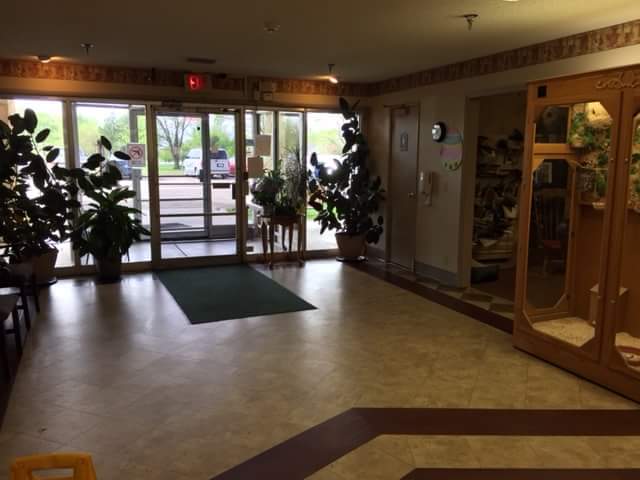
How is El Dorado Care And Rehab Staffed?

CMS rates EL DORADO CARE AND REHAB's staffing level at 4 out of 5 stars, which is above average compared to other nursing homes. Staff turnover is 51%, compared to the Kansas average of 46%.

What Have Inspectors Found at El Dorado Care And Rehab?

State health inspectors documented 31 deficiencies at EL DORADO CARE AND REHAB during 2021 to 2024. These included: 30 with potential for harm and 1 minor or isolated issues.
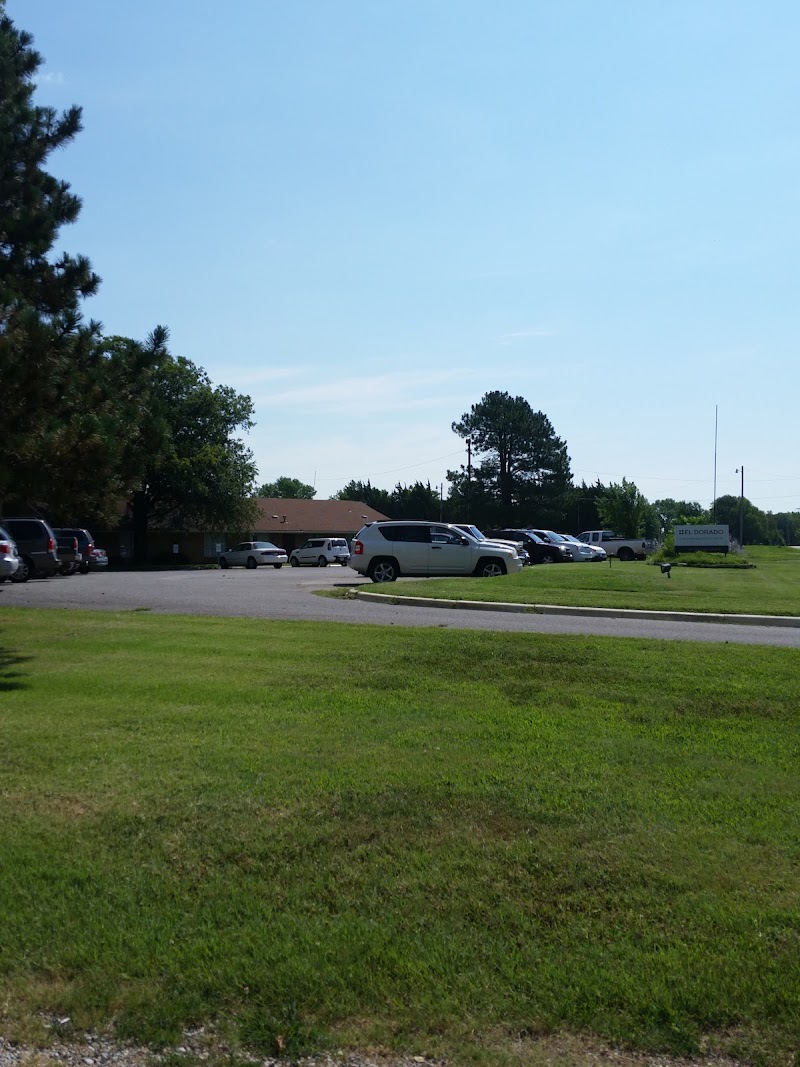
Who Owns and Operates El Dorado Care And Rehab?

EL DORADO CARE AND REHAB is owned by a for-profit company. For-profit facilities operate as businesses with obligations to shareholders or private owners. The facility is operated by MISSION HEALTH COMMUNITIES, a chain that manages multiple nursing homes. With 50 certified beds and approximately 38 residents (about 76% occupancy), it is a smaller facility located in EL DORADO, Kansas.
How Does El Dorado Care And Rehab Compare to Other Kansas Nursing Homes?

Compared to the 100 nursing homes in Kansas, EL DORADO CARE AND REHAB's overall rating (4 stars) is above the state average of 2.9, staff turnover (51%) is near the state average of 46%, and health inspection rating (4 stars) is above the national benchmark.

What Should Families Ask When Visiting El Dorado Care And Rehab?

Based on this facility's data, families visiting should ask: "Can I visit during a mealtime to observe dining assistance and food quality?" "How do you handle medical emergencies, and what is your hospital transfer rate?" "Can I speak with family members of current residents about their experience?"

Is El Dorado Care And Rehab Safe?

Based on CMS inspection data, EL DORADO CARE AND REHAB has a clean safety record: no substantiated abuse findings (meaning no confirmed cases of resident harm), no Immediate Jeopardy citations (the most serious violation level indicating risk of serious injury or death), and is not on the Special Focus Facility watch list (a federal program monitoring the lowest-performing 1% of nursing homes). The facility has a 4-star overall rating and ranks #1 of 100 nursing homes in Kansas. While no facility is perfect, families should still ask about staff-to-resident ratios and recent inspection results during their visit.

Do Nurses at El Dorado Care And Rehab Stick Around?

EL DORADO CARE AND REHAB has a staff turnover rate of 51%, which is 5 percentage points above the Kansas average of 46%. Moderate turnover is common in nursing homes, but families should still ask about staff tenure and how the facility maintains care continuity when employees leave.

Was El Dorado Care And Rehab Ever Fined?

EL DORADO CARE AND REHAB has no federal fines on record. CMS issues fines when nursing homes fail to meet care standards or don't correct problems found during inspections. The absence of fines suggests the facility has either maintained compliance or corrected any issues before penalties were assessed. This is a positive indicator, though families should still review recent inspection reports for the full picture.

Is El Dorado Care And Rehab on Any Federal Watch List?

EL DORADO CARE AND REHAB is not on any federal watch list. The most significant is the Special Focus Facility (SFF) program, which identifies the bottom 1% of nursing homes nationally based on persistent, serious quality problems. Not being on this list means the facility has avoided the pattern of deficiencies that triggers enhanced federal oversight. This is a positive indicator, though families should still review the facility's inspection history directly.