ADVENA LIVING AT FOUNTAINVIEW
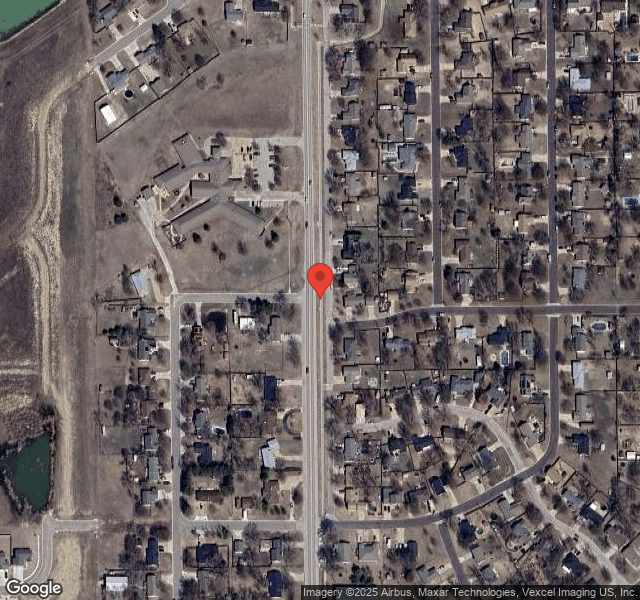
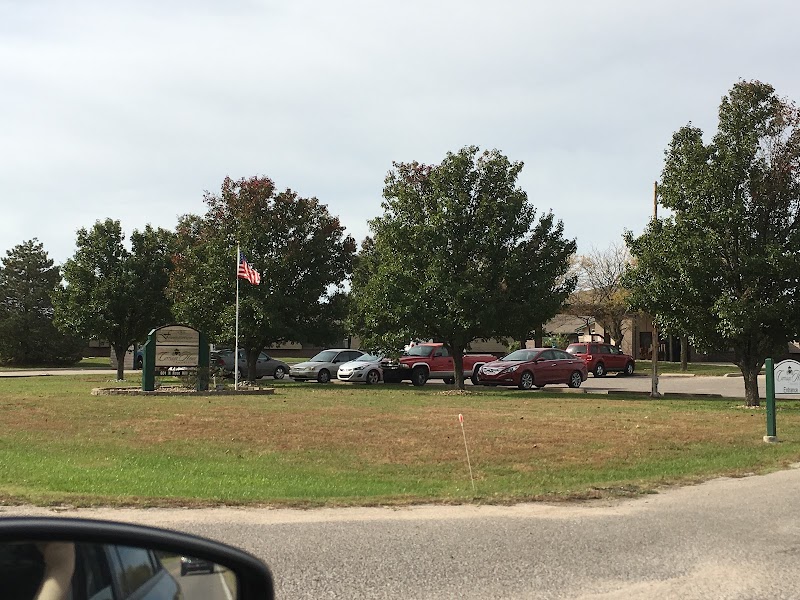
601 N ROSE HILL ROAD, ROSE HILL, KS 67133 (316) 776-2194
For profit - Corporation 50 Beds CORNERSTONE GROUP HOLDINGS Data: November 2025 1 Immediate Jeopardy citation
Trust Grade
28/100
#106 of 295 in KS
Last Inspection: January 2025

Within standard 12-15 month inspection cycle. Federal law requires annual inspections.

Overview

Advena Living at Fountainview has received a Trust Grade of F, indicating significant concerns about the facility's operations and care quality. Ranking #106 out of 295 in Kansas places it in the top half, while being #2 of 6 in Butler County means only one local option is rated higher. The facility's trend is improving, with issues decreasing from 27 in 2023 to 6 in 2025. However, staffing is a weakness, earning only 2 out of 5 stars, with a concerning 74% turnover rate, significantly above the state average of 48%. There have also been $38,759 in fines, higher than 84% of Kansas facilities, indicating compliance problems. Specific incidents raise serious concerns, such as a resident leaving the facility unsupervised through a window, putting them at risk in a busy area, and another resident suffering an injury from staff handling. Additionally, staff failed to conduct annual performance reviews for caregivers, which could impact the quality of care provided. Despite some strengths, including an average overall star rating, these weaknesses highlight the need for careful consideration when researching this facility.

Trust Score
F
28/100
In Kansas
#106/295
Top 35%
Safety Record
High Risk
Review needed
Inspections
Getting Better
27 → 6 violations
Staff Stability
⚠ Watch
74% turnover. Very high, 26 points above average. Constant new faces learning your loved one's needs.
Penalties
✓ Good
$38,759 in fines. Lower than most Kansas facilities. Relatively clean record.
Skilled Nurses
⚠ Watch
Each resident gets only 17 minutes of Registered Nurse (RN) attention daily — below average for Kansas. Fewer RN minutes means fewer trained eyes watching for problems.
Violations
⚠ Watch
39 deficiencies on record. Higher than average. Multiple issues found across inspections.
★★★☆☆
3.0
Overall Rating
★★☆☆☆
2.0
Staff Levels
★★★☆☆
3.0
Care Quality
★★★☆☆
3.0
Inspection Score
Stable
2023: 27 issues
2025: 6 issues

The Good

  • Full Sprinkler Coverage · Fire safety systems throughout facility
  • No fines on record

Facility shows strength in fire safety.

The Bad

3-Star Overall Rating

Near Kansas average (2.9)

Meets federal standards, typical of most facilities

Staff Turnover: 74%

27pts above Kansas avg (46%)

Frequent staff changes - ask about care continuity

Federal Fines: $38,759

Above median ($33,413)

Moderate penalties - review what triggered them

Chain: CORNERSTONE GROUP HOLDINGS

Part of a multi-facility chain

Ask about local staffing decisions and management

Staff turnover is very high (74%)

26 points above Kansas average of 48%

The Ugly 39 deficiencies on record

1 life-threatening 1 actual harm
Jan 2025 6 deficiencies
CONCERN (D)

Potential for Harm - no one hurt, but risky conditions existed

Deficiency F0645 (Tag F0645)

Could have caused harm · This affected 1 resident

The facility reported a census of 47 residents with 14 residents sampled. Based on observations, interviews, and record review, the facility failed to ensure that one Resident (R) 6 had a current and ...

Read full inspector narrative →
The facility reported a census of 47 residents with 14 residents sampled. Based on observations, interviews, and record review, the facility failed to ensure that one Resident (R) 6 had a current and valid Preadmission Screening and Annual Resident Review (PASARR). Findings included: - Review of the Electronic Health Record (EHR) for R6 included diagnoses of schizoaffective disorder bipolar type (mental illness is a combination of symptoms of schizophrenia and symptoms of a mood disorder, anxiety (mental or emotional reaction characterized by apprehension, uncertainty and irrational fear), and depressive disorder (a mood disorder that causes a persistent feeling of sadness and loss of interest). The Annual Minimum Data Set (MDS) dated 06/21/24, documented a Brief Interview for Mental Status (BIMS) score of 15, which indicated intact cognition. The assessment documented R6 had the diagnoses of anxiety, depression, and schizophrenia. Received antipsychotic, antianxiety, hypnotic, anticoagulant, antibiotic, diuretic, and opioid, with indications noted. The 01/09/20 Care Plan reviewed 09/24/24, documented R6 took medications and instructed staff to administer and monitor for and/or report possible side effects (unintended effects caused by medication use). Review of the Certificate of Care Assessment dated 02/24/20, documented the assessment was good for one year. Observation on 01/23/25 at 10:20 AM revealed R6 seated in her wheelchair in her room. During an interview 01/23/25 at 03:23 PM, Administrative Nurse D confirmed R6 had a Care Assessment completed in 2020 and that was the only one completed. Administrative Nurse D stated that the regional director had informed them that this was the only assessment needed, unless a resident was to discharge to the community for greater than six months. The facility's Preadmission Screening and Annual Resident Review (PASARR) revised October 2024, documented the purpose of this policy was to ensure that individuals with mental illness and intellectual disabilities receive that care and serviced that they need in the most appropriate setting. The PASARR will be evaluated annually and upon any significant change for those individuals identified. The facility failed to ensure that one Resident (R) 6 had a current and valid Preadmission Screening and Annual Resident Review (PASARR).
CONCERN (D)

Potential for Harm - no one hurt, but risky conditions existed

Accident Prevention (Tag F0689)

Could have caused harm · This affected 1 resident

The facility had a census of 47 residents and the sample included 14 residents. Based on observation, record review, and interview, the facility failed to ensure a safe environment free from accident ...

Read full inspector narrative →
The facility had a census of 47 residents and the sample included 14 residents. Based on observation, record review, and interview, the facility failed to ensure a safe environment free from accident hazards for Resident (R) 25 who had a medication located in her room that was not secured. This failure placed the affected residents at risk for preventable accidents and related injuries. Findings included: - During the onsite survey, the surveyors identified a concern regarding the unsecured medications observed in one resident's room during interview. During an observation on 01/21/25 at 11:31 AM, R25 had a 16-ounce, spray wound cleaning medication on her over the bed table. The medication had a warning label Keep out of reach of children. During an observation on 01/22/25 at 11:07 AM, R25 had a 16-ounce, spray wound cleaning medication on her dresser. The medication had a warning label Keep out of reach of children. During an interview on 01/22/25 at 11:07 AM, R25's roommate R6 reported she was unsure why the spray bottle was there and that the staff must have forgotten it. During an interview on 01/23/25 at 08:10 AM, Certified Nurse Aide (CNA) N reported that residents should not have medications for wound care in their rooms. During an interview on 01/27/25 at 11:43 AM, License Nurse (LN) I reported she would not think that any wound care medication would be left at the bedside unsecured. During an interview on 01/27/25 at 12:53 PM, Administrative Nurse E reported that the wound cleanser should not be left unattended in any resident room. The facility's Control of Hazardous Chemicals policy dated October 2024 documented the facility was committed to eliminating ad controlling hazards that could cause injury of illness to our elders. The facility will meet the requirements of safety standards where there are specific rules about hazards or potential hazards in our facility. All substances with warning labels, including but not exclusive to Keep out of reach of children, will be locked and inaccessible at all times. The facility failed to ensure a safe environment free from accident hazards for R25. This placed the resident at risk for injury and preventable accidents.
CONCERN (D)

Potential for Harm - no one hurt, but risky conditions existed

Respiratory Care (Tag F0695)

Could have caused harm · This affected 1 resident

**NOTE- TERMS IN BRACKETS HAVE BEEN EDITED TO PROTECT CONFIDENTIALITY** The facility reported a census of 47 residents, which included one resident sampled for respiratory care. Based on observation, ...

Read full inspector narrative →
**NOTE- TERMS IN BRACKETS HAVE BEEN EDITED TO PROTECT CONFIDENTIALITY** The facility reported a census of 47 residents, which included one resident sampled for respiratory care. Based on observation, interview, and record review, the facility failed to provide appropriate respiratory care in maintaining respiratory equipment to prevent the spread of infection, for one Resident (R) 35. The facility failed to ensure safe storage of oxygen nasal cannula and oxygen tubing when not in use to prevent cross contamination and the spread of infection. Finding included: - Review of Resident (R)35's Physician Orders, dated 01/14/25, revealed diagnoses which included acute respiratory failure with hypoxia (inadequate supply of oxygen). The admission Minimum Data Set, (MDS) dated [DATE], documented the Brief Interview for Mental Status (BIMS) of 15, indicating intact cognition. R35 received oxygen. The Care Plan, (CP), dated 01/21/25, directed staff to know the resident received oxygen via nasal cannula. The CP lacked direction regarding the maintenance and upkeep of the resident's oxygen supplies such as the storage of oxygen cannulas and tubing when not in use. The Physician Orders, revealed an order dated 12/20/24, which documented the resident required oxygen at one to two liters via nasal cannula, continuously. An observation on 01/21/25 at 12:43 PM, revealed the resident lying in the bed in his room. The resident's nasal cannula and oxygen tubing laid directly on the floor, next to his bed and without a storage bag present. During an interview on 01/21/25 at 12:48 PM, Certified Nurse Aide O, verified the above findings and stated oxygen tubing and nasal cannulas should be stored in a container when not in use to prevent cross contamination and the spread of infection. During an interveiw 01/22/25 at 01:18 PM, Administrative Nurse E stated oxygen tubing and nasal cannulas should be stored in a container when not in use to prevent cross contamination and the spread of infection. The facility policy Policies and Practices-Infection Control, dated 10/2024, lacked address of storage of nasal cannulas and oxygen tubing to prevent cross contamination and the spread of infection. The facility failed to provide appropriate respiratory care for R35, related to storage of oxygen nasal cannula when not in use to prevent cross contamination and the spread of infection.
CONCERN (D)

Potential for Harm - no one hurt, but risky conditions existed

Pharmacy Services (Tag F0755)

Could have caused harm · This affected 1 resident

**NOTE- TERMS IN BRACKETS HAVE BEEN EDITED TO PROTECT CONFIDENTIALITY** The facility identified a census of 47 residents. The sample included 13 residents. Based on observation, record review, and int...

Read full inspector narrative →
**NOTE- TERMS IN BRACKETS HAVE BEEN EDITED TO PROTECT CONFIDENTIALITY** The facility identified a census of 47 residents. The sample included 13 residents. Based on observation, record review, and interviews, the facility failed to provide adequate pharmaceutical services to ensure Resident (R) 25 had their prescribed medications available in a timely manner for administration. This deficient practice placed both R25 and R38 at risk of delayed treatment, which could have adverse consequences. Findings included: - R25's Electronic Medical Record (EMR) from the Diagnoses tab documented diagnoses of diabetes mellitus (DM - when the body cannot use glucose, not enough insulin is made, or the body cannot respond to the insulin), hyperlipidemia (condition of elevated blood lipid levels), and anemia (inadequate number of healthy red blood cells to carry adequate oxygen to body tissues). The Annual Minimum Data Set (MDS) dated [DATE] documented a Brief Interview of Mental Status (BIMS) score of 0, which indicated severely impaired cognition. R25's Care Plan dated 06/27/24 documented nursing staff would administer medication as ordered, monitor for side effects, and notify the physician as needed. R25's EMR under the Orders tab documented the following physician orders: Atorvastatin (HMG-CoA reductase inhibitors -statins) tablet 20 milligrams (mg), give one tablet by mouth at bedtime for high cholesterol dated 03//21/24. Review of R25's Medication Administration Record (MAR) for January 2025 revealed R25's high cholesterol medication Atorvastatin which was ordered on 03/2/24 was documented as a 9 (not administered) from 01/08/25 through 01/17/25. On 01/21/25 at 01:22 PM, R25 sat in her wheelchair out in the common area. On 01/23/25 at 08:10 AM, Certified Nurse Aide (CMA) R revealed she would inform the nurse if a resident did not have an ordered medication for administration. She stated that she could call the pharmacy if the nurse instructed her to, but that the nurse had to enter it in the electronic medical record. CMA R stated that she made a list daily and went over it with the nurse, she also gave a copy of the list to the ADON. On 01/23/25 at 08:41 AM, Licensed Nurse (LN) G revealed that if a CMA came to her with a missing medication, she would look in the medication room and in the overflow drawer, if she did not find it, she would contact the pharmacy to ensure it had been ordered and would be delivered. On 01/27/25 at 12:53 PM, Administrative Nurse E stated she kept an eye on the missing medications and could not explain why this resident did not have this medication in the middle of the order as the medication was on the pharmacy refill list. The facility's Pharmacy Services Overview policy dated October 2024 documented the facility would accurately and safely provide or obtain pharmaceutical services, including provision of routine and emergency medications and biologicals, and the services of a licensed consultant pharmacist. Pharmacy services are available to residents 24 hours a day, seven days a week. The facility failed to provide adequate pharmaceutical services to ensure R25 received her prescribed medication. This deficient practice placed R25 at risk of delayed treatment which could have adverse consequences. - R38's Electronic Medical Record (EMR) from the Diagnoses tab documented diagnoses of diabetes mellitus (DM - when the body cannot use glucose, not enough insulin is made, or the body cannot respond to the insulin) type II, polyneuropathy (neuropathy- weakness, numbness and pain from nerve damage, usually in the hands and feet), and anemia (inadequate number of healthy red blood cells to carry adequate oxygen to body tissues). The admission Minimum Data Set (MDS) dated [DATE] documented a Brief Interview of Mental Status (BIMS) score of 14, which indicated intact cognition. R38's Care Plan dated 08/15/24 documented nursing staff would administer medication as ordered, monitor for side effects, and notify the physician as needed. R38's EMR under the Orders tab revealed the following physician orders: Farxiga (medication used to treat DM) tablet 5 milligrams (mg), give one tablet by mouth daily for DM dated 12/21/24. Gabapentin (medication used to treat nerve pain) tablet 600 mg, give one tablet every six hours for neuropathy dated 11/20/24. Review of R38's Medication Administration Record (MAR) for December 2024 documented R38's Gabapentin which was ordered on 11/20/24 was documented as a 9 (not administered) from 12/11/24 through 12/13/24. DM medication Farxiga which was ordered on 12/21/24 was documented as a 9 (not administered) from 12/21/24 through 12/31/24. January 2025 MAR documented R38's DM medication Farxiga which was ordered on 12/21/24 was documented as a 9 (not administered) from 01/01/25 through 01/27/25. On 01/22/25 at 03:01 PM, R38 sat in her wheelchair in the hallway outside of her room. On 01/23/25 at 08:10 AM, Certified Nurse Aide (CMA) R stated she would inform the nurse if a resident did not have an ordered medication for administration. She stated that she could call the pharmacy if the nurse instructed her to, but that the nurse had to enter it in the electronic medical record and fax it to the pharmacy. CMA R stated that she made a list daily and went over it with the nurse, she also gave a copy of the list to the ADON. On 01/23/25 at 08:41 AM, Licensed Nurse (LN) G stated that if a CMA came to her with a missing medication, she would look in the medication room and in the overflow drawer, if she did not find it, she would contact the pharmacy to ensure it had been ordered and would be delivered. On 22/20/24 at 03:30 PM, Administrative Nurse E stated she kept an eye on the missing medications and could not explain why this resident did not have the gabapentin medication in the middle of the order as the medication was on the pharmacy refill list. Administrative Nurse E revealed the Farxiga was being waited on due to the insurance company was refusing to cover the medication. The facility's Pharmacy Services Overview policy dated October 2024 documented the facility would accurately and safely provide or obtain pharmaceutical services, including provision of routine and emergency medications and biologicals, and the services of a licensed consultant pharmacist. Pharmacy services are available to residents 24 hours a day, seven days a week. The facility failed to provide adequate pharmaceutical services to ensure R38 received her prescribed medication. This deficient practice placed R25 at risk of delayed treatment which could have adverse consequences.
CONCERN (E)

Potential for Harm - no one hurt, but risky conditions existed

Infection Control (Tag F0880)

Could have caused harm · This affected multiple residents

**NOTE- TERMS IN BRACKETS HAVE BEEN EDITED TO PROTECT CONFIDENTIALITY** The facility identified a census of 47 residents. The facility identified residents on Enhanced Barrier Precautions (EBP-infecti...

Read full inspector narrative →
**NOTE- TERMS IN BRACKETS HAVE BEEN EDITED TO PROTECT CONFIDENTIALITY** The facility identified a census of 47 residents. The facility identified residents on Enhanced Barrier Precautions (EBP-infection control interventions designed to reduce transmission of resistant organisms that employ targeted gown and glove use during high contact care). Based on record review, observations, and interviews, the facility failed to ensure the gait belts were sanitized after each resident's use and further failed to ensure staff followed the protocols when a nurse provided a tube feeding for a resident. These deficient practices placed the residents at risk for infectious diseases. Findings included: - R37's Electronic Medical Record (EMR) from the Diagnoses tab documented diagnoses of dysphagia, gastric ulcer, digestive system surgical aftercare, and gastritis. The Significant Change Minimum Data Set (MDS) dated [DATE] the staff assessment for mental status documented R37 had long and short-term memory problems and severely impaired cognition. R37 had loss of liquids/solids from mouth, held food in mouth/cheek, coughed or choked when swallowing, and had complaints of difficulty or pain with swallowing. Received 51% or more of calories and 501cc fluid or more per day through tube feeding. R37's Care Plan dated 10/01/24 documented nursing staff would administer tube feedings and R37 took nothing by mouth. R37's EMR under the Orders tab revealed the following physician orders: Jevity 1.5 bolus 240ml feeding four times daily. Flush with 75ml water before and after feeding for a total of 150ml water flush. On 01/23/25 at 09:49 AM, R37 laid in her bed, covered with a blanket, resting without signs of distress noted. On 01/23/25 at 09:49 AM, Licensed Nurse (LN) G was observed giving R37 her tube feeding without wearing the proper personal protective equipment, she had only gloves in place. On 01/23/25 at 09:49 AM, LN G stated she knew about the enhanced barrier precautions, confirmed she did not, and stated she should have. On 01/27/25 at 12:53 PM, Administrative Nurse E stated she would expect all staff to know and abide by the enhanced barrier precautions protocol. The facility's undated Enhanced Barrier Precautions (EBP) policy documented that the facility followed recommendations and guidance from the Centers for Disease Control in order to keep all residents safe from Healthcare Acquired Infections (HAI). On the recommendation and approval of the facility Infection Preventionist in collaboration with the facility's Medical Director, Enhanced Barrier Precautions (EBP) are implemented as one intervention this facility uses to reduce transmission of resistant organisms that employs targeted Personal Protective Equipment (PPE) use during high contact resident care activities. Standard Precautions continue to apply to the care of all residents, regardless of suspected or confirmed infection or colonization status. The required PPE includes but is not limited to gloves and gowns prior to high-contact care activity. Change PPE before caring for another resident. The facility failed to ensure staff followed EBP protocol with tube feedings. This deficient practice placed the residents at risk for infection.
CONCERN (F)

Potential for Harm - no one hurt, but risky conditions existed

Deficiency F0730 (Tag F0730)

Could have caused harm · This affected most or all residents

The facility reported a census of 47 residents. Based on observation, interview, and record review, the facility failed to conduct annual performance reviews for five of five direct care staff reviewe...

Read full inspector narrative →
The facility reported a census of 47 residents. Based on observation, interview, and record review, the facility failed to conduct annual performance reviews for five of five direct care staff reviewed, to ensure the residents received adequate cares. Findings included: - The facility failed to complete annual performance reviews for the five certified Medication Aide and/or Certified Nurse Aides (CMA/CNA) sampled that were employed by the facility for 12 months or greater as follows: 1. CNA M, hired 6/7/23 2. CNA N hired 4/3/23 3. CNA P hired 1/11/23 4. CNA Q hired 7/21/22 5. CMA S hired 2/22/23 On 1/23/25 at 12:48 PM, Administrative Staff A, confirmed the above findings. She stated she had been employed as administrator of the facility for approximately six weeks and could not explain why the sampled staff lacked annual performance evaluations. Administrative Staff A reported she had reviewed the personnel files and checked with human resources and could not locate performance evaluations for the direct care staff noted above. She agreed staff should have annual evaluations which identify their weaknesses and have an action plan to include training to address those identified areas. The facility lacked a policy to address annual performance evaluations for the direct care staff. The facility failed to conduct annual performance reviews for five direct care staff, to ensure the residents received adequate cares.
Nov 2023 2 deficiencies 1 Harm
SERIOUS (G) 📢 Someone Reported This

A family member, employee, or ombudsman was alarmed enough to file a formal complaint

Actual Harm - a resident was hurt due to facility failures

Free from Abuse/Neglect (Tag F0600)

A resident was harmed · This affected 1 resident

**NOTE- TERMS IN BRACKETS HAVE BEEN EDITED TO PROTECT CONFIDENTIALITY** The facility reported a census of 44 residents with seven residents selected for review, including two residents reviewed for al...

Read full inspector narrative →
**NOTE- TERMS IN BRACKETS HAVE BEEN EDITED TO PROTECT CONFIDENTIALITY** The facility reported a census of 44 residents with seven residents selected for review, including two residents reviewed for allegations of abuse. Based on observation, interview, and record review, the facility failed to ensure staff provided a safe environment, free from abuse for Resident (R)1 and R7. During cares on 10/26/23, Certified Nurse Aide (CNA) M grabbed R1 by the arm, which resulted in an injury to R1's left arm near her wrist, which required steri-strips (thin adhesive bandage used to close wounds or cuts) for wound closure. During cares for R7, CNA M was verbally rude and physically forced a shirt on him, which he voiced he did not want to wear. Findings included: - The Medical Diagnosis tab for R1 included diagnoses of paraplegia (paralysis characterized by motor or sensory loss in the lower limbs and trunk), myopathy (muscle weakness due to a dysfunction in the muscle fibers), general anxiety disorder (mental or emotional reaction characterized by apprehension, uncertainty, and irrational fear), and major depressive disorder (major mood disorder). The Significant Change Minimum Data Set (MDS) dated [DATE] assessed R1 with a Brief Interview of Mental Status (BIMS) score of 15, indicating intact cognition. R1 lacked any behaviors of rejection of care. She required extensive assistance of one staff for bed mobility and dressing, and total dependence of two or more staff for transfers. The Activities of Daily Living [ADL] Functional/Rehabilitation Potential Care Area Assessment (CAA) dated 06/23/23, revealed R1 had generalized weakness and required assistance with ADL. The Quarterly MDS dated 09/15/23, assessed R1 with a BIMS score of eight, indicating moderate cognitive impairment. R1 did not have any behaviors or rejection of care. She continued to require extensive assistance of one staff for dressing and bed mobility and continued to be totally dependent on two or more staff for transfers. The Care Plan, initiated on 06/17/23 revealed R1 had a left above the knee amputation, required assistance of two staff for transfers, was dependent on staff for repositioning and turning, and had a colostomy present (surgical creation of an artificial opening on the stomach wall to excrete feces from the body). The Progress Notes dated 10/26/23 at 08:04 PM by Licensed Nurse (LN) G revealed staff administered Ativan (medication for anxiety) to R1, due to her anxiety, crying, and emotional. The Progress Notes dated 10/26/23 at 10:27 PM entered by LN G revealed at approximately 08:00 PM, Certified Nurse Aide (CNA) M assisted R1 with changing her shirt and R1 acquired a skin tear on her left arm, near her wrist. The skin tear measured 1.5 centimeters (cm) by 1.0 cm and required two steri-strips for wound closure. The Grievance/Concern Log Book revealed a Grievance/Complaint Report dated 10/27/23 that concerned R1 and was reported to Social Services staff (SS) X and Administrative Nurse D. The report revealed R1 said a CNA (CNA M) tried to get her out of bed forcefully. R1 did not want to get out of her bed. R1 reported CNA M grabbed her by the left arm and hurt her, and R1 kept stressing she did not want to get up and wanted to wait a little longer. R1 was so upset she was yelling at CNA M I'm not going with you. R1 stated CNA M's attitude was scary and she shouted at CNA M who then grabbed her. R1 stated she told her to leave my house and she did not want CNA M to touch her. R1 stated she reported this to her friend (R4). SS X asked R1 if she was scared and R1 stated yes. The report included a skin tear noted on R1's left arm. The Grievance/Concern Log Book revealed Grievance/Complaint Report dated 10/27/23 that concerned R7, and was reported to SS X and Administrative Nurse D. The staff asked R7 if he saw or heard anything that may have occurred through the night and R7 reported he heard someone crying down the hall, so he wheeled out into the hall and saw R1 crying really hard. R7 reported he tried to speak with R1 however, she was crying so hard he could not understand her and stated, I've never seen her that upset before. R7 stated he did not know what happened. The Witness Statement for 10/26/23 by CNA N revealed she answered R1's call light and when she walked into the room, R1 had her legs hanging out of the bed. R1 stated she wanted up and was not ready for bed. CNA N stated R1 was very distressed and emotional out in the dining area, telling staff and residents that she did not want her back in the room. The statement lacked who R1 referred to and what time this occurred. The Witness Statement for 10/26/23 by CNA O revealed CNA O was shadowing an unidentified CNA (CNA M) and when walking into R1's room, CNA M stated they were there to lay her down, change her colostomy bag, and put on her pajamas. CNA O stated R1 repeatedly said she did not want to change into her pajamas and lay down, however CNA M finally convinced her to lay down to change the colostomy bag. R1 stated she did not want CNA M to do it but would allow CNA O to change it, to which CNA O agreed. CNA O stated after changing the colostomy, she went to put a different shirt on R1, instead of pajamas, and CNA M stated, no it is time for bed and we need to put on the pajamas. CNA O stated CNA M forced the pajamas on R1, and R1 became a little combative because she did not want to wear the pajamas or stay in bed. R1 was upset and wanted to get out of bed and CNA M stated R1 does this all the time and would be fine and go to sleep. When leaving the room, CNA O noticed R1's arm was bleeding, and she reported the bleeding to the nurse. The statement lacked a time of the incident occurrence. The Witness Statement for 10/26/23 by LN G revealed R1 was upset and crying. When LN G asked her what happened, she said the CNA's giving her care were mean to her, she never wanted them in her room again, and they forced a shirt on her she did not want on. LN G stated R1 had a skin tear from her watch on her left lower arm near her wrist. LN G stated she confronted the CNAs (did not specify who) about this incident and they denied being mean or rough with R1. LN G called Administrative Nurse D and informed her of the situation, who told her to send CNA M home. LN G stated CNA M denied being mean and was questioning why she was being sent home and was trying to get confirmation from the other CNAs to prove her innocence. LN G stated the CNAs (did not specify who) that were in the room with CNA M had witnessed CNA M forcing the shirt on R1. The statement lacked what time the incident occurred. On 11/13/23 at 03:26 PM, when questioned if staff had ever handled her roughly, R1 stated she wasn't going to be here much longer and didn't want to do this. On 11/13/23 at 04:13 PM, Administrative Staff A stated R4 saw R1 cry. Social Service staff (SS) X went into R1's room. R1 told SS X that a CNA made her mad and that was why she was crying. Administrative Staff A stated the CNA was from the agency, it occurred at the beginning of the shift, and he was not there at the time from what he understood. The CNA (CNA M) wanted to get R1 up and she did not want to get up at the time and then stated CNA M was being mean to her. R1 told the nurse that CNA M had an attitude and was being rough. Administrative Staff A stated CNA M was sent home due to her general attitude, it was not a positive attitude, and a few of the residents did not like the way CNA M talked and portrayed herself. Administrative Staff A stated the agency was aware of the incident and CNA M was not to return to the building. On 11/13/23 at 04:20 PM Administrative Nurse D stated R1 identified CNA M, and LN G called her and said R1 was upset one of the aides had been rough with her and that is where she left it. Administrative Nurse D told LN G to find out who it was and send her home. Administrative Nurse D stated LN G called her around 09:00 PM. Administrative Nurse D stated she later called the CNA M's Agency she worked for and told them she was not to come back. On 11/13/23 at 04:28 PM Administrative Staff A stated from the way the information was given to him, the event was not reportable, and CNA M was sent home. On 11/15/23 at 09:22 AM, the surveyor could not reach CNA M's agency by phone. On 11/15/23 at 09:45 AM CNA O stated she worked from 06:00 PM to 06:00 AM on 10/26/23. CNA O stated CNA M transferred R1 to the bed and R1 was mad and did not want to go to bed, but her colostomy bag needed cleaned up. R1 did not want CNA M to touch her, so CNA O stepped in. CNA O stated R1 did not want a pajama shirt on, so she found another one in her closet, and she turned around and CNA M was yanking another shirt on R1. CNA O stated she would put this on and CNA M said, no she needs to put pj's on. CNA M stated she observed fresh blood on the resident's sheet and noticed R1's left wrist area had an opened, bleeding wound. After CNA O left R1's room, she reported the bleeding wound to the nurse, and CNA CNACNA P, and CNA N returned to the resident's room and transferred her into a wheelchair. CNA O stated when R1 arrived at the nurse's station, she was crying and upset. CNA O informed LN G about a battle between the two of them when R1 was trying to push the shirt off and CNA M was pulling it back down. When questioned if CNA M was abusive to R1, CNA O stated CNA M was verbally abusive to R1 and after watching her with the pajama shirt, CNA M was physically abusive with R1. CNA O stated the incident could have been prevented if CNA M would have allowed her to put the other shirt on. On 11/15/23 at 10:11 AM, Certified Medication Aide (CMA) S stated she worked on 10/26/23. CMA S stated LN G told CNA M that R1 wanted to get up, and CNA M had attitude and talking back to LN G. CNA M stated she had just laid R1 down. CMA S said when staff got R1 up and brought her up to the desk, R1 was crying and bawling her eyes out. CMA S stated while standing there R1 told LN G that CNA M was rude and rough with her. Then CNA M walked by and R1 told staff to get her away. CMA S stated R1 calmed down about an hour after CNA M left the facility and made aware that she was not coming back. On 11/15/23 at 01:44 PM, LN G stated she worked 10/26/23 and CNA M was rough with R1. LN G stated R1 had a watch on and when CNA M changed R1's shirt, the shirt caught her watch, that resulted in a wound. LN G stated R1 was very upset and in tears and did not want the girls in the room, they had forced a shirt on her that she did not want to wear. On 11/15/23 at 02:12 PM, Administrative Staff A stated Administrative Nurse D notified him of the incident on 10/26/23 at 08:30 PM when Administrative Nurse D text him, and he called her back and instructed her to get the aide out of there. Administrative Staff A stated he thought since he eliminated the problem right away by getting CNA M out of the building. Administrative Staff A stated it was portrayed to him that CNA M just had a negative attitude. The facility policy Abuse Prevention Program dated October 2021, revealed the residents have a right to be free from abuse, neglect, misappropriation of property and exploitation. This includes but is not limited to verbal, mental, sexual, or physical abuse. As part of the resident abuse prevention, the administration will protect the residents from abuse by anyone including, but not necessarily limited to: facility staff, other residents, consultants, volunteers, staff from other agencies, family members, legal representatives, friends, visitors, or any other individual. Administration will identify and assess all possible incidents of abuse and investigate and report any allegation of abuse within timeframes as required by federal requirements. The facility failed to ensure a safe environment free from abuse on 10/26/23 when CNA M grabbed R1's arm and forced a shirt on R1, resulting in a wound that required two steri-strips to close, made her stay in bed when she did not want to lay down, and made R1 emotionally upset and cry. - The Medical Diagnosis tab for R7 included diagnoses of metabolic encephalopathy (the functioning of the brain is affected by some agent or condition such as a viral infection or toxins in the blood), cerebral infarction (stroke - damage to tissues in the brain due to a loss of oxygen to the area), mood disorder (category of mental health problems, feelings of sadness, helplessness, guilt, wanting to die were more intense and persistent than what may normally be felt from time to time), dementia (progressive mental disorder characterized by failing memory, confusion), and post-traumatic stress disorder (PTSD- psychiatric disorder characterized by an acute emotional response to a traumatic event or situation involving severe environmental stress). The admission Minimum Data Set (MDS) dated [DATE] assessed R7 with a Brief Interview of Mental Status (BIMS) score of 14, indicating intact cognition. The Activities of Daily Living [ADL] Functional/Rehabilitation Potential Care Area Assessment (CAA) dated 08/23/23 revealed R7 required assistance with ADLs. The Quarterly MDS dated 09/26/23 revealed R7 continued to have a BIMS score of 14. The Care Plan initiated on 08/22/23 revealed R7 could have a behavior problem and caregivers were to provide opportunity for positive interaction and attention and he would be assured that mutual respect would be given and received from mutual parties. R7 required minimum to moderate assistance of one staff for dressing. The Grievance/Concern Log Book revealed Grievance/Complaint Report dated 10/27/23, that concerned R7 and reported to Social Services staff (SS) X and Administrative Nurse D. The report revealed R7 reported a Certified Nurse Aide (CNA), (CNA M) had lots of attitude and got mad when asked to help place a long sleeve shirt on him. R7 said CNA M was even madder when she had to come back in to take the shirt off, because he got too hot. R7 reported the second time CNA M entered the room she threw his shirt at the nightstand and stormed out of the room. The Witness Statement for 10/26/23 by CNA P revealed she entered the room with CNA N to answer R7's call light and he was upset his needs were not met and stated a CNA (CNA M) was verbally rude. The Witness Statement for 10/26/23 by CNA N revealed she answered R7's call light and he stated CNA M was rude to him, she would not put his shirt on, and he was going to file a complaint. CNA N stated she assisted placing the shirt on and let the nurse know he was upset. The Witness Statement for 10/26/23 by CNA O revealed she was in R7's room with CNA M when she took off his long sleeve shirt. CNA O stated she proceeded to grab a short sleeve shirt from the closet to put on him and CNA M told her not to because he does this all night long and took the shirt from her and sat it on the nightstand. The Witness Statement for 10/26/23 by Licensed Nurse (LN) G revealed R7 had his call light on and when she answered it, he stated CNA M had forced a shirt on him when he wanted a short sleeve shirt on. On 11/13/23 at 04:13 PM, Administrative Staff A stated CNA M was sent home on [DATE] due to her general attitude and it was not positive. Administrative Staff A stated a few of the residents did not like the way she was talking and portraying herself including the nurses. Administrative Nurse A stated the agency was made aware of the incident and she was not to return to the building. On 11/13/23 at 04:20 PM, Administrative Nurse D stated LN G called her about another resident that was upset and one of the aides (CNA M) had been rough with her, and that is where she left it. Administrative Nurse D told LN G told her to find out who it was and send her home. Administrative Nurse D stated LN G called her around 09:00 PM, as she was not in the building when the incident occurred. Administrative Nurse D stated she later called CNA M's Agency she worked for and told them she was not to come back. On 11/14/23 at 01:50 PM, R7 stated he had a concern with an agency aide a few weeks ago. R7 stated he wanted to change shirts and when the gal (CNA M) threw his long sleeve shirt on the floor and was rude. When asked if she was abusive, R7 responded yes, I thought the girl was. R7 stated he filed a grievance about it. On 11/15/23 at 09:45 AM CNA O stated she worked on 10/26/23 from 06:00 PM to 06:00 AM. CNA O stated R7 complained he was hot, and while getting a short sleeve shirt out of the closet to replace his long sleeve one he wore, CNA M took the shirt away from her and tossed it to the nightstand stating we are not going to play this game. CNA O stated it was about two hours into her shift when this happened. On 11/15/23 at 10:11 AM, CMA S stated she entered R7's room with LN G to answer his call light. CMA S stated R7 said to not let CNA M in his room, she was rude and disrespectful to him. CNA M stated LN G then called Administrative Nurse D to report CNA M's behavior and incident she had with another facility resident. On 11/15/23 at 01:44 PM LN G stated she worked on 10/26/23 and CNA M refused to give him care or go in his room after an incident about his shirt. When contacting Administrative Nurse D about CNA M's behavior, she was instructed to send CNA M home. On 11/15/23 at 02:12 PM, Administrative Staff A stated Administrative Nurse D notified him of the incident on 10/26/23 at 08:30 PM when Administrative Nurse D text him, and he called her back and instructed her to get the aide out of there. Administrative Staff A stated he thought since he eliminated the problem right away by getting CNA M out of the building. Administrative Staff A stated it was portrayed to him that CNA M just had a negative attitude. The facility policy Abuse Prevention Program dated October 2021, revealed the residents have a right to be free from abuse, neglect, misappropriation of property and exploitation. This includes but is not limited to verbal, mental, sexual, or physical abuse. As part of the resident abuse prevention, the administration will protect the residents from abuse by anyone including, but not necessarily limited to: facility staff, other residents, consultants, volunteers, staff from other agencies, family members, legal representatives, friends, visitors, or any other individual. Administration will identify and assess all possible incidents of abuse and investigate and report any allegation of abuse within timeframes as required by federal requirements. The facility failed to prevent abuse on 10/26/23 when CNA M physically forced a shirt on R7 and was verbally rude to him.
CONCERN (D) 📢 Someone Reported This

A family member, employee, or ombudsman was alarmed enough to file a formal complaint

Potential for Harm - no one hurt, but risky conditions existed

Report Alleged Abuse (Tag F0609)

Could have caused harm · This affected 1 resident

**NOTE- TERMS IN BRACKETS HAVE BEEN EDITED TO PROTECT CONFIDENTIALITY** The facility reported a census of 44 residents with seven residents selected for review including two residents reviewed for all...

Read full inspector narrative →
**NOTE- TERMS IN BRACKETS HAVE BEEN EDITED TO PROTECT CONFIDENTIALITY** The facility reported a census of 44 residents with seven residents selected for review including two residents reviewed for allegations of abuse. Based on interview and record review, the facility failed to report allegations of abuse to the State Survey Agency when an allegation was made by Resident (R)1 and R7 against Certified Nurse Aide (CNA) M on 10/26/23. R1 reported CNA M tried to get her out of bed forcefully, grabbed her by the arm and hurt her and R7 reported CNA M forced a long sleeve shirt on him when he wanted a short sleeve shirt on and CNA M treated R7 with verbal abuse by being rude. Findings included: - The Medical Diagnosis tab for Resident (R)1 included diagnoses of paraplegia (paralysis characterized by motor or sensory loss in the lower limbs and trunk), myopathy (muscle weakness due to a dysfunction in the muscle fibers), general anxiety disorder (mental or emotional reaction characterized by apprehension, uncertainty and irrational fear), and major depressive disorder (major mood disorder). The Significant Change Minimum Data Set (MDS) dated [DATE] assessed R1 with a Brief Interview of Mental Status (BIMS) score of 15 indicating intact cognition. She required extensive assistance of one staff for bed mobility and dressing and required total dependence of two or more staff for transfers. R1 had range of motion impairment to both sides of her lower extremities and required a wheelchair for mobility. The Activities of Daily Living [ADL] Functional/Rehabilitation Potential Care Area Assessment (CAA) dated 06/23/23 revealed R1 had generalized weakness and required assistance with ADL's. The Quarterly MDS dated 09/15/23 assessed R1 with a BIMS score of eight, indicating moderate cognitive impairment. The Care Plan initiated on 06/17/23, revealed R1 had a left above the knee amputation, required assistance of two staff for transfers, dependent on staff for repositioning and turning and had a colostomy present (surgical creation of an artificial opening on the stomach wall to excrete feces from the body). The Progress Notes dated 10/26/23 at 10:27 PM entered by LN G revealed at approximately 08:00 PM, certified nurse's aide (CNA) M assisted R1 with changing her shirt and R1 acquired a skin tear on her left arm near her wrist. The skin tear measured 1.5 centimeters (cm) by 1.0 cm and required two steri-strips strips (thin adhesive bandage used to close wounds or cuts) for closure. The Grievance/Concern Log Book revealed Grievance/Complaint Report dated 10/27/23, that concerned R1 and reported to Social Services (SS) X and Administrative Nurse D. The report revealed R1 reported a CNA (CNA M) tried to get her out of bed forcefully. R1 reported the CNA M grabbed her by the left arm and hurt her, when R1 did not want to get up. R1 stated she was upset and yelled at the CNA (M) I'm not going with you the CNA's attitude was scary and R1 shouted at the CNA and CNA M grabbed her. The Witness Statement revealed on 10/26/23, CNA N revealed she answered R1's call light and when she walked into the room. R1 had her legs hanging out of the bed and stated she wanted up and was not ready for bed. CNA N stated R1 was very distressed and emotional out in the dining area, telling staff and residents that she did not want her back in the room. The statement lacked who R1 referred to and lacked a time of the alleged occurrence. The Witness Statement on 10/26/23 by Licensed Nurse (LN) G revealed R1 was upset and crying and when asked her what happened, she said the CNA's giving her care were mean to her, she never wanted them in her room again, and they forced a shirt on her she did not want on. LN G stated R1 had a skin tear from her watch on her left lower arm near her wrist. LN G stated she called Administrative Nurse D and informed her of the alleged occurrence and was instructed to send CNA M home. The Witness Statement on 10/26/23 by CNA O revealed CNA M forced pajamas on R1 after R1 had stated she did not want her pajamas on or to lay down. CNA O stated R1 was upset and did not want to stay in bed or wear the pajamas. On 11/13/23 at 04:13 PM, Administrative Staff A reported SS X had entered R1's room and was informed an aide was making her mad and that was why she was crying. Administrative Staff A reported the aide was from the agency, it occurred at the beginning of the shift, and he was not there at the time. The allegation was that CNA M wanted to get R1 up and she did not want to get up at the time and the stated CNA M was mean to her. R1 reported CNA M had an attitude. Administrative Staff A stated the CNA was sent home due to her general attitude, it was not a positive attitude, and a few of the residents did not like the way she talked and portrayed herself. Administrative Staff A stated the agency was made aware of the allegation and CNA M was not to return to the facility. On 11/13/23 at 04:20 PM, Administrative Nurse D stated LN G called her and said R1 was upset and one of the aides had been rough with her, and that is where she left it so LN G was told to find out who it was and send her home. Administrative Nurse D stated LN G called her around 09:00 PM, she was not in the building when the incident occurred. Administrative Nurse D stated she later called the agency CNA M worked for and told them She was not to come back. On 11/15/23 at 02:12 PM, Administrative Staff A stated he did not feel the event was reportable to the State agency when he informed staff to remove CNA M from the facility, however, he realized later he should have taken different steps and should have reported it to the State Agency. The facility policy Abuse Investigating and Reporting dated October 2021, revealed all alleged violations involving abuse, neglect, exploitation, mistreatment, including injuries of unknown source . will be reported by the facility Administrator, or his/her designee, to the following persons or agencies: 1. The State licensing/certification agency responsible for surveying/licensing the facility. 2. The local/State Ombudsman. 3. The Resident's Representative of Record. 4. Adult Protective Services (where state law provides jurisdiction in long-term care). 5. Law enforcement officials. 6. The resident's attending physician. 7. The facility Medical Director. An alleged violation of abuse, neglect, exploitation, mistreatment (including injuries of unknown source) . will be reported immediately, but not later than two hours if the alleged violation involves abuse or has resulted in serious bodily injury; or 24 hours if the alleged violation does not involve abuse and has not resulted in serious bodily injury. The facility failed to report the alleged violations on 10/26/23 between CNA M and R1 to the State Survey Agency and other appropriate entities. - The Medical Diagnosis tab for Resident (R)7 included diagnoses of metabolic encephalopathy (the functioning of the brain is affected by some agent or condition such as a viral infection or toxins in the blood), cerebral infarction (stroke - damage to tissues in the brain due to a loss of oxygen to the area), mood disorder (category of mental health problems, feelings of sadness, helplessness, guilt, wanting to die were more intense and persistent than what may normally be felt from time to time), dementia (progressive mental disorder characterized by failing memory, confusion), and posttraumatic stress disorder (PTSD)- psychiatric disorder characterized by an acute emotional response to a traumatic event or situation involving severe environmental stress, such as natural disaster, military combat, serious automobile accident, airplane crash or physical torture). The admission Minimum Data Set (MDS) dated [DATE] assessed R7 with a Brief Interview of Mental Status (BIMS) score of 14, indicating intact cognition. The Activities of Daily Living [ADL] Functional/Rehabilitation Potential Care Area Assessment (CAA) dated 08/23/23 revealed R7 required assistance with ADL's. The Quarterly MDS dated 09/26/23 revealed R7 continued to have a BIMS score of 14. The Care Plan initiated on 08/22/23 revealed R7 could have a behavior problem and caregivers were to provide opportunity for positive interaction and attention and he would be assured that mutual respect would be given and received from mutual parties. R7 required minimum to moderate assistance of one staff for dressing. The Grievance/Concern Log Book revealed Grievance/Complaint Report dated 10/27/23, that concerned R7 and reported to Social Services (SS) X and Administrative Nurse D. The report revealed R7 reported a Certified Nurse Aide (CNA), (CNA M) had lots of attitude and got mad when asked to help place a long sleeve shirt on him and was even madder when she had to come back in to take the shirt off because he got too hot. R7 reported the second time she entered the room she threw his shirt at the nightstand and stormed out of the room. The Witness Statement for 10/26/23 by CNA P revealed she entered the room with CNA N to answer R7's call light and he was upset his needs were not met and stated a CNA (CNA M) was verbally rude. The Witness Statement for 10/26/23 by CNA N revealed she answered R7's call light and he stated CNA M was rude to him, she would not put his shirt on, and he was going to file a complaint. CNA N stated she assisted placing the shirt on and let the nurse know he was upset. The Witness Statement for 10/26/23 by CNA O revealed she was in R7's room with CNA M when she took off his long sleeve shirt. CNA O stated she proceeded to grab a short sleeve shirt from the closet to put on him and CNA M told her not to because he does this all night long and took the shirt from her and sat it on the nightstand. The Witness Statement for 10/26/23 by Licensed Nurse (LN) G revealed R7 had his call light on and when she answered it, he stated CNA M had forced a shirt on him when he wanted a short sleeve one on. On 11/13/23 at 04:13 PM, Administrative Staff A stated CNA M was sent home on [DATE] due to her general attitude and it was not positive. Administrative Staff A stated a few of the residents did not like the way she was talking and portraying herself including the nurses. Administrative Nurse A stated the agency was made aware of the incident and she was not to return to the building. On 11/13/23 at 04:20 PM, Administrative Nurse D stated LN G called her about another resident that was upset and one of the aides (CNA M) that had been rough with her, and that is where she left it so LN G was told to find out who it was and send her home. Administrative Nurse D stated LN G called her around 09:00 PM, she was not in the building when the incident occurred. Administrative Nurse D stated she later called the agency CNA M worked for and told them She was not to come back. On 11/14/23 at 01:50 PM, R7 stated he had a concern with an agency aide a few weeks ago. R7 stated he wanted to change shirts and when the gal (CNA M) threw his long sleeve shirt on the floor and was rude. When asked if she was abusive, R7 responded yes, I thought the girl was. R7 stated he filed a grievance about it. On 11/15/23 at 02:12 PM, Administrative Staff A stated he did not feel the event was reportable to the State agency when he informed staff to remove CNA M from the facility, however, he realized later he should have taken different steps and should have reported it to the State Agency. The facility policy Abuse Investigating and Reporting dated October 2021, revealed all alleged violations involving abuse, neglect, exploitation, mistreatment, including injuries of unknown source . will be reported by the facility Administrator, or his/her designee, to the following persons or agencies: 1. The State licensing/certification agency responsible for surveying/licensing the facility. 2. The local/State Ombudsman. 3. The Resident's Representative of Record. 4. Adult Protective Services (where state law provides jurisdiction in long-term care). 5. Law enforcement officials. 6. The resident's attending physician. 7. The facility Medical Director. An alleged violation of abuse, neglect, exploitation, mistreatment (including injuries of unknown source) . will be reported immediately, but not later than two hours if the alleged violation involves abuse or has resulted in serious bodily injury; or 24 hours if the alleged violation does not involve abuse and has not resulted in serious bodily injury. The facility failed to report the alleged violations on 10/26/23 between CNA M and R7 to the State Survey Agency and other appropriate entities.
May 2023 1 deficiency 1 IJ
CRITICAL (J) 📢 Someone Reported This

A family member, employee, or ombudsman was alarmed enough to file a formal complaint

Immediate Jeopardy (IJ) - the most serious Medicare violation

Accident Prevention (Tag F0689)

Someone could have died · This affected 1 resident

**NOTE- TERMS IN BRACKETS HAVE BEEN EDITED TO PROTECT CONFIDENTIALITY** The facility reported a census of 45 residents, with 3 residents sampled. Based on observation, interview, and record review, th...

Read full inspector narrative →
**NOTE- TERMS IN BRACKETS HAVE BEEN EDITED TO PROTECT CONFIDENTIALITY** The facility reported a census of 45 residents, with 3 residents sampled. Based on observation, interview, and record review, the facility failed to provide a safe environment for cognitively impaired and independently mobile Resident (R) 1 when the resident left the facility without staff supervision or knowledge. On 05/24/23 at around 04:40 AM, while on one-on-one staff supervision, R1 left the facility through a window he attempted to crawl out of prior, on 05/23/23. The staff located the resident 0.3 miles away from the facility, which is located in a heavily trafficked [NAME] area with speed limits of 35 miles per hour. This failure placed the resident in immediate jeopardy. Findings Included: - R1's diagnoses from the Electronic Health Record (EHR) included dementia (progressive mental disorder characterized by failing memory, confusion), mild cognitive impairment, and anxiety (mental or emotional reaction characterized by apprehension, uncertainty, and irrational fear). The 05/15/23 admission Minimum Data Set (MDS) documented a Brief Interview for Mental Status (BIMS) score of 11, indicating moderately impaired cognition. R1 required limited assistance of one staff with all activities of daily living (ADL). R1 was unsteady, but able to stabilize without staff assistance. R1 did not have any range of motion impairments and did not use a wander/elopement alarm (a device/bracelet that sets off an alarm when a resident wearing one attempts to leave the facility without staff supervision). The 05/15/23 Cognitive Loss/Dementia Care Area Assessment (CAA) documented R1 had dementia, could make his needs known, and used his call light. The 05/09/23 Care Plan documented on 05/25/23, staff added additional guidance that staff were to encourage R1 to participate in activities of interest and distract R1 with food, conversation, television, or books. Staff were to give medications as ordered. R1 had a wander/elopement alarm in place, staff were to complete an elopement risk evaluation, R1 had an actual elopement, R1 was to have one-on-one supervision, and R1 had been added to the elopement book, after the elopement. The 05/09/23 Elopement Risk assessment documented R1 was an elopement risk. The 05/09/23 Physician Orders documented an order for haloperidol 0.5 milligrams (mg) twice daily, discontinued on 05/21/23, and restarted on 05/24/23 for three times a day. As of 05/25/23, staff were to check placement and functionality of the wander/elopement alarm for R1, each shift. The Progress Note dated 05/23/23 at 06:30 PM documented R1 ambulated down the hall, became agitated, and yelled that another resident who stepped on his foot. Licensed Nurse (LN) D walked to the nurse's station and R1 followed her. LN D asked a Certified Nurse Aide (CNA) to keep R1 occupied while she called the provider. LN D got an order for haloperidol five mg one time only and to put R1 on one-to-one observation. An order for a psychiatric evaluation on 05/24/23. The Progress Note dated 05/23/23 at 06:54 PM, LN E documented that R1 wandered all day and staff took R1 outside for walks. The note documented R1 tore out the screen from a window in the sunroom and at approximately 06:00 PM, R1 climbed out the window. The staff brought him back into the building and noted R1 had no injuries. The Progress Note dated 05/24/23 at 02:30 AM, documented while R1 was on one-on-one staff observation, an unidentified CNA observed R1 turn around and slip away from the CNA. The staff found R1 in his room putting his shoes on. Another time the staff went to help another resident and R1 slipped away again. The unidentified CNA went to the bathroom and staff found R1 at the window in the sunroom with one leg outside. LN D then looked in the emergency pharmacy kit for the previously ordered one time dose of Haldol 5 mg. LN D found no 5 mg so she called the pharmacy and faxed the order to them for immediate delivery. The Progress Note dated 05/24/23 at 03:30 AM revealed staff gave R1 a snack and he was calm and pleasant. R1 continued to walk up and down the halls. The Progress Note dated 05/24/23 at 04:30 AM, revealed R1 remained with one-on-one observation at the nurse's station. The staff CNAs were beginning their last rounds when LN D asked them to take turns occupying R1, while LN D completed her charting. CNA F was first. Approximately 15 minutes later when CNA G, came to the nurse station and asked where R1 was, LN D looked around and CNA F was walking down the hall and R1 was nowhere in sight. LN D and CNA G began looking around the building, and when R1 was not found, they went to the window R1 had previously taken the screen out of, noticed the window was open even though they were certain they had closed it earlier, and noticed a motorcycle parked outside was tipped over. LN D gathered the staff and gave them flashlights and assignments in the search grid, to cover the perimeter of the building. As LN D went back into the facility, she noted Business Office Manager (BOM) C's car pulling into the driveway with R1 in the passenger seat. LN D and CNA G assisted R1 back into the facility. The Witness Statement for the incident on 05/24/23, for R1 by CNA F, documented while doing her rounds she overheard the nurse and another CNA asking if they had seen R1, who had previously eloped on day shift. They checked rooms and then the nurse gave flashlights to walk around the outside of the building. When walking back into the building, they were told another staff member, on her way to work, picked up R1 and brought him back to the building. It was about 04:45 AM. The Witness Statement for the incident on 05/24/23 for R1, by CNA G, documented R1 was exit seeking all night. At 04:45 AM, CNA G went to go start round and was getting ready to do her last person, and asked the nurse if she had seen R1, she said no. CNA G came to the window that R1 had tried to get out of all night. CNA G noticed the window was cracked, went out front and noticed a motorcycle was pushed over. CNA G ran and got the nurse, they went out front and started searching for R1. BOM C pulled in and said she had R1. R1 kept telling the staff that he was sorry and he just wanted to walk. The Witness Statement for the incident on 05/24/23 for R1, by CNA H, documented at approximately 04:48 AM CNA H attended to her rounds and call lights. When CNA H threw away her trash, the nurse gathered the staff to grab flashlights and to help find R1, who went out through the window. The Witness Statement for the incident on 05/24/23 for R1, by BOM C, documented on her way to work at 05:05 AM she noticed R1 walking in the grass with a jacket on and a red broom in his hands. BOM C turned around and pulled into a parking lot where BOM C got out of her car and walked towards R1. BOM C called R1 by his name and asked if he needed a ride. R1 stated he was on his two mile walk that he did every day. BOM C explained to R1 it was not safe to walk in the dark and R1 agreed. BOM C talked R1 into a ride and R1 got into the car. R1 asked BOM C if she was taking him back to the building, BOM C asked R1 if that would be okay, R1 said yes. BOM C called the facility and when she did not get an answer, she called Administrative Staff A to let him know of the situation. BOM C and R1 arrived at the facility at approximately 05:15 AM, and staff were in the parking lot looking for R1. BOM C assisted R1 out of her car, and the facility staff assisted R1 into the building. The Witness Statement for the incident on 05/24/23 for R1, by Administrative Nurse I, documented on 05/23/23 at approximately 07:28 PM, LN D called Administrative Nurse I, to inform him of R1 exit seeking. Administrative Nurse I recommended LN call the on-call provider for instructions or orders. At approximately 08:44 PM, LN D called again and stated the on-call provider ordered Haldol, 5 mg, by mouth once, and to follow up with a psychiatric consult tomorrow (05/24/23). LN D stated R1 was refusing any further medications, including oral, intramuscular injections, etc. Administrative Nurse I instructed LN D to keep R1 on one-on-one monitoring for the fore-seeable future. LN D acknowledged understanding of this. LN D also stated R1 was easily redirected and she suspected he would fall asleep soon. Administrative Nurse I instructed LN D to continue redirecting R1 during exit seeking episodes and to continue monitoring him one-to-one regardless of R1's behavior. LN D sent via text message at 06:06 AM to Administrative Nurse I stating R1 had eloped. Administrative Nurse I was told the emergency pharmacy kit did not contain the Haldol, but that the medication was being delivered STAT (urgent/ rush). Administrative Nurse I called LN D at 06:08 AM to confirm R1 was safe, that the one-to-ones were . (no further statement provided). On 05/30/23 at 09:30 AM through 05/31/21 at 10:00 AM R1 remained at the Behavioral Health Unit (BHU, a specialized unit for serious and unstable symptom management to prevent harm to them or others). Observation of the window R1 eloped from revealed two screws on both sides of the windowsill, which prevented the window from opening up all the way. On 05/30/23 at 03:30 PM, Administrative Nurse B revealed at the time of the elopement was not at the facility. Administrative Nurse B stated her first contact with R1 was the morning of 05/24/23, and when she spoke with R1 he was very apologetic and remorseful. R1 stated he did not want to leave the facility, and he just wanted to go for a walk. When asked why he went out the window R1 stated they had pissed him off and he just wanted to show them he could do it himself. Administrative Nurse B confirmed her expectations of staff were to follow provider orders, provide the care as ordered, and act in a professional caring manner, always. On 05/30/23 at 02:47 PM, Business Office Manager (BOM) C stated on the morning of 05/24/23, she was on her way to work early. It was dark. The street had some well-lit areas and some dark areas. She knew it was 05:05 AM as she had looked at the clock. She noticed the car in front of her go toward the center of the road and as she passed the same area, she saw R1, walking on the grass on the side of the road. R1 was in front of the fire station, which was one of the well-lit areas. BOM C did a U-turn and pulled into a parking lot. She got out of her car and approached R1. R1 did not appear to be hot or cold, nervous, or angry, shaken or flushed. R1's speech was clear and easily understood. R1 was properly dressed and carrying a red broom. BOM C asked R1 if he wanted a ride, and he said yes. R1 got in the car. BOM C called the facility and with no answer, so she called Administrative Staff A to inform him of the situation. BOM C and R1 arrived back at the facility and the staff assisted R1 into the building. On 05/30/23 at 02:20 PM, Maintenance Staff K stated after the incident he placed screws in the windowsills of all the windows in the resident's rooms as well as in the sunroom, to limit the opening to six inches. Maintenance Staff K confirmed this was completed after the elopement, though he said some of the resident's rooms had had them because of residents that attempted to leave through them. On 05/30/23 at 10:26 AM, Physician Extender J confirmed she received a call from the facility regarding the elopement at the time of elopement, at which time she gave an order to send R1 to the emergency room for evaluation and treatment due to violent behaviors. She stated she believed he had sustained no injury, per the facility staff report. The facility's reviewed 05/24/23 Wandering and Elopement policy, outlined steps for staff to follow in the event of a resident becoming unaccounted for including who to notify and when (including law enforcement and other appropriate agencies). The policy further directed staff to perform wandering and/or elopement assessments on admission/readmission, quarterly, and at significant changes in condition and to revise care plans as indicated. The care plan will include the use of wander alert bracelet, interventions, and times or conditions that increase the risk of elopement. The facility failed to provide a safe and secure environment for R1 who had impaired cognition and exit seeking behaviors, when he exited the facility, unsupervised, out of a window in the sunroom, and BOM C located him 0.3 miles away and returned R1 to the facility. On 05/30/23 at 05:00 PM, Administrative Staff A was provided the Immediate Jeopardy Template and notified the failure to provide a safe environment and adequate supervision to prevent elopement for R1, who was independently mobile and cognitively impaired, placed R1 in immediate jeopardy. The facility identified and implemented the following corrective actions completed 05/24/23 at 06:10 PM: 1. All staff in-service on facility Wandering and Elopement policy on 05/24/23 which ended at 06:10 PM. One staff member was out on FMLA (family medical leave of absence) with an unknown return date. She did return the call at 07:10 PM on 05/24/23 for in-service acknowledgment. All nurses were also in-serviced on the Medication and Treatment Order policy on 05/24/23 which was completed at 06:00 PM. Staff have been informed they will not be allowed to work until they sign the in-service form. 2. On 05/24/23 Wander Risk Assessments were done on all residents. 3. On 05/24/23 an elopement drill completed on 06:00 AM to 06:00 PM shift at 05:28 PM. 4. On 05/24/23 an elopement drill completed on 06:00 PM to 06:00 AM shift at 06:36 PM. 5. Medication review completed by Physician L, on 05/24/23 at 09:00 AM with medication changes that included the resident to restart Haldol 0.5 mg, three times a day. 6. On 05/23/23 at 08:00 PM, staff checked all alarms on the exit doors of the facility and functioned properly. They were checked again on 05/24/23 at 06:00 AM and functioned properly. All exit doors will continue to be checked twice a day on each shift (12-hour shifts) indefinitely. 7. On 05/24/23 upon return to the facility at approximately 05:20 AM, R1 placed on one on one for staff monitoring and continued until R1 was sent to a behavioral health unit on 05/24/23 at approximately 12:30 PM. 8. The facility installed screws in the windows to keep the windows from going up more than six inches. 9. Night shift (06:00 PM to 06:00 AM) LN D placed on suspension pending completion of the investigation, for failure to follow physician orders. On 05/26/23, the administrative staff terminated LN D. 10. Administrative Nurse I placed on suspension pending the completion of the investigation. On 05/26/23, the administrative staff terminated Administrative Nurse I. 11. On 05/24/23 the Elopement Risk binder reviewed and updated as necessary. 12. The facility will bring this to the next monthly QAPI (Quality Assurance and Performance Improvement) meeting. The surveyor verified the implemented corrective actions while onsite 05/31/23. Due to this, the deficient practice was deemed past noncompliance at a J scope and severity.
Apr 2023 3 deficiencies
CONCERN (D) 📢 Someone Reported This

A family member, employee, or ombudsman was alarmed enough to file a formal complaint

Potential for Harm - no one hurt, but risky conditions existed

Grievances (Tag F0585)

Could have caused harm · This affected 1 resident

**NOTE- TERMS IN BRACKETS HAVE BEEN EDITED TO PROTECT CONFIDENTIALITY** The facility reported a census of 44 with five residents reviewed including two residents reviewed for missing clothing. Based o...

Read full inspector narrative →
**NOTE- TERMS IN BRACKETS HAVE BEEN EDITED TO PROTECT CONFIDENTIALITY** The facility reported a census of 44 with five residents reviewed including two residents reviewed for missing clothing. Based on observation, interview, and record review, the facility failed to ensure one of the residents reviewed, Resident (R)5, had her grievance followed up on when she reported a missing clothing item on 03/22/23. Findings included: - The Quarterly Minimum Data Set dated 02/04/23 assessed R5 with a Brief Interview of Mental Status (BIMS) score of 10 indicating moderate cognitive impairment. The Resident Council/Grievance Follow Up Action Summary dated 03/22/23, revealed R5 stated she was missing black jean pants with [NAME] on them and her concern referred to the laundry department. The form lacked any action taken and any results of the action. It did include a submitted by signature of the Activity Director, Social Service Director, and the line for reported to administrator had a signature. The form included instructions to review the issue/concern and to respond to the concern by 04/05/23. On 04/24/23 at 02:48 PM, R5 stated the facility had not found her pants she was missing that were long, black, and had [NAME] on them. The staff said they looked for them but could not find them, they did not offer a solution or to replace them. R5 stated she thought staff may have given the pants to someone else. The staff would put her clothes in a plastic bag and take them to the laundry. On 04/24/23 at 02:51 PM, Social Service Staff X stated that a signature on the Grievance form was verifying that laundry had been told and was looking for the item and explained she gives the form to the administrator after signing the it and he follows up. Social Service Staff X stated she did not follow up on the concern personally of R5's missing pants and said she guessed any three of the staff who signed the form could, referring to the signature on the Grievance form. On 04/24/23 at 02:55 PM, Administrative Staff A stated the Grievance form from the resident council would go to the department head overseeing the area of concern, missing items go to social services. From there, the person overseeing the concern would fill out the form, bring it to Staff A for presentation, and Staff A would determine if the outcome was satisfactory with addressing the issue, and if not, the staff were to come up with a different solution. Administrative Staff A stated the form for R5 was not complete as it lacked action and corrective action and he would of kicked it back and Staff A explained that the signature on the administrator line was not his. Administrative Staff A stated he would need to consult with the facility policy and procedure for what to do if a missing clothing item could not be found. On 04/24/23 at 03:55 PM, Social Service Staff X stated she had not been following the correct process for the grievances and Consultant Staff GG educated her on the process. On 04/24/23 at 04:00 PM, Consultant Staff GG stated the facility was not following up on the grievances that she looked at, they were to put a response and corrective action and then take it to the administrator for signature. Consultant Staff GG stated she believed the time frame was a week, maybe two weeks from when social services handed the grievance to the department head for it to be resolved. Consultant Staff GG stated she believed if the item could not be found the facility would reach out to the family, depending on the resident cognitive status, and the facility would typically replace a pair of pants, it would be up to the administrator to make that decision. The facility policy for, Grievances/Complaints, Filing dated October 2021, revealed upon receipt of a grievance and/or complaint, the Grievance Officer would review and investigate the allegations and submit a written report of such findings to the administrator within five working days of the receiving the grievance and/or complaint. The Administrator will review the findings with the Grievance Officer to determine what corrective actions, if any need to be taken. The resident, or person filing the grievance and/or complaint on behalf of the resident, would be informed verbally and in writing of the findings of the investigation and the actions that will be taken to correct any identified problems. The administrator or his/her designee would make such reports within (lacked the number on the blank line of the form) working days of the filing of the grievance or complaint with the facility. A written summary of the investigation would also be provided to the resident, and a copy would be filed in the business office. The facility failed to ensure an accurate procedure for the staff to followed up on R5's grievance of missing pants and failed to perform appropriate action to the concern she reported on 03/22/23.
CONCERN (D) 📢 Someone Reported This

A family member, employee, or ombudsman was alarmed enough to file a formal complaint

Potential for Harm - no one hurt, but risky conditions existed

Pharmacy Services (Tag F0755)

Could have caused harm · This affected 1 resident

**NOTE- TERMS IN BRACKETS HAVE BEEN EDITED TO PROTECT CONFIDENTIALITY** The facility reported a census of 44 residents with five residents sampled including one sampled resident reviewed for medicatio...

Read full inspector narrative →
**NOTE- TERMS IN BRACKETS HAVE BEEN EDITED TO PROTECT CONFIDENTIALITY** The facility reported a census of 44 residents with five residents sampled including one sampled resident reviewed for medication errors. Based on record review and interview, the facility failed to follow physician orders for Resident (R)1. Findings included: - The Medical Diagnosis tab for R1 included a diagnosis of bulimia nervosa (an eating disorder characterized by bouts of overeating followed by self-induced vomiting). The Census tab revealed R1 admitted to the facility on [DATE] and discharged on 04/17/23. The History and Physical dated 03/27/23 included diagnosis of bulimia nervosa and recurrent vomiting. The Physician Order dated 03/27/23, for R1, located under the miscellaneous tab in the electronic medical record (EMR), revealed an order which included Prozac (antidepressant medication), 10 milligrams (mg), by mouth, daily, for bulimia, and Reglan (medication used to treat the gastrointestinal tract), five mg, by mouth, before meals, three times a day. The Medication Administration Record for March 2023 and April 2023 for R1 lacked instructions for the staff to administer the Prozac and the Reglan. On 04/19/23 at 12:24 PM Administrative Nurse D stated he was not aware of the order. On 04/19/23 at 12:37 PM Administrative Staff A stated he expected the staff to follow physician orders. The facility failed to provide a policy for following physician orders. The facility failed to ensure R1 received medication ordered by the physician for 21 days from 03/28/23 through 04/17/23, his discharge date , when the facility failed to process the physician's orders.
CONCERN (D) 📢 Someone Reported This

A family member, employee, or ombudsman was alarmed enough to file a formal complaint

Potential for Harm - no one hurt, but risky conditions existed

Deficiency F0825 (Tag F0825)

Could have caused harm · This affected 1 resident

The facility reported a census of 44 residents with five selected for review, including one resident reviewed for specialized rehabilitation services. Based on record review and interview, the facilit...

Read full inspector narrative →
The facility reported a census of 44 residents with five selected for review, including one resident reviewed for specialized rehabilitation services. Based on record review and interview, the facility failed to provide specialized rehabilitation services to Resident (R)1 as ordered by the physician as indicated for physical and occupational therapy services. Findings included: - The Medical Diagnosis tab for R1 included a diagnosis of intervertebral disc degeneration (a condition where one or more discs in the spine deteriorates) of the thoracic region (mid-region of the spine). The hospital Transfer Record dated 03/24/23 with a faxed time of 11:55 AM for R1, revealed orders for physical therapy and occupational therapy. The staff hand wrote on the form that they faxed the orders to the physician on 03/24/23. The hospital Transfer Record dated 03/24/23 with a faxed time of 02:19 PM for R1 revealed err written above where the physical and occupational therapy had been marked as an order. The Baseline Care Plan dated 03/24/23 for R1 revealed R1's goals was to receive therapy at some point and was wanting to move to a home or an assisted living facility. He required one person assist for personal hygiene, toilet use, dressing, bathing, bed mobility, transfers, locomotion, and did not ambulate. R1 used a wheelchair for mobility and had a history of falls. The care plan included for physician orders to see the current medication administration record, the treatment administration record, and current therapy orders. The Progress Notes dated 03/24/23 revealed R1 admitted to the facility for a less than 30 day stay and would like to get therapy when he could and if he could. R1 could stand and pivot with assist of two staff members for a very short period and could propel himself in the wheelchair which he used for mobility. R1 needed assistance to manage bowel and bladder incontinent episodes and assist of one for grooming. The Rehabilitation Screen form dated 03/27/23 for R1 revealed physical therapy and occupational therapy services indicated and under comments on the form revealed no funds at this time and signed by Consultant Staff HH. The facility Therapy Cases report dated 03/01/23 through 04/19/23 lacked therapy services provided for R1. On 04/19/23 at 12:18 PM, Consultant Staff HH and Consultant Staff II stated R1 had not been on their therapy caseload. Consultant Staff HH stated the nursing staff should provide them with any orders, would verbally tell them if a resident had orders when admitted , and would also be informed of any orders during the facility stand up meeting or if the doctor was at the facility for a visit, then nursing staff would notify therapy of any new order and a photo copy of the order would be made for the therapy file. On 04/19/23 at 12:24 PM, Administrative Nurse D stated during the morning stand up meeting therapy staff would be informed of therapy orders, and if a resident needed a therapy order, Consultant Staff HH would ask for orders and the doctor would be contacted. Administrative D stated R1 had no payor source for physical and occupational therapy, he was on Medicaid, and used a wheelchair and walked and did not have a need for therapy. On 04/19/23 at 12:37 PM, Administrative Staff A stated he would expect the staff to follow physician orders. On 04/19/23 at 01:05 PM, Administrative Nurse D stated R1 had a status of Medicaid pending and would not have accepted him as a resident if he had known R1 could not receive skilled therapy. Administrative Nurse D stated staff faxed the order page for the therapy to the doctor and verified the facility did not receive an order to discontinue therapy. On 04/19/23 at 01:15 PM, Administrative Nurse D provided the Rehabilitation Screen form for R1 dated 03/27/23 and stated R1 did need therapy. On 04/20/23 at 11:45 AM, Consultant Staff GG stated it was not common for the facility to not provide therapy if the resident had no payor source, and regardless of a resident required therapy per a doctor order or a therapy screen and if no payor source, then therapy would be provided, and the facility would have to pay for the services. The facility policy Requests for Therapy Services dated October 2021 revealed the Director of Nursing Services shall forward the order to the therapist. The facility failed to provide physical and occupational therapy services to this resident, as ordered by the physician.
Jan 2023 21 deficiencies
CONCERN (D) 📢 Someone Reported This

A family member, employee, or ombudsman was alarmed enough to file a formal complaint

Potential for Harm - no one hurt, but risky conditions existed

Resident Rights (Tag F0550)

Could have caused harm · This affected 1 resident

**NOTE- TERMS IN BRACKETS HAVE BEEN EDITED TO PROTECT CONFIDENTIALITY** The facility identified a census of 42 residents. The sample included 13 residents with five reviewed for activities of daily li...

Read full inspector narrative →
**NOTE- TERMS IN BRACKETS HAVE BEEN EDITED TO PROTECT CONFIDENTIALITY** The facility identified a census of 42 residents. The sample included 13 residents with five reviewed for activities of daily living (ADL). Based on observation, interview, and record review, the facility failed to provide dignity during dining for Resident (R) 28 who was brought to the dining room disheveled and then left unassisted while he dropped food all down the front of his shirt. This placed R28 at risk for impaired dignity and decreased psychosocial wellbeing. Findings included: - R28's Electronic Medical Record (EMR) recorded diagnoses of dementia (progressive mental disorder characterized by failing memory, confusion), history of cerebrovascular accident (CVA- stroke-sudden death of brain cells due to lack of oxygen caused by impaired blood flow to the brain by blockage or rupture of an artery to the brain) and depression (mood disorder characterized by persistent sadness). The Quarterly Minimum Data Set (MDS) dated [DATE] recorded R28 had a Brief interview for Mental Status (BIMS) score of four which indicated severe cognitive impairment. He required extensive assistance of one staff member for dressing, and personal hygiene and he required supervision and set up assistance for eating. R28 required staff assistance for bathing. The MDS documented R28 had no rejection of cares. R28's Care Plan recorded R28 had self-care deficit related to CVA. The care plan further documented R28 preferred dressing/groomed routine in the morning, required extensive assistance with dressing needs, and set up and supervision for all meals. On 01/18/23 at 12:19 PM observation revealed R28 sat in the dining room, next to a table, in a Broda (specialty wheelchair) chair sliding forward in the seat of chair. His left arm, affected by the CVA, pressed against the table. R28 used his right arm and hand to reach across his body to fork food and bring it to his mouth. R28 dribbled mashed potatoes and macaroni and cheese from the left side of his mouth onto his shirt. No clothing protector had been provided for the resident. On 01/19/23 at 08:07 AM observation revealed R28 in the Broda chair dressed for the day. R28's hair had not been combed, and he was being taken to the dining room. On 01/19/23 at 08:18 AM observation revealed R28 sat in the dining room, slouched down in the seat of the Broda chair, with the table to his left side. He had no clothing protector on, and he ate independently by crossing his body with right hand and arm to eat. R28 had eggs on his shirt. On 01/19/23 at 08:30 AM, Administrative Staff A inquired if R28 would like a clothing protector and R28 replied he would, and a clothing protector was provided. On 01/23/23 at 09:05 AM observation revealed R28 in the dining room, hair uncombed, in a Broda chair slouched down in the seat with shoulder at table level and slightly reclined. R28 again had been placed at the table with left side against the table. R28 had to reach across his body with right arm to eat breakfast. On 01/19/23 at 09:25 AM Certified Medication Aide (CMA) R stated staff usually place R28 at the table, so he did not have to reach across his body to eat and did not know why he was not positioned correctly. On 01/23/23 at 09:20 AM, Administrative Nurse D stated at times R28 comb his hair, but staff should offer a comb or comb hair for him. Administrative Nurse D verified R28 should be seated up to the table in a position in which R28 did not have to cross his body to fork food to eat. The facility's undated, Right to Dignity policy, documented the facility will promote care for elders of the facility in a manner and in an environment that maintains and enhances each elder's dignity and respect in full recognition of the elder's individuality. Elders will be groomed as they wish including hair care. Each elder will be provided with independence and dignity during all dining experience regardless of the amount of assistance the elder required. Clothing protectors will be not be used unless requested by and care planned for the elder. The facility failed to provide dignity during dining for R28 who was brought to the dining room disheveled and then left unassisted while he dropped food down the front of his shirt. The placed R28 at risk for impaired dignity and decreased psychosocial well-being.
CONCERN (D) 📢 Someone Reported This

A family member, employee, or ombudsman was alarmed enough to file a formal complaint

Potential for Harm - no one hurt, but risky conditions existed

Deficiency F0582 (Tag F0582)

Could have caused harm · This affected 1 resident

The facility had a census of 42 residents. The sample included 12 residents. Based on record review and interview, the facility failed to provide three sampled residents, Resident (R)13, R16 and R146 ...

Read full inspector narrative →
The facility had a census of 42 residents. The sample included 12 residents. Based on record review and interview, the facility failed to provide three sampled residents, Resident (R)13, R16 and R146 (or their representative) the completed Skilled Nursing Facility Advanced Beneficiary Notices (ABN) form 10055, (CMS) Centers for Medicare and Medicare Services which placed them at risk to make uninformed decisions about their skilled care Findings included: - The Medicare ABN form 10055 informed the beneficiary that Medicare may not pay for future skilled therapy services. The form included an option for the beneficiary to receive specific services listed, and bill Medicare for an official decision on payment. The form stated 1) I understand if Medicare does not pay, I will be responsible for payment, but can make an appeal to Medicare, (2) receive therapy listed, but do not bill Medicare, I am responsible for payment for services, (3) I do not want the listed services. The facility provided R13 the completed form 10055, which estimated the cost for the services to be able to make an informed choice whether or not the resident wanted to receive the items or services, knowing he/she may have to pay out of pocket. The facility failed to have the resident check the box if they did or did not the items or services and the resident had signed the form which she had a Brief Interview Status (BIMS) of ten indicating moderately impaired cognition, and the resident signed the form on 12/01/22 (2 days after the services ended). The resident's skilled nursing services ended on 11/30/22. The facility provided R16 the completed form 10055, which estimated cost for the services to be able to make an informed choice whether or not the resident wanted to receive the items or services, knowing he/she may have to pay out of pocket. The facility failed to have the resident check the box if they did or did not want the items and services and had the resident sign the form which she has a BIMS of ten indicated moderately impaired cognition. The resident's skilled nursing services ended on 11/25/22. The facility provided R146 the completed form 10055, which the estimated cost for the services to be able to make an informed choice whether or not the resident wanted to receive the items or services, knowing he/she may have to pay out of pocket. The facility failed to have the resident check the box if they did or did not want the services. The resident's skilled nursing services ended on 06/23/22. On 01/19/23 at 10:30 AM, Administrative Nurse F verified the facility staff provided the resident and/or their representative the CMS form 10055 and verified the lack of documentation regarding the resident or DPOA chose if they wanted to receive the items or services or did not want to, the boxes were not checked either way. The facility's Medicare Denial Notices policy, dated October 2021 documented individuals eligible for services under the Medicare Advantage Plan, will be provided information that will assist them in receiving appropriate covered services. Prior to or upon admission, a representative of the business office will review information verbally and in writing with the resident how to apply for and use Medicare and Medicaid benefits, including how to receive funds for previous payments covered by these benefits. If the stay is not covered, the resident and/or legal representative will be provided a Skilled Nursing Facility Advanced Beneficiary Notice (SNF ABN) and Notice of Medicare Non-Coverage (NOMNC)at the time of admission and will be informed of the reasons the facility has determined the stay will not be covered along with information on the resident's appeal rights. If the stay is initially covered, the resident and/or legal representative will be provided a SNF ABN and NOMNC at the time the facility determines that Medicare coverage will ending and will be informed of the reasons the facility had determined the stay will no longer be covered along with information on the resident's right to appeal. Resident's who exercise their appeal rights will continued to receive the same services until a determination is made by the appropriate third-party reviewer. Residents will not be billed for services provided until the appeal is processed and a determination issued. Facility Business Office and Social Services staff are responsible for providing SNF ABN's and NOMNC's to residents/responsible parties, medical records information to the review organization within the timeframe required by the regulation and informing resident's/responsible parties of the determination made by the review organization. The facility failed to provide R13, R16, and R146, or their representatives, the completed ABN 10055 form when discharged from skilled care, which placed them at risk to make uninformed decisions about their skilled care.
CONCERN (D) 📢 Someone Reported This

A family member, employee, or ombudsman was alarmed enough to file a formal complaint

Potential for Harm - no one hurt, but risky conditions existed

Deficiency F0625 (Tag F0625)

Could have caused harm · This affected 1 resident

**NOTE- TERMS IN BRACKETS HAVE BEEN EDITED TO PROTECT CONFIDENTIALITY** The facility identified a census of 42 residents. The sample included 13 residents with one reviewed for hospitalization. Based ...

Read full inspector narrative →
**NOTE- TERMS IN BRACKETS HAVE BEEN EDITED TO PROTECT CONFIDENTIALITY** The facility identified a census of 42 residents. The sample included 13 residents with one reviewed for hospitalization. Based on observation, interviews, and record review, the facility failed to provide Resident (R) 19 with a bed hold notice upon discharge to the hospital. This placed the resident at risk for impaired rights to return to the facility and in the same room as previously resided. Findings included: - R19's Electronic Medical Record (EMR) recorded diagnoses of hypertension (HTN-high blood pressure), diabetes mellitus (when the body cannot use glucose, not enough insulin made or the body cannot respond to the insulin), and depression (mood disorder characterized by feelings of persistent sadness). The Quarterly Minimum Data Set (MDS) dated [DATE] recorded R19 had a Brief Interview for Mental Status (BIMS) score of 10 which indicated moderate cognitive impairment. R19 required extensive assistance of one staff for most activities of daily living (ADL). R19 used a wheelchair for mobility and required extensive assistance of one staff for locomotion on and off the unit. R19 did not walk during the assessment review period. The MDS recorded R19 had no rejection of cares. The MDS documented R19 was at risk for pressure injuries and had no wounds on her feet at the time of the assessment. The MDS documented R19 received insulin (hormone used to control blood glucose levels) injections for all seven of the look back days. R19 received physical and occupational therapy each for five days during the look back period. Further review of R19's MDS entry and discharge trackers revealed she discharged with a return anticipated on 08/1422, and readmitted on [DATE], discharged with return anticipated 09/09/22 and readmitted on [DATE], discharged with return anticipated on 09/28/22 and readmitted on [DATE], and discharged return anticipated on 10/18/22 and readmitted on [DATE]. Review of R19's clinical record lacked evidence a bed hold notice was issued to R19 or her representative upon discharge to the hospital on [DATE], 09/09/22, 09/28/22, and 10/18/22. On 01/17/23 at 02:48 PM, observation revealed R19 in her wheelchair in the dining room. On 01/23/23 at 01:23 PM, Administrative Staff B verified the facility had not given R19 a bed hold notice for her four hospitalizations during 2022. The facility's Bed-Holds and Returns policy, dated 10/2021, stated prior to transfers and therapeutic leaves, residents or their representative would be informed in writing of the bedhold and return policy. The facility failed to provide R19 with a bed hold notice upon discharge to the hospital, placing the resident at risk for impaired rights to return to the facility and in the same room as she previously resided.
CONCERN (D) 📢 Someone Reported This

A family member, employee, or ombudsman was alarmed enough to file a formal complaint

Potential for Harm - no one hurt, but risky conditions existed

Deficiency F0655 (Tag F0655)

Could have caused harm · This affected 1 resident

**NOTE- TERMS IN BRACKETS HAVE BEEN EDITED TO PROTECT CONFIDENTIALITY** -R194's Electronic Medical Record (EMR) recorded diagnoses of respiratory failure and dementia (progressive mental disorder char...

Read full inspector narrative →
**NOTE- TERMS IN BRACKETS HAVE BEEN EDITED TO PROTECT CONFIDENTIALITY** -R194's Electronic Medical Record (EMR) recorded diagnoses of respiratory failure and dementia (progressive mental disorder characterized by failing memory and confusion), upon admission on [DATE]. The admission Minimum Data Set (MDS), dated [DATE], documented R194 had severe cognitive impairment, required limited to extensive assistance with activities of daily living (ADL), and had medically complex conditions. The MDS further documented R194 had condition or chronic disease that may result in a life expectancy of less than six months. The Baseline Care Plan was dated 01/10/23, three days after required time frame. On 01/18/23 at 10:33 AM, observation revealed R194 laid in bed with her breakfast meal on the overbed table, uneaten. The resident's upper dentures were lying in the bed next to her right shoulder. The call light was under her head pillow, not in reach, and the oxygen nasal cannula not in her nose. 01/23/23 at 09:20 AM Administrative Nurse E verified the baseline care plan had not been completed within forty-eight (48) hours of admission. The facility's Baseline Care Plan, dated 10/2021, documented a baseline plan of care to meet the resident's immediate care needs shall be developed for each resident within forty-eight (48) hours of admission. The facility failed to develop a baseline care plan for R194 which placed the resident at risk for unmet care needs. The facility had a census of 42 residents. The sample included 13 residents with two reviewed for urinary catheter (a flexible tube used to empty the bladder and collect urine in a drainage bag) use. Based on observation, interview, and record review the facility failed to develop a baseline care plan in a timely manner for Resident 93's urinary catheter and R194's activities of daily living (ADL) , hospice and end of life cares. This deficient practice placed at risk for unmet and uncommunicated care needs. Findings included: - R93 was admitted to the facility 01/16/23, with a diagnosis of malignant neoplasm (cancer) of the lung. The Baseline Care Plan, dated 01/18/23, lacked catheter care information. The Physician Order, dated 01/17/23, directed staff to place an indwelling urinary catheter due to resident decline, change every 30 days and as needed (prn). The Progress Note, dated 01/17/23 at 06:19 PM, documented the nurse placed a 18 french, 30 milliliter (ml), indwelling catheter via sterile procedure and 450 ml of straw-colored clear urine was drained. On 01/17/23 at 03:08 PM, observation revealed R93 in a wheelchair in her room with a urinary catheter bag, with yellow drainage, on the side of her wheelchair. On 01/23/23 at 09:45 AM, Administrative Nurse D verified staff should have documented what care was needed for R93's urinary catheter on the baseline care plan. The Indwelling Catheter Protocol, undated, documented the care plan for the catheter would include interventions specific enough to guide the provision of services and treatment of the catheter. The facility failed to develop a baseline care plan in a timely manner for R93's urinary catheter, placing R93 at risk to not receive adequate care for the catheter.
CONCERN (D) 📢 Someone Reported This

A family member, employee, or ombudsman was alarmed enough to file a formal complaint

Potential for Harm - no one hurt, but risky conditions existed

Comprehensive Care Plan (Tag F0656)

Could have caused harm · This affected 1 resident

**NOTE- TERMS IN BRACKETS HAVE BEEN EDITED TO PROTECT CONFIDENTIALITY** The facility had a census of 42 residents. The sample included 12 residents, with two reviewed for indwelling urinary catheters ...

Read full inspector narrative →
**NOTE- TERMS IN BRACKETS HAVE BEEN EDITED TO PROTECT CONFIDENTIALITY** The facility had a census of 42 residents. The sample included 12 residents, with two reviewed for indwelling urinary catheters (tube inserted directly into the bladder to drain urine). Based on observations, interview and record review, the facility failed to develop a care plan for Resident (R) 15's indwelling catheter as well as need for assistance with activities of daily living. This placed R15 at risk for uncommunicated and unmet care needs. Findings included: - R15's Electronic Medical Record (EMR) recorded diagnoses of pain, heart failure, neuromuscular dysfunction (lack of bladder control due to brain, spinal cord or nerve problems) of bladder and urinary tract infection. The admission Minimum Data Set (MDS), dated [DATE], recorded R15 had intact cognition, required extensive assistance of one staff for activities of daily living (ADL), had an indwelling urinary catheter and was always incontinent of bowel. The Urinary Incontinence/Indwelling Catheter Care Area Assessment (CAA), dated 11/28/22, documented R15 had a catheter, required extensive assistance with ADL, and usually refused to get out of bed. The comprehensive care plan was to be completed by 12/05/22. The comprehensive care plan, dated 12/19/22, lacked specific documentation for ADL assistance and urinary catheter. The care plan was updated 01/12/23 to include the catheter but lacked interventions. On 01/23/23 at 09:20 AM Administrative Nurses D and E verified R15's comprehensive care plan had not been completed in the required time frame and had not encompassed the use of the indwelling urinary catheter. The facility's Comprehensive Person-Centered Care Plan policy, dated 10/2021, documented the comprehensive, person-centered care plan is developed within in seven days of the completion of the required comprehensive assessment (MDS). The facility failed to complete a comprehensive person-centered care plan as required, and within the required time frame, for R15, which placed the resident at risk of unmet care needs.
CONCERN (D) 📢 Someone Reported This

A family member, employee, or ombudsman was alarmed enough to file a formal complaint

Potential for Harm - no one hurt, but risky conditions existed

Deficiency F0657 (Tag F0657)

Could have caused harm · This affected 1 resident

**NOTE- TERMS IN BRACKETS HAVE BEEN EDITED TO PROTECT CONFIDENTIALITY** The facility had a census of 42 residents. The sample included 12 residents, with five reviewed for unnecessary medications. Bas...

Read full inspector narrative →
**NOTE- TERMS IN BRACKETS HAVE BEEN EDITED TO PROTECT CONFIDENTIALITY** The facility had a census of 42 residents. The sample included 12 residents, with five reviewed for unnecessary medications. Based on observations, interview and record review, the facility failed to revise the care plan to include Resident (R)38 and R32's antipsychotic (a medication used to treat any major mental disorder characterized by a gross impairment in reality testing medication which included targeted behavior and side effects) medication, and failed to revise R19s care plan with her change in mobility status. This placed the affected residents at risk for inadequate care or uncommunicated care needs. Findings included: - R38's Electronic Medical Record (EMR) recorded diagnoses of Alzheimer's disease (progressive mental deterioration characterized by confusion and memory failure.) R38's admission Minimum Data Set (MDS), dated [DATE], recorded R38 had Brief Interview for Mental Status (BIMS) score of eight which indicated moderate cognition impairment. The MDS recorded R38 required limited assistance of one staff for most activities of daily living (ADLS.) The MDS recorded R38 received an antipsychotic medication for all seven days of the look back period. The Psychotropic Care Area Assessment (CAA), dated 11/17/22, recorded the resident was able to make her needs know with a diagnosis of Alzheimer's. The CAA documented the resident received Black box medications (BBW-black box warning is the strictest and most serious type of warning that the FDA gives a medication due to the serious or life-threatening side effects or risk) but lacked any other information. The Medication Care Plan, dated 11/17/22 recorded the resident received BBW medication and referenced the Medication Administration Record in the EMR. The care plan lacked specific information related to the Seroquel use which included targeted behaviors and side effects to monitor. The Physician's Order, dated 11/22/22, directed the staff to administer Seroquel (antipsychotic) 25 milligrams (mg), at bedtime for a diagnosis of Alzheimer's. On 1/17/22 at 04:00 PM, observation revealed R38 sat in a wheelchair at the dining room table playing bingo with other residents. Continued observation revealed Certified Nurse Aide N attempted to get the resident to use the toilet and the resident refused multiple times. On 01/19/23 at 09:40 AM, Administrative Nurse D verified the residents care plan did not have individualized interventions for the resident's behaviors or use of the Seroquel. The facility's Care Plans, Comprehensive Person- Centered policy, dated October 2021 documented a comprehensive, person-centered care plan that includes measurable objectives and timetables to meet the resident's physical, psychosocial and functional needs is developed and implemented for the resident. The assessment of the residents are ongoing and care plans are revised as information about the resident and the residents condition change. The facility failed to update R38's care plan with antipsychotic medication use, placing the resident at risk for increased behaviors. - R32's Electronic Medical Record (EMR) documented diagnoses of recurrent depression (mood disorder characterized by persistent sadness), dementia (progressive mental disorder characterized by failing memory, confusion), and anxiety disorder (a group of mental conditions characterized by excessive fear of or apprehension about real or perceived threats). The Quarterly Minimum Data Set (MDS), dated [DATE], documented a Brief Interview for Mental Status (BIMS) score of seven, indicating severely impaired decision making. The MDS documented R32 required supervision for eating, transfers, limited staff assistance for dressing, and extensive staff assistance for toileting, mobility, transfers. The MDS documented R32 received antipsychotic medications seven days of the lookback period. The Medication Care Plan, dated 11/28/22, directed staff to see the electronic Medication Administration Record (MAR) for the Black Box Warnings (BBW- highest warning for side effects), administer medications as ordered, and monitor for side effects and effectiveness. The care plan directed staff to obtain and monitor labwork as ordered, report results to the physician, and follow up as indicated. The care plan lacked specific information including target behaviors for antipsychotic medication. The Physician Order, dated 05/22/22, directed staff to administer Seroquel (antipsychotic), 12.5 milligrams (mg) in the afternoon for sundowning (restlessness, agitation, irritability, or confusion that can begin or worsen as daylight begins to fade). R32's medical record lacked monitoring for target behaviors for the use of Seroquel. R32's EMR lacked an Abnormal Involuntary Movement Scale (AIMS) since 10/2021 (over one year ago). The Pharmacist Review, dated 10/17/22, recommended the facility update R32's chart with a more recent AIMS (last 10/2021) and stated the need to monitor target behaviors for Seroquel. On 01/18/23 at 08:42 AM, observation revealed Certified Medication Aide (CMA) R administered medications to R32 who took the pills whole without problems. On 01/23/23 at 09:20 AM, Administrative Nurse D verified staff should have completed an AIMS quarterly, and target behaviors. Administrative Nurse D said the Seroqul, with a BBW, should be placed on the care plan. The facility's Care Plans, Comprehensive Person- Centered policy, dated October 2021 documented a comprehensive, person-centered care plan that includes measurable objectives and timetables to meet the resident's physical, psychosocial and functional needs is developed and implemented for the resident. The assessment of the residents are ongoing and care plans are revised as information about the resident and the residents condition change. The facility failed to update R32's care plan with antipsychotic medication use, placing the resident at risk for increased behaviors. - R19s' Electronic Medical Record (EMR) recorded diagnoses of hypertension (HTN-high blood pressure), diabetes mellitus (when the body cannot use glucose, not enough insulin made or the body cannot respond to the insulin), and depression (mood disorder characterized by feelings of persistent sadness). The Quarterly Minimum Data Set (MDS) dated [DATE] recorded R19 had a Brief Interview for Mental Status (BIMS) score of 10 which indicated moderate cognitive impairment. R19 required extensive assistance of one staff for most activities of daily living (ADL). R19 used a wheelchair for mobility and required extensive assistance of one staff for locomotion on and off the unit. R19 did not walk during the assessment review period. The MDS recorded R19 had no rejection of cares. The MDs documented R19 was at risk for pressure injuries and had no wounds on her feet at the time of the assessment. The MDS documented R19 received insulin injections for all seven of the look back days. R19 received physical and occupational therapy each for five days during the look back period. The ADL Care Plan, dated 12/04/22, directed staff to provide limited to extensive assistance for transfers, depending on time of day and if R19 chose to wear her leg braces. The care plan also directed staff to use the total lift at times with two staff members. For ambulation, the care plan stated R19 was able to walk with assistance of a staff member and used her wheelchair for her primary locomotion. The care plan had not been updated to inform staff R19 no longer ambulated and now used the wheelchair full time. On 01/18/23 at 08:40 AM, observation revealed R19 self-propelled her wheelchair, with her arms, in the hall to the dining room with her toes barely touching on the floor. On 01/23/23 at 08:48 AM, Therapy Director GG stated R19 had used a wheelchair since 2020 and the facility had provided different wheelchairs as she gained weight and had to get a larger one approximately one year ago. She stated R19 cannot walk due to her knees give out. On 01/23/23 at 950 AM. Administrative Nurse E verified staff should updated the care plan to reflect R19's current mobility status. The facility's Using the Care Plan policy, undated, documented changes in the resident's condition would be reported to the MDS coordinator so a review of the resident's care plan could be made. The facility failed to revise R19's care plan to reflect current mobility, placing the resident at risk for inadequate care and/or uncommunicated care needs.
CONCERN (D) 📢 Someone Reported This

A family member, employee, or ombudsman was alarmed enough to file a formal complaint

Potential for Harm - no one hurt, but risky conditions existed

Deficiency F0660 (Tag F0660)

Could have caused harm · This affected 1 resident

**NOTE- TERMS IN BRACKETS HAVE BEEN EDITED TO PROTECT CONFIDENTIALITY** The facility identified a census of 42 residents. The sample included 13 residents with one reviewed for discharge. Based on int...

Read full inspector narrative →
**NOTE- TERMS IN BRACKETS HAVE BEEN EDITED TO PROTECT CONFIDENTIALITY** The facility identified a census of 42 residents. The sample included 13 residents with one reviewed for discharge. Based on interviews, and record review, the facility failed to establish a discharge plan with goals for Resident (R) 42. This placed R42 at risk for uncommunicated care needs and inappropriate discharge. Findings Included: - R42's Electronic Medical Record (EMR) recorded diagnoses of diabetes mellitus (when the body cannot use glucose, not enough insulin made or the body cannot respond to the insulin), anxiety (mental or emotional reaction characterized by apprehension, uncertainty and irrational fear), right femur (thigh bone) fracture, and depression (mood disorder characterized by feelings of persistent sadness). R42's admission Minimum Data Set (MDS) dated [DATE] recorded R42had a Brief Interview for mental Status (BIMS) score of 15 which indicated he was cognitively intact. He required supervision with set up help for activities of daily living (ADL). The MDS recorded R42 was at risk for pressure injuries, received ointments or medication to areas other than his feet and had two physician visits with three order changes during the 14 day look back period. The MDS documented the residnet participated in the assessment and goal setting. The MDS further recorded the resident expected to remain in the facility and had no active discharge plan. R42's Baseline Care Plan (no comprehensive care plan developed), dated 09/27/22, documented R42 had diabetic neuropathy (disease or dysfunction of one or more peripheral nerves, typically causing numbness or weakness) to both feet, was on a diabetic diet, had full dentures, and was independent with activities of daily living (ADLs). R42's goal was to improve functioning. The admission Note, dated 09/27/22, documented R42 arrived at the facility on 09/26/2022 at 06:20 PM. He was transported to his room in a wheelchair. He was a smoker; staff accompanied him out to smoke a couple of times, and he gave his cigarettes to the nurse. R42 stated that he walked with a cane but did not have one. The note stated R42 had foot pain caused by neuropathy. A Wander Guard bracelet (body alarm which alerts when a residnet nears a door or exit) was placed on R42's forearm due to a high risk of elopement ( when a resident leaves the facility without staff knowledge or supervision). The Progress Note, dated 10/12/22, documented staff contacted R42's emergency contacts and asked them to provide either an ankle brace or a high-top tennis shoe for the resident's foot-drop issue. The Progress Note, dated 10/30/22 at 11:06 PM, documented at approximately 08:00 PM, R42 started yelling at a confused female resident that kept trying to enter his room. At 08:30 PM, staff heard a door slam and noticed R42's door was closed. He was angry and stated that she was bothering him. R42 stated he was depressed and despondent and the information was relayed to oncoming staff. The Physician Order, dated 11/4/22, directed Physical Therapy (PT) to evaluate R42 for a four-wheel walker and if he qualified, order a four-wheel walker due to weakness. The Physician Note, dated 11/10/22, documented R42 has been using increased amount of pain medication and ordered pain management consult for chronic complaints of pain to low back and hips and would refer to psychiatry also. R42 was a recovering alcoholic, and the facility was looking into sober house living. R42 applied for disability due to back pain. The Progress Note, dated 11/14/22, documented R42 discharged to a facility in another town today. All belongings were sent with him and he was agreeable and excited to go. R42 was transported by facility van accompanied by staff. The EMR lacked a capitulation of stay, a comprehensive care plan which included a discharge plan, and information regarding the transfer out of the facility. On 01/18/23 at 09:33 AM, Administrative Nurse E stated she assisted with the transfer of the resident to another nursing home. She stated R42 had some mental health issues. Administrative Nurse E verified staff should have completed a comprehensive care plan with goals and a recapitulation of R42's stay at this facility. On 01/18/23 at 09:38 AM, Social Services X stated R42 did not have therapy while here, so staff did not provide a recap of his stay. Social Services X stated the physician assistant asked her to look into rehabilitation facilities for R42. She verified the facility had not documented any transfer assistance given to R42. The facility's Discharge Summary and Plan policy, date 10/2021, stated when a resident's discharge is anticipated, a discharge summary and post discharge plan would be developed to assist the resident to adjust to his/her new living environment. The Discharge summary would include a recapitulation of the resident's stay at this facility and a final summary of the resident's status at the time of discharge. The policy stated every resident would be evaluated for his/her discharge needs and would have a personalized post discharge plan. A member of the interdisciplinary team would review the final post-discharge plan with the resident and family at least 24 hours before the discharge. The facility failed to establish a discharge plan with goals for R 42. This placed R42 at risk for uncommunicated care needs and inappropriate discharge.
CONCERN (D) 📢 Someone Reported This

A family member, employee, or ombudsman was alarmed enough to file a formal complaint

Potential for Harm - no one hurt, but risky conditions existed

Deficiency F0661 (Tag F0661)

Could have caused harm · This affected 1 resident

**NOTE- TERMS IN BRACKETS HAVE BEEN EDITED TO PROTECT CONFIDENTIALITY** The facility identified a census of 42 residents. The sample included 13 residents with one reviewed for discharge. Based on int...

Read full inspector narrative →
**NOTE- TERMS IN BRACKETS HAVE BEEN EDITED TO PROTECT CONFIDENTIALITY** The facility identified a census of 42 residents. The sample included 13 residents with one reviewed for discharge. Based on interviews, and record review, the facility failed to complete a recapitulation of Resident (R) 42 stay at the facility. This placed R42 at risk for uncommunicated care needs and missed health care opportunities. Findings Included: - R42's Electronic Medical Record (EMR) recorded diagnoses of diabetes mellitus (when the body cannot use glucose, not enough insulin made or the body cannot respond to the insulin), anxiety (mental or emotional reaction characterized by apprehension, uncertainty and irrational fear), and depression (mood disorder characterized by feelings of persistent sadness). R42's admission Minimum Data Set (MDS) dated [DATE] recorded R42had a Brief Interview for mental Status (BIMS) score of 15 which indicated he was cognitively intact. He required supervision with set up help for activities of daily living (ADL). The MDS recorded R42 was at risk for pressure injuries, received ointments or medication to areas other than his feet and had two physician visits with three order changes during the 14 day look back period. The MDS documented the resident participated in the assessment and goal setting. The MDS further recorded the resident expected to remain in the facility and had no active discharge plan. R42's Care Plan dated 09/27/22, documented R42 had diabetic neuropathy (disease or dysfunction of one or more peripheral nerves, typically causing numbness or weakness) to both feet, was on a diabetic diet, had full dentures, and was independent with activities of daily living (ADLs). R42's goal was to improve functioning. The admission Note, dated 09/27/22, documented R42 arrived at the facility on 09/26/2022 at 06:20 PM. He was transported to his room in a wheelchair. He was a smoker; staff accompanied him out to smoke a couple of times, and he gave his cigarettes to the nurse. R42 stated that he walked with a cane but did not have one. The note stated R42 had foot pain caused by neuropathy. A Wander Guard bracelet (body alarm which alerts when a resident nears a door or exit) wasexit) was placed on R42's forearm due to a high risk of elopement ( when a resident leaves the facility without staff knowledge or supervision). The Progress Note, dated 10/12/22, documented staff contacted R42's emergency contacts and asked them to provide either an ankle brace or a high-top tennis shoe for the resident's foot-drop issue. The Progress Note, dated 10/30/22 at 11:06 PM, documented at approximately 08:00 PM, R42 started yelling at a confused female resident that kept trying to enter his room. At 08:30 PM, staff heard a door slam and noticed R42's door was closed. He was angry and stated that she was bothering him. R42 stated he was depressed and despondent and the information was relayed to oncoming staff. The Physician Order, dated 11/4/22, directed Physical Therapy (PT) to evaluate R42 for a four-wheel walker and if he qualified, order a four-wheel walker due to weakness. The Physician Note, dated 11/10/22, documented R42 has been using increased amount of pain medication and ordered pain management consult for chronic complaints of pain to low back and hips and would refer to psychiatry also. R42 was a recovering alcoholic, and the facility was looking into sober house living. R42 applied for disability due to back pain. The Progress Note, dated 11/14/22, documented R42 discharged to a facility in another town today. All belongings were sent with him and he was agreeable and excited to go. R42 was transported by facility van accompanied by staff. The EMR lacked a capitulation of stay, a comprehensive care plan which included a discharge plan, and information regarding the transfer out of the facility. On 01/18/23 at 09:33 AM, Administrative Nurse E stated she assisted with the transfer of the resident to another nursing home. She stated R42 had some mental health issues. Administrative Nurse E verified staff should have completed a comprehensive care plan with goals and a recapitulation of R42's stay at this facility. On 01/18/23 at 09:38 AM, Social Services X stated R42 did not have therapy while here, so staff did not provide a recap of his stay. Social Services X stated the physician assistant asked her to look into rehabilitation facilities for R42. She verified the facility had not documented any transfer assistance given to R42. The facility's Discharge Summary and Plan policy, date 10/2021, stated when a resident's discharge is anticipated, a discharge summary and post discharge plan would be developed to assist the resident to adjust to his/her new living environment. The Discharge summary would include a recapitulation of the resident's stay at this facility and a final summary of the resident's status at the time of discharge. The facility failed to complete a recapitulation of R 42's stay at the facility, placing R42 at risk for uncommunicated care needs and missed health care opportunities.
CONCERN (D) 📢 Someone Reported This

A family member, employee, or ombudsman was alarmed enough to file a formal complaint

Potential for Harm - no one hurt, but risky conditions existed

ADL Care (Tag F0677)

Could have caused harm · This affected 1 resident

**NOTE- TERMS IN BRACKETS HAVE BEEN EDITED TO PROTECT CONFIDENTIALITY** The facility identified a census of 42 residents. The sample included 13 residents with five reviewed for activities od daily li...

Read full inspector narrative →
**NOTE- TERMS IN BRACKETS HAVE BEEN EDITED TO PROTECT CONFIDENTIALITY** The facility identified a census of 42 residents. The sample included 13 residents with five reviewed for activities od daily living (ADL). Based on observation interview, and record review the facility failed to provide Resident (R) 28 with the requires personal hygiene and dressing assistance he required. The facility further failed to provide consistent bathing per resident preferences for R28, R35, and R38. This placed the affected residents at risk for impaired dignity increased risk for skin issues and other complications. Findings included: - R28's Electronic Medical Record (EMR) recorded diagnoses of dementia (progressive mental disorder characterized by failing memory, confusion), history of cerebrovascular accident (CVA, stroke-CVA) (stroke) - sudden death of brain cells due to lack of oxygen caused by impaired blood flow to the brain by blockage or rupture of an artery to the brain) and depression (mood disorder characterized by persistent sadness). The Quarterly Minimum Data Set (MDS) dated [DATE] recorded R28 had a Brief interview for Mental Status (BIMS) score of four which indicated severe cognitive impairment. He required extensive assistance of one staff member for dressing, and personal hygiene and he required supervision and set up assistance for eating. R28 required staff assistance for bathing. The MDS documented R28 had no rejection of cares. R28's Care Plan documented the resident required extensive assistance of one staff for bathing, two times a week in the mornings. Review of the Bathing Record R28 lacked documented showers on the following dates: 09/23/22 to 10/10/22 (16 days) 10/17/22 to 10/28/22 (12 days) 11/11/22 to 11/18/22 (7 days) 12/09/22 to 12/30/22 (22 days ) The record review did not reveal refusals from the resident. On 01/18/23 at 12:19 PM observation revealed R28 sat in the dining room, next to a table, in a Broda (specialty wheelchair) chair sliding forward in the seat of chair. His left arm, affected by the CVA, pressed against the table. R28 used his right arm and hand to reach across his body to fork food and bring it to his mouth. R28 dribbled mashed potatoes and macaroni and cheese from the left side of his mouth onto his shirt. No clothing protector had been provided for the resident. On 01/19/23 at 08:07 AM observation revealed R28 in the Broda chair dressed for the day. R28's hair had not been combed, and he was being taken to the dining room. On 01/23/23 at 09:05 AM observation revealed R28 in the dining room, hair uncombed, in a Broda chair slouched down in the seat with shoulder at table level and slightly reclined. R28 again had been placed at the table with left side against the table. R28 had to reach across his body with right arm to eat breakfast. On 01/23/23 at 09:20 AM, Administrative Nurse D stated residents should not go an extended amount of time without baths. Staff are to document refusals and try to reschedule for another day, and bathing should be done as resident preferences and care plans. The facility's Assisting an Elder with a Shower Bath, undated policy documented all elders residing in this facility will receive care, treatment, and service according to the elder's individualized care plan. Based on the individual elder's comprehensive assessment, staff will ensure that each elder's abilities in activity of daily living include showering will not diminish unless circumstances of the elder's clinical condition demonstrated that the decline is unavoidable. The facility failed to provide R28 with the required personal hygiene assistance and consistent bathing per resident preference which placed the resident at risk for impaired dignity, increased risk for skin issues and other complications. - R35's Electronic Medical Record (EMR) recorded diagnoses of renal insufficiency (kidney failure) diabetes mellitus (when the body cannot use glucose, not enough insulin made or the body cannot respond to the insulin), dementia (progressive mental disorder characterized by failing memory, confusion), hip fracture, anxiety (mental or emotional reaction characterized by apprehension, uncertainty, and irrational fear) and depression (mood disorder characterized by persistent sadness). The Quarterly Minimum Data Set (MDS) dated [DATE] recorded R35 had a Brief interview for Mental Status (BIMS) score of eight which indicated moderate cognitive impairment. The MDS recorded R35 had no rejection of cares. R35 required limited assistance of one staff for most ADL including bathing, and extensive assist from one staff with toileting and personal hygiene. The MDS recorded R35 had alone fall resulting in major injury since the last assessment. R35 received an antidepressant (medication used to treat depression), antianxiety medication (used to treat anxiety) and a opioid (narcotic pain medication) for all seven days of the look back period. R35's Care Plan recorded supervision for all bathing need two times a week. The care plan further documented to provide sponge bath when a full bath or shower can not be tolerated. Review of the Bathing Record R35 lacked documented showers on the following dates: 09/08/22 to 10/03/22 (24 days) R35 refused on 09/12/22, 09/19/22, 09/27/22 and 09/30/22. 10/04/22 to 10/24/22 (20 days) R35 refused on 10/07/22, 10/13/22 and 10/17/22. 10/25/22 to 11/07/22 (12 days) 11/14/22 to 12/05/22 (20 days) R35 refused on 11/17/22, 11/18/22, 11/21/22, 11/24/22, and 12/01/22. On 01/18/23 at 12:22 PM R35 was in the dining room in a wheelchair with foot pedals. She had a chicken breast on her plate, that was partially tore apart, but she had not eaten any of it. On 01/23/23 at 09:20 AM, Administrative Nurse D stated residents should not go an extended amount of time without baths. Staff are to document refusals and try to reschedule for another day, and bathing should be done as resident preferences and care plans. The facility's Assisting an Elder with a Shower Bath, undated policy documented all elders residing in this facility will receive care, treatment, and service according to the elder's individualized care plan. Based on the individual elder's comprehensive assessment, staff will ensure that each elder's abilities in activity of daily living include showering will not diminish unless circumstances of the elder's clinical condition demonstrated that the decline is unavoidable. The facility failed to provide R35 with the required personal hygiene assistance and consistent bathing per resident preference which placed the resident at risk for impaired dignity, increased risk for skin issues and other complications. - R38's Electronic Medical Record (EMR) recorded diagnoses of Alzheimer's disease (progressive mental deterioration characterized by confusion and memory failure), and muscle weakness. R38's admission Minimum Data Set (MDS), dated [DATE], recorded R38 had Brief Interview for Mental Status (BIMS) score of eight which indicated moderate cognition impairment. The MDS recorded R38 required limited assistance of one staff for bathing and most activities of daily living. The Activities of Daily Living (ADL) Care Plan, dated 12/15/22 indicated the R38 was at risk for ADL self-care deficit due to diagnose of Alzheimer's. The care plan recorded the resident required limited to extensive assistance of one staff with bathing two times a week at night. The care plan recorded staff would provide the resident a sponge bath if R38 could not tolerate a shower. R38's Bathing Report and bath sheets documented the resident received a bath on Wednesday and Friday evening shift. The November Bathing Report documented the resident received a bath/shower on the following days: Admit to the facility 11/12/22 11/16/22 11/20/22 The December Bathing Report documented the resident received a bath on the following days: 12/03/22 (12 days no bath/shower) 12/16/22 (12 days no bath or shower) 12/18/22 12/20/22 12/30/22 (9 days no bath/shower) The January Bathing Report documented the resident received a bath/shower on the following days: 01/10/23 (10 days no bath/shower) 01/13/23 01/14/23 01/17/23 On 1/17/22 at 04:00 PM, observation revealed R38 sat in a wheelchair at the dining room table playing bingo with other residents. Continued observation revealed resident's hair appeared uncombed, and Certified Nurse Aide M attempted to get the resident to use the toilet and the resident refused. On 01/19/22 at 09:40 AM, Administrative Nurse D verified the residents have scheduled bath/shower days and the aides document on shower sheets, and in the electronic health records; if the resident refused, the aides would inform the charge nurse who would talk to the resident and document in the electronic health record the resident reason for refusal. The facility's Assisting an Elder with a Shower/Bath policy, undated, documented the residents in the facility would receive care, treatment and services according to the residents individualized care plan. Based on the individual resident's comprehensive assessment, staff would ensure that each resident's abilities in Activities of Daily Living (ADLs) include showering would not diminish unless circumstances of the resident's clinical condition demonstrate the decline was unavoidable. The facility failed to provide the necessary care and bathing services for R38, placing the resident at risk for poor hygiene.
CONCERN (D) 📢 Someone Reported This

A family member, employee, or ombudsman was alarmed enough to file a formal complaint

Potential for Harm - no one hurt, but risky conditions existed

Quality of Care (Tag F0684)

Could have caused harm · This affected 1 resident

**NOTE- TERMS IN BRACKETS HAVE BEEN EDITED TO PROTECT CONFIDENTIALITY** The facility identified a census of 42 residents. The sample included 13 residents with five reviewed for activities of daily li...

Read full inspector narrative →
**NOTE- TERMS IN BRACKETS HAVE BEEN EDITED TO PROTECT CONFIDENTIALITY** The facility identified a census of 42 residents. The sample included 13 residents with five reviewed for activities of daily living (ADL). Based on observation, interviews, and record review, the facility failed to ensure appropriate wheelchair positioning for Resident (R) 19 whose feet dangled in an unsupported, dependent position while she sat in her wheelchair. This placed R19 at increased risk for medical complications and/or injuries. Findings included: - R19s' Electronic Medical Record (EMR) recorded diagnoses of hypertension (HTN-high blood pressure), diabetes mellitus (when the body cannot use glucose, not enough insulin made or the body cannot respond to the insulin), and depression (mood disorder characterized by feelings of persistent sadness). The Quarterly Minimum Data Set (MDS) dated [DATE] recorded R19 had a Brief Interview for Mental Status (BIMS) score of 10 which indicated moderate cognitive impairment. R19 required extensive assistance of one staff for most activities of daily living (ADL). R19 used a wheelchair for mobility and required extensive assistance of one staff for locomotion on and off the unit. R19 did not walk during the assessment review period. The MDS recorded R19 had no rejection of cares. The MDS documented R19 was at risk for pressure injuries and had no wounds on her feet at the time of the assessment. The MDS documented R19 received insulin injections for all seven of the look back days. R19 received physical and occupational therapy each for five days during the look back period. The ADL Care Plan, dated 12/04/22, directed staff to provide limited to extensive assistance for transfers, depending on time of day and if R19 chose to wear her leg braces. The care plan also directed staff to use the total lift at times with two staff members. For ambulation, the care plan stated R19 was able to walk with assistance of a staff member and used her wheelchair for her primary locomotion. The Physical Therapy (PT) Plan, dated 01/17/23, stated PT staff worked with R19 five times weekly for 30 days and treatment would include wheelchair management training. The plan stated R19 was a long-term care resident who presented with reported decline by staff resulting in need for skilled therapy to address decline in ability to perform functional activities without physical assistance, ADL participation, functional mobility, and postural alignment. R19 reported increased caregiver assistance. On 01/17/23 at 02:48 PM, observation revealed R19 sat in a wheelchair in the dining room with both feet dangling. While seated at the dining table, her toes barely touched the floor and both lower legs were a darker reddish color. On 01/18/23 at 08:40 AM, observation revealed R19 self-propelled her wheelchair, with her arms, in the hall to the dining room with her toe only touching on the floor. On 01/23/23 at 08:50 AM, observation revealed R19 sat in her wheelchair with toes only touching the floor and her heels approximately five inches from the floor. On 01/18/23 at 11:30 AM, R19 stated the wheelchair seat was too high, and if her feet could reach the floor, she would use them to propel the wheelchair. On 01/18/23 at 01:14 PM, PT HH stated R19 had used the current wheelchair for a few months. On 01/23/23 at 08:48 AM, Therapy Director GG stated R19 had used a wheelchair since 2020 and the facility had provided different wheelchairs as she gained weight and had to get a larger one approximately one year ago. She stated R19 cannot walk due to her knees give out. Upon interviewing the resident, R19 stated she might be able to feel her feet if they touched the floor. On 01/23/23 at 950 AM. Administrative Nurse D verified the resident should have been provided a wheelchair that did not allow her feet to dangle. The facility's Wheelchair Positioning tool, undated, directed staff to assess wheelchair fit and treat head to toe: leg length, seat height, transfer needs and mobility needs. The facility failed to assess and provide R19 with an appropriately fitted wheelchair, placing the resident at increased risk for medical complications and/or injuries.
CONCERN (D) 📢 Someone Reported This

A family member, employee, or ombudsman was alarmed enough to file a formal complaint

Potential for Harm - no one hurt, but risky conditions existed

Accident Prevention (Tag F0689)

Could have caused harm · This affected 1 resident

**NOTE- TERMS IN BRACKETS HAVE BEEN EDITED TO PROTECT CONFIDENTIALITY** The facility identified a census of 42 residents. The sample included 13 residents with seven reviewed for accidents and/or fall...

Read full inspector narrative →
**NOTE- TERMS IN BRACKETS HAVE BEEN EDITED TO PROTECT CONFIDENTIALITY** The facility identified a census of 42 residents. The sample included 13 residents with seven reviewed for accidents and/or falls. Based on observation, record review, and interviews the facility failed to ensure interventions identified to prevent falls were implemented for Resident (R)35 and failed to identify and implement interventions to prevent further falls for R36. This placed the residents at risk for further falls and fall related injuries. Findings included: - R35's Electronic Medical Record (EMR) recorded diagnoses of renal insufficiency (kidney failure) diabetes mellitus (when the body cannot use glucose, not enough insulin made or the body cannot respond to the insulin), dementia (progressive mental disorder characterized by failing memory, confusion), hip fracture, anxiety (mental or emotional reaction characterized by apprehension, uncertainty, and irrational fear) and depression (mood disorder characterized by persistent sadness). The Quarterly Minimum Data Set (MDS) dated [DATE] recorded R35 had a Brief interview for Mental Status (BIMS) score of eight which indicated moderate cognitive impairment. The MDS recorded R35 had no rejection of cares. R35 required limited assistance of one staff for most activities of daily living (ADL) including bathing, and extensive assist from one staff with toileting and personal hygiene. The MDS recorded R35 had one fall resulting in major injury since the last assessment. R35 received an antidepressant (medication used to treat depression), antianxiety medication (used to treat anxiety) and an opioid (narcotic pain medication) for all seven days of the look back period. R35's Care Plan documented an actual fall on 12/17/22. The care plan intervention directed staff to send R35 to the emergency room. On 12/19/22 the care plan initiated the use of a foot cradle to keep sheets and blankets from getting tangled up into R35's feet and legs. The Progress Note, dated 12/17/22 at 09:20 AM, documented R35 laid on her right side with her feet wrapped up in the blanket. It appeared that the resident was trying to get out of bed without assistance and got tangled up in her blankets at her feet. R35 complained of right hip pain with movement. Order received for STAT (immediate) right hip x-ray. The Progress Note dated 12/17/22 at 02:02 PM, documented R35 had been transported to an emergency room for evaluation and treatment of impacted fracture of the right femoral (thigh bone) neck. On 01/18/23 at 08:05 AM, observation revealed R35 remained in bed. Further observation revealed no foot cradle was on the bed as indicated in the care plan. On 01/19/23 at 10:43 AM observation revealed R35's bed was unmade and no foot cradle was present on the bed. 01/23/23 at 09:20 AM Administrative Nurses D and E verified the fall on 12/17/22 resulted in a femur fracture and a foot cradle should be on the bed as the care plan intervention directed. The facility's Managing Falls and Fall Risks policy, dated 10/2021, documented based on previous evaluations and current data, the staff will identify interventions related to the resident's specific risk and causes to prevent the resident from falling and to try to minimize complications from falling. The facility failed to ensure an intervention identified to prevent falls was implemented for R35 which placed the resident at risk for further falls and fall related injuries. - R36's Electronic Medical Record (EMR) recorded diagnoses of dementia (progressive mental disorder characterized by failing memory, confusion), hip fracture, history of cerebrovascular accident (CVA-stroke-sudden death of brain cells due to lack of oxygen caused by impaired blood flow to the brain by blockage or rupture of an artery to the brain) and psychotic disorder (mental disorder characterized by a disconnection from reality). The Significant Change Minimum Data Set (MDS) dated [DATE] recorded a Brief Interview for Mental Status (BIMS) could not be conducted. Per staff interview. R36 had short- and long-term memory problems. He had inattention, alter levels of consciousness and disorganized thinking. The MDS recorded R36 had no rejection of cares. R36 required limited to extensive assistance of one staff for most activities of daily living (ADL) including bathing. The MDS recorded R36 had one fall resulting in minor injury since the last assessment. R35 received an antidepressant (medication used to treat depression) and an opioid (narcotic pain medication) for all seven days of the look back period. The Care Plan documented R36 had moderate risk of falls related to confusion, gait, balance, and unaware of safety needs. The Care Plan further documented an actual fall on 11/11/22. The fall intervention, dated 11/26/22, directed staff to place R36 on a hospital bed. The care plan lacked further instruction. The Progress Note on 11/11/22 at 11:46 AM, documented R36 fell at approximately 09:12 AM, was witnessed by staff hitting the right hip on the floor; a mobile x-ray was ordered immediately. The Progress Note on 11/11/22 at 01:12 PM, documented the report from mobile x-ray of right femur impact fracture and possible superior pubic ramus (pelvic bone) nondisplaced fracture . On 01/17/23 at 04:04 PM, observation revealed R36 in the dining room, seated in a wheelchair. R36 independently wheeled out of the dining room knocked over a wet floor sign and staff came and removed the sign. R36 then went to the sunroom door and ran into the partially closed door, then staff redirected R36 to the hall which he resided. On 01/23/23 at 09:20 AM Administrative Nurses D and E verified the fall on 11/11/22 resulted in a femur fracture. They furtehr verified the care plan lacked an intervention until 11/26/22 and the intervention was non-specific on the use of a hospital bed. The facility's Managing Falls and Fall Risks policy, dated 10/2021, documented based on previous evaluations and current data, the staff will identify interventions related to the resident's specific risk and causes to prevent the resident from falling and to try to minimize complications from falling. The facility failed to ensure interventions were identified and implemented to prevent falls for R36 which placed the resident at risk for further falls and fall related injuries.
CONCERN (D) 📢 Someone Reported This

A family member, employee, or ombudsman was alarmed enough to file a formal complaint

Potential for Harm - no one hurt, but risky conditions existed

Drug Regimen Review (Tag F0756)

Could have caused harm · This affected 1 resident

**NOTE- TERMS IN BRACKETS HAVE BEEN EDITED TO PROTECT CONFIDENTIALITY** The facility identified a census of 42 residents. The sample included 13 residents with five reviewed for unnecessary medication...

Read full inspector narrative →
**NOTE- TERMS IN BRACKETS HAVE BEEN EDITED TO PROTECT CONFIDENTIALITY** The facility identified a census of 42 residents. The sample included 13 residents with five reviewed for unnecessary medication. Based on observation, interviews, and record review, the facility failed to act upon the recommendations of the Consultant Pharmacist (CP) to monitor and report abnormal findings when Resident (R) 19's blood glucose levels were outside acceptable parameters and failure to administer R19's as needed (PRN) insulin (medication used to lower blood glucose levels) for elevated blood glucose levels. This placed the affected residents at risk for medical complications related to the medication regimen. Findings included: - R19s' Electronic Medical Record (EMR) recorded diagnoses of hypertension (HTN-high blood pressure), diabetes mellitus (when the body cannot use glucose, not enough insulin made or the body cannot respond to the insulin), and depression (mood disorder characterized by feelings of persistent sadness). The Quarterly Minimum Data Set (MDS) dated [DATE] recorded R19 had a Brief Interview for Mental Status (BIMS) score of 10 which indicated moderate cognitive impairment. R19 required extensive assistance of one staff for most activities of daily living (ADL). R19 used a wheelchair for mobility and required extensive assistance of one staff for locomotion on and off the unit. R19 did not walk during the assessment review period. The MDS recorded R19 had no rejection of cares. The MDs documented R19 was at risk for pressure injuries and had no wounds on her feet at the time of the assessment. The MDS documented R19 received insulin injections for all seven of the look back days. The Medication Care Plan, dated 12/04/22, directed staff to administer diabetic medications as ordered by the physician, monitor for side effects and document effectiveness, and obtain fasting blood glucose as ordered by the physician. The Physician Order, dated 11/03/22, directed staff to administer Novolog insulin (fast acting insulin), 10 units, every two hours PRN for a blood glucose greater than 500 milligrams (mg) per deciliter (dL). The order directed staff to notify the physician if R19's blood glucose was greater than 500 The January 2023 Medication Administration Record (MAR) documented blood glucose checks four times daily and the following were greater than 500: 1/1/23= 502 1/2/23 = 540 1/4/23= 537 1/5/23= 575, 524 1/10/23= 506 1/11/23= 567 1/12/23= 571 1/13/23=541 1/17/23= 547, 533, 561 1/19/23= 569. 521 1/20/23= 550. 550, 563 1/21/23= 542, 536 1/22/23= 579 The MAR documented PRN Novolog was administered five times in January on 01/02, 01/19, 01/20, 01/21 and 01/22/23. The Pharmacist Consultant Review, dated 09/20/22, recommended the facility ensure staff notify the physician of blood glucose greater than 500. The Pharmacist Consultant Review, dated 10/17/22, recommended the facility ensure staff notify the physician of blood glucose greater than 500. The Pharmacist Consultant Review, dated 01/13/23, recommended the facility ensure staff notify the physician of blood glucose greater than 500, administer Novolog PRN and document. On 01/18/23 at 07:54 AM, Licensed Nurse (LN) G obtained R19's blood glucose level of 392. On 01/23/23 at 09:28 AM, Administrative Nurse D verified staff should have notified the physician for the greaten then 500 blood glucose levels and write a progress note for documentation of the notification. Administrative Nurse D verified the facility had not followed the pharmacist recommendations. The facility's Consultant Pharmacist Services policy, undated, documented the consultant pharmacist would submit a written report of the findings of the monthly drug regimen review. The policy documented the facility had a policy and procedure in place to ensure the drug regimen review findings were acted upon and completed within the specific time frames outlined for each step in the process. The facility failed to act upon the recommendations of the CP to monitor and report abnormal findings when R 19's blood glucose levels were outside acceptable parameters and failure to administer R19's PRN insulin for elevated blood glucose levels, placing the resident at risk for continued high blood glucose levels.
CONCERN (D) 📢 Someone Reported This

A family member, employee, or ombudsman was alarmed enough to file a formal complaint

Potential for Harm - no one hurt, but risky conditions existed

Deficiency F0757 (Tag F0757)

Could have caused harm · This affected 1 resident

**NOTE- TERMS IN BRACKETS HAVE BEEN EDITED TO PROTECT CONFIDENTIALITY** - R35's Electronic Medical Record (EMR) recorded diagnoses of renal insufficiency (kidney failure) diabetes mellitus (when the b...

Read full inspector narrative →
**NOTE- TERMS IN BRACKETS HAVE BEEN EDITED TO PROTECT CONFIDENTIALITY** - R35's Electronic Medical Record (EMR) recorded diagnoses of renal insufficiency (kidney failure) diabetes mellitus (when the body cannot use glucose, not enough insulin made or the body cannot respond to the insulin), dementia (progressive mental disorder characterized by failing memory, confusion), hip fracture, anxiety (mental or emotional reaction characterized by apprehension, uncertainty, and irrational fear) and depression (mood disorder characterized by persistent sadness). The Quarterly Minimum Data Set (MDS) dated [DATE] recorded R35 had a Brief interview for Mental Status (BIMS) score of eight which indicated moderate cognitive impairment. The MDS recorded R35 had no rejection of cares. R35 required limited assistance of one staff for most ADL including bathing, and extensive assist from one staff with toileting and personal hygiene. The MDS recorded R35 had alone fall resulting in major injury since the last assessment. R35 received an antidepressant (medication used to treat depression), antianxiety medication (used to treat anxiety) and an opioid (narcotic pain medication) for all seven days of the look back period. R35's Care Plan documented R35 had impaired cognitive function/dementia or impaired thought processes. The care plan directed staff to administer medications as ordered and monitor/document for side effects and effectiveness. The Physician Order dated 05/30/22, directed staff to monitor antidepressant medication for side effects such as headache, nausea, vomiting, diarrhea, dry mouth, dizziness, constipation (difficulty passing stools), and fatigue every shift. The Physician Order dated 12/23/22 ordered colace (stool softner) 100 milligrams (mg) one capsule every 12 hours as needed for constipation. The Physician Order dated 12/23/22 ordered Bisacodyl rectal suppository ( laxative given into the rectum) 10 mg suppository rectally every 24 hours as needed for constipation. The Bowel Movement record review revealed lack of recorded bowel movements (BM) from 11/05/22 to 11/14/22 (10 days) and 11/21/22 to 11/26/22 (six days). The record review further lacked documentation of bowel movements 12/04/22 to 12/11/22 (seven days) and 12/27/22 to 12/31/22 (five days). The record review lacked evidence of nursing intervention including medication administration per orders to treat constipation. On 01/18/23 at 08:05 AM, observation revealed Certified Medication Aide (CMA) R administer R35 medications. R35 was cooperative with medication administration. On 01/19/23 at 02:50 PM Licensed Nurse (LN) G reported the computer system sends an alert out for residents who have not had a bowel movement every two to three days. LN G stated she would start the facility standing order for constipation. LN G also stated she would notify the physician if the resident continued without bowel movements following interventions. On 01/23/23 at 09:20 AM Administrative Nurse D stated the bowel movement flag on the computer system for nurses and nurse aides of residents who have not had a bowel movement in 48 hours, and it was the responsibility of all clinical staff to monitor and respond those alerts and lack of BM. Administrative Nurse D stated he was not aware of length of time of no bowel movement recorded or lack of documentation of treatment for R35. The facility failed to identify and respond to the lack of BM for R35, which placed the resident at risk for constipation and bowel obstruction. - R36's Electronic Medical Record (EMR) recorded diagnoses of dementia (progressive mental disorder characterized by failing memory, confusion), hip fracture, history of cerebrovascular accident (CVA, stroke-CVA) (stroke) - sudden death of brain cells due to lack of oxygen caused by impaired blood flow to the brain by blockage or rupture of an artery to the brain) and psychotic disorder (mental disorder characterized by a disconnection from reality). The Significant Change Minimum Data Set (MDS) dated [DATE] recorded a Brief Interview for Mental Status (BIMS) could not be conducted. Per staff interview. R36 had short- and long-term memory problems. He had inattention, alter levels of consciousness and disorganized thinking. The MDS recorded R36 had no rejection of cares. R36 required limited to extensive assistance of one staff for most ADL including bathing. The MDS recorded R36 had one fall resulting in minor injury since the last assessment. R35 received an antidepressant (medication used to treat depression) and an opioid (narcotic pain medication) for all seven days of the look back period and antipsychotic (class of medications used to treat psychosis (any major mental disorder characterized by a gross impairment in reality testing) and other mental emotional conditions. The Care Plan, dated 12/19/22, documented R36 at times had loss of bowels related to irritable bowel syndrome (IBS), and directed staff provide peri-hygiene with each incontinent episode. The Bowel Movement record review revealed R36 lacked documentation of a bowel movement for 11/22/22 through 11/27/22 (six days). The record lacked interventions to treat constipation (difficulty passing stools). The Physician Order, dated 11/16/22 directed staff to administer docusate sodium (medication used to soften stool) capsule 100 milligrams (mg) two times a day for constipation. The facility's undated Standing Order for constipation directs staff to administer laxative (a medication tending to stimulate or facilitate evacuation of the bowels) if not bowel movement after 3 days. Docusate 100 mg two times a day as needed. If the docusate is inadequate, add Miralax 17 grams (gm) daily as needed. If still inadequate results give Milk of Magnesia (MOM) daily as needed. If still inadequate results use Mag. Citrate one bottle at a time. On 01/18/23 at 09:05 AM, observation revealed Certified Nurse Aide (CNA) N provide peri-hygiene during brief change due to incontinence. On 01/19/23 at 02:50 PM Licensed Nurse (LN) G reported the computer system sends an alert out for residents who have not had a bowel movement every two to three days. LN G stated she would start the facility standing order for constipation. LN also stated she would notify the physician if the resident continued without bowel movements following interventions. On 01/23/23 at 09:20 AM Administrative Nurse D stated the bowel movement flag on the computer system for nurses and nurse aides of residents who have not had a bowel movement in 48 hours., and it was all clinical staff to monitor. Administrative Nurse D stated he was not aware of length of time no bowel movement recorded or documentation of treatment of physician notification. The facility failed to follow the physician Standing Orders for constipation, which placed R36 at risk for constipation and bowel obstruction. The facility identified a census of 42 residents. The sample included 13 residents with five reviewed for unnecessary medication. Based on observation, interviews, and record review, the facility failed to monitor and report abnormal findings when Residnet (R) 19's blood glucose levels were outside ordered parameters and further failed to administer R19's as needed (PRN) insulin (medication used to lower blood glucose levels) for elevated blood glucose levels. The facility further failed to monitor bowel movements for R35 and R36. This placed the affected residents at risk for medical complications related to the medication regimen. Findings included: - R19s' Electronic Medical Record (EMR) recorded diagnoses of hypertension (HTN-high blood pressure), diabetes mellitus (when the body cannot use glucose, not enough insulin made or the body cannot respond to the insulin), and depression (mood disorder characterized by feelings of persistent sadness). The Quarterly Minimum Data Set (MDS) dated [DATE] recorded R19 had a Brief Interview for Mental Status (BIMS) score of 10 which indicated moderate cognitive impairment. R19 required extensive assistance of one staff for most activities of daily living (ADL). R19 used a wheelchair for mobility and required extensive assistance of one staff for locomotion on and off the unit. R19 did not walk during the assessment review period. The MDS recorded R19 had no rejection of cares. The MDs documented R19 was at risk for pressure injuries and had no wounds on her feet at the time of the assessment. The MDS documented R19 received insulin injections for all seven of the look back days. The Medication Care Plan, dated 12/04/22, directed staff to administer diabetic medications as ordered by the physician, monitor for side effects and document effectiveness, and obtain fasting blood glucose as ordered by the physician. The Physician Order, dated 11/03/22, directed staff to administer Novolog insulin (fast acting insulin), 10 units, PRN for a blood glucose greater than 500 milligrams (mg) per deciliter (dL). The order directed staff to notify the physician if R19's blood glucose was greater than 500 The January 2023 Medication Administration Record (MAR) documented blood glucose checks four times daily and the following were greater than 500: 1/1/23= 502 1/2/23 = 540 1/4/23= 537 1/5/23= 575, 524 1/10/23= 506 1/11/23= 567 1/12/23= 571 1/13/23=541 1/17/23= 547, 533, 561 1/19/23= 569. 521 1/20/23= 550. 550, 563 1/21/23= 542, 536 1/22/23= 579 The MAR documented PRN Novolog was administered five times in January on 01/02, 01/19, 01/20, 01/21 and 01/22/23. The Pharmacist Consultant Review, dated 09/20/22, recommended the facility ensure staff notify the physician of blood glucose greater than 500. The Pharmacist Consultant Review, dated 10/17/22, recommended the facility ensure staff notify the physician of blood glucose greater than 500. The Pharmacist Consultant Review, dated 01/13/23, recommended the facility ensure staff notify the physician of blood glucose greater than 500, administer Novolog PRN and document. On 01/18/23 at 07:54 AM, Licensed Nurse (LN) G obtained R19's blood glucose level of 392. On 01/23/23 at 09:28 AM, Administrative Nurse D verified staff should have notified the physician for the greater then 500 blood glucose levels, followed the insulin order, and make a progress note for documentation of the notification. The facility's Blood Glucose Monitoring Policy and Protocol, undated, stated each physician order for bedside blood glucose testing would include physician notification parameters and medication holding parameters as applicable. The policy directed staff to follow the physician orders if the resident's glucose result was outside the physician ordered parameters and document any abnormal results in the clinical record. The policy stated if the resident had a diagnosis of hyperglycemia, insulin would only be administered upon the order of a physician. The facility failed to monitor and report abnormal findings when R19's blood glucose levels were outside acceptable parameters and further failed to administer R19's PRN insulin, placing R19 at risk for complications resulting from high blood glucose levels.
CONCERN (D) 📢 Someone Reported This

A family member, employee, or ombudsman was alarmed enough to file a formal complaint

Potential for Harm - no one hurt, but risky conditions existed

Medication Errors (Tag F0758)

Could have caused harm · This affected 1 resident

**NOTE- TERMS IN BRACKETS HAVE BEEN EDITED TO PROTECT CONFIDENTIALITY** The facility had a census of 42 residents. The sample included 12 residents, with five reviewed for unnecessary medications. Bas...

Read full inspector narrative →
**NOTE- TERMS IN BRACKETS HAVE BEEN EDITED TO PROTECT CONFIDENTIALITY** The facility had a census of 42 residents. The sample included 12 residents, with five reviewed for unnecessary medications. Based on observations, interview and record review, the facility failed to ensure an appropriate indication for Resident (R)38's, and R32's antipsychotic (a medication used to treat any major mental disorder characterized by a gross impairment in reality testing)medication, failed to ensure a 14- day stop date for R17's received as needed (PRN) psychotropic (an antianxiety medication that calm and relax people with excessive restlessness) that lacked a 14 day stop date or rationale for use. This placed the affected residents at risk for unintended affects related to psychotropic drug medications. Findings include: - R38's Electronic Medical Record (EMR) recorded diagnoses of Alzheimer's disease (progressive mental deterioration characterized by confusion and memory failure.) R 38's admission Minimum Data Set (MDS), dated [DATE], recorded R38 had a Brief Interview for Mental Status (BIMS) score of eight which indicated moderate cognition impairment. The MDS recorded R38 required limited assistance of one staff for most activities of daily living (ADL). The MDS recorded R38 received an antipsychotic medication for all seven days of the look back period. The Psychotropic Care Area Assessment (CAA), dated 11/17/22, recorded the resident was able to make her needs know with a diagnosis of Alzheimer's. The CAA documented the resident received Black box medications (BBW-black box warning is the strictest and most serious type of warning that the FDA gives a medication due to the serious or life-threatening side effects or risk) but lacked any other information. The Medication Care Plan, dated 11/17/22 recorded the resident received BBW medication and referenced the Medication Administration Record in the EMR. The Physician's Order, dated 11/22/22, directed the staff to administer Seroquel (antipsychotic) 25 milligrams (mg), at bedtime for a diagnosis of Alzheimer's. On 1/17/22 at 04:00 PM, observation revealed R38 sat in a wheelchair at the dining room table playing bingo with other residents. Continued observation revealed Certified Nurse Aide N attempted to get the resident to use the toilet and the resident refused multiple times. On 01/19/23 at 09:4M, Administrative Nurse D verified the resident received Seroquel, an antipsychotic medication with a diagnosis of Alzheimer's and that was an inappropriate diagnosis for the medication. Administrative Nurse D verified the pharmacy had sent monthly reviews to the facility and December's had not been reviewed, however she would speak with the physician and get an appropriate diagnosis. The Antipsychotic Medication Use policy, dated October 2021 recorded antipsychotic medication's may be considered for residents with dementia but only after medical, physical, functional, psychological, environmental cause of behavioral symptoms have been identified and addressed. Antipsychotics will be prescribed at the lowest possible dosage for the shortest period of time and are subject to gradual dose reduction and review. Residents will only receive antipsychotic medication when necessary to treat specific conditions for which they are indicated and effective. The attending physician and other staff will gather and document information to clarify a resident's behavior, mood, function, medical condition, specify symptoms, and risk to the resident and others. The attending physician will identify, evaluate and document, with input from other disciplines and consultants as needed, symptoms that may warrant the use of antipsychotic medications. Diagnostic of a specific condition for which antipsychotic medications are necessary to treat will be based on comprehensive assessment of the resident. Antipsychotic medications shall generally be used only for the following conditions (diagnoses as documented in the record, consistent with the definitions in the Diagnostic and Statical Manual of Mental Disorder (Current or subsequent editions): Schizophrenia Schizo-affective disorder Schizophreniform disorder Delusional disorder Mood disorder (bipolar disorder, depressions with psychotic features, and treatment refractory major depression) Psychosis in the absence of dementia Medical illness with psychotic symptoms and/or treatment -related psychosis or mania( high dose steroids) Tourette's Disorder Huntington's Disorder Hiccups Nausea and Vomiting associated with cancer or chemotherapy Diagnosis alone do not warrant the use of antipsychotic medications. Residents will not receive PRN doses of psychotic medication unless that medication is necessary to treat a specific condition that is documented in the clinical record. PRN orders for antipsychotic medications will not be renewed beyond 14 days unless the healthcare practitioner has evaluated the resident for the appropriateness of that medication. The physician shall respond appropriately by changing or stopping problematic doses or medications, or clearly documenting (based on assessing the situation) why the benefits of the medication outweigh the risks or suspected or confirmed adverse consequences. The facility failed to ensure R38 did not receive an antipsychotic medication without an appropriate diagnosis or clinical justification for its use, placing R38 at risk for adverse side effects related to the use of Seroquel. - R17's Electronic Medical Record (EMR) recorded diagnoses of dementia (progressive mental disorder characterized by failing memory, confusion), anxiety (mental, uncertainty and irrational fear), and depression (mood disorder characterized by persistent sadness). R17's Significant Change Minimum Data Set (MDS), dated [DATE], documented a Brief Interview for Mental Status (BIMS) score of five, indicating severe cognitive impairment. R17 required supervision with bed mobility, eating, and required limited assistance of one staff for transfers, locomotion on and off the unit, dressing, toileting, and hygiene. The MDS documented R17 received antipsychotic and antianxiety medication for all seven of the look back days. The Psychotic Drug Use Care Area Assessment (CAA), dated 11/05/22, documented R17 was able to make her needs known and received Black box medications (BBW-black box warning is the strictest and most serious type of warning that the FDA gives a medication due to the serious or life-threatening side effects or risk) but lacked any other information. The Medication Care Plan, dated 11/02/22 recorded the resident received BBW medication and referenced the Medication Administration Record in the EMR. The Physician's Order, dated 10/04/22, directed the staff to administer Ativan (antianxiety medication) 0.5 milligrams (mg), every four hours as needed for anxiety. The order lacked a stop date. On 01/19/23 at 08:55 AM, observation revealed the resident sat at the dining room table in a wheelchair eating biscuits and gravy, hash browns, sausage and apple juice. On 01/19/23 at 09:40M, Administrative Nurse D verified the resident received Ativan, with a physician order date of 10/14/22. Administrative Nurse D verified the facility failed to obtain the 14 days stop date or reason for continued use with the appropriate rational. The Antipsychotic Medication Use policy, dated October 2021 recorded antipsychotic medication's may be considered for residents with dementia but only after medical, physical, functional, psychological, environmental cause of behavioral symptoms have been identified and addressed. Antipsychotics will be prescribed at the lowest possible dosage for the shortest period of time and are subject to gradual dose reduction and review. Residents will only receive antipsychotic medication when necessary to treat specific conditions for which they are indicated and effective. The attending physician and other staff will gather and document information to clarify a resident's behavior, mood, function, medical condition, specify symptoms, and risk to the resident and others. The attending physician will identify, evaluate and document, with input from other disciplines and consultants as needed, symptoms that may warrant the use of antipsychotic medications. Diagnostic of a specific condition for which antipsychotic medications are necessary to treat will be based on comprehensive assessment of the resident. Antipsychotic medications shall generally be used only for the following conditions (diagnoses as documented in the record, consistent with the definitions in the Diagnostic and Statical Manual of Mental Disorder (Current or subsequent editions): Schizophrenia Schizo-affective disorder Schizophreniform disorder Delusional disorder Mood disorder (bipolar disorder, depressions with psychotic features, and treatment refractory major depression) Psychosis in the absence of dementia Medical illness with psychotic symptoms and/or treatment - related psychosis or mania (high dose steroids) Tourette's Disorder Huntington's Disorder Hiccups Nausea and Vomiting associated with cancer or chemotherapy Diagnosis alone do not warrant the use of antipsychotic medications. Residents will not receive PRN doses of psychotic medication unless that medication is necessary to treat a specific condition that is documented in the clinical record. PRN orders for antipsychotic medications will not be renewed beyond 14 days unless the healthcare practitioner has evaluated the resident for the appropriateness of that medication. The facility failed to ensure R17 was free of the use of unnecessary psychotropic drugs when they failed to obtain a stop date for the use of PRN Ativan, placing R17 at risk for adverse effects from the continued use of those medications. - R32's Electronic Medical Record (EMR) documented diagnoses of recurrent depression (mood disorder characterized by persistent sadness), dementia (progressive mental disorder characterized by failing memory, confusion), and anxiety disorder (a group of mental conditions characterized by excessive fear of or apprehension about real or perceived threats). The Quarterly Minimum Data Set (MDS), dated [DATE], documented a Brief Interview for Mental Status (BIMS) score of seven, indicating severely impaired decision making. The MDS documented R32 required supervision for eating, transfers, limited staff assistance for dressing, and extensive staff assistance for toileting, mobility, transfers. The MDS documented R32 received antipsychotic medications seven days of the lookback period. The Medication Care Plan, dated 11/28/22, directed staff to see the electronic Medication Administration Record (MAR) for the Black Box Warnings (BBW- highest warning for side effects), administer medications as ordered, and monitor for side effects and effectiveness. The care plan directed staff to obtain and monitor labwork as ordered, report results to the physician, and follow up as indicated. The Physician Order, dated 05/22/22, directed staff to administer Seroquel (antipsychotic), 12.5 milligrams (mg) in the afternoon for sundowning (restlessness, agitation, irritability, or confusion that can begin or worsen as daylight begins to fade). R32's medical record lacked monitoring for target behaviors for the use of Seroquel. R32's EMR lacked an Abnormal Involuntary Movement Scale (AIMS) since 10/2021 (over one year ago). The Pharmacist Review, dated 10/17/22, recommended the facility update R32's chart with a more recent AIMS (last 10/2021) and stated the need to monitor target behaviors for Seroquel. On 01/18/23 at 08:42 AM, observation revealed Certified Medication Aide (CMA) R administered medications to R32 who took the pills whole without problems. On 01/23/23 at 09:20 AM, Administrative Nurse D verified staff should have completed an AIMS quarterly, and target behaviors. Administrative Nurse D said the BBW should be placed on the care plan. The facility's Antipsychotic Medication Use policy, dated 10/2021, stated antipsychotic medications were subject to gradual dose reduction and re-review. Resident would only receive antipsychotic medications when necessary to treat specific conditions for which they are indicated and effective. The facility failed to monitor target behaviors, including abnormal movements, for the use of Seroquel and failed to care plan BBW medications, placing R32 at risk for continued use of the antipsychotic medication without monitoring for effectiveness.
CONCERN (D) 📢 Someone Reported This

A family member, employee, or ombudsman was alarmed enough to file a formal complaint

Potential for Harm - no one hurt, but risky conditions existed

Deficiency F0849 (Tag F0849)

Could have caused harm · This affected 1 resident

**NOTE- TERMS IN BRACKETS HAVE BEEN EDITED TO PROTECT CONFIDENTIALITY** The facility identified a census of 42 residents. The sample included 12 residents with two reviewed for hospice. Based on obser...

Read full inspector narrative →
**NOTE- TERMS IN BRACKETS HAVE BEEN EDITED TO PROTECT CONFIDENTIALITY** The facility identified a census of 42 residents. The sample included 12 residents with two reviewed for hospice. Based on observation, interviews, and record review, the facility failed to ensure collaboration with the hospice provider to establish a plan for Resident (R)194's care and included shared information regarding R194's care needs, medication and equipment provided by hospice as well as the frequency of nursing visits and nursing care provided by hospice. This placed R194 at risk for uncommunciated or unmet care needs related to end of life cares. Findings included : - R194's Electronic Medical Record (EMR) recorded diagnoses of respiratory failure and dementia (progressive mental disorder characterized by failing memory and confusion). The admission Minimum Data Set (MDS), dated [DATE], documented R194 had severe cognitive impairment, required limited to extensive assistance with activities of daily living (ADL), and had medically complex conditions. The MDS further documented R194 had condition or chronic disease that may result in a life expectancy of less than six months. The Advance Directive/End of Life Care Plan, dated 01/09/22, documented R194 chose to participate in hospice and was enrolled in hospice on 12/30/22. The care plan lacked information related to the coordination of care and services from the facility and hospice provider. The History and Physical (H&P) dated 01/09/23, documented R194 had been hospitalized for acute respiratory failure and found to have bilateral pleural effusion underwent treatment and was sent to the nursing home on hospice. The Progress Note, dated 01/16/23 at 09:43, documented the Durable Power of Attorney (DPOA), requested a care plan meeting at a specific date and time so the hospice could attend also. On 01/18/23 at 10:33 AM, observation revealed R194 laid in bed with her breakfast meal on the overbed table, uneaten, the resident's upper dentures laying in the bed next to her right shoulder, the call light under her head pillow, not in reach, and the oxygen nasal cannula not in her nose. On 01/18/23 at 10:33 AM, Licensed Nurse (LN) G, verified R194 did not have her dentures in and sometimes takes then out, the call light was not within reach, and the oxygen cannula was not in her nose. LN G said R194 needed assistance with eating and drinking. LN G verified R194's food was not at a safe temperature to eat and assisted the resident to drink. LN G also verified R194 was on hospice services and the hospice information was kept in a book at the nurse's station. LN G stated she would have to refer to the hospice book to verify care and services from hospice. Upon request from Administrative Nurse D on 01/19/23 and 01/23/22 the facility could not provide hospice orders, or a plan of care for R194. The facility's Hospice Program policy dated 10/2021, documented hospice services are available to residents at the end of life. In general, it is the responsibility of the facility to meet the resident's personal care and nursing needs in coordination with the hospice representative and ensure that the level of care for residents needs. Coordination care plans for resident receiving hospice services will include the most recent hospice plan of care as well as the care and services provided by our facility in order to maintain the resident's highest practicable physical, mental and psychosocial well-being. The coordination care plan will reflect the resident's goals and wishes, as stated in his or her advanced directives and during ongoing communication with the resident or representative including palliative goals and objectives, palliative interventions and medical treatment and diagnostic test. The coordination care plan shall be revised and updated as necessary to reflect the resident current status including but not limited to diagnosis, problem list, symptoms management, bowel and bladder care, nutrition and hydration need, oral health, spiritual activity and psychosocial needs and mobility and positioning. The facility failed to collaborate with hospice for the care and services provided to R194 which placed the resident at risk for unmet care needs.
CONCERN (E) 📢 Someone Reported This

A family member, employee, or ombudsman was alarmed enough to file a formal complaint

Potential for Harm - no one hurt, but risky conditions existed

Deficiency F0761 (Tag F0761)

Could have caused harm · This affected multiple residents

The facility had a census of 42 residents. Based on observation, interview, and record review the facility failed to ensure drugs were in locked storage when unattended by licensed staff. This deficie...

Read full inspector narrative →
The facility had a census of 42 residents. Based on observation, interview, and record review the facility failed to ensure drugs were in locked storage when unattended by licensed staff. This deficient practice placed residents at risk for missing or tampered with medications. Findings included: - On 01/17/23 at 03:01 PM, observation revealed the facility's medication cart on the 100-hall unlocked and no nursing staff in sight. The drawers of medications were accessible. At 03:05 PM, Certified Medication Aide (CMA) S verified she had left the cart unlocked when she went to assist a resident in their room. On 01/19/23 at 04:10 PM, observation of the medication cart on the 100 hall revealed the cart unlocked and medication accessible with no licensed staff in sight of the cart. Administrative Staff A locked the cart as he went past. On 01/19/23 at 04:10 PM, Administrative Staff A verified staff were to lock the medication cart when leaving the area or when out of sight of the cart. The facility's Storage of Medications policy, dated 10/2021, documented drugs and biologicals are stored in locked compartments. The policy stated unlocked medication carts would not be left unattended. The facility failed to ensure drugs were in locked storage when unattended by licensed staff, placing the residents at risk for missing or tampered with medications.
CONCERN (E) 📢 Someone Reported This

A family member, employee, or ombudsman was alarmed enough to file a formal complaint

Potential for Harm - no one hurt, but risky conditions existed

Deficiency F0883 (Tag F0883)

Could have caused harm · This affected multiple residents

The facility had a census of 42 residents. The sample included 12 residents of which five were reviewed for immunization status. Based on record review and interview, the facility failed to offer and ...

Read full inspector narrative →
The facility had a census of 42 residents. The sample included 12 residents of which five were reviewed for immunization status. Based on record review and interview, the facility failed to offer and provide and/or obtain informed refusals for influenza and pneumococcal vaccinations and failed to offer and provide the residents and/or their representative the current years Vaccine Information Statement (VIS-information sheets produced by the CDC [Centers for Disease Control and Prevention] that explained both the benefits and risk of vaccine to vaccine recipients for Resident (R)5, R10, R17, R29 and R35. This placed the affected residents at increased risk for illness and infection. Findings included: - R5's clinical record lacked evidence the current year Vaccine Information Statement form was provided to the resident and/or resident's representative, or an informed refusal was obtained. R10's clinical record lacked evidence the current year Vaccine Information Statement form was provided to the resident and/or resident's representative or an informed refusal was obtained. R17's clinical record lacked evidence the current year Vaccine Information Statement form was provided to the resident and/or resident's representative or an informed refusal was obtained. R29's clinical record lacked evidence the current year Vaccine Information Statement form was provided to the resident and/or resident's representative or an informed refusal was obtained. R35's clinical record lacked evidence the current year Vaccine Information Statement form was provided to the resident and/or resident's representative or an informed refusal was obtained. On 01/19/23 at 12:15 PM Administrative Nurse F verified the residents were offered the yearly influenza vaccine, but the facility failed to provide the current year CDC VIS and failed to obtain a yearly signed consent from the resident and/or their representative. The facility's Vaccination of Residents policy dated October 2021, documented residents would be offered vaccines that aid in preventing infectious diseases unless the vaccine is medically contraindicated, or the resident has already been vaccinated. The policy documented prior to receiving the vaccinations, the resident or legal representative will be provided information and education regarding the benefits and potential side effects of the vaccinations Current vaccine information statements are located at the CDC website for educational materials) Provision of such education shall be documented in the resident's medical record. The facility failed to offer and provide and/or obtain informed refusals for influenza and pneumococcal vaccinations for R5, R10, R17, 29 and R35 and failed to provide the current year VIS. This placed the affected residents increased risk for illness and infection.
CONCERN (F) 📢 Someone Reported This

A family member, employee, or ombudsman was alarmed enough to file a formal complaint

Potential for Harm - no one hurt, but risky conditions existed

Deficiency F0801 (Tag F0801)

Could have caused harm · This affected most or all residents

**NOTE- TERMS IN BRACKETS HAVE BEEN EDITED TO PROTECT CONFIDENTIALITY** The facility had a census of 42 residents. Based on observation, interview, and record review the facility failed to employ a fu...

Read full inspector narrative →
**NOTE- TERMS IN BRACKETS HAVE BEEN EDITED TO PROTECT CONFIDENTIALITY** The facility had a census of 42 residents. Based on observation, interview, and record review the facility failed to employ a full time certified dietary manager for the 42 residents who resided in the facility and received meals from the facility kitchen. This deficient practice placed the 42 residents at risk for receiving inadequate nutrition. Findings included: - On 01/17/23 at 08:50 AM, observation in the facility kitchen revealed damage to the ceiling covered with plastic and no staff working in the kitchen. Dietary Staff (DS) BB stated the damage was from a water pipe on 12/25/22 and the kitchen was shut down for repairs starting today. He stated the facility was buying takeout from Casey's, Firehouse Subs, IHOP, Arbys, Jimmies Eggs, [NAME] Sims BBQ, China One, Louie's Café, Subway and Olive Garden. Further observation revealed the double refrigerator in the kitchen held a large opened, undated bag of hotdogs, one chunk of ham without a date. The walk-in freezer had an opened, undated bag of French fries. The last date the temperature was logged 12/26/22. This was verified by DS BB at the time of the observation. The refrigerator temperature in the dining room was 40 and the temperature log stopped at 12/6/22. This was verified by DS BB at the time of the observation. On 01/19/23 at 08:12 AM, DS BB verified the facility had ladles in the kitchen but were using the serving spoons instead. He stated we are giving them plenty of food even though not measured. At 08:26 AM, DS BB handled toast with gloved hands to butter then place on plates. On 01/17/23 at 08:50 AM, DS BB verified he was the food service manager but was not certified, and in fact, had just started classes. On 01/19/23 at 10:00 AM, DS BB stated the registered dietician came to the facility every other Friday. He stated he had submitted to her the catering schedule and where the foods were to be obtained. On 01/23/23 at 05:15 PM, DS BB verified the registered dietician had not been to the facility for at least two months. Upon request the facility did not provide a Dietary Manager policy. The facility's Dietician policy, dated 20/2021, stated a qualified dietician would help oversee food and nutrition services provided to the residents. The facility's food services manager would receive frequently scheduled consultations. The facility's dietician was responsible for developing and implementing person centered education programs involving food and nutrition services for all facility staff, overseeing the food preparation, service and storage. The facility failed to employ a full time certified dietary manager for the 42 residents who resided in the facility and received meals from the facility kitchen, placing the residents at risk for receiving inadequate nutrition.
CONCERN (F) 📢 Someone Reported This

A family member, employee, or ombudsman was alarmed enough to file a formal complaint

Potential for Harm - no one hurt, but risky conditions existed

Deficiency F0804 (Tag F0804)

Could have caused harm · This affected most or all residents

**NOTE- TERMS IN BRACKETS HAVE BEEN EDITED TO PROTECT CONFIDENTIALITY** The facility had a census of 42 residents. Based on observation, interview, and record review the facility failed to ensure food...

Read full inspector narrative →
**NOTE- TERMS IN BRACKETS HAVE BEEN EDITED TO PROTECT CONFIDENTIALITY** The facility had a census of 42 residents. Based on observation, interview, and record review the facility failed to ensure foods remained at a safe, hot, holding temperature during the meal service. This deficient practice placed the 42 residents who received meals from the facility at risk for food borne illness. Findings included: - On 01/19/23 at 07:57 AM, Dietary Staff (DS) CC obtained breakfast food temperatures from ready to eat food brought to the facility from an outside source. DS CC stated when they brought the food in, it probably cooled. Temperatures included: White gravy : 145 degrees Fahrenheit (F) bacon: 131degrees F sausage: 130 degrees F fried potatoes: 128 degrees F scrambled eggs: 130 degrees F The temperature log indicated temperatures should be 140-165 degrees F. On 01/19/23, further observation at 08:00 AM, staff discovered the steam table outlet was not working and changed to another electrical outlet. At 08:38 AM, food temperatures were: Eggs: 120 degrees F Bacon: 140 degrees F Potatoes: 120 degrees F Gravy: 90 degrees F On 01/19/23 at 08:45 AM, DS BB stated as long as the food had not been out two hours it was ok. Staff warm up plates/food as requested. The facility's Food preparation and Service policy, dated 10/2021, stated food and nutrition services employees prepare and serve [NAME] in a manner that complies with safe food handling practices. The policy stated previously cooked food would be reheated to 165 degrees for at least 15 seconds. Proper hot and cold temperatures are to be maintained during food service. The facility failed to maintain food temperatures at a minimum of 135 degrees during the meals service, placing residents at risk for unpalatable food or food borne illness.
CONCERN (F) 📢 Someone Reported This

A family member, employee, or ombudsman was alarmed enough to file a formal complaint

Potential for Harm - no one hurt, but risky conditions existed

Food Safety (Tag F0812)

Could have caused harm · This affected most or all residents

The facility had a census of 42 residents. Based on observation, interview, and record review the facility failed to store, prepare, and serve food to the residents of the facility in a safe, sanitary...

Read full inspector narrative →
The facility had a census of 42 residents. Based on observation, interview, and record review the facility failed to store, prepare, and serve food to the residents of the facility in a safe, sanitary manner. This deficient practice placed the 42 residents of the facility who received their meals form the kitchen at risk for food borne illnesses. Findings included: - On 01/17/23 at 08:50 AM, observation in the facility kitchen revealed damage to the ceiling covered with plastic and no staff working in the kitchen. Dietary Staff (DS) BB stated the damage was from a water pipe on 12/25/22 and the kitchen was shut down for repairs starting that day. Further observation revealed the double refrigerator in the kitchen held a large opened, undated bag of hotdogs, one chunk of ham without a date. The walk-in freezer had an opened, undated bag of French fries. The last date staff logged the temperature was 12/26/22. The refrigerator temperature in the dining room was 40 and the temperature log stopped at 12/6/22. On 01/17/23 at 08:50 AM, observation revealed a dishwasher in the facility kitchen hooked up to Prestige Premier rinse and sanitizer, but no temperature or sanitation log could be found. On 01/19/23 at 07:57 AM, observation revealed DS CC obtained breakfast food temperatures using the same thermometer without cleaning between four different foods. When DS CC plated food for the residents he handled the bacon, sausages and biscuits with the same gloves hands, not tongs. On 01/19/23 at 08:26 AM, DS BB handled toast with gloved hands to butter then place on plates. On 01/19/23 at 10:00 AM, DS BB verified staff should not use hands to handle food items when plating meals, the thermometer should be cleaned after each food item, and dated food when opened. DS BB also verified staff should obtain and document the cold storage temperatures and dishwashing temperatures and sanitation. The facility's Food Receiving and Storage policy, dated 10/2021, stated all foods stored in the refrigerator or freezer would be covered, labeled, and dated. Functioning of the refrigeration and food temperatures would be monitored at designated intervals throughout the day by the food and nutrition services manager or designee and documented according to state specific requirements. Opened containers must be dated and sealed. The facility's Food preparation and Service policy, dated 10/2021, stated gloves are worn when handling food directly and changed between tasks. Disposable gloves are single use items and to be discarded after each use. The facility's Dishwashing Machine Use policy, dated 10/2021, stated dishwashing machine that use hot water to sanitize must maintain hot water at 165 F. Dishwashing machine used with chemical sanitation must have a minimum concentration of 50-100 parts per million (ppm) chlorine or 150-200 ppm quaternary ammonium. The operator would check temperatures with each cycle and record the results in a facility log. The facility failed to store, prepare, and serve food to the residents of the facility in a safe, sanitary manner, placing the 42 residents of the facility who received their meals form the kitchen at risk for food borne illnesses.
CONCERN (F) 📢 Someone Reported This

A family member, employee, or ombudsman was alarmed enough to file a formal complaint

Potential for Harm - no one hurt, but risky conditions existed

Deficiency F0882 (Tag F0882)

Could have caused harm · This affected most or all residents

The facility had a census of 42 residents. Based on record review and interview, the facility failed to ensure the staff person designated as the Infection Preventionist, who was responsible for the f...

Read full inspector narrative →
The facility had a census of 42 residents. Based on record review and interview, the facility failed to ensure the staff person designated as the Infection Preventionist, who was responsible for the facility's Infection Prevention and Control Program, completed the specialized training in infection prevention and control. This placed the residents at risk for lack of identification and treatment of infections. Findings included: - On 01/19/23 at 01:20 PM, Administrative Nurse E stated she was responsible for the Infection Prevention and Control Program and lacked certification as an Infection Preventionist. Administrative Nurse E stated she had completed most of or all the training modules but had not taken the test or received the certification. The Surveillance for Infections policy, dated October 2021 documented the Infection Preventionist will conduct ongoing surveillance for Healthcare- Associated Infections (HAIs) and other epidemiologically significant infections that have substantial impact on potential resident outcome and that may require transmission -based precautions and other preventative measures. The Infection Preventionist or designated infection control personnel is responsible for gathering and interpretation surveillance data. The Infection Control Committee and/or Quality Assurance and Performance Improvement (QAPI) Committee may be involved in interpretation of the data. The facility failed to ensure the person designated as the Infection Preventionist completed the required certification, placing the residents at risk for lack of identification and treatment of infections.
Jun 2021 6 deficiencies
CONCERN (D)

Potential for Harm - no one hurt, but risky conditions existed

Deficiency F0551 (Tag F0551)

Could have caused harm · This affected 1 resident

**NOTE- TERMS IN BRACKETS HAVE BEEN EDITED TO PROTECT CONFIDENTIALITY** The facility reported a census of 41 residents. The sample contained 14 residents, with five residents reviewed for COVID-19 vac...

Read full inspector narrative →
**NOTE- TERMS IN BRACKETS HAVE BEEN EDITED TO PROTECT CONFIDENTIALITY** The facility reported a census of 41 residents. The sample contained 14 residents, with five residents reviewed for COVID-19 vaccinations. Based on interview and record review, the facility failed to follow instruction by the legal representative, for refusal of the COVID 19 vaccination for one Resident (R) 5 of the five sampled residents. The facility administered R5 the COVID-19 vaccine and then failed to timely notify the resident's legal representative of the failure to follow the instructions provided. Findings included: - The signed Physician Order Sheet (POS), dated 06/01/21, documented R5's diagnoses included dementia (progressive mental disorder characterized by failing memory, confusion). An annual Minimum Data Set (MDS), dated [DATE], documented the resident Brief Interview for Mental Status (BIMS) score was 4, indicating severe cognitive impairment. A signed POS, dated 01/20/21, permitted R5 to receive the COVID-19 vaccination if asymptomatic of infection. A document in R5's Electronic Medical Record (EMR), titled Durable Power of Attorney For Health Care, notarized 08/16/16, appointed his son as his legal representative for health care decisions. An e-mail in R5's EMR, dated 12/13/20, documented R5's legal representative gave instruction to the facility stating R5 would not receive the COVID-19 vaccine. A COVID-19 Vaccination Record Card in R5's EMR verified R5 received the COVID-19 vaccine, while in the facility, on 02/05/21. The EMR lacked documentation of any notification to R5's legal representative that R5 received the COVID-19 vaccine on 02/05/21. On 06/15/21 at 03:11 PM Administrative Staff D verified R5 received one dose of the COVID vaccine on 02/05/21. Administrative Staff D further explained that a resident who has a legal representative should not receive a vaccine if the legal representative declined the vaccine for the resident. R5 should not have received the COVID19 vaccine. On 06/16/21 at 10:21 AM, Administrative Staff A verified R5 received the COVID-19 vaccine without consent from his legal representative. A pharmacy came to the facility to administer the vaccine. Facility staff did not direct or oversee the event so, when confused R5 came up and indicated he wanted the vaccine, he received the vaccine. Event staff were unaware R5's legal representative withheld consent and R5 could not give consent. On or about 2/20/20, administrative staff discovered the error and designated an unknown staff nurse to notify the legal representative that R5 received the COVID-19 vaccine, but that task was not complete and administrative staff did not provide follow up. On 06/15/21at 03:11PM, upon surveyor inquiry, the facility discovered the failure to notify R5's legal representative and provided notification. An undated facility policy titled COVID-19 Vaccine, instructed prior to vaccination, the resident or legal representative, or employee will be provided the benefits and potential side effects and documented in the resident/employee record. A resident's refusal of the vaccine shall be documented on the Informed Consent for COVID Vaccine and placed in the resident's medical record. The policy lacked instruction to withhold the vaccine for persons with refusal of the vaccine. The facility failed to follow instruction from the resident's legal representative when the facility administered the COVID-19 vaccine to the confused resident, after receiving legal representative refusal of the COVID-19 vaccine for this resident. Upon knowledge of the error the facility also failed to provide timely notification to resident's legal representative after administration of the COVID-19 vaccine to the resident.
CONCERN (D)

Potential for Harm - no one hurt, but risky conditions existed

Deficiency F0657 (Tag F0657)

Could have caused harm · This affected 1 resident

**NOTE- TERMS IN BRACKETS HAVE BEEN EDITED TO PROTECT CONFIDENTIALITY** The facility reported a census of 41 residents. The sample contained 14 residents. Based on observation, interview, and record r...

Read full inspector narrative →
**NOTE- TERMS IN BRACKETS HAVE BEEN EDITED TO PROTECT CONFIDENTIALITY** The facility reported a census of 41 residents. The sample contained 14 residents. Based on observation, interview, and record review, the facility failed to review and revise the plan of cares for two of the sampled residents. This included, Resident (R)1 with failure to include appropriate interventions following falls to prevent further falls and for R1 and R2 who used wheelchairs without foot pedals, propelled by staff, and with their feet touching the floor. Findings included: - The signed Physician Order Sheet (POS), dated 06/01/21 documented R1's diagnoses included dementia (progressive mental disorder characterized by failing memory, confusion), and schizophrenia (psychotic disorder characterized by gross distortion of reality, disturbances of language and communication and fragmentation of thought). A significant change Minimum Data Set (MDS), dated [DATE], documented R1 had short and long term memory loss, used a wheelchair, and had two or more non-injury falls since the last assessment 13 days prior. The Falls Care Area Assessment, dated 01/13/21, documented R1 elected hospice services, was incontinent of bowel and bladder, and used a wheelchair. A quarterly MDS, dated [DATE], documented R1 had a Brief Interview for Mental Status (BIMS) score of 13, indicating he was cognitively intact. He required extensive assistance for locomotion and used a wheelchair. He had two or more non-injury falls since the previous MDS. R1's fall prevention care plan included the following interventions: Take resident to the bathroom before bed, dated 09/20/20. Bed position in regular placement. (Not in low position), dated 10/15/20. Hospice to provide high-back wheelchair, dated 12/26/20. Assist the resident to bed if he was drowsy, dated 12/27/20. R1's care plan lacked instruction regarding the use of foot pedals on the wheelchair. On 06/14/21 at 02:05 PM, R1 sat at the nurses' station after lunch. He indicated he was ready to lie down, and Certified Nursing Aide (CNA) M and Licensed Nurse (LN) H transferred R1 to bed. R1 was not provided with a toileting opportunity prior to being assisted into bed asd planned. On 06/15/21 at 10:56 AM, R1 dozed in his wheelchair in front of the nurses' station. LN G and Certified Medication Aide (CMA) R transferred R1 to bed. The staff did not provide R1 with a toileting opportunity as planned, and the staff placed R1's bed in the lowest position and not in the regular position as planned to prevent falls. On 06/15/21 at 01:48 PM, R1 was restless in his wheelchair, and indicated he wanted to lie down. CMA R and CMA S transferred R1 to bed. However, the staff failed to provide R1 with a toileting opportunity prior to bed as planned to prevent falls. On 06/15/21 at 01:55 PM, CMA R stated R1 should be offered the toilet before he lies down and verified she did not offer him the toilet prior to assistance into the bed. On 06/15/21 at 02:05PM, LN G verified R1's care plan instructed staff to assist R1 to the bathroom before bed, and to place his bed in a regular/normal, not in the lowest position, to reduce his risk for falling. LN G verified she did not offer him the toilet and she placed his bed in lowest position and not in the regular position to prevent falls. On 06/15/21 at 03:11 PM, Administrative Nurse D stated she expected that the fall interventions put in place for the resident in the plan of care be implemented by the staff. Furthermore, On 06/14/21 at 07:55 AM, R1 sat in his wheelchair in front of the nurses' station. CNA M propelled R1 to his place at the far end of the dining room without foot pedals on the wheelchair. R1 wore gripper socks, and his feet skimmed along on the floor for the distance of approximately 75 feet. On 06/15/21 at 07:53 AM, R1 sat in his wheelchair in front of the nurses' station. CNA N propelled R1 to his place at the far end of the dining room without foot pedals on the wheelchair. R1 wore gripper socks, and his feet skimmed the floor for the distance of approximately 75 feet. On 06/15/21 at 10:56 AM, R1 sat in his wheelchair in front of the nurses' station. LN G propelled R1 without foot pedals on the wheelchair. R1 wore gripper socks, and his feet skimmed the floor for the distance of approximately 25 feet to his room. On 06/15/21 at 01:05PM, Dietary Staff CC propelled R1 in his wheelchair from his place in the far end of the dining room to the nurses' station. R1's wheelchair lacked foot pedals and his feet skimmed along the floor in his gripper socks for the distance of approximately 75 feet. On 06/15/21 01:48 PM, CMA R propelled R1 in his wheelchair from the nurses' station to his room. R1 wore yellow gripper socks and his wheelchair lacked foot pedals. R1's feet skimmed the floor throughout the distance of approximately 25 feet. On 06/14/21 at 01:30 PM, LN H stated foot pedals should be on residents' wheelchairs unless the resident could hold their feet up or propel themselves. The residents that do not use their feet are the ones with foot pedals. R1 propels himself a little, but staff could put the pedals on when they propel him and take them off when they are sitting stopped. On 06/16/21 at 02:15 PM, CNA O stated they use foot pedals for the residents who do not use their feet to move around. R1 could use foot pedals since he also grabs and pulls himself along with his one arm. The foot pedals could be put on for travel, and then removed after staff propel the resident. On 06/16/21 at 03:15 PM, Administrative Nurse D stated the residents who cannot hold their feet up should have foot pedals on their wheelchair. Residents such as R1 should have foot pedals on their wheelchairs. The foot pedals could be put on to propel the resident, then removed to allow them to use their feet for mobility in the wheelchair. A facility policy titled Falls and Fall Risk, Managing, dated 03/18, instructed staff, in conjunction with the attending physician, to identify and implement relevant interventions to try to minimize serious complications of falling. An undated facility policy titled Wheelchair Positioning, instructed resident's feet should rest firmly on floor or wheelchair foot plates. The facility failed to revise and then implement appropriate interventions following the resident's falls to prevent further falls. The facility also failed to include the use of foot pedals on the resident's foot pedals when the resident was unable to hold his feet off of the floor to prevent accidents. - The signed Physician Order Sheet (POS), dated 06/01/21, documented R5's diagnoses included dementia (progressive mental disorder characterized by failing memory, confusion), and schizophrenia (psychotic disorder characterized by gross distortion of reality, disturbances of language and communication and fragmentation of thought). An annual Minimum Data Set (MDS), dated [DATE], documented R5's Brief Interview for Mental Status (BIMS) score was 4, indicating severe cognitive impairment. R5's activities of daily living (ADL) care plan, dated 03/29/21, instructed staff to assist the resident to his Broda chair to promote proper positioning, and to put lace-up, high-top tennis shoes on R5 when out of bed. R5's care plan lacked instruction regarding the use of foot pedals on the Broda chair. On 06/14/21 at 11:36 AM, LN H propelled R5 in his Broda chair without foot pedals from his room to the hallway, a distance of approximately 20 feet. R5 wore high top tennis shoes with traction soles, and his feet were very close to the floor. On 06/15/21 at 12:02 PM, R5 sat in the Broda chair, without foot pedals, and with his left leg crossed over his right. Administrative Nurse D instructed him to lift his feet and propelled R5 from the nurses' station to the dining room. R5 maintained his feet above the floor for approximately 10 feet, then his left foot skimmed the floor for the remaining approximate 40 foot distance. On 06/15/21 at 01:08 PM, Dietary Staff BB propelled R5 in the Broda chair, very rapidly from the dining room. As they approached the nurses' station R5's left foot contacted the floor, allowing his tennis shoe to firmly grip the floor. R5 lurched forward and the rear wheels of the Broda chair lifted up and briefly lost contact with the floor. On 06/15/21 at 01:15 PM, LN G propelled R5 in his Broda chair without foot pedals appromately 25 feet to a private location for care. R5's left leg crossed over the right. His right foot, raised at the start of travel, lowered as travel progressed, with his feet skimming the floor for the remaining approximately 15 feet. On 06/14/21 at 01:30 PM, LN H stated foot pedals should be on wheelchairs unless the resident could hold their feet up or propel themselves. The residents that do not use their feet are the ones with foot pedals. R5 propels himself a little, but staff could put the pedals on when they propel them and take them off when they are sitting still. On 06/16/21 at 02:15 PM, CNA O stated they use foot pedals for the residents who do not use their feet to move around. Staff should use foot pedals for R5 because he does not really propel with his feet, and he does not hold his feet up well. The foot pedals could be put on for travel, and then removed after staff propel him. On 06/16/21 at 03:15 PM, Administrative Nurse D stated residents who cannot hold their feet up should have foot pedals on their wheelchair. Residents such as R5 should have foot pedals on their wheelchair. The foot pedals could be put on to propel the resident, then removed to allow them to use their feet for mobility in the wheelchair. A facility policy titled Falls and Fall Risk, Managing, dated 03/18, instructed staff, in conjunction with the attending physician, to identify and implement relevant interventions to try to minimize serious complications of falling. An undated facility policy titled Wheelchair Positioning, instructed resident's feet should rest firmly on floor or wheelchair foot plates. The facility failed to review and revise this resident's care plan when he was unable to hold his feet up adequately when staff propelled him in the wheelchair, to prevent accidents to the resident.
CONCERN (D)

Potential for Harm - no one hurt, but risky conditions existed

Deficiency F0661 (Tag F0661)

Could have caused harm · This affected 1 resident

**NOTE- TERMS IN BRACKETS HAVE BEEN EDITED TO PROTECT CONFIDENTIALITY** The facility reported a census of 41, the 14 sampled residents included two sampled for discharge. Based on interview and record...

Read full inspector narrative →
**NOTE- TERMS IN BRACKETS HAVE BEEN EDITED TO PROTECT CONFIDENTIALITY** The facility reported a census of 41, the 14 sampled residents included two sampled for discharge. Based on interview and record review, the facility failed to develop a discharge summary that included a recapitulation of the residents stay, a final summary of the residents' status at the time of discharge, for one of the two residents, Resident (R) 39. Findings included: - Review of Resident (R)39's, Physician Orders, dated, 04/01/21 documented the resident admitted to the facility on [DATE], with the following diagnoses: traumatic brain injury, epileptic seizures (violent involuntary series of contractions of a group of muscles), and hemiplegia (paralysis of one side of the body.) The admission Minimum Data Set, (MDS) dated [DATE], revealed the resident was unable to complete the Brief Interview for Mental Status (BIMS). R39 required total dependence with two plus person assistance with activities of daily living. R39 expected to remain in the facility. Per record review, the nurses note dated 04/14/21 at 12:45PM, documented the resident discharged to another facility. Per interview with Social Services staff X, on 06/16/21 at 01:17 PM, R39 discharged to another facility on 04/15/21. On 06/16/21 at 01:32 PM, Administrative Nurse D, verified the lack of a discharge summary included in R39's medical record. Furthermore, Nurse D confirmed the staff should complete a discharge summary that addressed the post discharge plan of care and the summary of the stay. The facility policy, Discharge Summary and Plan, documented the discharge summary will include a recapitulation of the resident's stay at this facility and a final summary of the resident's status at the time of the discharge in accordance with established regulations governing release of resident information and as permitted by the resident. The facility failed to complete a required discharge summary that included a recapitulation of the R39's stay; a final summary of the resident's status at the time of discharge, and a post discharge plan for this resident.
CONCERN (D)

Potential for Harm - no one hurt, but risky conditions existed

ADL Care (Tag F0677)

Could have caused harm · This affected 1 resident

**NOTE- TERMS IN BRACKETS HAVE BEEN EDITED TO PROTECT CONFIDENTIALITY** The facility reported a census of 41, the sample of 14 included six residents for review regarding Activities of Daily Living (A...

Read full inspector narrative →
**NOTE- TERMS IN BRACKETS HAVE BEEN EDITED TO PROTECT CONFIDENTIALITY** The facility reported a census of 41, the sample of 14 included six residents for review regarding Activities of Daily Living (ADL). Based on observation, interview, and record review, the facility failed to provide the necessary services to maintain adequate personal hygiene, related to bathing, for one of the six residents, Resident (R)8. Findings included: - The signed Physician Order Sheet (POS), dated 06/01/21, documented R8's diagnoses included a healing fracture of his right thigh. An admission Minimum Data Set (MDS), dated [DATE], documented R8's Brief Interview for Mental Status (BIMS) score was 12, indicating moderate cognitive impairment. He required physical help of one staff for part of bathing. The (ADL)Functional/ Rehabilitation Potential Care Area Assessment (CAA), dated 04/15/21, documented R8 had no dementia diagnosis, and required supervision to limited assistance with his activities of daily living (ADL) functioning. R8's ADL care plan, dated 05/12/21, instructed staff to offer him a shower twice a week, or provide a sponge bath when a full bath or shower could not be tolerated. R8's electronic medical record (EMR) documented his last shower as 05/15/21. A Shower Sheet, dated 05/30/21, document staff provided the resident a bath on 05/30/21. On 06/13/21 at 11:30 AM and again at 02:19 PM, R8 wore a shirt with red, grey and black stripes, and grey pants. He was disheveled, with several days growth of beard, and a faint foul body odor. On 06/14/21 at 04:48 PM, R8 had lingering noted foul body odor and wore the same shirt with red, grey, and black stripes and the same grey pants he was wearing on 06/13/21. On 06/15/21 at 10:08 AM, R8 had a lingering foul body odor and wore the same red, grey and black striped shirt and same grey pants he wore 06/13/21 and 06/14/21. On 06/16/21 at 02:00 PM, R8 wore the same red, grey and black striped shirt and same grey pants he wore 06/13/21, 06/14/21, and 06/15/21. R8 rested in his bed by the window and his foul body odor was evident across the room upon entry. On 06/13/21 at 11:30 AM, R18, resident's alert and oriented spouse who resides in the room with him, stated he had not been bathed in a week and had only turned one bath down. He was lucky to get one bath a week. On at 06/13/21 at 02:19 PM, R8 stated he had one shower since he entered the facility. On 06/14/21 at 04:48 PM, R18 stated staff had not asked him if he wanted a bath. It was scheduled for yesterday and he went out on the patio and came back inside, and never heard anymore about it. The staff had not mentioned giving him a bath today. On 06/15/21 at 09:15 AM, Certified Medication Aide (CMA) S stated there is an assignment sheet at the nurses station which identifies days each resident is scheduled for a bath. Each day, the nurse assigns a CNA to each resident scheduled for a shower on that day. If a resident states they wanted a shower, they are added to the list. Hospice comes in a few times a week and they get their residents into the shower as well. If a resident wants a bath, we are supposed to make sure they get a bath. On 06/15/21 at 10:08 AM, both the resident and R18 stated that the staff still have not offered him a bath. On 06/15/21 at 10:10 AM, Certified Nursing Aide (CNA) P stated sometimes all the showers did not get done because it was very busy. On 06/15/21 at 10:12 AM, CMA S stated staff have an assignment sheet at the nurses' station which lists the schedule for resident showers by the day of the week. The nurse assigns the showers for each day, so the staff know the showers that are to be done for the day and who was responsible for doing them. Also, if a resident wanted a shower on that day, even if they were not on the schedule for that day, they would be added to the list. Hospice comes in a few times a week and get their residents into the shower as well. If a resident wants a bath, we are supposed to make sure they get a bath. When a resident refuses a bath, three different people ask them about bathing. One of the three people is the nurse, so the nurse was aware when a resident refused a bath. On 6/15/21 at 01:57 PM, CMA R stated residents have scheduled bath days, but when a resident wants a bath on a day not assigned, the nurse assigns them to receive a bath that day. There was a list out and CMA R had not seen it for today. Any of the nursing staff can do the baths. For each person that was scheduled for a bath, the staff complete a shower sheet. The sheet has the type of bath, and pictures of the front and back of a person where we indicate any skin issues that we find. CMA R had the resident sign the shower sheet if they refused. The staff always make out a shower sheet, and the sheet goes to the nurse who also signs it. When they refuse, they are offered a bath the following day. It doesn't matter if they on the list or not. If a resident has a body odor, I would give them a bath. He should have a shower on his bath days, or when he wants a bath. On 06/16/21 at 11:40 AM, Administrative Nurse D stated bathing preferences are on the daily staffing sheet. There are the bathing schedules, so staff know who is to get a bath and it is expected that the baths are to be done. It is expected that R8 be offered and receive his baths as care planned or when he wants them. On 06/16/21 at 02:00 PM, R18 verified R8 does not own any other clothing similar to what he was wearing. She also stated R8 had not been offered a bath today. On 06/16/21 at 02:10 PM Licensed Nurse (LN) H stated the bathing schedule at the nurses' station had R8 to have a bath on 06/13/21, but they did not get to him. I know he did not receive the bath that day. He needs prompting to change his shirt. There were some days that the staff were unable to give all the scheduled baths. On 06/16/21 at 02:20 PM, Administrative Nurse E, who oversees the resident bathing process, verified the facility had no documented bathing refusals in June, and no shower sheets for R8 since 05/30/21. R8 had not had a bath since 05/30/21, 17 days. A facility policy titled Activities of Daily Living (ADL), Supporting, dated 03/18, instructed staff to provide appropriate care and services for residents who are unable to carry out ADLs independently, with the consent of the resident and in accordance with the plan of care, including appropriate support and assistance with ADLs including bathing. The facility failed to provide the necessary services to maintain personal hygiene, related to bathing for this resident, when the facility failed to provide a bath to this resident for 17 days.
CONCERN (D)

Potential for Harm - no one hurt, but risky conditions existed

Accident Prevention (Tag F0689)

Could have caused harm · This affected 1 resident

**NOTE- TERMS IN BRACKETS HAVE BEEN EDITED TO PROTECT CONFIDENTIALITY** The facility reported a census of 41 residents. The sample contained 14 residents, with three residents reviewed for accidents. ...

Read full inspector narrative →
**NOTE- TERMS IN BRACKETS HAVE BEEN EDITED TO PROTECT CONFIDENTIALITY** The facility reported a census of 41 residents. The sample contained 14 residents, with three residents reviewed for accidents. Based on observation, interview, and record review, the facility failed to ensure safety for two of the three sampled residents including, failure to implement planned interventions to prevent further falls for Resident (R)1, and failure to use wheelchair foot pedals when propelling chairs for two cognitively impaired residents, R1 and R5, placing them at risk for falls/accidents. Findings included: - The signed Physician Order Sheet (POS), dated 06/01/21 documented R1's diagnoses included dementia (progressive mental disorder characterized by failing memory, confusion), and schizophrenia (psychotic disorder characterized by gross distortion of reality, disturbances of language and communication and fragmentation of thought). A significant change Minimum Data Set (MDS), dated [DATE], documented R1 had short and long term memory loss, used a wheelchair, and had two or more non-injury falls since the last assessment 13 days prior. The Falls Care Area Assessment, dated 01/13/21, documented R1 elected hospice services, was incontinent of bowel and bladder, and used a wheelchair. A quarterly MDS, dated [DATE], documented R1 had a Brief Interview for Mental Status (BIMS) score of 13, indicating he was cognitively intact. He required extensive assistance for locomotion and used a wheelchair. He had two or more non-injury falls since the previous MDS. R1's fall prevention care plan included the following interventions: Take resident to the bathroom before bed, dated 09/20/20. Bed position in regular placement. (Not in low position), dated 10/15/20. Hospice to provide high-back wheelchair, dated 12/26/20. Assist the resident to bed if he was drowsy, dated 12/27/20. R1's care plan lacked instruction regarding the use of foot pedals on the wheelchair. On 06/14/21 at 02:05 PM, R1 sat at the nurses' station after lunch. He indicated he was ready to lie down, and Certified Nursing Aide (CNA) M and Licensed Nurse (LN) H transferred R1 to bed. R1 was not provided with a toileting opportunity prior to being assisted into bed asd planned. On 06/15/21 at 10:56 AM, R1 dozed in his wheelchair in front of the nurses' station. LN G and Certified Medication Aide (CMA) R transferred R1 to bed. The staff did not provide R1 with a toileting opportunity as planned, and the staff placed R1's bed in the lowest position and not in the regular position as planned to prevent falls. On 06/15/21 at 01:48 PM, R1 was restless in his wheelchair, and indicated he wanted to lie down. CMA R and CMA S transferred R1 to bed. However, the staff failed to provide R1 with a toileting opportunity prior to bed as planned to prevent falls. On 06/15/21 at 01:55 PM, CMA R stated R1 should be offered the toilet before he lies down and verified she did not offer him the toilet prior to assistance into the bed. On 06/15/21 at 02:05PM, LN G verified R1's care plan instructed staff to assist R1 to the bathroom before bed, and to place his bed in a regular/normal, not in the lowest position, to reduce his risk for falling. LN G verified she did not offer him the toilet and she placed his bed in lowest position and not in the regular position to prevent falls. On 06/15/21 at 03:11 PM, Administrative Nurse D stated she expected that the fall interventions put in place for the resident in the plan of care be implemented by the staff. Furthermore, On 06/14/21 at 07:55 AM, R1 sat in his wheelchair in front of the nurses' station. CNA M propelled R1 to his place at the far end of the dining room without foot pedals on the wheelchair. R1 wore gripper socks, and his feet skimmed along on the floor for the distance of approximately 75 feet. On 06/15/21 at 07:53 AM, R1 sat in his wheelchair in front of the nurses' station. CNA N propelled R1 to his place at the far end of the dining room without foot pedals on the wheelchair. R1 wore gripper socks, and his feet skimmed the floor for the distance of approximately 75 feet. On 06/15/21 at 10:56 AM, R1 sat in his wheelchair in front of the nurses' station. LN G propelled R1 without foot pedals on the wheelchair. R1 wore gripper socks, and his feet skimmed the floor for the distance of approximately 25 feet to his room. On 06/15/21 at 01:05PM, Dietary Staff CC propelled R1 in his wheelchair from his place in the far end of the dining room to the nurses' station. R1's wheelchair lacked foot pedals and his feet skimmed along the floor in his gripper socks for the distance of approximately 75 feet. On 06/15/21 01:48 PM, CMA R propelled R1 in his wheelchair from the nurses' station to his room. R1 wore yellow gripper socks and his wheelchair lacked foot pedals. R1's feet skimmed the floor throughout the distance of approximately 25 feet. On 06/14/21 at 01:30 PM, LN H stated foot pedals should be on residents' wheelchairs unless the resident could hold their feet up or propel themselves. The residents that do not use their feet are the ones with foot pedals. R1 propels himself a little, but staff could put the pedals on when they propel him and take them off when they are sitting stopped. On 06/16/21 at 02:15 PM, CNA O stated they use foot pedals for the residents who do not use their feet to move around. R1 could use foot pedals since he also grabs and pulls himself along with his one arm. The foot pedals could be put on for travel, and then removed after staff propel the resident. On 06/16/21 at 03:15 PM, Administrative Nurse D stated the residents who cannot hold their feet up should have foot pedals on their wheelchair. Residents such as R1 should have foot pedals on their wheelchairs. The foot pedals could be put on to propel the resident, then removed to allow them to use their feet for mobility in the wheelchair. A facility policy titled Falls and Fall Risk, Managing, dated 03/18, instructed staff, in conjunction with the attending physician, to identify and implement relevant interventions to try to minimize serious complications of falling. An undated facility policy titled Wheelchair Positioning, instructed resident's feet should rest firmly on floor or wheelchair foot plates. The facility failed to implement the planned interventions to prevent this resident from further falls and failed to implement the use of foot pedals while staff propel him and his feet skim along the floor to prevent accidents. - The signed Physician Order Sheet (POS), dated 06/01/21, documented R5's diagnoses included dementia (progressive mental disorder characterized by failing memory, confusion), and schizophrenia (psychotic disorder characterized by gross distortion of reality, disturbances of language and communication and fragmentation of thought). An annual Minimum Data Set (MDS), dated [DATE], documented R5's Brief Interview for Mental Status (BIMS) score was 4, indicating severe cognitive impairment. R5's activities of daily living (ADL) care plan, dated 03/29/21, instructed staff to assist the resident to his Broda chair to promote proper positioning, and to put lace-up, high-top tennis shoes on R5 when out of bed. R5's care plan lacked instruction regarding the use of foot pedals on the Broda chair. On 06/14/21 at 11:36 AM, LN H propelled R5 in his Broda chair without foot pedals from his room to the hallway, a distance of approximately 20 feet. R5 wore high top tennis shoes with traction soles, and his feet were very close to the floor. On 06/15/21 at 12:02 PM, R5 sat in the Broda chair, without foot pedals, and with his left leg crossed over his right. Administrative Nurse D instructed him to lift his feet and propelled R5 from the nurses' station to the dining room. R5 maintained his feet above the floor for approximately 10 feet, then his left foot skimmed the floor for the remaining approximate 40 foot distance. On 06/15/21 at 01:08 PM, Dietary Staff BB propelled R5 in the Broda chair, very rapidly from the dining room. As they approached the nurses' station R5's left foot contacted the floor, allowing his tennis shoe to firmly grip the floor. R5 lurched forward and the rear wheels of the Broda chair lifted up and briefly lost contact with the floor. On 06/15/21 at 01:15 PM, LN G propelled R5 in his Broda chair without foot pedals appromately 25 feet to a private location for care. R5's left leg crossed over the right. His right foot, raised at the start of travel, lowered as travel progressed, with his feet skimming the floor for the remaining approximately 15 feet. On 06/14/21 at 01:30 PM, LN H stated foot pedals should be on wheelchairs unless the resident could hold their feet up or propel themselves. The residents that do not use their feet are the ones with foot pedals. R5 propels himself a little, but staff could put the pedals on when they propel them and take them off when they are sitting still. On 06/16/21 at 02:15 PM, CNA O stated they use foot pedals for the residents who do not use their feet to move around. Staff should use foot pedals for R5 because he does not really propel with his feet, and he does not hold his feet up well. The foot pedals could be put on for travel, and then removed after staff propel him. On 06/16/21 at 03:15 PM, Administrative Nurse D stated residents who cannot hold their feet up should have foot pedals on their wheelchair. Residents such as R5 should have foot pedals on their wheelchair. The foot pedals could be put on to propel the resident, then removed to allow them to use their feet for mobility in the wheelchair. A facility policy titled Falls and Fall Risk, Managing, dated 03/18, instructed staff, in conjunction with the attending physician, to identify and implement relevant interventions to try to minimize serious complications of falling. An undated facility policy titled Wheelchair Positioning, instructed resident's feet should rest firmly on floor or wheelchair foot plates. The facility failed to use wheelchair foot pedals when propelling the cognitively impaired resident, placing him at risk for accidental injury.
CONCERN (D)

Potential for Harm - no one hurt, but risky conditions existed

Deficiency F0757 (Tag F0757)

Could have caused harm · This affected 1 resident

The facility reported a census of 41 residents, with 14 sampled for review which included five residents reviewed for unnecessary medication monitoring. Based on interview and record review, the facil...

Read full inspector narrative →
The facility reported a census of 41 residents, with 14 sampled for review which included five residents reviewed for unnecessary medication monitoring. Based on interview and record review, the facility failed to adequately monitor one of the five residents reviewed, Resident (R)30's orders for notification to the physician when the resident's blood sugar was out of the ordered parameters. Finding included: - The Order Summary Report, dated 06/01/21 included a diagnosis of diabetes mellitus (when the body cannot use glucose, not enough insulin made or the body cannot respond to the insulin). A physician order with a start date of 01/08/21, instructed staff to complete a fasting accucheck daily and notify the physician if the resident's blood glucose was less than 50 or greater than 300. The Licensed Nurse Medication Administration Record (MAR) dated 04/01/21 though 04/30/21, revealed R30 had blood sugar levels out of parameters on three different occasions. On 04/24/21 his blood sugar was 346, on 04/25/21 his blood sugar was 317, and on 04/26/21 his blood sugar was 358. Furthermore, the Licensed Nurse MAR, dated 05/01/21 through 05/28/21, revealed on 05/08/21 the blood sugar was 408 and on 05/12/21 the blood sugar was 402. Review of the progress notes, dated 04/24/21 through 05/14/21, revealed the staff failed to notify the physician as ordered for further instructions when this resident's blood sugar elevated above the ordered parameters on 04/24/21, 04/25/21, 04/26/21, 05/08/21, and 05/12/21. The resident's blood sugar results slowly elevated higher over the review dates. On 06/16/21 at 01:32 PM, Administrative Nurse D revealed that when the resident's blood sugar was out of parameters, nurses should document the blood sugars in the progress notes and notify the physician. Furthermore, she confirmed that the medical record lacked documentation of any notification to the physician when R30's blood sugar levels were out of parameters on 04/24/21, 04/25/21, 04/26/21, 05/08/21, and 05/12/21. The facility policy, Diabetes-Clinical Protocol, dated 11/20, the physician will order desired parameters for monitoring and reporting information related to blood sugar management. The staff will incorporate such parameters into the MAR. The facility failed to adequately monitor R30's orders for notification to the physician when the resident's blood sugar were out of the ordered parameters and continued to elevate slowly, to ensure no unnecessary medication usage.
Understanding Severity Codes (click to expand)
Life-Threatening (Immediate Jeopardy)
J - Isolated K - Pattern L - Widespread
Actual Harm
G - Isolated H - Pattern I - Widespread
Potential for Harm
D - Isolated E - Pattern F - Widespread
No Harm (Minor)
A - Isolated B - Pattern C - Widespread

Questions to Ask on Your Visit

  • "What changes have you made since the serious inspection findings?"
  • "Why is there high staff turnover? How do you retain staff?"
  • "Can I speak with families of current residents?"
  • "What's your RN coverage like on weekends and overnight?"

Our Honest Assessment

Strengths
  • • Licensed and certified facility. Meets minimum state requirements.
Concerns
  • • Multiple safety concerns identified: 1 life-threatening violation(s), 1 harm violation(s), $38,759 in fines, Payment denial on record. Review inspection reports carefully.
  • • 39 deficiencies on record, including 1 critical (life-threatening) violation. These warrant careful review before choosing this facility.
  • • $38,759 in fines. Higher than 94% of Kansas facilities, suggesting repeated compliance issues.
  • • Grade F (28/100). Below average facility with significant concerns.
Bottom line: Trust Score of 28/100 indicates significant concerns. Thoroughly evaluate alternatives.

About This Facility

What is Advena Living At Fountainview's CMS Rating?

CMS assigns ADVENA LIVING AT FOUNTAINVIEW an overall rating of 3 out of 5 stars, which is considered average nationally. Within Kansas, this rating places the facility higher than 99% of the state's 100 nursing homes. This mid-range rating indicates the facility meets federal standards but may have areas for improvement.
How is Advena Living At Fountainview Staffed?

CMS rates ADVENA LIVING AT FOUNTAINVIEW's staffing level at 2 out of 5 stars, which is below average compared to other nursing homes. Staff turnover is 74%, which is 27 percentage points above the Kansas average of 46%. High turnover can affect care consistency as new staff learn residents' individual needs. RN turnover specifically is 100%, which is notably high. RNs provide skilled clinical oversight, so turnover in this role can affect medical care quality.

What Have Inspectors Found at Advena Living At Fountainview?

State health inspectors documented 39 deficiencies at ADVENA LIVING AT FOUNTAINVIEW during 2021 to 2025. These included: 1 Immediate Jeopardy (the most serious level, indicating potential for serious harm or death), 1 that caused actual resident harm, and 37 with potential for harm. Immediate Jeopardy findings are rare and represent the most serious regulatory concerns. They require immediate corrective action.
Who Owns and Operates Advena Living At Fountainview?

ADVENA LIVING AT FOUNTAINVIEW is owned by a for-profit company. For-profit facilities operate as businesses with obligations to shareholders or private owners. The facility is operated by CORNERSTONE GROUP HOLDINGS, a chain that manages multiple nursing homes. With 50 certified beds and approximately 45 residents (about 90% occupancy), it is a smaller facility located in ROSE HILL, Kansas.
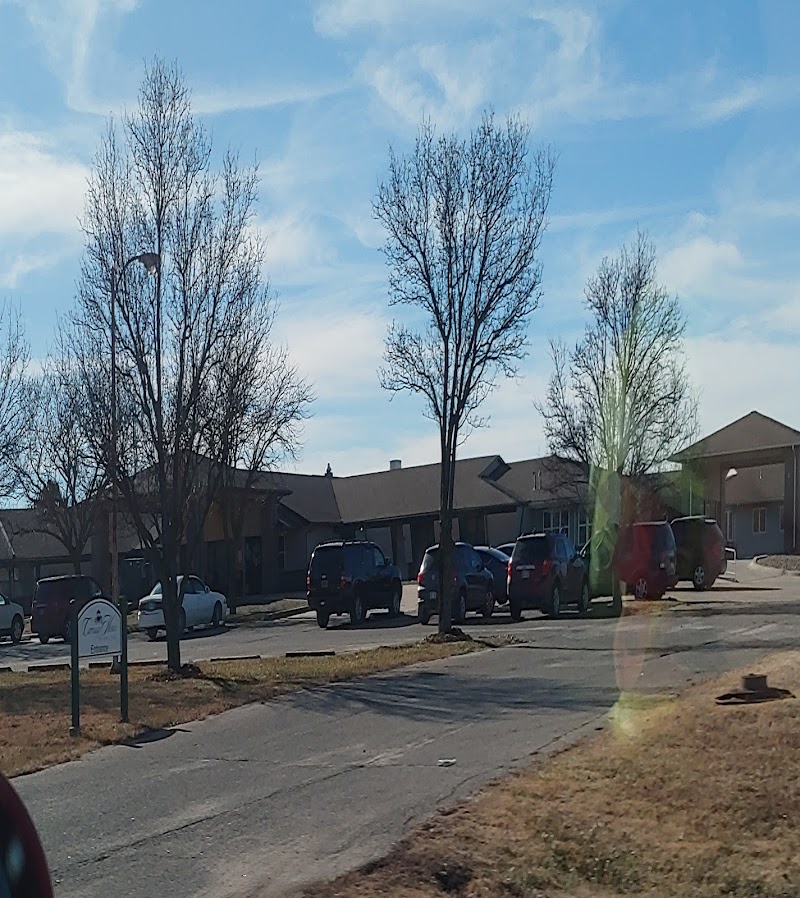
How Does Advena Living At Fountainview Compare to Other Kansas Nursing Homes?

Compared to the 100 nursing homes in Kansas, ADVENA LIVING AT FOUNTAINVIEW's overall rating (3 stars) is above the state average of 2.9, staff turnover (74%) is significantly higher than the state average of 46%, and health inspection rating (3 stars) is at the national benchmark.

What Should Families Ask When Visiting Advena Living At Fountainview?

Based on this facility's data, families visiting should ask: "What changes have been made since the serious inspection findings, and how are you preventing similar issues?" "How do you ensure continuity of care given staff turnover, and what is your staff retention strategy?" "Can you walk me through typical staffing levels on day, evening, and night shifts?" "Can I visit during a mealtime to observe dining assistance and food quality?" These questions are particularly relevant given the facility's Immediate Jeopardy citations, the facility's high staff turnover rate, and the below-average staffing rating.

Is Advena Living At Fountainview Safe?

Based on CMS inspection data, ADVENA LIVING AT FOUNTAINVIEW has documented safety concerns. Inspectors have issued 1 Immediate Jeopardy citation (the most serious violation level indicating risk of serious injury or death). The facility has a 3-star overall rating and ranks #1 of 100 nursing homes in Kansas. Families considering this facility should ask detailed questions about what corrective actions have been taken since these incidents.

Do Nurses at Advena Living At Fountainview Stick Around?

Staff turnover at ADVENA LIVING AT FOUNTAINVIEW is high. At 74%, the facility is 27 percentage points above the Kansas average of 46%. Registered Nurse turnover is particularly concerning at 100%. RNs handle complex medical decisions and coordinate care — frequent RN changes can directly impact care quality. High turnover means new staff may not know residents' individual needs, medications, or preferences. It can also be disorienting for residents, especially those with dementia who rely on familiar faces. Families should ask: What is causing the turnover? What retention programs are in place? How do you ensure care continuity during staff transitions?

Was Advena Living At Fountainview Ever Fined?

ADVENA LIVING AT FOUNTAINVIEW has been fined $38,759 across 2 penalty actions. The Kansas average is $33,466. While any fine indicates a compliance issue, fines under $50,000 are relatively common and typically reflect isolated problems that were subsequently corrected. Families should ask what specific issues led to these fines and confirm they've been resolved.

Is Advena Living At Fountainview on Any Federal Watch List?

ADVENA LIVING AT FOUNTAINVIEW is not on any federal watch list. The most significant is the Special Focus Facility (SFF) program, which identifies the bottom 1% of nursing homes nationally based on persistent, serious quality problems. Not being on this list means the facility has avoided the pattern of deficiencies that triggers enhanced federal oversight. This is a positive indicator, though families should still review the facility's inspection history directly.