LAKEPOINT AUGUSTA, LLC
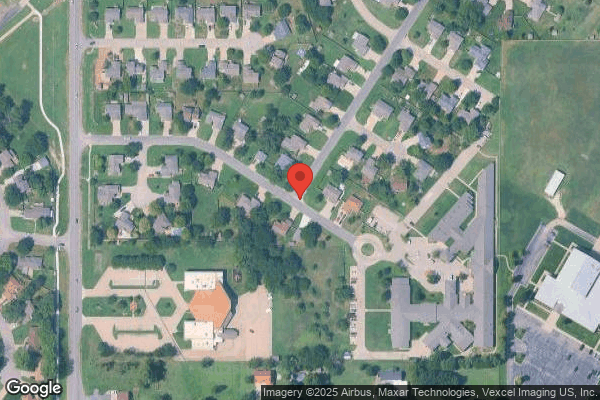

901 LAKEPOINT DRIVE, AUGUSTA, KS 67010 (316) 775-6333
For profit - Limited Liability company 88 Beds Independent Data: November 2025 2 Immediate Jeopardy citations
Trust Grade
0/100
#255 of 295 in KS
Last Inspection: October 2024

Within standard 12-15 month inspection cycle. Federal law requires annual inspections.

Overview

Lakepoint Augusta, LLC has received a Trust Grade of F, indicating significant concerns about the facility's care and safety. It ranks #255 out of 295 nursing homes in Kansas, placing it in the bottom half of all facilities in the state, and #5 out of 6 in Butler County, meaning only one local option is better. Although the facility's trend is improving, with issues decreasing from 7 in 2024 to just 1 in 2025, the high fines of $83,812 raised a red flag, as this is higher than 86% of Kansas facilities. Staffing is relatively stable, with a turnover rate of 43%, which is below the state average, and the RN coverage is average, suggesting some consistency in care. However, there are serious concerns, including incidents of negligence where a cognitively impaired resident was able to exit the facility unsupervised and threats of violence were made by staff towards residents, highlighting significant issues with staff behavior and resident safety.

Trust Score
F
0/100
In Kansas
#255/295
Bottom 14%
Safety Record
High Risk
Review needed
Inspections
Getting Better
7 → 1 violations
Staff Stability
○ Average
43% turnover. Near Kansas's 48% average. Typical for the industry.
Penalties
○ Average
$83,812 in fines. Higher than 56% of Kansas facilities. Some compliance issues.
Skilled Nurses
○ Average
Each resident gets 32 minutes of Registered Nurse (RN) attention daily — about average for Kansas. RNs are the most trained staff who monitor for health changes.
Violations
⚠ Watch
27 deficiencies on record. Higher than average. Multiple issues found across inspections.
★☆☆☆☆
1.0
Overall Rating
★★★☆☆
3.0
Staff Levels
★☆☆☆☆
1.0
Care Quality
★☆☆☆☆
1.0
Inspection Score
Stable
2024: 7 issues
2025: 1 issues

The Good

  • Full Sprinkler Coverage · Fire safety systems throughout facility
  • No fines on record
  • Staff turnover below average (43%)

    5 points below Kansas average of 48%

Facility shows strength in fire safety.

The Bad

1-Star Overall Rating

Below Kansas average (2.9)

Significant quality concerns identified by CMS

Staff Turnover: 43%

Near Kansas avg (46%)

Typical for the industry

Federal Fines: $83,812

Well above median ($33,413)

Moderate penalties - review what triggered them

The Ugly 27 deficiencies on record

2 life-threatening 2 actual harm
Jul 2025 1 deficiency 1 IJ
CRITICAL (J) 📢 Someone Reported This

A family member, employee, or ombudsman was alarmed enough to file a formal complaint

Immediate Jeopardy (IJ) - the most serious Medicare violation

Accident Prevention (Tag F0689)

Someone could have died · This affected 1 resident

**NOTE- TERMS IN BRACKETS HAVE BEEN EDITED TO PROTECT CONFIDENTIALITY** The facility reported a census of 70 residents. The sample included three residents reviewed for accident hazards. Based on obse...

Read full inspector narrative →
**NOTE- TERMS IN BRACKETS HAVE BEEN EDITED TO PROTECT CONFIDENTIALITY** The facility reported a census of 70 residents. The sample included three residents reviewed for accident hazards. Based on observation, interview, and record review the facility failed to ensure an environment free from accident hazards when staff failed to provide adequate supervision and respond appropriately to a door alarm, allowing Resident (R) 1 to elope from the facility. On 06/14/25 at 09:20 PM, R1, a cognitively impaired resident at risk for wandering, exited the facility without staff knowledge or supervision. The door alarm sounded, and at 09:26 PM, Certified Nurse Aide (CNA) M cancelled the alarm but did not conduct a search or inspection to identify what triggered the alarm. At 10:00 PM, staff performed rounds and discovered R1 was missing. Staff initiated a search of the areas inside and out and located R1 outside at 10:04 PM. R1 was right outside the door where she exited. Staff found R1 on her knees, wearing only a nightgown. R1 was outside without supervision for 44 minutes. Staff assessed R1 and noted abrasions to her knees and elbow. The facility's failure to provide adequate supervision to prevent unsafe wandering and failure to respond appropriately to the door alarm placed R1 in immediate jeopardy.Findings included:- Review of the Electronic Health Record (EHR) documented R1 had diagnoses which included dementia (a progressive mental disorder characterized by failing memory and confusion), diabetes mellitus type two (DM2 - when the body cannot use glucose, not enough insulin is made, or the body cannot respond to the insulin), dependence on supplemental oxygen, and legal blindness. R1's 05/30/25 Significant Change Minimum Data Set (MDS) documented a Brief Interview for Mental Status (BIMS) score of three, which indicated severely impaired cognition. The assessment documented other behavioral symptoms not directed towards others occurred daily, and rejection of care occurred one to three days during the look-back period. R1 utilized a walker and/or wheelchair for locomotion. The 05/30/25 Falls Care Area Assessment (CAA) documented R1 had dementia with impulsive behavior and lacked safety awareness. R1's EHR documented Wander Assessment[s] performed on 02/24/25, 03/26/25, and 06/14/25 with all indicating R1 as at risk of wandering. R1's Care Plan did not contain interventions related to wandering or elopement prior to 06/14/25.On 06/14/25, after the incident, R1's Care Plan was updated to reflect R1's elopement risk related to disorientation, a history of attempts to leave the facility unattended, and impaired safety awareness. The following Care Plan interventions were initiated on 06/15/25:Staff would assess R1 for fall risk.Staff would distract R1 from wandering by offering pleasant diversions, structured activities, food, conversation, television, and books.Staff would identify patterns of R1's wandering and intervene as appropriate.R1 had a WanderGuard (a bracelet that helps monitor residents who are at risk of wandering) placed on her right ankle (revised 06/16/25). R1's Progress Note dated 06/14/25 at 11:38 PM, documented R1 was wandering in and out of rooms and was placed in bed several times. Staff placed R1 at the nurses' station at approximately 09:15 PM. At approximately 10:00 PM, staff realized R1 was not in her room, and staff began a room-to-room search for R1. Staff discovered R1. The note documented R1 appeared to have slipped out of her chair. Staff assessed R1 for injuries and identified abrasions (scraping or rubbing away of skin) on both her knees and her right elbow. Staff placed a WanderGuard. R1's Progress Note dated 06/16/25 at 03:02 PM documented R1 continued to be impulsive and required frequent redirection from staff. Licensed Nurse (LN) H's Witness Statement dated 06/14/25 documented she was at the nurses' station, documenting when a door alarm sounded. LN H documented the alarm did not show up on the screen, and the camera for the hallway was not working. LN H noted she looked up and observed an [unnamed] aide walking down the hall and believed that aide would check the door. LN H noted she was unsure how long the alarm sounded before it was silenced. CNA O's Witness Statement dated 06/14/25 documented the nurse stated they could not find R1, and staff had heard a door alarm. CNA O noted staff went to the area where the door had alarmed, opened the door, and found R1 sitting on the ground outside the door; R1's wheelchair was tipped over. CNA N's Witness Statement dated 06/14/25 documented R1 was last observed at 09:15 PM; staff discovered she was missing during the rounds at shift-change. CNA N noted staff conducted a brief search where they had heard the door alarm and found R1 outside that door. Certified Medication Aide (CMA) S's Witness Statement dated 06/14/25, documented at approximately 10:00 PM on 06/14/25, CMA S was alerted by the nurse R1's location was unknown, and a door alarm was heard. Staff went to where the door alarm sounded, and R1 was banging on the door. CMA S noted the nurse opened the door and staff assisted R1 to her wheelchair; the nurse assessed R1. Administrative Nurse F's Witness Statement dated 06/14/25 documented R1 was wandering in and out of rooms all shift. R1 was placed in bed several times but got up and wandered. At approximately 09:00 PM, staff removed R1 from another resident's room and placed her near the nurses' station. Administrative Nurse F then continued with her previous task. At approximately 10:00 PM, an [unnamed] aide notified Administrative Nurse F that R1 was not in her room and a room-to-room search was initiated. Administrative Nurse F documented staff heard a door alarm earlier, and when she and other staff arrived at the door, R1 was on the ground outside the door; R1 was striking the door.CNA M's Witness Statement dated 06/14/25 documented between 09:00 and 09:15 PM, she heard the back door alarm sounding. CNA M looked for the residents on her assigned hall with wandering behavior, located them, and turned the alarm off. CNA M's Witness Statement did not indicate if the area around or outside the door was searched for residents. Observation on 07/31/25 at 08:00 AM revealed the area around the facility had a residential street approximately 200 feet away with light residential traffic. There was a [NAME] line at the southeast corner of the facility, which led to a parking lot. The facility was located approximately one-half mile from a large lake. During an observation on 07/31/25 at 10:59 AM, R1 rested in bed. Further observation revealed a WanderGuard on R1's right ankle.During an observation of the area where R1 eloped on 07/31/25 at 11:45 AM with Administrative Nurse D, the doorway was in an alcove to the side of a junction between two halls and not fully visible from either hallway. From the doorway outside, approximately 30 feet to the south, was a tree row with fencing that bordered a residential property. Approximately four feet to the side of the door was a window where the entire area outside the door was visible from the inside.On 07/31/25 at 11:25 AM, CMA R revealed if a door alarm sounded, staff should respond to the door and perform a visual check of the area in and outside of the door before silencing the door alarm. CMA R stated one staff member should walk the perimeter of the building. CMA R confirmed she has received additional elopement training since the elopement on 06/14/25.On 07/31/25 at 11:50 AM, Administrative Nurse D reported after CNA M cancelled the alarm, CNA M did rounds on the residents on that side of the building who had wandering behaviors and did not find that any were missing. Admin Nurse D confirmed that CNA M did not completely search the area on the other side of the door to ensure that no residents were present. Administrative Nurse D confirmed the window next to the door allowed an observer to fully view the area outside the door.On 07/31/25 at 12:22 PM, CNA Q stated if a door alarm sounded, all staff in the area who were available should respond and search the area to ensure that no residents were outside. CNA Q reported she had received training related to door alarms and elopement since 06/14/25.On 07/31/24 at 12:25 PM, LN G stated that if a door alarm sounded, all staff who were available would respond to the area and would treat the situation as an elopement. LN G said staff were sent in opposite directions along the perimeter of the building while the staff inside would start a head count of the residents to make sure everyone was accounted for. LN G said after all residents were accounted for, the door alarm would be reset. LN G confirmed she received training related to responding to alarms and elopement since 06/14/25.On 07/31/25 at 01:15 PM, Administrative Nurse F said R1 had been restless, up and down and in and out of bed the whole shift; eventually, staff ended up putting her in her wheelchair at the nursing station in the common area so everyone could keep an eye on her. Administrative Nurse F said she went to administer medications on another hall, and when that task was completed, R1 was not at the nurse's station, and Administrative Nurse F assumed the CNA staff put R1 to bed. Administrative Nurse F said staff then noted R1 was missing during the 10:00 PM shift change, and that is when the door-to-door head count was initiated down the hall that R1 lived on, and then about halfway to the other side of the building. Administrative Nurse F said staff had heard the door alarm, and when CNA staff inspected that door area, they found R1 on the ground outside the door. R1's wheelchair was on its left side. Administrative Nurse F said staff placed a WanderGuard immediately after R1 was assessed for injuries. Administrative Nurse F said the training was initiated and given to second shift personnel who were on shift. On 07/31/25 at 01:28 PM, Administrative Nurse E said she took report from Administrative Nurse F and then initiated education to the staff related to elopement and clearing door alarms and WanderGuard alarms, as well as the appropriateness of clearing the door alarms. On 07/31/25 at 01:30 PM, Administrative Staff A stated all staff had received reeducation that included training on the correct procedures to follow in the event of an elopement or if the door alarms or Wanderguard alarms were triggered. The facility's undated Wandering and Elopements policy documented that the facility would identify residents who were at risk of unsafe wandering. If a resident was identified as at risk for wandering, elopement, or safety issues, the care plan would include strategies and interventions to maintain the resident's safety. On 07/31/25 at 03:00 PM, Administrative Staff A received a copy of the Immediate Jeopardy [IJ] Template and was informed of the IJ for R1. The facility's corrective measures, fully completed on 07/02/25, included the following, which were verified by the surveyor on-site during the investigation:1. On 06/14/25 at approximately 10:10 PM, Administrative Nurse F placed a WanderGuard on R1's right ankle.2. On 06/14/25 at approximately 10:30 PM, Administrative Nurse F completed reeducation for second shift staff who were in the building.3. On 06/15/25, Administrative Nurse E completed reeducation for third shift staff who were in the building.4. On 06/15/25, Administrative Nurse D, Administrative Staff A, Maintenance U, and Dietary CC initiated reeducation of their respective departments, completed 07/02/25 at the July 2025 staff meeting.5. On 06/15/25, Maintenance U increased the volume of door alarms to be audible on adjoining hallways.6. On 06/17/25, the facility held an ad-hoc Quality Assurance and Performance Improvement (QAPI) meeting.All corrections were completed prior to the onsite survey; therefore, the deficient practice was cited as past noncompliance at a scope and severity of J.
Oct 2024 7 deficiencies
CONCERN (D)

Potential for Harm - no one hurt, but risky conditions existed

Assessment Accuracy (Tag F0641)

Could have caused harm · This affected 1 resident

**NOTE- TERMS IN BRACKETS HAVE BEEN EDITED TO PROTECT CONFIDENTIALITY** The facility reported a census of 58 residents with 18 sampled for review. Based on observation, interview, and record review, t...

Read full inspector narrative →
**NOTE- TERMS IN BRACKETS HAVE BEEN EDITED TO PROTECT CONFIDENTIALITY** The facility reported a census of 58 residents with 18 sampled for review. Based on observation, interview, and record review, the facility failed to complete an accurate assessment/Minimum Data Set (MDS) for four residents (R)7 related to antipsychotics (class of medications used to treat major mental conditions which cause a break from reality), R 33 related to rejection of care, R R5 related to hospice and R 50 related to continuous airway positive pressure (CPAP). Findings included: - Review of Resident (R)7's Physician Orders (POS) dated 10/08/24 documented diagnoses which included major depressive disorder (a mood disorder that causes a persistent feeling of sadness and loss of interest), type 2 diabetes ((DM-when the body cannot use glucose, not enough insulin made or the body cannot respond to the insulin), pain, insomnia (inability to sleep), and bipolar disorder (major mental illness that caused people to have episodes of severe high and low moods). The admission Minimum Data Set (MDS) dated [DATE] revealed a Brief Interview for Mental Status (BIMS) score of 15 indicating the resident cognitively intact, no behavior or indication of depression. He Received medications which included antipsychotic (class of medications used to treat major mental conditions which cause a break from reality). The Quarterly MDS dated 08/30/24, lacked documentation the resident received antipsychotic medication., Review of the POS dated 10/08/24, revealed the resident with prescribed medications which included Lurasidone Hydrochloric (HCl ) tablet, 80 milligrams (MG), (Lurasidone HCl), (antipsychotic medication) tablet by mouth, at bedtime for bipolar disorder with moderately severe depression, ordered 03/11/2024. The resident received antipsychotic medication during the 08/20/24 Quarterly MDS look back period . The MDS lacked accurate documentation to reflect the use of antipsychotic medication. On 10/29/24 at 10:00 AM, R 7 was lying in the bed facing the window. The room was dark. He participated in the interview appropriately without tearfulness or restlessness noted. On 10/30/24 at 08:25 AM , R 7 was lying in the bed watching television. He reported he slept pretty well the night before and commented on his preference for watching westerns on TV. His conversation was appropriate, and his facial expressions were consistent with his conversation. He did not exhibit any signs of discomfort. On 10/29/24 at 02:42 PM, Administrative Nurse E reviewed the residents MDS coding as noted above . He confirmed the resident's 08/20/24 Quarterly MDS was inaccurate. He stated the MDS lacked accurate documentation to reflect the resident's use of antipsychotic medication . Administrative Nurse E stated the facility used the Resident Assessment Instrument Manual, (RAI) for guidance to complete the MDS. On 10/30/24 at 09:13 AM, Administrative Nurse D confirmed the above findings. She stated the Quarterly MDS dated 08/20/ 24 should have been coded to reflect the resident's use of antipsychotic medications. Administrative Nurse D stated the facility used the Resident Assessment Instrument Manual, (RAI) for guidance to complete the MDS. The Center for Medicare and Medicaid (CMS) RAI Manual Version 3.0, dated October 2019 documentation included the intent of the items in section N of the MDS is to record select medications received by the resident. An antipsychotic medication review has been included. Including this information will assist facilities to evaluate the use and management of these medications. Each aspect of antipsychotic medication uses, and management has important associations with the quality of life and quality of care of residents receiving these medications. The facility failed to complete an accurate assessment/ Minimum Data Set (MDS) for the resident related to the use of antipsychotic medication. - Review of Resident (R)5's electronic medical record (EMR) revealed a diagnosis of multiple sclerosis (MS- progressive disease of the nerve fibers of the brain and spinal cord). The Annual Minimum Data Set (MDS), dated [DATE], documented the resident had a Brief Interview for Mental Status (BIMS) score of nine, indicating moderate cognitive impairment. She did not have a condition or chronic disease that would result in a life expectancy of less than six months and was not receiving hospice care. The Functional Abilities Care Area Assessment, dated 06/28/24, documented the resident rerquired staff assistanace with all activities of daily living (ADL). The Quarterly MDS, dated 09/18/24, documented the resident had a BIMS score of 11, indicating modereate cognitive impairment. The resident had a condition or chronic disease that may result in a life expectanccy of less than six months and was not receiving hospice care. Review of the care plan, revised 10/17/24, instructedstaff the resident received hospice cares due to her diagnosis of MS. Staff were to ensure the resident was kept comfortable. Review of the resident's EMR, revealed the following physician's order: Admit to hospice care for terminal diagnosis of MS, ordered 11/24/23. On 10/30/24 at 08:29 AM, Administrative Nurse E stated the resident originally admitted to hospice in June of 2022 with a diagnosis of MS. Administrative Nurse E stated the MDSs, dated 09/18/24 and 06/28/24, were inaccurate as the resident was on hospice at the time of both of the assessments. On 10/30/24 at 08:53 AM, Administrative Nurse D stated it was the expectation for staff to complete the MDSs accurately. The facility failed to accurately complete two MDS for this dependent resident on hospice. The facility utilizes the Resident Assessment Instrument (RAI) manual for completion of the MDS. - Review of Resident (R)50's Electronic Medical Record (EMR) revealed a diagnosis of obstructive sleep apnea (a common sleep disorder that occurs when the upper airway becomes blocked during sleep, interrupting breathing). The admission Minimum Data Set (MDS), dated [DATE], documented the resident had a Brief Interview for Mental Status (BIMS) score of 12, indicating moderately impaired cognition. The resident did not use a Continuous positive airway pressure (CPAP) during the assessment period. The Cognitive Loss/Dementia Care Area Assessment (CAA), dated 07/13/24, documented the resident had acute mental status changes and required short, simple instructions from staff. The Quarterly MDS, dated 10/11/24, documented the resident had a BIMS score of 10, indicating moderate cognitive impairment. The MDS inaccurately documented the resident did not use a CPAP during the assessment period. The care plan, revised 09/08/24, lacked staff instruction regarding the use and care of the resident's CPAP. Review of the resident's EMR revealed the following physician's order: Assist and encourage the resident to utilize his CPAP throughout the night, ordered 09/13/24. On 10/28/24 at 10:01 AM, the resident's CPAP face mask rested, uncovered, on the bed side table of his room. The inside of the face mask contained a flaky, whitish substance. On 10/29/24 at 06:51 AM, the resident's CPAP face mask rested, uncovered, on the bed side table of his room. The inside of the face mask contained a flaky, whitish substance. On 10/30/24 at 06:53 AM, Certified Nurse Aide (CNA) M stated the resident utilized the CPAP at night while he slept. On 10/30/24 at 08:28 AM, CNA O stated the resident utilized the CPAP at night when he slept. On 10/30/24 at 08:29 AM, Administrative Nurse E stated the resident did utilize a CPAP while asleep and the MDSs, dated 07/13/24 and 10/11/24, were inaccurate. On 10/30/24 at 08:53 AM, Administrative Nurse D stated it was the expectation for staff to complete the MDSs accurately. The facility failed to accurately complete two MDS for this dependent resident with a CPAP machine. The facility utilizes the Resident Assessment Instrument (RAI) manual for completion of the MDS. - Review of Resident (R)33's medical record revealed diagnoses that included depression (abnormal emotional state characterized by exaggerated feelings of sadness, worthlessness, and emptiness), anxiety (mental or emotional reaction characterized by apprehension, uncertainty, and irrational fear), and unspecified dementia (progressive mental disorder characterized by failing memory, confusion). The Significant Change Minimum Data Set (MDS), dated [DATE], assessed the resident had a Brief Interview for Mental Status (BIMS) score of 13, which indicated normal cognitive function. The resident received antipsychotic (class of medications used to treat psychosis and other mental emotional conditions) and antidepressant (class of medications used to treat mood disorders and relieve symptoms of depression) medications. The MDS lacked indication of the behavior of rejection of care. The Behavior Care Area Assessment (CAA), dated 09/23/24, assessed the resident had history of being verbally aggressive with threats noted. The Care Plan reviewed 10/03/24, instructed staff to educate resident/family/caregivers of the possible outcome(s) of not complying with treatment or care. Review of the Medication Administration Record (MAR) for September 2024, revealed the resident refused to the following medications from 09/16/24 through 09/23/24. Levetiracetam (a medication for seizure prevention) 750 milligrams (mg) twice a day (BID) for seven doses. Sinemet (a medication used to treat Parkinson's disease slowly progressive neurologic disorder characterized by resting tremor, rolling of the fingers, masklike faces, shuffling gait, muscle rigidity and weakness ) 25/100mg three times a day for nine doses. Sertraline (a medication given for depression) 75mg, daily for three doses. Seroquel (class of medications used to treat psychosis and other mental emotional conditions) 150 mg daily for three doses. Observation, on 10/28/24 at 09:00 AM, revealed the resident ambulated with his walker with a steady gait and answered questions appropriately. Interview, on 10/29/24 at 03:00 PM, with Certified Medication Aide (CMA) RR, revealed the resident refused medications frequently, but had no other behaviors. Interview, on 10/30/24 at 09:34 AM, with Licensed Nurse (LN) G, revealed the resident did refuse treatments and medications and the physician was aware of the resident's refusal of medications and behaviors. Interview, on 10/30/24 at 10:29 AM, with Administrative Nurse D, revealed the resident refused cares and medications. Interview, on 10/30/24 at 11:15 AM, with Administrative Nurse E, confirmed the resident refused medications during the Significant Change MDS dated 09/23/24, look back period and should be coded as the behavior of rejection of care. The facility policy Comprehensive Assessments reviewed 07/2024, instructed staff to conduct a comprehensive, accurate, standardized reproducible assessment of each resident's functional capacity using the Resident Assessment Instrument. The facility failed to accurately assess this resident's behavior of refusal of medications as rejection of care on the Significant Change MDS as required.
CONCERN (D)

Potential for Harm - no one hurt, but risky conditions existed

Comprehensive Care Plan (Tag F0656)

Could have caused harm · This affected 1 resident

**NOTE- TERMS IN BRACKETS HAVE BEEN EDITED TO PROTECT CONFIDENTIALITY** - Review of Resident (R)50's Electronic Medical Record (EMR) revealed a diagnosis of obstructive sleep apnea (a common sleep dis...

Read full inspector narrative →
**NOTE- TERMS IN BRACKETS HAVE BEEN EDITED TO PROTECT CONFIDENTIALITY** - Review of Resident (R)50's Electronic Medical Record (EMR) revealed a diagnosis of obstructive sleep apnea (a common sleep disorder that occurs when the upper airway becomes blocked during sleep, interrupting breathing). The admission Minimum Data Set (MDS), dated [DATE], documented the resident had a Brief Interview for Mental Status (BIMS) score of 12, indicating moderately impaired cognition. The resident did not use a Continuous positive airway pressure (CPAP) during the assessment period. The Cognitive Loss/Dementia Care Area Assessment (CAA), dated 07/13/24, documented the resident had acute mental status changes and required short, simple instructions from staff. The Quarterly MDS, dated 10/11/24, documented the resident had a BIMS score of 10, indicating moderate cognitive impairment. The MDS inaccurately documented the resident did not use a CPAP during the assessment period. The care plan, revised 09/08/24, lacked staff instruction regarding the use and care of the resident's CPAP. Review of the resident's EMR revealed the following physician's order: Assist and encourage the resident to utilize his CPAP throughout the night, ordered 09/13/24. On 10/28/24 at 10:01 AM, the resident's CPAP face mask rested, uncovered, on the bed side table of his room. The inside of the face mask contained a flaky, whitish substance. On 10/29/24 at 06:51 AM, the resident's CPAP face mask rested, uncovered, on the bed side table of his room. The inside of the face mask contained a flaky, whitish substance. On 10/30/24 at 06:53 AM, Certified Nurse Aide (CNA) M stated the resident utilized the CPAP at night while he slept. CNA M stated the nurse was responsible for cleaning the face mask each morning after use. On 10/30/24 at 08:28 AM, CNA O stated the resident utilized the CPAP at night when he slept. CNA O stated she was unsure who was responsible for cleaning the face mask. On 10/30/24 at 07:01 AM, Licensed Nurse (LN) I stated the CNAs were responsible for cleaning the resident's face masks. On 10/30/24 at 07:13 AM, Administrative Nurse D stated all nurses were able to add interventions to the care plans. Administrative Nurse D stated it was the expectation for a CPAP machine to be included on a resident's care plan. The facility policy for Comprehensive Person-Centered Care Plans, revised March 2022, included: The comprehensive person-centered care plan describes the services that are to be frnighed to attain or maintain the resident's highest practicable physical, mental, and psychosocial well-being. The facility failed to complete a comprehensive care plan for this dependent resident who utilized a CPAP machine while he slept. The facility reported a census of 58 residents with 18 residents selected for review. Based on observation, interview and record review, the facility failed to develop comprehensive care plans for three of the 18 residents reviewed. Resident (R)50 lacked a care plan for use of CPAP (Continuous Positive Airway Pressure a device with a face mask that uses air pressure to keep breathing airways open while a person sleeps). R33 lacked a care plan for history of suicide ideation and R 54 lacked a personalized fluid restriction care plan. Findings included: - Review of Resident (R)33's medical record revealed diagnoses that included depression (abnormal emotional state characterized by exaggerated feelings of sadness, worthlessness, and emptiness), anxiety (mental or emotional reaction characterized by apprehension, uncertainty, and irrational fear), and unspecified dementia (progressive mental disorder characterized by failing memory, confusion). The Significant Change Minimum Data Set (MDS), dated [DATE], assessed the resident had a Brief Interview for Mental Status (BIMS) score of 13, which indicated normal cognitive function. The resident received antipsychotic (class of medications used to treat psychosis and other mental emotional conditions) and antidepressant (class of medications used to treat mood disorders and relieve symptoms of depression) medications. The Behavior Care Area Assessment (CAA), dated 09/23/24, assessed the resident had history of being verbally aggressive with threats noted. The Care Plan reviewed 10/03/24, instructed staff to monitor the resident for adverse reactions to antidepressant therapy which included change in behavior/mood cognition and suicidal thoughts. Review of the admission Summary dated 06/28/24, revealed the resident admitted to acute care on 06/25/24 for suicide ideation. The resident returned to the facility on [DATE], with an order for psychiatric consult, which was subsequently cancelled by the physician. Interview, on 10/28/24 at 09:00 AM, with the resident, revealed he would like to have his own apartment, and need a cell phone. He stated he did not attend activities and would use his computer if he had all the parts for it. The resident ambulated with his walker with a steady gait and answered questions appropriately. Interview, on 10/29/24 at 03:00 PM, with Certified Medication Aide (CMA) RR, revealed the resident refused medications frequently, but had no other behaviors. Interview, on 10/30/24 at 09:34 AM, with Licensed Nurse (LN) G, revealed the resident had various concerns, but did not recall a plan to commit suicide. LN G stated the resident did refuse treatments and medications, and stated to staff that he thought the staff wanted him to die. LN G stated the physician was aware of the resident's refusal of medications and behaviors. Interview, on 10/30/24 at 10:29 AM, with Administrative Nurse D, revealed staff provided a mouse for his computer and it did work, but the resident rejected the use of the mouse. Administrative Nurse D stated she did not think the resident had a plan to commit suicide and refused psychiatric consultation. Administrative Nurse D stated the resident had multiple admissions to acute care for various health concerns. Administrative Nurse D stated the care plan instructed staff to monitor for suicidal thoughts, and confirmed the plan did not include personalized interventions for the suicidal ideation voiced on 06/26/28, upon return to the facility 06/28/24. The facility policy Care Plans, Comprehensive Person- Centered reviewed 07/2024, instructed staff to develop interventions with careful consideration of the relationship between the resident's problem areas and their causes and relevant clinical decision making. Interventions should address the underlying sources of the problem not just symptoms or triggers. The facility failed to develop a comprehensive care plan to include this resident's history of suicide ideation, to ensure optimal psychosocial functioning. - - Review of Resident (R)54's medical record revealed diagnoses that included renal failure (inability of the kidneys to excrete wastes, concentrate urine and conserve electrolytes). The Significant Change Minimum Data Set (MDS), dated [DATE], assessed the resident with a Brief Interview for Mental Status (BIMS) score of 14, which indicated normal cognitive function. The resident received dialysis. The Nutrition Status Care Area Assessment (CAA), dated 10/02/24, assessed the resident required staff to monitor her body weight to help monitor trends and to monitor food and fluid intake. The Registered Dietician to meet with the resident regularly to ensure nutritional needs are being met. The Dehydration/Fluid Maintenance CAA date 10/02/24 did not trigger. The Care Plan reviewed 10/18/24. Instructed staff to offer small frequent feedings and the resident had a fluid restriction of 1500 milliliters (ml) per 24 hours and staff to chart every shift. The resident received dialysis on Monday, Wednesday, and Fridays. The care plan lacked instructions for staff regarding allocation of fluids and per shift and resident preferences for fluids. A Physician's Order dated 10/17/24, instructed staff the resident was to receive dialysis services three times a week and monitor the resident's dialysis port. A Physician's Order dated 10/17/24, instructed staff to provide a fluid restriction of 1500ml per 24 hours and document fluid intake every shift. Interview, on 10/30/24 at 01:15 PM, with Administrative Nurse D, confirmed the Care Plan lacked a personalized approach to the resident's fluid restriction. The facility policy The facility policy Care Plans, Comprehensive Person- Centered reviewed 07/2024, instructed staff to develop interventions with careful consideration of the relationship between the resident's problem areas and their causes and relevant clinical decision making. The facility failed to develop a comprehensive care plan for this resident's fluid restriction to ensure optimal psychosocial functioning.
CONCERN (D)

Potential for Harm - no one hurt, but risky conditions existed

Deficiency F0698 (Tag F0698)

Could have caused harm · This affected 1 resident

**NOTE- TERMS IN BRACKETS HAVE BEEN EDITED TO PROTECT CONFIDENTIALITY** The facility reported a census of 58 residents with 18 residents selected for review which included one resident reviewed for di...

Read full inspector narrative →
**NOTE- TERMS IN BRACKETS HAVE BEEN EDITED TO PROTECT CONFIDENTIALITY** The facility reported a census of 58 residents with 18 residents selected for review which included one resident reviewed for dialysis. Based on observation, interview and record review, the facility failed to ensure staff accurately monitored Resident (R)54 fluid restriction as ordered by the physician. Findings included: - Review of Resident (R)54's medical record revealed diagnoses that included renal failure (inability of the kidneys to excrete wastes, concentrate urine and conserve electrolytes). The Significant Change Minimum Data Set (MDS), dated [DATE], assessed the resident with a Brief Interview for Mental Status (BIMS) score of 14, which indicated normal cognitive function. The resident received dialysis. The Nutrition Status Care Area Assessment (CAA), dated 10/02/24, assessed the resident required staff to monitor her body weight to help monitor trends and to monitor food and fluid intake. The Registered Dietician to meet with the resident regularly to ensure nutritional needs are being met. The Dehydration/Fluid Maintenance CAA date 10/02/24 did not trigger. The Care Plan reviewed 10/18/24. Instructed staff to offer small frequent feedings and the resident had a fluid restriction of 1500 milliliters (ml) per 24 hours and staff to chart every shift. The resident received dialysis on Monday, Wednesday, and Fridays. The care plan lacked instructions for staff regarding allocation of fluids and per shift and resident preferences for fluids. A Physician's Order dated 10/17/24, instructed staff the resident was to receive dialysis services three times a week and monitor the resident's dialysis port. A Physician's Order dated 10/17/24, instructed staff to provide a fluid restriction of 1500ml per 24 hours and document fluid intake every shift. Review of the residents Dietary Menu slip for lunch on 10/29/24 indicated the resident was to receive eight ounces (240ml) of fluid with meals. Interview, on 10/29/24 at 08:37 AM, with the resident revealed she knew she was on a fluid restriction and stated she usually chewed ice from a 19-ounce (570ml) cup (the facility red cups measure 240 and 360 ml per posted description on the wall in the drink station in the dining room) and the kitchen kept track of how much fluid she was allowed, but often snuck in extra coffee. The resident had two large red cups on her bedside table and a coffee mug all empty. The resident stated she took a diabetic shake and a granola bar to dialysis on Mondays, Wednesdays, and Fridays. Observation, on 10/29/24 at 01:03 PM revealed the resident seated in the dining room eating lunch. The resident stated she drank the liquid from two bowls of chicken noodle soup, as she did not like noodles. The resident had an empty 240 and two 360 ml cups in front of her which totaled 960 ml. Interview, on 10/29/24 at 03:08 PM, with Certified Medication Aide (CMA) RR, revealed she did know the resident was on a fluid restriction, but usually used a small plastic cup of water to administer medications to the resident. Interview, on 10/29/24 at 03:14 PM, with Dietary Staff CC, stated the resident had choices of fluids and confirmed the Dietary Menu slip indicated eight ounces of fluid per meal. Dietary Staff CC stated the resident sometimes took other resident's fluids. Interview, on 10/29/24 at 03:30PM with Licensed Nurse (LN) G, revealed she kept track of the resident's fluid intake by observation at meals and through out the day and then documented it on the Treatment Administration Record. LN did not know if other staff were aware of the resident's fluid intake. Interview, on 10/30/24 at 01:00PM, with CMA S, revealed he did not know the resident was on a fluid restriction, but he usually administered medications with a half full plastic cup. Interview, on 10/30/24 at 01:15PM, with Administrative Nurse D, confirmed she would expect all staff to be aware of the resident's fluid restriction, and the recording of fluid intake was the responsibility of the charge nurse. Administrative Nurse D confirmed the Care Plan did not indicate the resident's preferences to include ice and her pattern of fluid intake throughout the 24-hour day. The facility policy Encouraging and Restricting Fluids revised 07/2024, instructed staff to follow specific instructions encouraging fluid intake or restrictions and to be accurate when recording fluid intake. The facility failed to ensure all staff were aware of this resident's fluid restriction and failed to develop a personalize plan for the fluid restriction per the resident's preferences to ensure compliance.
CONCERN (E)

Potential for Harm - no one hurt, but risky conditions existed

Comprehensive Assessments (Tag F0636)

Could have caused harm · This affected multiple residents

**NOTE- TERMS IN BRACKETS HAVE BEEN EDITED TO PROTECT CONFIDENTIALITY** - Review of Resident (R)7's Physician Orders (POS) dated 10/08/24 documented diagnoses which included major depressive disorder ...

Read full inspector narrative →
**NOTE- TERMS IN BRACKETS HAVE BEEN EDITED TO PROTECT CONFIDENTIALITY** - Review of Resident (R)7's Physician Orders (POS) dated 10/08/24 documented diagnoses which included major depressive disorder (a mood disorder that causes a persistent feeling of sadness and loss of interest), type 2 diabetes ((DM-when the body cannot use glucose, not enough insulin made or the body cannot respond to the insulin), pain, insomnia (inability to sleep), and bipolar disorder (major mental illness that caused people to have episodes of severe high and low moods). The admission Minimum Data Set (MDS) dated [DATE] revealed a Brief Interview for Mental Status (BIMS) score of 15 indicating the resident cognitively intact, no behavior or indication of depression. He was occasionally incontinent of urine. The resident received opiod (narcotic-controled medication) pain medication as needed (prn) and reported frequent moderate pain which interfered with his day-to-day activities and sleep. He was 71 inches tall and weighed 246 pounds. R 7 received medications which included antipsychotic (class of medications used to treat major mental conditions which cause a break from reality), and antianxiety (class of medications used to treat mental or emotional reaction characterized by apprehension, uncertainty and irrational fear). The following Care Area Assessments (CAA)dated 03/25/24 triggered and lacked the required analysis of findings related to the causes , contributing factors, and/or rationale: 1. Urinary Incontinence CAA 2. Falls CAA 3. Nutritional Status CAA 4. Psychotropic Drug CAA 5. Pain CAA On 10/29/24 at 02:42 PM, Administrative Nurse E reviewed the residents MDS as noted above . He confirmed the resident's admission MDS dated 03/11/24, lacked the required completion of the triggered CAAs. He stated he was aware the analysis of findings/CAA completion was necessary to meet the criteria of a completed comprehensive assessment . Administrative Nurse E stated the facility used the Resident Assessment Instrument Manual, (RAI) for guidance to complete the MDS. 0/30/24 at 09:13 AM, Administrative Nurse D confirmed the above findings. She confirmed the resident's admission MDS lacked the required completion of the triggered CAAs. He stated he was aware the analysis of findings/CAA completion was necessary to meet the criteria of a completed comprehensive assessment . Administrative Nurse D stated the facility used the Resident Assessment Instrument Manual, (RAI) for guidance to complete the MDS. She stated the facility used the Resident Assessment Instrument Manual, (RAI) for guidance to complete the MDS. The facility policy for Care Areaa Assessments, revised November 2019, included: The care area assessments are used to help analyze data obtained from the MDS and to develop individualized care plans. The Resident Assessment Instrument, (R.A.I.) Manual, Section 2.7 titled The Care Area Assessment (CAA) Process and Care Plan Completion, dated 2019, documentation included . Federal statute and regulations require nursing homes to conduct initial and periodic assessments for all their residents. The assessment information is used to develop, review, and revise the resident's plans of care that will be used to provide services to attain or maintain the resident's highest practicable physical, mental, and psychosocial well-being. The RAI process, which includes the Federally mandated MDS, is the basis for an accurate assessment of nursing home residents. The MDS information and the CAA process provide the foundation upon which the care plan is formulated. There are 20 problem-oriented CAAs, each of which includes MDS-based Trigger conditions that signal the need for additional assessment and review of the triggered care area. Detailed information regarding each care area and the CAA process, including definitions and triggers, appear in Chapter 4 of this manual. Chapter 4 also contains detailed information on care planning development utilizing the RAI and CAA process. CAA(s) completion is required for comprehensive assessments. The facility failed to complete the Care Area Assessment (CAA-analysis of findings), as required related to a Comprehensive Minimum Data Set (MDS), comprehensive for the resident, to address the underlying cause, risk factors, and other contributing factors to ensure this resident received care based on their individual needs. The facility reported a census of 58 residents with 18 residents sampled. Based on observation, interview, and record review the facility failed to complete an accurate Minimum Data Set (MDS) for three Residents (R)15, regarding incomplete triggered Behavioral Symptoms and Psychosocial Well-Being Care Area Assessments (CAA), R 56, regarding an incomplete CAA for the triggered area of Behavioral Symptoms and R 7, regarding incomplete CAAs for all triggered areas. Findings included: - Review of Resident (R)15's electronic medical record (EMR) revealed a diagnosis of neurocognitive disorder with behavioral disturbance (a condition where a person has both cognitive deficits and behavioral disturbances). The admission Minimum Data Set (MDS), dated [DATE], documented the resident had a Brief Interview for Mental Status (BIMS) score of three, indicating severe cognitive disturbance. He had didsorganized thinking behavior which fluctuated and other behaviors which disrupted the living environment of other residents. He had wandering behaivors one to three days of the assessment period and received antipsychotic (medication used to treat psychosis--any major mental disorder characterized by a gross impairment in reality perception)) and antidepressant (medication used to treat depression--a mood disorder that causes a persistent feeling of sadness and loss of interest) during the assessment period. The Behavioral Symptoms Care Area Assessment (CAA) and the Psychosocial Well-Being CAA, dated 06/11/24, both triggered, but lacked an analysis of findings. The Quarterly MDS, dated 09/09/24, documented the staff assessment for cognition revealed severe cognitive impairment. He had inattention and disorganized thinking behavior present during the assessment period and physical behavioral symptoms directed towards others one to three days of the assessment period. He receivced antipsychotic, antianxiety (medications used to treat anxiety--mental or emotional reaction characterized by apprehension, uncertainty and irrational fear) and antidepressant medication during the assessment period. The care plan, revised 09/07/24, instructed staff the resident received antianxiety medications, antidepressant medications and psychotropic medications. Staff were to monitor the resident for adverse side effects of the medications and report any behaviors to the nurse. Review of the resident's Medication Administration Record (MAR), for October 2024, included the following physician's orders: Haloperidol (an antipsychotic medication), 1 miligram (mg), by mouth (po), every day (QD), for anxiety, ordered 06/11/24. Seroquel (an antipsychotic medication), 50 mg, po at bed time (HS), for neurocognitive disorder with behavioral disturbances, ordered 06/04/24. Trazodone (an antidepressant medication), 50 mg, po Q HS, as needed (PRN), for insomnia (the inability to sleep), ordered 06/04/24. Review of the resident's October 2024 MAR, revealed the resident received all of these medications, as ordered. On 10/30/24 at 08:53 AM, Administrative Nurse D stated it was the expectation for all triggered CAAs contain an analysis of findings. On 10/30/24 at 10:39 AM, Administrative Nurse E confirmed the Behavioral Symptoms and Psychosocial Well-Being CAAs on the admission MDS, dated , triggered but lacked an analysis of findings. The facility policy for Care Areaa Assessments, revised November 2019, included: The care area assessments are used to help analyze data obtained from the MDS and to develop individualized care plans. The facility failed to complete an accurate MDS for this dependent resident with behaivors by failing to complete the triggered CAAs on his admission MDS. - Review of Resident (R)56's electronic medical record (EMR) revealed a diagnosis of dementia (progressive mental disorder characterized by failing memory, confusion). The admission Minimum Data Set (MDS), dated [DATE], documented the resident had a Brief Interview for Mental Status (BIMS) score of seven, indicating severe cognitive impairment. She had verbal behaviors directed towards others one to three days of the assessment period with no impact on the resident or others. The Behavioral Symptoms Care Area Assessment (CAA), dated 08/09/24, triggered but lacked an analysis of findings. The care plan for behaviors, revised 10/30/24, instructed staff the resident had the potential to become verbally aggressive. Staff were to monitor the side effects of the resident's medicationns and report any ususual behaviors to the nurse. Review of the resident's EMR revealed the following phsyician's order: Escitalopram (an antidepressant medication used to treat depression--a mood disorder that causes a persistent feeling of sadness and loss of interest), 20 miligrams (mg), by mouth (po), every day (QD) in the morning, for depression, ordered 08/02/24. Review of the resident's October 2024 MAR, revealed the resident the medication, as ordered. On 10/30/24 at 08:53 AM, Administrative Nurse D stated it was the expectation for all triggered CAAs contain an analysis of findings. On 10/30/24 at 10:39 AM, Administrative Nurse E confirmed the Behavioral Symptoms and Psychosocial Well-Being CAAs on the admission MDS, dated , triggered but lacked an analysis of findings. The facility policy for Care Areaa Assessments, revised November 2019, included: The care area assessments are used to help analyze data obtained from the MDS and to develop individualized care plans. The facility failed to complete an accurate MDS for this dependent resident with behaivors by failing to complete the triggered CAA on her admission MDS.
CONCERN (F)

Potential for Harm - no one hurt, but risky conditions existed

Pharmacy Services (Tag F0755)

Could have caused harm · This affected most or all residents

The facility reported a census of 58 residents. Based on observation, interview, and record review the facility failed to establish a system to keep drug records in order for all controlled drugs to b...

Read full inspector narrative →
The facility reported a census of 58 residents. Based on observation, interview, and record review the facility failed to establish a system to keep drug records in order for all controlled drugs to be maintained and reconciled. Findings included: - Review of the Narcotic Count Shift Verification sheet on 10/28/24 at 08:13 AM, the following areas of concern were noted: 1. The east hall Narcotic Count Shift Verification form, from October 1 through October 27, 2024, lacked a total of 63 staff signatures. 2. The west hall Narcotic Count Shift Verification form, from October 1 through October 27, 2024, lacked a total of 30 staff signatures. On 10/28/24 at 08:13 AM, Certified Medication Aide (CMA) T stated staff were to count with the oncoming and off going nurse or CMA at the beginning and end of their shift. Both of the staff were expected to sign the Narcotic Count Shift Verification form to indicate the narcotic count was correct at the time they counted. On 10/30/24 at 08:53 AM, Administrative Nurse D stated both nurses or CMAs were expected to count the narcotics when coming onto their shift and when leaving their shift. By signing the Narcotic Count Shift Verification they were documenting the narcotic count was accurate. The facility policy for Controlled Substances, revised November 2022, included: The nursing staff shall count the controlled medication inventory at the end of each shift in order to reconcile the inventory count. The nurse coming on duty and the nurse going off duty shall make the count together. The facility failed to establish a system to keep drug records in order for all controlled drugs to be maintained and reconciled.
CONCERN (F)

Potential for Harm - no one hurt, but risky conditions existed

Staffing Data (Tag F0851)

Could have caused harm · This affected most or all residents

The facility reported a census of 58 residents. Based on observation, interview, and record review the facility failed to electronically submit to the Centers for Medicare and Medicaid Services (CMS) ...

Read full inspector narrative →
The facility reported a census of 58 residents. Based on observation, interview, and record review the facility failed to electronically submit to the Centers for Medicare and Medicaid Services (CMS) complete and accurate direct staffing information, based on payroll and other verifiable and auditable data in a uniform format according to specifications established by CMS (i.e. Payroll Base Journal (PBJ), when the facility failed to accurately report weekend licensed nurse staffing for the month of August 2024. Findings included: - Review of the Payroll Base Journal (PBJ) Staffing Data Report for August 2024, revealed the facility failed to accurately report weekend licensed nurse staffing for the month of August 2024. On 08/03, Saturday (SA), On 08/04, Sunday (SU), On 08/10, SA, On 08/11, SU, On 08/17, SA, On 08/18, SU, On 08/24, SA, On 08/25, SU, On 08/31, SA, On 10/29/24 at 01:15 PM, Administrative Nurse D stated she and Administrative Nurse F would come in and work during the weekends in August. Their hours were not counted on the PBJ for those times as they are both salaried employees. On 10/29/24 at 04:00 PM, Administrative Staff A stated they would look into a way for Administrative Nurse D and Administrative Nurse E to clock in so the PBJ report would be accurate. The facility lacked a policy for the completion of the PBJ reports. The facility failed to electronically submit to Centers for Medicare and Medicaid Services (CMS) with complete and accurate direct staffing information, based on payroll and other verifiable and auditable data in a uniform format according to specifications established by CMS (i.e. Payroll Base Journal (PBJ), related to licensed nursing staffing information, when the facility failed to accurately report weekend staffing for the month of August, 2024.
CONCERN (F)

Potential for Harm - no one hurt, but risky conditions existed

Infection Control (Tag F0880)

Could have caused harm · This affected most or all residents

**NOTE- TERMS IN BRACKETS HAVE BEEN EDITED TO PROTECT CONFIDENTIALITY** - Review of Resident (R)50's Electronic Medical Record (EMR) revealed a diagnosis of obstructive sleep apnea (a common sleep dis...

Read full inspector narrative →
**NOTE- TERMS IN BRACKETS HAVE BEEN EDITED TO PROTECT CONFIDENTIALITY** - Review of Resident (R)50's Electronic Medical Record (EMR) revealed a diagnosis of obstructive sleep apnea (a common sleep disorder that occurs when the upper airway becomes blocked during sleep, interrupting breathing). The admission Minimum Data Set (MDS), dated [DATE], documented the resident had a Brief Interview for Mental Status (BIMS) score of 12, indicating moderately impaired cognition. The resident did not use a Continuous positive airway pressure (CPAP) during the assessment period. The Cognitive Loss/Dementia Care Area Assessment (CAA), dated 07/13/24, documented the resident had acute mental status changes and required short, simple instructions from staff. The Quarterly MDS, dated 10/11/24, documented the resident had a BIMS score of 10, indicating moderate cognitive impairment. The MDS inaccurately documented the resident did not use a CPAP during the assessment period. The care plan, revised 09/08/24, lacked staff instruction regarding the use and care of the resident's CPAP. Review of the resident's EMR revealed the following physician's order: Assist and encourage the resident to utilize his CPAP throughout the night, ordered 09/13/24. On 10/28/24 at 10:01 AM, the resident's CPAP face mask rested, uncovered, on the bed side table of his room. The inside of the face mask contained a flaky, whitish substance. On 10/29/24 at 06:51 AM, the resident's CPAP face mask rested, uncovered, on the bed side table of his room. The inside of the face mask contained a flaky, whitish substance. On 10/30/24 at 06:53 AM, Certified Nurse Aide (CNA) M stated the resident utilized the CPAP at night while he slept. CNA M stated the nurse was responsible for cleaning the face mask each morning after use. On 10/30/24 at 08:28 AM, CNA O stated the resident utilized the CPAP at night when he slept. CNA O stated she was unsure who was responsible for cleaning the face mask. On 10/30/24 at 07:01 AM, Licensed Nurse (LN) I stated the CNAs were responsible for cleaning the resident's face masks. On 10/30/24 at 07:13 AM, Administrative Nurse D stated the CNAs, or the nurse were responsible for cleaning the resident's face mask each morning after use. The facility policy for CPAP/BIPAP Support, revised March 2015, included: Staff shall clean the face mask of the CPAP machine with warm water and allow it to dry in between uses. The facility failed to clean the resident's face mask of the CPAP each morning after use. - Review of Resident (R) 56's Electronic Medical Record (EMR) revealed a diagnosis of neurogenic bladder (the muscles that control the flow of urine out of the body do not relax and prevent the bladder from fully emptying). The admission Minimum Data Set (MDS), dated [DATE], documented the resident had a Brief Interview for Mental Status (BIMS) score of seven, indicating severe cognitive impairment. She had an indwelling urinary catheter (a catheter inserted into the bladder to drain urine) and required substantial to maximum staff assistance with toileting. The Urinary Incontinence/Indwelling Catheter Care Area Assessment (CAA), dated 08/09/24, documented the resident had an indwelling urinary catheter due to a diagnosis of neurogenic bladder. Staff were to provide catheter care for the resident every shift. The Care Plan for the indwelling urinary catheter, revised 10/30/24, instructed staff to always position the catheter bag and tubing below the level of the resident's bladder. Review of the resident's EMR revealed a physician's order for staff to provide catheter care every day and night shift, ordered 08/07/24. On 10/29/24 at 08:27 AM, the resident sat in her wheelchair at the dining room table eating breakfast. The catheter bag hung from underneath the seat of her wheelchair and the catheter tubing rested directly on the floor beneath the seat of the wheelchair. On 10/29/24 at 08:57 AM, Certified Nurse Aide (CNA) N transferred the resident from her wheelchair to the recliner in the front commons area. The CNA tossed the catheter bag onto the floor during the transfer and left the bag and tubing on the floor following the cares. On 10/29/24 at 09:03 AM, CNA N stated the resident's catheter bag and tubing should not be on the floor at any time. CNA N stated she forgot to pick the bag and tubing up after transferring the resident. On 10/30/24 at 09:37 AM, Licensed Nurse (LN) G stated catheter bags and tubing should be always kept off the floor. On 10/29/24 at 09:57 AM, Administrative Nurse D stated staff should ensure the resident's catheter bag and tubing be always kept off the floor. The facility policy for Urinary Catheter Care, revised August 2022, included: Staff should ensure the catheter tubing and drainage bag are kept off the floor. The facility failed to always keep the catheter bag and tubing for this dependent resident off the floor. The facility reported a census of 58 residents. Based on observation, interview, and record review the facility failed to ensure staff provided Enhanced Barrier Precautions (EBP use of personal protective equipment to prevent the spread of infections) for Resident (R)3 and R54. The staff failed to provide cleaning of R50's CPAP (Continuous Positive Airway Pressure, a device with a face mask that uses air pressure to keep breathing airways open while a person sleeps) and failed to provide urinary catheter care in a sanitary manner to prevent the spread of infections. The facility failed to ensure R19's dog maintained up-to-date vaccine status. Findings included: - Review of Resident (R)3' medical record revealed diagnoses that included Methicillin Resistive Staphylococcus Aureus (a bacteria that is resistive to multiple antibiotics also known as Multi Drug Resistant Organism, MDRO), sepsis (a systemic reaction that develops when the chemicals in the immune system release into the blood stream to fight an infection which cause inflammation throughout the entire body instead. Severe cases of sepsis can lead to the medical emergency, septic shock), and cutaneous abscess (cavity containing pus and surrounded by inflamed tissue). The Significant Change Minimum Data Set (MDS), dated [DATE], revealed a Brief Interview for Mental Status (BIMS) score of nine, which indicated moderate cognitive impairment. The Pressure Ulcer Care Area Assessment (CAA), dated 05/01/24, revealed the resident needed help to maintain skin integrity and staff to monitor for skin issues. The Quarterly MDS dated 10/07/24, assessed the resident with a BIMS of 10 which indicated moderate cognitive impairment and documented R3 had Moisture Associated Skin Damage (MASD skin damage caused by moisture). The Care Plan reviewed 09/27/24 instructed staff the resident had a subcutaneous abscess to her left buttocks and required Hibiclens (an antibacterial solution) showers for infection prevention. The Care Plan lacked the intervention to include Enhanced Barrier Precautions (EBP). A Skin Assessment dated 10/01/24, documented a chronic open area to the left gluteal crease. Skin Assessments dated 10/08/24, 10/15/24 and 10/22/24 documented the open are to the left buttock. Observation on 10/29/24 at 11:06 AM, revealed Licensed Nurse (LN) J provided wound care to the wound on the resident's left buttock cheek. LN J stated the wound was an abscess (cavity containing pus and surrounded by inflamed tissue) that comes and goes, and the resident admitted to the facility with the wound. With gloved hands, LN G, removed the dressing on the resident's left buttock cheek and revealed an open red area approximately 1.5 by 0.5 centimeters (cm) with a small amount of serosanguinous (semi-thick reddish drainage) drainage that dripped onto the resident's brief. With gloved hands, LN J cleansed the wound, applied skin prep (a solution that protects the skin) and applied a bordered foam dressing to the wound. Neither LN J or LN G wore a gown during the procedure and did not know the resident should be in EBP. Interview on 10/30/24 at 10:30 AM, with Administrative Nurse D, confirmed the resident had a history of MRSA in the wound and had been on antibiotics in the past, and had been on contact precautions (safeguards designed to reduce the risk of transmission of microorganisms by direct or indirect contact ) at that time, and should be in EBP since the wound was chronic and open. The facility policy Enhanced Barrier Precautions Reviewed 07/2024, instructed staff EBP are indicated for residents with wounds and/or indwelling medical devices regardless of MDRO colonization and the EBP remain in place for the duration of the resident's stay or until resolution of the wound. The facility failed to ensure staff implemented EBP for this resident with a chronic abscess and history of MRSA to prevent the spread of infection. - Review of Resident (R)54's medical record revealed diagnoses that included renal failure (inability of the kidneys to excrete wastes, concentrate urine and conserve electrolytes). The Significant Change Minimum Data Set (MDS), dated [DATE], assessed the resident with a Brief Interview for Mental Status (BIMS) score of 14, which indicated normal cognitive function. The resident received dialysis. A Physician's Order dated 10/17/24, instructed staff the resident was to receive dialysis services three times a week and monitor the resident's dialysis port to her left chest twice daily and replace the dressing if coming off. Observation, on 10/29/24 at 08:00 AM, revealed Certified Nurse Aide (CNA) P aided the resident with dressing without donning protective barrier precaution equipment. Observation, on 10/29/24 at 08:37 AM, revealed the resident seated in her wheelchair in her room. The resident stated she went to dialysis three times a week and had a port on her upper left chest which was covered with a dry dressing. Interview, on 10/29/24 at 10:00AM, with Licensed Nurse G, revealed the resident had multiple problems with her dialysis access port and had several infections, but did not know what type of infections and did not know that EBP was indicated for this resident. Interview, on 10/30/24 at 10:30 AM, with Administrative Nursing Staff D, confirmed the resident should be on EBP due to presence of her dialysis port and frequent infections of the dialysis catheters which included multi drug resistant organisms (MDRO). The facility policy Enhanced Barrier Precautions Reviewed 07/2024, instructed staff EBP are indicated for residents with wounds and/or indwelling medical devices regardless of MDRO colonization and the EBP remain in place for the duration of the resident's stay or until resolution of the wound. The facility failed to ensure staff implemented EBP for this resident with a dialysis access port, and history of MDRO infections to prevent the spread of infection. - Observation, on 10/28/24 at 10:30 AM, revealed Resident (R)19 in her room with a dog on her bed. R19 stated the dog was her personal pet and stayed in her room with her and her roommate. Interview, on 10/30/24 at **, with Administrative Staff A, confirmed the last rabies vaccine for R19's dog was 05/2023. Administrative Staff A stated the facility did not have a policy for ensuring staff monitored R19 for maintaining annual vaccines for her dog. The facility lacked a policy for annual pet vaccinations. The facility failed to ensure R19 obtained annual vaccines for her dog as required to prevent the spread of infection.
Sept 2023 2 deficiencies 1 Harm
SERIOUS (G) 📢 Someone Reported This

A family member, employee, or ombudsman was alarmed enough to file a formal complaint

Actual Harm - a resident was hurt due to facility failures

Accident Prevention (Tag F0689)

A resident was harmed · This affected 1 resident

**NOTE- TERMS IN BRACKETS HAVE BEEN EDITED TO PROTECT CONFIDENTIALITY** The facility reported a census of 44 residents with three residents sampled for assisted transfers using a Hoyer lift (a total b...

Read full inspector narrative →
**NOTE- TERMS IN BRACKETS HAVE BEEN EDITED TO PROTECT CONFIDENTIALITY** The facility reported a census of 44 residents with three residents sampled for assisted transfers using a Hoyer lift (a total body mechanical lift used to transfer residents). Based on observation, interview, and record review, the facility failed to ensure staff used the proper Hoyer lift transfer sling for Resident (R) 1 to prevent a fall out of the sling, which required medical treatment at a hospital as a result of the fall. R1 was injured when she slipped through the opening of the lift sling after staff instructed her to cross her arms across her chest instead of holding her arms outside of the sling causing her legs to strike the Hoyer lift, and her back, hip and head to strike the floor. Finding included: -The Physician's Orders dated 05/30/23, included diagnoses of dementia with behavioral disturbance (progressive mental disorder characterized by failing memory confusion) and anxiety (a mental or emotional reaction characterized by apprehension, uncertainty and irrational fear). The Quarterly Minimum Data Set (MDS) dated [DATE] revealed a Brief Interview Mental Status (BIMS) score of 11, indicating moderate cognitive impairment. R1 required total assistance of staff with all transfers. The Care Plan dated 08/30/23 documented R1 was at risk for falls related to physical limitations, medical diagnosis, and use of high-risk medication. Staff were to use two staff members for transfers. The care plan lacked specific guidance to staff on the type of transfer sling required to transfer R1. The Fall Assessment dated 09/07/23, indicated R1 had a history of one to two falls, which occurred in the last three months, while standing or changing positions. The Nurse's Progress Note dated 09/07/23 at 02:08 PM, revealed staff attempted to transfer the resident from her wheelchair to her bed and the resident fell to the floor. When LN G entered the resident's room, R1 was on the floor, on her right side. The resident complained of pain in her right hip and back area. Facility staff sent the resident to the hospital for an evaluation. The Nurse's Progress Note dated 09/08/23, revealed R1 returned to the facility with a right knee immobilizer for a sprained right knee. Observation on 09/11/23 at 12:40 PM revealed R1 in her bed with a brace on her right knee. Interview with Certified Nurse Aide (CNA) M on 09/11/23 at 11:54 AM, revealed CNA N and CNA M were in the process of transferring the resident from the wheelchair to the bed, using a hygiene lift sling when the resident fell. CNA M stated the hygiene sling had an open area for residents to use the bathroom, the sling went around the resident's body and connected in the front like a belt. The resident did not have her arms on the outside of the sling, instead her arms were crossed across her chest, which caused her to slip out of the sling to the floor. R1 hit her legs on the lift, and her bottom and head hit the floor. Interview with CNA N on 09/11/23 at 01:25 PM revealed after lunch CNA N and CNA M transferred R1 from the wheelchair to the bed with the use of a hygiene sling. CNA N stated R1 did not like the full sling would swing her arms around as she had anxiety with the use of the lift. CNA N stated they instructed R1 to place her arm across her chest, which caused her to fall out of the sling. Interview with Licensed Nurse (LN) G on 09/11/23 at 02:05 PM, reported the nurse aides used the hygiene sling, and R1 moved her arms from the outside of the sling to the inside of the sling, which caused R1 to fall out of the sling. Interview with Administrative Nurse D on 09/11/23 at 02:10 PM, reported they completed education with the nursing staff regarding use of transfer slings after the resident fell. The facility removed the hygiene slings from being used for any resident. The undated facility policy for Using a Full Body Mechanical Lift Procedure revealed two staff members must always use the full body mechanical lift. If assisting a resident after a fall, a nurse would guide the process. Full body mechanical lifts may be used when transferring a resident from even and uneven surfaces for the residents who are unable to bear their own weight. The resident shall be transferred using full body mechanical lift, before a team member assist a resident for the first time with a full body mechanical lift, the team member shall be tested for competency in the use of the device. The facility failed to ensure staff used the proper Hoyer lift transfer sling for Resident (R) 1 to prevent a fall out of the sling, which required medical treatment at a hospital as a result of the fall. R1 was injured when she slipped through the opening of the lift sling after staff instructed her to cross her arms across her chest instead of holding her arms outside of the sling causing her legs to strike the Hoyer lift, and her back, hip and head to strike the floor.
CONCERN (D) 📢 Someone Reported This

A family member, employee, or ombudsman was alarmed enough to file a formal complaint

Potential for Harm - no one hurt, but risky conditions existed

Deficiency F0726 (Tag F0726)

Could have caused harm · This affected 1 resident

The facility reported a census of 44 residents with three residents sampled for assisted transfer using a Hoyer lift (a total body mechanical lift used to transfer residents). Based on observations, i...

Read full inspector narrative →
The facility reported a census of 44 residents with three residents sampled for assisted transfer using a Hoyer lift (a total body mechanical lift used to transfer residents). Based on observations, interviews, and record review the facility failed to ensure competent nursing staff were available to provide assistance to residents with the use of a hygiene sling (sling with a large cut-out area behind the thighs and up the lower back to access the removal of clothing of the resident for toileting) when transferring using a Hoyer lift. Findings included: - Review of the Nurse's Progress Note dated 09/07/23 at 02:08 PM, revealed staff attempted to transfer Resident (R) 1 from her wheelchair to her bed and the resident fell to the floor. An interview with Certified Nurse Aide (CNA) M on 09/11/23 at 11:54 AM, revealed CNA N and CNA M transferred the R1 from the wheelchair to the bed, using a hygiene lift sling to transfer the resident, and the resident fell out of the sling to the floor. CNA M stated the hygiene sling had an open area for residents to use the bathroom, the sling went around the resident's body, and connected in the front like a belt. The resident did not have her arms on the outside of the sling, instead her arms were crossed across her chest, which caused her to slip out of the sling to the floor. R1 hit her legs on the lift, and her bottom and head hit the floor. CNA M stated she knew the resident should have had her arms on the outside of the sling not across her chest. Interview with CNA N on 09/11/23 at 01:25 PM revealed CNA N and CNA M transferred R1 from the wheelchair to the bed with the use of a hygiene sling. CNA N stated R1 did not like the full sling and would swing her arms around as she had anxiety with the use of the lift. CNA N stated they instructed R1 to place her arms across her chest, which caused her to fall out of the sling R1 arm are to be outside of the sling not across her chest. Interview with Licensed Nurse (LN) G on 09/11/23 at 02:05 PM, reported the nurse aides used the hygiene sling and R1 moved her arms from the outside of the sling to the inside of the sling, which caused R1 to fall out of the sling. The facility did not provide training to staff regarding the hygiene sling before R1's fall from the hygiene sling. Interview with Administrative staff, which included Administrative Nurse D, Administrative Nurse E, and Administrator A on 09/11/23 at 04:00 PM revealed the facility did not provide specific training for staff on the use of the hygiene sling to prevent R1 from falling out of the hygiene sling. The facility further lacked assessment of R1 prior to the use of the hygiene sling. The undated facility policy for Using a Full Body Mechanical Lift Procedure revealed two staff members must always use the full body mechanical lift. If assisting a resident after a fall, a nurse would guide the process. Full body mechanical lifts may be used when transferring a resident from even and uneven surfaces for the residents who are unable to bear their own weight. The resident shall be transferred using full body mechanical lift, before a team member assist a resident for the first time with a full body mechanical lift, the team member shall be tested for competency in the use of the device. The facility failed to ensure competent nursing staff were available to provide assistance to residents with the use of a hygiene sling when transferring using a Hoyer lift.
Apr 2023 3 deficiencies 1 IJ
CRITICAL (J) 📢 Someone Reported This

A family member, employee, or ombudsman was alarmed enough to file a formal complaint

Immediate Jeopardy (IJ) - the most serious Medicare violation

Report Alleged Abuse (Tag F0609)

Someone could have died · This affected 1 resident

**NOTE- TERMS IN BRACKETS HAVE BEEN EDITED TO PROTECT CONFIDENTIALITY** The facility reported a census of 51 residents. The sample included three residents reviewed for neglect. Based on interview and...

Read full inspector narrative →
**NOTE- TERMS IN BRACKETS HAVE BEEN EDITED TO PROTECT CONFIDENTIALITY** The facility reported a census of 51 residents. The sample included three residents reviewed for neglect. Based on interview and record review, the facility failed to ensure staff reported allegations of verbal and mental abuse, which included threats of bodily harm when Certified Nurse Aide (CNA) M threatened cognitively impaired Resident (R)1 after he became upset when staff transferred him in the bathroom. R1 stated to get a gun and Shoot me and in response CNA M threatened this upset resident that he would be a second Samurai, bring two [NAME], and if the first one failed, he had the second [NAME]. Licensed Nurse (LN) I, Licensed Nurse J, and Certified Nurse Aide (CNA) P witnessed the mental and verbal abuse, and did not contact Administrative Staff, Corporate Staff, or local law enforcement. This failure to report allowed CNA M to continue his presence in the facility around all of the residents and staff. R1's family members witnessed the unsafe transfer and inappropriate comments by CNA M, which made the resident and family members afraid for their safety and to remain in the facility. This placed the residents in immediate jeopardy for mental and verbal abuse from CNA M. Findings included: - R1's 03/31/23, signed Hospital Discharge Order, documented the facility admitted the resident on 03/31/23. The resident's diagnoses included atrial fibrillation (rapid, irregular heartbeat), ataxia (impaired ability to coordinate movement), muscle weakness, unsteadiness of feet (abnormality of walking), and morbid obesity (excess body fat). The 04/03/23 admission Minimum Data Set (MDS), documented the resident had a Brief Interview for Mental Status (BIMS) score of seven, which indicated severely impaired cognition. He required total dependence of staff for transfer and toileting. The resident was not steady and was only able to stabilize with staff assistance. The resident used a manual wheelchair and walker for mobility. The 04/10/23 Cognitive Loss/Dementia Care Area Assessment (CAA), documented the resident had deficits with orientation, memory, and recall. The 04/10/23 Activities of Daily Functional Status Care Area Assessment (CAA), documented the resident required assistance with ADL's. The resident had impaired balance and transition during transfer and functional impairment. The 03/31/23 Baseline Care Plan, revealed R1 required total dependence with transfer and toileting. The resident used a manual wheelchair, walker and mechanical lift. The 03/31/23 Nursing/Therapy Communication, revealed the resident required maximum assistance of two staff members for transfers. Staff were to use a gait belt, and if the resident had difficulty standing, the staff members were to utilize the Hoyer (a full body mechanical lift). The Clinical Notes, dated 04/02/23 through 04/04/23, documented the resident required the mechanical lift for transfer, and on 04/06/23, the resident was unable to stand with two staff members assistance. The mechanical lift was used to transfer the resident from the toilet to the bed. The Clinical Progress Notes dated 03/31/23 through 04/11/23, located in the electronic health records, lacked documentation related to the verbal threat made by CNA M. On 04/11/23 at 09:00 AM, Administrative Staff A reported the staff members who provided assistance for the cognitive impaired resident and witnessed the verbal abuse, failed to notify her there was an incident on 04/06/23 between R1 and certified medication aide (CMA) M, until 04/10/23 at 11:30 AM. CNA M, LN I, LN J and CNA P were in the resident's room and provided assistance for the resident. CNA M placed a gait belt around the resident and assisted the resident to stand. The resident's legs became weak, the resident and staff member slid down the wall, next to the toilet, and CNA M lowered the resident to the toilet seat. The resident's right thigh broke the toilet paper dispenser. Administrative Staff A reported the resident's baseline care plan, dated 03/31/23, revealed the resident required total dependence with toileting and transfers. The resident's mobility devices were walker, wheelchair, and mechanical lift. Administrative Staff A verified the baseline care plan was incorrectly coded, and the resident should be total dependence with the mechanical lift for transfers and toileting. On 04/17/23 at 08:30 AM, Administrative Nurse D reported on 04/06/23, an unidentified staff member told her the resident had a decline in his physical ability to stand and he now required a mechanical lift. Administrative Nurse D reported on 04/06/23, a staff member who provided assistance with toileting, witnessed an unsafe transfer and the verbal abuse from CNA M. She reported an unidentified family member reported their concerns on 04/10/23 at approximately 11:00 AM to Social Worker X. On 04/10/23 at 11:30 AM, the Social Worker X reported the concerns to the facility administration and an immediate investigation was started. CNA M was interviewed and filled out a witness statement. In his witness statement, he admitted that he used the word Samurai. On 04/10/23 at 11:30 PM, CNA M was suspended and then terminated on 04/13/23 On 04/17/23 at 02:13 PM Social Services X reported an unidentified family member of R1 expressed concerns regarding CNA M. The unidentified family member reported R1 was care planned to be transferred with the Hoyer (a full body mechanical lift). CNA M did place the gait belt around R1 and stood the resident up. R1 reported to CNA M that he was unable to stand, and his legs were too weak to stand. The family member reported CNA M threw R1 against the wall in the bathroom, R1 slid down the wall, his right thigh broke the toilet paper roll, caused a bruise on his right thigh. The CNA M stated to the resident, if you will just try you would do it The resident then told CNA M why don't you just shoot me now? The unidentified family member reported she overheard CNA M who told R1 he would be his Samuari, he would bring two [NAME], and if he failed with the first one, he would have a second one. On 04/18/23 at 12:54 PM, Licensed Nurse I reported she asked for additional staff members to assist R1 to transfer the resident from the toilet to his wheelchair. LN J and CNA P also provided assistance. CNA M placed a gait belt around the resident, his arms around the resident and stood the resident up. The resident expressed to the staff members that his legs were too weak to stand, and the resident voiced he needed to sit down. CNA M advised the resident to try to stand up so that the other staff members could provide pericare and place the clean brief on him. The resident legs buckled, the resident and CNA M leaned on the wall and the resident slid onto the toilet seat. The resident's legs were too weak for the sit to stand lift and the staff members obtained and used the full body mechanical lift. LN I reported she did hear the resident state, just get a gun and shoot me. CNA M stated ok, I will just get the samurai [NAME]. The resident was care planned for maximum two-person assist, total dependence. His mobility devices are walker, wheelchair, and mechanical lift. On 04/18/23 at 01:08 PM, Certified Nurse Aide (CNA) M reported he was asked by LN I to assist with a transfer for R1. CNA M had proved cares for the resident once. CNA M reported that he and did not know the resident was care planned for toileting and transfer. CNA M reported the resident became very upset because the staff members attempted to assist him stand. The resident stated, just get a gun and shoot me. CNA M stated, I told him that was illegal, but I do understand that you do not want to suffer anymore but I would be your second Samurai (noble [NAME]). Staff member stated, I stupidly quoted a culture that no one believes in and I should not have said that to the resident. The facilities policy Preventing Resident Abuse, Revised 12/2013, documented the facility would not condone any form of resident abuse. The policy included training all staff how to resolve conflicts appropriately, helping staff to deal appropriately with stress and emotions, training staff to understand and manage a resident's verbal or physical aggression, monitor staff on all shifts to identify inappropriate behaviors towards residents. The facilities policy Abuse Prevention Program, revised 08/2006, documented the residents have the right to be free from abuse and neglect. The policy and procedures direct staff to report allegations of abuse and or neglect in a timely manner to Administration. The facilities policy for, Safe Lifting and Movement of Residents, dated 12/2013, documented staff would promote the safety and well-being of staff and residents, promote quality of care, use appropriate techniques and devices to lift and move residents. The facility failed to ensure the residents remained free from verbal and mental abuse, which included threat of bodily harm, when staff failed to report to the administrative management ,CNA M threatened this confused resident with bodily harm. This deficient practice was cited as past non-compliance after the facility completed acceptable corrections on 04/10/23 at 01:30 PM, prior to the surveyor entrance on 04/11/23. The corrections reviewed and completed onsite on 04/11/23 included the following: 1. On 04/10/23 at 11:30 AM, the Facility Administration, became aware of the incident and began the investigation of the allegations. This included interviewing and suspending the alleged perpetrator at 01:30 PM. 2. On 04/10/23 at 11:30 AM, the facility-initiated Abuse and Neglect and Reporting of Incidents to the facility by the Administrator or Designee immediately. 3. On 04/10/23 at 01:00 PM, the facility administration met with the Medical Director. 4. On 04/10/23 at 5:07 PM, the investigation of allegation was reported the State Agency. 5. On 04/13/23 at 01:30 PM, The alleged perpetrator was terminated. 6. On 04/16/23 at 11:30 AM, Abuse and Neglect Education was provided for all staff members available. Staff members who have not had Abuse and Neglect Education will be educated prior to working their next shift. 7. On 04/18/23 at 04:40 PM, State Surveyor verified a sign was posted at the facility time clock, that staff members are not allowed to work until education for Abuse and Neglect Police and Procedure had been completed. 8. New hires will be educated upon hire for Abuse and Neglect Police and Procedure, Safe Transfers/Body Mechanics/Lift Use/Communication, Reporting of Incidents, Following Care Plan, and Communication with Dementia Behavior. 9. All incidents of Abuse and Neglect & Failure to Report will be monitored through QAPI. 10. Furthermore, on 04/19/23 through 04/21/23, the facility continued further advanced training and provided a Skills Fair 2023 for Skills Checklist from 02:00 PM through 04:30 PM for all staff members. The facility provided education on Safe Transfers/Body Mechanics/Lift Use/Communication, Resident Rights/Care plan meetings/Communication with Dementia/Non-Pharmalogical Interventions, and Abuse, Neglect & Exploitation Review/Customer Services/QAPI. This deficient practice was cited as past non-compliance after the facility completed approved corrections on 04/10/23 at 01:30 PM, prior to the surveyor entrance to the facility on [DATE].
SERIOUS (G) 📢 Someone Reported This

A family member, employee, or ombudsman was alarmed enough to file a formal complaint

Actual Harm - a resident was hurt due to facility failures

Free from Abuse/Neglect (Tag F0600)

A resident was harmed · This affected 1 resident

**NOTE- TERMS IN BRACKETS HAVE BEEN EDITED TO PROTECT CONFIDENTIALITY** The facility reported a census of 51 residents. The sample included eleven residents care planned for mechanical lift. The sampl...

Read full inspector narrative →
**NOTE- TERMS IN BRACKETS HAVE BEEN EDITED TO PROTECT CONFIDENTIALITY** The facility reported a census of 51 residents. The sample included eleven residents care planned for mechanical lift. The sample of three residents included three residents reviewed for neglect. Based on record review and interview, on 04/06/23, the facility failed to ensure dependent Resident (R)1 remained free from neglect, when Certified Nurse Aide (CNA) M attempted an unsafe transfer of R1 from the toilet to his wheelchair, without the use of the baseline care planned and nursing/therapy communication mechanical lift. R1's legs buckled during the transfer, R1 slumped into the wall next to the toilet, and the CNA M transferred R1 on to the toilet. As R1 slid down the wall next to the toilet, the resident's right thigh broke the toilet paper dispenser. Licensed Nurse (LN) I, Licensed Nurse J, and Certified Nurse Aide (CNA) P assisted CNA M to transfer R1 with the Sit to Stand, R1's legs were too weak. LN I, LN J, CNA P and CNA M then transferred R1 with mechanical lift from the toilet to the resident's bed. LN I, LN J, CNA P and CNA M did not report the unsafe transfer and the Administrator began and investigation on 04/10/23 when unidentified family member expressed concerns to Social Worker X. The staff failure of an unsafe transfer of R1 without the care planned mechanical lift and failure to report placed the resident at harm. Findings included: - R1's 03/31/23, signed Hospital Discharge Order, documented the facility admitted the resident on 03/31/23. The resident's diagnoses included atrial fibrillation (rapid, irregular heartbeat), ataxia (impaired ability to coordinate movement), muscle weakness, unsteadiness of feet (abnormality of walking), and morbid obesity (excess body fat). The 04/03/23 admission Minimum Data Set (MDS), documented the resident had a Brief Interview for Mental Status (BIMS) score of seven, which indicated severely impaired cognition. He required total dependence of staff for transfer and toileting. The resident was not steady and was only able to stabilize with staff assistance. The resident used a manual wheelchair and walker for mobility. The 04/10/23 Cognitive Loss/Dementia Care Area Assessment (CAA), documented the resident had deficits with orientation, memory, and recall. The 04/10/23 Activities of Daily Functional Status Care Area Assessment (CAA), documented the resident required assistance with ADL's. The resident had impaired balance and transition during transfer and functional impairment. The 03/31/23 Baseline Care Plan, revealed R1 required total dependence with transfer and toileting. The resident used a manual wheelchair, walker and mechanical lift. The 03/31/23 Nursing/Therapy Communication, revealed the resident required maximum assistance of two staff members for transfers. Staff were to use a gait belt, and if the resident had difficulty standing, the staff members were to utilize the Hoyer (a full body mechanical lift). The Clinical Notes, dated 04/02/23 through 04/04/23, documented the resident required the mechanical lift for transfer, and on 04/06/23, the resident was unable to stand with two staff members assistance. The mechanical lift was used to transfer the resident from the toilet to the bed. The Clinical Progress Notes dated 03/31/23 through 04/11/23, located in the electronic health records, lacked documentation related to the unsafe transfer and notification to Administration or designee. On 04/11/23 at 09:00 AM, Administrative Staff A reported on 04/06/23 at 12:00 PM, CNA P CNA M, LN I, and LN J provided toileting cares for R1. The CNA M, CNA P, LN I, and LN J attempted an unsafe transfer for the cognitive impaired and dependent resident. The staff members failed to notify her that there was an unsafe transfer on 04/06/23 at 12:00 PM. Administrative Staff A reported that she was notified on 04/10/23 at 11:30 AM by Social Worker X that CNA M placed a gait belt around the resident and assisted the resident to stand. The resident's legs became weak, the resident and staff member slid down the wall, next to the toilet, and CNA M lowered the resident to the toilet seat. The resident's right thigh broke the toilet paper dispenser. CNA P CNA M, LN I, and LN J attempted to transfer R1 with the Sit to Stand. The resident's legs were too weak for the Sit to Stand. The staff members utilized the mechanical lift to transfer the resident from the toilet to resident's bed. Administrative Staff reported the resident's baseline care plan, dated 03/31/23, revealed the resident required total dependence with toileting and transfers. The resident's mobility devices were walker, wheelchair, and mechanical lift. Administrative Staff A verified the baseline care plan was incorrectly coded, and the resident should be total dependence with the mechanical lift for transfers and toileting. On 04/17/23 at 08:30 AM, Administrative Nurse D reported on 04/06/23, an unidentified staff member reported that the resident had a decline in his physical ability to stand and R1 now required a mechanical lift. Administrative Nurse D reported on 04/06/23, a staff member who assisted with toileting, witnessed an unsafe transfer by CNA M. She reported an unidentified family member reported their concerns on 04/10/23 at approximately 11:00 AM to Social Worker X. On 04/10/23 at 11:30 AM, the Social Worker X reported the concerns to the facility administration and an immediate investigation was started. CNA M was interviewed and filled out a witness statement. In his witness statement, he admitted that he used the word Samurai. On 04/10/23 at 11:30 PM, CNA M was suspended and then terminated on 04/13/23 On 04/17/23 at 02:13 PM Social Services X reported an unidentified family member of R1 expressed concerns regarding CNA M. The unidentified family member reported R1 was care planned to be transferred with the Hoyer (a full body mechanical lift). CNA M did place the gait belt around R1 and stood the resident up. R1 reported to CNA M that he was unable to stand, and his legs were too weak to stand. The family member reported CNA M threw R1 against the wall in the bathroom, R1 slid down the wall, his right thigh broke the toilet paper roll, caused a bruise on his right thigh. The CNA M stated to the resident, if you will just try you would do it The resident then told CNA M why don't you just shoot me now? The unidentified family member reported she overheard CNA M who told R1 he would be his Samuari, he would bring two [NAME], and if he failed with the first one, he would have a second one. The unidentified family member reported that CAN P, LN I, and LN J assisted with the unsafe transfer. On 04/18/23 at 12:54 PM, Licensed Nurse I reported she asked for additional staff members to assist R1 to transfer the resident from the toilet to his wheelchair. LN J and CNA P also provided assistance. CNA M placed a gait belt around the resident, his arms around the resident and stood the resident up. The resident expressed to the staff members that his legs were too weak to stand, and the resident voiced he needed to sit down. CNA M advised the resident to try to stand up so that the other staff members could provide pericare and place the clean brief on him. The resident legs buckled, the resident and CNA M leaned on the wall and the resident slid onto the toilet seat. The resident's legs were too weak for the sit to stand lift and the staff members obtained and used the full body mechanical lift. The resident was care planned for maximum two-person assist, total dependence. His mobility devices are walker, wheelchair, and mechanical lift. LN I did not feel that the transfer was reportable since the resident was not hurt or fall on the floor. On 04/18/23 at 01:08 PM, Certified Nurse Aide (CNA) M reported he was asked by LN I to assist with a transfer for R1. CNA M had proved cares for the resident once. CNA M verified he did not know the resident was care planned for mechanical lift for transfers. The facilities policy Abuse Prevention Program, revised 08/2006, documented the residents have the right to be free from abuse and neglect. The policy and procedures direct staff to report allegations of abuse and or neglect in a timely manner to Administration. The facilities policy for, Safe Lifting and Movement of Residents, dated 12/2013, documented staff would promote the safety and well-being of staff and residents, promote quality of care, use appropriate techniques and devices to lift and move residents. The facility failed to ensure dependent Resident (R) 1 remained free from neglect, when Certified Nurse Aide (CNA) M attempted an unsafe transfer of R1 from the bath chair to her wheelchair, without use of the care planned mechanical lift. R1's legs buckled during the transfer and CNA M called for assistance; however, when CNA N entered the room, the two staff continued to transfer R1 to his wheelchair, without use of the care planned mechanical lift. The staff failure of an unsafe transfer of R1 without the care planned mechanical lift and failure to report the fall, placed R1 at harm.
CONCERN (D) 📢 Someone Reported This

A family member, employee, or ombudsman was alarmed enough to file a formal complaint

Potential for Harm - no one hurt, but risky conditions existed

Deficiency F0655 (Tag F0655)

Could have caused harm · This affected 1 resident

The facility reported a census of 51 residents. The sample included eleven residents care planned for mechanical lift. The sample of three residents included three residents reviewed for transfer. Bas...

Read full inspector narrative →
The facility reported a census of 51 residents. The sample included eleven residents care planned for mechanical lift. The sample of three residents included three residents reviewed for transfer. Based on record review and interview, on 04/06/23, the facility failed to provide an effective baseline care plan to reflect Resident (R)1, appropriate transfer intervention. Findings included: - R1's 03/31/23, signed Hospital Discharge Order, documented the facility admitted the resident on 03/31/23. The resident's diagnoses included atrial fibrillation (rapid, irregular heartbeat), ataxia (impaired ability to coordinate movement), muscle weakness, unsteadiness of feet (abnormality of walking), and morbid obesity (excess body fat). The 04/03/23 admission Minimum Data Set (MDS), documented the resident had a Brief Interview for Mental Status (BIMS) score of seven, which indicated severely impaired cognition. He required total dependence of staff for transfer and toileting. The resident was not steady and was only able to stabilize with staff assistance. The resident used a manual wheelchair and walker for mobility. The 04/10/23 Cognitive Loss/Dementia Care Area Assessment (CAA), documented the resident had deficits with orientation, memory, and recall. The 04/10/23 Activities of Daily Functional Status Care Area Assessment (CAA), documented the resident required assistance with ADL's. The resident had impaired balance and transition during transfer and functional impairment. The 03/31/23 Baseline Care Plan, revealed R1 required total dependence with transfer and toileting. The resident used a manual wheelchair, walker and mechanical lift. The 03/31/23 Nursing/Therapy Communication, revealed the resident required maximum assistance of two staff members for transfers. Staff were to use a gait belt, and if the resident had difficulty standing, the staff members were to utilize the Hoyer (a full body mechanical lift). The Clinical Notes, dated 04/02/23 through 04/04/23, documented the resident required the mechanical lift for transfer, and on 04/06/23, the resident was unable to stand with two staff members assistance. The mechanical lift was used to transfer the resident from the toilet to the bed. On 04/11/23 at 09:00 AM, Administrative Staff A reported R1's baseline care plan was coded incorrectly. Administrative Staff A clarified the resident should be total dependence with the mechanical lift for all transfers. On 04/17/23 at 08:30 AM, Administrative Nurse D reported on 04/06/23, an unidentified staff member told her the resident had a decline in his physical ability to stand and R1 now required a mechanical lift. Verified that the baseline care plan revealed total dependence, however does not provide that the resident should be transferred with mechanical lift at all times. On 04/18/23 at 12:54 PM, Licensed Nurse I reported that the resident was care planned for maximum two-person assist, total dependence. His mobility devices are walker, wheelchair, and mechanical lift. On 04/18/23 at 01:08 PM, Certified Nurse Aide (CNA) M reported he was asked by LN I to assist with a transfer for R1. CNA M had proved cares for the resident once. CNA M reported that he and did not know the resident was care planned for toileting and transfer. The facilities policy for, Baseline Care Plan, undated, documented this facility will develop an initial person-centered care plan within the first forty-eight (48) hours of admission to promote continuity of care and communication among all facility staff members, increase resident safety and safeguard against adverse events. The facility failed to provide an effective baseline care plan to reflect Resident (R)1, appropriate transfer intervention.
Jan 2023 9 deficiencies
CONCERN (D)

Potential for Harm - no one hurt, but risky conditions existed

Deficiency F0583 (Tag F0583)

Could have caused harm · This affected 1 resident

**NOTE- TERMS IN BRACKETS HAVE BEEN EDITED TO PROTECT CONFIDENTIALITY** The facility reported a census of 47 residents, with 14 residents sampled including three residents reviewed for privacy. Based ...

Read full inspector narrative →
**NOTE- TERMS IN BRACKETS HAVE BEEN EDITED TO PROTECT CONFIDENTIALITY** The facility reported a census of 47 residents, with 14 residents sampled including three residents reviewed for privacy. Based on interview, record review, and observation, the facility failed to provide privacy for two Residents (R)1 and R 19, while staff performed cares in the resident's rooms. Findings included: - Review of Resident (R)1's electronic medical record (EMR), revealed the resident had a diagnosis of dementia (progressive mental disorder characterized by failing memory, confusion). The annual Minimum Data Set (MDS), dated [DATE], documented the resident had a Brief Interview for Mental Status (BIMS) score of eight, indicating moderately impaired cognition. She required total assistance of one staff for toileting and total assistance of two staff for bed mobility. She had limited range of motion (ROM) on both sides of her upper and lower extremities. The Activities of Daily Living (ADL) Functional/Rehabilitation Potential Care Area Assessment (CAA), dated 11/22/22, documented the resident required staff assistance with all aspects of ADLs. The Quarterly MDS, dated 09/08/22, documented the resident had a BIMS score of four, indicating severe cognitive impairment. She required extensive assistance of two staff for bed mobility and extensive assistance of one staff for toilet use. She had limited ROM on both sides of her upper and lower extremities. The ADL Care Plan, revised 03/23/22, instructed staff the resident required physical assistance with bed mobility and transfers. On 01/04/23 at 09:57 AM, Licensed Nurse (LN) G and Certified Nurse Aide (CNA) O entered the resident's room to provide cares. While staff performed peri-care (the cleansing of the genitals), LN G exited and entered the resident's room to obtain needed supplies without closing the privacy curtain. The resident was naked from mid chest to her lower legs and exposed to anyone in the hallway when LN G opened and closed the door to the resident's room without pulling the privacy curtain closed. On 01/04/23 at 10:00 AM, CNA O stated staff should close the privacy curtain before exiting a resident's room to ensure their privacy. On 01/04/23 at 10:01 AM, LN G stated she had forgotten to close the privacy curtain before exiting the resident's room. The privacy curtain should be closed to ensure the resident's privacy during cares. On 01/09/23 at 10:02 AM, Administrative Nurse D stated staff should ensure the resident's privacy by closing the privacy curtain before exiting their rooms during cares. The facility policy for Resident Rights, undated, included: Each resident has the right to privacy. The facility failed to provide privacy for this dependent resident while cares were given in her room. - Review of Resident (R)19's electronic medical record (EMR), revealed the resident had a diagnosis of dementia (progressive mental disorder characterized by failing memory, confusion). The annual Minimum Data Set (MDS), dated [DATE], documented the resident had a Brief Interview for Mental Status (BIMS) score of nine, indicating moderately impaired cognition. She required extensive assistance of two staff for bed mobility and toileting and had no limitation in range of motion (ROM). The Activities of Daily Living (ADL) Functional/Rehabilitation Potential Care Area Assessment (CAA), dated 03/16/22, documented the resident required assistance with most ADLs. The Quarterly MDS, dated 09/09/22, documented the resident had a BIMS score of 12, indicating moderately impaired cognition. She required extensive assistance of one staff for bed mobility and toileting and had no limitation in ROM. The Care Plan for ADLs, dated 07/07/22, instructed staff to encourage the resident to toilet before and after meals and before bed. On 01/05/23 at 11:26 AM, Licensed Nurse (LN) G and Certified Nurse Aide (CNA) O gave cares to the resident in her room. Staff assisted the resident to lie on her left side, with her pants down, while giving cares. LN G exited the resident's room without closing the privacy curtain which left the resident visible to anyone in the hall. On 01/05/23 at 11:26 AM, CNA O stated staff should close the privacy curtain before exiting a resident's room to ensure their privacy. On 01/05/23 at 11:26 AM, LN G stated she had not thought to close the resident's privacy curtain. The privacy curtain should be closed to ensure the resident's privacy during cares. On 01/09/23 at 10:02 AM, Administrative Nurse D stated staff should ensure the resident's privacy by closing the privacy curtain before exiting their rooms during cares. The facility policy for Resident Rights, undated, included: Each resident has the right to privacy. The facility failed to provide privacy for this dependent resident while cares were given in her room.
CONCERN (D)

Potential for Harm - no one hurt, but risky conditions existed

Assessment Accuracy (Tag F0641)

Could have caused harm · This affected 1 resident

**NOTE- TERMS IN BRACKETS HAVE BEEN EDITED TO PROTECT CONFIDENTIALITY** The facility reported a census of 47 residents with 14 sampled for review. Based on observation, interview, and record review th...

Read full inspector narrative →
**NOTE- TERMS IN BRACKETS HAVE BEEN EDITED TO PROTECT CONFIDENTIALITY** The facility reported a census of 47 residents with 14 sampled for review. Based on observation, interview, and record review the facility failed to complete an accurate assessment/Minimum Data Set (MDS) for three residents, which included Resident (R) 11, related to restraints, and R 38 and R 40, related to terminal condition with life expectancy of less than 6 months. Findings included: - Review of R 11's 's, Physician Orders, dated 12/5/22 revealed diagnoses which included age related physical debility and contractures (abnormal permanent fixation of a joint). The Annual Minimum Data Set (MDS) dated [DATE], documented the Brief Interview for Mental Status (BIMS) score of 15 which indicated he was cognitively intact. He required extensive assistance of staff with bed mobility, transfer, dressing, and toilet use. He required limited assistance for locomotion and walking did not occur. His balance during transition was not steady but he was able to stabilize with staff assistance. He exhibited functional limitation in range of motion on both sides of his upper extremities and on one side of his lower extremities. The resident used a wheelchair as an assistive mobility device. He used siderails as a restraint. The Quarterly MDS, dated 10/27/22 documented the resident used siderails as a restraint. The Physical Restraint Care Area Assessment (CAA), dated 02/18/22, documentation included physical restraint CAA triggered related to the use of a 1/4 side rail. The resident requested this siderail for bed mobility assistance and self-positioning. He can lift it and move it out of the way when needed. Observation on 01/03/23 at 02:48 PM, revealed R 11 laid on his back in bed. The resident had bilateral siderails on his bed. The resident stated he used the siderails to self-position in his bed. He reached for and grasped the bedrails and scooted himself up in the bed. The resident stated the siderails did prevent him from getting in and or out of bed voluntarily and that he needed assistance from the staff to transfer. Interview on 01/04/23 at 11:57 AM, Certified Nurse Aide (CNA) NN, stated the facility did not have any residents with restraints. She verified the resident had siderails on both sides of his bed, but the resident used them to reposition himself in bed. She reported the resident could not transfer or walk without assistance. He was alert and oriented and used his call light to get assistance from staff to transfer him. CNA NN reported the resident wanted the siderails to help him be more independent and not to restrict him in any way. Interview on 01/05/23 at 01:55 PM, Certified Medication Aide (CMA) T, stated the facility did not have any residents restrained. She verified the resident requested the siderails on both sides of his bed for his self-positioning. Interview on 01/05/23 at 08:18 AM, Administrative Nurse F, confirmed R 11's MDS was inaccurate. She reported the resident requested and used the siderails to reposition himself in the bed. His movements were not restricted by the requested siderails and did not limit his access to his body. The siderails should not have been coded as a physical restraint because they do not meet the definition of a restraint as defined in the RAI Manual. Administrative Nurse F stated the facility used the Resident Assessment Manual, (RAI) to direct staff in the accurate coding of the MDS. The RAI manual, dated 10/2019, documented definition for physical restraints included which restricts freedom of movement or normal access to one's body. Additionally, the RAI Manual direct staff, . Any manual method or physical or mechanical device, material or equipment should be classified as a restraint only when it meets the criteria of the physical restraint definition. The facility failed to complete an accurate assessment/Minimum Data Set (MDS) for the resident related to physical restraints. - Review of the resident (R) 40's, Physician Orders, dated 12/05/22, revealed diagnoses which included age related cognitive decline and hypertension (high blood pressure). The Significant Change in Status Minimum Data Set (MDS) dated [DATE], documented the Brief Interview for Mental Status (BIMS) score of 06 indicating severe cognitive impairment. She did not have a condition or chronic disease that result in a life expectancy of less than 6 months, and she received hospice care. Review of the Hospice Certification, dated 07/21/22, revealed R 40's hospice start of service was 08/24/22. The terminal diagnosis noted was Senile Degeneration of the Brain. The physician signed the certification on 8/25/22 and noted R 40's life expectancy of less than 6 months and was appropriate for hospice care. Observation on 01/04/23 at 10:27 AM, R 38 laid on her right side with pillows beneath her head and right elbow. Certified Medication Aide (CMA) T provided incontinence care, turned and repositioned the resident on her left side using a wedge behind the resident's back. Interview on 01/0 4/23 at 11:57 AM, CNA NN confirmed the resident received hospice services. Interview on 01/05/23 at 08:18 AM, Administrative Nurse F, verified R 40's MDS was inaccurate. She reported the resident's MDS should had been coded to reflect the resident's prognosis as life expectancy of less than six months. Administrative Nurse F stated the facility used the Resident Assessment Manual, (RAI) to direct staff in the accurate coding of the MDS. The RAI manual, dated 10/2019, documented to Code 1, yes: if the medical record included physician documentation: 1) that the resident is terminally ill; or 2) the resident is receiving hospice services. A program for terminally ill persons where an array of services is provided for the palliation and management of terminal illness and related conditions. Under the hospice program benefit regulations, a physician is required to document in the medical record a life expectancy of less than 6 months, so if a resident is on hospice the expectation is that the documentation is in the medical record. The facility failed to complete an accurate assessment/Minimum Data Set (MDS) for the resident related the resident's prognosis of life expectancy of six months or less. - Review of the resident's (R )38's, Physician Orders, dated 12/05/22, revealed diagnoses which included senile degeneration of the brain (dementia a progressive mental disorder characterized by failing memory), muscle weakness, pressure ulcer (PU-localized injury to the skin and/or underlying tissue usually over a bony prominence, as a result of pressure, or pressure in combination with shear and/or friction) of the left heel stage 2 (partial thickness of dermis middle layer of skin] presents as a shallow open ulcer with a red or pink wound bed) and a PU to the right heel, stage 2. The Significant change in Status Minimum Data Set (MDS) dated [DATE], documented the Brief Interview for Mental Status was not completed due to the resident rarely/never understood. She did not have a condition or chronic disease that result in a life expectancy of less than 6 months, and she received hospice care. The Quarterly MDS, dated 11/23/22, documented the resident did not have a condition or chronic disease that result in a life expectancy of less than 6 but received hospice care. Review of the Hospice Certification, dated 08/25/22, revealed the R 38's hospice start of service was 08/24/22. The terminal diagnosis noted was Senile Degeneration of the Brain. The physician signed the certification on 8/25/22 and noted R 38's life expectancy of less than 6 months and was appropriate for hospice cares. Observation on 01/04/23 at 10:27 AM, R 38 laid on her right side with pillows beneath her head and right elbow. Certified Medication Aide (CMA) T provided incontinence care, turned and repositioned the resident on her left side using a wedge behind the resident's back. Observation on 01/04/23 at 1:46 PM, Certified Nurse Aide NN (CNA) and CAN O transferred the resident using a full body lift and sling. Interview on 01/0 4/23 at 11:57 AM, CNA NN confirmed the resident received hospice services. Interview on 01/04/23 at 10:33 AM, Licensed Nurse (LN) J confirmed hospice services started for this resident on 08/24/22, with a terminal diagnosis of senile degeneration of the brain. She reported the resident's certification was signed by a physician and documented the resident's life expectancy was less than six months. Interview on 01/05/23 at 08:18 AM, Administrative Nurse F, verified R 38's MDS were inaccurate. She reported the resident's MDS should had been coded to reflect the resident's prognosis as life expectancy of less than six months. Administrative Nurse F stated the facility used the Resident Assessment Manual, (RAI) to direct staff in the accurate coding of the MDS. The RAI manual, dated 10/2019, documented to Code 1, yes: if the medical record included physician documentation: 1) that the resident is terminally ill; or 2) the resident is receiving hospice services. A program for terminally ill persons where an array of services is provided for the palliation and management of terminal illness and related conditions. Under the hospice program benefit regulations, a physician is required to document in the medical record a life expectancy of less than 6 months, so if a resident is on hospice the expectation is that the documentation is in the medical record. The facility failed to complete an accurate assessment/Minimum Data Set (MDS) for the resident related the resident's prognosis of life expectancy of six months or less as required.
CONCERN (D) 📢 Someone Reported This

A family member, employee, or ombudsman was alarmed enough to file a formal complaint

Potential for Harm - no one hurt, but risky conditions existed

Deficiency F0657 (Tag F0657)

Could have caused harm · This affected 1 resident

**NOTE- TERMS IN BRACKETS HAVE BEEN EDITED TO PROTECT CONFIDENTIALITY** The facility reported a census of 47 residents with 14 residents sampled. Based on interview, record review, and observation, th...

Read full inspector narrative →
**NOTE- TERMS IN BRACKETS HAVE BEEN EDITED TO PROTECT CONFIDENTIALITY** The facility reported a census of 47 residents with 14 residents sampled. Based on interview, record review, and observation, the facility failed to review and revise the care plans for two Residents (R)5 and R 19, regarding catheter tubing anchors. Findings included: - Review of Resident (R)5's electronic medical record (EMR) revealed a diagnosis of neurogenic bladder (dysfunction of the urinary bladder caused by a lesion of the nervous system). The Significant Change Minimum Data Set (MDS), dated [DATE], documented the resident had a Brief Interview for Mental Status (BIMS) score of 12, indicating moderately impaired cognition. The resident required total assistance of one staff for toileting and had an indwelling urinary catheter (a flexible tube used to empty the bladder and collect urine in a drainage bag). The Urinary Incontinence and Indwelling Catheter Care Area Assessment (CAA), dated 08/12/22, documented the resident had an indwelling urinary catheter due to a diagnosis of neurogenic bladder. Staff were to assist with cleaning, emptying, and maintaining the catheter. The Quarterly MDS, dated 10/25/22 lacked documentation of the resident's cognition. She required total assistance of one staff for toilet use and had an indwelling urinary catheter. The Care Plan for urinary catheter, revised 06/29/22 instructed staff to clean around the suprapubic catheter (a surgically created connection between the urinary bladder and the skin used to drain urine from the bladder in individuals with obstruction of normal urinary flow) with soap and water daily. The care plan lacked staff instruction for anchoring of the catheter tubing. On 01/04/23 at 01:37 PM, Certified Nurse Aide (CNA) NN and CNA O repositioned the resident in her bed. The staff slightly tugged on the catheter tubing, which lacked an anchor during the repositioning. On 01/05/23 at 08:20 AM, the resident's suprapubic catheter tubing continued to lack an anchor. On 01/05/23 at 08:20 AM, Licensed Nurse (LN) G stated care plans were updated by the nurses with any changes in the resident's cares. On 01/09/23 at 10:02 AM, Administrative Nurse D stated, all of the nurses were able to revise a resident's care plan. The facility lacked a policy for reviewing and revising of resident care plans. The facility failed to review and revise the care plan for this dependent resident with a urinary catheter. - The Physician Order Sheet (POS), dated 12/19/22, for Resident (R)19, included a diagnosis of dementia (progressive mental disorder characterized by failing memory, confusion). The Annual Minimum Data Set (MDS), dated [DATE], documented the resident had a Brief Interview for Mental Status (BIMS) score of nine, indicating moderately impaired cognition. She had an indwelling urinary catheter and required extensive assistance of two staff for toileting. The Urinary Incontinence and Indwelling Catheter Care Area Assessment (CAA), 03/16/22, documented the resident had an indwelling urinary catheter and was at risk for injury due to the catheter. The Quarterly MDS, dated 09/09/22, documented the resident had a BIMS score of 12, indicating moderately impaired cognition. She had an indwelling urinary catheter and required extensive assistance of one staff for toileting. The Care Plan, revised 07/07/22, instructed staff the resident had an indwelling urinary catheter due to a stage IV pressure ulcer (PU) (full thickness skin loss with extensive destruction; tissue necrosis; or damage to muscle and bone). Staff were to provide catheter care every shift. The care plan lacked staff instruction for anchoring of the catheter tubing. On 01/04/23 at 10:13 AM, Certified Nurse Aide (CNA) O gave cares to the resident. CNA O changed the large urinary catheter drainage bag to a leg bag. The catheter tubing lacked an anchor. On 01/05/23 at 10:45 AM, the resident's catheter tubing continued to lack an anchor. On 01/05/23 at 08:20 AM, Licensed Nurse (LN) G stated, care plans were updated by the nurses with any changes in the resident's cares. On 01/09/23 at 10:02 AM, Administrative Nurse D stated, all of the nurses were able to revise a resident's care plan. The facility lacked a policy for reviewing and revising of resident care plans. The facility failed to review and revise the care plan for this dependent resident with a urinary catheter.
CONCERN (D)

Potential for Harm - no one hurt, but risky conditions existed

Incontinence Care (Tag F0690)

Could have caused harm · This affected 1 resident

**NOTE- TERMS IN BRACKETS HAVE BEEN EDITED TO PROTECT CONFIDENTIALITY** The facility reported a census of 47 residents, with 14 residents sampled, including three for urinary catheter care. Based on o...

Read full inspector narrative →
**NOTE- TERMS IN BRACKETS HAVE BEEN EDITED TO PROTECT CONFIDENTIALITY** The facility reported a census of 47 residents, with 14 residents sampled, including three for urinary catheter care. Based on observations, interviews, and record review, the facility failed to provide appropriate and sufficient services, treatment, and care for a resident with a clinically justified indwelling catheter, based upon current standards of practice to ensure that Residents (R) 29, R 19 and R 5 received appropriate treatment and services to prevent urinary tract infections to the extent possible. Findings included: - The Physician's Orders dated 07/26/2022 indicates R 29 was admitted on [DATE] with diagnoses of Neuromuscular Dysfunction of the Bladder (dysfunction of the urinary bladder caused by a lesion of the nervous system) and benign prostatic hyperplasia (BPH - a noncancerous enlargement of the prostate which can lead to the interference with urine flow, urinary frequency, and urinary tract infections.) A review of the resident's Quarterly Minimum Data Set (MDS) dated [DATE] revealed the resident had a Brief Interview for Mental Status (BIMS) score of 15, indicating intact cognition. R29 was incontinent of urine, had an indwelling urinary catheter (a tube inserted into the bladder to drain urine into a collection bag), and was dependent on caregivers for perineal care. The resident performed none of his own perineal care. The Urinary Incontinence and Indwelling Catheter Care Area Assessment (CAA) dated 07/18/22 revealed urinary incontinence was triggered secondary to the use of an indwelling urinary catheter. Contributing factors included neurogenic bladder and BPH. Risk factors included recurrent urinary tract infections (UTIs) and injury from using an indwelling urinary catheter. The resident was dependent on staff for incontinence care. The resident required total staff assistance with catheter care and checks. The 12/22/22 Care Plan documented a goal that the resident would remain free of UTIs during the period of catheterization. Interventions included: 1. Changing the drainage bag weekly and as needed. 2. Emptying the catheter each shift. 3. Recording output. 4. Notifying the charge nurse of changes in the color or odor of urine or low urinary production. 5. The catheter tubing was to remain below the bladder level and free of kinks or twists. A licensed nurse would change the catheter every month and as needed. Nursing would clean around the catheter with soap and water each shift. Those providing care would report any sign of infection (temperature, pain, urine that looks cloudy, dark, or with blood). On 01/03/23 at 03:07 PM, the resident's catheter bag was on the floor and contained moderate dark, amber-colored urine. The resident's catheter was not anchored to his leg and the tube holder was not used, resulting in tension at the catheter insertion site. On 01/04/23 at 09:24 AM, the resident's catheter was not anchored to his leg and the tube holder was not used, resulting in tension at the catheter insertion site. On 01/04/23 at 12:26 PM, Certified Nurse Aide (CNA) O emptied the resident's urinary drainage bag. The drainage tube touched the inside of the urinal and was not cleansed before being reinserted into the drain holder. On 01/04/23 at 06:41 PM, the resident's catheter was not anchored to his leg, and the tube holder was not used, resulting in tension at the catheter insertion site. On 01/05/23 at 10:28 AM, the resident's catheter was not anchored to his leg and the tube holder was not used, resulting in tension on at the catheter insertion site. CNA O emptied the resident's urinary drainage bag. The drainage tube touched the inside of the urinal and was not cleansed before trying to reinsert it in the drain holder. While attempting to reinsert the drain tube into the holder, the drainage bag fell onto the floor. Nurse Aide O did not pick the drainage bag up, but continued to try to insert the drain tube into the holder, scooting the drainage bag across the floor. On 01/09/23 at 10:27 AM, the resident's catheter was not anchored to his leg and the tube holder was not used, resulting in tension at the catheter insertion site. On 01/03/23 at 03:07 PM, R 29 reported his catheter had never been anchored to his leg. On 01/04/21 at 12:26 PM, CNA O reported the resident's catheter had never been anchored to his leg. CNA P reported that sometimes catheters are anchored, but not all of the time. She is unsure who determined when catheter anchors were used and said, I'd have to ask the nurse. On 01/04/23 at 01:55 PM, Licensed Nurse (LN) G reported catheters were usually not anchored. She stated, most of the time, they refuse. She said R 29's catheter had never been anchored, as far as she knew. On 01/09/23 at 10:29 AM, Administrative Nurse E reported the resident's catheter had not been anchored, because she was afraid an anchor would tear the resident's skin and she was worried about the swelling in the resident's legs, so she would not want to put an anchor strap on him. The facilities policy for Indwelling Catheter Protocol with no date documented the catheter tubing will always be secured to the elder's thigh with an approved catheter securement device to prevent movement, irritation, and decrease risk of infection. The facility failed to provide appropriate and sufficient services, treatment, and care based on current standards of practice to ensure that the resident received appropriate treatment and services to prevent urinary tract infections to the extent possible. - Review of Resident (R)5's electronic medical record (EMR), revealed a diagnosis of neurogenic bladder (dysfunction of the urinary bladder caused by a lesion of the nervous system). The significant change Minimum Data Set (MDS), dated [DATE], documented the resident had a Brief Interview for Mental Status (BIMS) score of 12, indicating moderately impaired cognition. The resident required total assistance of one staff for toileting and had an indwelling urinary catheter (a flexible tube used to empty the bladder and collect urine in a drainage bag). The Urinary Incontinence and Indwelling Catheter Care Area Assessment (CAA), dated 08/12/22, documented the resident had an indwelling urinary catheter due to a diagnosis of neurogenic bladder. Staff were to assist with cleaning, emptying, and maintaining the catheter. The Quarterly MDS, dated 10/25/22, lacked documentation of the resident's cognition. She required total assistance of one staff for toilet use and had an indwelling urinary catheter. The Care Plan for urinary catheter, revised 06/29/22, instructed staff to clean around the suprapubic catheter (a surgically created connection between the urinary bladder and the skin used to drain urine from the bladder in individuals with obstruction of normal urinary flow) with soap and water daily. On 01/04/23 at 01:37 PM, Certified Nurse Aide (CNA) NN and CNA O repositioned the resident in her bed. The staff slightly tugged on the catheter tubing, which lacked an anchor, during the repositioning. On 01/05/23 at 08:20 AM, the resident's suprapubic catheter tubing continued to lack an anchor. On 01/04/23 at 01:37 PM, CNA NN stated, the resident did not have an anchor for her catheter tubing. On 01/05/23 at 08:38 AM, CNA P stated, the resident did not have an anchor for her catheter tubing. Not all residents needed an anchor. On 01/05/23 at 08:20 AM, Licensed Nurse (LN) G stated, not all resident's needed an anchor for their catheter tubing. On 01/09/23 at 10:02 AM, Administrative Nurse D stated, staff should ensure residents have an anchor for their catheter tubing if the anchor would not cause skin damage to the resident. The facility policy for Indwelling Catheter Protocol, undated, included: The catheter tubing will always be secured to the elder's thigh with approved catheter securement device to prevent movement, irritation, and decrease risk of infection. The facility failed to ensure this dependent resident with an indwelling urinary catheter had a tubing anchor to ensure non-displacement of the catheter. - The Physician Order Sheet (POS), dated 12/19/22, for Resident (R)19, included a diagnosis of dementia (progressive mental disorder characterized by failing memory, confusion). The annual Minimum Data Set (MDS), dated [DATE], documented the resident had a Brief Interview for Mental Status (BIMS) score of nine, indicating moderately impaired cognition. She had an indwelling urinary catheter and required extensive assistance of two staff for toileting. The Urinary Incontinence and Indwelling Catheter Care Area Assessment (CAA), 03/16/22, documented the resident had an indwelling urinary catheter and was at risk for injury due to the catheter. The Quarterly MDS, dated 09/09/22, documented the resident had a BIMS score of 12, indicating moderately impaired cognition. She had an indwelling urinary catheter and required extensive assistance of one staff for toileting. The Care Plan, revised 07/07/22, instructed staff the resident had an indwelling urinary catheter due to a stage IV pressure ulcer (PU) (full thickness skin loss with extensive destruction; tissue necrosis; or damage to muscle and bone). Staff were to provide catheter care every shift. On 01/04/23 at 10:13 AM, Certified Nurse Aide (CNA) O gave cares to the resident. CNA O changed the large urinary catheter drainage bag to a leg bag. The catheter tubing lacked an anchor. On 01/05/23 at 10:45 AM, the resident's catheter tubing continued to lack an anchor. On 01/04/23 at 01:37 PM, CNA NN stated, the resident did not have an anchor for her catheter tubing. On 01/05/23 at 08:38 AM, CNA P stated, the resident did not have an anchor for her catheter tubing. Not all residents needed an anchor. On 01/05/23 at 08:20 AM, Licensed Nurse (LN) G stated, not all residents needed an anchor for their catheter tubing. On 01/09/23 at 10:02 AM, Administrative Nurse D stated, staff should ensure residents have an anchor for their catheter tubing if the anchor would not cause skin damage to the resident. The facility policy for Indwelling Catheter Protocol, undated, included: The catheter tubing will always be secured to the elder's thigh with approved catheter securement device to prevent movement, irritation, and decrease risk of infection. The facility failed to ensure this resident with an indwelling urinary catheter had a tubing anchor to ensure non-displacement of the catheter.
CONCERN (E)

Potential for Harm - no one hurt, but risky conditions existed

Pressure Ulcer Prevention (Tag F0686)

Could have caused harm · This affected multiple residents

**NOTE- TERMS IN BRACKETS HAVE BEEN EDITED TO PROTECT CONFIDENTIALITY** - Resident (R) 29 admitted to the facility on [DATE]. The 11/14/22 physicians order included the diagnosis of pressure ulcer (l...

Read full inspector narrative →
**NOTE- TERMS IN BRACKETS HAVE BEEN EDITED TO PROTECT CONFIDENTIALITY** - Resident (R) 29 admitted to the facility on [DATE]. The 11/14/22 physicians order included the diagnosis of pressure ulcer (localized injury to the skin and/or underlying tissue, usually over a bony prominence, as a result of pressure or pressure in combination with shear and/or friction) of the sacral region (the large triangular bone between the two hips), stage II. The Minimum Data Set (MDS) dated [DATE] revealed the resident, revealed the resident had a Brief Interview for Mental Status (BIMS) score of 15, indicating intact cognition. The resident required extensive assistance for activities of daily living (ADLs). A clinical assessment was performed determining the resident was at high risk for pressure ulcers. The Pressure Ulcer Care Area Assessment (CAA) dated 07/18/22 revealed the resident had a potential for pressure ulcers. Contributing factors included extensive assistance required for ADLs, functional and mobility impairment, and incontinence. Risk factors include pain, the development of pressure ulcers and skin conditions, and fluid deficit risk. The 12/22/22 Care Plan included that the resident would remain free of skin breakdown through the next review. The care plan noted it was reported the resident had a stage III pressure ulcer (full thickness skin loss involving damage or tissue death of the innermost layer of skin that may extend down to, but not through, underlying connective tissue) to his sacrum, facility-acquired, due to suspected sheering from the slide board transfers, and the resident preferred to continue slide board transfers with caution. On 11/14/22, a wound was identified as a sheering/pressure ulcer stage II (the skin breaks open, wears away, or forms an ulcer, which is usually tender and painful). On 11/21/22, the pressure ulcer was downgraded to unstageable (the stage is not clear because the base of the sore cannot be seen due to being covered by a thick layer of other tissue and pus that may be yellow, grey, green, brown, or black). On 11/28/22, the wound was re-staged to stage III. On 12/29/22, the ulcer was downgraded to unstageable. On 01/05/22 at 07:45 AM, Licensed Nurse (LN) G and Certified Nurse Aide (CNA) O entered the resident's room wearing gloves, gowns, and masks. LN G cleaned the resident's overbed table with a body cleansing wipe and partially covered the top of the table with paper towels. She removed her gloves and did not perform hand hygiene. She then pulled a pair of gloves out of a pocket on her uniform top and put them on. The tabletop was partially covered with paper towels, but there were still gaps between the paper towels where opened ABD pads (a highly absorbent dressing that provides padding and protection for large wounds) and gauze pads were directly touching the tabletop. Three normal saline (saline water solution) containers were opened and sat on the paper towels. There were three unopened packages of calcium alginate (a light, nonwoven fabric derived from algae or seaweed, designed for moderately to heavily draining wounds) and cotton-tipped applicators on the tabletop. LN G removed the dressing from the resident's sacral wound. There was a large amount of foul-smelling serosanguineous (semi-thick reddish drainage) on the removed dressing, which LN G discarded. LN G removed her gloves and did not perform hand hygiene. LN G then pulled new gloves out of her pocket and put them on. The wound was then cleansed with normal saline soaked gauze, cleaning from the inside of the wound to the outside and the perimeter. LN G retrieved the medihoney gel tube and medication cup, put some medihoney in a liquid medication cup, then set the cup on the tabletop. LN G then opened the cotton-tipped applicator package and used a cotton-tipped applicator to apply medihoney to the wound bed. CNA O retrieved a body wipe and wiped the resident's anus, contacting the wound's lower periphery, which LN G had cleansed with normal saline soaked gauze. The calcium alginate dressing packages were opened. LN G retrieved a cotton-tipped applicator and packed the tunneling areas of the wound with the calcium alginate. LN G removed gloves, pulled a pair of scissors from her pants pocket, laid them on a clean field, removed gloves from her shirt pocket and donned gloves, and applied ABD pads. CNA O did not change gloves and held the ABD in place while LN G used the scissors on the tabletop to cut bandage tape to the appropriate length. LN G removed gloves and did not perform hand hygiene. She retrieved a pen from her shirt pocket and initialed and dated the dressing. LN G removed the remaining packages and paper towels from the tabletop and threw them in the resident's trash can. She removed her gloves and gown and washed her hands in the resident's bathroom. On 01/09/23 at 10:11 AM, Administrative Nurse E put on a gown and gloves from the cart in the hallway outside of the resident's room. The Consultant Staff HH removed the dressing. The health care provider instructed Administrative Nurse E to apply a wet-to-dry dressing (gauze soaked in normal saline and covered with dry dressing). Administrative Nurse E removed her gloves and did not perform hand hygiene before leaving the resident's room. Administrative Nurse E returned to the room and did not perform hand hygiene. She put on a pair of gloves and put a paper towel down on half of the resident's bedside table but did not remove the resident's belongings from the table and did not wipe the tabletop with any cleaner. Administrative Nurse E did not change her gloves and opened three normal saline containers. She sprayed the normal saline in the wound bed to cleanse and touched the tip of one of the normal saline containers to the inside of the wound edge. She soaked some gauze with normal saline and put it in the wound bed. She opened an ABD pad and covered the wound, taping it in place. She removed her gown and gloves and washed her hands in the resident's bathroom. On 01/09/23 at 10:02 AM, Administrative Nurse D stated, it was the expectation for staff to change gloves after performing a dirty task and to put on clean gloves before performing a clean task. The facilities undated policy for Clean Dressing Change Infection Control documented the dressing change procedure should include donning gloves, cleaning bedside table with germicidal disposable cloth, remove gloves, perform hand hygiene, don clean gloves, and establish a clean field. After removing the dressing, doff gloves, perform hand hygiene and don clean gloves. After cleansing wound, doff gloves, perform hand hygiene, don clean gloves. After applying treatment if ordered, doff gloves, perform hand hygiene, don clean gloves. After all disposable items discarded into appropriate receptacle, clean bedside table with germicidal disposable cloth. The facility failed to provide the resident the necessary treatment and services of a pressure ulcer, consistent with professional standards of practice, to promote healing and prevent infection. The facility reported a census of 47 residents with 14 residents sampled, including five residents reviewed for pressure ulcers (PU). Based on observation, interview, and record review, the facility failed to perform clean dressing changes for four of the Residents (R) 1, R5, R19 and R29 reviewed. Findings included: - Review of Resident (R)1's electronic medical record (EMR), revealed a diagnosis of dementia (progressive mental disorder characterized by failing memory, confusion). The annual Minimum Data Set (MDS), dated [DATE], documented the resident had a Brief Interview for Mental Status (BIMS) score of eight, indicating moderately impaired cognition. She was at risk for the development of pressure ulcers (PU) and had one unhealed, stage II PU (Partial thickness loss of dermis presenting as a shallow open ulcer with a red or pink wound bed, without slough), present on admission. The Pressure Ulcer (PU) Care Area Assessment (CAA), dated 11/22/22, documented the resident currently had a PU. Staff were to report abnormal findings to the physician and receive treatment orders. Staff were to reposition the resident every two to three hours for comfort. The Quarterly MDS, dated 09/08/22, documented the resident had a BIMS score of four, indicating severe cognitive impairment. She was at risk for the development of PUs and had no unhealed PUs at the time of the assessment. The PU Care Plan, revised 03/23/22, instructed staff to know R1 had a stage II PU to her right buttock. Staff were to apply Triad (cream used for the local management of partial- and full-thickness pressure ulcers) twice daily (BID), until resolved, ordered 11/21/22. On 01/05/23 at 09:30 AM, Licensed Nurse (LN) G and Certified Nurse Aide (CNA) P entered the resident's room to do wound care. LN G cleansed the stage II PU to the right thigh and measured the wound to be 1.1 (length) X 1.0 (width) X 0.1 (depth) centimeters (cm). The wound had a red, beefy wound bed with the peri-wound (skin surrounding the wound) normal, blanchable. The wound had no drainage or odor. On 01/09/23 at 06:51 AM, CNA O and CNA MM, gave morning cares to the resident. After performing peri-care (cleansing of the genitals), CNA O applied Triad cream to the open area on the resident's right thigh. CNA O did not change his gloves after performing peri-care and applying the medicated cream to the resident's open wound. On 01/09/23 at 06:51 AM, CNA O stated he did not change his gloves after performing peri-care and applying the cream to the resident's open wound. On 01/09/23 at 10:15 AM, LN G stated the staff should ensure they are wearing clean gloves before putting cream on a resident's open wound. On 01/09/23 at 10:02 AM, Administrative Nurse D stated she expected staff to change gloves after performing a dirty task and to put on clean gloves before performing a clean task. The facility policy for Clean Dressing Changes, undated, included: It was the policy of the facility to ensure dressing changes were performed in accordance with State and Federal regulations and national guidelines. The facility failed to use a clean technique when applying a medicated cream to an open wound on this dependent resident with a stage II PU to her thigh. - Review of Resident (R) 5's electronic medical record (EMR) revealed a diagnosis of Multiple sclerosis (MS- progressive disease of the nerve fibers of the brain and spinal cord). The Significant Change Minimum Data Set (MDS), dated [DATE], documented the resident had a Brief Interview for Mental Status (BIMS) score of 12, indicating moderately impaired cognition. She required total assistance of one staff for personal hygiene and dressing and total assistance of two staff for bed mobility. She had limited range of motion (ROM) on both sides of her upper and lower extremities. She was at risk for the development of pressure ulcers (PU) and had one stage IV PU (full thickness skin loss with extensive destruction; tissue necrosis; or damage to muscle or bone), present on admission and three unstageable PUs (covered by a thick layer of other tissue and pus that may be yellow, grey, green, brown, or black), present on admission. The Pressure Ulcer (PU) Care Area Assessment (CAA), dated 08/12/22, documented the resident had a stage IV PU to her coccyx (tailbone), an unstageable PUs to her left ischium (bone of the pelvis that forms the lower and back part of the hip bone), right ischium and right hip. The Quarterly MDS, dated 10/25/22, lacked documentation of the resident's cognition. She required total assistance of two staff for bed mobility and total assistance of one staff for personal hygiene. She had limited ROM on both sides of her upper and lower extremities. She was at risk for the development of PUs and had two stage IV PUs, present on admit and one stage III PU (full thickness skin loss with extensive destruction; tissue necrosis; or damage to muscle or bone), not present on admission. The PU care plan, revised 06/29/22, instructed staff to turn and reposition the resident every two to three hours, use pillows to maintain her position in bed, and to complete treatments as directed. On 01/05/23 at 08:20 AM, Licensed Nurse (LN) G entered the resident's room to perform a dressing change to the PUs. LN G removed the dressing and packing previously applied to the PUs, cleaned the areas with wound cleanser, then patted the area dry with clean gauze pads. LN G then packed the wounds with wet gauze and covered the area with an absorbent dry pad. LN G failed to remove her gloves and perform hand hygiene after removing the dirty dressing and packing from the wound and before applying the new packing and dressing to the open wounds. On 01/05/23 at 08:20 AM, LN G stated she had not removed her dirty gloves after removing the dirty dressing and packing and before applying the clean packing and dressing. LN G stated she should have changed gloves, but did not. On 01/09/23 at 10:02 AM, Administrative Nurse D stated, she expected staff to change gloves after performing a dirty task and to put on clean gloves before performing a clean task. The facility policy for Clean Dressing Changes, undated, included: It was the policy of the facility to ensure dressing changes were performed in accordance with State and Federal regulations and national guidelines. The facility failed to use a clean technique when applying a medicated cream to an open wound on this dependent resident with multiple PUs. - The Physician Order Sheet (POS), dated 12/19/22, documented Resident (R)19 had a diagnosis of dementia (progressive mental disorder characterized by failing memory, confusion). The Annual Minimum Data Set (MDS), dated [DATE], documented the resident had a Brief Interview for Mental Status (BIMS) score of nine, indicating moderately impaired cognition. She required extensive assistance of two staff for bed mobility and extensive assistance of one staff for personal hygiene. She was identified as at risk for the development of pressure ulcers (PU), with one stage IV PU (full thickness skin loss with extensive destruction; tissue necrosis; or damage to muscle or bone), present on admission. The Pressure Ulcer (PU) Care Area Assessment (CAA), dated 03/16/22, documented the staff were to notify the physician with any abnormal findings and to follow the treatment orders. The Quarterly MDS, dated 09/09/22, documented the resident had a BIMS score of 12, indicating moderately impaired cognition. She required extensive assistance of one staff for bed mobility and personal hygiene. She was at risk for the development of PUs and had one stage IV PU, present on admission. The Care Plan for PUs, revised 07/07/22, instructed staff to reposition the resident every two hours and to use pillows to reduce pressure on her heels. On 01/05/23 at 11:16 AM, Licensed Nurse (LN) G entered the resident's room to do a dressing change. LN G removed the dressing from the resident's PU, cleansed the area with normal saline (NS), and patted the area dry with gauze pads. She then applied alginate (helps with the formation of granulation tissue) and covered the area with a clean dressing. LN G failed to change her gloves after cleansing the area and before applying the clean dressing. On 01/05/23 at 08:20 AM, LN G stated she had not removed her dirty gloves after removing the dirty dressing and packing and before applying the clean packing and dressing. LN G stated she should have changed gloves, but did not. On 01/09/23 at 10:02 AM, Administrative Nurse D stated she expected staff to change gloves after performing a dirty task and to put on clean gloves before performing a clean task. The facility policy for Clean Dressing Changes, undated, included: It was the policy of the facility to ensure dressing changes were performed in accordance with State and Federal regulations and national guidelines. The facility failed to use a clean technique when applying a medicated cream to an open wound on this dependent resident with a stage IV PU.
CONCERN (F) 📢 Someone Reported This

A family member, employee, or ombudsman was alarmed enough to file a formal complaint

Potential for Harm - no one hurt, but risky conditions existed

Pharmacy Services (Tag F0755)

Could have caused harm · This affected most or all residents

The facility reported a census of 47 residents. Based on observation, interview, and record review the facility failed to establish a system to keep drug records in order for all controlled drugs to b...

Read full inspector narrative →
The facility reported a census of 47 residents. Based on observation, interview, and record review the facility failed to establish a system to keep drug records in order for all controlled drugs to be maintained and reconciled. Findings included: - An environmental tour of the locked medication room on 01/09/23 at 09:52 AM, with Administrative Nurse D, revealed the following areas of concern: 1. An emergency kit (e-kit) in the unlocked refrigerator contained two vials of Lorazepam (a controlled anti-anxiety medication) 2 milligrams (mg)/milliliter (ml). The small plastic e-kit was closed only with a thin, numbered plastic pull-lock. The medication room lacked documentation of the number of the pull lock. 2. An e-kit on top of the refrigerator contained the following medications in a container closed only with a thin, numbered plastic pull-lock. The medication room lacked documentation of the pull-lock number: 1. Ten tabs of Alprazolam (a controlled anti-anxiety medication), 0.25 mg. 2. Five tabs of Tylenol with Codeine (a controlled pain medication), 300 mg/30 mg. 3. Ten tabs of Lorazepam 0.5 mg. 4. Ten tabs of Tramadol (a controlled pain medication), 50 mg. 5. Five tabs of Zolpidem (a controlled hypnotic medication), 5 mg. 6. A large wooden box, used for discontinued controlled medications, contained 47 bottles and/or medication bubble cards with controlled medications. A hole in the wooden box was large enough to stick a hand through and obtain controlled medications. The facility lacked a system to reconcile these medications. On 01/09/23 at 10:02 AM, Administrative Nurse D stated the controlled medications needed to be double locked and were not adequately double locked at that time. The facility policy for Managing Controlled Medications, revised 07/01/21, included: Drugs subject to abuse will be stored in separately locked, permanently affixed compartments contained in a locked medication cart or medication storage room. The facility failed to establish a system to keep drug records in order for all controlled drugs to be maintained and reconciled.
CONCERN (F) 📢 Someone Reported This

A family member, employee, or ombudsman was alarmed enough to file a formal complaint

Potential for Harm - no one hurt, but risky conditions existed

Food Safety (Tag F0812)

Could have caused harm · This affected most or all residents

The facility reported a census of 47 residents. Based on observation and interview, the facility failed to prepare and serve food under sanitary conditions, to the residents of the facility, as exhibi...

Read full inspector narrative →
The facility reported a census of 47 residents. Based on observation and interview, the facility failed to prepare and serve food under sanitary conditions, to the residents of the facility, as exhibited by the failure to test the sanitizing solution for appropriate concentrations of chlorine, or iodine appropriately to prevent the potential for food borne bacteria. Findings included: - Observation on 01/09/23 at 10:37 AM, revealed the sanitizing test strips used to test the concentrations of chlorine and iodine of sanitizing solution expired on 04/01/2018. On 01/09/23 at 10:37 AM, Dietary Staff BB verified the above and stated she was not aware the test strips had an expiration date. She confirmed the sanitizing solution should be checked daily to ensure the solution used to sanitize the cookware was an appropriate concentration to prevent food borne bacteria. Additionally, Dietary Staff BB checked the facility stock for test strips and reported that all available test strips exceeded the expiration date. The facility failed to provide a policy to address the procurement and use of sanitizing solution test strips prior to the expiration date. The facility failed to test sanitizing solutions for appropriate concentration of chlorine or iodine to prevent the potential for food borne bacteria.
CONCERN (F)

Potential for Harm - no one hurt, but risky conditions existed

Garbage Disposal (Tag F0814)

Could have caused harm · This affected most or all residents

The facility reported a census of 47 residents. Based on observation and interview, the facility failed to dispose of garbage and refuse properly. Findings included: - On 01/04/23 at 09:36 AM, observa...

Read full inspector narrative →
The facility reported a census of 47 residents. Based on observation and interview, the facility failed to dispose of garbage and refuse properly. Findings included: - On 01/04/23 at 09:36 AM, observation revealed four dumpsters outside of the facility. One of the four dumpsters was missing the lid and two of the remaining dumpster's lids were left open. There was trash and debris laying on the ground surrounding the dumpsters and adjacent grounds. On 01/04/23 at 10:37 AM, Dietary Staff BB confirmed the above findings and stated she requested a lid for the dumpster and noted the lid was missing for at least a month prior. Nursing and dietary staff used the dumpsters and should close the lids to contain the trash and debris. She further stated the surrounding area should be free of trash and debris to provide a safe, sanitary environment. The facility lacked a policy regarding the use and upkeep of the facility dumpsters. The facility failed to dispose of garbage and refuse properly for the residents of the facility.
CONCERN (F)

Potential for Harm - no one hurt, but risky conditions existed

Safe Environment (Tag F0921)

Could have caused harm · This affected most or all residents

The facility reported a census of 47 residents. Based on observation and interview, the facility failed to provide necessary maintenance services for the kitchen to provide a safe, functional and sani...

Read full inspector narrative →
The facility reported a census of 47 residents. Based on observation and interview, the facility failed to provide necessary maintenance services for the kitchen to provide a safe, functional and sanitary environment. Findings included: - The kitchen tour on 01/04/23 09:36 AM, with Dietary Staff BB, revealed the following concerns: 1. The linoleum floor in the dry storage area of the kitchen was worn, exposing black tread marks resulting in an unsanitizable surfaces throughout the floor. 2. Approximately three feet by six inches of the linoleum flooring was missing at the door jam of the junction of the food prep area and the dry food storage area. There was black grime build-up lodged in the area where the linoleum was missing. On 01/04/23 09:36 AM, interview with Dietary Staff BB revealed the dietary staff mopped the floor daily but were not able to get the black streaks out of the linoleum because they were due to the grooves worn into the linoleum, which trapped grime build-up. Dietary Staff BB confirmed the linoleum needed to be replaced. The facility lacked a policy addressing maintenance and repair of the kitchen flooring. The facility failed to provide necessary maintenance services for the kitchen to provide a safe, functional, and sanitary environment.
Jun 2021 5 deficiencies
CONCERN (D)

Potential for Harm - no one hurt, but risky conditions existed

Deficiency F0657 (Tag F0657)

Could have caused harm · This affected 1 resident

**NOTE- TERMS IN BRACKETS HAVE BEEN EDITED TO PROTECT CONFIDENTIALITY** - Resident (R) 16's electronic medical record EMR documented the resident had a diagnosis of Multiple Sclerosis (MS) (progressiv...

Read full inspector narrative →
**NOTE- TERMS IN BRACKETS HAVE BEEN EDITED TO PROTECT CONFIDENTIALITY** - Resident (R) 16's electronic medical record EMR documented the resident had a diagnosis of Multiple Sclerosis (MS) (progressive disease of the nerve fibers of the brain and spinal cord). The Annual Minimum Data Set (MDS), dated [DATE], documented the resident had a Brief Interview for Mental Status (BIMS) score of 12, indicating she had moderately impaired cognition. She had functional limitation in range of motion (ROM) on her upper and lower extremities and did not receive restorative services. The Activities of Daily Living (ADL) Functional/Rehabilitation Potential Care Area Assessment (CAA), dated 07/07/20, documented the resident required assistance with ADLs due to her diagnosis of MS. The quarterly MDS, dated 03/15/21, documented the resident had a BIMS score of 15, indicating she was cognitively intact. She had functional limitation in range of motion (ROM) on her upper and lower extremities and did not receive restorative services. The ADL Care Plan, dated 03/19/21, instructed staff the resident was totally dependent with ADLs. The care plan lacked any restorative range of motion services to be provided to the resident by the facility staff. The Restorative Nursing Program Plan, dated 04/19/21, provided by the facility, included the following restorative plan for the resident: Bilateral (both sides) range of motion to the lower extremities (legs) and to the right upper extremity (arm) with shoulder flexion (bending) and extension (straightening) one to two times daily, three to five times per week, for 90 days. On 06/02/21 at 10:55 AM, the resident rested in her bed. Her right hand and wrist were turned downward with her knuckles difficult for her to move. Both legs were bent at the knee with a pillow placed between her knees. On 06/02/21 at 03:11 PM, the resident stated the staff were not doing restorative cares with her. The resident stated she would like to have restorative because it would be good for her. She would like to keep as much movement as possible, but had not noticed that she had lost any movement. The resident stated her bilateral knees and the fingers on her right hand are stiff. On 06/02/21 at 03:11 PM, Certified Nurse Aide (CNA) O stated, he does not do any ROM or restorative care with the resident. On 06/03/21 at 12:31 PM, consulting therapy staff HH stated, therapy had put the resident on a restorative program in April to help with rigidity and contratures (the locking of a joint) due to her disease process. Staff HH stated the CNAs are responsible for completing the restorative care. On 06/03/21 at 01:17 PM, CNA Q stated, she did not know until that day that the resident was to be receiving restorative care. On 06/03/21 at 03:30 PM, Licensed Nurse (LN) E stated, the facility did not currently have a restorative aide and the resident was not receiving restorative care. On 06/03/21 at 01:39 PM, LN I stated, if the resident had a restorative plan, the CNAs would be doing the cares. LN did not believe the resident had a restorative plan at this time. On 06/08/21 at 07:44 AM, Administrative Nurse D stated, she would expect the restorative program to be on the resident's care plan. LN E would be the person in charge of putting restorative programs on the care plan. The facility policy for Restorative Activities of Daily Living Services, undated, included: The Comprehensive Care Plan will indicate individualized approaches and assistive devices. The facility failed to review and revise this dependent resident's plan of care to include instructions to the staff to provide the resident with the planned restorative services with range of motion. The facility reported a census of 58 residents with 17 selected for review. Based on observation, interview and record review, the facility failed to review and revise the care plan for Resident (R)18 to include his fear of falling during transfer/shower so frequently refused showers and R16 for lack of the planned range of motion restorative services. Findings included: - Review of resident (R)18's Physician Order Sheet, dated May 2021, revealed diagnoses included acute respiratory failure with hypoxia (low oxygen level) and heart failure. The admission Minimum Data Set (MDS), dated 03/15/21, assessed the resident with normal cognitive function and required extensive assistance of two staff for bed mobility, transfer, and dressing. The resident was dependent of staff for bathing and had no functional impairment of upper or lower extremities. The ADL (Activity of Daily Living) Functional/Rehabilitation Potential Care Area Assessment (CAA,) dated 03/23/21, assessed the resident required assistance with ADLS and with generalized weakness. The resident required assistance of two staff using the transfer pole. (an anchored pole beside the resident's bed designed for the resident to hold onto with staff assistance while turning). The Care Plan, dated 03/29/21, instructed staff the resident turned self from side to side in bed, and his abilities could vary. Staff instructed the resident preferred showers in the evenings, utilized a trapeze for self-repositioning in bed, used a transfer pole, and required staff assistance for transfers. Review of the Comprehensive CNA Shower Review, Bathing Refusal Sheet and electronic ADL Verification Worksheet from 03/19/21 through 06/03/21, revealed the resident received six bed baths, one shower and declined a bathing opportunities on 12 occassions. The refusals had documentation of fear of falling on two of the Bathing Refusal Sheets. Observation on 06/01/21 at 11:30 AM revealed the resident positioned in bed with a hospital gown on and with untrimmed beard like facial hair. Observation, on 06/02/21 at 1:30 PM, revealed the resident positioned in bed with a hospital gown on and untrimmed beard like facial hair. The resident stated the facial hair did itch, and he was not planning on growing a beard. Observation, 06/03/21 at 09:35 AM, revealed the resident positioned in bed with the head of the bed elevated. The resident was dressed in a hospital gown and still had the untrimmed beard like facial hair. Interview with the resident at that time revealed he preferred to be shaved on his shower day but he was afraid to get up for a shower as he required staff to assist him and the staff were small in stature. The resident stated he had several falls prior to admission to the facility and was afraid of falling again. Observation, on 06/07/21 at 10:45 AM, revealed the resident partially shaved. Interview with the resident at that time revealed the resident received a bed bath over the weekend and staff attempted to shave him. He stated his face felt better without the excess facial hair. Interview, on 06/02/21 at 11:30AM, with Certified Nursing Aide (CNA) NN, revealed the resident repositioned himself in bed with the trapeze and the resident usually refused to get out of bed. CNA NN stated the resident received a facial shave on his bath days. Interview, on 06/02/21 at 03:26 PM, with CNA P, revealed the resident repositioned himself with the use of the trapeze and positioning rails on the sides of the bed but usually refused to get out of bed or take a shower. The staff would provide a bed bath. Interview, on 06/03/21 at 11:30 AM, with Consultant Therapy Staff G and the resident revealed again that the resident expressed fear of transfer with nursing staff for showering. Interview, on 06/07/21 at 03:45 PM, with Administrative Nurse D, revealed the resident frequently refused bathing and refused to get out of bed and thought the care plan addressed his refusal of care as a behavior, but did not know if it addressed his fear of falling specifically. The undated facility policy Preparing to Bathe an Elder (resident ), instructed staff to record on the resident's care plan any new information shared by the elder related to bathing preferences. The facility failed to review and revise this dependent resident's care plan to include his frequent refusals of showers due to his fears of falling with transfers which in part led to refusal of showers.
CONCERN (D)

Potential for Harm - no one hurt, but risky conditions existed

ADL Care (Tag F0677)

Could have caused harm · This affected 1 resident

**NOTE- TERMS IN BRACKETS HAVE BEEN EDITED TO PROTECT CONFIDENTIALITY** The facility reported a census of 58 residents with 17 residents reviewed, including five residents selected for review of Activ...

Read full inspector narrative →
**NOTE- TERMS IN BRACKETS HAVE BEEN EDITED TO PROTECT CONFIDENTIALITY** The facility reported a census of 58 residents with 17 residents reviewed, including five residents selected for review of Activities of Daily Living (ADLs). Based on observation, interview, and record review, the facility failed to offer appropriate assistance for personal hygiene needs for three of the five sampled residents including Residents (R) 18 with a lack of showers with facial shaving, R43 with a lack of facial hygiene needs, and R45 who wore soiled clothes. Findings include: - The Physician Order Sheet (POS), dated 04/15/21, documented Resident (R)45 had a diagnosis of dementia (progressive mental disorder characterized by failing memory, confusion). The Significant Change Minimum Data Set (MDS), dated [DATE], documented the resident had a Brief Interview for Mental Status (BIMS) score of three, indicating the resident had significant cognitive impairment. He required extensive assistance of two staff for dressing. The Activities of Daily Living (ADL) Functional/Rehabilitation Potential Care Area Assessment (CAA), dated 05/28/21, did not trigger. The quarterly MDS, dated 04/27/21, documented the staff assessment for cognition revealed the resident had moderately impaired cognition. He required extensive assistance of two staff for dressing. The ADL care plan, dated 02/31/21, instructed staff the resident required extensive assistance with dressing. Review of documentation from the resident's electronic medical record, EMR, revealed he required limited to total assistance with dressing from 04/06/21 through 06/06/21. On 06/02/21 at 10:58 AM, the resident sat in his Broda (specialized wheelchair) chair in the commons area. The resident wore dark grey sweatpants and a dark grey long sleeved shirt. Both items of clothing had food crumbs and debris on the front. The resident's sleeves had a dried food substance on both wrists. On 06/02/21 at 11:35 AM, Certified Nurse Aide (CNA) Q, fed the resident lunch which consisted of pureed pulled pork, baked beans and cherry cheesecake. As can Q fed the resident, he wiped at his face with both arms, causing food debris to transfer to his sleeves. At 06/02/21 at 12:57 PM, the resident sat in the commons area in his Broda chair. The resident continued to wear the dark grey sweat pants and shirt which continued to have the dried food debris and crumbs. On 06/02/21 at 03:44 PM, CNA N, confirmed the resident's clothing was dirty with food debris. CNA N stated she would change the resident's clothing following dinner. If she changed the resident's clothing before dinner, the clean clothing would only become dirty during the meal. The resident's clothing would be changed before he went to bed for the night. On 06/03/21 at 01:17 PM, CNA Q stated, if a resident had on dirty clothes, staff should change them. On 06/03/21 at 01:39 PM, Licensed Nurse (LN) I stated, the resident's clothing gets dirty while he eats. He would wipe at his face with his arms as he was fed by staff. LN stated she would expect the staff to change his clothing when they became dirty. On 06/08/21 at 07:44 AM, Administrative Nurse D stated, she would expect staff to change resident's clothing when they became soiled during a meal. The facility policy for Activities of Daily Living, undated, included: The facility will provide each elder with care, treatment, and services according to the elder's individualized care plan. The facility failed to change this dependent resident's clothing when they became soiled with food following meals. - The Physician Order Sheet (POS), dated 12/28/20, documented Resident (R)43 had a diagnosis of physical debility (a limitation on a person's physical functioning). The admission Minimum Data Set (MDS), dated [DATE], documented the resident had a Brief Interview for Mental Status (BIMS) score of 14, indicating she was cognitively intact. She required limited assistance of one staff for personal hygiene. The Activity of Daily Living (ADL) Functional/Rehabilitation Potential Care Area Assessment (CAA), dated 01/14/21, triggered but lacked completion. The Significant Change MDS, dated 01/21/21, documented the resident had a BIMS score of 14, indicating she was cognitively intact. She required extensive assistance of two staff for personal hygiene. The ADL Care Plan, dated 05/04/21, instructed staff the resident required assistance with washing her hands and face. Review of the staff's documentation of the resident's ADLs, supplied by the facility, revealed the resident required mostly total assistance of one staff for personal hygiene from 05/06/21 through 06/06/21. On 06/02/21 at 10:55 AM, the resident rested in bed. Her eyes contained a greenish discharge to both eyes. On 06/02/21 at 12:56 PM, Certified Medication Aide (CMA) T fed the resident her lunch and then left the room. The resident continued to have a greenish discharge to both eyes. On 06/03/21 at 10:48 AM, the resident remained with a greenish discharge from both eyes. On 06/03/21 at 01:17 PM, Certified Nurse Aide (CNA) Q stated, the resident was unable to wash her face on her own and required staff assistance with all ADLs. On 06/03/21 at 02:42 PM, CNA MM stated, the resident required staff to wash her face. CNA MM confirmed the resident had eye drainage and stated she would wash the resident's face before bed. On 06/03/21 at 02:24 PM, Licensed Nurse (LN) I stated, the CNAs were responsible for washing resident's faces when they were dirty. On 06/08/21 at 07:44 AM, Administrative Nurse D stated, she would expect the staff to wash residents faces when they were dirty. The facility policy for Activities of Daily Living, undated, included: The facility will provide each elder with care, treatment, and services according to the elder's individualized care plan. The facility failed to wash the face of this dependent resident who had continued green discharge from her eyes. - Review of resident (R)18's Physician Order Sheet, dated May 2021, revealed diagnoses included acute respiratory failure with hypoxia (low oxygen level) and heart failure. The admission Minimum Data Set (MDS), dated 03/15/21, assessed the resident with normal cognitive function and required extensive assistance of two staff for bed mobility, transfer, and dressing. The resident was dependent of staff for bathing and had no functional impairment of upper or lower extremities. The ADL (Activity of Daily Living) Functional/Rehabilitation Potential Care Area Assessment (CAA,) dated 03/23/21, assessed the resident required assistance with ADLS and with generalized weakness. The resident required assistance of two staff using the transfer pole. (an anchored pole beside the resident's bed designed for the resident to hold onto with staff assistance while turning). The Care Plan, dated 03/29/21, instructed staff the resident turned self from side to side in bed, and his abilities could vary. Staff instructed the resident preferred showers in the evenings, utilized a trapeze for self-repositioning in bed, used a transfer pole, and required staff assistance for transfers. Review of the Comprehensive CNA Shower Review, Bathing Refusal Sheet and electronic ADL Verification Worksheet from 03/19/21 through 06/03/21, revealed the resident received six bed baths, one shower and declined a bathing opportunities on 12 occasions. The refusals had documentation of fear of falling on two of the Bathing Refusal Sheets. Observation on 06/01/21 at 11:30 AM revealed the resident positioned in bed with a hospital gown on and with untrimmed beard like facial hair. Observation, on 06/02/21 at 1:30 PM, revealed the resident positioned in bed with a hospital gown on and untrimmed beard like facial hair. The resident stated the facial hair did itch, and he was not planning on growing a beard. Observation, 06/03/21 at 09:35 AM, revealed the resident positioned in bed with the head of the bed elevated. The resident was dressed in a hospital gown and still had the untrimmed beard like facial hair. Interview with the resident at that time revealed he preferred to be shaved on his shower day but he was afraid to get up for a shower as he required staff to assist him and the staff were small in stature. The resident stated he had several falls prior to admission to the facility and was afraid of falling again. Observation, on 06/07/21 at 10:45 AM, revealed the resident partially shaved. Interview with the resident at that time revealed the resident received a bed bath over the weekend and staff attempted to shave him. He stated his face felt better without the excess facial hair. Interview, on 06/02/21 at 11:30 AM, with Certified Nursing Aide (CNA) NN, revealed the resident repositioned himself in bed with the trapeze and the resident usually refused to get out of bed. CNA NN stated the resident received a facial shave on his bath days. Interview, on 06/02/21 at 03:26 PM, with CNA P, revealed the resident repositioned himself with the use of the trapeze and positioning rails on the sides of the bed but usually refused to get out of bed or take a shower. The staff would provide a bed bath. Interview, on 06/03/21 at 11:30 AM, with Consultant Therapy Staff G and the resident revealed again that the resident expressed fear of transfer with nursing staff for showering. Interview, on 06/07/21 at 03:45 PM, with Administrative Nurse D, revealed the resident frequently refused bathing and refused to get out of bed. The undated facility policy Preparing to Bathe an Elder (resident), instructed staff to record on the resident's care plan any new information shared by the elder related to bathing preferences. The facility failed to assess this dependent resident's refusals to get out of the bed for necessary bathing/facial shaving, due to his fears of falling with transfers.
CONCERN (D)

Potential for Harm - no one hurt, but risky conditions existed

Deficiency F0688 (Tag F0688)

Could have caused harm · This affected 1 resident

**NOTE- TERMS IN BRACKETS HAVE BEEN EDITED TO PROTECT CONFIDENTIALITY** The facility reported a census of 58 residents, with 17 residents included in the sample, including three residents reviewed for...

Read full inspector narrative →
**NOTE- TERMS IN BRACKETS HAVE BEEN EDITED TO PROTECT CONFIDENTIALITY** The facility reported a census of 58 residents, with 17 residents included in the sample, including three residents reviewed for rehabilitation/restorative services. Based on observation, interview, and record review, the facility failed to provide restorative services for two of the three sampled residents including Resident (R) 16, with range of motion (ROM) to maintain or prevent decline in range of motion (ROM) ability and R5 with restorative services for ambulation to maintain or prevent decline in ambulation ability. Findings included: - Resident (R) 16's electronic medical record EMR documented the resident had a diagnosis of Multiple Sclerosis (MS) (progressive disease of the nerve fibers of the brain and spinal cord). The Annual Minimum Data Set (MDS), dated [DATE], documented the resident had a Brief Interview for Mental Status (BIMS) score of 12, indicating she had moderately impaired cognition. She had functional limitation in range of motion (ROM) on her upper and lower extremities and did not receive restorative services. The Activities of Daily Living (ADL) Functional/Rehabilitation Potential Care Area Assessment (CAA), dated 07/07/20, documented the resident required assistance with ADLs due to her diagnosis of MS. The quarterly MDS, dated 03/15/21, documented the resident had a BIMS score of 15, indicating she was cognitively intact. She had functional limitation in range of motion (ROM) on her upper and lower extremities and did not receive restorative services. The ADL Care Plan, dated 03/19/21, instructed staff the resident was totally dependent with ADLs. The Restorative Nursing Program Plan, dated 04/19/21, provided by the facility, included the following restorative plan for the resident: Bilateral (both sides) range of motion to the lower extremities (legs) and to the right upper extremity (arm) with shoulder flexion (bending) and extension (straightening) one to two times daily, three to five times per week, for 90 days. On 06/02/21 at 10:55 AM, the resident rested in her bed. Her right hand and wrist were turned downward with her knuckles difficult for her to move. Both legs were bent at the knee with a pillow placed between her knees. On 06/02/21 at 03:11 PM, the resident stated the staff were not doing restorative cares with her. The resident stated she would like to have restorative because it would be good for her. She would like to keep as much movement as possible, but had not noticed that she had lost any movement. The resident stated her bilateral knees and the fingers on her right hand are stiff. On 06/02/21 at 03:11 PM, Certified Nurse Aide (CNA) O stated, he does not do any ROM or restorative care with the resident. On 06/03/21 at 12:31 PM, consulting therapy staff HH stated, therapy had put the resident on a restorative program in April to help with rigidity and contratures (the locking of a joint) due to her disease process. Staff HH stated the CNAs are responsible for completing the restorative care. On 06/03/21 at 01:17 PM, CNA Q stated, she did not know until that day that the resident was to be receiving restorative care. On 06/03/21 at 03:30 PM, Licensed Nurse (LN) E stated, the facility did not currently have a restorative aide and the resident was not receiving restorative care. On 06/03/21 at 01:39 PM, LN I stated, if the resident had a restorative plan, the CNAs would be doing the cares. LN did not believe the resident had a restorative plan at this time. On 06/08/21 at 07:44 AM, Administrative Nurse D stated, there had been a communication issue with the resident and the nursing staff was not aware the resident was to be on a restorative program. Administrative Nurse D stated the staff had now been educated about the need to do restorative with the resident. The facility policy for Restorative Activities of Daily Living Services, undated, included: All elders of the facility will achieve and maintain the highest practicable level of functionality with all Activities of Daily Living. The facility failed to provide restorative range of motion services to this dependent resident to maintain and prevent decline in her range of motion ability. - Review of Resident (R)5's Physician Order Sheet, dated May 2021, revealed diagnoses include encephalopathy (brain damage or disease,) acute respiratory failure and alcohol induced dementia (progressive mental disorder characterized by failing memory and confusion). The Quarterly Minimum Data Set (MDS), dated 02/17/21, assessed the resident had severe cognitive impairment, with inattention, disorganized thinking, delusions, and wandering. The resident required limited assistance of one staff for bed mobility, transfers, personal hygiene, dressing, and toilet use. The resident's balance for walking was unsteady and was only able to stabilize with staff assistance. The resident had no impairment of the upper or lower extremities and used a wheelchair or walker for mobility. The ADL (Activity of Daily Living) Functional/Rehabilitation Potential Care Area Assessment (CAA,) dated 05/18/20, assessed the resident had impaired balance and functional impairment in activity with generalize weakness and decreased safety awareness. The Care Plan, reviewed May 2021, instructed staff to maintain the resident's current level of mobility and that the resident used a wheelchair for mobility. The resident had behavioral symptoms of anxiety and agitation. The Care Plan Report, dated 12/15/20, contained an entry for staff to assist the resident with walking to meals daily using a gait belt with a wheelchair following the resident. An entry for ambulation indicated the resident needed one staff to assist him with a gait belt. Staff instructed the resident was unsafe to ambulate by himself. The Physical Therapy Discharge Summary, dated 06/30/20instructed staff to ambulate the resident with contact guard assistance, rolling walker and a wheelchair behind the resident to/from three meals per day. Observation, on 06/02/21 at 1:30 PM, revealed the resident propelling himself in his wheelchair using his feet from the dining room. Observations on 06/03, and 06/07 revealed the resident propelling himself to and from meals in the dining room seated in his wheelchair. Interview, on 06/02/21 at 01:30 PM, with Certified Nurse Aide (CNA) NN, revealed the resident moved about in his room and facility with his wheelchair and could transfer himself from his bed to his wheelchair but staff did not ambulate the resident to meals. Interview, on 06/02/21at 03:27 PM, with CNA QQ, revealed the resident propels himself around the facility in his wheelchair. CNA QQ stated the staff did not walk to dine the resident to or from meals. Interview, on 06/03/21 at 02:19 PM, with Administrative Nurse E, revealed the resident was not on a restorative program. Upon review of old records and the care plan, Administrative Nurse E confirmed the resident was on a restorative program for walk to dine from 07/21/20 through 10/19/20. Administrative Nurse E stated the resident frequently refused to walk, and had behavior issues. Staff transferred the resident to behavioral health units a couple times, and then he became COVID positive (the resident transferred to a behavioral health facility 10/19/20 and returned 11/03/20, the resident transferred to COVID unit 11/08/20 through 11/11/20, and back to behavioral health 01/11/21 through 01/27/21.) Administrative Nurse E stated the restorative programs last for 90 days, then staff incorporate restorative measures into everyday care of the resident but confirmed staff did not offer the resident ambulation opportunities. Observation, on 06/07/21 at 10:39 AM, revealed CNA NN and Administrative Nurse F, applied a gait belt around the resident and asked the resident if he would stand and walk with them with a walker. The resident agreed and ambulated with knees in a partially flexed position with staff assistance but did become unbalanced and sat back into his wheelchair. Interview with the resident at that time revealed he would like to walk. Interview, on 06/07/21 at 03:30 PM, with Administrative Nurse D and Licensed Nurse H, revealed the resident was mobile in his wheelchair with no change in status, but staff did not provide walk to/from dining ambulation opportunities to the resident since discharge from the restorative program on 10/19/20. Interview, on 06/08/21 at 09:00 AM, with Consulting Therapy staff HH, confirmed the discharge plan from therapy on 06/30/20 included a walk to/from dining three times a day. Consulting Therapy staff HH stated he conducted quarterly evaluations of the resident and concluded the resident had no change in capabilities. Therapy staff HH stated the facility had a restorative program for 90 days after a therapy recommendation was made. The undated facility Restorative Policy instructed staff to ensure residents achieve and maintain the highest practicable level of functionality with all ADLs. The facility failed to provide staff assistance for ambulation opportunities for this resident who required contact guard assistance of staff, a walker and follow behind of a wheelchair to maintain the resident's physical walking ability.
CONCERN (D)

Potential for Harm - no one hurt, but risky conditions existed

Accident Prevention (Tag F0689)

Could have caused harm · This affected 1 resident

**NOTE- TERMS IN BRACKETS HAVE BEEN EDITED TO PROTECT CONFIDENTIALITY** - The Physician Order Sheet (POS), dated 04/15/21, documented Resident (R)45 had diagnoses of dementia (progressive mental disor...

Read full inspector narrative →
**NOTE- TERMS IN BRACKETS HAVE BEEN EDITED TO PROTECT CONFIDENTIALITY** - The Physician Order Sheet (POS), dated 04/15/21, documented Resident (R)45 had diagnoses of dementia (progressive mental disorder characterized by failing memory, confusion) and schizophrenia (psychotic disorder characterized by gross distortion of reality, disturbances of language and communication and fragmentation of thought). The Significant Change Minimum Data Set (MDS), dated [DATE], documented the resident had a Brief Interview for Mental Status BIMS score of 3, indicating the resident had severe cognitive impairment. He required extensive assistance of two staff for transfers. His balance was not steady, he was only able to stabilize with human assistance, and used a wheelchair for locomotion. The resident had two or more non-injury falls since the prior assessment. The Falls Care Area Assessment (CAA), dated 01/25/21, documented the resident had an impaired gait and mobility with a history of falls. The quarterly (MDS,) dated 04/27/21, documented the staff assessment for cognition revealed moderately impaired cognition. He required extensive assistance of two staff for transfers. His balance was not steady,he was only able to stabilize with human assistance, and used a wheelchair for locomotion. The resident had one non-injury fall and one injury (except major) fall since the prior assessment. The Falls care plan, dated 02/31/21, instructed staff the resident was at high risk for falls related to severe cognitive loss and poor safety awareness and a history of falls. The resident had a history of attempting to get up from his wheelchair, unassisted. Fall interventions included: a low bed, floor mat next to his bed, a sensor alarm on the floor mat, and a perimeter mattress on his bed. Review of the resident's electronic medical record EMR, revealed the following fall risk assessments which placed the resident at a high risk for falls, dated: 04/22/21, 04/20/21, 01/23/21, 12/27/20, and 12/25/20. Review of the facility fall report, dated 04/21/21, revealed, Certified Nurse Aide (CNA) OO gave the resident a shower on 04/21/21 at approximately 11:30 PM, after the resident had an episode of bowel incontinence. Following the resident's shower, CNA OO turned his back on the resident and walked approximately five feet away from the resident to obtain another towel. While the CNA had his back turned to the resident, the resident, dressed in pants and a t-shirt, attempted to stand up from the wheelchair and fell, hitting the wall of the shower room and then falling to the floor. The resident obtained a skin tear to his left elbow, measuring 2.5 centimeters (cm) and an abrasion (a partial thickness wound caused by damage to the skin and can be superficial involving only the epidermis to deep, involving the deep dermis) to his left nostril, measuring 0.7 cm. The areas were treated per facility protocol. The staff were re-educated to take the resident with them to obtain additional supplies following a shower. On 06/02/21 at 10:58 AM, the resident sat in his Broda chair in the commons area. He had a 1 cm area to his left nostril which was scabbed over and light green bruising above his left eye. The resident had no indications of pain or discomfort. On 06/02/21 at 03:44 PM, CNA O and N, give cares to the resident while he was in his room. Staff transferred the resident with extensive assistance of two staff and the use of the gait belt from his bed to the Broda chair. The resident was able to bear minimal weight during the transfer. The resident continued to have the scabbed area to his left nostril and light green bruising above his left eye. On 06/02/21 at 03:44 PM, CNA N stated, the resident required extensive assistance with standing. He had a history of trying to stand on his own, but he was no longer able to stand safely. His fall interventions included a low bed and a floor mat next to his bed. On 06/03/21 at 01:17 PM, CNA Q stated, the resident required extensive assistance of two staff for transfers as he was not able to stand or transfer independently. He had a history of attempting to stand up on his own. On 06/03/21 at 02:42 PM, CNA MM stated, the resident would try to get out of his wheelchair on his own. On 06/07/21 at 09:05 AM, CNA OO stated, on the day of the incident, he had taken the resident into the shower after the resident had an episode of bowel incontinence in his bed. Following the shower, the resident was dressed in pants and a t-shirt, but lacked socks and shoes. CNA OO stated he turned his back on the resident and walked approximately five feet away to obtain a towel. The resident attempted to stand on his own from his wheelchair while CNA OO's back was turned. The resident was unable to maintain an upright position and fell into the wall of the shower room and then fell to the floor. CNA OO notified the Licensed Nurse (LN) J who came and assessed the resident at that time and treated the skin tear to the resident's elbow and the abrasion to the resident's nostril. Staff then assisted the resident up to his wheelchair and back to bed. On 06/03/21 at 01:39 PM, LN I stated, the resident required extensive assistance with all of his cares. He had a history of attempting to get out of his wheelchair unassisted. On 06/03/21 at 08:23 AM, Administrative Nurse D stated, she would expect the staff to not turn their backs on a resident while in the shower room. The resident had a history of attempting to get out of his wheelchair unassisted. The facility's policy for Fall Prevention Protocol, undated, included: Each elder residing at the facility will be provided services and care that ensures the elder's environment remains as free from accident hazards as possible and that each elder receives adequate supervision to prevent accidents. The facility failed to provide appropriate supervision to this dependent resident during a showering opportunity which led to the resident falling to the floor and receiving a skin tear and an abrasion. The facility reported a census of 58 residents with 17 selected for review which included 4 residents reviewed for accidents. Based on observation, interview and record review, the facility failed to provide safety following a shower for one resident (R)16, failed to ensure one resident R18, used his trapeze in a safe manner, and failed to ensure one resident R 22 with a history of falls had access to her call light on two occasions. Findings included: - Review of resident (R)18's Physician Order Sheet, dated May 2021, revealed diagnoses included acute respiratory failure with hypoxia (low oxygen level) and heart failure. The admission Minimum Data Set (MDS), dated 03/15/21, assessed the resident with normal cognitive function, and required extensive assistance of two staff for bed mobility, transfer, and dressing. The resident was dependent of staff for bathing and had no functional impairment of upper or lower extremities. The Pressure Ulcer Care Area Assessment (CAA), dated 03/23/21, assessed the resident used a trapeze for repositioning when in bed. The ADL (Activity of Daily Living) Functional/Rehabilitation Potential Care Area Assessment (CAA,) dated 03/23/21, assessed the resident required assistance with ADL, with generalized weakness. The Care Plan, dated 03/29/21, instructed staff the resident turned self from side to side in bed, and his abilities could vary. Staff instructed the resident utilized a trapeze for self-repositioning in bed. Observation, 06/03/21 at 09:35 AM, revealed the resident positioned in bed with the head of bed elevated and the entire bed in a high position. The trapeze was behind the resident (behind the mattress) out of reach. Licensed Nurse (LN) H and LN G lowered the resident's head of bed and the trapeze swung out, nearly hitting the resident's head. The resident demonstrated how he utilized the trapeze but grabbed the frame of the trapeze which extended out above and in front of him and then reached behind himself and grabbed the back frame of the trapeze to pull himself up . Observation, on 06/03/21 at 11:30 AM with Consultant Therapy Staff G revealed again the resident demonstrated use of the trapeze by grabbing onto the frame of the trapeze (not the actual trapeze) to repositioned himself. Interview with Consultant Therapy Staff G confirmed the resident's improper technique of using the frame of the trapeze to pull himself up as potentially hazardous. Interview with the resident at that time revealed he did not know why his bed remained in a high position, other than at meals to accommodate the over the bed tray table. Interview, on 06/02/21 at 11:30 AM, with Certified Nursing Aide (CNA) NN, revealed the resident repositioned himself in bed with the trapeze. Interview, on 06/03/21 at 01:23 PM with Consulting Therapy staff HH, revealed staff and resident received instruction on use of the trapeze upon placement of the trapeze per the Therapy Discharge Summary dated 04/08/21. Interview, on 06/02/21 at 03:26 PM, with CNA P, revealed the resident repositioned himself with use of the trapeze and positioning rails on the sides of the bed. Interview, on 06/07/21 at 03:45 PM, with Administrative Nurse D, revealed therapy instructed staff and the resident in use of the trapeze for self-positioning, but staff D did not know the resident used the trapeze improperly. The undated facility Fall Prevention Protocol, instructed staff to provide services and care to ensure the elder's environment remains as free from accident hazards as possible and the resident receives adequate supervision and assistive devices to prevent accidents. The undated facility policy Bed Mobility instructed staff to ensure the grasps the trapeze with a strong hand. The facility failed to ensure this resident used the trapeze for positioning in a correct manner to prevent potential accidents. - Review of resident (R)22's Physician Order Sheet, dated May 2021, revealed diagnoses included repeated falls, anxiety disorder and low back pain. The admission Minimum Data Set (MDS,) dated 03/19/21, assessed the resident had moderate cognitive impairment and required extensive assistance of two staff for transfers and toilet use with occasional urinary incontinence. The ADL (Activity of Daily Living) Functional/Rehabilitation Potential Care Area Assessment (CAA,) dated 03/25/21, assessed the resident had impaired balance during transfers, functional impairment of ADL, generalized weakness and decreased safety awareness. The Falls CAA, dated 03/25/21, assessed the resident had impaired gait and mobility, required assistance with transfers and had a history of falls prior to admission with other major/minor injuries. The Care Plan, revised 04/01/21, instructed staff the resident required two staff to transfer. The resident did not ambulate due to recent fracture of her left arm (fall in the facility on 04/20/21) but was independently mobile in her wheelchair. A fall intervention, dated 04/16/21 instructed staff to provide a Reacher (a long-handled device used to grab out of reach items,) an anti rollback device for the wheelchair was applied and staff instructed the resident to lock both brakes. An intervention dated 04/20/21 instructed staff to rearrange the room furnishings for safe walking, and the resident moved to a room with high staff observation. Review of the Accident Timeline revealed the following: Fall on 04/16/21 at 05:45 PM, revealed the resident reached for her Kleenex box and stood to transfer herself into her wheelchair and fell due to one unlocked brake. The interventions included to provide the resident with a Reacher, obtain an anti rollback device for the wheelchair, and staff instructed the resident to lock both brakes. The fall on 04/20/21 at 07:00 AM, revealed the resident was found on the floor between her bed and wheelchair when she self-transferred. The resident did not use her call light and sustained a radial neck (wrist) fracture. The interventions included to provide a room change with higher staff observation and arrange for safe furniture walking. The resident did not always remember to call for assistance prior to transfer. Observation, on 06/01/21 at 03:40 PM, revealed the resident seated on the edge of her recliner and then scooted herself toward her wheelchair. The resident's call light was on her bed not within reach. Interview with the resident at that time revealed she had fallen several times and could not use her left arm (in a cast from base of knuckles to mid upper arm) due to a fracture and she needed assistance to go to the bathroom. The resident demonstrated she could not reach her call light. Surveyor II notified Certified Medication Aide (CNA) R and Licensed Nurse K; the resident required assistance to toilet. Observation, on 06/03/21 at 08:23 AM, revealed the resident seated in her wheelchair in her room facing her recliner. The foot pedals of the wheelchair rested against the recliner, and the call light was beneath the pillow on the resident's bed, and out of her reach. Interview, with the resident at that time, revealed she needed to use the toilet and demonstrated that she could not find/use her call light. Surveyor II notified CNA PP, who confirmed the resident could not reach her call light and obtained further assistance to toilet the resident. Observation, on 06/08/21 at 08:30 AM, revealed the resident positioned on the commode in her bathroom. The resident stated her medical provider removed the cast from her left arm and it was sore, and she was not able to use it. The call light in the bathroom was located to the resident's left which required the resident to extend her right arm forward and across her body, with nothing to hold onto (a positioning bar was attached to the wall to the resident's left side and the call light did not have a string attached to it for the resident to pull.) Interview, on 06/03/21 at 01:23 PM, with Consulting Therapy staff HH, revealed the resident received therapy and prior to her falls in the facility she required minimal assistance with transfers upon discharge from therapy. Interview, on 06/07/21 at 3:30 PM, with Administrative Nurse D, revealed she would expect staff to keep the resident's call light within reach. The facility undated Fall Prevention Protocol instructed staff to provide services and care that ensure the resident's environment remains as free from accident hazards as is possible and each resident receives supervision and assistive devices to prevent accidents. The facility failed to ensure this resident had access to her call light to alert staff of the need for assistance and prevent further accidents.
CONCERN (D)

Potential for Harm - no one hurt, but risky conditions existed

Deficiency F0692 (Tag F0692)

Could have caused harm · This affected 1 resident

**NOTE- TERMS IN BRACKETS HAVE BEEN EDITED TO PROTECT CONFIDENTIALITY** The facility reported a census of 58 residents. The sample contained 17 residents, with five residents selected for nutritional ...

Read full inspector narrative →
**NOTE- TERMS IN BRACKETS HAVE BEEN EDITED TO PROTECT CONFIDENTIALITY** The facility reported a census of 58 residents. The sample contained 17 residents, with five residents selected for nutritional review. Based upon observation, interview, and record review, the facility failed to promote weight maintenance for one of five residents, Resident (R) 7, when the facility failed to provide routine consistent cueing, encouragement, and assistance with meals as per R7's nutritional plan of care. Findings included: - A signed Physician Order Sheet (POS), dated 03/17/21, documented R7 had diagnoses which included congenital stenosis and stricture of esophagus (a birth defect resulting in abnormalities of the swallowing mechanism caused by narrowing of the esophagus, the muscular tube connecting the mouth and stomach) and dysphagia (swallowing difficulty). An annual Minimum Data Set (MDS), dated [DATE], documented R7's Brief Interview for Mental Status (BIMS) score was 7, indicating severe cognitive impairment. She required supervision with set up assistance for eating. R7's nutrition care plan, dated 09/11/20, instructed staff to provide cueing and encouragement, and to provide assistance if needed. A signed physician order, dated 03/17/21, instructed that R7 receive a fortified puree diet, and ice cream with meals. A Nutritional Care Form, dated 01/11/21, documented the Registered Dietitian determined R7 had a 7% weight loss in 2 months, and recommended staff continue cueing, encouraging, and assisting R7 to eat as needed. On 06/03/21 at 08:49 AM, R7 sat alone with her breakfast. Dietary staff BB approached, encouraged her to eat, and offered her oatmeal instead of what she was eating. R7 did not respond and did not eat anything until 09:03 AM (11 minutes later), when Activity Staff Z stopped and fed her a few bites of the puree eggs and her supplement. R7 remained in the dining room for an additional 30 minutes without further staff cueing to eat more or interaction. The resident ate nothing else for this meal. On 06/07/21 at 08:30 AM, R7 sat alone with her breakfast. No staff approached or provided any cueing to eat to R7 until 09:10 AM (40 minutes later), when Consultant Therapy Staff HH propelled her in the wheelchair away from the table and out of the dining room. On 06/02/21 at 04:10 PM, Certified Nursing Assistant (CNA) P stated R7's meal tray ticket was blue, identifying a fortified diet for weight loss. R7 refused supper and often refuses meals. When R7 is not eating, nursing staff encourage her to eat, and offer her some bites. On 06/03/21 at 01:21 PM, Certified Medication Aide (CMA) R stated the resident had a blue dietary ticket so she should receive fortified foods. She could help some with her routine cares, and could feed herself, but she needed a lot of encouragement to do that. On 06/03/21 at 02:27 PM, Licensed Nurse (LN) G stated R7 had weight loss and was not eating well lately. She had a history of weight loss, received a supplement with each meal, and fed herself. This morning she was not eating, so LN G sent someone to help her and to see if they could get her to eat anything. On 06/08/21 at 09:43 AM, LN H stated R7 was not eating well and needed a lot of encouragement to eat. On 06/08/21 09:45 AM, Administrative Nurse D stated R7 was a slow eater and required staff encouragement to eat. An undated facility policy titled Monitoring Weights, instructed staff to evaluate all elders for weight stabilization for timely identification of weight loss and treatment will be provided when possible. Care plan interventions will be developed and implemented that offer a reasonable expectation addressing all causal factors including eating environment and food preferences. The facility failed to promote weight maintenance for this resident, when they failed to provide routine consistent cueing, encouragement, and assistance with meals as planned to maintain her weight.
Understanding Severity Codes (click to expand)
Life-Threatening (Immediate Jeopardy)
J - Isolated K - Pattern L - Widespread
Actual Harm
G - Isolated H - Pattern I - Widespread
Potential for Harm
D - Isolated E - Pattern F - Widespread
No Harm (Minor)
A - Isolated B - Pattern C - Widespread

Questions to Ask on Your Visit

  • "What changes have you made since the serious inspection findings?"
  • "Can I speak with families of current residents?"
  • "What's your RN coverage like on weekends and overnight?"

Our Honest Assessment

Strengths
  • • 43% turnover. Below Kansas's 48% average. Good staff retention means consistent care.
Concerns
  • • Multiple safety concerns identified: 2 life-threatening violation(s), 2 harm violation(s), $83,812 in fines, Payment denial on record. Review inspection reports carefully.
  • • 27 deficiencies on record, including 2 critical (life-threatening) violations. These warrant careful review before choosing this facility.
  • • $83,812 in fines. Extremely high, among the most fined facilities in Kansas. Major compliance failures.
  • • Grade F (0/100). Below average facility with significant concerns.
Bottom line: Trust Score of 0/100 indicates significant concerns. Thoroughly evaluate alternatives.

About This Facility

What is Lakepoint Augusta, Llc's CMS Rating?

CMS assigns LAKEPOINT AUGUSTA, LLC an overall rating of 1 out of 5 stars, which is considered much below average nationally. Within Kansas, this rating places the facility higher than 0% of the state's 100 nursing homes. A rating at this level reflects concerns identified through health inspections, staffing assessments, or quality measures that families should carefully consider.
How is Lakepoint Augusta, Llc Staffed?

CMS rates LAKEPOINT AUGUSTA, LLC's staffing level at 3 out of 5 stars, which is average compared to other nursing homes. Staff turnover is 43%, compared to the Kansas average of 46%. This relatively stable workforce can support continuity of care.

What Have Inspectors Found at Lakepoint Augusta, Llc?

State health inspectors documented 27 deficiencies at LAKEPOINT AUGUSTA, LLC during 2021 to 2025. These included: 2 Immediate Jeopardy (the most serious level, indicating potential for serious harm or death), 2 that caused actual resident harm, and 23 with potential for harm. Immediate Jeopardy findings are rare and represent the most serious regulatory concerns. They require immediate corrective action.
Who Owns and Operates Lakepoint Augusta, Llc?

LAKEPOINT AUGUSTA, LLC is owned by a for-profit company. For-profit facilities operate as businesses with obligations to shareholders or private owners. The facility operates independently rather than as part of a larger chain. With 88 certified beds and approximately 67 residents (about 76% occupancy), it is a smaller facility located in AUGUSTA, Kansas.
How Does Lakepoint Augusta, Llc Compare to Other Kansas Nursing Homes?

Compared to the 100 nursing homes in Kansas, LAKEPOINT AUGUSTA, LLC's overall rating (1 stars) is below the state average of 2.9, staff turnover (43%) is near the state average of 46%, and health inspection rating (1 stars) is much below the national benchmark.

What Should Families Ask When Visiting Lakepoint Augusta, Llc?

Based on this facility's data, families visiting should ask: "What changes have been made since the serious inspection findings, and how are you preventing similar issues?" "Can I visit during a mealtime to observe dining assistance and food quality?" "How do you handle medical emergencies, and what is your hospital transfer rate?" "Can I speak with family members of current residents about their experience?" These questions are particularly relevant given the facility's Immediate Jeopardy citations.

Is Lakepoint Augusta, Llc Safe?

Based on CMS inspection data, LAKEPOINT AUGUSTA, LLC has documented safety concerns. Inspectors have issued 2 Immediate Jeopardy citations (the most serious violation level indicating risk of serious injury or death). The facility has a 1-star overall rating and ranks #100 of 100 nursing homes in Kansas. Families considering this facility should ask detailed questions about what corrective actions have been taken since these incidents.

Do Nurses at Lakepoint Augusta, Llc Stick Around?

LAKEPOINT AUGUSTA, LLC has a staff turnover rate of 43%, which is about average for Kansas nursing homes (state average: 46%). Moderate turnover is common in nursing homes, but families should still ask about staff tenure and how the facility maintains care continuity when employees leave.

Was Lakepoint Augusta, Llc Ever Fined?

LAKEPOINT AUGUSTA, LLC has been fined $83,812 across 15 penalty actions. This is above the Kansas average of $33,917. Fines in this range indicate compliance issues significant enough for CMS to impose meaningful financial consequences. Common causes include delayed correction of deficiencies, repeat violations, or care failures affecting resident safety. Families should ask facility leadership what changes have been made since these penalties.

Is Lakepoint Augusta, Llc on Any Federal Watch List?

LAKEPOINT AUGUSTA, LLC is not on any federal watch list. The most significant is the Special Focus Facility (SFF) program, which identifies the bottom 1% of nursing homes nationally based on persistent, serious quality problems. Not being on this list means the facility has avoided the pattern of deficiencies that triggers enhanced federal oversight. This is a positive indicator, though families should still review the facility's inspection history directly.