BALDWIN HEALTHCARE & REHAB CENTER, LLC
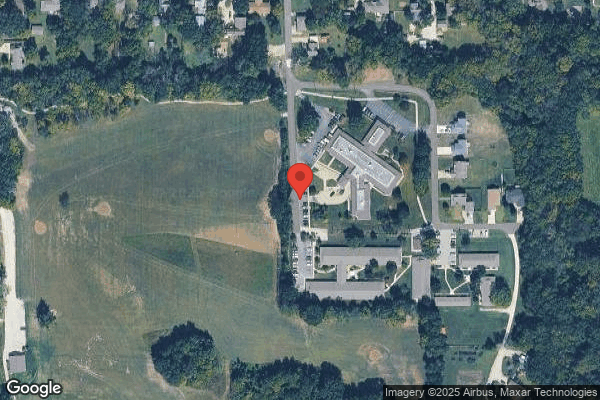
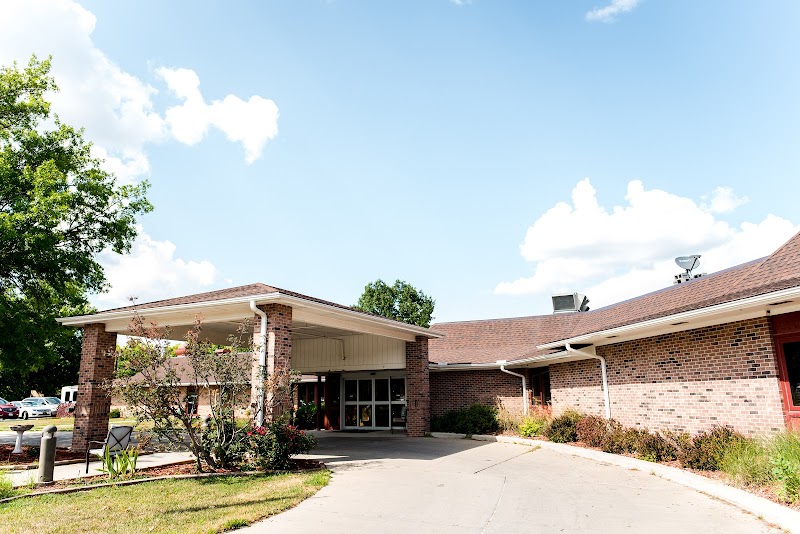
1223 ORCHARD LANE, BALDWIN CITY, KS 66006 (785) 594-6492
For profit - Limited Liability company 60 Beds RECOVER-CARE HEALTHCARE Data: November 2025 1 Immediate Jeopardy citation
Trust Grade
51/100
#52 of 295 in KS
Last Inspection: June 2024

Within standard 12-15 month inspection cycle. Federal law requires annual inspections.

Overview

Baldwin Healthcare & Rehab Center has a Trust Grade of C, which means it is average and sits in the middle of the pack compared to other nursing homes. It ranks #52 out of 295 facilities in Kansas, indicating that it is in the top half, and #2 out of 5 in Douglas County, with only one local option rated higher. However, the facility's trend is worsening, with issues increasing from 1 in 2023 to 11 in 2024. Staffing is a concern, receiving a rating of 2 out of 5 stars and having a turnover rate of 58%, which is higher than the state average of 48%. The facility has been fined $13,397, which is considered average and suggests some compliance issues but is not excessively high. Strengths include decent RN coverage, which is important for catching potential problems, as well as a good overall star rating of 4 out of 5. However, there have been serious concerns, such as a resident with cognitive impairment being able to exit the facility unsupervised and the failure to secure hazardous cleaning chemicals, which could pose a risk to residents. Additionally, the kitchen has had issues with cleanliness that could lead to foodborne illnesses. Overall, while there are some positive aspects, families should be aware of the concerning trends and specific incidents that could impact care quality.

Trust Score
C
51/100
In Kansas
#52/295
Top 17%
Safety Record
High Risk
Review needed
Inspections
Getting Worse
1 → 11 violations
Staff Stability
⚠ Watch
58% turnover. Above average. Higher turnover means staff may not know residents' routines.
Penalties
✓ Good
$13,397 in fines. Lower than most Kansas facilities. Relatively clean record.
Skilled Nurses
⚠ Watch
Each resident gets only 28 minutes of Registered Nurse (RN) attention daily — below average for Kansas. Fewer RN minutes means fewer trained eyes watching for problems.
Violations
⚠ Watch
22 deficiencies on record. Higher than average. Multiple issues found across inspections.
★★★★☆
4.0
Overall Rating
★★☆☆☆
2.0
Staff Levels
★★★☆☆
3.0
Care Quality
★★★★☆
4.0
Inspection Score
Stable
2023: 1 issues
2024: 11 issues

The Good

  • Full Sprinkler Coverage · Fire safety systems throughout facility
  • No fines on record

Facility shows strength in fire safety.

The Bad

Staff Turnover: 58%

12pts above Kansas avg (46%)

Frequent staff changes - ask about care continuity

Federal Fines: $13,397

Below median ($33,413)

Minor penalties assessed

Chain: RECOVER-CARE HEALTHCARE

Part of a multi-facility chain

Ask about local staffing decisions and management

Staff turnover is elevated (58%)

10 points above Kansas average of 48%

The Ugly 22 deficiencies on record

1 life-threatening
Sept 2024 1 deficiency
CONCERN (D) 📢 Someone Reported This

A family member, employee, or ombudsman was alarmed enough to file a formal complaint

Potential for Harm - no one hurt, but risky conditions existed

Resident Rights (Tag F0550)

Could have caused harm · This affected 1 resident

**NOTE- TERMS IN BRACKETS HAVE BEEN EDITED TO PROTECT CONFIDENTIALITY** The facility identified a census of 51 residents. The sample included four residents reviewed for dignity and resident rights. B...

Read full inspector narrative →
**NOTE- TERMS IN BRACKETS HAVE BEEN EDITED TO PROTECT CONFIDENTIALITY** The facility identified a census of 51 residents. The sample included four residents reviewed for dignity and resident rights. Based on record review, observation, and interview the facility failed to maintain an environment that treated Resident (R) 1 with respect and dignity and maintained or enhanced R1's quality of life. This placed R1 at risk for impaired dignity. Findings included: - The Electronic Medical Record (EMR) documented R1 was admitted to the facility on [DATE] following hospitalization for a cerebral vascular accident (CVA-stroke- a medical emergency that occurs when blood flow to the brain is blocked or reduced). The EMR further recorded diagnoses of rhabdomyolysis (a breakdown of skeletal muscle due to direct or indirect muscle injury); bacteremia (presence of bacteria in the blood); urinary tract infection (infection of any part of the urinary system, including kidneys, ureters, bladder, and urethra) and hypertension (elevated blood pressure). The Medicare 5-day Minimum Data Set (MDS) dated [DATE] documented R1 had short-term and long-term memory impairment, was rarely understood, and had moderately impaired decision-making skills. The MDS documented R1's functional limitations were under review and R1 was occasionally incontinent of bladder. R1's Nursing Admission/readmission Assessment dated 08/10/24 documented the resident was alert and cognizant of person, place, time, and situation. The evaluation noted R1 had expressive aphasia (a condition where a person understands speech but has difficulty speaking fluently). The assessment recorded R1 used bilateral hearing aids, was independent with eating and had one-sided limited mobility. R1's Care Plan initiated on 08/13/24 documented that R1 had a communication problem and directed staff to ensure and provide a safe environment; monitor and document for physical or nonverbal indicators of discomfort or distress and report any changes in R1's communication ability. R1's Care plan also documented R1's impaired cognition and advised approaching R1 in a gentle, friendly, and unhurried manner and to communicate to R1's family and caregivers R1's capabilities and needs. The plan further directed caregivers to address R1's emotional issues and teach her family members that due to the CVA, the resident may have emotional lability and depression. A Physician Progress Note dated 08/13/24 at 10:41 AM documented Consultant H assessed R1 for nursing due to a report of R1's altered mental state. The report recorded Consultant H was told R1 did awaken, ate breakfast, and was sleeping at this time. Consultant H's report did not note a significant change in RI's vital signs or symptoms. The assessment concluded with orders for laboratory tests and to monitor and follow R1 closely. A Nurse Progress Notes, dated 08/13/24 at 1:47 PM documented: that during Consultant H's assessment around 10:00 AM, R1 was less responsive but clenching her mouth tightly during the oral check and closing her eyes tightly during the eye check. At 11:00 AM, while attempting collection for a urinalysis, R1 clenched her legs tightly. At 01:00 PM the nurse received orders to send the resident to the hospital. Administrative Nurse E's Witness Statement dated 09/24/24 recorded that on 8/13/24 Administrative Nurse E observed Consultant H assess R1. Administrative Licensed Nurse E noted that R1 was not responding to verbal and tactile stimuli. At that time, Consultant H stated to Administrative Nurse E that he was not sure if [R1] was just playing opossum or not. The statement documented R1's family was in the room but did not respond to the comment. During a telephone interview on 09/24/24 at 03:10 PM, R1's representative stated while Consultant H was checking to see if R1 had thrush (a yeast infection that causes white, raised lesions on your tongue, cheeks, and other parts of your mouth) he stated maybe R1 was playing opossum since R1 would not open her mouth. R1's representative reported the statement made them uncomfortable and uncertain that R1 was being assessed appropriately. During a telephone interview on 09/24/24 at 03:10 PM, Consultant H acknowledged having commented that R1 might be playing opossum but said it was without any malicious intent. Consultant H stated he certainly did not mean it in a malicious or mean way and said he would not want to say anything mean to or about a resident. On 09/24/24 at 10:00 Administrative Staff A acknowledged staff reported Consultant H's comments and said that according to the staff present, R1's representative did not seem upset and did not indicate to staff they were upset. The facility's Promoting/Maintaining Resident Dignity Policy, revised January 1, 2020, recorded: that the practice of the facility is to protect and promote resident rights and treat each resident with respect and dignity, as well as care for each resident in a manner and in and environment that maintains or enhances residents' quality of care by recognizing each resident individuality, Specifically the policy direct caregivers to Speak respectfully to residents, avoid discussion with Residents that may be overheard. The facility failed to maintain an environment that treated R1 with respect and dignity and maintained or enhanced R1's quality of life. This placed R1 at risk for impaired dignity.
Jun 2024 10 deficiencies
CONCERN (D) 📢 Someone Reported This

A family member, employee, or ombudsman was alarmed enough to file a formal complaint

Potential for Harm - no one hurt, but risky conditions existed

Resident Rights (Tag F0550)

Could have caused harm · This affected 1 resident

The facility identified a census of 53 residents. The sample included 16 residents with one resident reviewed for dignity. Based on observation, interview, and record review, the facility failed to pr...

Read full inspector narrative →
The facility identified a census of 53 residents. The sample included 16 residents with one resident reviewed for dignity. Based on observation, interview, and record review, the facility failed to provide a dignified care environment for Resident (R)40, R41, and R256. This deficient practice placed the residents at risk for impaired dignity and quality of life. Findings Included: - On 06/10/24 at 07:52 AM an inspection of the hallway behind the activity room revealed a clear file box attached to the wall. A grievance form completed by Resident (R)256's resident representative was placed in the clear box with the details of the grievance visibly displayed. On 06/10/24 at 12:19 AM R41 sat in his Broda chair (specialized wheelchair with the ability to tilt and recline) in the dining room. R40's indwelling urinary catheter (a tube inserted into the bladder to drain urine into a collection bag) tubing ran down the right side of his chair and hung in the lower back of his chair. R41's urinary collection bag lacked a privacy (dignity) cover. Urine was visible in the collection bag. On 06/11/24 at 07:21 AM R40 approached the nurse's station on his electric mobility scooter. R40's urinary catheter ran down the right side of his leg and his urine collection was attached to the handlebars of his electric scooter. R40's catheter bag had no privacy cover or dignity bag. Visible urine pooled in the tubing and collection bag as he sat at the nurse's station. On 06/11/24 at 01:05 PM Social Service Staff X stated R256's grievance form was accidentally placed in the wrong box by a new kitchen staff member. She stated the grievances should be placed in the locked grievance box in the main hallway. On 06/12/24 at 12:05 AM Certified Nurse's Aide (CNA) M stated all indwelling catheters should have a privacy bag to ensure the resident's dignity was maintained. She stated grievance forms should be confidential and turned directly in to the social service staff. On 06/12/24 at 12:15 PM Licensed Nurse (LN) H stated the indwelling catheter should be placed below the level of the bladder and with a dignity bag. On 06/12/24 at 12:35 PM Administrative Nurse D acknowledged staff placed R256's grievance form in the wrong box and had already re-educated the staff about the correct grievance process. She stated every resident with an indwelling catheter should be placed in a dignity bag when out in public areas. The facility's Promoting and Maintaining Resident Dignity 09/2020 indicated the facility would protect and promote each resident's rights and promote an environment that maintains or enhances dignity. The facility failed to provide a dignified care environment for R40, R41, and R256. This deficient practice placed the residents at risk for impaired dignity and quality of life.
CONCERN (D) 📢 Someone Reported This

A family member, employee, or ombudsman was alarmed enough to file a formal complaint

Potential for Harm - no one hurt, but risky conditions existed

Deficiency F0558 (Tag F0558)

Could have caused harm · This affected 1 resident

**NOTE- TERMS IN BRACKETS HAVE BEEN EDITED TO PROTECT CONFIDENTIALITY** The facility identified a census of 53 residents. The sample included 16 residents. One resident was sampled for reasonable acco...

Read full inspector narrative →
**NOTE- TERMS IN BRACKETS HAVE BEEN EDITED TO PROTECT CONFIDENTIALITY** The facility identified a census of 53 residents. The sample included 16 residents. One resident was sampled for reasonable accommodations of resident needs and preferences. Based on observation, record review, and interview, the facility failed to ensure that resident (R)1 had foot pedals on her wheelchair while being pushed. This deficient practice left R1 vulnerable to preventable accidents and injuries due to unmet care needs. Findings included: - R1's Electronic Medical Record (EMR) from the Diagnoses tab documented diagnoses of depressive disorder (a mood disorder that causes a persistent feeling of sadness and loss of interest), pain, hypertension (HTN-elevated blood pressure), functional urinary incontinence, dysphagia (swallowing difficulty), bipolar disorder (major mental illness that caused people to have episodes of severe high and low moods), and congestive heart failure (CHF-a condition with low heart output and the body becomes congested with fluid). The admission Minimum Data Set (MDS) dated [DATE] recorded a Brief Interview for Mental Status (BIMS) score of 12 which indicated moderately impaired cognition. The MDS recorded R1 was dependent on staff for all activities of daily living (ADLs) except eating, for which she was independent. R1 required the assistance of one staff member for sit-to-stand and chair/bed-to-chair transfers. The MDS stated R1 was dependent on staff for wheelchair mobility. R1's Cognitive Loss Care Area Assessment (CAA) dated 08/05/23 documented R1 had short-term and long-term memory issues. R1 had impaired decision-making abilities. R1 was monitored for signs and symptoms of all medication. Staff was to speak to her using short, simple sentences to ensure an adequate understanding of what was being said to her. R1's family was encouraged to visit and decorate her room with familiar belongings. Activities are provided to keep her engaged in activities of her choice. R1 was to be redirected and tasks were broken down to ensure she was able to help with her activities of daily living (ADLs). R1's Care Plan dated 11/11/23 documented R1 needed assistance with ADLs related to CHF. The plan of care documented R1 required extensive assistance of two staff with a stand-up lift when moving between surfaces during care. The plan of care documented R1 was dependent on staff for wheelchair mobility. On 06/10/24 at 07:42 AM, an unidentified staff member pushed R1 in the wheelchair down the 100 halls. R1 did not have foot pedals. R1 had her left foot raised, and her, right foot was dragging on the floor. On 06/10/24 at 01:39 PM R1 was pushed without foot pedals in the 100 halls, she stated she was on her way to play bingo, in the dining room. R1 had her left foot raised and her right foot was dragging on the floor. On 06/12/24 at 12:02 PM Certified Nursing Aide (CNA) stated if a resident is being pushed by a staff member, their wheelchair pedals should be on their wheelchair. On 06/12/24 at 12:15 PM Licensed Nurse (LN) H stated all residents should have foot pedals if being pushed by staff. On 06/12/24 at 12:28 PM Administrative Nurse D stated residents should not be pushed by staff unless they have foot pedals on their wheelchairs. The facility policy Accommodation of Needs policy documented the facility will treat each resident with respect and dignity and will evaluate and make reasonable accommodations for the individual needs and preferences of a resident, except when the health and safety of the individual or other residents would be endangered. The facility failed to provide foot pedals for R1's wheelchair. This deficient practice left R1 vulnerable to preventable accidents and injuries due to unmet care needs.
CONCERN (D) 📢 Someone Reported This

A family member, employee, or ombudsman was alarmed enough to file a formal complaint

Potential for Harm - no one hurt, but risky conditions existed

Deficiency F0655 (Tag F0655)

Could have caused harm · This affected 1 resident

**NOTE- TERMS IN BRACKETS HAVE BEEN EDITED TO PROTECT CONFIDENTIALITY** The facility identified a census of 53 residents. The sample included 16 residents with one resident reviewed for a baseline car...

Read full inspector narrative →
**NOTE- TERMS IN BRACKETS HAVE BEEN EDITED TO PROTECT CONFIDENTIALITY** The facility identified a census of 53 residents. The sample included 16 residents with one resident reviewed for a baseline care plan. Based on observation, record review, and interviews, the facility failed to develop a person-centered baseline care plan for Resident (R) 304 to include his hemodialysis (a procedure where impurities or wastes were removed from the blood) provider, days of the week, and time for dialysis. This deficient practice placed R304 at risk of impaired care related to uncommunicated care needs. Findings included: - R304's Electronic Medical Record (EMR) from the Diagnoses tab documented diagnoses of chronic kidney disease, pulmonary edema (accumulation of extravascular fluid in the lung tissues), and heart failure. R304 was admitted on [DATE] and transferred to the hospital on [DATE]. The admission Minimum Data Set (MDS) dated [DATE] documented a Brief Interview of Mental Status (BIMS) score of 13 which indicated intact cognition. The MDS documented R304 had received dialysis services during the observation period. R304's Urinary Incontinence and Indwelling Catheter Care Area Assessment (CAA) dated 05/23/24 documented he was dependent on staff assistance for activities of daily living (ADL) and had an indwelling catheter (tube placed in the bladder to drain urine into a collection bag). R304's baseline Care Plan dated 05/15/24 documented the facility would monitor lab work and report to the physician as needed. The plan of care documented the nursing staff would monitor vital signs per facility protocol and notify the physician of significant abnormalities. The plan of care documented nursing staff would monitor, document, and report as needed any signs or symptoms of infection to access the site for redness, swelling, warmth, or drainage. The baseline care plan lacked the dialysis provider, days of the week, and times for dialysis. R304's EMR under the Orders tab revealed the following physician orders: R304's dialysis was provided on Monday, Wednesday, and Friday. Departure time at 12:40 PM and chair time 02:00 PM dated 05/15/24. Complete pre and post-dialysis communication form: Obtain weight and vital signs before and after dialysis. Notify the physician if systolic blood pressure (SBP-relating to the phase of the heartbeat when the heart muscle contracts and pumps blood from the chambers into the arteries greater) (>) 190 millimeters of mercury (mmHg) or less (<) 80 mmHg, diastolic blood pressure (DBP-minimum level of blood pressure measured between contractions of the heart; the bottom number of a blood pressure reading) >105mmHg or < 45mmHg, heart rate >110 or <45, temperature >100 degrees, and oxygen sats <88% in the evening every Monday, Wednesday, and Friday for post dialysis. Ensure that his binder was brought back, dated 05/15/24. Complete pre and post-dialysis communication form: Obtain weight and vital signs before and after dialysis. Notify the physician if SBP >190mmHg or < 80mmHg, DBP >105mmHg or <45mmHg, heart rate >110 or <45, temperature >100 degrees, and oxygen saturation <88% every Monday, Wednesday, and Friday for pre-dialysis to be completed prior to leaving for chair time of 02:00 PM. Assure this information was in the white dialysis binder for R304 and the binder was sent with R304 dated 05/15/24. Remove the dialysis dressing at bedtime every dialysis day. Notify the physician as indicated for bleeding or discomfort every night every Monday, Wednesday, and Friday dated 05/15/24. No blood pressure was obtained from the right arm. Monitor port site on right chest every shift. Notify the physician and director of nursing immediately of swelling, numbness, decreased temperature, increased pain, prolonged bleeding, redness, or fluid leakage. Insert a progress note of any changes to the port site on the left upper extremity dated 05/15/24. A review of R304's EMR under the Misc tab of the Dialysis Communication Form revealed two forms. The communication form dated 05/15/24 lacked a post-dialysis assessment documented. The communication form dated 05/20/24 lacked evidence of pre-dialysis assessment and the dialysis provider had documented under the post-dialysis section of the communication form. The dialysis communication sheet dated 05/20/24 had documented by the dialysis provider that R304's condition was poor, and his access site had bleeding. R304's clinical record lacked evidence of physician notification or post-assessment. The EMR lacked evidence of a dialysis communication sheet for 05/17/24. R304's EMR lacked evidence of communication with the dialysis provider. R304's May 2024 Medication Administration Record (MAR) and Treatment Administration record (TAR) lacked documentation of a pre-dialysis assessment dated [DATE]. On 06/12/24 at 12:02 PM, Certified Nurse Aide (CNA) M stated she did not have access to the resident's care plan. CNA M stated there was a resident information sheet at the nurse's desk. CNA M stated she was not sure how often the sheets were updated. CNA M stated she was not sure if the information sheets included dialysis information. On 06/12/24 at 12:15 PM, Licensed Nurse (LN) H stated she was not sure if the care plan included dialysis information. LN H stated some dialysis information was on the MAR and TARs. LN H stated if the dialysis provider was not listed on the MAR or TAR she would check the transportation log for that information. LN H stated she was not sure how an agency would know to check the transportation log for the dialysis provider. LN H stated Administrative Nurse E was responsible for initiating and completing the baseline care plan. On 06/12/24 at 12:28 PM, Administrative Nurse D stated she expected the baseline care plan to include dialysis information. Administrative Nurse D stated the baseline would include the dialysis provider's, phone number and address. Administrative Nurse D stated Administrative Nurse E would initiate and complete the care planning. Administrative Nurse D stated everyone had access to the care plan or [NAME] (a nursing tool that gives a brief overview of the care needs of each resident). The facility's Baseline Care Plan policy dated 02/01/20 documented the facility would develop and implement a baseline care plan for each resident that included the instructions needed to provide effective and person-centered care of the resident that meets professional standards of quality care. The facility failed to develop a baseline care plan for R304 to include his physician orders for the hemodialysis provider, days of the week, and time for dialysis. This deficient practice placed R304 at risk of impaired care related to uncommunicated care needs.
CONCERN (D) 📢 Someone Reported This

A family member, employee, or ombudsman was alarmed enough to file a formal complaint

Potential for Harm - no one hurt, but risky conditions existed

Comprehensive Care Plan (Tag F0656)

Could have caused harm · This affected 1 resident

**NOTE- TERMS IN BRACKETS HAVE BEEN EDITED TO PROTECT CONFIDENTIALITY** The facility identified a census of 53 residents. The sample included 16 residents. Based on observation, record review, and int...

Read full inspector narrative →
**NOTE- TERMS IN BRACKETS HAVE BEEN EDITED TO PROTECT CONFIDENTIALITY** The facility identified a census of 53 residents. The sample included 16 residents. Based on observation, record review, and interview, the facility failed to ensure Resident (R) 51's comprehensive care plan was updated to include staff direction on the collaboration between the dialysis (a procedure where impurities or wastes were removed from the blood) clinic and the facility. The facility failed to ensure the care plan was updated with interventions to direct staff on the days, times, location, and contact numbers of R51's dialysis treatment clinic. This placed R51 at risk for complications related to dialysis due to uncommunicated care needs. Findings included: - The Electronic Medical Record (EMR) for R51 documented diagnosis of end-stage renal disease (ESRD-a terminal disease of the kidneys) and type 2 diabetes mellitus (DM-when the body cannot use glucose, not enough insulin made, or the body cannot respond to the insulin). R51's admission Minimum Data Set (MDS) dated 05/24/24 documented R51 had a Brief Interview for Mental Status (BIMS) score of 14 which indicated intact cognition. R51 had impairment on both sides of his lower extremities and required the use of a walker and/or wheelchair to assist with mobility. R51 required partial/moderate to substantial/maximal assistance with his activities of daily living (ADLs) and functional abilities. R51 required dialysis treatment. R51's Functional Abilities Care Area Assessment (CAA) dated 05/29/24 documented R51 required substantial to maximal assistance with care and was occasionally incontinent of bowel and bladder and remained a fall risk due to weakness and discomfort. R51 received hemodialysis. R51's Care Plan initiated on 05/20/24 directed staff to not draw blood or take blood pressure in the arm with the graft. Staff was directed to monitor the fistula (abnormal passage from an internal organ to the body surface or between two internal organs) to the right forearm. Staff was directed to monitor R51's intake and output. Monitor labs and report to the doctor as needed. Staff was directed to monitor vital signs per facility protocol and notify the physician of significant abnormalities. Staff was to monitor, document, and report as needed any signs or symptoms of infection to access the site for redness, swelling, warmth, or drainage. R51's Care Plan lacked staff direction on the location, days, times, chair time, and contact number for the dialysis clinic. R51's Order Summary in the EMR documented the following orders and or treatments: Dialysis Center: Resident receives dialysis services on Monday, Wednesday, and Friday with a departure time of 10:00 AM and a chair time of 11:00 AM dated 05/21/2024. Dialysis: Print a new medication list/order summary to send to dialysis the first week of every month and put the medication list in a personalized dialysis binder every Monday, Wednesday, and Friday for Dialysis communication, dated 05/20/2024. Dialysis: Remove dialysis dressing at bedtime every dialysis day Monday, Wednesday, and Friday; notify physician as indicated for bleeding or discomfort for monitoring, dated 05/20/2024. A high-protein snack was to be provided every Monday, Wednesday, and Friday upon arrival from dialysis. Document on the Treatment Administration Report (TAR) an A for accepted or R for refused one time a day every Monday, Wednesday, and Friday, dated 05/24/2024. Monitor the fistula/graft site for signs/symptoms of infection, edema, and bleeding upon return from dialysis and notify the physician if any signs are noted. If the site was bleeding apply pressure for 15 minutes and notify the physician and if the bleeding did not stop, twice daily and as needed, dated 05/20/2024. No blood pressure was obtained from the right arm. Monitor the fistula site at specify location every shift. Assess thrill and bruit. Notify the physician immediately of left upper extremity swelling, numbness, decreased temperature, increased pain, prolonged bleeding, redness, distended fistula, or fluid leakage. Insert progress note of any changes to fistula site to right upper extremity every shift, dated 05/21/2024. Obtain daily weight everyday shift for weight management, dated 06/06/2024. On 06/12/24 at 08:03 AM R51 sat in his wheelchair as he propelled himself to the dining room for breakfast. On 06/12/24 at 12:02 Certified Nurse Aide (CNA) M said she did not have access to the care plan, but the aides did have access to the [NAME] (a nursing tool that gives a brief overview of the care needs of each resident) that had what amount of care each resident needed. CNA M stated she knew R51 was on dialysis and was to keep track of how much he ate and to let the nurse know of any changes to the arm the fistula was in. On 06/12/24 at 12:10 PM, Licensed Nurse (LN) H stated R51's care plan should be updated to include the location of the dialysis center, when he went, and how to get a hold of the clinic. LN H stated residents on dialysis each had dialysis books. LN H stated each time R51 went to dialysis a communication sheet was sent with him. LN H stated that Administrative Nurse E was responsible for updating the care plans. LN H stated the nurses could add interventions, but Administrative Nurse E was the primary person to make changes to the care plan. On 06/12/24 at 12:26 PM Administrative Nurse D stated Administrative Nurse E was the staff member responsible for creating the care plans and developing the comprehensive care plans after the MDS was completed. Administrative Nurse D stated R51's care plan should have been updated with all the information about when, where, what time, and the chair time for his dialysis so staff was aware of that information. Administrative Nurse D stated that typically the residents' main screen in the EMR should have special instructions documented regarding the dialysis. The facility policy Comprehensive Care Plans implemented 02/01/20 documented: that it was the policy of this facility to develop and implement a comprehensive person-centered care plan for each resident. The comprehensive care plan would be developed within seven days after the completion of the comprehensive MDS assessment. The comprehensive care plan would describe at a minimum any specialized services that were to be furnished to maintain the resident's highest practicable physical, mental, and psychosocial well-being. The facility failed to ensure R51's comprehensive care plan was updated with interventions to direct staff on the days, time, and location and contact number of R51's dialysis treatment clinic. The facility failed to ensure R51's comprehensive care plan was updated to include staff direction on the collaboration between the dialysis This placed R51 at risk for complications related to dialysis due to uncommunicated care needs.
CONCERN (D) 📢 Someone Reported This

A family member, employee, or ombudsman was alarmed enough to file a formal complaint

Potential for Harm - no one hurt, but risky conditions existed

Deficiency F0698 (Tag F0698)

Could have caused harm · This affected 1 resident

**NOTE- TERMS IN BRACKETS HAVE BEEN EDITED TO PROTECT CONFIDENTIALITY** The facility identified a census of 53 residents. The sample included 16 residents with two residents reviewed for hemodialysis ...

Read full inspector narrative →
**NOTE- TERMS IN BRACKETS HAVE BEEN EDITED TO PROTECT CONFIDENTIALITY** The facility identified a census of 53 residents. The sample included 16 residents with two residents reviewed for hemodialysis (a procedure using a machine to remove excess water, solutes, and toxins from the blood in people whose kidneys can no longer perform these functions naturally). Based on observation, record review, and interviews, the facility failed to obtain communication from the dialysis center and assess the pre-dialysis and post-dialysis status for Resident (R) 304. This deficient practice placed R304 at risk of potential adverse outcomes and physical complications related to dialysis. Findings included: - R304's Electronic Medical Record (EMR) from the Diagnoses tab documented diagnoses of chronic kidney disease, pulmonary edema (accumulation of extravascular fluid in the lung tissues), and heart failure. R304 was admitted on [DATE] and transferred to the hospital on [DATE]. The admission Minimum Data Set (MDS) dated [DATE] documented a Brief Interview of Mental Status (BIMS) score of 13 which indicated intact cognition. The MDS documented that R304 had received dialysis services during the observation period. R304's Urinary Incontinence and Indwelling Catheter Care Area Assessment (CAA) dated 05/23/24 documented he was dependent on staff assistance for activities of daily living (ADL) and had an indwelling catheter (tube placed in the bladder to drain urine into a collection bag). R304's Care Plan dated 05/15/24 documented the facility would monitor lab work and report to the physician as needed. The plan of care documented the nursing staff would monitor vital signs per facility protocol and notify the physician of significant abnormalities. The plan of care documented nursing staff would monitor, document, and report as needed any signs or symptoms of infection to access site: redness, swelling, warmth, or drainage. The plan of care dated 05/21/24 documented that the facility would monitor the port site on the right upper chest. R304's EMR under the Orders tab revealed the following physician orders: R304's dialysis was provided on Monday, Wednesday, and Friday. Departure time at 12:40 PM and chair time 02:00 PM dated 05/15/24. Complete pre and post-dialysis communication form: Obtain weight and vital signs before and after dialysis. Notify the physician if systolic blood pressure (SBP-relating to the phase of the heartbeat when the heart muscle contracts and pumps blood from the chambers into the arteries greater) (>) 190 millimeters of mercury (mmHg) or less (<) 80 mmHg, diastolic blood pressure (DBP-minimum level of blood pressure measured between contractions of the heart; the bottom number of a blood pressure reading) >105mmHg or < 45mmHg, heart rate >110 or <45, temperature >100 degrees, and oxygen sats <88% in the evening every Monday, Wednesday, and Friday for post dialysis. Ensure that his binder was brought back, dated 05/15/24. Complete pre and post-dialysis communication form: Obtain weight and vital signs before and after dialysis. Notify the physician if SBP >190mmHg or < 80mmHg, DBP >105mmHg or <45mmHg, heart rate >110 or <45, temperature >100 degrees, and oxygen saturation <88% every Monday, Wednesday, and Friday for pre-dialysis to be completed prior to leaving for chair time of 02:00 PM. Assure this information was in the white dialysis binder for R304 and the binder was sent with R304 dated 05/15/24. Remove the dialysis dressing at bedtime every dialysis day. Notify the physician as indicated for bleeding or discomfort every night every Monday, Wednesday, and Friday dated 05/15/24. No blood pressure was obtained from the right arm. Monitor port site on right chest every shift. Notify the physician and director of nursing immediately of swelling, numbness, decreased temperature, increased pain, prolonged bleeding, redness, or fluid leakage. Insert a progress note of any changes to the port site on the left upper extremity dated 05/15/24. A review of R304's EMR under the Misc tab of the Dialysis Communication Form revealed two forms. The communication form dated 05/15/24 lacked a post-dialysis assessment documented. The communication form dated 05/20/24 lacked evidence of pre-dialysis assessment and the dialysis provider had documented under the post-dialysis section of the communication form. The dialysis communication sheet dated 05/20/24 had documented by the dialysis provider that R304's condition was poor, and his access site had bleeding. R304's clinical record lacked evidence of physician notification or post-assessment. The EMR lacked evidence of a dialysis communication sheet for 05/17/24. R304's EMR lacked evidence of communication with the dialysis provider. R304's May 2024 Medication Administration Record (MAR) and Treatment Administration record (TAR) lacked documentation of a pre-dialysis assessment dated [DATE]. On 06/12/24 at 07:58 AM, Administrative Staff A stated R304 had received dialysis services on 05/15/24, and 05/17/24, and only received about half of a dialysis session related to his access site had collapsed on 05/20/24. Administrative Staff, A stated confirmed R304's EMR lacked evidence of a post-dialysis assessment on 05/20/24. Administrative Staff A stated R304 had been transported to the dialysis provider on 05/22/24 and the provider had refused to treat R304. On 06/12/24 at 12:15 PM, Licensed Nurse (LN) H stated she would assess a resident's dialysis access site at least daily and document the assessment on the MAR. LN H stated the nurse would complete a pre-dialysis assessment and a post-dialysis assessment for a resident who received hemodialysis. LN H stated the assessment information was documented on the Dialysis Communication Form and sent with the resident to the dialysis provider. LN H stated the communication sheets were scanned into the resident's EMR. On 06/12/24 at 12:28 PM, Administrative Nurse D stated most of a resident's information related to dialysis was located on the MAR or TAR. Administrative Nurse D stated she would expect there to be communication between the facility and the dialysis provider. Administrative Nurse D stated she expected the nurse to call the dialysis provider and get a verbal report from the dialysis provider if the dialysis communication sheet was not returned or lacked documentation from the provider. The facility's Hemodialysis policy dated 01/01/20 documented that the facility would provide the necessary care and treatment, consistent with professional standards of practice, physician orders, the comprehensive person-centered care plan, and the resident's goals and preferences, to meet the special medical, nursing, mental, and psychosocial needs of residents receiving hemodialysis. Ongoing assessment and oversight of the resident before, during, and after dialysis treatments, including monitoring of the resident's condition during treatments, monitoring for complications, implementation of appropriate interventions, and using appropriate infection control practices: and ongoing communication and collaboration with the dialysis facility regarding dialysis care and services. The facility failed to obtain communication from the dialysis center and assess the pre-dialysis and post-dialysis clinical status for R304. These deficient practices placed R304 at risk of potential adverse outcomes and physical complications related to dialysis.
CONCERN (D) 📢 Someone Reported This

A family member, employee, or ombudsman was alarmed enough to file a formal complaint

Potential for Harm - no one hurt, but risky conditions existed

Deficiency F0757 (Tag F0757)

Could have caused harm · This affected 1 resident

The facility reported a census of 53 residents. The sample included 16 residents with five reviewed for unnecessary medications. Based on record review, observations, and interviews, the facility fail...

Read full inspector narrative →
The facility reported a census of 53 residents. The sample included 16 residents with five reviewed for unnecessary medications. Based on record review, observations, and interviews, the facility failed to follow orders related to medication monitoring when the facility administered Resident (R)50's anti-hypertensive beta-blocker (class of medication used to treat high blood pressure) medication on multiple occasions outside the physician ordered parameters without physician notification. This deficient practice placed R50 at increased risk for unnecessary medication and side effects. Findings included: - The Medical Diagnosis section within R50's Electronic Medical Records (EMR) included diagnoses of hypertension (high blood pressure), dementia (a progressive mental disorder characterized by failing memory, and confusion), restless leg syndrome, and Parkinson's disease (a slowly progressive neurologic disorder characterized by resting tremor, rolling of the fingers, masklike faces, shuffling gait, muscle rigidity, and weakness). R50's admission Minimum Data Assessment (MDS) completed 04/06/24 noted a Brief Interview for Mental Status (BIMS) score of 12 indicating mild cognitive impairment. The MDS indicated he was dependent on staff for transfers, bed mobility, bathing, dressing, and personal hygiene. R50's Dementia Care Area Assessment (CAA) completed 04/08/24 indicated he had poor short and long-term memory and impaired decision-making abilities. The CAA encourages staff to communicate with short and simple sentences to ensure adequate understanding. R50's Functional Abilities CAA completed 04/08/24 indicated he was dependent on staff for all care. The CAA indicated he had a history of falls and was at risk for skin impairment related to his limited mobility. The CAA noted his goal was to remain at his long-term care facility. R50's Care Plan initiated 03/31/24 indicated he required maximal to total dependence from staff for bed mobility, transfers, dressing, toileting, personal hygiene, and bathing. The plan indicated he was at risk for altered cardiovascular status related to his hypertension. The plan encouraged staff to monitor him for shortness of breath, chest pain, and abnormalities related to his hypertension. R50's EMR under Physician's Orders revealed an order dated 03/30/24 to administer 50 milligrams (mg) of metoprolol (antihypertensive medication) by mouth twice daily for his hypertension. The order instructed staff to hold the medication if his systolic blood pressure (SBP-relating to the phase of the heartbeat when the heart muscle contracts and pumps blood from the chambers into the arteries) was less than (<) 110 millimeters of mercury (mmHg) or diastolic blood pressure (DBP-minimum level of blood pressure measured between contractions of the heart; the bottom number of a blood pressure reading) was less than (<) 60mmHg. R50's EMR under Medication Administration Record (MAR) between 03/31/24 through 06/11/24 (72 days reviewed) indicated his metoprolol medication was given outside the ordered physician's parameters on 05/01/24 (morning), 05/01/24 (evening). 06/02/24 (morning dose), 06/02/24 (evening dose), 06/03/24 (morning dose), 06/03/24 (evening dose), 06/09/24 (evening dose). On 06/12/24 at 07:34 AM Licensed Nurse (LN) G assessed R50's blood pressure. His blood pressure was within the given parameters for his metoprolol. R50's metoprolol was administered. On 06/12/24 at 12:15 PM Licensed Nurse H stated that licensed staff should mark in the EMR that a medication was held due to the ordered parameters. She stated the physician would be notified of the held medication and a progress note would be completed. On 06/12/24 at 12:31 PM Administrative Nurse D stated staff were expected to follow the medication parameters per the physician's orders. She stated the MAR required staff to enter a specific reason the medication was held if out of parameters. The facility's Provisions of Physicians Ordered Services policy (undocumented) indicated the facility will ensure services, medications, and treatments ordered by the medical provider by accurately followed and the clinical provider be notified of changes or missed treatments. The facility failed to follow orders related to medication monitoring when the facility administered R50's anti-hypertensive beta-blocker medication on multiple occasions outside the physician-ordered parameters without physician notification. This deficient practice placed R50 at increased risk for unnecessary medication and side effects.
CONCERN (D) 📢 Someone Reported This

A family member, employee, or ombudsman was alarmed enough to file a formal complaint

Potential for Harm - no one hurt, but risky conditions existed

Medication Errors (Tag F0758)

Could have caused harm · This affected 1 resident

**NOTE- TERMS IN BRACKETS HAVE BEEN EDITED TO PROTECT CONFIDENTIALITY** The facility had a census of 53 residents. The sample included 16 residents with five reviewed for unnecessary medications. Base...

Read full inspector narrative →
**NOTE- TERMS IN BRACKETS HAVE BEEN EDITED TO PROTECT CONFIDENTIALITY** The facility had a census of 53 residents. The sample included 16 residents with five reviewed for unnecessary medications. Based on observation, record review, and interview the facility failed to ensure a gradual dose reduction (GDR) was attempted or addressed by the physician for Resident (R) 43's antipsychotic (class of medications used to treat a mental disorder characterized by a gross impairment testing) medication, who had a diagnosis of dementia (a progressive mental disorder characterized by failing memory and confusion). This placed the resident at risk for unnecessary psychotropic (alters perception, mood, consciousness, cognition, or behavior) medications and related complications. Findings included: - R43's Electronic Medical Record (EMR) documented the resident had diagnoses of dementia without behavioral disturbance, anxiety (mental or emotional reaction characterized by apprehension, uncertainty, and irrational fear), major depressive disorder (major depressive disorder (major mood disorder which causes persistent feelings of sadness), anxiety (mental or emotional reaction characterized by apprehension, uncertainty, and irrational fear), hypertension (HTN-elevated blood pressure), hemiparesis/hemiplegia (weakness and paralysis on one side of the body), and cerebral infarction (stroke - sudden death of brain cells due to lack of oxygen caused by impaired blood flow to the brain by blockage or rupture of an artery to the brain). The Quarterly Minimum Data Set (MDS) dated [DATE] documented a Brief Interview of Mental Status (BIMS) score of 13 which indicated intact cognition. The MDS documented that R43 depended on staff assistance for activities of daily living (ADLs), except eating for which R43 was independent, after set up. The MDS documented R43 received antipsychotic medication and no GDR was attempted during the observation period. R43's Psychotropic Drug Use Care Area Assessment (CAA) dated 12/10/23 documented R43 was admitted to hospice after COVID-19 (highly contagious respiratory virus). R43 required partial to moderate assistance with care, and she was frequently incontinent of bowel and bladder. R43 was a fall risk due to left-sided paralysis. R43 was at risk for impaired skin due to incontinence. R43 was currently receiving Risperidone (antipsychotic medication) for dementia with behaviors. R43's goal is to remain in long-term care with hospice. R43's Care Plan dated 02/15/23 documented R43 was prescribed psychotropic medication and was at risk for complications due to behavior psychosis. The plan of care directed staff to administer medications as ordered. R43's plan of care documented the facility should consult with the pharmacy and physician to consider a GDR when clinically appropriate, at least quarterly. R43's EMR under the Orders tab revealed the following physician's orders: Risperidone (antipsychotic) 0.5 milligrams (mg) give two tabs in the evening for major depressive disorder dated 12/15/22 (discontinued). Risperidone 0.5mg give two tabs in the evening for major depressive disorder with psychosis dated 11/17/23 (discontinued). Risperdal (risperidone) 0.5 mg by mouth, one tablet every morning, and two tablets by mouth every evening for major depression disorder with psychosis dated 02/26/24. The Monthly Medication Review (MMR), from June 2023 documented a recommendation to consider a GDR for the Risperdal. The physician marked no to the GDR and checked a dose reduction would impair the resident's function because the targeted behaviors were persistent and a dose reduction would cause psychiatric instability by exacerbating her psychiatric disorder. R43's Pharmacy Consult dated 09/20/23 and 05/15/24, documented the risperidone order was prescribed for a diagnosed condition and not being used for convenience or discipline, the physician documented yes, The risperidone order was clinically indicated to manage a resident's symptoms or condition where other cause have been ruled out, the physician documented yes. The signs, symptoms, or related causes are persistent or clinically significant enough to warrant the initiation or continuation of medication therapy, the physician documented yes. The indicated or actual benefit is sufficient to justify the potential risk or adverse consequences associated with the medication, dose, and duration, the physician documented yes. The behavior and physical symptoms targeted for the use of risperidone for this resident included psychosis and rejection of care. The Monthly Medication Review (MMR), from July 2023 through June 2024 did not identify attempts for a GDR for R1's antipsychotic medication and lacked evidence the physician documented a justification for not attempting a GDR. On 06/10/24 at 11:17 AM, observation revealed R43 sat in the dining room visiting with peers. On 06/12/24 at 12:28 PM Administrative Nurse D stated the facility relies on the pharmacist to let the physician know if a resident is due for a gradual reduction, or if the diagnosis is correctly indicated for antipsychotic medications. The facility's Gradual Dose Reduction of Psychotropic Drugs policy dated 01/01/20 documented that Residents who use psychotropic drugs receive gradual dose reductions and behavioral interventions unless clinically contraindicated, in an effect to discontinue these drugs. The facility failed to ensure a GDR was attempted for R43's antipsychotic medication, who had a diagnosis of dementia. This placed the resident at risk for unnecessary psychotropic medications and related complications.
CONCERN (E) 📢 Someone Reported This

A family member, employee, or ombudsman was alarmed enough to file a formal complaint

Potential for Harm - no one hurt, but risky conditions existed

Accident Prevention (Tag F0689)

Could have caused harm · This affected multiple residents

The facility had a census of 53 residents. The sample included 16 residents with two reviewed for accidents. Based on observation, record review, and interview the facility failed to secure hazardous ...

Read full inspector narrative →
The facility had a census of 53 residents. The sample included 16 residents with two reviewed for accidents. Based on observation, record review, and interview the facility failed to secure hazardous cleaning chemicals in a safe, locked area, and out of reach of the seven cognitively impaired, independently mobile residents. This placed the affected residents at risk for preventable accidents. Findings Included: - On 06/10/24 at 07:10 AM an inspection of the facility's south hall revealed an unattended shower room with the entry door propped open. An inspection of an unlocked closet inside the shower room revealed a full-gallon bottle of bleach, purple disinfectant wipes, and several cleaning spray cans left on the shelf inside the closet. All the cleaning products identified contained the warning, Keep out of reach of children, hazardous to humans can cause eye irritation, harmful if swallowed. An unsecured closet had a sign with Door should be locked at all times on it. An unidentified staff member secured the closet door at 07:12 AM. On 06/12/24 at 12:04 PM Certified Nurses Aid (CNA) H indicated hazardous cleaning chemicals should always be supervised or locked up when not in use to prevent exposure to the residents. She stated cleaning products were stored in locked closets or the secured laundry room. On 06/12/24 at 12:15 PM Licensed Nurse H stated staff were to ensure the shower rooms were not left unsecured. She stated the cleaning closets should remain locked. On 06/12/24 at 12:31 PM Administrative Nurse D stated staff were expected to ensure areas with hazardous chemicals remained locked. She stated staff were expected to monitor the use of cleaning chemicals and keep them out of reach from the residents. The facility's Cleaning and Disinfection of Resident-Care Equipment dated 03/2020 indicated resident care equipment will be cleaned and sanitized in accordance with Centers for Disease Control (CDC) standards. The policy noted all approved cleaning materials will be utilized and stored in a safe manner to prevent chemical exposure to the residents and staff. The facility failed to secure chemicals in a safe, locked area, and out of reach of the seven cognitively impaired, independently mobile residents. This placed the affected residents at risk for preventable accidents.
CONCERN (E) 📢 Someone Reported This

A family member, employee, or ombudsman was alarmed enough to file a formal complaint

Potential for Harm - no one hurt, but risky conditions existed

Infection Control (Tag F0880)

Could have caused harm · This affected multiple residents

The facility identified a census of 53 residents. The facility identified 11 residents on enhanced barrier precautions (EBP-infection control interventions designed to reduce transmission of resistant...

Read full inspector narrative →
The facility identified a census of 53 residents. The facility identified 11 residents on enhanced barrier precautions (EBP-infection control interventions designed to reduce transmission of resistant organisms which employs targeted gown and glove use during high contact care). Based on record review, observations, and interviews, the facility failed to follow sanitary infection control standards related to enhanced barrier precautions, wound care, disinfection of mechanical lifts, and maintaining oxygen therapy equipment. These deficient practices placed the residents at risk for infectious diseases. Findings Included: - On 06/10/24 at 07:08 AM an inspection of Resident (R) 1's room revealed her supplemental oxygen tubing rested on the back of her wheelchair next to her canister. No clean bag or storage device was in the room to store the oxygen equipment when not in use. On 06/10/24 at 07:08 AM R7's oxygen tubing and nasal cannula lay under her bed. No clean bag or storage device was in the room to store the oxygen therapy equipment when not in use. On 06/10/24 at 07:08 AM R25's oxygen nasal cannula and tubing lay on the floor next to her room's recliner. No clean barrier bag was in the room to store the oxygen equipment when not in use. R25's room had no enhanced barrier precaution signage or personal protective equipment posted in or around her room for her wound care. On 06/10/24 at 07:15 AM an inspection of R204's room revealed no enhanced barrier precaution signage or personal protective equipment posted in or around his room related to his dialysis (a procedure where impurities or wastes were removed from the blood) care. R204's nebulizer mask (a device used to administer medication in the form of a mist inhaled into the lungs) sat directly on his room's recliner. No clean bag or storage device was in the room to store the oxygen equipment when not in use. On 06/10/24 at 07:21 AM an inspection of R49's room revealed no enhanced barrier precaution signage or personal protective equipment posted in or around his room for his wound care. On 06/10/24 at 09:10 AM R306's oxygen tubing and nasal cannula lay on his bed on top of a used incontinent pad. R306's oxygen nebulizer mask sat directly on the room's air conditioner unit. No clean bag or storage device was in the room to store the oxygen equipment when not in use. On 06/11/24 at 08:02 AM, an unidentified staff pushed the Hoyer lift (full-body mechanical lift) into R43's room and completed a transfer. Upon exiting the room staff did not sanitize the machine before parking it in the 100 Hallway. On 06/12/24 at 11:21 AM R306's nebulizer mask again sat on the room's air conditioning unit. No clean bag or storage device was in the room to store the oxygen therapy equipment when not in use. On 06/12/24 at 11:00 AM Administrative Nurse E prepped R10 for wound care. Administrative Nurse E placed the wound care supplies directly on the bedside table without a clean barrier. In the process of wound care to R10's penis, Administrative Nurse E did not perform gloves changes when switched between dirty-to-clean surfaces, placed her soiled glove in her pocket to retrieve a pen without changing gloves before continuing wound care, and did not complete hand hygiene after eventually changing her gloves. She stated mechanical lifts should be disinfected before and after use. On 06/12/24 at 12:15 PM Certified Nurses Aid (CNA) M stated oxygen therapy equipment should be stored in a clean plastic bag when not in use. She stated hand hygiene should be complete after removing gloves and when visibly soiled. She stated the mechanical lifts should be disinfected before and after use. On 06/12/24 at 12:15 PM Licensed Nurse H stated oxygen tubing and equipment needed to be placed in a bag when not in use. She stated each room should have a clean bag for each resident's equipment. She stated clean barriers should be placed before setting down supplies and equipment for wound care. She stated hand hygiene should be completed in between glove changes. On 06/12/24 at 12:31 PM Administrative Nurse D stated residents on enhanced barrier precautions should have signs posted either in their rooms or at the doorway. She stated staff were required to complete hand hygiene before entry. She stated staff were expected to wear gloves and protective gowns prior to providing high-risk care. She stated staff were expected to store the oxygen therapy equipment in a clean plastic bag when not in use. She stated clean barriers, frequent glove changes, and hand hygiene should have been completed during wound care. The facility's Enhanced Barrier Precautions policy implemented 04/2024 indicated the facility would train and provide the appropriate protective equipment. The policy indicated the facility would have discretion on how to communicate to staff which residents required enhanced barrier precautions. The facility's Infection Prevention and Control Program policy (undated) indicates the facility will ensure safe infection control practices are implemented and followed. The policy indicated shared equipment will be cleaned before and after use or when visibly soiled. The policy indicated staff will complete hand hygiene before during and after contact with residents or potentially soiled surfaces. The policy indicated therapy equipment will be stored in a manner that prevents contamination. The facility failed to follow sanitary infection control standards related to enhanced barrier precautions, sanitary wound care, disinfection of mechanical lifts, and maintaining oxygen therapy equipment. These deficient practices placed the residents at risk for infectious diseases.
MINOR (C) 📢 Someone Reported This

A family member, employee, or ombudsman was alarmed enough to file a formal complaint

Minor Issue - procedural, no safety impact

Staffing Information (Tag F0732)

Minor procedural issue · This affected most or all residents

The facility identified a census of 53 residents. The sample included 16 residents. Based on observation, record review, and interview, the facility failed to ensure nurse staffing data was posted dai...

Read full inspector narrative →
The facility identified a census of 53 residents. The sample included 16 residents. Based on observation, record review, and interview, the facility failed to ensure nurse staffing data was posted daily. Findings included: - On 06/11/24 at approximately 07:15 AM, an initial tour of the facility revealed the posted daily nurse staffing hour data was dated 06/07/24. On 06/12/24 at 12:26 PM Administrative Nurse D stated that the staffing coordinator was responsible for posting the nurse staffing data daily and the charge nurse was responsible for posting on the weekends. Administrative Nurse D stated that the weekend staffing sheets were behind the sheet from 06/07/24. The facility policy Nurse Staffing Posting Information implemented on 12/01/19 documented it was the policy of this facility to make staffing information readily available in a readable format to residents and visitors at any given time. The facility would post the nurse staffing data at the beginning of each shift. The information would be posted in a clear and readable format and in a prominent place readily accessible to residents and visitors. The facility failed to ensure daily nurse staffing data was posted as required.
Mar 2023 1 deficiency 1 IJ
CRITICAL (J) 📢 Someone Reported This

A family member, employee, or ombudsman was alarmed enough to file a formal complaint

Immediate Jeopardy (IJ) - the most serious Medicare violation

Accident Prevention (Tag F0689)

Someone could have died · This affected 1 resident

**NOTE- TERMS IN BRACKETS HAVE BEEN EDITED TO PROTECT CONFIDENTIALITY** The facility identified a census of 51 residents. The sample included three residents reviewed for elopement (when a cognitive i...

Read full inspector narrative →
**NOTE- TERMS IN BRACKETS HAVE BEEN EDITED TO PROTECT CONFIDENTIALITY** The facility identified a census of 51 residents. The sample included three residents reviewed for elopement (when a cognitive impaired resident with little or poor safety awareness exits the facility without staff knowledge). Based on observation, record review, and interview, the facility failed to identify the increased level of risk and respond with appropriate interventions and adequate supervision, to prevent an elopement for Resident (R) 1, who was cognitively impaired, at risk for elopement, and had a recent history of aggressive exit seeking behaviors on 02/07/23 and 02/09/23. On 02/16/23 the facility placed a Wander Guard (bracelet that sets off an alarm when residents wearing one attempt to exit the building without an escort) on R1 and removed the resident from one-to-one supervision, though not all doors were connected to the Wanderguard system. On 03/08/23 at 03:36 AM, R1 exited the facility from the alarmed South door, not included in the Wander Guard system. Staff responded to the door alarm, looked outside, and then canceled the alarm. Staff searched for R1, and noted his bed was made in a way to appear as if he was in bed. Staff alerted Administrative Staff A, and then later called Law Enforcement (LE). The area surrounding the facility was searched but R1 was not found. Three and a half hours later, R1 was found in the ditch adjacent to the facility property. R1 was cold and wet, more confused than usual, and transferred to the local hospital for assessment. The facility failed to reassess R1 after his previous elopement/exit seeking attempts and implement preventative interventions, which included adequate supervision, to ensure R1 did not leave the facility without staff knowledge. The facility staff also failed to immediately conduct a thorough outside search when the South door alarmed. This deficient practice placed R1 in Immediate Jeopardy. Findings included: - R1's Electronic Medical Record (EMR), under the Diagnoses tab recorded diagnoses of hepatic encephalopathy (loss of brain function as a result of failure in the removal of toxins from the blood due to liver damage), hepatic failure (a condition in which the liver is unable to perform its normal metabolic functions), and neuralgia and neuritis (a sever pain due to damaged nerves that causes severe burning pain). The admission Minimum Data Set (MDS) dated [DATE] documented a Brief Interview for Mental Status (BIMS) score of three, which indicated severely impaired cognition. R1 required limited assistance of one staff member for bed mobility, dressing, toilet use, and personal hygiene. R1 required supervision of one staff member with transfers, walk in room and corridor, locomotion on the unit, and eating. R1 only required supervision and set up help with locomotion off the unit. The MDS noted R1 had daily wandering behavior present that placed R1 at significant risk of getting into a potentially dangerous place. The Activities of Daily Living (ADL) Care Area Assessment (CAA) dated 02/09/23 documented R1 had daily wandering behaviors and placed R1 at significant risk of getting to a potentially dangerous place. The Cognitive Loss CAA dated 02/09/23 documented R1 had long-term and short-term memory loss related to liver failure and received medications to aid in memory. R1 had impaired decision-making abilities. The Urinary Incontinence CAA dated 02/09/23 documented R1 was a fall risk related to weakness and poor safety awareness with a goal of possibly needing placement in a locked unit related to confusion. The Behavioral Symptoms CAA dated 02/09/23 documented R1 had behaviors of wandering around the facility, and the licensed Nurse (LN) tracked and documented those in the treatment administration record (TAR). The Care Plan dated 02/03/23 directed staff to encourage independence while R1 was in the building but ensure supervision while outside, observe for signs and symptoms of acute illness which may enhance confusion, and to redirect R1 when wandering around doors and/or exits. It directed staff to visualize R1's whereabouts, frequently. The care plan further recorded an intervention dated 02/13/23 which documented a history of refusing/resisting ADL cares and directed staff to keep R1 out of others' rooms and keep him from exiting the front doors. An intervention created on 02/13/23 directed staff to provide one-on-one assistance with one staff member, related to exiting. R1's Care Plan noted on 02/16/23 R1 had a Wander Guard placed on his left hand. The Wandering/Elopement Risk Scale Assessment dated 02/03/23 documented a score of five, which indicated low risk for wandering/elopement but documented in the notes section that R1 had exhibited behaviors of wandering since admission and was observed wandering in and out of other residents' rooms. R1's clinical record lacked further elopement/wandering assessment until after the elopement on 03/08/23. The Orders - Administration Note dated 02/04/23 at 08:10 AM documented R1 was wandering. The Behavior Note dated 02/06/23 at 09:09 AM documented R1 had one-on-one care with exit seeking, aggressive behavior toward staff, and wandering. The Health Status Note dated 02/07/23 at 04:23 PM documented R1 continued with one-on-one monitoring and every 15-minute checks. R1 walked around the halls several times so far on that shift. The Alert Note dated 02/07/23 at 06:57 PM documented R1 headed toward the lobby and walked up to the front doors, turned off the button at the top of the doors, and tried to walk out of the facility. An unidentified Licensed Nurse (LN) tried to stop R1 from leaving and had to yell for assistance. An unidentified Certified Nurse Aide (CNA) responded and the LN was able to redirect R1 back inside. The LN reported the event to Administrative Nurse D. The note documented R1 was halfway out the second door and staff had to gently take R1 by the arm and turn R1 around to bring him back into the building. The note documented R1 tried to leave the facility on three separate occasions the previous night and staff had to constantly watch R1 all night. The Behavior Note dated 02/09/23 at 09:44 AM documented clarification that R1 was not aggressive towards staff but was aggressively exit seeking and consistently wandered. The Nurse's Note dated 02/11/23 at 10:07 PM documented R1 remained restless and confused. One-on-one nursing monitoring continued. R1's EMR, under the Orders tab, documented a Physician Order dated 02/16/2023 which directed staff to ensure R1 had a Wander Guard every shift. R1's clinical record lacked further documentation related to the Wander Guard placement. The Nurse's Note dated 02/20/23 at 05:09 AM documented R1 remained restless and walked around the facility. R1 voiced he had nausea and staff encouraged him to rest, but he refused. R1 had confusion and was going through the activity area closets. The Nurse's Note dated 03/08/23 at 11:01 AM documented at 03:30 AM the south hall door alarmed indicating that it was opened. LN G, CNA M, CNA N, and CNA O checked the door and outside the surrounding area but were unable to visualize anyone in the vicinity. The staff checked R1's room. The noted documented R1 was ambulatory and wore a Wander Guard. R1's bed had bunched up blankets underneath the covers in the general shape of a body laying in the bed. LN G, CNA M, CNA N, and CNA O then searched the facility and the property. Staff notified Administrative Staff A who then notified LE when R1 was not located on the property. LE arrived at the facility and assisted the additional staff on site with the search. R1 was located laying down outside at approximately 07:10 AM and then transferred to the hospital for evaluation. Review of the facilities Incident Report noted on 03/08/23 at approximately 03:35 AM, the alarm sounded, alerting staff that a door was opened. CNA M went to the control panel located behind the long-term care charge nurse station to see which door was opened. The report documented CNA M, along with CNA N and CNA O, went outside of the south hall door and surveyed the surrounding area without seeing any person. Upon entry back to the building, the CNA staff notified LN G and began a head count, starting in R1's room. When staff looked in R1's room, they found R1's bed had blankets and clothing items lumped under the bedding to make it look like the resident was still in bed. The report noted staff continued searching with the head count in the building then moved the search outside the building. The report documented the staff notified Administrative Staff A, who then notified LE at 03:40 AM. The report noted that local LE took over the search using heat signature [NAME] and foot officers at 04:15 AM. The report noted at approximately 07:05 AM Dietary BB reported to CNA P that Dietary BB saw a person laying in the grass ditch outside the building. CNA P notified Administrative Staff A who flagged an unidentified LE officer over while Administrative Staff A headed to the area. The report noted at 07:10 AM, R1 was located about 80 feet from the building, laying on trash bags, wearing a hoodie, sweatpants, shoes and socks and socks on his hands. He was covered by a blanket. The gate chain [from the facility fence] was on the ground next to R1. The temperature at that time was 45 degrees Fahrenheit (F). The report indicated the video footage recorded R1 left his room with a packed bag at approximately 03:35 AM. R1 removed his Wander Guard in the small breezeway that linked the middle and south hall and exited the building on the end of the south hall, which was directly by the gate, to get out of the garden. The report documented R1 admitted to the facility on [DATE] with a BIMS of three, noted he originally did not score as an elopement risk, however he did have behaviors and a history of wandering to exits. He was placed on one-to-one from the time of admission on [DATE] until 02/16/23 as the facility waited on the Wander Guard shipment to arrive. On 02/16/23 the staff placed the Wander Guard on R1, related to R1's increased wandering with exit seeking. The report noted the elopement system in place was completed correctly by the staff; the door alarm triggered, and staff immediately acted verifying which door alarmed. Staff went directly to the door to complete a search of the immediate area. When staff saw no residents at the door or the surrounding area, staff began searching inside and completing a head count. Staff identified R1 was missing and began searching inside and outside of the building. The hospital History and Physical (H&P) dated 03/08/23 documented R1 lived at the facility due to hepatic failure and encephalopathy. He was last seen in the nursing facility at 02:00 AM. The H&P recorded R1 was found in a ditch by the facility; he was wet, cold, and confused and admitted to the hospital by ambulance at 07:46 AM. His body temperature was recorded at 36.4 degrees Celsius (97.5 degrees Fahrenheit) and in no acute distress. In a notarized Witness Statement dated 03/14/23, CNA M stated the door alarm sounded around 03:30 AM. CNA M stated she saw it was the south hallway and went right to the door to check it but did not see anyone, so staff went to R1's bedroom. They noted R1 made his bed to appear someone was still in it. CNA M stated when staff observed R1's bed, each staff took a hallway and looked in every room, and then started searching outside. In a notarized Witness Statement dated 03/14/23, CNA N stated the nurse and two other CNA were at the nurse's station at approximately 03:30 AM, when the south hallway door alarm went off. The three CNAs went to check it out. CNA N stated staff did not see anything outside and went over to the hallway where R1's room was located. CNA N stated one CNA turned on R1's lights and staff saw R1's bed was stuffed. CNA N stated staff then split up and looked down every hallway and searched outside. CNA N stated she went with another CNA to the apartments [located near the facility] while another staff drove around the surrounding block. Staff came back to the facility and searched inside again and called the admins. In a notarized Witness Statement dated 03/14/23, CNA O stated the door alarm went off down the 100 hall and CNA O and CNA N rushed down to the door, looked outside no one was near. CNA O stated they went and checked R1's bed and noted the bed had been stuffed to look occupied. CNA O stated staff then searched outside, yelled R1's name, and searched the entire building. The LE Incident Report recorded a 911 call received at 04:02 AM on 03/08/23 from Administrative Staff A alerting LE that R1 had left the facility against medical advice. LE arrived at the facility and Administrative Staff A informed LE that R1 had been at the facility approximately 30 days and had health issues related to his liver disease. Administrative Staff A told LE that at approximately 03:40 AM one of the facility alarms went off, and when staff checked the facility, they found that R1 had placed blankets and pillows in his bed forming them to look like a person was sleeping, then went down the southeast hallway and out the south door. The report indicated LE officers began searching the area on foot and in patrol cars. LE notified local county LE and requested the use of a thermal imaging drone. Multiple deputies responded and assisted in the search. LE officers conducted a grid search, as well as a one-mile drone search to seek out heat sources. Officers conducted a foot search of the adjacent golf course as well. At 06:00 AM, after the search efforts were exhausted, the county officers were cleared from the call and local LE continued to search the area in patrol vehicles. The report noted at 07:00 AM, LE received notification from a caller who reported a man laying in the ditch at an intersection just north of the facility. LE arrived at the scene and visualized R1. The report indicated it appeared as if R1 slipped while returning to the property, R1 appeared uninjured but did not want to return to the facility. The report noted it was determined that R1 travelled north on foot after leaving the facility and went to the local general store to get a lighter and a drink. On 03/14/23 at varying times throughout the survey, observation revealed the facility was in an [NAME] area along a two-lane road with posted speed limits of 30 miles per hour (MPH). R1's exact route was unknown although the resident would have had to walk down an incline exiting the premises. The general store was located over a mile away, on a busy two-lane highway with posted speeds of 35 MPH. According to Wunderground.com, the weather outside on 03/08/23 between 03:35 AM and 07:05 AM was approximately 41 degrees F. On 03/14/23 at 12:25 PM Administrative Staff A stated that R1 had never actively tried to get out of the building. Administrative Staff A further stated the elopement was a new behavior for R1 and that R1 only tinkered with things which was why R1 received a Wander Guard, just for his safety. On 03/14/23 at 12:40 PM Administrative Nurse D stated that when there was a change in a resident's wandering or elopement behaviors from the previous wandering/elopement assessment, she expected the nurses to complete a new wandering/elopement assessment. On 03/14/23 at 12:45 PM R1 stated he tried and tried to get the facility's attention but the facility would not listen to him. R1 revealed he took a small blanket, plastic bags in case he needed to lay down, napkins for toilet paper because his bowels had not been good, and lastly a lighter in case he needed to make a fire. R1 further revealed that he wanted to walk back to the city which he formerly resided. R1 stated he went through the small hallway that connected the two halls and exited the doorway on the parallel hallway. Once outside, he turned right and went through the gate and then closed the gate and went left once outside of the gate. R1 said he went left again at the corner of the chain link fence down to the parking lot. R1 revealed the ground was slick from the rain and that it had started to rain on him again while he was out walking. R1 stated after leaving the parking lot he walked on the sidewalk and noted that he was tired. R1 stated at that time he laid out a plastic bag in the ditch so he could rest. R1 laid down and then covered himself with leaves to help keep him warm. R1 revealed he wanted the police called and thankfully the police helped find him. R1 stated he had not slipped but he was cold and wet when he was outside. He said he rubbed his hands together and would blow warm air into them to try to stay warm. R1 stated he felt like no one found him because of the color of his coat and he had pushed leaves up on himself. R1 held up a darker brown farming coat with a zipper and hood. On 03/14/23 at 02:10 PM CNA M stated when the alarm went off that night, she went to the door and looked outside. CNA M further stated she went outside and noted the gate was closed. CNA M revealed she had last seen R1 at approximately 02:00 AM when assisting R1's roommate. CNA M stated R1 laid in bed watching TV and appeared calm. CNA M stated she searched the back, bottom parking lot but did not go out on the grass at all. CNA M revealed that she performed R1's one-on-one the following day, 03/09/23, and asked R1 if R1 heard CNA M yell his name. R1 stated he had, and that CNA M yelled loudly. CNA M revealed that R1 wandered and tried to go outdoors, historically. CNA M further revealed R1 had been a one-on-one for a long time, but had eased up on exiting, so the facility eased up on the one-on-one with R1 and then, after a period, the constant monitoring was not continued. On 03/14/23 at 02:30 PM CNA N stated it took approximately three minutes to reach the door, and she did go out the door to look for a resident. CNA N noted the gate to the right had no chain on it and could be opened freely. CNA N revealed that upon coming back into the building she went immediately to R1's room because CNA N knew R1 had previously been on one-on-one, related to wandering. When R1 was not located in his room, staff then went outside to search, while CNA N started to check other resident rooms related to R1's history of going into other residents' rooms. CNA N reported R1 had previously been noted in his room during the 02:00 AM check and change. CNA N said the staff working looked in on R1 when a call light was answered down R1's hall, related to R1's history of wandering and attempting to get out. On 03/14/23 at 03:07 PM Administrative Nurse D stated R1 displayed behaviors of going to doors and that was why R1 had one-on-one. Administrative Nurse D reviewed R1's wandering/elopement assessment at that time and stated she should have known R1 was an elopement risk. She stated Administrative Nurse E handled the admission audits and Administrative Nurse E would have reviewed R1's wandering/elopement assessment. Administrative Nurse D revealed the clinical team was more focused on R1's behaviors and what was being observed at that moment, she said the clinical team was making sure staff were in place to monitor R1, before the Wander Guard arrived. On 03/14/23 at 03:08 PM Administrative Staff A stated R1 had one-on-one monitoring the moment he arrived and R1 was not attempting to leave the building. R1 received a Wander Guard. When asked about R1's progress notes on 02/07/23 Administrative Staff A revealed R1 had stepped outside the door, but staff got R1 back in the door. Administrative Staff A further revealed R1's behaviors had not changed, and the facility awaited the Wander Guard delivery. R1 had a cognition of three out of 15 and R1 was going to doors, and that was why the facility placed a Wander Guard on R1. On 03/14/23 at 03:55 PM LN H stated that R1 wandered and exit-sought frequently. LN H revealed that when R1 initially arrived that was not the case, but then R1 started to change and started to wander. LN H revealed that was when R1 was placed on one-on-ones. LN H stated that one-on -one happened for a while, then R1 received a Wander Guard. LN H stated that if a resident at the facility was noted to change and start to wander, LN H would complete a new wandering/elopement assessment and a change in condition assessment to show the change. LN H further revealed that the front door and the North door that led out to the smoking area were the only two doors connected to the Wander Guard system, since residents had historically either gone to the front door or the smoking door to get out. The facility's Elopement and Wandering Residents Policy, lacked a date, documented the facility would ensure that residents that exhibited wandering behavior and/or are at risk for elopement receive adequate supervision to prevent accidents, and receive care in accordance with their person-centered plan of care addressing the unique factors contributing to wandering or elopement risk. The facility failed to identify the increased level of risk, and respond with appropriate preventative interventions and adequate supervision, to prevent an elopement for R1, who was cognitively impaired, at risk for elopement, and had a recent history of aggressive exit seeking behaviors when the facility failed to reassess R1 after his previous elopement/exit seeking attempts and implement preventative interventions, which included adequate supervision, to ensure R1 did not leave the facility without staff knowledge. The facility staff failed to immediately conduct a thorough outside search when the door alarmed. This deficient practice placed R1 in Immediate Jeopardy. On 03/09/23 the facility completed the following corrective actions: The facility conducted in-service training and education to staff with regards to elopement policy and procedure as well as wandering behaviors. Elopement drills and spot checks were completed over all shifts. The facility added an additional camera to view the south hall door and a camera in the dining room for the fire exit door on 03/09/23 which will have video surveillance for all exit doors within the building. Stop signs were ordered and placed on both middle and south doors as visual indicators. When R1 returned to the facility on [DATE] a one-to-one with staff was put in place and R1 set to be reassessed prior to being removed. R1's elopement assessment was updated and noted with a score of 12, which indicated he was at high risk for elopement and/or wandering. R1's plan of care was updated to include interventions which addressed his varying mentation and risk for elopement and/wandering. The above corrections were completed prior to the start of the onsite survey, so the deficient practice was cited as past-noncompliance.
Oct 2022 5 deficiencies
CONCERN (D)

Potential for Harm - no one hurt, but risky conditions existed

Deficiency F0558 (Tag F0558)

Could have caused harm · This affected 1 resident

**NOTE- TERMS IN BRACKETS HAVE BEEN EDITED TO PROTECT CONFIDENTIALITY** The facility had a census of 51 residents. The sample included 13 residents with five reviewed for Activities of Daily Living (A...

Read full inspector narrative →
**NOTE- TERMS IN BRACKETS HAVE BEEN EDITED TO PROTECT CONFIDENTIALITY** The facility had a census of 51 residents. The sample included 13 residents with five reviewed for Activities of Daily Living (ADLs). Based on observation, record review, and interview, the facility therapy failed to provide reasonable accommodations to Resident (R) 29's to address limitations which inhibited her ability to perform oral cares. This placed the resident at risk for diminished abilities with her ADLs. Findings included: - R29's Electronic Medical Record (EMR) documented the resident admitted [DATE]. R29's EMR documented she had diagnoses of a fractured left arm humerus ((long bone in the arm or forelimb that runs from the shoulder to the elbow), reduced mobility, generalized muscle weakness, and pain in left arm. R29's admission Minimum Data Set (MDS), dated [DATE], documented she had a Brief Interview of Mental Status (BIMS) score of 10, which indicated moderately impaired cognition. The MDS documented the resident requires extensive staff assistance with bed mobility, transfers, toilet use, locomotion on and off unit, limited staff assistance with personal hygiene, and supervision with eating. The MDS documented R29 had upper extremity impairment on one side, and received 198 minutes of individual Occupational Therapy (OT), and 149 individual minutes of Physical Therapy (PT), which started on 08/20/22. R29's Personal Hygiene/Oral Care Plan, dated 08/19/02, documented R29 required limited staff assistance to maximize independence with hygiene and oral care. R29's Care Plan, dated 08/19/22, documented R29 planned to return to home with spousal care. The care plan documented R29 admitted to facility for PT and OT due to left humerus. fracture. The care plan documented R292 had ADL self-care performance deficit related to her arm fracture and required staff assistance with her care needs. The care plan documented R29 was at risk for oral or dental hygiene problems and required assistance with oral hygiene needs. The Occupational Therapy Treatment Encounter Note, dated 09/28/22, documented OT worked on grooming skills with R29 in the bathroom with brushing teeth. R29 was unable to reach the sink while sitting in a wheelchair. OT retrieved the equipment needed to brush teeth sitting at the sink in a wheelchair and R29 demonstrated with minimal assist and moderate verbal cues. The note documented OT spoke with Certified Occupational Therapy Assistant (COTA) regarding practicing this technique the next day to increase in strength balance, coordination, and safety awareness to increase R29's independence and safe return home. The sheet documented R29 required staff supervision or touch assistance with oral hygiene. On 09/28/22 at 11:10 AM R29 stated it was hard for her to complete her oral cares due to the bathroom sink counter being too high for her when she propelled her wheelchair up to it, because she could not spit into the sink without getting it all over herself. On 10/04/22 at 11:10 AM, observation revealed COTA GG propelled R29 in a wheelchair from the therapy room to her room, set up a hand towel, wash cloth, basin, tooth brush, and tooth paste on the sink counter in the resident's bathroom, facing the sink and mirror, then propelled the resident in front of the sink counter. Observation revealed R29 turned the water on, brushed her teeth, several times, rinsing in between with water in a plastic cup and spitting in a plastic basin. The resident stated with the new oral care set up, it was easier for her to brush her teeth. On 10/05/22 at 09:58 AM , Licensed Nurse (LN) G stated it was the Certified Nurse Aide's (CNA) job to assist R29 with oral care. LN G said if the aide determined R29 had an issue with oral care the aide should communicate it to the OT, who would work with R29 on alternate plan. On 10/05/22 at 10:13 AM, Administrative Nurse D she had not heard anything about oral care being an issue for R29. On 10/4/22 at 11:00 AM, COTA GG stated she did not provide assistance when the aide does R29's oral care, the aide is responsible for it. On 10/04/22 at 09:03 AM, OT HH stated staff started working with the resident on oral care on 09/28/22, after they found out there was an issue with R29's oral care. On 10/05/22 at 08:08 AM, OT HH stated staff verbally communicated with aides about how to provide a service to R29; then, staff had questions they could ask therapy staff. OT HH stated therapy had no plan for working with the resident on oral care, since the resident injured her non-dominant arm. The facility's Activities of Daily Living (ADLs) Policy, revised 08/01/19, documented the facility would ensure a resident's abilities in ADLs did not deteriorate unless deterioration is unavoidable which included bathing, dressing, and grooming. The facility's failed to identify and provide the reasonable accommodations to ensure R29 was able to reach and/or maintain her ability to carry out her ADLs including oral care. This placed R29 at risk for diminished abilities with her ADLs.
CONCERN (D)

Potential for Harm - no one hurt, but risky conditions existed

Comprehensive Care Plan (Tag F0656)

Could have caused harm · This affected 1 resident

**NOTE- TERMS IN BRACKETS HAVE BEEN EDITED TO PROTECT CONFIDENTIALITY** The facility had a census of 51 residents. The sample included 13 residents, with one reviewed for dental. Based on observation,...

Read full inspector narrative →
**NOTE- TERMS IN BRACKETS HAVE BEEN EDITED TO PROTECT CONFIDENTIALITY** The facility had a census of 51 residents. The sample included 13 residents, with one reviewed for dental. Based on observation, record review, and interview, the facility failed to develop a comprehensive care plan for dental for one sampled resident, Resident (R) 8, who's teeth were in poor condition which caused difficulty chewing. This placed the resident at risk for weight loss and pain. Findings included: - The Electronic Medical Record (EMR) for R8 documented diagnoses of diabetes mellitus type 2 (when the body cannot use glucose, not enough insulin made or the body cannot respond to the insulin), dysphagia (swallowing difficulty), anxiety (mental or emotional reaction characterized by apprehension, uncertainty, and irrational fear, impulse disorder (the inability to maintain self control), and depression (abnormal emotional state characterized by exaggerated feelings of sadness, worthlessness, and emptiness. The Quarterly Minimum Data Set (MDS), dated [DATE], documented R8 had a Brief Interview for Mental Status score of 11 which indicated moderately impaired cognition and she required extensive assistance of two staff for bed mobility, dressing and required set up assistance and supervision for eating. The MDS further documented R8 was on a mechanically altered diet and complained of difficulty with chewing. The Care Plan, dated 09/29/22, documented R8 was able to make her own meal choices and directed staff to allow her to make daily decisions about clothing, daily care, and meal alternatives. R8's EMR lacked documentation of a dental care plan for R8 who's teeth were in poor condition and she had difficulty chewing. On 10/03/22 at 08:50 AM, observation revealed R8 sat in her wheelchair. R8 displayed her teeth and stated she had teeth problems and it hurts to chew the cereal the facility gave her. R8 further stated she had to let the cereal soak in a lot of milk to soften them and then proceeded to show all of her missing teeth. On 10/04/22 at 07:50 AM, observation revealed R8 sat the dining table with a bowl of toasted oats in front of her. R8 stated, See, here's what I have, and I have problems with my teeth and cant chew these. Review of R8's menu sheet revealed the resident had ordered raisin bran cereal; . Continued observation revealed R8 opened her mouth and demonstrated she had several missing teeth. On 10/05/22 at 08:00 AM, observation revealed R8 sat at the dining table with a bowl of toasted oats cereal in milk. Further observation revealed the resident's menu sheet had raisin bran circled indicated she had ordered [NAME] bran and not toasted oat cereal. On 10/04/22 at 10:57 AM, Administrative Nurse E verified there was not a dental care plan for R8. On 10/05/22 at 09:30 AM, Certified Nurse Aide (CNA) M stated R8 complained daily about her teeth and the difficulty she had with chewing. CNA M stated R8 was placed on a mechanical soft diet but R8 did not make any other requests for softer food. On 10/05/22 at 08:45 AM, Administrative Nurse D stated there should be a care plan for R8's dental and teeth condition. The facility's Care Plan Revisions Upon Status Change policy, dated 02/01/2020, documented the comprehensive care plan would be reviewed and revised as necessary when a resident experienced a change. The unit manager or to her designated staff would conduct and audit on all residents to ensure the care plans have been updated to reflect current resident needs. The facility failed to develop a comprehensive care plan for R8's dental status. This placed R8 at risk for weight loss and pain.
CONCERN (D)

Potential for Harm - no one hurt, but risky conditions existed

Deficiency F0806 (Tag F0806)

Could have caused harm · This affected 1 resident

**NOTE- TERMS IN BRACKETS HAVE BEEN EDITED TO PROTECT CONFIDENTIALITY** The facility had a census of 51 residents. The sample included 13 residents, with one reviewed for dental. Based on observation,...

Read full inspector narrative →
**NOTE- TERMS IN BRACKETS HAVE BEEN EDITED TO PROTECT CONFIDENTIALITY** The facility had a census of 51 residents. The sample included 13 residents, with one reviewed for dental. Based on observation, record review, and interview, the facility failed to honor Resident (R) 8's stated food preferences, who requested raisin bran (cereal containing raisins and bran flakes) due to the inability to chew toasted oats cereal (whole grain oats in the shape of a circle) but was served the toasted oat cereal anyway. This placed the resident at risk for weight loss and imparied autonomy. Findings included: - The Electronic Medical Record (EMR) for R8 documented diagnoses of diabetes mellitus type 2 (when the body cannot use glucose, not enough insulin made or the body cannot respond to the insulin), dysphagia (swallowing difficulty), anxiety (mental or emotional reaction characterized by apprehension, uncertainty, and irrational fear, impulse disorder (the inability to maintain self control), and depression (abnormal emotional state characterized by exaggerated feelings of sadness, worthlessness, and emptiness. The Quarterly Minimum Data Set (MDS), dated [DATE], documented R8 had a Brief Interview for Mental Status score of 11 which indicated moderately impaired cognition and she required extensive assistance of two staff for bed mobility, dressing and required set up assistance and supervision for eating. The MDS further documented R8 was on a mechanically altered diet and complained of difficulty with chewing. The Care Plan, dated 09/29/22, documented R8 was able to make her own meal choices and directed staff to allow her to make daily decisions about clothing, daily care, and meal alternatives. On 10/03/22 at 08:50 AM, observation revealed R8 sat in her wheelchair. R8 displayed her teeth and stated she had teeth problems and it hurts to chew the cereal the facility gave her. R8 further stated she had to let thee cereal soak in a lot of milk to soften them and then proceeded to show all of her missing teeth. On 10/04/22 at 07:50 AM, observation revealed R8 sat the dining table with a bowl of toasted oats in front of her. R8 stated, See, here's what I have, and I have problems with my teeth and cant's chew these. Review of R8's menu sheet revealed the resident had ordered raisin bran cereal; . Continued observation revealed R8 opened her mouth and demonstrated she had several missing teeth. On 101/05/22 at 08:00 AM, observation revealed R8 sat at the dining table with a bowl of toasted oats cereal in milk. Further observation revealed the resident's menu sheet had raisin bran circled indicated she had ordered [NAME] bran and not toasted oat cereal. On 10/04/22 at 10:30 AM, Dietary BB stated R8's daughter told Dietary BB to give R8 the toasted oats cereal as R8 had always ate them at home. Dietary BB further stated R8 was confused and if she did not give R8 the toasted oat cereal, she would not eat anything else. Dietary BB stated she had multiple conversations with R8 and the family regarding food preference though Dietary BB verified she had not documented the conversations. On 10/05/22 at 09:30 AM, Certified Nurse Aide (CNA) M stated R8 complained daily about the food and the difficulty she had with chewing. CNA M stated R8 was placed on a mechanical soft diet but R8 did not make any other requests for softer food. On 10/04/22 at 11:45 AM, Administrative Nurse D stated R8 was confused at times and verified there should be documentation regarding the conversations with the resident's family. Administrative Nurse D stated the facility should be honoring the resident preferences. The facility Resident Rights policy, dated 08/01/2019, documented the facility must promote and facilitate resident self-determination through support of resident choice. The resident had the right to make choices about aspects of his or her life in the facility that were significant to the resident. The facility failed to honor R8's choice of breakfast cereal daily, which placed the resident at risk for weight loss and impaired autonomy.
CONCERN (D)

Potential for Harm - no one hurt, but risky conditions existed

Infection Control (Tag F0880)

Could have caused harm · This affected 1 resident

**NOTE- TERMS IN BRACKETS HAVE BEEN EDITED TO PROTECT CONFIDENTIALITY** The facility had a census of 51 residents. The sample included 13 residents with two reviewed for urinary catheter or Urinary Tr...

Read full inspector narrative →
**NOTE- TERMS IN BRACKETS HAVE BEEN EDITED TO PROTECT CONFIDENTIALITY** The facility had a census of 51 residents. The sample included 13 residents with two reviewed for urinary catheter or Urinary Tract Infection (UTI -Infection of any part of the urinary system). Based on observation, record review, and interview the facility failed to follow standards of infection control when staff failed to use appropriate hand hygiene while providing care to Resident (R) 36, who had history of urinary tract infections. This placed the resident at increased risk for UTI and other infectious disease. Findings included: - R36's Electronic Medical Record (EMR) documented R36 had diagnoses of urinary incontinence. R36's Medicare Five Day Minimum Data Set, (MDS), dated [DATE], documented R36 required extensive staff assistance with activities of daily living (ADLs) except supervision with eating. R36's MDS documented the resident was frequently incontinent of urine and always incontinent of bowel. R36's ADL Care Plan, revised 09/04/22, documented R36 required limited staff assist with personal hygiene and toileting. R36's EMR documented the resident had a UTI on 08/22/22. On 10/04/22 at 08:22 AM, observation revealed Certified Nurse Aide (CNA) N and O entered R36's room, told R36 they were going to change her brief and provide perineal (genital area) care. Both CNA's applied gloves; CNA N pulled down the front of the R36's incontinent brief, provided perineal care to the front area, then (with the same soiled gloves) assisted CNA O in repositioning R36 on her right side, touching R36's clothes and arms. Observation revealed CNA O pulled down R36's incontinent brief in the back to reveal small amount of soft bowel movement (bm), and urine, folded down the brief, provided perineal care to R36's back area, removed the incontinent brief, and handed it to the CNA N who discarded it in the trash, then (with the same soiled gloves) placed a new incontinent brief underneath the resident, assisted CNA N with repositioning the resident to her back, touching R36's clothes, legs, and arms, placed R36's pants on, then both CNA's removed and discarded gloves. On 10/04/22 at 08:30 AM, CNA N and CNA O verified they had not changed gloves after providing perineal care and they should have. On 10/05/22 at 10:15 AM, Administrative Nurse D stated she would expect staff to change gloves, when providing perineal care, between dirty and clean. The facility's Perineal Care Policy, revised 09/09/2020, instructed staff when providing perineal care to change gloves if soiled and continue with perineal care. The facility failed to follow standards of infection control when staff failed to follow appropriate hand hygiene when providing R36 perineal care. This placed the resident at increased risk for UTI and other infectious disease.
CONCERN (F)

Potential for Harm - no one hurt, but risky conditions existed

Food Safety (Tag F0812)

Could have caused harm · This affected most or all residents

The facility had a census of 51 residents. The sample included 13 residents. Based on observation, record review, and interview the facility failed to distribute and serve food in accordance with prof...

Read full inspector narrative →
The facility had a census of 51 residents. The sample included 13 residents. Based on observation, record review, and interview the facility failed to distribute and serve food in accordance with professional standards for food service safety for the 51 residents who resided in the facility and received their food from the facility kitchen, when the facility failed to ensure clean and sanitary food prep and storage areas. This placed the 51 residents at risk for foodborne illness. Findings included: On 10/03/22 at 10:47 AM, observation in the kitchen revealed the following: Loose plaster located in the crack between sheet rock on the ceiling on both sides of the kitchen approximately six feet (ft) long and 2 inches (in) wide. Missing tiles located in the dishwashing area, under the ice machine approximately seven to eight ft long by four ft wide. Missing board on the frame located around the dishwasher entrance window. Missing floor tile, approximately six ft x six ft, located to the right of the dry storage entrance door, underneath the two rolling carts of six pound (lb) canned goods. The ice machine drainage tube laid directly on the floor by the floor drain, in standing water, approximately one-quarter inch deep by 18 in wide. On 10/03/22 at 10:47 AM, Dietary BB verified the above findings and stated she had reported the issues to the maintenance several times. On 10/03/22 at 02:03 PM, Maintenance U stated he was unaware there should be an air gap between the floor drain and the drainage tube from the ice machine, and he would see what he could he could do to fix it. The facility's Maintenance Inspection Policy, implemented on 10/25/19, documented the director of maintenance services would perform routine inspections of the physical plant using a Maintenance checklist. The facility failed to store, prepare, and serve food in accordance with professional standards for food service safety for the 51 residents who resident in the facility and received their food from the facility kitchen. This placed the 51 residents at risk for foodborne illness.
May 2021 5 deficiencies
CONCERN (D)

Potential for Harm - no one hurt, but risky conditions existed

Transfer Notice (Tag F0623)

Could have caused harm · This affected 1 resident

**NOTE- TERMS IN BRACKETS HAVE BEEN EDITED TO PROTECT CONFIDENTIALITY** The facility identified a census of 50 residents. The sample included 16 residents. One resident was reviewed for hospitalizatio...

Read full inspector narrative →
**NOTE- TERMS IN BRACKETS HAVE BEEN EDITED TO PROTECT CONFIDENTIALITY** The facility identified a census of 50 residents. The sample included 16 residents. One resident was reviewed for hospitalization. Based on record review and interviews, the facility failed to provide a written notification of transfer to Resident (R) 48 or to her family/durable power of attorney (DPOA- legal document that named a person to make healthcare decisions when the resident was no longer able). Findings included: - R48 was admitted to facility on 03/16/21 and discharged to hospital on [DATE]. The Diagnoses tab of R48's electronic medical record (EMR) documented diagnoses of generalized anxiety disorder (mental or emotional reaction characterized by apprehension, uncertainty and irrational fear) and major depressive disorder (abnormal emotional state characterized by exaggerated feelings of sadness, worthlessness, emptiness and hopelessness). The admission Minimum Data Set (MDS) dated [DATE] documented R48 had a Brief Interview for Mental Status (BIMS) score of 13 which indicated intact cognition. R48 expected to discharge to the community. The Activities of Daily Living (ADL) Functional/Rehabilitation Potential Care Area Assessment (CAA) dated 03/22/21 documented R48's goal was to return home. The Care Plan dated 03/17/21 documented R48's initial discharge plan was to return to community and directed discharge plan reviewed quarterly in care plan meetings. The Orders tab of R48's EMR documented an order with a start date of 04/05/21 to transport R48 to emergency room for evaluation. R48's EMR lacked documentation of a written notification of transfer to resident or family. Facility was unable to provide the written notification of transfer. In an interview on 05/12/21 at 04:10 PM, Administrative Nurse E stated the facility did not do a written notification of transfer, they documented verbal notification to responsible party on EMR. In an interview on 05/13/21 at 11:30 AM, Licensed Nurse (LN) G stated a written notification of transfer was not sent out, verbal notification was documented on transfer assessment in EMR. The facility's Transfer and Discharge policy, implemented 02/01/20, directed the facility provided transfer notice as soon as practicable to resident and representative. The facility failed to provide a written notification of transfer to R48 or her family/DPOA. This deficient practice had the risk of miscommunication between facility and resident/family and possible disruption in the continuity of healthcare services.
CONCERN (D)

Potential for Harm - no one hurt, but risky conditions existed

Deficiency F0625 (Tag F0625)

Could have caused harm · This affected 1 resident

**NOTE- TERMS IN BRACKETS HAVE BEEN EDITED TO PROTECT CONFIDENTIALITY** The facility identified a census of 50 residents. The sample included 16 residents. One resident was reviewed for hospitalizatio...

Read full inspector narrative →
**NOTE- TERMS IN BRACKETS HAVE BEEN EDITED TO PROTECT CONFIDENTIALITY** The facility identified a census of 50 residents. The sample included 16 residents. One resident was reviewed for hospitalization. Based on record review and interviews, the facility failed to provide a bed hold policy to Resident (R) 48 or to her family/durable power of attorney (DPOA- legal document that named a person to make healthcare decisions when the resident was no longer able to) when she transferred to the hospital. Findings included: - R48 was admitted to facility on 03/16/21 and discharged to hospital on [DATE]. The Diagnoses tab of R48's electronic medical record (EMR) documented diagnoses of generalized anxiety disorder (mental or emotional reaction characterized by apprehension, uncertainty and irrational fear) and major depressive disorder (abnormal emotional state characterized by exaggerated feelings of sadness, worthlessness, emptiness and hopelessness). The admission Minimum Data Set (MDS) dated [DATE] documented R48 had a Brief Interview for Mental Status (BIMS) score of 13 which indicated intact cognition. R48 expected to discharge to the community. The Activities of Daily Living (ADL) Functional/Rehabilitation Potential Care Area Assessment (CAA) dated 03/22/21 documented R48's goal was to return home. The Care Plan dated 03/17/21 documented R48's initial discharge plan was to return to community and directed discharge plan reviewed quarterly in care plan meetings. The Orders tab of R48's EMR documented an order with a start date of 04/05/21 to transport R48 to emergency room for evaluation. R48's EMR lacked documentation of a bed hold policy acknowledgement by resident or family on admission or at time of hospital transfer. Facility was unable to provide acknowledgement of bed hold policy by resident or family. In an interview on 05/12/21 at 04:40 PM, Administrative Nurse E stated R48 was skilled care, so she did not receive a bed hold policy when she transferred to hospital. In an interview on 05/13/21 at 09:28 AM, Administrative Nurse E stated the previous admission packet did not have an acknowledgement that the resident and/or family signed that they received a bed hold policy, the policies were sent home with the family. The new admission packet included an acknowledgement signature page for policies received. In an interview 05/13/21 at 11:45 AM, Administrative Staff A stated she went over the admission contract with residents on admission which included a bed hold policy. She stated the facility changed how the admission contract was completed on 04/01/21 which now included a signed acknowledgement by resident or family of policies received. In an interview on 05/13/21 at 01:08 PM, Administrative Nurse D stated a bed hold policy was given to residents when they were sent to hospital except if they were skilled residents. The facility's Transfer and Discharge policy, implemented 02/01/20, directed the facility provided a notice of the bed hold policy to the resident and representative at the time of transfer, as possible, but no later than 24 hours of the transfer. The facility failed to provide a bed hold policy to R48 or her family/DPOA after transfer to hospital. This deficient practice had the risk of miscommunication between facility and resident/family.
CONCERN (D)

Potential for Harm - no one hurt, but risky conditions existed

Assessment Accuracy (Tag F0641)

Could have caused harm · This affected 1 resident

-The Electronic Medical Record (EMR) for R17 diagnoses of schizophrenia (psychotic disorder characterized by gross distortion of reality, disturbances of language and communication and fragmentation o...

Read full inspector narrative →
-The Electronic Medical Record (EMR) for R17 diagnoses of schizophrenia (psychotic disorder characterized by gross distortion of reality, disturbances of language and communication and fragmentation of thought), dementia (progressive mental disorder characterized by failing memory, confusion) with behavioral disturbances, depression (abnormal emotional state characterized by exaggerated feelings of sadness, worthlessness, emptiness and hopelessness) with recurrent severe psychotic symptoms, diabetes type two (condition with too much sugar in the blood) and hypertension (elevated blood pressure). A review of Comprehensive MDS Assessment with an Assessment Reference Date (ARD) of 12/15/20 revealed a Brief Interview for Mental Status (BIMS) score of eight indicating moderate cognitive impairment. R17 required extensive assistance of one staff member with toileting and bathing. R17 required limited assistance of one staff member with dressing. R17 required supervision with bed mobility, transfers, locomotion, personal hygiene and eating. She was noted to be incontinent of bladder and continent of bowel. Review of Section L (Oral/dental Status) question L0200 indicated no obvious or likely cavity or broken teeth present. The EMR lacked documentation to support the coding of L0200 yes, none of the above present. A review of the Comprehensive MDS Assessment with an ARD of 12/15/20 lacked documentation of a Dental Care Area Assessment (CAA). The Care Plan initiated on 12/08/29 indicated that R17 was able to feed herself and required setup and supervision of one staff for oral care. A Progress Note dated 12/06/19 at 12:15 PM noted that R17 had broken and carious teeth. An observation on 05/13/21 at 07:49 AM revealed R17 sitting in her wheelchair at a dining room table eating a regular texture diet consisting of scrambled eggs, pancakes, oatmeal, banana and coffee. R17 did not appear to have any difficulty with chewing or swallowing. An observation on 05/13/21 at 08:30 AM revealed R17 had multiple missing teeth in her upper jaw. R17 noted to have 3 blackened teeth (one left front, two right back) and one blackened tooth (left front) broken. R17 stated she does not have difficulty with chewing or swallowing. An interview on 05/13/21 at 10:34 AM with Administrative Staff A revealed that R17 declined dental services on admission. An interview on 05/13/21 at 01:08 PM with Administrative Nurse D, revealed that the MDS coordinator was not available for interview. Administrative Nurse D indicated if a resident had dental issues, that should be reflected on the MDS assessment. The facility's MDS 3.0 Completion policy dated 02/01/20 documented the facility conducted a comprehensive, accurate, and standardized assessment of each resident's functional capacity, using the Resident Assessment Instrument initially and periodically. The facility failed to ensure accurate assessment and documentation of poor dentition for R17. This put R17 at risk for potential infection and weight loss. The facility identified a census of 50 residents. The sample included 16 residents. Based on observations, record reviews, and interviews, the facility failed to ensure accurate assessment and documentation on the Minimum Data Set (MDS) for wanderguard (bracelet that sets off an alarm when residents wearing one attempt to exit the building without an escort) use for Resident (R) 10, dental caries (cavities- permanently damaged areas in teeth that develop into tiny holes) and broken teeth for R17, and dialysis (procedure where impurities or wastes were removed from the blood) use for R38. Findings included: - The Diagnoses tab of R10's electronic medical record documented a diagnosis of dementia (progressive mental disorder characterized by failing memory, confusion) with behavioral disturbances. The Annual MDS dated 09/15/20 documented R10 had a Brief Interview for Mental Status (BIMS) score of three which indicated severe cognitive impairment. R10 wandered daily and placed R10 at significant risk at potentially getting to a dangerous place. No wander/elopement alarm was documented as used. The Quarterly MDS dated 03/18/21 documented R10 had a BIMS score of 3 which indicated severe cognitive impairment. R10 wandered daily and no wander/elopement alarm was documented as used. The Behavioral Symptoms Care Area Assessment (CAA) dated 09/15/20 documented R10 propelled self around the facility and had behavior monitoring for restlessness and pacing halls. The Care Plan dated 10/07/19, revised on 02/16/21, documented R10 was at risk for elopement related to cognitive status and assessment indicated high risk potential for wandering/elopement. The Care Plan documented an intervention initiated on 10/07/19, revised on 02/16/21 that R10 had a wanderguard on wheelchair. The Orders tab of R10's EMR documented an order with a start date of 12/05/19 to apply wanderguard and check placement/function every shift for resident an elopement risk. In an observation on 05/12/21 at 02:23 PM, R10 self-propelled in wheelchair in the hallway towards the nurses station, she did not appear to be in distress and appeared comfortable. Wanderguard observed on back of wheelchair. In an interview on 05/13/21 at 01:08 PM, Administrative Nurse D stated she expected if a resident was at risk for wandering and had a wanderguard, the MDS reflected that. The facility's MDS 3.0 Completion policy dated 02/01/20 documented the facility conducted a comprehensive, accurate, and standardized assessment of each resident's functional capacity, using the Resident Assessment Instrument initially and periodically. The facility failed to ensure accurate assessment and documentation of wanderguard use for R10. This had the risk for miscommunication related to wandering and elopement potential. - R38's electronic medical record (EMR) from the Diagnoses tab documented diagnoses of chronic kidney disease (damaged kidneys and unable to filter blood the way they should). The admission Minimum Data Set (MDS) with an ARD of 10/24/20 documented a Brief Interview of Mental Status (BIMS) score of 15 which indicated intact cognition. The MDS revealed Section O question O0100J2 R38 received dialysis (procedure where impurities or wastes were removed from the blood). The Quarterly MDS with an assessment reference date (ARD) of 04/22/21 revealed Section O question O010012 R38 was not marked for dialysis. R38's Urinary Incontinence and Indwelling Catheter Care Area Assessment (CAA) dated 10/27/20 documented that she had end stage renal disease with dialysis. R38's Care Plan dated 10/19/20 documented that she received related to renal failure. Observation on 05/12/21 at 07:17 AM R38 sat in wheelchair in her room and ate her breakfast. She had oxygen tubing connected to her concentrator set at two liters via nasal cannula. No distress noted. In an interview on 05/13/21 at 01:08 PM, Administrative Nurse D stated she expected if a resident received dialysis, the MDS would accurately reflect that. The facility's MDS 3.0 Completion policy dated 02/01/20 documented the facility conducted a comprehensive, accurate, and standardized assessment of each resident's functional capacity, using the Resident Assessment Instrument initially and periodically The facility failed to accurately reflect the status of R38 during the look back period. This placed her at risk for inappropriate care planning and care needs.
CONCERN (D)

Potential for Harm - no one hurt, but risky conditions existed

Drug Regimen Review (Tag F0756)

Could have caused harm · This affected 1 resident

**NOTE- TERMS IN BRACKETS HAVE BEEN EDITED TO PROTECT CONFIDENTIALITY** - The Diagnoses tab of R4's electronic medical record (EMR) documented diagnoses of physical disability and diabetes mellitus (w...

Read full inspector narrative →
**NOTE- TERMS IN BRACKETS HAVE BEEN EDITED TO PROTECT CONFIDENTIALITY** - The Diagnoses tab of R4's electronic medical record (EMR) documented diagnoses of physical disability and diabetes mellitus (when the body cannot use glucose, not enough insulin was made, or the body cannot respond to the insulin). The admission Minimum Data Set dated 02/24/21 documented R4 had a Brief Interview for Mental Status score of eight which, indicated moderately impaired cognition. He required extensive staff assistance with toileting and was continent of bowel. The ADL (Activities of Daily Living) Functional/Rehabilitation Potential Care Area Assessment dated 02/24/21 documented R4 required extensive staff assistance with his ADLs and was continent of bowel. The Comprehensive Care Plan dated 02/26/21 documented R4 had a performance deficit and required extensive assistance of one or two staff for toileting. The Physician's Order Sheet (POS) lacked documentation for an order for medications to treat constipation either scheduled or on an as needed basis. Review of the EMR from 02/17/21 through 05/11/21 revealed R4 had no bowel movements between 04/11/21 and 04/16/21, 04/27/21 and 05/01/21, and between 05/07/21 and 05/11/21. Review of the Consultant Pharmacist's (CPs) Monthly Medication Regiment Review from February 2021 through May 2021 revealed a lack of documentation for the absence of medications needed to treat constipation. On 05/13/21 at 11:25 AM Certified Nurse Aide (CNA)M stated the staff documented bowel movement on all residents daily. On 05/13/21 at 12:19 PM Licensed Nurse (LN) G stated The CNAs documented bowel movements on all residents. The computer had a notification alert if the resident had no bowel movement within three days. The facility had a bowel protocol but, she did ask the resident's preference for laxatives before starting the protocol. The medication administered was documented on the MAR. On 05/13/21 at 01:09 PM Administrative Nurse (AN) D stated residents' bowel movements were documented on their EMRs and alerted the nurses if the residents went more than three days without having a bowel movement and the standing orders were implemented. AN D did periodic checks of the residents' EMRs to ensure the standing orders were implemented. The CP was unable to be reached on 05/13/21 at 12:23 PM. The facility's Medication Regimen Review (MRR) policy dated 01/01/20 documented the MRR was a thorough evaluation of the medication regimen of a resident, with the goal of promoting positive outcomes and minimizing adverse consequences and potential risks associated with medications. The facility failed to ensure the CP identified and reported the facility's failure to administer as needed medications for constipation for R4 when she had no bowel movement after three days, which had the potential for unwarranted side effects. - R8's electronic medical record (EMR) from the Diagnoses tab documented diagnoses of hypertension (elevated blood pressure) and diabetes mellitus (when the body cannot use glucose, not enough insulin made, or the body cannot respond to the insulin). The Annual Minimum Data Set (MDS) dated [DATE] documented a Brief Interview of Mental Status (BIMS) score of 15 which indicated intact cognition. The MDS documented R8 required extensive assistance of two staff members for Activities of Daily Living (ADL's). The MDS documented R8 had received insulin (hormone which regulates blood sugar) injections, antipsychotic (class of medications used to treat psychosis (any major mental disorder characterized by a gross impairment in reality testing) and other mental emotional conditions) medication, antidepressant (class of medications used to treat mood disorders and relieve symptoms of depression (abnormal emotional state characterized by exaggerated feelings of sadness, worthlessness and emptiness) medication, and antianxiety (class of medications that calm and relax people with excessive anxiety (mental or emotional reaction characterized by apprehension, uncertainty and irrational fear), nervousness, or tension) medication for seven days during the look back period. The Quarterly MDS dated 03/07/21 documented a BIMS score of 15 which indicated intact cognition. The MDS documented R8 required extensive assistance of two staff members for ADL's. The MDS also documented that R8 had received insulin injections, antipsychotic medications, antianxiety medication, and antidepressant medications for seven days during the look back period. R8's Psychotropic Drug Use Care Area Assessment (CAA) dated 08/13/20 documented she had received medication that required monitoring for side effects. R8's Care Plan dated 01/25/19 directed staff to monitor/document/report any adverse reactions to antidepressant therapy, any change in behavior/mood/cognition. It further directed staff to monitor, document, and report constipation (difficulty passing stools), fecal impaction (accumulation of hardened feces in the rectum that the individual was unable to move), or diarrhea. The Physician's Order tab listed orders for: Colace (laxative-medication used to stimulate or facility evacuation of the bowels) 100 milligram (mg) two capsules daily for constipation dated 11/27/20. Milk of magnesia (laxative) 400mg/5 milliliters (ML) 30ml every 24 hours as needed for constipation dated 11/26/20. Review of the Tasks tab under Bowel Elimination reviewed from February 2021 to April 2021 revealed no bowel movements documented between 02/16/21 to 02/20/21 (five days); 02/24/21 to 03/02/21 (seven days); 03/16/21 to 03/20/21 (five days); 03/23/21 to 03/28/21 (six days). Review of the CP Monthly Medication Review from April 2020 to May 2021 revealed the CP did not address the lack of Milk of Magnesia administration when R8 exceeded three days without having a bowel movement. Observation on 05/12/21 at 01:34 PM R8 sat in her electric wheelchair in the hallway and read a magazine. No distress noted at that time. On 05/13/21 at 11:25 AM Certified Nurse Aide (CNA)M stated the staff documented bowel movement on all residents daily. On 05/13/21 at 12:19 PM Licensed Nurse (LN) G stated The CNAs documented bowel movements on all residents. The computer had a notification alert if the resident had no bowel movement within three days. The facility had a bowel protocol but, she did ask the resident's preference for laxatives before starting the protocol. The medication administered was documented on the MAR. On 05/13/21 at 01:09 PM Administrative Nurse (AN) D stated residents' bowel movements were documented on their EMRs and alerted the nurses if the residents went more than three days without having a bowel movement and the standing orders were implemented. AN D did periodic checks of the residents' EMRs to ensure the standing orders were implemented. On 05/17/21 at 01:12 PM CPGG was unavailable for interview. The facility's Medication Regimen Review (MRR) policy dated 01/01/20 documented the MRR was a thorough evaluation of the medication regimen of a resident, with the goal of promoting positive outcomes and minimizing adverse consequences and potential risks associated with medications. The facility failed to ensure the CP recognized and reported missing documentation of bowel movement monitoring for R8. This deficient practice placed R8 at risk for adverse consequences related to unnecessary medication and potential delay in identifying and treating constipation. The facility identified a census of 50 residents. The sample included 16 residents with five reviewed for unnecessary medication. Based on observations, interviews, and record reviews the facility failed to ensure the Consultant Pharmacist (CP) identified and reported the facility's lack of providing needed (PRN) medications for constipation for Residents (R)35, R4, and R8, who had not had a bowel movement for more than three days. Findings included: - The Medical Diagnoses tab of R35's electronic medical record (EMR) documented diagnoses of chronic obstructive pulmonary disease (progressive and irreversible condition characterized by diminished lung capacity and difficulty or discomfort in breathing), depression (abnormal emotional state characterized by exaggerated feelings of sadness, worthlessness and emptiness), and obsessive compulsive personality disorder (anxiety disorder characterized by recurrent and persistent thoughts, ideas and feelings of obsessions severe to cause marked distress, consume considerable time or significantly interfere with the resident's occupational, social or interpersonal functioning). The Significant Change Minimum Data Set dated 04/18/21 documented a Brief Interview for Mental Status score of 14, which indicated intact cognition. She required extensive staff assistance for toileting and was continent of bowel. The ADL (Activities of Daily Living) Functional/Rehabilitation Potential Care Area Assessment dated 04/20/21 documented R35 was continent of bowel and required assistance with toileting. The Care Plan revised 04/21/20 documented R35 required extensive staff assistance with toileting. R35 had constipation related to decreased mobility, diminished appetite, use and side effects of pain medication. Facility protocol for bowel management was followed. Review of the Physician's Order Sheet (POS) tab listed orders for: Ferrous sulfate (iron supplement) 325 milligrams (mgs.) twice daily dated 03/04/21 According to https://feosol.com (feosol-iron sulfate), constipation was a side effect in some people. Oxycodone 20 mgs. twice daily dated 03/03/21 and five mgs. every six hours as needed for pain dated 04/14/21 According to https://mayoclinic.org constipation was a common side effect of Oxycodone. The POS lacked documentation for a medication to treat constipation either scheduled or on as needed basis. Review of the CP's Monthly Medication Regimen Review from January 2020 through April 2021 revealed a lack of documentation for the lack of medications needed to treat constipation. Review of the Follow Up Question Report from 03/04/21 through 05/12/21 revealed R35 had no bowel movement from 03/27/21 through 04/01/21, 04/08/21 through 04/11/21, 04/18/21 through 04/21/21, and 05/05/21 through 05/09/21. On 05/13/21 at 11:25 AM Certified Nurse Aide (CNA)M stated the staff documented bowel movement on all residents daily. On 05/13/21 at 12:19 PM Licensed Nurse (LN) G stated The CNAs documented bowel movements on all residents. The computer had a notification alert if the resident had no bowel movement within three days. The facility had a bowel protocol but, she did ask the resident's preference for laxatives before starting the protocol. The medication administered was documented on the MAR. On 05/13/21 at 01:09 PM Administrative Nurse (AN) D stated residents' bowel movements were documented on their EMRs and alerted the nurses if the residents went more than three days without having a bowel movement and the standing orders were implemented. AN D did periodic checks of the residents' EMRs to ensure the standing orders were implemented. The CP was unavailable for comment. The facility's Medication Regimen Review (MRR) policy dated 01/01/20 documented the MRR was a thorough evaluation of the medication regimen of a resident, with the goal of promoting positive outcomes and minimizing adverse consequences and potential risks associated with medications. The facility failed to ensure the CP identified and reported the facility's failure to administer as needed medications for constipation for R35 when she had no bowel movement after three days on four occasions in two months, which had the potential for unwarranted side effects.
CONCERN (D)

Potential for Harm - no one hurt, but risky conditions existed

Deficiency F0757 (Tag F0757)

Could have caused harm · This affected 1 resident

**NOTE- TERMS IN BRACKETS HAVE BEEN EDITED TO PROTECT CONFIDENTIALITY** - The Diagnoses tab of R4's electronic medical record (EMR) documented diagnoses of physical disability and diabetes mellitus (w...

Read full inspector narrative →
**NOTE- TERMS IN BRACKETS HAVE BEEN EDITED TO PROTECT CONFIDENTIALITY** - The Diagnoses tab of R4's electronic medical record (EMR) documented diagnoses of physical disability and diabetes mellitus (when the body cannot use glucose, not enough insulin was made or the body cannot respond to the insulin). The admission Minimum Data Set dated 02/24/21 documented R4 had a Brief Interview for Mental Status score of eight which, indicated moderately impaired cognition. He required extensive staff assistance with toileting and was continent of bowel. The ADL (Activities of Daily Living) Functional/Rehabilitation Potential Care Area Assessment dated 02/24/21 documented R4 required extensive staff assistance with his ADLs and was continent of bowel. The Comprehensive Care Plan dated 02/26/21 documented R4 had a performance deficit and required extensive assistance of one or two staff for toileting. The Physician's Order Sheet (POS) lacked documentation for an order for medications to treat constipation either scheduled or on an as needed basis. Review of the EMR from 02/17/21 through 05/11/21 revealed R4 had no bowel movements between 04/11/21 and 04/16/21, 04/27/21 and 05/01/21, and between 05/07/21 and 05/11/21. On 05/13/21 at 11:25 AM Certified Nurse Aide (CNA)M stated the staff documented bowel movement on all residents daily. On 05/13/21 at 12:19 PM Licensed Nurse (LN) G stated The CNAs documented bowel movements on all residents. The computer had a notification alert if the resident had no bowel movement within three days. The facility had a bowel protocol but, she did ask the resident's preference for laxatives before starting the protocol. The medication administered was documented on the MAR. On 05/13/21 at 01:09 PM Administrative Nurse (AN) D stated residents' bowel movements were documented on their EMRs and alerted the nurses if the residents went more than three days without having a bowel movement and the standing orders were implemented. AN D did periodic checks of the residents' EMRs to ensure the standing orders were implemented. The facility's Bladder and Bowel Management policy dated 02/01/20 documented Protocol Standing Orders for Constipation: Milk of Magnesia (MOM-medication used to relieve constipation) 30 cubic centimeters daily if no bowel movement in three days, bisacodyl suppository (medication used to relieve constipation) one if no bowel movement in three days and the MOM was ineffective, and Fleets enema (medicated enema used to treat constipation) if MOM or suppository was not effective. The facility failed to administer as needed medications for constipation for R35 when she had no bowel movement after three days on four occasions in two months, which had the potential for unwarranted side effects. - R8's electronic medical record (EMR) from the Diagnoses tab documented diagnoses of hypertension (elevated blood pressure) and diabetes mellitus (when the body cannot use glucose, not enough insulin made, or the body cannot respond to the insulin). The Annual Minimum Data Set (MDS) dated [DATE] documented a Brief Interview of Mental Status (BIMS) score of 15 which indicated intact cognition. The MDS documented R8 required extensive assistance of two staff members for Activities of Daily Living (ADL's). The MDS documented R8 had received insulin (hormone which regulates blood sugar) injections, antipsychotic (class of medications used to treat psychosis (any major mental disorder characterized by a gross impairment in reality testing) and other mental emotional conditions) medication, antidepressant (class of medications used to treat mood disorders and relieve symptoms of depression (abnormal emotional state characterized by exaggerated feelings of sadness, worthlessness and emptiness) medication, and antianxiety (class of medications that calm and relax people with excessive anxiety (mental or emotional reaction characterized by apprehension, uncertainty and irrational fear), nervousness, or tension) medication for seven days during the look back period. The Quarterly MDS dated 03/07/21 documented a BIMS score of 15 which indicated intact cognition. The MDS documented R8 required extensive assistance of two staff members for ADL's. The MDS also documented that R8 had received insulin injections, antipsychotic medications, antianxiety medication, and antidepressant medications for seven days during the look back period. R8's Psychotropic Drug Use Care Area Assessment (CAA) dated 08/13/20 documented she had received medication that required monitoring for side effects. R8's Care Plan dated 01/25/19 directed staff to monitor/document/report any adverse reactions to antidepressant therapy, any change in behavior/mood/cognition. It further directed staff to monitor, document, and report constipation (difficulty passing stools), fecal impaction (accumulation of hardened feces in the rectum that the individual was unable to move), or diarrhea. The Physician's Order tab listed orders for: Colace (laxative-medication used to stimulate or facility evacuation of the bowels) 100 milligram (mg) two capsules daily for constipation dated 11/27/20. Milk of magnesia (laxative) 400mg/5 milliliters (ML) 30ml every 24 hours as needed for constipation dated 11/26/20. Review of the Tasks tab under Bowel Elimination reviewed from February 2021 to April 2021 revealed no bowel movements documented between 02/16/21 to 02/20/21 (five days); 02/24/21 to 03/02/21 (seven days); 03/16/21 to 03/20/21 (five days); 03/23/21 to 03/28/21 (six days). Observation on 05/12/21 at 01:34 PM R8 sat in her electric wheelchair in the hallway and read a magazine. No distress noted at that time. On 05/13/21 at 11:25 AM Certified Nurse Aide (CNA)M stated the staff documented bowel movement on all residents daily. On 05/13/21 at 12:19 PM Licensed Nurse (LN) G stated The CNAs documented bowel movements on all residents. The computer had a notification alert if the resident had no bowel movement within three days. The facility had a bowel protocol but, she did ask the resident's preference for laxatives before starting the protocol. The medication administered was documented on the MAR. On 05/13/21 at 01:09 PM Administrative Nurse (AN) D stated residents' bowel movements were documented on their EMRs and alerted the nurses if the residents went more than three days without having a bowel movement and the standing orders were implemented. AN D did periodic checks of the residents' EMRs to ensure the standing orders were implemented. The facility's Bladder and Bowel Management policy dated 02/01/20 documented Protocol Standing Orders for Constipation: Milk of Magnesia (MOM-medication used to relieve constipation) 30 cubic centimeters daily if no bowel movement in three days, bisacodyl suppository (medication used to relieve constipation) one if no bowel movement in three days and the MOM was ineffective, and Fleets enema (medicated enema used to treat constipation) if MOM or suppository was not effective. The facility failed to ensure constant bowel monitoring was done for R8 which put her at risk for adverse consequences related to unnecessary medication and potential delay in identifying and treating constipation. The facility identified a census of 50 residents. The sample included 16 residents with five reviewed for unnecessary medication. Based on observations, interviews, and record reviews the facility failed to administer as needed (PRN) medications for constipation for Residents (R)35, R4, and R8, who had not had a bowel movement for more than three days. Findings included: - The Medical Diagnoses tab of R35's electronic medical record (EMR) documented diagnoses of chronic obstructive pulmonary disease (progressive and irreversible condition characterized by diminished lung capacity and difficulty or discomfort in breathing), depression (abnormal emotional state characterized by exaggerated feelings of sadness, worthlessness and emptiness), and obsessive compulsive personality disorder (anxiety disorder characterized by recurrent and persistent thoughts, ideas and feelings of obsessions severe to cause marked distress, consume considerable time or significantly interfere with the resident's occupational, social or interpersonal functioning). The Significant Change Minimum Data Set dated 04/18/21 documented a Brief Interview for Mental Status score of 14, which indicated intact cognition. She required extensive staff assistance for toileting and was continent of bowel. The ADL (Activities of Daily Living) Functional/Rehabilitation Potential Care Area Assessment dated 04/20/21 documented R35 was continent of bowel and required assistance with toileting. The Care Plan revised 04/21/20 documented R35 required extensive staff assistance with toileting. R35 had constipation related to decreased mobility, diminished appetite, use and side effects of pain medication. Facility protocol for bowel management was followed. Review of the Physician's Order Sheet (POS) tab listed orders for: Ferrous sulfate (iron supplement) 325 milligrams (mgs.) twice daily dated 03/04/21 According to https://feosol.com (feosol-iron sulfate), constipation was a side effect in some people. Oxycodone 20 mgs. twice daily dated 03/03/21 and five mgs. every six hours as needed for pain dated 04/14/21 According to https://mayoclinic.org constipation was a common side effect of Oxycodone. The POS lacked documentation for a medication to treat constipation either scheduled or on as needed basis. Review of the Follow Up Question Report from 03/04/21 through 05/12/21 revealed R35 had no bowel movement from 03/27/21 through 04/01/21, 04/08/21 through 04/11/21, 04/18/21 through 04/21/21, and 05/05/21 through 05/09/21. On 05/13/21 at 11:25 AM Certified Nurse Aide (CNA)M stated the staff documented bowel movement on all residents daily. On 05/13/21 at 12:19 PM Licensed Nurse (LN) G stated The CNAs documented bowel movements on all residents. The computer had a notification alert if the resident had no bowel movement within three days. The facility had a bowel protocol but, she did ask the resident's preference for laxatives before starting the protocol. The medication administered was documented on the MAR. On 05/13/21 at 01:09 PM Administrative Nurse (AN) D stated residents' bowel movements were documented on their EMRs and alerted the nurses if the residents went more than three days without having a bowel movement and the standing orders were implemented. AN D did periodic checks of the residents' EMRs to ensure the standing orders were implemented. The facility's Bladder and Bowel Management policy dated 02/01/20 documented Protocol Standing Orders for Constipation: Milk of Magnesia (MOM-medication used to relieve constipation) 30 cubic centimeters daily if no bowel movement in three days, bisacodyl suppository (medication used to relieve constipation) one if no bowel movement in three days and the MOM was ineffective, and Fleets enema (medicated enema used to treat constipation) if MOM or suppository was not effective. The facility failed to administer as needed medications for constipation for R35 when she had no bowel movement after three days on four occasions in two months, which had the potential for unwarranted side effects.
Understanding Severity Codes (click to expand)
Life-Threatening (Immediate Jeopardy)
J - Isolated K - Pattern L - Widespread
Actual Harm
G - Isolated H - Pattern I - Widespread
Potential for Harm
D - Isolated E - Pattern F - Widespread
No Harm (Minor)
A - Isolated B - Pattern C - Widespread

Questions to Ask on Your Visit

  • "What changes have you made since the serious inspection findings?"
  • "Why is there high staff turnover? How do you retain staff?"
  • "Can I speak with families of current residents?"
  • "What's your RN coverage like on weekends and overnight?"

Our Honest Assessment

Strengths
  • • Licensed and certified facility. Meets minimum state requirements.
Concerns
  • • Multiple safety concerns identified: 1 life-threatening violation(s). Review inspection reports carefully.
  • • 22 deficiencies on record, including 1 critical (life-threatening) violation. These warrant careful review before choosing this facility.
  • • $13,397 in fines. Above average for Kansas. Some compliance problems on record.
  • • Grade C (51/100). Below average facility with significant concerns.
Bottom line: Mixed indicators with Trust Score of 51/100. Visit in person and ask pointed questions.

About This Facility

What is Baldwin Healthcare & Rehab Center, Llc's CMS Rating?

CMS assigns BALDWIN HEALTHCARE & REHAB CENTER, LLC an overall rating of 4 out of 5 stars, which is considered above average nationally. Within Kansas, this rating places the facility higher than 99% of the state's 100 nursing homes. This rating reflects solid performance across the metrics CMS uses to evaluate nursing home quality.
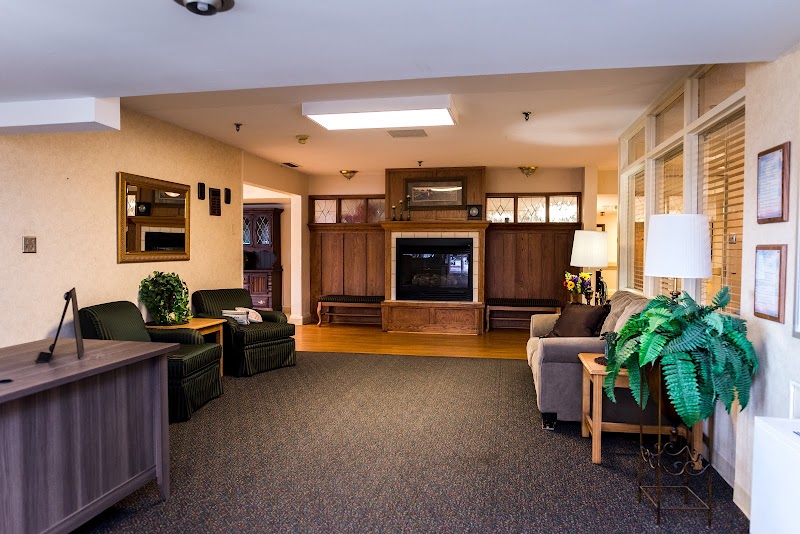
How is Baldwin Healthcare & Rehab Center, Llc Staffed?

CMS rates BALDWIN HEALTHCARE & REHAB CENTER, LLC's staffing level at 2 out of 5 stars, which is below average compared to other nursing homes. Staff turnover is 58%, which is 12 percentage points above the Kansas average of 46%. High turnover can affect care consistency as new staff learn residents' individual needs. RN turnover specifically is 60%, which is notably high. RNs provide skilled clinical oversight, so turnover in this role can affect medical care quality.

What Have Inspectors Found at Baldwin Healthcare & Rehab Center, Llc?

State health inspectors documented 22 deficiencies at BALDWIN HEALTHCARE & REHAB CENTER, LLC during 2021 to 2024. These included: 1 Immediate Jeopardy (the most serious level, indicating potential for serious harm or death), 20 with potential for harm, and 1 minor or isolated issues. Immediate Jeopardy findings are rare and represent the most serious regulatory concerns. They require immediate corrective action.
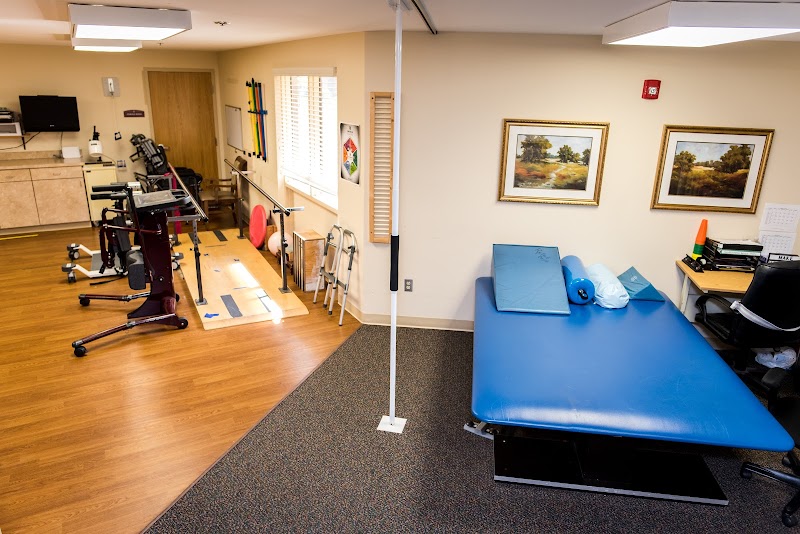
Who Owns and Operates Baldwin Healthcare & Rehab Center, Llc?

BALDWIN HEALTHCARE & REHAB CENTER, LLC is owned by a for-profit company. For-profit facilities operate as businesses with obligations to shareholders or private owners. The facility is operated by RECOVER-CARE HEALTHCARE, a chain that manages multiple nursing homes. With 60 certified beds and approximately 52 residents (about 87% occupancy), it is a smaller facility located in BALDWIN CITY, Kansas.
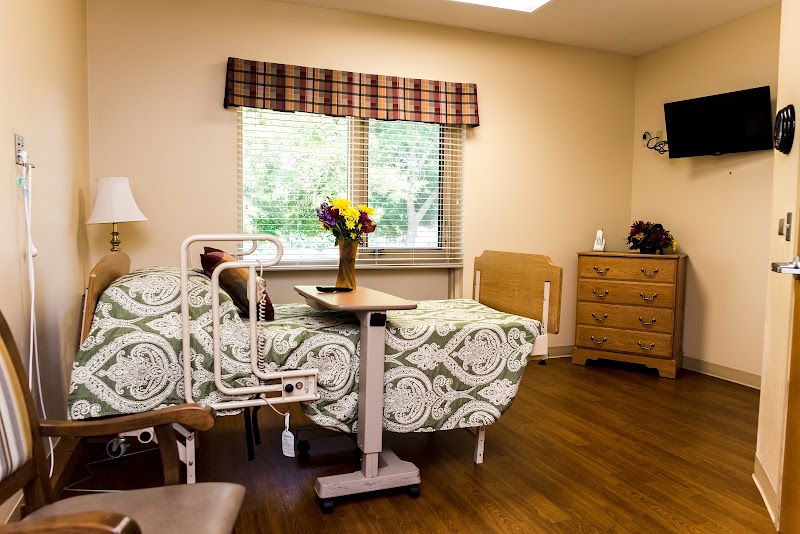
How Does Baldwin Healthcare & Rehab Center, Llc Compare to Other Kansas Nursing Homes?

Compared to the 100 nursing homes in Kansas, BALDWIN HEALTHCARE & REHAB CENTER, LLC's overall rating (4 stars) is above the state average of 2.9, staff turnover (58%) is significantly higher than the state average of 46%, and health inspection rating (4 stars) is above the national benchmark.

What Should Families Ask When Visiting Baldwin Healthcare & Rehab Center, Llc?

Based on this facility's data, families visiting should ask: "What changes have been made since the serious inspection findings, and how are you preventing similar issues?" "How do you ensure continuity of care given staff turnover, and what is your staff retention strategy?" "Can you walk me through typical staffing levels on day, evening, and night shifts?" "Can I visit during a mealtime to observe dining assistance and food quality?" These questions are particularly relevant given the facility's Immediate Jeopardy citations, the facility's high staff turnover rate, and the below-average staffing rating.

Is Baldwin Healthcare & Rehab Center, Llc Safe?

Based on CMS inspection data, BALDWIN HEALTHCARE & REHAB CENTER, LLC has documented safety concerns. Inspectors have issued 1 Immediate Jeopardy citation (the most serious violation level indicating risk of serious injury or death). The facility has a 4-star overall rating and ranks #1 of 100 nursing homes in Kansas. Families considering this facility should ask detailed questions about what corrective actions have been taken since these incidents.

Do Nurses at Baldwin Healthcare & Rehab Center, Llc Stick Around?

Staff turnover at BALDWIN HEALTHCARE & REHAB CENTER, LLC is high. At 58%, the facility is 12 percentage points above the Kansas average of 46%. Registered Nurse turnover is particularly concerning at 60%. RNs handle complex medical decisions and coordinate care — frequent RN changes can directly impact care quality. High turnover means new staff may not know residents' individual needs, medications, or preferences. It can also be disorienting for residents, especially those with dementia who rely on familiar faces. Families should ask: What is causing the turnover? What retention programs are in place? How do you ensure care continuity during staff transitions?

Was Baldwin Healthcare & Rehab Center, Llc Ever Fined?

BALDWIN HEALTHCARE & REHAB CENTER, LLC has been fined $13,397 across 1 penalty action. This is below the Kansas average of $33,213. While any fine indicates a compliance issue, fines under $50,000 are relatively common and typically reflect isolated problems that were subsequently corrected. Families should ask what specific issues led to these fines and confirm they've been resolved.

Is Baldwin Healthcare & Rehab Center, Llc on Any Federal Watch List?

BALDWIN HEALTHCARE & REHAB CENTER, LLC is not on any federal watch list. The most significant is the Special Focus Facility (SFF) program, which identifies the bottom 1% of nursing homes nationally based on persistent, serious quality problems. Not being on this list means the facility has avoided the pattern of deficiencies that triggers enhanced federal oversight. This is a positive indicator, though families should still review the facility's inspection history directly.