HERITAGE HEALTH CARE CENTER
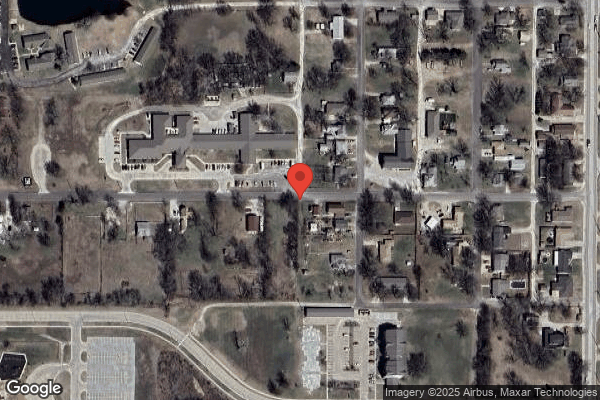
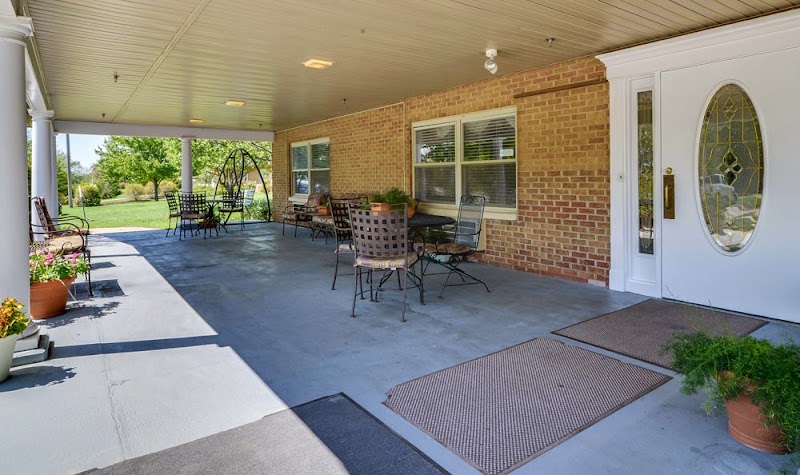
1630 W 2ND STREET, CHANUTE, KS 66720 (620) 431-4151
For profit - Limited Liability company 60 Beds AMERICARE SENIOR LIVING Data: November 2025
Trust Grade
53/100
#130 of 295 in KS
Last Inspection: August 2025

Inspected within the last 6 months. Data reflects current conditions.

Overview

Heritage Health Care Center in Chanute, Kansas, has a Trust Grade of C, which means it is average and sits in the middle of the pack in terms of quality. It ranks #130 out of 295 facilities in Kansas, placing it in the top half, and is #1 out of 3 in Neosho County, indicating it is the best option locally. The facility is improving, as it has reduced its issues from 11 in 2023 to 9 in 2025. Staffing is a relative strength, with a turnover rate of 42%, which is better than the Kansas average of 48%, though RN coverage is concerning as it is less than that of 96% of facilities in the state. There have been some troubling incidents, including a serious finding where two residents did not receive proper preventive treatment for pressure ulcers, which could lead to further injuries. Additionally, there are concerns about food safety, as the kitchen was found to be unsanitary, with dirty equipment and improperly disposed garbage, creating risks for residents. Overall, while there are strengths in staffing stability, the facility faces significant challenges that families should consider.

Trust Score
C
53/100
In Kansas
#130/295
Top 44%
Safety Record
Moderate
Needs review
Inspections
Getting Better
11 → 9 violations
Staff Stability
○ Average
42% turnover. Near Kansas's 48% average. Typical for the industry.
Penalties
✓ Good
$13,845 in fines. Lower than most Kansas facilities. Relatively clean record.
Skilled Nurses
⚠ Watch
Each resident gets only 18 minutes of Registered Nurse (RN) attention daily — below average for Kansas. Fewer RN minutes means fewer trained eyes watching for problems.
Violations
⚠ Watch
28 deficiencies on record. Higher than average. Multiple issues found across inspections.
★★★☆☆
3.0
Overall Rating
★★★☆☆
3.0
Staff Levels
★★★☆☆
3.0
Care Quality
★★★☆☆
3.0
Inspection Score
Stable
2023: 11 issues
2025: 9 issues

The Good

  • Full Sprinkler Coverage · Fire safety systems throughout facility
  • No fines on record
  • Staff turnover below average (42%)

    6 points below Kansas average of 48%

Facility shows strength in fire safety.

The Bad

3-Star Overall Rating

Near Kansas average (2.9)

Meets federal standards, typical of most facilities

Staff Turnover: 42%

Near Kansas avg (46%)

Typical for the industry

Federal Fines: $13,845

Below median ($33,413)

Minor penalties assessed

Chain: AMERICARE SENIOR LIVING

Part of a multi-facility chain

Ask about local staffing decisions and management

The Ugly 28 deficiencies on record

1 actual harm
Aug 2025 9 deficiencies
CONCERN (D)

Potential for Harm - no one hurt, but risky conditions existed

Deficiency F0552 (Tag F0552)

Could have caused harm · This affected 1 resident

The facility reported a census of 59 residents. The sample included 17 residents, including six residents reviewed for unnecessary medications. Based on interview and record review, the facility faile...

Read full inspector narrative →
The facility reported a census of 59 residents. The sample included 17 residents, including six residents reviewed for unnecessary medications. Based on interview and record review, the facility failed to ensure informed consent including purpose, risks versus benefits, and expected therapeutic benefits for the use of antipsychotic (a class of medications used to treat major mental conditions that cause a break from reality), anxiolytic (medication used to treat symptoms of anxiety) and other psychotropic medications (drugs that affect the brain and nervous system to treat mental illnesses) for Resident (R) 6. This placed the resident at risk for uninformed treatment decisions.Findings included:- R6's Electronic Medical Record (EMR) documented the following diagnoses: panic disorder (an anxiety disorder) and depression (a mood disorder that causes a persistent feeling of sadness and loss of interest).R6's EMR documented the following physician's orders:Duloxetine (an antidepressant medication), 120 milligrams (mg), by mouth, every morning, for a diagnosis of depression, ordered 07/29/25. Risperidone (an antipsychotic medication), 1 mg, per percutaneous endoscopic gastrostomy (PEG- tube placed in the wall of the stomach), twice daily, for a diagnosis of resistant depression, ordered 10/28/24. Trazodone (an antidepressant medication), 100 mg, every day, for a diagnosis of insomnia (inability to sleep), ordered 05/07/25. R6's EMR lacked documentation of informed consent for R6's psychotropic and antipsychotic medications.On 08/06/25 at 07:33 AM, Administrative Nurse D stated it was the expectation for staff to obtain psychotropic drug consents before the medication was initiated. The facility policy for Use of Psychotropic Medications, undated, included: Prior to initiating or increasing a psychotropic medication, the resident, family, and/o /or resident representative must be informed of the benefits, risks, and alternatives for the medication.
CONCERN (D)

Potential for Harm - no one hurt, but risky conditions existed

Deficiency F0628 (Tag F0628)

Could have caused harm · This affected 1 resident

**NOTE- TERMS IN BRACKETS HAVE BEEN EDITED TO PROTECT CONFIDENTIALITY** The facility reported a census of 59 residents. The sample included 17 residents, including one resident reviewed for discharge....

Read full inspector narrative →
**NOTE- TERMS IN BRACKETS HAVE BEEN EDITED TO PROTECT CONFIDENTIALITY** The facility reported a census of 59 residents. The sample included 17 residents, including one resident reviewed for discharge. Based on interview and record review, the facility failed to provide the Ombudsman (a resident advocate) with a notice of transfer for Resident (R)67 and R69. This placed the residents at risk of impaired residents rights related to discharge. Findings included: -R69's admission Minimum Data Set (MDS), dated [DATE], documented the resident had a Brief Interview for Mental Status (BIMS) score of seven, indicating severe cognitive impairment. She was admitted to the facility on [DATE] with a goal to discharge to the community.The Return to Community Referral Care Area Assessment (CAA), dated 04/22/25, did not trigger.R69's Discharge MDS, dated 06/03/25, documented the resident had a planned discharge to the community.R69's Care Plan for discharge planning instructed staff to identify any resources the resident may need upon dismissal to home.R69's EMR revealed a Progress Note dated, which documented that the resident had been discharged from the facility, accompanied by family.R69's EMR lacked documentation that the Ombudsman was notified of the resident's discharge from the facility. The facility was unable to provide evidence; upon request, the Ombudsman was notified of the R69's discharge.On 08/06/25 at 12:14 PM, Social Services X stated the Ombudsman had not been notified of R69's discharge as required.The facility policy for Transfer Notification Policy, 09/2018, included: It is the policy of the facility to notify the resident, representative and the state ombudsman of an emergency transfer, such as transfers to an acute care facility.- R67's Electronic Medical Record (EMR) revealed a diagnosis of congestive heart failure (CHF-a condition with low heart output and the body becomes congested with fluid).R67's admission Minimum Data Set (MDS), dated [DATE], documented the resident had a Brief Interview for Mental Status (BIMS) score of 13, indicating moderately impaired cognition. He entered the facility on 06/02/25 with his overall goal being to discharge to the community.The Discharge to Community Care Area Assessment (CAA), dated 06/06/25, did not trigger.R67's Discharge Return Anticipated MDS, dated 07/11/25, documented that he had been discharged to a critical access hospital.R67's Care Plan plan for CHF instructed staff to monitor the resident for shortness of breath (SOB).Review of R67's EMR revealed the resident had been discharged to the hospital on [DATE].R67's EMR lacked documentation of the Ombudsman (a resident advocate) being notified of the resident's discharge from the facility. The facility was unable to provide evidence; upon request, the Ombudsman was notified of the R69's discharge. On 08/06/25 at 12:14 PM, Social Services staff X stated the ombudsman had not been notified of the resident's discharge as required. The facility policy for Emergency Transfer Notification Policy, 09/2018, included: It is the policy of the facility to notify the resident, representative, and the state ombudsman of an emergency transfer, such as transfers to an acute care facility.
CONCERN (D)

Potential for Harm - no one hurt, but risky conditions existed

ADL Care (Tag F0677)

Could have caused harm · This affected 1 resident

The facility reported a census of 59 residents. The sample included 17 residents, including four residents who were reviewed for activities of daily living (ADL). Based on observation, interview, and ...

Read full inspector narrative →
The facility reported a census of 59 residents. The sample included 17 residents, including four residents who were reviewed for activities of daily living (ADL). Based on observation, interview, and record review, the facility failed to provide the necessary ADL care for one sampled resident, Resident (R)8, who did not get showered. This deficient practice placed the affected resident at risk for impaired quality of life and poor hygiene.Findings included:- Review of the Electronic Health Record (EHR) revealed that R8's diagnoses included cutaneous abscess of right axilla (cavity containing pus and surrounded by inflamed tissue), chronic obstructive pulmonary disease (COPD- a progressive and irreversible condition characterized by diminished lung capacity and difficulty or discomfort in breathing), end stage renal disease (ESRD- the kidneys are no longer able to adequately support the body's needs), periprosthetic fracture around internal prosthetic right knee joint (a break in the bone surrounding the knee replacement implant), pressure ulcer of sacral region Stage 2 (partial-thickness skin loss into but no deeper than the dermis including intact or ruptured blisters), anxiety disorder (mental or emotional reaction characterized by apprehension, uncertainty, and irrational fear).R8's admission Minimum Data Set (MDS), dated 06/20/25, documented a Brief Interview for Mental Status (BIMS) of 15, indicating intact cognitive impairment. He required a wheelchair and walker for mobility; he required set-up/clean-up assistance for eating, partial to moderate assistance for oral and personal hygiene, and was dependent on staff for bathing and all other ADLs.The Functional Abilities Care Area Assessment (CAA), dated 06/20/25, documented R8 required assistance in oral hygiene and was ADL dependent on staff for toileting hygiene and bathing.The Urinary Incontinence and Indwelling Catheter CAA, dated 06/20/25, noted that R8 was dependent on staff for toileting hygiene and was frequently incontinent.The Pressure Ulcer/Injury CAA, dated 06/20/25, triggered that R8 was at risk for developing pressure ulcers, and had one or more unhealed pressure ulcer(s) at Stage 2 or higher; he required ADL assistance for movement in bed. R8's Care Plan for ADLs, dated 06/29/25, instructed staff to provide partial/moderate assistance with bed mobility, oral and personal hygiene, supervision with set-up assistance for eating, and he was dependent on staff for toileting hygiene and wheelchair mobility. R8's EHR, under the bathing Tasks, lacked evidence that R8 received bathing in July 2025. There were no documented bathing refusals in July 2025.A review of the July Shower Sheets revealed R8 received one shower on 07/17/25, and no bathing refusals were recorded.Observation on 08/04/25 at 11:45 AM, staff transferred R8 from his bed to a wheelchair using a full-body mechanical lift.Observation on 08/05/25 at 01:48 AM, Certified Medication Aide (CMA) R prepared R8 for bathing and placed the lift sheet under him for transfer.Observation on 08/05/25 at 02:55 PM, R8 propelled himself about the hallway via a wheelchair. R8 reported that he received a shower.On 08/04/25 at 08:42 AM, R8 reported that he had only been allowed one shower since admission and was told by staff he would get a shower two weeks ago, but never did. He stated that he had requested showers but did not get them and had to give himself bed baths.On 08/05/25 at 12:54 PM, CMA R stated that bathing was attempted three times weekly for residents, though some residents prefer bathing twice a week. CMA R further stated that if a resident refused bathing, staff documented R, for refused, on the shower sheet, and then it was circled and signed by the resident. On 08/05/25 at 01:21 PM, Licensed Nurse (LN) G reported that residents were offered bathing at least twice a week; some preferred to bathe once a week. LN G also stated that if a resident refused, then the aide was supposed to notify the nurse to assess the reason for refusal. If the resident continued to refuse, then the refusal was recorded on the shower sheet and initialed or signed by the resident.On 08/05/25 at 01:30 PM, Administrative Nurse D stated that bathing was based on the resident's preference; if the resident refused, then it was recorded as refused on the shower sheet and in the EHR. Administrative Nurse D further stated that it was expected that the staff recorded the bathing or the bathing refusals.The facility policy Resident Showers, dated 2024, documented that it was the practice of the facility to assist residents with bathing to maintain proper hygiene, stimulate circulation, and help prevent skin issues. It listed that residents would be provided showers as per resident request or facility schedule, and based upon resident safety.
CONCERN (D)

Potential for Harm - no one hurt, but risky conditions existed

Pressure Ulcer Prevention (Tag F0686)

Could have caused harm · This affected 1 resident

**NOTE- TERMS IN BRACKETS HAVE BEEN EDITED TO PROTECT CONFIDENTIALITY** The facility reported a census of 59 residents. The sample included 17 residents, with four residents reviewed for wounds. Based...

Read full inspector narrative →
**NOTE- TERMS IN BRACKETS HAVE BEEN EDITED TO PROTECT CONFIDENTIALITY** The facility reported a census of 59 residents. The sample included 17 residents, with four residents reviewed for wounds. Based on observation, interview, and record review, the facility failed to provide the necessary wound care and services in accordance with professional standards of practice, including wound assessments at least weekly, including measurements and description, for Resident (R) 58 and R2. This placed R58 and R2 at risk for related complications and delayed healing.Findings included:-R58's Electronic Health Record (EHR) revealed a diagnoses of chronic obstructive pulmonary disease (COPD- a progressive and irreversible condition characterized by diminished lung capacity and difficulty or discomfort in breathing), hypothyroidism (a condition characterized by hyperactivity of the thyroid gland), anxiety disorder (mental or emotional reaction characterized by apprehension, uncertainty, and irrational fear), pressure ulcer Stage 3 (full-thickness pressure injury extending through the skin into the tissue below), cellulitis of left lower limb (skin infection caused by bacteria), foot drop right foot and foot drop left foot (inability or difficulty in moving the ankle and toes upward). R58’s admission Minimum Data Set (MDS), dated [DATE], documented a Brief Interview of Mental Status (BIMS) score of 15, indicating intact cognition. The assessment documented R58 had impairment to her lower extremities and used a walker and wheelchair for mobility; she required supervision or touching assistance for oral, toileting, and personal hygiene, partial to moderate assistance for bathing and dressing activities of daily living (ADLs), and substantial to maximum assistance with putting on footwear. R58’s “Functional Abilities (Self-Care and Mobility) Care Area Assessment (CAA),” dated 07/06/25, recorded that R58 required ADL assistance for self-care and mobility activities. R58’s “Pressure Ulcer/Injury CAA,” dated 07/06/25, recorded R58 was at risk for developing pressure ulcers, and she had one or more unhealed pressure ulcer(s) at Stage 2 or higher. R58’s “Care Plan,” dated 07/11/25, recorded that she had a pressure ulcer on the first and second digit of the right foot. The care plan directed staff to monitor laboratory results for indications of malnutrition, nutritional intake, and skin redness (specifically over bony prominences). The plan directed staff to follow the wound care protocol and perform weekly skin assessments and skin care per facility guidelines, as needed. R58’s EHR revealed an order dated 07/03/25 for a Licensed Weekly Nurse Skin Assessment to be performed every Thursday night shift. R58’s EHR revealed no “Licensed Weekly Nurse Skin Assessment” performed on 07/03/25 or 07/10/25. R58’s “Licensed Weekly Nurse Skin Assessment” performed on 07/17/25 recorded that the foot was noted to have significant improvement with the dressing in place, clean/dry/intact (CDI), but recorded no measurements. R58’s “Licensed Weekly Nurse Skin Assessment” performed on 07/25/25 recorded that the dressing was intact to the foot with no drainage or heat palpated at the time, and no increased foul odor was present, and treatment was in place. There were no wound measurements recorded. R58’s “Licensed Weekly Nurse Skin Assessment” performed on 08/01/25 had no documentation recorded. On 08/04/25 at 04:03 PM, R58 was sitting in her recliner with her feet elevated, wearing sneakers, and reported she had a wound on one of her big toes that had been treated by staff. R58 reported that she did not want her shoes removed to allow wound observation. On 08/06/25 at 10:30 AM, Licensed Nurse (LN) H reported that wound assessments were supposed to include measurements, a visual description of the wound and surrounding tissue, any changes in the wound, drainage, and description of bandage appearance. On 08/06/25 at 03:05 PM, Administrative Nurse D stated there were no wound assessments for R58’s toe wound, only the “Licensed Weekly Nurse Skin Assessment.” Administrative Nurse D confirmed that the order start date for the “Licensed Weekly Nurse Skin Assessment” was 07/03/25 and further confirmed that the weekly assessments were not started by the nurses until 07/17/25. Administrative Nurse D further stated that there were no measurements of the wound in any of the assessments and that there was no documentation in the 08/01/25 assessment. The facility did not provide a policy related to pressure ulcer monitoring. -R2 's Electronic Medical Record (EMR) revealed a diagnosis of mild protein-calorie malnutrition and cachexia (a complex condition characterized by significant weight loss, muscle wasting, and overall weakness) R2’s 05/20/25 “5-day PPD Minimum Data Set (MDS) documented a Brief Interview for Mental Status (BIMS) of 15, indicating intact cognition. The MDS documented R2 had two Stage 2 (partial-thickness skin loss into but no deeper than the dermis, including intact or ruptured blisters) pressure ulcers and one Stage 3 (full-thickness pressure injury extending through the skin into the tissue below) pressure ulcer that were present on admission. R2’s Care Plan documented R2 was at risk for potential compromise to her skin integrity, initiated on 04/25/25. The plan directed staff to do weekly skin assessments per facility protocol. Staff were also to check the skin routinely with care. The care plan did not indicate a history or present skin concerns. The care plan did not indicate any preventative measures for pressure sores or skin conditions. R2’s Physician Order noted an order to apply a foam-padded Tegaderm (clear transparent dressing) in front of a padded Duoderm (wafer-type moisture-retentive wound dressing used for partial and full-thickness wounds leaking fluids). Change every five days and/or as needed if soiled. Apply on the night shift to the coccyx (area over the tailbone) for prevention; dated 07/01/25. R2’s “Licensed Weekly Skin assessment dated [DATE], on admission, documented a coccyx wound that was a pressure ulcer. No measurements or wound descriptions were documented. R2’s “Licensed Weekly Skin assessment dated [DATE] documented a sacrum (area over the tailbone) wound that was a pressure ulcer. No measurements or wound descriptions were documented. R2’s “Skilled Evaluation” dated 07/30/25, documented a Stage 2 pressure ulcer that was present on admission. No measurements or wound descriptions were present. R2’s “Skilled Evaluation” dated 08/03/25, documented a Stage 2 pressure ulcer that was present on admission. No measurements or wound descriptions were present. R2's EMR lacked evidence of wound measurements, wound bed evaluation, and effectiveness of treatments. On 08/05/25 at 01:43 PM, Licensed Nurse (LN) H applied gloves. She removed R2’s brief and cleaned the area with a wipe. She stated it looked much better, and said she called the provider and got the wound treatment order changed from a Duoderm to a cream because it had closed that day. Observation of the area revealed it was blanchable and had no open area. LN H applied the cream and removed her gloves. On 08/05/25 at 01:43 PM, LN H stated she went into R2’s room earlier and removed the Duoderm to change the dressing. She noted the wound was closed and called the doctor to ask if he wanted to continue the Duoderm for prevention or discontinue it. LN H received the order to discontinue the Duoderm and apply a cream. LN H stated she was not aware how long R2’s bottom had had the pressure ulcer, but it had been there longer than two months. On 08/05/25 at 9:07 AM, Administrative Nurse D stated that R2 entered the facility with pressure areas on admission. Staff were to complete a “Licensed Weekly Skin Assessment and document measurements, the condition of the wound bed, and any changes weekly. Administrative Nurse D stated she was unable to tell from the documentation if it was healed and returned or if it was not healed. Admin Nurse D verified there were no measurements or descriptions of the wounds documented on the “Licensed Weekly Skin Assessments. The facility did not provide a policy related to pressure ulcer monitoring.
CONCERN (D)

Potential for Harm - no one hurt, but risky conditions existed

Infection Control (Tag F0880)

Could have caused harm · This affected 1 resident

The facility reported a census of 59 residents. The sample included 17 residents. Based on interviews, record reviews and observation, the facility staff failed to implement sanitary storage of breath...

Read full inspector narrative →
The facility reported a census of 59 residents. The sample included 17 residents. Based on interviews, record reviews and observation, the facility staff failed to implement sanitary storage of breathing treatment devices for Resident (R) 1, R18, and R3, who received nebulized (a device that changes liquid medication into a mist easily inhaled into the lungs) breathing treatments. This deficient practice had the potential to spread infections to the residents in the facility.Findings included:- Observed on 08/04/25 at 01:22 PM, R18 was wearing oxygen; the tubing and humidifier bottle were not dated. Her nebulizer equipment and tubing were sitting loosely on a chair, open to the air, and not dated. R18 reported that her nebulizer is left on her chair open to air regularly.Observed on 08/05/25 at 10:33 AM, R18's nebulizer equipment was sitting on her bedside table on paper towels. R18 reported she had her breathing treatment, and the staff had cleaned and set it on the paper towel to dry. The nebulizer tubing was attached to the machine sitting on the floor and chair; none of the equipment was dated.Observed on 08/05/25 at 11:17 AM, R18's nebulizer mask and treatment container were sitting on the bedside table loosely, not dated.Observed on 08/05/25 at 02:27 PM, R1's nebulizer tubing and mouthpiece sat on his bedside rolling table, attached to the machine with no dates.Observed on 08/06/25 at 09:09 AM, R1's nebulizer tubing and mouthpiece were attached to the machine and sitting on the bedside table with no dates.Observed on 08/06/2025 at 10:23 AM, R18's nebulizer items were still attached to the machine and sitting loosely on her chair.On 08/04/2025 at 01:22 PM, R18 reported that her nebulizer was regularly left on her chair loosely after treatments.On 08/06/2025 at 09:16 AM, Licensed Nurse (LN) G stated that nebulizers and oxygen tubing should have been dated, nebulizers should have been rinsed out and set on a paper towel to dry, and then stored in a bag until next use.On 08/06/2025 at 09:19 AM, R1 reported that his nebulizer had not been rinsed out since he had been there.On 08/06/25 at 01:19 PM, Administrative Nurse D stated that oxygen tubing and nebulizer treatment devices were to be dated and changed out weekly. Upon completion of nebulizer treatments, the delivery device was to be cleaned and placed on a paper towel to air dry.The facility policy Nebulizer Therapy, dated 2025, documented that care of the nebulizer equipment included that it would be cleaned after each use, parts would be disassembled after every treatment, the nebulizer cup and mouthpiece would be rinsed with sterile or distilled water, it would be placed an absorbent towel to air dry and once completely dried the nebulizer cup and mouthpiece would be stored in a zip lock bag.
CONCERN (E)

Potential for Harm - no one hurt, but risky conditions existed

Pharmacy Services (Tag F0755)

Could have caused harm · This affected multiple residents

The facility identified a census of 59 residents with two medication rooms, three medication carts, and two treatment carts. All five carts have a narcotic box. Based on observation, interview, and re...

Read full inspector narrative →
The facility identified a census of 59 residents with two medication rooms, three medication carts, and two treatment carts. All five carts have a narcotic box. Based on observation, interview, and record review, the facility failed to adequately reconcile the medication cart for controlled substances. This placed the residents at risk for misappropriation. Findings include:- On 08/04/25 at 12:30 PM, the cart in the east hallway contained a lock box that contained controlled substances. Review of the controlled substance reconciliation log lacked evidence of a controlled substance reconciliation between two staff on 07/03/25 at 08:00 PM; only the day shift nurse signed off. The log lacked evidence that a reconciliation was completed on 08/04/25 at 06:00 AM shift. There were no signatures present. On 08/04/25 at 12:30 PM, Certified Medication Aide (CMA) S stated the narcotics should be counted and verified every time the cart changes hands. CMA S said the outgoing nurse, the on-coming nurse, and the CMA all sign for the accuracy of the controlled substances on the cart.On 08/06/25 at 02:19 PM, Administrative Nurse D stated the narcotic medications should be counted and adequately reconciled when the cart changes hands. The facility's policy Controlled Substance Administration and Accountability documented that two nurses account for all controlled substances and access keys at the end of each shift.
CONCERN (E)

Potential for Harm - no one hurt, but risky conditions existed

Deficiency F0761 (Tag F0761)

Could have caused harm · This affected multiple residents

**NOTE- TERMS IN BRACKETS HAVE BEEN EDITED TO PROTECT CONFIDENTIALITY** The facility reported a census of 59 residents, three medication carts, two treatment carts, and two medication rooms. Based on ...

Read full inspector narrative →
**NOTE- TERMS IN BRACKETS HAVE BEEN EDITED TO PROTECT CONFIDENTIALITY** The facility reported a census of 59 residents, three medication carts, two treatment carts, and two medication rooms. Based on observation, interview, and record review, the facility failed to ensure that drugs and biologicals used in the facility were labeled, stored, and secured adequately. This placed the affected residents at risk for ineffective medication regimens or diversion.Findings included:- During an observation on [DATE] at 12:30 PM in the east hall, a medication cart was unlocked and unattended. The cart contained various medications, including Talzenna (a cancer medication), Gabapentin (a medication to relieve nerve pain), and narcotics in a lock box. On [DATE] at 01:03 PM, the east treatment cart was observed. The top drawer contained Novolog (a short-acting insulin that lowers the level of glucose in the blood) that was opened on [DATE]. This would have expired on [DATE]. It also contained Tresiba (long-acting insulin) and Lantus (long-acting insulin) that were not dated when they were opened, so staff were unable to tell when they expired. On [DATE] at 12:30 PM, Certified Medication Aide (CMA) S stated the cart should always be locked when staff are not present with the cart.On [DATE] at 01:03 PM, Licensed Nurse (LN) I stated the insulin multi-use pens were to be dated when they were opened.On [DATE] at 02:19 PM, Administrative Nurse D stated she expected the staff to lock the cart if they were not in the cart. Administrative Nurse D stated the nurse should date the insulin pens when they are opened.The facility's policy Medication Storage dated 2025 documented that all medications and biologics are to be kept in locked compartments. Scheduled two medications are to be kept under a double lock.
CONCERN (F)

Potential for Harm - no one hurt, but risky conditions existed

Food Safety (Tag F0812)

Could have caused harm · This affected most or all residents

The facility reported a census of 59 residents, one main kitchen, and two kitchenettes. Based on observation, record review, and interview, the facility failed to prepare and serve food under sanitary...

Read full inspector narrative →
The facility reported a census of 59 residents, one main kitchen, and two kitchenettes. Based on observation, record review, and interview, the facility failed to prepare and serve food under sanitary conditions to prevent the potential for foodborne bacteria. This placed the residents at risk of foodborne illnesses.Findings included:- During an initial tour of the kitchen on 08/04/25 at 11:04 AM, the following areas of concern were noted:The microwave in the dining room was heavily soiled with dried-on food debris on the inside and outside of the microwave oven.The window area used to pass dirty dishes from the dining room to the kitchen had a heavy build-up of dried-on food and liquid on the frame of the window, the cove base underneath the window, and the trash can next to the window had dried-on food substance. The window area used to pass resident plates from the kitchen into the dining room had a heavy build-up of dried-on food and liquid. The stationary can opener had a build-up of a moist food substance on the base of the opener. The preparation table next to the stove, used to store pots and pans, had food debris on the bottom shelf. A three-tiered cart used to hold eggs, cheese, and clean plates during the preparation of breakfast had non-breakfast food debris on all three tiers. Two plastic containers used to hold individual packets of creamers and sugars had a build-up of grime on the lids. Three plastic containers used to hold flour, sugar, and breadcrumbs had a build-up of grime and a sticky substance on the lids. A large roast sat in a four-inch baking dish, thawing at room temperature. Observation of the three-door reach-in refrigerator revealed the following areas of concern:A one-half gallon of sour cream was opened and undated.A quart container of liquid eggs was opened and undated. A one-half-gallon container of peaches had an unidentified dried-on food substance. A one-gallon container of mayonnaise had an unidentified dried-on food substance.A nearly empty one-gallon container of mustard had an unidentified dried-on food substance and a heavy build-up of dried mustard around the lip of the container. A one-gallon container of salsa had spilled through the wire racks of the reach-in refrigerator onto three one-gallon containers of milk. The container of salsa had spilled onto the bottom shelf of the refrigerator and out onto the front bottom of the reach-in refrigerator. Observation of the snack area in the dining room revealed the following areas of concern:The front of the counter in front of the juice and coffee machines had dried-on food and liquid substance on four doors and one drawer. The three-tiered snack cart had a build-up of a sticky substance on two of the three tiers. All four wheels of the snack cart had a build-up of food debris and grime.Observation of the resident refrigerator/freezer in the kitchenette area of the dining room had the following areas of concern:A partial quart container of mixed fruit was opened and undated. A quart container of an unknown food-type substance was unlabeled. There were seven 20-ounce (oz) plastic bottles of soda opened and unlabeled. The freezer had four 12-oz cans of soda, which had exploded onto other items in the freezer. Two plastic jugs with a facility shake were undated and unlabeled. One opened quart of ice cream was undated and unlabeled. Two opened one-half-gallon containers of ice cream were undated and unlabeled. Two opened one-gallon containers of vanilla ice cream were undated and unlabeled. One plastic cup of an unknown food-type substance was undated and unlabeled. On 08/04/25 at 08:00 AM, Dietary Staff CC stated she had been thawing the roast on the countertop at room temperature instead of in the sink with cold water.On 08/06/25 at 10:35 AM, Dietary Staff BB confirmed the areas of concern would need to be corrected. Dietary Staff BB stated she would continue with the education of her staff during their monthly staff meetings.The facility policy for Sanitation, revised 10/2008, included: The kitchen and dining areas shall be kept clean and free from rubbish. Surfaces not in contact with food shall be cleaned on a regular schedule and frequently enough to prevent the accumulation of grime. The facility policy for Food Safety Requirements, undated, included: Staff shall label and date foods kept in the refrigerator. Approved methods for thawing frozen foods include thawing in the refrigerator, submerging under cold water, thawing in a microwave oven, or as part of a continuous cooking process. Thawing at room temperature is not acceptable.
CONCERN (F)

Potential for Harm - no one hurt, but risky conditions existed

Garbage Disposal (Tag F0814)

Could have caused harm · This affected most or all residents

The facility reported a census of 59 residents. Based on observation, interview, and record review, the facility failed to dispose of garbage and refuse properly by failing to ensure the covers on thr...

Read full inspector narrative →
The facility reported a census of 59 residents. Based on observation, interview, and record review, the facility failed to dispose of garbage and refuse properly by failing to ensure the covers on three of the three dumpsters were kept closed. This deficient practice created a risk of attracting insects and/or rodents.Findings included:- During an initial environmental tour of the kitchen on 08/04/25 at 08:19 AM, observation revealed the lids to three of the three dumpsters outside of the kitchen were left open, with trash on the ground surrounding the dumpsters.On 08/04/25 at 09:15 AM, the lids of the dumpsters remained open.On 08/06/25 at 10:35 AM, Dietary Staff BB stated that staff were to keep the lids of the dumpsters closed at all times.The facility policy for Disposal of Garbage and Refuge undated, included: Dumpsters shall be kept covered when not being loaded. The surrounding areas shall be kept clean so that accumulation of debris and insect/rodent attraction is minimal.
Dec 2023 11 deficiencies 1 Harm
SERIOUS (G)

Actual Harm - a resident was hurt due to facility failures

Pressure Ulcer Prevention (Tag F0686)

A resident was harmed · This affected 1 resident

**NOTE- TERMS IN BRACKETS HAVE BEEN EDITED TO PROTECT CONFIDENTIALITY** The facility reported a census of 52 residents, with 17 sampled, including three residents reviewed for pressure ulcers/injuries...

Read full inspector narrative →
**NOTE- TERMS IN BRACKETS HAVE BEEN EDITED TO PROTECT CONFIDENTIALITY** The facility reported a census of 52 residents, with 17 sampled, including three residents reviewed for pressure ulcers/injuries. Based on observation, interview and record review, the facility failed to assess and provide preventive pressure ulcer treatment for two of the three residents reviewed. Resident (R) 109 developed unstageable pressure injuries on her bilateral heels, left lateral foot, and left anterior foot. The deficient practice placed R109 and any other resident with potential skin issues, at risk of further pressure injury development. Findings included: - Review of Resident (R)109's Physician Order Sheet, dated 12/06/23, included diagnoses of: fractured (broken bone) left femur (bone in thigh), cervical vertebrae (spinal bones in the neck) fracture, left foot drop (inability or difficulty in moving the ankle and toes upward), diabetes (when the body cannot use glucose, not enough insulin made or the body cannot respond to the insulin), and acute kidney failure (inability of the kidneys to excrete wastes, concentrate urine and conserve electrolytes). The admission Minimum Data Set (MDS) dated [DATE] was in progress (not completed). The Baseline Care Plan, dated 12/06/23, instructed staff the resident was non-weight bearing on her left leg. The resident required assistance of one staff for bed mobility, transfer, and walking with a walker. The care plan indicated the resident had intact skin, no surgical wound, was not at risk for skin breakdown, and had no pressure ulcer/injury present. The resident required assist bars to turn over in bed. The Braden Score (an assessment scale of risk factors to predict pressure ulcer development) dated 12/07/23, revealed a score of 21, which indicated low risk (19-23 low risk, 15-18 mild risk, 13-14 moderate risk, 10-12 high risk, and less than 9 severe risk). An admission Nursing Note dated 12/06/23, documented the resident had no noted skin issues with a little redness at times and was blanchable (the ability of skin to return to normal color after pressure is applied and then released). The note did not indicate the location of the redness. The medical record for R109 lacked documented skin assessment to address the specifics (to include location size and description) of the noted blanchable areas. The daily Skilled Nursing Evaluation Notes reviewed from 12/07/23 through 12/12/23, lacked documentation of the resident's pressure ulcer/injuries. The Skilled Nursing Evaluation Note dated 12/12/23 at 03:25 AM, indicated the resident had normal bilateral 2 plus pedal pulses (an assessment of blood flow in the feet) with brisk refill (time it takes for blood flow to resume after pressure is applied) in both extremities and the skin was pink with brisk refill of nail beds. The resident had a surgical wound to her left thigh. Observation on 12/12/23 at 07:59 AM, revealed Certified Nurse Aide (CNA) P and Q provided a bed bath to the resident. The resident's right and left heel lay directly on the bed, with no pressure relieving devices available. The resident's heels had blue, black areas; the left mid-lateral foot had two black areas; and one black area on the top of R109's left foot. Observation on 12/13/23 at 08:24 AM revealed the resident seated in her recliner with the footrest elevated and her heels resting directly on the footrest, lacking pressure relieving devices. Interview on 12/12/23 at 08:15 AM with Licensed Nurse (LN) G revealed she did not know the resident had pressure injuries and proceeded to measure the following areas on R109: 1. The resident's right foot heel had a red/purple non-blanching area with a width of 3.5 centimeters (cm) by 3.2 cm, with the top layer of nonintact skin suggestive of previous blistering, and the periwound (area around the wound) was red in color and non-blanching. 2. The left foot heel had a red/purple non-blanching area with a width of 5 cm by 3 cm, with the top layer of nonintact skin suggestive of previous blistering, and the periwound was red in color and non-blanching. 3. The left lateral foot contained two black/dark purple areas, which were near each other, which LN G measured as 2 cm by 1.5 cm and 1.5 cm by 2.5 cm. 4. The top of the left foot contained a black area which measured 1 cm by 1.3 cm. 5. The left lateral ankle contained a black area which measured 0.7 cm by 0.8 cm. 6. The left anterior foot contained a black area which measured 1 cm by 1 cm. Interview on 12/12/23 at 09:00 AM with LN G revealed she did not stage pressure ulcers and reported the skin issues to Administrative Nurse D and the physician. LN G said they obtained an order for skin prep (a medication gel that provides protection of the skin surface) and LN G applied the skin prep to the resident's pressure injuries at that time. Interview on 12/12/13/23 at 08:10 AM with LN H confirmed she did not complete a skin assessment of the resident's skin as the resident refused to lay in bed or get into her recliner upon admission. LN H stated she thought she notified the oncoming shift of the resident's need for a full skin assessment. Interview on 12/13/23 at 10:14 AM with Administrative Nurse D revealed she expected the admitting nurse to complete a full skin evaluation. Administrative Nurse D confirmed the oncoming licensed nurse did not complete the skin assessment for R109. Administrative Nurse D confirmed the facility could not determine when the pressure ulcer/injuries occurred and confirmed treatment and preventative measures were not in place until identification by the onsite surveyor on 12/12/23. Interview, on 12/13/23 at 10:30 AM with Corporate Nurse Consultant HH revealed they measured the wounds 12/13/23 at 10:00 AM and staged them all as unstageable, deep tissue injury. Administrative Nurse D confirmed the facility lacked an admitting skin assessment of R109 and lacked identification of the pressure ulcer/injuries to the residents right and left heels and areas on the residents left foot and ankle. Administrative Nurse D stated the resident did wear a brace to her left foot, and perhaps the brace contributed to the pressure injuries. Nurse Consultant HH stated the resident had weak pedal pulses, and perhaps vascular issues contributed to the pressure ulcer injuries. Interview on 12/14/23 at 09:00 AM with Medical Consultant II, revealed he expected the nursing staff to assess the resident for pressure ulcers and provide interventions for the prevention of pressure ulcers. The facility policy Pressure Injury Prevention and Management, implemented 01/07/23, instructed staff to provide treatment and services to heal pressure ulcer injury, prevent infection and the development of additional pressure ulcers. The facility failed to assess R109's skin upon admission or implement pressure injury preventative measures, after the resident admitted after surgical repair of a femur fracture and foot drop which resulted in the development of unstageable/deep tissue injuries to the residents right and left heel, anterior and lateral left foot.
CONCERN (D)

Potential for Harm - no one hurt, but risky conditions existed

Resident Rights (Tag F0550)

Could have caused harm · This affected 1 resident

**NOTE- TERMS IN BRACKETS HAVE BEEN EDITED TO PROTECT CONFIDENTIALITY** The facility reported a census of 52 residents with 17 residents sampled, including two residents reviewed for dignity. Based on...

Read full inspector narrative →
**NOTE- TERMS IN BRACKETS HAVE BEEN EDITED TO PROTECT CONFIDENTIALITY** The facility reported a census of 52 residents with 17 residents sampled, including two residents reviewed for dignity. Based on observation, interview and record review, the facility failed to show respect and dignity to one Resident (R)14, when staff failed to close the window blinds in the resident's room while performing catheter care. Findings included: - Review of Resident (R)14's electronic medical record (EMR) included a diagnosis of neurogenic bladder (dysfunction of the urinary bladder caused by a lesion of the nervous system). The admission Minimum Data Set (MDS), dated [DATE], documented the resident had a Brief Interview for Mental Status (BIMS) score of 14, indicating intact cognition. She was dependent on staff for toileting and had an indwelling urinary catheter (a closed sterile system with a catheter and retention balloon that is inserted into the bladder to drain urine). The Urinary Incontinence and Indwelling Catheter Care Area Assessment (CAA), dated 11/10/23, documented the resident was dependent on staff for all her toileting needs. The care plan, dated 11/04/23, instructed staff to complete catheter care every shift. Review of the resident's EMR revealed the following physician's order, dated 11/03/23, Complete catheter care every shift. On 12/12/23 at 02:23 PM, Certified Nurse Aide (CNA) NN and OO entered the resident's room to perform catheter care with the resident. The resident's bed was directly next to the windows. Part of the window blinds were fully open. Staff pulled the resident's gown up to her mid chest and removed her brief, exposing her to anyone outside of the window. During the cares, CNA OO opened the shared bathroom door which exposed the resident in bed with her genitals exposed to the two residents on the other side of the bathroom. On 12/12/23 at 02:23 PM, CNA NN stated she should have closed the blind before starting cares with the resident. CNA OO should have checked to make sure the other door of the shared bathroom was closed before opening the bathroom door from the resident's room and exposing her. On 12/12/23 at 02:23 PM, CNA OO stated the window blinds in the resident's room should have been closed before the staff began cares and they should not have opened the shared bathroom door wide until they knew if the bathroom door to the other resident room was closed. Staff need to always respect a resident's privacy. On 12/14/23 at 08:49 AM, Administrative Nurse D stated it was the expectation for staff to close the window blinds before giving resident care. Staff are also expected to not open doors which may cause the resident to be exposed while cares are being given. The facility policy for Catheter Care, implemented 01/20/23, included: It was the policy of the facility to ensure residents with indwelling catheters receive appropriate catheter care and maintain their dignity and privacy when indwelling catheters are in use. The facility failed to show respect and dignity to this dependent resident while providing catheter care.
CONCERN (D)

Potential for Harm - no one hurt, but risky conditions existed

Comprehensive Care Plan (Tag F0656)

Could have caused harm · This affected 1 resident

**NOTE- TERMS IN BRACKETS HAVE BEEN EDITED TO PROTECT CONFIDENTIALITY** The facility reported a census of 52 residents with 17 residents sampled. Based on observation, interview and record review the ...

Read full inspector narrative →
**NOTE- TERMS IN BRACKETS HAVE BEEN EDITED TO PROTECT CONFIDENTIALITY** The facility reported a census of 52 residents with 17 residents sampled. Based on observation, interview and record review the facility failed to complete an individualized plan of care, regarding Activities of Daily Living (ADL) for one dependent Resident (R)46, regarding facial shaving. Findings included: - Review of Resident (R)46's electronic medical record (EMR) revealed a diagnosis of dementia (progressive mental disorder characterized by failing memory, confusion). The admission Minimum Data Set (MDS), dated [DATE], documented the resident had a Brief Interview for Mental Status (BIMS) score of zero, indicating severe cognitive impairment. He required setup help of staff for personal hygiene and had no rejection of cares. The Activities of Daily Living (ADL) Function/Rehabilitation Potential Care Area Assessment (CAA), dated 08/19/23, did not trigger for further review. The Quarterly MDS, dated 11/14/23, documented the resident had a BIMS score of ten, indicating moderately impaired cognition. The resident had no rejection of cares. The care plan, dated 09/03/23, lacked staff instruction regarding ADLs for the resident, including facial shaving. Review of the resident's EMR, from 11/15/23 through 12/12/23, revealed the resident required independent to dependent staff assistance with personal hygiene. On 12/11/23 at 08:15 AM, the resident sat in his wheelchair in the dining room eating breakfast. He was unshaven. On 12/12/23 at 07:11 AM, the resident propelled himself in his wheelchair from his room to the dining room for breakfast. The resident remained unshaven. On 12/12/23 at 09:36 AM, the resident propelled himself in his wheelchair to the church service. He remained unshaven. On 12/13/23 at 08:25 AM, the resident remained unshaven. On 12/13/23 at 03:15 PM, the resident remained unshaven. On 12/14/23 at 08:31 AM, the resident ate breakfast in the dining room. He remained unshaven. On 12/13/23 at 03:06 PM, Certified Nurse Aide (CNA) OO stated the resident was cooperative with staff and did not refuse cares. The resident appeared as though he had not been shaven for a while. He likes to be clean shaven. On 12/13/23 at 01:09 PM, Certified Medication Aide (CMA) R stated residents are to be shaven on their shower days. CMA R stated she noticed the resident was unshaven. On 12/13/23 at 01:27 PM, Licensed Nurse (LN) I stated she noticed the resident was unshaven. He does not refuse cares of showers or shaving. On 12/14/23 at 08:49 AM, Administrative Nurse D stated ADLs should be included on all resident's care plans and confirmed this resident's care plan lacked staff instruction for ADLs, including facial shaving. The facility policy for Resident Centered Care Plan Process, updated 03/28/18, included: It is the policy of the facility to provide an individualized plan of care for all residents that is appropriate to their needs. The facility failed to provide an individualized plan of care for this dependent resident for staff instruction on completing the resident's ADL cares.
CONCERN (D)

Potential for Harm - no one hurt, but risky conditions existed

Deficiency F0657 (Tag F0657)

Could have caused harm · This affected 1 resident

**NOTE- TERMS IN BRACKETS HAVE BEEN EDITED TO PROTECT CONFIDENTIALITY** - The Physician Order Sheet (POS), dated 11/01/23, documented Resident (R)4 had a diagnosis of dementia (progressive mental diso...

Read full inspector narrative →
**NOTE- TERMS IN BRACKETS HAVE BEEN EDITED TO PROTECT CONFIDENTIALITY** - The Physician Order Sheet (POS), dated 11/01/23, documented Resident (R)4 had a diagnosis of dementia (progressive mental disorder characterized by failing memory, confusion). The admission Minimum Data Set (MDS), dated [DATE], documented the resident had a Brief Interview for Mental Status (BIMS) score of 12, indicating moderately impaired cognition. She had no delirium (a temporary mental state characterized by confusion, anxiety, incoherent speech, and hallucinations) or psychosis (any major mental disorder characterized by a gross impairment in reality testing) and had not received any of the medications listed on the MDS. The Psychotropic Drug Use Care Area Assessment (CAA), dated 09/12/23, did not trigger. The Entry MDS, dated 10/27/23, documented the resident had a BIMS score of 12, indicating moderately impaired cognition. She received antipsychotic (medication used to treat psychosis) medication. The care plan, updated 10/29/23, lacked staff instruction of the resident receiving an antipsychotic medication and what interventions to try to assist the resident with any behaviors she might display. Review of the resident's electronic medical record (EMR) revealed the following physician's order, Assess for adverse side effects to antipsychotic medications, ordered on 10/25/23. On 12/11/23 at 11:28 AM, Administrative Nurse D stated antipsychotic medications should be included on the care plans. Nurses are able to add new medications to a hard copy care plan which was in each nurses station. The facility policy for Resident Centered Care Plan Process, updated 03/28/18, included: It is the policy of the facility to provide an individualized plan of care for all residents that is appropriate to their needs. The facility failed to review and revise the care plan to include the antipsychotic medication use for this dependent resident. The facility reported a census of 52 residents with 17 selected for review. Based on observation, interview and record review, the facility failed to review and revise the care plan for two of the 17 residents. Resident (R)8 for decline in eating, and R4 for intervention for use of anipsychotic medication use. Findings included: - Review of Resident (R)8's Physician Order Sheet, dated 12/01/23, revealed diagnoses that included epilepsy (brain disorder characterized by repeated seizures), diabetes (when the body cannot use glucose, not enough insulin made or the body cannot respond to the insulin), congestive heart failure (a condition with low heart output and the body becomes congested with fluid), and diabetic neuropathy ( damage of the nerves outside of the brain and spinal cord usually the hands and feet that cause weakness, numbness and pain). The admission Minimum Data Set (MDS), dated [DATE], assessed the resident with a Brief Interview for Mental Status (BIMS) score of 12, which indicated normal cognitive function. The resident had no swallowing or dental problems. The resident had a height of 59 inches and a weight of 174 pounds (lb). The resident required set-up assistance with eating. The Nutritional Status Care Area Assessment (CAA), dated 09/26/23, assessed the resident was on a regular diet with regular texture, regular liquid consistency and was a diabetic with insulin dependence. The Quarterly MDS dated 11/12/23, assessed the resident with difficulty/pain with swallowing. The resident's weight was 169 pounds with no/unknown weight loss. The Care Plan reviewed 09/28/23, instructed staff the resident was independent with eating with set-up help only. The resident was at risk for nutritional compromise related to diabetes, constipation and mechanically altered therapeutic diet. Staff to monitor diet as appropriate according to the resident's food preferences. The care plan lacked the further interventions attempted to prevent further weight loss for the resident. The Nutritional Risk Assessment dated 09/18/23, assessed the resident was on a regular diet with no protein concerns. The resident was identified as a diabetic with use of insulin. The resident slowly improved her intake and ate well. The resident had 1+ edema and was at 176% of ideal body weight. The recommendation was to continue with the current nutritional care plan. On 11/20/23, the physician ordered a consistent carbohydrate diet with regular texture for the resident. A Dietary Progress Note dated 12/13/23, by the Registered Dietician, evaluated that the resident's weight was down in 30 days and recommended adding whole milk to each meal, super cereal at breakfast, fortified potatoes at lunch and offer ice cream at lunch and dinner. Staff instructed to encourage oral intake and provide food preferences. Observation, on 12/11/23 at 12:45 PM, revealed the resident seated in her wheelchair at the dining room table. The resident had a divided plate for her food. The resident's family member assisted the resident to eat, with the resident also attempting to feed herself. Observation, on 12/12/23 at 07:59AM, revealed the resident feeding herself in the dining room. The resident ate approximately 20% of sausage and eggs. Observation, on 12/12/23 at 12:35 PM, revealed the resident slowly feeding herself chicken nuggets with gravy, stuffing, and spinach casserole. The resident had a piece of frosted cake. On 12/12/23 at 12:51PM, The resident became distracted, and Certified Nurse Aide (CNA) O attempted to assist the resident and the resident resisted the assistance. On 12/12/23 at 01:42PM, the resident consumed approximately 10% of her meal. Interview, at that time with Administrative Staff E, revealed the resident resisted staff assistance since admission, and will usually eat with family assistance. Administrative Staff E confirmed the resident did have weight loss. Staff E stated the staff provided adapted silverware which the resident refused to use. Interview, on 12/12/23 at 02:16 PM, with CNA OO, revealed the resident has difficulty with her hands when trying to feed herself, and often resisted staff assistance. Interview, on 12/13/23 at 10:42 AM, with Dietary Staff BB, confirmed a Nutritional Evaluation was completed on 09/18/23, and no other assessment with the continued weight loss. Dietary Staff BB stated usually Administrative Nurse E, notifies the interdisciplinary team of the need for reevaluation, and she would contact the Registered Dietician. Dietary Staff BB confirmed she contacted the dietician on 12/13/23. Interview, on 12/13/23 at 1:06 PM, with Licensed Nurse LN I, revealed the resident had facial pain and swelling for a period in November due to a nasal bone fracture at which time she was provided a pureed diet and speech therapy assessed the resident for swallowing issue, of which the resident did not have any. The resident did have problems with her hands in holding utensils. LN, I stated if the resident did not eat at least 50% of a meal, she offered the resident a health shake and she will take strawberry flavored shakes at times. Interview, on 12/13/23 at 01:20PM, with administrative staff F, revealed she would expect nursing staff to update the care plan with interventions. Administrative Staff F stated the interdisciplinary team reviews residents with weight loss and they add interventions to the care plan also but did not know when the resident's last team review occurred. Interview, on 12/13/23 at 1:30PM, with Administrative Nurse F, revealed staff offered the resident health shakes but the resident often declined the shakes. Administrative Nurse F stated Administrative Nurse E, monitors the resident's weights. Administrative Nurse F stated she added interventions to the resident's care plan today. Interview, on 12/13/23 at 01:43 PM, with Dietary Consultant GG, confirmed the resident's weight loss, and believed the resident did not like health shakes, so she recommended fortified food. Interview on 12/14/23 at 09:00 AM, with Medical Consultant II, revealed he was aware of the resident's weight loss and they tried interventions to maintain her nutritional health. Interview, on 12/14/23 at 1:04 PM, with Administrative Nurse D, revealed she would expect staff to identify the resident's weight loss and ensure interventions were in place. The facility policy Activities of Daily Living dated 01/08/23, instructed staff to maintain individual objectives of the care plan and periodic review and evaluation. The facility failed to review and revise this resident's care plan to include nutritional interventions for this resident with weight loss who refused staff assistance with eating.
CONCERN (D) 📢 Someone Reported This

A family member, employee, or ombudsman was alarmed enough to file a formal complaint

Potential for Harm - no one hurt, but risky conditions existed

ADL Care (Tag F0677)

Could have caused harm · This affected 1 resident

**NOTE- TERMS IN BRACKETS HAVE BEEN EDITED TO PROTECT CONFIDENTIALITY** The facility reported a census of 52 residents with 17 residents sampled including four residents reviewed for Activities of Dai...

Read full inspector narrative →
**NOTE- TERMS IN BRACKETS HAVE BEEN EDITED TO PROTECT CONFIDENTIALITY** The facility reported a census of 52 residents with 17 residents sampled including four residents reviewed for Activities of Daily Living (ADL). Based on observation, interview and record review the facility failed to provide appropriate assistance with personal hygiene needs for two dependent Residents (R)46 regarding facial shaving and R 21 regarding bathing. Findings included: - Review of Resident (R)46's electronic medical record (EMR) revealed a diagnosis of dementia (progressive mental disorder characterized by failing memory, confusion). The admission Minimum Data Set (MDS), dated [DATE], documented the resident had a Brief Interview for Mental Status (BIMS) score of zero, indicating severe cognitive impairment. He required setup help of staff for personal hygiene and had no rejection of cares. The Activities of Daily Living (ADL) Function/Rehabilitation Potential Care Area Assessment (CAA), dated 08/19/23, did not trigger for further review. The Quarterly MDS, dated 11/14/23, documented the resident had a BIMS score of ten, indicating moderately impaired cognition. The resident had no rejection of cares. The care plan, dated 09/03/23, lacked staff instruction regarding ADLs for the resident. Review of the resident's EMR, from 11/15/23 through 12/12/23, revealed the resident required independent to dependent staff assistance with personal hygiene. On 12/11/23 at 08:15 AM, the resident sat in his wheelchair in the dining room eating breakfast. He was unshaven. On 12/12/23 at 07:11 AM, the resident propelled himself in his wheelchair from his room to the dining room for breakfast. The resident remained unshaven. On 12/12/23 at 09:36 AM, the resident propelled himself in his wheelchair to the church service. He remained unshaven. On 12/13/23 at 08:25 AM, the resident remained unshaven. On 12/13/23 at 03:15 PM, the resident remained unshaven. On 12/14/23 at 08:31 AM, the resident ate breakfast in the dining room. He remained unshaven. On 12/13/23 at 03:06 PM, Certified Nurse Aide (CNA) OO stated the resident was cooperative with staff and did not refuse cares. The resident appeared as though he had not been shaven for a while. He likes to be clean shaven. On 12/13/23 at 01:09 PM, Certified Medication Aide (CMA) R stated residents are to be shaven on their shower days. CMA R stated she noticed the resident was unshaven. On 12/13/23 at 01:27 PM, Licensed Nurse (LN) I stated she noticed the resident was unshaven. He does not refuse cares of showers or shaving. On 12/14/23 at 08:49 AM, Administrative Nurse D stated residents were to be shaven on their shower days and whenever they wanted. The facility policy for Activities of Daily Living, implemented 01/08/23, included: The facility will provide ADL cares for residents, including grooming. The facility failed to provide appropriate ADLs assistance for this dependent resident regarding facial shaving. - Review of Resident (R)21's Physician Order Sheet, revealed diagnoses that included collapsed vertebra (bones in spine) and hypothyroidism (condition characterized by hyperactivity of the thyroid gland). The admission Minimum Data Set (MDS), dated [DATE], revealed the resident had a Brief Interview for Mental Status (BIMS) score of seven which indicated severe cognitive impairment. The resident preferences included very important for bathing. The ADL (Activity of Daily Living) Functional/Rehabilitation Potential Care Area Assessment (CAA) dated 07/29/23, revealed the resident required limited assistance with personal hygiene. The Quarterly MDS dated 10/29/23, revealed the resident had a BIMS score of 10, indicating moderate impairment of cognitive function. The Care Plan revised 11/15/23, revealed an entry dated 09/11/23 that the resident preferred morning showers two to six times a week. Review of the Bath Sheets revealed the resident received a shower on 11/08/23, 11/15/23, 11/22/23, 11/29/23 and 12/13/23. Interview, on 12/12/23 at 08:00 AM, with Certified Nurse Aide (CNA) O, revealed the resident was listed on the bath list for Wednesdays. Interview, on 12/12/23 at 11:00 AM, with CNA M, revealed the resident provided most of her own cares and the bath aide provided her showers. Interview, on 12/14/23 at 02:15 PM, with the resident revealed she would like a shower more frequently than once a week. Interview, on 12/14/23 at 02:30 PM, with Administrative Nurse D, revealed she would expect staff to provide bathing opportunities as the resident preferred them, but did not know how frequently that was for the resident. The facility policy Activities of Daily Living dated 01/08/23, revealed the facility will maintain individual objectives of the care plan. The facility failed to provide frequent bathing opportunities for this resident per her choice to ensure the resident maintained a sense of wellbeing.
CONCERN (D)

Potential for Harm - no one hurt, but risky conditions existed

Accident Prevention (Tag F0689)

Could have caused harm · This affected 1 resident

**NOTE- TERMS IN BRACKETS HAVE BEEN EDITED TO PROTECT CONFIDENTIALITY** The facility reported a census of 52 residents with seventeen selected for review which included four residents reviewed for acc...

Read full inspector narrative →
**NOTE- TERMS IN BRACKETS HAVE BEEN EDITED TO PROTECT CONFIDENTIALITY** The facility reported a census of 52 residents with seventeen selected for review which included four residents reviewed for accidents. Based on observation, interview and record review, the facility failed to ensure staff followed the care plan interventions for one Resident (R)8 of the four residents reviewed for accidents. R8 sustained two falls without the use of interventions with nonskid socks/slippers when in bed as care planned. Findings included: - Review of Resident (R)8's Physician Order Sheet, dated 12/01/23, revealed diagnoses that included epilepsy (brain disorder characterized by repeated seizures), diabetes (when the body cannot use glucose, not enough insulin made or the body cannot respond to the insulin) congestive heart failure(a condition with low heart output and the body becomes congested with fluid) and diabetic neuropathy (damage of the nerves outside of the brain and spinal cord usually the hands and feet that cause weakness, numbness and pain). The admission Minimum Data Set (MDS), dated [DATE], assessed the resident with a Brief Interview for Mental Status (BIMS) score of 12, which indicated normal cognitive function. The resident required extensive assistance with sitting to standing and transfers. The resident did not attempt walking. The resident sustained two noninjury falls and one minor injury fall since admission. The Falls Care Area Assessment (CAA), dated 09/26/23, assessed the resident at risk for falls due to deconditioning (weakness) and gait/balance problems. The Quarterly MDS dated 11/12/23, assessed the resident with a BIMS score of 13 which indicated normal cognitive function. The resident required extensive assistance with sitting to standing and transfers. The resident did not attempt transfers. The resident sustained two non-injury falls and one fall with major injury since the previous MDS. The Care Plan reviewed 10/13/23, instructed staff to ensure the resident wore slippers or nonskid socks when in bed due to the resident attempting to get up on her own. The Fall Investigative Summary dated 10/21/23, revealed the resident was found in her room by staff at 05:50 AM, in a sitting position leaning against her bed. The resident lacked socks/slippers on her feet. The Fall Investigative Summary dated 11/27/23, revealed the resident was found laying on her left side on the floor by her bed without wearing socks/slippers. Observation, on 12/12/23 at 11:43 AM, revealed the resident positioned in bed. Certified Nurse Aide (CNA) N and CNA O prepared to transfer the resident from her bed to wheelchair. The resident's feet were bare. CNA N and O transferred the resident to her wheelchair and then onto the toilet. Observation, at 12/12/23 at 11:51 AM, revealed CNA M found the resident's nonskid socks and shoes in her room and placed them on the resident. Interview, on 12/12/23 at 11: 51 AM, with CNA M, revealed the resident often attempted to get herself up by herself. The resident required extensive assistance of two staff and should wear nonskid socks to bed. Interview, on 12/12/23 at 02:16 PM, with CNA OO, revealed the resident often tries to get herself out of bed and usually goes to bed after supper. CNA OO stated the resident should be checked on frequently and when she is sitting in her wheelchair, staff should position her so staff could view her from the nurses' station. Interview, on 12/14/23 at 01:00 PM with Administrative Nurse D, revealed she would expect staff to follow the care plan fall interventions and confirmed the resident lacked nonskid socks or slippers when in bed prior to the falls on 10/21/23 and 11/27/23. The facility policy Accidents and Supervision, dated 01/05/23, instructed staff to implement interventions to reduce hazards and risk and monitor the effectiveness of the care plan interventions and ensure they are implemented correctly and consistently. The facility failed to ensure staff placed nonskid socks/slipper on the resident when in bed as care planned to reduce risk of repeated falls.
CONCERN (D)

Potential for Harm - no one hurt, but risky conditions existed

Incontinence Care (Tag F0690)

Could have caused harm · This affected 1 resident

**NOTE- TERMS IN BRACKETS HAVE BEEN EDITED TO PROTECT CONFIDENTIALITY** The facility reported a census of 52 residents with 17 residents sampled including two residents reviewed for bowel and bladder....

Read full inspector narrative →
**NOTE- TERMS IN BRACKETS HAVE BEEN EDITED TO PROTECT CONFIDENTIALITY** The facility reported a census of 52 residents with 17 residents sampled including two residents reviewed for bowel and bladder. Based on observation, interview and record review, the facility failed to use a leg anchor to prevent the tubing from being tugged on for dependent Resident (R)14's indwelling urinary catheter (a closed sterile system with a catheter and retention balloon that is inserted into the bladder to drain urine). Findings included: - Review of Resident (R)14's electronic medical record (EMR) included a diagnosis of neurogenic bladder (dysfunction of the urinary bladder caused by a lesion of the nervous system). The admission Minimum Data Set (MDS), dated [DATE], documented the resident had a Brief Interview for Mental Status (BIMS) score of 14, indicating intact cognition. She was dependent on staff for toileting and had an indwelling urinary catheter. The Urinary Incontinence and Indwelling Catheter Care Area Assessment (CAA), dated 11/10/23, documented the resident was dependent on staff for all her toileting needs. The care plan, dated 11/04/23, instructed staff to complete catheter care every shift. Review of the resident's EMR revealed the following physician's order, dated 11/03/23, Complete catheter care every shift. On 12/12/23 at 02:23 PM, Certified Nurse Aide (CNA) NN and OO entered the resident's room to perform catheter care with the resident. When staff removed the covers from the resident, the catheter tubing was not anchored to the resident's leg. On 12/12/23 at 02:23 PM, CNA NN stated the staff do not use an anchor for the resident's catheter tubing because the resident only had one leg. On 12/12/23 at 02:23 PM, CNA OO stated the staff do not use an anchor for the resident's catheter tubing. On 12/13/23 at 01:09 PM, Certified Medication Aide (CMA) R stated all residents with a catheter should have the tubing anchored to their leg to prevent the tubing from being pulled on and possible causing an injury to the resident. On 12/13/23 at 01:27 PM, Licensed Nurse (LN) I stated all residents with a catheter need to have an anchor to secure the tubing. On 12/13/23 at 01:46 PM, LN H stated all residents with a catheter need to have an anchor to prevent the tubing from being pulled out accidentally. On 12/14/23 at 08:49 AM, Administrative Nurse D stated it was the expectation for staff to use an anchor to prevent injury for all residents who had an indwelling urinary catheter. The facility lacked a policy regarding the anchoring of catheter tubing. The facility failed to use a leg anchoring device for this dependent resident with an indwelling urinary catheter, to prevent trauma/injury from unnecessary pulling.
CONCERN (D) 📢 Someone Reported This

A family member, employee, or ombudsman was alarmed enough to file a formal complaint

Potential for Harm - no one hurt, but risky conditions existed

Deficiency F0692 (Tag F0692)

Could have caused harm · This affected 1 resident

**NOTE- TERMS IN BRACKETS HAVE BEEN EDITED TO PROTECT CONFIDENTIALITY** The facility reported a census of 52 residents with 17 selected for review which included seven residents reviewed for nutrition...

Read full inspector narrative →
**NOTE- TERMS IN BRACKETS HAVE BEEN EDITED TO PROTECT CONFIDENTIALITY** The facility reported a census of 52 residents with 17 selected for review which included seven residents reviewed for nutrition. Based on observation, interview and record review, the facility failed to ensure the Registered Dietician assessed three of the seven residents reviewed for nutritional needs in a timely manner. The facility failed to evaluate and implement strategies for optimal nutritional intake for Resident(R)107 following esophagus surgery, R 109 with a post operative wound and multiple pressure ulcers and R8 to maintain weight. Findings included: - Review of Resident (R)107's Physician Order Sheet dated 11/01/23, revealed diagnoses included aftercare of paraoesophageal hernia (part of the stomach pushes the stomach into the chest through an opening in the muscle wall (diaphragm which separates the organs in the chest and abdomen also known as Hiatal hernia), dysphagia (difficulty swallowing), and post operative anemia (condition without enough healthy red blood cells to carry adequate oxygen to body tissues). The admission Minimum Data Set (MDS) dated [DATE], revealed the resident admitted to the facility on [DATE]. The resident had a Brief Interview of Mental Status (BIMS) score of 15, which indicated normal cognitive function. The resident was independent with eating. The Nutritional Care Area Assessment (CAA), dated 10/23/23, assessed the resident had a nutritional problem or potential for a nutritional problem. Staff instructed to provide and serve the resident's diet as ordered. The Baseline Care Plan dated 10/21/23, instructed staff the resident had a full liquid diet and could feed herself. Review of the Vital Signs Weight revealed the resident weighed 171.6 pounds on 10/21/23. On 10/31/23 the resident weighed 158 pounds, a 13.6-pound weight loss in 10 days. Review of the Hospital discharge date d 10/21/23 instructed the resident to consume a full liquid diet which included foods such as ice cream, gelatin, milkshakes, pudding, popsicles, milk, tea, and juice. On 10/29/23, the resident was to progress to pureed foods. The Nutrient Required Calculation (NRC an initial guide for listing the nutrient needs completed by the Certified Dietary Manager (CDM) within 72 hours and reviewed by the Registered Dietician (RD), was signed on 11/01/23 by the Registered Dietician (the resident discharged on 11/01/23). The Nutritional Risk Evaluation (NRE a comprehensive assessment of nutritional needs) which the CDM begins and the registered dietician reviews and signs within the first seven days of admission) was not completed for this resident. Interview, on 12/13/23 at 08:00 AM, with dietary staff BB, revealed she did not conduct her assessment until 10/31/23 (10 days after admission). Dietary Staff BB stated normally she completes the Nutrient Requirement Calculation and the Nutritional Risk Evaluation which the registered dietician reviews and signs within the first seven days of admission. Dietary Staff BB stated she assessed the resident on 10/31/23, and noted the resident requested gelatin but the dietary staff did not make gelatin for the resident or obtain gelatin from the grocery store. Dietary Staff BB stated the resident required frequent (five to six) servings of the full liquid diet due to her post operative status, but the dietary staff did not know this until Dietary Staff BB spoke to the resident on 10/31/23 (ten days after admission). Interview, on 12/14/23 at 01:00 PM, with Administrative Nurse D and Corporate Nurse Consultant HH, revealed they would expect the dietary assessment completed within a reasonable amount of time to determine the dietary needs and preferences of the resident. Interview, on 12/14/23 at 03:00 PM, with Administrative Staff A, stated the facility did have foods that the resident could eat, but confirmed the dietary assessment was not completed in a timely manner. Interview, on 12/15/23 at 08:30 AM, with Medical Staff KK, revealed although some weight loss would be expected following this type of surgery, he would expect the facility to provide nutritional services to the resident to meet her post operative needs. The facility policy Weight Monitoring dated 01/09/23, instructed staff the to ensure that residents maintain acceptable parameters of nutritional status, which includes developing and implementing pertinent approaches, identifying, and assessing each resident's nutritional status and risk factors. The facility policy RD (Registered Dietician) expectations and Communication dated 05/02/22, instructed the CDM (Certified Dietary Manager) to visit the resident and initiate the assessment process within 72 hours and initiate the NRC and CDM sections of the NRE and complete within seven days. If the RD was not expected on site within seven days, the CDM was expected to send the RD notification. The facility failed to assess this resident's dietary needs to ensure optimal nutrition for post operative healing and comfort. - Review of Resident (R)109's Physician Order Sheet, dated 12/06/23, revealed diagnoses that included fractured left femur (bone in thigh) and cervical vertebrae (spinal bones in the neck) fracture, left foot drop (inability or difficulty in moving the ankle and toes upward), diabetes (when the body cannot use glucose, not enough insulin made or the body cannot respond to the insulin), and acute kidney failure (inability of the kidneys to excrete wastes, concentrate urine and conserve electrolytes). The admission Minimum Data Set (MDS) was listed as in progress (not completed). The Baseline Care Plan, dated 12/06/23, instructed staff the resident was non weight bearing on her left leg. The resident was on a diabetic 2000 calorie diet and could feed herself. An admission Nursing Note dated 12/06/23, documented the resident had no noted skin issues with a little redness at times that was blanchable. The note did not indicate the location of the redness. The Nutrient Required Calculation (NRC an initial guide for listing the nutrient needs completed by the Certified Dietary Manager (CDM) within 72 hours and reviewed by the Registered Dietician (RD), was initiated by the CDM on 12/08/23 and signed by the RD on 12/13/23 (seven days after admission). The CDM began the Nutritional Risk Evaluation (NRE a comprehensive assessment of nutritional needs) and listed no protein status concerns or other areas of concerns. The registered dietician did not review and sign it as of 12/13/23(seven days after admission). On 12/12/23, the physician instructed staff to provide lean protein with each meal for the resident's low albumin 2.5 grams per deciliter (g/dL normal 3.5-5.0). Observation, on 12/11/23 at 10:10 AM, revealed the resident seated in her recliner, with breakfast on the overbed table within reach. The resident stated she was not hungry and had consumed a few bites of eggs and bacon. Observation, on 12/12/23 at 09:25 AM, revealed the resident consumed approximately 80% of breakfast. Observation, on 12/12/23 at 01:25 PM revealed the resident consumed a few bites of lunch and had a milkshake on the bedside table that a visitor brought to her. Interview, on 12/13/23 at 08:00 AM, with Dietary Staff BB, revealed she completes the NRC within 72 hours, and the RD completes the NRE within seven days of admission. Dietary Staff BB stated pressure ulcers or surgery would cause a need for increased nutritional concerns. Interview, on 12/14/23 at 01:07 PM, with Administrative Nurse D, revealed she would expect dietary staff to complete nutritional assessments in a timely manner. The facility policy RD (Registered Dietician) expectations and Communication dated 05/02/22, instructed the CDM (Certified Dietary Manager) to visit the resident and initiate the assessment process within 72 hours and initiate the NRC and CDM sections of the NRE and complete within seven days. If the RD was not expected on site within seven days, the CDM was expected to send the RD notification. The facility failed to assess this resident's dietary needs to ensure optimal nutrition for post operative healing and comfort. - Review of Resident (R)8's Physician Order Sheet, dated 12/01/23, revealed diagnoses that included epilepsy (brain disorder characterized by repeated seizures), diabetes (when the body cannot use glucose, not enough insulin made or the body cannot respond to the insulin), congestive heart failure (a condition with low heart output and the body becomes congested with fluid), and diabetic neuropathy ( damage of the nerves outside of the brain and spinal cord usually the hands and feet that cause weakness, numbness and pain). The admission Minimum Data Set (MDS), dated [DATE], assessed the resident with a Brief Interview for Mental Status (BIMS) score of 12, which indicated normal cognitive function. The resident had no swallowing or dental problems. The resident had a height of 59 inches and a weight of 174 pounds (lb). The resident required set-up assistance with eating. The Nutritional Status Care Area Assessment (CAA), dated 09/26/23, assessed the resident was on a regular diet with regular texture, regular liquid consistency and was a diabetic with insulin dependence. The Quarterly MDS dated 11/12/23, assessed the resident with difficulty/pain with swallowing. The resident's weight was 169 pounds with no/unknown weight loss. The Care Plan reviewed 09/28/23, instructed staff the resident was independent with eating with set-up help only. The resident was at risk for nutritional compromise related to diabetes, constipation and mechanically altered therapeutic diet. Staff to monitor diet as appropriate according to the resident's food preferences. The Nutritional Risk Assessment dated 09/18/23, assessed the resident was on a regular diet with no protein concerns. The resident was identified as a diabetic with use of insulin. The resident slowly improved her intake and ate well. The resident had 1+ edema and was at 176% of ideal body weight. The recommendation was to continue with the current nutritional care plan. On 11/20/23, the physician ordered a consistent carbohydrate diet with regular texture for the resident. A Dietary Progress Note dated 12/13/23, by the Registered Dietician, evaluated that the resident's weight was down in 30 days and recommended adding whole milk to each meal, super cereal at breakfast, fortified potatoes at lunch and offer ice cream at lunch and dinner. Staff instructed to encourage oral intake and provide food preferences. Observation, on 12/11/23 at 12:45 PM, revealed the resident seated in her wheelchair at the dining room table. The resident had a divided plate for her food. The resident's family member assisted the resident to eat, with the resident also attempting to feed herself. Observation, on 12/12/23 at 07:59AM, revealed the resident feeding herself in the dining room. The resident ate approximately 20% of sausage and eggs. Observation, on 12/12/23 at 12:35 PM, revealed the resident slowly feeding herself chicken nuggets with gravy, stuffing, and spinach casserole. The resident had a piece of frosted cake. On 12/12/23 at 12:51PM, The resident became distracted, and Certified Nurse Aide (CNA) O attempted to assist the resident and the resident resisted the assistance. On 12/12/23 at 01:42PM, the resident consumed approximately 10% of her meal. Interview, at that time with Administrative Staff E, revealed the resident resisted staff assistance since admission, and will usually eat with family assistance. Administrative Staff E confirmed the resident did have weight loss. Staff E stated the staff provided adapted silverware which the resident refused to use. Interview, on 12/12/23 at 02:16 PM, with CNA OO, revealed the resident has difficulty with her hands when trying to feed herself, and often resisted staff assistance. Interview, on 12/13/23 at 10:42 AM, with Dietary Staff BB, confirmed a Nutritional Evaluation was completed on 09/18/23, and no other assessment with the continued weight loss. Dietary Staff BB stated usually Administrative Nurse E, notifies the interdisciplinary team of the need for reevaluation, and she would contact the Registered Dietician. Dietary Staff BB confirmed she contacted the dietician on 12/13/23. Interview, on 12/13/23 at 1:06 PM, with Licensed Nurse LN I, revealed the resident had facial pain and swelling for a period in November due to a nasal bone fracture at which time she was provided a pureed diet and speech therapy assessed the resident for swallowing issue, of which the resident did not have any. The resident did have problems with her hands in holding utensils. LN, I stated if the resident did not eat at least 50% of a meal, she offered the resident a health shake and she will take strawberry flavored shakes at times. Interview, on 12/13/23 at 1:30PM, with Administrative Nurse F, revealed staff offered the resident health shakes but the resident often declined the shakes. Administrative Nurse F stated Administrative Nurse E, monitors the resident's weights. Administrative Nurse F stated she added interventions to the resident's care plan today. Interview, on 12/13/23 at 01:43 PM, with Dietary Consultant GG, confirmed the resident's weight loss, and believed the resident did not like health shakes, so she recommended fortified food. Interview on 12/14/23 at 09:00 AM, with Medical Consultant II, revealed he was aware of the resident's weight loss and they tried interventions to maintain her nutritional health. Interview, on 12/14/23 at 1:04 PM, with Administrative Nurse D, revealed she would expect staff to identify the resident's weight loss and ensure interventions were in place. The facility policy Weight Monitoring dated 01/09/23, instructed staff to ensure all residents maintain acceptable parameters of nutritional status and utilize a systemic approach to optimize the resident's nutritional status. This process included developing and consistently implementing pertinent approached identifying and assessing each resident's nutritional status and risk factors. The facility failed to ensure evaluation and assessment of this resident's continued weight loss to implement nutritional interventions to meet this resident's nutritional needs. The facility failed to assess this resident's dietary needs to ensure optimal nutrition to maintain the resident's weight.
CONCERN (E)

Potential for Harm - no one hurt, but risky conditions existed

Infection Control (Tag F0880)

Could have caused harm · This affected multiple residents

**NOTE- TERMS IN BRACKETS HAVE BEEN EDITED TO PROTECT CONFIDENTIALITY** - On 12/11/23 at 03:36 PM, during a tour of the residents' beauty shop with Activity Staff Z the following concerns were identif...

Read full inspector narrative →
**NOTE- TERMS IN BRACKETS HAVE BEEN EDITED TO PROTECT CONFIDENTIALITY** - On 12/11/23 at 03:36 PM, during a tour of the residents' beauty shop with Activity Staff Z the following concerns were identified: 1. A collection of various hair was built-up in the sink drain. 2. The countertop around the sink had various multiple hair clippings. 3. The top drawer of the sink counter held nail clippers with visible white debris, an unlabeled hair pick with hair in the teeth, and two unlabeled combs with hair in the teeth. On 12/11/23 at 03:36 PM, Activity Staff Z, verified the above findings and stated the beautician comes to the facility one time a week and should clean the beauty and the personal care items before leaving. Personal care items should be labeled and not used between residents to prevent cross contamination and prevent infections. On 12/11/23 at 03:46 PM, Administrative Staff A, verified the above findings, and stated the beauty shop was used weekly. The beautician was responsible for cleaning the beauty shop equipment and personal care items used after use. The facility policy Cleaning of Beauty Shop and Hair Care Equipment dated 01/17/23, documentation included the beauty shop contained within the facility will be cleaned daily by housekeeping staff. The contracted beautician is responsible for cleaning all tools used during the beautician's contract including sinks, dryers, dryer filters, combs, brushes, and all personally owned equipment in the beauty shop. Combs and brushes will be washed in warm soapy water to remove grease and then soaked in disinfectant solution for at least 20 minutes. Fixtures and fittings, workstations etc. will be wiped clean daily to remove any hair cuttings. The facility failed to provide a sanitary environment to help prevent cross contaminations and infections for the residents of the facility that used the beauty shop. The facility reported a census of 52 residents with 17 residents sampled, including two residents reviewed for indwelling urinary catheter (a tube inserted in the bladder to drain urine). Based on observation, interview and record review, the facility failed to follow appropriate infection control guidelines to prevent urinary tract infections (UTI) for one dependent Resident (R)14, regarding catheter care and failed to provide appropriate infection control techniques in the beauty shop, to prevent the spread of infections to the residents. Findings included: - Review of Resident (R)14's electronic medical record (EMR) included a diagnosis of neurogenic bladder (dysfunction of the urinary bladder caused by a lesion of the nervous system). The admission Minimum Data Set (MDS), dated [DATE], documented the resident had a Brief Interview for Mental Status (BIMS) score of 14, indicating intact cognition. She was dependent on staff for toileting and had an indwelling urinary catheter. The Urinary Incontinence and Indwelling Catheter Care Area Assessment (CAA), dated 11/10/23, documented the resident was dependent on staff for all her toileting needs. The care plan, dated 11/04/23, instructed staff to complete catheter care every shift. Review of the resident's EMR revealed the following physician's order, dated 11/03/23, Complete catheter cares every shift. On 12/12/23 at 02:23 PM, Certified Nurse Aide (CNA) NN and CNA OO entered the resident's room to provide catheter care. CNA NN performed peri-care (the cleansing of the genitals) and then proceeded to clean the catheter tubing. CNA NN used a clean wipe and wiped the tubing from approximately nine inches out going upward to the urinary meatus. On 12/12/23 at 02:23 PM, CNA NN stated that was the way she always performed catheter care as that was how she was taught to wipe the tubing from distal from the resident up to the resident's body. On 12/14/23 at 08:49 AM, Administrative Nurse D stated it was the expectation for staff to use appropriate procedure when providing catheter care to help prevent urinary tract infections (UTIs). The facility policy for Catheter Care, implemented 01/20/23, included: While performing catheter care obtain a new moistened cloth and starting at the urinary meatus moving out, wipe the catheter making sure to hold the catheter in place so as to not pull on the catheter. The facility failed to follow appropriate catheter care guidelines to help prevent urinary tract infections for this dependent resident with an indwelling urinary catheter.
CONCERN (F)

Potential for Harm - no one hurt, but risky conditions existed

Food Safety (Tag F0812)

Could have caused harm · This affected most or all residents

The facility reported a census of 52 residents. Based on observation, record review and interview, the facility failed to prepare and serve food under sanitary conditions, to the residents of the faci...

Read full inspector narrative →
The facility reported a census of 52 residents. Based on observation, record review and interview, the facility failed to prepare and serve food under sanitary conditions, to the residents of the facility appropriately to prevent the potential for food borne bacteria and the facility failed to utilize pasteurized eggs (gently heated in their shells, just enough to kill the bacteria) for soft cooked eggs for residents. Findings included: - During an initial tour on 12/12/23 at 08:01 AM, the following areas of concern were noted: 1. The reach-in freezers had food and frozen liquid debris on the bottom. 2. The refrigerator had food debris on the bottom. 3. A white wooden box used to hold the sugar, flour and brown sugar containers had a dusty, sticky substance covering the surface. 4. Three rolling carts each with three tiers had dried-on food debris and a build-up of food debris in the grooves of the handles of the cart. 5. A shelf directly above a food preparation table had a layer of food debris and dust. 6. A shelf holding plastic containers of sugar, creamer and artificial sweetener packets had a layer of food debris and dust over the sides. The tops of the plastic containers had coffee stains, dust, and food debris. 7. A covered trash can had dried food debris and dried-on splattered liquid debris on the container and lid. 8. Two plastic cutting boards were heavily grooved and discolored. 9. The U-shaped shelf over a food preparation table was heavily soiled with dust and food debris. 10. Observation in one refrigerator revealed two dozen unpasteurized eggs. Dietary Staff CC stated the facility had cooked and served to residents approximately 60-80 soft-cooked eggs (eggs served with the yolk of the egg runny) from unpasteurized eggs over the past 10 days. On 12/12/23 at 08:01 AM, Dietary Staff CC stated she had not realized the soft-cooked eggs she had been cooking and serving to residents for the past 10 days were not pasteurized. On 12/12/23 at 09:30 AM, Dietary Staff BB stated the facility will only serve hard eggs until the shipment of pasteurized eggs comes in a few days. On 12/14/23 at 09:53 AM, Dietary Staff BB stated the facility lacked a cleaning schedule for the kitchen. Staff were to ensure their work areas were clean before leaving their shifts. The facility policy for Use of Shell Eggs and Pasteurized Eggs and Procedure for Undercooked Eggs, dated 2011, included: Pasteurized eggs or egg products shall be used when eggs are served undercooked and for fried eggs. The facility lacked a policy for cleaning the kitchen. The facility failed to prepare and serve food under sanitary conditions to the residents of the facility appropriately to prevent the potential for food borne bacteria and failed to use pasteurized eggs in the cooking and serving of soft-cooked eggs to the residents to prevent food borne bacteria.
CONCERN (F)

Potential for Harm - no one hurt, but risky conditions existed

Staffing Data (Tag F0851)

Could have caused harm · This affected most or all residents

The facility reported a census of 52 residents. Based on interview and record review, the facility failed to electronically submit to Centers for Medicare and Medicaid Services, (CMS) complete and acc...

Read full inspector narrative →
The facility reported a census of 52 residents. Based on interview and record review, the facility failed to electronically submit to Centers for Medicare and Medicaid Services, (CMS) complete and accurate direct care staffing information, including information for agency and contract staff, based on payroll and other verifiable and auditable data in a uniform format according to specifications established by CMS {i.e., Payroll Base Journal (PBJ)}, related to licensed nursing staff coverage 24 hours a day and excessively low weekend nursing staff. Findings included: - Review of the CASPER/PBJ Report Data revealed the following triggered areas: 1. Quarter four of 2022 (July 1 through September 30, 2022), lacked Licensed Nursing Staff on 07/02/22, 07/03/22, 07/04/22, and 07/09/22. 2. Quarter three of 2023 (April 1, 2023, through June 30, 2023) with excessively low weekend staffing. Review of the facility posting, schedule, and agency staffing invoices for Quarter four of 2022 (July 1 through September 30, 2022, revealed the facility had Licensed Nursing Staff on duty on 07/02/22, 07/03/22, 07/04/22, and 07/09/22. Review of the facility Agency staffing invoices, dated 04/01/2023 through 07/30/2023, demonstrated the Payroll Base Journal (PBJ) did not reflect the total nursing hours of direct care provided by agency nursing staff. These hours were confirmed by the Administrative Staff A and Consultant Staff HH. Review of the nursing schedule revealed the facility had licensed nurse staff on duty for 24 hours a day/seven days a week. Review of the schedule and staff posting for the weekends of April, May, and June of 2023, revealed the facility exceeded the state minimum requirement for direct care staff. The staffing pattern did not significantly vary from the scheduling from the weekdays with the per patient day hours of direct care by nursing staff ranging from 2.8 hours to 3.6 hours per patient day (PPD). On 12/12/23 at 02:30 PM, Administrative Staff A reported the facility had licensed nurse staffing 24 hours a day, seven days a week. He also reported the weekend staff PPD as noted above was able to meet the needs of the residents. Administrative Staff A confirmed the above findings and agreed the PBJ data was inaccurate. The facility policy Mandatory Submission of Uniform Format Staffing Information (PBJ), dated 01/05/23, documented .This facility will submit electronically submit to CMS complete and accurate direct care staffing information including information for agency and contract staff, based on payroll and other verifiable and auditable data in a uniform format according to specifications established by the Centers for Medicare and Medicaid Services (CMS). The facility failed to electronically submit to Centers for Medicare and Medicaid Services, (CMS) complete and accurate direct care staffing information, including information for agency and contract staff, based on payroll and other verifiable and auditable data in a uniform format according to specifications established by CMS {i.e., Payroll Base Journal (PBJ)}, related to licensed nursing staff and RN coverage. The facility failed to electronically submit to Centers for Medicare and Medicaid Services, (CMS) complete and accurate direct care staffing information for the facility.
Mar 2022 8 deficiencies
CONCERN (D)

Potential for Harm - no one hurt, but risky conditions existed

Deficiency F0561 (Tag F0561)

Could have caused harm · This affected 1 resident

**NOTE- TERMS IN BRACKETS HAVE BEEN EDITED TO PROTECT CONFIDENTIALITY** The facility reported a census of 50 residents with 15 selected for review which included one resident reviewed for choices. Bas...

Read full inspector narrative →
**NOTE- TERMS IN BRACKETS HAVE BEEN EDITED TO PROTECT CONFIDENTIALITY** The facility reported a census of 50 residents with 15 selected for review which included one resident reviewed for choices. Based on observation, interview and record review, the facility failed to ensure encouragement for the one sampled resident (R)100, to voice preferences choices for beverages and food. Findings included: - Review of resident (R)100's Physician's Order Sheet, dated 03/16/22, revealed diagnoses included intraparenchymal hematoma (bleeding within the brain), arthritis (inflammation of a joint characterized by pain, swelling, heat, redness and limitation of movement), cataracts (clouding of the lens of the eye), and hypertension(elevated blood pressure.) The admission Minimum Data Set (MDS), was listed as in progress. The Baseline Care Plan, dated 03/16/22, instructed staff the resident intended to return home after receiving therapy. The resident was on a regular diet and needed to be fed. The resident's height was 60 inches with a weight of 109.2 pounds. Review of the electronic medical record Tasks meal intake recorded the following meal percentages: 03/17/22: Breakfast 76-100% and lunch 0-25%. 03/20/22: Supper 0-25%. 03/22/22: Breakfast 76-100%, lunch 76-100%, and dinner 0-25%. 03/23/22: Breakfast 51-75% and lunch 26-50%. An undated, Meet and Greet document for admission on [DATE], indicated for meal preferences the resident did not like vegetables. The form documented no other food/beverage preferences. The medical record lacked indication of food preferences for the resident. A Physician's Order, dated 03/24/22, instructed staff to administer mirtazapine (an antidepressant) 7.5 milligrams (mg.), daily for depression/appetite stimulant. Observation, on 03/21/22 at 08:30 AM, revealed the resident asleep in her bed. Observation, on 03/21/22 at 10:30 AM revealed the resident continued to sleep in her bed. Observation, on 03/21/22 at 12:30 PM, revealed the resident sitting in a chair in her room. The resident responded to questions slowly and with a quiet voice. The resident's noon meal consisted of fettucine alfrado. The resident had no beverages on the meal tray. The resident did have three cans of diet Dr Pepper on her bedside table as well as a water pitcher. Interview, on 03/21/22 at 12:30 PM, with a family member, revealed the resident did not receive beverages on her tray with her meals and she did prefer to have coffee in the mornings. This family member stated the family brought in foods for the resident to eat but did not know if the facility determined what the resident's preferences/choices were. Observation, on 03/24/22 at 08:42 AM, revealed the resident asleep in her bed. Dietary Staff BB placed a breakfast tray with the entre covered on her bedside table. Interview, on 03/24/22 at 08:42AM, with Dietary Staff BB, revealed the computer system was down on 03/17/22, and she did not complete a dietary assessment to determine the resident's preferences. Observation, on 03/24/22 at 08:58 AM, revealed Certified Nurse Aide (CNA) NN, assisted the resident to the bathroom. Observation, on 03/24/22 at 09:10 AM, revealed CNA NN assisted the resident to transfer into her chair, and removed the cover from the entre for breakfast. The resident had two pieces of toast and no beverages other than the cans of diet Dr Pepper and her water pitcher in the room. When asked if the toast was still warm, CNA NN stated she would reheat it. CNA NN stated staff presented a menu for breakfast lunch and supper for her selection. The word Beverage was printed on the menu but did not give a list of choices. Observation, on 03/24/22 at 09:15 AM, Surveyor GG, asked the resident what she preferred to drink, and the resident responded coffee with sugar. CNA NN stated the resident never requested coffee. Interview, on 03/24/22 at 11:26 AM, with Licensed Nurse (LN) I, revealed the resident required assistance at meals, and had not been eating well. LN I stated the physician ordered mirtazapine as an appetite stimulant and antidepressant on 03/24/22. Interview, on 03/24/22, at 11:36 AM, with Consultant Nurse HH, revealed the dietary manager begins the dietary assessment within 10 days of admission and then the registered dietician assesses the data. The resident admitted on [DATE] so the assessment was still within the time frame. Interview, on 03/24/22 at 12:00 PM, with Administrative Staff A, revealed the resident/family answered some basic questions on the Meet and Greet form for staff to get to know the resident. The facility did not provide a policy for food choices and staff assessment of preferences/choices for food/beverages. The facility failed to determine this resident's preferences for food/beverages to enhance her appetite and eating experience before administering an appetite stimulant/antidepressant.
CONCERN (D)

Potential for Harm - no one hurt, but risky conditions existed

Deficiency F0657 (Tag F0657)

Could have caused harm · This affected 1 resident

**NOTE- TERMS IN BRACKETS HAVE BEEN EDITED TO PROTECT CONFIDENTIALITY** - The Physician Order Sheet (POS), dated 01/05/22, for Resident (R)15, documented a diagnosis of congestive heart failure (CHF-a...

Read full inspector narrative →
**NOTE- TERMS IN BRACKETS HAVE BEEN EDITED TO PROTECT CONFIDENTIALITY** - The Physician Order Sheet (POS), dated 01/05/22, for Resident (R)15, documented a diagnosis of congestive heart failure (CHF-a condition with low heart output and the body becomes congested with fluid). The annual Minimum Data Set (MDS), dated [DATE], documented the resident had a Brief Interview for Mental Status (BIMS) score of 15, indicating intact cognition. She had no condition or chronic disease that may result in a life expectancy of less than six months and was not on hospice care. The significant change MDS, dated 02/18/22, documented the resident had a BIMS score of six, indicating severe cognitive impairment. She had a condition or chronic disease that may result in a life expectancy of less than six months. The care plan, updated 03/18/22, lacked any staff instruction regarding the implementation of hospice care. Review of the resident's electronic medical record (EMR), under the Orders tab, included an order, dated 02/08/22, for hospice care. On 03/22/22 at 10:16 AM, Administrative Nurse F stated, the resident admitted to hospice care on 02/08/22. The care plan should have been updated to include hospice care, but was not. On 03/24/22 at 09:07 AM, Administrative Nurse D stated, the care plan should have been updated to include hospice care at the time the resident admitted to hospice. The facility policy for Resident Centered Care Plan Process, updated 03/28/18, included: At 90-day intervals, or more frequently based on response to the resident's condition, the interdisciplinary care team will revise the plan for care, treatment and services. The facility failed to review and revise the care plan to include hospice care for this dependent resident who was admitted to hospice care. The facility reported a census of 50 residents with 15 selected for review. Based on observation, interview and record review, the facility failed to review and revise the plan of care for two of the 15 residents. Resident (R)33 to prevent further bruising following a large bruise on her hand and R15 with implementation of hospice services. Findings included: - Review of R33's Physician Order Sheet, dated 03/01/22, revealed diagnoses included dementia (progressive mental disorder characterized by failing memory, confusion) , delusional (untrue persistent belief or perception held by a person although evidence shows it was untrue) disorder, osteoarthritis (degenerative changes to one or many joints characterized by swelling and pain), and spinal stenosis (degenerative condition of the spine that could cause weakness and loss of use of extremities). The Significant Change Minimum Data Set (MDS), dated [DATE], assessed the resident had severely impaired cognitive status, was dependent on staff for bed mobility and transfers, and had no limitations in functional range of motion in her extremities. The Care Plan, revised 03/07/22, instructed nursing staff to check the resident's skin during morning and evening cares, toileting and showers and to notify the charge nurse. It also instructed the staff to observe and document the location, size and treatment of the skin injury. However, it lacked any type of interventions to prevent reoccurance following the resident receiving a large bruise to the hand. A Skin Nutrition and at-Risk Assessment dated 03/17/22, documented the resident had fragile excoriation noted on each buttock. A Weekly Skin Assessment, stated 03/01/22, documented the resident had a rash on her buttocks and a fading bruise on her forehead, the resident had an old discolored area under her left eye done by self-infliction as her nails were long and she would not allow staff to cut them. A handwritten Interdisciplinary Progress Note, dated 03/19/22, documented identification of an approximate 12 by 11.5 cm (centimeter) bruise noted on the resident's top right hand. This document indicated the resident was restless during the night and hit her hand on the side of the bed. The resident did not complain of pain or discomfort. An addition, dated 03/20/22 at 8:00 AM, indicated the bruise remained. An addition dated 03/21/22 indicated the bruise to the top of the right now noted with a change in color, with no change in pain or discomfort. Observation, on 03/21/22 at 2:59 PM, revealed the resident positioned in her bed. The resident's top of the right hand contained an approximate six by six cm purple bruised area with extension into her fingers. Observation revealed the resident's bed positioned against the wall on the (resident's) left side without any preventative device to keep her from hitting the wall and creating further bruising. Interview, on 03/23/22 at 08:15AM, with Certified Nurse Aide (CNA) NN, revealed she noticed the bruise on the resident's right hand on 03/21/22, and reported it to the charge nurse. Interview, on 03/23/22 at 08:40 AM, with Administrative Nurse D, measured the bruise as eight by eight centimeters with extension into the resident's fingers. Interview, on 03/24/22 at 9:30AM, with Licensed Nurse I revealed she noticed the resident's bruise and documented it, but interventions are usually added to the care plan by the stand-up committee (interdisciplinary team) during morning rounds. Interview, on 03/24/22 at 11:24 AM, with Licensed Nurse I, revealed she noticed the bruise on 03/21/22 and CNA NN, reported that the prior shift CNA reported the bruise occurred during the night when the resident became restless and hit her hand on the wall. Nurse I stated she did not develop interventions for protection from further/repeated bruising. Interview, on 03/24/22 at 12:05 PM, with Administrative Nurse D, confirmed no interventions were added to the care plan to prevent further bruising. Interview, with Administrative Nurse D, on 03/24/22 at 12:04 PM, revealed Licensed Nurse I investigated the resident's bruise as documented on the Interdisciplinary Progress Note dated 03/21/22 and she did not document further investigation as the root cause determined was that the resident hit her hand on the wall. The facility policy Skin Tears, Bruises, and Abrasions, undated, instructed staff to complete an in-house investigation of the cause of the injury and implement or modify interventions to prevent additional bruises/abrasions. The facility failed to review and revise this dependent resident's care plan with interventions to prevent further bruising when the resident sustained a large eight by eight-centimeter bruise with extension up her fingers on her right hand.
CONCERN (D)

Potential for Harm - no one hurt, but risky conditions existed

ADL Care (Tag F0677)

Could have caused harm · This affected 1 resident

**NOTE- TERMS IN BRACKETS HAVE BEEN EDITED TO PROTECT CONFIDENTIALITY** The facility reported a census of 50 residents with 15 residents sampled including three residents reviewed for Activities of Da...

Read full inspector narrative →
**NOTE- TERMS IN BRACKETS HAVE BEEN EDITED TO PROTECT CONFIDENTIALITY** The facility reported a census of 50 residents with 15 residents sampled including three residents reviewed for Activities of Daily Living (ADL). Based on observation, interview, and record review, the facility failed to provide Resident (R)147 with adequate bathing opportunities to maintain good personal hygiene. Findings included: - Review of the electronic medical record (EMR) for Resident (R)147, revealed admission to the facility on [DATE], and under the Med Diag tab, it included the following diagnoses: dementia (progressive mental disorder characterized by failing memory, confusion) and legal blindness (central visual acuity of 20/200 or less in the better eye with the use of correcting lens). The admission Minimum Data Set (MDS), dated [DATE], documented the resident had a Brief Interview for Mental Status (BIMS) score of 15, indicating intact cognition. He required extensive assistance of two staff for transfers and extensive assistance of one staff for dressing and personal hygiene. The resident did not receive a bathing opportunity during the assessment period. The Activity of Daily Living () Functional/Rehabilitation Potential Care Area Assessment (CAA), dated 03/10/22, documented the resident required staff assistance for safety and guidance. The care plan for ADLs, dated 03/23/22, lacked staff instruction for bathing for the resident. Review of the resident's EMR under the Assessments tab, it included the resident preferred to be showered two to three times per week in the mornings. Review of bathing sheets, provided by the facility, revealed the resident had a shower on 03/08/22 and 03/17/22. He had refused a shower on 03/20/22. Thus, the resident had two baths from 03/03/22 through 03/23/22. On 03/21/22 at 12:00 PM, the resident ate lunch in the dining room. His hair was visually noted as greasy and dirty. On 03/23/22 at 08:29 AM, the resident rested in bed. His hair was greasy and dirty. On 03/21/22 at 09:06 AM, the resident stated staff were not giving him showers as often as he would like. On 03/22/22 at 12:47 PM, Certified Nurse Aide (CNA) N stated when a resident received a shower, staff would fill out a shower sheet and give it to the nurse. CNA N was not sure when the resident's shower days were. On 03/23/22 at 09:56 AM, CNA Q stated staff would fill out shower sheets when a resident had been given a shower. The shower sheets are then given to the nurse. CNA Q was unsure of the resident's shower days. CNA Q confirmed the resident's hair was dirty and greasy. On 03/24/22 at 09:30 AM, Licensed Nurse (LN) H stated, all residents should be showered at least twice weekly. If a resident refused a shower, it would need to be offered on the following shift or the following day. LN H was not aware of the resident ever refusing his showers. On 03/24/22 at 10:55 AM, Administrative Nurse D stated, staff were to document showers on the computer and fill out a shower sheet to give to the nurse. Staff should provide baths to all residents at least twice a week and as needed (PRN). The facility policy for Bathing Policy, revised 01/01/20, included: It is the policy of the facility to provide bathing and grooming based on individual resident preference. The facility failed to provide adequate baths to this dependent resident to maintain good personal hygiene as the resident received two baths from 03/03/22 through 03/23/22, with noted greasy/dirty hair.
CONCERN (D)

Potential for Harm - no one hurt, but risky conditions existed

Quality of Care (Tag F0684)

Could have caused harm · This affected 1 resident

**NOTE- TERMS IN BRACKETS HAVE BEEN EDITED TO PROTECT CONFIDENTIALITY** The facility reported a census of 50 residents with 15 selected for review which included two residents reviewed for skin issues...

Read full inspector narrative →
**NOTE- TERMS IN BRACKETS HAVE BEEN EDITED TO PROTECT CONFIDENTIALITY** The facility reported a census of 50 residents with 15 selected for review which included two residents reviewed for skin issues. Based on observation, interview and record review, the facility failed to develop interventions to prevent bruising for one of the two sampled residents (R)33 who had extensive bruising on the top of her right hand that extended into her fingers. Findings included: - Review of R33's Physician Order Sheet, dated 03/01/22, revealed diagnoses included dementia (progressive mental disorder characterized by failing memory, confusion) , delusional (untrue persistent belief or perception held by a person although evidence shows it was untrue) disorder, osteoarthritis (degenerative changes to one or many joints characterized by swelling and pain), and spinal stenosis (degenerative condition of the spine that could cause weakness and loss of use of extremities). The Significant Change Minimum Data Set (MDS), dated [DATE], assessed the resident had severely impaired cognitive status, was dependent on staff for bed mobility and transfers, and had no limitations in functional range of motion in her extremities. The Falls Care Area Assessment (CAA) or Pressure Ulcer CAA, were not available. The Care Plan, revised 03/07/22, instructed nursing staff to check the resident's skin during morning and evening cares, toileting and showers and to notify the charge nurse. It also instructed the staff to observe and document the location, size and treatment of the skin injury. A Skin Nutrition and at-Risk Assessment dated 03/17/22, documented the resident had fragile excoriation noted on each buttock. A Weekly Skin Assessment, stated 03/01/22, documented the resident had a rash on her buttocks and a fading bruise on her forehead, the resident had an old discolored area under her left eye done by self-infliction as her nails were long and she would not allow staff to cut them. A handwritten Interdisciplinary Progress Note, dated 03/19/22, documented identification of an approximate 12 by 11.5 cm (centimeter) bruise noted on the resident's top right hand. This document indicated the resident was restless during the night and hit her hand on the side of the bed. The resident did not complain of pain or discomfort. An addition, dated 03/20/22 at 8:00 AM, indicated the bruise remained. An addition dated 03/21/22 indicated the bruise to the top of the right now noted with a change in color, with no change in pain or discomfort. Observation, on 03/21/22 at 2:59 PM, revealed the resident positioned in her bed. The resident's top of the right hand contained an approximate six by six cm purple bruised area with extension into her fingers. Observation revealed the resident's bed was positioned against the wall on the (resident's) left side. The bed did not contain side rails or any positioning device. Interview, on 03/23/22 at 08:15AM, with Certified Nurse Aide (CNA) NN, revealed she noticed the bruise on the resident's right hand on 03/21/22, and reported it to the charge nurse. Interview, on 03/23/22 at 08:40 AM, with Administrative Nurse D, stated she would investigate the incident. Administrative Nurse D measured the bruise as eight by eight centimeters with extension into the resident's fingers. Interview, on 03/24/22 at 11:24 AM, with Licensed Nurse I, revealed she noticed the bruise on 03/21/22 and CNA NN, reported that the prior shift CNA reported the bruise occurred during the night when the resident became restless and hit her hand on the wall. Nurse I stated she did not develop interventions for protection from further/repeated bruising. Interview, with Administrative Nurse D, on 03/24/22 at 12:04 PM, revealed Licensed Nurse I investigated the resident's bruise as documented on the Interdisciplinary Progress Note dated 03/21/22 and she did not document further investigation as the root cause determined was that the resident hit her hand on the wall. The facility policy Skin Tears, Bruises, and Abrasions, undated, instructed staff to complete an in-house investigation of the cause of the injury and implement or modify interventions to prevent additional bruises/abrasions. The facility failed to thoroughly investigate and implement interventions to prevent further/repeated bruising for this dependent resident with a large bruise to the top of the hand.
CONCERN (D)

Potential for Harm - no one hurt, but risky conditions existed

Pressure Ulcer Prevention (Tag F0686)

Could have caused harm · This affected 1 resident

**NOTE- TERMS IN BRACKETS HAVE BEEN EDITED TO PROTECT CONFIDENTIALITY** The facility reported a census of 50 residents with 15 residents sampled, including one resident reviewed for pressure ulcers (P...

Read full inspector narrative →
**NOTE- TERMS IN BRACKETS HAVE BEEN EDITED TO PROTECT CONFIDENTIALITY** The facility reported a census of 50 residents with 15 residents sampled, including one resident reviewed for pressure ulcers (PU). Based on observation, interview, and record review, the facility failed to ensure staff implemented the planned pressure reducing seat cushion to the wheelchair for the one Resident (R)147, who admitted with PUs and was at risk for further development of PUs. Findings included: - Review of Resident (R)147's electronic medical record (EMR), under the Med Diag tab, included a diagnosis of dementia (progressive mental disorder characterized by failing memory, confusion). The admission Minimum Data Set (MDS), dated [DATE], documented the resident had a Brief Interview for Mental Status (BIMS) score of 15, indicating intact cognition. He required extensive assistance of two staff for bed mobility and transfers and was at risk for the development of pressure ulcers. The resident admitted to the facility with two stage II (partial-thickness skin loss into but no deeper than the dermis) pressure ulcers (PU). The Pressure Ulcer/Injury Care Area Assessment (CAA), dated 03/10/22, documented the resident admitted with two stage II PUs with treatments in place. He required extensive assistance of one to two staff for bed mobility and transfers. The care plan for pressure ulcers, dated 03/23/22, instructed staff to ensure the resident had a pressure relieving device in his wheelchair. On 03/22/22 at 07:54 AM, Certified Nurse Aide (CNA) M transported the resident from his room to the dining room for breakfast. The resident's wheelchair lacked any type of pressure relieving seat device. On 03/22/22 at 01:28 PM, the resident sat in his recliner in his room. The recliner lacked a pressure relieving device. On 03/21/22 at 09:06 AM, the resident stated he had sores on his bottom. The resident stated he did not have any type of cushion in his wheelchair since he admitted earlier in the month. On 03/22/22 at 11:07 AM, Certified Nurse Aide (CNA) M stated the resident should have a cushion (pressure reducing) in his chair but did not. It was up to therapy to supply the cushions. On 03/22/22 at 12:47 PM, CNA N stated the resident did not have a gel cushion in his wheelchair. On 03/22/22 at 03:33 PM, CNA O stated, she had not seen a cushion for the resident's wheelchair. On 03/23/22 at 09:53 AM, CNA MM stated, the resident had not had a cushion for his wheelchair since he admitted to the facility the first part of the month. On 03/23/22 at 08:39 AM, Administrative Nurse E stated, one of the interventions for the resident's PUs was a cushion in his wheelchair. Administrative Nurse E stated she did not know why there was not a cushion in his wheelchair. On 03/24/22 at 10:55 AM, Administrative Nurse D stated, any resident at risk for PUs should have a cushion in their wheelchair. The facility policy for Prevention of Pressure Ulcers/Injury, dated 01/2021, included: Interventions should be reviewed for effectiveness on an ongoing basis. The facility failed to ensure implementation with staff placing a pressure reducing seat cushion in the wheelchair for this dependent resident, to promote healing of his pressure ulcers.
CONCERN (D)

Potential for Harm - no one hurt, but risky conditions existed

Incontinence Care (Tag F0690)

Could have caused harm · This affected 1 resident

**NOTE- TERMS IN BRACKETS HAVE BEEN EDITED TO PROTECT CONFIDENTIALITY** - The electronic medical record, for R19, included a diagnosis of urinary retention (lack of ability to urinate and empty the bl...

Read full inspector narrative →
**NOTE- TERMS IN BRACKETS HAVE BEEN EDITED TO PROTECT CONFIDENTIALITY** - The electronic medical record, for R19, included a diagnosis of urinary retention (lack of ability to urinate and empty the bladder). The admission Minimum Data Set (MDS), dated [DATE], assessed R19 with a Brief Interview of Mental Status (BIMS) score of 14, indicating intact cognition. He did not reject care, required extensive assistance of one staff for toilet use, and had an indwelling urinary catheter (insertion of a catheter into the bladder to drain the urine into a collection bag) in place. The Urinary Incontinence and Indwelling Catheter Care Area Assessment, dated 10/20/21, revealed R19 admitted to the facility with a urinary catheter for diagnosis of retention of urine. The Quarterly MDS, dated 01/21/22, assessed R19 with a BIMS score of 12, indicating moderate cognitive impairment. He did not reject care, did not require any assistance from staff for toilet use, and continued to have the indwelling urinary catheter in place. The Care Plan, dated 11/18/21, revealed R19 had a catheter related to urinary retention. The staff were to offer a leg bag when he was up for the day and he may or may not choose to use it. He would need assistance to manage the leg bag, and staff were to empty and record output every shift and provide catheter cares daily and as needed. The catheter bag and tubing should be positioned below the level of the bladder. The care plan lacked instruction on ensuring the catheter tubing had an anchor and was kept from having direct contact with the floor. The Care Plan Update Sheet, dated 12/14-3/14, included orders for an antibiotic for a urinary tract infection on 12/17/21, 12/22/21, and 01/22/22. The Physician Orders, dated 10/07/22, instructed the staff to provide catheter cares daily, change the catheter every 30 days or as needed, and to empty the catheter bag every shift and as needed. An additional order on 01/07/22 instructed staff to flush the catheter as needed for possible occlusion or low output and on 01/22/22 to irrigate the catheter as needed for possible occlusion were included in the orders. The orders lacked instructions on ensuring the catheter tubing had an anchor and was kept from having direct contact with the floor. On 03/21/22 at 09:50 AM, R19 observed sitting up in a wheelchair in the living room area by the nurse's station with approximately three inches of his urinary catheter tubing in direct contact with the floor. On 03/21/22 at 02:23 PM, R19 observed sitting on the side of his bed with approximately two inches of his urinary catheter tubing in direct contact with the floor. On 03/23/22 at 09:40 AM, R19 observed sitting up in a wheelchair in the living room next to the nurse's station with approximately three inches of the urinary catheter tubing in direct contact with the floor. On 03/23/22 at 11:45 AM, observed R19 sitting in his recliner with approximately six inches of the urinary catheter tubing in direct contact with the floor. Certified Nurse Aide (CNA) Q and CNA MM assisted R19 with putting on socks and shoes and the urinary catheter tubing had contact with the floor during the process. While the staff provided catheter care R19 was stepping on the tubing. The urinary catheter tubing lacked an anchor to secure the tubing and prevent trauma should the tubing be pulled. CNA MM placed the catheter tubing through the resident's clothing and the catheter collection bag had brief contact with the floor when placed in a cover bag. After assisting the resident to sit down in the recliner the urinary catheter tubing had direct contact with the floor approximately three inches. On 03/23/22 at 11:55 AM, CNA MM stated R19 should have an anchor for his catheter tubing. On 03/23/22 at 11:56 AM, CNA Q stated the urinary catheter tubing should not be on the floor. On 03/23/22 at 11:57 AM, CNA Q applied gloves and used a clip present on the catheter tubing and clipped it to a pouch on R19's walker. CNA Q failed to clean the tubing. On 03/23/22 at 11:58 AM, CNA Q stated she was not certain if anything should be done with the tubing when it touches the floor and she would have to ask. On 03/23/22 at 12:03 PM, CNA Q stated when the urinary catheter tubing touches the floor it needs cleaned with alcohol. On 03/23/22 at 12:05 PM, Licensed Nurse (LN) H stated an anchor should be in place to the catheter tubing, sometimes they do not stick very well, there was one in place yesterday, and that it probably came off during the night. On 03/24/22 at 10:55 AM, Administrative Nurse D stated catheter tubing should not drag on the floor but be wrapped up and put into the dignity bag and the tubing should have an anchor in place. The facility policy Incontinent Care and Catheter Care Policy and Procedure, updated 01/20, included the purpose of the policy was to prevent catheter associated infections and to maintain dignity for resident's that have indwelling catheters. The policy revealed catheter tubing would be anchored to the leg to prevent tugging/pulling and associated trauma and attached to the leg to reduce risk of pulling that would cause trauma or discomfort from the catheter. The policy lacked instruction on keeping the tubing up off of the floor and the process if that occurred. The facility failed to ensure this resident's tubing did not have direct contact with the floor and had an anchor in place to prevent possible catheter associated infection and trauma from occurring. The facility reported a census of 50 residents with 15 residents sampled, including three residents reviewed for bowel and bladder. Based on observation, interview, and record review, the facility failed to properly anchor the catheter tubing and keep the catheter tubing from coming into direct contact with the floor for two of the three sampled residents, Residents (R)147 and R 19. Findings included: - Review of the electronic medical records, under the Med Diag tab for Resident (R)147, included a diagnosis of retention of urine (the inability to pass urine). The admission Minimum Data Set (MDS), dated [DATE], documented the resident had a Brief Interview for Mental Status (BIMS) score of 15, indicating intact cognition. He required extensive assistance of one staff for toileting and had an indwelling urinary catheter (tube placed in the bladder to drain urine into a collection bag). The Urinary Incontinence and Indwelling Catheter Care Area Assessment (CAA), dated 03/10/22, documented the resident admitted with a catheter due to urinary retention. Staff were to provide catheter care each shift. The care plan for urinary catheter, dated 03/23/22, instructed staff to change the leg strap (anchoring device) for the catheter every Monday and to provide catheter care every shift. Staff were to ensure the catheter bag was positioned away from the entrance of the resident's door. On 03/22/22 at 07:54 AM, Certified Nurse Aide (CNA) M and CNA N, gave morning cares to the resident. The resident's catheter tubing lacked an anchor device to secure it to his leg. While staff transferred the resident to the dining room in his wheelchair, the catheter tubing drug along directly on the floor beneath his wheelchair. On 03/22/22 at 09:05 AM, Certified Medication Aide (CMA) R propelled in the resident in his wheelchair from the dining room back to his room following breakfast. The catheter tubing was in direct contact with the floor during the entire transport. On 03/22/22 at 11:07 AM, CNA M stated, the resident's catheter tubing should not come into direct contact with the floor. On 03/22/22 at 12:47 PM, CNA N stated, the resident's catheter tubing should not be in direct contact with the floor. On 03/23/22 at 03:33 PM, Licensed Nurse (LN) G stated, the catheter tubing should not come into direct contact with the floor. On 03/24/22 at 10:55 AM, Administrative Nurse D stated, all residents who have a urinary catheter should have the tubing secured to their leg and the tubing should not be in direct contact with the floor. The facility policy for Incontinent Care and Catheter Care Policy and Procedure, updated 01/20, included: The purpose of the policy is to prevent catheter associated infections. A urinary catheter will be anchored to the leg to prevent tugging/pulling and associated trauma. The facility failed to ensure proper anchoring devices were in place for this dependent resident with urinary catheter. The facility also failed to ensure the tubing for the urinary catheters did not come into direct contact with the floor to prevent urinary tract infections for the resident.
CONCERN (D)

Potential for Harm - no one hurt, but risky conditions existed

Deficiency F0760 (Tag F0760)

Could have caused harm · This affected 1 resident

**NOTE- TERMS IN BRACKETS HAVE BEEN EDITED TO PROTECT CONFIDENTIALITY** The facility reported a census of 50 residents with 15 selected for review, which included six residents reviewed for unnecessar...

Read full inspector narrative →
**NOTE- TERMS IN BRACKETS HAVE BEEN EDITED TO PROTECT CONFIDENTIALITY** The facility reported a census of 50 residents with 15 selected for review, which included six residents reviewed for unnecessary medication use. Based on interview and record review, the facility failed to obtain physician ordered lab tests to monitor PT/INR, (international normalized ratio, a blood test use to determine clotting time of the blood) to ensure two of the six sampled residents had no adverse effects of these medications. Residents (R) 36 and R102, received Coumadin (blood thinning medication). Findings included: - Review of resident (R)36's Physician Order Sheet, dated 03/01/22, revealed diagnoses included aortic valve replacement, (a heart valve between the heart and the aorta; the main artery in the heart,) heart disease and dementia (progressive mental disorder characterized by failing memory, confusion). The admission Minimum Data Set (MDS), dated [DATE], assessed the resident had severe cognitive impairment. The resident received one injection, seven days of antidepressant, diuretic (medications use to remove excess fluid) and opioid narcotic pain-relieving medication) and six days of anticoagulant (medication to prevent blood clots) medications during the seven day look back period. The Cognitive Loss Care Area Assessment (CAA), dated 02/16/22, assessed the resident had severe cognitive impairment and was able to make most of her needs known and could follow directions. The Care Plan, reviewed 02/22/22, instructed staff the resident had a diagnosis of atrial fibrillation (rapid, irregular heartbeat,) coronary artery disease (abnormal condition that may affect the flow of oxygen to the heart) and hypertension (elevated blood pressure). The resident received Coumadin (a medication used to prevent the blood from forming clots) every evening for blood thinner and had a PT/INR every month (prothrombin time test measures how long it takes for a clot to form in a blood sample. An INR (international normalized ratio) is a type of calculation based on PT test results. Normal reference range 0.9-1.1 seconds) A Physician's Order, dated 03/03/22, instructed staff to increase the resident's Coumadin (a medication used to prevent blood clots) from 3 milligrams (mg) to 4 mg daily and to repeat the INR (draw lab test) on 03/10/22. A Physician's Order, dated 03/10/22, revealed the INR on 03/10/22 resulted as 2, it instructed staff to continue the resident's Coumadin at 4mg daily, and instructed staff to recheck the INR on Monday 03/14/22. Review of the resident's medical record revealed that the facility failed to obtain the (lab draw) INR on 03/14/22, as ordered by the physician. A Physician's Order, dated 03/22/22, instructed staff to decrease the Coumadin from 4mg to 3 mg and recheck the PT/INR in one week. (the facility obtained a PT/INR on 03/22/22 with results of INR at 4). Observation, on 03/22/22 at 12:25 PM, revealed the resident feeding herself lunch, alert to person and without obvious noted bruising. Interview, on 03/23/22 at 11:00 AM, with Licensed Nurse (LN) H, revealed the staff obtained lab orders in the mornings so results are back before the administration of the Coumadin, which was usually 4:00 PM by the licensed nursing staff. Interview, on 03/24/22 at 1:49 PM, with Administrative Nurse D, revealed the staff failed to obtain the physician ordered PT/INR on 03/14/22. Administrative Nurse D stated the facility did not have a protocol for monitoring the PT/INR and administration of Coumadin. The facility policy Physician Orders for Medications and Treatments, undated instructed staff that all medications will be administered as ordered by a health care professional. The facility failed to obtain physician ordered lab tests to monitor this resident's PT/INR, to ensure the resident had no adverse effects of this medication. - Review of resident (R)102's Physician Order Sheet, dated 07/01/21, revealed diagnoses included hip fracture within the prosthetic (artificial) hip joint, and pulmonary embolism (blood clot in the lung). The resident's admission Minimum Data Set (MDS), dated [DATE], assessed the resident with normal cognitive function, received seven injection, and seven days of antidepressant, anticoagulant (medication used to prevent blood clots) and opioid (narcotic pain medication) medications during the seven day look back period. The Baseline Care Plan, dated 06/14/21, instructed staff to monitor the resident for bleeding due to use of anticoagulant medication. A Physician's Order, dated 07/09/21, instructed staff to continue the Lovenox (an injectable medication use to prevent blood clots) (60 milligrams (mg) /0.6 milliliter intramuscularly) and to increase the Coumadin (a medication to prevent blood clots) to 15mg, and staff to recheck (blood draw tests) the PT/INR on 07/12/21. A faxed Physician's Order, dated 07/13/21, instructed staff to stop the Lovenox and hold the Coumadin until 07/15/21 and then staff to repeat the PT/INR tests, as the PT was 42.3 (normal 9.6-11.9 seconds) and INR 4.2 (0.9-1.1). Review of the resident's medical record revealed that the facility failed to obtain the physician ordered PT/INR on 07/15/21. Review of the PT/INR dated 07/16/21, revealed INR results of 1.1. A Physician's Order, dated 07/16/21, instructed staff to administer Coumadin 13mg daily and then to recheck the INR on Monday 07/19/21. Interview, on 03/23/22 at 9:05AM, with Administrative Nurse D, confirmed the staff failed to obtain the physician ordered INR test on 07/15/21 until 07/16/21. Administrative Nurse D stated she would expect staff to obtain the INR as ordered by the physician. Administrative Nurse D stated the licensed nurses documented labs in the progress notes, medication administration record or on the care plan but the facility lacked a specific program or system for monitoring INR testing. Interview, on 03/23/22 at 11:00 AM, with Licensed Nurse (LN) H, revealed the staff obtained the labs tests in the mornings so the results were back before the administration of the Coumadin, which was usually 4:00 PM by the licensed nursing staff. The facility policy Physician Orders for Medications and Treatments, undated instructed staff that all medications will be administered as ordered by a health care professional. The facility failed to obtain this resident's INR, as ordered by the physician, to prevent possible adverse reactions to unnecessary medications, as the resident received Coumadin medication.
CONCERN (F)

Potential for Harm - no one hurt, but risky conditions existed

Food Safety (Tag F0812)

Could have caused harm · This affected most or all residents

The facility reported a census of 50 residents. Based on observation, interview and record review, the facility failed to provide sanitary food preparation, storage and serving to prevent the spread o...

Read full inspector narrative →
The facility reported a census of 50 residents. Based on observation, interview and record review, the facility failed to provide sanitary food preparation, storage and serving to prevent the spread of food borne illness to the residents of the facility. Findings included: - Initial environmental tour of the kitchen, on 03/21/22 at 10:02 AM, revealed the following items/areas of concern in the kitchen's refrigerator. 1. Two, opened and undated, packages of shredded cheese. 2. One gallon opened and undated container of pickle relish. 3. Two opened undated gallon containers of thousand island dressing. 4. One opened and undated, half gallon container, of enchilada sauce. 5. One opened and undated container of chocolate syrup. 6. One opened and undated 16-ounce (oz) container of cottage cheese with printed out expiration date of 03/07/22. 7. One opened and undated 32 oz container of mustard. 8. One unopened, 12 oz bottle of poppyseed dressing, with an expiration date printed of 12/06/21. 9. One opened and undated 32 oz container of lime juice. 10. Five squeeze bottles of salad dressing which lacked caps to cover the open tops of the bottles. It also revealed the following items/areas of concern in the kitchen's chest freezer. 1. An undated, opened bag containing 12 slices of garlic bread with the opening not secured. 2. A package of two dozen sugar cookies undated. 3. The chest freezer contained a thick buildup of ice around the perimeter of the walls of the freezer. Interview, at that time with Dietary Staff BB, revealed items should be dated when opened, and packages secured. Dietary Staff BB stated she did not know when the freezer should be defrosted and did not have a schedule for the staff to complete this task. Observation, on 03/23/22 at 11:23 AM, revealed Dietary Staff CC prepared pureed green beans. The staff used the scoop from the thickener to add thickener powder to the mixture, then returned the scoop directly back into the 36 oz thickener container. Interview, at that time with Dietary staff BB revealed she did not know the scoop was kept inside the package of thickener. Observation, on 03/23/22 at 12:51 PM, of the west hall kitchen revealed the following items/areas of concern: 1. One 36 oz container of thickener, contained a scoop inside the container, directly on the thickener. 2. One undated and opened bag of cheese puffs. 3. The top shelf of the refrigerator door contained a red spilled substance approximately two by two inches. 4. The second shelf of the refrigerator door contained brown spillage approximately three by one inch, with spillage onto a 46 oz container of tomato juice which sat on the shelf beneath this. 5. One opened and undated gallon container of milk. 6. The freezer contained eight Active Ice packs, two lay directly on top of an open box of ice cream fudgesicles, which were undated. 7. A Sonic milk shake with the top open and no date. Interview, on 03/23/22 at 1:00 PM, with Dietary Staff BB, revealed she did not know the thickener scoop was stored directly inside the thickener container. Dietary Staff BB stated opened containers/packages should indicate the date opened. Dietary Staff BB stated she did not know if the Active Ice packs were used on residents or who placed them in the freezer with the food items. Observation, on 03/23/22 at 1:30 PM, revealed the following issues in the east hall dining room kitchen: 1. Two one-quart containers of opened and undated iced coffee and coffee mate. 2. One full gallon of apple cider and one-half full gallon of apple cider with best if used by date of 11/15/21. 3. One gallon of opened and undated milk. 4. The freezer contained 12 Active Ice packs. Interview, at that time with Dietary Staff BB, revealed she did not know who placed the ice packs in the residents' food freezer, or if they were used on residents. Dietary Staff BB stated staff should date the container of food when opened. Environmental tour of the kitchen, on 03/23/22 at 2:00 PM, revealed the following areas of concern: 1. Eight dish racks for washing/drying contained a build up of gray/brown substance over the outside surfaces and over the grated bottom surface. 2. The flour, sugar and bread crumb bins, contained crumbs and debris over the tops of the lids. 3. The four-compartment clean plate storage cart contained crumbs and grime on the inner and outer surfaces. 4. Five vents above the stove contain grime and buildup of a yellow substance. 5. Five metal drawers containing cooking utensils contained debris along the upper inner edges and along the bottom of the drawer. 6. The facility utilized a low temperature dishwasher, but staff did not know how to verify that the machine functioned appropriately to sanitize dishes. Interview, on 03/23/22 at 2:45 PM, with Dietary Staff BB, revealed she had test strips and she attempted to test the sanitation level of the dishwasher with a test strip at that time, but the test strips did not react. Dietary Staff BB did not know if theses were the correct strips for the machine. Dietary Staff BB stated no staff checked the dishwasher for sanitization level, as she thought the company that services the machine took care of ensuring it worked correctly. Observation, on 03/23/22 at 3:00PM, revealed Surveyor GG, found a bottle of chloride test strips in the cooking utensil drawer, and Dietary Staff DD, used a strip to test the sanitization level of the dishwasher at that time. The test strip indicated 100 parts per million (pmm). Dietary Staff DD stated she did not know what the reading for adequate sanitation should be. The facility policy Sanitization revised 2008, instructed staff the low temperature dishwasher (chemical sanitation) final rinse should register 50 pmm of hypochlorite (chlorine) for at least 10 seconds. The facility policy Sanitization revised 2008, instructed the food service manager to schedule staff for regular cleaning of kitchen and dining areas and to train food service staff to maintain cleanliness throughout their work areas during all task. The facility policy Food Receiving and Storage revised July 2014, instructed staff foods shall be received and stored in a manner that complies with safe food handling practices. Other opened container must be dated and sealed or covered during storage. The facility failed to ensure sanitary food preparation, storage and serving to prevent the spread of food borne infections to the residents of the facility.
Understanding Severity Codes (click to expand)
Life-Threatening (Immediate Jeopardy)
J - Isolated K - Pattern L - Widespread
Actual Harm
G - Isolated H - Pattern I - Widespread
Potential for Harm
D - Isolated E - Pattern F - Widespread
No Harm (Minor)
A - Isolated B - Pattern C - Widespread

Questions to Ask on Your Visit

  • "Can I speak with families of current residents?"
  • "What's your RN coverage like on weekends and overnight?"

Our Honest Assessment

Strengths
  • • 42% turnover. Below Kansas's 48% average. Good staff retention means consistent care.
Concerns
  • • 28 deficiencies on record, including 1 serious (caused harm) violation. Ask about corrective actions taken.
  • • $13,845 in fines. Above average for Kansas. Some compliance problems on record.
  • • Grade C (53/100). Below average facility with significant concerns.
Bottom line: Mixed indicators with Trust Score of 53/100. Visit in person and ask pointed questions.

About This Facility

What is Heritage Health's CMS Rating?

CMS assigns HERITAGE HEALTH CARE CENTER an overall rating of 3 out of 5 stars, which is considered average nationally. Within Kansas, this rating places the facility higher than 99% of the state's 100 nursing homes. This mid-range rating indicates the facility meets federal standards but may have areas for improvement.
How is Heritage Health Staffed?

CMS rates HERITAGE HEALTH CARE CENTER's staffing level at 3 out of 5 stars, which is average compared to other nursing homes. Staff turnover is 42%, compared to the Kansas average of 46%. This relatively stable workforce can support continuity of care. RN turnover specifically is 60%, which is notably high. RNs provide skilled clinical oversight, so turnover in this role can affect medical care quality.

What Have Inspectors Found at Heritage Health?

State health inspectors documented 28 deficiencies at HERITAGE HEALTH CARE CENTER during 2022 to 2025. These included: 1 that caused actual resident harm and 27 with potential for harm. Deficiencies causing actual harm indicate documented cases where residents experienced negative health consequences.
Who Owns and Operates Heritage Health?

HERITAGE HEALTH CARE CENTER is owned by a for-profit company. For-profit facilities operate as businesses with obligations to shareholders or private owners. The facility is operated by AMERICARE SENIOR LIVING, a chain that manages multiple nursing homes. With 60 certified beds and approximately 60 residents (about 100% occupancy), it is a smaller facility located in CHANUTE, Kansas.
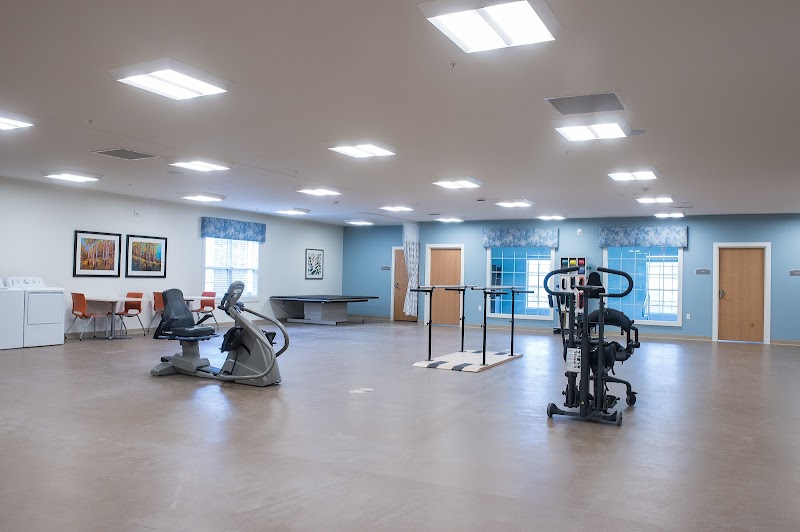
How Does Heritage Health Compare to Other Kansas Nursing Homes?

Compared to the 100 nursing homes in Kansas, HERITAGE HEALTH CARE CENTER's overall rating (3 stars) is above the state average of 2.9, staff turnover (42%) is near the state average of 46%, and health inspection rating (3 stars) is at the national benchmark.

What Should Families Ask When Visiting Heritage Health?

Based on this facility's data, families visiting should ask: "Can I visit during a mealtime to observe dining assistance and food quality?" "How do you handle medical emergencies, and what is your hospital transfer rate?" "Can I speak with family members of current residents about their experience?"

Is Heritage Health Safe?

Based on CMS inspection data, HERITAGE HEALTH CARE CENTER has a clean safety record: no substantiated abuse findings (meaning no confirmed cases of resident harm), no Immediate Jeopardy citations (the most serious violation level indicating risk of serious injury or death), and is not on the Special Focus Facility watch list (a federal program monitoring the lowest-performing 1% of nursing homes). The facility has a 3-star overall rating and ranks #1 of 100 nursing homes in Kansas. While no facility is perfect, families should still ask about staff-to-resident ratios and recent inspection results during their visit.

Do Nurses at Heritage Health Stick Around?

HERITAGE HEALTH CARE CENTER has a staff turnover rate of 42%, which is about average for Kansas nursing homes (state average: 46%). Moderate turnover is common in nursing homes, but families should still ask about staff tenure and how the facility maintains care continuity when employees leave.

Was Heritage Health Ever Fined?

HERITAGE HEALTH CARE CENTER has been fined $13,845 across 1 penalty action. This is below the Kansas average of $33,217. While any fine indicates a compliance issue, fines under $50,000 are relatively common and typically reflect isolated problems that were subsequently corrected. Families should ask what specific issues led to these fines and confirm they've been resolved.

Is Heritage Health on Any Federal Watch List?

HERITAGE HEALTH CARE CENTER is not on any federal watch list. The most significant is the Special Focus Facility (SFF) program, which identifies the bottom 1% of nursing homes nationally based on persistent, serious quality problems. Not being on this list means the facility has avoided the pattern of deficiencies that triggers enhanced federal oversight. This is a positive indicator, though families should still review the facility's inspection history directly.