ADVENA LIVING OF CHERRYVALE
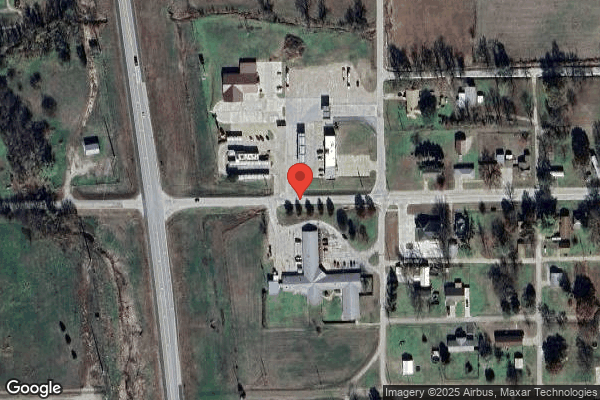

1001 W MAIN STREET, CHERRYVALE, KS 67335 (620) 336-2102
For profit - Limited Liability company 45 Beds CORNERSTONE GROUP HOLDINGS Data: November 2025
Trust Grade
60/100
#107 of 295 in KS
Last Inspection: September 2025

Inspected within the last 6 months. Data reflects current conditions.

Overview

Advena Living of Cherryvale has a Trust Grade of C+, which means it is slightly above average but not without its issues. It ranks #107 out of 295 facilities in Kansas, placing it in the top half, and #2 out of 4 in Montgomery County, meaning only one local facility is rated higher. Unfortunately, the facility is experiencing a worsening trend, with reported issues increasing from 10 in 2024 to 13 in 2025. Staffing is a strong point, with a rating of 4 out of 5 stars and a turnover rate of 35%, which is significantly better than the state average of 48%. On the downside, there were several concerning findings: food preparation areas were not kept sanitary, with dirty handwashing sinks and trash cans near food prep, and residents' rooms had tripping hazards and signs of neglect, such as dirty floors and exposed drywall. Overall, while there are strengths in staffing, the facility has notable weaknesses in cleanliness and maintenance that families should consider.

Trust Score
C+
60/100
In Kansas
#107/295
Top 36%
Safety Record
Low Risk
No red flags
Inspections
Getting Worse
10 → 13 violations
Staff Stability
○ Average
35% turnover. Near Kansas's 48% average. Typical for the industry.
Penalties
✓ Good
No fines on record. Clean compliance history, better than most Kansas facilities.
Skilled Nurses
○ Average
Each resident gets 35 minutes of Registered Nurse (RN) attention daily — about average for Kansas. RNs are the most trained staff who monitor for health changes.
Violations
⚠ Watch
28 deficiencies on record. Higher than average. Multiple issues found across inspections.
★★★☆☆
3.0
Overall Rating
★★★★☆
4.0
Staff Levels
★★★☆☆
3.0
Care Quality
★★★☆☆
3.0
Inspection Score
Stable
2024: 10 issues
2025: 13 issues

The Good

  • 4-Star Staffing Rating · Above-average nurse staffing levels
  • Full Sprinkler Coverage · Fire safety systems throughout facility
  • No fines on record
  • Staff turnover below average (35%)

    13 points below Kansas average of 48%

Facility shows strength in staffing levels, fire safety.

The Bad

3-Star Overall Rating

Near Kansas average (2.9)

Meets federal standards, typical of most facilities

Staff Turnover: 35%

11pts below Kansas avg (46%)

Typical for the industry

Chain: CORNERSTONE GROUP HOLDINGS

Part of a multi-facility chain

Ask about local staffing decisions and management

The Ugly 28 deficiencies on record

Sept 2025 13 deficiencies
CONCERN (D)

Potential for Harm - no one hurt, but risky conditions existed

Deficiency F0552 (Tag F0552)

Could have caused harm · This affected 1 resident

**NOTE- TERMS IN BRACKETS HAVE BEEN EDITED TO PROTECT CONFIDENTIALITY** The facility reported a census of 26 residents; the sample included 14 residents. Based on interview, observation, and record re...

Read full inspector narrative →
**NOTE- TERMS IN BRACKETS HAVE BEEN EDITED TO PROTECT CONFIDENTIALITY** The facility reported a census of 26 residents; the sample included 14 residents. Based on interview, observation, and record review, the facility failed to inform Resident (R) 3, R4, R23 and/or their representative regarding the risks related to psychotropic (alters mood or thoughts) medications. These practices had the potential to lead to uninformed decisions regarding treatment. Findings included:- Review of the Electronic Health Record (EHR) for R3 included diagnoses of schizophrenia (a mental disorder characterized by gross distortion of reality, disturbances of language and communication, and fragmentation of thought), cerebral edema (abnormal buildup of fluid in the brain, causing it to swell and increasing pressure inside the skull), and adjustment disorder with anxiety (a mental health condition characterized by excessive worry, nervousness, and fear in response to a stressful life event). R3’s Annual Minimum Data Set (MDS), dated [DATE], documented a Brief Interview of Mental Status (BIMS) score of 14, which indicated intact cognition. The MDS indicated that R3 required the use of a walker and wheelchair for mobility, required supervision or touching assistance for personal hygiene and putting on his shoes, set-up or clean-up assistance for bathing and eating, and was independent for all other cares. The MDS also indicated that R3 took antianxiety (a class of medications that calm and relax people) and antipsychotic (a class of medications used to treat major mental conditions that cause a break from reality) medications. The Falls Care Area Assessment (CAA), dated 02/26/25, documented that R3 had fallen at least one time since admission and was taking an antianxiety medication, a high-risk drug. The Psychotropic Drug Use CAA, dated 02/26/25, documented that R3 had been taking antipsychotic and antianxiety medications, high-risk drugs. R3's “Quarterly MDS,” dated 06/24/25, documented a BIMS score of 12, which indicated moderate cognitive impairment. The MDS indicated R3 required the use of a walker and wheelchair for mobility, required set-up or clean-up assistance for eating, oral hygiene, and bathing, was dependent on staff for putting on shoes, and was independent for all other cares. The MDS also indicated that R3 took antianxiety and antipsychotic medication. R3's Care Plan dated 06/20/24 documented R3 used psychotropic medications related to the disease process of schizophrenia. Interventions dated 04/11/24 included that staff were to administer psychotropic medications as ordered by the physician, monitor for side effects, and consult with the pharmacy and doctor to consider dosage reduction when clinically appropriate at least quarterly. R3’s EHR revealed a psychotropic informed consent, signed and dated 09/02/25, that listed psychotropic medication types with the side effects for Seroquel (an antipsychotic medication used to treat schizophrenia) 25 milligrams (MG) and Zyprexa (an antipsychotic medication used to treat schizophrenia) 15 MG at bedtime. R3’s EHR documented an order dated 08/08/25 for clonazepam 0.5 milligrams (MG) at bedtime for sleeplessness/anxiety and give 0.5 MG every eight hours as needed for sleeplessness/anxiety. An order, dated 04/01/25, for Seroquel (an antipsychotic medication used to treat schizophrenia) 25 MG at bedtime for schizophrenia; and an order, dated 03/28/25, for Zyprexa (an antipsychotic medication used to treat schizophrenia) 15 MG at bedtime for schizophrenia. R3’s EHR revealed a psychotropic informed consent, signed and dated 09/02/25, that listed psychotropic medication types with the side effects for Seroquel 25 MG and Zyprexa 15 MG at bedtime. R3’s EHR revealed a psychotropic informed consent signed and dated 08/08/25, for clonazepam (a medication used to treat anxiety) 0.5 MG at bedtime, but did not list the clonazepam 0.5 MG every eight hours as needed. Observed 09/03/25 at 09:37 AM, R3 sat in his wheelchair in his room staring at his bed. Observed on 09/03/25 at 12:10 PM, R3 was in the dining room, in his wheelchair, eating lunch with other residents. During an interview on 09/03/25 at 02:05 PM, Administrative Nurse D stated that psychotropic informed consents were to be completed prior to starting the psychotropic medication, increasing the dosage, or increasing the schedule. Administrative Nurse D also stated that the nurses were allowed to perform the informed consents. Administrative Nurse D verified that the start date for Seroquel was 04/01/25, and Zyprexa was 03/28/25, and the consent was not done until 09/02/25. During an interview on 09/03/25 at 03:30 PM, Licensed Nurse (LN) D stated that all nurses were responsible for ensuring that psychotropic informed consents were accurate and up to date. LN G said that if the consents were not completed or accurate, then the medication was to be put on hold until it was completed. During an interview on 09/04/25 at 10:03 AM, Administrative Staff A stated that psychotropic informed consents were to be performed anytime a psychotropic medication was changed or started, and before said changes. Administrative Staff A said that it included informing and getting signatures from the resident and/or the resident's legal guardian, and was to be obtained before giving the medication. The facility policy for Psychotropic Medication Monitoring, undated, included: The facility will obtain informed consent from the resident and/or resident representative before an antipsychotic medication is started. - R4's Electronic Medical Record (EMR) included the following diagnoses: anxiety (a mental or emotional reaction characterized by apprehension, uncertainty, and irrational fear) and bipolar disorder (a major mental illness that causes people to have episodes of severe high and low moods). R4's EMR documented the following physician's orders:Clonazepam (an antianxiety medication), 1 milligram (mg), by mouth (po), every (Q) 24 hours, as needed (PRN), for 90 days, for a diagnosis of anxiety, ordered 08/29/25.Clonazepam, 1 mg, po, at bedtime (HS), for a diagnosis of anxiety, ordered 08/08/25.Desvenlafaxine (an antidepressant medication), 100 mg, PO, every day (QD), for a diagnosis of bipolar disorder, ordered 08/08/25.Lamotrigine (a mood stabilizer medication), 100 mg, PO, twice daily (BID), for a diagnosis of bipolar disorder, ordered 08/08/25.Latuda (an antipsychotic medication), 120 mg, PO, QD, for a diagnosis of bipolar disorder, ordered 08/08/25. R4's EMR lacked documentation of informed consent for R4's psychotropic and antipsychotic medications. On 09/03/25 at 02:05 PM, Administrative Nurse D stated the informed consents for psychotropic drug use should be completed prior to the initiation of the medication. Administrative Nurse D confirmed the facility had not completed consents for R4's psychotropic medications. The facility policy for Psychotropic Medication Monitoring, undated, included: The facility will obtain informed consent from the resident and/or resident representative before an antipsychotic medication is started. - R23's Electronic Medical Record (EMR) included the following diagnoses: anxiety (a mental or emotional reaction characterized by apprehension, uncertainty, and irrational fear) and depression (a mood disorder that causes a persistent feeling of sadness and loss of interest). R23's EMR documented the following physician's orders:Lorazepam (an antianxiety medication), 0.5 milligrams (mg), by mouth (po), every (Q) 2 hours, as needed (PRN), for a diagnosis of anxiety, ordered 07/11/25.Mirtazapine (an antidepressant medication), 45 mg, PO, at bedtime (HS), PRN, for depression, ordered 05/09/25. R23's EMR lacked documentation of informed consent for R4's psychotropic medications. On 09/03/25 at 02:05 PM, Administrative Nurse D stated the informed consents for psychotropic drug use should be completed prior to the initiation of the medication. Administrative Nurse D confirmed the facility had not completed consents for R23's psychotropic medications. The facility policy for Psychotropic Medication Monitoring, undated, included: The facility will obtain informed consent from the resident and/or resident representative before an antipsychotic medication is started.
CONCERN (D)

Potential for Harm - no one hurt, but risky conditions existed

Deficiency F0553 (Tag F0553)

Could have caused harm · This affected 1 resident

**NOTE- TERMS IN BRACKETS HAVE BEEN EDITED TO PROTECT CONFIDENTIALITY** The facility identified a census of 26 residents; the sample included 14 residents. Based on observation, record review, and int...

Read full inspector narrative →
**NOTE- TERMS IN BRACKETS HAVE BEEN EDITED TO PROTECT CONFIDENTIALITY** The facility identified a census of 26 residents; the sample included 14 residents. Based on observation, record review, and interviews, the facility failed to include Resident (R) 1 or her representative in the development and planning of the resident's care plan. This deficient practice placed R1 at risk of impaired care and decreased autonomy. Findings included:- R1's Electronic Medical Record (EMR) from the Diagnosis tab documented diagnoses of depression (a mood disorder that causes a persistent feeling of sadness and loss of interest), psychotic disturbance (a mental health condition characterized by a loss of contact with reality, leading to distorted perceptions, thoughts, and behaviors), mood disturbance (psychiatric conditions characterized by persistent and intense changes in emotional state, such as prolonged sadness, irritability, or mania, leading to a decreased quality of life and potential functional impairment), and anxiety (mental or emotional reaction characterized by apprehension, uncertainty, and irrational fear).R1's Significant Change Minimum Data Set (MDS), dated [DATE], documented a Brief Interview of Mental Status (BIMS) score of 12, which indicated moderate cognitive impairment. The MDS indicated that R1 required the use of a walker and wheelchair for mobility, required supervision or touching assistance for oral hygiene and upper body dressing, partial to moderate assistance for toileting and personal hygiene and lower body dressing, set-up or clean-up assistance for eating, and was dependent on staff for putting on footwear. The MDS also indicated that R1 took an antidepressant (a class of medications used to treat mood disorders) and opioid (a class of controlled drugs used to treat pain) medication.The Cognitive Loss / Dementia Care Area Assessment (CAA), dated 01/29/25, documented that R1 had a BIMS summary score less than 13.The Functional Abilities (Self-Care and Mobility) CAA, dated 01/29/25, documented that R1 required set-up or clean-up assistance for eating, supervision or touching for oral hygiene, and partial or moderate assistance for toileting hygiene.R1's Quarterly MDS, dated [DATE], documented a BIMS score of 15, which indicated intact cognition. The MDS indicated that R1 required the use of a walker and wheelchair for mobility, required partial to moderate assistance for bathing, and set-up or clean-up assistance for all other cares. The MDS also indicated that R1 took opioid medication.R1's Care Plan, dated 06/03/24, documented that R1 had dementia with an intervention for staff to communicate with the resident, the resident's family, and caregivers regarding R1's capabilities and needs.R1's EMR revealed an admission date of 11/02/22 with care plan signature pages of attendance for 07/09/24 and 12/18/24 that showed R1 had attended and participated in the care plan meeting. R1's EMR lacked evidence that the resident was invited and/or included in any further care plan meetings.During an interview on 09/02/25 at 10:44 AM, R1 reported she had not been informed or invited to her care plan meetings.During an interview on 09/03/25 at 08:42 AM, Social Services X stated that she was unable to provide documentation of R1's care plan meetings or documentation that R1 was invited and/or attended her care plan meetings. Social Services X further stated that she was responsible for notifying the residents of the meetings along with the provider, the resident's legal guardian, and anyone else the resident wanted in attendance.During an interview on 09/03/25 at 09:38 AM, Administrative Nurse E verified there was no documentation available for care plan meetings. Administrative Nurse E also stated that the Social Services Designee (SSD) was responsible for providing the resident notification about the care plan meetings and that they are held every 90-days, and included the resident, resident's legal guardian, provider, Director of Nursing (DON) or Assistant Director of Nursing (ADON), Dietary Manager (DM) and anyone else the resident wanted in attendance.During an interview on 09/04/25 at 10:03 AM, Administrative Staff A stated that the resident should be notified of their care plan meeting times and that it should be scheduled around their time availability; the SSD was responsible for coordinating the care plan meetings, and documentation of the care plan meeting should have been filed in the paper chart and EHR. Administrative Staff A further stated that the facility was in the process of performing chart audits, and was aware there had been a records lapse. The facility policy Care Planning-Interdisciplinary Team, dated 10/21, documented that the resident, the resident's family, and/or the resident's legal representative/guardian or surrogate are encouraged to participate in the development of and revisions to the resident's care plan. The policy further documented that every effort would be made to schedule care plan meetings at the best time of the day for the resident and family.
CONCERN (D)

Potential for Harm - no one hurt, but risky conditions existed

Deficiency F0605 (Tag F0605)

Could have caused harm · This affected 1 resident

**NOTE- TERMS IN BRACKETS HAVE BEEN EDITED TO PROTECT CONFIDENTIALITY** The facility reported a census of 26 residents; the sample included 14 residents, with five sampled for unnecessary medications....

Read full inspector narrative →
**NOTE- TERMS IN BRACKETS HAVE BEEN EDITED TO PROTECT CONFIDENTIALITY** The facility reported a census of 26 residents; the sample included 14 residents, with five sampled for unnecessary medications. Based on observation, interview, and record review, the facility failed to ensure a14-day stop date or justification for the continuation of an as needed (PRN) psychotropic medication (alters mood or thought) including a specified duration for Resident (R)3. This deficient practice placed R3 at risk of unnecessary psychotropic medication and related adverse effects. Findings included:- Review of the Electronic Health Record (EHR) for R3 included diagnoses of schizophrenia (a mental disorder characterized by gross distortion of reality, disturbances of language and communication, and fragmentation of thought), cerebral edema (abnormal buildup of fluid in the brain, causing it to swell and increasing pressure inside the skull), and adjustment disorder with anxiety (a mental health condition characterized by excessive worry, nervousness, and fear in response to a stressful life event).R3's Annual Minimum Data Set (MDS), dated [DATE], documented a Brief Interview of Mental Status (BIMS) score of 14, which indicated intact cognition. The MDS indicated that R3 required the use of a walker and wheelchair for mobility, required supervision or touching assistance for personal hygiene and putting on his shoes, set-up or clean-up assistance for bathing and eating, and was independent for all other cares. The MDS also indicated that R3 took antianxiety (a class of medications that calm and relax people) and antipsychotic (a class of medications used to treat major mental conditions that cause a break from reality) medications.The Falls Care Area Assessment (CAA), dated 02/26/25, documented the R3 had fallen at least one time since admission and was taking an antianxiety medication, a high-risk drug.The Psychotropic Drug Use CAA, dated 02/26/25, documented the R3 had been taking antipsychotic and antianxiety medications, as high-risk drugs.R3's Quarterly MDS, dated 06/24/25, documented a BIMS score of 12, which indicated moderate cognitive impairment. The MDS indicated R3 required the use of a walker and wheelchair for mobility, required set-up or clean-up assistance for eating, oral hygiene, and bathing, was dependent on staff for putting on shoes, and was independent for all other cares. The MDS also indicated that R3 took antianxiety and antipsychotic medication. R3's Care Plan dated 06/20/24 documented R3 used psychotropic medications related to the disease process of schizophrenia. Interventions dated 04/11/24 included that staff were to administer psychotropic medications as ordered by the physician, monitor for side effects, and consult with the pharmacy and doctor to consider dosage reduction when clinically appropriate at least quarterly.R3's EHR documented an order dated 08/08/25 for clonazepam (a medication used to treat anxiety) 0.5 milligrams (MG) at bedtime for sleeplessness/anxiety and give 0.5 MG every eight hours as needed for sleeplessness/anxiety. The order lacked a stop date.Review of R3's MAR/TAR for the month of August 2025 revealed that R3 had not received the PRN 0.5 MG of clonazepam for the dates 08/08/25 through 08/31/25.R3's EHR lacked a specific duration with a physician justification to continue the PRN clonazepam.Observed 09/03/25 at 09:37 AM, R3 sat in his wheelchair in his room staring at his bed.Observed on 09/03/25 at 12:10 PM, R3was in the dining room, in his wheelchair, eating lunch with other residents.During an interview on 09/03/25 at 02:05 PM, Administrative Nurse D stated that psychotropic medications were to have a stop date after 14 days, or a rationale for the continuation beyond 14 days must have been included for any non-antipsychotic psychotropic medications. Administrative Nurse D verified there was no stop date or rationale for continuation of the as-needed clonazepam beyond the 14 days for R3. During an interview on 09/03/25 at 03:30 PM, Licensed Nurse (LN) D stated that as-needed psychotropic medication should have had a 14-day stop date. During an interview on 09/04/25 at 10:03 AM, Administrative Staff A stated that as-needed psychotropic medication should have had a start and end date not to exceed 14 days.The facility did not provide a policy related to 14-day stop dates for psychotropic medications.
CONCERN (D)

Potential for Harm - no one hurt, but risky conditions existed

Deficiency F0628 (Tag F0628)

Could have caused harm · This affected 1 resident

**NOTE- TERMS IN BRACKETS HAVE BEEN EDITED TO PROTECT CONFIDENTIALITY** The facility reported a census of 26 residents. The sample included 14 residents with one resident reviewed for hospitalization....

Read full inspector narrative →
**NOTE- TERMS IN BRACKETS HAVE BEEN EDITED TO PROTECT CONFIDENTIALITY** The facility reported a census of 26 residents. The sample included 14 residents with one resident reviewed for hospitalization. Based on interview and record review, the facility failed to notify the Ombudsman of Resident (R)23's admission to the hospital, placing the resident at risk of impaired rights related to transfers and discharge. Findings included:- R23's Electronic Medical Record (EMR) included the following diagnoses: Parkinson's disease (a slowly progressive neurologic disorder characterized by resting tremors, rolling of the fingers, masklike faces, shuffling gait, muscle rigidity, and weakness), congestive heart failure (CHF-a condition with low heart output and the body becomes congested with fluid) and diabetes mellitus (DM-when the body cannot use glucose, not enough insulin is made, or the body cannot respond to the insulin). R23's EMR documented in the progress notes that the resident transferred to the hospital on [DATE]. R23's EMR lacked documentation of the Ombudsman being notified of the transfer to the hospital. The facility was unable to provide evidence that the Ombudsman was notified of the transfer. On 09/04/25 at 10:21 AM, Administrative Nurse D confirmed the Ombudsman had not been notified of the resident's discharge to the hospital on [DATE]. The facility policy for Transfer or Discharge Notice, revised December 2016, included: The facility shall provide the Ombudsman with notification of residents who transfer or discharge from the facility.
CONCERN (D)

Potential for Harm - no one hurt, but risky conditions existed

Deficiency F0692 (Tag F0692)

Could have caused harm · This affected 1 resident

The facility reported a census of 26 residents. The sample of 14 residents included three residents reviewed for nutrition. Based on observation, interview, and record review, the facility failed to p...

Read full inspector narrative →
The facility reported a census of 26 residents. The sample of 14 residents included three residents reviewed for nutrition. Based on observation, interview, and record review, the facility failed to provide ongoing assessment by the Registered Dietician (RD) for the effectiveness of interventions and impact of nausea and vomiting on nutritional status for Resident (R)12, who had experienced a significant weight loss and continued with insidious loss. This deficient practice placed the resident at risk for continued weight loss and malnutrition. Findings included:- R12's Electronic Health Records (EHR) Physician Orders (POS), dated 08/04/ 25 documented: diagnoses which included multiple sclerosis (MS- a progressive disease of the nerve fibers of the brain and spinal cord), spastic hemiplegia (paralysis of one side of the body) affecting right dominant side, cerebral infarct (stroke - sudden death of brain cells due to lack of oxygen caused by impaired blood flow to the brain by blockage or rupture of an artery to the brain), neuroleptic induced Parkinsonism (drug induced parkinsonism), Schmorl's Nodes of the thoracic region (herniation of the disc through the weak cart cartilage of the adjacent vertebral body of the mid chest region), diabetes (DM-when the body cannot use glucose, not enough insulin is made, or the body cannot respond to the insulin), schizophrenia (a mental disorder characterized by gross distortion of reality, disturbances of language and communication, and fragmentation of thought), seizures, chronic pain syndrome, major depression (a mood disorder that causes a persistent feeling of sadness and loss of interest), leg pain, altered mental status, insomnia (inability to sleep), unsteadiness, gastroesophageal reflux (GERD- digestive disease in which stomach acid or bile irritated the food pipe lining), hypertension (HTN- high blood pressure), constipation, and migraines.R12's 11/07/24 Annual Minimum Data Set (MDS) documented a Brief interview for Mental Status (BIMS) score of 12, indicating moderate cognitive impairment. The MDS noted she received high-risk medications, which included antipsychotic (medication to treat major mental health disorders), antidepressant (medication to treat mood disorders), and opioid (narcotic pain medication). The MDS documented R12 felt snacks between meals were very important. The MDS noted R12 had functional limitations in her range of motion for both sides of her upper and lower extremities. Her height was 64 inches, and her weight was 161 pounds (lbs.).The Nutritional Status Care Area Assessment (CAA), dated 11/14/25, documented R12's body mass index (BMI) was 27.7%. Her diet order was a regular diet with sugar-free condiments, regular texture, and regular, thin liquids. The CAA noted R12 weighed 164 lbs. She fed herself without difficulty and had decreased her snacking. She had maintained her weight over the previous two months, and staff encouraged her to follow her diet restrictions. Staff would continue to monitor and report changes as needed to the charge nurse and/or appropriate staff.R12's Quarterly MDS, dated 07/16/25, documented changes from the Annual MDS that included a BIMS score of 14, indicating intact cognition. Her weight was 132 lbs. R12's Care Plan dated 07/30/24, directed staff R12 had a desire to maintain her weight, and had experienced recent weight loss, initiated 03/28/18. Staff were to provide a dietary consult for nutritional regimen and ongoing monitoring, initiated 03/28/18. Staff were to monitor, document, and report as needed any signs or symptoms, which included weight loss, initiated on 03/28/18.R12's EHR, under the Physician Orders, included the following orders:Weekly weight in the morning every Sunday for weight loss initiated 08/17/25.No added salt, sugar-free diet, regular texture, with regular, thin liquids, order 08/14/25Protein supplement with medication passes three times a day for supplement ordered 07/28/25.R12's EHR recorded an RD Dietary/Nutrition Progress Note dated 07/05/25 at 04:41 PM that noted R12 had nausea and vomiting for more than two days. The note documented R12's weight fluctuated and noted the RD would check in R12 at the upcoming visit regarding nausea and vomiting per the dietary manager (DM) and RD observations.\Review of R12's Vital Sign/Weight documentation, dated 07/13/25 through 09/03/25, revealed the following weights, which indicated a loss:07/13/25 132.0 lbs.07/23/25 128.5 lbs.07/25/25 127.0 lbs.07/27/25 127.0 lbs.08/03/25 129.4 lbs.08/17/25 119.3 lbs.08/24/25 120.5 lbs.08/31/25 119.0 lbs.The RD visit information provided by the facility for 08/11/25 lacked evidence that the RD assessed R12 for the continued weight loss and to evaluate the effectiveness of nutritional interventions.On 09/03/25 at 08:50 AM, R12 fed herself sausage, eggs, and cheese and stated her breakfast was very good.On 09/03/25 at 01:03 PM, R12 sat in her wheelchair at the reception desk, drinking clear liquid through a straw. She reported she only ate a small amount of her lunch of spaghetti and green beans, but said she threw up after lunch. Certified Nurse Aide (CNA) N walked by, and R12 said she could not drink anymore, or she would vomit. CNA N took the cup and asked if R12 wanted something else, and suggested water. R12 agreed, and CNA N provided her with some water and offered to help R12 get cleaned up. Further observation revealed lumpy yellow vomit in R12's chair. CNA N stated the vomitus looked like undigested eggs and then asked the resident if she had eggs for lunch. R12 replied that she had eggs for breakfast. On 09/03/25 at 10:17 AM, Certified Medication Aide (CMA) R administered R12's medications following her breakfast. CMA R confirmed the resident vomited frequently and had lost weight. On 09/03/25 at 01:08 PM, Licensed Nurse (LN) G confirmed R12 had issues with vomiting after meals and had lost weight.On 09/03/25 at 02:50 PM, Dietary Staff BB and Administrative Nurse D confirmed the RD should evaluate identified high-risk residents during her monthly visits. Dietary Staff BB and Administrative Nurse D verified R12 was at high nutritional risk due to her significant weight loss and should have been assessed on the RD's monthly visit on 08/11/25.The facility did not provide a policy to address RD assessments and review of the effectiveness of dietary interventions for high-risk residents with significant weight loss.
CONCERN (D)

Potential for Harm - no one hurt, but risky conditions existed

Deficiency F0697 (Tag F0697)

Could have caused harm · This affected 1 resident

The facility reported a census of 26 residents. The sample of 14 residents included one resident reviewed for pain management. Based on observation, interview, and record review the facility failed to...

Read full inspector narrative →
The facility reported a census of 26 residents. The sample of 14 residents included one resident reviewed for pain management. Based on observation, interview, and record review the facility failed to provide adequate pain management for Resident (R) 12 when staff failed to administer scheduled pain medication separate from medication that interfered with the absorption and therapeutic effectiveness of her pain medication. This placed the resident at risk for uncontrolled pain and decreased quality of life. Findings included:- R12's Electronic Health Records (EHR) Physician Orders (POS), dated 08/04/ 25 documented: diagnoses which included multiple sclerosis (MS- a progressive disease of the nerve fibers of the brain and spinal cord), spastic hemiplegia (paralysis of one side of the body) affecting right dominant side, cerebral infarct (stroke - sudden death of brain cells due to lack of oxygen caused by impaired blood flow to the brain by blockage or rupture of an artery to the brain), neuroleptic induced Parkinsonism (drug induced parkinsonism), Schmorl's Nodes of the thoracic region (herniation of the disc through the weak cart cartilage of the adjacent vertebral body of the mid chest region), diabetes (DM-when the body cannot use glucose, not enough insulin is made, or the body cannot respond to the insulin), schizophrenia (a mental disorder characterized by gross distortion of reality, disturbances of language and communication, and fragmentation of thought), seizures, chronic pain syndrome, major depression (a mood disorder that causes a persistent feeling of sadness and loss of interest), leg pain, altered mental status, insomnia (inability to sleep), unsteadiness, gastroesophageal reflux (GERD- digestive disease in which stomach acid or bile irritated the food pipe lining), hypertension (HTN- high blood pressure), constipation, and migraines.R12's 11/07/24 Annual Minimum Data Set (MDS) documented a Brief interview for Mental Status (BIMS) score of 12, indicating moderate cognitive impairment. The MDS documented R12 received scheduled pain medication and reported frequent pain, which occasionally interfered with sleep and activities of daily living (ADL). The MDS noted R12 received scheduled pain medication and reported frequent pain rated at a seven out of 10 on a 0-10 scale (scale where zero represents no pain and 10 the worst pain imaginable), which occasionally interfered with sleep and ADL. The MDS noted she received high-risk medications, which included antipsychotic (medication to treat major mental health disorders), antidepressant (medication to treat mood disorders), and opioid (narcotic pain medication).R12's 07/16/25 Quarterly MDS, documented changes from the Annual MDS, which included a BIMS score of 14, indicating cognitively intact. The MDS noted R12 reported very severe, almost constant pain.The Pain Care Area Assessment (CAA), dated 11/04/25, documented R12 rated her pain at a six out of 10, and reported generalized pain. She currently received tramadol (narcotic pain medication) and meloxicam (non-steroidal anti-inflammatory), scheduled for pain and Tylenol as needed (PRN). Staff should monitor the effectiveness of pain medications. Nursing staff were assessing and monitoring the resident for effectiveness and medication side effects.R12's Care Plan dated 07/30/24 documented the resident had chronic pain related to migraines, MS, arthritis, and Schmorl's Nodes of the thoracic (mid-back) region. Staff should anticipate her need for pain relief and respond to any complaints of pain. The plan directed staff to evaluate the effectiveness of pain interventions, dosing schedules, and resident's satisfaction with the results. The plan directed staff to discuss the number and type of medications the resident was taking and the potential for drug interactions and side effects from overmedication. The plan documented R12 had more than one prescribing physician, so staff should ensure that each physician had the full list of medications, including over-the-counter and as-needed medications. The plan directed staff to monitor for possible side effects, which include depression, agitation, poor appetite, and gastric upset. The plan directed staff to review medications with physicians and a consulting pharmacist for duplication of medications, proper dosing, and timing.R12's EHR, under the Physician Orders, dated 8/04/25, included the following medications:Tramadol HCl Tablet, 50 milligrams (MG); give by mouth three times a day for pain, ordered 07/25/25.Tylenol oral tablet; give 325 MG, by mouth, every six hours as needed for pain management, not to exceed (NTE ) 3 grams in 24 hours, ordered 07/25/25.Misoprostol (medication used to treat pain by reducing swelling and inflammation) oral tablet 200 micrograms (MCG), give one tablet, by mouth two times a day, for pain, give with or after food ordered 06/19/25.Diclofenac sodium tablet delayed release (non-steroidal anti-inflammatory used to treat pain) 75 MG, give one tablet by mouth two times a day for leg pain associated with chronic pain syndrome. Take with or after food, ordered 06/19/25.Carafate oral tablet, 1.0-gram (gm) (Sucralfate- an anti-ulcer medication with potential to alter the absorption of some drugs), give 1.0 gm, by mouth before meals for GERD; dissolve tablet in liquid of choice, give 30 minutes before meals, ordered 0/15/25.Zofran oral tablet 4 MG/ (Ondansetron- medication to relieve nausea), give one tablet by mouth, before meals for nausea/vomiting (N/V) with meals, ordered 08/16/25.Lactobacillus (probiotic to support gut health) oral capsule, give two capsules by mouth before meals for prevention of gastric upset, ordered 02/18/25.Protonix oral tablet, delayed release, 20 MG (Pantoprazole Sodium- a medication used to reduce gastric acid to prevent GERD), give 40 MG, by mouth, in the morning for gastrointestinal (GI) protection, ordered 04/02/25.On 09/03/2025 at 08:50 AM, R 12 observed feeding herself sausage, egg, and cheese and stated her breakfast was very good.Observation on 09/03/25 at 10:17 AM revealed R12 reported to Certified Medication Aide (CMA) R that she had pain all over and rated her pain a 10 out of 10. CMA R administered all of R12's medications together, including the tramadol, misoprostol, and diclofenac, following breakfast without regard for the physician's orders to administer four medications (Carafate, Zofran, Lactobacillus, and Protonix) before meals to prevent GI upset. CMA R confirmed the resident vomited frequently. She confirmed the four medications were ordered before meals, and the medications that were ordered with food or after meals should not be given together with those to be given before meals. CMA R verified that the scheduled pain medications were scheduled and administered at the same time as the four GI medications, even though the GI meds were ordered before meals to prevent nausea and vomiting at meals, which could interfere with the effectiveness of the pain medications. On 09/03/25 at 01:03 PM, R12 sat in her wheelchair at the reception desk, drinking clear liquid through a straw. She reported she only ate a small amount of her lunch of spaghetti and green beans, but said she threw up after lunch. She stated she had pain in her back. Certified Nurse Aide (CNA) N walked by, and R12 told the CNA she could not drink anymore, or she would vomit. R12 told CNA N she was hurting all over, and CNA N asked the resident when she last had her pain medication. R12 stated she had been given pain medication earlier, but she had thrown it up, and she did not get any relief from her pain.On 09/03/25 at 01:08 PM, Licensed Nurse (LN) G confirmed the resident had issues with vomiting after meals. She stated R12 was on multiple medications prescribed to be given before meals to prevent her from vomiting, and verified that those medications should be administered before meals and on an empty stomach to prevent gastric upset. LN G acknowledged that the medications the resident took for pain and to prevent GI upset should not be given together. She stated she should advise the physician of the medication administration error and the resident's vomiting after the meal and medication administration. LN G said staff should change the administration times of the medications to ensure they were given at appropriate times to prevent adverse reactions and maximize the effectiveness of the pain medications. On 09/03/25 at 03:02 PM, Administrative Nurse D confirmed medications should be administered as ordered by the physician. She reported she had contacted the physician regarding the medication errors, and the physician had stated Carafate should be given separately from other medications due to its interference with the absorption of other medications to ensure the effectiveness of the medications. The facility did not provide a policy on pain management.
CONCERN (D)

Potential for Harm - no one hurt, but risky conditions existed

Drug Regimen Review (Tag F0756)

Could have caused harm · This affected 1 resident

**NOTE- TERMS IN BRACKETS HAVE BEEN EDITED TO PROTECT CONFIDENTIALITY** The facility reported a census of 26 residents. The sample included 14 residents which included six residents for unnecessary me...

Read full inspector narrative →
**NOTE- TERMS IN BRACKETS HAVE BEEN EDITED TO PROTECT CONFIDENTIALITY** The facility reported a census of 26 residents. The sample included 14 residents which included six residents for unnecessary medications. Based on observation, interviews, and record review, the facility failed to acknowledge and/or act on the consultant pharmacist's (CP) recommendation to resolve identified irregularities for Resident (R)10, related to anticoagulant (inhibits the blood from clotting) medication. This placed R10 at risk for unnecessary medications and related complications. Findings included:- R10's Physician Orders, dated 08/06/25, revealed diagnoses which included hypertension (HTN-high blood pressure), chronic kidney disease, hemiplegia and hemiparesis (weakness and paralysis on one side of the body) following cerebral infarction (stroke - sudden death of brain cells due to lack of oxygen caused by impaired blood flow to the brain by blockage or rupture of an artery to the brain).R10's Annual Minimum Data Set (MDS) dated [DATE], documented a Brief Interview for Mental Status (BIMS) score of 12, indicating moderate cognitive impairment. He received high-risk medications, which included an anticoagulant.R10's Quarterly MDS, dated 06/25/25, documented the resident received an anticoagulant high-risk medication.R10's Care Plan, dated 07/17/25, directed staff to administer anticoagulant therapy medication as ordered by the physician and monitor for side effects and effectiveness every shift.R10's Physician Orders (POS) dated 08/06/25, included the following orders:Xarelto (anticoagulant) oral tablet; give 2.5 milligrams (MG), by mouth, two times a day for a history of stroke; ordered 12/28/24.Monitor for side effects of anticoagulant medication to include discolored urine, black tarry stools, sudden severe headache, diarrhea, muscle or joint pain, lethargy, bruising, sudden changes in mental status, vital signs, shortness of breath, nose bleeds, nausea and/or vomiting, ordered 4/26/24.R10's CP Pharmacy Medication Review, dated 07/23/25, documented a pharmacy recommendation that Xarelto was added to the 2019 Beers Criteria due to increased risk of serious bleeding compared to other anticoagulants when used long-term in adults older than 75 years. In order to avoid the potential for adverse events, please consider discontinuing or replacing this resident's Xarelto with Eliquis (an anticoagulant) 5 MG, two times a day. The recommendation was sent to the physician for follow-up by the facility on 07/28/25.Review of R10's Pharmacy Medication Review, and subsequent physician follow-up and clinical record, dated 07/23/25 through 09/03/25, lacked evidence that the facility obtained a response from the physician to follow up to the 07/23/25 pharmacist recommendation (42 days after the initial recommendation).On 09/02/25 at 11:00 AM, R10 sat in his wheelchair. He wore a foam splint on his left hand.On 09/03/25 at 11:16 AM, Administrative Nurse D confirmed the above findings. She stated she had overlooked that the physician had not responded to the CP's recommendation in a timely manner. The facility did not provide a policy to address follow-up on CP recommendations.
CONCERN (D)

Potential for Harm - no one hurt, but risky conditions existed

Deficiency F0761 (Tag F0761)

Could have caused harm · This affected 1 resident

The facility census totaled 26 residents on two halls. Based on observation, interview, and record review, the facility failed to ensure the staff had properly secured storage of resident medications....

Read full inspector narrative →
The facility census totaled 26 residents on two halls. Based on observation, interview, and record review, the facility failed to ensure the staff had properly secured storage of resident medications. This deficient practice placed the residents at risk of missing medications and ineffective medication regimens. Findings included:- Observed on 09/04/25 at 10:13 AM, in the Environmental Services closet, delivery boxes sat on the floor. One box contained the following stock medications: A&D Ointment (a moisturizing cream for skin), two bottles of 81 milligram (MG) aspirin (ASA- a nonsteroidal anti-inflammatory drug [NSAID] used to treat pain, fever, and inflammation, and also used at low doses to prevent heart attacks and strokes), folic acid 1000 micrograms (MCG) (a B-vitamin that helps the body make new cells), probiotic (stimulates the growth of gut normal flora), Voltaren Gel (type of NSAID that treats joint pain caused by arthritis), Allegra 180 MG 24 hour (a medication that treats and prevents symptoms of allergies), Niacin 500 MG (vitamin B3, a water-soluble vitamin that is essential for bodily functions and energy metabolism), and Senna-Plus (a stool softener and laxative).During an interview on 09/04/25 at 10:20 AM, Administrative Nurse D stated that when medications were delivered, they were to go straight to the medication room, then get sorted and placed where they were intended to go. During an interview on 09/04/25 at 10:40 AM, Administrative Staff A stated that medication should not have been stored anywhere other than the medication cart or medication room.The facility policy Storage of Medication, dated 11/20, documented that the facility would store all drugs and biologicals in a safe, secure, and orderly manner.
CONCERN (E)

Potential for Harm - no one hurt, but risky conditions existed

Safe Environment (Tag F0584)

Could have caused harm · This affected multiple residents

**NOTE- TERMS IN BRACKETS HAVE BEEN EDITED TO PROTECT CONFIDENTIALITY** The facility reported a census of 26 residents; the sample included 14 residents. Based on interviews, record review and observa...

Read full inspector narrative →
**NOTE- TERMS IN BRACKETS HAVE BEEN EDITED TO PROTECT CONFIDENTIALITY** The facility reported a census of 26 residents; the sample included 14 residents. Based on interviews, record review and observation, the facility failed to ensure a safe, clean home-like environment in the resident's rooms and common areas. This deficient practice placed the residents at risk for tripping hazards, electrical accidents, respiratory hazards and decreased comfort. Findings included:- During an observation on 09/02/25 at 12:23 PM, there were multiple dark spots on the floor at the head of R15's bed, and molding was missing from the base of the wall next to the bathroom door, with exposed and broken drywall. There were damaged ceiling areas with exposed sheet rock, and the floor was dirty and stained.Observed on 09/02/25 at 11:22 AM, R30's had a large area of wall next to the resident's bed with exposed dry-wall, and paint was missing that was approximately a quarter of the wall; the floor was dirty and sticky.Observed on 09/02/25 at 11:25 AM, the north hallway floor and north hallway rooms had chipped and cracked floor tiles throughout. The north hallway tiles had bubbled areas and numerous areas that had risen, exposing the concrete floor underneath.Observed on 09/02/25 at 02:41 PM, R15 was moved to another room by staff.Observed on 09/04/25 at 11:28 AM, revealed a crack that went from the top door frame of R30's up and across the ceiling and down the wall on the other side to the top door frame of R17's room.Observed on 09/04/25 at 09:55 AM, there was a broken wall tile on the west wall of the resident dining room. Also observed were two open 220-volt plug outlets in the dining room and two open 220-volt plug outlets in the north resident hall; the outlets were approximately six inches off the ground. During an observation on 09/04/25 at 10:05 AM, Maintenance U tested the 220-volt outlets and then stated that all four were live with electricity, and originally thought they were not hooked up.During an interview on 09/02/25 at 02:10 PM, with Administrative Staff A and Maintenance U, Maintenance U reported that he was unaware of the damage in R15's room and was unaware of the dark-stained spots on the floor at the head of the bed. Administrative Staff A also reported that she had been unaware of the damage in R15's room. Administrative Staff A further reported that R15 would be moved to another room so that the room could be repaired.During an interview on 09/02/25 at 03:02 PM, Maintenance U reported that an electrician had been scheduled for 09/04/25 to evaluate what was needed to make electrical repairs in the facility. During an interview on 09/03/25 at 03:30 PM, Licensed Nurse (LN) G stated that maintenance or repair concerns were reported through a computer notification system called The Equipment Lifecycle System (TELS-a computerized Maintenance Management System used to streamline maintenance operations).During an interview on 09/04/25 at 10:30 AM, Maintenance U reported that all environmental or maintenance concerns were to be placed as a work order through the computer program TELS, so that tracking could be performed, and all staff were regularly informed of this, but this does not happen that way. Maintenance U further stated that he had been aware of the wall damage in room [ROOM NUMBER] and had planned to repair it with paneling that could not be chipped, and he had been waiting approximately two weeks for flooring quotes to replace the flooring throughout the building.During an interview on 09/04/25 at 10:38 AM, Administrative Staff A stated that maintenance and environmental repair notification had to be done through TELS, and not by word of mouth; and staff should have been vigilant and placed maintenance work orders immediately.During an interview on 09/04/25 at 11:30 AM, Maintenance U stated that he had not been made aware of the ceiling and wall crack in the north hall. The facility policy Environment-General Cleanliness and Maintenance, dated 08/24, documented that staff of the facility would provide a safe, clean, comfortable, and homelike environment, allowing each resident to use his/her personal belongings as much as possible. It further documented that the environment of care would support each resident's positive self-image and dignity.The facility policy Maintenance Service, dated 10/21, documented that maintenance service would be provided to all areas of the building, grounds, and equipment. It further documented that the maintenance department would be responsible for maintaining the buildings, grounds, and equipment in a safe and operable manner at all times.
CONCERN (E)

Potential for Harm - no one hurt, but risky conditions existed

Unnecessary Medications (Tag F0759)

Could have caused harm · This affected multiple residents

The facility identified a census of 26 residents. Twenty-six medications were observed for medication administration accuracy. Based on observation, record review, and interviews, the facility failed ...

Read full inspector narrative →
The facility identified a census of 26 residents. Twenty-six medications were observed for medication administration accuracy. Based on observation, record review, and interviews, the facility failed to ensure a medication error rate of less than five percent (%) when staff administered four medications in error resulting in a medication error rate of 17%. This placed the residents at risk of ineffective medication regimens. Findings included:- Resident (R) 12's Electronic Medical Record (EMR) included the following orders:Carafate oral tablet, 1.0-gram (gm) (Sucralfate- an anti-ulcer medication with potential to alter the absorption of some drugs), give 1.0 gm, by mouth before meals for GERD; dissolve tablet in liquid of choice, give 30 minutes before meals, ordered 0/15/25.Zofran oral tablet 4 MG/ (Ondansetron- medication to relieve nausea), give one tablet by mouth, before meals for nausea/vomiting (N/V) with meals, ordered 08/16/25.Lactulose (synthetic sugar used to treat constipation) oral solution, 20 grams/30 milliliters (ml). Give 30 ml by mouth every 24 hours as needed for constipation, AND give 30 ml by mouth in the morning for constipation. Give 30 ml daily until bowel movement (BM), ordered 08/07/25.Lactobacillus (probiotic to support gut health) oral capsule, give two capsules by mouth before meals for prevention of gastric upset, ordered 02/18/25.Protonix oral tablet, delayed release, 20 MG (Pantoprazole Sodium- a medication used to reduce gastric acid to prevent GERD), give 40 MG, by mouth, in the morning for gastrointestinal protection, ordered 04/02/25.Misoprostol oral tablet 200 micrograms (MCG): give one tablet, by mouth, two times a day, give with or after food ordered 06/19/25.Diclofenac sodium tablet delayed release 75 MG, give one tablet by mouth two times a day for leg pain associated with chronic pain syndrome. Take with or after food, ordered 06/19/25.Metformin HCl (medication used to lower blood glucose) tablet 500 MG, give one tablet by mouth, two times a day, for diabetes, give with /after meals to avoid gastrointestinal (GI) upset. Ordered 08/31/25.On 09/03/25 at 10:17 AM, observation revealed Certified Medication Aide (CMA) R obtained the R12's blood pressure (BP) and held the resident's propranolol (medication used to treat HTN). R12 refused the Lactulose when offered. CMA R administered the remaining medications to R12's altogether following her breakfast, including the Lactobacillus, Carafate, Zofran, and Protonix, which were ordered to be given before meals. CMA R confirmed the resident's medications were scheduled for the morning medication pass, which was from 08:00 AM to 11:30 AM, and stated the medications ordered to be administered before meals should not be given with meals or with other medications that were ordered to be given with food or meals. On 09/03/25 at 01:08 PM, Licensed Nurse (LN) G confirmed the resident had issues with vomiting after meals and lost weight. She stated R12 was on multiple medications prescribed to be given before meals to prevent her vomiting. LN G verified that those medications should be administered before meals and on an empty stomach to prevent gastric upset. LN G acknowledged that the medications the resident took, as noted during the observation, should not be given together. LN G said she should advise the physician of the medication administration error.On 09/03/25 at 03:02 PM, Administrative Nurse D confirmed medications should be administered as ordered by the physician. She reported she had contacted the physician regarding R12's medication, and the physician stated Carafate had to be given separately due to its interference with the absorption of other medications and to ensure the effectiveness of the medication. The facility's policy, Medication Administration Schedule, dated 12/2012, documented that medications shall be administered according to established schedules; a physician's order for specific times supersedes any routine schedule.
CONCERN (E)

Potential for Harm - no one hurt, but risky conditions existed

Deficiency F0924 (Tag F0924)

Could have caused harm · This affected multiple residents

The facility reported a census of 26 residents. Based on observation, interview and record review the facility failed to provide a safe and functional handrails in one of two hallways. This placed the...

Read full inspector narrative →
The facility reported a census of 26 residents. Based on observation, interview and record review the facility failed to provide a safe and functional handrails in one of two hallways. This placed the residents at risk of impaired safety. Findings included:- Observed on 09/04/25 at 10:20 AM, during the facility tour with Maintenance Staff U, numerous handrails in the north resident hallway were loose and easily moved by hand.During an interview on 09/04/25 at 10:30 AM, Maintenance Staff U stated that he was unaware that there were loose handrails.During an interview on 09/04/25 at 10:38 AM, Administrative Staff A stated that she was unaware that there were loose handrails anywhere in the facility. She further stated that she expected staff to be vigilant and place a work order whenever they noticed any damaged equipment or when environmental repairs were needed.The facility policy Environment-General Cleanliness and Maintenance, dated 08/2024, documented that staff of the facility would provide a safe, clean, comfortable, and homelike environment, allowing each resident to use his/her personal belongings as much as possible. It further documented that the environment of care would support each resident's positive self-image and dignity.The facility policy Maintenance Service, dated 10/2021, documented that maintenance service would be provided to all areas of the building, grounds, and equipment. It further documented that the maintenance department would be responsible for maintaining the buildings, grounds, and equipment in a safe and operable manner at all times.
CONCERN (F)

Potential for Harm - no one hurt, but risky conditions existed

Food Safety (Tag F0812)

Could have caused harm · This affected most or all residents

The facility reported a census of 26 residents and one main kitchen. Based on observation and interview, the facility failed to store and prepare food under sanitary conditions for the residents of th...

Read full inspector narrative →
The facility reported a census of 26 residents and one main kitchen. Based on observation and interview, the facility failed to store and prepare food under sanitary conditions for the residents of the facility. This deficient practice put the residents of the facility at risk for illnesses related to food borne bacteria. Findings included:- On 09/02/25 at 09:17 AM, observations during the initial kitchen tour with Dietary Staff BB revealed the following concerns: The handwashing sinks had brown stains and grime buildup around the sink's inner and outer edges, surrounding the sink's bowl.The foot-operated trash can had a broken lid lying on the floor behind the trash can, in a pile of used coffee grounds. The open trash can was adjacent to the food preparation area, beside the steam table and a rack of clean dishes. Dietary Staff BB agreed that the food preparation area should have the trash contained to ensure food sanitation and contamination from bacteria.On 09/03/25 at 11:20 AM, during a kitchen follow-up tour with Dietary Staff BB, observations revealed the uncovered trash can at the handwashing sink in the food preparation area adjacent to the steam table. Dietary Staff BB confirmed the broken trash can was the same one from the day before and verified the uncovered trash.The facility did not provide a policy to address trash disposal and hand sanitation equipment in the kitchen.
CONCERN (F)

Potential for Harm - no one hurt, but risky conditions existed

Safe Environment (Tag F0921)

Could have caused harm · This affected most or all residents

The facility reported a census of 26 residents. Based on observation, record review, and interview, the facility failed to provide housekeeping and maintenance services to ensure a safe and sanitary e...

Read full inspector narrative →
The facility reported a census of 26 residents. Based on observation, record review, and interview, the facility failed to provide housekeeping and maintenance services to ensure a safe and sanitary environment in the facility outside kitchen access hallway and laundry area. This created the risk for impaired safety and cleanliness. Findings included:- On 09/02/25 at 09:17 AM, a tour of the facility's kitchen area with Dietary Staff BB revealed a hallway leading from the kitchen to outside with multiple broken tiles and standing water on the floor, which was being tracked through the kitchen. Dietary Staff BB reported that when it rains, the water comes in the entrance hallway to the kitchen and must be mopped up to keep the water out of the kitchen. She confirmed the hallway was used by kitchen staff to take the trash out, and the broken tile prevented sanitation of the area. On 09/04/25 at 07:58 AM, Maintenance Staff U confirmed multiple broken tiles in the hallway outside the kitchen, which led to the outside. He stated he did not realize the broken and missing tiles existed. Maintenance Staff U agreed the area was unsanitizable due to broken and missing tiles in the hallway. On 09/03/25 at 03:30 PM, observation revealed missing linoleum flooring behind the nurse's desk, approximately 10 inches by four inches, and a second area approximately two inches by one inch.On 09/04/25 at 09:30 AM, a tour of the laundry with Maintenance Staff U revealed the following concerns:An exposed three-inch-tall sewage pipe between the washers was open and not capped. An unsanitizable, unsealed ceiling in the dryer room due to missing and flaking paint. Unsanitizable walls in the washing and drying area, along with the door frame and laundry storage cabinets, due to being heavily scuffed with exposed wood and chipped paint. A wall-mounted thermostat without a cover that had exposed electrical components. On 09/03/25 at 03:30 PM, Licensed Nurse (LN) G reported that she had not paid attention to or noticed the damaged floor. She stated that staff should report maintenance or repair concerns through a computer notification system.On 09/04/25 at 09:15 AM, Maintenance Staff U stated that he was unaware of the floor damage at the nurse's station until yesterday, when he received a work order through the facility's computerized reporting system.On 09/04/25 at 10:38 AM, Administrative Staff A reported that maintenance and/or environmental repair or concerns should be reported immediately into the facility's computerized program for maintenance and repair work orders.On 09/04/25 at 11:30 AM, Maintenance Staff U stated he was unaware of the chipped ceiling in the dryer room or the scuffed and chipped paint on the walls. He reported the exposed thermostat was not functional. Maintenance Staff U stated all environmental or maintenance concerns were to be placed as a work order through the computer program, so that tracking could be performed; all staff were regularly informed of this, but it did not always happen that way. Maintenance Staff U said he checked equipment monthly and kept a monthly tracking record.The facility policy Maintenance Service, dated 10/2021, documented that maintenance service would be provided to all areas of the building, grounds, and equipment. It further documented that the maintenance department would be responsible for maintaining the buildings, grounds, and equipment in a safe and operable manner.
Jan 2024 10 deficiencies
CONCERN (D)

Potential for Harm - no one hurt, but risky conditions existed

Resident Rights (Tag F0550)

Could have caused harm · This affected 1 resident

**NOTE- TERMS IN BRACKETS HAVE BEEN EDITED TO PROTECT CONFIDENTIALITY** The facility reported a census of 32 residents with 12 residents sampled, including one resident reviewed for dignity. Based on ...

Read full inspector narrative →
**NOTE- TERMS IN BRACKETS HAVE BEEN EDITED TO PROTECT CONFIDENTIALITY** The facility reported a census of 32 residents with 12 residents sampled, including one resident reviewed for dignity. Based on observation, interview and record review, the facility failed to show respect and dignity to the one sampled Resident (R)14, while staff provided cares in his room. Findings included: - Review of Resident (R)14's Physician Order Sheet (POS), dated 12/12/23, documented the following diagnoses: morbid obesity (a complex chronic disease in which a person has a body mass index (BMI) of 40 or higher or a BMI of 35 or higher and is experiencing obesity-related health conditions) and benign prostatic hyperplasia (BPH-a condition in which the flow of urine is blocked due to the enlargement of prostate gland causing an increase in frequency of urination at night and difficulty in urinating). The Significant Change Minimum Data Set (MDS), dated [DATE], documented the resident had a Brief Interview for Mental Status (BIMS) score of 15, indicating intact cognition. He had an indwelling urinary catheter (thin tubing inserted into the bladder to drain urine into a bag). The Urinary Incontinence/Indwelling Urinary Catheter Care Area Assessment (CAA), dated 12/27/23, documented the resident had an indwelling catheter but required staff assistance with getting onto and off the bedpan for bowel movements (BM). The Annual MDS, dated 10/27/23, documented the resident had a BIMS score of 15, indicating intact cognition. He had an indwelling urinary catheter. The care plan for urinary, revised 11/15/23, instructed staff the resident had an indwelling urinary catheter. Staff were to monitor for signs and symptoms of pain or discomfort due to the catheter. Review of the resident's electronic medical record (EMR) included the following physician's order: Cleanse the suprapubic area with normal saline (NS), apply a split gauze 4 X 4 gauze pad and tape to secure, every day for preventative, ordered 12/02/23. On 01/03/24 at 11:12 AM, Licensed Nurse (LN) G entered the resident's room to clean the suprapubic catheter area and apply a new split gauze pad. While cares were being provided, Certified Nurse Aide) M knocked on the resident's room door and entered immediately without waiting for a response from anyone in the room. The resident was on his back on the bed with his pants lowered down past his groin while the LN provided cares. When the room door opened, the staff exposed the resident to anyone in the hallway outside of his door. On 01/03/24 at 11:12 AM, LN G stated she would expect the staff to await a response after knocking before opening the door to a resident's room. On 01/04/24 at 09:11 AM, CNA M confirmed she had not waited for a response from the resident's room after knocking because she did not know that LN G was doing cares with the resident at that time. On 01/14/24 at 12:50 PM, Administrative Nurse D stated she expected staff to wait for a response from a resident before walking into their room. The facility policy for Resident Rights, revised December 2016, included: Staff shall treat all residents with kindness, respect, and dignity. The facility failed to show respect and dignity to this exposed resident while staff provided cares.
CONCERN (D)

Potential for Harm - no one hurt, but risky conditions existed

Deficiency F0578 (Tag F0578)

Could have caused harm · This affected 1 resident

**NOTE- TERMS IN BRACKETS HAVE BEEN EDITED TO PROTECT CONFIDENTIALITY** The facility reported a census of 32 residents with 12 selected for review which included one resident reviewed for Advance Dire...

Read full inspector narrative →
**NOTE- TERMS IN BRACKETS HAVE BEEN EDITED TO PROTECT CONFIDENTIALITY** The facility reported a census of 32 residents with 12 selected for review which included one resident reviewed for Advance Directives (legal documents that provide instructions for medical care). Based on interview and record review, the facility failed to ensure one Resident (R)6's request for full resuscitative measures in case of cardiac or respiratory arrest was communicated in the care plan and to the hospice provider. Findings included: - Review of Resident (R)6's medical record, revealed diagnosis included chronic obstructive pulmonary disease (COPD-progressive and irreversible condition characterized by diminished lung capacity and difficulty or discomfort in breathing), anxiety (mental or emotional reaction characterized by apprehension, uncertainty and irrational fear), depression (abnormal emotional state characterized by exaggerated feelings of sadness, worthlessness, emptiness and hopelessness), and psychotic disorder (any major mental disorder characterized by a gross impairment in reality testing). The Significant Change Minimum Data Set(MDS), dated [DATE], assessed the resident with a Brief Interview for Mental Status (BIMS) score of 11, which indicated moderate cognitive impairment. The resident received hospice services. The Cognitive Loss Care Area Assessment (CAA), dated 09/27/23, assessed the resident was able to answer questions readily with a BIMS score of 11. The resident was able to make his needs known. The Care Plan, reviewed 12/13/23, instructed staff the resident was not at nor approaching end of life at this time. The resident was on hospice services and had a Do Not Resuscitate (DNR) order. The medical record contained a Do Not Resuscitate document signed by the resident dated 07/24/19. The medical record contained an Advance Directive Statement, dated 07/23/21 signed by the resident which indicated he did want cardiopulmonary resuscitation. Interview, on 01/02/24 at 03:01 PM, with Social Service Staff X, confirmed the Advance Directive dated 07/29/19 requested DNR and the Advance Directive Statement dated 07/23/21 requested full code measures. Social Service Staff X stated the resident had a designated power of attorney now and the facility staff would need to contact them to clarify the resident's desires. Interview, on 01/02/24 at 03:06 PM with Administrative Nurse D revealed the medical record should reflect the resident's most up to date code status and the Advance Directive Statement dated 07/23/21, would revoke the DNR signed 07/24/19. Interview, on 01/03/24 at 11:07 AM, with Hospice Nurse GG, revealed she knew of the DNR signed by the resident on 07/24/19 but did not know about the full code request Advance Directive Statement dated 07/23/21, and would need to contact the hospice social worker for clarification. The facility policy Resident Rights revised 2016, instructed staff the resident has the right to self-determination and to be informed of and participate in his or her care planning and treatment. The facility failed to clarify the Advance Directive Statement to ensure the resident's choice for accurate resuscitation/DNR were honored.
CONCERN (D)

Potential for Harm - no one hurt, but risky conditions existed

Deficiency F0625 (Tag F0625)

Could have caused harm · This affected 1 resident

**NOTE- TERMS IN BRACKETS HAVE BEEN EDITED TO PROTECT CONFIDENTIALITY** The facility reported a census of 32 residents with 12 residents sampled, including two residents reviewed for hospitalization. ...

Read full inspector narrative →
**NOTE- TERMS IN BRACKETS HAVE BEEN EDITED TO PROTECT CONFIDENTIALITY** The facility reported a census of 32 residents with 12 residents sampled, including two residents reviewed for hospitalization. Based on interview and record review, the facility failed to provide the two Residents (R)14 and R 20 and/or their representative with a written notice specifying the duration and cost of the bed hold policy, at the time of the residents' transfer to the hospital. Findings included: - Review of Resident (R)14's Physician's Order Sheet (POS), dated 12/12/23, documented a diagnosis of constipation (inability to pass stool). The Significant Change Minimum Data Set (MDS) dated [DATE], documented the resident had a Brief Interview for Mental Status (BIMS) score of 15, indicating intact cognition. He had no impairment in functional range of motion (ROM) and was always continent of bowel. The Urinary Incontinence/Indwelling Urinary Catheter Care Area Assessment (CAA), dated 12/27/23, documented the resident required staff assistance with toileting due to requiring assistance to get him onto and off the bedpan for bowel movements (BM)s. The Discharge Return Anticipated MDS, dated 12/18/23, documented the resident had an unplanned discharge to an acute hospital. The care plan lacked staff instruction regarding the need for a bed hold should the resident discharge to an acute hospital setting. Review of the resident's electronic medical record (EMR) revealed it lacked a signed bed hold for the hospitalization on 12/18/23. On 01/04/24 at 09:15 AM, Administrative Staff A stated the facility lacked a bed hold for this resident upon his discharge to the hospital. The facility lacked a policy regarding bed holds. The facility failed to provide this resident and/or their representative with a written notice specifying the duration and cost of the bed hold policy at the time of the resident's transfer to the hospital. - Review of Resident (R)20's Physician Order Sheet, dated 12/07/23, revealed diagnoses included hemiplegia (paralysis on one side of the body), hemiparesis (weakness on one side of the body), schizoaffective disorder (psychotic disorder characterized by gross distortion of reality, disturbances of language and communication and fragmentation of thought), chronic renal failure (inability of the kidneys to excrete wastes, concentrate urine and conserve electrolytes). The Significant Change Minimum Data Set, dated [DATE] assessed the resident with a Brief Interview for Mental Status) BIMS score of 13 which indicated normal cognition. The Care plan reviewed 10/18/23, instructed staff the resident was able to make his own decisions, but staff to educate the resident to ensure decisions are safe regarding health and safety. The resident transferred and admitted to acute care on 10/05/23 for bradycardia (slow heart rate) and returned to the facility on [DATE]. The medical record lacked a bed hold. The resident transferred and admitted to acute care on 10/20/23 for pneumonia (inflammation of the lungs) and returned to the facility on [DATE]. The medical record lacked a bed hold. Interview, on 01/04/24 at 10:30 AM, with Administrative Staff A, revealed staff did not issue bed holds for the transfers and the facility lacked a policy for issuing a bed hold. The facility lacked a policy for bed hold. The facility failed to issue a bed hold to this resident/responsible party for this resident's two transfers/admissions to acute care as required.
CONCERN (D)

Potential for Harm - no one hurt, but risky conditions existed

Comprehensive Care Plan (Tag F0656)

Could have caused harm · This affected 1 resident

**NOTE- TERMS IN BRACKETS HAVE BEEN EDITED TO PROTECT CONFIDENTIALITY** - Review of Resident (R)14's Physicians Order Sheet (POS), dated 12/12/23, documented the following diagnoses: constipation (the...

Read full inspector narrative →
**NOTE- TERMS IN BRACKETS HAVE BEEN EDITED TO PROTECT CONFIDENTIALITY** - Review of Resident (R)14's Physicians Order Sheet (POS), dated 12/12/23, documented the following diagnoses: constipation (the inability to pass stool) and pain (physical suffering or discomfort caused by illness or injury). The Significant Change Minimum Data Set (MDS), dated [DATE], documented the resident had a Brief Interview for Mental Status (BIMS) score of 15, indicating intact cognition. He received scheduled and as needed (PRN) pain medications. No non-pharmaceutical pain interventions for pain were attempted. The resident reported regular pain which affected his sleep, day to day activities and the pain interfered with his therapy activities. The resident reported the worse pain in the past five days was ten out on a one to ten pain scale. He received opioid medication (a compound resembling opium in addictive properties or physiological effects) during the seven-day lookback assessment period. The Pain Care Area Assessment (CAA), dated 12/27/23, documented the resident was non-compliant with reporting pain to the nursing staff. The Annual MDS, dated 10/27/23, documented the resident had a BIMS score of 15, indicating intact cognition. He received scheduled pain medications. No non-pharmaceutical pain interventions for pain were attempted. The resident reported frequent pain which affected his sleep and interfered with his therapy activities and occasionally affected his day-to-day activities. The resident reported the worse pain in the past five days was ten out on a one to ten pain scale. He received opioid medication during the seven-day lookback assessment period. The care plan for pain, revised 11/15/23, lacked instructions regarding non-pharmaceutical interventions for the resident's pain. Review of the resident's electronic medical record (EMR), included the following physician orders: Oxycodone (an opioid pain medication) 5-325 milligrams (mg), by mouth (po), in the afternoon for pain, ordered 01/07/23. Oxycodone (an opioid pain medication) 5-325 mg, po, in the morning for chronic pain, ordered 01/07/23. Oxycodone (an opioid pain medication) 5-325 mg, po, at 06:00 PM, for chronic pain, ordered 01/06/23. On 01/03/24 at 11:12 AM, the resident stated he had a lot of pain from diabetic neuropathy (a type of nerve damage that can occur if you have diabetes) for which he received opioid pain medications. The resident stated he was unaware of any non-pharmaceutical interventions for his pain. On 01/04/24 at 12:50 PM, Administrative Nurse D confirmed the resident had no non-pharmaceutical pain interventions and should have some type of non-pharmaceutical interventions for his chronic pain. The facility policy for Care Plans, Comprehensive Person-Centered, revised December 2016, included: A comprehensive, person-centered care plan that includes measurable objectives and timetables to meet the resident's needs will be developed and implemented for each resident. The facility failed to complete a comprehensive care plan, to include non-pharmaceutical interventions for pain, for this resident who has pain. The facility reported a census of 32 residents with 12 selected for review. Based on observation, interview and record review, the facility failed to develop a comprehensive care plan for two of the 12 residents reviewed. Resident (R)7 for non-pharmaceutical interventions for pain, and R6 for revision of resuscitation preferences. Findings included: - Review of Resident (R)6's medical record, revealed diagnosis included chronic obstructive pulmonary disease (COPD-progressive and irreversible condition characterized by diminished lung capacity and difficulty or discomfort in breathing), anxiety (mental or emotional reaction characterized by apprehension, uncertainty and irrational fear), depression (abnormal emotional state characterized by exaggerated feelings of sadness, worthlessness, emptiness and hopelessness), and psychotic disorder (any major mental disorder characterized by a gross impairment in reality testing). The Significant Change Minimum Data Set(MDS), dated [DATE], assessed the resident with a Brief Interview for Mental Status (BIMS) score of 11, which indicated moderate cognitive impairment. The resident received hospice services. The Cognitive Loss Care Area Assessment (CAA), dated 09/27/23, assessed the resident was able to answer questions readily with a BIMS score of 11. The resident was able to make his needs known. The Care Plan, reviewed 12/13/23, instructed staff the resident was not at nor approaching end of life at this time. The resident was on hospice services and had a Do Not Resuscitate (DNR) order. The medical record contained a Do Not Resuscitate document signed by the resident dated 07/24/19. The medical record contained an Advance Directive Statement, dated 07/23/21 signed by the resident which indicated he did want cardiopulmonary resuscitation. Interview, on 01/02/24 at 03:01 PM, with Social Service Staff X, confirmed the Advance Directive dated 07/29/19 requested DNR and the Advance Directive Statement dated 07/23/21 requested full code measures. Social Service Staff X stated the resident had a designated power of attorney now and the facility staff would need to contact them to clarify the resident's desires. Interview, on 01/02/24 at 03:06 PM with Administrative Nurse D revealed the medical record should reflect the resident's most up to date code status and the Advance Directive Statement dated 07/23/21, would revoke the DNR signed 07/24/19. Interview, on 01/03/24 at 11:07 AM, with Hospice Nurse GG, revealed she knew of the DNR signed by the resident on 07/24/19 but did not know about the full code request Advance Directive Statement dated 07/23/21, and would need to contact the hospice social worker for clarification. The facility policy Resident Rights revised 2016, instructed staff the resident has the right to self-determination and to be informed of and participate in his or her care planning and treatment. The facility failed to review and revise this resident's care plan to reflect his determination of preference for resuscitation/DNR.
CONCERN (D)

Potential for Harm - no one hurt, but risky conditions existed

Deficiency F0657 (Tag F0657)

Could have caused harm · This affected 1 resident

**NOTE- TERMS IN BRACKETS HAVE BEEN EDITED TO PROTECT CONFIDENTIALITY** The facility reported a census of 32 residents with 12 residents included in the sample. Based on observation, record review and...

Read full inspector narrative →
**NOTE- TERMS IN BRACKETS HAVE BEEN EDITED TO PROTECT CONFIDENTIALITY** The facility reported a census of 32 residents with 12 residents included in the sample. Based on observation, record review and interview, the facility failed to review and revise the care plan for two sampled Residents (R)14, regarding failure to revise the care plan to include constipation and R7 regarding failure to revise the care plan to include aphasia communication. Findings included: - Review of Resident (R)14's Physician Order Sheet (POS), dated 12/12/23, documented a diagnosis of constipation (the inability to pass stool). The Significant Change Minimum Data Set (MDS), dated [DATE], documented the resident had a Brief Interview for Mental Status (BIMS) score of 15, indicating intact cognition. He was always continent of bowel and had constipation present during the assessment lookback period. The Urinary Incontinence/Indwelling Urinary Catheter Care Area Assessment (CAA), dated 12/27/23, documented the resident required staff assistance with getting onto and off from the bed pan for bowel movements (BM)s. The Annual MDS, dated 10/27/23, documented the resident had a BIMS score of 15, indicating intact cognition. He was always content of bowel and had constipation present during the assessment lookback period. The care plan, revised 11/15/23, lacked staff instruction regarding interventions to relieve the resident's constipation. Review of the resident's electronic medical record (EMR) revealed the following physician's orders: 1. MiraLAX (a laxative) 17 grams (gm), by mouth (po) in the morning for constipation, ordered 12/24/23. Review of the resident's Medication Administration Record (MAR) from 12/24/23 through 01/04/24, revealed the medication was given, as ordered. 2. Senna Plus Oral Tablet (a laxative) 8.6-go mg, two tablets po at bedtime (HS) for constipation, ordered 12/23/23. Review of the resident's Medication Administration Record (MAR) from 12/24/23 through 01/04/24, revealed the medication was given, as ordered. 3. Milk of Magnesia (MOM), 400 milligrams (mg) per five milliliters (ml), po every (Q) 24 hours, PRN for no BM in three days, ordered, 12/30/23. Review of the resident's Medication Administration Record (MAR) from 12/24/23 through 01/04/24, revealed the medication was not given. Review of the resident's EMR from 12/24/23 through 01/03/24 revealed the resident did not have a BM from 12/27/23 through 01/03/24, a total of six days. No PRN medication for constipation was given by staff. On 01/03/24 at 11:12 AM, the resident stated staff had not offered a PRN medication for his constipation. If staff offered him a medication, he would take it. He does not refuse medications. On 01/04/24 at 10:56 AM, Licensed Nurse (LN) G stated she would pull the BM list every morning which showed which residents had not had a BM and needed a PRN medication. LN G stated she would give the BM list to the CMA to know which residents required a PRN medication on that shift. On 01/03/24 at 10:41 AM, Certified Medication Aide (CMA) R stated the LN would give her a bowel sheet each morning which showed which residents required a PRN medication for bowels. CMA R stated she would wait until later in the morning to give the PRN medications to allow the residents an opportunity to have a bowel movement on their own without the use of a medication. On 01/04/24 at 12:50 PM, Administrative Nurse D stated it was the expectation for staff to review and revise the care plan to include the resident problems, like constipation. The facility policy for Care Plans, Comprehensive Person-Centered, revised December 2016, included: Assessments of residents are ongoing and care plans shall be revised as information about the residents and the residents conditions change. The facility failed to review and revise the care plan to include constipation. Review of Resident (R)7's Physician Order Sheet, dated 12/12/23, revealed diagnoses that included hemiplegia (paralysis of one side of the body), hemiparesis (muscular weakness on one side of the body) due to cerebral vascular accident (stroke), and aphasia (a condition of disordered or absent language function). The admission Minimum Data Set (MDS), dated [DATE], assessed the resident with a Brief Interview for Mental Status (BIMS) score of 13 (13-15 normal cognitive function) and the resident had clear speech. The Quarterly MDS, dated 11/17/23, assessed the resident had unclear speech and was usually able to make himself understood with difficulty communicating some words or finishing thoughts but was able if prompted or given time, and ad clear comprehension. The resident had a Brief Interview for Mental Status (BIMS) score of 14, which indicated normal cognitive function. The Communication Care Area Assessment (CAA) dated 02/17/23, did not trigger. The Care Plan, reviewed 11/07/23, lacked revision to include the resident's unclear speech. Interview, on 01/02/24 at 12:01 PM, with the resident, revealed he was not trying to grow a beard and he communicated that staff needed to assist him with set up. The resident had difficulty finding words and expressed frustration with communications. Interview, on 01/03/24 at 10:10 AM, with Certified Nurse Aide (CNA) O, revealed the resident did have some communication issues and can become frustrated when trying to make his needs known. Interview, on 01/03/24 at 03:28 PM, with CNA Q, revealed staff need to listen closely to the resident to determine what he needs. CNA Q stated the resident did point to things to communicate. Interview, on 01/02/24 at 02:46 PM, with Social Service Staff X revealed the resident can speak but staff need to be patient and listen closely to what he is trying to say. Social Service Staff X stated she did not know if the resident received therapy. Interview, on 01/04/24 at 10:21 AM, with Administrative Nurse D, confirmed the lack of the resident's speech difficulty on the care plan and would expect the Care Plan include goals and interventions. The facility policy for Care Plans, Comprehensive Person-Centered, revised December 2016, included: assessments of residents are ongoing, and Care Plans shall be revised as information about the residents and the resident's conditions change. The facility failed to review and revise this resident's Care Plan to include goals and interventions for the resident's aphasia to improve communication and decrease frustration.
CONCERN (D)

Potential for Harm - no one hurt, but risky conditions existed

ADL Care (Tag F0677)

Could have caused harm · This affected 1 resident

**NOTE- TERMS IN BRACKETS HAVE BEEN EDITED TO PROTECT CONFIDENTIALITY** The facility reported a census of 32 residents with 12 selected for review which included two residents reviewed for hygiene nee...

Read full inspector narrative →
**NOTE- TERMS IN BRACKETS HAVE BEEN EDITED TO PROTECT CONFIDENTIALITY** The facility reported a census of 32 residents with 12 selected for review which included two residents reviewed for hygiene needs. Based on observation, interview and record review, the facility failed to ensure one Resident (R)7 of the two residents received assistance for grooming. Findings included: - Review of Resident (R)7's Physician Order Sheet, dated 12/12/23, revealed diagnoses that included hemiplegia (paralysis of one side of the body), hemiparesis (muscular weakness on one side of the body) due to cerebral vascular accident (stroke), and aphasia (a condition of disordered or absent language function). The admission Minimum Data Set (MDS), dated [DATE], assessed the resident with a Brief Interview for Mental Status (BIMS) score of 13 (13-15 normal cognitive function. The resident had impairment in functional range of motion on one side of the upper and lower extremities and required maximal assistance for bathing. The Quarterly MDS, dated 11/07/23, assessed the resident had unclear speech and was usually able to make himself understood with difficulty communicating some words or finishing thoughts but was able if prompted or given time, and had clear comprehension. The resident had a BIMS score of 14, which indicated normal cognitive function. The resident had impairment in functional range of motion on one side of the upper and lower extremities and required partial assistance for bathing. The resident received an anticoagulant (a medication used to prevent blood clots by interfering with the process of making clots). The ADL (Activity of Daily Living) Care Area Assessment (CAA), dated 02/17/23, assessed the resident required limited to extensive assistance of staff to perform most activities of daily living. The Care Plan, reviewed 11/07/23, instructed staff the resident was independent with most ADL's but may need assistance with set-up. The resident received showers on Tuesday and Friday evenings. Observation on 01/02/24 at 12:01 PM, revealed the resident had several days hair growth on his face. The resident indicated he did not want to grow a beard and needed staff assistance to shave. Interview, on 01/03/24 at 03:28 PM, with Certified Nurse Aide (CNA) Q, revealed the resident received showers in the evenings and was cooperative. The resident required staff assistance with shaving. Observations on 01/03/24 and 01/04/24, revealed the resident continued unshaven. Interview on 01/04/24 at 10:16 AM, with Certified Medication Aide (CMA) R, revealed the resident had frequent thick hair growth and sometimes declined shaving opportunity. Interview, on 01/04/24 at 10:00 AM, with CNA P, revealed staff needed to supervise the resident with shaving to ensure he did not cut himself. Interview on 01/04/24 at 10:19 AM, with Administrative Staff B, revealed she would expect staff to assist the resident with shaving on shower days or as needed. Interview, on 01/04/24 at 10:21 AM, with Administrative Nurse D revealed she would expect staff to assist the resident with shaving with showers and as needed. Administrative Nurse D stated sometimes the resident refused. The facility policy Activities of Daily Living (ADL), Supporting, revised March 2018, instructed staff to provide the resident with care, treatment, and services as appropriate to maintain or improve their ability to carry out activities of daily living. The facility failed to ensure staff provided shaving assistance for this resident who preferred a clean shaven appearance.
CONCERN (D)

Potential for Harm - no one hurt, but risky conditions existed

Quality of Care (Tag F0684)

Could have caused harm · This affected 1 resident

**NOTE- TERMS IN BRACKETS HAVE BEEN EDITED TO PROTECT CONFIDENTIALITY** The facility identified a census of 32 residents, with 12 residents sampled, including two residents reviewed for constipation. ...

Read full inspector narrative →
**NOTE- TERMS IN BRACKETS HAVE BEEN EDITED TO PROTECT CONFIDENTIALITY** The facility identified a census of 32 residents, with 12 residents sampled, including two residents reviewed for constipation. Based on record review, interview and observation, the facility failed to ensure one Resident (R)14 received as needed (PRN) medications to treat constipation (the inability to pass stool), when needed in a timely manner. Findings included: - Review of Resident (R)14's Physician Order Sheet (POS), dated 12/12/23, documented a diagnosis of constipation (the inability to pass stool). The Significant Change Minimum Data Set (MDS), dated [DATE], documented the resident had a Brief Interview for Mental Status (BIMS) score of 15, indicating intact cognition. He was always continent of bowel and had constipation present during the assessment lookback period. The Urinary Incontinence/Indwelling Urinary Catheter Care Area Assessment (CAA), dated 12/27/23, documented the resident required staff assistance with getting onto and off from the bed pan for bowel movements (BM)s. The Annual MDS, dated 10/27/23, documented the resident had a BIMS score of 15, indicating intact cognition. He was always content of bowel and had constipation present during the assessment lookback period. The care plan, revised 11/15/23, lacked staff instruction regarding constipation. Review of the resident's electronic medical record (EMR) revealed the following physician's orders: 1. MiraLAX (a laxative) 17 grams (gm), by mouth (po) in the morning for constipation, ordered 12/24/23. Review of the resident's Medication Administration Record (MAR) from 12/24/23 through 01/04/24, revealed the medication was given, as ordered. 2. Senna Plus Oral Tablet (a laxative) 8.6-go mg, two tablets po at bedtime (HS) for constipation, ordered 12/23/23. Review of the resident's Medication Administration Record (MAR) from 12/24/23 through 01/04/24, revealed the medication was given, as ordered. 3. Milk of Magnesia (MOM), 400 milligrams (mg) per five milliliters (ml), po every (Q) 24 hours, PRN for no BM in three days, ordered, 12/30/23. Review of the resident's Medication Administration Record (MAR) from 12/24/23 through 01/04/24, revealed the medication was not given. Review of the resident's EMR from 12/24/23 through 01/03/24 revealed the resident did not have a BM from 12/27/23 through 01/03/24, a total of six days. No PRN medication for constipation was given by staff. On 01/03/24 at 11:12 AM, the resident stated staff had not offered a PRN medication for his constipation. If staff offered him a medication, he would take it. He does not refuse medications. On 01/04/24 at 10:56 AM, Licensed Nurse (LN) G stated she would pull the BM list every morning which showed which residents had not had a BM and needed a PRN medication. LN G stated she would give the BM list to the CMA to know which residents required a PRN medication on that shift. On 01/03/24 at 10:41 AM, Certified Medication Aide (CMA) R stated the LN would give her a bowel sheet each morning which showed which residents required a PRN medication for bowels. CMA R stated she would wait until later in the morning to give the PRN medications to allow the residents an opportunity to have a bowel movement on their own without the use of a medication. On 01/04/24 at 12:50 PM, Administrative Nurse D stated Certified Nurse Aides (CNA) were to document all BMs on the computer. The night LN was to run the bowel report and pass it on to the LN on the day shift. The LN would then decide of giving the resident the PRN medication for bowels. Administrative Nurse D confirmed the resident had gone six days without a PRN bowel medication. The facility policy for Bowel Protocol for Constipation, undated, included: All residents of the facility will be assessed each shift for bowel patterns per CNA reporting in the charting system. The licensed nurse on each shift will generate a bowel report from the system at the beginning of the shift and initiate the bowel protocol as appropriate. The facility failed to ensure this resident received a PRN medication for constipation when needed in a timely manner.
CONCERN (D)

Potential for Harm - no one hurt, but risky conditions existed

Deficiency F0697 (Tag F0697)

Could have caused harm · This affected 1 resident

**NOTE- TERMS IN BRACKETS HAVE BEEN EDITED TO PROTECT CONFIDENTIALITY** The facility reported a census of 32 residents with 12 residents sampled, including two residents reviewed for pain. Based on ob...

Read full inspector narrative →
**NOTE- TERMS IN BRACKETS HAVE BEEN EDITED TO PROTECT CONFIDENTIALITY** The facility reported a census of 32 residents with 12 residents sampled, including two residents reviewed for pain. Based on observation, interview and record review, the facility failed to offer non-pharmaceutical interventions for pain for one Resident (R)14, who has chronic pain. Findings included: - Review of Resident (R)14's Physicians Order Sheet (POS), dated 12/12/23, documented the following diagnoses: constipation (the inability to pass stool) and pain (physical suffering or discomfort caused by illness or injury). The Significant Change Minimum Data Set (MDS), dated [DATE], documented the resident had a Brief Interview for Mental Status (BIMS) score of 15, indicating intact cognition. He received scheduled and as needed (PRN) pain medications. No non-pharmaceutical pain interventions for pain were attempted. The resident reported regular pain which affected his sleep, day to day activities and the pain interfered with his therapy activities. The resident reported the worse pain in the past five days was ten out on a one to ten pain scale. He received opioid medication (a compound resembling opium in addictive properties or physiological effects) during the seven-day lookback assessment period. The Pain Care Area Assessment (CAA), dated 12/27/23, documented the resident was non-compliant with reporting pain to the nursing staff. The Annual MDS, dated 10/27/23, documented the resident had a BIMS score of 15, indicating intact cognition. He received scheduled pain medications. No non-pharmaceutical pain interventions for pain were attempted. The resident reported frequent pain which affected his sleep and interfered with his therapy activities and occasionally affected his day-to-day activities. The resident reported the worse pain in the past five days was ten out on a one to ten pain scale. He received opioid medication during the seven-day lookback assessment period. The care plan for pain, revised 11/15/23, instructed staff to anticipate the resident's need for pain relief. The care plan lacked instructions regarding non-pharmaceutical interventions for the resident's pain. Review of the resident's electronic medical record (EMR), included the following physician orders: Oxycodone (an opioid pain medication) 5-325 milligrams (mg), by mouth (po), in the afternoon for pain, ordered 01/07/23. Oxycodone (an opioid pain medication) 5-325 mg, po, in the morning for chronic pain, ordered 01/07/23. Oxycodone (an opioid pain medication) 5-325 mg, po, at 06:00 PM, for chronic pain, ordered 01/06/23. On 01/03/24 at 11:12 AM, the resident stated he had a lot of pain from diabetic neuropathy (a type of nerve damage that can occur if you have diabetes) for which he received opioid pain medications. The resident stated he was unaware of any non-pharmaceutical interventions for his pain. On 01/04/24 at 12:50 PM, Administrative Nurse D confirmed the resident had no non-pharmaceutical pain interventions and should have some type of non-pharmaceutical interventions for his chronic pain. The facility lacked a policy for pain. The facility failed to offer non-pharmaceutical interventions for the resident's pain.
CONCERN (D) 📢 Someone Reported This

A family member, employee, or ombudsman was alarmed enough to file a formal complaint

Potential for Harm - no one hurt, but risky conditions existed

Deficiency F0761 (Tag F0761)

Could have caused harm · This affected 1 resident

The facility reported a census of 32 residents with 12 selected for review. Based on interview and record review the facility failed to ensure safe storage of antianxiety medication as required. Find...

Read full inspector narrative →
The facility reported a census of 32 residents with 12 selected for review. Based on interview and record review the facility failed to ensure safe storage of antianxiety medication as required. Findings included: - On 09/15/21 the physician instructed staff to administer Alprazolam (an antianxiety medication) 0.25 milligrams (mg), twice a day, for anxiety to Resident (R)6. On 05/10/23 the physician instructed staff to administer Alprazolam 0.5 mg every 12 hours as needed for anxiety or restlessness to R9. On 11/01/21 the physician instructed staff to administer Melatonin (a natural hormone that may promote sleep)5 mg, every night, for sleep to R9. Interview, on 01/03/24 at 04:13 PM, with Administrative Nurse D, revealed she investigated an incident with controlled substance, Alprazolam that occurred on 08/13/23. The medications for residents are dispensed by the pharmacy in a bubble card, with each dose separate and enclosed in a plastic bubble. Administrative Nurse D revealed on 08/12/23, Licensed Nurse (LN)H administered bedtime medications to R9. LN H placed a dose of Melatonin 5 mg, in a medication cup and used R6's bubble card of Alprazolam 0.25 mg, then realized she used R6's bubble card and she retrieved one of the pills in the medication cup, which was the melatonin, and placed it in the last dose issued from R6's Alprazolam 0.25 mg card and taped it. On coming shift LN, I discovered the taped dose of an unknown medication in the Alprazolam bubble card and notified Administrative Nurse D. Administrative Nurse D stated she would expect staff to never replace medications in a bubble card and to document an error to ensure safe storage of the medications. Interview, on 01/03/24 at 09:00 PM, with LN H, confirmed she replaced a medication that she thought was Alprazolam in the bubble card which was against facility policy and did not insure safe storage. The facility policy Controlled Substances revised 2021, instructed staff that medications that are opened and subsequently not given are destroyed in the presence of the nurse and a witness who also signed the disposition sheet. The facility failed to ensure proper storage/destruction of a controlled substance medication as required.
CONCERN (D)

Potential for Harm - no one hurt, but risky conditions existed

Deficiency F0825 (Tag F0825)

Could have caused harm · This affected 1 resident

**NOTE- TERMS IN BRACKETS HAVE BEEN EDITED TO PROTECT CONFIDENTIALITY** The facility reported a census of 32 residents with 12 selected for review which included two residents reviewed for rehabilitat...

Read full inspector narrative →
**NOTE- TERMS IN BRACKETS HAVE BEEN EDITED TO PROTECT CONFIDENTIALITY** The facility reported a census of 32 residents with 12 selected for review which included two residents reviewed for rehabilitation services. Based on observation, interview and record review, the facility failed to ensure rehabilitative services were obtained for one Resident (R)7 of the two residents reviewed for rehabilitation services. Findings included: - Review of Resident (R)7's Physician Order Sheet, dated 12/12/23, revealed diagnoses that included hemiplegia (paralysis of one side of the body), hemiparesis (muscular weakness on one side of the body) due to cerebral vascular accident (stroke), and aphasia (a condition of disordered or absent language function). The admission Minimum Data Set (MDS), dated [DATE], assessed the resident with a Brief Interview for Mental Status (BIMS) score of 13 (13-15 normal cognitive function) and the resident had clear speech. The ADL (Activity of Daily Living) Functional/Rehabilitation Potential Care Area Assessment (CAA), dated 02/17/23, assessed the resident had a decline with ADL with a history of falls and cerebral vascular accident. The Quarterly MDS, dated 11/17/23, assessed the resident had a Brief Interview for Mental Status (BIMS) score of 14, which indicated normal cognitive function. The resident had functional impairment in range of motion on one side of the upper and lower extremities. The resident had one non injury fall. The resident had occasional pain, rated at an 8 on a scale of 0-10 with 10 being severe. The Care Plan, reviewed 11/07/23, instructed staff the resident utilized a transfer bar on the left side to increase independence with sitting up in bed. An update on 04/19/23, indicated the resident had a minor injury fall and was on therapy. The resident was independent with ADLs but may need supervision or set-up assistance with showers at times. The resident utilized a motorized wheelchair to get around the facility. A radiology report, dated 12/01/23, reported the resident had moderate to severe left hip arthrosis (bone degeneration) and lumbar spondylosis (abnormal wear on the bones in the spine). On 12/12/23, the physician instructed staff to consult physical and occupational therapy for falls, low back pain and history of CVA. Observation, on 01/02/24 at 02:43 PM, revealed the resident positioned in bed. The resident was able to sit up in bed. The resident was able to slowly move arms and legs. The resident had difficulty with speech but did answer simple questions. Interview, on 01/03/24 at 08:49 AM, revealed Certified Medication Aide (CMA) R revealed the resident communicated with hand gestures and will use his call light when he needed assistance. Interview, on 01/03/24 at 10:25 AM, with Therapy Consultant HH, revealed the resident was screened for therapy in October 2023 and November 2023 and therapy did recommend services, however, did not receive the 12/12/23 physician orders for the recommendations as of 01/03/24. Interview, on 01/04/24 at 10:21 AM, with Administrative Nurse D, revealed she would expect licensed staff to follow up with physician orders for therapy and therapy recommendations, and did not know how the physician's order for therapy on 12/12/23 did not get forwarded on to the therapy department for this resident. The facility policy Scheduling Therapy Services, revised July 2013, instructed therapy staff to consult with the attending physician for the type of treatment and coordinate with nursing services. The facility failed to ensure this resident received therapy services in a timely manner as ordered by the physician to ensure optimal physical functioning.
Jul 2023 5 deficiencies
CONCERN (D)

Potential for Harm - no one hurt, but risky conditions existed

Deficiency F0657 (Tag F0657)

Could have caused harm · This affected 1 resident

**NOTE- TERMS IN BRACKETS HAVE BEEN EDITED TO PROTECT CONFIDENTIALITY** The facility reported a census of 32 residents with 13 residents sampled for review. Based on observation, interview and record ...

Read full inspector narrative →
**NOTE- TERMS IN BRACKETS HAVE BEEN EDITED TO PROTECT CONFIDENTIALITY** The facility reported a census of 32 residents with 13 residents sampled for review. Based on observation, interview and record review, the facility failed to review and revise the plan of care to include appropriate interventions following a fall and failed to provide interventeions for safe transfers for one dependent Resident (R)5. Findings included: - The Physician Order Sheet (POS), dated 06/10/23, for Resident (R)5, documented a diagnosis of Alzheimer's disease (progressive mental deterioration characterized by confusion and memory failure). The significant change Minimum Data Set (MDS), dated [DATE], documented the resident had a Brief Interview for Mental Status (BIMS) score of zero, indicating severe cognitive impairment. She required limited assistance of one staff for ambulation in the corridor and locomotion in the facility and limited assistance of two staff for transfers. Her balance was not steady, but she was able to stabilize with staff assistance. She had one fall with major injury since the prior assessment. The Activities of Daily Living (ADL) Functional/Rehabilitation Potential Care Area Assessment (CAA), dated 05/11/23, did not trigger. The Falls CAA, dated 05/11/23, documented the resident was at risk for falls. Staff were to ensure the resident's walker was within reach and that she wore appropriate fitting non-skid footwear. The quarterly MDS, dated 06/29/23, documented the resident had a BIMS score of zero, indicating severe cognitive impairment. She required extensive assistance of two staff for transfers and limited assistance of one staff for ambulation in her room and corridor. Her balance was not steady and she was only able to stabilize with staff assistance. She had impairment on one side of her lower extremity. She used a walker and a wheelchair. She had one fall with major injury since the prior assessment. The care plan for ADLs, revised 06/20/23, instructed staff the resident required limited assistance of one staff for transfers. However, the resident notes from 06/10/23 through 07/10/23 revealed the resident required extensive to total assistance of one to two staff for transfers. The care plan for falls, revised 06/20/23, instructed staff to not leave the resident unattended in her wheelchair, staff were to transfer the resident from her wheelchair to a dining room chair. Staff were to ensure the resident wore non-skid footwear/socks at all times and to ensure her walker was within reach at all times. Staff were also to add non-skid tape in front of the toilet and at the bedside. A fall intervention added to the care plan on 12/14/22, instructed staff to encourage the resident to not stay in the dining room after meals or when meals were not being served. Staff were to encourage her to stay in the living room to watch TV. Review of the resident's electronic medical record (EMR), included fall assessments which placed the resident at a high risk for falls, dated: 07/07/23, 06/07/23, 04/23/23, 02/25/23, 01/20/23 and 01/13/23 . Review of the resident's fall investigation, dated 01/20/23, provided by the facility, revealed the resident had a non-injury fall on 01/20/23 while in the dining room. Staff discovered the resident sitting on the floor by the dining room table. Staff determined the resident had gotten up from the table following the meal and fell to the floor. The intervention for the fall was to encourage the resident to not stay in the dining room following meals, which was an intervention the facility had initiated following a non-injury fall on 12/14/22. Review of the resident's EMR, from 06/10/23 through 07/10/23, revealed the resident required extensive to total assistance of one to two staff for transfers. On 07/11/23 at 01:04 PM, Certified Nurse Aide (CNA) N and CNA O transferred the resident from her bed to her wheelchair to toilet the resident. Staff transferred the resident using total assistance of two staff and the use of the gait belt. The resident was unable to bear weight on either leg during the transfer. On 07/11/23 at 01:04 PM, CNA N stated the resident was unable to bear weight during transfers. Staff would use the gait belt and lift the resident from one surface to another. Her fall interventions included non-skid footwear. The resident was not to be left in the dining room following meals. Staff were to take her from the dining room to the living room to watch TV. On 07/11/23 at 01:04 AM, CNA O stated the resident no longer bore weight during transfers. The facility had not instructed the staff to use a lift for the resident, so they continued to transfer her with a gait belt. One of the resident's fall interventions was to move her out of the dining room after meals. On 07/11/23 at 04:09 PM, Licensed Nurse (LN) J stated the resident was unable to bear weight at this time. LN J further revealed staff were not to leave the resident in the dining room following meals. LN J confirmed each fall required a new intervention. On 07/12/23 at 11:59 AM, Administrative Nurse D stated staff are to initiate a new intervention following each fall. At this time the resident was not able to bear weight during transfers. The facility may need to consider using a lift with the resident. The facility policy for Accidents and Incidents, revised 10/2021, included the nurse supervisor or charge nurse will initiate and document an investigation of the accident to include any corrective action taken to prevent further incidents. The facility lacked a policy for safe transfers. The facility failed to implement appropriate interventions following a fall for this resident and failed to review and revise the plan of care to include the decline in transfer ability to provide safe transfers for this dependent resident.
CONCERN (D)

Potential for Harm - no one hurt, but risky conditions existed

Quality of Care (Tag F0684)

Could have caused harm · This affected 1 resident

**NOTE- TERMS IN BRACKETS HAVE BEEN EDITED TO PROTECT CONFIDENTIALITY** The facility reported a census of 32 residents with 16 selected for review. The sample included two residents reviewed for abuse...

Read full inspector narrative →
**NOTE- TERMS IN BRACKETS HAVE BEEN EDITED TO PROTECT CONFIDENTIALITY** The facility reported a census of 32 residents with 16 selected for review. The sample included two residents reviewed for abuse. Based on observation, interview, and record review, the facility failed to notify Resident (R)135's physician of an allegation of abuse. Findings included: - Review of R135's Physician Order Sheet, dated 06/02/23, revealed the following diagnoses: macular degeneration (progressive deterioration of the retina) schizophrenia (psychotic disorder characterized by gross distortion of reality, disturbances of language and communication and fragmentation of thought) and major mood disorder. The Annual Minimum Data Set (MDS), dated [DATE], assessed the resident with intact cognitive function. The resident had verbal behavioral symptoms directed toward others one to three days during the seven days look back period. The resident was independent with activities of daily living. The Behavioral Symptoms Care Area Assessment (CAA), dated 11/16/22, documented the resident heard voices and yelled at the voices. The Quarterly MDS, dated 05/10/23, assessed the resident with intact cognitive function. The resident had verbal behaviors directed toward others four to six days during the seven day look back period. The resident was independent with activities of daily living. The Care Plan, reviewed 05/29/23, instructed staff the resident had a history of trauma and severe persistent illness that caused her to see, hear, and know that people would rape, beat up or kill her. The resident thought she was drugged, and men beat her up, which caused her to have black eyes. Review of the Nurses' Notes, written by Licensed Nurse (LN) H, dated 06/24/23 at 02:36 PM, revealed the resident's family notified her of the resident's allegation that another resident came into her room at night and hit her, which caused black eyes and further stated they sexually abused her. The nurse documented a lack of bruising with confirmation from another nurse. The nurse notified the administrative nursing staff. Interview, on 07/10/23 at 01:51 PM, with the resident revealed the resident did not remember much about the allegation as she kept her eyes closed but knew who the alleged perpetrator was and thought he might beat her up some more. The resident stated she still had black eyes. Observation at that time revealed lack of facial bruising. The resident stated the alleged perpetrator wanted to have oral sex with her. Interview, on 07/11/23 at 09:14 AM, with Administrative Staff A revealed the facility reported the allegation to the complaint hotline and completed the investigation with a finding of not substantiated as staff and video footage (for seven days prior to the allegation) of the resident's hallway failed to indicate any resident went into her room. Administrative Staff A stated she updated the family on the investigation but did not know if staff notified the physician or mental health provider of the resident's allegation to determine if the resident required medical/mental health evaluation/treatment. Interview, on 07/11/23 at 09:30 AM, with Administrative Nurse D, revealed she received a notification by phone from LN H and instructed LN H to take pictures of the resident's face and begin the investigation, provide constant visual checks of the residents involved, and notify the responsible party and physician. Administrative Nurse D stated she would expect LN H to notify the physician of the allegation, but confirmed the medical record lacked indication that staff notified the physician or mental health provider. Interview, on 07/11/23 at 01:48 PM, with LN H, confirmed the family informed her of the resident's allegation and she notified the Director of Nursing and thought she notified the physician. Interview, on 07/11/23 at 04:15 PM, with LN G, confirmed LN H called administrative staff regarding the allegation, but did not know if LN H notified the physician. The facility policy Change in Resident's Condition or Status, revised October 2021, instructed staff to promptly notify the attending physician of changes in the resident's medical or mental condition and/or status. The facility failed to notify the resident's physician or mental health provider to determine if the resident required evaluation/treatment to ensure the resident's wellbeing.
CONCERN (D) 📢 Someone Reported This

A family member, employee, or ombudsman was alarmed enough to file a formal complaint

Potential for Harm - no one hurt, but risky conditions existed

Accident Prevention (Tag F0689)

Could have caused harm · This affected 1 resident

**NOTE- TERMS IN BRACKETS HAVE BEEN EDITED TO PROTECT CONFIDENTIALITY** The facility reported a census of 32 residents with 13 residents sampled, including five residents reviewed for accidents. Based...

Read full inspector narrative →
**NOTE- TERMS IN BRACKETS HAVE BEEN EDITED TO PROTECT CONFIDENTIALITY** The facility reported a census of 32 residents with 13 residents sampled, including five residents reviewed for accidents. Based on observation, interview and record review, the facility failed to implement appropriate interventions for a fall and failed to provide safe transfers for one dependent Resident (R)5. Findings included: - The Physician Order Sheet (POS), dated 06/10/23, for Resident (R)5, documented a diagnosis of Alzheimer's disease (progressive mental deterioration characterized by confusion and memory failure). The significant change Minimum Data Set (MDS), dated [DATE], documented the resident had a Brief Interview for Mental Status (BIMS) score of zero, indicating severe cognitive impairment. She required limited assistance of one staff for ambulation in the corridor and locomotion in the facility and limited assistance of two staff for transfers. Her balance was not steady, but she was able to stabilize with staff assistance. She had one fall with major injury since the prior assessment. The Activities of Daily Living (ADL) Functional/Rehabilitation Potential Care Area Assessment (CAA), dated 05/11/23, did not trigger. The Falls CAA, dated 05/11/23, documented the resident was at risk for falls. Staff were to ensure the resident's walker was within reach and that she wore appropriate fitting non-skid footwear. The quarterly MDS, dated 06/29/23, documented the resident had a BIMS score of zero, indicating severe cognitive impairment. She required extensive assistance of two staff for transfers and limited assistance of one staff for ambulation in her room and corridor. Her balance was not steady and she was only able to stabilize with staff assistance. She had impairment on one side of her lower extremity. She used a walker and a wheelchair. She had one fall with major injury since the prior assessment. The care plan for ADLs, revised 06/20/23, instructed staff the resident required limited assistance of one staff for transfers. The care plan for falls, revised 06/20/23, instructed staff to not leave the resident unattended in her wheelchair, staff were to transfer the resident from her wheelchair to a dining room chair. Staff were to ensure the resident wore non-skid footwear/socks at all times and to ensure her walker was within reach at all times. Non-skid tape added in front of the toilet and at bedside. A fall intervention added to the care plan on 12/14/22, instructed staff to encourage the resident to not stay in the dining room after meals or when meals were not being served. Staff were to encourage her to stay in the living room to watch TV. Review of the resident's electronic medical record (EMR), included fall assessments which placed the resident at a high risk for falls, dated: 07/07/23, 06/07/23, 04/23/23, 02/25/23, 01/20/23 and 01/13/23 . Review of the resident's fall investigation, dated 01/20/23, provided by the facility, revealed the resident had a non-injury fall on 01/20/23 while in the dining room. Staff discovered the resident sitting on the floor by the dining room table. Staff determined the resident had gotten up from the table following the meal and fell to the floor. The intervention for the fall was to encourage the resident to not stay in the dining room following meals, which was an intervention the facility had initiated following a non-injury fall on 12/14/22. Review of the resident's EMR, from 06/10/23 through 07/10/23, revealed the resident required extensive to total assistance of one to two staff for transfers . On 07/11/23 at 01:04 PM, Certified Nurse Aide (CNA) N and CNA O transferred the resident from her bed to her wheelchair to toilet the resident. Staff transferred the resident using total assistance of two staff and the use of the gait belt. The resident was unable to bear weight on either leg during the transfer. On 07/11/23 at 01:04 PM, CNA N stated the resident was unable to bear weight during transfers. Staff would use the gait belt and lift the resident from one surface to another. Her fall interventions included non-skid footwear. The resident was not to be left in the dining room following meals. Staff were to take her from the dining room to the living room to watch TV. On 07/11/23 at 01:04 AM, CNA O stated the resident no longer bore weight during transfers. The facility had not instructed the staff to use a lift for the resident, so they continued to transfer her with a gait belt. One of the resident's fall interventions was to move her out of the dining room after meals. On 07/11/23 at 04:09 PM, Licensed Nurse (LN) J stated the resident was unable to bear weight at this time. LN J further revealed staff were not to leave the resident in the dining room following meals. LN J confirmed each fall required a new intervention. On 07/12/23 at 11:59 AM, Administrative Nurse D stated staff are to initiate a new intervention following each fall. At this time the resident was not able to bear weight during transfers. The facility may need to consider using a lift with the resident. The facility policy for Accidents and Incidents, revised 10/2021, included the nurse supervisor or charge nurse will initiate and document an investigation of the accident to include any corrective action taken to prevent further incidents. The facility lacked a policy for safe transfers. The facility failed to implement appropriate interventions following a fall for this resident and failed to provide safe transfers for this dependent resident.
CONCERN (D)

Potential for Harm - no one hurt, but risky conditions existed

Deficiency F0757 (Tag F0757)

Could have caused harm · This affected 1 resident

**NOTE- TERMS IN BRACKETS HAVE BEEN EDITED TO PROTECT CONFIDENTIALITY** The facility reported a census of 32 residents with 13 residents sampled, including six residents reviewed for unnecessary medic...

Read full inspector narrative →
**NOTE- TERMS IN BRACKETS HAVE BEEN EDITED TO PROTECT CONFIDENTIALITY** The facility reported a census of 32 residents with 13 residents sampled, including six residents reviewed for unnecessary medications. Based on observation, interview, and record review the facility failed to keep one Resident (R) 27 free from unnecessary medications to ensure no adverse effects/consequences. Findings included: - Review of R)27's electronic medical record (EMR), revealed a diagnosis of hypothyroidism (condition characterized by decreased activity of the thyroid gland). The annual Minimum Data Set (MDS), dated [DATE], documented the resident had a Brief Interview for Mental Status (BIMS) score of 15, indicating intact cognition. She had no rejection of care. The Activities of Daily Living (ADL) Functional/Rehabilitation Potential Care Area Assessment (CAA), documented staff were to monitor and report any decline. The quarterly MDS, dated 06/14/23, documented the resident had a BIMS score of 15, indicating intact cognition. She had no rejection of care. The care plan, revised 07/05/23, lacked staff instruction regarding the resident's diagnosis of hypothyroidism. Review of the resident's electronic medical record (EMR), revealed the following order: Levothyroxine (a medication used to treat an underactive thyroid) 50 micrograms (mcg), by mouth (po), every day (QD), for hypothyroidism, ordered 09/20/22. Review of the resident's July Medication Administration Record (MAR), documents staff failed to administer the medication to the resident for five days. On 07/10/23 at 12:37 PM, the resident stated staff had not given her the thyroid medication for several days and she needed to have the medication. On 07/11/23 at 10:03 AM, Administrative Nurse D stated staff had not given the resident the medication for several days as it had not come in from the pharmacy. Administrative Nurse D stated the facility should have contacted the local pharmacy for the medication but had not done so. The facility policy for Administering Medications, revised 10/2021, included: Medications shall be administered in a safe and timely manner, and as prescribed. The facility failed to keep this resident free from unnecessary medications, to ensure no adverse effects/consequences.
CONCERN (D)

Potential for Harm - no one hurt, but risky conditions existed

Deficiency F0825 (Tag F0825)

Could have caused harm · This affected 1 resident

**NOTE- TERMS IN BRACKETS HAVE BEEN EDITED TO PROTECT CONFIDENTIALITY** The facility reported a census of 32 residents with 13 residents sampled, including one resident reviewed for rehabilitation ser...

Read full inspector narrative →
**NOTE- TERMS IN BRACKETS HAVE BEEN EDITED TO PROTECT CONFIDENTIALITY** The facility reported a census of 32 residents with 13 residents sampled, including one resident reviewed for rehabilitation services. Based on observation, interview, and record review, the facility failed to ensure one Resident (R)31 received physical therapy, as ordered by the physician. Findings included: - The Physician Order Sheet (POS), dated 05/02/23, documented Resident (R)31 had a diagnosis of acute kidney failure (when kidneys suddenly become unable to filter waste products from your blood). The Significant Change Minimum Data Set (MDS), dated [DATE], documented the resident had a Brief Interview for Mental Status (BIMS) score of 15, indicating intact cognition. The resident did not receive therapy during the assessment period. The Activities of Daily Living (ADL) Functional/Rehabilitation Potential Care Area Assessment (CAA), dated 06/22/23, documented the resident required staff assistance with ADLs when feeling weak. The Quarterly MDS, dated 04/28/23, documented the resident had a BIMS score of 15, indicating intact cognition. The resident did not receive therapy during the assessment period. The Care Plan for ADLs, revised 06/22/23, lacked staff instruction regarding therapy. Review of the resident's Electronic Medical Record (EMR), revealed a physician's order, dated 06/14/23, for physical therapy. On 07/10/23 at 02:50 PM, the resident stated his physician ordered physical therapy for him, but he had not started therapy. On 07/11/23 at 07:16 AM, Licensed Nurse (LN) I stated the resident was not receiving therapy at this time. On 07/12/23 at 07:48 AM, Administrative Nurse D stated the resident did have an order for physical therapy, dated 06/14/23, but had not been screened to date. The facility policy for Specialized Rehabilitative Services, revised 12/2009, included: The facility will provide rehabilitative services to residents as indicated by resident need and physician orders. The facility failed to obtain physical therapy for this resident with a physician's order for therapy.
Understanding Severity Codes (click to expand)
Life-Threatening (Immediate Jeopardy)
J - Isolated K - Pattern L - Widespread
Actual Harm
G - Isolated H - Pattern I - Widespread
Potential for Harm
D - Isolated E - Pattern F - Widespread
No Harm (Minor)
A - Isolated B - Pattern C - Widespread

Questions to Ask on Your Visit

  • "Can I speak with families of current residents?"
  • "What's your RN coverage like on weekends and overnight?"

Our Honest Assessment

Strengths
  • • No major safety red flags. No abuse findings, life-threatening violations, or SFF status.
  • • No fines on record. Clean compliance history, better than most Kansas facilities.
  • • 35% turnover. Below Kansas's 48% average. Good staff retention means consistent care.
Concerns
  • • 28 deficiencies on record. Higher than average. Multiple issues found across inspections.
Bottom line: Mixed indicators with Trust Score of 60/100. Visit in person and ask pointed questions.

About This Facility

What is Advena Living Of Cherryvale's CMS Rating?

CMS assigns ADVENA LIVING OF CHERRYVALE an overall rating of 3 out of 5 stars, which is considered average nationally. Within Kansas, this rating places the facility higher than 99% of the state's 100 nursing homes. This mid-range rating indicates the facility meets federal standards but may have areas for improvement.
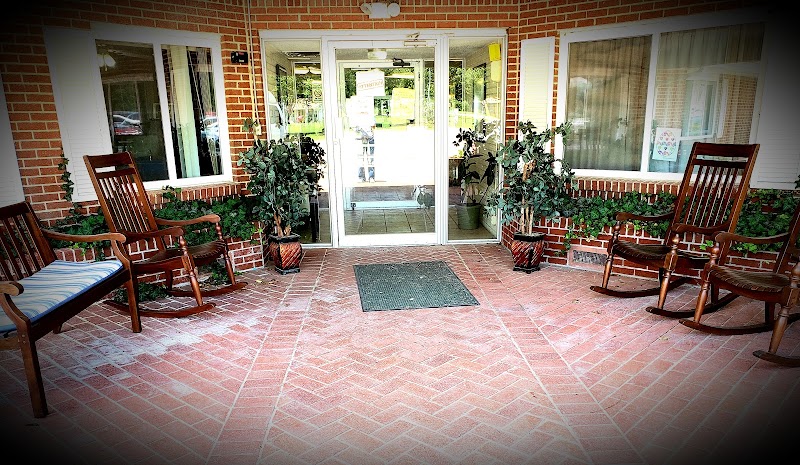
How is Advena Living Of Cherryvale Staffed?

CMS rates ADVENA LIVING OF CHERRYVALE's staffing level at 4 out of 5 stars, which is above average compared to other nursing homes. Staff turnover is 35%, compared to the Kansas average of 46%. This relatively stable workforce can support continuity of care.

What Have Inspectors Found at Advena Living Of Cherryvale?

State health inspectors documented 28 deficiencies at ADVENA LIVING OF CHERRYVALE during 2023 to 2025. These included: 28 with potential for harm.
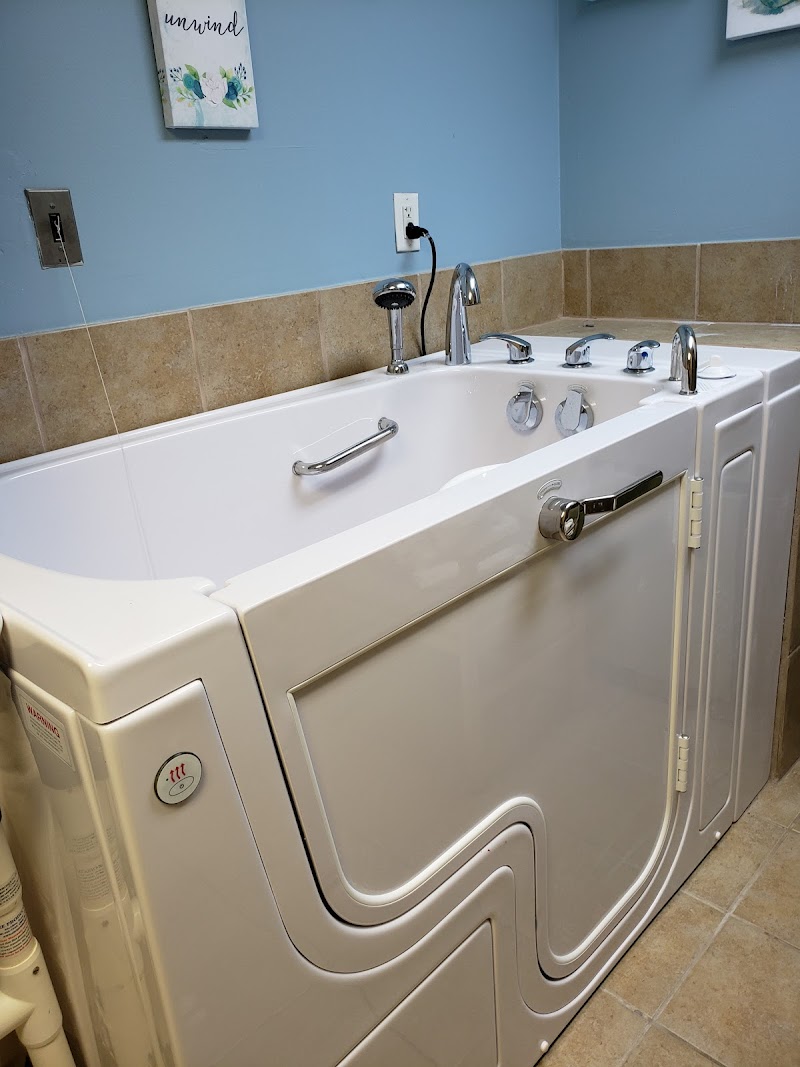
Who Owns and Operates Advena Living Of Cherryvale?

ADVENA LIVING OF CHERRYVALE is owned by a for-profit company. For-profit facilities operate as businesses with obligations to shareholders or private owners. The facility is operated by CORNERSTONE GROUP HOLDINGS, a chain that manages multiple nursing homes. With 45 certified beds and approximately 27 residents (about 60% occupancy), it is a smaller facility located in CHERRYVALE, Kansas.
How Does Advena Living Of Cherryvale Compare to Other Kansas Nursing Homes?

Compared to the 100 nursing homes in Kansas, ADVENA LIVING OF CHERRYVALE's overall rating (3 stars) is above the state average of 2.9, staff turnover (35%) is significantly lower than the state average of 46%, and health inspection rating (3 stars) is at the national benchmark.

What Should Families Ask When Visiting Advena Living Of Cherryvale?

Based on this facility's data, families visiting should ask: "Can I visit during a mealtime to observe dining assistance and food quality?" "How do you handle medical emergencies, and what is your hospital transfer rate?" "Can I speak with family members of current residents about their experience?"

Is Advena Living Of Cherryvale Safe?

Based on CMS inspection data, ADVENA LIVING OF CHERRYVALE has a clean safety record: no substantiated abuse findings (meaning no confirmed cases of resident harm), no Immediate Jeopardy citations (the most serious violation level indicating risk of serious injury or death), and is not on the Special Focus Facility watch list (a federal program monitoring the lowest-performing 1% of nursing homes). The facility has a 3-star overall rating and ranks #1 of 100 nursing homes in Kansas. While no facility is perfect, families should still ask about staff-to-resident ratios and recent inspection results during their visit.

Do Nurses at Advena Living Of Cherryvale Stick Around?

ADVENA LIVING OF CHERRYVALE has a staff turnover rate of 35%, which is about average for Kansas nursing homes (state average: 46%). Moderate turnover is common in nursing homes, but families should still ask about staff tenure and how the facility maintains care continuity when employees leave.

Was Advena Living Of Cherryvale Ever Fined?

ADVENA LIVING OF CHERRYVALE has no federal fines on record. CMS issues fines when nursing homes fail to meet care standards or don't correct problems found during inspections. The absence of fines suggests the facility has either maintained compliance or corrected any issues before penalties were assessed. This is a positive indicator, though families should still review recent inspection reports for the full picture.

Is Advena Living Of Cherryvale on Any Federal Watch List?

ADVENA LIVING OF CHERRYVALE is not on any federal watch list. The most significant is the Special Focus Facility (SFF) program, which identifies the bottom 1% of nursing homes nationally based on persistent, serious quality problems. Not being on this list means the facility has avoided the pattern of deficiencies that triggers enhanced federal oversight. This is a positive indicator, though families should still review the facility's inspection history directly.