SPRING VIEW MANOR HEALTHCARE AND REHABILITATION
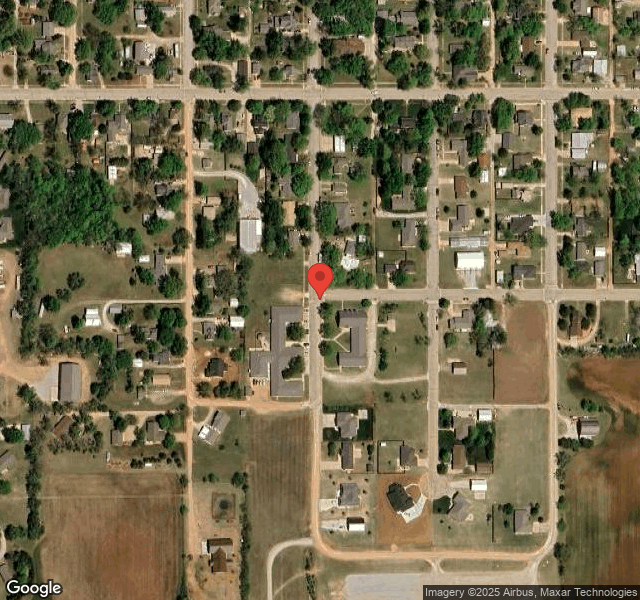

412 S 8TH STREET, CONWAY SPRINGS, KS 67031 (620) 456-2285
For profit - Limited Liability company 45 Beds RECOVER-CARE HEALTHCARE Data: November 2025
Trust Grade
65/100
#159 of 295 in KS
Last Inspection: May 2024

Within standard 12-15 month inspection cycle. Federal law requires annual inspections.

Overview

Spring View Manor Healthcare and Rehabilitation has a Trust Grade of C+, indicating it is slightly above average but still has room for improvement. In terms of rankings, it stands at #159 of 295 facilities in Kansas, placing it in the bottom half, and #4 out of 4 in Sumner County, meaning there is only one other local option that is better. Unfortunately, the facility is experiencing a worsening trend, with issues increasing from 2 in 2022 to 7 in 2024. Staffing is a significant weakness, with a poor rating of 1 out of 5 stars and a high turnover rate of 66%, which is concerning compared to the state average of 48%. However, it does have more RN coverage than 78% of Kansas facilities, which is a positive aspect as registered nurses can catch potential problems that certified nursing assistants might miss. Specific incidents of concern include the failure to provide annual evaluations for several staff members, inaccurate reporting of staffing data to Medicare, and insufficient education provided to residents regarding important vaccinations, highlighting some critical gaps in care and oversight. Overall, while there are strengths in RN coverage, the facility's staffing issues and recent trend of increasing violations raise significant concerns for families considering this nursing home.

Trust Score
C+
65/100
In Kansas
#159/295
Bottom 47%
Safety Record
Low Risk
No red flags
Inspections
Getting Worse
2 → 7 violations
Staff Stability
⚠ Watch
66% turnover. Above average. Higher turnover means staff may not know residents' routines.
Penalties
✓ Good
No fines on record. Clean compliance history, better than most Kansas facilities.
Skilled Nurses
○ Average
Each resident gets 39 minutes of Registered Nurse (RN) attention daily — about average for Kansas. RNs are the most trained staff who monitor for health changes.
Violations
○ Average
10 deficiencies on record. Average for a facility this size. Mostly minor or procedural issues.
★★★☆☆
3.0
Overall Rating
★☆☆☆☆
1.0
Staff Levels
★★★★☆
4.0
Care Quality
★★★★☆
4.0
Inspection Score
Stable
2022: 2 issues
2024: 7 issues

The Good

  • 4-Star Quality Measures · Strong clinical quality outcomes
  • Full Sprinkler Coverage · Fire safety systems throughout facility
  • No fines on record

Facility shows strength in quality measures, fire safety.

The Bad

3-Star Overall Rating

Near Kansas average (2.9)

Meets federal standards, typical of most facilities

Staff Turnover: 66%

19pts above Kansas avg (46%)

Frequent staff changes - ask about care continuity

Chain: RECOVER-CARE HEALTHCARE

Part of a multi-facility chain

Ask about local staffing decisions and management

Staff turnover is elevated (66%)

18 points above Kansas average of 48%

The Ugly 10 deficiencies on record

May 2024 7 deficiencies
CONCERN (D)

Potential for Harm - no one hurt, but risky conditions existed

ADL Care (Tag F0677)

Could have caused harm · This affected 1 resident

**NOTE- TERMS IN BRACKETS HAVE BEEN EDITED TO PROTECT CONFIDENTIALITY** The facility reported a census of 34 residents with 12 residents selected for review, which included three residents reviewed fo...

Read full inspector narrative →
**NOTE- TERMS IN BRACKETS HAVE BEEN EDITED TO PROTECT CONFIDENTIALITY** The facility reported a census of 34 residents with 12 residents selected for review, which included three residents reviewed for activities of daily living (ADL's). Based on observation, interview, and record review, the facility failed to provide personal grooming for one of the three, Residents (R)10, reviewed for activities of daily living. Findings included: - Review of Resident (R)10's undated Physician Order Summary revealed diagnoses that included hemiplegia (paralysis on one side of the body,) hemiparesis (muscular weakness on one side of the body,) cerebral vascular accident (CVA/stroke sudden death of brain cells due to lack of oxygen caused by impaired blood flow to the brain by blockage or rupture of an artery to the brain,) and major depressive disorder (major mood disorder.) The Annual Minimum Data Set (MDS), dated [DATE], assessed the resident with a Brief Interview for Mental Status (BIMS) score of seven, which indicated severe cognitive impairment. The resident had functional impairment on one side of the upper and lower extremities. The ADL (Activity of Daily Living) Functional/Rehabilitation Potential Care Area Assessment (CAA), dated 01/10/24, assessed the resident required staff assistance with ADLs, and encouragement to participate in the performance of tasks. The Care Plan reviewed 04/24/24, instructed staff the resident was dependent on staff for bathing and personal hygiene. The Bathing Schedule revealed the resident received showers on Tuesday during the day, and on Friday evenings. The Task Bathing in the electronic medical record, revealed the resident received a shower on 04/06/24, 04/09/24, 04/16/24 and 04/23/24. The resident refused a shower on 04/13/24, 04/19/24 and 04/27/24. Observation, on 04/30/24 at 11:39 AM, revealed the resident seated in his wheelchair, in the common dining area. The resident had several days' worth of facial hair growth. Observation, on 05/01/24 at 09:57 AM, revealed Certified Nurse Aide (CNA) M and N transferred the resident with a mechanical lift. The resident was unshaved with several days' worth of facial hair growth evident. Interview with the resident at that time, revealed he did not desire to grow a beard and the felt itching from the stubble on his face. Interview, on 05/01/24 at 10:00 AM, with CNA M, revealed staff shave R10 on his shower days but did not know when R10's last received a shower and confirmed he needed a shave. CNA M stated the resident did not refuse bathing on day shift but did on the evening shift. Interview, on 05/02/24 at 12:44 PM, with Administrative Nurse D, revealed she would expect staff to provide grooming to R10, but he frequently refused his evening showers and would consider reassigning the resident to day showers. The facility policy Grooming a Resident's Facial Hair, revised 04/02/24, instructed staff to assist resident with grooming facial hair to help maintain proper hygiene as per current standards of practice. The facility failed to ensure R10 received grooming opportunities per his preference to enhance sense of wellbeing.
CONCERN (D)

Potential for Harm - no one hurt, but risky conditions existed

Pharmacy Services (Tag F0755)

Could have caused harm · This affected 1 resident

The facility reported a census of 34 residents with 12 residents selected for review. Based on interview and record review, the facility failed to obtain laboratory values in a timely manner for one o...

Read full inspector narrative →
The facility reported a census of 34 residents with 12 residents selected for review. Based on interview and record review, the facility failed to obtain laboratory values in a timely manner for one of the 12 Residents (R)4, and failed to administer medications according to physician instructions for one of the 12 residents, (R)29. Findings Included: - Review of Resident (R)4's undated Physician Order Sheet revealed diagnoses that included chronic respiratory and heart failure, diabetes (when the body cannot use glucose, not enough insulin made, or the body cannot respond to the insulin ) and kidney failure. On 04/10/24, a licensed nursing noted documented staff notified the physician that R29 had nausea and vomiting for three days. The physician instructed staff to obtain a Complete Blood Count (CBC) and Comprehensive Metabolic Panel (CMP) on 04/11/24. A nurse note, dated 04/11/24, documented licensed nursing staff notified the physician that the resident continued with nausea and vomiting, and the facility failed to obtain the CBC and CMP. On 04/12/24 the facility obtained the labs, two days later. A Nurse Note dated 04/13/24, documented the licensed nurse reported to the physician that R29 continued with nausea and vomiting and reported the labs to the physician. The physician instructed staff to send the resident to acute care. Interview, on 05/02/24 at 01:56 PM, with Administrative Nurse D, revealed the facility had difficulty obtaining the labs due to the laboratory did not provide a phlebotomist (a trained staff member to obtain a blood sample) in a timely manner to obtain the labs. Administrative Nurse D stated she would expect staff to report results as soon as possible as per the standard of care and did not know why staff did not report the laboratory data to the physician on 04/12/24. The facility lacked a policy for following physician orders. The facility failed to ensure staff provided services to R4 to obtain and report laboratory values in a timely manner. - Review of Resident (R) 29's electronic medical record revealed diagnoses that included hypertension (high blood pressure) , heart failure, and chronic kidney disease. On 06/14/23, the physician instructed staff to administer Bumex (a medication used to remove excess fluid) 0.5 milligrams (mg), every 24 hours, as needed, for weight gain of two pounds overnight. Review of the March 2024 Medication Administration Record (MAR) revealed the following area of concern: On 03/13/24, the resident weight was 197 pounds (lbs.) and on 03/14/24, the resident's weight was 199 lbs., a two-pound increase. The March 2024 Medication Administration Record (MAR) lacked documentation that staff administered Bumex for the two-pound increase as ordered by the physician. Review of the April 2024 MAR revealed the following area of concern: On 04/29/24 the resident weight was 196.5 lbs. and on 04/30/24 the resident's weight was 199 lb., a two-and-a-half-pound increase. The Medication Administration Record (MAR) for April, lacked documentation that staff administered the Bumex, as instructed by the physician for the two-and-a-half-pound increase. On 12/14/23 the physician instructed staff to administer Lisinopril 2.5 mg in the morning for hypertension. The physician instructed staff to hold the medication if the systolic (the pressure of the heart when it forces blood out of the heart, the top number of a blood pressure reading) blood pressure was less than 100 millimeters of mercury (mmHg) or the diastolic (minimum level of blood pressure measured between contractions of the heart; the bottom number of a blood pressure reading) blood pressure was less than 50 mmHg. Review of the March 2024 Medication Administration Record (MAR) revealed the following areas of concern: On 03/01/24, staff recorded the blood pressure as 94/53 mmHg and documented the medication as administered. On 03/20/24, staff recorded the blood pressure as 98/58 mmHg and documented the medication as administered. Interview, on 05/02/24 at 1:20 PM with Administrative Nurse D revealed she would expect staff to follow parameters as instructed by the physician. The facility lacked a policy for following physician orders. The facility failed to ensure staff followed physician orders to ensure R29 received/held the required medications for blood pressure and weight gain.
CONCERN (D)

Potential for Harm - no one hurt, but risky conditions existed

Infection Control (Tag F0880)

Could have caused harm · This affected 1 resident

The facility reported a census of 34 residents which included 12 residents selected for review. Based on observation, interview, and record review, the facility failed to ensure one of the 12 Resident...

Read full inspector narrative →
The facility reported a census of 34 residents which included 12 residents selected for review. Based on observation, interview, and record review, the facility failed to ensure one of the 12 Residents, Resident (R) 1, received sanitary tube feeding technique, and staff performed hand hygiene prior to insulin administration for one of two residents (R)9 related to insulin administration to prevent possible infections. Findings included: - Review of Resident (R)1's electronic medical record revealed diagnoses that included cerebral vascular accident (CVA, stroke sudden death of brain cells due to lack of oxygen caused by impaired blood flow to the brain by blockage or rupture of an artery to the brain) and swallowing disorder. Observation on 05/01/24 at 08:21 AM, revealed Licensed Nurse (LN) G prepared to administer R1's medications through her percutaneous gastrostomy tube (PEG a tube that enters the stomach through a surgical opening in the resident's abdomen for the administration of medications and nutrition when a person is unable to swallow). The syringe for attaching to the PEG tube laid directly on a paper towel on the resident's bedside table. LN G did not clean/sanitize the PEG tube or syringe before administering the medications. Interview, on 05/02/24 at 12:54 PM, with Administrative Nurse D, revealed she would expect staff to cleanse/sanitize the tube/syringe before administering medications. Administrative Nurse D stated the resident often moved the syringe out of the storage box and placed it in various places in her room. The facility policy Care and Treatment of Feeding Tubes, undated, instructed staff to utilize infection control precautions and related techniques to minimize the risk of contamination. The facility failed to ensure staff provided medication administration through R1's PEG tube to prevent the spread of infection. - Review of Resident (R)9's electronic medical record, revealed a diagnosis of diabetes (when the body cannot use glucose, not enough insulin made, or the body cannot respond to the insulin). Observation on 05/01/24 at 08:51 AM, revealed Licensed Nurse (LN) G administered insulin (a medication given beneath the skin into the fat layer to decrease/normalize the blood sugar level) to R27. LN G did not perform hand hygiene after the administration and picked up R9's Lispro insulin pen and dialed the pen to 12 units and proceeded to prepare to administer the insulin to R 9 however, LN G verified she should sanitize her hands and did so prior to administration of the insulin to R9. Interview, on 05/02/24 at 12:50 PM with Administrative Nurse D, revealed she would expect staff to perform hand hygiene between residents when administering insulin. The facility policy Insulin Pen, implemented 01/01/20, instructed staff to perform hand hygiene and don gloves prior to administration and remove gloves and perform hand hygiene afterwards. The facility failed to provide sanitary insulin administration for R9 to prevent the spread of infection.
CONCERN (E)

Potential for Harm - no one hurt, but risky conditions existed

Deficiency F0883 (Tag F0883)

Could have caused harm · This affected multiple residents

The facility reported a census of 34 residents with five residents reviewed for immunizations. Based on interview and record review, the facility failed to ensure staff provided education for informed...

Read full inspector narrative →
The facility reported a census of 34 residents with five residents reviewed for immunizations. Based on interview and record review, the facility failed to ensure staff provided education for informed decision making for the 2023 influenza vaccine for two of the five residents, Resident (R)21 and R11. The facility failed to ensure one of the five residents received education for informed decision making for the pneumococcal vaccine, R21. The facility failed to ensure three of the five residents received education for informed decision making for the Covid-19 vaccination. Findings included: - Review of Resident (R)21's electronic medical record revealed the resident admitted to the facility 01/19/24. The Immunization tab documented the last influenza vaccine as 12/12/22 and the last covid-19 vaccine as 12/03/21. The medical record lacked documentation of pneumonia vaccine status. The medical record lacked evidence of education provided for informed decision making for receipt/declination for the vaccines. Review of R11's electronic medical record revealed the resident admitted to the facility 03/31/22. The Immunization tab documented the resident refused the influenza vaccine. The declination for the influenza vaccine lacked a date. The received the covid-19 vaccine on 10/21/22. The medical record lacked evidence the resident received education for informed declinations for 2023 or 2024. Review of R3's electronic medical record revealed the resident admitted to the facility 01/05/22. The Immunization tab documented the resident received a covid-19 vaccine 10/21/22. The medical record lacked evidence the resident received education for informed declinations for the 2023/2024 vaccines. Interview, on 05/02/24 at 11:40 AM with Administrative Nurse D, confirmed lack of declinations/undated declinations for the above-mentioned residents. The facility policy Influenza Vaccination implemented 11/01/19, instructed staff to offer residents the annual immunization against influenza. The facility policy Pneumococcal Vaccine implemented 11/01/19, instructed staff to offer residents the immunization against pneumococcal disease in accordance with the Center for Disease Control (CDC) guidelines and recommendations. The facility policy Covid-19 Vaccination dated 09/06/22, instructed staff the to educate and offer residents the covid-19 vaccine to minimize the risk of acquiring, transmitting, or experiencing complications from covid-19. The facility failed to provide/ensure R21, R11 and R 3 education to make informed decision and opportunity to accept/decline the influenza, pneumococcal and/or covid-19 vaccine as per their preference as required.
CONCERN (F)

Potential for Harm - no one hurt, but risky conditions existed

Deficiency F0730 (Tag F0730)

Could have caused harm · This affected most or all residents

The facility reported a census of 34 residents. Based on record review and interview, the facility failed to ensure four out of five Certified Nurse Aides (CNA) who were employed over a year, and Cert...

Read full inspector narrative →
The facility reported a census of 34 residents. Based on record review and interview, the facility failed to ensure four out of five Certified Nurse Aides (CNA) who were employed over a year, and Certified Medication Aides (CMA/CNA) reviewed, received annual evaluations as required. Findings included: - Review of the personnel file for five certified Nurse Aides (CNA) and Certified Medication Aides (CMA) employed over one year, revealed the following areas of concern: CNA N, with hire date 02/10/21, lacked an annual evaluation. CNA M, with hire date 02/10/21, lacked an annual evaluation. CNA O, with hire date 09/03/22, lacked an annual evaluation. CMA R, with hire date 01/13/20, lacked an annual evaluation. Interview on 05/01/24 at 03:22 PM, with consultant GG revealed she would expect staff to have evaluations annually. The facility policy Evaluation Process, implemented 12/01/19, instructed staff to review the work performance of employees with a formal written evaluation annually. The facility failed to ensure certified staff received annual evaluations as required.
CONCERN (F)

Potential for Harm - no one hurt, but risky conditions existed

Staffing Data (Tag F0851)

Could have caused harm · This affected most or all residents

The facility reported a census of 34 residents. Based on interview and record review, the facility failed to electronically submit to Centers for Medicare and Medicaid Services (CMS) with complete and...

Read full inspector narrative →
The facility reported a census of 34 residents. Based on interview and record review, the facility failed to electronically submit to Centers for Medicare and Medicaid Services (CMS) with complete and accurate direct staffing information based on payroll and other verifiable and auditable data in a uniform format according to specifications established by CMS i.e., Payroll Base Journal (PBJ), related to licensed nursing licensed and certified nursing staffing information when the facility failed to accurately report weekend staffing for the second quarter 2023 January through March and fourth quarter 2023 July through September 2023. Findings included: - Review of the nursing staff schedule for the second quarter 2023 January through March 2023 and fourth quarter 2023 July through September, revealed multiple changes/additions in staffing for the weekends with agency staff utilized. Review of the PBJ Staffing Data Report, for the second quarter 2023, revealed the PBJ triggered for Excessively Low weekend Staffing. Review of the PBJ Staffing Data Report, for the fourth quarter 2023, revealed the PBJ triggered for Excessively Low weekend Staffing. Interview, on 05/02/24 at 12:20 PM, with Administrative Staff A, revealed the corporate office submitted the Payroll Base Journal (PBJ), and did not include the agency staff used to supplement the nursing staff employed by the facility which resulted in the inaccurate reporting of hours. The facility lacked a policy for Payroll Base Journal (PBJ) submission. The facility failed to accurately report weekend staffing for second quarter 2023 January through March 2023 and fourth quarter 2023 July through September 2023 as required.
MINOR (C)

Minor Issue - procedural, no safety impact

Staffing Information (Tag F0732)

Minor procedural issue · This affected most or all residents

The facility reported a census of 34 residents. Based on interview and record review, the facility failed to ensure the daily staff posting contained actual hours worked as required. Findings included...

Read full inspector narrative →
The facility reported a census of 34 residents. Based on interview and record review, the facility failed to ensure the daily staff posting contained actual hours worked as required. Findings included: - Review of the Daily Staff Postings from February 2024, March 2024, and April 2024, revealed lack of actual hours worked for staff. Interview, on 05/02/24 at 12:20 PM, with Administrative Staff A, revealed confirmed the facility lacked recording of the actual hours worked for staff on the daily staff postings. Administrative Staff A stated the business office documented the actual hours worked through a computer program and did not record the hours on the daily staff posting sheets. The facility lacked a policy for daily staff posting. The facility failed to ensure staff recorded the actual hours worked by staff on the daily staff posting as required.
Nov 2022 2 deficiencies
CONCERN (D)

Potential for Harm - no one hurt, but risky conditions existed

Comprehensive Care Plan (Tag F0656)

Could have caused harm · This affected 1 resident

**NOTE- TERMS IN BRACKETS HAVE BEEN EDITED TO PROTECT CONFIDENTIALITY** The facility reported a census of 28 residents with 13 selected for review. Based on observation, record review, and interview, ...

Read full inspector narrative →
**NOTE- TERMS IN BRACKETS HAVE BEEN EDITED TO PROTECT CONFIDENTIALITY** The facility reported a census of 28 residents with 13 selected for review. Based on observation, record review, and interview, the facility failed to develop a comprehensive care plan for one of the residents, Resident (R)9 for use of CPAP (continuous positive airway pressure)/BiPAP (bi-level positive airway pressure) equipment. Findingsincluded: - The Medical Diagnosis tab for Resident (9) included diagnoses of sleep related non-obstructive alveolar (air sacs where the lungs and the blood exchange oxygen and carbon dioxide during the process of breathing in/out), hypoventilation (abnormally slow rate of breathing resulting in increased amount of carbon dioxide in the blood), and obstructive sleep apnea (disorder of sleep characterized by periods without respirations). The admission Minimum Data Set (MDS) dated [DATE] revealed R9 admitted to the facility on [DATE]. He had a Brief Interview of Mental Status (BIMS) score of 15, indicating cognitively intact. He required oxygen use and CPAP/BiPAP while a resident and prior to admission. The Quarterly MDS dated 08/26/22 for R9 revealed he required oxygen use in the past 14 days and the staff did not conduct his BIMS score or staff assessment for mental status. The Care Plan dated 08/05/22 revealed R9 required supplemental oxygen and staff should change the oxygen tubing per facility protocol. The care plan lacked use of a CPAP/BiPAP machine. On 11/01/22 at 01:56 PM observed R9 in his room sitting on the side of the bed with his oxygen in place per nasal cannula. A CPAP/BiPAP machine was on the overbed table with the hose and mask connected to it and draped across the bedside table. On 11/01/22 at 01:58 PM, R9 stated that was his CPAP machine and Sometimes my fiancé cleans it. On 11/09/22 at 02:12 PM, Certified Nurse Aide (CNA) M reported R9 wore the CPAP mask at night. CNA M stated he works the day shift and when he arrived in the morning, he switches R9 from the CPAP mask to the oxygen nasal cannula. CNA M stated he thought the night shift cleans the tubing and mask of the CPAP and there was a bag on the walker to put the CPAP mask in, and R9 would put the mask in the bag. On 11/09/22 at 02:32 PM, observation revealed the resident's CPAP mask laying with direct contact with the floor, connected to the hose. A black bag was on the side of the CPAP machine. On 11/09/22 at 02:32 PM, Administrative Nurse E stated R9 controlled the CPAP himself and the mask should be in a black bag when not in use. The CPAP should be on the care plan and the IDT (interdisciplinary) team updates the care plan. On 11/09/22 at 02:38 PM, Administrative Nurse D stated the resident's CPAP use should be on the care plan. The facility policy Comprehensive Care Plans dated 02/01/20, revealed it was the policy of the facility to develop and implement a comprehensive person-centered care plan for each resident, consistent with resident rights, that includes measurable objectives and timeframe's to meet a resident's medical, nursing, and mental and psychosocial needs that are identified in the resident's comprehensive assessment. The comprehensive care plan would describe, at minimum, the services that were to be furnished to attain or maintain the resident's highest practicable physical, mental, and psychosocial well-being. The facility failed to develop a comprehensive care plan for this resident that included use of CPAP/BiPAP equipment and required care.
CONCERN (D)

Potential for Harm - no one hurt, but risky conditions existed

Respiratory Care (Tag F0695)

Could have caused harm · This affected 1 resident

**NOTE- TERMS IN BRACKETS HAVE BEEN EDITED TO PROTECT CONFIDENTIALITY** The facility reported a census of 28 residents with 13 selected for review, including one reviewed for respiratory care services...

Read full inspector narrative →
**NOTE- TERMS IN BRACKETS HAVE BEEN EDITED TO PROTECT CONFIDENTIALITY** The facility reported a census of 28 residents with 13 selected for review, including one reviewed for respiratory care services. Based on observation, interview, and record review, the facility failed to change out oxygen tubing per physician order and failed to obtain physician order for use, settings, and care of one of the resident's, Resident (R)9's use of his CPAP (continuous positive airway pressure)/BiPAP (bi-level positive airway pressure) equipment, which increased risk of R9 developing a respiratory infection. Findings included: - The Medical Diagnosis tab for Resident (9) included diagnoses of sleep related non-obstructive alveolar (air sacs where the lungs and the blood exchange oxygen and carbon dioxide during the process of breathing in/out), hypoventilation (abnormally slow rate of breathing resulting in increased amount of carbon dioxide in the blood), and obstructive sleep apnea (disorder of sleep characterized by periods without respirations). The admission Minimum Data Set (MDS) dated [DATE] revealed R9 admitted to the facility on [DATE]. He had a Brief Interview of Mental Status (BIMS) score of 15, indicating cognitively intact. He required oxygen use and CPAP/BiPAP while a resident and prior to admission. The Quarterly MDS dated 08/26/22 for R9 revealed he required oxygen use in the past 14 days and the staff did not conduct his BIMS score or staff assessment for mental status. The Care Plan dated 08/05/22 revealed R9 required supplemental oxygen and staff should change the oxygen tubing per facility protocol. The care plan lacked use of a CPAP/BiPAP machine. The Orders tab for R9 included an order, dated 03/10/22, for staff to change the oxygen tubing, date the tubing, and rinse the filter every week, on Sunday. The orders lacked instruction for cleaning and changing the CPAP/BiPAP machine/equipment. The Orders tab for R9 included an order, dated 07/20/22, for oxygen at two liters per nasal cannula, continuous. The orders lacked instruction for CPAP/BiPAP use. On 11/01/22 at 01:56 PM, observed R9 in his room, sitting on the side of the bed with his oxygen in place, per nasal cannula. The date on the tubing was 10/24/22 (eight days prior). The top of the oxygen concentrator had a dried yellow substance on it as well as a build-up of dust. A CPAP/BiPAP machine was on the overbed table with the hose and mask connected to it, and it draped across the bedside table. On 11/01/22 at 01:58 PM, R9 stated the staff usually changed the tubing weekly and the Guy that was diligent about changing it every week was not there. R9 stated he had not seen the staff clean the concentrator. R9 stated that was his CPAP machine and Sometimes my fiancé cleans it. On 11/09/22 at 02:12 PM, Certified Nurse Aide (CNA) M stated R9 wore the CPAP mask at night. CNA M stated he works the day shift and when he arrived in the mornings, he switches R9 from the CPAP mask to the oxygen nasal cannula. CNA M stated he thought the night shift cleaned the tubing and mask of the CPAP and there is a bag on the walker to put the CPAP mask in, and R9 would put the mask in the bag. CNA M stated the night shift should change out the resident's oxygen tubing. On 11/09/22 at 02:30 PM, observation revealed the CPAP mask laying with direct contact with the floor, connected to the hose. A black bag was on the side of the CPAP machine. The oxygen concentrator continued to have a dried substance on the top and lint/dust present. On 11/09/22 at 02:32 PM, Administrative Nurse E stated staff should clean the concentrator, the oxygen tubing should be changed, and the machine cleaned every Sunday. Administrative Nurse E stated R9 controlled the CPAP himself and the mask should be in a black bag when not in use. On 11/09/22 at 02:38 PM, Administrative Nurse D stated staff should change the oxygen tubing weekly. The CPAP equipment should be cleaned weekly at that time and there should be a physician order for use of the CPAP as well as a cleaning schedule. The facility policy Noninvasive Ventilation [CPAP, BiPAP, AVAPS, Trilogy®] dated 01/20/21, included it was the policy of the facility to provide noninvasive ventilation as per physician's orders and current standards of practice. The facility would obtain an order for the use of a CPAP, BiPAP, AVAPS or Trilogy ® device and setting from the practitioner. A personal CPAP/BiPAP/AVAPS, or Trilogy ® device may/may not be brought into the facility for resident's use. If brought in, the nurse/respiratory therapist would verify the settings on the machine prior to use. The facility policy CPAP/BiPAP Cleaning dated 01/20/21, revealed it was the policy of the facility to clean CPAP/BiPAP equipment in accordance with current enters for Disease Control (CDC) guidelines and manufacturer recommendations to prevent the occurrence or spread of infection. Clean the mask frame daily after use with CPAP cleaning wipe or soap and water, dry well, cover with a plastic bag or completely enclosed in machine storage when not in use. Weekly cleaning activities included washing headgear/straps in warm, soapy water and air dry and wash tubing with warm, soapy water and air dry. Replace the equipment routinely in accordance with the manufacturer's recommendations. General guidelines included the face mask and tubing once every three months, headgear, non-disposable filters, and humidifier chamber once every six months, and disposable filters twice monthly. The facility policy Oxygen Concentrator dated 2022, revealed the nurse responsibilities included changing the oxygen tubing weekly and as needed if it becomes soiled or contaminated and the main body cabinet should be dusted when needed and could be wiped clean with a damp cloth and mild household cleaner if necessary. The facility failed to change R9's oxygen tubing weekly, clean the oxygen concentrator, obtain physician order for CPAP/BiPAP use and routine cleaning schedule, in order to prevent the occurrence of infection.
Mar 2021 1 deficiency
CONCERN (D)

Potential for Harm - no one hurt, but risky conditions existed

Drug Regimen Review (Tag F0756)

Could have caused harm · This affected 1 resident

**NOTE- TERMS IN BRACKETS HAVE BEEN EDITED TO PROTECT CONFIDENTIALITY** The facility reported a census of 30 with 12 residents reviewed, which included five residents sampled for unnecessary medicatio...

Read full inspector narrative →
**NOTE- TERMS IN BRACKETS HAVE BEEN EDITED TO PROTECT CONFIDENTIALITY** The facility reported a census of 30 with 12 residents reviewed, which included five residents sampled for unnecessary medications. Based on observation, interview, and record review, the facility failed to act timely upon recommendations of the consultant pharmacist for two of the five residents, Resident (R) 7 for diabetic medications and R27, for medications for the gastro-intestinal system. Finding included: - The Order Summary Report, dated 03/17/21, for Resident (R) 27 included diagnoses of cirrhosis of liver (chronic degenerative disease of the liver) and gastroesophageal reflux disease (backflow of stomach contents to the esophagus). The Annual Minimum Data Set (MDS) dated [DATE], assessed R27 with a Brief Interview of Mental Status (BIMS) score of 15, indicating intact cognition. The medication, Order Summary Report, revealed R27 had an order dated 06/14/19 for Omeprazole Capsule 20 milligrams (mg), give one capsule by mouth one time a day for heartburn. Review of the electronic medical record (EMR), under the progress note tab, revealed on 12/19/20, the consultant pharmacist completed a medication regimen review (MRR), and recommended to the physician to discontinue the omeprazole order, or switch to famotidine if the resident required a medication for GI (gastro-intestinal) prophylaxis (action taken to prevent disease) since the duration of therapy for omeprazole with an indication of GERD (gastroesophageal reflux disease) should be 20 mg daily for four weeks. The pharmacy Note to Attending Physician/Prescriber, dated 12/19/20, lacked a physician response, signature, or date. The facility sent the recommendation to the physician on 12/23/20, however, the facility did not follow up when the physician did not respond to the pharmacist recommendation. The EMR lacked a response from the physician in reference to the pharmacist's recommendation. On 03/25/21 at 12:39 PM, Administrative Staff B, confirmed the facility did not receive a response from the physician for the recommendation letter. On 03/25/21 at 02:40 PM, Administrative Nurse D confirmed the pharmacist recommendation lacked a response and the policy lacked a timeline for completion of the pharmacy recommendations. The facility policy, Addressing Medication Regimen Review Irregularities, dated 11/01/21, lacked a time frame for responses from the physician, unless it was an urgent irregularity identified. The facility failed to act upon consultant pharmacist reviews in a timely manner for R27, related to this resident's GI medications. - The Order Summary Report, dated 03/02/21, for Resident (R)7, included a diagnosis of diabetes mellitus (when the body cannot use glucose, not enough insulin was made, or the body cannot respond to the insulin). The Annual Minimum Data Set, (MDS), dated [DATE], assessed R7 as having a Brief Interview of Mental Status (BIMS) score of 15, indicating cognitively intact, a diagnosis of diabetes mellitus, and the resident received insulin injections for seven days. The Nutritional Status Care Area Assessment, (CAA), dated 10/08/20, indicated R7 received a carbohydrate- controlled diet. The Care Plan, dated 01/26/21, indicated that R7 had a diagnosis of diabetes mellitus and received oral diabetic medication and insulin. The Order Summary Report, dated 03/02/21, included orders for the following medication: 1. On 12/23/20, Levemir (diabetic medication) flex touch solution pen-injector, 100 unit per milliliter (mL), inject 30 units, subcutaneous, twice daily, related to diabetes mellitus. 2. On 11/16/20, Metformin HCl, 500 milligrams (mg), every day, for diabetes mellitus. 3. On 03/02/20, Novolog (diabetic medication) solution, 100 mg per mL, inject eight units, subcutaneous, with meals, for diabetes mellitus, hold if the resident's blood glucose was less than 80. 4. On 09/11/20, Victoza (diabetic medication) solution, pen-injector 18 mg per 3 mL, inject 1.2 mL, subcutaneous, every day, related to diabetes mellitus. The medical record included a hemoglobin A1c (HgbA1c-lab test used to evaluate the average amount of blood glucose in the blood over the last two to three months) drawn on 01/26/21, revealed a result of 8.2 (high-normal range 3.8-5.6), with an estimated average glucose of 189 (high-normal range 70-110). The pharmacy Note to Attending Physician/Prescriber, dated 02/17/21, indicated that R7 had an order for Glucophage (generic form of Metformin) 500 mg, every day, and recommended increasing the dose of the order to 500 mg to 850 mg twice daily. The reason for the recommendation indicated the most recent HgbA1c, from 01/2021, was 8.2, and the guidelines recommended a maximum daily total dose of 2,000 mg. The pharmacist requested the physician to please consider one of three options: increase the order to 500 mg twice daily, increase the order to 850 mg twice daily or continue the current order because an increase is not medically necessary. The note contained a handwritten message that the facility faxed the note to the physician on 02/18/21 and 03/04/21. On 03/24/21, the physician signed the note and included new orders to increase the Glucophage to 850 mg, twice daily. The physician responded to the note 34 days after the facility faxed it to the physician office. On 03/23/21 at 02:01 PM, Administrative staff B revealed she should obtain the pharmacy reviews when they come back signed from the physician, and Administrative Nurse D had copies of the reviews that the physician had not signed. On 03/23/21 at 02:18 PM, Administrative staff B confirmed the physician had not returned the 02/17/21 pharmacy review. On 03/24/21 at 03:15 PM, Licensed Nurse (LN) G revealed that Administrative Nurse D was in charge of the pharmacy reviews. On 03/24/21 at 03:27 PM, Administrative Nurse D, revealed the physician returned the pharmacy recommendation dated 02/17/21 today, a total of 28 days. She usually waited a week or two before she would notify the physician by facsimile (fax- transmission of a document or image from one place to another electronically) if there had not been a response received. Administrative Nurse D verified a physician response greater than one month was not a timely response to a recommendation. Administrative Nurse D was unaware if the facility policy had a timeframe for physician responses from the consultant pharmacist medication review recommendations. On 03/24/21 at 04:11 PM, Administrative Nurse D revealed the policy for the pharmacist reviews did not specify a time frame. The facility policy Addressing Medication Regimen Review Irregularities, dated 11/01/20, lacked a time frame for responses from the physician, unless it was an urgent irregularity identified. The facility failed to ensure that the physician acted in a timely manner in response to a pharmacy consultant recommendation for R7.
Understanding Severity Codes (click to expand)
Life-Threatening (Immediate Jeopardy)
J - Isolated K - Pattern L - Widespread
Actual Harm
G - Isolated H - Pattern I - Widespread
Potential for Harm
D - Isolated E - Pattern F - Widespread
No Harm (Minor)
A - Isolated B - Pattern C - Widespread

Questions to Ask on Your Visit

  • "Why is there high staff turnover? How do you retain staff?"
  • "Can I speak with families of current residents?"
  • "What's your RN coverage like on weekends and overnight?"

Our Honest Assessment

Strengths
  • • No major safety red flags. No abuse findings, life-threatening violations, or SFF status.
  • • No fines on record. Clean compliance history, better than most Kansas facilities.
Concerns
  • • 66% turnover. Above average. Higher turnover means staff may not know residents' routines.
Bottom line: Mixed indicators with Trust Score of 65/100. Visit in person and ask pointed questions.

About This Facility

What is Spring View Manor Healthcare And Rehabilitation's CMS Rating?

CMS assigns SPRING VIEW MANOR HEALTHCARE AND REHABILITATION an overall rating of 3 out of 5 stars, which is considered average nationally. Within Kansas, this rating places the facility higher than 99% of the state's 100 nursing homes. This mid-range rating indicates the facility meets federal standards but may have areas for improvement.
How is Spring View Manor Healthcare And Rehabilitation Staffed?

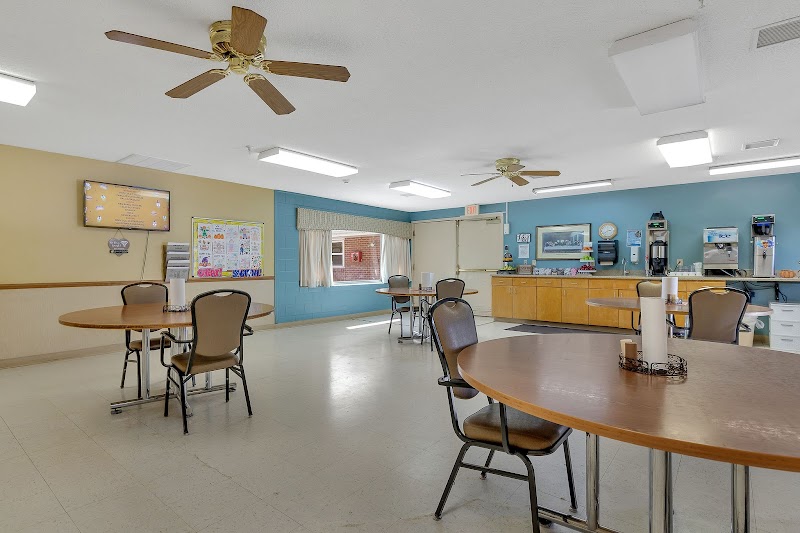
CMS rates SPRING VIEW MANOR HEALTHCARE AND REHABILITATION's staffing level at 1 out of 5 stars, which is much below average compared to other nursing homes. Staff turnover is 66%, which is 19 percentage points above the Kansas average of 46%. High turnover can affect care consistency as new staff learn residents' individual needs.

What Have Inspectors Found at Spring View Manor Healthcare And Rehabilitation?

State health inspectors documented 10 deficiencies at SPRING VIEW MANOR HEALTHCARE AND REHABILITATION during 2021 to 2024. These included: 9 with potential for harm and 1 minor or isolated issues.
Who Owns and Operates Spring View Manor Healthcare And Rehabilitation?

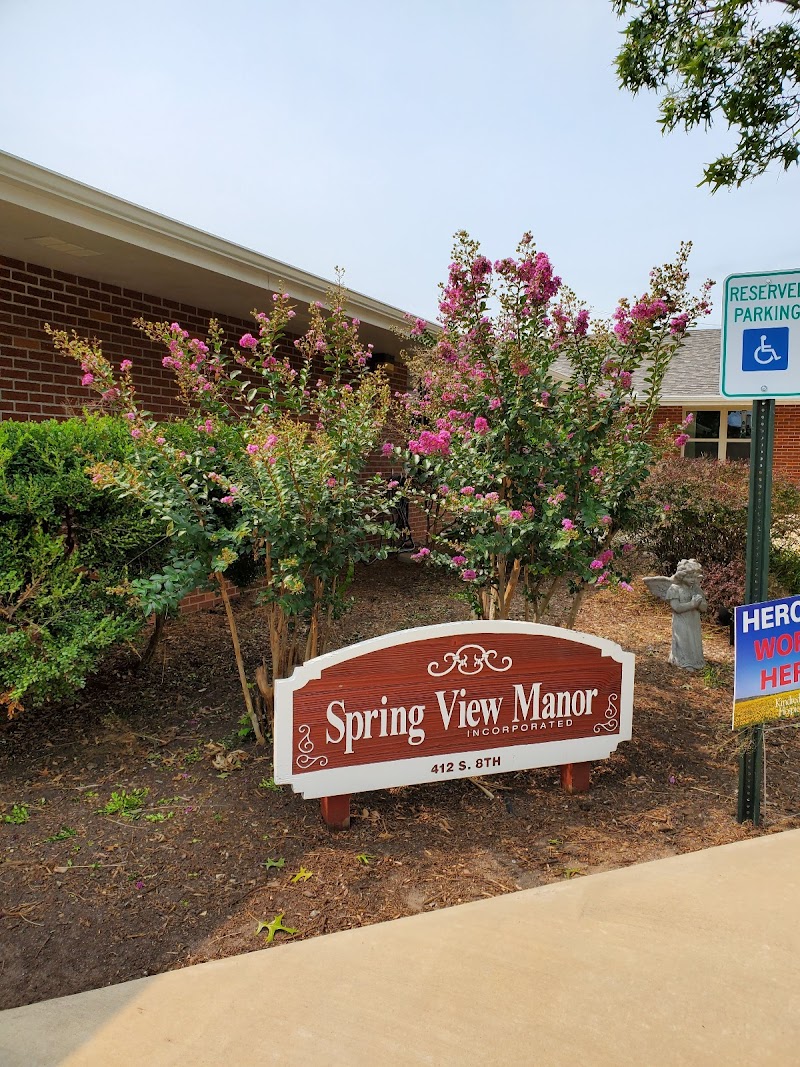
SPRING VIEW MANOR HEALTHCARE AND REHABILITATION is owned by a for-profit company. For-profit facilities operate as businesses with obligations to shareholders or private owners. The facility is operated by RECOVER-CARE HEALTHCARE, a chain that manages multiple nursing homes. With 45 certified beds and approximately 42 residents (about 93% occupancy), it is a smaller facility located in CONWAY SPRINGS, Kansas.
How Does Spring View Manor Healthcare And Rehabilitation Compare to Other Kansas Nursing Homes?

Compared to the 100 nursing homes in Kansas, SPRING VIEW MANOR HEALTHCARE AND REHABILITATION's overall rating (3 stars) is above the state average of 2.9, staff turnover (66%) is significantly higher than the state average of 46%, and health inspection rating (4 stars) is above the national benchmark.

What Should Families Ask When Visiting Spring View Manor Healthcare And Rehabilitation?

Based on this facility's data, families visiting should ask: "How do you ensure continuity of care given staff turnover, and what is your staff retention strategy?" "Can you walk me through typical staffing levels on day, evening, and night shifts?" "Can I visit during a mealtime to observe dining assistance and food quality?" "How do you handle medical emergencies, and what is your hospital transfer rate?" These questions are particularly relevant given the facility's high staff turnover rate and the below-average staffing rating.

Is Spring View Manor Healthcare And Rehabilitation Safe?

Based on CMS inspection data, SPRING VIEW MANOR HEALTHCARE AND REHABILITATION has a clean safety record: no substantiated abuse findings (meaning no confirmed cases of resident harm), no Immediate Jeopardy citations (the most serious violation level indicating risk of serious injury or death), and is not on the Special Focus Facility watch list (a federal program monitoring the lowest-performing 1% of nursing homes). The facility has a 3-star overall rating and ranks #1 of 100 nursing homes in Kansas. While no facility is perfect, families should still ask about staff-to-resident ratios and recent inspection results during their visit.

Do Nurses at Spring View Manor Healthcare And Rehabilitation Stick Around?

Staff turnover at SPRING VIEW MANOR HEALTHCARE AND REHABILITATION is high. At 66%, the facility is 19 percentage points above the Kansas average of 46%. High turnover means new staff may not know residents' individual needs, medications, or preferences. It can also be disorienting for residents, especially those with dementia who rely on familiar faces. Families should ask: What is causing the turnover? What retention programs are in place? How do you ensure care continuity during staff transitions?

Was Spring View Manor Healthcare And Rehabilitation Ever Fined?

SPRING VIEW MANOR HEALTHCARE AND REHABILITATION has no federal fines on record. CMS issues fines when nursing homes fail to meet care standards or don't correct problems found during inspections. The absence of fines suggests the facility has either maintained compliance or corrected any issues before penalties were assessed. This is a positive indicator, though families should still review recent inspection reports for the full picture.

Is Spring View Manor Healthcare And Rehabilitation on Any Federal Watch List?

SPRING VIEW MANOR HEALTHCARE AND REHABILITATION is not on any federal watch list. The most significant is the Special Focus Facility (SFF) program, which identifies the bottom 1% of nursing homes nationally based on persistent, serious quality problems. Not being on this list means the facility has avoided the pattern of deficiencies that triggers enhanced federal oversight. This is a positive indicator, though families should still review the facility's inspection history directly.