ANEW HEALTHCARE EASTON
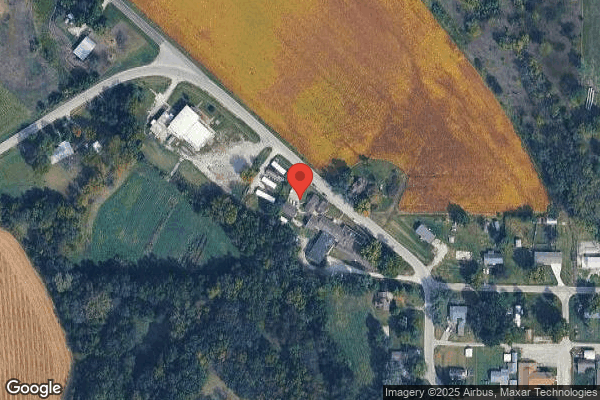
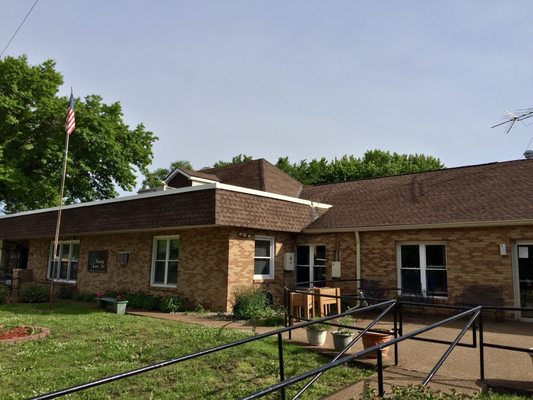
515 DAWSON, EASTON, KS 66020 (913) 773-5517
For profit - Limited Liability company 45 Beds ANEW HEALTHCARE Data: November 2025 1 Immediate Jeopardy citation
Trust Grade
11/100
#237 of 295 in KS
Last Inspection: February 2024

Within standard 12-15 month inspection cycle. Federal law requires annual inspections.

Overview

Anew Healthcare Easton has received a Trust Grade of F, indicating significant concerns about the quality of care provided. With a state ranking of #237 out of 295 in Kansas, they are in the bottom half of facilities, and #4 out of 5 in Leavenworth County means only one local option is worse. The facility is worsening, with issues increasing from 2 in 2023 to 21 in 2024. Staffing is a major concern, with a rating of 1 out of 5 stars and a 100% turnover rate, which is alarming compared to the Kansas average of 48%. While they have good RN coverage, more than 94% of state facilities, serious incidents include a resident being injured during a transfer due to inadequate assistance and a failure to protect another resident from abuse, highlighting critical safety and care gaps that families should carefully consider.

Trust Score
F
11/100
In Kansas
#237/295
Bottom 20%
Safety Record
High Risk
Review needed
Inspections
Getting Worse
2 → 21 violations
Staff Stability
⚠ Watch
100% turnover. Very high, 52 points above average. Constant new faces learning your loved one's needs.
Penalties
○ Average
$21,473 in fines. Higher than 53% of Kansas facilities. Some compliance issues.
Skilled Nurses
✓ Good
Each resident gets 45 minutes of Registered Nurse (RN) attention daily — more than average for Kansas. RNs are trained to catch health problems early.
Violations
⚠ Watch
37 deficiencies on record. Higher than average. Multiple issues found across inspections.
★☆☆☆☆
1.0
Overall Rating
★☆☆☆☆
1.0
Staff Levels
★☆☆☆☆
1.0
Care Quality
★★☆☆☆
2.0
Inspection Score
Stable
2023: 2 issues
2024: 21 issues

The Good

  • Full Sprinkler Coverage · Fire safety systems throughout facility
  • No fines on record

Facility shows strength in fire safety.

The Bad

1-Star Overall Rating

Below Kansas average (2.9)

Significant quality concerns identified by CMS

Staff Turnover: 100%

53pts above Kansas avg (47%)

Frequent staff changes - ask about care continuity

Federal Fines: $21,473

Below median ($33,413)

Minor penalties assessed

Chain: ANEW HEALTHCARE

Part of a multi-facility chain

Ask about local staffing decisions and management

Staff turnover is very high (100%)

52 points above Kansas average of 48%

The Ugly 37 deficiencies on record

1 life-threatening 1 actual harm
Jul 2024 4 deficiencies 1 Harm
SERIOUS (G) 📢 Someone Reported This

A family member, employee, or ombudsman was alarmed enough to file a formal complaint

Actual Harm - a resident was hurt due to facility failures

Accident Prevention (Tag F0689)

A resident was harmed · This affected 1 resident

The facility identified a census of 34 residents with three residents reviewed for falls and accidents. Based on record review and interview, the facility failed to ensure Resident (R) 1's safety duri...

Read full inspector narrative →
The facility identified a census of 34 residents with three residents reviewed for falls and accidents. Based on record review and interview, the facility failed to ensure Resident (R) 1's safety during a transfer when Certified Nurse Aide (CNA) M and Licensed Nurse (LN) G used a Hoyer lift (total body mechanical lift) to transfer R1 from her bed to her wheelchair. During the transfer, the lift tipped, and R1 hit the back of her head on a dresser. As a result, R1 sustained a laceration to the back of her head that required staples and sutures to close. This deficient practice also placed R1 at risk for pain and other avoidable injuries. Findings included: - R1's Electronic Medical Record (EMR) documented R1 had diagnoses of generalized muscle weakness, Alzheimer's Disease (progressive mental deterioration characterized by confusion and memory failure), cerebral infarction (stroke - sudden death of brain cells due to lack of oxygen caused by impaired blood flow to the brain by blockage or rupture of an artery to the brain), dependence on wheelchair, unspecified lack of coordination, and aphasia (condition with disordered or absent language function). The Annual Minimum Data Set (MDS), dated 01/07/24, for R1 documented the Brief Interview for Mental Status (BIMS) assessment could not be completed. The MDS documented R1 had problems with recall ability, short-term, and long-term memory. The MDS further documented R1 had severely impaired decision making and never or rarely made decisions. The MDS documented R1 used a wheelchair and was dependent on staff for all activities of daily living (ADL) including locomotion on the unit and transfers. The Cognitive Loss/Dementia Care Area Assessment (CAA), dated 01/07/24, documented R1 was alert and oriented to herself only, was unable to complete the BIMS, and required total assistance with ADLs. R1's Care Plan, with an initiated date of 11/17/17, documented R1 had a stroke, was weak, and fatigued easily. An intervention initiated on 01/02/18, documented R1 was not able to stand and required use of a Hoyer lift, with two staff assistance, for all transfers. A Fall Note dated 07/12/24, documented at 04:00 PM CNA M and LN G used the Hoyer lift to transfer R1 from the bed to her wheelchair and the Hoyer lift tipped in the middle of the transfer. The note documented CNA M and LN G lowered R1 to the floor and on the way down, the back of R1's head hit the corner of a dresser. The note further documented that R1 suffered a laceration to the back of her head related to the fall, and was transported to the emergency room. A Nurse Note dated 07/12/24, documented the facility received report from the emergency room about R1's condition. The note further documented R1 required seven staples and three sutures to the back of her head. CNA M's Complaint Investigation Witness Statement dated 07/12/24, documented CNA M asked LN G to help transfer R1 from her bed to her Broda chair (specialized wheelchair with the ability to tilt and recline) and the lift tipped in the middle of the transfer. The statement documented CNA M and LN G lowered R1 to the floor and R1 hit the back of her head on the corner of a dresser. An undated Entity Reports and Complaint Data Collection form documented on 07/12/24 at 04:00 PM, LN G and CNA M transferred R1 via Hoyer lift from her bed to her wheelchair when the lift tipped in the middle of the transfer. The report documented staff attempted to lower R1 to the floor and the back of R1's head hit the corner of the dresser. The reported documented 911 was called and R1 was transported to an emergency room. The report documented the Hoyer lift was removed from use in the facility until a mechanical and physical evaluation was completed and the maintenance director was notified. Review of the CCI Monthly Lift Safety Maintenance Checklist for April 2024 to July 2024 revealed the facility had three lifts that were inspected. The checklists lacked evidence there were any issues with the lifts. R1 was unavailable for observation. On 07/16/24 at 12:50 PM Administrative Nurse D stated she was unsure if staff completed Hoyer lift training prior to R1's fall from the lift. Administrative Nurse D stated CNA M and LN G were hired before her and the previous person responsible for staff education no longer worked at the facility. Administrative Nurse D looked for the education files and stated there were no records of the LN completing Hoyer lift training at the facility. Administrative Nurse D stated the lift training for CNA M was filled out by the previous employee, that provided education for staff; however, it was not signed by CNA M to show it was complete. Administrative Nurse D stated she had lift training scheduled on 07/25/24. She stated some training was completed after R1's fall; however, she wanted to have additional training to go though everything more in depth with staff. Administrative Nurse D stated lift training would be added to the facility's yearly education as part of staff yearly competencies in October going forward. On 07/16/24 at 01:14 PM LN G stated she was not sure what caused the lift to tip to the right and said it happened fast. LN G stated R1 did not have a hard landing on the floor as her and CNA M were able to get a hold of R1; however, she stated they were not able to move R1 over enough to clear the corner of the dresser during the fall which resulted in R1 hitting her head. LN G stated the legs of the lift were open while she transferred R1, and they appeared to be open all the way. She stated the legs should be open to provide a wide base and stated she was not sure why it tipped. LN G stated there was nothing that indicated the lift was not working correctly, and if she had noticed an issue with the lift, she would have stopped with the transfer and switched lifts. LN G stated she received lift training when she hired on about 14 to 15 months ago. LN G stated she was unsure who would have provided the training previously as so many people have changed positions. On 07/16/24 at 01:30 PM CNA N stated she worked at the facility for about four months and had been a CNA for nine years. CNA N stated she had not received lift training at the facility but had received lift training at a previous facility. CNA N stated the facility asked if she had prior training and knew how to operate a Hoyer lift when she hired on, but she was not asked to demonstrate that she knew how to properly use one. CNA N stated she had not noticed any issue with any of the Hoyer lifts in the facility other than the occasional dead battery from not being charged. CNA N stated if there was an issue with one of the lifts it would have been taken out of service, so no one used it, and placed in the maintenance book. CNA N stated she moved the Hoyer lift with the legs strait while placing the lift under the bed, as there was no room to open the legs due to the structure of the bed. She stated after the resident was raised in the lift, she pulled the lift straight out and turned the lift while the legs were straight. She stated she opened the legs once the wheelchair was in place. On 07/16/24 at 03:03 PM Administrative Nurse D stated she worked on more education for staff that day. Administrative Nurse D stated she went over the lift user guide and the Food and Drug Administration (FDA) patient lift safety guide with the staff today. She stated she had one staff member left to provide training for. Administrative Nurse D stated she trained staff to keep the legs out, and not together, while moving a resident in the lift. The undated, facility provided Safe Resident Handling/Transfers policy documented it is the policy of the facility to ensure that residents are handled and transferred safely to prevent or minimize risks for injury and provide and promote a safe, secure and comfortable experience for the resident while keeping the employees safe in accordance with the current standard and guidelines. The facility failed to ensure R1's safety during a transfer when CNA M and LN G used a Hoyer lift to transfer R1 from her bed to her wheelchair. During the transfer, the lift tipped, and R1 hit the back of her head on a dresser. As a result, R1 sustained a laceration to the back of her head that required staples and sutures to close. This deficient practice also placed R1 at risk for pain and other avoidable injuries.
CONCERN (D) 📢 Someone Reported This

A family member, employee, or ombudsman was alarmed enough to file a formal complaint

Potential for Harm - no one hurt, but risky conditions existed

Deficiency F0567 (Tag F0567)

Could have caused harm · This affected 1 resident

The facility identified a census of 33 residents which included 23 residents with active trust accounts, held by the facility. Based on interviews and record review, the facility failed to provide Res...

Read full inspector narrative →
The facility identified a census of 33 residents which included 23 residents with active trust accounts, held by the facility. Based on interviews and record review, the facility failed to provide Resident (R) 1 with an accurate accounting of her personal funds, when the facility overcharged R1's personal funds account by $347.89 . This placed R1 at risk for impaired autonomy and misappropriation. Findings included: - Review of R1's trust transactions as listed on the Resident Statement Landscape dated 09/01/23 to 08/26/24 documented the following duplicate charges and one charge with no receipt for R1. The withdrawals on 01/04/24 for the following amounts had handwritten receipts with R1 and Administrative Staff B's signatures for the following amounts: $20.00, $30.00, $117.89, $25.00, $30.00, and $25.00. The withdrawal on 01/31/24 for $25.00 had no receipt documented for that withdrawal. The withdrawals on 08/06/24 for the following amounts have a handwritten receipt dated from 2023 stapled to withdrawal receipts for the following amounts with receipt numbers: W000101 $117.89, W000102 $30.00, W000103 $25.00, W000104 $30.00, W000105 $25.00, and W000106 $20.00. On 08/22/24 at 04:50 PM Administrative Staff A stated that she had not reviewed the resident trust accounts. On 08/26/24 at 10:40 AM Administrative Staff B stated she did not know the job and had not received basic training to be able to handle basic situations and learned as she went. Administrative Staff B revealed she lacked understanding of the resident trust funds. On 08/26/24 at 12:15 PM Administrative Staff B looked at the trust account for R1 and realized that she entered money paid out to R1 twice, once in January and then again in August. Administrative Staff B revealed that the receipt papers had been written out by hand and then the receipts changed to a more formal form. Administrative Staff B stated that when she was putting together the receipt book for resident trust accounts earlier in August, she was entering withdrawals that Administrative Staff B thought had not been removed from R1's trust account. Administrative Staff B stated that no one looked over the resident trust accounts except for her related to the receipts and withdrawals. The undated facility policy Transactions Involving Resident Funds documented the Business Office Manager, or his/her designee, was responsible for providing residents with receipts for withdrawals and for requested or needed personal items when such funds were withdrawn from the resident's personal funds account managed by the facility. A cope of such transactions and receipts were maintained by the Business Office Manager, or designee, to verify account transactions and to reconcile resident fund balances with withdrawals and expenditures. The Business Office Manager or designee was responsible for ensuring that resident fund accounts were reconciled on a quarterly basis and discrepancies were promptly reported to the Administrator for investigations. The policy further documented that the Business Office Manager or designee would receive periodic training on this policy to ensure that receipts for resident fund expenditures were maintained. The facility failed to provide R1 with an accurate accounting of her personal funds when the facility duplicated charges to R1's personal funds account by $347.89. This placed R1 at risk for impaired autonomy and misappropriation.
CONCERN (D) 📢 Someone Reported This

A family member, employee, or ombudsman was alarmed enough to file a formal complaint

Potential for Harm - no one hurt, but risky conditions existed

Deficiency F0569 (Tag F0569)

Could have caused harm · This affected 1 resident

**NOTE- TERMS IN BRACKETS HAVE BEEN EDITED TO PROTECT CONFIDENTIALITY** The facility identified a census of 33 residents and 23 active resident trust fund accounts. The sample included five residents....

Read full inspector narrative →
**NOTE- TERMS IN BRACKETS HAVE BEEN EDITED TO PROTECT CONFIDENTIALITY** The facility identified a census of 33 residents and 23 active resident trust fund accounts. The sample included five residents. Based on record review and interview, the facility failed to ensure the conveyance of personal funds within 30 days of discharge and/or death for Resident (R) 3, R4, and R5. This placed the residents at risk for impaired rights and misappropriation. Findings included: - Review of the Trial Balance as of [DATE] revealed 23 total accounts with a balance of 16, 931.18. The Trial Balance documented R3 had a current trust fund balance of $233.39. R3's Electronic Medical record (EMR) recorded R3 discharged from the facility on [DATE]. The Trial Balance documented R4 had a current trust fund balance of $178.95. R4's EMR recorded R4 discharged from the facility on [DATE]. The Trial Balance documented R5 had a current trust fund balance of $20.56. R5's EMR recorded he died in the facility on [DATE]. On [DATE] at 02:40 PM Administrative Staff B stated that she was not entirely certain what she was supposed to do with residents' trust funds when the resident died. She said, when a resident died in the facility, she typically called the family and asked what funeral home and wrote a check to the funeral home and closed out the account. Administrative Staff B said that for resident accounts that were old, from last year or many months ago, she was scheduled for training on how to convey those funds. Administrative Staff B said when a resident transferred to a different facility, she wrote a check to the resident or their family and closed out the trust. When asked about the resident that had transferred and still had a trust, she stated that must have occurred before she knew what to do with the trust accounts. Administrative Staff B said she has not received any inquiries regarding balances of trust accounts for discharged residents. The undated facility policy Transactions Involving Resident Funds lacked direction for what to do upon discharge, eviction, or death of a resident with a personal fund deposited with the facility. The facility failed to ensure the conveyance of personal funds within 30 days of discharge and/or death for R3, R4, and R5. This placed the residents at risk for impaired rights and misappropriation.
CONCERN (E) 📢 Someone Reported This

A family member, employee, or ombudsman was alarmed enough to file a formal complaint

Potential for Harm - no one hurt, but risky conditions existed

Deficiency F0568 (Tag F0568)

Could have caused harm · This affected multiple residents

The facility identified a census of 33 residents and 23 active resident trust fund accounts. The sample included five residents. Based on record review and interview, the facility failed to distribute...

Read full inspector narrative →
The facility identified a census of 33 residents and 23 active resident trust fund accounts. The sample included five residents. Based on record review and interview, the facility failed to distribute quarterly statements to all residents that held trust fund accounts in the facility. This placed the residents at risk for uninformed decisions regarding their trust fund and misappropriation. Findings included: - Review of the Trial Balance as of 08/22/24 revealed 23 total accounts with a balance of $16,931.18. The Trial Balance documented Resident (R) 2 had a current trust fund balance of $681.35. On 08/23/24 at 03:17 PM, R2's representative and responsible financial party stated he had not received a quarterly stated regarding R2's trust account at all this year. He stated that he had called and attempted to talk with the new person in charge of the trust accounts but had not been able to get ahold of anyone. On 08/26/24 at 02:40 PM Administrative Staff B confirmed she has never sent out any quarterly statements for any of the trust accounts at the facility. She stated she had not yet received training regarding quarterly statements. The undated facility policy Transactions Involving Resident Funds documented quarterly statements would be provided in writing to the resident, or the residents representative, within 30 days after the end of the quarter and upon request. The facility failed to distribute quarterly statements to all residents that held trust fund accounts in the facility. This placed the residents at risk for uninformed decisions regarding their trust fund and misappropriation.
May 2024 1 deficiency 1 IJ
CRITICAL (J) 📢 Someone Reported This

A family member, employee, or ombudsman was alarmed enough to file a formal complaint

Immediate Jeopardy (IJ) - the most serious Medicare violation

Free from Abuse/Neglect (Tag F0600)

Someone could have died · This affected 1 resident

The facility identified a census of 37 residents with three residents reviewed for abuse and neglect. Based on observation, record review, and interview, the facility failed to ensure Resident (R) 1 r...

Read full inspector narrative →
The facility identified a census of 37 residents with three residents reviewed for abuse and neglect. Based on observation, record review, and interview, the facility failed to ensure Resident (R) 1 remained free from abuse and mistreatment. On 04/26/24 at approximately 04:10 AM, R1, who had a history of trauma and Huntington's disease (a rare abnormal hereditary condition characterized by progressive mental deterioration; a disabling central nervous system movement disorder), approached Certified Nurse Aide (CNA) M and CNA O and asked for some chocolate milk saying chocky milk. R1 attempted to retrieve the milk from the refrigerator located in the residents' dining area but CNA M and CNA O instructed R1 he was not able to get the milk from the refrigerator himself and told him staff would get him the chocolate milk if he asked for it correctly. R1 continued to pull on the refrigerator door and the two CNA staff stepped in between the refrigerator and R1 and physically obstructed R1 from opening the door, which resulted in a struggle between the staff and R1. During this physical struggle, R1 kicked at the staff, attempted to stand up from his wheelchair, and subsequently fell to the ground. The CNA staff then grabbed R1 by his legs and turned him around while the staff locked the refrigerator. As a result of this mistreatment, R1 attempted to choke himself and verbalized his intent to eventually kill himself. The facility's failure to ensure R1 remained free from abuse and mistreatment placed R1 in immediate jeopardy. Findings included: - R1's Electronic Medical Record (EMR) documented R1 had diagnoses of Huntington's disease, other lack of coordination, generalized muscle weakness, bipolar disorder (a major mental illness that causes people to have episodes of severe high and low moods), and major depressive disorder (a mood disorder that causes a persistent feeling of sadness and loss of interest). The admission Minimum Data Set (MDS), dated 01/23/24, documented R1 had a Brief Interview for Mental Status (BIMS) score of 15, which indicated intact cognition. The MDS further documented R1 used a wheelchair and was dependent on staff assistance for eating, bathing, oral hygiene, dressing, and personal hygiene. The MDS documented R1 required substantial assistance with mobility and transfers. The MDS documented no physical, verbal, or other behavioral symptoms were exhibited. The Falls Care Area Assessment (CAA), dated 01/23/24, documented R1 had therapy services available to help with increased functional mobility and fall risk reduction. The CAA directed staff to anticipate R1's care needs so the resident would not perform unsafe activities of daily living (ADL) without staff assistance. The CAA further documented R1 had major depressive disorder, restlessness, agitation, bipolar disorder, and Huntington's disease. R1's Care Plan with an initiated date of 02/15/24, documented R1 had an ADL self-care performance deficit related to Huntington's disease and impaired balance. Interventions with an initiated date of 2/15/24 documented R1 was dependent on staff for personal hygiene and transfers. Interventions with an initiated date of 01/29/24 directed staff to assess R1's understanding of the situation and allow time for R1 to express himself and his feelings towards the situation; when R1 became agitated staff should intervene before R1's agitation escalated. Staff should engage R1 calmly in conversation, and if R1's response was aggressive staff were directed to walk away calmly and approach later. CNA M's Complaint Investigation Witness Statement of Facts dated 04/26/24 documented R1 came to the nurse's station and asked CNA O for some chocky milk. The statement documented CNA O responded to R1 that she did not know what chocky milk was and R1 then asked CNA M for the milk instead. The statement documented CNA M responded that she was not sure what R1 had asked for and R1 became upset and stated he would get the milk himself. CNA M documented in the statement that she told R1 he was not allowed into the refrigerator and that R1 propelled himself to the refrigerator as CNA M and CNA O followed him. CNA M documented in the statement that she waited for R1 to open the refrigerator to tell R1 again that he was not allowed in it, and then told R1 if he asked correctly, staff would get him the chocolate milk, but R1 refused to listen to the CNAs. The statement further documented R1 pulled at the refrigerator door and CNA M stepped between R1 and the refrigerator door to prevent R1 from opening it which led R1 to stand up with further attempts to open the refrigerator door. The statement further documented the CNAs attempted to prevent R1 from accessing the refrigerator when R1 began to kick CNA O and R1 later fell to the floor. CNA M documented in the statement that she locked the refrigerator door while R1 was on the floor and that R1 continued to kick CNA O. The statement documented Licensed Nurse (LN) I arrived to deescalate the situation and once the refrigerator was locked and R1 could no longer open the door, R1 threatened to kill himself and proceeded to choke himself with his hands. The statement documented R1 stated choking himself did not work, but that he would kill himself eventually. The statement further documented R1 was placed on a one-to-one direct observation after R1 refused to sit near the nurses' station for close observation after making suicidal statements. The statement documented CNA M sat outside his room to observe R1. The witness statement was signed by CNA M. An Incident Note dated 04/26/24 at 04:20 AM documented R1 came to the nurse's station and requested chalky milk and the CNAs requested that R1 use appropriate words for what he wanted and not to use baby words. R1 responded that other staff let him use baby words. The note further documented that staff explained it could be difficult to understand and that it would have been more beneficial for him to use real words, and that R1 refused and stated he would get the milk himself. R1 propelled himself toward the refrigerator as the CNAs followed him. The note documented that LN I heard loud noises, went to investigate, and found R1 on the floor kicking into the air and cursing. The note documented LN I attempted to de-escalate the situation and R1 stood up and attempted to unlock the refrigerator. The note further documented that R1 threatened to kill himself after he was unable to unlock the refrigerator, and he placed his hands around his neck and attempted to choke himself. The note documented that R1 then stated he would kill himself eventually. The note documented that LN I placed R1 on one-to-one close observation, contacted facility leadership for guidance, contacted R1's physician, and sent R1 to the emergency room, via ambulance, due to the suicidal statements R1 made during the incident. A Nurse Note dated 04/26/24 at 04:26 PM documented that staff spoke with R1 about the incident that occurred earlier in the morning that caused him to be sent to the emergency room. The note documented that R1 stated he was no longer suicidal and had no plan or intent to commit suicide. The note further documented staff discussed R1's triggers and his available coping skills and went over R1's trauma-informed care plan with him. The note documented R1 agreed with the care plan and voiced that he was hopeful and excited to have support from the staff. On 04/26/24 at 02:05 PM, R1 sat in his room on his bed. R1 stated that CNA M and CNA O were rough with him the night he asked for milk, and it caused him to fall. R1 stated CNA M and CNA O no longer worked at the facility and that he felt safer there as a result. On 04/26/24 at 02:15 PM a combined interview was conducted with LN G and LN H. LN G stated when she came on shift that morning R1 had been taken out of the facility by ambulance to be evaluated for the suicidal comments he made on the previous shift. LN G stated the CNAs knew to get the nurses when R1 had behaviors so the nurses could intervene. LN G and LN H stated R1 was redirectable, but it depended on the approach staff took when interacting with him. LN H stated if staff took the time to explain a situation to R1 he would typically respond better than if staff were short with him, or just told him no without an explanation. LN G and LN H stated residents are allowed to have items from the refrigerator 24 hours a day and that they only had to ask staff. LN H stated R1 should have been able to have the chocolate milk when he requested it. On 04/26/24 at 02:15 PM, CNA N stated when R1 had behaviors she would walk away and get the nurse so the nurse could intervene. CNA N stated residents are allowed to have items from the refrigerator if they ask for them. CNA N stated the refrigerator was locked for infection control reasons, but if residents ask for something from the refrigerator, then staff will get it for them. On 04/26/24 at 03:47 PM Administrative Nurse D stated from her understanding of the incident R1 asked for chocolate milk but used a slang word when he asked. Administrative Nurse D stated R1 was told by staff to use big boy words and R1 then decided to get the chocolate milk himself. Staff did not want him to get the milk himself, so they followed R1 and proceeded to physically keep him out of the refrigerator. Administrative Nurse D stated while staff attempted to physically stop R1 from getting into the refrigerator, R1 fell to the floor and kicked at staff to defend himself. Administrative Nurse D stated R1 was drug and spun around by one of the CNAs so the other CNA could lock the refrigerator. Administrative Nurse D further stated the nurse heard the commotion and came to the dining hall to de-escalate the situation and that was when R1 tried to choke himself and made suicidal statements. Administrative Nurse D stated staff should have gotten up and gave R1 the chocolate milk regardless of how he asked for it. Administrative Nurse D stated R1 drinks chocolate milk often and staff knew that. Administrative Nurse D further stated it was extremely demeaning for staff to tell R1 to use his big boy voice. Administrative Nurse D stated she reviewed the video footage from the incident, and it appeared the staff were being aggressive with R1 and not R1 being aggressive with the staff. Administrative Nurse D stated she did not want the CNAs back in the facility after she viewed the video, so the CNAs were suspended and later terminated. The facility provided an Abuse, Neglect and Exploitation policy dated 01/01/24, documented it was the policy of the facility to provide protections for the health, welfare, and rights of each resident by developing and implementing written policies and procedures that prohibit and prevent abuse, neglect, exploitation, and misappropriation of resident property. The policy further documented abuse means the willful infliction of injury, unreasonable confinement, intimidation, or punishment with resulting physical harm, pain, or mental anguish, which can include staff-to-resident abuse and certain resident-to-resident altercations. Mental abuse includes but is not limited to, humiliation, harassment, threat of punishment, or deprivation. The facility failed to ensure residents remained free from abuse and mistreatment. This deficient practice placed R1 in immediate jeopardy. On 04/26/24 the facility completed corrective actions which included an all-staff in-service on preventing abuse, neglect, and exploitation and reporting abuse. The facility updated R1's care plan to include his past trauma and relevant interventions for staff to follow. CNA N and CNA O were not permitted back into the facility after the incident and were subsequently terminated. The corrective actions were completed before the onsite survey therefore the deficient practice was cited as past noncompliance at a scope and severity of J.
Feb 2024 16 deficiencies
CONCERN (D) 📢 Someone Reported This

A family member, employee, or ombudsman was alarmed enough to file a formal complaint

Potential for Harm - no one hurt, but risky conditions existed

Transfer Notice (Tag F0623)

Could have caused harm · This affected 1 resident

**NOTE- TERMS IN BRACKETS HAVE BEEN EDITED TO PROTECT CONFIDENTIALITY** The facility identified a census of 37 residents. The sample included 12 residents with two residents reviewed for hospitalizati...

Read full inspector narrative →
**NOTE- TERMS IN BRACKETS HAVE BEEN EDITED TO PROTECT CONFIDENTIALITY** The facility identified a census of 37 residents. The sample included 12 residents with two residents reviewed for hospitalization. Based on record review and interviews, the facility failed to provide written notice of transfer with the required information to Resident (R) 139 and/or to their legal representative in a practicable amount of time. The facility also failed to send a notification to the Office of the State Long-Term Care Ombudsman of the facility's transfers and discharges. This deficient practice had the risk of miscommunication between the facility and the residents and possible missed opportunities for healthcare service for these residents. Findings included: - R139's Electronic Medical Record (EMR) from the Diagnoses tab documented diagnoses of diabetes mellitus (DM-when the body cannot use glucose, not enough insulin made or the body cannot respond to the insulin), hypertension (HTN-elevated blood pressure), dementia (a condition characterized by progressive or persistent loss of intellectual functioning), anxiety (mental or emotional reaction characterized by apprehension, uncertainty and irrational fear), and falls. A review of R139's EMR revealed she was admitted on [DATE]. R139's admission Minimum Data Set (MDS) dated 01/21/24 documented a Brief Interview of Mental Status (BIMS) score of 10 which indicated moderately impaired cognition. A review of R139's Discharge MDS indicated she was discharged to an acute care facility on 01/29/24. R139's Cognitive Loss Care Area Assessment (CAA) dated 01/25/24 documented she had dementia. R139's Care Plan dated 01/23/24 documented that staff would monitor; document and report as needed any signs or symptoms of acute eye problems. R139's EMR under the Progress Notes tab revealed a nurse's note on 01/30/24 at 12:44 AM that documented R139 was admitted to the hospital. R139's clinical record lacked evidence the facility provided a written notification of discharge which contained the required information to R90 and/or legal representative. On 02/26/24 at 11:30 AM the facility provided an email to the Ombudsman's office dated 02/26/24 documentation the Long-Term Care Ombudsman's office was notified of transfers and discharges from 03/01/23 to 02/26/24. On 02/26/24 at 10:50 AM, Administrative Staff A stated the social service director had emailed the wrong person concerning the notice for discharges and transfers from the facility. Administrative Staff A stated the social service director would notify the Ombudsman's office of the discharges and transfers from the facility from March 2023 to February 26, 2024. The facility's Transfer and Discharge undated policy documented it was the policy of the facility to permit each resident to remain in the facility and not initiate transfer or discharge for the resident from the facility, except in limited circumstances. For emergency transfers/discharges the facility would provide a notice or transfer and the facility's bed hold policy to the resident and/or representative as indicated. The Social Service s Director, or designee. would provide copies of notices for emergency transfers to the Ombudsman, but they may be sent when practicable. such as in a list of residents every month, as long as the list meets all requirements for content or such notices. The facility failed to provide written notice of transfer with the required information to R139 and/or to their legal representative and notify the Long-Term Care Ombudsman's office of any transfers or discharges since March 2023. This deficient practice had the risk of miscommunication between the facility and the resident/family and possible missed opportunities for healthcare service for these residents.
CONCERN (D) 📢 Someone Reported This

A family member, employee, or ombudsman was alarmed enough to file a formal complaint

Potential for Harm - no one hurt, but risky conditions existed

Deficiency F0625 (Tag F0625)

Could have caused harm · This affected 1 resident

**NOTE- TERMS IN BRACKETS HAVE BEEN EDITED TO PROTECT CONFIDENTIALITY** The facility identified a census of 37 residents. The sample included 12 residents with two residents reviewed for hospitalizati...

Read full inspector narrative →
**NOTE- TERMS IN BRACKETS HAVE BEEN EDITED TO PROTECT CONFIDENTIALITY** The facility identified a census of 37 residents. The sample included 12 residents with two residents reviewed for hospitalization. Based on record review and interviews, the facility failed to provide a bed hold notice when Resident (R) 139 was hospitalized . This deficient practice placed R139 at risk of uninformed choices. Findings included: - R139's Electronic Medical Record (EMR) from the Diagnoses tab documented diagnoses of diabetes mellitus (DM-when the body cannot use glucose, not enough insulin made or the body cannot respond to the insulin), hypertension (HTN-elevated blood pressure), dementia (a condition characterized by progressive or persistent loss of intellectual functioning), anxiety (mental or emotional reaction characterized by apprehension, uncertainty and irrational fear), and falls. A review of R139's EMR revealed she was admitted on [DATE]. R139's admission Minimum Data Set (MDS) dated 01/21/24 documented a Brief Interview of Mental Status (BIMS) score of 10 which indicated moderately impaired cognition. A review of R139's Discharge MDS indicated she was discharged to an acute care facility on 01/29/24. R139's Cognitive Loss Care Area Assessment (CAA) dated 01/25/24 documented she had dementia. R139's Care Plan dated 01/23/24 documented that staff would monitor; document and report as needed any signs or symptoms of acute eye problems. R139's EMR under the Progress Notes tab revealed a nurse's note on 01/30/24 at 12:44 AM that documented R139 was admitted to the hospital. R139's clinical record lacked evidence R139, or her representative were informed of a bed hold and provided with the Bed Hold notice. On 02/28/24 at 11:12 AM, Licensed Nurse (LN) G stated thought she had discussed the bed hold notice with R139's family. LN G stated she thought she charted that in the progress notes. On 02/28/24 at 11:41 AM, Administrative Nurse D stated the bed hold notice had not been provided to R139's legal representative at the time of R139's transfer to the hospital. The facility's Bed Hold Notice Upon Transfer undated policy documented at the time of transfer for hospitalization or therapeutic leave, the facility would provide to the resident and/or the resident representative written notice which specifies the duration of the bed-hold policy and addresses information explaining the return of the resident to the next available bed. The facility failed to provide a bed hold notice for R139's hospitalization. This deficient practice placed R139 at risk of delayed care or uninformed choices.
CONCERN (D) 📢 Someone Reported This

A family member, employee, or ombudsman was alarmed enough to file a formal complaint

Potential for Harm - no one hurt, but risky conditions existed

Deficiency F0655 (Tag F0655)

Could have caused harm · This affected 1 resident

**NOTE- TERMS IN BRACKETS HAVE BEEN EDITED TO PROTECT CONFIDENTIALITY** The facility identified a census of 37 residents. The sample included 12 residents with one resident reviewed for a baseline car...

Read full inspector narrative →
**NOTE- TERMS IN BRACKETS HAVE BEEN EDITED TO PROTECT CONFIDENTIALITY** The facility identified a census of 37 residents. The sample included 12 residents with one resident reviewed for a baseline care plan. Based on record review and interviews, the facility failed to develop a person-centered baseline care plan to include pressure relieving measures to prevent pressure ulcers (localized injury to the skin and/or underlying tissue usually over a bony prominence, as a result of pressure, or pressure in combination with shear and/or friction) for Resident (R) 139. This deficient practice placed R139 at risk of impaired care related to uncommunicated care needs. Findings included: - R139's Electronic Medical Record (EMR) from the Diagnoses tab documented diagnoses of diabetes mellitus (DM-when the body cannot use glucose, not enough insulin made or the body cannot respond to the insulin), hypertension (HTN-elevated blood pressure), dementia (a condition characterized by progressive or persistent loss of intellectual functioning), anxiety (mental or emotional reaction characterized by apprehension, uncertainty and irrational fear), and falls. A review of R139's EMR revealed she was admitted on [DATE]. R139's admission Minimum Data Set (MDS) dated 01/21/24 documented a Brief Interview of Mental Status (BIMS) score of 10 which indicated moderately impaired cognition. The MDS documented R139 was at risk for the development of pressure ulcers, and she had one or more unhealed pressure ulcers during the observation period. The MDS documented that the skin and ulcer treatment in place for R139 during the observation period was a pressure-reducing device in the chair and on the bed, a turning and repositioning program, and pressure ulcer care. A review of R139's Discharge MDS indicated she was discharged to an acute care facility on 01/29/24. R139's Pressure Ulcer Care Area Assessment (CAA) dated 01/25/24 documented R139's pressure ulcers would be addressed on the plan of care. R139's clinical record lacked evidence that a baseline care plan was developed. R139's Care Plan dated 01/23/24 directed staff would check all her body for breaks in her skin and treat promptly as ordered by the physician. The plan of care lacked direction to staff for pressure reeducation interventions for R139's pressure ulcers on her heels. A review of R139's EMR under the Progress Notes revealed an admission Note dated 01/15/24 at 02:24 PM that documented R139 was admitted to the facility and her skin was dry and intact. R139's EMR revealed a Nursing Skin Evaluation dated 01/17/24 documented a pressure-related injury on R139's left heel. R139's EMR lacked evidence of treatment, interventions for pressure-related injuries, and physician notification. A Nursing Skin Evaluation dated 01/23/24 documented a pressure-related injury on R139's right and left heels. R139's EMR under the Orders tab revealed the following physician orders: Cleanse the right heel with stock wound cleanser, cut to fit a petroleum gauze (a lightweight, gauze dressing impregnated with petroleum jelly) to wound bed; cover with hydro-cellular dressing (foam dressing) every night shift for skin integrity dated 01/23/24. Skin-prep spray (liquid skin protectant), apply to the left heel topically every shift for skin integrity dated 01/23/24. R139's clinical record lacked evidence preventive measures were started prior to 01/17/24 when a pressure-related injury was noted on her left heel. On 02/28/24 at 10:56 AM, Certified Nurse Aide (CNA) N stated everyone had access to the resident's care plan and their [NAME] (a nursing tool that gives a brief overview of the care needs of each resident) CNA N stated the care plan should include the information to provide care for each resident skin care. On 02/28/24 at 11:12 AM, Licensed Nurse (LN) G stated everyone had access to the care plan and [NAME]. LN G stated the nurses had access to modify the care plans. LN G stated the care plan should include the information for R139's pressure prevention skincare would be on the care plan. On 02/28/24 at 11:41 AM, Administrative Nurse D stated all the staff had access to review the care plan and [NAME]. Administrative Nurse D stated she expected information about R139's pressure-related skin injuries care should be on the care plan. The facility was unable to provide a policy related to the development of baseline care plans. The facility failed to develop a person-centered baseline care plan to include pressure relieving measures to prevent pressure ulcers for R139. This deficient practice placed R139 at risk of impaired care related to uncommunicated care needs.
CONCERN (D) 📢 Someone Reported This

A family member, employee, or ombudsman was alarmed enough to file a formal complaint

Potential for Harm - no one hurt, but risky conditions existed

Comprehensive Care Plan (Tag F0656)

Could have caused harm · This affected 1 resident

**NOTE- TERMS IN BRACKETS HAVE BEEN EDITED TO PROTECT CONFIDENTIALITY** The facility identified a census of 37 residents. The sample included 12 residents. Based on observation, record review, and int...

Read full inspector narrative →
**NOTE- TERMS IN BRACKETS HAVE BEEN EDITED TO PROTECT CONFIDENTIALITY** The facility identified a census of 37 residents. The sample included 12 residents. Based on observation, record review, and interview, the facility failed to ensure Resident (R) 30's comprehensive care plan was updated to reflect what services and/or equipment were provided by the hospice within the required seven days after completion og the comprehensive assessment. The facility also failed to update R22's Care Plan to address catheter (a flexible tube inserted through a narrow opening into a body cavity, particularly the bladder, for removing fluid) use and care. This placed these residents at risk of impaired care due to uncommunicated care needs. Findings included: - The electronic medical record (EMR) for R30 documented diagnoses of Alzheimer's disease (progressive mental deterioration characterized by confusion and memory failure), and dementia (progressive mental disorder characterized by failing memory, and confusion) with mood disturbance. The Significant Change Minimum Data Set (MDS) dated 01/16/24 for R30 documented she had both short and long-term memory problems. R30 required substantial/maximal assistance to being dependent on staff for functional abilities. R30 was on hospice services. The Cognition Care Area Assessment (CAA) dated 01/29/24 for R30 documented that staff should monitor for signs and symptoms of acute mental status changes to help treat the underlying condition. Staff was to communicate with R30 using short and simple sentences to allow adequate time for the resident to understand others and for her to communicate her needs. Staff would approach R30 in a calm and non-threatening manner to help the resident feel calm and unhurried. The Hospice Care Plan dated 02/15/24 directed staff that R30's guardian had chosen hospice to participate in end-of-life care. Staff was to encourage the resident to express feelings, and listen with non-judgmental acceptance and compassion. Staff was directed to expect/anticipate skin breakdown, weight loss, and overall decline due to the hospice diagnosis. Staff was to manage pain with pain medications and other pain-relieving techniques. Staff was directed to offer R30 meals and snacks, but the resident may refuse due to decline. Staff was directed to provide oral care frequently using moist toothettes as a comfort measure. An Orders - Administration Note dated 01/05/24 for R30 documented an order for hospice to evaluate and treat. Hospice rescheduled due to poor road conditions. A Nurse Note dated 01/11/24 at 11:35 PM for R30 documented a nurse from hospice visited R30 this evening to admit her to hospice service starting 01/12/2024. A standing order via the hospice provider for medications received. The Order Summary Report documented an order for hospice services dated 02/21/24. On 02/27/24 at 07:22 AM R30 was in her room in her Broda chair (specialized wheelchair with the ability to tilt and recline) watching TV. On 02/28/24 at 10:56 Certified Nurse Aide (CNA) N stated usually the nurses would usually let the aides know when a resident was on hospice. CNA N stated if a resident was on hospice it would show up on the [NAME] (a nursing tool that gives a brief overview of the care needs of each resident) as well. CNA N stated she was not certain as to what equipment was provided by hospice. On 02/28/24 at 11:13 AM Licensed Nurse (LN) G stated that each resident on hospice had a hospice book at the nurse's station. LN G stated the R30's Care Plan should list what hospice she was on and typically include when the hospice staff would make visits to the resident. LN G stated she knew what hospice provided as the nurse would have to sign off when any items were received. LN G could not say for certain if R30's care plan listed the supplies provided by hospice. On 02/28/24 at 11:40 AM Administrative Nurse D stated when a resident was placed on hospice that would be written on the communication board near the nurse's station and then the charge nurse would relay that to her staff. Administrative Nurse D stated all residents on hospice have a hospice book that contains the hospice plan of care, a list of medications the resident was on, and communication from hospice staff when they visited. Administrative Nurse D stated that most staff just knew what supplies the hospice normally provided but would educate a new staff member if they were not aware of what was provided by staff. Administrative Nurse D stated R30's care plan should reflect what hospice provider she was using and when hospice staff would visit. Administrative Nurse D stated she expected that a care plan would be updated to reflect a change such as R30 being placed on hospice as soon as seven days. The Comprehensive Care Plans Policy dated July 2023 documented the comprehensive care plan was based on a thorough assessment that included but was not limited to, the MDS and physician orders. Assessments of residents were ongoing and care plans were revised as information about the resident and resident's condition changed. The comprehensive care plan was developed within seven days of the completion of the resident's comprehensive assessment (MDS). The facility failed to ensure R30's comprehensive care plan was updated in the required timeframe to reflect R30 being placed on hospice services. This placed R30 at risk of impaired care due to uncommunicated care needs.- R22's Electronic Medical Record (EMR) from the Diagnoses tab documented diagnoses of neuromuscular dysfunction of the bladder (the bladder may not fill or empty correctly). The admission Minimum Data Set (MDS) dated [DATE] documented a Brief Interview of Mental Status (BIMS) score of 10 which indicated moderately impaired cognition. The MDS documented R22 had an indwelling catheter (a flexible tube inserted through a narrow opening into a body cavity, particularly the bladder, for removing fluid) during the observation period. R22's Urinary Incontinence and Indwelling Catheter Care Area Assessment (CAA) dated 01/25/24 documented R22 had an indwelling catheter and was dependent upon nursing staff for her activities of daily living (ADL) care. R22's Care Plan lacked any direction for the care of her indwelling catheter to the staff to prevent infection and injury. R22's EMR under the Orders tab revealed the following physician orders: Urinary catheter care every shift related to neuromuscular dysfunction of bladder dated 01/17/24. Change suprapubic catheter (urinary bladder catheter inserted through the abdomen into the bladder) every 30 days and as needed if signs of infection dated 01/22/24. Catheter 20 French with 30 cubic centimeters (cc) bulb related to neuromuscular dysfunction of bladder dated 02/21/24. On 02/27/24 at 09:09 AM R22 sat upright next to her bed in her Broda chair (specialized wheelchair with the ability to tilt and recline). R20's catheter drainage bag was attached to her Broda chair with light amber urine in the drainage bag. On 02/28/24 at 10:56 AM, Certified Nurse Aide (CNA) N stated everyone had access to the resident's care plan and their [NAME] (a nursing tool that gives a brief overview of the care needs of each resident) CNA N stated the care plan should include the information to provide care for her indwelling catheter care. On 02/28/24 at 11:12 AM, Licensed Nurse (LN) G stated everyone had access to the care plan and [NAME]. LN G stated the nurses had access to modify the care plans. LN G stated the care plan should include the information for catheter care for R22. On 02/28/24 at 11:41 AM, Administrative Nurse D stated all the staff had access to review the care plan and [NAME]. Administrative Nurse D stated she expected information about catheter care should be on the care plan. The facility's Comprehensive Care Plans policy dated July 2023 documented the comprehensive care plan was based on a thorough assessment that included but was not limited to, the MDS and physician orders. Assessments of residents were ongoing and care plans were revised as information about the resident and resident's condition changed. The comprehensive care plan was developed within seven days of the completion of the resident's comprehensive assessment (MDS). The facility failed to develop and implement an adequate comprehensive person-centered care plan for R22's indwelling catheter care. This deficient practice placed her at risk for impaired care due to uncommunicated care needs.
CONCERN (D) 📢 Someone Reported This

A family member, employee, or ombudsman was alarmed enough to file a formal complaint

Potential for Harm - no one hurt, but risky conditions existed

Pressure Ulcer Prevention (Tag F0686)

Could have caused harm · This affected 1 resident

**NOTE- TERMS IN BRACKETS HAVE BEEN EDITED TO PROTECT CONFIDENTIALITY** The facility identified a census of 37 residents. The sample included 12 residents. with two residents reviewed for treatment/se...

Read full inspector narrative →
**NOTE- TERMS IN BRACKETS HAVE BEEN EDITED TO PROTECT CONFIDENTIALITY** The facility identified a census of 37 residents. The sample included 12 residents. with two residents reviewed for treatment/services to prevent/heal pressure ulcers (localized injury to the skin and/or underlying tissue usually over a bony prominence, because of pressure, or pressure in combination with shear and/or friction) Based on record review and interviews, the facility failed to ensure pressure reducing measures were in place for Resident (R) 139 who developed deep tissue injuries on her bilateral heels. This deficient practice placed R139 at risk of development of pressure ulcers, and of wound worsening. Findings included: - R139's Electronic Medical Record (EMR) from the Diagnoses tab documented diagnoses of diabetes mellitus (DM-when the body cannot use glucose, not enough insulin made or the body cannot respond to the insulin), hypertension (HTN-elevated blood pressure), dementia (a condition characterized by progressive or persistent loss of intellectual functioning), anxiety (mental or emotional reaction characterized by apprehension, uncertainty and irrational fear), and falls. A review of R139's EMR revealed she was admitted on [DATE]. R139's admission Minimum Data Set (MDS) dated 01/21/24 documented a Brief Interview of Mental Status (BIMS) score of 10 which indicated moderately impaired cognition. The MDS documented R139 was at risk for the development of pressure ulcers, and she had one or more unhealed pressure ulcers during the observation period. The MDS documented that the skin and ulcer treatment in place for R139 during the observation period was a pressure-reducing device in the chair and on the bed, a turning and repositioning program, and pressure ulcer care. A review of R139's Discharge MDS indicated she was discharged to an acute care facility on 01/29/24. R139's Pressure Ulcer Care Area Assessment (CAA) dated 01/25/24 documented R139's pressure ulcers would be addressed on the plan of care. R139's clinical record lacked evidence that a baseline care plan was developed. R139's Care Plan dated 01/23/24 directed staff would check all her body for breaks in her skin and treat promptly as ordered by the physician. The plan of care lacked direction to staff for pressure reeducation interventions for R139's pressure ulcers on her heels. A review of R139's EMR under the Progress Notes revealed an admission Note dated 01/15/24 at 02:24 PM that documented R139 was admitted to the facility and her skin was dry and intact. R139's EMR revealed a Nursing Skin Evaluation dated 01/17/24 documented a pressure-related injury on R139's left heel. R139's EMR lacked evidence of treatment, interventions for pressure-related injuries, and physician notification. A Nursing Skin Evaluation dated 01/23/24 documented a pressure-related injury on R139's right and left heels. R139's EMR under the Orders tab revealed the following physician orders: Cleanse the right heel with stock wound cleanser, cut to fit a petroleum gauze (a lightweight, gauze dressing impregnated with petroleum jelly) to wound bed; cover with hydro-cellular dressing (foam dressing) every night shift for skin integrity dated 01/23/24. Skin-prep spray (liquid skin protectant), apply to the left heel topically every shift for skin integrity dated 01/23/24. R139's clinical record lacked evidence preventive measures were started when a pressure-related injury was noted on her left heel. On 02/28/24 at 10:56 AM, Certified Nurse Aide (CNA) N stated she would report any skin changes she noted on a resident to the nurse. On 02/28/24 at 11:12 AM, Licensed Nurse (LN) G stated that R139 was admitted to the facility with skin issues. LN G stated the skin issues should have been noted at the time of admission. LN G stated nursing had applied Skin-prep to R139's heel. LN G was not sure if that was documented in R139's clinical record. On 02/28/24 at 11:41 AM, Administrative Nurse D stated there should have been a Skin-prep order for R139's left heel before 01/23/24. The facility's Pressure Prevention and Management undated policy documented the facility was committed to the prevention of avoidable pressure injuries, unless clinically unavoidable, and to provide treatment and services to heal the pressure ulcer injuries, prevent infection and the development of additional pressure ulcers/injuries. The facility failed to ensure pressure-reducing measures were in place for R139 to prevent pressure-related injuries. This deficient practice placed her at risk of developing pressure ulcers and wound worsening.
CONCERN (D) 📢 Someone Reported This

A family member, employee, or ombudsman was alarmed enough to file a formal complaint

Potential for Harm - no one hurt, but risky conditions existed

Deficiency F0688 (Tag F0688)

Could have caused harm · This affected 1 resident

**NOTE- TERMS IN BRACKETS HAVE BEEN EDITED TO PROTECT CONFIDENTIALITY** The facility identified a census of 37 residents. The sample included 12 residents with three residents reviewed for limited ran...

Read full inspector narrative →
**NOTE- TERMS IN BRACKETS HAVE BEEN EDITED TO PROTECT CONFIDENTIALITY** The facility identified a census of 37 residents. The sample included 12 residents with three residents reviewed for limited range of motion (ROM- the full movement potential of a joint, usually its range of flexion and extension). Based on observation, record review, and interviews, the facility failed to provide ROM to help maintain and prevent a potential decrease in ROM/mobility for Resident (R) 20. This deficient practice placed R20 at risk of loss of ability to perform activities of daily living (ADLs) and worsening or development of contractures (abnormal permanent fixation of a joint or muscle). Findings included: - R20's Electronic Medical Record (EMR) from the Diagnoses tab documented diagnoses of contracture of right and left knees, dementia (a progressive mental disorder characterized by failing memory, and confusion), major depressive disorder (major mood disorder which causes persistent feelings of sadness) and anxiety disorder (mental or emotional reaction characterized by apprehension, uncertainty and irrational fear). R20's Annual Minimum Data Set (MDS) dated [DATE] revealed a staff interview was completed which documented severely impaired cognition. The MDS documented that R20 required extensive assistance from two staff members for ADL. R20's Quarterly MDS dated 12/16/23 revealed a staff interview was completed which documented severely impaired cognition. The MDS documented that R20 was dependent on staff assistance with dressing, bathing, and transfers during the observation period. R20's Cognitive Loss/Dementia Care Area Assessment (CAA) dated 07/06/23 documented R20's cognition was severely impaired. R20's Care Plan lacked evidence of direction to staff to assist R20 in maintaining her mobility and prevent the contractures in her knees from worsening. R20's EMR under the Orders tab revealed the following physician orders: Restorative as needed dated 06/24/20. A review of R20's EMR lacked evidence ROM or restorative care was provided to R20. On 02/26/24 at 11:27 AM R20 sat in her wheelchair in the living room area and watched TV. On 02/28/24 at 10:56 AM, Certified Nurse Aide (CNA) N stated she was not aware of any residents who received ROM. CNA N stated residents with contractures were in pain when the staff moved them. On 02/28/24 at 11:12 AM, Licensed Nurse (LN) G stated she was not aware of a restorative program in place for R20. LN G stated she was not aware of her diagnosis of contractures in R20's knees. LN G stated R20 was able to propel herself in her wheelchair, cross her legs, and remove her shoe. On 02/28/24 at 11:41 AM, Administrative Nurse D stated the facility did not have a restorative aide at that time. Administrative Nurse D stated she was not aware if R20 was currently on a ROM program to prevent her contractures from worsening at that time. The facility was unable to provide a policy related to ROM. The facility failed to provide ROM to help maintain and prevent a potential decrease in ROM/mobility for R20. This deficient practice placed R20 at risk of loss of ability to perform ADL and worsening or development of contractures.
CONCERN (D) 📢 Someone Reported This

A family member, employee, or ombudsman was alarmed enough to file a formal complaint

Potential for Harm - no one hurt, but risky conditions existed

Accident Prevention (Tag F0689)

Could have caused harm · This affected 1 resident

The facility identified a census of 37 residents. The sample included 12 residents with two residents sampled for accidents. Based on observation, record review, and interview, the facility failed to ...

Read full inspector narrative →
The facility identified a census of 37 residents. The sample included 12 residents with two residents sampled for accidents. Based on observation, record review, and interview, the facility failed to ensure Resident (R) 5's fall investigation included a root cause analysis of the fall and failed to ensure that an appropriate intervention was implemented to prevent further falls. These deficient practices placed this resident at risk for additional falls and or injuries. Findings included: - The electronic medical record (EMR) for R5 documented diagnoses of dementia (a progressive mental disorder characterized by failing memory, and confusion), muscle weakness, and a history of repeated falls with fractures of the pelvis (the lower section of bones that connect to the trunk and the legs). The admission Minimum Data Set (MDS) dated 08/15/23 documented R5 had a Brief Interview for Mental Status (BIMS) score of four which indicated severely impaired cognition. R5 required extensive assistance from one staff for activities of daily living (ADLs). R5 had impairment on both sides of her lower extremities. R5 utilized a wheelchair for mobility. R5 had a history of falls with a fracture before admission. R5 had one fall with no injury since admission. The Quarterly MDS dated 01/26/24 documented R5 had a BIMS score of zero which indicated severely impaired cognition. R5 was substantial/maximal assistance to dependent on staff for her functional abilities. R5 had a history of falls since the last assessment, one with injury and one without injury. The Fall Care Area Assessment (CAA) dated 08/16/23 for R5 documented she was admitted to the hospital post-fall with numerous fractures to the left sacral (large triangular bone/area between the two hip bones) area, a hip fracture, and dementia. R5 required extensive assistance with ADLs. R5 was alert and oriented to person and had a BIMS score of four. The Fall Care Plan for R5 last revised 02/16/24 directed staff to anticipate and meet the resident's needs. The staff was directed to follow the facility fall protocol. An intervention from 08/16/23 directed staff was directed to review information from past falls and attempt to determine the cause of falls. Staff was to record possible root causes. Staff was to remove any potential causes if possible. Staff was to educate resident/family/caregivers/interdisciplinary team (IDT) as to the causes. The Morse Fall Scale (assessment used to determine fall risk factors) dated 08/15/23 for R5 documented a score of 55 which indicated R5 was a high risk for falls. The Quarterly Excel-Nursing Fall Risk Evaluation dated 11/02/23 located under the assessments tab of the EMR for R5 documented a score of nine which showed a high risk for falls. The Excel-Nursing Fall Risk Evaluation dated 02/3/24 located under the assessments tab of the EMR for R5 documented a score of 18 which showed a high risk for falls. The Excel-Nursing Fall Risk Evaluation dated 02/14/23 located under the assessments tab of the EMR for R5 documented a score of 16 which showed a high risk for falls. A review of R5's investigation for an unwitnessed fall on 08/15/23 recorded that the resident was found on her floor on her right side with blankets around her. No injury was noted. R5's bed was placed in the lowest position and her call light was placed within reach. The staff was educated, and the fall was discussed. A review of R5's investigation for an unwitnessed fall from 10/25/23 recorded the resident was found by staff sitting on the floor in her room. R5 stated she was getting out of her bed and fell hitting her chest on the trash can. The resident had a recent room change and was unassisted during the transfer from bed. No new intervention was put in place. A review of R5's investigation for a fall from 11/26/23 recorded the resident lying on the floor next to the dining table with her feet facing the back exit door. The resident fell hitting her head and bleeding. The investigation lacked a root cause analysis and interventions put into place to prevent future falls. A review of R5's investigation for a fall on 01/16/24 recorded that the resident was found on her floor in her room. R5 stated she fell out of bed. No root cause or new intervention was noted in the investigation. On 02/26/24 at 02:03 PM, R5 sat in her wheelchair as she propelled herself about the facility using her feet. On 02/28/24 at 11:13 PM, Licensed Nurse (LN) G stated the facility had a fall protocol that should be followed. LN G stated an investigation should be completed and witness statements obtained. LN G stated after a fall, the management team had a meeting about the fall and put new interventions in place. On 02/28/24 at 11:40 AM Administrative Nurse D stated all falls were investigated and the interdisciplinary team (IDT) had a risk management meeting to discuss the fall to determine the root cause and put a new appropriate intervention in place. Administrative Nurse D stated she could not say what the process was prior to her being the director of nursing (DON). The undated facility policy Fall Prevention Program documented each resident would be assessed for fall risks and would receive care and services in accordance with their individualized level of risk to minimize the likelihood of falls. Each resident's risk factors, and environmental hazards would be evaluated when developing the resident's comprehensive plan of care. The interventions would be monitored for effectiveness. The plan of care would be revised as needed. When any resident experienced a fall, the facility would assess the resident; complete a post-fall assessment; complete an incident report; notify the physician and family; review the resident's care plan and update as indicated; document all assessments and actions; and obtain witness statements in the case of injury. The facility failed to ensure R5's fall investigation analyzed the root cause of the fall and failed to ensure that appropriate interventions were placed. These deficient practices placed these residents at risk for additional falls and or injuries.
CONCERN (D) 📢 Someone Reported This

A family member, employee, or ombudsman was alarmed enough to file a formal complaint

Potential for Harm - no one hurt, but risky conditions existed

Deficiency F0699 (Tag F0699)

Could have caused harm · This affected 1 resident

**NOTE- TERMS IN BRACKETS HAVE BEEN EDITED TO PROTECT CONFIDENTIALITY** The facility identified a census of 37 residents. The sample included 12 residents with one resident reviewed for trauma-informe...

Read full inspector narrative →
**NOTE- TERMS IN BRACKETS HAVE BEEN EDITED TO PROTECT CONFIDENTIALITY** The facility identified a census of 37 residents. The sample included 12 residents with one resident reviewed for trauma-informed care (treatment or care directed to prevent re-experiencing or reducing the effects of traumatic events). Based on observation, record review, and interviews, the facility failed to identify trauma-based triggers related to Resident (R) 20's posttraumatic stress disorder (PTSD- a mental disorder characterized by an acute emotional response to a traumatic event or situation involving severe environmental stress) and failed to implement individualized interventions to prevent re-traumatization. These deficient practices placed R20 at risk for decreased psychosocial well-being and ineffective treatment. Findings included: - R20's Electronic Medical Record (EMR) from the Diagnoses tab documented diagnoses of PTSD, contracture (abnormal permanent fixation of a joint or muscle) of right and left knees, dementia (a progressive mental disorder characterized by failing memory, confusion), major depressive disorder (major mood disorder which causes persistent feelings of sadness) and anxiety disorder (mental or emotional reaction characterized by apprehension, uncertainty, and irrational fear). R20's Annual Minimum Data Set (MDS) dated [DATE] revealed a staff interview was completed which documented severely impaired cognition. The MDS documented R20 had a diagnosis of PTSD. R20's Quarterly MDS dated 12/16/23 revealed a staff interview was completed which documented severely impaired cognition. The MDS documented that R20 had a diagnosis of PTSD. R20's Cognitive Loss/Dementia Care Area Assessment (CAA) dated 07/06/23 documented R20's cognition was severely impaired. R20's Care Plan lacked direction for staff to prevent traumatization for R20's PTSD. A review of R20's EMR under the Assessment tab revealed Social Service Quarterly Review dated 12/26/23 which lacked evidence of further assessment of R20's PTSD. On 02/26/24 at 11:27 AM R20 sat in her wheelchair in the living room area and watched TV. On 02/28/24 at 10:56 AM, Certified Nurse Aide (CNA) N stated she was not aware of any resident who had a diagnosis of PTSD at this time. CNA N stated the facility had several residents in the past with PTSD and that information could be found on those residents' plan of care. On 02/28/24 at 11:12 AM, Licensed Nurse (LN) G stated she was not aware of R20's diagnosis of PTSD. LN G stated that information for R20's PTSD should be on the care plan to prevent further trauma. On 02/28/24 at 11:41 AM, Administrative Nurse D stated R20's diagnosis of PTSD should have been addressed in her care plan to help the staff address her trauma and prevent further trauma. Administrative Nurse D stated the facility will review all the residents' diagnoses to ensure all residents with a PTSD diagnosis have been addressed. The facility was unable to provide a policy related to trauma-informed care. The facility failed to identify trauma-based triggers related to R20's diagnosis of PTSD and implement individualized interventions to prevent re-traumatization. These deficient practices placed R20 at risk for decreased psychosocial well-being and ineffective treatment.
CONCERN (D) 📢 Someone Reported This

A family member, employee, or ombudsman was alarmed enough to file a formal complaint

Potential for Harm - no one hurt, but risky conditions existed

Deficiency F0849 (Tag F0849)

Could have caused harm · This affected 1 resident

**NOTE- TERMS IN BRACKETS HAVE BEEN EDITED TO PROTECT CONFIDENTIALITY** The facility identified a census of 37 residents. The sample included 12 residents with two residents sampled for hospice servic...

Read full inspector narrative →
**NOTE- TERMS IN BRACKETS HAVE BEEN EDITED TO PROTECT CONFIDENTIALITY** The facility identified a census of 37 residents. The sample included 12 residents with two residents sampled for hospice services. Based on observation, record review, and interview, the facility failed to establish a communication process, including how the communication will be documented between the facility and the hospice provider for Resident (R) 32. The facility failed to ensure that R32's written plan of care included both the most recent hospice plan of care and a description of the services furnished by both the facility and hospice. This placed R32 at risk of decline and/or from maintaining the highest practicable physical, mental, and psychosocial well-being. Findings included: - The electronic medical record (EMR) for R30 documented diagnoses of Alzheimer's disease (progressive mental deterioration characterized by confusion and memory failure), and dementia (progressive mental disorder characterized by failing memory, and confusion) with mood disturbance. The Significant Change Minimum Data Set (MDS) dated 01/16/24 for R30 documented she had both short and long-term memory problems. R30 required substantial/maximal assistance to being dependent on staff for functional abilities. R30 was on hospice services. The Cognition Care Area Assessment (CAA) dated 01/29/24 for R30 documented staff should monitor for signs and symptoms of acute mental status changes to help treat the underlying condition. Staff was to communicate with R30 using short and simple sentences to allow adequate time for the resident to understand others and for her to communicate their needs. Staff would approach R30 in a calm and non-threatening manner to help the resident feel calm and unhurried. The Hospice Care Plan dated 02/15/24 directed staff that R30's guardian had chosen hospice to participate in end-of-life care. Staff was to encourage residents to express feelings and listen with non-judgmental acceptance and compassion. Staff was directed to expect/anticipate skin breakdown, weight loss, and overall decline due to the hospice diagnosis. Staff was to manage pain with pain medications and other pain-relieving techniques. Staff was directed to offer R30 meals and snacks, but the resident may refuse due to decline. Staff was directed to provide oral care frequently using moist toothettes as a comfort measure. An Orders - Administration Note dated 01/05/24 for R30 documented an order for hospice to evaluate and treat. Hospice rescheduled due to poor road conditions. A Nurse Note dated 01/11/24 at 11:35 PM for R30 documented a nurse from hospice visited R30 this evening to admit her to hospice service starting 01/12/2024. A standing order via the hospice provider for medications received. The Order Summary Report documented an order for hospice services dated 02/21/24. On 02/27/24 at 07:22 AM R30 was in her room in her Broda chair (specialized wheelchair with the ability to tilt and recline) watching TV, resident smiled when spoken to. On 02/28/24 at 10:56 Certified Nurse Aide (CNA) N stated usually the nurses would let the aides know when a resident was on hospice. CNA N stated if a resident was on hospice it would show up on the [NAME] (a nursing tool that gives a brief overview of the care needs of each resident) as well. CNA N stated she was not certain as to what equipment was provided by hospice. On 02/28/24 at 11:13 AM Licensed Nurse (LN) G stated that each resident on hospice had a hospice book at the nurse's station. LN G stated the R30's care plan should list what hospice she was on and typically include when the hospice staff would make visits to the resident. LN G stated she knew what hospice provided as the nurse would have to sign off when any items were received. LN G could not say for certain if R30's care plan listed the supplies provided by hospice. On 02/28/24 at 11:40 AM Administrative Nurse D stated when a resident was placed on hospice that would be written on the communication board near the nurse's station and then the charge nurse would relay that to her staff. Administrative Nurse D stated all residents on hospice have a hospice book that contains the hospice plan of care, a list of medications the resident was on, and communication from hospice staff when they visited. Administrative Nurse D stated that most staff just knew what supplies the hospice normally provided but would educate a new staff member if they were not aware of what was provided by staff. Administrative Nurse D stated R30's care plan should reflect what hospice provider she was using and when hospice staff would visit. Administrative Nurse D stated she expected that a care plan would be updated to reflect a change such as R30 being placed on hospice as soon as seven days. The undated facility Hospice Program policy documented the facility would identify in writing the services that the hospice would be providing and the address in the resident's person-centered care plan. The facility would post the 24-hour access number for the resident's hospice provider. The hospice provider should be set up in the EMR and attached to the resident's profile within the chart. Identify a member of the interdisciplinary team (IDT) to collaborate and coordinate hospice care; and communicate with hospice and other providers. The facility would establish a communication mechanism with the hospice provider. The facility failed to establish a communication process, including how the communication will be documented between the facility and the hospice provider, to ensure that the needs of the resident were addressed and met for R32. The facility failed to ensure that R32's written plan of care included both the most recent hospice plan of care and a description of the services furnished by both the facility and hospice. This placed R32 at risk of decline and/or from maintaining the highest practicable physical, mental, and psychosocial well-being.
CONCERN (D) 📢 Someone Reported This

A family member, employee, or ombudsman was alarmed enough to file a formal complaint

Potential for Harm - no one hurt, but risky conditions existed

Infection Control (Tag F0880)

Could have caused harm · This affected 1 resident

The facility identified a census of 37 residents. Based on observation, record review, and interviews, the facility failed to ensure proper infection control standards were followed related to hand hy...

Read full inspector narrative →
The facility identified a census of 37 residents. Based on observation, record review, and interviews, the facility failed to ensure proper infection control standards were followed related to hand hygiene during peri-care and the disinfecting of shared equipment. This deficient practice placed the residents at risk for complications related to infectious diseases. Findings included: - On 02/22/24 at 09:33 AM Certified Nurse Aide (CNA) M and CNA N donned gloves and then transferred Resident (R) 9 into bed with the assistance of a Hoyer lift (total body mechanical lift). CNA M and CNA N removed the lift sling from under R9. CNA M removed R9's slacks, then untaped R9's incontinence brief. CNA M did not change her gloves but proceeded to provide peri-care to R9's peri area. CNA M rolled R9 onto her left side and removed the soiled brief from underneath R9. CNA M provided peri care to R9's rectal area, buttocks, and coccyx (area at the base of the spine) area. Wearing the same soiled gloves, CNA M opened the bedside drawer, removed skin protective cream from the drawer, and applied the cream to R9's rectal area, buttocks, and coccyx area with the soiled glove. CNA M removed her glove from her right hand only, hand sanitized her right hand only, and donned a new glove on her right hand, CNA M taped R9's incontinence brief and then touched R9's bedding with the soiled glove. On 02/22/24 at 09:43 AM CNA N removed the Hoyer lift from R9's room and without disinfecting the lift, pushed the lift into R20's room. CNA M and CNA N used the Hoyer lift to transfer R20. On 02/28/24 at 10:56 AM, CNA N stated hand hygiene should be performed upon entering and exiting a resident's room. CNA N stated the shared mechanical lifts should be disinfected between each resident. On 02/28/24 at 11:12 AM, Licensed Nurse (LN) G stated hand hygiene should be performed between glove changes, entering, and exiting a resident's room, going from dirty to clean, and any other time hands were soiled. LN G stated all shared equipment should be cleaned and disinfected between each use. On 02/28/24 at 11:41 AM, Administrative Nurse D stated hand hygiene should be performed between glove changes, entering, and exiting a resident's room, going from dirty to clean, and any other time hands were soiled. Administrative Nurse D stated all shared equipment should be disinfected between each resident. The facility's Hand Hygiene policy last reviewed 01/02.24 documented all staff would perform proper hand hygiene procedures to prevent the spread of infection to other personnel, residents, and visitors. This applies to all staff working in all locations within the facility. The facility failed to ensure staff practiced standard infection control precautions to prevent the spread of infection when staff failed to change gloves perform hand hygiene during peri-care and perform disinfecting of shared equipment. This had the potential to increase the risk of transmission of infectious diseases to residents.
CONCERN (E) 📢 Someone Reported This

A family member, employee, or ombudsman was alarmed enough to file a formal complaint

Potential for Harm - no one hurt, but risky conditions existed

Deficiency F0883 (Tag F0883)

Could have caused harm · This affected multiple residents

**NOTE- TERMS IN BRACKETS HAVE BEEN EDITED TO PROTECT CONFIDENTIALITY** The facility identified a census of 37 residents. The sample included 12 residents with five reviewed for immunization status. B...

Read full inspector narrative →
**NOTE- TERMS IN BRACKETS HAVE BEEN EDITED TO PROTECT CONFIDENTIALITY** The facility identified a census of 37 residents. The sample included 12 residents with five reviewed for immunization status. Based on record reviews, and interviews, the facility failed to obtain consent or declinations for influenza (highly contagious viral infection that attacks the lungs, nose, and throat and can be deadly in high-risk groups) vaccination for Resident (R) 22 and R35. The facility also failed to offer or obtain declinations for pneumococcal (type of bacterial infection) vaccination consents, declinations, or administration information for R22, R35, R17, and R32. This placed the residents at increased risk for influenza, pneumonia, and related complications. Findings included: - R22 was admitted to the facility on [DATE]. R22's clinical record lacked documentation the influenza vaccine or pneumococcal vaccine was offered or declined and lacked documentation of a historical administration. Upon request for R22's declination or administration of influenza vaccine or pneumococcal vaccine, the facility was unable to provide consent or declination. R35 was admitted to the facility on [DATE]. A review of R35's clinical record lacked documentation the influenza vaccine or pneumococcal vaccine was offered or declined and lacked documentation of a historical administration. Upon request for R35's declination or administration of influenza vaccine or pneumococcal vaccine, the facility was unable to provide consent or declination. R17 was admitted to the facility on [DATE]. A review of R17's clinical record lacked documentation the pneumococcal vaccine was offered or declined and lacked documentation of a historical administration. Upon request for R17's declination or administration of the pneumococcal vaccine, the facility was unable to provide consent or declination. R32 was admitted to the facility on [DATE]. A review of R32's clinical record lacked documentation the pneumococcal vaccine was offered or declined and lacked documentation of a historical administration. Upon request for R32's declination or administration of the pneumococcal vaccine, the facility was unable to provide consent or declination. On 02/28/24 at 10:41 AM, Administrative Nurse E, the facility Infection Preventionist, stated she had not been tracking the immunizations, but would start tracking the immunizations for the residents at the time of their admission. Administrative Nurse E stated she was not aware that immunizations consent was included in the admission paper work. The facility's Influenza Vaccination policy dated November 2023 documented it was the policy of this facility to minimize the risk of acquiring, transmitting, or experiencing complications from influenza by offering our residents, staff members, and volunteer workers annual immunizations against influenza. The Facility's Pneumococcal Vaccine policy dated November 2023 documented it was our policy to offer residents, staff, and volunteer workers immunization against pneumococcal disease in accordance with current Centers for Disease Control guidelines and recommendations. The facility failed to obtain influenza and pneumococcal vaccination consents, declinations, or administration information for R22, R35, R17, and R32. This placed the residents at increased risk for influenza, pneumonia, and related complications.
CONCERN (F) 📢 Someone Reported This

A family member, employee, or ombudsman was alarmed enough to file a formal complaint

Potential for Harm - no one hurt, but risky conditions existed

Deficiency F0730 (Tag F0730)

Could have caused harm · This affected most or all residents

The facility had a census of 37 residents. The sample included 12 residents and three Certified Nurse Aides (CNAs) reviewed for yearly performance evaluations. Based on record review and interview, th...

Read full inspector narrative →
The facility had a census of 37 residents. The sample included 12 residents and three Certified Nurse Aides (CNAs) reviewed for yearly performance evaluations. Based on record review and interview, the facility failed to ensure three CNA staff had the required yearly performance evaluations completed. This placed the residents at risk for inadequate care. Findings included: - A review of the facility's performance evaluation records revealed the following: CNA O, hired 06/18/21, no yearly performance evaluations were provided upon request. CNA P had a hire date of 09/05/22. The facility could not provide any evidence that a yearly evaluation had been performed in 2023. The facility provided an evaluation dated 02/26/24 ( two days after the start of the survey). CNA Q was hired on 08/04/20. The facility provided a performance evaluation dated 02/27/24. CNA Q had no prior performance evaluations. On 02/28/24 at 11:45 AM Administrative Nurse D stated she had learned a lot during the survey and was aware that staff performance evaluations had not been completed as they should have been. Administrative Nurse D stated she had been in her position since January 2024 and would be completing the performance evaluations for the staff members in the next few days. The facility lacked a policy for Performance Review. The facility failed to ensure three CNA staff had yearly performance evaluations completed as required. This placed the residents at risk for inadequate care.
CONCERN (F) 📢 Someone Reported This

A family member, employee, or ombudsman was alarmed enough to file a formal complaint

Potential for Harm - no one hurt, but risky conditions existed

Staffing Data (Tag F0851)

Could have caused harm · This affected most or all residents

The facility identified a census of 37 residents. The sample included 12 residents. Based on record review and interview, the facility failed to submit complete and accurate staffing information to th...

Read full inspector narrative →
The facility identified a census of 37 residents. The sample included 12 residents. Based on record review and interview, the facility failed to submit complete and accurate staffing information to the federal regulatory agency through Payroll Based Journaling (PBJ), when the facility failed to submit staffing hour data for all nursing personnel by the required deadline. This deficient practice placed residents at risk for impaired care due to unidentified and ongoing staffing issues. Findings included: - The PBJ report provided by the Centers for Medicare & Medicaid Services (CMS) for Fiscal Year (FY) 2023 Quarter 1 documented the facility triggered for one-star staffing and excessively low weekend staffing. Per the PBJ, the facility failed to have licensed nursing coverage 24 hours a day on 10/01/22, 10/02/22, 10/29/22, 11/24/22, and 12/26/22. The PBJ report provided by the Centers for Medicare & Medicaid Services (CMS) for Fiscal Year (FY) 2023 Quarter 2 the facility triggered for one-star staffing and excessively low weekend staffing. Per the PBJ, the facility failed to have licensed nurse (LN) coverage 24 hours a day on 02/10/23, 03/02/23, 03/03/23, 03/04/23, 03/11/23, 03/13/23, 03/14/23, 03/15/23, 03/16/23, 03/17/23, 03/18/23, 03/23/23, 03/24/23, 03/25/23, 03/26. The PBJ report provided by the Centers for Medicare & Medicaid Services (CMS) for Fiscal Year (FY) 2023 Quarter Three documented the facility triggered for one-star staffing and excessively low weekend staffing. Per the PBJ, the facility failed to have LN coverage 24 hours a day on 04/06/23, 04/08/23 04/14/23, 04/15/23, 04/16/23, 04/17/23, 04/21/23, 04/28/23, 04/29/23, 04/30/23, 05/03/23, 05/08/23, 05/13/23, 05/14/23, 05/15/23, 05/16/23, 05/17/23, 05/23/23, 05/26/23, 05/30/23, 06/18/23, 06/24/23, 06/25/23. The facility failed to have Registered Nurse (RN) hours on 04/18/23, 04/19/23, 04/25/23, 04/26/23, 05/01/23, 05/02/23, 05/03/23, 05/08/23, 05/09/23, 05/10/23, 05/16/23, 05/17/23, 05/23/23, 05/24/23, and 05/30/23. Upon review of printed staffing punch times of facility staff and agency staff provided by the facility for the dates above it was revealed that the facility had proof of LN hours for all dates. On 02/28/24 at 11:45 AM Administrative Staff A stated he was not sure what the previous management staff's process was to submit LN and RN hours information for the PBJ report. Administrative Staff A stated since he has been the administrator he makes sure he submits all staff including any agency staff's hours worked. The facility lacked a policy for PBJ reporting. The facility failed to submit complete and accurate staffing information to the federal regulatory agency through PBJ when the facility failed to submit staffing hour data for all nursing personnel by the required deadline. This deficient practice placed residents at risk for impaired care due to unidentified and ongoing staffing issues.
CONCERN (F) 📢 Someone Reported This

A family member, employee, or ombudsman was alarmed enough to file a formal complaint

Potential for Harm - no one hurt, but risky conditions existed

Antibiotic Stewardship (Tag F0881)

Could have caused harm · This affected most or all residents

The facility identified a census of 37 residents. The sample included 12 residents. Based on observation, record review, and interviews, the facility failed to develop and implement the core elements ...

Read full inspector narrative →
The facility identified a census of 37 residents. The sample included 12 residents. Based on observation, record review, and interviews, the facility failed to develop and implement the core elements of antibiotic stewardship to ensure an effective infection prevention and control program including antibiotic stewardship for the residents of the facility. Findings included: - Review of the Infection Control Log for tracking and trending infections from February 2023 through January 2024, lacked evidence of organism identifications, duration of antibiotic prescribed, and the infections treated. The facility was unable to provide evidence of tracking upon request. On 02/28/2 at 10:41 AM, Administrative Nurse E, the facility Infection Preventionist, stated she reviewed the results of any culture and sensitivities but did not track the results. Administrative Nurse E stated she or the charge nurse completed the Mcgeer's and Lobe's criteria after a urine analysis was obtained. The facility's Antibiotic Stewardship Program last reviewed in November 2023 documented it was the policy of this facility to implement an Antibiotic Stewardship Program as part of the facility's overall infection prevention and control program. The purpose of the program was to optimize the treatment of infections while reducing the adverse events associated with antibiotic use. The Antibiotic Stewardship Program leaders would utilize existing resources to support antibiotic stewards' efforts by working with the consultant laboratory to develop a process for alerting the facility if certain antibiotic resistant organisms are identified, providing education for nursing home staff on the differences in diagnostic tests available for detecting various infectious pathogens, and creating a summary report of antibiotic susceptibility patterns from organisms isolated in cultures. The facility failed to proactively apply the principles of antibiotic stewardship, for the residents of the facility from February 2023 through January 2024 to ensure antibiotics were administered in a safe and effective manner to prevent unnecessary side effects of antibiotics and antibiotic resistance.
CONCERN (F) 📢 Someone Reported This

A family member, employee, or ombudsman was alarmed enough to file a formal complaint

Potential for Harm - no one hurt, but risky conditions existed

Deficiency F0947 (Tag F0947)

Could have caused harm · This affected most or all residents

The facility had a census of 37 residents. The sample included 12 residents and three Certified Nurse Aides (CNAs) reviewed for in-service training. Based on record review and interview, the facility ...

Read full inspector narrative →
The facility had a census of 37 residents. The sample included 12 residents and three Certified Nurse Aides (CNAs) reviewed for in-service training. Based on record review and interview, the facility failed to ensure the four CNA staff reviewed had the required 12 hours of in-service education including the required topics per year. This placed the residents at risk for inadequate care. Findings included: - A review of the facility's in-service records revealed the following: CNA O hired on 06/18/21 had documentation that showed in-services in the past 12 months but lacked any recorded/documented hours of in-service. CNA P hired 09/05/22, had documentation that showed in-services in the past 12 months but lacked any recorded/documented hours of the in-service. CNA Q hired 08/04/20 had documentation that showed in-services the past 12 months but lacked recorded/documented hours. The facility provided the form Annual In-Service Calendar which listed the required in-services for each month and the duration of each training which totaled 42.5 hours annually. On 02/28/24 at 09:00 AM Administrative Staff B stated that the nurse aide education information should be in a binder. Administrative Staff B stated the nurse aide's in-service hours should be tracked by the corporate nurse educator. Administrative Nurse B stated going forward the facility would ensure that in-service hours were logged for the staff members. The facility lacked a policy for in-service education. The facility failed to ensure CNA staff reviewed had the required 12 hours of in-service education per year. This placed the residents at risk for inadequate care.
MINOR (C) 📢 Someone Reported This

A family member, employee, or ombudsman was alarmed enough to file a formal complaint

Minor Issue - procedural, no safety impact

Deficiency F0577 (Tag F0577)

Minor procedural issue · This affected most or all residents

The facility identified a census of 37 residents. The sample included 12 residents. Based on observation, record review, and interviews, the facility failed to post the previous state inspection infor...

Read full inspector narrative →
The facility identified a census of 37 residents. The sample included 12 residents. Based on observation, record review, and interviews, the facility failed to post the previous state inspection information in a location accessible to residents and visitors. Findings included: - On 02/27/24 at 12:50 PM review of the state agency results book that was available in the living room area lacked the Statement of Deficiencies which included citations from a complaint survey conducted on 11/29/23. On 02/27/24 at 03:03 PM Administrative Staff A stated it was his responsibility to ensure the survey result book was kept up to date with the most current survey results. The facility was unable to provide a policy related to past survey results availability. The facility failed to post state inspection results from a recent complaint survey on 11/29/23 for residents and families.
Nov 2023 2 deficiencies
CONCERN (D) 📢 Someone Reported This

A family member, employee, or ombudsman was alarmed enough to file a formal complaint

Potential for Harm - no one hurt, but risky conditions existed

Accident Prevention (Tag F0689)

Could have caused harm · This affected 1 resident

**NOTE- TERMS IN BRACKETS HAVE BEEN EDITED TO PROTECT CONFIDENTIALITY** The facility identified a census of 33 residents. The sample included three residents reviewed for accidents. Based on record re...

Read full inspector narrative →
**NOTE- TERMS IN BRACKETS HAVE BEEN EDITED TO PROTECT CONFIDENTIALITY** The facility identified a census of 33 residents. The sample included three residents reviewed for accidents. Based on record review and interview, the facility failed to evaluate causative factors in order to identify and implement interventions to prevent falls for Resident (R)1, who had multiple falls. This deficient practice placed R1 at risk for continued falls and fall related injury. Findings included: - R1's Electronic Medical Record (EMR), under the Diagnosis tab recorded diagnoses of fractured right wrist, muscle weakness, Alzheimer's disease (progressive mental deterioration characterized by confusion and memory failure), anxiety (mental or emotional reaction characterized by apprehension, uncertainty and irrational fear) disorder, and unspecified psychosis (any major mental disorder characterized by a gross impairment in reality perception). The admission Minimum Data Set (MDS) dated [DATE] documented a Brief Interview for Mental Status (BIMS) score of seven which indicated in moderately impaired cognition. R1 required limited assistance of one staff member for bed mobility, transfers, walking in room, walking in corridor, and locomotion on and off the unit. R1 required extensive assistance of one staff member for dressing, toilet use, and personal hygiene. The Falls Care Area Assessment (CAA) dated 03/22/23 documented facility staff would anticipate and meet R1's care needs so that R1 did not attempt to unsafely perform activities of daily living (ADL) cares without facility staff assistance. The ADL CAA dated 03/22/23 documented facility staff were to assist with ADL cares as needed and anticipate cares so that R1's care needs were effectively met. The Quarterly MDS dated 10/06/23 documented R1 was unable to be interviewed for a BIMS score. Staff interview revealed R1 had short-term and long-term memory problems. R1 required substantial assistance with standing from a seated position, transfers from a chair to a bed and from a bed to a chair and getting on and off the toilet or commode. The MDS recorded the resident had one non-injury fall since the last assessment. R1's Fall Care Plan initiated 05/12/23 directed staff to anticipate and meet R1's needs, follow facility fall protocol, review information on past falls, and attempt to determine the cause of the fall and record possible root causes and remove any potential causes of falls if possible. R1's Actual Fall Care Plan initiated on 11/10/23 documented R1 had her room rearranged and would have a fall mat beside her bed. R1's Care Plan lacked any interventions added between 05/12/23 and 11/10/23 related to any falls sustained prior to R1's discharge from the facility to the emergency room on [DATE]. The Assessment tab documented the following fall assessments for R1: 07/15/23 Fall Risk Assessment scored 25.0 which indicated High Risk 09/14/23 Fall Risk Assessment scored 26.0 which indicated High Risk 09/26/23 Fall Risk Assessment scored 28.0 which indicated High Risk The facility risk tool dated 09/13/23 at 07:45 PM documented R1's fall but lacked a root cause analysis or intervention related to R1's fall. A Nurse Note dated 09/14/23 at 04:39 AM documented on 09/13/23 at 07:45 PM R1 stood up out of her wheelchair while grabbing onto the hallway railing. R1 slid out of her wheelchair onto the floor. Staff assessed R1 and no injuries were noted. Staff assisted R1 back into her wheelchair with assistance of two facility staff. The facility risk tool dated 09/16/23 at 02:30 PM documented R1's fall but lacked a root cause analysis or intervention placement related to R1's fall. R1's EMR lacked a Nurse Note with information related to R1's fall on 09/16/23. A Fall Note dated 09/18/23 at 01:15 AM documented R1 continued with fall monitoring from a witnessed fall on 09/16/23. An Incident Note dated 09/25/23 at 07:34 PM (late entry) documented R1 had an unwitnessed fall in her bedroom. Staff observed R1 seated in front of her wheelchair, on her coccyx (tailbone) with her feet up in front of her. R1 faced towards the bed and her back was towards the doorway. When staff asked R1 what happened, R1 reported she was cleaning up and fell out of her wheelchair. Staff reminded R1 to use her call light for assistance when needed. R1 verbalized understanding but due to the severity of her dementia (progressive mental deterioration characterized by confusion and memory failure), R1 would need continuous reminders to ask for help and to not get up and out of her wheelchair by herself. The facility risk tool dated 09/25/23 at 07:34 PM documented R1's fall but lacked root cause analysis. It did list that staff would remind R1 frequently to use the call light for assistance. A Fall Note dated 11/09/23 at 04:30 PM (late entry) documented R1 fell out of bed and had a cut to the head. Staff found lying with her head near the nightstand and her feet towards the doorway. R1 bled from two areas on her forehead and a cut to the bony prominence of the left inner foot near the great toe/bunion area. Staff performed a full head to toe assessment and gauze was applied to the cut. R1 transferred t to an emergency room for evaluation. The facility risk tool dated 11/09/23 at 04:55 PM documented R1's fall but lacked root cause analysis or intervention placement related to R1's fall. On 11/29/23 at 02:06 PM Certified Nurse Aide (CNA) M stated R1 constantly tried to get out of bed. CNA M said that if R1 was awake, no matter what the time was, staff kept R1 up so she would not fall. On 11/29/23 at 02:25 PM Licensed Nurse (LN) G stated that R1 was hard to provide fall interventions for. LN G further stated that normally interventions were put in place for a resident that fell, but if R1 fell outside of her bedroom, it was hard to put interventions in place for those falls. On 11/29/23 at 02:38 PM CNA N stated R1 was a pistol and said she tried to keep a close eye on R1. CNA N said that she did not know how to look at R1's care plan or what specific cares each resident had care planned. CNA N stated she would ask a charge nurse if she had questions related to resident care. On 11/29/23 at 03:16 PM Administrative Nurse E stated that all nurses were responsible for updating the residents' care plan. Administrative Nurse E said the nurses could add information or interventions on the care plan and R1's fall interventions should have been placed on the care plan. Administrative Nurse E did say she felt the staff knew what cares to provide for R1. The facility's policy Falls and Fall Risk, Managing F689 lacked a date, documented based on previous evaluations and current data, the staff would identify interventions related to the resident's specific risks and causes to try to prevent the resident from falling and to try to minimize complications from falling. The policy directed that the interdisciplinary team would attempt to identify appropriate interventions to reduce the risk of falls. The policy direct that if underlying causes could not be readily identified or corrected, facility staff would try various interventions, based on assessment of the nature or category of falling, until falling was reduced or stopped, or until the reason for the continuation of falling was identified as unavoidable. The facility failed to identify causative factors and implement relevant interventions to prevent falls for R1. This placed the resident at risk for ongoing falls and related injuries.
CONCERN (F) 📢 Someone Reported This

A family member, employee, or ombudsman was alarmed enough to file a formal complaint

Potential for Harm - no one hurt, but risky conditions existed

Deficiency F0727 (Tag F0727)

Could have caused harm · This affected most or all residents

The facility reported a census of 33 residents. Based on interview and record review, the facility failed to provide a Registered Nurse (RN) for at least eight consecutive hours, seven days a week and...

Read full inspector narrative →
The facility reported a census of 33 residents. Based on interview and record review, the facility failed to provide a Registered Nurse (RN) for at least eight consecutive hours, seven days a week and failed to designate a full time RN as Director of Nursing to oversee the care provided to the residents. This placed the resident at risk for decreased quality of care. Findings included: - Review of the daily nurse staffing from 11/02/23 through 11/29/23 provided by the facility revealed the following dates which lacked evidence of RN coverage for eight consecutive hours: 11/03/23 - Friday 11/04/23 - Saturday 11/14/23 - Tuesday 11/15/23 - Wednesday 11/18/23 - Saturday 11/21/23 - Tuesday 11/28/23 - Tuesday On 11/29/23 Licensed Nurse (LN) G stated she was aware of two full time nurses and perhaps one as needed (PRN) RN that worked at the building. LN G revealed that there was no Director of Nursing for the facility. On 11/29/23 at 03:16 PM Administrative Nurse E stated she only had two RNs that worked at the facility. There was a third RN, but that RN only worked one day and nothing after. Administrative Nurse E stated Consultant GG and Consultant HH came to the building occasionally, and both were RN's, but further stated that neither clocked in, to her knowledge, as they were consultants and not facility employees. Administrative Nurse E stated there was no Director of Nursing in the facility. On 11/29/23 at 03:50 PM Administrative Staff A stated the facility lacked RNs. Administrative Staff A revealed that since he started working in the building there has not been a Director of Nursing. The facility Policy Nursing Services - Registered Nurse (RN) revised on October 22 documented the facility would utilize the services of a Registered Nurse for at least eight consecutive hours per day, seven days a week. The policy further stated the facility would designate a Registered Nurse to serve as the Director of Nursing on a full-time basis. The facility failed to provide a RN for at least eight consecutive hours, seven days a week and failed to designate a full time RN as Director of Nursing to oversee the care provided to the residents. This placed the resident at risk for decreased quality of care.
Sept 2022 10 deficiencies
CONCERN (D)

Potential for Harm - no one hurt, but risky conditions existed

Deficiency F0582 (Tag F0582)

Could have caused harm · This affected 1 resident

The facility had a census of 38 residents, with three reviewed for Center for Medicare and Medicaid Services (CMS) Beneficiary Liability notices. Based on record review and interview, the facility fai...

Read full inspector narrative →
The facility had a census of 38 residents, with three reviewed for Center for Medicare and Medicaid Services (CMS) Beneficiary Liability notices. Based on record review and interview, the facility failed to provide the Skilled Nursing Facility (SNF) Advanced Beneficiary Notice (ABN), CMS form 10055, which contained the estimated cost to continue services for skilled services, to the resident or their representative for the three reviewed residents, Resident (R) 27, 30, and 20. This placed the residents at risk for uninformed decisions regarding skilled services. Findings included: - The facility lacked documentation staff provided R27 (or their representative) the ABN form 10055 when the resident's skilled services ended 04/03/22. The facility provided a facility generated form which lacked a cost estimate for continued services. The facility lacked documentation staff provided R30 or their representative) the ABN form 10055 when the resident's skilled services ended 05/16/22. The facility provided a facility generated form which lacked a cost estimate for continued services. The facility lacked documentation staff provided R20 (or their representative) the ABN form 10055 when the resident's skilled services ended 08/05/22. The facility provided a facility generated form which lacked a cost estimate for continued services. On 09/01/22 at 11:44 AM, Administrative Staff A verified the facility had not provided the cost estimate for continued services and had not used the specific CMS form 10055. Administrative Staff S A stated she was unaware of the estimated cost for the above residents to continue services if they requested. Upon request the facility failed to provide a policy regarding beneficiaries. The facility failed to provide R27, R30, and R20 with the appropriate non-coverage notice and cost estimate for further services, placing the resident at risk for uninformed decisions regarding skilled services.
CONCERN (D)

Potential for Harm - no one hurt, but risky conditions existed

Comprehensive Care Plan (Tag F0656)

Could have caused harm · This affected 1 resident

**NOTE- TERMS IN BRACKETS HAVE BEEN EDITED TO PROTECT CONFIDENTIALITY** The facility had a census of 38 residents. The sample included 13 residents with five reviewed for unnecessary medications. Base...

Read full inspector narrative →
**NOTE- TERMS IN BRACKETS HAVE BEEN EDITED TO PROTECT CONFIDENTIALITY** The facility had a census of 38 residents. The sample included 13 residents with five reviewed for unnecessary medications. Based on observation, interview, and record review the facility failed to care plan Resident (R) 35's fluid restriction. This deficient practice placed R35 at risk for fluid overload (too much fluid in your body). Findings included: - R35's Physician Order Sheet (POS), dated 07/26/22, documented diagnoses of acute kidney failure (kidneys suddenly become unable to filter waste products from your blood), acute and chronic respiratory failure with hypoxia (condition that results in the inability to effectively exchange carbon dioxide and oxygen), anxiety disorder (mental health disorder characterized by feelings of worry, anxiety, or fear that are strong enough to interfere with one's daily activities), hypertension (high blood pressure), lymphedema (swelling in an arm or leg caused by a lymphatic system blockage), paroxysmal atrial fibrillation (irregular, often rapid heart rate that commonly causes poor blood flow), morbid obesity (disorder involving excessive body fat that increases the risk of health problems), and congestive heart failure (weakness of the heart that leads to a buildup of fluid in the lungs and surrounding body tissues). The admission Minimum Data Set (MDS), dated [DATE], documented R35 had intact cognition with a Brief Interview for Mental Status (BIMS) score of 15. The MDS documented R35 was independent with bed mobility, walking, dressing, toileting and required staff supervision for transfers and eating. R35 weighed 452 pounds, had almost constant severe pain, and received as needed pain medication, and a diuretic (class of medication which help the body get rid of extra fluid and salt) and opioid (narcotic pain medication) medications. The Fluid Management Care Area Assessment (CAA), dated 05/24/22, documented R35 had a regular diet with low sodium. He was able to feed himself, and able to make his likes or dislikes known. The Quarterly MDS, dated 08/19/22, documented R35 had intact cognition with a Brief Interview for Mental Status (BIMS) score of 15. The MDS documented R35 was independent with transfers, walking, eating, toileting, and required staff supervision for bed mobility and dressing. R35 had frequent moderate pain, received as needed pain medication, diuretic, and opioid medications. The Care Plan, dated 08/19/22, lacked direction for monitoring R35's fluid restriction. The Progress Note, dated 06/08/22 at 12:31 PM, documented R35 returned to the facility with physician orders for a fluid restriction of 2000 milliliters (ml) per 24 hours. The note documented staff educated R35 on fluid restriction and gave him an intake sheet to keep track. The Progress Note, dated 06/17/22 at 08:05 AM, documented R35's weight went up from 408.6 pounds on 06/12/22 to 429.1 pounds. R35 told staff that his cardiologist (heart doctor) called him on his personal phone yesterday and told him he needed to go back to the hospital for more diuresis (removal of excess body water). Staff called the cardiologist and the facility transported R35 to the hospital. The Progress Note, dated 06/21/22 at 09:24 AM, documented R35's physician saw him and ordered staff to continue to monitor intake of fluids and output. The Progress Note, dated 07/20/22 at 11:08 am, documented R35 was diuresed of 35 pounds of fluids during his hospital stay and his weight was down to 415 pounds. The Physician Order, dated 07/20/22, directed staff to ensure fluid restriction of 2000 ml per 24 hours. The facility did not provide documentation of staff monitoring of R35's fluids. R35 provided some documentation of intake and output, but none after 08/02/22. The Progress Note, dated 08/04/22 at 05:43 PM, documented R35 stated it was becoming difficult for him to breathe when laying on his side during the night. R35 stated he drank a lot of fluids. On 09/07/22 at 02:26 PM, observation revealed R35 sat on his bed and played video games. His bedside table held one 800 ml water mug with approximately 400 ml clear liquid and an empty 600 ml coffee mug. Further observation revealed another 800 ml water mug (empty) on his nightstand and a half-filled bottle of flavored water. R35 stated he fills the 800 ml water mug twice daily plus drinks about 600 ml coffee in the morning. He stated he made himself responsible for keeping to his fluid restriction. On 09/06/22 at 415 PM, Certified Nurse Aide (CNA) M stated R35 was not on a fluid restriction. On 09/06/22 at 4:50 PM, Certified Medication Aide (CMA) R stated R35 was not on fluid restriction. CMA R stated when R35 was first admitted he was on fluid restriction, but after he came back from the hospital, he was not monitored for fluid restriction. CMA R stated R35 limited himself, had flavored water in his room and got ice from the machine himself. On 09/07/22 at 08:00 AM, Administrative Nurse D verified nursing was not monitoring R35's fluid restriction or output. Administrative Nurse D stated R35's goal was to be self-sufficient at home and he wanted to monitor his fluid restriction. The facility's Fluid Restrictions policy, dated 08/23/22, documented nursing would record the resident's consumption of fluids in the room, with meals, and medication passes using the facility input and output documentation. A CNA would review the fluid restrictions on the care plan to make sure the allotted amounts were not exceeded with meals and in the room. The facility's Care Planning Policy, revised 05/31/22, documented the director of nursing and the interdisciplinary team would monitor care plans on an ongoing basis to ensure they reflect the current status of the resident. The facility failed to care plan for monitoring R35's intake of fluids per physician order. This deficient practice placed R35 at risk for fluid overload and hospitalization.
CONCERN (D)

Potential for Harm - no one hurt, but risky conditions existed

Deficiency F0657 (Tag F0657)

Could have caused harm · This affected 1 resident

The facility had a census of 38 residents. The sample included 13 residents. Based on observation, record review, and interview the facility failed to invite two sampled residents', Resident (R) 5 and...

Read full inspector narrative →
The facility had a census of 38 residents. The sample included 13 residents. Based on observation, record review, and interview the facility failed to invite two sampled residents', Resident (R) 5 and R34, (or their representative) to their quarterly care plan conferences and failed to update R8's care plan with a section regarding her facial skin condition. This placed R5 and R34 at risk for not having the right to participate in choosing treatment and options for their care and placed R8 at risk for unmet and/or uncommunicated care needs. Findings included: - R5's Electronic Medical Record (EMR) documented the R5 had diagnoses of anxiety disorder (mental or emotional reaction characterized by apprehension, uncertainty and irrational fear), major depressive disorder (abnormal emotional state characterized by exaggerated feelings of sadness, worthlessness, emptiness and hopelessness), dementia (progressive mental disorder characterized by failing memory and confusion), and impulse disorder(condition in which a person has trouble controlling emotions or behaviors). R5's Quarterly Minimum Data Set, dated 06/18/22, documented the resident had a Brief Interview for Mental Status (BIMs) of 13, which indicated intact cognition. The MDS documented the resident was independent with activities of daily living (ADLs) except for eating, for which she required supervision. The Cognition Function/Dementia Care Plan, revised 06/28/22, documented the resident was oriented to person, place, situation, and time, able to communicate, and liked to feel in charge of her choices. R5's EMR lacked documentation the resident was invited to her last care plan conference on 06/29/22 or any other quarterly care plan conference. On 08/31/22 at 1:00 PM, observation revealed R5 sat in her room on a bed, smiled and visited in a pleasant voice. On 09/06/22 at 02:32 PM, Licensed Nurse G stated she did not think R5 attended her quarterly care plan conferences, but her family member did. On 09/01/22 at 09:12 AM, Social Service X stated she was responsible for inviting residents to care plan conferences and stated she had not invited the resident to the care plan conference on 06/29/22; she did invite R5's family member. Social Service X stated R5 liked to spend most of her time in her room, and R5 was frequently mad at the family member who attended the conferences. On 09/01/22 at 09:15 AM, Administrative Staff B stated staff should invite the resident to her care plan conferences. The undated facility's Social Services Designee Policy, documented the social service designee would encourage residents/responsible parties to participate in the development of their care plan, and invite them to care plan meetings accordingly. The facility failed to invite R5 to her quarterly care plan conferences. This placed R5 at risk for not having the option to participate in choosing treatment and options for her care. - R34's Electronic Medical Record (EMR) documented she had diagnoses Alzheimer's disease (progressive mental deterioration characterized by confusion and memory failure), anxiety disorder (mental or emotional reaction characterized by apprehension, uncertainty and irrational fear), and dementia (progressive mental disorder characterized by failing memory and confusion). R34's Quarterly Minimum Data Set, dated 08/19/22, documented R34 had short- and long-term memory problems and severely impaired cognition. The MDS documented R34 required total staff assistance with activities of daily living (ADLs). The ADL Care Plan, revised on 08/08/22, documented R34 had self-care performance deficit retaining to impaired cognitive status and impaired mobility. The care plan documented R34 was dependent upon staff to provide her with her daily care. The Impaired Cognitive Functioning Care Plan, revised on 08/08/22, documented R34 had long and short-term memory deficits, understood consistent, simple, directive sentences and instructed staff to provide R34 with necessary cues. The care plan documented R34 had unclear speech, was rarely/never understood or understands. R34's EMR lacked documentation R34 or her representative was invited to her care plan conferences. On 08/31/22 at 04:14 PM, observation revealed R34 rested in bed with eyes open, spoke to staff with unclear speech. On 09/06/22 at 06:50 PM, R34's representative stated she was not invited to any care plan conferences for R34 but would love to come to one. On 09/07/22 at 09:03 AM, Social Service X stated she usually called or sent a letter to R34's representative inviting her to R34's care plan conference but had not documented inviting R34's representative to the conferences. On 09/07/22 at 01:30 PM, Administrative Nurse D stated she expected staff to invite R34 or her representative to her care plan conferences. The undated facility's Social Services Designee Policy, documented the social service designee would encourage residents/responsible parties to participate in the development of their care plan and invite them to care plan meetings accordingly. The facility failed to invite R34 or her representative to her care plan conferences. This placed R34 at risk for not having the option to participate in choosing treatment and options for her care. - R8's Electronic Medical Record (EMR) documented the resident had diagnoses of dementia (progressive mental disorder characterized by failing memory and confusion), cognitive communication deficit, hypertension (elevated blood pressure), and chronic (persisting for a long period, often for the remainder of a person's lifetime) pain. R8's Quarterly Minimum Data Set,' dated 06/24/22, documented R8 had short- and long-term memory problems and severely impaired cognition. The MDS documented R8 required total staff assistance with transfers, locomotion off and on unit, toilet use, and personal hygiene, limited staff assistance with bed mobility and dressing, and staff supervision when eating. The MDS documented R8 had skin tears and application of non-surgical dressings, no open lesions or cancer. The Skin Integrity Care Plan, revised 06/28/22, documented the resident had fragile skin and instructed staff to ensure R8's arms were crossed when transferring her with the Hoyer lift (mechanical full body lift). The care plan instructed staff to use a soft hair brush to brush R8's hair, avoid use of the mesh lift sheet with holes, apply Eucerin or similar cream at least two times daily (but did not indicate where to apply Eucerin), encourage good nutrition and hydration in order to promote healthier skin, and be gentle with dressing and undressing R8. The care plan instructed staff to apply lotion to R8's skin during cares, as it got very dry and flaky, and make sure her hands were above the table before staff propelled her close to the table. The care plan lacked documentation regarding the facial skin issues on R8's face with guidance to staff on how to care for them. The Skin/Wound Note, dated 08/24/22 at 06:40 PM, documented the nurse observed R8's right side of face and found R8 had scratched a previous scabbed area causing the area to bleed. The note documented the nurse cleaned area and applied a band aid to cover/protect skin from further bleeding, scratching, or irritation. The Nurse Note, dated 8/30/2022 at 07:33 AM documented the nurse cleansed R8's wound on her face, removed the band aid, and applied triple antibiotic ointment (TAO) and left the wound open to air. The Nurse's Note, dated 09/05/2022 at 10:42 AM documented staff gave R8 a shower and a scab/ dry patch came off by her right ear, and area on the front of her forehead, the nurse applied lotion on the areas. On 08/31/22 at 04:09 PM, observation revealed R8 sat in a Broda chair (reclining wheelchair) in her room, with numerous different size red abraded areas on her face and one by her right ear. On 09/06/22 at 04:06 PM, Certified Nurse Aide (CNA) M stated she was unaware what the wounds on R8's face were, but stated R8 was a picker, and liked to pick at wounds on her face. CNA M was unaware what treatment the nurse used for the wound areas. On 09/06/22 at 02:32 PM, Licensed Nurse (LN) G stated the wound areas on R8's face were dry patches, probably some form of cancer. LN G stated R8 scratched them and LN G was unaware how to treat them; she applied lotion on them. On 09/07/22 at 8:15 AM, Administrative Nurse D verified the lack of documentation regarding the resident's facial skin issues, and stated she was unaware what they were; she thought they were dry skin. Administrative Nurse D stated R8's facial skin issues should be documented on her care plan with guidance to staff on how to care for them. The facility's Care Planning Policy, revised %/31/22, documented the director of nursing and the interdisciplinary team would monitor care plans on an ongoing basis to ensure they reflect the current status of the resident. The facility failed to update R8's care plan with guidance to staff on how to treat R8's facial skin issues. This placed R8 at risk for not receiving needed cares.
CONCERN (D)

Potential for Harm - no one hurt, but risky conditions existed

Deficiency F0687 (Tag F0687)

Could have caused harm · This affected 1 resident

**NOTE- TERMS IN BRACKETS HAVE BEEN EDITED TO PROTECT CONFIDENTIALITY** The facility had a census of 38 residents. The sample included 13 residents with one reviewed for foot care. Based on observatio...

Read full inspector narrative →
**NOTE- TERMS IN BRACKETS HAVE BEEN EDITED TO PROTECT CONFIDENTIALITY** The facility had a census of 38 residents. The sample included 13 residents with one reviewed for foot care. Based on observation, interview, and record review the facility failed to provide appropriate care and services for Resident (R) 14's feet and or toenails. This deficient practice placed R14 at risk for complication and pain related to his feet. Findings included: - R14's diagnoses included hypertension (high blood pressure), cerebrovascular disease (causes problems with reasoning, planning, judgment, memory and other thought processes), congestive heart failure (heart muscle does not pump blood as well as it should), and atrial fibrillation (irregular, often rapid heart rate that commonly causes poor blood flow). The Quarterly Minimum Data Set (MDS), dated [DATE], documented severely impaired cognition with a Brief Interview for Mental Status (BIMS) score of six. The MDS documented R14 required supervision for eating and extensive assistance of one staff for all other activities of daily living (ADLs). The ADL Care Plan, dated 06/28/22, directed staff to check nail length and trim and clean on bath day and as necessary; report any changes to the nurse. The Care Plan Meeting Note, dated 08/24/22, documented the resident would like to be shaved regularly with a disposable razor until the family was able to replace his electric shaver. He would also like to have his nails cleaned daily due to him getting particles under his nails. The Physician Order, dated 12/2/19, directed staff to obtain podiatry care by a physician four or five times yearly. The Bathing Schedule documented R14 bathed on Sunday and Wednesday evenings. Documentation revealed R14 had 3 baths from 08/7/22 through 09/07/22 (30 days) on the following dates: : 08/21/22, 08/28/22, and 09/07/22. R14's medical record lacked documentation of any podiatry care or nursing care of his toenails. On 09/1/22 at 01:00 PM, Licensed Nurse (LN) H examined R14's toenails. Observation revealed the left great toe had a discolored, pinkish, double thick toenail. The left second toenail was approximately three-quarters of an inch past the end of the toe. The right great toenail was long enough that it curled downward. The other toenails were longer than average length. LN H stated R14 was supposed to see the podiatrist but she did not know when. On 09/07/22 at 02:20 PM, Administrative Nurse D verified the resident's toenails needed trimmed, but if they were too thick the podiatrist would have to cut them. She stated nursing should trim residents' toenails if they are not too thick. Administrative Nurse D verified the facility's podiatrist provider and stated R14's representative declined to use the facility's provider. Administrative Nurse D stated she was unsure when R14's toenails had been trimmed. The facility's Activities of Daily Living policy, dated 09/08/22, documented care and services would be provided for bathing and grooming. The facility failed to ensure adequate care and services for R14's feet when they failed to keep his toenails at a safe, comfortable length. This deficient practice placed R14 at risk for complications with his feet and related pain.
CONCERN (D)

Potential for Harm - no one hurt, but risky conditions existed

Deficiency F0692 (Tag F0692)

Could have caused harm · This affected 1 resident

**NOTE- TERMS IN BRACKETS HAVE BEEN EDITED TO PROTECT CONFIDENTIALITY** The facility had a census of 38 residents. The sample included 13 residents with five reviewed for unnecessary medications. Base...

Read full inspector narrative →
**NOTE- TERMS IN BRACKETS HAVE BEEN EDITED TO PROTECT CONFIDENTIALITY** The facility had a census of 38 residents. The sample included 13 residents with five reviewed for unnecessary medications. Based on observation, interview, and record review the facility failed to monitor Resident (R) 35's fluid restriction. This deficient practice placed R35 at risk for fluid overload (too much fluid in your body) and hospitalization for treatment. Findings included: - R35's Physician Order Sheet (POS), dated 07/26/22, documented diagnoses of acute kidney failure (kidneys suddenly become unable to filter waste products from your blood), acute and chronic respiratory failure with hypoxia (condition that results in the inability to effectively exchange carbon dioxide and oxygen), anxiety disorder (mental health disorder characterized by feelings of worry, anxiety, or fear that are strong enough to interfere with one's daily activities), hypertension (high blood pressure), lymphedema (swelling in an arm or leg caused by a lymphatic system blockage), paroxysmal atrial fibrillation (irregular, often rapid heart rate that commonly causes poor blood flow), morbid obesity (disorder involving excessive body fat that increases the risk of health problems), and congestive heart failure (weakness of the heart that leads to a buildup of fluid in the lungs and surrounding body tissues). The admission Minimum Data Set (MDS), dated [DATE], documented R35 had intact cognition with a Brief Interview for Mental Status (BIMS) score of 15. The MDS documented R35 was independent with bed mobility, walking, dressing, toileting and required staff supervision for transfers and eating. R35 weighed 452 pounds, had almost constant severe pain, and received as needed pain medication, and a diuretic (class of medication which help the body get rid of extra fluid and salt) and opioid (narcotic pain medication) medications. The Fluid Management Care Area Assessment (CAA), dated 05/24/22, documented R35 had a regular diet with low sodium. He was able to feed himself, and able to make his likes or dislikes known. The Quarterly MDS, dated [DATE], documented R35 had intact cognition with a Brief Interview for Mental Status (BIMS) score of 15. The MDS documented R35 independent with transfers, walking, eating, toileting, and required staff supervision for bed mobility and dressing. R35 had frequent moderate pain, received as needed pain medication, diuretic, and opioid medications. The Medication Care Plan, dated 08/19/22, documented R35 had expected weight loss related to diuretic use and desire to lose weight. The care plan directed staff to weigh R35 daily using the standing scale, and monitor signs and symptoms of adverse reactions related to medications. The care plan lacked direction for monitoring R35's fluid restriction. The physician orders included the following medications: Bumetanide (diuretic), Bumex (diuretic) Spironolactone (causes the kidneys to eliminate unneeded water and sodium from the body) The Progress Note, dated 06/02/22 at 09:32 AM, R35 had a three-pound weight gain in 24 hours and eight pounds in one week. R35 was short of air at rest and nursing notified his physician who ordered to send R35 to emergency room for evaluation and treat. Staff notified R35. The note documented R35 was noted to be in atrial fibrillation when emergency service completed an electrocardiogram (EKG-test that measures the electrical activity of the heartbeat). R35 was admitted to the hospital. The Progress Note, dated 06/08/22 at 12:31 PM, documented R35 returned to the facility with physician orders for a fluid restriction of 2000 milliliters (ml) per 24hours. The note document staff educated R35 on fluid restriction and gave him an intake sheet to keep track. The Progress Note, dated 06/13/22, documented R35's weight was up nine pounds in 24 hours which was questionable regarding accuracy. Staff notified the physician and would reweigh R35 the following day. The Progress Note, dated 06/17/22 at 08:05 AM, documented R35's weight went up from 408.6 pounds on 06/12/22 to 429.1 pounds. R35 told staff that his cardiologist (heart doctor) called him on his personal phone yesterday and told him he needed to go back to the hospital for more diuresis (removal of excess body water). Staff called the cardiologist and the facility transported R35 to the hospital. The Progress Note, dated 06/21/22 at 09:24 AM, documented R35's physician saw him and ordered staff to continue to monitor intake of fluids and output. The Progress Note, dated 07/11/22 at 05:34 PM, documented R35 went to his cardiologist appointment and they admitted him to the hospital. The Progress Note, dated 07/20/22 at 11:08 am, documented R35 was diuresed during his hospital stay and weight was down to 415 pounds. The Physician Order, dated 07/20/22, directed staff to ensure fluid restriction of 2000 ml per 24 hours. The facility did not provide documentation of staff monitoring of R35's fluids. R35 provided some documentation of intake and output, but none after 08/02/22. The Progress Note, dated 08/04/22 at 05:43 PM, documented R35 stated it was becoming difficult for him to breathe when laying on his side during the night. R35 stated he drank a lot of fluids and requested that staff monitor and check his lung sounds again on Saturday, or if worsening, the next day. The note recorded R35 stated he would be okay with being checked out at the hospital. On 09/07/22 at 02:26 PM, observation revealed R35 sat on his bed and played video games. His bedside table held one 800 ml water mug with approximately 400 ml clear liquid and an empty 600 ml coffee mug. Further observation revealed another 800 ml water mug (empty) on his nightstand and a half-filled bottle of flavored water. R35 stated he fills the 800 ml water mug twice daily plus drinks about 600 ml coffee in the morning. He stated he made himself responsible for keeping to his fluid restriction. On 09/06/22 at 415 PM, Certified Nurse Aide (CNA) M stated R35 was not on a fluid restriction. On 09/06/22 at 450 PM, Certified Medication Aide (CMA) R stated R35 was not on fluid restriction. CMA R stated when R35 was first admitted he was on fluid restriction, but after he came back from the hospital, he was not monitored for fluid restriction. CMA R stated R35 limited himself, had flavored water in his room and gets ice from the machine himself. On 09/07/22 at 08:00 AM, Administrative Nurse D verified nursing was not monitoring R35's fluid restriction or output. Administrative Nurse D stated R35's goal was to be self-sufficient at home and he wanted to monitor his fluid restriction. After his last hospitalization he stated he would do the monitoring himself and he was assessed for ability to do that. Facility staff communicated any weight gain with his cardiologist by phone. The facility's Fluid Restrictions policy, dated 08/23/22, stated fluid restrictions ordered by a physician are carried out by the nursing and dietary departments. The policy documented nursing records the resident's consumption of fluids in the room, with meals, and medication passes using the facility input and output documentation. A CNA would review the fluid restrictions on the care plan to make sure the allotted amounts were not exceeded with meals and in the room. The policy stated the resident had the right to refuse to follow a fluid restriction and to monitor their own fluid restriction with guidance from nursing. The facility failed to monitor R35's intake of fluids per physician order. This deficient practice placed R35 at risk for fluid overload and hospitalization.
CONCERN (D)

Potential for Harm - no one hurt, but risky conditions existed

Drug Regimen Review (Tag F0756)

Could have caused harm · This affected 1 resident

The facility identified a census of 38 residents. The sample included 13 residents with five reviewed for unnecessary medications. Based on observation, interview, and record review the facility faile...

Read full inspector narrative →
The facility identified a census of 38 residents. The sample included 13 residents with five reviewed for unnecessary medications. Based on observation, interview, and record review the facility failed to ackowledge and follow up on the Consultant Pharmacist's (CP) medication recommendations and failed to ensrue the CP idenitfied and reported missing behavior documentation for psychotropic (medications which alters mood and thought) medications. This placed R5 at risk for ineffective medication regimen and unnecessary psychotropic medications. Findings included: - Resident (R) 5's Electronic Medical Record (EMR) documented she had diagnoses of hypertension (elevated blood pressure), arthritis (inflammation of a joint characterized by pain, swelling, heat, redness and limitation of movement) of left hand, heart disease, hypokalemia (low level of potassium in the blood) and hypothyroidism (condition characterized by decreased activity of the thyroid gland). R5's Quarterly Minimum Data Set, dated 06/18/22, documented R5 had a Brief Interview for Mental Status (BIMS) of 13, which indicated intact cognition. The MDS documented R5 was independent with activities of daily living (ADLs) except for eating, which she required supervision. The MDS documented R5 received an antidepressant (medication sued to treat mood disorder) medication for seven days during the lookback period. The Hypertension Care Plan, revised 06/28/22, instructed staff to administer to R5 her antihypertensive medications as physician ordered, monitor, document any edema, notify the physician if she had any, and monitor R5 for side effects from the medications. The Anticoagulant [blood thinner] Therapy Aspirin Care Plan, revised 06/28/22, instructed staff to monitor, document, and report to the physician as needed (PRN) signs or symptoms of anticoagulant complications. The Hypothyroidism Care Plan, instructed staff to administer R5's thyroid replacement therapy as ordered, monitor, document, and report PRN any side effects and effectiveness from the medication. The care plan instructed staff to obtain and monitor lab/diagnostic work as physician ordered, and report results to the physician. The care plan instructed staff to review pharmacy consult recommendations and follow up as indicated. The Consultant Pharmacist Recommendation, dated 12/21, instructed staff to update R5's Aspirin enteric coated, 81 milligram (mg), on the Medication Administration Record (MAR) to include do not crush note. The Consultant Pharmacist Recommendation, dated 04/28/22, levothyroxine (thyroid medication) administration should be separated by at least two hours from magnesium administration to prevent lowered efficacy of thyroid supplementation. The Consultant Pharmacist Recommendation, dated 02/07/22, instructed staff to add to R5's metoprolol (medication used to lower blood pressure and/or pulse) order to monitor pulse with metoprolol administration with hold parameters. The Consultant Pharmacist Recommendation, dated 03/15/22, documented R5 had an order medications may be crushed prior to administration, in order to ensure compliance with Centers for Medicaid/Medicare (CMS) regulations please update the order to include a do not crush, note for R5's potassium. R8's EMR instructed staff to administer R5 the following medications without the above consultant pharmacist recommendations: Aspirin tablet, 81 milligram (mg), daily, by mouth. (lacked consultant pharmacist recommendation to add do not crush note). Levothyroxine sodium tablet, 25 mg, by mouth, in the morning. (lacked consultant pharmacist recommendation to add separate administration from magnesium by at least 2 hours. Metoprolol tartrate tablet, 25 MG, by mouth in the morning (lacked the consultant pharmacist recommendation to add parameters for her pulse). Potassium tablet, 40 milliequivalent (meq), three times a day. (lacked the consultant pharmacist recommendation to add do not crush. The Physician Order initiated on 03/31/20, instructed staff to monitor R5's for behaviors from her psychotropic medications every day and night shift. R5's MAR revealed lack of documentation for behavior monitoring for the following medications on in August 2022: Depokate (antiseizure medication)-day shift 5, 8, 12, 16, 17, 22, 23,24,25,26, and night shift on12. Lorazepam (antianxiety medication) -day shift 5, 16,17,22, 23,24,25,26, night shift 19. Mirtazapine (antidepressant)- day shift 5,12,16,17,22,23,24,25,26,. night shift 19 . Quetiapine (antipsychotic)-day shift 5,12,16,17,22,23,24,25,26, night shift 19. Sertraline (antidepressant)-day shift 5, 8, 12,17,17,22,23,24,25,26 and night shift 19. Trazodone (antidepressant)-day shift 5, 8, 12, 16, 17, 22, 23, 24, 25, 26, night shift 19. On 08/31/22 at 1:00 PM, observation revealed R5 sat on her bed in her room, smiled, used a pleasant voice when visiting. On 09/07/22 at 8:15 AM, Administrative Nurse D verified the consultant pharmacist had not sent follow up recommendations to the facility on the recommendations which remained unaddressed. Administrative Nurse D verified the consultant pharmacist had not identified and reported to the facility administration the lack of behavior monitoring for the above psychotropic medications. The facility's Medication Monitoring Policy, revised on April 2022, documented each resident's medication regimen would be reviewed by a licensed pharmacist at designated intervals, and whenever changes in condition that could be related to medications are noted. Irregularities are reported and addressed in accordance with facility policy for medication regimen reviews and addressing irregularities. The facility failed to ackowledge and follow up on the CP's medication recommendations and failed to ensrue the CP idenitfied and reported missing behavior documentation for psychotropic medications. This placed R5 at risk for ineffective medication regimen and unnecessary psychotropic medications.
CONCERN (D)

Potential for Harm - no one hurt, but risky conditions existed

Medication Errors (Tag F0758)

Could have caused harm · This affected 1 resident

The facility had a census of 38 residents. The sample included 13 residents with five residents reviewed for unnecessary medications. Based on observation, record review, and interview the facility fa...

Read full inspector narrative →
The facility had a census of 38 residents. The sample included 13 residents with five residents reviewed for unnecessary medications. Based on observation, record review, and interview the facility failed to consistent behavior monitoring for Resident (R) 5 who received several psychotropic medications ( medications which alters mood or thought) including an antipsychotic (class of psychotropic medication primarily used to manage psychosis, principally in schizophrenia but also in a range of other psychotic disorders). This placed the resident at risk for unnecessary psychotropic medication use and related side effects. Findings included: - R5's Electronic Medical Record (ER) documented she had diagnoses of hypertension (elevated blood pressure), arthritis (inflammation of a joint characterized by pain, swelling, heat, redness and limitation of movement) of left hand, heart disease, hypothermia (low level of potassium in the blood) and hypothyroidism (condition characterized by decreased activity of the thyroid gland). R5's Quarterly Minimum Data Set, dated 06/18/22, documented R5 had a Brief Interview for Mental Status (BINS) of 13, which indicated intact cognition. The MD'S documented R5 was independent with activities of daily living (ADLs) except for eating, which she required supervision. The MDS documented R5 received an antidepressant (medication used to treat mood disorder) medication for seven days during the lookback period. The Care Plan dated 06/30/21 directed staff to monitor/record occurrence of target behavior symptoms (nervousness, verbal aggression, delusions, tearfulness, insomnia, impulsive behavior) and document per facility protocol. The care plan directed staff that R5 received medications that had black box warnings. It directed staff to watch for reactions and notify the doctor right away if observed. The Physician Order initiated on 03/31/20, instructed staff to monitor R's for behaviors from her psychotropic medications every day and night shift. R5's MAR revealed lack of documentation for behavior monitoring for the following medications in August 2022: Depakote (antiseizure medication)-day shift 5, 8, 12, 16, 17, 22, 23,24,25,26, night shift on12. Lorazepam (antianxiety medication) -day shift 5, 16,17,22, 23,24,25,26, night shift 19. Mirtazapine (antidepressant)- day shift 5,12,16,17,22,23,24,25, 26, night shift 19 . Quetiapine (antipsychotic)-day shift 5,12,16,17,22,23,24,25,26, night shift 19. Sertraline (antidepressant)-day shift 5, 8, 12,17,17,22,23,24,25,26 night shift 19. Trazodone (antidepressant)-day shift 5, 8, 12, 16, 17, 22, 23, 24, 25, 26, night shift 19. On 08/31/22 at 1:00 PM, observation revealed R5 sat on her bed in her room, smiled, used a pleasant voice when visiting. On 09/07/22 at 8:15AM Administrative Nurse D verified the lack of behavioral documentation on in R5's record on the above dates. Administrative Nurse D said she expected staff to document behavior for the residents as ordered. The facility's Medication Monitoring Policy, revised on April 2022, documented each resident's medication regimen would be reviewed by a licensed pharmacist at designated intervals, and whenever changes in condition that could be related to medications are noted. Irregularities are reported and addressed in accordance with facility policy for medication regimen reviews and addressing irregularities. The facility failed to provide consistent behavior monitoring for R5 who received several psychotropic medications including an antipsychotic. This placed the resident at risk for unnecessary psychotropic medication use and related side effects.
CONCERN (F)

Potential for Harm - no one hurt, but risky conditions existed

Food Safety (Tag F0812)

Could have caused harm · This affected most or all residents

The facility had a census of 38 residents. The facility had one kitchen. Based on observation, interview, and record review the facility failed to store frozen foods under sanitary conditions in the f...

Read full inspector narrative →
The facility had a census of 38 residents. The facility had one kitchen. Based on observation, interview, and record review the facility failed to store frozen foods under sanitary conditions in the facility kitchen. This deficient practice placed the 38 residents of the facility at risk to receive foods with contamination and/or an unpleasant taste related to freezer burn. Findings included: - On 08/31/22 at 08:00 AM, observation in the facility's kitchen revealed the Leftover freezer contained three unsealed bags of French fries and one unsealed bag of meat patties. On 09/01/22 at 12:10 PM, observation revealed two unsealed bags of French fries and one unsealed bag of burger patties. On 09/01/22 at 12:10 PM, Dietary Staff (DS) BB verified staff were to ensure frozen foods were re-sealed after using a portion of the food from the bags. The facility's Food Safety Requirements policy, dated 01/2022, documented the staff would store food in accordance with professional standards for food service safety. The policy stated staff would store foods in tightly covered containers. The facility failed to store frozen foods under sanitary conditions in one of one facility kitchens. This deficient practice placed the 38 residents of the facility at risk to receive contaminated foods and/or foods with an unpleasant taste related to freezer burn.
CONCERN (F)

Potential for Harm - no one hurt, but risky conditions existed

Infection Control (Tag F0880)

Could have caused harm · This affected most or all residents

The facility had a census of 38 residents and no Covid (highly contagious, potentially life threatening respiratory virus) residents. The sample included 13 residents with two residents on quarantine ...

Read full inspector narrative →
The facility had a census of 38 residents and no Covid (highly contagious, potentially life threatening respiratory virus) residents. The sample included 13 residents with two residents on quarantine for Covid. Based on observation, record review, and interview the facility failed to provide a sanitary and comfortable environment to help prevent the development and transmission of communicable disease and infections when staff hung a used gown from a quarantined resident's room on an isolation cart in the hall and cleaned a quarantined resident's room without changing gloves between dirty and clean tasks. The facility further failed to maintain an ongoing infection surveillance program. This placed the 38 residents who resided in the facility at increased risk for infection. Findings included: - On 8/30/22 at 10:00 AM, observation revealed Licensed Nurse (LN) H hung a used isolation gown on an isolation cart outside a quarantine resident's room. LN H verified it was used and stated it should not be there. LN H applied gloves and discarded the gown in the trash can outside the resident's room. On 09/01/22 at 11:33 AM, observation revealed Housekeeping Staff (HS) U gathered cloths and disinfectant in a spray bottle from the housekeeping cart outside the quarantined resident's room, donned a gown, applied gloves, placed a new N95 mask and face shield on, unzipped the plastic room entrance door cover, and reported the resident was out of the facility. HS U entered the room, sprayed the toilet and commode in the resident's bathroom with the disinfectant, then sprayed the high touch areas with the same disinfectant. Further observation revealed HS U went back to the bathroom, wiped down the toilet and commode, placed the cloth in the red plastic bagged container. Then with the same soiled gloves on, used a clean cloth to wipe down high touch areas, grab bar, bottom of a chair in the resident's room. HS U then took a broom inside the room, swept food particles into a dustpan, emptied it in the clear plastic bag in a trash can inside the room. Further observation revealed HS U double bagged the trash in the trash can, and threw the bag on the hall floor. HS U placed a new bag into the trash can, stated he had completed cleaning the room, removed and discarded gloves, gown, face shield and mask into the trash can inside the resident's room, then left the room. Further observation revealed HS U used hand sanitizer on his hands by the isolation cart, placed new gloves and a new N95 mask on, picked up the trash bag in the hall and placed it on the cart. He then removed and discarded his gloves in the bag on the housekeeping cart. On 09/6/22 at 12:14 PM, Housekeeping Supervisor (HS) V stated when cleaning a resident on quarantine's room, staff should change gloves and get a new cloth after cleaning the toilet and commode and should not throw a trash bag from the resident's room on the hall floor; staff should wait until they are ready to exit the room before they take the trash out of the trash can inside the room and put it on the housekeeping cart. The Infection Tracking Binder lacked documentation regarding monitoring and tracking of residents' infections for April, May, June, July and August 2022. On 09/07/22 at 10:40 AM, Administrative Nurse D verified she had not been monitoring or tracking infections. She stated she was new to the Infection Preventionist position, went to a workshop and would be using some ideas she picked up there to start monitoring and tracking. The facility's Personal Protective Equipment Policy, revised on April 2022, instructed staff to change gloves and perform hand hygiene between clean and dirty tasks, when moving from one body part to another, when heavily contaminated, or when torn. annual reports. The facility failed to provide a sanitary environment and failed to maintain an ongoing surveillance program of resident infections. This placed the 38 residents at increased risk for infections, including Covid.
CONCERN (F)

Potential for Harm - no one hurt, but risky conditions existed

Antibiotic Stewardship (Tag F0881)

Could have caused harm · This affected most or all residents

The facility had a census of 38 residents. The sample included 13 residents. Based on record review and interview the facility failed to maintain an ongoing infection surveillance program which includ...

Read full inspector narrative →
The facility had a census of 38 residents. The sample included 13 residents. Based on record review and interview the facility failed to maintain an ongoing infection surveillance program which included antibiotic stewardship. This placed the 38 residents who resided in the facility at increased risk for receiving an infection, and/or negative effects of antibiotic use. Findings included: - The Infection Tracking Binder lacked documentation regarding monitoring and tracking of residents' infections or antibiotic uses, appropriateness or organisms being treated for April, May, June, July and August 2022. On 09/07/22 at 10:40 AM, Administrative Nurse D verified she had not been monitoring or tracking infections. She stated she was new to the Infection Preventionist position, went to a workshop and would be using some ideas she picked up there to start monitoring and tracking. The facility's Antibiotic Stewardship Program Policy, revised on 08/02/22, documented the program would include antibiotic use protocols and a system to monitor antibiotic use. The monitoring should include antibiotic use protocols and a system to monitor antibiotic use. The documentation related to the program is maintained by the infection Preventionist, including, but not limited to the following: action plans and/or work plans associated with the program. assessment forms antibiotic use protocols/algorithms data collection forms for antibiotic use, process, and outcome measures. antibiotic stewardship meeting minutes. feedback reports. Records related to education of physicians, staff, residents, and families. The facility failed to maintain an ongoing infection surveillance program which included antibiotic stewardship This placed the 38 residents who resided in the facility at risk for receiving an infection, and or negative effects of antibiotic usage.
Mar 2021 4 deficiencies
CONCERN (D)

Potential for Harm - no one hurt, but risky conditions existed

Quality of Care (Tag F0684)

Could have caused harm · This affected 1 resident

**NOTE- TERMS IN BRACKETS HAVE BEEN EDITED TO PROTECT CONFIDENTIALITY** The facility had a census of 37 residents. The sample included 12 residents with two reviewed for pressure ulcers (PU). Based on...

Read full inspector narrative →
**NOTE- TERMS IN BRACKETS HAVE BEEN EDITED TO PROTECT CONFIDENTIALITY** The facility had a census of 37 residents. The sample included 12 residents with two reviewed for pressure ulcers (PU). Based on observation, interview, and record review, the facility failed to assess one of two sampled resident's skin in a timely manner, Resident (R) 2, who developed pressure ulcers. Findings included: - R2's Quarterly Minimum Data Set (MDS), dated [DATE], documented short and long term memory problems with severely impaired decision making skills. The MDS documented the resident required extensive assistance of one staff for eating, two staff for bed mobility and dressing, and total staff assistance for transfers and hygiene. The MDS documented R2 had impaired Range of Motion (ROM) in all four extremities and used a wheelchair for mobility. The resident weighed 126 pounds, had swallowing problems, and no skin issues. The resident used pressure relieving cushions in chair and bed, repositioning, and nutrition to manage skin problems. The Skin Integrity Care Plan, dated 12/30/20, directed staff to encourage good nutrition and hydration in order to promote healthier skin, pressure relieving/reducing mattress, and pillows to protect the skin while in bed. The care plan directed staff to keep R2's skin clean and dry, use lotion on dry skin, but do not apply on open area, apply prafo boots (padded boots) for skin protection, and turn and reposition the resident every two hours. The care plan lacked specific direction to the staff regarding skin observation. The Braden Scale Assessment, (used to determine the risk of developing a PU) dated 12/06/20, documented the resident at high risk, responded to painful stimuli only, occasionally moist, very limited position changes, and poor nutrition. The Braden Scale Assessment, dated 02/28/21 documented the resident at very high risk for PU. The 01/21/21-03/12/21 Weekly Skin Assessments documented the following without any further wound description: 01/12/21 skin intact 01/19/21 left heel scab, 1.6 centimeters (cm) x 1.6 cm The week of 1/25/21 lacked any documentation regarding the wound. 02/02/21 left heel scab, 1.6 cm x 1.6 cm The week of 02/08/21 lacked any documentation regarding the wound. 02/19/21 old callous (a thickened and hardened part of the skin or soft tissue, especially in an area that has been subjected to friction) on the right heel. 02/23/21 callous on back of the right heel. 03/02/21 old callus on heel 03/12/21 right heel open area from a callus The Wound Note, dated 03/09/21, documented R2's right heel wound measured 2.5 cm x 1.5 cm x 0.4 cm with tan tissue, gray color in wound, and yellow/tan drainage. The surrounding skin off-white in color. The note documented staff applied Allyven dressing and obtained a physician order for the wound clinic to evaluate and treat the resident's right heel. The Wound Clinic Note, dated 03/10/21, documented R2's right heel wound was an unstageable pressure injury with full thickness skin and tissue loss. The wound measured 2 cm x 1.8 cm x 0.3 cm, with a scant amount of serosanguineous (drainage that contains both blood and a clear yellow liquid known as blood serum) drainage, 100% eschar (black dry, dead skin), 1-25% slough (dead tissue), and surrounding skin normal. Pressure reducing mattress, and offloading heel boots used. New wound care orders directed staff to apply calcium alginate to wound base, cover with gauze pad, secure with rolled gauze, and change the wound dressing every three days and as needed (PRN). Upon request, the facility did not provide further wound assessments. On 03/18/21 at 01:20 PM, observation revealed Licensed Nurse (LN) G applied a new dressing after the resident's shower. The open wound measured approximately 2 cm x 2 cm, with beefy red tissue to wound bed. LN G cleansed the wound bed with wound cleanser, applied calcium alginate in the wound bed, covered with 4 x 4 gauze, and secured with tape. LN G then placed a prafo boot (heavily padded boot) on R2's right foot. On 03/22/21 at 02:20 PM, Administrative Nurse D stated R2 had a calloused spot on his right foot which turned into an open sore. Administrative Nurse D stated the resident's family agreed to have the wound clinic evaluate the wound and blood flow scans showed a lack of blood flow to the lower extremities. Administrative Nurse D verified the wound was facility acquired. Administrative Nurse D stated the heel callous came off 03/09/21 and staff obtained a wound consult. Administrative Nurse D verified the lack of timely skin assessments. The facility's Skin Assessment policy, dated 2020, documented a licensed nurse would perform a full body skin assessment upon admission, re-admission, and weekly thereafter. The assessment would also be performed after a change in condition or after any newly identified pressure injury. Documentation of the assessment would include skin conditions, type of wound, measurements, color, type of tissue in wound bed, drainage, odor, or pain. The facility failed to perform thorough and timely skin assessments for R2, placing the resident at risk to develop skin issues, infection, or pain.
CONCERN (D)

Potential for Harm - no one hurt, but risky conditions existed

Pressure Ulcer Prevention (Tag F0686)

Could have caused harm · This affected 1 resident

**NOTE- TERMS IN BRACKETS HAVE BEEN EDITED TO PROTECT CONFIDENTIALITY** The facility had a census of 37 residents. The sample included 12 residents with two reviewed for pressure ulcers (injuries to t...

Read full inspector narrative →
**NOTE- TERMS IN BRACKETS HAVE BEEN EDITED TO PROTECT CONFIDENTIALITY** The facility had a census of 37 residents. The sample included 12 residents with two reviewed for pressure ulcers (injuries to the skin and underlying tissue, primarily caused by prolonged pressure on the skin). Based on observation, interview, and record review, the facility failed to provide interventions to prevent the development and worsening of a pressure ulcer (PU) which started as a Stage 2 and worsened to a Stage 4, for one of two sampled residents, Resident (R) 25. Findings included: - R25's Physician Order Sheet (POS), dated 03/10/21, documented diagnoses of rheumatoid arthritis (chronic progressive disease causing inflammation in the joints and resulting in painful deformity and immobility), chronic pain, dementia (group of conditions characterized by impairment of at least two brain functions, such as memory loss and judgment), contracture of joint (inability to move a joint through its full range of motion), muscle wasting and atrophy (refers to the loss of muscle tissue), convulsions (sudden, violent, irregular movement of a limb or of the body), and history of Covid-19 (respiratory tract infection). The Quarterly Minimum Data Set (MDS), dated [DATE], documented short-and long-term memory problems with moderately impaired decision-making skills. R25 required total staff assistance for all Activities of Daily Living (ADL), impaired Range of Motion (ROM) in all extremities, and always incontinent of urine. The MDS documented R25 weighed 82 pounds, no PU or skin issues, used pressure relieving cushion to the bed and chair, repositioning program, nutrition interventions, and received Hospice services. The Quarterly MDS, dated 02/05/21, documented the same as 11/12/19 assessment, except the resident weighed 76 pounds and had one Stage 4 PU (full thickness skin and tissue loss with exposed or directly palpable muscle, tendon, or bone). The Nutrition Care Plan, dated 02/21/21, documented the resident had weight loss and required a regular diet as tolerated with thin liquids. The care plan documented per R25's physician, the resident's weight loss may be unavoidable. The care plan documented R25 took a long time to eat, sometimes over an hour and chewed slowly. The care plan directed staff to administer 120 cubic centimeters (cc) of Med Pass (fortified extra protein and calorie supplement) twice a day at meals, Ensure (supplement) daily, and a magic cup (extra calorie treat) or ice cream at lunch and dinner. The Pressure Ulcer Care Plan, dated 02/21/21, documented the resident had a pressure ulcer related to immobility and directed staff to check R25's skin daily, report changes, and provide assistance to turn/reposition at least every two hours. The care plan directed staff to lift, not drag, when repositioning R25, monitor PU dressing every shift to ensure it was intact and adhering, and report loose dressing to the nurse. The care plan further directed staff to ensure R25 wore heel protectors, ensure a low air loss mattress with bolsters on each side, pillow between her knees, and foam on the edge of her Broda (specialized wheelchair) seat for comfort. The Braden Scale, (a tool for determining risk for development of a PU), dated 08/16/20, determined R25 at very high risk for PU with a score of 7. The Braden Scale, dated 11/08/20 and on 01/31/21, documented R25 at high risk with a score of 10. The August 15, 2020-September 25, 2020 Weekly Skin Assessments documented the following without any further wound description: 08/15/20 - coccyx pressure 3 centimeters (cm) x 1.5 cm. 09/04/20 - coccyx pressure 2 cm x 1.5 cm 09/08/20- coccyx scar 09/15/20- coccyx pressure 09/25/20 -skin intact coccyx pressure same wound The Progress Note, dated 10/8/20 at 1028 AM, documented the Hospice nurse noted a Stage 2 (partial-thickness skin loss) pressure ulcer to buttocks. An old pressure area re-opened, and a new order for Medihoney (honey-based product line for the management of wounds), covered by Alevyn (specialized water/bacteria-proof wound dressing) received, change every three days or if soiled. Alevyn dressing to be delivered today. The October 2020 Weekly Skin Assessments documented the following without any further wound description: 10/16/20 - coccyx with red areas on them 10/24/20 - wound on coccyx 10/30/20 - wound on coccyx The Progress Note, dated 11/8/20 at 09:39 AM, documented R25 had a pressure wound on her coccyx that was almost healed. The Weekly Skin Assessment, dated 11/10/20 documented coccyx pressure and lacked further description. The Progress Note, dated 11/10/20 at 02:12 PM, documented R25 on a low air loss mattress, but did not move while in bed due to her being contracted related to rheumatoid arthritis. The Weekly Skin Assessment, dated 11/20/20, documented- coccyx pressure and lacked further description. The Progress Note, dated 12/26/20 at 10:46 AM, documented a nurse changed the PU dressing, noted moderate exudate (drainage) present with odor, and notified Hospice. The PU measured 5 cm x 7 cm, redness, white border with black center, and the depth unable to be determined due to the black center. The Progress Note, dated 12/27/20 at 01:28 PM, documented nursing staff changed the PU dressing, noted moderate exudate and odor, cleansed the PU with normal saline (solution equivalent with body fluids), covered with dressing, and notified Hospice. The Weekly Skin Assessment, dated 12/31/20, documented- coccyx pressure and lacked further description. The Progress Note, dated 12/31/20 at 09:30 AM, documented the physician ordered Venelex ointment (used to promote wound healing), apply daily to the PU. The Progress Note, dated 01/13/21 at 11:15 AM, documented R25 had a wound on her buttock for quite some time, the wound appeared not to be healing, the hospice physician ordered Bactrim DS (antibiotic), and cultured the wound. The Weekly Skin Assessment, dated 01/14/21, documented the wound measured 2.5 cm x 2.5 cm, and necrotic (dead) tissues, 3.2 cm x 3.2 cm. The Weekly Skin Assessment, dated 01/26/21, documented- coccyx pressure and lacked further description. The Physician Order, dated 01/26/21, directed staff to consult Wound Care Plus for evaluation and treatment of the coccyx wound. The Progress Note, dated 01/26/21, documented the Hospice physician ordered crushed metronidazole (antibiotic) 500 milligrams (mg), mixed with Venelex ointment, apply to wound bed, cover with calcium alginate (promotes healing and the formation of new tissue), then apply foam dressing. The Wound Clinic Note, dated 02/01/21, documented the Stage 4 PU to coccyx measured 4 cm x 5 cm x 1 cm, with necrotic adipose (fat) tissue exposed, a moderate amount of sero-sanguineous (drainage that contains both blood and a clear yellow liquid known as blood serum) drainage, with mild odor. The wound bed presented with 75-100 % slough (dead tissue), and skin around the wound was normal. Surgical debridement (removal of dead tissue) performed and afterward measured 4 cm x 5.5 cm x 1.5 cm with a significant amount of necrotic tissue removed that revealed substantial depth and undermining (occurs when the tissue under the wound edges becomes eroded). The Wound Plus physician ordered staff to cleanse wound with wound cleanser, apply calcium alginate to wound base, apply Santyl (prescription medicine that removes dead tissue from wounds) onto a 2 x 2 gauze, apply absorbent pad, and cover. The note directed staff to change the dressing daily or as needed, Wound Care Plus and the wound clinic followed up in one week. The Wound Clinic Note, dated 02/08/21, documented a Stage 4 PU to coccyx measured 5 cm x 4 cm x 1.6 cm, necrotic adipose tissue exposed, moderate amount of sero-sanguineous drainage with mild odor, wound bed with 25-50% epithelialization (new tissue), 25-50% slough, peri wound normal, and wound clinic followed up in one week. The Wound Clinic Note, dated 02/15/21, documented the clinic saw the resident for evaluation and management of a Stage 4 pressure wound that measured 5 cm x 4 cm x 0.5 cm with necrotic adipose exposed, moderate amount serosanguinous drainage with mild odor, wound bed with 25-50% epithelialization, 25-50% slough, and peri wound normal. The physician ordered to cleanse the wound with wound cleanser, irrigate or scrub the wound bed, and pat dry. Apply calcium alginate to wound bed, 4 x 4 gauze pad layer, cover with ABD (abdominal) pad, and waterproof tape to secure. Change dressing daily and as needed (PRN) and follow up with wound care in one week. The Wound Clinic Note, dated 02/24/21, documented a Stage 4 PU to coccyx that measured 4.5 cm x 4.9 cm x 1 cm, with undermining at 2:00 o'clock to 5:00 o'clock, moderate amount of serosanguinous drainage with mild odor, wound bed 1-25% epithelialization, 25-50% slough, and 26-50% pink granulation. The physician ordered to fill wound with calcium alginate sheet or rope, cover with non-bordered foam pad, change dressing weekly and PRN, cleanse with wound cleanser to irrigate or scrub the wound bed, and follow up with wound care in four weeks. Hospice and facility nurses present and able to give report regarding decline, patient wishes, and family wishes for comfort. The Wound Clinic Note, dated 03/10/21, documented Stage 4 coccyx PU measured 6 cm x 5 cm x 2.7 cm with undermining at 2:00 to 5:00, necrotic muscle, bone, and fat tissue exposed, moderate serosanguinous drainage with strong odor, 50-75% slough, and 25-50% granulation tissue. The note documented the wound deteriorated and the resident was last seen by the wound clinic staff on 02/24/21 (14 days). The note documented the facility nurse reported dressings were saturated, foul smelling, and required changing multiple times during the day. Upon entry to the room a strong, putrid cadaverine (dead tissue) odor was noted. The foam dressing was saturated and the wound clinic staff unable to clearly identify alginate (wound dressing) versus the necrotic tissue in the wound and had difficulty removing the alginate from the undermining due to fragmenting of the alginate. The upper portion of the wound was necrotic and the lower portion had pink granulation. The wound had signs of infection. Orders: apply calcium alginate to wound base, cut to fit and just place into the distal wound bed. 0.125% Dakin's (sodium hypochlorite), dampened and wrung out 4 x 4 gauze to be placed over superior necrotic wound bed for odor control. Secondary dressing: cover with gauze pad of one inch of 4 x 4 gauze (moisture control), then cover with ABD pad and secure with tape. Change the dressing daily and PRN. If dressing shows continuous drainage then change twice daily (BID). Wound specialist to follow up in one week. On 03/17/21 at 08:34 AM, observation revealed Certified Nurse Aide (CNA) O assisted R25 to eat pureed oatmeal, pancakes with syrup, water, and 120 cc of apple juice. CNA O stated the nurse gave the resident Prostat this morning, and if she did not eat well staff offered her a supplement. Further observation revealed an air mattress on the bed, a three-inch cushion in the Broda wheelchair, and cushions under R25's feet and legs. On 03/18/21 at 01:33 PM, Licensed Nurse (LN) G stated she administered morphine (narcotic pain medication) to the resident earlier. Observation revealed LN G rolled R25 to her left side, removed the soiled coccyx dressing, which showed a small amount of serosanguinous drainage. LN G removed her soiled gloves, applied new gloves, and used wound cleanser and gauze to cleanse the wound. By observation the wound was approximately 3 cm x 3 cm x 1 cm deep with approximately 50% slough. LN G did not measure the wound. LN G removed soiled gloves, applied new gloves, and applied gauze soaked with normal saline (NS) to the PU, covered with 4 x 4 gauze pads, and secured the dressing with Hydro cellular silicone (highly formable) adhesive dressing. LN G removed her soiled gloves, applied new gloves, and re-positioned the resident to her left side with pillows for back rest and a pillow between her knees. On 03/22/21 at 02:20 PM, Administrative Nurse D verified R25's PU was facility acquired. Administrative Nurse D stated 11/11/20 the resident had an area on her coccyx which appeared as a cyst that came and went. Administrative Nurse D stated the PU on her coccyx developed and worsened suddenly, the facility and Hospice felt a wound specialist was needed, and Hospice agreed to cover the costs. Administrative Nurse D verified the weekly skin assessments lacked assessment information and were not completed weekly. On 03/24/21 at 09:10 AM, Consultant Staff HH stated the pressure ulcer for R25 was unavoidable. He recalled she had been on and off of hospice services, and at one time the ulcer had been considered a Kennedy ulcer (a ulcer that develops rapidly as part of the dying process) and had resolved. He stated she has rheumatoid arthritis, does not eat well, had poor nutrition related to her preferences. The resident had also been treated for Covid-19 the end of November and into December with steroids which could affect the status of the wound and healing. He stated if the facility had a policy to check the wound weekly then they should have done so. He felt the administrator was doing a good job and would work on improving the lack of weekly assessments. The facility's Pressure Ulcer Prevention and Management policy, dated, 2020, documented licensed nurses would conduct a full body skin assessment upon admission, re-admission, and after any newly identified pressure injury. The staging of pressure ulcers would be clearly identified. After completing a thorough assessment, the interdisciplinary team (IDT) shall develop a relevant care plan with appropriate interventions. The Registered Nurse (RN) would review all relevant documentation regarding skin assessments, pressure injury risks, progression toward healing, and compliance at least weekly. The facility failed to provide timely interventions to prevent the re-occurring and worsening of R25's coccyx PU, which deteriorated to a Stage 4 wound, placing the resident at risk for further PU development and infection.
CONCERN (E)

Potential for Harm - no one hurt, but risky conditions existed

Safe Environment (Tag F0921)

Could have caused harm · This affected multiple residents

The facility had a census of 37 residents. The sample included 12 residents. Based on observation and interview, the facility failed to provide a safe, functional, sanitary, and comfortable environmen...

Read full inspector narrative →
The facility had a census of 37 residents. The sample included 12 residents. Based on observation and interview, the facility failed to provide a safe, functional, sanitary, and comfortable environment for the residents that utilized the dining room, and resided near the east exit door. Findings included: - On 03/22/21 at 3:00 PM, an environmental tour with Maintenance Staff U and Administrative Staff A revealed the following: Multiple East hall rooms with the following: bed side stand had scratches, gouges and losing the finish. ceiling paint was loose over a resident's bed in two places approximately six to eight inches and hung down a half inch. fluorescent ceiling light cover yellowed. hall ceiling vent needed the filter changed. fluorescent ceiling light cover broken, food splatter/matter on the ceiling above the TV, and the floor tiles separated by the door. quiet room, adjacent to the dining room, had missing trim on the wall. dining room icemaker wall with brown and gray substance, which extended to the floor. East exit door air exchange vent on the ceiling had brown/gray material on the louvers. tile and laminate flooring throughout the facility were sticky and lacked finish. On 03/22/21 at 03:00 PM, Administrative Staff A stated the facility had a process in place to redo the floors. She reported the facility began to replace and update floors but had to prioritize other projects related to the pandemic. Administrative Staff A reported staff used to buff the floors then the finish was too slick with wax and had concerns the resident's would slip and fall, so staff used a floor cleaning product to disinfect, and the product made the floors sticky. Administrative Staff A verified the areas of concern in the resident rooms, quiet room, ice maker wall, and ceiling vents needed cleaned or replaced. The facility's undated Maintenance Inspection policy documented to utilize a maintenance inspection checklist in order to assure a safe, functional, sanitary, and comfortable environment for residents, staff, and the public. The checklist covered all areas of concern. The facility failed to provide a safe, functional, sanitary, and comfortable environment for the residents who resided in the facility.
CONCERN (F)

Potential for Harm - no one hurt, but risky conditions existed

Food Safety (Tag F0812)

Could have caused harm · This affected most or all residents

The facility had a census of 37 residents, Based on observation, interview, and record review, the facility failed to store, prepare, and distribute food in accordance with professional standards for ...

Read full inspector narrative →
The facility had a census of 37 residents, Based on observation, interview, and record review, the facility failed to store, prepare, and distribute food in accordance with professional standards for food service safety for the 37 residents who received meals from the facility kitchen. Findings included: - On 03/16/21 at 08:00 AM, observation of the facility's kitchen revealed the following: Dietary Staff (DS) DD with approximately four inches of gray hair sticking out from under his cap on one side of his face, the underside of his beard stuck out approximately one inch below a surgical face mask, and wore no beard cover. Circulating fan with ¼-inch gray lint on the front surface, blowing toward clean silverware and a food prep counter. Sugar bin lid half off with one black colored, very small, unidentifiable object in the sugar. Continental refrigerator with numerous individually plated, uncovered slices of cake. Leftover refrigerator held the following containers: roast beef, dated 3/11 sliced roast beef dated 3/7 (9 days old) cooked, cut up potatoes dated 3/11 ribs-n-kraut dated 3/9 (7 days old) mashed potatoes dated 3/4 (12 days old) corn dated 3/11 cinnamon apples dated 3/13 On 03/16/21 at 11:27 AM, observation during the meal service revealed the following: Three of four nursing staff handled resident glasses by the lip surface. Residents that ate in the main dining/living area used bedside tables. DS DD wore gloves while plating food, pulled on his face mask, wiped his hands on the front of his dirty apron, picked up a slice of cake with same gloved hands, and set it on a lunch plate. DS BB observed plating food, used tongs to place shrimp on a resident's plate, then used his finger to position the shrimp to one side of the plate and placed his thumb on the eating surface of each plate. DS BB touched the end of his shirt and wiped his fingertips on his jeans. DS CC used the sprayer to rinse off soiled dishes within two feet of the dishes of uncovered cake with some of the spray reaching the uncovered cake, which was then served to residents. DS DD donned clean gloves, then touched this face shield, used utensil handles to place food on the plates, picked up numerous diet laminated cards which other staff had handled, then began to plate shrimp by using the same gloved hands. He placed a serving of shrimp on a resident's plate, then wiped his hands on his visibly dirty apron, then grabbed another handful of shrimps and placed them on the steam table cutting board. DS DD cut the shrimp by holding them with the same soiled gloves, then he scooped up the cut shrimp and placed them on a resident's plate. DS DD wiped his gloved hands numerous times on the soiled apron and placed hands on plate surfaces. During the meal music played so loud residents nor staff could converse without raising their voices. On 03/16/21 at 04:45 PM, observation of supper meal preparation revealed the following: DS EE and DS DD did not wear hairnets. DS EE had a six-inch long uncovered ponytail, and partially covered beard. DS DD had four-inch long hair. Both wore ball caps and face masks. Beverage cart had dried spills on the middle and lower shelves. On 03/17/21 at 11:40 AM, observation revealed roast beef dated 3/7 and mashed potatoes dated 3/4 still in the leftover refrigerator. DS BB removed the above but left the roast beef dated 3/9. On 03/17/21 at 11:40 AM, DS BB verified staff were to dispose of leftovers after three or four days and verified the cook used potatoes, dated 3/11 (7 days old), today in the pot pie mixture. On 03/17/21 observation of lunch preparation revealed: DS DD's hair and beard was not thoroughly covered, he touched his face mask several times and continued food preparation without washing his hands. DS DD prepared cookies and when adding baking powder he smoothed the teaspoon off with a bare finger. DS DD did not wash his hands after cracking several fresh eggs into a bowl. One piece of eggshell (2 cm by 1 cm) fell into the bowl, unnoticed by the cook. DS DD scratched the back of his neck, dumped the bowl of eggs into a large mixer. During the process DS DD grabbed a spatula out of the egg bowl in the vegetable/fruit washing sink and stirred the mix. At 12:12 PM, after taking dirty dishes to the dishwasher, DS DD washed his hands. Clean plates were stored upside down on a food cart which had numerous dried food crumbs on each shelf. DS BB took plates off each shelf of the cart when plating meals for the residents. The four slice toaster had smears and dried food crumbs on all surfaces, and approximately ¼ inch deep toast crumbs in the inside bottom of the toaster. The toaster control appeared greasy. The toaster sat on a counter next to the deep fryer which had a coating of oil and food crumbs. The floor under the deep fryer had built up oil, grease, and food. During meal service DS CC sprayed soiled dishware within 2-2.5 feet of the clean prep table with uncovered slices of cake. Spray was felt within 2 feet and droplets were observed reaching the cake table. Kitchen back door and screen door were open 2 feet wide with a cool breeze blowing in. Halfway through the meal prep, staff closed the screen door. The ice machine drainpipe touched the side of the floor drainpipe and a black substance noted on the floor and pipes at the back of the ice machine. On 03/17/21 at 02:20 PM, DS BB and Administrative Staff A verified the above observations. DS BB stated the cook changed the oil in the deep fryer every week and oil got under the equipment. He stated a deep clean had been scheduled for this week. DS BB verified staff were not to handle glasses by the lip surface, were not to pick up cake or other foods with gloved or bare hands and were to change gloves and wash hands after touching soiled items or surfaces. DS BB verified all head and beard hair was to be covered during food handling and preparation. The facility's undated Single Use Gloves in Dietary policy documented gloved hands are considered a food contact surface that can become contaminated or soiled. Failure to change gloves between tasks can contribute to cross contamination. Gloves should be discarded after each use. Staff were to change gloves after coughing, sneezing or touching hair or face. The facility's undated Personal Hygiene Dietary policy documented any food handlers were to perform hand washing regularly during each shift and after handling any food or equipment, between different tasks, and after touching ears, nose, mouth, or hair. Food handlers were to always wear clean clothing and aprons were to be cleaned when soiled and after each meal service. All food handlers were required to wear hair restraints to ensure hair fully and completely covered. The facility's Date Marking for Food Safety policy, dated 2017, documented refrigerated, ready to eat, food should be held at a temperature of 41 degrees or less for a maximum of seven days. The head cook shall be responsible for checking the refrigerator daily for food items that are expired and shall discard them. The Dietary Manager will spot check refrigerators weekly for compliance. The facility failed to store, prepare, and distribute food in accordance with professional standards for food service safety for the 37 residents who received meals from the facility kitchen, placing the residents at risk for food borne illnesses.
Understanding Severity Codes (click to expand)
Life-Threatening (Immediate Jeopardy)
J - Isolated K - Pattern L - Widespread
Actual Harm
G - Isolated H - Pattern I - Widespread
Potential for Harm
D - Isolated E - Pattern F - Widespread
No Harm (Minor)
A - Isolated B - Pattern C - Widespread

Questions to Ask on Your Visit

  • "What changes have you made since the serious inspection findings?"
  • "Why is there high staff turnover? How do you retain staff?"
  • "Can I speak with families of current residents?"
  • "What's your RN coverage like on weekends and overnight?"

Our Honest Assessment

Strengths
  • • Licensed and certified facility. Meets minimum state requirements.
Concerns
  • • Multiple safety concerns identified: 1 life-threatening violation(s), 1 harm violation(s), Payment denial on record. Review inspection reports carefully.
  • • 37 deficiencies on record, including 1 critical (life-threatening) violation. These warrant careful review before choosing this facility.
  • • $21,473 in fines. Higher than 94% of Kansas facilities, suggesting repeated compliance issues.
  • • Grade F (11/100). Below average facility with significant concerns.
Bottom line: Trust Score of 11/100 indicates significant concerns. Thoroughly evaluate alternatives.

About This Facility

What is Anew Healthcare Easton's CMS Rating?

CMS assigns ANEW HEALTHCARE EASTON an overall rating of 1 out of 5 stars, which is considered much below average nationally. Within Kansas, this rating places the facility higher than 0% of the state's 100 nursing homes. A rating at this level reflects concerns identified through health inspections, staffing assessments, or quality measures that families should carefully consider.

How is Anew Healthcare Easton Staffed?

CMS rates ANEW HEALTHCARE EASTON's staffing level at 1 out of 5 stars, which is much below average compared to other nursing homes. Staff turnover is 100%, which is 53 percentage points above the Kansas average of 47%. High turnover can affect care consistency as new staff learn residents' individual needs. RN turnover specifically is 100%, which is notably high. RNs provide skilled clinical oversight, so turnover in this role can affect medical care quality.

What Have Inspectors Found at Anew Healthcare Easton?

State health inspectors documented 37 deficiencies at ANEW HEALTHCARE EASTON during 2021 to 2024. These included: 1 Immediate Jeopardy (the most serious level, indicating potential for serious harm or death), 1 that caused actual resident harm, 34 with potential for harm, and 1 minor or isolated issues. Immediate Jeopardy findings are rare and represent the most serious regulatory concerns. They require immediate corrective action.

Who Owns and Operates Anew Healthcare Easton?

ANEW HEALTHCARE EASTON is owned by a for-profit company. For-profit facilities operate as businesses with obligations to shareholders or private owners. The facility is operated by ANEW HEALTHCARE, a chain that manages multiple nursing homes. With 45 certified beds and approximately 34 residents (about 76% occupancy), it is a smaller facility located in EASTON, Kansas.

How Does Anew Healthcare Easton Compare to Other Kansas Nursing Homes?

Compared to the 100 nursing homes in Kansas, ANEW HEALTHCARE EASTON's overall rating (1 stars) is below the state average of 2.9, staff turnover (100%) is significantly higher than the state average of 47%, and health inspection rating (2 stars) is below the national benchmark.

What Should Families Ask When Visiting Anew Healthcare Easton?

Based on this facility's data, families visiting should ask: "What changes have been made since the serious inspection findings, and how are you preventing similar issues?" "How do you ensure continuity of care given staff turnover, and what is your staff retention strategy?" "Can you walk me through typical staffing levels on day, evening, and night shifts?" "Can I visit during a mealtime to observe dining assistance and food quality?" These questions are particularly relevant given the facility's Immediate Jeopardy citations, the facility's high staff turnover rate, and the below-average staffing rating.

Is Anew Healthcare Easton Safe?

Based on CMS inspection data, ANEW HEALTHCARE EASTON has documented safety concerns. Inspectors have issued 1 Immediate Jeopardy citation (the most serious violation level indicating risk of serious injury or death). The facility has a 1-star overall rating and ranks #100 of 100 nursing homes in Kansas. Families considering this facility should ask detailed questions about what corrective actions have been taken since these incidents.

Do Nurses at Anew Healthcare Easton Stick Around?

Staff turnover at ANEW HEALTHCARE EASTON is high. At 100%, the facility is 53 percentage points above the Kansas average of 47%. Registered Nurse turnover is particularly concerning at 100%. RNs handle complex medical decisions and coordinate care — frequent RN changes can directly impact care quality. High turnover means new staff may not know residents' individual needs, medications, or preferences. It can also be disorienting for residents, especially those with dementia who rely on familiar faces. Families should ask: What is causing the turnover? What retention programs are in place? How do you ensure care continuity during staff transitions?

Was Anew Healthcare Easton Ever Fined?

ANEW HEALTHCARE EASTON has been fined $21,473 across 2 penalty actions. This is below the Kansas average of $33,294. While any fine indicates a compliance issue, fines under $50,000 are relatively common and typically reflect isolated problems that were subsequently corrected. Families should ask what specific issues led to these fines and confirm they've been resolved.

Is Anew Healthcare Easton on Any Federal Watch List?

ANEW HEALTHCARE EASTON is not on any federal watch list. The most significant is the Special Focus Facility (SFF) program, which identifies the bottom 1% of nursing homes nationally based on persistent, serious quality problems. Not being on this list means the facility has avoided the pattern of deficiencies that triggers enhanced federal oversight. This is a positive indicator, though families should still review the facility's inspection history directly.