TWIN OAKS HEALTH AND REHAB
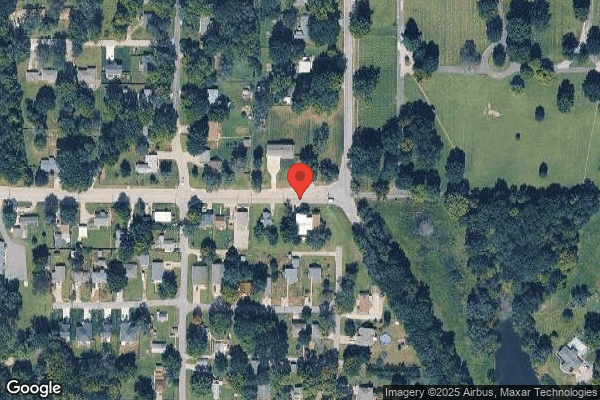
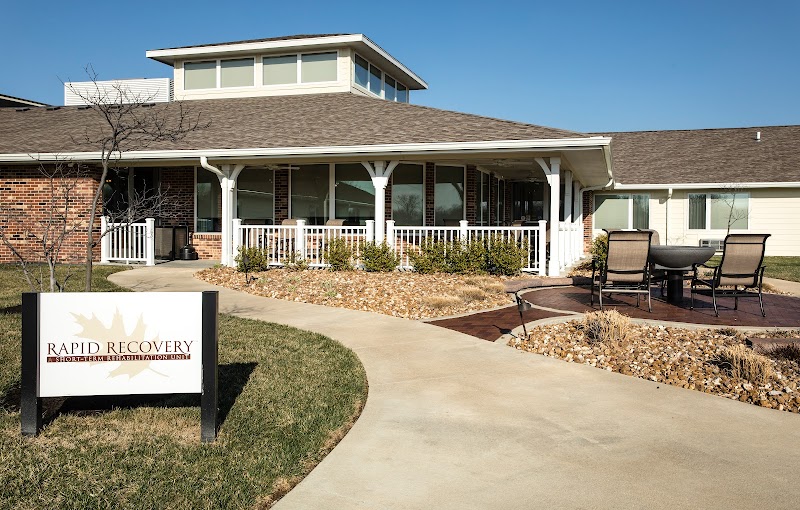
757 W EISENHOWER RD, LANSING, KS 66043 (913) 534-8336
For profit - Partnership 65 Beds MIDWEST HEALTH Data: November 2025 1 Immediate Jeopardy citation
Trust Grade
61/100
#97 of 295 in KS
Last Inspection: August 2024

Within standard 12-15 month inspection cycle. Federal law requires annual inspections.

Overview

Twin Oaks Health and Rehab has a Trust Grade of C+, which means it is considered decent, slightly above average, but not without its issues. It ranks #97 out of 295 facilities in Kansas, placing it in the top half, and #2 out of 5 in Leavenworth County, indicating that there is only one local option that is better. Unfortunately, the facility is experiencing a worsening trend, with the number of reported issues increasing from 5 in 2023 to 7 in 2024. Staffing is a strength, with a rating of 4 out of 5 stars and a turnover rate of 38%, which is below the state average. However, the facility has incurred fines of $14,521, which is average for Kansas, and there are significant concerns about safety and sanitation practices. For instance, a resident was injured when their wheelchair tipped over in a van because staff failed to secure it properly. Additionally, the kitchen was found to have unsanitary food storage practices, and there were issues with the grievance system not allowing residents to file complaints anonymously, which could affect their well-being. Overall, while Twin Oaks offers decent care and has some strengths, there are notable weaknesses that families should consider.

Trust Score
C+
61/100
In Kansas
#97/295
Top 32%
Safety Record
High Risk
Review needed
Inspections
Getting Worse
5 → 7 violations
Staff Stability
○ Average
38% turnover. Near Kansas's 48% average. Typical for the industry.
Penalties
⚠ Watch
$14,521 in fines. Higher than 80% of Kansas facilities, suggesting repeated compliance issues.
Skilled Nurses
✓ Good
Each resident gets 48 minutes of Registered Nurse (RN) attention daily — more than average for Kansas. RNs are trained to catch health problems early.
Violations
⚠ Watch
18 deficiencies on record. Higher than average. Multiple issues found across inspections.
★★★★☆
4.0
Overall Rating
★★★★☆
4.0
Staff Levels
★★☆☆☆
2.0
Care Quality
★★★★☆
4.0
Inspection Score
Stable
2023: 5 issues
2024: 7 issues

The Good

  • 4-Star Staffing Rating · Above-average nurse staffing levels
  • Full Sprinkler Coverage · Fire safety systems throughout facility
  • No fines on record
  • Staff turnover below average (38%)

    10 points below Kansas average of 48%

Facility shows strength in staffing levels, fire safety.

The Bad

Staff Turnover: 38%

Near Kansas avg (46%)

Typical for the industry

Federal Fines: $14,521

Below median ($33,413)

Minor penalties assessed

Chain: MIDWEST HEALTH

Part of a multi-facility chain

Ask about local staffing decisions and management

The Ugly 18 deficiencies on record

1 life-threatening
Aug 2024 7 deficiencies
CONCERN (D)

Potential for Harm - no one hurt, but risky conditions existed

Comprehensive Care Plan (Tag F0656)

Could have caused harm · This affected 1 resident

**NOTE- TERMS IN BRACKETS HAVE BEEN EDITED TO PROTECT CONFIDENTIALITY** The facility identified a census of 54. The sample included 14 residents with 14 reviewed for comprehensive care plans. Based on...

Read full inspector narrative →
**NOTE- TERMS IN BRACKETS HAVE BEEN EDITED TO PROTECT CONFIDENTIALITY** The facility identified a census of 54. The sample included 14 residents with 14 reviewed for comprehensive care plans. Based on observation, record review, and interview, the facility failed to develop comprehensive care plans that included Resident (R)39's activities of daily living (ADL) and incontinence care. This deficient practice placed the resident at risk for impaired care due to uncommunicated care needs. Findings included: - R39's Electronic Medical Record (EMR) from the Diagnoses tab documented diagnoses of cerebrovascular accident (CVA-stroke- sudden death of brain cells due to lack of oxygen caused by impaired blood flow to the brain by blockage or rupture of an artery to the brain), hemiparesis (muscular weakness of one half of the body), hemiplegia (paralysis of one side of the body), and dementia (progressive mental disorder characterized by failing memory, confusion). The admission Minimum Data Set (MDS) dated [DATE] documented a Brief Interview of Mental Status (BIMS) score of six which indicated severely impaired cognition. The MDS documented R39 was dependent on staff assistance for toileting, transfers, dressing, bathing, personal hygiene, and repositioning. The MDS documented R39 was at risk of developing pressure ulcers and had a history of falls prior to admission. The MDS documented R39 had functional limitations to one side of her upper and lower extremities. The MDS documented R39 was frequently incontinent of bladder and always incontinent of bowel. R39's Functional Abilities Care Area Assessment (CAA) dated 08/15/24 documented she required total staff assistance with her mobility and activities of daily living. R39's Urinary Incontinence and Indwelling Catheter CAA dated 08/15/24 documented she was incontinent of bowel and bladder and required total assistance from staff for toileting needs. R39's Falls CAA dated 08/15/24 documented she had a history of falls and a recent CVA and required total staff assistance with transfers. R39's Care Plan dated 07/25/24 directed the staff she took medications that had special warnings. The plan of care included interventions for advanced directives and her discharge plan. The plan of care dated 08/21/24 instructed staff about her restorative program. R39's Care Plan lacked direction to staff related to her ADL needs, prevention of falls, and incontinence care. On 08/27/24 at 09:24 AM R39 laid on her bed. She stated she had an accident and wet the bed. Observation revealed an incontinence brief laid on the floor next to the bed. On 08/29/24 at 10:06 AM, Certified Medication Aide (CMA) R stated everyone had access to the resident's care plan or the [NAME] (a nursing tool that gives a brief overview of the care needs of each resident). CMA R stated the care plan should have individualized interventions or approaches for residents with special needs. CMA R stated the facility used a spreadsheet that contained information about each resident and their care. CMA R stated the facility's spreadsheets were updated by the unit managers at least weekly. CMA R said if she had questions about what care was needed for a resident, she would ask the nurse. On 08/29/24 at 10:21 AM, Licensed Nurse (LN) H stated everyone had access to the resident's plan of care and [NAME] to review. LN H stated staff utilized care sheets for the CNAs; the unit managers made sure the resident's information was on the care sheets. LN H stated the resident's care plan should contain the information from the assessments completed at the time of admission or any changes to determine the care level. LN H stated any individualized interventions should be included in the resident's care plan so anyone who cared for that resident would know that information. On 08/29/24 at 10:30 AM, Administrative Nurse D stated that everyone had access to the resident's care plan and [NAME]. Administrative Nurse D stated that the unit managers, MDS coordinator, and herself would make changes and update the resident's plan of care. Administrative Nurse D stated the facility utilized paper care sheets that contained the resident's care information. Administrative Nurse D stated the assessments completed at the time of admission determined what level of care the resident required. Administrative Nurse D stated every resident's care plan should contain individualized and person-centered directions for the staff on the care each resident requires. The facility's Care Plan policy last updated 03/21/24 documented a care plan that would be developed for each resident that included measurable objectives to meet a resident's medical, nursing, mental, and psychosocial needs and are consistent with the resident's desires and preferences. The charge nurse was responsible for creating the initial baseline care plan within 48 hours after admission. The baseline care plan must be individualized to address the resident's specific needs. In addition to the baseline care plan, a black box warning care plan and an advance directive care plan must be created. Within 48 hours, the CAA/Care Plan Coordinator or designee must initiate the discharge care plan. This care plan should be designed to address the resident preferences and needs to enable discharge. It should be updated on an ongoing basis as the resident achieves goals and progresses toward discharge. The physician's orders are considered part of the overall plan of care; therefore, the details of the orders do not need to be included in the care plan interventions. A comprehensive care plan must be developed within seven days of completion of the MDS and CAAs or within 21 days after admission, whichever comes first. This care plan should reflect individualized problems, goals, and interventions based on the resident's preferences and wishes. The comprehensive care plan would be developed after completion of the MDS and CAAs with input from the care planning team, the resident, and the resident's family and/or representative. The facility failed to develop a comprehensive care plan for R39 which included individualized person-centered interventions for incontinence, and ADLs. This deficient practice placed R39 at risk for impaired care due to uncommunicated care needs.
CONCERN (D)

Potential for Harm - no one hurt, but risky conditions existed

Accident Prevention (Tag F0689)

Could have caused harm · This affected 1 resident

**NOTE- TERMS IN BRACKETS HAVE BEEN EDITED TO PROTECT CONFIDENTIALITY** The facility reported a census of 54 residents. The sample included 14 residents with four reviewed for accidents. Based on obse...

Read full inspector narrative →
**NOTE- TERMS IN BRACKETS HAVE BEEN EDITED TO PROTECT CONFIDENTIALITY** The facility reported a census of 54 residents. The sample included 14 residents with four reviewed for accidents. Based on observations, record reviews, and interviews, the facility failed to provide a safe environment free from accident hazards for Residents (R)15. This deficient practice placed the residents at risk for preventable accidents and injuries. Findings Included: - The Medical Diagnosis section within R15's Electronic Medical Records (EMR) noted diagnoses of Alzheimer's Disease (progressive mental deterioration characterized by confusion and memory failure), hypertension (high blood pressure), dysphagia (difficulty swallowing), impulse disorder (sudden, forceful, irresistible urges to do something), and polyneuropathy (pain related to damaged neural pathways). R15's Significant Change Minimum Data Set (MDS) dated [DATE] documented a Brief Interview of Mental Status (BIMS) score of six indicating severe cognitive impairment. The MDS indicated she was dependent on staff for assistance with dressing, toileting, bed mobility, bathing, and personal hygiene. The MDS indicated she used a wheelchair and was dependent on staff for mobility. The MDS indicated she had two or more non-injury falls since her last assessment. R15's Falls Care Area Assessment (CAA) completed 06/06/24 indicated she was at risk for falls related to her impaired cognition, medical diagnoses, and history of falls. The CAA noted she required extensive assistance with her transfers and mobility. The CAA noted a care plan will be created to minimize the risks related to falls. R15's Care Plan initiated on 09/20/20 indicated she required extensive assistance from staff for bed mobility, transfers, bathing, dressing, toileting, and personal hygiene. The plan noted she was at risk for falls and used a smaller wheelchair for mobility. The plan indicated she required a Dycem (non-slip mat) in her wheelchair to prevent her from slipping out. The plan instructed staff to encourage the use of her call light and anticipate her needs. R15's EMR under Progress Note revealed she had a non-injury fall while being transferred to her bed. The note indicated R15's feet were dragging as direct care staff attempted to position her wheelchair next to her bed. The note indicated R15 attempted to lift herself out of her wheelchair resulting in her falling on her bed. The note indicated she was assessed with no injuries. R15's EMR under Progress Notes revealed a note completed on 01/02/24. The note indicated R15 had a history of dropping her feet while being pushed in her wheelchair and the facility will discuss safety concerns with R15's representative. On 08/27/24 at 08:10 AM staff pushed R15 from her room to the dining room table. R15's wheelchair lacked foot pedals and her feet made contact with the floor several times while being moved into position at the table. On 08/29/24 at 10:11 AM Certified Medication Aide (CMA) R stated all the residents' wheelchairs had foot pedals, but some residents preferred to be pushed without pedals. She stated the resident's feet should never drag or touch the ground during transport due to the risk of injury or falling. On 08/29/24 at 10:28 AM Licensed Nurse (LN) G stated residents that who were cognitively impaired or had lower body weakness should never be pushed without the foot pedals. She stated resident's feet should never be sliding or dragging while being pushed in the wheelchair. On 08/29/24 at 10:35 AM Administrative Nurse D stated staff were expected to utilize the foot pedals when pushing residents around the facility. She stated the foot pedals should be removed at times for residents that can safely propel themselves around the facility. The facility's Falls policy revised 04/2018 indicated the facility will implement systems to reduce the risk of falls based on each resident's assessed needs and treatment. The policy indicated the facility will identify factors including environmental hazards, change of condition, medications, and adaptive equipment to minimize the risks related to falls and implement interventions. The facility failed to ensure an environment free from accident hazards for R15. This deficient practice placed R15 at risk for preventable accidents and injuries.
CONCERN (D)

Potential for Harm - no one hurt, but risky conditions existed

Deficiency F0700 (Tag F0700)

Could have caused harm · This affected 1 resident

The facility identified a census of 54 residents. The sample included 14 residents with four residents reviewed for accidents. Based on observation, record review, and interviews, the facility failed ...

Read full inspector narrative →
The facility identified a census of 54 residents. The sample included 14 residents with four residents reviewed for accidents. Based on observation, record review, and interviews, the facility failed to ensure that Resident (R)25 had a documented safety assessment for the use of side rails that addressed entrapment, consent for the use of the side rails, and failed to ensure the resident and/or responsible party were advised of the risks and/or benefits of the use of the side rails. This placed the R25 at risk for uninformed decisions and impaired safety related to the risks associated with the use of side rails. Findings Included: - The Medical Diagnosis section within R25's Electronic Medical Records (EMR) noted diagnoses of Alzheimer's disease (progressive mental deterioration characterized by confusion and memory failure), major depressive disorder (major mood disorder), spondylosis (degeneration of the vertebral column, and compression fracture of the vertebrae (broken bone of the spinal column). R25's Annual Minimum Data Set (MDS) revealed a Brief Interview for Mental Status (BIMS) score of four indicating severe cognitive impairment. The MDS indicated he was dependent on staff for assistance with bathing, dressing, toileting, personal hygiene, and transfers. The MDS noted he required partial to moderate assistance with bed mobility. The MDS noted he had one injury fall since admission. The MDS indicated he had no restraints or bed rails in use. R25's Falls Care Area Assessment (CAA) completed 05/28/24 indicated he was at risk for falls related to his medical diagnoses. The CAA noted he had a history of wandering. The CAA noted he made his needs known but his cognitive status was expected to decline due to his Alzheimer's disease. R25's Care Plan initiated on 06/08/23 indicated he required staff assistance with his activities of daily living (ADLs). The plan indicated he was at risk for falls related to his medical diagnoses. The plan instructed staff to ensure his call light remained within reach and for staff to encourage him to use it. The plan indicated he used a bed cane to help with transfers and bed mobility. R25's EMR under evaluations revealed a Quarterly Assessment completed on 08/14/24. The assessment included a Bed Mobility Device evaluation that indicated R25 had a bed cane that enabled his mobility. The evaluation noted he had a left-side bed cane that enabled his bed mobility but did not impair his ability to get out of his bed. R25's EMR lacked a safety assessment for the use of his bed cane which addressed the risk of entrapment between the device and the mattress, a consent for the use, and failed to ensure the resident and/or responsible party were advised of the risks and/or benefits of the use of the bed canes. The facility was unable to provide this documentation as requested on 08/29/24. On 08/28/24 at 08:05 AM R25 rested in his bed. R25 lay on his left side. R25 reported he had minor pain in his lower back and was ready for breakfast. R25's bed had a left-side bed cane (side rail) and R25 reported he used it to reposition himself but required staff assistance. On 08/29/24 at 10:20 AM Licensed Nurse (LN) G stated bed rails were assessed quarterly and upon application. She stated she was not sure if the documentation reflected risks associated with entrapment or the type of mattresses used. She stated most of the bed rails were left in the down position when applied and used as needed. She stated staff were expected to make sure no gaps were in between the mattress and the railing. On 08/29/24 at 10:35 AM Administrative Nurse D stated R25 had a bed cane installed and the facility did not assess bed canes as they would side rails. She stated R25's quarterly assessment indicated he had a bed cane, and it was not a restraint to him. She stated the facility would not complete consent or assess entrapment risks for the bed canes. The facility's Bed Mobility Device policy revised 11/2017 indicated all bed mobility devices that included side rails, bed canes, transfer poles, trapezes, and repositioning devices would be properly assessed for appropriate indication and safe use. The facility failed to ensure that R25 had a documented safety assessment for the use of side rails that addressed entrapment, a consent for the use of the side rails, and failed to ensure the resident and/or responsible party were advised of the risks and/or benefits of the use of the side rails. This placed the R25 at risk for uninformed decisions and impaired safety related to the risks associated with the use of side rails.
CONCERN (D)

Potential for Harm - no one hurt, but risky conditions existed

Deficiency F0883 (Tag F0883)

Could have caused harm · This affected 1 resident

The facility identified a census of 54 residents. The sample included 14 residents with five reviewed for immunization status. Based on record reviews, and interviews, the facility failed to obtain co...

Read full inspector narrative →
The facility identified a census of 54 residents. The sample included 14 residents with five reviewed for immunization status. Based on record reviews, and interviews, the facility failed to obtain consent or declinations for the Pneumococcal Conjugate Vaccine (PCV20- vaccination for bacterial infections) pneumococcal (type of bacterial infection) vaccination for Resident (R) 2, R15, and R37. This placed the residents at increased risk for complications related to pneumonia. Findings included: - A review of R2's clinical record revealed the Pneumococcal Conjugate Vaccine 13 (PCV13) was administered on 10/14/19 and the Pneumococcal Polysaccharide Vaccine 23 (PPSV23) required consent. R2's clinical record lacked documentation the PCV20 was offered or declined and lacked documentation of a historical administration. A review of R15's clinical record revealed the PCV13 was administered on 09/30/15 and the PPSV23 was administered on 09/18/17. R15's clinical record lacked documentation the PCV20 was offered or declined and lacked documentation of a historical administration. A review of R37's clinical record revealed the PCV13 was administered on 05/09/18 and the PPSV23 was administered on 11/04/19. R37's clinical record lacked documentation the PCV20 was offered or declined and lacked documentation of a historical administration. Upon request for R2's declination or administration of the PCV20 vaccine, the facility provided an updated consent form. Upon request for R15's declination or administration of the PCV20 vaccine, the facility provided a consent form dated 08/28/24. Upon request for R37's declination or administration of the PCV20 vaccine, the facility provided a consent form dated 08/28/24. On 08/28/24 at 10:45 AM Administrative Nurse D, the facility Infection Preventionist, stated she was the person responsible for tracking resident's immunizations. Administrative Nurse D stated she tracked the resident's immunizations on a spreadsheet. Administrative Nurse D stated she had spoken with R2's family representative and had received verbal consent to administer the PCV20. Administrative Nurse D stated she had left a message for R15's family representative for consent or declination for the PCV20. Administrative Nurse D stated R37 consented to receive the PCV20. Administrative Nurse D stated R2 and R37 would receive the immunizations when delivered from the pharmacy. The facility's Immunizations: Pneumococcal policy last revised 11/2017 documented that pneumococcal vaccinations would be offered to all residents per Centers for Disease Control and Prevention (CDC) guidelines. At the time of admission, the resident, resident representative, or attending physician would be contacted to obtain a history of previous pneumococcal vaccination. The facility failed to offer PCV20 or obtain informed declinations for R2, R15, and R37 who were eligible to receive the vaccination. This placed R2, R15, and R37 at increased risk for acquiring, transmitting, or experiencing complications from the pneumococcal disease.
CONCERN (E)

Potential for Harm - no one hurt, but risky conditions existed

Grievances (Tag F0585)

Could have caused harm · This affected multiple residents

The facility identified a census of 54 residents. The sample included 14 residents. Based on observation, record review, and interviews, the facility failed to implement a system to allow residents an...

Read full inspector narrative →
The facility identified a census of 54 residents. The sample included 14 residents. Based on observation, record review, and interviews, the facility failed to implement a system to allow residents and/or their representatives to file grievances anonymously. This deficient practice placed the residents at risk for decreased psychosocial well-being and unresolved grievances and concerns. Findings Included: - On 08/27/24 at 07:00 AM a walkthrough of the facility was completed. An inspection of the main entry lobby revealed a grievance box posted to the left side of the lobby. A grievance form bin was next to the grievance box but lacked available grievance forms. The form bin remained empty throughout the survey exit on 08/29/24 at 12:00 PM On 08/28/24 at 01:30 PM, the Resident Council members reported a grievance drop-box was posted in the main lobby. The council reported they would have to ask staff for the forms to fill out and then could either give the forms to staff or put them in the box. The council reported they were not aware if they could get the forms without asking staff. On 08/29/24 at 10:03 AM Social Service Staff X stated the grievance forms were kept at the nurse stations and the main lobby desk for the residents to fill out. She stated the residents could ask staff to get the forms and drop them off to either herself or the administration office. She stated residents on the units with locked doors could also ask staff to bring them to the main lobby to fill one out. She was not aware the main lobby grievance form bin had no forms available for the residents and their visitors and stated she would put the forms in the bin. On 08/29/24 at 10:15 AM Certified Medication Aide (CMA) R stated she was not sure if the facility had a grievance form available in the common areas for the residents to fill out but stated the forms were kept at the nurses' stations. She stated the residents could ask the staff to get the forms. The facility's Grievances policy revised 11/2017 indicated the facility would ensure each resident's right to file a grievance in writing, verbally, or anonymously. The policy indicated the facility will ensure the grievances were documented and ensure all written decision included corrective actions and prompt resolution. The facility failed to implement a system to allow residents and/or their representatives to file grievances anonymously within the facility. This deficient practice placed the residents at risk for decreased psychosocial well-being and unresolved grievances.
CONCERN (F)

Potential for Harm - no one hurt, but risky conditions existed

Food Safety (Tag F0812)

Could have caused harm · This affected most or all residents

The facility identified a census of 54 residents with one kitchen and three dining rooms. Based on observation, record review, and interviews, the facility failed to follow sanitary dietary standards ...

Read full inspector narrative →
The facility identified a census of 54 residents with one kitchen and three dining rooms. Based on observation, record review, and interviews, the facility failed to follow sanitary dietary standards related to the storage of cookware, dishware, and food. These deficient practices placed the residents at risk related to food-borne illnesses and food safety concerns. Findings Included: - A walkthrough of the facility's kitchen completed on 08/27/24 at 07:04 AM revealed the following: The dishware storage rack revealed plates, open salt/pepper shakers, and a cake pan stored uncovered and upward. The kitchen's ice machine scoop was stored directly on top of the ice machine without a barrier or sanitary container. The reach-in refrigerator had two opened but undated one-quart box containers of apple juice. The kitchen's brewing station had an uncovered metal tin container of tea left open to the air. The facility walk-in freezer's air condenser unit leaked condensation ice onto eight 3-gallon containers of ice cream. On 08/29/24 at 10:59 AM, Dietary Staff BB stated the plates and dishware should be stored facing downward. He stated staff were expected to date and label all food products as it's opened. He removed the ice cream containers and stated the walk-in freezer would be inspected. The facility's Storage Guidelines policy revised 11/2017 indicated the facility will ensure all food and supplies will be stored appropriately to ensure quality and maximize the safety of the food. The facility failed to follow sanitary dietary standards related to the storage of cookware, dishware, and food. These deficient practices placed the residents at risk related to food-borne illnesses and food safety concerns.
MINOR (C)

Minor Issue - procedural, no safety impact

Staffing Information (Tag F0732)

Minor procedural issue · This affected most or all residents

The facility identified a census of 54 residents. The sample included 14 residents. Based on record review and interview, the facility failed to ensure daily posted nurse staffing data included the fa...

Read full inspector narrative →
The facility identified a census of 54 residents. The sample included 14 residents. Based on record review and interview, the facility failed to ensure daily posted nurse staffing data included the facility census. Findings included: - Daily staffing hour sheets were requested from the past 18 months. The daily staffing sheets reviewed from 01/01/24 to 08/01/24 lacked the daily facility census number. On 08/29/24 at 10:31 AM, Administrative Nurse D stated she had tried a couple of different methods for making sure the daily posted nursing hours were completed which included the census number on them. Administrative Nurse D stated she had realized that the facility had still not been getting them completed. Administrative Nurse D stated she had appointed the responsibility of completing the daily posted staffing hours to the night charge nurse. The Daily Nurse Staff Posting policy revised on November 28, 2017, documented: At the beginning of each shift, the number of licensed nurses and the number of unlicensed nursing personnel who provided direct care to the residents would be posted using the Daily Nurse Staffing Form. Shift posting information would include only the number of full-time equivalents on duty for that day for that shift. Daily postings would be recorded on each facility's Daily Nurse Staffing Form, which would be retained for 18 months. The facility failed to ensure daily posted nurse staffing data included the facility census.
Jul 2023 1 deficiency 1 IJ
CRITICAL (J) 📢 Someone Reported This

A family member, employee, or ombudsman was alarmed enough to file a formal complaint

Immediate Jeopardy (IJ) - the most serious Medicare violation

Accident Prevention (Tag F0689)

Someone could have died · This affected 1 resident

**NOTE- TERMS IN BRACKETS HAVE BEEN EDITED TO PROTECT CONFIDENTIALITY** The facility identified a census of 42 residents. The sample included three residents with one resident reviewed for accidents. ...

Read full inspector narrative →
**NOTE- TERMS IN BRACKETS HAVE BEEN EDITED TO PROTECT CONFIDENTIALITY** The facility identified a census of 42 residents. The sample included three residents with one resident reviewed for accidents. Based on observation, record review, and interview, the facility failed to provide a safe environment free from preventable accidents for Resident (R) 1. On 07/12/23 Certified Nurse Aide (CNA) M wheeled R1 into the transportation van to transport R1 to the dialysis (a type of treatment that helps remove extra fluid and waste products from the blood when the kidneys are not able to) center. CNA M intentionally did not hook in/secure the front wheels of R1's wheelchair as required to safely secure R1 in the van for transport. CNA N then drove the van 0.2 miles away. When CNA N accelerated the van into the parking lot, R1's wheelchair tipped over. R1, who received blood thinners daily, hit his head on the wheelchair ramp and sustained an abrasion to the back of his head, a bruise to his chest and sternum, and two small skin tears to his hand. Facility staff failed to safely anchor the front of R1's wheelchair during transport in a motor vehicle which placed R1 in immediate jeopardy. Findings included: - R1 admitted to the facility on [DATE] and discharged on 07/13/23. R1's Electronic Medical Record (EMR), under the Diagnosis tab recorded diagnoses of acute kidney failure, ischemic cardiomyopathy (a condition of weakened heart muscles due to heart attack or coronary heart disease), long term use of anticoagulants (blood thinners), and chronic obstructive pulmonary disease (COPD - progressive and irreversible condition characterized by diminished lung capacity and difficulty or discomfort in breathing). The admission Minimum Data Set (MDS) dated [DATE] documented a Brief Interview for Mental Status (BIMS) score of 15, which indicated intact cognition. The MDS recorded R1 weighed 309 pounds (lbs). R1 required limited assistance of one staff member for bed mobility, transfers, walk in room, walk in corridor, locomotion on unit, and personal hygiene. R1 required extensive assistance of one person for locomotion off the unit. The MDS recorded R1 received an anticoagulant (blood thinner) medication for all seven of the look-back days. The Activities of Daily Living (ADL) Care Area Assessment (CAA) dated 07/03/23 documented R1 required dialysis treatment Tuesday, Thursday, and Saturday. The Dialysis Care Plan dated 06/26/23 documented R1 went to dialysis three days per week: Tuesday, Thursday, and Saturday. The eInteract SBAR Summary for Provider Note dated 07/12/23 at 10:30 AM documented R1 fell backwards in the transportation van on the way to dialysis. R1 hit his head on the ramp inside the van and obtained skin tears to his hand. R1's physician ordered an emergency room visit for head, neck, and back computed tomography (CT- test using x-ray technology to make multiple cross-sectional views of organs, bone, soft tissue, and blood vessels) due to Eliquis (blood thinner medication) use. R1 agreed to go after he completed his dialysis. The General Note dated 07/12/23 at 04:45 PM documented R1 stated when he fell backwards in the van his wheelchair pushed back into him, squeezing his chin into his chest. A Witness Statement dated 07/12/23, by CNA M documented R1 was loaded in the back of the van with the seat belt and the rear hooks fastened, but not the front hooks. CNA M stated when CNA N drove out of the parking lot, R1 asked her to ease up on the gas. CNA M documented CNA N then accelerated very fast, causing R1 to fall backwards in his wheelchair. A Witness Statement dated 07/12/23, by CNA N, documented CNA M loaded R1 into the van and closed the van door. CNA N documented CNA M stated he would strap R1 into the transportation van. The statement further noted R1 was not strapped in, leading him to fall backwards in the van, hitting his head. A Witness Statement dated 07/17/23, by Administrative Nurse D, documented CNA M notified her in person that at approximately 10:30 AM, in route to the dialysis center, R1's wheelchair flipped backwards with the resident in it when CNA N accelerated. Administrative Nurse D documented CNA M reported he did not have front hooks connected to R1's wheelchair, so the wheelchair was not secured properly. CNA M reported he purposely left it unsecured due to the close proximity of the destination and the weight of R1. Administrative Nurse D recorded CNA M reported R1 hit his head and obtained a few small skin tears. She further documented that CNA M reported R1 was upset because CNA N hit the gas too hard though R1 had asked CNA N to take it easy on the gas pedal. Administrative Nurse D documented she spoke with R1's representative, physician, and dialysis nurse and informed all of the incident which occurred due to R1 not being strapped in properly. The dialysis nurse reported to Administrative Nurse D that R1 had two small skin tears and no marks but then later called back and reported that R1 started to complain of neck/back pain and reported a small abrasion to the back of R1's head under his hair. On 07/24/23 at 12:51 PM observation revealed the facility transportation van had a back door that lifted up, and a ramp that pulled down to the ground for the wheelchairs to be pushed up and into the middle of the van. The middle of the van had four hooks/safety belts on the floor of the van at the four corners where the wheelchair was placed, two for the back and two foe front. On 07/24/23 CNA M no longer worked at the facility and was unavailable for interview. On 07/24/23 CNA N was unable to be reached for interview. On 07/24/23 at 01:24 PM Administrative Staff A stated that incident occurred when CNA N pulled into the dialysis center parking lot. Administrative Staff A revealed that CNA M stated the wheelchair locks/hooks were not applied to the front of R1's wheelchair as they should have been. Administrative Staff A further stated she expected all wheelchairs to be locked in with all hooks and safety straps implemented for every van transport. She reported the facility created and implemented a checklist to prevent events like the incident with R1 from reoccurring. The Facility's Occurrences Policy revised 11/28/17 documented the facility would ensure that each resident received adequate supervision and assistive devices to reduce risk of occurrences. The facility staff intentionally failed to safely anchor the front of R1's wheelchair during transport in a motor vehicle which placed R1 in immediate jeopardy. The facility implemented the following corrective actions related to this incident: Involved CNA staff were suspended during the investigation. CNA N completed Distracted Driver and Defensive Driver training. All facility drivers completed a new transportation van competency which included training and competency checks on securing the wheelchair and securing the passenger. A transport checklist was created and implemented for future transports which included ensuring wheelchair brakes were locked, front and rear hooks secured, lap belt in place, and shoulder belt in place. All corrective actions were completed by 07/17/23, prior to the onsite survey, therefore the deficient practice was cited as past noncompliance at the scope and severity of J.
Feb 2023 4 deficiencies
CONCERN (D)

Potential for Harm - no one hurt, but risky conditions existed

Transfer Notice (Tag F0623)

Could have caused harm · This affected 1 resident

**NOTE- TERMS IN BRACKETS HAVE BEEN EDITED TO PROTECT CONFIDENTIALITY** - R27 admitted to the facility on [DATE], transferred to the hospital on [DATE], and readmitted to the facility on [DATE]. The ...

Read full inspector narrative →
**NOTE- TERMS IN BRACKETS HAVE BEEN EDITED TO PROTECT CONFIDENTIALITY** - R27 admitted to the facility on [DATE], transferred to the hospital on [DATE], and readmitted to the facility on [DATE]. The Diagnosis tab of R27's Electronic Medical Record (EMR) documented diagnoses of chronic obstructive pulmonary disease (COPD-progressive and irreversible condition characterized by diminished lung capacity and difficulty or discomfort in breathing) and vascular dementia (a progressive mental disorder characterized by failing memory and confusion caused by a decreased blood flow to the brain). The Annual Minimum Data Set (MDS) dated 06/17/22, documented R27 had a Brief Interview for Mental Status (BIMS) score of eight which indicated moderate cognitive impairment. The Quarterly MDS dated 12/02/22, documented R27 had a BIMS score of six which indicated severe cognitive impairment. The Cognitive Loss/Dementia Care Area Assessment (CAA) dated 12/02/22, documented R27 had a BIMS score of eight indicating moderately impaired cognition. The Cognitive Loss Care Plan dated 06/29/21, documented R27 had cognitive loss related to a diagnosis of dementia and directed staff to reorientate R27 when he was confused. The Notes tab of R27's EMR revealed a General Note on 12/07/22 at 08:35 PM that documented a condition change, and the provider gave permission to send R27 to the ER. R27's EMR revealed a Skilled Nursing Facility/Nursing Facility Transfer Form that documented report was called in to the emergency room (ER) nurse on 12/07/22 at 09:00 PM and R27's family was notified of the transfer via telephone. Upon request, the facility was unable to provide a written notification of transfer for R27's 12/07/22 transfer. 02/22/23 12:32 PM R27 sat in a chair in the dining room and ate lunch independently. Staff checked on him as he ate, and he conversed with a visitor. He appeared clean and comfortable, there was no odor noted. On 02/23/23 at 02:46 PM Licensed Nurse (LN) H stated the facility typically would call the family member/DPOA to notify them of a transfer but was not sure if anything was mailed to them or provided in writing. On 02/23/23 at 03:09 PM, Social Services X stated she did not do anything with written notifications of transfer. On 02/23/23 at 03:15 PM Administrative Nurse D stated the facility called the family member/DPOA, but a written notice of transfer was not given to the resident or DPOA. The facility policy Discharge Criteria dated November 28,2017 documented that each written transfer or discharge notice shall include the following: The specific reason for the transfer or discharge. The effective date of the transfer or discharge; the location to which the resident is being transferred or discharged . A statement of the resident's appeal rights, including the name, address, and telephone of the Kansas Department for Aging and Disability Services, information on how to obtain and appeal form, and assistance in completing the form and submitting the appeal hearing request. The address and telephone number of the State Long-Term Care Ombudsman. For residents who have intellectual and developmental disabilities or related disabilities, the mailing and email address and telephone number of the agency responsible for the protection and advocacy of individuals with developmental disabilities established under Part C of the Developmental Disabilities Assistance and [NAME] of Rights Act of 2000. For residents with a mental disorder or related disabilities, the mailing and email address and telephone number of the agency responsible for the protection and advocacy of individuals with a mental disorder established under the Protection and Advocacy for Mentally Ill Individuals Act. The facility failed to provide a written notification of transfer with the required information to R27 or to his family/DPOA in a practicable amount of time. This deficient practice had the risk of miscommunication between facility and resident/family and possible missed opportunity for healthcare service for R27. The facility identified a census of 44 residents. The sample included 15 residents with two residents reviewed for hospitalization. Based on observation, record review, and interviews, the facility failed to provide a written notification of transfers with the required information to Resident (R) 3 and R27 or to their family/durable power of attorney (DPOA- legal document that named a person to make healthcare decisions when the resident was no longer able to) in a practicable amount of time. This deficient practice had the risk of miscommunication between facility and resident/family and possible missed opportunity for healthcare service for R3 and R27. Findings included: - The Diagnoses tab of R3's Electronic Medical Record (EMR) documented diagnoses of hemiplegia and hemiparesis (paralysis and weakness that affects one side of the body), chronic obstructive pulmonary disease (COPD-progressive and irreversible condition characterized by diminished lung capacity and difficulty or discomfort in breathing), respiratory failure (a serious condition that makes it difficult to breathe on your own). The Annual Minimum Data Set (MDS) dated 05/09/22, documented R3 had a Brief Interview for Mental Status (BIMS) score of 15 which indicated intact cognition. R3 required extensive assistance to total dependence on staff of two or more for activities of daily living (ADLs). The Quarterly MDS dated 01/12/23 documented R3 had a BIMS score of 15 which indicated intact cognition. R3 required extensive assistance to total dependence on two or more staff for her ADLs. Thee ADL Care Area Assessment (CAA) dated 5/17/22, documented R3 required the assistance of two or more staff for ADLs. The ADL Care Plan dated 08/25/19, documented R3 required assistance of two staff for ADLs of dressing, toileting, turning, and bathing. R3 admitted to the facility on [DATE], R3 was transferred to the hospital on the following dates 04/26/22 and returned to the facility on [DATE]. R3 was transferred to the hospital on [DATE], 08/10/22, 11/24/22 and 12/30/22. Upon request, the facility provided a Skilled Nursing Facility (SNF)/Nursing Facility (NF) to Hospital Transfer Form) dated 04/26/22 but was unable to provide a written notification of transfer to R3 or the DPOA. Upon request, the facility provided a SNF/NF Hospital Transfer Form dated 07/30/22 but was unable to provide a written notification of transfer to R3 or the DPOA. Upon request, the facility provided a SNF/NF Hospital Transfer Form dated 08/10/22 but was unable to provide a written notification of transfer to R3 or the DPOA. Upon request, the facility provided a SNF/NF Hospital Transfer Form dated 11/24/22 but was unable to provide a written notification of transfer to R3 or the DPOA. Upon request, the facility provided a SNF/NF Hospital Transfer Form dated 12/30/22 but was unable to provide a written notification of transfer to R3 or the DPOA. On 02/21/23 at 01:50 PM R3 laid in her bed, head of bed elevated and supplemental oxygen on via nasal canula (device used to deliver supplemental oxygen or increased airflow to a patient or person in need of respiratory help). On 02/23/23 at 01:45 PM R3 sat in her bed. Staff attended to R3. On 02/23/23 at 02:46 PM Licensed Nurse (LN) H stated the facility typically would call the family member/DPOA to notify them of a transfer but was not sure if anything was mailed to them or provided in writing. On 02/23/23 at 03:09 PM Social Services X stated the nurse on floor contact EMS, call the DPOA let them know, may ask her to call Poi. The business office manager called about the bed hold; the nurse followed up on the bed hold. The ombudsman was notified every month. The nurses entered a note in EMR, that the physician and DPOA were notified. Social Services X stated she did not anything with written notification. On 02/23/23 at Administrative Nurse D stated the facility called the family member/DPOA but a written notice of transfer was not given to the resident or DPOA. On 02/23/22 at 03:43 PM Administrative Staff A stated the facility would call to notify the resident or DPOA when a resident was sent out to the hospital but did not send a written notification of transfer/discharge. The facility policy Discharge Criteria dated November 28,2017 documented that each written transfer or discharge notice shall include the following: The specific reason for the transfer or discharge. The effective date of the transfer or discharge; the location to which the resident is being transferred or discharged . A statement of the resident's appeal rights, including the name, address, and telephone of the Kansas Department for Aging and Disability Services, information on how to obtain and appeal form, and assistance in completing the form and submitting the appeal hearing request. The address and telephone number of the State Long-Term Care Ombudsman. For residents who have intellectual and developmental disabilities or related disabilities, the mailing and email address and telephone number of the agency responsible for the protection and advocacy of individuals with developmental disabilities established under Part C of the Developmental Disabilities Assistance and [NAME] of Rights Act of 2000. For residents with a mental disorder or related disabilities, the mailing and email address and telephone number of the agency responsible for the protection and advocacy of individuals with a mental disorder established under the Protection and Advocacy for Mentally Ill Individuals Act. The facility failed to provide a written notification of transfer with the required information to R3 or to her family/DPOA in a practicable amount of time. This deficient practice had the risk of miscommunication between facility and resident/family and possible missed opportunity for healthcare service for R3.
CONCERN (D)

Potential for Harm - no one hurt, but risky conditions existed

Deficiency F0657 (Tag F0657)

Could have caused harm · This affected 1 resident

**NOTE- TERMS IN BRACKETS HAVE BEEN EDITED TO PROTECT CONFIDENTIALITY** The facility identified a census of 44 residents. The sample included 15 residents. Based on observation, record review and inte...

Read full inspector narrative →
**NOTE- TERMS IN BRACKETS HAVE BEEN EDITED TO PROTECT CONFIDENTIALITY** The facility identified a census of 44 residents. The sample included 15 residents. Based on observation, record review and interview, the facility failed to revise the care plan for Resident (R) 4 to include interventions and treatments for a pressure ulcer (a localized injury to the skin and/or underlying tissue usually over a bony prominence, as a result of pressure, or pressure in combination with shear and/or friction) treatment. This deficient practice placed R4 at risk for further avoidable skin damage. Findings included: - The electronic medical record (EMR) for R4 documented diagnoses of: diabetes mellitus (DM-when the body cannot use glucose, not enough insulin made or the body cannot respond to the insulin), atherosclerotic heart disease (plaque buildup inside the arteries reduces the blood flow), and a fatty liver (fat inside your liver that can, over time, affect liver function and cause liver injury). The Annual Minimum Data Set (MDS) dated [DATE] documented R4 had a Brief Interview for Mental Status (BIMS) score of 10 which indicated moderately impaired cognition. R4 required extensive assistance of two staff for activities of daily living (ADLs). R4 was at risk for pressure ulcers but had no unhealed wounds. R4 used a pressure reducing device for her chair and bed. The Pressure Ulcer/Injury Care Area Assessment dated 12/29/22 documented R4 had no pressure ulcers or open areas at this time, however, was at increased risk for skin breakdown. A Braden assessment (an evaluation of a person's risk of developing a pressure ulcer) score of 13 shows a moderate risk. R4 had orders for vitamin A & D ointment (medication is used as a moisturizer to treat or prevent dry, rough, scaly, itchy skin and minor skin irritations) to the sacrum for protection. R4 was always incontinent of bowel and bladder which created moisture to the skin which increased risk. R4 did not ambulate and got around in a wheelchair propelled by staff. R4 required staff max assistance for repositioning with two staff. R4 had pressure reducing mattress to the bed and a cushion for her wheelchair for prevention of skin breakdown. The Skin Care Plan last revised on 02/21/23 documented R4 was incontinent and needed to keep skin clean and dry. R4 was not able to reposition herself alone, staff to help move about and shift position frequently to reduce the risk of skin breakdown. R4 had a pressure reducing mattress that helped reduce pressure to keep her from getting pressure sores. R4 used a pressure reducing cushion in her wheelchair to prevent skin breakdown. A licensed nurse would complete weekly skin assessments. Staff was to look over her skin every time bathed or cares given and notify the nurse of any new skin issues so they could be taken care of right away. An Order dated 08/18/21 for Vitamin A & D ointment to be applied to the sacrum topically as needed for preventative skin care twice daily and as needed with brief changes. Apply to sacrum topically twice a day for preventative skin care. A physician's Order dated 01/12/23 discontinued the Vitamin A & D ointment. An Order dated 01/26/23 for Skin-prep (a liquid film-forming dressing that, upon application to intact skin, forms a protective film to help reduce friction) to sacrum two times a day for suspected deep tissue injury (SDTI a localized area of discolored intact skin or blood-filled area). Apply skin prep to intact, maroon discoloration twice daily. Notify physician of worsening skin condition or signs/symptoms of infection. This order was discontinued 02/02/23. An Order dated 02/02/23 for skin-prep to sacrum two times a day for stage I. Apply skin prep to intact, non-blanchable erythema twice daily. Notify physician of worsening skin condition or signs/symptoms of infection. A Skin/Wound Note on 11/29/22 at 12:36 PM documented moisture associated skin damage (MASD-inflammation or skin erosion caused by prolonged exposure to a source of moisture such as urine, stool, sweat, wound drainage, saliva or mucous) to the gluteal cleft, resolved. Due to patient's ongoing loose stools, recommend continuation of Vitamin A & D ointment twice daily and as needed with brief changes. Dietary is consulting to ensure patient with adequate protein intake for optimal wound healing. A Skin/Wound Note dated 11/29/22 at 01:05 PM documented MASD to the sacrum was resolved. R4 was seen by the wound care nurse practitioner. Order to continue vitamin A & D ointment twice daily and as needed for preventative skin care. A Skin/Wound Note dated 01/31/23 at 01:06 PM documented R4 was consulted for wound care per primary care provider (PCP) for sacral wound. Previously seen for stage II (the skin breaks open, wears away, or forms an ulcer, which is usually tender and painful) pressure wound to sacral region in August 2021. The sacral area presented with an area of non-blanchable erythema measuring 0.9 centimeter (cm) by 1.3 cm. Plan: skin prep twice daily, monitor closely and attempt to offload as much as possible using pillows or side wedges to help with side-to-side lying positions while in bed. A Skin/Wound Note dated 02/07/23 at 02:10 PM documented patient consulted for wound care per primary care provider (PCP) for sacral wound. Previously seen for stage II pressure wound to sacral region in August 2021. The sacral area presents with an area of non-blanchable erythema measuring one cm by 4.6cm Plan: skin prep twice daily, monitor closely and attempt to offload as much as possible using pillows or side wedges to help with side-to-side lying positions while in bed. A Progress Note dated 02/15/23 by Administrative Nurse D documented that R4's Vitamin A & D ointment had been discontinued. A Skin/Wound Note dated 02/21/23 at 2:44 PM documented the sacral region presents with a 0.2cm by 0.4 cm by 1 cm open ulceration. Wound bed was 100 percent pink and smooth. Mild blanchable surrounding erythema present. There was minimal serous (clear) drainage. A Stage II pressure wound to the sacral region. Apply silicone barrier cream twice daily and as needed with brief changes. Offload as much as possible using pillows or side wedge to help with side to side lying positions while in bed. Dietary consulting to ensure patient was with adequate protein intake for optimal wound healing. On 02/22/23 at 07:47 AM R4 sat in her wheelchair in her room with a cushion noted in chair, and low air loss mattress noted on the bed. On 02/22/23 at 12:25 PM R4 sat in her wheelchair at the dining table, with a cushion noted in wheelchair. The resident had shoes and socks on her feet. On 02/23/23 at 08:14 AM R4 was resting in her bed, the bedside table across the bed with the breakfast try on top. R4's wedge and heel protector boots noted in chair beside bed. On 02/23/23 at 2:34 PM Certified Nurse Aide (CNA) N stated R4 was on a two hour turn and reposition schedule that is posted at the nurse's station and she gets skin prep applied to the area. The aides should notify the nurse any time a change in the skin was noted. On 02/23/23 at 02:46 PM Licensed Nurse (LN) H stated R4's care plan should have any treatments she had for her wound in it. The CNA's report any skin concerns noted and then the nurse would be expected to look at it further and then she would have the wound care nurse look at it as well as the wound Nurse Practitioner. LN H stated the care plan should be updated by the nurse when a new treatment or intervention was put in place. On 02/23/23 at 10:18 AM Administrative Nurse E stated the Vitamin A & D was discontinued by the physician as it was only in place for preventative measures and R4 was changed to just a barrier cream because she had not had any skin breakdown. R4's care plan should be updated with the treatments she has been treated with. On 02/23/23 at 03:15 PM Administrative Nurse D stated R4 had preventative measures in place to avoid a pressure ulcer like being on a turning schedule and she has the wedge and pressure alternating mattress when she is in bed. The wound started out as deep tissue wound and now was a stage II now with an open area. Administrative Nurse D stated R4 was getting Vitamin A & D ointment applied to area and that was discontinue, so now she gets a silicone barrier cream. Administrative Nurse D stated R4's care plan should be updated to include the treatments and interventions for her wound. The facility Care Plan policy revised November 28, 2017 documented: A care plan for each resident will be developed for each resident that included measurable objectives to meet a resident's medical, nursing, mental and psychosocial needs and are consistent with the resident's desires and preferences. A comprehensive care plan must be developed within seven days of completion of the MDS and CAAs or within 21 days after admission, whichever comes first. This care plan should reflect individualized problems, goals and interventions based on the resident's preferences and wishes. The comprehensive care plan will be developed after completion of the MDS and CAAs with input from the care planning team, the resident and the resident's family and/or representative. The facility failed to revise and update R4's care plan with appropriate interventions to avoid the development of a pressure ulcer. This deficient practice placed R4 at risk for unmet care needs.
CONCERN (D)

Potential for Harm - no one hurt, but risky conditions existed

Deficiency F0688 (Tag F0688)

Could have caused harm · This affected 1 resident

**NOTE- TERMS IN BRACKETS HAVE BEEN EDITED TO PROTECT CONFIDENTIALITY** The facility identified a census of 44 residents. The sample included 15 residents with three residents sampled for positioning ...

Read full inspector narrative →
**NOTE- TERMS IN BRACKETS HAVE BEEN EDITED TO PROTECT CONFIDENTIALITY** The facility identified a census of 44 residents. The sample included 15 residents with three residents sampled for positioning and limited range of motion (ROM) of extremities. Based on observations, record reviews, and interviews, the facility failed to ensure restorative care (care provided to maintain a person's highest level of physical, mental, and psychosocial function in order to prevent declines that impact quality of life) was performed for Resident (R) 30 and R3. This deficient practice had the risk for a decline in functional mobility and worsening of contractures (shortening and hardening of muscles, tendons, or other tissue, often leading to deformity and rigidity of joints) for the affected residents. Findings included: - R30 admitted to the facility on [DATE]. The Diagnoses tab of R30's Electronic Medical Record (EMR) documented a diagnosis of hemiplegia (paralysis of one side of the body) and hemiparesis (muscular weakness of one half of the body) following cerebral infarction (sudden death of brain cells due to lack of oxygen caused by impaired blood flow to the brain by blockage or rupture of an artery to the brain) affecting right dominant side. The Annual Minimum Data Set (MDS) dated 09/13/22, documented a Brief Interview for Mental Status (BIMS) score of 15 which indicated intact cognition. R30 required extensive assistance with two staff for bed mobility, transfers, dressing toileting, and personal hygiene; extensive assistance with one staff for locomotion; and supervision with setup help only for eating. R30 had impairment on one side for upper and lower extremities. The Quarterly MDS dated 12/09/22, documented a BIMS score of 13 which indicated intact cognition. R30 required extensive assistance with two staff for bed mobility, dressing, and personal hygiene; total physical dependence with two staff for toileting, bathing, and transfers; supervision with setup help only for eating. R30 had impairment on one side for upper and lower extremities. The Activities of Daily Living (ADL) Functional/Rehabilitation Potential Care Area Assessment (CAA) dated 09/27/22, documented R30 needed maximum assistance with two staff for self-care tasks. The Restorative Care Plan last revised 07/21/21, documented R30 had previously refused restorative but at that time wanted to be fully involved in the restorative. The Care Plan documented restorative exercises included passive range of motion (PROM- movement that was achieved when an outside force, such as a therapist, causes movement of a joint) to right upper extremity (RUE) and hand ten repetitions for 15 minutes, seated coordination activities for 15 minutes, and swallowing exercises ten times each for ten minutes. The Tasks tab of R30's EMR documented the following restorative tasks scheduled for Mondays, Wednesdays, and Fridays: seated coordination activities for 15 minutes, complete swallowing exercises ten each for ten minutes, and PROM to RUE and hand 10 repetitions for 15 minutes. Review of R30's Documentation Survey Report for 11/01/22 to 02/20/23 revealed R30 received seated coordination activities for 15 minutes for the following: two out of 13 scheduled dates in November, two out of 13 scheduled dates in December, four out of 13 scheduled dates in January, and zero out of nine scheduled dates in February. The Report lacked any evidence of documented refusals. Review of R30's Documentation Survey Report for 11/01/22 to 02/20/23 revealed R30 received swallowing exercise ten times for 10 minutes for the following: zero out of 13 scheduled dates in November, zero out of 13 scheduled dates in December, zero out of 13 scheduled dates in January, and zero out of nine scheduled dates in February. The Report lacked any evidence of documented refusals. Review of R30's Documentation Survey Report for 11/01/22 to 02/20/23 revealed R30 received PROM to RUE and hand ten repetitions for 15 minutes for the following: four out of 13 scheduled dates in November, two out of 13 scheduled dates in December, five out of 13 scheduled dates in January, and zero out of nine scheduled dates in February. The Report lacked any evidence of documented refusals. On 02/23/23 at 11:15 AM, R30 sat in her wheelchair in her room, an edema (swelling) glove was observed on her contracted right hand. R30 stated she was unable to open her right hand up and she did not receive any exercises or restorative care regularly. On 02/23/23 at 02:30 PM, Certified Nurse Aide (CNA) M stated he knew what residents received restorative care because therapy filled out sheets and restorative care was documented in Point of Care (POC- CNA EMR documentation system). He stated if a resident refused restorative, it was documented in POC and R30 was scheduled for restorative Mondays, Wednesdays, and Fridays. CNA M stated he also worked in transportation and if he was driving, he was not able to get restorative done. He stated R30 refused most of the time. On 02/23/23 at 03:00 PM, Licensed Nurse (LN) G stated the nurse was able to check what residents received restorative and R30 had a contracture in her right hand. On 02/23/23 03:15 PM, Administrative Nurse D stated the floor staff were not trained to do restorative care and there was only one restorative aide in the building. She stated when CNA M was out on transportation, they did not have anyone to do the restorative care. Administrative Nurse D stated restorative care showed up on POC and was also documented in POC. She stated R30 received restorative and if there were any refusals, the refusals were documented in POC. Administrative Nurse D stated R30 was not a fan of restorative care. The facility's Restorative Nursing policy, revised 11/28/17, documented residents received restorative nursing services to promote the ability to adapt and adjust to living as independently and safely as possible. A restorative nursing program was utilized to maintain and/or improve range of motion, mobility, and ADL skills. The facility failed to ensure restorative care was performed for R30. This deficient practice had the risk for a decline in functional mobility and worsening of contractures for R30. - The Diagnoses tab of R3's Electronic Medical Record (EMR) documented diagnoses of hemiplegia and hemiparesis (paralysis and weakness that affects one side of the body), chronic obstructive pulmonary disease (COPD-progressive and irreversible condition characterized by diminished lung capacity and difficulty or discomfort in breathing), respiratory failure (a serious condition that makes it difficult to breathe on your own). The Annual Minimum Data Set (MDS) dated 05/09/22, documented R3 had a Brief Interview for Mental Status (BIMS) score of 15 which indicated intact cognition. R3 required extensive assistance to total dependence on staff of two or more for activities of daily living (ADLs). The Quarterly MDS dated 01/12/23 documented R3 had a BIMS score of 15 which indicated intact cognition. R3 required extensive assistance to total dependence on two or more staff for her ADLs. R3 received passive range of motion (PROM) one day during the lookback period. Thee ADL Care Area Assessment (CAA) dated 5/17/22, documented R3 required the assistance of two or more staff for ADLs. The ADL Care Plan dated 08/25/19, documented R3 required assistance of two staff for ADLs of dressing, toileting, turning, and bathing. The Restorative Care Plan revised on 02/01/23 documented R3 would like to continue to be able to switch positions in bed therefore she would continue to work with restorative. On 02/21/23 at 01:50 PM R3 laid in her bed, head of bed elevated and supplemental oxygen on via nasal canula (device used to deliver supplemental oxygen or increased airflow to a patient or person in need of respiratory help). On 02/23/23 at 01:45 PM R3 sat in her bed. Staff attended to R3. The December 2022 Documentation Survey Report documented tasks for Restorative Other to do Motomed (an on-device therapy similar to cycling that allows for passive, motor-supported and active movements) for bilateral upper extremities at level one for 15 minutes on Monday, Wednesday and Friday. Restorative range of motion (ROM) and active ROM (AROM) 25 repetitions or as tolerated on Monday, Wednesday, and Friday. Restorative ROM and PROM to left upper and left lower extremity 25 repetitions or as tolerated on Monday, Wednesday and Friday. Restorative right upper extremity with blue TheraBand (a resistance band made of latex rubber that provide a way to strengthen muscles) for 20 repetitions. Right upper extremity: use four-pound weight for 20 repetitions. The December 2022 Documentation Survey Report documented R3 received Restorative ROM/AROM and Restorative ROM/PROM only on 12/23/22. The January 2023 Documentation Survey Report documented R3 only received restorative care on 01/23/23. Not applicable (N/A) was documented on six occasions (01/02/23, 01/04/23, 0111/23, 01/13, 23, 01/18/23, 01/23/22, 01/25/23, and 01/27/23). R3 refused restorative on 01/02/23, 01/04/23. The February 2023 Documentation Survey Report had no documented restorative care for R3.R3 refused all restorative on two dates 02/15/23 and 02/17/23. N/A was documented on one dated 02/08/22. On 02/23/23 at 02:30 PM, Certified Nurse Aide (CNA) M stated he knew what residents received restorative care because therapy filled out sheets and restorative care was documented in Point of Care (POC- CNA EMR documentation system). He stated if a resident refused restorative, it was documented in POC and R3 was scheduled for restorative three or four days a week. CNA M stated he also worked in transportation and if he was driving, he was not able to get restorative done. On 02/23/23 at 03:00 PM, Licensed Nurse (LN) G stated the nurse was able to check what residents received restorative and R3 had a paralysis on one side. On 02/23/23 03:15 PM, Administrative Nurse D stated the floor staff were not trained to do restorative care and there was only one restorative aide in the building. Administrative Nurse D stated when CNA M was out on transportation, they did not have anyone to do the restorative care. Administrative Nurse D stated restorative care showed up on POC and was also documented in POC. She stated R17 did receive restorative and if there were any refusals, the refusals were documented in POC. The facility's Restorative Nursing policy, revised 11/28/17, documented residents received restorative nursing services to promote the ability to adapt and adjust to living as independently and safely as possible. A restorative nursing program was utilized to maintain and/or improve range of motion, mobility, and ADL skills. The facility failed to ensure restorative care was performed for R3. This deficient practice had the risk for a decline in functional mobility and worsening of contractures for R3.
CONCERN (D)

Potential for Harm - no one hurt, but risky conditions existed

Deficiency F0698 (Tag F0698)

Could have caused harm · This affected 1 resident

**NOTE- TERMS IN BRACKETS HAVE BEEN EDITED TO PROTECT CONFIDENTIALITY** The facility identified a census of 44 residents. The sample included 15 residents with one sampled for dialysis (procedure wher...

Read full inspector narrative →
**NOTE- TERMS IN BRACKETS HAVE BEEN EDITED TO PROTECT CONFIDENTIALITY** The facility identified a census of 44 residents. The sample included 15 residents with one sampled for dialysis (procedure where impurities or wastes were removed from the blood) review. Based on observations, record review, and interviews, the facility failed to assess Resident (R) 140's arteriovenous (AV) shunt (connection made between and artery and vein for dialysis access) for a thrill (a fine vibration felt which reflects the blood flow by a dialysis resident's shunt) and a bruit (blowing or swishing sound heard which reflects the blood flow with a dialysis resident's shunt) and failed to monitor/assess R140's central dialysis port site to his right upper chest. This deficient practice had the risk for adverse outcomes and physical complications for R140. Findings included: - R140 admitted to the facility on [DATE]. The Diagnoses tab of R140's Electronic Medical Record (EMR) documented diagnoses of hypertensive chronic kidney disease (medical condition referring to damage to the kidney due to chronic high blood pressure) with end stage renal disease (occurs when chronic kidney disease or the gradual loss of kidney function reaches an advanced state) and dependence on renal dialysis. The Dialysis Care Plan, dated 02/18/23, documented staff auscultated (listen with a stethoscope [medical device used to listen to parts of the body]) and palpated R140's access site every shift for thrill and bruit. R140 had dialysis Monday, Wednesday, and Fridays and staff checked his AV fistula in his right arm every shift for signs of infections. The Orders tab of R140's EMR documented an order with a start date of 02/16/23 for staff to monitor right arm AV shunt surgical incision for bleeding and signs/symptoms of infection every shift. The Orders tab did not reveal an order for staff to monitor thrill and bruit of R140's right arm AV shunt or an order for staff to monitor/assess R140's central dialysis port site on his right upper chest. On 02/23/23 at 02:59 PM, R140 laid in bed with his eyes closed. Licensed Nurse (LN) G asked R140 if she could look at his chest port site and he agreed. R140 had a dressing on his right upper chest. On 02/23/23 at 02:52 PM, LN G stated dialysis residents had their AV shunts assessed for redness, swelling, thrill, and bruit. She stated R140 had a right arm shunt but was not sure if he had a central dialysis access port. She was unable to locate any documentation that R140 had an order for central dialysis port site assessment and monitoring. LN G stated she did not believe the order stated to check for thrill or bruit, but staff may have charted in the nursing notes. She was unable to locate assessments for thrill and bruit in R140's nursing notes. On 02/23/23 at 03:15 PM, Administrative Nurse D stated residents who received dialysis had their AV shunts assessed for thrill, bruit, and any excessive bleeding. She was unable to locate evidence staff assessed R140's AV shunt for a thrill and bruit or for staff to assess/monitor R140's central dialysis port site. The facility's Dialysis policy, documented dialysis services were provided for residents with end stage renal disease. The facility failed to assess R140's AV shunt for a thrill and a bruit and failed to monitor/assess R140's central dialysis port site to his right upper chest. This deficient practice had the risk for adverse outcomes and physical complications for R140.
Aug 2021 6 deficiencies
CONCERN (D)

Potential for Harm - no one hurt, but risky conditions existed

Incontinence Care (Tag F0690)

Could have caused harm · This affected 1 resident

The facility identified a census of 47 residents. The sample included 12 residents. Based on observation, record review, and interview, the facility failed to adequately provide catheter (a soft hollo...

Read full inspector narrative →
The facility identified a census of 47 residents. The sample included 12 residents. Based on observation, record review, and interview, the facility failed to adequately provide catheter (a soft hollow tube inserted into the urethra or bladder) care treatment for one resident (R8) sampled. This deficient practice placed R8 at risk for infection at catheter site, urinary tract infection, urinary retention, or possible blockage of the catheter. Findings included: -The electronic medical record (EMR) for R8 documented diagnoses of flaccid neuropathic bladder (weak bladder muscle contraction), cystostomy (surgical creation of an opening into the bladder), hemiplegia (severe or complete loss of strength or paralysis of one side of the body) and hemiparesis (a slight weakness or loss of strength and can also be paralysis on one side of the body). The Annual Minimum Data Set (MDS) dated 06/04/21 documented a Brief Interview for Mental Status (BIMS) score of 15, which indicated intact cognition. R8 required extensive assistance of two staff for activities of daily living (ADLs). She had impairment on one side of upper extremities and impairment of both lower extremities. She required an indwelling suprapubic catheter (a catheter inserted through a cystostomy hole in the abdomen) for drainage of urine. The Urinary Incontinence and Indwelling Catheter Care Area Assessment dated 06/15/21 documented R8 had a diagnosis of flaccid neuropathic bladder and had an indwelling catheter. She required assistance with ADLs related to care of the catheter. The Care Plan for catheter use last revised 06/23/21 directed staff to do catheter care every shift, and empty catheter drainage bag according to R8's doctor's orders. The Orders tab of the EMR recorded orders dated 03/25/20 to irrigate catheter two times daily for catheter care, and orders dated 07/16/21 for suprapubic catheter care and output monitoring every shift. The Treatment Administration Record (TAR) lacked staff sign-off that they completed irrigation of catheter as ordered nine of 60 opportunities during May 2021. The TAR for June 2021 lacked staff sign-off that irrigation of catheter was completed as ordered 10 of 60 opportunities. The TAR for July 2021 lacked staff sign-off of irrigation being completed as ordered six of 62 opportunities. The TAR for August 2021 lacked staff sign-off of irrigation being completed as ordered four of 48 opportunities. The TAR for June 2021 lacked staff sign-off of catheter care being completed as ordered seven of 60 opportunities. The TAR for July 2021 lacked staff sign-off of catheter care being completed as ordered eight of 60 opportunities. The TAR for August 2021 lacked staff sign-off of catheter care being completed as ordered four of 48 opportunities. The TAR for June 2021 lacked staff sign-off of output monitoring 16 of 60 opportunities. The TAR for July 2021 lacked staff sign-off of output monitoring 17 of 62 opportunities. The TAR for August 2021 lacked staff sign-off of output monitoring 12 of 48 opportunities. An observation 08/25/21 at 08:59 AM R8 laid on her back, bed in the low position. Licensed Nurse (LN) G knocked on R8's door and asked R8 if she could do R8's catheter care. R8 agreed to the procedure. In an interview with LN G on 08/25/21 at 1:57 PM, LN G stated catheter care should be done each shift, and suprapubic care was done by the nurses, becasue it included a dressing change. LN G stated nurses were responsible for irrigating the catheter each shift as well, so sediment did not build up in the tubing. She said staff also monitored output each shift to make sure there was adequate urine output and no retention. In an interview with Administrative Nurse D on 08/25/21 at 4:07 PM, she stated she expected catheter care, irrigating the catheter, and documenting urine output to be done each shift and as needed. In an interview with Consultant HH on 08/25/21 at 1:21 PM, he stated the facilty did not have a facility policy for catheter care. The facilty completed a competency check-off with staff. He further said the EMR contained a template nurses used when putting new orders in for catheter. Consultant HH stated all areas of catheter care are important and should be done each shift. The facility did not provide a policy for catheter care. The facility failed to provide appropriate treatment and services for R8, with a clinically justified indwelling catheter, which had the placed R8 at increased risk for development of infection, retention of urine, and or blockage of catheter, that could cause harm to resident.
CONCERN (D)

Potential for Harm - no one hurt, but risky conditions existed

Drug Regimen Review (Tag F0756)

Could have caused harm · This affected 1 resident

**NOTE- TERMS IN BRACKETS HAVE BEEN EDITED TO PROTECT CONFIDENTIALITY** The facility identified a census of 47 residents. The sample included 12 residents; five residents were sampled for unnecessary ...

Read full inspector narrative →
**NOTE- TERMS IN BRACKETS HAVE BEEN EDITED TO PROTECT CONFIDENTIALITY** The facility identified a census of 47 residents. The sample included 12 residents; five residents were sampled for unnecessary medication review. Based on observations, record reviews, and interviews, the facility failed to ensure the Consultant Pharmacist (CP) identified and reported to the facility the lack of consistent behavior monitoring for Resident (R) 10 and R30 who received an antipsychotic (class of medications used to treat psychosis and other mental emotional conditions) medication. This deficient practice had the risk for unwarranted physical complications and unnecessary medication use. Findings included: - The Diagnoses tab of R10's Electronic Medical Record (EMR) documented diagnoses of dementia (progressive mental disorder characterized by failing memory, confusion) without behavioral disturbances, unspecified psychosis (any major mental disorder characterized by a gross impairment in reality testing) not due to a substance or known condition, and major depressive disorder (major mood disorder) severe with psychotic features. The Annual Minimum Data Set (MDS) dated [DATE], documented R10 had a Brief Interview for Mental Status (BIMS) score of six which indicated severe cognitive impairment. R10 received antipsychotic medications seven days in the seven-day look back period. The Psychotropic (any drug that affects brain activities associated with mental processes and behavior) Drug Use Care Area Assessment (CAA) dated 05/28/21, documented R10 had a care plan created due to taking antipsychotic medication. The Psychotic Medication Care Plan dated 07/09/20, documented R10 took Risperdal (antipsychotic medication) to help control behaviors and directed staff gave the medication as the doctor ordered. The Orders tab of R10's EMR documented an order with a start date of 12/01/20, stop date 06/11/21 for Risperdal 0.25 milligrams (mg) in the morning for major depressive disorder severe with psychotic features; an order with a start date of 06/11/21, stop date 07/27/21 for Risperdal 0.25 mg two times a day for major depressive disorder severe with psychotic episodes; and an order with a start date of 07/28/21 for Risperdal 0.25 mg one time a day for major depressive disorder severe with psychotic features. Review of the Documentation Survey Report for 5/1/21 to 8/23/21 for R10 revealed missing behavior monitoring for the following dates: 05/13/21 Night, 05/21/21 Night, 05/23/21 Day, 05/25/21 Night, 05/30/21 Night, 06/02/21 Night, 06/07/21 Night, 06/14/21 Night, 06/21/21 Night, 06/23/21 Day, 06/24/21 Day, 06/25/21 Night, 06/28/21 Night, 06/30/21 Night, 07/08/21 Night, 07/16/21 Night, 07/18/21 Night, 07/20/21 Night, 07/21/21 Day, 07/22/21 Day, 07/29/21 Night, 08/02/21 Day and Night, 08/07/21 Night, and 08/23/21 Night. Review of the Medication Regimen Review for May 2021 to July 2021 lacked evidence the CP identified and reported to the facility the lack of consistent behavior monitoring. On 08/24/21 at 07:42 AM, R10 sat in a wheelchair and self-propelled around her room. She appeared calm and comfortable. No behaviors noted. On 08/25/21 at 04:00 PM Certified Nurse Aide (CNA) N stated all the staff do behavior monitoring, and any behaviors were reported to the nurse. On 08/25/21 at 04:01 PM Licensed Nurse (LN) H stated the nurse charted behaviors every shift and if there was nothing charted for the shift, then the behavior monitoring did not get done. On 08/25/21 at 04:26 PM Administrative Nurse D stated behavior monitoring was charted by the nurse on every shift. On 08/25/21 at 04:33 PM Consultant HH stated behavior monitoring was scheduled twice a day and was completed twice a day by the nurse. On 08/26/21 at 11:03 AM CP GG stated when she completed monthly pharmacy reviews, she reviewed every resident's medical record to make sure any psychotropic medication had targeted behavior monitoring. CP GG stated she did not necessarily review the documentation for consistent monitoring. The facility's Mood and Behavior policy, last revised 04/27/18, directed the facility provided necessary behavioral health care and services to attain or maintain the highest practicable physical, mental, and psychosocial well-being. The facility's Drug Regimen Review policy, last revised 11/28/17, directed the pharmacist completed a review of the resident's clinical chart one time monthly and reported any irregularities to the attending physician, facility's medical director, and director of nursing. The facility failed to provide consistent behavior monitoring for R10. This deficient practice had the risk for unwarranted physical complications and unnecessary medication use. - R30 's electronic medical record (EMR) from the Diagnoses tab documented diagnoses of Alzheimer's disease (progressive mental deterioration characterized by confusion and memory failure), dementia (progressive mental disorder characterized by failing memory, confusion), and major depression (major mood disorder of abnormal emotional state characterized by exaggerated feelings of sadness, worthlessness and emptiness) with psychotic episodes (characterized by a gross impairment in reality testing) . The Significant Change Minimum Data Set (MDS) dated [DATE] documented a Brief Interview of Mental Status (BIMS) score of five which indicated severely impaired cognition. The MDS documented R30 required extensive assistance of two staff members for activities of daily living (ADL's). The MDS documented R30 received antipsychotic (class of medications used to treat psychosis and other mental emotional conditions) medication and antidepressant (class of medications used to treat mood disorders and relieve symptoms of depression) medication for five days during the look back period. The Quarterly MDS dated 07/16/21 documented a BIMS score of 99, and staff interview revealed severely impaired cognition. The MDS documented R30 required extensive assistance of one staff member for ADL's. The MDS documented R30 received antipsychotic medication and antidepressant medication for seven days during the look back period. R30's Psychotropic Drug Use Care Area Assessment (CAA) dated 02/09/21 documented she had a diagnosis of depression and had received antidepressant and antipsychotic medication. R30's Care Pan dated 08/26/19 documented she had received antipsychotic medications and staff monitored for any side effects and behaviors of medication given. Review of EMR under Orders tab revealed physician orders: Seroquel (antipsychotic) tablet 25 MG give 12.5 mg by mouth two times a day for delusional disorder dated 09/15/2020. Review of the EMR under Tasks tab for Behavior Monitoring revealed a lack of documentation in May 2021 48 out of 93 opportunities; June 2021 lacked 49 out of 90 opportunities; July 2021 lacked 58 out of 93 opportunities; August 2021 40 out of 69 opportunities. Review of the Monthly Medication Review (MMR), performed by the CP, reviewed May 2021 through July 2021 did not address the lack of behavior monitoring for R30, on an antipsychotic medication. On 08/24/21 at 01:19 PM R30 sat in her wheelchair in the common area, she had just finished lunch. R30 began to yell out for help, staff members stopped and asked her how they could help her. R30 informed the staff she wanted to go home. The staff stayed with her and reminded R30 her daughter would come tomorrow to visit. R30 stopped yelling out for a short period of time. On 08/25/21 at 04:01 PM in an interview, Licensed Nurse (LN) H stated the nurse documented the resident's behavior under the tasks tab. LN H stated that the dayshift nurse was to document twice a day on the behavior. On 08/25/21 at 04:26 PM in an interview, Administrative Nurse D stated behavior monitoring was charted on every shift for residents that received antipsychotic medication. On 08/26/21 at 11:03 AM CP GG stated when she completed monthly pharmacy reviews, she reviewed every resident's medical record to make sure any psychotropic medication had targeted behavior monitoring. CP GG stated she did not necessarily review the documentation for consistent monitoring. The facility Drug Regimen Review policy revised 11/28/17 documented the pharmacist would complete a monthly review of the residents' clinical record and report and irregularities to the attending physician, the facility medical director and the director of nursing. The policy documented the facility would act upon the pharmacists' recommendations. The facility's Mood and Behavior policy, last revised 04/27/18, directed the facility provided necessary behavioral health care and services to attain or maintain the highest practicable physical, mental, and psychosocial well-being. The facility failed to ensure CP GG recognized and reported lack of documentation of behavior monitoring for R30. This placed R30 at risk for side effects of unnecessary medications.
CONCERN (D)

Potential for Harm - no one hurt, but risky conditions existed

Deficiency F0757 (Tag F0757)

Could have caused harm · This affected 1 resident

**NOTE- TERMS IN BRACKETS HAVE BEEN EDITED TO PROTECT CONFIDENTIALITY** The facility identified at census of 47 residents. The sample included 12 residents, with five residents sampled for medication ...

Read full inspector narrative →
**NOTE- TERMS IN BRACKETS HAVE BEEN EDITED TO PROTECT CONFIDENTIALITY** The facility identified at census of 47 residents. The sample included 12 residents, with five residents sampled for medication review. Based on observation, record review and interview, the facility failed to ensure staff administered Gemtesa (a medication used in treatment for overactive bladder) as ordered by the physician for Resident (R)17. This placed the resident at risk for unnecessary medication administration and unwarranted side effects. Findings included: - The electronic medical record (EMR) for R17 documented diagnoses of cryosurgical (painful, burning urination usually caused by a bacterial infection or obstruction of the urinary tract). The Annual Minimum Data Set (MDS) dated [DATE] for R17 documented a Brief Interview for Mental Status (BIMS) of 15 which indicated intact cognition. She required supervision to limited assistance of one staff member for Activities of Daily Living (ADLs) and walked independently with a walker. She had occasional urinary incontinence. The Quarterly MDS dated 06/25/21 documented a BIMS of 10 which indicated moderately impaired cognition. She required limited assistant of one staff with ADLs and walked independently with a walker. She was always continent of urine. The ADL Care Area Assessment (CAA) dated 01/19/21 documented R17 needed staff assistance with completing some of her ADLs. R17 ambulated independently with a walker. The Urinary Incontinence CAA dated 01/19/21 documented R17 required staff assistance with toileting and had occasional incontinent episodes and prefers to wear protective pads. The Incontinence Care Plan dated 7/30/21 documented R17 was occasionally incontinent of urine. In the Orders tab, the orders report documented an order dated 06/03/21 for Gemtesa 75 milligrams (mg) by mouth in the morning for overactive bladder. The June 2021 Medication Administration Record (MAR) for R17 lacked staff sign-off of Gemtesa medication being administered on three of 30 days reviewed. The July 2021 lacked staff sign-off of medication Gemtesa being administered on six of 31 days reviewed. The August 2021 MAR for R17 lacked staff sign-off of Gemtesa being administered eight of 24 days reviewed. The Progress Notes tab lacked staff documentation that indicated why R17's Gemtesa was not administered on the days medication was not signed-off on. On 08/24/21 R17 sat in a chair in her room watching TV, no behaviors noted. In an interview with Licensed Nurse (LN) G on 08/25/21 at 1:57 PM stated if there is a date spot on the MAR that was not signed-off on that would indicate that the medication was not given. After a certain amount of time lapsed the medication became overdue and will flag the medication as still needing given. There should be documentation in the resident's chart as to why the medication was not given. In an interview with Administrative Nurse D on 08/25/21 at 4:07 PM stated if there is a blank spot where a medication or treatment was not signed-of on the MAR or treatment administration record (TAR), that would indicate to her that a medication or treatment was done and the nurse should make an entry into the resident's progress notes as to why it was not done or given. The facility failed to provide a policy for Medication Administration. The facility failed to ensure that staff administered R17's Gemtesa daily as ordered by the physician, which had the potential for unnecessary medication administration and unwarranted side effects.
CONCERN (D)

Potential for Harm - no one hurt, but risky conditions existed

Medication Errors (Tag F0758)

Could have caused harm · This affected 1 resident

**NOTE- TERMS IN BRACKETS HAVE BEEN EDITED TO PROTECT CONFIDENTIALITY** The facility identified a census of 47 residents. The sample included 12 residents; five residents sampled for unnecessary medic...

Read full inspector narrative →
**NOTE- TERMS IN BRACKETS HAVE BEEN EDITED TO PROTECT CONFIDENTIALITY** The facility identified a census of 47 residents. The sample included 12 residents; five residents sampled for unnecessary medication review. Based on observations, record reviews, and interviews, the facility failed to provide consistent behavior monitoring for Resident (R) 10 and R30 who received an antipsychotic (class of medications used to treat psychosis and other mental emotional conditions) medication and failed to obtain laboratory services as ordered by the physician for R30. This deficient practice had the risk for unwarranted physical complications and unnecessary medication use. Findings included: - The Diagnoses tab of R10's Electronic Medical Record (EMR) documented diagnoses of dementia (progressive mental disorder characterized by failing memory, confusion) without behavioral disturbances, unspecified psychosis (any major mental disorder characterized by a gross impairment in reality testing) not due to a substance or known condition, and major depressive disorder (major mood disorder) severe with psychotic features. The Annual Minimum Data Set (MDS) dated [DATE], documented R10 had a Brief Interview for Mental Status (BIMS) score of six which indicated severe cognitive impairment. R10 received antipsychotic medications seven days in the seven-day lookback period. The Psychotropic (any drug that affects brain activities associated with mental processes and behavior) Drug Use Care Area Assessment (CAA) dated 05/28/21, documented R10 had a care plan created due to taking antipsychotic medication. The Psychotic Medication Care Plan dated 07/09/20, documented R10 took Risperdal (antipsychotic medication) to help control behaviors and directed staff gave the medication as the doctor ordered. The Orders tab of R10's EMR documented an order with a start date of 12/01/20, stop date 06/11/21 for Risperdal 0.25 milligrams (mg) in the morning for major depressive disorder severe with psychotic features; an order with a start date of 06/11/21, stop date 07/27/21 for Risperdal 0.25 mg two times a day for major depressive disorder severe with psychotic episodes; and an order with a start date of 07/28/21 for Risperdal 0.25 mg one time a day for major depressive disorder severe with psychotic features. Review of the Documentation Survey Report for 5/1/21 to 8/23/21 for R10 revealed missing behavior monitoring for the following dates: 05/13/21 Night, 05/21/21 Night, 05/23/21 Day, 05/25/21 Night, 05/30/21 Night, 06/02/21 Night, 06/07/21 Night, 06/14/21 Night, 06/21/21 Night, 06/23/21 Day, 06/24/21 Day, 06/25/21 Night, 06/28/21 Night, 06/30/21 Night, 07/08/21 Night, 07/16/21 Night, 07/18/21 Night, 07/20/21 Night, 07/21/21 Day, 07/22/21 Day, 07/29/21 Night, 08/02/21 Day and Night, 08/07/21 Night, and 08/23/21 Night. On 08/24/21 at 07:42 AM, R10 sat in a wheelchair and self-propelled around her room. She appeared calm and comfortable. No behaviors noted. On 08/25/21 at 04:00 PM Certified Nurse Aide (CNA) N stated all the staff do behavior monitoring, any behaviors were reported to the nurse. On 08/25/21 at 04:01 PM Licensed Nurse (LN) H stated the nurse charted behaviors every shift and if there was a blank in the documentation then it did not get done. On 08/25/21 at 04:26 PM Administrative Nurse D stated behavior monitoring was charted by the nurse on every shift. On 08/25/21 at 04:33 PM Consultant HH stated behavior monitoring was scheduled twice a day and was completed twice a day by the nurse. The facility's Mood and Behavior policy, last revised 04/27/18, directed the facility provided necessary behavioral health care and services to attain or maintain the highest practicable physical, mental, and psychosocial well-being. The facility failed to provide consistent behavior monitoring for R10. This deficient practice had the risk for unwarranted physical complications and unnecessary medication use. - R30 's electronic medical record (EMR) from the Diagnoses tab documented diagnoses of Alzheimer's disease (progressive mental deterioration characterized by confusion and memory failure), dementia (progressive mental disorder characterized by failing memory, confusion), and major depression (major mood disorder of abnormal emotional state characterized by exaggerated feelings of sadness, worthlessness and emptiness) with psychotic episodes (characterized by a gross impairment in reality testing) . The Significant Change Minimum Data Set (MDS) dated [DATE] documented a Brief Interview of Mental Status (BIMS) score of five which indicated severely impaired cognition. The MDS documented R30 required extensive assistance of two staff members for activities of daily living (ADL's). The MDS documented R30 received antipsychotic (class of medications used to treat psychosis and other mental emotional conditions) medication and antidepressant (class of medications used to treat mood disorders and relieve symptoms of depression) medication for five days during the look back period. The Quarterly MDS dated 07/16/21 documented a BIMS score of 99, and staff interview revealed severely impaired cognition. The MDS documented R30 required extensive assistance of one staff member for ADL's. The MDS documented R30 received antipsychotic medication and antidepressant medication doe seven days during the look back period. R30's Psychotropic Drug Use Care Area Assessment (CAA) dated 02/09/21 documented she had a diagnosis of depression and had received antidepressant and antipsychotic medication. R30's Care Pan dated 08/26/19 documented she received antipsychotic medications and staff monitored for any side effects and behaviors of medication given. Review of EMR under Orders tab revealed physician orders: Seroquel (antipsychotic) tablet 25 MG give 12.5 mg by mouth two times a day for delusional disorder dated 09/15/2020. Review of the EMR under Tasks tab for Behavior Monitoring revealed a lack of documentation in May 2021 48 out of 93 opportunities; June 2021 lacked 49 out of 90 opportunities; July 2021 lacked 58 out of 93 opportunities; August 2021 lacked 40 out of 69 opportunities. Review of the Monthly Medication Review (MMR), performed by the CP, reviewed May 2021 through July 2021 did not address the lack of behavior monitoring for R30, on an antipsychotic medication. Review of MMR dated 04/05/21 documented per nurses note 03/05/21 provider had ordered laboratory blood test to be done on 03/05/21. Review of the EMR under Prog Notes tab document a nursing note dated 03/04/21, order received for laboratory work for R30 to be done on 03/05/21. Review of the clinical record lacked documentation of laboratory results as ordered. On 08/24/21 at 01:19 PM R30 sat in her wheelchair in the common area, she had just finished lunch. R30 began to yell out for help, staff members stopped and asked her how they could help her. R30 informed the staff she wanted to go home. The staff stayed with her and reminded R30 her daughter would come tomorrow to visit. R30 stopped yelling out for a short period of time. On 08/25/21 at 01:54 PM in an interview, Licensed Nurse (LN) G stated nursing staff would enter a new laboratory blood test physician order into the laboratory service computer electronically for when the test should be completed as ordered. On 08/25/21 at 04:01 PM in an interview, Licensed Nurse (LN) H stated the nurse documented the resident's behavior under the tasks tab. LN H stated that the dayshift nurse was to document twice a day on the behavior. On 08/25/21 at 04:26 PM in an interview, Administrative Nurse D stated behavior monitoring was charted on every shift for residents that received antipsychotic medication. Administrative Nurse D stated she would a expect the nurse that had received a laboratory blood test to enter that order into the laboratory service computer electronically. The facility Drug Regimen Review policy revised 11/28/17 documented the pharmacist would complete a monthly review of the residents' clinical record and report and irregularities to the attending physician, the facility medical director and the director of nursing. The policy documented the facility would act upon the pharmacists' recommendations. The facility's Mood and Behavior policy, last revised 04/27/18, directed the facility provided necessary behavioral health care and services to attain or maintain the highest practicable physical, mental, and psychosocial well-being. The facility failed to ensure behavior monitoring for antipsychotic medication and failed to obtain laboratory work for R30 related to her antipsychotic medication usage, which placed her at risk from unnecessary medication administration, thus leading to possible harmful potential side effects.
CONCERN (E)

Potential for Harm - no one hurt, but risky conditions existed

Food Safety (Tag F0812)

Could have caused harm · This affected multiple residents

The facility identified a census of 47 residents. The facility had one main kitchen and two satellite kitchens. Based on observation, record review and interview, the facility failed to distribute and...

Read full inspector narrative →
The facility identified a census of 47 residents. The facility had one main kitchen and two satellite kitchens. Based on observation, record review and interview, the facility failed to distribute and serve food under sanitary conditions in one satellite kitchen. between the 300 and 400 halls. Findings included: - Observation 08/24/21 at 07:40 AM during breakfast service in the satellite kitchen between 300 and 400 hall Dietary DD served food, then left the service area to grab a cup from a cabinet, returned to service line without performing hand hygiene. Dietary DD prepared and served several other plates for residents and no hand hygiene was observed. On 08/24/21 at 7:50 AM Dietary Staff CC scooped some gravy onto a plate, wiped the gravy off the ladle with his bare hand and onto a plate. He handed the plate to another staff member to give to a resident. No hand hygiene was done before or after touching the gravy, ladle, or before grabbing a new plate. Interview with Dietary Staff EE on 08/24/21 at 08:57 AM, he stated he washed his hand before he starts started placing containers that contained food on serving line. He would wash his hand before he started serving the food. He would sanitize his hand with alcohol-based hand sanitizer after serving several plates of food or if hands got soiled. Interview with Dietary BB on 08/25/21 at 07:09 AM, he stated his expectation for his staff would be for them to not have thumbs on the plates while serving, or touch any prepared food, to wipe down all areas to keep them clean. Gloves are not worn while serving, they use tongs and other serving utensils. Staff should wash and/or sanitize their hands after serving several plates, or if they leave serving area and return. The facility policy Guidelines for Dining Services Staff Fundamentals to Prevent Food Borne Illness revised 04/27/20 documented: Dirty hands or gloves spread germs/bacteria. Hands should be washed thoroughly using the correct procedure that includes soap and warm water before work, after using the toilet and anytime they are soiled, after handling raw foods, between work tasks, any time the employee leaves and re-enters the kitchen. The facility failed to ensure kitchen staff distributed and served food during meals to residents in the 300 and 400 hall area in accordance with professional standards for food service safety, which had the potential for food borne illness in the residents.
CONCERN (E)

Potential for Harm - no one hurt, but risky conditions existed

Infection Control (Tag F0880)

Could have caused harm · This affected multiple residents

The facility identified a census of 47 residents. Based on observations, record reviews, and interviews, the facility failed to perform hand hygiene per standards of practice for infection control and...

Read full inspector narrative →
The facility identified a census of 47 residents. Based on observations, record reviews, and interviews, the facility failed to perform hand hygiene per standards of practice for infection control and prevention. This deficient practice had the risk to spread illness and infection to all residents and staff. Findings included: - On 08/23/21 at 08:18 AM, Certified Medication Aide (CMA) R delivered a covered breakfast plate to Resident (R) 94's room. CMA R did not perform hand hygiene after setting up meal or upon exiting the room. On 08/23/21 at 08:19 AM, CMA R brought a covered glass of milk to R95's in R95's room. CMA R did not perform hand hygiene after delivering the milk and no hand hygiene was observed upon exiting the room. CMA R proceeded to the kitchenette to grab a covered glass of orange juice which she then delivered to R93's room. No hand hygiene was observed before, during or after exiting the room. On 08/24/21 at 08:10 AM, Licensed Nurse (LN) I administered medications at a dining room table to a female resident. LN I grabbed another female resident's tea cup and moved it closer to the resident for easier access. LN I proceeded to return items to the medication cart then moved the vitals machine to another resident for use. No hand hygiene observed during this observation. On 08/25/21 at 11:49 AM, LN H donned gloves, cleansed glucometer (instrument used to calculate blood glucose) and placed on a paper towel to dry. LN H doffed gloves, but did not perform hand hygiene. She entered a female resident's room to obtain a blood glucose reading with glucometer. She donned gloves without performing hand hygiene and placed the glucometer on a towel on resident's bedside table. After obtaining glucose reading, she doffed gloves and exited the room to check the computer for insulin (medication used to treat a chronic condition that affected the way the body processed blood sugar) dosage. No hand hygiene observed after doffing gloves or upon exiting resident's room. On 08/25/21 at 01:57 PM, LN G stated hand hygiene was performed when entering or exiting residents' rooms, between serving meal trays, and before donning/after doffing gloves. On 08/25/21 at 02:37 PM, Certified Nurse Aide (CNA) M stated hand hygiene was performed after any resident care, upon leaving a resident's room, before donning/after doffing gloves, and anytime there was contact with a resident. On 08/25/21 at 04:07 PM, Administrative Nurse D stated she expected hand hygiene to be performed before donning/after doffing gloves, in between resident cares, and between serving meals to residents. The facility's Hand Hygiene policy, dated 11/28/17, directed alcohol based hand rub was used before and after contact with a resident, after removing gloves, and after contact with contaminated surfaces in a resident's environment. The facility failed to perform hand hygiene between residents during meal service and after doffing and/or before donning gloves. This deficient practice had the risk for spreading illness and infection among the residents and staff.
Understanding Severity Codes (click to expand)
Life-Threatening (Immediate Jeopardy)
J - Isolated K - Pattern L - Widespread
Actual Harm
G - Isolated H - Pattern I - Widespread
Potential for Harm
D - Isolated E - Pattern F - Widespread
No Harm (Minor)
A - Isolated B - Pattern C - Widespread

Questions to Ask on Your Visit

  • "What changes have you made since the serious inspection findings?"
  • "Can I speak with families of current residents?"
  • "What's your RN coverage like on weekends and overnight?"

Our Honest Assessment

Strengths
  • • 38% turnover. Below Kansas's 48% average. Good staff retention means consistent care.
Concerns
  • • Multiple safety concerns identified: 1 life-threatening violation(s). Review inspection reports carefully.
  • • 18 deficiencies on record, including 1 critical (life-threatening) violation. These warrant careful review before choosing this facility.
  • • $14,521 in fines. Above average for Kansas. Some compliance problems on record.
Bottom line: Mixed indicators with Trust Score of 61/100. Visit in person and ask pointed questions.

About This Facility

What is Twin Oaks Health And Rehab's CMS Rating?

CMS assigns TWIN OAKS HEALTH AND REHAB an overall rating of 4 out of 5 stars, which is considered above average nationally. Within Kansas, this rating places the facility higher than 99% of the state's 100 nursing homes. This rating reflects solid performance across the metrics CMS uses to evaluate nursing home quality.
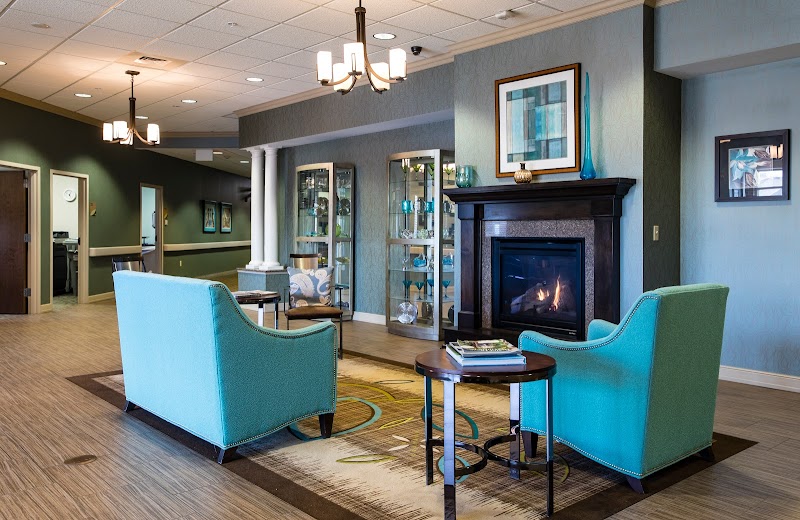
How is Twin Oaks Health And Rehab Staffed?

CMS rates TWIN OAKS HEALTH AND REHAB's staffing level at 4 out of 5 stars, which is above average compared to other nursing homes. Staff turnover is 38%, compared to the Kansas average of 46%. This relatively stable workforce can support continuity of care.

What Have Inspectors Found at Twin Oaks Health And Rehab?

State health inspectors documented 18 deficiencies at TWIN OAKS HEALTH AND REHAB during 2021 to 2024. These included: 1 Immediate Jeopardy (the most serious level, indicating potential for serious harm or death), 16 with potential for harm, and 1 minor or isolated issues. Immediate Jeopardy findings are rare and represent the most serious regulatory concerns. They require immediate corrective action.
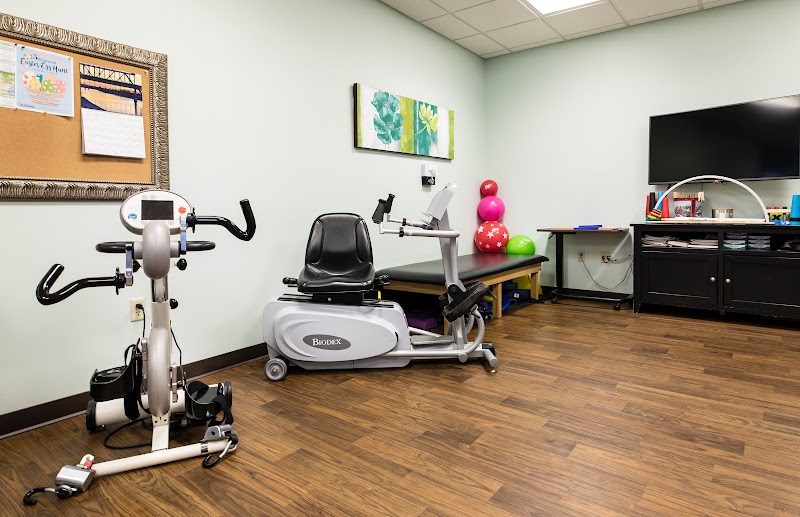
Who Owns and Operates Twin Oaks Health And Rehab?

TWIN OAKS HEALTH AND REHAB is owned by a for-profit company. For-profit facilities operate as businesses with obligations to shareholders or private owners. The facility is operated by MIDWEST HEALTH, a chain that manages multiple nursing homes. With 65 certified beds and approximately 54 residents (about 83% occupancy), it is a smaller facility located in LANSING, Kansas.
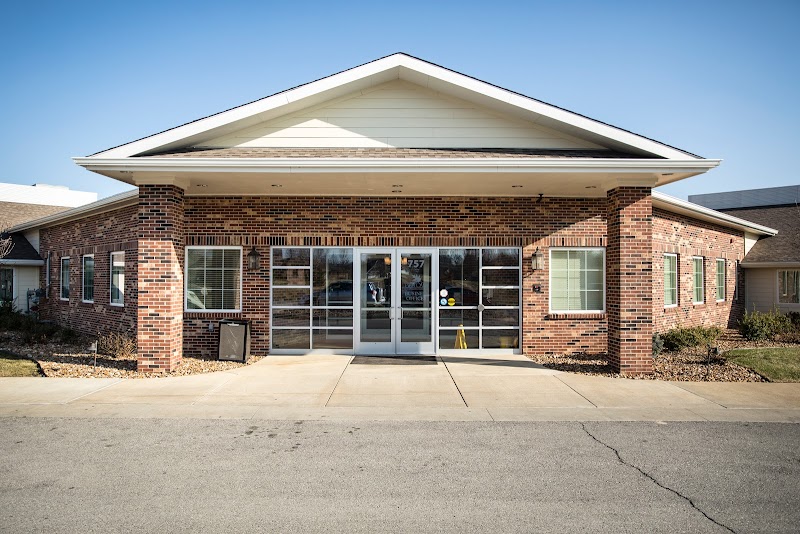
How Does Twin Oaks Health And Rehab Compare to Other Kansas Nursing Homes?

Compared to the 100 nursing homes in Kansas, TWIN OAKS HEALTH AND REHAB's overall rating (4 stars) is above the state average of 2.9, staff turnover (38%) is near the state average of 46%, and health inspection rating (4 stars) is above the national benchmark.

What Should Families Ask When Visiting Twin Oaks Health And Rehab?

Based on this facility's data, families visiting should ask: "What changes have been made since the serious inspection findings, and how are you preventing similar issues?" "Can I visit during a mealtime to observe dining assistance and food quality?" "How do you handle medical emergencies, and what is your hospital transfer rate?" "Can I speak with family members of current residents about their experience?" These questions are particularly relevant given the facility's Immediate Jeopardy citations.

Is Twin Oaks Health And Rehab Safe?

Based on CMS inspection data, TWIN OAKS HEALTH AND REHAB has documented safety concerns. Inspectors have issued 1 Immediate Jeopardy citation (the most serious violation level indicating risk of serious injury or death). The facility has a 4-star overall rating and ranks #1 of 100 nursing homes in Kansas. Families considering this facility should ask detailed questions about what corrective actions have been taken since these incidents.

Do Nurses at Twin Oaks Health And Rehab Stick Around?

TWIN OAKS HEALTH AND REHAB has a staff turnover rate of 38%, which is about average for Kansas nursing homes (state average: 46%). Moderate turnover is common in nursing homes, but families should still ask about staff tenure and how the facility maintains care continuity when employees leave.

Was Twin Oaks Health And Rehab Ever Fined?

TWIN OAKS HEALTH AND REHAB has been fined $14,521 across 1 penalty action. This is below the Kansas average of $33,224. While any fine indicates a compliance issue, fines under $50,000 are relatively common and typically reflect isolated problems that were subsequently corrected. Families should ask what specific issues led to these fines and confirm they've been resolved.

Is Twin Oaks Health And Rehab on Any Federal Watch List?

TWIN OAKS HEALTH AND REHAB is not on any federal watch list. The most significant is the Special Focus Facility (SFF) program, which identifies the bottom 1% of nursing homes nationally based on persistent, serious quality problems. Not being on this list means the facility has avoided the pattern of deficiencies that triggers enhanced federal oversight. This is a positive indicator, though families should still review the facility's inspection history directly.