EDWARDSVILLE CARE AND REHAB
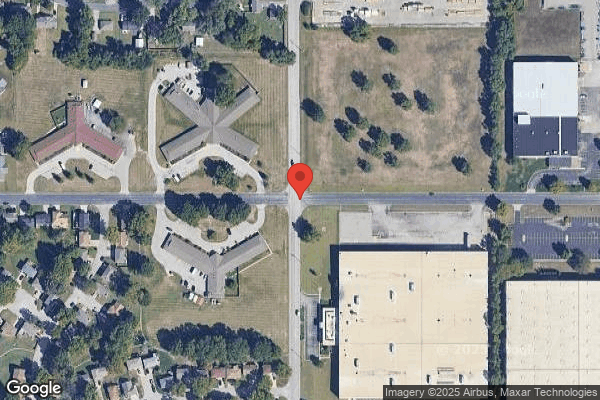
751 BLAKE STREET, EDWARDSVILLE, KS 66111 (913) 441-1900
For profit - Limited Liability company 102 Beds MISSION HEALTH COMMUNITIES Data: November 2025 1 Immediate Jeopardy citation
Trust Grade
46/100
#120 of 295 in KS
Last Inspection: August 2024

Within standard 12-15 month inspection cycle. Federal law requires annual inspections.

Overview

Edwardsville Care and Rehab has a Trust Grade of D, indicating below-average performance with some concerning issues. They rank #120 out of 295 facilities in Kansas, placing them in the top half, and #2 out of 9 in Wyandotte County, suggesting they are one of the better local options. The facility is improving, having reduced issues from 9 to just 1 in the past year. Staffing is relatively stable with a turnover rate of 37%, lower than the state average of 48%, indicating staff retention is a strength. However, they have received $9,113 in fines, which is average compared to other facilities, and they have experienced critical issues, such as a resident leaving the facility unsupervised for 45 minutes in cold weather, raising significant safety concerns. Additionally, the facility has failed to employ a certified dietary manager, which risks inadequate nutrition, and has been cited for food safety violations, further highlighting areas needing improvement despite their strong quality measures rating.

Trust Score
D
46/100
In Kansas
#120/295
Top 40%
Safety Record
High Risk
Review needed
Inspections
Getting Better
9 → 1 violations
Staff Stability
○ Average
37% turnover. Near Kansas's 48% average. Typical for the industry.
Penalties
✓ Good
$9,113 in fines. Lower than most Kansas facilities. Relatively clean record.
Skilled Nurses
⚠ Watch
Each resident gets only 24 minutes of Registered Nurse (RN) attention daily — below average for Kansas. Fewer RN minutes means fewer trained eyes watching for problems.
Violations
⚠ Watch
36 deficiencies on record. Higher than average. Multiple issues found across inspections.
★★★☆☆
3.0
Overall Rating
★★★☆☆
3.0
Staff Levels
★★★★★
5.0
Care Quality
★★☆☆☆
2.0
Inspection Score
Stable
2024: 9 issues
2025: 1 issues

The Good

  • 5-Star Quality Measures · Strong clinical quality outcomes
  • Full Sprinkler Coverage · Fire safety systems throughout facility
  • No fines on record
  • Staff turnover below average (37%)

    11 points below Kansas average of 48%

Facility shows strength in quality measures, fire safety.

The Bad

3-Star Overall Rating

Near Kansas average (2.9)

Meets federal standards, typical of most facilities

Staff Turnover: 37%

Near Kansas avg (46%)

Typical for the industry

Federal Fines: $9,113

Below median ($33,413)

Minor penalties assessed

Chain: MISSION HEALTH COMMUNITIES

Part of a multi-facility chain

Ask about local staffing decisions and management

The Ugly 36 deficiencies on record

1 life-threatening
Jan 2025 1 deficiency 1 IJ
CRITICAL (J) 📢 Someone Reported This

A family member, employee, or ombudsman was alarmed enough to file a formal complaint

Immediate Jeopardy (IJ) - the most serious Medicare violation

Accident Prevention (Tag F0689)

Someone could have died · This affected 1 resident

**NOTE- TERMS IN BRACKETS HAVE BEEN EDITED TO PROTECT CONFIDENTIALITY** The facility reported a census of 96 residents, with 31 residents assessed at risk for elopement (when a resident leaves the pre...

Read full inspector narrative →
**NOTE- TERMS IN BRACKETS HAVE BEEN EDITED TO PROTECT CONFIDENTIALITY** The facility reported a census of 96 residents, with 31 residents assessed at risk for elopement (when a resident leaves the premises or safe area without staff knowledge), and five residents sampled. Based on record review, observation, and interview, the facility failed to ensure staff provided adequate supervision and appropriate interventions to prevent the elopement of cognitively impaired R1, who had poor safety awareness. On 01/23/25 at approximately 04:58 PM, R1 exited the facility, unimpeded and without staff knowledge, and R1 remained out of the facility without staff knowledge for approximately 45 minutes, with outdoor temperatures between 16 and 18 degrees Fahrenheit (F). Local law enforcement located R1 approximately 43 minutes later at 05:45 PM, and returned R1 to the facility. This deficient practice placed R1 in immediate jeopardy at risk for life-threatening physical injury or harm. Findings included: - The Electronic Medical Record (EMR) documented R1 was admitted to the facility on [DATE] and had diagnoses of: schizoaffective disorder bipolar type (a mental health condition marked by a mix of symptoms, such as hallucinations, delusions, and mood disorder symptoms, such as depression, and mania), diabetes mellitus without complications (a disorder characterized by the body's inability to metabolize sugar), and dysphagia, oropharyngeal phase (a disorder or impairment on the inability to swallow). The Significant Change Minimum Data Set (MDS) assessment dated [DATE] documented the resident had a Brief Interview for Mental Status (BIMS) score of 12, which indicated intact cognition. The MDS documented R1 had inattention and disorganized thinking, which was continuously present and did not fluctuate. The MDS documented R1 experienced delusions, hallucinations, rejection of care, and episodic wandering for one to three days during the seven-day assessment period. R1 ambulated with the use of a rolling walker. The 12/11/24 Cognitive Loss/Dementia Care Area Assessment (CAA) identified R1 at risk for decreased activity involvement due to refusal to engage in assessments, frequent visual and auditory hallucinations, fluctuating mood cycles, and medication refusals. This same assessment recorded a Care Plan would be developed to address the resident's at-risk status. R1's recent Quarterly Elopement Risk assessment dated [DATE] recorded R1 was not at risk for elopement with a score of zero. R1's Care Plan initiated on 05/04/21, and last reviewed on 12/26/24, recorded R1 as at risk for elopement related to making statements she was leaving or moving. The care plan directed staff to assess for risk of elopement per facility policy, redirect residents from doors, and the placement of a WanderGuard (a bracelet-worn signaling device when a resident nears an exit) located on R1's left wrist. The staff were to check the WanderGuard every shift to ensure function. The facility would replace the resident's WanderGuard every 90 days or as needed. R1's Care Plan recorded she had behaviors such as delusional thinking, paranoia, hallucinations, repetitive movements, pacing, wandering, and others related to R1's diagnoses. The Care Plan directed staff to allow R1 to voice her needs and concerns, provide distraction, as needed, and monitor R1 for possible changes in mental status, agitation, confusion, and restlessness. The Care Plan lacked documentation of any new interventions implemented after R1's elopement on 01/23/25. A Nurses Progress Note dated 01/23/25 at 06:10 PM recorded R1eloped from the facility to the street, where city police found the resident. The police contacted the facility, brought R1 back to the facility, and staff received R1 at the facility entrance. R1 was assessed with no new skin issues noted. The Nurse Notes lacked any health assessment of the resident such as R1's vital signs, and physical, emotional, and/or cognitive/mental state upon return to the facility after the elopement. The Facility Investigation documented review of video surveillance cameras recorded: On 01/23/25 at 04:58 PM R1 looked at the exit sign at the end of A Hall, pushed the doors open, and exited the door. The investigation also noted Police contacted R1 at 05:27 PM approximately 500 feet from the building, and R1 offered an [NAME] (different name). R1 had a cell phone and where Police saw the facility's address and surmised R1 was a resident of the facility. Law Enforcement returned R1 to the facility at 05:43 PM. The facility report documented R1 wore a black jacket, long pants, gloves, and closed-toed shoes. The facility's investigation lacked witness statements regarding R1s elopement from the facility. According to Weather Underground, (www.wunderground.com), on 01/23/25 at 04:53 PM, the temperature was 18 degrees F, with a west-northwest wind at eight miles per hour (mph). At 05:53 PM the temperature dropped to 16 degrees F and wind speed decreased to 3 mph. The facility investigation documented a detailed explanation of loose wiring caused a power interruption and the door's malfunction. This power source (located externally on the wall above the door), also prevented the alarm from sounding to alert staff of R1's exit. The exit door was not equipped with a WanderGuard (wall unit) alert system. On 01/29/25 at 11:00 AM, R1 slept in a chair, in the facility's common area. At 12:49 PM R1 rested in her room. On 01/29/25 at 12:49 PM, R1 reported she was doing ok, but people kept making her fall. R1 said others try to make her fall flat on her face. R1 stated she goes out but does not smoke anymore. R1 would not respond to any questions about being outside the facility and/or leaving the facility grounds. R1 ended the conversation by stating, I'm done talking to you, I'm not going to repeat myself. On 01/29/25 at 03:00 PM, Administrative Nurse D acknowledged R1 had a noninjury fall on 01/21/25, was assessed, and doing ok. Administrative Nurse D acknowledged that R1 had poor safety awareness. On 01/29/25 at 03:00 PM, Administrative Staff A stated the facility WanderGuards (wall unit) were located on the two front doors and a back door, but not the door R1 exited the building from. Administrative Staff A stated the doors were checked daily for function, but maintenance failed to routinely check the wiring and/or power source at the door. Administrative Staff A did not know why the resident was not seen exiting due to the door's location being within sight of the nurse station. A review of the facility's F689 Accidents -Elopement policy revised August 2024 recorded a definition of elopement as follows: A situation in which a resident leaves the premises or a safe area without the facility's knowledge or supervision if necessary and this situation represents a risk to the resident's health and safety and places the resident at risk of heat or cold exposure, dehydration and/or other medical complications, drowning or being struck by a motor vehicle. The policy recorded all residents would be assessed for elopement risk status and at-risk residents, would be care planned with interventions to address wandering and/or exit-seeking behaviors. This policy noted that at-risk residents would be monitored by staff supervision. This policy further recorded a resident with decision-making capacity, leaving the facility intentionally is considered an elopement if the facility is unaware of the resident's departure and/or whereabouts. The policy further recorded that new wandering behavior or attempted elopement would be documented in the nurses' notes and the resident's care plan would be updated to include increased monitoring. The facility failed to provide adequate supervision and appropriate interventions to prevent R1, who was diagnosed with psychiatric illness and identified, as at risk for elopement, from exiting the facility without staff awareness. For approximately 45 minutes facility staff did not know R1 was missing in freezing weather until law enforcement returned R1 to the facility. This deficient practice placed R1 in immediate jeopardy for potentially life-threatening injury. On 01/29/25 at 03:21 PM, Administrative Staff A was provided a copy of the Immediate Jeopardy Template and informed of the facility's failure to provide adequate supervision and appropriate interventions to prevent R1 from elopement, placed R1 in immediate jeopardy. The facility completed the following corrective actions to remove the immediacy for R1: Staff conducted a headcount ensuring the safety of all residents in the facility. Camera footage was reviewed, identified the malfunction, and effected immediate repairs on the faulty exit door. Audited all doors and windows to ensure no similar situations existed. Reported the issue to the stated agency, physician et al. Conducted all staff in-service How to check Doors for Lock function on 01/23/25, 01/24/25, and 01/25/25. Conducted an Ad Hoc QAPI meeting with the Executive Director, (ED) Director of Nursing (DON), and Medical Director (MD). The Medical Director was requested for feedback and had nothing further to add or suggest. The Surveyor verified the facility completed the above corrective actions prior to the onsite survey on 01/29/25, therefore the deficient practice was deemed past-noncompliance at a J scope and severity.
Aug 2024 9 deficiencies
CONCERN (D)

Potential for Harm - no one hurt, but risky conditions existed

Transfer Notice (Tag F0623)

Could have caused harm · This affected 1 resident

**NOTE- TERMS IN BRACKETS HAVE BEEN EDITED TO PROTECT CONFIDENTIALITY** - The Electronic Medical Record (EMR) for R38 had a diagnosis of chronic obstructive pulmonary disease (COPD- a progressive and ...

Read full inspector narrative →
**NOTE- TERMS IN BRACKETS HAVE BEEN EDITED TO PROTECT CONFIDENTIALITY** - The Electronic Medical Record (EMR) for R38 had a diagnosis of chronic obstructive pulmonary disease (COPD- a progressive and irreversible condition characterized by diminished lung capacity and difficulty or discomfort in breathing). The Annual Minimum Data Set (MDS), dated [DATE], documented R38 had intact cognition and was independent with all activities of daily living (ADLs). R38 received oxygen daily and was not short of breath. R38's Care Plan, dated 05/23/24 and initiated on 07/03/17, documented R38 received oxygen therapy due to COPD and directed staff to give medications as ordered by the physician, monitor for signs and symptoms of respiratory distress and report to the physician as needed. The plan directed staff to administer oxygen via a nasal cannula (a device that gives you additional oxygen through your nose) to maintain oxygen saturation (a measure of how much oxygen the blood carried as a percentage of the maximum it could carry) above 90% and explain the risk versus benefits should she remove her oxygen. The Progress Note, dated 06/29/24 at 09:33 AM, documented R38 was admitted to the hospital due to abnormality of her vital signs. R38's clinical record lacked evidence the resident was provided a written notice of transfer/discharge as soon as practicable when she was transferred to the hospital. On 08/20/24 at 11:45 AM, observation revealed R38 in bed with oxygen on per nasal cannula. On 08/21/24 at 08:30 AM, Administrative Staff B verified the facility had not provided a written notice to the resident when she was discharged to the hospital. On 08/21/24 at 08:35 AM, Administrative Nurse D verified staff had not provided R38 with written notification for transfer when R38 was transferred to the hospital. On 08/20/24 at 3:30 PM, Social Service X verified the facility had not provided R38 a written notice when R38 was transferred to the hospital. Social Services X stated she used to notify the office of the Ombudsman in the past, but approximately two years ago she was told she no longer needed to notify them since the facility had no ombudsman coverage. Upon request a policy for notice for transfer/discharge policy was not provided by the facility. The facility failed to provide R38 written notice regarding R38's facility-initiated transfer to the hospital. This placed the resident at risk of uninformed care choices. The facility had a census of 94 residents. The sample included 19 residents. Based on observation, interview, and record review, the facility failed to provide written notification of facility-initiated transfers to the residents or their representatives for Resident (R)72 and R35. The facility also failed to send notification of facility-initiated discharges and transfers to the office of the State Long Term Care Ombudsman as required. This placed the residents at risk for impaired rights. Findings included: - R72's Electronic Medical Record (EMR) documented R72 had a diagnosis of acute (condition characterized by a relatively sudden onset of symptoms that are usually severe) and chronic (persisting for a long period) respiratory failure (a condition where you don't have enough oxygen in the tissues in your body or when you have too much carbon dioxide in your blood and asthma (disorder of narrowed airways that caused wheezing and shortness of breath). R72's Quarterly Minimum Data Set (MDS), 06/24/24, documented R72 had a Brief Interview of Mental Status (BIMS) score of 15, which indicated intact cognition. The MDS documented the resident had shortness of breath. R72's Care Plan, revised 08/03/24, documented R72 had asthma and instructed staff to advise R72 to minimize contact with known offending allergens, administer R72 albuterol sulfate inhaler every four hours as needed, and assist R72 in identifying asthma triggers and strategies for prevention. The Progress Note, dated 01/16/2024 at 05:00 PM, documented R72 was admitted to the hospital. Review of R72's clinical record lacked evidence the resident or representative was provided written notice when she was transferred to the hospital. On 08/19/24 at 03:21PM R72 sat in a chair at the front entrance of the facility. On 08/21/24 at 08:30 AM, Administrative Staff B verified the facility had not provided a written notice of transfer/discharge to the resident when discharged to the hospital. On 08/21/24 at 08:35 AM, Administrative Nurse D verified staff had not provided R72 or her representative with the bed hold policy when R72 was admitted to the hospital. Administrative Nurse D stated the nurse does the initial bed hold notice and social service follows up with family. On 08/20/24 at 3:30 PM, Social Service X verified the facility had not provided R72 a written notice when R72 was transferred to the hospital. Social Services X stated she used to notify the office of the Ombudsman in the past, but approximately two years ago she was told she no longer needed to notify them since the facility had no ombudsman coverage. The facility did not provide a policy. The facility failed to provide R72 or his representative written notice regarding R72's facility-initiated transfer to the hospital. This placed the resident and/or her representative at risk of uninformed care choices.
CONCERN (D)

Potential for Harm - no one hurt, but risky conditions existed

Deficiency F0637 (Tag F0637)

Could have caused harm · This affected 1 resident

**NOTE- TERMS IN BRACKETS HAVE BEEN EDITED TO PROTECT CONFIDENTIALITY** The facility had a census of 94 residents. The sample included 19 residents. Based on observation, record review, and interview,...

Read full inspector narrative →
**NOTE- TERMS IN BRACKETS HAVE BEEN EDITED TO PROTECT CONFIDENTIALITY** The facility had a census of 94 residents. The sample included 19 residents. Based on observation, record review, and interview, the facility failed to complete the required Significant Change Minimum Data Set (MDS) for Resident (R) 81. This placed the resident at risk for inappropriate care and unmet needs. Findings included: - R81's Electronic Medical Record (EMR) included diagnoses of schizoaffective disorders (a mental disorder characterized by gross distortion of reality, disturbances of language and communication, and fragmentation of thought), anxiety disorder (mental or emotional reaction characterized by apprehension, uncertainty and irrational fear), major depressive disorder (major mood disorder which causes persistent feelings of sadness), deaf nonspeaking, pneumonia, lack of coordination, pain, and drug-induced secondary Parkinsonism (slowly progressive neurologic disorder characterized by resting tremor, rolling of the fingers, masklike faces, shuffling gait, muscle rigidity and weakness). R81's Annual Minimum Data Set (MDS), dated [DATE], documented R81 had intact cognition, hallucinations (sensing things while awake that appear to be real, but the mind created), delusions (untrue persistent belief or perception held by a person although evidence shows it was untrue), and exhibited no behaviors. R81 was independent with bed mobility, walking in the room, locomotion on and off the unit, required limited assistance from one person for transfers, dressing, and personal hygiene, had no functional range of motion impairment, and used a wheelchair for mobility. The MDS further documented R81 was frequently incontinent of urine and bowel, had pain, and received as-needed (PRN) pain medication. R81 also received an antipsychotic (a class of medications used to treat major mental conditions that cause a break from reality), antidepressant (a class of medications used to treat mood disorders), and hypnotic (a class of medications used to induce sleep). The Quarterly MDS dated 12/30/23, documented R81 had moderately impaired cognition, delusions, and rejected evaluation of care which occurred one to three days of the observation period. R81 had functional range of motion impairment upper and lower extremities of both sides and used a wheelchair for mobility. The MDS further documented R81 required substantial/maximal assistance with eating, toileting, upper and lower body dressing, and personal hygiene. R81 required partial/moderate assistance with sitting to standing, chair to bed, and toilet transfers. Received scheduled and PRN pain medications, antipsychotics, and antidepressants. The MDS lacked documentation that R81 had a condition or chronic disease that may result in a life expectancy of less than six months or hospice care (care that focuses on the care, comfort, and quality of life who are approaching end-of-life). R81's Care Plan, dated 07/07/24, documented R81 used medication to help manage some health problems that may cause adverse reactions and directed staff to notify the doctor if any adverse reactions occurred. The care plan lacked end-of-life or hospice care and services interventions. The Physician Order, dated 11/06/23, informed facility staff R81 admitted to hospice as of 10/25/23. The Progress Note dated 11/14/23 at 03:05 PM, documented hospice had been notified of the need for over-the-counter cream three times a day for 14 days of treatment. On 08/20/24 at 07:49 AM, observation revealed R81 in the dining room, dressed for the day. R81 sat in a high-backed wheelchair and was fed by staff. Staff communicated with the resident by using sign language. On 08/21/24 at 09:38 AM, Certified Medication Aide (CMA) R reported R81's hospice information is in a book at the nurse's station. CMA R stated hospice provided incontinent briefs and pads, a Certified Nurse Aide (CNA) twice a week for showers and a nurse comes when facility staff calls with concerns. On 08/20/24 at 03:53 PM, Administrative Nurse E stated a significant change is usually done when residents are admitted to hospice, significant change MDS was overlooked and not completed. The facility's Comprehensive Assessment policy, dated 08/2022, documented a comprehensive assessment of the resident's needs, strengths, goals, life history and preferences will be completed utilizing the RAI specified by CMS. A comprehensive assessment will be completed with a defined significant change. The Assessment Coordinator is responsible for ensuring that the Interdisciplinary Assessment Team conducts timely resident assessments and reviews according to the following schedule: when there has been a significant change in the resident's condition. The purpose of the assessment is to describe the resident's capability to perform daily life functions and to identify significant impairment in functional capacity. Information derived from the comprehensive assessment enables staff to plan care that allows the resident to reach his/her highest practicable level of function. The facility failed to complete the required significant change MDS for R81 who had obtained services for end-of-life/hospice care, which placed the resident at risk for inappropriate care and unmet needs.
CONCERN (D)

Potential for Harm - no one hurt, but risky conditions existed

Accident Prevention (Tag F0689)

Could have caused harm · This affected 1 resident

**NOTE- TERMS IN BRACKETS HAVE BEEN EDITED TO PROTECT CONFIDENTIALITY** The facility had a census of 94 residents. The sample included 19 residents, with three reviewed for smoking. Based on observati...

Read full inspector narrative →
**NOTE- TERMS IN BRACKETS HAVE BEEN EDITED TO PROTECT CONFIDENTIALITY** The facility had a census of 94 residents. The sample included 19 residents, with three reviewed for smoking. Based on observation, record review, and interview, the facility failed to follow the plan of care for smoking for one resident, Resident (R) 6, and failed to assess R53 for safe smoking. This placed the residents at risk for preventable accidents and injury. Findings included: - The Electronic Medical Record (EMR) for R6 had diagnoses of cerebral infarction (occurs as a result of disrupted blood flow to the brain), anxiety (mental or emotional reaction characterized by apprehension, uncertainty, and irrational fear), paranoid schizophrenia (a thought process believed to be heavily influenced by anxiety or fear to the point of irrational thinking), depression (abnormal emotional state characterized by exaggerated feelings of sadness, worthlessness, emptiness and hopelessness), and abnormal involuntary movements (unintended, uncontrollable movements of the body). The Quarterly Minimum Data Set (MDS), dated [DATE], documented R6 had intact cognition and was dependent upon staff for transfer, required substantial assistance for toileting, personal hygiene, and mobility. R6 had functional impairment on her upper body on one side and lower impairment on both sides. The Smoking Evaluation, dated 06/06/24, documented R6 had no cognitive loss, could not light her cigarette, and required a smoking apron. R6's Care Plan, dated 07/03/24, initiated on 04/17/17, documented R6 was at risk for smoking injury and directed staff to assist her to and from the designated smoking area as needed, complete a smoking safety assessment, observe R6 for unsafe smoking behaviors or attempts to obtain smoking materials from outside sources and provide a smoking apron while smoking. The update, dated 01/27/23, directed staff to provide R6 with a smoke apron while she was smoking. On 08/18/24 at 03:54 PM, observation revealed R6 had a splint on the left arm/hand. Her right arm was outstretched in front of her with a cigarette in her hand. She was not wearing a smoking apron. On 08/20/24 at 11:45 AM, Certified Nurse Aide (CNA) M stated R6 required assistance with most of her activities of daily living, and staff were to provide her with a smoke apron when she was outside smoking. On 08/21/24 at 08:30 AM, Administrative Nurse D verified R6 should have a smoke apron on as she was at risk for injury. The facility's Accident Prevention-Smoking policy, dated 08/24, documented the facility shall establish and maintain safe resident smoking practices, and any smoking-related privileges, restrictions, and concerns shall be noted on the care plan and all personnel caring for the resident shall be alerted to these issues per community protocol. The facility failed to provide R6 with a smoking apron per her plan of care. This placed the resident at risk for accidents and injuries. - R53's Electronic Medical Record documented diagnoses of nicotine (an addictive, poisonous chemical found in tobacco) dependence, and drug-induced subacute dyskinesia (causes repetitive, involuntary movements). The Quarterly Minimum Data Set (MDS), dated [DATE], documented a Brief Interview for Mental Status (BIMS) score of 15, indicating intact cognition. The MDS documented R53 was independent for all activities of daily living, had no range of motion impairment, no falls, no pain, and no burns. R53's Care Plan, dated 07/04/24, directed staff to offer smoking cessation (stopping) information, initiated 01/27/23. Ensure R53 was aware of the facility smoking policy, initiated on 01/27/23. Encourage R53 to wear a smoking apron, however it was not required, initiated 01/27/23. The plan directed R53 was R53 to adhere to the rules, regulations, and safety procedures of the building 100 percent of the time, initiated 02/05/024. Show R53 where smoking was allowed and how to access it, initiated 01/27/23. The Smoking Assessment, dated 01/24/23, documented R53 had no cognitive loss or visual deficit, no dexterity problem, and could light his cigarettes. The assessment stated R53 required staff supervision and a smoking apron. R53's medical record lacked further assessment of his smoking abilities or privileges. The Progress Note, dated 04/23/24 at 04:28 PM, documented staff found R53 smoking in his room in the morning. The Progress Note, dated 06/27/24 at 10:11 AM, documented staff found R53in his bathroom smoking with his roommate and one other resident. The Progress Note, dated 07/13/24 at 03:31 PM, documented staff found R53 smoking unsupervised outside this morning and around 02:00 PM. On 08/19/24 at 03:15 PM, observation revealed R53 independently ambulated to the dining room and sat at a table. He was one of the first smokers out the door for the 03:30 PM smoking time. Staff lighted his cigarette for him and he was not wearing a smoking apron. On 08/19/24 at 03:24 PM, Licensed Nurse (LN) G showed the smoking cart with all residents' cigarettes in separate drawers. She stated if a resident was required to use an apron, the drawer would have an A on it. R53's drawer showed no apron and no extender. On 08/20/24 at 01:00 PM, Certified Nurse Aide (CNA) N stated R53 would grab an apron if there was one available when he walked out to smoke. On 08/20/24 at 01:07 PM, LN G stated a smoking assessment should be done quarterly and the computer system triggers an alert when they are due. She verified R53 had not been assessed for smoking safety for the past 18 months. On 08/20/24 at 01:50 PM, Administrative Nurse D verified staff should have assessed the resident for smoking safety quarterly. The facility's Smoking policy, dated 12/07/22, stated the policy was to establish expectations designed to help residents who decide to smoke be able to enjoy privilege in a safe and peaceful environment. The facility would hold, track, and maintain all resident smoking or tobacco items. The facility's Smoking Policy, dated 08/2024, stated residents who wish to smoke would be evaluated for safe smoking per community protocol. The staff would review the status of a resident's smoking privileges periodically per community protocol. The facility failed to routinely assess R53 for safety while smoking, placing R53 at risk for accidents or injury while smoking.
CONCERN (D)

Potential for Harm - no one hurt, but risky conditions existed

Deficiency F0849 (Tag F0849)

Could have caused harm · This affected 1 resident

**NOTE- TERMS IN BRACKETS HAVE BEEN EDITED TO PROTECT CONFIDENTIALITY** - R81's Electronic Medical Record (EMR) included diagnoses of schizoaffective disorders (a mental disorder characterized by gros...

Read full inspector narrative →
**NOTE- TERMS IN BRACKETS HAVE BEEN EDITED TO PROTECT CONFIDENTIALITY** - R81's Electronic Medical Record (EMR) included diagnoses of schizoaffective disorders (a mental disorder characterized by gross distortion of reality, disturbances of language and communication, and fragmentation of thought), anxiety disorder (mental or emotional reaction characterized by apprehension, uncertainty and irrational fear), major depressive disorder (major mood disorder which causes persistent feelings of sadness), deaf nonspeaking, pneumonia, lack of coordination, pain, and drug-induced secondary Parkinsonism (slowly progressive neurologic disorder characterized by resting tremor, rolling of the fingers, masklike faces, shuffling gait, muscle rigidity and weakness). R81's Annual Minimum Data Set (MDS), dated [DATE], documented R81 had intact cognition, hallucinations (sensing things while awake that appear to be real, but the mind created), delusions (untrue persistent belief or perception held by a person although evidence shows it was untrue), and exhibited no behaviors. R81 was independent with bed mobility, walking in the room, locomotion on and off the unit, required limited assistance from one person for transfers, dressing, and personal hygiene, had no functional range of motion impairment, and used a wheelchair for mobility. The MDS further documented R81 was frequently incontinent of urine and bowel, had pain, and received as-needed (PRN) pain medication. R81 also received an antipsychotic (a class of medications used to treat major mental conditions that cause a break from reality), antidepressant (a class of medications used to treat mood disorders), and hypnotic (a class of medications used to induce sleep). The Quarterly MDS dated 12/30/23, documented R81 had moderately impaired cognition, delusions, and rejected evaluation of care which occurred one to three days of the observation period. R81 had functional range of motion impairment upper and lower extremities of both sides and used a wheelchair for mobility. The MDS further documented R81 required substantial/maximal assistance with eating, toileting, upper and lower body dressing, and personal hygiene. R81 required partial/moderate assistance with sitting to standing, chair to bed, and toilet transfers. R81 received scheduled and PRN pain medications, antipsychotics, and antidepressants. The MDS lacked documentation that R81 had a condition or chronic disease that may result in a life expectancy of less than six months or hospice care (care that focuses on the care, comfort, and quality of life who are approaching end-of-life). R81's Care Plan, dated 07/07/24, documented R81 used medication to help manage some health problems that may cause adverse reactions and directed staff to notify the doctor if any adverse reactions occurred. The care plan lacked end-of-life or hospice care and services interventions. The Physician Order, dated 11/06/23, informed facility staff R81 admitted to hospice as of 10/25/23. The Progress Note dated 11/14/23 at 03:05 PM, documented hospice had been notified of the need for over-the-counter cream three times a day for 14 days of treatment. On 08/20/24 at 07:49 AM, observation revealed R81 in the dining room, dressed for the day. R81 sat in a high-backed wheelchair and was fed by staff. Staff communicated with the resident by using sign language. On 08/21/24 at 09:38 AM, Certified Medication Aide (CMA) R reported R81's hospice information is in a book at the nurse's station. CMA R stated hospice provided incontinent briefs and pads, a Certified Nurse Aide (CNA) twice a week for showers and a nurse comes when facility staff calls with concerns. On 08/20/24 at 08:32 AM, Administrative Nurse D verified R81's plan lacked hospice care and services provided. The Hospice Policy and Procedure policy, dated 06/2024, documented the facility would identify in writing the services that the Hospice would be providing and address the resident's person-centered care plan. Along with the hospice provider, discuss the plan and obtain orders for preference in pain management, symptom control, treatment of acute illness, and choices regarding hospitalization. A member of the interdisciplinary team would be responsible for working with a hospice representative to collaborate and coordinate the hospice care plan, communicate with hospice representatives and other health care providers participating in the hospice care, ensure the hospice medical director and the attending physician or other practitioners collaborate and communicate to coordinate the hospice care. A nursing progress note stating hospice saw the resident and notes to follow should be documented in the progress notes. Hospice documents would include; the most recent hospice plan of care, hospice election form, physician certification for terminal illness, names and contacts of hospice personnel involved for each resident, instructions for the 24-hour on-call system, hospice medication and supplies specific to each resident, hospice physician and attending physician orders specific to each resident, and visit notes from all hospice disciplines, nurse, chaplain, social services and volunteers. The community retains the ultimate responsibility for the care plan. Coordinate the care plan with the hospice provider, community staff, and resident/family. The care plan may be in two portions, each maintaining its own, but changes should be discussed. The hospice provider retains the primary responsibility for the provision of care and services, the community must coordinate care and ensure the resident receives all necessary care and services. The facility failed to coordinate care between the facility and the hospice provider for R81, who received hospice services. This deficient practice placed him at risk for inappropriate end-of-life care. The facility had a census of 94 residents. The sample included 19 residents with two reviewed for hospice (a type of health care that focuses on the terminally ill patient's pain and symptoms and attending to their emotional and spiritual needs at the end of life) services. Based on observation, record review, and interview, the facility failed to ensure a coordinated plan of care, which coordinated care and services provided by the facility with the care and services provided by hospice, was developed and available for Resident (R)35 and R81. This placed R35 and R81 at risk for inappropriate end-of-life care. Findings included: - R35's Electronic Health Record (EHR) revealed diagnoses of cerebral atherosclerosis (a disease that occurs when the arteries in the brain become hard, thick, and narrow due to the buildup of fatty deposits inside the artery walls), schizoaffective disorder (a mental disorder characterized by gross distortion of reality, disturbances of language and communication and fragmentation of thought), and dysphagia (swallowing difficulty). R35's Quarterly Minimum Data Set (MDS), dated [DATE], recorded R35 had moderately impaired cognition. The MDS recorded she required extensive assistance of one staff with bed mobility and transfers. The MDS lacked documentation the resident received hospice services. R35's Care Plan, dated 06/10/24, recorded R35 required staff assistance with most activities of daily living (ADL) care. R35's Care Plan lacked document the resident received hospice services due to a terminal prognosis. A review of R35's medical records revealed the resident was admitted to hospice care on 04/04/24 but lacked evidence of coordination of care. There was a hospice communication book at the nurse's station. On 08/20/24 at 11:45 AM, R35 sat in a wheelchair in her bedroom. Certified Medication Aide (CMA) S administered the resident's medications. On 08/20/24 at 08:50 AM, Administrative Nurse D verified the facility lacked specific information on the facility care plan that coordinated with the hospice care plan for R35. The Hospice Policy and Procedure policy, dated 06/2024, documented the facility would identify in writing the services that the Hospice would be providing and address the resident's person-centered care plan. Along with the hospice provider, discuss the plan and obtain orders for preference in pain management, symptom control, treatment of acute illness, and choices regarding hospitalization. A member of the interdisciplinary team would be responsible for working with a hospice representative to collaborate and coordinate the hospice care plan, communicate with hospice representatives and other health care providers participating in the hospice care, ensure the hospice medical director and the attending physician or other practitioners collaborate and communicate to coordinate the hospice care. A nursing progress note stating hospice saw the resident and notes to follow should be documented in the progress notes. Hospice documents would include; the most recent hospice plan of care, hospice election form, physician certification for terminal illness, names and contacts of hospice personnel involved for each resident, instructions for the 24-hour on-call system, hospice medication and supplies specific to each resident, hospice physician and attending physician orders specific to each resident, and visit notes from all hospice disciplines, nurse, chaplain, social services and volunteers. The community retains the ultimate responsibility for the care plan. Coordinate the care plan with the hospice provider, community staff, and resident/family. The care plan may be in two portions, each maintaining its own, but changes should be discussed. The hospice provider retains the primary responsibility for the provision of care and services, the community must coordinate care and ensure the resident receives all necessary care and services. The facility failed to coordinate care between the facility and the hospice provider for R35, who received hospice services. This deficient practice placed her at risk for inappropriate end-of-life care.
CONCERN (E)

Potential for Harm - no one hurt, but risky conditions existed

Deficiency F0625 (Tag F0625)

Could have caused harm · This affected multiple residents

**NOTE- TERMS IN BRACKETS HAVE BEEN EDITED TO PROTECT CONFIDENTIALITY** - The Electronic Medical Record (EMR) for R38 had a diagnosis of chronic obstructive pulmonary disease (COPD- a progressive and ...

Read full inspector narrative →
**NOTE- TERMS IN BRACKETS HAVE BEEN EDITED TO PROTECT CONFIDENTIALITY** - The Electronic Medical Record (EMR) for R38 had a diagnosis of chronic obstructive pulmonary disease (COPD- a progressive and irreversible condition characterized by diminished lung capacity and difficulty or discomfort in breathing). The Annual Minimum Data Set (MDS), dated [DATE], documented R38 had intact cognition and was independent with all activities of daily living (ADLs). R38 received oxygen daily and was not short of breath. R38's Care Plan, dated 05/23/24 and initiated on 07/03/17, documented R38 received oxygen therapy due to COPD and directed staff to give medications as ordered by the physician, monitor for signs and symptoms of respiratory distress and report to the physician as needed. The plan directed staff to administer oxygen via a nasal cannula (a device that gives you additional oxygen through your nose) to maintain oxygen saturation (a measure of how much oxygen the blood carried as a percentage of the maximum it could carry) above 90 % and explain the risk versus benefits should she remove her oxygen. The Progress Note, dated 06/29/24 at 09:33 AM, documented that R38 was admitted to the hospital due to abnormality of her vital signs. R38's clinical record lacked evidence the resident was provided the bed hold policy when she was transferred to the hospital. On 08/20/24 at 11:45 AM, observation revealed R38 in bed with oxygen on per nasal cannula. On 08/21/24 at 08:30 AM, Administrative Staff B verified the facility had not provided a bed hold notice to the resident when discharged to the hospital. On 08/21/24 at 08:35 AM, Administrative Nurse D verified staff had not provided R38 with the bed hold policy when R38 was admitted to the hospital. Administrative Nurse D stated the nurse does the initial bed hold notice and social service follows up with the resident or family. The facility's Bed Hold policy, dated 06/2024, documented the community staff shall inform residents upon admission and prior to a transfer for hospitalization or the therapeutic leave of the bed-hold policy. When an emergency transfer is necessary, the facility shall provide the resident and the representative with information concerning the bed hold policy per state laws as applicable. The bed hold information would include any charges that the resident may incur as well as the tie limit established by the state Medicaid plan for which the facility would reserve the resident's bed space. The facility failed to provide R38 with a bed hold notice which specifies the duration of the bed hold when she was transferred to the hospital. This placed R38 at risk of not being permitted to return and resume residence in the facility. - R72's Electronic Medical Record (EMR) documented R72 had a diagnosis of acute (a condition characterized by a relatively sudden onset of symptoms that are usually severe) and chronic (persisting for a long period) respiratory failure (a condition where you don't have enough oxygen in the tissues in your body or when you have too much carbon dioxide in your blood and asthma (disorder of narrowed airways that caused wheezing and shortness of breath). R72's Quarterly Minimum Data Set (MDS), 06/24/24, documented R72 had a Brief Interview of Mental Status (BIMS) score of 15, which indicated intact cognition. The MDS documented the resident had shortness of breath. R72's Care Plan, revised 08/03/24, documented R72 had asthma and instructed staff to advise R72 to minimize contact with known offending allergens, administer R72 albuterol sulfate inhaler every four hours as needed (prn), and assist R72 in identifying asthma triggers and strategies for prevention. The Progress Note, dated 01/16/2024 at 05:00 PM, documented R72 was admitted to the hospital. R72's clinical record lacked evidence the resident or representative was provided notice of the facility bed hold policy when she was transferred to the hospital. On 08/19/24 at 03:21 PM, R72 sat in a chair at the front entrance of the facility. On 08/21/24 at 08:30 AM, Administrative Staff B verified the facility had not provided a bed hold notice to the resident when discharged to the hospital. On 08/21/24 at 08:35 AM, Administrative Nurse D verified staff had not provided R72 or her representative with the bed hold policy when R72 was admitted to the hospital. Administrative Nurse D stated the nurse does the initial bed hold notice and social service follows up with the family. The facility's Bed Hold policy, dated 06/24, documented the community staff shall inform residents upon admission and prior to a transfer for hospitalization or the therapeutic leave of the bed-hold policy. When an emergency transfer is necessary, the facility shall provide the resident and the representative with information concerning the bed hold policy per state laws as applicable. The bed hold information would include any charges that the resident may incur as well as the tie limit established by the state Medicaid plan for which the facility would reserve the resident's bed space. The facility failed to provide R72 or his representative the bed hold notice when R72 transferred to the hospital. This placed the resident and/or her representative at risk of not returning to the facility in the same room. The facility had a census of 94 residents. The sample included 19 residents. Based on observation, record review, and interview, the facility failed to provide Resident (R)35, R19, R38, and R72 or their representative with written information regarding the facility bed hold policy when they were transferred to the hospital. This placed the resident at risk of not being permitted to return and resume residence in the nursing facility. Findings included: - R35's Electronic Health Record (EHR) revealed a diagnosis of cerebral atherosclerosis (a disease that occurs when the arteries in the brain become hard, thick, and narrow due to the buildup of fatty deposits inside the artery walls), schizoaffective disorder (a mental disorder characterized by gross distortion of reality, disturbances of language and communication and fragmentation of thought), and dysphagia (swallowing difficulty). R35's Quarterly Minimum Data Set (MDS), dated [DATE], recorded R35 had moderately impaired cognition. The MDS recorded she required extensive assistance of one staff with bed mobility and transfers. The MDS lacked documentation the resident received hospice services. R35's Care Plan, dated 06/10/24, recorded R35 required staff assistance with most activities of daily living (ADL) care. R35's Care Plan lacked document the resident received hospice services due to a terminal prognosis. The Progress Note, dated 11/27/23 at 03:30 PM, documented R35 did not get up for breakfast or lunch and appeared lethargic (lack of energy and mental energy, and drowsiness) and had emesis (vomit) on her bed. Staff obtained the resident's vital signs and had an oxygen reading of 93% (normal 95% to 100%,) a heart rate of 71 (normal 60-100 beats per minute), and her blood pressure was 90/43 millimeters of Mercury (mm/Hg) (normal 120/80 mm/Hg). The physician was contacted, and the resident was sent to the hospital via ambulance. The Progress Note, dated 11/29/23 at 08:28 AM, documented the resident was admitted to hospital. The Progress Notes. dated 12/04/23 at 05:33 PM, documented the resident returned to the facility and was re-admitted . A review of 35's clinical record lacked evidence the resident or representative was provided the bed hold policy when she was transferred to the hospital. On 08/20/24 at 11:45 AM, R35 sat in a wheelchair in her bedroom. Certified Medication Aide (CMA) S administered the resident's medications. On 08/21/24 at 08:30 AM, Administrative Staff B verified the facility had not provided the resident or her representative, the bed hold notice when she was discharged /transferred to the hospital. On 08/21/24 at 08:35 AM, Administrative Nurse D verified the resident or her representative had not been provided the bed hold policy and should have been. Administrative Nurse D stated the nurse did the initial bed hold notice and that the social worker would follow up with the resident's family. The facility's Bed Hold policy, dated 06/24, documented the community staff shall inform residents upon admission and prior to a transfer for hospitalization or the therapeutic leave of the bed-hold policy. When an emergency transfer is necessary, the facility shall provide the resident and the representative with information concerning the bed hold policy per state laws as applicable. The bed hold information would include any charges that the resident may incur as well as the tie limit established by the state Medicaid plan for which the facility would reserve the resident's bed space. The facility failed to provide R35 or his representative with written information regarding the facility bed hold policy when she was transferred to the hospital. This placed the resident at risk of not being permitted to return and resume residence in the nursing facility. - R19's Electronic Medical Record (EMR) documented diagnoses of schizoaffective (a mental disorder characterized by gross distortion of reality, disturbances of language and communication, and fragmentation of thought), hypertension (elevated blood pressure), chronic obstructive pulmonary disease (COPD- a progressive and irreversible condition characterized by diminished lung capacity and difficulty or discomfort in breathing), diabetes mellitus (DM-when the body cannot use glucose, not enough insulin made or the body cannot respond to the insulin), acute and pneumonia (inflammation of the lungs). The Annual Minimum Data Set (MDS), dated [DATE], documented a staff interview that indicated no memory problems. R19 was independent in decision-making and had disorganized thinking. The MDS documented R19 was independent with all activities of daily living. R19 was short of breath with any activity and used tobacco. R19 received antipsychotic medications (a class of medications used to treat major mental conditions that cause a break from reality). R19's EMR documented R19 had an unplanned discharge to an inpatient psychiatric hospital from 06/10 24 to 06/14/24. R19's clinical record lacked evidence the resident was provided a copy of the bed hold notice for the above transfer. On 08/20/24 at 07:35 AM, observation revealed R19 sat at the dining table with his walker in front of him and drank an orange soda. At 07:50 AM, he stood and ambulated with his walker through the dining room to the outside exit to the smoking area. He sat on a bench outside, ate a hard-boiled egg, and drank his coffee. On 08/21/24 at 08:30 AM, Administrative Staff B verified the facility had not provided a bed hold notice to the resident or their representative when he was discharged from the hospital. On 08/21/24 at 08:35 AM, Administrative Nurse D verified staff should have provided a bed hold notice and stated the nurse provided the initial bed hold notice and the social worker was supposed to follow up with the resident's family or representative. The facility's Bed Hold policy, dated 06/24, documented the community staff shall inform residents upon admission and prior to a transfer for hospitalization or the therapeutic leave of the bed-hold policy. When an emergency transfer is necessary, the facility shall provide the resident and the representative with information concerning the bed hold policy per state laws as applicable. The bed hold information would include any charges that the resident may incur as well as the tie limit established by the state Medicaid plan for which the facility would reserve the resident's bed space. The facility failed to provide a bed hold notice to R19 or his representative when R19 was transferred to the hospital. This placed the resident at risk of not being permitted to return and resume residence in the facility.
CONCERN (E)

Potential for Harm - no one hurt, but risky conditions existed

Deficiency F0761 (Tag F0761)

Could have caused harm · This affected multiple residents

**NOTE- TERMS IN BRACKETS HAVE BEEN EDITED TO PROTECT CONFIDENTIALITY** The facility had a census of 94 residents. The sample included 19 residents. Based on observation, interview, and record review,...

Read full inspector narrative →
**NOTE- TERMS IN BRACKETS HAVE BEEN EDITED TO PROTECT CONFIDENTIALITY** The facility had a census of 94 residents. The sample included 19 residents. Based on observation, interview, and record review, the facility failed to discard Resident (R)22, R51, and R82s' insulin (a hormone that lowers the level of glucose in the blood) flex pens when outdated and failed to discard expired stock medications. This deficient practice placed the affected residents at risk for ineffective medications. Findings included: - On [DATE] at 08:00 AM, observation of the facility's A hall treatment cart revealed the following: R22's Novolog (fast-acting insulin) flex pen was not labeled with an open or expired date. R51's Basaglar (long-acting insulin) flex pen was not labeled with an open or expired date. R82's Novolog flex pen was labeled with an open date of [DATE] (expired on [DATE], 28 days) On [DATE] at 08:05 AM, observation of the facility's A hall medication cart revealed one bottle of Vitamin D3, 30 tablets, expiration date 07/2024. On [DATE] at 08:15 AM, observation of the A hall Medication Room revealed the following: R51's Ozempic (long-acting insulin) flex pen was labeled with an open date of [DATE] (expired on [DATE], 56 days) On [DATE] at 08:30 AM, Licensed Nurse (LN) I verified the nurses were supposed to date the flex pens when opened and discard the outdated insulin and outdated stock medication. On [DATE] at 09:30 AM, Administrative Nurse D verified the nurses should label and date the flex pens with the resident's name and discard outdated insulin and outdated stock medication. Medlineplus.gov directs open, unrefrigerated Lantus (basaglar and glargine) can be used within 28 days; after that time, they must be discarded. Medlineplus.gov directs open, unrefrigerated Ozempic can be used within 56 days: after that time, they must be discarded. The facility's Storage of Medication policy, dated 09/2024, documented the facility shall store all drugs and biologicals in a safe, secure, and orderly manner. The facility shall not use discontinued, outdated, or deteriorated drugs or biologicals. All such drugs shall be returned to the dispensing pharmacy or destroyed. The facility failed to discard the resident's outdated insulin flex pens, and outdated stock medication placing the residents at risk for ineffective medication.
CONCERN (E)

Potential for Harm - no one hurt, but risky conditions existed

Deficiency F0883 (Tag F0883)

Could have caused harm · This affected multiple residents

**NOTE- TERMS IN BRACKETS HAVE BEEN EDITED TO PROTECT CONFIDENTIALITY** The facility had a census of 94 residents. The sample included 19 residents with six residents reviewed for immunizations to inc...

Read full inspector narrative →
**NOTE- TERMS IN BRACKETS HAVE BEEN EDITED TO PROTECT CONFIDENTIALITY** The facility had a census of 94 residents. The sample included 19 residents with six residents reviewed for immunizations to include pneumococcal (type of bacterial infection) vaccinations. Based on record review and interview the facility failed to assess Resident (R)85, R16, R57, and R42 for eligibility to receive further pneumococcal immunizations (helps protect against serious illnesses like pneumonia- inflammation of the lungs) and failed to follow the latest guidance from the Centers for Disease Control and Prevention (CDC) when they failed to offer, obtain an informed declination or a physician documented contraindication for the PCV20 pneumococcal vaccination. This deficient practice placed the residents at risk of acquiring, spreading, and experiencing complications from the pneumococcal disease. Findings included: - A review of the facility's current residents' Electronic Medical Records (EMR) revealed numerous residents lacked pneumococcal vaccinations or documented refusal of the vaccination. The following residents were over [AGE] years of age: R85 had no pneumococcal vaccinations or refusals documented. R85's EMR recorded a Physician Order, dated 06/15/23, that directed staff to provide pneumococcal vaccine as per facility protocol. R16 had no pneumococcal vaccinations or refusals documented. R16's EMR recorded a Physician Order, dated 02/19/24, that directed staff to provide pneumococcal vaccine as per facility protocol. R57 had no pneumococcal vaccinations or refusals documented. R57's EMR recorded a Physician Order, dated 08/14/24, that directed staff to provide pneumococcal vaccine as per facility protocol. R42 had no pneumococcal vaccinations or refusals documented. R42's EMR recorded a Physician Order, dated 04/24/24 that directed staff to provide pneumococcal vaccine as per facility protocol. On 08/20/24 at 08:50 AM, Administrative Nurse D stated she was unaware of the CDC guidelines for the PCV20 vaccine and did not know about vaccine requirements, who would be eligible, or if any of the residents would be. On 08/21/24 at 950 AM, Administrative Nurse E stated the facility used the PPSV23 pneumococcal vaccinations and verified they had not assessed if any residents were eligible for further pneumococcal vaccinations. The facility's Pneumococcal Vaccine policy, dated 09/2023, stated residents would be offered the pneumococcal vaccine to aid in preventing pneumococcal infections. Prior to or upon admission, residents would be assessed for eligibility to receive the pneumococcal vaccine and when indicated would be offered the vaccination unless medically contraindicated or the resident was already vaccinated. Assessment of pneumococcal vaccination status would be conducted within five working days of the resident's admission. Administration of the pneumococcal vaccination would be made in accordance with current CDC recommendations. The facility failed to assess residents for eligibility for the PCV20 vaccination, offer the vaccination, or obtain an informed declination. This deficient practice placed the residents at risk of acquiring, spreading, and experiencing complications from the pneumococcal disease.
CONCERN (F)

Potential for Harm - no one hurt, but risky conditions existed

Deficiency F0801 (Tag F0801)

Could have caused harm · This affected most or all residents

The facility had a census of 94 residents. The sample included 19 residents. Based on observation, record review, and interview, the facility failed to employ a full-time certified dietary manager for...

Read full inspector narrative →
The facility had a census of 94 residents. The sample included 19 residents. Based on observation, record review, and interview, the facility failed to employ a full-time certified dietary manager for the 94 residents who resided in the facility and received meals from the facility kitchen. This placed the residents at risk for inadequate nutrition. Findings included: - On 08/20/24 at 10:00 AM, a review of the noon meal consisted of meatloaf, Capri vegetables, a dinner roll, and strawberry cake. On 08/20/24 at 11:30 AM, observation revealed Dietary Manager (DM)BB in the kitchen overseeing the preparation of the noon meal. On 08/19/24 at 11:32 AM, DM BB verified she was not a certified dietary manager. Dietary Staff BB stated she had finished the classes but had not scheduled a date to take the test. On 08/20/24 at 02:33 PM, Administrative Staff A verified DM BB had no dietary manager certification. The facility's Food Service Staffing Policy, revised 10/2022, documented that if the facility dietitian was not full-time, then the facility would employ another qualified nutritional professional to serve as the Dietary Manager. The dietary manager must meet one of the following qualifications: A certified dietary manager, A certified food service manager, Had a similar certification in food service management and safety from a national certifying body, Had an associate or higher degree in food services management or in hospitality, if the course study includes food service or restaurant management from an accredited institution of higher learning, had two or more years of experience in the position of dietary manager in a nursing facility setting and had completed a course of study in food safety and management, by no later than October 1, 2023, that included topics integral to managing dietary operations including, but not limited to, foodborne illness, sanitation procedures, and food purchasing/receiving and met the states established standards if applicable. The facility failed to employ a full-time certified dietary manager for 94 residents who resided in the facility and received meals from the kitchen. This placed the residents at risk of not receiving adequate nutrition.
CONCERN (F)

Potential for Harm - no one hurt, but risky conditions existed

Food Safety (Tag F0812)

Could have caused harm · This affected most or all residents

The facility had a census of 94 residents. The sample included 19 residents. Based on observation, record review, and interview, the facility failed to store, prepare, distribute, and serve food in ac...

Read full inspector narrative →
The facility had a census of 94 residents. The sample included 19 residents. Based on observation, record review, and interview, the facility failed to store, prepare, distribute, and serve food in accordance with professional standards for food service safety, in one of one kitchen. This placed the residents who received their meals from the facility's kitchen at risk for foodborne illness. Findings included: - On 08/20/24 at 11:29 AM, observation in the kitchen revealed the following A white upright freezer had approximately three-quarters-inch thick ice buildup on the inside including the shelves, sides, top, and bottom. The middle section of the three-door silver refrigerator had four uncovered, undated, unlabeled bowls of cantaloupe verified by Dietary Staff (DS) CC, who stated they should be covered, dated, and labeled. DS CC discarded the cantaloupe. The serving window had numerous different-sized areas with missing Formica. The wall located underneath the place where the dirty dishes came into the dishwasher area had numerous different-sized blackish streaks running down to the floor, which extended approximately two to three feet wide from the disposable to the dishwasher. The caulking, approximately six feet long, located between the dish table and the wall had a black substance. The ceiling located between the oven hood and the wall had a missing piece of sheet rock approximately three feet long by one foot wide, covered with a taped piece of plastic. The floor located in front of the refrigerators had an approximately two-foot by one-foot piece of missing tile. The August 2024 refrigerator/freezer logs lacked temperature documentation on the following dates: The bread refrigerator - 08/08 and 08/16 in the morning (AM), 08/12,08/13, and 08/18 in the afternoon (PM). The walk-in freezer -08/13 and 08/18 in the PM. The walk-in refrigerator 08/13 and 08/18 in the PM. The white upright freezer 08/13, 08/16, and 08/18 in the AM. On 08/20/24 at 12:00 PM, Dietary Manager (DM) BB verified the issues in the kitchen and stated staff should cover, label, and date food items placed in the freezer. DM BB stated she was unaware of why the missing area of sheet rock was covered with plastic; she assumed the kitchen pipes above it had a leak at some point in time. DM BB stated staff should clean the wall underneath the dishwasher and she would get maintenance to replace the caulking by the dishwasher table. DM BB stated staff should check the temperatures of the refrigerators and freezers twice a day and document them on the log sheet. On 08/20/24 at 02:33 PM, Administrative Staff A verified the missing piece of ceiling sheetrock and stated at one time there was a leak in the pipe above the area, but it had been fixed and the plastic should have been removed and replaced with sheetrock. The facility's Supervision, Maintenance Services Policy, revised 09/2023, documented the maintenance director was responsible for scheduling preventive maintenance service. The facility's Sanitation Policy, revised 10/2022, documented the food service area would be maintained in a clean and sanitary manner. The facility's Food Safety Requirements Policy, revised 10/23, documented that all foods stored in the refrigerator or freezer would be covered, labeled, and dated. The functioning of the refrigeration and food temperatures would be monitored at designated intervals throughout the day by the food service manager or designee and documented according to state-specific requirements. The facility failed to store, prepare, distribute, and serve food in accordance with professional standards for food service safety for the 94 residents who received their meals from the facility's kitchen. This placed the 94 residents at risk for foodborne illness.
May 2023 2 deficiencies
CONCERN (D) 📢 Someone Reported This

A family member, employee, or ombudsman was alarmed enough to file a formal complaint

Potential for Harm - no one hurt, but risky conditions existed

Transfer Requirements (Tag F0622)

Could have caused harm · This affected 1 resident

**NOTE- TERMS IN BRACKETS HAVE BEEN EDITED TO PROTECT CONFIDENTIALITY** The facility identified a census of 91 residents. The sample included one resident reviewed for discharge. Based on record revie...

Read full inspector narrative →
**NOTE- TERMS IN BRACKETS HAVE BEEN EDITED TO PROTECT CONFIDENTIALITY** The facility identified a census of 91 residents. The sample included one resident reviewed for discharge. Based on record review, and interview, the facility initiated involuntary discharge for Resident (R)1 though R1's clinical record did not contain evidence to validate the reason for the involuntary discharge. This deficient practice placed R1 at risk for impaired health and wellbeing due to involuntary discharge. Findings included: - R1's Electronic Medical Record (EMR), under the Diagnosis tab, recorded diagnoses of schizoaffective disorder psychotic disorder (characterized by gross distortion of reality, disturbances of language and communication and fragmentation of thought) and bipolar disorder (major mental illness that caused people to have episodes of severe high and low moods). The admission Minimum Data Set (MDS) dated [DATE] documented a Brief Interview for Mental Status (BIMS) score of 13 which indicated intact cognition. The MDS recorded R1 had no behaviors. The Care Area Assessment (CAA) dated 07/15/22 did not trigger for behaviors. The Quarterly MDS dated 04/06/23 documented a BIMS score of 11 which indicated moderately impaired cognition. R1 had no behaviors. Review of R1's behavior monitoring 01/01/23 through 05/01/23 documented rejection of cares on 02/10/23, and abusive language 03/08/23. R1 had no further behaviors documented during the reviewed timeframe. The Nursing Note dated 05/02/23 at 09:48 PM documented R1 was in the phone booth. An unidentified Licensed Nurse (LN) saw a resident on the floor (R2). The resident had been pushed forcefully by R1. The LN checked on R2 and separated R1 and R2. R1 was placed on 1:1 staff supervision. The staff called 911 and the police came and took R1. Review of the facility's Incident Investigation dated 05/02/23 documented R1 pushed R2. Staff called the police, and emergency medical services. R2 refused to go to the hospital. R2 had X-rays taken and a skin assessment conducted. R2's skin assessment and X-rays showed no injuries. R2 reported that she felt fine but was a little sore. The investigation further documented R1 had a history of physical aggression. R1's clinical record lacked documentation from a physician that R1's needs could not be met at the facility, or that R1 had placed other residents in danger warranting immediate discharge. The facility was unable to provide evidence of investigative reports or incident reports regarding the alleged inappropriate behaviors of R1. On 05/17/23 at 02:46 PM Administrative Staff A stated that R1 had not been given a discharge notice because it was an event that did not require one from his understanding. Administrative Staff A verbally informed R1 about his immediate discharge and that he was not allowed to come back to the facility but was not given a written notice. Administrative Staff A revealed that historically if a resident went to jail the resident did not come back to the facility. Administrative Staff A further revealed that R1 was not placed in jail, but was given a court date. The facility's policy Documentation of Transfers/Discharges F 622 revised 11/2017 directed when a resident transferred or discharged , his or her medical records shall be documented as to the reasons why such action was taken. Documentation concerning the transfer or discharge of a resident must be recorded in the resident's medical record and appropriate information is communicated to the receiving health care institution or provider. The facility failed to show cause for involuntarily discharged R1. The facility failed to have supporting documentation which indicated inappropriate behaviors which endangered the safety of others at the facility, or that R1's needs could not be met at the facility. This deficient practice placed R1 at risk for impaired health and wellbeing due to involuntary discharge from the facility.
CONCERN (D) 📢 Someone Reported This

A family member, employee, or ombudsman was alarmed enough to file a formal complaint

Potential for Harm - no one hurt, but risky conditions existed

Transfer Notice (Tag F0623)

Could have caused harm · This affected 1 resident

**NOTE- TERMS IN BRACKETS HAVE BEEN EDITED TO PROTECT CONFIDENTIALITY** The facility identified a census of 91 residents. The sample included one resident reviewed for transfer and discharge. Based on...

Read full inspector narrative →
**NOTE- TERMS IN BRACKETS HAVE BEEN EDITED TO PROTECT CONFIDENTIALITY** The facility identified a census of 91 residents. The sample included one resident reviewed for transfer and discharge. Based on record review and interview, the facility failed to provide written notice of involuntary discharge to Resident (R) 1 when the facility attempted to enact an immediate involuntary discharge for R1 on 05/02/23. This placed R1 at risk for impaired rights. Findings included: - R1's Electronic Medical Record (EMR), under the Diagnosis tab, recorded diagnoses of schizoaffective disorder psychotic disorder (characterized by gross distortion of reality, disturbances of language and communication and fragmentation of thought) and bipolar disorder (major mental illness that caused people to have episodes of severe high and low moods). The admission Minimum Data Set (MDS) dated [DATE] documented a Brief Interview for Mental Status (BIMS) score of 13 which indicated intact cognition. The MDS recorded R1 had no behaviors. The Care Area Assessment (CAA) dated 07/15/22 did not trigger for behaviors. The Quarterly MDS dated 04/06/23 documented a BIMS score of 11 which indicated moderately impaired cognition. R1 had no behaviors. The Care Plan revised 10/28/22 directed staff to establish a pre-discharge plan with R1 and evaluate progress and revise the care plan as needed. Review of the facility's Incident Investigation dated 05/02/23 documented R1 pushed R2. Staff called the police, and emergency medical services. R2 refused to go to the hospital. R2 had X-rays taken and a skin assessment conducted. R2's skin assessment and X-rays showed no injuries. R2 reported that she felt fine but was a little sore. The investigation further documented R1 had a history of physical aggression. The General Note on 05/03/23 at 08:10 PM documented the hospital was informed that R1 was not able to return due to the level of care needed, as well as being a danger to others. The facility explained that R1 had been discharged from the facility to the jail, and that the jail had sent R1 to the hospital. The Social Service Note on 05/04/23 at 11:49 AM documented the emergency medical technician's (EMT) attempted to bring R1 back to the facility from the hospital. The hospital was notified multiple times that R1 was unable to return to the facility due to R1's care level need and being a danger to others. The facility was unable to provide a written notification of discharge. On 05/17/23 at 01:38PM Administrative Staff A revealed that R1 was not given a discharge notice due to the emergent situation that happened on 05/02/23. Administrative Staff A indicated he thought it was not required. On 05/17/23 at 02:46 PM Administrative Staff A stated that R1 had not been given a discharge notice because it was an event that did not require one. R1 was told about his discharge and that he was not allowed to come back to the facility but was not given a written notice. Administrative Staff A stated that on emergency discharges he thought the staff just needed a form that they could just circle on it to indicate emergency discharge from the facility. Administrative Staff revealed that the jail tried to call on the evening of 05/02/23 to have the facility pick R1 up to return to the facility. Administrative Staff A informed the jail R1 would not be picked up by the facility; the jail transported R1 to the facility and was told by the facility that R1 needed to go to the hospital to be evaluated. The facility's policy Documentation of Transfers/Discharges F 622 revised 11/2017 directed that an appropriate notice would be provided to the resident and/or representative. The facility failed to provide R1 and/or his/her representative with written notice of discharge which contained the required elements as soon as practicable. This placed R1 at risk for impaired wellbeing and impaired ability to exercise his rights for appeal.
Dec 2022 12 deficiencies
CONCERN (D) 📢 Someone Reported This

A family member, employee, or ombudsman was alarmed enough to file a formal complaint

Potential for Harm - no one hurt, but risky conditions existed

Resident Rights (Tag F0550)

Could have caused harm · This affected 1 resident

**NOTE- TERMS IN BRACKETS HAVE BEEN EDITED TO PROTECT CONFIDENTIALITY** The facility identified a census of 88 residents. The sample included 18 residents. Based on observation, record review, and int...

Read full inspector narrative →
**NOTE- TERMS IN BRACKETS HAVE BEEN EDITED TO PROTECT CONFIDENTIALITY** The facility identified a census of 88 residents. The sample included 18 residents. Based on observation, record review, and interviews, the facility failed to ensure a dignified dining experience for when staff stood over Resident (R) 53 instead of sitting beside him while assisting him with meals. This placed R53 at risk for impaired dignity and decreased psychosocial well-being. Findings included: - R53's electronic medical record (EMR) from the Diagnoses tab documented diagnoses of major depressive disorder (major mood disorder), cognitive communication deficit and chronic pain. The admission Minimum Data Set (MDS) dated [DATE] documented a Brief Interview of Mental Status (BIMS) score of 12 which indicated moderately impaired cognition. The MDS documented that R53 required extensive assistance of two staff members for activities of daily living (ADLs). R53's ADL/Functional/Rehabilitation Potential Care Area Assessment (CAA) dated 11/04/22 documented R53 required varying level of assistance with ADLs. R53's level of care fluctuated depending on his level of energy and his moods. Staff would continue to provide level of assistance needed. Staff to monitor for significant changes in ADL status and notify therapy/physician. R53's Care Plan dated 12/04/22 documented R53 required supervision of staff participation to eat. On 12/21/22 at 12:22 PM R53 sat in a wheelchair at the dining room table. An unidentified female nursing staff delivered R53's lunch. The nursing staff stood next to R53 and assisted him with a few bites. R53 ate a few bites more of his lunch, then pushed himself back from the dining room table. On 12/28/22 at 02:38 PM Certified Nurse's Aide (CNA) M stated R53 required assistance with getting started with meals. CNA M stated R53 needed encouragement at times to eat and staff should be seated and be eye level. On 12/28/22 at 03:00 PM Licensed Nurse (LN) G stated staff should be seated next to any resident at meals if assisting them with eating. LN G stated staff should be eye level and not stand over the resident which would be possibly intimidating to the resident. On 12/28/22 at 03:30 PM Administrative Nurse D stated she would expect the staff to sit next to the resident if they were assisting with meals. The facility was unable to provide a policy related to dignity. The facility failed to ensure R53 was treated with dignity during dining. This deficient practice placed R53 at risk for weight loss, negative psychosocial outcomes, decreased autonomy and dignity.
CONCERN (D) 📢 Someone Reported This

A family member, employee, or ombudsman was alarmed enough to file a formal complaint

Potential for Harm - no one hurt, but risky conditions existed

Comprehensive Care Plan (Tag F0656)

Could have caused harm · This affected 1 resident

**NOTE- TERMS IN BRACKETS HAVE BEEN EDITED TO PROTECT CONFIDENTIALITY** The facility identified a census of 88 residents. The sample included 18 residents. Based on observation, record review, and int...

Read full inspector narrative →
**NOTE- TERMS IN BRACKETS HAVE BEEN EDITED TO PROTECT CONFIDENTIALITY** The facility identified a census of 88 residents. The sample included 18 residents. Based on observation, record review, and interviews, the facility failed to develop a person-centered comprehensive care plan for Resident (R) 92 related to resident's choice to smoke and include adaptive equipment needed to ensure safety during smoking. This deficient practice placed R92 at risk of injury or harm from possible burns. Findings included: - R92's electronic medical record (EMR) from the Diagnoses tab documented diagnoses of pain, difficulty walking, and schizophrenia (psychotic disorder characterized by gross distortion of reality, disturbances of language and communication and fragmentation of thought) The admission Minimum Data Set (MDS) dated [DATE] documented a Brief Interview of Mental Status (BIMS) score of 13 which indicated intact cognition. The MDS documented that R92 required supervision of one staff member assistance for activities of daily living (ADL's). The MDS documented R92 used tobacco during the look back period. R92's Falls Care Area Assessment (CAA) dated 12/02/22 documented R92's balance was unsteady during ambulation, and he used a wheelchair for long distances. R92 was at risk for falls and fall related injuries. R92's Cognitive Loss Care Area Assessment (CAA) dated 12/02/22 documented R92 had periods of inattention, disorganized thinking and verbal behaviors. R92 was at risk for fluctuations in his cognition level due to psychiatric diagnosis. Staff would monitor for changes in cognition. R92's Care Plan dated 12/16/22 documented R92 needed a safe environment with even floors, free from spills and/or clutter, adequate glare free light. The Care Plan lacked information from the smoking assessment safety directions. Review of the EMR under Assessment tab revealed Smoking Evaluation dated 11/23/22 which documented R92 needed safety adaptive equipment of a smoking apron. On 12/27/22 at 10:00 AM R92 sat in his wheelchair outside on the snow covered back patio area and smoked. R92 was not wearing a smoke apron while smoking. R92 attempted to self-propel his wheelchair but was unable to move the wheelchair on the snow-covered ground. Another resident pushed R92 to the door to enter the facility. On 12/28/22 at 02:38 PM Certified Nurses Aide (CNA) M stated she was not sure how the facility determined or posted which residents were able to safely smoke and /or those who required adaptive equipment. CNA M stated any smoker that required assistance with smoking was supposed to wear a smoking apron. CNA M stated staff would review the care plan of each resident to know how much assistance, and any other care, they required. CNA M stated the care plans were reviewed and updated every Thursday. On 12/28/22 at 03:00 PM Licensed Nurse (LN) G stated all smokers were to wear a smoking apron. LN G stated the care plans were updated weekly on Thursday. LN G stated a resident who smoked should have a smoking care plan and any safety equipment each resident required to smoke safely. On 12/28/22 at 03:30 PM Administrative Nurse D stated the care plan should include smoking and any safety equipment needed. Administrative Nurse D stated any smoker with a low BIMS (below 13) should wear a smoking apron when smoking for safety. Administrative Nurse D stated the residents' BIMS may fluctuate on daily basis. The facility policy Comprehensive Care Plans last revised August 2022 documented the comprehensive care plan was based on a thorough assessment that, included but was not limited to, the MDS and physician orders. Assessments of residents were ongoing and care plans revised as information and resident's condition change. The comprehensive care plan would include services normally required but were not provided due to the resident's exercise of right to refusal. The care plan should describe the resident's nursing, medical, physical, mental and psychosocial preferences. The care plan should include person specific, measurable objectives and time frames with a goal to measure their progress towards meeting such. The facility failed to develop a person-centered comprehensive care plan for R92 related to resident's choice to smoke and include adaptive equipment needed to ensure safety during smoking. This deficient practice placed R92 placed R92 at risk of injury or harm from possible burns.
CONCERN (D) 📢 Someone Reported This

A family member, employee, or ombudsman was alarmed enough to file a formal complaint

Potential for Harm - no one hurt, but risky conditions existed

Deficiency F0657 (Tag F0657)

Could have caused harm · This affected 1 resident

**NOTE- TERMS IN BRACKETS HAVE BEEN EDITED TO PROTECT CONFIDENTIALITY** The facility identified a census of 88 residents. The sample included 18 residents. Based on observation, record review and inte...

Read full inspector narrative →
**NOTE- TERMS IN BRACKETS HAVE BEEN EDITED TO PROTECT CONFIDENTIALITY** The facility identified a census of 88 residents. The sample included 18 residents. Based on observation, record review and interview, the facility failed to implement a skin care plan for Resident (R) 49 that included interventions and treatments in regard to a skin issue. This deficient practice placed R49 at risk for further avoidable skin damage. Findings included: - The electronic medical record (EMR) for R49 documented diagnoses of diabetes mellitus (when the body cannot use glucose, not enough insulin made or the body cannot respond to the insulin), Parkinson's disease (chronic and progressive movement disorder that initially causes tremor in one hand, stiffness or slowing of movement), and major depressive disorder (a major mood disorder). The Annual Minimum Data Set (MDS) dated [DATE] documented R49 had a Brief Interview for Mental Status (BIMS) score of 13 which indicated intact cognition. R49 required extensive assistance of two or more staff for activities of daily living (ADLs). R49 was always incontinent of urine. R49 was at risk for pressure ulcer/injuries, but currently did not have any pressure injuries. R49 used a pressure reducing device for her chair and bed and was on a turning/repositioning program. The Quarterly MDS dated 11/30/22 documented R49 had a BIMS score of 15 which indicated intact cognition. R49 required extensive assist of two or more staff for ADLS. R49 was frequently incontinent of urine. R49 was at risk of development of pressure ulcers. R49 used a pressure reducing device for her chair and bed and was on a turning/repositioning program. R49 did not currently have any pressure related injuries. The Major Depressive Disorder Care Plan last revised 04/14/22 for R49 directed staff all cares should be provided by two staff members. The Skin Impairment Care Plan last revised 01/14/21 for R49 directed staff to please keep offloading resident at least every two hours. R49 should continue to be on low air loss mattress two times a day. Please make sure certified nurse aides (CNA) were offloading resident at least every two hours and keeping resident dry. The care plan lacked direction for R49's current skin tear. The 11/25/22 Bladder Incontinence Evaluation for R49 documented R49 had a history of urinary tract infections, and diabetes mellitus. R49 had mixed incontinence and a bladder training program was not feasible due to R49's total dependence for ADLs. A review of R49's Bathing Corporate Report from October 2022 through 12/28/22 revealed R49 did not receive any type of bathing between the dates of 10/27/22 to 11/07/22, and 11/17/22 to 11/26/22 (R49 hospitalized from [DATE] to 11/23/22). Under the Orders tab dated 11/08/22 was an order to cleanse with washcloth, apply triple antibiotic ointment (TAO) and foam dressing to skin tear one time a day. Discontinued 11/9/2022 06:00AM. Under the Orders tab dated 11/08/22 was an order to cleanse with washcloth apply TAO and foam dressing to skin tear every shift. Discontinued on11/10/2022.Under Orders tab dated 11/11/22 was an order to cleanse with washcloth, apply TAO and foam dressing to skin tear every day and evening shift. Discontinued on 11/18/2022. Under the Orders tab R49 had an order dated 12/06/22 for a skin tear to cleanse the wound with a washcloth and apply TAO and a foam dressing every shift until healed. A Nursing Progress Note dated 11/07/22 at 04:42 AM documented R49 had a skin tear that was about 1.5 inches in length on her intergluteal cleft (the groove between the buttocks). The nurse cleaned the area and placed skin barrier cream to the area. The note recorded staff would continue to monitor. A Nursing Note dated 11/07/2022 at 05:32AM for R49 documented the provider was notified regarding skin tear. The provider stated that he would come by that day and see R49. A Nursing Note dated 11/08/2022 at 01:11 PM for R49 documented R49 had a skin tear in between her buttocks, and an order for TAO and foam dressing was given. The EMR lacked documentation of a physician's note that R49 was seen by the provider regarding the skin issue. A Interdisciplinary Team (IDT): Patient at Risk Note dated 11/15/22 at 04:30 PM documented R49 had a wound/skin tear between buttocks. R49 had cares in place, had been compliant with cares. Staff would continue to monitor and would report concerns to the Director of Nursing (DON). Staff would proceed with the plan of care and would review as needed. A Skilled Nursing Note dated 12/05/22 at 05:01 AM for R49 documented she had a new skin tear on her intergluteal cleft. The nurse cleansed the area and applied TAO. R49 slept well through the night and did not complain about pain. The nurse would continue to monitor. A IDT: Patient at Risk Note dated 12/05/22 at 03:20 PM for R49 documented R49 had a skin tear on her intergluteal cleft. R49 had cares in place for the skin issue, had voiced no complaints or concerns regarding the skin issue. Staff wwould continue to monitor area and report concerns to DON. Proceed with current plan of care and review as needed. A Weekly Skin Evaluation dated 11/07/22 documented a skin tear to the gluteal cleft 1.5 inches in length. A Weekly Skin Evaluation dated 12/01/22 documented R49's skin was intact. A Weekly Skin Condition Report dated 12/06/22 for R49 documented a new skin tear to gluteal cleft three cm in length. The wound bed was pink and pale and surrounding skin was reddened. R49 had interventions for in place already for specialty bed and cushion in chair. A Weekly Skin Evaluation dated 12/15/22 at 05:23 documented a skin tear to gluteal cleft. (No measurements noted). Cleanse wound with washcloth, apply TAO and foam dressing to skin tear until healed. A Weekly Skin Evaluation dated 12/22/22 documented a skin tear to the gluteal cleft. Cleanse wound and apply TAO and foam dressing until healed. (No measurement of wound). On 12/27/22 at 07:15 AM resident sat in her wheelchair in the dining room conversing with other residents at breakfast. On 12/28/22 at 09:38 AM R49 sat in her wheelchair and was assisted out of wheelchair by Licensed Nurse (LN) G and CNA N using a sling and the sit to stand lift for wound dressing change. The prior dressing applied had fallen off. The wound appeared closed, with redness noted to the surrounding the area. The nurse did not measure wound. On 12/28/22 at CNA M stated a resident's care plan should tell staff how much assistance each resident needed for their care and the need of any specific cares. CNA M stated R49 required the assistance of two staff for her ADLs. CNA M knew that R49 had some type of skin issue when she saw the dressing the other day when she checked and changed her. CNA M stated staff was to check and change R49 at least every two hours, but she was able to tell staff when she needed to be changed. On 12/28/22 at 03:03 PM LN G stated R49 currently had a skin tear between her buttocks that she believed was due to moisture. LN G stated that each resident's skin was assessed weekly by a nurse and should be documented in a weekly skin evaluation. LN G stated R49 was on a check and change schedule and was to be repositioned in her wheelchair often. LN G stated R49 required the assistance of two staff and a lift for transfers and most all ADLs and was frequently incontinent of bladder. LN G stated R49's care plan should have direction for staff on her skin care and how much assistance she needed for ADLs as the care plans are reviewed weekly by nurse management. On 12/28/22 at 03:30 PM Administrative Nurse D stated R49's care plan should address the type of assistance that she required and should have been updated for her skin issue and cares. Administrative Nurse D stated each resident's skin should be assessed weekly and documented on when a change was noted to the skin that included size of wound. The facility policy Comprehensive Care Plans last revised August 2022 documented the comprehensive care plan was based on a thorough assessment that, included but was not limited to, the MDS and physician orders. Assessments of residents were ongoing and care plans revised as information and resident's condition change. The comprehensive care plan would include services normally required but were not provided due to the resident's exercise of right to refusal. The care plan should describe the resident's nursing, medical, physical, mental and psychosocial preferences. The care plan should include person specific, measurable objectives and time frames with a goal to measure their progress towards meeting such. The facility failed to implement a care plan with appropriate interventions and treatments in regard to a skin issue for totally dependent R49. This deficient practice placed R49 at risk for further skin breakdown and possible injury/infection.
CONCERN (D) 📢 Someone Reported This

A family member, employee, or ombudsman was alarmed enough to file a formal complaint

Potential for Harm - no one hurt, but risky conditions existed

ADL Care (Tag F0677)

Could have caused harm · This affected 1 resident

**NOTE- TERMS IN BRACKETS HAVE BEEN EDITED TO PROTECT CONFIDENTIALITY** - The Medical Diagnosis section within R67's Electronic Medical Records (EMR) included diagnoses of Parkinson's disease (slowly ...

Read full inspector narrative →
**NOTE- TERMS IN BRACKETS HAVE BEEN EDITED TO PROTECT CONFIDENTIALITY** - The Medical Diagnosis section within R67's Electronic Medical Records (EMR) included diagnoses of Parkinson's disease (slowly progressive neurologic disorder characterized by resting tremor, rolling of the fingers, masklike faces, shuffling gait, muscle rigidity and weakness), gastro-esophageal reflux disease (backflow of stomach contents to the esophagus), dysphagia (swallowing difficulty), and schizoaffective disorder (psychotic disorder characterized by gross distortion of reality, disturbances of language and communication and fragmentation of thought). R67's Quarterly Minimum Data Set (MDS) dated 09/20/22 noted a Brief Interview for Mental Status (BIMS) score of 11 indicating mild cognitive impairment. The MDS indicated that he was independent with all ADL A review of R67's EMR revealed his BIMS score decreased on 12/07/22 to five indicating a severe cognitive decline and impairment. A review of R67's ADLs Care Area Assessment (CAA) dated 05/04/22 instructed staff to provide continued supervision and level of assistance required due to resident's diagnosis of Parkinson's disease. A review of R67's Care Plan initiated 09/14/18 noted that resident is independent with ADLs but at times requires assistance from staff. The plan noted that he required physical assistance from one staff for bathing transfers, dressing, toileting, and personal hygiene. A review of R70's Bathing Lookback report from 09/01/22 through 12/27/22 (119 days reviewed) indicated that he received bathing opportunities on only 15 occasions (9/2, 9/8, 9/10, 9/20, 9/26, 10/4, 10/8, 10/10, 10/25, 10/27, 11/9, 11/10, 11/28, 12/6, and 12/16) and one documented refusal on 11/30. On 12/21/22 at 09:08AM R67 sat in wheelchair near the entrance door to his room. R67 's wheelchair has left arm support brace due to loss of function of his left arm/hand. R67's hair was uncombed and oily. R67's hands and fingernails had food residue. R67 was unable to report when his last bath occurred. On 12/28/22 at 02:40PM, Certified Nurse Aid (CNA) M stated that the resident should be receiving a minimum of two baths a week. She stated that some residents can get a bath each day if they prefer and some may not want two baths per week. She stated that it should be in the resident's care plan. She stated that R67 never has refuses but recently had a major decline and needs a lot more assistance than he a few months ago. She stated that R67 was independent and could complete his ADL's with minimal help but now required extensive assistance from staff. She was not sure why She stated that bathing occurrences and refusal would be entered into the EMR by the direct care staff. On 12/28/22 at 03:10, Licensed Nurse (LN) G stated that if a resident refuses cares from the direct care staff the nurse will intervene and attempt to get the resident to shower. She stated that the nurses assign the daily showers and reported to the direct staff which resident need baths. She stated that all staff have access to the resident's care plan for review. She stated that the direct care staff complete the showers and document the event in the resident's EMR. A review of the facility's Bathing policy revised 10/2020 indicated that staff were to notify the unit nurse if the resident refuses a shower. The policy noted that refusals and interventions attempted should be noted in the EMR. The facility failed provide consistent bathing opportunities for R67. This deficient practice placed R67 at risk for preventable infections and decreased psychosocial well-being. - The Medical Diagnosis section within R70's Electronic Medical Records (EMR) included diagnoses of schizoaffective disorder (psychotic disorder characterized by gross distortion of reality, disturbances of language and communication and fragmentation of thought), chronic obstructive pulmonary disease (progressive and irreversible condition characterized by diminished lung capacity and difficulty or discomfort in breathing), major depressive disorder (major mood disorder), muscle weakness, acute respiratory failure, and seborrhea capitis (skin condition that causes redness, excess oils, skin flakes, and itching to scalp). R70's Annual Minimum Data Set (MDS) dated 09/20/22 noted a Brief Interview for Mental Status (BIMS) score of 15 indicating intact cognition. The MDS noted that he required extensive assistance from two staff for bed mobility, transfers, and dressing. The MDS noted he required limited assistance from two staff for personal hygiene and toileting. The MDS noted that bathing activity did not occur. A review of R70's Activities of Daily Living (ADL) Care Area Assessment (CAA) dated 09/30/22 noted that he required varying levels of assistance for his ADL's. The CAA noted that he required assistance with transfers due to unsteady gait and balance. The CAA instructed staff to continue to assist resident as needed and report significant changes in his ADL's. A review of R70's Care Plan initiated 03/10/20 indicated that he required extensive assistance from one to two staff for transfers, personal hygiene, dressing, and bathing. A review of R70's Bathing Lookback report from 09/01/22 through 12/27/22 (119 days reviewed) indicated that he received bathing opportunities on 15 occasions (9/2, 9/9, 9/28, 10/4, 10/10, 10/11, 10/18, 11/11, 11/15, 11/21, 11/25, 11/29, 12/2, 12,7, and 12/23) and refused on one occasion (11/1). A review of R70's EMR reveled a Nursing Note dated 10/07/22 noted that he put himself on the floor because staff would not bath him because staff was busy. The note did not indicate if a shower was offered to him during this encounter. A review of the EMR revealed he did not get a shower until 10/10 (three days after the entry) A review of R70's EMR reveled a Nursing Note dated 10/15/22 noted that R70 refused to go to bed due to not getting his scheduled shower. The note indicated that staff offered to assist the resident to bed twice but did not indicate if a shower was offered to him. A review of the EMR revealed he did not get a shower until 10/18 (three days after this entry). On 12/27/22 at 07:15AM R67 lay in his low-airless bed. His hair was oily with dry flakes. He reported that the facility is slow to give him bathing and sometimes he goes without his showers. He stated that he had one bath last week and didn't know how long he went before that without one. On 12/28/22 at 02:40PM, Certified Nurse Aid (CNA) M stated that the resident should be receiving a minimum of two baths a week. She stated that some residents can get a bath each day if they prefer and some may not want two baths per week. She stated that it should be in the resident's care plan. She stated that R70 does not refuse shower but would be offered a shower the next day if missed. She stated that bathing occurrences and refusal would be entered into the EMR by the direct care staff. On 12/28/22 at 03:10, Licensed Nurse (LN) G stated that if a resident refuses cares from the direct care staff the nurse will intervene and attempt to get the resident to shower. She stated that the nurses assign the daily showers and reported to the direct staff which resident need baths. She stated that all staff have access to the resident's care plan for review. She stated that the direct care staff complete the showers and document the event in the resident's EMR. A review of the facility's Bathing policy revised 10/2020 indicated that staff were to notify the unit nurse if the resident refuses a shower. The policy noted that refusals and interventions attempted should be noted in the EMR. The facility failed provide consistent bathing opportunities for R70. This deficient practice placed R70 at risk for preventable infections and decreased psychosocial well-being. The facility identified a census of 88 residents. The sample included 18 residents. Six sampled residents were reviewed for activities of daily living (ADLs). Based on observation, record review, and interview the facility failed to consistently provide bathing care for dependent resident (R) 49, R67, and R70. This deficient practice placed these residents at risk of skin breakdown and possible infection. Findings included: - The electronic medical record (EMR) for R49 documented diagnoses of diabetes mellitus (when the body cannot use glucose, not enough insulin made or the body cannot respond to the insulin), Parkinson's disease (chronic and progressive movement disorder that initially causes tremor in one hand, stiffness or slowing of movement), and major depressive disorder (a major mood disorder). The Annual Minimum Data Set (MDS) dated [DATE] documented R49 had a Brief Interview for Mental Status (BIMS) score of 13 which indicated intact cognition. R49 required extensive assistance of two or more staff for activities of daily living (ADLs). R49 was always incontinent of urine. R49 was at risk for pressure ulcer/injuries, but currently did not have any pressure injuries. R49 used a pressure reducing device for her chair and bed and was on a turning/repositioning program. The Quarterly MDS dated 11/30/22 documented R49 had a BIMS score of 15 which indicated intact cognition. R49 required extensive assist of two or more staff for ADLS. R49 was frequently incontinent of urine. R49 was at risk of development of pressure ulcers. R49 used a pressure reducing device for her chair and bed and was on a turning/repositioning program. R49 did not currently have any pressure related injuries. The Major Depressive Disorder Care Plan last revised 04/14/22 for R49 directed staff all cares should be provided by two staff members. The Skin Impairment Care Plan last revised 01/14/21 for R49 directed staff to please keep offloading resident at least every two hours. R49 should continue to be on low air loss mattress two times a day. Please make sure certified nurse aides (CNA) were offloading resident at least every two hours and keeping resident dry. A review of R49's Bathing Corporate Report from October 2022 through 12/28/22 revealed R49 did not receive any type of bathing between the dates of 10/27/22 to 11/07/22, and 11/17/22 to 11/26/22 (R49 hospitalized from [DATE] to 11/23/22). On 12/27/22 at 07:15 AM resident sat in her wheelchair in the dining room conversing with other residents at breakfast. On 12/28/22 at 09:38 AM R49 sat in her wheelchair and was assisted out of wheelchair by Licensed Nurse (LN) G and CNA N using a sling and the sit to stand lift for wound dressing change. The prior dressing applied had fallen off. The wound appeared closed, with redness noted to the surrounding the area. The nurse did not measure wound. On 12/28/22 at CNA M stated a resident's care plan should tell staff how much assistance each resident needed for their cares and the need of any specific cares. CNA M stated R49 required the assistance of two staff for her ADLs. CNA M stated the nurses station had a shower book that listed the residents that were to get a shower each day. R49 did not refuse showers very often that CNA M could recall. CNA M knew that R49 had some type of skin issue when she saw the dressing the other day when she checked and changed her. On 12/28/22 at 03:03 PM LN G stated R49 currently had a skin tear between her buttocks that she believed was due to moisture. LN G stated that each resident's skin was assessed weekly by a nurse and should be documented in a weekly skin evaluation. LN G stated R49 was on a check and change schedule and was to be repositioned in her wheelchair often. LN G stated R49 required the assistance of two staff and a lift for transfers and most all ADLs and was frequently incontinent of bladder. LN G stated R49 did prefer a bed bath over getting into the shower, but staff should still chart any type of bath given to R49. LN G stated R49's care plan should have direction for staff on her skin care and how much assistance she needed for ADLs such as bathing. On 12/28/22 at 03:30 PM Administrative Nurse D stated R49's care plan should address the type of assistance that she required and should have been updated for her skin issues and bathing cares. Administrative Nurse D stated there was a shower book at the nurse's station that had a daily list of who was to be showered/bathed each day, but a resident does have a right to refuse but any bath and refusal should be documented in the resident's chart. Administrative Nurse D stated each resident's skin should be assessed weekly and documented on when a change was noted to the skin that included size of wound. The facility policy Shower/Tub Bath last approved May 2022 documented the purpose of this procedure was to promote cleanliness, provide comfort to the resident and to observe the condition of the resident's skin. The bath/shower should be documented in the resident's ADL record and/or medical record including date and time of bath; any assessment data (skin condition); how resident tolerated; if the resident refused and the reason why and intervention taken; signature and title of person recording data. The facility failed to provide consistent bathing to totally dependent R49 who had skin breakdown. This deficient practice placed R49 at risk for further skin breakdown and possible injury/infection.
CONCERN (D) 📢 Someone Reported This

A family member, employee, or ombudsman was alarmed enough to file a formal complaint

Potential for Harm - no one hurt, but risky conditions existed

Quality of Care (Tag F0684)

Could have caused harm · This affected 1 resident

**NOTE- TERMS IN BRACKETS HAVE BEEN EDITED TO PROTECT CONFIDENTIALITY** The facility identified a census of 88 residents. The sample included 18 residents. Based on observation, record review and inte...

Read full inspector narrative →
**NOTE- TERMS IN BRACKETS HAVE BEEN EDITED TO PROTECT CONFIDENTIALITY** The facility identified a census of 88 residents. The sample included 18 residents. Based on observation, record review and interview, the facility failed to ensure Resident (R) 49 received appropriate interventions and treatments in regard to a skin issue. This deficient practice placed R49 at risk for further avoidable skin damage. Findings included: - The electronic medical record (EMR) for R49 documented diagnoses of diabetes mellitus (when the body cannot use glucose, not enough insulin made or the body cannot respond to the insulin), Parkinson's disease (chronic and progressive movement disorder that initially causes tremor in one hand, stiffness or slowing of movement), and major depressive disorder (a major mood disorder). The Annual Minimum Data Set (MDS) dated [DATE] documented R49 had a Brief Interview for Mental Status (BIMS) score of 13 which indicated intact cognition. R49 required extensive assistance of two or more staff for activities of daily living (ADLs). R49 was always incontinent of urine. R49 was at risk for pressure ulcer/injuries, but currently did not have any pressure injuries. R49 used a pressure reducing device for her chair and bed and was on a turning/repositioning program. The Quarterly MDS dated 11/30/22 documented R49 had a BIMS score of 15 which indicated intact cognition. R49 required extensive assist of two or more staff for ADLS. R49 was frequently incontinent of urine. R49 was at risk of development of pressure ulcers. R49 used a pressure reducing device for her chair and bed and was on a turning/repositioning program. R49 did not currently have any pressure related injuries. The Major Depressive Disorder Care Plan last revised 04/14/22 for R49 directed staff all cares should be provided by two staff members. The Skin Impairment Care Plan last revised 01/14/21 for R49 directed staff to please keep offloading resident at least every two hours. R49 should continue to be on low air loss mattress two times a day. Please make sure certified nurse aides (CNA) were offloading resident at least every two hours and keeping resident dry. The care plan lacked direction for R49's current skin tear. The 11/25/22 Bladder Incontinence Evaluation for R49 documented R49 had a history of urinary tract infections, and diabetes mellitus. R49 had mixed incontinence and a bladder training program was not feasible due to R49's total dependence for ADLs. A review of R49's Bathing Corporate Report from October 2022 through 12/28/22 revealed R49 did not receive any type of bathing between the dates of 10/27/22 to 11/07/22, and 11/17/22 to 11/26/22 (R49 hospitalized from [DATE] to 11/23/22). Under the Orders tab dated 11/08/22 was an order to cleanse with washcloth, apply triple antibiotic ointment (TAO) and foam dressing to skin tear one time a day. Discontinued 11/9/2022 06:00AM. Under the Orders tab dated 11/08/22 was an order to cleanse with washcloth apply TAO and foam dressing to skin tear every shift. Discontinued on11/10/2022.Under Orders tab dated 11/11/22 was an order to cleanse with washcloth, apply TAO and foam dressing to skin tear every day and evening shift. Discontinued on 11/18/2022. Under the Orders tab R49 had an order dated 12/06/22 for a skin tear to cleanse the wound with a washcloth and apply TAO and a foam dressing every shift until healed. A Nursing Progress Note dated 11/07/22 at 04:42 AM documented R49 had a skin tear that was about 1.5 inches in length on her intergluteal cleft (the groove between the buttocks). The nurse cleaned the area and placed skin barrier cream to the area. The note recorded staff would continue to monitor. A Nursing Note dated 11/07/2022 at 05:32AM for R49 documented the provider was notified regarding skin tear. The provider stated that he would come by that day and see R49. A Nursing Note dated 11/08/2022 at 01:11 PM for R49 documented R49 had a skin tear in between her buttocks, and an order for TAO and foam dressing was given. The EMR lacked documentation of a physician's note that R49 was seen by the provider. A Interdisciplinary Team (IDT): Patient at Risk Note dated 11/15/22 at 04:30 PM documented R49 had a wound/skin tear between buttocks. R49 had cares in place, had been compliant with cares. Staff would continue to monitor and would report concerns to the Director of Nursing (DON). Staff would proceed with the plan of care and would review as needed. A Skilled Nursing Note dated 12/05/22 at 05:01 AM for R49 documented she had a new skin tear on her intergluteal cleft. The nurse cleansed the area and applied TAO. R49 slept well through the night and did not complain about pain. The nurse would continue to monitor. A IDT: Patient at Risk Note dated 12/05/22 at 03:20 PM for R49 documented R49 had a skin tear on her intergluteal cleft. R49 had cares in place for the skin issue, had voiced no complaints or concerns regarding the skin issue. Staff wwould continue to monitor area and report concerns to DON. Proceed with current plan of care and review as needed. A Weekly Skin Evaluation dated 11/07/22 documented a skin tear to the gluteal cleft 1.5 inches in length. A Weekly Skin Evaluation dated 12/01/22 documented R49's skin was intact. A Weekly Skin Condition Report dated 12/06/22 for R49 documented a new skin tear to gluteal cleft three cm in length. The wound bed was pink and pale and surrounding skin was reddened. R49 had interventions for in place already for specialty bed and cushion in chair. A Weekly Skin Evaluation dated 12/15/22 at 05:23 documented a skin tear to gluteal cleft. (No measurements noted). Cleanse wound with washcloth, apply TAO and foam dressing to skin tear until healed. A Weekly Skin Evaluation dated 12/22/22 documented a skin tear to the gluteal cleft. Cleanse wound and apply TAO and foam dressing until healed. (No measurement of wound). On 12/27/22 at 07:15 AM resident sat in her wheelchair in the dining room conversing with other residents at breakfast. On 12/28/22 at 09:38 AM R49 sat in her wheelchair and was assisted out of wheelchair by Licensed Nurse (LN) G and CNA N using a sling and the sit to stand lift for wound dressing change. The prior dressing applied had fallen off. The wound appeared closed, with redness noted to the surrounding the area. The nurse did not measure wound. On 12/28/22 at CNA M stated a resident's care plan should tell staff how much assistance each resident needed for their care and the need of any specific cares. CNA M stated R49 required the assistance of two staff for her ADLs. CNA M stated the nurses station had a shower book that listed the residents that were to get a shower each day. R49 did not refuse showers very often that CNA M could recall. CNA M knew that R49 had some type of skin issue when she saw the dressing the other day when she checked and changed her. CNA M stated staff was to check and change R49 at least every two hours, but she was able to tell staff when she needed to be changed. On 12/28/22 at 03:03 PM LN G stated R49 currently had a skin tear between her buttocks that she believed was due to moisture. LN G stated that each resident's skin was assessed weekly by a nurse and should be documented in a weekly skin evaluation. LN G stated R49 was on a check and change schedule and was to be repositioned in her wheelchair often. LN G stated R49 required the assistance of two staff and a lift for transfers and most all ADLs and was frequently incontinent of bladder. LN G stated R49 did prefer a bed bath over getting into the shower, but staff should still chart any type of bath given to R49. LN G stated R49's care plan should have direction for staff on her skin care and how much assistance she needed for ADLs as the care plans are reviewed weekly nurse management. On 12/28/22 at 03:30 PM Administrative Nurse D stated R49's care plan should address the type of assistance that she required and should have been updated for her skin issue and cares. Administrative Nurse D stated there was a shower book at the nurse's station that had a daily list of who was to be showered/bathed each day, but a resident does have a right to refuse but any bath and refusal should be documented in the resident's chart. Administrative Nurse D stated each resident's skin should be assessed weekly and documented on when a change was noted to the skin that included size of wound. The facility policy Shower/Tub Bath last approved May 2022 documented the purpose of this procedure was to promote cleanliness, provide comfort to the resident and to observe the condition of the resident's skin. The bath/shower should be documented in the resident's ADL record and/or medical record including date and time of bath; any assessment data (skin condition); how resident tolerated; if the resident refused and the reason why and intervention taken; signature and title of person recording data. The facility failed to provide appropriate interventions and treatments in regard to a skin issue totally dependent R49. This deficient practice placed R49 at risk for further skin breakdown and possible injury/infection.
CONCERN (D) 📢 Someone Reported This

A family member, employee, or ombudsman was alarmed enough to file a formal complaint

Potential for Harm - no one hurt, but risky conditions existed

Accident Prevention (Tag F0689)

Could have caused harm · This affected 1 resident

**NOTE- TERMS IN BRACKETS HAVE BEEN EDITED TO PROTECT CONFIDENTIALITY** The facility identified a census of 88 residents. The sample included 18 residents. Based on observation, record review, and int...

Read full inspector narrative →
**NOTE- TERMS IN BRACKETS HAVE BEEN EDITED TO PROTECT CONFIDENTIALITY** The facility identified a census of 88 residents. The sample included 18 residents. Based on observation, record review, and interviews, the facility failed to provide a safe environment free from accident hazards for Resident (R) 92's when staff failed to offer his smoking apron, failed to ensure hallways were free from obstacles, and failed to remove snow/ice from the resident smoking area. This deficient practice placed R92 at risk of injury or harm from possible falls or burns. Findings included: - R92's electronic medical record (EMR) from the Diagnoses tab documented diagnoses of pain, difficulty walking, and schizophrenia (psychotic disorder characterized by gross distortion of reality, disturbances of language and communication and fragmentation of thought) The admission Minimum Data Set (MDS) dated [DATE] documented a Brief Interview of Mental Status (BIMS) score of 13 which indicated intact cognition. The MDS documented that R92 required supervision of one staff member assistance for activities of daily living (ADL's). The MDS documented R92 used tobacco during the look back period. R92's Falls Care Area Assessment (CAA) dated 12/02/22 documented R92's balance was unsteady during ambulation, and he used a wheelchair for long distances. R92 was at risk for falls and fall related injuries. R92's Cognitive Loss Care Area Assessment (CAA) dated 12/02/22 documented R92 had periods of inattention, disorganized thinking and verbal behaviors. R92 was at risk for fluctuations in his cognition level due to psychiatric diagnosis. Staff would monitor for changes in cognition. R92's Care Plan dated 12/16/22 documented R92 needed a safe environment with even floors, free from spills and/or clutter, adequate glare free light. The Care Plan lacked information from the smoking assessment safety directions. Review of the EMR under Assessment tab revealed Smoking Evaluation dated 11/23/22 which documented R92 needed safety adaptive equipment of a smoking apron. On 12/21/22 at 11:20 AM R92 self-propelled his wheelchair down C hallway to his room. R92 had difficulty with propelling his wheelchair over a cord on the floor. R92 stated the cord had been on the floor for at least three weeks. On 12/27/22 at 10:00 AM R92 sat in his wheelchair outside on the snow covered back patio area and smoked. R92 was not wearing a smoke apron while smoking. R92 attempted to self-propel his wheelchair but was unable to move the wheelchair on the snow-covered ground. Another resident pushed R92 to the door to enter the facility. On 12/27/22 at 10:06 AM R92 propelled self-down C Hallway to his room in a wheelchair. R92 had difficulty propelling his wheelchair over the electrical cord that laid on the floor in front of his room. On 12/28/22 at 02:38 PM Certified Nurses Aide (CNA) M stated she was not sure how the facility determined or posted which residents were able to safely smoke and /or those who required adaptive equipment. CNA M stated any smoker that required assistance with smoking was supposed to wear a smoking apron. CNA M stated she believed maintence was responsible for cleaning the snow from the back patio where the residents went outside to smoke but was not sure how often he cleared the snow off. CNA M stated staff would review the care plan of each resident to know how much assistance, and any other care, they required. CNA M stated the care plans were reviewed and updated every Thursday. CNA M stated she had not noticed the electrical cord on the floor on C hallway. On 12/28/22 at 03:00 PM Licensed Nurse (LN) G stated all smokers were to wear a smoking apron. LN G did not know who was responsible for clearing the snow from the back patio where the residents went outside to smoke. LN G stated the care plans were updated weekly on Thursday. LN G stated a resident who smoked should have a smoking care plan and any safety equipment each resident required to smoke safely. LN G stated she had not noticed the electrical cord on the floor on C Hallway. On 12/28/22 at 03:30 PM Administrative Nurse D stated the care plan should include smoking and any safety equipment needed. Administrative Nurse D stated any smoker with a low BIMS (below 13) should wear a smoking apron when smoking for safety. Administrative Nurse D stated the residents' BIMS may fluctuate on daily basis. Administrative Nurse D stated she was not sure who was responsible for the snow removal off the back patio where the residents smoke. Administrative Nurse D stated she had not noticed the electrical cord on the floor on C Hallway in front of R92's door. On 12/28/22 at 04:28 PM Administrative Staff A stated he had moved the electrical cord from the floor in front of R92's room and secured the electrical cord to the wall over the doorway due to it being a fall hazard. The facility's Edwardsville Care Center Smoking Policy last revised 12/07/22 lacked documentation related to Smoking Evaluation and needed adaptive equipment for resident's safety. The facility's Falls and Fall Risk, managing policy last reviewed October 2022 documented based on evaluations and current data, the staff would identify interventions related to the resident's specific risks and causes to try to prevent the resident from falling and to try to minimize complications from falling. The facility failed to ensure staff provided a safe environment free from accident hazards for R92's when staff failed to offer his smoking apron, failed to ensure hallways were free from obstacles, and failed to remove snow/ice from the resident smoking area. This deficient practice placed R92 at risk of injury or harm from possible falls or burns.
CONCERN (D) 📢 Someone Reported This

A family member, employee, or ombudsman was alarmed enough to file a formal complaint

Potential for Harm - no one hurt, but risky conditions existed

Deficiency F0692 (Tag F0692)

Could have caused harm · This affected 1 resident

The facility identified a census of 88 residents. The sample included 18 residents with four reviewed for nutrition. Base on observation, record review, and interviews, the facility failed to include ...

Read full inspector narrative →
The facility identified a census of 88 residents. The sample included 18 residents with four reviewed for nutrition. Base on observation, record review, and interviews, the facility failed to include the Registered Dietician (RD) in R67's individualized care and implement dietary interventions to prevent a gradual weight loss. The facility additionally failed to follow the RD's recommendation for weight weights. This deficient practice placed R67 at risk for ongoing wieght loss. Findings Included: - The Medical Diagnosis section within R67's Electronic Medical Records (EMR) included diagnoses of Parkinson's disease (slowly progressive neurologic disorder characterized by resting tremor, rolling of the fingers, masklike faces, shuffling gait, muscle rigidity and weakness), gastro-esophageal reflux disease (backflow of stomach contents to the esophagus), dysphagia (swallowing difficulty), and schizoaffective disorder (psychotic disorder characterized by gross distortion of reality, disturbances of language and communication and fragmentation of thought). R67's Quarterly Minimum Data Set (MDS) dated 09/20/22 noted a Brief Interview for Mental Status (BIMS) score of 11 indicating mild cognitive impairment. The MDS noted that R67 weighed 163 pounds (lbs.) and could eat independently. The MDS noted that he had no special dietary requirements. R67's Five-Day Minimum Data Set (MDS) dated 11/11/22 noted that R67 required supervision for his meals with one staff physical assist. The MDS noted R67 weighed 154 lbs. the MDS noted that he had a weight loss of more than (>) five percent on the last month or ten percent in the last six months. The MDS noted he was not he was not on a prescribed weight-loss regimen and did not have dietary supplements. A review of R67's EMR revealed his BIMS score decreased on 12/07/22 to five indicating a severe cognitive decline and impairment. A review of R67's Nutritional Care Area Assessment (CAA) dated 05/04/22 noted that he consumed a regular diet without difficulty using built up silverware. The CAA noted that staff were to monitor weight for significant changes and provide his diet as ordered. The CAA noted that he consumed 75 to 100 percent (%) of his meals attended. A review of R67's Care Plan created 09/14/18 noted R67 was a potential risk for nutrition related to his Parkinson's disease. The plan noted he was able to consume his meals independently, but may times need cueing (09/14/18). The plan noted that he required a plate guard with meals (09/10/18), used covered cups (02/11/21) and utilized weighted silverware at meals (07/18/20). The plan instructed staff to report significant weight change of weight loss greater than three pounds in one week, five percent in one month, 7.5 percent in three months, or > ten percent loss in six months (09/19/18). The care noted that R67 may change his mind between the use of a plate guard or divided plate and instructed staff to ask his preference at mealtime (09/19/18). The plan noted that he should be given 16 ounces (oz.) of milk or yogurt at each meal (07/18/20). On 12/22/22 a new intervention was added to R67's plan that instructed staff to provide him with an instant breakfast supplement twice daily with eights ounces of milk. A review of R67's EMR for Weight entries revealed he had a significant weight loss of 12.79% between 09/06/22 through 12/03/22. The EMR revealed R67's weight on 9/6 was 162.6 pounds (lbs.). His weight declined to 155.2 lbs. (10/6) and 153.6 lbs. (11/4). R67 had no weights documented between 12/4 through 12/28. A review of R67's EMR under Dietary Orders revealed a dietary order started on 01/20/21 and discontinued on 10/14/22. The order noted that R67 had a regular diet with regular texture and thin consistency liquids. The order instructed to give 16 ounces (oz) of milk or yogurt as needed per dietician recommendations. R67's Dietary Orders were updated on 10/14/22 for him to receive a mechanically soft diet with chopped meat textures and thin consistency liquids. The order instructed to give 16 ounces (oz) of milk or yogurt as needed per RD's recommendations. R67's Dietary Orders indicated he started receiving Carnation Instant Breakfast supplement twice a day on 12/06/22 related to weight monitoring. On 12/21/22 the supplement order was increased to three times a day. A review of R67's Physician Order's revealed an order dated 10/28/18 for staff to complete monthly weights. On 11/21/22 R67's EMR revealed a new order for staff to complete weekly weights every Monday related to weight monitoring per the RD. A Nutrition Evaluation for R67 dated 04/12/22 indicated his weight was 171.8 lbs. at the time of assessment. The evaluation noted that R67 had a regular diet with regular texture and thin consistency liquids. The evaluation noted that the care plan was reviewed or updated. The evaluation noted no weight loss of five percent in the last moth or 10 percent occurred in the last six months occurred. The order indicated no dietary supplementals were ordered at the time of assessment. A Nutrition Evaluation for R67 dated 07/7/22 indicated his weight was 168.6 lbs. at the time of assessment. The evaluation noted that R67 had a regular diet with regular texture and thin consistency liquids. The evaluation noted that the care plan was not reviewed or needed to be updated. The evaluation noted no weight loss of five percent in the last moth or 10 percent occurred in the last six months occurred. The order indicated no dietary supplementals were ordered at the time of assessment. A Nutrition Evaluation for R67 dated 10/10/22 indicated his weight was 155.2 lbs. at the time of assessment. The evaluation noted that R67 had a regular diet with regular texture and thin consistency liquids. The evaluation noted that the care plan was not reviewed or needed to be updated. The evaluation noted no weight loss of five percent in the last moth or 10 percent occurred in the last six months occurred. The order indicated no dietary supplementals were ordered at the time of assessment. A Nutrition Evaluation for R67 dated 12/17/22 indicated he continued to have weight loss and decline in his Activities of Daily Living (ADL). The evaluation noted that he had impaired cognition, dysphagia, schizophrenia, and Parkinson's disease. The evaluation recommended an increase of his Carnation Instant Breakfast supplement to three times daily. On 12/27/22 at 07:40AM R67 was in the dining room. R67's breakfast included egg, sausage, and toast. R67's sausage was cut up by staff. R67 had weighted silverware and a plate guard in place to prevent spilling. R67 exhibited no coughing or signs of struggle with meal. R67 had supplement mixed milk with his meal. On 12/28/22 at 12:45PM R67 consumed his meal of cut up chicken, potatoes, and green bean vegetable. R67 had some staff assistance and difficulty with using his right arm but able to consume his meal. R67's milk supplement provided and consumed. On 12/28/22 at 01:30PM in an interview with Consultant HH, she stated R67 had been working with the therapy department related to his Parkinson's disease symptoms and his limited range of motion (ROM). She stated that he had no issues or trouble with eating or swallowing his food but may have had preference concerns with his food. She stated the had been working with Physical Therapy to improve his ROM. She stated that this improved his motion and ability to feed himself. She stated that he had an order to start occupational therapy on today when he returns to the facility. On 12/28/22 at 01:45PM in an interview with Consultant GG, she stated she was aware R67's weight loss in December 2022 and started him on a dietary supplement. She stated that she visits the facility twice a month a review the resident with nutritional risks to ensure that they receive updated interventions to prevent unnecessary losses. She stated that R67 had a rapid decline in cognition and may have contributed his weight loss. She stated that she reviews the notes and weights placed in by staff and attended the interdisciplinary team meetings to discuss interventions for each resident. She stated that she recommended weekly weight monitoring for R67 but was not sure why he was missing weights for three weeks in December. On 12/28/22 at 02:40PM, Certified Nurse Aid (CNA) M stated that R67 was independent and could feed himself but recently had a cognitive decline. She stated that he required staff assist for meals and utilized a plate guard with weight silverware to eat his meals. She stated that each the residents are weighed monthly unless otherwise noted in the care plan. She stated she does not recall R67 refusing to eat meals or not eating his meals. She stated that if a resident had a decrease in weight the nurse would be notified. She was not sure if R67 had a recent loss of weight. On 12/28/22 at 03:30pm in an interview with Administrative Nurse D, she stated that R67 had a rapid decline within the last three months that lead to his weight loss. She stated that he had sudden weakness in his right arm and began working with physical therapy. She stated that anytime a resident has significant weight loss that facility will find the cause of the loss and put in place care plan interventions to prevent further loss. She stated that the RD reviewed his loss and put supplement nutrition in place. She stated that is a resident refuses a meal or does not want to eat the meal provide the residents can choose other option provided. She stated that if weight changes occur the direct care staff to document the weights and report the changes to the nurse. She stated that the interdisciplinary team meets every week. A review of the facility's Weight Assessment and Intervention policy revised 10/2022 indicated the that RD will review the communities weight record to follow individual trends over time. The policy noted that weight changes or impaired nutrition will be care planned with identifying causes, goals for improvement, and timeframes with parameters for monitoring. The facility failed to include the RD in R67's individualized care and implement dietary interventions to prevent his furtehr weight loss. This deficient practice placed R67 at risk for ongoing wieght loss.
CONCERN (D) 📢 Someone Reported This

A family member, employee, or ombudsman was alarmed enough to file a formal complaint

Potential for Harm - no one hurt, but risky conditions existed

Deficiency F0698 (Tag F0698)

Could have caused harm · This affected 1 resident

**NOTE- TERMS IN BRACKETS HAVE BEEN EDITED TO PROTECT CONFIDENTIALITY** The facility identified a census of 88 residents. The sample included 18 residents with one resident reviewed for hemodialysis (...

Read full inspector narrative →
**NOTE- TERMS IN BRACKETS HAVE BEEN EDITED TO PROTECT CONFIDENTIALITY** The facility identified a census of 88 residents. The sample included 18 residents with one resident reviewed for hemodialysis (procedure using a machine to remove excess water, solutes, and toxins from the blood in people whose kidneys can no longer perform these functions naturally). Based on observation, record review, and interviews, the facility failed to document an arteriovenous (AV-a surgically created connection between artery and a vein used for hemodialysis) fistula for thrill (palpable vibration) and bruit (an audible vascular sound associated with turbulent blood flow usually heard with stethoscope that may occasionally also be palpated as a thrill) consistently for Resident (R) 72. This deficient practice placed R72 at risk of potential adverse outcomes and physical complications related to dialysis. Findings included: - R72's electronic medical record (EMR) from the Diagnoses tab documented diagnoses of chronic kidney disease (CKD - damaged kidneys and unable to filter blood the way they should). The Annual Minimum Data Set (MDS) dated [DATE] documented a Brief Interview of Mental Status (BIMS) score of 15 which indicated intact cognition. The MDS documented that R72 was independent with all activities of daily living (ADL's). The Quarterly MDS dated 11/23/22 documented a BIMS score of 15 which indicated intact cognition. The MDS documented that R72 was independent with ADL's. The MDS documented R72 had received dialysis during the look back period. R72's Nutritional Status Care Area Assessment (CAA) dated 05/06/22 documented R72's weight was controlled by dialysis, and she frequently does not follow fluid restriction. R72's weight is controlled by dialysis and frequently ignores fluid restriction. R72's Care Plan dated 06/18/20 documented for staff to monitor/document/report to physician as needed any signs/symptoms of infection at access site: redness, swelling, warmth or drainage. Review of the EMR under Orders tab lacked physician orders to monitor document assessment of the AV site. Review of the Medication Administration Record (MAR) and Treatment Administration Record (TAR) from 10/01/22 through 12/27/22 lacked documentation of assessment of the AV site for R72. On 12/27/22 at 07:22 AM R72 laid on the bed, eyes closed, no distress or behaviors noted. On 12/28/22 at 02:38 PM Certified Nurses Aide (CNA) M stated R72 returned from dialysis, staff would obtain her vital signs and assist R72 with getting her lunch. On 12/28/22 at 03:00 PM Licensed Nurse (LN) G stated upon R72's return from dialysis nursing would review the dialysis communication sheet for any changes in care. LN G stated staff then obtained vital signs, assessed the AV site and documented assessment on the TAR. LN G stated the AV site should be assessed and documented daily. On 12/28/22 at 03:30 PM Administrative Nurse D stated upon return from dialysis vital signs and assessment of the AV site should be completed and documented in the progress notes. Administrative Nurse D stated the AV should be assessed on a regular basis and documented in the progress notes. The facility was unable to provide a policy related to dialysis. The facility failed to monitor and document assessment of AV fistula for hemodialysis for R72, which had potential for adverse outcomes and physical complications related to dialysis.
CONCERN (D) 📢 Someone Reported This

A family member, employee, or ombudsman was alarmed enough to file a formal complaint

Potential for Harm - no one hurt, but risky conditions existed

Drug Regimen Review (Tag F0756)

Could have caused harm · This affected 1 resident

**NOTE- TERMS IN BRACKETS HAVE BEEN EDITED TO PROTECT CONFIDENTIALITY** - The Medical Diagnosis section within R2's Electronic Medical Records (EMR) included diagnoses of osteoarthritis of knees, schi...

Read full inspector narrative →
**NOTE- TERMS IN BRACKETS HAVE BEEN EDITED TO PROTECT CONFIDENTIALITY** - The Medical Diagnosis section within R2's Electronic Medical Records (EMR) included diagnoses of osteoarthritis of knees, schizophrenia (psychotic disorder characterized by gross distortion of reality, disturbances of language and communication and fragmentation of thought), gastro-esophageal reflux disease (backflow of stomach contents to the esophagus), and history of cellulitis (progressive and irreversible condition characterized by diminished lung capacity and difficulty or discomfort in breathing). R2's Annual Minimum Data Set (MDS) dated 11/23/22 noted a Brief Interview for Mental Status (BIMS) score of 15 indicating intact cognition. The MDS indicated that she was taking anti-anxiety medication (class of medications that calm and relax people with excessive anxiety, nervousness, or tension). A review of R2's Psychotropic Drug (medication capable of affecting the mind, emotions, and behaviors) Care Area Assessment (CAA) dated 12/07/22 noted that she was taking antianxiety medication. The CAA noted that the consulting pharmacist will make monthly reviews for the medications for potential interactions. A review of R2's Care Plan initiated revised 12/08/22 indicated that she was at risk for complications related to psychotropic medication. The plan instructed staff to give Ativan by mouth as needed. The care plan instructed staff to monitor for common side effects related to her anxiety medication. On 12/27/22 at 10:11AM R2 returned to her room from the dining. She stated she had a good morning and looking forward to her afternoon card game. She reported that the facility gives her medications on time and never has had concerns with the facility giving her an anxiety medication. She reported that her biggest concern was incontinence and getting to the bathroom before having an accident. A review of R2's Physician Orders revealed an order dated 11/18/22 to give 0.5 milligrams (mg) of Ativan by mouth every six hours as needed (PRN) for physical aggression related to schizophrenia. The order was discontinued on 12/08/22. No stop date was indicated on the order. R2's Physician Orders revealed a new order dated 12/08/22 for staff to give 0.5 milligrams (mg) of Ativan by mouth every six hours as needed for physical aggression related to schizophrenia. No stop date was indicated on the order. A review of R2's EMR revealed that irregularities were found on the monthly Pharmacy Monthly Medication Review under Assessment for 11/17/22 and 10/28/22, but no documented reports were provided by the facility to indicate the findings of the pharmacy as requested on 12/28/22. On 12/28/22 at 03:35 Administrative Nurse D reported that the CP completed monthly reviews and gave the recommendations to the facility. She stated that all psychotropic medications should have a 14 day stop date unless clinically indicated in documentation. She stated that if a report has recommendations that physician would be notified about the recommendations and a response would be sent to the pharmacy. On 12/29/22 the CP was not available for an interview. A review of the facility's Psychotropic Drug Use revised 10/2022 noted that antianxiety medications ordered as PRN are limited to 14 days. The policy noted that all psychotropic medications should be included in the interdisciplinary and monthly pharmacy review. The facility failed to ensure the CP identified and reported irregularities related to a lack of a 14-day duration for as needed psychotropic medication for R2. This deficient practice placed R2 at risk for the potential of unnecessary medication administration thus leading to possible harmful side effects. Findings Included: - The Medical Diagnosis section within R67's Electronic Medical Records (EMR) included diagnoses of schizoaffective disorder (psychotic disorder characterized by gross distortion of reality, disturbances of language and communication and fragmentation of thought), major depressive disorder (major mood disorder), insomnia (inability to sleep), and anxiety disorder (mental or emotional reaction characterized by apprehension, uncertainty and irrational fear). A review of R83's Quarterly Minimum Data Set (MDS) indicated a Brief Interview for Mental Status (BIMS) score of ten indicating mild cognitive impairment. The MDS noted that he was taking antianxiety medications (class of medications that calm and relax people with excessive anxiety, nervousness, or tension). The MDs noted that he was independent for all activities of daily living (ADL). The MDS indicated that he had wandering, hallucinations, delusions but no aggression. A review of R83's Psychotropic Medication (medication capable of affecting the mind, emotions, and behaviors) Care Area Assessment (CAA) dated 02/22/22 indicated that he was taking medication for his diagnosis of schizoaffective disorder, major mood disorder, insomnia, and anxiety disorder. The CAA noted that the consulting pharmacist will make monthly reviews for the medications for potential interactions. A review of R83's Care Plan dated 08/19/22 indicated that he was at risk for complications related to psychotropic drug use. The care plan noted that he was taking Ativan (Lorazepam - antianxiety medication). The care plan instructed staff to monitor for common side effects related to his anxiety medication. A review of R83's Physician's Order dated 10/14/22 for staff to administer 1 milligram (mg) of lorazepam by mouth every six hours as need (PRN) for anxiety. The order did not contain a stop date but was discontinued on 12/06/22. R83's lorazepam order was recreated with a 14-day renewal date on 12/06/22. A review of the facility's Monthly Pharmacist Review for 11/30/22 noted the consulting pharmacist (CP) reported that the outstanding pharmacy recommendation reported to the facility on [DATE] were not acted upon regarding R83's as needed lorazepam order. The facility was unable to provide the 10/28 pharmacy recommendation for R83 upon request. The facility acknowledged the pharmacy request on 12/06/22 and documented order updated. On 12/21/22 at 13:25PM R83 reported no concerns or issues with his care at the facility. He reported that he gets the assistance that he needed and had no concerns with his medicaiton. On 12/28/22 at 03:35 Administrative Nurse D reported that the CP completed monthly reviews and gave the recommendations to the facility. She stated that all psychotropic medications should have a 14 day stop date unless clinically indicated in documentation. She stated that if a report has recommendations that physician would be notified about the recommendations and a response would be sent to the pharmacy. On 12/29/22 the CP was not available for an interview. A review of the facility's Psychotropic Drug Use revised 10/2022 noted that antianxiety medications ordered as PRN are limited to 14 days. The policy noted that all psychotropic medications should be included in the interdisciplinary and monthly pharmacy review. The facility failed to ensure the CP identified and reported irregularities related to a lack of a 14-day duration for as needed psychotropic medication for R67. This deficient practice placed R67 at risk for the potential of unnecessary medication administration thus leading to possible harmful side effects. The facility identified a census of 88 residents. The sample included 18 residents with five reviewed for unnecessary medications. Based on observation, record review, and interviews, the facility failed to ensure the Consultant Pharmacist (CP) identified and reported irregularities for a lack of a 14-day duration for as needed psychotropic (alters mood or thought) medication for Resident (R) 77. The facility failed to follow up on the CP's recommendations for R2 and R83. This deficient practice placed these residents at risk for unnecessary medication administration thus leading to possible harmful side effects. Findings included: - R77's electronic medical record (EMR) from the Diagnoses tab documented diagnoses of anxiety disorder (mental or emotional reaction characterized by apprehension, uncertainty and irrational fear), schizophrenia (psychotic disorder characterized by gross distortion of reality, disturbances of language and communication, depression (abnormal emotional state characterized by exaggerated feelings of sadness, worthlessness and emptiness), and fragmentation of thought), and diabetes mellitus (when the body cannot use glucose, not enough insulin made or the body cannot respond to the insulin). The admission Minimum Data Set (MDS) dated [DATE] documented a Brief Interview of Mental Status (BIMS) score of 15 which indicated intact cognition. The MDS documented that R77 required supervision with set up assistance for activities of daily living (ADLs). The MDS documented R77 received insulin (medication to regulate blood sugar), anxiety (mental or emotional reaction characterized by apprehension, uncertainty and irrational fear), antipsychotic (class of medications used to treat psychosis and other mental emotional conditions), antidepressant (class of medications used to treat mood disorders and relieve symptoms of depression), and opioid (a class of medication used to treat pain) for seven days during the look back period. R77's Psychotropic Drug Use Care Area Assessment (CAA) dated 12/02/22 documented R77 received antipsychotic, antianxiety and antidepressant medications daily during the look back period. R77 had not displayed any side effects. R77 continued to be at risk for adverse reactions to medications. CP would review for medication interactions. Staff would monitor for side effects of medications. R77's Care Plan dated 11/18/22 documented CP would review medications monthly for potential interactions. Review of the EMR under Orders tab revealed physician orders: Hydroxyzine (antianxiety) 50 milligrams (mg) give one tablet by mouth every six hours as needed for anxiety disorder dated 10/17/22. Hydroxyzine 50mg give one tablet by mouth daily for anxiety dated 10/17/22. Review of the Monthly Medication Review (MMR) from December 2021 to November 2022 lacked notification of duration for as needed psychotropic medication. Review of the tab Assessments under the Pharmacy: Medication Regimen Review for August 2022, September 2022, and November 2022 documented irregularities noted see report. The facility was unable to provide MMR 's for August 2022, September 2022 and November 2022. On 12/28/22 at 10:24 AM R77 sat on the bed, TV on in room in her room, no distress or behaviors noted. On 12/28/22 at 03:00 PM Licensed Nurse (LN) G stated she would note and make changes to any new orders received on the MMR returned by the physician. On 12/28/22 at 03:30 PM Administrative Nurse D stated the MMR were emailed to her monthly, she printed the MMR and sent the recommendations to the physician to be reviewed. Administrative Nurse D stated once the physician had reviewed and made the changes and new orders would be entered into the resident's clinical record. Administrative Nurse D stated the CP does not have recommendation for all the residents monthly. On 12/29/22 the CP was not available for an interview. The facility's Psychotropic Drug Use policy last reviewed 10/2022 documented limited as needed orders for antidepressant and antianxiety drugs to 14 days. This may be extended beyond the 14 days through documentation in the medical record by the practitioner as to why that should occur. The facility failed to ensure the CP identified and reported irregularities related to a lack of a 14-day duration for as needed psychotropic medication for R77. This deficient practice placed R77 at risk for the potential of unnecessary medication administration thus leading to possible harmful side effects.
CONCERN (D) 📢 Someone Reported This

A family member, employee, or ombudsman was alarmed enough to file a formal complaint

Potential for Harm - no one hurt, but risky conditions existed

Medication Errors (Tag F0758)

Could have caused harm · This affected 1 resident

**NOTE- TERMS IN BRACKETS HAVE BEEN EDITED TO PROTECT CONFIDENTIALITY** - The Medical Diagnosis section within R2's Electronic Medical Records (EMR) included diagnoses of osteoarthritis of knees, schi...

Read full inspector narrative →
**NOTE- TERMS IN BRACKETS HAVE BEEN EDITED TO PROTECT CONFIDENTIALITY** - The Medical Diagnosis section within R2's Electronic Medical Records (EMR) included diagnoses of osteoarthritis of knees, schizophrenia (psychotic disorder characterized by gross distortion of reality, disturbances of language and communication and fragmentation of thought), gastro-esophageal reflux disease (backflow of stomach contents to the esophagus), and history of cellulitis (progressive and irreversible condition characterized by diminished lung capacity and difficulty or discomfort in breathing). R2's Annual Minimum Data Set (MDS) dated 11/23/22 noted a Brief Interview for Mental Status (BIMS) score of 15 indicating intact cognition. The MDS indicated that she was taking anti-anxiety medication (class of medications that calm and relax people with excessive anxiety, nervousness, or tension). A review of R2's Psychotropic Drug (medication capable of affecting the mind, emotions, and behaviors) Care Area Assessment (CAA) dated 12/07/22 noted that she was taking antianxiety medication. The CAA noted that the consulting pharmacist will make monthly reviews for the medications for potential interactions. A review of R2's Care Plan initiated revised 12/08/22 indicated that she was at risk for complications related to psychotropic medication. The plan instructed staff to give Ativan by mouth as needed. The care plan instructed staff to monitor for common side effects related to her anxiety medication. On 12/27/22 at 10:11AM R2 returned to her room from the dining. She stated she had a good morning and looking forward to her afternoon card game. She reported that the facility gives her medications on time and never has had concerns with the facility giving her an anxiety medication. She reported that her biggest concern was incontinence and getting to the bathroom before having an accident. A review of R2's Physician Orders revealed an order dated 11/18/22 to give 0.5 milligrams (mg) of Ativan (antianxiety medication) by mouth every six hours as needed (PRN) for physical aggression related to schizophrenia. The order was discontinued on 12/08/22. No stop date was indicated on the order. R2's Physician Orders revealed a new order dated 12/08/22 for staff to give 0.5 milligrams (mg) of Ativan by mouth every six hours as needed for physical aggression related to schizophrenia. No stop date was indicated on the order. A review of R2's EMR revealed that irregularities were found on the monthly Pharmacy Monthly Medication Review under Assessment for 11/17/22 and 10/28/22, but no documented reports were provided by the facility to indicate the findings of the pharmacy as requested on 12/28/22. On 12/28/22 at 03:35 Administrative Nurse D reported that the Consultant Pharmacist (CP) completed monthly reviews and gave the recommendations to the facility. She stated that all psychotropic medications should have a 14 day stop date unless clinically indicated in documentation. She stated that if a report has recommendations that physician would be notified about the recommendations and a response would be sent to the pharmacy. A review of the facility's Psychotropic Drug Use revised 10/2022 noted that antianxiety medications ordered as PRN are limited to 14 days. The policy noted that all psychotropic medications should be included in the interdisciplinary and monthly pharmacy review. The facility failed to implement a 14-day stop date on R83's PRN lorazepam order or provide documentation showing clinical necessity to continue the medication. This deficient practice placed the resident at risk for unnecessary medications and side effects. - The Medical Diagnosis section within R83's Electronic Medical Records (EMR) included diagnoses of schizoaffective disorder (psychotic disorder characterized by gross distortion of reality, disturbances of language and communication and fragmentation of thought), major depressive disorder (major mood disorder), insomnia (inability to sleep), and anxiety disorder (mental or emotional reaction characterized by apprehension, uncertainty and irrational fear). A review of R83's Quarterly Minimum Data Set (MDS) indicated a Brief Interview for Mental Status (BIMS) score of 10 indicating mild cognitive impairment. The MDS noted that he was taking antianxiety medications (class of medications that calm and relax people with excessive anxiety, nervousness, or tension). The MDs noted that he was independent for all activities of daily living (ADL). The MDS indicated that he had wandering, hallucinations, delusions but no aggression. A review of R83's Psychotropic Medication (medication capable of affecting the mind, emotions, and behaviors) Care Area Assessment (CAA) dated 02/22/22 indicated that he was taking medication for his diagnosis of schizoaffective disorder, major mood disorder, insomnia, and anxiety disorder. The CAA noted that the consulting pharmacist will make monthly reviews for the medications for potential interactions. A review of R83's Care Plan dated 08/19/22 indicated that he was at risk for complications related to psychotropic drug use. The care plan noted that he was taking Ativan (Lorazepam - antianxiety medication). The care plan instructed staff to monitor for common side effects related to his anxiety medication. A review of R83's Physician's Order dated 10/14/22 for staff to administer 1 milligram (mg) of lorazepam by mouth every six hours as need (PRN) for anxiety. The order did not contain a stop date but was discontinued on 12/06/22. R83's lorazepam order was recreated with a 14-day renewal date on 12/06/22. A review of the facility's Monthly Pharmacist Review for 11/30/22 noted the consulting pharmacist (CP) reported that the outstanding pharmacy recommendation reported to the facility on [DATE] were not acted upon regarding R83's as needed lorazepam order. The facility was unable to provide the 10/28 pharmacy recommendation for R83 upon request. The facility acknowledged the pharmacy request on 12/06/22 and documented order updated. On 12/21/22 at 13:25PM R83 reported no concerns or issues with his care at the facility. He reported that he gets the assistance that he needed and had no concerns with his care. On 12/28/22 at 03:35 Administrative Nurse D reported that the CP completed monthly reviews and gave the recommendations to the facility. She stated that all psychotropic medications should have a 14 day stop date unless clinically indicated in documentation. She stated that if a report has recommendations that physician would be notified about the recommendations and a response would be sent to the pharmacy. A review of the facility's Psychotropic Drug Use revised 10/2022 noted that antianxiety medications ordered as PRN are limited to 14 days. The policy noted that all psychotropic medications should be included in the interdisciplinary and monthly pharmacy review. The facility failed to implement a 14-day stop date on R83's PRN lorazepam order or provide documentation showing clinical necessity to continue the medication. This deficient practice placed the resident at risk for unnecessary medications and side effects. The facility identified a census of 88 residents. The sample included 18 residents with five reviewed for unnecessary medications. Based on observation, record review, and interviews, the facility failed to ensure the physician had documented a duration for use of an as needed psychotropic (alters mood or thought) medication for Resident (R) 77, R2 and R83. This deficient practice placed these residents at risk for unnecessary medication administration thus leading to possible harmful side effects. Findings included: - R77's electronic medical record (EMR) from the Diagnoses tab documented diagnoses of anxiety disorder (mental or emotional reaction characterized by apprehension, uncertainty and irrational fear), schizophrenia (psychotic disorder characterized by gross distortion of reality, disturbances of language and communication, depression (abnormal emotional state characterized by exaggerated feelings of sadness, worthlessness and emptiness), and fragmentation of thought), and diabetes mellitus (when the body cannot use glucose, not enough insulin made or the body cannot respond to the insulin). The admission Minimum Data Set (MDS) dated [DATE] documented a Brief Interview of Mental Status (BIMS) score of 15 which indicated intact cognition. The MDS documented that R77 required supervision with set up assistance for activities of daily living (ADLs). The MDS documented R77 received insulin (medication to regulate blood sugar), anxiety (mental or emotional reaction characterized by apprehension, uncertainty and irrational fear), antipsychotic (class of medications used to treat psychosis and other mental emotional conditions), antidepressant (class of medications used to treat mood disorders and relieve symptoms of depression), and opioid (a class of medication used to treat pain) for seven days during the look back period. R77's Psychotropic Drug Use Care Area Assessment (CAA) dated 12/02/22 documented R77 received antipsychotic, antianxiety and antidepressant medications daily during the look back period. R77 had not displayed any side effects. R77 continued to be at risk for adverse reactions to medications. CP would review for medication interactions. Staff would monitor for side effects of medications. R77's Care Plan dated 11/18/22 documented the Consultant Pharmacist (CP) would review medications monthly for potential interactions. Review of the EMR under Orders tab revealed physician orders: Hydroxyzine (antianxiety) 50 milligrams (mg) give one tablet by mouth every six hours as needed for anxiety disorder dated 10/17/22. The order lacked a stop date. Hydroxyzine 50mg give one tablet by mouth daily for anxiety dated 10/17/22. On 12/28/22 at 10:24 AM R77 sat on the bed, TV on in room in her room, no distress or behaviors noted. On 12/28/22 at 03:00 PM Licensed Nurse (LN) G stated she would note and make changes to any new orders received on the MMR returned by the physician. LN G stated psychotropic medication should have a 14 day stop date. On 12/28/22 at 03:30 PM Administrative Nurse D stated the physician does not always agree with the pharmacy recommendations. Administrative Nurse D stated the facility had to follow the physician orders and clarify the as needed antipsychotic medication orders. The facility's Psychotropic Drug Use policy last reviewed 10/2022 documented limited as needed orders for antidepressant and antianxiety drugs to 14 days. This may be extended beyond the 14 days through documentation in the medical record by the practitioner as to why that should occur. The facility failed to ensure the physician had documented a duration for use of as needed antipsychotic medication for R77. This deficient practice placed R77 at risk for the potential of unnecessary medication administration thus leading to possible harmful side effects.
CONCERN (D) 📢 Someone Reported This

A family member, employee, or ombudsman was alarmed enough to file a formal complaint

Potential for Harm - no one hurt, but risky conditions existed

Food Safety (Tag F0812)

Could have caused harm · This affected 1 resident

The facility identified a census of 88 residents. The facility had one main kitchen. The facility had three residents that required puree (smooth, crushed or blended food) food Based on observation, r...

Read full inspector narrative →
The facility identified a census of 88 residents. The facility had one main kitchen. The facility had three residents that required puree (smooth, crushed or blended food) food Based on observation, record review and interview the facility failed to ensure dietary staff properly washed and sanitized food preparation equipment after use. This deficient practice placed residents at risk for food borne illnesses and cross contamination. Findings included: - An observation of the puree food preparation on 12/28/22 at 11:38 AM Dietary Staff CC gathered the supplies (clean metal containers and clean blender pitcher) needed for the puree foods and placed the items on top of the metal counter. Dietary CC washed his hands and donned gloves to obtain four rolls from the steam table and placed them into a clean bowl. Dietary CC then placed the rolls into the blender container and added measured broth to the rolls and placed the lid on the container then turned on the blender. After pureeing the rolls, he poured the pureed food into a clean metal container. Dietary CC then took the empty blender container to the three-bin sink and rinsed out the container with warm/hot water and returned to place the container on the blender machine. Dietary CC gathered prepared chicken breast pieces into a bowl and dumped them into the blender container and pureed the chicken with pre-measured amount of broth added to it. Dietary CC poured the contents into a clean metal container, then rinsed out the blender container for the next food item. Dietary CC used the blender container again for the vegetable medley. On 12/28/22 at 11:51 AM Dietary Staff CC stated that this was the way he always did the purees. Dietary Staff CC was not aware that he was to wash and sanitize the container after each food item. On 12/28/22 at 11:52 AM Dietary Staff BB stated that staff should be washing and sanitizing food containers after each use. Dietary Staff BB said she would re-educate that staff member on the proper way to wash/sanitize while preparing the puree foods. The facility Food Preparation and Service policy last revised September 2022 documented that food service employees shall prepare and serve food in a manner that complies with safe food handling practices. Food preparation staff will adhere to proper hygiene and sanitary practices to prevent the spread of foodborne illness. The facility failed to ensure dietary staff properly cleaned and sanitized food preparation containers during the preparation of the puree foods. This deficient practice left residents at risk for food borne illnesses and cross contamination.
CONCERN (F) 📢 Someone Reported This

A family member, employee, or ombudsman was alarmed enough to file a formal complaint

Potential for Harm - no one hurt, but risky conditions existed

Deficiency F0727 (Tag F0727)

Could have caused harm · This affected most or all residents

The facility identified a census of 88 residents. Based on observation, record review and interview, the facility failed to ensure that there was a registered nurse (RN) on staff for at least eight co...

Read full inspector narrative →
The facility identified a census of 88 residents. Based on observation, record review and interview, the facility failed to ensure that there was a registered nurse (RN) on staff for at least eight consecutive hours, seven days a week. This deficiency had the potential for poor quality of care and negative outcomes for the residents. Findings included: - Upon review of the facility daily staffing sheets and actual working schedule from 06/01/22 to 12/28/22 it was revealed that the facility failed to have eight consecutive hours of RN coverage on three occasions during that period. The facility failed to have an RN on 07/04/22, 09/03/22, and 09/04/22. On 12/28/22 at 03:47 PM Administrative Nurse D stated the facility always tried to make sure there was a RN scheduled to work each day but sometimes there were call-ins and on holidays it was harder to get people to work. On 12/28/22 at 03:05 PM Administrative Staff A stated the facility ultimately should have a RN on schedule everyday but sometimes that was not always possible. The facility policy Registered Nurse, Director of Nursing Services last revised September 2022 documented the nursing services department was under the direct supervision of a Registered Nurse. Except when waived, the community would staff an RN, for at least eight consecutive hours, seven days a week, unless during the establishment and review of the facility assessment, it was deemed that the community required additional hours based on acuity. The facility failed to ensure there was an RN on staff for at least eight consecutive hours, seven days a week. This deficient practice had the potential for poor quality of care and negative outcomes for the residents.
May 2021 12 deficiencies
CONCERN (D)

Potential for Harm - no one hurt, but risky conditions existed

Resident Rights (Tag F0550)

Could have caused harm · This affected 1 resident

**NOTE- TERMS IN BRACKETS HAVE BEEN EDITED TO PROTECT CONFIDENTIALITY** The facility had a census of 93 residents. The sample included 19 residents. Based on observation, record review, and interview,...

Read full inspector narrative →
**NOTE- TERMS IN BRACKETS HAVE BEEN EDITED TO PROTECT CONFIDENTIALITY** The facility had a census of 93 residents. The sample included 19 residents. Based on observation, record review, and interview, the facility failed to promote care in a manner to maintain and enhance dignity and respect for Resident (R) 57, when staff failed to provide incontinence cares in a timely manner and failed to provide R52 and R76 privacy bags to cover their urinary catheter (tube inserted in the bladder to drain urine) bags. Findings included: - R57's Quarterly Minimum Data Set (MDS), dated [DATE], recorded the residents had a Brief Interview for Mental Status (BIMS) score of 15 which indicated she was cognitively intact. The MDS documented the resident as inattentive, had disorganized thoughts that came and went and fluctuated in severity, and required one to two extensive staff assistance with all of her activities of daily living. The MDS documented an impairment on one side of her upper and lower extremities The Activities of Daily Living Care Plan, dated 03/31/21, directed staff to change the resident every two hours and as needed for incontinence. On 05/11/21 at 04:38 PM, observation revealed Certified Nurse Aide (CNA) M and CNA O assisted R57 to the bathroom. The resident completely soaked with urine all the way up her back through her shirt and her blue jean jacket, her gray sweatpants were urine soaked, and there was a puddle of urine in the cushion of her wheelchair. CNA M and CNA O assisted the resident on to the toilet where they changed her clothing. The urine-soaked brief was placed into the trash can. On 05/11/21 at 04:38 PM, Certified Nurse Aide (CNA) M stated the resident was supposed to be checked for incontinence and changed every two hours, but she had not been changed for quite a while. On 05/11/21 at 04:38 PM, R57 stated that she had not been changed since 10:30 AM. R57 stated she had not felt how wet she was because she was paralyzed on her left side. On 05/13/21 at 10:00 AM, Administrative Nurse D stated she expected the resident to be changed prior to the shift change and it was a dignity issue for the resident to be soaked with urine. The facility's Exercise of Rights/Resident Rights policy, dated May 2021, documented the residents have the right to be treated with respect and dignity and care that promotes maintenance or enhancement of his or her quality of life, recognizing each resident's individuality. The facility failed to promote care for R57 in a manner to maintain and enhance dignity and respect when staff failed to toilet the resident in a timely manner. - (R)52's Quarterly Minimum Data Set (MDS), dated [DATE] recorded the resident had a Brief Interview for Mental Status (BIMS) score of three (severe cognitive impairment), and an indwelling urinary catheter (a tube in the bladder to drain urine). The Urinary Catheter Care Plan, dated 01/14/21, directed staff to position the catheter bag and tubing below the level of the bladder and observe the catheter for kinks. On 05/11/21 at 12:10 PM, observation revealed R52 rested in bed, with the uncovered urinary catheter bag hanging on the left side of the bed, with yellow urine in the catheter tubing and bag. On 05/12/21 at 10:10 AM, observation revealed R52 rested in bed, with the uncovered urinary catheter bag hanging on the left side of the bed, with yellow urine in the catheter tubing and bag. On 05/13/2021 at 10:00 AM, Administrative Nurse D stated the resident's urinary catheter bag should be covered at all times. The facility's Exercise of Rights/Resident Rights policy, dated May 2021, stated the residents have the right to be treated with respect and dignity and care that promotes maintenance or enhancement of his or her quality of life, recognizing each resident's individuality. The facility failed to cover R52's urinary catheter bag, placing the resident at risk for embarrassment and an undignified living environment. - R76's Significant Change (MDS), dated [DATE] recorded the resident had a BIMS score of 14 (intact cognition), and an indwelling urinary catheter (a tube in the bladder to drain urine). The Activities of Daily Living (ADL) Care Plan, dated 04/05/2021, recorded the resident had a foley catheter and lacked any documentation for care of the catheter. On 05/12/21 at 08:00 AM, observation revealed R76 rested in bed, with the uncovered urinary catheter bag hanging on the left side of the bed, with yellow urine in the catheter tubing and bag. On 05/13/21 at 08:55 AM, observation revealed R76 rested in bed, with the uncovered urinary catheter bag hanging on the left side of the bed, with yellow urine in the catheter tubing and bag. On 05/13/2021 at 10:00 AM, Administrative Nurse D stated the resident's urinary catheter bag should be covered at all times. The facility's Exercise of Rights/Resident Rights policy, dated May 2021, stated the residents have the right to be treated with respect and dignity and care that promotes maintenance or enhancement of his or her quality of life, recognizing each resident's individuality. The facility failed to cover R76's urinary catheter bag, placing the resident at risk for embarrassment and an undignified living environment.
CONCERN (D)

Potential for Harm - no one hurt, but risky conditions existed

Report Alleged Abuse (Tag F0609)

Could have caused harm · This affected 1 resident

**NOTE- TERMS IN BRACKETS HAVE BEEN EDITED TO PROTECT CONFIDENTIALITY** The facility had a census of 93 residents. The sample included 19 residents with three reviewed for accidents. Based on record r...

Read full inspector narrative →
**NOTE- TERMS IN BRACKETS HAVE BEEN EDITED TO PROTECT CONFIDENTIALITY** The facility had a census of 93 residents. The sample included 19 residents with three reviewed for accidents. Based on record review and interview, the facility failed to immediately report accidents for two or three sampled residents to the state agency when Resident (R) 94 eloped twice from the facility and R92 had a fall with injury. Findings included: - R94's admission Minimum Data Set (MDS), dated [DATE], documented the facility admitted R94 from a psychiatric hospital but lacked any other information. The Behavior Care Plan, dated 03/04/21, documented the resident had a behavior problem, and instructed staff to administer the resident's medications as ordered, and monitor/document for side effects and effectiveness of the medications. The care plan instructed staff to anticipate and meet the resident's needs, assist the resident to develop more appropriate methods of coping and interacting, and encourage him to express feelings appropriately. The care plan instructed staff to explain all procedures to the resident before starting, allow him to adjust to changes, intervene as necessary to protect the rights and safety of others, and approach/speak in a calm manner. The care plan further directed staff to remove the resident from situation and take to alternate location as needed, monitor behavior episodes and attempt to determine underlying cause, consider location, time of day, persons involved, and situations, and document behavior and potential causes. The care plan lacked documentation the resident was an elopement risk. Review of the medical record Assessments lacked documentation staff completed an elopement risk assessment on the resident. The Nurse's Note, dated 02/26/21 at 07:10 PM, documented around 05:50 PM the resident started making statements threatening to leave the facility. Resident stated that a family member told him he didn't have to stay and a friend would be there in the morning to pick him up. The note documented the resident told his guardian he would have to make arrangements for leaving the facility, told the social worker of events, and within three to four minutes the resident had a coat and scarf on and ran out the back door of the facility and hopped the fence. The Nurse's Note, dated 02/28/21 at 02:21 PM, documented the resident had been having high anxiety, verbally abusive to staff, began hitting windows stating he didn't care about the police, and he was leaving. The Nurse's Note, dated 03/07/21 at 10:17 AM, documented the resident was upset with staff because he missed his smoke break, was on the back patio, and jumped the fence. On 05/11/21 at 04:21 PM, Certified Nurse Aide (CNA) M stated on 02/26/21 the resident had his coat and gloves on and looked like he was going to leave, so she followed him out in the back yard and asked him to come back in, but he refused and jumped the fence. On 05/12/21 at 04:28 PM, CNA N stated the resident had behaviors and he stated his family member and facility tricked him into being admitted to the facility, and he did not want to be in the facility. On 05/12/21 at 10:41 AM, Licensed Nurse (LN) G stated on 02/26/21 the resident had been agitated, complained about cigarettes and the internet service, went out the back door, and jumped the fence. On 05/12/21 at 05:02,LN H stated staff did their best to monitor the resident when he was admitted to the facility. LN H stated the resident did not want to be in the facility, stated his family member tricked him, and the resident thought he was just visiting the facility. On 05/11/21 at 03:38 PM, Administrative Staff A stated he had not reported the two elopements to the state agency because he was unaware he had to. Administrative Staff A stated he thought as long as staff had eyes on the resident when he left the building he did not have to report them. The facility's Reporting of Abuse Allegations policy, dated January 2020, stated all suspected violations and all substantiated incidents of abuse, neglect, exploitation or mistreatment, including injuries of unknown sources and misappropriation will be immediately reported to approproiate state agencies and other entities or individuals as may be required by law. The facility failed to report to the state agency when R94 left the building twice without staff present, placing the resident at risk for injury. - R92's Quarterly Minimum Data Set (MDS), dated [DATE], recorded the resident had a Brief Interview for Mental Status (BIMS) score of 15 (intact cognition), required limited staff assistance with bed mobility and transfers, and received dialysis treatment. The Activities of Daily Living (ADL) Care Area Assessment (CAA), dated 12/21/20, recorded the resident received dialysis three times a week, and on dialysis days was noted to be weaker and required more assistance with ADL completion. The Fall CAA, dated 12/21/20, recorded the resident at risk for falls, received assistance with transfers and occasionally bed mobility, and had no falls. The Dialysis Care Plan, dated 01/02/21, documented the resident received dialysis treatment on Tuesdays, Thursdays, and Saturdays. The care plan directed staff to monitor the resident closely for changes in mental status, lethargy, fatigue, tremors, and seizures. The Nurse's Notes, dated 01/17/21 at 04:17 AM, documented the resident asked staff what kind of a building or place he was presently in. Staff told the resident he was in a rehabilitation facility, and the resident questioned staff where he might go from here. The resident stated he fell over in his wheelchair in the van while being transported to dialysis yesterday, because they do not fasten him in the chair at all. The resident stated he had to get himself back up and into the wheelchair even though he had been unable to get up off the floor by himself in the past. The notes recorded the resident had told the nurse two days ago his knees were weak and he was barely able to transfer between two surfaces without worrying they were going to give out. The nurse encouraged the resident to ask for assistance before transferring. The Nurse's Notes, dated 01/19/21 at 06:34 PM, documented the resident told therapy he fell while at dialysis and had a wound on the top of his head. The nurse asked the resident what happened and he stated the dialysis driver made a quick hard stop and the resident went forward in his chair hitting his head, and when he arrived at dialysis the dialysis center cleaned up his head wound. The nurse documented nothing was reported until therapy saw a bruise on his head. The facility nurse cleaned the bruised area and applied a dressing. On 5/13/21 at 07:50 AM, observation revealed R92 sat in a wheelchair in the front lobby awaiting transport to the dialysis center. Continued observation revealed Certified Nurse Aide (CNA) P propelled the resident outside to the transport van, assisted him in the front seat passenger side of the van, and the van driver placed the resident's wheelchair in the back of the van. On 05/13/2021 at 09:30 AM, Administrative Staff A verified R92 had a fall while enroute to dialysis and had a wound on his head. Administrative staff A verified he called the dialysis center to ask why they had not notified the building of the residents fall. Dialysis staff reported that they thought the building knew as R92 had reported to them that he had a fall at the building prior to coming to dialysis. After reviewing the notes, staff found that R92 made the initial report to nursing on 01/17/21 indicating the incident happened on 01/16/21. Administrative Staff A called the dialysis center and asked they communicate with the facility the next time something strange happened. Administrative staff A verified he had not reported the accident with injury to the state agency The facility's Reporting of Abuse Allegations policy, dated January 2020, stated all suspected violations and all substantiated incidents of abuse, neglect, exploitation or mistreatment, including injuries of unknown sources and misappropriation will be immediately reported to appropriate state agencies and other entities or individuals as may be required by law. The facility failed to report to the state agency when R92 had a fall with injury in the transport van to the dialysis center, placing the resident at risk for neglect and injury.
CONCERN (D)

Potential for Harm - no one hurt, but risky conditions existed

Accident Prevention (Tag F0689)

Could have caused harm · This affected 1 resident

**NOTE- TERMS IN BRACKETS HAVE BEEN EDITED TO PROTECT CONFIDENTIALITY** The facility had a census of 93 residents. The sample included 19 residents with three reviewed for accidents. Based on record r...

Read full inspector narrative →
**NOTE- TERMS IN BRACKETS HAVE BEEN EDITED TO PROTECT CONFIDENTIALITY** The facility had a census of 93 residents. The sample included 19 residents with three reviewed for accidents. Based on record review and interview, the facility failed to provide adequate supervision to prevent Resident (R) 94 from eloping twice from the facility and R92 from receiving an injury from a fall. Findings included: - R94's admission Minimum Data Set (MDS), dated [DATE], documented the facility admitted R94 from a psychiatric hospital but lacked any other information. The Behavior Care Plan, dated 03/04/21, documented the resident had a behavior problem, and instructed staff to administer the resident's medications as ordered, and monitor/document for side effects and effectiveness of the medications. The care plan instructed staff to anticipate and meet the resident's needs, assist the resident to develop more appropriate methods of coping and interacting, and encourage him to express feelings appropriately. The care plan instructed staff to explain all procedures to the resident before starting, allow him to adjust to changes, intervene as necessary to protect the rights and safety of others, and approach/speak in a calm manner. The care plan further directed staff to remove the resident from situation and take to alternate location as needed, monitor behavior episodes and attempt to determine underlying cause, consider location, time of day, persons involved, and situations, and document behavior and potential causes. The care plan lacked documentation the resident was an elopement risk. Review of the medical record Assessments lacked documentation staff completed an elopement risk assessment on the resident. The Nurse's Note, dated 02/26/21 at 07:10 PM, documented around 05:50 PM the resident started making statements threatening to leave the facility. Resident stated that dad told him he didn't have to stay and a friend would be there in the morning to pick him up. The note documented the resident told his guardian he would have to make arrangements for leaving the facility, told the social worker of events, and within three to four minutes the resident had a coat and scarf on and ran out the back door of the facility and hopped the fence. The Nurse's Note, dated 02/28/21 at 02:21 PM, documented the resident had been having high anxiety, verbally abusive to staff, began hitting windows stating he didn't care about the police, and he was leaving. The Nurse's Note, dated 03/07/21 at 10:17 AM, documented the resident was upset with staff because he missed his smoke break, was on the back patio, and jumped the fence. On 05/11/21 at 04:21 PM, Certified Nurse Aide (CNA) M stated on 02/26/21 the resident had his coat and gloves on and looked like he was going to leave, so she followed him out in the back yard and asked him to come back in, but he refused and jumped the fence. On 05/12/21 at 04:28 PM, CNA N stated the resident had behaviors and he stated his family member and facility tricked him into being admitted to the facility, and he did not want to be in the facility. On 05/12/21 at 10:41 AM, Licensed Nurse (LN) G stated on 02/26/21 the resident had been agitated, complained about cigarettes and the internet service, went out the back door, and jumped the fence. On 05/12/21 at 05:02 PM, LN H stated staff did their best to monitor the resident when he was admitted to the facility. LN H stated the resident did not want to be in the facility, stated his family member tricked him, and the resident thought he was just visiting the facility. On 05/11/21 at 03:38 PM, Administrative Staff A verified the resident had eloped from the building on the above dates. The facility's revised Elopement policy, dated April 2021, documented upon admission and quarterly, each resident would be evaluated for elopement and wandering risk, based upon the evaluation the resident would be deemed the following: a. no risk b. low risk c. moderate risk or d. high risk for wandering. The facility failed to provide adequate supervision to R94 who left the building twice without staff presence, placing the resident at risk for injury. - R92's Quarterly Minimum Data Set (MDS), dated [DATE], recorded the resident had a Brief Interview for Mental Status (BIMS) score of 15 (intact cognition), required limited staff assistance with bed mobility and transfers, and received dialysis treatment. The Activities of Daily Living (ADL) Care Area Assessment (CAA), dated 12/21/20, recorded the resident received dialysis three times a week, and on dialysis days was noted to be weaker and required more assistance with ADL completion. The Fall CAA, dated 12/21/20, recorded the resident at risk for falls, received assistance with transfers and occasionally bed mobility, and had no falls. The Dialysis Care Plan, dated 01/02/21, documented the resident received dialysis treatment on Tuesdays, Thursdays, and Saturdays. The care plan directed staff to monitor the resident closely for changes in mental status, lethargy, fatigue, tremors, and seizures. The Nurse's Note, dated 01/17/21 at 04:17 AM, documented the resident asked staff what kind of a building or place he was presently in. Staff told the resident he was in a rehabilitation facility, and the resident questioned staff where he might go from here. The resident stated he fell over in his wheelchair in the van while being transported to dialysis yesterday, because they do not fasten him in the chair at all. The resident stated he had to get himself back up and into the wheelchair even though he had been unable to get up off the floor by himself in the past. The notes recorded the resident had told the nurse two days ago his knees were weak and he was barely able to transfer between two surfaces without worrying they were going to give out. The nurse encouraged the resident to ask for assistance before transferring. The Nurse's Note, dated 01/19/21 at 06:34 PM, documented the resident told therapy he fell while at dialysis and had a wound on the top of his head. The nurse asked the resident what happened and he stated the dialysis driver made a quick hard stop and the resident went forward in his chair hitting his head, and when he arrived at dialysis the dialysis center cleaned up his head wound. The nurse documented nothing was reported until therapy saw a bruise on his head. The facility nurse cleaned the bruised area and applied a dressing. On 05/13/21 at 07:50 AM, observation revealed R92 sat in a wheelchair in the front lobby awaiting transport to the dialysis center. Continued observation revealed Certified Nurse Aide (CNA) P propelled the resident outside to the transport van, assisted him in the front seat passenger side of the van, and the van driver placed the resident's wheelchair in the back of the van. On 05/13/2021 at 09:30 AM, Administrative Staff A verified R92 had a fall while enroute to dialysis and had a wound on his head. Administrative staff A verified he called the dialysis center to ask why they had not notified the building of the residents fall. Dialysis staff reported that they thought the building knew as R92 had reported to them that he had a fall at the building prior to coming to dialysis. After reviewing the notes, staff found that R92 made the initial report to nursing on 01/17/21 indicating the incident happened on 01/16/21. Administrative Staff A called the dialysis center and asked they communicate with the facility the next time something strange happens. The facility's Dialysis, Care for a Resident policy, dated January 2021, stated staff caring for resident receiving dialysis care outside the facility, shall be trained in the care and special needs of these residents. The policy documented the current state of communication between the facility and the dialysis center was ongoing. The facility failed to provide a safe environment to prevent accidents during transport to dialysis for R92, placing the resident at risk for injury.
CONCERN (D)

Potential for Harm - no one hurt, but risky conditions existed

Incontinence Care (Tag F0690)

Could have caused harm · This affected 1 resident

**NOTE- TERMS IN BRACKETS HAVE BEEN EDITED TO PROTECT CONFIDENTIALITY** The facility had a census of 93 residents. The sample included 19 residents with two reviewed for activities of daily living (AD...

Read full inspector narrative →
**NOTE- TERMS IN BRACKETS HAVE BEEN EDITED TO PROTECT CONFIDENTIALITY** The facility had a census of 93 residents. The sample included 19 residents with two reviewed for activities of daily living (ADL). Based on observation, record review, and interview, the facility failed to provide to provide services and assistance to maintain urinary continence, for one of two sampled residents, Resident (R) 57. Findings included: - R57's Quarterly Minimum Data Set (MDS), dated [DATE], recorded the residents had a Brief Interview for Mental Status (BIMS) score of 15, indicating intact cognition. The MDS recorded the resident inattentive and had occasional disorganized thoughts that fluctuated in severity. The MDS recorded the resident required extensive assistance from one to two staff with all ADLs, impairment on one side of her upper extremities, and one side on her lower extremities. The ADL Care Area Assessment (CAA) dated 12/20/20, documented the resident frequently incontinent and required extensive staff assistance with toileting. The ADL Care Plan, dated 03/31/21, directed staff to check and change the resident's incontinent brief every two hours and as needed for incontinence. On 05/11/21 at 04:38 PM, observation revealed Certified Nurse Aide (CNA) M and CNA O assisted R57 to the bathroom. R57 was completely soaked with urine all the way up her back through her shirt and her blue jean jacket, her gray sweatpants were urine soaked, and there was a puddle of urine in the cushion of her wheelchair. CNA M and CNA O assisted the resident onto the toilet where they changed her clothing, provided incontinence care, and placed the urine-soaked brief into the trash can. On 05/11/21 at 04:38 PM, CNA M stated the resident was supposed to be checked for incontinence and changed every two hours, but she had not been changed for quite a while. On 05/11/21 at 04:38 PM, R57 stated she had not been changed since 10:30 AM. R57 stated she had not felt how wet she was because she was paralyzed on her left side. On 05/13/21 at 10:00 AM, Administrative Nurse D stated she expected the resident to be changed prior to the shift change and it was a dignity issue for the resident to be soaked with urine. The facility's Urinary Continence and Incontinence Assessment and Management policy, dated January 2020, documented if the resident remains incontinent despite transient causes of incontinence the staff will initiate a toileting plan. As appropriate, based on assessing the category and causes of incontinence, the staff will provide scheduled toileting, prompted voiding or other interventions to manage incontinence. A check and change strategy involves checking the resident's continence status at regular intervals and using incontinence devices or garments. The primary goals are to maintain dignity and comfort and to protect the skin. The facility failed to provide care and services to maintain R57's urinary continence, placing the resident at risk for infection and altered skin integrity.
CONCERN (D)

Potential for Harm - no one hurt, but risky conditions existed

Deficiency F0757 (Tag F0757)

Could have caused harm · This affected 1 resident

**NOTE- TERMS IN BRACKETS HAVE BEEN EDITED TO PROTECT CONFIDENTIALITY** The facility had a census of 93 residents. The sample included 19 residents with five reviewed for unnecessary medication. Based...

Read full inspector narrative →
**NOTE- TERMS IN BRACKETS HAVE BEEN EDITED TO PROTECT CONFIDENTIALITY** The facility had a census of 93 residents. The sample included 19 residents with five reviewed for unnecessary medication. Based on observation, interview, and record review, the facility failed to monitor out of parameter blood sugars for one of 13 insulin dependent residents of the facility, Resident (R) 66. Findings included: - R66's Physician Order Sheet (POS), dated 04/30/21, documented diagnoses of type 2 diabetes mellitus. The Quarterly Minimum Data Set (MDS), dated [DATE], documented short and long term memory problems, independent with decision making, and no behaviors. The MDS documented the resident required supervision for eating, and extensive staff assistance for all other activities of daily living (ADLs). The resident received insulin 7 days of the lookback period. The Medication Care Plan, dated 04/02/21, directed staff to administer medications as ordered, obtain labs as ordered, and notify the physician of abnormal lab results. The care plan directed staff to perform accuchecks as ordered, and administer diabetes medication as ordered by the physician. The Physician Order, dated 03/26/21, directed staff to perform blood sugar checks before meals and at bedtime, and call the physician if the blood sugars were under (<) 60 or over (>) 400 milligrams per deciliter (mg/dl). The March 2021 Medication Administration Record (MAR) documented blood sugars over 400 for 2 accuchecks and lacked physician notification. The April 2021 MAR documented blood sugars over 400 for 31 accuchecks and lacked physician notification. The May 2021 MAR documented blood sugars over 400 for 25 times in the first 30 accuchecks and lacked physician notification. On 05/11/21 at 11:08 AM, observation revealed the resident sat in a wheelchair in his room, independently eating snacks. He was non-verbal but could answer yes, no questions appropriately. On 05/13/21 at 12:28 PM, Licensed Nurse (LN) I verified nurses were to call the physician if the resident's blood sugar over 400. He stated nurses were to document that in the nurse's notes and the physician had not changed the order recently. On 05/13/21 at 12:40 PM, Administrative Nurse D stated nurses were to document when they contacted the physician for blood sugars over 400 and verified staff should have notified the physician. The facility's Diabetes- Clinical Guidelines policy, dated April 2021, documented staff were to obtain orders for blood sugar testing and provide the results to the physician for interpretation and potential interventions. The policy directed staff to obtain parameters for reporting of blood sugars for each resident affected. The facility's Change in Condition policy, dated January 2020, documented the staff would notify the resident's physician according to instructions to notify the physician of changes. The facility failed to notify R66's physician, per orders, when the resident's blood sugar was higher than the parameters set by the physician, placing R66 at risk for high blood sugar problems.
CONCERN (E)

Potential for Harm - no one hurt, but risky conditions existed

Safe Environment (Tag F0584)

Could have caused harm · This affected multiple residents

The facility had a census of 93 residents. The sample included 19 residents. Based on observation, interview, and record review, the facility failed to maintain, clean, and replace air filters in four...

Read full inspector narrative →
The facility had a census of 93 residents. The sample included 19 residents. Based on observation, interview, and record review, the facility failed to maintain, clean, and replace air filters in four of four hallway air units. Findings included: - On 05/11/21 at 11:13 AM, observation at the end of each of four resident hallways revealed the following: The A hall air unit had a filter covered with fuzzy gray substance, and the intake grate hung down 3 inches on one side. The B hall air unit, beside the laundry services door, had a filter covered with fuzzy gray substance. The C hall air unit had cobwebs on the output vents and gray fuzzy substance on the filter. The D hall air unit had a filter covered with fuzzy gray substance. On 05/12/21 03:00 PM, Administrative Staff A verified the hall air units needed cleaned, repaired, and the filters changed. The facility's Other Environmental Conditions policy, dated September 2020, documented the facility would have adequate ventilation by means of windows or mechanical ventilation. The facility failed to ensure four of four resident hallway air units were clean and filters routinely checked or replaced, placing the 93 residents who resided in the facility at risk for breathing inefficiently filtered air.
CONCERN (E)

Potential for Harm - no one hurt, but risky conditions existed

Deficiency F0761 (Tag F0761)

Could have caused harm · This affected multiple residents

**NOTE- TERMS IN BRACKETS HAVE BEEN EDITED TO PROTECT CONFIDENTIALITY** The facility had a census of 93 residents. The sample included 19 residents. Based on observation, record review, and interview ...

Read full inspector narrative →
**NOTE- TERMS IN BRACKETS HAVE BEEN EDITED TO PROTECT CONFIDENTIALITY** The facility had a census of 93 residents. The sample included 19 residents. Based on observation, record review, and interview the facility failed to store all drugs and biologicals in a safe and secure storage area and inaccessible to unauthorized staff, when staff failed to lock the facility emergency kit (E-Kit) (drugs maintained by a provider pharmacy to meet the emergency medication needs of a resident) in one of two medication rooms and had an outdated blood glucose control solution test monitor (a test assuring the blood glucose meter (instrument used to calculate blood glucose) worked properly) in one of five medication carts. Findings included: - On [DATE] at 10:09 AM, observation of a facility medication cart revealed an eight milliliter (ml) glucose control solution test monitor with an expiration date [DATE]. On [DATE] at 10:09 AM, Licensed Nurse (LN) D verified the above finding and stated staff should check the expiration dates on the control solution along with the other medications in the medication cart. On [DATE] at 04:48 PM, Administrative Nurse D stated staff should check expiration dates on their carts daily. The facility's Storage of Medications policy, dated [DATE], documented the nursing staff should be responsible for maintaining medication storage and preparation areas in a clean, safe, and sanitary manner. The facility failed to discard an expired glucose control solution test monitor, placing the residents at risk for receiving the wrong blood glucose reading from their blood glucose meter. - On [DATE] at 10:48 AM, observation revealed in one of two medication rooms an orange e-kit with an unsecured top compartment with several medications in it. On [DATE] at 10:48 AM, LN J verified the e-kit was unsecured and stated when staff take a medication from the e-kit they are to fill out a form and fax a copy to the pharmacist. LN J stated the top compartment should be secured with a tag provided in the top compartment of the e-kit. On [DATE] at 04:48 PM, Administrative Nurse A stated when staff take a medication from an e-kit they are to fill out a form and place the number of the old tag on the form, then they were to place on a new tag with a number on the back of the e-kit tag and secure the e-kit. The facility's Emergency Medications policy, revised [DATE], documented the facility shall maintain a supply of medications typically used in emergencies. The pharmaceutical services quality assessment and assurance committee, with the input of the consultant pharmacist, director of nursing services, and medical director, shall approve the contents of the emergency medication kit and the dispensing pharmacy will stock it. The emergency medication kit will include medications and biologicals that are essential in providing emergency treatment. The policy documented the emergency medication kit would be made available to nursing staff and the contents of each emergency medication kit will be clearly listed. The policy documented the consultant pharmacist shall inspect the emergency medication kits monthly and the required documentation after dispensing an emergency medication is the same as for any other medications. The policy documented any medication that is removed from the emergency kit must be documented on the emergency medication administration log, medications and supplies used from the emergency kit should be replaced upon the next routine delivery, and records of monthly inspections are maintained for at least one year or as required by applicable laws and regulations. The facility failed to secure an e-kit in a medication room, placing the e-kit accessible to staff.
CONCERN (F)

Potential for Harm - no one hurt, but risky conditions existed

Deficiency F0801 (Tag F0801)

Could have caused harm · This affected most or all residents

The facility had a census of 93 residents. Based on observation, record review, and interview, the facility failed to provide a certified dietary manager to carry out the functions of food and nutriti...

Read full inspector narrative →
The facility had a census of 93 residents. Based on observation, record review, and interview, the facility failed to provide a certified dietary manager to carry out the functions of food and nutritional services for the 93 residents who resided in the facility and received meals from the facility kitchen. Findings included: - On 05/10/21 at 10:15 AM, Dietary Staff (DS) BB stated she was not a certified dietary manager but currently attended classes to become certified and would be finished in six months. On 05/11/21 at 11:45 AM, observation revealed DS BB participated and provided oversight of the noon meal preparation and service. On 05/13/21 at 01:30 PM, Administrative Staff A verified DS BB was not certified, was taking classes to become certified, and would be finished in approximately six months. The facility's Food Service Staffing policy, dated January 2021, documented if a qualified dietitian is not full time, then the community will employ another qualified professional to serve as the dietary manager, certified food service manager, have similar certification in food service management and safety from a national certifying body or has an associate degree in food services or restaurant management from an accredited institution of higher learning. The facility failed to provide a certified dietary manager to carry out the functions of food and nutritional services, placing the 93 residents who received meals from the facility kitchen at risk for nutritional problems and weight loss.
CONCERN (F)

Potential for Harm - no one hurt, but risky conditions existed

Food Safety (Tag F0812)

Could have caused harm · This affected most or all residents

The facility had a census of 93 residents. Based on observation, record review, and interview, the facility failed to prepare, store and serve meals under sanitary conditions for the 93 residents who ...

Read full inspector narrative →
The facility had a census of 93 residents. Based on observation, record review, and interview, the facility failed to prepare, store and serve meals under sanitary conditions for the 93 residents who received meals from the facility kitchen. Findings included: - On 05/10/21 at 10:15 AM, observation during initial tour of the kitchen revealed the following: Handwashing sink inside the kitchen door with old green beans in the drain of the sink. Parts Per Million (PPM) Sanitation Log missing documentation 14 days in March, five days in April, and two days in May. White freezer Temperature Logs missing temperatures for 14 days in March, one day in April, and two days in May. Walk-in freezer Temperature Logs missing temperatures for 10 days in March and two days in May. Walk-in refrigerator Temperature Logs missing temperature for 10 days in March, two days in April, and two days in May. Three door refrigerator Temperature Logs missing temperatures for 13 days in March, two days in April, and two days in May. On 05/11/21 at 11:45 AM, observation revealed Dietary Staff (DS) CC and DS DD were not wearing hair nets while in the kitchen preparing food and doing dishes. On 05/11/21 at 11:45 AM, observation revealed DS CC changed his gloves several times while he prepared the pureed foods and did not wash his hands prior to reapplying gloves. On 05/12/21 at 10:45 AM, DS BB verified that all employees should wash their hands after removing their gloves and all employees should wear a hair net while in the kitchen. The facility's Food Safety Storage policy, dated April 2021, documented functioning of the refrigerator and food temperature will be monitored at designated intervals throughout the day by the Food Service Manager or designee and documented according to state specific requirements. Refrigerated food must be stored at or below 41 degrees unless otherwise specified by law. The freezer must keep foods frozen solid. The facility's Preventing Foodborne Illness - Employee Hygiene and Sanitary Practices policy, dated February 2021, documented all employees who handle, prepare, or serve food will be trained in the practices of safe food handling and preventing foodborne illnesses. Employees must wash their hands before putting gloves on and after removing gloves. Hair nets or caps and or beard restraints must be worn to keep hair from contacting exposed food, clean equipment, utensils, and linens. The facility failed to prepare, store, distribute, and serve food under sanitary conditions for the 93 residents who received meals from the facility kitchen, placing the residents at risk for food borne illnesses.
CONCERN (F)

Potential for Harm - no one hurt, but risky conditions existed

Garbage Disposal (Tag F0814)

Could have caused harm · This affected most or all residents

The facility had a census of 93 residents. Based on observation, interview, and record review, the facility failed to maintain and/or dispose of kitchen garbage and refuse properly. Findings included:...

Read full inspector narrative →
The facility had a census of 93 residents. Based on observation, interview, and record review, the facility failed to maintain and/or dispose of kitchen garbage and refuse properly. Findings included: - On 05/10/21 at 10:15 AM, observation revealed three trash cans throughout the kitchen without lids on. On 05/11/21 at 12:30 PM, observation revealed Dietary Staff (DS) DD rolled a large trash barrel, without a lid, through the kitchen by where the food was being served . On 05/12/21 at 10:30 AM, DS BB verified all trash should be in trash cans and the trash can should be covered. The facility's Food-Related Garbage and Rubbish Disposal policy, dated February 2021, stated all garbage and rubbish containers shall be provided with tight-fitting lids or covers and must be kept covered when stored and not in use. All garbage and rubbish containing food wastes shall be kept in containers. The facility failed to maintain and/or dispose of kitchen garbage and refuse properly, placing the resident at risk for contaminated food.
CONCERN (F)

Potential for Harm - no one hurt, but risky conditions existed

Infection Control (Tag F0880)

Could have caused harm · This affected most or all residents

**NOTE- TERMS IN BRACKETS HAVE BEEN EDITED TO PROTECT CONFIDENTIALITY** The facility had a census of 93 residents. The sample included 19 residents. Based on observation, interview, and record review,...

Read full inspector narrative →
**NOTE- TERMS IN BRACKETS HAVE BEEN EDITED TO PROTECT CONFIDENTIALITY** The facility had a census of 93 residents. The sample included 19 residents. Based on observation, interview, and record review, the facility failed to thoroughly sanitize the laundry, bedding, and linens for the 93 residents who resided in the facility. Findings included: - On 05/12/21 at 01:34 PM, review of the facility's Temperature Logs, dated 03/29/21 through 05/07/21, documented the following laundry temperatures: 04/05/21 to 04/23/21 none recorded 04/26/21 to 04/30/21 between 141.2 degrees Fahrenheit (F) and 148.6 F 05/03/21 to 05/07/21 between 141.3 F and 149.1 F. On 05/12/21 at 01:34 PM, observation revealed Housekeeping Staff (HS) U worked in the facility laundry. The laundry detergent connected to the washers included [NAME] New Wave (contains sodium hydroxide) but does not disinfectant the laundry. On 05/12/21 at 01:35 PM, HS U stated she used bleach when washing all items except residents' personal laundry. HS U stated she washed all laundry twice for each load while the boiler was out and resumed washing laundry once per load after the new boiler was installed on 04/26/21. On 05/12/21 at 02:00 PM, Maintenance Staff (MS) V stated staff washed clothing twice while the boiler was out of order and the facility installed a new boiler about three weeks ago. On 05/12/21 at 02:20 PM, Administrative Staff A verified the laundry temperatures should be 160 degrees and stated when the plumbing company installed the new boiler they set the temperature too low for the laundry and staff did not notice. The facility's Laundry and Bedding policy, dated May 2021, documented the washing and drying process included the use of manufacturer guidelines for laundry additives and maintenance. Recommendation for laundry cycles: hot water at 160 degrees Fahrenheit (F) for 25 minutes, or low temperature wash at 71-77F with 125 parts per million (PPM) chlorine bleach rinse. The facility failed to thoroughly sanitize residents' laundry, bedding, and other linens, placing the 93 residents who resided at the facility at risk for communicable infections.
MINOR (C)

Minor Issue - procedural, no safety impact

Deficiency F0577 (Tag F0577)

Minor procedural issue · This affected most or all residents

The facility had a census of 93 residents. The sample included 19 residents. Based on record review and interview, the facility failed to post the most recent survey results in a place accessible to r...

Read full inspector narrative →
The facility had a census of 93 residents. The sample included 19 residents. Based on record review and interview, the facility failed to post the most recent survey results in a place accessible to residents, family members, or legal representatives of residents for public review. Findings included: - On 05/19/21 at 12:00 PM, observation revealed the most recent survey results were not posted in the facility and the facility lacked direction/signage to direct residents/visitors where the survey results were located. Upon further observation a survey notebook was located in a cabinet drawer on the entrance to the facility. The drawer was stuck and the Administrator had to open it with a screw driver. The survey result binder was reviewed and lacked the three most recent complaint survey investigations. On 05/19/21 at 12:35 PM, Administrative Staff A verified the facility survey binder lacked the three most recent complaint survey results and was not visible to residents/visitors. Upon request, the facility did not provide a policy regarding posting of survey results. The facility failed to ensure the most recent survey results were available for public review, placing the residents at risk for lack of information regarding survey results.
Understanding Severity Codes (click to expand)
Life-Threatening (Immediate Jeopardy)
J - Isolated K - Pattern L - Widespread
Actual Harm
G - Isolated H - Pattern I - Widespread
Potential for Harm
D - Isolated E - Pattern F - Widespread
No Harm (Minor)
A - Isolated B - Pattern C - Widespread

Questions to Ask on Your Visit

  • "What changes have you made since the serious inspection findings?"
  • "Can I speak with families of current residents?"
  • "What's your RN coverage like on weekends and overnight?"

Our Honest Assessment

Strengths
  • • 37% turnover. Below Kansas's 48% average. Good staff retention means consistent care.
Concerns
  • • Multiple safety concerns identified: 1 life-threatening violation(s). Review inspection reports carefully.
  • • 36 deficiencies on record, including 1 critical (life-threatening) violation. These warrant careful review before choosing this facility.
  • • Grade D (46/100). Below average facility with significant concerns.
Bottom line: Trust Score of 46/100 indicates significant concerns. Thoroughly evaluate alternatives.

About This Facility

What is Edwardsville Care And Rehab's CMS Rating?

CMS assigns EDWARDSVILLE CARE AND REHAB an overall rating of 3 out of 5 stars, which is considered average nationally. Within Kansas, this rating places the facility higher than 99% of the state's 100 nursing homes. This mid-range rating indicates the facility meets federal standards but may have areas for improvement.

How is Edwardsville Care And Rehab Staffed?

CMS rates EDWARDSVILLE CARE AND REHAB's staffing level at 3 out of 5 stars, which is average compared to other nursing homes. Staff turnover is 37%, compared to the Kansas average of 46%. This relatively stable workforce can support continuity of care.

What Have Inspectors Found at Edwardsville Care And Rehab?

State health inspectors documented 36 deficiencies at EDWARDSVILLE CARE AND REHAB during 2021 to 2025. These included: 1 Immediate Jeopardy (the most serious level, indicating potential for serious harm or death), 34 with potential for harm, and 1 minor or isolated issues. Immediate Jeopardy findings are rare and represent the most serious regulatory concerns. They require immediate corrective action.

Who Owns and Operates Edwardsville Care And Rehab?

EDWARDSVILLE CARE AND REHAB is owned by a for-profit company. For-profit facilities operate as businesses with obligations to shareholders or private owners. The facility is operated by MISSION HEALTH COMMUNITIES, a chain that manages multiple nursing homes. With 102 certified beds and approximately 92 residents (about 90% occupancy), it is a mid-sized facility located in EDWARDSVILLE, Kansas.

How Does Edwardsville Care And Rehab Compare to Other Kansas Nursing Homes?

Compared to the 100 nursing homes in Kansas, EDWARDSVILLE CARE AND REHAB's overall rating (3 stars) is above the state average of 2.9, staff turnover (37%) is near the state average of 46%, and health inspection rating (2 stars) is below the national benchmark.

What Should Families Ask When Visiting Edwardsville Care And Rehab?

Based on this facility's data, families visiting should ask: "What changes have been made since the serious inspection findings, and how are you preventing similar issues?" "Can I visit during a mealtime to observe dining assistance and food quality?" "How do you handle medical emergencies, and what is your hospital transfer rate?" "Can I speak with family members of current residents about their experience?" These questions are particularly relevant given the facility's Immediate Jeopardy citations.

Is Edwardsville Care And Rehab Safe?

Based on CMS inspection data, EDWARDSVILLE CARE AND REHAB has documented safety concerns. Inspectors have issued 1 Immediate Jeopardy citation (the most serious violation level indicating risk of serious injury or death). The facility has a 3-star overall rating and ranks #1 of 100 nursing homes in Kansas. Families considering this facility should ask detailed questions about what corrective actions have been taken since these incidents.

Do Nurses at Edwardsville Care And Rehab Stick Around?

EDWARDSVILLE CARE AND REHAB has a staff turnover rate of 37%, which is about average for Kansas nursing homes (state average: 46%). Moderate turnover is common in nursing homes, but families should still ask about staff tenure and how the facility maintains care continuity when employees leave.

Was Edwardsville Care And Rehab Ever Fined?

EDWARDSVILLE CARE AND REHAB has been fined $9,113 across 1 penalty action. This is below the Kansas average of $33,170. While any fine indicates a compliance issue, fines under $50,000 are relatively common and typically reflect isolated problems that were subsequently corrected. Families should ask what specific issues led to these fines and confirm they've been resolved.

Is Edwardsville Care And Rehab on Any Federal Watch List?

EDWARDSVILLE CARE AND REHAB is not on any federal watch list. The most significant is the Special Focus Facility (SFF) program, which identifies the bottom 1% of nursing homes nationally based on persistent, serious quality problems. Not being on this list means the facility has avoided the pattern of deficiencies that triggers enhanced federal oversight. This is a positive indicator, though families should still review the facility's inspection history directly.