PARKWAY OPERATOR LLC
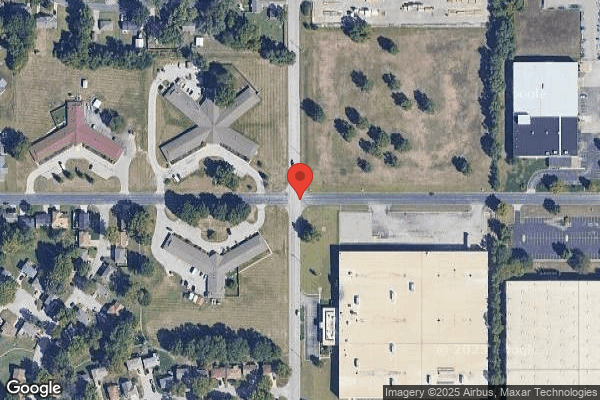
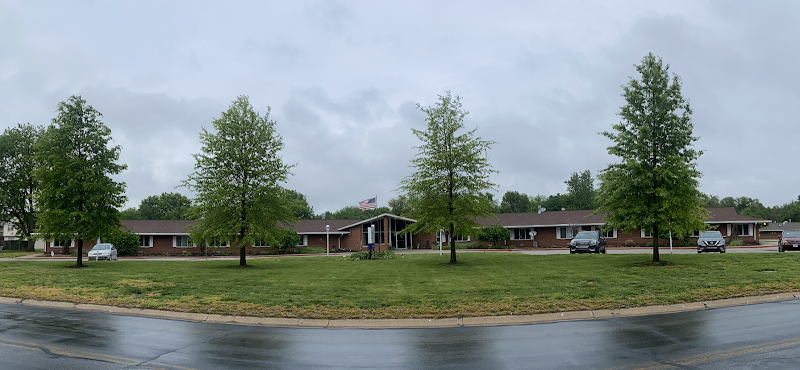
749 BLAKE STREET, EDWARDSVILLE, KS 66111 (913) 422-5952
For profit - Limited Liability company 45 Beds MISSION HEALTH COMMUNITIES Data: November 2025
Trust Grade
60/100
#147 of 295 in KS
Last Inspection: August 2024

Within standard 12-15 month inspection cycle. Federal law requires annual inspections.

Overview

Parkway Operator LLC in Edwardsville, Kansas, has a Trust Grade of C+, indicating it is slightly above average but not exceptional. It ranks #147 out of 295 facilities in Kansas, placing it in the top half, and #3 out of 9 in Wyandotte County, meaning there are only two local options rated higher. However, the facility's performance is worsening, with issues increasing from 6 in 2022 to 9 in 2024. Staffing is a concern, rated at 2 out of 5 stars, with a turnover rate of 50%, which is about average for the state. While there have been no fines recorded, there are serious safety concerns, such as a resident sustaining a fracture due to inadequate staff assistance during a lift transfer, and incomplete staffing information being submitted, which raises questions about the adequacy of care.

Trust Score
C+
60/100
In Kansas
#147/295
Top 49%
Safety Record
Moderate
Needs review
Inspections
Getting Worse
6 → 9 violations
Staff Stability
⚠ Watch
50% turnover. Above average. Higher turnover means staff may not know residents' routines.
Penalties
✓ Good
No fines on record. Clean compliance history, better than most Kansas facilities.
Skilled Nurses
○ Average
Each resident gets 37 minutes of Registered Nurse (RN) attention daily — about average for Kansas. RNs are the most trained staff who monitor for health changes.
Violations
⚠ Watch
20 deficiencies on record. Higher than average. Multiple issues found across inspections.
★★★☆☆
3.0
Overall Rating
★★☆☆☆
2.0
Staff Levels
★★☆☆☆
2.0
Care Quality
★★★☆☆
3.0
Inspection Score
Stable
2022: 6 issues
2024: 9 issues

The Good

  • Full Sprinkler Coverage · Fire safety systems throughout facility
  • No fines on record

Facility shows strength in fire safety.

The Bad

3-Star Overall Rating

Near Kansas average (2.9)

Meets federal standards, typical of most facilities

Staff Turnover: 50%

Near Kansas avg (46%)

Higher turnover may affect care consistency

Chain: MISSION HEALTH COMMUNITIES

Part of a multi-facility chain

Ask about local staffing decisions and management

The Ugly 20 deficiencies on record

1 actual harm
Aug 2024 8 deficiencies
CONCERN (D)

Potential for Harm - no one hurt, but risky conditions existed

Transfer Notice (Tag F0623)

Could have caused harm · This affected 1 resident

**NOTE- TERMS IN BRACKETS HAVE BEEN EDITED TO PROTECT CONFIDENTIALITY** The facility identified a census of 36 residents. The sample included 13 residents with one resident reviewed for hospitalizatio...

Read full inspector narrative →
**NOTE- TERMS IN BRACKETS HAVE BEEN EDITED TO PROTECT CONFIDENTIALITY** The facility identified a census of 36 residents. The sample included 13 residents with one resident reviewed for hospitalization. Based on observation, interview, and record review, the facility failed to provide written notification of transfer to Resident (R)43 and/or their representative, with a written notice specifying the location and reason for R43's facility-initiated transfer. This deficient practice placed R43 at risk for miscommunication between the facility and resident/representative and possible missed opportunities for healthcare services. Findings included: - R43 admitted to the facility on [DATE] and discharged to hospital on [DATE]. The Medical Diagnosis section within R43's Electronic Medical Records (EMR) included diagnoses of acute kidney failure, chronic obstructive pulmonary disease (COPD- a progressive and irreversible condition characterized by diminished lung capacity and difficulty or discomfort in breathing), chronic respiratory failure, heart failure, muscle weakness, and type two diabetes mellitus (DM-when the body cannot use glucose, not enough insulin made or the body cannot respond to the insulin). R43's Discharge Minimum Data Set (MDS) completed 05/20/24 noted a Brief Interview for Mental Status (BIMS) of 15 indicating intact cognition. R43's EMR indicated a comprehensive MDS assessment was not completed due to his recent admission. No Care Area Assessment (CAA) was completed at the time of his discharge. R43's EMR under Progress Note indicated he experienced right lower quarter abdominal pain during a therapy session and was sent out to an acute medical facility for treatment. The EMR lacked documentation showing written notification of transfer was provided to R43 or his representative. On 08/07/24 at 08:45 AM Social Service, Staff X stated a written notification of transfer was not issued to R43 or his representative because the facility believed he was coming back. She stated the facility would usually just call the family to inform them of the transfer rather than provide written notification. On 08/07/24 at 09:20 AM Administrative Nurse D stated the facility called family members for transfer notification and did not provide a written form or documentation. The facility did not provide a policy related to written notification and bed hold for discharges and transfers as requested on 08/07/24. The facility failed to provide a written notification of transfer for R43. This deficient practice placed R43 at risk for miscommunication between the facility and resident/representative and possible missed opportunities for healthcare services.
CONCERN (D)

Potential for Harm - no one hurt, but risky conditions existed

Deficiency F0625 (Tag F0625)

Could have caused harm · This affected 1 resident

**NOTE- TERMS IN BRACKETS HAVE BEEN EDITED TO PROTECT CONFIDENTIALITY** The facility identified a census of 36 residents. The sample included 13 residents with one resident reviewed for hospitalizatio...

Read full inspector narrative →
**NOTE- TERMS IN BRACKETS HAVE BEEN EDITED TO PROTECT CONFIDENTIALITY** The facility identified a census of 36 residents. The sample included 13 residents with one resident reviewed for hospitalization. Based on observation, interview, and record review, the facility failed to provide a copy of the facility bed hold policy to Resident (R)43 and/or their representative, with a written notice specifying the duration and cost of the bed hold policy, at the time of the resident's transfer to the hospital. This deficient practice had the risk of impaired ability to return to the facility and to the previous room for R43. Findings included: - R43 admitted to the facility on [DATE] and discharged to hospital on [DATE]. The Medical Diagnosis section within R43's Electronic Medical Records (EMR) included diagnoses of acute kidney failure, chronic obstructive pulmonary disease (COPD- a progressive and irreversible condition characterized by diminished lung capacity and difficulty or discomfort in breathing), chronic respiratory failure, heart failure, muscle weakness, and type two diabetes mellitus (DM-when the body cannot use glucose, not enough insulin made or the body cannot respond to the insulin). R43's Discharge Minimum Data Set (MDS) completed 05/20/24 noted a Brief Interview for Mental Status (BIMS) of 15 indicating intact cognition. R43's EMR indicated a comprehensive MDS assessment was not completed due to his recent admission. No Care Area Assessment (CAA) was completed at the time of his discharge. R43's EMR under Progress Note indicated he experienced right lower quarter abdominal pain during a therapy session and was sent out to an acute medical facility for treatment. R43's EMR lacked documentation showing a bed hold was provided to R43 or his representative. On 08/07/24 at 08:45 AM Social Service Staff X stated a written notification of transfer or bed hold was not issued to R43 or his representative because the facility believed he was coming back. She stated the facility would hold the bed for residents transferring out to the hospital. On 08/07/24 at 09:20 AM Administrative Nurse D stated the facility called family members for hospital transfers. She stated the facility believed R43 was returning and didn't need to provide the form. The facility did not provide a policy related to written notification and bed hold for discharges and transfers as requested on 08/07/24. The facility failed to provide a bed hold policy notice to R43 or his representative when he transferred to the hospital. This deficient practice had the risk of impaired ability to return to the facility and to the previous room for R43.
CONCERN (D)

Potential for Harm - no one hurt, but risky conditions existed

Comprehensive Care Plan (Tag F0656)

Could have caused harm · This affected 1 resident

**NOTE- TERMS IN BRACKETS HAVE BEEN EDITED TO PROTECT CONFIDENTIALITY** The facility identified a census of 36 residents. The sample included 13 residents. Based on observation, record review, and int...

Read full inspector narrative →
**NOTE- TERMS IN BRACKETS HAVE BEEN EDITED TO PROTECT CONFIDENTIALITY** The facility identified a census of 36 residents. The sample included 13 residents. Based on observation, record review, and interview, the facility failed to ensure Resident (R) 37's comprehensive care plan addressed his functional abilities and how much assistance was needed from staff. The facility failed to ensure R37's comprehensive care plan included a care area and interventions for Foley catheter (a tube inserted into the bladder to drain urine into a collection bag) care. This placed R37 at risk of impaired care due to uncommunicated care needs. Findings included: - R37's Electronic Medical Record (EMR) documented diagnoses of respiratory failure, urinary tract infection (UTI-an infection in any part of the urinary system), and chronic obstructive pulmonary disease (COPD- a progressive and irreversible condition characterized by diminished lung capacity and difficulty or discomfort in breathing). R37's admission Minimum Data Set (MDS) dated [DATE] documented a Brief Interview for Mental Status (BIMS) score of 12 which indicated moderately impaired cognition. R37 required partial to moderate assistance with tub and shower transfers and substantial to maximal assistance with his functional abilities. R37 had an indwelling catheter. R37's Functional Abilities Care Area Assessment (CAA) dated 06/29/24 documented R37 was a new admission and required assistance with activities of daily living (ADLs) and had a BIMS of 12. R37 was at risk for self-care deficits. R37's Urinary Catheter CAA dated 06/29/24 documented R37 required assistance with toileting hygiene and had an indwelling catheter. R37 was at risk for UTI. R37's Care Plan revised on 07/17/24 directed staff he had a tracheostomy (opening through the neck into the trachea through which an indwelling tube may be inserted) and staff was to ensure the ties were secured at all times. Staff was directed to reassure the resident to decrease his anxiety (mental or emotional reaction characterized by apprehension, uncertainty, and irrational fear). R37's Care Plan revised on 06/26/24 lacked a care area and interventions to direct staff on the amount of assistance R37 required with his ADLs. R37's Care Plan revised on 06/26/24 lacked a care area and interventions to address R37's Foley catheter. On 08/06/24 at 08:40 AM R37 laid on his back in his bed. R37's head of the bed was elevated at about 45 degrees, his enteral feeding (provision of nutrients through the gastrointestinal tract when the resident cannot ingest, chew, or swallow food) was infusing, and the tracheostomy tube was intact and secured. R37's catheter was below the bladder level and secured to the bed rail in a dignity bag. On 08/07/24 at 01:26 PM, Licensed Nurse (LN) G stated that care plans were a group effort, but she completed the comprehensive care plans. LN G stated R37 had gone to the hospital shortly after his admission so his care plan had not been completely updated. LN G stated R37's Care Plan had been overlooked and she had not realized that his care plan lacked staff direction for his ADLs and catheter care. On 08/07/24 at 01:37 PM Administrative Nurse D stated R37 had gone out to the hospital before the completion of his comprehensive assessment and had not noticed that his care plan had not been updated with interventions for his ADLs and catheter. The Comprehensive Care Plans policy last revised in August 2022 documented: The comprehensive care plan was based on a thorough assessment that included, but was not limited to, the MDS and physician's orders. Assessments of residents were ongoing and care plans were revised as information about the resident and resident's condition changed. The care plan should describe the resident's nursing, medical, physical, mental, and psychosocial preferences. The care plan should include person-specific, measurable objectives and time frames with a goal to measure progress towards meeting such. The facility failed to ensure R37's comprehensive care plan addressed his functional abilities and how much assistance was needed from staff for ADL care and his Foley catheter. This placed R37 at risk of impaired care due to uncommunicated care needs.
CONCERN (D)

Potential for Harm - no one hurt, but risky conditions existed

Deficiency F0657 (Tag F0657)

Could have caused harm · This affected 1 resident

- The Diagnoses tab of R22's Electronic Medical Record (EMR) revealed diagnoses for muscle weakness, a need for assistance with personal care, lack of coordination, abnormal posture, transient cerebra...

Read full inspector narrative →
- The Diagnoses tab of R22's Electronic Medical Record (EMR) revealed diagnoses for muscle weakness, a need for assistance with personal care, lack of coordination, abnormal posture, transient cerebral ischemic attack (TIA- temporary episode of inadequate blood supply to the brain), and venous insufficiency (poor circulation). The Annual Minimum Data Set (MDS) dated 12/22/23, documented R22 had a Brief Interview for Mental Status (BIMS) score of 15 which indicated intact cognition. The MDS documented R22 had functional limitation in range of motion (ROM) to both upper and lower extremities with impairment to both sides. The MDS documented R22 was dependent on staff for bathing, toileting, and mobility. The MDS documented R22 had no unhealed pressure ulcers at stage one (pressure wound which appears reddened, does not blanche, and may be painful but is not open) or higher. The Quarterly MDS dated 06/23/24, documented R22 had a BIMS score of 14 which indicated intact cognition. The MDS documented R22 was dependent on staff for his Activities of Daily Living (ADL) and mobility. The MDS further documented R22 was at risk for pressure ulcers and had one or more unhealed pressure ulcers at stage one or higher. The Pressure Ulcer/Injury Care Area Assessment (CAA) dated 12/22/23, documented R22 was dependent on two or more staff for bed mobility and was at risk for pressure ulcers or other skin integrity issues. The CAA further documented R22 had a low air loss mattress (a mattress used to help prevent skin breakdown by distributing the patient's body weight over a broad surface area). R22'sCare Plan with an initiated date of 01/20/22, documented R22 was at risk for skin breakdown due to impaired mobility and a history of skin breakdown with the right knee documented under the focus section. R22's Care Plan with an initiated date of 10/21/21, documented R22 had chronic pain due to physical disability, emotional distress, a history of hip fracture, back pain, and contractures (abnormal permanent fixation of a joint or muscle). R22's Care Plan lacked evidence of any pressure-reducing measures for R22's bilateral lower extremities to prevent pressure ulcers. A Nursing: Weekly Skin Condition Report dated 06/18/24, documented R22 had a pressure wound to his right knee with a first observed date of 06/16/24. A Nursing Weekly Skin Evaluation dated 07/25/24 documented R22 had redness and non-skin tear open areas to the right knee and right inner ankle. On 08/06/24 at 11:44 AM an observation revealed R22 rested in his room in bed. R22 lay on his back, with the head of the bed elevated. R22's torso leaned to the left side and his hips were rotated to the left with his knees bent. His right leg rested on top of his left leg. He was covered in a blanket and had a pillow between his thighs. On 08/07/24 at 07:56 AM R22 rested in bed. R2's torso leaned to the left, his hips were rotated to the left and his right leg rested on top of his left leg with his knees bent. R22 had one pillow between his thighs and one between his lower extremities. On 08/07/24 at 11:43 AM Consultant HH stated R22 was receiving therapy services weekly for ROM. Consultant HH stated therapy was working with R22 to help improve his positioning. Consultant HH stated they had begun using a brace on R22 to help straighten his legs as R22's contractures (abnormal fixation of a muscle or joint) limited his movement; however, he further stated due to R22's knee wound they had to stop using the braces until his wound healed. Consultant HH stated they attempted to use a wedge to help offload some of the pressure on R22's knees and ankle; however, R22 was resistive to their interventions at times. Consultant HH stated R22 was agreeable to using a pillow between his thighs and lower legs to reduce pressure. On 08/07/24 at 12:17 AM Consultant GG stated their department had worked with R22 to help improve his positioning and ROM for two years now. Consultant GG stated they had attempted offloading measures, such as wedges or pillows before R22's wounds formed; however, R22 would decline placement of the devices at times, and they would have to reintroduce them or try new interventions as R22 would allow. Consultant GG stated after R22's knee wound was discovered, they attempted to reintroduce pressure-reducing measures for his bilateral extremities, and R22 was agreeable to using pillows between his legs. On 08/07/24 at 01:26 PM, Licensed Nurse (LN) G stated the plans were updated quarterly by the interdisciplinary team. She stated all staff had access to view the care plan information. LN G stated R22's Care Plan should have had information related to his refusals of care and interventions. LN G further stated staff had tried many things for R22's pressure-related issues in a short amount of time and wasn't sure if all the interventions had been entered into his care plan; however, LN G stated pressure-reducing measures should have been on R22's Care Plan. On 08/07/24 at 01:31 PM Administrative Nurse D stated R22's Care Plan should have the information required for staff to provide care for him. Administrative Nurse D stated the pressure-reducing measures used by staff for R22, along with his refusals, should have been updated on his care plan. The facility's Care plan policy revised 08/2022 stated each resident will have a comprehensive assessment and provided individualized interventions to reflect their treatment needs. The policy indicated the care plans will be reviewed and updated to reflect changes that may occur with the resident's goals and care needs. The facility failed to revise the care plan with an intervention for pressure-reducing measures for R22's bilateral lower extremities to prevent the development of further pressure ulcers. This deficient practice placed R22 at risk for increased risk for pressure ulcer development due to uncommunicated care needs. The facility identified a census of 36 residents. The sample included 13 residents with 13 reviewed for care plan revisions. Based on observation, record review, and interviews, the facility failed to revise Resident (R)6's Care Plan to reflect his bowel incontinence needs. The facility additionally failed to revise R22's plan to include preventative offloading of his heels and ankles. This deficient practice placed both residents at risk for complications related to uncommunicated care needs. Findings Included: - The Medical Diagnosis section within R6's Electronic Medical Records (EMR) included diagnoses of congestive heart failure (CHF-a condition with low heart output and the body becomes congested with fluid)), type two diabetes mellitus (DM-when the body cannot use glucose, not enough insulin made or the body cannot respond to the insulin), muscle weakness, benign prostatic hyperplasia (BPH-non-cancerous enlargement of the prostate which can lead to interference with urine flow, urinary frequency and urinary tract infections), and spinal stenosis (degenerative condition of the spine that could cause weakness and loss of use of extremities). A review of R6's Quarterly Minimum Data Set (MDS) completed 05/09/24 noted a Brief Interview for Mental Status (BIMS) score of nine indicating moderate cognitive impairment. The MDs indicated he had functional impairments to both lower extremities and used a wheelchair. The MDS indicated he was dependent on staff for bathing, toileting, and transfer. The MDS indicated he had frequent incontinence of bowel and bladder. The MDS indicated he was not on a toileting program. R6's Urinary Incontinence Care Area Assessment (CAA) completed 09/14/23 indicated he was frequently incontinent and required assistance with toileting. The CAA noted he was at risk for skin breakdown and urinary tract infections related to his incontinence. The CAA noted a care plan was developed to provide goals and to minimize the risks associated with incontinence. R6's Functional Abilities CAA completed 09/14/23 indicated he required assistance with his activities of daily living (ADLs) related to his physical and cognitive impairments. The CAA noted a care plan was developed to provide goals and to minimize the risks associated with an ADL decline. R6's Care Plan initiated 08/30/22 indicated he was at risk for functional limitations and an ADL deficit related to his medical diagnoses. The plan noted he required extensive assistance from one staff for bathing, bed mobility, dressing, transfers, and toileting. The plan noted R6 had stress incontinence of his bladder and instructed staff to encourage fluids to promote voiding and monitor for signs of infections. The plan lacked documentation related to his assessed bowel incontinence and his need for disposable incontinence products. R6's EMR revealed a Nursing: Bowel Incontinence evaluation completed on 05/09/24. The evaluation indicated he had impaired cognitive function and mobility. The evaluation noted he had bowel incontinence, and his care plan would be updated. R6's EMR revealed a Nursing: Bladder Incontinence evaluation completed 02/21/23. The evaluation indicated he had urgency bladder incontinence. The evaluation indicated he was required to wear adult incontinence briefs at all times. On 08/05/24 at 10:55 AM R6 sat on his bed in his room. A portable urinal was placed next to his bedside table. R6 reported he needed assistance with toileting and wore incontinent briefs. On 08/06/24 at 10:32 AM Certified Nurse Aide (CNA) M stated the care plan should include detailed interventions related to R6's incontinence needs. She stated he required an incontinence brief to be worn at all times. She stated staff were required to provide frequent checks for incontinent residents. On 08/07/24 at 10:15 AM Licensed Nurse (LN) G stated the care plan should include the daily care needs for each resident. She stated the plans were updated quarterly by the interdisciplinary team. She stated all staff had access to view the care plan information. On 08/07/24 at 01:31 PM Administrative Nurse D stated the care plans should include what products and services are required for daily ADLs. She stated the bowel and bladder assessment results should be used to provide interventions to the residents. She stated the evaluations should be used for the care plans. The facility's Care plan policy revised 08/2022 stated each resident will have a comprehensive assessment and provided individualized interventions to reflect their treatment needs. The policy indicated the care plans will be reviewed and updated to reflect changes that may occur with the resident's goals and care needs. The facility failed to revise R6's Care Plan to reflect his bowel incontinence needs. This deficient practice placed R6 at risk for incontinence complications and uncommunicated care needs.
CONCERN (D)

Potential for Harm - no one hurt, but risky conditions existed

Pressure Ulcer Prevention (Tag F0686)

Could have caused harm · This affected 1 resident

The facility reported a census of 36 residents. The sample included 13 residents with two reviewed for pressure ulcers (localized injury to the skin and/or underlying tissue usually over a bony promin...

Read full inspector narrative →
The facility reported a census of 36 residents. The sample included 13 residents with two reviewed for pressure ulcers (localized injury to the skin and/or underlying tissue usually over a bony prominence, as a result of pressure, or pressure in combination with shear and/or friction). Based on observations, interviews, and record review, the facility failed to ensure Resident (R)17's low air-loss mattress pump was appropriately set to his recommended weight range. This deficient practice placed R17 at risk for complications related to skin breakdown and pressure ulcers. Findings Included: - The Medical Diagnosis section within R17's Electronic Medical Records (EMR) included diagnoses of type two diabetes mellitus (DM-when the body cannot use glucose, not enough insulin is made or the body cannot respond to the insulin), cerebral infarction (stroke - sudden death of brain cells due to lack of oxygen caused by impaired blood flow to the brain by blockage or rupture of an artery to the brain), neuromuscular bladder dysfunction (dysfunction of the urinary bladder caused by a lesion of the nervous system), dysphagia (difficulty swallowing), muscle weakness, and paralytic ileus (function paralysis of the nerve around the digestive tract). R17's Quarterly Minimum Data Set (MDS) completed 05/04/24 noted a Brief Interview for Mental Status (BIMS) score of zero indicating severe cognitive impairment. The MDS indicated he was dependent on staff assistance for bed mobility, toileting, transfers, bathing, and dressing. The MDS indicated he had impairments to both sides of his upper and lower extremities. The MDS indicated he was at risk for pressure ulcers. The MDS indicated he had no active pressure injuries. The MDS noted he had pressure-reducing devices for his bed and wheelchair, a repositioning program, and non-surgical dressings in place. The MDS indicated he received enteral nutrition (provision of nutrients through the gastrointestinal tract when the resident cannot ingest, chew, or swallow food). The MDS indicated he weighed 155 pounds (lbs.). R17's Pressure Ulcer Care Area Assessment (CAA) completed 02/04/24 revealed he was at risk related to his incontinence and need for assistance with bed mobility. The CAA indicated he needed a special mattress or seat cushion to reduce or relieve pressure. R17's Care Plan initiated 04/12/19 indicated he was at risk for skin breakdown and pressure ulcers related to his medical diagnoses and limited mobility. The plan indicated he was dependent on staff assistance for bed mobility, transfers, toileting, personal hygiene, dressing, and bathing. The plan instructed staff to reposition and monitor for skin breakdown. The plan instructed staff to provide preventative skin treatment and peri-care. The plan lacked indication related to the low air-loss mattress weight setting and monitoring requirements. R17's EMR under Physician's Order revealed an order for a pressure reduction (low air-loss) mattress. The order indicated his bed weight was 430 pounds (lbs.) A review of the low air-loss mattress's manufacturer operation manual (New Source Medical's Air Force One Model) indicated the alternating air mattress system was designed for patients who were at risk or had pressure ulcers. The manual indicated the bed's weight capacity weight was from 80 to 1000lbs. The manual indicated the mattress's internal pressure should be adjusted according to the patient's weight. The manual indicated the bed's weight setting could be adjusted for comfort one increment at a time until comfort is achieved. On 08/05/24 at 08:15 AM R17 slept in his bed. His bed was in the medium position. The head of his bed was elevated above 30 degrees. R17 had a low air-loss mattress system (Air Force 1000 model). The mattress control panel's weight was set to 300 lbs. On 08/07/24 at 10:12 AM R17 slept in his bed. His low air-loss mattress was set to 180 lbs. On 08/07/24 at 10:15 AM Licensed Nurse (LN) G stated the low air-loss mattress bed was set based on the weight of the residents. She stated some of the residents had preset weight orders recommended by the manufacturer and should have been set based on the order. She stated staff were expected to check the low air-loss mattresses each shift for functionality and safety. On 08/07/24 at 01:43 PM Administrative Nurse D stated an outside company came in to install the low air-loss mattresses and set the weight settings. She stated staff don't not adjust the weight setting of the bed. She stated the mattress weight setting should be set by weight but was not sure why R17's air mattress was recommended for 430 lbs. The facility's Prevention of Pressure Injuries policy revised 08/2022 indicated the facility will assess and identify residents at risk for developing pressure-related injuries. The policy indicated the facility will implement interventions to prevent injuries as well as promote healing for existing injuries. The policies noted the facility will utilize preventative skin treatments, techniques, and pressure-reducing equipment to ensure appropriate healing and prevention. The policy indicated the facility will implement pressure redistributing devices, wedges, and repositioning. The facility failed to ensure R17's low air-loss mattress pump was appropriately set to his weight range. This deficient practice placed R17 at risk for complications related to skin breakdown and pressure ulcers.
CONCERN (E)

Potential for Harm - no one hurt, but risky conditions existed

Unnecessary Medications (Tag F0759)

Could have caused harm · This affected multiple residents

The facility identified a census of 36 residents. The sample included 13 residents. Based on observation, record review, and interview, the facility failed to ensure the medication error rate did not ...

Read full inspector narrative →
The facility identified a census of 36 residents. The sample included 13 residents. Based on observation, record review, and interview, the facility failed to ensure the medication error rate did not exceed five percent (%) when staff crushed and mixed Resident (R) 37's medications without a physician's order to administer via a gastrostomy tube (G-tube: tube surgically placed through an artificial opening into the stomach). This resulted in a medication error rate of 23.08%. Findings included: - On 08/06/24 at 09:43 Licensed Nurse (LN) H prepared R37's medications for administration via G-tube. LN H had R37's Medication Administration Record (MAR) pulled up on her laptop for R37. LN H crushed six medications including citalopram hydrobromide (a medication used to treat depression), prednisone (a steroid medication used to decrease inflammation), a probiotic (a supplement used for digestive disorders), vitamin D3, senna (medications used to treat constipation), and sotalol (a beta-blocker sued to treat hypertension) and emptied the crushed medications into a medication cup and added water. LN H went to R37's bathroom and returned with two 60-milliliter (ml) syringes filled with the medications. LN H stopped R37's enteral nutrition (provision of nutrients through the gastrointestinal tract when the resident cannot ingest, chew, or swallow food) that infused via a Kangaroo pump (an enteral feeding pump used to deliver continuous or intermittent feeding). LN H disconnected the enteral tubing port from R37's G-tube hub and placed the tubing end on a barrier towel. LN H then opened an alcohol wipe and cleaned the G-tube hub and the tip of each 60 ml syringe with the medications in them. LN H connected one of the 60 ml syringes to the G-tube hub and administered the medications into the G-tube. LN H repeated with the second syringe with medication. LN H disconnected the syringe from R37's G-tube, wiped the end of the enteral feeding tubing with an alcohol wipe, reconnected the tubing to the G-tube, and restarted the enteral feeding. LN H did not flush the G-tube before the administration of the medications as well as after administration. A review of R37's physician's orders revealed that R37 lacked a physician's order to crush and mix medications for administration. R37's MAR documented an order dated 05/24/24 to crush medications as appropriate. On 08/07/24 at 10:36 AM LN G stated that it was the policy of the company that enteral medications could be mixed when administered unless contraindicated. LN G stated that R37's MAR should have the order to mix the medications when being administered via G-tube as well as the amount of water to flush the G-tube with before and after the medication administration. On 08/07/24 at 01:37 PM Administrative Nurse D stated that each resident who received medications via G-tube should have a physician's order to indicate that medications could be administered mixed as well as the amount of water to flush the tube with before and after mediation administration. The facility failed to provide a policy for Medication Administration or Medication Errors. The facility failed to ensure the medication error rate did not exceed five percent when staff failed to ensure R37 had a physician's order to administer medications mixed via a G-tube. This resulted in a medication error rate of 23.08%.
CONCERN (E)

Potential for Harm - no one hurt, but risky conditions existed

Infection Control (Tag F0880)

Could have caused harm · This affected multiple residents

The facility identified a census of 36 residents. The facility identified nine residents on Enhanced Barrier Precautions (EBP-infection control interventions designed to reduce transmission of resista...

Read full inspector narrative →
The facility identified a census of 36 residents. The facility identified nine residents on Enhanced Barrier Precautions (EBP-infection control interventions designed to reduce transmission of resistant organisms that employ targeted gown and glove use during high contact care). Based on record reviews, observations, and interviews, the facility failed to implement signage or indicators within the physical environment to alert staff and visitors of the required EBP. These deficient practices placed the residents at risk for infectious diseases. Findings Included: -An initial walkthrough of the facility was completed on 08/05/24 at 07:10 AM. An inspection of Resident (R)35's room revealed an over-the-door storage bin for personal protective equipment (PPE). The bin contained gloves, gowns, masks, and foot covers. An inspection of R35's room revealed no signage or indicator of precautions she was on. R35 had a tracheostomy (opening through the neck into the trachea through which an indwelling tube may be inserted) and a percutaneous endoscope gastrostomy tube (PEG-a tube inserted through the wall of the abdomen directly into the stomach). An inspection of R17's room revealed an over-the-door storage bin for PPE but lacked signage or precaution indicators. R17 had a tracheostomy, PEG-tube, and Foley catheter (a tube inserted into the bladder to drain urine into a collection bag). An inspection of R2's room revealed an over-the-door storage bin for PPE but lacked signage or precaution indicators. R2 had a PEG-tube. An inspection of R12's room revealed an over-the-door storage bin for PPE but lacked signage or precaution indicators. R12 had a Foley catheter. An inspection of R22's room revealed an over-the-door storage bin for PPE but lacked signage or precaution indicators. R22 had a Foley catheter. An inspection of R24's room revealed an over-the-door storage bin for PPE but lacked signage or precaution indicators. R24 had a Foley catheter. An inspection of R37's room revealed an over-the-door storage bin for PPE but lacked signage or precaution indicators. R37 had a tracheostomy, PEG-tube, and Foley catheter. An inspection of R27's room revealed an over-the-door storage bin for PPE but lacked signage or precaution indicators. R27 had a fistula (abnormal passage from an internal organ to the body surface or between two internal organs) for her dialysis (a procedure where impurities or wastes were removed from the blood). An inspection of R18's room revealed an over-the-door storage bin for PPE but lacked signage or precaution indicators. R18 had a fistula for his dialysis treatment. On 08/07/24 at 10:15 AM Licensed Nurse (LN) G stated the EBP rooms did not contain signage or indicators related to what precautions were needed. She stated the nursing team passed down which residents were on EBP and what PPE was required. She stated the electronic medical records (EMR) indicated if a resident was on EBP. She stated agency, visitors, and outside vendors could ask the nurse what PPE was required upon arrival. On 08/07/24 at 01:31 PM Administrative Nurse D stated the EMR had a stop sign logo on the resident's online chart to signify they were on EBP precautions. She stated no signage or indicators were posted in or outside the rooms. She stated visitors would need to ask staff before entering the rooms. She stated the proper PPE was supplied outside the rooms and signage would be posted if the resident was on contact precautions. The facility's Enhanced Barrier Precautions (EBP) policy revised 03/2024 indicated the facility will identify and assess individuals at risk for infections related to open wounds or bacterial colonization. The policy stated the facility would provide the appropriate PPE including gowns and gloves to use during high-contact care. The policy noted the facility will utilize High Contact Care signage for residents on EBP. The facility failed to implement signage or indicators within the physical environment to alert staff and visitors of the required EBP. These deficient practices placed the residents at risk for infectious diseases.
CONCERN (F)

Potential for Harm - no one hurt, but risky conditions existed

Staffing Data (Tag F0851)

Could have caused harm · This affected most or all residents

The facility had a census of 36 residents. Based on observation, interview, and record review, the facility failed to submit complete and accurate staffing information through Payroll Based Journaling...

Read full inspector narrative →
The facility had a census of 36 residents. Based on observation, interview, and record review, the facility failed to submit complete and accurate staffing information through Payroll Based Journaling (PBJ) as required. This deficient practice placed the residents at risk for unidentified and ongoing inadequate nurse staffing. Findings included: - The PBJ report provided by the Centers for Medicare & Medicaid Services (CMS) for Fiscal Year (FY) 2023 Quarter 3, FY 2024 Quarter 1, and FY 2024 Quarter 2 indicated the facility did not have licensed nurse coverage 24 hours a day, seven days a week on multiple (20) dates. A review of the facility licensed nurse timeclock data for the dates listed on the PBJ revealed a licensed nurse was on duty for 24 hours a day seven days a week. On 08/07/24 at 01:26 PM, an observation revealed a licensed nurse on duty in the facility. On 08/07/24 at 01:10 PM Administrative Staff B stated they verify hours through their clock-in system and then upload the hours to the PBJ, and corporate then sends the final report. Administrative Staff B stated they had to enter agency staffing hours manually based on the invoice information. Administrative Staff B stated if there were any discrepancies then it would likely be due to agency staffing hours as they were manually entered. The facility did not provide a policy related to PBJ reporting upon request. The facility failed to submit complete and accurate staffing information through PBJ as required. This deficient practice placed the residents at risk for unidentified and ongoing inadequate nurse staffing.
Jan 2024 1 deficiency 1 Harm
SERIOUS (G) 📢 Someone Reported This

A family member, employee, or ombudsman was alarmed enough to file a formal complaint

Actual Harm - a resident was hurt due to facility failures

Accident Prevention (Tag F0689)

A resident was harmed · This affected 1 resident

**NOTE- TERMS IN BRACKETS HAVE BEEN EDITED TO PROTECT CONFIDENTIALITY** The facility identified a census of 39 residents. The sample included three residents reviewed for accidents. Based on record re...

Read full inspector narrative →
**NOTE- TERMS IN BRACKETS HAVE BEEN EDITED TO PROTECT CONFIDENTIALITY** The facility identified a census of 39 residents. The sample included three residents reviewed for accidents. Based on record review, interview, and observations, the facility failed to ensure an adequate number of staff to provide assistance during a mechanical lift transfer to prevent accidents for Resident (R)1. As a result, R1 sustained a mid to lower coccyx (area at the base of the spine) fracture. This deficient practice also placed R1 at risk for increased pain and further impaired mobility. Findings included: - R1's Electronic Medical Record (EMR), under the Diagnosis tab, recorded diagnoses of restless legs syndrome, Parkinson's disease (a slowly progressive neurologic disorder characterized by resting tremor, rolling of the fingers, masklike faces, shuffling gait, muscle rigidity, and weakness) with dyskinesia (inability to execute voluntary movements), lack of coordination, reduced mobility, muscle weakness, and chronic pain syndrome. The admission Minimum Data Set (MDS) dated [DATE] documented a Brief Interview for Mental Status (BIMS) score of 15, which indicated intact cognition. R1 required substantial to maximum assistance from staff with sit-to-stand activity and chair/bed to chair transfers. The Activities of Daily Living (ADL) Care Area Assessment (CAA) dated 08/24/23 documented R1 had an unsteady gait and needed assistance with ADLs. R1 worked with therapy services. The Falls CAA dated 08/24/23 documented R1 had an unsteady gait and required staff assistance with transfers. R1 was at increased risk for falls. The Quarterly MDS dated 11/24/23 documented a BIMS score of 15, which indicated intact cognition. R1 required substantial to maximum assistance from staff with sit-to-stand activity and chair/bed to chair transfers. R1's Care Plan initiated on 09/17/23 and revised on 10/19/23 documented R1 utilized a sit-to-stand mechanical lift to get from the chair to the commode and/or commode to chair and required a Hoyer (full body mechanical lift) lift for getting in and out of bed. R1's Care Plan lacked direction regarding the number of staff to assist with R1's sit-to-stand or Hoyer transfers. R1's Nursing: Lift and Transfer Evaluation dated 09/08/23 documented R1 followed instructions, transferred with the assistance of one or two staff, and was not weight bearing. The evaluation further documented R1 used the sit-to-stand lift with one person's assistance with a medium sling. R1's Physical Therapy: PT Discharge Summary dated 11/15/23 documented R1 was able to transfer with the maximum assistance of two staff members with the sit-to-stand lift. The skilled interventions documented that R1 participated in techniques to improve safety with the sit-to-stand including transfer training and strengthening. The summary documented that facility staff received training. The Nursing Change of Condition Note dated 12/24/23 at 08:20 PM documented at 07:45 PM Certified Nurse's Aide (CNA) M called out for assistance to R1's room. R1 sat on her buttocks and reported that CNA M went fast with the transfer. The note documented R1 reported her legs weakened and gave out, and her hands could not hold her up any longer resulting in a fall. R1 complained of pain in her back and her upper posterior (backside) thigh. R1 requested to be checked out at the emergency room. R1's Physical Therapy: PT Evaluation dated 12/27/23 documented R1 was referred for therapy services related to a recent fall from the sit-to-stand lift resulting in a coccyx fracture. R1's Physicians Progress Notes dated 12/28/23 documented R1 was seen for a mild nondisplaced fracture of the mid to lower coccyx. The Facility Investigation dated 01/02/24 documented R1 requested to transfer into her bed and was assisted by CNA M. CNA M utilized the sit-to-stand lift for the transfer. During the transfer, R1 fell to the ground. R1 reported she informed CNA M that she was falling, but CNA M failed to slow down. CNA M's undated Witness Statement documented in December 2023, CNA M used the sit-to-stand lift for R1 while she tried to put R1 into bed. CNA M further documented that due to frustration and being overwhelmed, R1 started to slide out of the sling. CNA M stated she went behind R1 and guided R1 to the floor, and called for Licensed Nurse (LN) G. LN G's undated Witness Statement documented on 12/24/23 LN G went to R1's room and noted R1 on the floor. R1 reported to LN G that CNA M went too fast with the transfer and R1's legs failed to support her and R1 could not hold herself up. The statement recorded R1 informed LN G that she fell. On 01/10/24 at 01:43 PM, R1 sat in her wheelchair. R1 had one leg rest on the left side of her wheelchair. R1 had hand tremors while she spoke. R1 stated when she was being transferred with the sit-to-stand lift, she started to slip. R1 said she told CNA M she was slipping but CNA M she said she was not slipping. R1 stated the next thing she knew; she fell on the floor. R1 stated CNA M said she tried to catch R1, but R1 said she fell too fast and there was no way CNA M could get around behind R1. On 01/10/24 at 12:10 PM Administrative Nurse D stated when this event occurred, she looked for the manual for the sit-to-stand lift and was unable to locate it. Administrative Nurse D further stated she located a manual online, printed it off, and noted that it strongly recommended two staff members with the sit-to-stand lift. Administrative Nurse D revealed on the Nursing: Lift and Transfer Evaluation the only choice for the number of staff needed for the sit-to-stand lift indicated one staff member and it was not until the manual was found online that she learned it was strongly recommended for two staff members. Administrative Nurse D stated she had been educating staff to use two staff members with the sit-to-stand lift since the event. On 01/10/24 at 02:16 PM, Consultant GG stated the sit-to-stand lift was to have two staff members present to do the transfer. Consultant GG stated R1 used a sit-to-stand lift and when someone came off of therapy, staff received training regarding the therapy recommendations. Consultant GG revealed that staff would have received training instructing them two staff members should use the sit-to-stand lift for R1. On 01/10/23 at 02:23 PM Certified Medication Aide (CMA) R stated to use the sit-to-stand lift it required two staff members. CMA R revealed she always used two staff members. On 01/10/23 at 02:29 PM, LN H stated all mechanical lifts required two staff members to transfer residents. The LF2020 Easy Lift Sit to Stand Manual dated 2014 documented under warnings that two caregivers were strongly recommended to take part in the lifting process. The facility's Safe Lifting and Movement of Residents policy revised on 10/09 documented staff responsible for direct resident care would be trained in the use of manual and mechanical lifting devices. The facility failed to implement safe transferring with a mechanical sit-to-stand lift for R1, which resulted in a fall. R1 sustained a mid to lower coccyx fracture. This deficient practice also placed R1 at risk for increased pain and further impaired mobility.
Nov 2022 6 deficiencies
CONCERN (D) 📢 Someone Reported This

A family member, employee, or ombudsman was alarmed enough to file a formal complaint

Potential for Harm - no one hurt, but risky conditions existed

Resident Rights (Tag F0550)

Could have caused harm · This affected 1 resident

**NOTE- TERMS IN BRACKETS HAVE BEEN EDITED TO PROTECT CONFIDENTIALITY** The facility had a census of 40 residents. The sample included 12 residents with one reviewed for dignity. Based on observation,...

Read full inspector narrative →
**NOTE- TERMS IN BRACKETS HAVE BEEN EDITED TO PROTECT CONFIDENTIALITY** The facility had a census of 40 residents. The sample included 12 residents with one reviewed for dignity. Based on observation, interviews, and record review, the facility failed to treat Resident (R) 31 with respect and dignity and care for him in a manner that promoted quality of life. This placed the resident at risk for impaired dignity. Findings included: - R31's Electronic Medical Record (EMR) revealed a diagnosis of chronic kidney disease (inability to filter waste from the body), and urinary retention (difficulty urinating and completely emptying the bladder). R31's quarterly Minimum Data Set (MDS), dated [DATE], recorded the resident had intact cognition. The MDS recorded the resident required an indwelling urinary catheter (a tube inserted into the bladder to drain urine). The Urinary Catheter care plan dated 09/28/22, directed the staff to position the urinary catheter bag and tubing below the level of the bladder and away from the door entrance. On 11/17/22 at 09:20AM, observation revealed R31 laid in bed on his back. Further observation revealed a urinary catheter bag hanging on the side of the bed uncovered with urine visible from hall/doorway. On 11/21/22 at 09:45AM, observation revealed R31 laid in bed on his back. Further observation revealed an uncovered urinary catheter bag with urine in it hanging on the side of the bed visible from the doorway. On 11/21/22 at 10:15AM, Administrative Nurse D verified the uncovered urinary catheter bag. Administrative Nurse D stated the urinary catheter bag should be stored in a covered bag. The facility's Resident Rights policy, dated May 2022, stated the facility staff are to provide care for each resident to promote and maintain resident dignity and respect. The facility failed to provide dignity for R31, placing the resident at risk for impaired dignity.
CONCERN (D) 📢 Someone Reported This

A family member, employee, or ombudsman was alarmed enough to file a formal complaint

Potential for Harm - no one hurt, but risky conditions existed

Deficiency F0637 (Tag F0637)

Could have caused harm · This affected 1 resident

**NOTE- TERMS IN BRACKETS HAVE BEEN EDITED TO PROTECT CONFIDENTIALITY** The facility had a census of 40 residents. The sample included 12 residents with two reviewed for pressure ulcers (localized inj...

Read full inspector narrative →
**NOTE- TERMS IN BRACKETS HAVE BEEN EDITED TO PROTECT CONFIDENTIALITY** The facility had a census of 40 residents. The sample included 12 residents with two reviewed for pressure ulcers (localized injury to skin and/or underlying tissue as a result of pressure, or pressure in combination with shear and/or friction). Based on record review and interview, the facility failed to complete a significant change assessment after the development of an unstageable pressure ulcer for one of two sampled residents, Resident (R) 40. This placed the resident at risk to have an inaccurate assessment of his health status. Findings included: - The Physician Order Sheet, dated 11/02/22, recorded R40 had diagnoses of cerebrovascular accident (CVA) (sudden death of brain cells due to lack of oxygen caused by impaired blood flow to the brain), diabetes mellitus (when the body cannot use glucose, not enough insulin made, or body cannot respond to insulin) and hemiplegia (paralysis of one side of the body) The Quarterly Minimum Data Set (MDS), dated [DATE], recorded R40 had a Brief Interview for Mental Status (BIMS) score of zero (severely impaired cognition) with physical behaviors and rejection of cares. The MDS recorded R40 required total staff assistance with bed mobility, transfers, had an unstageable pressure ulcer (wound bed obscured slough [dead tissue usually cream or yellow in color] or eschar (dead tissue) and Moisture Associated Skin Damage (MASD). The Pressure Ulcer Care Plan, dated 11/08/22, recorded R40 at risk for skin issues due to limited mobility, diabetic disease process, non-compliance with cares and a history of skin breakdown. The Pressure Ulcer Care Plan directed staff to provide R40 treatments and preventive interventions for wounds as ordered by the physician and to monitor for wound changes weekly. The Physician Progress Note, dated 10/26/22, recorded R40 had an unstageable pressure ulcer on the right buttocks. The Physician Progress Note, recorded the wound clinic continued to provide cares and treatment. The Wound Care Center Progress Note, dated 10/31/22, recorded R40 had right buttock unstageable pressure ulcer with odorous serosanguinous drainage (semi-thick reddish drainage). On 11/22/22 at 10:17 AM, Administrative Nurse D stated staff should have completed a significant change assessment for R40, who developed an unstageable pressure ulcer. The Comprehensive Assessment Policy, dated August 2022, recorded a significant change was defined as a condition that will not resolve itself without physician and staff intervention, and requires interdisciplinary review and care plan revisions. The Comprehensive Assessment Policy directed staff to complete a significant change MDS assessment within 14 days of a significant change in the resident's condition. The facility failed to complete a significant change assessment after R40 developed of an unstageable pressure ulcer, placing the resident at risk to have an inaccurate assessment of his health status
CONCERN (D) 📢 Someone Reported This

A family member, employee, or ombudsman was alarmed enough to file a formal complaint

Potential for Harm - no one hurt, but risky conditions existed

Quality of Care (Tag F0684)

Could have caused harm · This affected 1 resident

**NOTE- TERMS IN BRACKETS HAVE BEEN EDITED TO PROTECT CONFIDENTIALITY** The facility had a census of 40 residents. The sample included 12 residents with two reviewed for diabetic ulcers (open wound ca...

Read full inspector narrative →
**NOTE- TERMS IN BRACKETS HAVE BEEN EDITED TO PROTECT CONFIDENTIALITY** The facility had a census of 40 residents. The sample included 12 residents with two reviewed for diabetic ulcers (open wound caused by neuropathy (weakness, numbness, and pain from nerve damage) and/or poor blood circulation). Based on record review and interview, the facility failed to provide heel protectors (medical device used to offload pressure from the heel and foot to wounds and pressure ulcers) as ordered by the wound clinic for one of two sampled residents, Resident (R) 40. This placed the resident at risk to worsen his current diabetic ulcer or develop more skin issues. Findings included: - The Physician Order Sheet, dated 11/02/22, recorded R40 had diagnoses of cerebrovascular accident (CVA - (sudden death of brain cells due to lack of oxygen caused by impaired blood flow to the brain), diabetes mellitus (when the body cannot use glucose, not enough insulin made, or body cannot respond to insulin) and hemiplegia (paralysis of one side of the body) The Quarterly Minimum Data Set (MDS), dated [DATE], recorded R40 had a Brief Interview for Mental Status (BIMS) score of zero (severely impaired cognition) with physical behaviors and rejection of cares. The MDS recorded R40 required total staff assistance with bed mobility, transfers, had an unstageable pressure ulcer (wound bed obscured slough (dead tissue usually cream or yellow in color) or eschar (dead tissue) and Moisture Associated Skin Damage (MASD). The Pressure Ulcer Care Plan, dated 11/08/22, recorded R40 at risk for skin issues due to limited mobility, diabetic disease process, non-compliance with cares and a history of skin breakdown. The Pressure Ulcer Care Plan directed staff to provide R40 treatments and preventive interventions for wounds as ordered by the physician. The Pressure Ulcer Care Plan lacked documentation staff provided R40 heel protectors at all times as recommended by the wound clinic. The Physician Order, dated 10/31/22, directed staff to apply Betadine (topical medication that provide infection protection) and a foam dressing to R40's left heal every Monday, Wednesday, and Friday. The Wound Care Center Progress Note, dated 11/14/22, recorded R40's left posterior heel diabetic ulcer was debrided and directed staff to ensure R40 had heel protectors on all times. The Physician Progress Note, dated 11/16/22, directed staff to send R40 to the hospital for a coccyx wound infection related to possible osteomyelitis (local or generalized infection of the bone or bone marrow). Review of R40's medical record lacked documentation of R40's wound clinic ordered heel protectors on 11/22/22 (8 days after the wound clinic order). On 11/22/22 at 10:17 AM, Administrative Nurse D stated staff should have documented and followed the wound clinic recommendation for R40 to wear heel protectors at all times. The Skin/Wound Care policy, dated 07/14/22, directed staff to implement preventative measures to help protect and heal existing wounds, and this included heel protectors/pressure relief boots. The facility failed to provide heel protectors as ordered by the wound clinic for R40, placing the resident at risk to worsen his current diabetic ulcer or develop more skin issues.
CONCERN (D) 📢 Someone Reported This

A family member, employee, or ombudsman was alarmed enough to file a formal complaint

Potential for Harm - no one hurt, but risky conditions existed

Accident Prevention (Tag F0689)

Could have caused harm · This affected 1 resident

**NOTE- TERMS IN BRACKETS HAVE BEEN EDITED TO PROTECT CONFIDENTIALITY** The facility had a census of 40 residents. The sample included 12 residents with three reviewed for accident hazards. Based on o...

Read full inspector narrative →
**NOTE- TERMS IN BRACKETS HAVE BEEN EDITED TO PROTECT CONFIDENTIALITY** The facility had a census of 40 residents. The sample included 12 residents with three reviewed for accident hazards. Based on observation, record review and interview, the facility used side rails without a safety assessment or accident hazard care plan for one of three sampled residents, Residents (R) 36. This placed the resident at risk for entrapment and falls. Findings included: - The Physician Order Sheet, dated 11/02/22, recorded R36 had diagnoses of dementia (persistent mental disorder marked by memory loss and impair reasoning), multiple sclerosis (progressive disease of the nerve fibers of the brain and spinal cord), paraplegia (paralysis characterized by motor or sensory loss in the lower limbs and trunk), muscle weakness and lack of coordination. The Annual Minimum Data Set (MDS), dated [DATE], recorded R36 had a Brief Interview for Mental Status (BIMS) score of three (severely impaired cognition). The MDS recorded R36 required total staff assistance with bed mobility and transfers, impaired balance that required staff assistance to stabilize, and limited range of motion in the extremities on one side of the body. The MDS further recorded R36 was a fall risk and had a recent minor injury fall. The Accident Hazard and Fall Care Plan, dated 10/20/22, recorded R36 was assessed a high risk for falls due to confusion, poor safety awareness, impaired balance, limited mobility, and a history of falls. The Accident Hazard and Fall Care Plan recorded R36 required extensive staff assistance to reposition in bed and transfer and directed staff not to leave the resident unattended in the wheelchair due to her involuntary movements. R36's Accident Hazard and Fall Care Plan lacked documentation for the use of side rails. The Side Rail Evaluation, dated 06/04/22, recorded R36 was a high risk for falls, and lacked assessment documentation for R36's safe use of side rails. The Fall Assessment, dated 09/23/22, recorded R36 was a high risk for falls due to cognitive impairment, limited mobility, confined to bed or wheelchair and a recent fall from her wheelchair on 09/19/22. On 11/17/22 at 01:21 PM, observation revealed the resident resting quietly in bed with side rails raised on both sides of the bed. Continued observation revealed R36 had scooted toward the foot of the bed, her left arm dangled over the side of the bed and a blanket was wrapped around one of the resident's legs. Continued observation revealed the side rails had gaps R36 could easily pass her extremities through. On 11/21/22 at 11:06 AM, Licensed Nurse (LN) G stated R36 was a fall risk due to cognitive impairment and multiple sclerosis, and the resident should not have the side rails raised on her bed. LN G stated R36 spent most of her time in bed and the resident was able to scoot and move in the bed without purpose. On 11/22/22 at 10:07 AM, Administrative Nurse D stated staff should not raise the side rails on R36's bed due to her history of falls and the side rails had gaps that could entrap the resident. The facility's Side Rail policy, dated 08/01/21, directed staff to complete routine side rail assessments to ensure the resident's need, appropriateness, and safety for the use of side rails. The facility used side rails without a safety assessment or accident hazard care plan for R36, placing the resident at risk for entrapment and falls.
CONCERN (D) 📢 Someone Reported This

A family member, employee, or ombudsman was alarmed enough to file a formal complaint

Potential for Harm - no one hurt, but risky conditions existed

Deficiency F0700 (Tag F0700)

Could have caused harm · This affected 1 resident

**NOTE- TERMS IN BRACKETS HAVE BEEN EDITED TO PROTECT CONFIDENTIALITY** The facility had a census of 40 residents. The sample included 12 residents with three reviewed for accident hazards. Based on o...

Read full inspector narrative →
**NOTE- TERMS IN BRACKETS HAVE BEEN EDITED TO PROTECT CONFIDENTIALITY** The facility had a census of 40 residents. The sample included 12 residents with three reviewed for accident hazards. Based on observation, record review and interview, the facility failed to complete an assessment for the safe use of side rails the three sampled residents, Residents (R) 16, 25, 36. This placed the residents at risk for entrapment and injuries. Findings included: - The Physician Order Sheet, dated 05/03/22, recorded R16 had diagnoses of dementia (persistent mental disorder marked by memory loss and impair reasoning), diabetes mellitus (the body cannot use glucose, not enough insulin made, or body cannot respond to the insulin), and chronic kidney disease (kidneys unable to filter waste from the blood), and muscle weakness. The Quarterly Minimum Data Set (MDS), dated [DATE], recorded R16 had a Brief Interview for Mental Status (BIMS) score of nine (moderately impaired cognition). The MDS recorded R16 required total staff assistance with bed mobility and transfers, had impaired balance that required staff assistance to stabilize, and limited range of motion in all his extremities. The Activities of Daily Living (ADLs) Care Plan, dated 11/08/22, recorded R16 spent most of his time in bed and required extensive to total staff assistance with bed mobility and transfers. The ADL Care Plan' lacked documentation for the use of side rails on the resident's bed. The Fall Assessment, dated 01/08/22, recorded R16 had no history of falls but was a high fall risk due to cognitive impairment, limited mobility, and confined to bed and chair. The Side Rail Evaluation, dated 03/23/22, recorded R16 used partial side rails on both sides of the bed but lacked assessment documentation for R16's functionality and safe use of side rails. On 11/21/22 at 09:43 AM, observation revealed R16 rested in bed with the head of the bed elevated and side rails raised on both sides of the bed. Continued observation revealed the side rails had gaps R16 could easily pass his extremities through. On 11/21/22 at 11:06 AM, Licensed Nurse (LN) G stated R16 spent most his time in bed and had side rails raised to prevent falls. LN G stated R16 required extensive staff assistance for bed mobility and transfers, and was a fall risk due to muscle weakness and limited mobility. On 11/22/22 at 10:07 AM, Administrative Nurse D stated staff should complete the side rail assessment to ensure R16's function and safety were appropriate for the use of side rails. The facility's Side Rail policy, dated 08/01/21, directed staff to complete routine side rail assessments to ensure the resident's need, appropriateness, and safety for the use of side rails. The facility failed to complete an assessment for the safe use of side rails for R16, placing the resident at risk for entrapment and injuries. - The Physician Order Sheet, dated 05/03/22, recorded R25 had diagnoses of Cerebrovascular Accident (CVA) (sudden death of brain cells due to a lack of oxygen caused by impaired blood flow to the brain) and persistent vegetative state (state of wakefulness accompanied by a complete lack of cognitive function). The Quarterly Minimum Data Set (MDS), dated 22, recorded R25 was in a persistent vegetative state with no discernible consciousness and required total staff assistance with bed mobility and transfers. The Activities of Daily Living (ADLs) Care Plan, dated 09/11/22, recorded R25 used side rails and was at risk for entrapment and injury. The ADLs Care Plan directed staff to provide total assistance for R25's bed mobility, turn and reposition the resident frequently and provide frequent checks when R25 is in bed. The Side Rail Evaluation, dated 10/06/22, recorded R25 used partial side rails on both sides of the bed but lacked assessment documentation for R25's functionality and safe use of side rails. The Side Rail Evaluation, dated 11/01/22, recorded R25 used partial side rails on both side of the bed but lacked documentation of any resident assessment. On 11/21/22 at 02:40 PM, observation revealed R25 rested in bed positioned with pillows for support and comfort, and side rails raised on both sides of the bed. Continued observation revealed the side rails had gaps R25 could pass his extremities through. On 11/21/22 at 11:06 AM, Licensed Nurse (LN) G stated R25 spent most his time in bed and had side rails raised to prevent falls. LN G stated R25 was in a total vegetative state, required total staff assistance for bed mobility and transfers and was a fall risk. On 11/22/22 at 10:07 AM, Administrative Nurse D stated staff should complete the side rail assessment to ensure R25's function and safety were appropriate for the use of side rails. The facility's Side Rail policy, dated 08/01/21, directed staff to complete routine side rail assessments to ensure the resident's need, appropriateness, and safety for the use of side rails. The facility failed to complete an assessment for the safe use of side rails for R25, placing the resident at risk for entrapment and injuries. - The Physician Order Sheet, dated 11/02/22, recorded R36 had diagnoses of dementia (persistent mental disorder marked by memory loss and impair reasoning), multiple sclerosis (progressive disease of the nerve fibers of the brain and spinal cord), paraplegia (paralysis characterized by motor or sensory loss in the lower limbs and trunk), muscle weakness and lack of coordination. The Annual Minimum Data Set (MDS), dated [DATE], recorded R36 had a Brief Interview for Mental Status (BIMS) score of three (severely impaired cognition). The MDS recorded R36 required total staff assistance with bed mobility and transfers, impaired balance that required staff assistance to stabilize, and limited range of motion in the extremities on one side of the body. The MDS further recorded R36 was a fall risk and had a recent minor injury fall. The Accident Hazard and Fall Care Plan, dated 10/20/22, recorded R36 was assessed a high risk for falls due to confusion, poor safety awareness, impaired balance, limited mobility, and a history of falls. The Accident Hazard and Fall Care Plan recorded R36 required extensive staff assistance to reposition in bed and transfer and directed staff not to leave the resident unattended in the wheelchair due to her involuntary movements. R36's Accident Hazard and Fall Care Plan lacked documentation for the use of side rails. The Side Rail Evaluation, dated 06/04/22, recorded R36 was a high risk for falls, and lacked assessment documentation for R36's safe use of side rails. The Fall Assessment, dated 09/23/22, recorded R36 was a high risk for falls due to cognitive impairment, limited mobility, confined to bed or wheelchair and a recent fall from her wheelchair on 09/19/22. On 11/17/22 at 01:21 PM, observation revealed the resident resting quietly in bed with side rails raised on both sides of the bed. Continued observation revealed R36 had scooted toward the foot of the bed, her left arm dangled over the side of the bed and a blanket was wrapped around one of the resident's legs. Continued observation revealed the side rails had gaps R36 could easily pass her extremities through. On 11/21/22 at 11:06 AM, Licensed Nurse (LN) G stated R36 was a fall risk due to cognitive impairment and multiple sclerosis, and the resident should not have the side rails raised on her bed. LN G stated R36 spent most of her time in bed and the resident was able to scoot and move in the bed without purpose. On 11/22/22 at 10:07 AM, Administrative Nurse D stated staff should complete the side rail assessment to ensure R36's function and safety were appropriate for the use of side rails. The facility's Side Rail policy, dated 08/01/21, directed staff to complete routine side rail assessments to ensure the resident's need, appropriateness, and safety for the use of side rails. The facility failed to complete an assessment for the safe use of side rails for R36, placing the resident at risk for entrapment and injuries.
CONCERN (D) 📢 Someone Reported This

A family member, employee, or ombudsman was alarmed enough to file a formal complaint

Potential for Harm - no one hurt, but risky conditions existed

Deficiency F0849 (Tag F0849)

Could have caused harm · This affected 1 resident

**NOTE- TERMS IN BRACKETS HAVE BEEN EDITED TO PROTECT CONFIDENTIALITY** The facility had a census of 40 residents. The sample included 12 residents. Based on observation, record review, and interview ...

Read full inspector narrative →
**NOTE- TERMS IN BRACKETS HAVE BEEN EDITED TO PROTECT CONFIDENTIALITY** The facility had a census of 40 residents. The sample included 12 residents. Based on observation, record review, and interview the facility failed to develop a comprehensive plan of care which included collaberation with the hospice provider for Resident (R) 39 who received hospice services. This placed the resident at risk for inappropriate end of life care. Findings included: - R39's electronic medical record (EMR) documented diagnosis of emphysema (a condition in which the air sacs of the lungs are damaged and enlarged, causing trouble breathing). The Significant Change Minimum Data Set (MDS), dated [DATE], recorded the resident had moderately impaired cognition. The MDS further indicated the resident required extensive one staff assistance with bed mobility, and transfers. The MDS documented R39 received hospice services. The Physician's Order, dated 11/08/22. directed the staff to provide hospice services for the resident. Review of R39's medical record revealed the comprehensive care plan lacked direction for staff regarding hospice services provided. R39's clinical record lacked evidence of coordination of care which identified the resident's diagnosis, a common problem list, palliative interventions, palliative goals/objectives, responsible disciplines, responsible providers and/or the resident's end of life choices regarding care and goals. On 11/21/22 at 08:30AM, observation revealed R39 in bed, on his left side. On 11/22/22 at 10:00AM, Administrative Nurse D verified the facility lacked a comprehensive hospice care plan. The facility's Hospice Program, policy dated 06/2021, documented a written comprehensive care plan would be established and maintained, to identify hospice needs, and services provided by the hospice. Hospice will be responsible for the professional management and the coordination of the care plan with input from the facility. The facility failed to develop a comprehensive hospice plan of care which included collaberation with the hospice provider for R39, who received hospice services, placing him at risk for inappropriate end of life care.
Jun 2021 5 deficiencies
CONCERN (D)

Potential for Harm - no one hurt, but risky conditions existed

Deficiency F0582 (Tag F0582)

Could have caused harm · This affected 1 resident

The facility had a census of 37 residents. The sample included 12 residents, with three reviewed for Beneficiary Notices. Based on record review and interview, the facility failed to obtain completed ...

Read full inspector narrative →
The facility had a census of 37 residents. The sample included 12 residents, with three reviewed for Beneficiary Notices. Based on record review and interview, the facility failed to obtain completed Centers for Medicare & Medicaid Services (CMS) Skilled Nursing Facility Advanced Beneficiary Notice of Non-Coverage (SNF ABN) Form 10055 for three of three samples residents (or their representatives), Resident (R) 10, R33, and R34. Findings included: - The CMS Form 10055 informed the beneficiary the options of (1) if Medicare does not pay, the resident would be responsible for payment, but could appeal to Medicare, (2) receive therapy listed, but do not bill Medicare, and the resident would be responsible for payment for services, or (3) does not want the listed services. A provider must issue advanced written notice to enrollees before termination of services in a Skilled Nursing Facility (SNF), Home Health Agency (HHA), or Comprehensive Outpatient Rehabilitation Facility (CORF). If an enrollee filed an appeal, then the plan must deliver a detailed explanation of why services should end. The forms lacked documentation of specific options choice selection. On 06/10/21 at 10:32 AM, Licensed Nurse G verified she had forgotten to ensure the option for whether or not to continue therapy was checked on all three sampled residents. Upon request, the facility failed to provide a policy regarding Advanced Beneficiary Notices. The facility failed to complete selection of specific care option choices on CMS Form 10055 for R10, R33, and R34 (or their representatives), placing the residents at risk for uniformed decisions about continuation of their skilled care.
CONCERN (D)

Potential for Harm - no one hurt, but risky conditions existed

Incontinence Care (Tag F0690)

Could have caused harm · This affected 1 resident

**NOTE- TERMS IN BRACKETS HAVE BEEN EDITED TO PROTECT CONFIDENTIALITY** The facility had a census of 37 residents. The sample included 12 residents, with three reviewed for urinary catheters (tube ins...

Read full inspector narrative →
**NOTE- TERMS IN BRACKETS HAVE BEEN EDITED TO PROTECT CONFIDENTIALITY** The facility had a census of 37 residents. The sample included 12 residents, with three reviewed for urinary catheters (tube inserted into the bladder to drain urine into an attached bag or container). Based on observation, interview, and record review, the facility failed to provide urinary catheter care and services for one of three sampled residents, Resident (R) 23. Findings included: - R23's Annual Minimum Data Set (MDS), dated [DATE], documented the resident cognitively intact with a Brief Interview for Mental Status (BIMS) score of 14. The MDS documented the resident required supervision with personal hygiene, limited assistance of one staff for toileting, and had a urinary catheter. The Urinary Care Area Assessment (CAA), dated 04/27/21, documented the resident had a urinary catheter, required staff assistance with toileting needs, and at increased risk for infection at the catheter site. The Urinary Care Plan, dated 05/03/21, documented the resident had a urinary catheter 16 French (Fr-size), 30 milliliter (ml) balloon. The care plan directed staff to change the catheter as needed, provide catheter care, and keep the catheter below the level of the bladder. The care plan further directed staff to observe catheter tubing for kinks, monitor, record, and report any signs/symptoms of infection. The Physician Order, dated 02/28/21, directed staff to provide the resident a urinary catheter,16 Fr, 30 ml balloon, for urinary retention. Change catheter and bag as needed for signs and symptoms of infection, obstruction, or when the closed system had been compromised. The order directed staff to monitor urinary output every shift. On 06/08/21 at 01:31 PM, observation revealed the resident in bed and the urinary catheter bag hung on the lower rung of her walker. Certified Nurse Aide (CNA) M set the urine measuring container on the bare floor, emptied 1250 cubic centimeters (cc) of pale, slightly cloudy urine into the measuring container, then used liquid alcohol on a brown paper towel to disinfect the catheter drainage port. CNA M emptied the measuring container in the toilet, placed a paper towel inside container, and set it on a shelf above the toilet without placing it in a plastic cover. On 06/08/21 at 04:27 PM, observation revealed Certified Medication Aide (CMA) R set the measuring container on the bare floor of the resident's room, used an alcohol wipe to disinfect the catheter drainage port prior to emptying the catheter bag, and drained 350 cc of slightly cloudy urine into the measuring container. Further observation revealed CMA R did not disinfect the port after emptying the catheter, emptied the measuring container into the toilet, and set the canister on a shelf above the toilet without a covering. On 06/10/21 at 03:00 PM, observation revealed the urinary measuring container sat on a shelf in the bathroom without a plastic bag on it. On 06/08/21 at 04:30 PM, CMA R stated she used an alcohol wipe to disinfect the catheter drainage port before she emptied the catheter bag, not after. On 06/09/21 at 05:00 PM, Administrative Nurse D stated staff were expected to use an alcohol wipe to disinfect the drainage port after emptying the catheter. On 06/10/21 at 02:54 PM, CMA S stated when she emptied the catheter bag she placed the measuring container on a paper towel on the floor, drained the bag, sanitized the drainage port, and measured the amount. CMA S stated she emptied the measuring container into the toilet, rinsed it out, placed it in a plastic bag, and stored it in the bathroom. On 06/10/21 at 03:00 PM, CNA N stated she cleaned the drainage port with moist wipes after emptying the bag and stored the urinal container in a plastic bag in the bathroom. On 06/10/21 at 03:05 PM, Administrative Nurse D stated staff were to place a clean barrier on the floor to place the measuring container on to keep urine off the floor. She verified staff were also to place the container in a plastic bag when finished. The facility's Indwelling Urinary Catheters policy, dated November 2017, documented for staff to maintain clean technique when handling or manipulating the drainage system. Ensure the drainage bag and tubing are kept off the floor, empty the drainage bag routinely, and prevent contact of the drainage port with the non-sterile container. The facility failed to provide R23 care and services for her urinary catheter to prevent infection, placing the resident at risk for urinary tract infections.
CONCERN (D)

Potential for Harm - no one hurt, but risky conditions existed

Deficiency F0757 (Tag F0757)

Could have caused harm · This affected 1 resident

**NOTE- TERMS IN BRACKETS HAVE BEEN EDITED TO PROTECT CONFIDENTIALITY** The facility had a census of 37 residents. The sample included 12 residents, with five reviewed for unnecessary medications. Bas...

Read full inspector narrative →
**NOTE- TERMS IN BRACKETS HAVE BEEN EDITED TO PROTECT CONFIDENTIALITY** The facility had a census of 37 residents. The sample included 12 residents, with five reviewed for unnecessary medications. Based on observation, interview, and record review, the facility failed to adequately monitor one of five sampled residents for constipation, Resident (R) 22. Findings included: - R22's Quarterly Minimum Data Set (MDS), dated [DATE], documented the resident cognitively intact with a Brief Interview for Mental Status (BIMS) score of 15. The MDS documented the resident required extensive assistance of one staff for toileting. The Medication Care Plan, dated 05/03/21, directed staff to give medications as ordered, and document and report signs and symptoms of complications related to constipation. The Physician Order, dated 01/28/21, directed staff to administer the resident Bisacodyl (bowel laxative),10 milligrams (mg) daily, if no bowel movement in 48 hours call medical staff for further instructions. The Physician Order, dated 05/14/21, directed staff to administer the resident Miralax (bowel laxative), 17 grams, daily. Review of R22's April, May, or June 01-10, 2021 Medication Administration Record lacked documentation Bisacodyl was administered. The April 2021 Bowel Movement Report documented bowel movements on the following days: 04/02/21 04/06/21 (3 days) 04/08/21 04/14/21 (5 days) 04/21/21 04/26/21 (4 days). The May 2021 Bowel Movement Report documented bowel movements on the following days: 05/01/21 05/08/21 (6 days) 05/11/21 05/14/21 05/19/21 (4 days) 05/31/21 (11 days). On 06/08/21 at 11:45 AM, observation revealed the resident in bed, Certified Nurse Aide (CNA) M asked her if she was ready to get up for lunch, R22 hollered out No! CNA M offered R22 toileting but the resident refused. On 06/09/21 at 04:49 PM, Administrative Nurse D verified missing bowel movement documentation in April and May 2021, and stated staff were not documenting every bowel movement. Administrative Nurse D verified the facility lacked a system to ensure nurses noted the lack of bowel movements and provided interventions if needed. The facility's undated Standing Orders included constipation and directed staff to provide Miralax 17 grams with eight ounces of water or juice daily as needed for constipation. The orders further directed staff to administer Dulcolax, 10 mg as needed, daily if no bowel movement in three days. May use for up to three consecutive days before discontinuing and notify the physician for further orders. The facility failed to adequately monitor R22's bowel movements, monitor side effects of medication, and the effectiveness of Miralax, placing the resident at risk for complications related to constipation.
CONCERN (E)

Potential for Harm - no one hurt, but risky conditions existed

Deficiency F0761 (Tag F0761)

Could have caused harm · This affected multiple residents

The facility had a census of 37 residents. Based on observation, interview, and record review, the facility failed to ensure two of four medication carts were locked when not in use and out of sight o...

Read full inspector narrative →
The facility had a census of 37 residents. Based on observation, interview, and record review, the facility failed to ensure two of four medication carts were locked when not in use and out of sight of licensed nursing staff. Findings Included: - On 06/09/21 at 03:57 PM, observation revealed two of four medication carts unattended and unlocked by the nurse's desk. Further observation revealed no licensed nurse or certified medication aide within sight of the unlocked medication carts. On 06/09/21 at 04:01 PM, Licensed Nurse (LN) H verified two medication carts were unlocked and without licensed nursing supervision. LN H stated staff were to lock the carts when leaving sight of them. On 06/09/21 at 04:01 PM, Administrative Staff A reported 32 independently mobile residents in the facility. The facility's Security of Medication Cart policy, dated June 2012, documented medication carts must be securely locked at all times when out of the nurse's view. The facility failed to ensure two of four medication carts were locked when out of the nurse's view, placing the residents at risk for obtaining unsecured medications.
CONCERN (F)

Potential for Harm - no one hurt, but risky conditions existed

Food Safety (Tag F0812)

Could have caused harm · This affected most or all residents

The facility had a census of 37 residents. Based on observation, record review, and interview, the facility failed to remove expired cartons of beverages for the 34 residents who received meals from t...

Read full inspector narrative →
The facility had a census of 37 residents. Based on observation, record review, and interview, the facility failed to remove expired cartons of beverages for the 34 residents who received meals from the kitchen. Findings included: - On 06/08/21 at 11:55 AM, observation in the kitchen pantry revealed the following: Seven Hormel Thick and Easy, 32 fluid ounces (oz) cartons with use by date 12/02/20. Eight Sysco Imperial Thick Dairy Drink, 32 oz. cartons with use by date 02/01/21. Ten Sysco Imperial Thick Dairy Drink, 32 oz. cartons with use by date 12/12/20. Six Grape Juice, 46 oz. cartons with use by date 02/16/21. On 06/08/21 at 11:55 AM, Dietary Staff BB verified the beverage cartons were expired, removed the expired cartons, and disposed of them. The facility's Refrigerators and Freezers policy, dated January 2017, documented the dietary supervisors will be responsible for ensuring food items in the pantry, refrigerators, and freezers are not expired or past perish dates. The facility failed to remove expired beverage products from the kitchen pantry, placing the 32 residents who received meals from the kitchen at risk for food borne illness.
Understanding Severity Codes (click to expand)
Life-Threatening (Immediate Jeopardy)
J - Isolated K - Pattern L - Widespread
Actual Harm
G - Isolated H - Pattern I - Widespread
Potential for Harm
D - Isolated E - Pattern F - Widespread
No Harm (Minor)
A - Isolated B - Pattern C - Widespread

Questions to Ask on Your Visit

  • "Can I speak with families of current residents?"
  • "What's your RN coverage like on weekends and overnight?"

Our Honest Assessment

Strengths
  • • No fines on record. Clean compliance history, better than most Kansas facilities.
Concerns
  • • 20 deficiencies on record, including 1 serious (caused harm) violation. Ask about corrective actions taken.
Bottom line: Mixed indicators with Trust Score of 60/100. Visit in person and ask pointed questions.

About This Facility

What is Parkway Operator Llc's CMS Rating?

CMS assigns PARKWAY OPERATOR LLC an overall rating of 3 out of 5 stars, which is considered average nationally. Within Kansas, this rating places the facility higher than 99% of the state's 100 nursing homes. This mid-range rating indicates the facility meets federal standards but may have areas for improvement.
How is Parkway Operator Llc Staffed?

CMS rates PARKWAY OPERATOR LLC's staffing level at 2 out of 5 stars, which is below average compared to other nursing homes. Staff turnover is 50%, compared to the Kansas average of 46%. RN turnover specifically is 60%, which is notably high. RNs provide skilled clinical oversight, so turnover in this role can affect medical care quality.

What Have Inspectors Found at Parkway Operator Llc?

State health inspectors documented 20 deficiencies at PARKWAY OPERATOR LLC during 2021 to 2024. These included: 1 that caused actual resident harm and 19 with potential for harm. Deficiencies causing actual harm indicate documented cases where residents experienced negative health consequences.
Who Owns and Operates Parkway Operator Llc?

PARKWAY OPERATOR LLC is owned by a for-profit company. For-profit facilities operate as businesses with obligations to shareholders or private owners. The facility is operated by MISSION HEALTH COMMUNITIES, a chain that manages multiple nursing homes. With 45 certified beds and approximately 38 residents (about 84% occupancy), it is a smaller facility located in EDWARDSVILLE, Kansas.
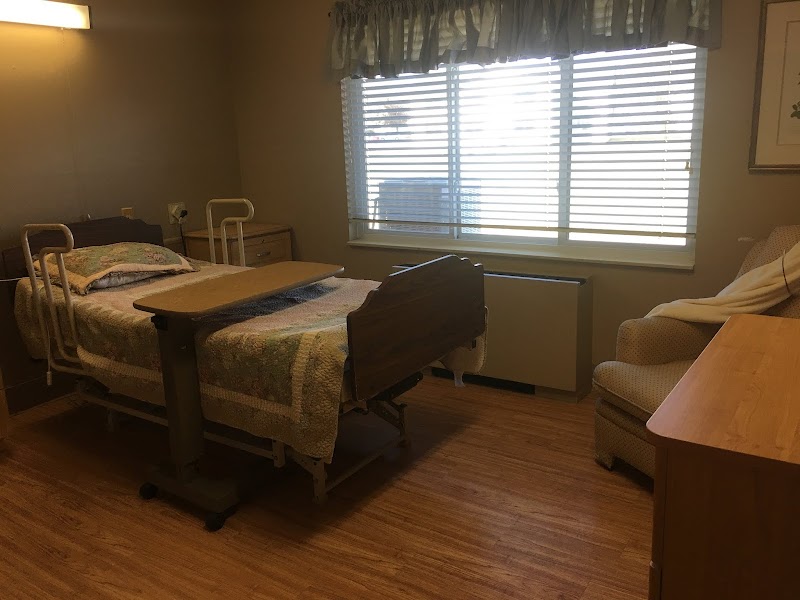
How Does Parkway Operator Llc Compare to Other Kansas Nursing Homes?

Compared to the 100 nursing homes in Kansas, PARKWAY OPERATOR LLC's overall rating (3 stars) is above the state average of 2.9, staff turnover (50%) is near the state average of 46%, and health inspection rating (3 stars) is at the national benchmark.

What Should Families Ask When Visiting Parkway Operator Llc?

Based on this facility's data, families visiting should ask: "Can you walk me through typical staffing levels on day, evening, and night shifts?" "Can I visit during a mealtime to observe dining assistance and food quality?" "How do you handle medical emergencies, and what is your hospital transfer rate?" "Can I speak with family members of current residents about their experience?" These questions are particularly relevant given the below-average staffing rating.

Is Parkway Operator Llc Safe?

Based on CMS inspection data, PARKWAY OPERATOR LLC has a clean safety record: no substantiated abuse findings (meaning no confirmed cases of resident harm), no Immediate Jeopardy citations (the most serious violation level indicating risk of serious injury or death), and is not on the Special Focus Facility watch list (a federal program monitoring the lowest-performing 1% of nursing homes). The facility has a 3-star overall rating and ranks #1 of 100 nursing homes in Kansas. While no facility is perfect, families should still ask about staff-to-resident ratios and recent inspection results during their visit.

Do Nurses at Parkway Operator Llc Stick Around?

PARKWAY OPERATOR LLC has a staff turnover rate of 50%, which is about average for Kansas nursing homes (state average: 46%). Moderate turnover is common in nursing homes, but families should still ask about staff tenure and how the facility maintains care continuity when employees leave.

Was Parkway Operator Llc Ever Fined?

PARKWAY OPERATOR LLC has no federal fines on record. CMS issues fines when nursing homes fail to meet care standards or don't correct problems found during inspections. The absence of fines suggests the facility has either maintained compliance or corrected any issues before penalties were assessed. This is a positive indicator, though families should still review recent inspection reports for the full picture.

Is Parkway Operator Llc on Any Federal Watch List?

PARKWAY OPERATOR LLC is not on any federal watch list. The most significant is the Special Focus Facility (SFF) program, which identifies the bottom 1% of nursing homes nationally based on persistent, serious quality problems. Not being on this list means the facility has avoided the pattern of deficiencies that triggers enhanced federal oversight. This is a positive indicator, though families should still review the facility's inspection history directly.