PROVIDENCE PLACE

8909 PARALLEL PKY, KANSAS CITY, KS 66112 (913) 596-4200
For profit - Corporation 45 Beds THE ENSIGN GROUP Data: November 2025
Trust Grade
70/100
#88 of 295 in KS
Last Inspection: August 2025

Inspected within the last 6 months. Data reflects current conditions.

Overview

Providence Place in Kansas City, Kansas, has a Trust Grade of B, indicating it is a good choice among nursing homes. It ranks #88 out of 295 facilities in the state, placing it in the top half, and is the top-ranked facility in Wyandotte County. The facility's trend is stable, with the same number of issues reported in 2023 and 2025. Staffing is a strength, with a rating of 4 out of 5 stars and a turnover rate of 42%, which is below the Kansas average of 48%. Notably, the facility has had no fines, which is a positive sign. However, there are some concerns. An inspector found that the facility did not properly test dishwashing chemicals, risking food safety, and that food items were not labeled, which could lead to contamination. Additionally, there were issues with the accuracy of staffing information reported, putting residents at risk of inadequate care. These incidents highlight areas that need improvement, even though the overall care appears to be solid.

Trust Score
B
70/100
In Kansas
#88/295
Top 29%
Safety Record
Low Risk
No red flags
Inspections
Holding Steady
10 → 10 violations
Staff Stability
○ Average
42% turnover. Near Kansas's 48% average. Typical for the industry.
Penalties
✓ Good
No fines on record. Clean compliance history, better than most Kansas facilities.
Skilled Nurses
○ Average
Each resident gets 41 minutes of Registered Nurse (RN) attention daily — about average for Kansas. RNs are the most trained staff who monitor for health changes.
Violations
⚠ Watch
29 deficiencies on record. Higher than average. Multiple issues found across inspections.
★★★★☆
4.0
Overall Rating
★★★★☆
4.0
Staff Levels
★★★★★
5.0
Care Quality
★★★☆☆
3.0
Inspection Score
Stable
2023: 10 issues
2025: 10 issues

The Good

  • 4-Star Staffing Rating · Above-average nurse staffing levels
  • 5-Star Quality Measures · Strong clinical quality outcomes
  • Full Sprinkler Coverage · Fire safety systems throughout facility
  • No fines on record
  • Staff turnover below average (42%)

    6 points below Kansas average of 48%

Facility shows strength in staffing levels, quality measures, fire safety.

The Bad

Staff Turnover: 42%

Near Kansas avg (46%)

Typical for the industry

Chain: THE ENSIGN GROUP

Part of a multi-facility chain

Ask about local staffing decisions and management

The Ugly 29 deficiencies on record

Aug 2025 10 deficiencies
CONCERN (D)

Potential for Harm - no one hurt, but risky conditions existed

Deficiency F0676 (Tag F0676)

Could have caused harm · This affected 1 resident

The facility reported a census of 44 residents. The sample included 12 residents, with one reviewed for activities of daily living (ADL). Based on record review, interviews, and observations, the faci...

Read full inspector narrative →
The facility reported a census of 44 residents. The sample included 12 residents, with one reviewed for activities of daily living (ADL). Based on record review, interviews, and observations, the facility failed to ensure Resident (R) 17 received supportive care and services to promote and maintain his quality of life when the facility failed to provide him with his required adaptive utensils while eating his meals. This deficient practice placed the resident at risk for decreased quality of life, isolation, and impaired dignity. Findings Included:- R17's Medical Diagnosis section within the Electronic Medical Record (EMR) noted diagnoses of left sided hemiplegia (paralysis of one side of the body), cerebral infarction (stroke - sudden death of brain cells due to lack of oxygen caused by impaired blood flow to the brain by blockage or rupture of an artery to the brain), dysphagia (difficulty swallowing), muscle weakness, cognitive communication disorder (an impairment in organization, sequencing, attention, memory, planning, problem-solving, and safety awareness), reduced mobility, and muscle contractures (abnormal permanent fixation of a joint or muscle). R17's Quarterly Minimum Data Set (MDS) completed 06/20/25 revealed a Brief Interview for Mental Status (BIMS) score of ten, indicating mild cognitive impairments. The MDS noted he had upper-body extremity impairments on both sides that affected his range of motion. The MDS noted he required supervision or touch assistance during meals. R17's Functional Abilities Care Area Assessment (CAA) completed 03/17/25 indicated he was at risk for a decline in his ADLs related to his decreased mobility, fatigue, and medical diagnoses. The CAA noted he was at risk for nutritional impairment, skin breakdown, and falls. R17's Care Plan initiated 09/12/24 indicated he was at risk for an alteration of his ADLs related to his medical diagnoses. The plan indicated he required staff assistance for toileting, transfers, bed mobility, bathing, personal hygiene, and dressing. The plan noted he required meal set-up assistance. The plan indicated he needed to build up silverware and a two-handled cup during meals. R17's EMR under Order indicated an active order dated 08/10/25. The order instructed staff to apply R17's left and right wrist orthosis (hand splints to treat contractures) during the day and remove them during the nighttime. R17's EMR under Order indicated an active order dated 09/17/24. The order indicated occupational therapy ordered built-up utensils during mealtimes to increase R17's independence with self-feeding. On 08/11/25 at 08:30 PM, R17 sat in the dining room for breakfast. R17 wore an orthosis on both wrists. R17 ate his lunch with normal silverware and a regular cup without handles. R17 was not offered the special utensils during his meals. On 08/11/25 at 12:05 PM, R17 sat in the dining room for lunch. R17 wore an orthosis on both wrists. R17 ate his lunch with normal silverware and a regular cup without handles. R17 had difficulty handling his utensils as he ate his lunch. R17 was not offered the special utensils during his meals.On 08/12/25 at 09:11 AM, R17 ate his breakfast in the dining room. R17 was not offered the special utensils during his meals.On 08/12/25 at 10:42 AM, Certified Nurse's Aide (CNA) M stated that staff were expected to check the resident's dietary requirements and needs before serving the meals. She stated all staff had access to the care plans and would know if residents required special utensils for meals. On 08/12/25 at 11:20 AM, Administrative Nurse D stated staff were expected to review the planned interventions to ensure each resident's care needs were addressed. She stated the plans were reviewed by the interdisciplinary team weekly and updated. She stated the dietary needs of the residents would be listed in the care plan if they required special utensils and devices. The facility's Adaptive Equipment policy, revised 01/2025, indicated the facility was to ensure each resident was screened for the need of special adaptive equipment to improve the quality of care and independence for the identified resident.
CONCERN (D)

Potential for Harm - no one hurt, but risky conditions existed

ADL Care (Tag F0677)

Could have caused harm · This affected 1 resident

**NOTE- TERMS IN BRACKETS HAVE BEEN EDITED TO PROTECT CONFIDENTIALITY** The facility identified a census of 35 residents. The sample included 12 residents, with three residents reviewed for activities...

Read full inspector narrative →
**NOTE- TERMS IN BRACKETS HAVE BEEN EDITED TO PROTECT CONFIDENTIALITY** The facility identified a census of 35 residents. The sample included 12 residents, with three residents reviewed for activities of daily living (ADL) care. Based on observation, record review, and interviews, the facility failed to ensure staff assisted Resident (R) 23 with ensuring his fingernails were kept clean. This deficient practice placed R23 at risk for impaired dignity, comfort, and further decline in ADL. Findings Included: - R23's Electronic Medical Record (EMR) from the Diagnosis tab documented diagnoses of dementia (a progressive mental disorder characterized by failing memory and confusion), hemiparesis (muscular weakness of one half of the body) following a cerebrovascular accident (CVA- stroke- sudden death of brain cells due to lack of oxygen caused by impaired blood flow to the brain by blockage or rupture of an artery to the brain) affecting the right dominant side, muscle weakness, need for assistance with personal care, hypertension (high blood pressure), Parkinson's disease (a slowly progressive neurologic disorder characterized by resting tremors, rolling of the fingers, masklike faces, shuffling gait, muscle rigidity, and weakness), and sleep apnea (a disorder of sleep characterized by periods without respirations). The Quarterly Minimum Data Set (MDS) dated [DATE] documented a Brief Interview of Mental Status (BIMS) score of five, which indicated severely impaired cognition. The MDS documented R23 was dependent on staff for oral hygiene, toileting, dressing, and showers, and needed setup or cleanup for eating. R23's Cognitive Loss/Dementia Care Area Assessment (CAA) dated 01/17/25 for R23 documented the CAA triggered due to a BIMS score of two. The CAA documented R23 was pleasantly confused, and his cognition varied throughout the day; R23 was at risk for not getting his needs met. R23's Care Plan dated 05/27/21 documented R23 had an alteration in self-care related to diagnoses of Parkinson's disease, right hemiplegia, and dementia. The plan of care for R23 documented he was dependent on staff for bathing, toileting, and required setup for oral hygiene.On 08/10/25 at 08:24 AM, R2 sat in his wheelchair in front of the birds. R23's fingernails had a dark brown substance under his thumb nails. On 08/11/25 at 7:22 AM, R23 sat in the dining room while staff were assisting him with his breakfast order. R23's fingernails had a dark substance under them.On 08/12/25 at 10:42 AM, Certified Nurse Aide (CNA) M stated that if the resident was a diabetic, the nurses usually cut the fingernails or the activity director. CNA M stated when baths are given, the CNAs have a brush that CNAs clean residents' nails with. On 08/12/25 at 10:50 AM, Licensed Nurse (LN) G stated that residents got a bed bath twice a week. LN G stated CNAs clean fingernails on shower days. She stated that all staff should be looking at fingernails to ensure they are clean. On 08/12/25 at 11:07 AM, Administrative Nurse D stated it was all staff's responsibility to ensure residents do not have dirty fingernails. She stated the CNAs clean fingernails in the shower, and the activities director encourages all residents to get nail care on fingernail day.The facility's Bath/Shower policy dated 01/25 documented it was the policy of this facility to promote cleanliness, stimulate circulation, and assist in relaxation.
CONCERN (D)

Potential for Harm - no one hurt, but risky conditions existed

Deficiency F0698 (Tag F0698)

Could have caused harm · This affected 1 resident

The facility identified a census of 35 residents. The sample included 12 residents, with two residents reviewed for hemodialysis (a procedure using a machine to remove excess water, solutes, and toxin...

Read full inspector narrative →
The facility identified a census of 35 residents. The sample included 12 residents, with two residents reviewed for hemodialysis (a procedure using a machine to remove excess water, solutes, and toxins from the blood in people whose kidneys can no longer perform these functions naturally). Based on observation, record review, and interviews, the facility failed to consistently communicate Resident (R) 51 medical condition with a pre- and post-dialysis communication prior to and post-hemodialysis. This deficient practice placed R51 at risk of potential adverse outcomes and physical complications related to dialysis. Findings included:- R51's Electronic Medical Record (EMR) from the Diagnosis tab documented diagnoses of end-stage renal disease (ESRD- a terminal disease of the kidneys) with dialysis (procedure where impurities or wastes were removed from the blood), hypertension (high blood pressure), anxiety (mental or emotional reaction characterized by apprehension, uncertainty, and irrational fear), major depressive disorder (major mood disorder that causes persistent feelings of sadness), diabetes mellitus (DM- when the body cannot use glucose, not enough insulin made or the body cannot respond to the insulin), chronic obstructive pulmonary disease (COPD- a progressive and irreversible condition characterized by diminished lung capacity and difficulty or discomfort in breathing), acquired absence of left leg above knee, , peripheral vascular disease (PVD- slow and progressive circulation disorder causing narrowing, blockage, or spasms in a blood vessel), muscle weakness, and need for assistance with personal care. The admission Minimum Data Set (MDS) for R51, dated 06/12/25, recorded a Brief Interview for Mental Status (BIMS) score of 10, which indicated moderately impaired cognition. The MDS documented R51 required hemodialysis during the observation period. R51's Functional Abilities (Self-Care Mobility) Care Area Assessment (CAA) dated 06/12/25 documented R51 has an alteration in functional abilities related to decreased mobility and pain. The CAA documented R51 had recently fallen and had a fractured cervical spine, and always had a hard neck collar. R51's Care Plan dated 06/23/25 documented R51 had ESRD and required hemodialysis. R51's plan of care documented nursing was to check arteriovenous (AV) fistula (an abnormal connection between an artery and a vein) every day for bruit (blowing or swishing sound heard when blood flows through a shunt) and thrill (a fine vibration felt that reflects the blood flow by a dialysis resident's shunt). The plan of care documented R51's AV fistula was located in the left upper extremity, and staff were to encourage R51 to go to scheduled dialysis appointments on Monday, Wednesday, and Friday.R51's EMR under the Orders tab dated 08/04/23 revealed the following physician's order: Dialysis communication form completed and filed after dialysis every day shift, every Monday, Wednesday, and Friday, dated 06/06/25.Assess and document assessment of AV shunt/fistula for Brit and Thrill every shift and as needed, dated 06/06/25. Assess dialysis site to ensure proper dressing was in place upon return from dialysis every shift, every Monday, Wednesday, and Friday, dated 06/06/25. Review of R51's EMR under Misc tab, documented the facility dialysis communication forms lacked evidence of pre- and post-hemodialysis assessment for the following dates: 06/18/25, 06/2025, 06/23/25, 07/11/25, 07/14/25, 07/18/25, and 07/21/25. On 08/12/25 at 10:50 AM, Licensed Nurse (LN) G stated that the process for dialysis communications sheets was when the resident returned from dialysis, the sheet was filled out, and placed in his binder. If the communication sheet was not in the binder, nursing was to call the dialysis center and get report. LN G said staff placed the completed sheet in the folder to be scanned into the resident's chart. On 08/12/25 at 11:09 AM, Administrative Nurse D stated that the facility was to ensure the communication reports were filled out before the resident left for dialysis. The nurse on duty would ensure the forms were returned or call the dialysis center and have the dialysis center return the sheet. Administrative Nurse D stated the facility had been having problems getting the communication sheets back from the dialysis center. She stated the facility started sending the sheets in a binder in hopes the sheets were returned. The facility's Dialysis Pre and Post Care policy dated 12/23 documented it was the policy of this facility to: assist residents in maintaining homeostasis pre- and post-renal dialysis; assess and maintain patency of renal dialysis access; assess resident daily for function related to renal dialysis; and participate in ongoing communication; and collaboration with the dialysis facility regarding dialysis care and services.
CONCERN (D)

Potential for Harm - no one hurt, but risky conditions existed

Deficiency F0700 (Tag F0700)

Could have caused harm · This affected 1 resident

The facility identified a census of 35 residents. The sample included 12 residents, with four residents reviewed for accidents. Based on observation, record review, and interviews, the facility failed...

Read full inspector narrative →
The facility identified a census of 35 residents. The sample included 12 residents, with four residents reviewed for accidents. Based on observation, record review, and interviews, the facility failed to ensure that Resident (R) 4 had a documented risk assessment that included alternatives that had been tried and failed. This placed the R4 at risk for uninformed decisions and impaired safety related to the risks associated with the use of siderails.Findings included:- R4's Electronic Medical Record (EMR) from the Diagnosis tab documented diagnoses of major depressive disorder (major mood disorder that causes persistent feelings of sadness), Alzheimer's disease (progressive mental deterioration characterized by confusion and memory failure), and cerebrovascular accident (CVA- stroke- sudden death of brain cells due to lack of oxygen caused by impaired blood flow to the brain by blockage or rupture of an artery to the brain). The admission Minimum Data Set (MDS) dated 05/08/25 documented a Brief Interview of Mental Status (BIMS) score of four, which indicated severely impaired cognition. The MDS documented R4 required substantial to maximum staff assistance with bed mobility, dressing, transfers, and bathing. R4's Functional Abilities (Self-Care and Mobility) Care Area Assessment (CAA) dated 05/30/25 documented she had decreased mobility, was blind, and had a diagnosis of dementia. R4's Care Plan dated 05/04/25 documented she had bilateral upper quarter bedrails to assist with bed mobility. The facility provided a Bed Rail Safety Assessment dated 05/05/'25 that documented R4's representative had given verbal consent for the side rails. The assessment documented the interdisciplinary team (IDT) justification was all the beds at the facility had the functions on the rails to operate the bed. The bed rails were used for positioning and promoting independence with bed mobility. The assessment lacked the alternatives that had been tried and failed prior to bed rails. The assessment lacked the drug classification that would place a resident at risk for entrapment. On 08/12/25 at 7:19 AM, R4 laid in bed asleep on her right side. R4's bilateral upper bed rails were pulled up and locked into place. On 08/12/25 at 10:45 AM, Certified Nurse Aide (CNA) M stated she had not seen any siderails up on any of the residents. CNA M stated the lower siderails on the beds are secured down. On 08/12/25 at 10:50 AM, Licensed Nurse (LN) G stated side rail assessment was completed at the time of admission, quarterly, annually, and when there was a significant change. LN G stated that the factors that would make siderails unsafe would be their cognitive status, mobility, and history of falls, which would place the resident at risk of entrapment. On 08/23/25 at 11:10 AM, Administrative Nurse D stated a siderail assessment was completed at the time of admission, quarterly, annually, and when there was a significant change. Administrative Nurse D stated the IDT made the final decision if a resident was safe to use siderails. Administrative Nurse D stated R4 held the siderail when staff would provide assistance with bed mobility. Administrative Nurse D stated the IDT would review the resident's medication, mobility, mental status, safety awareness, and history of falls. The facility's Quality of Care policy dated 12/2023 documented it is the policy of this facility to attempt to use appropriate alternatives prior to installing a side or bed rail. If a bed or side rail is used, the facility must ensure correct installation, use, and maintenance of bed rails.
CONCERN (D)

Potential for Harm - no one hurt, but risky conditions existed

Drug Regimen Review (Tag F0756)

Could have caused harm · This affected 1 resident

The facility identified a census of 35 residents. The sample included 12 residents, with five residents reviewed for unnecessary medications. Based on observation, record review, and interviews, the f...

Read full inspector narrative →
The facility identified a census of 35 residents. The sample included 12 residents, with five residents reviewed for unnecessary medications. Based on observation, record review, and interviews, the facility failed to act upon the Consultant Pharmacist (CP) recommendations for Resident (R) 4. This deficient practice placed R4 at risk for unnecessary medication use, side effects, and physical complications.Findings included:- R4's Electronic Medical Record (EMR) from the Diagnosis tab documented diagnoses of major depressive disorder (major mood disorder that causes persistent feelings of sadness), Alzheimer's disease (progressive mental deterioration characterized by confusion and memory failure), and cerebrovascular accident (CVA- stroke- sudden death of brain cells due to lack of oxygen caused by impaired blood flow to the brain by blockage or rupture of an artery to the brain). The admission Minimum Data Set (MDS) dated 05/08/25 documented a Brief Interview of Mental Status (BIMS) score of four, which indicated severely impaired cognition. The MDS documented R4 required substantial to maximum staff assistance with activities of daily living (ADL). The MDS lacked indication a drug regimen review was completed during the observation period. R4's Psychotropic Drug Use Care Area Assessment (CAA) dated 05/30/25 documented she was at risk of adverse side effects related to the medication she received. R4's Care Plan dated 06/25/25 documented nursing staff would administer medication as ordered by the physician.R4‘s EMR under the Orders tab revealed the following physician orders: Dulcolax (laxative) oral tablet delayed release (DR) five milligram (mg) (bisacodyl), give one tablet by mouth every 24 hours as needed for constipation, dated 05/02/25. The order lacked do not crush instructions. Review of the Monthly Medication Review (MMR) from August 2024 to July 2025 documented recommendations from 07/01/25 to add do not crush to Dulcolax DR order. Review of R4's August 2025 Medication Administration Record (MAR) lacked do not crush instructions for Dulcolax medication.On 08/11/2025 at 12:24 PM, R4 sat upright in a Broda chair (specialized wheelchair with the ability to tilt and recline) as the nursing staff assisted her with lunch. On 08/23/25 at 11:10 AM, Administrative Nurse D stated she expected the pharmacy reviews would be reviewed and acted upon within seven days of receiving the MRR's. The facility's Pharmacy Services policy dated 12/2023 documented it was the policy of the facility that the drug regimen of each resident would be reviewed at least once a month by a licensed pharmacist. A medication regimen review (MRR) includes a review of the resident's medical chart. Identified irregularities would be documented on a separate written report that included the resident's name, the relevant drug, and the irregularity identified. The report would be sent to the attending physician, the facility's Medical Director, and the Director of Nursing Services (DNS) to be acted upon.
CONCERN (E)

Potential for Harm - no one hurt, but risky conditions existed

Accident Prevention (Tag F0689)

Could have caused harm · This affected multiple residents

**NOTE- TERMS IN BRACKETS HAVE BEEN EDITED TO PROTECT CONFIDENTIALITY** The facility identified a census of 64 residents. The sample included 16, with three reviewed for accidents. Based on observatio...

Read full inspector narrative →
**NOTE- TERMS IN BRACKETS HAVE BEEN EDITED TO PROTECT CONFIDENTIALITY** The facility identified a census of 64 residents. The sample included 16, with three reviewed for accidents. Based on observation, record review, and interview, the facility failed to secure potentially hazardous cleaning chemicals in a safe, locked area and out of reach of eight cognitively impaired, independently mobile residents. The facility additionally failed to safely transfer Resident (R) 37, resulting in a non-injury fall, and ensure R9's fall interventions were followed. This placed the affected residents at risk for preventable accidents.Findings Included:- On 08/10/25 at 10:10 AM, an initial walkthrough of the facility was completed. An inspection of the 300 Hall revealed an unsecured cabinet across from the vending machine that contained disinfectant bleach wipes and a Clorox spray bottle. Both containers contained the warning, Keep out of reach of children, hazardous to humans, can cause eye irritation, harmful if swallowed. On 08/12/25 at 10:00 AM, a Certified Nurse’s Aide (CNA) M stated that cleaning chemicals were to be stored in a locked closet or drawer. On 08/12/25 at 10:30 AM, Licensed Nurse (LN) G stated all cleaning products were to be secured in a locked area away from the residents. On 08/12/25 at 11:30 AM, Administrative Nurse D stated that staff were expected to ensure chemical products were locked up after use. The facility’s “Chemical Storage” policy, revised 02/2023, indicated the facility will ensure an environment free from potentially hazardous materials, chemicals, and equipment. - R37’s Medical Diagnosis section within the Electronic Medical Record (EMR) noted diagnoses of chronic kidney disease, emphysema (long-term, progressive disease of the lungs characterized by shortness of breath), muscle weakness, need for assistance with personal cares, reduced mobility, and seizures (violent involuntary series of contractions of a group of muscles). R37’s “Quarterly Minimum Data Set (MDS) completed 05/24/25 revealed a Brief Interview for Mental Status (BIMS) noted a Brief Interview for Mental Status (BIMS) score of zero, indicating severe cognitive impairment. The MDS noted she required partial to moderate assistance with bathing, transfers, bed mobility, dressing, toileting, and personal hygiene. The MDs noted she had no lower or upper extremity impairments. The MDS noted she used a wheelchair for mobility. The MDS noted she had one non-injury fall since her last assessment. R37’s “Falls Care Area Assessment (CAA)” completed 03/17/25 indicated she was at risk for a decline in her activities of daily living (ADL) related to her decreased mobility, fatigue, and cognitive impairment. The CAA noted she had a history of falls. The CAA noted that a care plan was implemented to minimize the risks related to her fall history. R37’s “Care Plan” initiated 09/19/24 indicated she was at risk of falls and altered activities of daily living related to her medical diagnoses. The plan noted she required staff assistance for toileting, transfers, bed mobility, personal hygiene, dressing, and bathing. The plan instructed staff to keep needed items within reach and encourage her to use her call light. The plan noted she had a fall on 07/09/25. The plan noted that the facility provided staff education to ensure the wheelchair brakes were locked before providing transfers. R37’s EMR under “Progress Notes” revealed a “Nursing Note” completed on 07/09/25. The note revealed that direct care staff attempted to transfer R37 to her wheelchair but failed to lock the brakes. The note indicated the wheelchair moved as R17 was being transferred by staff. The note revealed R17 was assisted to the ground by staff and laid on her left side. The note revealed R17 was assessed with no injury reported or found. On 08/10/25 at 08:00 AM, R17 reported she had fallen during transfer but had no injuries. R17 lay in her bed. Her wheelchair had brake extenders and a Dycem (non-slip mat to prevent falls) mat under the cushion. On 08/12/25 at 10:42 AM, Certified Nurse’s Aide (CNA) M stated that staff always ensure the wheelchairs were positioned properly and in the locked position to prevent falls. On 08/12/25 at 11:20 AM, Administrative Nurse D stated staff were expected to lock the brakes before transferring the resident into and out of the wheelchairs. She stated that all staff were educated on proper transfer techniques. The facility’s “Fall Management System” policy, revised 10/2023, stated the facility would ensure a safe environment for all residents. The policy indicated staff would assess each resident’s potential risks, including functional abilities, potential falls, assistive devices, and environment, to ensure resident safety. The policy noted that interventions were implemented based on each resident’s needs to minimize complications. - R9's Electronic Medical Record (EMR) from the Diagnosis tab documented diagnoses of diabetes mellitus (DM- when the body cannot use glucose, not enough insulin is made, or the body cannot respond to the insulin), renal failure (inability of the kidneys to excrete wastes, concentrate urine, and conserve electrolytes), symptoms and signs involving cognitive function and awareness, and atrial fibrillation (rapid, irregular heartbeat). The “admission Minimum Data Set (MDS)” dated 03/10/25 documented a Brief Interview of Mental Status (BIMS) score of 12, which indicated moderately impaired cognition. The MDS documented R9 used a wheelchair for mobility during the observation period. The MDS documented R9 required substantial to maximum assistance with transfers and dressing. The Quarterly MDS dated [DATE] documented a BIMS score of 15 which indicated intact cognition. The MDS documented that R9 used a wheelchair for mobility during the observation period. The MDS documented R9 was dependent on staff assistance for bathing. The MDS documented R9 require substantial to maximum assistance with transfers and dressing. R9's Falls Care Area Assessment (CAA)” dated 04/16/25 documented he was at risk for falls related to his decreased mobility and history of falls prior to admission to the facility. R9's “Care Plan” dated 03/05/25 documented staff would ensure his call light was in reach and encourage him to call for assistance as needed. The plan of care documented staff would ensure R9 was wearing appropriate footwear when ambulating or wheeling in the wheelchair. The plan of care documented the staff would keep R9’s needed items, water, and other items of choice in reach. The plan of care dated 03/27/25 documented on 03/27/25 therapy would evaluate for recliner safety. The plan of care dated 07/09/25 documented on 01/17/25 nursing staff educated him to call for staff assistance to retrieve any items which are out of reach. The plan of care documented on 03/29/25 non-skid strips were placed on the floor in front of R9’s recliner. The plan of care documented on 04/11/25 staff placed a “Call Before Fall” sign on the wall behind his recliner. On 8/12/25 at 08:51 AM R9 sat in his recliner as he watched TV. R9’s feet were elevated in the recliner. R9’s call light was pinned to the bed out of reach behind his wheelchair. R9’s bedside table with his water and other items was out of reach by the room door. On 08/12/25 at 10:42 AM, Certified Nurse Aide (CNA) M stated everyone had access to all the resident’s care plan and the Kardex (nursing tool that gives a brief overview of the care needs of each resident) that has all their information. CNA M stated it was everyone’s responsibility to ensure the resident’s fall intervention were in place. CNA M stated the new intervention would be on the Kardex and if there were any new interventions added that information would be passed on during shift change report. On 08/12/25 at 10:50 AM, Licensed Nurse (LN) G stated everyone had access to the resident’s care plan and to the Kardex. LN G stated it was everyone’s responsibility to ensure every resident’s fall intervention were in place as care planned. LN G stated if any new interventions had been added to the resident’s care plan after a fall, that information was passed on during the shift change report. On 08/23/25 at 11:10 AM, Administrative Nurse D stated she would expect the charge nurse to add a new intervention on the resident’s care plan after a fall. Administrative Nurse D stated the interdisciplinary team (IDT) would review the new intervention and determine if that was to root cause of the fall. Administrative Nurse D stated everyone had access to the care plan or the Kardex and it was everyone’s responsibility to ensure the fall interventions were in place as care planned. The facility’s “Quality of Care” policy dated 12/2023 documented it was the policy of the facility to provide an environment that remains as free of accident hazards as possible. It was also the policy of the facility to provide each resident with appropriate assessment and interventions to prevent falls and to minimize complications if a fall occurs.
CONCERN (E)

Potential for Harm - no one hurt, but risky conditions existed

Deficiency F0761 (Tag F0761)

Could have caused harm · This affected multiple residents

The facility reported a census of 44 residents. The facility identified two medication rooms and four medication carts. Based on observations, record reviews, and interviews, the facility failed to se...

Read full inspector narrative →
The facility reported a census of 44 residents. The facility identified two medication rooms and four medication carts. Based on observations, record reviews, and interviews, the facility failed to secure one of two medication storage rooms. This deficient practice placed the residents at risk for unnecessary medication and administration errors.Findings Included:- On 08/10/25 at 10:05 AM, an initial walkthrough of the facility was completed. An inspection of the 100 Hall Team Office medication storage room revealed that the door was not secured. An inspection of the medication storage room revealed shelves of stock medication, enteral feeding solutions, and medical supplies. On 08/10/25 at 10:11 AM, Licensed Nurse (LN) G stated the door should be locked at all times due to the medications in the room. She stated that sometimes the doorknob would stick and not close properly. She stated staff were expected to ensure the room remained locked when exiting. LN G secured the room at 10:14 AM. On 08/12/25 at 10:30 AM, Administrative Nurse D stated staff were expected to ensure the medication rooms remained locked. The facility's Medication Storage policy (undated) indicated the facility was to secure all medication in a clean, locked, and organized manner to ensure safe handling and administration.
CONCERN (E)

Potential for Harm - no one hurt, but risky conditions existed

Infection Control (Tag F0880)

Could have caused harm · This affected multiple residents

**NOTE- TERMS IN BRACKETS HAVE BEEN EDITED TO PROTECT CONFIDENTIALITY** The facility identified a census of 35 residents. The facility identified seven residents on Enhanced Barrier Precautions (EBP -...

Read full inspector narrative →
**NOTE- TERMS IN BRACKETS HAVE BEEN EDITED TO PROTECT CONFIDENTIALITY** The facility identified a census of 35 residents. The facility identified seven residents on Enhanced Barrier Precautions (EBP - infection control interventions designed to reduce transmission of resistant organisms that employ targeted gown and glove use during high contact care). Based on record reviews, observations, and interviews, the facility failed to ensure trash was stored and contained properly. The facility further failed to ensure trash was not left on top of the Personal Protective Equipment (PPE) cart, and the clean linen door was not propped open. The facility further failed to ensure soap and paper towels were available in the same room, and gloves were available in the dirty laundry area, and all staff knew where the hand washing sink was in the laundry room. These deficient practices placed the residents at risk for infectious diseases.Findings included:- An initial walkthrough of the facility was completed on 08/10/25 at 07:05 AM. A clear bag of trash was left on top of a PPE cart in the 300 halls. A clean linen closet was propped open in the 300 halls. On 08/10/25 at 10:05 AM, a walk-through laundry accompanied by Housekeeping Staff V occurred. During the walk-through of the laundry room, no handwashing sink was seen, and no PPE was revealed. On 08/11/25 at 08:07 AM, Laundry Supervisor U showed me the laundry soaking sink in the laundry room, and stated that staff wash their hands here, they get soap from the dirty laundry area, come back to the laundry soaking sink, wash their hands, and then go back to the dirty laundry area to dry their hands. [NAME] Supervisor U stated there were gowns by the washing machines, but she had forgotten to get any gloves. On 08/12/25 at 10:42 AM, Certified Nurse's Aide (CNA) M stated that clean linen rooms should not have the door propped open, and it was the responsibility of all staff to ensure trash was picked up and disposed of properly. On 08/12/25 at 12:37 AM, Licensed Nurse (LN) G stated that trash should never be left on a PPE cart. She stated it was the responsibility of the person who left the trash to dispose of the trash. LN G stated that if any staff member sees trash where it was not supposed to be, that staff member should dispose of the trash. She stated linen closets should never be left open. On 08/12/25 at 11:07 AM, Administrative Nurse D stated that it was all staff's responsibility to ensure trash was disposed of properly. She stated linen closets should never be propped open. The facility's Infection Control Program policy dated 04/25 documented the infection prevention and control program was a facility-wide effort involving all disciplines and individuals and is an integral part of the quality assurance and performance improvement program. The elements of the infection prevention and control program consist of coordination/oversight, surveillance, data analysis, antibiotic stewardship, outbreak management, prevention of infection, and employee health and safety. The program would be carried out by the facility infection preventionist. It is the policy of this facility to provide the necessary supplies, education, and oversight to ensure healthcare workers perform hand hygiene based on accepted standards.
CONCERN (F)

Potential for Harm - no one hurt, but risky conditions existed

Food Safety (Tag F0812)

Could have caused harm · This affected most or all residents

The facility identified a census of 35 residents. The facility had one main kitchen and one dining area. The facility failed to ensure that staff members properly tested the dishwashing sanitization c...

Read full inspector narrative →
The facility identified a census of 35 residents. The facility had one main kitchen and one dining area. The facility failed to ensure that staff members properly tested the dishwashing sanitization chemicals. The facility also failed to ensure food items were labeled and dated when opened. These deficient practices placed residents at risk for contamination and foodborne illness.Findings included:- During the initial tour of the kitchen and dining room area on 08/10/25 at 10:05 AM, an open undated gallon of milk was in the refrigerator. During review of the dishwashing process, Dietary Staff BB stated the facility had not started using the dishwashing machine and washed the dishes by hand in the three-sink system. Dietary Staff BB stated that the facility washed the dishes in hot water and chemicals. Dietary Staff stated the facility did not have test strips at that time to test the water or have a log to review.On 08/12/25 at 10:11 AM, Dietary Staff BB stated that every item that was opened should be labeled and dated. Dietary Staff BB stated the facility had received the dishwasher test strips to test the dishwashing water to prevent foodborne illness.The facility's undated Sanitary Conditions for Food policy documented it was the policy of this facility to procure food from sources approved or considered satisfactory by Federal, State, and/or local authorities.
MINOR (C)

Minor Issue - procedural, no safety impact

Staffing Data (Tag F0851)

Minor procedural issue · This affected most or all residents

The facility reported a census of 36 residents. The sample included 12 residents. Based on record review and interviews, the facility failed to submit accurate staffing information to the federal regu...

Read full inspector narrative →
The facility reported a census of 36 residents. The sample included 12 residents. Based on record review and interviews, the facility failed to submit accurate staffing information to the federal regulatory agency through Payroll Based Journaling (PBJ - Staffing Data Report) when the facility failed to submit accurate weekend staffing coverage hours. This placed the residents at risk for unidentified and ongoing inadequate staffing. Findings included: - A review of the facility's submitted PBJ data from 04/01/24 through 03/31/25 indicated the facility triggered for excessively low weekend staffing for Fiscal Year (FY) Quarter One 2024 (10/01/24 to 12/31/24) A review of the facility's working schedule, time sheets/punches, and posted staffing hours indicated no gaps or loss of hours. On 08/12/25 at 11:20 AM, Administrative Nurse D stated the facility used agency staff during the triggered period, and the time may not have been documented appropriately on the reporting. The facility's Payroll-Based Journaling policy, revised 10/2023, indicated staffing and census information will be reported electronically to the Centers for Medicare and Medicaid Services (CMS). The policy indicated that staffing information during the recorded time period shall be made available to residents, family members, and the public within 24 hours of a written or verbal request.
Nov 2023 10 deficiencies
CONCERN (D)

Potential for Harm - no one hurt, but risky conditions existed

Notification of Changes (Tag F0580)

Could have caused harm · This affected 1 resident

The facility identified a census of 29 residents. The sample included 13 residents with one reviewed for notification of changes. Based on observation, record review, and interviews, the facility fail...

Read full inspector narrative →
The facility identified a census of 29 residents. The sample included 13 residents with one reviewed for notification of changes. Based on observation, record review, and interviews, the facility failed to notify Resident (R)127's medical provider of her weight loss or changes in meal intake. This deficient practice placed R127 at risk for complication related to weight loss and malnutrition (condition that develops when the body is deprived of vitamins, minerals and other nutrients) due to delayed physician involvement. Findings Included: - The Medical Diagnosis section within R127s Electronic Medical Records (EMR) included diagnoses of chronic kidney disease, osteoporosis (abnormal loss of bone density and deterioration of bone tissue with an increased fracture risk), muscle weakness, history of fractures (broken bones), and history of falls. R127's admission Minimum Data Set (MDS) dated 10/11/23 noted a Brief Interview for Metal Status (BIMS) score of nine indicating moderate cognitive impairment. The MDS indicated she required set-up assistance with meals. The MDS indicated she weighed 117.2 pounds (lbs.). The MDS documented the resident was not on a physician-prescribed weight loss regimen. R127's Functional Abilities Care Area Assessment (CAA) completed 10/31/23 was at risk for altered functional abilities related to her medical diagnoses. The CAA indicated she required assistance with her activities of daily living (ADL). R127's Cognitive Impairment CAA completed 10/31/23 indicated she had impaired cognition and instructed staff to cue and reorient her as needed. R127's Care Plan initiated 10/18/23 she had a self-care deficit related to her ADL. The plan noted she was on a regular diet with regular texture. The plan instructed staff to monitor her intake and record every meal. The plan instructed staff to monitor and report symptoms of dysphagia, malnutrition, decreased appetite, and weight loss to the medical provider. An admission Nutrition Evaluation completed 10/18/23 indicated R127 weight was 117.2 lbs. The evaluation indicated she was at risk due to due to acute disease in the past three months. A Mini-Nutritional Assessment dated 10/18/23 indicated R127 was at risk of malnutrition. A Nutrition/Hydration Risk Evaluation completed 10/20/23 noted R127 was at moderate risk for malnutrition. The evaluation noted she took no medications contributing to weight loss risks. R127's EMR revealed her admission weight on 10/17/23 was 117.2 lbs. The EMR recorded her weight decreased to 99.1 lbs. on 10/25/23 and 97.2 lbs. on 10/27/23. R127's EMR, between 10/25/23 through 11/01/23, lacked evidence of physician notifications related her weight loss or change in her oral intake. A review of R127's EMR under Documentation Survey Report from 10/17/23 to 11/01/23 indicated no meal intake monitoring occurred from 10/21/23 to 10/29/23 for breakfast, lunch, and dinner meals. On 10/30/23 at 08:11AM R127 reported she recently had issues with weigh loss but ate her meals. R127 consumed her entire breakfast without concerns in the dining room. On 11/01/2023 at 01:30PM Certified Nurses Aide (CNA) M stated direct care staff would complete scheduled weights of the resident per the physician's orders. She stated if a resident's weight was off by three pounds the resident would immediately be reweighed and the nurse notified of the change. She stated meal intake monitoring would be documented in the EMR system and the physician would be notified of changes in oral intake by the nurse. She stated R127 just recently admitted to the facility and had no complaints related to her meals or eating. On 11/01/2023 at 01:40PM Licensed Nurse (LN) G stated residents with noticeable weight changes would be placed on weekly weights and monitored closely for diet, medications, and intake. She stated the resident's weight loss would be reported to the physician and dietician for review. She stated a progress note would be completed to document the notification and well as changes in care. She stated residents at risk for weight loss and malnutrition were closely monitored for oral intake. On 11/01/2023 at 02:05PM Administrative Nurse D stated staff were expected to ensure the medical provider and registered dietician were notified of suspected weight loss. She stated the facility would increase weight monitoring occurrences and provide dietary supplementation for residents at risk for malnutrition. She stated staff were expected follow each resident's care planned interventions and orders. A review of the facility's Weight Monitoring policy revised 10/2023 indicated the facility ensured acceptable parameters of body weight. The policy noted each resident will be provided ongoing evaluation and interventions to prevent significant weight loss. The policy indicated the physician will be notified in changes related to each resident's preferences, diet, allergies, meal consumption, and weight. The facility failed to notify R127's medical provider of her weight loss or changes in meal intake. This deficient practice placed R127 at risk for complication related to weight loss and malnutrition due to delayed physician involvement.
CONCERN (D)

Potential for Harm - no one hurt, but risky conditions existed

Deficiency F0583 (Tag F0583)

Could have caused harm · This affected 1 resident

The facility identified a census of 29 residents. The sample included 13 residents. Based on observation, record review, and interviews, the facility failed to secure protected health information (PHI...

Read full inspector narrative →
The facility identified a census of 29 residents. The sample included 13 residents. Based on observation, record review, and interviews, the facility failed to secure protected health information (PHI) for Resident (R)125. This deficient practice placed R125 at risk for decreased psychosocial wellbeing due to lack of privacy. Findings Included: - The Medical Diagnosis section within R125's Electronic Medical Records (EMR) included diagnoses of fracture of right femur (broken bone), aphasia (difficulty speaking), dementia (progressive mental disorder characterized by failing memory, confusion), and a cerebral infarction (sudden death of brain cells due to lack of oxygen caused by impaired blood flow to the brain by blockage or rupture of an artery to the brain). R125's admission Minimum Data Set (MDS) dated 10/11/23 noted a Brief Interview for Metal Status (BIMS) score of three indicating severe cognitive impairment. The MDS indicated he was independent with ambulation and utilized a manual wheelchair and dependent for staff assistance for mobility over 50 feet. R125's Communication CAA completed 10/21/23 indicated he was at risk for altered communication related to his aphasia. The CAA instructed staff to give him extra time to form words and assist him with functional abilities. The CAA noted care planning would address his risks. R125's Care Plan initiated 10/13/23 indicated he was at risk for impaired cognitive function or impaired thought process. The plan instructed social services to provide psycho-social support as needed. The plan noted he took medication with black box warnings (BBW- highest safety-related warning that medications can have assigned by the Food and Drug Administration) On 10/20/23 at 07:05AM a walkthrough of the facility's Prairie View hallway revealed the medication storage room door was propped fully open and unattended by nursing staff. A laptop on top of the medication cart was left unlocked with R125's Medication Administration Report (MAR) displayed facing towards the door and visible from doorway. At 07:21AM Licensed Nurse (LN) G entered the hallway and reported the medication room should not have been left open. She stated patient information should not be left displayed in view. She stated the monitor should be shut off when not in use. On 11/02/23 at 02:05PM Administrative Nurse D stated staff were expected to securely close the medication room doors when not in use. She stated PHI should be kept out of view from other residents or those who did not need the PHI. She stated staff were expected to ensure PHI was protected for the resident's privacy. A review of the facility's Resident Rights revised 10/2023 indicated the facility will ensure each resident's privacy and ensure all residents were educated and informed of their rights. The facility failed to secure PHI out of view for R125. This deficient practice placed the R125 at risk for decreased psychosocial wellbeing due to impaired privacy.
CONCERN (D)

Potential for Harm - no one hurt, but risky conditions existed

ADL Care (Tag F0677)

Could have caused harm · This affected 1 resident

The facility identified a census of 29 residents. The sample included 13 residents. Based on observations, record review, and interviews, the facility failed to provide the necessary care and services...

Read full inspector narrative →
The facility identified a census of 29 residents. The sample included 13 residents. Based on observations, record review, and interviews, the facility failed to provide the necessary care and services for activities of daily living (ADL) for Resident (R)5 when staff pulled on R5 under her arms instead of using available equipment to assist in repositioning her. This deficient practice placed R5 at risk for injury. Findings included: - R5's Electronic Medical Record (EMR) documented diagnoses age related osteoporosis (abnormal loss of bone density and deterioration of bone tissue with an increased fracture risk), unsteadiness on feet, and hemiplegia (paralysis of one side of the body) and hemiparesis (muscular weakness of one half of the body) following cerebral infarction (stroke- sudden death of brain cells due to lack of oxygen caused by impaired blood flow to the brain by blockage or rupture of an artery to the brain) affecting left side. The Annual Minimum Data Set (MDS) dated 04/25/23, documented a Brief Interview for Mental Status (BIMS) score of 15 which indicated intact cognition. The MDS documented R5 was dependent and required staff for all effort for transition from laying to seated position, seated to standing, and chair/bed/toilet transfers. The ADL Functional/Rehabilitation Potential Care Area Assessment (CAA) dated 04/25/23, documented R5's ADL functional rehabilitation potential would be addressed in R5's Care Plan. R5's Care Plan with an initiated date of 10/30/23, documented R5 was at risk for falls/injury related to left hemiplegia and osteoporosis. R5's Care Plan with an initiated date of 10/30/23, documented R5 had an alteration in functional abilities related to left-side hemiplegia. An intervention initiated 10/30/23 documented R5 was dependent on staff for rolling left and right, transferring from sitting to lying, and lying to sitting. An intervention with an initiated date of 10/30/23, documented R5 was dependent for chair, bed and shower transfers and required use of a Hoyer Lift (total body mechanical lift). An observation on 10/30/23 at 11:18 AM revealed R5's representative propelled R5 in her wheelchair in a common area. R5 had a Hoyer lift sling under her in the wheelchair. R5's representative asked staff for assistance in repositioning R5 in the wheelchair. Administrative Nurse D came over and attempted to reposition R5. Administrative Nurse D stood behind R5 and placed her arms under R5's arms and attempted to lift R5 up and back into the chair, two times, causing R5's shoulders and arms to raise upward before being assisted by another staff member. Once the other staff member arrived to assist, Administrative Nurse D and the staff member moved to each side of R5 and repositioned R5 in her wheelchair manually without the aid of the lift. On 11/01/23 at 02:10 PM Certified Nurse Aide (CNA) M stated if a resident required repositioning in a wheelchair, and required a Hoyer lift for transfers, that she would use the Hoyer lift to reposition them in the wheelchair. She stated that she would refrain from pulling on the resident under their arms as she was afraid it may hurt them. On 11/01/23 at 02:24 PM Licensed Nurse (LN) H stated if a resident required repositioning in a wheelchair and the resident was unable to do it on their own, she would have them lock the chair and have another staff assist her in reposition them. She stated they would reposition the resident with two people going under the resident's arms, she further stated if the resident already had a Hoyer sling under them then she would use the sling to reposition them and not pull on the resident. On 11/01/23 at 02:39 PM Administrative Nurse D stated she expected staff to safely reposition a resident in a wheelchair, so the resident did not fall on the floor. She stated that she repositioned R5 in the common area due to R5 was tilted in the wheelchair and she was concerned R5 may fall out of the chair onto the floor. She stated if a resident had a Hoyer sling in their chair, then staff could use that to help reposition the resident and not pull on the residents extremities. The undated Quality of Care policy documented It is the policy of this facility that residents are given the appropriate treatment and services to maintain or improve his/her abilities. The facility failed to provide the necessary care and services needed to reposition R5 in her wheelchair when staff pulled on R5 under her arms instead of using available equipment to assist in repositioning her. This placed R5 at risk for injury.
CONCERN (D)

Potential for Harm - no one hurt, but risky conditions existed

Deficiency F0688 (Tag F0688)

Could have caused harm · This affected 1 resident

The facility identified a census of 29 residents. The sample included 13 residents. Based on observation, record review, and interview, the facility failed to ensure Resident (R) 1 had the physician-o...

Read full inspector narrative →
The facility identified a census of 29 residents. The sample included 13 residents. Based on observation, record review, and interview, the facility failed to ensure Resident (R) 1 had the physician-ordered ankle foot orthotics (AFO-brace that supports the ankle and foot)and services to prevent reduction of range of motion [ROM] and/or mobility. This deficient practice left R1 at risk for further decline and decreased ROM or mobility. Findings included: - R1's Electronic Medical Record (EMR) documented a diagnosis of generalized muscle weakness, contracture (abnormal permanent fixation of a joint or muscle) of the left and right elbow, wrist, and shoulders, hemiplegia (paralysis of one side of the body) and hemiparesis (muscular weakness of one half of the body) following cerebral infarction (stroke- sudden death of brain cells due to lack of oxygen caused by impaired blood flow to the brain by blockage or rupture of an artery to the brain) affecting left side. The Annual Minimum Data Set (MDS) dated 09/02/23, documented a Brief Interview for Mental Status (BIMS) score of 15 which indicated intact cognition. The MDS documented R1 was dependent on staff for activities of daily living (ADL) and transfers. The ADL Functional/Rehabilitation Potential Care Area Assessment (CAA) dated 09/02/23, documented R1's ADL functional rehabilitation potential would be addressed in R1's Care Plan. R1's Care Plan with an initiated date of 05/20/16, documented R1 had a self care deficit related to decreased mobility secondary to hemiplegia and contracture of her hands. Intervention with an initiated date of 11/29/21 documented a foot board was added to R1's wheelchair pedals to help keep her feet from sliding off. A Written Order dated 11/29/21 documented therapy to evaluate and treat for positioning foot drop (inability or difficulty in moving the ankle and toes upward). A Physician's Order dated 10/18/23 documented bilateral AFO for contracture management. An observation on 10/31/23 at 03:50 PM revealed R1 sat in a recliner in her room with her feet elevated on the footrest and her feet/toes were pointed down, toward the wall across from her. R1's representative was in the room with her. R1 stated that she did not have a brace for her feet/ankles and that she had never received one. R1's representative stated that R1 was supposed to have a brace to help keep her feet straight; however, the facility never got the braces for her. He further stated that he had asked about getting something to help with her feet before the facility changed ownership and was told staff would check into it. He stated that he was recently told that the facility was checking into getting the AFO braces for R1, but she had still not received them yet. On 11/01/23 08:02 at AM Consultant HH stated her therapy team started therapy services for the facility in October of 2023. She stated that she was not aware if R1 admitted to the facility with the foot drop issue; however, she stated that her team identified the issue and were in the process of having the AFOs ordered for R1. She stated that documentation had to be sent to an outside facility to be reviewed and that the braces would be ordered through this outside facility and sent to R1. She stated that R1 was not receiving therapy services at the facility previously as there was no in house therapy under the previous ownership. On 11/01/23 at 02:24 PM Licensed Nurse (LN) H stated she believed R1 had braces for her feet/ankle a long time ago and that R1 thought they were uncomfortable. She stated that R1's representative bought a new wheelchair for R1, and staff used the footboard on her new wheelchair instead. She stated that she was unsure if anything further had been done to address R1's foot/ankle issues. On 11/01/23 at 02:39 PM Administrative Nurse D stated R1's representative had come to staff with concerns about R1's foot drop and was worried it had gotten worse. Administrative Nurse D stated that staff had spoken with the previous provider about having her sent to an outside clinic to see if something could be done to address the issues with her feet before the facility had therapy services. Administrative Nurse D further stated the facility has inhouse therapy services that were looking into finding something that will work for R1. She stated that the believed R1's representative mentioned his concerns about R1's foot drop at the beginning of September 2023 and that staff had told him they were looking into finding something for R1 to help with the issue. Administrative Nurse D stated they had tried to use different things in the past to help with R1's foot drop and nothing had worked. The undated facility provided Range of Motion policy documented It is the policy of this facility to prevent a resident's loss of range of motion and appropriate treatment and services will be administered to increase range of motion and/or prevent further decrease in range of motion. The facility failed to ensure R1 had the physician-ordered AFO and services to prevent reduction of ROM and/or mobility. This deficient practice left R1 at risk for further decline and decreased ROM or mobility.
CONCERN (D)

Potential for Harm - no one hurt, but risky conditions existed

Incontinence Care (Tag F0690)

Could have caused harm · This affected 1 resident

The facility identified a census of 29 residents. The sample included 13 residents with three reviewed for bowel and bladder management. Based on observation, record review, and interviews, the facili...

Read full inspector narrative →
The facility identified a census of 29 residents. The sample included 13 residents with three reviewed for bowel and bladder management. Based on observation, record review, and interviews, the facility failed to implement individualized interventions to improve/maintain Resident (R)15's bowel and bladder incontinence. This deficient practice placed R15 at risk for complications related to incontinence. Findings Included: - The Medical Diagnosis section within R15s Electronic Medical Records (EMR) included diagnoses of chronic kidney disease, acute kidney failure, history of falls, weakness, and a need for assistance with personal care. R15's admission Minimum Data Set (MDS) dated 10/14/23 noted a Brief Interview for Mental Status (BIMS) score of 11 indicating mild cognitive impairment. The MDS indicated he required partial to moderate assistance with toileting care and transferring. The MDS noted he was frequently incontinent of bowel and bladder with no toileting program. R15's Urinary Incontinence Care area Assessment (CAA) completed 10/21/23 indicated he had an alteration in continence related to his recent fall and hospitalization. The CAA noted he had bowel and bladder incontinence and was toileted upon request. The CAA noted his care plan would address his care needs. R15's Care Plan initiated 10/11/23 indicated he had an alteration in self-care related to his hospitalization prior to his admission. The plan indicated his fall resulted from syncope (fainting) during toileting. The plan indicated he required assistance of one staff for bathing, bed mobility, dressing, and personal hygiene. The plan lacked individualized interventions to maintain and promote R15's highest level of functioning related to incontinence. R15's admission Bowel and Bladder assessment completed 10/11/23 indicated he was incontinent of bowel and bladder. The assessment indicated he was alert and oriented. The assessment indicated he had initiative and willingness to participate in the toileting program. The assessment noted he was a likely candidate for bowel and bladder re-training. On 11/01/23 at 01:30PM Certified Nurse's Aide (CNA) M stated R15 was checked on ever two hours and provided incontinence products. She stated he had both bowel and bladder incontinence. She stated some residents were toileted more frequently due to their heavy incontinence patterns. She stated most resident were check and change every few hours. On 11/01/2023 at 01:40PM Licensed Nurse (LN) G stated direct care staff would encourage bathroom use before laying him down for bed. She was not sure if individualized interventions were implemented but most residents were checked on at least every two hours. On 11/01/2023 at 02:05PM Administrative D stated each resident was screened upon admission for incontinence and a care plan implemented to maintain or improve the resident's incontinence status. She stated each resident's incontinence status was monitored and documented. She stated the interdisciplinary team would meet to discuss interventions to improve incontinence and prevent infections. The facility's Incontinence Management policy revised 10/2023 stated that resident will be evaluated for bowel and bladder incontinence management. The policy noted that pattern evaluations will be provided to residents for individualized continence management programs. The assessment The facility failed to implement individualized toileting interventions related to bowel and bladder incontinence for R15, who was a candidate for bowel and bladder retraining. This deficient practice placed R15 at risk for complications related to incontinence.
CONCERN (D)

Potential for Harm - no one hurt, but risky conditions existed

Deficiency F0692 (Tag F0692)

Could have caused harm · This affected 1 resident

The facility identified a census of 29 residents. The sample included 13 residents with one reviewed for nutrition. Based on observation, record review, and interviews, the facility failed to monitor ...

Read full inspector narrative →
The facility identified a census of 29 residents. The sample included 13 residents with one reviewed for nutrition. Based on observation, record review, and interviews, the facility failed to monitor Resident (R)127's weight loss or changes in dietary intake. This deficient practice placed R127 at risk for complication related to weight loss and malnutrition (condition that develops when the body is deprived of vitamins, minerals and other nutrients). Findings Included: - The Medical Diagnosis section within R127s Electronic Medical Records (EMR) included diagnoses of chronic kidney disease, osteoporosis (abnormal loss of bone density and deterioration of bone tissue with an increased fracture risk), muscle weakness, history of fractures (broken bones), and history of falls. R127's admission Minimum Data Set (MDS) dated 10/11/23 noted a Brief Interview for Metal Status (BIMS) score of nine indicating moderate cognitive impairment. The MDS indicated she required set-up assistance with meals. The MDS indicated she weighed 117.2 pounds (lbs.). The MDS documented the resident was not on a physician-prescribed weight loss regimen. R127's Functional Abilities Care Area Assessment (CAA) completed 10/31/23 was at risk for altered functional abilities related to her medical diagnoses. The CAA indicated she required assistance with her activities of daily living (ADL). R127's Cognitive Impairment CAA completed 10/31/23 indicated she had impaired cognition and instructed staff to cue and reorient her as needed. R127's Care Plan initiated 10/18/23 she had a self-care deficit related to her ADL. The plan noted she was on a regular diet with regular texture. The plan instructed staff to monitor her intake and record every meal. The plan instructed staff to monitor and report symptoms of dysphagia, malnutrition, decreased appetite, and weight loss to the medical provider. An admission Nutrition Evaluation completed 10/18/23 indicated R127 weight was 117.2 lbs. The evaluation indicated she was at risk due to due to acute disease in the past three months. A Mini-Nutritional Assessment dated 10/18/23 indicated R127 was at risk of malnutrition. A Nutrition/Hydration Risk Evaluation completed 10/20/23 noted R127 was at moderate risk for malnutrition. The evaluation noted she took no medications contributing to weight loss risks. R127's EMR revealed her admission weight on 10/17/23 was 117.2 lbs. The EMR recorded her weight decreased to 99.1 lbs. on 10/25/23 and 97.2 lbs. on 10/27/23. R127's EMR, between 10/25/23 through 11/01/23, lacked evidence of physician notifications related her weight loss or change in her oral intake. A review of R127's EMR under Documentation Survey Report from 10/17/23 to 11/01/23 indicated no meal intake monitoring occurred from 10/21/23 to 10/29/23 for breakfast, lunch, and dinner meals. On 10/30/23 at 08:11AM R127 reported she recently had issues with weigh loss but ate her meals. R127 consumed her entire breakfast without concerns in the dining room. On 11/01/2023 at 01:30PM Certified Nurse's Aide (CNA) M stated direct care staff would complete scheduled weights of the resident per the physician's orders. She stated if a resident's weight was off by three pounds the resident would immediately be reweighed and the nurse notified of the change. She stated meal intake monitoring would be documented in the EMR system and the physician would be notified of changes in oral intake by the nurse. She stated R127 just recently admitted to the facility and had no complaints related to her meals or eating. On 11/01/2023 at 01:40PM Licensed Nurse (LN) G stated residents with noticeable weight changes would be placed on weekly weights and monitored closely for diet, medications, and intake. She stated the resident's weight loss would be reported to the physician and dietician for review. She stated a progress note would be completed to document the notification and well as changes in care. She stated residents at risk for weight loss and malnutrition were closely monitored for oral intake. On 11/01/2023 at 02:05PM Administrative Nurse D stated staff were expected to ensure the medical provider and registered dietician were notified of suspected weight loss. She stated the facility would increase weight monitoring occurrences and provide dietary supplementation for residents at risk for malnutrition. She stated staff were expected follow each resident's care planned interventions and orders to prevent or avoid unnecessary weight loss for the residents. A review of the facility's Weight Monitoring policy revised 10/2023 indicated the facility ensured acceptable parameters of body weight. The policy noted each resident will be provided ongoing evaluation and interventions to prevent significant weight loss. The policy indicated the physician will be notified in changes related to each resident's preferences, diet, allergies, meal consumption, and weight. The facility failed to monitor R127's weight loss or changes in dietary intake. This deficient practice placed R127 at risk for complication related to weight loss and malnutrition.
CONCERN (D)

Potential for Harm - no one hurt, but risky conditions existed

Deficiency F0757 (Tag F0757)

Could have caused harm · This affected 1 resident

**NOTE- TERMS IN BRACKETS HAVE BEEN EDITED TO PROTECT CONFIDENTIALITY** The facility identified a census of 29 residents. The sample included 13 residents with five residents reviewed for unnecessary ...

Read full inspector narrative →
**NOTE- TERMS IN BRACKETS HAVE BEEN EDITED TO PROTECT CONFIDENTIALITY** The facility identified a census of 29 residents. The sample included 13 residents with five residents reviewed for unnecessary medication. Based on observation, record review, and interviews, the facility failed to provide adequate pulse monitoring for Resident (R)125's anti-hypertensive beta-blocker (class of medication used to treat high blood pressure). This deficient practice placed R125 at risk for unnecessary medications and adverse medication effects. Findings Included: - The Medical Diagnosis section within R125's Electronic Medical Records (EMR) included diagnoses of fracture of right femur (broken bone), aphasia (difficulty speaking), dementia (progressive mental disorder characterized by failing memory, confusion), cerebral infarction (sudden death of brain cells due to lack of oxygen caused by impaired blood flow to the brain by blockage or rupture of an artery to the brain), and congestive heart failure (a condition with low heart output and the body becomes congested with fluid). R125's admission Minimum Data Set (MDS) dated 10/11/23 noted a Brief Interview for Metal Status (BIMS) score of three indicating severe cognitive impairment. The MDS indicated he admitted on [DATE]. The MDS noted he had hypertension (high blood pressure) and heart failure. R125's Communication Care Area Assessment (CAA) completed 10/21/23 indicated he was at risk for altered communication related to his aphasia. The CAA instructed staff to give him extra time to form words and assist him with functional abilities. The CAA noted care planning would address his risks. R125's Psychotropic Medication CAA completed 10/21/23 indicated he was at risk for adverse medication affects. The CAA noted care planning would address his risks. R125's Care Plan initiated 10/13/23 indicated he had congestive heart failure. The plan instructed staff to administer his antihypertensive medication as ordered and observe him for adverse effects. The plan indicated he took metoprolol (antihypertensive beta-blocker medication) related to his heart failure. R125's EMR under Physician's Orders dated 10/06/23 revealed an order to administer 25 milligrams (mg) of metoprolol tartrate by mouth once daily for hypertension. The Medication Administration Record (MAR) indicated the medication was scheduled to be given at 07:00AM. The orders lacked instruction to monitor R125's pulse before administration. A review of R125's EMR revealed no consistent pulse monitoring to correspond with the administration of R125's daily metoprolol. On 10/30/23 at 08:00AM, R125 sat in his wheelchair in his room. He was clean and well groomed. On 11/01/2023 at 01:40PM, Licensed Nurse (LN) G reported the facility currently had no standing orders to monitor antihypertensive medications due to the recent ownership change. She stated the nurses were expected to use their nursing judgement when administering medications. On 11/01/2023 at 02:05PM Administrative Nurse D stated that many of the orders have not been updated in the new system since the ownership change. She stated staff were expected to administer medications based on the physician's order and call if they had questions. A review of the Medication Administration policy 10/2023 indicated medications will be prepared, monitored, and administered per the physician's order. The facility failed to provide adequate pulse monitoring for R125's anti-hypertensive beta-blocker medication. This deficient practice placed R125 at risk for complications related to unnecessary medications and adverse medication effects.
CONCERN (E)

Potential for Harm - no one hurt, but risky conditions existed

Deficiency F0558 (Tag F0558)

Could have caused harm · This affected multiple residents

The facility identified a census of 29 residents. The sample included 13 residents. Based on record review, interviews, and observations, the facility failed to provide wheelchair foot pedals for Resi...

Read full inspector narrative →
The facility identified a census of 29 residents. The sample included 13 residents. Based on record review, interviews, and observations, the facility failed to provide wheelchair foot pedals for Residents (R)15, R178, R21, and R175. This deficient practice placed the residents at risk for impaired safety and comfort. Findings Included: - On 10/30/23 at 07:34AM staff transported R15 from the main hallway to the dining room in a wheelchair. R15's wheelchair lacked foot pedals. R15 wore socks and his feet slid on the floor as he was pushed to the dining room. A review of R15's Care Plan revealed no documented interventions related to his foot pedals. On 10/30/23 at 11:33PM housekeeping staff pushed R178 down the main hallway in his wheelchair. R178's wheelchair did not have foot pedals in place and his feet made contact with the ground on several occasions. A review of R178's Care Plan revealed no documented interventions related to his foot pedals. On 11/01/23 at 01:16PM staff transported R21 from the dining room to his room in a wheelchair without foot pedals. R21 had non-slip socks on as his feet, and his feet slid along the floor during the transport. A review of R21's Care Plan revealed no documented interventions related to his foot pedals. On 11/01/23 at 01:32PM staff pushed R175 around the central hallway nurse' station with no foot pedals. His feet slid on the floor during transport. A review of R175's Care Plan revealed no documented interventions related to his foot pedals. On 11/01/23 at 01:30PM Certified Nurse's Aide (CNA) M stated some of the resident refused to allow foot pedals to be put on their wheelchair. She stated all the residents have foot pedals for their wheelchairs. On 11/01/2023 at 01:40PM Licensed Nurse (LN) G stated some resident wheeled themselves around the facility and the foot pedals were removed for their convenience. She stated staff would never allow a resident's feet to drag on the ground while staff propelled the resident in a wheelchair. On 11/01/2023 at 02:05PM Administrative D reported staff were expected to utilize foot pedals while transporting residents around the facility in wheelchairs. She stated foot pedals were available for use for all residents with wheelchairs. She stated staff should never allow the residents feet to touch the ground while being transported in a wheelchair. A review of the facility's Adaptive Equipment revised 10/2023 indicated the facility will evaluate and ensure the usage of adaptive equipment as provided. The facility failed to utilize wheelchair foot pedals for R15, R178, R21, and R175. This deficient practice placed the residents at risk for impaired safety and comfort.
CONCERN (E)

Potential for Harm - no one hurt, but risky conditions existed

Deficiency F0761 (Tag F0761)

Could have caused harm · This affected multiple residents

The facility reported a census of 29 residents. Based of observations, record review, and interviews, the facility failed to ensure safe storage of medications for one of three medication rooms. This ...

Read full inspector narrative →
The facility reported a census of 29 residents. Based of observations, record review, and interviews, the facility failed to ensure safe storage of medications for one of three medication rooms. This deficient practice placed the residents at risk for unnecessary medication and administration errors and/or diversion. Findings Included: - On 10/20/23 at 07:05AM a walkthrough of the facility's Prairie View hallway revealed the medication storage room door was propped fully open and unattended by nursing staff. The medication storage cart within the room was left unlocked and contained medications for all five residents on the Prairie View hallway, Resident (R)8, R11, R13, R19 and R125. At 07:21AM Licensed Nurse (LN) G entered the hallway and reported the medication room should not have been left open. She stated she was not sure why the room was propped open, or the cart left unlocked. She stated staff were to ensure they secured the door as the left the room. On 11/02/23 at 02:05PM Administrative Nurse D stated staff were expected to securely close the medication room doors when not in use. She stated the medication carts within the rooms should be locked for added security of the medications. The facility's Medication Access and Storage policy revised 10/2023 indicated that all drugs and biologicals were to be stored in locked compartments accessible only by licensed personnel. The policy indicated all medication rooms, carts, and supplies remain locked when not attended. The facility failed to ensure safe storage of medications for one of three medication rooms. This deficient practice placed the residents at risk for unnecessary medication and administration errors or diversion.
CONCERN (F)

Potential for Harm - no one hurt, but risky conditions existed

Staffing Data (Tag F0851)

Could have caused harm · This affected most or all residents

The facility had a census of 29 residents. Based on observation, interview, and record review, the facility failed to submit complete and accurate staffing information through Payroll Based Journaling...

Read full inspector narrative →
The facility had a census of 29 residents. Based on observation, interview, and record review, the facility failed to submit complete and accurate staffing information through Payroll Based Journaling (PBJ) as required. This deficient practice placed the residents at risk for unidentified and ongoing inadequate nurse staffing. Findings included: - The PBJ report provided by the Centers for Medicare & Medicaid Services (CMS) for Fiscal year (FY) 2023 Quarter 2 and Quarter 3 indicated the facility did not have licensed nurse coverage 24 hours a day, seven days a week on multiple (10) dates. Review of the facility licensed nurse timeclock data for the dates listed on the PBJ revealed a licensed nurse was on duty for 24 hours a day seven days a week. On 11/01/23 at 02:24 PM, an observation revealed a licensed nurse on duty in the facility. On 11/01/23 at 12:05 PM Administrative Staff A stated staff reporting to CMS was done through the hospital/previous owners and would be until the end of November 2023. He stated the facility would take over staff reporting in December 2023. Administrative Staff A stated that he was not aware of any staffing issue reported on the PBJ and that the facility did not have any days where there were no nurses on duty to cover every shift. The undated facility provided Payroll-Based Journal policy documented It is the policy of this facility to submit information on a quarterly basis to CMS as required that details the hours facility staff works in specific job titles. Data reported includes, for every direct care worker, the dates they worked, and the number of hours worked on that day. The facility failed to submit complete and accurate staffing information through PBJ as required. This deficient practice placed the residents at risk for unidentified and ongoing inadequate nurse staffing.
Mar 2022 9 deficiencies
CONCERN (D)

Potential for Harm - no one hurt, but risky conditions existed

Resident Rights (Tag F0550)

Could have caused harm · This affected 1 resident

**NOTE- TERMS IN BRACKETS HAVE BEEN EDITED TO PROTECT CONFIDENTIALITY** The facility identified a census of 34 residents. The sample included 13 residents, with four residents reviewed for dignity. Ba...

Read full inspector narrative →
**NOTE- TERMS IN BRACKETS HAVE BEEN EDITED TO PROTECT CONFIDENTIALITY** The facility identified a census of 34 residents. The sample included 13 residents, with four residents reviewed for dignity. Based on observation, record review, and interviews, the facility failed to acknowledge and honor Resident (R) 18's right for self-determination to sleep undisturbed without feeling interference, or reprisal from the facility staff. The facility further failed to ensure R24's and R25's right to be treated with respect, dignity, and care during meals. These deficient practices placed the residents at risk for negative psychosocial outcomes and decreased autonomy and dignity. Findings included: - R18's electronic medical record (EMR) from the Diagnoses tab documented diagnoses of hypertension (elevated blood pressure), diabetes mellitus (when the body cannot use glucose, not enough insulin made, or the body cannot respond to the insulin), and osteoarthritis (degenerative changes to one or many joints characterized by swelling and pain). The admission Minimum Data Set (MDS) dated [DATE] documented a Brief Interview of Mental Status (BIMS) score of 13 which indicated intact cognition. The MDS documented R18 was totally dependent of two staff members for activities of daily living (ADL's). The MDS documented R18 required physical assistance of two staff members for bathing during the look back period. The Quarterly MDS dated 02/27/22 documented a BIMS score of 13 which indicated intact cognition. The MDS documented R18 required extensive assistance of two staff members for ADL's. The MDS documented R18 was totally dependent of one staff member for bathing during look back period. R18's ADL Functional/Rehabilitation Potential Care Area Assessment (CAA) dated 11/03/21 documented she needed extensive to total assistance with ADL's. R18's Care Plan dated 11/02/21 documented social services would meet with her on as needed basis for any psychosocial needs or issues. Review of the EMR under Progress Notes tab revealed a note labeled Behavior Note dated 02/05/2022 at 01:29 AM. The note documented staff assisted R18 to the bathroom and returned her to bed. At that time R18 requested not to be disturbed until 07:30 AM, so she could sleep undisturbed. Nursing staff encouraged her to allow them to refill her water, stock her with supplies and all other activities including every two-hour check. R18 refused and stated she wanted to sleep. On 03/28/22 at 08:54 AM R18 stated some staff argue with her about her choices related to her activities and her general care. R18 stated she was afraid to ask for things. On 03/28/22 at 04:13 PM R18 sat in the wheelchair beside her bed., She wore a hospital gown and her bed sheets were pulled back. R18 stated she was not going to bed until 07:00 PM. On 03/30/22 at 01:45 PM in an interview, Certified Nurse's Aide (CNA) M stated all residents should have the right to choose to sleep undisturbed. CNA M went on to say that despite that, she would continue to check on them and make sure they were clean and dry. On 03/30/22 at 02:10 PM in an interview, Licensed Nurse (LN) G stated every resident should have the right to make their own choices, concerning their care. On 03/30/22 at 02:45 PM in an interview, Administrative Nurse D stated residents should be allowed to be allowed to make choices related to their care. The facility Patient's Rights and Responsibilities policy last reviewed 12/2017 documented residents have the right to choose activities, schedules and healthcare consistent with his/her interest, assessments and plans of care. The resident's have the right to make choices about aspects of his/her life in the facility that are significant to the resident. The facility failed to ensure staff recognized and honored R18's right for self-determination to sleep undisturbed, without feeling interference or coercion, from the facility staff. This deficient practice placed R18 at risk for impaired dignity and decreased psychosocial well-being. - R24's electronic medical record (EMR) from the Diagnoses tab documented diagnoses of hypertension (elevated blood pressure), diabetes mellitus (when the body cannot use glucose, not enough insulin made or the body cannot respond to the insulin), and dementia (progressive mental disorder characterized by failing memory, confusion). The Significant Change Minimum Data Set (MDS) dated [DATE] documented a Brief Interview of Mental Status (BIMS) score of six which indicated severely impaired cognition. The MDS documented that R24 required extensive assistance of one staff member for assistance with eating. The Quarterly MDS dated 03/11/22 documented a BIMS score of six which indicated severely impaired cognition. The MDS documented R24 required extensive assistance of one staff member for assistance with eating. R24's Activities of Daily Living Functional/Rehabilitation Potential Care Area Assessment (CAA) dated 07/01/21 documented she required extensive assistance to mostly dependent upon staff for her ADL's. R24's Nutritional Status CAA dated 07/01/21 documented a decreased ability to eat independently. R24's Care Plan dated 07/01/21 documented she sat at the assisted table in the dining room and may need assistance with meals. On 03/28/22 at 11:58 AM R24 sat upright in a broda (specialized wheelchair with the ability to tilt and recline) chair in the dining room, Her head hung forward with her glasses resting at the tip of her nose. An unidentified nursing staff member stood next to R24 and assisted her to eat lunch at the assisted table. On 03/29/22 at 12:28 PM R24 sat upright in a broda chair in the dining room. Her head hung forward. An unidentified nursing staff member stood next to R24 and assisted her to eat lunch. On 03/30/22 at 01:45 PM in an interview, Certified Nurse's Aide (CNA) M stated staff availabilty to assist the residents at the assisted table in the dining varied related to how many CNA's worked that shift. CNA M stated staff should be eye level with residents when staff assisted them with their meals. On 03/30/22 at 02:10 PM in an interview, Licensed Nurse (LN) G stated there was only one CNA in the dining room at the evening meal time to assist the four residents at the assisted table. LN G stated all the other residents are served first so the CNA can assist the residents seated at the assisted table last. LN G stated the CNA sat at the table and assisted each resident one at a time. On 03/30/22 at 02:45 PM in an interview, Administrative Nurse D stated the nursing staff assisting residents with their meals should always be seated next the resident they assisted. The facility Meal Service policy with a revision date od 12/30/21 documented nursing staff will assist residents who need assistance with feeding The facility failed to ensure a dignified dining experience for when staff stood over her instead sitting beside herwhile assisting with meals. This placed R24 at risk for impaired dignity and decreased psychosocial well-being. - R25's electronic medical record (EMR) from the Diagnoses tab documented diagnoses of major depressive disorder (major mood disorder), dementia (progressive mental disorder characterized by failing memory, confusion), and cirrhosis of the liver (chronic degenerative disease of the liver). The Significant change Minimum Data Set (MDS) dated [DATE] documented a Brief Interview of Mental Status (BIMS) score of two which indicated severely impaired cognition. The MDS documented R25 required extensive assistance of one staff member for eating during the look back period. R25's Activities of Daily Living Functional/Rehabilitation Potential Care Area Assessment (CAA) dated 03/17/22 documented she required extensive to total assistance with her ADLs. R25's Mood State CAA dated 03/17/22 documented a decline in her mood related to being tired and having a poor appetite. R25's Nutritional Status CAA dated 03/17/22 documented she needed more assistance with eating in the dining room at the assisted table. R25's Care Plan dated 03/16/22 documented she was to seat at the assisted table in the dining room for meals. On 03/28/22 at 11:58 AM R25 sat upright in a broda chair in the dining room. An unidentified nursing staff member stood next to R25 and assisted her to eat lunch at the assisted table. On 03/29/22 at 12:28 PM R25 sat upright in a broda chair in the dining room. An unidentified nursing staff member stood next to R25 and assisted her to eat lunch. On 03/30/22 at 01:45 PM in an interview, Certified Nurse's Aide (CNA) M stated staff availability to assist the residents at the assisted table in the dining varied related to how many CNA's worked that shift. CNA M stated staff should be eye level with residents when staff assisted them with their meals. On 03/30/22 at 02:10 PM in an interview, Licensed Nurse (LN) G stated there was only one CNA in the dining room at the evening meal time to assist the four residents at the assisted table. LN G stated all the other residents are served first so the CNA can assist the residents seated at the assisted table last. LN G stated the CNA sat at the table and assisted each resident one at a time. On 03/30/22 at 02:45 PM in an interview, Administrative Nurse D stated the nursing staff assisting residents with their meals should always be seated next the resident they assisted. The facility Meal Service policy with a revision date od 12/30/21 documented nursing staff will assist residents who need assistance with feeding The facility failed to ensure a dignified dining experience for when staff stood over her instead sitting beside her while assisting with meals. This placed R25 at risk for impaired dignity and decreased psychosocial well-being.
CONCERN (D)

Potential for Harm - no one hurt, but risky conditions existed

Deficiency F0655 (Tag F0655)

Could have caused harm · This affected 1 resident

**NOTE- TERMS IN BRACKETS HAVE BEEN EDITED TO PROTECT CONFIDENTIALITY** The facility identified a census of 34 resident. The sample included 13 residents with five residents reviewed for baseline care...

Read full inspector narrative →
**NOTE- TERMS IN BRACKETS HAVE BEEN EDITED TO PROTECT CONFIDENTIALITY** The facility identified a census of 34 resident. The sample included 13 residents with five residents reviewed for baseline care plan. Based on observations, record reviews, and interviews, the facility failed to develop a baseline care plan which included fall interventions for Resident (R)181. This deficient practice placed her at risk for accidents and injury. Findings Included: - The electronic medical record (EMR) documented the following diagnosis for R181: dementia (progressive mental disorder characterized by failing memory, confusion), repeated falls, and difficulty walking. The Entry Tracking Minimum Data Set ( MDS) recorded R181 admitted to the facility on [DATE]. R181's admission MDS was in progress on date of review on 03/30/22. An admission Fall Assessment completed on 03/22/22 indicated R181 was a fall risk related to poor balance and gait. A review of R181's Initial Care Plan dated 03/22/22 revealed that she was to be evaluated by physical and occupational therapy for falls and she was required to use a wheelchair. The initial care plan indicated she required assistance from one staff for transfers and activities of daily living (ADL's). The initial care plan lacked interventions related to identifying fall risk and interventions. A review of R181's Incident Note dated 03/27/22 at 11:50 PM revealed that she was found by staff lying face down on the floor next to her bed. The report indicated that she was tangled in her blanket and unable to lift herself up. The report noted no injuries and the facilities fall protocol was initiated. The note stated R181 was unable to communicate what she was doing at the time of her fall. In an interview completed on 03/30/22 at 01:15 PM Certified Nurses Aid (CNA) M stated that direct care staff utilize a jot sheet that has each resident's information related to care assistance. She reported that the CNA staff do not access to view the care plans. In an interview completed on 03/30/22 at 01:50 PM Licensed Nurse (LN) G stated staff can update care plans by talking to the MDS coordinator and letting them when something has change. She reported that MDS coordinator will update the jot sheet and give them out to staff. In an interview completed on 03/30/22 at 02:30 PM Administrative Nurse D stated that nursing staff are using the jot sheets because the information is pulled directly off the resident's MDS or transferring hospital paperwork. A review of the facility's Care Plan policy revised 05/2020 stated an initial care plan will be completed on all residents upon admission and a comprehensive care plan will be developed within 7 days after completion of the comprehensive assessment. The policy indicates that the care plan should include areas triggered in the Care Area Assessment (CAA), assists the resident's care in the facility, and identify potential problems based on the resident's history. The facility failed to provide initial care plan fall interventions for R181. This deficient practice placed her at risk for accidents and injury.
CONCERN (D)

Potential for Harm - no one hurt, but risky conditions existed

Comprehensive Care Plan (Tag F0656)

Could have caused harm · This affected 1 resident

**NOTE- TERMS IN BRACKETS HAVE BEEN EDITED TO PROTECT CONFIDENTIALITY** The facility identified a census of 34 residents. The sample included 13 residents. Based on observations, record reviews, and i...

Read full inspector narrative →
**NOTE- TERMS IN BRACKETS HAVE BEEN EDITED TO PROTECT CONFIDENTIALITY** The facility identified a census of 34 residents. The sample included 13 residents. Based on observations, record reviews, and interviews, the facility failed to develop a comprehensive care plan to include catheter and skin care prevention for Resident (R)20. The facility further failed to ensure R2's care plan included vital information related to his dialysis (the process of removing excess water and wastes from the blood in people whose kidneys no longer function on their own).This deficient practice placed the residents at risk for complications related to care delivery. Findings Included: -The electronic medical record (EMR) documented the following diagnosis for R20: joint replacement surgery of left hip, chronic respiratory failure with hypoxia (inadequate supply of oxygen), atrial fibrillation (rapid, irregular heart beat), type two diabetes (when the body cannot use glucose, not enough insulin made or the body cannot respond to the insulin), chronic kidney disease, hyperlipidemia (condition of elevated blood lipid levels), chronic obstructive pulmonary disease (COPD - progressive and irreversible condition characterized by diminished lung capacity and difficulty or discomfort in breathing), hypertension (high blood pressure), obstructive sleep apnea (absence of breathing while sleeping), gout (inflammation of the joints), need for assistance with personal care, muscle weakness, and benign prostatic hyperplasia (BPH- non-cancerous enlargement of the prostate which can lead to interference with urine flow, urinary frequency and urinary tract infections). A review of R20's admission Minimum Data Set (MDS) completed 03/03/22 noted a Brief Interview for Mental Status (BIMS) score of 15 indicating intact cognition. The MDS indicated that he was admitted on [DATE] with two existing stage two pressure ulcers ( pressure related skin injury partial thickness). The MDS stated that R20 had a urinary catheter (tube inserted into the bladder to drain urine into a collection bag). R20's Urinary Incontinence Care Area Assessment (CAA) completed 03/03/22 identified him at risk for urinary tract infection (UTI) or injuries associated with the use of the urinary catheter secondary to his pre-existing wounds. His Pressure Ulcer CAA dated 03/03/22 indicated risks for developing pressure injuries related to decreased mobility, neuropathy (decreased or loss of sensation of touch, pressure, temperature, or pain), and diabetes. The assessment indicated that nursing should complete weekly skin assessments and observe for breakdown during personal cares (including bathing, toileting, and personal hygiene). A review of R20's Initial Care Plan created 02/24/22 did not indicate or identify risk related to his stage two ulcers. A review of R20's Active Care Plan indicated that pressure ulcer interventions were added on 03/09/22. The planned interventions included assessing for skin breakdown, applying pressure reducing surfaces, encouragement of nutritional foods, and notifying the medical provider. A review of R20's Care Plan also revealed that catheter care interventions were initiated in the care plan on 03/14/22. The interventions included monitoring for discomfort, checking the tubing for kinks, and ensuring that the catheter dignity bag was being utilized. The care plan acknowledged R20 had sustained a stage-three pressure ulcer (full-thickness skin loss potentially extending into the subcutaneous tissue layer) on his penis related to his catheter. The care plan also shows he admitted with two stage-two pressure ulcers on his testicles, and moisture associated skin damage to his buttocks. A review of R20's weekly Braden Scale score completed 03/04/22 revealed a moderate risk of 14. A review of R20's Physician Orders in his EMR revealed that the order dated 02/24/22 which recorded the urinary catheter was approved the medical provider per R20's request to reduce the episodes of incontinence related to his medical BPH condition. The order stated that staff were to perform catheter care during each shift, change out the catheter monthly, and report skin changes to the physician. A review of R20's Daily Skilled Charting dated 03/07/22 at 12:30 PM charted him having edema, bruises, surgical wounds, skin lacerations, and skin tears present. On 03/08/22 R20 received a new order instructing staff to pull apart and clean the skin folds of his penis two times a day and as needed to promote wound healing. ` A review of R20's Skin and Wound Care assessment dated [DATE] revealed a stage-three pressure ulcer 4.88 centimeters (cm) in length and 2.13 cm in width located on R20's penis. The note indicated that staff identified the injury while attempting to give him a bed bath that morning. The wound was assessed by Administrative Nurse E on 03/08/22 at 07:36 AM. She noted that R20's mons pubis (pubic area above the penis) was pushing down on his penis and his foley catheter. On 03/30/22 at 07:43 AM R20 received catheter care from Licensed Nurse (LN) H. R20 was positioned in his bed with his brief removed and prepped for catheter care. LN H completed hand hygiene and donned gloves. LN H used her left hand to secure R20's catheter tubing and right hand to clean his genitals going away from his body. In an interview completed on 03/30/22 at 09:55 AM, Administrative Nurse E stated that she found the wound while trying to get R20 to take a bath. Administrative Nurse E stated that R20 was non-compliant with bathing and cares. She reported that when she removed R20'ss clothing, the skin around his groin was so swollen with edema that it required three staff members to hold his skin apart long enough to see his penis. She stated staff should be assessing his groin area at minimum of at least two times per shift. Administrative Nurse E reported she believed the edema caused the catheter tubing to rub against R20's sensitive skin, causing the ulcer. In an interview completed on 03/30/22 at 01:15 PM Certified Nurses Aid (CNA) M stated that care staff were required to look at the resident's skin during general cares and report to the nurse if skin issues occur. She reported that the care staff do not have access to look at resident's care plan but receive a jot sheet with the resident's information on it. In an interview completed on 03/30/22 at 01:50 PM LN G stated that she had only cared for R20 twice, but he generally allowed staff to care for him. She reported that he did refuse to get up or leave the room sometimes. In an interview completed on 03/30/22 at 02:30 PM Administrative Nurse D stated that nursing staff are using the jot sheets because the information is pulled directly off the resident's MDS or transferring hospital paperwork. She reported that she believes that R20's edema caused his pressure ulcer. A review of the facility's Skin Assessment policy revised 04/2020 noted residents will have weekly skin assessments completed by a licensed nurse. Preventive care or active treatment plans will be implements on any impaired skin and reported to the wound care nurse. Care staff will report any sign of skin changes during resident cares to the nurse. A review of the facility's Skin Integrity and Wound Care Photography policy reviewed 12/2017 stated the goal of care planning is to provide a guideline to maintain or improve tissue tolerance in order to prevent injury and to protect from skin breakdown from adverse effects of mechanical forces. The policy stated that staff should routinely check the patient for any pressure ulcers from medical devices a minimum of every shift. A review of the facility's Foley Catheter Care revised 04/2020 instructed that catheter care must be provided every shift and as needed every day. The policy indicated that the administration of a catheter may be applied by the facility to assist with wound healing for residents that may have sacral or perineal wounds. The facility failed to develop a comprehensive care plan which directed interventions aimed to prevent skin breakdown and direct cathter cares for R20 who was at risk for skin complications had existing pressure injuries. - The electronic medical record for R2 documented diagnoses of end stage renal disease (ESRD-medical condition in which the kidneys cease functioning on a permanent basis) and dependent on renal dialysis dated 06/08/21. The Significant Change Minimum Data Set (MDS) dated [DATE] documented R2 had a Brief Interview for Mental Status (BIMS) score of 15 which indicated intact cognition. He required limited to extensive assist of one staff for his activities of daily living (ADLs). He required the use of a mechanical lift for transfers and a wheelchair for mobility. Dialysis was not indicated for R2 while not a resident nor while a resident. The Quarterly MDS dated 03/15/22 documented R2 had a BIMS score of 15 which indicated intact cognition. He required limited to extensive assist of one staff for ADLs. He used a wheelchair for mobility that he self-propelled. He required dialysis treatment. The ADL Care Area Assessment (CAA) dated 06/28/21 documented R2 required extensive assist of one to two staff with his ADLs. Staff used a sit to stand lift for transfers. The ESRD Care Plan initiated 06/10/21 documented his dialysis days was Monday, Wednesday and Friday. The care plan directed staff to have R2 ready and to promote eating prior to leaving facility for the treatment. Staff was to monitor R2's vascular access each shift to ensure the dressing was dry and intact. Staff was to also check R2's shunt (a passage that is made to allow blood or other fluid to move from one part of the body to another) for a bruit (a blowing or swishing sound heard which reflects the blood flow with a dialysis resident's shunt), and thrill (a fine vibration felt which reflects the blood flow by a dialysis resident's shunt). The ESRD Care Plan lacked documentation of the location and phone number of R2's dialysis treatment, and what time he was scheduled for his dialysis, and how R2 was transported to and from his dialysis appointments. On 03/30/22 at 07:12 AM, R2 self-propelled his wheelchair out of the dining area after eating breakfast. R2 stated I've got to go to dialysis here after while. On 03/30/22 at 1:45 PM Certified Nurse Aide CNA M stated that each morning a JOT (a printout with info about each resident) sheet was printed out that had all the residents listed on it with the cares, how assistance was need and any appointment a resident might have that day. She stated that there was a book at the nurse's station that had all appointments in it. R2's dialysis days and where he goes should also be in his chart. CNA M stated the MDS person made a new admission checklist when a resident was admitted that told staff what cares or anything special the resident needed. R2 was not on any fluid restriction or special diet that she was aware of due to him being on dialysis. R2 did have to make sure he went to the bathroom before he went to dialysis. Staff tried to get R2's weights on Mondays. If they were not able to get him weighed, staff waited until he returned from his dialysis since the dialysis center weighed him there. CNA M stated the aides did not have access to view or review the care plans of the residents. On 03/30/22 at 2:15 PM Licensed Nurse (LN) G stated that she knew R2 went to dialysis on Monday, Wednesday and Friday, as she was told that he goes when she received report at the beginning of her shift daily. LN G said when R2 returned from his appointment, she would obtain his vital signs and then go get him something to eat. She said facility staff usually made sure he ate breakfast prior to going to his appointment. LN G confirmed R2's care plan should have when and where he went to dialysis. On 03/30/22 at 2:46 PM Administrative Nurse D stated that there should be an order for dialysis on R2's MAR/TAR that says when he went and where he goes to. Staff nurses had an appointment book at the nurse's station that had all appointments for the residents on it. She further stated the nurses can look at the care plan also to know when R2 went to dialysis. The facility policy Care Planning and Team Assessment revised 10/25/17 documented: the resident will receive the benefit of the interdisciplinary team (IDT) approach to the identification of need and plans to assist them to maximize their potential. The care plan included (but not limited to): areas that were triggered and processed with the care plan that is necessary per the CAA process; the team initiates the care plans and develops each problem with special individualized problems, measurable goals, and interventions utilized to assist the resident to improve, develop coping skills or maximize their function; and the care plan is reviewed as a team and revised to reflect the current status of each time there is a new MDS required. The facility policy Care Plans last reviewed 05/11/20 documented: the comprehensive care plan will be developed within seven days after the completion of the comprehensive assessment and no later than 21 days from admission. The comprehensive care plan will be completed by the IDT (physician, nursing, social services, dietary, activities, and therapy). The team also includes the patient and family or legal representative in care plan decisions. The comprehensive care plan will be reviewed and revised by the IDT quarterly, annually, and with a significant change. Care plans will be updated through the nursing department when physicians make changes through physician orders. The facility failed to ensure that R2's care plan for dialysis was updated to include the location, a contact phone number, the time of each appointment, and the transportation information to/from each appointment. This deficient practice had the potential of R2 not receiving the appropriate cares or dialysis treatment needed.
CONCERN (D)

Potential for Harm - no one hurt, but risky conditions existed

ADL Care (Tag F0677)

Could have caused harm · This affected 1 resident

**NOTE- TERMS IN BRACKETS HAVE BEEN EDITED TO PROTECT CONFIDENTIALITY** The facility identified a census of 34 residents. The sample included 13 residents with five reviewed for bathing. Based on obse...

Read full inspector narrative →
**NOTE- TERMS IN BRACKETS HAVE BEEN EDITED TO PROTECT CONFIDENTIALITY** The facility identified a census of 34 residents. The sample included 13 residents with five reviewed for bathing. Based on observations, record reviews, and interviews, the facility failed to provide consistent bathing per the residents' preferences and bathing schedules for Residents (R) 18, and R25. This deficient practice placed the resident at risk for poor hygiene and impaired psychosocial well-being. Findings included: - R18's electronic medical record (EMR) from the Diagnoses tab documented diagnoses of hypertension (elevated blood pressure), diabetes mellitus (when the body cannot use glucose, not enough insulin made, or the body cannot respond to the insulin), and osteoarthritis (degenerative changes to one or many joints characterized by swelling and pain). The admission Minimum Data Set (MDS) dated [DATE] documented a Brief Interview of Mental Status (BIMS) score of 13 which indicated intact cognition. The MDS documented R18 was totally dependent of two staff members for activities of daily living (ADL's). The MDS documented R18 required physical assistance of two staff members for bathing during the look back period. The Quarterly MDS dated 02/27/22 documented a BIMS score of 13 which indicated intact cognition. The MDS documented R18 required extensive assistance of two staff members for ADL's. The MDS documented R18 was totally dependent of one staff member for bathing during look back period. R18's ADL Functional/Rehabilitation Potential Care Area Assessment (CAA) dated 11/03/21 documented she needed extensive to total assistance with ADL's. R18's Care Plan dated 11/02/21 documented social services would meet with her on as needed basis for any psychosocial needs or issues. The Care Plan documented R18 required extensive assistance of one to two staff members with showering/bathing. The Care Plan documented R18 requested no male staff give her a shower/bath. Review of the Bath and Linen Schedule revealed R18's scheduled bath/shower times were Thursday and Sunday evening shift. Review of the EMR under Documentation Survey Reports tab for bathing reviewed from 01/01/22 to 03/28/22 (86 days) revealed R18 received seven baths/showers (01/16/22, 02/03/22. 02/10/22. 02/17/22, 02/27/22, 03/03/22, and 03/14/22). The Bathing task documented Not Applicable documented daily on the following dates: 01/01/22-01/15/22, 01/17/22-01/31/22, 02/01/22, 02/02/22, 02/04/22-02/09/22, 02/11/22- 02/16/22, 02/18/22- 02/26/22, 02/28/22, 03/01/22, 03/02/22, 03/04/22-03/13/22, 03/15/22-3/28/22. The clinical record lacked documentation of refusals for bathing. On 03/28/22 at 04:13 PM R18 sat in the wheelchair beside her bed. She wore a hospital gown and her bed sheets were pulled back. R18 stated she was not going to bed until 07:00 PM. Her hair appeared oily. On 03/29/22 at 08:47 AM R18 sat in the wheelchair in her room. Her hair remained oily in appearance. R18 stated she felt dirty and bad when she had not received her bath. On 3/30/22 at 01:45 PM in an interview, Certified Nurse's Aide (CNA) M stated staff refer to the posted bath schedule to know which residents were assigned to that shift. CNA M stated that a bath sheet was completed, which was given to the director of nursing. CNA M stated the bath/shower was also documented in EMR under tasks if the shower/bath was given or refused. CNA M stated she was not aware if R18 ever refused her bath/showers. On 03/30/22 at 02:10 PM in an interview, Licensed Nurse (LN) G stated the CNA's know where to find the bath schedule to find out who's bath/shower was assigned for that shift. LN G stated if a resident refused their bath/shower for CNA's, the nurse would ask the resident why they had refused and encourage the resident to take their bath. LN G stated R18 refused her bath/shower at times. On 03/30/22 at 02:45 PM in an interview, Administrative Nurse D stated every resident should be offered a bath/shower twice weekly. Administrative Nurse D stated if a resident requested a weekly bath or a person was difficult, then their care plan would state that. Administrative Nurse D stated if a resident refused their bath/shower for the CNA, the nurse would ask why the resident had refused. Administrative Nurse D stated alternatives were offered to residents when they refuse. Administrative Nurse D stated R18 preferred only female staff to bath her and the facilty tried to observe her request as much as possible. The facility Showers policy last reviewed on 12/28/21 documented the facility has a bath schedule to offer at least two baths per week. If a patient requested a bath on unscheduled days, the facility would provide baths as requested. Use bath blankets to protect privacy and keep the resident warm while preparing for the shower and drying off. Charge nurse assigns baths on the Daily Assignment Sheet. When the bath was completed the CNA would document done and their initials on the Daily Assignment Sheet. If patient refused a bath the CNA was to offer another time to the patient. If the patient refused two [NAME] in one day, then the CNA was to report to the nurse. The nurse would consult with the patient and if the patient still refused the nurse would document. Shower sheet and skin assessment would be completed on every resident who had a scheduled shower. If the resident refused the shower a shower sheet would still be completed. The facility failed to ensure a shower/bath was provided for R18, who required extensive assistance with ADL's, which had the potential to cause skin breakdown and/or skin complications due to poor personal hygiene and impaired psychosocial wellbeing. - R25's electronic medical record (EMR) from the Diagnoses tab documented diagnoses of major depressive disorder (major mood disorder), dementia (progressive mental disorder characterized by failing memory, confusion), and cirrhosis of the liver (chronic degenerative disease of the liver). The Significant change Minimum Data Set (MDS) dated [DATE] documented a Brief Interview of Mental Status (BIMS) score of two which indicated severely impaired cognition. The MDS documented R25 required assistance of two staff members for physical help in part of the bathing activity during the look back period. R25's Activities of Daily Living Functional/Rehabilitation Potential Care Area Assessment (CAA) dated 03/17/22 documented she required extensive to total assistance with her ADLs. R25's Care Plan dated 10/06/21 documented she required one to two staff members assistance for bathing/showers. Review of the Bath and Linen Schedule revealed R25's scheduled bath/shower times were Thursday and Sunday evening shift. Review of the EMR under Documentation Survey Reports tab for bathing reviewed from 01/01/22 to 01/18/22 (18 days) revealed R25 received five baths/showers (01/06/22, 01/09/22, 01/13/22, 01/14/22, and 01/16/22). The Bathing task documented Not Applicable documented daily on the following dates: 01/01/22, 01/04/22-01/08/22, 01/10/22-01/12/22, 01/15/22, 01/17/22, and 01/18/22. R25 was out of the facility from 01/19/22 to 01/31/22. Review of the Bathing tasks reviewed from 02/01/22 to 02/28/22 (28 days) revealed R25 received six baths/showers (02/03/22, 02/07/22, 02/18/22, 02/20/22, 02/24/22, and 02/27/22). Not Applicable documented daily on the following dates: 02/01/22, 02/02/22, 02/04/22-02/06/22, 02/08/22-02/17/22, 02/19/22, 02/21/22-02/23/22, 02/25/22, 02/26/22, and 02/28/22. R25 was out of the facility from 03/01/22 to 03/07/22. The Bathing task reviewed from 03/08/22 to 03/28/22 (21 days) revealed two baths/showers (03/13/22 and 03/20/22). Not Applicable was documented daily on the following dates: 03/08/22-03/12/22, 03/14/22-03/19/22, and 03/21/22-03/28/22. The clinical record lacked any documentation of refusals for bathing. On 03/28/22 at 04:15 PM R25 sat in a reclined broda (specialized wheelchair with the ability to tilt and recline) chair at the nurse's station with her abdomen exposed. R25 had slid down in the chair. On 3/30/22 at 01:45 PM in an interview, Certified Nurse's Aide (CNA) M stated staff refer to the posted bath schedule to know which residents were assigned to that shift. CNA M stated that a bath sheet was completed, which was given to the director of nursing. CNA M stated the bath/shower was documented in EMR under tasks if the shower/bath was given or refused. CNA M stated R25 received a bed bath most of the time because she required two staff members to assist with her bath and most the time they could not take her into the shower room. On 03/30/22 at 02:10 PM in an interview, Licensed Nurse (LN) G stated the CNA's know where to find the bath schedule to find out who's bath/shower was assigned for that shift. LN G stated if a resident refused their bath/shower for CNA's, the nurse would ask the resident why they had refused and encourage the resident to take their bath. LN G stated R25 refused her bath/shower at times and a bed bath was offered when she refused her shower. On 03/30/22 at 02:45 PM in an interview, Administrative Nurse D stated every resident should be offered a bath/shower twice weekly. Administrative Nurse D stated if a resident requested a weekly bath or a person was difficulty then their care plan would state that. Administrative Nurse D stated if a resident was to refuse their bath/shower for the CNA, the nurse would ask why the resident had refused. Administrative Nurse D stated alternatives are offered to residents when they refuse. Administrative Nurse D stated R25 did refuse at times related to her behavior. The facility Showers policy last reviewed on 12/28/21 documented the facility has a bath schedule to offer at least two baths per week. If a patient requested a bath on unscheduled days, the facility would provide baths as requested. Use bath blankets to protect privacy and keep the resident warm while preparing for the shower and drying off. Charge nurse assigns baths on the Daily Assignment Sheet. When the bath was completed the CNA would document done and their initials on the Daily Assignment Sheet. If patient refused a bath the CNA was to offer another time to the patient. If the patient refused two [NAME] in one day, then the CNA was to report to the nurse. The nurse would consult with the patient and if the patient still refused the nurse would document. Shower sheet and skin assessment would be completed on every resident who had a scheduled shower. If the resident refused the shower a shower sheet would still be completed. The facility failed to ensure a shower/bath was provided for R25, who required extensive assistance with ADL's, which had the potential to cause skin breakdown and/or skin complications due to poor personal hygiene and impaired psychosocial wellbeing.
CONCERN (D)

Potential for Harm - no one hurt, but risky conditions existed

Accident Prevention (Tag F0689)

Could have caused harm · This affected 1 resident

**NOTE- TERMS IN BRACKETS HAVE BEEN EDITED TO PROTECT CONFIDENTIALITY** - The electronic medical record (EMR) documented the following diagnosis for R181: dementia (progressive mental disorder charact...

Read full inspector narrative →
**NOTE- TERMS IN BRACKETS HAVE BEEN EDITED TO PROTECT CONFIDENTIALITY** - The electronic medical record (EMR) documented the following diagnosis for R181: dementia (progressive mental disorder characterized by failing memory, confusion), repeated falls, and difficulty walking. The Entry Tracking Minimum Data Set ( MDS) recorded R181 admitted to the facility on [DATE]. R181's admission MDS was in progress on date of review on 03/30/22. An admission Fall Assessment completed on 03/22/22 indicated she was a fall risk related to poor balance and gait. A review of R181's Initial Care Plan dated 03/22/22 revealed that she was to be evaluated by physical and occupational therapy for falls and she was required to use a wheelchair. The initial care plan indicated she required assistance from one staff for transfers and activities of daily living (ADL's). The initial care plan lacked interventions related to identifying fall risk and interventions. A review of R181's Incident Note dated 03/27/22 at 11:50 PM revealed that she was found by staff lying face down on the floor next to her bed. The report indicated that she was tangled in her blanket and unable to lift herself up. The report noted no injuries and the facilities fall protocol was initiated. The note stated R181 was unable to communicate what she was doing at the time of her fall. A review of the 72 Hour Follow Up assessment 03/29/22 revealed the resident appeared to have no injury or discomfort noted by staff. The resident reported no concerns. Interventions were added to R181's plan of care 03/29/22. The listed interventions included reminders to utilize her call light for assistance, ensure she is wearing non-slip footwear, ensure safe positioning while in recliner, and ensure floors are free from clutter. The care plan noted that R181 was alert to self only. In an interview completed on 03/30/22 at 01:15 PM Certified Nurses Aid (CNA) M stated that direct care staff utilized a jot sheet that has each resident's information related to care assistance. She reported that if a resident fell, the nurse will assess the resident and determine the cause of the fall. She noted that the resident will be put on a 72 hour fall follow-up and staff will monitor the resident closely. In an interview completed on 03/30/22 at 01:50 PM Licensed Nurse (LN) G stated that resident that fall will be placed on an automatic 72 hours fall protocol and supervised closely. If an intervention needs to be address or added to the resident's care, the nurse will report it to the MDS coordinator, and it will be added to the jot sheet. In an interview completed on 03/30/22 at 02:30 PM Administrative Nurse D stated that nursing staff are using the jot sheets because the information is pulled directly off the resident's MDS or transferring hospital paperwork. She stated that the facility has a fall protocol that the nurses will initiate if a resident fall. The nurse must assess the resident and complete neurological checks if the resident hit their head or the fall was unwitnessed. The fall information was collected and reviewed by the team to determine is other intervention need to be implemented. A review of the facility's Fall Prevention and Management Protocol policy revised 12/2021 stated that all resident will be assessed for risk factors and individualized interventions will be added to the resident care plan. The facility failed to implement preventative fall measures upon admission as well as appropriate fall interventions immediately after a fall for R181, who was at risk for falls. This deficient practice placed her at risk for fall related injury. The facility identified a census of 34 residents. The sample included 13 residents, with seven residents reviewed for accidents. Based on observation, record review, and interviews, the facility failed to ensure staff utilized the care planned interventions for Resident (R) 18 to prevent falls and failed to implement appropriate interventions aimed at preventing falls for R25, who was identified as a high fall risk. The facility failed to implement preventative fall measures upon admission as well as appropriate fall interventions immediately after a fall for R181, who was at risk for falls. These deficient practices placed residents at risk for injury related to falls. Findings included: - R18's Electronic Medical Record (EMR) from the Diagnoses tab documented diagnoses of hypertension (elevated blood pressure), diabetes mellitus (when the body cannot use glucose, not enough insulin made, or the body cannot respond to the insulin), and osteoarthritis (degenerative changes to one or many joints characterized by swelling and pain). The admission Minimum Data Set (MDS) dated [DATE] documented a Brief Interview of Mental Status (BIMS) score of 13 which indicated intact cognition. The MDS documented R18 was totally dependent of two staff members for activities of daily living (ADL's). The MDS documented R18 had falls prior to her admission to the facility and no falls since her admission to the facility. The Quarterly MDS dated 02/27/22 documented a BIMS score of 13 which indicated intact cognition. The MDS documented R18 required extensive assistance of two staff members for ADL's. The MDS documented R18 was totally dependent of one staff member for bathing during look back period. The MDS documented R18 had two non-injury falls since admission to the facility. R18's ADL Functional/Rehabilitation Potential Care Area Assessment (CAA) dated 11/03/21 documented she needed extensive to total assistance with ADL's. R18's Falls Care Area Assessment (CAA) dated 11/03/21 documented she was at risk for falls related to history of several recent falls, her decreased mobility and right knee pain. Fall precautions were in place. R18's Care Plan dated 11/02/21 directed staff to keep walkways and room free from clutter. Keep floors clean and dry. When R18 was in the recliner, make sure she was positioned safely. Check frequently and assist as needed. Ensure R18 had on non-slip footwear during transfers. Make sure call light and all personal items were within reach. R18's Care Plan dated 01/25/22 documented staff were educated to use two staff members with transfers when she was weak. R18's Care Plan dated 01/31/22 documented staff offered therapy and if R18 refused, she would be placed on a restorative program to help strengthen her lower extremities. Review of the EMR under the Progress Notes revealed a note dated 01/21/22 at 07:17 PM which documented R18 was transferred from wheelchair to bed, lost strength in her legs and was lowered to the floor. No injuries were noted. R18 was transferred into the bed with a Hoyer (total body mechanical lift used to transfer residents) lift. Review of the fall investigation revealed an intervention of two staff member assistance with transfers. Review of the EMR under the Progress Notes revealed a note dated 01/22/22 at 08:07 AM R18 insisted on the use of the sit to stand lift related to her fall the previous night. R18 stated she had pain and discomfort in her lower extremities from the fall. R18 was transferred from the bed to the wheelchair with two staff members and gait belt. R18 was then transferred onto the toilet by staff and grab bar. Review of the EMR under the Progress Notes revealed a note dated 01/29/22 at 03:45 PM R18 was lowered to the floor in the bathroom during a transfer. No injuries noted. Using a lift from there on would probably be advised as R18 did not have the strength to assist staff with transferring. Review of the fall investigation report documented R18 would be offered therapy and if refused would be placed on a restorative program. On 03/29/22 at 08:47 AM R18 sat in wheelchair, she stated only one staff member attempted to transfer her on 01/29/22 in the bathroom and she was lowered to the floor. R18 stated staff do not ask her prior to being transferred if she felt strong or weak, if she felt safe with one or two staff members for the transfer. On 03/30/22 at 01:15 PM in an interview, Certified Nurses Aid (CNA) M stated direct care staff utilize a jot sheets that have each resident's care planned information. assistance. CNA M stated if a resident had a fall, she would notify the nurse in charge. CNA M stated she was able to transfer R18 alone during the day but knows as the day went on R18 knees and legs become weaker and she required more assistance with transfers. CNA M stated she knows when R18 needs more assistance with transfers and asks R18 at times if she was weaker. On 03/30/22 at 01:50 PM in an interview, Licensed Nurse (LN) G stated resident that fall were placed on an automatic 72 hours fall protocol and supervised closely. LN G stated the director of nursing during the week and the assisted director of nursing on the weekend update the care plan with the fall interventions. LNG stated she was not sure of any fall interventions in place for R18. On 03/30/22 at 02:30 PM in an interview, Administrative Nurse D stated that nursing staff are using the jot sheets because the information is pulled directly off the resident's MDS or transferring hospital paperwork. Administrative Nurse D stated R18 refused therapy most times when offered but had finally agreed to work allow restorative to work with her for strengthening. A review of the facility's Fall Prevention and Management Protocol policy revised 12/2021 stated that all resident will be assessed for risk factors and individualized interventions will be added to the resident care plan. The facility failed to ensure the interventions determined by the director of nursing to be helpful in preventing future falls for R18 were implement by the staff, which placed R18 at risk of possible major injury from falls. - R25's Electronic Medical Record (EMR) from the Diagnoses tab documented diagnoses of major depressive disorder (major mood disorder), dementia (progressive mental disorder characterized by failing memory, confusion), and cirrhosis of the liver (chronic degenerative disease of the liver). The Significant Change Minimum Data Set (MDS) dated [DATE] documented a Brief Interview of Mental Status (BIMS) score of two which indicated severely impaired cognition. The MDS documented R25 required extensive assistance of one staff member for eating during the look back period. The MDS documented one non-injury fall for R25 during the look back period. R25's Activities of Daily Living Functional/Rehabilitation Potential Care Area Assessment (CAA) dated 03/17/22 documented she required extensive to total assistance with her ADLs. R25's Falls Care Area Assessment (CAA) dated 03/17/22 documented she was at risk for falls related to decreased mobility, history of falls and her impaired cognition. R25 had a fall on the day of admission to the facility. Fall precautions were in place. R25's Care Plan dated 10/05/21 documented to make sure non-slip footwear on during transfers. Make sure fresh water was in reach for R25. Make sure Dycem ( a rubber mat that prevents objects from sliding) was in the wheelchair and R25 was reminded to use the call light for transfers. Always keep room free of clutter and clean. Keep floors clean and dry. R25's Care Plan dated 10/11/21 documented she was reeducated on to use the light for assistance with transfer and toileting. R25's Care Plan dated 10/18/21 documented call light was decorated and R25 was reminded to use call light for assistance. R25's Care Plan dated 10/23/21 documented therapy to work with R18 for safe positioning in wheelchair. R26's Care Plan dated 11/22/21 documented a sign was placed in the bathroom to remind R25 to call for assistance. R25's Care Plan dated 12/07/21 documented lab work for ammonia level. R25 was reeducated to use the call light to call for assistance. Wheelchair to be kept within reach when in bed. R25's Care Plan dated 12/20/22 documented brake extenders placed on wheelchair and R25 removed the brake extenders at times. R25's Care Plan dated 12/28/21 documented an evaluation of ADL's and transfer to determine proper staff and equipment. R25's Care Plan dated 03/09/22 documented returned from recent hospital stay and was beginning a skilled stay with therapy orders. Review of the EMR under Progress Notes tab revealed a note dated 10/04/21 at 06:25 PM which documented R25 was found on the floor in and upright position next to the bed in her room. No injuries noted. Encouraged R25 to use the call light for assistance. Review of the fall investigation revealed an intervention for Dycem to be placed in wheelchair. Review of the EMR under Progress Notes tab revealed a note dated 10/07/21 at 05:30 AM which documented R25 was found face down on the floor next to her bed. R25 received a skin tear on left elbow and lacerations on buttocks. Make sure items are within R25's reach and practice use of call light to call for assistance. Review of the fall investigation revealed intervention of lab work to be obtained. Review of the EMR under Progress Notes tab revealed a note dated 10/10/21 at 09:09 AM which documented R25 had an unwitnessed non-injury fall in the bathroom. Fall investigation revealed intervention for R25 to be encouraged to use call light. Review of the EMR under Progress Notes tab revealed a note dated 10/12/21 at 01:18 PM which documented R25 had an unwitnessed fall in her room. Skin tear noted on her left buttocks. Review of the fall investigation revealed room move closer to the nurse's station. Review of the EMR under Progress Notes tab revealed a note dated 10/16/21 at 07:00 PM which documented R25 had unwitnessed fall in her room, was found sitting upright in front of her wheelchair. R25 needs to use call light for assistance. Review of the fall investigation revealed intervention call light to be decorated. Review of the EMR under Progress Notes tab lacked a note for unwitnessed fall, on 10/02/21. Review of the fall investigation R25 was found on the floor in her room. Fall intervention was for a medication review and lab work to be obtained. Review of the EMR under Progress Notes tab revealed a note dated 11/18/21 at 01:35 PM which documented R25 was found on the bathroom floor on her back twice today at 07:30 AM and 10:30 AM. Skin tear noted on left arm and hematoma on the back of her head. Reminded R25 to use her call light to call for assistance. Review of the fall investigation revealed intervention to decorate the bathroom call light and sign in the bathroom. Review of the EMR under Progress Notes tab revealed a note dated 12/25/21 at 11:45 AM which documented R25 was lowered to her knees during a transfer from the bed to the wheelchair. Staff attempted to transfer R25 and she was unable to follow instructions during the transfer, R25 was lowered to the floor. Staff then attempted to use stand up lift R25 was unable to follow instructions, R25 let go of the handles on the lift and again was lowered to the floor as slipped out of the sling. R25 become agitated. Two staff then lifted R25 manually from the floor, R25 leaned forward and grabbed the lift as she stood up and R25 refused to release the lift as the staff lowered her to the floor again. Three staff members lifted R25 off the floor and into the wheelchair. Review of the fall investigation revealed intervention of reminders for R25 to use her call light and keep her wheelchair close to her bed. Review of the EMR under Progress Notes tab revealed a note dated 12/06/21 at 07:00 PM which documented R25 had an unwitnessed fall in her bathroom, found sitting on the floor facing the toilet. Scrape noted on right elbow. R25 encouraged to use the call light. Review of the fall investigation revealed interventions for lab work for ammonia level. Review of the EMR under Progress Notes tab revealed a note dated 12/19/21 at 02:33 PM which documented R25 had an unwitnessed fall in the bathroom doorway, found face down on the floor. Review of the fall investigation revealed and intervention for brake extenders to be placed on R25's wheelchair. Review of the EMR under Progress Notes tab revealed a note dated 12/25/21 at 09:53 AM which documented R25 was lowered to the floor by staff during a transfer. No injuries noted. Review of the fall investigation revealed intervention for an evaluation for ADL and transfers to determine the proper staff and equipment to used during transfers. Review of the EMR under Progress Notes tab revealed a note dated 03/07/22 at 11:28 PM which documented R25 had an unwitnessed fall in her room. No injuries noted. Review of the fall investigation revealed intervention for a therapy evaluation. On 03/28/22 at 04:15 PM R25 sat in a reclined broda (specialized wheelchair with the ability to tilt and recline) chair at the nurse's station with her abdomen exposed. R25 had slid down in the chair. On 03/30/22 at 01:15 PM in an interview, Certified Nurses Aid (CNA) M stated direct care staff utilize a jot sheets that have each resident's care planned information. assistance. CNA M stated if a resident had a fall, she would notify the nurse in charge. CNA M stated R25 required Dycem in chair to help prevent her from sliding down. On 03/30/22 at 01:50 PM in an interview, Licensed Nurse (LN) G stated resident that fell were placed on an automatic 72 hours fall protocol and supervised closely. LN G stated the director of nursing during the week and the assisted director of nursing on the weekend update the care plan with the fall interventions. LN G stated R25 did not always understand or remember the reminders, and R25's lab work was now scheduled every two weeks to monitor her ammonia levels related to her diagnosis of cirrhosis of the liver. On 03/30/22 at 02:30 PM in an interview, Administrative Nurse D stated that nursing staff are using the jot sheets because the information is pulled directly off the resident's MDS or transferring hospital paperwork. Administrative Nurse D stated R25 had some behaviors at times, and said some days R25 was able to understand reminderss and instructions but other days she was not. A review of the facility's Fall Prevention and Management Protocol policy revised 12/2021 stated that all resident will be assessed for risk factors and individualized interventions will be added to the resident care plan. The facility failed to develop an dimplemnt appropriate interventions to prevent falls for R25, who had multiple falls. This placed R25 at increased risk for major injuries related to falls.
CONCERN (D)

Potential for Harm - no one hurt, but risky conditions existed

Deficiency F0691 (Tag F0691)

Could have caused harm · This affected 1 resident

**NOTE- TERMS IN BRACKETS HAVE BEEN EDITED TO PROTECT CONFIDENTIALITY** The facility identified a census of 34 residents. The sample included 13 residents. One resident, Resident (R) 129, was sampled ...

Read full inspector narrative →
**NOTE- TERMS IN BRACKETS HAVE BEEN EDITED TO PROTECT CONFIDENTIALITY** The facility identified a census of 34 residents. The sample included 13 residents. One resident, Resident (R) 129, was sampled for ileostomy (a surgical formation of an opening through which fecal matter emptied) care. Based on observation, record review and interview, the facility failed to ensure a physician's order for ileostomy care (when to change, how often to change, how often to check the ostomy) and appropriate application of the necessary cares. This deficient practice left R129 at risk for complications related to the ileostomy such as infection and skin breakdown. Findings included: - The electronic medical record (EMR) for R129 documented diagnoses of surgical aftercare following surgery on the digestive system, and ileostomy. R129's admission Minimum Data Set (MDS) was in progress as she was admitted on [DATE]. R129's Care Area Assessment was in progress. The Ileostomy Care Plan initiated 03/28/22 documented/directed staff to: assess stoma (an artificial opening in the abdomen) site and surrounding skin with each pouch change; encourage resident to take active part in the daily care of emptying and cleaning bag; and have resident and/or care giver demonstrate and assist as needed with future pouch changes. Instruct staff on how to apply ileostomy bag as follows: a) clean stoma and peri stoma; b) size stoma for appropriate sized appliance; c) apply skin prep around the stoma site if there is any redness around the stoma and to protect against fecal matter; d) make sure skin is totally dry before applying the pouch; f) change bag every five to seven days as needed. The Care Plan lacked documentation of the size and type of appliance required. The March 2022 Medication Administration Record (MAR) and Treatment Administration Record (TAR) lacked evidence of the ileostomy care (when to change, how often to change, and monitoring) provided. On 03/28/22 at 09:06 AM R129 stated that since she was admitted on [DATE] the staff have not been able to get a good seal on the skin for her ileostomy, so it had been leaking and needed to be changed numerous times. On 03/30/22 at 09:11 AM R129 sat in her wheelchair in her room wearing a hospital type gown., R129 stated that some staff were able to get a seal on her ostomy bag a few times, but it did not last for very long. R129 stated that in the last day or so staff have had to change the ostomy bag over a half a dozen times. R129 stated that Administrative Nurse E tried to figure out a solution to get the bag to seal. R129 stated she not sure she could deal with that mess on her own. She stated she had to wear a hospital gown all the time because the bag was always leaking. On 03/30/22 at 1:45 PM Certified Nurse Aide (CNA) M stated that the aides were able to empty the ostomy bags, but the nurse had to change the bag. Staff had to change the bag numerous times in the last couple of days because the bag had been leaking. The aide was responsible for emptying and checking the bag each shift. CNA M was not sure if staff documented when the bag was changed. On 03/3022 at Licensed Nurse (LN) G stated that R129's ileostomy bag and stoma were cleaned and changed by the wound nurse yesterday. Staff had to put an abdominal (ABD) pad around the area and tape it to keep the bag from leaking so much. LN G stated there should be scheduled days in the care plan and on the MAR and TAR when to check and change the bag and what equipment/appliance should be used. On 03/30/22 at 02:46 PM Administrative Nurse D stated that there should be something entered on the MAR or TAR that directs staff when to change the ileostomy bag and what size was required. The bag should be checked and emptied each shift. The wound nurse was here yesterday and changed everything but R129's skin was becoming excoriated and the wafer around the stoma was not staying sealed to the skin, so the ostomy keeps leaking. They plan on consulting the surgeon for further guidance. The facility lacked a policy for ileostomy care. The facility failed to ensure that staff gave the necessary care and services related to ileostomy care for R129. This placed her at risk for ostomy related complications.
CONCERN (D)

Potential for Harm - no one hurt, but risky conditions existed

Respiratory Care (Tag F0695)

Could have caused harm · This affected 1 resident

**NOTE- TERMS IN BRACKETS HAVE BEEN EDITED TO PROTECT CONFIDENTIALITY** -The electronic medical record (EMR) documented the following diagnosis for R20: joint replacement surgery of left hip, chronic ...

Read full inspector narrative →
**NOTE- TERMS IN BRACKETS HAVE BEEN EDITED TO PROTECT CONFIDENTIALITY** -The electronic medical record (EMR) documented the following diagnosis for R20: joint replacement surgery of left hip, chronic respiratory failure with hypoxia (inadequate supply of oxygen), atrial fibrillation (rapid, irregular heart beat), type two diabetes (when the body cannot use glucose, not enough insulin made or the body cannot respond to the insulin), chronic kidney disease, hyperlipidemia (condition of elevated blood lipid levels), chronic obstructive pulmonary disease (COPD - progressive and irreversible condition characterized by diminished lung capacity and difficulty or discomfort in breathing), hypertension (high blood pressure), obstructive sleep apnea (absence of breathing while sleeping), gout (inflammation of the joints), need for assistance with personal care, muscle weakness, and benign prostatic hyperplasia (BPH- non-cancerous enlargement of the prostate which can lead to interference with urine flow, urinary frequency and urinary tract infections). A review of R20's admission Minimum Data Set (MDS) completed 03/03/22 noted a Brief Interview for Mental Status (BIMS) score of 15 indicating intact cognition. The MDS indicated he required extensive assistance completing bathing, toileting, transfers, and grooming. A review of R20's Active Care Plan dated 03/14/22 indicated oxygen therapy was prescribed related to his COPD and respiratory conditions. The plan stated to give oxygen as prescribed and monitor for symptoms related to respiratory failure. A review of R20's Physician Orders in his EMR revealed that the order dated 02/25/22 stated that oxygen tubing and nebulizer mouthpiece were changed out weekly every Sunday evening. On 03/28/22 at 10:20 AM the unbagged oxygen tubing and nasal cannula were observed on the soiled pad on R20's bed. Inspection of the tubing lacked indication of when the tubing was last placed. On 03/28/22 at 11:20 AM the unbagged, undated oxygen tubing was observed hanging off the resident bed over the trash can in his room. Inspection of the tubing revealed a new sticker but no date on the sticker. On 03/29/22 at 07:54 AM the unbagged oxygen tubing and nasal cannula were observed on the floor as staff were escorting the resident out of the room to go to the dining hall for breakfast. Inspection of the oxygen tubing revealed the sticker was dated 03/28/22. In an interview completed on 03/30/22 at 01:15 PM Certified Nurses Aid (CNA) M stated that the CNA staff are responsible for ensuring that the oxygen care equipment are clean and remain sanitary. She reported that when not in use the cannula and tubing should be stored hygienically in a bag on the machine. She reported that the equipment should never be placed on dirty surfaces. She reported that the tubing and cannula's get changed out every Sunday evening. In an interview completed on 03/30/22 at 01:50 PM Licensed Nurse (LN) G stated that the nurses will check the machines and tubing daily to ensure it is being properly cleaned and stored. She reported that if a cannula touches the floor it must be replaced with a clean one. A review of the facility's Oxygen Therapy and Care of Equipment Policy revised 04/2020 stated that the tubing will be labeled the day is started and changed out weekly by night shift. The policy states that when the tubing or cannula is not being used it must be stored in a plastic bag on the concentrator. The policy indicates contaminated equipment must be cleaned with sanitizer or replaced. The facility failed properly date and store R20's oxygen tubing in a hygienic manner. This deficient practice placed the resident at risk for complications related to respiratory therapy. The facility identified a census of 34 residents. The sample included 13 residents. Four residents were sampled for respiratory care. Based on observation, record review, and interview, the facility failed to ensure that staff provided the necessary respiratory care and services when staff failed to properly change, dated and stored oxygen (O2) tubing when not in use for resident (R)130 and R20, which left these resident at risk for unwarranted respiratory complications. Findings included: - The electronic medical record (EMR) for R130 document diagnoses of chronic obstructive pulmonary disease (COPD-a progressive and irreversible condition characterized by diminished lung capacity and difficulty or discomfort in breathing), pulmonary fibrosis ( a lung disease that occurs when lung tissue becomes damaged an scarred, and pneumonia (inflammation of the lungs). The admission Minimum Data Set (MDS) dated [DATE] documented a Brief Interview for Mental Status (BIMS) score of 15. He required extensive assistance of one staff with his activities of daily living (ADLs). He required oxygen O2 therapy and the use of a BiPap (non-invasive mechanical ventilator device to aide in breathing). The ADLs Care Area Assessment (CAA) dated 03/29/21 documented R130 returned from a recent hospital visit with a diagnosis of pneumonia. The Altered Respiratory Status Care Plan initiated 03/23/22 directed staff to provide O2 as ordered; to monitor for signs/symptoms of respiratory distress and report to the physician as needed; to monitor/document/report abnormal breathing patterns to the physician; he has a Bipap that he brought from home and was supposed to wear it every night, but most of the time, he refused to put it on. The care plan lacked staff direction for O2 tubing care and when it was scheduled to be changed or to document when it was changed. The care plan lacked staff direction for BiPap care/cleaning. The Order Summary Report documented an order dated 03/18/22 for O2 at four liters per nasal canula (NC). The Order Summary Report documented an order dated 03/21/22 for BiPap at night every night shift. The Medication Administration Record (MAR) and the Treatment Administration Record (TAR) for the month of March 2022 lacked documentation of the O2 therapy order and documentation of when O2 tubing should be changed, or when the BiPap should be cleaned. On 03/28/22 at 11:19 AM R130 sat in his wheelchair in his room and had his O2 on per NC via portable O2 tank on the back of his wheelchair. His O2 concentrator (a machine used to provide supplemental O2) was in his bathroom, the undated tubing and NC connected to the concentrator laid on the bedside table in his room uncovered. On 03/30/22 at 10:04 AM an observation revealed R130's undated O2 tubing/NC from his concentrator was lying on R130's floor. At this time licensed nurse (LN) H came into the room, picked up the dirty tubing and threw it away and left the room to retrieve new tubing. R130 sat in his wheelchair in his room and did not have his O2 on. On 03/30/22 at 01:45PM Certified Nurse Aide (CNA) M stated the O2 tubing was changed and dated every Sunday during the night shift as well as the water bottle on the concentrator. CNA M stated she was not sure if it was documented anywhere on the days that the tubing was changed. Administrative Nurse D usually went around the facility the next few days to check to make sure that the tubing was changed. On 03/30/22 at 02:15 PM LN G stated that O2 tubing should be stored in a bag and dated when not being used. The tubing should be changed on Sundays by the night shift staff. LN G was not sure if staff documented anywhere when the O2 tubing had been changed. On 03/30/22 at 02:46 PM Administrative Nurse D stated that the O2 tubing should be changed every Sunday night on the night shift and the new tubing should be dated. When not in use the tubing should be stored in a bag on the concentrator. She would expect staff to change the tubing if they had found it not in the bag or on the floor. Staff should wash/rinse the BiPap hose after it is used. Administrative Nurse D stated she did not believe that staff documented anywhere when the O2 tubing was changed. The Oxygen Therapy and Care of Oxygen Equipment policy last revised 04/29/20 documented: controlled concentration of oxygen will be delivered in an accurate, safe, and clinically approved manner. Oxygen equipment will be maintained and care for appropriately; at the time of initiation, O2 tubing, either NC or mask, will be labeled the day it is started; O2 tubing will be changed weekly by night shift and as needed as cleanliness demands; if possible, the same tubing will be used for both the concentrator and the E-tank (portable O2 tank); if there is O2 tubing that is not being used, it is to be placed in a plastic bag on the concentrator or the back of the wheelchair; and if tubing becomes contaminated clean with sanitizer. The policy lacked documentation regarding cleaning/care for the BiPap machine. The facility failed to ensure that staff properly dated and stored the O2 tubing and failed to ensure tracked when the O2 tubing was changed for R130. This deficient practice left R130 vulnerable for respiratory complications.
CONCERN (D)

Potential for Harm - no one hurt, but risky conditions existed

Deficiency F0698 (Tag F0698)

Could have caused harm · This affected 1 resident

**NOTE- TERMS IN BRACKETS HAVE BEEN EDITED TO PROTECT CONFIDENTIALITY** The facility identified a census of 34 residents. The sample included 13 residents. One resident was sampled for dialysis (the p...

Read full inspector narrative →
**NOTE- TERMS IN BRACKETS HAVE BEEN EDITED TO PROTECT CONFIDENTIALITY** The facility identified a census of 34 residents. The sample included 13 residents. One resident was sampled for dialysis (the process of removing excess water and wastes from the blood in people whose kidneys no longer function on their own) care. Based on observation, record review and interview, the facility failed to ensure that Resident (R)2 had a physician's order for dialysis and failed to ensure critical information such as the name and location of the dialysis center, a contact number, the time of treatment and transportation to/from the dialysis clinic was documented on R2's clincial record. This deficient practice left R2 at risk for improper care and treatment. Findings included: - The electronic medical record (EMR) for R2 documented diagnoses of end stage renal disease (ESRD) (ESRD-medical condition in which the kidneys cease functioning on a permanent basis) and dependent on renal dialysis dated 06/08/21. The Significant Change Minimum Data Set (MDS) dated [DATE] documented R2 had a Brief Interview for Mental Status (BIMS) score of 15 which indicated intact cognition. He required limited to extensive assist of one staff for his activities of daily living (ADLs). He required the used of a mechanical lift for transfers and a wheelchair for mobility. Dialysis was not indicated for R2 while not a resident nor while a resident. The Quarterly MDS dated 03/15/22 documented R2 had a BIMS score of 15 which indicated intact cognition. He required limited to extensive assist of one staff for ADLs. He used a wheelchair for mobility that he self-propelled. He received dialysis treatment. The ADL Care Area Assessment (CAA) dated 06/28/21 documented R2 required extensive assist of one to two staff with his ADLs. Staff used a sit to stand lift for transfers The ESRD Care Plan initiated 06/10/21 documented his dialysis days were Monday,Wednesday and Friday. The care plan directed staff to have R2 ready and to promote eating prior to leaving facility for the treatment. Staff were to monitor R2's vascular access each shift to ensure the dressing was dry and intact. Staff were to check R2's shunt (a passage that is made to allow blood or other fluid to move from one part of the body to another) for a bruit (a blowing or swishing sound heard which reflects the blood flow with a dialysis resident's shunt), and thrill (a fine vibration felt which reflects the blood flow by a dialysis resident's shunt). The ESRD Care Plan lacked documentation of the location and phone number of R2's dialysis treatment, and what time he was scheduled for his dialysis, and how R2 was transported to and from his dialysis appointments. R2's Medication Administration Record (MARs) reviewed for December 2021, January 2022, February 2022 and March 2022 and Order Summary Report lacked a physician's order for dialysis. On 03/30/22 at 07:12 AM, R2 self-propelled his wheelchair out of the dining area after eating breakfast. R2 stated I've got to go to dialysis here after while. On 03/30/22 at 1:45 PM Certified Nurse Aide CNA M stated that each morning a JOT (a printout with info about each resident) sheet was printed out that had all the residents listed on it with the cares, how much assistance was needed, and any appointment a resident might have that day. She stated that there was a book at the nurse's station that had all appointments in it. R2's dialysis days and where he goes should also be in his chart. CNA M stated the MDS person made a new admission checklist when a resident was admitted that told staff what cares or anything special the resident needed. R2 was not on any fluid restriction or special diet that she was aware of. R2 did have to make sure he went to the bathroom before he went to dialysis. Staff tried to get R2's weights on Mondays. If they were not able to get him weighed, staff waited until he returned from his dialysis since the dialysis center weighed him there. CNA M stated the aides did not have access to view or review the care plans of the residents. On 03/30/22 at 2:15 PM Licensed Nurse (LN) G stated that she knew R2 went to dialysis on Monday, Wednesday and Friday, as she was told that he goes when she received report at the beginning of her shift daily. She stated she did not see an order for dialysis on the MAR, she just knew that he goes because the days he goes was written down on the appointment book at the nurse's station. LN G said when R2 returned from his appointment, she would obtain his vital signs and then go get him something to eat. She said facility staff usually made sure he ate breakfast prior to going to his appointment. On 03/30/22 at 2:46 PM Administrative Nurse D stated that there should be an order for dialysis on R2's MAR/TAR that says when he went and where he goes to. Staff nurses had an appointment book at the nurse's station that had all appointments for the residents on it. She further stated the nurses can look at the care plan also to know when R2 went to dialysis. The facility failed to provide a policy regarding dialysis orders. The facility failed to ensure that a physician's order for dialysis treatment and failed to ensure R2's EMR contained information that included the address of the facility providing dialysis service, a contact phone number, and time of each appointment. This deficient practice placed R2 at risk for inappropriate cares related to dialysis treatment.
CONCERN (E)

Potential for Harm - no one hurt, but risky conditions existed

Infection Control (Tag F0880)

Could have caused harm · This affected multiple residents

The facility identified a census of 34 residents. Based on observations, record reviews, and interviews, the facility failed to ensure appropriate hand hygiene during dining service; the facility fail...

Read full inspector narrative →
The facility identified a census of 34 residents. Based on observations, record reviews, and interviews, the facility failed to ensure appropriate hand hygiene during dining service; the facility failed store respiratory equipment in a sanitary manner; and the facility failed to maintain sanitary handling of clean linen. This placed the affected residents at increased risk for infections. Findings Include: - On 03/28/22 at 09:18 AM an observation of R20's room revealed his oxygen tubing and nasal cannula (breathing device that delivers concentrated oxygen into both nostrils) lying on top of his soiled bed pad on his bed. An inspection of R20's oxygen concentrator (machine that delivers measurable prescribed oxygen to residents) revealed that the concentrator had no bag for storing the cannula or date indicating how long the tubing has been in use. R20's dirty bed linen blanket, heel floats, and soiled pillow were placed directly on top of his recliner in his room. An observation of R20's floor revealed two bloody cotton balls and a used diabetic (when the body cannot use glucose, not enough insulin made or the body cannot respond to the insulin) blood glucose test strip (test used to check to level of glucose within a drop of blood) on the floor next to his bed. On 03/28/22 at 09:45 AM observation revealed the 100 hallway Clean Linen storage closet was propped fully open with no barrier/cover between the clean linen and the care facility environment. On 03/28/22 at 10:30 AM observation revealed facility staff transported clean linen between different hallways in a black cart without a cover to protect the clean linen from the care facility environment. On 03/28/22 at 01:21 PM R26's oxygen concentrator tubing laid on the side of his bed with the nasal cannula hanging directly above the trash can and the tubing touching the rim of the trash can. On 03/28/22 at 11:45 AM an observation of the facility's lunch service was completed. The observation revealed multiple staff members touching residents, their wheelchairs, and the facility environment without completing hand hygiene in between assists. An observation of meal distribution revealed multiple staff passing out resident's meals and drinks without completing hand hygiene in between each serving. Staff was observed touching the residents, dining environment, and wheelchairs without completing hand hygiene between the assists. On 03/29/22 at 07:54 AM an observation of R20's room revealed his nasal cannula and oxygen tubing laid on the center of the floor in his room along with another used diabetic glucose test strip. R20's restroom contained two used gloves in his sink and a trashcan full of soiled gloves and medical pads. R20's soiled bed linen were in his recliner. In an interview completed on 03/29/22 at 09:44 AM, Housekeeping U stated that all laundry was transported using the covered cart. She stated that the soiled laundry was bagged and separated in the soiled linen room. She reported that all linen closets should remain closed and should only be opened temporarily when removing needed items. In an interview completed on 03/30/22 at 01:15 PM Certified Nurses Aid (CNA) M stated that the CNA staff are responsible for ensuring that the oxygen delivery equipment is clean and remain sanitary. She reported that when not in use the cannula and tubing should be stored hygienically in a bag on the machine. She reported the equipment should never be placed on dirty surfaces. She reported that the tubing and cannula's get changed out every Sunday evening. She reported that staff should be completing hand hygiene when assisting residents, serving food, when soiled or after removing gloves. In an interview completed on 03/30/22 at 01:50 PM Licensed Nurse (LN) G stated that the nurses will check the machines and tubing daily to ensure it is being properly cleaned and stored. She reported that if a cannula touches the floor it must be replaced with a clean one. She reported that staff are required to complete hand hygiene when helping resident, feeding and serving, and anytime staff have come in direct contact with the care environment. A review of the facility's Oxygen Therapy and Care of Equipment Policy revised 04/2020 stated that the tubing will be labeled the day is started and changed out weekly by night shift. The policy states that when the tubing or cannula is not being used it must be stored in a plastic bag on the concentrator. The policy indicates contaminated equipment must be cleaned with sanitizer or replaced. A review of the facility's Hand Hygiene policy revised 04/2020 stated that staff are required to complete hand hygiene before and after contacting the resident, environment, or when completing direct care to the resident. A review of the facility's Laundry Services policy revised 04/2020 stated the all clean linen must be handled, transported, and stored in a manner that prevents contamination from the care environment. The policed indicates that clean linen must be transported with a covered cart to prevent contamination. The facility failed to ensure appropriate hand hygiene during dining service; The facility failed to prevent the contamination of resident's medical equipment and care environment; and failed to maintain sanitary handling of clean linen.
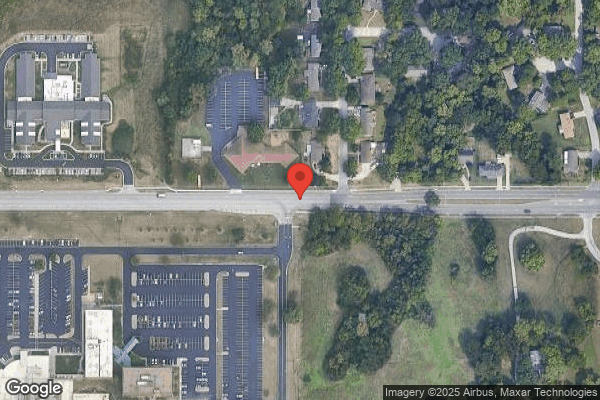
Understanding Severity Codes (click to expand)
Life-Threatening (Immediate Jeopardy)
J - Isolated K - Pattern L - Widespread
Actual Harm
G - Isolated H - Pattern I - Widespread
Potential for Harm
D - Isolated E - Pattern F - Widespread
No Harm (Minor)
A - Isolated B - Pattern C - Widespread

Questions to Ask on Your Visit

  • "Can I speak with families of current residents?"
  • "What's your RN coverage like on weekends and overnight?"

Our Honest Assessment

Strengths
  • • No major safety red flags. No abuse findings, life-threatening violations, or SFF status.
  • • No fines on record. Clean compliance history, better than most Kansas facilities.
  • • 42% turnover. Below Kansas's 48% average. Good staff retention means consistent care.
Concerns
  • • 29 deficiencies on record. Higher than average. Multiple issues found across inspections.
Bottom line: Mixed indicators with Trust Score of 70/100. Visit in person and ask pointed questions.

About This Facility

What is Providence Place's CMS Rating?

CMS assigns PROVIDENCE PLACE an overall rating of 4 out of 5 stars, which is considered above average nationally. Within Kansas, this rating places the facility higher than 99% of the state's 100 nursing homes. This rating reflects solid performance across the metrics CMS uses to evaluate nursing home quality.

How is Providence Place Staffed?

CMS rates PROVIDENCE PLACE's staffing level at 4 out of 5 stars, which is above average compared to other nursing homes. Staff turnover is 42%, compared to the Kansas average of 46%. This relatively stable workforce can support continuity of care.

What Have Inspectors Found at Providence Place?

State health inspectors documented 29 deficiencies at PROVIDENCE PLACE during 2022 to 2025. These included: 28 with potential for harm and 1 minor or isolated issues.

Who Owns and Operates Providence Place?

PROVIDENCE PLACE is owned by a for-profit company. For-profit facilities operate as businesses with obligations to shareholders or private owners. The facility is operated by THE ENSIGN GROUP, a chain that manages multiple nursing homes. With 45 certified beds and approximately 41 residents (about 91% occupancy), it is a smaller facility located in KANSAS CITY, Kansas.

How Does Providence Place Compare to Other Kansas Nursing Homes?

Compared to the 100 nursing homes in Kansas, PROVIDENCE PLACE's overall rating (4 stars) is above the state average of 2.9, staff turnover (42%) is near the state average of 46%, and health inspection rating (3 stars) is at the national benchmark.

What Should Families Ask When Visiting Providence Place?

Based on this facility's data, families visiting should ask: "Can I visit during a mealtime to observe dining assistance and food quality?" "How do you handle medical emergencies, and what is your hospital transfer rate?" "Can I speak with family members of current residents about their experience?"

Is Providence Place Safe?

Based on CMS inspection data, PROVIDENCE PLACE has a clean safety record: no substantiated abuse findings (meaning no confirmed cases of resident harm), no Immediate Jeopardy citations (the most serious violation level indicating risk of serious injury or death), and is not on the Special Focus Facility watch list (a federal program monitoring the lowest-performing 1% of nursing homes). The facility has a 4-star overall rating and ranks #1 of 100 nursing homes in Kansas. While no facility is perfect, families should still ask about staff-to-resident ratios and recent inspection results during their visit.

Do Nurses at Providence Place Stick Around?

PROVIDENCE PLACE has a staff turnover rate of 42%, which is about average for Kansas nursing homes (state average: 46%). Moderate turnover is common in nursing homes, but families should still ask about staff tenure and how the facility maintains care continuity when employees leave.

Was Providence Place Ever Fined?

PROVIDENCE PLACE has no federal fines on record. CMS issues fines when nursing homes fail to meet care standards or don't correct problems found during inspections. The absence of fines suggests the facility has either maintained compliance or corrected any issues before penalties were assessed. This is a positive indicator, though families should still review recent inspection reports for the full picture.

Is Providence Place on Any Federal Watch List?

PROVIDENCE PLACE is not on any federal watch list. The most significant is the Special Focus Facility (SFF) program, which identifies the bottom 1% of nursing homes nationally based on persistent, serious quality problems. Not being on this list means the facility has avoided the pattern of deficiencies that triggers enhanced federal oversight. This is a positive indicator, though families should still review the facility's inspection history directly.