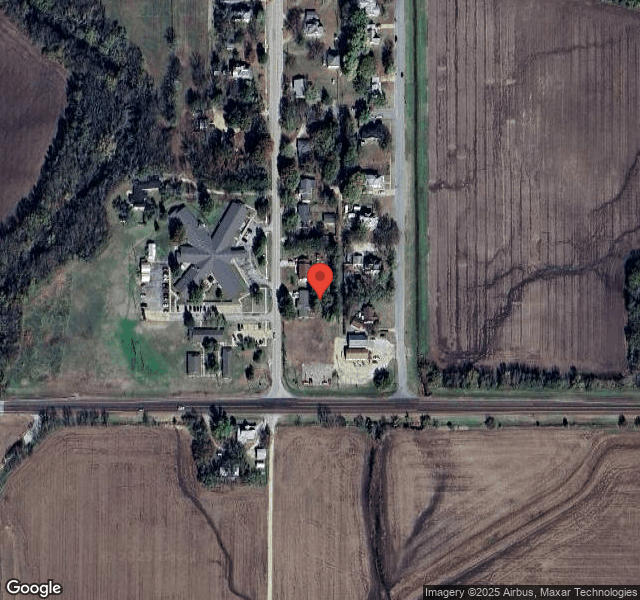

WHEAT STATE MANOR

601 S MAIN ST, WHITEWATER, KS 67154 (316) 799-2181
Non profit - Church related 65 Beds Independent Data: November 2025 3 Immediate Jeopardy citations
Trust Grade
9/100
#231 of 295 in KS
Last Inspection: March 2024

Within standard 12-15 month inspection cycle. Federal law requires annual inspections.

Overview

Wheat State Manor in Whitewater, Kansas, has received a Trust Grade of F, indicating poor performance with significant concerns about resident safety and care. The facility ranks #231 out of 295 in the state, placing it in the bottom half of Kansas nursing homes, and #4 out of 6 in Butler County, meaning only two local options are worse. The facility's situation is stable, with 7 issues documented in both 2023 and 2024, but these include critical incidents of verbal and physical abuse that have placed residents in immediate jeopardy. Staffing is a strength, with a 5/5 star rating and RN coverage better than 79% of Kansas facilities, although staff turnover is average at 52%. However, the facility has incurred fines totaling $28,954, which is concerning and suggests ongoing compliance problems alongside the critical incidents where residents were not adequately protected from abuse.

Trust Score
F
9/100
In Kansas
#231/295
Bottom 22%
Safety Record
High Risk
Review needed
Inspections
Holding Steady
7 → 7 violations
Staff Stability
⚠ Watch
52% turnover. Above average. Higher turnover means staff may not know residents' routines.
Penalties
○ Average
$28,954 in fines. Higher than 61% of Kansas facilities. Some compliance issues.
Skilled Nurses
✓ Good
Each resident gets 54 minutes of Registered Nurse (RN) attention daily — more than average for Kansas. RNs are trained to catch health problems early.
Violations
⚠ Watch
32 deficiencies on record. Higher than average. Multiple issues found across inspections.
★★☆☆☆
2.0
Overall Rating
★★★★★
5.0
Staff Levels
★☆☆☆☆
1.0
Care Quality
★★☆☆☆
2.0
Inspection Score
Stable
2023: 7 issues
2024: 7 issues

The Good

  • 5-Star Staffing Rating · Excellent nurse staffing levels
  • Full Sprinkler Coverage · Fire safety systems throughout facility
  • No fines on record

Facility shows strength in staffing levels, fire safety.

The Bad

2-Star Overall Rating

Below Kansas average (2.9)

Below average - review inspection findings carefully

Staff Turnover: 52%

Near Kansas avg (46%)

Higher turnover may affect care consistency

Federal Fines: $28,954

Below median ($33,413)

Moderate penalties - review what triggered them

The Ugly 32 deficiencies on record

3 life-threatening
Mar 2024 7 deficiencies
CONCERN (D)

Potential for Harm - no one hurt, but risky conditions existed

PASARR Coordination (Tag F0644)

Could have caused harm · This affected 1 resident

**NOTE- TERMS IN BRACKETS HAVE BEEN EDITED TO PROTECT CONFIDENTIALITY** The facility reported a census of 38 residents with 13 residents selected for review, which included one Resident (R)20, reviewe...

Read full inspector narrative →
**NOTE- TERMS IN BRACKETS HAVE BEEN EDITED TO PROTECT CONFIDENTIALITY** The facility reported a census of 38 residents with 13 residents selected for review, which included one Resident (R)20, reviewed for Pre-admission Screening and Resident Review (PASRR) Level two. Based on observation, interview, and record review, the facility failed to obtain a reassessment for R20 to determine mental health needs as required. Findings included: - Review of Resident (R)20's medical record, revealed diagnoses that included schizophrenia (mental disorder characterized by gross distortion of reality, disturbances of language and communication and fragmentation of thought) with psychotic disorder (any major mental disorder characterized by a gross impairment in reality perception), delusions (untrue persistent belief or perception held by a person although evidence shows it was untrue), hallucinations (sensing things while awake that appear to be real, but the mind created), and osteomyelitis (local or generalized infection of the bone and bone marrow). The Annual Minimum Data Set (MDS), dated [DATE], assessed the resident with a Brief Interview for Mental Status (BIMS) score of 15, which indicated normal cognitive status with no behaviors or psychosis. The resident had functional limitation in range of motion on one side of his upper extremity and both lower extremities. R20 was dependent of staff for transfers and was independently mobile in his wheelchair. The Psychotropic Drug Use Care Area Assessment (CAA), dated 01/12/24, assessed the resident with schizophrenia, with recent delusions which resulted in a transfer to an inpatient psychiatric facility. The resident received antipsychotic (class of medication used to treat major mental conditions which cause a break from reality) medication paliperidone. The Care Plan, revised 01/24/24, instructed staff the resident required assistance for transfers and stand by assistance for activities of daily living, but declined staff assistance. Review of R20's medical record revealed a Pre-admission Screening and Resident Review (PASRR) determination letter, dated 03/08/2019, which indicated the level of services provided in a nursing facility/nursing facility for mental health for a temporary period for stabilization of R20's mental health condition. The letter instructed the facility to request another assessment if at the end of 12 months, the resident required more time in the facility. The medical record lacked reassessment documentation. Interview, on 03/07/24 at 11:30 AM with Social Services Staff X, confirmed the PASRR indicated a temporary 12-month period after which a reassessment was needed. Social Service Staff X confirmed the facility failed to obtain a reassessment in a timely manner after the Covid pandemic crisis ended in May 2023. Interview, on 03/07/24 at 04:00 PM with Administrative Staff A, confirmed he would expect staff to follow up with contacting the State Agency for a reassessment. The facility lacked a policy for PASRR. The facility failed to request reassessment for R20 to determine continued care needs for services in a nursing facility/nursing facility for mental health as required.
CONCERN (D)

Potential for Harm - no one hurt, but risky conditions existed

Deficiency F0657 (Tag F0657)

Could have caused harm · This affected 1 resident

**NOTE- TERMS IN BRACKETS HAVE BEEN EDITED TO PROTECT CONFIDENTIALITY** The facility reported a census of 38 residents with 13 residents sampled. Based on observation, interview, and record review, th...

Read full inspector narrative →
**NOTE- TERMS IN BRACKETS HAVE BEEN EDITED TO PROTECT CONFIDENTIALITY** The facility reported a census of 38 residents with 13 residents sampled. Based on observation, interview, and record review, the facility failed to review and revise the care plan for one Resident (R)19 regarding the use of eyeglasses. Findings included: - Review of Resident (R)19's electronic medical record (EMR) included a diagnosis of cerebral infarction (stroke - sudden death of brain cells due to lack of oxygen caused by impaired blood flow to the brain by blockage or rupture of an artery to the brain). The Annual Minimum Data Set (MDS), dated [DATE], documented the resident had a Brief Interview for Mental Status (BIMS) score of 14, indicating intact cognition. The resident required glasses for her vision. The Visual Function Care Area Assessment (CAA), dated 10/27/23, did not trigger. The Quarterly MDS, dated 01/26/24, did not assess cognition or vision. The care plan, revised 02/01/24, lacked staff instruction on the resident's use of eyeglasses. On 03/06/24 at 10:39 AM, the resident stated her glasses were broken a long time ago and had not been repaired. She told the staff her glasses were broken and needed to be repaired but no one had taken them to be fixed. She was having to wear her old glasses and was unable to see well. On 03/07/24 at 10:04 AM, Certified Nurse Aide (CNA) N stated the resident's glasses had been broken for a long time and she was unsure why they had not been fixed yet. The resident always wears her glasses while awake and was currently needing to wear her old glasses while she waited for her new glasses to be fixed. On 03/07/24 at 02:35 PM, CNA M stated the resident would wear her glasses at all times, while awake. The resident had told someone that her new glasses were broken, but it had been a few weeks ago. On 03/11/24 at 12:01 PM, Licensed Nurse (LN) G stated eyeglasses should probably be included on a resident's care plan. On 03/11/24 at 12:07 PM, Administrative Nurse D stated staff should have included the resident's eyeglasses on her care plan. The facility policy for Care Plans, revised March/2022, included: Assessments of residents are ongoing and care plans are revised as information about the resident changes. The facility failed to review and revise this dependent resident's care plan to include her eyeglasses.
CONCERN (D)

Potential for Harm - no one hurt, but risky conditions existed

Deficiency F0685 (Tag F0685)

Could have caused harm · This affected 1 resident

**NOTE- TERMS IN BRACKETS HAVE BEEN EDITED TO PROTECT CONFIDENTIALITY** The facility reported a census of 38 residents with 13 residents sampled, including one resident reviewed for vision. Based on o...

Read full inspector narrative →
**NOTE- TERMS IN BRACKETS HAVE BEEN EDITED TO PROTECT CONFIDENTIALITY** The facility reported a census of 38 residents with 13 residents sampled, including one resident reviewed for vision. Based on observation, interview, and record review, the facility failed to ensure one Resident (R)19 received adequate assistive devices to maintain proper vision, by failing to have her glasses repaired in a timely manner. Findings included: - Review of Resident (R)19's electronic medical record (EMR) included a diagnosis of cerebral infarction (stroke - sudden death of brain cells due to lack of oxygen caused by impaired blood flow to the brain by blockage or rupture of an artery to the brain). The Annual Minimum Data Set (MDS), dated [DATE], documented the resident had a Brief Interview for Mental Status (BIMS) score of 14, indicating intact cognition. The resident required glasses for her vision. The Visual Function Care Area Assessment (CAA), dated 10/27/23, did not trigger. The Quarterly MDS, dated 01/26/24, did not assess cognition or vision. The care plan, revised 02/01/24, lacked staff instruction on the resident's use of eyeglasses. On 03/06/24 at 10:39 AM, the resident stated her glasses were broken a long time ago and had not been repaired. She told the staff her glasses were broken and needed to be repaired but no one had taken them to be fixed. She was having to wear her old glasses and was unable to see well. On 03/07/24 at 10:04 AM, Certified Nurse Aide (CNA) N stated the resident's glasses had been broken for a long time and she was unsure why they had not been fixed yet. The resident always wears her glasses while awake and was currently needing to wear her old glasses while she waited for her new glasses to be fixed. On 03/07/24 at 10:40 AM, Social Services staff X stated she had not been aware of the resident's glasses being broken but will have them taken to the eye doctor to be repaired. On 03/07/24 at 02:35 PM, CNA M stated the resident would wear her glasses at all times, while awake. The resident had told someone that her new glasses were broken, but it had been a few weeks ago. On 03/11/24 at 12:01 PM, Licensed Nurse (LN) G stated she was unaware of the resident's glasses being broken. On 03/11/24 at 12:07 PM, Administrative Nurse D stated she was unaware the resident's glasses were broken. Administrative Nurse D stated she would have Social Services staff X get them fixed. The facility lacked a policy regarding resident eyeglasses. The facility failed to ensure this dependent resident received the assistive devices she required to maintain proper vision.
CONCERN (D)

Potential for Harm - no one hurt, but risky conditions existed

Medication Errors (Tag F0758)

Could have caused harm · This affected 1 resident

**NOTE- TERMS IN BRACKETS HAVE BEEN EDITED TO PROTECT CONFIDENTIALITY** - Review of Resident (R)11's undated Physician Order Sheet (POS), included diagnoses of delusional disorder (untrue persistent b...

Read full inspector narrative →
**NOTE- TERMS IN BRACKETS HAVE BEEN EDITED TO PROTECT CONFIDENTIALITY** - Review of Resident (R)11's undated Physician Order Sheet (POS), included diagnoses of delusional disorder (untrue persistent belief or perception held by a person although evidence shows it was untrue) and malignant neoplasm of the bladder and lung (cancerous tumors of the lung and bladder). The Significant Change Minimum Data Set (MDS), dated [DATE], documented the resident had a Brief Interview for Mental Status (BIMS) score of nine, indicating moderately impaired cognition. He received an anti-psychotic medication (medication used to treat psychosis) during the assessment period. The Psychotropic Drug Use Care Area Assessment (CAA), dated 01/12/24, documented the resident received Haldol (an anti-psychotic medication) for a delusional disorder. The Quarterly MDS, dated 10/11/23, documented the resident had a BIMS score of 14, indicating intact cognition. He did not receive anti-psychotic medication during the assessment period. The care plan, revised 11/22/23, instructed staff the resident received Haldol due to a diagnosis of delusional disorder. Staff were to monitor for side effects of the medication every shift. Review of the resident's electronic medical record (EMR), revealed the following physician's order: Haloperidol 5 milligrams (mg), by mouth (po), three times a day (TID), for agitation (feeling of aggravation or restlessness brought on by a provocation or a medical condition) and aggression (hostile or violent behavior or attitudes toward another), ordered 03/04/24. Review of the resident's EMR lacked an Abnormal Involuntary Movement Scale (AIMS), used to aide in the early detection of tardive dyskinesia (side effect of antipsychotic medications which involves involuntary muscle movements). On 03/11/24 at 09:07 AM, Licensed Nurse (LN) G stated an AIMS assessment should be completed by the nurse on duty when the physician ordered a new antipsychotic medication, and then every three months, and with any significant change of the resident. On 03/11/24 at 12:07 PM, Administrative Nurse D stated AIMS assessments were to be completed on admission, quarterly, with a significant change, or when an antipsychotic medication was ordered. The facility policy for Psychotropic Medication Use, undated, included: Anti-psychotic medications are subject to adequate monitoring for efficacy and adverse consequences. The facility failed to monitor this dependent resident for side effects of his antipsychotic medications. The facility reported a census of 38 residents with 13 residents selected for review, which included five residents selected for review for unnecessary medications. Based on observation, interview, and record review, the facility failed to ensure one Resident (R)13 received reevaluation for continued use of as needed (PRN) psychotropic (medication that alters mood or thought) , and R11 related to lack of an abnormal involuntary movement scale (AIMS) to monitor for adverse effects of antipsychotic medications. Findings included: - Review of Resident (R)13's medical record, revealed diagnoses that included cerebral infarction (stroke - sudden death of brain cells due to lack of oxygen caused by impaired blood flow to the brain by blockage or rupture of an artery to the brain), aphasia(condition with disordered or absent language function), anxiety (mental or emotional reaction characterized by apprehension, uncertainty and irrational fear), and dementia (progressive mental disorder characterized by failing memory, confusion). The admission Minimum Data Set (MDS), dated [DATE], assessed the resident had severely impaired cognitive skills for decision making. The resident received antianxiety (class of medications that calm and relax people), antidepressant (class of medications used to treat mood disorders), and antipsychotic (class of medications used to treat major mental conditions which cause a break from reality) medications. The Psychotropic Drug Use Care Area Assessment (CAA), dated 01/03/24, assessed the resident admitted with hospice. The resident had dementia with agitation, mood disturbance and anxiety. The Care Plan, reviewed 12/28/23, instructed staff the resident received psychotropic medication and to monitor for side effects. Staff were to monitor for occurrence of target behavior symptoms of anxiety and document. On 12/28/23, the physician instructed staff to administer clonazepam 0.5 milligrams, twice a day, as needed for anxiety. Review of the Medication Administration Record (MAR) for January 2024, revealed the resident received seven doses. Review of the February 2024 MAR revealed the resident received 10 doses, and review of the March 2024 MAR revealed the resident received four doses. Review of the Note to Attending Physician/Prescriber for review period 02/01/24 through 02/17/24, reminded the prescriber of the recommendation to reevaluate PRN clonazepam use and indicate a length of time for it's use. The facility failed to follow up on this recommendation. Interview, on 03/11/24 at 01:00 PM, with Administrative Nurse D, revealed she would expect the charge nurse to follow up with the pharmacy recommendations, and confirmed the physician did not reevaluate clonazepam to indicate a length of time for its use. The facility policy Psychotropic Medication Use dated July 2022, instructed staff psychotropic are not prescribed on a PRN basis beyond 14 days, unless the prescriber documents the rationale for extending the use and included the duration for the PRN order. The facility failed to ensure the prescriber reassessed R13 for the continued administration of PRN clonazepam beyond the 14-day initial period as required.
CONCERN (E)

Potential for Harm - no one hurt, but risky conditions existed

Deficiency F0582 (Tag F0582)

Could have caused harm · This affected multiple residents

The facility reported a census of 38 residents with three residents reviewed for Medicare Advance Beneficiary and Medicare Non-Coverage Notices. Based on interview and record review, the facility fail...

Read full inspector narrative →
The facility reported a census of 38 residents with three residents reviewed for Medicare Advance Beneficiary and Medicare Non-Coverage Notices. Based on interview and record review, the facility failed to ensure three Resident (R) 40, R95 and R 96 received the Center for Medicare/Medicaid Services (CMS) form 10123 (for the right of expedited review of discontinuation of services) as required when skilled services ended. In addition, the facility failed to issue CMS 10055 (the right to continue skilled services and cost of the services) to R40 as required. Findings included: - Review of Resident (R) 40's medical record revealed skilled therapy discharged the resident on 12/21/23. The facility contacted the responsible party by phone but did not issue the required CMS 10123 or CMS 10055. The resident remained in the facility and was placed on hospice services 01/02/24. Review of R95's medical record, revealed skilled services ended 10/18/23, and the facility issued CMS 10055 to the resident's responsible party by email on 10/23/23. The facility did not issue CMS 10123 as required. The resident remained in the facility and went on hospice services 10/27/23. Review of R 96's medical record revealed skilled services ended 11/19/23. The resident received CMS 10055 which was not completed to include estimated cost of continued services. The resident did not receive CMS 10123 as required. The resident discharged from the facility on 11/20/23. Interview, on 03/11/24 at 12:09 PM, with Administrative Staff B, revealed neither she or Social Service Staff X, knew to issue CMS 10123 for skilled services and did not have a policy for issuance of the forms. The facility lacked a policy for CMS 10123 or CMS 10055 at the time of the required issuance for the above residents but did develop a policy on 03/11/24. The facility failed to issue CMS 10123 and CMS 10055 to ensure residents/responsible parties were informed of expedited review for discontinuation of therapies and estimated cost of continuing therapies and desire for continuation of skilled services as required.
CONCERN (E)

Potential for Harm - no one hurt, but risky conditions existed

Deficiency F0887 (Tag F0887)

Could have caused harm · This affected multiple residents

The facility reported a census of 38 residents with five residents reviewed for Covid-19 vaccinations. Based on interview and record review, the facility failed to ensure the residents of the facility...

Read full inspector narrative →
The facility reported a census of 38 residents with five residents reviewed for Covid-19 vaccinations. Based on interview and record review, the facility failed to ensure the residents of the facility received up to date Covid vaccinations, if desired, and failed to ensure residents were given the opportunity to rescind previous year declination. Findings included: - Review of Resident (R)32's medical record immunization tab, revealed the resident received a Covid vaccination on 11/17/22 and no Covid vaccine offered in 2023. Review of R 20's medical record immunization tab revealed the resident refused the covid booster on 11/13/21 , with no opportunity to change declination in 2022 and 2023. Review of R5's medical record Immunization tab, revealed the resident received a Covid booster 11/17/22 and no Covid vaccine offered in 2023. Review of R3's medical record Immunization tab, revealed the resident received a Covid vaccination 11/17/22 , and no Covid vaccine offered in 2023. Review of R2's medical record Immunization tab, revealed the resident declined Covid vaccination 01/26/21 with no further opportunities to make informed decisions regarding change in vaccination acceptance/declination in 2022 and 2023. Interview, on 03/11/24 at 01:12 PM, with Administrative Nurse D, confirmed the medical record lacked indication the facility offered Covid vaccinations in 2023. The facility policy Coronavirus Disease (COVID-19)- Vaccination of Residents revised May 2023, instructed staff to ensure each resident is offered the COVID-19 vaccine unless the immunization is medically contraindicated, or the resident is fully vaccinated. This policy instructed staff the resident or resident representative could accept or refuse a COVID-19 vaccination and to change his/her decision. The facility failed ensure residents received COVID-19 vaccinations in a timely manner and were given opportunities to make informed decisions to change acceptance/declination as required.
MINOR (C)

Minor Issue - procedural, no safety impact

Staffing Information (Tag F0732)

Minor procedural issue · This affected most or all residents

The facility reported a census of 38 residents. Based on observation, record review, and interview, the facility failed to display accurate, publicly accessible, and identifiable staffing information,...

Read full inspector narrative →
The facility reported a census of 38 residents. Based on observation, record review, and interview, the facility failed to display accurate, publicly accessible, and identifiable staffing information, daily, for the 38 residents who reside in the facility. Findings included: - Review of the facility's Daily Staffing Sheets, from 02/11/24 through 03/11/24, revealed the actual hours worked had not been completed on the daily staffing sheets. On 03/11/24 at 11:33 AM, Administrative Nurse D stated, she was unaware the actual hours worked were to be included on the daily staffing sheets. The facility policy for Posting Direct Care Daily Staffing Numbers, revised August/2022, included: The information recorded on the form shall include the actual time worked during the shift for each category and type of nursing staff. The facility failed to properly complete the daily staffing sheets for the residents of the facility.
Nov 2023 3 deficiencies
CONCERN (D) 📢 Someone Reported This

A family member, employee, or ombudsman was alarmed enough to file a formal complaint

Potential for Harm - no one hurt, but risky conditions existed

Notification of Changes (Tag F0580)

Could have caused harm · This affected 1 resident

The facility reported a census of 39 residents, with three residents sampled. Based on interview and record review, the facility failed to ensure the resident/resident's representative for Resident (R...

Read full inspector narrative →
The facility reported a census of 39 residents, with three residents sampled. Based on interview and record review, the facility failed to ensure the resident/resident's representative for Resident (R) 8, the right to be fully informed, in advance, of the risks and benefits of proposed care (initiation of antipsychotic [class of medications used to treat psychosis and other mental emotional conditions] and of treatment and treatment alternatives, as well as the right to choose options/treatments. On 11/14/23, R8's provider ordered Rexulti (atypical antipsychotic medicine for depression and agitation that may happen with dementia due to Alzheimer's disease) and failed to notify the resident's representative of the new order for the Rexulti. Findings included: - The signed Physician Order Sheet (POS), for Resident (R) 8, dated 11/07/23, revealed the following diagnoses; major depressive disorder (major mood disorder), vascular dementia with behavioral disturbance (a progressive mental disorder characterized by failing memory and confusion caused by a decreased blood flow to the brain) & major neurocognitive disorder (decreased mental function and loss of ability to do daily tasks). The physician's order included Rexulti, 0.5 milligram (mg), 1 tablet by mouth, at bedtime, for agitation due to major neurocognitive disorder, start date of 11/14/23. Review of the progress notes, revealed the following: On 11/14/23, Licensed Nurse (LN) G, documented the provider saw the resident and wrote a new order for the Rexulti. On 11/15/23, LN G documented she spoke with the resident's representative regarding the resident representative's concern about the Rexulti. The resident's representative was not notified until the pharmacy called them to see if they wanted this medication filled due to the cost of the medication. The nurse sent the order to the pharmacy and did not notify the family of the new order, because LN G did not know the resident's representative had not been notified. The electronic records lacked a risk/benefit statement for the Rexulti. On 11/27/23 at 12:10 PM, a resident's representative reported the facility failed to notify her of a change in the medication. The pharmacy notified the resident's representative prior to filling the prescription due to the copay of $148 and some odd cents, otherwise they would not have become aware of the medication changes. The facility's undated policy for Nurse Notification of Changes, was to ensure that facility staff make appropriate notification to immediate representative when there is a change. The facility failed to ensure the resident/resident's representative for this resident of the right to be fully informed, in advance, of the risks and benefits of proposed care and of treatment and treatment alternatives, as well as the right to choose options/treatments. The facility failed to notify the resident's representative of the new medication initiated.
CONCERN (D) 📢 Someone Reported This

A family member, employee, or ombudsman was alarmed enough to file a formal complaint

Potential for Harm - no one hurt, but risky conditions existed

Pharmacy Services (Tag F0755)

Could have caused harm · This affected 1 resident

**NOTE- TERMS IN BRACKETS HAVE BEEN EDITED TO PROTECT CONFIDENTIALITY** The facility reported a census of 39 residents, with one resident reviewed for unnecessary medication. Based on interview and re...

Read full inspector narrative →
**NOTE- TERMS IN BRACKETS HAVE BEEN EDITED TO PROTECT CONFIDENTIALITY** The facility reported a census of 39 residents, with one resident reviewed for unnecessary medication. Based on interview and record review, the facility failed to ensure Resident (R)1, received the physician's ordered medication of Fentanyl patch (a controlled medication patch used for severe pain), when staff applied Fentanyl 200 micrograms (mcg), when the physician ordered 112 mcg. The facility failed to notify the physician, perform any necessary clinical interventions, record the medication as given in the clinical record, observe, assess outcome of the elder and document in the clinical record, record any actions, clinical interventions necessary, report the error on the incident report and record notification of family in clinical record with any stated response, education and questions. Facility staff also failed to notify the facility administrative staff. Findings included: - The signed Physician Order Sheet (POS), for Resident (R) 1, dated 10/05/23, revealed the following diagnoses; quadriplegia (paralysis of the arms, legs and trunk of the body below the level of an associated injury to the spinal cord), muscle spasms (a sudden, brief, unintended [involuntary], and usually painful contraction of a muscle or group of muscles) and pain (physical suffering or discomfort caused by illness or injury). R1's admission Minimum Data Set (MDS), dated [DATE], revealed the resident had a Brief Interview for Mental Status score of 11. The resident required scheduled pain medication and as needed pain. R1 received opioid (a natural, semisynthetic, or synthetic substance that binds to the same cell receptors as opium and produces similar narcotic effects) pain medication in the previous seven days. The Physician's order included fentanyl (a potent synthetic piperidine opioid drug primarily used as an analgesic) patch 72-hour 100 micrograms (mcg) per hour (hr); apply one patch transdermally (TD) one time a day, every three days, for pain and rotate the placement site. Administer along with one 12 micrograms (mcg) per hour (hr); Remove per schedule of every 72 hours, dated 08/31/23. Review of R1's Medication Administration Review (MAR) revealed the following: R1's Electronic Health Record (EHR) for November 2023 revealed on 11/24/23 at 08:11 AM, Certified Medication Aide T placed a fentanyl patch 100 mcg/hour on the left lower quadrant of the abdomen. In addition, on 11/24/23, CMA T placed a fentanyl 12 mcg/hour patch on the resident's right lower quadrant of the abdomen at 07:55 AM. However, R1's Controlled Count sheet revealed on 11/24/23 at 08:00 AM, CMA T signed out for two of the Fentanyl 100 mcg patches. One of the signed-out fentanyl patches 100 mcg/hour had been wasted, however, it lacked the time the fentanyl patch 100 mcg/hr had been destroyed. On 11/24/23 at 08:00 AM, fentanyl 12 mcg/hour was also signed out. R1's EHR lacked documentation of the application of fentanyl 200 mcg instead of the physician ordered 112 mcg, lacked the physician notification, any interventions/assessments, or any acknowledgement of a medication error. On 11/27/23 at 02:57 PM, Certified Medication Aide (CMA) S reported that on 11/24/23 when she arrived for work at shift change at 02:00 PM, during the count of controlled substances, it was discovered that each of R1's fentanyl counts were off. CMA S discovered CMA T had placed two fentanyl patches of the 100 mcg/hr on the resident. R1's order is for fentanyl patch 100 mcg/hr and fentanyl patch 12 mcg/hour applied together. CMA reported that she immediately advised Licensed Nurse (LN) I. Once discovered on the narcotic count sheet, staff went to the resident's room and immediately removed the incorrect patch and placed the correct patch (12 mcg) on the resident. On 11/27/23 at 03:11 PM, Administrative Nurse D reported that she was not advised of the medication error. She would have expected the staff to notify her of any medication errors. The physician should have been notified of the medication error as well. On 11/27/23 at 03:37 PM, Licensed Nurse (LN) I reported she was advised by CMA T that she placed two fentanyl patch 100 mcg/hr patches on R1, (for a total of 200 mcg/hour instead of 112 mcg/hour). CMA T could not explain how she made the error because there is a difference in the dose and difference in the size of the patches. The fentanyl patch 100 mcg/hour was removed, and staff applied the correct dosage of fentanyl patch 12 mcg/hour An assessment was completed at that time and R1 did not have adverse side effects. On 11/27/23 at 09:33 AM, R1 reported he did not experience any adverse reaction from the fentanyl patches. The facility's undated policy for Medication Error had a process to respond to actual or potential medications errors. All actual or potential errors identified would be documented through the Quality Assurance/Performance Improvement Risk Management system. Types of medication errors included wrong drug, dose, route or time, and the procedure included to notify the physician and assess the elder, perform any necessary clinical interventions, within the elder care provider's scope of practice to reduce the negative effects of the identified error, record the medication as given in the clinical record, record the observed and assessed outcome of the elder in the clinical record, record the notification of the physician in the clinical record with any resultant orders, report the error in detail on the incident report, record notification of family in the clinical record with any stated response, education and questions. The facility failed to ensure Resident (R)1, received the physician's ordered medication of Fentanyl patch (a controlled medication patch used for severe pain), when staff applied Fentanyl 200 micrograms (mcg) when the physician ordered 112 mcg. The facility failed to notify the physician, perform any necessary clinical interventions, record the medication as given in the clinical record, observe, assess outcome of the elder and document in the clinical record, record any actions, clinical interventions necessary, report the error on the incident report and record notification of family in clinical record with any stated response, education and questions. The nursing staff failed to notify the administrative staff.
CONCERN (F) 📢 Someone Reported This

A family member, employee, or ombudsman was alarmed enough to file a formal complaint

Potential for Harm - no one hurt, but risky conditions existed

Infection Control (Tag F0880)

Could have caused harm · This affected most or all residents

**NOTE- TERMS IN BRACKETS HAVE BEEN EDITED TO PROTECT CONFIDENTIALITY** The facility reported a census of 39 residents with 16 residents sampled, which included three residents for pressure ulcer/inju...

Read full inspector narrative →
**NOTE- TERMS IN BRACKETS HAVE BEEN EDITED TO PROTECT CONFIDENTIALITY** The facility reported a census of 39 residents with 16 residents sampled, which included three residents for pressure ulcer/injury. Based on observation, interview, and record review, the facility failed to maintain an effective infection control program with the failure of staff to change gloves and perform proper hand hygiene between phases of wound care for Resident (R)2 and R3. This deficient practice has the potential to lead to cross contamination between residents and negatively affect the residents that resided in the facility. Findings include: - Review of the Electronic Health Record (EHR) for Resident (R)2 revealed the following pertinent medical diagnoses that included anemia (a condition without enough healthy red blood cells to carry adequate oxygen to body tissues) and pressure ulcer (a localized injury to the skin and/or underlying tissue usually over a bony prominence, as a result of pressure, or pressure in combination with shear and/or friction) of the right buttock. The admission Minimum Data Set (MDS), dated [DATE] was incomplete as the required seven-day look-back period had not transpired. The Care Area Assessments (CAAs), dated 12/01/23 were incomplete as the required seven-day look-back period had not transpired. The Care Plan, dated 11/30/23 revealed the following: 1. On 11/30/23, instructed staff that R2 had a pressure ulcer or potential for pressure ulcer development. 2. On 11/30/23, instructed staff to monitor the dressing and keep the resident's skin clean and dry. The physician's orders included to staff to perform wound care on R2's right buttock, three times per week, and as needed, order date of 11/23/23. On 11/30/23 at 11:15 AM, Licensed Nurse (LN) G and Certified Nurse Aide (CNA) O entered R2's room to perform wound care. LN G and CNA O performed hand hygiene and donned (applied) gloves. CNA O assisted R2 in positioning on the right side. LN G then placed new wound dressing supplies directly on R2's bed without setting up a clean field with a non-permeable barrier. LN G removed the old dressing and discarded the soiled dressing into the trash. LN G cleansed the wound with wound cleanser and gauze. LN G failed to perform hand hygiene and change gloves then placed Selan cream (a barrier cream) on the wound bed. LN G stated in the affirmative when asked if she had transitioned from the dirty phase of wound care to the clean phase of the wound care. LN G then doffed (removed) her soiled gloves, performed hand hygiene, and donned new gloves. LN G then placed initialed and dated border gauze over the wound bed. LN G then doffed her soiled gloves, performed hand hygiene and donned new gloves. R2's brief was changed and replaced by LN G and CNA O. R2 repositioned by LN G and CNA O to the left lateral position to offload pressure on the resident's hips. On 11/30/23 at 11:25 AM, LN G confirmed that she failed to create a clean field for new dressing supplies. Further, LN G confirmed that she failed to perform hand hygiene and change gloves when transitioning from dirty phase of wound care to clean phase of wound care until questioned. On 11/30/23 at 02:42 PM, LN H confirmed that during wound care, staff performing the procedure should create a clean field for new dressing supplies and staff should change gloves and perform hand hygiene when transitioning from the dirty phase of wound care to the clean phase of wound care. On 11/30/23 at 02:45 PM, Administrative Nurse D stated that her expectation of staff during wound care, that the staff performing the procedure should create a clean field for new dressing supplies and that staff should change gloves and perform hand hygiene when transitioning from the dirty phase of wound care to the clean phase of wound care. The facility's undated Standard Precautions policy documented that gloves were to be changed and hand hygiene performed before moving from a contaminated body site to a clean body site (examples such as moving from dirty to clean). The facility's undated Wound Care policy documented that staff were to establish a clean field and place all items to be used during the procedure on the clean field. The policy failed to address changing of gloves or performing hand hygiene between phases of wound care. The facility failed to maintain an effective infection control program with the failure of staff to change gloves and perform proper hand hygiene between phases of wound care and failure to place a barrier for the wound care supplies when staff laid the clean wound dressings directly on the bed. This deficient practice has the potential to lead to cross contamination between residents and negatively affect residents that resided in the facility. - Review of the Electronic Health Record (EHR) for Resident (R)3 revealed the following pertinent medical diagnoses: diabetes mellitus type 2 (DM2 - when the body cannot use glucose, not enough insulin made or the body cannot respond to the insulin), Parkinson's disease (a slowly progressive neurologic disorder characterized by resting tremor, rolling of the fingers, masklike faces, shuffling gait, muscle rigidity and weakness), dementia (progressive mental disorder characterized by failing memory, confusion), anoxic brain damage (damage to the brain caused by lack of oxygen) and pressure ulcer (a localized injury to the skin and/or underlying tissue usually over a bony prominence, as a result of pressure, or pressure in combination with shear and/or friction) of other site. The Quarterly Minimum Data Set (MDS) dated [DATE], documented a Brief Interview for Mental Status (BIMS) of four, which indicated severe cognitive impairment. R3 required extensive assistance of one to two staff members for all cares. R3 had an unhealed pressure ulcer that was not present on admission and received pressure ulcer cares and hospice cares. The Annual MDS, dated 09/27/23 documented a BIMS of eight, which indicated severe cognitive impairment. R3 required extensive assistance of one to two staff members for all cares. R3 had an unhealed pressure ulcer that was not present on admission and received pressure ulcer cares and hospice cares. The Pressure Ulcer/Injury Care Area Assessments (CAA), dated 09/27/23, documented that R3 was at risk for worsening of wounds and development of further wound or complications. The Care Plan, dated 11/30/23 revealed the following: 1. On 12/21/22, instructed staff to identify/document potential causative factors and eliminate/resolve where possible. 2. On 03/24/23, instructed staff to see orders for wound care. The physician's orders, dated 11/22/23, documented staff were to perform wound care on the resident's right heel every other day and as needed. On 11/30/23 at 10:45 AM, Licensed Nurse (LN) I and Certified Nurse Aide (CNA) M entered R3's room to perform wound care. LN I and CNA M performed hand hygiene and donned (applied) gloves. CNA M assisted to hold R3's right leg elevated to provide access for LN I to the resident's right heel wound. LN I then placed new wound dressing supplies on R3's bed without setting up a clean field with a non-permeable barrier. LN I removed the old dressing and discarded the soiled dressing into the trash. LN I then cleaned the wound with wound cleanser and gauze. LN I failed to perform hand hygiene and change gloves, then placed Calmoseptine (a barrier cream) around the wound bed. LN I responded in the affirmative when asked if she had transitioned from the dirty phase to the clean phase. Following the affirmation, LN I doffed (removed) her soiled gloves and performed hand hygiene and donned new gloves after being prompted to do so by CNA M. LN I then placed medihoney (a type of wound dressing) into the wound bed, then placed dated/initialed boarder gauze onto the wound. LN I then doffed her gloves and performed hand hygiene. On 11/30/23 at 11:00 AM, LN I confirmed that she failed to create a clean field for new dressing supplies. Further, LN G confirmed that she failed to perform hand hygiene and change gloves when transitioning from dirty phase of wound care to clean phase of wound care. On 11/30/23 at 02:42 PM, LN H confirmed that during wound care, the staff performing the procedure should create a clean field for new dressing supplies and that staff should change gloves and perform hand hygiene when transitioning from the dirty phase of wound care to the clean phase of wound care. On 11/30/23 at 02:45 PM, Administrative Nurse D stated that her expectation of staff during wound care, that the staff performing the procedure should create a clean field for new dressing supplies and that staff should change gloves and perform hand hygiene when transitioning from the dirty phase of wound care to the clean phase of wound care. The facility's undated Standard Precautions policy documented that gloves were to be changed and hand hygiene performed before moving from a contaminated body site to a clean body site (example such as moving from dirty to clean). The facility's undated Wound Care policy documented that staff were to establish a clean field and place all items to be used during the procedure on the clean field. The policy failed to address changing of gloves or performing hand hygiene between phases of wound care. The facility failed to maintain an effective infection control program with the failure of staff to change gloves and perform proper hand hygiene between phases of wound care and failure to place a barrier for the wound care supplies when staff laid the clean wound dressings directly on the bed. This deficient practice has the potential to lead to cross contamination between residents and negatively affect the residents that resided in the facility.
Sept 2023 2 deficiencies 1 IJ (1 facility-wide)
CRITICAL (L) 📢 Someone Reported This

A family member, employee, or ombudsman was alarmed enough to file a formal complaint

Immediate Jeopardy (IJ) - the most serious Medicare violation

Investigate Abuse (Tag F0610)

Someone could have died · This affected most or all residents

⚠️ Facility-wide issue

**NOTE- TERMS IN BRACKETS HAVE BEEN EDITED TO PROTECT CONFIDENTIALITY** The facility reported a census of 46 residents with seven selected for review and one resident reviewed for abuse. Based on obse...

Read full inspector narrative →
**NOTE- TERMS IN BRACKETS HAVE BEEN EDITED TO PROTECT CONFIDENTIALITY** The facility reported a census of 46 residents with seven selected for review and one resident reviewed for abuse. Based on observation, interview, and record review the facility failed to protect the residents from verbal abuse from Licensed Nurse (LN) G. On the morning of 08/26/23, Certified Nurse Aide (CNA) M heard LN G threaten to hit Resident (R) 2 and CNA N heard LN G threaten R2 if she hit her again, she would be sorry. CNA N failed to report the verbal abuse and CNA M reported the verbal abuse to LN H. LN H failed to notify Administrative Nurse D. LN G worked three shifts after the verbal abuse on 08/26/23, 08/27/23, and 08/28/23 until Administrative Nurse D was made aware of the occurrence on 08/31/23. Failure to report the verbal abuse to Administrative Nurse D immediately placed all residents in the facility in immediate jeopardy. Findings included: - The Medical Diagnosis tab for R2 included a diagnosis of Huntington's disease (rare abnormal hereditary condition characterized by progressive mental deterioration; a disabling central nervous system movement disorder). The admission Minimum Data Set (MDS) dated [DATE] for R2 lacked a Brief Interview of Mental Status (BIMS) assessment and lacked a staff assessment of mental status. R2 did not have any physical or verbal behaviors but had other behavioral symptoms and rejection of care one to three days of the assessment period. R2 did not walk or wander, she required extensive assistance of one to two staff for her activities of daily living (ADLs), and required staff support to maintain her balance. The Cognitive Loss/Dementia Care Area Assessment (CAA) dated 05/07/23 revealed R2's verbalizations varied, at times she would comment or answer questions and other times she would not. R2 responded only to simple and direct instructions and her cognitive impairment and communication abilities would decline as part of the Huntington's disease. The Behavioral Symptoms CAA dated 05/07/23 revealed R2's behaviors of crying and rejection of care would not be addressed in the care plan, the behavior was isolated, and there were no further behaviors noted after the assessment reference date. The behaviors occurred only one day. The Psychotropic Drug Use CAA dated 05/07/23 revealed R2 required Haldol (psychotropic medication - class of medications capable of affecting the mind, emotions, and behavior) for anxiety, restlessness, and agitation. The Quarterly MDS dated 08/02/23 assessed R2 with having a BIMS score of seven, indicating severe cognitive impairment, physical and verbal behavior symptoms four to six days; other behavioral symptoms, rejection of care, and wandering one to three days. R2 required limited to extensive assistance of one to two staff for ADL's including walking and she continued to require staff support to maintain her balance. The Care Plan initiated on 04/24/23 revealed R2 had impaired communication, impaired cognitive function, and used psychotropic medication for restlessness, agitation, and anxiety. The care plan lacked direction for staff when R2 had behaviors. The Progress Note dated 08/26/23 at 02:12 PM, revealed R2 had staff with her continuously during the day and she continued to display behaviors of kicking, hitting, and cussing. The Progress Note dated 08/26/23 at 09:28 PM, revealed R2 slept approximately two hours in a reclining style wheelchair at the nurse's station. She woke up combative and restless approximately at 0800 (indicating 08:00 AM). She was given Haldol at 0830 (indicating 08:30 AM) with fair results. A facility investigation dated 09/11/23, revealed while Administrative Nurse D conducted an interview with CNA M on 08/31/23, CNA M reported she arrived on shift on 08/19/23 at 06:00 AM and R2 displayed agitation and was hitting staff. LN G and CNA N were with R2 as she was up walking. CNA M heard LN G state to R2 If you hit me, I will hit you right back. CNA M stated she reported this to the charge nurse, LN H, who did not report this to Administrative Staff A or Administrative Nurse D. Administrative Nurse D asked LN H about the incident, LN H could not recall CNA M reporting what LN G stated to R2 to her. Administrative Nurse A placed LN G on suspension on 09/01/23. Administrative Nurse D and LN I spoke with R2 on 09/01/23 about the incident and she did not appear to remember the incident in question, denied if any of the staff made her feel uncomfortable, and could not answer the question if she felt safe at the facility. CNA N stated she did not remember LN G stating what CNA M reported but did hear LN G state if you hit me again, you'll be sorry. The investigation revealed due to the inconsistencies in what the CNA's reported and the fact that R2 did not remember the incident and was not affected by it, the facility found the verbal abuse allegations to be unsubstantiated, however, the facility terminated LN G on 09/07/23 for being high risk due to poor communication skills. The investigation lacked a statement from LN G. The Witness Statement dated 08/31/23 for incident on 08/19/23 by CNA M revealed she had just clocked in and R2 was being violent and hitting nurse and aide. After R2 hit LN G, CNA M heard LN G say [resident name] if you hit me, I will hit you right back. CNA M told the day shift nurse on duty, but nothing was done. The facility investigation included an interview by Social Services Staff X with R7, dated 09/01/23. When asked how he felt about the staff members at the facility and if they treated him with respect, R7 responded that most do, the night nurse has an attitude towards me and it takes a while for her to come. When asked if any staff member ever yelled, sworn, or cursed at him, R7 responded no but night nurse has been short and sharp with her response. The interview lacked the specific nurse R7 was referring to. The facility investigation included an interview by Social Service Staff X with R6, dated 09/01/23. When asked how he felt about the staff members at the facility and if they treated him with respect, R6 responded the night nurse could be hateful and not friendly. When asked if any staff member had yelled, sworn, or cursed at him, R6 responded a nurse has yelled at him. The interview lacked which specific nurse R6 was referring to. The Daily Assignment Sheet revealed LN G worked the night shift on 08/19/23, 08/20/23, 08/21/23, 08/25/23, 08/26/23, 08/27/23, and 08/28/23. The Daily Assignment Sheet lacked documentation of CNA M being scheduled on 08/19/23 at 06:00 AM and the facility failed to provide the Daily Assignment Sheet for 08/18/23, which would have shown the staff assigned on the 10:00 PM to 06:00 AM shift. On 09/11/23 at 04:15 PM, R6 stated there was a time about three months ago he fell and while he was on the floor, LN G started to lecture me and he asked her to wait until he got into bed. On 09/12/234 at 09:51 AM, Administrative Nurse D stated she did not get a statement from LN G or interview her, she had discussed the situation with Administrative Staff A which directed her to place LN G on suspension pending investigation due to the allegation. Administrative Nurse D stated the staff member R6 and R7 were referring to in the interview conducted on 09/01/23 by Social Service Staff X was LN G. On 09/12/23 at 10:14 AM, Certified Medication Aide (CMA) R stated on different days R2 would be up and going and due to Huntington's disease, R2 had a hard time sitting still and occasionally would hit at the staff. On 09/12/23 at 10:27 AM, observed R2 in her room laying on two mattresses placed together on the floor, R2 had her eyes closed and a blanket covering her and was without any abnormal movements at this time. On 09/12/23 at 10:33 AM, R7 stated one night there was a night nurse that was being smart and kind of rude and he hadn't seen her for a week. R7 stated when he put his call light on, she would say I have others I have to give medication to, you're not the only one. R7 stated he felt like R7 was being intentionally rude and they got after her about it, then she was really nice to me for a while. On 09/12/23 at 11:34 AM, CNA O stated R2 had movements and sometimes people would get her movements confused with behaviors, and the behaviors would come out if R2 did not have what the staff were trying to do explained to her and she could get aggressive. Sometimes R2 would shake her arms if staff were holding onto her when walking. CNA O stated she had not seen R2 try to hit anyone but had seen her pour out a drink she did not want in front of someone. On 09/12/23 at 11:55 AM, Administrative Nurse D stated she believed the incident happened over the weekend, on 08/26/23. Administrative Nurse D reviewed times clocked in, and CNA M did not work on 08/19/23 and CNA N could not recall the date but knew it was the weekend that her and LN G stayed over, R2 had been agitated that morning. Administrative Nurse D stated she had asked LN H when the morning that LN G and CNA N stayed over late if R2 had been agitated, she did not recall CNA M saying anything to her and did not say if she seen any behaviors between R2 and LN G and CNA N. On 09/12/23 at 12:02 PM, LN G stated there was a morning on the weekend R2 was hitting, kicking, biting, scratching, and wanting to go out to the hallway. LN G stated another nurse (did not specify) had given her Haldol injectable, given her Morphine (medication for moderate to severe pain), and everything she was supposed to have when she stayed over past her shift end that morning. LN G denied stating to R2 she would hit her and denied saying to R2 if she hit her again, you'll be sorry. On 09/12/23 at 03:33 PM, attempted to interview LN H via phone without success. On 09/12/23 at 03:42 PM, reviewed facility video footage for 08/26/23 beginning at 05:58 AM through 07:52 AM with Administrative Nurse D. During the review, observed CNA M standing in the hallway by R2's room doorway while LN G and CNA N were in the room with R2. During the review, R2 walked out of room and into another resident room, crawled in and out of the room, sat on floor in the hallway, pulled CNA M down over her in the hallway, and was there awhile before R2 released her hands from CNA M's wrists. On 09/12/23 at 04:08 PM, Administrative Nurse D stated the staff were to report allegations to her and neither CNA M nor CNA N reported to her what they heard LN G say to R2. On 09/12/23 at 04:26 PM, a telephone interview with CNA M revealed the verbal incident with LN G to R2 occurred the last weekend she worked before she quit, which was the weekend of 08/26/23 and 08/27/23. CNA M stated R2 had been very agitated, was walking and crawling out of her room, and hitting at staff. CNA M stated she was outside of R2's room in case CNA N and LN G needed help with R2 when in her room trying to calm her down and keep her in bed. CNA M stated she heard LN G say [specified name] if you hit me, I will hit you right back. CNA M stated she did not enter the room and intervene at that time as LN G intimidated her and she was scared of what LN G might say or snap back at her, as she had done that before when she tried to ask LN G something. CNA M stated she told the day shift agency charge nurse, could not recall her name, who told her she would contact Administrative Nurse D or the scheduler who worked under Administrative Nurse D. On 09/12/23 at 05:08 AM CNA N stated on 08/26/23 that R2 was trying to hit and spit at her, and LN G and LN G stated to R2 you keep it up, you will be sorry. CNA N stated she thought the comment was wrong but LN G was her supervisor, and she could not go against her supervisor. CNA N stated she did not tell any other staff what LN G stated to R2. CNA N stated LN G was known to not be very polite with the staff and residents and she had told a previous supervisor about LN G, which was no longer at the facility, and nothing was done so she quit telling. The facility policy Abuse, Neglect, Exploitation or Misappropriation - Reporting and Investigating dated September 2022 revealed if resident abuse is suspected, the suspicion must be reported immediately to the administrator and to other officials according to the law. Immediately defined as within two hours of an allegation involving abuse or result in serious bodily injury; or within 24 hours of an allegation that does not involve abuse or result in serious bodily injury. Any employee who has been accused of resident abuse should be placed on leave with no resident contact until the investigation was complete. The facility staff failed to report the verbal abuse allegation immediately to the Administrator on 08/26/23 and LN G continued to work three shifts after the allegation, 08/26/23, 08/27/23, and 08/28/23. The identified noncompliance placed all residents of the facility at risk for the likelihood of verbal abuse when LN G continued to work as a Licensed Nurse responsible for all residents in the facility during her shift. On 09/13/23 at 11:17 AM Administrative Nurse D was informed the residents were in Immediate jeopardy and was provided the Immediate Jeopardy template for failure to prevent further verbal abuse when the staff failed to report the occurrence of verbal abuse to R2 by LN G to administrative staff and LN G continue to work as a charge nurse in the facility for three shifts after the allegation occurred before being place on suspension. The facility implemented correction action on 09/01/23 and completed on 09/05/23 at 10:30 AM which included: 1. On 9/01/23, the facility suspended LN G pending investigation and immediately began investigation for allegation of verbal abuse. Administrative Nurse D interviewed R2 who did not recall the incident, felt protected, felt care needs were met, and did not voice any staff that made her feel uncomfortable. Administrative Nurse D began education for all staff on the process of how to report abuse neglect and exploitation and the signs and symptoms of abuse and neglect before their next scheduled shift. This incident was submitted to KDADS Complaint Hotline. 2. On 09/01/23 Administrative Nurse D emailed all agency staff schedulers the process of how to report abuse neglect and exploitation and the signs and symptoms of abuse and neglect. 3. The Administrator, DON, or designee will ensure education with all new employees and new agency staff is completed. All new staff will review and sign Abuse, Neglect, Exploitation or Misappropriation - Reporting and Investigating and Identifying Types of Abuse and Recognizing signs and symptoms. 4. The activities director will continue to remind the residents at the resident council each month of the process of reporting concerns or filing a grievance. DON or designee will complete random audits with the staff to ensure they understand the process of how to report abuse neglect and exploitation and the signs and symptoms of abuse and neglect. All findings will be reported to the Administrator or designated party and then reported to Quality Assurance and Performance Improvement (QAPI). The deficient practice was deemed past non-compliance due to the implemented corrective actions and existed at a L scope and severity.
CONCERN (E) 📢 Someone Reported This

A family member, employee, or ombudsman was alarmed enough to file a formal complaint

Potential for Harm - no one hurt, but risky conditions existed

Free from Abuse/Neglect (Tag F0600)

Could have caused harm · This affected multiple residents

**NOTE- TERMS IN BRACKETS HAVE BEEN EDITED TO PROTECT CONFIDENTIALITY** The facility reported a census of 46 residents with seven selected for review and one resident reviewed for abuse. Based on obse...

Read full inspector narrative →
**NOTE- TERMS IN BRACKETS HAVE BEEN EDITED TO PROTECT CONFIDENTIALITY** The facility reported a census of 46 residents with seven selected for review and one resident reviewed for abuse. Based on observation, interview, and record review the facility failed to protect the residents from verbal abuse from Licensed Nurse (LN) G. On the morning of 08/26/23, Certified Nurse Aide (CNA) M heard LN G threaten to hit Resident (R) 2 and CNA N heard LN G threaten R2 if she hit her again, she would be sorry. CNA N failed to report the verbal abuse and CNA M reported the verbal abuse to LN H. LN H failed to notify Administrative Nurse D. LN G worked three shifts after the verbal abuse on 08/26/23, 08/27/23, and 08/28/23 until Administrative Nurse D was made aware of the occurrence on 08/31/23. Findings included: - The Medical Diagnosis tab for R2 included a diagnosis of Huntington's disease (rare abnormal hereditary condition characterized by progressive mental deterioration; a disabling central nervous system movement disorder). The admission Minimum Data Set (MDS) dated [DATE] for R2 lacked a Brief Interview of Mental Status (BIMS) assessment and lacked a staff assessment of mental status. R2 did not have any physical or verbal behaviors but had other behavioral symptoms and rejection of care one to three days of the assessment period. R2 did not walk or wander, she required extensive assistance of one to two staff for her activities of daily living (ADLs), and required staff support to maintain her balance. The Cognitive Loss/Dementia Care Area Assessment (CAA) dated 05/07/23 revealed R2's verbalizations varied, at times she would comment or answer questions and other times she would not. R2 responded only to simple and direct instructions and her cognitive impairment and communication abilities would decline as part of the Huntington's disease. The Behavioral Symptoms CAA dated 05/07/23 revealed R2's behaviors of crying and rejection of care would not be addressed in the care plan, the behavior was isolated, and there were no further behaviors noted after the assessment reference date. The behaviors occurred only one day. The Psychotropic Drug Use CAA dated 05/07/23 revealed R2 required Haldol (psychotropic medication - class of medications capable of affecting the mind, emotions, and behavior) for anxiety, restlessness, and agitation. The Quarterly MDS dated 08/02/23 assessed R2 with having a BIMS score of seven, indicating severe cognitive impairment, physical and verbal behavior symptoms four to six days; other behavioral symptoms, rejection of care, and wandering one to three days. R2 required limited to extensive assistance of one to two staff for ADL's including walking and she continued to require staff support to maintain her balance. The Care Plan initiated on 04/24/23 revealed R2 had impaired communication, impaired cognitive function, and used psychotropic medication for restlessness, agitation, and anxiety. The care plan lacked direction for staff when R2 had behaviors. The Progress Note dated 08/26/23 at 02:12 PM, revealed R2 had staff with her continuously during the day and she continued to display behaviors of kicking, hitting, and cussing. The Progress Note dated 08/26/23 at 09:28 PM, revealed R2 slept approximately two hours in a reclining style wheelchair at the nurse's station. She woke up combative and restless approximately at 0800 (indicating 08:00 AM). She was given Haldol at 0830 (indicating 08:30 AM) with fair results. A facility investigation dated 09/11/23, revealed while Administrative Nurse D conducted an interview with CNA M on 08/31/23, CNA M reported she arrived on shift on 08/19/23 at 06:00 AM and R2 displayed agitation and was hitting staff. LN G and CNA N were with R2 as she was up walking. CNA M heard LN G state to R2 If you hit me, I will hit you right back. CNA M stated she reported this to the charge nurse, LN H, who did not report this to Administrative Staff A or Administrative Nurse D. Administrative Nurse D asked LN H about the incident, LN H could not recall CNA M reporting what LN G stated to R2 to her. Administrative Nurse A placed LN G on suspension on 09/01/23. Administrative Nurse D and LN I spoke with R2 on 09/01/23 about the incident and she did not appear to remember the incident in question, denied if any of the staff made her feel uncomfortable, and could not answer the question if she felt safe at the facility. CNA N stated she did not remember LN G stating what CNA M reported but did hear LN G state if you hit me again, you'll be sorry. The investigation revealed due to the inconsistencies in what the CNA's reported and the fact that R2 did not remember the incident and was not affected by it, the facility found the verbal abuse allegations to be unsubstantiated, however, the facility terminated LN G on 09/07/23 for being high risk due to poor communication skills. The investigation lacked a statement from LN G. The Witness Statement dated 08/31/23 for incident on 08/19/23 by CNA M revealed she had just clocked in and R2 was being violent and hitting nurse and aide. After R2 hit LN G, CNA M heard LN G say [resident name] if you hit me, I will hit you right back. CNA M told the day shift nurse on duty, but nothing was done. The facility investigation included an interview by Social Services Staff X with R7, dated 09/01/23. When asked how he felt about the staff members at the facility and if they treated him with respect, R7 responded that most do, the night nurse has an attitude towards me and it takes a while for her to come. When asked if any staff member ever yelled, sworn, or cursed at him, R7 responded no but night nurse has been short and sharp with her response. The interview lacked the specific nurse R7 was referring to. The facility investigation included an interview by Social Service Staff X with R6, dated 09/01/23. When asked how he felt about the staff members at the facility and if they treated him with respect, R6 responded the night nurse could be hateful and not friendly. When asked if any staff member had yelled, sworn, or cursed at him, R6 responded a nurse has yelled at him. The interview lacked which specific nurse R6 was referring to. The Daily Assignment Sheet revealed LN G worked the night shift on 08/19/23, 08/20/23, 08/21/23, 08/25/23, 08/26/23, 08/27/23, and 08/28/23. The Daily Assignment Sheet lacked documentation of CNA M being scheduled on 08/19/23 at 06:00 AM and the facility failed to provide the Daily Assignment Sheet for 08/18/23, which would have shown the staff assigned on the 10:00 PM to 06:00 AM shift. On 09/11/23 at 04:15 PM, R6 stated there was a time about three months ago he fell and while he was on the floor, LN G started to lecture me and he asked her to wait until he got into bed. On 09/12/234 at 09:51 AM, Administrative Nurse D stated she did not get a statement from LN G or interview her, she had discussed the situation with Administrative Staff A which directed her to place LN G on suspension pending investigation due to the allegation. Administrative Nurse D stated the staff member R6 and R7 were referring to in the interview conducted on 09/01/23 by Social Service Staff X was LN G. 09/12/23 at 10:14 AM, Certified Medication Aide (CMA) R stated on different days R2 would be up and going and due to Huntington's disease, R2 had a hard time sitting still and occasionally would hit at the staff. On 09/12/23 at 10:27 AM, observed R2 in her room laying on two mattresses placed together on the floor, R2 had her eyes closed and a blanket covering her and was without any abnormal movements at this time. On 09/12/23 at 10:33 AM, R7 stated one night there was a night nurse that was being smart and kind of rude and he hadn't seen her for a week. R7 stated when he put his call light on, she would say I have others I have to give medication to, you're not the only one. R7 stated he felt like R7 was being intentionally rude and they got after her about it, then she was really nice to me for a while. On 09/12/23 at 11:34 AM, CNA O stated R2 had movements and sometimes people would get her movements confused with behaviors, and the behaviors would come out if R2 did not have what the staff were trying to do explained to her and she could get aggressive. Sometimes R2 would shake her arms if staff were holding onto her when walking. CNA O stated she had not seen R2 try to hit anyone but had seen her pour out a drink she did not want in front of someone. On 09/12/23 at 11:55 AM, Administrative Nurse D stated she believed the incident happened over the weekend, on 08/26/23. Administrative Nurse D reviewed times clocked in, and CNA M did not work on 08/19/23 and CNA N could not recall the date but knew it was the weekend that her and LN G stayed over, R2 had been agitated that morning. Administrative Nurse D stated she had asked LN H when the morning that LN G and CNA N stayed over late if R2 had been agitated, she did not recall CNA M saying anything to her and did not say if she seen any behaviors between R2 and LN G and CNA N. On 09/12/23 at 12:02 PM, LN G stated there was a morning on the weekend R2 was hitting, kicking, biting, scratching, and wanting to go out to the hallway. LN G stated another nurse (did not specify) had given her Haldol injectable, given her Morphine (medication for moderate to severe pain), and everything she was supposed to have when she stayed over past her shift end that morning. LN G denied stating to R2 she would hit her and denied saying to R2 if she hit her again, you'll be sorry. On 09/12/23 at 03:33 PM, attempted to interview LN H via phone without success. On 09/12/23 at 03:42 PM, reviewed facility video footage for 08/26/23 beginning at 05:58 AM through 07:52 AM with Administrative Nurse D. During the review, observed CNA M standing in the hallway by R2's room doorway while LN G and CNA N were in the room with R2. During the review, R2 walked out of room and into another resident room, crawled in and out of the room, sat on floor in the hallway, pulled CNA M down over her in the hallway, and was there awhile before R2 released her hands from CNA M's wrists. On 09/12/23 at 04:08 PM, Administrative Nurse D stated the staff were to report allegations to her and neither CNA M nor CNA N reported to her what they heard LN G say to R2. On 09/12/23 at 04:26 PM, a telephone interview with CNA M revealed the verbal incident with LN G to R2 occurred the last weekend she worked before she quit, which was the weekend of 08/26/23 and 08/27/23. CNA M stated R2 had been very agitated, was walking and crawling out of her room, and hitting at staff. CNA M stated she was outside of R2's room in case CNA N and LN G needed help with R2 when in her room trying to calm her down and keep her in bed. CNA M stated she heard LN G say [specified name] if you hit me, I will hit you right back. CNA M stated she did not enter the room and intervene at that time as LN G intimidated her and she was scared of what LN G might say or snap back at her, as she had done that before when she tried to ask LN G something. CNA M stated she told the day shift agency charge nurse, could not recall her name, who told her she would contact Administrative Nurse D or the scheduler who worked under Administrative Nurse D. On 09/12/23 at 05:08 AM CNA N stated on 08/26/23 that R2 was trying to hit and spit at her, and LN G and LN G stated to R2 you keep it up, you will be sorry. CNA N stated she thought the comment was wrong but LN G was her supervisor, and she could not go against her supervisor. CNA N stated she did not tell any other staff what LN G stated to R2. CNA N stated LN G was known to not be very polite with the staff and residents and she had told a previous supervisor about LN G, which was no longer at the facility, and nothing was done so she quit telling. The facility policy Abuse, Neglect, Exploitation or Misappropriation - Reporting and Investigating dated September 2022 revealed if resident abuse is suspected, the suspicion must be reported immediately to the administrator and to other officials according to the law. Immediately defined as within two hours of an allegation involving abuse or result in serious bodily injury; or within 24 hours of an allegation that does not involve abuse or result in serious bodily injury. Any employee who has been accused of resident abuse should be placed on leave with no resident contact until the investigation was complete. The facility staff failed to report the verbal abuse allegation immediately to the Administrator on 08/26/23 and LN G continued to work three shifts after the allegation, 08/26/23, 08/27/23, and 08/28/23. The identified noncompliance placed all residents of the facility at risk for the likelihood of verbal abuse when LN G continued to work as a Licensed Nurse responsible for all residents in the facility during her shift. The facility implemented correction action on 09/01/23 and completed on 09/05/23 at 10:30 AM which included: 1. On 9/01/23, the facility suspended LN G pending investigation and immediately began investigation for allegation of verbal abuse. Administrative Nurse D interviewed R2 who did not recall the incident, felt protected, felt care needs were met, and did not voice any staff that made her feel uncomfortable. Administrative Nurse D began education for all staff on the process of how to report abuse neglect and exploitation and the signs and symptoms of abuse and neglect before their next scheduled shift. This incident was submitted to KDADS Complaint Hotline. 2. On 09/01/23 Administrative Nurse D emailed all agency staff schedulers the process of how to report abuse neglect and exploitation and the signs and symptoms of abuse and neglect. 3. The Administrator, DON, or designee will ensure education with all new employees and new agency staff is completed. All new staff will review and sign Abuse, Neglect, Exploitation or Misappropriation - Reporting and Investigating and Identifying Types of Abuse and Recognizing signs and symptoms. 4. The activities director will continue to remind the residents at the resident council each month of the process of reporting concerns or filing a grievance. DON or designee will complete random audits with the staff to ensure they understand the process of how to report abuse neglect and exploitation and the signs and symptoms of abuse and neglect. All findings will be reported to the Administrator or designated party and then reported to Quality Assurance and Performance Improvement (QAPI). The deficient practice was deemed past non-compliance due to the implemented corrective actions and existed at a E scope and severity.
Jun 2023 2 deficiencies 2 IJ
CRITICAL (J) 📢 Someone Reported This

A family member, employee, or ombudsman was alarmed enough to file a formal complaint

Immediate Jeopardy (IJ) - the most serious Medicare violation

Free from Abuse/Neglect (Tag F0600)

Someone could have died · This affected 1 resident

**NOTE- TERMS IN BRACKETS HAVE BEEN EDITED TO PROTECT CONFIDENTIALITY** The facility reported a census of 47 residents, with three residents reviewed for abuse and neglect. The facility identified eig...

Read full inspector narrative →
**NOTE- TERMS IN BRACKETS HAVE BEEN EDITED TO PROTECT CONFIDENTIALITY** The facility reported a census of 47 residents, with three residents reviewed for abuse and neglect. The facility identified eight residents that resided in the secured unit. Based on record review and interview, the facility failed to ensure the residents that resided in the secured unit remained free from physical abuse when R1, who had a history of physical aggression, hit two separate residents, R2 and R3, and R3 sustained fractures to her right radius (one of the bones going from the wrist to the elbow) and ulna (one of the bones going from the wrist to the elbow), and to her left index finger. This failure placed R2 and R3 in immediate jeopardy and placed the other residents who resided in the secured unit at risk. Findings included: - R1's Hospital Discharge Orders, dated 06/09/23, revealed diagnosis of Alzheimer's disease (progressive mental deterioration characterized by confusion and memory failure) and dementia (progressive mental disorder characterized by failing memory, confusion). The 06/09/23 Entry Minimum Data Set (MDS) documented the resident admitted from an acute hospital. The admission MDS was in progress. The 06/09/23 Baseline Care Plan revealed R1 had impaired cognitive function due to dementia and impaired thought processes related to Alzheimer's disease. Staff were to monitor, document, and report any changes in his cognitive function as needed. The revised Care Plan, dated 06/10/23, revealed R1 had the potential to be physically aggressive related to Alzheimer's disease. R1 became physically aggressive to staff and other residents since admission. The facility placed interventions as follows: On 06/10/23, staff were to administer medications as ordered and monitor/document for side effects and effectiveness. Staff were to analyze time of day, places, circumstances, triggers and what de-escalated the resident's behaviors and document. Staff were to monitor/document/report as needed (PRN) any signs and symptoms of the resident posing a danger to himself and others. The resident liked to walk and often held staff's hand while walking, per documentation from hospitalization, Resident is usually easily redirected by simply taking him by the hand and walking with him. Staff were to intervene before R1's agitation escalated, and staff were to guide him away from the source of distress. If R1's response was aggressive, staff were to walk calmly away and approach him later. On 06/12/23, staff were to utilize as needed (PRN) medication Ativan (medication used to treat anxiety) and Seroquel (antipsychotic medication used to treat psychosis and other mental emotional conditions) to help manage his behaviors. The Physician's Orders included and order for lorazepam (benzodiazepine) Oral Tablet 0.5 milligrams (mg), administer 0.5 mg by mouth, every six hours, as needed for agitation, related to Alzheimer's Disease and Parkinson (slowly progressive neurologic disorder characterized by resting tremor, rolling of the fingers, masklike faces, shuffling gait, muscle rigidity and weakness) Disease, start date of 06/13/23. Review of the residents Electronic Medical Administration Record (EMAR) for June 2023 revealed staff administered the resident's Lorazepam on one occasion, on 06/13/23 at 05:35 AM. The Physician's Orders included an order for quetiapine fumarate (antipsychotic) tablet 25 mg, administer 25 mg by mouth every four hours as needed, for agitation related to Alzheimer's disease, start date 06/09/23. Review of the R1's June 2023 EMAR revealed quetiapine was not administered on 06/09/23 or 06/10/23. Staff administered the PRN medication on 06/11/23 at 09:33 PM. Staff administered the PRN medication on 06/12/23 at 02:44 PM and noted it was ineffective. Staff administered the PRN medication on 06/13/23 at 09:25 AM and noted was ineffective. The facility failed to administer the medication even though it was ordered by the physician to be administered every four hours, as needed. On 06/13/23, staff placed the resident on 15-minute visual checks following return from the Emergency Department (ED). Review of the resident's Progress Notes revealed the following: On 06/10/23 at 07:15 AM, R1 tried to grab a medication bottle from the medication cart. When an unidentified Certified Medication Aide (CMA) attempted to retrieve the bottle of medication, R1 grabbed the CMA's left wrist and turned her arm backwards. On 06/12/23 at 10:30 AM, R1 had a telehealth appointment. The physician reviewed R1's medications and behaviors. The physician directed staff to utilize the orders for PRN Ativan and Seroquel for behaviors. On 06/12/23 at 05:24 PM, the resident was combative and aggressive. The resident was actively violent and physically abusive towards staff and another resident. On 06/12/23 at 06:43 PM, staff reported R1 hit another resident. R1 was anxious and pacing. Staff reviewed the video and noted R1 walked with another resident and went into a room with her. R3 stood outside the door in the hallway and when R1 came out of the room he hit the other resident in the face and in the chest at 04:15 PM. Staff intervened and separated the residents. R1 had visual and auditory hallucinations prior to leaving with EMS at 05:24 PM. The resident returned to the facility on [DATE] at 12:26 AM. On 06/13/23 at 09:25 AM, the resident was very anxious and wandering. At 10:30 AM, staff observed R1 as he exited another resident's room and R1 stated we have a war going on here. The R2 reported that man just grabbed my arm and finger. Staff then placed the resident on 1:1. Staff received physician orders to send the resident to the hospital for behaviors, and EMS transported the resident from the facility at 12:20 PM. Review of the facility's investigation report, dated 06/22/23, revealed R1 admitted to the facility on [DATE] and resided on the secured dementia/ memory care unit. He was previously hospitalized for aggressive behaviors. R1 had a sitter while in the hospital due to his wandering. On 06/10/23 at 05:10 PM, R1 grabbed the CMA's arm while R1 grabbed medication at the medication cart. On 06/11/23 at 08:10 PM, R1 hit the CMA in the face, causing a small cut on her cheek and a black eye. On 06/12/23 at 04:15 PM, R1 hit R3 in the chest and face. EMS transported R1 to the Emergency Department. When the resident returned to the facility, staff placed him on 15-minute visual checks until further notice. On 06/13/23 at approximately 10:50 AM, R1 went into R3's room and grabbed her right forearm and left hand. At that time, R1 was placed on 1:1. R3 sustained fractures to her right radius and ulna, and her left index finger. EMS transferred R3 to the Emergency Department at 12:20 PM and the facility sent a discharge letter to R1's daughter/durable power of attorney. Interview on 06/22/23 at 09:45 AM, with Social Services X confirmed she did interview the hospital staff and the resident did have aggression towards himself or hospital staff during admission to the behavior health unit (BHU) toward staff or himself. Hospital staff reported that a sitter was 1:1 with the resident during his stay at the BHU. SS X clarified that she did not document her interviews with the staff members or observation of R1 during her assessment at the BHU. On 06/22/23 at 12:17 PM, Licensed Nurse H reported R1 appeared to be sundowning (condition where a person tends to become confused or disoriented toward the end of the day) later in the evening. On 06/21/23 at 03:00 PM, Administrative Nurse D confirmed the nursing staff were not utilizing the PRN medications that the physician ordered for R1. Administrative Nurse D confirmed the facility knew R1 had a history of aggression towards others to admission to the facility. On 06/21/23 at 03:05 PM, Administrative Staff A reported the hospital records revealed that R1 did have history physical behaviors at the hospital. He was admitted to the hospital for behaviors in January 2023. The facility Abuse and Neglect Policy, dated 09/2022, revealed the residents have the right to be free from abuse, neglect and to be protected from abuse and neglect from other residents. The facility failed to ensure residents that resided in the secured unit remained free from physical abuse when R1, who had a history of physical aggression, hit two separate residents, R2 and R3, and R3 sustained fractures to her right radius and ulna, and to her left index finger. On 06/27/23 at 03:05 PM, the Immediately Jeopardy (IJ) Template was provided to the facility. The facility provided an acceptable plan of removal of the immediate jeopardy on 06/27/23 at 02:30 PM after completing the following: 1. The Medical Director was notified on 06/21/23. 2. A new pre-admission checklist was implemented for screening potential new admissions when there are aggressive behavioral concerns documented in the pre-admission paperwork. The checklist would include a new process for completing a trauma informed screening prior to admission to evaluate behavior root causes and triggers. The trauma informed screening would be used to ensure an appropriate trauma informed plan of care is in place with appropriate interventions at the time of admission. The new pre-admission process will also include orienting direct care givers to the new resident's history, possible behavioral triggers, and interventions. This was completed on 06/22/23 at 05:00 PM. 3. Effective immediately (06/22/23) all resident to resident and resident to staff incidents will be reviewed by administrator, director of nursing, and social services to ensure appropriate interventions are put in place to prevent further incidents. This was completed on 06/22/23. 4. On 06/23/23 the Director of Nursing and Social Services Designee were educated on the new pre-admission checklist process. This was completed on 06/23/23 at approximately 01:00 PM. 5. On 06/22/23 at approximately 06:00 PM, employee education started on the Behavioral Health Services policy, which included recognizing changes in behavior and implementing care plan interventions that are relevant to the resident's diagnoses and appropriate to his or her needs, monitoring care plan interventions, reporting changes in condition, and checklists and guidelines related to the treatment of mental disorders psychosocial adjustment difficulties, history of trauma and post-traumatic stress disorder. This training was completed on 06/24/23 at 06:30 AM for all employees working the weekend. As of 06/27/23 at 02:30 PM, all other employees have reviewed and signed the education (other than a few employees who we have not been able to reach and who have not been in the building working). Any employee that has not yet completed the education will not be allowed to work until reviewing the education and signing for completion. The immediate jeopardy was removed on 06/27/23 at 03:33 PM, when the onsite surveyor verified implementation of the corrective actions. The deficient practice remained at a scope and severity of a G after removal of the immediate jeopardy.
CRITICAL (J) 📢 Someone Reported This

A family member, employee, or ombudsman was alarmed enough to file a formal complaint

Immediate Jeopardy (IJ) - the most serious Medicare violation

Investigate Abuse (Tag F0610)

Someone could have died · This affected 1 resident

**NOTE- TERMS IN BRACKETS HAVE BEEN EDITED TO PROTECT CONFIDENTIALITY** The facility reported a census of 47 residents, with three residents reviewed for abuse and neglect. The facility identified eig...

Read full inspector narrative →
**NOTE- TERMS IN BRACKETS HAVE BEEN EDITED TO PROTECT CONFIDENTIALITY** The facility reported a census of 47 residents, with three residents reviewed for abuse and neglect. The facility identified eight residents that resided in the secured unit. Based on record review and interview, the facility failed to ensure the protection of the residents from abuse, when the facility did not provide adequate supervision or care planned interventions to address physically aggressive behaviors of Resident (R) 1, who had a history of physical altercations with staff and residents. On 06/10/23 R1 grabbed CMA R's arm; on 06/11/23 R1 hit CMA H in the face which caused a small cut on her cheek and a black eye; on 06/12/23 R1 hit R3 in the chest and face. On 06/13/23 at 11:30 AM Licensed Nurse (LN) G reported R1 exited R2's room and stated, There's a war going on in here. LN G entered R2's room and found R2 with visible deformity to the left forearm and hand, which were fractured, and required surgical repair. This failure placed R2 and R3 in immediate jeopardy and placed the other residents who resided in the secured unit at risk. R1 was transported to the hospital for evaluation. Findings included: - R1's Hospital Discharge Orders, dated 06/09/23, revealed diagnosis of Alzheimer's disease (progressive mental deterioration characterized by confusion and memory failure) and dementia (progressive mental disorder characterized by failing memory, confusion). The 06/09/23 Entry Minimum Data Set (MDS) documented the resident admitted from an acute hospital. The admission MDS was in progress. The 06/09/23 Baseline Care Plan revealed R1 had impaired cognitive function due to dementia and impaired thought processes related to Alzheimer's disease. Staff were to monitor, document, and report any changes in his cognitive function as needed. The revised Care Plan, dated 06/10/23, revealed R1 had the potential to be physically aggressive related to Alzheimer's disease. R1 became physically aggressive to staff and other residents since admission. The facility placed interventions as follows: On 06/10/23, staff were to administer medications as ordered and monitor/document for side effects and effectiveness. Staff were to analyze time of day, places, circumstances, triggers and what de-escalated the resident's behaviors and document. Staff were to monitor/document/report as needed (PRN) any signs and symptoms of the resident posing a danger to himself and others. The resident liked to walk and often held staff's hand while walking, per documentation from hospitalization, Resident is usually easily redirected by simply taking him by the hand and walking with him. Staff were to intervene before R1's agitation escalated, and staff were to guide him away from the source of distress. If R1's response was aggressive, staff were to walk calmly away and approach him later. On 06/12/23, staff were to utilize as needed (PRN) medication Ativan (medication used to treat anxiety) and Seroquel (antipsychotic medication used to treat psychosis and other mental emotional conditions) to help manage his behaviors. The Physician's Orders included and order for lorazepam (benzodiazepine) Oral Tablet 0.5 milligrams (mg), administer 0.5 mg by mouth, every six hours, as needed for agitation, related to Alzheimer's Disease and Parkinson (slowly progressive neurologic disorder characterized by resting tremor, rolling of the fingers, masklike faces, shuffling gait, muscle rigidity and weakness) Disease, start date of 06/13/23. Review of the residents Electronic Medication Administration Record (EMAR) for June 2023 revealed staff administered the resident's Lorazepam on one occasion, on 06/13/23 at 05:35 AM. The Physician's Orders included an order for quetiapine fumarate (antipsychotic) tablet 25 mg, administer 25 mg by mouth every four hours as needed, for agitation related to Alzheimer's disease, start date 06/09/23. Review of the R1's June 2023 EMAR revealed quetiapine was not administered on 06/09/23 or 06/10/23. Staff administered the PRN medication on 06/11/23 at 09:33 PM. Staff administered the PRN medication on 06/12/23 at 02:44 PM and noted it was ineffective. Staff administered the PRN medication on 06/13/23 at 09:25 AM and noted was ineffective. The facility failed to administer the medication even though it was ordered by the physician to be administered every four hours, as needed. On 06/13/23, staff placed the resident on 15-minute visual checks following return from the Emergency Department (ED). Review of the resident's Progress Notes revealed the following: On 06/10/23 at 07:15 AM, R1 tried to grab a medication bottle from the medication cart. When an unidentified Certified Medication Aide (CMA) attempted to retrieve the bottle of medication, R1 grabbed the CMA's left wrist and turned her arm backwards. On 06/12/23 at 10:30 AM, R1 had a telehealth appointment. The physician reviewed R1's medications and behaviors. The physician directed staff to utilize the orders for PRN Ativan and Seroquel for behaviors. On 06/12/23 at 05:24 PM, the resident was combative and aggressive. The resident was actively violent and physically abusive towards staff and another resident. On 06/12/23 at 06:43 PM, staff reported R1 hit another resident. R1 was anxious and pacing. Staff reviewed the video and noted R1 walked with another resident and went into a room with her. R3 stood outside the door in the hallway and when R1 came out of the room he hit the other resident in the face and in the chest at 04:15 PM. Staff intervened and separated the residents. R1 had visual and auditory hallucinations prior to leaving with EMS at 05:24 PM. The resident returned to the facility on [DATE] at 12:26 AM. On 06/13/23 at 09:25 AM, the resident was very anxious and wandering. At 10:30 AM, staff observed R1 as he exited another resident's room and R1 stated we have a war going on here. The R2 reported that man just grabbed my arm and finger. Staff then placed the resident on 1:1. Staff received physician orders to send the resident to the hospital for behaviors, and EMS transported the resident from the facility at 12:20 PM. Review of the facility's investigation report, dated 06/22/23, revealed R1 admitted to the facility on [DATE] and resided on the secured dementia/ memory care unit. He was previously hospitalized for aggressive behaviors. R1 had a sitter while in the hospital due to his wandering. On 06/10/23 at 05:10 PM, R1 grabbed the CMA's arm while R1 grabbed medication at the medication cart. On 06/11/23 at 08:10 PM, R1 hit the CMA in the face, causing a small cut on her cheek and a black eye. On 06/12/23 at 04:15 PM, R1 hit R3 in the chest and face. EMS transported R1 to the Emergency Department. When the resident returned to the facility, staff placed him on 15-minute visual checks until further notice. On 06/13/23 at approximately 10:50 AM, R1 went into R3's room and grabbed her right forearm and left hand. At that time, R1 was placed on 1:1. R3 sustained fractures to her right radius and ulna, and her left index finger. EMS transferred R3 to the Emergency Department at 12:20 PM and the facility sent a discharge letter to R1's daughter/durable power of attorney. Interview on 06/22/23 at 09:45 AM, with Social Services X confirmed she did interview the hospital staff and the resident did have aggression towards himself or hospital staff during admission to the behavior health unit (BHU) toward staff or himself. Hospital staff reported that a sitter was 1:1 with the resident during his stay at the BHU. SS X clarified that she did not document her interviews with the staff members or observation of R1 during her assessment at the BHU. On 06/22/23 at 12:17 PM, Licensed Nurse H reported R1 appeared to be sundowning (condition where a person tends to become confused or disoriented toward the end of the day) later in the evening. On 06/21/23 at 03:00 PM, Administrative Nurse D confirmed the nursing staff were not utilizing the PRN medications that the physician ordered for R1. Administrative Nurse D confirmed the facility knew R1 had a history of aggression towards others prior to admission to the facility. On 06/21/23 at 03:05 PM, Administrative Staff A reported the hospital records revealed that R1 did have history physical behaviors at the hospital. He was admitted to the hospital for behaviors in January 2023. The facility Abuse and Neglect Policy, dated 09/2022, revealed the residents have the right to be free from abuse, neglect and to be protected from abuse and neglect from other residents. The facility failed to ensure the protection of the residents from abuse, when the facility did not provide adequate supervision or care planned interventions to address physically aggressive behaviors of Resident (R) 1, who had a history of physical altercations with staff and residents. On 06/27/23 at 03:05 PM, the Immediately Jeopardy (IJ) Template was provided to the facility. The facility provided an acceptable plan of removal of the immediate jeopardy on 06/27/23 at 02:30 PM after completing the following: 1. The Medical Director was notified on 06/21/23. 2. A new pre-admission checklist was implemented for screening potential new admissions when there are aggressive behavioral concerns documented in the pre-admission paperwork. The checklist would include a new process for completing a trauma informed screening prior to admission to evaluate behavior root causes and triggers. The trauma informed screening would be used to ensure an appropriate trauma informed plan of care is in place with appropriate interventions at the time of admission. The new pre-admission process will also include orienting direct care givers to the new resident's history, possible behavioral triggers, and interventions. This was completed on 06/22/23 at 05:00 PM. 3. Effective immediately (06/22/23) all resident to resident and resident to staff incidents will be reviewed by administrator, director of nursing, and social services to ensure appropriate interventions are put in place to prevent further incidents. This was completed on 06/22/23. 4. On 06/23/23 the Director of Nursing and Social Services Designee were educated on the new pre-admission checklist process. This was completed on 06/23/23 at approximately 01:00 PM. 5. On 06/22/23 at approximately 06:00 PM, employee education started on the Behavioral Health Services policy, which included recognizing changes in behavior and implementing care plan interventions that are relevant to the resident's diagnoses and appropriate to his or her needs, monitoring care plan interventions, reporting changes in condition, and checklists and guidelines related to the treatment of mental disorders psychosocial adjustment difficulties, history of trauma and post-traumatic stress disorder. This training was completed on 06/24/23 at 06:30 AM for all employees working the weekend. As of 06/27/23 at 02:30 PM, all other employees have reviewed and signed the education (other than a few employees who we have not been able to reach and who have not been in the building working). Any employee that has not yet completed the education will not be allowed to work until reviewing the education and signing for completion. The immediate jeopardy was removed on 06/27/23 at 03:33 PM, when the onsite surveyor verified implementation of the corrective actions. The deficient practice remained at a scope and severity of a G after removal of the immediate jeopardy.
Apr 2022 12 deficiencies
CONCERN (D)

Potential for Harm - no one hurt, but risky conditions existed

Resident Rights (Tag F0550)

Could have caused harm · This affected 1 resident

**NOTE- TERMS IN BRACKETS HAVE BEEN EDITED TO PROTECT CONFIDENTIALITY** The facility reported a census of 47 residents with 15 residents sampled, including two residents reviewed for dignity. Based on...

Read full inspector narrative →
**NOTE- TERMS IN BRACKETS HAVE BEEN EDITED TO PROTECT CONFIDENTIALITY** The facility reported a census of 47 residents with 15 residents sampled, including two residents reviewed for dignity. Based on observation, interview, and record review, the facility failed to provide privacy to enhance two dependent Residents (R)36 and R 42, dignity while performing perineal hygiene cares. Findings included: - Review of Resident (R)42 electronic medical record (EMR), under the Med Diag tab, included: dementia (progressive mental disorder characterized by failing memory, confusion) and Parkinson's disease (slowly progressive neurologic disorder characterized by resting tremor, rolling of the fingers, masklike faces, shuffling gait, muscle rigidity and weakness). The annual Minimum Data Set (MDS), dated [DATE], documented the resident had a Brief Interview for Mental Status (BIMS) score of eight, indicating severe cognitive impairment. The resident required extensive assistance of two staff for toilet use. The Urinary Incontinence and Indwelling Catheter Care Area Assessment (CAA), dated 03/21/22, documented the resident required extensive assistance with toileting. The quarterly MDS, dated 12/30/21, documented the resident had a BIMS score of 7, indicating severe cognitive impairment. He required extensive assistance of two staff for toileting. The care plan for activities of daily living (ADL), updated 04/06/22, instructed staff the resident required extensive to total assistance of one to two staff for toileting and was incontinent of bowel and bladder. On 04/20/22 at 02:20 PM, Certified Nurse Aide (CNA) NN entered the resident's room to toilet the resident. CNA assisted the resident into the bathroom, lowered his brief and assisted the resident to sit on the toilet. After toileting, the resident stood at the handrail of the bathroom while CNA NN performed peri care. Staff left the bathroom door and the door to the room open which made the resident visible to anyone passing in the hallway while staff performed peri-care (cleaning of the genital area). On 04/20/22 at 03:57 PM, CNA NN stated she should have closed the door while giving the resident cares in the bathroom and did not. On 04/25/22 at 01:55 PM, Licensed Nurse (LN) H stated staff should close the resident doors when giving cares. Staff need to ensure all residents have privacy while in their rooms. On 04/25/22 at 12:18 PM, Administrative Nurse D stated staff needed to be mindful of residents' dignity while providing cares. The facility policy for Dignity, revised February 2021, included: Staff promote, maintain and protect resident privacy, including bodily privacy during assistance with personal care and during treatment procedures. The facility failed to provide privacy to enhance this dependent resident's dignity while performing perineal hygiene cares. - Review of Resident (R)36's electronic medical record (EMR), under the Med Diag tab, included: dementia (progressive mental disorder characterized by failing memory, confusion). The annual Minimum Data Set (MDS), dated [DATE], documented the resident had a Brief Interview for Mental Status (BIMS) score of six, indicating severe cognitive impairment. The resident required extensive assistance of two staff for toileting. The Urinary Incontinence and Indwelling Catheter Care Area Assessment (CAA), dated 09/19/21, documented the resident required extensive staff assistance for toileting. The quarterly MDS, dated 03/17/22, documented the staff did not assess the resident's BIMS. He required total assistance of two staff for toileting. The care plan for Activities of Daily Living (ADL), updated 03/29/22, instructed to staff to prompt the resident to toilet every two hours. The resident wore depends due to incontinence. Staff were to use the sit to stand mechanical lift to transfer the resident from the wheelchair to the toilet. Review of the resident's EMR under the Tasks tab, from 03/27/22 through 04/24/22, revealed the resident was always incontinent of urine. On 04/20/22 at 11:06 AM, CNA Q and P assisted the resident to toilet. Staff lifted the resident onto the sit to stand lift, in the center of the room, and lowered his brief within full view of his roommate. Staff failed to pull the privacy curtain while cares were given. On 04/20/22 at 11:10 AM, CNA P stated she should have closed the privacy curtain while giving cares to the resident in his room. The cares were done in front of his roommate. On 04/20/22 at 02:40 PM, CNA NN stated the staff always need to give residents privacy while completing cares. On 04/25/22 at 01:55 PM, Licensed Nurse (LN) H stated staff should close the resident doors when giving cares. Staff need to ensure all residents have privacy while in their rooms. On 04/25/22 at 12:18 PM, Administrative Nurse D stated staff needed to be mindful of residents' dignity while providing cares. The facility policy for Dignity, revised February 2021, included: Staff promote, maintain and protect resident privacy, including bodily privacy during assistance with personal care and during treatment procedures. The facility failed to provide privacy to enhance this dependent resident's dignity while performing perineal hygiene cares.
CONCERN (D)

Potential for Harm - no one hurt, but risky conditions existed

Deficiency F0657 (Tag F0657)

Could have caused harm · This affected 1 resident

The facility reported a census of 47 residents with 15 selected for review. Based on observation, interview and record review, the facility failed to review and revise the care plan for one of the 15 ...

Read full inspector narrative →
The facility reported a census of 47 residents with 15 selected for review. Based on observation, interview and record review, the facility failed to review and revise the care plan for one of the 15 residents (R12) when the resisdent slept in and staff failed to administer morning medications as ordered by the physician. Findings included: - R12's Physician Orders, dated 03/10/221 instructed staff to administer the following medications to the resident: Aspirin 81 milligrams (mg) daily original order dated 08/03/21. Carvedilol 6.25 mg twice a day for hypertension, original order date 08/03/21. Claritin 10 mg daily in morning for allergies, original order date 01/14/22. Famotidine 20 mg two times a day for gastric reflux, original order date 12/03/21. Haloperidol 0.5 mg two times a day for agitation original order dated 12/02/21. Simvastatin 20 mg, daily for hyperlipidemia, original order date 08/03/21. The Care Plan, reviewed 02/10/22, Instructed staff the resident required assistance of one to two persons for activities of daily living. Staff used a mechanical lift for transfers of the resident. The care plan failed to mention that the resident would sleep in and failed to identify that due to this, the staff failed to administer his mornining medications as ordered. Observation, on 04/20/22 at 09:35 AM, revealed Certified Medication Aide (CMA) T, administered to the resident the following crushed medications in chocolate syrup: aspirin 81 milligrams (mg), Carvedilol 6.25mg , Simvastatin 20 mg, Haldol 0.5 mg, Claritin 10 mg, and Famotidine 20 mg. The resident drank 60 ml of Med Pass (a fortified protein drink) with the medications. Observation on 04/20/22 at 09:40 AM, revealed the resident taken to the hallway near the nurses' station. Interview at that time with CNA P, revealed the resident usually spent the mornings sitting in the wheelchair beside the nurses' station and said R12 would eat lunch better. Observation, on 04/21/22 at 11:30AM, revealed the resident seated in his wheelchair in the common living area. Interview, on 04/21/22 at 11:30 AM, with CNA Q revealed the resident ate breakfast late today. Interview, on 04/21/22 at 11:30 AM, with Certified Medication Aide T, revealed she did not administer medications to the resident this morning as he got up late and missed the two-hour window of time for administration. CMA T stated the resident's medications are scheduled for administration at 8:00 AM, but there was a window an hour before and hour after 8:00 AM to administer the medications. CMA T stated she could not administer his medication unless he was up in his chair as he was at risk for choking and must be awake and upright to take his medications. Interview, on 04/21/22 at 2:30 PM, with Administrative Nurse D, revealed there was a window for medication administration, but the charge nurse could determine if medication could be given at the time the resident was available and notify the next shift to delay the dose. Administrative Nurse D confirmed the need for staff education on medication administration times and resident availability. Administrative Nurse D confirmed the Medication Administration Record reflected seven entries of resident asleep for the 08:00AM medication pass. The facility policy Administering Medications, revised April 2019, instructed staff to administer medications within one hour of their prescribed time, unless otherwise specified for example, before and/or after meals. Interview, on 04/25/22 at 10:35 AM, with Administrative Nurse D confirmed staff did not update the care plan for the resident since he would sleep in and miss morning medications. Administrative Nurse D stated nursing staff can update the care plan as needed, but the interdepartmental team meets and updates care plans also. The facility policy Care Planning-Interdisciplinary Team, revised September 2013, instructed staff to develop an individualized complrehensive care plan for each resident and revise the care plan as needed. The facility failed to review and revise the plan of care to implement coordination of this dependent resident's availability for morning medications with the timing of administration of the medications to prevent missed doses and to accurately administer his medications as ordered by the physician.
CONCERN (D)

Potential for Harm - no one hurt, but risky conditions existed

ADL Care (Tag F0677)

Could have caused harm · This affected 1 resident

**NOTE- TERMS IN BRACKETS HAVE BEEN EDITED TO PROTECT CONFIDENTIALITY** The facility reported a census of 47 residents with 15 selected for review, with three reviewed for activities of daily living. ...

Read full inspector narrative →
**NOTE- TERMS IN BRACKETS HAVE BEEN EDITED TO PROTECT CONFIDENTIALITY** The facility reported a census of 47 residents with 15 selected for review, with three reviewed for activities of daily living. Based on observation, interview and record review, the facility failed to provide bathing, grooming and oral care for one resident (R)12, of the three residents reviewed for activities of daily living. Findings included: - Review of resident (R)12's Physician Order Sheet, dated 03/10/22, revealed diagnoses included hemiparesis (muscular weakness of one half of the body) and hemiplegia (paralysis of one side of the body) following cerebra vascular disease (stroke), aphasia (condition with disordered or absent language function) , dementia (progressive mental disorder characterized by failing memory, confusion) with behavioral disturbance and delirium (sudden severe confusion, disorientation and restlessness). The Quarterly Minimum Data Set (MDS), dated [DATE], assessed the resident with severe cognitive deficit, with physical behavior directed toward others on one to three days, and verbal behavior on four to six days out of the seven day look back period. The resident was dependent on staff for transfer, toilet use, personal hygiene and bathing. The resident had impairment in functional range of motion on one side of upper and lower extremities. The ADL (Activity of Daily Living) Functional/Rehabilitation Potential Care Area Assessment (CAA), dated 08/10/21, assessed the resident had severe cognitive impairment and could not communicate effectively. He required extensive to total assistance of one to two staff for all activities of daily living needs. The Care Plan, reviewed 02/10/22, Instructed staff the resident required assistance of one to two persons for hygiene/oral care and bathing. The resident's bath days were Mondays and Thursdays on day shift. The resident had his own teeth. Review of Bathing in the Tasks tab in the electronic medical record, revealed the resident received a bath on 03/28/22, 04/11/22 and 04/21/22 in the past 30 days. The resident lacked five bathing opportunities as care planned. Observation, on 04/20/22 at 08:35 AM, revealed Certified Nursing Staff (CNA) Q and CNA P, provided morning care to the resident. CNA Q and P transferred the resident with a mechanical lift from his bed to the wheelchair. CNA P washed the resident's face with a washcloth and then proceeded to take the resident to breakfast. This surveyor asked CNA P, at that time, when the resident received oral care and CNA P stated it should be done prior to breakfast and proceeded to obtain a swab to clean the resident's mouth which contained dried substance. Observation, on 04/20/22 at 12:00 PM, revealed CNA PP feeding the resident lunch which included a red colored desert. Observation, on 04/20/22 at 01:32 PM, revealed the resident seated in his wheelchair in the common living area /hallway. The resident had a red substance in his beard and mustache. Observation, on 04/22/22 at 01:45 PM, revealed CNA PP and CNA Q transferred the resident to bed with the mechanical lift. CNA PP and CNA Q did not provide grooming to clean the resident's beard or mustache of the red substance until this surveyor noted to CNA PP and CNA Q the red substance before they left the room. Observation, on 04/21/22 at 11:30AM, revealed the resident seated in his wheelchair in the common living area. The resident had a brown dried substance in the corners of his mouth and inside his lips. Interview, on 04/21/22 at 11:30 AM, with CNA Q revealed the resident ate breakfast late, but staff wiped his face after breakfast. Interview, on 04/21/22 at 11:30 AM, with Certified Medication Aide T, revealed she did not administer medications to the resident this morning. Interview, on 04/21/22 at 11:45 AM, with Administrative Nurse D, revealed she would expect staff to provide bathing, grooming and oral care to the resident as care planned. The facility undated policy for, Activities of Daily Living (ADLs), Supporting, instructed staff to provide services to maintain good nutrition, grooming and personal and oral hygiene. The facility failed to ensure this dependent resident received adequate assistance for bathing, grooming and oral care as a normal person would expect.
CONCERN (D)

Potential for Harm - no one hurt, but risky conditions existed

Pressure Ulcer Prevention (Tag F0686)

Could have caused harm · This affected 1 resident

**NOTE- TERMS IN BRACKETS HAVE BEEN EDITED TO PROTECT CONFIDENTIALITY** The facility reported a census of 47 residents with 15 residents included in the sample, including two residents reviewed for pr...

Read full inspector narrative →
**NOTE- TERMS IN BRACKETS HAVE BEEN EDITED TO PROTECT CONFIDENTIALITY** The facility reported a census of 47 residents with 15 residents included in the sample, including two residents reviewed for pressure ulcers (PU). Based on interview, record review and observation, the facility failed to reposition one Resident (R)42 timely to prevent the development of PUs and failed to appropriately change the dressing for R 10's pressure ulcer. Findings included: - Review of Resident (R)42 electronic medical record (EMR), under the Med Diag tab, included: dementia (progressive mental disorder characterized by failing memory, confusion) and Parkinson's disease (slowly progressive neurologic disorder characterized by resting tremor, rolling of the fingers, masklike faces, shuffling gait, muscle rigidity and weakness). The annual Minimum Data Set (MDS), dated [DATE], documented the resident had a Brief Interview for Mental Status (BIMS) score of eight, indicating severe cognitive impairment. He required extensive assistance of two staff for bed mobility and transfers and had no impairment in functional range of motion (ROM). He was at risk for pressure ulcers (PU), with one unhealed PU, not present on admission. He had no turning and repositioning program. The Activity for Daily Living (ADL) Functional/Rehabilitation Potential Care Area Assessment (CAA), dated 03/21/22, documented the resident had cognitive impairment and no limitation in functional ROM. The resident was non-ambulatory and needed assistance with bed mobility and transfers. The CAA for PUs, dated 03/21/22, documented the resident admitted to the facility with multiple PUs. The quarterly MDS, dated 12/30/21, documented the resident had a BIMS score of 7, indicating severe cognitive impairment. He required extensive assistance of two staff for bed mobility and toilet use and extensive assistance of one staff for transfers. The resident was at risk for PUs with no unhealed PUs at the time of the assessment. The care plan for ADLs, updated 04/06/22, instructed staff to apply Manuka honey (a skin protection ointment) to the resident's buttocks to prevent skin breakdown. Review of the resident's electronic medical record (EMR), under the Assessment tab, included Braden assessments (predicts the risk for developing a hospital- or facility-acquired pressure ulcer or injury), dated 12/27/21, 03/18/22 and 03/22/22, with a score of 13, which placed the resident at a moderate risk for the development of PUs. Review of the resident's EMR under the Progress Notes tab, dated 04/21/22, documented the resident had a new shear area to his upper left thigh, measuring 0.4 X 0.5 centimeters (cm). The area was treated with chamosyn with manuka honey and covered with a mepilex dressing (bordered foam dressing). The staff notified the physician and family of the newly developed open area. On 04/20/22 at 08:19 AM, the resident sat up in his wheelchair in the front commons area of the facility watching TV. The resident remained the same at 08:30 AM, 08:45 AM, 09:00 AM, 09:15 AM and 09:30 AM. At 09:45 AM, Certified Nurse Aide (CNA) OO propelled the resident in his wheelchair to the chapel for the church services, where the resident remained until 10:33 AM, when activity staff Z propelled the resident from the chapel to the front commons area. At 10:45 AM, 11:00 AM, 11:15 AM, 11:30 AM and 11:45 AM, the resident remained in his wheelchair in the front commons area. At 12:00 PM, this surveyor requested staff take the resident to toilet. Licensed Nurse (LN) G took the resident to his bathroom and assisted him to stand at the handrail in the bathroom. LN G lowered the resident's brief, wet with urine, and performed peri-care. LN G stated the resident had a new open area to high left upper thigh, first discovered when LN G lowered the resident's brief to toilet him. On 04/20/22 at 12:17 PM, Certified Nurse Aide (CNA) P stated, the resident should be turned and repositioned every two hours to prevent PUs from developing. On 04/20/22 at 02:40 PM, CNA NN stated the staff turn and reposition the resident about every two hours. He was unable to reposition himself in his wheelchair. On 04/20/22 at 02:57 PM, LN J stated staff were to lay the resident down following meals and turn and reposition him every two hours. On 04/21/22 at 08:00 AM, Administrative Nurse E stated staff were to reposition the resident in his wheelchair and bed every two hours. Staff reported the new stage II (Loss of dermis presenting as a shallow open ulcer with a red/pink wound bed or open/ruptured serum-filled blister) PU to her on 04/20/22. It was a newly developed area. On 04/25/22 at 12:18 PM, Administrative Nurse D stated, it was the expectation for the staff to turn and reposition the resident every two hours in order to prevent the development of PUs. The facility lacked a policy for the prevention of pressure ulcers. The facility failed to timely reposition this resident with a recent history of pressure ulcers, to prevent the development of a new stage 2 pressure ulcer. - Review of resident (R)10's Physician's Order Sheet, dated 03/15/22, revealed diagnosis included subarachnoid hemorrhage (bleeding outside of the brain), encephalopathy (disease of the function of the brain), respiratory failure, heart failure and chronic obstructive lung disease. The Annual Minimum Data Set (MDS), dated [DATE] assessed the resident had normal cognitive function, required extensive assistance of one person for bed mobility, transfer and toilet use. The resident had impairment in functional range of motion on one side of the upper extremity and no impairment of her lower extremities. The resident was assessed as at risk for pressure ulcers and had no current ulcers. The resident had a pressure relieving device in her chair and received application of ointments. The Pressure Ulcer Care Area Assessment (CAA), dated 01/17/22, assessed the resident required extensive assistance for bed mobility, transfer, dressing, and toileting with frequent urinary incontinence. The resident had no current pressure ulcer injuries but was at risk for development due to weakness due to illness (COVID-19). The Care Plan, reviewed 02/06/22, instructed staff the resident repositioned herself in bed, but preferred to sleep in her recliner and did have a pressure relieving cushion in her recliner. Staff instructed to notify the primary care provider and follow wound care protocol for any skin issues noted. A revision to the Care Plan, dated 04/21/22, instructed staff the resident was at moderate risk for skin breakdown and currently had small open areas to her buttocks. The Braden Scale for Predicting Pressure Sore Risk, dated 04/05/22, assessed the resident at risk with a score of 17 (at risk 15-18, moderate risk 13-14, high risk 10-12, very high risk nine or below). A Physician's Order, dated 04/02/21, instructed staff to apply Chamsyn with Manuka honey (a type of skin barrier) to buttocks every shift. Interview, on 04/19/22 at 09:13 AM, with the resident, revealed the resident had a sore on her bottom, and staff applied a cream and a pad to help it heal. The resident stated the pad helped cushion the sore area. The resident stated she felt nauseated for the past three days and had some diarrhea. Observation, on 04/20/22 at 08:22 AM, revealed the resident asleep in her recliner. Observation continued at 08:30 AM, 08:45 AM, 09:00AM, 09:15 AM, 09:30 AM, 09:45 AM, 10:00AM, 10:20 AM, 10:45 AM. Interview, on 04/20/22 at 10:00 AM, with Certified Nurse Aide (CNA) QQ, revealed the resident notified staff of the need to toilet but did have episodes of incontinence, especially since she has been feeling nauseated. Observation, on 04/20/22 at 11:07 AM, revealed Licensed Nurse (LN) I, assisted the resident to the bathroom. LN I donned gloves and removed a foam pad from the resident's lower left buttock to reveal a red opened area approximately one centimeter (cm) in diameter. With the same gloves, LN I used a peri wipe to remove excess Chamsyn Meduka honey cream from the area and applied more cream with the same contaminated gloved hands. LN I removed her gloves, donned new gloves and applied a foam dressing to the area. Interview, on 04/20/22 at 11:15 AM, with LN I, revealed the resident had been ill with nausea/ vomiting and diarrhea and was incontinent of urine at times, but did call staff for assistance. LNI stated the resident had the Chamsyn Meduka honey as a preventive treatment for pressure ulcers and the daily application was documented on the treatment record. Interview, on 04/21/22 at 10:25 AM, with Administrative Nurse E, revealed the resident had a stage two pressure ulcer that healed in the past (August 23, 2021) and staff applied Chamsyn Meduka honey and foam dressing as preventative but did not know there now was an open area. Observation, on 04/21/22 at 10:30 AM, revealed Administrative Nurse E placed two paper towels on top of the paper bed saver pad in the resident's wheelchair seat and placed a bottle of wound cleanser and gauze pads onto the paper towel. The resident stood by her recliner and Administrative Nurse E washed her hands and donned gloves and proceeded to use the wound cleanser and gauze to wipe away the Chamsyn Meduka honey from the resident's buttocks. Administrative Nurse E placed the wound cleanser on the unsanitized table beside the resident and proceeded to measure the open area as 0.3 by 0.1cm and stated this was a stage two pressure ulcer. Administrative Nurse E measured another area on her buttocks as 0.2 by 0.2 cm and one area on her left buttock as 0.4 by 0.1 cm. Administrative nurse E performed hand hygiene and donned clean gloves and applied the Chamsyn Meduka honey to the wounds and a foam dressing to the area on the resident's left buttocks as the resident stated this eased the discomfort. Administrative Nurse E, then performed hand hygiene and picked up the bottle of wound cleanser and placed it inside the package of new gauze pads and proceeded towards the door to exit the room. This surveyor questioned Administrative Nurse E if she had previously sanitized the resident's table, and if the wheelchair pad was a sanitary surface to place a paper towel barrier, in light of the resident's illness with nausea/vomiting/diarrhea. Administrative Nurse E confirmed the wound cleanser contaminated the new gauze pads and would be dedicated to the resident and left in her room. Interview, on 04/21/22 at 11:00 AM, with Administrative Nurse E revealed she documented wounds in the Progress Notes, in the electronic medical record and assessed the wounds weekly. Administrative Nurse E stated she would expect staff to notify her of any new areas that developed. The facility policy Wound Care, revised October 2010, instructed staff to use a paper towel to establish clean field on resident's overbed table and to place all items to be used on the clean field. The facility failed to provide the resident's wound care treatments in a sanitary manner to prevent the spread of infection.
CONCERN (D)

Potential for Harm - no one hurt, but risky conditions existed

Deficiency F0688 (Tag F0688)

Could have caused harm · This affected 1 resident

**NOTE- TERMS IN BRACKETS HAVE BEEN EDITED TO PROTECT CONFIDENTIALITY** The facility reported a census of 47 residents with 15 selected for review with two residents reviewed for restorative services/...

Read full inspector narrative →
**NOTE- TERMS IN BRACKETS HAVE BEEN EDITED TO PROTECT CONFIDENTIALITY** The facility reported a census of 47 residents with 15 selected for review with two residents reviewed for restorative services/range of motion. Based on observation, interview and record review, the facility failed to provide one of the two residents, (R)12 with a finger positioning device to assist in maintaining anatomical alignment of this resident's hand. Findings included: - Review of resident (R)12's Physician Order Sheet, dated 03/10/22, revealed diagnoses included hemiparesis (muscular weakness of one half of the body) and hemiplegia (paralysis of one side of the body) following cerebra vascular disease (stroke), aphasia (condition with disordered or absent language function) , dementia (progressive mental disorder characterized by failing memory, confusion) with behavioral disturbance and delirium (sudden severe confusion, disorientation and restlessness). The Quarterly Minimum Data Set (MDS), dated [DATE], assessed the resident with severe cognitive deficit, with physical behavior directed toward others on one to three days, and verbal behavior on four to six days out of the seven day look back period. The resident was dependent on staff for transfer, toilet use, personal hygiene and bathing. The resident had impairment in functional range of motion on one side of upper and lower extremities. The ADL (Activity of Daily Living) Functional/Rehabilitation Potential Care Area Assessment (CAA), dated 08/10/21, assessed the resident had severe cognitive impairment and could not communicate effectively. He required extensive to total assistance of one to two staff for all activities of daily living needs. He had contractures to his left hand and elbow. The Care Plan, reviewed 02/10/22, instructed staff the resident had contractures to his left shoulder elbow, wrist and fingers and it instructed the staff to clean his hand with water and dry thoroughly and to apply a washcloth into his hand. A Nurse's Note, dated 04/19/22, revealed the resident received a functional maintenance restorative program for contractures to his left shoulder, elbow, wrist, and finger. Also to provide passive range of motion for his bilateral upper and lower extremities. Observation, on 04/20/22 at 08:35 AM, revealed Certified Nursing Staff (CNA) Q and CNA P, provided morning care to the resident. CNA Q and P transferred the resident with a mechanical lift from his bed to the wheelchair. CNA P washed the resident's face with a washcloth and then proceeded to take the resident to breakfast. The resident's left hand flexed at the wrist with his fingers in a flexed position. The resident lacked a positioning device for his left hand. Interview on 04/20/22 at 02:23 PM, with CNA PP, revealed the resident received range of motion to his left wrist and staff were to place a washcloth in his left hand for positioning. She stated he had a splint for the hand and wrist, but no longer used it as it caused pain. Observation, on 04/25/22 at 09:59 AM, revealed the resident in bed with a washcloth in his left hand. Observation on 04/25/22 at 10:53 AM, revealed the resident seated in his wheelchair in the common living area. The resident did not have a washcloth in his left hand. Interview, on 04/25/22 at 01:30 PM, with CNA/RA OO revealed she did not provide restorative services to the resident today, and staff should place a washcloth in the resident's left hand to prevent contractures. The facility policy Restorative Nursing Services, revised July 2020, instructed staff that restorative goals and objectives are individualized and resident-centered and are outlined in the resident's plan of care. The facility failed to ensure staff provided a positioning device for this dependent resident's left-hand contracture as care planned to maintain as much anatomical alignment as possible and prevent worsening of the contracture.
CONCERN (D)

Potential for Harm - no one hurt, but risky conditions existed

Accident Prevention (Tag F0689)

Could have caused harm · This affected 1 resident

**NOTE- TERMS IN BRACKETS HAVE BEEN EDITED TO PROTECT CONFIDENTIALITY** The facility reported a census of 47 residents with 15 residents sampled, including four residents reviewed for accidents. Based...

Read full inspector narrative →
**NOTE- TERMS IN BRACKETS HAVE BEEN EDITED TO PROTECT CONFIDENTIALITY** The facility reported a census of 47 residents with 15 residents sampled, including four residents reviewed for accidents. Based on observation, interview, and record review, the facility failed to keep one dependent Resident (R)14 safe while drinking hot coffee, failed to safely propel one dependent resident R36 in a wheelchair, and failed to initiate interventions following two falls for R 36. Findings included: - Review of Resident (R)14's electronic medical record (EMR), under the Med Diag tab, included: acquired absence of left and right legs below the knee and dementia (progressive mental disorder characterized by failing memory, confusion). The annual Minimum Data Set (MDS), dated [DATE], documented the resident had a Brief Interview for Mental Status (BIMS) score of 5, indicating severely impaired cognition. She required extensive assistance of two staff for bed mobility and supervision for eating. She had impairment in functional range of motion (ROM) on both sides of her upper extremities. The Cognitive Loss/Dementia Care Area Assessment (CAA), dated 05/22/21, documented the resident had severe cognitive loss. The Activities of Daily Living (ADL) Functional/Rehabilitation Potential CAA, dated 05/22/21, documented the resident required supervision with touch assist for eating. The quarterly MDS, dated 02/04/22, documented the cognition was not assessed. She required bed mobility with extensive assistance of two staff and required extensive assistance of one staff for eating. She had limited ROM on both upper extremities. The care plan for ADLs, dated 02/18/22, instructed staff that the resident had below the knee amputation (BKA) to the left and right leg. The resident required total assist of one to two staff for bed mobility. The resident had dementia. The care plan for eating, dated 02/18/22, instructed staff that the resident was independent with eating but at times required assistance. Review of the resident's electronic medical record (EMR), under the Progress Note tab, dated 01/14/22, included a nurses note which documented the resident received a burn to her left hip from a cup of coffee. Staff served the resident breakfast to her while she was in bed and left the room. The resident dropped the coffee on herself causing a burn to her left lateral back. The skin was red and warm to the touch. Administrative Nurse E applied an antibiotic cream and notified the physician of the burn. On 04/25/22 at 10:38 AM, Licensed Nurse (LN) H entered the resident's room to perform a dressing change to the burn on the resident's left hip. The open areas to the burn measured 3.0 X 1.5 centimeters (cm) to the top wound and 2.5 X 2.0 cm to the bottom wound. Administrative Nurse E applied Medihoney alginate (a medication used to prevent infection in open wounds) and covered the area with a bordered dressing. The resident had no indication of pain or discomfort during the cares. On 04/21/22 at 11:51 AM, Certified Nurse Aide (CNA) O stated that on the morning of 01/14/22, she delivered the resident's breakfast tray to her while the resident was still in bed. CNA O stated she set up the resident's breakfast for her and left the room. The coffee on the breakfast tray did not have a lid on it. The resident apparently spilled the coffee on herself as she was in bed causing the burn to her left side. CNA O stated at the time of the burn, the resident required more assistance with meals and CNA O was unaware of the resident needing the additional assistance. On 04/20/22 at 10:30 AM, CNA N stated the resident should not be left alone to feed herself when she was still in bed. On 04/21/22 at 11:58 AM, Licensed Nurse (LN) stated it would depend on the day on whether or not the resident required help with eating. Staff should have put ice in the resident's coffee before serving it to her while in bed. On 04/25/22 at 04:29 PM, Administrative Nurse D stated staff should not have left the resident alone with her breakfast tray while she was still in bed. The facility lacked a policy regarding serving residents meals while in bed. The facility failed to keep this dependent resident safe after giving her a cup of hot coffee. - Review of Resident (R)36's electronic medical record (EMR), under the Med Diag tab, included a diagnosis of Alzheimer's (progressive mental deterioration characterized by confusion and memory failure). The annual Minimum Data Set (MDS), dated [DATE], documented the resident had a Brief Interview for Mental Status (BIMS) score of six, indicating severe cognitive impairment. He required extensive assistance of two staff for bed mobility and transfers and extensive assistance of one staff for locomotion on the unit with his wheelchair. The resident had one non-injury fall and one injury fall since the prior assessment. The Activity of Daily Living (ADL) Functional/Rehabilitation Potential Care Area Assessment (CAA), dated 09/19/21, documented the resident had a diagnosis of Alzheimer's. He was non-ambulatory and had impaired balance and strength. He required extensive to total assistance for ADLs. The quarterly MDS, dated 03/17/22, documented the resident's cognition was not assessed. He required extensive assistance of two staff for bed mobility, transfers and locomotion on the unit. He used a wheelchair. He had two or more non-injury falls and one injury (except major injury) fall since the prior assessment. The care plan for falls, dated 03/29/22, instructed staff to anticipate and meet the resident's needs. Staff were to ensure the resident sat all of the way back in his high back wheelchair to prevent him from sliding out and to reposition the resident frequently. The resident declined to wear shoes or socks and preferred to be bare foot. It instructed staff the resident required limited to total assistance of one staff for locomotion on the unit with the use of his wheelchair. Review of the resident's EMR, under the Assessments tab, dated 02/04/22, 02/22/22, 03/05/22, 03/15/22 and 03/25/22, revealed fall assessments which placed the resident at a high risk for falls. Review of the resident's EMR under the Progress Notes, dated 02/04/22, revealed documentation the resident had been discovered on the floor of his room. The resident was unable to state what caused the fall. The facility failed to initiate a new intervention following the fall. Review of the resident's EMR under the Progress Notes, dated 03/22/22, revealed the resident attempted to stand on his own while in the living room and slid to the floor. The resident had no injuries. The facility failed to initiate a new intervention following the fall. On 04/20/22 at 10:53 AM, Certified Nurse Aide (CNA) P and Licensed Nurse (LN) G repositioned the resident in his wheelchair. On 04/25/22 at 01:55 PM, LN H stated staff need to initiate a new intervention after each fall. On 04/25/22 at 02:34 PM, Administrative Nurse D stated staff were expected to initiate a new intervention each time a resident fell. No interventions were initiated following these two falls. Further review of the resident's electronic medical record (EMR), dated 03/27/22 through 04/24/22, documented the resident required supervision to total assistance of one staff for locomotion on the unit while in his wheelchair. On 04/20/22 at 08:26 AM, Certified Nurse Aide (CNA) Q propelled the resident in his wheelchair from the dining room to the front commons area in his wheelchair. The resident's wheelchair lacked foot pedals and his feet skimmed along on the floor during transport. On 04/20/22 at 11:06 AM, CNA P propelled the resident in his wheelchair to the dining room for lunch. The resident's wheelchair lacked foot pedals. The resident would not raise his feet during the transport and the resident's feet skimmed along on the floor during transport. On 04/20/22 at 01:05 PM, Social Service staff X propelled the resident in his wheelchair. The wheelchair lacked foot pedals and the resident's feet skimmed along on the floor. On 04/20/22 at 11:10 AM, CNA P stated staff did not use foot pedals on his wheelchair as he was able to propel himself around while in his wheelchair at times. On 04/20/22 at 01:05 PM, Social Service staff X stated staff tell the resident to hold his feet up while propelling him in the wheelchair. He does not have foot pedals for his wheelchair. On 04/21/22 at 11:22 AM, Licensed Nurse (LN) G stated staff did not use foot pedals on the resident's wheelchair because he would propel himself at times. 04/25/22 at 02:34 PM, Administrative Nurse D stated the staff should use foot pedals for the resident's wheelchair when they propelled him to keep him safe. The facility policy for Assessing Falls and Their Causes, revised March 2018, included: When a resident falls, interventions should be recorded in the resident's medical record. The facility policy for Assistive Devices and Equipment, revised January 2020, included: The facility will assess resident conditions to decrease the risk for avoidable accidents associated with devices and equipment to ensure they are appropriate for the resident's condition. The facility failed to plan and implement new interventions to prevent further falls on two occassions and failed to use proper technique while propelling this dependent resident in his wheelchair in the hallways to prevent accidents.
CONCERN (D)

Potential for Harm - no one hurt, but risky conditions existed

Incontinence Care (Tag F0690)

Could have caused harm · This affected 1 resident

**NOTE- TERMS IN BRACKETS HAVE BEEN EDITED TO PROTECT CONFIDENTIALITY** The facility reported a census of 47 residents with 15 residents sampled, including four residents reviewed for bowel and bladde...

Read full inspector narrative →
**NOTE- TERMS IN BRACKETS HAVE BEEN EDITED TO PROTECT CONFIDENTIALITY** The facility reported a census of 47 residents with 15 residents sampled, including four residents reviewed for bowel and bladder. Based on observation, interview and record review, the facility failed to provide appropriate peri-care for two Residents (R)33 and R 36 to prevent urinary tract infections and failed to provide catheter care appropriately to prevent urinary tract infections for one R 37. Findings included: - Review of Resident (R)37's electronic medical record (EMR), under the Med Diag tab, included: dementia (progressive mental disorder characterized by failing memory, confusion) and benign prostatic hyperplasia/hypertrophy (BPH) non-cancerous enlargement of the prostate which can lead to interference with urine flow, urinary frequency and urinary tract infections). The admission Minimum Data Set (MDS), dated [DATE], documented the resident had a Brief Interview for Mental Status (BIMS) score of 11, indicating moderately impaired cognition. He had an indwelling urinary catheter (a tube to drain urine from the bladder into a collection bag) and required extensive assistance of one staff. The Urinary Incontinence and Indwelling Catheter Care Area Assessment (CAA), dated 10/06/21, documented the resident had a urinary catheter due to urine retention (inability to urinate). The quarterly MDS, dated 03/25/22, documented the resident had a BIMS score of 10, indicating moderately impaired cognition. He required limited assistance of one staff for toileting and had an indwelling catheter. The care plan for the urinary catheter, updated 04/06/22, instructed staff to position the catheter bag and tubing below the level of the bladder and to perform catheter care every shift. Review of the resident's EMR under the Orders tab, included a physician's order to change the catheter every four weeks and as needed (PRN) on the last day of the month, ordered 03/31/22. On 04/20/22 at 08:51 AM, Certified Nurse Aide (CNA) M entered the resident's room to empty the urinary collection bag into the toilet. CNA M unhooked the nozzle from the bag and drained the urine into the toilet, then let go of the nozzle, causing it to come into direct contact with the toilet seat and outside of the toilet bowl. CNA M placed the urinary catheter collection bag into a plastic bag, hanging from the towel rack of the bathroom, without cleaning the nozzle of the drainage tubing. On 04/20/22 at 08:51 AM, CNA M stated the catheter tubing should not come into direct contact with the toilet seat. On 04/20/22 at 09:37 AM, CNA N stated the nozzle of the catheter tubing should be cleansed with an alcohol swab after draining the urine. On 04/21/22 at 01:07 PM, Licensed Nurse (LN) G stated the nozzle of the catheter tubing should not come into direct contact with the toilet while being emptied. On 04/25/22 at 12:18 PM, Administrative Nurse D stated the nozzle tip of the catheter tubing should not come into direct contact with the toilet seat at any time. It was the expectation that staff cleanse the tip of the nozzle with an alcohol swab after emptying the bag. The facility policy for Catheter Care, revised September 2014, included: The purpose of the policy is to prevent catheter-associated urinary tract infections by maintaining a clean technique when handling or manipulating the catheter, tubing and/or drainage bag. The facility failed to appropriately empty and clean the catheter bag's drainage tubing to prevent urinary tract infections for this resident. - Review of Resident (R)36's electronic medical record (EMR), under the Med Diag tab, included: dementia (progressive mental disorder characterized by failing memory, confusion). The annual Minimum Data Set (MDS), dated [DATE], documented the resident had a Brief Interview for Mental Status (BIMS) score of 6, indicating severe cognitive impairment. He required extensive assistance of two staff for toileting and had bladder incontinence. The Urinary Incontinence and Indwelling Catheter Care Area Assessment (CAA), dated 09/19/21, documented the resident was non-ambulatory and required extensive staff assistance for toileting needs. The quarterly MDS, dated 03/17/22, lacked documentation of the resident's cognition. He required total assistance of two staff for toileting and had bladder incontinence. The care plan for ADLs, updated 03/29/22, instructed staff the resident wore disposable briefs due to bladder incontinence. Staff were to use the sit to stand mechanical lift to transfer the resident from the wheelchair to the toilet. Review of the resident's EMR under the Tasks tab, from 03/27/22 through 04/24/22, revealed the resident required extensive to total assistance of one to two staff for toileting and was always incontinent of urine. On 04/20/22 at 11:06 AM, Certified Nurse Aide (CNA) Q and P took the resident into his room to check and change his brief. Staff raise the resident in the sit to stand mechanical lift and pull his pull-up down. CNA P removed the liner from the brief and replaced it with a clean liner and pulled his pull-up back up. Peri-care was not completed by the staff until this surveyor requested peri-care be done. On 04/20/22 at 11:10 AM, CNA P stated the resident was usually incontinent of bladder. He used a liner in his pull-up so that the staff can just replace the liner instead of the entire pull up. CNA P stated she was not going to do peri-care as the resident was not extremely wet. On 04/25/22 at 01:55 PM, Licensed Nurse (LN) H stated staff should do peri-care each time a resident was incontinent. On 04/25/22 at 12:18 PM, Administrative Nurse D stated staff should complete peri-care each time a resident was incontinent. The facility policy for Perineal Care, revised February 2018, included: The purpose was to provide cleanliness and comfort to the resident, to prevent infections and skin irritation, and to observe the resident's skin condition. The facility failed to provide perineal hygiene following change of a urine wet brief for the resident, to prevent urinary tract infections. - Review of resident (R)33's Physician Order Sheet, dated 03/10/22, revealed diagnosis included urinary tract infection, dementia (progressive mental disorder characterized by failing memory, confusion), anxiety disorder (mental or emotional reaction characterized by apprehension, uncertainty and irrational fear), muscle weakness, diabetes (when the body cannot use glucose, not enough insulin made or the body cannot respond to the insulin), pain, and arteriosclerotic heart disease (disease of the arteries of the heart). The admission Minimum Data Set (MDS), dated [DATE], assessed the resident with severe cognitive impairment, with verbal and physical behaviors directed towards others on one to three days during the seven day look back period. It interfered with the resident's care and privacy of others, and R33 had rejection of care on one to three days of the seven day look back period. The resident required extensive assistance of two persons for toilet use and personal hygiene. The resident had no impairment of the upper extremities or lower extremities. The resident was not on a toileting program and was frequently incontinent of urine and bowel. The Urinary Incontinence and Indwelling Catheter Care Area Assessment (CAA), dated 09/09/21, assessed the resident had impairment of balance with weakness and staff used a mechanical lift for transfers. The resident had severe cognitive impairment and was being treated for urinary tract infection when admitted . The resident had frequent urinary and bowel incontinence. The Care Plan, reviewed 03/17/22, instructed staff to observe the resident at night but not to awaken as the resident becomes combative when awakened for check and change. Staff instructed to provide high absorbency briefs for nighttime wear. The resident was identified as at risk for skin breakdown due to immobility and incontinence and it instructed staff not to awaken the resident at night unless she developed skin breakdown per the family request. A Physician's Order, dated 02/14/22, instructed staff to administer an antibiotic, Macrobid 100 mg (milligrams,) twice a day, for five days for urinary tract infection. A Physician's Order, dated 02/21/22, instructed staff to administer an antibiotic, Cipro 250 mg, twice a day, for seven days, for urinary tract infection caused by Klebsiella bacteria. A Physician's Order, dated 03/31/22, instructed staff to administer an antibiotic, Macrobid 100 mg, twice a day, for five days, for e coli bacteria urinary tract infection. Observation, on 04/20/22, at 8:00AM, revealed the resident dressed and seated in her wheelchair at the dining room table. The resident fed herself breakfast. Observation continued at 08:15AM 08:30 AM, 08:45 AM, 09:00 AM, and at 09:16 AM, the resident was asleep at the table. Observation, on 04/20/22 at 09:24 AM, revealed Licensed Nurse (LN) G and Certified Nurse Aide (CNA) Q took the resident to her room to change her shirt. Staff asked the resident what she wanted to do, and the resident stated she wanted to listen to music. Staff did not offer the resident a toileting opportunity. Observation continued and at 10:00AM, the resident attended a church service and continued to remain in the wheelchair at 10:15AM, 10:30 AM, 10:45 AM and at 11:00 AM, the resident sat in the common living area. Observation continued on 04/20/22 at 11:13 AM, which revealed CNA QQ, asked the resident if she wanted lunch. This surveyor asked CNA QQ if she knew if the staff toileted the resident recently. CNA QQ stated the resident usually toileted after lunch. CNA QQ asked the resident at that time if she needed to toilet and the resident responded yes that she needed to go but would wait until after lunch. Observation on 04/20/22 at 11:55 AM, revealed CNA P and CNA Q transferred the resident to bed with the mechanical lift. At that time, the resident was incontinent of bowel and bladder . CNA Q donned gloves and provided incontinence care and when completed applied barrier cream to the resident's bottom with the same gloves. CNA Q then changed her gloves but did not sanitize her hands and applied a clean brief to the resident. The resident stated she needed to have a bowel movement, so CNA Q obtained a bed pan and placed it under the resident. The resident became uncomfortable on the bed pan and asked for it to be removed. Interview, on 04/20/22 at 12:15 PM, with CNA Q, revealed staff provide the resident with a toileting opportunity every two hours, however, the resident can tell staff when she wants to toilet and staff then transferred her to the bed with the mechanical lift and provided a bed pan for toileting. CNA Q stated gloves should be changed after providing peri care. Observation, on 04/21/22 at 08:30 AM, revealed the resident asleep in bed. CNA OO and CNA P awakened the resident who was asleep in her bed. The resident was incontinent of urine. The brief saturated, bed saver and the resident's shirt was wet up to her lower shoulder blades. CNA P stated staff do not awaken her for check and change during the night. CNA OO used one peri wipe to cleanse the resident's perineal area. CNA P provided peri care to the rectal area. Upon cleansing the resident's rectal area and buttock with peri wipes, CNA P proceeded to apply a brief. CNA P did not cleanse the resident's back until this surveyor remarked about the extent of excessive urine incontinence to the resident's lower shoulder blades. CNA P then requested the resident sit up and proceeded to remove her soiled shirt and wiped her back with peri wipes. Interview, on 04/25/22 at 04:10 PM, with Administrative Nurse D, revealed she would expect staff to provide peri care as per good nursing practice and remove gloves, perform hand hygiene and don clean gloves when moving from dirty areas to clean areas. Administrative Nurse D stated the Care Plan instructed staff to not awaken resident during the night for incontinence care and confirmed this practice could lead to continued urinary tract infections. The facility policy Perineal Care, revised February 2018, instructed staff to provide cleanliness and comfort to the resident to prevent infections and skin irritation. The facility policy Urinary Continence and Incontinence- Assessment and Management, revised September 2010, instructed staff to provide toileting or other interventions to manage incontinence. The facility failed to provide toileting opportunities and sanitary incontinence care for this dependent resident with multiple episodes of urinary tract infections.
CONCERN (D)

Potential for Harm - no one hurt, but risky conditions existed

Pharmacy Services (Tag F0755)

Could have caused harm · This affected 1 resident

The facility reported a census of 47 residents with 15 selected for review and 6 reviewed for unnecessary medications. Based on observation, interview and record review, the facility failed to accurat...

Read full inspector narrative →
The facility reported a census of 47 residents with 15 selected for review and 6 reviewed for unnecessary medications. Based on observation, interview and record review, the facility failed to accurately administer physician ordered medications for one of the six sampled residents, (R)12, on at least seven occasions. Findings included: - R12's Physician Orders, dated 03/10/221 instructed staff to administer the following medications to the resident: Aspirin 81 milligrams (mg) daily original order dated 08/03/21. Carvedilol 6.25 mg twice a day for hypertension, original order date 08/03/21. Claritin 10 mg daily in morning for allergies, original order date 01/14/22. Famotidine 20 mg two times a day for gastric reflux, original order date 12/03/21. Haloperidol 0.5 mg two times a day for agitation original order dated 12/02/21. Simvastatin 20 mg, daily for hyperlipidemia, original order date 08/03/21. Observation, on 04/20/22 at 09:35 AM, revealed Certified Medication Aide (CMA) T, administered to the resident the following crushed medications in chocolate syrup: aspirin 81 milligrams (mg), Carvedilol 6.25mg , Simvastatin 20 mg, Haldol 0.5 mg, Claritin 10 mg, and Famotidine 20 mg. The resident drank 60 ml of Med Pass (a fortified protein drink) with the medications. Observation on 04/20/22 at 09:40 AM, revealed the resident taken to the hallway near the nurses' station. Interview at that time with CNA P, revealed the resident usually spent the mornings sitting in the wheelchair beside the nurses' station and said R12 would eat lunch better. Observation, on 04/21/22 at 11:30AM, revealed the resident seated in his wheelchair in the common living area. Interview, on 04/21/22 at 11:30 AM, with CNA Q revealed the resident ate breakfast late today. Interview, on 04/21/22 at 11:30 AM, with Certified Medication Aide T, revealed she did not administer medications to the resident this morning as he got up late and missed the two-hour window of time for administration. CMA T stated the resident's medications are scheduled for administration at 8:00 AM, but there was a window an hour before and hour after 8:00 AM to administer the medications. CMA T stated she could not administer his medication unless he was up in his chair as he was at risk for choking and must be awake and upright to take his medications. Interview, on 04/21/22 at 2:30 PM, with Administrative Nurse D, revealed there was a window for medication administration, but the charge nurse could determine if medication could be given at the time the resident was available and notify the next shift to delay the dose. Administrative Nurse D confirmed the need for staff education on medication administration times and resident availability. Administrative Nurse D confirmed the Medication Administration Record reflected seven entries of resident asleep for the 08:00AM medication pass. The facility policy Administering Medications, revised April 2019, instructed staff to administer medications within one hour of their prescribed time, unless otherwise specified for example, before and/or after meals. The facility failed to coordinate this dependent resident's availability for morning medications with the timing of administration of the medications to prevent missed doses and to accurately administer his medications as ordered by the physician.
CONCERN (D)

Potential for Harm - no one hurt, but risky conditions existed

Drug Regimen Review (Tag F0756)

Could have caused harm · This affected 1 resident

**NOTE- TERMS IN BRACKETS HAVE BEEN EDITED TO PROTECT CONFIDENTIALITY** - The Physician Order Sheet (POS), dated 03/04/22, for Resident (R)13, documented diagnoses, which included: anxiety (abnormal e...

Read full inspector narrative →
**NOTE- TERMS IN BRACKETS HAVE BEEN EDITED TO PROTECT CONFIDENTIALITY** - The Physician Order Sheet (POS), dated 03/04/22, for Resident (R)13, documented diagnoses, which included: anxiety (abnormal emotional state characterized by exaggerated feelings of sadness, worthlessness, emptiness and hopelessness) and Parkinson's (slowly progressive neurologic disorder characterized by resting tremor, rolling of the fingers, masklike faces, shuffling gait, muscle rigidity and weakness). The annual Minimum Data Set (MDS), dated [DATE], documented the resident had a Brief Interview for Mental Status (BIMS) score of zero, indicating severe cognitive impairment. She had inattention and disorganized thinking behavior continuously, which does not fluctuate. She had behavioral symptoms present on one to three days of the assessment period, which had no impact on the resident or others. She received an antianxiety (medication used to decrease anxiety) medication on four of the seven days of the assessment period. The Psychotropic Drug Use Care Area Assessment (CAA), dated 08/05/21, documented the resident had a diagnosis of anxiety and received Lorazepam (an anti-anxiety medication). The quarterly MDS, dated 01/28/22, documented the resident had a BIMS score of zero, indicating severe cognitive impairment. She had no episodes of delirium. The resident had behavioral symptoms on one to three days of the assessment period, which had no impact on the resident or others. She received an antianxiety medication on seven of the seven days of the assessment period. The care plan for behaviors, revised 02/11/22, instructed staff the resident had anxiety and wound frequently cry. The resident had psychotropic (medication capable of affecting the mind, emotions, and behavior) medications to help manage her behaviors. Review of the resident's EMR, under the Orders tab, included a physician's order for Lorazepam (an anti-anxiety medication) 0.5 milligrams (mg), by mouth (po) every (Q) 6 hours, as needed (PRN), for anxiety, ordered, 07/23/20. Review of the resident's EMR, under the Medication Administration, revealed the resident received Lorazepam, 0.5 mg po Q six hours, PRN, with effective results six times from 04/01/22 through 04/24/22. Review of the resident's EMR, under the Medication Administration, revealed the resident received Lorazepam, 0.5 mg po Q six hours, PRN, with effective results five times in the month of March 2022. Review of the resident's EMR, revealed a pharmacist consultant recommendation, dated 03/08/22, recommending the physician add a 14 day stop date for the PRN Lorazepam. The facility had no physician response, as of 04/25/22, for the recommendation. The facility failed to further act upon the pharmacist recommendation for the 14 day stop order on this PRN medication. On 04/19/22 at 08:53 AM, the resident sat at the dining room table holding her doll baby. The resident repeated, I want to go home. On 04/20/22 at 04:15 PM, Certified Nurse Aide (CNA) RR stated the resident will become sad and tearful at times but can be easily redirectable. On 04/25/22 at 01:55 PM, Licensed Nurse (LN) H stated, the pharmacist reviews all residents' medications every month. The recommendations are sent to the resident's physician and the nurse would implement any new orders when the recommendations are returned to the facility. On 04/25/22 at 08:49 AM, Administrative Nurse D stated PRN anti-anxiety medications should have a 14 day stop date. The physicians are not very good about getting the recommendations sent back to the facility in a timely manner. On 04/25/22 at 04:43 PM, Consultant staff GG stated the facility did not respond to the recommendations as quickly as he would like. The facility policy for Antipsychotic Medication Use, reviewed December 2016, included: The need to continue PRN orders for psychotropic medications beyond 14 days requires that the practitioner document the rationale for the extended order. The duration of the PRN order will be indicated in the order. The facility failed to act upon the pharmacist recommendation to include a 14 day stop date for this dependent residents PRN anti-anxiety medication. The facility reported a census of 47 residents with six selected for review for unnecessary medications. Based on observation, interview and record review, the facility failed to ensure timely and follow up on the pharmacist recommendations for two of the six residents reviewed, including resident (R) 33and 13. Findings included: - Review of resident (R)33's Physician Order Sheet, dated 03/10/22, revealed diagnosis included urinary tract infection (UTI,) dementia (progressive mental disorder characterized by failing memory, confusion), anxiety disorder (mental or emotional reaction characterized by apprehension, uncertainty and irrational fear), muscle weakness, diabetes (when the body cannot use glucose, not enough insulin made or the body cannot respond to the insulin), pain, and arteriosclerotic heart disease (ASHD; disease of the arteries of the heart,) hypertension (HTN; elevated blood pressure). The admission Minimum Data Set (MDS), dated [DATE], assessed the resident with severe cognitive impairment with verbal and physical behaviors directed towards others on one to three days during the seven day look back period that interfered with the resident's care and privacy of others. R33 had rejection of care on one to three days of the seven day look back period. The resident received seven day of insulin and antidepressant in the seven day look back period. The Psychotropic medication Use Care Area Assessment (CAA), dated 09/09/21, assessed the resident had depressive episodes treated with Remeron (an antidepressant.) The resident had an order for Ativan (an antianxiety medication) for anxiety and agitation but did not use it during the seven day look back period. The Quarterly MDS, dated 03/08/22, assess the resident received seven days of insulin and antidepressant medications, six days of diuretic (a medication to remove excess fluid from the body) medication, three days of opioid (narcotic pain medications) medication and one day of antianxiety medication during the seven day look back period. The Care Plan, reviewed 03/07/22, instructed staff to observe for adverse reactions of the psychoactive medications. The resident had the potential to be verbally aggressive and staff instructed to give the resident as many choices about care and activities as possible. Staff instructed to remind the resident about inappropriate verbal outbursts due to dementia and when the resident becomes agitated, intervene before agitation escalates, guide her away from the source of distress and engage calmly in conversation. If the response was aggressive, staff advised to walk away calmly and approach later. Review of the Physician Order Sheet, dated 03/10/22 revealed the following medication orders: 09/02/21 Clopidogrel Bisulfate, 75 milligrams (mg) daily (QD) for ASHD. 12/02/21 Diltiazem HCL ER (hydrochloride extended release) 180 mg, QD. For HTN. 12/09/21 Glycolax powder, 17 gm, QD, for constipation. 09/27/21 Isosorbide Dinitrate, 30 mg, QD, for HTN, hold if systolic blood pressure is less than 90 or greater than 200 or pulse less than 50. 12/28/21 Lasix, 60 mg, QD, edema. 02/03/22Lisinoprel, 5 mg, QD, HTN. 11/05/21 KCL ER (potassium chloride extended release,) 20 mEq (milliequivalent) QD AM for supplement. 09/02/21 Remeron, 15 mg, at hour of sleep, give 1/2 tab for depression. 03/31/22 Macrobid, 100 mg, twice a day for five days for UTI. 01/28/22 Tylenol ES (extra strength,) 500 mg, twice a day for pain. 04/14/22 Gabapentin, 100 mg, TID, for pain. 11/04/21 Humalog insulin, 10 units, subcutaneous, , check blood sugar prior, and hold for less than 150 and if the resident doesn't eat well. 8:00AM, 12:00PM and, 5:00PM. 11/04/21 Lantus insulin, 15 units, hour of sleep, do not hold unless blood sugar is less than 100. 01/28/22 Acetaminophen (Tylenol,) 500 mg, every four hours as needed for pain or temperature greater than 100 degrees Fahrenheit not to exceed 3000mg in 24 hours. 12/03/21 Ativan 0.5 mg, every six hours as needed for anxiety /agitation. Review of the Pharmacy Recommendations, dated 10/24/21 and 11/29/21, revealed a pharmacist notation to see the recommendations. However, the facility lacked any evidence of what those recommendations actually were and if the facility completed any follow-up or not of these recommendations on possibly any of the resident's medications being administered. The Pharmacy Recommendation, dated 03/08/22 advised the facility/physician that the resident received Ativan 0.5mg every six hours and that it needed a limit of 14 days, unless there was documented rational to continue the medication. It also needed an anticipated duration of therapy with documentation of risk verses benefit. As of 04/25/22 the facility received no response from the physician and the facility failed to act upon and follow-up timely with this pharmacist recommendation. Interview, on 04/20/22 at 03:33 PM, with Certified Nursing Staff (CNA) NN, revealed the resident had behaviors and would refuse cares at times and yell out and hit at staff. Interview on 04/25/22 at 08:49 AM, with Administrative Nurse D, revealed the physicians were slow to respond to the pharmacist recommendations. Administrative Nurse D confirmed the 14-day reevaluation of as needed psychotropic medications was an issue. Interview on 04/25/22 at 04:43 PM, with Pharmacy Consultant GG, revealed the facility takes longer to respond to his recommendations than he would like. He stated he would expect the facility to have the physician responses within a month unless it was a recommendation for the 14 day as needed psychotropic medication reevaluation which then should be handled before the 14-day limit was up. The facility policy Medication Regimen Reviews, revised May 2019, instructed staff the goal of medication regimen review was to promote positive outcomes while minimizing adverse consequences and potential risks associated with medication. If the physician does not provide a timely or adequate response, or the pharmacist identified that no action has been taken, he then contacts the Medical Director or the facility Administrator. The facility policy Antipsychotic Medication Use, dated December 2016, instructed staff the need to continue as needed psychotropic medications beyond 14 days required the practitioner document the rational and duration for the medication. The facility failed to timely act upon the pharmacist recommendation and obtain the physician reevaluation and duration for use of the as needed psychotropic medication to prevent the use of unnecessary medications and adverse effects.
CONCERN (D)

Potential for Harm - no one hurt, but risky conditions existed

Deficiency F0757 (Tag F0757)

Could have caused harm · This affected 1 resident

The facility reported a census of 47 residents with 15 selected for review which included six residents reviewed for unnecessary medications. Based on observation, interview, and record review, the fa...

Read full inspector narrative →
The facility reported a census of 47 residents with 15 selected for review which included six residents reviewed for unnecessary medications. Based on observation, interview, and record review, the facility failed to monitor physician ordered daily weights for one of the six sampled residents (R)28 to determine appropriate administration need for Lasix (a medication used to remove fluid from the body) as needed, per the physician's order. Findings included: - Review of resident (R)28's Physician Order Sheet, dated 03/15/22, revealed diagnoses included cardiac arrhythmia with pacemaker insertion (irregular heartbeat), coronary artery disease, hypertension (elevated blood pressure), and stroke. A Physician's Order, dated 12/08/21, instructed staff to administer Lasix (medication to remove excess fluid) 40 milligrams (mg) every 24 hours as needed for a five-pound weight gain in 24 hours or for a 10-pound weight gain in one week. Administer with 20 mEq (milliequivalents) of potassium chloride. Review of the February 2022 Medication Administration Record and Treatment Administration Record (MAR/TAR), revealed staff obtained 14 daily weights for the 28 days of the month. Review of the March 2022 MAR/TAR revealed staff obtained 12 daily weights for the 31 days of the month. Review of the April 2022 MAR/TAR from the 1st through the 20th, revealed staff obtained 4 daily weights for the 20 days reviewed. Interview, on 04/21/22 at 7:36AM, with Certified Medication Aide (CMA) R, revealed she did not know a daily weight was on the TAR, or that he had an as needed Lasix order. Interview, on 04/21/22 at 7:40AM, with Certified Nurse Aide (CNA)QQ, revealed she did not know the resident was on daily weights. Interview, on 04/21 at 8:04 AM, with Licensed Nurse (LN) G, revealed she did not usually work on this hall, and did not know the resident had an as needed Lasix order based on weight daily/weekly weight gain. Interview, on 04/21/22 at 8:58 AM, with Administrative Nurse D, confirmed the resident had a daily weight order by the physician for determination of as needed Lasix administration, but did not know why staff did not consistently obtain and record the resident's weight. The facility policy Medication and Treatment Orders, revised July 2016, instructed staff that orders for medications and treatment will be consistent with principles of safe and effective order writing. The facility failed to ensure staff obtained this resident's weight daily for the determination of administration of as needed Lasix due to weight gain as ordered by the physician.
CONCERN (D)

Potential for Harm - no one hurt, but risky conditions existed

Medication Errors (Tag F0758)

Could have caused harm · This affected 1 resident

**NOTE- TERMS IN BRACKETS HAVE BEEN EDITED TO PROTECT CONFIDENTIALITY** - The Physician Order Sheet (POS), dated 03/04/22, for Resident (R)13, documented diagnoses, which included: anxiety (abnormal e...

Read full inspector narrative →
**NOTE- TERMS IN BRACKETS HAVE BEEN EDITED TO PROTECT CONFIDENTIALITY** - The Physician Order Sheet (POS), dated 03/04/22, for Resident (R)13, documented diagnoses, which included: anxiety (abnormal emotional state characterized by exaggerated feelings of sadness, worthlessness, emptiness and hopelessness) and Parkinson's (slowly progressive neurologic disorder characterized by resting tremor, rolling of the fingers, masklike faces, shuffling gait, muscle rigidity and weakness). The annual Minimum Data Set (MDS), dated [DATE], documented the resident had a Brief Interview for Mental Status (BIMS) score of zero, indicating severe cognitive impairment. She had inattention and disorganized thinking behavior continuously, which does not fluctuate. She had behavioral symptoms present one to three days of the assessment period, which had no impact on the resident or others. She received an antianxiety (medication used to decrease anxiety) medication four of the seven days of the assessment period. The Psychotropic Drug Use Care Area Assessment (CAA), dated 08/05/21, documented the resident had a diagnosis of anxiety and took Lorazepam (an anti-anxiety medication). The quarterly MDS, dated 01/28/22, documented the resident had a BIMS score of zero, indicating severe cognitive impairment. She had no episodes of delirium. The resident had behavioral symptoms one to three days of the assessment period, which had no impact on the resident or others. She received an antianxiety medication seven of the seven days of the assessment period. The care plan for behaviors, revised 02/11/22, instructed staff the resident had anxiety and wound frequently cry. The resident had psychotropic (medication capable of affecting the mind, emotions, and behavior) medications to help manage her behaviors. Review of the resident's EMR, under the Orders tab, included a physician's order for Lorazepam (an anti-anxiety medication) 0.5 milligrams (mg), by mouth (po) every (Q) 6 hours, as needed (PRN), for anxiety, ordered, 07/23/20. Review of the resident's EMR, under the Medication Administration, revealed the resident received Lorazepam, 0.5 mg po Q six hours, PRN, with effective results six times from 04/01/22 through 04/24/22. Review of the resident's EMR, under the Medication Administration, revealed the resident received Lorazepam, 0.5 mg po Q six hours, PRN, with effective results five times in the month of March 2022. Review of the resident's EMR, revealed a pharmacist consultant recommendation, dated 03/08/33, recommending the physician add a 14 day stop date for the PRN Lorazepam. The facility had no physician response, as of 04/25/22, over a month and a half later, for the recommendation. On 04/19/22 at 08:53 AM, the resident sat at the dining room table holding her doll baby. The resident repeated, I want to go home. On 04/20/22 at 04:15 PM, Certified Nurse Aide (CNA) RR stated the resident will become sad and tearful at times but can be easily redirectable. On 04/25/22 at 01:55 PM, Licensed Nurse (LN) H stated, the pharmacist reviews all residents' medications every month. The recommendations are sent to the resident's physician and the nurse would implement any new orders when the recommendations are returned to the facility. On 04/25/22 at 08:49 AM, Administrative Nurse D stated PRN anti-anxiety medications should have a 14 day stop date. The physicians are not very good about getting the recommendations sent back to the facility in a timely manner. The facility policy for Antipsychotic Medication Use, reviewed December 2016, included: The need to continue PRN orders for psychotropic medications beyond 14 days requires that the practitioner document the rationale for the extended order. The duration of the PRN order will be indicated in the order. The facility failed to include a 14 day stop date for this dependent residents PRN anti-anxiety medication. The facility reported a census of 47 residents with six residents selected for unnecessary medication use. Based on observation, interview and record review, the facility failed to ensure as needed psychotropic medications did not exceed the 14-day administration without physician reevaluation, specification of target symptoms, and duration, for two of the six residents (R)33 and R13. Findings included: - Review of resident (R)33's Physician Order Sheet, dated 03/10/22, revealed diagnosis included urinary tract infection, dementia(progressive mental disorder characterized by failing memory, confusion), anxiety disorder(mental or emotional reaction characterized by apprehension, uncertainty and irrational fear), muscle weakness, diabetes(when the body cannot use glucose, not enough insulin made or the body cannot respond to the insulin), pain, and arteriosclerotic heart disease (disease of the arteries of the heart). The admission Minimum Data Set (MDS), dated [DATE], assessed the resident with severe cognitive impairment with verbal and physical behaviors directed towards others one to three days during the seven day look back period that interfered with the resident's care and privacy of others. R33 also had rejection of care one to three days of the seven day look back period. The resident received seven days of insulin and antidepressant medications in the seven day look back period. The Psychotropic medication Use Care Area Assessment (CAA), dated 09/09/21, assessed the resident had depressive episodes treated with Remeron (an antidepressant). The resident had an order for Ativan (an antianxiety medication) for anxiety and agitation but did not use it during the seven day look back period. The Quarterly MDS, dated 03/08/22, assessed the resident received seven days of insulin and antidepressant medications, six days of diuretic (a medication to remove excess fluid from the body) medication, three days of opioid (narcotic pain medications) medication and one day of antianxiety medication during the seven day look back period. The Care Plan, reviewed 03/07/22, instructed staff to observe for adverse reactions of the psychoactive medications. The resident had the potential to be verbally aggressive and staff instructed to give the resident as many choices about care and activities as possible. Staff instructed to remind the resident about inappropriate verbal outbursts due to dementia and when the resident becomes agitated, intervene before agitation escalates, guide her away from the source of distress and engage calmly in conversation. If the response was aggressive, staff advised to walk away calmly and approach later. The Physician's Order, dated 12/30/21, instructed staff to administer Ativan, 0.5 milligrams (mg) every six hours for anxiety/agitation. Review of the April 2022 Medication Administration Record revealed the resident received Ativan 0.5 mg 14 times as of 04/21/22. Review of the Pharmacy Recommendation, dated 03/08/22 advised the facility/physician that the resident received Ativan 0.5mg every six hours and it had a limit of 14 days unless there was documented rational to continue and an anticipated duration of therapy with documentation of risk verses benefit. As of 04/25/22, over one and a half months later, the facility lacked a response from the physician. Observation, on 04/20/22 at 08:00AM, revealed the resident dressed and seated in her wheelchair at the dining room table. The resident fed herself breakfast. Observation, on 04/20/22 at 09:16 AM, revealed the resident consumed 100% of her breakfast and now slept while still seated at the dining room table. Observation, on 04/20/22 at 09:24 AM, revealed Licensed Nurse (LN) G and Certified Nurse Aide (CNA) Q took the resident to her room to change her shirt. Staff asked the resident what she wanted to do, and the resident stated she wanted to listen to music. Interview, on 04/20/22 at 03:33 PM, with Certified Nursing Staff (CNA) NN, revealed the resident does refuse cares at time and will yell out and hit at staff. Interview on 04/25/22 at 8:49 AM, with Administrative Nurse D, revealed the physicians were slow to respond to the pharmacist recommendations. Administrative Nurse D confirmed the 14-day reevaluation of as needed psychotropic medications was an issue. Interview on 04/25/22 at 04:43 PM, with Pharmacy Consultant GG, revealed the facility takes longer to respond to his recommendations than he would like. He stated he would expect the facility to have the physician responses within a month unless it was a recommendation for the 14 day as needed psychotropic medication reevaluation, which should be handled before the 14-day limit was up. The facility policy Antipsychotic Medication Use, dated December 2016, instructed staff the need to continue as needed psychotropic medications beyond 14 days required the practitioner document the rational and duration for the medication. The facility failed to obtain physician reevaluation and duration for this use of an as needed psychotropic medication to prevent the use of unnecessary medications and adverse effects.
CONCERN (F)

Potential for Harm - no one hurt, but risky conditions existed

Antibiotic Stewardship (Tag F0881)

Could have caused harm · This affected most or all residents

The facility reported a census of 47 residents. Based on interview and record review, the facility failed to ensure nursing staff proactively followed the principles of antibiotic stewardship to ensur...

Read full inspector narrative →
The facility reported a census of 47 residents. Based on interview and record review, the facility failed to ensure nursing staff proactively followed the principles of antibiotic stewardship to ensure antibiotics were used in a safe and effective manner to prevent adverse effects of antibiotics to the residents of the facility. Findings included: - Review of the February 2022 Infection and Antibiotic Start Log revealed an entry for resident (R)33 whom received treatment of Nitrofurantoin on 02/14/22 for urinary tract infection. The log indicated a urinalysis and culture and sensitivity was sent on 02/14/22 and staff followed up with the culture results at 48 and 72 hours. The staff documented the bacteria as klebsiella pneumoniea with date of final results documented as 04/16/22. A comment indicated the resident was put on Cipro due to culture results. The log lacked documentation that the resident received 10 doses of an ineffective antibiotic. Review of R 33's medical record revealed the following Physician Orders: A Physician's Order, dated 02/14/22, instructed staff to administer an antibiotic, Macrobid, 100 mg (milligrams,) twice a day, for five days for urinary tract infection. A Physician's Order, dated 02/21/22, instructed staff to administer an antibiotic, Cipro, 250 mg, twice a day, for seven days, for urinary tract infection caused by Klebsiella bacteria. Review of the Medication Administration Record, for February 2022, revealed the resident received 10 doses of Macrobid and 14 doses of Cipro. Review of the laboratory micro fax to the facility with the culture results, revealed the report/fax date of 02/17/22. The culture results documented greater than 100,000 Klebsiella pneumonia bacteria present in one milliliter of urine. The sensitivity indicated intermediate effectiveness for use of Macrobid to treat this infection. On this document, an undated entry, signed by the physician instructed staff to begin Cipro, 250 mg, twice a day for seven days. An entry dated 02/18/22 from nursing staff, informed the physician the resident was on Macrobid twice a day for five days and would finish on 02/19/22. The physician responded on 02/21/22 to change from Macrobid (doesn't work) to Cipro (does work). Interview, on 04/21/22 at 03:45 PM, with Licensed Nurse (LN) J, revealed she was not familiar with the criteria for determining compliance with antibiotic stewardship procedures. LN J stated she would document resident status in a progress note and notify the physician. Interview, on 04/25/22 at 01:52 PM, with LN H, revealed the facility did have a criteria to use as a guide for determining need for antibiotics but did not know if the facility still used it. Interview, on 04/25/22 at 03:30 PM, with Administrative Nurse F, revealed the previous Infection Preventionist was no longer at the facility. Administrative Nurse F could not confirm the infection tracking logs were being done proactively (in real time) and licensed nursing staff needed education on the components of antibiotic stewardship as it required all staff to make the program work. Administrative Nurse F confirmed staff should have acted promptly on R33's culture results by phoning the physician for clarifications. Administrative nurse F revealed the facility used McGeer's Criteria (a tool used for identification of symptoms of infection for antibiotic use), for determining antibiotic compliance. Administrative nurse F stated she was in the process of changing the logs to accommodate a proactive process. The facility policy Antibiotic Stewardship, revised December 2016, instructed staff that antibiotic will be prescribed and administered to residents under the guidance of the facility's Antibiotic Stewardship Program Staff orientation, training and education will emphasize the importance of antibiotic stewardship and will include how inappropriate use of antibiotics affects individual residents and the overall community. When a culture and sensitivity is ordered, lab results and current clinical situation will be communicated to the prescriber as soon as available to determine if antibiotic therapy should be started, continued, modified or discontinued. The facility failed to demonstrate proactive antibiotic stewardship for the residents of this facility.
Feb 2021 6 deficiencies
CONCERN (D)

Potential for Harm - no one hurt, but risky conditions existed

Deficiency F0657 (Tag F0657)

Could have caused harm · This affected 1 resident

**NOTE- TERMS IN BRACKETS HAVE BEEN EDITED TO PROTECT CONFIDENTIALITY** The facility reported a census of 39 residents. The sample included 13 residents, with four residents reviewed for accidents. Ba...

Read full inspector narrative →
**NOTE- TERMS IN BRACKETS HAVE BEEN EDITED TO PROTECT CONFIDENTIALITY** The facility reported a census of 39 residents. The sample included 13 residents, with four residents reviewed for accidents. Based on observation, interview and record review, the facility failed to revise the plan of care with effective fall prevention interventions for three residents, Resident (R)10, R21 and R35, placing these residents at risk for repeated falls. Findings included: - The signed Physician Order Sheet (POS), dated 01/23/21, documented R10's diagnoses included dementia (a progressive mental disorder characterized by failing memory and confusion), and anxiety (a mental or emotional reaction characterized by apprehension, uncertainty and irrational fear). The annual Minimum Data Set (MDS), dated [DATE], documented R10 was rarely to never understood, had long and short-term memory loss, severely impaired daily decision- making skills. She required extensive assistance with bed mobility, and she was frequently incontinent. She had two or more non-injury falls, one fall with minor injury, and one fall with major injury. The Falls Care Area Assessment, dated 05/04/20, documented R10 was unable to focus, and was unsteady at times. R10 had a history of multiple falls, including a fall which resulted in a right humerus (a long bone in the arm that runs from the shoulder to the elbow) fracture. The fall care plan, dated 05/12/20, instructed staff to keep her in line of sight when she is wandering, encourage/guide her to walk/wander in the hallway and her own room. Staff should check on her every 30 minutes when she is in her room, monitor her when roommate is up and wandering in and out of room, and direct her away from other resident's rooms. Staff should assist her with standing from a sitting position, redirect her from pulling on a peer's wheelchair, and keep her a safe distance from fast walking/running residents. Staff should keep dining room chairs pushed up to the table if they are not in use. Allow the resident to sit on the floor as she desires. Staff should get her clothes prior to assisting her with dressing, put shorts on her as much as possible so she won't roll her pants up and fall in the process and attempt to put slipper socks and/or shoes on her. Staff should assist her when there are two resident's attempting to go through the same doorway. Provide the resident rest periods and place a fall mat beside her bed, with the bed at the lowest position when in she was in the bed. Keep the footrest on the recliner down when she's not sitting in it, and report increased pain level to the physician. The plan of care lacked additional interventions for the following falls: R10's Nursing Progress Notes, located in the clinical record, documented the following: On 08/15/20 at 11:14 AM, R10 was on the floor in her bathroom. On 01/01/21 at 11:46 AM, R10 fell when she sat before staff positioned a dining chair behind her. Staff lowered her to the floor. On 01/18/21 at 10:10 AM, R10 was on the floor in another resident's room. She fell after the other resident tried to turn her around. On 01/19/21 at 08:58 PM, R10 was on the floor in another resident's room. On 01/30/21 at 11:00 AM, R10 was on the floor in another resident's room. She fell after the other resident tried to turn her around. On 02/02/21 at 04:10 PM, Licensed Nurse (LN) J stated, Staff does not implement new interventions or care plan for every fall if the resident falls frequently. On 02/03/21 at 01:44 PM, Administrative Nurse E stated with each resident's fall, the resident's care plan is reviewed by the Assistant Director of Nursing and the Director of Nursing, which is a risk management process she was not involved in. They update the care plan at that time or would direct nurses to update the care plan. She reported she reviewed the care plan every three months. On 02/03/21 at 02:07 PM, Administrative Nurse F stated, after a resident's fall, she was the person who was in charge of reviewing the care plan. She would only look at what pertained to the actual fall, and would not review the entire fall care plan, as she expected Administrative Nurse E to review the entire care plan. On 02/04/21 at 10:20 AM, LN I stated, after a resident fell, the nurse should assess the resident and complete a fall report describing the incident and associated factors. That assessment should be sent to the Director of Nursing and Administrator who should send out a message which the nurse receives in Three to four days to a week. Usually the message would indicate if the resident needed a fall mat or a walker. Staff should then notify therapy for the walker or the fall mat and they bring it out to the resident, usually within thirty minutes. If staff thought something could have prevented it, such as gripper socks, or a toileting program, staff could initiate those interventions and document the interventions on the assessment. LN I reported she would not update the care plan. On 02/04/21 at 12:43 PM, Administrative Nurse D stated when a resident had a fall, the nurse and CNAs would determine what the resident was doing at the time and would figure out an intervention to keep another fall from happening. The expectation was staff should implement an intervention for every fall. Staff should document the fall intervention in the nurses' notes, in the care plan, or both, and staff should implement the resident's fall intervention. The facility's policy titled, Fall follow up, dated 04/19/19, instructed the fall is documented on the care plan with interventions to prevent further falls, based on the determined causal factors at the time of the initial fall follow up. The facility failed to update this resident's plan of care with effective interventions for staff guidance of this residents repeated falls, that placed this resident at risk for repeated falls. - A signed Physician Order Sheet (POS), for Resident (R)21, dated 12/21/20, documented diagnoses of dementia (a progressive mental disorder characterized by failing memory and confusion), apraxia (brain disease or damage causing the brain to be unable to make and deliver correct movement instructions to the body), and Parkinson's disease (a slowly progressive neurologic disorder characterized by resting tremor, rolling of the fingers, masklike faces, shuffling gait, muscle rigidity and weakness). The admission Minimum Data Set (MDS), dated , 08/04/20, documented R21's severe cognitive impairment. She required extensive assistance with bed mobility, transfer, and ambulation. She had one non-injury fall in the facility. The Falls Care Area Assessment, dated 08/12/20, documented R21's frequent crying, exit seeking, wandering, and general anxiety. She exhibited delusions, stating that she wanted to go home to her mom and dad, and was occasionally incontinent of bladder. The quarterly MDS, dated [DATE] documented R21 had two or more non-injury falls, and one fall with minor injury. R21's fall care plan documented the following interventions: Do not leave the resident in her room alone in the recliner, dated 09/14/20. Ensure the resident's glasses are clean and in place when she was awake, dated 09/14/20. Give medications as ordered and notify the physician of any side effects or adverse reactions, dated 09/14/20. Staff should approach the resident from the left side, related to poor vision on the right eye, dated 09/30/20. Staff should assist the resident with a gait belt. Staff should make sure the resident has on a right knee brace. The resident had a front-wheeled walker, dated 11/12/20. Review of R21's Nurses Notes, located in the clinical records, revealed the following falls that lacked care plan interventions or revisions to the care plan: On 07/31/20 at 05:03 AM, R21, documented the resident fell in her room. Staff toileted the resident. The resident wore regular socks on her feet without shoes/slippers. On 08/09/20 at 08:14 PM R21, documented the resident fell was on the floor on her stomach in front of her wheelchair. On 08/10/20 at 10:54 PM R21, documented the resident lost her balance standing beside her bathroom door and slid to the floor. On 08/14/20 at 07:01 AM R21 was on the floor in her room. Resident experiencing pain, bruising and swelling following fall 08/14/21. Review of the clinical records, from 08/30/21 to 09/04/21, lacked documentation of the resident's fall, however, follow-up documentation revealed the resident had a fall evidenced by the following: On 09/04/20 at 03:51 AM, revealed on the fall follow-up note indicated R21 had no injury from a fall. On 09/07/20, at 01:32 PM, revealed on the fall follow-up note indicated R21 had no injury from a fall. The care plan lacked a revision. On 09/19/20 at 02:40 AM, revealed R21 was Sitting on buttocks on floor in her room. The facility lacked an intervention in the care plan for the fall. On 12/21/20 at 02:33 AM, revealed R21 was On floor in her room. The facility lacked an intervention in the care plan for the fall. On 02/02/21 at 04:10 PM, Licensed Nurse (LN) J stated, staff does not implement new interventions for every fall if the resident falls frequently. On 02/03/21 at 01:44 PM, Administrative Nurse E stated with each resident's fall, the resident's care plan is reviewed by the Assistant Director of Nursing and the Director of Nursing, which is a risk management process she was not involved in. They update the care plan at that time or would direct nurses to update the care plan. She reported she reviews the care plan every three months. On 02/03/21 at 02:07 PM, Administrative Nurse F stated, after a resident's fall, she was the person who was in charge of reviewing the care plan. She would only look at what pertained to the actual fall, and would not review the entire fall care plan, as she expected Administrative Nurse E to review the entire care plan. On 02/04/21 at 10:20 AM, LN I stated, after a resident fell, the nurse should assess the resident and complete a fall report describing the incident and associated factors. That assessment should be sent to the Director of Nursing and Administrator who should send out a message which the nurse receives in Three to four days to a week. Usually the message would indicate if the resident needed a fall mat or a walker. Staff should then notify therapy for the walker or the fall mat and they bring it out to the resident, usually within thirty minutes. If staff thought something could have prevented it, such as gripper socks, or a toileting program, staff could initiate those interventions and document the interventions on the assessment. LN I reported she would not update the care plan. On 02/04/21 at 12:43 PM, Administrative Nurse D stated when a resident had a fall, the nurse and CNAs would determine what the resident was doing at the time and would figure out an intervention to keep another fall from happening. The expectation was staff should implement an intervention for every fall. The fall intervention should be documented in the nurses' notes in the care plan, or both, and staff should implement the resident's fall intervention. The facility's policy titled, Fall follow up, dated 04/19/19, instructed the fall is documented on the care plan with interventions to prevent further falls, based on the determined causal factors at the time of the initial fall follow up. The facility failed to update this resident's plan of care with effective interventions for staff guidance of this residents repeated falls, that placed this resident at risk for repeated falls. - The signed Physician Order Sheet (POS), for Resident (R)35, dated 01/07/21, documented diagnoses of dementia (a progressive mental disorder characterized by failing memory and confusion), glaucoma (abnormal condition of elevated pressure within an eye caused by obstruction to the outflow, which can cause vision loss), and chronic cystitis (a long lasting condition of the bladder causing a painful pressure or burning in the pelvic region, and a frequent need to urinate). The annual Minimum Data Set (MDS), dated [DATE], documented R35 had a Brief Interview for Mental Status (BIMS) score of three, that indicated severe cognitive impairment. The resident required limited assistance with bed mobility, transfer, and ambulation. She required a walker and a wheelchair for locomotion. She had two or more non-injury falls. The Falls Care Area Assessment (CAA), dated 07/10/20, documented R35 was over [AGE] years old, had severe cognitive impairment, and was unable to stabilize her balance when transferring or ambulating. The quarterly MDS, dated [DATE], documented R35 had two or more non-injury falls. The quarterly MDS, dated [DATE], documented R35 had two or more non-injury falls, and two or more falls with minor injury. R35's fall care plan, dated 01/14/21, contained interventions dated as follows: On 07/11/19 , staff should provide stand-by assistance when the resident ambulated with her four- wheeled walker. Ensure she has appropriate footwear/ non-skid socks on when ambulating. The resident now has a high/low bed. Ensure the bed is in the low position when she is in it. On 05/07/20, staff should apply slipper socks on at bedtime. On 06/17/20, keep a four-wheeled walker close by the resident's bedside at bedtime. On 01/08/21, Ensure the fall mat is beside the bed when she is in the bed. Increase visual checks to prevent her from independently transferring/ambulating without assistance from staff. Review of R35's Nurses Notes, located in the clinical record, revealed the following: On 08/25/20 at 07:00 PM, R35 sat on the floor beside her bed and got out of bed without shoes or gripper socks. The event was unwitnessed. However, the resident's fall intervention from 07/11/19, and repeated intervention on 05/07/20 directed staff to ensure the resident had slipper socks on at bedtime. The facility failed to revise the care plan for this fall. On 08/31/20 at 11:15 AM, R35 was on the floor in the sitting area after attempting to get up on her own from the recliner. The facility failed to revise the care plan for this fall. On 10/05/20 at 08:14 PM, R35 fell between her walker and the dining room chair. The resident exhibited a dazed behavior. Staff notified the physician related to the fall; however, the facility failed to revise the care plan for this fall. On 10/22/20 at 07:10 AM, R35 staff observed the resident on the floor in her room beside her room mates' bed. The event was unwitnessed. The facility failed to revise the care plan for this fall. On 10/31 20 at 01:10 PM, R35 fell to the floor after getting up from a recliner in another residents' room. The facility failed to revise the care plan for this fall. On 11/12/20 at 07:16 PM, R35 fell in doorway of the bathroom. She received two skin tears to her left elbow and exhibited a pronounced limp in her right hip. An X-ray performed on the right hip on 11/13/20 due to her persistent limp. No fracture identified. The facility failed to revise the care plan for this fall. On 12/21/20 at 08:00 PM, R35 had a witnessed fall From standing and ambulating with use of walker, The fall resulted in a three- centimeter raised area to the back of her head. The facility failed to revise the care plan for this fall. On 12/28/20 at 02:50 PM, R35 had an unwitnessed fall in the dining room. Staff documented Walker was not in reach and she forgets to use her walker. The facility failed to revise the care plan for this fall. On 01/03/21 at 09:15 PM, R35 had a witnessed fall while attempting to get out of her recliner and walk. The fall resulted in skin tear on left forearm. The facility failed to revise the care plan for this fall. On 01/06/21 at 08:50 PM, R35 had an unwitnessed fall in her room. The facility failed to revise the care plan for this fall. On 01/07/21 at 01:31 AM, R35 was on the floor facing the window. On 01/07/21 an X-ray of her pelvis and both hips completed, and no fracture was identified. The facility failed to revise the care plan for this fall. On 01/09/21 at 08:15 PM, R35 had an unwitnessed fall in her bathroom. The facility failed to revise the care plan for this fall. On 01/12/21 at 08:15 PM, R35 was on the floor in her room. Documentation revealed she Slid out of bed. However, on 01/08/21, the care plan revealed staff should have had a fall mat beside her bed. The facility failed to revise the care plan for this fall. On 01/15/21, R35 was on the floor in the dining room. The facility failed to revise the care plan for this fall. On 01/24/21 at 08:51 PM, R35 fell in her room, outside the bathroom door, with her walker by her side. Staff toileted the resident after the fall, however the facility failed to revise the care plan for this fall. On 01/26/20 at 08:19 PM, staff applied a different mattress with sides on her bed. This was not revised in the care plan. On 02/03/21 at 07:22 AM the mattress with sides was not in R35's fall care plan but was observed in place. On 02/03/21 at 01:44 PM, Administrative Nurse E stated with each resident's fall, the resident's care plan should be reviewed by the Assistant Director of Nursing and the Director of Nursing, which is a risk management process she was not involved in. They update the care plan at that time or would direct nurses to update the care plan. She reported she reviews the care plan every three months. On 02/03/21 at 02:07 PM, Administrative Nurse F stated, after a resident's fall, she was the person who was in charge of reviewing the care plan. She would only look at what pertained to the actual fall, and would not review the entire fall care plan, as she expected Administrative Nurse E to review the entire care plan. On 02/04/21 at 10:20 AM, LN I reported she would not update the care plan. On 02/04/21 at 12:43 PM, Administrative Nurse D stated when a resident had a fall, the nurse and CNAs would determine what the resident was doing at the time, and would figure out an intervention to keep another fall from happening. The expectation was staff should implement an intervention for every fall. The fall intervention should be documented in the nurses' notes, in the care plan, or both, and staff should implement the resident's fall intervention. The facility's policy titled, Fall follow up, dated 04/19/19, instructed the fall is documented on the care plan with interventions to prevent further falls, based on the determined causal factors at the time of the initial fall follow- up. The facility failed to update this resident's plan of care with effective interventions for repeated falls, placing this resident at risk for repeated falls.
CONCERN (D)

Potential for Harm - no one hurt, but risky conditions existed

Deficiency F0700 (Tag F0700)

Could have caused harm · This affected 1 resident

The facility reported a census of 39 residents. The sample included 13 residents, with one resident selected for review of bedrails. Based on observation, interview and record review, the facility fai...

Read full inspector narrative →
The facility reported a census of 39 residents. The sample included 13 residents, with one resident selected for review of bedrails. Based on observation, interview and record review, the facility failed to identify and use appropriate alternatives prior to the installation of a bed rail, failed to assess the resident for risk of entrapment prior to installation of a bed rail, and failed to obtain informed consent for the installation and use of the bed rails before installation for resident (R)10, placing her at risk for bed rail associated injury or entrapment. Findings included: - The signed Physician Order Sheet (POS), dated 01/23/21, documented R10's diagnoses included dementia (a progressive mental disorder characterized by failing memory and confusion), and anxiety (a mental or emotional reaction characterized by apprehension, uncertainty and irrational fear). The annual Minimum Data Set (MDS), dated , 04/24/20, documented R10 was rarely to never understood, had long and short-term memory loss, and had severely impaired daily decision- making skills. The resident required extensive assistance with bed mobility and transfer and was frequently incontinent . The Falls Care Area Assessment, dated 05/04/20, documented R10 was unable to focus, and was unsteady at times. R10 had history of multiple falls. R10's fall care plan, dated 04/27/18, instructed staff to put half rails up when she was in bed to assist with repositioning. R10's electronic medical record lacked documentation of alternative use of the side rails. Furthermore, the clinical records lacked an assessment for the risk of entrapment, lacked informed consent for the side rails before installation. On 02/01/21 at 01:45 PM, both half-side bed rails, from the head of the bed to the middle of the bed, observed locked in the up position as the resident rested in the bed. On 02/03/21 at 07:57 AM, Certified Nursing Assistant (CNA) PP stated R10 could not grab the bed rails because they are too big in diameter for the resident to use as a positioning device. On 02/03/21 at 01:20 PM, CNA QQ verified she did not drop the side rail down to get R10 out of bed. CNA QQ assisted the resident to the foot of the bed, then Hold her hand to get up. On 02/03/21 at 01:20 PM, Licensed Nurse (LN) H verified there were two half side rails on the resident's bed. LN H reported she was unaware R10 had side rails on the bed and verified she did not complete the resident's side rail assessment. On 02/03/21 at 01:44 PM, Administrative Nurse E stated when R10 first admitted to the facility, she rolled out of the bed. The intervention of the fall was to place side rails on the resident's bed. She verified she had not completed any side rail assessments. On 02/03/21 at 02:07 PM, Administrative Nurse F stated Administrative Nurse E assessed the bed rails. The facility was unable to verify any side rail assessments or consent for side rails in the electronic medical record. On 02/04/21 at 01:51 PM, Administrative Nurse D stated side rail assessments were found in the electronic medical record. A side rail assessment should be completed quarterly with the care plan, and the MDS coordinator should perform that evaluation. She verified she would not expect staff to use a side rail as a fall intervention. The facility's policy titled, Use of Side Rails, dated 04/12/19, cautioned that residents with confusion may have an increased risk for entrapment when using bed rails, and instructed staff to perform individual side rail evaluations which include determination of potential alternatives to use of side rails. When side rails are deemed necessary and appropriate, the facility will provide education to resident and or representative pertaining to the risk and benefit of side rail use. The facility failed to identify and use appropriate alternatives prior to the installation of a bed rail, failed to assess the resident for risk of entrapment prior to installation of a bed rail, and failed to obtain informed consent for the installation and use of the bed rails before installation for this confused resident that required assistance with ADL's, and placed the resident at risk for bed rail associated injury or entrapment.
CONCERN (D)

Potential for Harm - no one hurt, but risky conditions existed

Deficiency F0757 (Tag F0757)

Could have caused harm · This affected 1 resident

**NOTE- TERMS IN BRACKETS HAVE BEEN EDITED TO PROTECT CONFIDENTIALITY** The facility reported a census of 39 residents. The sample consisted of 13 residents, including five residents reviewed for unne...

Read full inspector narrative →
**NOTE- TERMS IN BRACKETS HAVE BEEN EDITED TO PROTECT CONFIDENTIALITY** The facility reported a census of 39 residents. The sample consisted of 13 residents, including five residents reviewed for unnecessary medications. Based on interview and record review, the facility failed to administer insulin (a medication used to lower blood sugar) as ordered by the physician for one resident, Resident (R) 21. Findings included: - A signed Physician Order Sheet (POS), dated 12/21/20, documented R21's diagnosis of diabetes mellitus (when the body cannot use glucose, not enough insulin made, or the body cannot respond to the insulin.) The admission Minimum Data Set (MDS), dated [DATE], documented the resident had a Brief Interview for Mental Status (BIMS) score of two, indicating severe cognitive impairment. R21 required set-up help and supervision with eating . She received daily insulin injections. The Nutritional Status Care Area Assessment, dated 0812/20, documented the resident had disorganized thinking that fluctuated, and behavioral symptoms. The resident was diabetic. The comprehensive care plan, dated 08/12/20, lacked guidance for the residents' diabetes and insulin. The signed Physician Order Sheet (POS), for R21, dated 07/23/20, documented orders for Levemir insulin, inject 25 units, subcutaneously (under the skin), at bedtime, for diabetes, and for blood sugar monitoring, by fingerstick, daily in the mornings. No parameters were provided in the orders. A Nursing Progress Note, dated 08/01/20, documented staff obtained the resident's blood glucose level, with a result of 338 (high blood glucose level). Staff then administered the Levemir 25 units at 02:30AM. The facility was unable to provide documentation of physician notification regarding late administration of Levemir insulin. On 02/04/21 at 10:40 AM, License Nurse (LN) I reported nurses are expected to document in the electronic medical record (EMAR) whether the insulin was administered or not. If the nurse does not administer the insulin, the nurse should document the reason why the insulin was not administered in the progress notes. The insulin time of administration in the electronic medical record is color coded and turns green when administered. If the nurse does not document the administration of the insulin within the proper time frame, the alert turns red in the EMAR. That tells the nurse that the insulin has not been administered. On 02/04/21 at 01:39 PM, Administrative Nurse D stated the insulin would be administered at the indicated time unless there was a hold on the insulin or unless there were parameters indicating otherwise. On 02/04 21 at 04:00 PM, Administrative Nurse D, stated staff should document the insulin administration in the resident's Electronic Medication Administration Record (EMAR). The facility's policy titled Pen Devices for Insulin Administration, dated 04/15/19, instructed authorized clinical staff to verify that the medication is being administered at the proper time, in the prescribed dose, by the correct route. The facility failed to administer insulin, as ordered, for this resident who required insulin.
CONCERN (D)

Potential for Harm - no one hurt, but risky conditions existed

Medical Records (Tag F0842)

Could have caused harm · This affected 1 resident

The facility reported a census of 39 residents. The 13 sampled included one with insulin reviewed. Based on interview and record review the facility failed to adequately monitor one of the five sample...

Read full inspector narrative →
The facility reported a census of 39 residents. The 13 sampled included one with insulin reviewed. Based on interview and record review the facility failed to adequately monitor one of the five sampled residents, when the facility staff failed to document when insulin was not administered for Resident (R) 21. Findings included: - R 21's electronically signed Physician Order Sheet (POS), dated 12/21/20, included the following diagnosis: diabetes mellitus (when the body cannot use glucose, not enough insulin made or the body cannot respond to the insulin.) The admission Minimum Data Set (MDS), dated , 08/04/20, documented the resident had a Brief Interview for Mental Status (BIMS) score of 2, indicating severe cognitive impairment. The resident needed extensive assist with Activities of Daily Living (ADL's), set-up help and supervision with eating. During the seven day look back period, the resident received seven insulin injections. The Nutrition Comprehensive Care Plan, dated 08/12/20, documented the resident was at risk for altered nutrition (less than body requirements) due to an elevated Body Mass Index (BMI) and at risk for dehydration (excessive loss of fluids) due to constipation (difficulty passing stools). The signed Physician Order Sheet (POS), for Resident (R) 21, dated 12/21/20, documented the following orders: Levemir FlexTouch Solution Pen-injector 100 Units, (Insulin): inject 25 units, subcutaneously (under the skin), at bedtime for diabetes, Start date of 07/23/20. Tresiba FlexTouch Solution Pen-injector (insulin), 100 Units, inject 32 units, subcutaneously, at bedtime, related to diabetes, start date of 10/08/20. On 02/04/21 at 10:40 AM, License Nurse (LN) I stated if the resident had orders for insulin parameters, then staff should hold the long acting insulin. Generally, there are not parameters and the long acting insulin is always administered. Nurses are expected to document in the electronic medical record (EMAR) if the insulin was administered or not. If staff does not administer the insulin, staff should document the reason why the insulin was not administered in the progress notes. The insulin time of administration is color coded and turns green when administered. If the nurse does not document administration of the insulin within the proper timeframe, it turns red in the EMAR, which alerts the nurse that the insulin has not been administered. On 02/04/21 at 01:39 PM, Administrative Nurse D stated that the insulin would be administered at the indicated time unless there was a hold on the insulin or unless there were parameters indicating otherwise. Administrative Nurse D stated that it is expected that diabetes and the insulin would be included in a resident plan of care if they had that diagnosis and had physicians order for insulin administration. On 02/04 21 at 04:00 PM, Administrative Nurse D, stated that the insulin is documented in resident's Electronic Medication Administration Record (EMAR) when administered. On 02/05/21 at 11:37 AM Administrative Nurse D stated that lack of documentation for R 21 for long acting insulin was investigated and the facility have implemented corrective measures in place to prevent this in the future. A facility policy titled Pen Devices For Insulin Administration, dated 04/15/19, prior to administration, authorized clinical staff will verify that the medication is being administered at the proper time, in the prescribed dose, by the correct route. The facility failed to adequately monitor documentation of insulin for a dependent resident in the facility.
CONCERN (E)

Potential for Harm - no one hurt, but risky conditions existed

Accident Prevention (Tag F0689)

Could have caused harm · This affected multiple residents

**NOTE- TERMS IN BRACKETS HAVE BEEN EDITED TO PROTECT CONFIDENTIALITY** - The signed Physician Order Sheet (POS), dated 01/23/21, documented R10's diagnoses included dementia (a progressive mental dis...

Read full inspector narrative →
**NOTE- TERMS IN BRACKETS HAVE BEEN EDITED TO PROTECT CONFIDENTIALITY** - The signed Physician Order Sheet (POS), dated 01/23/21, documented R10's diagnoses included dementia (a progressive mental disorder characterized by failing memory and confusion), and anxiety (a mental or emotional reaction characterized by apprehension, uncertainty and irrational fear). The annual Minimum Data Set (MDS), dated [DATE], documented R10 was rarely to never understood, had long and short-term memory loss, and severely impaired daily decision-making skills. She required extensive assistance with bed mobility and transfer. R10 was frequently incontinent. She had two or more non-injury falls, one fall with minor injury, and one fall with major injury. The Falls Care Area Assessment, dated 05/04/20, documented R10 was unable to focus, and was unsteady at times. R10 had a history of multiple falls, including a fall which resulted in a right humerus (a long bone in the arm that runs from the shoulder to the elbow) fracture. The quarterly MDS, dated [DATE], documented R10 had a fall without injury. The quarterly MDS, dated [DATE], documented R10 had two or more falls without injury. The fall care plan, dated 05/12/20, instructed staff to keep her in Line of sight when she wanders, encourage/guide her to walk/wander in the hallway and her own room. Staff should check on her every 30 minutes when she is in her room, monitor her when her roommate is up and wandering in and out of room, and direct her away from other residents rooms. Staff should assist her with standing from a sitting position, redirect her from pulling on her peer's wheelchair, and keep her a safe distance from fast walking/running residents. Staff should keep dining room chairs pushed up to the table if they are not in use. Allow resident to sit on the floor as she desires. Staff should get her clothes prior to assisting her with dressing, put shorts on her as much as possible so she won't roll her pants up and fall in the process and attempt to put slipper socks and/or shoes on her. Staff should assist her when there were two resident's attempting to go through the same doorway. Provide the resident rest periods and place a fall mat beside her bed, with the bed at the lowest position when in she was in the bed. Keep the footrest on the recliner down when she was not sitting in it, and report increased pain level to the physician. Review of R10's Nursing Progress Notes documented the following that lacked care plan revisions for staff guidance in her cares: On 08/15/20 at 11:14 AM, R10 was on the floor in her bathroom.The note failed to identify if the resident fell, or the resident placed herself intentionally on the floor. Staff failed to keep the resident in her Line of site. On 01/18/21 at 10:10 AM, R10 was on the floor in another resident's room. She fell after the other resident tried to turn her around. On 01/19/21 at 08:58 PM, R10 was on the floor in another resident's room. On 01/30/21 at 11:00 AM, R10 was on the floor in another resident's room. She fell after the other resident tried to turn her around. The facility was unable to provide additional information regarding these falls. Observation, on 02/01/21 at 01:01 PM, observation revealed the resident had non-skid strips on the side of the recliner, grab bars on both walls, a toilet riser on the toilet, a fall mat by the bed, and half bedrails on the bed. On 02/02/21 at 04:10 PM, Licensed Nurse (LN) J stated, after a resident's fall, the nurse should assess the resident and looks at why the fall happened and how many falls they have had. Sometimes staff would do a one-on-one, or more frequent checks on the resident. Sometimes fall interventions would include a fall mat by the resident's bed, use a low bed, or use a mattress with sides that go up. Staff should check on the resident's footwear and look at possible medical issues, such as a urinary tract infection. Staff does not implement new interventions for every fall if the resident falls frequently. On 02/03/21 at 07:57 AM, Certified Nursing Assistant (CNA) PP stated R10's fall interventions was her fall mat at her bedside, Follow her around a lot, and Keep an eye on her to try to keep her in sight. On 02/03/21 at 01:44 PM, Administrative Nurse E stated with each resident's fall, the resident's care plan is reviewed by the Assistant Director of Nursing and the Director of Nursing, which is a risk management process she was not involved in. They (administrative nursing staff) update the care plan at that time or would direct nurses to update the care plan. She reported she reviews the care plan every three months. On 02/03/21 at 02:07 PM, Administrative Nurse F stated, after a resident's fall, she was the person who was in charge of reviewing the care plan. She would only look at what pertained to the actual fall, and would not review the entire fall care plan, as she expected Administrative Nurse E to review the entire care plan. On 02/04/21 at 10:20 AM, LN I stated fall interventions for R10 required staff to get her up and bring her out to the common area. Staff should shut the doors so she would not wander into open rooms and trip. Staff should toilet her every 2 hours and Keep an eye on her. After a resident fell, the nurse should assess the resident and complete a fall report describing the incident and associated factors. That assessment should be sent to the Director of Nursing and Administrator who should send out a message which the nurse receives in Three to four days to a week. Usually the message would indicate if the resident needed a fall mat or a walker. Staff should then notify therapy for the walker or the fall mat and they bring it out to the resident, usually within thirty minutes. If staff thought something could have prevented it, such as gripper socks, or a toileting program, staff could initiate those interventions and document the interventions on the assessment. LN I reported she would not update the care plan. On 02/04/21 at 12:43 PM, Administrative Nurse D stated when a resident had a fall, the nurse and CNAs would determine what the resident was doing at the time and would figure out an intervention to keep another fall from happening. The expectation was staff should implement an intervention for every fall. The fall intervention should be documented in the nurses' notes in the care plan, or both, and staff should implement the resident's fall intervention. The Assistant Director of Nursing should review the fall documentation and should complete a root- cause and causal factors findings. Staff review the finding in the morning meeting, and then alert therapy with each resident fall. Staff reviews falls in the monthly quality assurance meeting. The facility's policy titled Fall Prevention Protocol, dated 04/12/19, identified the need for a high risk fall prevention protocol when resident had a fall while living in the facility, and instructed staff to identify factors that predispose the resident to falls. The interdisciplinary team would develop a plan for services to improve or maintain standing and sitting balance and other interventions to reduce risk for falls. The effectiveness of the fall reduction interventions, including assessment, causal factors interventions and education would be evaluated by the interdisciplinary team at each comprehensive assessment. The facility failed to develop and implement effective fall interventions, for this resident with severely impaired cognition and repeated falls, to prevent subsequent falls. - A signed Physician Order Sheet (POS), for Resident (R)21, dated 12/21/20, documented diagnoses of dementia (a progressive mental disorder characterized by failing memory and confusion), apraxia (brain disease or damage causing the brain to be unable to make and deliver correct movement instructions to the body), and Parkinson's disease (a slowly progressive neurologic disorder characterized by resting tremor, rolling of the fingers, masklike faces, shuffling gait, muscle rigidity and weakness). The admission Minimum Data Set (MDS), dated 08 /04/20, documented R21's severe cognitive impairment. She required extensive assistance with bed mobility, transfer, and ambulation, and had one non-injury fall in the facility. The Falls Care Area Assessment, dated 08/12/20, documented R21's frequent crying, exit seeking, wandering, and general anxiety. She exhibited delusions, stating that she wanted to go home to her mom and dad, and was occasionally incontinent of bladder. The quarterly MDS, dated [DATE] documented R21 had two or more non-injury falls, and one fall with minor injury. R21's fall care plan documented the following interventions: Do not leave the resident in her room alone in the recliner, dated 09/14/20. Ensure the residen'ts glasses are clean and in place when she was awake, dated 09/14/20. Give medications as ordered and notify the physician of any side effects or adverse reactions, dated 09/14/20. Staff should approach the resident from the left side, related to poor vision on the right eye, dated 09/30/20. Staff should assist the resident with a gait belt. Staff should make sure the resident has on a right knee brace. The resident had a front-wheeled walker, dated 11/12/20. The resident was unable to verbalize her needs. Staff guidance included the resident could become restless, and would attempt to get up on her own, as well as asking to go home, dated 11/12/20. Review of R21's Nurses Notes, located in the clinical records, revealed the following: On 07/31/20 at 05:03 AM, R21 fell in her room. Staff toileted the resident. The resident wore regular socks on her feet without shoes/slippers. The facility lacked an intervention for the fall. On 08/09/20 at 08:14 PM, R21 fell, and was on her stomach in front of her wheelchair. The facility lacked an intervention for the fall. On 08/10/20 at 10:54 PM, R21 lost her balance standing beside her bathroom door and slid to the floor. The facility lacked an intervention for the fall. On 08/14/20 at 07:01 AM, R21 was on the floor in her room. Resident experiencing pain, bruising and swelling following fall 08/14/21. The facility lacked an intervention for the fall. Review of the clinical records, from 08/30/21 to 09/04/21, lacked documentation of the resident's fall, however, follow-up documentation revealed the resident had a fall evidenced by the following: On 09/04/20 at 03:51 AM, revealed on the fall follow-up note indicated R21 had no injury from a fall. On 09/07/20 at 01:32 PM, revealed on the fall follow-up note indicated R21 had no injury from a fall. On 09/19/20 at 02:40 AM, revealed R21 was Sitting on buttocks on floor in her room. The facility lacked an intervention for the fall. On 12/21/20 at 02:33 AM, revealed R21 was On floor in her room. The facility lacked an intervention for the fall. The facility was unable to provide further information regarding these falls. On 02/02/21 at 04:10 PM, Licensed Nurse (LN) J stated, after a resident's fall, the nurse should assesse the resident and looks at why the fall happened and how many falls they have had. Sometimes staff would do a one-on-one , or more frequent checks on the resident. Sometimes fall interventions would include a fall mat by the resident's bed, use a low bed, or use a mattress with sides that go up. Staff should check on the resident's footwear and look at possible medical issues, such as a urinary tract infection. Staff does not implement new interventions for every fall if the resident falls frequently. On 02/03/21 at 08:40 AM, Certified Nursing Assistant (CNA) PP reported staff should monitor the resident and staff should not leave the resident unattended in her room when she is was in her recliner. Staff should assist her with ambulation using a walker and a gait belt. The resident also required a knee brace to stabilize her knee when walking. On 02/03/21 at 11:41 AM, Licensed Nurse (LN) H stated staff assist R21 to ambulate using her front-wheel walker, while wearing her knee brace, and a gait belt. Staff monitor the resident and provide toileting assistance to prevent falls. On 02/03/21 at 01:44 PM, Administrative Nurse E stated with each resident's fall, the resident's care plan is reviewed by the Assistant Director of Nursing and the Director of Nursing, which is a risk management process she was not involved in. They (administrative nursing staff) update the care plan at that time or would direct nurses to update the care plan. She reported she reviews the care plan every three months. On 02/03/21 at 02:07 PM, Administrative Nurse F stated, after a resident's fall, she was the person who was in charge of reviewing the care plan. She would only look at what pertained to the actual fall, and would not review the entire fall care plan, as she expected Administrative Nurse E to review the entire care plan. On 02/04/21 at 10:20 AM, LN I reported R21 should have a walker at all times. The resident required staff assistance with ambulation, but that changed recently. Now the resident is only required to have her walker. However, staff should encourage the resident to avoid being alone, because she had difficulty with her knee. Staff assist her with toileting to help her manage her urinary incontinence. After a fall, the nurse should assess the resident and complete a fall report that described the incident and associated factors. That assessment should be sent to the Director of Nursing and Administrator who should send out a message which the nurse received in Three to four days to a week. Usually the message would indicate if the resident required a fall mat or a walker. Staff should then notify therapy for the walker or the fall mat and therapy would bring it out to the resident, usually within thirty minutes. If staff thought something could have prevented it, such as gripper socks, or a toileting program, staff could initiate those interventions and document the interventions on the assessment. LN I reported she would not update the care plan. On 02/04/21 at 12:43 PM, Administrative Nurse D stated when a resident had a fall, the nurse and CNAs would determine what the resident was doing at the time and would figure out an intervention to keep another fall from happening. The expectation was staff should implement an intervention for every fall. The fall intervention should be documented in the nurses' notes in the care plan, or both, and staff should implement the resident's fall intervention. The Assistant Director of Nursing should review the fall documentation and should complete a root- cause and causal factors findings. Staff review the finding in the morning meetings, and then alert therapy with each resident fall. Staff reviews falls in the monthly quality assurance meeting. The facility's policy titled Fall Prevention Protocol, dated 04/12/19, identified the need for a high risk fall prevention protocol when resident had a fall while living in the facility, and instructed staff to identify factors that predispose the resident to falls. The interdisciplinary team would develop a plan for services to improve or maintain standing and sitting balance and other interventions to reduce risk for falls. The effectiveness of the fall reduction interventions, including assessment, causal factors interventions and education would be evaluated by the interdisciplinary team at each comprehensive assessment. The facility failed to develop and implement effective fall interventions, for this resident with severely impaired cognition and repeated falls, to prevent subsequent falls. - The signed Physician Order Sheet (POS), for Resident (R)35, dated 01/07/21, documented diagnoses of dementia (a progressive mental disorder characterized by failing memory and confusion), glaucoma (abnormal condition of elevated pressure within an eye caused by obstruction to the outflow, which can cause vision loss), and chronic cystitis (a long lasting condition of the bladder causing a painful pressure or burning in the pelvic region, and a frequent need to urinate). The annual Minimum Data Set (MDS), dated [DATE], documented R35 has a Brief Interview for Mental Status (BIMS) score of three, that indicated severe cognitive impairment. The resident required limited assistance with bed mobility, transfer, and ambulation. She required a walker and a wheelchair for locomotion. She had two or more non-injury falls. The Falls Care Area Assessment (CAA), dated 07/10/20, documented R35 was over [AGE] years old, had severe cognitive impairment, and was unable to stabilize her balance when transferring or ambulating. The quarterly MDS, dated [DATE], documented R35 had two or more non-injury falls. The quarterly MDS, dated [DATE], documented R35 had two or more non-injury falls, and two or more falls with minor injury. R35's fall care plan, dated 01/14/21, contained interventions dated as follows: On 07/11/19 , staff should provide stand-by assistance when the resident ambulated with her four- wheeled walker. Ensure she has appropriate footwear/ non-skid socks on when ambulating. The resident now has a high/low bed. Ensure the bed is in the low position when she is in it. On 05/07/20, staff should apply slipper socks on at bedtime. On 06/17/20, keep a four-wheeled walker close by the resident's bedside at bedtime. On 01/08/21, Ensure the fall mat is beside the bed when she is in the bed. Increase visual checks to prevent her from independently transferring/ambulating without assistance from staff. Review of R35's Nurses Notes, located in the clinical record, revealed the following: On 08/25/20 at 07:00 PM, R35 sat on the floor beside her bed and got out of bed without shoes or gripper socks. The event was unwitnessed. However, the resident's fall intervention from 07/11/19, and repeated intervention on 05/07/20 directed staff to ensure the resident had slipper socks on at bedtime. On 08/31/20 at 11:15 AM, R35 was on the floor in the sitting area after attempting to get up on her own from the recliner. The facility lacked a fall intervention for this fall. On 10/05/20 at 08:14 PM, R35 fell between her walker and the dining room chair. The resident exhibited a dazed behavior. Staff notified the physician related to the fall; however, the facility lacked a fall intervention for this fall. On 10/22/20 at 07:10 AM, R35 staff observed the resident on the floor in her room beside her room mates' bed. The event was unwitnessed, and the facility lacked a fall intervention for the fall. On 10/31 20 at 01:10 PM, R35 fell to the floor after getting up from a recliner in another residents' room. The facility lacked a fall intervention for the fall. On 11/12/20 at 07:16 PM, R35 fell in doorway of the bathroom. She received two skin tears to her left elbow and exhibited a pronounced limp in her right hip. The facility lacked a fall intervention for the fall. On12/21/20 at 08:00 PM, R35 had a witnessed fall From standing and ambulating with use of walker, The fall resulted in a three-centimeter raised area to the back of her head. On 12/28/20 at 02:50 PM, R35 had an unwitnessed fall in the dining room. Staff documented Walker was not in reach and she forgets to use her walker. The facility lacked a fall intervention for the fall. The facility lacked a fall intervention for the fall. On 01/03/21 at 09:15 PM, R35 had a witnessed fall while attempting to get out of her recliner and walk. The fall resulted in skin tear on left forearm. The facility lacked a fall intervention for the fall. On 01/06/21 at 08:50 PM, R35 had an unwitnessed fall in her room. The facility lacked a fall intervention for the fall. On 01/07/21 at 01:31 AM, R35 was on the floor facing the window. On 01/07/21 an X-ray of her pelvis and both hips completed, and no fracture was identified. The facility lacked a fall intervention for the fall. On 01/09/21 at 08:15 PM, R35 had an unwitnessed fall in her bathroom. The facility lacked a fall intervention for the fall. On 01/12/21 at 08:15 PM, R35 was on the floor in her room. Documentation revealed she Slid out of bed. However, on 01/08/21, the care plan revealed staff should have had a fall mat beside her bed. On 01/15/21, R35 was on the floor in the dining room. The facility lacked an intervention for the fall. On 01/24/21 at 08:51 PM R35 fell in her room, outside the bathroom door, with her walker by her side. Staff toileted the resident after the fall, however, the facility lacked an intervention for the fall. On 01/26/20 at 08:19 PM staff applied a different mattress with sides on her bed. The facility was unable to provide further information regarding the falls for this resident. On 02/02/21 at 10:10 AM, the resident completed her breakfast. She attempted to get up from the table. CNA PP requested the resident to wait until she could obtain the resident's walker. When CNA PP went to retrieve the walker, the resident stood and reached out for a dining room chair. On 02/03/21 at 07:22AM, observation revealed the mattress with sides was not in R35's fall care plan but was observed in place on the resident's bed. On 02/03/21 at 04:05 PM, observation revealed the resident was in her bed with her eyes closed. The bed was in the low position, the fall mat was beside her bed, and the resident's walker was at her bedside. On 02/02/21 at 10:10 AM Certified Nursing Assistant (CNA) PP stated the resident would stand on her own at times and had difficulty waiting for staff assistance. She used her walker and required reminders to use the walker. She had a fall mat and low bed for safety. Staff should make sure the resident wears non-skid socks. Staff should Keep an eye on her and provide assistance with walking for her safety. Staff should assist her to lay down because she gets tired and likes to nap. On 02/02/21 at 04:10 PM, Licensed Nurse (LN) J stated, after a resident's fall, the nurse should assess the resident and looks at why the fall happened and how many falls they have had. Sometimes staff would do a one-on-one , or more frequent checks on the resident. Sometimes fall interventions would include a fall mat by the resident's bed, use a low bed, or use a mattress with sides that go up. Staff should check on the resident's footwear and look at possible medical issues, such as a urinary tract infection. Staff does not implement new interventions for every fall if the resident falls frequently. On 02/03/21 at 01:10 PM LN H stated R35 had a recent decline and was weaker. Fall interventions included a hi low bed and the fall mat. Therapy is working on her core because she had COVID. She was very bent over and it was hard for her to even stand erect. For her safety, staff should walk with her when she walks. On 02/03/21 at 01:44 PM, Administrative Nurse E stated with each resident's fall, the resident's care plan is reviewed by the Assistant Director of Nursing and the Director of Nursing, which is a risk management process she was not involved in. They (administrative nursing staff) update the care plan at that time or would direct nurses to update the care plan. She reported she reviews the care plan every three months. On 02/03/21 at 02:07 PM, Administrative Nurse F stated, after a resident's fall, she was the person who in charge of reviewing the care plan. She would only look at what pertained to the actual fall, and would not review the entire fall care plan, as she expected Administrative Nurse E to review the entire care plan. On 02/04/21 at 10:20 AM, LN I stated, after a fall, the nurse should assess the resident and complete a fall report describing the incident and associated factors. That assessment should be sent to the Director of Nursing and Administrator who should send out a message which the nurse receives in Three to four days to a week. Usually the message would indicate if the resident needed a fall mat or a walker. Staff should then notify therapy for the walker or the fall mat and they bring it out to the resident, usually within thirty minutes. If staff thought something could have prevented it, such as gripper socks, or a toileting program, staff could initiate those interventions and document the interventions on the assessment. LN I reported she would not update the care plan. On 02/04/21 at 12:43 PM, Administrative Nurse D stated when a resident had a fall, the nurse and CNAs would determine what the resident was doing at the time,and would figure out an intervention to keep another fall from happening. The expectation was staff should implement an intervention for every fall. The fall intervention should be documented in the nurses' notes in the care plan, or both, and staff should implement the resident's fall intervention. The Assistant Director of Nursing should review the fall documentation and should complete a root- cause and causal factors findings. Staff review the finding in the morning meetings, and then alert therapy with each resident fall. Staff reviews falls in the monthly quality assurance meeting. The facility's policy titled Fall Prevention Protocol, dated 04/12/19, identified the need for a high risk fall prevention protocol when resident had a fall while living in the facility, and instructed staff to identify factors that predispose the resident to falls. The interdisciplinary team would develop a plan for services to improve or maintain standing and sitting balance and other interventions to reduce risk for falls. The effectiveness of the fall reduction interventions, including assessment, causal factors interventions and education would be evaluated by the interdisciplinary team at each comprehensive assessment. The facility failed to develop and implement effective fall interventions, for this resident with severely impaired cognition and repeated falls, to prevent subsequent falls . The facility reported a census of 39 residents with 13 residents included in the sample, including four residents reviewed for accidents. Based on observation, interview and record review, the facility failed to implement immediate interventions for three Residents (R)35, R 10, and R 21 and failed to provide safe transfers for one resident (R) 25, during a transfer with a sit to stand lift. Findings included: - Review of Medical Diagnoses in Resident (R)25's electronic medical record (EMR), revealed a diagnosis of cerebrovascular accident (CVA) (stroke) - sudden death of brain cells due to lack of oxygen caused by impaired blood flow to the brain by blockage or rupture of an artery to the brain.) The annual Minimum Data Set (MDS), dated [DATE], documented the staff assessment revealed the resident had severely impaired cognition. She required extensive assistance of two staff for transfers and had no impairment in functional range of motion (ROM). The Activities of Daily Living (ADL) Functional/Rehabilitation Potential Care Area Assessment (CAA), dated 06/15/20, did not trigger. The quarterly MDS, dated 12/16/20, documented the staff assessment revealed the resident had severely impaired cognition. She required extensive assistance of two staff for transfers and had no impairment in functional ROM. The care plan for ADLs, dated 12/10/20, instructed staff the resident required extensive assistance of one to two staff for transfers with assist to stand lift (mechanical lift used to assist residents when they are unable to transition from a sitting position to a standing position on their own). Review of the Task tab in the resident's EMR, dated 01/06/21 through 02/04/21, revealed the resident required extensive to total assistance of one to two staff members for transfers. On 02/03/21 at 12:25 PM, Certified Nurse Aides (CNA) O and P, entered the resident's room to toilet the resident. Staff connected the resident to the sit to stand lift and transferred her from her wheelchair to the toilet. The resident was unable to bear weight on her legs and was unable to maintain a firm grip to the mechanical lift. Staff wrapped their hands over the resident's hands to keep the resident's hands on the mechanical lift. On 02/04/21 at 09:57 AM, CNAs NN and OO, entered the resident's room to toilet the resident. Staff connected the resident to the sit to stand lift and transferred her from her wheelchair to the toilet. The resident was unable to bear weight on her legs during the transfer . On 02/03/21 at 12:25 PM, CNA O stated, staff needed to wrap the resident's fingers around the handles of the sit to stand lift before a transfer. The resident would at times let go of the handles during a transfer which caused her to slip down in the lift sling. Staff O confirmed the resident was not always able to bear weight during transfers in the lift. On 02/03/21 at 12:25 PM, CNA P stated, the resident does not bear weight during transfers with the sit to stand lift. On 02/03/21 at 03:11 PM, CNA Q stated, the resident was unable to bear weight on the sit to stand lift. On 02/03/21 at 03:48 PM, CNA MM stated, the resident was not always able to bear weight and hold on to the handles at times when using the sit to stand lift. On 02/04/21 at 09:57 AM, CNA OO stated, the resident was not always able to bear weight on the sit to stand lift. On 02/03/21 at 08:55 AM, Licensed Nurse (LN) G stated, the resident would need to be able to fully bear weight and be able to hold onto the handles of the sit to stand lift for transfers to be safe. On 02/04/21 at 10:33 AM, Administrative Nurse D stated, a resident would need to be able to hold onto the handles of the lift and be able to bear some weight during transfers in order for them to be safe in using the sit to stand lift. The facility policy for Safe Lift, Transfer and Repositioning Policy, approved 04/12/19, included: Residents must demonstrate some weight-bearing ability or upper-body strength in order to pivot with use of stand-up lift. The facility failed to provide safe transfers for this dependent resident with the use of the sit to stand lift.
CONCERN (F)

Potential for Harm - no one hurt, but risky conditions existed

Infection Control (Tag F0880)

Could have caused harm · This affected most or all residents

The facility reported a census of 39 residents with 13 sampled. Based on observation, record review, and interview, the facility failed to provided infection control practices to prevent cross contami...

Read full inspector narrative →
The facility reported a census of 39 residents with 13 sampled. Based on observation, record review, and interview, the facility failed to provided infection control practices to prevent cross contamination from one resident to another related to improper cleaning protocol in the resident's bathroom. Findings included: - Observation on 02/03/21 at 12:13 PM, Housekeeping V exited an unidentified resident's room with unbagged bed linens and ambulated down the facility's hallway as the resident's soiled bed sheet and blanket dragged across the hallway floor. Observation, on 02/02/21 at 12:25 PM, Housekeeping staff V, performed housekeeping to an unidentified resident's bathroom. Housekeeping staff V donned her gloves, sprayed Virex (all- purpose disinfectant cleaner) on the bathroom surfaces such as toilet base, toilet seat, sink and then mirror. She applied Enxym D (liquid bacteria/enzyme product to control odors and open drains) on the toilet surfaces. She removed the toilet riser and sprayed the toilet riser and rim with the Enxym D. Staff wiped the outside surfaces of the toilet and the parameter of the floor directly around the toilet with a cleansing rag. After cleansing the outside of the toilet and floor, she wiped the toilet riser, then wiped the sink and mirror, with the same soiled cloth. Observation on 02/03/21 at 12:30 PM, Housekeeping V had unbagged clothing and took the soiled clothing down the hallway to the dirty utility room. As she ambulated, a towel and a soiled shirt dragged onto the floor. On 02/04/21 at 10:10 AM, Housekeeping staff V stated staff should place soiled linens/clothing into bags before taking the soiled items out of a resident's room. Linens should not touch the floor when transporting the soiled linens. She reported she did not clean the bathroom correctly. On 02/04/21 at 08:51 AM, Maintenance Director/Housekeeping U, stated staff should clean the sink, then the toilet Housekeeping staff were expected to bag soiled clothing and linens, never place soiled linens or soiled clothing against clothing and should not drag linens or clothing along the floors. The facility's policy titled Laundry Protocol for Washing Linens Contaminated with a Potential Infectious Disease Agent, dated 03/25/19, instructed facility staff to handle, store, process and transport linens in a method to prevent the spread of infection. Linen would be transported, taking care to avoid opening or bursting the bag during transport. In addition, the facility failed to provide a policy for room cleaning. The facility failed to maintain effective infection control techniques for the residents who resided in the facility, related to cleansing the toilet and floor area with a cleansing rag, and cleansed the sink and mirror, with the same soiled cleansing rag as the toilet. In addition, the facility failed to provide adequate infection control techniques by transporting soiled laundry, to prevent the spread of infection.
Understanding Severity Codes (click to expand)
Life-Threatening (Immediate Jeopardy)
J - Isolated K - Pattern L - Widespread
Actual Harm
G - Isolated H - Pattern I - Widespread
Potential for Harm
D - Isolated E - Pattern F - Widespread
No Harm (Minor)
A - Isolated B - Pattern C - Widespread

Questions to Ask on Your Visit

  • "What changes have you made since the serious inspection findings?"
  • "Can I speak with families of current residents?"
  • "What's your RN coverage like on weekends and overnight?"

Our Honest Assessment

Strengths
  • • Licensed and certified facility. Meets minimum state requirements.
Concerns
  • • Multiple safety concerns identified: 3 life-threatening violation(s), $28,954 in fines. Review inspection reports carefully.
  • • 32 deficiencies on record, including 3 critical (life-threatening) violations. These warrant careful review before choosing this facility.
  • • $28,954 in fines. Higher than 94% of Kansas facilities, suggesting repeated compliance issues.
  • • Grade F (9/100). Below average facility with significant concerns.
Bottom line: This facility has 3 Immediate Jeopardy findings. Serious concerns require careful evaluation.

About This Facility

What is Wheat State Manor's CMS Rating?

CMS assigns WHEAT STATE MANOR an overall rating of 2 out of 5 stars, which is considered below average nationally. Within Kansas, this rating places the facility higher than 0% of the state's 100 nursing homes. A rating at this level reflects concerns identified through health inspections, staffing assessments, or quality measures that families should carefully consider.

How is Wheat State Manor Staffed?

CMS rates WHEAT STATE MANOR's staffing level at 5 out of 5 stars, which is much above average compared to other nursing homes. Staff turnover is 52%, compared to the Kansas average of 46%.

What Have Inspectors Found at Wheat State Manor?

State health inspectors documented 32 deficiencies at WHEAT STATE MANOR during 2021 to 2024. These included: 3 Immediate Jeopardy (the most serious level, indicating potential for serious harm or death), 28 with potential for harm, and 1 minor or isolated issues. Immediate Jeopardy findings are rare and represent the most serious regulatory concerns. They require immediate corrective action.

Who Owns and Operates Wheat State Manor?

WHEAT STATE MANOR is owned by a non-profit organization. Non-profit facilities reinvest revenue into operations rather than distributing to shareholders. The facility operates independently rather than as part of a larger chain. With 65 certified beds and approximately 26 residents (about 40% occupancy), it is a smaller facility located in WHITEWATER, Kansas.

How Does Wheat State Manor Compare to Other Kansas Nursing Homes?

Compared to the 100 nursing homes in Kansas, WHEAT STATE MANOR's overall rating (2 stars) is below the state average of 2.9, staff turnover (52%) is near the state average of 46%, and health inspection rating (2 stars) is below the national benchmark.

What Should Families Ask When Visiting Wheat State Manor?

Based on this facility's data, families visiting should ask: "What changes have been made since the serious inspection findings, and how are you preventing similar issues?" "Can I visit during a mealtime to observe dining assistance and food quality?" "How do you handle medical emergencies, and what is your hospital transfer rate?" "Can I speak with family members of current residents about their experience?" These questions are particularly relevant given the facility's Immediate Jeopardy citations.

Is Wheat State Manor Safe?

Based on CMS inspection data, WHEAT STATE MANOR has documented safety concerns. Inspectors have issued 3 Immediate Jeopardy citations (the most serious violation level indicating risk of serious injury or death). The facility has a 2-star overall rating and ranks #100 of 100 nursing homes in Kansas. Families considering this facility should ask detailed questions about what corrective actions have been taken since these incidents.

Do Nurses at Wheat State Manor Stick Around?

WHEAT STATE MANOR has a staff turnover rate of 52%, which is 6 percentage points above the Kansas average of 46%. Moderate turnover is common in nursing homes, but families should still ask about staff tenure and how the facility maintains care continuity when employees leave.

Was Wheat State Manor Ever Fined?

WHEAT STATE MANOR has been fined $28,954 across 2 penalty actions. This is below the Kansas average of $33,368. While any fine indicates a compliance issue, fines under $50,000 are relatively common and typically reflect isolated problems that were subsequently corrected. Families should ask what specific issues led to these fines and confirm they've been resolved.

Is Wheat State Manor on Any Federal Watch List?

WHEAT STATE MANOR is not on any federal watch list. The most significant is the Special Focus Facility (SFF) program, which identifies the bottom 1% of nursing homes nationally based on persistent, serious quality problems. Not being on this list means the facility has avoided the pattern of deficiencies that triggers enhanced federal oversight. This is a positive indicator, though families should still review the facility's inspection history directly.