ENTERPRISE ESTATES NURSING CENTER
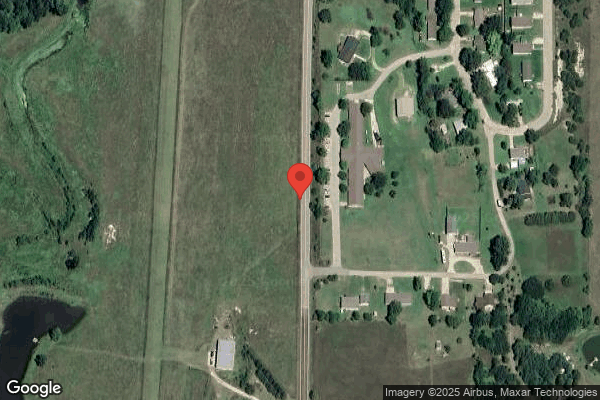
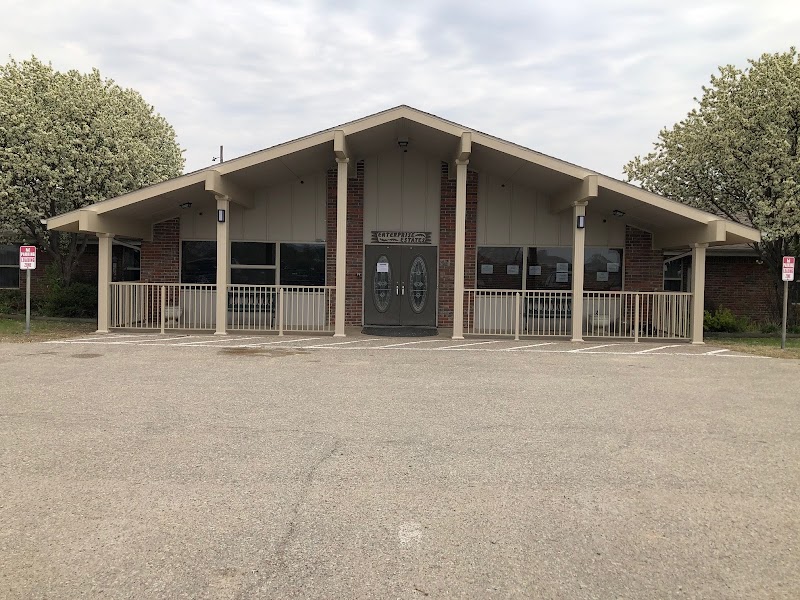
602 CRESTVIEW DRIVE, ENTERPRISE, KS 67441 (785) 263-8278
Non profit - Corporation 40 Beds Independent Data: November 2025 3 Immediate Jeopardy citations
Trust Grade
0/100
#247 of 295 in KS
Last Inspection: January 2024

Within standard 12-15 month inspection cycle. Federal law requires annual inspections.

Overview

Enterprise Estates Nursing Center has received a Trust Grade of F, indicating significant concerns about the care quality provided at this facility. Ranked #247 out of 295 nursing homes in Kansas, it falls in the bottom half, and #3 out of 4 in Dickinson County means there are only one local option that performs worse. The facility's situation is worsening, with the number of issues increasing from 4 in 2023 to 10 in 2024. Staffing is average with a 3/5 star rating, but the turnover rate is concerning at 76%, significantly higher than the state average of 48%. Additionally, the facility has incurred $21,800 in fines, which is higher than 77% of Kansas facilities, indicating ongoing compliance issues. Specific incidents of concern include a staff member physically abusing a resident who was attempting to leave the facility. In one case, a staff member shoved a resident against a wall after the resident spat at him. The facility has also failed to report this incident as required, raising serious safety and oversight issues. While the nursing home does have average RN coverage, the combination of high turnover, critical incidents, and overall poor ratings suggests families should carefully consider their options.

Trust Score
F
0/100
In Kansas
#247/295
Bottom 17%
Safety Record
High Risk
Review needed
Inspections
Getting Worse
4 → 10 violations
Staff Stability
⚠ Watch
76% turnover. Very high, 28 points above average. Constant new faces learning your loved one's needs.
Penalties
○ Average
$21,800 in fines. Higher than 67% of Kansas facilities. Some compliance issues.
Skilled Nurses
○ Average
Each resident gets 34 minutes of Registered Nurse (RN) attention daily — about average for Kansas. RNs are the most trained staff who monitor for health changes.
Violations
⚠ Watch
32 deficiencies on record. Higher than average. Multiple issues found across inspections.
★☆☆☆☆
1.0
Overall Rating
★★★☆☆
3.0
Staff Levels
★☆☆☆☆
1.0
Care Quality
★★☆☆☆
2.0
Inspection Score
Stable
2023: 4 issues
2024: 10 issues

The Good

  • Full Sprinkler Coverage · Fire safety systems throughout facility
  • No fines on record

Facility shows strength in fire safety.

The Bad

1-Star Overall Rating

Below Kansas average (2.9)

Significant quality concerns identified by CMS

Staff Turnover: 76%

29pts above Kansas avg (46%)

Frequent staff changes - ask about care continuity

Federal Fines: $21,800

Below median ($33,413)

Minor penalties assessed

Staff turnover is very high (76%)

28 points above Kansas average of 48%

The Ugly 32 deficiencies on record

3 life-threatening
Jan 2024 10 deficiencies
CONCERN (D)

Potential for Harm - no one hurt, but risky conditions existed

Comprehensive Care Plan (Tag F0656)

Could have caused harm · This affected 1 resident

**NOTE- TERMS IN BRACKETS HAVE BEEN EDITED TO PROTECT CONFIDENTIALITY** - R5's Electronic Medical Record (EMR) documented diagnoses of chronic congestive heart failure (CHF-a condition with low heart ...

Read full inspector narrative →
**NOTE- TERMS IN BRACKETS HAVE BEEN EDITED TO PROTECT CONFIDENTIALITY** - R5's Electronic Medical Record (EMR) documented diagnoses of chronic congestive heart failure (CHF-a condition with low heart output and the body becomes congested with fluid), diabetes melilites (DM-when the body cannot use glucose, not enough insulin made or the body cannot respond to the insulin)with kidney complications and neuropathy (weakness, numbness and pain from nerve damage, usually in the hands and feet), pain, hypertension (HTN-elevated blood pressure), major depressive disorder (major mood disorder which causes persistent feelings pf sadness), dementia (progressive mental disorder characterized by failing memory, confusion), and anxiety (mental or emotional reaction characterized by apprehension, uncertainty and irrational fear). The Annual Minimum Data Set (MDS), dated [DATE], documented R5 had intact cognition, required partial/moderate assistance for activities of daily living, received insulin injections (a hormone that lowers the level of glucose in the blood), antidepressant (class of medications used to treat mood disorders), diuretic (medication to promote the formation and excretion of urine), opioid (a class of medication used to treat pain) and antiplatelet (medications used to prevent blood clotting) medications. R5's Care Plan lacked interventions related to diabetes and blood sugar monitoring. The Physician Order dated 03/07/22, directed staff to administer Novolog Insulin subcutaneously 25 units twice and day and 17 units once a day for diabetes mellitus. The Physician Order dated 07/28/23 directed staff to obtain finger stick blood sugar checks before meals and at bedtime and notify the physician if blood sugar was below 50 milliliters (ml) per deciliter (dL) or above 300 mm/dL. On 01/17/24 at 11:15 AM, Administrative Nurse D stated the care plan should reflect the resident's needs and diagnoses. The facility's Elder Directed Care Plan, policy, dated 08/17/23, documented the interdisciplinary team would develop a plan of services to be provided by the staff and community based on the preferences, choices, and clinical needs of the elder within seven days of completion of the comprehensive assessments, all elders will have a plan of care generated by the registered nurse responsible for the process. The plan of care would be individualized based on the diagnosis, comprehensive elder assessments, and personal goals of the elder and his/her family. The facility failed to develop a comprehensive care plan related to R5's diagnosis of diabetes mellitus, placing the resident at risk for impaired care due to uncommunicated care needs. The facility had a census of 31 residents. The sample included 14 residents. Based on observation, record review, and interview, the facility failed to develop a comprehensive care plan for two residents, Resident (R) 4, for her diagnosis of chronic obstructive pulmonary disease (COPD- a progressive and irreversible condition characterized by diminished lung capacity and difficulty or discomfort in breathing), supplemental oxygen use and R5's care related to a diagnosis of diabetes mellitus (DM-when the body cannot use glucose, not enough insulin made or the body cannot respond to the insulin. This placed the residents at risk for impaired care due to uncommunicated care needs. - The Electronic Medical Record (EMR) for R4 documented diagnoses of COPD and shortness of breath. The Quarterly Minimum Data Set (MDS), dated [DATE], documented R4 had severely impaired cognition and was dependent upon staff for toileting and showers. R4 required substantial to maximum assistance for mobility and partial to moderate assistance for personal hygiene. The MDS further documented R4 was short of breath upon exertion when resting and lying flat. R4 used oxygen and received diuretic (mediation which aids in the formation and excretion of urine) medication. R4's Care Plan lacked documentation of her diagnosis of COPD and oxygen use. The Physician's Order, dated 05/16/21, directed staff to change 02 tubing, humidifier bottle, extension tubing, and supply bag every two weeks on Sunday night shift. The Physician's Order, dated 05/16/21, directed staff to clean the oxygen concentrator filter every week on the Sunday night shift. The Physician's Order, dated 08/24/22, directed staff to administer two liters of oxygen via nasal cannula to keep oxygen saturation (percentage of oxygen in the blood) above 88% for shortness of breath. On 01/10/24 at 12:41 PM, observation revealed R4's oxygen tubing and cannula wound up inside the handle of the oxygen concentrator. On 01/11/24 at 12:15 PM, observation revealed R4's oxygen tubing and cannula unbagged, draped over a stuffed teddy bear on her nightstand. On 01/16/24 at 09:00 AM, observation revealed R4's oxygen tubing and cannula unbagged, lying on the floor. On 01/17/24 at 08:23 AM, observation revealed R4's oxygen tubing and cannula wound up inside the handle of the oxygen concentrator. On 01/17/24 at 09:15 AM Certified Nurse Aide (CNA) M stated the oxygen tubing should be in a bag when not in use. On 01/17/24 at 09:50 AM, Licensed Nurse (LN) G stated the oxygen tubing should be in a bag when not in use. On 01/17/24 at 11:15 AM, Administrative Nurse D stated the care plan should reflect the resident and diagnosis. The facility's Elder Directed Care Plan, policy, dated 08/17/23, documented the interdisciplinary team would develop a plan of services to be provided by the staff and community based on the preferences, choices, and clinical needs of the elder within seven days of completion of the comprehensive assessments, all elders will have a plan of care generated by the registered nurse responsible for the process. The plan of care would be individualized based on the diagnosis, comprehensive elder assessments, and personal goals of the elder and his/her family. The facility failed to develop a comprehensive care plan for R4, who had a diagnosis of COPD and used supplemental oxygen. This placed the resident at risk for unmet care needs.
CONCERN (D)

Potential for Harm - no one hurt, but risky conditions existed

Deficiency F0657 (Tag F0657)

Could have caused harm · This affected 1 resident

The facility had a census of 31 residents. The sample included 14 residents with seven reviewed for behaviors. Based on observation, record review, and interview, the facility failed to revise the car...

Read full inspector narrative →
The facility had a census of 31 residents. The sample included 14 residents with seven reviewed for behaviors. Based on observation, record review, and interview, the facility failed to revise the care plan with person-centered interventions for behavioral triggers for one resident, Resident (R) 14, who had a diagnosis of post-traumatic stress disorder (PTSD-psychiatric disorder characterized by an acute emotional response to a traumatic event or situation involving severe environmental stress, such as natural disaster, military combat, serious automobile accident, airplane crash or physical torture). This placed the resident at risk for decreased quality of life due to uncommunicated care needs, Findings included: - The Electronic Medical Record for R14 documented diagnoses of anxiety (mental or emotional reaction characterized by apprehension, uncertainty, and irrational fear), depression (a mood disorder that causes a persistent feeling of sadness and loss of interest), and PTSD. The Quarterly Minimum Data Set (MDS), 11/22/23, documented R14 had intact cognition and was dependent on staff for transfers, toileting, and showers, and required substantial to maximum assistance with dressing. The MDS further documented R14 felt depressed and was fidgety or restless for 7-11 days and sometimes had social isolation. R14 received antianxiety (a class of medication that calm and relaxes people), and antidepressant (a class of medications used to treat mood disorders) medication and had no behaviors. The Negative Life Events or Traumatic Experiences Screening, dated 10/14/19, documented R14 did not have any negative life events. The EMR lacked evidence a trauma-informed assessment was completed for R14 after her diagnosis of PTSD. R14's Care Plan, dated 11/01/23, initiated on 11/08/19, documented R14 had a behavior problem related to crying and attention seeking and directed staff to administer medications as ordered, provide opportunities for positive interaction, provide a program of activities, report any behaviors to the charge nurse. The care plan further documented R14 got overwhelmed easily if there were too many people in her surroundings. The update, dated 4/20/22, documented R14 received behavioral health consultations. The care plan lacked identified triggers and interventions related to R14's PTSD. The Physician's Order, dated 07/28/23, directed staff to administer prazosin (a blood pressure medication), 1 milligram (mg), by mouth, daily for night terrors. The Physician's Order, dated 08/03/23, directed staff to administer propranolol hci (a blood pressure medication), 5 mg, by mouth, daily for PTSD. The Physician's Order, dated 08/24/23, directed staff to administer Trazadone (antidepressant medication), 0.5 mg, by mouth, twice daily for anxiety. The Physician's Order, dated 08/24/23, directed staff to administer duloxetine hci (an antidepressant medication), 60 mg, by mouth, twice daily for depression. On 01/11/24 at 07:30 AM, observation revealed R14 sat at the dining table and waited for breakfast. She did not speak to her tablemates. On 01/16/24 at 11:30 AM, Social Services BB verified she had not completed the trauma-informed care assessment after R14 was diagnosed with PTSD and verified the care plan lacked identified triggers related to R14's PTSD. Social Services BB stated R14 had seen a behavioral healthcare provider and would continue as needed. On 01/17/24 at 09:14 AM, Certified Nurse Aide (CNA) M stated R 14 seemed depressed at times, down on herself, and would often isolate in her room. CNA M further stated R14 could be rude and yelled at staff at times. On 01/17/24 at 09:50 AM, Licensed Nurse (LN) G stated R14 made sexual comments towards some staff and isolated herself which caused her to think about her past abuse. On 01/17/24 at 11:15 AM, Administrative Nurse D stated the care plan should reflect R14's PTSD status and a PTSD assessment should have been completed for the resident. The facility's Elder Directed Care Plans policy, Dated 08/17/23, documented it was the responsibility of every member of the team to read, understand, and follow the comprehensive elder-directed care plan and report any changes no matter how slight or significant to the team for immediate care plan revisions. Revisions were completed at 90-day intervals or more frequently based on response to the elder's condition. The team would evaluate the elder's progress toward meeting the goals of care, treatment, and services, revise the care plan, and collaborate with the elder and/or surrogate decision maker and family in reviewing and revising the plan of care for treatment and services. The facility failed to revise R14's care plans with triggers related to her PTSD. This placed the resident at risk for decreased quality of life due to uncommunicated care needs.
CONCERN (D)

Potential for Harm - no one hurt, but risky conditions existed

Quality of Care (Tag F0684)

Could have caused harm · This affected 1 resident

**NOTE- TERMS IN BRACKETS HAVE BEEN EDITED TO PROTECT CONFIDENTIALITY** The facility had a census of 31 residents. The sample included 14 residents, with one reviewed for edema (swelling resulting fro...

Read full inspector narrative →
**NOTE- TERMS IN BRACKETS HAVE BEEN EDITED TO PROTECT CONFIDENTIALITY** The facility had a census of 31 residents. The sample included 14 residents, with one reviewed for edema (swelling resulting from an excessive accumulation of fluid in the body tissues). Based on observation, record review, and interview, the facility failed to notify the physician as ordered for Resident (R)3's weight increase. This placed the resident at risk for complications related to edema. Findings included: - The Electronic Medical Record (EMR) for R3 documented diagnoses of chronic obstructive pulmonary disease (COPD- a progressive and irreversible condition characterized by diminished lung capacity and difficulty or discomfort in breathing), edema, hypertension (high blood pressure), and dyspnea (difficulty breathing). The admission Minimum Data Set (MDS), dated [DATE], documented R3 had intact cognition and required limited to extensive assistance from two staff for activities of daily living (ADL). The assessment further documented R3 was short of breath upon exertion, when resting, and lying flat. R3 used oxygen and received diuretic medication (treats fluid retention and swelling). The Quarterly MDS, dated 11/22/23, documented R3 had moderately impaired cognition and required substantial to maximum assistance for toileting, showers, ambulation, and partial to moderate assistance for other ADL. The assessment further documented R3 was short of breath upon exertion, when resting, and lying flat. R3 used oxygen and received diuretic medication. R3's Care Plan, dated 11/29/23, directed staff to administer diuretic medications as ordered by the physician, and monitor for side effects and effectiveness every shift. The plan directed staff to obtain labs as ordered and monitor the dose as it may require modification to achieve the desired effects. The update, dated 09/27/23, documented R3 had Unna boots (a compressive dressing to aid in circulation and wound healing). (non-elastic bandages that provide high pressure when the muscles are contracted The Physician's Order, dated 06/29/23, directed staff to administer spironolactone (a diuretic medication), 25 milligrams (mg), by mouth, daily for edema. The medication was discontinued on 11/26/23. The Physician's Order, dated 09/22/23, directed staff to administer Bumex (a diuretic medication), 3 mg, by mouth, twice per day for heart failure. This medication was discontinued on 10/06/23. The Physician's Order, dated 10/06/23, directed staff to administer Bumex, 2 mg, by mouth, twice per day, for heart failure. This medication was put on hold from 01/03/24 to 01/04/24. The Physician's Order, dated 10/20/23, directed staff to take a daily weight for R3 and notify the physician for a two-pound (lb.) weight increase in 24 hours or five lb. increase in seven days for edema. R3's Medication Administration Record (MAR) dated October 2023 lacked evidence the physician was notified as ordered for a two lb. weight increase in 24 hours on the following days: 10/30/23-262.2 10/31/23-284.8- a 2.2 lb. weight increase R3's MAR dated November 2023 lacked evidence the physician was notified as ordered for the two lbs. weight increase in 24 hours on the following day: 11/07/23-264.5 11/08/23-266.6-a 2.1 lb. weight increase 11/9/23-266.1 11/10/23-268.5- a 2.3 lb. weight increase R3's MAR dated December 2023 lacked evidence the physician was notified as ordered for a two lb. weight increase in 24 hours on the following day: 12/04/23-254.4 12/05/23-258.2-a 3.7 lb. weight increase R3's MAR dated January 2024 lacked evidence the physician was notified as ordered for a two lb. weight increase in 24 hours on the following day: 01/04/2-4-263 01/05/24-269.2- a 6.3 lb. weight increase 01/15/24-265.4 01/16/24-268.3- a 3 lb. weight increase On 01/11/24 at 01:00 PM, observation revealed R3 in the hallway. He had Unna boots on both of his legs. On 01/17/24 at 09:56 AM, Licensed Nurse G verified the physician was not notified of the increased weight gain. On 01/17/24 at 11:02 AM, Administrative Nurse D stated staff should follow the physician's order if the resident had a weight increase. The facility's Edema Assessment policy, dated 01/15/23, documented the facility was committed to the quality of care to restore or maintain each resident's highest practicable level of physical mental, and psychosocial well-being including but not limited to appropriate and timely assessment and treatment of edema. The policy further documented licensed nursing staff would monitor and document on residents with edema daily to assess response to interventions, adjust care plans as needed, and notify the physician as needed for treatment. The facility failed to notify R3's physician as ordered when he had a two-pound weight increase on multiple dates. This placed the resident at risk for complications related to edema.
CONCERN (D)

Potential for Harm - no one hurt, but risky conditions existed

Respiratory Care (Tag F0695)

Could have caused harm · This affected 1 resident

**NOTE- TERMS IN BRACKETS HAVE BEEN EDITED TO PROTECT CONFIDENTIALITY** The facility had a census of 31 residents. The sample included 14 residents, with two reviewed for respiratory care. Based on ob...

Read full inspector narrative →
**NOTE- TERMS IN BRACKETS HAVE BEEN EDITED TO PROTECT CONFIDENTIALITY** The facility had a census of 31 residents. The sample included 14 residents, with two reviewed for respiratory care. Based on observation, record review, and interview, the facility failed to provide adequate respiratory care and services for Residents (R) 3 and R4 when staff failed to store their oxygen tubing and cannula in a sanitary manner when not in use. This placed the residents at increased risk for an infection. Findings included: - The Electronic Medical Record (EMR) for R3 documented diagnoses of chronic obstructive pulmonary disease (COPD- a progressive and irreversible condition characterized by diminished lung capacity and difficulty or discomfort in breathing), edema, hypertension (high blood pressure), and dyspnea (difficulty breathing). The admission Minimum Data Set (MDS), dated [DATE], documented R3 had intact cognition and required limited to extensive assistance of two staff for activities of daily living (ADL). The assessment further documented R3 was short of breath upon exertion, when resting, and lying flat. R3 used oxygen and received diuretic medication (treats fluid retention and swelling). The Quarterly MDS, dated 11/22/23, documented R3 had moderately impaired cognition and required substantial to maximum assistance for toileting, showers, ambulation, and partial to moderate assistance for other ADL. The assessment further documented R3 was short of breath upon exertion, when resting, and lying flat. R3 used oxygen and received diuretic medication. R3's Care Plan, dated 11/29/23, directed staff to check breath sounds and monitor/document for labored breathing, monitor/document for the use of accessory muscles while breathing, daily weight monitoring, and cardiac medications as ordered. the plan directed R3's oxygen settings via nasal cannula at two liters (L). The Physician's Order, dated 06/13/23, documented R3 required 2 L of oxygen per nasal cannula every shift for COPD. R3's EMR lacked direction to staff to staff when to change the oxygen tubing and concentrator filter. On 01/10/24 at 11:05 AM, observation revealed R3's oxygen tubing and cannula laid unbagged on the seat of his recliner, and the oxygen concentrator was running. On 01/11/24 at 07:45 AM, observation revealed R3's oxygen tubing and cannula wound around the back of his wheelchair unbagged. On 01/16/24 at 09:00 AM, observation revealed R3's oxygen tubing and cannula laid unbagged over the back of his wheelchair. On 01/17/24 at 8:42 AM, observation revealed R3's oxygen tubing and cannula laid unbagged on the seat of his wheelchair, and the oxygen concentrator was running. On 01/17/24 at 09:15 AM Certified Nurse Aide (CNA) M stated the oxygen tubing should be in a bag when not in use. On 01/17/24 at 09:50 AM, Licensed Nurse (LN) G stated the oxygen tubing should be in a bag when not in use but R3 would take it off and set it down. On 01/17/24 at 11:02 AM, Administrative Nurse D stated the residents with oxygen should have a bag to place the tubing and cannula in when not in use. The facility's Oxygen Protocol, undated, directed staff to change the connecting tubing one time a month on the Sunday night shift, and change the humidifier bottle, nasal cannula, and storage bag every two weeks on the Sunday night shift. The facility failed to provide adequate respiratory services for R3 when staff failed to store the oxygen tubing and cannula in a sanitary manner when not in use. This placed the resident at risk for infection. - The Electronic Medical Record (EMR) for R4 documented diagnoses of chronic obstructive pulmonary disease (COPD- a progressive and irreversible condition characterized by diminished lung capacity and difficulty or discomfort in breathing) and shortness of breath (SOB). The Quarterly Minimum Data Set (MDS), dated [DATE], documented R4 had severely impaired cognition and was dependent upon staff for toileting and showers. R4 required substantial to maximum assistance for mobility, and partial to moderate assistance for personal hygiene. The MDS further documented R4 was short of breath upon exertion, when resting and lying flat. R4 used oxygen and received diuretic (mediation which aids in the formation and excretion of urine) medication. R4's Care Plan lacked documentation of her diagnosis of COPD and oxygen use. The Physician's Order, dated 05/16/21, directed staff to change 02 tubing, humidifier bottle, extension tubing, and supply bag every two weeks on Sunday night shift. The Physician's Order, dated 05/16/21, directed staff to clean the oxygen concentrator filter every week on Sunday night shift. The Physician's Order, dated 08/24/22, directed staff to administer two liters of oxygen via nasal cannula to keep oxygen saturation (percentage of oxygen in the blood) above 88% for shortness of breath. On 01/10/24 at 12:41 PM, observation revealed R4's oxygen tubing and cannula wound up inside the handle of the oxygen concentrator. On 01/11/24 at 12:15 PM, observation revealed R4's oxygen tubing and cannula unbagged, draped over a stuffed teddy bear on her nightstand. On 01/16/24 at 09:00 AM, observation revealed R4's oxygen tubing and cannula unbagged, lying on the floor. On 01/17/24 at 08:23 AM, observation revealed R4's oxygen tubing and cannula wound up inside the handle of the oxygen concentrator. On 01/17/24 at 09:15 AM Certified Nurse Aide (CNA) M stated the oxygen tubing should be in a bag when not in use. On 01/17/24 at 09:50 AM, Licensed Nurse (LN) G stated the oxygen tubing should be in a bag when not in use. On 01/17/24 at 11:02 AM, Administrative Nurse D stated the residents with oxygen should have a bag to place the tubing and cannula in when not in use. The facility's Oxygen Protocol, undated, directed staff to change the connecting tubing one time a month on the Sunday night shift, and change the humidifier bottle, nasal cannula, and storage bag every two weeks on the Sunday night shift. The facility failed to provide adequate respiratory services for R4 when staff failed to store the oxygen tubing and cannula in a sanitary manner when not in use. This placed the resident at risk for infection.
CONCERN (D)

Potential for Harm - no one hurt, but risky conditions existed

Deficiency F0699 (Tag F0699)

Could have caused harm · This affected 1 resident

The facility had a census of 31 residents. The sample included 14 residents, with seven reviewed for behaviors. Based on observation, record review, and interview, the facility failed to complete a tr...

Read full inspector narrative →
The facility had a census of 31 residents. The sample included 14 residents, with seven reviewed for behaviors. Based on observation, record review, and interview, the facility failed to complete a trauma informed care assessment for Resident (R)14, who had a diagnosis of post -traumatic stress disorder (PTSD-psychiatric disorder characterized by an acute emotional response to a traumatic event or situation involving severe environmental stress, such as natural disaster, military combat, serious automobile accident, airplane crash or physical torture). This placed the resident at risk for unmet behavioral and mental health needs. Findings included: - The Electronic Medical Record for R14 documented diagnoses of anxiety (mental or emotional reaction characterized by apprehension, uncertainty and irrational fear), depression (a mood disorder that causes a persistent feeling of sadness and loss of interest), and PTSD. The Quarterly Minimum Data Set (MDS), 11/22/23, documented R14 had intact cognition and was dependent on staff for transfers, toileting, showers, and required substantial to maximum assistance with dressing. The MDS further documented R14 felt depressed and was fidgety or restless 7-11 days, and sometimes had social isolation. R14 received antianxiety (class of medication that calm and relax people), and antidepressant (class of medications used to treat mood disorders) medication and had no behaviors. The Negative Life Events or Traumatic Experiences Screening, dated 10/14/19, documented R14 did not have any negative life events. The EMR lacked evidence a trauma informed assessment was completed for R14 after her diagnosis of PTSD. R14's Care Plan, dated 11/01/23, initiated on 11/08/19, documented R14 had a behavior problem related to crying and attention seeking and directed staff to administer medications as ordered, provide opportunity for positive interaction, provide a program of activities, report any behaviors to the charge nurse. The care plan further documented R14 got overwhelmed easily if there were too many people in her surroundings. The update, dated 4/20/22, documented R14 received behavioral health consultations. The care plan lacked identified triggers for staff related to R14's PTSD. The Physician's Order, dated 07/28/23, directed staff to administer prazosin (a blood pressure medication), 1 milligram (mg), by mouth, daily for night terrors. The Physician's Order, dated 08/03/23, directed staff to administer propranolol hci (a blood pressure medication), 5 mg, by mouth, daily for PTSD. The Physician's Order, dated 08/24/23, directed staff to administer trazadone (antidepressant medication), 0.5 mg, by mouth, twice daily for anxiety. The Physician's Order, dated 08/24/23, directed staff to administer duloxetine hci (an antidepressant medication), 60 mg, by mouth, twice daily for depression. On 01/11/24 at 07:30 AM, observation revealed R14 sat at the dining table and waited for breakfast. She did not speak to her tablemates. On 01/16/24 at 11:30 AM, Social Services BB verified she had not completed the trauma informed care assessment after R14 was diagnosed for PTSD and verified the care plan lacked identified triggers related to R14's PTSD. Social Services BB stated R14 had seen a behavioral healthcare provider and would continue as needed. On 01/17/24 at 09:14 AM, Certified Nurse Aide (CNA) M stated R 14 seemed depressed at times, down on herself and would often isolate in her room. CNA M further stated R14 could be rude and yelled at staff at times. On 01/17/24 at 09:50 AM, Licensed Nurse (LN) G stated R14 made sexual comments towards some staff, and isolated herself which caused her to think about her past abuse. On 01/17/24 at 11:15 AM, Administrative Nurse D stated the care plan should reflect R14's PTSD status and a PTSD assessment should have been completed for the resident. The facility's Trauma Informed Care policy, dated 09/18/23, documented the facility ensures that residents who are trauma survivors received culturally competent trauma informed care in accordance with professional standards of practice and accounting for each resident's experiences and preferences in order to eliminate or mitigate triggers that may cause traumatization of the resident. The policy further documented, within 48 hours of admission an initial screening for history of trauma and to determine if resident had trauma related symptoms, identification of triggers that caused traumatization, and severity of characteristics of specific trauma type. Trigger specific interventions would identify ways to decrease the resident's exposure to triggers which retraumatize the resident and identify interventions to mitigate or decrease the effect of the trigger on the resident trauma. The facility failed to complete a trauma informed care assessment for R14 who had past trauma. This placed the resident at risk for unmet mental health needs.
CONCERN (D)

Potential for Harm - no one hurt, but risky conditions existed

Deficiency F0757 (Tag F0757)

Could have caused harm · This affected 1 resident

**NOTE- TERMS IN BRACKETS HAVE BEEN EDITED TO PROTECT CONFIDENTIALITY** The facility had a census of 31 residents. The sample included 14 residents. Based on observation, record review, and interview,...

Read full inspector narrative →
**NOTE- TERMS IN BRACKETS HAVE BEEN EDITED TO PROTECT CONFIDENTIALITY** The facility had a census of 31 residents. The sample included 14 residents. Based on observation, record review, and interview, the facility failed to notify Resident (R) 5's physician of elevated blood sugar per the physician ordered parameters and failed to initiate R19's prescribed bowel treatment which placed both resident at risk for impaired care and adverse medications effects. Findings included: - R5's Electronic Medical Record (EMR) documented diagnoses of chronic congestive heart failure (CHF-a condition with low heart output and the body becomes congested with fluid), diabetes melilites (DM-when the body cannot use glucose, not enough insulin made or the body cannot respond to the insulin)with kidney complications and neuropathy (weakness, numbness and pain from nerve damage, usually in the hands and feet), pain, hypertension (HTN-elevated blood pressure), major depressive disorder (major mood disorder which causes persistent feelings pf sadness), dementia (progressive mental disorder characterized by failing memory, confusion), and anxiety (mental or emotional reaction characterized by apprehension, uncertainty and irrational fear). The Annual Minimum Data Set (MDS), dated [DATE], documented R5 had intact cognition, required partial/moderate assistance for activities of daily living, received insulin injections (hormone that lowers the level of glucose in the blood), antidepressant (class of medications used to treat mood disorders), diuretic (medication to promote the formation and excretion of urine), opioid (a class of medication used to treat pain) and antiplatelet (medications used to prevent blood clotting) medications. R5's Care Plan lacked interventions related to diabetes and blood sugar monitoring. The Physician Order dated 07/28/23 directed staff to obtain finger stick blood sugar checks before meals and at bedtime and notify the physician if blood sugar was below 50 milliliters (ml) per deciliter (dL) or above 300 mm/dL. R5's Electronic Treatment Administration Record (ETAR), dated January 2024 recorded the following occasions where R5's blood sugar was above the physician ordered parameter and the record lacked evidence the physician was notified. 01/03/24 at 05:30 PM blood sugar reading of 344 mm/dL and at 08:00 PM blood sugar reading of 344 mm/dL. 01/05/24 at 07:30 AM blood sugar reading of 321 mm/dL. 01/08/24 at 07:30 AM blood sugar reading of 375 mm/dL. 01/09/24 at 11:30 AM blood sugar reading of 317 mm/dL. 01/10/24 at 11:30 AM blood sugar reading of 389 mm/dL. 01/16/24 at 07:30 AM blood sugar reading of 347 mm/dL and 11:30 AM blood sugar reading of 304 mm/dL. On 01/17/24 at 10:55 AM Licensed Nurse (LN) H reported she had not notified the physician of R5's elevated blood sugars. On 01/17/24 at 10:12 AM, Administrative Nurse D verified the physician should be notified of R5's blood sugars over 300. The facility's Blood Glucose Monitoring Policy and Protocol, dated 09/12/2023, documented bedside testing will be performed only with an order from a licensed physician, an approved physician extender or by physician-approved protocol. Each physician order for bedside blood glucose testing will include physician notification parameters and hypoglycemic medication holding parameters as applicable. The facility failed to notify R5's physician of blood sugar levels outside of the physician ordered parameters placing the resident at risk of diabetes complications. - The Electronic Medical Record for R19 documented diagnoses of vascular dementia (a progressive mental disorder characterized by failing memory and confusion caused by a decreased blood flow to the brain), delusional disorder (untrue persistent belief or perception held by a person although evidence shows it was untrue) ,anxiety (mental or emotional reaction characterized by apprehension, uncertainty and irrational fear), depressive disorder (a mood disorder that causes a persistent feeling of sadness and loss of interest), and constipation (difficulty passing stools). R19's Quarterly Minimum Data Set (MDS), dated [DATE], documented R19 had severely impaired cognition and required limited assistance of one staff for dressing, toileting, personal hygiene, and supervision and set up assistance for bed mobility, transfers, ambulation, and eating. The MDS further documented R19 received antipsychotic (class of medications used to treat major mental conditions which cause a break from reality), and antidepressant (class of medications used to treat mood disorders) medications, had no behaviors, and was continent of bowel. The Annual MDS, dated 11/01/23, documented R19 had severely impaired cognition and required partial to moderate assistance for showers, toileting, supervision for oral hygiene, personal hygiene. R19 was independent for transfers and mobility. The MDS further documented R19 received antipsychotic medication, had delusions and continent of bowel. R19's Care Plan dated 11/01/23, initiated on 02/18/20, documented R19 had potential for side effects related to the use of antipsychotic medication and directed staff to monitor for constipation. The Physician's Order, dated 02/17/20, directed staff to administer MiraLAX (a laxative medication), 17 grams (gm), by mouth, as needed for constipation. Mix with four ounces of water or juice once day, if no results in 24 hours, go to step two. The Physician's Order, dated 02/18/23, directed staff to administer Colace (a laxative), 100 milligrams (mg), by mouth twice a day for constipation. The Physician's Order, dated 09/11/23, directed staff to initiate bowel protocol per facility policy. R19's Bowel Monitoring Record, dated December 2023 documented R19 did not have a bowel movement (BM) for the following days: 12/22/23-12/25/23 (4 consecutive days) R19's Treatment Administration Record (TAR) dated December 2023 lacked evidence the staff provided interventions during the lack of bowel elimination on the above dates. R19's Bowel Monitoring Record dated January 2024 documented R19 did not have a BM for the following days: 01/04/24-01/08/24 (5 consecutive days) R19's TAR dated January 2024 lacked evidence the staff provided interventions during the lack of bowel elimination on the above dates. On 01/11/24 at 08:35 AM, observation revealed R19 sat at the dining room table and received his medication without concerns. On 01/16/24 at 11:50 AM, Social Services BB stated R19 had altered thought processes and said she often visited with R19 one on one. On 01/17/24 at 09:18 AM, Certified Nurse Aide (CNA) M stated residents were asked daily if they had a BM and it was recorded in the computer. On 01/17/24 at 10:00 AM, Licensed Nurse (LN) G stated R19 did not have any behaviors but was forgetful regarding family events and required cueing and reminders. LN G further stated staff asked R19 daily if he had a BM and if he had not, the bowel protocol was started. On 01/17/24 at 11:16 AM, Administrative Nurse D stated staff should have started the bowel protocol when R19 had not had a BM for three days. The facility's Bowel Protocol, dated 09/07/23, directed staff to administer the bm medications in four steps: Step 1: Administer MiraLAX, 17 grams (gm), by mouth, as needed for constipation, mix with four ounces of water or juice x one day if no results in 24 hours go to step two. Step 2: Administer Milk of Magnesium (MOM-a laxative), 400 milligrams (mg)/5 milliliters (ml), as needed, and if no bm in 12 hours go to step 3. Step 3: Administer Bisacodyl (laxative), 5 mg, every 24 hours as needed and if no bm after 12 hours go to step 4. Step 4: Administer Dulcolax (a laxative) suppository, rectally (by way of the rectum) as needed, and if no results contact the physician for further orders. The facility failed to monitor and provide interventions for bowel management for R19 as ordered by the physician This placed the resident at risk for fecal impaction and decline.
CONCERN (D)

Potential for Harm - no one hurt, but risky conditions existed

Medication Errors (Tag F0758)

Could have caused harm · This affected 1 resident

**NOTE- TERMS IN BRACKETS HAVE BEEN EDITED TO PROTECT CONFIDENTIALITY** The facility had a census of 31 residents. The sample included 14 residents. Based on observation, record review, and interview,...

Read full inspector narrative →
**NOTE- TERMS IN BRACKETS HAVE BEEN EDITED TO PROTECT CONFIDENTIALITY** The facility had a census of 31 residents. The sample included 14 residents. Based on observation, record review, and interview, the facility failed to ensure an appropriate indication, or a documented physician rationale which included the multiple attempts for nonpharmacological symptom management and risk versus benefits to continue the use of an antipsychotic (class of medications used to treat major mental conditions which cause a break from reality) for Resident (R) 9 who had a diagnosis of dementia (a progressive mental disorder characterized by failing memory, confusion), R7 who had diagnoses of dementia and depression (a mood disorder that causes a persistent feeling of sadness and loss of interest) and R19 with a diagnosis of depression. This placed the residents at risk for unnecessary psychotropic (alters mood or thoughts) medications and related complications. Findings included: - R9's Electronic Medical Record (EMR) documented diagnoses of dementia, anxiety (mental or emotional reaction characterized by apprehension, uncertainty and irrational fear) disorder, chronic obstructive pulmonary disease (COPD- progressive and irreversible condition characterized by diminished lung capacity and difficulty or discomfort in breathing), depression, chronic pain, cerebral infarction (stroke - sudden death of brain cells due to lack of oxygen caused by impaired blood flow to the brain by blockage or rupture of an artery to the brain), and kidney failure. The Quarterly Minimum Data Set (MDS), dated [DATE], documented R9 had intact cognition, no delirium (sudden severe confusion, disorientation, and restlessness), no psychosis (any major mental disorder characterized by a gross impairment in reality perception) or behavioral symptoms. R9 required substantial/maximal assistance with most activities of daily living. R9 received scheduled pain medication, an antipsychotic, an antianxiety (class of medications that calm and relax people), an antidepressant (class of medications used to treat mood disorders), a diuretic (medication to promote the formation and excretion of urine), and opioid (a class of medication used to treat pain). The MDS further documented the antipsychotic was received on a routine basis only, and the physician documented a gradual dose reduction as contraindicated on 10/24/23. The Psychotropic Drug Use Care Area Assessment (CAA), dated 07/03/23, documented R9 received Risperdal (antipsychotic), Buspirone (antianxiety medication) for anxiety, Lexapro (antidepressant) and Wellbutrin (antidepressant) for depression, Ambien (psychotropic medication to induce sleep) as needed for insomnia (inability to sleep), and was followed by mental health provider for psychotropic medications. R9's Care Plan, dated 12/06/23, documented R9 took medications that contained Black Box Warnings (BBW- the highest safety-related warning that medications can have assigned by the Food and Drug Administration). The plan directed staff to give medications as ordered, obtain labs as ordered, and a gradual dose reduction recommended by the pharmacist. The plan directed the nurse to assess the resident for any signs or symptoms of adverse reactions and notify the physician for further orders or instructions. The Physician Order, dated 06/02/23, directed staff to administer Lexapro 20 milligrams (mg) one time a day for depression. The Physician Order, dated 02/19/22, directed staff to administer Wellbutrin 150 mg one time a day for depression. The Physician Order, dated 08/19/21, directed staff to administer Buspirone 7.5 mg two times a day for anxiety disorder. The Physician Order, dated 08/25/23, directed staff to administer Risperdal 1.5 mg two times a day for dementia. The Pharmacist Review, dated 12/11/22, documented to clarify the diagnosis for R9's risperidone. The review documented the chart presently stated a diagnosis of unspecified dementia and R9 took the following psychotropic medications: Lexapro, Wellbutrin, buspirone, and as-needed Ambien. The review documented Kansas surveyors were applying intense scrutiny to all antipsychotic orders that were being used for indications other than the Center for Medicare and Medicaid Services (CMS) approved indication of Tourette Syndrome (condition of the nervous syndrome causing uncontrollable repetitive movements or unwanted sounds), Huntington's disease (rare abnormal hereditary condition characterized by progressive mental deterioration, a disabling central nervous system movement disorder) and schizophrenia (mental disorder characterized by gross distortion of reality, disturbances of language and communication and fragmentation of thought). The Pharmacist Review, dated 05/29/23, documented a request for a risk versus benefit statement. The physician responded there was no change, symptoms were improved with current medications. The Pharmacist Review, dated 11/23/23, documented a request for risperidone risk versus benefit of use. There was no response by the physician to this request. R9's EMR lacked evidence of a documented physician rationale which included the multiple attempts for nonpharmacological symptom management and risk versus benefits to continue use of risperidone. On 01/17/24 at 10:12 AM, Administrative Nurse D reported the facility received a monthly review from the pharmacist. The facility then forwarded the recommendation to the physician. R9's physician had not ordered a different diagnosis or use for the use to risperidone. The facility's Psychotropic Medication Monitoring policy, dated 01/15/23, documented the facility will use and administer psychotropic medications appropriately working with the interdisciplinary team to ensure the appropriate use, evaluation, and monitoring. The facility supports the appropriate use of psychopharmacologic medications that are therapeutic and enabling for residents suffering from mental illness while recognizing that the use of psychopharmacologic medications for dementia-related behaviors is inappropriate in most cases but rather the use of non-pharmacological interventions based on individual resident needs, preferences and routines in the most appropriate and first-line treatment for dementia. related behaviors. The facility failed to ensure an appropriate indication or the required physician documentation for the continued use of R9's use of risperidone, placing the resident at risk for unnecessary adverse side effects. - R7's Electronic Medical Record (EMR) documented diagnoses of dementia, depressive disorder (a mood disorder that causes a persistent feeling of sadness and loss of interest) severe with psychotic (alters mood or thought) symptoms, anxiety (mental or emotional reaction characterized by apprehension, uncertainty, and irrational fear) disorder, low back pain, cervicalgia (neck pain), and Wernicke's encephalopathy (a degenerative brain disorder). The Quarterly Minimum Data Set (MDS), dated [DATE], documented R7 had severe cognitive impairment. R7 required supervision to partial/moderate assistance with activities of daily living. The MDS further documented R7 received scheduled pain medication and antipsychotic and opioid (a class of medication used to treat pain) medications. The antipsychotic was documented as contraindicated for a gradual dose reduction on 08/31/23. The Psychotropic Drug Use Care Area Assessment (CAA), dated 02/22/23, documented R7 took Seroquel (antipsychotic), Zyprexa (antipsychotic), and Trintellix (antidepressant) for depression. R7's Care Plan, dated 11/07/23, documented R7 took the medication Seroquel, Zyprexa, and Trintellix which contained a Black Box Warning (BBW- highest safety-related warning that medications can have assigned by the Food and Drug Administration). The plan further documented to consult the pharmacist and physician to review medications monthly and change as needed. The plan directed staff to monitor R7 for changes in mood and behaviors daily and report to the physician as appropriately. The Physician Order, dated 02/20/22, directed staff to administer Seroquel 200 milligrams (mg) at bedtime for anxiety/agitation related to major depressive disorder. The Physician Order, dated 06/25/23, directed staff to administer Trintellix 20 mg one time a day for depression. On 01/03/24 the physician ordered Trintellix decreased to 10 mg one time a day. The Physician Order, dated 09/20/22, directed staff to administer Zyprexa 5 mg in the morning for dementia with unspecified severity, without behavioral disturbance, psychotic disturbance, and anxiety. On 01/04/24 the physician increased the Zyprexa to 5 mg two times a day. The Pharmacist Review, dated 01/25/23, requested a risk versus benefit statement for the use of Zyprexa and Seroquel. The record lacked a physician's response to the request. The Progress Note, dated 04/28/23, documented the physician had no new orders and to continue Zyprexa, Seroquel, and Trintellix as ordered. The Pharmacist Review, dated 05/29/23, documented the use of Zyprexa and Seroquel an antipsychotic for diagnosis other than schizophrenia (a mental disorder characterized by gross distortion of reality, disturbances of language and communication, and fragmentation of thought), Huntington's disease (a rare abnormal hereditary condition characterized by progressive mental deterioration, a disabling central nervous system movement disorder), or Tourette's (condition of the nervous syndrome causing uncontrollable repetitive movements or unwanted sounds) was discouraged and can lead to a reduced star rating and fines for the facility. Antipsychotics for behaviors of dementia showed a 35 percent (%) increase in mortality and a 50% increase in hospitalization. The physician's response directed no changes and noted R7 was doing well on the dosage, and was following up with psychiatry who prescribed the medication. The Progress Note, dated 08/31/23, documented a signed pharmacy recommendation was received. The physician stated no changes to Zyprexa and Seroquel. On 01/17/24 at 10:12 AM, Administrative Nurse D reported the facility receives a monthly review from the pharmacist. The facility then forwards the recommendation to the physician. R7's physician had not directed a different diagnosis or use for the use of Zyprexa, Seroquel, and Trintellix. The facility's Psychotropic Medication Monitoring policy, dated 01/15/23, documented the facility will use and administer psychotropic medications appropriately working with the interdisciplinary team to ensure the appropriate use, evaluation, and monitoring. The facility supports the appropriate use of psychopharmacologic medications that are therapeutic and enabling for residents suffering from mental illness while recognizing that the use of psychopharmacologic medications for dementia-related behaviors is inappropriate in most cases but rather the use of non-pharmacological interventions based on individual resident needs, preferences and routines in the most appropriate and first-line treatment for dementia. related behaviors. The facility failed to ensure an appropriate indication or the required physician documentation for the continued use of R7's use of Seroquel and Zyprexa placing the resident at risk for unnecessary adverse side effects. - The Electronic Medical Record for R19 documented diagnoses of vascular dementia (a progressive mental disorder characterized by failing memory and confusion caused by a decreased blood flow to the brain), delusional disorder (untrue persistent belief or perception held by a person although evidence shows it was untrue) ,anxiety (mental or emotional reaction characterized by apprehension, uncertainty and irrational fear), and depressive disorder (a mood disorder that causes a persistent feeling of sadness and loss of interest). R19's Quarterly Minimum Data Set (MDS), dated [DATE], documented R19 had severely impaired cognition and required limited assistance of one staff for dressing, toileting, personal hygiene, and supervision and set up assistance for bed mobility, transfers, ambulation, and eating. The MDS further documented R19 received antipsychotic (class of medications used to treat major mental conditions which cause a break from reality), and antidepressant (class of medications used to treat mood disorders) medications and had no behaviors. The Annual MDS, dated 11/01/23, documented R19 had severely impaired cognition and required partial to moderate assistance for showers, toileting, supervision for oral hygiene, personal hygiene. R19 was independent for transfers and mobility. The MDS further documented R19 received antipsychotic medication and had delusions. R19's Care Plan dated 11/01/23, initiated on 06/03/20, documented R19 received Seroquel (an antipsychotic medication) and Abilify (an antipsychotic medication) that should be continued indefinitely and should not be used for his dementia. The plan directed staff to monitor for changes in mood and behaviors and provide 1:1 reassurance and education regarding the disease process. The care plan directed staff to cue, reorient, and supervise as needed, administer medications as ordered, and provide behavioral health consultations. The Physician's Order, dated 04/05/23, directed staff to administer Seroquel, 25 milligrams (mg), by mouth, at bedtime for major depression. The Physician's Order, dated 08/05/23, directed staff to monitor for side effects from medication and to monitor for behaviors and delusions. The Physician's Order, dated 08/25/23, directed staff to administer Abilify, 7.5 mg, by mouth, daily for delusions. R19's EMR lacked evidence of a documented physician rational which included the multiple unsuccessful attempts for nonpharmacological symptom management and risk versus benefits for the ongoing Seroquel use. On 01/11/24 at 8:35 AM, observation revealed R19 sat at the dining room table and received his medication without concerns. On 01/16/24 at 11:50 AM, Social Services BB stated R19 had altered thought processes and said she often visited with R19 one on one. On 01/17/24 at 09:18 AM, Certified Nurse Aide (CNA) M stated R19 had dementia, was nice, and had no behaviors. On 01/17/24 at 10:00 AM, Licensed Nurse (LN) G stated R19 did not have any behaviors but was forgetful regarding family events and required cueing and reminders. On 01/17/24 at 11:16 AM, Administrative Nurse D stated she was aware of the inappropriate diagnosis for R19's Seroquel and would consult with the behavioral health physician to change the diagnosis for the Seroquel medication. The facility's Psychotropic Medication Monitoring policy, dated 01/15/23, documented the facility would use and administer psychotropic medications appropriately, and worked with the interdisciplinary team to ensure the appropriate use, evaluation and monitoring orders for psychotropic medication used only for the treatment of specific medical and/or psychiatric conditions or when the medication meets the needs of the resident to alleviate significant distress. The facility would use nonpharmacological approaches, document rationale and diagnosis. The facility failed to ensure an appropriate indication or the required physician documentation for the continued use of R19's Seroquel, placing the resident at risk for unnecessary adverse side effects.
CONCERN (E)

Potential for Harm - no one hurt, but risky conditions existed

Deficiency F0761 (Tag F0761)

Could have caused harm · This affected multiple residents

The facility had a census of 31 residents. The sample included 14 residents. Based on observation, record review, and interview, the facility failed to properly store medication and biologicals in one...

Read full inspector narrative →
The facility had a census of 31 residents. The sample included 14 residents. Based on observation, record review, and interview, the facility failed to properly store medication and biologicals in one of two medication rooms. This placed the residents at risk of ineffective medication. Findings included: - On 01/16/24 at 02:46 PM, observation revealed the north hall medication refrigerator lacked evidence staff assessed and recorded temperatures from 01/11/24 through 01/15/24 (five days). Licensed Nurse (LN) H stated it was the night shift nurses' responsibility to check and log the refrigerator temperature. On 01/17/23 at 01:47 PM Administrative Nurse D verified the medication refrigerator temperature should have been checked daily and recorded on the log. The facility's Monitoring of Refrigerators and Freezers policy, dated 10/09/23, documented that medicine or drug refrigerators will be kept solely for the purpose of storing medications that require refrigeration according to the manufacturer's instruction. Refrigerators containing vaccines will have temperature monitored conducted and logged daily. The Charge Nurse is responsible for monitoring temperatures, appropriate logging of temperature, and appropriate discarding from all medications and specimen refrigerators/freezers. The facility failed to properly store medication and biologicals which placed residents at risk of ineffective medications.
CONCERN (E)

Potential for Harm - no one hurt, but risky conditions existed

Deficiency F0883 (Tag F0883)

Could have caused harm · This affected multiple residents

The facility identified a census of 31 residents. The sample included 14 residents with five residents reviewed for immunizations to include pneumococcal (a disease that refers to a range of illnesses...

Read full inspector narrative →
The facility identified a census of 31 residents. The sample included 14 residents with five residents reviewed for immunizations to include pneumococcal (a disease that refers to a range of illnesses that affect various parts of the body and are caused by infection) vaccinations. Based on record review and interviews, the facility failed to follow the latest guidance from the Centers for Disease Control and Prevention (CDC) when they failed to offer, obtain an informed declination, or a physician-documented contraindication for pneumococcal PCV20 vaccination. This deficient practice placed the residents at risk of acquiring, spreading, and experiencing complications from the pneumococcal disease. Findings included: - Review of Resident (R) 5, R7, R18, R19, and R24's clinical medical records lacked evidence of consent, informed declination, or physician-documented contraindication for the current pneumococcal vaccine PCV20. On 01/16/24 at 12:00 PM, Administrative Nurse E stated she had faxed the doctors about the PCV20 in November to talk about it when they came in for nursing rounds the next week and stated she had not implemented any system to address it. The facility's Annual Flu and Pneumonia Vaccines, dated 08/14, documented the flu and pneumonia vaccines would be given by a licensed staff annually and the pneumonia vaccines would be administered according to each physician's protocol. Each resident's vaccine orders would be obtained for those residents in the facility who did not have a record of having the vaccine and would be documented in the record. Permission letters would be sent to the families to show the adverse reactions of both the flu and pneumonia vaccines, as well as Influenza and Pneumonia vaccine education information. The facility failed to offer the pneumococcal PCV20 vaccination per CDC recommendations. This deficient practice placed the residents at risk of acquiring, spreading, and experiencing complications from pneumococcal disease.
CONCERN (F)

Potential for Harm - no one hurt, but risky conditions existed

Infection Control (Tag F0880)

Could have caused harm · This affected most or all residents

The facility had a census of 31 residents. The sample included 14 residents. Based on record review and interview, the facility failed to implement a water management program for waterborne pathogens ...

Read full inspector narrative →
The facility had a census of 31 residents. The sample included 14 residents. Based on record review and interview, the facility failed to implement a water management program for waterborne pathogens including the Legionella disease (Legionella is a bacterium spread through mist, such as from air-conditioning units for large buildings. Adults over the age of 50 and people with weak immune systems, chronic lung disease, or heavy tobacco use are most at risk of developing pneumonia caused by legionella). This placed the residents in the facility at risk for infectious disease. Findings included: - On 01/16/34 at 03:42 PM, Maintenance Staff U stated he took over the position a couple of months ago and did not know anything about the water management process. He stated it was not implemented. On 01/17/24 at 02:45 PM, Administrative Staff A stated Maintenance Staff U probably did not know the building was at risk for Legionella. The facility's Water Management policy dated 06/20/23, documented the director of environmental services was responsible for all relevant details regarding roles and responsibilities and testing regimes contained in this policy and procedure, all results would be reported to the team on a quarterly basis and the administrator of the facility was responsible for reporting all results and findings to the board of governance on an annual basis. The facility should ensure that appropriate precautions for the control of legionella bacteria are identified through the legionella risk assessment process and appropriate control measures implemented to ensure as far as is minimum standards are met. The facility failed to implement a water management program to identify risks and manage waterborne pathogens placing the residents who reside in the facility at risk of contracting Legionella pneumonia.
Jul 2023 3 deficiencies 3 IJ (1 affecting multiple)
CRITICAL (J) 📢 Someone Reported This

A family member, employee, or ombudsman was alarmed enough to file a formal complaint

Immediate Jeopardy (IJ) - the most serious Medicare violation

Free from Abuse/Neglect (Tag F0600)

Someone could have died · This affected 1 resident

The facility identified a census of 38 residents with three residents reviewed for abuse and neglect. Based on record review, observation, and interview, the facility failed to ensure residents remain...

Read full inspector narrative →
The facility identified a census of 38 residents with three residents reviewed for abuse and neglect. Based on record review, observation, and interview, the facility failed to ensure residents remained free from abuse. On 07/04/23 Resident (R) 1, who was cognitively impaired and had a history of wandering and/or elopement (when a cognitively impaired resident leaves the facility without staff knowledge and/or supervision) risk, attempted to exit the facility through the front door. Staff identified R1's behaviors and intervened. R1 walked aggressively, with a front wheeled walker, towards a staff member who retreated into an office. Six other staff, including Certified Medication Aide (CMA) R, surrounded R1 and tried to talk him away from the door. R1 spit at CMA R and in response, CMA R shoved R1, using his arm to R1's neck, approximately three feet until R1 was pinned against the wall by CMA R. R1, who continued to be surrounded by multiple staff members, was placed forcefully on the floor by CMA R. R1 landed on his right shoulder. CMA R and the other five staff present then held R1 down, on the floor, while Licensed Nurse (LN) G returned with an Ativan injection (medication used to calm) and administered the injection intramuscularly (in the muscle) while staff restrained the resident. The facility failed to ensure R1 was free from staff abuse and mistreatment when staff used excessive force to physically pin the resident against the wall, force the resident to the floor, and hold him down to administer an injection. This placed R1 in immediate jeopardy. Findings included: - R1's Electronic Medical Record (EMR) documented R1 had diagnoses of dementia (progressive mental disorder characterized by failing memory, confusion), major depressive disorder (major mood disorder), and psychosis (any major mental disorder characterized by a gross impairment in reality testing). The Quarterly Minimum Data Set (MDS), dated 05/17/23, documented R1 had a Brief Interview for Mental Status (BIMS) score of 10 which indicated moderate cognitive impairment. The MDS documented R1 required limited assistance of one staff for dressing, toilet use, personal hygiene, and bathing. The MDS further documented R1 had delusions during the lookback period The Cognitive Loss/Dementia Care Area Assessment (CAA), dated 12/07/22, documented R1 had episodes of verbal behavioral symptoms directed towards others (threatening others, screaming at others, cursing at others) during the lookback period and had a decreased ability to understand others or to make himself understood. The Activity of Daily Living Functional/Rehabilitation CAA, dated 12/07/22, documented R1 had changing cognitive status, daily behavioral symptoms, mood decline, communication problems, physical limitations such as weakness, limited range of motion, poor coordination, and poor balance. The Behavioral Symptoms CAA, dated 12/07/22, documented R1 had verbal behaviors directed towards others and R1's behavior status, rejection of care, and wandering had worsened. The Wandering/Elopement Care Plan, initiated 06/22/22, directed staff to assist R1 with the telephone to call his significant other to try and calm and redirect R1 when he was exit-seeking. The plan directed staff to engage R1 in purposeful activity such as one on one conversation, talking about his past, farm conversation, offer R1 a diet coke or snack, or offer R1 a newspaper to read. If R1 was exit seeking and demanding to leave, staff were to remind R1 the facility was following his doctor's orders. If R1 was seeking to leave the facility, staff were to offer to take R1 outside to the patio with staff supervision and provide structured activities like walking inside. The interventions dated 07/04/23 directed staff to not have more that two staff members stand at least two arms widths away when R1 was attempting to exit seek; staff present needed to be calm and provide therapeutic communication to R1 and provide R1 with a wheelchair and take R1 to his room for any injections as needed. The Elopement Evaluation, dated 05/17/23, documented R1 had a history of attempting to leave the facility without informing staff and had a history of wandering. R1's elopement score was a three, indicating he was at risk for elopement. The Facility Incident Report, dated 07/07/23, documented at approximately 03:00 PM R1 became agitated after his guest left the facility. R1 was exit seeking and determined to leave the facility. CMA R, LN G, and LN H came to the door area when they heard a commotion by the front door. CMA R got in front of the door and would not let R1 leave. LN H tried to talk to R1 to calm R1 down. R1 continued to yell and call staff names. CMA R continued to stand between R1 and the other staff. R1 spit into CMA R's face. CMA R moved R1 towards the office door so that he could more easily control R1 and keep R1 from hitting staff. It took three to four staff to get R1's walker away from R1 so he could not use it to hurt staff. LN G went to get medication (Ativan) to give R1 and then staff moved R1 to the floor so they could hold him better to give him the injection. Staff then assisted R1 to an upright position and R1 went to the dining room to have a drink. R1 continued to yell and scream he needed out to go harvest his crops and was given two more Ativan injections before he went to his room. A Witness Statement by LN G, dated 07/06/23, documented R1 went to the front door and attempted to leave the facility. R1 began screaming, threatening, and pushing his way out the front door. Staff gathered and attempted to redirect R1. R1 continued to push his way to the front door. R1 pushed with his fists, slammed his walker repeatedly, and spit in the eyes of CMA R. Staff pushed R1 away from the door and removed R1's walker. R1 attempted to punch and claw at staff and was restrained. LN G stated she returned to the scene with an Ativan injection to calm R1 down. LN G ordered CMA R to take R1 down to the ground. R1 fought the entire time the injection was administered. After a couple of minutes of soft restraint, R1 was released and continued to yell and cuss in the dining room. The doctor called and ordered one milligram of Ativan every fifteen minutes until calm. R1 was given two more injections of Ativan before he went to his room. A Witness Statement by CNA M, dated 07/11/23, documented Certified Nurse Aide (CNA) M went to R1's room at 01:45 PM to get R1 for a movie and popcorn. R1 had a visitor so CNA M told R1 he could join the activity after his visitor left. CNA M stated at 02:45 PM, R1 came to the dining room for the activity and sat down. CNA M got R1 a bag of popcorn. At about 03:00 PM, R1 looked around and asked where his visitor had gone and then stood up and left the dining room. CNA M then heard the door alarm and saw R1 pushing on the door. Another staff member came out of the office to guide R1 away from the door and R1 started screaming, cursing and threatening the staff member. CNA M directed the staff member to go back into the office and shut the door. CNA M yelled for a nurse. CNA M walked up to R1 with her hands open and her voice lowered. CNA M asked R1 if there was anything she could do for R1. R1 screamed at CNA M to get him out of here. CNA M asked R1 if he wanted to go for a walk and R1 said he wanted the authorities called and wanted out of here. Other CNA's and nurses arrived to help. R1 was raising his fist and using his walker as a weapon. R1 then spat in CMA R's face. CMA R shoved R1 against the front office door. LN G went to call the administrator and was looking for medication orders that would help R1 calm down. R1 continued to threaten staff. LN G came up with a shot and R1 was lowered to the ground. After R1 was given the shot, staff helped him back up from the floor and R1 walked to the front part of the dining room. R1 continued to scream and cuss. CNA M got R1 to sit down and tried to get R1 to drink a coke but R1 was still yelling and screaming. An undated Witness Statement by LN H documented LN H was at the south nurses station with LN G and CMA R when she heard screaming and yelling. All three staff members went to the living room. LN H saw R1 trying to leave the building and CNA M was preventing R1 from leaving. LN H stated she tried to talk to R1 and then R1 realized LN H was not letting him out the door R1 told LN H to shut the [explicit] up. R1 continued to cuss and yell at staff. Staff cleared the living room and kept the other residents from the living room. CMA R positioned himself toward R1. R1 threatened to hit CMA R. R1 was ushered with his back to the office door. LN G called the doctor for guidance and he ordered Ativan intramuscularly. R1 continued to threaten and yell at staff. Staff took R1's walker away. CMA R was in front of R1 and R1 spit on CMA R. CMA R pushed R1 toward the door and assisted him to the floor. LN G felt this was the safest way to give R1 the injection. Once R1 calmed down, R1 sat up and was assisted to his feet. R1 ambulated to a chair next to the beauty shop. R1 continued to yell and threaten staff. R1 was given two more injections and was then assisted to his room. An undated Witness Statement by CMA R documented CMA R was at the south nurses station with LN G and LN H when a very loud commotion was heard from the direction of the living room. The three staff proceeded down the hallway to that area. Another staff yelled that she needed a nurse. Upon arriving to the living room, CMA R saw R1 screaming and cursing at another staff member that he needed to go out the door and that staff could not keep him from leaving. CMA R, LN G, and LN H approached R1 to try and redirect R1 and calm him. R1 continued to scream, cuss, and threaten staff. CMA R placed himself between R1, the other staff, and the door. R1 kept trying to grab LN H as she tried to talk to him. R1 told CMA R that he was going to hit him and spit on him. R1 spat at CMA R hitting him full in the face. CMA R decided R1 needed to be more contained and moved R1 to the office door to better contain R1. R1 continued to scream and curse at staff. LN G arrived with shot of Ativan and instructed CMA R to take R1 to the floor to administer the shot. CMA R took R1 down guarding his neck and head with CMA R's hand and continued to contain R1's neck and arms during the injection. After a few moments to let the injection kick in, R1 continued to yell and cuss. CMA R decided to move off R1 and let R1 up. R1 then proceeded to the dining room still yelling and cussing. On 07/17/23 at 09:05 AM, observation revealed video camera footage from 07/04/23 at approximately 03:00 PM, which showed R1 ambulated up to the front door with his walker and attempted to open the front door. A staff member walked out of the front office to redirect R1. R1 let go of his walker and walked towards the staff member in an aggressive manner. The staff member backed back into the office. Six other staff members came up to R1 within a couple of feet from him and surrounded him. Staff were trying to talk to R1 to get him away from the door. R1 continued to try to get to the door. R1 spit into the CMA R's face and then CMA R shoved R1 aggressively approximately three feet into the wall by the office door using an arm across R1's neck into R1's left shoulder and back. CMA R held R1 against the wall. R1 was surrounded again by five to six staff as he was held against the wall. A nurse came to the scene after she had left once and appeared to have an injection. CMA R forcefully took R1 to the floor and R1 landed on his right shoulder. Five staff, including CMA R, held R1 while the nurse gave R1 the injection. R1's upper body was obscured by a piano but R1 laid on the floor with his legs and feet unmoving for approximately five minutes. Staff then let go of R1 and R1 got to his hands and knees and attempted to get up. Staff then helped R1to his feet and R1 walked away toward the dining room. On 07/17/23 at 10:00 AM, observation revealed R1 up and walking in the hall with his walker. No behaviors or exit seeking were observed. On 07/17/23 at 10:30 AM, Administrative Staff A stated that CMA R was allowed to work the remainder of his shift after the incident occurred because abuse was not reported to her by the facility staff. Administrative Staff A stated that she did not place CMA R on suspension after the incident because she spoke to both of her nurses that were on duty that day and both nurses did not feel like any abuse took place. Administrative Staff A verified that CMA R continued to work with the residents at the facility since the incident. Administrative Staff A did admit that when she watched the video play back of the incident that CMA R's actions were harsh but stated that both nurses felt like that if CMA R had not been there, the young, female CNAs would not have been able to handle R1. Administrative Staff A stated the shove was a little excessive but when the situation happened, R1 was out of control so it had to happen. On 07/17/23 at 11:20 AM, LN G stated on the day of the incident there were too many people trying to redirect R1. LN G stated R1 was very angry and wanted to leave that day and has days when he becomes angry but is more redirectable. LN G stated that she did not see CMA R shove R1 into the wall on the day that it happened as she was down the hall on the phone with the doctor and drawing up the Ativan injection. LN G stated that she saw CMA R shove R1 on video replaying what happened and felt that CMA R's actions were excessive. LN G thought that CMA R needed more training on how to handle situations like that. LN G stated that she did order CMA R to take R1 to the ground so she could safely administer the Ativan injection. On 07/17/23 at 11:45 AM, CNA M stated that she was the first staff member to come into contact with R1 on the day of the incident and she was trying to calm him down. CNA M stated she had suggested that she take R1 outside for a walk, but CMA R stated no one was going anywhere. CNA M stated that she had a good rapport with R1 and felt like she could have gotten him calmed down if all the other staff had not surrounded R1. CNA M stated when R1 spat in CMA R's face, CMA R reacted immediately and shoved R1 into the wall. CNA M thought CMA R's actions were excessive at the time but did not report it as abuse because there were nurses there that were above her. On 07/17/23 at 01:30 PM, CMA R stated he did not think that he overreacted on the day of the incident. CMA R stated he was trying to protect the girls and felt like R1 needed to be contained better so staff could handle him and explained that was the reason for pushing R1 against the wall. On 07/17/23 at 02:00 PM, CNA N stated she was in the living room on the day of the incident and saw CMA R violently shove R1 into the wall. CNA N stated that the way R1 was treated was not right and she knew it was not right. CNA N stated after CMA R shoved R1 to the wall, she was directed to go into the dining room to stay with the other residents at the activity. The facility's Abuse Prevention, Intervention, Reporting, and Investigation Policy, reviewed 02/21/23, documented residents are to be free from verbal, sexual, physical, emotional/mental abuse, neglect, self-abuse/self-neglect, medical neglect, misappropriation of resident property, corporal punishment and involuntary seclusion. The facility has developed a system for identifying, investigating, preventing, and reporting any incident or suspected incident of abuse. It is the responsibility of the employees to promptly report to facility management any incident or suspected incident of neglect or resident abuse from other residents, staff, family or visitors including injuries of an unknown source and theft or misappropriation of resident property. Staff are mandated reporters and must comply with state and federal regulations regarding reporting suspected abuse. The facility failed to prevent staff to resident abuse for R1. This deficient practice placed R1 in immediate jeopardy. The following corrective actions were implemented to address the immediacy: Resident Interventions would place to ensure R1 would be redirected by only one staff person when he was attempting to leave the facility. Staff were educated not to use mob effect redirection attempts. The facility provided Alzheimer's and Dementia education regarding proper handling of residents in situations where the resident may harm themselves or others. All staff received education and retraining on Abuse and Neglect. The above corrective actions were verified by the onsite surveyor and the immediacy was removed on 07/17/23. The scope and severity remained at the level of a G to reflect the actual harm which included psychosocial impairment based on the reasonable person concept as R1 was cognitively impaired and unable to express the impact of the situation.
CRITICAL (J) 📢 Someone Reported This

A family member, employee, or ombudsman was alarmed enough to file a formal complaint

Immediate Jeopardy (IJ) - the most serious Medicare violation

Report Alleged Abuse (Tag F0609)

Someone could have died · This affected 1 resident

The facility identified a census of 38 residents with three residents reviewed for abuse and neglect. Based on record review, observation, and interview, the facility failed to ensure staff identified...

Read full inspector narrative →
The facility identified a census of 38 residents with three residents reviewed for abuse and neglect. Based on record review, observation, and interview, the facility failed to ensure staff identified a situation of physical abuse and intimidation as an allegation of abuse and failed to immediately report to the facility administrator (LNHA). On 07/04/23 Resident (R) 1, who was cognitively impaired and had a history of wandering and /or elopement (when a cognitively impaired resident leaves the facility without staff knowledge and/or supervision) risk, attempted to exit the facility through the front door. Staff identified R1's behaviors and intervened. R1 walked aggressively, with a front wheeled walker, towards as staff member who retreated into an office. Six other staff, including Certified Medication Aide (CMA) R, surrounded R1 and tried to talk him away from the door. R1 spit at CMA R and in response, CMA R shoved R1, using his arm to R1's neck, approximately three feet until R1 was pinned against the wall by CMA R. R1, who continued to be surrounded by six staff members, was placed forcefully on the floor by CMA R. R1 landed on his right shoulder. CMA R and the other five staff present then held R1 down, on the floor, while Licensed Nurse G returned with an Ativan injection and administered the injection intramuscularly while staff restrained the resident. The facility failed to identify the excessive force to physically pin the resident against the wall, force the resident to the floor, and hold him down in order to administer an injection as abuse and report to the LNHA as required. This failure placed R1 in immediate jeopardy. Findings included: - R1's Electronic Medical Record (EMR) documented R1 had diagnoses of dementia (progressive mental disorder characterized by failing memory, confusion), major depressive disorder (major mood disorder), and psychosis (any major mental disorder characterized by a gross impairment in reality testing). The Quarterly Minimum Data Set (MDS), dated 05/17/23, documented R1 had a Brief Interview for Mental Status (BIMS) score of 10 which indicated moderate cognitive impairment. The MDS documented R1 required limited assistance of one staff for dressing, toilet use, personal hygiene, and bathing. The MDS further documented R1 had delusions during the lookback period The Cognitive Loss/Dementia Care Area Assessment (CAA), dated 12/07/22, documented R1 had episodes of verbal behavioral symptoms directed towards others (threatening others, screaming at others, cursing at others) during the lookback period and had a decreased ability to understand others or to make himself understood. The Activity of Daily Living Functional/Rehabilitation CAA, dated 12/07/22, documented R1 had changing cognitive status, daily behavioral symptoms, mood decline, communication problems, physical limitations such as weakness, limited range of motion, poor coordination, and poor balance. The Behavioral Symptoms CAA, dated 12/07/22, documented R1 had verbal behaviors directed towards others and R1's behavior status, rejection of care, and wandering had worsened. The Wandering/Elopement Care Plan, initiated 06/22/22, directed staff to assist R1 with the telephone to call his significant other to try and calm and redirect R1 when he was exit-seeking. The plan directed staff to engage R1 in purposeful activity such as one on one conversation, talking about his past, farm conversation, offer R1 a diet coke or snack, or offer R1 a newspaper to read. If R1 was exit seeking and demanding to leave, staff were to remind R1 the facility was following his doctor's orders. If R1 was seeking to leave the facility, staff were to offer to take R1 outside to the patio with staff supervision and provide structured activities like walking inside. The interventions dated 07/04/23 directed staff to not have more that two staff members stand at least two arms widths away when R1 was attempting to exit seek; staff present needed to be calm and provide therapeutic communication to R1 and provide R1 with a wheelchair and take R1 to his room for any injections as needed. The Elopement Evaluation, dated 05/17/23, documented R1 had a history of attempting to leave the facility without informing staff and had a history of wandering. R1's elopement score was a three, indicating he was at risk for elopement. The Facility Incident Report, dated 07/07/23, documented at approximately 03:00 PM R1 became agitated after his guest left the facility. R1 was exit seeking and determined to leave the facility. CMA R, LN G, and LN H came to the door area when they heard a commotion by the front door. CMA R got in front of the door and would not let R1 leave. LN H tried to talk to R1 to calm R1 down. R1 continued to yell and call staff names. CMA R continued to stand between R1 and the other staff. R1 spit into CMA R's face. CMA R moved R1 towards the office door so that he could more easily control R1 and keep R1 from hitting staff. It took three to four staff to get R1's walker away from R1 so he could not use it to hurt staff. LN G went to get medication (Ativan) to give R1 and then staff moved R1 to the floor so they could hold him better to give him the injection. Staff then assisted R1 to an upright position and R1 went to the dining room to have a drink. R1 continued to yell and scream he needed out to go harvest his crops and was given two more Ativan injections before he went to his room. A Witness Statement by LN G, dated 07/06/23, documented R1 went to the front door and attempted to leave the facility. R1 began screaming, threatening, and pushing his way out the front door. Staff gathered and attempted to redirect R1. R1 continued to push his way to the front door. R1 pushed with his fists, slammed his walker repeatedly, and spit in the eyes of CMA R. Staff pushed R1 away from the door and removed R1's walker. R1 attempted to punch and claw at staff and was restrained. LN G stated she returned to the scene with an Ativan injection to calm R1 down. LN G ordered CMA R to take R1 down to the ground. R1 fought the entire time the injection was administered. After a couple of minutes of soft restraint, R1 was released and continued to yell and cuss in the dining room. The doctor called and ordered one milligram of Ativan every fifteen minutes until calm. R1 was given two more injections of Ativan before he went to his room. A Witness Statement by CNA M, dated 07/11/23, documented Certified Nurse Aide (CNA) M went to R1's room at 01:45 PM to get R1 for a movie and popcorn. R1 had a visitor so CNA M told R1 he could join the activity after his visitor left. CNA M stated at 02:45 PM, R1 came to the dining room for the activity and sat down. CNA M got R1 a bag of popcorn. At about 03:00 PM, R1 looked around and asked where his visitor had gone and then stood up and left the dining room. CNA M then heard the door alarm and saw R1 pushing on the door. Another staff member came out of the office to guide R1 away from the door and R1 started screaming, cursing and threatening the staff member. CNA M directed the staff member to go back into the office and shut the door. CNA M yelled for a nurse. CNA M walked up to R1 with her hands open and her voice lowered. CNA M asked R1 if there was anything she could do for R1. R1 screamed at CNA M to get him out of here. CNA M asked R1 if he wanted to go for a walk and R1 said he wanted the authorities called and wanted out of here. Other CNA's and nurses arrived to help. R1 was raising his fist and using his walker as a weapon. R1 then spat in CMA R's face. CMA R shoved R1 against the front office door. LN G went to call the administrator and was looking for medication orders that would help R1 calm down. R1 continued to threaten staff. LN G came up with a shot and R1 was lowered to the ground. After R1 was given the shot, staff helped him back up from the floor and R1 walked to the front part of the dining room. R1 continued to scream and cuss. CNA M got R1 to sit down and tried to get R1 to drink a coke but R1 was still yelling and screaming. An undated Witness Statement by LN H documented LN H was at the south nurses station with LN G and CMA R when she heard screaming and yelling. All three staff members went to the living room. LN H saw R1 trying to leave the building and CNA M was preventing R1 from leaving. LN H stated she tried to talk to R1 and then R1 realized LN H was not letting him out the door R1 told LN H to shut the [explicit] up. R1 continued to cuss and yell at staff. Staff cleared the living room and kept the other residents from the living room. CMA R positioned himself toward R1. R1 threatened to hit CMA R. R1 was ushered with his back to the office door. LN G called the doctor for guidance and he ordered Ativan intramuscularly. R1 continued to threaten and yell at staff. Staff took R1's walker away. CMA R was in front of R1 and R1 spit on CMA R. CMA R pushed R1 toward the door and assisted him to the floor. LN G felt this was the safest way to give R1 the injection. Once R1 calmed down, R1 sat up and was assisted to his feet. R1 ambulated to a chair next to the beauty shop. R1 continued to yell and threaten staff. R1 was given two more injections and was then assisted to his room. An undated Witness Statement by CMA R documented CMA R was at the south nurses station with LN G and LN H when a very loud commotion was heard from the direction of the living room. The three staff proceeded down the hallway to that area. Another staff yelled that she needed a nurse. Upon arriving to the living room, CMA R saw R1 screaming and cursing at another staff member that he needed to go out the door and that staff could not keep him from leaving. CMA R, LN G, and LN H approached R1 to try and redirect R1 and calm him. R1 continued to scream, cuss, and threaten staff. CMA R placed himself between R1, the other staff, and the door. R1 kept trying to grab LN H as she tried to talk to him. R1 told CMA R that he was going to hit him and spit on him. R1 spat at CMA R hitting him full in the face. CMA R decided R1 needed to be more contained and moved R1 to the office door to better contain R1. R1 continued to scream and curse at staff. LN G arrived with shot of Ativan and instructed CMA R to take R1 to the floor to administer the shot. CMA R took R1 down guarding his neck and head with CMA R's hand and continued to contain R1's neck and arms during the injection. After a few moments to let the injection kick in, R1 continued to yell and cuss. CMA R decided to move off R1 and let R1 up. R1 then proceeded to the dining room still yelling and cussing. On 07/17/23 at 09:05 AM, observation revealed video camera footage from 07/04/23 at approximately 03:00 PM, which showed R1 ambulated up to the front door with his walker and attempted to open the front door. A staff member walked out of the front office to redirect R1. R1 let go of his walker and walked towards the staff member in an aggressive manner. The staff member backed back into the office. Six other staff members came up to R1 within a couple of feet from him and surrounded him. Staff were trying to talk to R1 to get him away from the door. R1 continued to try to get to the door. R1 spit into the CMA R's face and then CMA R shoved R1 aggressively approximately three feet into the wall by the office door using an arm across R1's neck into R1's left shoulder and back. CMA R held R1 against the wall. R1 was surrounded again by five to six staff as he was held against the wall. A nurse came to the scene after she had left once and appeared to have an injection. CMA R forcefully took R1 to the floor and R1 landed on his right shoulder. Five staff, including CMA R, held R1 while the nurse gave R1 the injection. R1's upper body was obscured by a piano but R1 laid on the floor with his legs and feet unmoving for approximately five minutes. Staff then let go of R1 and R1 got to his hands and knees and attempted to get up. Staff then helped R1to his feet and R1 walked away toward the dining room. On 07/17/23 at 10:00 AM, observation revealed R1 up and walking in the hall with his walker. No behaviors or exit seeking were observed. On 07/17/23 at 10:30 AM, Administrative Staff A stated that CMA R was allowed to work the remainder of his shift after the incident occured because abuse was not reported to her by the facility staff. Administrative Staff A stated that she did not place CMA R on suspension after the incident because she spoke to both of her nurses that were on duty that day and both nurses did not feel like any abuse took place. Administrative Staff A verified that CMA R continued to work with the residents at the facility since the incident. Administrative Staff A did admit that when she watched the video play back of the incident that CMA R's actions were harsh but stated that both nurses felt like that if CMA R had not been there, the young, female CNAs would not have been able to handle R1. Administrative Staff A stated the shove was a little excessive but when the situation happened, R1 was out of control so it had to happen. On 07/17/23 at 11:20 AM, LN G stated on the day of the incident there were too many people trying to redirect R1. LN G stated R1 was very angry and wanted to leave that day and has days when he becomes angry but is more redirectable. LN G stated that she did not see CMA R shove R1 into the wall on the day that it happened as she was down the hall on the phone with the doctor and drawing up the Ativan injection. LN G stated that she saw CMA R shove R1 on video replaying what happened and felt that CMA R's actions were excessive. LN G thought that CMA R needed more training on how to handle situations like that. LN G stated that she did order CMA R to take R1 to the ground so she could safely administer the Ativan injection. On 07/17/23 at 11:45 AM, CNA M stated that she was the first staff member to come into contact with R1 on the day of the incident and she was trying to calm him down. CNA M stated she had suggested that she take R1 outside for a walk, but CMA R stated no one was going anywhere. CNA M stated that she had a good rapport with R1 and felt like she could have gotten him calmed down if all the other staff had not surrounded R1. CNA M stated when R1 spat in CMA R's face, CMA R reacted immediately and shoved R1 into the wall. CNA M thought CMA R's actions were excessive at the time but did not report it as abuse because there were nurses there that were above her. On 07/17/23 at 01:30 PM, CMA R stated he did not think that he overreacted on the day of the incident. CMA R stated he was trying to protect the girls and felt like R1 needed to be contained better so staff could handle him and explained that was the reason for pushing R1 against the wall. On 07/17/23 at 02:00 PM, CNA N stated she was in the living room on the day of the incident and saw CMA R violently shove R1 into the wall. CNA N stated that the way R1 was treated was not right and she knew it was not right. CNA N stated after CMA R shoved R1 to the wall, she was directed to go into the dining room to stay with the other residents at the activity. The facility's Abuse Prevention, Intervention, Reporting, and Investigation Policy, reviewed 02/21/23, documented residents are to be free from verbal, sexual, physical, emotional/mental abuse, neglect, self-abuse/self-neglect, medical neglect, misappropriation of resident property, corporal punishment and involuntary seclusion. The facility has developed a system for identifying, investigating, preventing, and reporting any incident or suspected incident of abuse. It is the responsibility of the employees to promptly report to facility management any incident or suspected incident of neglect or resident abuse from other residents, staff, family or visitors including injuries of an unknown source and theft or misappropriation of resident property. Staff are mandated reporters and must comply with state and federal regulations regarding reporting suspected abuse. The facility failed to ensure staff identified a situation of physical abuse and intimidation as an allegation of abuse and failed to immediately report to the facility administrator (LNHA). This deficient practice placed R1 in immediate jeopardy. The following corrective actions were implemented to address the immediacy: Staff were educated to notify LNHA regarding cases of suspected abuse. Staff were educated on instances when to notify administrator and what can constituted Abuse, Neglect, and Exploitation (ANE) that needed reported timely. All staff received education and retraining on ANE. The above corrective actions were verified by the onsite surveyor and the immediacy was removed on 07/17/23. The scope and severity remained at the level of a D
CRITICAL (K) 📢 Someone Reported This

A family member, employee, or ombudsman was alarmed enough to file a formal complaint

Immediate Jeopardy (IJ) - the most serious Medicare violation

Investigate Abuse (Tag F0610)

Someone could have died · This affected multiple residents

The facility identified a census of 38 residents with three residents reviewed for abuse and neglect. Based on record review, observation, and interview, the facility failed to protect residents from ...

Read full inspector narrative →
The facility identified a census of 38 residents with three residents reviewed for abuse and neglect. Based on record review, observation, and interview, the facility failed to protect residents from further abuse of staff to resident abuse. On 07/04/23 Resident (R) 1, who was cognitively impaired and had a history of wandering and /or elopement (when a cognitively impaired resident leaves the facility without staff knowledge and/or supervision) risk, attempted to exit the facility through the front door. Staff identified R1's behaviors and intervened. R1 walked aggressively, with a front wheeled walker, towards as staff member who retreated into an office. Six other staff, including Certified Medication Aide (CMA) R, surrounded R1 and tried to talk him away from the door. R1 spit at CMA R and in response, CMA R shoved R1, using his arm to R1's neck, approximately three feet until R1 was pinned against the wall by CMA R. R1, who continued to be surrounded by six staff members, was placed forcefully on the floor by CMA R. R1 landed on his right shoulder. CMA R and the other five staff present then held R1 down, on the floor, while Licensed Nurse G returned with an Ativan injection and administered the injection intramuscularly while staff restrained the resident. CMA then continued to work in the facility for the remainder of his shift on 07/04/23 and for nine other shifts until and including 07/17/23. The facility failed to protect residents from further staff to resident abuse. This placed the residents who received care from CMA R in immediate jeopardy. Findings included: - R1's Electronic Medical Record (EMR) documented R1 had diagnoses of dementia (progressive mental disorder characterized by failing memory, confusion), major depressive disorder (major mood disorder), and psychosis (any major mental disorder characterized by a gross impairment in reality testing). The Quarterly Minimum Data Set (MDS), dated 05/17/23, documented R1 had a Brief Interview for Mental Status (BIMS) score of 10 which indicated moderate cognitive impairment. The MDS documented R1 required limited assistance of one staff for dressing, toilet use, personal hygiene, and bathing. The MDS further documented R1 had delusions during the lookback period The Cognitive Loss/Dementia Care Area Assessment (CAA), dated 12/07/22, documented R1 had episodes of verbal behavioral symptoms directed towards others (threatening others, screaming at others, cursing at others) during the lookback period and had a decreased ability to understand others or to make himself understood. The Activity of Daily Living Functional/Rehabilitation CAA, dated 12/07/22, documented R1 had changing cognitive status, daily behavioral symptoms, mood decline, communication problems, physical limitations such as weakness, limited range of motion, poor coordination, and poor balance. The Behavioral Symptoms CAA, dated 12/07/22, documented R1 had verbal behaviors directed towards others and R1's behavior status, rejection of care, and wandering had worsened. The Wandering/Elopement Care Plan, initiated 06/22/22, directed staff to assist R1 with the telephone to call his significant other to try and calm and redirect R1 when he was exit-seeking. The plan directed staff to engage R1 in purposeful activity such as one on one conversation, talking about his past, farm conversation, offer R1 a diet coke or snack, or offer R1 a newspaper to read. If R1 was exit seeking and demanding to leave, staff were to remind R1 the facility was following his doctor's orders. If R1 was seeking to leave the facility, staff were to offer to take R1 outside to the patio with staff supervision and provide structured activities like walking inside. The interventions dated 07/04/23 directed staff to not have more that two staff members stand at least two arms widths away when R1 was attempting to exit seek; staff present needed to be calm and provide therapeutic communication to R1 and provide R1 with a wheelchair and take R1 to his room for any injections as needed. The Elopement Evaluation, dated 05/17/23, documented R1 had a history of attempting to leave the facility without informing staff and had a history of wandering. R1's elopement score was a three, indicating he was at risk for elopement. The Facility Incident Report, dated 07/07/23, documented at approximately 03:00 PM R1 became agitated after his guest left the facility. R1 was exit seeking and determined to leave the facility. CMA R, LN G, and LN H came to the door area when they heard a commotion by the front door. CMA R got in front of the door and would not let R1 leave. LN H tried to talk to R1 to calm R1 down. R1 continued to yell and call staff names. CMA R continued to stand between R1 and the other staff. R1 spit into CMA R's face. CMA R moved R1 towards the office door so that he could more easily control R1 and keep R1 from hitting staff. It took three to four staff to get R1's walker away from R1 so he could not use it to hurt staff. LN G went to get medication (Ativan) to give R1 and then staff moved R1 to the floor so they could hold him better to give him the injection. Staff then assisted R1 to an upright position and R1 went to the dining room to have a drink. R1 continued to yell and scream he needed out to go harvest his crops and was given two more Ativan injections before he went to his room. A Witness Statement by LN G, dated 07/06/23, documented R1 went to the front door and attempted to leave the facility. R1 began screaming, threatening, and pushing his way out the front door. Staff gathered and attempted to redirect R1. R1 continued to push his way to the front door. R1 pushed with his fists, slammed his walker repeatedly, and spit in the eyes of CMA R. Staff pushed R1 away from the door and removed R1's walker. R1 attempted to punch and claw at staff and was restrained. LN G stated she returned to the scene with an Ativan injection to calm R1 down. LN G ordered CMA R to take R1 down to the ground. R1 fought the entire time the injection was administered. After a couple of minutes of soft restraint, R1 was released and continued to yell and cuss in the dining room. The doctor called and ordered one milligram of Ativan every fifteen minutes until calm. R1 was given two more injections of Ativan before he went to his room. A Witness Statement by CNA M, dated 07/11/23, documented Certified Nurse Aide (CNA) M went to R1's room at 01:45 PM to get R1 for a movie and popcorn. R1 had a visitor so CNA M told R1 he could join the activity after his visitor left. CNA M stated at 02:45 PM, R1 came to the dining room for the activity and sat down. CNA M got R1 a bag of popcorn. At about 03:00 PM, R1 looked around and asked where his visitor had gone and then stood up and left the dining room. CNA M then heard the door alarm and saw R1 pushing on the door. Another staff member came out of the office to guide R1 away from the door and R1 started screaming, cursing and threatening the staff member. CNA M directed the staff member to go back into the office and shut the door. CNA M yelled for a nurse. CNA M walked up to R1 with her hands open and her voice lowered. CNA M asked R1 if there was anything she could do for R1. R1 screamed at CNA M to get him out of here. CNA M asked R1 if he wanted to go for a walk and R1 said he wanted the authorities called and wanted out of here. Other CNA's and nurses arrived to help. R1 was raising his fist and using his walker as a weapon. R1 then spat in CMA R's face. CMA R shoved R1 against the front office door. LN G went to call the administrator and was looking for medication orders that would help R1 calm down. R1 continued to threaten staff. LN G came up with a shot and R1 was lowered to the ground. After R1 was given the shot, staff helped him back up from the floor and R1 walked to the front part of the dining room. R1 continued to scream and cuss. CNA M got R1 to sit down and tried to get R1 to drink a coke but R1 was still yelling and screaming. An undated Witness Statement by LN H documented LN H was at the south nurses station with LN G and CMA R when she heard screaming and yelling. All three staff members went to the living room. LN H saw R1 trying to leave the building and CNA M was preventing R1 from leaving. LN H stated she tried to talk to R1 and then R1 realized LN H was not letting him out the door R1 told LN H to shut the [explicit] up. R1 continued to cuss and yell at staff. Staff cleared the living room and kept the other residents from the living room. CMA R positioned himself toward R1. R1 threatened to hit CMA R. R1 was ushered with his back to the office door. LN G called the doctor for guidance and he ordered Ativan intramuscularly. R1 continued to threaten and yell at staff. Staff took R1's walker away. CMA R was in front of R1 and R1 spit on CMA R. CMA R pushed R1 toward the door and assisted him to the floor. LN G felt this was the safest way to give R1 the injection. Once R1 calmed down, R1 sat up and was assisted to his feet. R1 ambulated to a chair next to the beauty shop. R1 continued to yell and threaten staff. R1 was given two more injections and was then assisted to his room. An undated Witness Statement by CMA R documented CMA R was at the south nurses station with LN G and LN H when a very loud commotion was heard from the direction of the living room. The three staff proceeded down the hallway to that area. Another staff yelled that she needed a nurse. Upon arriving to the living room, CMA R saw R1 screaming and cursing at another staff member that he needed to go out the door and that staff could not keep him from leaving. CMA R, LN G, and LN H approached R1 to try and redirect R1 and calm him. R1 continued to scream, cuss, and threaten staff. CMA R placed himself between R1, the other staff, and the door. R1 kept trying to grab LN H as she tried to talk to him. R1 told CMA R that he was going to hit him and spit on him. R1 spat at CMA R hitting him full in the face. CMA R decided R1 needed to be more contained and moved R1 to the office door to better contain R1. R1 continued to scream and curse at staff. LN G arrived with shot of Ativan and instructed CMA R to take R1 to the floor to administer the shot. CMA R took R1 down guarding his neck and head with CMA R's hand and continued to contain R1's neck and arms during the injection. After a few moments to let the injection kick in, R1 continued to yell and cuss. CMA R decided to move off R1 and let R1 up. R1 then proceeded to the dining room still yelling and cussing. On 07/17/23 at 09:05 AM, observation revealed video camera footage from 07/04/23 at approximately 03:00 PM, which showed R1 ambulated up to the front door with his walker and attempted to open the front door. A staff member walked out of the front office to redirect R1. R1 let go of his walker and walked towards the staff member in an aggressive manner. The staff member backed back into the office. Six other staff members came up to R1 within a couple of feet from him and surrounded him. Staff were trying to talk to R1 to get him away from the door. R1 continued to try to get to the door. R1 spit into the CMA R's face and then CMA R shoved R1 aggressively approximately three feet into the wall by the office door using an arm across R1's neck into R1's left shoulder and back. CMA R held R1 against the wall. R1 was surrounded again by five to six staff as he was held against the wall. A nurse came to the scene after she had left once and appeared to have an injection. CMA R forcefully took R1 to the floor and R1 landed on his right shoulder. Five staff, including CMA R, held R1 while the nurse gave R1 the injection. R1's upper body was obscured by a piano but R1 laid on the floor with his legs and feet unmoving for approximately five minutes. Staff then let go of R1 and R1 got to his hands and knees and attempted to get up. Staff then helped R1to his feet and R1 walked away toward the dining room. On 07/17/23 at 10:00 AM, observation revealed R1 up and walking in the hall with his walker. No behaviors or exit seeking were observed. On 07/17/23 at 10:30 AM, Administrative Staff A stated that CMA R was allowed to work the remainder of his shift after the incident occured because abuse was not reported to her by the facility staff. Administrative Staff A stated that she did not place CMA R on suspension after the incident because she spoke to both of her nurses that were on duty that day and both nurses did not feel like any abuse took place. Administrative Staff A verified that CMA R continued to work with the residents at the facility since the incident. Administrative Staff A did admit that when she watched the video play back of the incident that CMA R's actions were harsh but stated that both nurses felt like that if CMA R had not been there, the young, female CNAs would not have been able to handle R1. Administrative Staff A stated the shove was a little excessive but when the situation happened, R1 was out of control so it had to happen. On 07/17/23 at 11:20 AM, LN G stated on the day of the incident there were too many people trying to redirect R1. LN G stated R1 was very angry and wanted to leave that day and has days when he becomes angry but is more redirectable. LN G stated that she did not see CMA R shove R1 into the wall on the day that it happened as she was down the hall on the phone with the doctor and drawing up the Ativan injection. LN G stated that she saw CMA R shove R1 on video replaying what happened and felt that CMA R's actions were excessive. LN G thought that CMA R needed more training on how to handle situations like that. LN G stated that she did order CMA R to take R1 to the ground so she could safely administer the Ativan injection. On 07/17/23 at 11:45 AM, CNA M stated that she was the first staff member to come into contact with R1 on the day of the incident and she was trying to calm him down. CNA M stated she had suggested that she take R1 outside for a walk, but CMA R stated no one was going anywhere. CNA M stated that she had a good rapport with R1 and felt like she could have gotten him calmed down if all the other staff had not surrounded R1. CNA M stated when R1 spat in CMA R's face, CMA R reacted immediately and shoved R1 into the wall. CNA M thought CMA R's actions were excessive at the time but did not report it as abuse because there were nurses there that were above her. On 07/17/23 at 01:30 PM, CMA R stated he did not think that he overreacted on the day of the incident. CMA R stated he was trying to protect the girls and felt like R1 needed to be contained better so staff could handle him and explained that was the reason for pushing R1 against the wall. On 07/17/23 at 02:00 PM, CNA N stated she was in the living room on the day of the incident and saw CMA R violently shove R1 into the wall. CNA N stated that the way R1 was treated was not right and she knew it was not right. CNA N stated after CMA R shoved R1 to the wall, she was directed to go into the dining room to stay with the other residents at the activity. The facility's Abuse Prevention, Intervention, Reporting, and Investigation Policy, reviewed 02/21/23, documented residents are to be free from verbal, sexual, physical, emotional/mental abuse, neglect, self-abuse/self-neglect, medical neglect, misappropriation of resident property, corporal punishment and involuntary seclusion. The facility has developed a system for identifying, investigating, preventing, and reporting any incident or suspected incident of abuse. It is the responsibility of the employees to promptly report to facility management any incident or suspected incident of neglect or resident abuse from other residents, staff, family or visitors including injuries of an unknown source and theft or misappropriation of resident property. Staff are mandated reporters and must comply with state and federal regulations regarding reporting suspected abuse. The facility failed to protect residents from further abuse of staff to resident abuse. This placed the residents who received care from CMA R in immediate jeopardy. The following corrective actions were implemented to address the immediacy: CMA R was placed on suspension until all education/training was completed. CMA R would meet with the Administrator to discuss any issues or concerns. Anyone suspected of abuse will be suspended from work immediately until the investigation can be completed. Administrator will monitor all investigations and suspensions to ensure the process was being followed. All staff received education and retraining on Abuse and Neglect. The above corrective actions were verified by the onsite surveyor and the immediacy was removed on 07/17/23. The scope and severity remained at the level of a E
Apr 2023 1 deficiency
CONCERN (D) 📢 Someone Reported This

A family member, employee, or ombudsman was alarmed enough to file a formal complaint

Potential for Harm - no one hurt, but risky conditions existed

Quality of Care (Tag F0684)

Could have caused harm · This affected 1 resident

The facility identified a census of 35 residents. The sample included three residents. Based on observations, record review, and interviews, the facility failed to follow physician's orders for weekly...

Read full inspector narrative →
The facility identified a census of 35 residents. The sample included three residents. Based on observations, record review, and interviews, the facility failed to follow physician's orders for weekly blood pressure monitoring for Resident (R) 1 and failed to notify physician in a timely manner for a new skin condition which caused discomfort to R1. This deficient practice had the risk for unwarranted physical complications and prolonged discomfort for R1. Findings included: - The Diagnoses tab of R1's Electronic Medical Record (EMR) documented diagnoses of generalized muscle weakness and essential hypertension (high blood pressure). The Annual Minimum Data Set (MDS) dated 12/14/22, documented a Brief Interview for Mental Status (BIMS) score of 15 which indicated intact cognition. R1 required extensive assist with two staff for bed mobility, transfers, locomotion, and dressing; extensive assistance with one staff for personal hygiene; and total dependence with two staff for toileting. The Quarterly MDS dated 03/08/23, documented a BIMS score of 14 which indicated intact cognition. R1 required extensive assistance with two staff for bed mobility, transfers, and dressing; total dependence with two staff for toileting; total dependence with one staff for locomotion. The Cognitive Loss/Dementia (progressive mental disorder characterized by failing memory, confusion) Care Area Assessment (CAA) dated 12/27/22, documented R1 was alert and oriented and was able to make her needs known. The Care Plan dated 04/25/22 documented R1 was an extensive assistance with one staff for dressing and bed mobility. The Orders tab of R1's EMR documented an order, with a start date of 12/27/22 and end date of 01/03/23, for Bactroban (antibiotic ointment used to treat skin infections) cream 2% apply to bilateral inner thighs two times a day for redness and small fluid filled pustules; an order with a start date of 01/12/23 for Nystatin (anti-fungal medication) ointment applied to perineal area (the region of the body between the anus and the genital organs) two times a day for yeast; an order with a start date of 01/12/23, discontinued date of 01/18/23 for Diflucan (anti-fungal medication) 150 milligrams (mg) one time a day every Thursday for yeast infection; and an order with a start date of 02/02/23 for weekly blood pressure readings, contact physician if blood pressure was less than 100/60 millimeters per mercury (mmHg) or greater than 140/80, related to hypertension every Friday. The Notes tab of R1's EMR documented the following: A Health Status Note on 12/25/22 at 06:52 AM, documented R1 had small fluid-filled pustules on bilateral inner thighs that itched and were surrounded by redness. The area was cleansed, and physician was faxed. A Health Status Note on 12/27/22 at 02:55 PM, documented the nurse received fax communication back from physician related to small fluid-filled pustules to R1's bilateral inner thighs that itched and were red. The physician ordered Bactroban ointment for seven days. The EMR was updated and R1 was notified. A Health Status Note on 01/05/23 at 10:39 PM, documented R1 had completed Bactroban ointment, but she wanted to continue it since she continued to have redness and itching. Staff faxed the physician with a request to continue the Bactroban. A Health Status Note on 01/12/23 at 02:34 PM, documented R1 went to an appointment and the physician called the facility concerning R1's perineal area. R1 had redness from the top of her inner labia (female genitalia) extending out to her outer labia and inner thigh down to her rectal area. She had pustules on her inner thighs, complained of pain and itching, and had white/creamy drainage. The physician ordered Nystatin ointment twice a day and Diflucan 150 mg once on that date then again in one week. The Weights/Vitals tab of R1's EMR documented blood pressure readings from 02/02/23 to present on 02/10/23, 02/11/23, 02/12/23, 02/20/23, and 03/05/23. R1's medical record lacked documentation of blood pressure readings on Friday 02/03/23, 02/17/23, 02/24/23, 03/03/23, 03/10/23, 03/17/23, 03/24/23, and 03/31/23. On 04/03/23 at 11:06 AM, R1 laid in bed. She stated her physician ordered blood pressure monitoring every week, but staff were not doing it. On 04/03/23 at 02:09 PM, Licensed Nurse (LN) G stated she notified the physician with any new skin condition, usually by fax, and if she had not received any orders by lunch, she called the physician. She stated the nurse should have called the physician with R1's skin condition. On 04/03/23 at 02:22 PM, LN G stated the blood pressure monitoring order needed fixed in the EMR, so it popped up for staff to do every Friday or for them to document when R1 refused. On 04/03/23 at 02:25 PM, Administrative Nurse D stated if there was a new skin condition, the nurse asked for treatment options, the nurse notified the physician via fax or by phone call. She stated any new orders were placed in the computer by the nurse and blood pressure monitoring should have popped up for nurses to do. The facility's Nurse Notification of Physician, Resident and Representative of Changes policy, dated 02/01/22, directed licensed nurses were responsible for reporting to the resident's physician any time they believe a resident has a clinical issue that required notification and/or intervention which included bruises, skin tears, and rashes. The facility failed to follow physician's orders for weekly blood pressure monitoring for R1 and failed to notify physician in a timely manner for a new skin condition which caused discomfort to R1. This deficient practice had the risk for unwarranted physical complications and prolonged discomfort for R1.
Jun 2022 11 deficiencies
CONCERN (D)

Potential for Harm - no one hurt, but risky conditions existed

Report Alleged Abuse (Tag F0609)

Could have caused harm · This affected 1 resident

**NOTE- TERMS IN BRACKETS HAVE BEEN EDITED TO PROTECT CONFIDENTIALITY** The facility identified a census of 34 residents. The sample included 12 residents. Resident (R)15 was sampled for reporting of ...

Read full inspector narrative →
**NOTE- TERMS IN BRACKETS HAVE BEEN EDITED TO PROTECT CONFIDENTIALITY** The facility identified a census of 34 residents. The sample included 12 residents. Resident (R)15 was sampled for reporting of an alleged violation. Based on observation, record review and interview, the facility failed to ensure that an incident of potential neglect was reported to the state agency in the required timeframe and failed to submit the incident investigation in the required timeframe. This placed R15 at risk for ongoing neglect and inadequate cares. Findings included: - The electronic medical record (EMR) for R15 documented the following diagnoses: dementia with behavioral disturbance (progressive mental disorder characterized by failing memory, confusion and behaviors), and major depressive disorder, severe with psychotic symptoms (a mental disorder in which a person has depression along with loss of touch with reality). The Significant Change Minimum Date Set (MDS) dated [DATE] documented R15 had a Brief Interview for Mental Status (BIMS) score of one which indicated severely impaired cognition. R15 showed signs of inattention that fluctuated. R15 showed no signs of a wandering risk. R15 required limited assist of one staff for her activities of daily living (ADLs). R15 required the use of a walker and/or a wheelchair for ambulation/mobility. R15 had a history of two or more falls without injury and two or more falls with injury. The Quarterly MDS dated 04/06/22 documented R15 had a BIMS score of two which indicated severely impaired cognition. R15 displayed inattention and disorganized thinking. R15 displayed no behavior of wandering. R15 required supervision to limited assistance of one staff for her ADLs. R15 used a front wheeled walker for ambulation. R15 had an unsteady balance but was able to stabilize without staff assistance. R15 had a history of falls since the last assessment. The Cognition Care Area Assessment (CAA) dated 08/04/21 documented R15 had dementia and had unclear speech and was hard to understand at times. The Fall CAA dated 08/04/21 documented R15 had frequent falls related to being independent with ADLs. R15 had dementia and was a high fall risk. R15 used a wheelchair for long distances. The Impaired Though Processes Care Plan initiated 02/27/20 documented R15 had a hard time making decisions and would get agitated at times. Staff was to be patient and give her time to get her thoughts out. Under the Assessments tab of the EMR documented a COMS- Elopement Evaluation was completed for R15 on the following dates: 08/10/20, 02/16/20, 04/28/21, 01/05/22 and 04/06/22. The results of all those assessments documented R15 had a score of zero which showed no elopement risk. A Health Status Note dated 04/10/22 at 2:38 PM documented Licensed Nurse (LN) J was alerted by a Certified Nurse Aide (CNA) N that R15 was outside and CNA M was with R15. LN J reviewed the video footage of what happened and saw the following. R15 read the sign on the door and did exactly what the sign said (alarm will sound, and door will unlock after pressure applied for 15 seconds). R15 pushed on the door for 15 seconds and then the door opened and R15 went out the south hall door. The alarm was sounding. All staff were in other resident rooms assisting residents or were busy doing cares. CNA M was the first available staff to respond. CNA M saw R15 outside the facility near the mailbox (near end of driveway and street). CNA M ran to R15 and redirected R15 back to the facility without complication. R15 was determined she was going to go see her daughter. LN J called R15's daughter and advised her of R15's intentions. R15's daughter said she would come to the facility in a couple of hours. R15's daughter arrived at the facility at approximately 2:20 PM. LN J educated all staff on the door safety. LN J notified Administrative Nurse E who was on duty and Administrative Staff A and R15's physician regarding the incident. A Health Status Note dated 0412/22 at 12:06 PM by LN J documented a clarification on the times of the elopement event. R15 was seen walking in the halls of the facility as she often did after meals. After review of the video footage of incident, it was determined R15 went to the south hall door at approximately 12:40 PM and was returned to the building at 12:46 PM. CNA M went out of the building to get R15 at 12:43. CNA M intercepted R15 when she was still on the facility property. Staff were alerted to the situation and all staff (nursing and any other departments in the building) watched R15 more closely. R15 was monitored for the next 24 hours and had no more exit seeking behaviors. An Incident Investigation Report was called in the state by Administrative Staff A on 05/19/22 at 08:57 AM. The incident details documented an elopement incident with R15 occurred about a month ago. Administrative Staff A had thought her director of nursing (DON) had sent in the investigation but realized after the DON left her employment at the facility that she had not sent the investigation to the state agency. The incident occurred on 04/10/22. A Facility Report Incident called into State Agency regarding the elopement incident on 04/10/22 by Administrative Staff A documentedR15 walked about the facility independently with her walker and often walked the halls during the day. R15 walked to the end of the south hall and pushed on the door to release the door locking mechanism. (When the exit door was opened, the alarm in the CNA pagers went off alerting staff that the door had been opened. Staff were in the middle of cares for another resident and went to the south door as soon as they could. When staff got to the south exit door and noticed the resident outside walking towards the mailbox with her walker. R15 was easily redirected but stated she was going to see her daughter R15's daughter was called once the resident had returned to the facility and the daughter came to visit R15. R15 was assessed and found no injuries from being outside the building. On 06/01/22 at 03:26 PM R15 sat in a chair the room with her spouse. Both residents were currently quarantined to their room due to having the COVID virus (a highly contagious viral respiratory infection). On 06/07/22 at 11:08 AM R15 sat in her room watching television and talking to her spouse, both residents continued COVID quarantine. On 06/02/22 at 01:00 PM Administrative Staff A stated that she had not submitted the investigation for the elopement of R15 that occurred on 04/10/22 to the state agency. Administrative Staff A stated that she had communicated with the state agency a couple of times regarding the incident and the state agency had asked for more information on the incident but had never told her she needed to submit the investigation. At the time of the incident, she was under the impression that her DON at the time had reported the investigation to the state agency. Administrative Staff A stated when she learned the incident was not reported, she did call in the incident to the state agency on 05/19/22. The facility Abuse Prevention, Intervention, Reporting and Investigation policy revised 01/12/18 documented: the Administrator notifies the state agency via e-mail or phone within two hours following a suspected abuse incident. Notices to the regulatory and state agencies are submitted per requirements. The facility failed to ensure that an incident of potential neglect was reported to the state agency in the required timeframe and failed to submit the incident investigation in the required timeframe. This placed R15 at risk for ongoing neglect and inadequate cares.
CONCERN (D)

Potential for Harm - no one hurt, but risky conditions existed

Comprehensive Care Plan (Tag F0656)

Could have caused harm · This affected 1 resident

**NOTE- TERMS IN BRACKETS HAVE BEEN EDITED TO PROTECT CONFIDENTIALITY** The facility identified a census of 34 residents. The sample included 12 residents with 12 residents reviewed for development of...

Read full inspector narrative →
**NOTE- TERMS IN BRACKETS HAVE BEEN EDITED TO PROTECT CONFIDENTIALITY** The facility identified a census of 34 residents. The sample included 12 residents with 12 residents reviewed for development of comprehensive care plan. Based on observation, record review, and interviews, the facility failed to develop person-centered comprehensive care plans for Resident (R) 13 related to dementia (progressive mental disorder characterized by failing memory, confusion) care and services. This deficient practice placed them at risk for increased behaviors, confusion, and decline in ability to maintain the highest practicable mental and psychosocial well-being. Findings included: - R13's electronic medical record (EMR) from the Diagnoses tab documented diagnoses of dementia (progressive mental disorder characterized by failing memory, confusion), depression (abnormal emotional state characterized by exaggerated feelings of sadness, worthlessness and emptiness), and hypertension (elevated blood pressure). The Annual Minimum Data Set (MDS) dated [DATE] documented a Brief Interview of Mental Status (BIMS) score of three which indicated severely impaired cognition. The MDS documented that R13 required limited assistance of one staff member for activities of daily living (ADL's). The MDS for R13 documented no behaviors noted during look back period. The MDS documented R13 received antipsychotic medication (class of medications used to treat psychosis (any major mental disorder characterized by a gross impairment testing) and other mental emotional conditions) and antidepressant medication (class of medications used to treat mood disorders and relieve symptoms of depression) doe seven days during the look back period. The Quarterly MDS dated 03/30/22 documented a BIMS score of three which indicated severely impaired cognition. The MDS documented that R13 required extensive assistance of one staff member for ADL's. The MDS documented R13 had no behaviors during the look back period. The MDS documented R13 received antipsychotic medication, antidepressant medication for seven days and antianxiety medication (class of medications that calm and relax people with excessive anxiety (mental or emotional reaction characterized by apprehension, uncertainty and irrational fear), nervousness, or tension) for one day during the look back period. R13's Cognitive Loss/Dementia Care Area Assessment (CAA) dated 01/12/22 documented she had a diagnosis of dementia and BIMS of three. R13's Behavioral Symptoms CAA dated 01/12/22 documented she would wander up and down the hallways, go to the front door and wanted to leave the facility. R13s Care Plan lacked any documentation of to address her dementia care needs. R13's Care Plan lacked identification of R13's historical or current preferences and interests. The care plan did not include resident specific activities or interventions which directed staff how to provide redirection or manage behavioral symptoms. On 06/07/22 at 12:17 PM R13 laid on her right side on the bed with blankets and sheets pulled up over her head. Her walker was next to the bed within reach, no behaviors noted and rested quietly. On 06/07/22 at 02:51 PM in an interview, Certified Activity Director Z stated R13 does not attend activities other than activities centered around food. Activity Director Z stated she attempted to provide sensory activities for the lower functioning residents weekly, but it was difficult at times related to the different levels of cognition of the residents. Activity Director Z stated she had received dementia training on the computer yearly. On 06/07/22 at 03:09 PM in an interview, Certified Medication Aide (CMA) R stated R13 enjoyed activities related to food. CMA R stated R13 would wander at times and attempted to leave the facility. CMA R stated he received dementia training yearly on the computer. CMA R was not sure if the care plan interventions showed up on the [NAME] (a reporting system used to report the status of a resident). On 06/07/22 at 03:50 PM in an interview, Licensed Nurse (LN) G stated she received dementia trading on the computer several times through the year. LN G stated the training helped teach staff elated to specialized activities related to dementia. LN G stated R13 only behavior was to ambulate in the hallway and attempted leave at times. On 06/07/22 at 04:20 PM in an interview, Administrative Nurse E stated the care plan should include interventions and direction related to dementia if a resident gad that diagnosis, person centered activities and an ADL information for each resident. The Elder Directed Care Plans policy approved on 01/15/22 documented the facility was to provide an individualized, interdisciplinary plan of care for all elders that was appropriate to the elder's needs, strengths, limitations, and goals based on initial, recurrent and continual needs of the elder. At 90-day intervals, or more frequently, based on the elder's condition, the interdisciplinary team will evaluate the progress towards goals and revise the plan for care as needed. All staff that used the plan of care were responsible for interdisciplinary collaboration to establish goals and appropriate interventions, as well as ongoing evaluations and revisions. The facility's Person Centered Dementia Care policy approved 04/20/22 documented programming for the person-centered dementia care was designed to focus on everyone's remaining abilities. The programming design would assist elders to be in a meaningful day to day living. The person-centered dementia care provided by the facility enhanced the quality of life to individuals by focusing on the positive and creating a home filled with variety, spontaneity and the opportunity to give care. The facility would follow a systematic approach for development of a comprehensive, individualized and timely plan of care based on the interdisciplinary assessments, the resident's prior routines. schedules and preferences, and primarily inclusion of the goals and interventions stated by the resident and/or represented. The facility's Life Enhancement and Activity Programming policy approved 01/15/22 documented each staff member would review the resident's prior activity preference and daily routines including but not limited to: Activity Assessment; Preference and prior routine inventory; Social Service assessment; Social history; MDS data; Life Story information; Information shared by resident representative, family and friends of resident; Care Plan information. Staff would ask the resident every morning what they would like to do that day. Residents who unable to verbally respond to the question would be offered daily pleasures known to the staff members by observation or through information provided by the family members and other team members. When a resident is not engaged in an activity of choice, team member is to ask if there was something the resident would like to do. The facility failed to develop and implement an individualized person-centered dementia care plan for R13 to receive the treatment and services to attain and/or maintain her practicable physical, mental and psychosocial well-being. This deficient practice placed her at risk of increased confusion, behaviors, isolation, and lack of appropriate activities and interaction.
CONCERN (D)

Potential for Harm - no one hurt, but risky conditions existed

Deficiency F0657 (Tag F0657)

Could have caused harm · This affected 1 resident

**NOTE- TERMS IN BRACKETS HAVE BEEN EDITED TO PROTECT CONFIDENTIALITY** - The electronic medical record (EMR) for R17 documented diagnoses of signs and symptoms involving cognitive functions and aware...

Read full inspector narrative →
**NOTE- TERMS IN BRACKETS HAVE BEEN EDITED TO PROTECT CONFIDENTIALITY** - The electronic medical record (EMR) for R17 documented diagnoses of signs and symptoms involving cognitive functions and awareness (when mental abilities including learning, thinking, reasoning, remembering, problem solving, decision making and attention are affected), bipolar disorder (major mental illness that caused people to have episodes of severe high and low moods), and repeated falls. The Annual Minimum Data Set (MDS) dates 01/05/22 documented R17 had a Brief Interview for Mental Status (BIMS) score of 11 which indicated moderately impaired cognition. R17 did display behaviors of wandering and rejection of cares occurring on one to three days during the look back period. R17 required limited to extensive assist with activities of daily living (ADLS) of one staff. R17 was not steady with balance during transitions and walking but able to stabilize without staff assistance. R17 used a walker for a mobility device. R17 had a history of two or more falls without injury and two or more falls with injury (except major) since the previous assessment. The Quarterly MDS dates 04/06/22 documented R17 had a BIMS of 11 which indicated moderately impaired cognition. R17 did display behaviors of wandering and rejection of cares occurring on one to three days during the look back period. R17 required limited to extensive assist with activities of daily living (ADLS) of one staff. R17 was not steady with balance during transitions and walking and only able to stabilize with staff assistance. R17 used a walker and a wheelchair for a mobility device. R17 had a history of two or more falls without injury and one fall with injury (except major) since the previous assessment. The Falls Care Area Assessment (CAA) dated 01/19/22 documented R17 had a history of wandering and frequent falls. His balance was impaired during transition. The Fall Risk Care Plan (last revised on 02/08/21) documented/directed staff to: anticipate and meet the needs of the resident. R17 did at times sit on the floor and crawled out of his bed and sat on the fall mat next to bed. Staff were to encourage R17 to participate in activities that promoted exercise and physical activity for strengthening and improved mobility. Staff was to ensure resident was wearing appropriate footwear. The care plan recorded an actual fall on 04/13/21and directed staff to be aware of their surrounding when residents are near to ensure safety. After a fall on 03/04/22, R17 was to ask staff at the front office for candy and staff brought it to him as well as in the activity room. The care plan directed staff to continue to remind R17 to ask for assistance and monitor him closely when he was up walking (03/18/22). Staff need to monitor and walk with R17 when he is up (initiated 03/17/22). Upon review of facility fall investigations (08/10/21, 08/31/21, 09/04/21, 10/05/21, 10/08/21, 10/18/21, 11/04/21, 11/19/21, 12/20/21, 01/23/22, 01/29/22, 02/01/22, 03/04/22, 03/14/22, 03/18/22, and 05/31/22) the facility failed to determine a root cause analysis for the falls. A Fall Risk Evaluation was completed quarterly and post fall on R17 (01/05/22, 01/2/22, 01/23/22, 01/29/22, 03/04/22, 03/14/22, 03/18/22, 04/06/22, and 05/31/22). The results of the evaluations determined R17 was at high risk for falls. On 06/02/22 at 02:32 PM, R17 ambulated about facility wearing shoes, he used a front wheeled walker, R17 did not appear to look at where he was going as he ran into the door frame of Administrative Staff A's office. On 06/06/22 at 01:17 PM, R17 ambulated with his front wheeled walker as he lifted the back part of the walker in the air about the building. He had shoes on. No staff were present while the resident ambulated. On 06/07/22 at 02:06 PM, R17 wore shoes as he walked out in hallway with his front wheeled walker ambulating to dining area. R17 stopped and lifted the backend of the walker and continued to walk forward. No staff walking with him. On 06/0722 at 03:09 PM Certified Medication Aide (CMA) R stated that R17 care plans get updated after a resident had a fall. CMA R was not sure if the care plan interventions showed up on the [NAME] (a reporting system used to report the status of a resident). The facility used to have a fall committee and CMA R would recommend interventions for residents or would offer a reason why he thought a resident fell. On 06/07/22 at 04:15 PM Licensed Nurse (LN) G stated after a resident falls a risk management fall assessment was completed. The interventions are updated by the nurse and the MDS coordinator updates the care plan. LN G said she could make suggestions about the new interventions but was not able to update/change the care plan. On 06/07/22 at 04:25 PM Administrative Nurse E stated the facility did not have daily meetings with staff. The charge nurse was responsible for a new intervention after a resident had a fall and was able to update the care plan. The care plan should be updated with a new intervention after each fall. On 06/07/22 at 04:46PM Administrative Nurse D stated she would like to see a new intervention put into place on the care plan after each fall and that was a work in progress. Some residents did fall frequently and should be care planned appropriately (if the resident was known to get on the floor or liked to sit on their mat on their floors). On 06/07/22 at 05:23 PM Administrative Staff A stated care plans were expected to be updated with a new intervention after each fall. At times some resident were harder to come up with a new intervention for if they had a history of frequent falls. The QAPI committee did review the falls during their meetings to go over any new goals or interventions that may improve resident safety. The Elder Directed Care Plans policy approved on 01/15/22 documented the facility was to provide an individualized, interdisciplinary plan of care for all elders that was appropriate to the elder's needs, strengths, limitations, and goals based on initial, recurrent and continual needs of the elder. At 90-day intervals, or more frequently, based on the elder's condition, the interdisciplinary team will evaluate the progress towards goals and revise the plan for care as needed. All staff that used the plan of care were responsible for interdisciplinary collaboration to establish goals and appropriate interventions, as well as ongoing evaluations and revisions. The facility failed to ensure that nursing staff revised R17's care plan with new fall interventions, which placed R17 at risk for future injury and/or harm. The facility identified a census of 34 residents. The sample included 12 residents. Based on observation, record review, and interviews, the facility failed to revise the person-centered care plan with appropriate interventions to prevent future falls for Resident (R) 13 and R17, which placed these residents at risk for future falls and related injuries. Findings included: - R13's electronic medical record (EMR) from the Diagnoses tab documented diagnoses of dementia (progressive mental disorder characterized by failing memory, confusion), depression (abnormal emotional state characterized by exaggerated feelings of sadness, worthlessness and emptiness), and hypertension (elevated blood pressure). The Annual Minimum Data Set (MDS) dated [DATE] documented a Brief Interview of Mental Status (BIMS) score of three which indicated severely impaired cognition. The MDS documented that R13 required limited assistance of one staff member for activities of daily living (ADL's). The MDS for R13 documented no behaviors noted during look back period. The MDS documented R13 received antipsychotic medication (class of medications used to treat psychosis (any major mental disorder characterized by a gross impairment testing) and other mental emotional conditions) and antidepressant medication (class of medications used to treat mood disorders and relieve symptoms of depression) doe seven days during the look back period. he MDS documented a non-injury fall for R13 during the look back period. The Quarterly MDS dated 03/30/22 documented a BIMS score of three which indicated severely impaired cognition. The MDS documented that R13 required extensive assistance of one staff member for ADL's. The MDS documented R13 had no behaviors during the look back period. The MDS documented R13 received antipsychotic medication, antidepressant medication for seven days and antianxiety medication (class of medications that calm and relax people with excessive anxiety (mental or emotional reaction characterized by apprehension, uncertainty and irrational fear), nervousness, or tension) for one day during the look back period. The MDS documented no falls for R13 during the look back period. R13's Falls Care Area Assessment (CAA) dated 01/12/22 documented she had a fall 12/14/21. R13's Care Plan dated 02/11/21 documented staff would anticipate her needs. It directed staff to ensure R13's call light was in reach and encourage her to use the call light for assistance. Staff would ensure R13 was wearing appropriate footwear when she was ambulating. Review of the EMR under Progress Notes tab revealed: On 12/14/21 at 02:56 PM R13 fell backwards and landed on her buttocks. On 05/19/22 at 04:30 PM R13 had an unwitnessed fall in the activity lounge area. Review of the video revealed R13 stood up from a chair, started to ambulate and tripped on her feet which caused her to fall backwards then striking her head on the chair. R13 complained of pain behind her left ear and had an abrasion on the top of her left knee. On 5/31/22 at 06:38 PM R13 had a witnessed fall in the living room area, fell backwards and landed on her buttocks. R13 complained of pain from right hip. R13 was transported to hospital for evaluation. On 6/4/22 at 04:06 PM R13 had an unwitnessed fall on the floor in the hallway. On 06/07/22 at 12:17 PM R13 laid on her right side on the bed with blankets and sheets pulled up over her head. Her walker was next to the bed within reach, no behaviors noted and was resting quietly. On 06/0722 at 03:09 PM Certified Medication Aide (CMA) R stated that R13 walked about the building with her walker throughout the day. CMA R stated R13 had not had a lot of falls. CMA R stated staff would remind R13 to use her walker frequently. The facility used to have a fall committee and CMA R would recommend interventions for residents or would offer a reason why he thought a resident fell. CMA R stated he had to ask questions to find out if any new interventions or changes had occurred. CMA R stated it was hard and he was not sure how to view the resident's care plan. On 06/07/22 at 04:15 PM Licensed Nurse (LN) G stated after a resident fall, a risk management fall assessment was completed. The interventions are determined by the management team and the MDS coordinator updated the care plan. LN G said she could make suggestions about the new interventions but was not able to update/change the care plan. On 06/07/22 at 04:25 PM Administrative Nurse E stated the facility did not have daily meetings with management staff. The charge nurse was responsible for a new intervention after a resident had a fall and was able to update the care plan a. The care plan should be updated with a new intervention after each fall. On 06/07/22 at 04:46PM Administrative Nurse D stated she would like to see a new intervention put into place on the care plan after each fall and that was a work in progress. Some residents did fall frequently and should be care planned appropriately (if the resident was known to get on the floor or liked to sit on their mat on their floors). On 06/07/22 at 05:23 PM Administrative Staff A stated care plans were expected to be updated with a new intervention after each fall. At times some resident were harder to come up with a new intervention for if they had a history of frequent falls. The QAPI committee did review the falls during their meetings to go over any new goals or interventions that may improve resident safety. The Elder Directed Care Plans policy approved on 01/15/22 documented the facility was to provide an individualized, interdisciplinary plan of care for all elders that was appropriate to the elder's needs, strengths, limitations, and goals based on initial, recurrent and continual needs of the elder. At 90-day intervals, or more frequently, based on the elder's condition, the interdisciplinary team will evaluate the progress towards goals and revise the plan for care as needed. All staff that used the plan of care were responsible for interdisciplinary collaboration to establish goals and appropriate interventions, as well as ongoing evaluations and revisions. The facility failed to ensure that nursing staff revised R13's care plan with new fall interventions, which placed R13 at risk for future injury and/or harm.
CONCERN (D)

Potential for Harm - no one hurt, but risky conditions existed

Drug Regimen Review (Tag F0756)

Could have caused harm · This affected 1 resident

**NOTE- TERMS IN BRACKETS HAVE BEEN EDITED TO PROTECT CONFIDENTIALITY** The facility identified a census of 34 residents. The sample included 12 residents with five residents reviewed for unnecessary ...

Read full inspector narrative →
**NOTE- TERMS IN BRACKETS HAVE BEEN EDITED TO PROTECT CONFIDENTIALITY** The facility identified a census of 34 residents. The sample included 12 residents with five residents reviewed for unnecessary medication. Based on observation, record review, and interviews, the facility failed to ensure the Consultant Pharmacist (CP) identified and reported irregularities for Resident (R) 23 for lack of appropriate diagnosis for medication administration. The facility failed to follow the CP recommendation for physician documentation of benefit and continued use it of an as needed (PRN) antipsychotic medication (class of medications used to treat psychosis (any major mental disorder characterized by a gross impairment testing) and other mental emotional conditions) and antianxiety medication (class of medications that calm and relax people with excessive anxiety, (mental or emotional reaction characterized by apprehension, uncertainty and irrational fear) nervousness, or tension) for R23. This deficient practice placed R23 at risk for the potential of unnecessary medication administration thus leading to possible harmful side effects. Findings included: - R23's electronic medical record (EMR) from the Diagnoses tab documented diagnoses of dementia (progressive mental disorder characterized by failing memory, confusion), depression (abnormal emotional state characterized by exaggerated feelings of sadness, worthlessness and emptiness), and anxiety (mental or emotional reaction characterized by apprehension, uncertainty and irrational fear), The admission Minimum Data Set (MDS) dated [DATE] documented severely impaired cognition per staff interview. The MDS documented R23 had physical behavior symptoms directed toward others, other behaviors symptoms not directed towards others occurred one to three days and verbal behavior symptoms directed toward others occurred four to six days during the look back period. The MDS documented that R23 required extensive assistance of one staff member for activities of daily living (ADL's). The MDS documented R23 revived antipsychotic medication (class of medications used to treat psychosis (any major mental disorder characterized by a gross impairment testing) and other mental emotional con) for seven days and diuretic medication (medication to promote the formation and excretion of urine) for six days during the look back period. R23's Psychotropic Drug Use Care Area Assessment (CAA) dated [DATE] documented he received antianxiety medication, antidepressant medication and antipsychotic medication. R23's Behavioral Symptoms CAA dated [DATE] documented he became upset with staff when he became overwhelmed and agitated related to dementia R23's Cognitive Loss CAA dated [DATE] documented had dementia with long- and short-term memory loss. R23 required assistance with all ADL's. R23's Care Plan dated [DATE] documented the pharmacist was to evaluate his chart every 30 days and as needed. Review of the EMR under Orders tab revealed physician orders: CBD 50 milligrams (mg) tablet give one tablet by mouth daily dated [DATE]. The order lacked an indication for administration. Seroquel (antipsychotic medication) XR tablet extended release 24 hour 50 milligrams (mg) give one tablet by mouth every four hours as needed for anxiety until [DATE] dated [DATE]. Seroquel Tablet 25mg give one tablet by mouth every four hours as needed for anxiety until [DATE] dated [DATE]. Zyprexa tablet (antianxiety medication) five mg give one tablet by mouth every 12 hours as needed for insomnia (inability to sleep), anxiety/agitation until [DATE] dated [DATE]. Review of the Monthly Medication Review (MMR), performed by the CP, reviewed [DATE]. MRR dated [DATE] documented a recommendation for as needed antianxiety medication and an antipsychotic medication. The April MRR failed to address the lack of diagnosis for CBD medication to be administered. Review of the EMR under the Misc. tab revealed the [DATE] MRR signed on [DATE] by the physician failed to document the benefit for the continue as needed antianxiety medication and an antipsychotic medication. R23's clinical record lacked evidence of a risk versus benefits statement from R23's physician. On [DATE] at 11:28 AM R23 am walked in the hallway with his walker, he shuffled his feet as he pushed the walker. Hair uncombed, wore glasses and no behaviors noted. On [DATE] at 10:05 AM in an interview, Administrative Staff A stayed she was unable to locate the documentation from the physician for the benefit of the continued as needed antianxiety medication and an antipsychotic medication. On [DATE] at 03:50 PM in an interview, Licensed Nurse (LN) G stated she would receive the MRR at times after the physician had reviewed and signed, LN G stated she was aware the that they are sent the Director of Nursing monthly. On [DATE] at 04:46 PM in an interview, Administrative Nurse D stated the MRR are emailed to her monthly, she sent the MRR to the physician to be reviewed and signed. Administrative Nurse D stated the charge nurse reviewed the MRR and it was returned by the physician to make the changes if any new orders had been given. On [DATE] at 12:06 PM in an interview, CP GG stated he reviewed the progress notes, nurses' notes, labs physician orders and vital signs monthly. CP GG stated reviews antipsychotic medications every six months and notifies the physician. CP GG stated he reviewed diagnoses for medication administration during monthly reviews. The facility did not provide a policy related to CP monthly monitoring. The facility failed to ensure the CP identified and reported irregularities related to every medication having an appropriate diagnosis for administration for R23. The facility failed to follow CP recommendation for use of as needed antianxiety medication and an antipsychotic medication for R23. This deficient practice had the potential of unnecessary medication administration thus leading to possible harmful side effects for R23.
CONCERN (D)

Potential for Harm - no one hurt, but risky conditions existed

Deficiency F0757 (Tag F0757)

Could have caused harm · This affected 1 resident

**NOTE- TERMS IN BRACKETS HAVE BEEN EDITED TO PROTECT CONFIDENTIALITY** The facility identified a census of 34 residents. The sample included 12 residents with five residents reviewed for unnecessary ...

Read full inspector narrative →
**NOTE- TERMS IN BRACKETS HAVE BEEN EDITED TO PROTECT CONFIDENTIALITY** The facility identified a census of 34 residents. The sample included 12 residents with five residents reviewed for unnecessary medication. Based on observation, record review, and interviews, the facility failed to ensure appropriate diagnosis for medication administration for Resident (R) 23, and failed to ensure consitent bowel monitoring was completed for R13, which placed R23 and R13 at risk for the potential of unnecessary medication administration thus leading to possible harmful side effects. Findings included: - R23's electronic medical record (EMR) from the Diagnoses tab documented diagnoses of dementia (progressive mental disorder characterized by failing memory, confusion), depression (abnormal emotional state characterized by exaggerated feelings of sadness, worthlessness and emptiness), and anxiety (mental or emotional reaction characterized by apprehension, uncertainty and irrational fear), The admission Minimum Data Set (MDS) dated [DATE] documented severely impaired cognition per staff interview. The MDS documented R23 had physical behavior symptoms directed toward others, other behaviors symptoms not directed towards others occurred one to three days and verbal behavior symptoms directed toward others occurred four to six days during the look back period. The MDS documented that R23 required extensive assistance of one staff member for activities of daily living (ADL's). The MDS documented R23 revived antipsychotic medication (class of medications used to treat psychosis (any major mental disorder characterized by a gross impairment testing) and other mental emotional con) for seven days and diuretic medication (medication to promote the formation and excretion of urine) for six days during the look back period. R23's Psychotropic Drug Use Care Area Assessment (CAA) dated [DATE] documented he received antianxiety medication, antidepressant medication and antipsychotic medication. R23's Behavioral Symptoms CAA dated [DATE] documented he became upset with staff when he became overwhelmed and agitated related to dementia R23's Cognitive Loss CAA dated [DATE] documented had dementia with long- and short-term memory loss. R23 required assistance with all ADL's. R23's Care Plan dated [DATE] documented the staff would administer medications as ordered. Staff would monitor and document any side effects. Review of the EMR under Orders tab revealed physician orders: CBD 50 milligrams (mg) tablet give one tablet by mouth daily dated [DATE]. The order lacked an indication for administration. On [DATE] at 11:28 AM R23 am walked in the hallway with his walker, he shuffled his feet as he pushed the walker. R23's hair was uncombed, and he wore glasses. The facility Medication Administration Policy approved [DATE] documented the staff would monitor die side effects of medication administered. The facility failed to ensure every medication has an appropriate diagnosis for R23, which placed him at risk adverse side effects and had the potential of unnecessary medication administration. - R13's electronic medical record (EMR) from the Diagnoses tab documented diagnoses of dementia (progressive mental disorder characterized by failing memory, confusion), depression (abnormal emotional state characterized by exaggerated feelings of sadness, worthlessness and emptiness), and hypertension (elevated blood pressure). The Annual Minimum Data Set (MDS) dated [DATE] documented a Brief Interview of Mental Status (BIMS) score of three which indicated severely impaired cognition. The MDS documented that R13 required limited assistance of one staff member for activities of daily living (ADL's). The MDS for R13 documented no behaviors noted during look back period. The MDS documented R13 received antipsychotic medication (class of medications used to treat psychosis (any major mental disorder characterized by a gross impairment testing) and other mental emotional conditions) and antidepressant medication (class of medications used to treat mood disorders and relieve symptoms of depression) doe seven days during the look back period. The Quarterly MDS dated [DATE] documented a BIMS score of three which indicated severely impaired cognition. The MDS documented that R13 required extensive assistance of one staff member for ADL's. The MDS documented R13 had no behaviors during the look back period. The MDS documented R13 received antipsychotic medication, antidepressant medication for seven days and antianxiety medication (class of medications that calm and relax people with excessive anxiety (mental or emotional reaction characterized by apprehension, uncertainty and irrational fear), nervousness, or tension) for one day during the look back period. R13's Urinary Incontinence and Indwelling Catheter Care Area Assessment (CAA) dated [DATE] documented she was frequently incontinent of bowel and bladder. R13 would ask where the bathroom was located when she needed to urinate or have a bowel movement. R13 would wander in the hallway. when she needed assistance with unlocking her bathroom door after her roommate locked the door. R13 required assistance with peri care and changing her soiled clothing after an incontinent episode related to dementia. R13's Care Plan lacked direction for toileting. Review of the EMR under Orders tab revealed physician orders: Miralax powder (laxative- medication used to stimulate or facility evacuation of the bowels) 17 gram (gm) give 17 grams by mouth daily related to constipation (difficulty passing stools) dated [DATE]. Step one: miralax powder (laxative) give 17gm by mouth as needed for constipation. Mix with four ounces of water or juice one time a day. if no results in 24 hours go to step two dated [DATE]. Step two: Milk of magnesia suspension (MOM) (laxative)-medication used to stimulate or facility evacuation of the bowels) 400 milligrams (mg)/five milliliters give 30 ml by mouth as needed for constipation if no BM in 12 hours then repeat with 30 ml of MOM, if no result within a total of 24 hours of first dose of MOM (then go to step three) dated [DATE]. Step three: dulcolax suppository 10 mg insert one suppository rectally as needed for Constipation, if no results in two hours, Contact the physician for further orders dated [DATE]. Review of the EMR under Reports tab of the tasks for Bowel and Bladder Elimination' reviewed for bowel movements (BM) from [DATE] through [DATE] (97 days) for R13 revealed a lack of bowel movements from [DATE] to [DATE] (eight days), [DATE] to [DATE] (12 days), and [DATE] to [DATE] (four days). The clinical record lacked documentation as needed medication was given for constipation. On [DATE] at 12:17 PM R13 laid on her right side on the bed with blankets and sheets pulled up over her head. Her walker was next to the bed within reach, no behaviors noted and was resting quietly. On [DATE] at 03:09 PM in an interview, Certified Medication Aide (CMA) stated the residents that have not had a BM in three days appeared on the EMR system when the staff log on. CMA R stated he would notify the nurse if one of the residents on the list had a BM that was not documented in the past three days. CMA R stated the facility had a BM protocol to follow. On [DATE] at 0350 PM in an interview, Licensed Nurse (LN) G stated night shift used to run the report of the resident which had not had a BM in the past three days. LN g said the night shift no longer did that staff were not very consistent on looking at that information. LN G stated she would administer an as needed medication or follow the BM protocol. On [DATE] at 04:46 PM in an interview, Administrative Nurse D stated she excepted the nurse to follow the bowel protocol if a resident did not have a BM for three days. The facility's Bowel Protocol for Constipation approved [DATE] documented a resident had no BM documented in the previous six eight-hour shifts would be assessed by a LN. The LN and certified nurse aide are responsible for following the bowel protocol. The facility failed to ensure consistent bowel monitoring was done for R13 which put her at risk for adverse consequences related to unnecessary medication and potential delay in identifying and treating constipation.
CONCERN (D)

Potential for Harm - no one hurt, but risky conditions existed

Medication Errors (Tag F0758)

Could have caused harm · This affected 1 resident

**NOTE- TERMS IN BRACKETS HAVE BEEN EDITED TO PROTECT CONFIDENTIALITY** The facility identified a census of 34 residents. The sample included 12 residents with five residents reviewed for unnecessary ...

Read full inspector narrative →
**NOTE- TERMS IN BRACKETS HAVE BEEN EDITED TO PROTECT CONFIDENTIALITY** The facility identified a census of 34 residents. The sample included 12 residents with five residents reviewed for unnecessary medication. Based on observation, record review, and interviews, the facility failed to ensure physician documentation of risk versus benefit for continued use it of an as needed (PRN) antipsychotic medication (class of medications used to treat psychosis (any major mental disorder characterized by a gross impairment testing) and other mental emotional conditions) and antianxiety medication (class of medications that calm and relax people with excessive anxiety, (mental or emotional reaction characterized by apprehension, uncertainty and irrational fear) nervousness, or tension) for R23. This deficient practice placed R23 at risk for the potential of unnecessary medication administration thus leading to possible harmful side effects. Findings included: - R23's electronic medical record (EMR) from the Diagnoses tab documented diagnoses of dementia (progressive mental disorder characterized by failing memory, confusion), depression (abnormal emotional state characterized by exaggerated feelings of sadness, worthlessness and emptiness), and anxiety (mental or emotional reaction characterized by apprehension, uncertainty and irrational fear), The admission Minimum Data Set (MDS) dated [DATE] documented severely impaired cognition per staff interview. The MDS documented R23 had physical behavior symptoms directed toward others, other behaviors symptoms not directed towards others occurred one to three days and verbal behavior symptoms directed toward others occurred four to six days during the look back period. The MDS documented that R23 required extensive assistance of one staff member for activities of daily living (ADL's). The MDS documented R23 revived antipsychotic medication (class of medications used to treat psychosis (any major mental disorder characterized by a gross impairment testing) and other mental emotional con) for seven days and diuretic medication (medication to promote the formation and excretion of urine) for six days during the look back period. R23's Psychotropic Drug Use Care Area Assessment (CAA) dated [DATE] documented he received antianxiety medication, antidepressant medication and antipsychotic medication. R23's Behavioral Symptoms CAA dated [DATE] documented he became upset with staff when he became overwhelmed and agitated related to dementia R23's Cognitive Loss CAA dated [DATE] documented had dementia with long- and short-term memory loss. R23 required assistance with all ADL's. R23's Care Plan dated [DATE] documented the pharmacist was to evaluate his chart every 30 days and as needed. Pharmacist and physician were to review medications monthly and make changes as needed. Gradual Dose Reduction (GDR) was recommended by the pharmacist. Review of the EMR under Orders tab revealed physician orders: Seroquel (antipsychotic medication) XR tablet extended release 24 hour 50 milligrams (mg) give one tablet by mouth every four hours as needed for anxiety until [DATE] dated [DATE]. Seroquel Tablet 25mg give one tablet by mouth every four hours as needed for anxiety until [DATE] dated [DATE]. Zyprexa tablet (antianxiety medication) five mg give one tablet by mouth every 12 hours as needed for insomnia (inability to sleep), anxiety/agitation until [DATE] dated [DATE]. Review of the EMR under the Misc. tab revealed the [DATE] MRR signed on [DATE] by the physician failed to document the benefit for the continued (past 14 days) as needed antianxiety medication and an antipsychotic medication. R23's clinical record lacked evidence of a risk versus benefits statement from R23's physician. On [DATE] at 11:28 AM R23 am walked in the hallway with his walker, he shuffled his feet as he pushed the walker. His hair was uncombed, and he wore glasses. He had no behaviors noted. On [DATE] at 10:05 AM in an interview, Administrative Staff A stayed she was unable to locate the documentation from the physician for the benefit of the continued as needed antianxiety medication and an antipsychotic medication. On [DATE] at 03:50 PM in an interview, Licensed Nurse (LN) G stated she would receive the MRR at times after the physician had reviewed and signed, LN G stated she was aware the that they are sent the Director of Nursing monthly. On [DATE] at 04:46 PM in an interview, Administrative Nurse D stated the MRR are emailed to her monthly, she sent the MRR to the physician to be reviewed and signed. Administrative Nurse D stated the charge nurse reviewed the MRR and it was returned by the physician to make the changes if any new orders had been given. The facility's Psychotropic Medication Review dated [DATE] documented the pharmacist would review medications monthly and would make recommendations for medication reduction from the physician. If the physician did not want the medication changed, they would complete a risk vs benefit statement for the stated medication. The facility failed to ensure a 14 day stop date or a risk versus benefit statement for the continued use of as needed antianxiety medication and an antipsychotic medication for R23. This deficient practice had the potential of unnecessary medication administration thus leading to possible harmful side effects for R23.
CONCERN (E)

Potential for Harm - no one hurt, but risky conditions existed

Accident Prevention (Tag F0689)

Could have caused harm · This affected multiple residents

**NOTE- TERMS IN BRACKETS HAVE BEEN EDITED TO PROTECT CONFIDENTIALITY** The facility identified a census of 34 residents. The sample included 12 residents. Two residents were sampled for elopement. Ba...

Read full inspector narrative →
**NOTE- TERMS IN BRACKETS HAVE BEEN EDITED TO PROTECT CONFIDENTIALITY** The facility identified a census of 34 residents. The sample included 12 residents. Two residents were sampled for elopement. Based on observation, record review and interview the facility failed to provide adequate supervision for cognitively impaired Resident (R) 15 to prevent an elopement (when a cognitively impaired resident leaves the facility without staff supervision or knowledge). The facility failed to determine a root cause analysis for falls and failed to ensure preventive measures where in place to prevent further falls for resident (R)17, and R13. And the facility lacked a recent smoking assessment for R20. This placed R15 at risk for accidents and related injuries and put R17, R13, and R20 at risk for injury and or/harm. Findings included: - The electronic medical record (EMR) for R15 documented the following diagnoses: dementia with behavioral disturbance (progressive mental disorder characterized by failing memory, confusion and behaviors), and major depressive disorder, severe with psychotic symptoms (a mental disorder in which a person has depression along with loss of touch with reality). The Significant Change Minimum Date Set (MDS) dated [DATE] documented R15 had a Brief Interview for Mental Status (BIMS) score of one which indicated severely impaired cognition. R15 showed signs of inattention that fluctuated. R15 showed no signs of a wandering risk. R15 required limited assist of one staff for her activities of daily living (ADLs). R15 required the use of a walker and/or a wheelchair for ambulation/mobility. R15 had a history of two or more falls without injury and two or more falls with injury. The Quarterly MDS dated 04/06/22 documented R15 had a BIMS score of two which indicated severely impaired cognition. R15 displayed inattention and disorganized thinking. R15 displayed no behavior of wandering. R15 required supervision to limited assistance of one staff for her ADLs. R15 used a front wheeled walker for ambulation. R15 had an unsteady balance but was able to stabilize without staff assistance. R15 had a history of falls since the last assessment. The Cognition Care Area Assessment (CAA) dated 08/04/21 documented R15 had dementia and had unclear speech and was hard to understand at times. The Fall CAA dated 08/04/21 documented R15 had frequent falls related to being independent with ADLs. R15 had dementia and was a high fall risk. R15 used a wheelchair for long distances. The Impaired Though Processes Care Plan initiated 02/27/20 documented R15 had a hard time making decisions and would get agitated at times. Staff was to be patient and give her time to get her thoughts out. The Risk for Wandering/Elopement Care Plan initiated on 04/10/22 and revised on 04/11/22 for R15 instructed staff to assist resident with calling her daughter if resident was exit seeking. Staff was to engage R15 in purposeful activity. Staff was to identify if there was a certain time of day wandering/elopement attempts occurred. Staff was to provide care in a calm and reassuring manner. Staff was to provide clear and simple instructions. Staff was to provide reorientation to her surrounding and environment. Staff was to redirect R15 if she was standing by the North or South fire safety doors, as these doors opened with 15 second of five pounds of pressure applied to them. Staff was to schedule a time for regular walks and appropriate activity. Under the Assessments tab of the EMR documented a COMS- Elopement Evaluation was completed for R15 on the following dates: 08/10/20, 02/16/20, 04/28/21, 01/05/22 and 04/06/22. The results of all those assessments documented R15 had a score of zero which showed no elopement risk. A Health Status Note dated 04/10/22 at 2:38 PM documented Licensed Nurse (LN) J was alerted by a Certified Nurse Aide (CNA) N that R15 was outside and CNA M was with R15. LN J reviewed the video footage of what happened and saw the following. R15 read the sign on the door and did exactly what the sign said (alarm will sound, and door will unlock after pressure applied for 15 seconds). R15 pushed on the door for 15 seconds and then the door opened and R15 went out the south hall door. The alarm was sounding. All staff were in other resident rooms assisting residents or were busy doing cares. CNA M was the first available staff to respond. CNA M saw R15 outside the facility near the mailbox (near end of driveway and street). CNA M ran to R15 and redirected R15 back to the facility without complication. R15 was determined she was going to go see her daughter. LN J called R15's daughter and advised her of R15's intentions. R15's daughter said she would come to the facility in a couple of hours. R15's daughter arrived at the facility at approximately 2:20 PM. LN J educated all staff on the door safety. LN J notified Administrative Nurse E who was on duty and Administrative Staff A and R15's physician regarding the incident. A Health Status Note dated 0412/22 at 12:06 PM by LN J documented a clarification on the times of the elopement event. R15 was seen walking in the halls of the facility as she often did after meals. After review of the video footage of incident, it was determined R15 went to the south hall door at approximately 12:40 PM and was returned to the building at 12:46 PM. CNA M went out of the building to get R15 at 12:43. CNA M intercepted R15 when she was still on the facility property. Staff were alerted to the situation and all staff (nursing and any other departments in the building) watched R15 more closely. R15 was monitored for the next 24 hours and had no more exit seeking behaviors. A Facility Report Incident called into State Agency regarding the elopement incident on 04/10/22 by Administrative Staff A documentedR15 walked about the facility independently with her walker and often walked the halls during the day. R15 walked to the end of the south hall and pushed on the door to release the door locking mechanism. (When the exit door was opened, the alarm in the CNA pagers went off alerting staff that the door had been opened. Staff were in the middle of cares for another resident and went to the south door as soon as they could. When staff got to the south exit door and noticed the resident outside walking towards the mailbox with her walker. R15 was easily redirected but stated she was going to see her daughter R15's daughter was called once the resident had returned to the facility and the daughter came to visit R15. R15 was assessed and found no injuries from being outside the building. A Witness Statement dated 04/12/22 by CNA M documented she had finished helping another resident in the bathroom when she noticed the south hall door was alarmed via the pager. CNA M called over the walkie talkie to see if any staff member had gone out that door and all staff responded No. CNA M went and checked the door and when she looked outside and saw R15 walking towards the mailbox with her walker and purse. CNA M then ran out the door and reached R15 and then redirected R15 back inside the building. A Witness Statement dated 0412/22 by CNA N documented a co-worker and herself was performing cares on a resident when their pagers notified them that a door had been opened. The alarm system was new, so CNA N assumed that a staff member was going out the door. After CNA N finished cares on the resident her coworker realized that it was a resident that went outside and was escorted back to the facility. On 06/01/22 at 03:26 PM R15 sat in a chair the room with her spouse. Both residents were currently quarantined to their room due to having the COVID virus (a highly contagious viral respiratory infection). On 06/07/22 at 11:08 AM R15 sat in her room watching television and talking to her spouse, both residents continued COVID quarantine. On 06/07/22 at 3:09 PM Certified Medication Aide (CMA)/CNA R stated that he did not work on 04/10/22 but had cared for R15 numerous times over the years he had worked at the facility. R15 walked the hall frequently with her spouse after meals. She had not ever displayed any wandering or exit seeking behavior that he could recall. On 06/07/22 at 05:23 PM Administrative Staff A stated the elopement incident on 04/10/22 occurred on a Sunday and the facility had nine staff members that worked that day. Administrative Staff A was not told about the incident until she came to work the next day when the director of nursing at that time notified her. When Administrative Staff A spoke to R15 about the incident, R15 had mentioned she was going to go see her daughter. R15 had been easily redirected by staff back to the building. R15 did walk up and down the halls of the building frequently after meals with her spouse but had never displayed any exit seeking behavior. The Missing Elder policy approved on 01/15/22 documented: All elders at risk for elopement will be identified through assessment. Upon discovering the unaccountable absence of an elder, as staff member should immediately contact a nurse. In case of a door alarm sounding, staff should immediately go to the door indicated on the enunciator system and check both inside and outside the door to determine who/why the door alarm sounded. If no person was in the vicinity of the alarming door, staff would go outside the door and search for the person activating the alarm and will alert staff inside that the alarm was sounding. A search would be initiated until resident was found. The nurse and the Administrator would fill out and incident report and document the occurrence in the elder's clinical record. The Administrator would be responsible for investigating and reporting the elopement accordance with regulations. The facility failed to ensure cognitively impaired R15 received adequate supervision to ensure an elopement did not occur. This deficient practice put R15 at risk for injury and possible harm. - The electronic medical record (EMR) for R17 documented diagnoses of signs and symptoms involving cognitive functions and awareness (when mental abilities including learning, thinking, reasoning, remembering, problem solving, decision making and attention are affected), bipolar disorder (major mental illness that caused people to have episodes of severe high and low moods), and repeated falls. The Annual Minimum Data Set (MDS) dates 01/05/22 documented R17 had a Brief Interview for Mental Status (BIMS) score of 11 which indicated moderately impaired cognition. R17 did display behaviors of wandering and rejection of cares occurring on one to three days during the look back period. R17 required limited to extensive assist with activities of daily living (ADLS) of one staff. R17 was not steady with balance during transitions and walking but able to stabilize without staff assistance. R17 used a walker for a mobility device. R17 had a history of two or more falls without injury and two or more falls with injury (except major) since the previous assessment. The Quarterly MDS dates 04/06/22 documented R17 had a BIMS of 11 which indicated moderately impaired cognition. R17 did display behaviors of wandering and rejection of cares occurring on one to three days during the look back period. R17 required limited to extensive assist with activities of daily living (ADLS) of one staff. R17 was not steady with balance during transitions and walking and only able to stabilize with staff assistance. R17 used a walker and a wheelchair for a mobility device. R17 had a history of two or more falls without injury and one fall with injury (except major) since the previous assessment. The Falls Care Area Assessment (CAA) dated 01/19/22 documented R17 had a history of wandering and frequent falls. His balance was impaired during transition. The Fall Risk Care Plan (last revised on 02/08/21) documented/directed staff to: anticipate and meet the needs of the resident. R17 did at times sit on the floor and will crawl out of his bed and sit on the fall mate next to bed. Staff was to encourage R17 to participate in activities that promote exercise and physical activity for strengthening and improved mobility. Staff was to ensure resident was wearing appropriate footwear. Actual fall on 04/13/21, staff to be aware of their surrounding when residents are near to ensure safety. After a fall on 03/04/22, R17 was to ask staff at the front office for candy and staff will bring it to him as well as in the activity room. Continue to remind R17 to ask for assistance and monitor him closely when he was up walking (03/18/22). Staff need to monitor and walk with R17 when he is up (initiated 03/17/22). Upon review of facility fall investigations (08/10/21, 08/31/21, 09/04/21, 10/05/21, 10/08/21, 10/18/21, 11/04/21, 11/19/21, 12/20/21, 01/23/22, 01/29/22, 02/01/22, 03/04/22, 03/14/22, 03/18/22, and 05/31/22) the facility failed to determine a root cause analysis for the falls. A Fall Risk Evaluation was completed quarterly and post fall on R17 (01/05/22, 01/2/22, 01/23/22, 01/29/22, 03/04/22, 03/14/22, 03/18/22, 04/06/22, and 05/31/22). The results of the evaluations determined R17 was at high risk for falls. On 06/02/22 at 02:32 PM, R17 ambulated about facility wearing shoes, he used a front wheeled walker, R17 did not appear to look at where he was going as he ran into the door from of the Administrators office. On 06/06/22 at 01:17 PM, R17 was ambulating (with his front wheeled walker as he lifted the back part of the walker in the air) freely about the building, had shoes on. No staff present while resident ambulated. On 06/07/22 at 02:06 PM, R17 had shoes on as he walked out in hallway with his front wheeled walker ambulating to dining area. R17 stopped and lifted the backend of the walker and continued to walk forward. No staff walking with him. On 06/0722 at 03:09 PM Certified Medication Aide/Certified Nurse Aide (CMA/CNA) R stated that R17 walked about the building throughout the day. R17 had a history of frequent falls and did not always pay attention when he walked with his walker. The facility used to have a fall committee and CMA R would recommend interventions for residents or would offer a reason why he thought a resident fell. R17 had a fall mat and needed frequent reminders to watch where he was walking as he often walked with his eyes closed. On 06/07/22 at 04:15 PM Licensed Nurse (LN) G stated after a resident falls a risk management fall assessment was completed. The interventions are updated by the nurse and the MDS coordinator updates the care plan. LN G said she could make suggestions about the new interventions but was not able to update/change the care plan. On 06/07/22 at 04:25 PM Administrative Nurse E stated the facility did not have daily meetings with staff. The charge nurse was responsible for a new intervention after a resident had a fall and was able to update the care plan. The care plan should be updated with a new intervention after each fall. On 06/07/22 at 04:46PM Administrative Nurse D stated she would like to see a new intervention put into place on the care plan after each fall and that was a work in progress. Some residents did fall frequently and should be care planned appropriately (if the resident was known to get on the floor or liked to sit on their mat on their floors). On 06/07/22 at 05:23 PM Administrative Staff A stated care plans were expected to be updated with a new intervention after each fall. At times some resident were harder to come up with a new intervention for if they had a history of frequent falls. The facility Fall Prevention Protocol policy approved 01/15/22 documented: Each elder will be provided services and care that ensured the elder's environment remained as free from accident hazards as is possible and each elder received adequate supervision and assistive devices to prevent accidents. Every elder would be assessed for causal risk factors for falling at time of admission and after every fall. Each team member was responsible for checking the care plan of elders at risk for falls at the beginning of the day and throughout the shift. The Interdisciplinary Care Plan Team will evaluate the effectiveness of the fall reduction activities, assessments, causal factors, interventions and education at the time of each comprehensive assessment. The QAPI committee will evaluate monthly the effectiveness of the facility fall reduction program. The facility failed to ensure a fall root cause analysis was determined and new interventions put in place after R17 had frequent falls, which places R17 at risk for future falls and injury. - R13's electronic medical record (EMR) from the Diagnoses tab documented diagnoses of dementia (progressive mental disorder characterized by failing memory, confusion), depression (abnormal emotional state characterized by exaggerated feelings of sadness, worthlessness and emptiness), and hypertension (elevated blood pressure). The Annual Minimum Data Set (MDS) dated [DATE] documented a Brief Interview of Mental Status (BIMS) score of three which indicated severely impaired cognition. The MDS documented that R13 required limited assistance of one staff member for activities of daily living (ADL's). The MDS for R13 documented no behaviors noted during look back period. The MDS documented R13 received antipsychotic medication (class of medications used to treat psychosis (any major mental disorder characterized by a gross impairment testing) and other mental emotional conditions) and antidepressant medication (class of medications used to treat mood disorders and relieve symptoms of depression) doe seven days during the look back period. The Quarterly MDS dated 03/30/22 documented a BIMS score of three which indicated severely impaired cognition. The MDS documented that R13 required extensive assistance of one staff member for ADL's. The MDS documented R13 had no behaviors during the look back period. The MDS documented R13 received antipsychotic medication, antidepressant medication for seven days and antianxiety medication (class of medications that calm and relax people with excessive anxiety (mental or emotional reaction characterized by apprehension, uncertainty and irrational fear), nervousness, or tension) for one day during the look back period. R13's Falls Care Area Assessment (CAA) dated 01/12/22 documented she had a fall 12/14/21. R13's Care Plan dated 02/11/21 documented staff would anticipate her needs. It directed staff to ensure R13's call light was in reach and encourage her to use the call light for assistance. Staff would ensure R13 was wearing appropriate footwear when she was ambulating. Review of the EMR under Progress Notes tab revealed: On 12/14/21 at 02:56 PM R13 fell backwards and landed on her buttocks. On 05/19/22 at 04:30 PM R13 had an unwitnessed fall in the activity lounge area. Review of the video revealed R13 stood up from a chair, started to ambulate and tripped on her feet [NAME] caused her to fall backwards then striking her head on the chair. R13 complained of pain behind her left ear and had an abrasion on the top of her left knee. On 5/31/22 at 06:38 PM R13 had a witnessed fall in the living room area, fell backwards and landed on her buttocks. R13 complained of pain from right hip. R13 was transported to hospital for evaluation. On 6/4/22 at 04:06 PM R13 had an unwitnessed fall on the floor in the hallway. On 06/07/22 at 12:17 PM R13 laid on her right side on the bed with blankets and sheets pulled up over her head. Her walker was next to the bed within reach, no behaviors noted and was resting quietly. On 06/0722 at 03:09 PM Certified Medication Aide (CMA) R stated that R13 walked about the building with her walker throughout the day. CMA R stated R13 had not had a lot of falls. CMA R stated staff would remind R13 to use her walker frequently. The facility used to have a fall committee and CMA R would recommend interventions for residents or would offer a reason why he thought a resident fell. CMA R stated he had to ask questions to find out if any new interventions or changes had occurred. CMA R stated it was hard and he was not sure how to view the resident's care plan. On 06/07/22 at 04:15 PM Licensed Nurse (LN) G stated after a resident fall, a risk management fall assessment was completed. The interventions are determined by the management team and the MDS coordinator updated the care plan. LN G said she could make suggestions about the new interventions but was not able to update/change the care plan. On 06/07/22 at 04:25 PM Administrative Nurse E stated the facility did not have daily meetings with management staff. The charge nurse was responsible for a new intervention after a resident had a fall and was able to update the care plan a. The care plan should be updated with a new intervention after each fall. On 06/07/22 at 04:46PM Administrative Nurse D stated she would like to see a new intervention put into place on the care plan after each fall and that was a work in progress. Some residents did fall frequently and should be care planned appropriately (if the resident was known to get on the floor or liked to sit on their mat on their floors). On 06/07/22 at 05:23 PM Administrative Staff A stated care plans were expected to be updated with a new intervention after each fall. At times some resident were harder to come up with a new intervention for if they had a history of frequent falls. The facility Fall Prevention Protocol policy approved 01/15/22 documented: Each elder will be provided services and care that ensured the elder's environment remained as free from accident hazards as is possible and each elder received adequate supervision and assistive devices to prevent accidents. Every elder would be assessed for causal risk factors for falling at time of admission and after every fall. Each team member was responsible for checking the care plan of elders at risk for falls at the beginning of the day and throughout the shift. The Interdisciplinary Care Plan Team will evaluate the effectiveness of the fall reduction activities, assessments, causal factors, interventions and education at the time of each comprehensive assessment. The QAPI committee will evaluate monthly the effectiveness of the facility falls reduction program. The facility failed to determine the root cause analyze and implement interventions to prevent falls for R13 which placed her art risk for injury from future falls. - The Medical Diagnosis section within R20's Electronic Medical Record (EMR) included diagnoses of type two diabetes mellitus (when the body cannot use glucose, not enough insulin made or the body cannot respond to the insulin), major depressive disorder (major mood disorder), muscle weakness, hypertension (high blood pressure), spinal stenosis (degenerative condition of the spine that could cause weakness and loss of use of extremities), cerebral infarction (stroke- sudden death of brain cells due to lack of oxygen caused by impaired blood flow to the brain by blockage or rupture of an artery to the brain). The Annual Minimum Data Set (MDS) dated 01/12/22 indicated R20 had a Brief Interview for Mental Status (BIMS) score of 15 which indicate intact cognition. R20 was totally dependent on staff for bed mobility, transfers, toilet use and locomotion. She required assistance of one staff for dressing and personal hygiene and was able to feed herself after staff provided set-up. Section J1300 recorded R20 did not use tobacco. R20's Quarterly MDS dated 04/11/22 indicated a Brief Interview for Mental Status (BIMS) score of 15. The MDS recorded R20 required extensive assistance of one to two staff for bed mobility, transfers, personal hygiene and dressing. She was totally dependent on staff for toileting and locomotion. R20 ate independently after setting up assistance. Section J1300 regarding tobacco use was not completed on this assessment. R20's Activities of Daily Living (ADL's) Care Area Assessment (CAA) completed 01/26/22 noted that her goal was to work with physical and occupational therapy and return home to live with her family. Her primary goal was to transfer herself to her bedside commode and back to her bed. R20's Care Plan dated 05/19/21 recorded R20 was a current tobacco user. It directed staff ere to accompany R20 outside for smoking. The care plan documented R20 declined to wear a safety smoking apron and signed a risk agreement, the care plan directed staff conducted a smoking assessment on R20 at admission, quarterly, annually and as needed. Review of the EMR under the Assessments tab revealed Smoking Safety Evaluation dated 05/20/21 documented E20 would wear a smoking apron for safety. The record lacked evidence further assessments were completed. Review of the EMR revealed a risk agreement dated 05/18/21 which documented R20 opted out of wearing the smoking apron and understood the risks. On 06/02/22 at 02:44 PM staff assisted R20 to the designated smoking area outside the south hallway exit in a wheelchair. Staff lit R20's cigarette. Staff remained outside with R20 while smoking. R20's hair was combed and pulled into a pony tail. On 06/07/22 at 03:09 PM in an interview, Certified Medication Aide (CMA) R stated R20 was assisted outside usually at 10:00 AM and 03:00 PM to smoke and staff remained with her as she smoked. On 06/07/22 at 03:50 PM in an interview, Licensed Nurse (LN) G stated R20 was assisted with smoking and staff remained with her outside while she smoked. LN G was not sure how often a smoking assessment was completed for R20 for safety. LN G stated R20 had signed a risk agreement not to wear the smoking apron. On 06/07/22 at 04:25 PM in an interview, Administrative Nurse E stated she thought a Smoking Safety Evaluation assessment was completed on admission and at least yearly. On 06/07/22 at 04:45 PM in an interview, Administrative Nurse D stated a Smoking Safety Evaluation assessment should be completed on admission and at least yearly. A review of the facility's Smoking Policy dated 01/2022 noted that each resident was assessed upon admission, quarterly, and at the time of significant change for their ability to smoke safely. The facility failed to complete a smoking assessment to assess for safe smoking routine for R20. This deficient practice placed the residents at risk for preventable injuries and safety hazards.
CONCERN (E)

Potential for Harm - no one hurt, but risky conditions existed

Infection Control (Tag F0880)

Could have caused harm · This affected multiple residents

The facility identified a census of 34 residents. The facility had seven residents in quarantine due to a positive COVID-19 (a highly contagious severe acute respiratory illness) virus status. The sam...

Read full inspector narrative →
The facility identified a census of 34 residents. The facility had seven residents in quarantine due to a positive COVID-19 (a highly contagious severe acute respiratory illness) virus status. The sample included 12 residents. Based on observation, record review and interview, the facility failed to ensure staff properly donned (put on) the required personal protective equipment (PPE-gowns, gloves, mask, and eye protection) and disposed of PPE after use, failed to monitor resident's temperature and respiratory status daily during an outbreak of the COVID-19, and failed to ensure that staff appropriately sanitized, cleaned, and maintained designated resident COVID-19 quarantine areas. This placed facility residents at risk for possible COVID-19 transmission and severe respiratory complications. Findings included: - On 06/07/22 at 12:30 PM Licensed Nurse (LN) K wore an KN95 (a mask made of synthetic material used to protect from outside particles) mask as she pushed a cart with disposable meal containers and disposable cups with lids down the north hall to COVID here R15 and R24's room LN K donned a gown and gloves before entering the room. LN K did not don eye protection before entry. LN K doffed PPE upon exit of the room and sanitized hands. On 06/07/22 at 12:36 PM upon entry to the designated COVID-19 unit the cart for clean PPE was inside of the unit. There were two used disposable gowns draped over the hall handrails and two face shields sitting on the handrails. Upon review of six sampled resident's (R5, R6, R8, R 12, R17, and R23) temperature log under the Vital Signs tab from 05/19/22 until 06/02/22 revealed that those residents had not been screened at least once daily. Upon review of R17 and R24's Respiratory Surveillance Assessment under the Assessments tab in the EMR had only been completed on 05/31/22, 06/01/22, 06/02/22, and 06/03/22. These residents tested positive for COVID on 05/26/22. On 06/07/22 at 12:18 PM Housekeeping Staff U stated that she cleaned all the facility rooms in the facility but was not allowed to go into the designated COVID units/rooms to clean them. Housekeeping Staff U further stated the nursing staff for the north hall was responsible for keeping those areas clean. On 06/07/22 at 03:09 PM Certified Medication Aide (CMA) R stated when entering the COVID unit/rooms staff should be donning a gown, a mask, goggles or a face shield and gloves. Those items should be removed and put in the red trash receptacle in the area before leaving and sanitize hands. On 06/07/22 at 04:15 PM Licensed Nurse (LN) G stated she used the PPE from the cart by R2 and R29's room in the north hall when she had to enter R15 and R24's room or R2 and R29's room. The PPE for the COVID unit was inside the unit outside of R26 and R 32's room. The nurses and aides that were assigned to that area were responsible for keeping the area clean at the end of their shifts. On 06/07/22 at 04:25 Administrative Nurse E and the facility Infection Preventionist stated Respiratory surveillance was done on the COVID residents twice a day, vital signs were assessed each shift. The other residents were temperatures were to be taken daily. The COVID areas were the nursing staff assigned to that area's responsibility to clean the area at the end of their shift using the sanitizing wipes. The area was not mopped by staff that she knew of. Staff should be donning a face shield before entry to the areas. Administrative Nurse E stated she would not expect used disposable gown to be hanging from a hook on the door or draped over the handrails. Administrative Nurse E further stated the facility had been shorthanded of gowns in the last week and had just received a shipment of new gowns today. On 06/07/22 at 04:46PM Administrative Nurse D stated staff should don and doff PPE correctly. The nurses for the north hall were responsible to keep the COVID areas clean and disinfect them at the end of their shift. On 06/07/22 at 05:23 PM Administrative Staff A stated all staff entering the COVID areas should don all required PPE including the face shield. The Infection Control Policy approved 01/04/19 documented: Residents with known or suspected communicable diseases will be place in the appropriate, least restrictive type of isolation precautions consistent with Centers for Disease Center (CDC) recommendations and guidelines and with the order of the primary care physician. Nursing staff will instruct residents and visitors about the precautions to follow while the resident was in isolation. All residents in any type of isolation was to be reviewed daily by the nurse to determine the need for any change in isolation status or for discontinuing isolation. Assessment findings should be documented in the resident's clinical record. All Barrier Precautions will be implemented for residents known or suspected to have and emerging infections disease (EID). This included hand hygiene before entering the area and donning the proper (PPE) (a gown, mask, face protection, and gloves) and removal of PPE upon exit of the room/unit and wash hands. facility will facilitate safe care of all resident and staff with known or suspected communicable disease by establishing and maintaining an infection prevention and control program designed to provide a safe, sanitary, and comfortable environment and to help prevent the development and transmission of communicable diseases and infections. Standard and transmission-based precautions were to be followed to prevent the spread of infections. The Environmental Infection Control Policy approved 01/15/22 documented: the facility will ensure the control of the spread of infection within the facility by maintaining a thoroughly clean and safe environment. Sanitation within the facility was dependent upon cleaning thoroughness and frequency. Hard wood floor surfaces shall be wet cleaned daily. Tile floors shall be wet mopped daily with an approved germicide solution. When cleaning isolation rooms, personnel shall observe dress codes and cleaning requirements based on the specific isolated organism. The Infection Surveillance policy approved 01/15/22 documented: the facility was to closely monitor all residents who exhibit signs/symptoms of infection through ongoing surveillance. Surveillance of outcomes including collection and documentation of data individual resident identification of infection and comparison of collected data including but not limited to residents with an elevated temperature from baseline temperature. Residents with confirmed diagnostic test results consistent with potential infections. The facility failed to ensure staff properly donned (put on) the required personal protective equipment (PPE-gowns, gloves, mask, and eye protection) and disposed of PPE after use, failed to monitor resident's temperature and respiratory status daily during an outbreak of the COVID-19, and failed to ensure that staff appropriately sanitized, cleaned, and maintained designated resident COVID-19 quarantine areas. This placed facility residents at risk for possible COVID-19 transmission and severe respiratory complications.
CONCERN (F)

Potential for Harm - no one hurt, but risky conditions existed

Antibiotic Stewardship (Tag F0881)

Could have caused harm · This affected most or all residents

The facility reported a census of 34 residents. Based on interview and record review, the facility failed to ensure principles of antibiotic stewardship were followed to ensure antibiotics were used i...

Read full inspector narrative →
The facility reported a census of 34 residents. Based on interview and record review, the facility failed to ensure principles of antibiotic stewardship were followed to ensure antibiotics were used in a safe and effective manner to prevent unnecessary side effects of antibiotics and antibiotic resistance in an ongoing, proactive manner. Findings included: -Review of the Infection Control Tracking Log for tracking and trending infections from May 2021 through May 2022, revealed lack of Infection Control Logs for July 2021, September 2021, October 2021, November 2021, December 2021, January 2022, April 2022, and May 2022. The Infection Control logs reviewed lacked complete data for analysis of adherence with an evidenced-based surveillance criterion to define infections and effectiveness of the facility's antibiotic stewardship program. The logs revealed incomplete documentation of culture results of organism identification for monitoring trends in infections. An interview on 06/06/22 at 08:37 AM with Administrative Nurse E identified herself as the facility Infection Preventionist (IP). She stated she was responsible for Infection Control (IC) and had only been the person responsible for the program for a short time. Administrative Nurse E started learning more about antibiotic stewardship and the process. She stated the logs provided were all that she had been able to locate. She was not certain how the previous IP kept track of the infections. The facility policy Antibiotic Stewardship Program approved 01/04/22 documented it was the policy of this facility to implement and Antibiotic Stewardship Program which will promote appropriate use of antibiotics while optimizing the treatment of infections, at the same time reducing the possible adverse events associated with antibiotic use. The Infection Preventionist (IP) was responsible for infection surveillance and multidrug-resistant organism tracking. The facility policy Infection Surveillance approved 01/15/22 documented surveillance of outcomes including collection and documentation of data related to individual resident identification of infection and comparison of collected data to facility-determined benchmarks and historical comparisons. The facility was to track and monitor the prevalence of infections: weekly during weekly risk meetings, monthly during clinical QAPI meetings, and quarterly during QAPI reporting/analysis meetings. The IP would review infection data at least weekly. Clinical managers would identify and report all residents with symptoms or identified infections and complete the Criteria for Infection Report Forms for each type of infection. The IP would then document the data on the monthly Infection Control Log including: the infection onset date, the pathogen/organism identification, signs/symptoms, the antibiotic ordered (review of sensitivity with report if identified organism sensitive to ordered antibiotic; and duration of the antibiotic order). The facility failed to proactively apply the principles of antibiotic stewardship, for the residents of the facility from May 2021 thru May 2022 to ensure antibiotics administered in a safe and effective manner to prevent unnecessary side effects of antibiotics and antibiotic resistance.
CONCERN (F)

Potential for Harm - no one hurt, but risky conditions existed

Deficiency F0882 (Tag F0882)

Could have caused harm · This affected most or all residents

The facility identified a census of 34 residents. Based on record review and interview, the facility failed to ensure the staff person designated as the Infection Preventionist, who was responsible fo...

Read full inspector narrative →
The facility identified a census of 34 residents. Based on record review and interview, the facility failed to ensure the staff person designated as the Infection Preventionist, who was responsible for the facility's Infection Prevention and Control Program, completed the specialized training in infection prevention and control. This placed the residents at risk for lack of identification and treatment of infections. Findings included: - On 06/07/22 at 08:31 AM, Administrative Nurse E stated she was responsible for the Infection Prevention and Control Program and lacked certification as an Infection Preventionist. Administrative Nurse further stated she was going through the training but had not completed it yet. On 06/07/22 at 05:23 PM Administrative Staff A stated that the former Director of Nursing had an Infection Preventionist Certification and the previous Minimum Data Set (MDS) Coordinator also had a certification. The facility had been without a certified Infection Preventionist for about a month. The Infection Control Policy approved 01/04/19 documented the infection control program will include surveillance and investigation to prevent, to the extent possible, the onset and spread of infection using records of infection incidents to improve the program processes and outcomes by taking corrective actions as indicated. The Infection Control Preventionist was responsible for overseeing the Infection Control program including but not limited to surveillance of infections and tracking and trending infections in the facility and will: be qualified by education, training, experience or certification. Completed specialized training in infection prevention and control. The facility failed to ensure the person designated as the Infection Preventionist completed the required certification, placing the residents at risk for lack of identification and treatment of infections.
MINOR (C)

Minor Issue - procedural, no safety impact

Staffing Information (Tag F0732)

Minor procedural issue · This affected most or all residents

The facility identified a census of 34 residents. Base on observation, record review, and interviews, the facility failed to maintain the required 15 months of posted staffing for nursing coverage and...

Read full inspector narrative →
The facility identified a census of 34 residents. Base on observation, record review, and interviews, the facility failed to maintain the required 15 months of posted staffing for nursing coverage and failed to post the current nursing hours daily as required. Findings Included: - Review of the facility's posted nursing hours from 03/06/21 through 03/06/22 (12 months) revealed the facility lacked the required records for multiple occasions in 2021 (3/6, 3/7, 3/8, 3/9, 3/10, 3/11, 3/12, 3/15 thru 4/16, 4/17, 4/18 thru 5/5, 5/6, 5/7 thru 5/25, 5/27, 5/28 thru 8/1, 8/3 thru 8/24, and 8/26 thru 12/31) and multiple occasions for 2022 (1/1 thru 5/8, 5/9, and 5/11 thru 6/6). The facility provided three staff posting forms with no dates listed. On 06/02/22 at 07:58 AM the posted nursing staffing sheet was dated 05/09/22. On 06/06/22 at 08:53 AM the posted nursing staffing sheet was dated 05/09/22. On 06/07/22 at 04:46 PM in an interview, Administrative Nurse D stated she was not aware about the posted nursing staff sheet. Administrative Nurse D stated the posted nursing sheet had been updated. The facility's Posting Daily Nurse Staffing Form policy dated 04/22/2022 noted that the facility will keep daily posted nursing forms no less than 18 months. The policy stated that copies of the daily staffing forms will be available to employees, state and federal surveyors, and the public for review. The facility failed to maintain daily staffing posting records for the required 15 months and failed to post the current nursing hours.
Nov 2020 7 deficiencies
CONCERN (D)

Potential for Harm - no one hurt, but risky conditions existed

Deficiency F0661 (Tag F0661)

Could have caused harm · This affected 1 resident

**NOTE- TERMS IN BRACKETS HAVE BEEN EDITED TO PROTECT CONFIDENTIALITY** The facility had a census of 34 residents. The sample included 12 residents. Based on record review and interview, the facility ...

Read full inspector narrative →
**NOTE- TERMS IN BRACKETS HAVE BEEN EDITED TO PROTECT CONFIDENTIALITY** The facility had a census of 34 residents. The sample included 12 residents. Based on record review and interview, the facility failed to provide one of one sampled resident, Resident (R) 36, a discharge summary with discharge plans and arrangements for post-discharge care. Findings included: - R36's Annual Minimum Data Set (MDS), dated [DATE], recorded the resident had severally impaired cognition and no behaviors. The MDS recorded the resident required extensive assistance of one staff for transfers, walking in room and corridor, locomotion on and off the unit, dressing, toilet use, personal hygiene, bathing, limited assistance of one staff for bed mobility, and supervision with eating. The Nurse's Note, dated 08/26/20 at 09:32 AM, documented the resident's family decided to move the resident to another facility that was closer to them. The note documented the family requested a physician order for discharge on Friday, 08/28/20, with his current medications. The Nurse's Notes, dated 08/26/20 - 08/28/20, lacked a discharge note with a recapitulation of the resident's stay, amount of care required, or place of transfer. On 11/02/20 at 07:54 AM, Administrative Nurse D verified the resident's medical record lacked a discharge summary and stated the nurse should have completed one in the nurse's notes. Upon request, the facility failed to provide a policy regarding discharge. The facility failed to provide a discharge summary for R36, placing the resident at risk for an unplanned discharge.
CONCERN (D)

Potential for Harm - no one hurt, but risky conditions existed

Deficiency F0697 (Tag F0697)

Could have caused harm · This affected 1 resident

**NOTE- TERMS IN BRACKETS HAVE BEEN EDITED TO PROTECT CONFIDENTIALITY** The facility had a census of 34 residents. The sample included 12 residents with two reviewed for pain management. Based on obse...

Read full inspector narrative →
**NOTE- TERMS IN BRACKETS HAVE BEEN EDITED TO PROTECT CONFIDENTIALITY** The facility had a census of 34 residents. The sample included 12 residents with two reviewed for pain management. Based on observation, record review, and interview, the facility failed to provide pain management for one of two sampled residents, Resident (R) 30, and failed to follow up with the physician after new orders for pain management were requested. Findings included: - R30's Physician's Order Sheet, dated 10/02/20, documented diagnoses of transient ischemic attack (episode of cerebrovascular insufficiency), cerebral infarction (sudden death of brain cells due to lack of oxygen caused by impaired blood flow to the brain by blockage or rupture of an artery to the brain) without residual effects, hypertension (elevated blood pressure), major depressive disorder (abnormal emotional state characterized by feelings of sadness, worthlessness, and emptiness), and cerebral atherosclerosis (thickening and hardening of the walls of the arteries in the brain). R30's medical record documented the facility admitted the resident on 04/28/20. The Quarterly Minimum Data Set (MDS), dated [DATE], documented the resident had severely impaired cognition for making daily decisions. The MDS documented the resident had delusions (untrue persistent belief or perception held by a person although evidence shows that it was untrue) and verbal behaviors directed toward others, and required extensive assistance of two staff for activities of daily living (ADLs). The MDS documented R30 had not received scheduled pain medications, received as needed (PRN) pain medications, and no non-pharmaceutical interventions for pain. The MDS documented the resident frequently had pain, the pain made it hard to sleep, and limited day to day activities. R30 rated her average pain at a seven on a scale of 0-10. The ADL Care Area Assessment (CAA), dated 05/07/2020, had not addressed pain as an area of concern. The CAA directed staff to assist the resident with ADL's to slow or minimize further decline and avoid complications if a decline was to occur. The Care Plan, dated 10/09/2020 documented staff administered the resident Norco (hydrocodone and acetaminophen for pain management) with a black box warning that directed staff to monitor pain relief and side effects that included blood pressure, sedation, lethargy, weakness, and confusion. The Physician's Order, dated 04/29/20, directed staff to administer Norco 5/325 milligrams (mg) every four hours as needed for pain, Acetaminophen 325 mg, two tabs every four hours as needed for pain, and Acetaminophen 500 mg, one tab every six hours as needed for pain. R30's October 2020 Medication Administration Record recorded staff administered R30 111 doses of Norco 5/325 mg. The Nurse's Note, dated 09/28/20 at 05:14 PM, documented the resident refused to identify pain location, became aggravated with the nurse for not receiving pain medication at the exact scheduled time, and demanded pain medication every four hours. The Progress Note, dated 09/28/20 at 03:14 PM, documented the resident requested to remain in bed except to go to Physical Therapy (PT), and requested pain medication every four hours for right shoulder and right breast pain. The note documented the resident frequently noncompliant and aggravated, remained in bed most of the day, and often rude to nursing staff. The Progress Note, dated 09/29/20, documented the resident vocalized complaints of pain, reported pain to staff, and PRN pain medication available if needed. The Nurse's Note, dated 08/10/20 at 03:27 PM, documented the resident very tearful and reported pain as 10 (scale 0-10). The note recorded staff administered the resident pain medication at 06:00 AM and 03:15 PM, the resident had not requested PRN pain medication since early that morning, but stated it had been too long since she received any pain medication. The note documented the resident reported right side and dental pain, staff notified the resident's physician and requested to change the resident's pain medication to scheduled. The note documented staff did not follow up with the physician. On 10/27/2020 at 02:41 PM, observation revealed R30 lying in bed rubbing her right shoulder, complained of pain, and nursing staffs slow response time to her requests for pain medication. On 10/28/20 at 11:00 AM, observation revealed R30 returned to her room from a shower with no visible signs of pain. On 11/03/20 at 08:00 AM, observation revealed R30 sat in bed eating breakfast, complained of how long her pain medication lasted, and nursing staffs slow response time to requests for pain medication. On 11/02/20 at 01:27 PM, Licensed Nurse (LN) H stated she knew the facility had talked about contacting the physician sometime before July about getting R30's pain medication scheduled or getting her something different for pain because she took Norco so often. On 11/02/20 at 04:03 PM, Administrative Nurse D stated that LN H contacted R30's physician on 08/10/20 regarding the resident's pain and no one at the facility followed up with the doctor regarding the resident's pain. Administrative Nurse D stated she expected the nurses to follow up with the doctor about the resident's pain and possibly adding something in or scheduling the Norco 5/325 mg. The facility's revised Pain Management policy, dated 01/05/20, documented it was the policy of this facility to respect and support the elder's right to optimal pain assessment and management. This facility recognizes that elders may have decreased sensations or perceptions of pain. Effective pain management can remove the adverse psychological and physiological effects of unrelieved pain. Optimal management of the elder experiencing pain enhances the healing and promotes both physical and psychological wellness. Management of the elder's pain is an interdisciplinary process and is to be included on the elder's interdisciplinary care plan. Inclusion of this component of the elder's care process will alert and educate all members of the healthcare team regarding the elder's pain experience. The facility failed to provide R30 adequate pain management and failed to follow up with the resident's physician after requesting new orders, placing the resident at risk for increased pain.
CONCERN (E)

Potential for Harm - no one hurt, but risky conditions existed

Deficiency F0761 (Tag F0761)

Could have caused harm · This affected multiple residents

The facility had a census of 34 residents. The sample included 12 residents. Based on observation, record review, and interview, the facility failed to monitor the North and South medication room refr...

Read full inspector narrative →
The facility had a census of 34 residents. The sample included 12 residents. Based on observation, record review, and interview, the facility failed to monitor the North and South medication room refrigerators for expired medications and monitor daily refrigerator temperatures. Findings included: - On 10/27/20 at 09:07 AM, observation during initial tour of the South medication room revealed the following expired medications: one box of bisacodyl suppositories (medication to stimulate bowel movements) expired 07/2020 one box of bisacodyl suppositories expired 08/2020 one box of acetaminophen suppositories (pain medication) 650 milligrams (mg) expired 09/2020. On 10/27/20 at 09:07 AM, observation revealed the South medication room refrigerator temperature log documented temperatures five of 26 days. On 10/27/20 at 09:24 AM, observation during initial tour of the North medication room revealed one box of bisacodyl suppositories expired 07/2020. On 10/27/20 at 09:24 AM, observation revealed the North medication refrigerator temperature log documented temperatures four of 26 days. On 10/27/20 at 09:07 AM, Licensed Nurse (LN) G verified the medications were outdated, removed them for disposal, and verified the temperature log for the South refrigerator was not filled out. On 10/27/20 at 09:24 AM, LN J verified that the medication was outdated, removed them for disposal, and verified the temperature log for the North refrigerator was not filled out. On 11/02/20 at 04:09 PM, Administrative Nurse D stated the night shift nurses checked the medication room refrigerator temperatures and checked for outdated medications. Administrative Nurse D stated she expected the nurses to check the expiration date before administering the medication. The facility's revised Disposition of Unusable and Outdated Drugs policy, dated 01/05/20, documented all drug storage areas of this facility will be inspected, including the emergency kit for outdated drugs, contaminated drugs, improperly stored drugs and containers with worn, illegible or mission labels on a weekly basis by facility nursing staff and on a monthly basis by the contracted consulting pharmacist. The responsible staff member conducting the inspection will remove all outdated drugs from the area. The facility's revised Monitoring of Refrigerators and Freezers policy, dated 01/05/20, documented refrigerators containing vaccines will have temperature monitored conducted and logged daily. Refrigerator temperatures: An accurately calibrated thermometer will be kept in each refrigerator and freezer at all times. Thermometers will be calibrated per manufacturer recommendations. Separate temperature logs will be maintained for each refrigerator. NOTE: If the unit contains both a refrigerator and freezer unit, one log may be kept but temperatures must be documented for both units. The Director of Nursing/designee is responsible for monitoring temperatures and appropriate logging of temperatures and appropriate discarding from all medication and specimen refrigerators/freezers. The facility failed to monitor the North and South medication room refrigerators for expired medications, and monitor daily refrigerator temperatures, placing the residents at risk for ineffective medications.
CONCERN (F)

Potential for Harm - no one hurt, but risky conditions existed

Deficiency F0576 (Tag F0576)

Could have caused harm · This affected most or all residents

The facility had a census of 34 residents. The sample included 12 residents. Based on record review and interview, the facility failed to deliver mail to residents on Saturdays. Findings included: - O...

Read full inspector narrative →
The facility had a census of 34 residents. The sample included 12 residents. Based on record review and interview, the facility failed to deliver mail to residents on Saturdays. Findings included: - On 10/28/20 at 02:00 PM, six residents at the resident council meeting voiced they did not receive mail on Saturdays. On 10/28/20 at 02:35 PM, Administrative Nurse D stated the residents received their mail on Saturdays. Administrative Nurse D stated the nurse that worked on Saturday retrieved residents mail from the post office and brought it back to the residents. On 10/28/20 at 02:37 PM, Licensed Nurse (LN) G stated she worked every other Saturday day shift, she had not gone to the post office to retrieve residents mail or assigned staff to retrieve the mail from the post office and deliver it to the residents on the Saturdays she worked. LN G stated if office staff happened to come to the facility on Saturday, they would retrieve it from the post office and delivered to the residents, but they had not come in every Saturday. On 10/28/20 at 03:33 PM, LN H stated she worked on Saturday day shift and staff that worked the floor had not retrieved the residents mail from the post office or delivered it to the residents. LN H stated sometimes office staff came into the facility, but she was not sure if they retrieved the residents mail from the post office and delivered it to the residents. On 11/02/20 at 02:04 PM, LN I stated she worked every other Saturday during the day and staff had not gone to the post office and retrieved the residents mail, and she was unaware the residents were to receive mail on Saturdays. On 11/03/20 at 12:30 PM, Administrative Staff A stated she thought residents received their mail on Saturdays, but was not sure who retrieved it from the post office. The facility's undated admission Agreement documented residents had the right to send and promptly receive mail unopened. The facility failed to deliver mail to the residents on Saturdays, placing the residents at risk for not receiving mail promptly.
CONCERN (F)

Potential for Harm - no one hurt, but risky conditions existed

Deficiency F0801 (Tag F0801)

Could have caused harm · This affected most or all residents

The facility had a census of 34 residents. Based on observation, record review, and interview, the facility failed to provide a certified dietary manager to carry out the functions of food and nutriti...

Read full inspector narrative →
The facility had a census of 34 residents. Based on observation, record review, and interview, the facility failed to provide a certified dietary manager to carry out the functions of food and nutritional services for the 34 residents who resided in the facility and received meals from the facility kitchen. Findings included: - On 10/29/20 at 11:15 AM, observation revealed Dietary Staff (DS) BB provided oversight of the noon meal preparation and service. On 10/27/20 at 08:59 AM, DS BB stated he was not certified, had completed the classes, but needed to take the test. On 11/02/20 at 02:41 PM, Administrative Staff A verified the facility did not have a certified dietary manager, DS BB had completed all the classes, but needed to take the test. The facility's Certified Dietary Manager policy, dated 04/01/20, documented facilities are mandated to have either a full time Registered Dietitian certified by the Commission (or licensed by the state), or employ a Certified Dietary Manager with a consulting Dietitian. the facility must ensure that all staff have the competency and skill sets for the population. The facility failed to provide a certified dietary manager to carry out the functions of food and nutritional services, placing the 34 residents who received meals from the facility kitchen at risk for nutritional problems and weight loss.
CONCERN (F)

Potential for Harm - no one hurt, but risky conditions existed

Food Safety (Tag F0812)

Could have caused harm · This affected most or all residents

The facility had a census of 34 residents. The sample included 12 residents. Based on observation, record review, and interview, the facility failed to store, prepare, distribute and serve food in acc...

Read full inspector narrative →
The facility had a census of 34 residents. The sample included 12 residents. Based on observation, record review, and interview, the facility failed to store, prepare, distribute and serve food in accordance with professional standards for food service safety for the 34 residents who resided in the facility and received meals from the facility kitchen. Findings included: - On 10/27/20 at 08:59 AM, observation revealed numerous days on the October refrigerator and freezer temperature log sheets without temperatures. On 10/29/20 at 11:10 AM, observation follow up tour of the kitchen revealed the following: A black spotty substance with pieces of paper behind the ice machine. The window air conditioner unit with fuzzy substance on the front. Cobwebs in the corners of the top of the window above the air conditioner. The October 2020 Dishwashing Temperature Logs (three times a day) sheet lacked 10 supper temperatures, three lunch temperatures, and one breakfast temperature, and all documentation on 10/12/20. The October 2020 Dishwasher Parts Per Million (PPM) (sanitizer strength test) Sheet documented 0 sanitizer on 10/07/20 and 10/08/20. On 10/29/20 at 01:20 PM, Dietary Staff (DS) BB verified the above findings and stated staff should document temperatures at least daily on the refrigerators. DS BB stated staff should have reported the lack of PPM sanitizer to him when they first noticed it was 0 because the dishes would not have been properly sanitized on those days. On 10/29/20 at 04:00 PM, Administrative Staff A stated she contacted the company's salesman for the sanitizer that runs to the dishwasher and the minimum disinfectant should be 50 PPM to properly sanitize the dishes. The facility's Refrigerator and Freezer Temperature policy, dated 2016, documented dining services would be responsible for taking temperatures on all nourishment room refrigerators and freezers, and should record temperatures on the temperature report logs daily, during each shift. The policy documented corrective actions should be taken as necessary to insure only safely stored foods are served to residents. The facility's Dishwashing: Machine Operation policy, dated 2016, documented staff should check the dishwashing machine each morning before first set of dishes are to be washed, this is usually before the breakfast meal and again in the afternoon or generally before the supper meal. If a chemical sanitizer is used, check the concentration using the correct test tape for type of sanitizer in use. The facility's Dietary Cleaning Procedures policy, dated 01/05/20, documented a daily, weekly, and monthly cleaning schedule would be developed by the dietary manager based on elders and activities that occurred in the kitchen and dining room. The cleaning schedule check list for daily tasks, weekly tasks and bi-monthly and monthly tasks would be developed and maintained in the dining services notebook. It was the responsibility of each staff member to check the lists at the beginning of the work period to identify the tasks that need to be performed on that day. The facility failed to store, prepare, distribute and serve food in accordance with professional standards for food service safety for the 34 residents who resided in the facility and received meals from the facility kitchen, placing the residents at risk for food borne illness.
CONCERN (F)

Potential for Harm - no one hurt, but risky conditions existed

Infection Control (Tag F0880)

Could have caused harm · This affected most or all residents

The facility had a census of 34 residents. The sample included 12 residents. Based on observation, interview, and record review, the facility failed to implement Centers for Medicare & Medicaid Servic...

Read full inspector narrative →
The facility had a census of 34 residents. The sample included 12 residents. Based on observation, interview, and record review, the facility failed to implement Centers for Medicare & Medicaid Services (CMS) and Centers for Disease Control and Prevention (CDC) guidelines to prevent the spread of COVID-19 (respiratory illness that can spread from person to person). The facility failed to place newly admitted residents in droplet isolation for 14 days, failed to wear appropriate Personal Protective Equipment (PPE) during care with the new admissions, failed to ensure quarantined residents wore a face mask when out of their rooms, failed to disinfect the facility van after transporting residents to appointments, and failed to treat isolation resident's laundry as potentially infectious. Findings included: - Resident (R) 85's admission Orders, dated 10/16/20, documented diagnoses of depressive disorder (abnormal emotional state characterized by exaggerated feelings of sadness, worthlessness, emptiness and hopelessness), pleural effusion (buildup of fluid between the tissues that line the lungs and the chest), and atrial fibrillation (rapid, irregular heartbeat). On 10/28/20 at 09:23 AM, observation revealed Certified Nurse Aide (CNA) O and CNA N, wore face masks and entered R85's room to assist her to the bathroom. Observation revealed neither CNA wore an isolation gown while assisting the resident, the resident did not wear a mask, and staff did not ask the resident to wear a mask. On 10/28/20 at 07:57 AM, Licensed Nurse (LN) H stated she was informed in report that R85 and R86 were new admissions to the facility and were to be quarantined. LN H stated she did not understand why the facility did not have the residents stay in their rooms and staff did not have to wear isolation gowns to go in. On 10/28/20 at 09:40 AM, CNA O stated staff did not wear an isolation gown while providing care for the resident. On 10/28/20 at 10:06 AM, Administrative Nurse D stated R85 tested negative 10/23/20 with a rapid COVID 19 test. The resident's next COVID 19 test would be 10/30/20 and all testing for COVID 19 was done with rapid tests. Administrative Nurse E stated staff tested residents on admission, seven days, and 14 days. On 10/29/20 at 01:30 PM, Administrative Nurse E stated nurses were to check for COVID 19 signs or symptoms twice daily, mask the residents when they came out of their rooms, and provide plastic utensils, but regular dishware. - Resident (R) 86's admission Orders, dated 10/23/20, documented diagnoses of spinal stenosis (degenerative condition of the spine that could cause weakness and loss of use of extremities), diverticulosis (pouch like herniations through the muscular layer of the colon), and hypertension (higher than normal blood pressure). On 10/28/20 at 09:15 AM, observation revealed CNA M wore a surgical face mask, but no other PPE, assisted R86, who wore surgical face mask, to the whirlpool room. Further observation revealed at 09:49 AM, CNA M assisted the resident, without a face mask on, walked back to her room, approximately 25 feet in the north hallway. On 10/29/20 at 09:55 AM, observation revealed LN I entered R86's room without an isolation gown and changed the resident's wound dressings. On 10/28/20 at 10:06 AM, Administrative Nurse D stated R86 was tested for COVID 19 on upon arrival on 10/23/20, and was negative. Administrative Nurse D stated the resident would have another COVID 19 test this Friday, staff administered rapid COVID 19 tests on admission, seven days, and 14 days. On 11/02/20 at 12:35 PM, CNA P stated she wore a face mask in the resident's room and gloves if she toileted the resident. CNA P stated she was unsure if the resident was on COVID 19 precautions. On 11/02/20 at 03:57 PM, observation revealed Administrative Nurse E sat on the end of R86's bed, leaned over the footboard of the bed within three feet of the resident, and visited with her. The nurse wore a surgical mask, but the resident did not wear a mask. - On 10/28/20 at 09:28 AM, Administrative Staff B stated staff screened family members of Hospice residents at the north door, and allowed them to go straight to the hospice resident's rooms, which were close to the north exit. Administrative Staff B verified she did not bring disinfectant hand gel for the family members to use when she allowed the visitor through the north hall door. On 10/28/20 at 11:55 AM, observation revealed R85 and R86 (both new admissions in quarantine) ate their meals from regular plates and cups in their rooms. On 10/28/20 at 12:55 PM, LN H stated the disinfecting hand gel was not always present at the front entry and that was where all staff entered the facility. LN H stated not all staff instructed visitors to use the hand gel and staff that smoked did not use hand gel upon re-entering the building. On 10/28/20 at 03:41 PM, Administrative Nurse D stated nurses should provide respiratory assessments and obtain vital signs twice daily. She stated staff were to wear a face mask but leave the same face mask on when providing care to other residents of the facility. Administrative Nurse D stated during the 14 day quarantine new residents should wear a face mask when leaving their room. She stated the facility used regular plates and cups, but disposable silverware and trash or laundry from the quarantined rooms was not red bagged or identified as hazardous. On 10/29/20 at 11:00 AM, Laundry Staff (LS) U stated she treated the quarantined residents' laundry no different than regular laundry and did not wear an isolation gown when handling quarantined residents' laundry or linens. LS U stated she checked to ensure the water temperature was at least 160 Fahrenheit (F), but had not documented it. Observation revealed LS U tested the water with a finding of 160 F. On 10/29/20 at 01:26 PM, Administrative Nurse E stated nurses were to perform respiratory assessments twice daily and document the assessment. Administrative Nurse E stated she monitored the assessments daily and verified she did not check if nurses obtained current vital signs with each assessment. She verified the lack of current vital signs in the quarantined resident's charts. On 11/02/20 at 01:08 PM, Certified Medication Aide (CMA) R verified he did not disinfect the facility van after each resident was transported to an appointment and back. On 11/02/20 at 01:15 PM, Social Services Staff (SS) X verified when she transported residents to appointments she did not disinfect the facility van between residents. On 11/02/20 at 01:45 PM, Administrative Nurse E stated in March 2020 she did complete infection prevention competency checklist with all staff. All staff received any new COVID 19 information and she ensured new staff received the COVID 19 training. Administrative Nurse E stated new admissions were to wear a face mask if out of their room in the first 14 days, but staff were not required to wear full Personal Protective Equipment (PPE) when entering a quarantined resident's room. Administrative Nurse E stated if a resident tested positive for COVID 19 staff should use special bags or red bags for laundry and trash, should gown, glove, and mask to handle potential COVID 19 infected laundry, and Administrative Nurse E did not expect staff to handle R86's or R85's laundry different because they tested negative for COVID 19 upon admission. On 11/02/20 at 03:55 PM, Administrative Staff A verified staff should disinfect the van after each use, verified all room meals were served on regular plates and plastic utensils were used due to the regular silverware disappearing, and she felt the new admissions were quarantined long enough in the hospital and tested for COVID 19. On 11/03/20 at 01:05 PM, Administrative Nurse D and Administrative Nurse E both verified the facility should have placed new admissions in COVID 19 isolation instead of quarantine due to the potential spread of COVID 19 into the facility. The facility's Infection Control Policy, dated 04/01/20, documented airborne precautions would be used for residents with known or suspected infection by airborne microorganisms. Immediately upon implementation of isolation precautions, add specific intervention instructions for staff to follow related to the isolation precautions. An N95 (particulate respiratory mask) shall be worn when entering the room for all residents with airborne precautions. All those entering the room will wear a disposable protective gown. Post signage on the door and document in the clinical record. If transport is necessary, place a surgical mask on the resident. All barrier precautions, a combination of airborne, contact and standard precautions, will be implemented for residents known or suspected to have an emerging Infectious Disease. Food will be served on disposable trays, plates, glasses, cups, and service ware. Trash and linen will be double bagged. Droplet precautions for residents known or suspected to be infected with microorganisms transmitted by droplets during coughing, sneezing, talking. Mask prior to enter a room, door may remain open with a precautionary sign. Limit transport and place face mask on resident during transport. The facility's Laundry and Bedding During a Pandemic policy, dated 04/01/20, directed the following: Contaminated laundry originating in isolation or quarantine areas of the facility is segregated and handled with special care. Staff performing sorting will don Personal Protective Equipment (PPE) prior to beginning the sorting process including but not limited to: Non-permeable gown Gloves Eye covering Foot/shoe protection All laundry staff will perform and successfully demonstrate competency in donning/doffing PPE. When disintegrating bags are used for transport, sorting will occur after washing. The facility failed to implement infection prevention measures to prevent the spread of COVID 19 in the facility, when staff failed place newly admitted residents in droplet isolation for two weeks, failed to wear appropriate PPE during care with the new admissions, failed to ensure quarantined residents wore a face mask when out of their rooms, failed to disinfect the facility van after transporting residents to appointments, and failed to treat laundry as potentially infectious, placing all 34 residents of the facility at risk for infection.
Understanding Severity Codes (click to expand)
Life-Threatening (Immediate Jeopardy)
J - Isolated K - Pattern L - Widespread
Actual Harm
G - Isolated H - Pattern I - Widespread
Potential for Harm
D - Isolated E - Pattern F - Widespread
No Harm (Minor)
A - Isolated B - Pattern C - Widespread

Questions to Ask on Your Visit

  • "What changes have you made since the serious inspection findings?"
  • "Why is there high staff turnover? How do you retain staff?"
  • "Can I speak with families of current residents?"
  • "What's your RN coverage like on weekends and overnight?"

Our Honest Assessment

Strengths
  • • Licensed and certified facility. Meets minimum state requirements.
Concerns
  • • Multiple safety concerns identified: 3 life-threatening violation(s), Payment denial on record. Review inspection reports carefully.
  • • 32 deficiencies on record, including 3 critical (life-threatening) violations. These warrant careful review before choosing this facility.
  • • $21,800 in fines. Higher than 94% of Kansas facilities, suggesting repeated compliance issues.
  • • Grade F (0/100). Below average facility with significant concerns.
Bottom line: This facility has 3 Immediate Jeopardy findings. Serious concerns require careful evaluation.

About This Facility

What is Enterprise Estates Nursing Center's CMS Rating?

CMS assigns ENTERPRISE ESTATES NURSING CENTER an overall rating of 1 out of 5 stars, which is considered much below average nationally. Within Kansas, this rating places the facility higher than 0% of the state's 100 nursing homes. A rating at this level reflects concerns identified through health inspections, staffing assessments, or quality measures that families should carefully consider.
How is Enterprise Estates Nursing Center Staffed?

CMS rates ENTERPRISE ESTATES NURSING CENTER's staffing level at 3 out of 5 stars, which is average compared to other nursing homes. Staff turnover is 76%, which is 29 percentage points above the Kansas average of 46%. High turnover can affect care consistency as new staff learn residents' individual needs. RN turnover specifically is 100%, which is notably high. RNs provide skilled clinical oversight, so turnover in this role can affect medical care quality.

What Have Inspectors Found at Enterprise Estates Nursing Center?

State health inspectors documented 32 deficiencies at ENTERPRISE ESTATES NURSING CENTER during 2020 to 2024. These included: 3 Immediate Jeopardy (the most serious level, indicating potential for serious harm or death), 28 with potential for harm, and 1 minor or isolated issues. Immediate Jeopardy findings are rare and represent the most serious regulatory concerns. They require immediate corrective action.
Who Owns and Operates Enterprise Estates Nursing Center?

ENTERPRISE ESTATES NURSING CENTER is owned by a non-profit organization. Non-profit facilities reinvest revenue into operations rather than distributing to shareholders. The facility operates independently rather than as part of a larger chain. With 40 certified beds and approximately 28 residents (about 70% occupancy), it is a smaller facility located in ENTERPRISE, Kansas.
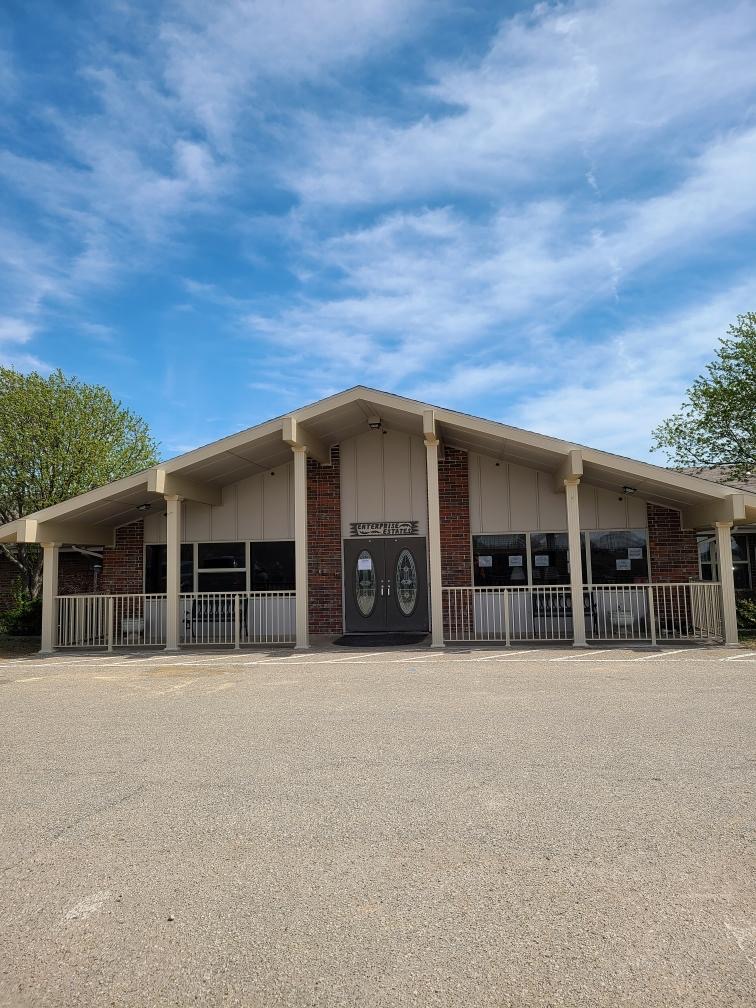
How Does Enterprise Estates Nursing Center Compare to Other Kansas Nursing Homes?

Compared to the 100 nursing homes in Kansas, ENTERPRISE ESTATES NURSING CENTER's overall rating (1 stars) is below the state average of 2.9, staff turnover (76%) is significantly higher than the state average of 46%, and health inspection rating (2 stars) is below the national benchmark.

What Should Families Ask When Visiting Enterprise Estates Nursing Center?

Based on this facility's data, families visiting should ask: "What changes have been made since the serious inspection findings, and how are you preventing similar issues?" "How do you ensure continuity of care given staff turnover, and what is your staff retention strategy?" "Can I visit during a mealtime to observe dining assistance and food quality?" "How do you handle medical emergencies, and what is your hospital transfer rate?" These questions are particularly relevant given the facility's Immediate Jeopardy citations and the facility's high staff turnover rate.

Is Enterprise Estates Nursing Center Safe?

Based on CMS inspection data, ENTERPRISE ESTATES NURSING CENTER has documented safety concerns. Inspectors have issued 3 Immediate Jeopardy citations (the most serious violation level indicating risk of serious injury or death). The facility has a 1-star overall rating and ranks #100 of 100 nursing homes in Kansas. Families considering this facility should ask detailed questions about what corrective actions have been taken since these incidents.

Do Nurses at Enterprise Estates Nursing Center Stick Around?

Staff turnover at ENTERPRISE ESTATES NURSING CENTER is high. At 76%, the facility is 29 percentage points above the Kansas average of 46%. Registered Nurse turnover is particularly concerning at 100%. RNs handle complex medical decisions and coordinate care — frequent RN changes can directly impact care quality. High turnover means new staff may not know residents' individual needs, medications, or preferences. It can also be disorienting for residents, especially those with dementia who rely on familiar faces. Families should ask: What is causing the turnover? What retention programs are in place? How do you ensure care continuity during staff transitions?

Was Enterprise Estates Nursing Center Ever Fined?

ENTERPRISE ESTATES NURSING CENTER has been fined $21,800 across 2 penalty actions. This is below the Kansas average of $33,297. While any fine indicates a compliance issue, fines under $50,000 are relatively common and typically reflect isolated problems that were subsequently corrected. Families should ask what specific issues led to these fines and confirm they've been resolved.

Is Enterprise Estates Nursing Center on Any Federal Watch List?

ENTERPRISE ESTATES NURSING CENTER is not on any federal watch list. The most significant is the Special Focus Facility (SFF) program, which identifies the bottom 1% of nursing homes nationally based on persistent, serious quality problems. Not being on this list means the facility has avoided the pattern of deficiencies that triggers enhanced federal oversight. This is a positive indicator, though families should still review the facility's inspection history directly.