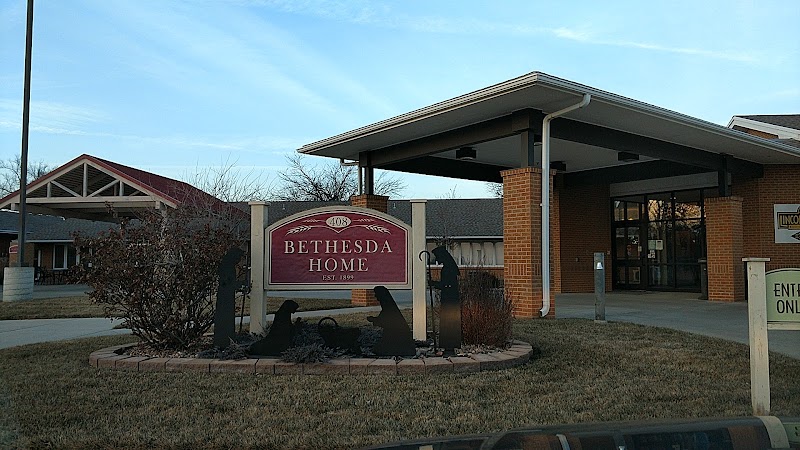
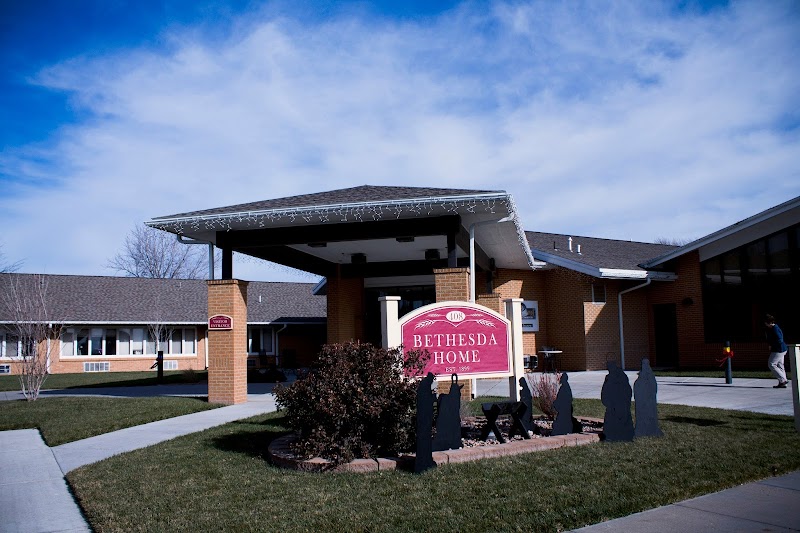

BETHESDA HOME

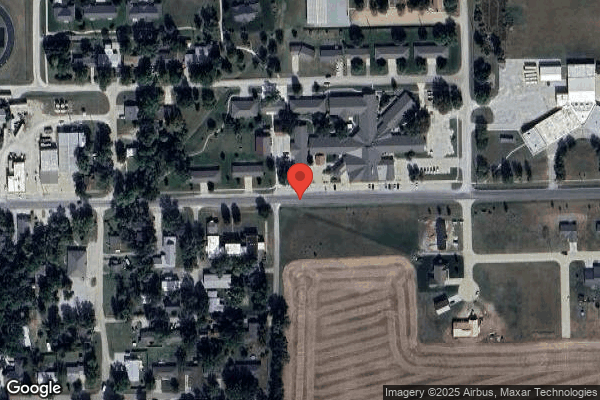
408 E MAIN, GOESSEL, KS 67053 (620) 367-2291
Non profit - Corporation 57 Beds Independent Data: November 2025
Trust Grade
90/100
#7 of 295 in KS
Last Inspection: March 2025

Within standard 12-15 month inspection cycle. Federal law requires annual inspections.

Overview

Bethesda Home in Goessel, Kansas has received an outstanding Trust Grade of A, indicating it is highly recommended and performs excellently compared to other facilities. It ranks #7 out of 295 nursing homes in Kansas, placing it in the top tier, and is the highest-rated home out of 5 in Marion County. The facility is on an improving trend, with issues decreasing from three in 2021 to two in 2025. Staffing is a concern, with a low rating of 1 out of 5 stars; however, turnover is at 35%, which is better than the state average, suggesting staff retention is decent despite the rating. Notably, there have been no fines recorded, which reflects positively on compliance. However, there are some weaknesses to consider. Inspector findings revealed issues with infection control practices, such as staff failing to maintain sanitary conditions while changing bed linens and not adhering to proper antibiotic stewardship, which could lead to antibiotic resistance. Additionally, there was a lack of adherence to enhanced barrier precautions for a resident with a pressure ulcer, raising concerns about potential infection risks. Overall, while Bethesda Home has many strengths, families should be aware of these critical areas needing improvement.

Trust Score
A
90/100
In Kansas
#7/295
Top 2%
Safety Record
Low Risk
No red flags
Inspections
Getting Better
3 → 2 violations
Staff Stability
○ Average
35% turnover. Near Kansas's 48% average. Typical for the industry.
Penalties
✓ Good
No fines on record. Clean compliance history, better than most Kansas facilities.
Skilled Nurses
○ Average
RN staffing data not reported for this facility.
Violations
✓ Good
Only 5 deficiencies on record. Cleaner than most facilities. Minor issues only.
★★★★★
5.0
Overall Rating
★☆☆☆☆
1.0
Staff Levels
★★★★★
5.0
Care Quality
★★★★★
5.0
Inspection Score
Stable
2021: 3 issues
2025: 2 issues

The Good

  • 5-Star Quality Measures · Strong clinical quality outcomes
  • Full Sprinkler Coverage · Fire safety systems throughout facility
  • No fines on record
  • Staff turnover below average (35%)

    13 points below Kansas average of 48%

Facility shows strength in quality measures, fire safety.

The Bad

Staff Turnover: 35%

11pts below Kansas avg (46%)

Typical for the industry

The Ugly 5 deficiencies on record

Jun 2025 1 deficiency
CONCERN (D) 📢 Someone Reported This

A family member, employee, or ombudsman was alarmed enough to file a formal complaint

Potential for Harm - no one hurt, but risky conditions existed

Quality of Care (Tag F0684)

Could have caused harm · This affected 1 resident

**NOTE- TERMS IN BRACKETS HAVE BEEN EDITED TO PROTECT CONFIDENTIALITY** The facility reported a census of 28. The sample included three residents. Based on interview and record review the facility fai...

Read full inspector narrative →
**NOTE- TERMS IN BRACKETS HAVE BEEN EDITED TO PROTECT CONFIDENTIALITY** The facility reported a census of 28. The sample included three residents. Based on interview and record review the facility failed to follow physicians' orders for the care of a surgical wound for Resident (R)1. This placed R1 at risk for wound complications and infection. Findings included: - R1's Electronic Medical Record (EMR) documented diagnoses of a fracture (a broken bone) of the right lower leg and a fracture of the right shoulder R1's admission Minimum Data Set (MDS) dated [DATE] recorded a Brief Interview for Mental Status (BIMS) score of 10 indicating moderately impaired cognition. R1 required staff assistance with dressing, grooming, toileting, and showering. The MDS noted R1 had a surgical wound. R1's Care Plan dated 06/05/25 documented R1 had Enhanced Barrier Precautions (EBP-infection control interventions designed to reduce transmission of resistant organisms which employ targeted gown and glove use during high contact care) due to a surgical dressing. The plan directed staff to use gloves and gowns prior to high-contact care activity. R1's Physician Orders dated 06/04/25 ordered to keep the surgical dressing in place: keep the dressing clean and dry until post operative appointment; Call the physician for concerns or questions on surgical site or incision. A Nurses Notes dated 06/01/25 at 03:09 PM documented the dressing on R1's right leg fixator (a device used to stabilize broken bones, particularly in cases of severe fracture) was wet with serous (thin, clear) drainage; the gauze dressing was replaced with clean gauze. R1's EMR lacked evidence staff notified the surgeon of the drainage and dressing change. R1's Nurses Notes dated 06/02/25 04:27 PM documented R1 continued on skilled services for physical therapy and occupational therapy for fracture of the upper right humerus (arm bone) and an external fixator to the right leg. A Nurses Note dated 06/05/25 at 09:05 PM documented R1 continued skilled services for physical therapy, R1 had a fixator on her right leg. The note documented R1 was alert and required assistance with activities of daily living (ADL). R1 was non weight bearing on her right arm and right leg. R1 was transferred with a full lift. A Nurses Note dated 06/06/25 at 08:20 AM documented that staff observed a maggot (fly larvae) at the end of the gauze dressing on R1's right leg. The gauze dressing was dry to damp with yellow tinged drainage on it. Licensed Nurse (LN) G documented she removed around three dozen maggots from around the bottom of the distal fixator rod and out of the wound bed. A Nurses Note dated 06/06/25 at 09:09 AM documented LN G received orders to send R1 to the emergency room for an evaluation. On 06/23/25 at 01:25 PM LN G stated she assessed R1's surgical site on 06/01/25 and noted the dressing was saturated with drainage. LN G said R1's orders directed to keep the dressing clean and dry, so she removed the dressing and replaced the gauze. LN G stated she returned to work on 06/06/25 and when she assessed R1's surgical site, she observed maggots towards the end of the gauze. LN G said she was uncertain how the maggots ended up in R1's surgical site. On 06/23/25 at 01:35 PM Administrative Nurse D and Administrative Nurse E said R1's orders from the physicians directed staff to keep the surgical dressing placed by the surgeon in place until the follow up appointment with the physician which was in one to two weeks. On 06/23/25 at 01:50 PM, R1's Durable Power of Attorney (DPOA) indicated she felt the staff should have called the surgeon regarding the oozing from the site before changing the dressing because the physician made a comment that he packed the surgical site with antibiotic ointment. On 06/23/25 at 02:50 PM Medical Assistant (GG) stated the surgeon said there was no negative outcome from the maggots in R1's surgical wound. The facility did not provide a policy on following physicians' orders for surgical wound care as requested on 06/24/25.
Mar 2025 1 deficiency
CONCERN (E)

Potential for Harm - no one hurt, but risky conditions existed

Infection Control (Tag F0880)

Could have caused harm · This affected multiple residents

The facility had a census of 27 residents. The sample included 12 residents. Based on observation, record review, and interview, the facility failed to adhere to infection control for enhanced barrier...

Read full inspector narrative →
The facility had a census of 27 residents. The sample included 12 residents. Based on observation, record review, and interview, the facility failed to adhere to infection control for enhanced barrier precautions (EBP - an infection control intervention designated to reduce transmission of resistant organisms that employs targeted gown and glove used during high contact resident care activities) for Resident (R) 2 who had a pressure ulcer (localized injury to the skin and/or underlying tissue usually over a bony prominence, as a result of pressure, or pressure in combination with shear and/or friction). This placed the resident at risk for possible exposure of infection. Findings included: - On 03/11/25 at 11:30 AM observation revealed License Nurse (LN) G and Administrative Nurse E entered the room of R2, who was sitting in a recliner in her room with both feet elevated. Observation revealed LN G removed the resident's Ankle-foot orthosis (AFO - an external device fitted to the body, used to: improve or prevent physical deformity. Stabilizes a joint or joints, reduces pain, and improves mobility and performance) splint from her right lower leg. Observation revealed Administrative Nurse E washed her hands and removed R2's sock and the resident had a dressing on her right heel and, a pressure ulcer. Continued observation revealed Administrative Nurse E washed her hands then donned gloves but no gown, removed the border foam dressing from the right heel, and a collagen packing on the heel wound area. Continued observation revealed the resident's right heel area was covered with pink skin and no open areas or drainage were noted at this time. LN G instructed Administrative Nurse E to change the treatment plan and use skin prep on the wound area then cover the wound with border foam dressing. Administrative Nurse E proceeded with the new treatment order and then put the resident's sock and AFO splint on R2's right leg. On 03/11/25 at 03:00 PM, Administrative Nurse D verified the staff should wear PPE for EBP when providing care for R2. They verified they lacked PPE equipment or a sign on the door that indicated the staff should wear PPE when providing R2's wound care. Administrivia Staff D stated this slipped through the cracks. Administrative Nurse D verified she would post the necessary signage on the resident's door regarding the use of PPE for a resident on TBP. The facility's Enhanced Barrier Precautions policy, dated January 2025, documented the facility would follow recommendations and guidance from the Centers for Disease Control in order to keep all residents safe from Healthcare Acquired Infections (HAI). Multidrug-resistant organisms (MDRO) transmission is common in skilled nursing facilities, contributing to substantial resident morbidity and increased healthcare costs. On the recommendation and approval of the facility Infection Preventionist in collaboration with the facility's Medical Director, EBP were implemented as one intervention the facility uses to reduce transmission of resistant organisms that employ targeted PPE use during high-contact resident care activities. Standard Precautions continue to apply to the care of all residents, regardless of suspected or confirmed infection or colonization status. EBP is used in conjunction with standard precautions and expanded the use of PPE to donning of gown and gloves during high contact resident care activities that provide opportunities for transfer of MDRO's to staff hands and clothing. ENBP expands PPE use beyond standard precautions when there is anticipated exposure to bold or body fluid. Gown and gloves are used during high-contact activities with increased risk for MDRO transmission to staff clothing and hands including but not limited to dressings, bathing/showering, transferring, providing hygiene, and changing linens. Changing briefs or assisting with toileting, device care, or use including central lines catheters, feeding tubes, tracheostomy/ventilators, wound care, and skin opening requiring a dressing. The facility failed to adhere to infection control standards and policies for R2 who required TBP. This placed the resident at risk for possible exposure to illness.
Dec 2021 3 deficiencies
CONCERN (F)

Potential for Harm - no one hurt, but risky conditions existed

Infection Control (Tag F0880)

Could have caused harm · This affected most or all residents

**NOTE- TERMS IN BRACKETS HAVE BEEN EDITED TO PROTECT CONFIDENTIALITY** The facility reported a census of 27 residents. Based on observation, interview, and record review, the facility failed to ensur...

Read full inspector narrative →
**NOTE- TERMS IN BRACKETS HAVE BEEN EDITED TO PROTECT CONFIDENTIALITY** The facility reported a census of 27 residents. Based on observation, interview, and record review, the facility failed to ensure staff provided environmental cleaning in a sanitary manner to prevent the spread of infection, failed to ensure pet vaccinations remained up to date for resident's cat, failed to ensure the water temperature in the laundry remained at least 160 degrees Fahrenheit to ensure sanitary laundering of resident linen. Findings included: - Observation, on 12/08/21 at 08:28 AM, revealed housekeeping staff VV and WW changing resident bed linen. Staff VV with gloves on changed the bed linen in a resident room, came out of the room, with the same gloves on, went into another resident room and changed the bed linen, and with the same gloves on wheeled the dirty linen cart into the resident room, placed the dirty linen in the cart, removed her gloves, performed hand hygiene and wheeled the cart out of the room. Interview, on 12/08/21 at 11:00 AM, with Administrative Nurse D, revealed she would expect staff to change gloves and perform hand hygiene upon exit of each resident room when changing bed linen. The facility failed to provide a policy related to this issue. The facility failed to ensure staff provided changing of resident bed linen cleaning in a sanitary manner to prevent the spread of infection. - Observation, on 12/09/21 at 07:53 AM, revealed Housekeeping staff V cleaning a resident room. Staff V donned gloves and obtained a sanitary wipe and proceeded to wipe the toilet flush handle, then wearing the same gloves and with the same wipe, Staff V started to wipe the resident's shelf containing the resident's [NAME] knacks. Surveyor GG questioned staff V if the toilet flusher was a dirty surface and the shelf a clean surface, and staff V concluded she should change her gloves and provide hand hygiene and changed her gloves and obtained a new wipe. Staff V continued with cleaning surfaces in the resident's room. Observation revealed staff V obtained the toilet bowl cleaning products, lifted the toilet seat lid, and squirted the cleaning agents, in the bowl, returned the cleaning product to her cart, then with the same gloves, obtained a scrubber for the resident's sink and proceeded to clean the resident's sink. Surveyor GG advised staff V that her gloves were considered contaminated from the contact with the toilet bowl. Staff V agreed and doffed these gloves, performed hand hygiene and then donned gloves and threw the sink scrubber away. Observation continued as staff V cleaned the toilet seat lid and surface, and with the same gloved hands and same sanitizing wipe, then cleaned the toilet riser's hand rails. Interview, on 12/08/21 at 11:00 AM, with Administrative Nurse D, revealed she would expect staff to change gloves and perform hand hygiene when in contact with a dirty surface, before contact with a clean surface. The facility policy Donning and Doffing Disposable Gloves, revised 08/2020, instructed staff to change gloves and perform hand hygiene when moving from soiled contaminated area of care to clean areas of care. The facility failed to provide housekeeping services to a resident room in a sanitary manner to prevent the spread of infection. - Observation, on 12/09/21 at 10:01 AM, revealed a temperature log in the laundry room with temperatures logged as 162 degrees Fahrenheit, the log lacked temperature documentation from 12/06/21, 12/07/21, 12/08/21 and 12/09/21. Interview at that time with Laundry staff W, revealed laundry staff obtained the water temperature from the gauge on the water line going to the noncommercial washing machine. Laundry staff W stated the washing machines used hot water for sanitizing laundry and the bags used for isolation laundry dissolved in water at a temperature of 160 degrees Fahrenheit. Staff W stated laundry staff use a graph to determine what setting to use for various types of laundry and the detergent, softener and bleach were dispensed automatically, and whites were sanitized at 160 degrees temperatures. Staff W stated maintenance checked the water temperature in the hand washing sink. Interview with Maintenance staff UU, revealed he did not check the water temperature in the washing machines. Observation, on 12/09/21 at 10:30 AM, revealed maintenance staff U, obtained a water temperature from the hot water line leading to the commercial washing machines as 147.5 degrees Fahrenheit. Staff W stated the water temperature should be above 160 degrees. Interview, on 12/09/21 at 11:00 AM, with Maintenance staff U, revealed the hot water tank temperature had been inadvertently turned down to below 160 degrees. Maintenance staff U did not know how long the water temperature's thermostat was in this position. The facility policy Laundry Protocol, undated, instructed staff to prevent the spread of infections by hot water washing included water temperatures exceeding 160 degrees for 24 minutes. The maintenance/environmental service department instructed to routinely inspect maintain and document hot water temperatures on the washers at 160 degrees. The facility failed to ensure adequate hot water sanitation of resident laundry to prevent the spread of infections. - Observation on 12/07/21 at 08:30 AM, revealed resident (R)10 personal cat lived in his room and facility staff provided a litter box and feeding to the pet. Review of the pet's vaccination records revealed the last date of vaccinations as November 2, 2018, November 16, 2018, November 24, 2018 and November 24, 2018. Interview, on 12/09/21 at 11:00AM, with Administrative staff A, confirmed the vaccines were not renewed since 2018. The facility Pet Policy, dated January 2019, instructed staff that all animals must be examined by the veterinarian and certified as healthy with all recommended immunizations. The facility failed to ensure one resident's cat had current vaccinations to prevent the spread of infection.
CONCERN (F)

Potential for Harm - no one hurt, but risky conditions existed

Antibiotic Stewardship (Tag F0881)

Could have caused harm · This affected most or all residents

The facility reported a census of 27 residents. Based on interview and record review, the facility failed to ensure nursing staff followed the principles of antibiotic stewardship proactively to ensur...

Read full inspector narrative →
The facility reported a census of 27 residents. Based on interview and record review, the facility failed to ensure nursing staff followed the principles of antibiotic stewardship proactively to ensure antibiotic use in a safe and effective manner to prevent unnecessary side effects of antibiotics and development of antibiotic resistance in the residents of the facility. Findings included: - Review of the Antibiotic Stewardship Log, revealed the facility lacked the use of an assessment tool (for antibiotic appropriateness) at the initiation of antibiotic therapy. The facility reviewed antibiotic appropriateness at the completion of the antibiotic. Furthermore, the facility lacked periodic review of antibiotic use by physician and compilation of organisms/resistive organisms in the facility. Review of the Antibiotic Stewardship Log, for September 2021, revealed an entry for resident (R)10 with a urinary tract infection due to benign prostate hyperplasia (non-cancerous enlargement of the prostate which can lead to interference with urine flow, urinary frequency and urinary tract infections) with a culture result of E coli (a type of bacteria) and a Physician's Order for Keflex (an antibiotic) 500 (mg) milligrams, three times a day for seven days, and then Cipro 250 mg, twice a day, for seven days, due to resident still had symptoms per the notation on the log. Review of the Antibiotic Stewardship Log, for October 2021, revealed R10 developed burning discomfort and cloudy, odorous urine had a culture result of E coli, and the Physician's Order for Cephalexin (an antibiotic) 500 mg, for seven days. With the indication the resident had the same infection from September 2021 with continuation of symptoms. Review of the Antibiotic Stewardship Log, for November 2021, revealed an entry for resident R10, with a urinary tract infection with a culture result of E-coli (a type of bacteria) and a Physician's Order, dated 11/12/21 instructed staff to administer Cephalexin (an antibiotic) 500 milligrams (mg) three times a day for seven days, then staff to administer Cipro (an antibiotic) 250 mg, daily, for urinary tract infection prevention. Interview, on 12/07/21, at 11:00 AM, with Administrative Nurse D, revealed the facility lacked an assessment tool, for nursing staff to utilize at the initiation of the antibiotics, at this time but would initiate the McGeer's Criteria (a systematic guide for antibiotic use based on criteria for specific infections which included culture sensitivity to antibiotic prescribed.) Administrative Nurse D confirmed the facility did not periodically review antibiotic use by physician or compile data for the occurrence rate of organisms/resistive organisms in the facility. Administrative Nurse D stated the facility did not compile a separate report of the number of antibiotics used for prophylaxis. Interview, on 12/08/21 at 10:43 AM, with Licensed Nurse (LN) G, revealed she lacked training in use of criteria/guides for antibiotic initiation, but followed the prompts in the electronic medical record for infection documentation. Interview, on 12/08/21 at 11:15 AM with LN H, revealed she was not familiar with a tool for use prior to initiation of an antibiotic. Interview, on 12/14/21 at 11:00 AM with Administrative Nurse D revealed the pharmacist identified the R10's prophylactic (for prevention) use of antibiotic in November 2021, and the physician wrote a benefit statement that included prostatic hypertrophy and urinary retention but failed to identify the risks of antibiotic use. The facility policy Antibiotic Stewardship Program reviewed 4/2021, instructed staff to promote the appropriate use of antibiotics while optimizing the treatment of infections to reduce the possible adverse events associated with antibiotic use. The policy instructed the Administrative Nurse to monitor antibiotic usage patterns and report the number of antibiotics prescribed and provide a separate report for antibiotics that did not meet criteria for active infection. The facility failed to proactively monitor initiation of antibiotics and failed to monitor antibiotic use patterns by prescribers to ensure antibiotics were used in a safe and effective manner to prevent unnecessary side effects of antibiotics and antibiotic resistance.
MINOR (C)

Minor Issue - procedural, no safety impact

Staffing Information (Tag F0732)

Minor procedural issue · This affected most or all residents

The facility reported a census of 27 residents. Based on record review and interview, the facility failed to display the actual hours worked on the daily nursing staffing sheets on a daily basis, for ...

Read full inspector narrative →
The facility reported a census of 27 residents. Based on record review and interview, the facility failed to display the actual hours worked on the daily nursing staffing sheets on a daily basis, for the 27 residents who reside in the facility. Findings included: - Review of the facility's Daily Staffing Sheets, for the past 90 days, revealed the section for the actual nursing hours worked, lacked completion. On 12/9/21 at 02:00 PM, Administrative Nurse D stated, the facility staff failed to complete the nursing staff sheets with the actual nursing hours worked, as they should have been. The facility policy for Posting Daily Nurse Staffing Form dated 2018, included: The total number of hours of each position is posted at the entrance to the health center and will be kept current during each day by revising the form as staffing and census change. The facility failed to properly complete the daily nursing staffing sheets to include the actual hours the nursing staff worked, for the residents of the facility.
Understanding Severity Codes (click to expand)
Life-Threatening (Immediate Jeopardy)
J - Isolated K - Pattern L - Widespread
Actual Harm
G - Isolated H - Pattern I - Widespread
Potential for Harm
D - Isolated E - Pattern F - Widespread
No Harm (Minor)
A - Isolated B - Pattern C - Widespread

Questions to Ask on Your Visit

  • "Can I speak with families of current residents?"
  • "What's your RN coverage like on weekends and overnight?"

Our Honest Assessment

Strengths
  • • Grade A (90/100). Above average facility, better than most options in Kansas.
  • • No major safety red flags. No abuse findings, life-threatening violations, or SFF status.
  • • No fines on record. Clean compliance history, better than most Kansas facilities.
  • • Only 5 deficiencies on record. Cleaner than most facilities. Minor issues only.
Concerns
  • • No significant concerns identified. This facility shows no red flags across CMS ratings, staff turnover, or federal penalties.
Bottom line: Generally positive indicators. Standard due diligence and a personal visit recommended.

About This Facility

What is Bethesda Home's CMS Rating?

CMS assigns BETHESDA HOME an overall rating of 5 out of 5 stars, which is considered much above average nationally. Within Kansas, this rating places the facility higher than 99% of the state's 100 nursing homes. This rating reflects solid performance across the metrics CMS uses to evaluate nursing home quality.

How is Bethesda Home Staffed?

CMS rates BETHESDA HOME's staffing level at 1 out of 5 stars, which is much below average compared to other nursing homes. Staff turnover is 35%, compared to the Kansas average of 46%. This relatively stable workforce can support continuity of care.

What Have Inspectors Found at Bethesda Home?

State health inspectors documented 5 deficiencies at BETHESDA HOME during 2021 to 2025. These included: 4 with potential for harm and 1 minor or isolated issues.

Who Owns and Operates Bethesda Home?

BETHESDA HOME is owned by a non-profit organization. Non-profit facilities reinvest revenue into operations rather than distributing to shareholders. The facility operates independently rather than as part of a larger chain. With 57 certified beds and approximately 30 residents (about 53% occupancy), it is a smaller facility located in GOESSEL, Kansas.

How Does Bethesda Home Compare to Other Kansas Nursing Homes?

Compared to the 100 nursing homes in Kansas, BETHESDA HOME's overall rating (5 stars) is above the state average of 2.9, staff turnover (35%) is significantly lower than the state average of 46%, and health inspection rating (5 stars) is much above the national benchmark.

What Should Families Ask When Visiting Bethesda Home?

Based on this facility's data, families visiting should ask: "Can you walk me through typical staffing levels on day, evening, and night shifts?" "Can I visit during a mealtime to observe dining assistance and food quality?" "How do you handle medical emergencies, and what is your hospital transfer rate?" "Can I speak with family members of current residents about their experience?" These questions are particularly relevant given the below-average staffing rating.

Is Bethesda Home Safe?

Based on CMS inspection data, BETHESDA HOME has a clean safety record: no substantiated abuse findings (meaning no confirmed cases of resident harm), no Immediate Jeopardy citations (the most serious violation level indicating risk of serious injury or death), and is not on the Special Focus Facility watch list (a federal program monitoring the lowest-performing 1% of nursing homes). The facility has a 5-star overall rating and ranks #1 of 100 nursing homes in Kansas. While no facility is perfect, families should still ask about staff-to-resident ratios and recent inspection results during their visit.

Do Nurses at Bethesda Home Stick Around?

BETHESDA HOME has a staff turnover rate of 35%, which is about average for Kansas nursing homes (state average: 46%). Moderate turnover is common in nursing homes, but families should still ask about staff tenure and how the facility maintains care continuity when employees leave.

Was Bethesda Home Ever Fined?

BETHESDA HOME has no federal fines on record. CMS issues fines when nursing homes fail to meet care standards or don't correct problems found during inspections. The absence of fines suggests the facility has either maintained compliance or corrected any issues before penalties were assessed. This is a positive indicator, though families should still review recent inspection reports for the full picture.

Is Bethesda Home on Any Federal Watch List?

BETHESDA HOME is not on any federal watch list. The most significant is the Special Focus Facility (SFF) program, which identifies the bottom 1% of nursing homes nationally based on persistent, serious quality problems. Not being on this list means the facility has avoided the pattern of deficiencies that triggers enhanced federal oversight. This is a positive indicator, though families should still review the facility's inspection history directly.