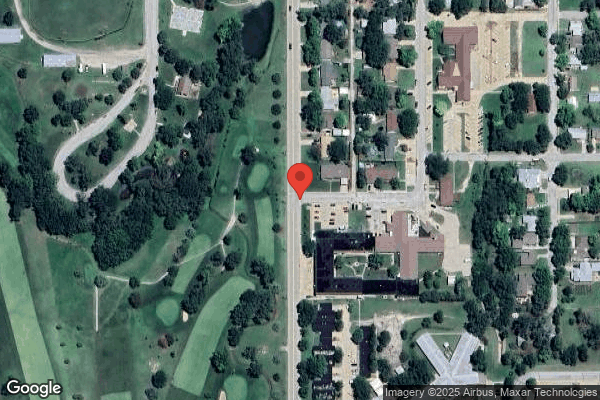
SALEM HOME

704 S ASH STREET, HILLSBORO, KS 67063 (620) 947-1429
Non profit - Corporation 45 Beds Independent Data: November 2025 1 Immediate Jeopardy citation
Trust Grade
71/100
#39 of 295 in KS
Last Inspection: August 2024

Within standard 12-15 month inspection cycle. Federal law requires annual inspections.

Overview

Salem Home in Hillsboro, Kansas has a Trust Grade of B, which means it is considered a good facility, solid but not outstanding compared to others. It ranks #39 out of 295 nursing homes in Kansas, placing it in the top half, and #3 out of 5 in Marion County, indicating only two local options are better. Unfortunately, the facility is experiencing a worsening trend, with the number of issues increasing from 2 in 2022 to 4 in 2024. Staffing is rated 4 out of 5 stars, but the turnover rate is 56%, which is average and could indicate some instability among staff. There are some concerning aspects, such as $11,921 in fines, which is average but suggests some compliance issues, and a lower RN coverage than 79% of facilities in Kansas, meaning fewer registered nurses are available to catch potential problems. Specific incidents include a critical finding where a resident who needed supervision was not adequately supervised, increasing their risk of harm, and concerns about food safety practices, as milk was served at unsafe temperatures. Overall, while Salem Home has strengths in its overall quality ratings, families should be aware of these weaknesses and recent compliance issues when considering this facility for their loved ones.

Trust Score
B
71/100
In Kansas
#39/295
Top 13%
Safety Record
High Risk
Review needed
Inspections
Getting Worse
2 → 4 violations
Staff Stability
⚠ Watch
56% turnover. Above average. Higher turnover means staff may not know residents' routines.
Penalties
○ Average
$11,921 in fines. Higher than 68% of Kansas facilities. Some compliance issues.
Skilled Nurses
○ Average
Each resident gets 32 minutes of Registered Nurse (RN) attention daily — about average for Kansas. RNs are the most trained staff who monitor for health changes.
Violations
○ Average
10 deficiencies on record. Average for a facility this size. Mostly minor or procedural issues.
★★★★★
5.0
Overall Rating
★★★★☆
4.0
Staff Levels
★★★★★
5.0
Care Quality
★★★★☆
4.0
Inspection Score
Stable
2022: 2 issues
2024: 4 issues

The Good

  • 4-Star Staffing Rating · Above-average nurse staffing levels
  • 5-Star Quality Measures · Strong clinical quality outcomes
  • Full Sprinkler Coverage · Fire safety systems throughout facility
  • No fines on record

Facility shows strength in staffing levels, quality measures, fire safety.

The Bad

Staff Turnover: 56%

Near Kansas avg (46%)

Frequent staff changes - ask about care continuity

Federal Fines: $11,921

Below median ($33,413)

Minor penalties assessed

Staff turnover is elevated (56%)

8 points above Kansas average of 48%

The Ugly 10 deficiencies on record

1 life-threatening
Aug 2024 4 deficiencies
CONCERN (D)

Potential for Harm - no one hurt, but risky conditions existed

Deficiency F0804 (Tag F0804)

Could have caused harm · This affected 1 resident

The facility reported a census of 44 residents. The facility identified two residents required pureed diets. Based on observation, interview, and record review, the facility failed to ensure pureed fo...

Read full inspector narrative →
The facility reported a census of 44 residents. The facility identified two residents required pureed diets. Based on observation, interview, and record review, the facility failed to ensure pureed foods were prepared to ensure nutritional and flavor compatibility with the menu to enhance the dining experience for these two residents. Findings included: - Observation, on 08/06/24 at 10:45 AM revealed Dietary Staff CC prepared pureed diet for two residents. The menu for the noon meal included beef soft taco with lettuce, cheese, tomato, sour cream, spanish rice, and fiesta corn. Dietary staff CC stated the facility form Mechanically Soft Level Two Diet indicated that staff should avoid corn or regular rice, so she substituted mashed beans (pork and beans) for the corn and mashed potatoes and gravy for the fiesta rice. Dietary staff CC stated she did not have a nutritionally equivalent substitute guide for the spanish rice or fiesta corn for pureed diets. Interview, on 08/07/24 at 09:00 AM, with Dietary Staff BB confirmed that the facility had a computerized program for dietary substitutes but did not routinely use a pureed diet guide other than the posted Mechanically Soft (Level 2) Diet and a regular menu. Interview, on 08/07/24 at 09:30 AM, with Dietary Consultant GG, revealed the substitute for corn included pureed cream corn, and the fiesta rice included cream of rice, and various recipes for pureed rice. Dietary Consultant GG stated if foods are substituted, they should be nutritionally appropriate substitutes for pureed foods, and would provide the facility with the guidelines/menus. The facility guideline 4 Pureed dated January 2019, contained a list of foods to avoid and characteristics to avoid. The guide instructed the reader/staff to consult with a health care professional for specific advice for diet needs and the list was intended for general information only. The facility policy Blended and Pureed Meat Diets dated February 2023, instructed staff to follow the the regular menu and provide the consistency modification as ordered by the physician. The facility failed to provide pureed food substitutes nutritionally and with flavor compatibility with the menu to enhance the dining experience for two residents that required a pureed diet.
CONCERN (E)

Potential for Harm - no one hurt, but risky conditions existed

Deficiency F0761 (Tag F0761)

Could have caused harm · This affected multiple residents

The facility census totaled 44 residents on two halls with a commons area where residents gathered for meals and activities. The facility had two medication carts and a nurse treatment cart. Based on ...

Read full inspector narrative →
The facility census totaled 44 residents on two halls with a commons area where residents gathered for meals and activities. The facility had two medication carts and a nurse treatment cart. Based on observation, interview, and record review, the facility failed to provide a safe environment for nine residents by the failure to ensure a nurse treatment cart that contained insulin (a medication used to treat diabetes [a disease when the body cannot use glucose, not enough insulin made or the body cannot respond to the insulin]) remained locked when not in direct line of vision of the nurse. Findings included: - On 08/06/24 at 11:19 AM, a treatment cart on the 200 hall observed unlocked and unattended. On 08/06/24 at 11:20 AM, Licensed Nurse (LN) G confirmed the medication cart was left unattended and unlocked. LN G further confirmed that the cart serviced nine residents and contained insulin and general wound care supplies. LN G revealed that the medication cart should be always locked when unattended and stated that she failed to lock the medication cart before going the nurses' station. LN G identified two self-mobile and confused residents who lived in the 200 hall. On 08/06/24 at 11:25 AM, Administrative Nurse D stated the expectation was for all staff who have access to medication carts to lock the medication carts before walking away. The facility's Medication Administration Policy policy, dated 06/2024, documented that medication carts, including the nurse treatment carts, are to be locked when not in the direct line of sight of medical personnel. The facility failed to provide a safe environment for all residents by the failure to ensure a medication cart used by the facility remained locked when not in direct line of vision of the licensed nurse passing medications from their carts.
CONCERN (F)

Potential for Harm - no one hurt, but risky conditions existed

Food Safety (Tag F0812)

Could have caused harm · This affected most or all residents

**NOTE- TERMS IN BRACKETS HAVE BEEN EDITED TO PROTECT CONFIDENTIALITY** The facility reported a census of 44 residents. Based on observation, interview, and record review, the facility failed to ensur...

Read full inspector narrative →
**NOTE- TERMS IN BRACKETS HAVE BEEN EDITED TO PROTECT CONFIDENTIALITY** The facility reported a census of 44 residents. Based on observation, interview, and record review, the facility failed to ensure foods were stored, prepared, and distributed in a manner to prevent foodborne illness to the residents. Findings included: - Observation on 08/06/24 at 10:45 AM, revealed room trays for residents set with beverages. Two trays contained a glass of milk, and one contained a liquid nutritional supplement in a glass. Observation, on 08/06/24 at 11:15 AM, revealed Dietary Staff DD, obtained the temperature a glass of milk on the tray and revealed a temperature of 60 degrees Fahrenheit (F). Dietary Staff DD stated the milk should be served at 41 degrees F, and the supplier delivered the milk earlier and may not have cooled down to 41 degrees F. Dietary Staff DD obtained two new glasses of milk from newly delivered milk from the refrigerator and revealed a temperature of 48 degrees F. Dietary Staff DD obtained the temperature of the nutritional supplement and revealed a temperature of 57 degrees F. Dietary Staff DD obtained a new nutritional supplement which had a temperature of 57 degrees F and stated the temperature should be 41 degrees and obtained a new nutritional supplement from the refrigerator which had a temperature of 42 degrees F. Dietary Staff DD stated the trays were usually set up 30 minutes before serving. Observation, on 08/06/24 at 11:20 AM, revealed Dietary Staff CC prepared to serve the residents their noon meal with dishware that contained worn colors and faded designs. Dietary Staff CC stated the entire service ware which included plates and bowls contained faded designs and worn areas. Observation, on 08/07/24 at 08:45 AM, during the environmental tour of the kitchen revealed the following areas of concern: 1. Three air vents and ceiling above the stove area contained a black substance over multiple areas of various sizes. Interview with Dietary Staff BB, confirmed the areas and stated maintenance was responsible for cleaning the vents and ceiling. Interview with Maintenance staff U, revealed dietary staff was responsible for cleaning the vents and ceiling. Maintenance Staff U scrubbed the black areas and thought the substance may be accumulation of dust and grease. 2. The front surface of a wooden cabinet drawers which contained serving items, contained peeling varnish and a liquid stain. The serving items (four spatulas and two pizza wheels) contained brown/black substance in the surface grooves. The doors of the cabinet also contained areas of worn varnish and the inside shelves, which contained various service items, contained shelves with a black substance in the wood grain and peeling varnish. 3.The shelf beneath the double ovens contained grime and debris. 4. Two omelet pans contained a black substance around the interior sides. 5.The ice machine drain lay directly in the sewer drain in the basement. Maintenance staff U confirmed the drain was for the ice machine and should provide a two-inch air gap for the drain. Interview, on 08/07/24 at 08:45 AM, with Dietary Staff BB, revealed the milk delivered to the facility on [DATE] should be refrigerated immediately and staff should set the milk on the trays just before distribution to ensure a temperature of at 41 degrees F. Dietary Staff BB confirmed the entire set of dishware was worn with faded colors and pattern. Interview, on 08/07/24 at 12:00 PM, with Administrative Staff A, confirmed the worn dishware patterns on the entire set, and confirmed the dishware should be replaced. The facility did not provide a policy for food temperatures prior to serving. The facility policy Sanitation and Safety dated May 2024, instructed staff to maintain acceptable sanitary conditions in storage, preparation, and distribution of foods. The facility failed to ensure foods were stored, prepared, and distributed in a manner to prevent foodborne illness to the residents.
CONCERN (F)

Potential for Harm - no one hurt, but risky conditions existed

Staffing Data (Tag F0851)

Could have caused harm · This affected most or all residents

The facility reported a census of 44 residents. Based on interview and record review, the facility failed to electronically submit complete and accurate staffing information to the Federal regulatory ...

Read full inspector narrative →
The facility reported a census of 44 residents. Based on interview and record review, the facility failed to electronically submit complete and accurate staffing information to the Federal regulatory agency through Payroll-Based Journaling (PBJ) when the facility failed to accurately submit hourly staffing data for all nursing personnel. Findings included: - Review of the PBJ Staffing Data Report for Fiscal Year (FY) for Quarter 3 - 2023 (April 1 - June 30), the data indicated the facility failed to have Licensed Nursing Coverage 24 hours/Day on the following dates: 04/01/23 Saturday (SA), 04/09/23 Sunday (SU), 04/16/23 (SU), 04/29/23 (SA) and 05/13/23 (SA). Review of the nursing schedule and payroll data sheets for the above dates revealed adequate hours to account for 24-hour nursing coverage. On 08/07/24 at 08:24 AM, Administrative Nurse D reported that payroll data and scheduling data reflected that 24- hour nursing coverage and that nursing staff were scheduled for either eight-hour or 12-hour shifts where no lunch was taken but the PBJ submission deducted a 30-minute period for lunch. The facility's Mandatory Submission of PBJ policy, dated 05/2024, documented that the facility would complete electronic and accurate submission of staffing information based on payroll data as specified in regulatory requirements. The facility failed to submit complete and accurate staffing information to the Federal regulatory agency through PBJ when the facility failed to accurately submit hourly staffing data for all nursing personnel.
Dec 2022 2 deficiencies 1 IJ
CRITICAL (J) 📢 Someone Reported This

A family member, employee, or ombudsman was alarmed enough to file a formal complaint

Immediate Jeopardy (IJ) - the most serious Medicare violation

Accident Prevention (Tag F0689)

Someone could have died · This affected 1 resident

**NOTE- TERMS IN BRACKETS HAVE BEEN EDITED TO PROTECT CONFIDENTIALITY** The facility had a census of 42 residents. The sample included 13 residents. Based on observation, record review, and interview ...

Read full inspector narrative →
**NOTE- TERMS IN BRACKETS HAVE BEEN EDITED TO PROTECT CONFIDENTIALITY** The facility had a census of 42 residents. The sample included 13 residents. Based on observation, record review, and interview the facility failed to provide adequate supervision for Resident (R) 4 who was independent with ambulation and required staff supervision for safety due to a diagnosis of schizoaffective (mental health disorder that is marked by a combination of schizophrenia symptoms, such as hallucinations [perception of having seen, heard, touched, tasted, or smelled something that wasn't actually there] or delusions [altered reality that is persistently held despite evidence or agreement to the contrary], and mood disorder symptoms, such as depression [persistent feeling of sadness and loss of interest] or mania [abnormally elevated, extreme changes in your mood or emotions, energy level or activity level]) disorder, intellectual disabilities, and a personal history of physical, sexual, and psychological trauma. The resident's care plan directed R4 should not be allowed to leave the facility without supervision and was to be protected from any interaction with specific individuals. On 08/15/22 at 09:30 PM staff observed R4 in the common area of the facility. At approximately 10:06 PM the county Sheriff's Office notified facility staff that R4 was in police custody. R4 left the facility without staff awareness and supervision and walked nine blocks through town to the gas station. R4 called 911 and reported she left the facility without telling anyone. Police returned R4 to the facility. R4's face was flushed and R4 was upset. R4 reported she punched the code in the door and since no one saw her, she kept walking. Facility staff failed to provide adequate supervision to prevent an elopement (when a resident leaves the facility without staff knowledge and/or supervision) and failed to identify the resident was not in the facility until reported by law enforcement. This placed R4 in Immediate Jeopardy. Findings included: - R4's Electronic Medical Record (EMR) documented diagnoses of schizoaffective disorder bipolar (disorder associated with episodes of mood swings ranging from depressive lows to manic highs), intellectual disabilities, and a personal history of physical and psychological trauma. R4's Annual Minimum Data Set (MDS) dated 06/04/22 recorded R4 had a Brief Interview for Mental Status (BIMS) score of 14 which indicated intact cognition. The MDS recorded R4 admitted to the facility on [DATE] from a psychiatric hospital. The MDS recorded R4 had no behaviors or wandering during the look back period. She required supervision with set up help from staff for locomotion on and off the unit, supervision with assistance of one staff for personal hygiene; she required supervision with no physical assistance for all other activities of daily living (ADL). The MDS recorded R4 had medically complex conditions and referenced her diagnosis of schizoaffective disorder. The MDS documented R4 had psychiatric /mood disorders of anxiety and schizophrenia (e.g., schizoaffective) disorder. The MDS recorded the resident received scheduled pain medication and was a current tobacco user. The MDS recorded no falls. R4 received antipsychotic medications (medications for psychotic disorder) daily during the look back period. The MDS documented R4 had no active plan to discharge into the community. Review of R4's 'Wandering/Elopement Risk Assessment revealed on 01/26/22 R4 received a score of nine which indicated she was at risk for wandering/elopement. The assessment indicated that a score between zero and eight indicated low risk for wandering/elopement. R4 assessment revealed a low risk for wandering/elopement on 03/12/22 (4), 03/30/22 (2), 06/30/22 (4) and again after the elopement event on 08/16/22 (8). R4's Care Plan dated 07/01/21 recorded R4 had a past traumatic event or experience of abuse (sexual), severe human suffering (pregnancy through sexual assault with subsequent adoption of child that was conceived), and sexual assault (sex trafficking by her father). The care plan directed staff R4 should have no contact with her father an dR4 should not leave the facility with any family without the guardian's consent. The care plan further directed staff to redirect R4 if she reached out to others in an inappropriate way (wanting to cuddle or offering sex or to show them her body. It further directed staff that due to R4's sexual trauma, R4 may reach out in a sexual way and desire that kind of attention from others; the care plan directed staff to remind R4 to respect her body and to also respect other's bodies. R4's Care Plan revised on 10/05/21 documented R4 had a diagnosis of schizoaffective disorder and anxiety. She enjoyed visiting with staff and sought desired staff members for 1:1. The care plan directed staff R4's physician and guardian felt it was in R4's best interest not to have visits or phone calls from her father due to allegation for sex trafficking. The care plan directed staff to monitor and record occurrences of pacing, wandering, disrobing, inappropriate response to verbal communications, and violence and/or aggression towards staff or others. R4's Care Plan dated 11/20/21 (and revised only after the event on 08/16/22) documented R4 was at risk for elopement. It directed staff to perform frequent visual checks to verify R4's location and safety. It further instructed R4 had a Wanderguard (a device that is used to alert staff when a resident is near an exit door) on her right wrist. Interventions were added on 08/16/22 after the elopement which directed staff to perform hourly visual checks for two weeks and remind R4 not to leave the facility without supervision and to remind R4 she was not to leave the facility without supervision. On 11/20/2021 at 04:50 PM a Plan of Care Note Late Entry recorded R4 approached the nurse and stated she (R4) was leaving to go walk around town and find a job. R4 had her coat on, and her book bag. Staff informed R4 that the businesses were not open on Saturdays and that she cannot leave facility on her own. R4 then returned to her room. Staff applied a Wanderguard to R4 at that time and placed R4 on 30-minute visual checks as well. On 03/12/22 at 05:56 PM the Nurses Notes documented R4 cut off her Wanderguard bracelet. R4 stated to staff the bracelet smelled bad. Staff noted the metal clasp on the bracelet had irritated the back of R4's right hand, Staff reassessed R4 and noted R4 was no longer at risk to wander as she had not wandered in the previous six months and did not try to leave without assistance. On 08/15/22 at 10:21 PM the Nurses Notes documented the County Sheriff called the facility on the phone and stated they had R4 in their custody. R4 had called 911 from the convenience store and informed them she had left the facility without anyone knowing. The County [NAME] reported to the facility they were in route back to the facility. Staff notified the (unidentified)on-call nurse who came to the facility and provided one to one supervision for R4. On 8/15/2022 at 10:54 PM a Health Status Note documented R4 was last seen by the Certified Medication Aid at 09:30 when the CMA gave R4 water from the kitchenette that R4 requested. The note further recorded the (unidentified) CMA and Certified Nurse Aid (CNA) were putting a resident to bed. The police officer was just leaving at that time. R4 sat on the recliner, sweating and her face was red. R4 wore a long sleeve shirt, long pants, and purple tennis shoes. R4 was upset and stated she left because no one wanted her at the facility and people were blaming her for everything. Staff told R4 that staff wanted to keep R4 safe and asked R4 if she was safe when she left. The note recorded R4 stated she did not feel safe and was scared and asked the police officer to bring her back to the facility. R4 stated that she punched the code in the door to get out and no one saw her, so she left and kept walking. The note documented R4 did not have a wanderguard on; R4 stated that she had taken it off at some point. R4 stated the staff member was her friend and she knew staff wanted her to stay; R4 stated that she was sorry and knew she should not have left. R4 stated that she would not leave again. Staff placed a Wanderguard on R4's wrist and dated it. The charge nurse assessed R4's vital signs and R4 had calmed down, stopped sweating, and her face went back to normal color. R4 rested in bed with a Wanderguard in place. The note recorded the CNAs were educated to do frequent visual checks along with the charge nurse. Staff notified the director of nursing, the physician and Administrative Staff A was notified by Administrative Nurse D. The note further recorded R4 had no new issues, no injuries and had no interactions other than with the employee at the convenience store and the police officer that brought her back to the facility. On 08/16/2022 01:59 PM a Health Status Note Late Entry recorded R4 was educated that she may not leave the facility without supervision. She verbalized understanding. The note further recorded R4 was placed on frequent visual checksR4's Conservator asked if R4 could ride along with the transportation driver one day a week as that might help R4 with her continued feeling of needing to leave the facility. On 08/16/2022 at 04:35 PM a Psychosocial Note Late Entry recorded Social Services X spoke to R4 about R4's elopement. R4 stated that a family member of another resident kept telling her to leave; the note also noted Social Services X was unable to confirm or deny this. The note documented R4 stated that she knew that she should not have done that. The note further recorded Social Services X asked R4 if she realized that bad things could have happened to her and R4 said yes and that she will not be leaving by herself anymore. A Witness Statement dated 08/18/22 from CNA P noted the last time CNA P saw R4 on 08/15/22 was at 08:00 PM when R4 sat in the chairs in the nursing place. The statement recorded CNA P left the facility at 09:00 PM on Monday. A Witness Statement dated 08/19/22 from CNA Q recorded CNA Q saw R4 at 09:00 PM outside smoking and then again at 09:30 PM in the sitting area. A Witness Statement dated 08/19/22 from CNA M recorded CNA M saw R4 in bed reading a book at 09:10 PM. A Witness Statement dated 08/18/22 from CNA N recorded on 08/15/22 around 09:00 PM CNA Q, CMA R and CNA N went outside to the courtyard to smoke and took R4 out with them to smoke. Around 09:15 PM, the staff members went back inside and Licensed Nurse (LN) H came outside and smoked and sat with R4. Around 09:25 PM both R4 and LN H went inside. CNA N sat by the nurse's station and charted. CNA N noted at 09:35 PM she last saw R4 in a recliner by the nurse's station. A Witness Statement dated 08/19/22 from CMA R recorded CMA R saw R4 at 09:30 PM when R4 asked CMA R for fresh water. CMA R filled R4's cup and R4 left the area. CMA R saw R4 again when R4 reentered the building around 10:00 PM. On 12/07/22 at 10:30AM, observation revealed R4 laid on her bed in her room. On 12/08/22 at 07:00 AM observation revealed the convenience store R4 walked to was nine blocks away from the facility. There area did have sidewalks. There was a four way stop with a flashing red light on the way to the convenience store from the facility. On 12/08/22 at 09:00 AM review of Wunderground.com revealed the temperature on 08/15/22 between 09:30 and 10:00 PM was 87 degrees Fahrenheit. On 12/8/22 9:30AM, Administrative Staff A verified R4 does require frequent one on one from staff and is an elopement risk. Administrative Staff A reported the door code was posted at the door as required by the state Fire Marshall. Administrative Staff A reported that R4 was assessed and found not to be at risk for elopement, so her Wanderguard had been removed. He stated that staff were unable to watch the residnet 24 hours a day. The facility's Elopement policy, dated 12/2021, states to ensure the safety of those residents who have been identified as being at risk for elopement. It is the policy of this facility to identify those residents at risk for elopement and take precautions to ensure their safety and well-being. A Wanderguard door locking system is provided. Upon admit each resident is assessed for the potential for elopement risk. Consideration will be given to the residents prior to history of wandering, impaired decision making or impaired cognition. All other residents will be accounted for at least every two hours. All exit doors are alarmed with audible alerts, In the case of a door alarm sounding, staff will immediately go to the door indicated on the enunciator system and check both inside and outside the door to determine who/why the door alarm sounded. Facility staff failed to provide adequate supervision to prevent an elopement and failed to identify the residnet was not in the facility until reported by law enforcement. This placed R4 in Immediate Jeopardy. 1. On 08/16/22 the facility completed the following corrections: 2. Staff reassessed R4 as a low risk for elopement and placed a Wanderguard on R4. 3. CNA and nurse staff were educated to do frequent visual checks on R4; R4 placed on hourly checks. 4. Wanderguard devices on all elopement risk residents were assessed for function. All residents were reassessed for risk for wander and appropriate actions were implemented. 5. Staff received education on Elopement policy and procedures. 6. The door code was changed and posted higher in effort to prevent R4 from reading and exiting again. 7. Facility staff coordinated so R4 could ride along with the transportation CNA one time weekly to assist R4 with her continued feeling of need to leave the facility. The deficient practice was cited as past non-compliance.
CONCERN (D) 📢 Someone Reported This

A family member, employee, or ombudsman was alarmed enough to file a formal complaint

Potential for Harm - no one hurt, but risky conditions existed

Resident Rights (Tag F0550)

Could have caused harm · This affected 1 resident

**NOTE- TERMS IN BRACKETS HAVE BEEN EDITED TO PROTECT CONFIDENTIALITY** The facility had a census of 42 residents. The sample included 13 residents of which one reviewed for dignity. Based on observat...

Read full inspector narrative →
**NOTE- TERMS IN BRACKETS HAVE BEEN EDITED TO PROTECT CONFIDENTIALITY** The facility had a census of 42 residents. The sample included 13 residents of which one reviewed for dignity. Based on observation, record review and interviews, the facility failed to ensure Resident (R)21 was treated with respect and dignity and cared for in a manner that promotes quality of life. This placed R21 at risk for impaired psychosocial well-being. Findings included: - R21's Annual Minimum Data Set (MDS), dated [DATE], recorded the resident had intact cognition and received daily insulin (a medication used for high blood sugar given by an injection). On 12/08/22 at 11:25AM, observation revealed R21 sat in his wheelchair at the dining table. Further observation revealed 23 other facility residents also sat in the dining room. R21 lifted up his shirt and exposed his abdomen and his right side and Licensed Nurse (LN) G administered a Novolog (insulin medication) injection at the table. On 12/08/22 at 11:35AM, LN G stated she always gave R21 his insulin in the dining room at the table. LN G then stated I guess I could have taken him to a more private area to administer the insulin. On 12/13/22 at 9:20AM, Administrative Nurse (AN) D verified administering R21's insulin at the dining table was inappropriate and R21 should have been taken to a private area to administer the insulin. The facility's undated Resident Rights policy stated each resident in the facility is to be treated with respect and dignity. The facility failed to provide dignity for R21, placing the resident at risk for an undignified experience.
Apr 2021 4 deficiencies
CONCERN (D)

Potential for Harm - no one hurt, but risky conditions existed

Quality of Care (Tag F0684)

Could have caused harm · This affected 1 resident

**NOTE- TERMS IN BRACKETS HAVE BEEN EDITED TO PROTECT CONFIDENTIALITY** The facility reported a census of 39 residents with 16 selected for review, which included one resident selected for skin issues...

Read full inspector narrative →
**NOTE- TERMS IN BRACKETS HAVE BEEN EDITED TO PROTECT CONFIDENTIALITY** The facility reported a census of 39 residents with 16 selected for review, which included one resident selected for skin issues (diabetic foot ulcers.) Based on observation, interview and record review, the facility failed to ensure staff provided dressing changes to one resident (R) 7's diabetic foot ulcers in a sanitary manner to promote wound healing and potential wound contamination. Findings included: - Review of R7's Physician Order Sheet, dated 04/09/21, revealed diagnoses included open wound of right foot, obesity, diabetes mellitus (when the body cannot use glucose, not enough insulin made or the body cannot respond to the insulin) with foot ulcer, non-pressure chronic ulcer of left heel, hypertension (elevated blood pressure,) personality disorder, bipolar (major mental illness that caused people to have episodes of severe high and low moods,) edema and kidney disease. The admission Minimum Data Set (MDS), dated [DATE], assessed the resident with a Brief Interview for Mental Status score (BIMS) of 15 indicating normal cognitive status. The resident required extensive assistance of two persons for bed mobility, transfer, and toilet use. The resident had no impairment in upper and lower extremities and utilized a wheelchair for mobility. The resident was frequently incontinent of urine, and always continent of bowel. The resident had diabetic ulcers and moisture associated skin damage (a condition caused by incontinence of excessive sweating/moisture) and no unhealed pressure ulcers. The resident was as at risk for pressure ulcers and had a pressure reducing device for her bed and chair. The ADL (Activity of Daily Living) Functional/Rehabilitation Potential Care Area Assessment (CAA,) dated 08/13/20, assessed the resident had self-care deficits related to physical limitations of her wounds, weakness obesity and mood disorder. The resident required extensive assistance with ADL. The Pressure Ulcer CAA, dated 08/13/20, assessed the resident was at risk for pressure ulcer development related to MASD (moisture associated skin damage usually from incontinence or excessive sweating), impaired mobility incontinence medications diabetes chronic kidney disease. The care plan, revised 02/11/21, instructed staff to float heels when in bed, ensure a pressure relieving mattress on the resident's bed and chair . Staff instructed to educate the resident regarding the need to offload buttocks and change positions frequently. The resident required use of a mechanical lift for transfers. A Physician's Order, dated 01/27/21, instructed staff to cleanse the wound to the resident's right heel per facility policy and pat dry. Staff instructed to apply skin prep (a protective solution often in the form of a small towelette) to the peri wound (skin surrounding the wound). Staff instructed to apply topical Santyl (a medicated ointment use to help remove dead tissue) nickel thick, to the wound bed and apply calcium alginate (a substance that absorbs wound drainage) and cover the wound with a super absorbent dressing and secure with bulky gauze and tape. Observation, on 04/22/21 at 07:13 AM, revealed the resident positioned in bed on her back with her feet offloaded with a pillow. Licensed Nurse (LN) G washed her hands and donned gloves. LN G removed the gauze wrap from the resident's right foot and revealed the heel contained an area of eschar (dead tissue) approximately six centimeters by five centimeters. LN G cleaned the heel with saline and gauze pads and applied skin prep to the peri wound (skin surrounding the wound). LN G picked up a trash can and took it to the foot of the resident's bed. At that time, surveyor GG advised LN G to remove her gloves and wash her hands. LN G complied and obtained a tube of Santyl and applied it directly to the wound with the tube and smeared the ointment around the wound with the tube tip then placed the cap back on the tube and placed it in the supply basket. LN G removed her gloves, washed her hands, and donned clean gloves, and applied calcium alginate to the wound bed. LN applied an ABD (multilayers gauze dressing) pad, Kerlex (a thick elastic type gauze wrap) and a self-adherent wrap. Interview, on 04/22/21 at 02:43 PM with Certified Nurse Aide (CNA)M revealed the resident has a pressure sore on her buttocks but the resident prefers to spend most of her day up in her wheelchair or in her recliner. CNA M stated the resident also had ulcers on her feet and keeps the blue booties on at all times. Interview on 04/26/21 at 10:00 AM with the resident seated in her wheelchair in her room doing crafts. The resident stated she likes to sit up in her chair to do crafts, states she toilets quiet often due to water pill. States she always keeps the blue boots on to protect her feet. States she has a cushion in her wheelchair to help her bottom sore, states she prefers to sit up instead of laying in bed. States she can turn herself from side to side when in bed. Observation on 04 /26/21 at 2:34 PM revealed the resident positioned in her bed on her back, following a shower. Licensed Nurse (LN) G brought a container with wound care supplies into the resident's room and placed it on her nightstand on top of her personal items. LN G washed her hands and donned gloves and found the spray saline and placed it in on the resident's bed near her foot and sprayed the right heel wound with the saline spray and patted it dry. LN G with the same gloved hands obtained the skin prep in the supply box and proceeded to wipe the peri wound area with the skin prep. LN removed her gloves and donned clean gloves and found the tube of Santyl and applied it directly with the gloved hands. LN G removed her gloves, washed her hands, and donned clean gloves, found the calcium alginate, and placed a square in the wound bed, and applied an ABD dressing and Kerlex and secured with a self-adherent wrap. Interview, on 04/27/21 a 10:36 AM, with Administrative Nurse D revealed the resident admitted to the facility in August 2020, with the diabetic ulcers to her feet. The resident was non-compliant with diet and had widely fluctuating blood sugars. The resident also was non-compliant with positioning and preferred to sit up in her wheelchair during the day. Staff provided education and offered opportunities for position changes throughout the day. The resident had a BIMS score of 15, indicating she could make her own decisions. Administrative nurse D confirmed she would expect staff to remove gloves and perform hand hygiene when going from a dirty area to a clean area or when contaminated during dressing changes. The facility policy Dressing Change: Non Sterile, dated August 2019, instructed staff to remove a dirty dressing and place in a plastic bag, then remove gloves and place in a plastic bag, wash hands and set up a clean field to prepare supplies. Staff instructed to put on gloves to clean they would from the inner edge out and then perform treatment according to orders and apply the dressing. The facility failed to provide a dressing change to this resident's diabetic heel wounds in a sanitary manner to promote wound healing and prevent potential contamination and the development of infection.
CONCERN (D)

Potential for Harm - no one hurt, but risky conditions existed

Pressure Ulcer Prevention (Tag F0686)

Could have caused harm · This affected 1 resident

**NOTE- TERMS IN BRACKETS HAVE BEEN EDITED TO PROTECT CONFIDENTIALITY** The facility reported a census of 39 residents with 16 selected for review, which included three residents selected for pressure...

Read full inspector narrative →
**NOTE- TERMS IN BRACKETS HAVE BEEN EDITED TO PROTECT CONFIDENTIALITY** The facility reported a census of 39 residents with 16 selected for review, which included three residents selected for pressure ulcers. Based on observation, interview and record review, the facility failed to ensure staff provided dressing changes to one resident (R) 7's pressure ulcers in a sanitary manner to promote wound healing and potential wound contamination. Findings included: - Review of R7's Physician Order Sheet, dated 04/09/21, revealed diagnoses included open wound of right foot, obesity, diabetes mellitus (when the body cannot use glucose, not enough insulin made or the body cannot respond to the insulin) with foot ulcer, non-pressure chronic ulcer of left heel, hypertension (elevated blood pressure,) personality disorder, bipolar (major mental illness that caused people to have episodes of severe high and low moods,) edema and kidney disease. The admission Minimum Data Set (MDS), dated [DATE], assessed the resident with a Brief Interview for Mental Status score (BIMS) of 15 indicating normal cognitive status. The resident required extensive assistance of two persons for bed mobility, transfer, and toilet use. The resident had no impairment in upper and lower extremities and utilized a wheelchair for mobility. The resident was frequently incontinent of urine, and always continent of bowel. The resident had diabetic ulcers and moisture associated skin damage (MASD) and no unhealed pressure ulcers. The resident was as at risk for pressure ulcers and had a pressure reducing device for her bed and chair. The ADL (Activity of Daily Living) Functional/Rehabilitation Potential Care Area Assessment (CAA,) dated 08/13/20, assessed the resident had self-care deficits related to physical limitations of her wounds, weakness obesity and mood disorder. The resident required extensive assistance with ADL. The Pressure Ulcer CAA, dated 08/13/20, assessed the resident was at risk for pressure ulcer development related to MASD (moisture associated skin damage usually from incontinence or excessive sweating), impaired mobility incontinence medications diabetes chronic kidney disease. The care plan, revised 02/11/21, instructed staff to float heels when in bed, ensure a pressure relieving mattress on the resident's bed and chair . Staff instructed to educate the resident regarding the need to offload buttocks and change positions frequently. The resident required use of a mechanical lift for transfers. A Physician's Order, dated 04/20/21, instructed staff to cleanse the right buttocks wound per facility policy and pat dry, apply skin prep to the peri wound and apply collagen (a substance that promotes healthy tissue growth) powder to the wound bed. Staff instructed to cut and fit calcium alginate to the wound bed and cover with a bordered foam or composite dressing and change daily for stage two wound. Interview, on 04/22/21 at 02:43 PM, with Certified Nurse Aide (CNA)M revealed the resident has a pressure sore on her buttocks, but the resident prefers to spend most of her day up in her wheelchair or in her recliner. Interview on 04/26/21 at 10:00 AM with the resident seated in her wheelchair in her room doing crafts. The resident stated she likes to sit up in her chair to do crafts, states she toilets quiet often due to water pill. States she always keeps the blue boots on to protect her feet. States she has a cushion in her wheelchair to help her bottom sore, states she prefers to sit up instead of laying in bed. States she can turn herself from side to side when in bed. Observation on 04/26/21 at 2:34 PM revealed the resident position in her bed on her back following a shower. Licensed Nurse (LN) G brought a container with wound care supplies into the resident's room and placed it on her nightstand on top of her personal items. LN G washed her hands and donned gloves, and placed a container of spray saline on the residents bed. The resident turned onto her right side and observation reveald of the right buttocks area revealed an area of beefy red color approximately four centimeters (cm) and an area approximately 0.25 cm by 0.5 cm of white tissue.on the resident's right buttock. LN G cleaned the area with the spray saline (which was directly on the resident's bed) and returned it to the wound supply box. LN G used a gauze pad to pat the area dry, then applied the collagen powder with same gloved hands and patted it into the wound. LN G then removed her gloves and washed her hands, touched her mask with the gloved hand and found the calcium alginate in the supply box and placed a square over the entire wound bed. LN G placed a folded ABD pad over the wound and secured it with paper tape. Interview, at that time with LN G revealed she should perform hand hygiene and wear clean gloves when going from a dirty area to a clean area and confirmed cleansing a wound would lead to dirty gloves and gloves should be removed and hand hygiene performed before applying medicated dressings/creams to the wound bed. Interview, on 04/27/21 a 10:36 AM, with Administrative Nurse D revealed the resident admitted to the facility in August 2020, with the diabetic ulcers to her feet. The resident was non-compliant with diet and had widely fluctuating blood sugars. The resident also was non-compliant with positioning and preferred to sit up in her wheelchair during the day. Staff provided education and offered opportunities for position changes throughout the day. The resident had a BIMS score of 15, indicating she could make her own decisions. The resident developed a pressure area to her buttocks inspite of interventions. Administrative nurse D confirmed she would expect staff to remove gloves and perform hand hygiene when going from a dirty area to a clean area or when contaminated during dressing changes. Administrative nurse D stated the resident should have a composite dressing to her right buttock instead of the ABD pad used during the treatment observed on 4/26/21. The facility policy Dressing Change: Non Sterile, dated August 2019, instructed staff to remove a dirty dressing and place in a plastic bag, then remove gloves and place in a plastic bag, wash hands and set up a clean field to prepare supplies. Staff instructed to put on gloves to clean they would from the inner edge out and then perform treatment according to orders and apply the dressing. The facility failed to provide a dressing change to this resident's stage two pressure area on her buttocks in a sanitary manner to promote wound healing and prevent potential contamination and the development of infection.
CONCERN (D)

Potential for Harm - no one hurt, but risky conditions existed

Drug Regimen Review (Tag F0756)

Could have caused harm · This affected 1 resident

**NOTE- TERMS IN BRACKETS HAVE BEEN EDITED TO PROTECT CONFIDENTIALITY** The facility reported a census of 39 residents. The sample included 16 residents, with five residents for review of unnecessary ...

Read full inspector narrative →
**NOTE- TERMS IN BRACKETS HAVE BEEN EDITED TO PROTECT CONFIDENTIALITY** The facility reported a census of 39 residents. The sample included 16 residents, with five residents for review of unnecessary medications. Based on observation, interview and record review, the facility failed to ensure one of the five residents remained free of unnecessary medications when the Consultant Pharmacist failed to identify facility staff administered four doses of a antihypertensive (medication used to lower blood pressure) medication outside of parameters set by the physician for Resident (R)32. Findings included: - The signed Physician Order Sheet (POS), dated 04/08/21, documented R32's diagnoses included hypertension (high blood pressure). An annual Minimum Data Set (MDS), dated [DATE], documented R32's Brief Interview for Mental Status (BIMS) score was 14, which indicated the resident was cognitively intact. R32's medication care plan lacked instruction for administration of antihypertensive medication. The signed POS, dated 08/21/20 documented an order for metoprolol tartrate, 25 milligrams (mg), by mouth, two times a day, for hypertension, hold for pulse less than 60, or blood pressure less than 100/60. On 04/22/21 at 09:37 AM, Certified Medication Aide (CMA) R determined R32's blood pressure was 117/69 and pulse was 68. CMA R then administered R32's metoprolol tartrate 25 mg. An electronic Medication Administration Record (MAR), dated February 2021, documented on 02/27/21 at 08:00 AM, R32's pulse was 59, below the parameter of 60, set by the physician. The MAR indicated CMA T administered metoprolol tartrate 25 mg. An electronic MAR, dated March 2021, documented on 03/05/21 at 08:00 AM, R32's blood pressure was 98/49, below the parameter of 100/60, set by the physician. The MAR indicated CMA S administered metoprolol tartrate 25 mg. An electronic MAR, dated April 2021, documented on 04/16/21 at 08:00 AM, R32's blood pressure was 98/54, below the parameter of 100/60, set by the physician. The MAR indicated Licensed Nurse (LN) H administered metoprolol tartrate 25 mg. An electronic MAR, dated April 2021, documented on 04/17/21 at 08:00 AM, R32's blood pressure was 95/49, below the parameter of 100/60, set by the physician. The MAR indicated CMA S administered metoprolol tartrate 25 mg. The Pharmacist's Consultation Report for R32, dated 03/22/21, lacked identification of these irregularities on 02/27/21 and 03/05/21. The Pharmacist's Consultation Report for R32, dated 04/19/21, lacked identification of these irregularities on 04/16/21 and 04/17/21. On 04/27/21 at 01:15 PM, Administrative Nurse D verified medication administration outside of parameters set by the physician for metoprolol tartrate. Administrative Nurse D stated, when the blood pressure or pulse does not meet the parameters it is expected that the medication would not be given . Administrative Nurse D verified the lack of identification of the irregularities on the Pharmacist;s Consultation Report. On 04/27/21 at 02:20 PM, Consultant Pharmacist HH was unavailable for interview. A facility policy titled Medication Administration Policy, dated 07/2020, instructed staff to follow holding/notification parameters as ordered by ordering physician. The consultant Pharmacist will document in each resident's clinical record the findings, conclusions, and recommendations that result from monitoring the medication regimen. The facility failed to ensure the resident remained free of unnecessary medication administration when the Consultant Pharmacist failed to identify the administration of the antihypertensive medication on 4 occasions when the resident's vital signs were outside of parameters set by the physician.
CONCERN (D)

Potential for Harm - no one hurt, but risky conditions existed

Deficiency F0757 (Tag F0757)

Could have caused harm · This affected 1 resident

**NOTE- TERMS IN BRACKETS HAVE BEEN EDITED TO PROTECT CONFIDENTIALITY** The facility reported a census of 39 residents. The sample included 16 residents, with five residents for review of unnecessary ...

Read full inspector narrative →
**NOTE- TERMS IN BRACKETS HAVE BEEN EDITED TO PROTECT CONFIDENTIALITY** The facility reported a census of 39 residents. The sample included 16 residents, with five residents for review of unnecessary medications. Based on observation, interview and record review, the facility failed to ensure one of the five residents remained free of unnecessary medications when the facility failed to follow administration parameters, as set by the physician, for four doses of an antihypertensive medication (medication used to lower blood pressure) for Resident (R) 32. Findings included: - The signed Physician Order Sheet (POS), dated 04/08/21, documented R32's diagnoses included hypertension (high blood pressure). An annual Minimum Data Set (MDS), dated [DATE], documented R32's Brief Interview for Mental Status (BIMS) score was 14, which indicated the resident was cognitively intact. R32's medication care plan lacked instruction for administration of antihypertensive medication. The signed POS, dated 08/21/20, documented an order for metoprolol tartrate, 25 milligrams (mg), by mouth, two times a day, for hypertension, hold for pulse less than 60, or blood pressure less than 100/60. On 04/22/21 at 09:37 AM, Certified Medication Aide (CMA) R determined R32's blood pressure was 117/69 and pulse was 68. CMA R then administered R32's metoprolol tartrate 25 mg. An electronic Medication Administration Record (MAR), dated February 2021, documented on 02/27/21 at 08:00 AM, R32's pulse was 59, below the parameter of 60, set by the physician. The MAR indicated CMA T administered metoprolol tartrate 25 mg. An electronic MAR, dated March 2021, documented on 03/05/21 at 08:00 AM, R32's blood pressure was 98/49, below the parameter of 100/60, set by the physician. The MAR indicated CMA S administered metoprolol tartrate 25 mg. An electronic MAR, dated April 2021, documented on 04/16/21 at 08:00 AM, R32's blood pressure was 98/54, below the parameter of 100/60, set by the physician. The MAR indicated Licensed Nurse (LN) H administered metoprolol tartrate 25 mg. An electronic MAR, dated April 2021, documented on 04/17/21 at 08:00 AM, R32's blood pressure was 95/49, below the parameter of 100/60, set by the physician. The MAR indicated CMA S administered metoprolol tartrate 25 mg. On 04/27/21 at 01:15 PM, Administrative Nurse D verified these findings. Administrative Nurse D stated, when the blood pressure or pulse does not meet the parameters it is expected that the medication would not be given. On 04/28/21 at 10:22 AM, CMA S stated she should not have administered the medication when the blood pressure was lower than the doctor wanted. On 04/28/21 at 11:01 AM, LN H stated she would not have administered the medication, and she should have documented the event in a nursing note. On 04/28/21 at 11:15 AM, CMA T was unavailable. A facility policy titled Medication Administration Policy, dated 07/2020, instructed staff to follow holding/notification parameters as ordered by ordering physician. The facility failed to ensure the resident remained free of unnecessary medication administration when facility staff failed to follow medication administration parameters, as set by the physician, for four doses of antihypertensive medication.
Understanding Severity Codes (click to expand)
Life-Threatening (Immediate Jeopardy)
J - Isolated K - Pattern L - Widespread
Actual Harm
G - Isolated H - Pattern I - Widespread
Potential for Harm
D - Isolated E - Pattern F - Widespread
No Harm (Minor)
A - Isolated B - Pattern C - Widespread

Questions to Ask on Your Visit

  • "What changes have you made since the serious inspection findings?"
  • "Why is there high staff turnover? How do you retain staff?"
  • "Can I speak with families of current residents?"
  • "What's your RN coverage like on weekends and overnight?"

Our Honest Assessment

Strengths
  • • Licensed and certified facility. Meets minimum state requirements.
Concerns
  • • Multiple safety concerns identified: 1 life-threatening violation(s). Review inspection reports carefully.
  • • 10 deficiencies on record, including 1 critical (life-threatening) violation. These warrant careful review before choosing this facility.
  • • $11,921 in fines. Above average for Kansas. Some compliance problems on record.
  • • 56% turnover. Above average. Higher turnover means staff may not know residents' routines.
Bottom line: Mixed indicators with Trust Score of 71/100. Visit in person and ask pointed questions.

About This Facility

What is Salem Home's CMS Rating?

CMS assigns SALEM HOME an overall rating of 5 out of 5 stars, which is considered much above average nationally. Within Kansas, this rating places the facility higher than 99% of the state's 100 nursing homes. This rating reflects solid performance across the metrics CMS uses to evaluate nursing home quality.

How is Salem Home Staffed?

CMS rates SALEM HOME's staffing level at 4 out of 5 stars, which is above average compared to other nursing homes. Staff turnover is 56%, which is 10 percentage points above the Kansas average of 46%. High turnover can affect care consistency as new staff learn residents' individual needs.

What Have Inspectors Found at Salem Home?

State health inspectors documented 10 deficiencies at SALEM HOME during 2021 to 2024. These included: 1 Immediate Jeopardy (the most serious level, indicating potential for serious harm or death) and 9 with potential for harm. Immediate Jeopardy findings are rare and represent the most serious regulatory concerns. They require immediate corrective action.

Who Owns and Operates Salem Home?

SALEM HOME is owned by a non-profit organization. Non-profit facilities reinvest revenue into operations rather than distributing to shareholders. The facility operates independently rather than as part of a larger chain. With 45 certified beds and approximately 41 residents (about 91% occupancy), it is a smaller facility located in HILLSBORO, Kansas.

How Does Salem Home Compare to Other Kansas Nursing Homes?

Compared to the 100 nursing homes in Kansas, SALEM HOME's overall rating (5 stars) is above the state average of 2.9, staff turnover (56%) is near the state average of 46%, and health inspection rating (4 stars) is above the national benchmark.

What Should Families Ask When Visiting Salem Home?

Based on this facility's data, families visiting should ask: "What changes have been made since the serious inspection findings, and how are you preventing similar issues?" "How do you ensure continuity of care given staff turnover, and what is your staff retention strategy?" "Can I visit during a mealtime to observe dining assistance and food quality?" "How do you handle medical emergencies, and what is your hospital transfer rate?" These questions are particularly relevant given the facility's Immediate Jeopardy citations and the facility's high staff turnover rate.

Is Salem Home Safe?

Based on CMS inspection data, SALEM HOME has documented safety concerns. Inspectors have issued 1 Immediate Jeopardy citation (the most serious violation level indicating risk of serious injury or death). The facility has a 5-star overall rating and ranks #1 of 100 nursing homes in Kansas. Families considering this facility should ask detailed questions about what corrective actions have been taken since these incidents.

Do Nurses at Salem Home Stick Around?

Staff turnover at SALEM HOME is high. At 56%, the facility is 10 percentage points above the Kansas average of 46%. High turnover means new staff may not know residents' individual needs, medications, or preferences. It can also be disorienting for residents, especially those with dementia who rely on familiar faces. Families should ask: What is causing the turnover? What retention programs are in place? How do you ensure care continuity during staff transitions?

Was Salem Home Ever Fined?

SALEM HOME has been fined $11,921 across 1 penalty action. This is below the Kansas average of $33,198. While any fine indicates a compliance issue, fines under $50,000 are relatively common and typically reflect isolated problems that were subsequently corrected. Families should ask what specific issues led to these fines and confirm they've been resolved.

Is Salem Home on Any Federal Watch List?

SALEM HOME is not on any federal watch list. The most significant is the Special Focus Facility (SFF) program, which identifies the bottom 1% of nursing homes nationally based on persistent, serious quality problems. Not being on this list means the facility has avoided the pattern of deficiencies that triggers enhanced federal oversight. This is a positive indicator, though families should still review the facility's inspection history directly.