MEDICALODGES INDEPENDENCE
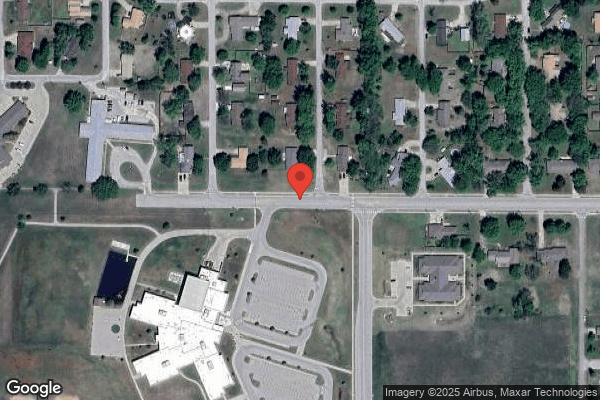
1000 MULBERRY, INDEPENDENCE, KS 67301 (620) 331-8789
For profit - Corporation 45 Beds MEDICALODGES, INC. Data: November 2025
Trust Grade
75/100
#79 of 295 in KS
Last Inspection: June 2025

Inspected within the last 6 months. Data reflects current conditions.

Overview

Medicalodges Independence in Independence, Kansas has a Trust Grade of B, indicating it is a good facility and a solid choice for care, though not the top tier. It ranks #79 out of 295 facilities in Kansas, placing it in the top half, and is #1 out of 4 in Montgomery County, meaning it is the best local option. The facility is improving, with issues decreasing from 8 in 2023 to 7 in 2025. Staffing is rated at 4 out of 5 stars, with a turnover rate of 42%, which is below the state average of 48%, suggesting that staff tend to stay and build relationships with residents. There are some concerning issues, such as the facility's failure to maintain sanitary food preparation conditions, which could lead to foodborne illnesses. Specific incidents include dirty hand-washing sinks, food debris in freezers, and unsanitizable cutting boards. However, the absence of fines and the overall good health inspection scores are positive indicators of care quality.

Trust Score
B
75/100
In Kansas
#79/295
Top 26%
Safety Record
Low Risk
No red flags
Inspections
Getting Better
8 → 7 violations
Staff Stability
○ Average
42% turnover. Near Kansas's 48% average. Typical for the industry.
Penalties
✓ Good
No fines on record. Clean compliance history, better than most Kansas facilities.
Skilled Nurses
○ Average
Each resident gets 35 minutes of Registered Nurse (RN) attention daily — about average for Kansas. RNs are the most trained staff who monitor for health changes.
Violations
⚠ Watch
17 deficiencies on record. Higher than average. Multiple issues found across inspections.
★★★★☆
4.0
Overall Rating
★★★★☆
4.0
Staff Levels
★★★★☆
4.0
Care Quality
★★★★☆
4.0
Inspection Score
Stable
2023: 8 issues
2025: 7 issues

The Good

  • 4-Star Staffing Rating · Above-average nurse staffing levels
  • 4-Star Quality Measures · Strong clinical quality outcomes
  • Full Sprinkler Coverage · Fire safety systems throughout facility
  • No fines on record
  • Staff turnover below average (42%)

    6 points below Kansas average of 48%

Facility shows strength in staffing levels, quality measures, fire safety.

The Bad

Staff Turnover: 42%

Near Kansas avg (46%)

Typical for the industry

Chain: MEDICALODGES, INC.

Part of a multi-facility chain

Ask about local staffing decisions and management

The Ugly 17 deficiencies on record

Jun 2025 7 deficiencies
CONCERN (D)

Potential for Harm - no one hurt, but risky conditions existed

Deficiency F0578 (Tag F0578)

Could have caused harm · This affected 1 resident

**NOTE- TERMS IN BRACKETS HAVE BEEN EDITED TO PROTECT CONFIDENTIALITY** The facility reported a census of 43 residents; the sample included 14 residents. Based on observation, interview, and record re...

Read full inspector narrative →
**NOTE- TERMS IN BRACKETS HAVE BEEN EDITED TO PROTECT CONFIDENTIALITY** The facility reported a census of 43 residents; the sample included 14 residents. Based on observation, interview, and record review, the facility failed to verify advanced directives (legal documents in which a person specifies what actions should be taken for their health if they are no longer able to make decisions for themselves) to ensure the outside of hospital Do Not Resuscitate Directive form (DNR- or no code, a legal document or order that means the person does not desire cardiopulmonary resuscitation [CPR] in the event of cardiac arrest) were accurate and legal to reflect Resident (R) 4, R27, and R40's advance directives. This deficient practice placed the residents at risk for impaired rights related to end-of-life care. Findings included: - R4's Electronic Health Record (EHR) included diagnoses of morbid obesity (a serious medical condition characterized by excessive body fat accumulation, significantly impacting health and potentially shortening lifespan), chronic kidney disease (a condition where the kidneys are damaged and lose the ability to filter waste and fluid from the blood), atrial fibrillation (rapid, irregular heartbeat), hyperkalemia (greater than normal amount of potassium in the blood), heart failure (a condition where the heart cannot pump enough blood to meet the body's needs, leading to fluid buildup in the lungs, legs, and other areas), and essential hypertension (high blood pressure). R4's Annual Minimum Data Set (MDS) dated [DATE] documented a Brief Interview of Mental Status (BIMS) of 14, which indicated intact cognition. R4's Quarterly MDS dated [DATE] documented a BIMS of 14. R4's Care Plan dated [DATE] documented R4 wished to be a DNR. R4's Physician Orders revealed an order for DNR dated [DATE]. R4's EHR Home tab documented R4's code status (full code or DNR) as DNR. R4's EHR, under the scanned documents section, revealed a Do-Not-Resuscitate Directive signed by the resident, with an illegible date. The directive was not signed by the physician. On [DATE] at 08:22 AM, Licensed Nurse (LN) G stated that DNR and full code status were verified in the resident's EHR and by their paper chart. LN G also stated that a DNR should have been signed by the resident and/or their legal representative and the physician. LN G further stated that if a resident left the facility for any appointment or outing a packet was sent with them that included their face sheet indicating code status and their DNR if applicable. On [DATE] at 08:38 AM Administrative Staff A and Administrative Nurse D stated that an advanced directive and/or DNR should have had the resident's signature and physician's signature if resident was cognitively intact or the resident's legal representative's signature and this was done when the resident entered that facility. The staff said the residents also had the ability to enact a DNR once they were moved into the facility. On [DATE] at 08:51 AM, Administrative Nurse D stated that R4's DNR was not signed by a physician so it was not legal. The facility policy Advance Directives, dated 04/2018 stated that indicated that residents have the right to accept or refuse medical or surgical treatment including formulating an advance directive. This policy also indicated that complete copies of the resident's advance directive would be provided and maintained in their clinical record. The policy further indicated that if a resident requested to be a Do Not Resuscitate (DNR), a physician order would be obtained and the advance directive would be reviewed quarterly, with any significant change and upon the resident's request, and the reviews would be documented in their clinical record. The facility policy Advance Directive-Code Status, dated 12/2017 indicated that the policy was to identify and honor the resident's preference regarding advance directives and code status.
CONCERN (D)

Potential for Harm - no one hurt, but risky conditions existed

Deficiency F0583 (Tag F0583)

Could have caused harm · This affected 1 resident

The facility reported a census of 43 residents. The sample included 14 residents. Based on interview, observation, and record review, the facility failed to protect and promote the privacy, including ...

Read full inspector narrative →
The facility reported a census of 43 residents. The sample included 14 residents. Based on interview, observation, and record review, the facility failed to protect and promote the privacy, including during telephone use, for Resident (R) 145, R19 and R44. This deficient practice placed the residents at risk for negative psychosocial effects due to impaired privacy. Findings included: - Observation on 06/17/25 at 09:59 AM, Housekeeping V entered R145's room to perform housekeeping duties without knocking and announcing her presence. R145 was resting on his bed at that time. Observation on 06/17/25 at 10:03 AM, Maintenance U knocked once on R19's door, and without waiting for R19 to respond, walked in and turned the light on, R19 was resting in her bead at that time. On 06/16/25 at 09:20 AM, R4 reported that when she was on the phone, staff would just enter her room and loiter until she was off the phone. On 06/17/25 at 10:09 AM, Certified Nurse Aide (CNA) M stated she would knock and introduce herself and await acknowledgment from the resident before entering the room. CNA M said, if the resident was on the phone she would not enter until they were off the phone or acknowledged it was ok. On 06/17/25 at 10:11 AM, Housekeeping V stated that if there was a resident in the room she planned to work in, she would knock, announce herself, and once acknowledged she would enter the room. Housekeeping V said if the resident was asleep, she quietly entered and quickly performed her tasks. Housekeeping V also stated that if a resident was on the phone, she would just go in and complete her tasks while the resident remained on the phone. On 06/17/25 at 10:27 AM, Licensed Nurse (LN) G stated that before entering a resident's room, she knocked, introduced herself, and announced the reason she was there; she awaited acknowledgment. She said if a resident was on the phone, she would let them know that she would come back later. On 06/17/25 at 11:20 AM, Administrative Staff A reported that if care were performed the curtain would be pulled and doors closed; all staff were to knock, announce themselves, await a response, and re-knock if no response was received before entering the resident's room. Administrative Staff A stated that if the resident were on the phone, then staff should have come back later to allow the resident to have privacy. Administrative Staff A further stated that it was not appropriate to perform housekeeping duties or other resident care duties while the resident was sleeping unless the resident had previously approved of the actions. On 06/17/25 at 11:30 AM, Administrative Nurse D stated that staff were to knock and await permission before they entered a resident's room. Administrative Staff D also stated that if the resident was on the phone, then staff should have come back at a later time unless the resident said it was okay to come in. On 06/17/25 at 04:35 PM, Administrative Staff A reported that the facility did not have a specific policy for resident's rights or privacy, the facility followed the regulations. The facility did not provide a policy related to resident rights and privacy.
CONCERN (D)

Potential for Harm - no one hurt, but risky conditions existed

Deficiency F0628 (Tag F0628)

Could have caused harm · This affected 1 resident

The facility had a census of 43 residents. The sample included 14 residents with one resident reviewed for hospitalization. Based on interview and record review, the facility failed to issue written n...

Read full inspector narrative →
The facility had a census of 43 residents. The sample included 14 residents with one resident reviewed for hospitalization. Based on interview and record review, the facility failed to issue written notification as soon as practicable for transfer for Resident (R) 2. The facility additionally failed to notify the Office of the Long Term Care Ombudsman (LTCO). This placed the resident at risk for impaired rights related to returning to the facility. Findings included: - R2's Electronic Health Record (EHR) revealed diagnoses of congestive heart failure (CHF-a condition with low heart output and the body becomes congested with fluid), paroxysmal atrial fibrillation (rapid, irregular heartbeat), atrioventricular block (a condition where the electrical signals that control the heartbeat are partially or completely blocked from traveling between the atria and ventricles), and the presence of cardiac pacemaker (implanted device to regulate the beating of the heart). R2's Discharge with Expected Return Minimum Data Set (MDS) dated 03/01/25 documented a Brief Interview of Mental Status (BIMS) score of 15, which indicated intact memory. R2's Quarterly MDS dated 05/22/25 documented a BIMS score of 15 and indicated yes for shortness of breath when lying flat for health conditions. R2's Care Plan documented on 05/23/25 that R2 was at risk for potential complications and discomfort related to congestive heart failure. The care plan interventions included the administration of medications as ordered and directed staff to monitor for effectiveness and side effects of the medications. The plan also directed staff to report to the provider any shortness of breath decreased urine output or elevated blood pressure. The Progress Notes dated 03/01/25 at 09:07 AM documented R2 had complaints of chest pain and tightness that radiated down her left arm and neck; she appeared pale in color and displayed shortness of breath. R2 went to the emergency room (ER) for further evaluation. The Progress Notes dated 03/02/25 at 12:25 PM documented that R2 returned to the facility from the hospital. R2's EHR lacked evidence the facility provided written notification of the transfer to R2 and/or her representative. The facility was unable to provide evidence of notification to the LTCO for R2's transfer. On 06/17/25 at 01:25 PM, Administrative Staff A stated that the Ombudsman was provided notification monthly about resident transfers and/or discharges. Administrative Staff A said that the resident and/or legal representative received verbal notification and provided consent via a phone call. Administrative Staff A further stated that transfer packets were sent with the resident whenever they were transferred out, but the documents were never returned by EMS or the hospital. On 06/17/25 at 01:57 PM, Administrative Staff C stated that the LTCO was not been notified because R2 had only transferred out for one day. Administrative Staff C also stated that R2 had not been provided written notification of her transfer by the facility. The facility did not provide a policy related to written notification of resident transfers or discharge to residents and the LTCO.
CONCERN (D)

Potential for Harm - no one hurt, but risky conditions existed

Quality of Care (Tag F0684)

Could have caused harm · This affected 1 resident

The facility identified a census of 43 residents. The sample included 14 residents with five residents sampled for quality of care. Based on observation, interview, and record review, the facility fai...

Read full inspector narrative →
The facility identified a census of 43 residents. The sample included 14 residents with five residents sampled for quality of care. Based on observation, interview, and record review, the facility failed to provide care and services to monitor medications for Resident (R) 11 when staff failed to monitor for effectiveness and side effects of an antibiotic and failed to follow instructions to discontinue mediations that had potential for increased adverse effects due to the antibiotic. This deficient practice placed R11 at risk for prolonged infection and adverse side effects. Findings: - R11's Electronic Medical Record (EMR) revealed the following diagnoses: end-stage renal disease (ESRD-a terminal disease of the kidneys), diabetes mellitus (DM-when the body cannot use glucose, not enough insulin is made, or the body cannot respond to the insulin), and infected wounds. R11's 04/20/25 admission Minimum Data Set (MDS) documented a Brief Interview for Mental Status (BIMS) of 15, indicating intact cognition. The MDS recorded R11 had dialysis (a procedure where impurities or wastes are removed from the blood)and several wounds. The MDS noted R11 had two unstageable pressure ulcers (the depth of the wound is unknown due to the wound bed being covered by a thick layer of other tissue and pus), one deep tissue injury (DTI- purple or maroon localized area of discolored intact skin or blood-filled blister due to damage of underlying soft tissue from pressure and/or shear) and three venous ulcers (a stasis wound due to poor circulations). The 04/20/25 Nutritional Status Care Area Assessment (CAA) documented R11 was alert and oriented with intermittent confusion. He had diagnoses of ESRD, diabetes mellitus, and chronic wounds. R11's Care Plan dated 06/16/25 documented R11 was on an antibiotic and had an infection related to wounds. The plan directed staff to administer antibiotics as ordered; monitor for adverse reactions from the antibiotic treatment and continued signs and symptoms of infection; monitor for signs and symptoms of dehydration such and lethargy (extreme weakness), increased weakness, and decreased urine output. R11's Physician's Orders documented an order for atorvastatin (a medication used to lower cholesterol) 40 milligrams (mg) by mouth at bedtime for high cholesterol. R11's Wound Note dated 06/12/25 documented R11 was to start ciprofloxacin (an antibiotic) 250 milligrams (mg) by mouth once a day for 10 days. The note directed to hold while taking the ciprofloxacin. The note directed to start Augmentin 500-125 mg (an antibiotic) one tablet a day for a wound infection for 10 days and directed to take a second tablet after dialysis treatments. R11's Physician's Orders noted an order for ciprofloxacin 250 milligrams (mg) by mouth once a day for 10 days ordered on 06/12/25 for wound infection. R11's Physician's Orders noted an order for Augmentin 500-125 mg, take one tablet a day for a wound infection for 10 days ordered on 06/12/25. Also take one tablet on Monday, Wednesday, and Friday after dialysis. R11's June 2025 Medication Administration Record (MAR) documented atorvastatin calcium 40 mg was given for high cholesterol while he took the ciprofloxacin 250 milligrams on 06/14/25, 06/15/25, 06/16/25, and 06/17/25. R11's clinical record including Progress Notes lacked documentation of routine monitoring of adverse reactions or effectiveness of the antibiotic medications. On 06/18/25 at 09:37 AM, Licensed Nurse (LN) G stated staff should monitor adverse reactions and effectiveness of antibiotics and document every shift for every resident that was taking antibiotics. LN G stated that she was not documenting on R11 but was not surprised there was no documentation of monitoring for R11. LN G said she was not aware that R11's atorvastatin was supposed to be held and said the nurse that was working, or the wound nurse, should have put in the orders. On 06/18/25 at 10:39 AM, Administrative Nurse D stated all residents on antibiotics should be monitored every shift for effectiveness and any adverse reaction to antibiotics. Administrative Nurse D verified the order to hold R11's atorvastatin should have been followed. The Medication Management policy dated 01/2024 documented that each resident's drug regimen is reviewed to ensure it is free from unnecessary drugs. This included any drug without adequate monitoring. In order to optimize the therapeutic benefit of medication therapy and minimize or prevent potential adverse consequences. The facility staff, their physician, and the consultant pharmacist perform ongoing monitoring for appropriate, effective, and safe medication use.
CONCERN (D)

Potential for Harm - no one hurt, but risky conditions existed

Pressure Ulcer Prevention (Tag F0686)

Could have caused harm · This affected 1 resident

The facility identified a census of 43 residents. The sample included 14 residents with one resident reviewed for pressure ulcers (localized injury to the skin and/or underlying tissue usually over a ...

Read full inspector narrative →
The facility identified a census of 43 residents. The sample included 14 residents with one resident reviewed for pressure ulcers (localized injury to the skin and/or underlying tissue usually over a bony prominence, as a result of pressure, or pressure in combination with shear and/or friction). Based on observations, interviews, and record reviews, the facility failed to provide ordered treatments to prevent pressure ulcers and promote healing for Resident (R) 16. This deficient practice placed the resident at risk of developing pressure injuries and delayed wound healing. Findings included: - R16 's Electronic Health Record (EHR) revealed a diagnosis of chronic renal failure (inability of the kidneys to excrete wastes, concentrate urine, and conserve electrolytes). R16's 03/21/25 admission Minimum Data Set (MDS) documented a Brief Interview for Mental Status (BIMS) of 12, indicating moderate cognitive impairment. The MDS documented R16 had no pressure ulcers but was at risk for pressure injuries. R16's 03/21/25 Pressure Ulcer Care Area Assessment (CAA) documented R16 had no pressure injuries or skin breakdown. He required significant to maximum assistance for bed mobility. R16 was dependent on staff for toileting hygiene and used a wheelchair with staff assistance. The CAA noted R16 had a Braden score 12 which indicated he was at high risk for pressure areas. He had poor intake. R16's 05/29/25 Significant Change MDS documented a BIMS score of four, indicating severely impaired cognition. R16 started hospice services. He had a significant weight loss. R16 had one Stage 1 (pressure wound which appears reddened, does not blanche, and may be painful but is not open) pressure ulcer and one deep tissue injury (DTI- purple or maroon localized area of discolored intact skin or blood-filled blister due to damage of underlying soft tissue from pressure and/or shear). R16's 05/29/25 Pressure Ulcer CAA documented R16 had a decline in cognition and activities of daily living since admission. His family had elected to implement comfort care provided by the facility in lieu of Hospice. He had two facility-acquired pressure injuries to the bottom of his right foot. R16 triggered for significant weight loss of 38 pounds. He utilized heel protectors. Staff applied Skin-prep (liquid skin protectant) to the pressure injuries. He required two staff to turn and reposition him in bed. He was at risk for further skin breakdown and pressure injuries. R16's Care Plan documented a DTI on his right foot. On 05/06/25 staff were instructed to apply Skin-prep to the ball of R16's right foot. The plan directed staff to apply heel pillow boots to both feet and a padded footboard to R16's bed. On 05/27/25, the plan directed staff to apply Skin-prep to a deep tissue injury on the bottom of the right foot and cover it with border foam dressing. The plan directed staff to apply Skin-prep to the Stage I pressure injury on the bottom of the right foot, and cover with a border foam dressing. The plan directed staff to apply Skin-prep to R16's buttocks and cover the area with a border foam dressing for prevention. R16's Braden Scale for Pressure Ulcer Risk V1.0- - V 1 dated 05/27/25 documented R16 had a pressure risk score of nine which indicated a severe risk for pressure areas. R16's Physician Order noted an order to apply Skin-prep to R16's buttocks and cover with a border foam dressing on Monday, Wednesday, and Friday for prevention; ordered 05/28/25. R16's Physician Order noted an order to apply Skin-prep to R16's right foot and cover with a border foam dressing on Monday, Wednesday, and Friday for deep tissue injury; ordered 05/28/25. R16's Physician Order noted an order for heel protector boots for both feet every shift; ordered 05/28/25. R16's Physician Order noted an order to apply Skin-prep to R16's right foot and cover it with a border foam dressing on Monday, Wednesday, and Friday for a second deep tissue injury; ordered 06/10/25. R16's 06/10/25 Skin/Wound Condition Assessment documented two right plantar foot suspected DTI areas 1.5 centimeters (cm) x 1.5 cm and a second one 1.5cm x 0.5 cm. The oldest pressure area was identified on 04/09/25. On 06/17/25 at 08:57 AM, R16 lay in bed with his boots applied. There was no dressing applied to his feet. On 06/17/25 at 11:35 AM, Certified Nurse Aide (CNA) N and CNA O changed R16's brief. Observation revealed R16's buttock was discolored; he had no dressing on his buttock as ordered. Further observation revealed R16 had no dressing to his feet either. On 06/17/25 at 02:31 PM, Licensed Nurse (LN) G attained the supplies to apply R16's dressings. LN G measured the deep tissue injury wounds on the bottom of R16's feet. The top one was 2.3 cm x 1.8 cm and dark bluish-purple. LN G stated it looked a bit bigger. The bottom wound measured 1.8cm x 0.5 cm and was dark bluish-purple. At 02:51 PM, LN H assisted LN G with the dressing on R16's buttocks. On 06/17/25 at 09:12 AM, CNA N stated that sometimes the dressings were on R16's feet and sometimes there were no dressings applied. On 06/17/25 at 09:14 AM, LN G stated the dressings should be applied to R16's foot and buttocks as ordered. LN G said she would apply the dressings when she was able. On 06/17/25 at 11:35 AM, CNA O stated R16 had not had a treatment or dressing on his buttock for a long time. CNA O said R16 occasionally had a dressing on his feet. On 06/18/25 at 10:39 AM, Administrative Nurse D stated that R16's dressings should have been in place. Administrative Nurse D stated she expected staff to follow treatment orders to prevent further decline. The Wound Prevention and Management Policy dated 12/2018 documented that the purpose of the policy is to identify residents at risk for skin breakdown and develop interventions to decrease the pressure areas and promote healing for residents with identified skin alterations.
CONCERN (D)

Potential for Harm - no one hurt, but risky conditions existed

Deficiency F0757 (Tag F0757)

Could have caused harm · This affected 1 resident

- R21's Electronic Health Record (EHR) revealed a diagnosis of diabetes mellitus (DM-when the body cannot use glucose, not enough insulin is made, or the body cannot respond to the insulin). R21's 04/...

Read full inspector narrative →
- R21's Electronic Health Record (EHR) revealed a diagnosis of diabetes mellitus (DM-when the body cannot use glucose, not enough insulin is made, or the body cannot respond to the insulin). R21's 04/17/25 Significant Change Minimum Data Set (MDS) documented a Brief Interview for Mental Status (BIMS) of 15, indicating intact cognition. R21 consumed a therapeutic, regular textured diet. R21 received insulin (a hormone that lowers the level of glucose in the blood) daily. R21's Care Plan documented on 02/08/25 she was at risk for hyperglycemia (high blood sugar) and hypoglycemia ( low blood sugar) related to a diabetes diagnosis and the use of insulin. The plan documented R21 needed to have her insulin administered per physician orders. R21's Physician's Order noted an order for Admelog SoloStar (fast-acting insulin). Inject four units subcutaneously (beneath the skin) before meals related to diabetes. Hold for a blood sugar (BS) of less than 100 milligrams (mg) per deciliter (dL); ordered on 02/08/25. R21's EHR revealed a consultant pharmacist medication review dated 05/23/25 that documented R21 received Admelog outside the ordered parameters on the following dates: 05/01/25 when the BS was 75mg/dL; 05/04/25 when the BS was 93mg/dL; 05/12/25 when the BS was 96mg/dL; and 05/17/25 when the BS was 75 mg/dL. The pharmacist requested that staff ensure the medication was administered per physician's order and that responsible staff received education. A review of staff education provided by Administrative Nurse D revealed that Licensed Nurse (LN) H and LN I received education on 05/27/25 regarding following parameters on insulin. R21's May and June 2025 Medication Administration Record/Treatment Administration Record (MAR/TAR) documented the Admelog was administered on 05/30/25 when the BS was 84 mg/dL, and on 06/12/25 when the BS was 94 mg/dL. On 06/01/25 there was no documentation to indicate if it was given or if the BS was obtained. On 06/18/25 at 09:37 AM, Licensed Nurse (LN) G stated that staff were always supposed to look at the medication parameters before giving medications. LN G said that staff had received some training on following medication parameters. On 06/18/25 at 10:39 AM, Administrative Nurse D stated that she expected staff to read and follow parameters when administering any medications. Administrative Nurse D said that education was completed only for the staff that were identified during the pharmacy review for incorrectly administering medications outside of the ordered medication parameters. On 06/18/25 at 10:43 AM, Administrative Nurse E reported that parameter medications were monitored through the medication orders and not care planned, but hyperglycemia (high blood sugar level) and hypoglycemia (low blood sugar) measures were care planned. The Medication Management policy dated 01/2024 documented that each resident's drug regimen was reviewed to ensure it was free from unnecessary drugs. This included any drug without adequate monitoring, in the presence of adverse consequences which indicated the dose should be reduced or the drug eliminated. It further documented that to optimize the therapeutic benefit of medication therapy and minimize or prevent potential adverse consequences, the facility staff, their physician, and the consultant pharmacist would perform ongoing monitoring for appropriate, effective, and safe medication use. The facility reported a census of 43. The sample included 14 residents with five residents reviewed for unnecessary medications. Based on observation, interview, and record review, the facility failed to ensure medications were administered within the physician-ordered parameters for Resident (R) 25 and R21. This deficient practice placed the affected residents at risk for adverse medication reactions. Findings include: - R25's Electronic Health Record (EHR) revealed diagnoses of unspecified sequelae of cerebral infarction (stroke - sudden death of brain cells due to lack of oxygen caused by impaired blood flow to the brain by blockage or rupture of an artery to the brain), essential hypertension (high blood pressure), obstructive sleep apnea (a disorder of sleep characterized by periods without respirations), and renovascular hypertension (a type of high blood pressure caused by narrowing of the arteries that supply blood to the kidneys). R25's admission Minimum Data Set (MDS) dated 09/24/24 documented a Brief Interview of Mental Status (BIMS) of 15, which indicated intact cognition. The Fall Care Area Assessment CAA, dated 09/24/24, documented R25 had a fall within one month before admission and a fall recently since admission; she received high-risk medications. R25's Quarterly MDS dated 03/20/25 documented a BIMS score of 15. R25's Care Plan documented on 06/19/25 that R25 was at risk for falls. The interventions included medications that had a Black Box Warning (BBW- highest safety-related warning that medications can be assigned by the Food and Drug Administration) or had nursing considerations that needed to be monitored. The plan directed staff to monitor and report any concerns to the physician immediately. R25's EHR documented a Physician's Order for amlodipine 10 mg one time a day. Hold the medication if the systolic blood pressure (SBP- top number, the force the heart exerts on the walls of the arteries each time it beats) is less than 100 millimeters (mm) of mercury (Hg), diastolic blood pressure (DBP-minimum level of blood pressure measured between contractions of the heart; the bottom number of a blood pressure reading) is less than 60 mmHg or the heart rate (HR) is less than 60 beats per minute (BPM) R25's EHR documented a Physician's Order for metoprolol extended release 50 mg two times a day with instructions to hold the medication if the SBP is less than 100 mmHg, the DBP is less than 60 mmHg or the HR is less than 60 BPM. R25's EHR revealed a consultant pharmacist medication review dated 01/30/25 that documented R25 received amlodipine and metoprolol outside ordered parameters in January 2025. A review of staff education provided by Administrative Nurse D revealed that Certified Medication Aide (CMA) R and CMA S received education on 01/27/25 regarding following blood pressure (BP) parameters for amlodipine and metoprolol. R25's Medication Administration Record (MAR), reviewed from March 2025 through June 2025, recorded R25 received amlodipine and/or metoprolol outside ordered parameters for the following dates: 03/04/25 R25's morning BP was 124/56 mmHg and staff administered amlodipine and metoprolol. 04/05/25 R25's morning BP was 151/56 mmHg and staff administered amlodipine and metoprolol. 04/12/25 R25's evening BP was 137/54 mmHg and staff administered metoprolol. 04/30/25 R25's morning BP was 153/57 mmHg and staff administered the morning amlodipine and metoprolol. 05/18/25 R25's morning BP was 105/58 mmHg and staff administered the morning amlodipine and metoprolol. On 06/18/25 at 09:37 AM, Licensed Nurse (LN) G stated that staff were always supposed to look at the medication parameters before giving medications. LN G said that staff had received some training on following medication parameters. On 06/18/25 at 10:39 AM, Administrative Nurse D stated that she expected staff to read and follow parameters when administering any medications. Administrative Nurse D said that education was completed only for the staff that were identified during the pharmacy review for incorrectly administering medications outside of the ordered medication parameters. On 06/18/25 at 10:43 AM, Administrative Nurse E reported that medications with ordered parameters were monitored through the medication orders. The Medication Management policy dated 01/2024 documented that each resident's drug regimen was reviewed to ensure it was free from unnecessary drugs. This included any drug without adequate monitoring, in the presence of adverse consequences which indicated the dose should be reduced or the drug eliminated. It further documented that to optimize the therapeutic benefit of medication therapy and minimize or prevent potential adverse consequences, the facility staff, their physician, and the consultant pharmacist would perform ongoing monitoring for appropriate, effective, and safe medication use.
CONCERN (F)

Potential for Harm - no one hurt, but risky conditions existed

Food Safety (Tag F0812)

Could have caused harm · This affected most or all residents

The facility reported a census of 43 residents. Based on observation, record review, and interview, the facility failed to prepare and serve food under sanitary conditions, to prevent the potential fo...

Read full inspector narrative →
The facility reported a census of 43 residents. Based on observation, record review, and interview, the facility failed to prepare and serve food under sanitary conditions, to prevent the potential for food borne bacteria in one of one kitchen and one of one kitchenettes. This placed the residents of the facility at risk for food borne illness. Findings included: - During a tour of the kitchen on 06/16/25 at 08:49 AM, the following areas of concern were noted: 1. The inside of the hand-washing sink had visible dirt and debris. The trash can next to the hand-washing sink had dried food debris stuck on the outside of the plastic can. 2. One three-tiered metal cart, used to transport resident snacks, had multiple areas of rust on the legs as well as a build-up of ground-on food on the wheels. 3. The inside of the three-doored freezer had food debris on the bottom shelf. 4. Two silver-colored skillets hanging by the stove contained multiple scratches in the protective coating causing the skillets to be unsanitizable. 5. The front vent of the three-door reach-in refrigerator had dried-on liquid and the inside of one door contained a long hair stuck to the door by the condensation. 6. Approximately 50 percent (%) of the rubber seal on one door of the three-doored reach-in refrigerator hung loosely. The rubber seal on all three doors contained a thick build-up of food debris. 7. The inside of the three-doored reach-in refrigerator had a copious amount of food debris on the bottom shelf. 8. Two plastic trash cans used in the kitchen had a build-up of dried-on food and liquid. During a tour of the kitchenette refrigerator, on one end of the dining room directly outside of the kitchen, on 06/16/25 at 09:15 AM, the following areas of concern were noted: 1. There was an opened gallon of vanilla ice cream in the refrigerator, unlabeled and undated. 2. There was a paper cup of a frozen solid shake from a local ice cream store, unlabeled and undated. 3. The refrigerator contained an opened container of cottage cheese which was unlabeled and undated. 4. The refrigerator contained a premade salad from a local restaurant which was unlabeled and undated. 5. The refrigerator contained a quart container of butter which was opened and undated. 6. The freezer contained an open box of pizza rolls which was unlabeled and undated. On 06/16/25 at 12:49 PM, Dietary Staff CC confirmed the above concerns needed to be addressed. The Cleaning Rotation guide, revised in 2016, included that microwave ovens, hand-washing sinks and food carts shall be cleaned daily. Trash barrels shall be cleaned weekly. Refrigerators and freezers shall be cleaned monthly.
Nov 2023 7 deficiencies
CONCERN (D)

Potential for Harm - no one hurt, but risky conditions existed

Resident Rights (Tag F0550)

Could have caused harm · This affected 1 resident

**NOTE- TERMS IN BRACKETS HAVE BEEN EDITED TO PROTECT CONFIDENTIALITY** The facility reported a census of 36 residents with 15 selected for review which included one resident reviewed for dignity. Bas...

Read full inspector narrative →
**NOTE- TERMS IN BRACKETS HAVE BEEN EDITED TO PROTECT CONFIDENTIALITY** The facility reported a census of 36 residents with 15 selected for review which included one resident reviewed for dignity. Based on observation, interview and record review, the facility failed to provide cares to maintain one sampled resident's dignity, Resident (R)92. Findings included: - Review of Resident (R)92's medical record revealed diagnoses included fracture of the right tibia (lower leg bone), chronic (long term) respiratory failure, and diabetes (when the body cannot use glucose, not enough insulin made, or the body cannot respond to the insulin). The admission Minimum Data Set (MDS), dated [DATE], was in progress and not completed. The Base Line Care Plan dated 11/21/23, instructed staff to assist the resident with daily cares and the resident was non weight bearing due to the fracture of her right lower extremity. The care plan instructed staff to keep the head of her bed elevated to assist with breathing. Observation, on 11/27/23 at 12:00 PM, revealed the resident seated in her wheelchair in the dining room. The resident wore a hospital gown, which was loosely tied around her neck and exposed her upper chest. Observation, on 11/27/23 at 02:07 PM, revealed the resident in bed with the head of bed elevated. The resident positioned in a sitting position slumped forward and to the right with the (head) pillow sliding to the top of her head. The resident had a hospital gown on, and the bed blanket pushed to the side, which exposed the resident's incontinence brief. The resident was visible from the hallway, and another resident passing by her open door remarked that the resident had a pillow over her face. Observation, on 11/27/23 at 02:07 PM, Administrative Staff A entered the resident room and Certified Nurse Aide (CNA) PP and MM repositioned the resident and covered the resident's lower torso. Observation, on 11/27/23 at 04:09 PM, revealed CNA PP and MM provided peri care for urinary incontinence and noted the dressing to the resident's coccyx pressure ulcer became saturated with urine. During the peri care, the mid room privacy curtain was drawn however, the privacy curtain that shielded the resident from view when staff opened the room door to the hallway was pushed over on the other side of the room. CNA NN entered the room after knocking, but the resident was not shielded from view. CNA PP exited and entered the room with supplies. Licensed Nurse G entered the room to provide wound care and requested staff to pull the privacy curtain to shield the resident from the door. After completion of the tasks, CNA NN and CNA MM transferred the resident from her bed to her wheelchair and transported the resident to the dining room for the evening meal, still wearing the hospital gown. Observation, on 11/28/23 at 07:46 AM, revealed the resident wearing a hospital gown seated in her wheelchair at the dining room table. Observation, on 11/28/23 at 09:00 AM, revealed the resident attended a therapy session wearing the hospital gown. Observation, on 11/28/23 at 09:36 AM, revealed CNA N and M prepared to transfer the resident from her wheelchair to bed. CNA N stated the resident had no clothing here to wear. Interview with the resident at that time revealed she would like to wear clothing. Interview, on 11/28/23 at 12:07 PM, with Social Service Staff revealed the resident did have two shirts, two pants and two socks per her initial inventory. Social Service Staff X stated the facility did have donated clothing and would find articles of clothing to fit the resident. Interview, on 11/28/23 at 02:08 PM, with Administrative Nurse D, revealed she would expect staff to provide privacy to residents during cares, and if the resident did not have clothing, staff could call family members to bring in clothing or find clothing to fit the resident in the donated supply. The facility policy Resident Rights undated, instructed staff to treat the residents with dignity and individuality including privacy in treatment and in the care of personal needs. The facility failed to ensure privacy for this resident and individuality to promote a home like experience.
CONCERN (D)

Potential for Harm - no one hurt, but risky conditions existed

Deficiency F0657 (Tag F0657)

Could have caused harm · This affected 1 resident

**NOTE- TERMS IN BRACKETS HAVE BEEN EDITED TO PROTECT CONFIDENTIALITY** The facility reported a census of 36 residents with 15 residents included in the sample. Based on observation, record review, an...

Read full inspector narrative →
**NOTE- TERMS IN BRACKETS HAVE BEEN EDITED TO PROTECT CONFIDENTIALITY** The facility reported a census of 36 residents with 15 residents included in the sample. Based on observation, record review, and interview, the facility failed to review and revise the care plan for one of the residents sampled, Resident (R)27 regarding staff instruction on utilizing a gait belt during transfers. Findings included: - The Physician Order Sheet (POS), dated 11/20/23, for Resident (R)27, documented a diagnosis of dementia (progressive mental disorder characterized by failing memory, confusion). The admission Minimum Data Set (MDS), dated [DATE], documented the staff assessment for cognition revealed severe cognitive impairment. She required extensive assistance of two staff for transfers. She had unsteady balance and was only able to stabilize with staff assistance. She had no impairment in functional range of motion (ROM). The Falls Care Area Assessment (CAA), dated 09/18/23, documented the resident was not steady during transfers and required staff assistance to stabilize. She required extensive assistance of two staff for transfers. The care plan, dated 09/18/23, instructed staff the resident required one to two staff for transfers. The care plan lacked staff instruction on utilizing a gait belt during transfers. Review of the resident's electronic medical record (EMR), from 11/01/23 through 11/28/23, documented the resident required substantial/maximal assistance to dependent assistance of one to two staff for transfers. On 11/28/23 at 08:53 AM, Certified Nurse Aide (CNA) P and CNA O transferred the resident from her wheelchair to her bed. CNA P held onto the back of the resident's pant waist and CNA O held the resident underneath her left arm during the transfer. The resident was able to bear weight but attempted to sit down in the middle of the transfer. The staff failed to use a gait belt during the transfer. On 11/28/23 at 08:53 AM, CNA O confirmed she had not used a gait belt while transferring the resident and should have because the resident would attempt to sit down at times while staff would transfer her. On 11/28/23 at 11:43 AM, CNA Q stated the resident was able to bear weight during transfers but would attempt to sit down while being transferred. Staff should always use a gait belt while transferring her. On 11/28/23 at 02:29 PM, Certified Medication Aide (CMA) R stated the resident would attempt to sit down during transfers. Staff should always use a gait belt while transferring a resident. On 11/28/23 at 11:43 AM, Licensed Nurse (LN) H stated staff were to utilize a gait belt while transferring the resident. LN H stated Administrative Nurse D was responsible for reviewing and revising resident care plans. On 11/29/23 at 12:26 PM, Administrative Nurse D stated it was the expectation for staff to use a gait belt while transferring residents. Administrative Nurse D stated gait belts should be included on the care plans. Review of the facility policy Electronic Care Plan, dated 12/2018, included: The facility was to develop a plan of care to attain and maintain the highest practical level of physical, psychological, emotional and social wellbeing for each resident in the facility to include physical functioning and structural problems. The facility failed to review and revise the care plan for this dependent resident to include staff instruction on the use of gait belts during transfers.
CONCERN (D)

Potential for Harm - no one hurt, but risky conditions existed

Pressure Ulcer Prevention (Tag F0686)

Could have caused harm · This affected 1 resident

**NOTE- TERMS IN BRACKETS HAVE BEEN EDITED TO PROTECT CONFIDENTIALITY** The facility reported a census of 36 residents with 15 selected for review which included two residents reviewed for pressure ul...

Read full inspector narrative →
**NOTE- TERMS IN BRACKETS HAVE BEEN EDITED TO PROTECT CONFIDENTIALITY** The facility reported a census of 36 residents with 15 selected for review which included two residents reviewed for pressure ulcers. Based on observation, interview and record review the facility failed to ensure staff provided measures for pressure ulcer treatment/prevention for one Resident #92, of the two residents reviewed for pressure ulcers. Findings included: - Review of Resident (R)92's medical record revealed diagnoses included fracture of the right tibia (lower leg bone), chronic (long term) respiratory failure, and diabetes (when the body cannot use glucose, not enough insulin made, or the body cannot respond to the insulin). The admission Minimum Data Set (MDS), dated [DATE], was in progress and not completed. The Base Line Care Plan dated 11/21/23, instructed staff to float the resident's heels on a pillow while in bed due to alteration in skin integrity due to a stage three pressure ulcer (full thickness tissue injury that extends into subcutaneous tissue) to her left buttocks, and to use a wheelchair cushion when in the wheelchair. A Physician Order, dated 11/21/23, instructed staff to cleanse the stage three pressure ulcer to the left buttocks with wound cleanser, apply Prisma (a collagen substance used for wound healing) moistened with saline and to cover it with a bordered foam dressing every Monday, Wednesday, Friday and as needed for soiling or dislodgement. The Skin Condition Note, dated 11/21/23, documented a stage three pressure injury to left buttock which measured 1.2 by 0.7 by 0.2 centimeter (cm) with pale pink tissue and mild serous drainage. Observation, on 11/27/23 at 02:07 PM, revealed the resident positioned on her back in bed with the head of bed elevated. The resident had a brace on her right leg from knee to ankle and both heels lay directly on the bed without an off-loading device or the planned pillow to reduce pressure. Observation, on 11/27/23 at 04:09 PM, revealed Certified Nurse Aide (CNA) MM and CNA NN, provided peri care to the resident. The resident's brief was saturated with urine, and the pressure ulcer dressing to her left buttocks was saturated with urine and loose. Licensed Nurse (LN) G removed the dressing and revealed a red excoriated area approximately three centimeters in diameter with an open area approximately 0.5 cm in diameter with yellow slough (dead skin). LN G then cleansed the area with wound cleanser, applied the Prisma moistened with saline to the wound bed and covered the area with a bordered foam dressing. CNA MM and CNA NN transferred the resident to her wheelchair which lacked a pressure relieving cushion and took the resident to the common dining area for supper. Observation, on 11/28/23 at 07:36 AM, revealed the resident seated in the common dining table eating breakfast. The resident lacked a pressure relieving cushion to her wheelchair. Observation, on 11/28/23 at 09:36 AM, revealed CNA M and CNA N transferred the resident from her wheelchair to her bed with the mechanical lift. CNA N checked the resident for incontinence and found the resident without incontinence or the pressure ulcer dressing to her left buttocks. CNA N stated the previous shift got the resident up in her wheelchair for breakfast and they did not know why the resident did not have a dressing to her pressure ulcer. CNA N did not provide an off-loading device for the resident's heels. Interview, on 11/28/23 at 11:20 AM, with LN G, revealed the resident should have her heels off loaded (pillow to reduce pressure) and a pressure reducing cushion in her wheelchair. LN G examined the resident's heels at that time and found her right heel with redness and minimal blanching. Interview, on 11/28/23 at 11:50 AM, with Administrative Nurse E, confirmed staff should off load the resident's heels with a pillow and place a pressure relieving cushion in her wheelchair. The facility policy Wound Prevention and Management, dated 12/18/23, instructed staff to provide a pressure reducing cushion to residents who utilize wheelchairs a mode of transportation and to provide positioning devices such as pillows or foam wedges to prevent direct and skin to skin contact for residents identified at risk for pressure injury and to promote healing. The facility failed to provide a pressure reducing cushion to this resident's wheelchair, failed to provide heel offloading devices as planned for promotion of healing and prevention of further pressure injury.
CONCERN (D)

Potential for Harm - no one hurt, but risky conditions existed

Accident Prevention (Tag F0689)

Could have caused harm · This affected 1 resident

**NOTE- TERMS IN BRACKETS HAVE BEEN EDITED TO PROTECT CONFIDENTIALITY** The facility reported a census of 36 residents with 15 residents sampled, including three residents reviewed for accidents. Base...

Read full inspector narrative →
**NOTE- TERMS IN BRACKETS HAVE BEEN EDITED TO PROTECT CONFIDENTIALITY** The facility reported a census of 36 residents with 15 residents sampled, including three residents reviewed for accidents. Based on observation, interview, and record review, the facility failed to properly reposition one dependent Resident (R)4, failed to lower the bed into the low position for one dependent R 32, and failed to utilize a gait belt while transferring one dependent R 27 from her wheelchair to her bed. Findings included: - Review of Resident (R)32's electronic medical record (EMR) revealed diagnoses of hemiplegia (paralysis of one side of the body) and hemiparesis (muscular weakness of one half of the body). The Significant Change Minimum Data Set (MDS), dated [DATE], documented the resident had a Brief Interview for Mental Status (BIMS) score of 15, indicating intact cognition. He required extensive assistance of two staff for bed mobility, had impairment on both sides of his upper and lower extremities. and had no falls since the prior assessment. The Fall Care Area Assessment (CAA) dated 06/13/23, documented the resident was at risk for falls due to a history of a cerebrovascular accident (CVA-(stroke) - sudden death of brain cells due to lack of oxygen caused by impaired blood flow to the brain by blockage or rupture of an artery to the brain). The Quarterly MDS, dated 09/13/23, documented the resident had a BIMS score of 15, indicating intact cognition. He required extensive assistance of two staff for bed mobility, he had impairment on one side of his upper and lower extremities and had no falls since his prior assessment. The fall care plan, revised 09/13/23, instructed staff the resident had limitations on the left side of his body. Staff were to ensure he had his call light within reach while in bed. Review of the resident's EMR revealed fall assessments which placed the resident at a moderate risk for falls, dated 10/18/23 and 09/21/23. The EMR revealed a fall assessment which placed the resident at a high risk for falls, dated 10/03/23. Review of a fall report, provided by the facility, dated 10/03/23, documented staff discovered the resident lying on his back on the floor mat underneath his bed. The resident's bed was in the high position. Staff assessed the resident and he had no injuries from the fall from his bed. Staff assisted him back into bed with the Hoyer (full body) mechanical lift. Staff were re-educated to ensure the resident's bed was in the lowest possible position following cares. On 11/29/23 at 09:11 AM, Certified Nurse Aide (CNA) Q stated the resident's bed needs to always be in the lowest position when he was in the bed. On 11/28/23 at 09:25 AM, Licensed Nurse (LN) G stated the staff were to ensure the resident's bed was in the low position following cares. On 11/28/23 at 11:43 AM, LN H stated staff were to always ensure the resident's bed was in the low position while the resident was in bed. On 11/29/23 at 12:26 PM, Administrative Nurse D stated it was the expectation for staff to keep the resident's bed in the lowest position while he was in the bed. The staff member had left the resident in his bed with the bed in the high position when the fall occurred on 10/03/23. The resident rolled out of the bed, landing on the floor mat. He had no injuries from the fall. The facility lacked a policy for keeping resident beds in the low position. The facility failed to lower the bed to the lowest position after providing cares to the resident, - The Physician Order Sheet (POS), dated 11/20/23, for Resident (R)27, documented a diagnosis of dementia (progressive mental disorder characterized by failing memory, confusion). The admission Minimum Data Set (MDS), dated [DATE], documented the staff assessment for cognition revealed severe cognitive impairment. She required extensive assistance of two staff for transfers. She had unsteady balance and was only able to stabilize with staff assistance. She had no impairment in functional range of motion (ROM). The Falls Care Area Assessment (CAA), dated 09/18/23, documented the resident was not steady during transfers and required staff assistance to stabilize. She required extensive assistance of two staff for transfers. The care plan, dated 09/18/23, instructed staff the resident required one to two staff for transfers. Review of the resident's electronic medical record (EMR), from 11/01/23 through 11/28/23, documented the resident required substantial/maximal assistance to dependent assistance of one to two staff for transfers. On 11/28/23 at 08:53 AM, Certified Nurse Aide (CNA) P and CNA O transferred the resident from her wheelchair to her bed. CNA P held onto the back of the resident's pant waist and CNA O held the resident underneath her left arm during the transfer. The resident was able to bear weight but attempted to sit down in the middle of the transfer. The staff failed to use a gait belt during the transfer. On 11/28/23 at 08:53 AM, CNA O confirmed she had not used a gait belt while transferring the resident and should have because the resident would attempt to sit down at times while staff would transfer her. On 11/28/23 at 11:43 AM, CNA Q stated the resident was able to bear weight during transfers but would attempt to sit down while being transferred. Staff should always use a gait belt while transferring her. On 11/28/23 at 02:29 PM, Certified Medication Aide (CMA) R stated the resident would attempt to sit down during transfers. Staff should always use a gait belt while transferring a resident. On 11/28/23 at 11:43 AM, Licensed Nurse (LN) H stated staff were to utilize a gait belt while transferring the resident. On 11/29/23 at 12:26 PM, Administrative Nurse D stated it was the expectation for staff to use a gait belt while transferring residents. The facility policy for Assisting with Transfers to/from a Chair, undated, included: When transferring a resident from a chair staff shall use a gait belt to help assist with the transfer. The facility failed to utilize a gait belt while transferring this dependent resident, to ensure proper transfers. - Review of Resident (R)4's medical record, revealed diagnoses included cerebral palsy (progressive disorder of movement, muscle tone or posture caused by injury or abnormal development in the immature brain, most often before birth), abnormal posture, restlessness, and agitation. The Annual Minimum Data Set (MDS), dated [DATE], assessed the resident had a Brief Interview for Mental Status (BIMS) score of 15 which indicated normal cognitive function. The resident required partial to moderate assistance for transfers. The resident used a wheelchair for mobility. The ADL (Activity of Daily Living) Functional/Rehabilitation Potential Care Area Assessment (CAA), dated 04/13/23, assess the resident had cerebral palsy with spastic movements of her body. The resident required extensive to total assistance with her cares. The resident was mobile using her wheelchair. The Quarterly MDS, dated 11/07/23, assessed the resident with a Brief Interview for Mental Status (BIMS) score of five which indicated severe cognitive impairment. The resident had impairment in functional range of motion in both upper and lower extremities bilaterally and required partial to moderate assistance for transfers. The resident utilized a wheelchair for mobility. The Care Plan reviewed 11/13/23, instructed staff the resident was independent with wheelchair locomotion. The resident required assistance of two for bed mobility and transfers. Observation, on 11/27/23 at 10:30 AM, revealed the resident sliding down in her wheelchair in the common living area. Activity Staff Z placed his forearms under the resident's axilla (armpits) and pulled her up in the chair while standing behind her wheelchair. Activity Staff Z did not apply a gait belt. Observation, on 11/28/23 at 09:09 AM, revealed the resident positioned in her wheelchair propelling herself with her feet. CNA M assisted the resident to her room, and the resident was able to hold her feet off the floor. Certified Nurse Aide (CNA) M and CNA N placed a gait belt on the resident and assisted her to transfer from her wheelchair to the toilet. CNA M stated the resident usually used her feet to propel herself in her wheelchair. Observation, on 11/29/23 at 10:18 AM, revealed the resident sliding down in her wheelchair in the common dining room CNA O repositioned the resident by standing behind her in the wheelchair and pulled her up by her pants. Interview, on 11/29/23 at 10:18 AM, with CNA O, revealed staff repositioned the resident in her wheelchair by pulling her up by her pants or under her armpits. Interview, on 11/29/23 at 10:25 AM, with Consulting Therapy Staff GG, revealed staff should apply a gait belt on the resident and two staff should assist the resident either with a grab bar for her to hold onto while standing or staff to stand on either side while instructing her for repositioning. Interview on 11/29/23 at 11:30 AM, with Administrative Nurse D, revealed she would expect staff to transfer the resident in a safe manner to prevent potential injury. The facility policy Assisting with Transfers to/from a Chair, dated 2021, instructed staff to gather supplies which included a gait belt, support the persons privacy, safety, comfort, and dignity. The policy instructed staff to review the plan of care for level of assistance required. The facility failed to provide safe repositioning techniques for this resident who required partial to moderate assistance with with repositioning in her wheelchair to prevent potential injury.
CONCERN (D)

Potential for Harm - no one hurt, but risky conditions existed

Medication Errors (Tag F0758)

Could have caused harm · This affected 1 resident

**NOTE- TERMS IN BRACKETS HAVE BEEN EDITED TO PROTECT CONFIDENTIALITY** The facility reported a census of 36 residents with 15 selected for review which included five residents reviewed for unnecessar...

Read full inspector narrative →
**NOTE- TERMS IN BRACKETS HAVE BEEN EDITED TO PROTECT CONFIDENTIALITY** The facility reported a census of 36 residents with 15 selected for review which included five residents reviewed for unnecessary medications. Based on observation, interview and record review, the facility failed to ensure monitoring for adverse effects of psychotropic medications for two of the five sampled residents, Residents (R) 10 and R13, to ensure no unnecessary medication usage. Findings included: - Review of resident's (R)10's medical record revealed diagnoses that included dementia (progressive mental disorder characterized by failing memory, confusion) and paranoid personality (a thought process believed to be heavily influenced by anxiety or fear to the point of irrational thinking). The Significant Change Minimal Data Set (MDS), dated [DATE], assessed the resident with a Brief Interview for Mental Status (BIMS) score of 00 which indicated severe cognitive impairment with fluctuating inattention and disorganized thinking. The resident received antipsychotics on a regular basis. The Psychotropic Drug Use Care Area Assessment (CAA), dated 04/05/23, assessed the resident received Seroquel (an antipsychotic) for paranoid personality disorder and dementia. Staff monitored the resident for adverse reactions and target behaviors. The Care Plan, reviewed 10/06/23, instructed staff the resident received Seroquel for panic, fear, agitation and wandering. It instructed the staff to provide interventions for behaviors which included one on one attention, activity, room temperature adjustment, change in position, back rub, and redirection. On 01/25/23 the physician order instructed staff to administer Seroquel 50 milligrams three times a day for dementia. Review of the DISCUS (Dyskinesia {abnormal, uncontrolled movement} Identification System Condensed User Scale) assessments revealed staff completed the DISCUS assessment on 06/30/22, 02/01/23 and 11/15/23 all with scores of 0 which indicated no adverse symptoms noted. Observation, on 11/28/23 at 07:58 AM, revealed the resident seated on the side of her bed asleep. Interview with Certified Nurse Aide (CNA) N revealed the resident became agitated during morning cares so staff would return to the resident when she was calmer. Observation, on 11/28/23 at 09:00 AM, revealed CNA N attempted to assist the resident with morning care and the resident flailed her arms at CNA N. Interview, on 11/29/23 at 11:30 AM, with Administrative Staff D, revealed the facility did try a gradual dose reduction of the resident's Seroquel which resulted in escalation of behaviors. Administrative Staff D stated staff should complete the DISCUS assessments quarterly and confirmed the assessments lacked completion quarterly. The facility policy Behavior Management and Psychotropic Medications, revised 12/2022, instructed staff to complete the DISCUS assessments on admission, readmission, quarterly and with significant change. The facility failed to ensure accurate monitoring of this resident for adverse effects of antipsychotic medications to ensure no unnecessary psychotropic medication usage. - Review of Resident (R) 13's medical record revealed diagnoses included dementia (progressive mental disorder characterized by failing memory, confusion). The admission Minimum Data Set (MDS), dated [DATE], assessed the resident with a Brief Interview for Mental Status (BIMS) score of 10 which indicated moderate cognitive impairment. The resident did not receive antipsychotics on a routine basis. The Psychotropic Drug Use Care Area Assessment (CAA), dated 06/06/23, assessed the resident received psychotropic medications. The Care Plan, reviewed 09/12/23, assessed the resident received therapeutic psychotropic medications for panic, fear, and anxiety with the staff instructed to provide interventions for behaviors. On 08/02/23, the physician instructed staff to administer Risperidone, one milligram, twice a day, for dementia with anxiety. Review of the DISCUS (Dyskinesia {abnormal, uncontrolled movement} Identification System Condensed User Scale) assessments revealed staff completed the DISCUS assessment on 05/31/23 with a score of 0 indicated no adverse symptoms noted. Observation, on 11/27/23 at 03:36 PM, revealed the resident receiving a haircut in the beauty shop. The resident was cooperative with instructions. Interview, on 11/29/23 at 12:39 PM, with Administrative Nurse D Administrative Staff D stated staff should complete the DISCUS assessments quarterly and confirmed the assessments lacked completion quarterly. The facility policy Behavior Management and Psychotropic Medications, revised 12/2022, instructed staff to complete the DISCUS assessments on admission, readmission, quarterly and with significant change. The facility failed to ensure staff monitored this resident for adverse effects of antipsychotic medications to ensure no unnecessary psychotropic medication usage.
CONCERN (D)

Potential for Harm - no one hurt, but risky conditions existed

Antibiotic Stewardship (Tag F0881)

Could have caused harm · This affected 1 resident

**NOTE- TERMS IN BRACKETS HAVE BEEN EDITED TO PROTECT CONFIDENTIALITY** The facility reported a census of 36 residents with 15 selected for review which included one resident reviewed for antibiotic u...

Read full inspector narrative →
**NOTE- TERMS IN BRACKETS HAVE BEEN EDITED TO PROTECT CONFIDENTIALITY** The facility reported a census of 36 residents with 15 selected for review which included one resident reviewed for antibiotic usage. Based on observation, interview and record review, the facility failed ensure appropriate antibiotic use for one Resident (R)35 resident. Findings included: - Review of Resident (R)35's medical record revealed diagnoses included fracture right and left lower legs, diabetes (when the body cannot use glucose, not enough insulin made or the body cannot respond to the insulin), and traumatic brain injury. The admission Minimum Data Set (MDS), dated [DATE], assessed the resident with a Brief Interview for Mental Status (BIMS) score of 15 which indicated normal cognitive function. The resident was frequently incontinent of urine. The Urinary Incontinence and Indwelling Catheter Care Area Assessment (CAA) dated 09/25/23 assess the resident was frequently incontinent of bladder and used a bed pan for elimination abut could not always wait for staff assistance. The Care Plan, reviewed 09/19/23, instructed staff to assist the resident with toileting, to check and change the resident every two hours, and provide peri care. Staff instructed to report changes in odor or color of urine to the nurse as the resident has a history of urinary tract infection. Review of the medical record revealed a urine culture laboratory report dated 09/24/23, with greater than 100,000 Klebsiella pneumonia bacteria. On 09/27/23, the physician order instructed staff to administer Cipro, 500 milligrams (mg), daily for seven days. On 10/05/23, the physician order instructed staff to administer Macrobid 100 mg, daily for recurrent urinary tract infections. On 10/09/23, the physician order instructed staff to apply Nystatin powder to the moisture associated skin damage/excoriation to the resident's left and right buttocks. Review of the October and November 2023 Infection Tracking Logs revealed the facility's lack of inclusion of R 35's Cipro and Macrobid antibiotic orders. Interview, on 11/27/23 at 10:30 AM, with the resident, revealed she had been on a low dose antibiotic for chronic urinary tract infections but did not know if she was still on it. Interview, on 11/29/23 at 11:30 AM, with Administrative Nurse D, revealed R35's Cipro was ordered for the acute urinary tract infection and Macrobid ordered for prophylaxis of chronic urinary tract infections and they did not trigger in the data collection system for antibiotic stewardship. Administrative Nurse D stated staff to encourage fluids and request cranberry products from the physician for treatment of chronic urinary tract infections as well as prompt toileting opportunities. The facility policy Antibiotic Use Protocol dated 06/2017, instructed staff to provide nonpharmacological interventions (cranberry juice, increase fluids) for asymptomatic infections of for prophylaxis and document in the clinical record. Nursing staff to review documentation in the clinical record supporting antibiotic use signs and symptoms and conduct a root cause analysis for antibiotic use. The facility failed to assess the administration of an antibiotic for this resident's chronic urinary tract infection to determine the efficacy of implementation of nonpharmacological interventions to prevent inappropriate long-term use of antibiotics.
CONCERN (F)

Potential for Harm - no one hurt, but risky conditions existed

Food Safety (Tag F0812)

Could have caused harm · This affected most or all residents

The facility reported a census of 36 residents. Based on observation, record review, and interview, the facility failed to prepare and serve food under sanitary conditions, to the residents of the fac...

Read full inspector narrative →
The facility reported a census of 36 residents. Based on observation, record review, and interview, the facility failed to prepare and serve food under sanitary conditions, to the residents of the facility appropriately to prevent the potential for food borne bacteria. Findings included: - During an initial tour of the kitchen on 11/27/23 at 11:40 AM, the following areas of concern were noted: 1. Two reach-in freezers contained food debris on the bottom shelf. 2. Six cutting boards had deep grooves, making them unsanitizable. 3. Three kitchen trash cans had dried food debris and liquids on the lids and sides. 4. The flour and sugar plastic bins contained food debris on top of the lids. 5. The resident refrigerator had an undated gallon of vanilla ice cream half full, an undated 25% of a chocolate brownie ice cream cake and an undated three-quart jug of grape juice that was 25% full. On 11/29/23 at 08:01 AM, Dietary staff BB stated any opened food items in the refrigerator should be dated with the open date. Dietary staff BB confirmed the cutting boards had the deep grooves and that the bottom shelf of the freezers contained food debris. Dietary staff BB also confirmed the trash cans should be kept clean. Review of the facility's policy for Cleaning Rotation, 2016, included: Cutting boards will be kept clean and in good repair. Trash barrels shall be cleaned weekly. Freezers and food containers shall be cleaned monthly. Review of the facility's policy for Food Storage, dated 2016, included: Prepared food shall be stored in covered, labeled and dated containers in the refrigerator and/or freezer. The facility failed to prepare and serve food under sanitary conditions, to the residents of the facility appropriately to prevent the potential for food borne bacteria.
Oct 2023 1 deficiency
CONCERN (E) 📢 Someone Reported This

A family member, employee, or ombudsman was alarmed enough to file a formal complaint

Potential for Harm - no one hurt, but risky conditions existed

Pharmacy Services (Tag F0755)

Could have caused harm · This affected multiple residents

**NOTE- TERMS IN BRACKETS HAVE BEEN EDITED TO PROTECT CONFIDENTIALITY** The facility reported a census of 40 residents. Based on record review and interview, the facility failed to maintain an accurat...

Read full inspector narrative →
**NOTE- TERMS IN BRACKETS HAVE BEEN EDITED TO PROTECT CONFIDENTIALITY** The facility reported a census of 40 residents. Based on record review and interview, the facility failed to maintain an accurate accounting system of the residents' controlled narcotic medications, to enable an accurate reconciliation (a system of record keeping that ensures an accurate inventory of medications by accounting for controlled medications that have been received, dispensed, administered, and/or, including the process of disposition) and to prevent potential loss or diversion of the narcotic medications. The facility failure to maintain this system resulted in one card with 31 tablets of Resident (R)1's MS Contin (morphine narcotic medication) missing from the facility. The failure has the potential to affect all residents that recieved controlled medications. Findings Included: - Resident (R)1's signed Physician Order Sheet (POS), dated 09/06/23, documented the resident admitted on [DATE]. The resident's diagnoses included cerebral infarction (medical condition that occurs when the blood flow to the brain is disrupted due to issues with the arteries that supply it), hemiplegia (paralysis of one side of the body), hemiparesis (muscular weakness of one half of the body), chronic pain syndrome (life altering and life-long pain), low back pain (pain between the lower edge of the ribs and the buttocks), and cervicalgia (pain in spine around and below your head). R1's, 09/06/23 signed Physician Order Sheet included a physician order for MS Contin (morphine) (opioid agonist) tablet, 30 milligrams (mg), administer one tablet by mouth, every 12 hours, for pain, with the start date of 09/21/23. Review of the Controlled Medication Inventory Sheet, from 08/24/23 through 10/05/23, revealed the lack of documentation at each shift change to determine how many controlled medications were in the medication cart. The inventory sheets also lacked the end of each shift nurse signatures to verify reconciliation of the controlled medications completed with two nurses'. Review of the facility's investigation revealed on 09/21/23, Licensed Nurse (LN) H received R1's medications in the mail and signed for them from the postal service. She took the medication behind the nurses station and made count sheets. The medications included MS Contin, with a card with 31 tabs, another card of 31 cards, and a card with one single tab of MS Contin. She reported she filled out each narcotic card with an individual narcotic count sheet. The facility discovered the medication missing when they thought the resident was close to needing the medication refilled at the pharmacy. When the pharmacy reported they filled the medication on 09/20/23, the pharmacy sent a total of 63 tablets. Administrative nurse D searched for the missing narcotic and was unable to locate the missing narcotic or the controlled medication inventory sheet. Due to the lack of a log for the total number of cards in the facility, the facility was unable to determine on what date the card of 31 tablets of MS Contin became missing. Review of the Medication Administration Record (MAR) from 09/21/23 through 10/09/23 revealed staff documented administration of the resident's MS Contin twice a day as ordered by the physician. On 10/09/23 at 10:40 AM, LN G verified observation of LN H when she placed the three controlled substance cards of MS Contin in the medication cart for R1 on 09/21/23. LN G verified that she did not reconcile the controlled medications at the end of each shift with the oncoming nurse for each of the residents with narcotic medications. On 10/09/23 at 09:15 AM, Administrative Staff A reported being advised that R1's medication card identified as number three, for MS Contin (31 tablets) and the narcotic sheet that was to accompany the medication, were discovered missing from the facility on 10/03/23. On 10/11/23 at 01:41 PM, LN J explained she requested a refill on 10/03/23 from an unidentified hospice nurse for R1's MS Contin. LN J reported the hospice nurse advised her that the medication was filled and mailed by the pharmacy on 09/20/23. She then reported to Administrative Nurse D that she was unable to locate one of three cards and the count sheet. On 10/09/23 at 11:00 AM, LN I verified that the nursing staff do not reconcile the number of controlled medications at shift change with the oncoming nurse. On 10/09/23 at 10:25 AM, Administrative Nurse D reported the nurses should be reconciling the controlled medications at shift change and both nurses should then sign the Controlled Medication Inventory Sheet. The nurses should add controlled medications to the sheet when received and subtract the medications when administration completed, was discontinued, or the resident discharged . The facility Controlled Medication Reconciliation policy, dated 10/2014, revealed the Controlled Medication Inventory sheet maintains a log of the total number of cards in the medication cart. The policy documented that when a medication was received, the medication will be recorded on the sheet and the licensed nurse will sign the entry. At each shift change or change in licensed nurse responsibility for the medication cart the oncoming licensed nurse will count and reconcile the medication cart. The facility failed to maintain an accurate accounting system of the residents' controlled narcotic medications, to enable an accurate reconciliation and to prevent potential loss or diversion of the narcotic medications. The facility failure to accurately maintain this system resulted in one card with 31 tablets of Resident (R)1's MS Contin (morphine narcotic medication) discovered missing from the facility. The failure has the potential to affect all residents that recieved controlled medications.
Apr 2022 2 deficiencies
CONCERN (D)

Potential for Harm - no one hurt, but risky conditions existed

Incontinence Care (Tag F0690)

Could have caused harm · This affected 1 resident

**NOTE- TERMS IN BRACKETS HAVE BEEN EDITED TO PROTECT CONFIDENTIALITY** The facility reported a census of 31 residents with 16 residents sampled, including two residents reviewed for bowel and bladder...

Read full inspector narrative →
**NOTE- TERMS IN BRACKETS HAVE BEEN EDITED TO PROTECT CONFIDENTIALITY** The facility reported a census of 31 residents with 16 residents sampled, including two residents reviewed for bowel and bladder. Based on observation, interview and record review, the facility failed to care for the urinary catheter (insertion of a catheter into the bladder to drain the urine into a collection bag) in a clean manner to prevent urinary tract infections for one of the sampled Residents (R)21. Findings included: - Review of Resident (R)21's electronic medical record (EMR) under the Med Diag tab, included a diagnosis of neuromuscular dysfunction of bladder (dysfunction of the urinary bladder caused by a lesion of the nervous system). The admission Minimum Data Set (MDS), dated [DATE], documented the resident had a Brief Interview for Mental Status (BIMS) score of 15, indicating intact cognition. She required extensive assistance of two staff for toileting and had an indwelling urinary catheter (insertion of a catheter into the bladder to drain the urine into a collection bag). The Urinary Incontinence and Indwelling Catheter Care Area Assessment (CAA), dated 09/08/21, documented the resident had a history of urinary retention (inability to pass urine). The resident also had a history of frequent urinary tract infections (UTI). The quarterly MDS, dated 03/03/22, documented the resident had a BIMS of 15, indicating intact cognition. She required total assistance of two staff for toileting and had an indwelling catheter. The urinary catheter care plan, updated 03/01/22, instructed staff to change the catheter monthly and as needed (PRN) and to position the catheter bag and tubing below the level of the resident's bladder. Review of the resident's EMR, revealed she had a 16 french (fr) indwelling urinary catheter with a 30 cubic centimeter (cc) bulb. Staff gave catheter care every shift and PRN, as ordered. On 04/06/22 at 08:51 AM, Certified Nurse Aide (CNA) M entered the resident's room to empty her catheter bag. CNA M emptied 1,200 ccs of clear yellow urine into the urinal and emptied it into the toilet. After draining the urine from the catheter collection bag, CNA M failed to cleanse the nozzle tip with an alcohol swab before reinserting the nozzle tip back into the catheter collection bag connection device. On 04/06/22 at 08:51 AM, CNA M stated, she had not used an alcohol swab to clean the nozzle of the tubing after draining the urine as she had not been taught to do that. She had just been told that morning to use an alcohol swab after emptying the catheter bag but did not know where the facility stored the alcohol swabs. On 04/06/22 at 03:06 PM, Licensed Nurse (LN) G stated staff should use an alcohol swab to clean the drain nozzle of the catheter tubing after emptying the collection bag. On 04/07/22 at 08:07 AM, Administrative staff A stated it was the expectation that staff cleanse the nozzle of the catheter tubing with an alcohol swab before reinserting the nozzle back into the catheter collection bag. The facility policy for Catheter Care, undated, included: When emptying a urinary catheter bag, close the spout then wipe with an alcohol pad before fastening the drain spout to the bag. The facility failed to properly cleanse the drain nozzle of the catheter tubing after emptying urine from the catheter bag for this resident with a history of UTIs.
CONCERN (F)

Potential for Harm - no one hurt, but risky conditions existed

Antibiotic Stewardship (Tag F0881)

Could have caused harm · This affected most or all residents

**NOTE- TERMS IN BRACKETS HAVE BEEN EDITED TO PROTECT CONFIDENTIALITY** The facility reported a census of 31 residents. Based on observation, interview, and record review, the facility failed to ensur...

Read full inspector narrative →
**NOTE- TERMS IN BRACKETS HAVE BEEN EDITED TO PROTECT CONFIDENTIALITY** The facility reported a census of 31 residents. Based on observation, interview, and record review, the facility failed to ensure ongoing antibiotic stewardship to ensure appropriate antibiotic use. Findings included: - Review of the December 2021 Infection Control Surveillance Log, revealed three residents with urinary tract infection and one resident had a culture for urinary tract infection with no reported causative organism. This resident was treated with Ceftriaxone and Levofloxacin (antibiotics). Review of the January 2022 Infection Control Surveillance Log, revealed seven residents with urinary tract infections and two of the seven with causative organisms documented. All residents were treated with antibiotics. Review of the February 2022 Infection Control Surveillance Log, revealed seven residents with urinary tract infections with one of the seven residents with the causative organism documented. All residents were treated with antibiotics. Review of the March 2022 Infection Control Surveillance Log, revealed four residents with urinary tract infections with the causative organism identified for one of the four residents. All four residents were treated with antibiotics. The April 2022 Infection Control Surveillance Log, was not started. (as of 04/06/22). Interview, on 04/06/22 at 02:00 PM, with Administrative Nurse D, revealed she did not complete the March 2022 Infection Control Surveillance Log. Administrative Nurse D stated she looks at culture results as the results are available but does not record them on the Infection Control surveillance Log until the end of the month. Furthermore, Administrative Nurse D stated the facility utilized the McGeer's criteria (a tool used for identification of symptoms of infection for antibiotic use) for monitoring antibiotic compliance but the use of this compliance for the infections was not documented in the medical record or Infection Control Surveillance Log. Administrative Nurse D stated this was a component that needed to be documented. Interview, on 04/06/22 at 03:45 PM, with Licensed Nurse (LN) G, revealed she did not know what McGeer's Criteria was, but used standard of care for resident assessment when a resident needed antibiotics. Interview, on 04/07/22 at 08:15 AM, with LN I, revealed she was not familiar with McGeer's Criteria for assessing residents with suspicion of an infection. The facility policy Antibiotic Use Protocol revised 12-2018, instructed staff the Director of Nursing or designee, to review documentation in the clinical record supporting antibiotic use signs and symptoms meeting infection criteria. Furthermore, the policy guides staff to analyze and conduct root cause analysis, determine prescribing patterns, reduction of antibiotics, training and educational efforts towards performance improvement. The facility failed to perform ongoing antibiotic stewardship to ensure appropriate antibiotic use and determine trends and tracking of infections in the facility. - Review of resident (R) 11's Physician Order Sheet, undated, for March 2022, revealed diagnoses included traumatic subdural hemorrhage (bleeding in the brain) chronic kidney disease, and pressure ulcer (localized injury to the skin and/or underlying tissue usually over a bony prominence, as a result of pressure, or pressure in combination with shear and/or friction). The admission Minimum Data Set (MDS), dated [DATE], assessed the resident with severe cognitive impairment, and admitted to the facility with a deep tissue injury. The Pressure Ulcer Care Area Assessment (CAA), dated 02/28/22, assessed the resident admitted to the facility with a deep tissue injury (an injury caused by pressure and lack of blood flow) to his left heel. The Care Plan, reviewed 02/17/22, instructed staff to provide appropriate pressure relieving devices and heel protectors. A Physician's Order, dated 03/15/22, instructed staff to administer Clindamycin (an antibiotic) 150 milligrams (mg) four times a day for two weeks. A Wound Consultant Oder, dated 03/17/22, instructed staff to administer Bactrim DS (an antibiotic) twice a day for 10 days and to discontinue the Clindamycin. A Wound Consultant Note, dated 03/18/22, assessed the resident had a deep tissue injury that evolved and required debridement (removal of dead tissue). A Physician Order, dated 04/02/22 instructed staff to administer Doxycycline (an antibiotic) 100 mg twice a day for 10 days for MRSA in heel ulcer. A Wound Consultant Order, dated 04/06/22, instructed staff to administer Bactrim DS, twice a day for 10 days, then start Doxycycline 100 mg twice a day for 10 days. Interview , on 04/07/22 at 10:30 AM, with Administrative Nurse E, revealed the wound culture results went to the attending physician (who did not order the cultures) and to the wound consultant, and the resident's antibiotic orders were changed. The March 2022 Infection Control Surveillance Log, indicated the resident had purulent drainage from a skin infection and an order for Clindamycin 150 mg four times a day. This log lacked indication of the subsequent order for Bactrim, and the facility lacked an April log, to monitor for the conflicting antibiotic orders. The facility policy Antibiotic Use Protocol revised 12-2018, instructed staff the Director of Nursing or designee, to review documentation in the clinical record supporting antibiotic use signs and symptoms meeting infection criteria. Furthermore, the policy guides staff to analyze and conduct root cause analysis, determine prescribing patterns, reduction of antibiotics, training and educational efforts towards performance improvement. The facility failed to perform ongoing antibiotic stewardship to ensure appropriate antibiotic use for this resident with MRSA in his heel wound.
Understanding Severity Codes (click to expand)
Life-Threatening (Immediate Jeopardy)
J - Isolated K - Pattern L - Widespread
Actual Harm
G - Isolated H - Pattern I - Widespread
Potential for Harm
D - Isolated E - Pattern F - Widespread
No Harm (Minor)
A - Isolated B - Pattern C - Widespread

Questions to Ask on Your Visit

  • "Can I speak with families of current residents?"
  • "What's your RN coverage like on weekends and overnight?"

Our Honest Assessment

Strengths
  • • No major safety red flags. No abuse findings, life-threatening violations, or SFF status.
  • • No fines on record. Clean compliance history, better than most Kansas facilities.
  • • 42% turnover. Below Kansas's 48% average. Good staff retention means consistent care.
Concerns
  • • 17 deficiencies on record. Higher than average. Multiple issues found across inspections.
Bottom line: Generally positive indicators. Standard due diligence and a personal visit recommended.

About This Facility

What is Medicalodges Independence's CMS Rating?

CMS assigns MEDICALODGES INDEPENDENCE an overall rating of 4 out of 5 stars, which is considered above average nationally. Within Kansas, this rating places the facility higher than 99% of the state's 100 nursing homes. This rating reflects solid performance across the metrics CMS uses to evaluate nursing home quality.

How is Medicalodges Independence Staffed?

CMS rates MEDICALODGES INDEPENDENCE's staffing level at 4 out of 5 stars, which is above average compared to other nursing homes. Staff turnover is 42%, compared to the Kansas average of 46%. This relatively stable workforce can support continuity of care.

What Have Inspectors Found at Medicalodges Independence?

State health inspectors documented 17 deficiencies at MEDICALODGES INDEPENDENCE during 2022 to 2025. These included: 17 with potential for harm.

Who Owns and Operates Medicalodges Independence?

MEDICALODGES INDEPENDENCE is owned by a for-profit company. For-profit facilities operate as businesses with obligations to shareholders or private owners. The facility is operated by MEDICALODGES, INC., a chain that manages multiple nursing homes. With 45 certified beds and approximately 41 residents (about 91% occupancy), it is a smaller facility located in INDEPENDENCE, Kansas.

How Does Medicalodges Independence Compare to Other Kansas Nursing Homes?

Compared to the 100 nursing homes in Kansas, MEDICALODGES INDEPENDENCE's overall rating (4 stars) is above the state average of 2.9, staff turnover (42%) is near the state average of 46%, and health inspection rating (4 stars) is above the national benchmark.

What Should Families Ask When Visiting Medicalodges Independence?

Based on this facility's data, families visiting should ask: "Can I visit during a mealtime to observe dining assistance and food quality?" "How do you handle medical emergencies, and what is your hospital transfer rate?" "Can I speak with family members of current residents about their experience?"

Is Medicalodges Independence Safe?

Based on CMS inspection data, MEDICALODGES INDEPENDENCE has a clean safety record: no substantiated abuse findings (meaning no confirmed cases of resident harm), no Immediate Jeopardy citations (the most serious violation level indicating risk of serious injury or death), and is not on the Special Focus Facility watch list (a federal program monitoring the lowest-performing 1% of nursing homes). The facility has a 4-star overall rating and ranks #1 of 100 nursing homes in Kansas. While no facility is perfect, families should still ask about staff-to-resident ratios and recent inspection results during their visit.

Do Nurses at Medicalodges Independence Stick Around?

MEDICALODGES INDEPENDENCE has a staff turnover rate of 42%, which is about average for Kansas nursing homes (state average: 46%). Moderate turnover is common in nursing homes, but families should still ask about staff tenure and how the facility maintains care continuity when employees leave.

Was Medicalodges Independence Ever Fined?

MEDICALODGES INDEPENDENCE has no federal fines on record. CMS issues fines when nursing homes fail to meet care standards or don't correct problems found during inspections. The absence of fines suggests the facility has either maintained compliance or corrected any issues before penalties were assessed. This is a positive indicator, though families should still review recent inspection reports for the full picture.

Is Medicalodges Independence on Any Federal Watch List?

MEDICALODGES INDEPENDENCE is not on any federal watch list. The most significant is the Special Focus Facility (SFF) program, which identifies the bottom 1% of nursing homes nationally based on persistent, serious quality problems. Not being on this list means the facility has avoided the pattern of deficiencies that triggers enhanced federal oversight. This is a positive indicator, though families should still review the facility's inspection history directly.