MEDICALODGES LEAVENWORTH
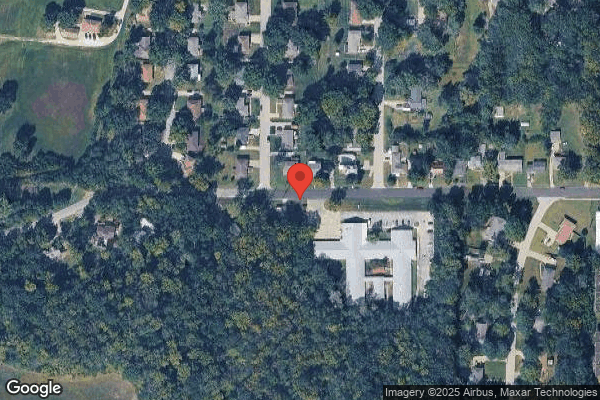
1503 OHIO STREET, LEAVENWORTH, KS 66048 (913) 772-1844
For profit - Corporation 45 Beds MEDICALODGES, INC. Data: November 2025 1 Immediate Jeopardy citation
Trust Grade
3/100
#267 of 295 in KS
Last Inspection: September 2024

Within standard 12-15 month inspection cycle. Federal law requires annual inspections.

Overview

Medicalodges Leavenworth has received a Trust Grade of F, which indicates significant concerns about the quality of care provided at the facility. Ranked #267 out of 295 nursing homes in Kansas, it falls in the bottom half of state facilities, and is the last-ranked option in Leavenworth County. Although the facility shows an improving trend, reducing issues from 13 in 2024 to just 1 in 2025, the overall staffing rating is concerning; with a turnover rate of 86%, this is much higher than the Kansas average of 48%, reflecting instability in care. Notably, there were serious incidents reported, including a staff member misappropriating funds from a cognitively impaired resident, causing significant emotional distress and financial loss, and failures in ensuring adequate Registered Nurse coverage, which put residents at risk. While the absence of fines is a positive aspect, the overall picture suggests families should carefully consider these weaknesses when researching this nursing home.

Trust Score
F
3/100
In Kansas
#267/295
Bottom 10%
Safety Record
High Risk
Review needed
Inspections
Getting Better
13 → 1 violations
Staff Stability
⚠ Watch
86% turnover. Very high, 38 points above average. Constant new faces learning your loved one's needs.
Penalties
✓ Good
No fines on record. Clean compliance history, better than most Kansas facilities.
Skilled Nurses
⚠ Watch
Each resident gets only 25 minutes of Registered Nurse (RN) attention daily — below average for Kansas. Fewer RN minutes means fewer trained eyes watching for problems.
Violations
⚠ Watch
61 deficiencies on record. Higher than average. Multiple issues found across inspections.
★☆☆☆☆
1.0
Overall Rating
★★☆☆☆
2.0
Staff Levels
★★★☆☆
3.0
Care Quality
★☆☆☆☆
1.0
Inspection Score
Stable
2024: 13 issues
2025: 1 issues

The Good

  • Full Sprinkler Coverage · Fire safety systems throughout facility
  • No fines on record

Facility shows strength in fire safety.

The Bad

1-Star Overall Rating

Below Kansas average (2.9)

Significant quality concerns identified by CMS

Staff Turnover: 86%

40pts above Kansas avg (46%)

Frequent staff changes - ask about care continuity

Chain: MEDICALODGES, INC.

Part of a multi-facility chain

Ask about local staffing decisions and management

Staff turnover is very high (86%)

38 points above Kansas average of 48%

The Ugly 61 deficiencies on record

1 life-threatening
Jul 2025 1 deficiency 1 IJ
CRITICAL (J) 📢 Someone Reported This

A family member, employee, or ombudsman was alarmed enough to file a formal complaint

Immediate Jeopardy (IJ) - the most serious Medicare violation

Deficiency F0602 (Tag F0602)

Someone could have died · This affected 1 resident

**NOTE- TERMS IN BRACKETS HAVE BEEN EDITED TO PROTECT CONFIDENTIALITY** The facility identified a census of 37 residents, with three residents reviewed for misappropriation of resident property (a for...

Read full inspector narrative →
**NOTE- TERMS IN BRACKETS HAVE BEEN EDITED TO PROTECT CONFIDENTIALITY** The facility identified a census of 37 residents, with three residents reviewed for misappropriation of resident property (a form of Abuse). Based on record review, observations, and interviews, the facility failed to protect one cognitively impaired resident (R1) from misappropriation of funds. On 07/21/25, it was discovered that Administrative Staff C downloaded R1's credit card account information to their cell phone to make purchases for R1. Administrative Staff C later admitted to purchasing items on R1's card account for themselves. This deficient practice placed R1, a cognitively impaired resident, in immediate Jeopardy, causing R1 emotional distress and a monetary loss of approximately $6000.00. Findings included:- R1's Electronic Medical Record (EMR) documented R1 had a diagnosis of Alzheimer's disease (a common form of dementia characterized by gradual loss of memory, thinking, and reasoning skills).R1's Quarterly Minimum Data Set (MDS) dated [DATE] recorded a Brief Interview for Mental Status (BIMS) score of 3, which indicated R1 had severely impaired cognition. R1 used a wheelchair for ambulation and required some staff assistance with most activities of daily living (ADL), due to physical limitations. R1's Cognition Care Area Assessment (CAA) dated 01/03/25, recorded R1 could not always tell the difference between what was real and what was a hallucination. When this happened, staff were to stay with the resident and reassure R1 the staff would keep R1 safe.R1's Care Plan, revised 07/14/25, documented R1 had a potential for increased memory loss, due to visual and auditory hallucinations, and other medical conditions. A facility reported incident received on 7/21/25 at 02:19 PM recorded a facility staff member (Administrative Staff C) informed Administrative Staff A, that she [Administrative Staff C] had attached R1's credit card/debit information to her [Administrative Staff C] phone to make purchases for R1, but forgot to remove the card from her phone, which resulted in a charge to R1's account the next time Administrative Staff C used the card for a personal purchase. The report documented Administrative Staff A reviewed R1's bank account statement and discovered several suspicious charges. Administrative Staff A suspended Administrative Staff C and directed her to leave the building and notified law enforcement. The facility investigation lacked documentation regarding the amount of money charged to R1's account. The report also lacked documentation regarding when the personal charges began. A review of R1's account revealed suspicious charges exceeding $5,987.14 noted since February 2025, with most occurring in July 2025. A non-notarized Witness Statement, documented Social Services X delivered R1's mail, and R1 asked Social Services X to open it (a bank statement), because R1 wanted to know the amount in the account. Looking at the account, Social Services X noticed several transactions that did not look like R1's; several were from another town (the town in which Administrative Staff C resided) and Administrative Staff C had R1's credit card in her office. Social Services X asked Administrative Staff C if she used R1's card. Administrative Staff C told Social Services X R1's card info was on her phone, and stated she might have accidentally used it a few times. Social Services X told Administrative Staff C there were more than a few times noted on the bank statement. Social Services X told Administrative Staff C to tell Administrative Staff A. Administrative Staff C begged Social Services not to say anything. On 07/20/25, Social Services X told Administrative Staff C it was not right, and Social Services X would allow Administrative Staff C to tell Administrative Staff A. Administrative Staff C sent Social Services X a message noting Administrative Staff C told Administrative Staff A. On 07/21/25, Administrative Staff A and Social Services X spoke about the incident, and Social Services X provided Administrative Staff A with the bank Statement. A notarized Witness Statement, documented Administrative Staff C ordered food, groceries, and anything R1 needed on Administrative Staff C's phone, because R1's phone stopped working, and Administrative Staff C could not order it on her desktop. When Administrative Staff C went to get a new phone, Administrative Staff C realized she still had R1's card on her phone and never deleted it. Administrative Staff C usually ordered whatever R1 requested, whether Administrative Staff C went and got it or had it delivered. Administrative Staff C forgot to delete the card, ‘a big mistake'. Administrative Staff C took R1 to purchase a new phone as well as catch up on R1's bill and pay off R1's old phone so R1 could have a new working phone. Administrative Staff C always did R1's orders for Walmart, Dillions, DoorDash, and other stores. Administrative Staff C would take money out for R1's (account) and put it in R1's lock box, so R1 would have money on hand. Administrative Staff C would exchange his money for smaller bills, per R1's request, whenever R1 wanted snacks and other items. R1 would gave Administrative Staff C a list, or R1 would come to Administrative Staff C's office and tell her what R1 would like from the store. Many times, R1 would have Administrative Staff C order R1 food from the restaurant and either have it delivered to the facility, as well as go and pick it up for R1 once he placed his order. R1 would sign for his checks, and R1 and Administrative Staff C made sure his bills were paid. Once Administrative Staff C realized R1's card was on her phone, Administrative Staff C immediately deleted it and reported herself to Administrative Staff C. Observation on 07/29/25 at 10:45 AM revealed R1 sat in a wheelchair in his room, dressed appropriately, alert, responding appropriately, pleasant, and cooperative. Interviewed on 07/29/25 at 10:45 AM, R1 stated (regarding unknown charges to his account) he blamed the facility for not overseeing their employees. R1 said, the Poor girl just succumbed to temptation because nobody was watching. R1 said the facility would order things from the store and kept R1's credit card number on file, and the facility staff used that number on file. R1 discovered a reimbursement check from Administrative Staff C and stated R1 did not know he got a check. R1 stated he heard various amounts were charged to his account; $2,500 dollars (partial reimbursement amount) and $10,000. R1 did not know anything about the facility cutting a check like that. R1 thought the facility was still adding everything up. R1 hated to see that girl (Administrative Staff C) go because he liked her. As far as R1 knew, the facility was looking into it. The facility stopped asking R1 questions, and he assumed the facility knew what was happening. R1 revealed he asked the facility how they caught the charges, but they did not tell R1. The facility said they spotted some things in the record, but R1 did not know and hoped the police knew. R1 did not know what the facility was going to do. The facility took care of R1's bills and had access to all of his accounts. R1 did not even have money to go to the vending machines and buy a soda. R1 just lived off the kindness of others. R1 was unsure if the facility had a Resident Funds Account. R1 stated the facility had bottomless access to his bank account.During an interview on 07/29/25 at 11:17 AM, Administrative Staff A stated R1 was his own responsible party and believed he was writing checks to cover his monthly facility liability. Administrative Staff A expressed unawareness that a staff member used the resident's credit card, until informed by Administrative Staff C and Social Services X. Administrative Staff A stated Administrative Staff C was immediately suspended, the Police were notified and met with R1, and R1 wanted charges pressed against Administrative Staff C. Administrative Staff A stated Administrative Staff C did make a partial reimbursement to the resident account in the amount of $2,500.00 dollars on 07/21/25 (copy in file). However, after reviewing R1's bank statement, Administrative Staff A stated the charges Administrative Staff C admitted to did not appear to be the truth, after 50 plus charges, the accidental went out the window. Administrative Staff A did not know the total amount charged to R1's account. We know what Administrative Staff C admitted to and what she admitted to exceeded $10,000 dollars.During an interview on 07/29/25 at 12:11 PM, Social Services X stated that on Friday, 07/18/25, she delivered R1's mail and bank statement. R1 asked Social Services X to open it, and she noticed some transactions which were clearly not R1's: casino, coffee shop, nail salon charges, and some restaurants in another town. Social Services X knew Administrative Staff C went to the casino and lived in the same local town. Social Services X confronted Administrative Staff C, and Administrative Staff C said R1 wanted her to go get something from the store, and Social Services X said No, come here. Social Services X questioned Administrative Staff C if she had used R1's account, and Administrative Staff C said NO. Social Services C said, I have the statement that suggests otherwise. Then, Administrative Staff C said she put credit card information into her phone to purchase online items, and noticed she used R1's credit card a couple of times. Social Services X said Administrative Staff A needed to know, and Administrative Staff C begged Social Services X not to tell. Social Services X said she had to do what was right and noted Administrative Staff C was crying and Social Services X was in disbelief. Social Services X told Administrative Staff C they allow them to let Administrative Staff A know. On Monday (07/21/25) Social Services X had a feeling Administrative Staff C had not told Administrative Staff A, so Social Services X told Administrative Staff A and provided R1's banking statement. Administrative Staff A and Social Services X spoke to R1. On 07/23/25, Social Services X filed an APS report # 2613920. On 07/29/25 at 01:01 PM, Administrative Staff C could not be reached via phone for an interview.During an interview on 07/29/25 at 03:30 PM, Administrative Nurse D stated she did not immediately know of the occurrence but noted it was not facility policy regarding resident personal financial information on a staff member's personal cell phone. The facility's Abuse, Neglect, and Exploitation Policy (ANE), revised [DATE], documented: The residents' right to be free from abuse, neglect, or exploitation, and to take swift and immediate action to investigate and adjudicate alleged resident abuse and neglect. The facility ANE policy defined misappropriation of resident property as the patterned and deliberate misplacement, exploitation, or wrongful, temporary, or permanent use of a resident's belongings or money without the resident's consent. The policy includes necessary elements for screening, training employees regarding Abuse, as well asl methods of prevention, identification, investigation, protection of residents during investigations, and reporting. This same facility policy included a copy of the Elder Justice Act (EJA) in reporting reasonable suspicion of a crime. A printed addendum to the facility policy titled Facility Review of ANE policy documented it was never okay to take funds, or gifts from an resident; staff should not order or purchase items for a resident, or have a residents credit card or any information in your phone, this includes food delivery, direct from a restaurant, uber eats, or Door dash. Staff could not take funds from a resident to purchase items on their behalf, review of the abuse and neglect policy documented it is strictly prohibited to accepts funds or gifts from a resident, employees were not permitted to order or purchase items for a resident, nor should staff possess a residents financial cards or personal information on their electronic devices,, under no circumstances may an employee accept funds form a resident to purchase items on their behalf, and failure to follow company policy and federal regulations will result in immediate corrective action up to and including termination. On 07/29/25 at 04:14 PM, Administrative Staff A was provided the IJ template and notified of the facility's failure to protect a cognitively impaired resident from misappropriation of funds and financial which caused R1 to suffer emotional distress and financial loss of approximately $6000.00, placing R1 in immediate jeopardy.The facility implemented immediate corrective actions, which included the following: On 07/21/25, Administrative Staff C was immediately suspended and subsequently terminated. On 07/21/25, an audit of all resident accounts was performed, and no other concerns were noted. On 07/21/25, a meeting with R1 was held wherein the matter was discussed and the facility offered, and R1 accepted counseling to cope with feelings of betrayal and loss of trust. On 07/21/25, the door code was changed to Administrative Staff C's office, and all keys were reclaimed from Administrative Staff C. R1's credit card was returned to him, and the facility took R1 to his bank, where a new, uncorrupted card was issued to him. On 07/21/25, the facility conducted an all-staff in-service regarding the facility ANE policy, timely reporting (of incidents) policy, and review of the Elder Justice Act, with employee signatures of attendance. On 07/22/25, the facility notified law enforcement, who responded and met with R1, and an ongoing criminal investigation began. On 07/25/25, the facility held an impromptu resident council meeting to inform residents there was no gifting of, or sharing of, sensitive information. Due to the corrective actions completed on 07/25/25, before the onsite survey, the citation was deemed past noncompliance at a J scope and severity.
Sept 2024 13 deficiencies
CONCERN (D) 📢 Someone Reported This

A family member, employee, or ombudsman was alarmed enough to file a formal complaint

Potential for Harm - no one hurt, but risky conditions existed

Pressure Ulcer Prevention (Tag F0686)

Could have caused harm · This affected 1 resident

**NOTE- TERMS IN BRACKETS HAVE BEEN EDITED TO PROTECT CONFIDENTIALITY** The facility identified a census of 34 residents. The sample included 12 residents with two residents reviewed for treatment/ser...

Read full inspector narrative →
**NOTE- TERMS IN BRACKETS HAVE BEEN EDITED TO PROTECT CONFIDENTIALITY** The facility identified a census of 34 residents. The sample included 12 residents with two residents reviewed for treatment/services to prevent/heal pressure ulcers (localized injury to the skin and/or underlying tissue usually over a bony prominence, because of pressure, or pressure in combination with shear and/or friction). Based on observation, record review, and interviews, the facility failed to implement pressure-reducing interventions for Resident (R) 16. This placed R16 at an increased risk for pressure ulcer development and worsening of present pressure ulcers. Findings included: - R16's Electronic Medical Record (EMR) from the Diagnoses tab documented diagnoses of chronic obstructive pulmonary disease (COPD- a progressive and irreversible condition characterized by diminished lung capacity and difficulty or discomfort in breathing), congestive heart failure (CHF-a condition with low heart output and the body becomes congested with fluid), and myocardial infarction (heart attack and leukemia (malignant disease affecting bone marrow). The admission Minimum Data Set (MDS) dated [DATE] documented a Brief Interview of Mental Status (BIMS) score of one which indicated severely impaired cognition. The MDS documented R16 was at risk for developing pressure ulcers. The MDS documented R16 had one or more unhealed pressure ulcers Stage 1 (pressure wound which appears reddened, does not blanche, and may be painful but is not open) or higher and a Stage 2 (partial-thickness skin loss into but no deeper than the dermis including intact or ruptured blisters). The MDS documented R16 has a pressure-reducing device for his chair and a pressure-reducing mattress for his bed. The MDS documented R16 had impairments on both sides of his body and was dependent on staff for toileting. The MDS documented R16 needed substantial to maximum assistance rolling left to right. R16's Pressure Ulcer Care Area Assessment dated 06/24/24 documented that R16 had pressure ulcer risk, with contributing factors that included urinary and bowel incontinence and decreased mobility. R16 required two staff substantial assistance with activities of daily living (ADLs) including transfers. R16's Care Plan dated 06/21/24 documented R16 was at risk for impaired skin integrity and pressure ulcer development related to impaired moisture-associated skin damage. Staff was to encourage eating, and padding was applied to R16's right foot pedal for protection, to enable his pressure wound to heal. R16's plan of care directed that his heels were to float on a pillow while he was in bed. R16's EMR under the Orders tab revealed the following physician's orders: Apply [NAME] (wound coverage dressing) gentle border dressing 3x3 to left heel daily, every day shift, for skin condition dated 06/20/24. Right heel apply Skin-prep (liquid skin barrier) daily dated 07/27/24. Coccyx (area at the base of the spine) /bilateral sacrum: cleanse with wound cleanser and apply house stock barrier cream every day shift, for wounds, and every two hours as needed for soiling dated 09/05/24. Clean left heel with wound cleanser, pat dry, apply calcium alginate (dressing which forms a soft, gel that absorbs when it comes into contact with wound exudate). Cover with a foam dressing dated 09/05/24. On 09/24 /24 at 01:24 AM, R16 lay on his back in bed. R16's heels lay directly on the mattress, and R16's blue foam boots lay on his bedside table. On 09/25/24 at 12:24 PM, Certified Nurse's Aide (CNA)M stated everyone had access to the care plan for each resident, she stated she could pull up [NAME] (a nursing tool that gives a brief overview of the care needs of each resident) in the EMR to see what each resident needed for cares, CNA M stated if a resident needed something specific the CNAs would be told in the daily report before there shift started. On 09/25/24 at 12:30 PM, Licensed Nurse (LN)G stated all nursing staff had access to the care plans. LN G stated the CNAs can ask nursing, or log into the EMR and view the [NAME]. LN G stated nursing usually communicated important information about a resident with the CNAs in daily reports. On 09/25/24 at 12:41 PM, Administrative Nurse D stated he was sure all nursing staff had access to the care plan and would be able to see that a resident needed his heels floated while in bed. The facility's 'Wound Prevention and Management policy revisited on 12/18 documented a systematic approach for identifying residents at risk for skin breakdown and developing interventions to decrease the incidence of residents who develop pressure ulcers while providing guidelines for optimal care to promote healing for residents with all identified skin alterations. The facility failed to ensure R16's heels were floating on a pillow while he was in bed. This placed R16 at increased risk for pressure ulcer development and worsening of the left heel pressure wound.
CONCERN (D) 📢 Someone Reported This

A family member, employee, or ombudsman was alarmed enough to file a formal complaint

Potential for Harm - no one hurt, but risky conditions existed

Incontinence Care (Tag F0690)

Could have caused harm · This affected 1 resident

**NOTE- TERMS IN BRACKETS HAVE BEEN EDITED TO PROTECT CONFIDENTIALITY** The facility identified a census of 34 residents. The sample included 12 residents with three residents reviewed for catheter (a...

Read full inspector narrative →
**NOTE- TERMS IN BRACKETS HAVE BEEN EDITED TO PROTECT CONFIDENTIALITY** The facility identified a census of 34 residents. The sample included 12 residents with three residents reviewed for catheter (a flexible tube inserted through a narrow opening into a body cavity, particularly the bladder, for removing fluid) care. Based on observation, record review, and interviews, the facility failed to ensure Resident (R) 26 had an anchor for his suprapubic catheter (urinary bladder catheter inserted through the abdomen into the bladder)on his abdomen per standards of practice to prevent pulling and injury. This deficient practice placed R26 at risk for catheter-related complications. Findings included: - R26's Electronic Medical Record (EMR) from the Diagnoses tab documented diagnoses of urinary retention (lack of ability to urinate and empty the bladder), Parkinson's disease (a slowly progressive neurologic disorder characterized by resting tremors, rolling of the fingers, masklike faces, shuffling gait, muscle rigidity, and weakness), need for assistance with personal care, and diabetes mellitus (DM-when the body cannot use glucose, not enough insulin is made, or the body cannot respond to the insulin). The Annual Minimum Data Set (MDS) dated [DATE] documented a Brief Interview of Mental Status (BIMS) score of 15 which indicated intact cognition. The MDS documented R26 had an indwelling catheter during the observation period. The MDS documented R26 required partial to moderate assistance with toileting hygiene. The Quarterly MDS dated 07/19/24 documented a BIMS score of eight which indicated moderately impaired cognition. The MDS documented that R26 had an indwelling catheter during the observation period. The MDS documented R26 was independent with toileting hygiene. R26's Urinary Incontinence and Indwelling Catheter Care Area Assessment (CAA) dated 11/06/23 documented he had an indwelling catheter and required staff assistance with toileting hygiene and transfers for toileting. R26's Care Plan dated 12/06/22 documented that staff provided catheter care every shift. The plan of care documented that staff would ensure he had a catheter stat-lock on his leg to prevent injury or pulling of the catheter. R26's EMR under the Orders tab revealed the following physician orders: Indwelling catheter French 18 with a five-milliliter (ml) bulb dated 04/08/23. Bactrim DS (antibiotic) oral tablet 800-160 milligrams (mg) (sulfamethoxazole-Trimethoprim) give one tablet by mouth two times a day for seven days related to urinary tract infection (UTI-an infection in any part of the urinary system) dated 09/17/24. On 09/25/24 at 07:03 AM R26 sat in his recliner with his dependent catheter drainage bag with dark amber urine attached to his wheelchair next to the recliner. Certified Nurse Aide (CNA) M and CNA P provided catheter care for R26's suprapubic catheter. R26 stated he did not have a catheter stat-lock at that time. R26 stated the catheter stat-lock was usually placed on his inner left leg and would not stay in place because the catheter tubing was always pulling the stat-lock loose. On 09/25/24 at 07:15 AM, CNA P stated she would apply the stat-lock after she clarified the placement with the charge nurse. On 09/25/24 at 12:32 PM, Licensed Nurse (LN) G stated catheter care was provided every shift. LN G stated a suprapubic catheter's stat-lock should be placed on the abdomen to prevent pulling on the catheter tube. On 09/25/24 at 12:42 PM, Administrative Nurse D stated he expected there to be a stat-lock placed on the resident's abdomen for a suprapubic catheter to prevent any injuries from the tubing being pulled or dislodged. The facility was unable to provide a policy related to catheter care. The facility failed to ensure the standard of practice was followed for the placement of an anchor for R26's suprapubic catheter tubing on his abdomen to prevent pulling or injury. This deficient practice placed R26 at risk for catheter-related complications.
CONCERN (D) 📢 Someone Reported This

A family member, employee, or ombudsman was alarmed enough to file a formal complaint

Potential for Harm - no one hurt, but risky conditions existed

Respiratory Care (Tag F0695)

Could have caused harm · This affected 1 resident

**NOTE- TERMS IN BRACKETS HAVE BEEN EDITED TO PROTECT CONFIDENTIALITY** The facility identified a census of 34 residents. The sample included 12 residents with one resident reviewed for respiratory ca...

Read full inspector narrative →
**NOTE- TERMS IN BRACKETS HAVE BEEN EDITED TO PROTECT CONFIDENTIALITY** The facility identified a census of 34 residents. The sample included 12 residents with one resident reviewed for respiratory care. Based on observation, record review, and interviews, the facility failed to ensure Resident(R) 27's continuous positive airway pressure (CPAP- ventilation device that blows a gentle stream of air into the nose to keep the airway open during sleep) mask and nasal cannula was stored in a sanitary manner. This placed R27 at an increased risk for respiratory infection and complications. Findings included: - R27's Electronic Medical Record (EMR) from the Diagnoses tab documented diagnoses of pressure-induced deep tissue damage of left heel, reduced mobility, need for assistance with personal cares, muscle weakness, obesity, osteomyelitis (local or generalized infection of the bone and bone marrow), hypertension (HTN-elevated blood pressure), sleep apnea (a disorder of sleep characterized by periods without respirations), and ), depression (a mood disorder that causes a persistent depression feeling of sadness and loss of interest), and anemia (an inadequate number of healthy red blood cells to carry adequate oxygen to body tissues). The Quarterly Minimum Data Set (MDS) dated [DATE] documented a Brief Interview of Mental Status (BIMS) score of 15 which indicated intact cognition. The MDS documented R27 required a non-invasive mechanical ventilator. The MDS documented R27 was dependent on staff for all activities of daily living (ADLs) except eating. R27's Functional Abilities (Self-Care and Mobility) Care Area Assessment (CAA) dated 03/15/24 documented R27 required staff assistance for all ADLs due to impaired balance and transition during transfers. The CAA documented R27 had an ADL decline, due to falls, incontinence, and skin breakdown. R27's Care Plan dated 03/29/23 documented R27 had sleep apnea and used a C-PAP at night. The nurse staff was to change and clean the filters on the CPAP per recommendations. R27's plan of care documented nursing staff was to clean the mask, headgear, and tubing weekly. R27's plan of care documented nursing staff was to ensure R27's mask was in place at night, had a leak-free seal, and was set at 12 liters of continuous oxygen during bedtime. Staff were to assist R27 with donning and doffing the CPAP. R37's EMR under the Orders tab revealed the following physician orders: Clean C-PAP mask, filter, and machine, rinse tubing and rinse and refill humidifier bottle if applicable every Wednesday dated 08/28/24. CPAP at 12 continuous at bedtime related to sleep apnea dated 03/29/24. On 09/23/24 at 07:29 AM, R27 sat up in his bed playing on his laptop. R27's CPAP mask was laid on the bedside table, not in a sanitary container. On 9/24/24 at 08:09 AM R27 sat up in his bed reading on his laptop. R27's CPAP mask was laid on his bedside table, and R27's CPAP was not stored in a sanitary container. On 09/25/24 at 12:24 PM, Certified Nurse's Aide (CNA)M stated all respiratory equipment should be stored in a plastic bag with the date on the bag. On 09/25/24 at 12:30 PM, Licensed Nurse (LN)G stated all respiratory equipment was stored in a plastic bag, the bag is dated and changed weekly. On 09/25/24 at 12:41 PM, Administrative Nurse D stated respiratory equipment was stored in a container or bag. He stated respiratory tubing was dated and changed weekly and all respiratory masks were to be contained. The facility did not provide a policy related to the care and sanitary storage of respiratory equipment. The facility failed to ensure R27's CPAP mask was stored in a sanitary manner. This placed R27 at increased risk for respiratory infection and complications.
CONCERN (D) 📢 Someone Reported This

A family member, employee, or ombudsman was alarmed enough to file a formal complaint

Potential for Harm - no one hurt, but risky conditions existed

Drug Regimen Review (Tag F0756)

Could have caused harm · This affected 1 resident

**NOTE- TERMS IN BRACKETS HAVE BEEN EDITED TO PROTECT CONFIDENTIALITY** The facility identified a census of 34 residents. The sample included 12 residents with five residents reviewed for unnecessary ...

Read full inspector narrative →
**NOTE- TERMS IN BRACKETS HAVE BEEN EDITED TO PROTECT CONFIDENTIALITY** The facility identified a census of 34 residents. The sample included 12 residents with five residents reviewed for unnecessary medications. Based on observation, record review, and interviews, the facility failed to ensure the medication regimen review (MRR) was addressed by the physician for Resident (R) 3 and R26. The facility also failed to ensure the Consultant Pharmacist (CP) identified and recommended a gradual dose reduction (GDR) for R3's psychotropic (alters mood or thought) medications. The facility further failed to ensure the CP identified and reported irregularities for R9's non-Center for Medicaid and Medicare (CMS) approved indication for an antipsychotic (a class of medications used to treat major mental conditions that cause a break from reality) medication and lack of physician documentation for ongoing use without a gradual dose reduction (GDR)attempted. These deficient practices placed the residents at risk for unnecessary medication use, side effects, and physical complications. Findings included: - R3's Electronic Medical Record (EMR) from the Diagnoses tab documented diagnoses of paraplegia (paralysis characterized by motor or sensory loss in the lower limbs and trunk), mild cognitive impairment, cognitive-communication deficient, depression (a mood disorder that causes a persistent feeling of sadness and loss of interest), and anxiety (mental or emotional reaction characterized by apprehension, uncertainty, and irrational fear). The Annual Minimum Data Set (MDS) dated [DATE] documented a Brief Interview of Mental Status (BIMS) score of 15 which indicated intact cognition. The MDS documented R3 had received an antidepressant (a class of medications used to treat mood disorders), antianxiety (a class of medications that calm and relax people), hypnotic (a class of medications used to induce sleep), and opioid (a class of controlled drugs used to treat pain) during the observation period. The MDS documented no gradual dose reduction, or a drug regimen review was completed during the observation period. R3's Psychotropic Drug Use Care Area Assessment (CAA) dated 09/06/24 documented he refused his medication at times. R3's Care Plan dated 09/22/22 documented the pharmacist would review R3's medication monthly and as needed. R3's EMR under the Orders tab revealed the following physician orders: Ambien (hypnotic) tablet 10 milligrams (mg) (Zolpidem Tartrate) give one tablet by mouth at bedtime for difficulty sleeping 10/14/22. A review of R3's Monthly Medication Review (MMR) from September 2023 through August 2024 revealed the MMRs dated 05/09/24, 06/26/24, and 07/15/24 lacked evidence that the physician had reviewed or addressed the CP's recommendations. The MMRs lacked evidence the CP had identified and recommended a GDR for R3's hypnotic medication Ambien. The facility was unable to provide evidence of physician documentation of the CP's recommendations and physician documentation of the continued use of Ambien. On 09/23/24 at 02:56 PM, R3 sat with his eyes closed in his wheelchair at the table in the smoking room. On 09/25/24 at 12:32 PM, Licensed Nurse (LN) G stated she would expect the consultant pharmacist to identify when a GDR was needed. LN G stated she would then notify the physician of any changes that needed to be made. On 09/25/24 at 12:45 PM, Administrative Staff C stated she was unable to locate the physician's responses for the CP's recommendations for several months after the previous director of nursing had left the facility. Administrative Staff C stated she had started in August 2024 to address the CP's MMR with the physician. The facility's Medication Regimen Review and Reporting policy dated 01/2024 documented Medication Regimen Review (MRR) or Drug Regimen Review was a thorough evaluation of the medication regimen of a resident, with the goal of promoting positive outcomes, minimizing adverse consequences, and potential risks associated with medication. The MRR included a review of the medical record to prevent, identify, report, and resolve medication-related problems, medication errors, or other irregularities. The MRR also involved collaborating with other members of the interdisciplinary team (IDT), including the resident, their family, and/or the resident's representative. The facility failed to ensure the CP identified and recommended a GDR for R3's Ambien. The facility also failed to ensure the physician had reviewed and addressed the CP's MMRs for R3. This placed R3 at risk for unnecessary medication administration and possible adverse side effects. - R26's Electronic Medical Record (EMR) from the Diagnoses tab documented diagnoses of urinary retention (lack of ability to urinate and empty the bladder), Parkinson's disease (a slowly progressive neurologic disorder characterized by resting tremors, rolling of the fingers, masklike faces, shuffling gait, muscle rigidity, and weakness), need for assistance with personal care, and diabetes mellitus (DM-when the body cannot use glucose, not enough insulin is made, or the body cannot respond to the insulin). The Annual Minimum Data Set (MDS) dated [DATE] documented a Brief Interview of Mental Status (BIMS) score of 15 which indicated intact cognition. The MDS documented R26 had received an antidepressant (a class of medications used to treat mood disorders), insulin (a hormone that lowers the level of glucose in the blood), and an opioid (a class of controlled drugs used to treat pain) medication during the observation period. The MDS documented that a medication regimen (MRR) was not completed during the observation period for R26. The Quarterly MDS dated 07/19/24 documented a BIMS score of eight which indicated moderately impaired cognition. The MDS documented that R26 had received an antidepressant medication, insulin, and opioid medication during the observation period. The MDS documented a MRR was not completed for R26 during the observation period. R26's Psychotropic Drug Use Care Area Assessment (CAA) dated 11/06/23 documented he had received high-risk medications. R26's Care Plan dated 12/06/22 documented the pharmacist would review his medications monthly and as needed. The plan of care documented the pharmacist, and the physician would review R26's medications per facility protocol and as needed. A review of R26's Monthly Medication Review (MMR) from September 2023 through August 2024 revealed the MMRs dated 02/14/24, 03/07/24, and 06/26/24 lacked evidence that the physician had reviewed or addressed the CP's recommendations. The facility was unable to provide evidence of physician documentation of the CP's recommendations. On 09/24/24 at 07:59 AM R26 propelled himself into the dining room in his wheelchair. On 09/25/24 at 12:32 PM, Licensed Nurse (LN) G stated she would expect the consultant pharmacist to identify when a GDR was needed. LN G stated she would then notify the physician of any changes that needed to be made. On 09/25/24 at 12:45 PM, Administrative Staff C stated she was unable to locate the physician's responses for the CP's recommendations for several months after the previous director of nursing had left the facility. Administrative Staff C stated she had started in August 2024 to address the CP's MMR with the physician. The facility's Medication Regimen Review and Reporting policy dated 01/2024 documented Medication Regimen Review (MRR) or Drug Regimen Review was a thorough evaluation of the medication regimen of a resident, with the goal of promoting positive outcomes, minimizing adverse consequences, and potential risks associated with medication. The MRR included a review of the medical record to prevent, identify, report, and resolve medication-related problems, medication errors, or other irregularities. The MRR also involved collaborating with other members of the interdisciplinary team (IDT), including the resident, their family, and/or the resident's representative. The facility failed to ensure the CP's monthly recommendations had been reviewed or addressed by the physician for R26. This deficient practice placed R26 at risk for unnecessary medications and adverse side effects. - R9's Electronic Medical Record (EMR) from the Diagnoses tab documented diagnoses of bipolar disorder (a major mental illness that causes people to have episodes of severe high and low moods), delusions (untrue persistent belief or perception held by a person although evidence shows it was untrue), anxiety (mental or emotional reaction characterized by apprehension, uncertainty, and irrational fear), and cognitive communication deficit. The Annual Minimum Data Set (MDS) dated [DATE] documented a Brief Interview of Mental Status (BIMS) score of one which indicated severely impaired cognition. The MDS documented that R9 had received antipsychotic medication and antidepressant (a class of medications used to treat mood disorders) medication during the observation period. The MDS documented no GDR was completed during the observation period for R9. The Quarterly MDS dated 09/06/24 documented a BIMS score of one which indicated severely impaired cognition. The MDS documented that R9 had received antipsychotic medication and antidepressant medication. The MDS documented no GDR was attempted during the observation period. R9's Psychotropic Drug Use Care Area Assessment (CAA) dated 03/13/24 documented she had received psychotropic medication and that the physician and the pharmacist would review her medication. R9's Care Plan dated 03/13/24 documented the pharmacy and the physician would consult to consider a dose reduction when clinically appropriate. R9's EMR under the Orders tab revealed the following physician orders: Risperdal (antipsychotic) tablet (risperidone), give 0.25 milligram (mg) by mouth three times a day related to bipolar disorder dated 05/06/24. A review of R9's Monthly Medication Review (MMR) from September 2023 through August 2024 lacked evidence the CP identified and reported the lack of an approved CMS indication for R9's Risperdal. R9's clinical record lacked physician documentation of a rationale for a non-approved CMS indication for the continued use of the antipsychotic medication Risperdal and for the continued use of psychotropic medication. The facility was unable to provide evidence of the above physician documentation. On 09/23/24 at 04:36 PM, R9 walked unassisted around the common area outside the dining room. On 09/25/24 at 12:32 PM, Licensed Nurse (LN) G stated she would expect the consultant pharmacist to identify when a GDR was needed. LN G stated she would then notify the physician of any changes that needed to be made. On 09/25/24 at 12:42 PM, Administrative Nurse D stated antipsychotic medication required a GDR and an approved indication for administration. Administrative Nurse D stated he would expect the consultant pharmacist to make the recommendation and the physician to review the recommendation and make any changes needed. The facility's Medication Regimen Review and Reporting policy dated 01/2024 documented Medication Regimen Review (MRR) or Drug Regimen Review was a thorough evaluation of the medication regimen of a resident, with the goal of promoting positive outcomes, minimizing adverse consequences, and potential risks associated with medication. The MRR includes a review of the medical record to prevent, identify, report, and resolve medication-related problems, medication errors, or other irregularities. The MRR also involves collaborating with other members of the IDT, including the residents, their families, and/or resident representatives. The facility failed to ensure the CP identified and reported that R9 had a nonCMS-approved indication for use for antipsychotic medications. This placed R9 at risk for unnecessary medication administration and possible adverse side effects.
CONCERN (D) 📢 Someone Reported This

A family member, employee, or ombudsman was alarmed enough to file a formal complaint

Potential for Harm - no one hurt, but risky conditions existed

Medication Errors (Tag F0758)

Could have caused harm · This affected 1 resident

**NOTE- TERMS IN BRACKETS HAVE BEEN EDITED TO PROTECT CONFIDENTIALITY** The facility identified a census of 34 residents. The sample included 12 residents with five residents reviewed for unnecessary ...

Read full inspector narrative →
**NOTE- TERMS IN BRACKETS HAVE BEEN EDITED TO PROTECT CONFIDENTIALITY** The facility identified a census of 34 residents. The sample included 12 residents with five residents reviewed for unnecessary medications. Based on observation, record review, and interviews, the facility failed to ensure Resident (R) 9 had a Center for Medicare and Medicaid Services (CMS) approved indication for the use of an antipsychotic (a class of medications used to treat major mental conditions that cause a break from reality) or the required physician documentation. The facility further failed to ensure a gradual dose reduction (GDR) was attempted or documented as contraindicated by the physician with a supporting rationale for R9 and R3. These deficient practices placed these residents at risk for unnecessary medications and adverse side effects. Findings included: - R9's Electronic Medical Record (EMR) from the Diagnoses tab documented diagnoses of bipolar disorder (a major mental illness that causes people to have episodes of severe high and low moods), delusions (untrue persistent belief or perception held by a person although evidence shows it was untrue), anxiety (mental or emotional reaction characterized by apprehension, uncertainty, and irrational fear), and cognitive communication deficit. The Annual Minimum Data Set (MDS) dated [DATE] documented a Brief Interview of Mental Status (BIMS) score of one which indicated severely impaired cognition. The MDS documented that R9 had received antipsychotic medication and antidepressant (a class of medications used to treat mood disorders) medication during the observation period. The MDS documented no GDR was completed during the observation period for R9. The Quarterly MDS dated 09/06/24 documented a BIMS score of one which indicated severely impaired cognition. The MDS documented that R9 had received antipsychotic medication and antidepressant medication. The MDS documented no GDR was attempted during the observation period. R9's Psychotropic Drug Use Care Area Assessment (CAA) dated 03/13/24 documented she had received psychotropic medication and that the physician and the pharmacist would review her medication. R9's Care Plan dated 03/13/24 documented the pharmacy and the physician would consult to consider a dose reduction when clinically appropriate. R9's EMR under the Orders tab revealed the following physician orders: Risperdal (antipsychotic) tablet (risperidone), give 0.25 milligram (mg) by mouth three times a day related to bipolar disorder dated 05/06/24. R9's clinical record lacked physician documentation of a rationale for a non-approved CMS indication for the continued use of the antipsychotic medication Risperdal and for the continued use of psychotropic medication with no gradual dose reduction. The facility was unable to provide evidence of the above physician documentation. On 09/23/24 at 04:36 PM, R9 walked unassisted around the common area outside the dining room. On 09/25/24 at 12:32 PM, Licensed Nurse (LN) G stated she would expect the consultant pharmacist to identify when a GDR was needed. LN G stated she would then notify the physician of any changes that needed to be made. On 09/25/24 at 12:42 PM, Administrative Nurse D stated antipsychotic medication required a GDR and approved indication for administration. Administrative Nurse D stated he would expect the consultant pharmacist to make the recommendation and the physician to review the recommendation, and then any changes needed. The facility's Behavior Management and Psychotropic Medications policy last revised 12/2022 documented to enhance the quality of life through behavioral interventions minimized psychotropic medication use and off-label use of medication prescribed that affects brain activity and monitoring for adverse effects. Residents would be assessed for appropriate diagnosis, utilization, adverse effects, and target behaviors related to psychotropic medication use and off-label use of medication prescribed that affects brain activity. The Consultant Pharmacist was to complete a Medication Regimen Review monthly and provide information to the physician and facility regarding gradual dose reduction or continued use when indicated, an appropriate diagnosis, and monitoring of target behaviors. The facility failed to ensure R9 had a CMS-approved indication or the required physician documentation for use for antipsychotic medications without GDR attempts. This placed R9 at risk for unnecessary medication administration and possible adverse side effects. - R3's Electronic Medical Record (EMR) from the Diagnoses tab documented diagnoses of paraplegia (paralysis characterized by motor or sensory loss in the lower limbs and trunk), mild cognitive impairment, cognitive-communication deficient, depression (a mood disorder that causes a persistent feeling of sadness and loss of interest), and anxiety (mental or emotional reaction characterized by apprehension, uncertainty, and irrational fear). The Annual Minimum Data Set (MDS) dated [DATE] documented a Brief Interview of Mental Status (BIMS) score of 15 which indicated intact cognition. The MDS documented R3 had received an antidepressant (a class of medications used to treat mood disorders), antianxiety (a class of medications that calm and relax people), hypnotic (a class of medications used to induce sleep), and opioid (a class of controlled drugs used to treat pain) during the observation period. The MDS documented no gradual dose reduction, or a drug regimen review was completed during the observation period. R3's Psychotropic Drug Use Care Area Assessment (CAA) dated 09/06/24 documented he refused his medication at times. R3's Care Plan dated 09/22/22 documented the pharmacist would review R3's medication monthly and as needed. R3's EMR under the Orders tab revealed the following physician orders: Ambien (hypnotic) tablet 10 milligrams (mg) (Zolpidem Tartrate) give one tablet by mouth at bedtime for difficulty sleeping dated 10/14/22. R3's EMR lacked evidence a GDR was attempted or documented as contraindicated by the physician. On 09/23/24 at 02:56 PM, R3 sat with his eyes closed in his wheelchair at the table in the smoking room. On 09/25/24 at 12:42 PM, Administrative Nurse D stated a GDR should be attempted. The facility's Behavior Management and Psychotropic Medications policy last revised 12/2022 documented to enhance the quality of life through behavioral interventions to minimize psychotropic medication use and off label the use of medication prescribed that affects brain activity and monitoring for adverse effects. Residents would be assessed for appropriate diagnosis, utilization, adverse effects, and target behaviors related to psychotropic medication use and off-label use of medication prescribed that affects brain activity. The Consultant Pharmacist was to complete a Medication Regimen Review monthly and provide information to the physician and facility regarding gradual dose reduction or continued use when indicated, an appropriate diagnosis, and monitoring of target behaviors. The facility failed to ensure R3 had a GDR or the required physician documentation for the use of hypnotic medications without GDR attempts. This placed R3 at risk for unnecessary medication administration and possible adverse side effects.
CONCERN (D) 📢 Someone Reported This

A family member, employee, or ombudsman was alarmed enough to file a formal complaint

Potential for Harm - no one hurt, but risky conditions existed

Deficiency F0849 (Tag F0849)

Could have caused harm · This affected 1 resident

**NOTE- TERMS IN BRACKETS HAVE BEEN EDITED TO PROTECT CONFIDENTIALITY** The facility identified a census of 34 residents. The sample included 12 residents with three residents reviewed for hospice ser...

Read full inspector narrative →
**NOTE- TERMS IN BRACKETS HAVE BEEN EDITED TO PROTECT CONFIDENTIALITY** The facility identified a census of 34 residents. The sample included 12 residents with three residents reviewed for hospice services. Based on observation, record review, and interviews, the facility failed to ensure collaboration regarding Resident (R) 8's care between the nursing home and the hospice 24 hours a day, seven days a week including documentation of a description of the services, medication, and equipment provided to these residents by hospice. This deficient practice created a risk of missed opportunities for services and delayed physical, mental, and psychosocial needs for R8. Findings included: - R8's Electronic Medical Record (EMR) from the Diagnoses tab documented diagnoses of chronic obstructive pulmonary disease (COPD- a progressive and irreversible condition), depression (a mood disorder that causes a persistent feeling of sadness and loss of interest), and altered mental status. The Significant Change Minimum Data Set (MDS) dated [DATE] documented a Brief Interview of Mental Status (BIMS) score of zero which indicated severely impaired cognition. The MDS documented R8 had received hospice care while at the facility during the observation period. R8's Pain Care Area Assessment (CAA) dated 09/04/24 documented R8 had reported he was in constant pain and required assistance with his activities of daily living. R8's Care Plan dated 10/30/23 documented the facility and the hospice provider would coordinate R8's care and services. The plan of care documented R8 wanted the staff to be aware of his code status. The plan of care dated 04/05/24 documented that the hospice provider's certified nurse aide (CNA) would visit twice weekly to assist R8 with bathing. The plan of care documented the hospice nurse would visit weekly. The plan of care lacked documentation regarding the medications covered by hospice and what personal care items were provided by hospice as well as the medical equipment provided by hospice. R8's EMR under the Orders tab revealed the following physician orders: Admit to hospice services dated 09/01/24. On 09/23/24 at 02:37 PM, R8 sat in his recliner next to his bedside table in his room. On 09/25/24 at 12:25 PM, Certified Nurse Aide (CNA) M stated would show up on the [NAME] (a nursing tool that gives a brief overview of the care needs of each resident). CNA M stated she was not sure if the [NAME] listed the medical equipment that hospice had provided or which days the hospice CNA came to the facility to help R8 with bathing. On 09/25/24 at 12:32 PM, Licensed Nurse (LN) M stated everyone had access to the resident's care plans and the [NAME]. LN G stated the resident's plan of care should contain the medical equipment hospice had provided, medication covered by the hospice provider, and frequency of visits for the hospice support staff. On 09/25/24 at 12:472 PM, Administrative Nurse D stated everyone had access to the resident's care plan or [NAME]. Administrative Nurse D stated the plan of care should have the equipment and medication that the hospice provided for R8. The facility was unable to provide a policy related to the collaboration of care with the hospice provider. The facility failed to ensure a collaborative process was in place to communicate necessary information regarding R8's care between the nursing home and the hospice 24 hours a day, seven days a week including documentation of these communications, which had the potential for negative outcomes for R8.
CONCERN (E) 📢 Someone Reported This

A family member, employee, or ombudsman was alarmed enough to file a formal complaint

Potential for Harm - no one hurt, but risky conditions existed

Pharmacy Services (Tag F0755)

Could have caused harm · This affected multiple residents

The facility identified a census of 34 residents. The sample included 12 residents. The facility identified one medication room and two medication carts, one with scheduled medication and one with nar...

Read full inspector narrative →
The facility identified a census of 34 residents. The sample included 12 residents. The facility identified one medication room and two medication carts, one with scheduled medication and one with narcotics and treatments. Based on observation, record review, and interviews, the facility failed to ensure controlled substances were accounted for and reconciled between shifts. This deficient practice placed the residents at risk for misappropriation and/or diversion of controlled substances. Findings included: - On 09/24/24 at 07:55 AM a review of the July, August, and September 2024 Controlled Medication Shift Count Sheet revealed missing signatures for the on-coming nurse on 07/05, 0714, 07/18, 07/19, 07/20, 07/21, 07/25, 08/01, 08/03, 08/04, 08/07, 09/01, 09/03, 09/07, 09/10, 09/12, 09/16, 09/17, 09/18, 09/20, and 09/21. On 09/24/24 at 07:55 AM, a review of the July, August, and September 2024 Controlled Medication Shift Count Sheet revealed missing signatures for the off-going nurse for 07/06, 07/15, 07/19, 07/20, 07/21, 07/25, 08/01, 08/03, 08/04, 09/03, 09/07, 09/13, 09/17, 9/19, 09/20, and 09/21. On 09/24/24 at 07:59 PM, Licensed Nurse (LN)G stated the procedure for the facility was that nurses were to count the narcotics on their cart with every shift change. On 09/25/24 at 12:41 PM, Administrative Nurse D stated he expected the nurses to count narcotics every time the keys changed hands. The facility's Medication Storage Controlled Medication Storage dated 01/24 documented medications included in the Drug Enforcement Administration or state classification as controlled substances are subject to special handling, storage, disposal, and record-keeping in the nursing care center by federal, state, and other applicable laws and regulations. The facility failed to ensure an accurate reconciliation of controlled medications was completed. This placed residents at risk of medication misappropriation and diversion.
CONCERN (E) 📢 Someone Reported This

A family member, employee, or ombudsman was alarmed enough to file a formal complaint

Potential for Harm - no one hurt, but risky conditions existed

Infection Control (Tag F0880)

Could have caused harm · This affected multiple residents

The facility identified a census of 34 residents. The facility identified seven residents on Enhanced Barrier Precautions (EBP-infection control interventions designed to reduce transmission of resist...

Read full inspector narrative →
The facility identified a census of 34 residents. The facility identified seven residents on Enhanced Barrier Precautions (EBP-infection control interventions designed to reduce transmission of resistant organisms which employ targeted gown and glove use during high contact care) and two residents on transmission-based precautions (TBC-safeguards designed to reduce the risk of transmission of microorganisms by direct or indirect contact). Based on record reviews, observations, and interviews, the facility failed to implement signage or indicators within the physical environment to alert staff and visitors of the required EBP. The facility failed to sanitize shared equipment between use. The facility further failed to ensure staff performed adequate hand hygiene, and failed to ensure respiratory equipment was stored in a sanitary manner when not in use. These deficient practices placed the residents at risk for infectious diseases. Findings included: - An initial walkthrough of the facility was completed on 09/23/24 at 07:03 AM. An inspection of Resident (R)22 ' s room revealed no protective equipment (PPE) readily available for EBP. R22 had no signage or indicators R22 was on EBP. R22 had a wound with a wound vac (a vacuum-assisted wound treatment that applies gentle suction to a wound to help it heal). An inspection of R4's room revealed no PPE readily available for EBP. R4 had no signage or indicators R4 was on EBP. R4 had an open wound. An inspection of R136's room revealed no PPE readily available for EBP. R136 had no signage or indicators R136 was on EBP. R136 had an open wound. An inspection of R3's room revealed no readily available PPE for EBP. R3 had no signage or indicators R3 was on EBP. R3 had a suprapubic catheter (a tube surgically inserted in the bladder through the abdomen to drain urine) and an open wound. An inspection of R11's room revealed no PPE readily available for EBP. R11 had no signage or indicators R11 was on EBP. R11 had a Foley catheter (a tube inserted into the bladder to drain urine into a collection bag). On 09/24/24 at 09:20 AM R18's oxygen nasal cannula was draped over the bed rail, and not contained in a sanitary container. On 09/25/24 at 07:03 AM Certified Nurse Aide (CNA) M and CNA P performed hand hygiene and donned a clean pair of gloves upon entering R26's room who was on enhanced barrier precautions related to his urinary catheter (a flexible tube inserted through a narrow opening into a body cavity, particularly the bladder, for removing fluid). CNA M and CNA P did not don a gown while performing catheter care for R26. On 09/25/24 at 08:12 AM Certified Nurse's Aide (CNA) 0 donned gloves to clean R4's front peri-area. CNA N helped CNA O roll R4 to clean R4's buttocks. CNA O doffed gloves, and then donned clean gloves but did not perform hand hygiene. CNA O helped CNA N put R4 in her wheelchair with the Hoyer (total body mechanical lift). CNA O did not perform hand hygiene after peri care, or after putting R4 in her wheelchair. CNA O pushed the Hoyer lift to the hallway and walked to the nursing desk without disinfecting the Hoyer lift. On 09/25/24 at 12:41 PM Administrative Nurse D stated all signs should be on the outside of residents ' rooms that require EHB, and the expectation was for staff to wear the PPE which was indicated for each resident. Administrative Nurse D stated hand hygiene should be done when walking into residents ' rooms, from clean to dirty, and leaving residents ' rooms. Administrative Nurse D stated respiratory equipment should be contained in a bag and should be dated. The facility's Infection Control Surveillance documented the facility was to restore promote and maintain the health of the residents. The facility would provide a sanitary environment to prevent the development and transmission of diseases and infections. The facility failed to implement signage or indicators within the physical environment to alert staff and visitors of the required EBP. The facility failed to sanitize shared equipment between use. The facility further failed to ensure staff performed adequate hand hygiene, and that respiratory equipment was stored in a sanitary manner. These deficient practices placed the residents at risk for infectious diseases.
CONCERN (F) 📢 Someone Reported This

A family member, employee, or ombudsman was alarmed enough to file a formal complaint

Potential for Harm - no one hurt, but risky conditions existed

Deficiency F0727 (Tag F0727)

Could have caused harm · This affected most or all residents

The facility identified a census of 34 residents. Based on observation, record review, and interview, the facility failed to provide Registered Nurse (RN) coverage eight consecutive hours a day, seven...

Read full inspector narrative →
The facility identified a census of 34 residents. Based on observation, record review, and interview, the facility failed to provide Registered Nurse (RN) coverage eight consecutive hours a day, seven days a week. This placed all residents who resided in the facility at risk of lack of assessment and inappropriate care. Findings included: - The facility's January, February, March, and April 2024 nursing schedule lacked evidence of Registered Nurse coverage for eight consecutive hours a day, on the following dates: 02/10/ 24, 02/11/24, 03/09/24, 03/10/24, and 03/22/24. The facility was unable to provide verifiable, auditable evidence of RN coverage. On 09/24/24 at 02:45 PM Administrative Staff C stated the previous director of nursing was the RN coverage for those dates. Administrative Staff C stated the director of nursing was a salaried employee, and she had no documentation to provide to show evidence of her working eight consecutive hours. The facility was unable to provide a policy related to RN coverage. The facility failed to provide Registered Nurse coverage eight consecutive hours a day, seven days a week, as required. This placed the residents who resided in the facility at risk of lack of assessment and inappropriate care.
CONCERN (F) 📢 Someone Reported This

A family member, employee, or ombudsman was alarmed enough to file a formal complaint

Potential for Harm - no one hurt, but risky conditions existed

Deficiency F0730 (Tag F0730)

Could have caused harm · This affected most or all residents

The facility had a census of 34 residents. The sample included 12 residents and three Certified Nurse Aides (CNA) were reviewed for performance evaluations and the associated in-service training. Base...

Read full inspector narrative →
The facility had a census of 34 residents. The sample included 12 residents and three Certified Nurse Aides (CNA) were reviewed for performance evaluations and the associated in-service training. Based on record review and interview, the facility failed to ensure three of the three CNA staff reviewed had the required yearly performance evaluations completed. This placed the residents at risk for inadequate care. Findings included: - A review of the facility's staffing list revealed the following CNAs were employed with the facility for more than 12 months: CNA Q, hired on 06/30/22, had no yearly performance evaluations upon request. CNA R, hired on 03/22/19, had no yearly performance evaluations upon request. CNA MM, hired on 02/08/22, had no yearly performance evaluations upon request. On 09/25/24 at 02:45 PM, Administrative Staff C stated the facility was unable to find any performance evaluations or the required in-service records for the above-mentioned staff. The facility did not provide a policy related to staff competency, staff training, or performance evaluation. The facility failed to ensure three CNA staff reviewed had the required yearly performance evaluations completed. This placed the residents at risk for inadequate care.
CONCERN (F) 📢 Someone Reported This

A family member, employee, or ombudsman was alarmed enough to file a formal complaint

Potential for Harm - no one hurt, but risky conditions existed

Deficiency F0801 (Tag F0801)

Could have caused harm · This affected most or all residents

The facility identified a census of 34 residents and one kitchen. Based on interview and record review, the facility failed to provide the services of a full-time certified dietary manager for the 34 ...

Read full inspector narrative →
The facility identified a census of 34 residents and one kitchen. Based on interview and record review, the facility failed to provide the services of a full-time certified dietary manager for the 34 residents who resided in the facility and received their meals from the kitchen. This placed the residents at risk for inadequate nutrition. Findings included: - On 09/23/24 at 08:13 AM Dietary Staff BB stated he had not started the classes to become the Certified Dietary Manager. Dietary Staff BB stated he was trying to get into a dietary manager's class. He stated the Registered Dietician comes every month, and he was able to notify the Registered Dietician by E-Mail, with changes to diets or menus. On 09/24/24 at 01:10 PM Administrative Staff B stated the facility did not have a Certified Dietary Manager; she stated the dietary manager was enrolled in class. The facility did not provide a policy for a Certified Dietary Manager. The facility failed to employ a full-time certified dietary manager to evaluate residents' nutritional concerns and oversee the ordering, preparing, and storage of food for the 34 residents in the facility, placing the residents at risk for inadequate nutrition.
CONCERN (F) 📢 Someone Reported This

A family member, employee, or ombudsman was alarmed enough to file a formal complaint

Potential for Harm - no one hurt, but risky conditions existed

Deficiency F0882 (Tag F0882)

Could have caused harm · This affected most or all residents

The facility identified a census of 34 residents. Based on record review and interviews, the facility failed to designate a staff member employed by the facility at least part-time, with the required ...

Read full inspector narrative →
The facility identified a census of 34 residents. Based on record review and interviews, the facility failed to designate a staff member employed by the facility at least part-time, with the required qualification and certification as the Infection Preventionist, who was responsible for the facility's Infection Prevention and Control Program. This deficient practice placed all residents at risk for lack of identification, tracking, trending, and treatment of infections. Findings included: - During the entrance conference on 09/23/24 at 07:17 AM, Administrative Staff C stated she was acting as the Infection Preventionist (IP) for the facility. She stated she had been onsite in the facility for 45 days. On 09/24/24 at 09:55 AM Administrative Nurse A stated the facility does not have an Infection Prevention person at this time. She stated Administrative Nurse C, a consultant who was not employed directly by the facility, had been conducting the IP duties at this time. The facility's Infection Control Surveillance policy documented the Infection Preventionist was to restore, promote, and maintain the health of the residents while acting as a liaison and source person for all infection control and management activities. The facility failed to designate a staff member employed by the facility at least part-time, who had the required qualification and certification as an Infection Preventionist to be responsible for the facility's Infection Prevention and Control Program. This deficient practice placed all residents at risk for lack of identification, tracking, trending, and treatment of infections.
CONCERN (F) 📢 Someone Reported This

A family member, employee, or ombudsman was alarmed enough to file a formal complaint

Potential for Harm - no one hurt, but risky conditions existed

Deficiency F0947 (Tag F0947)

Could have caused harm · This affected most or all residents

The facility had a census of 34 residents. Three Certified Nurse Aides (CNAs) were sampled for required in-service training hours. Based on record review and interview, the facility failed to ensure o...

Read full inspector narrative →
The facility had a census of 34 residents. Three Certified Nurse Aides (CNAs) were sampled for required in-service training hours. Based on record review and interview, the facility failed to ensure one of the three CNA staff reviewed had the required 12 hours of in-service education. This placed the residents at risk for decreased quality of life and inadequate care. Findings included: - A review of the information facility's in-service records revealed the following: CNA Q, hired 06/30/22, had not completed any of the required in-services in the past 12 months. On 09/24/24 at 02:45 PM, Administrative Staff C verified CNA Q had not completed the 12-hour required in-services. On 09/25/24 at 01:45 PM Administrative Staff B stated yearly performance reviews were one of the items the new management team was going to work on improving the process. The facility was unable to provide a policy related to staff training. The facility failed to ensure one of the three CNA staff reviewed had the required 12 hours of in-service education. This placed the residents at risk for decreased quality of life and inadequate care.
Sept 2023 2 deficiencies
CONCERN (D) 📢 Someone Reported This

A family member, employee, or ombudsman was alarmed enough to file a formal complaint

Potential for Harm - no one hurt, but risky conditions existed

Report Alleged Abuse (Tag F0609)

Could have caused harm · This affected 1 resident

**NOTE- TERMS IN BRACKETS HAVE BEEN EDITED TO PROTECT CONFIDENTIALITY** The facility identified a census of 35 residents. The sample included three residents reviewed for abuse and/or neglect. Based o...

Read full inspector narrative →
**NOTE- TERMS IN BRACKETS HAVE BEEN EDITED TO PROTECT CONFIDENTIALITY** The facility identified a census of 35 residents. The sample included three residents reviewed for abuse and/or neglect. Based on record review, and interview the facility failed report an allegation of abuse to the State Agency (SA) for Resident (R)1 within the required timeframe. This placed R1 at risk for ongoing abuse and/or neglect. Findings included: - R1's Electronic Medical Record (EMR), under the Diagnoses tab recorded diagnoses of senile degeneration of brain, generalized anxiety (mental or emotional reaction characterized by apprehension, uncertainty and irrational fear) disorder, and insomnia (inability to sleep). The Entry Minimum Data Set (MDS) dated [DATE] documented R1 admitted to the facility on [DATE]. Review of the Assessments tab recorded a Clinical Health Review completed on 08/22/23 which documented no skin concerns or discoloration. Review of the Tasks: Monitory Skin Observation completed 08/22/23 through 08/27/23 documented no red areas, discolorations or skin concerns. The admission Progress Note dated 08/22/23 at 05:04 PM documented R1 arrived at the facility. R1's skin assessment documented her skin was warm, dry and intact upon admission. The Discharge Note dated 08/27/22 at 04:56 PM documented R1 discharged with family and had bruising noted to forearms. The progress notes lacked any event, agitation, or incident that indicated bruising could have occurred. The EMR lacked further documentation of description or measurements of the bruising noted to R1's forearms. The facility lacked any investigation or witness statements related to the bruising of unknown origin to R1's forearms. On 09/13/23 at 12:15 PM Licensed Nurse (LN) G stated when she discharged R, she noted the bruising on R1's forearm. LN G further stated that the bruising appeared to be around 10 to 12 hours old based on the coloring and it was on both of R1's forearms. LN G revealed that R1 was not combative and said she felt the staff nurses would have relayed in report if the residnet was combative. LN G stated she had never been told or heard that R1 had been combative or resistant of cares from staff. On 09/18/23 at 02:00 PM Administrative Nurse D stated that R1's bruise was technically an injury of unknown origin. Administrative Nurse D stated the situation was complicated and she attempted to investigate the bruising, but the concern was brought to her attention two weeks after R1 discharged . Administrative Nurse D had no explanation for missing the documentation about R1's bruised forearms. Administrative Nurse D stated R1's representative reported a concern about R1's bruised forearms on 09/05/23. Administrative Nurse D revealed she had not started an official investigation and had just recently got back with R1's family member on 09/15/23. Administrative Nurse D initially stated she did not report the event because she could not verify the bruising, but when asked if the allegations should have been reported to the SA, Administrative Nurse D stated it should have been. On 09/18/23 at 02:51 PM Administrative Staff A stated she learned R1 had a bruise on her arms when R1's representative informed Administrative Nurse D about the bruises a couple of weeks afterwards. Administrative Staff A revealed that she attempted to think of what could have happened to R1. Administrative Staff A said that when the bruise was brought up, it should have been investigated. Administrative Staff A further revealed that R1's bruising should have been reported to the SA. The facility's Abuse, Neglect and Exploitation revised 10/2022 documented it was a policy of the facility to keep residents free from abuse and neglect and to take swift and immediate action to investigate and adjudicate alleged resident abuse and neglect. The policy documented investigations are to be handled by Administrative Staff A or Administrative Nurse D. The investigation is to be thorough, timely and credible investigation of all incidents to rule out abuse, neglect, or misappropriately of funds or property. The facility failed to identify a report of bruising of unknown origin as an allegation of abuse and report to the SA as required. This placed R1 at risk for ongoing abuse and /or neglect.
CONCERN (D) 📢 Someone Reported This

A family member, employee, or ombudsman was alarmed enough to file a formal complaint

Potential for Harm - no one hurt, but risky conditions existed

Investigate Abuse (Tag F0610)

Could have caused harm · This affected 1 resident

**NOTE- TERMS IN BRACKETS HAVE BEEN EDITED TO PROTECT CONFIDENTIALITY** The facility identified a census of 35 residents. The sample included three residents reviewed for abuse and/or neglect. Based o...

Read full inspector narrative →
**NOTE- TERMS IN BRACKETS HAVE BEEN EDITED TO PROTECT CONFIDENTIALITY** The facility identified a census of 35 residents. The sample included three residents reviewed for abuse and/or neglect. Based on record review, and interview the facility failed to investigate bruising of unknown origin for Resident (R)1. This placed R1 at risk for unidentified and ongoing abuse and/or neglect. Findings included: - R1's Electronic Medical Record (EMR), under the Diagnoses tab recorded diagnoses of senile degeneration of brain, generalized anxiety (mental or emotional reaction characterized by apprehension, uncertainty and irrational fear) disorder, and insomnia (inability to sleep). The Entry Minimum Data Set (MDS) dated [DATE] documented R1 admitted to the facility on [DATE]. Review of the Assessments tab recorded a Clinical Health Review completed on 08/22/23 which documented no skin concerns or discoloration. Review of the Tasks: Monitory Skin Observation completed 08/22/23 through 08/27/23 documented no red areas, discolorations or skin concerns. The admission Progress Note dated 08/22/23 at 05:04 PM documented R1 arrived at the facility. R1's skin assessment documented her skin was warm, dry and intact upon admission. The Discharge Note dated 08/27/22 at 04:56 PM documented R1 discharged with family and had bruising noted to forearms. The progress notes lacked any event, agitation, or incident that indicated bruising could have occurred. The EMR lacked further documentation of description or measurements of the bruising noted to R1's forearms. The facility lacked any investigation or witness statements related to the bruising of unknown origin to R1's forearms. On 09/13/23 at 12:15 PM Licensed Nurse (LN) G stated when she discharged R, she noted the bruising on R1's forearm. LN G further stated that the bruising appeared to be around 10 to 12 hours old based on the coloring and it was on both of R1's forearms. LN G revealed that R1 was not combative and said she felt the staff nurses would have relayed in report if the residnet was combative. LN G stated she had never been told or heard that R1 had been combative or resistant of cares from staff. On 09/18/23 at 02:00 PM Administrative Nurse D stated that R1's bruise was technically an injury of unknown origin. Administrative Nurse D stated the situation was complicated and she attempted to investigate the bruising, but the concern was brought to her attention two weeks after R1 discharged . Administrative Nurse D had no explanation for missing the documentation about R1's bruised forearms. Administrative Nurse D stated R1's representative reported a concern about R1's bruised forearms on 09/05/23. Administrative Nurse D revealed she had not started an official investigation and had just recently got back with R1's family member on 09/15/23. Administrative Nurse D initially stated she did not report the event because she could not verify the bruising, but when asked if the allegations should have been reported to the SA, Administrative Nurse D stated it should have been. On 09/18/23 at 02:51 PM Administrative Staff A stated she learned R1 had a bruise on her arms when R1's representative informed Administrative Nurse D about the bruises a couple of weeks afterwards. Administrative Staff A revealed that she attempted to think of what could have happened to R1. Administrative Staff A said that when the bruise was brought up, it should have been investigated. Administrative Staff A further revealed that R1's bruising should have been reported to the SA. The facility's Abuse, Neglect and Exploitation revised 10/2022 documented it was a policy of the facility to keep residents free from abuse and neglect and to take swift and immediate action to investigate and adjudicate alleged resident abuse and neglect. The policy documented investigations are to be handled by Administrative Staff A or Administrative Nurse D. The investigation is to be thorough, timely and credible investigation of all incidents to rule out abuse, neglect, or misappropriately of funds or property. The facility failed to investigate bruising of unknown origin for R1 placing R1 at risk for unidentified and ongoing abuse and/or neglect.
Aug 2023 2 deficiencies
CONCERN (D) 📢 Someone Reported This

A family member, employee, or ombudsman was alarmed enough to file a formal complaint

Potential for Harm - no one hurt, but risky conditions existed

Deficiency F0726 (Tag F0726)

Could have caused harm · This affected 1 resident

**NOTE- TERMS IN BRACKETS HAVE BEEN EDITED TO PROTECT CONFIDENTIALITY** The facility identified a census of 31 residents. The sample included four residents reviewed for fentanyl (controlled narcotic ...

Read full inspector narrative →
**NOTE- TERMS IN BRACKETS HAVE BEEN EDITED TO PROTECT CONFIDENTIALITY** The facility identified a census of 31 residents. The sample included four residents reviewed for fentanyl (controlled narcotic medication with high risk for abuse) patch use. Based on interview, record review, and observation, the facility failed to ensure Licensed Nurse (LN) staff possessed the skills necessary to provide competent nursing services for Resident (R)1 when staff placed a new fentanyl patch without ensuring removal of the previous patch. This deficient practice placed the resident at risk for incompetent nursing care, and unnecessary side effects related to fentanyl. Findings included: - R1's Electronic Medical Record (EMR) documented under the Diagnoses tab the following diagnoses: Parkinson's disease (slowly progressive neurologic disorder characterized by resting tremor, rolling of the fingers, masklike faces, shuffling gait, muscle rigidity and weakness), chronic pain syndrome, osteoarthritis (degenerative changes to one or many joints characterized by swelling and pain), and spinal stenosis (degenerative condition of the spine that could cause weakness and loss of use of extremities). The Quarterly Minimum Data Set (MDS) dated [DATE] documented a Brief Interview for Mental Status (BIMS) score of five which indicated severely impaired cognition. R1 required extensive assistance of two staff members for bed mobility, transfers, dressing, and toilet use. R1 required extensive assistance of one staff member for personal hygiene, and locomotion on and off the unit. R1 received antianxiety (class of medications that calm and relax people with excessive anxiety, nervousness, or tension), antidepressant (class of medications used to treat mood disorders and relieve symptoms of depression), and opioid (a broad group of pain-relieving drugs that work by interacting with opioid receptors in the cells) medications seven out of the last seven days. The Pain Care Area Assessment (CAA) dated 08/16/23 documented R1 had complaints of pain during his interview. R1 had orders for scheduled pain medication and received medications for complaints of pain. The Activity of Daily Living (ADL) CAA dated 08//16/23 documented R1 required assistance with ADLs related to impaired balance and transition during transfers. R1 needed extensive to total assistance with most ADLs and R1 transferred using the sit to stand lift with two staff members assistance. The Therapeutic Psychotropic Care Plan intervention dated 08/14/23 documented an intervention that Administrative Nurse D provided education to staff member, and no adverse reactions were noted at that time. An intervention dated 08/23/23 documented Administrative Nurse D provided education to all nursing staff; no adverse reactions noted at that time. The Orders tab recorded the following physician order dated 05/21/23: fentanyl patch 72 hour 25 micrograms (mcg) per hour (hr) apply one patch transdermally (entering the bloodstream by absorption through the skin) one time a day every three days for moderate pain. A Nurses Note dated 08/22/23 at 09:07 AM documented staff notified R1's representative of medications held due to R1 was lethargic. A Nurses Note dated 08/23/23 at 09:00 AM documented R1 had a medication error. R1 displayed no adverse reactions, vital signs were within baseline, and he was awake and alert. Staff notified the physician, administrative staff, and R1's representative. Review of the R1's fentanyl Narcotics Count Sheet documented on 08/18/23 at 08:00 AM, R1 had a fentanyl patch applied to his right shoulder. On 08/21/23 at 09:00 AM R1 had a fentanyl patch applied to his lower back. The sheet recorded LN G and LN H removed the patch that was applied on 08/18/23 at 09:00 AM and both LN G and LN H verified by signing that it was removed and destroyed by both nurses. The facility's Risk Investigation 2958 documented on 08/23/23 Certified Medication Aide (CMA) R noted that R1 had a fentanyl patch dated 08/18/23 to R1's right upper shoulder and a second fentanyl patch to his left back dated 08/21/23. CMA R alerted LN I to this occurrence. LN I assessed R1, removed the older fentanyl patch and destroyed it with two LN. LN G's notarized Witness Statement dated 08/25/23 documented LN G had the assistance of an unidentified staff member to have R1 lean forward and pulled up R1's shirt to look for previously placed fentanyl patch. LN G documented she was unable to locate the previously placed fentanyl patch. LN G documented her application of the new fentanyl patch as well as the placement. LN G passed on the incident with R1 and the fentanyl patches to LN H at shift change. Review of the R1's fentanyl Narcotics Count Sheet documented on 08/18/23 at 08:00 AM, R1 had a fentanyl patch applied to his right shoulder. On 08/21/23 at 09:00 AM R1 had a fentanyl patch applied to his lower back. The sheet recorded LN G and LN H removed the patch that was applied on 08/18/23 at 09:00 AM and both LN G and LN H verified by signing that it was removed and destroyed by both nurses. On 08/28/23 at 10:58 AM R1 sat in his recliner in his room with his feet elevated. R1 had his eyes closed but aroused easily to a knock on his door. R1 stated he felt good and was ready for lunch. On 08/28/23 at 12:10 PM LN G stated she placed a new patch on R1. LN G revealed that she failed to locate the previously placed patch but signed that the previously placed patch was removed. LN G revealed that LN H came on shift and was informed by LN G that the previously placed fentanyl patch for R1 was not located. LN G further stated she made a mistake and should have documented the previously placed was not located. On 08/28/23 at 01:33 PM LN H stated she relieved LN G and LN G lacked a narcotic patch that needed to be wasted. LN H revealed that was something she did not did not think about at that time. LN H stated she signed that the previously placed fentanyl patch was wasted without seeing the patch. On 08/28/23 at 04:21 PM Consultant GG stated that the residents with fentanyl patches typically had an order placed to check patch placement each shift. The facility's Controlled Medication Reconciliation policy dated 10/2014 directed the purpose was to maintain an accurate accounting of all controlled medications and to deter diversion. A controlled medication inventory sheet would be utilized to deter diversion. The facility failed ensure LN staff possessed the skills necessary to provide competent nursing services for R1 when staff placed a new fentanyl patch without ensuring removal of the previous patch. The facility further failed to assure the nursing staff followed standards of practice when staff signed the narcotic control log verifying removal and destruction of fentanyl patches without actually visualizing or verifying. This deficient practice placed the resident at risk for incompetent nursing care, unnecessary side effects related to fentanyl and risk of diversion or misappropriation of fentanyl patches.
CONCERN (E) 📢 Someone Reported This

A family member, employee, or ombudsman was alarmed enough to file a formal complaint

Potential for Harm - no one hurt, but risky conditions existed

Pharmacy Services (Tag F0755)

Could have caused harm · This affected multiple residents

The facility identified a census of 31 residents. The sample included four residents. Based on record review, interviews, and observations, the facility failed to ensure that Licensed Nurse (LN) staff...

Read full inspector narrative →
The facility identified a census of 31 residents. The sample included four residents. Based on record review, interviews, and observations, the facility failed to ensure that Licensed Nurse (LN) staff followed standards of practice regarding reconciliation of controlled narcotic substances when staff signed the narcotic control log verifying removal and destruction of fentanyl (controlled pain medication with high likelihood for abuse) patches without actually visualizing or verifying and another occasion when staff wasted a fentanyl patch with no witness. This deficient practice placed the four residents identified by the facility as using fentanyl patches at risk for unnecessary side effects related to fentanyl and risk of diversion/misappropriation of fentanyl patches. Findings included: - Review of the R1's fentanyl Narcotics Count Sheet documented on 08/12/23 at 07:00 AM Licensed Nurse (LN) H wasted a fentanyl patch with no witness signature verifying the waste and destruction of the patch. On 08/12/23 at 08:00 AM R1 had a fentanyl patch applied to his right should and LN J removed the patch that was applied on 08/12/23 at 08:00 AM and both LN J and LN K verified by signing that it was removed and destroyed by both nurses. Review of the R1's fentanyl Narcotics Count Sheet documented on 08/18/23 at 08:00 AM, R1 had a fentanyl patch applied to his right shoulder. On 08/21/23 at 09:00 AM R1 had a fentanyl patch applied to his lower back and LN G and LN H removed the patch that was applied on 08/18/23 at 09:00 AM and both LN G and LN H verified by signing that it was removed and destroyed by both nurses. The facility's Risk Investigation 2958 documented on 08/23/23 Certified Medication Aide (CMA) R noted that R1 had a fentanyl patch dated 08/18/23 to R1's right upper shoulder and a second fentanyl patch to his left back dated 08/21/23. CMA R alerted LN I to this occurrence. LN I assessed R1, removed the older fentanyl patch and destroyed it with two LN. LN G's notarized Witness Statement dated 08/25/23 documented LN G had the assistance of an unidentified staff member to have R1 lean forward and pulled up R1's shirt to look for previously placed fentanyl patch. LN G documented she was unable to locate the previously placed fentanyl patch. LN G documented her application of the new fentanyl patch as well as the placement. LN G passed on the incident with R1 and the fentanyl patches to LN H at shift change. On 08/28/23 at 12:10 PM LN G stated she placed a new patch on R1. LN G revealed that she failed to locate the previously placed patch but signed that the previously placed patch was removed. LN G revealed that LN H came on shift and was informed by LN G that the previously placed fentanyl patch for R1 was not located. LN G further stated she made a mistake and should have documented the previously placed was not located. On 08/28/23 at 01:33 PM LN H stated she relieved LN G. LN H revealed that typically when a narcotic was pulled and needed to be wasted, it was held until there were two licensed nurses present to waste it. LN G lacked a narcotic patch that needed to be wasted, but LN H revealed that was something LN H did not think about. LN H stated she signed that the previously placed fentanyl patch was wasted without seeing the patch. LN H revealed that on 08/12/23 a new fentanyl patch for R1 was opened by mistake. LN H further revealed that LN J wasted the opened Fentanyl patch with LN H and that both LN H and LN J must have forgotten to sign the narcotic count sheet. On 08/28/23 at 02:08 PM LN J stated that the night shift nurse, LN H, reported in shift change LN H pulled a fentanyl patch for the wrong person. LN J stated she could not recall how it was wasted. On 08/28/23 at 02:14 PM LN K stated she witnessed the previously placed fentanyl patch, that was removed from R1, being wasted with LN J on 08/12/23. LN K revealed she could not recall ever witnessing an unused fentanyl patch being wasted without being used. LN K questioned why any nurse would need to waste an unused fentanyl patch. On 08/28/23 at 02:35 PM Administrative Nurse D stated she expected both nurses to visually confirm the medication being wasted before the actual medication destruction and signing the narcotic sheet that it was visually observed being wasted by both nurses. The facility's Controlled Medication Reconciliation policy dated 10/2014 directed the purpose was to maintain an accurate accounting of all controlled medications and to deter diversion. A controlled medication inventory sheet would be utilized to deter diversion. The facility failed to ensure that LN staff followed standards of practice regarding reconciliation of controlled narcotic substances when staff signed the narcotic control log verifying removal and destruction of fentanyl patches without actually visualizing or verifying and another occasion when staff wasted a fentanyl patch with no witness.This deficient practice placed the four residents identified by the facility as using fentanyl patches at risk for unnecessary side effects related to fentanyl and risk of diversion/misappropriation of fentanyl patches.
Apr 2023 28 deficiencies
CONCERN (D)

Potential for Harm - no one hurt, but risky conditions existed

Resident Rights (Tag F0550)

Could have caused harm · This affected 1 resident

The facility identified a census of 39. The sample included 13 residents with one resident sampled for resident rights/dignity. Based on observation, record review, and interview, the facility failed ...

Read full inspector narrative →
The facility identified a census of 39. The sample included 13 residents with one resident sampled for resident rights/dignity. Based on observation, record review, and interview, the facility failed to ensure that resident rights and dignity were respected by staff when Resident (R) 140 was not provided privacy while he received cares. This deficient practice placed R140 at risk for decreased self-esteem and decreased self-worth. Findings included: - On 04/04/23 at 07:10AM an initial walk-through of the facility revealed staff assisted R140 with dressing by Certified Nursing Aide (CNA) O. R140 sat on his bed with his pants around his thighs and his groin area exposed. The door was open and there was no privacy curtain in place to protect R140's privacy. On 04/10/23 at 11:37 AM CNA M stated any time that care was provided to a resident, privacy should be provided. CNA M said the resident's door should be closed, or the curtain pulled to protect privacy during cares. On 04/10/23 at 11:58 AM Licensed Nurse (LN) G stated a resident's door should be shut or the curtain pulled over to protect privacy. On 04/10/23 at 01:21 PM Administrative Nurse D stated she would expect staff to provide some type of privacy when doing cares for a resident. Administrative Nurse D stated she would expect to have the resident's room door shut or the curtain drawn to protect the resident from risk of exposure when being dressed or toileted. The facility did not provide a policy for Resident Rights/Dignity. The facility failed to ensure that resident's rights and dignity were respected by staff when R140 was not provided privacy while receiving cares. This deficient practice placed R140 at risk for decreased self-esteem and decreased self-worth.
CONCERN (D)

Potential for Harm - no one hurt, but risky conditions existed

Deficiency F0558 (Tag F0558)

Could have caused harm · This affected 1 resident

**NOTE- TERMS IN BRACKETS HAVE BEEN EDITED TO PROTECT CONFIDENTIALITY** The facility identified a census of 39 residents. The sample included 13 residents with two reviewed for reasonable accommodatio...

Read full inspector narrative →
**NOTE- TERMS IN BRACKETS HAVE BEEN EDITED TO PROTECT CONFIDENTIALITY** The facility identified a census of 39 residents. The sample included 13 residents with two reviewed for reasonable accommodation of needs related to assistive devices. Based on observation, record review, and interviews, the facility failed to ensure Resident (R)16's call light was within reach and failed to provide R190 wheelchair foot pedals during transport. This deficient practice placed both residents at risk for preventable accidents and injuries. Findings Included: - The electronic medical record (EMR) for R16 documented diagnoses of major depressive disorder (major mood disorder), cognitive communication deficit, unsteadiness of feet, abnormalities of gait and mobility, and a history of falls. R16's Quarterly Minimum Data Set (MDS) dated [DATE] noted a Brief Interview for Mental Status (BIMS) score of zero indicating severe cognitive impairment. The MDS noted she required extensive assistance from two staff for bed mobility, transfers, dressing, personal hygiene, and bathing. The MDS indicated she required a wheelchair for mobility. The MDS indicated she had multiple falls since admission. A review of R16's Activities of Daily Living (ADLs) Care Area Assessment (CAA) completed 10/24/22 indicated she was at risk for a decline in ADLs related to her medical diagnoses, cognitive impairment, and need for extensive assistance for her ADLs. R16's Fall CAA completed 10/24/22 noted she was at risk for falls related to her impaired cognition, poor balance, and abnormal gait. A review of R16's Care Plan initiated 01/13/23 indicated she required extensive assistance from one staff for transfer (with gait belt), personal hygiene, toileting, dressing, bed mobility, and bathing. The plan noted she was at risk for falls related to her medical diagnoses, medications, and history of falling. The plan instructed staff to ensure her call light was within reach at all times. On 04/06/23 at 09:00AM R16 slept in her bed. Her fall mattress was on the floor next to her bed. R16's call light cord was shoved in between the footboard and the mattress with the button on the floor underneath her bed. The second call light in the room was hung on the wall of the plug-in fixture out of reach. On 04/10/23 at 11:35AM Certified Nurses Aid (CNA) M stated all staff should check of the resident's environment and call light frequently to ensure safety. On 04/10/23 at 11:49AM Licensed Nurse (LN) G stated R16's call light should either be in reach of the resident while in bed or clipped to the clothing of the resident so it would not fall on the floor. On 04/10/23 at 01:25PM Administrative Nurse D stated the resident's call light should be in reach when they are in bed or in their room. She stated staff should be frequently checking in on the residents to ensure the light was still within reach. On 04/10/23 at 03:000AM, Administrative Staff A stated the facility followed standards of practice in collaboration with the medical provider. The facility did not provide a policy related to accommodation of needs as requested on 04/11/23. The facility failed to ensure R16's call light was within reach. This deficient practice placed R16 at risk for preventable falls and injuries. - The electronic medical record (EMR) for R190 documented diagnoses of dementia (progressive mental disorder characterized by failing memory, confusion), major depressive disorder (major mood disorder), macular degeneration (progressive deterioration of the retina), glaucoma (abnormal condition of elevated pressure within an eye caused by obstruction to the outflow), and history of falling. R190's EMR indicated he admitted to the facility on [DATE]. A review R190's EMR revealed no MDS or CAA's were available for review for R190. A review of R190's Care Plan created 03/27/23 indicated he required assistance from one staff for ambulating, dressing, personal hygiene, toileting, transfers, bed mobility, and bathing. The plan noted R190 was able to propel himself around the facility on his own but sometimes needed staff assistance for mobility. The plan indicated he was at risk for falls and skin breakdown. The plan instructed staff indicated R190 wandered the facility and was at risk for skin injuries related to bumping objects with his arms, hands, and legs. On 04/04/23 at 08:25AM R190 was assisted by staff off the ground after he fell in the east hall. Staff transferred R190 to his wheelchair and pushed him from the east hallway to the Activity Director office on the other side of the building without applying foot pedals. R190's feet drug while being transported. Staff talked about applying foot pedals while transporting him, but did not utilize them. On 04/10/23 at 11:35AM Certified Nurses Aid (CNA) M stated R190 should have foot pedals applied any time staff push him in his wheelchair to prevent injuries to his feet and falls from occurring. She stated that the direct care staff were responsible for ensuring the foot pedals were applied each time a resident was being moved. On 04/10/23 at 11:49AM Licensed Nurse (LN) G stated it was the responsibility of all staff to ensure R190's foot pedals were used while pushing him in his wheelchair. On 04/10/23 at 01:25PM Administrative Nurse D stated staff were expected to use the provided foot pedals whenever transporting a resident around the facility. She stated a resident's feet should never be dragging on the floor due to possible injuries or falls that may occur. She stated that all the wheelchair should have foot pedals. A review of the facility's Fall Prevention policy revised 12/2022 indicated the facility strived to reduce the risk for resident falls and injures by identifying risk, providing individualized interventions, and reviews completed by the facility's Quality Assurance Process Improvement (QAPI) committee. The facility failed to provide R190's wheelchair foot pedals while transporting him throughout the facility. This deficient practice placed R190 at risk for preventable falls and injuries.
CONCERN (D)

Potential for Harm - no one hurt, but risky conditions existed

Deficiency F0582 (Tag F0582)

Could have caused harm · This affected 1 resident

The facility identified a census of 39 residents with 13 residents included in the sample. The facility identified three residents who discharged from Medicare Part A services. Based on interview and ...

Read full inspector narrative →
The facility identified a census of 39 residents with 13 residents included in the sample. The facility identified three residents who discharged from Medicare Part A services. Based on interview and record review the facility failed to issue the CMS (Center for Medicare/Medicaid Services) Notification of Medicare Non-Coverage (NOMNC- the form used to notify Medicare A participants of their rights to appeal and the last covered date of service) form 10123 which contained the required information for Resident (R) 240. This failure placed the resident at risk for decreased autonomy and impaired right to appeal. Findings included: - Review of R240's Electronic Medical Record (EMR) documented the Medicare Part A episode began on 11/11/22 and ended on 12/08/22. R240 was discharged home from the facility. The facility failed to provide evidence that the NOMNC was given to R240. On 04/06/23 at approximately 09:00 AM, Administrative Nurse D and Administrative Staff A stated that the facility did not have a NOMNC for R240. She further stated that it had been completed; however, they did not have it on file to provide. The facility did not provide a policy on beneficiary notification. The facility failed to provide evidence that the required NOMNC was provided to R240. This failure placed the resident at risk for decreased autonomy and impaired right to appeal.
CONCERN (D)

Potential for Harm - no one hurt, but risky conditions existed

Safe Environment (Tag F0584)

Could have caused harm · This affected 1 resident

The facility identified a census of 39 residents. The sample include 13 residents. Based on observation, record review, and interviews, the facility failed to maintain a safe, homelike environment rel...

Read full inspector narrative →
The facility identified a census of 39 residents. The sample include 13 residents. Based on observation, record review, and interviews, the facility failed to maintain a safe, homelike environment related for Resident (R) 8. This deficient practice had the potential for decreased psychosocial well-being and impaired safety and comfort for the affected resident. Findings Included: - On 04/04/23 at 10:11AM R8 reported that the floorboard on her wall was damaged, and she had requested to have it replaced multiple times. She stated that part of the floor paneling was falling off the wall. She stated that the facility told her, we'll replace it when you move out. She stated it has been damaged for months, but no one has fixed it. She also stated an outlet cover had been left off her wall. An inspection of the wall verified the entire right side of her back wall had paneling pulled outward. A large fixture hole was four feet above her bed from an outlet with no cover. A review of the facility's Maintenance logs revealed no work orders placed for the damages. A review of the facility's Grievance logs revealed no complaints about the room damages. On 04/10/23 at 08:00AM, Maintenance Staff U reported he was unaware of the issues but would have made repairs if he was notified. The facility did not provide a policy related to Resident Rights. The facility failed to maintain a safe, homelike environment related for R8. This deficient practice had the potential for decreased psychosocial well-being and impaired safety and comfort for R8.
CONCERN (D)

Potential for Harm - no one hurt, but risky conditions existed

Transfer Notice (Tag F0623)

Could have caused harm · This affected 1 resident

**NOTE- TERMS IN BRACKETS HAVE BEEN EDITED TO PROTECT CONFIDENTIALITY** The facility identified a census of 39 residents. The sample included 13 residents with three residents reviewed for hospitaliza...

Read full inspector narrative →
**NOTE- TERMS IN BRACKETS HAVE BEEN EDITED TO PROTECT CONFIDENTIALITY** The facility identified a census of 39 residents. The sample included 13 residents with three residents reviewed for hospitalization. Based on observation, record review and interview, the facility failed to provide written notice of transfer with the required information to Resident (R)24 and/or to their family/durable power of attorney (DPOA- legal document that named a person to make healthcare decisions when the resident was no longer able to) in a practicable amount of time. This deficient practice had the risk of miscommunication between facility and resident/family and possible missed opportunity for healthcare service for R24. Findings included: - R24 was hospitalized on [DATE], 05/10/22, 06/02/22, 07/21/22, 09/18/22, 01/24/23, 03/24/23, and 04/05/23. R24's Electronic Medical Record (EMR) from the Diagnoses tab documented diagnoses of acute kidney failure (damaged kidneys and unable to filter blood the way they should), cognitive communication deficit, and diabetes mellitus (when the body cannot use glucose, not enough insulin made, or the body cannot respond to the insulin). The Significant Change Minimum Data Set (MDS) dated [DATE] documented a Brief Interview of Mental Status (BIMS) score of four which indicated severely impaired cognition. The MDS documented that R24 required extensive assistance of two staff members for activities of daily living (ADLs). The Quarterly MDS dated 01/06/23 documented a BIMS score of 10 which indicated moderately impaired cognition. The MDS documented that R24 required extensive assistance of two staff members for ADLs. R24's Cognitive Loss Care Area Assessment (CAA) dated 10/18/22 documented R24 had memory, recall deficits and difficulty focusing. R24's Care Plan lacked direction or care for dialysis. Review of the EMR under Progress Notes tab revealed: A Nurse's Note dated 11/14/21 at 03:06 PM documented physician was notified of change and gave an order for R24's evaluation and treatment at the hospital. R24 was admitted to the hospital. A Nurse's Note dated 05/10/22 at 12:32 PM documented R24 was transferred to the hospital related to critical laboratory values and was admitted . A Nurse's Note dated 06/02/22 at 08:37 PM documented R24 was transferred to the hospital and was admitted . A Nurse's Note dated on 07/21/22 at 12:44 PM documented R24 was transferred to the hospital and was admitted related to laboratory values. A Nurse's Note dated 09/18/22 at 11:03 AM documented R24 was sent to the hospital for a change of condition and was admitted . A Nurse's Note dated 01/24/23 at 01:51 PM documented R24 was admitted to the hospital related to abnormal laboratory values. A Social Service Progress Note dated 03/24/23 at 11:35 AM documented R24's family was notified by phone of R24's admission to the hospital. A Nurse's Note dated 04/05/23 at 09:00 AM documented R24 was sent to the hospital and was admitted related to change of condition. The facility was unable to provide documentation of written notification of transfer for R24's multiple facility-initiated transfers. On 04/10/23 at 10:59 AM Social Services X stated she only notified the family or DPOA by phone of a resident's hospitalization. Social Services X stated she had not sent written notified to R24's family/DPOA of his hospitalizations. On 04/10/23 at 01:22 PM Administrative Nurse D stated social services was responsible to send written notification of a resident's transfer to the hospital. The facility was unable to provide a policy related transfer and stated the facility followed the Centers for Medicare and Medicaid Services guidelines. The facility failed to provide written notice of transfer with the required information to R24 and/or to their family/DPOA in a practicable amount of time. This deficient practice had the risk of miscommunication between facility and resident/family and possible missed opportunity for healthcare service for R24.
CONCERN (D)

Potential for Harm - no one hurt, but risky conditions existed

Deficiency F0655 (Tag F0655)

Could have caused harm · This affected 1 resident

**NOTE- TERMS IN BRACKETS HAVE BEEN EDITED TO PROTECT CONFIDENTIALITY** The facility identified a census of 39 residents. The sample included 13 residents with one sampled resident reviewed for baseli...

Read full inspector narrative →
**NOTE- TERMS IN BRACKETS HAVE BEEN EDITED TO PROTECT CONFIDENTIALITY** The facility identified a census of 39 residents. The sample included 13 residents with one sampled resident reviewed for baseline care plan. Based on observation, record review and interview, the facility failed to ensure Resident (R)140's care plan addressed a care area for oxygen (O2) therapy/use. This deficient practice placed R140 at risk for unmet care needs and increased respiratory complications and a decline in his well-being. Findings included: -The electronic medical record for R140 documented diagnoses of congestive heart failure (CHF- a condition with low heart output and the body becomes congested with fluid), acute respiratory failure with hypoxia (when the lungs cannot release enough oxygen into the blood, which prevents the organs from properly functioning), cardiac arrhythmia (an irregular heartbeat), and trigeminal neuralgia (a type of chronic pain disorder that involves sudden, severe facial pain). The admission Minimum Data Set (MDS) for R140 had not been completed yet as R140 was admitted to the facility on [DATE]. The Care Area Assessments (CAA) had not been completed yet. The Care Plan initiated 03/30/23 for R140 lacked a care area to direct staff on cares for his O2 therapy. Under the Orders tab was an order dated 03/30/23 for equipment care- oxygen to change tubing, clean filter every 72 hours as needed for shortness of air. The Orders tab lacked a physician's order for the use of supplemental O2 therapy which included flow rates to be delivered. On 04/04/23 at 11:11 AM R140 was not in his room, his O2 concentrator (a machine that provides supplemental oxygen) was on, the tubing and the nasal canula laid on the arm of his recliner in the room and was not in a storage bag. On 04/06/25 at 07:47 AM R140 rested in bed. He received O2 via NC. He was breathing rapidly. The O2 portable cannister was beside the closet in the room. The unbagged tubing/nasal canula was draped on the handle of the portable O2 cart. On 04/10/23 at 11:58 AM Licensed Nurse (LN) G stated residents that received supplemental O2 should have a care area on their care plan to address the use of supplemental O2 and the care/storage of the equipment. On 04/10/23 at 01:21 PM Administrative Nurse D stated R140 should have a care area on his care plan for O2 therapy/use. Administrative Nurse D stated the baseline care plan was initiated upon admission and triggered care areas by what was entered during the assessment. Administrative Nurse D stated she reviewed and updated the care plans. The facility did not provide a policy regarding care plans. The facility failed to ensure R140 had a baseline care plan initiated for his use of O2 therapy. This placed R140 at risk for unmet care increased respiratory complications and infection as well as a decline in his well-being.
CONCERN (D)

Potential for Harm - no one hurt, but risky conditions existed

Comprehensive Care Plan (Tag F0656)

Could have caused harm · This affected 1 resident

**NOTE- TERMS IN BRACKETS HAVE BEEN EDITED TO PROTECT CONFIDENTIALITY** The facility identified a census of 39 residents. The sample included 13 residents with one sampled resident reviewed for intrav...

Read full inspector narrative →
**NOTE- TERMS IN BRACKETS HAVE BEEN EDITED TO PROTECT CONFIDENTIALITY** The facility identified a census of 39 residents. The sample included 13 residents with one sampled resident reviewed for intravenous (IV) antibiotic (a medication used to treat infections) use. Based on observation, record review and interview, the facility failed to ensure staff initiated a care plan area for Resident (R) 36 to direct staff on the care for his IV antibiotic care/use. This deficient practice placed R36 at risk of unmet care needs, increased infection, and adverse side effects related to IV fluid and medication administration. Findings included: - The electronic medical record (EMR) for R36 documented diagnosis of methicillin-resistant staphylococcus aureus (MRSA- a type of bacteria resistant to many antibiotics), and sepsis (a systemic reaction that develops when the chemicals in the immune system release into the blood stream to fight an infections which cause inflammation throughout the entire body instead. Severe cases of sepsis can lead to the medical emergency, septic shock). The admission Minimum Data Set (MDS) dated 03/13/23 documented R36 had a Brief Interview for Mental Status (BIMS) score of 15 which indicated intact cognition. R36 required supervision for his activities of daily living (ADLS) and extensive assist of one staff for toileting. R36 received IV medication administration. The ADL Care Area Assessment (CAA) dated 03/17/23 documented R36 had impaired balance and transition during transfers and functional impairment in activity. Contributing factors included heel bearing only on right foot, a recent hospitalization with sepsis, MRSA with sepsis to the left thigh and admitted [DATE] for IV therapy following incision and drainage (I&D-minor surgical procedures to release infected tissue or pressure built up under the skin) of thigh abscess (a painful collection of infected tissue caused by bacteria). The Skin Breakdown Care Plan initiated 03/07/23 documented staff was to change the peripherally inserted central catheter (PICC -gives IV access to the large central veins near the heart) line dressing weekly. R36's Care Plan lacked a care area to address R36's IV antibiotic (a medication used to treat infection) use and care for R36's PICC line. The Medication Administration Record/Treatment Administration Record (MAR/TAR) for March 2023 for R36 documented an order for Cefepime IV solution (a medication used to treat infections) dated 03/07/23 for MRSA to be given twice daily via IV for 40 days. The March 2023 MAR/TAR for R36 documented an order dated 03/08/23 for daptomycin IV solution (a medication used to treat various bacterial infections like MRSA) daily for 40 days for MRSA. The March 2023 MAR/TAR for R36 documented an order dated 03/10/23 to change PICC line every Friday for infection protocol. The April 2023 MAR/TAR for R36 documented an order dated 04/04/23 for daptomycin one time for MRSA. The April 2023 MAR/TAR for R36 documented an order dated 04/11/23 to change PICC dressing on day shift on Tuesday for infection protocol. The MAR/TAR lacked an order for a normal saline (NS) flush before/after IV medication administration as well as each shift. On 04/06/23 at 09:04 AM R36 sat on his bed awake. He had a PICC line site in his left upper arm. Licensed Nurse (LN) G accessed IV site after IV daptomycin was administered. LN G removed the administration tubing for the medication and covered the tip of the tubing with the tab. LN G then screwed on a 10 milliliter (ml) syringe prefilled with NS to the PICC line port and administered the NS flush into the PICC line. On 04/10/23 at 01:21 PM Administrative Nurse D stated the IV site should be assessed each shift for any bleeding, redness, flushed for patency and document this when a medication was administered, or the IV site was flushed. The MAR/TAR should have the order for the flush on it and those should be done before/after IV medication administration and each shift. Administrative Nurse D stated the care plan should address cares for IV therapy. The facility did not provide a policy regarding care plans. The facility failed to ensure a care plan area was initiated for R36 to direct staff on the use/care for IV medication. This placed R36 at risk for unmet care needs, an increase in infection of access site and adverse side effects.
CONCERN (D)

Potential for Harm - no one hurt, but risky conditions existed

Deficiency F0657 (Tag F0657)

Could have caused harm · This affected 1 resident

**NOTE- TERMS IN BRACKETS HAVE BEEN EDITED TO PROTECT CONFIDENTIALITY** The facility identified a census of 39 residents. The sample included 13 residents with one resident reviewed for hospice and en...

Read full inspector narrative →
**NOTE- TERMS IN BRACKETS HAVE BEEN EDITED TO PROTECT CONFIDENTIALITY** The facility identified a census of 39 residents. The sample included 13 residents with one resident reviewed for hospice and end of life. Based on observation, record review, and interviews, the facility failed to revise Resident (R) 24's care plan with direction or care for dialysis (procedure using a machine to remove excess water, solutes, and toxins from the blood in people whose kidneys can no longer perform these functions naturally). This deficient practice placed R24 at risk of delayed services or adverse risk of complication related to dialysis. Findings included: - R24 was hospitalized on [DATE]. R24's Electronic Medical Record (EMR) from the Diagnoses tab documented diagnoses of acute kidney failure (damaged kidneys and unable to filter blood the way they should), cognitive communication deficit, and diabetes mellitus (when the body cannot use glucose, not enough insulin made, or the body cannot respond to the insulin). The Significant Change Minimum Data Set (MDS) dated [DATE] documented a Brief Interview of Mental Status (BIMS) score of four which indicated severely impaired cognition. The MDS documented that R24 required extensive assistance of two staff members for activities of daily living (ADLs). The Quarterly MDS dated 01/06/23 documented a BIMS score of 10 which indicated moderately impaired cognition. The MDS documented that R24 required extensive assistance of two staff members for ADLs. R24's Urinary Incontinence and Indwelling Catheter Care Area Assessment (CAA) dated 10/18/22 documented R24 required assistance with toileting. R24's Care Plan lacked direction or care for dialysis. On 04/10/23 at 11:38 AM Certified Nurse's Aide (CNA) M stated she would make sure R24 was ready for dialysis by making sure he had eaten and was dressed. CNA M stated she would get his weight before leaving for dialysis if needed. On 04/10/23 at 12:01 PM Licensed Nurse (LN) G stated she would obtain R24's vital signs and weight prior to leaving for dialysis. Send the dialysis communication sheet along with R24. LN G stated R24's venous catheter should be monitored every shift and documented on the treatment administration record (TAR). LN G stated R24's care plan should have dialysis and the care of the venous catheter. On 04/10/23 at 01:22 PM Administrative Nurse D stated R24's venous catheter should be monitored every shift and documented on the TAR. Administrative Nurse D stated R24'; s care plan should have the care of the venous catheter and dialysis care placed on the care planned. The facility's Dialysis Management Guidelines policy dated April 2015 documented dialysis care and services would be included in the president's plan of care. Venous catheters would be assessed every shift for a dry, intact dressing. The facility did not provide a policy regarding care plans. The facility failed to revise the person centered care plan to include dialysis for R24's central line including care and monitoring for signs of infection, bleeding, and proper dressing in place. This deficient practice placed R24 at risk for unmet care needs.
CONCERN (D)

Potential for Harm - no one hurt, but risky conditions existed

Deficiency F0661 (Tag F0661)

Could have caused harm · This affected 1 resident

**NOTE- TERMS IN BRACKETS HAVE BEEN EDITED TO PROTECT CONFIDENTIALITY** The facility identified a census of 39 residents. The sample included 13 residents and three closed records reviewed with one fo...

Read full inspector narrative →
**NOTE- TERMS IN BRACKETS HAVE BEEN EDITED TO PROTECT CONFIDENTIALITY** The facility identified a census of 39 residents. The sample included 13 residents and three closed records reviewed with one for hospitalization. Based on record review, and interviews, the facility failed to document a recapitulation and discharge summary of the facility stay upon discharge from the facility for Resident (R) 39. This deficient practice placed R39 at risk for an interruption in the continuity of care. Findings included: - R39's Electronic Medical Record (EMR) from the Diagnoses tab documented diagnoses of hypertension (elevated blood pressure), muscle weakness, and kidney failure (damaged kidneys and unable to filter blood the way they should). The Entry tracking Minimum Data Set (MDS) dated [DATE]. The Discharge Assessment dated 01/11/23. R39's Baseline Care Plan dated 04/05/23 documented R39 was working with therapy to build his strength and mobility to return to the community. The Care Plan documented R39's family was supportive. The Care Plan documented the facility would assist R39 with the coordination of services in the community. Review of the EMR under Progress Note tab revealed a Discharge summary dated [DATE] that lacked documentation or recapitulation of R39's stay at the facility. The care areas listed in the summary were primarily marked as not applicable (NA). The facility was unable to provide the recapitulation of R39's stay. On 04/10/23 at 12:01 PM Licensed Nurse (LN) G stated the discharge summary was completed by the nurse on duty when the resident was discharged . LN G stated the discharge summary should include the services, treatment, and medications provided during the resident's stay. LN G stated it would also include the disposition of the personal belongings and medications. LN G stated the electronic system the facility used for EMR had a discharge template that covered all the areas, and the nurse would put the information in that template. On 04/10/23 at 01:22 PM Administrative Nurse D stated the nurse on duty at the time a resident discharged was responsible for completing the discharge summary and recapitulation of stay. Administrative Nurse D stated there was a template in the EMR that was to be filled out with the information to prevent an interruption in the continuum of care. The facility's was unable to provide a policy related to resident discharge and stated the facility followed the Centers for Medicare and Medicaid Services guidelines. The facility failed to document a discharge recapitulation for R39's stay at the facility after his discharge to the hospital. This placed him at risk for an interruption in the continuity of care.
CONCERN (D)

Potential for Harm - no one hurt, but risky conditions existed

Quality of Care (Tag F0684)

Could have caused harm · This affected 1 resident

The facility identified a census of 39 residents. The sample included 13 residents. Based on observation, record review and interview, the facility failed to follow physician ordered daily weights for...

Read full inspector narrative →
The facility identified a census of 39 residents. The sample included 13 residents. Based on observation, record review and interview, the facility failed to follow physician ordered daily weights for Resident (R) 15 who required the use of a diuretic (a medication used for the formation and secretion of urine and reduce excess fluids). This deficient practice placed R15 at risk for excess fluid accumulation and physical complications. Findings Included: - R15's Electronic Medical Record (EMR) from the Diagnoses tab documented diagnoses of diabetes mellitus (when the body cannot use glucose, not enough insulin made, or the body cannot respond to the insulin) generalized anxiety disorder (mental or emotional reaction characterized by apprehension, uncertainty and irrational fear), Alzheimer's disease (progressive mental deterioration characterized by confusion and memory failure), heart failure, mild cognitive impairment, history of COVID-19 (an acute respiratory illness in humans caused by coronavirus, capable of producing severe symptoms and in some cases death), psychotic disorder (psychosis - any major mental disorder characterized by a gross impairment in reality testing) with delusions (untrue persistent belief or perception held by a person although evidence shows it was untrue), speech and language deficits following cerebral infarction (stroke-sudden death of brain cells due to lack of oxygen caused by impaired blood flow to the brain by blockage or rupture of an artery to the brain), and aphasia (condition with disordered or absent language function). The Significant Change Minimum Data Set (MDS) dated 10/07/22 documented that a Brief Interview for Mental Status (BIMS) was not conducted as the resident was rarely/never understood. Staff interview documented that R15 had memory problems and his cognitive skills were moderately impaired. Staff interview further documented that R15 had poor decision making and required cues and supervision. The MDS recorded R15 required limited to extensive staff assistance with activities of daily living (ADLs). R15 received insulin (hormone that lowers the level of glucose in the blood), antipsychotic (class of medications used to treat psychosis and other mental emotional conditions), antianxiety (class of medications that calm and relax people with excessive anxiety, nervousness, or tension), antibiotic (medication that inhibits or destroys microorganism that cause infections) and diuretic medication seven days in the seven-day lookback period of the assessment. R15's Cognitive Loss / Dementia Care Area Assessment (CAA) dated 10/07/22 documented that R15 had short- and long-term memory deficits and exhibited inattention and disorganized thought during interview process. The Care Plan, with an intervention date of 02/08/21, documented R15 was at risk losing or gaining weight due to his disease process and directed staff to monitor R15's weight and report to the physician as needed and to weigh R15 per physician's orders. The Physician's Order, dated 08/16/22, documented an order for furosemide (diuretic) 20 milligrams (mg) to be given related to heart failure. The Physician's Order, dated 09/21/21, instructed staff to obtain R15's weight one time each day related to heart failure and to notify the physician if R15 lost more than three pounds in 24 hours or lost more than five pounds in one week. The Pharmacy Consultant Note, dated 11/04/22, recorded a notification for nursing staff to document daily weights. The Nurse's Note, dated 02/23/2023, documented that R15 completed his required isolation period due to testing positive for COVID-19. Review the R15's EMR revealed no evidence of recorded weights, or physician orders to hold weights, on the following dates: 08/28/22, 08/29/22, 08/30/22, 08/31/22, 09/01/22, 09/02/22, 09/04/22, 09/05/22, 09/06/22, 09/07/22, 09/08/22, 09/09/22, 09/10/22, 02/13/23, 02/14/23, 02/17/23, 02/18/23, 02/19/23, 02/20/23, 02/21/23, 02/22/23. On 04/06/23at 03:50 PM, an observation revealed R15 sat in a recliner, in a common area, with other residents. On 04/10/23 at 11:38 AM, Certified Nurse Aide (CNA) M stated that the aides obtain the weights. CNA M stated that nurses provide the CNAs with a list for the residents that need to have their weight taken. She stated that if a resident had COVID-19, staff did not obtain the weight. On 04/10/23 at 11:59 AM, Licensed Nurse (LN) G stated that CNAs got the weights for the residents that needed them. She stated that weights were not obtained for residents that had COVID-19 as the scale was in an open area. LN G stated that staff should have a physician's order to hold obtaining weights for residents that have COVID-19 during the time they were in isolation. LN G further stated that she would notify the Director of Nursing (DON) if she noticed that weights had not been recorded in the resident's EMR. She stated that the DON would notify the physician and the dietitian once she was made aware of missing weights. LN G stated that she documented weights in the Treatment Administration Record (TAR). On 04/10/23 at 01:22 PM, Administrative Nurse D stated that she expected staff to follow orders and parameters for daily weight orders. She stated that she would notify the physician if she saw that weights were not being obtained as ordered. Administrative Nurse D stated that weights should be documented in the TAR. She further stated that if a resident has COVID-19, that the physician would be notified for clarification as to whether they wanted to hold obtaining weights or if they wanted to monitor weight in a different way. She stated that R15 tested positive for COVID-19 on 02/13/23 and was in isolation until 02/23/23. She reported that she did not believe there was an order to hold obtaining daily weights for R15 for 02/13/23 to 02/23/23. The facility failed to ensure a physician ordered daily weight was obtained for R15, who required the use of a diuretic. This deficient practice put R15 at increased risk for excess weight/fluid retention and adverse side effects.
CONCERN (D)

Potential for Harm - no one hurt, but risky conditions existed

Pressure Ulcer Prevention (Tag F0686)

Could have caused harm · This affected 1 resident

**NOTE- TERMS IN BRACKETS HAVE BEEN EDITED TO PROTECT CONFIDENTIALITY** The facility identified a census of 39 residents. The sample included 13 residents with one resident reviewed for pressure injur...

Read full inspector narrative →
**NOTE- TERMS IN BRACKETS HAVE BEEN EDITED TO PROTECT CONFIDENTIALITY** The facility identified a census of 39 residents. The sample included 13 residents with one resident reviewed for pressure injuries. Based on observation, record review, and interviews, the facility failed to ensure staff implemented appropriate infection control practices during wound care for Resident (R) 25, who was on antibiotic (medication used to treat bacterial infections) for a wound infection. This deficient practice placed R25 at risk of wound worsening and complications related to infections. Findings included: - R25's Electronic Medical Record (EMR) from the Diagnoses tab documented diagnoses of muscle weakness, carpal tunnel syndrome (a group of problems that includes numbness, tingling, weakness, or pain in the wrist or hand), and cognitive communication deficit. The Annual Minimum Data Set (MDS) dated [DATE] documented a Brief Interview of Mental Status (BIMS) score of 11 which indicated moderately impaired cognition. The MDS documented that R25 was dependent on assistance of two staff for activities of daily living (ADLs). The MDS documented R25 was at risk for development of pressure related injuries. The MDS documented R25 had one stage 4 (full thickness tissue loss with exposed bone, tend or muscle. Slough or eschar may be present on some parts of the wound bed. Often includes undermining and tunneling) pressure related injury. The MDS documented R25 had a pressure reducing device for the chair and bed, R25's Pressure Ulcer Care Area Assessment (CAA) dated 04/04/23 documented R25 required assistance required with bed mobility due to ADL/functional/mobility impairment. R25's Care Plan dated 04/30/21 documented R25 had a cushion in the wheelchair. The Care Plan dated 10/16/22 documented staff were to cleanse R25's coccyx (small triangular area at the base of the spine) with wound cleanser, apply skin prep to peri-wound, and cover with a dressing daily and as needed if soiled. Review of the EMR under Orders tab revealed the following physician orders: Santyl ointment (a sterile enzymatic debriding ointment) 250 units/gram, apply to coccyx topically one time a day dated 01/05/23. Gentamicin sulfate (a broad-spectrum antibiotic used chiefly for severe systemic infections) external cream 0.1 % apply to coccyx topically daily to wound bed until healed dated 02/27/23. Linezolid oral tablet (an antibiotic used to treat certain serious bacterial infections) 600 milligrams (mg) give one tablet by mouth two times a day for wound infection for 10 Days dated 03/27/23. On 04/06/23 at 10:11 AM Licensed Nurse (LN) H placed a wash basin onto R25's bed without a clean barrier. LN H washed hands, donned gloves, sprayed wound cleanser onto R25's wound, then placed the wound cleaner bottle onto the bed. LN H doffed gloves, hand sanitized, donned gloves, applied ointment to R25's wound, applied gauze to wound and then covered the wound with a dressing. LN H doffed gloves, gathered cleansing spray bottle, and placed bottle into the wash basin, and then hand sanitized. LN H left the room and walked down the hallway. On 04/10/23 at 12:01 PM, Licensed Nurse (LN) G stated during wound care, a barrier for wound care supplies was used to prevent cross contamination. On 04/10/23 at 01:22 PM, Administrative Nurse D stated a barrier for wound care supplies was used during wound care to prevent cross contamination. A review of the facility's Infection Management policy revised 12/2019 indicated staff will be educated and exhibit proper infection control practices while providing cares to residents. The policy noted staff will utilize infection prevention practices including hand hygiene, wearing proper personal protective equipment (PPE), frequent monitoring for infections, and ensuring a sanitary care environment for living and treatments. The facility failed to ensure staff implemented appropriate infection control practices during wound care for R25, who was on antibiotic for a wound infection. This deficient practice placed R25 at risk of wound worsening and complications related to infections.
CONCERN (D)

Potential for Harm - no one hurt, but risky conditions existed

Deficiency F0688 (Tag F0688)

Could have caused harm · This affected 1 resident

**NOTE- TERMS IN BRACKETS HAVE BEEN EDITED TO PROTECT CONFIDENTIALITY** The facility identified a census of 39 residents. The sample included 13 residents. Based on observation, record review, and int...

Read full inspector narrative →
**NOTE- TERMS IN BRACKETS HAVE BEEN EDITED TO PROTECT CONFIDENTIALITY** The facility identified a census of 39 residents. The sample included 13 residents. Based on observation, record review, and interviews, the facility failed to ensure Resident (R) 4 and R25 received treatment and services to prevent an avoidable reduction in range of motion (ROM) and/or mobility for their multiple contractures (abnormal permanent fixation of a joint). This deficient practice left R4 and R25 at risk for further decline and decreased ROM or mobility. Findings included: - R4's Electronic Medical Record (EMR) from the Diagnoses tab documented diagnoses of contractures of muscles, multiple sites, contracture of elbow, muscle weakness, and dependence on wheelchair. The Significant Change Minimum Data Set (MDS) dated [DATE] documented a Brief Interview of Mental Status (BIMS) score of 11 which indicated moderately impaired cognition. The MDS documented that R4 was dependent on assistance of two staff for activities of daily living (ADLs). The MDS documented no falls for R4 during the look back period. The Quarterly MDS dated 01/13/23 documented a BIMS score of two which indicated severely impaired cognition. The MDS documented that R4 was dependent on two staff assistances for ADLs. The MDS documented no falls for R4 during look back period. R4's ADL Functional/Rehabilitation Potential Care Area Assessment (CAA) dated 08/31/23 documented staff would offer and assist R4 with daily cares while providing enough time that R4 could be as independent as possible. R4's Care Plan dated 02/17/22 documented a restorative plan, passive ROM to bilateral lower extremities (BLE) for knees and hips, 15 reptitions each, three to six times weekly. The care plan instructed documentation was required. The Care Plan dated 02/18/22 documented a restorative plan, passive ROM to bilateral shoulders, elbows, wrists, digits, five reptitions each, three to five times weekly to help maintain joint integrity and reduce risk for contractures with documentation required. The Care Plan dated 03/18/22 documented a restorative plan, passive cervical (neck/spine) ROM was to have R4 actively stretch and staff provided passive stretches for five reptitions and hold for five seconds for flexion -the action of bending), extension (the action of extending), lateral (pertaining to the side, away from the middle) flexion, and cervical rotation, three to five times weekly with documentation required. Review of the EMR under Survey Reports tab reviewed tasks documentation from 01/01/23 through 04/05/23 (95 days) revealed: Palm protectors dated 07/17/14 were applied on following dates: 02/09/23, 02/19/23, 02/23/23, 03/02/23, 03/12/23, 03/26/23, 03/29/23, and 04/02/23. The EMR lacked evidence of application except for the previous listed dates. Passive ROM to bilateral lower extremities (BLE) for knees and hips, 15 reptitions each, three to six times weekly. The restorative program was provided on following dates 01/06/23 and 02/22/23, resident refused (RR) on 03/07/23 and 03/11/23. The EMR lacked evidence the ROM was provided or refused except on the previous listed dates. Passive ROM to bilateral shoulders, elbows, wrists, digits, five reptitions each, three to five times weekly to help maintain joint integrity and reduce risk for contracture documented resident refused (RR) on 01/06/23, 03/07/23, and 03/11/23. On 02/22/23 restorative program was provided. The EMR lacked evidence the ROM was provided or refused except on the previous listed dates. Passive cervical (neck/spine) ROM was to have R4 actively stretch, and staff provided passive stretches for five reptitions and hold for five seconds flexion), extension, lateral flexion, and cervical rotation, three to five times weekly, documented resident refused (RR) on 01/06/23, 03/07/23, and 03/11/23. The EMR documented 02/22/23 restorative program was provided. The EMR lacked evidence the ROM was provided or refused except on the previous listed dates. On 04/04/23 at 11:43 AM R4 laid on the bed, awake. R4's bed was in an elevated position, three feet off the floor. R4 was not wearing palm protectors. On 04/06/23 at 03:41 PM R4 laid in bed awake and watched TV. R4's bed was left in an elevated position over two feet from the floor. R4 was not wearing palm protectors. On 04/10/23 at 01:18 PM R4 laid on the bed with a bedside table next to the bed. R4's bed was 18 inches off the floor. R4 was not wearing palm protectors. On 04/10/23 at 10:15 AM Certified Nurse's Aide (CNA) N stated R4 did not have palm protectors for all time and did not wear them. CNA N stated she asked the director of nursing to remove the palm protectors from the Tasks documentation many times. On 04/10/23 at 11:38 AM CNA M stated she was one of the restorative aides at the facility. CNA M stated she had not able to provide restorative programs for the residents on a routine basis since probably June 2022. CNA M stated she worked with R4's hand contractures to clean her skin and stretch her hands. On 04/10/23 at 12:01 PM Licensed Nurse (LN) G stated she knew the residents were provided ROM during dressing and bathing. On 04/10/23 at 01:25 PM Administrative Nurse D stated all staff have access to view the care plans. Administrative Nurse D stated staff were expected to follow the residents' individualized plans. She stated with COVID-19 (highly contagious potentially fatal respiratory virus) and staffing, restorative care had been inconsistent. Administrative Nurse D stated the facility tried to incorporate restorative while providing cares. The facility's Restorative Program Policy and Procedure policy last revised 12/2022 indicated restorative programs would be provided to each resident based on their individualized needs. The policy noted a Restorative Assessment would be completed by a licensed nurse. The policy indicated that restorative aides would document progress notes in the EMR indicating the resident's progress, decline, or changes. The policy indicated that notes would be reviewed by the interdisciplinary team. The facility failed to ensure R4 received services and treatment for her multiple contractures to prevent an avoidable reduction of ROM and/or mobility. This deficient practice left R4 at risk for further decline and decreased ROM. - R25's Electronic Medical Record (EMR) from the Diagnoses tab documented diagnoses of muscle weakness, carpal tunnel syndrome (is the name for a group of problems that includes numbness, tingling, weakness, or pain in the wrist or hand), and cognitive communication deficit. The Annual Minimum Data Set (MDS) dated [DATE] documented a Brief Interview of Mental Status (BIMS) score of 11 which indicated moderately impaired cognition. The MDS documented that R25 was dependent on assistance of two staff for activities of daily living (ADLs). R25's ADL Functional/Rehabilitation Potential Care Area Assessment (CAA) dated 04/04/23 documented generalized weakness and ROM deficits on R25's right side contributed to impaired balance and functional impairment in ADL activity. Risk factors included further ADL decline, falls, incontinence, skin breakdown, and pain. The CAA recorded the care plan would be reviewed to improve/maintain current ADL status and functional ability. R25's Care Plan dated 02/03/22 documented restorative plan; R25 was to handle soft Thera-putty for five to 10 minutes, three to five times weekly. Documentation was required but a frequency had not been assigned. The Care Plan dated 02/17/22 documented a restorative plan, R25 was to wear a compression sleeve to right hand. The Care Plan dated 10/11/22 documented a restorative plan, dynamic sitting activity five to 10 minutes, three to five times weekly. Documentation was required however frequency had not been assigned. The Care Plan dated 02/03/23 documented a restorative plan, active ROM to left upper extremity five to 10 reptitions, three to five times weekly. Documentation was required but a frequency had not been assigned. The Care Plan documented a restorative plan, passive ROM to right upper extremity, knee, ankle, and hip, 10 reptitions each for three to five times weekly. Documentation required however frequency had not been assigned. Review of the EMR under Survey Reports tab reviewed tasks documentation from 01/01/23 through 04/04/23 (94 days) revealed: R25 was to handle soft Thera-putty for five to 10 minutes, three to five times weekly. Thera-putty was used on following dates 02/22/23, 03/07/23, and 03/11/23. The EMR lacked evidence of use of Thera-putty except for the previous listed dates. A compression glove to right hand lacked documentation for January 2023 and February 2023. Restorative plan was not in March 2023 and April 04/04/23 tasks report. The EMR lacked evidence of application of compression sleeve/glove to right hand. Dynamic sitting activity five to 10 minutes, three to five times weekly was documented on the following dates 02/22/23, 03/07/23, and 03/11/23. The EMR lacked evidence the ROM was provided or refused except on the previous listed dates. Active ROM to left upper extremity five to 10 reptitions, three to five times weekly was not listed in the EMR under the task's documentation. The EMR lacked evidence the ROM was provided or refused except on the previous listed dates. Passive ROM to right upper extremity, knee, ankle, and hip, 10 reptitions each for three to five times weekly. The EMR lacked evidence the ROM was provided or refused. On 04/06/23 at 07:48 AM R25 sat in a recliner, bilateral lower extremities (BLE) elevated with a heel up in the recliner. R25's urine collection bag was attached to the recliner away from the doorway, R25 was not wearing a compression glove or sleeve on his right side. On 04/06/23 at 10:05 AM R25 laid on the bed. No compression sleeve or glove noted on right arm or hand. On 04/10/23 at 07:35 AM R25 sat in the recliner with BLE elevated. No compression sleeve/glove noted on R25's right hand or arm. On 04/06/23 at 10:41 AM R25 stated he had received restorative but not for a long time since the staff had been pulled to work full time giving care. On 04/10/23 at 11:38 AM CNA M stated she was one of the restorative aides at the facility. CNA M stated she had not able to provide restorative programs for the residents on a routine basis since probably June 2022. CNA M stated she worked with R25's right side due to weakness on that side. On 04/10/23 at 12:01 PM Licensed Nurse (LN) G stated she knew the residents were provided ROM during dressing and bathing. On 04/10/23 at 01:25 PM Administrative Nurse D stated all staff had access to view the care plans. Administrative Nurse D stated staff were expected to follow the resident's individualized plans. She stated with COVID-19 (highly contagious potentially fatal respiratory virus) and staffing, restorative care had been inconsistent. Administrative Nurse D stated the facility tried to incorporate restorative while providing cares. The facility's Restorative Program Policy and Procedure policy last revised 12/2022 indicated restorative programs would be provided to each resident based on their individualized needs. The policy noted a Restorative Assessment would be completed by a licensed nurse. The policy indicated that restorative aides would document progress notes in the EMR indicating the resident's progress, decline, or changes. The policy indicated that notes would be reviewed by the interdisciplinary team. The facility failed to ensure R25 received services and treatment for her multiple contractures to prevent an avoidable reduction of ROM and/or mobility. This deficient practice left R25 at risk for further decline and decreased ROM.
CONCERN (D)

Potential for Harm - no one hurt, but risky conditions existed

Incontinence Care (Tag F0690)

Could have caused harm · This affected 1 resident

**NOTE- TERMS IN BRACKETS HAVE BEEN EDITED TO PROTECT CONFIDENTIALITY** The facility identified a census of 39 residents. The sample included 13 residents with one reviewed for bowel and bladder manag...

Read full inspector narrative →
**NOTE- TERMS IN BRACKETS HAVE BEEN EDITED TO PROTECT CONFIDENTIALITY** The facility identified a census of 39 residents. The sample included 13 residents with one reviewed for bowel and bladder management. Based on observation, record review, and interviews, the facility failed to provide services to improve/maintain Resident (R)9's bladder incontinence. This deficient practice placed the resident at risk for complications related to incontinence. Findings Included: - The electronic medical record (EMR) for R9 documented diagnoses of major depressive disorder (major mood disorder), history of urinary tract infections (UTI), Parkinson's disease (slowly progressive neurologic disorder characterized by resting tremor, rolling of the fingers, masklike faces, shuffling gait, muscle rigidity and weakness), and dementia (progressive mental disorder characterized by failing memory, confusion). R9's Quarterly Minimum Data Set (MDS) dated [DATE] noted a Brief Interview for Mental Status (BIMS) assessment was not completed due to her severe cognitive impairment. The MDS indicated she required extensive assistance from one staff for bed mobility, transfers, personal hygiene, toileting, dressing, and bathing. The MDS indicated she was occasionally incontinent of bowel and bladder. The MDS did not indicate if R9 would benefit from a toileting program due to not being completed. A review of R9's Activities of Daily Living (ADLs) Care Area Assessment (CAA) completed 03/22/23 indicated she required extensive assistance with her ADLs related to her medical diagnoses. R9's Urinary Incontinence CAA completed 03/22/23 indicated she was at risk for skin impairment related to her bowel and bladder incontinence. The CAA noted she required extensive assistance with toileting. The CAA noted contributing factors to her incontinence were weakness, impaired mobility, and cognitive loss. The CAA noted a care plan intervention will be implemented to improve or maintain her current toileting abilities, transfers to commode, and continent status. A review of R9's Care Plan revised 03/29/22 indicated she required assistance from one staff for showers, toileting, transfers (with gait belt), meal setup, dressing, and personal hygiene. The plan noted she was at risk for skin breakdown related to her bowel and bladder incontinence (03/15/22). The plan instructed staff to check, clean, and change her as needed (03/15/22). R9's plan noted she would receive restorative services for toileting (02/03/23). The plan indicated the restorative aide would work with R9 three to five times a week. A review of R9's EMR revealed a Bowel and Bladder Assessment was completed on 09/30/22 indicating she was continent of both bowel and bladder. The assessment identified risk factors of severe cognitive impairment, impaired mobility. The assessment did not indicate a toileting program was appropriate due to her being continent. A Restorative Assessment completed 02/03/23 indicated R9 would benefit from restorative services related to toileting. The assessment recommended that R9 receive services three to five times a week related to toileting. A review of R9's EMR revealed no restorative occurred since the intervention was put in place on 02/03/23. On 04/10/23 at 10:52AM R9 slept in her wheelchair next to the birdcage. At 11:30AM R9 was escorted to the dining room for lunch. On 04/10/23 at 11:35AM Certified Nurses Aid (CNA) M stated that due to the staffing shortages, the restorative aides were pulled from the schedule to fill in for direct care staff. She stated she had not been able to provide consistent restorative care since June of 2022. She stated she was unaware that R9 had restorative needs. She stated that all the restorative notes were entered into the EMR . On 04/10/23 at 11:49AM Licensed Nurse (LN) G stated staff attempt to toilet the residents upon waking, before and after meals, and before bedtime. She stated she was unaware if R9 had a restorative program for toileting. On 04/10/23 at 01:25PM Administrative Nurse D stated all staff have access to view the care plans. She stated staff were expected to follow the residents individualized plans. She stated with COVID-19 (highly contagious, potentially life threatening respiratory virus) and staffing, restorative care has been inconsistent. She stated the facility does try to incorporate restorative while providing cares. A review of the facility's Restorative Program Policy and Procedure revised 12/2022 indicated restorative programs would be provided to each resident based on their individualized needs. The policy noted a Restorative Assessment would be completed by a licensed nurse. The policy indicated that restorative aides would document progress notes in the EMR indicating the resident's progress, decline, or changes. The policy indicated that notes would be reviewed by the interdisciplinary team. The facility failed to provide services to improve/maintain R9's bladder incontinence. This deficient practice placed the resident at risk for complications related to incontinence
CONCERN (D)

Potential for Harm - no one hurt, but risky conditions existed

Deficiency F0694 (Tag F0694)

Could have caused harm · This affected 1 resident

**NOTE- TERMS IN BRACKETS HAVE BEEN EDITED TO PROTECT CONFIDENTIALITY** The facility identified a census of 39 residents. The sample included 13 residents with one sampled resident reviewed for intrav...

Read full inspector narrative →
**NOTE- TERMS IN BRACKETS HAVE BEEN EDITED TO PROTECT CONFIDENTIALITY** The facility identified a census of 39 residents. The sample included 13 residents with one sampled resident reviewed for intravenous (IV) medications. Based on observation, record review and interview, the facility failed to ensure Resident (R) 36 received care and services for the provision of parenteral fluids (administration occurring elsewhere in the body than the mouth) consistent with professional standards of practice. The facility failed to ensure R36 had a physician's order for the normal saline (NS-saline water solution) flush to be administered via IV before and after administration of IV medications. This deficient practice placed R36 at risk of infection, and adverse side effects related to IV fluid and medication administration. Findings included: - The electronic medical record (EMR) for R36 documented diagnosis of methicillin-resistant staphylococcus aureus (MRSA- a type of bacteria resistant to many antibiotics), and sepsis (a systemic reaction that develops when the chemicals in the immune system release into the blood stream to fight an infections which cause inflammation throughout the entire body instead. Severe cases of sepsis can lead to the medical emergency, septic shock). The admission Minimum Data Set (MDS) dated 03/13/23 documented R36 had a Brief Interview for Mental Status (BIMS) score of 15 which indicated intact cognition. R36 required supervision for his activities of daily living (ADLS) and extensive assist of one staff for toileting. R36 recieved IV medication administration. The ADL Care Area Assessment (CAA) dated 03/17/23 documented R36 had impaired balance and transition during transfers and functional impairment in activity. Contributing factors included heel bearing only on right foot, a recent hospitalization with sepsis, MRSA with sepsis to the left thigh and admitted [DATE] for IV therapy following incision and drainage (I&D-minor surgical procedures to release infected tissue or pressure built up under the skin) of thigh abscess (a painful collection of infected tissue caused by bacteria). The Skin Breakdown Care Plan initiated 03/07/23 documented staff was to change the peripherally inserted central catheter (PICC -gives access to the large central veins near the heart) line dressing weekly. The Care Plan lacked a care area to address R36's IV antibiotic (a medication used to treat infection) use and care for R36's PICC line. The Medication Administration Record/Treatment Administration Record (MAR/TAR) for March 2023 for R36 documented an order for Cefepime IV solution (a medication used to treat infections) dated 03/07/23 for MRSA to be given twice daily via IV for 40 days. The March 2023 MAR/TAR for R36 documented an order dated 03/08/23 for daptomycin IV solution (a medication used to treat various bacterial infections like MRSA) daily for 40 days for MRSA. The March 2023 MAR/TAR for R36 documented an order dated 03/10/23 to change PICC line every Friday for infection protocol. The April 2023 MAR/TAR for R36 documented an order dated 04/04/23 for daptomycin one time for MRSA. The April 2023 MAR/TAR for R36 documented an order dated 04/11/23 to change PICC dressing on day shift on Tuesday for infection protocol. The MAR/TAR lacked an order for a NS flush before/after IV medication administration as well as each shift. On 04/06/23 at 09:04 AM R36 sat on his bed awake. He had a PICC line site in his left upper arm. Licensed Nurse (LN) G accessed IV site after IV daptomycin was administered. LN G removed the administration tubing for the medication and covered the tip of the tubing with the tab. LN G then screwed on a 10 milliliter (ml) syringe prefilled with NS to the PICC line port and administered the NS flush into the PICC line. On 04/10/23 at 11:58 AM LN G stated there should an order for the IV flushes on the MAR/TAR. LN G stated the flushes should be done before, after and each shift to make sure the IV site was patent. LN G stated the nurse charting the IV medication administration should document the access site appearance for an signs or symptoms of infection. On 04/10/23 at 01:21 PM Administrative Nurse D stated the IV site should be assessed each shift for any bleeding, redness, flushed for patency and document this when a medication was administered, or the IV site was flushed. The MAR/TAR should have the order for the flush on it and those should be done before/after IV medication administration and each shift. Administrative Nurse D stated the care plan should address cares for IV therapy. The Intravenous Fluid and Drug Administration General Policies dated 08/21 documented the facility must have a practitioner's order. The policy lacked any instruction on flushing of the IV access site. The facility failed to ensure an order was in place to flush R36's IV PICC line before/after IV medication administration and each shift. This placed R36 at risk for increase infection of access site and adverse side effects.
CONCERN (D)

Potential for Harm - no one hurt, but risky conditions existed

Respiratory Care (Tag F0695)

Could have caused harm · This affected 1 resident

**NOTE- TERMS IN BRACKETS HAVE BEEN EDITED TO PROTECT CONFIDENTIALITY** The facility identified a census of 39 residents. The sample included 13 residents with two sampled residents reviewed for respi...

Read full inspector narrative →
**NOTE- TERMS IN BRACKETS HAVE BEEN EDITED TO PROTECT CONFIDENTIALITY** The facility identified a census of 39 residents. The sample included 13 residents with two sampled residents reviewed for respiratory care. Based on observation, record review and interview, the facility failed to ensure Resident (R)140 had a physician's order for oxygen (O2) therapy/use. The facility further failed to ensure R140's O2 tubing/nasal cannula (NC- a hollow tube used to supply supplemental O2). This deficient practice placed R140 at risk for increased respiratory complications and infection and a decline in his well-being. Findings included: -The electronic medical record for R140 documented diagnoses of congestive heart failure (CHF- a condition with low heart output and the body becomes congested with fluid), acute respiratory failure with hypoxia (when the lungs cannot release enough oxygen into the blood, which prevents the organs from properly functioning), cardiac arrhythmia (an irregular heartbeat), and trigeminal neuralgia (a type of chronic pain disorder that involves sudden, severe facial pain). The admission Minimum Data Set (MDS) for R140 had not been completed yet as R140 was admitted to the facility on [DATE]. The Care Area Assessments (CAA) had not been completed yet. The Care Plan initiated 03/30/23 for R140 lacked a care area to direct staff on cares for his O2 therapy. Under the Orders tab was an order dated 03/30/23 for equipment care- oxygen to change tubing, clean filter every 72 hours as needed for shortness of air. The Orders tab lacked a physician's order for the use of supplemental O2 therapy which included flow rates to be delivered. On 04/04/23 at 11:11 AM R140 was not in his room, his O2 concentrator (a machine that provides supplemental oxygen) was on, the tubing and the NC laid on the arm of his recliner in the room and was not in a storage bag. On 04/06/25 at 07:47 AM R140 rested in bed. He received O2 via NC. He was breathing rapidly. The O2 portable cannister was beside the closet in the room. The unbagged tubing/nasal canula was draped on the handle of the portable O2 cart. On 04/10/23 at 11:37 AM Certified Nurse Aide (CNA) M stated the O2 tubing, and cannula should be stored in a dated plastic bag and should be changed out if it drops on the floor. CNA M stated the night shift staff changed the tubing/NC weekly on Sundays. On 04/10/23 at 11:58 AM Licensed Nurse (LN) G stated residents that received supplemental O2 had to have a physician's order that had how many liters of O2, if it was continuous or as needed or to titrate. LN G stated the O2 saturation level should be checked at least once every shift. LN G stated the O2 therapy should be care planned for the resident. LN G stated the night shift staff changed the NC tubing weekly on Sunday. LN G stated the NC/tubing should be stored in a plastic bag when not in use. On 04/10/23 at 01:21 PM Administrative Nurse D stated there should be a physician's order on the Medication Administration Record (MAR)/Treatment Administration Report (TAR) for O2 that specified how many liters per minute to give, if it was continuous or not or to titrate. Administrative Nurse D stated the resident should have a care area for O2 therapy on a resident's care plan. Administrative Nurse D stated the O2 tubing/NC should be stored in a dated plastic bag when not in use. Administrative Nurse D stated the night staff aides changed out the tubing/NC every Sunday night as well as changing the water bottle and each should be dated. Administrative Nurse D stated the facility followed the physician's recommendations and did not have a specific policy. The facility did not provide a policy for O2 care/therapy, or physician's orders. The facility failed to ensure R140 had physician's order in place for his supplemental O2 use and/or care. The facility failed to ensure R140's NC/tubing was stored in a sanitary manner when not in use. This place R140 at risk for increased respiratory complications and infection as well as a decline in his well-being.
CONCERN (D)

Potential for Harm - no one hurt, but risky conditions existed

Deficiency F0698 (Tag F0698)

Could have caused harm · This affected 1 resident

**NOTE- TERMS IN BRACKETS HAVE BEEN EDITED TO PROTECT CONFIDENTIALITY** The facility identified a census of 39 residents. The sample included 13 residents with one resident reviewed for hemodialysis (...

Read full inspector narrative →
**NOTE- TERMS IN BRACKETS HAVE BEEN EDITED TO PROTECT CONFIDENTIALITY** The facility identified a census of 39 residents. The sample included 13 residents with one resident reviewed for hemodialysis (procedure using a machine to remove excess water, solutes, and toxins from the blood in people whose kidneys can no longer perform these functions naturally). Based on observation, record review, and interviews, the facility failed to monitor Resident (R) 24's central venous catheter (central line- a catheter placed in a large vein) for signs of infection, bleeding, and proper dressing in place. This deficient practice placed R24 at risk of potential adverse outcomes and physical complications related to dialysis. Findings included: - R24 was hospitalized on [DATE]. R24's Electronic Medical Record (EMR) from the Diagnoses tab documented diagnoses of acute kidney failure (damaged kidneys and unable to filter blood the way they should), cognitive communication deficit, and diabetes mellitus (when the body cannot use glucose, not enough insulin made, or the body cannot respond to the insulin). The Significant Change Minimum Data Set (MDS) dated [DATE] documented a Brief Interview of Mental Status (BIMS) score of four which indicated severely impaired cognition. The MDS documented that R24 required extensive assistance of two staff members for activities of daily living (ADLs). R24 did not receive dialysis. The Quarterly MDS dated 01/06/23 documented a BIMS score of 10 which indicated moderately impaired cognition. The MDS documented that R24 required extensive assistance of two staff members for ADLs. R24 did not receive dialysis. R24's Urinary Incontinence and Indwelling Catheter Care Area Assessment (CAA) dated 10/18/22 documented R24 required assistance with toileting. R24's Care Plan lacked direction or care for dialysis. A Nurse's Note dated 03/29/23 at 12:09 PM documented R24 had received hemodialysis catheter inserted yesterday at the hospital. Nurse at the hospital reported R24 would be planning to discharge back to the facility after he had received dialysis. Review of R24's clinical record lacked documentation of monitoring or care of R24's central line. On 04/10/23 at 11:38 AM Certified Nurse's Aide (CNA) M stated she would make sure R24 was ready for dialysis by making sure he had eaten and was dressed. CNA M stated she would get his weight before leaving for dialysis if needed. On 04/10/23 at 12:01 PM Licensed Nurse (LN) G stated she would obtain R24's vital signs and weight prior to leaving for dialysis. Send the dialysis communication sheet along with R24. LN G stated R24's venous catheter should be monitored every shift and documented on the treatment administration record (TAR). LN G stated R24's care plan should have dialysis and the care of the venous catheter. On 04/10/23 at 01:22 PM Administrative Nurse D stated R24's venous catheter should be monitored every shift and documented on the TAR. Administrative Nurse D stated R24'; s care plan should have the care of the venous catheter and dialysis care placed on the care planned. The facility's Dialysis Management Guidelines policy dated April 2015 documented dialysis care and services would be included in the resident's plan of care. Venous catheters would be assessed every shift for a dry, intact dressing. The facility failed to monitor R24's central line for signs of infection, bleeding, and proper dressing in place. This deficient practice placed R24 at risk of potential adverse outcomes and physical complications related to dialysis.
CONCERN (D)

Potential for Harm - no one hurt, but risky conditions existed

Deficiency F0744 (Tag F0744)

Could have caused harm · This affected 1 resident

**NOTE- TERMS IN BRACKETS HAVE BEEN EDITED TO PROTECT CONFIDENTIALITY** The facility identified a census of 39 residents. The sample included 13 residents with one resident reviewed for dementia (prog...

Read full inspector narrative →
**NOTE- TERMS IN BRACKETS HAVE BEEN EDITED TO PROTECT CONFIDENTIALITY** The facility identified a census of 39 residents. The sample included 13 residents with one resident reviewed for dementia (progressive mental disorder characterized by failing memory, confusion) care services. Based on observation, record review, and interviews, the facility failed to provide dementia care and services for Resident (R)190. This deficient practice placed R190 residents at risk for impaired ability to achieve and/or maintain their highest practicable level of physical and emotional wellbeing. Findings Included: - The electronic medical record (EMR) for R190 documented diagnoses of dementia, major depressive disorder (major mood disorder), macular degeneration (progressive deterioration of the retina), glaucoma (abnormal condition of elevated pressure within an eye caused by obstruction to the outflow), and history of falling. R190's EMR indicated he admitted to the facility on [DATE]. A review of R190's Care Plan created 03/27/23 indicated he required assistance from one staff for ambulating, dressing, personal hygiene, toileting, transfers, bed mobility, and bathing. The plan noted R190 was able to propel himself around the facility on his own but sometimes needed staff assistance for mobility. The plan instructed staff indicated R190 wandered the facility and was at risk for skin injuries related to bumping objects with his arms, hands, and legs. The plan instructed staff to engage and provide activities for R190 to keep him busy and prevent exit seeking behaviors or wandering. On 04/04/23 at 07:00AM R190 sat at the East Nurses station. On 04/04/23 at 07:20AM R190 wheeled himself to the medication cart at the East nurses' station. R190 was holding onto top of cart attempting stand up. R190 attempted to open the cart then reach to the right of the cart. At 07:40AM R190 reach inside the medication cart top drawer when the nurse opened the cart. The nurse then locked up the cart and left R190 alone at the cart. R190 continued pulling on the medication cart. R190 then reached to the right side of the cart and touched the overfilled Sharps (bin to place used needles and lancets) container. R190 left the cart and wheeled himself towards R29's room and sat hallway. R190 had no activities or social interactions throughout the morning. At 08:05AM R190 was found on the floor in front of R29 rooms. R190 was taken to sit with the Activities Coordinator (AC) X after his fall. R190 remained in the AC's office the rest of the day. On 04/06/23 at 02:05PM, R190 was in the 100 hallway wheeling himself towards the East nurses' station. R190 stopped outside R6's room , who was on isolation for COVID-19 (highly contagious respiratory virus. R190 looked inside the isolation precautions box located outside the isolation room. R190 picked up the container of germicidal bleach wipes and attempted to open it but dropped the container on the floor. R190 then opened a plastic bag that contained a contaminated/used face-shield. R190 touched the face-shield inside the bag and attempted to open the door to R190's room but could not. R190 then moved down the hall towards the nurse's station. R190 continued going up and down the hallway with the isolation equipment and bleach wipes stored in it until 03:20PM. R190 was not offered activities or social engagement by staff. On 04/10/23 at 09:30AM AC X stated staff should be providing opportunities for social engagement and activities that R190 enjoyed. He stated R190 loved to play with putty,1940's music, and sensory objects. He stated staff could take him to the activity's room. He stated R190 had a sensory board (fidget board) with locks and items to help focus his attention. On 04/10/23 at 11:35AM Certified Nurses Aid (CNA) M stated used medical waste and chemical cleaners should not be accessible to the residents. She stated that R190 wanders and needed extra supervision to prevent falls and injuries. She stated R190 like to play with a fidget board and therapy putty. She stated that because he was a high fall risk staff try to keep him in view at the nurse's station and out of his room. She stated he should never be left around the isolation rooms because he would try and enter them. On 04/10/23 at 11:49AM Licensed Nurse (LN) G stated that cognitively impaired residents should not have access to hazardous chemical or medical waste. She stated R190 should be provided with activities to prevent his wandering of the facility. She stated that he should be offered sensory activity when he wanders. She stated the activities room had sensory items available. On 04/06/23 at 04:25PM Administrative Nurse D stated staff should have been monitoring R190 to keep him away from the cleaning wipes and carts. She stated R190 did wander and often became aggressive with staff but was often redirectable. She stated staff were expected to anticipate each resident's needs and ensure their safety. On 04/10/23 at 03:00PM, Administrative Staff A stated the facility provided Relias online dementia training. The facility did not provide a policy related to dementia as requested on 04/11/23. The facility failed to provide dementia care and services for R190. This deficient practice placed R190 at risk for impaired ability to achieve and/or maintain his highest practicable level of physical and emotional wellbeing.
CONCERN (D)

Potential for Harm - no one hurt, but risky conditions existed

Drug Regimen Review (Tag F0756)

Could have caused harm · This affected 1 resident

The facility identified a census of 39 residents. The sample included 13 residents with five reviewed for unnecessary medications. Based on record review, interviews, and observations, the facility fa...

Read full inspector narrative →
The facility identified a census of 39 residents. The sample included 13 residents with five reviewed for unnecessary medications. Based on record review, interviews, and observations, the facility failed to ensure the Consulting Pharmacist (CP) identified and reported Resident (R)15's insulin (hormone which regulates blood sugar) medication given outside the physician ordered parameters. This deficient practice placed R15 at risk for unnecessary medication and side effects. Findings included: - R15's electronic medical record (EMR) from the Diagnoses tab documented diagnoses of diabetes mellitus (when the body cannot use glucose, not enough insulin made, or the body cannot respond to the insulin) generalized anxiety disorder (mental or emotional reaction characterized by apprehension, uncertainty and irrational fear), Alzheimer's disease (progressive mental deterioration characterized by confusion and memory failure), heart failure, mild cognitive impairment, history of COVID-19 (an acute respiratory illness in humans caused by coronavirus, capable of producing severe symptoms and in some cases death), psychotic disorder (psychosis - any major mental disorder characterized by a gross impairment in reality testing) with delusions (untrue persistent belief or perception held by a person although evidence shows it was untrue), speech and language deficits following cerebral infarction (stroke-sudden death of brain cells due to lack of oxygen caused by impaired blood flow to the brain by blockage or rupture of an artery to the brain), and aphasia (condition with disordered or absent language function). The Significant Change Minimum Data Set (MDS) dated 10/07/22 documented that a Brief Interview for Mental Status (BIMS) was not conducted as the resident was rarely/never understood. Staff interview documented that R15 had memory problems and his cognitive skills were moderately impaired. Staff interview further documented that R15 had poor decision making and required cues and supervision. The MDS recorded R15 required limited to extensive staff assistance with activities of daily living (ADLs). R15 received insulin, antipsychotic (class of medications used to treat psychosis and other mental emotional conditions), antianxiety (class of medications that calm and relax people with excessive anxiety, nervousness, or tension), antibiotic (medication that inhibits or destroys microorganism that cause infections) and diuretic (medication to promote the formation and excretion of urine) medication seven days in the seven-day lookback period of the assessment. R15's Cognitive Loss / Dementia Care Area Assessment (CAA) dated 10/07/22 documented that R15 had short- and long-term memory deficits and exhibited inattention and disorganized thought during interview process. R15's Care Plan, dated 10/25/19, directed staff to monitor for signs/symptoms of hypoglycemia (less than normal amount of sugar in the blood), check R15's blood sugar, give the ordered amount of insulin and administer the insulin per physician's orders. R15's Care Plan directed the pharmacist to review as needed. The Physician's Order, dated 10/11/22, directed staff to administer Novolog insulin (fast acting medication to regulate blood sugars) 26 units and to hold if blood sugar levels were less than 100 milligrams per deciliter (mg/dl). Review of R15's January through March 2023 Medication Administration Records (MAR) recorded the resident had the following blood sugar levels where Novolog insulin, 26 units, was given outside of physician ordered parameters: 1/21/23 BS 96 mg/dl 1/24/23 BS 97 mg/dl The Physician's Order, dated 10/11/22, directed staff to administer Novolog insulin 30 units and to hold if blood sugar levels were less than 150 mg/dl. Review of R15's December 2022 through March 2023 MAR recorded the resident had the following blood sugar levels where Novolog insulin, 30 units, was given outside of the physician ordered parameters: 12/23/22 BS 120 mg/dl 01/16/23 BS 111 mg/dl 01/19/23 BS 126 mg/dl 02/22/23 BS 149 mg/dl R15's EMR recorded a Pharmacy Consultant Note dated 12/07/22 which recorded the medication regimen review (MRR) was completed with no documentation that identified insulin being given outside of ordered parameters. R15's EMR recorded a Pharmacy Consultant Note dated 01/05/23 which recorded the MRR was completed with no recommendations. R15's EMR recorded a Pharmacy Consultant Note dated 02/07/23 which recorded the MRR was completed with no documentation that identified insulin being given outside of ordered parameters. R15's EMR recorded a Pharmacy Consultant Note dated 03/07/23 which recorded the MRR was completed with no documentation that identified insulin being given outside of ordered parameters. Review of the 12/07/22, 01/05/23, 02/07/23, and 03/07/23 MRRs lacked evidence that the CP identified and reported insulin given for out of parameter blood sugars. On 04/06/23at 03:50 PM, an observation revealed R15 sat in a recliner, in a common area, with other residents. On 04/10/23 at 11:59 AM, Licensed Nurse (LN) G stated if a physician's order directed insulin to be held if blood sugar levels were below a defined parameter, that she would not administer the insulin at that time. LN G further stated that she would document that the insulin was held on the MAR and in a progress note that would have populated once the medication was charted as being held. LN G stated that these are the only two locations staff would document when a medication was held. On 04/10/23 at 01:22 PM, Administrative Nurse D stated that staff were expected to follow the ordered parameters set in the physician's orders. Administrative Nurse D further stated that held medications were documented in the administration record on the MAR and in the populated progress note that opens once the hold is documented. The facility's policy Medication Regimen Review and Reporting, dated 01/2023, documented that the MRR includes review of the medical record in order to prevent, identify, report and resolve medication-related problems, medications errors, or other irregularities. The facility failed to ensure the CP idenitfied and reported R15's insulin given outside the physician ordered parameters. This deficient practice placed R15 at risk for unnecessary medication and side effects.
CONCERN (D)

Potential for Harm - no one hurt, but risky conditions existed

Deficiency F0757 (Tag F0757)

Could have caused harm · This affected 1 resident

The facility identified a census of 39 residents. The sample included 13 residents with five reviewed for unnecessary medications. Based on record review, interviews, and observations, the facility fa...

Read full inspector narrative →
The facility identified a census of 39 residents. The sample included 13 residents with five reviewed for unnecessary medications. Based on record review, interviews, and observations, the facility failed to follow the medical provider's parameters related to Resident (R)15's insulin (hormone which regulates blood sugar) medication. This deficient practice placed R15 at risk for unnecessary medication and side effects. Findings Inlcuded: - R15's Electronic Medical Record (EMR) from the Diagnoses tab documented diagnoses of diabetes mellitus (when the body cannot use glucose, not enough insulin made, or the body cannot respond to the insulin) generalized anxiety disorder (mental or emotional reaction characterized by apprehension, uncertainty and irrational fear), Alzheimer's disease (progressive mental deterioration characterized by confusion and memory failure), heart failure, mild cognitive impairment, history of COVID-19 (an acute respiratory illness in humans caused by coronavirus, capable of producing severe symptoms and in some cases death), psychotic disorder (psychosis - any major mental disorder characterized by a gross impairment in reality testing) with delusions (untrue persistent belief or perception held by a person although evidence shows it was untrue), speech and language deficits following cerebral infarction (stroke-sudden death of brain cells due to lack of oxygen caused by impaired blood flow to the brain by blockage or rupture of an artery to the brain), and aphasia (condition with disordered or absent language function). The Significant Change Minimum Data Set (MDS) dated 10/07/22 documented that a Brief Interview for Mental Status (BIMS) was not conducted as the resident was rarely/never understood. Staff interview documented that R15 had memory problems and his cognitive skills were moderately impaired. Staff interview further documented that R15 had poor decision making and required cues and supervision. The MDS recorded R15 required limited to extensive staff assistance with activities of daily living (ADLs). R15 received insulin, antipsychotic (class of medications used to treat psychosis and other mental emotional conditions), antianxiety (class of medications that calm and relax people with excessive anxiety, nervousness, or tension), antibiotic (medication that inhibits or destroys microorganism that cause infections) and diuretic (medication to promote the formation and excretion of urine) medication seven days in the seven-day lookback period of the assessment. R15's Cognitive Loss / Dementia Care Area Assessment (CAA) dated 10/07/22 documented that R15 had short- and long-term memory deficits and exhibited inattention and disorganized thought during interview process. R15's Care Plan, dated 10/25/19, directed staff to monitor for signs/symptoms of hypoglycemia (less than normal amount of sugar in the blood), check R15's blood sugar, give the ordered amount of insulin and administer the insulin per physician's orders. R15's Care Plan directed the pharmacist to review as needed. The Physician's Order, dated 10/11/22, directed staff to administer Novolog insulin (fast acting medication to regulate blood sugars) 26 units and to hold if blood sugar levels were less than 100 milligrams per deciliter (mg/dl). Review of R15's January through March 2023 Medication Administration Records (MAR) recorded the resident had the following blood sugar levels where Novolog insulin, 26 units, was given outside of physician ordered parameters: 1/21/23 BS 96 mg/dl 1/24/23 BS 97 mg/dl 3/13/23 BS 90 mg/dl The Physician's Order, dated 10/11/22, directed staff to administer Novolog insulin 30 units and to hold if blood sugar levels were less than 150 mg/dl. Review of R15's December 2022 through March 2023 MAR recorded the resident had the following blood sugar levels where Novolog insulin, 30 units, was given outside of the physician ordered parameters: 12/23/22 BS 120 mg/dl 01/16/23 BS 111 mg/dl 01/19/23 BS 126 mg/dl 02/22/23 BS 149 mg/dl 03/19/23 BS 137 mg/dl On 04/06/23at 03:50 PM, an observation revealed R15 sat in a recliner, in a common area, with other residents. On 04/10/23 at 11:59 AM, Licensed Nurse (LN) G stated if a physician's order directed insulin to be held if blood sugar levels were below a defined parameter, that she would not administer the insulin at that time. LN G further stated that she would document that the insulin was held on the MAR and in a progress note that would have populated once the medication was charted as being held. LN G stated that these are the only two locations staff would document when a medication was held. On 04/10/23 at 01:22 PM, Administrative Nurse D stated that staff were expected to follow the ordered parameters set in the physician's orders. Administrative Nurse D further stated that held medications were documented in the administration record on the MAR and in the populated progress note that opens once the hold is documented. The facility's policy, dated 01/2023, Medication Administration documented that prior to administration, staff are to review and confirm medication orders for each individual resident on the Medication Administration Record. The facility failed to ensure insulin was not given outside of ordered parameters for R15. This deficient practice had the risk for physical complications, side effects of hypoglycemia, and unnecessary medication usage.
CONCERN (D)

Potential for Harm - no one hurt, but risky conditions existed

Medication Errors (Tag F0758)

Could have caused harm · This affected 1 resident

The facility identified a census of 39 residents. The sample included 13 residents with five reviewed for unnecessary medications. Based on observation, record review, and interviews, the facility fai...

Read full inspector narrative →
The facility identified a census of 39 residents. The sample included 13 residents with five reviewed for unnecessary medications. Based on observation, record review, and interviews, the facility failed to provide an acceptable indication, or a documented physician rationale which included the multiple unsuccessful attempts for nonpharmacological symptom management and risk versus benefits for the continued use for use for R15's Seroquel (antipsychotic - class of medications used to treat psychological and emotional conditions medication). This deficient practice placed R15 at risk for unnecessary medications and side effects. Findings included: - R15 Electronic Medical Record (EMR) from the Diagnoses tab documented diagnoses of diabetes mellitus (when the body cannot use glucose, not enough insulin made, or the body cannot respond to the insulin) generalized anxiety disorder (mental or emotional reaction characterized by apprehension, uncertainty and irrational fear), Alzheimer's disease (progressive mental deterioration characterized by confusion and memory failure), heart failure, mild cognitive impairment, history of COVID-19 (an acute respiratory illness in humans caused by coronavirus, capable of producing severe symptoms and in some cases death), psychotic disorder (psychosis-any major mental disorder characterized by a gross impairment in reality testing) with delusions (untrue persistent belief or perception held by a person although evidence shows it was untrue), speech and language deficits following cerebral infarction (stroke) (sudden death of brain cells due to lack of oxygen caused by impaired blood flow to the brain by blockage or rupture of an artery to the brain), and aphasia (condition with disordered or absent language function). The Significant Change Minimum Data Set (MDS) dated 10/07/22 documented that a Brief Interview for Mental Status (BIMS) was not conducted as the resident was rarely/never understood. Staff interview documented that R15 had memory problems and his cognitive skills were moderately impaired. Staff interview further documented that R15 had poor decision making and required cues and supervision. The MDS recorded R15 required limited to extensive staff assistance with activities of daily living (ADLs). R15 received insulin (hormone that lowers the level of glucose in the blood), antipsychotic (class of medications used to treat psychosis and other mental emotional conditions), antianxiety (class of medications that calm and relax people with excessive anxiety, nervousness, or tension), antibiotic (medication that inhibits or destroys microorganism that cause infections) and diuretic (medication to promote the formation and excretion of urine) medication seven days in the seven-day lookback period of the assessment. R15's Cognitive Loss / Dementia Care Area Assessment (CAA) dated 10/07/22 documented that R15 had short- and long-term memory deficits and exhibited inattention and disorganized thought during interview process. The Care Plan, with an intervention dated 09/18/2019, documented that R15 used therapeutic psychotropic medications (any drug that affects brain activities associated with mental processes and behavior) and listed Seroquel (antipsychotic) as a medication used for behavior of verbal aggression. The Physician's Order, with an order date of 09/24/22 and a stop date of 03/14/23, documented an order for Seroquel 50 milligrams (mg) to be given one time a day related to generalized anxiety disorder and psychotic disorder with delusions. The Physician's Order, with an order date of 09/24/22 and a stop date of 03/14/23, documented an order for Seroquel 100mg at bedtime related to generalized anxiety disorder and psychotic disorder with delusions. The Physician's Order, with an order date of 03/14/23, documented an order for Seroquel 50mg to be given twice a day related to generalized anxiety disorder. R15's clinical record lacked evidence of physician documentation of the need for the ongoing use of Seroquel, the risk versus benefits and the record of nonpharmacological interventions that were attempted but unsuccessful. The facility was unable to provide this documentation upon request. On 04/06/23at 03:50 PM, an observation revealed R15 sat in a recliner, in a common area, with other residents. On 04/10/23 at 11:59 AM, Licensed Nurse (LN) G stated that Seroquel has been given for anxiety, a psychotic diagnosis and sometimes for sleep. LN G stated that schizophrenia (psychotic disorder characterized by gross distortion of reality, disturbances of language and communication and fragmentation of thought) was an appropriate diagnosis for Seroquel and stated that if she would talk to the Director of Nursing (DON) if she had a concern about the ordered diagnosis and that the DON would discuss the concern with the physician. On 04/10/23 at 01:22 PM, Administrative Nurse D stated that schizophrenia and Huntington's disease (rare abnormal hereditary condition characterized by progressive mental deterioration; a disabling central nervous system movement disorder) would be appropriate diagnosis for Seroquel. She stated it was given for delusions which is not in the CMS (Centers for Medicare & Medicaid Services) guidelines. Policy regarding psychotropic medication use was not provided. The facility failed to ensure an adequate indication for use for R15's anti-psychotic medication Seroquel that was used to treat generalized anxiety disorder, and psychotic disorder with delusions. This placed the resident at risk for side effects and unnecessary antipsychotic medication use.
CONCERN (D)

Potential for Harm - no one hurt, but risky conditions existed

Deficiency F0849 (Tag F0849)

Could have caused harm · This affected 1 resident

**NOTE- TERMS IN BRACKETS HAVE BEEN EDITED TO PROTECT CONFIDENTIALITY** The facility identified a census of 39 residents. The sample included 13 residents with one sampled resident reviewed for hospic...

Read full inspector narrative →
**NOTE- TERMS IN BRACKETS HAVE BEEN EDITED TO PROTECT CONFIDENTIALITY** The facility identified a census of 39 residents. The sample included 13 residents with one sampled resident reviewed for hospice services. Based on observation, record review and interview, the facility failed to ensure Resident (R)140 had a hospice plan of care in place and available for facility staff direction on hospice provided care. This deficient practice placed R140 at risk for unmet hospice care/services and a decline in his well-being. Findings included: -The electronic medical record for R140 documented diagnoses of congestive heart failure (CHF- a condition with low heart output and the body becomes congested with fluid), acute respiratory failure with hypoxia (when the lungs cannot release enough oxygen into the blood, which prevents the organs from properly functioning), cardiac arrhythmia (an irregular heartbeat), and trigeminal neuralgia (a type of chronic pain disorder that involves sudden, severe facial pain). The admission Minimum Data Set (MDS) for R140 had not been completed yet as R140 was admitted to the facility on [DATE]. The Care Area Assessments (CAA) had not been completed yet. The Hospice Care Plan initiated 03/30/30 for R140 directed staff to coordinate his care ad services with the hospice of choice. The care plan did not address what services/care was to be provided by hospice. The Orders tab of the EMR documented an order dated 03/30/23 for hospice services. R140's Hospice Book contained the signed agreement with the resident and hospice and R140's physician signed do not resuscitate (DNR) code status. The book did not contain R140's plan of care. On 04/04/23 at 11:11 AM R140 was not in his room, his O2 concentrator (a machine that provides supplemental oxygen) was on, the tubing and the NC laid on the arm of his recliner in the room and was not in a storage bag. On 04/06/25 at 07:47 AM R140 rested in bed. He received O2 via NC. He was breathing rapidly. The O2 portable cannister was beside the closet in the room. The unbagged tubing/NC was draped on the handle of the wheel portable O2 cart stored. On 4/06/23 at 11:37 AM Certified Nurse Aide (CNA) M stated residents on hospice each had their own hospice book that let the facility staff know what hospice provided and the hospice care plan. On 04/10/23 at 11:58 AM Licensed Nurse (LN) G stated that typically when a resident was placed on hospice the plan of care would be emailed or faxed to the facility that same day or the next. LN G stated she worked directly with the hospice staff when they were at the facility. LN G stated the plan of care let facility staff know what was provided by hospice as far as equipment, how often hospice would make visits to the resident. On 04/10/23 at 01:21PM Administrative Nurse D stated when a resident was admitted to hospice the hospice should provide their plan of care then or the next day. Administrative Nurse D stated the plan of care and care plan should address what hospice provided to the resident as far as equipment/supplies and how often a hospice staff member would visit the resident. Administrative Nurse D stated the plan of care should be in R140's hospice book. The facility did not provide a policy for hospice services. The facility failed to ensure R140 had a hospice plan of care in place and available for facility staff direction on hospice provided care/services. This deficient practice placed R140 at risk for unmet hospice care/services and a decline in his well-being.
CONCERN (D)

Potential for Harm - no one hurt, but risky conditions existed

Deficiency F0883 (Tag F0883)

Could have caused harm · This affected 1 resident

The facility identified a census of 39 residents. The sample included 13 residents with five residents reviewed for influenza (a contagious respiratory illness that infect the nose, throat, and someti...

Read full inspector narrative →
The facility identified a census of 39 residents. The sample included 13 residents with five residents reviewed for influenza (a contagious respiratory illness that infect the nose, throat, and sometimes the lungs) and pneumococcal (a disease that refers to a range of illnesses that affect various parts of the body and are caused by infection) immunizations. Based on record review and interview the facility failed to ensure Resident (R)10, R15, and R16, who consented to receive the pneumococcal vaccine, were administered the vaccination. This deficient practice placed these residents at risk for acquiring, transmitting, or experiencing complications from the pneumococcal disease. Findings included: - Review of R10's Immunization tab in the EMR and a copy of R10's Vaccine Consent Form revised 05/2021 to receive the pneumococcal vaccine dated 11/28/21 per verbal consent from R10's responsible party. R10 did not receive the pneumococcal vaccine. Review of R15's Immunization tab in the EMR and a copy of R15's Vaccine Consent Form revised 05/2021 to receive the pneumococcal vaccine dated 11/28/21 per verbal consent from R15's responsible party. R15 did not receive the pneumococcal vaccine. Review of R16's Immunization tab in the EMR revealedR16 had consented to receive the pneumococcal vaccine. R16 did not receive the pneumococcal vaccine and his EMR lacked a Vaccine Consent Form or declination. On 04/10/23 at 12:01 PM Licensed Nurse (LN) G stated immunization information was obtained at the time of admission and offered yearly. LN G stated when a resident consented for a vaccine, it should be administered within three days. LN G stated the director of nursing would let the nurse know which residents consented and needed the vaccination. LN G stated the date of administration of the vaccine would be documented in the resident's clinical record under the Immunizations tab. On 04/10/23 at 01:21PM Administrative Nurse D stated upon admission, residents were asked for their immunization history and asked if they would like to receive the influenza or pneumococcal vaccination. The facility policy Resident Immunizations revised 12/2018 documented pneumococcal vaccines are to be offered to all eligible residents per Centers for Disease Control (CDC) guidelines. Residents and responsible parties are to be provided with education regarding benefits, potential risks and side effects of immunizations utilizing current CDC Vaccine Information Statements (VIS). Prior to immunization, consent to receive the vaccine was to be obtained from the resident or the responsible party. Consent was to be documented on the facility Vaccine Consent Form. Prior to administration, clinical contraindications are to be determined. Clinical contraindications to vaccines are to be documented in the clinical record. The facility failed to provide R10, R15, and R16 the pneumococcal vaccine after the resident expressed consent to receive the vaccine. This deficient practice places R10, R15, and R16 at risk for acquiring, transmitting, or experiencing complications from the pneumococcal disease.
CONCERN (E)

Potential for Harm - no one hurt, but risky conditions existed

Deficiency F0679 (Tag F0679)

Could have caused harm · This affected multiple residents

The facility identified a census of 39 residents. The sample include 13 residents. Based on observation, record review, and interviews, the facility failed to provide activities for the residents duri...

Read full inspector narrative →
The facility identified a census of 39 residents. The sample include 13 residents. Based on observation, record review, and interviews, the facility failed to provide activities for the residents during weekends. This deficient practice placed 39 residents at risk for decreased psychosocial wellbeing. Findings Included: - A review of the facility's Activity Calendar for January, February, and March of 2023 indicated the weekends followed the same three activities of Free Time, Resident Ran Bingo, and Easy Listening Music. The schedule indicated activities available in T.V. room. On 04/05/23 at 03:33PM, Resident Council members reported the facility did not provide weekend activities. The council reported Resident (R)8 often held a bingo game on weekends, but rarely other interactive events would be available. The council reported that activities such as Free Time, Music, and Chit Chat consisted of residents were taken to an area to sit around without engagement or socialization. On 04/10/23 at 11:15AM Activities Coordinator (AC) X stated that he provided activities to the residents Monday through Friday but he did not come in weekends. He stated the facility provided resident led activities on the weekends and direct care staff should be assisting with the events. On 04/10/23 at 03:000AM, Administrative Staff A stated the facility followed regulations related to providing activities. The facility did not provide a policy related to activities as requested on 04/11/23. The facility failed to provide activities for the facility during weekends. This deficient practice placed 39 residents at risk for decreased psychosocial wellbeing.
CONCERN (E)

Potential for Harm - no one hurt, but risky conditions existed

Accident Prevention (Tag F0689)

Could have caused harm · This affected multiple residents

**NOTE- TERMS IN BRACKETS HAVE BEEN EDITED TO PROTECT CONFIDENTIALITY** The facility had a census of 39 residents. The sample included 13 residents with four residents reviewed for accidents. Based on...

Read full inspector narrative →
**NOTE- TERMS IN BRACKETS HAVE BEEN EDITED TO PROTECT CONFIDENTIALITY** The facility had a census of 39 residents. The sample included 13 residents with four residents reviewed for accidents. Based on observation, record review and interview the facility failed to secure hazardous materials out of reach of the residents. The facility additionally failed to protect Resident (R)190 from accessing hazardous materials and medical waste. The facility failed to ensure R4's was left at a safe height to prevent fall related injuries. These deficient practices placed the residents at risk for preventable injuries and accidents. Findings Included: - On 04/04/23 at 07:05AM an initial walk-through of the facility revealed five residents on isolation (R5, R6, R12, R33, and R36). The isolation boxes contain germicidal bleach wipes left unsecured on top of the boxes. The wipes contained the warning, Keep out of reach of children, hazardous to humans can cause eye irritation, harmful if swallowed. An inspection of the unlocked Weight Room revealed an overfilled Sharps (bin to place used needles and lancets) container hung on the wall. An inspection of the Medication Carts on the east hallway revealed two overfilled Sharps bins attached to the side of the carts. On 04/10/23 at 11:35AM Certified Nurses Aid (CNA) M stated used medical waste and chemical cleaners should not be accessible to the residents. On 04/10/23 at 11:49AM Licensed Nurse (LN) G stated that nurses have keys to the sharps bin and should be checking them daily to ensure they are changed out when full. She stated cognitively impaired residents should not have assess to the cleaning wipes. On 04/10/23 at 01:25PM Administrative Nurse D stated she would secure the COVID-19 (highly contagious respiratory virus) personal protective equipment (PPE) and bleach wipes to ensure the residents could not access them. She stated due to the shortage of PPE the facility had to reuse the same gown and face shields for each individual room and would store the items outside the room. She stated the facility borrowed PPE from another facility and was no longer short of supplies. She stated the used items were removed. She stated the nurses were expected to check and change out the Sharps bins when needed. On 04/10/23 at 03:000AM, Administrative Staff A stated the facility followed regulations related to hazardous materials and medical waste. The facility did not provide a policy related to the storage medical waste and hazardous chemicals as requested on 04/11/23. The facility failed to ensure hazardous materials were out of reach of the residents. The deficient practice placed the residents at risk for preventable injuries and accidents. - The electronic medical record (EMR) for R190 documented diagnoses of dementia (progressive mental disorder characterized by failing memory, confusion), major depressive disorder (major mood disorder), macular degeneration (progressive deterioration of the retina), glaucoma (abnormal condition of elevated pressure within an eye caused by obstruction to the outflow), and history of falling. R190's EMR indicated he admitted to the facility on [DATE]. A review of R190's Care Plan created 03/27/23 indicated he required assistance from one staff for ambulating, dressing, personal hygiene, toileting, transfers, bed mobility, and bathing. The plan noted R190 was able to propel himself around the facility on his own but sometimes needed staff assistance for mobility. The plan instructed staff indicated R190 wandered the facility and was at risk for skin injuries related to bumping objects with his arms, hands, and legs. The plan instructed staff to engage and provide activities for R190 to keep him busy and prevent exit seeking behaviors or wandering. On 04/04/23 at 07:20AM R190 wheeled himself to the medication cart at the East nurses' station. R190 was holding onto top of cart attempting stand up. R190 attempted to open the cart then reach to the right of the cart. At 07:40AM R190 reach inside the medication cart top drawer when the nurse opened the cart. The nurse then locked up the cart and left R190 alone at the cart. R190 continued pulling on the medication cart. R190 then reached to the right side of the cart and touched the overfilled Sharps (bin to place used needles and lancets) container. R190 left the cart and wheeled himself towards R29's room and sat in the hallway. At 08:05AM R190 was found on the floor in front of R29 rooms. R190 was taken to sit with the Activities Coordinator (AC) X after his fall. On 04/06/23 at 02:05PM, R190 was in the 100 hallway wheeling himself towards the East nurses' station. R190 stopped outside R6's room , who was on isolation for COVID-19. R190 looked inside the isolation precautions box located outside the isolation room. R190 picked up the container of germicidal bleach wipes and attempted to open it but dropped the container on the floor. R190 then opened a plastic bag that contained a contaminated/used face-shield. R190 touched the face-shield inside the bag and attempted to open the door to R190's room but could not. R190 then moved down the hall towards the nurse's station. R190 continued going up and down the hallway with the isolation equipment and bleach wipes stored in it until 03:20PM. On 04/10/23 at 11:35AM Certified Nurses Aid (CNA) M stated used medical waste and chemical cleaners should not be accessible to the residents. She stated that R190 wanders and needed extra supervision to prevent falls and injuries. CNA M stated staff were responsible for monitoring and preventing R190 from going into isolation rooms and areas he could get injured or hurt. On 04/10/23 at 11:49AM Licensed Nurse (LN) G stated that nurses have keys to the sharps bin and should be checking them daily to ensure they are changed out when full. She stated cognitively impaired residents should not have access to the bleach cleaning wipes. She stated those items should be locked up. She stated staff should be directing R190 to activities and scheduled events when he is wandering or finding out why he was wandering. On 04/06/23 at 04:25PM Administrative Nurse D stated she would secure the COVID-19 PPE and bleach wipes to ensure the residents could not access them. She stated due to the shortage of PPE the facility had to reuse the same gown and face shields for each individual room and would store the items outside the room. She stated the facility borrowed PPE from another facility and was no longer short of supplies. She stated staff was responsible for keeping R190 safe. The facility did not provide a policy related to prevention of accidents and hazards as requested on 04/11/23. A review of the facility's Fall Prevention policy revised 12/2022 indicated the facility strived to reduce the risk for resident falls and injures by identifying risk, providing individualized interventions, and reviews completed by the facility's Quality Assurance Process Improvement (QAPI) committee. The policy noted the facility will assess environmental, situation, and psychological factors related to accidents to prevent injuries and maintain a safe treatment for each resident. The facility failed to protect R190 from accessing germicidal bleach wipes and an overfilled sharps container. The deficient practice placed R190 at risk for preventable injuries and accidents. - R4's Electronic Medical Record (EMR) from the Diagnoses tab documented diagnoses of contractures of muscles, multiple sites, contracture of elbow , muscle weakness, and dependence on wheelchair. The Significant Change Minimum Data Set (MDS) dated [DATE] documented a Brief Interview of Mental Status (BIMS) score of 11 which indicated moderately impaired cognition. The MDS documented that R4 was dependent on assistance of two staff for activities of daily living (ADLs). The MDS documented no falls for R4 during the look back period. The Quarterly MDS dated 01/13/23 documented a BIMS score of two which indicated severely impaired cognition. The MDS documented that R4 was dependent on two staff assistance for ADLs. The MDS documented no falls for R4 during look back period. R4's Falls Care Area Assessment (CAA) dated 08/31/22 documented staff would assist R4 with transfers and mobility. Staff would place all items of interest within R4 reach. R4's Care Plan dated 06/01/21 documented R4's bed would in the lowest position when in bed. On 04/04/23 at 11:43 AM R4 laid on the bed, awake. R4's bed was in an elevated position, three feet off the floor. On 04/06/23 at 03:41 PM R4 laid in bed awake and watched TV. R4's bed was left in an elevated position over two feet from the floor. On 04/10/23 at 01:18 PM R4 laid on the bed with a bedside table next to the bed. R4'sbed was 18 inches off the floor. On 04/10/23 at 11:38 AM Certified Nurse's Aide (CNA) M stated staff reviewed the care plan or [NAME] (a medical information system used by nursing staff to communicate important information on their patients. It is a quick summary of individual patient needs that is updated at every shift change) to know how to care for each of the residents. CNA M stated everyone had access to review the care plan or [NAME]. CNA M stated R4's bed did lower all the way to the floor and should be in the lowest position when R4 was in the bed to prevent falls. On 04/10/23 at 12:01 PM Licensed Nurse (LN) G stated R4's bed should always be in the lowest position when she was on the bed to prevent falls. LN G stated R4 had a fall in the past from her bed. On 04/10/23 at 01:22 PM Administrative Nurse D stated R4's bed should always be in the lowest position for safety. Administrative Nurse D stated she was sure that was on R4's care plan, as a fall intervention. The facility's Falls Management policy last revised December 2022 documented if an identified risk was present the intervention implemented would be documented on the plan of care. The facility failed to ensure R4's bed was kept at the lowest position when R4 was in it, per R4's plan of care. This deficient practice placed R4 at risk for injury from falls.
CONCERN (F)

Potential for Harm - no one hurt, but risky conditions existed

Deficiency F0583 (Tag F0583)

Could have caused harm · This affected most or all residents

The facility identified a census of 39 residents. The sample include 13 residents. Based on observation, record review, and interviews, the facility failed to ensure the privacy of protected health in...

Read full inspector narrative →
The facility identified a census of 39 residents. The sample include 13 residents. Based on observation, record review, and interviews, the facility failed to ensure the privacy of protected health information (PHI) for 39 residents. This deficient practice placed the residents at risk for decreased psychosocial wellbeing. Findings Included: - On 04/04/23 at 07:10AM an initial walk-through of the facility revealed a treatment cart with three used COVID-19 (highly contagious, potentially life-threatening respiratory virus) test swabs on top of the cart in the main entry area next to the dining hall. A resident census was left unsecured and in full view on top of the treatment cart which revealed the COVID-19 status of all 39 residents in the facility. On 04/10/23 at 07:00AM a treatment cart was placed at the entrance of the facility which contained a list on top of the cart residents awaiting COVID-19 results, unattended and in full view. On 04/10/23 at 12:03PM Licensed Nurse (LN) G stated all PHI related to the resident's care should not be left out for others to view. She stated the information should be put up in a secured area when not in use. On 04/10/23 at 01:21PM Administrative Nurse D stated staff were expected to ensure the privacy of each resident and secure sensitive information when not in use. On 04/10/23 at 03:000AM, Administrative Staff A stated the facility followed regulations. The facility did not provide a policy related to Resident Rights as requested on 04/11/23. The facility failed to ensure the privacy of PHI for 39 residents. This deficient practice placed the residents at risk for decreased psychosocial wellbeing.
CONCERN (F)

Potential for Harm - no one hurt, but risky conditions existed

Deficiency F0727 (Tag F0727)

Could have caused harm · This affected most or all residents

The facility identified a census of 39 residents. Based on observation, record review and interview, the facility failed to ensure that there was a registered nurse (RN) on staff for at least eight co...

Read full inspector narrative →
The facility identified a census of 39 residents. Based on observation, record review and interview, the facility failed to ensure that there was a registered nurse (RN) on staff for at least eight consecutive hours, seven days a week. This deficiency had the potential for poor quality of care and negative outcomes for the residents. Findings included: - Review of the facility daily staffing sheets and actual working schedule from 10/01/21 to 04/06/23 revealed the facility did not provide proof of having eight consecutive hours of RN coverage on 48 days during that period. The facility failed to provide proof of RN coverage on the following dates from 11/21/21 to 12/31/21 (11/21/21, 11/25/21, 12/18/21). The facility failed to provide proof of RN coverage on the following dates from 01/01/22 to 03/30/22 (01/08/22, 01//09/22, 01/29/22, 02/05/22, 02/06/22, 02/12/22, 02/13/22, 02/26/21, 02/26/22, 02/27/22, 03/13/22, and 03/27/22). The facility failed to provide proof of RN coverage on the following dates from 04/01/22 to 06/30/22 (04/02/22, 04/24/22, 04/30/22, 05/01/22, 05/07/22, 05/08/22, 05/21/22, 06/04/22, 06/05/22, 06/18/22, and 06/18/22). The facility failed to provide proof of RN coverage on the following dates from 07/01/22 to 09/30/22 (07/10/22, 07/11/22, 07/24/22, 07/28/22, 07/30/22, 07/31/22, 08/14/22, 08/28/22, 09/04/22, and 09/05/22). The facility failed to provide proof of RN coverage on the following dates from 10/01/22 to 12/31/22 (10/19/22, 10/22/22, 12/17/22, 12/18/22, 12/24/22, 12/25/22, 12/26/22, and 12/31/22). On 04/10/23 at 01:21 PM Administrative Nurse D stated that the regional nurse had been working on a process to be able to log the hours when salaried nurses had to be the RN coverage but the regional nurse had not been able to narrow that down yet. Administrative Nurse D stated some of the days above she was the coverage but she was not able to log clock in or out times due to the fact that she was a salaried employee. Administrative Nurse D stated she made out the schedule and tried her best to ensure that there was always an RN scheduled for each day but at times that was not always possible. The facility did not provide a policy for staffing RN coverage requirements. The facility failed to ensure there was an RN on staff for at least eight consecutive hours, seven days a week. This deficient practice had the potential for poor quality of care and negative outcomes for the residents.
CONCERN (F)

Potential for Harm - no one hurt, but risky conditions existed

Infection Control (Tag F0880)

Could have caused harm · This affected most or all residents

The facility identified a census of 39. The sample included 13 residents with five residents positive for COVID-19 (highly contagious, potentially life-threatening respiratory virus). Based on observa...

Read full inspector narrative →
The facility identified a census of 39. The sample included 13 residents with five residents positive for COVID-19 (highly contagious, potentially life-threatening respiratory virus). Based on observations, record review, and interviews, the facility failed to ensure COVID-19 test swabs were stored properly during and after use, failed to prevent cross-contamination during wound care for R25, and failed to ensure soiled isolation personal protective equipment (PPE- equipment used to protect the wearer from hazardous contaminates and substances) was stored in a way to prevent exposure to other residents and staff. This deficient practice had the risk to spread illness to all residents. Findings included: - On 04/04/23 at 07:10AM an initial walk-through of the facility revealed a treatment cart with three used COVID-19 test swabs on top of the cart in the main entry area next to the dining hall. A resident census was left unsecured and in full view on top of the treatment cart which revealed the COVID-19 status of all 39 residents in the facility. On 04/04/23 at 11:11 AM, R140's oxygen tubing, which was not dated, was lying on the chair in his room and was not stored in a bag or sanitary container. On 04/06/23 at 10:11 AM Licensed Nurse (LN) H placed a wash basin onto R25's bed without a clean barrier. LN H washed hands, donned gloves, sprayed wound cleanser onto R25's wound, then placed the wound cleaner bottle onto the bed. LN H doffed gloves, hand sanitized, donned gloves, applied ointment to R25's wound, applied gauze to wound and then covered the wound with a dressing. LN H doffed gloves gathered cleansing spray bottle and placed bottle into the wash basin, and then hand sanitized. LN H left the room and walked down the hallway. On 04/06/23 at 02:05PM, R190 was in the 100 hallway wheeling himself towards the East nurses' station. R190 stopped outside R6's room, who was on isolation for COVID-19. R190 looked inside the isolation precautions box located outside the isolation room. R190 picked up the container of germicidal bleach wipes and attempted to open it but dropped the container on the floor. R190 then opened a plastic bag that contained a contaminated/used face-shield. R190 touched the face-shield inside the bag and attempted to open the door to R190's room but could not. R190 then moved down the hall towards the nurse's station. R190 continued going up and down the hallway touching the railings, doors, and isolation carts in the 100 hallway after touching the contaminated face shields. On 04/10/23 at 07:05AM R12's room had several used PPE gowns thrown over the handrail outside the room. On 04/06/23 at 04:25PM Administrative Nurse D stated she expected staff to secure the COVID-19 PPE and bleach wipes to ensure the residents could not access them. She stated due to the shortage of PPE, the facility had to reuse the same gown and face shields for each individual room and would store the items outside the room. She stated the facility borrowed PPE from another facility and was no longer short of supplies. She stated the facility was currently in outbreak testing, but staff were responsible for ensuring the supplies were kept out of reach from the residents and out of areas of high exposure. On 04/10/23 at 11:38 AM, Certified Nurse Aide (CNA) M stated the facility was short on isolation gowns, so the facility was reusing gowns. On 04/10/23 at 12:01 PM, Licensed Nurse (LN) G stated isolation gowns were not to leave the rooms. LN g said during wound care, a barrier for wound care supplies was used to prevent cross contamination. On 04/10/23 at 01:22 PM, Administrative Nurse D stated isolation gowns were not to leave the rooms and were not stored in the handrail. Administrative Nurse D stated a barrier for wound care supplies was used during wound care to prevent cross contamination. The facility's Infection Management Process policy, last revised December 2019, directed the infection management process assisted the facility with preventing and managing infection events. The policy directed employees were provided education on infection management and prevention during orientation. The facility failed to ensure used COVID-19 test swabs were stored properly, failed to ensure proper storage and handling of oxygen tubing for R140, failed to prevent cross-contamination during wound care for R25, and failed to ensure soiled isolation personal protective equipment was stored in a way to prevent exposure to other residents. This deficient practice had the risk to spread illness to all residents.
MINOR (C)

Minor Issue - procedural, no safety impact

Deficiency F0576 (Tag F0576)

Minor procedural issue · This affected most or all residents

The facility identified a census of 39 residents. The sample include 13 residents. Based on observation, record review, and interviews, the facility failed to provide mail services on Saturdays. Find...

Read full inspector narrative →
The facility identified a census of 39 residents. The sample include 13 residents. Based on observation, record review, and interviews, the facility failed to provide mail services on Saturdays. Findings Included: - On 04/05/23 at 03:33PM, Resident Council members reported that facility does not provide mail services for the residents on Saturdays. The council reported the mail was stored over the weekend at the east nurse's station and distributed the following Monday. On 04/10/23 at 11:15AM Activities Coordinator (AC) X stated he usually hands the mail out on weekdays (Monday through Friday) but is not in the facility over the weekend. He stated he would receive the mail on Monday to give out to the residents. On 04/10/23 at 11:35AM Certified Nurses Aid (CNA) M stated that the nurses and direct care staff may have access to deliver some of the mail but usually would put it in a pile for it to be passed on the following weekday. On 04/10/23 at 03:000AM, Administrative Staff A stated the facility followed regulations related to mail handling. The facility did not provide a policy related to mail as requested on 04/11/23. The facility failed to provide mail services on Saturdays.
Sept 2021 15 deficiencies
CONCERN (D)

Potential for Harm - no one hurt, but risky conditions existed

ADL Care (Tag F0677)

Could have caused harm · This affected 1 resident

**NOTE- TERMS IN BRACKETS HAVE BEEN EDITED TO PROTECT CONFIDENTIALITY** The facility had a census of 41 residents. The sample included 16 residents, of which two dependent residents were reviewed for ...

Read full inspector narrative →
**NOTE- TERMS IN BRACKETS HAVE BEEN EDITED TO PROTECT CONFIDENTIALITY** The facility had a census of 41 residents. The sample included 16 residents, of which two dependent residents were reviewed for bathing. Based on observation, record review, and interviews the facility failed to provide consistent bathing for Resident(R) 25 and R34, who were dependent on staff for bathing. This placed R25 and R34 at increased risk for poor hygiene and decreased psychosocial wellbeing. Findings included: -R25's Physician Order Sheet (POS), dated 8/2/21, documented diagnoses of cerebral infarction (CVA- sudden death of brain cells due to lack of oxygen caused by impaired blood flow to the brain by blockage or rupture of an artery to the brain), major depressive disorder (abnormal emotional state characterized by exaggerated feelings of sadness, worthlessness, emptiness and hopelessness), and muscle weakness. The Significant Change Minimum Data Set (MDS), dated [DATE], recorded the resident had severe cognitive impairment, was totally dependent on one staff for bathing, always incontinent of urine and bowel, and had a condition or chronic disease that may result in a life expectancy of less than six months. The Cognitive Loss/Dementia Care Area Assessment, dated 08/05/21, recorded staff to assist the resident with activities of daily living (ADL) and monitor for change in mood and behavior. The ADL Care Plan, dated 06/12/21, recorded R25 required staff assistance with ADL's related to physical limitations needed assistance of one staff with showers. The June 2021 Bathing Record documented the resident received a bath on the following days: June 1 June 5 June 22 (21 days with no bathing) The July 2021 Bathing Record documented the resident received a bath on the following days: July 10 (17 days with no bathing) July 20 (9 days with no bathing) July 30 (9 days with no bathing) The August 2021 Bathing Record documented the resident received a bath on the following days: August 3 August 10 (6 days with no bathing) August 30 (19 days with no bathing) The September Bathing Record documented no bathing as of September 13, 2021. On 09/14/21 at 11:02 AM, observation revealed R25 sat in front of the bird aviary, in her wheelchair. R25 was dressed for the day. Her hair was combed back and had an oily appearance. On 09/16/21 at 02:20 PM Certified Nurse Aid (CNA) M stated the residents were scheduled bathing two times a week and if the resident refused, staff were to see if another staff member was able to convince the resident into taking a bath. CNA M also stated if the resident continued to refuse to be bathed, they notified the charge nurse, and documented the refusal in the resident's record. CNA M reported the baths given were to be recorded in the computer charting system in Tasks . Upon request the facility failed to provide a bathing policy. The facility failed to provide R24 bathing services regularly twice a week, placing the resident at risk for poor hygiene. - R34's Physician Order Sheet (POS), dated 08/02/21,documented diagnoses of major depressive disorder (abnormal emotional state characterized by exaggerated feelings of sadness, worthlessness, emptiness and hopelessness), mood disorder (outward, observable manifestation of a person's expressed feelings or emotions), bipolar disorder (major mental illness that caused people to have episodes of severe high and low moods), anxiety disorder (mental or emotional reaction characterized by apprehension, uncertainty and irrational fear), and pruritus (severe itching of the skin, as a symptom of various ailments). The Quarterly Minimum Data Set, dated 08/06/21, recorded the resident had severe cognitive impairment, required extensive assistance of one to two staff for activities of daily living (ADL) and total assistance with bathing. The MDS further documented R34 was frequently incontinent of urine and always incontinent of bowel and had a condition or chronic disease that may result in life expectancy of less than six months. The ADL Care Area Assessment, dated 03/22/21, recorded the resident required assistance with ADL's, contributing factors of generalized weakness and decreased safety awareness. The ADL Care Plan, dated 09/13/21, recorded R34 required assistance with showers and only preferred female staff to bath her. The June 2021 Bathing Record documented R24 received a bath on the following days: June 1 June 8 (6 days with no bathing) June 11 The July 2021 Bathing Record documented R34 had no baths. The August 2021 Bathing Record documented R34 received a bath on the following days: August 3 (51 days with no bathing) August 31 (27 days with no bathing) The September Bathing Record documented no bathing as of September 13, 2021. On 09/14/21 at 11:06 AM observation revealed Certified Nurse Aid (CNA) M and CNA O assisted the resident out of bed into a chair for the midday meal. R34 was totally dependent on staff for the transfer. On 09/16/21 at 02:20 PM CNA M stated the residents were scheduled for bathing two times a week and if the resident refused, staff are to see if another staff member was able to convince the resident into taking a bath. She also stated if the resident continues to refuse to be bathed, they are to notify the charge nurse, and this was to be documented in the resident's record. CNA M reported the bath given was to be recorded in the computer charting system in Tasks. Upon request the facility failed to provide a bathing policy. The facility failed to provide R34 bathing services regularly twice a week, placing the resident at risk for poor hygiene.
CONCERN (D)

Potential for Harm - no one hurt, but risky conditions existed

Pressure Ulcer Prevention (Tag F0686)

Could have caused harm · This affected 1 resident

**NOTE- TERMS IN BRACKETS HAVE BEEN EDITED TO PROTECT CONFIDENTIALITY** The facility identified a census of 41 residents. The sample included 16 residents, with three residents reviewed for pressure u...

Read full inspector narrative →
**NOTE- TERMS IN BRACKETS HAVE BEEN EDITED TO PROTECT CONFIDENTIALITY** The facility identified a census of 41 residents. The sample included 16 residents, with three residents reviewed for pressure ulcer (localized injury to the skin and/or underlying tissue usually over a bony prominence, as a result of pressure, or pressure in combination with shear and/or friction). Based on observation, record review, and interviews, the facility failed ensure Prafo (pressure reducing ankle foot orthotic) boots were placed on Resident (R) 1's bilateral lower extremities to prevent pressure ulcers. This placed R1 at increased risk for pressure ulcer development. Findings included: - R1's electronic medical record (EMR) from the Diagnoses tab documented diagnoses of hypertension (elevated blood pressure), chronic obstructive pulmonary disease (COPD- progressive and irreversible condition characterized by diminished lung capacity and difficulty or discomfort in breathing), and history of pneumonia (inflammation of the lungs). The admission Minimum Data Set (MDS) dated [DATE] documented a Brief Interview of Mental Status (BIMS) score of 12 which indicated moderately impaired cognition. The MDS documented that R1 required extensive assistance of two staff members for activities of daily living (ADL's). The MDS documented R1 was at risk of development of pressure ulcers. The MDS documented there was pressure reducing devices in the wheelchair and on the bed for R1. The Quarterly MDS dated 05/31/21 documented a BIMS score of 12 which indicated moderately impaired cognition. The MDS documented that R1 was totally dependent upon two staff members assistance for ADL's. The MDS documented R1 was at risk of development of pressure ulcers. The MDS documented there was pressure reducing devices in the wheelchair and on the bed. The MDS documented R1 was on a turning and repositioning program along with a nutrition or hydration intervention to manage skin problems. R1's ADL Functional/Rehabilitation Potential Care Area Assessment (CAA) dated 01/13/21 documented that he required extensive assistance with his ADL's. R1's Care Plan dated 06/07/21 directed staff to place Prafo boots on both lower extremities to prevent further skin breakdown. On 09/13/21 at 11:05 AM R1 laid on his back in bed, eyes closed, and head of bed was flat against the bed frame, tube feeding was connected and infusing. R1 was not wearing Prafo boots on lower extremities. On 09/14/21 at 11:34 AM nursing staff disconnected R1 from the tube feeding and lowered the head of the bed. R1 was not wearing Prafo boots on lower extremities. R1's lower extremities laid flat on a pillow and touched his foot board. On 09/15/21 at 02:16 PM R1 laid in bed with eyes closed. R1 was not wearing Prafo boots on lower extremities, and his lower extremities laid flat on a pillow and touched his foot board. On 09/16/21 at 09:06 AM R1 laid in bed with eyes closed, tube feeding connected and infusing and head bed only elevated in a slight raised position. R1 was not wearing Prafo boots on bilateral lower extremities. R1's feet rested on a pillow and touched the foot board. On 09/16/21 at 02:30 PM in an interview, Administrative Nurse E stated R1 should have his lower extremities floating or have his pressure reducing boots on. On 09/16/21 at 03:10 PM in an interview, Administrative Nurse D stated R1 should have his Prafo boots on or heels on a pillow floating. The facility did not provide a policy. The facility failed to implement pressure reducing boots for R1, who was at risk for pressure injuries. This placed R1 at increased risk for pressure/skin injuries.
CONCERN (D)

Potential for Harm - no one hurt, but risky conditions existed

Deficiency F0688 (Tag F0688)

Could have caused harm · This affected 1 resident

**NOTE- TERMS IN BRACKETS HAVE BEEN EDITED TO PROTECT CONFIDENTIALITY** The facility had a census of 41 residents. The sample included 16 residents. Based on observation, record review, and interview,...

Read full inspector narrative →
**NOTE- TERMS IN BRACKETS HAVE BEEN EDITED TO PROTECT CONFIDENTIALITY** The facility had a census of 41 residents. The sample included 16 residents. Based on observation, record review, and interview, the facility failed to maintain activities of daily living (ADL) to prevent decline for Resident (R) 24 when they failed to restorative nurse care. This placed R24 at risk for a decline in range of motion (ROM) and decreased functional ability. Findings included: - R24's Physician Order Sheet (POS), dated 09/09/21, documented diagnoses of hypertension (elevated blood pressure), metatarsalgia ( a condition in which the ball of the foot becomes painful and inflamed), atypical atrial flutter (a condition in which the heart's upper chambers beat too quickly), unspecified fracture of upper end of right humerus (the bone of the upper arm that connects the shoulder to the elbow), and muscle weakness. The admission Minimum Data Set (MDS), dated [DATE], documented the resident had intact cognition, required extensive assistance of one to two staff for activities of daily living (ADLs), was not steady and only able to stabilize with human assistance, no functional motion impairment, had an indwelling urinary catheter (tube placed in the bladder to drain urine into a collection bag), received scheduled and as needed pain medication. The MDS further documented R24 used oxygen, had occupational and physical therapy and no restorative nursing treatments at the timing of the MDS. The ADL Care Area Assessment (CAA), dated 05/13/21, documented the resident was there for less than 30 days for rehabilitation and planned to return home per therapy notes. The CAA further documented two staff provided assistance with transfers, and one staff for dressing, grooming, shower, and toileting needs. The Quarterly MDS, date 07/23/21, documented R24 had intact cognition, total dependence for transfers, extensive assistance with personal hygiene of two staff, had functional range of motion impairment of upper and lower extremities on both sides, and no pain treatment. The MDS further documented no therapy or restorative nursing treatments given. The Restorative Nursing Program Care Plan dated 07/15/21, documented restorative active range of motion to bilateral upper extremities five to ten repartitions and dynamic sitting activity five to ten minutes, three to five times a week. On 07/15/21 a Physician Office Progress Note documented R24 was in the facility related to a severe fracture of the right humerus and shoulder along with multiple debilitating factors which led to his total immobility while hospitalized for rehabilitation to the arm. The note further documented the resident was previsouly walking and couldn't walk. On 07/16/21 at 09:49 AM, Wellness Progress Note documented the restorative program was still appropriate for this resident. The Restorative Nursing record lacked documentation of restorative program treatment. On 09/15/21 at 11:10 AM, observation revealed staff transferred R24 from a shower cart to his bed utilizing a mechanical lift. On 09/16/21 at 02:20 PM, Certified Nurse Aid (CNA) M stated she had been the former restorative aid. She reported she had been unable to do a restorative program for R24 related to being pulled from restorative activities due to staffing shortages. She stated that if she was able to provide restorative treatment as care planned, the documentation would be on the electric medical record (EMR). On 9/16/21 at 02:23 PM Administrative Nurse D stated she had instructed the nurse aides to do range of motion with the residents during cares, and the nurse aides were expected to chart the task in the EMR. Administrative Nurse D stated she was responsible for the restorative oversight. On 09/16/21 at 10:23 AM Administrative Staff A verified R24's therapy request had been denied by veterans' services Administrative Staff A verified the residents should receive restorative therapy as care planned. On 09/16/21 at 01:30 PM, Contract Consultant HH reported the contracted therapist (physical, occupational, and speech therapist) set a restorative program to maintain residents' function. She stated R24 had been declined for continued therapy by veteran coverage. She stated the therapist set a restorative therapy plan/treatment when residents have been discharged from therapy staff services. She also stated the resident should have a restorative program which had not been set up by therapist. The facility failed to provide a Restorative Therapy policy upon request. The facility failed to provide restorative nursing care for R24, placing the resident at risk for functional decline.
CONCERN (D)

Potential for Harm - no one hurt, but risky conditions existed

Accident Prevention (Tag F0689)

Could have caused harm · This affected 1 resident

**NOTE- TERMS IN BRACKETS HAVE BEEN EDITED TO PROTECT CONFIDENTIALITY** The census was 41. The sample included 16 residents with five residents reviewed for accidents. Based on observation, interview,...

Read full inspector narrative →
**NOTE- TERMS IN BRACKETS HAVE BEEN EDITED TO PROTECT CONFIDENTIALITY** The census was 41. The sample included 16 residents with five residents reviewed for accidents. Based on observation, interview, and record review the facility failed to provide protective oversight and supervision for one of two sampled residents for accidents and/or hazards. Resident (R)6 admitted to the facility for skilled services on 01/25/21 after sustaining injuries in a motor vehicle accident (MVA). The facility failed to have a system in place to evaluate, assess, and identify a plan of care to ensure R6 was safe to leave the facility on multiple occasions and failed to ensure he was safe to operate a motor vehicle. R6 experienced multiple hypoglycemic (low blood sugar levels) episodes during this time and received physical therapy (PT), occupational therapy (OT) and speech therapy (ST) services for cognitive impairment, lack of coordination, and need for assistance with personal care. The facility failed to properly document when R6 left and returned to the facility. This deficient practice placed R6 at risk for injuries due to accidents and/or hazards. Findings Included: - The electronic medical record (EMR) for R6 recorded diagnoses of central cord syndrome (incomplete spinal cord injury characterized by impairment in the arms and hands and to a lesser extent in the legs), type two diabetes mellitus (a chronic condition that affects the way the body processes blood sugar [glucose]), lack of coordination, and mild cognitive impairment. The admission Minimum Data Set (MDS) dated [DATE] recorded R6 had a Brief Interview for Mental Status (BIMS) score of 15 which indicated intact cognition. The MDS recorded R6 had behavioral symptoms directed at others (threating, screaming, and cursing) for one to three days of the look back period. R6 was independent with no staff assistance for activities of daily living (ADLs) except eating for which he received staff set up assistance. R6 received insulin (medication given by injection to regulate blood glucose levels) four days of the look back period and received and anxiolytic (medication used to treat anxiety) one day and opioid medications (narcotic pain medication) two days of the look back period. The ADL Care Area Assessment dated 01/29/21 documented R6 was capable of increased independence in at least some ADLs. R6 admitted to the facility on [DATE] with orders for PT/OT/ST services. R6 had multiple diagnoses that affected his ADL functioning/rehabilitation potential. The Physician Discharge Summary dated 01/25/21, from the acute care hospital which served as admitting orders to the facility documented R6 admitted to the hospital after a MVA when his vehicle struck a tree. R6's blood glucose level was a 27 milligrams per deciliter (mg/dl). The normal levels typically range between 90 to 110 mg/dl. The summary documented R6 had continued upper extremity weakness from a central spinal cord injury and required ongoing therapy services. The Care Plan, revised 06/07/21, recorded R6 was at risk for decreased and/or elevated blood sugar levels related to his diabetes and he required insulin to manage his blood sugars. The Care Plan directed staff to assess R6's blood sugar levels and administer R6's insulin per the physician orders. It further directed staff to monitor R6 for symptoms of low blood sugar such as sluggishness, drowsiness, poor coordination, and unusual behavior. The Care Plan recorded R6 planned to discharge to the community and documented R6 worked with therapy to build his strength and ability to care for himself. It further directed staff to assist R6 with the coordination of services in the community. The Care Plan documented R6 visited his family in the community, arranged his own transportation, and communicated with the facility when he went on outings. The Care Plan lacked specific resident-centered interventions which addressed when R6 was/was not safe to leave the facility, how staff would determine R6's level of safety (if blood glucose levels were assessed) and if R6 was safe to operate a vehicle. The Orders tab in R6's EMR lacked evidence of a physician order for R6 to be on pass from the facility. The Assessment tab lacked documentation of any safety assessment performed by the facility to determine if R6 was able to safely manage his hypoglycemia outside of the facility or safely operate a motor vehicle. R6's clinical record lacked evidence the physician assessed and cleared R6's ability to manage his hypoglycemic episodes safely outside of the facility. The Assessment tab recorded one Self-Administration of Medication assessment dated [DATE] which indicated R6 was able to take his medications (insulins and oral medications) on anticipated leave and self-administer. The clinical record lacked evidence a Self-Administration of Medication assessment was done prior to 05/24/21 or after a significant change in condition on 09/01/21. A Nurse's Note in the EMR dated 02/23/21 documented Resident left this facility sometime this afternoon for an appointment at the nerve pain center via secured transport. When I arrived on shift resident had not returned. Day shift nurse made some phone calls and found out that resident had gone to ED [Emergency Department] at one of the [local] hospitals. At approx. 2100 [09:00 PM] the nurse from the hospital called and stated that [the] resident was being discharged with no new orders. She asked me about transportation, I stated that secure transport had taken him. She said that she would call them to have resident returned. At this time resident has not returned to this facility. A Nurse's Note in the EMR dated 02/24/21 01:17 documented R6 returned to the facility at 12:30 AM via ambulance. An Administrator's Note in the EMR dated 03/12/21 at 06:19 PM documented Administrative Staff A spoke to R6 at 06:15 PM after R6's appointment transport driver was unable to immediately identify R6's location. R6 stated he chose to have his brother pick him up from the appointment instead of the transport driver so that he may spend some time with family and arrive back at the facility between 10:00 and 11:00 PM or may choose to spend the night with family and return in the morning. Administrative Staff A notified the physician. A Nurse's Note on 03/13/21 at 11:36 AM documented Administrative Staff called R6 and verified R6's safety and confirmed R6 planned to return to the facility no later than that day. Staff notified the physician. A Nurse's Note on 03/14/21 at 12:00 PM documented R6's mother called the facility at 11:50 AM to report that R6 was currently at acute care hospital due to stomach pain. Staff notified Administrative Staff A and R6's physician. A Nurse's Note on 06/8/21 at 09:29 AM documented R6 was out of the facility on pass. The EMR lacked documentation which indicated when the resident left the facility and when he would return. The clinical record lacked documentation which indicated when R6 returned to the facility. A Nurse's Note dated 06/15/21 at 11:45 AM documented R6 was found unresponsive to stimuli, sweating, and lethargic in bed. Staff checked his blood glucose (BG) and the result was 59 mg/dl. Staff administered two glucose gels and rechecked the BG approximately 10-15 minutes later and it was 34 mg/dl. R6 was transported to the hospital via ambulance and returned later that same day. A Nurse's Note on 06/26/21 at 06:33 PM documented R6 signed himself out of the facility with an estimated time of return the next morning. R6 took his insulin and medication with him. A Nurse's Note dated 07/19/21 at 07:31 AM documented R6 was sweating and shaking. Staff checked R6's BG and it was 47 mg/dl. Staff attended R6 while he ate bananas, peanut butter, and drank juice over a few minutes. Staff rechecked R6's BG and it was 68 mg/dl. R6 stated he felt better. A Nurse's Note on 07/20/21 at 01:09 PM recorded R6 returned from an eye appointment. Staff checked his BG and it was 47 mg/dl. R6 was tearful and had difficulty finding his words. Staff called R6's physician and received an order to administer a glucagon (hormone used to treat severely low blood sugar level) injection. A Nurse's Note on 07/22/21 at 11:24 PM recorded R6 returned to the facility via his personal car at 11:00 PM. The clinical record lacked documentation regarding when R6 left the facility, and his physical state at the time of leaving . A Nurse's Note dated 07/27/21 at 12:42 PM documented R6 was lethargic and not responsive to staff. His BG was 42 mg/dl. Staff provided R6 with food and glucose gel. At 12:55 PM R6's BG was 124 mg/dl. A Nurse's Note dated 07/27/21 at 05:30 PM documented R6 signed out of the facility at that time and planned to return the following evening. Staff sent his medications with him. The clinical record lacked documentation when R6 returned to the facility, or his physical state upon return. An Orders Note dated 08/4/21 at 11:01 PM documented R6 had increased frequency of hypoglycemic episodes. Staff shared the information with R6's physician and received a new order to decrease his insulin to three times daily. A Nurse's Note dated 08/6/21 at 09:20 AM documented R6 left the facility via a personal car. He signed himself out and stated he would return around 08:00 PM. He was sent out with his scheduled medications. Staff educated him on when to take his medications and signed the appropriate paperwork. A copy of paperwork with medication instructions was sent with R6. A Social Service Progress Note dated 08/18/21 at 12:04 PM social services assisted R6 with an application for a disability placard for R6's car. A Nurse's Note dated 08/27/21 at 10:33 AM recorded R6 was out of the facility for the day. R6 had his noon and evening medications as well as his diabetes monitoring supplies and insulin. R6 signed out at 10:00 AM and stated he would return to facility late in the evening, but in time for bedtime medications. The clinical record lacked documentation when R6 returned to the facility, or his physical state upon return . A Nurse's Note dated 09/01/21 at 06:43 AM recorded R6's BG was 60 mg/dl at 05:46 AM. At 06:43 AM staff found R6 unresponsive to stimuli with some saliva/foam on both sides of his mouth. Staff assessed R6's condition. His whole body shook uncontrollably and appeared as grand mal (type of seizure that involves a loss of consciousness and violent muscle contractions) seizures. R6's pupils were non-reactive. The nurse immediately called the physician and received a new order to send R6 to the emergency room. The nurse called 911 at 06:46 AM. R6 continued seizure-like activity and remained non-responsive. About 06:54 AM R6 began mumbling and attempted to talk. He stated he had to go to the bathroom, and he wanted some glucose gel. Emergency medical services (EMS) arrived at the facility at 06:56 AM, assessed R6, and administered glucose gel. A Nurse's Note dated 09/01/21 at 09:53 AM documented staff notified R6's physician regarding concerns with R6's driving capabilities with the onset of seizure-like activity. The physician ordered a neurological consult, and stated R6 needed to be cleared from seizure-like activity, before resuming driving, as well as be cleared to drive from the Department of Motor Vehicles. The nurse and Administrative Staff A would discuss the situation with R6 before he could resume driving safely. An Alert Note dated 09/06/21 at 07:00 PM documented R6 had no bowel movement documented in three days due to the fact R6 was out of the facility on pass. The clinical record lacked documentation when R6 left the facility or when he returned to the facility or his physical condition at either time. A Nurse's Note dated 09/12/21 at 10:00 AM recorded R6 left the facility at that time. His medications were sent with him. He planned to return before supper that evening and planned to eat supper at the facility. The clinical record lacked documentation when R6 returned to the facility or his physical condition at that time. Review of the Release of Responsibility for Leave of Absence forms for R6 provided by the facility revealed two papers, with a total of 12 entries between both. Only three entries documented the actual time and date, as required by the form, R6 returned to the facility. Staff initialed in the allocated place only five of the 12 entries. The forms lacked an entry for the documented leave on 03/12/21, 06/08/21, 06/26/21, 08/06/21, 09/06/21, and 09/12/21. On 09/16/21 at 01:59 PM R6 sat in his room. He was alert and oriented. He stated he leaves the facility but always returns. He said the facility provided transportation for him for medical appointments and had been doing that since he had been there. R6 confirmed he did go spend time with his family and drove his own vehicle. R6 stated the car had been sold, but he was in the process of getting another. R6 said when he had his car, he would come and go as he wanted. The facility did make him sign in and out. He stated the staff would usually check him out' before he left. R6 said his blood sugars have been up and down since 2000 and he had been diabetic since 1995. R6 reported OT and PT worked with him and completed a reassessment for PT. R6 further stated he was working on the transition to move somewhere else, and the facility assisted him. He said his family was trying to help him get another vehicle. On 09/16/21 at 11:30 AM Administrative Staff A stated therapy did not conduct an assessment to determine if the resident was safe to drive a vehicle. He said the facility does not have any type of assessment to determine if the resident was safe to leave the facility and/or operate a motor vehicle. Administrative Staff A stated the resident's driver's license determined he was safe to drive a vehicle. Administrative Staff A said R6 was leaving the facility in his own car and driving to his brother's house approximately 33 miles away to help his brother at a computer store. Administrative Staff A stated the facility had a sign out book, but there were times that the resident probably failed to sign in or out when leaving or returning to the facility. Nursing staff monitored him and what medications he took with him. The facility failed to provide a policy regarding leave of absence or passes, or safety assessments. The facility failed to properly document when R6 left and returned to the facility. The facility failed to have a system in place to evaluate, assess, and identify a plan of care to ensure R6 was safe to leave the facility on multiple occasions and failed to ensure he was safe to operate a motor vehicle.
CONCERN (D)

Potential for Harm - no one hurt, but risky conditions existed

Incontinence Care (Tag F0690)

Could have caused harm · This affected 1 resident

**NOTE- TERMS IN BRACKETS HAVE BEEN EDITED TO PROTECT CONFIDENTIALITY** The facility identified a census of 41 residents. The sample included 16 residents, which three residents reviewed for catheter ...

Read full inspector narrative →
**NOTE- TERMS IN BRACKETS HAVE BEEN EDITED TO PROTECT CONFIDENTIALITY** The facility identified a census of 41 residents. The sample included 16 residents, which three residents reviewed for catheter care. Based on observation, record review, and interviews, the facility failed to provide appropriate treatment for a resident with an indwelling catheter (tube inserted into the bladder to drain urine into a collection bag) when the facility failed to provide catheter care for Resident (R) 20, which placed R20 at risk for catheter related complications. Findings included: - R20's electronic medical record (EMR) from the Diagnoses tab documented diagnoses of paraplegia (paralysis characterized by motor or sensory loss in the lower limbs and trunk), methicillin resistant staphylococcus aureus infection (MRSA-a type of bacteria resistant to many antibiotics), and depression (abnormal emotional state characterized by exaggerated feelings of sadness, worthlessness and emptiness). The admission Minimum Data Set (MDS) dated [DATE] documented a Brief Interview of Mental Status (BIMS) score of 15 which indicated intact cognition. The MDS documented R20 required limited assistance of one staff member for activities of daily living (ADL's). The MDS documented R20 had an indwelling catheter. The Quarterly MDS dated 07/25/21 documented a BIMS score of 14 which indicated intact cognition. The MDS documented R20 required extensive assistance of one staff member for ADL's. The MDS documented R20 had an indwelling catheter. R20's Urinary Incontinence and Indwelling Catheter Care Area Assessment (CAA) dated 03/11/21 documented a diagnosis of neurogenic bladder (dysfunction of the urinary bladder caused by a lesion of the nervous system) and risk factors of recurrent urinary tract infection (UTI's). Staff maintained indwelling catheter per facility policy and followed physician orders to decrease risk of UTI's. R20's undated Care Plan directed staff to complete catheter care every shift. The Care Plan directed staff R20 required staff assistance with emptying the urine from his indwelling catheter. Review of the EMR under the Orders tab revealed: Change indwelling catheter as needed for leakage and/or blockage every 24 hours as needed related to retention of urine (unable to urinate) dated 03/16/21. Indwelling catheter French (Fr) 14, bulb size 30 milliliters (ml) dated 03/16/21. Review of the EMR under the Tasks tab for catheter care revealed June 2021 lacked documentation for 18 shifts out of 90 opportunities; July 2021 lacked 20 shifts out of 93 opportunities; August 2021 26 shifts out of 93 opportunities; September 15, 2021 14 shifts out of 45 opportunities. On 03/14/21 at 11:48 AM R20 laid in bed on his left side. Nursing staff transferred indwelling catheter bag onto the floor beside R20's bed during a wound dressing change. Nursing staff stepped on the indwelling catheter bag which contained light amber colored urine. Nursing staff asked R20 if he wanted the catheter bag off the floor, which he declined, and nursing staff left catheter bag on the floor next to resident's bed without providing further education or explanation. On 09/16/21 at 02:15 PM during an interview, Certified Nurse's Aide (CNA) M stated the CNA's provided catheter every shift. CNA M stated that a catheter drainage bag should never be placed on the floor and when a catheter bag touched the floor, the bag would be replaced. CNA M stated that all catheter bags needed a privacy bad. On 09/16/21 at 02:30 PM in an interview, Administrative Nurse E stated the CNA's provided the catheter care and charted it every shift in the EMR. Administrative Nurse E stated that a catheter drainage bag should be placed in a privacy bag. On 09/16/21 at 03:10 PM in an interview, Administrative Nurse D stated that catheter care was provided every shift and as needed if the resident was soiled. Administrative Nurse D stated that a privacy bag should be provided if the resident wanted one and the catheter bag should never be placed on the floor without a clean barrier. The facility upon request did not provides a policy. The facility failed to ensure R20 received catheter care every shift as care planned to prevent possible catheter related complications such as UTI's.
CONCERN (D)

Potential for Harm - no one hurt, but risky conditions existed

Tube Feeding (Tag F0693)

Could have caused harm · This affected 1 resident

**NOTE- TERMS IN BRACKETS HAVE BEEN EDITED TO PROTECT CONFIDENTIALITY** The facility identified a census of 41 residents. The sample included 16 residents and one resident (R) reviewed for tube feedin...

Read full inspector narrative →
**NOTE- TERMS IN BRACKETS HAVE BEEN EDITED TO PROTECT CONFIDENTIALITY** The facility identified a census of 41 residents. The sample included 16 residents and one resident (R) reviewed for tube feeding (administration of nutritionally balanced liquefied foods or nutrients though a tube). Based on observation, record review, and interviews, the facility failed to ensure R1's head of bed (HOB) remained at 45 degrees to prevent the increased risk of complications of aspiration pneumonia (an inflammatory condition of the lungs caused by inhaling foreign material or vomit). Findings included: - R1's electronic medical record (EMR) from the Diagnoses tab documented diagnoses of hypertension (elevated blood pressure), chronic obstructive pulmonary disease (COPD- progressive and irreversible condition characterized by diminished lung capacity and difficulty or discomfort in breathing), and history of pneumonia (inflammation of the lungs). The admission Minimum Data Set (MDS) dated [DATE] documented a Brief Interview of Mental Status (BIMS) score of 12 which indicated moderately impaired cognition. The MDS documented that R1 required extensive assistance of two staff members for activities of daily living (ADL's) The Quarterly MDS dated 05/31/21 documented a BIMS score of 12 which indicated moderately impaired cognition. The MDS documented that R1 required extensive assistance of two staff members for bed mobility and was totally dependent upon two staff members for transfers. R1's Tube Feeding Care Area Assessment (CAA) dated 01/13/21 documented he received 70 milliliters (ml)/hour of nutritional supplement for 12 hours. R1's Care Plan dated 06/07/21 documented his head of bed was elevated 45 degrees during the tube feeding and at least 30 minutes after the feeding was completed. Review of the EMR recorded the following: Iso-solution 1.5 (nutritional supplement) per feeding tube 55ml/hour continuously (is the uninterrupted administration of enteral formula over extended periods of time) dated 08/17/21 Water flush 250 ml per feeding tube every four hours for hydration dated 08/17/21. On 09/13/21 at 11:05 AM R1 laid on his back in bed, eyes closed, and head of bed was flat against the bed frame while the tube feeding was connected and infusing. On 09/14/21 at 11:34 AM nursing staff disconnected R1 from the tube feeding and lowered the head of the bed. On 09/15/21 at 02:16 PM R1 laid in bed with eyes closed, tube feeding connected and infusing, with the head of bed in a slightly elevated but less than 45-degree position. On 09/16/21 at 09:06 AM R1 laid in bed with eyes closed, tube feeding connected and infusing and head bed only elevated in a slight raised position. On 09/16/21 at 02:30 PM in an interview, Administrative Nurse E stated R1 should have the head of his bed elevated 45 degrees during his tube feeding and oral care was provided every two to three hours. On 09/16/21 at 03:10 PM in an interview, Administrative Nurse D stated R1 received oral care every shift and his head of his bed should be elevated at least 45 degrees during his tube feeding. The facility upon request did not provides a policy. The facility failed to ensure that R1 was properly positioned in bed when he received his tube feeding to prevent risk of complication related to aspiration pneumonia.
CONCERN (D)

Potential for Harm - no one hurt, but risky conditions existed

Deficiency F0760 (Tag F0760)

Could have caused harm · This affected 1 resident

**NOTE- TERMS IN BRACKETS HAVE BEEN EDITED TO PROTECT CONFIDENTIALITY** The facility identified a census of 41 residents. The sample included 16 residents. Based on observation, record review, and int...

Read full inspector narrative →
**NOTE- TERMS IN BRACKETS HAVE BEEN EDITED TO PROTECT CONFIDENTIALITY** The facility identified a census of 41 residents. The sample included 16 residents. Based on observation, record review, and interviews, the facility failed ensure Resident (R) 94 was free from medication errors when he did not receive his physician ordered enoxaparin (anticoagulant- class of medications used to prevent the formation of blood clots). This deficient practice placed R94 at risk for increased complications and symptoms related to his development of possible blood clots post-surgery. Findings included: - R94 's electronic medical record (EMR) from the Diagnoses tab documented diagnoses of right femoral (thigh bone) fracture (broken bone), hypertension (elevated blood pressure), and old myocardial infraction (history of a heart attack). The Medicare Five Day Minimum Data Set (MDS) dated [DATE] documented a Brief Interview of Mental Status (BIMS) score of 14 which indicated intact cognition. The MDS documented R94 required extensive assistance of two staff members for activities of daily living (ADL's). R94's Care Area Assessment (CAA's) was in progress at the time of his discharge. R94's undated Care Plan documented the pharmacist and physician monitored his medication on an ongoing basis. Review of the paper Discharge Summary orders dated 08/25/21 revealed the following physician order: Enoxaparin 40 milligrams (mg) subcutaneous (beneath the skin) daily for five days, start on 08/26/21 take through 08/30/21 then discontinue. Review of the EMR under Orders tab lacked an order for enoxaparin 40mg. Review of August 2021 Medication Administration Record (MAR) revealed no record of administration of enoxaparin. On 09/16/21 at 02:35 PM in an interview, Administrative Nurse E stated two nurses review the physician orders upon admission. On 09/16/21 at 03:15 PM in an interview, Administrative Nurse D stated she reviewed the clinical information prior to a resident's admission. Administrative Nurse D stated two nurses reviewed the physician orders in the EMR after an admission. The facility upon request did not provides a policy. The facility failed to ensure R94 was free from medication errors when a physician ordered medication was omitted from the resident MAR and the medication was not administered as ordered. This placed R94 at risk for increased risk of blood clots and complication related to his immobility, post-surgery.
CONCERN (E)

Potential for Harm - no one hurt, but risky conditions existed

Drug Regimen Review (Tag F0756)

Could have caused harm · This affected multiple residents

**NOTE- TERMS IN BRACKETS HAVE BEEN EDITED TO PROTECT CONFIDENTIALITY** The facility identified a census of 41 residents. The sample included 16 residents, with five residents sampled for medication r...

Read full inspector narrative →
**NOTE- TERMS IN BRACKETS HAVE BEEN EDITED TO PROTECT CONFIDENTIALITY** The facility identified a census of 41 residents. The sample included 16 residents, with five residents sampled for medication review. Based on observation, record review, and interview, the facility failed to ensure the Consultant Pharmacist (CP) identified irregularities (target behaviors being monitored) for four residents of five sampled for medication review: resident (R)16, R20, R32, and R34. Findings included: - The electronic medical record (EMR) for R16 documented diagnoses of Alzheimer's disease (a progressive mental deterioration characterized by confusion and memory failure), aphasia (a condition with disordered or absent language function), and major depressive disorder (abnormal emotional state characterized by exaggerated feelings of sadness, worthlessness and emptiness). The admission Minimum Data Set (MDS) dated [DATE] for R16 documented a Brief Interview for Mental Status (BIMS) score of five which indicated a severe cognitive impairment. He required supervision to extensive assistance of one staff member for activities of daily living (ADLs). He required the use of a wheelchair for mobility. He received an antidepressant (a medication used to treat depression), and antipsychotic (class of medications used to treat psychosis and other mental emotional conditions) seven of seven days during the look back period. The Psychotropic Drug Use Care Area Assessment (CAA) dated 07/27/21 documented R16 was taking antidepressants and an antianxiety medication (a medication used to treat anxiety disorders). Staff was to monitor for behaviors. Staff was to monitor and document on target behaviors of restlessness, tearfulness, and aggression and/or agitation. The Anti-Depressant Care Plan revised 7/15/21 documented R16 received medications for depression and to monitor medication behaviors such as verbal aggression, tearfulness, and self-isolation with use of Haldol (a medication used to treat certain mental/mood disorders), sertraline (a medication used to treat depression), and Wellbutrin (a medication used to treat depression). Under the Orders tab the Medication Administration Report (MAR) documented an order dated 08/30/21 for haloperidol (Haldol-antipsychotic), 0.5 milligram (mg) tablet by mouth at bedtime. Under the Orders tab the MAR documented an order dated 07/07/2021 for sertraline(antidepressant) 50 mg tablet by mouth one time a day related to major depressive disorder. Under the Orders tab the MAR documented an order dated 07/07/21 for Wellbutrin SR Tablet Extended Release (antidepressant)150 mg, take 1 tablet by mouth one time a day related for major depressive disorder. Upon review of R16's July 2021 Tasks tab for Behavior: #1 Verbal Aggression, #2 tearfulness, and #3 Self-Isolation. The task lacked staff sign-off for the behaviors on 20 of 75 opportunities. Upon review of the R16's August 2021 Tasks tab for Behavior: #1 Verbal Aggression, #2 tearfulness, and #3 Self-Isolation. The task lacked staff sign-off for the behaviors on 29 of 93 opportunities. Upon review of R16's September 2021Tasks tab for Behavior: #1 Verbal Aggression, #2 tearfulness, and #3 Self-Isolation. The task lacked staff sign-off for the behaviors on 14 of 32 opportunities reviewed. Upon review of the Monthly Medication Review by the CP for the months of June, July, and August of 2021 lacked any noted irregularities/recommendations for behavior monitoring of R16's chart. On 09/14/21 at 07:56 AM R16 rested on his right side in bed with the call light in reach. The bed was in the low position, the fall mat on the floor, and his wheelchair was at the end of his bed. In an interview with Certified Nurse Aide (CNA) M on 09/16/21 at 2:11 PM, she stated the aides chart sign off on behavior tasks each shift. If a resident is exhibiting a behavior, she would tell the nurse and that nurse should document something in a progress note. If a resident is showing a new behavior it should be added under Tasks tab. She also stated that the Director of Nursing (DON) and MDS nurse review the tasks. In an interview with Licensed Nurse (LN) G on 09/15/21 at 02:19AM, she stated that behavior monitoring was done by the CNA's and they tell the nurse on duty what behavior the resident was showing and the nurse would follow up on it and chart a progress note about the behaviors. In an interview with Administrative Nurse E on 09/16/21 at 02:45 PM, she stated that the CNA was responsible for signing off on behaviors under the Tasks tab. If a resident is showing a behavior the CNA will tell the nurse and the nurse follows up on the behavior and then charts a progress note for the resident. This should be done each shift or three times a day. In an interview with Administrative Nurse D on 09/15/21 at 03:25PM, she stated monitoring is in the behavior charting in the EMR for the CNA. If the nurse sees the behavior the nurse should document the behavior. If a new behavior was exhibited, it should be added under the Tasks tab and the care plan updated. The CNA's should be signing off on behaviors each shift. In an interview with CP GG on 09/20/21 at 02:32 PM she stated that she does review residents medical record monthly for trends including behavior monitoring being done and will look in the nurse's charting to see if behaviors are being noted. She also looked at the care plan to see if a resident is on a psychotropic medication and make sure that the care plan indicated targeted behavior for the medications and checked to see if monitoring is being done each shift. She was on vacation last month, so another CP did medication review. The facility policy Behavior Management & Psychotropic Medications revised December 2017 documented: Resident psychotropic medication regimens are to be reviewed routinely by the CP. Target behaviors are to be identified and monitored for residents receiving psychotropic medications for the purpose of gradual dose reductions and/or for continued use. The facility failed to ensure that the CP identified and reported irregularities in behavior monitoring for R16, which had the potential for unnecessary medications and unwarranted side effects. - R20's electronic medical record (EMR) from the Diagnoses tab documented diagnoses of paraplegia (paralysis characterized by motor or sensory loss in the lower limbs and trunk), methicillin resistant staphylococcus aureus infection (MRSA-a type of bacteria resistant to many antibiotics), and depression (abnormal emotional state characterized by exaggerated feelings of sadness, worthlessness and emptiness). The admission Minimum Data Set (MDS) dated [DATE] documented a Brief Interview of Mental Status (BIMS) score of 15 which indicated intact cognition. The MDS documented that R20 required limited assistance of one staff member for activities of daily living (ADL's). The MDS documented R20 had an indwelling catheter. The MDS documented R20 received antianxiety (class of medications that calm and relax people with excessive anxiety (mental or emotional reaction characterized by apprehension, uncertainty and irrational fear), nervousness, or tension) medication, antidepressant (class of medications used to treat mood disorders and relieve symptoms of depression) medication and hypnotic (a class of medications used to induce sleep and treat insomnia) medication for five days, antibiotic (class of medication used to treat bacterial infections) medication and opioid (a class of medication used to treat pain) medication for seven days during the look back period. The Quarterly MDS dated 07/25/21 documented a BIMS score of 14 which indicated intact cognition. The MDS documented R20 required extensive assistance of one staff member for ADL's. The MDS documented R20 had an indwelling catheter. The MDS documented R20 had received antianxiety medication, antidepressant medication, hypnotic medication, opiod medication, anticoagulant (class of medications used to prevent the formation of blood clots) medication and diuretic (medication to promote the formation and excretion of urine) medication for seven days and antibiotic medication. for four days during the look back period. R20's Psychotropic Drug Use Care Area Assessment (CAA) dated 03/11/21 documented licensed nurses monitored for side effects of the medication that R20 received, and the pharmacist reviewed the medication monthly and monitored for behaviors. R20's undated Care Plan documented staff were to monitor behavioral episodes and staff would attempt to determine underlying cause of behavior. Review of the EMR under Tasks for behavior monitoring lacked documentation in June 2021 for 18 shifts out of 90 opportunities; July 2021 18 shifts out of 93 opportunities; August 2021 26 shifts out of 93 opportunities; September 15, 2021 15 shifts out of 45 opportunities. Review of the Monthly Medication Review (MMR) reviewed March 2021 through September 2021 did not address the lack of documentation for behavior monitoring for R20 who had received antipsychotic medication. On 09/14/21 at 11:46 AM R20 propelled himself in his wheelchair to the smoking room in his wheelchair and wore an isolation gown and a surgical mask. No behaviors or distress noted. In an interview with Certified Nurse Aide (CNA) M on 09/16/21 at 02:11 PM, she stated the aides chart sign off on behavior tasks each shift. If a resident is exhibiting a behavior, she would tell the nurse and that nurse should document something in a progress note. If a resident is showing a new behavior it should be added under Tasks tab. She also stated that the Director of Nursing (DON) and MDS nurse review the tasks. In an interview with Licensed Nurse (LN) G on 09/15/21 at 02:19 AM, she stated that behavior monitoring was done by the CNA's and they tell the nurse on duty what behavior the resident was showing, and the nurse would follow up on it and chart a progress note about the behaviors. In an interview with Administrative Nurse E on 09/16/21 at 02:45 PM, she stated that the CNA was responsible for signing off on behaviors under the Tasks tab. If a resident is showing a behavior the CNA will tell the nurse and the nurse follows up on the behavior and then charts a progress note for the resident. This should be done each shift or three times a day. In an interview with Administrative Nurse D on 09/15/21 at 03:25 PM, she stated monitoring is in the behavior charting in the EMR for the CNA. If the nurse sees the behavior the nurse should document the behavior. If a new behavior was exhibited, it should be added under the Tasks tab and the care plan updated. The CNA's should be signing off on behaviors each shift. In an interview with CP GG on 09/20/21 at 02:32 PM she stated that she does review residents medical record monthly for trends in behavior monitoring being done and will look in the nurse's charting to see if behaviors are being noted. She also looked at the care plan to see if a resident is on a psychotropic medication and make sure that the care plan indicated targeted behavior for the medications and checked to see if monitoring is being done each shift. She was on vacation last month, so another CP reviewed. The facility policy Behavior Management & Psychotropic Medications revised December 2017 documented: Resident psychotropic medication regimens are to be reviewed routinely by the CP. Target behaviors are to be identified and monitored for residents receiving psychotropic medications for gradual dose reductions and/or for continued use. The facility failed to ensure the CP identified and reported irregularities in behavior monitoring for R20, which had the potential for unnecessary medications and unwarranted side effects. - R25's Physician Order Sheet (POS) documented diagnoses of paranoid (a thought process believed to be heavily influenced by anxiety or fear to the point of irrational thinking) schizophrenia (psychotic disorder characterized by gross distortion of reality, disturbances of language and communication and fragmentation of thought), cerebral infarction (sudden death of brain cells due to lack of oxygen caused by impaired blood flow to the brain by blockage or rupture of an artery to the brain), adjustment disorder (an emotional or behavioral reaction to a stressful event or change in a person's life), major depressive disorder (abnormal emotional state characterized by exaggerated feelings of sadness, worthlessness, emptiness and hopelessness), insomnia (inability to sleep), and communication deficit. The Significant Change Minimum Data Set (MDS), dated [DATE], documented R25 had severe cognitive impairment, had behavioral symptoms not directed toward others, one to three days of the look back period, required extensive to total assistance for activities of daily living (ADL), and received scheduled pain medication. The MDS further documented the resident received an antipsychotic and antidepressant routinely. The Behavioral Symptoms Care Area Assessment (CAA), dated 08/05/21, documented R25 had short- and long-term memory impairment, had difficulty processing thought, and directed staff to monitor for change in mood and behavior. Th Psychotropic Medication Care Plan, dated 06/14/21, documented behavioral conditions of agitation, tearfulness, restlessness, and yelling. The Care Plan further documented the resident received an antipsychotic, antidepressant, and antianxiety medication. Review of the physician orders revealed the following: On 04/08/21 the physician ordered Lexapro 10 milligrams (mg) (an antidepressant) tablet by mouth one time a day for major depressive disorder. On 02/16/21 the physician ordered Risperdal 1 mg (an antipsychotic) tablet by mouth at bedtime for paranoid schizophrenia and insomnia. On 06/15/21 the physician ordered Seroquel 50 mg (an antipsychotic) tablet two tabs by mouth two times a day related to paranoid schizophrenia. On 08/03/21 the physician ordered Ativan 0.5 mg (an antianxiety medication) half tablet two times a day related to anxiety. This order was discontinued on 09/01/21. On 06/29/21 the physician ordered Buspirone 15 mg (an antianxiety medication) tablet by mouth two times a day for paranoid schizophrenia and insomnia. This order was discontinued on 09/01/21. Record review of the pharmacist recommendations related to psychotropic medications: On 02/16/21 pharmacist recommendation of new order to decrease Risperdal to 1 mg at bedtime. On 04/15/21 pharmacist recommended to update the care plan related to the use of Lexapro. On 09/01/21 pharmacist discussed with physician regarding a gradual dose reduction, to discontinue Buspar, and updated the care plan. Record review of pharmacist consults reflected no recommendations or comments related to behavior monitoring for psychotropic medications. Review of the electric medical record (EMR) under the Task tab for behavior documentation revealed: June 2021 lacked documentation 56 shifts out of 90 opportunities. July 2021 lacked documentation 34 out of 93 opportunities. August 2021 lacked documentation 34 out of 93 opportunities. September 2021 lacked documentation 20 out of 39 opportunities. On 09/13/21 at 02:57 PM, observation revealed R25 sat in the commons area near the bird cage. The resident continually scooted to the edge of the seat of her wheelchair talking about enlisting in the army. In an interview with Certified Nurse Aide (CNA) M on 09/16/21 at 02:11 PM, she stated the aides chart sign off on behavior tasks each shift. If a resident is exhibiting a behavior, she would tell the nurse and that nurse should document something in a progress note. If a resident is showing a new behavior it should be added under Tasks tab. She also stated that the Director of Nursing (DON) and MDS nurse review the tasks. In an interview with Licensed Nurse (LN) G on 09/15/21 at 02:19AM, she stated that behavior monitoring was done by the CNA's and they tell the nurse on duty what behavior the resident was showing and the nurse would follow up on it and chart a progress note about the behaviors. In an interview with Administrative Nurse E on 09/16/21 at 02:45 PM, she stated that the CNA was responsible for signing off on behaviors under the Tasks tab. If a resident is showing a behavior the CNA will tell the nurse and the nurse follows up on the behavior and then charts a progress note for the resident. This should be done each shift or three times a day. In an interview with Administrative Nurse D on 09/15/21 at 03:25 PM, she stated monitoring is in the behavior charting in the EMR for the CNA. If the nurse sees the behavior the nurse should document the behavior. If a new behavior was exhibited, it should be added under the Tasks tab and the care plan updated. The CNA's should be signing off on behaviors each shift. In an interview with CP GG on 09/20/21 at 02:32 PM she stated that she does review residents medical record monthly for trends including behavior monitoring being done and will look in the nurse's charting to see if behaviors are being noted. She also looked at the care plan to see if a resident is on a psychotropic medication and make sure that the care plan indicated targeted behavior for the medications and checked to see if monitoring is being done each shift. She was on vacation last month, so another CP did medication review. The facility policy Behavior Management & Psychotropic Medications revised December 2017 documented: Resident psychotropic medication regimens are to be reviewed routinely by the CP. Target behaviors are to be identified and monitored for residents receiving psychotropic medications for the purpose of gradual dose reductions and/or for continued use. The facility failed to ensure that the CP identified and reported irregularities in behavior monitoring for R25, which had the potential for unnecessary medications and unwarranted side effects. -R34's Physician Order Sheet (POS) diagnoses included major depressive disorder (an abnormal emotional state characterized by exaggerated feelings of sadness, worthlessness, emptiness and hopelessness), mood (affective) disorder (an emotional or behavioral reaction to a stressful event or change in a person's life), insomnia (inability to sleep), bipolar disorder (major mental illness that caused people to have episodes of severe high and low moods), anxiety disorder (mental or emotional reaction characterized by apprehension, uncertainty and irrational fear), secondary Parkinsonism (is when symptoms similar to are caused by certain medicines, a different nervous system disorder, or another illness), and schizoaffective disorder (a mental disorder in which a person experiences a combination of symptoms, such as hallucinations or delusions (untrue persistent belief or perception held by a person although evidence shows it was untrue), and mood disorder symptoms, such as depression or mania). The Quarterly Minimum Data Sheet (MDS), dated [DATE], documented R34 had severe cognitive impairment, inattention, and delusions. The MDS further documented the resident received antianxiety, antidepressant, and hypnotic (a sleep-inducing drug) medications. The Behavioral Symptom Care Area Assessment (CAA), dated 03/22/21, documented the had contributing factors included diagnoses of depression and anxiety and new placement in a long-term care facility. The Care Plan, dated 09/13/21, documents the resident used therapeutic psychotropic medications and had insomnia, restlessness, hallucinations, anxiety, agitation and tremors. Rveiew of the physician orders revealed: On 03/23/21 the physician ordered trazodone (antidepressant ) give 25 milligrams (mg) by mouth at bedtime for insomnia. On 01/21/21 the physician ordered zolpidem 5 mg tablet by mouth at bedtime for insomnia. On 05/17/21 the physician ordered Ativan (antianxiety medication) 0.5 mg tablet two times a day for anxiety disorder and schizoaffective disorder. Record review of the pharmacist recommendations related to psychotropic medications: On 03/15/21 the pharmacist requested trazodone gradual dose reduction. On 05/17/21 the pharmacist recommended a gradual dose reduction of Ativan. On 09/01/21 the pharmacist discussed a gradual dose reduction of venlafaxine (antidepressant), medication discontinued, and care plan updated. Review of the electric medical record (EMR) under the Task tab for behavior documentation revealed: June 2021 lacked documentation 43 shifts out of 93 opportunities. July 2021 lacked documentation 36 out of 93 opportunities. August 2021 lacked documentation 37 out of 93 opportunities. September 2021 lacked documentation 27 out of 39 opportunities. On 09/14/21 at 07:47 AM observation revealed Certified Medication Aid (CMA) R administered medication to R34 who received willingly. In an interview with Certified Nurse Aide (CNA) M on 09/16/21 at 02:11 PM, she stated the aides chart sign off on behavior tasks each shift. If a resident is exhibiting a behavior, she would tell the nurse and that nurse should document something in a progress note. If a resident is showing a new behavior it should be added under Tasks tab. She also stated that the Director of Nursing (DON) and MDS nurse review the tasks. In an interview with Licensed Nurse (LN) G on 09/15/21 at 02:19 AM, she stated that behavior monitoring was done by the CNA's and they tell the nurse on duty what behavior the resident was showing and the nurse would follow up on it and chart a progress note about the behaviors. In an interview with Administrative Nurse E on 09/16/21 at 02:45 PM, she stated that the CNA was responsible for signing off on behaviors under the Tasks tab. If a resident is showing a behavior the CNA will tell the nurse and the nurse follows up on the behavior and then charts a progress note for the resident. This should be done each shift or three times a day. In an interview with Administrative Nurse D on 09/15/21 at 03:25 PM, she stated monitoring is in the behavior charting in the EMR for the CNA. If the nurse sees the behavior the nurse should document the behavior. If a new behavior was exhibited, it should be added under the Tasks tab and the care plan updated. The CNA's should be signing off on behaviors each shift. In an interview with CP GG on 09/20/21 at 02:32 PM she stated that she does review residents medical record monthly for trends including behavior monitoring being done and will look in the nurse's charting to see if behaviors are being noted. She also looked at the care plan to see if a resident is on a psychotropic medication and make sure that the care plan indicated targeted behavior for the medications and checked to see if monitoring is being done each shift. She was on vacation last month, so another CP did medication review. The facility policy Behavior Management & Psychotropic Medications revised December 2017 documented: Resident psychotropic medication regimens are to be reviewed routinely by the CP. Target behaviors are to be identified and monitored for residents receiving psychotropic medications for the purpose of gradual dose reductions and/or for continued use. The facility failed to ensure that the CP identified and reported irregularities in behavior monitoring for R34, which had the potential for unnecessary medications and unwarranted side effects.
CONCERN (E)

Potential for Harm - no one hurt, but risky conditions existed

Medication Errors (Tag F0758)

Could have caused harm · This affected multiple residents

**NOTE- TERMS IN BRACKETS HAVE BEEN EDITED TO PROTECT CONFIDENTIALITY** The facility identified a census of 41 residents. The sample included 16 residents, with five residents sampled for medication r...

Read full inspector narrative →
**NOTE- TERMS IN BRACKETS HAVE BEEN EDITED TO PROTECT CONFIDENTIALITY** The facility identified a census of 41 residents. The sample included 16 residents, with five residents sampled for medication review. Based on observation, record review, and interview, the facility failed to ensure the Consultant Pharmacist (CP) identified irregularities (target behaviors being monitored) for four residents of five sampled for medication review: resident (R)16, R20, R32, and R34. Findings included: - The electronic medical record (EMR) for R16 documented diagnoses of Alzheimer's disease (a progressive mental deterioration characterized by confusion and memory failure), aphasia (a condition with disordered or absent language function), and major depressive disorder (abnormal emotional state characterized by exaggerated feelings of sadness, worthlessness and emptiness). The admission Minimum Data Set (MDS) dated [DATE] for R16 documented a Brief Interview for Mental Status (BIMS) score of five which indicated a severe cognitive impairment. He required supervision to extensive assistance of one staff member for activities of daily living (ADLs). He required the use of a wheelchair for mobility. He received an antidepressant (a medication used to treat depression), and antipsychotic (class of medications used to treat psychosis and other mental emotional conditions) seven of seven days during the look back period. The Psychotropic Drug Use Care Area Assessment (CAA) dated 07/27/21 documented R16 was taking antidepressants and an antianxiety medication (a medication used to treat anxiety disorders). Staff was to monitor for behaviors. Staff was to monitor and document on target behaviors of restlessness, tearfulness, and aggression and/or agitation. The Anti-Depressant Care Plan revised 7/15/21 documented R16 received medications for depression and to monitor medication behaviors such as verbal aggression, tearfulness, and self-isolation with use of Haldol (a medication used to treat certain mental/mood disorders), sertraline (a medication used to treat depression), and Wellbutrin (a medication used to treat depression). Under the Orders tab the Medication Administration Report (MAR) documented an order dated 08/30/21 for haloperidol (Haldol-antipsychotic), 0.5 milligram (mg) tablet by mouth at bedtime. Under the Orders tab the MAR documented an order dated 07/07/2021 for sertraline(antidepressant) 50 mg tablet by mouth one time a day related to major depressive disorder. Under the Orders tab the MAR documented an order dated 07/07/21 for Wellbutrin SR Tablet Extended Release (antidepressant)150 mg, take 1 tablet by mouth one time a day related for major depressive disorder. Upon review of R16's July 2021 Tasks tab for Behavior: #1 Verbal Aggression, #2 tearfulness, and #3 Self-Isolation. The task lacked staff sign-off for the behaviors on 20 of 75 opportunities. Upon review of the R16's August 2021 Tasks tab for Behavior: #1 Verbal Aggression, #2 tearfulness, and #3 Self-Isolation. The task lacked staff sign-off for the behaviors on 29 of 93 opportunities. Upon review of R16's September 2021Tasks tab for Behavior: #1 Verbal Aggression, #2 tearfulness, and #3 Self-Isolation. The task lacked staff sign-off for the behaviors on 14 of 32 opportunities reviewed. On 09/14/21 at 07:56 AM R16 rested on his right side in bed with the call light in reach. The bed was in the low position, the fall mat on the floor, and his wheelchair was at the end of his bed. In an interview with Certified Nurse Aide (CNA) M on 09/16/21 at 2:11 PM, she stated the aides chart sign off on behavior tasks each shift. If a resident is exhibiting a behavior, she would tell the nurse and that nurse should document something in a progress note. If a resident is showing a new behavior it should be added under Tasks tab. She also stated that the Director of Nursing (DON) and MDS nurse review the tasks. In an interview with Licensed Nurse (LN) G on 09/15/21 at 02:19AM, she stated that behavior monitoring was done by the CNA's and they tell the nurse on duty what behavior the resident was showing and the nurse would follow up on it and chart a progress note about the behaviors. In an interview with Administrative Nurse E on 09/16/21 at 02:45 PM, she stated that the CNA was responsible for signing off on behaviors under the Tasks tab. If a resident is showing a behavior the CNA will tell the nurse and the nurse follows up on the behavior and then charts a progress note for the resident. This should be done each shift or three times a day. In an interview with Administrative Nurse D on 09/15/21 at 03:25PM, she stated monitoring is in the behavior charting in the EMR for the CNA. If the nurse sees the behavior the nurse should document the behavior. If a new behavior was exhibited, it should be added under the Tasks tab and the care plan updated. The CNA's should be signing off on behaviors each shift. The facility policy Behavior Management & Psychotropic Medications revised December 2017 documented: Resident psychotropic medication regimens are to be reviewed routinely by the CP. Target behaviors are to be identified and monitored for residents receiving psychotropic medications for the purpose of gradual dose reductions and/or for continued use. The facility failed to identify irregularities in behavior monitoring for R16, which had the potential for unnecessary medications and unwarranted side effects. - R20's electronic medical record (EMR) from the Diagnoses tab documented diagnoses of paraplegia (paralysis characterized by motor or sensory loss in the lower limbs and trunk), methicillin resistant staphylococcus aureus infection (MRSA-a type of bacteria resistant to many antibiotics), and depression (abnormal emotional state characterized by exaggerated feelings of sadness, worthlessness and emptiness). The admission Minimum Data Set (MDS) dated [DATE] documented a Brief Interview of Mental Status (BIMS) score of 15 which indicated intact cognition. The MDS documented that R20 required limited assistance of one staff member for activities of daily living (ADL's). The MDS documented R20 had an indwelling catheter. The MDS documented R20 received antianxiety (class of medications that calm and relax people with excessive anxiety (mental or emotional reaction characterized by apprehension, uncertainty and irrational fear), nervousness, or tension) medication, antidepressant (class of medications used to treat mood disorders and relieve symptoms of depression) medication and hypnotic (a class of medications used to induce sleep and treat insomnia) medication for five days, antibiotic (class of medication used to treat bacterial infections) medication and opioid (a class of medication used to treat pain) medication for seven days during the look back period. The Quarterly MDS dated 07/25/21 documented a BIMS score of 14 which indicated intact cognition. The MDS documented R20 required extensive assistance of one staff member for ADL's. The MDS documented R20 had an indwelling catheter. The MDS documented R20 had received antianxiety medication, antidepressant medication, hypnotic medication, opiod medication, anticoagulant (class of medications used to prevent the formation of blood clots) medication and diuretic (medication to promote the formation and excretion of urine) medication for seven days and antibiotic medication. for four days during the look back period. R20's Psychotropic Drug Use Care Area Assessment (CAA) dated 03/11/21 documented licensed nurses monitored for side effects of the medication that R20 received, and the pharmacist reviewed the medication monthly and monitored for behaviors. R20's undated Care Plan documented staff were to monitor behavioral episodes and staff would attempt to determine underlying cause of behavior. Review of the EMR under Tasks for behavior monitoring lacked documentation in June 2021 for 18 shifts out of 90 opportunities; July 2021 18 shifts out of 93 opportunities; August 2021 26 shifts out of 93 opportunities; September 15, 2021 15 shifts out of 45 opportunities. On 09/14/21 at 11:46 AM R20 propelled himself in his wheelchair to the smoking room in his wheelchair and wore an isolation gown and a surgical mask. No behaviors or distress noted. In an interview with Certified Nurse Aide (CNA) M on 09/16/21 at 02:11 PM, she stated the aides chart sign off on behavior tasks each shift. If a resident is exhibiting a behavior, she would tell the nurse and that nurse should document something in a progress note. If a resident is showing a new behavior it should be added under Tasks tab. She also stated that the Director of Nursing (DON) and MDS nurse review the tasks. In an interview with Licensed Nurse (LN) G on 09/15/21 at 02:19 AM, she stated that behavior monitoring was done by the CNA's and they tell the nurse on duty what behavior the resident was showing, and the nurse would follow up on it and chart a progress note about the behaviors. In an interview with Administrative Nurse E on 09/16/21 at 02:45 PM, she stated that the CNA was responsible for signing off on behaviors under the Tasks tab. If a resident is showing a behavior the CNA will tell the nurse and the nurse follows up on the behavior and then charts a progress note for the resident. This should be done each shift or three times a day. In an interview with Administrative Nurse D on 09/15/21 at 03:25 PM, she stated monitoring is in the behavior charting in the EMR for the CNA. If the nurse sees the behavior the nurse should document the behavior. If a new behavior was exhibited, it should be added under the Tasks tab and the care plan updated. The CNA's should be signing off on behaviors each shift. The facility policy Behavior Management & Psychotropic Medications revised December 2017 documented: Resident psychotropic medication regimens are to be reviewed routinely by the CP. Target behaviors are to be identified and monitored for residents receiving psychotropic medications for gradual dose reductions and/or for continued use. The facility failed to monitor behaviors for R20, which had the potential of unnecessary psychotropic medication administration, thus leading to possible harmful side effects. - R25's Physician Order Sheet (POS) documented diagnoses of paranoid (a thought process believed to be heavily influenced by anxiety or fear to the point of irrational thinking) schizophrenia (psychotic disorder characterized by gross distortion of reality, disturbances of language and communication and fragmentation of thought), cerebral infarction (sudden death of brain cells due to lack of oxygen caused by impaired blood flow to the brain by blockage or rupture of an artery to the brain), adjustment disorder (an emotional or behavioral reaction to a stressful event or change in a person's life), major depressive disorder (abnormal emotional state characterized by exaggerated feelings of sadness, worthlessness, emptiness and hopelessness), insomnia (inability to sleep), and communication deficit. The Significant Change Minimum Data Set (MDS), dated [DATE], documented R25 had severe cognitive impairment, had behavioral symptoms not directed toward others, one to three days of the look back period, required extensive to total assistance for activities of daily living (ADL), and received scheduled pain medication. The MDS further documented the resident received an antipsychotic and antidepressant routinely. The Behavioral Symptoms Care Area Assessment (CAA), dated 08/05/21, documented R25 had short- and long-term memory impairment, had difficulty processing thought, and directed staff to monitor for change in mood and behavior. Th Psychotropic Medication Care Plan, dated 06/14/21, documented behavioral conditions of agitation, tearfulness, restlessness, and yelling. The Care Plan further documented the resident received an antipsychotic, antidepressant, and antianxiety medication. Review of the physician orders revealed the following: On 04/08/21 the physician ordered Lexapro 10 milligrams (mg) (an antidepressant) tablet by mouth one time a day for major depressive disorder. On 02/16/21 the physician ordered Risperdal 1 mg (an antipsychotic) tablet by mouth at bedtime for paranoid schizophrenia and insomnia. On 06/15/21 the physician ordered Seroquel 50 mg (an antipsychotic) tablet two tabs by mouth two times a day related to paranoid schizophrenia. On 08/03/21 the physician ordered Ativan 0.5 mg (an antianxiety medication) half tablet two times a day related to anxiety. This order was discontinued on 09/01/21. On 06/29/21 the physician ordered Buspirone 15 mg (an antianxiety medication) tablet by mouth two times a day for paranoid schizophrenia and insomnia. This order was discontinued on 09/01/21. Review of the electric medical record (EMR) under the Task tab for behavior documentation revealed: June 2021 lacked documentation 56 shifts out of 90 opportunities. July 2021 lacked documentation 34 out of 93 opportunities. August 2021 lacked documentation 34 out of 93 opportunities. September 2021 lacked documentation 20 out of 39 opportunities. On 09/13/21 at 02:57 PM, observation revealed R25 sat in the commons area near the bird cage. The resident continually scooted to the edge of the seat of her wheelchair talking about enlisting in the army. In an interview with Certified Nurse Aide (CNA) M on 09/16/21 at 02:11 PM, she stated the aides chart sign off on behavior tasks each shift. If a resident is exhibiting a behavior, she would tell the nurse and that nurse should document something in a progress note. If a resident is showing a new behavior it should be added under Tasks tab. She also stated that the Director of Nursing (DON) and MDS nurse review the tasks. In an interview with Licensed Nurse (LN) G on 09/15/21 at 02:19AM, she stated that behavior monitoring was done by the CNA's and they tell the nurse on duty what behavior the resident was showing and the nurse would follow up on it and chart a progress note about the behaviors. In an interview with Administrative Nurse E on 09/16/21 at 02:45 PM, she stated that the CNA was responsible for signing off on behaviors under the Tasks tab. If a resident is showing a behavior the CNA will tell the nurse and the nurse follows up on the behavior and then charts a progress note for the resident. This should be done each shift or three times a day. In an interview with Administrative Nurse D on 09/15/21 at 03:25 PM, she stated monitoring is in the behavior charting in the EMR for the CNA. If the nurse sees the behavior the nurse should document the behavior. If a new behavior was exhibited, it should be added under the Tasks tab and the care plan updated. The CNA's should be signing off on behaviors each shift. The facility policy Behavior Management & Psychotropic Medications revised December 2017 documented: Resident psychotropic medication regimens are to be reviewed routinely by the CP. Target behaviors are to be identified and monitored for residents receiving psychotropic medications for the purpose of gradual dose reductions and/or for continued use. The facility failed to identify irregularities in behavior monitoring for R25, which had the potential for unnecessary medications and unwarranted side effects. - R34's Physician Order Sheet (POS) diagnoses included major depressive disorder (an abnormal emotional state characterized by exaggerated feelings of sadness, worthlessness, emptiness and hopelessness), mood (affective) disorder (an emotional or behavioral reaction to a stressful event or change in a person's life), insomnia (inability to sleep), bipolar disorder (major mental illness that caused people to have episodes of severe high and low moods), anxiety disorder (mental or emotional reaction characterized by apprehension, uncertainty and irrational fear), secondary Parkinsonism (is when symptoms similar to are caused by certain medicines, a different nervous system disorder, or another illness), and schizoaffective disorder (a mental disorder in which a person experiences a combination of symptoms, such as hallucinations or delusions (untrue persistent belief or perception held by a person although evidence shows it was untrue), and mood disorder symptoms, such as depression or mania). The Quarterly Minimum Data Sheet (MDS), dated [DATE], documented R34 had severe cognitive impairment, inattention, and delusions. The MDS further documented the resident received antianxiety, antidepressant, and hypnotic (a sleep-inducing drug) medications. The Behavioral Symptom Care Area Assessment (CAA), dated 03/22/21, documented the had contributing factors included diagnoses of depression and anxiety and new placement in a long-term care facility. The Care Plan, dated 09/13/21, documents the resident used therapeutic psychotropic medications and had insomnia, restlessness, hallucinations, anxiety, agitation and tremors. Rveiew of the physician orders revealed: On 03/23/21 the physician ordered trazodone (antidepressant ) give 25 milligrams (mg) by mouth at bedtime for insomnia. On 01/21/21 the physician ordered zolpidem 5 mg tablet by mouth at bedtime for insomnia. On 05/17/21 the physician ordered Ativan (antianxiety medication) 0.5 mg tablet two times a day for anxiety disorder and schizoaffective disorder. Review of the electric medical record (EMR) under the Task tab for behavior documentation revealed: June 2021 lacked documentation 43 shifts out of 93 opportunities. July 2021 lacked documentation 36 out of 93 opportunities. August 2021 lacked documentation 37 out of 93 opportunities. September 2021 lacked documentation 27 out of 39 opportunities. On 09/14/21 at 07:47 AM observation revealed Certified Medication Aid (CMA) R administered medication to R34 who received willingly. In an interview with Certified Nurse Aide (CNA) M on 09/16/21 at 02:11 PM, she stated the aides chart sign off on behavior tasks each shift. If a resident is exhibiting a behavior, she would tell the nurse and that nurse should document something in a progress note. If a resident is showing a new behavior it should be added under Tasks tab. She also stated that the Director of Nursing (DON) and MDS nurse review the tasks. In an interview with Licensed Nurse (LN) G on 09/15/21 at 02:19 AM, she stated that behavior monitoring was done by the CNA's and they tell the nurse on duty what behavior the resident was showing and the nurse would follow up on it and chart a progress note about the behaviors. In an interview with Administrative Nurse E on 09/16/21 at 02:45 PM, she stated that the CNA was responsible for signing off on behaviors under the Tasks tab. If a resident is showing a behavior the CNA will tell the nurse and the nurse follows up on the behavior and then charts a progress note for the resident. This should be done each shift or three times a day. In an interview with Administrative Nurse D on 09/15/21 at 03:25 PM, she stated monitoring is in the behavior charting in the EMR for the CNA. If the nurse sees the behavior the nurse should document the behavior. If a new behavior was exhibited, it should be added under the Tasks tab and the care plan updated. The CNA's should be signing off on behaviors each shift. The facility policy Behavior Management & Psychotropic Medications revised December 2017 documented: Resident psychotropic medication regimens are to be reviewed routinely by the CP. Target behaviors are to be identified and monitored for residents receiving psychotropic medications for the purpose of gradual dose reductions and/or for continued use. The facility failed to identify irregularities in behavior monitoring for R34, which had the potential for unnecessary medications and unwarranted side effects. - R20's electronic medical record (EMR) from the Diagnoses tab documented diagnoses of paraplegia (paralysis characterized by motor or sensory loss in the lower limbs and trunk), methicillin resistant staphylococcus aureus infection (MRSA-a type of bacteria resistant to many antibiotics), and depression (abnormal emotional state characterized by exaggerated feelings of sadness, worthlessness and emptiness). The admission Minimum Data Set (MDS) dated [DATE] documented a Brief Interview of Mental Status (BIMS) score of 15 which indicated intact cognition. The MDS documented that R20 required limited assistance of one staff member for activities of daily living (ADL's). The MDS documented R20 had an indwelling catheter. The MDS documented R20 received antianxiety (class of medications that calm and relax people with excessive anxiety (mental or emotional reaction characterized by apprehension, uncertainty and irrational fear), nervousness, or tension) medication, antidepressant (class of medications used to treat mood disorders and relieve symptoms of depression) medication and hypnotic (a class of medications used to induce sleep and treat insomnia) medication for five days, antibiotic (class of medication used to treat bacterial infections) medication and opioid (a class of medication used to treat pain) medication for seven days during the look back period. The Quarterly MDS dated 07/25/21 documented a BIMS score of 14 which indicated intact cognition. The MDS documented R20 required extensive assistance of one staff member for ADL's. The MDS documented R20 had an indwelling catheter. The MDS documented R20 had received antianxiety medication, antidepressant medication, hypnotic medication, opiod medication, anticoagulant (class of medications used to prevent the formation of blood clots) medication and diuretic (medication to promote the formation and excretion of urine) medication for seven days and antibiotic medication. for four days during the look back period. R20's Psychotropic Drug Use Care Area Assessment (CAA) dated 03/11/21 documented licensed nurses monitored for side effects of the medication that R20 received, and the pharmacist reviewed the medication monthly and monitored for behaviors. R20's undated Care Pan documented staff were to monitor behavioral episodes and staff would attempt to determine underlying cause of behavior. Review of the EMR under Tasks for behavior monitoring lacked documentation for June 18 shifts out of 90 opportunities; July 2021 18 shifts out of 93 opportunities; August 2021 26 shifts out of 93 opportunities; September 15, 2021 15 shifts out of 45 opportunities. On 09/14/21 at 11:46 AM R20 propelled himself in his wheelchair to the smoking room in his wheelchair and wore an isolation gown and a surgical mask. No behaviors or distress noted. In an interview with Certified Nurse Aide (CNA) M on 09/16/21 at 2:11 PM, she stated the aides chart sign off on behavior tasks each shift. If a resident is exhibiting a behavior, she would tell the nurse and that nurse should document something in a progress note. If a resident is showing a new behavior it should be added under Tasks tab. She also stated that the Director of Nursing (DON) and MDS nurse review the tasks. In an interview with Licensed Nurse (LN) G on 09/15/21 at 2:19 AM, she stated that behavior monitoring was done by the CNA's and they tell the nurse on duty what behavior the resident was showing, and the nurse would follow up on it and chart a progress note about the behaviors. In an interview with Administrative Nurse E on 09/16/21 at 2:45 PM, she stated that the CNA was responsible for signing off on behaviors under the Tasks tab. If a resident is showing a behavior the CNA will tell the nurse and the nurse follows up on the behavior and then charts a progress note for the resident. This should be done each shift or three times a day. In an interview with Administrative Nurse D on 09/15/21 at 3:25 PM, she stated monitoring is in the behavior charting in the EMR for the CNA. If the nurse sees the behavior the nurse should document the behavior. If a new behavior was exhibited, it should be added under the Tasks tab and the care plan updated. The CNA's should be signing off on behaviors each shift. The facility policy Behavior Management & Psychotropic Medications revised December 2017 documented: Resident psychotropic medication regimens are to be reviewed routinely by the CP. Target behaviors are to be identified and monitored for residents receiving psychotropic medications for gradual dose reductions and/or for continued use. The facility failed to monitor behaviors for R20, which had the potential of unnecessary psychotropic medication administration, thus leading to possible harmful side effects. -R25's Physician Order Sheet (POS) documented diagnoses of paranoid (a thought process believed to be heavily influenced by anxiety or fear to the point of irrational thinking) schizophrenia (psychotic disorder characterized by gross distortion of reality, disturbances of language and communication and fragmentation of thought), cerebral infarction (sudden death of brain cells due to lack of oxygen caused by impaired blood flow to the brain by blockage or rupture of an artery to the brain), adjustment disorder (an emotional or behavioral reaction to a stressful event or change in a person's life), major depressive disorder (abnormal emotional state characterized by exaggerated feelings of sadness, worthlessness, emptiness and hopelessness), insomnia (inability to sleep), and communication deficit. The Significant Change Minimum Data Set (MDS), dated [DATE], documented the R25 had severe cognitive impairment, had behavioral symptoms not directed toward others, one to three days of the look back period, required extensive to total assistance for activities of daily living (ADL), and received scheduled pain medication. The MDS further documented the resident received an antipsychotic and antidepressant routinely. The Behavioral Symptoms Care Area Assessment (CAA), dated 08/05/21, documented R25 had short- and long-term memory impairment, had difficulty processing thought, and directed staff to monitor for change in mood and behavior. Th Psychotropic Medication Care Plan, dated 06/14/21, documented behavioral conditions of agitation, tearfulness, restlessness, and yelling. The care plan further documented the resident received an antipsychotic, antidepressant, and antianxiety medication. The physician orders: On 04/08/21 the physician ordered Lexapro 10 mg (an antidepressant) tablet by mouth one time a day for major depressive disorder. On 02/16/21 the physician ordered Risperdal 1 mg (an antipsychotic) tablet by mouth at bedtime for paranoid schizophrenia and insomnia. On 06/15/21 the physician ordered Seroquel 50 mg (an antipsychotic) tablet two tabs by mouth two times a day related to paranoid schizophrenia. On 08/03/21 the physician ordered Ativan 0.5 mg (an antianxiety) half tablet two times a day related to anxiety. This order was discontinued on 09/01/21. On 06/29/21 the physician ordered Buspirone 15 mg (an antianxiety) tablet by mouth two times a day for paranoid schizophrenia and insomnia. This order was discontinued on 09/01/21. Record review of the pharmacist recommendations related to psychotropic medications: On 02/16/21 pharmacist recommendation of new order to decrease Risperdal to 1 mg at bedtime. On 04/15/21 pharmacist recommended to update the care plan related to the use of Lexapro. On 09/01/21 pharmacist discussed with physician regarding a gradual dose reduction, to discontinue Buspar, and updated care plan. Record review of pharmacist consults reflected no recommendations or comments related to behavior monitoring for psychotropic medications. Review of the electric medical record (EMR) under the Task tab for behavior documentation revealed: June 2021 lacked documentation 56 shifts out of 90 opportunities. July 2021 lacked documentation 34 out of 93 opportunities. August 2021 lacked documentation 34 out of 93 opportunities. September 2021 lacked documentation 20 out of 39 opportunities. On 09/13/21 at 02:57 PM, observation revealed R25 seated in the commons area near the bird cage. The resident continually scooted to the edge of the seat of her wheelchair talking about enlisting in the army. In an interview with Certified Nurse Aide (CNA) M on 09/16/21 at 2:11 PM, she stated the aides chart sign off on behavior tasks each shift. If a resident is exhibiting a behavior, she would tell the nurse and that nurse should document something in a progress note. If a resident is showing a new behavior it should be added under Tasks tab. She also stated that the Director of Nursing (DON) and MDS nurse review the tasks. In an interview with Licensed Nurse (LN) G on 09/15/21 at 2:19AM, she stated that behavior monitoring was done by the CNA's and they tell the nurse on duty what behavior the resident was showing and the nurse would follow up on it and chart a progress note about the behaviors. In an interview with Administrative Nurse E on 09/16/21 at 2:45 PM, she stated that the CNA was responsible for signing off on behaviors under the Tasks tab. If a resident is showing a behavior the C NA will tell the nurse and the nurse follows up on the behavior and then charts a progress note for the resident. This should be done each shift or three times a day. In an interview with Administrative Nurse D on 09/15/21 at 3:25PM, she stated monitoring is in the behavior charting in the EMR for the CNA. If the nurse sees the behavior the nurse should document the behavior. If a new behavior was exhibited, it should be added under the Tasks tab and the care plan updated. The CNA's should be signing off on behaviors each shift. The facility policy Behavior Management & Psychotropic Medications revised December 2017 documented: The facility is to review residents exhibiting new or prolongs behaviors weekly during Risk Committee Meeting. Target behaviors are to be identified and monitored for residents receiving psychotropic medications for the purpose of gradual dose reductions and/or for continued use. Target behaviors are to be monitored and documented in the clinical record every shift. The facility failed to identify irregularities in behavior monitoring for R25, which had the potential for unnecessary medications and unwarranted side effects. -R34's Physician Order Sheet (POS) diagnoses included major depressive disorder (an abnormal emotional state characterized by exaggerated feelings of sadness, worthlessness, emptiness and hopelessness), mood (affective) disorder (an emotional or behavioral reaction to a stressful event or change in a person's life), insomnia (inability to sleep), bipolar disorder (major mental illness that caused people to have episodes of severe high and low moods), anxiety disorder (mental or emotional reaction characterized by apprehension, uncertainty and irrational fear), secondary Parkinsonism (is when symptoms similar to are caused by certain medicines, a different nervous system disorder, or another illness), and schizoaffective disorder (a mental disorder in which a person experiences a combination of symptoms, such as hallucinations or delusions (untrue persistent belief or perception held by a person although evidence shows it was untrue), and mood disorder symptoms, such as depression or mania). The Quarterly Minimum Data Sheet (MDS), dated [DATE], d[TRUNCATED]
CONCERN (E)

Potential for Harm - no one hurt, but risky conditions existed

Unnecessary Medications (Tag F0759)

Could have caused harm · This affected multiple residents

The facility identified a census of 41 residents. 30 medication administrations were observed for three residents. Based on observations, interviews, and record reviews, the facility failed to ensure ...

Read full inspector narrative →
The facility identified a census of 41 residents. 30 medication administrations were observed for three residents. Based on observations, interviews, and record reviews, the facility failed to ensure a medication error rate of less than five percent (%), with 12 errors affecting Resident (R) 1, making the medication error rate 40%. Findings included: - R1's electronic medical record (EMR) from the Diagnoses tab documented diagnoses of hypertension (elevated blood pressure), chronic obstructive pulmonary disease (COPD- progressive and irreversible condition characterized by diminished lung capacity and difficulty or discomfort in breathing), and history of pneumonia (inflammation of the lungs). Review of R1's physician orders revealed R1 lacked an order which allowed the medications to be crushed and mixed for administration. On 09/16/21 at 09:10 AM Administrative Nurse E crushed and mixed 12 medications, then added 60 cubic centimeters (cc's) of water for R1, to be administered through his percutaneous endoscope gastrostomy (PEG-tube- a tube inserted through the wall of the abdomen directly into the stomach). On 09/16/21 at 09:15 AM Administrative Nurse E stated she did not know that R1 did not have a current order to mix his medication together before administration by PEG-tube. Administrative Nurse E stated R1 had an order that his medication could be crushed and mixed prior to administration prior to his last hospitalization. On 09/16/21 at 03:15 PM Administrative Nurse D stated any resident that received medication by PEG-tube should be crushed and given individually unless the physician gave an order that they could be mixed together. The facility did not provide a policy. The facility failed to ensure resident R1 was free of medication errors by ensuring the PEG-tube medications were administered separately, thus preventing possible medication side effects or loss of medication efficacy.
CONCERN (E)

Potential for Harm - no one hurt, but risky conditions existed

Deficiency F0761 (Tag F0761)

Could have caused harm · This affected multiple residents

The facility had a census of 41 residents. The sample included 13 residents. Based on observation, record review, and interview the facility failed to record the medication room refrigerator in one of...

Read full inspector narrative →
The facility had a census of 41 residents. The sample included 13 residents. Based on observation, record review, and interview the facility failed to record the medication room refrigerator in one of two medication rooms. Findings included: - On 09/13/21 at 07:45 AM during initial tour of the facility with Administrative Nurse D, the medication room near the nurses' station by entry door lacked recorded refrigerator temperatures for medication refrigerator for September 1 through September 13, 2021. On 09/13/21 at 07:45 AM Administrative Nurse D verified nursing staff should check the temperature daily and record the thermometer reading on the refrigerator check sheet. Upon request the facility failed to provide a medication storage policy. The facility failed to document medication room refrigerator temperature for September 1 through September 13, 2021, placing the residents at risk of receiving ineffective medication.
CONCERN (E)

Potential for Harm - no one hurt, but risky conditions existed

Food Safety (Tag F0812)

Could have caused harm · This affected multiple residents

The facility identified a census of 41 residents. The facility had one main kitchen. Based of observation and interview, the facility failed to store food (opened food items that were not labeled or d...

Read full inspector narrative →
The facility identified a census of 41 residents. The facility had one main kitchen. Based of observation and interview, the facility failed to store food (opened food items that were not labeled or dated), and utilize proper personal hygiene practices (e.g., proper hand washing and the appropriate use of gloves), to prevent contamination of food. Findings included: - Observation during the initial tour of the main kitchen on 09/13/21 at 7:27 AM revealed in the main freezer there was an open bag of frozen broccoli florets that did not have an open date on it and was not in a sealed bag. The refrigerator had a plastic bag that had cooked bacon slices in it. The bag was not dated or labeled. There was a bag of lunchmeat dated 8/7 that was not labeled with the contents. The dry storage area had an opened bag of pancake mix, and opened bags of white and chocolate cake mix that had not been re-bagged and labeled with the contents. During observation on 09/14/21 at 10:22 AM of Dietary Staff CC getting ready to prepare the puree foods for two residents, it was noted that she did not wash her hands after she had stopped the task, she was doing of cutting an onion. She was observed putting the knife down on the cutting board, then she walked over to the counter that had the Robo Coupe (a machine used to finely chop/puree foods) on it and gather the supplies she would need to prepare the puree food. She put on a pair of gloves (did not wash hand prior to donning) and began the process to puree the food. In this process, she used a long-handled metal spoon to help scoop out food from the Robo Coupe container into a metal container. She sat the spoon down on the counter when done. She obtained a clean Robo Coupe container and pureed the next food item. She grabbed the long-handled spoon from the counter and walked over to the sink with the spoon and washed it off with hot water only and wiped it dry with a clean paper towel. She then used the long-handled spoon to scoop out the contents from the Robo Coupe container into a clean metal container (spoon was not properly washed and sanitized between uses). After finished with the puree task, Dietary Staff CC failed to wash her hands after doffing the gloves and starting her next task. Interview with Dietary Staff BB on 09/16/21 at 1:14 PM stated that staff would be expected to keep their hands washed, put on gloves when handling raw or cooked foods, to change gloves and wash hands in between different tasks. Foods that have been opened should be placed in a plastic bag and labeled what the contents are and dated. The facility failed to provide a policy related to proper food storage, preparation, and handling. The facility failed to ensure that food was properly labeled and stored, that dietary staff utilized proper hand hygiene practices and proper cleaning of utensils, which had to potential cause harm and food borne illness from unsanitary practices.
CONCERN (E)

Potential for Harm - no one hurt, but risky conditions existed

Infection Control (Tag F0880)

Could have caused harm · This affected multiple residents

**NOTE- TERMS IN BRACKETS HAVE BEEN EDITED TO PROTECT CONFIDENTIALITY** Resident #1 Pressure Ulcer/Injury 09/13/21 02:48 PM DX SPONDYLOSIS WITHOUT MYELOPATHY OR RADICULOPATHY, CERVICAL REGION; CHRON...

Read full inspector narrative →
**NOTE- TERMS IN BRACKETS HAVE BEEN EDITED TO PROTECT CONFIDENTIALITY** Resident #1 Pressure Ulcer/Injury 09/13/21 02:48 PM DX SPONDYLOSIS WITHOUT MYELOPATHY OR RADICULOPATHY, CERVICAL REGION; CHRONIC OBSTRUCTIVE PULMONARY DISEASE, UNSPECIFIED; APHASIA; CHRONIC ATRIAL FIBRILLATION, UNSPECIFIED; MUSCLE WEAKNESS (GENERALIZED); COGNITIVE COMMUNICATION DEFICIT; SPINAL STENOSIS, CERVICAL REGION; HYPOKALEMIA; EPILEPTIC SEIZURES RELATED TO EXTERNAL CAUSES, NOT INTRACTABLE, WITHOUT STATUS EPILEPTICUS; ANOREXIA; ATHEROSCLEROTIC HEART DISEASE OF NATIVE CORONARY ARTERY WITHOUT ANGINA PECTORIS ENCEPHALOPATHY, UNSPECIFIED ANEMIA, UNSPECIFIED LONG TERM (CURRENT) USE OF ANTICOAGULANTS ASEPTIC MENINGITIS IN LEPTOSPIROSIS ESSENTIAL (PRIMARY) HYPERTENSION PERSONAL HISTORY OF PULMONARY EMBOLISM HYPEROSMOLALITY AND HYPERNATREMIA OTHER DISORDERS OF FLUID, ELECTROLYTE AND ACID-BASE BALANCE URINARY TRACT INFECTION, SITE NOT SPECIFIED HYPERLIPIDEMIA, UNSPECIFIED GASTRO-ESOPHAGEAL REFLUX DISEASE WITHOUT ESOPHAGITIS PERSONAL HISTORY OF PNEUMONIA (RECURRENT) UNSPECIFIED CONVULSIONS RETENTION OF URINE, UNSPECIFIED MYOCLONUS OTHER REDUCED MOBILITY NEED FOR ASSISTANCE WITH PERSONAL CARE DYSPHAGIA, OROPHARYNGEAL PHASE; GASTROSTOMY STATUS; OTHER LACK OF COORDINATION MDS Admission 12/30/20 Quarterly 8/31/21 in process 5/14/21 CAA 1/13/21 ADL [NAME] triggers ADL functioning/rehabilitation potential r/t having a BIMS score or 12 during resident interview, requiring extensive assistance with ADLs, having observed balance problems during transitions, and resident/staff belief that resident is capable of increasing independence in at least some ADLs during the lookback period. Resident is AAO X 2 with short/long term memory impairment and impaired decision making per CHR. Resident admitted to facility on 12/23/20 with orders for skilled PT/OT/ST services. Resident dx that may affect ADL functioning/rehabilitation potential include: ENCEPHALOPATHY, UNSPECIFIED, OTHER REDUCED MOBILITY. NEED FOR ASSISTANCE WITH PERSONAL CARE, DYSPHAGIA, OROPHARYNGEAL PHASE, CHRONIC OBSTRUCTIVE PULMONARY DISEASE, UNSPECIFIED, MYOCLONUS, APHASIA, ASEPTIC MENINGITIS IN LEPTOSPIROSIS, URINARY TRACT INFECTION, SITE NOT SPECIFIED, OTHER DISORDERS OF FLUID, ELECTROLYTE AND ACID-BASE BALANCE, and UNSPECIFIED CONVULSIONS. Resident medication(s) that may affect ADL funcitoning/rehabilitation potential include: Voltaren Gel 1 % (Diclofenac Sodium) apply to bilat hands q 8 hours prn for pain, Valproic Acid Solution 250 MG/5ML (Valproate Sodium), Keppra Solution (levETIRAcetam), and Acetaminophen Tablet. Staff to reorient resident and allow time for response/processing, assist with ADLs, and ensure call light is in reach. Proceed to plan of care. Cognitive loss [NAME] triggers Cognitive loss/dementia CAA r/t having a BIMs score of 12 during the lookback period. Resident is AAO X 2 with short/long term memory impairment and impaired decision making per CHR. Resident admitted to facility on 12/23/20 with orders for skilled PT/OT/ST services. Resident dx that may affect cognitive function include: ENCEPHALOPATHY, UNSPECIFIED, ASEPTIC MENINGITIS IN LEPTOSPIROSIS, URINARY TRACT INFECTION, SITE NOT SPECIFIED, OTHER DISORDERS OF FLUID, ELECTROLYTE AND ACID-BASE BALANCE, and UNSPECIFIED CONVULSIONS. Staff to reorient resident, assist with ADLs, and ensure call light is in reach. Proceed to plan of care. PU Dehydration [NAME] triggers Nutritional status CAA r/t having a BMI of 32.231, receiving tube feedings via PEG and having an ordered mechanically altered diet during the lookback period. Resident BIMs score 12 during resident interview. Resident is AAO X 2 with short/long term memory impairment and impaired decision making per CHR. Resident admitted to facility on 12/23/20 with orders for skilled PT/OT/ST services. Resident weight 212lbs and height 68?. Resident is on a Regular diet, Pureed texture, Regular consistency fluids with poor intake of 0-25% of meals. Resident receives 120 ml 2 cal supplement PO TID and tube feeding/H2O flushes as ordered: Iso-Source 1.5 via PEG at 70 ml/hr one time a day for Infuse x 12 hours Give 250 flush every 4 hours, and 30 ml flush before and after meds/bolus AND one time a day for Unhook tube feeding Give 250 flush every 4 hours, and 30 ml flush before and after meds/bolus. Resident dx that may affect nutritional status or weight gain/loss include: ENCEPHALOPATHY, UNSPECIFIED, OTHER REDUCED MOBILITY. NEED FOR ASSISTANCE WITH PERSONAL CARE, DYSPHAGIA, OROPHARYNGEAL PHASE, CHRONIC OBSTRUCTIVE PULMONARY DISEASE, UNSPECIFIED, MYOCLONUS, APHASIA, ASEPTIC MENINGITIS IN LEPTOSPIROSIS, URINARY TRACT INFECTION, SITE NOT SPECIFIED, OTHER DISORDERS OF FLUID, ELECTROLYTE AND ACID-BASE BALANCE, RETENTION OF URINE, UNSPECIFIED, GASTRO-ESOPHAGEAL REFLUX DISEASE WITHOUT ESOPHAGITIS, and UNSPECIFIED CONVULSIONS. Staff to weigh resident weekly. Staff to reorient resident and allow time for response/processing, assist with ADLs, and ensure call light is in reach. Proceed to plan of care Nutrition [NAME] triggers Nutritional status CAA r/t having a BMI of 32.231, receiving tube feedings via PEG and having an ordered mechanically altered diet during the lookback period. Resident BIMs score 12 during resident interview. Resident is AAO X 2 with short/long term memory impairment and impaired decision making per CHR. Resident admitted to facility on 12/23/20 with orders for skilled PT/OT/ST services. Resident weight 212lbs and height 68?. Resident is on a Regular diet, Pureed texture, Regular consistency fluids with poor intake of 0-25% of meals. Resident receives 120 ml 2 cal supplement PO TID and tube feeding/H2O flushes as ordered: Iso-Source 1.5 via PEG at 70 ml/hr one time a day for Infuse x 12 hours Give 250 flush every 4 hours, and 30 ml flush before and after meds/bolus AND one time a day for Unhook tube feeding Give 250 flush every 4 hours, and 30 ml flush before and after meds/bolus. Resident dx that may affect nutritional status or weight gain/loss include: ENCEPHALOPATHY, UNSPECIFIED, OTHER REDUCED MOBILITY. NEED FOR ASSISTANCE WITH PERSONAL CARE, DYSPHAGIA, OROPHARYNGEAL PHASE, CHRONIC OBSTRUCTIVE PULMONARY DISEASE, UNSPECIFIED, MYOCLONUS, APHASIA, ASEPTIC MENINGITIS IN LEPTOSPIROSIS, URINARY TRACT INFECTION, SITE NOT SPECIFIED, OTHER DISORDERS OF FLUID, ELECTROLYTE AND ACID-BASE BALANCE, RETENTION OF URINE, UNSPECIFIED, GASTRO-ESOPHAGEAL REFLUX DISEASE WITHOUT ESOPHAGITIS, and UNSPECIFIED CONVULSIONS. Staff to weigh resident weekly. Staff to reorient resident and allow time for response/processing, assist with ADLs, and ensure call light is in reach. Proceed to plan of care TF [NAME] triggers Feeding tube CAA r/t presence of a PEG tube during the lookback period. Resident BIMs score 12 during resident interview. Resident is AAO X 2 with short/long term memory impairment and impaired decision making per CHR. Resident admitted to facility on 12/23/20 with orders for skilled PT/OT/ST services. Resident weight 212lbs and height 68?. Resident is on a Regular diet, Pureed texture, Regular consistency fluids with poor intake of 0-25% of meals. Resident receives 120 ml 2 cal supplement PO TID and tube feeding/H2O flushes as ordered: Iso-Source 1.5 via PEG at 70 ml/hr one time a day for Infuse x 12 hours Give 250 flush every 4 hours, and 30 ml flush before and after meds/bolus AND one time a day for Unhook tube feeding Give 250 flush every 4 hours, and 30 ml flush before and after meds/bolus. Resident dx that may affect nutritional status or weight gain/loss include: ENCEPHALOPATHY, UNSPECIFIED, OTHER REDUCED MOBILITY. NEED FOR ASSISTANCE WITH PERSONAL CARE, DYSPHAGIA, OROPHARYNGEAL PHASE, CHRONIC OBSTRUCTIVE PULMONARY DISEASE, UNSPECIFIED, MYOCLONUS, APHASIA, ASEPTIC MENINGITIS IN LEPTOSPIROSIS, URINARY TRACT INFECTION, SITE NOT SPECIFIED, OTHER DISORDERS OF FLUID, ELECTROLYTE AND ACID-BASE BALANCE, RETENTION OF URINE, UNSPECIFIED, GASTRO-ESOPHAGEAL REFLUX DISEASE WITHOUT ESOPHAGITIS, and UNSPECIFIED CONVULSIONS. Staff to weigh resident weekly. Staff to reorient resident and allow time for response/processing, assist with ADLs, and ensure call light is in reach. Proceed to plan of care CP 6/7/21 • Administer my medications as ordered. H • Administer per physician orders: Iso-Source 1.5 via PEG 55 ml/hr continuous • Discuss with resident and family any concerns about the tube feeding, advantages, disadvantages, potential complications. H • Encourage resident to eat meals with fluid intake encouraged and offered. H • Equipment Care-Tube Feeding Change tubing, change flush bottle & syringe, clean pole H • Weigh resident per physician order and as ordered by physician. H • Check for tube placement and gastric contents/residual volume per facility protocol and physician orders. Hold if more than 150cc are aspoirated. H • Provide local care to G-Tube as ordered and monitor for s/sx of infection. (reddness, heat to localized area, drainage) H • Please elevate the head of my bed 45 degrees during tube feeding and at least 30 minutes after feeding completed. H • Monitor for potential side effects/complications from G-Tube placement. Tube dislodged, infection at tub [NAME], abnormal breath/lung sounds, tenderness, distention, constipation. H Skin • Contact my physiican as needed if I have changes in my skin condition. H • Encoruage me to consume all of the offered food/fluids to assist in maintaining adequater nutrition/hydration. H • I am incontinent of Bowel, please check, clean, and change as needed. H • I need encouragment to shift or alter my weight/body position. H • Please assess my skin and report any noted changes. H • Please monitor and report any changes, skin tears, or bruising while providing daily cares, and/or assisting me with my bathing. H • Please place a seat cushion in my wheelchair. H • Please provide appropriate pressure releiving devices to wheelchair. H • Please provide skin assessments per protocol and as indicated. H • Prafo boots to both feet to prevent further skin breakdown, leave untied per my wife's preference H • Staff to apply Blue hand splint to Right Hand at bedtime, assuring thumb is wrapped around. Staff to remove in am, before initiating self feeding at breakfast to allow for normalized tone and movement. Splint to help release tone in right hand to increase functional use. H • Staff to provide me a shower on Tuesday and Friday days H • Staff to provide me with a LAL to assist with wound healing. H • Staff to provide me with pro-stat 30 ml BID for skin integrity. H • Staff to provide me with vitamin C daily for wound healing H • WCP- LEFT PLANTAR FOOT- Cleanse wound with wound cleaner, skin prep peri wound, cut calcium alginate to fit inside wound bed, cover with bordered gauze H • WCP- RIGHT LATERAL PENIS- skin prep H Hydration/Nutrition • Administer my medications as ordered. H • Administer per physician orders: Iso-Source 1.5 via PEG 55 ml/hr continuous • Discuss with resident and family any concerns about the tube feeding, advantages, disadvantages, potential complications. H • Encourage resident to eat meals with fluid intake encouraged and offered. H • Equipment Care-Tube Feeding Change tubing, change flush bottle & syringe, clean pole H • Weigh resident per physician order and as ordered by physician. H • Check for tube placement and gastric contents/residual volume per facility protocol and physician orders. Hold if more than 150cc are aspoirated. H • Provide local care to G-Tube as ordered and monitor for s/sx of infection. (reddness, heat to localized area, drainage) H • Please elevate the head of my bed 45 degrees during tube feeding and at least 30 minutes after feeding completed. H • Monitor for potential side effects/complications from G-Tube placement. Tube dislodged, infection at tub [NAME], abnormal breath/lung sounds, tenderness, distention, constipation. H MEDS/ORDERS Eliquis Tablet 5 MG (Apixaban) Give 1 tablet via PEG-Tube two times a day related to CHRONIC ATRIAL FIBRILLATION, UNSPECIFIED (I48.20) 8/17/2021 Senna Tablet 8.6 MG (Sennosides) Give 2 tablet via PEG-Tube two times a day for Constipation 8/17/2021 predniSONE Tablet Give 70 mg via PEG-Tube one time a day related to SPONDYLOSIS WITHOUT MYELOPATHY OR RADICULOPATHY, CERVICAL REGION (M47.812) for 4 Days AND Give 30 mg via PEG-Tube one time a day related to SPONDYLOSIS WITHOUT MYELOPATHY OR RADICULOPATHY, CERVICAL REGION (M47.812) for 5 Days AND Give 15 mg via PEG-Tube one time a day related to SPONDYLOSIS WITHOUT MYELOPATHY OR RADICULOPATHY, CERVICAL REGION (M47.812) for 5 Days AND Give 10 mg via PEG-Tube one time a day related to SPONDYLOSIS WITHOUT MYELOPATHY OR RADICULOPATHY, CERVICAL REGION (M47.812) for 5 Days Notify MD on 9/5 completion of medication 8/17/2021 amLODIPine Besylate Tablet 10 MG Give 1 tablet via PEG-Tube one time a day related to ESSENTIAL (PRIMARY) HYPERTENSION (I10) Hold for sys < 110 or P < 60 8/17/2021 Carvedilol Tablet 25 MG Give 1 tablet via PEG-Tube two times a day related to ESSENTIAL (PRIMARY) HYPERTENSION (I10) Hold for sys < 110 or P < 60 8/17/2021 Acetaminophen Solution Give 650 mg via PEG-Tube every 6 hours as needed for Mild Pain;Elevated Temperature 8/17/2021 Calcium Carbonate-Vitamin D Tablet 500-200 MG-UNIT Give 1 tablet via PEG-Tube two times a day for Supplement 8/18/2021 ProAir HFA Aerosol Solution 108 (90 Base) MCG/ACT (Albuterol Sulfate HFA) 2 puff inhale orally every 6 hours as needed for Shortness of Air 8/17/2021 Vitamin C Tablet (Ascorbic Acid) Give 1 tablet via PEG-Tube one time a day for Supplement 8/17/2021 Pantoprazole Sodium Solution Reconstituted 40 MG Give 40 mg via PEG-Tube one time a day related to GASTRO-ESOPHAGEAL REFLUX DISEASE WITHOUT ESOPHAGITIS (K21.9) 8/17/2021 Thiamine HCl Tablet 100 MG Give 1 tablet via PEG-Tube one time a day for Supplement 8/17/2021 Keppra Solution (levETIRAcetam) Give 20 ml via PEG-Tube one time only related to EPILEPTIC SEIZURES RELATED TO EXTERNAL CAUSES, NOT INTRACTABLE, WITHOUT STATUS EPILEPTICUS (G40.509) for 1 Day AND Give 15 ml via PEG-Tube two times a day related to EPILEPTIC SEIZURES RELATED TO EXTERNAL CAUSES, NOT INTRACTABLE, WITHOUT STATUS EPILEPTICUS (G40.509) 8/20/2021 Trileptal Suspension 300 MG/5ML (OXcarbazepine) Give 10 ml via PEG-Tube two times a day related to EPILEPTIC SEIZURES RELATED TO EXTERNAL CAUSES, NOT INTRACTABLE, WITHOUT STATUS EPILEPTICUS (G40.509) 8/20/2021 Valproate Sodium Solution 250 MG/5ML Give 15 ml via PEG-Tube two times a day related to EPILEPTIC SEIZURES RELATED TO EXTERNAL CAUSES, NOT INTRACTABLE, WITHOUT STATUS EPILEPTICUS (G40.509) 8/20/2021 Nystatin Powder Apply to abdominal fold topically every 8 hours as needed for Skin Condition/ redness 9/9/2021 Iso-Source 1.5 via PEG 55 ml/hr continuous every shift for nutrition 8/17/2021 May use generic medications No directions specified for order. 8/17/2021 H20 Flush 250 ml via PEG every 4 hours for hydration 8/17/2021 Monitor for s/s of COVID-19 or Respiratory Illness COVID-19 s/s: fever (>100.4 F), cough, sore throat, Shortness of breath, chills, muscle aches/pain, loss of taste or smell, headache, n/v, diarrhea every shift for CDC guidelines 8/17/2021 PT/OT/ST to eval and tx No directions specified for order. 8/17/2021 May give Influenza Vaccine annually No directions specified for order. 8/17/2021 Check Pain Qshift: (Verbal Scale 0-10; PainAD scale 0-10) Resident Pain Goal: (1-3) every shift 8/17/2021 May give Pneumococcal Vaccine when indicated No directions specified for order. 8/17/2021 Weekly Weight one time a day every Mon for new admit for 4 Weeks 8/17/2021 Full Code No directions specified for order. 8/17/2021 OT clarification: OT to eval and treat 4-7 days per week for 30 days for therex, thereact, NMR, selfcare, W/C positioning, orthotic management and modalities PRN No directions specified for order. 8/20/2021 PT Clarification: PT eval and treat include ther-ex, ther-act, NMR, and manual therapy and modalities as needed 3-5 x/wk for 90 days. No directions specified for order. 8/21/2021 May place indwelling catheter for 2 weeks per family request. one time only for skin integrity. for 14 Days 8/22/2021 Skin condition note every day shift every Mon for skin integrity 8/30/2021 WCP to eval and tx No directions specified for order. 8/31/2021 L foot xray r/t wound to plantar surface No directions specified for order. 9/8/2021 WCP- RIGHT LATERAL PENIS- skin prep every night shift for skin integrity 9/8/2021 WCP- LEFT PLANTAR FOOT- Cleanse wound with wound cleaner, skin prep peri wound, cut calcium alginate to fit inside wound bed, cover with bordered gauze every night shift for wound care 9/8/2021 SARS-COVID TEST No directions specified for order. 8/17/2021 stat CMP, Magnesium-tremor/seizures No directions specified for order. 9/8/2021 ProStat two times a day for Give 30 ml via peg tube skin integrity 8/25/2021 NPO diet, NPO texture 9/2/2021 TF/orders so-Source 1.5 via PEG 55 ml/hr continuous every shift for nutrition -Start Date- 08/17/2021 0600 SKIN NN view 9/13/2021 10:53 Skin Condition Note SKIN CONDITION: warm dry and intact. Resident does have a wound to the plantar surface of L foot that is being followed by WCP. MEASUREMENT NEWLY IDENTIFIED SKIN CONDITIONS: n/a TREATMENTS: see TAR PREVENTIVE EQUIPMENT: LAL mattress, pressure reducing w/c cushion NUTRITIONAL INTERVENTIONS: isosource 55ml/hr. Resident is NPO PAIN: no s/s of pain or discomfort at this time PARTICIPATION IN PLAN OF CARE: Resident is total care EDUCATION: n/a NOTIFICATIONS: n/a ADDITIONAL COMMENTS/CONCERNS: n/a Nursing Y Y view 9/8/2021 10:11 Skin Condition Note SKIN CONDITION: Left, Plantar Foot is a Full Thickness Undiagnosed and has received a status of Not Healed. Initial wound encounter measurements are 1.5cm length x 1.6cm width x 0.1cm depth, with an area of 2.4 sq cm and a volume of 0.24 cubic cm. There is a moderate amount of sero-sanguineous drainage noted. Wound bed has 1-25% epithelialization, 51-75% eschar, 1-25% pink granulation. The periwound skin color is normal. The periwound skin exhibited: Edema, Moist. Wound #2 Right, Proximal, Lateral Penis is a Stage 2Pressure Injury Pressure Ulcer and has received a status of Not Healed. Initial wound encounter measurements are 1.7cm length x 1cm width with no measurable depth, with an area of 1.7 sq cm . There was no drainage noted. Wound bed has 76-100% epithelialization. The periwound skin texture is normal. The periwound skin moisture is normal. The periwound skin color is normal. MEASUREMENT NEWLY IDENTIFIED SKIN CONDITIONS: TREATMENTS: PREVENTIVE EQUIPMENT: NUTRITIONAL INTERVENTIONS: PAIN: PARTICIPATION IN PLAN OF CARE: EDUCATION: NOTIFICATIONS: ADDITIONAL COMMENTS/CONCERNS: Nursing Y Y view 9/6/2021 19:18 Skin Condition Note SKIN CONDITION: Open area, noted prior to left plantar foot, scar to coccyx area is intact. Skin is dry warm and intact. MEASUREMENT NEWLY IDENTIFIED SKIN CONDITIONS: Left plantar foot:- 1.0x2.0x0.1cm TREATMENTS: Calcium Alginate, bordered gauze PREVENTIVE EQUIPMENT: Heel protectors, LAL mattress, NUTRITIONAL INTERVENTIONS: Vitamin C PAIN: 0/10 PARTICIPATION IN PLAN OF CARE: EDUCATION: NOTIFICATIONS: Conditions already existing upon admission ADDITIONAL COMMENTS/CONCERNS: Nursing Y Y view 8/30/2021 18:25 Skin Condition Note SKIN CONDITION: this resident has open areas on his penis, testicles, and on the left foot on the ball of the toes. MEASUREMENT NEWLY IDENTIFIED SKIN CONDITIONS: Penis: 2.5 cm x 2.0 cm x 0.1 cm testicles: there are several small open areas Buttocks 0.7 cm x 4.5 cm x 0.1 not open dry skin left foot: 3.0 cm x 2.5 cm x 0.1 cm TREATMENTS: Penis- Barrier cream testicles- barrier cream buttocks- barrier cream Left foot- clean with wound cleaner apply A&D and cover with a 4x4 island dressing PREVENTIVE EQUIPMENT: pressure reducing mattress and wheel chair cusion NUTRITIONAL INTERVENTIONS: ProStat, Iso-Source 1.5 via PEG 55 ml/hr continuous, Regular diet, Mechanical Soft texture, Regular consistency PAIN: no pain was noted at this time PARTICIPATION IN PLAN OF CARE: EDUCATION: NOTIFICATIONS: ADDITIONAL COMMENTS/CONCERNS: Nursing Y Y view 7/14/2021 04:33 Skin Condition Note SKIN CONDITION: W/D/I MEASUREMENT NEWLY IDENTIFIED SKIN CONDITIONS: Resident has a small red spot on the right side of his penis. Area is not open. Scar to left buttock, not open. TREATMENTS: none PREVENTIVE EQUIPMENT: presure reducing mattress, wheel chair cushion, repositioning. NUTRITIONAL INTERVENTIONS: reg diet, tube feeding PAIN: none voiced this shift PARTICIPATION IN PLAN OF CARE: total care EDUCATION: none NOTIFICATIONS: none ADDITIONAL COMMENTS/CONCERNS: none Nursing Y Y view 6/9/2021 03:40 Skin Condition Note SKIN CONDITION: Overall skin W/D/I appropriate color for race No redness, bruising, swelling or wound noted MEASUREMENT NEWLY IDENTIFIED SKIN CONDITIONS: NA TREATMENTS: Skin prep to areas on right inner thigh, Skin Prep to reddened area on buttocks twice daily, Nystop Powder 100000 UNIT/GM (Nystatin) to groin prn, Eucerin Cream (Skin Protectants, Misc.), Clean G-tube site with wound cleanser, apply drain sponge around site, Skin prep to bil heels. PREVENTIVE EQUIPMENT: LAL mattress, w/c cushion, turn and reposition q 2 hours. NUTRITIONAL INTERVENTIONS: Fortified Foods diet, Mechanical Soft with Ground Meat texture, Regular consistency, Pro-Stat 64 Liquid (Amino Acids-Protein Hydrolys), Iso-Source 1.5 via PEG at 90Ml/16hr, Vitamin D Tablet (Cholecalciferol), Vitamin C Tablet (Ascorbic Acid). PAIN: No c/o pain at this time. Pain management in place Voltaren Gel 1 % (Diclofenac Sodium) Acetaminophen Tablet 650 mg via PEG-Tube every 4 hours as needed Biofreeze Gel 4 % (Menthol (Topical Analgesic)) PARTICIPATION IN PLAN OF CARE: Participates in POC EDUCATION: Educated staff to report any new skin conditions to nursing staff. NOTIFICATIONS: NA ADDITIONAL COMMENTS/CONCERNS: None at this time. Nursing Y Y view 4/27/2021 14:18 Skin Condition Note SKIN CONDITION: Overall skin W/D/I appropriate color for race No redness, bruising, swelling or wound noted MEASUREMENT NEWLY IDENTIFIED SKIN CONDITIONS: No new skin conditions noted TREATMENTS: Clean G-tube site with wound cleanser, apply drain sponge around site Skin prep to bilateral heels twice daily PREVENTIVE EQUIPMENT: Pressure relieving mattress Wheelchair cushion Positioning NUTRITIONAL INTERVENTIONS: Fortified Foods diet, Mechanical Soft with Ground Meat texture, Regular consistency Vitamin C Tablet (Ascorbic Acid) Vitamin D Tablet (Cholecalciferol) Pro-Stat 64 Liquid (Amino Acids-Protein Hydrolys) PAIN: Pain management in place Voltaren Gel 1 % (Diclofenac Sodium) Acetaminophen Tablet 650 mg via PEG-Tube every 4 hours as needed Biofreeze Gel 4 % (Menthol (Topical Analgesic)) PARTICIPATION IN PLAN OF CARE: Participates in plan of care EDUCATION: Educated staff to report any new skin conditions to nursing staff NOTIFICATIONS: N/A ADDITIONAL COMMENTS/CONCERNS: N/A Nursing Y Y view 4/13/2021 15:10 Skin Condition Note SKIN CONDITION: Overall skin w/D/I appropriate color for race Gaulding/redness to groin Area on coccyx, penis and between 4th-5th toe right foot MEASUREMENT NEWLY IDENTIFIED SKIN CONDITIONS: None at this time TREATMENTS: Clean wound to coccyx with wound cleanser, apply skin prep peri-wound, and apply hydro-celluar foam dressing approx 3 x 3, and cover with 4 x 4 b ordered island dressing. Change PRN if soiled Apply betadine and place folded up gauze between 4th and 5th digit on right and left feet daily and as needed until healed Nystop powder apply to groin topically four times a day for Gaulding/Redness Cavillon non-sting skin barrier to open area on penis once daily for skin integrity until resolved Clean G-tube site with wound cleanser, apply drain sponge around site at bedtime PREVENTIVE EQUIPMENT: Low Air Loss Mattress Wheelchair cushion Positioning NUTRITIONAL INTERVENTIONS: Fortified Foods diet, Mechanical Soft with Ground Meat texture, Regular consistency Pro-Stat 64 Liquid (Amino Acids-Protein Hydrolys) 30 ml by mouth one time a day for wound healing 2 Cal 120 ml 2 cal Iso-Source 1.5 via PEG at 90Ml/16hr PAIN: Pain management in place Biofreeze Gel 4 % (Menthol (Topical Analgesic)) a pply to hand or shoulders topically two times a day for Mild Pain, contracture No c/o pain this shift PARTICIPATION IN PLAN OF CARE: Participates in plan of care EDUCATION: Educated CNAs to report any new skin conditions to charge nurse NOTIFICATIONS: None at this time ADDITIONAL COMMENTS/CONCERNS: None at this time Nursing Y Y view 3/30/2021 13:38 Skin Condition Note SKIN CONDITION: Overall skin W/D/I appropriate color for race Open area between 4th and 5th digit right foot Right buttock pink area measuring 4.5 x 0.2 cm Left buttock pin area measuring 4.0 x 0.8 cm MEASUREMENT NEWLY IDENTIFIED SKIN CONDITIONS: Open area between 4th and 5th digit right foot TREATMENTS: Continue treatments as ordered: Clean wound to coccyx with wound cleanser, skin prep peri-wound, and apply sacral foam dressing. Change PRN if soiled. Apply betadine and place folded up gauze between 4th and 5th digit on right foot daily and as needed until healed. PREVENTIVE EQUIPMENT: Low Air Loss Mattress Wheelchair cushion Positioning Weekly skin assessment NUTRITIONAL INTERVENTIONS: Fortified Foods diet, Mechanical Soft with Ground Meat texture, Regular consistency PAIN: Pain management in place PARTICIPATION IN PLAN OF CARE: Participates in plan of care EDUCATION: Education given to staff to report any new skin condition to charge nurse NOTIFICATIONS: N/A ADDITIONAL COMMENTS/CONCERNS: N/A Nursing Y Y view 3/23/2021 14:53 Skin Condition Note SKIN CONDITION: Resident has redness to groin with a new order for condom cath to aid in keeping area dry. This nurse called to residents room to eval new wound to residents penis from condom cath. Cath was in detached from penis in brief and tubing was properly secured to R inner thigh. MEASUREMENT NEWLY IDENTIFIED SKIN CONDITIONS: 0.3x3.6x0.1 TREATMENTS: Cavillon non-sting skin barrier to open area on penis once daily for skin integrity until resolved PREVENTIVE EQUIPMENT: LAL mattress, w/c cushion NUTRITIONAL INTERVENTIONS: PAIN: PARTICIPATION IN PLAN OF CARE: EDUCATION: NOTIFICATIONS: Wife [NAME] notified by this nurse at 1454 of new wound and skin prep order. ADDITIONAL COMMENTS/CONCERNS: Nursing Y Y view 3/16/2021 19:26 Skin Condition Note SKIN CONDITION: Overall skin W/D/I appropriate color for race No redness, bruising or swelling noted Wound remains to coccyx with treatment in place Wound measurements 4x1.5cm on R inner buttocks and 4x.5cm on L inner buttocks - wounds show signs of healing MEASUREMENT NEWLY IDENTIFIED SKIN CONDITIONS: No new skin conditions TREATMENTS: C
CONCERN (E)

Potential for Harm - no one hurt, but risky conditions existed

Deficiency F0883 (Tag F0883)

Could have caused harm · This affected multiple residents

The facility had a census of 41 residents. The sample included 16 residents with five reviewed for immunizations. Based on record review and interview, the facility failed to provide five of five resi...

Read full inspector narrative →
The facility had a census of 41 residents. The sample included 16 residents with five reviewed for immunizations. Based on record review and interview, the facility failed to provide five of five residents (R), R1, R11, R19, R25 and R32, with the current Center for Disease Control and Prevention (CDC) pneumococcal, influenza, and coronavirus immunizations. Findings included: - R1's record review documented the resident received the influenza immunization outside the facility. The record lacked documentation of where and when R1 received the immunization. The record also lacked documentation of the pneumococcal status and second coronavirus immunization. R11's record lacked documentation of the influenza immunization status. R19's record lacked documentation of the influenza and pneumococcal immunization status. R25's record lacked documentation of the pneumococcal immunization status. R32's record review lacked documentation of pneumococcal immunization status. On 09/16/21 at 12:12 PM Administrative Nurse D verified the resident's records lacked documentation of immunization status and history for R1, 11, 19, 25, and 32 . The facility's Resident Immunization Policy, dated December 2018 recorded all residents are to be offered the annual influenza vaccine during the influenza season. Pneumococcal vaccines are to be offered to all eligible residents per CDC guidelines. All other adult immunizations shall be administered in accordance with the current CDC and Advisory Committee on Immunization Practices (ACIP) recommendations. The facility is to determine if the resident received immunization from another provider to be included in the resident's clinical record. Consent is to be documented in the clinical record. A resident's refusal of a vaccine is to be documented in the clinical record. The facility failed to have documentation of immunization status for R1, 11, 19, 25, and 32, placing the resident at risk for contracting influenza, pneumonia, and coronavirus.
CONCERN (F)

Potential for Harm - no one hurt, but risky conditions existed

Deficiency F0882 (Tag F0882)

Could have caused harm · This affected most or all residents

The facility had a census of 41 residents. Based on interview and record review, the facility failed to ensure the staff person designated as the Infection Preventionist, who was responsible for the f...

Read full inspector narrative →
The facility had a census of 41 residents. Based on interview and record review, the facility failed to ensure the staff person designated as the Infection Preventionist, who was responsible for the facility's Infection Prevention and Control Program, completed the specialized training in infection prevention and control. Finds included: - On 07/19/21 at 01:18 PM, Administrative Nurse D revealed that she was responsible for the Infection Prevention and Control Program and lacked certification as an Infection Preventionist. Furthermore, she revealed the facility lacked a certified Infection Preventionist. The facility's Infection Preventionist policy, dated 11/01/19, documented the facility will ensure the Infection Preventionist works at least part-time at the facility, is adequately qualified, and meets eligibility requirements by completing specialized training in infection prevention and control through accredited continuing education. The facility failed to ensure the person designated as the Infection Preventionist completed the required certification, placing the residents at risk for lack of identification and treatment of infections.
Understanding Severity Codes (click to expand)
Life-Threatening (Immediate Jeopardy)
J - Isolated K - Pattern L - Widespread
Actual Harm
G - Isolated H - Pattern I - Widespread
Potential for Harm
D - Isolated E - Pattern F - Widespread
No Harm (Minor)
A - Isolated B - Pattern C - Widespread

Questions to Ask on Your Visit

  • "What changes have you made since the serious inspection findings?"
  • "What safeguards are in place to prevent abuse and neglect?"
  • "Why is there high staff turnover? How do you retain staff?"
  • "Can I speak with families of current residents?"
  • "What's your RN coverage like on weekends and overnight?"

Our Honest Assessment

Strengths
  • • No fines on record. Clean compliance history, better than most Kansas facilities.
Concerns
  • • Multiple safety concerns identified: Federal abuse finding, 1 life-threatening violation(s). Review inspection reports carefully.
  • • 61 deficiencies on record, including 1 critical (life-threatening) violation. These warrant careful review before choosing this facility.
  • • Grade F (3/100). Below average facility with significant concerns.
  • • 86% turnover. Very high, 38 points above average. Constant new faces learning your loved one's needs.
Bottom line: This facility has a substantiated abuse finding. Extreme caution advised. Explore alternatives.

About This Facility

What is Medicalodges Leavenworth's CMS Rating?

CMS assigns MEDICALODGES LEAVENWORTH an overall rating of 1 out of 5 stars, which is considered much below average nationally. Within Kansas, this rating places the facility higher than 0% of the state's 100 nursing homes. A rating at this level reflects concerns identified through health inspections, staffing assessments, or quality measures that families should carefully consider.

How is Medicalodges Leavenworth Staffed?

CMS rates MEDICALODGES LEAVENWORTH's staffing level at 2 out of 5 stars, which is below average compared to other nursing homes. Staff turnover is 86%, which is 40 percentage points above the Kansas average of 46%. High turnover can affect care consistency as new staff learn residents' individual needs. RN turnover specifically is 100%, which is notably high. RNs provide skilled clinical oversight, so turnover in this role can affect medical care quality.

What Have Inspectors Found at Medicalodges Leavenworth?

State health inspectors documented 61 deficiencies at MEDICALODGES LEAVENWORTH during 2021 to 2025. These included: 1 Immediate Jeopardy (the most serious level, indicating potential for serious harm or death), 59 with potential for harm, and 1 minor or isolated issues. Immediate Jeopardy findings are rare and represent the most serious regulatory concerns. They require immediate corrective action.

Who Owns and Operates Medicalodges Leavenworth?

MEDICALODGES LEAVENWORTH is owned by a for-profit company. For-profit facilities operate as businesses with obligations to shareholders or private owners. The facility is operated by MEDICALODGES, INC., a chain that manages multiple nursing homes. With 45 certified beds and approximately 32 residents (about 71% occupancy), it is a smaller facility located in LEAVENWORTH, Kansas.

How Does Medicalodges Leavenworth Compare to Other Kansas Nursing Homes?

Compared to the 100 nursing homes in Kansas, MEDICALODGES LEAVENWORTH's overall rating (1 stars) is below the state average of 2.9, staff turnover (86%) is significantly higher than the state average of 46%, and health inspection rating (1 stars) is much below the national benchmark.

What Should Families Ask When Visiting Medicalodges Leavenworth?

Based on this facility's data, families visiting should ask: "What changes have been made since the serious inspection findings, and how are you preventing similar issues?" "What safeguards and monitoring systems are in place to protect residents from abuse or neglect?" "How do you ensure continuity of care given staff turnover, and what is your staff retention strategy?" "Can you walk me through typical staffing levels on day, evening, and night shifts?" These questions are particularly relevant given the facility's Immediate Jeopardy citations, the substantiated abuse finding on record, the facility's high staff turnover rate, and the below-average staffing rating.

Is Medicalodges Leavenworth Safe?

Based on CMS inspection data, MEDICALODGES LEAVENWORTH has documented safety concerns. The facility has 1 substantiated abuse finding (meaning confirmed case of resident harm by staff or other residents). Inspectors have issued 1 Immediate Jeopardy citation (the most serious violation level indicating risk of serious injury or death). The facility has a 1-star overall rating and ranks #100 of 100 nursing homes in Kansas. Families considering this facility should ask detailed questions about what corrective actions have been taken since these incidents.

Do Nurses at Medicalodges Leavenworth Stick Around?

Staff turnover at MEDICALODGES LEAVENWORTH is high. At 86%, the facility is 40 percentage points above the Kansas average of 46%. Registered Nurse turnover is particularly concerning at 100%. RNs handle complex medical decisions and coordinate care — frequent RN changes can directly impact care quality. High turnover means new staff may not know residents' individual needs, medications, or preferences. It can also be disorienting for residents, especially those with dementia who rely on familiar faces. Families should ask: What is causing the turnover? What retention programs are in place? How do you ensure care continuity during staff transitions?

Was Medicalodges Leavenworth Ever Fined?

MEDICALODGES LEAVENWORTH has no federal fines on record. CMS issues fines when nursing homes fail to meet care standards or don't correct problems found during inspections. The absence of fines suggests the facility has either maintained compliance or corrected any issues before penalties were assessed. This is a positive indicator, though families should still review recent inspection reports for the full picture.

Is Medicalodges Leavenworth on Any Federal Watch List?

MEDICALODGES LEAVENWORTH is not on any federal watch list. The most significant is the Special Focus Facility (SFF) program, which identifies the bottom 1% of nursing homes nationally based on persistent, serious quality problems. Not being on this list means the facility has avoided the pattern of deficiencies that triggers enhanced federal oversight. This is a positive indicator, though families should still review the facility's inspection history directly.