LAWRENCE MEMORIAL HOSPITAL SNF
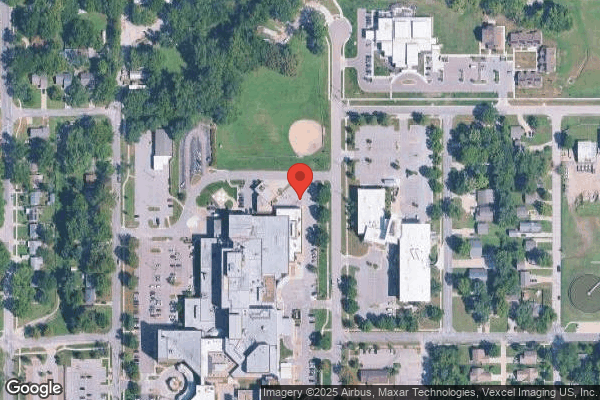
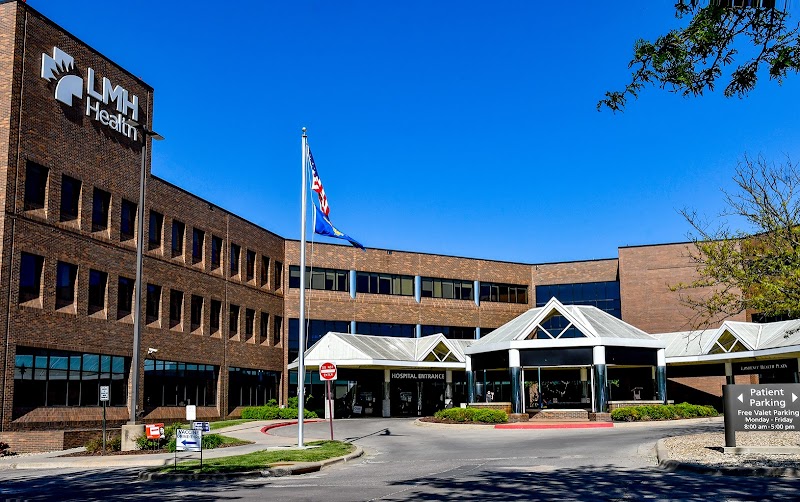
325 MAINE STREET, LAWRENCE, KS 66044 (785) 749-6470
Government - City 14 Beds Independent Data: November 2025
Trust Grade
75/100
#74 of 295 in KS
Last Inspection: October 2024

Within standard 12-15 month inspection cycle. Federal law requires annual inspections.

Overview

Lawrence Memorial Hospital SNF has a Trust Grade of B, indicating it is a good choice for families looking for a nursing home. It ranks #74 out of 295 facilities in Kansas, placing it in the top half of all state options, and #3 of 5 in Douglas County, meaning there are only two local facilities that rank higher. However, the trend is concerning as the number of issues has worsened from 1 in 2023 to 8 in 2024. Staffing is a strength, with a 4/5 star rating and a 0% turnover rate, well below the state average of 48%, suggesting that staff are stable and familiar with residents. On the downside, the facility has incurred $49,671 in fines, which is higher than 98% of Kansas facilities, indicating potential compliance problems. Recent inspections revealed some specific concerns, such as a failure to post necessary information for residents to contact advocacy groups, which could impair their rights. Additionally, there was no system in place to allow residents to file grievances anonymously, potentially affecting their well-being. Finally, the admissions agreement did not adequately protect residents' personal property, raising concerns about the loss of valuables. Overall, while there are strengths in staffing and care quality, these compliance issues should be taken seriously by families considering this facility.

Trust Score
B
75/100
In Kansas
#74/295
Top 25%
Safety Record
Low Risk
No red flags
Inspections
Getting Worse
1 → 8 violations
Staff Stability
○ Average
Turnover data not reported for this facility.
Penalties
✓ Good
$49,671 in fines. Lower than most Kansas facilities. Relatively clean record.
Skilled Nurses
✓ Good
Each resident gets 229 minutes of Registered Nurse (RN) attention daily — more than 97% of Kansas nursing homes. RNs are the most trained staff who catch health problems before they become serious.
Violations
○ Average
9 deficiencies on record. Average for a facility this size. Mostly minor or procedural issues.
★★★★☆
4.0
Overall Rating
★★★★☆
4.0
Staff Levels
★★★★★
5.0
Care Quality
★★★☆☆
3.0
Inspection Score
Stable
2023: 1 issues
2024: 8 issues

The Good

  • 4-Star Staffing Rating · Above-average nurse staffing levels
  • 5-Star Quality Measures · Strong clinical quality outcomes
  • Full Sprinkler Coverage · Fire safety systems throughout facility
  • No fines on record

Facility shows strength in staffing levels, quality measures, fire safety.

The Bad

Federal Fines: $49,671

Above median ($33,413)

Moderate penalties - review what triggered them

The Ugly 9 deficiencies on record

Oct 2024 8 deficiencies
CONCERN (D)

Potential for Harm - no one hurt, but risky conditions existed

Transfer Notice (Tag F0623)

Could have caused harm · This affected 1 resident

**NOTE- TERMS IN BRACKETS HAVE BEEN EDITED TO PROTECT CONFIDENTIALITY** The facility identified a census of nine residents. The sample included eight residents with one resident reviewed for hospitali...

Read full inspector narrative →
**NOTE- TERMS IN BRACKETS HAVE BEEN EDITED TO PROTECT CONFIDENTIALITY** The facility identified a census of nine residents. The sample included eight residents with one resident reviewed for hospitalization. Based on record review and interviews, the facility failed to provide written notification within a practicable timeframe of a facility-initiated transfer to Resident (R) 3 or his representative. The facility further failed to notify the State Long Term Care Ombudsman (LTCO) of facility-initiated transfers/discharges for R3. This deficient practice had the risk of miscommunication between the facility and resident/representative and possible missed opportunities for healthcare services for R3, and placed R3 at risk for impaired rights. Findings included: - R3 admitted to the facility on [DATE] and discharged to the hospital on [DATE]. R3's Electronic Medical Record (EMR) documented diagnoses of impaired mobility, impaired cognition, and atrial fibrillation (rapid, irregular heartbeat). The admission Minimum Data Set (MDS) dated 07/25/24, documented R3 had a Brief Interview for Mental Status (BIMS) score of nine which indicated moderate cognitive impairment. The Functional Ability Care Area Assessment (CAA) dated 07/26/24, documented R3 had a significant decline in mobility and daily function from post-hospital admission due to multiple medical issues. R3's Care Plan dated 07/30/24, documented R3 had activity intolerance, impaired functional mobility, activities of daily living (ADL) deficit, impaired swallowing, and impaired communication. The plan directed staff to ensure the usage of assistive devices, planned rest periods to maximize energy, and increased ADL independence as tolerated. R3's EMR revealed the following: A Nursing Clinical Note on 07/30/24 at 06:49 PM, documented R3 transferred to hospital inpatient care. Staff contacted Consultant GG earlier in the morning discussing R3's increased respiratory rate and increased fatigue. Staff continued to monitor R3 through the afternoon and Consultant GG made the decision to admit R3 to a higher level of care due to the new onset of atrial fibrillation. A Skilled Nursing Facility (SNF) Final Case Summary on 07/30/24 at 08:42 PM, documented R3 repeated an aspiration event in the morning and despite supportive care, R3's respiratory rate continued consistently high in the 30's to 40's and R3 was uncomfortable. Consultant GG documented he discussed with R3's representative and palliative care and planned to admit R3 and monitor for atrial fibrillation. R3's medical record lacked evidence the facility sent a written notification of transfer to R3 or his representative for his transfer on 07/30/24. Upon request, the facility did not provide a written notification of transfer for R3. Upon request, the facility did not provide documentation of LTCO notification of R3's transfer on 07/30/24. On 10/14/24 at 11:02 AM, Administrative Nurse D stated the facility did not notify the LTCO of discharges or transfers and she did not think the facility sent a written notification of transfer to the resident or family. On 10/14/24 at 02:44 PM, Licensed Nurse (LN) G stated when a resident transferred to the hospital, she notified the provider involved, the resident's family, and Administrative Nurse D. She stated she did not send a written notification of transfer to the resident or their representative. On 10/14/24 at 03:40 PM, Social Services X stated she did not send a written notification of transfer to the resident or their representative with facility-initiated transfers. She stated she did not send any notifications to the LTCO. On 10/14/24 at 03:44 PM, Administrative Nurse E stated she did not send any notifications to the LTCO. The facility did not provide a policy on transfer notifications. The facility failed to provide a written notification of transfer to R3 or his representative. The facility further failed to notify the State LTCO of transfers/discharges for R3. This deficient practice had the risk of miscommunication between the facility and resident/representative and possible missed opportunities for healthcare services for R3, and placed R3 at risk for impaired rights.
CONCERN (D)

Potential for Harm - no one hurt, but risky conditions existed

Deficiency F0625 (Tag F0625)

Could have caused harm · This affected 1 resident

**NOTE- TERMS IN BRACKETS HAVE BEEN EDITED TO PROTECT CONFIDENTIALITY** The facility identified a census of nine residents. The sample included eight residents with one resident reviewed for hospitali...

Read full inspector narrative →
**NOTE- TERMS IN BRACKETS HAVE BEEN EDITED TO PROTECT CONFIDENTIALITY** The facility identified a census of nine residents. The sample included eight residents with one resident reviewed for hospitalization. Based on record review and interviews, the facility failed to establish a bed hold policy and provide written notification of the bed hold policy to Resident (R) 3 or his representative. This deficient practice had the risk of impaired ability to return to the facility and to the previous room for R3. Findings included: - R3 admitted to the facility on [DATE] and discharged to the hospital on [DATE]. R3's Electronic Medical Record (EMR) documented diagnoses of impaired mobility, impaired cognition, and atrial fibrillation (rapid, irregular heart beat). The admission Minimum Data Set (MDS) dated 07/25/24, documented R3 had a Brief Interview for Mental Status (BIMS) score of nine which indicated moderate cognitive impairment. The Functional Ability Care Area Assessment (CAA) dated 07/26/24, documented R3 had a significant decline in mobility and daily function from post-hospital admission due to multiple medical issues. R3's Care Plan dated 07/30/24, documented R3 had activity intolerance, impaired functional mobility, activities of daily living (ADL) deficit, impaired swallowing, and impaired communication. The plan directed staff to ensure the usage of assistive devices, planned rest periods to maximize energy, and increased ADL independence as tolerated. R3's EMR revealed the following: A Nursing Clinical Note on 07/30/24 at 06:49 PM, documented R3 transferred to the hospital inpatient care. Staff contacted Consultant GG earlier in the morning discussing R3's increased respiratory rate and increased fatigue. Staff continued to monitor R3 through the afternoon and Consultant GG made the decision to admit R3 to a higher level of care treatment due to the new onset of atrial fibrillation. A Skilled Nursing Facility (SNF) Final Case Summary on 07/30/24 at 08:42 PM, documented R3 repeated an aspiration event in the morning and despite supportive care, R3's respiratory rate continued consistently high in the 30's to 40's and R3 was uncomfortable. Consultant GG documented he discussed with R3's representative and palliative care and planned to admit R3 and monitor for atrial fibrillation with morphine given for air hunger. R3's medical record lacked evidence the facility sent a written notification of transfer to R3 or his representative for his transfer on 07/30/24. Upon request, the facility did not provide written notification of the bed hold policy for R3's transfer on 07/30/24. On 10/14/24 at 11:02 AM, Administrative Nurse D stated she did not think the facility sent a written notification of the bed hold policy to the resident or representative. On 10/14/24 at 02:44 PM, Licensed Nurse (LN) G stated when a resident transferred to the hospital, she notified the provider involved, the resident's family, and Administrative Nurse D. She stated she did not send a written bed hold policy to the resident or their representative. On 10/14/24 at 03:40 PM, Social Services X stated the facility did not have a bed hold policy. On 10/15/24 at 01:13 PM, Administrative Nurse D stated because the facility was not licensed with Medicaid a bed hold policy had never been brought up. She said the facility did not have a bed hold policy. The facility did not provide a policy on the bed hold notifications. The facility failed to establish a bed hold policy and provide written notification of the bed hold policy to R3 or his representative. This deficient practice had the risk of impaired ability to return to the facility and to the previous room for R3.
CONCERN (D)

Potential for Harm - no one hurt, but risky conditions existed

Deficiency F0883 (Tag F0883)

Could have caused harm · This affected 1 resident

**NOTE- TERMS IN BRACKETS HAVE BEEN EDITED TO PROTECT CONFIDENTIALITY** The facility identified a census of nine residents. The sample included eight residents with five residents reviewed for pneumoc...

Read full inspector narrative →
**NOTE- TERMS IN BRACKETS HAVE BEEN EDITED TO PROTECT CONFIDENTIALITY** The facility identified a census of nine residents. The sample included eight residents with five residents reviewed for pneumococcal (a disease that refers to a range of illnesses that affect various parts of the body and are caused by infection) vaccinations. Based on observations, record review, and interviews, the facility failed to administer a pneumococcal vaccination to Resident (R) 107 after he consented to receive it on 09/26/24. This deficient practice placed R107 at risk of acquiring, spreading, and experiencing complications from pneumococcal disease. Findings included: - R107 admitted to the facility on [DATE] and discharged from the facility on 10/11/24. R107 consented to receive the pneumococcal vaccination on 09/26/24. A review of R107's Medication Administration Record (MAR) during his stay revealed that R107 did not receive the pneumococcal vaccination before he was discharged from the facility. On 10/14/24 at 08:09 AM, Administrative Nurse D stated the nurse asked every resident who was admitted if they wanted immunizations during the admission process then the pharmacist talked to the resident. On 10/14/24 at 09:36 AM, Administrative Nurse D stated the facility made sure the resident received the immunization before they were discharged . On 10/14/24 at 02:52 PM, Licensed Nurse (LN) G stated during the admission process, she asked residents what immunizations they received and if they wanted immunizations, including pneumococcal. She stated if the resident wanted the pneumococcal vaccination, she clicked they were interested in the EMR, and the notification went to the pharmacy to signal a resident wanted a vaccination. LN G stated she gave the immunization and documented it in the MAR. On 10/14/24 at 02:59 PM, Consultant HH stated if staff indicated a resident wanted a vaccination, it flagged for the pharmacist as a task. She stated the pharmacist reviewed the resident and based on the review, if the resident wanted the vaccination and qualified for it, staff usually gave vaccinations in the morning. Consultant HH stated she spoke to R107's representative who stated he received the pneumococcal vaccination at a previous facility, and she told Consultant HH she would get the information from the previous facility before R107 was discharged and if she did not, then R107's representative would follow-up with the previous facility after his discharge. Consultant HH stated she did not document the conversation with R107's representative or why the facility did not give R107 the pneumococcal vaccination before his discharge. The facility's Inpatient Immunizations policy, approval date of 07/20/23, directed if a resident met clinical criteria per Centers for Disease Control (CDC) guidelines, the pharmacist ordered and dispensed the appropriate vaccines. The facility failed to administer pneumococcal vaccination to R107 after he consented to receiving it on 09/26/24. This deficient practice placed R107 at risk of acquiring, spreading, and experiencing complications from pneumococcal disease.
CONCERN (F)

Potential for Harm - no one hurt, but risky conditions existed

Deficiency F0575 (Tag F0575)

Could have caused harm · This affected most or all residents

The facility identified a census of nine residents. The sample included eight residents. Based on observation, record review, and interviews, the facility failed to post the required information inclu...

Read full inspector narrative →
The facility identified a census of nine residents. The sample included eight residents. Based on observation, record review, and interviews, the facility failed to post the required information including a list of names, addresses (mailing and e-mail), and telephone numbers of all pertinent State Agencies and advocacy groups. This deficient practice placed all residents at risk for impaired resident rights. Findings included: - On 10/14/24 at 01:48 PM, an empty resident room had a posting that directed if a resident had a concern, the resident could call the facility's patient advocate and listed the phone number. On 10/14/24 at 02:29 PM, a bulletin board in the hallway displayed thank you cards from residents and families over most of the board. Towards the bottom of the board, a laminated posting of Important Phone Numbers revealed phone numbers for various State Agency (SA) departments and the State Long-Term Care Ombudsman (LTCO) but did not contain the addresses (mailing and e-mail) for the agencies. A laminated posting of Questions/Concerns/Complaints revealed the LTCO and SA phone numbers but no addresses (mailing or e-mail). The tour of the unit lacked the required posting with the required information, accessible to residents and their representatives. On 10/14/24 at 02:49 PM, Administrative Nurse D stated risk management cleared information for the whole hospital and that was the information that was available in the skilled nursing unit. On 10/14/24 at 03:51 PM, Administrative Nurse D stated residents received the LTCO and SA's phone numbers in their admission packet. She stated residents have internet and most know how to use a phone. The facility did not provide a policy on required postings. The facility failed to post the required information of a list of names, addresses (mailing and e-mail), and telephone numbers of all pertinent State agencies and advocacy groups. This deficient practice placed all residents at risk for miscommunication of their resident rights and impaired resident rights.
CONCERN (F)

Potential for Harm - no one hurt, but risky conditions existed

Grievances (Tag F0585)

Could have caused harm · This affected most or all residents

The facility identified a census of nine residents. The sample included eight residents. Based on observation, record review, and interviews, the facility failed to implement a system to allow residen...

Read full inspector narrative →
The facility identified a census of nine residents. The sample included eight residents. Based on observation, record review, and interviews, the facility failed to implement a system to allow residents and/or their representatives to file grievances anonymously. This deficient practice placed the residents at risk for decreased psychosocial well-being. Findings Included: - On 10/14/24 at 01:48 PM an inspection of the facility revealed a posting in an empty resident room that directed if a resident had a concern, they were to call the facility's patient advocate. A Resident Rights poster was located near the nurse's station; however, it did not have directions on how to file anonymous grievances. The inspection revealed there was no submission box or method for filing anonymous grievances. On 10/14/24 at 02:36 PM Resident (R)1 stated they had not been told how to file a grievance and did not know how to file a grievance anonymously. On 10/14/24 at 02:44 PM Licensed Nurse (LN) G stated there was a booklet with patient rights in it, how to file a complaint, and the facility had a patient advocate. LN G stated information was also posted in the dining room and outside the nurse's station. LN G stated residents could probably file a grievance anonymously through the phone number listed or on the website. On 10/14/24 at 03:51 PM Administrative Nurse D stated generally residents would call the patient advocate number to report a grievance. Administrative Nurse D stated most of the time if there was an issue, the resident would report it on the spot. Administrative Nurse D stated usually, after a grievance was reported, the advocate brought the information to someone such as the Director of Nursing (DON) then they may need to gather more information. Administrative Nurse D stated information on how to report grievances was in the admission information and on the website. Administrative Nurse D stated she believed residents knew there was a website and she believed residents could probably file grievances online anonymously. The facility's Customer Complaints and Grievances policy, with an approval date of 05/03/22, documented patients, their families, patient representatives, physicians, and community members have the right to express concerns about care and services without fear of reprisal and have hospital staff respond to them in a confidential, professional, and timely manner. It is the responsibility of every staff member to identify and document concerns as they arise. Staff members are empowered to resolve concerns as they occur or, when that is not possible, to refer them to the appropriate department leader for resolution. Complaints and grievances received by anyone in the organization will be documented and forwarded to the Risk Management Department where it will be logged for trending along with the follow-up and maintained in a central database. The facility failed to implement a system to allow residents and/or their representatives, to file grievances anonymously. This deficient practice placed the residents at risk for decreased psychosocial well-being.
CONCERN (F)

Potential for Harm - no one hurt, but risky conditions existed

Deficiency F0620 (Tag F0620)

Could have caused harm · This affected most or all residents

The facility identified a census of nine residents. The sample included eight residents. Based on record review and interviews, the facility failed to establish and implement an admissions agreement t...

Read full inspector narrative →
The facility identified a census of nine residents. The sample included eight residents. Based on record review and interviews, the facility failed to establish and implement an admissions agreement that protected the residents' right to personal property. This deficient practice had the risk of loss of personal property, including property of monetary and/or sentimental value, and loss of dignity and personal right to property for residents admitted to the facility. Findings included: - A review of the facility's Consent to Treatment Authorizations/Agreements/Insurance assignments revealed under the section titled Personal Belongings documented the facility maintained a safe for the storage of patient valuables and recommends that residents place any valuables in the safe during their stay. All personal belongings not placed in the safe were solely the resident's responsibility and the facility would not be liable for any resulting loss or damage of such property. On 10/14/24 at 03:51 PM Administrative Nurse D stated the Health Information Management department reviewed admission agreements. She stated the facility completed an admission log with the resident's belongings on admission and the resident signed the log. She stated if belongings went missing that were not on the log, the resident reported it to the nurse who reported it electronically. Administrative Nurse D stated risk management worked with the resident on resolving the missing belongings. Administrative Nurse D declined to address the admission agreement waiving facility liability for resident belongings and stated she would need to check with risk management. The facility did not provide a policy related to admission agreements upon request. The facility failed to establish and implement an admissions agreement that protected the residents' right to personal property. This deficient practice had the risk of loss of personal property, including property of monetary and, or sentimental value, and loss of dignity and personal right to property for residents admitted to the facility.
CONCERN (F)

Potential for Harm - no one hurt, but risky conditions existed

Deficiency F0838 (Tag F0838)

Could have caused harm · This affected most or all residents

The facility identified a census of nine residents. The sample included eight residents. Based on record review and interviews, the facility failed to develop a facility assessment that accurately ref...

Read full inspector narrative →
The facility identified a census of nine residents. The sample included eight residents. Based on record review and interviews, the facility failed to develop a facility assessment that accurately reflected the required sections of a facility assessment including services provided, staff required, staff competencies, and religious practices. This deficient practice placed the residents at risk for unidentified care needs and inadequate care and services. Findings included: A review of the facility-provided Facility Assessment revealed an undated, half-page document, titled Transitional Care Unit Facility Assessment provided by the facility on 10/14/24. The document contained the following items in its entirety: Transitional Care Unit Facility Assessment Capacity: 14 Avg daily census: 10-14 Average LOS: 14 days Common diagnosis: orthopedic, infection, respiratory, CHF, HTN dysrhythmia, CVA, HOH, Diabetes Also: CPAP, O2, IV, TPN, PEG, Trach, radiation, transfusion Activity level: CGA-dependent Staffing: Evaluation of the overall number of facility staff needed to ensure a sufficient number of qualified staff are available to meet each resident's needs and CMS regulation. Refer: see matrix The facility assessment lacked the following required sections: staff competencies necessary to provide the level and types of care needed for the resident population, the physical environment, equipment, services, and other physical plant considerations necessary to care for the resident population; and any ethnic, cultural, or religious factors that may potentially affect the care provided by the facility, including, but not limited to, activities and food and nutrition services. The facility's resources, equipment, services provided, contracts, memorandums of understanding, or other agreements with third parties to provide services or equipment to the facility during both normal operations and emergencies; and health information technology resources, such as systems for electronically managing patient records and electronically sharing information with other organizations. The facility provided a TCU Eligibility Requirements Policy with an original date of January 2007 and a Skilled Nursing Facility Structure Standards policy with a revised date of July 2009. On 10/14/24 at 03:51 PM Administrative Nurse D stated their facility assessment was updated at least annually. Administrative Nurse D stated the facility was always adequately staffed to care for the patients they admitted . Administrative Nurse D stated the residents the facility can provide care for, were addressed in the two policies that were provided, and one of those policies contained the diagnoses the facility was allowed to admit. Administrative Nurse D stated the staff competencies required to care for the residents the facility admitted and to provide the type of care required, would have been checked by the facility and the required education would have been provided by the facility. Administrative Nurse D stated any education related to ethical, cultural, or religious factors that may impact care would have been provided by the facility as well and was part of the facility's annual education. Administrative Nurse D stated she believed the discussed areas were not covered in the facility assessment as they would have been covered in the policies and therefore were not encompassed in the facility assessment. The facility did not provide a policy related to facility assessment upon request. The facility failed to develop a facility assessment that accurately reflected the required sections of a facility assessment including services provided, staff required, staff competencies, and religious practices. This deficient practice placed the residents at risk for unidentified care needs and inadequate care and services.
MINOR (C)

Minor Issue - procedural, no safety impact

Deficiency F0577 (Tag F0577)

Minor procedural issue · This affected most or all residents

The facility identified a census of nine residents. The sample included eight residents. Based on observation, record review, and interviews, the facility failed to post, in a place readily accessible...

Read full inspector narrative →
The facility identified a census of nine residents. The sample included eight residents. Based on observation, record review, and interviews, the facility failed to post, in a place readily accessible to residents, family members, or legal representatives, the results of the most recent survey of the facility; failed to have the last three years of survey results available; and failed to post a notice of the availability of such reports in areas of the facility that were prominent and accessible to the public. This deficient practice placed the residents at risk for impaired resident rights. Findings included: - On 10/14/24 at 01:48 PM, a tour of the skilled nursing facility (SNF) lacked survey results from the most recent survey, three years of survey reports, and/or a posted sign directing where to find survey results. On 10/14/24 at 04:27 PM, Administrative Nurse D showed the surveyor a binder in the dining room area, on the railing of the other unit, not the SNF unit, that had survey results in it. The last survey results in the binder were dated 2020. On 10/14/24 at 02:36 PM, Resident (R) 1 stated she did not know how to find the survey results in the facility. On 10/14/24 at 01:48 PM, Licensed Nurse (LN) G stated survey results were on a website, probably the state's website. On 10/14/24 at 03:51 PM, Administrative Nurse D stated if a resident wanted to see the last survey results, she directed them to go online. On 10/14/24 at 04:27 PM, Administrative Nurse D stated she did not print out the survey results and update the binder because the results were located online. The facility did not provide a policy on survey results. The facility failed to post, in a place readily accessible to residents, family members, or legal representatives, the results of the most recent survey of the facility; failed to have the last three years of survey results available; and failed to post a notice of the availability of such reports in areas of the facility that were prominent and accessible to the public. This deficient practice placed the residents at risk for impaired resident rights.
Jun 2023 1 deficiency
CONCERN (D)

Potential for Harm - no one hurt, but risky conditions existed

Infection Control (Tag F0880)

Could have caused harm · This affected 1 resident

The facility identified a census of ten residents. The sample included eight residents with five reviewed for medication administration. Based on observations, record review, and interviews, the facil...

Read full inspector narrative →
The facility identified a census of ten residents. The sample included eight residents with five reviewed for medication administration. Based on observations, record review, and interviews, the facility failed to follow sanitary infection control practices while performing blood glucose checks on Resident (R)108. This deficient practice placed R108 at risk for complications related to infections. Findings Included- - On 06/20/23 08:12 AM Licensed Nurse (LN) G entered R108's room, already wearing gloves, carrying the glucometer (instrument used to calculate blood glucose) and other supplies in her hand. LN G announced herself and told R108 she would be checking R108's blood sugar. LN G walked over to R108's bedside table and placed the glucometer and other supplies down, directly on the bedside table with no clean barrier or sanitization of the table. LN G then picked up the glucometer from the table to scan R108's wristband. LN G placed the glucometer back on the bedside table, opened the bottle with the test strips and grabbed one test strip and inserted the strip into the glucometer. LN G picked up the lancet (a small needle used to poke the skin to get a small drop of blood) and alcohol wipe and opened the alcohol wipe package and wiped R108's finger and poked R108's finger. LN G picked up the glucometer and, holding the machine in her hand, placed the lancet back on the table and placed a drop of blood from R108's finger onto the test strip. LN G grabbed a cotton ball from the table and wiped R108's finger. LN G picked up the used supplies from the bedside table and removed the test strip from the glucometer and placed the lancet and test strip in the sharp's container (a safety container used to dispose of needles and syringes). LN G doffed her gloves and did hand hygiene upon leaving room. On 06/21/23 at 11:23 AM Administrative Nurse E stated staff completed annual in-service training related to hand hygiene, equipment cleaning, and infection control practices to prevent the spread of infections. She stated staff training was also provided as needed trainings to correct discovered issues related to infection control. She stated the facility's Quality Assurance and Performance Improvement (QAPI) team review identified concerns and provided education to improve staff performance. On 06/21/23 at 01:25 PM Certified Nurse Aide (CNA) M stated an aide or the nurse can get the blood glucose and a barrier should be put down on the table and/or surface prior to placing clean equipment used on the residents. On 06/21/23 at 01:28 PM LN H stated a clean barrier should be used if placing items for resident care use, such a glucometers, on unsanitized surfaces. On 06/22/23 at 01:00 PM Administrative Nurse D stated she was aware that LN G had not used a barrier while she performed a blood sugar check. Administrative Nurse D stated LN G had been reeducated yesterday on the appropriate procedures to obtain the blood glucose. A review of the facility's Infection Prevention and Control policy revised 09/2022 indicated staff would ensure safe/sanitary handling of the medical devices and equipment used for patient care. The policy indicated equipment should be disinfected and remain protected from contamination. The policy indicated reusable equipment will be consistently disinfected and used in a manner that maintained sanitary handling to prevent the spread of infections. The facility failed to follow sanitary infection control practices while performing blood glucose checks on R108. This deficient practice placed R108 at risk for complications related to infections.
Understanding Severity Codes (click to expand)
Life-Threatening (Immediate Jeopardy)
J - Isolated K - Pattern L - Widespread
Actual Harm
G - Isolated H - Pattern I - Widespread
Potential for Harm
D - Isolated E - Pattern F - Widespread
No Harm (Minor)
A - Isolated B - Pattern C - Widespread

Questions to Ask on Your Visit

  • "Can I speak with families of current residents?"
  • "What's your RN coverage like on weekends and overnight?"

Our Honest Assessment

Strengths
  • • No major safety red flags. No abuse findings, life-threatening violations, or SFF status.
Concerns
  • • $49,671 in fines. Higher than 94% of Kansas facilities, suggesting repeated compliance issues.
Bottom line: Generally positive indicators. Standard due diligence and a personal visit recommended.

About This Facility

What is Lawrence Memorial Hospital Snf's CMS Rating?

CMS assigns LAWRENCE MEMORIAL HOSPITAL SNF an overall rating of 4 out of 5 stars, which is considered above average nationally. Within Kansas, this rating places the facility higher than 99% of the state's 100 nursing homes. This rating reflects solid performance across the metrics CMS uses to evaluate nursing home quality.
How is Lawrence Memorial Hospital Snf Staffed?

CMS rates LAWRENCE MEMORIAL HOSPITAL SNF's staffing level at 4 out of 5 stars, which is above average compared to other nursing homes.

What Have Inspectors Found at Lawrence Memorial Hospital Snf?

State health inspectors documented 9 deficiencies at LAWRENCE MEMORIAL HOSPITAL SNF during 2023 to 2024. These included: 8 with potential for harm and 1 minor or isolated issues.
Who Owns and Operates Lawrence Memorial Hospital Snf?

LAWRENCE MEMORIAL HOSPITAL SNF is owned by a government entity. Government-operated facilities are typically run by state, county, or municipal agencies. The facility operates independently rather than as part of a larger chain. With 14 certified beds and approximately 11 residents (about 79% occupancy), it is a smaller facility located in LAWRENCE, Kansas.

How Does Lawrence Memorial Hospital Snf Compare to Other Kansas Nursing Homes?

Compared to the 100 nursing homes in Kansas, LAWRENCE MEMORIAL HOSPITAL SNF's overall rating (4 stars) is above the state average of 2.9 and health inspection rating (3 stars) is at the national benchmark.

What Should Families Ask When Visiting Lawrence Memorial Hospital Snf?

Based on this facility's data, families visiting should ask: "Can I visit during a mealtime to observe dining assistance and food quality?" "How do you handle medical emergencies, and what is your hospital transfer rate?" "Can I speak with family members of current residents about their experience?"

Is Lawrence Memorial Hospital Snf Safe?

Based on CMS inspection data, LAWRENCE MEMORIAL HOSPITAL SNF has a clean safety record: no substantiated abuse findings (meaning no confirmed cases of resident harm), no Immediate Jeopardy citations (the most serious violation level indicating risk of serious injury or death), and is not on the Special Focus Facility watch list (a federal program monitoring the lowest-performing 1% of nursing homes). The facility has a 4-star overall rating and ranks #1 of 100 nursing homes in Kansas. While no facility is perfect, families should still ask about staff-to-resident ratios and recent inspection results during their visit.

Do Nurses at Lawrence Memorial Hospital Snf Stick Around?

LAWRENCE MEMORIAL HOSPITAL SNF has not reported staff turnover data to CMS. Staff turnover matters because consistent caregivers learn residents' individual needs, medications, and preferences. When staff frequently change, this institutional knowledge is lost. Families should ask the facility directly about their staff retention rates and average employee tenure.

Was Lawrence Memorial Hospital Snf Ever Fined?

LAWRENCE MEMORIAL HOSPITAL SNF has been fined $49,671 across 8 penalty actions. The Kansas average is $33,576. While any fine indicates a compliance issue, fines under $50,000 are relatively common and typically reflect isolated problems that were subsequently corrected. Families should ask what specific issues led to these fines and confirm they've been resolved.

Is Lawrence Memorial Hospital Snf on Any Federal Watch List?

LAWRENCE MEMORIAL HOSPITAL SNF is not on any federal watch list. The most significant is the Special Focus Facility (SFF) program, which identifies the bottom 1% of nursing homes nationally based on persistent, serious quality problems. Not being on this list means the facility has avoided the pattern of deficiencies that triggers enhanced federal oversight. This is a positive indicator, though families should still review the facility's inspection history directly.