HERITAGE GARDENS HEALTH AND REHABILITATION CENTER
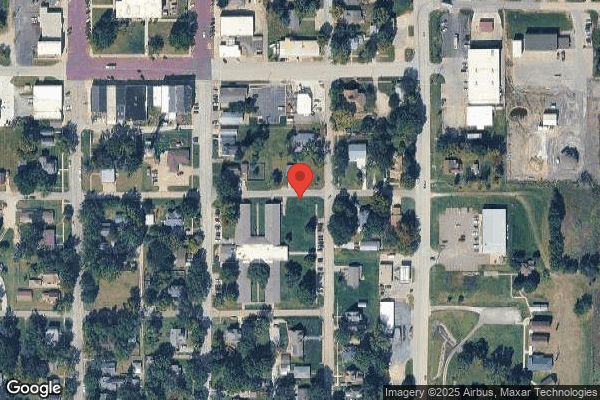
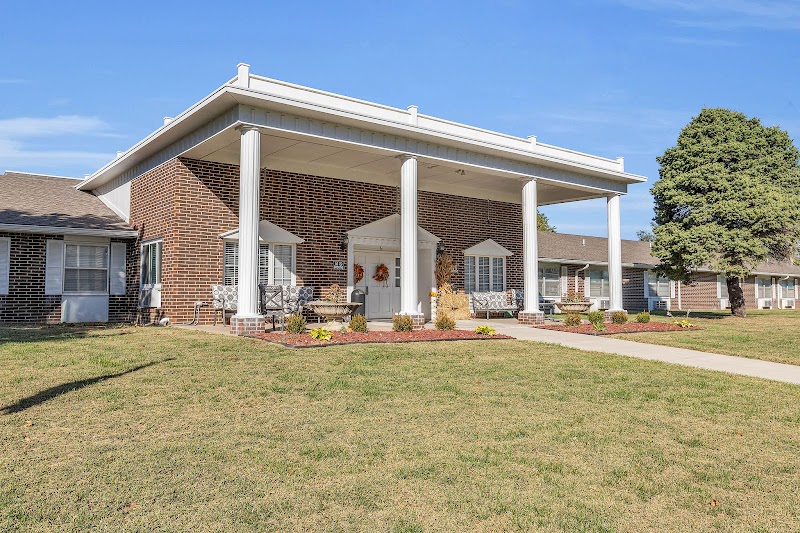
700 CHEROKEE, OSKALOOSA, KS 66066 (785) 863-2108
For profit - Limited Liability company 60 Beds RECOVER-CARE HEALTHCARE Data: November 2025
Trust Grade
53/100
#129 of 295 in KS
Last Inspection: May 2025

Inspected within the last 6 months. Data reflects current conditions.

Overview

Heritage Gardens Health and Rehabilitation Center has a Trust Grade of C, which means it is average and ranks in the middle of the pack compared to other facilities. In Kansas, it ranks #129 out of 295, placing it in the top half, and #3 out of 4 in Jefferson County, indicating only one local option is better. The facility is improving, having reduced reported issues from 17 in 2023 to 10 in 2025. Staffing is a weak point, with a rating of 2 out of 5 stars and a turnover rate of 55%, which is higher than the Kansas average of 48%. There have been $13,056 in fines, which is average, but could indicate some compliance issues. More positively, the facility has better Registered Nurse coverage than many state facilities, which helps catch potential problems. However, there are concerning incidents, such as a failure to post essential state agency contact information in a way that residents can easily access it, and some Certified Nurse Aides did not receive the required training or performance evaluations. Additionally, there were lapses in hand hygiene during wound care, raising potential infection risks. Overall, while there are some strengths, families should be aware of the weaknesses and trends at this facility.

Trust Score
C
53/100
In Kansas
#129/295
Top 43%
Safety Record
Low Risk
No red flags
Inspections
Getting Better
17 → 10 violations
Staff Stability
⚠ Watch
55% turnover. Above average. Higher turnover means staff may not know residents' routines.
Penalties
✓ Good
$13,056 in fines. Lower than most Kansas facilities. Relatively clean record.
Skilled Nurses
⚠ Watch
Each resident gets only 28 minutes of Registered Nurse (RN) attention daily — below average for Kansas. Fewer RN minutes means fewer trained eyes watching for problems.
Violations
⚠ Watch
46 deficiencies on record. Higher than average. Multiple issues found across inspections.
★★★☆☆
3.0
Overall Rating
★★☆☆☆
2.0
Staff Levels
★★★☆☆
3.0
Care Quality
★★★☆☆
3.0
Inspection Score
Stable
2023: 17 issues
2025: 10 issues

The Good

  • Full Sprinkler Coverage · Fire safety systems throughout facility
  • No fines on record

Facility shows strength in fire safety.

The Bad

3-Star Overall Rating

Near Kansas average (2.9)

Meets federal standards, typical of most facilities

Staff Turnover: 55%

Near Kansas avg (46%)

Frequent staff changes - ask about care continuity

Federal Fines: $13,056

Below median ($33,413)

Minor penalties assessed

Chain: RECOVER-CARE HEALTHCARE

Part of a multi-facility chain

Ask about local staffing decisions and management

Staff turnover is elevated (55%)

7 points above Kansas average of 48%

The Ugly 46 deficiencies on record

May 2025 10 deficiencies
CONCERN (D)

Potential for Harm - no one hurt, but risky conditions existed

Deficiency F0628 (Tag F0628)

Could have caused harm · This affected 1 resident

The facility identified a census of 54 residents. The sample included 14 residents, with two for hospitalization. Based on observation, record review, and interviews, the facility failed to provide a ...

Read full inspector narrative →
The facility identified a census of 54 residents. The sample included 14 residents, with two for hospitalization. Based on observation, record review, and interviews, the facility failed to provide a written notice of transfer/discharge as soon as practicable, and the facility also failed to provide a bed hold notice with the required information for Resident (R) 38. This deficient practice placed R38 at risk of uninformed choices and miscommunication regarding her care needs and at risk for impaired ability to return to the facility or her same room. Findings included: - R38's Electronic Medical Record (EMR) from the Diagnosis tab documented diagnoses of diabetes mellitus (DM - when the body cannot use glucose, not enough insulin is made, or the body cannot respond to the insulin), congestive heart failure (CHF - a condition with low heart output and the body becomes congested with fluid), and seizure (violent involuntary series of contractions of a group of muscles). The Annual Minimum Data Set (MDS) dated 08/26/24 documented a Brief Interview of Mental Status (BIMS) score of 15, which indicated intact cognition. The MDS documented R38 was dependent on staff assistance for dressing and transfers. The Quarterly MDS dated 04/25/25 documented a BIMS score of 15, which indicated intact cognition. The MDS documented that R38 was dependent on staff assistance for dressing and transfers. R38's Functional Abilities (Self-Care and Mobility) Care Area Assessment (CAA) dated 09/11/24 documented she required assistance with her activities of daily living. R38's Care Plan, dated 02/29/24 documented she was dependent on staff assistance for transfers and dressing. R38's EMR under the Progress Notes tab revealed on 03/04/25 at 01:18 PM an Alert Note documented R38 was transferred by ambulance to the hospital. On 04/21/25 at 03:45 PM a Nurse's Note documented R38 was admitted to the hospital. On 05/06/25 at 11:10 AM a Nurse's Note documented R38 was transferred to the hospital by ambulance. On 05/21/25 at 09:42 AM, R38 propelled herself from the dining room to her room. On 05/21/25 at 03:45 PM, Administrative Staff A stated the written notification and bed-hold notice were not sent to R38's legal representative for the three facility-initiated transfers to the hospital. Administrative Staff A stated the social service department was responsible for the written notification and the business office was responsible for the bed-hold notice. On 05/22/25 at 10:17 AM, Dietary Staff/Social Service BB stated the written notification to R38's legal representative had been sent for the three facility-initiated transfers to the hospital. On 05/22/25 at 10:22 AM, Administrative Staff B stated she had not sent out a bed-hold notice to R38's legal representative for the three facility-initiated transfers to the hospital and R38 admitted to the hospital. The facility's undated Bed Hold Notice Upon Transfer policy documented at the time of transfer for hospitalization or therapeutic leave, the facility would provide to the resident and/or the resident representative written notice which specified the duration of the bed-hold policy and addressed information explaining the return of the resident to the next available bed.
CONCERN (D)

Potential for Harm - no one hurt, but risky conditions existed

Quality of Care (Tag F0684)

Could have caused harm · This affected 1 resident

**NOTE- TERMS IN BRACKETS HAVE BEEN EDITED TO PROTECT CONFIDENTIALITY** The facility identified a census of 46 residents. The sample included 14 residents, with one resident reviewed for quality of ca...

Read full inspector narrative →
**NOTE- TERMS IN BRACKETS HAVE BEEN EDITED TO PROTECT CONFIDENTIALITY** The facility identified a census of 46 residents. The sample included 14 residents, with one resident reviewed for quality of care. Based on observation, record review, and interviews, the facility failed to consistently follow a physician's order for daily weights for Resident (R) 9. This deficient practice placed R9 at risk for delay in treatment and untreated illness. Findings included: - R9s Electronic Medical Record (EMR) from the Diagnosis tab documented diagnoses of need for assistance with personal care, diabetes mellitus (DM - when the body cannot use glucose, not enough insulin is made, or the body cannot respond to the insulin), obesity (excessive body fat), repeated falls, hypertension (high blood pressure), congestive heart failure (CHF - a condition with low heart output and the body becomes congested with fluid), muscle weakness, chronic obstructive pulmonary disease (COPD - a progressive and irreversible condition characterized by diminished lung capacity and difficulty or discomfort in breathing), difficulty walking, dementia (a progressive mental disorder characterized by failing memory and confusion), edema (swelling resulting from an excessive accumulation of fluid in the body tissues), and anxiety (mental or emotional reaction characterized by apprehension, uncertainty, and irrational fear). The Annual Minimum Data Set (MDS) dated [DATE] documented a Brief Interview of Mental Status (BIMS) of 15, which indicated intact cognition. The MDS documented that R9 required supervision or touching assistance of staff for eating, was independent for dressing and toileting, and required substantial to maximal assistance with showering. The MDS documented R9 received a diuretic (a medication to promote the formation and excretion of urine) during the observation period. R9's Urinary Incontinence/Indwelling Catheter Care Area Assessment (CAA) dated 04/10/25 documented R9's urinary incontinence and indwelling catheter CAA triggered secondary to a level of assistance R9 required with her toileting hygiene and toilet transfers, incontinent episodes. The CAA documented the contributing factors included weakness and impaired mobility. R9s Care Plan dated 02/26/24 documented R9 received diuretic therapy related to congestive heart failure. R9's plan of care documented R9 would have a fluctuation of weight due to diuretic use. R9's plan of care documented nursing staff were to administer diuretic medications as ordered by a physician. The plan of care for R9 documented staff were to administer medication as ordered by the physician and monitor R9 for side effects and effectiveness every shift. R9's EMR under the Orders tab revealed the following physician orders: Torsemide (diuretic) oral tablet 20 milligrams (mg) by mouth two times a day for CHF/edema dated 12/04/24. Obtain daily weights everyday shift dated 12/03/23. On 05/21/25 R9's EMR under the Treatment Administration Record (TAR) revealed an updated order: Obtain daily weights, notify the physician if a gain of 3 pounds in one day or gain of 5 pounds in one week everyday shift. Review of R9's Treatment Administration Record (TAR) from lacked weights for: 02/24/25, 03/01/25, 03/12/25, 03/13/25, 03/14/25, 03/15/25, 03/17/25, 03/18/25, 03/21/25, 03/25/25, 03/30/25, 04/01/25, 04/02/25, 04/03/25, 04/04/25, 04/05/25, 04/06/25, 04/07/25, 04/08/25, 04/09/25, 04/10/25, 04/11/25, 04/16/25, 04/19/25, 04/20/25, 04/21/25, 04/22/25, 04/23/25, 04/24/25, 04/26/25, 05/13/25, 05/14/25, and 05/19/25. R9's EMR lacked consistent documentation for the refusal of daily weights. On 05/21/25 at 09:19 AM, R9 laid on her bed on her right side. R9 had her nasal cannula in her nares. On 05/22/25 at 09:46 AM, Certified Nursing Aide (CNA) M stated nursing would let the CNA staff know if residents needed to be weighed. CNA M stated if the CNA was unable to get a resident's weight, the CNA would try again later in the day and notify the nurse. On 05/22/25 at 10:02 AM, Licensed Nurse (LN) G stated that CNAs obtain daily weights, LN G stated if the CNA did not obtain the weight, it was the nurse's duty to try to obtain the resident's weight per the physician's order. LN G stated if a weight was not obtained, it was the nurse on duty's responsibility to ensure the refusal was documented. On 05/22/25 at 10:33 AM, Administrative Nurse D stated that the day shift CNAs obtained daily weights, if the weight was not obtained the CNAs were to notify the charge nurse. Administrative Nurse D stated if the resident refused, the EMR would reflect that the resident refused. The facility's Provision of Physician Ordered Services dated 02/01/20 documented the facility would maintain a schedule of diagnostic tests in accordance with the physician's orders. The facility would provide a reliable process for the proper and consistent provision of physician-ordered services according to professional standards of quality of care.
CONCERN (D)

Potential for Harm - no one hurt, but risky conditions existed

Pressure Ulcer Prevention (Tag F0686)

Could have caused harm · This affected 1 resident

The facility identified a census of 54 residents. The sample included 14 residents, with three reviewed for pressure ulcer prevention (localized injury to the skin and/or underlying tissue usually ove...

Read full inspector narrative →
The facility identified a census of 54 residents. The sample included 14 residents, with three reviewed for pressure ulcer prevention (localized injury to the skin and/or underlying tissue usually over a bony prominence, as a result of pressure, or pressure in combination with shear and/or friction). Based on interviews, record reviews, and observations, the facility failed to provide a pressure redistribution cushion for Resident (R) 35's wheelchair. This deficient practice places R35 at risk for preventable skin breakdown and pressure ulcers. Findings Included: - The Medical Diagnosis section within R35's Electronic Medical Records (EMR) included diagnoses of dementia (a progressive mental disorder characterized by failing memory and confusion), benign prostatic hyperplasia (BPH - non-cancerous enlargement of the prostate which can lead to interference with urine flow, urinary frequency, and urinary tract infections), and acute kidney failure. R35's Quarterly Minimum Data Set (MDS) dated 04/03/25 noted a Brief Interview for Mental Status (BIMS) score of zero, indicating severe cognitive impairment. The MDS noted he displayed verbal aggression for one to three days during the assessment. The MDS noted he had bilateral lower extremity impairment and used a wheelchair for mobility. The MDS noted he required substantial to maximal assistance with dressing, personal hygiene, oral hygiene, and bed mobility. The MDS noted he required supervision or touch assistance during meals. The MDS noted he was frequently incontinent of bowel and bladder. The MDS noted he had two or more non-injury falls since the last assessment. R35's Dementia Care Aera Assessment (CAA) completed 01/13/25 indicated he was at risk for cognitive loss, incontinence, falls, and skin breakdown. The CAA noted he had difficulties with orientation, memory, and recall. The CAA indicated a plan of care was implemented to minimize the risks related to his cognitive loss. R35's EMR under Assessment revealed a Braden Scale For Predicting Pressure Sore Risk completed on 04/01/25 indicating he was at risk for developing pressure ulcers with a score of 17. R35's Pressure Injury CAA completed 01/13/25 indicated he triggered the potential to develop a pressure ulcer related to his incontinence and reduced level of mobility. The CAA indicated a plan of care was implemented to minimize the risks of developing pressure ulcers. R35's Care Plan initiated 12/29/22 indicated he had a self-care deficit and required assistance with his care needs. The plan noted he required assistance from staff for grooming, toileting, transfers, dressing, personal hygiene, and bathing. The plan noted he was at risk for alterations in skin integrity related to incontinence and the dementia disease process. The plan indicated he was at risk for skin breakdown due to his Braden scale assessment (assessment used to assess the risks of developing a pressure ulcer). The plan instructed staff to apply barrier cream to his buttocks after incontinence episodes. The plan instructed staff to avoid over-drying his skin and to avoid massages over bony prominences. The plan instructed staff to provide frequent turning and repositioning. The plan instructed staff to float the heels of his feet at bedtime and ensure adequate protein intake. The plan instructed the facility to use pressure redistribution surfaces to his bed and wheelchair if indicated. On 05/20/25 at 07:11 AM, R35 sat in his wheelchair in the secondary dining room on the secured unit. An inspection of his wheelchair revealed no cushion or pressure-reducing padding. R35 sat directly on the wheelchair seat. On 05/22/25 at 09:21 AM, R35 sat in his wheelchair next to the window of the secondary dining room on the secured unit. R35's wheelchair had no cushion or pressure-reducing padding. On 05/22/25 at 09:25 AM, Licensed Nurse (LN) G stated R35 had a pressure relieving cushion in his wheelchair in the past. She stated the padding may have been moved due to his incontinence or it caused him to fall. LN G stated that R35 had decreased sensory awareness and reduced mobility. She stated he sat in his wheelchair most of the time. On 05/22/25 at 09:47 AM, Certified Nurse's Aide (CNA) M stated that R35 had a cushion for his wheelchair. She stated he had a lot of incontinence, and it may have been hard to clean the cushion. CNA M stated she was not sure when the cushion was last in his chair. On 05/22/25 at 10:35 AM, Administrative Nurse D stated R35 had been through several wheelchairs due to his mobility issues. She stated his wheelchair was changed back to his original wheelchair due to continued falls. The facility's Pressure Injury Prevention and Management policy implemented 01/2020 indicated the facility was committed to the prevention of avoidable pressure injuries and the promotion of healing existing injuries. The policy indicated the facility would implement preventative interventions for residents at risk or with existing injuries to include pressure redistribution, nutrition, and supportive surfaces.
CONCERN (D)

Potential for Harm - no one hurt, but risky conditions existed

Accident Prevention (Tag F0689)

Could have caused harm · This affected 1 resident

**NOTE- TERMS IN BRACKETS HAVE BEEN EDITED TO PROTECT CONFIDENTIALITY** - R28's Electronic Medical Record (EMR) from the Diagnosis tab documented diagnoses of multiple sclerosis (MS - progressive dise...

Read full inspector narrative →
**NOTE- TERMS IN BRACKETS HAVE BEEN EDITED TO PROTECT CONFIDENTIALITY** - R28's Electronic Medical Record (EMR) from the Diagnosis tab documented diagnoses of multiple sclerosis (MS - progressive disease of the nerve fibers of the brain and spinal cord), epilepsy (brain disorder characterized by repeated seizures), convulsions (involuntary series of contractions of a group of muscles), and transient ischemic attack (TIA - temporary episode of inadequate blood supply to the brain). The admission Minimum Data Set (MDS) dated 12/08/24 documented a Brief Interview of Mental Status (BIMS) score of 11, which indicated moderately impaired cognition. The MDS documented R28 had limitations in bilateral upper and lower extremities of range of motion (ROM- the full movement potential of a joint, usually its range of flexion and extension). The MDS documented R28 was dependent on staff assistance for dressing. He also required substantial to maximum assistance with transfers. The Quarterly MDS dated 03/11/25 documented a BIMS score of six, which indicated severely impaired cognition. The MDS documented that R28 had limited ROM in the bilateral upper and lower extremities. The MDS documented R28 was dependent on staff assistance with dressing and required partial to moderate assistance with transfers. The MDS also documented R28 had two non-injury falls during the observation period. R28's Functional Abilities (Self-Care and Mobility) Care Area Assessment (CAA) dated 12/28/24 documented he required assistance with activities of daily living, had general weakness, and decreased safety awareness. R28's Care Plan, with an initiated date of 03/02/25 documented staff educated R28 on the use of his call light and was encouraged to use the call light for his needs to prevent further falls. The plan of care with an initiated date of 03/09/25 documented R28 was re-educated on the use of his call light when he needed assistance. The plan of care also documented the staff was educated to ensure that the items R28 needed were within his reach. R28's EMR under the Progress Notes tab revealed on 03/02/25 at 04:09 PM a Nurse's Note documented R28 was found sitting on the floor next to his bed. Review of the Fall Investigation dated 03/09/25 at 03:15 PM, noted R28 was found on the floor on his right next to his bed. On 05/22/25 at 08:24 AM, R28 laid asleep on his bed. R28's bedside table was next to the bed with a urinal on the bedside table. On 05/22/25 at 09:47 AM, Certified Nurse Aide (CNA) M stated everyone had access to the resident's care plans and the Kardex (a nursing tool that gives a brief overview of the care needs of each resident). CNA M stated R28 was a fall risk and did not remember to use the call light and wait for staff assistance. CNA M stated all nursing staff were responsible for the safety of each resident. CNA M said nurses were responsible for ensuring all fall precautions were in place and stated the CNAs would get updates for each resident if there was a new intervention put in place for a specific resident. On 05/22/25 at 10:03 AM, Licensed Nurse (LN) G stated everyone had access to the resident's care plan or their Kardex. LN G stated the resident's fall interventions were placed on their care plans. LN G stated the staff were educated on any new interventions placed on the care plan. LN G stated when a resident had a fall the staff should keep a closer eye on the resident. LN G stated the charge nurse and Administrative Nurse D would review all fall interventions that had been placed on the resident's care plan. On 05/22/25 at 10:22 AM, Administrative Nurse D stated R28 had been educated to use his call light after the fall that had occurred on 03/02/25 and then the staff had been educated after R28 had fallen again on 03/09/25. Administrative Nurse D stated she would ensure the resident's care plan was updated with the current fall interventions. Administrative Nurse D stated everyone had access to the resident's care plan and Kardex. The facility's Accidents and Supervision dated 02/01/20 documented the resident environment remained as free of accident hazards, and each resident received adequate supervision and assistive devices to prevent accidents. The facility would identify hazards and risks, implement interventions to reduce hazards and risks, monitor for effectiveness, and modify interventions when necessary. The facility identified a census of 46 residents. The sample included 14 residents, with three residents sampled for accidents and hazards. Based on observation, record review, and interviews, the facility failed to provide Resident (R) 21's fall interventions as directed by her care plan and further failed to implement new interventions for R28. This deficient practice placed R21 and R28 at risk of falls and related injuries. Findings included: - R21's Electronic Medical Record (EMR) from the Diagnosis tab documented diagnoses of encephalopathy (a broad term for any brain disease that alters brain function or structure), hypertension (high blood pressure), diabetes mellitus (when the body cannot use glucose, not enough insulin is made, or the body cannot respond to the insulin), reduced mobility, contusion of the scalp, fracture of neck of the left femur, fractures o flower end o left radius, obstructive sleep apnea (a common sleep-related breathing disorder where the upper airway collapses, causing brief pauses in breathing during sleep), dementia (a progressive mental disorder characterized by failing memory and confusion), and asthma (a disorder of narrowed airways that causes wheezing and shortness of breath). The Quarterly Minimum Data Set (MDS) dated [DATE] documented a Brief Interview of Mental Status (BIMS) score of nine, which indicated moderately impaired cognition. The MDS documented R21 was dependent on staff for all activities of daily living (ADL). The MDS documented R21 had two non-injury falls and two injury falls. R21's Falls Care Area Assessment (CAA) dated 12/10/24 documented R21's fall CAA triggered secondary to a history of falling with fracture, and the use of antidepressant medication. R21's CAA documented contributing factors include impaired mobility and generalized weakness. R21's Care Plan dated 11/22/24 documented staff were to ensure R21's call light was within her reach and encourage R21 to use the call light for assistance. R21's plan of care documented staff to respond promptly to R21's request for assistance. R21's plan of care documented R21 should wear appropriate footwear when ambulating or mobilizing in her wheelchair. R21's plan of care documented staff were to follow fall protocol. R21's plan of care documented R21 needed a safe environment with even floors free from spills, and clutter, adequate, glare-free light, a working and reachable call light, and the bed in a low position at night. On 05/20/25 at 07:17 AM, R21 laid on her bed, bed was in a low position, R21's call light was hooked to the wall, R21 was unable to reach her call light. On 05/21/25 at 09:56 AM, R21 laid in the bed on her right side, R21's bed was in a low position. R21's call bell laid on her bedside table, and her call light was hooked to the wall. R21 was unable to reach the call light or the call bell. On 05/22/25 at 09:46 AM, Certified Nursing Aide (CNA) M stated all nursing staff were responsible for the safety of each resident. CNA M said nurses were responsible for ensuring all fall precautions were in place and stated the CNAs would get updates for each resident if there was a new intervention put in place for a specific resident. CNA M stated all residents should have their call lights laid within their reach. On 05/22/25 at 10:02 AM, Licensed Nurse (LN) G stated every nursing staff member was responsible for the care of each resident. LN G stated residents should be asked where the call light should be placed. LN G stated all residents should be able to reach their call light. She stated if the resident was in the bed the resident's call light should not be hooked to the wall. On 05/22/25 at 10:33 AM, Administrative Nurse D stated call lights should be placed within each resident's reach. Administrative Nurse D stated call lights should not be hanging on the wall if the resident was in her room. The facility's Accidents and Supervision dated 02/01/20 documented the resident environment remained free of accident hazards, and each resident received adequate supervision and assistive devices to prevent accidents. The facility would identify hazards and risks, implement interventions to reduce hazards and risks, monitor for effectiveness, and modify interventions when necessary.
CONCERN (D)

Potential for Harm - no one hurt, but risky conditions existed

Respiratory Care (Tag F0695)

Could have caused harm · This affected 1 resident

**NOTE- TERMS IN BRACKETS HAVE BEEN EDITED TO PROTECT CONFIDENTIALITY** The facility identified a census of 46 residents. The sample included 14 residents, with one resident reviewed for respiratory c...

Read full inspector narrative →
**NOTE- TERMS IN BRACKETS HAVE BEEN EDITED TO PROTECT CONFIDENTIALITY** The facility identified a census of 46 residents. The sample included 14 residents, with one resident reviewed for respiratory care. Based on observation, record review, and interviews, the facility failed to ensure Resident (R) 9's bilevel positive airway pressure (BIPAP - non-invasive ventilation device that provides two different levels of air pressure to assist with breathing) mask and nasal cannula were stored in a sanitary manner. This placed R9 at an increased risk for respiratory infection and complications. Findings included: - R9's Electronic Medical Record (EMR) from the Diagnosis tab documented diagnoses of need for assistance with personal care, diabetes mellitus (when the body cannot use glucose, not enough insulin is made, or the body cannot respond to the insulin), obesity (excessive body fat), repeated falls, hypertension (high blood pressure), congestive heart failure (CHF - a condition with low heart output and the body becomes congested with fluid), muscle weakness, chronic obstructive pulmonary disease (COPD - a progressive and irreversible condition characterized by diminished lung capacity and difficulty or discomfort in breathing), difficulty walking, dementia (a progressive mental disorder characterized by failing memory and confusion), edema (swelling resulting from an excessive accumulation of fluid in the body tissues), and anxiety (mental or emotional reaction characterized by apprehension, uncertainty, and irrational fear). The Annual Minimum Data Set (MDS) dated [DATE] documented a Brief Interview of Mental Status (BIMS) of 15, which indicated intact cognition. The MDS documented that R9 required supervision or touching assistance of staff for eating, was independent in dressing and toileting, and required substantial/maximal assistance with showering. The MDS documented R9 received oxygen therapy and a non-invasive mechanical ventilator during the observation period. R9's Functional Abilities (Self-Care Mobility) Care Area Assessment (CAA) dated 04/10/25 documented R9 had impaired functional abilities related to general weakness, impaired balance, impaired gait, and mobility. R9's Care Plan dated 03/28/24 documented R9 required oxygen therapy, and staff were to change oxygen tubing, and rinse the oxygen tank filter every week. R9 plan of care documented nursing staff was to apply oxygen therapy as ordered by the physician. R9's plan of care dated 12/12/24 documented R9 used a BIPAP, and nursing staff were to educate R9 on the importance of wearing her oxygen and BIPAP correctly to ensure adequate oxygenation. R9's Care Plan lacked staff direction for the care of R9's oxygen cannula and BIPAP mask. R9's EMR under the Orders tab revealed the following physician orders: Change BIPAP tubing, mask, and storage bag every month every night shift starting on the 5th and ending on the 5th every month dated 12/05/24. BIPAP to be on at night and off during the day. Settings: IPAP: 10CMH20, EPAP: 5CMH20, Rate: 8 every night shift dated 01/31/24. BIPAP to be on at night and off during the day. Settings: IPAP: 10CMH20, EPAP: 5CMH20, Rate: 8 dated 02/01/2024. Change oxygen tubing, storage bag, and rinse filter every Sunday on continuous oxygen use and as needed (PRN) for PRN oxygen use, date the tubing when changed every night shift every Sunday 11/10/2024. Change and date oxygen tubing weekly on Thursdays every day shift 04/10/2025. Change bubbler on oxygen concentrator every 2 weeks, every day shift every 14 days dated 04/10/2025. On 05/021/25 at 09:19 AM, R9 laid on her bed on her right side, R9 had her nasal cannula in her nares. R9's BIPAP mask was laid directly on the bedside table, and an oxygen nasal cannula was laid in the seat of her wheelchair. R9's BIPAP and oxygen nasal cannula were not stored in a sanitary manner. On 05/22/25 at 09:46 AM, Certified Nurse's Aide (CNA) M stated that BIPAP masks and nasal cannulas were to be stored in a bag that was dated. On 05/22/25 at 10:02 AM, Licensed Nurse (LN) G stated that BIPAP masks and nasal cannulas were to be stored in a dated plastic bag, not laid on the bedside table or in the residents' wheelchairs. On 05/22/25 at 10:33 AM, Administrative Nurse D stated that BIPAP masks should be stored in a bag and dated; the mask should not be laid over the bedside table. Administrative Nurse D stated nasal cannulas are also stored in a labeled bag when not in use. The facility's Continuous positive airway pressure (CPAP - ventilation device that blows a gentle stream of air into the nose to keep the airway open during sleep) and BIPAP cleaning policy documented the facility to clean CPAP and BIPAP equipment by current CDC guidelines and manufacture recommendation to prevent the occurrence or spread of infection.
CONCERN (D)

Potential for Harm - no one hurt, but risky conditions existed

Deficiency F0744 (Tag F0744)

Could have caused harm · This affected 1 resident

The facility identified a census of 54 residents. The sample included 14 residents, with three reviewed for dementia (a progressive mental disorder characterized by failing memory and confusion). Base...

Read full inspector narrative →
The facility identified a census of 54 residents. The sample included 14 residents, with three reviewed for dementia (a progressive mental disorder characterized by failing memory and confusion). Based on interviews, record reviews, and observations, the facility failed to provide consistent dementia-related care services for Resident (R) 35 to promote his highest practicable level of well-being. This deficient practice placed the residents at risk for decreased quality of life, isolation, and impaired dignity. Findings Included: - The Medical Diagnosis section within R35's Electronic Medical Records (EMR) included diagnoses of dementia (a progressive mental disorder characterized by failing memory and confusion), benign prostatic hyperplasia (BPH - non-cancerous enlargement of the prostate which can lead to interference with urine flow, urinary frequency, and urinary tract infections), and acute kidney failure. R35's Quarterly Minimum Data Set (MDS) dated 04/03/25 noted a Brief Interview for Mental Status (BIMS) score of zero, indicating severe cognitive impairment. The MDS noted he displayed verbal aggression for one to three days during the assessment. The MDS noted he had bilateral lower extremity impairment and used a wheelchair for mobility. The MDS noted he had two or more non-injury falls since his last assessment. The MDS noted he had frequent bowel and bladder incontinence. The MDS noted he required substantial to maximal assistance with dressing, personal hygiene, oral hygiene, and bed mobility. The MDS noted he required supervision or touch assistance during meals. The MDS noted he was frequently incontinent of bowel and bladder. The MDS noted he had two or more non-injury falls since the last assessment. R35's Dementia Care Aera Assessment (CAA) completed 01/13/25 indicated he was at risk for cognitive loss, incontinence, falls, and skin breakdown. The CAA noted he had difficulties with orientation, memory, and recall. The CAA indicated a plan of care was implemented to minimize the risks of his cognitive loss. R35's Care Plan initiated 12/29/22 indicated he had a self-care deficit and required assistance with his care needs. The plan noted he required assistance from staff for grooming, toileting, transfers, dressing, personal hygiene, and bathing. The plan indicated he was moved to the secured unit due to his risk of elopement. The plan noted he wandered the secured unit regularly. The plan instructed staff to keep R35 engaged in activities throughout the day, calmly talk to him, and anticipate his needs. The plan indicated he had aggressive behaviors but lacked interventions for staff to utilize during these behaviors. R35's EMR under Progress Notes revealed a Behavioral Note completed 11/01/24 that he had behaviors of entering peers' rooms. The note revealed that R35 was not redirectable during staff attempts. The note revealed he received medication to help him calm down. The note lacked other non-pharmacological behavioral interventions attempted by staff. R35's EMR under Progress Notes revealed a Behavioral Note completed 11/01/24 that staff found R35 in the unit's secured bathroom on the floor. The note revealed he had a non-injury fall as he attempted to self-toilet himself. The note indicated he had no injuries. R35's EMR under Progress Notes revealed a Behavioral Note completed 01/30/25 indicated R35 was aggressive during staff care and redirection. The note revealed R35 grabbed, punched, pinched, and swung at staff. The note lacked behavioral interventions attempted by staff. On 05/21/25 at 12:20 PM, R35 sat in his wheelchair in the hallway next to the secured unit's dining area. R35 wheeled himself from the dining area to R53's room. R35 entered the room and went to the dresser. R35 opened R53's dresser and looked through his belongings. At 12:25 PM, R35 exited the room and went down the hall to the emergency exit. R35 stopped to look in several other rooms but did not enter the other rooms. On 05/22/25 at 09:30 AM, Licensed Nurse (LN) G stated R35 was difficult to keep engaged in activities due to his severe cognitive impairment. She stated the residents on the secured unit were not to enter pes rooms or the locked areas due to safety concerns. She stated the bathroom, closets, and nursing offices were locked at all times. On 05/22/25 at 09:47 AM, Certified Nurse's Aide (CNA) M stated R35 liked to wander on the secured unit but was not allowed to go into peer's rooms. She stated staff were expected to redirect him and provide activities to distract him. On 05/22/25 at 10:35 AM, Administrative Nurse D stated that R35 loved to wander all over the unit, and at times was difficult to keep him out of other rooms. She stated staff were expected to supervise and provide activities to help maintain his interest. The facility's Dementia Care policy revised 10/2019 indicated the facility would implement strategies and approaches to address triggers and behaviors to minimize the distress in the unit and ensure each resident maintained the highest practicable level of physical, mental, and psycho-social functioning as possible.
CONCERN (E)

Potential for Harm - no one hurt, but risky conditions existed

Deficiency F0679 (Tag F0679)

Could have caused harm · This affected multiple residents

The facility identified a census of 54 residents. The sample included 14 residents. Based on observation, record review, and interviews, the facility failed to consistently provide activities on the w...

Read full inspector narrative →
The facility identified a census of 54 residents. The sample included 14 residents. Based on observation, record review, and interviews, the facility failed to consistently provide activities on the weekends, the facility identified 28 residents with moderately impaired or severely impaired cognition. This deficient practice had the risk of a decline in physical, mental, and psychosocial well-being and independence for these residents. Findings included: - A review of the facility's Activity Calendars for April and May 2025 that revealed no scheduled activities were listed for the weekends. On 05/21/25 at 09:42 AM, during the Resident council meeting the residents stated there was no consistent if any weekend activities provided by the staff. On 05/22/ 25 at 09:47 AM, Certified Nurse Aide (CNA) M stated on some Sundays church groups would come to the facility and provide church services for some of the residents. CNA M stated sometimes visitors would come and provide music for the residents. On 05/22/25 at 10:03 AM, Licensed Nurse (LN) G stated the nursing staff would put a movie in at times for the residents to watch on the weekends. On 05/22/25 at 10:25 AM, Activity Staff Z stated there were not any scheduled activities on the weekends. Activity Staff Z stated there was an administrative staff member assigned to each weekend, and they could initiate activities. Activity Staff Z stated she felt some activities occurred while the staff assisted the residents with their activities of daily living. The facility's Activities policy dated 08/31/19 documented it was the policy of the facility to provide an ongoing program to support residents in their choice of activities based on their comprehensive assessment, care plan, and preferences of each resident. Facility-sponsored group and individual activities and independent activities would be designed to meet the interests of and support the physical, mental, and psychosocial well-being of each resident, as well as encourage both independence and interaction within the community.
CONCERN (E)

Potential for Harm - no one hurt, but risky conditions existed

Deficiency F0804 (Tag F0804)

Could have caused harm · This affected multiple residents

The facility identified a census of 54 residents, eight residents on a puree-textured diet. Based on observation, record review, and interviews, the facility failed to follow nutritionally approved re...

Read full inspector narrative →
The facility identified a census of 54 residents, eight residents on a puree-textured diet. Based on observation, record review, and interviews, the facility failed to follow nutritionally approved recipes during the preparation of the facility's puree-based meals. This deficient practice placed eight residents at risk for complications related to nutritional impairment. Findings included: - On 05/21/25 at 11:05 AM, Dietary Staff CC placed cooked pork chops into the food processor and then started the machine. Dietary Staff CC then added several scoops of gravy into the food processor. Dietary Staff CC checked the consistency of the pork chops. Dietary Staff CC then added several more scoops of gravy into the food processor with the cooked pork chops. Dietary Staff CC checked the food consistency and then placed the pureed pork chops into a pan. Dietary Staff CC stated he added four cups of gravy into the food processor with cooked pork chops. On 05/22/25 at 10:17 AM, Dietary Staff/Social Service BB stated Dietary Staff CC should have followed the recipe for pureed pork chops. Dietary Staff BB stated what Dietary Staff CC had added to the pureed pork chops had added more calories to the food and had not diminished the nutritional value of the food. The facility's undated Texture and Consistency-Modified Diets) policy documented the food and nutrition services department would be responsible for preparing and serving the diet as ordered, including the texture and fluid consistency. The policy directed care would be taken to serve the foods and fluids as ordered on the consistency-altered diet or fluids.
CONCERN (E)

Potential for Harm - no one hurt, but risky conditions existed

Infection Control (Tag F0880)

Could have caused harm · This affected multiple residents

The facility identified a census of 46 residents. The facility identified seven residents on Enhanced Barrier Precautions (EBP - infection control interventions designed to reduce transmission of resi...

Read full inspector narrative →
The facility identified a census of 46 residents. The facility identified seven residents on Enhanced Barrier Precautions (EBP - infection control interventions designed to reduce transmission of resistant organisms that employ targeted gown and glove use during high contact care). Based on record review, observations, and interviews, the facility failed to ensure Resident (R) 9 and R36 nasal cannulas and BIPAP masks were stored in a sanitary manner. These deficient practices placed the residents at risk for infectious diseases. Findings included: - On 05/21/25 at 09:19 AM, R9 laid on her bed on her right side, R9 had her nasal cannula in her nares. R9's BIPAP mask laid directly on the bedside table, and an oxygen nasal cannula laid in the seat of her wheelchair. R9's BIPAP and oxygen nasal cannula were not stored in a sanitary manner. On 05/21/25 at 10:01 AM, R36's oxygen nasal cannula was wrapped around the handle of the oxygen canister in R36's room. R36's nasal cannula was not stored in a sanitary manner. On 05/22/25 at 09:46 AM, Certified Nurse's Aide (CNA) M stated BIPAP masks and nasal cannulas were to be stored in a bag that was dated. On 05/22/25 at 10:02 AM, Licensed Nurse (LN) G stated that BIPAP masks and nasal cannulas were to be stored in a dated plastic bag, not laid on the bedside table or in the residents' wheelchairs. On 05/22/25 at 10:33 AM, Administrative Nurse D stated that BIPAP masks should be stored in a bag and dated; the mask should not be laid over the bedside table. Administrative Nurse D stated nasal cannulas are also stored in a labeled bag when not in use. The facility's Infection Prevention and Control Program reviewed 08/15/22 documented the facility had established and maintains an infection prevention and control program designed to provide a safe, sanitary, and comfortable environment and to help prevent the development and transmission of communicable diseases and infection as per accepted national standards and guidelines.
CONCERN (E)

Potential for Harm - no one hurt, but risky conditions existed

Deficiency F0883 (Tag F0883)

Could have caused harm · This affected multiple residents

The facility identified a census of 46 residents. The sample included 14 residents, with five reviewed for immunization status. Based on record review and interviews, the facility failed to obtain con...

Read full inspector narrative →
The facility identified a census of 46 residents. The sample included 14 residents, with five reviewed for immunization status. Based on record review and interviews, the facility failed to obtain consent or declinations for the Pneumococcal Conjugate Vaccine (PCV20 - vaccination for bacterial infections) pneumococcal (type of bacterial infection) vaccination for Residents (R) 36, R2, R35, and R21. This placed the residents at increased risk for complications related to pneumonia. Findings included: - Review of R36's clinical record revealed the PCV23 was pending on 10/29/24, R36's clinical record lacked documentation that the PCV20 was offered or declined and lacked documentation of a historical administration or a physician-documented contraindication. Review of R2's clinical record revealed the PCV13 was administrated on 03/24/24. R2's clinical record lacked documentation that the PCV20 was offered or declined and lacked documentation of a historical administration or a physician-documented contraindication. Review of R35's clinical record documented R35's clinical record lacked documentation the PCV20 was offered or declined and lacked documentation of a historical administration or a physician-documented contraindication. Review of R21's clinical record revealed that PCV13 was administrated on 02/14/16, R21's clinical record lacked documentation that PCV20 was offered or declined and lacked documentation of a historical administration or a physician-documented contraindication. On 05/22/25 at 10:02 AM, Licensed Nurse (LN) G stated the nurse in charge would ask about immunization on admission, this information would be charted and given to the director of nursing to follow-up. On 05/22/25 at 10:33 AM, Administrative Nurse D stated immunizations were offered on admission and yearly. Administrative Nurse D stated she had delegated immunization tasks to the assistant director of nursing. Administrative Nurse D stated the facility tried to get declination or consent on admission. She stated the information was sent to the pharmacy, and the pharmacy would decide what immunization each resident would need. The facility's Pneumococcal Vaccine dated 12/04/24 documented the facility would offer residents and staff immunization against pneumococcal disease in accordance with current CDC guidelines and recommendations. Each resident would be offered a pneumococcal immunization unless it was medially contraindicated or the resident had already been immunized Following assessment for any medical contraindications, the immunization may be administered in accordance with physician-approved standing orders.
Nov 2023 1 deficiency
CONCERN (D) 📢 Someone Reported This

A family member, employee, or ombudsman was alarmed enough to file a formal complaint

Potential for Harm - no one hurt, but risky conditions existed

Accident Prevention (Tag F0689)

Could have caused harm · This affected 1 resident

**NOTE- TERMS IN BRACKETS HAVE BEEN EDITED TO PROTECT CONFIDENTIALITY** The facility identified a census of 50 residents. The sample included three residents reviewed for accidents. Based on record re...

Read full inspector narrative →
**NOTE- TERMS IN BRACKETS HAVE BEEN EDITED TO PROTECT CONFIDENTIALITY** The facility identified a census of 50 residents. The sample included three residents reviewed for accidents. Based on record review and interview, the facility failed to provide adequate supervision and failed to identify and implement interventions to address elopement (when a cognitively impaired resident leaves the facility without the knowledge or supervision of staff) risk and attempts for Resident (R)1, who had exit seeking behavior and actual attempts to elope from the facility. This placed the resident at risk for elopement and other preventable accident hazards. Findings included: - R1's Electronic Medical Record (EMR), under the Diagnosis tab, recorded diagnoses of schizophrenia (mental disorder characterized by gross distortion of reality, disturbances of language and communication and fragmentation of thought), hypertension (elevated blood pressure), reduced mobility, and dementia (progressive mental disorder characterized by failing memory, confusion). The admission Minimum Data Set (MDS) dated [DATE] documented the Brief Interview for Mental Status (BIMS) was checked assessment should be completed but was not completed on the assessment. The Cognitive Loss Care Area Assessment (CAA) dated 09/14/23 lacked triggering. The Psychosocial Well-Being CAA dated 09/14/23 documented staff to see social service assessment and notes. R1's Care Plan initiated 09/12/23 lacked R1's elopement risk or interventions to address R1's wandering and elopement behaviors. R1's Wandering/Elopement Risk Scale assessment dated [DATE] documented R1 scored a 10, which indicated R1 was at risk to wander. The Wandering Risk Scale Note dated 09/12/23 at 11:49 PM documented R1 was ambulatory and had no noted wandering since admit. The Interdisciplinary Team (IDT) Note dated 09/15/23 at 11:54 AM documented R1 was at risk for wandering. The Multidisciplinary Care Conference Note dated 10/04/23 documented R1 had a BIMS score of 13 which indicated intact cognition. The Behavior Note dated 10/08/23 at 05:48 PM documented R1 was trying to walk through the main hallway with only a shirt and a brief on. R1 was told by an unidentified resident to turn around and put some clothes on. R1 returned and put pants on. R1 was observed and heard continuously talking to herself and the conversations did not make sense. The Behavior Note dated 10/15/23 at 02:32 AM documented R1 was walking up and down the halls from door to door trying to push on them. R1 tried opening the doors that lead to the outside of the building. The Behavior Note dated 10/15/23 at 02:35 AM documented R1 was walking the hall when she took off at a full speed run and ran her walker into the door. R1 then turned around and sat on her walker and flung her head downwards. R1 was asked what she was doing but failed to respond. The Behavior Note dated 10/21/23 at 11:29 PM documented R1 was putting her call light and on and off but could not state why. R1 then went out of her room and ran up and down the hall and screamed. R1 was found trying to go out the emergency door. R1 stated she was going away. The Behavior Note dated 10/23/23 at 11:53 PM documented R1 attempted to try to run away as R1 looked at the door to the outside. The Behavior Note dated 10/22/23 at 09:04 AM documented R1 ran up and down the south hall in a shirt and brief. R1 attempted to leave out the south door and set the alarm off to the south door. The Behavior Note dated 10/23/23 at 12:26 PM documented R1 started down the hall and had no shirt on, staff was able to redirect R1 to her room and assisted R1 in dressing. The Behavior Note dated 10/24/23 at 12:41 AM documented R1 was exit seeking all shift. R1 ran up and down the halls and attempted to push open the doors. When staff asked what had happened, R1 stated she was attempting to run away. R1 went into the smoking courtyard and a staff member brought her back into the building. The Behavior Note dated 10/24/23 at 01:22 AM documented R1 came out of her room and ran down the hallway. When R1 was asked what she was doing R1 stated she was leaving. R1 asked where the exit was. The Behavior Note dated 10/24/23 at 02:26 AM documented R1 came out of her room with her shoes on the wrong feet and no walker. R1 proceeded towards the back door. The Behavior Note dated 10/24/23 at 04:21 AM documented the south back door alarm sounded and staff ran to the door and observed R1 closing the door behind her and turned to ambulate on the walk towards the street. R1 was redirected by staff and escorted back into the building and R1's room was moved to the secured unit where R1 could be more easily monitored. The Room Change Note dated 10/24/23 at 02:26 PM documented R1 was notified of a room transfer. The reason for the transfer noted increased wandering. On 11/06/23 at 03:23 PM Certified Nurse Aide (CNA) M stated that R1 liked to stay in her room. CNA M revealed she did not know if R1 was considered a full elopement risk. CNA M stated R1 just laid in bed all the time and was not ambulatory. On 11/06/23 at 03:28 PM Licensed Nurse (LN) H stated R1 was moved to the secure unit because she had behaviors of screaming and running up and down the halls and LN H believed exit seeking also. On 11/06/23 at 03:50 PM Administrative Nurse D stated that R1's Care Plan should have had included that R1 was an elopement risk, and it should have been updated when R1 attempted to elope. Administrative Nurse D stated staff used the care plan to know what care to provide for the residents and without R1's Care Plan reflecting interventions for potential elopement, Administrative Nurse D stated staff would not realize why R1 was on the secure unit or her elopement potential. The facility's Elopements and Wandering Residents policy which lacked a date documented the facility would establish and utilize a systematic approach to monitoring and managing residents at risk for elopement or unsafe wandering, including identification and assessment or risk, evaluation and analysis of hazards and risks, implementing interventions to reduce hazards and risks, and monitoring for effectiveness and modifying interventions when necessary. Monitoring and managing residents at risk for elopement or unsafe wandering included interventions to increase staff awareness of the resident's risk, modify the resident's behavior, or to minimize risks associated with hazards would be added to the resident's care plan and communicated to the appropriate staff. The facility failed to provide adequate supervision and failed to identify and implement interventions to address elopement risk and attempts for R1, who had exit seeking behavior and actual attempts to elope from the facility. This placed the resident at risk for elopement and other preventable accident hazards.
Sept 2023 14 deficiencies
CONCERN (D)

Potential for Harm - no one hurt, but risky conditions existed

Resident Rights (Tag F0550)

Could have caused harm · This affected 1 resident

The facility identified a census of 52 residents. The sample included 15 residents with two residents reviewed for dignity. Based on observation, interview and record review, the facility failed to en...

Read full inspector narrative →
The facility identified a census of 52 residents. The sample included 15 residents with two residents reviewed for dignity. Based on observation, interview and record review, the facility failed to ensure a dignified care environment for Resident (R)1. This deficient practice placed R1 at risk unnecessary embarrassment and decreased psychosocial wellbeing. Findings Included: - The Medical Diagnosis section within R1's Electronic Medical Records (EMR) included diagnoses of schizophrenia (psychotic disorder characterized by gross distortion of reality, disturbances of language and communication and fragmentation of thought), major depressive disorder (major mood disorder), anxiety disorder (mental or emotional reaction characterized by apprehension, uncertainty, and irrational fear), and insomnia (difficulty sleeping). R1's Annual Minimum Data Set (MDS) completed 07/02/23 noted a Brief Interview for Mental Status (BIMS) score of nine indicating moderate cognitive impairment. The MDS indicated a history of wandering behaviors. The MDS indicated she required supervision when walking on the unit. R1's Communication Care Area Assessment (CAA) completed 07/17/23 noted she had difficulty making her needs known and understanding others due to her dementia diagnoses. The CAA indicated staff would continue to utilize best practices for risk of impaired communication. R1's Behavioral Care Area Assessment (CAA) completed 07/17/23 indicated she had wandered within the secured unit. The CAA indicated she was easily redirected when needed. R1's Care Plan initiated 12/28/20 indicated she had an illness that enhanced her confusion and wandering behaviors. The plan noted staff were to engage in active conversation, encourage meaningful activities, and visualize her whereabouts frequently. The plan indicated she had behaviors of following staff around and asked repetitive behaviors. The plan instructed staff to anticipate her needs, and to intervene to protect the rights and safety of others (04/11/21). On 09/18/23 at 12:10PM R27 sat in the dining room of the secured unit of the facility. R27 observed R1 (severely cognitively impaired resident) walking within the dining room. R27 yelled out Don't nobody want to talk to you. As R1 attempted to sit next to R37 (severely cognitively impaired resident). R27 yelled out He [R27] don't want to talk with you, move your butt away from him. R27 got up and shuffled to the center of the room. R27 continued to aggressively order R1 to set your [expletive] down somewhere, nobody wants to talk to you. R1 then sat on the couch next to the television. R1 then stood up again to talk with visitors on the secured unit and walked over to them. R27 again harshly yelled out to R1 leave them alone, they don't want to talk to you, set your butt down. R1 sat down again. R27 continued to yell at R1. Certified Nurse Aide (CNA) M then entered the dining room and instructed R27 not to yell at R1. On 09/18/23 at 01:43PM CNA M stated all the residents should be treated with respect from both staff and other residents. She stated the residents should be closely monitored when in the common areas due to behaviors. She stated R1 sometimes wandered the unit and would get in other resident's personal space. She stated R1 could be easily redirected by staff and provided an activity to keep her busy. On 09/20/23 at 03:00PM Administrative Nurse D stated staff were expected to always monitor the residents on the secured unit for behaviors. She stated residents should not be allowed to order or boss other residents around. She staffs the facility holds training that cover dementia related behaviors and interventions to prevent them. She stated all residents should be supervised when in groups or communal areas. The facility's Dignity policy revised 11/2017 stated that each resident shall be care for in a manner that promotes and enhances their sense of well-being, level of satisfaction with life, feeling of self-worth, and self-esteem. The facility failed to ensure a dignified care environment for R1. This deficient practice placed R1 at risk unnecessary embarrassment and decreased psychosocial wellbeing.
CONCERN (D)

Potential for Harm - no one hurt, but risky conditions existed

Deficiency F0582 (Tag F0582)

Could have caused harm · This affected 1 resident

The facility identified a census of 52 residents with 15 residents included in the sample. The facility identified 26 residents who discharged from Medicare Part A services. Based on interview and rec...

Read full inspector narrative →
The facility identified a census of 52 residents with 15 residents included in the sample. The facility identified 26 residents who discharged from Medicare Part A services. Based on interview and record review the facility failed to issue CMS (Center for Medicare/Medicaid Services) Skilled Nursing Facility Advance Beneficiary Notification (SNF ABN) form 10055 (the form used to notify Medicare A participants of potential financial liability when a Medicare Part A episode ends) for Resident (R) 11 and failed to ensure the SNF ABN form 10055 and the Notification of Medicare Non-Coverage (NOMNC- the form used to notify Medicare A participants of their rights to appeal and the last covered date of service) form 10123 was provided within the required timeframes for R16. This failure placed the residents at risk for decreased autonomy and impaired right to appeal. Findings included: - Review of R11's Electronic Medical Record (EMR) documented the Medicare Part A episode began on 06/05/23 and ended on 07/02/23. R11 remained in the facility for custodial care. The facility did not issue the SNF ABN 10055 to R11. Review of R16's EMR documented the Medicare Part A episode began on 03/14/23 and ended on 04/05/23. R16 remained in the facility for custodial care. The SNF ABN 10055 and NOMNC 10123 were given to R16 on the same day that Medicare Part A services ended, 04/05/23. On 09/20/23 at 09:08 AM Social Services X stated that she was responsible for completing the SNF ABN and NOMNC forms for the residents. She stated the NOMNC and SNF ABN forms should be provided to residents 72 to 48 hours prior to skilled services ending. She further stated that she was unable to locate the SNF ABN form for R11 and she believed that it may not have been provided to R11. She stated that residents that stay in the facility should receive both forms. The facility provided Advance Beneficiary Notices policy dated 11/01/19, documented the facility shall inform Medicare beneficiaries of his or her potential liability for payment. The policy further documented to ensure that the resident, or representative, has enough time to make a decision whether or not to receive the services in question and assume financial responsibility, the notice shall be provided within two days of the last anticipated covered day. The facility failed to ensure the SNF ABN form 10055 was provided to R11 and failed to ensure the SNF ABN form 10055 and the NOMNC form 10123 provided at the end of skilled services were issued with enough time for R16 to make informed choices and appeal the non-coverage decisions. This failure placed the residents at risk for decreased autonomy and impaired right to appeal.
CONCERN (D)

Potential for Harm - no one hurt, but risky conditions existed

Comprehensive Care Plan (Tag F0656)

Could have caused harm · This affected 1 resident

The facility identified a census of 52 residents. The sample included 15 residents with five residents reviewed for care planning. Based on observation, record review, and interviews, the facility fai...

Read full inspector narrative →
The facility identified a census of 52 residents. The sample included 15 residents with five residents reviewed for care planning. Based on observation, record review, and interviews, the facility failed identify the level of care assistance needed for activities of daily living (ADLs) on Resident (R)44's care plan. This deficient practice placed R44 at risk for ineffective treatment and preventable accidents due to uncommunicated care needs. Findings Included: - The Medical Diagnosis section within R44's Electronic Medical Records (EMR) included diagnoses of hypertension (high blood pressure), edema (swelling resulting from an excessive accumulation of fluid in the body tissues), congestive heart failure (a condition with low heart output and the body becomes congested with fluid), type two diabetes mellitus (when the body cannot use glucose, not enough insulin made or the body cannot respond to the insulin), morbid obesity (severely overweight), and blistering of the left and right heels. R44's admission Minimum Data Set (MDS) completed 08/26/23 noted a Brief Interview for Mental Status (BIMS) score of 15 indicating intact cognition. The MDS indicated she required one-person physical assistance with transfers, walking, dressing, toileting, personal hygiene, and bathing. The MDS indicated she was occasionally incontinent of urine and always incontinent of bowel but had no toileting program. The MDS indicated she was at risk for pressure ulcers (localized injury to the skin and/or underlying tissue usually over a bony prominence, as a result of pressure, or pressure in combination with shear and/or friction). R44's Urinary Incontinence Care Area Assessment (CAA) completed 08/29/23 indicated she was occasionally incontinent and would need assistance from care staff to continue to observe continence status. R44's Activities of Daily Living (ADLs) CAA completed 08/29/23 indicated she had impaired ADL function related to general weakness and changing cognitive status. R44's Care Plan initiated 08/19/23 indicated she required ADL assistance related to weakness from her recent hospitalization. The plan noted R44 preferred to be bathed on Tuesday and Fridays during the day shift. The plan indicated she required assistance from one staff for bathing activities. The care plan lacked documentation indicating level of supervision/assistance and staff needed to assist R44 related to bed mobility, meals, grooming, locomotion, and toileting. On 09/18/23 at 11:24AM R44 rested in her bed. R44's room smelled heavily of urine and feces. R44 reported her bathing has been inconsistent since arriving at the facility. She stated she had not received a bath in over a week. R44's hair was greasy and uncombed. Her skin was oily. Her fingernails were dirty and untrimmed. She stated if she wasn't so weak, she would give herself a shower, but she required staff assistance to bathed. On 09/18/23 at 11:24AM R44 rested in her bed. R44's room smelled heavily of urine and feces. R44 reported her bathing has been inconsistent since arriving at the facility. She stated she had not received a bath in over a week. R44's hair was greasy and uncombed. Her skin was oily. Her fingernails were dirty and untrimmed. She stated, if she wasn't so weak, she would give herself a shower, but she required staff assistance to bathed. On 09/20/23 at 01:43PM Certified Nurses Aid (CNA) N stated all staff had access to the care plans. She stated the care plan should reflect how much assistance was needed for each resident during cares, how they transfer, and note special care needs the resident required. On 09/20/23 at 02:00PM Licensed Nurse (LN) G stated all direct care staff had access to the care plan. She stated R44 required staff assistance with bathing, toileting, transfers, dressing, and personal hygiene. She stated R44 was weak during walking and used a wheelchair for mobility. On 09/20/23 at 03:00PM Administrative Nurse D stated staff were expected to review and follow the care plans. She stated the plans were reviewed quarterly and reflected the resident updated care needs. A review of the facility's Care Plans policy revised 02/2020 noted that the care plan must meet the needs of each resident's comprehensive assessment must address areas identified as concerns. The policy noted that the plan must include goals, interventions, and instructions to assist with the resident's treatment. The facility failed to identify the level of care assistance needed for ADLs on R44's care plan. This deficient practice placed R44 at risk for ineffective treatment and preventable accidents due to uncommunicated care needs.
CONCERN (D)

Potential for Harm - no one hurt, but risky conditions existed

ADL Care (Tag F0677)

Could have caused harm · This affected 1 resident

**NOTE- TERMS IN BRACKETS HAVE BEEN EDITED TO PROTECT CONFIDENTIALITY** The facility identified a census of 52 residents. The sample included 15 residents with five residents reviewed for activities o...

Read full inspector narrative →
**NOTE- TERMS IN BRACKETS HAVE BEEN EDITED TO PROTECT CONFIDENTIALITY** The facility identified a census of 52 residents. The sample included 15 residents with five residents reviewed for activities of daily living (ADLs). Based on observation, record review, and interviews, the facility failed to provide consistent bathing opportunities for Resident (R)44 and R33. This deficient practice placed both residents at risk for infections and skin breakdown. Findings Included: - The Medical Diagnosis section within R44's Electronic Medical Records (EMR) included diagnoses of hypertension (high blood pressure), edema (swelling resulting from an excessive accumulation of fluid in the body tissues), congestive heart failure (a condition with low heart output and the body becomes congested with fluid), type two diabetes mellitus (when the body cannot use glucose, not enough insulin made or the body cannot respond to the insulin), morbid obesity (severely overweight), and blistering of the left and right heels. R44's admission Minimum Data Set (MDS) completed 08/26/23 noted a Brief Interview for Mental Status (BIMS) score of 15 indicating intact cognition. The MDS indicated she required one-person physical assistance with transfers, walking, dressing, toileting, personal hygiene, and bathing. The MDS indicated she was occasionally incontinent of urine and always incontinent of bowel but had no toileting program. The MDS indicated she was at risk for pressure ulcers (localized injury to the skin and/or underlying tissue usually over a bony prominence, as a result of pressure, or pressure in combination with shear and/or friction). R44's Urinary Incontinence Care Area Assessment (CAA) completed 08/29/23 indicated she was occasionally incontinent and would need assistance from care staff to continue to observe continence status. R44's Activities of Daily Living (ADLs) CAA completed 08/29/23 indicated she had impaired ADL function related to general weakness and changing cognitive status. R44's Care Plan initiated 08/19/23 indicated she required ADL assistance related to weakness from her recent hospitalization. The plan noted R44 preferred to be bathed on Tuesday and Fridays during the day shift. The plan indicated she required assistance from one staff for bathing activities. The care plan lacked documentation indicating level of supervision/assistance and staff needed to assist R44 related to bed mobility, meals, grooming, locomotion, and toileting. R44's Bathing History report from 08/19/23 through 09/20/23 (32 days reviewed) she received bathing on four occasions (08/22/23, 08/26/23, 08/29/23, and 09/11/23) but had no refusal documented. Report indicated she was scheduled to receive a bath/shower every Tuesday and Friday. On 09/18/23 at 11:24AM R44 rested in her bed. R44's room smelled heavily of urine and feces. R44 reported her bathing has been inconsistent since arriving at the facility. She stated she had not received a bath in over a week. R44's hair was greasy and uncombed. Her skin was oily. Her fingernails were dirty and untrimmed. She stated if she wasn't so weak, she would give herself a shower, but she required staff assistance to bathed. On 09/20/23 at 09:20AM R44 cried and reported to Administrative Nurse E during wound care that staff had not been bathing and toileting her appropriately. R44 stated she finally got bathed by the previous night nurse. She stated it was the first time her hair had been thoroughly washed in months. Administrative Nurse E stated she would check and ensure staff were providing R44 with the required ADL assistance she needed on a consistent basis. On 09/20/23 at 01:43PM Certified Nurses Aid (CNA) N reported each resident was assigned bathing days based on their preferences. She stated the residents would receive bathing twice a week. She stated the direct care staff would complete the baths and document the event in the EMR. She stated if a resident refused a shower the nurse would be notified. She stated the nurse would attempt to get the resident to bath and then document the event as refused in the EMR She stated staff would offer another option or time if the resident was not available for the bathing. On 09/20/23 at 03:00PM Administrative Nurse D stated staff were expected to follow the bathing schedule and notify the nurse if bathing was not completed. She stated each resident had assigned bathing days per their care plan. She stated if a bath was missed the resident should have been rescheduled for anther time or date. A review of the facility's Activities of Daily Living policy reviewed 08/2019 indicated the facility will utilize the comprehensive assessment to provide person-centered intervention for each resident's care needs. The policy indicated the facility will ensure the care plans were implemented, reviewed, and followed. The policy indicated the facility would provide adequate assistance and staff support to maintain and prevent ADLs from declining. The facility failed to provide consistent bathing opportunities for R44. This deficient practice placed R44 at risk for infections and skin breakdown. - R33's Electronic Medical Record (EMR) from the Diagnoses tab documented diagnoses of depression (a mood disorder that causes a persistent feeling of sadness and loss of interest), congestive heart failure (CHF-a condition with low heart output and the body becomes congested with fluid), hemiplegia (paralysis of one side of the body) affecting left side, and muscle wasting and atrophy of multiple sites. The Annual Minimum Data Set (MDS) dated [DATE] documented a Brief Interview of Mental Status (BIMS) score of 13 which indicated intact cognition. The MDS documented that R33 required extensive assistance of two staff members for activities of daily living (ADLs). The MDS documented R33 was dependent on two staff member s assistance for bathing during the look back period. The Quarterly MDS dated 08/15/23 documented a BIMS score of 15 which indicated intact cognition. The MDS documented that R33 was dependent on two staff members for bathing during look back period. The MDS documented R33 was at risk of development of pressure ulcers (localized injury to the skin and/or underlying tissue usually over a bony prominence, as a result of pressure, or pressure in combination with shear and/or friction). R33's Activities of Daily Living Functional/Rehabilitation Potential Care Area Assessment (CAA) dated 07/18/23 documented R33 assisted staff at times but preferred to just lay in bed. R33's Care Plan dated 06/09/21 documented R33 preferred her bath/shower twice a week and as necessary on day shift. Review of the EMR under Orders tab revealed physician orders: Please place Inter-Dry (single-use fabric used to absorb moisture between skin folds) between abdominal folds dated 11/03/22. Nystatin powder (medication used to treat fungal infections) apply to affected skin folds topically every 12 hours as needed for redness/yeast dated 02/08/23. On 09/18/23 at 01:33 PM R33 laid on her bed dressed in a hospital gown. R33 stated she did not always receive her scheduled bath/shower. R33 stated she would not refuse to take bath/shower. R33 stated the staff would tell her that there was not always enough staff to provide her with a bath/shower or the staff ran out of time on that shift to provide her with a bath/shower. R33 stated that she felt dirty and nasty when she did not receive her scheduled bath/shower. R33 stated the yeast infection under her right arm and breast would itch and burn when she failed to receive her scheduled bath/shower. R33 stated she was not offered a bath/shower on another nonscheduled day to make up for the missed bath/shower. On 09/20/23 at 02:34 PM Certified Nurse Aide (CNA) O stated sometimes bath/showers were not provided do to staffing. CNA O stated the lack of bathing was passed onto the oncoming shift but was not sure if they had followed up and the bath/shower was provided. CNA O stated alternative bathing was offered if they refused their bath/shower. On 09/20/23 at 02:41 PM Licensed Nurse (LN) H stated the baths were listed on the bath/shower list. LN H stated if a bath/shower was not given as scheduled the next shift should follow up and the bath/shower should be provided. On 09/20/23 at 02:41 PM Administrative Nurse D stated the bath/shower list was reviewed weekly to make changes if needed. Administrative Nurse D stated she would expect the staff to provide bah/shower on the resident scheduled bath days or as needed. Administrative Nurse D stated if a resident refused another CNA would approach the resident and if they continued to refuse the nurse would follow up with resident to find out why for the refusal. The facility's Activities of Daily Living policy reviewed 08/2019 documented the facility would utilize the comprehensive assessment to provide person-centered intervention for each resident's care needs. The facility would ensure the care plans were implemented, reviewed, and followed. The facility would provide adequate assistance and staff support to maintain and prevent ADLs from declining. The facility failed to provide a bath/shower to R33's preference of twice a week. This deficient practice increased the potential for poor hygiene, discomfort, further skin related problems, and low self-esteem for R33.
CONCERN (D)

Potential for Harm - no one hurt, but risky conditions existed

Pressure Ulcer Prevention (Tag F0686)

Could have caused harm · This affected 1 resident

**NOTE- TERMS IN BRACKETS HAVE BEEN EDITED TO PROTECT CONFIDENTIALITY** - R4's Electronic Medical Record (EMR) from the Diagnoses tab documented diagnoses of psychosis (any major mental disorder chara...

Read full inspector narrative →
**NOTE- TERMS IN BRACKETS HAVE BEEN EDITED TO PROTECT CONFIDENTIALITY** - R4's Electronic Medical Record (EMR) from the Diagnoses tab documented diagnoses of psychosis (any major mental disorder characterized by a gross impairment in reality perception). The Quarterly Review Minimum Data Set (MDS) dated [DATE] noted the Brief Interview for Mental Status (BIMS) assessment was not conducted due to R4 was rarely/never understood. The MDS documented R4 had problems with recall ability, short-term and long-term memory. The MDS further documented R4 had severe cognitive impairment related to daily decision making. The MDS documented R4 required extensive assistance of two staff members for many of her activities of daily living (ADL) and was totally dependent on staff for transfers, eating and toileting. The MDS recorded R4 had one stage four pressure ulcer (pressure wound which extends to the muscles, ligaments and possibly bone). The MDS recorded R4 had a pressure reducing device to her bed, but not to her chair; she was not on a turning and repositioning program and did not receive any nutritional interventions to manage skin problems. R4's Pressure Ulcer/Injury Care Area Assessment (CAA) dated 04/27/23 documented R4 was at risk for developing skin issues related to her chronic health conditions. The Care Plan dated 02/26/21 documented R4 was at risk for alterations in skin integrity related to impaired cognition and limited mobility. A Care Plan intervention dated 02/26/21, directed staff to follow facility policies/protocols for the prevention and treatment of skin breakdown. A review of R4's EMR under the Assessment tab and the Wound Portal revealed Skin & Wound Evaluation assessments completed on the following dates: Assessment completed 02/20/23, the next assessment was completed on 03/07/23, 15 days later. Assessment completed 03/30/23, the next assessment was completed on 04/17/23, 18 days later. Assessment completed 05/18/23, the next assessment was completed on 06/15/23, 28 days later. Assessment completed 06/15/23, the next assessment was completed on 07/07/23, 22 days later. Assessment completed 07/18/23, the next assessment was completed on 08/17/23, 30 days later. Assessment completed 08/31/23, the next assessment was completed on 09/14/23, 14 days later. The facility provided Weekly Wound Tracking Worksheets for R4. The worksheets documented the stage and location of R4's wound; however, they lacked wound measurements, presence of infection, and effectiveness of treatment. On 09/20/23 at 07:58 AM an observation revealed R4 sat in a Broda chair (specialized wheelchair with the ability to tilt and recline) in the TV room. On 09/20/23 at 10:36 AM Administrative Nurse E stated that she did the wound care for the facility, and did the wound assessments, and took pictures on Thursdays of each week. She stated that the assessments were entered as Skin & Wound Evaluation assessments under the Assessment tab. She further stated that pictures are also uploaded into the EMR. Administrative Nurse E further stated that she was not able to account for any gaps in documented assessment prior to 04/17/23 as she was not employed at the facility before that date. On 09/20/23 at 02:51 PM Administrative Nurse D stated wound assessments should be done and documented weekly and entered in the EMR. She stated that the assessments were documented as Skin & Wound Evaluations and placed in R4's wound portal in the EMR. She further stated that the assessment dates in the wound portal should line up with the Skin & Wound Evaluation assessments in the EMR. The facility provided Pressure Injury Prevention and Management policy dated 01/01/20, documented the designated Wound Nurse/designee, will review all relevant documentation regarding skin assessments, pressure injury risks, progression towards healing, and compliances at least weekly, and document a summary of findings in the medical record. The facility failed to complete weekly wound assessments for R4. This placed R4 at increased risk for worsening pressure/skin injuries and delayed wound recovery. The facility identified a census of 52 residents. The sample included 15 residents with two residents reviewed for treatment/services to prevent/heal pressure ulcer (localized injury to the skin and/or underlying tissue usually over a bony prominence, as a result of pressure, or pressure in combination with shear and/or friction). Based on observation, record review, and interviews, the facility failed to implement preventive measures to prevent possible skin breakdown for Resident (R) 33 who was at risk for development of pressure ulcers. The facility failed to ensure weekly wound assessments were completed for R4 who had a pressure ulcer. These deficient practices placed these residents at risk of development or worsening pressure ulcers. Findings included: - R33's Electronic Medical Record (EMR) from the Diagnoses tab documented diagnoses of depression (a mood disorder that causes a persistent feeling of sadness and loss of interest), congestive heart failure (CHF-a condition with low heart output and the body becomes congested with fluid), hemiplegia (paralysis of one side of the body) affecting left side, and muscle wasting and atrophy of multiple sites. The Annual Minimum Data Set (MDS) dated [DATE] documented a Brief Interview of Mental Status (BIMS) score of 13 which indicated intact cognition. The MDS documented that R33 required extensive assistance of two staff members for activities of daily living (ADLs). The MDS documented R33 was dependent on two staff member s assistance for bathing during the look back period. The Quarterly MDS dated 08/15/23 documented a BIMS score of 15 which indicated intact cognition. The MDS documented that R33 was dependent on two staff members for bathing during look back period. The MDS documented R33 was at risk of development of pressure ulcers. The MDS documented a pressure reducing device was on R33's bed. R33's Pressure Ulcer Care Area Assessment (CAA) dated 07/18/23 documented she was at risk due to limited mobility. R33's Care Plan dated 08/16/23 documented staff would apply skin prep (liquid skin protectant) to both heels twice daily and staff would ensure she had heel protectors on her lower extremities when in bed. Review of the EMR under Orders tab revealed physician orders: Skin prep to bilateral heels twice daily. Apply heel protectors while in bed for pressure relief and pressure wound prevention dated 08/16/23. On 09/18/23 at 01:33 PM R33 laid on her bed dressed in a hospital gown. R33's bilateral heels rested directly on the bed with no heel protectors in place. On 09/19/23 at 09:11 AM R33 laid on her bed, head of her bed was slightly elevated as see watched TV. R33's bilateral; heels rested directly on the bed with no protectors in place. On 09/20/23 at 12:26 PM R33 stated she had never worn heel protectors. On 09/20/23 at 02:34 PM Certified Nurse Aide (CNA) O stated the nurse would inform the staff of which resident should wear heel protectors when in bed. On 09/20/23 at 03:41 PM Licensed Nurse (LN) H stated the residents that wore heel protectors was documented on the Treatment Administration Record. LN H stated that information could also be found on the care plan. On 09/20/23 at 02:51 PM Administrative Nurse D stated she had just completed an audit of all the resident who where at risk of development of pressure related injuries and implemented interventions for prevention. Administrative Nurse D stated the resident who needed to wear heel protectors when in bed was care planned would be listed on the [NAME] (nursing tool that gives a brief overview of the care needs of each resident) for the direct care staff would know which residents needs heel protectors in bed. The facility's Pressure Injury Prevention and Management policy dated 01/01/20 documented the facility was committed to the prevention of avoidable pressure injuries and the promotion of healing of existing pressure injuries. Interventions for prevention and to promote healing: After completing a thorough assessment/evaluation, the interdisciplinary team would develop a relevant care plan that includes measurable goals for prevention and management of pressure injuries with appropriate interventions. Interventions would be based on specific factors identified in the risk assessment, skin assessment, and any pressure injury assessment. Basic or routine care interventions would include but are not limited to: Redistribute pressure (such as repositioning, protecting and /or offloading heels, etc.); Minimize exposure to moisture and keep skin clean, especially of fecal contamination. The facility failed to implement the heel protectors to prevent possible skin breakdown for R33 who was at risk for development of pressure ulcers. This deficient practice placed R33 at risk of development or worsening pressure ulcers.
CONCERN (D)

Potential for Harm - no one hurt, but risky conditions existed

Deficiency F0688 (Tag F0688)

Could have caused harm · This affected 1 resident

**NOTE- TERMS IN BRACKETS HAVE BEEN EDITED TO PROTECT CONFIDENTIALITY** The facility identified a census of 52 residents. The sample included 15 residents with three residents reviewed for increase/pr...

Read full inspector narrative →
**NOTE- TERMS IN BRACKETS HAVE BEEN EDITED TO PROTECT CONFIDENTIALITY** The facility identified a census of 52 residents. The sample included 15 residents with three residents reviewed for increase/prevent decrease in range of motion (ROM- the full movement potential of a joint, usually its range of flexion and extension). Based on observation, record review, and interviews, the facility failed to provide services to prevent a potential decrease in ROM/mobility and/or development of contractures (abnormal fixation of a joint or muscle) for Resident (R) 19 when staff failed to provide his left-hand splint to prevent contractures. The deficient practices placed the resident at risk of loss of ability to perform activities of daily living (ADLs) and development or worsening of contractures. Findings included: - The electronic medical record (EMR) for R19 documented a diagnosis dementia (progressive mental disorder characterized by failing memory, confusion), traumatic brain injury (TBI - sudden injury that causes damage to the brain and affects how the brain works), limitation of activities due to disability, generalized muscle weakness, and contracture (abnormal permanent fixation of a joint or muscle). The Annual Minimum Data Set (MDS) dated [DATE] for R19 documented the Brief Interview for Mental Status (BIMS) assessment was not conducted due to R19 was rarely/never understood. The MDS documented R19 had problems with recall ability, short-term and long-term memory. The MDS further documented R19 had severe cognitive impairment related to daily decision making. The MDS documented R19 was totally dependent and required assistance of two staff members for activities of daily living (ADL) including transfers and bed mobility. The Activities Care Area Assessment dated 01/14/23 documented R19 was difficult to engage in group and individual activities. The Care Plan dated 05/20/22, documented R19 was receiving restorative care and required splint/brace assistance with a splint applied to his left hand. An intervention dated 05/20/22 directed staff to assist with placement of splint in the morning and to remove it at night. An Order dated 08/07/23, directed staff to apply a palm protector to R19's left hand and it was to be put on in the morning and taken off at night. The order documented the brace may be removed for showers or skin issues. The order further documented that the palm protector was to be used due to contracture. A review of the EMR under Assessments tab documented a Weekly Skin Check dated 08/22/23 documented redness on R19's right hand from brace. The next Weekly Skin Check assessment dated [DATE] documented redness on R19's right hand from brace. R19's EMR lacked any evidence of a completed Weekly Skin Check assessment between 08/22/23 - 09/20/23 and lacked any evidence of skin related issues to R19's left hand. A review of R19's September 2023 Treatment Administration Record (TAR) documented R19 wore the palm protector to his left hand each day from 09/01/23 through 09/19/23. On 09/18/23 at 12:10 PM an observation revealed R19 sat in a Broda chair (specialized wheelchair with the ability to tilt and recline) in the dining room. He did not have a brace/splint/palm protector in place to his left hand. He held his left hand closed in a fist while he sat. On 09/20/23 at 02:34 PM Certified Nurse Aide (CNA) O stated staff put the brace on before breakfast and R19 should have it on when he was up and eating. She further stated that staff take the brace off when they lay R19 down in bed. On 09/20/23 at 02:42 PM Licensed Nurse (LN) H stated R19's order says is the brace was supposed to be on during the day so it should be on all day and taken off at night. On 09/20/23 at 02:51 PM Administrative Nurse D stated R19's palm protector should be on throughout the day and off at night. She stated that unless there was a reason for it to be off during the day, staff should leave it on. The facility provided Prevention of Decline in Range of Motion policy documented the facility will provide interventions, exercises and/or therapy to maintain or improve range of motion. The facility will provide treatment and care in accordance with professional standards of practice which includes appropriate equipment such as braces and splints. The facility failed to ensure R19's left hand splint was applied as directed to prevent an avoidable reduction of ROM and/or mobility. This deficient practice left R19 at risk for further decline and decreased ROM.
CONCERN (D)

Potential for Harm - no one hurt, but risky conditions existed

Incontinence Care (Tag F0690)

Could have caused harm · This affected 1 resident

The facility identified a census of 52 residents. The sample included 15 residents with three reviewed for bowel and bladder management. Based on observation, record review, and interviews, the facili...

Read full inspector narrative →
The facility identified a census of 52 residents. The sample included 15 residents with three reviewed for bowel and bladder management. Based on observation, record review, and interviews, the facility failed to implement individualized interventions to improve/maintain R44's bowel and bladder incontinence. This deficient practice placed R44 at risk for complications related to incontinence. Findings Included: -The Medical Diagnosis section within R44's Electronic Medical Records (EMR) included diagnoses of hypertension (high blood pressure), edema (swelling resulting from an excessive accumulation of fluid in the body tissues), congestive heart failure (a condition with low heart output and the body becomes congested with fluid), type two diabetes mellitus (when the body cannot use glucose, not enough insulin made or the body cannot respond to the insulin), morbid obesity (severely overweight), and blistering of the left and right heels. R44's admission Minimum Data Set (MDS) completed 08/26/23 noted a Brief Interview for Mental Status (BIMS) score of 15 indicating intact cognition. The MDS indicated she required one-person physical assistance with transfers, walking, dressing, toileting, personal hygiene, and bathing. The MDS indicated she was occasionally incontinent of urine and always incontinent of bowel but had no toileting program. The MDS indicated she was at risk for pressure ulcers. R44's Urinary Incontinence Care Area Assessment (CAA) completed 08/29/23 indicated she was occasionally incontinent and would need assistance from care staff to continue to observe continence status. R44's Activities of Daily Living (ADLs) CAA completed 08/29/23 indicated she had impaired ADL function related to general weakness and changing cognitive status. R44's Care Plan initiated 08/19/23 indicated she required ADL assistance related to weakness from her recent hospitalization. The care plan lacked documentation indicating level of supervision/assistance and staff needed to assist R44 related to bed mobility, meals, grooming, locomotion, and toileting. The plan lacked individualized interventions for a timedtoileting program to maintain and promote R44's highest level of functioning related to incontinence. R44's EMR revealed a Bowel and Bladder assessment completed 08/22/23 during her admission. The assessment indicated a score of 12 indicating she was a candidate for timed toileting. The assessment noted no medical or surgical condition was associated with her incontinence. The assessment noted she was occasionally incontinent of urine. The assessment indicated she was mentally aware of her toileting needs. The assessment indicated she was dependent on staff for toileting assistance due to mobility and need for assistance during toileting. The assessment was marked no for appropriateness of a toileting program but did not indicate a reason or provide options for interventions. On 09/18/23 at 11:24AM R44 rested in her bed. R44's room smelled heavily of urine and feces. R44 reported she was not currently on a toileting program and often had frequent incontinent episodes from staff not providing enough restroom opportunities. She stated the facility did screen her for toileting but she did not believe anything came from it. On 09/19/23 at 07:00AM R44 reported she had an incontinent episode overnight due to staff not assisting her. R44's room smelled like urine. On 09/20/23 at 09:20AM R44 cried, and reported to Administrative Nurse E during wound care that staff had not been bathing and toileting her appropriately. Administrative Nurse E stated she would check and ensure staff were providing hR44 with the required ADL assistance she needed. On 09/20/23 at 01:43PM Certified Nurses Aid (CNA) N reported each resident should be checked on every two hours and provided bathroom assistance. She stated she was not sure if R44 or other residents had specific toileting interventions but would be provided if requested. She stated the interventions should be in the care plans and all direct care staff had access to each care plan. On 09/20/23 at 02:00PM Licensed Nurse (LN) G reported staff would check with each resident during each interaction and residents were offered restroom breaks or incontinence cares. On 09/20/23 at 03:00PM Administrative Nurse D stated all residents were screened upon admission and interventions would be put in place dependent on the results. She stated residents at risk would be placed on two hours checks and staff were expected to offer toileting during each encounter. She stated the care plan would reflect the implemented toileting interventions. The facility's Incontinence Management policy revised 02/2020 stated that resident will be evaluated for bowel and bladder incontinence management. The policy noted that pattern evaluations will be provided to residents for individualized continence management programs. The facility failed to implement individualized timed toileting interventions related to bowel and bladder incontinence for R44. This deficient practice placed R44 at risk for complications related to incontinence.
CONCERN (D)

Potential for Harm - no one hurt, but risky conditions existed

Deficiency F0744 (Tag F0744)

Could have caused harm · This affected 1 resident

The facility identified a census of 52 residents. The sample included 15 residents with two residents reviewed for dementia (progressive mental disorder characterized by failing memory, confusion) car...

Read full inspector narrative →
The facility identified a census of 52 residents. The sample included 15 residents with two residents reviewed for dementia (progressive mental disorder characterized by failing memory, confusion) care services. Based on observation, record review, and interviews, the facility failed to provide dementia care and services for Resident (R)27's dementia related behaviors. This deficient practiced placed the residents at risk for unmet care needs to maintain their highest practicable level of functioning. Findings Included: -The Medical Diagnosis section within R27's Electronic Medical Records (EMR) included diagnoses of dementia, visual hallucinations (sensing things while awake that appear to be real, but the mind created), anxiety disorder (mental or emotional reaction characterized by apprehension, uncertainty and irrational fear), and major depressive disorder (major mood disorder). R27's Quarterly Minimum Data Set (MDS) completed 07/02/23 noted a Brief Interview for Mental Status (BIMS) score of two indicating severe cognitive impairment. The MDS indicated hallucinations, delusions (untrue persistent belief or perception held by a person although evidence shows it was untrue), and verbal aggression directed towards others. R27's Communication Care Area Assessment (CAA) completed 03/07/23 noted she had difficulty making her needs known and understanding others due to her dementia diagnoses. The CAA indicated staff would continue to utilize best practices for risk of impaired communication. R27's MDS indicated her Dementia, Behaviors, and Activities of Daily Living (ADLs) Care Area Assessments (CAA) were not triggered for her annual MDS. R27's Care Plan 01/08/21 indicated she had the potential to be verbally aggressive due to her medical diagnoses. The plan instructed staff to administer her medications as ordered, anticipate her needs, provide coping skills and support, and monitor her behaviors. The plan instructed staff to keep her away from residents that roam during mealtime due to her history of mothering them. On 09/18/23 at 12:10PM R27 sat in the dining room of the secured unit of the facility. R27 observed R1 (severely cognitively impaired resident) walking within the dining room. R27 yelled out Don't nobody want to talk to you. As R1 attempted to sit next to R37 (severely cognitively impaired resident). R27 yelled out He [(R27)] don't want to talk with you, move your butt away from him. R27 got up and shuffled to the center of the room. R27 continued to aggressively order R1 to set your ass [expletive] down somewhere, nobody wants to talk to you. R1 then sat on the couch next to the television. R1 then stood up again to talk with visitors on the secured unit and walked over to them. R27 again harshly yelled out to R1 leave them alone, they don't want to talk to you, set your butt down. R1 sat down again. R27 continued to yell at R1. Certified Nurse Aide (CNA) M then entered the dining room and instructed R27 to not to yell at R1. On 09/18/23 at 01:43PM CNA M stated R27 could be controlling, and staff should intervene when she became controlling or demanding of other residents. She stated R27 had a history of aggression and would often need staff redirection. She stated staff should have've prevented R1 from wandering by R27 when she had behaviors. She stated sometimes R27's behaviors change quickly. She stated she received dementia care related in-service training and online Google training for dementia care twice a year. On 09/20/23 at 02:00PM Licensed Nurse (LN) G stated all staff received dementia care training. She stated the residents should be closely monitored when in the common areas due to behaviors. She stated direct care staff were to intervene when resident behaviors occur and prevent the behaviors from escalating. On 09/20/23 at 03:00PM Administrative Nurse D stated staff were expected to always monitor the residents on the secured unit for behaviors. She stated residents should not be allowed to order or boss other residents around. She staffs the facility holds training that covers dementia related behaviors and interventions to prevent them. She stated all residents should be supervised when in groups or communal areas. A review of the facility's Dementia Care policy reviewed 02/2019 indicated the facility will provide dementia treatment and services that ensure adequate medical care, person-centered care, safety, and dignity. The policy will indicate the facility will provide care to ensure the resident received the highest practicable mental, physical, and psychosocial well-being. The facility failed to provide dementia care and services for R27's dementia related behaviors. This deficient practiced placed the affected residents at risk for unmet care needs to maintain their highest practicable level of functioning.
CONCERN (E) 📢 Someone Reported This

A family member, employee, or ombudsman was alarmed enough to file a formal complaint

Potential for Harm - no one hurt, but risky conditions existed

Safe Environment (Tag F0584)

Could have caused harm · This affected multiple residents

The facility identified a census of 52 residents. The sample include 15 residents. Based on observation, record review, and interviews, the facility failed to promote a safe, homelike environment. Thi...

Read full inspector narrative →
The facility identified a census of 52 residents. The sample include 15 residents. Based on observation, record review, and interviews, the facility failed to promote a safe, homelike environment. This deficient practice had the potential for decreased psychosocial well-being and impaired safety and comfort for the affected residents. Findings Included: - On 09/18/23 at 07:05AM walkthrough of the facility revealed a heavy urine smell in the southwest hall and the southeast hallway. On 09/18/23 at 09:23AM an inspection of Resident (R)27's bathroom revealed missing tiles around her toilet. On 09/19/23 at 11:00AM Maintenance Staff U was on the secured unit fixing the wall tiles in the unit. She stated the facility was getting around to completing some minor repairs around the facility. An inspection of the facility's front hallways near the main entrance from 09/18/23 through 09/20/23 revealed ongoing loud beeping from the Call Light system. On 09/19/23 at 09:00AM R29 stated the noise from the call light system did get annoying after hearing them beep all day. She stated staff would eventually play music to cover up the beeping. On 09/20/23 at 03:00PM Administrative Nurse D reported the facility was working to improve resident incontinence through screening and more frequent toileting which would help with odors. She reported staff were expected to check on each resident frequently and assist when needed to reduce the call lights beeping. A review of the facility's Resident Rights policy revised 11/2017 indicated facility was to ensure each resident had a right to care within a safe, clean, and therapeutic environment. The facility failed to maintain a comfortable, homelike environment. This deficient practice had the potential for decreased psychosocial well-being and impaired safety and comfort for the affected resident.
CONCERN (E) 📢 Someone Reported This

A family member, employee, or ombudsman was alarmed enough to file a formal complaint

Potential for Harm - no one hurt, but risky conditions existed

Accident Prevention (Tag F0689)

Could have caused harm · This affected multiple residents

The facility had a census of 52 residents. The sample included 15 residents with five residents reviewed for accidents and/or hazards. Based on observation, record review, and interview the facility f...

Read full inspector narrative →
The facility had a census of 52 residents. The sample included 15 residents with five residents reviewed for accidents and/or hazards. Based on observation, record review, and interview the facility failed to secure rooms containing hazardous materials to keep out of reach of 12 cognitively impaired /independently mobile residents. This deficient practice placed the 12 residents at risk for preventable injuries and accidents. Findings Included: - On 09/18/23 at 07:34AM, an inspection of an unsecured utility closet in the north-east hall revealed a sprayer bottle of Shurguard Plus cleaning solution in the lower cabinet. The bottle contained the warning, Keep out of reach of children, hazardous to humans can cause eye irritation, harmful if swallowed. On 09/20/23 at 01:43PM Certified Nurses Aid (CNA) N stated all chemical products and cleaning solutions should be securely locked out of reach for the residents. On 09/20/23 at 03:00PM Administrative Nurse D stated staff were expected ensure hazardous chemicals and items were kept out of reach of the residents. She stated the utility closet and storage rooms should always be locked. A review of the facility's Accident and Supervision policy 02/2020 indicated the facility will ensure a safe, functional, sanitary, and comfortable environment for the residents. The policy indicated the facility will identify potential environmental hazards to prevent avoidable injuries, illness, and falls. The facility failed to secure rooms containing hazardous materials to keep out of reach of 12 cognitively impaired independently mobile residents. This deficient practice placed 12 residents at risk for preventable injuries and accidents.
CONCERN (F)

Potential for Harm - no one hurt, but risky conditions existed

Deficiency F0575 (Tag F0575)

Could have caused harm · This affected most or all residents

The facility identified a census of 52 residents. Based on observation, record review, and interviews, the facility failed to post the pertinent state agencies and advocacy groups in a manner that was...

Read full inspector narrative →
The facility identified a census of 52 residents. Based on observation, record review, and interviews, the facility failed to post the pertinent state agencies and advocacy groups in a manner that was accessible and clearly visible to residents and/or their representatives. This placed the residents at risk for impaired access to resident advocacy groups and agencies. Findings included: - On 09/18/23 at 11:54 AM the facility had the state agencies and advocacy group contact information posted in the main dining room but not at wheelchair height. The height of the posting was aproximately five feet. The posting text was too small to discern the contact information, right to file a complaint with the state agency and the relevant phone numbers in order to do that. There was a large table against the wall in front of the posting which prevented residents and visitors from approaching the postings in order to see more clearly. On 09/19/23 at 10:06 AM Resident (R) 3 and R11 stated the state agency and advocacy information was difficult to read where it was posted and it was a bit high. On 09/20/23 at 03:49 PM Administrative Staff A stated she was not aware of the resident difficulty to see the information provided on the postings. Administrative Staff A stated she would relocate the posted information to a more accessible and visible location. The facility's Facility Required Postings undated policy documented the facility would post required postings in an area that is accessible to all staff and residents. The facility failed to ensure the required posting for state agency and advocacy groups were posted prominently and readily accessible area to residents and/or their representatives.
CONCERN (F)

Potential for Harm - no one hurt, but risky conditions existed

Deficiency F0730 (Tag F0730)

Could have caused harm · This affected most or all residents

The facility had a census of 52 residents. The sample included 15 residents and five Certified Nurse Aide's (CNA) were reviewed for performance evaluations and required in-service training. Based on r...

Read full inspector narrative →
The facility had a census of 52 residents. The sample included 15 residents and five Certified Nurse Aide's (CNA) were reviewed for performance evaluations and required in-service training. Based on record review and interview, the facility failed to ensure three of the five CNA staff reviewed had received yearly performance evaluations and had the required 12 hours of in-service education per year. This placed the residents at risk for inadequate care. Findings included: - Review of the facility's in-service records revealed CNA M, CNA O, and CNA P lacked the required 12 hours of yearly in-service education. The facility was unable to provide yearly performance evaluations for the following CNAs: CNA M hire date of 05/25/22. CNA O hire date of 09/15/21. CNA P hire date of 05/12/22. On 09/19/23 at 12:49 PM Administrative Nurse D stated that she did not have the performance evaluations for CNA M, CNA O, and CNA P. She stated that they were paper copies and that she was unable to locate them. She further stated that she provided all of the in-service education that she had available for the requested CNAs for the requested time. On 09/20/23 at 01:38 PM Administrative Staff A stated that tracking educational hours was a collaborative effort between her and Administrative Nurse D. Administrative Staff A stated that she could not definitively show the required in-service hours for each of the requested CNAs. She stated that she would have to take the deficiency and make sure things were corrected going forward. The facility provided Competency Evaluation dated 12/01/19, documented it is the policy of the facility to evaluate each employee to assure competencies and skills for performing his or her job and to meet the needs of the facility residents. The facility failed to ensure three of the five CNA staff reviewed had received yearly performance evaluations and had the required 12 hours of in-service education per year. This placed the residents at risk for inadequate care.
CONCERN (F)

Potential for Harm - no one hurt, but risky conditions existed

Infection Control (Tag F0880)

Could have caused harm · This affected most or all residents

The facility identified a census of 52 residents. Based on observation, record review, and interviews, the facility to ensure staff practiced standard infection control practices regarding appropriate...

Read full inspector narrative →
The facility identified a census of 52 residents. Based on observation, record review, and interviews, the facility to ensure staff practiced standard infection control practices regarding appropriate hand hygiene during wound care. The facility also failed to ensure staff disinfected resident's items after dirty items were placed on bedside table where the resident ate her meals. The facility failed to ensure the Infection Preventionist tracked and trended infections within the facility. This had the potential to increase the residents' risk for transmission of infectious disease. Findings included: - On 09/20/23 at 07:32 AM Licensed Nurse (LN) H entered Resident (R) 34's room to obtain a blood glucose level. LN H washed hands and donned gloves, placed a clean barrier onto R34's bedside table next her bed. LN H dropped the lancet onto the floor. She picked the dirty lancet up off the floor and placed the dirty lancet onto the bedside table next to clean barrier. LN H doffed gloves and obtained a new lancet, hand sanitized, then donned new gloves and obtained R34's blood glucose. LN H gathered soiled items and disposed of items into the red biohazard container. LN H cleaned and disinfected glucometer and returned machine to container. LN H failed to disinfect the bedside table after obtaining R34's blood glucose. On 09/20/23 at 09:20AM Administrative Nurse E prepped the wound care supplies and bedside table for R44's treatment. Administrative Nurse E wiped the bedside table down with anti-microbial wipes and placed the wound care supplies directly on the surfaces. Administrative Nurse E and Certified Nurses Aid (CNA) M completed hand hygiene and donned gloves. Administrative Nurse E placed clean barrier towels under R44 and removed her kerlix wrap and gauze on both feet exposing her heels. Administrative Nurse E then touched R44's bed footboard and soiled bed sheet with her gloves. Administrative Nurse E pulled the bedside table containing the wound supplies by reaching underneath the non-sanitized sides of the table. Administrative Nurse E then soaked a gauze pad in antiseptic solution and applied it to R44's right heel wound with the same gloved hands. Administrative Nurse E then changed her gloves without completing hand hygiene and applied Manuka honey (honey-based medication that promotes healing and prevent infections) to R44's right heel. Administrative Nurse E changed her gloves again without hand hygiene. During the wound care, CNA M assisted with holding R44's leg in place. On several occasions, she took photos of the wounds (per R44's request) using R44's phone but did not complete glove changes or hand hygiene in between touching the phone and R44's legs. Review of the facility's Infection Control Log for tracking and trending infections from January 2023 through August 2023, revealed the log lacked documentation of organism identification and the infection being treated and tracking the infections within the facility to identify trending. On 09/20/23 at 12:50 PM Administrative Nurse D and Infection Preventionist D stated she had not started tracking the organism or trending infections at that time. On 09/20/23 at 02:41 PM Licensed Nurse (LN) H stated staff should hand sanitize between residents, when soiled and between gloves changes. On 09/20/23 at 02:51 PM Administrative Nurse D and Infection Preventionist D stated she had not had an in-service with the staff since she was hired two or three months ago. Administrative Nurse D and Infection Preventionist D both said they did education in the moment when needed by observation. Administrative Nurse D and Infection Preventionist D agreed they expected staff to perform hand hygiene during direct care, between residents, and during glove changes. The facility's Hand Hygiene policy date 11/01/19 documented staff involved in direct resident contact would perform proper hand hygiene procedures to prevent the spread of infection to other personnel, residents, and visitors. Hand hygiene was a general term that applied to either handwashing or the use of an antiseptic hand rub, also known as alcohol-based hand rub (ABHR). The facility's Infection Preventionist policy dated 11/01/19 documented the Infection Preventionist was defined as the individual designated by the facility to be responsible for the infection prevention and control program. Responsibilities of the Infection Preventionist include but are not limited to: Develop and implement an ongoing infection prevention and control program to prevent, recognize and control the onset and spread of infections in order to provide a safe, sanitary, and comfortable environment. Establish facility-wide systems for the prevention, identification, reporting, investigation and control of infections and communicable diseases of residents, staff, and visitors. Develop and implement written policies and procedures in accordance with current standards of practice and recognized guidelines for infection prevention and control. Oversight of the facility's antibiotic stewardship program. The facility failed to ensure staff practiced standard infection control practices regarding appropriate hand hygiene during wound care. The facility also failed to ensure staff disinfected R34's bedside table after soiled/dirty item was placed where resident's items after dirty items were placed on bedside table where the resident ate her meals. The facility also failed to ensure the Infection Preventionist tracked trended infections in the facility This had the potential to increase the residents' risk for transmission of infectious disease.
MINOR (C)

Minor Issue - procedural, no safety impact

Staffing Information (Tag F0732)

Minor procedural issue · This affected most or all residents

The facility had a census of 52 residents. The sample included 15 residents. Based on observation, record review, and interview, the facility failed to ensure the number of nursing (licensed and unlic...

Read full inspector narrative →
The facility had a census of 52 residents. The sample included 15 residents. Based on observation, record review, and interview, the facility failed to ensure the number of nursing (licensed and unlicensed) staff and actual hours worked was posted for all three days of the onsite survey. Findings included: - On 09/18/23 at 12:08 PM an observation revealed the daily nursing staff number and hours was not posted in the facility. On 09/19/23 at 12:41 PM daily nursing staff with number and hours was posted on a bulletin board, above eye level, across from the nurses' station. On 09/20/23 at 02:50 PM the posted daily nursing staffing sheet was posted on a bulletin board across from the nurses' station. The staffing sheet was dated for 09/19/23. No daily staffing sheet was noted for 09/20/23. On 09/20/23 at 02:51 PM Administrative Nurse D stated that she was responsible for posting the daily staffing on the unit. She further stated that it should be posted each day and updated with the staff working for the current day. The facility provided Nurse Staffing Posting Information policy dated 12/01/19, documented it is the policy of the facility to make staffing information readily available in a readable format to the residents and visitors at any given time. It further documented the nurse staffing information would be posted on a daily basis and the facility would post the nurse staffing data at the beginning of each shift. The facility failed to ensure the daily staff nursing staff numbers and actual hours worked was posted for all three days of the onsite survey.
Mar 2023 2 deficiencies
CONCERN (D) 📢 Someone Reported This

A family member, employee, or ombudsman was alarmed enough to file a formal complaint

Potential for Harm - no one hurt, but risky conditions existed

Free from Abuse/Neglect (Tag F0600)

Could have caused harm · This affected 1 resident

**NOTE- TERMS IN BRACKETS HAVE BEEN EDITED TO PROTECT CONFIDENTIALITY** The facility identified a census of 44 residents. The sample included three residents sampled for abuse. Based on observations, ...

Read full inspector narrative →
**NOTE- TERMS IN BRACKETS HAVE BEEN EDITED TO PROTECT CONFIDENTIALITY** The facility identified a census of 44 residents. The sample included three residents sampled for abuse. Based on observations, record review, and interviews, the facility failed to prevent neglect when the staff failed to provide the appropriate transfer method to Resident (R) 3 as care planned which resulted in bruising on R3's upper chest. This deficient practice placed R3 at risk for further injuries and neglect. Findings included: - The Diagnoses tab of R3's Electronic Medical Record (EMR) documented diagnoses of dementia (progressive mental disorder characterized by failing memory, confusion) and age-related physical debility. The Annual Minimum Data Set (MDS) dated 03/11/22, documented a Brief Interview for Mental Status (BIMS) was not conducted due to rarely/never understood. R3 required extensive physical assistance with two staff for bed mobility; total physical dependence with two staff for transfers, toileting, dressing, and personal hygiene; extensive physical assistance with one staff for eating; and total physical dependence with on staff for locomotion. The Quarterly MDS dated 01/01/23, documented a BIMS was not assessed. R3 required extensive physical assistance with two staff for bed mobility and dressing; total physical dependence with two staff for transfers, toileting, and personal hygiene; and total physical dependence with one staff for eating. The Cognitive Loss/Dementia Care Area Assessment (CAA) dated 03/14/22, lacked an analysis of findings. The Rehabilitation/Mobility Care Plan dated 02/02/21, documented R3 had an activities of daily living (ADL) self-care performance deficit, required assistance with her care needs, and was dependent on staff for all her care needs. The Care Plan documented an intervention, dated 02/02/21 and revised 03/08/22, that R3 was dependent with all transfers with the use of a Hoyer (total body mechanical lift used to transfer residents) with two staff assistance. The Notes tab of R3's EMR revealed the following: A Nurse's Note on 03/11/23 at 10:30 AM documented the nurse was checking on R3 and noticed some petechiae (small red or purple spots caused by bleeding into the skin) and red/blue bruising across R3's chest. Staff asked R3 how her night went and she stated bad. The nurse asked R3 what happened and R3 stated she hit her on the head and grabbed her head. The nurse documented there were no bumps or bruising noted to R3's head. R3 did not know what happened to her chest. Consultant GG was notified at 11:00 AM and the provider was notified at 12:00 PM. An Interdisciplinary Team (IDT) Note on 03/11/23 at 07:00 PM documented a verbal interview was completed with staff on 03/11/23. Certified Nurse Aide (CNA) M and CNA N worked day shift on 03/10/23 and 03/11/23. On 03/11/23, Licensed Nurse (LN) G checked on R3 and noticed petechiae and red/blue bruising across her chest. R3 was asked how her night went and she stated bad. LN G asked what happened and R3 stated she hit me on the head and grabbed my head. R3 did not know where the bruising came from. Day shift CNAs reported that CNA O had R3 dressed and in her Broda chair (specialized wheelchair with the ability to tilt and recline) when they arrived for their shift. At 12:48 PM, CNA O reported she provided cares to R3 by herself without another staff present and reported that R3 was yelling and had emotional outbursts. On last rounds between 05:00 AM and 06:00 AM, CNA O changed R3 by herself, dressed her and got her up. CNA O reported she did not notice any bruising during ADL cares and utilized a one-to-one pivot transfer with no gait belt to get R3 from her bed to Broda chair. CNA O was educated that R3 was care planned as a Hoyer lift and that CNA O needed to reach out to nursing staff if she was unsure of how a resident transfers to prevent injury. Root cause analysis of bruising was it was caused by improper transfer and staff utilizing one-to-one transfer rather than care planned Hoyer lift. R3 was also on Valproic acid (medication used to treat seizures) which could cause spontaneous petechiae/bruising. Abuse, neglect, and exploitation was ruled out. On 03/20/23 at 03:02 PM, R3 laid in bed with her eyes opened. She stated she was warm then asked if it was supper time. On 03/20/23 at 03:39 PM, CNA P stated she knew a resident's transfer status by their care plan and she could access the care plan or ask a nurse about the care plan for a new resident. She stated if a resident was a mechanical lift, she used two people to transfer them and would not use a one-to-one pivot transfer. On 03/20/23 at 03:45 PM, LN G stated she knew a resident's transfer status by their care plan and the nurses had a sheet that was updated with transfer status. She stated there was a report sheet for agency staff to let the CNAs know how a resident transfers. LN G stated CNAs could request a care plan from the nurse. She stated if a resident was care planned as a mechanical lift, staff should not do a one-to-one pivot transfer. On 03/20/23 at 03:50 PM, Administrative Nurse D stated how a resident transferred was in the care plan or [NAME] (CNA care plan) and CNAs had access to the care plan. She expected staff to use a mechanical lift if a resident was care planned to use one. On 03/20/23 at 03:50 PM, Consultant GG stated the facility had a CNA cheat sheet book that said how a resident transfers. She stated CNA O acknowledged she knew R3 was a Hoyer lift but did the stand-pivot transfer anyway. The facility's Freedom from Abuse, Neglect, and Exploitation Policy and Procedure, last revised 11/06/17, directed the facility provided for the safety and dignity of all it's residents by implementing proper procedures for enforcing the residents' right to be free from abuse, neglect, and exploitation. The facility failed to prevent neglect when staff knowingly failed to provide the appropriate assistance to R3 as care planned which resulted in bruising on R3's upper chest. This deficient practice had the risk for further injuries and neglect for R3.
CONCERN (D) 📢 Someone Reported This

A family member, employee, or ombudsman was alarmed enough to file a formal complaint

Potential for Harm - no one hurt, but risky conditions existed

Report Alleged Abuse (Tag F0609)

Could have caused harm · This affected 1 resident

The facility identified a census of 44 residents. The sample included three residents with one resident sampled for abuse. Based on observations, record review, and interviews, the facility failed to ...

Read full inspector narrative →
The facility identified a census of 44 residents. The sample included three residents with one resident sampled for abuse. Based on observations, record review, and interviews, the facility failed to report to the State Agency (SA), within the mandated timeframe, allegations of abuse made by Resident (R) 3. This deficient practice placed R3 at risk for unresolved and ongoing abuse. Findings included: - The Diagnoses tab of R3's Electronic Medical Record (EMR) documented diagnoses of dementia (progressive mental disorder characterized by failing memory, confusion) and age-related physical debility. The Annual Minimum Data Set (MDS) dated 03/11/22, documented a Brief Interview for Mental Status (BIMS) was not conducted due to rarely/never understood. R3 required extensive physical assistance with two staff for bed mobility; total physical dependence with two staff for transfers, toileting, dressing, and personal hygiene; extensive physical assistance with one staff for eating; and total physical dependence with on staff for locomotion. The Quarterly MDS dated 01/01/23, documented a BIMS was not assessed. R3 required extensive physical assistance with two staff for bed mobility and dressing; total physical dependence with two staff for transfers, toileting, and personal hygiene; and total physical dependence with one staff for eating. The Cognitive Loss/Dementia Care Area Assessment (CAA) dated 03/14/22, lacked an analysis of findings. The Care Plan dated 01/07/21, documented R3 had impaired cognitive function/dementia or impaired thought process and directed staff approached in a gentle, friendly, and unhurried manner. The Notes tab of R3's EMR revealed the following: A Nurse's Note on 03/11/23 at 10:30 AM documented the nurse was checking on R3 in the living and noticed some petechiae (small red or purple spots caused by bleeding into the skin) and red/blue bruising across her chest. R3 was asked how her night went and she stated bad. The nurse asked R3 what happened and R3 stated she hit her on the head and grabbed her head. The nurse documented there were no bumps or bruising noted to R3's head. R3 did not know what happened to her chest. Consultant GG was notified at 11:00 AM and the provider was notified at 12:00 PM. An Interdisciplinary Team (IDT) Note on 03/11/23 at 07:00 PM documented a verbal interview was completed with staff on 03/11/23. Certified Nurse Aide (CNA) M and CNA N worked day shift on 03/10/23 and 03/11/23. On 03/11/23, Licensed Nurse (LN) G checked on R3 and noticed petechiae and red/blue bruising across her chest. R3 was asked how her night went and she stated bad. LN G asked what happened and R3 stated she hit me on the head and grabbed my head. R3 did not know where the bruising came from. Day shift CNAs reported that CNA O had R3 dressed and in her Broda chair (specialized wheelchair with the ability to tilt and recline) when they arrived for their shift. At 12:48 PM, CNA O reported she provided cares to R3 by herself without another staff present and reported that R3 was yelling and had emotional outbursts. On last rounds between 05:00 AM and 06:00 AM, CNA O changed R3 by herself, dressed her and got her up. CNA O reported she did not notice any bruising during ADL cares and utilized a one-to-one pivot transfer with no gait belt to get R3 from her bed to Broda chair. CNA O was educated that R3 was care planned as a Hoyer lift and that CNA O needed to reach out to nursing staff if she was unsure of how a resident transfers to prevent injury. Root cause analysis of bruising was it was caused by improper transfer and staff utilizing one-to-one transfer rather than care planned Hoyer lift. R3 was also on Valproic acid (medication used to treat seizures) which could cause spontaneous petechiae/bruising. Abuse, neglect, and exploitation was ruled out. A Nurse's Note on 03/12/23 at 12:30 PM documented the nurse was notified by CNAs that R3 was eating lunch and stated she was not coming back. The CNA later asked R3 about the bruise on her chest and she stated somebody hit her a few days ago. The nurse asked R3 what happened the other day and R3 stated she hit me on the head. Consultant GG was notified at 01:00 PM. An IDT Note on 03/12/23 at 10:46 PM documented LN G notified Consultant GG of R3's comment during lunch and R3 was without any injury to her head. An investigation was performed the day before with abuse, neglect, and exploitation unsubstantiated. During an investigation from an incident on 02/25/23, R3 had stated she was hit in the head with no injury noted at that time either. LN reached out to R3's guardian to inquire about any possible past events that might have triggered R3 to say someone hit her in the head. An IDT Note on 03/13/23 at 02:47 PM documented R3 did have a history of spousal abuse as well as being raped by several African American males in her younger years. It was the IDT determination that R3's comments about being hit on the head could be associated with past trauma. On 03/20/23 at 03:02 PM, R3 laid in bed with her eyes opened. She stated she was warm then asked if it was supper time. On 03/20/23 at 03:39 PM, CNA P stated if a resident stated somebody hit them, she reported it to the charge nurse immediately. On 03/20/23 at 03:45 PM, LN G stated if a resident stated somebody hit them, she immediately called Administrative Nurse D, Consultant GG, Administrative Staff A, and the family. On 03/20/23 at 03:50 PM, Administrative Nurse D stated if a resident stated somebody hit them, staff reported it to the nurse who notified her, she then notified Administrative Staff A. She stated she collaborated with Consultant GG and Administrative Staff A about the incident then reported it to stated. Administrative Nurse D stated allegations of abuse were reportable to the SA. On 03/20/23 at 03:50 PM, Consultant GG stated the facility had two hours to report allegations of abuse to the SA unless able to unsubstantiate during that time. She stated an investigation was started immediately after the report of possibility of abuse. Consultant GG stated the allegation on 03/11/23 was unsubstantiated because the bruising happened during a transfer and the facility felt like the 03/12/23 allegation was related to the incident on 03/11/23 because it was the same staff member from the day before. On 03/20/23 at 04:02 PM, Administrative Staff A stated he was the abuse coordinator of the facility and if there was an allegation, staff reported it to their department head, Administrative Nurse D, and him. He stated Administrative Nurse D started the investigation and the allegation was reported to the SA depending on the incident, if justified in the investigation. Administrative Staff A stated if it was an allegation of abuse, it was reported to the SA within two hours. The facility's The Elder Justice Act and Reporting Suspected Crimes Against Residents Policy and Procedure, revised October 2017, directed alleged violations involving abuse, neglect, exploitation or mistreatment were reported within two hours if the alleged violation involved abuse or resulted in serious bodily injury. The facility failed to report to the State Agency (SA), within the mandated timeframe, allegations of abuse made by R3. This deficient practice placed R1 at risk for unresolved and ongoing abuse.
Nov 2022 2 deficiencies
CONCERN (D) 📢 Someone Reported This

A family member, employee, or ombudsman was alarmed enough to file a formal complaint

Potential for Harm - no one hurt, but risky conditions existed

Report Alleged Abuse (Tag F0609)

Could have caused harm · This affected 1 resident

**NOTE- TERMS IN BRACKETS HAVE BEEN EDITED TO PROTECT CONFIDENTIALITY** The facility identified a census of 40 residents. The sample included three residents, with one sampled for abuse. Based on obse...

Read full inspector narrative →
**NOTE- TERMS IN BRACKETS HAVE BEEN EDITED TO PROTECT CONFIDENTIALITY** The facility identified a census of 40 residents. The sample included three residents, with one sampled for abuse. Based on observations, record review, and interviews, the facility failed to ensure Resident (R) 1 received the necessary protective oversight to prevent potential abuse and/or neglect when the facility staff failed to report bruises of unknown origin as potential abuse or neglect to the State Agency (SA). This deficient practice placed the resident at risk for unresolved and ongoing abuse, a decrease in psychosocial well-being, and further injuries. Findings included: - R1 admitted to the facility on [DATE], discharged to the hospital on [DATE], and readmitted to the facility on [DATE]. The Diagnoses tab of R1's Electronic Medical Record (EMR) documented diagnoses of dementia (progressive mental disorder characterized by failing memory, confusion) with other behavioral disturbance, generalized muscle weakness, cognitive communication deficit, age-related physical debility, and fracture of unspecified part of neck of right femur (leg bone) subsequent encounter for closed fracture with closed healing. The Annual Minimum Data Set (MDS) dated 03/11/22, documented a Brief Interview for Mental Status (BIMS) was not conducted due to R1 rarely/never understood. R1 required extensive physical assistance with two staff for bed mobility; total dependence with two staff for transfers, toileting, dressing, and personal hygiene; extensive physical assistance with one staff for eating; and total dependence with one staff for locomotion. R1 had no falls since last assessment. The Quarterly MDS dated 10/07/22, documented a BIMS score was zero indicated severe cognitive impairment. R1 required total dependence with two staff for transfers, locomotion, toileting, and personal hygiene; total dependence with one staff for eating; and extensive physical assistance with two staff for bed mobility, dressing, and personal hygiene. R1 had no falls since last assessment. The Cognitive Loss/Dementia Care Area Assessment (CAA) dated 03/14/22, lacked an analysis of findings. The Falls CAA dated 03/23/22 documented staff anticipated and met resident's care needs so that resident did not attempt to unsafely perform activities of daily living (ADL) cares without assistance. The Rehabilitation/Mobility Care Plan dated 02/02/21, documented R1 had an ADL self-care performance deficit and required assistance with her care needs. She was dependent on staff for all care needs. The Care Plan documented an intervention, last revised 07/20/21, that directed R1 required maximum assistance by one to two staff to turn and reposition in bed every two hours and as necessary. The Care Plan documented an intervention, last revised 03/08/22, that directed R1 was dependent with all transfers with use of a mechanical lift with two staff assistance. R1's EMR revealed the following: A Nurse's Note on 10/07/22 at 05:33 PM, documented a Certified Medication Aide (CMA) observed that both of R1's knees had old bruises on them. Administrative Nurse E observed knees and left knee had old bruising on the kneecap and shin, bruising was green and blue. R1's right knee had small bruising on it of the same color. R1 did not know how she got the bruises and stated she was not in any pain. An Orders- Administration Note on 10/26/22 at 07:46 AM, documented acetaminophen (pain reliever medication) 650 milligrams (mg) every eight hours for pain was given for leg pain. An Orders- Administration Note on 10/27/22 at 07:32 AM, documented acetaminophen 650 mg every eight hours for pain was given for right knee pain. An Orders- Administration Note on 10/28/22 at 10:00 AM, documented acetaminophen 650 mg every eight hours for pain was given for knee pain. A Nurse's Note on 10/28/22 at 10:00 AM, documented x-ray technician at the facility for R1's right knee and hip x-ray. A Nurse's Note on 10/28/22 at 02:00 PM, documented the nurse was given an order to send R1 to the emergency room (ER) for right broken hip. Emergency Medical Services (EMS) was called and to arrive shortly. A Interdisciplinary Team (IDT) Note on 11/03/22 at 10:43 AM, documented R1 recently returned from hospital for right hip fracture, pain management was in place. The facility's Investigation, dated 11/03/22, documented on 10/29/22, Licensed Nurse (LN) G contacted Consultant GG related to R1's complaint of right leg pain. Consultant GG ordered a knee and hip x-ray, the x-ray results showed R1 had a right hip fracture of indeterminant age. R1 was transferred to the ER. R1 was non-ambulatory and had no documented incidents in greater than one year. X-ray results noted diffuse osteopenia (condition in which bone mineral density is low). The Investigation included review of R1's record from 08/01/22 to 10/28/22 and staff interview with no incidents revealed in 2022. R1's skin assessments revealed no bruising to the right hip or upper leg. LN G reported she had noticed a visible abnormality to R1's right hip upon return from the hospital in June but did not document anything because R1 did not complain of pain. Staff that were interviewed denied visualizing bruising to the area. X-ray results and hospital records were reviewed, Consultant HH was consulted. The fracture was felt to be a pathological fracture due to bone demineralization of the bones as documented in ther record. On 11/07/22 at 01:40 PM, R1 laid in bed on her left side with blanket over her head. On 11/07/22 at 02:42 PM, Certified Nurse Aide (CNA) M stated R1's leg was internally rotated before she was sent to the hospital and she had told the nurse every shift. She stated she also reported to the nurse that R1 had complained of hip pain all the time, no matter what cares were performed, and the nurse would assess and treat the pain. On 11/07/22 at 02:54 PM, CNA M stated R1's legs usually showed some discoloration normally, but she did not notice any bruising. If she noticed anything new, she reported it to the nurse. On 11/07/22 at 02:58 PM, LN H stated she had not noticed anything unusual with R1 and R1 did not complain of any pain. LN H stated she did not recall any bruising but if she found bruising, she assessed it, looked to see if it was already documented, then reported it to the Director of Nursing (DON) to be investigated. On 11/07/22 at 03:21 PM, LN G stated she had worked the day before R1 had an x-ray done and she had complained of increased knee pain. LN G stated R1 did not normally have much pain. She stated she reported the pain to the doctor and an x-ray was ordered of R1's right knee and hip. LN G stated there had been some bruising on her shin area which she assumed was from the mechanical lift and typically, any bruising was reported to the DON to determine where it came from. In a Written Statement on 11/07/22 at 03:51 PM, CNA M stated R1 had internal rotation of her right leg and was cognitive enough to know she was in pain. She stated R1 started mentioning leg pain more and more in the last moth or so and when she did, CNA M reported it immediately to the nurse. On 11/07/22 at 04:00 PM, Administrative Nurse E stated R1 had bruising on her right knee and she had asked R1 if she was in pain. R1 had stated her knee was in pain and she was offered acetaminophen. Administrative Nurse E stated she reported the bruising to the next shift and the staff went down to R1's room to look at the bruising to determine the cause. She stated they were unable to figure out what caused. Administrative Nurse E stated bruising was normally treated as an injury of unknown cause and she thought the facility did an investigation. In a Written Statement on 11/07/22 at 04:11 PM, Administrative Nurse E stated on 10/07/22 R1 was observed having a bruise on her right knee, R1 stated her right knee hurt and she was rubbing it. Administrative Nurse E stated R1 was assessed, given acetaminophen for pain, and continued to be assessed by nursing. She stated on 10/28/22, R1 complained of right knee pain again and an x-ray was ordered which showed a right hip fracture. On 11/07/22 at 04:42 PM, Administrative Nurse D stated she could not locate an investigation on R1's bruising. On 11/07/22 at 04:50 PM, Administrative Nurse D stated she did not recall hearing about any bruising on R1 and she could not find any investigation in Risk Management on it which was where it normally would be. She stated as far as she could tell, the facility did not go back and look at the bruising with the fracture investigation. Administrative Nurse D stated staff were expected to fill out Risk Management so bruising could be further investigated to find out if the cause was known, unknown, or abuse. Since it was not fully investigated, the facility did not know what caused the bruising. She stated she was unsure who the abuse coordinator of the facility was since the new Administrator started that day. In a Written Statement on 11/07/22 at 05:11 PM, Administrative Nurse D stated it was reported to her that R1 had an x-ray done on 10/28/22 and a fracture was found. R1 was sent to the hospital and returned to the facility on [DATE] with no new orders. Administrative Nurse D stated upon checking Progress Notes, there was a Progress Note from 10/07/22 that stated bruising to both knees. She stated there had been no Risk Management filled out and no investigation was found on the bruises to knees. The facility's Freedom from Abuse, Neglect, and Exploitation Policy and Procedure, last revised 11/06/17, directed in responding to allegations of abuse, neglect, exploitation, or mistreatment, the facility must ensure that all alleged violations involving abuse, neglect, exploitation, or mistreatment were reported; the facility must have evidence that all alleged violations were thoroughly investigated and reported the results of all investigations to the administrator and to other officials in accordance with State law within five working days of the incident. The facility failed to ensure R1 received the necessary protective oversight to prevent potential abuse and/or neglect when the facility staff failed to report bruises of unknown origin as potential abuse or neglect to the SA. This deficient practice placed the resident at risk for unresolved and ongoing abuse, a decrease in psychosocial well-being, and further injuries.
CONCERN (D) 📢 Someone Reported This

A family member, employee, or ombudsman was alarmed enough to file a formal complaint

Potential for Harm - no one hurt, but risky conditions existed

Investigate Abuse (Tag F0610)

Could have caused harm · This affected 1 resident

**NOTE- TERMS IN BRACKETS HAVE BEEN EDITED TO PROTECT CONFIDENTIALITY** The facility identified a census of 40 residents. The sample included three residents; one resident was sampled for abuse. Based...

Read full inspector narrative →
**NOTE- TERMS IN BRACKETS HAVE BEEN EDITED TO PROTECT CONFIDENTIALITY** The facility identified a census of 40 residents. The sample included three residents; one resident was sampled for abuse. Based on observations, record review, and interviews, the facility failed to ensure Resident (R) 1 received the necessary protective oversight to prevent potential abuse and/or neglect when the facility staff failed to investigate bruises of unknown origin as potential abuse or neglect. This deficient practice placed the resident at risk for unresolved and ongoing abuse, a decrease in psychosocial well-being, and further injuries. Findings included: - R1 admitted to the facility on [DATE], discharged to the hospital on [DATE], and readmitted to the facility on [DATE]. The Diagnoses tab of R1's Electronic Medical Record (EMR) documented diagnoses of dementia (progressive mental disorder characterized by failing memory, confusion) with other behavioral disturbance, generalized muscle weakness, cognitive communication deficit, age-related physical debility, and fracture of unspecified part of neck of right femur (leg bone) subsequent encounter for closed fracture with closed healing. The Annual Minimum Data Set (MDS) dated 03/11/22, documented a Brief Interview for Mental Status (BIMS) was not conducted due to R1 rarely/never understood. R1 required extensive physical assistance with two staff for bed mobility; total dependence with two staff for transfers, toileting, dressing, and personal hygiene; extensive physical assistance with one staff for eating; and total dependence with one staff for locomotion. R1 had no falls since last assessment. The Quarterly MDS dated 10/07/22, documented a BIMS score of zero which indicated severe cognitive impairment. R1 required total dependence with two staff for transfers, locomotion, toileting, and personal hygiene; total dependence with one staff for eating; and extensive physical assistance with two staff for bed mobility, dressing, and personal hygiene. R1 had no falls since last assessment. The Cognitive Loss/Dementia Care Area Assessment (CAA) dated 03/14/22, lacked an analysis of findings. The Falls CAA dated 03/23/22 documented staff anticipated and met resident's care needs so that resident did not attempt to unsafely perform activities of daily living (ADL) cares without assistance. The Rehabilitation/Mobility Care Plan dated 02/02/21, documented R1 had an ADL self-care performance deficit and required assistance with her care needs. She was dependent on staff for all care needs. The Care Plan documented an intervention, last revised 07/20/21, that directed R1 required maximum assistance by one to two staff to turn and reposition in bed every two hours and as necessary. The Care Plan documented an intervention, last revised 03/08/22, that directed R1 was dependent with all transfers with use of a mechanical lift with two staff assistance. R1's EMR revealed the following: A Nurse's Note on 10/07/22 at 05:33 PM, documented a Certified Medication Aide (CMA) observed that both of R1's knees had old bruises on them. Administrative Nurse E observed knees and left knee had old bruising on the kneecap and shin, bruising was green and blue. R1's right knee had small bruising on it of the same color. R1 did not know how she got the bruises and stated she was not in any pain. An Orders- Administration Note on 10/26/22 at 07:46 AM, documented acetaminophen (pain reliever medication) 650 milligrams (mg) every eight hours for pain was given for leg pain. An Orders- Administration Note on 10/27/22 at 07:32 AM, documented acetaminophen 650 mg every eight hours for pain was given for right knee pain. An Orders- Administration Note on 10/28/22 at 10:00 AM, documented acetaminophen 650 mg every eight hours for pain was given for knee pain. A Nurse's Note on 10/28/22 at 10:00 AM, documented x-ray technician at the facility for R1's right knee and hip x-ray. A Nurse's Note on 10/28/22 at 02:00 PM, documented the nurse was given an order to send R1 to the emergency room (ER) for right broken hip. Emergency Medical Services (EMS) was called and to arrive shortly. A Interdisciplinary Team (IDT) Note on 11/03/22 at 10:43 AM, documented R1 recently returned from hospital for right hip fracture, pain management was in place. The facility's Investigation, dated 11/03/22, documented on 10/29/22, Licensed Nurse (LN) G contacted Consultant GG related to R1's complaint of right leg pain. Consultant GG ordered a knee and hip x-ray, the x-ray results showed R1 had a right hip fracture of indeterminant age. R1 was transferred to the ER. R1 was non-ambulatory and had no documented incidents in greater than one year. X-ray results noted diffuse osteopenia (condition in which bone mineral density is low). The Investigation included review of R1's record from 08/01/22 to 10/28/22 and staff interview with no incidents revealed in 2022. R1's skin assessments revealed no bruising to the right hip or upper leg. LN G reported she had noticed a visible abnormality to R1's right hip upon return from the hospital in June but did not document anything because R1 did not complain of pain. Staff that were interviewed denied visualizing bruising to the area. X-ray results and hospital records were reviewed, Consultant HH was consulted. The fracture was felt to be a pathological fracture due to bone demineralization of the bones as documented in the record. On 11/07/22 at 01:40 PM, R1 laid in bed on her left side with blanket over her head. On 11/07/22 at 02:42 PM, Certified Nurse Aide (CNA) M stated R1's leg was internally rotated before she was sent to the hospital and she had told the nurse every shift. She stated she also reported to the nurse that R1 had complained of hip pain all the time, no matter what cares were performed, and the nurse would assess and treat the pain. On 11/07/22 at 02:54 PM, CNA M stated R1's legs usually showed some discoloration normally, but she did not notice any bruising. On 11/07/22 at 02:58 PM, LN H stated she had not noticed anything unusual with R1 and R1 did not complain of any pain. LN H stated she did not recall any bruising but if she found bruising, she assessed it, looked to see if it was already documented, then reported it to the Director of Nursing (DON) to be investigated. On 11/07/22 at 03:21 PM, LN G stated she had worked the day before R1 had an x-ray done and she had complained of increased knee pain. LN G stated R1 did not normally have much pain. She stated she reported the pain to the doctor and an x-ray was ordered of R1's right knee and hip. LN G stated there had been some bruising on her shin area which she assumed was from the mechanical lift and typically, any bruising was reported to the DON to determine where it came from. On 11/07/22 at 04:00 PM, Administrative Nurse E stated R1 had bruising on her right knee and she had asked R1 if she was in pain. R1 had stated her knee was in pain and she was offered acetaminophen. Administrative Nurse E stated she reported the bruising to the next shift and the staff went down to R1's room to look at the bruising to determine the cause. She stated they were unable to figure out what caused. Administrative Nurse E stated bruising was normally treated as an injury of unknown cause and she thought the facility did an investigation. On 11/07/22 at 04:42 PM, Administrative Nurse D stated she could not locate an investigation on R1's bruising. On 11/07/22 at 04:50 PM, Administrative Nurse D stated she did not recall hearing about any bruising on R1 and she could not find any investigation in Risk Management on it which was where it normally would be. She stated as far as she could tell, the facility did not go back and look at the bruising with the fracture investigation. Administrative Nurse D stated staff were expected to fill out Risk Management so bruising could be further investigated to find out if the cause was known, unknown, or abuse. Since it was not fully investigated, the facility did not know what caused the bruising. The facility's Freedom from Abuse, Neglect, and Exploitation Policy and Procedure, last revised 11/06/17, directed in responding to allegations of abuse, neglect, exploitation, or mistreatment, the facility must ensure that all alleged violations involving abuse, neglect, exploitation, or mistreatment were reported; the facility must have evidence that all alleged violations were thoroughly investigated and reported the results of all investigations to the administrator and to other officials in accordance with State law within five working days of the incident. The facility failed to ensure R1 received the necessary protective oversight to prevent potential abuse and/or neglect when the facility staff failed to investigate bruises of unknown origin as potential abuse or neglect. This deficient practice placed the resident at risk for unresolved and ongoing abuse, a decrease in psychosocial well-being, and further injuries.
Jan 2022 17 deficiencies
CONCERN (D)

Potential for Harm - no one hurt, but risky conditions existed

Resident Rights (Tag F0550)

Could have caused harm · This affected 1 resident

- On 01/24/22 at 11:28 AM, observation revealed R16 sat at a table in the dining room with R20, R42, and R44. Observation revealed the three other residents received their noon meals, and staff assist...

Read full inspector narrative →
- On 01/24/22 at 11:28 AM, observation revealed R16 sat at a table in the dining room with R20, R42, and R44. Observation revealed the three other residents received their noon meals, and staff assisted them with eating their meals and R16 observed. Observation further revealed at 12:15 PM R16 placed his hand to his mouth, tried to reach R44's plate, but was unable to reach it. At 12:17 PM, staff moved R16 to another table where a plate of food was on the table, and R16 reached for it but was unable to retrieve it. At 12:19 PM, after the three other residents had finished their meals, staff served R16's meal and Certified Nurse Aide (CNA) P assisted the resident in eating by giving him a bite of food. R16 attempted to grab the silverware from CNA P to get another bite immediately after he received the last bite. CNA P told R16 to wait a minute, and then gave R16 another bite of his food. On 01/24/22 at 12:23 PM, CNA P stated R16 liked to eat. On 01/25/22 at 07:45 AM, R16 sat at the dining room table with R20 and R42. Observation revealed staff served R20 and R42 their breakfast meal, and CNA P assisted them with eating, while R16 observed them eating their food, without being served. Further observation revealed R16 placed his right hand up to his mouth, then reached for R42's plate but was unable to retrieve it. At 7:51 AM, after R20 and R42 had finished their meal, staff served R16 his meal and CNA P assisted him to eat. On 01/27/22 at 01:11 PM, Administrative Nurse D stated if residents are seated at the same table and there is enough staff to assist all the residents with eating, staff should assist them at the same time. The facility's Promoting/Maintaining Resident Dignity policy, revised on 01/01/20, documented the practice of the facility was to protect and promote resident rights and treat each resident with respect and dignity as well as care for each resident in a manner and in an environment, that maintains or enhances resident's quality of life by recognizing each resident's individuality. The facility staff failed to treat R16 with dignity during meal time when staff served and assisted other residents at his table with eating before R16 received his meal and he was able to view the other residents eating. This placed the resident at risk for an undignified experience. The facility had a census of 44 residents. The sample included 17 residents. Based on observation, interview, and record review, the facility failed to ensure staff treated three residents who required assistance with dignity during meals, Resident (R) 17, R37, and R16. The facility failed to provide R16 with his meal at the same time as other residents at his table. This placed the residents at risk for an undignified experience. Findings included: - On 01/25/22 at 12:12 PM, observation revealed R17 sat at the dining table with Certified Nurse Aide (CNA) O standing over him assisting R17 with a few bites of his meal. At 12:14 PM, CNA M cued R17 to eat and placed food onto his spoon for him while standing beside his chair. On 01/26/22 at 07:35 AM, observation revealed R17 at the dining table in his wheelchair while CNA O stood over him to assist with bites of food. Further observation revealed R37 sat at another dining table and CNA O walked back and forth between R17 and R37 to assist each one with their meal. Observation revealed no available chair in the dining room for CNA O to sit in to assist the residents. On 01/26/22 at 03:19 PM, Administrative Staff A verified staff should remain seated beside the residents when assisting them to eat. The facility's Promoting/Maintaining Resident Dignity policy, dated 01/01/20, documented it was the practice of this facility to protect and promote resident rights and treat each resident with respect and dignity as well as care for each resident in a manner and in an environment that maintains or enhances residents' quality of life by recognizing each resident's individuality. The facility failed to promote or enhance the dignity of R17 and R37 when staff stood over each resident to assist them with eating.
CONCERN (D)

Potential for Harm - no one hurt, but risky conditions existed

Deficiency F0559 (Tag F0559)

Could have caused harm · This affected 1 resident

**NOTE- TERMS IN BRACKETS HAVE BEEN EDITED TO PROTECT CONFIDENTIALITY** The facility had a census of 44 residents. The sample included 17 residents. Based on observation, record review, and interview,...

Read full inspector narrative →
**NOTE- TERMS IN BRACKETS HAVE BEEN EDITED TO PROTECT CONFIDENTIALITY** The facility had a census of 44 residents. The sample included 17 residents. Based on observation, record review, and interview, the facility failed to notify Resident (R) 34 that she was getting a new roommate. This placed the resident at risk for impaired psychosocial well-being. Findings included: - The Electronic Medical Record (EMR) for R34 recorded diagnoses of heart failure (the heart doesn't pump blood as well as it should), diabetes mellitus (the body's ability to produce or respond to the hormone insulin is impaired), atrial fibrillation (rapid, irregular heart beat), debility (physical weakness), and constipation (difficulty in emptying the bowels). R34's Five Day Minimum Data Set (MDS), dated [DATE], documented R34 had intact cognition and required extensive assistance of two staff for bed mobility, transfers only occurred once or twice with the assistance of two staff, and limited assistance of one staff for personal hygiene. The Activities Care Plan, dated 12/15/21, documented the resident was mostly independent for meeting her emotional, intellectual, physical, and social needs. R34's EMR lacked documentation a roommate transfer form was completed or notification was given to R34 prior to her roommate's arrival. On 01/25/22 at 08:50 AM, observation revealed R34 laid in bed eating dry cereal. On 01/24/22 at 08:58 AM R34 stated she was not told she was getting a roommate. R34 stated she does not mind that she got the roommate, but it would have been nice to know ahead of time. On 01/25/22 at 09:50 AM, Social Service X stated there was a transfer form in the computer that was completed which documented if and when the family and resident were notified of the new roommate. Social Service X stated Administrative Staff A had notified the resident and family but the notification was not documented. Social Service X further stated that when Social Service X was unavailable, Environmental Staff V would tell the resident. On 01/25/22 at 09:52 AM, Environmental Staff V stated she told R34 that she was getting a roommate the day the new resident moved in but did not document it in the medical record. On 01/27/22 at 08:59 AM, Administrative Nurse D verified R34 and her family were not notified of the new roommate until the day the new resident moved in and verified the lack of documentation of the notification. The facility's Changing of Room or Roommate policy, dated 08/01/19, documented the notice of a change in room or roommate would be provided in writing in a language and manner the resident or representative understood and would include the reason why the move or change was required. The facility failed to notify R34 she was getting a new roommate, placing the resident at risk for impaired psychosocial well-being.
CONCERN (D)

Potential for Harm - no one hurt, but risky conditions existed

Deficiency F0582 (Tag F0582)

Could have caused harm · This affected 1 resident

The facility had a census of 44 residents. The sample included 17 residents with three reviewed for Beneficiary Liability Notices. Based on interview and record review, the facility failed to ensure R...

Read full inspector narrative →
The facility had a census of 44 residents. The sample included 17 residents with three reviewed for Beneficiary Liability Notices. Based on interview and record review, the facility failed to ensure Resident (R)17 and R5 received notice of the discontinuation of Medicare Part A services in a timely manner and failed to ensure R5's notice contained the appropriate appeal information. This placed the residents at risk to make uninformed decisions about their skilled services. Findings included: - The Medicare Advanced Beneficiary Notice (ABN) form 10055 informed the beneficiary that Medicare may not pay future skilled therapy services and provided a cost estimate of continued services. The form included option for the beneficiary to (1) receive specified therapy listed, and bill Medicare for an official decision on payment. I understand if Medicare does not pay, I am responsible for payment, but can appeal Medicare. (2) receive therapy listed, but do not bill Medicare, I am responsible for payment for services. (3) I do not want the listed therapy services. The Notice of Medicare Non-Coverage (NOMNOC) Form CMS-10123, and the Detailed Explanation of Non-Coverage explained the appeals process. R17's Medicare Part A service ended 09/29/21, and the forms were signed by the resident or their representative on 09/30/21. R5's Medicare Part A service ended 11/10/21, and the forms were signed by the resident on 11/10/21. Form 10123 lacked the Quality Improvement Organization (QIO) contact information for the appeal process. On 01/27/22 at 01:41 PM, Administrative Staff B verified R17's forms were not signed until after the services ended and should have been signed two days prior to the discharge from services. Administrative Staff B verified R5's forms lacked the appeals information contact number and had not been signed two days prior to the discharge from services. The Center for Medicaid Medicare Services (CMS) form instructions for the Notice of Medicare Non-Coverage (NOMNOC) form 10123, dated 12/31/11, stated the provider must give an advance, completed copy of the NOMNOC to beneficiaries receiving skilled services no later than two days before the termination of services. The facility failed to ensure R17 and R5 received notice of the termination of the skilled services two days prior to the discharge from services and R5's notification lacked the appeals contact information. This placed the residents at risk to make uninformed decisions for their skilled services.
CONCERN (D)

Potential for Harm - no one hurt, but risky conditions existed

Assessment Accuracy (Tag F0641)

Could have caused harm · This affected 1 resident

**NOTE- TERMS IN BRACKETS HAVE BEEN EDITED TO PROTECT CONFIDENTIALITY** The facility had a census of 44 residents. The sample included 17 residents, with one reviewed for dental. Based on observation,...

Read full inspector narrative →
**NOTE- TERMS IN BRACKETS HAVE BEEN EDITED TO PROTECT CONFIDENTIALITY** The facility had a census of 44 residents. The sample included 17 residents, with one reviewed for dental. Based on observation, record review, and interview, the facility failed to accurately assess one of 17 sampled residents on the Minimum Data Set (MDS), Resident (R) 34. This placed the resident at risk for an inaccurate care plan. Findings included: - The Electronic Medical Record (EMR) for R34 recorded diagnoses of heart failure (the heart doesn't pump blood as well as it should), diabetes mellitus (the body's ability to produce or respond to the hormone insulin is impaired), atrial fibrillation (rapid, irregular heart beat), debility (physical weakness), and constipation (difficulty in emptying the bowels). R34's Five Day Minimum Data Set (MDS), dated [DATE], documented R34 had intact cognition and required extensive assistance of two staff for bed mobility, transfers only occurred once or twice with the assistance of two staff, and limited assistance of one staff for personal hygiene. The MDS further documented the resident did not have any broken or obvious cavities, no loose natural teeth, and had no pain with chewing. The Oral Care Plan, dated 12/15/21, documented R34 was able to complete oral care independently with set up assistance. The admission Assessment, dated 10/28/21, documented the resident had broken teeth but had no chewing or swallowing problems. On 01/25/22 at 08:50 AM, observation revealed the resident eating dry cereal without difficulty. On 01/24/22 at 08:48 AM, R34 stated she had three broken teeth that would be fixed after she left the facility. R34 further stated the broken teeth were not causing concern or problems with chewing right now. On 01/25/22 at 11:24 AM, Administrative Nurse E stated she could not remember if she looked in R34's mouth during the assessment period and verified the MDS was incorrect. On 01/27/22 at 08:59 AM, Administrative Nurse D stated the MDS should be accurate and reflect the resident's condition at the time of the assessment. The facility's Conducting an Accurate Resident Assessment policy, dated 12/01/20, documented the purpose of the policy was to assure that all residents received an accurate assessment, reflective of the resident's status at the time of the assessment by staff qualified to assess relevant care areas. The policy further documented a registered nurse would conduct or coordinate each assessment with the appropriate participation of health professionals, the registered nurse was responsible for certifying that the assessment had been completed and certifying the accuracy of responses relative to the resident's condition. The facility failed to accurately code R34's MDS, which resulted in assessment inaccuracy and could potentially affect the development of the resident's care plan.
CONCERN (D)

Potential for Harm - no one hurt, but risky conditions existed

Comprehensive Care Plan (Tag F0656)

Could have caused harm · This affected 1 resident

**NOTE- TERMS IN BRACKETS HAVE BEEN EDITED TO PROTECT CONFIDENTIALITY** The facility had a census of 44 residents. The sample included 17 residents, with one reviewed for constipation. Based on observ...

Read full inspector narrative →
**NOTE- TERMS IN BRACKETS HAVE BEEN EDITED TO PROTECT CONFIDENTIALITY** The facility had a census of 44 residents. The sample included 17 residents, with one reviewed for constipation. Based on observation, record review, and interview, the facility failed to develop a comprehensive care plan that included Resident (R) 34's history of constipation (difficulty in emptying the bowels) and interventions to prevent constipation. This placed the resident at risk for complications related to constipation including impaction (the condition of being or process of becoming impacted, especially of feces in the intestine). Findings included: - The Electronic Medical Record (EMR) documented R34 had diagnoses of constipation, diabetes mellitus (the body's ability to produce or respond to the hormone insulin is impaired), and debility (physical weakness). R34's Quarterly Minimum Data Set (MDS), dated [DATE], documented R34 had an onset of mental changes and required extensive assistance of two staff for bed mobility, transfers, dressing, and toileting. The assessment further documented the resident was always incontinent of bowel. R34's clinical record lacked evidence a plan of care with resident-centered interventions was developed to address R34's constipation. The Physicians Order, dated 08/18/21, directed staff to administer Glycolax Powder (a laxative used to stimulate bowel movements), 17 grams, every morning, as needed, for diagnosis of constipation. The Physicians Order, dated 08/18/21, directed staff to administer bisacodyl suppository (a laxative used to treat constipation), 10 milligrams (mg), rectally, every 24 hours as needed for continued constipation unresolved by Glycolax or senna. The Physicians Order, dated 08/18/21, directed staff to administer sennosides (medication used to treat constipation), 8.6 mg, give one tablet, by mouth, as needed for constipation. The Physicians Order, dated 10/28/21, directed staff to administer senna-docusate (medication used to treat constipation), 8.5-50 mg, 2 tablets by mouth, twice a day for the diagnosis of constipation. The Bowel Monitoring Record, dated November 2021, revealed R34 did not have a bowel movement for the following days: 11/16/21-11/19/21- (4 consecutive days) 11/21/21-11/25/21 (5 consecutive days) The Treatment Administration Record, dated November 2021 lacked documentation the staff provided interventions or bowel assessments during the lack of bowel elimination on the above dates. R34's Bladder and Bowel Assessment, dated 11/17/21, documented the resident had a history of constipation and impaction, was alert and oriented, and had bowel incontinence. The Physician Progress Note, dated 11/27/21, directed staff to monitor bowel frequency with narcotic use. The progress note further documented the resident liked to have bowel movements every three to four days, however, with the residents' abdominal hernia (when an organ protrudes through the wall of muscle that encircles it) the resident's bowels needed to be kept soft and directed staff to continue with bowel regimen, make adjustments as needed, and ensure as needed medications were available if R34 needed them. On 01/25/22 at 10:56 AM, observation during pericare (cleaning the private areas of a resident) revealed R34's incontinence brief had smears of bowel movement. On 01/24/22 at 08:48 AM, R34 stated she had trouble with constipation but since she had Covid (an acute respiratory illness), they have been too soft. On 01/25/22 at 10:56 AM, Certified Nurse Aide (CNA) Q stated R34 told staff when she needed her incontinence brief changed and when she had a bowel movement. CNA Q stated staff documented in the computer when the residents had a bowel movement. On 01/26/22 at 09:40 AM, Licensed Nurse (LN) I stated she did not look at the bowel record as the night shift was responsible for telling the day shift if a resident had not had a bowel movement in three days. LN I stated after three days, staff gave the resident senna and miralax, then milk of magnesia ( treats constipation). LN I stated the night shift nurse looked through the logs to see who had not had a bowel movement and would often give the resident as needed medications. LN I verified R34 had not received any bowel medications after not having a bowel movement for three days. On 01/26/22 at 02:14 PM, Administrative Nurse E verified there was not a care plan for constipation. On 01/27/22 at 08:59 AM, Administrative Nurse D stated the resident should have a constipation care plan because of her history of constipation and impaction. The facility's Comprehensive Care Plan policy, dated 02/01/20, documented the facility developed and implemented a comprehensive person-centered care plan for each resident, consistent with resident rights that included measurable objectives and time frames to meet a residents medical, mental, and psychosocial needs that are identified in the resident comprehensive assessment. The facility failed to develop a comprehensive bowel care plan for R34, who had a history of constipation, placing the resident at risk for impaction.
CONCERN (D)

Potential for Harm - no one hurt, but risky conditions existed

Deficiency F0657 (Tag F0657)

Could have caused harm · This affected 1 resident

**NOTE- TERMS IN BRACKETS HAVE BEEN EDITED TO PROTECT CONFIDENTIALITY** The facility had a census of 44 residents. The sample included 17 residents with two reviewed for accidents. Based on observatio...

Read full inspector narrative →
**NOTE- TERMS IN BRACKETS HAVE BEEN EDITED TO PROTECT CONFIDENTIALITY** The facility had a census of 44 residents. The sample included 17 residents with two reviewed for accidents. Based on observation, record review, and interview, the facility failed to review and revise R17's care plan to include the transfer assistance required, placing R17 at risk for injury during transfers. Findings included: - R17's Physician Order Sheet (POS), dated 01/17/22, documented diagnoses of contracture (condition of shortening and hardening of muscles, tendons, or other tissue, often leading to deformity and rigidity of joints), muscle weakness, hemiplegia (paralysis on one side of the body) affecting right dominant side, and major recurrent depressive disorder (mental health disorder characterized by persistently depressed mood or loss of interest in activities, causing significant impairment in daily life). The Quarterly Minimum Data Set (MDS), dated [DATE], documented R17 had short- and long-term memory problems with severely impaired decision making. The MDS documented R17 required supervision for bed mobility, eating, locomotion, extensive assistance of one staff for transfers, dressing, toileting and hygiene. R17 required assistance to rebalance when walking or turning, but able to stabilize self when moving surface to surface or seated to standing, had range of motion impairment in one upper and one lower extremity, and used a wheelchair. The MDS documented R17 had two or more non-injury falls since the last MDS and received antipsychotic (class of medications used to treat psychosis and other mental emotional conditions), antidepressant (class of medications used to treat mood disorders and relieve symptoms of depression) medications, and physical and occupational therapy services. The ADL Care Plan, dated 01/04/22, lacked information for transfers for R17, who required extensive assistance with transfers. The Fall Care Plan, dated 01/04/22, directed staff to have physical therapy work with the resident on transfers; encourage R17 to participate in activities that promote exercise, physical activity for strengthening and improved mobility and ensure that he wore appropriate footwear when ambulating or mobilizing in his wheelchair, such as shoes or non-slip socks. On 01/25/22 at 11:35 AM, observation revealed Certified Nurse Aide (CNA) M assisted R17 to stand and pivot to his wheelchair without a gait belt. CNA M stated she had not been told to use a gait belt and therapy had not informed them of the need. CNA M stated therapy had worked with him for standing but he does not stand well. She verified the non-skid socks were worn and only a few non-skid stickers were still on them. On 01/25/22 at 12:20 PM, observation revealed CNA M took R17 to the shower room to toilet. CNA M stated she would transfer him without a gait as she usually did, but Licensed Nurse (LN) G insisted she use a gait belt. LN G checked R17's orders for transfers and stated she could not find any orders. R17 did not want the gait belt on and became anxious. On 01/27/22 at 07:41 AM, LN H stated R17 could usually stand and pivot, but transfers would be safer if staff used a gait belt. LN H stated R17 was unsteady when on his feet. On 01/27/22 at 08:36 AM, Physical Therapy (PT) GG stated R17's abilities fluctuate frequently, and staff are to transfer him with one to two staff due to a recent decline. PT GG evaluated R17 on 01/09/22, due to staff reports of requiring more assistance and staff should use a gait belt with all transfers. PT GG stated R17 had falls from his bed. The facility's ADL Care of Dementia Unit Residents policy, dated 10/05/19, documented each resident's physical functioning would be assessed and the level of assistance included on the care plan. The facility failed to review or revise R17's transfer care plan to include transfer assistance required, placing R17 at risk for injury during transfers.
CONCERN (D)

Potential for Harm - no one hurt, but risky conditions existed

Quality of Care (Tag F0684)

Could have caused harm · This affected 1 resident

**NOTE- TERMS IN BRACKETS HAVE BEEN EDITED TO PROTECT CONFIDENTIALITY** The facility had a census of 44 residents. The sample included 17 residents, with one resident sampled for constipation. Based o...

Read full inspector narrative →
**NOTE- TERMS IN BRACKETS HAVE BEEN EDITED TO PROTECT CONFIDENTIALITY** The facility had a census of 44 residents. The sample included 17 residents, with one resident sampled for constipation. Based on observation, record review, and interview, the facility failed to provide interventions for lack of bowel movements for one sampled resident, who had a history of impaction (the condition of being or process of becoming impacted, especially of feces in the intestine) and constipation (difficulty in emptying the bowels), Resident, (R) 34. This placed the resident at risk for impaction. Findings included: - The Electronic Medical Record (EMR) documented R34 had diagnoses of constipation, diabetes mellitus (the body's ability to produce or respond to the hormone insulin is impaired), and debility (physical weakness). R34's Quarterly Minimum Data Set (MDS), dated [DATE], documented R34 had an onset of mental changes and required extensive assistance of two staff for bed mobility, transfers, dressing, and toileting. The assessment further documented the resident was always incontinent of bowel. R34's clinical record lacked evidence a plan of care with resident-centered interventions was developed to address R34's constipation. The Physicians Order, dated 08/18/21, directed staff to administer Glycolax Powder (a laxative used to stimulate bowel movements), 17 grams, every morning, as needed, for diagnosis of constipation. The Physicians Order, dated 08/18/21, directed staff to administer bisacodyl suppository (a laxative used to treat constipation), 10 milligrams (mg), rectally, every 24 hours as needed for continued constipation unresolved by Glycolax or senna. The Physicians Order, dated 08/18/21, directed staff to administer sennosides (medication used to treat constipation), 8.6 mg, give one tablet, by mouth, as needed for constipation. The Physicians Order, dated 10/28/21, directed staff to administer senna-docusate (medication used to treat constipation), 8.5-50 mg, 2 tablets by mouth, twice a day for the diagnosis of constipation. The Bowel Monitoring Record, dated November 2021, revealed R34 did not have a bowel movement for the following days: 11/16/21-11/19/21- (4 consecutive days) 11/21/21-11/25/21 (5 consecutive days) The Treatment Administration Record, dated November 2021 lacked documentation the staff provided interventions or bowel assessments during the lack of bowel elimination on the above dates. R34's Bladder and Bowel Assessment, dated 11/17/21, documented the resident had a history of constipation and impaction, was alert and oriented, and had bowel incontinence. The Physician Progress Note, dated 11/27/21, directed staff to monitor bowel frequency with narcotic use. The progress note further documented the resident liked to have bowel movements every three to four days, however, with the residents' abdominal hernia (when an organ protrudes through the wall of muscle that encircles it) the resident's bowels needed to be kept soft and directed staff to continue with bowel regimen, make adjustments as needed, and had as needed medications available if R34 needed them. On 01/25/22 at 10:56 AM, observation during pericare (cleaning the private areas of a resident) revealed R34's incontinence brief had smears of bowel movement. On 01/24/22 at 08:48 AM, R34 stated she had trouble with constipation but since she had Covid (an acute respiratory illness), they have been too soft. On 01/25/22 at 10:56 AM, Certified Nurse Aide (CNA) Q stated R34 told staff when she needed her brief changed and when she had a bowel movement. CNA Q stated staff documented in the computer when the resident had a bowel movement. On 01/26/22 at 09:40 AM, Licensed Nurse (LN) I stated she did not look at the bowel record as the night shift was responsible for telling the day shift if a resident has not had a bowel movement in three days. LN I stated after three days, staff gave the resident senna and miralax, then milk of mgnesia (medication which treats constipation). LN I stated the night shift nurse looked through the logs to see who had not had a bowel movement and would often give the resident as needed medications. LN I verified R34 had not received any bowel medications after not having a bowel movement for three days. On 01/27/22 at 08:59 AM, Administrative Nurse D state, if a resident did not have a bowel movement for three days, staff were to follow the facility's bowel management protocol. The facility's Bladder and Bowel Management policy, dated 12/01/20, directed staff to use the protocol standing orders of MOM, 30 milliliters (ml), daily as needed if no stool for three days, if no results, administer a bisacodyl suppository, rectally as needed and if there are still no results, administer a Fleets Enema (used to relieve constipation), rectally, and notify the physician if constipation persists. The facility failed to monitor bowel movements and provide interventions for R34, who had a history of constipation and impaction, placing the resident at risk for impaction and decline.
CONCERN (D)

Potential for Harm - no one hurt, but risky conditions existed

Deficiency F0688 (Tag F0688)

Could have caused harm · This affected 1 resident

**NOTE- TERMS IN BRACKETS HAVE BEEN EDITED TO PROTECT CONFIDENTIALITY** The facility had a census of 44 residents. The sample included 17 residents with two reviewed for restorative services. Based on...

Read full inspector narrative →
**NOTE- TERMS IN BRACKETS HAVE BEEN EDITED TO PROTECT CONFIDENTIALITY** The facility had a census of 44 residents. The sample included 17 residents with two reviewed for restorative services. Based on observation, record review, and interview, the facility failed to provide range of motion for Resident (R) 16, who had contracted (abnormal permanent fixation of a joint) left hand fingers. This placed the resident at risk for further decrease in range of motion. Findings included: - R16's Electronic Medical Record (EMR) documented the resident had diagnoses of generalized muscle weakness , limitation of activities due to disability, and lack of coordination (the ability to use different parts of the body together smoothly and efficiently). R16's Quarterly Minimum Data Set (MDS), dated [DATE], documented R16 had short and long term memory problems and severely impaired cognition. The MDS documented R16 required total staff assistance with eating and extensive staff assistance with the rest of activities of daily living (ADLs). The MDS documented R16 had functional limitation in range of motion, received occupational therapy (OT) which ended on 05/31/21 and received no restorative services. R16's Rehabilitation/Mobility Care Plan, revised on 01/25/22, documented the resident required total staff assistance with all care needs and instructed staff to monitor/document/report as needed any signs symptoms of immobility such as contractures forming or worsening. The Care Plan instructed staff to provide gentle range of motion as tolerated with daily care. The OT Summary, start date 04/19/21 and end date 05/18/21, documented R16 had left upper extremity (LUE) flexed at elbow and tight adductor (any of a number of specific muscles in the hand, forearm, or foot) contracture. R16's Electronic Medical Record lacked documentation of any restorative services after OT services were completed. On 01/24/22 at 09:58 AM, observation revealed R16 laid in bed with his left hand and fingers contracted without a hand splint. On 01/26/22 at 09:06 AM, Certified Nurse Aide (CNA) P tried to have R16 open his left hand fingers which he was unable to do on his own. CNA P assisted the resident in opening his fingers. On 01/26/22 at 09:08 AM, CNA P stated she had been the restorative aide (RA) but she had been pulled to the floor to provide cares for the residents, so the facility no longer had a restorative aide. On 01/27/22 at 11:22 AM, CNA P stated it is hit or miss with providing range of motion (ROM) exercises with R16, but she does try to get him to hold his drink at times when he is at the dining room table. 01/27/22 at 07:36 AM, Physical Therapy (PT) GG stated R16's left hand had slight contractures in the tips of his fingers that had not worsened since he was discharged from OT on 05/18/21. PT GG stated R16 had not been receiving restorative services because the facility had no restorative aide, and OT staff should have provided R16 with ROM with his left hand fingers after he was discharged from therapy services. On 01/27/22 at 11:13 AM, Administrative Nurse D stated the formal restorative program was discontinued on 12/31/21 and the restorative aide had transitioned to providing direct cares for the residents. On 01/27/22 at 11:23 AM, Administrative Nurse D stated she expected the CNAs to provide ROM for R16 when providing him cares. The facility's Restorative Nursing Programs policy, revised on 02/01/20, documented the facility would provide maintenance and restorative services designed to maintain or improve a resident's abilities to the highest practicable level. The facility failed to provide R16 ROM with his left hand fingers contracture after his OT ended. This placed the resident at risk for further decrease in ROM of his left fingers and hand.
CONCERN (D)

Potential for Harm - no one hurt, but risky conditions existed

Deficiency F0740 (Tag F0740)

Could have caused harm · This affected 1 resident

**NOTE- TERMS IN BRACKETS HAVE BEEN EDITED TO PROTECT CONFIDENTIALITY** The facility had a census of 44 residents. The sample included 17 residents. Based on observation, record review, and interview,...

Read full inspector narrative →
**NOTE- TERMS IN BRACKETS HAVE BEEN EDITED TO PROTECT CONFIDENTIALITY** The facility had a census of 44 residents. The sample included 17 residents. Based on observation, record review, and interview, the facility failed to provide the necessary behavioral health care and services to attain or maintain the highest practicable physical, mental, and psychosocial well being for Resident (R) 20. This placed R20 at risk for decline. Findings included: - The Electronic Medical Record (EMR) for R20 recorded diagnoses of psychosis (any major mental disorder characterized by a gross impairment in reality testing), anxiety (mental or emotional reaction characterized by apprehension, uncertainty, and irrational fear), and obsessive-compulsive disorder (anxiety disorder characterized by recurrent and persistent thoughts, ideas and feelings of obsessions severe to cause marked by distress, consumes considerable time or significantly interfere with the resident's occupational, social or interpersonal functioning). R20's Annual Minimum Data Set (MDS), dated [DATE], documented the resident had severely impaired cognition and was dependent upon two staff for transfers, dressing, toileting, personal hygiene, and locomotion on the unit. The MDS further documented the resident had verbal behaviors one to three days of the week, other behaviors, such as screaming, received seven days of antianxiety (a class of medications that calm and relax people with excessive anxiety) and antidepressant (a class of medications used to treat mood disorders and relieve symptoms of depression) medication and enjoyed listening to music. The Cognition Care Area Assessment (CAA), dated 01/18/22, documented R20's cognition would be addressed in the resident's care plan and directed staff to monitor for signs and symptoms of acute mental changes to help treat the underlying condition. The CAA further documented the staff communicate using short and simple sentences to allow adequate time for R20 to understand others and for her to communicate her needs, and approach the resident in a calm and non-threatening manner as to help R20 feel calm and unhurried. The Cognition Care Plan, dated 11/02/21, documented R20 was dependent upon staff to meet her emotional, intellectual, physical, and social needs and directed staff to ensure the activities that she attended are compatible with her known interests and preferences, and compatible with her individual needs and abilities. The care plan directed staff to assist R20 to activity functions, assist with music, and watching movies, converse with the resident during cares, and provide a program of activities that are of interest and accommodate my status. The care plan further directed staff to provide 1:1 at the bedside and in room visits and activities if R20 was unable to attend out of room events. The Quarterly Activity Record, dated 11/23/21, documented the resident was mostly 1:1, attended some group and events depending on her tolerance and behaviors. The record further documented activity related focuses remained appropriate and current as per her current care plan. On 01/24/22 at 04:46 PM, observation revealed R20 in her room lying in bed yelling help me, help me! Further observation revealed Certified Nurse Aide (CNA) P seated at the nurse's station and stated, She always hollers and did not get up and check on the resident. On 01/25/22 at 08:24 AM, observation revealed R20 at the dining table yelling, big bowl, big bowl. Staff asked if she wanted her food in the big bowl, she stated yes, and staff put her breakfast into a bigger bowl. Further observation revealed the resident ate her breakfast and continued to yell and grabbed CNA P's gait belt that was around her waist. Staff kept asking her if she wanted to go to her room, and without waiting for an answer, CNA P took the resident to her room and put cartoons on her television. On 01/25/22 at 03:00 PM, observation revealed R20 in bed and continuously hollering come here, come here! Observation continued and at 03:14 PM, Licensed Nurse (LN) I walked down the hall past the resident's room, to her medication cart, turned around, and went past the resident room again, and into the Director of Nursing's office. Continued observation revealed at 03:17 PM, a CNA went past the resident's room and down to another hallway. On 01/26/22 at 11:03 AM, observation revealed the resident in her room, talking to herself. On 01/26/22 at 02:30 PM, observation revealed a group of resident's having bingo in the dining room and the resident in her room. On 01/25/22 at 08:24 AM, CNA P stated, yelling is one of the resident's ticks. CNA P stated staff took the resident to her room when she was upset and staff do 1:1, give her stuffed animals and put cartoons on her television. CNA P stated there were no other activities for cognitively impaired residents. On 01/26/22 at 01:48 PM, LN I stated R20 was dependent upon staff for all her cares and staff provide 1:1, and gave the resident stuffed animals to hold. LN I further stated the resident enjoyed music and staff take her to the television room to watch TV sometimes. LN I stated she did not know what caused the resident to holler out or R20's diagnoses. On 01/27/22 at 07:34 AM, Social Service X stated the staff provided 1:1 care with R20 and stated R20 liked to sing and watch movies. Social Service X further stated when R20 went to activities she did not participate but liked to watch the people. On 01/27/22 at 07:42 AM, Administrative Nurse D stated the resident liked her stuffed animals, dolls, cartoons and attended activities but did not know for sure what activities the facility had for R20. On 01/27/22 at 11:04 AM, Hospitality Aide Z stated she had done some activities with residents but had never invited R20 to any of the activities. Hospitality Aide Z stated the facility did not have a specific activity person and all staff were directed to pitch in and do activities with the residents. The facility did not provide a policy regarding behavioral health needs. The facility failed to provide R20 appropriate treatment and services to attain or maintain her highest practicable physical, mental, and psychosocial well-being. This deficient practice placed R20 at risk for decline.
CONCERN (D)

Potential for Harm - no one hurt, but risky conditions existed

Deficiency F0757 (Tag F0757)

Could have caused harm · This affected 1 resident

**NOTE- TERMS IN BRACKETS HAVE BEEN EDITED TO PROTECT CONFIDENTIALITY** The facility had a census of 44 residents. The sample included 17 residents with five reviewed for unnecessary medications. Base...

Read full inspector narrative →
**NOTE- TERMS IN BRACKETS HAVE BEEN EDITED TO PROTECT CONFIDENTIALITY** The facility had a census of 44 residents. The sample included 17 residents with five reviewed for unnecessary medications. Based on observation, record review, and interview, the facility failed to monitor and provide interventions for bowel management for one sampled resident, Resident (R) 36. This placed the resident at risk for complication related to constipation. Findings included: - The Electronic Medical Record for R36 recorded diagnoses of constipation (difficulty in emptying the bowels), dementia (progressive mental disorder characterized by failing memory and confusion), and anxiety (mental or emotional reaction characterized by apprehension, uncertainty, and irrational fear). R36's Quarterly Minimum Data Set (MDS), dated [DATE], documented the resident had severely impaired cognition and required extensive assistance of one staff for bed mobility, dressing, toileting, and personal hygiene. The MDS further documented the resident's bowel incontinence was not rated. The Medication Care Plan, dated 12/04/21, directed staff to administer medication related to constipation and to provide good pericare (cleaning the private areas of a resident) after each incontinence episode. R36's Bladder and Bowel Assessment, dated 08/23/21, documented the resident did not have a history of constipation or bowel obstruction. The Physicians Order, dated 08/23/21, directed staff to administer milk of magnesia (laxative to help with constipation), 10 milliliters (ml), by mouth, as needed at bedtimes for constipation. The Bowel Monitoring Record, dated November 2021, revealed R36 did not have a bowel movement for the following days: 11/08/21-11/13/21 (6 consecutive days) 11/22/21-11/27/21 (6 consecutive days) R36's clinical record lacked documentation the staff provided interventions during the lack of bowel elimination on the above dates. The Bowel Monitoring Record, dated December 2021, revealed R36 did not have a bowel movement for the following days: 12/01/21-12/19/21 (19 consecutive days) 12/23/21-12/29/21 (7 consecutive days) R36's clinical record lacked documentation the staff provided interventions during the lack of bowel elimination on the above dates. The Bowel Monitoring Record, dated January 2022, revealed R36 did not have a bowel movement for the following days: 01/09/22-01/18/22 (10 consecutive days) R36's clinical record lacked documentation the staff provided interventions during the lack of bowel elimination on the above dates. On 01/26/22 at 07:54 AM, observation revealed the resident laid in bed with her eyes closed. On 01/26/22 at 09:37 AM, Certified Nurse Aide (CNA) Q stated R36 had no behaviors, and no concerns with constipation. CNA Q stated staff document bowel movements in the computer. On 01/26/22 at 09:40 AM, Licensed Nurse (LN) I stated she did not look at the bowel record as the night shift was responsible for telling the day shift if a resident had not had a bowel movement in three days. LN I stated after three days, staff give the resident senna and miralax, then milk of magnesia (MOM). LN I stated the night shift nurse looked through the logs to see who had not had a bowel movement and would often give the resident as needed medications. LN I verified R36 had not received any bowel medications despite the long gaps with no bowel elimination. On 01/27/22 at 08:59 AM, Administrative Nurse D stated, if a resident did not have a bowel movement for three days, staff were to follow the facility's bowel management protocol. The facility's Bladder and Bowel Management policy, dated 12/01/20, directed staff to use the protocol standing orders of MOM, 30 milliliters (ml), daily as needed if no stool for three days, if no results, administer a bisacodyl suppository, rectally as needed and if there are still no results, administer a Fleets Enema (used to relieve constipation), rectally, and notify the physician if constipation persists. The facility failed to monitor bowel movements and provide interventions for R36, who had a diagnosis of constipation, placing the resident at risk health decline.
CONCERN (D)

Potential for Harm - no one hurt, but risky conditions existed

Deficiency F0760 (Tag F0760)

Could have caused harm · This affected 1 resident

The facility had a census of 44 residents. The sample included 17 residents. Based on observation, record review, and interview, the facility failed to ensure Resident (R) 32's and R21's medication ad...

Read full inspector narrative →
The facility had a census of 44 residents. The sample included 17 residents. Based on observation, record review, and interview, the facility failed to ensure Resident (R) 32's and R21's medication administration was free from significant errors when staff crushed extended release medications prior to administration. This placed both residents at risk for unecessary complications related to immediate release of a medication intended for extended release. Findings included: - On 01/25/22 at 08:02 AM, observation during medication administration revealed Certified Medication Aide (CMA) R crushed R32's metoprolol succinate (medication used to treat chest pain, heart failure, and high blood pressure) extended release (ER), 50 milligram (mg) tablet. When asked about crushing the ER medication, CMA R looked at R32's electronic medication administration record (EMAR) and stated there was no warning on the screen stating do not crush or on the individual prepackaged medication plastic packets. CMA R mixed the crushed metoprolol succinate ER with the other medications she had crushed and placed in applesauce for administration to R32. On 01/25/22 at 08:39 AM, observation during medication administration revealed Licensed Nurse (LN) G crushed R21's diclofenac sodium (medication used to treat pain, tenderness, swelling and stiffness) delayed release 25 mg tablet and placed it in a medication cup with the other residents crushed medications, placed applesauce in the medication cup, and administered it to R21. On 01/25/22 at 12:59 PM LN G verified she crushed the delayed release diclofenac sodium and stated she was unaware it could not be crushed. LN G stated she assumed someone had assessed the medications for R21 and would have obtained an order for another type of the medication if it could not be crushed. LN G stated stated the medication blister cards used to contain information regarding whether a medication could be crushed. LN G stated the facility changed medications in individual prepackaged plastic packets and those lacked information instructing if the medication could be crushed. On 01/27/22 at 02:56 PM Administrative Nurse D stated when the facility received an order for a medication the nurse entered the order into the electronic system. She said if there was a do not crush directive on a medication, it should show up on R21's and R32's EMAR. On 01/31/22 at 10:22 AM, Consultant Pharmacist (CP) HH stated metoprolol succinate extended ER tablet should not be crushed because it would change the way the medication was released into the resident's body. CP HH stated diclofenac sodium delayed release, 25 mg, tablet should not be crushed and if the medication was crushed it could release the medication all at once and cause stomach irritation. The facility's Preventing Medication Errors policy, revised on 01/01/20, instructed staff to administer resident's medication as ordered and to observe resident consumption of medication. The facility failed to ensure R21's and R32's medication administration was free from significant medication errors when staff crushed R32's metoprolol succinate extended release medication , and R21's diclofenac sodium delayed release medication. This placed the residents at risk for unecessary complications related to immediate release of a medication intended for extended release.
CONCERN (E)

Potential for Harm - no one hurt, but risky conditions existed

Deficiency F0570 (Tag F0570)

Could have caused harm · This affected multiple residents

The facility had a census of 44 residents. The sample included 17 residents. Based on observation, interview, and record review, the facility failed to have a surety bond or otherwise provide satisfac...

Read full inspector narrative →
The facility had a census of 44 residents. The sample included 17 residents. Based on observation, interview, and record review, the facility failed to have a surety bond or otherwise provide satisfactory assurance to guarentee the security of all personal funds of the residents deposited with the facility. This placed the residents at risk for impaired psychosocial well-being and loss of personal funds. Findings included: - On 01/26/22 at 11:30 AM, review of the facility's Surety Bond for personal fund accounts revealed the amount coverage was $20,000.00. On 01/26/22 at 11:30 AM, review of the 37 residents' personal fund accounts revealed a total of $36,071.14. On 01/26/22 at 11:30 AM, Administrative Staff B verified the surety bond was not large enough to insure all of the resident funds. The facility's Surety Bond Requirements policy, dated 12/01/20, documented the facility must purchase a surety bond or otherwise provide assurance satisfactory to the Secretary, to assure the security of all personal funds of the residents deposited with the facility. The surety bond must be equal to or greater than the total amount of resident funds as of the most recent quarter. The facility failed to secure a surety bond equal to or greater than the total amount of resident funds deposited with the facility.
CONCERN (E)

Potential for Harm - no one hurt, but risky conditions existed

Deficiency F0576 (Tag F0576)

Could have caused harm · This affected multiple residents

**NOTE- TERMS IN BRACKETS HAVE BEEN EDITED TO PROTECT CONFIDENTIALITY** The facility had a census of 44 residents. The sample included 17 residents. Based on observation, record review, and interview,...

Read full inspector narrative →
**NOTE- TERMS IN BRACKETS HAVE BEEN EDITED TO PROTECT CONFIDENTIALITY** The facility had a census of 44 residents. The sample included 17 residents. Based on observation, record review, and interview, the facility failed to provide personal privacy for phone calls for residents in the Special Care Unit (SCU) who did not have a personal phone. This placed the residents at risk for lack of privacy during phone calls. Findings included: - [DATE] at 09:05 AM, observation revealed Resident (R) 40 in the nurse's office of the SCU talking loudly on the office phone with the Social Security Administration. R40 verified his personal information on the phone while three residents and a surveyor sat in chairs in the hall just outside the office. The nurse was in the office with him but did not shut the door for privacy. The facility's Grievance Log lacked documentation of any phone privacy grievance. On [DATE] at 09:34 AM, R38 stated the nurse had to be in the room when residents made phone calls as the phone was in the nurse's office. On [DATE] at 12:47 PM, R40 stated he did not have a private phone and the battery died on the facility's portable phone so residents had to use the nurse's station phone with staff in the room. On [DATE] at 10:45 AM, Licensed Nurse (LN) G stated currently residents have to use the nurse's office phone as the portable phone was broken for the last two weeks. LN G stated the facility had a portable phone on another unit which the SCU used but it was also broken. On [DATE] at 08:25 AM, Maintenance Staff U stated if a resident wanted to make a call they could use the office phone or staff could get the portable phone from the main hall. The main hall portable phone quit working the previous week and he replaced it today. Maintenance Staff U stated he had placed a new portable phone on the SCU unit a month ago but could not get it to work. On [DATE] at 09:05 AM, Certified Nurse Aide (CNA) M stated if a resident had a phone call, they used the office phone. CNA M stated she had not seen the portable phone used since [DATE]. On [DATE] at 03:40 PM, Social Service X stated R40 used the phone often and verified the nurse should have shut the office door to provide some privacy. The facility's Resident Right to Privacy in Communication policy, dated [DATE], documented the facility would provide residents with reasonable access to the use of a phone where calls can be made without being overheard. The facility failed to provide personal privacy for phone calls for residents in the SCU who did not have a personal phone, placing the residents at risk for a lack of privacy during phone calls.
CONCERN (E)

Potential for Harm - no one hurt, but risky conditions existed

Safe Environment (Tag F0584)

Could have caused harm · This affected multiple residents

The facility had a census of 44 residents. The sample included 17 residents. Based on observation, record review, and interview, the facility failed to provide a safe, clean, homelike atmosphere in th...

Read full inspector narrative →
The facility had a census of 44 residents. The sample included 17 residents. Based on observation, record review, and interview, the facility failed to provide a safe, clean, homelike atmosphere in the Special Care Unit (SCU- a special care unit for memory related issues is specifically designed to accommodate the unique needs of dementia patients) and the two shower rooms on the main halls of the facility. This placed the residents at risk for an non-homelike environment. Findings included: - On 01/24/22 at 09:10 AM, observation revealed the following: A reddish colored recliner in the SCU living room with a large tear in the upholstery of the head rest area with the inner foam revealed. The shower room had two tiles falling away from the wall behind the toilet. The grout between the wall tiles of the shower were discolored and/or stained a brownish color approximately three feet up the wall from the floor. The seat belt for the whirlpool was frayed along it's length. Resident (R) 17's wheelchair arms had damaged arm coverings with the inside foam visible. The seat had a four-inch crack, and a worn front edge with the inner foam revealed. The bottom support braces had a moderate amount of unidentifiable grey substance on them. R37's bathroom had water stains on the ceiling. The floor next to the wall behind the toilet area had brown stains and/or discolorations. The bedroom window blinds were broken with a missing six by six inch area. The north hall shower room had cracked linoleum tiles in front of the shower entry. The south hall shower room had an area of wall damage with damaged sheetrock showing approximately six by six inches. On 01/26/22 at 11:29 AM Maintenance Staff U verified the above findings. The facility's Safe and Homelike Environment policy, dated 10/25/19, documented housekeeping and maintenance services would be provided as necessary to maintain a sanitary, orderly and comfortable environment. Staff were to minimize odors by disposing of soiled linens promptly and reporting lingering odors and bathrooms needing cleaned to housekeeping; eliminate the use of meal trays during dining service, unless requested by the resident; and report any furniture in disrepair to maintenance promptly. The facility failed to provide a safe, clean, homelike atmosphere in the Special Care Unit and the two shower rooms on the main halls of the facility, placing residents at risk for an institutionalized, non-homelike environment.
CONCERN (E)

Potential for Harm - no one hurt, but risky conditions existed

Accident Prevention (Tag F0689)

Could have caused harm · This affected multiple residents

**NOTE- TERMS IN BRACKETS HAVE BEEN EDITED TO PROTECT CONFIDENTIALITY** - R14's Electronic Medical Record (EMR) documented the resident had diagnoses of hypertension (elevated blood pressure), hypothy...

Read full inspector narrative →
**NOTE- TERMS IN BRACKETS HAVE BEEN EDITED TO PROTECT CONFIDENTIALITY** - R14's Electronic Medical Record (EMR) documented the resident had diagnoses of hypertension (elevated blood pressure), hypothyroidism (condition characterized by hyperactivity of the thyroid gland), and type 2 diabetes mellitus (when the body cannot use glucose, not enough insulin made or the body cannot respond to the insulin). R14's Annual Minimum Data Set (MDS), dated [DATE], documented the resident had a Brief Interview for Mental Status (BIMS) score 15, indicating intake cognition. The MDS documented the resident independent with activities of daily living (ADLs) and received an antidepressant (class of medications used to treat mood disorders and relieve symptoms of abnormal emotional state characterized by exaggerated feelings of sadness, worthlessness and emptiness) and diuretic (medication to promote the formation and excretion of urine) medication every day during the seven day lookback period. The Psychotropic Drug Use Care Area Assessment triggered but was not completed. R14's Self Administration Care Plan, revised on 12/15/21, documented the resident had a physician order for unsupervised self administration for Refresh tears and instructed staff to place this medication at her bedside. Review of R14's medical record revealed the lack of a physician order she could self-administer her other medications. On 01/24/22 at 08:41 AM, observation revealed on R14's bedside table a medication cup with the following medications: Oxybutynin chloride (a medication used for overactive bladder) extended release (ER),10 mg (1 tablet (tab) Sertraline HCI (antidepressant medication), 50 milligram (mg) (1 and 1/2 tab) Metoprolol Tartrate (medication used for hypertension), 50 mg (1 tab) Cranberry (medication used to prevent pain with urination), 250 mg (1 tab) Aspirin (medication used to prevent blood clots from forming), 81 mg (1 tab) Amlodipine Besylate (medication used for hypertension), 10 mg (1 tab) Triamterene-HCTZ (medication used to secret urine), 37.5-25 mg (1 tab) Atorvastatin Calcium (medication used to lower cholesterol), 20 mg, (1 tab) Lisinopril (medication used for hypertension), 40 mg (1 tab) Ergocalciferol (vitamin D supplement), 50000 unit (1 capsule) Pepcid (medication used to reduce gastric acid secretion), 20 mg, (1 tab) Glipizide (medication used to lower high blood sugar), 5 mg (1 1/2 tabs) Potassium Chloride ER (supplement), 20 milliequivalent (meq) (2 tabs) Fish Oil (supplement), 500 mg (1 capsule) Metformin (medication used to lower high blood sugar),1000 mg (1 tablet) On 01/24/22 at 08:41 AM, R14 stated she did not know what time staff left the medications on her bedside table, because she was sleeping. R14 stated she would take them and she liked to divide them up. On 01/24/22 at 09:18 AM, Certified Medication Aide (CMA) R verified she had set R14's medications on her bedside table, woke the resident up and when she left the room R14 was sitting up, so she figured she would take them. CMA R stated she should have stayed in the room until the resident took all of her medications. On 01/26/22 at 02:37 PM, Administrative Nurse D verified she called the physician on 01/24/22 and received an order for R14 to self-administer all her medications, after it had been brought to her attention staff were leaving them at her bedside for her to self-administer. Administrative Nurse D stated R14 previously had a physician order to self-administer her refresh eye drop only. On 01/27/22 at 02:30 PM, Administrative Nurse D stated the facility had four cognitively impaired independently mobile residents on the South hall. The facility's Accidents and Supervision policy, revised on 12/01/20, documented residents environment should remain as free of accident hazards as possible, and each resident would receive adequate supervision to prevent accidents. The facility's staff failed to provide R14 supervision with medications, when staff left her medications on a bedside table unsupervised. This placed the four cognitively impaired independently mobile residents at risk for taking R14's medications or R14 taking her medications too close to the next scheduled administration time. The facility had a census of 44 residents. The sample included 17 with two reviewed for accidents. Based on observation, record review, and interview, the facility failed to provide an environment free of accident hazards for Resident (R) 23 when the facilty failed to secure a wobbly grab bar on her bed. The facility failed to ensure a safe, accident free environment when staff left an unlocked treatment cart containing medications unsupervised and left medications unsupervised at the bedside of R14 on the south hall. These deficient practices placed residents at risk for accidents. Findings included: - The Physician Order Sheet (POS), dated 01/18/22, for R23 documented diagnoses of autism (serious developmental disorder that impairs the ability to communicate and interact), depression ( mental health disorder characterized by persistently depressed mood or loss of interest in activities, causing significant impairment in daily life) with anxiety (intense, excessive, and persistent worry and fear about everyday situations), and obesity (excessive body fat). The Quarterly Minimum Data Set (MDS), dated [DATE], documented a Brief Interview for Mental Status (BIMS) score of 13, indicated intact cognition. The MDS documented R23 independent for eating, bed mobility, transfers, required supervision for walking, and limited staff assistance of one for toileting, dressing and hygiene. R23 was unsteady but able stabilize self, had no falls, and received insulin (a hormone produced in the body that regulates the amount of sugar in the blood), antipsychotic (class of medications used to treat psychosis and other mental emotional conditions), antidepressant (class of medications used to treat mood disorders and relieve symptoms of depression), antianxiety (class of medications that calm and relax people with excessive anxiety, nervousness, or tension) medications seven days of the lookback period. The Activities of Daily Living (ADL) Care Plan, dated 11/10/21, directed staff to assess devices used upon admission/readmission and quarterly, ensure devices used are in good condition, and refer to therapy as indicated for review of devices used or need for new devices. The Care Plan stated R23 used assist rails. The Quarterly Side Rail Assessment, dated 10/19/21, documented R23 ambulated without assistance, and used an assist rail for mobility impairment. The assessment lacked information regarding the assessment of the device. On 01/25/22 at 09:50 AM, observation revealed R23 sat in a recliner in her room. Observation of the grab bar on her bed revealed it was not secured safely to the bed and moved when pulled on. Further inspection revealed one bolt and a strap held the grab bar to the bed allowing it to move back and forth two to four inches. On 01/25/22 at 10:10 AM, Maintenance Staff U verified the grab bar on R23's bed had not been secured to the bed and secured it at that time. He verified staff had not reported the need for maintenance. On 01/25/22 at 10:10 AM, Housekeeper V stated she noticed the grab bar was wobbly whenever she made the bed. On 01/25/22 at 04:55 PM, Administrative Staff A stated R23 used the grab bar on her bed to pull herself to a sitting position and put a lot of pressure on the bar. The facility's Accidents and Supervision policy, dated 12/01/20, documented the environment would remain as free as possible of accident hazards, each resident would receive adequate supervision and assistive devices to prevent accidents including: identifying hazards and risks, evaluating hazards and risks, monitoring for effectiveness, and modifying intervention as necessary. The facility failed to provide an environment free of accident hazards for R23, placing the resident at risk for an accident when she used the wobbly, unsecured grab bar on her bed. - On 01/26/22 at 08:20 AM, observation revealed Licensed Nurse (LN) H left the treatment cart in the SCU office unlocked while she left the SCU. The office door was left open the hour and ten minutes she was off the SCU. The unlocked treatment cart held: insulin vials, eight safety razors, two large boxes of insulin syringes. numerous topical medicated treatments On 01/26/22 at 08:20 AM, observation revealed two staff left on the SCU were certified nurse aides. Maintenance Staff U came into the SCU and worked on the phone in the office during the time the nurse was off the unit. On 01/26/22 at 09:10 AM, observation revealed R37 went into the nurse office and handled the objects on the top of the treatment cart while the nurse aide was assisting another resident. On 01/26/22 at 03:32 PM, observation revealed LN I left the south hall treatment cart outside a resident room, unlocked, while she went into the room and closed the door. The treatment cart held: potassium chloride liquid 16 oz bottle, severe cold & flu liquid med 12 oz bottle. Numerous topical medicated treatments. 01/26/22 at 03:35 PM, LN I verified she had left the treatment cart unlocked and without supervision. LN I reported eight Lovenox (blood thinner) syringes in a plastic case were also in the cart. The facility's Medication Storage policy, dated 01/01/20, documented all medications on our premises will be stored in the medications rooms or carts with proper security. Only authorized personnel have access to medication storage areas. The facility failed to ensure medications and medical treatments were properly secured when not in direct supervision of authorized personnel, placing the four cognitively impaired, independently mobile residents of the south hall and the 12 residents of the SCU at risk for harm.
CONCERN (E)

Potential for Harm - no one hurt, but risky conditions existed

Deficiency F0761 (Tag F0761)

Could have caused harm · This affected multiple residents

The facility had a census of 44 residents. The sample included 17 residents. Based on observation, record review, and interview, the facility failed to date Resident (R) 22, R15, R35 and R17's insulin...

Read full inspector narrative →
The facility had a census of 44 residents. The sample included 17 residents. Based on observation, record review, and interview, the facility failed to date Resident (R) 22, R15, R35 and R17's insulin (medication that lowers the level of glucose [a type of sugar] in the blood) vials when they were opened in one of two medication carts. The facility failed to ensure medication carts did not contain expired medications. The facility also failed to lock an unsupervised treatment carts. This placed the residents at risk for receiving an ineffective insulin medication and risk due to unintended access to unsupervised medications. Findings included: - On 01/24/22 at 08:23 AM, observation of a medication cart on the main side of the facility revealed R22 had two vials of Lantus (slow acting insulin), R15 had one vial of Novolog (fast acting insulin), and one vial of Levimer (long acting insulin), and R35 had 2 vials of Admelog (fast-acting mealtime insulin that works to control blood sugar when you eat) insulinwhich lacked a date when they were opened and/or discard date. On 01/24/22 at 08:23 AM, Licensed Nurse (LN) I verified the above findings, took the vials and discarded them in the medication room. LN I stated the nurse was responsible for dating insulin vials when they were opened. On 01/24/22 at 09:00 AM Administrative Nurse D stated when the nurse opened an insulin vial, she should write the open date on the vial. The facility's Labeling of Medications and Biologicals policy, revised on 01/01/20, instructed staff to label all multi use vials, include the date the vial was initially opened or accessed, and all opened or accessed vials should be discarded within 28 days unless the manufacturer specifies a different (shorter or longer) date for that opened vial. The facility failed to label R22, R15, and R35's insulin vials with the date they were opened. This placed the residents at risk for receiving an ineffective insulin injection. - On 01/24/22 at 10:05 AM, observation revealed the medication cart on the Special Care Unit (SCU- a special care unit for memory-related issues is specifically designed to accommodate the unique needs of dementia patients) held one glucagon 1 milligram (mg) vial emergency kit for Resident (R) 25, expired 11/2021 and lispro insulin vial opened December [illegible date] 2021 for R17. On 01/24/22 at 10:05 AM, Licensed Nurse (LN) G verified the unreadable date and expired glucagon. LN G stated three residents on the SCU received insulin. On 01/26/22 at 03:32 PM observation revealed LN I left the south hall treatment cart outside a resident room unlocked while she went into the room and closed the door. The treatment cart held: potassium chloride liquid 16 ounce (oz) bottle severe cold & flu liquid medication 12 oz bottle numerous topical medicated treatments. On 01/26/22 at 03:35 PM LN I verified she left the treatment cart unlocked and without supervision. LN I reported eight Lovenox (blood thinner) syringes in a plastic case were also in the cart. The facility's Medication Storage policy, dated 01/01/20, documented all medications on our premises will be stored in the medications rooms or carts with proper security. Only authorized personnel have access to medication storage areas. The facility failed to ensure medication carts did not contain expired medications, insulin vials were labeled with the date opened, and medications were properly secured when not in direct supervision of authorized personnel, placing the residents at risk for ineffective treatment and harm.
CONCERN (F)

Potential for Harm - no one hurt, but risky conditions existed

Infection Control (Tag F0880)

Could have caused harm · This affected most or all residents

The facility had a census of 44 residents. The sample included 17 residents. Based on observation, record review, and interview, the facility staff failed to provide a sanitary environment to help pre...

Read full inspector narrative →
The facility had a census of 44 residents. The sample included 17 residents. Based on observation, record review, and interview, the facility staff failed to provide a sanitary environment to help prevent the development and transmission of communicable diseases and infections, when staff failed to conduct a complete COVID (acute respiratory infection) screening process for visitors and staff prior to entering the facility. The facility failed to utilize aseptic (free from contamination caused by harmful bacteria, viruses, or other microorganisms) technique when providing tracheotomy (trach-opening though the neck into the trachea through which an indwelling tube may be inserted) care failed to ensure staff performed appropriate hand hygiene when provided care to R13, R16 and R27. This placed the residents at increased risk for infections. Findings included: - On 01/24/22 at 07:30 AM Transportation Aide MM asked the COVID screening questions and assessed temperatures of the survey team. Transportation Aid MM failed to disinfectant the thermometer between individual use after it made contact with each surveyor's bare skin. On 01/24/22 at 08:20 AM observation revealed staff screened themselves at the front entrance of the facility, and answered screening questions in the screening log Staff assessed their own temperature touching their forehead, neck, and wrist with the thermometer then placed the thermometer on the table at the front entrance without disinfecting after each use. On 01/25/22 at 09:42 AM observation revealed Hospitality Aide (HA) NN entered the facility. Transportation Aid MM asked the COVID screening questions, and then checked Hospitality Aid NN's temperature by touching the thermometer to her forehead. Transportation Aid MM then placed the thermometer back on the table without disinfecting it. On 01/25/22 at 09:44 AM,observation revealed Transportation Aid MM let an unidentified staff member in the facility and did not instruct her to use hand sanitizer at the front entrance door. Transportation Aid MM asked the COVID screening questions, and touched the staff members neck with the thermometer three times in different spots. The unidentified staff member took the thermometer and checked her own temperature, touching the left side of her neck. Transportation Aid MM then took back the thermometer and touched the staff members wrist with the thermometer. Transportation Aid MM reported the staff member had an acceptable temperature, and placed the thermometer on the table without disinfecting it. On 01/25/22 at 09:55 AM observation revealed Transportation Aid MM opened the door to allow a visitor to enter, and did not instruct the visitor to use the hand sanitizer by the front entrance door. Transportation Aid MM asked the COVID screening questions, checked the visitor's temperature by touching the thermometer to the visitor's forehead. Transportation Aid MM placed the thermometer on the table without disinfecting it. Review of the facility's Coronavirus [COVID] Screening Log revealed the following: November 2021 lacked temperature documentation five times. December 2021 lacked documentation regarding whether staff exhibited signs or symptoms of COVID and lacked temperature documentation three times. January 2021 lacked documentation whether staff or visitors exhibited signs or symptoms of COVID 13 times and lacked temperature documentation two times. On 01/26/22 at 10:15 AM, Administrative Staff A stated the COVID screening procedure for all staff, visitors, and vendors before they entered the building consisted of stopping at the table at the front entrance. A staff member would screen the person in by asking if they had signs or symptoms of COVID. The facility staff member would check a temperature and if anything was positive, the staff providing the screening would contact the director of nursing. Administrative Staff A stated the screening staff should instruct all staff, visitors and vendors to use the hand sanitizer by the front entrance door and should not be touching the staff, visitors, or vendors skin. Administrative Staff A stated the screeners were trained but could not provide documentation regarding their training. On 01/27/22 at 02:30 PM, Administrative Staff D verified the lack of documentation as stated above on the Coronavirus Screening Log. The Novel Coronavirus Prevention and Response policy, revised on 06/05/18, documented the facility's interventions to prevent the introduction of respiratory germs into the facility would be to post signs or posters at the entrance instructing visitors about wearing a cloth face covering or facemask and how and when to perform hand hygiene. The policy documented the facility would restrict visitors in accordance with local, state, and national directives and assess visitors and healthcare personnel regardless of vaccination status, for symptoms of COVID including individual screening on arrival at the facility. The facility failed to provide ensure the COVID screening process, including the use of hand sanitizer, was fully completed for all individuals who entered the facility and further failed to ensure the multi-use and/or shared thermometer was disinfected between uses in order to limit the risk for transmission of COVID. This placed the residents at increased risk for COVID. - On 01/25/22 at 11:00 AM, Certified Medication Aide (CMA) R and Licensed Nurse (LN) I entered R13's room without washing their hands, applied gloves and LN I relayed to R13 she was going to administer her tube feeding. LN I placed the supplies on the bedside table. CMA R pulled the feeding tube out of R13's incontinent brief and did not cleanse the peg tube or the opening. LN I touched her mask and the bedside table, and with the same soiled gloves, held onto the feeding tube opening while she inserted the syringe. LN I administered the feeding, then removed and discarded her gloves. LN I applied new gloves without performing hand hygiene first, removed the drainage sponge around the resident's tube insertion site, cleansed the area and removed and discarded her gloves. Without performing hand hygiene, LN I applied new gloves and applied medicated cream around the insertion site. LN I took a marker out of her smock pocket, removed the marker lid, dropped the lid on the floor, picked up the lid, and with the same soiled gloves, retrieved a new drainage dressing. LN I dated and initialed the new dressing with the marker, placed the new drainage dressing around the tube insertion site and removed and discarded her soiled gloves. On 01/25/22 at 11:10 AM, observation revealed LN I did not disinfect R13's bedside table or place a clean barrier on the bedside table prior to placing the sterile (free from bacteria or other living microorganisms; totally clean) trach cleaning supplies on it. LN I applied sterile gloves, removed R13's trach cap and cannula, cleansed around the trach site with normal saline on a 4 x 4 gauze pad, and with the same soiled gloves, placed a new cannula in the trach site. Further observation revealed LN I, with the same soiled gloves, removed R13's trach collar from around her neck, placed a new trach collar around her neck and stated it was too large. LN I retrieved a pair of scissors off the bed side table, cut the collar, took a roll of clear tape from her smock pocket and used a piece of the tape to fasten it on R13's right side of neck. LN I then removed and discarded her soiled gloves. Continued observation revealed LN I gathered normal saline and other unused supplies from R13's bed side table and left the room without disinfecting the bedside table. On 01/25/22 at 12:50 PM, observation revealed Certified Nurse Aide (CNA) Q and CNA OO entered R16's room, told him they were going to change his incontinence brief, and both aides applied gloves. Observation revealed CNA OO pulled the resident's pants off, CNA Q unfastened the resident's incontinent brief, and pulled it down in front between the resident's legs. CNA Q used premoistened wipes to wipe R16's front perineal (genital area) area, then with the same soiled gloves, assisted CNA OO in turning R16 to his right side, touching his clothing, and bed pad. Further observation revealed CNA OO took some premoistened incontinent wipes, and wiped R16's back perineal and rectal area and removed and discarded the wet incontinent brief. Further observation revealed CNA Q, with the same soiled gloves, placed a new incontinent brief under R16, fastened the brief, then removed and discarded her gloves. Further observation revealed CNA OO, with her same soiled gloves, placed covers on R16, then removed and discarded her soiled gloves. On 01/25/22 at 12:55 PM, CNA Q and CNA OO verified they should have changed their gloves after providing incontinent care. On 01/25/22 at 01:11 PM, observation revealed CNA Q and CNA OO entered R27's room and told the resident they were going to change his brief. Observation revealed both CNA's applied gloves, assisted R27 in turning on his right side, both unfastened the incontinent brief on each side, and CNA Q pulled the incontinent brief down between the front of R27's legs. CNA Q reported R27 had a bowel movement, took premoistened incontinent wipes, and provided incontinent cares to R27's front perineal area. Further observation revealed CNA Q, with the same soiled gloves, assisted CNA OO in repositioning the resident on his left side. CNA OO pulled the incontinent brief between R27's legs to his back side to reveal a small amount of soft brown stool, provided incontinent care to R27's back perineal/rectal area, and removed and discarded the brief. CNA OO, with the same soiled gloves, placed a new incontinent brief under the resident, then assisted CNA Q in repositioning the resident on his back and fastened his incontinent brief. Further observation revealed both CNA's, with their same soiled gloves, placed R27's sheet on him, then removed and discarded their soiled gloves. On 01/25/22 at 01:20 PM, CNA Q and CNA OO verified they had not changed gloves after providing incontinent care and stated they should have. On 01/26/22 at 10:45 AM Administrative Nurse D stated she expected staff to disinfect the bedside table, and place a sterile field on the bedside table, before placing items needed for R13's trach care. Administrative Nurse D stated she expected staff to disinfect R13's peg tube when found in the resident's incontinent brief. Administrative Nurse D stated she expected staff to change gloves after removing R13's trach dressing and cleansing and prior to placing the clean cannula. On 01/26/22 at 10:45 AM, Administrative Staff A stated she expected staff to change gloves when contaminated, wash their hands, then apply new gloves. The facility staff failed to change contaminated gloves, and failed to perform hand hygiene in between glove changes and when providing cares for R13, R16 and R27. This placed the residents at increased risk to receive a communicable disease or infection.
Understanding Severity Codes (click to expand)
Life-Threatening (Immediate Jeopardy)
J - Isolated K - Pattern L - Widespread
Actual Harm
G - Isolated H - Pattern I - Widespread
Potential for Harm
D - Isolated E - Pattern F - Widespread
No Harm (Minor)
A - Isolated B - Pattern C - Widespread

Questions to Ask on Your Visit

  • "Why is there high staff turnover? How do you retain staff?"
  • "Can I speak with families of current residents?"
  • "What's your RN coverage like on weekends and overnight?"

Our Honest Assessment

Strengths
  • • No major safety red flags. No abuse findings, life-threatening violations, or SFF status.
Concerns
  • • 46 deficiencies on record. Higher than average. Multiple issues found across inspections.
  • • $13,056 in fines. Above average for Kansas. Some compliance problems on record.
  • • Grade C (53/100). Below average facility with significant concerns.
  • • 55% turnover. Above average. Higher turnover means staff may not know residents' routines.
Bottom line: Mixed indicators with Trust Score of 53/100. Visit in person and ask pointed questions.

About This Facility

What is Heritage Gardens Center's CMS Rating?

CMS assigns HERITAGE GARDENS HEALTH AND REHABILITATION CENTER an overall rating of 3 out of 5 stars, which is considered average nationally. Within Kansas, this rating places the facility higher than 99% of the state's 100 nursing homes. This mid-range rating indicates the facility meets federal standards but may have areas for improvement.
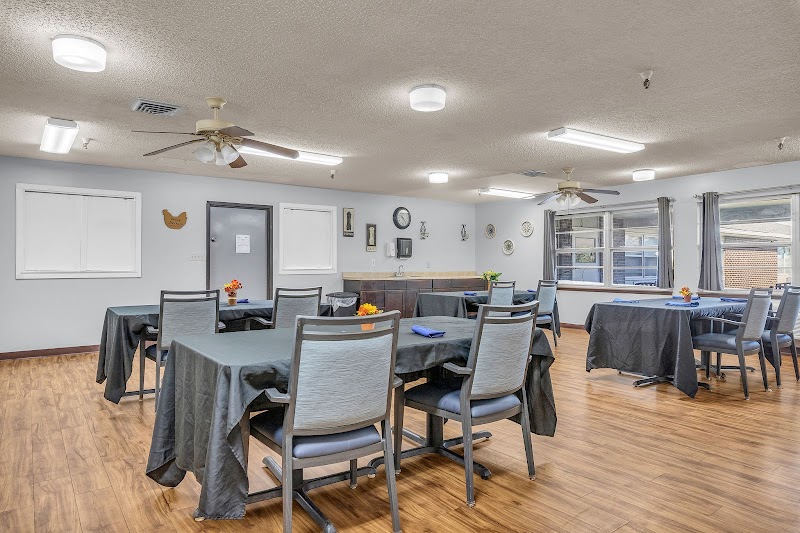
How is Heritage Gardens Center Staffed?

CMS rates HERITAGE GARDENS HEALTH AND REHABILITATION CENTER's staffing level at 2 out of 5 stars, which is below average compared to other nursing homes. Staff turnover is 55%, which is 9 percentage points above the Kansas average of 46%. High turnover can affect care consistency as new staff learn residents' individual needs. RN turnover specifically is 67%, which is notably high. RNs provide skilled clinical oversight, so turnover in this role can affect medical care quality.

What Have Inspectors Found at Heritage Gardens Center?

State health inspectors documented 46 deficiencies at HERITAGE GARDENS HEALTH AND REHABILITATION CENTER during 2022 to 2025. These included: 45 with potential for harm and 1 minor or isolated issues.
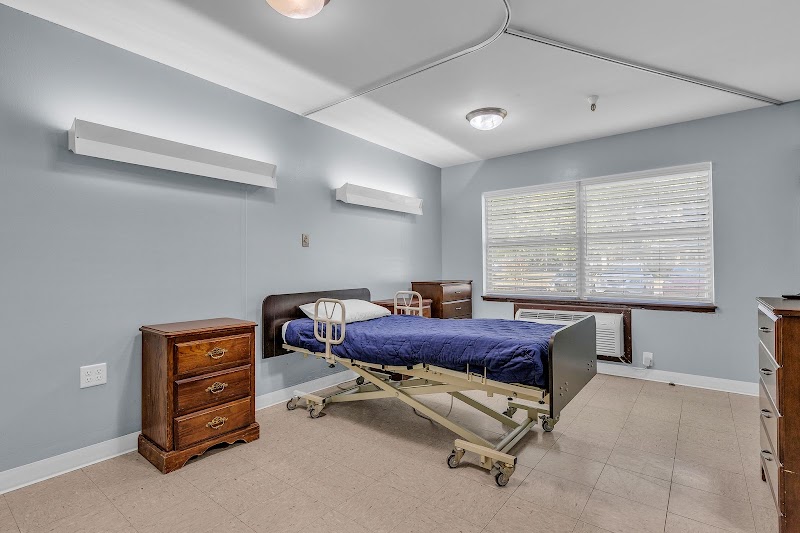
Who Owns and Operates Heritage Gardens Center?

HERITAGE GARDENS HEALTH AND REHABILITATION CENTER is owned by a for-profit company. For-profit facilities operate as businesses with obligations to shareholders or private owners. The facility is operated by RECOVER-CARE HEALTHCARE, a chain that manages multiple nursing homes. With 60 certified beds and approximately 54 residents (about 90% occupancy), it is a smaller facility located in OSKALOOSA, Kansas.
How Does Heritage Gardens Center Compare to Other Kansas Nursing Homes?

Compared to the 100 nursing homes in Kansas, HERITAGE GARDENS HEALTH AND REHABILITATION CENTER's overall rating (3 stars) is above the state average of 2.9, staff turnover (55%) is near the state average of 46%, and health inspection rating (3 stars) is at the national benchmark.

What Should Families Ask When Visiting Heritage Gardens Center?

Based on this facility's data, families visiting should ask: "How do you ensure continuity of care given staff turnover, and what is your staff retention strategy?" "Can you walk me through typical staffing levels on day, evening, and night shifts?" "Can I visit during a mealtime to observe dining assistance and food quality?" "How do you handle medical emergencies, and what is your hospital transfer rate?" These questions are particularly relevant given the facility's high staff turnover rate and the below-average staffing rating.

Is Heritage Gardens Center Safe?

Based on CMS inspection data, HERITAGE GARDENS HEALTH AND REHABILITATION CENTER has a clean safety record: no substantiated abuse findings (meaning no confirmed cases of resident harm), no Immediate Jeopardy citations (the most serious violation level indicating risk of serious injury or death), and is not on the Special Focus Facility watch list (a federal program monitoring the lowest-performing 1% of nursing homes). The facility has a 3-star overall rating and ranks #1 of 100 nursing homes in Kansas. While no facility is perfect, families should still ask about staff-to-resident ratios and recent inspection results during their visit.

Do Nurses at Heritage Gardens Center Stick Around?

Staff turnover at HERITAGE GARDENS HEALTH AND REHABILITATION CENTER is high. At 55%, the facility is 9 percentage points above the Kansas average of 46%. Registered Nurse turnover is particularly concerning at 67%. RNs handle complex medical decisions and coordinate care — frequent RN changes can directly impact care quality. High turnover means new staff may not know residents' individual needs, medications, or preferences. It can also be disorienting for residents, especially those with dementia who rely on familiar faces. Families should ask: What is causing the turnover? What retention programs are in place? How do you ensure care continuity during staff transitions?

Was Heritage Gardens Center Ever Fined?

HERITAGE GARDENS HEALTH AND REHABILITATION CENTER has been fined $13,056 across 1 penalty action. This is below the Kansas average of $33,209. While any fine indicates a compliance issue, fines under $50,000 are relatively common and typically reflect isolated problems that were subsequently corrected. Families should ask what specific issues led to these fines and confirm they've been resolved.

Is Heritage Gardens Center on Any Federal Watch List?

HERITAGE GARDENS HEALTH AND REHABILITATION CENTER is not on any federal watch list. The most significant is the Special Focus Facility (SFF) program, which identifies the bottom 1% of nursing homes nationally based on persistent, serious quality problems. Not being on this list means the facility has avoided the pattern of deficiencies that triggers enhanced federal oversight. This is a positive indicator, though families should still review the facility's inspection history directly.