ROCK CREEK OF OTTAWA
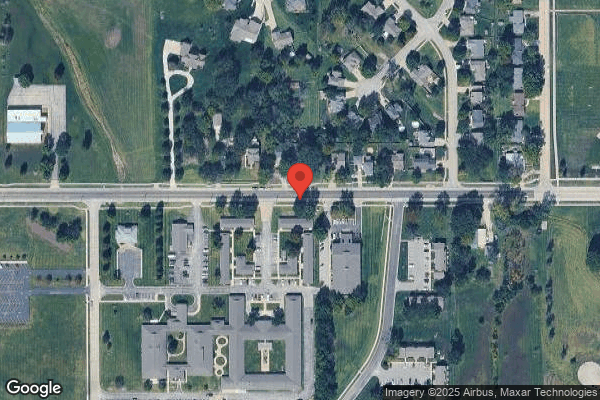

1100 W 15TH STREET, OTTAWA, KS 66067 (785) 242-5399
For profit - Corporation 75 Beds THE ENSIGN GROUP Data: November 2025
Trust Grade
55/100
#154 of 295 in KS
Last Inspection: January 2025

Within standard 12-15 month inspection cycle. Federal law requires annual inspections.

Overview

Rock Creek of Ottawa has a Trust Grade of C, indicating it is average and falls in the middle of the pack among nursing homes. It ranks #154 out of 295 facilities in Kansas, placing it in the bottom half, but it is the second best option out of three in Franklin County. Unfortunately, the facility is trending worse, with the number of reported issues increasing from 6 in 2023 to 15 in 2025. Staffing is a concern, with a rating of 2 out of 5 stars and a high turnover rate of 63%, which is above the state average. While there have been no fines, which is positive, there are serious concerns regarding food safety and sanitation, such as improper food storage and the use of unpasteurized eggs in meal preparation, which could impact residents' health. Overall, while there are some strengths, the facility has significant weaknesses that families should carefully consider.

Trust Score
C
55/100
In Kansas
#154/295
Bottom 48%
Safety Record
Low Risk
No red flags
Inspections
Getting Worse
6 → 15 violations
Staff Stability
⚠ Watch
63% turnover. Above average. Higher turnover means staff may not know residents' routines.
Penalties
✓ Good
No fines on record. Clean compliance history, better than most Kansas facilities.
Skilled Nurses
○ Average
Each resident gets 35 minutes of Registered Nurse (RN) attention daily — about average for Kansas. RNs are the most trained staff who monitor for health changes.
Violations
⚠ Watch
27 deficiencies on record. Higher than average. Multiple issues found across inspections.
★★★☆☆
3.0
Overall Rating
★★☆☆☆
2.0
Staff Levels
★★★★☆
4.0
Care Quality
★★★☆☆
3.0
Inspection Score
Stable
2023: 6 issues
2025: 15 issues

The Good

  • 4-Star Quality Measures · Strong clinical quality outcomes
  • Full Sprinkler Coverage · Fire safety systems throughout facility
  • No fines on record

Facility shows strength in quality measures, fire safety.

The Bad

3-Star Overall Rating

Near Kansas average (2.9)

Meets federal standards, typical of most facilities

Staff Turnover: 63%

17pts above Kansas avg (46%)

Frequent staff changes - ask about care continuity

Chain: THE ENSIGN GROUP

Part of a multi-facility chain

Ask about local staffing decisions and management

Staff turnover is elevated (63%)

15 points above Kansas average of 48%

The Ugly 27 deficiencies on record

Jan 2025 15 deficiencies
CONCERN (D) 📢 Someone Reported This

A family member, employee, or ombudsman was alarmed enough to file a formal complaint

Potential for Harm - no one hurt, but risky conditions existed

Resident Rights (Tag F0550)

Could have caused harm · This affected 1 resident

The facility identified a census of 72 residents. The sample included 19 residents, with Resident (R)28 reviewed for dignity. Based on observation, record review, and interview, the facility failed to...

Read full inspector narrative →
The facility identified a census of 72 residents. The sample included 19 residents, with Resident (R)28 reviewed for dignity. Based on observation, record review, and interview, the facility failed to ensure staff respected R28's privacy and dignity while in bed. This deficient practice placed R28 at risk of decreased self-esteem and decreased self-worth. Findings included: - R28's Electronic Medical Record (EMR) documented diagnoses of chronic respiratory failure (a condition where your blood does not have enough oxygen), dementia (a progressive mental disorder characterized by failing memory and confusion), and congestive heart failure (CHF - a condition with low heart output and the body becomes congested with fluid). R28's admission Minimum Data Set (MDS) dated 07/21/24 documented a Brief Interview for Mental Status (BIMS) score of 10, which indicated moderately impaired cognition. R28 had an impairment of his lower extremity on one side. R28 used a wheelchair to assist with mobility. R28 required substantial assistance to total dependence on staff for his functional abilities and activities of daily living (ADL). R28 was frequently incontinent of bowel and bladder. R28 required supplemental oxygen. R28 required using a Bilevel positive airway pressure (BiPAP - ventilation device that helps people with breathing difficulties by providing pressurized air through a mask worn over the nose or mouth) machine. R28's Quarterly MDS, dated 10/21/24, documented a BIMS score of 13, which indicated intact cognition. R28 had an impairment of his lower extremity on one side. R28 used a wheelchair to assist with mobility. R28 was dependent on staff for all functional abilities and ADLs. R28 was occasionally incontinent of bowel and bladder. R28 required supplemental oxygen. R28 required using a BiPAP at night. R28's Functional Abilities Care Area Assessment (CAA) dated 07/24/24 documented he was admitted after a fall and then had a hospitalization due to a change in cognition and continued functional decline. R28 continued supplemental oxygen and BiPAP. R28 was dependent on staff for self-care and mobility tasks. R28 was able to make needs known. R28 used a wheelchair for primary locomotion. R28's Care Plan, last revised on 11/14/24, directed staff he was substantial to max assist with bed mobility and dependent on staff for transfers. Staff was directed to set supplemental oxygen at two liters continuously via nasal cannula (a clear hollow tube used to deliver supplemental oxygen). Staff was directed that R28 required BiPAP at night per setting as ordered. On 01/28/25 at 10:39 AM, R28 lay on his bed. R28's room door was open. R28's right leg and brief were visible from the doorway. The curtain in the room was not drawn to protect his privacy. On 01/30/25 at 12:29 PM, Certified Nurse Aide (CNA) M stated a resident should not be exposed from their room. CNA M stated a resident should be covered with their sheet or their curtain drawn to protect their privacy. On 01/30/25 at 12:47 PM, Licensed Nurse (LN) H stated some residents did prefer to be uncovered at times. LN H stated their door should be shut or the privacy curtain drawn to protect their privacy. On 12/30/25 at 01:05 PM, Administrative Nurse D stated a resident had a right to be uncovered. Administrative Nurse D stated a resident's door should be closed or the privacy curtain should be drawn to avoid exposure from outside the room. The facility failed to provide a policy regarding dignity as requested. The facility failed to ensure staff respected R28's privacy and dignity while in bed. This deficient practice placed R28 at risk of decreased self-esteem and decreased self-worth.
CONCERN (D) 📢 Someone Reported This

A family member, employee, or ombudsman was alarmed enough to file a formal complaint

Potential for Harm - no one hurt, but risky conditions existed

Deficiency F0558 (Tag F0558)

Could have caused harm · This affected 1 resident

The facility had a census of 72 residents. The sample included 19 residents, with five reviewed for accommodation of needs related to assistive devices. Based on observation, record review, and interv...

Read full inspector narrative →
The facility had a census of 72 residents. The sample included 19 residents, with five reviewed for accommodation of needs related to assistive devices. Based on observation, record review, and interview, the facility failed to utilize and ensure the appropriate use of foot pedals during wheelchair transports for Resident (R) 65 and R51. The facility additionally failed to ensure that R43, R24, and R8 call lights remained within their reach. This deficient practice placed the resident at risk for preventable accidents and injuries. Findings Included: - A review of R65's (severely cognitively impaired resident) EMR under Progress Notes revealed a Fall Committee Note completed on 07/22/24. The note indicated R65 had a minor injury fall on 07/19/24. The note revealed that R65 fell out of his wheelchair while being pushed in the hallway without foot pedals. The note revealed that R95 became fatigued while he attempted to hold his legs up. The note revealed he suffered a skin tear on his left elbow, left wrist, left hand, and below his left eye. The note revealed all staff were educated to utilize foot pedals for the wheelchairs. On 01/28/25 at 09:40 AM, R51 (severely cognitively impaired resident) was pushed down the hallway and his room. R51's wheelchair lacked foot pedals, and staff had to remind him several times to pick up his feet. On 01/29/25 at 08:40 AM, R43 (cognitively impaired resident) sat in her wheelchair to the left of her nightstand. She stated she was cold but could not get to her call light. R43's call light was on her bed across the room. On 01/29/25 at 10:02 AM, R24 (severely cognitively impaired resident) lay on her bed asleep. R24's call light was pinned to the cord on the wall at the foot of her bed. R24's pancake call light was pinned to her recliner, which also was at the foot of her bed, out of reach. On 01/29/25 at 03:35 PM, R8 (cognitively impaired resident) laid in bed. R8's call light was stuck between his mattress and the bed cane out of reach. On 01/30/25 at 12:04 PM, Certified Nurse's Aide (CNA) M stated all wheelchairs should have foot pedals for when the residents were being pushed. She stated staff should ensure each resident's call light was either clipped onto their clothing or within reach. On 01/30/25 at 12:04 PM, Licensed Nurse (LN) H stated staff should always ensure foot pedals were in place before pushing the residents and the call lights were left within reach. On 01/30/25 at 01:07 PM, Administrative Nurse D stated staff were expected to place the call lights within reach or clipped to the resident's clothing. She stated staff was expected to use foot pedals when they pushed the residents in their wheelchairs to prevent falls or injuries. The facility's Accommodation of Needs revised 01/2023 indicated the facility was to ensure the availability of and the appropriate use of assistive devices and call lights. The policy indicated the facility will evaluate each resident's individual level of functioning and care needs. The facility failed to utilize and ensure the appropriate use of foot pedals during wheelchair transports for R65 and R51. The facility additionally failed to ensure that R43, R24, and R8 call lights remained within their reach. This deficient practice placed the resident at risk for preventable accidents and injuries.
CONCERN (D) 📢 Someone Reported This

A family member, employee, or ombudsman was alarmed enough to file a formal complaint

Potential for Harm - no one hurt, but risky conditions existed

Transfer Notice (Tag F0623)

Could have caused harm · This affected 1 resident

**NOTE- TERMS IN BRACKETS HAVE BEEN EDITED TO PROTECT CONFIDENTIALITY** The facility identified a census of 72 residents. The sample included 19 residents, with four residents reviewed for hospitaliza...

Read full inspector narrative →
**NOTE- TERMS IN BRACKETS HAVE BEEN EDITED TO PROTECT CONFIDENTIALITY** The facility identified a census of 72 residents. The sample included 19 residents, with four residents reviewed for hospitalization. Based on observation, record review, and interview, the facility failed to provide written notification of transfer to Resident (R) 28 and his representative for his facility-initiated transfers. This deficient practice placed R28 at risk for uninformed care choices. Findings included: - R28's Electronic Medical Record (EMR) documented diagnoses of chronic respiratory failure (a condition where your blood does not have enough oxygen), dementia (a progressive mental disorder characterized by failing memory and confusion), and congestive heart failure (CHF - a condition with low heart output and the body becomes congested with fluid). R28's Discharge Minimum Data Set (MDS) dated 03/15/24 documented an admission to the facility on [DATE]. The MDS documented an unplanned discharge to an acute hospital with a return anticipated. R28's Discharge MDS dated 03/22/24 documented an unplanned discharge to an acute hospital with a return anticipated. R28's admission Minimum Data Set (MDS) dated 03/29/24 documented he entered from a short-term hospital. R28 had a Brief Interview for Mental Status (BIMS) score of 12, which indicated moderately impaired cognition. R28 had an impairment of his lower extremity on one side. R28 used a wheelchair to assist with mobility. R28 required partial assistance with upper body dressing and toilet transfers. R28 was substantial assistance for lower body dressing. R28 was frequently incontinent of bowel and bladder. R28 required supplemental oxygen. R28's Discharge MDS dated 05/30/24 documented an admission to the facility on [DATE]. The MDS documented an unplanned discharge to an acute hospital with a return anticipated. R28's Discharge MDS dated 07/15/24 documented an admission to the facility on [DATE]. The MDS documented an unplanned discharge to an acute hospital with a return anticipated. R28's admission MDS, dated 07/21/24, documented a score of 10, which indicated moderately impaired cognition. R28 had an impairment of his lower extremity on one side. R28 used a wheelchair to assist with mobility. R28 required substantial assistance to total dependence on staff for his functional abilities and activities of daily living (ADL). R28 was frequently incontinent of bowel and bladder. R28 required supplemental oxygen. R28 required using a Bilevel positive airway pressure (BiPAP - ventilation device that helps people with breathing difficulties by providing pressurized air through a mask worn over the nose or mouth) machine. R28's Discharge MDS dated 08/30/24 documented an unplanned discharge to an acute hospital with a return anticipated. R28's Entry MDS dated 09/01/24 documented a re-entry to the facility from an acute hospital. R28's Quarterly MDS, dated 10/21/24, documented a BIMS score of 13, which indicated intact cognition. R28 had an impairment of his lower extremity on one side. R28 used a wheelchair to assist with mobility. R28 was dependent on staff for all functional abilities and ADLs. R28 was occasionally incontinent of bowel and bladder. R28 required supplemental oxygen. R28 required using a BiPAP at night. R28's Discharge MDS dated 12/06/24 documented an unplanned discharge to an acute hospital with a return anticipated. R28's Entry MDS dated 12/08/24 documented a re-entry to the facility from an acute hospital. R28's Functional Abilities Care Area Assessment (CAA) dated 07/24/24 documented he was admitted after a fall and then had a hospitalization due to a change in cognition and continued functional decline. R28 continued supplemental oxygen and BiPAP. R28 was dependent on staff for self-care and mobility tasks. R28 was able to make needs known. R28 used a wheelchair for primary locomotion. R28's Care Plan, last revised on 11/02/24, had canceled staff direction he wanted to return to assisted living upon discharge. A canceled intervention directed staff to make arrangements with the required community resources to support his independence post-discharge. The facility provided the appropriate bed holds for R28's discharges on 03/15/24, 03/22/24, 05/30/24, 07/15/24, 08/30/24, and 12/06/24. The facility failed to provide the required written notification of transfer to R28 and his representative for his discharges on 03/15/24, 03/22/24, 05/30/24, 07/15/24, 08/30/24, and 12/06/24 that included the reason for the transfer; the effective date of transfer; the specific location of the transfer; an explanation of the right to appeal the transfer to the state; the name, address, and telephone number of the state entity which receives appeal requests; the name, address, and phone number of the representative of the office of the stated long-term care ombudsman; and the notice must be provided to the resident and resident's representative as soon as practicable. On 01/28/25 at 10:39 AM, R28 lay on his bed. R28's supplemental oxygen was not on. On 01/30/25 at 12:38 PM, Social Services X stated she completed the bed hold form when a resident was sent out to the hospital but was not aware of a form that was provided to the resident or their representative about the discharge. Social Services X stated the facility would call the representative when a resident was sent out. On 01/30/25 at 12:47 PM, Licensed Nurse (LN) H stated the nursing staff would call the family representative to notify them when a resident was sent out to the hospital. LN H stated she did not know of any written notification of transfer that was given to the resident or mailed to the resident's representative. On 01/30/25 at 01:05 PM, Administrative Nurse D stated that a bed hold was completed by social services upon each discharge. Administrative Nurse D stated she did not know of a written notification form that was required. Administrative Nurse D stated the facility had always only done the bed hold and would call the family to notify them when a resident was discharged or sent out to the hospital. The Discharge or Transfer policy, last revised in January 2023, lacked any direction regarding the Centers for Medicaid and Medicare (CMS) state operations manual (SOM) federal guideline 483.15(c)(3): Notice before transfer. The facility failed to provide written notification of transfer to R28 and his representative for his facility-initiated transfers. This deficient practice placed R28 at risk for uninformed care choices.
CONCERN (D) 📢 Someone Reported This

A family member, employee, or ombudsman was alarmed enough to file a formal complaint

Potential for Harm - no one hurt, but risky conditions existed

Pressure Ulcer Prevention (Tag F0686)

Could have caused harm · This affected 1 resident

**NOTE- TERMS IN BRACKETS HAVE BEEN EDITED TO PROTECT CONFIDENTIALITY** - R19's Electronic Medical Record (EMR) from the Diagnosis tab documented diagnoses of muscle weakness, lack of coordination, de...

Read full inspector narrative →
**NOTE- TERMS IN BRACKETS HAVE BEEN EDITED TO PROTECT CONFIDENTIALITY** - R19's Electronic Medical Record (EMR) from the Diagnosis tab documented diagnoses of muscle weakness, lack of coordination, dementia (a progressive mental disorder characterized by failing memory and confusion), repeated falls, history of falls, and cognitive communication deficit. The admission Minimum Data Set (MDS) dated [DATE] documented a Brief Interview of Mental Status (BIMS) score of 12, which indicated moderately impaired cognition. The MDS documented R19 was at risk of developing of pressure ulcers. The MDS documented R19 had no unhealed pressure ulcers at the time of admission. The MDS documented R19 was to have pressure-reducing devices on her bed and in her chair to prevent the development of pressure ulcers. The Quarterly MDS dated 10/31/24 documented a BIMS score of 12, which indicated moderately impaired cognition. The MDS documented that R19 was at risk of development of pressure ulcers. The MDS documented R19 had no unhealed pressure ulcers during the observation period. The MDS documented R19 was to have pressure-reducing devices on her bed and in her chair to prevent the development of pressure ulcers. R19's Pressure Ulcer Care Area Assessment (CAA) dated 02/05/24 documented she was at risk of skin breakdown related to decreased mobility and bladder incontinence. Nursing staff would provide R19 with assistance with mobility and activities of daily living to help reduce her risk for development of pressure ulcers. A pressure-reducing mattress would be placed on her bed and a pressure-reducing cushion would be placed in her wheelchair. R19's Care Plan, dated 02/19/24, documented a pressure-reducing mattress was placed on her bed, and a pressure-reducing cushion was placed in her wheelchair. R19's EMR under the Orders tab revealed the following physician orders: Enhanced Barrier Precautions related to pressure ulcer every shift dated 12/03/24. Review of R19's EMR revealed a Skin Pressure Ulcer Weekly dated 01/15/25 documented a pressure ulcer with the onset date of 11/26/24 on the left buttocks. On 01/28/25 at 11:18 AM, R19 lay on her bed; her wheelchair was locked next to the bed without a pressure-reducing cushion in the wheelchair. On 01/29/25 at 10:17 AM, R19 sat in her recliner with her lower extremities elevated. R19's wheelchair was the foot of her recliner. The wheelchair lacked Dycem (non-slip mat used for stabilization and gripping to prevent slipping) or pressure-reducing cushion. On 01/30/25 at 10:51 AM, R19 sat in her recliner and watched TV. R19's wheelchair sat next to her bed with a folded white bath towel in the seat of the wheelchair. The wheelchair lacked a pressure-reducing cushion and a Dycem. On 01/30/25 at 10:53 AM, Certified Nurse Aide (CNA) N stated that R19 was at risk for skin breakdown and that R19 should have a pressure-reducing cushion in her wheelchair. CNA N stated that R19 had a pressure ulcer on her buttocks but had just recently healed. CNA N stated everyone ensured the cushion was in place in R19's wheelchair. On 01/30/25 at 10:58 AM, Licensed Nurse (LN) H stated that R19 had a recent pressure ulcer on her left buttocks. LN H stated that R19 should have a cushion in her wheelchair. LN H stated it was everyone's responsibility to ensure pressure-reducing devices were in place. On 01/30/25 at 01:10 PM, Administrative Nurse D stated R19 should have a pressure-reducing device in her wheelchair. Administrative Nurse D stated that R19 was at risk for skin breakdown. Administrative Nurse D stated she expected all staff would ensure pressure-reducing interventions were in place. The facility's Skin Management System policy, last revised 12/22/24, documented it was the policy of the facility that any resident who entered the facility without pressure ulcers would have appropriate preventive measures taken to ensure that the resident did not develop pressure ulcers, or that residents admitted with wounds would not develop signs and symptoms of infection unless the resident's clinical condition makes the development unavoidable. The facility failed to ensure a pressure-reducing heel cushion was in place for R19, who had a history of a pressure injury on her left buttocks. This deficient practice placed R19 at risk for complications related to skin breakdown and the development of further pressure ulcers. The facility identified a census of 72 residents. The sample included 19 residents, with four reviewed for pressure ulcers (localized injury to the skin and/or underlying tissue, usually over a bony prominence, because of pressure or pressure in combination with shear and/or friction). Based on interviews, observations, and record reviews, the facility failed to ensure Resident (R) 19's low air-loss mattress was set to the appropriate weight settings per her current weight. The facility additionally failed to ensure R34's Wheelchair had a pressure-reducing cushion in place per her care-planned interventions. This deficient practice placed both residents at risk for complications related to skin breakdown and pressure ulcers. Findings included: - The Medical Diagnosis section within R19's Electronic Medical Records (EMR) noted diagnoses of muscle weakness, cognitive-communication disorder, and deep surgical incision with wound-vac (a vacuum-assisted wound treatment that applies gentle suction to a wound to help it heal). R19's admission Minimum Data Set (MDS) completed on 01/13/25 noted a Brief Interview for Mental Status (BIMS) score of seven, indicating severe cognitive impairment. The MDS indicated she required substantial to maximal assistance from staff to complete transfers, toileting, bathing, dressing, bed mobility, and personal hygiene. The MDS indicated she was admitted with two stage-two (partial-thickness skin loss into but no deeper than the dermis, including intact or ruptured blisters) pressure injuries upon admission and was at risk for further pressure injury development. The MDS noted she weighed 144 pounds (lbs.) R19's Functional Abilities Care Area Assessment (CAA) was completed on 10/28/24 noted she had a recent hip replacement related to a fall before her admission. The CAA noted she required substantial assistance with her activities of daily living (ADL). The CAA noted care plan interventions were implemented to address her care risks. R19's Pressure Ulcer CAA completed 10/28/24 noted she was admitted to the facility with two pressure ulcers to her lower left extremity. The CAA noted she had a surgical incision on her left hip surgery. The CAA noted she had a pressure-reducing mat for her bed and wheelchair. R19's Care Plan, initiated on 11/08/24, indicated she had potential for further pressure ulcer development related to her immobility, incontinence, and medical diagnoses. The plan instructed staff to encourage fluid hydration and follow her diet as ordered. The plan noted she should have heel protectors on her heels while in bed. The plan noted she had a low air-loss mattress for her bed and a pressure-reducing mattress for her wheelchair. A review of the manual of low air-loss mattress manufacturers' operation (Drive Model #14029) indicated that the mattress system was intended to reduce the incidence of pressure ulcers while optimizing comfort. The manual indicated the mattress pump's pressure levels and firmness were preset based on the weight range and comfort settings. The manual indicated an optimal bed system assessment should be conducted on each patient by a qualified clinician or medical provider to ensure maximum safety. R19's EMR under Weights noted her current weight was 135.4 lbs. on 01/15/25. On 01/28/25 at 07:10 AM, R19 rested in her bed and waited for her breakfast to arrive. R19 had bilateral heel protectors on both her legs. R19's Wheelchair had a pressure-reducing mat in place. R19's bed had a Drive Model #14029 low air-loss mattress. The mattress pump had fixed weight settings of 50lbs, 100lbs, 150lbs, 200lbs, 250lbs, 300lbs, 350lbs. and 450lbs. R19's mattress control panel was locked at 200lbs. On 01/30/25 at 08:11 AM, R19's low air-loss mattress remained locked on 200lbs. On 01/30/25 at 08:15 AM Licensed Nurse (LN) G stated maintenance would set the beds up and program the weights settings, but nursing was responsible for ensuring the beds were functioning. She stated the beds were set by the resident's current weight but was not sure how they would reset it with the weight changes. She stated that R19 was at risk for pressure ulcers, and her mattress was set per her current weight. On 01/30/25 at 01:07 PM, Administrative Nurse D stated the low air-loss mattress was to be set per the resident's current weight. She stated nursing staff were able to change the weight settings if needed. The facility's provided Skin Management System policy revised 12/2024 indicated the facility was to implement preventative interventions to minimize the risk associated with skin breakdown and pressure injuries. The policy noted the facility will utilize pressure redistribution surfaces deemed appropriate based on the resident's risk factors and care needs. The facility failed to ensure R19's low air-loss mattress was set to the appropriate weight settings per her current weight. This deficient practice placed R19 at risk for complications related to skin breakdown and pressure ulcers.
CONCERN (D) 📢 Someone Reported This

A family member, employee, or ombudsman was alarmed enough to file a formal complaint

Potential for Harm - no one hurt, but risky conditions existed

Deficiency F0688 (Tag F0688)

Could have caused harm · This affected 1 resident

**NOTE- TERMS IN BRACKETS HAVE BEEN EDITED TO PROTECT CONFIDENTIALITY** The facility identified a census of 72 residents. The sample included 19 residents, with two residents reviewed for positioning ...

Read full inspector narrative →
**NOTE- TERMS IN BRACKETS HAVE BEEN EDITED TO PROTECT CONFIDENTIALITY** The facility identified a census of 72 residents. The sample included 19 residents, with two residents reviewed for positioning and mobility. Based on observation, record review, and interviews, the facility failed to ensure Resident (R) 24 was provided services and treatment to prevent worsening of contractures (abnormal permanent fixation of a joint or muscle) in his left hand. This deficient practice placed R24 at risk for discomfort and decreased range of motion (ROM - the full movement potential of a joint, usually its range of flexion and extension). Findings included: - R24's Electronic Medical Record (EMR) from the Diagnosis tab documented diagnoses of contracture of left hand, hemiparesis (muscular weakness of one half of the body), hemiplegia (paralysis of one side of the body), and cerebral infarction (stroke - sudden death of brain cells due to lack of oxygen caused by impaired blood flow to the brain by blockage or rupture of an artery to the brain). The Significant Change Minimum Data Set (MDS) dated [DATE] documented a Brief Interview of Mental Status (BIMS) score of four which indicated severely impaired cognition. The MDS documented R24 had limited ROM in the upper and lower extremities on one side. The MDS documented R24 was dependent on staff assistance for activities of daily living (ADLs) during the observation period. The Quarterly MDS dated 11/19/24 documented a BIMS score of four, which indicated severely impaired cognition. The MDS documented that R24 had limited ROM in the upper and lower extremities on one side. The MDS documented R24 was dependent on staff assistance for her ADLs during the observation period. R24's Cognitive Loss/Dementia Care Area Assessment (CAA) dated 09/11/24 documented she was alert and able to make her needs known. R24 was cooperative with her care and periods of confusion. R24's Care Plan dated 06/20/24 documented staff would encourage her to use the supportive devices as tolerated. The plan of care dated 11/14/24 documented staff may use a washcloth in her hand as tolerated to prevent further contracture formation. Staff may also use a weighted puppy stuffed animal on the forearm of her upper left extremity for comfort. The plan of care also documented that R24 could wear a hand splint for up to one hour at a time, up to three times a day as tolerated, to prevent further contracture formation. The plan of care dated 12/23/24 documented that therapy would screen R24 as needed for further contracture prevention and management. Review of R24's EMR from 12/01/24 to 01/29/25 lacked documentation of R24's supportive devices being applied or refused. On 01/29/25 at 10:02 AM, R24 lay asleep on her bed; her bed was in the lowest position. R24's hand rested on her chest area. R24's hands lacked any time of contracture prevention device in the palms of her hands. R24's one call light was pinned to the cord on the wall at the foot of her bed. R24's pancake call light was pinned to her recliner, which also was at the foot of her bed, out of reach. On 01/29/25 at 04:05 PM, R24 lay asleep on her bed; her bed was in the lowest position. R24's hand rested on her chest area. R24's hands lacked any time of contracture prevention device in the palms of her hands. On 01/30/25 at 11:03 AM, R24 lay asleep on her bed; her bed was in the lowest position. R24's hand rested on her chest area. R24's hands lacked any time of contracture prevention device in the palms of her hands. On 01/30/25 at 11:02 AM, Certified Medication Aide (CMA) R stated she did not believe there was anywhere to document the application of any contracture prevention supportive devices for R24. On 01/30/25 at 11:15 AM, Licensed Nurse (LN) I stated the therapy department determined what supportive devices would be utilized for contracture care. LN I stated she thought R24 had difficulty with the palm supportive device in November 2024 and was referred to therapy. On 01/30/25 at 01:10 PM, Administrative Nurse D stated the therapy department maintained contracture care. Administrative Nurse D stated she expected the care plan to be followed. The facility's Range of Motion policy, last revised 01/2023, documented it was the policy of the facility to prevent a resident's loss of range of motion (ROM). Appropriate treatment and services would be administered to increase the range of motion and/or prevent further decrease in the range of motion. Residents would be assessed to determine the level of range of motion. Preventive care would be provided so that the resident would not experience a reduction in range of motion unless clinical condition demonstrates a decline was unavoidable. The facility failed to ensure R24 received services and treatment for his contractures to prevent an avoidable reduction of ROM. This deficient practice left R24 at risk for further decline and discomfort.
CONCERN (D) 📢 Someone Reported This

A family member, employee, or ombudsman was alarmed enough to file a formal complaint

Potential for Harm - no one hurt, but risky conditions existed

Accident Prevention (Tag F0689)

Could have caused harm · This affected 1 resident

**NOTE- TERMS IN BRACKETS HAVE BEEN EDITED TO PROTECT CONFIDENTIALITY** - R19's Electronic Medical Record (EMR) from the Diagnosis tab documented diagnoses of muscle weakness, lack of coordination, de...

Read full inspector narrative →
**NOTE- TERMS IN BRACKETS HAVE BEEN EDITED TO PROTECT CONFIDENTIALITY** - R19's Electronic Medical Record (EMR) from the Diagnosis tab documented diagnoses of muscle weakness, lack of coordination, dementia (a progressive mental disorder characterized by failing memory and confusion), repeated falls, history of falls, and cognitive communication deficit. The admission Minimum Data Set (MDS) dated [DATE] documented a Brief Interview of Mental Status (BIMS) score of 12, which indicated moderately impaired cognition. The MDS documented R19 had a history of falls prior to her admission. The MDS documented R19 had a non-injury fall during the observation period. The Quarterly MDS dated 10/31/24 documented a BIMS score of 12, which indicated moderately impaired cognition. The MDS documented that R19 was at risk of development of pressure ulcers. The MDS documented that R19 had one non-injury fall and two injury falls during the observation period. R19's Falls Care Area Assessment (CAA) dated 02/05/24 documented she had a history of falls related to a functional decline. R19 required supervision and assistance. R19 had one non-injury fall since her admission. R19's Care Plan dated 12/02/24 documented Dycem (non-slip mat used for stabilization and gripping to prevent slipping) was placed in R19's wheelchair to reduce her risk of sliding out of the wheelchair. R19's EMR under the Assessment tab revealed a Fall Risk Evaluation dated 12/27/24, which documented R19 was a high fall risk. On 01/29/25 at 10:17 AM, R19 sat in her recliner with her lower extremities elevated. R19's wheelchair was the foot of her recliner. The wheelchair lacked Dycem or pressure-reducing cushion. On 01/30/25 at 10:51 AM, R19 sat in her recliner and watched TV. R19's wheelchair sat next to her bed with a folded white bath towel in the seat of the wheelchair. The wheelchair lacked a pressure-reducing cushion and a Dycem. On 01/30/25 at 10:53 AM, Certified Nurse Aide (CNA) N stated R19 was at risk for falls. CNA N stated she was not sure if R19 should have a Dycem in her wheelchair. On 01/30/25 at 10:58 AM, Licensed Nurse (LN) H stated that R19 should have Dycem in her wheelchair to prevent her from sliding out of her chair. LN H stated it was everyone's responsibility to ensure all fall interventions are in place. On 01/30/25 at 01:10 PM, Administrative Nurse D stated she expected everyone to ensure fall interventions were in place for each resident. The facility's Fall Prevention policy, last revised 01/20/23, documented it was the policy of the facility to investigate the circumstances surrounding each resident fall and implement actions to reduce the incidence of additional falls and minimize the potential for injury. The facility failed to ensure that Dycem was in the wheelchair or recliner as care planned for R19, who had multiple falls. This deficient practice placed R19 at further risk for injuries related to falls. The facility had a census of 72 residents. The sample included 19 residents, with two residents reviewed for accidents and/or hazards. Based on observation, record review, and interview, the facility failed to secure an electrical furnace closet out of reach of 30 cognitively impaired/independently mobile residents. The facility additionally failed to ensure Resident (R)19's care-planned fall interventions were in place. This deficient practice placed the identified residents at risk for preventable injuries and accidents. Findings Included: - On 01/28/25 at 07:05 AM, an initial walkthrough of the facility was completed. Upon inspection of the [NAME] Hall, it revealed a furnace closet next to the resident rooms. The closet double doors were locked but easily pulled open due to damage to the door's frame. The closet contained numerous electrical boxes that contained the warning, high voltage - danger of electric shock. On 01/28/25 at 07:06 AM, Administrative Staff B verified the door would not secure and stated the room should be lockable. She stated maintenance was on the way to the facility. On 01/28/25 at 07:35 AM, The door was fixed by maintenance. On 01/30/25 at 11:07 PM, Administrative Staff A identified 30 cognitively impaired / independently mobile residents within the facility. ON 01/30/25 at 01:07 PM, Administrative Nurse D stated all hazardous materials and electrical closets should remain locked and inaccessible for the residents. The facility's Accident policy revised 01/2023 indicated the facility was expected to ensure an environment that was free from hazards and potential injuries. The policy indicated staff were expected to assess the care environment and report all potential areas of concern to prevent avoidable accidents. The facility failed to secure an electrical furnace closet out of reach of 30 cognitively impaired / independently mobile residents. This deficient practice placed the identified residents at risk for preventable injuries and accidents.
CONCERN (D) 📢 Someone Reported This

A family member, employee, or ombudsman was alarmed enough to file a formal complaint

Potential for Harm - no one hurt, but risky conditions existed

Incontinence Care (Tag F0690)

Could have caused harm · This affected 1 resident

**NOTE- TERMS IN BRACKETS HAVE BEEN EDITED TO PROTECT CONFIDENTIALITY** The facility identified a census of 72 residents. The sample included 19 residents, with two residents reviewed for bowel/bladde...

Read full inspector narrative →
**NOTE- TERMS IN BRACKETS HAVE BEEN EDITED TO PROTECT CONFIDENTIALITY** The facility identified a census of 72 residents. The sample included 19 residents, with two residents reviewed for bowel/bladder incontinence, a catheter (a flexible tube inserted through a narrow opening into a body cavity, particularly the bladder, for removing fluid), and urinary tract infection (UTI - an infection in any part of the urinary system). Based on observation, record review, and interviews, the facility failed to provide appropriate treatment for Resident (R) 67 with an indwelling catheter (a tube inserted into the bladder to drain urine into a collection bag) when the facility failed to prevent his catheter drainage bag from resting on the floor. This deficient practice placed R67 at risk for catheter-related complications. Findings included: - R67's Electronic Medical Record (EMR) from the Diagnosis tab documented diagnoses of benign prostatic hyperplasia (BPH - non-cancerous enlargement of the prostate, which can lead to interference with urine flow, urinary frequency, and urinary tract infections), cognitive-communication deficit, and hypertension (HTN - elevated blood pressure). The admission Minimum Data Set (MDS) dated [DATE] documented a Brief Interview of Mental Status (BIMS) score of one, which indicated severely impaired cognition. The MDS documented R67 had an indwelling catheter during the observation period. The MDS documented R67 was dependent upon staff assistance for toileting hygiene. The Quarterly MDS dated 12/27/24 documented a BIMS score of seven, which indicated severely impaired cognition. The MDS documented that R67 had an indwelling catheter during the observation period. The MDS documented R67 was dependent on staff assistance for toileting. R67's Urinary Incontinence and Indwelling Catheter Care Area Assessment (CAA) dated 07/17/24 documented he was admitted with the indwelling catheter. R67's Care Plan dated 01/13/25 documented nursing staff would position his catheter bag and tubing below the level of his bladder. The plan of care also documented the staff position R67's catheter bag away from the entrance of the room door. R67's EMR under the Orders tab revealed the following physician orders: Catheter care every shift related to BPH dated 01/23/25. Leave catheter in place until urology appointment dated 01/23/25. On 01/29/25 at 03:36 PM, R67 sat reclined in his recliner. R67's catheter bag and tubing, which contained amber-colored urine, rested directly on the floor under his recliner. On 01/30/25 at 10:53 AM, Certified Nurse Aide (CNA) N stated that R67's catheter bag and tubing should never be on the floor. On 01/30/25 at 10:58 AM, Licensed Nurse (LN) H stated that R67's catheter bag should never be placed on the floor. On 01/30/25 at 01:10 PM, Administrative Nurse D stated R67's catheter bag or tubing should never be on the floor. Administrative Nurse D stated sometimes it was hard to find a good place to attach the catheter bag on the recliners. The facility's Indwelling Urinary Catheter Care policy, last revised 01/2023, documented it was the policy of the facility that each resident with an indwelling catheter would receive catheter care daily and as needed (PRN) to promote hygiene, comfort, and decrease the risk of infection. The facility failed to ensure the standard of care was provided for R67's catheter bag, which rested directly on the floor. This. This deficient practice placed R67 at risk of catheter-related complications.
CONCERN (D) 📢 Someone Reported This

A family member, employee, or ombudsman was alarmed enough to file a formal complaint

Potential for Harm - no one hurt, but risky conditions existed

Respiratory Care (Tag F0695)

Could have caused harm · This affected 1 resident

The facility identified a census of 72 residents. The sample included 19 residents, with two residents reviewed for respiratory care. Based on observation, record review, and interview, the facility f...

Read full inspector narrative →
The facility identified a census of 72 residents. The sample included 19 residents, with two residents reviewed for respiratory care. Based on observation, record review, and interview, the facility failed to ensure Resident (R) 28 had his physician-ordered supplemental oxygen on as ordered. The facility failed to ensure R28's nasal cannula (NC - a thin hollow tube that assists in providing supplemental oxygen) was appropriately stored when not used. This deficient practice placed R28 at risk of respiratory complications and possible infection. Findings included: - R28's Electronic Medical Record (EMR) documented diagnoses of chronic respiratory failure (a condition where your blood does not have enough oxygen), dementia (a progressive mental disorder characterized by failing memory and confusion), and congestive heart failure (CHF - a condition with low heart output and the body becomes congested with fluid). R28's admission Minimum Data Set (MDS) dated 07/21/24 documented a Brief Interview for Mental Status (BIMS) score of 10, which indicated moderately impaired cognition. R28 had an impairment of his lower extremity on one side. R28 used a wheelchair to assist with mobility. R28 required substantial assistance to total dependence on staff for his functional abilities and activities of daily living (ADL). R28 was frequently incontinent of bowel and bladder. R28 required supplemental oxygen. R28 required using a Bilevel positive airway pressure (BiPAP - ventilation device that helps people with breathing difficulties by providing pressurized air through a mask worn over the nose or mouth) machine. R28's Quarterly MDS, dated 10/21/24, documented a BIMS score of 13, which indicated intact cognition. R28 had an impairment of his lower extremity on one side. R28 used a wheelchair to assist with mobility. R28 was dependent on staff for all functional abilities and ADLs. R28 was occasionally incontinent of bowel and bladder. R28 required supplemental oxygen. R28 required using a BiPAP at night. R28's Functional Abilities Care Area Assessment (CAA) dated 07/24/24 documented he was admitted after a fall and then had a hospitalization due to a change in cognition and continued functional decline. R28 continued supplemental oxygen and BiPAP. R28 was dependent on staff for self-care and mobility tasks. R28 was able to make needs known. R28 used a wheelchair for primary locomotion. R28's Care Plan, last revised on 11/14/24, directed staff to set supplemental oxygen at two liters continuously via nasal cannula. Staff was directed that R28 required BiPAP at night per setting as ordered. R28's Order Summary documented a physician's order dated 12/08/24 for continuous oxygen via NC at two liters. On 01/28/25 at 10:39 AM, R28 lay on his bed. R28's room door was open. R28's NC was attached to the oxygen concentrator (a machine that provides supplemental oxygen). The NC was not on R28 and was noted not to be in the provided storage bag. The oxygen concentrator was not turned on. On 01/30/25 at 12:29 PM, Certified Nurse Aide (CNA) M stated if a resident was supposed to be on continuous oxygen, that should be in the care plan. CNA M stated R28 was on oxygen and a BiPAP at night. CNA M stated the NC should be stored in a plastic bag when not in use and should be replaced if it was found on the floor. On 01/30/25 at 12:47 PM, Licensed Nurse (LN) H stated R28 should have his supplement oxygen on all the time due to his respiratory issues. LN H stated it was the responsibility of all nursing staff to ensure a resident has their oxygen on to avoid further breathing issues. On 12/30/25 at 01:05 PM, Administrative Nurse D stated all staff should be checking residents to ensure they have their oxygen on and the tubing was properly stored when not in use. R28 was supposed to be on continuous oxygen. The Oxygen Administration (Mask, Cannula) policy revised in January 2023 documented that oxygen therapy was administered as ordered by the physician or as an emergency measure until the order could be obtained. The facility failed to ensure R28 had his physician-ordered supplemental oxygen was on as ordered. The facility failed to ensure R28's NC was properly stored when not in use. This deficient practice placed R28 at risk of respiratory complications and possible infection.
CONCERN (D) 📢 Someone Reported This

A family member, employee, or ombudsman was alarmed enough to file a formal complaint

Potential for Harm - no one hurt, but risky conditions existed

Deficiency F0726 (Tag F0726)

Could have caused harm · This affected 1 resident

The facility identified a census of 72 residents. The sample included 19, with one reviewed for competent staffing. Based on interviews and record reviews, the facility failed to ensure staff possesse...

Read full inspector narrative →
The facility identified a census of 72 residents. The sample included 19, with one reviewed for competent staffing. Based on interviews and record reviews, the facility failed to ensure staff possessed the appropriate skills and knowledge to order Resident (R) 33's physician-ordered eyedrops. This deficient practice placed R33 at risk for impaired quality of care. Findings included: - The Medical Diagnosis section within R33's Electronic Medical Records (EMR) noted diagnoses of dementia (a progressive mental disorder characterized by failing memory and confusion), muscle weakness, cognitive-communication deficit, and cerebral infarction (stroke - sudden death of brain cells due to lack of oxygen caused by impaired blood flow to the brain by blockage or rupture of an artery to the brain). R33's admission Minimum Data Set (MDS) completed 10/18/24 noted a Brief Interview for Mental Status (BIMS) score of five, indicating severe cognitive impairment. The MDS indicated she required partial to moderate assistance from staff to complete transfers, toileting, bathing, dressing, bed mobility, and personal hygiene. The MDS noted she had adequate vision and did not have corrected lenses. R33's Dementia Care Area Assessment (CAA) completed 01/24/25 noted she required supervision and moderate assistance for her activities of daily living (ADLs) related to her severe cognitive impairment. The CAA noted she was at risk for a functional decline, incontinence, skin breakdown, and nutritional impairment. The CAA noted she was able to converse with staff and make her needs known. R33's EMR under Physician Orders revealed an order (started 01/15/25) for staff to administer Refresh Plus Ophthalmic Solution (artificial tear eye drops used to treat dry eyes), one drop in her right eye four times daily for dry eyes. R33's EMR under Progress Notes revealed a Nursing note completed 01/14/25. The note revealed nursing staff received R33's prescribed eyedrop medication on 01/07/25 and instructions from her representative to contact her outside medical provider. The note indicated that R33's eyedrops were never added to her orders or administered. The note indicated staff called R33's outside medical provider on 01/07/25 but were not able to reach him. The note indicated the information was passed on to the next shift. The note revealed the facility never followed up with the provider until 01/14/25. The note indicated that R33's eyedrops had to be reordered from the pharmacy on 01/14/25 and were delivered on 01/15/25. On 01/28/25 at 09:01 AM, R33's resident representative stated the facility failed to administer prescribed R33's eyedrops ordered on 01/07/24 by her eye doctor. He stated he complained to the facility that she had not given her eye drops for over a week since they had been ordered. He stated he dropped off R33's eyedrops to the nurse on duty and explained that R33 was to receive the drops four times a day. On 01/30/25 at 08:15 AM, Licensed Nurse (LN) G stated when the resident came back to the facility with outside orders, the nurse on duty was responsible for verifying the orders and placing them in the EMR system. She stated the facility was responsible for following through with all medication orders and not delaying the resident's medication routine. On 01/30/25 at 01:07 PM, Administrative Nurse D stated nursing staff were responsible for ensuring all medication orders were received, verified, and entered accurately to ensure the continuity of care. The facility's provided Nursing Staff Competency policy revised 12/2023 indicated the facility was to ensure staff had the sufficient competencies and skill sets to provide nursing services to ensure resident safety. The facility failed to ensure staff possessed the appropriate skills and knowledge to ensure Resident (R)33's physician-ordered eyedrops were ordered and administered. This deficient practice placed R33 at risk for impaired quality of care.
CONCERN (D) 📢 Someone Reported This

A family member, employee, or ombudsman was alarmed enough to file a formal complaint

Potential for Harm - no one hurt, but risky conditions existed

Deficiency F0744 (Tag F0744)

Could have caused harm · This affected 1 resident

The facility identified a census of 72 residents. The sample included 19 residents, with one reviewed for dementia (a progressive mental disorder characterized by failing memory and confusion) care. B...

Read full inspector narrative →
The facility identified a census of 72 residents. The sample included 19 residents, with one reviewed for dementia (a progressive mental disorder characterized by failing memory and confusion) care. Based on interviews, record review, and observations, the facility failed to provide dementia-related behavioral services for Resident (R) 65 to promote his highest practicable level of well-being, resulting in numerous non-injury falls. This deficient practice placed R65 at risk for decreased quality of life, isolation, and impaired dignity. Findings Included: - The Medical Diagnosis section within R65's Electronic Medical Records (EMR) included diagnoses of Alzheimer's disease (progressive mental deterioration characterized by confusion and memory failure), dysphagia (difficulty swallowing), muscle weakness, cognitive-communication disorder, and a history of falls. R65's Quarterly Minimum Data Set (MDS) completed 10/18/24 revealed a Brief Interview for Mental Status (BIMS) score of six that indicated severe cognitive impairment. The MDS revealed no wandering, rejection of care, or aggressive behaviors since his admission. The MDS noted he had lower extremity impairments. The MDS noted he used a wheelchair for mobility. The MDS noted he required substantial to maximal assistance with transfers, bed mobility, dressing, bathing, personal hygiene, and mobility in his wheelchair. The MDS revealed he had multiple non-injury falls since his admission. R65's Dementia Care Area Assessment (CAA) completed 04/20/24 indicated he was at risk for falls, nutritional impairment, incontinence, and skin breakdown related to his severe cognitive impairments and medical diagnoses. R65's Care Plan initiated 04/17/24 noted he had a functional deficit related to his dementia and limited mobility. The plan noted he required substantial assistance from staff for transfers, bathing, dressing, oral hygiene, toileting, and bed mobility. The plan noted he had numerous non-injury-related falls and was at risk. The plan instructed remind him to use his soft-touch call light and ensure it was within his reach (05/28/24). The plan noted R95's foot pedals were to be on his wheelchair while being pushed by staff (07/19/24). The plan noted occupational therapy was to evaluate him for the use of some fidget devices to use at the nurse's station to prevent falls (10/11/24). R65's EMR revealed no documentation related to the attempted use of the fidget devices or R65's refusal to use the devices. R65's EMR under Progress Notes revealed a Fall Committee Note completed on 07/22/24. The note indicated R65 had a minor injury fall on 07/19/24. The note revealed R65 fell out of his wheelchair while being pushed in the hallway without foot pedals. The note revealed R95 became fatigued while he attempted to hold his legs up. The note revealed he suffered a skin tear on his left elbow, left wrist, left hand, and below his left eye. The note revealed all staff were educated to utilize foot pedals for the wheelchairs. R65's EMR under Progress Notes revealed a Fall Committee Note completed on 09/30/24. The note revealed he had a non-injury on 09/29/24. The note revealed staff found him lying on the floor in his room. The note revealed R65 was confused and reported to staff he was working on his tractor at the time of his fall. The note revealed R65 had continued impulsiveness and lacked safety awareness. The note indicated occupational therapy was to evaluate and determine a plan to utilize some fidget devices to use at the nurse's stations to engage his interest in tractors. R65's EMR under Progress Notes revealed a Fall Committee Note completed on 10/11/24. The note revealed he had a non-injury fall on 10/10/24. The note revealed R65 fell out of his bed while he attempted to transfer himself out of bed. The note revealed R65's care-planned fall mat was not in place at the time of his fall, and he suffered a right arm skin tear. The note revealed he was assessed with no major injuries. R65's EMR under Progress Notes revealed a Fall Committee Note completed on 11/01/24. The note revealed R65 had a non-injury fall in his room when he attempted to transfer himself from his wheelchair to his bed. The note indicated he was impulsive and had poor safety awareness. R65's EMR under Progress Notes revealed a Fall Committee Note completed on 12/28/24. The note revealed R65 reported he attempted to self-transfer to his bed and slid out of his wheelchair. The note revealed staff assessed him and moved him to the nurse's station to sit. On 01/27/25 at 08:30 AM, R95 sat at the East Hall nurse's station. R65 had no activities or entertainment. R65 remained at the nurse's station until lunchtime at 11:05 AM. At 12:34 AM, R65 returned to the East Hall nursing station. R65 sat at the nurse's station desk until 02:15 PM without any activity or staff engagement. On 01/30/25 at 12:30 PM, Certified Nurse Aide (CNA) M stated R65 was impulsive and would often attempt to move himself or transfer without assistance. She stated he liked tractors and talking about farming. She stated staff would often talk to him about farming. She stated the faculty attempted using fidget devices to engage, but he would refuse. She was not sure where the refusals were documented. She stated staff were expected to ensure his fall mat and foot pedals were in place to prevent falls or injuries. On 01/30/25 at 01:07 PM, Administrative Nurse D stated sensory devices were used on him, but he would refuse to use them. She stated he would talk about farming and tractors with staff for entertainment. She stated staff were also expected to ensure his current fall interventions were in place. The facility's Care of Dementia policy revised 01/2023 indicated the facility was to provide each resident with individualized care interventions and use the last restrictive approaches to care. The policy noted each resident was evaluated and provided interventions to address each resident's needs. The facility failed to provide dementia-related behavioral services for R65 to promote his highest practicable level of well-being, resulting in numerous non-injury falls. This deficient practice placed R65 at risk for decreased quality of life, isolation, and impaired dignity.
CONCERN (D) 📢 Someone Reported This

A family member, employee, or ombudsman was alarmed enough to file a formal complaint

Potential for Harm - no one hurt, but risky conditions existed

Deficiency F0757 (Tag F0757)

Could have caused harm · This affected 1 resident

**NOTE- TERMS IN BRACKETS HAVE BEEN EDITED TO PROTECT CONFIDENTIALITY** The facility identified a census of 72 residents. The sample included 19 residents, with five residents reviewed for unnecessary...

Read full inspector narrative →
**NOTE- TERMS IN BRACKETS HAVE BEEN EDITED TO PROTECT CONFIDENTIALITY** The facility identified a census of 72 residents. The sample included 19 residents, with five residents reviewed for unnecessary medications. Based on observation, record review, and interviews, the facility failed to ensure physician parameters were followed for a hypertensive medication (class of medication used to treat hypertension (high blood pressure) for Resident (R) 2. This deficient practice had the potential of unnecessary medication administration, thus leading to possible harmful side effects. Findings included: - R2's Electronic Medical Record (EMR) from the Diagnosis tab documented diagnoses of congestive heart failure (CHF - a condition with low heart output and the body becomes congested with fluid) and hypertension. The admission Minimum Data Set (MDS) dated [DATE] documented a Brief Interview of Mental Status (BIMS) score of 14, which indicated intact cognition. The Quarterly MDS dated 12/16/24 documented a BIMS score of 14, which indicated intact cognition. R2's Psychotropic Drug Use Care Area Assessment (CAA) dated 10/29/24 documented she had a history of falls. R2 had periods of agitation. R2's Care Plan, dated 10/22/24, documented staff would administer her medication as ordered. R2's EMR under the Orders tab revealed the following physician orders: Carvedilol (antihypertensive) oral tablet 3.125 milligrams (mg) give one tablet by mouth two times a day for HTN. Hold if systolic blood pressure (SBP - relating to the phase of the heartbeat when the heart muscle contracts and pumps blood from the chambers into the arteries) was less than (<) 110 millimeters of mercury (mmHg) or diastolic blood pressure (minimum level of blood pressure measured between contractions of the heart; the bottom number of a blood pressure reading) is < 60mmHg dated 01/23/25. Review of R2's Medication Administration Record (MAR) from 01/01/25 to 01/27/25 (27 days) revealed 12 (BP below-set parameter) was documented (seven times) on the following dates 01/02/25, 01/03/25, 01/11/25, 01/16/25, 01/20/25, 01/21/25, and 01/25/25. The MAR and clinical record lacked documentation of R2's BP. On 01/30/25 at 10:02 AM, R2 sat on her recliner with her feet elevated as she was using her cell phone. On 01/30/25 at 11:02 AM, Certified Medication Aide (CMA) R stated she obtained R2's BP and held Carvedilol if the BP was outside the parameter. CMA R stated there had been a place to document the BP on the MAR. On 01/30/25 at 11:15 AM, Licensed Nurse (LN) I stated CMA should report any BP that was outside the physician-ordered parameters prior to holding that medication. LN I stated yes, the BP should be recorded so the physician could review the BP outside the ordered parameters. On 01/30/25 at 01:10 PM, Administrative Nurse D stated she expected the physician orders for hold parameters to be followed and the care plan to be followed. The facility's Physician Orders policy, last revised 01/2023, documented it was the policy of the facility that drugs would be administered only upon the written order of a person duly licensed and authorized to prescribe such drugs. The facility failed to ensure staff followed the physician-ordered parameter for monitoring R2 Carvedilol. This deficient practice had the potential of unnecessary medication administration, thus leading to possible harmful side effects.
CONCERN (D) 📢 Someone Reported This

A family member, employee, or ombudsman was alarmed enough to file a formal complaint

Potential for Harm - no one hurt, but risky conditions existed

Medication Errors (Tag F0758)

Could have caused harm · This affected 1 resident

The facility identified a census of 72 residents. The sample included 19 residents, with five sample residents reviewed for unnecessary medications. Based on observation, record review, and interview....

Read full inspector narrative →
The facility identified a census of 72 residents. The sample included 19 residents, with five sample residents reviewed for unnecessary medications. Based on observation, record review, and interview. The facility failed to ensure Resident (R) 8 had an adequate Centers for Medicare and Medicaid (CMS) approved indication for the use of an antipsychotic (a class of medications used to treat major mental conditions that cause a break from reality) medication. This deficient practice placed the resident at risk for unnecessary medication administration and related complications. Findings included: - The Electronic Medical Record (EMR) for R8 documented diagnoses of Alzheimer's disease (progressive mental deterioration characterized by confusion and memory failure), dementia (a progressive mental disorder characterized by failing memory and confusion), and hypertension (elevated blood pressure). R8's admission Minimum Data Set (MDS) dated 01/16/25 documented a Brief Interview for Mental Status (BIMS) score of eight, which indicated severely impaired cognition. R8 required supervision with his self-care and mobility. R8 required moderate assistance from staff with bathing. R8 ambulated with a walker. R8 was taking an antipsychotic medication. R8's Psychotropic Drug Use Care Area Assessment (CAA), dated 01/22/25, documented he was taking Seroquel (an antipsychotic medication) daily to manage moods related to Alzheimer's dementia with agitation. R8 was monitored for targeted behaviors and adverse side effects. This was not a new medication for R8. R8's Care Plan directed staff to document episodes of behavior such as agitation. The care plan directed staff that R8 took Seroquel. Staff was directed to document medication side effects and non-pharmacological interventions used. R8's Order Summary in the EMR documented an order dated 01/23/25 for Seroquel 50 milligram (mg) tablet to give one and a half tablets by mouth daily for Alzheimer's dementia with behavioral disturbance target behavior of agitation. A pharmacy review had not been conducted on R8's medication by the consultant pharmacist yet. On 01/29/25 at 03:35 PM, R8 lay on his bed. R8 stated he was tired after working with therapy earlier today. On 01/30/25 at 12:47 PM, Licensed Nurse (LN) H stated she could not say for certain what an appropriate diagnosis was for the use of Seroquel. LN H stated the pharmacy did help the facility a lot with the medications and would let the facility know if a medication did not have a correct diagnosis. LN H stated that Administrative Nurse D reviewed the medications after they had been entered into the Medication Administration Record (MAR). On 01/30/25 at 01:05 PM, Administrative Nurse D stated she reviewed each resident's medications and checked to ensure an appropriate diagnosis was used for the medication. Administrative Nurse D stated that Alzheimer's disease nor dementia were approved diagnoses for the use of an antipsychotic medication. Administrative Nurse D stated that R8 came to the facility after being on the Seroquel for some time. Administrative Nurse D stated she would ensure to get the appropriate documentation from R8's physician for the Seroquel. The facility did not provide a policy regarding psychotropic medications or physician orders as requested. The facility failed to ensure R8 had an adequate CMS-approved indication for the use of the antipsychotic medication Seroquel. This deficient practice placed the R8 at risk for unnecessary medication administration and related complications.
CONCERN (D) 📢 Someone Reported This

A family member, employee, or ombudsman was alarmed enough to file a formal complaint

Potential for Harm - no one hurt, but risky conditions existed

Infection Control (Tag F0880)

Could have caused harm · This affected 1 resident

The facility identified a census of 72 residents. The sample included 19 residents. Based on record review, observations, and interviews, the facility additionally failed to follow sanitary infection ...

Read full inspector narrative →
The facility identified a census of 72 residents. The sample included 19 residents. Based on record review, observations, and interviews, the facility additionally failed to follow sanitary infection control practices related to oxygen equipment storage and Foley catheter care. These deficient practices placed the residents at risk for infectious diseases. Findings Included: - On 01/29/25 at 03:36 PM, Resident (R) 67 sat in his recliner in his room. R67's urinary catheter collection bag rested directly on the floor. Amber-colored urine was visible in his collection bag. On 01/28/25 at 10:40 AM, R28's supplemental oxygen nasal cannula was found resting on top of his bed. No plastic storage bag was observed in his room. On 01/30/25 at 12:04 PM, Certified Nurse's Aide (CNA) M stated all oxygen tubing and equipment should be stored inside clean plastic bags when not in use. She stated the tubing and cannulas should be replaced when contaminated. She stated the masks should be wiped down. She stated the urine collection bag was to be placed below the level of the bladder and never touch the floor. On 01/30/25 at 01:07 PM, Administrative Nurse D stated staff were expected to store the oxygen tubing and equipment in bags once the residents were out of the rooms. She stated the catheter collection bag and tubing were to be maintained below the level of the resident's bladder to prevent the backflow of urine. She stated no part of the urinary catheter should touch contaminated surfaces. The facility's Infection Prevention and Control Program policy revised 10/2022 indicated all staff were expected to be trained and follow safe infection prevention practices. The policy noted the facility was to ensure medical equipment was handled and stored in a manner that reduced the risk of contamination and exposure to contaminated surfaces. The policy noted oxygen therapy equipment was to be stored in a clean bag when noted in use. The policy noted the tubing or attachments must never come in contact with potentially contaminated surfaces. The policy indicated urinary catheter equipment must be maintained in a manner to prevent potential infection risks or urinary tract infections. The facility additionally failed to follow sanitary infection control practices related to oxygen equipment storage and Foley catheter care. These deficient practices placed the residents at risk for infectious diseases.
CONCERN (E) 📢 Someone Reported This

A family member, employee, or ombudsman was alarmed enough to file a formal complaint

Potential for Harm - no one hurt, but risky conditions existed

Deficiency F0761 (Tag F0761)

Could have caused harm · This affected multiple residents

The facility identified a census of 72 residents. The sample included 19 residents, four medication carts, and two medication rooms. Based on observation, record review, and interviews, the facility f...

Read full inspector narrative →
The facility identified a census of 72 residents. The sample included 19 residents, four medication carts, and two medication rooms. Based on observation, record review, and interviews, the facility failed to properly store medications in two of the four medication carts. The facility also failed to label medication in one of the two medication carts. This placed the residents at risk for adverse outcomes or ineffective medication regimens. Findings included: - During the initial tour on 01/28/25 at 07:10 AM, a medication cart on the [NAME] hallway was unlocked and unattended in the hallway. On 01/28/25 at 07:19 AM, the second medication cart on the [NAME] hallway was unlocked and unattended. The medication cart contained two opened, undated insulin (a hormone that lowers the level of glucose in the blood) pens. On 01/28/25 at 07:12 AM, Certified Medication Aide (CMA) R stated she thought she had locked the medication cart when she had walked away from the cart. CMA R stated the medication cart should never be left unlocked when not in use. On 01/28/25 at 07:23 AM, Licensed Nurse (LN) G stated the medication cart should never be left unlocked when out of view. LN G stated insulin pens should be labeled with the open date and the discard date. On 01/30/25 at 01:10 PM, Administrative Nurse D stated she expected the insulin pens to be stored in the refrigerator until they were to be used. Administrative Nurse D stated once the insulin pen was removed from the refrigerator, the insulin pen should have an open date and a discard date and be stored in the locked medication cart. The facility's undated Storing and Controlling Medications policy documented the facility would store medications safely, securely, and properly following the manufacturer's recommendations or those of the supplier and in accordance with federal and state laws and regulations. The medication supply was accessible only to authorized personnel. The facility failed to properly label and store medications. This deficient practice could potentially cause adverse consequences or ineffective treatment to the affected residents.
CONCERN (F) 📢 Someone Reported This

A family member, employee, or ombudsman was alarmed enough to file a formal complaint

Potential for Harm - no one hurt, but risky conditions existed

Food Safety (Tag F0812)

Could have caused harm · This affected most or all residents

The facility identified a census of 72 residents. The facility had one main kitchen and one dining room. Based on observation, record review, and interview, the facility failed to ensure food was prop...

Read full inspector narrative →
The facility identified a census of 72 residents. The facility had one main kitchen and one dining room. Based on observation, record review, and interview, the facility failed to ensure food was properly stored. The facility failed to ensure that the freezer was in proper working condition. The facility failed to ensure freezer temperatures remained at the required temperatures. The facility failed to ensure food temperatures were logged to ensure appropriate temperatures were reached before serving. Findings included: - Upon entry to the kitchen on 01/28/245 at 07:20 AM, it was observed and noted: In the server refrigerator, a half-gallon container of cottage cheese was over half empty and lacked an open date on the outside of the container. A gallon container of milk had been opened but lacked an open date. The bread rack had three opened loaves of bread and buns that were not in sealed, dated, or labeled bags. The dry storage room had a bag of macaroni and a bag of pasta shells that had been opened but were not in a sealed, dated, or labeled bag. The walk-in freezer had a package of opened potato patties that were not in a sealed, dated, and labeled bag. A bag of breaded chicken strips had been opened but was not in a sealed, dated, or labeled bag. A bag of breadsticks was open but was not in a sealed, dated, or labeled bag. Upon request, the facility was unable to provide daily prepared food temperature logs. A review of the November 2024 Refrigerator/Freezer Temperature Log revealed on the days of 11/24/24 to 11/28/24, it appeared that the walk-in freezer temperatures had been whited out and altered from the original temperature. A review of the Daily Food Temperatures for 12/03/24 lacked the food listing and temperature readings for the breakfast and lunch meals. A review of the Daily Food Temperatures for 12/04/24 lacked the food listing and temperature readings for the breakfast and lunch meals. An invoice dated 12/11/24 from a heating and cooling company documented a service to clean the condensate drain and thawed out the coil. Verified unit operation, and the temperature was zero degrees upon departure. Administrative Staff A provided a list of residents from the dates 12/03/24 to 12/06/24 that Resident (R) 3, R6, R16, R26, R27, R35, R44, R47, R56, R57, R58, R67, R116, R173, and R174 had complaints of nausea, vomiting, or diarrhea. On 01/30/25 at 11:01 AM, Dietary BB stated he was not aware of all the events that had taken place prior to his employment that began in December. Dietary BB stated he was not able to find the food temperature logs for the month of November 2024. Dietary BB stated he was made aware that the previous dietary manager left abruptly. Dietary BB stated that daily temperature logs of food, refrigerators, and freezers needed to be logged. All foods should be in sealed, labeled, and dated bags. On 01/30/25 at 11:22 AM, Dietary CC stated the former dietary manager was escorted out of the kitchen by Administrative Staff A. Dietary CC stated she was aware that there had been a few days in November where the food temperatures had not been logged. Dietary CC stated she was never aware that the walk-in freezer was down or not at the proper temperature. On 01/39/25 at 02:25 PM, Administrative Staff A stated that the previous dietary manager was escorted out of the building at the end after it was discovered that he had not been logging food temperatures as required. Administrative Staff A stated the prior dietary manager failed to inform her that the walk-in freezer was not retaining the proper temperature until five or six days after it had not been working properly. Administrative Staff A stated she had to call a repair company to come to fix the walk-in. Administrative Staff A stated during the first few days of December 2024, there were numerous resident complaints with symptoms of nausea, vomiting, or diarrhea. The Food, Sanitary Conditions policy revised on January 2023 documented: It was the policy of this facility to procure food from sources approved or considered satisfactory by federal, state, and or local authorities. The facility would store, prepare, distribute, and serve food under sanitary conditions. Hot food would leave the kitchen (or steam table) above 140 degrees Fahrenheit (F) and cold foods at or below 41 degrees F. Freezer temperatures should be at zero degrees F or below. Foods placed in the freezer were to be left in the original wrapping with an identifying label. If an item must be re-wrapped, a moisture-proof wrapping or closed container should be used to prevent freezer burn. All items must be labeled. Food will be covered, wrapped, or packaged to protect against contamination during food transport. The facility failed to ensure food was properly labeled and stored. The facility failed to ensure that the walk-in freezer maintained proper temperatures. The facility failed to ensure food temperature was logged to ensure the appropriate temperatures were reached before serving.
Dec 2023 1 deficiency
CONCERN (D) 📢 Someone Reported This

A family member, employee, or ombudsman was alarmed enough to file a formal complaint

Potential for Harm - no one hurt, but risky conditions existed

Accident Prevention (Tag F0689)

Could have caused harm · This affected 1 resident

**NOTE- TERMS IN BRACKETS HAVE BEEN EDITED TO PROTECT CONFIDENTIALITY** The facility reported a census of 72 residents with three selected for review for falls. Based on observation, interview and rec...

Read full inspector narrative →
**NOTE- TERMS IN BRACKETS HAVE BEEN EDITED TO PROTECT CONFIDENTIALITY** The facility reported a census of 72 residents with three selected for review for falls. Based on observation, interview and record review, the facility failed to ensure staff provided fall intervention as care planned for one Resident (R)2, of the three residents reviewed. Findings included: - Review of Resident (R)2's medical record, revealed diagnoses included lymphedema (swelling caused by accumulation of lymph), diabetes (when the body cannot use glucose, not enough insulin made or the body cannot respond to the insulin) with neuropathy (damage of the nerves outside of the brain and spinal cord usually the hands and feet that cause weakness, numbness and pain) and major depressive disorder (major mood disorder). The Annual Minimum Data Set (MDS) dated [DATE]. assessed the resident with a brief interview for mental status score (BIMS) of 15 which indicated normal cognitive function. The resident required supervision of activities of daily living (ADL) with unsteady balance and required stabilization with staff assistance. The resident had one non injury fall since the prior MDS. The Falls Care Area Assessment (CAA), dated 06/09/23 assess the resident had fall interventions in place, used her walker for ambulation, and staff assisted with ADLs as needed. The resident worked with therapy for strengthening. The Quarterly MDS, dated 11/15/23, assessed the resident with a BIMS score of 15, the resident had two noninjury falls and one major non injury fall since the prior MDS. The Care Plan revised 11/29/23, instructed staff the resident had functional deficits related to weakness. The resident slept in her recliner and walked independently with a four wheeled walker. A Fall intervention initiated on 10/14/23, instructed staff to add an appropriately sized piece of dycem (a non-slip material) to her recliner to keep her from sliding out. Observation on 12/20/23 at 11:00 AM, revealed the resident seated in her recliner in her room. The resident stated she preferred to sleep in her recliner and did have a fall from her recliner about a month ago. She stated she also had falls when reaching for items, but staff placed her phone charger and hearing aid charger in places that she could reach easily without falling over/out of her chair. The resident stated she should have a piece of non-slip material in the recliner seat to help her from slipping out of the recliner. The resident stated the nonskid strips on the floor in front of her recliner also help her stand. The resident stated she did wear nonskid socks. Observation, on 12/20/23 at 11:30 AM, revealed the resident ambulated to the dining room with her walker. Her gait was steady. Observation, on 12/20/23 at 12:20 PM, revealed the resident's recliner lacked the planned piece of non-slip material to prevent slipping/falls. Interview, on 12/20/23 at 12:20 PM, with Certified Nurse Aide (CNA) M, revealed she was not sure if a fall intervention for the resident included dycem in her recliner, and stated she did not have access to the care plan, but could access the resident's ADL needs. CNA M stated staff taped the resident's phone charger to her table within her reach. The resident wore nonskid socks and had nonskid tapes on the floor in front of her recliner. CNA M stated the resident spent most of her time in her recliner and could ambulate with her walker. CNA M confirmed the resident's recliner lacked the planned dycem. Interview, on 12/19/23 at 12:45 PM, with Licensed Nurse (LN)G, revealed the resident slept in her recliner and had several falls. LN G stated staff found the resident sitting at the foot of her recliner after reaching for her phone charger. LN G stated the recliner was a lift chair and the resident may have slipped out of the chair. LN G stated the resident should have dycem in her recliner and would notify therapy to obtain a piece for her recliner. Interview, on 12/20/23 at 01:30 PM, with the resident revealed she spilled pop on her recliner and on the dycem about a week ago and tried to rinse it off. She stated she did not know if it was reusable, so she set it on her sink to dry. The resident sat in her recliner on the front edge of the seat. Interview, on 12/20/23 at 04:00 PM, with Administrative Nurse D, revealed she would expect staff to place the dycem in the resident's recliner as care planned and would investigate the CNA access to the fall interventions on the [NAME] (a care plan summary for CNAs) in the electronic medical record. Interview, on 12/20/23 at 04:15 PM, with Administrative Staff D, revealed the resident may have thrown the dycem away. The facility policy Fall Prevention undated, instructed staff to implement actions to reduce the incidence of additional falls and minimize the potential for injury. The facility failed to ensure staff provided the dycem to this resident's recliner to prevent slipping falls and possible injury as care planned.
Mar 2023 5 deficiencies
CONCERN (D)

Potential for Harm - no one hurt, but risky conditions existed

Comprehensive Assessments (Tag F0636)

Could have caused harm · This affected 1 resident

**NOTE- TERMS IN BRACKETS HAVE BEEN EDITED TO PROTECT CONFIDENTIALITY** The facility reported a census of 72 residents. Based on observation, interview, and record review the facility failed to comple...

Read full inspector narrative →
**NOTE- TERMS IN BRACKETS HAVE BEEN EDITED TO PROTECT CONFIDENTIALITY** The facility reported a census of 72 residents. Based on observation, interview, and record review the facility failed to complete an accurate Minimum Data Set (MDS) for one Resident (R)64, regarding inaccurate discharge location. Findings included: - Review of Resident (R)64's medical record revealed a diagnosis of Parkinson's disease (slowly progressive neurologic disorder characterized by resting tremor, rolling of the fingers, masklike faces, shuffling gait, muscle rigidity and weakness). The entry Minimum Data Set (MDS), dated [DATE], documented the resident admitted from an acute hospital. The care plan, dated 02/06/23, instructed the staff the resident intended to return home following his stay at the facility. The discharge MDS, dated 02/13/23, documented the resident discharged from the facility to an acute hospital. On 03/29/23 at 08:51 AM, Administrative Nurse E stated the resident discharged from the facility to home on [DATE]. The discharge MDS, dated [DATE], was inaccurate as it documented the resident discharged to the hospital. On 03/29/23 at 10:00 AM, Administrative Nurse D stated she would expect for the staff to complete the MDS correctly. The facility used the Resident Assessment Instrument (RAI) for completion of the MDSs. The facility failed to complete an accurate MDS for this resident who discharged to home from the facility.
CONCERN (D)

Potential for Harm - no one hurt, but risky conditions existed

Deficiency F0688 (Tag F0688)

Could have caused harm · This affected 1 resident

**NOTE- TERMS IN BRACKETS HAVE BEEN EDITED TO PROTECT CONFIDENTIALITY** The facility reported a census of 72 residents with 20 selected for review including one reviewed for restorative nursing contra...

Read full inspector narrative →
**NOTE- TERMS IN BRACKETS HAVE BEEN EDITED TO PROTECT CONFIDENTIALITY** The facility reported a census of 72 residents with 20 selected for review including one reviewed for restorative nursing contracture management (abnormal permanent fixation of a joint). Based on observation, interview, and record review, the facility failed to provide restorative services of contracture management services for the one sampled Resident (R)31. Findings included: - The Medical Diagnosis tab for R31 included diagnosis of Parkinson's Disease (slowly progressive neurologic disorder characterized by resting tremor, rolling of the fingers, masklike faces, shuffling gait, muscle rigidity and weakness), hemiplegia (paralysis of one side of the body) and hemiparesis (muscular weakness of one side of the body) following cerebral infarction (stroke- damage to tissues in the brain due to a loss of oxygen to the area), and contracture of the left hand. The Quarterly Minimum Data Set (MDS) dated [DATE] assessed R31 with a Brief Interview of Mental Status (BIMS) score of 15 indicating intact cognition. She had an upper extremity range of motion impairment to one side that interfered with daily functions or placed her at risk for injury. R31 received Occupational Therapy five days and did not receive any restorative nursing services for splint or brace assistance. The Annual MDS dated 12/23/22 assessed R31 with no impairment to long- and short-term memory recall, had no impairment to her upper extremity range of motion that interfered with daily functions or placed her at risk for injury. She did not require Occupational Therapy and received restorative nursing services five days for passive range of motion and two days for splint or brace assistance. The ADL [activities of daily living] Functional/Rehabilitation Potential Care Area Assessment dated 01/16/23 for R31 revealed she required setup assist for morning and HS (hour of sleep) cares and extensive assist for dressing. The Care Plan dated 02/07/23 revealed a restorative nursing program for splint assistance. The staff were to assist with donning the left-hand splint after lunch one time per day to wear for two hours as tolerated to prevent decline with flexion of digits (fingers). R31 may wear the palmar based left digit three through five finger extension orthotic for one hour at a time three times a day to prevent further contracture formation, skin integrity compromise, and pain. The Task tab instructed the staff to assist with the splint to the left hand after lunch one time per day to wear for two hours as tolerated to prevent decline with flexion of the digits. R31 may wear the palmar based left digit three through five finger extension orthotic for one hour at a time three times a day to prevent further contracture formation, skin integrity compromise, and pain. The Occupational Discharge Summary dated 02/17/23 revealed R31 had limited use/tolerance of the current hand based finger extension splint to the left hand but tolerated two hours wear of a soft washcloth roll to facilitate finger extension until air filled finger extension orthotic was received/shipped. The Therapy to Nursing Communication binder included a daytime splint scheduled, undated, for R31 which was the daytime splint schedule posted in her room. On 03/27/23 at 04:47 PM, observed R31 with contracture to the left hand and was unable to extend digits three through five. A sign was in her room instructing staff to put a splint on her left hand at night and to take it off in the morning. The resident did not have a splint to her hand at this time. On 03/27/23 at 04:48 PM, R31 stated she was unable to open three fingers on her left hand and has a splint that she wears at night. On 03/28/23 at 10:48 AM, observed a blue splint on R31's overbed table. On 03/29/23 at 09:33 AM, observed R31 sitting in her recliner in her room, no splint or orthotic in place to her left hand. R31 had a sign in her room for Daytime Hand Splint Schedule which included times from 09:00 AM to 11:00 AM, 01:00 PM to 03:00 PM, and optional 06:00 PM to 08:00 PM. This sign was posted next to the sign for her nighttime splint. On 03/29/23 at 09:34 AM, R31 stated the splint for her hand at night was blue and the splint for her hand during the day was white and black and she had not seen it for two weeks. R31 stated she thought maybe it was in the drawer and pointed to the stand next to her recliner. R31 stated staff has not offered to assist to put the splint on today and did not think the staff knew how to do it. R31 stated she had therapy about two weeks ago. R31 stated she monitored the skin in her hand for breakdown and there was not any however stated if felt moist all of the time. On 03/29/23 at 09:44 AM, Certified Nurse Aide (CNA) P was not aware R31 was to have a splint in place at intervals during the day to R31's left hand. CNA P looked in the room for the splint and found a white rolled washrag with Coban (self-adherent elastic wrap) wrapped with a black fabric strap. The staff did find a soft fabric carrot shaped device in her drawer that the resident placed in her left hand. On 03/29/23 at 09:45 AM, R31 stated that was not the white and black splint she was referring to. On 03/29/23 at 09:49 AM, Consultant therapy staff GG stated consultant therapy staff HH made a heat molded palm protector for R31 and it had been over a month since R31 received therapy services. On 03/29/23 at 09:51 AM, Consultant therapy staff HH stated R31 had too much pain with the splint when she had returned from the hospital and another splint had been ordered that had not arrived yet that has an air bladder that was expandable. R31 had been out of the splint so long at the hospital she could not tolerate the splint she had been using before. A hand roll was made for her to use when she could not tolerate the other one, around four weeks ago, and referred to the one found in the drawer of the rolled washrag with black fabric strap and Coban wrapped around it. Consultant therapy staff HH stated the nursing staff was made aware by a written communication form placed in the communication binder for therapy to nursing. On 03/29/23 at 10:09 AM, Administrative Nurse D stated she would expect the staff to assist R31 with splint placement per therapy direction. The facility policy Contracture Documentation dated 01/2023 revealed a resident with a limited range of motion or contracture shall receive appropriate treatment and services, based on the comprehensive assessment of the resident, to increase range of motion and/or prevent further decrease. The facility failed to ensure staff assisted R31 with the left hand splint placement during the day to prevent further contracture to digits three through five of her left hand.
CONCERN (D)

Potential for Harm - no one hurt, but risky conditions existed

Accident Prevention (Tag F0689)

Could have caused harm · This affected 1 resident

**NOTE- TERMS IN BRACKETS HAVE BEEN EDITED TO PROTECT CONFIDENTIALITY** The facility reported a census of 72 residents with 20 selected for review. Based on observation, interview, and record review, ...

Read full inspector narrative →
**NOTE- TERMS IN BRACKETS HAVE BEEN EDITED TO PROTECT CONFIDENTIALITY** The facility reported a census of 72 residents with 20 selected for review. Based on observation, interview, and record review, the facility failed to assess, monitor, and implement interventions to prevent further accidents/injuries for two residents, Resident (R)42 and R21, with bruises, and failed to ensure immediate appropriate interventions were implemented for R9 following falls to prevent further falls/injury. Findings included: - The Medical Diagnosis tab for R9 included diagnoses of Parkinson's disease (slowly progressive neurologic disorder characterized by resting tremor, rolling of the fingers, masklike faces, shuffling gait, muscle rigidity and weakness), repeated falls, history of falling, cognitive communication deficit, muscle weakness, dementia (progressive mental disorder characterized by failing memory, confusion) without behavioral disturbance, anxiety disorder (feelings of worry, anxiety, or fear that are strong enough to interfere with one's daily activities), and urge incontinence (involuntary passage of urine occurring soon after a strong sense of urgency to void). The admission Minimum Data Set (MDS) dated [DATE] for R9 assessed her with a Brief Interview of Mental Status (BIMS) score of 13 indicating intact cognition. She required limited assistance from one staff for transfers, walking, locomotion, dressing, and toilet use. R9's balance during transitions and walking was not steady and she could only stabilize with staff assistance. She used a walker and a wheelchair for mobility. R9 was continent of bowel and occasionally incontinent of urine and was not on a toileting program for bowel or bladder. R9 had no falls since admission/entry. The ADL [activities of daily living] Functional/Rehabilitation Care Area Assessment (CAA) dated 07/05/22 revealed R9 had a recent decline due to her Parkinson's Disease and required 24-hour nursing care for supervision and assistance with ADL's due to her weakness, fatigue, and confusion. R9 used a wheelchair for locomotion and was working with therapy to improve her mobility. The Falls CAA dated 07/05/22 for R9 revealed she was at risk to fall due to weakness, impaired mobility, confusion, and occasional impulsivity. She had falls prior to admission but none since admitted to the facility. R9 could propel herself in the wheelchair and staff assisted her with ADL's and monitor for safety. The Care Plan dated 01/06/23 included these interventions in place prior to 09/13/22: Keep needed items, water, etc. in reach, ensure she is wearing appropriate footwear when ambulating or wheeling in the wheelchair, non-skid strips to the floor in front of the recliner, and a one-way slide in her wheelchair. Additional interventions added from 09/13/22 forward for falls included: 1. On 09/13/22, non-skid strips to the floor in front of her toilet. 2. On 10/09/22, provided a grabber to assist her safely to reach items off the floor. 3. On 10/26/22, anti-roll bars to the wheelchair. 4. On 10/31/22, staff to lay out extra set of clothing within her reach daily if needed. 5. On 11/18/22, bright colored call before you fall sign in her room. 6. On 11/28/22, call before you fall sign in bathroom. 7. On 12/20/22, insulin changed. 8. On 12/24/22, placed Dycem (thin rubber-like non-slip material) in recliner. 9. On 01/15/23, encourage R9 to maintain items in smaller totes with lids to manage belongings safely. 10. On 01/19/23, staff to offer her toileting before and after meals as tolerated by her. 11. On 02/10/22 (for fall 02/01/23, 9 days prior), strips put down on floor in front of closet. 12. On 02/16/23, will provide small fidget devices for lap to help her satisfy her fidgeting. 13. On 02/27/23, will add to falling star program and star will be placed outside door. 14. On 03/11/23, non-skid strips in front of bed. 15. On 03/20/23, lower back of seat in wheelchair for better positioning as she is leaning forward more. Review of the progress notes revealed R9 fell 21 times between 09/13/22 through 03/20/23, with 10 of those falls resulting in skin tears/bruising injury. The Progress Note dated 09/13/22 revealed R9 was on the floor in the bathroom. The staff educated R9 to call for staff assistance when needing to transfer. The intervention was not appropriate due to R9's moderately impaired cognition. The Fall Committee IDT (interdisciplinary team) note dated 09/14/22, the next day following the fall, revealed will add non-skid strips to the floor in front of the toilet and also reminder her to call for assistance prior to self-transferring as she can be very unsteady due to her Parkinson's Disease. The Progress Note dated 10/09/23 revealed R9 was on the floor in front of her recliner. The note lacked a new intervention to prevent further falling. The Incident report dated 10/09/22 for R9 lacked a new intervention to prevent further falls. The Fall Committee IDT note for R9 dated 10/10/22, the next day following the fall, revealed would provide R9 a reacher (handled gripper to pick things up) to assist her safely reach for items off the floor. The Progress Note dated 11/18/22 revealed R9 was laying on the floor of her room with the wheelchair located at her feet. The note lacked a new intervention to prevent further falls. There was no injury noted from the fall, however, she had developed a bruise below her left eye in the last couple of days. (R9 fell on [DATE] resulting in laceration to the forehead). The Incident report dated 11/18/22 for R9 lacked an intervention to prevent further falls. The Fall Committee IDT dated 11/21/22, three days after the fall, revealed would place a bright colored call before you fall sign in R9's room as a reminder. The Progress Note dated 11/28/22 revealed R9 was on the floor in front of the toilet, stating she lost her balance after standing up from the toilet. R9 had a 1.5 centimeter laceration to the back of her head. The bleeding stopped and did not require a bandage. The note lacked an intervention to prevent further falls. The Incident report dated 11/28/22 lacked an intervention to prevent further falls. The Fall Committee IDT note dated 12/01/22, three days after the fall, revealed would place a bright colored call before you fall sign in front of her toilet in the bathroom. The Progress Note dated 12/24/22 revealed a Certified Nurse Aide (CNA) alerted the nurse R9 was on the floor. When the nurse arrived in the room, R9 was sitting in her recliner and a Certified Medication Aide (CMA) was applying a wet wash cloth to R9's right hand due to a laceration. The nurse sent R9 to the emergency for the right hand laceration. The Progress Note dated 12/25/22 at 01:58 AM revealed R9 returned from the emergency room at 12:35 AM. R9 returned with her right hand wrapped with gauze, the nurse cleaned the dry blood off of her hand and placed steri-strips on the skin tear. The note lacked immediate intervention to prevent further falls. The Fall Committee IDT note dated 12/27/22, three days after the fall and two days after return from the emergency room revealed staff would provide Dycem to the seat of R9's recliner to prevent her from slipping out. The Progress Note dated 01/07/23 revealed R9 stood up out of wheelchair and her feet slipped in her slippers and she slid down the wall to the floor in an upright position. The note lacked a new intervention to prevent falls. The Incident report dated 01/07/23 lacked a new intervention to prevent further falls. The Fall Committee IDT note dated 01/09/23, two days after the fall, revealed would add non-skid surface to base of slippers as R9 enjoyed wearing them. The Progress Note dated 01/15/23 revealed R9 was sitting on the floor on left side of buttocks holding herself up with her left hand. R9 reported she was looking for a business card in a basket in the closet, she spilled the basket which had beads in it, and she slipped to the floor. R9 had a 0.5 centimeter slit to her left wrist by her watch. The note lacked a new intervention to prevent further falls. The Incident report dated 01/15/23 included an intervention educated to use call light and would need call light attached while in the wheelchair. The intervention was not appropriate due to R9 having moderate cognitive impairment. The Fall Committee IDT dated 01/16/23, the day after the fall revealed would provide small totes that would be easier for R9 to manage with lids to prevent items from falling out when she pulls them out of the closet. The Progress Note dated 01/19/23 at 06:30 PM revealed the resident was on the floor, barefoot, shirt off, pants to her ankles, and several wet areas on the floor. R9 reported she was trying to put her pants on and fell. R9 had a skin tear to her right forearm. The note included the staff reminded R9 to call for assistance with transfers and to get dressed. The intervention was not appropriate due to R9 having moderate cognitive impairment. The Incident report dated 01/19/23 included the same education intervention. The Fall Committee IDT note dated 01/20/23, the day after the fall, included an intervention for staff to offer toileting before and after meals as tolerated by her. The Progress Note dated 02/01/23 at 06:15 PM revealed R9 was on the floor in her room by her closet with her pants around her ankles. R9 reported she was changing her pants and fell and bumped her hand on the door. R9 had a skin tear to her left hand which measured 2.5 centimeters by 2.5 centimeters and required steri-strips. The note lacked an intervention to prevent further falls. The Incident report dated 02/01/23 lacked a new intervention to prevent further falls. The Fall Committee IDT note dated 02/02/23, the day after the fall, revealed will place non-skid strips in front of her closet to keep from slipping when she self-transfers. The Progress Note dated 02/04/23 revealed R9 was on the floor in another resident's room with nightgown on and socks that were not non-skid. R9's wheelchair was found in a different resident room. The note lacked a new intervention to prevent further falls. The Incident report dated 02/04/23 lacked a new intervention to prevent further falls. The Fall Committee IDT noted dated 02/06/23, two days after the fall, revealed would have Speech Therapy to evaluate and treat for safety awareness and impulsivity. The intervention was not an immediate intervention to prevent further falls. The Progress Note dated 02/05/23 revealed R9 was sitting on the floor in front of her wheelchair. The note lacked an intervention to prevent further falls. The Incident report dated 02/05/23 revealed the staff found a superficial abrasion to the right side of her back. The report lacked a new intervention to prevent further falls. The Fall Committee IDT note dated 02/06/23, the day following the fall, revealed would have the family come in and unpack totes removing extra items not needed in her room and take them home with them in an effort to de-clutter the room. The Social Services note dated 02/12/23 revealed R9's family gave permission to clean out the closets and put away clothing totes in her room that she has been falling sorting through. Staff packed up a tote of summer clothing. The facility failed to have an intervention in place while waiting for the totes to be gone through, which occurred seven days after the fall. The Progress Note dated 02/16/23 revealed R9 was sitting on the floor in front of the recliner bent forward fidgeting with a quilt. R9 had a skin tear to her left elbow. The note lacked a new intervention to prevent further falls. The Incident report dated 02/16/23 lacked a new intervention to prevent further falls. The Fall Committee IDT note dated 02/17/23, the day after her fall revealed would provide small lap fidget devices for R9 to fidget with to keep her busy. The Progress Note dated 02/27/23 revealed R9 was laying in her room on her abdomen on the floor, arms to her side, head at the foot of the bed with the wheelchair near her. R9 reported she hit her temple on the floor and her makeup bag was in her left hand and makeup was scattered on floor near her. R9 had a 3.0 centimeter skin tear to the right side of her face and a 1.5 centimeter skin tear to her right wrist. The note lacked a new intervention to prevent further falls. The Incident report dated 02/27/23 lacked a new intervention to prevent further falls. The Fall Committee IDT note dated 02/28/23, the day after the fall, revealed would implement the falling star program and place a star outside of the door of her room for more frequent monitoring by staff. The Progress Note dated 03/01/23 revealed R9 had multiple bruises on her face, hands, arms, and torso from previous fall. R9 continued to be impulsive and would stand and ambulate without assistance or lean forward in the wheelchair to fidget with items on the floor. Staff would remind her repeatedly to sit back down. The Progress Note dated 03/07/23 at 03:03 PM revealed R9 was on the floor in her bathroom laying on her right side and a small amount of blood was dripping from her forehead. The resident who shared a bathroom alerted the staff to R9 being on the floor. The wheelchair was not near the doorway and the recliner was not fully down. R9 had a laceration to her forehand, digits three through five on her right side, blood inside of her mouth, and bruising to the right side of her face with a hematoma near her right eyebrow. R9 was sent to the emergency room. The Progress Note dated 03/07/23 at 07:57 PM revealed the staff seated R9 near the nurse's station to observe her condition. R9 was removing her steri-strips and trying to stand and ambulate without assistance of devices. The Fall Committee IDT note dated 03/09/23, two days after the fall, revealed would add a motion sensor alarm in R9's room near the bed and bathroom to further alert staff of her attempts to self-transfer. The Progress Note dated 03/11/23 at 11:25 PM revealed R9 was sitting on the floor on the side of the bed. R9 told the nurse she was hungry and given a snack and a soda. The note lacked if the motion sensor alarm activated. The note lacked a new intervention to prevent further falls. The Incident report dated 03/11/23 lacked a new intervention to prevent further falls and revealed R9 told the staff she just felt like getting out of bed. The Fall Committee IDT note dated 03/13/23, two days after the fall revealed would add non-skid strips next to her bed to keep from slipping. The Progress Note dated 03/15/23 revealed R9 fell on [DATE] at 04:30 PM. R9 was laying flat on her stomach in the middle of the floor in her room with her face turned to the side, wheelchair within reach. R9 had her makeup bag and makeup sprawled out near her, fresh makeup on her face and lipstick fresh. Lipstick was smooshed into the floor and lid found on the other side of the room. R9's face had bruising from previous falls and no new skin injuries noted with this fall. The staff assisted R9 to her wheelchair. She was in the wheelchair for one minute before she began standing up to bend over to help the nurse clean up the floor, the nurse frightened R9, causing her to lose her balance. The nurse grabbed the gait belt and slowly lowered her to the floor and began giggling and smiling once sitting on the floor leaned back against the recliner. The nurse sat on the floor with her until she was ready to get in the wheelchair. The staff provided R9 one on one supervision due to constant standing and walking without assistive device. The Fall Committee IDT note dated 03/15/23 revealed would place mats on the floor in R9's room to give her a cushioned space to sit on the floor as she chooses. The Progress Note dated 03/20/23 revealed R9 was sitting on the floor in the hallway, unable to say what happened. The note lacked an intervention to prevent further falls. The Fall Committee IDT note dated 03/23/23, three days after the fall, revealed would lower the back of the seat of R9's wheelchair for better positioning as she was always leaning forward in her wheelchair and needed frequent reminders to scoot back in the chair. The Progress Note dated 03/23/23 at 11:20 PM revealed R9 continues to impulsively stand from wheelchair and lean forward in the chair to reach things on the floor. The staff reminds R9 frequently to propel self in wheelchair and sit back in her chair for safety. The Progress Notes dated 03/23/23 through 03/28/23 lacked if the back of the seat of the wheelchair had been lowered, the fall intervention put into place on 03/23/23. On 03/27/23 at 02:21 PM observed R9 in her room sitting in the recliner with her feet elevated, wheelchair out of reach. Yellow and faded black bruising present to her right cheek and right side of forehead. R9 was dozing off and on, stated she fell a couple of weeks ago and did not answer further questioning. On 03/28/23 at 10:18 AM observed R9 sitting in the recliner in her room with her feet elevated, a touch pad style call light in place on the bed and the overbed table out of reach. Non-skid socks were in place to her feet and her shoes were on the floor in front of the closet where there were non-skid strips on the floor. R9 said the bathroom was falling in and when asked if she needed to go to the bathroom she said no but probably should and she did not want to. On 03/28/23 at 10:19 AM CNA M stated she did not know if R9 could use a call light or not, this was her first day here since November and had been on duty for 20 minutes. CNA M moved one of the touch pad call lights to the arm of R9's recliner in reach before exiting room. CNA M asked R9 is she needed to go to the bathroom and R9 said no. On 03/28/23 at 12:52 PM CNA N brought R9 to her room in her wheelchair, offered to toilet her several times and R9 declined. CNA M removed the foot pedals from the wheelchair, placed them in a bag on the back of the wheelchair, locked the wheelchair brakes, and assisted R9 to transfer to the recliner. R9 then stated she needed to go to the bathroom. CNA M transferred R9 back to the wheelchair and took her into the bathroom, moved the wheelchair outside of the bathroom, then washed her hands at the sink in the room. CNA M went back into the bathroom and assisted R9 with toileting needs and to get back into the recliner. On 03/28/23 at 03:40 PM CNA O propelled R9 into her room, locked her wheelchair, turned on the TV, handed R9 the remote, moved the overbed table next to her. On 03/28/23 at 04:00 PM observed R9 sitting in the recliner in her room, wheelchair facing the door and unlocked. On 03/28/23 at 04:01 PM CNA O stated she did not transfer R9 to the recliner and the that the other staff on duty said they did not either. CNA O stated R9 should have help for transfers. On 03/28/23 at 04:03 PM observed R9 using the remote to her recliner and was raising the recliner up, alert CNA O and at that time Administrative Nurse F arrived and assisted CNA O with R9 back to the wheelchair. Did not observe a one way slide in the wheelchair. The recliner had a cloth incontinence pad in place, did not observe a Dycem in place. On 03/29/23 at 12:03 PM Licensed Nurse (LN) I stated the charge nurse makes a new intervention after a resident falls and the IDT team meets and they put an intervention in the care plan. I do what I can after the fall and the IDT team may have a better intervention. I do not put interventions on the care plan. I talk to the CNAs to discuss what we are doing and pass it on in report to the next shift, that way they can documents if the intervention is effective, and if they think it was ineffective they will put into place what they think would be effective and let their shift know. LN I stated R9 she has never seen R9 use a reacher and if in her room she should be in the recliner or laying down. On 03/29/23 at 03:06 PM Administrative Nurse D stated education to a resident with a BIMS of 12 or lower was not appropriate. The motions sensors put in R9's room were removed and we decided to try and encourage her not to be in her room. The intervention for the removing the slick shoes and nonskid surface applied to slippers were removed from the care plan when updating interventions. Administrative Nurse D stated the hope is that the staff puts into place an immediate intervention after a fall. The facility policy Fall Prevention dated January 2023 revealed it was the policy of the facility to investigate the circumstances surrounding each resident fall and implement actions to reduce the incidence of additional falls and minimize the potential for injury. The facility failed to implement immediate and appropriate interventions following falls in a timely manner and failed to follow up on the interventions for R9, who had 21 falls from 09/13/22 through 03/20/23, to prevent further falls/accidents for this resident. - Review of Resident (R) 42's Physician Orders, dated 03/28/23, revealed diagnoses which included, chronic respiratory failure, unsteadiness on feet, fatigue, muscle weakness, lack of coordination, neuropathy (lack of sensation in extremities), and disorder of bone density. The Annual Minimum Data Set (MDS) dated [DATE], revealed a Brief Interview for Mental Status (BIMS) score of 13, which indicated cognition was intact. The resident was without no skin issues. She required extensive assistance of staff with activities of daily living (ADLs), and limited assistance of staff with locomotion. The resident did not walk and her balance during transition was not steady, she was only able to stabilize with staff assistance. The resident had no functional limitation of her upper or lower extremities. She used a wheelchair as a mobility device. The resident did not experience falls during the look back period. She received anticoagulants (medications which thin the blood) for seven days of the look back period. The Fall Care Area Assessment (CAA), dated 12/09/22, documentation included the resident required extensive assistance of one to two staff with ADLs. She used a wheelchair for locomotion. She was at risk for due to weakness and needed staff assistance with all mobility and ADLs. The resident requested assistance with her ADLs and does not attempt them on her own. The Care Plan, (CP), dated 3/28/23, directed staff the resident took anticoagulant medication for atrial fibrillation (irregular heart rate). Staff should monitor closely for excessive bruising or other signs and symptoms of bleeding and notify the nurse immediately of skin breakdown which included bruises and skin discoloration. Review of the resident's Physician Orders, dated 03/08/23, included orders for Eliquis Tablet 5.0 milligrams (MG), give 1 tablet by mouth two times a day for blood thinner, ordered 02/26/22. On 03/27/23 at 02:19 PM, the resident with purple bruising of her left lower arm approximately the size of a silver dollar. The resident reported she received Eliquis, a blood thinner and she bumps her arms on things. She was noted to reach between her recliner and bedside table to throw a tissue in the trash on her left side. She confirmed she bumped her arm on the bedside table positioned on her left side above her trash can. On inquiry the resident reported the facility had not offered interventions to prevent injury and did not monitor the discolored areas on a routine basis. To her knowledge nothing was done to prevent further injury when the bruising occurred. Review of the resident's Electronic Medical Record (EMR) revealed the lack of documentation of the existence of the discolored area on the resident's arm, nor interventions to prevent the further injury. On 03/28/23 at 12:31 PM, Certified Nurse Aid (CNA) Q served the resident lunch, on inquiry she confirmed the resident with discolored area on her left arm. She reported she was not aware of the cause of the bruising or of any interventions in place to prevent further injury. She stated areas should be reported to the nurse when identified and the nurse should assess and put intervention in place to prevent further injury. On 03/29/23 at 11:55 AM, Licensed Nurse (LN) H stated the staff should report bruising of resident's bruising or discoloration. The nurse should assess the area and document findings in the progress notes. The nurse should initiate investigation to try and prevent further injury. LN H confirmed the bruised area had not been reported, had not been assessed, nor an intervention provided to prevent further injury. She confirmed facility did not track or measure bruises or discolored area routinely to determine status. On 03/29/23 12:01 PM, Administrative Nurse F, agreed with LN H and confirmed the above. On 03/29/2023 at 12:36PM, LN H verified the discolored area on the resident's left forearm measured 03.9centimeter (cm) by 07.2cm by no depth. On 03/29/23 at 01:02 PM, Administrative Nurse D stated staff should report bruises, skin tears, and or discolored areas to the nurse. The nurse should assess the area to include measurements to determine the status. Residents that receive anticoagulants are prone to bleeding and should be checked daily. The nurse should assess, document, and follow-up with an investigation to determine the cause of trauma so we can put an intervention in place to prevent further injury and track the resolution of the area to determine the effectiveness of the intervention. The facility policy Care and Treatment Accident Intervention, dated 01/2023, documentation included the facility provides an environment that is free from hazards over which the facility has control and provides appropriate supervision to each resident to prevent avoidable accidents. This includes systems and processes designed to identify hazards and risks, implement interventions to reduce hazards and risks, and monitor for effectiveness and modify approaches as indicated. The facility failed to identify, assess, investigate, and provide interventions for this resident with bruising to protect and help prevent further skin issues. - Review of resident (R)21's, Physician Orders, dated 03/07/23, revealed diagnoses which included, chronic atrial fibrillation (irregular heart rhythm, lack of coordination, edema (swelling in extremities), cognitive communication deficit, need for assistance with personal care, fatigue, muscle weakness, hyperlipidemia, and history of malignant neoplasm of breast (breast cancer). The Annual Minimum Data Set (MDS) dated [DATE], documented the Brief Interview for Mental Status (BIMS) score of 13, which indicated cognitively intact. The resident required limited assistance of staff with bed mobility, transfers, toilet use, personal hygiene, and walking in the room. She required extensive assistance with dressing. The resident was totally dependent on staff for bathing. Her balance during transition was not steady and she was only able to stabilize with staff assistance. The resident had no functional limitation in range of motion of her upper nor lower extremities. She used a walker and wheelchair as mobility devices. The resident had not experienced falls. She received anticoagulants (medication to thin the blood) for seven days of the look back period. Although she was at risk for skin breakdown, she had no current skin breakdown or skin treatment. The Quarterly MDS, dated 01/03/23 documented the following changes from the above with a BIMS score of 14, which indicated cognitively intact. She required limited assistance of staff with ADLs. The ADL Functional/Rehabilitation Potential, Care Area Assessment (CAA), dated 10/17/22, documentation included the resident required limited to extensive assistance of staff with all mobility ADLs. She was able to make her needs known. Her skin monitored daily with bathing and cares. Nutritional intake was fair. She was able to make minor positional changes on her own and was up frequently throughout the day with staff. The Care Plan, (CP), dated 01/17/23, directed staff the resident took anticoagulant medication for atrial fibrillation (irregular heart rate). Staff should monitor closely for excessive bruising or other signs and symptoms of bleeding and notify the nurse immediately of skin breakdown which included bruises and skin discoloration. On 03/27/23 at 03:16 PM, the resident acknowledged the bruise on her left hand and stated she takes a blood thinner medication, and she barely touches anything and gets a bruise. She stated she hits her hands when going through the doorways. On 03/28/23 at 12:01 PM, the resident was sitting in her wheelchair in the dining room feeding herself. She used regular utensils and did not strike her hands when feeding herself. The discoloration to the top of her left hand persists. Review of the resident's Physician Orders, dated 03/07/23, included orders for Warfarin 6.0 milligrams (mg) given on alternate days from Warfarin 9.0 mg, by mouth daily for blood thinner, ordered 03/27/23. Review of the resident's Electronic Medical Record (EMR) revealed the lack of documentation of the existence of the discolored area on the resident's arm, nor interventions to prevent the further injury. On 03/28/23 at 10:34 AM, Certified Nurse Aid (CNA) Q on inquiry confirmed the resident with the discolored area on her left arm. She reported she was not aware of the cause of the bruising or of any interventions in place to prevent further injury. She stated areas should be reported to the nurse when identified and the nurse should assess and put intervention in place to prevent further injury. On 03/29/23 at 11:35 AM, LN H confirmed the resident for Warfarin/Coumadin as of 03/25/23, for Coumadin 6.0 mg, by mouth daily on Tuesday, Thursday, Friday, and Saturday. Warfarin/Coumadin 9.0 mg on Sunday, Monday, and Wednesday started 3/25/23. On 03/29/23 at 12:36 PM, Licensed Nurse (LN) H stated the staff should report bruising of resident's bruising or discoloration. The nurse should assess the area and document findings in the progress notes. The nurse should initiate investigation to try and prevent further injury. LN H confirmed the bruised area had not been reported, had not been assessed, nor an intervention provided to prevent further injury. She confirmed facility did not track or measure bruises or discolored area routinely to determine status. On 03/29/2023 at 12:41PM, LN H verified the discolored area on the resident's right forearm 5.2cm x 7.0 cm purple discoloration, with no measurable depth. On 03/29/23 at 01:02 PM, Administrative Nurse D stated staff should report bruises, skin tears, and or discolored areas to the nurse. The nurse should assess the area to include measurements to determine the status. Residents that receive anticoagulants are prone to bleeding and should be checked daily. The nurse should assess, document, and follow-up with an investigation to determine the cause of trauma so we can put an intervention in place to prevent further injury and track the res[TRUNCATED]
CONCERN (D)

Potential for Harm - no one hurt, but risky conditions existed

Infection Control (Tag F0880)

Could have caused harm · This affected 1 resident

**NOTE- TERMS IN BRACKETS HAVE BEEN EDITED TO PROTECT CONFIDENTIALITY** The facility reported a census of 72 residents. Based on observation interview and record review, the facility failed to maintai...

Read full inspector narrative →
**NOTE- TERMS IN BRACKETS HAVE BEEN EDITED TO PROTECT CONFIDENTIALITY** The facility reported a census of 72 residents. Based on observation interview and record review, the facility failed to maintain an effective infection control program with the failure to change out nasal cannula tubing per physician order for Resident (R)40, failed to administer eye drops in a sanitary manner for R4, and failed to dispose of a used contaminated needle properly. These practices failed to follow infection control standards to reduce the risk of causing or spreading infections or exposure to a blood borne pathogen (infectious microorganism in human blood that can cause disease in humans). Findings included: - The Medical Diagnosis tab for R40 included diagnoses of pneumonia (inflammation of the lungs), obstructive sleep apnea (disorder of sleep characterized by periods without respirations), and Alzheimer's disease (a progressive mental deterioration characterized by confusion and memory failure). The admission Minimum Data Set (MDS) dated [DATE] assessed R40 with a Brief Interview of Mental Status (BIMS) score of five indicating severe cognitive impairment and he did not require the use of oxygen. The Quarterly MDS dated 02/01/23 assessed R40 with a BIMS score of six indicating severed cognitive impairment and did not require the use of oxygen. The Care Plan dated 02/15/23 revealed R40 had pneumonia and for the staff to assess lung sounds, monitor vital signs, monitor for signs and symptoms, and to give medications as ordered. The Orders tab for R40 included orders dated 03/01/23 for oxygen, at two liters per minute, per nasal cannula, continuous, to keep oxygen saturation levels above 90 percent and to change the oxygen tubing weekly on Wednesday. The Medication Administration Record for March 2023, for R40 revealed the staff changed the oxygen tubing on 03/01/23, 03/08/23, 03/15/23, and 03/22/23. On 03/2723 at 02:28 PM, R31 was sitting in his room with oxygen in place per nasal cannula form the portable machine on the back of his wheelchair. The oxygen tubing had a date of 03/08 wrote on tape attached to the tubing. On 03/28/23 at 10:52 AM, R31 was sitting up in his wheelchair with oxygen in place per nasal cannula from the portable machine, the tubing continued to be dated 03/08. On 03/28/23 at 01:46 PM, Licensed Nurse (LN) I stated the oxygen tubing was to be changed weekly on Wednesday by the evening shift Certified Medication Aide (CMA). On 03/28/23 at 02:24 PM, CMA R stated the staff changed the oxygen tubing on Wednesdays, including the tubing on the portable machines and portable bottles. On 03/28/23 at 02:25 PM, CMA R stated R31' s oxygen tubing connected to the portable machine had a date of 03/08 and his tubing had been missed being changed twice. On 03/28/23 at 10:07 AM, Administrative Nurse D stated she expected the staff to change the oxygen tubing weekly, including the tubing for the portable oxygen. The facility policy Oxygen Administration dated January 2023 revealed the staff were to change the oxygen tubing weekly. The facility failed to ensure staff changed R40's oxygen tubing weekly per physician order. This deficient practice increased the risk of R40 for developing additional respiratory infection. - On 03/28/23 at 11:18 AM, observed Licensed Nurse (LN) G roll up the supplies used to obtain the blood sugar level of Resident (R)25, which included the lancet use to prick the finger for the blood sample, remove his gloves around the rolled-up paper towels, and dispose of it in the trash can in R25's room. On 03/28/23 at 11:22 AM, LN G stated he rolled up the lancet in the paper towels and gloves and placed in the trash can. LN G stated no I don't think so when questioned if the lancet should be disposed of in a sharps container (hard plastic container in which needles and glass cannot penetrate through reducing the likelihood of injuries from used contaminated needles. On 03/28/23 at 01:09 PM, Administrative Nurse F stated needles should be disposed of in a sharps container rather than a trash can. The facility policy Infection Control - Sharps Disposal dated January 2023, revealed contaminated sharps shall be discarded immediately or as soon as feasible into designated containers, which were closable, puncture resistant, and leak proof on the sides and the bottom. The facility failed to maintain an effective infection control program to prevent the spread of infections when they failed to ensure sharps were disposed in the proper container to reduce the risk of exposure to a blood borne pathogen. - During an observation on 03/27/23 at 04:28 PM, revealed Certified Medication Aide (CMA) R administer Artificial Tears (an eye lubricant liquid) to Resident (R)4. CMA R failed to apply gloves before administering the eye drop medication to the resident. On 03/27/23 at 04:28 PM, CMA R stated she had not worn gloves during the administration of eye drops and she should have. On 03/29/23 at 04:51 PM, Administrative Staff A stated the expectation would be for staff to wear gloves while administering eye drop medication to a resident. The facility policy for Medication Administration, revised 01/2023, included: When preparing to administer medication to the eyes, staff shall apply gloves. The facility failed to maintain an infection control program to prevent the spread of infection when a staff member administered eye medication to this dependent resident without applying gloves first.
CONCERN (F)

Potential for Harm - no one hurt, but risky conditions existed

Food Safety (Tag F0812)

Could have caused harm · This affected most or all residents

The facility reported a census of 72 residents. Based on observation, interview and record review, the facility failed to prepare and serve food under sanitary conditions, to the residents of the faci...

Read full inspector narrative →
The facility reported a census of 72 residents. Based on observation, interview and record review, the facility failed to prepare and serve food under sanitary conditions, to the residents of the facility, as exhibited by the failure to store and label food in the refrigerator, maintain a clean refrigerator for the resident's foods and failure to utilize pasteurized eggs (a process which kills harmful bacteria) for resident's who request soft-cooked eggs for breakfast. Findings included: - During an environmental tour on 03/28/23 at 07:36 AM, the following areas of concern were noted: 1. Dietary Staff BB failed to utilize pasteurized eggs when she cooked and served six to eight soft-cooked eggs to residents. 2. The reach in refrigerator contained an open container of Ranch salad dressing which lacked an open date. 3. The reach in refrigerator contained an open container of Mayonnaise which lacked an open date. 4. The reach in refrigerator contained a large amount of food debris on the bottom shelf. 5. The inside of the microwave in the kitchen area had a large amount of splattered, dried on food substance on the insides of the microwave oven. On 03/28/23 at 07:36 AM, Dietary Staff BB stated she cooked and served six to eight soft-cooked eggs to residents per their request. Dietary Staff BB stated she did not use pasteurized eggs for the soft-cooked eggs which had slightly runny yolks. On 03/28/23 at 07:36 AM, dietary Staff CC stated staff would be expected to utilize pasteurized eggs for any soft-cooked eggs which were served to the residents. Dietary staff CC stated any open food item in the reach in refrigerator should be dated with an open date and the inside of the refrigerator should be kept clean of any food debris. The inside of the microwave oven should be kept clean. The facility policy for Food Procurement, revised 01/2023, included: If the facility uses unpasteurized eggs, the eggs must be cooked until all parts of the egg are completely firm. The facility's PM Cooks Nightly Closing Duties, used as a guide for dietary staff, included the reach in coolers would be organized and cleaned nightly as well as the microwave oven would be cleaned inside and out at the end of each night shift. The facility failed to store, prepare, and serve food under sanitary conditions to prevent the spread of food borne illnesses to the residents of the facility as well as failed to utilize pasteurized eggs for soft-cooked eggs served to the residents.
Aug 2021 6 deficiencies
CONCERN (D)

Potential for Harm - no one hurt, but risky conditions existed

Deficiency F0657 (Tag F0657)

Could have caused harm · This affected 1 resident

The facility reported a census of 61 residents with 17 selected for review. Based on observation, interview, and record review the facility failed to review and revise the care plan for Residents, (R)...

Read full inspector narrative →
The facility reported a census of 61 residents with 17 selected for review. Based on observation, interview, and record review the facility failed to review and revise the care plan for Residents, (R)49 for refusal of nail care. Findings included: - Review of R 49's Physician Order Sheet dated 07/30/21, revealed diagnoses of dementia (progressive mental disorder characterized by failing memory, confusion,) major depressive disorder (major mood disorder,) and macular degeneration (progressive deterioration of the retina.) The Annual Minimum Data Set (MDS) dated 12/26/20 assessed the resident had severe cognitive impairment, required extensive assistance for activities of daily living (ADL), and had no impairment in range of motion in upper or lower extremities. The Activity of Daily Living [ADL] Functional/Rehabilitation Potential Care Area Assessment [CAA] did not trigger. The Care Plan reviewed 07/02/21 instructed staff the resident required the assistance of one staff for bathing, personal hygiene, and dressing. The care plan instructed staff to allow enough time for dressing and staff would turn on music in her room to help calm her down when restless. The care plan lacked intervention specifically for nail care and hand hygiene. Observation on 08/03/21 at 01:31 PM revealed the resident seated in her wheelchair at the dining room table. The resident's fingernails contained a brown substance. Observation on 08/04/21 at 08:37 AM revealed the resident positioned in her bed wearing an incontinence brief and shirt, which she wore on 08/03/21. The resident's night gown was located on her recliner, out of reach. Observation on 08/04/21 at 08:40 AM revealed Certified Nurse Aide (CNA) Q provided morning care to the resident. The resident was incontinent of stool in her brief. The resident's fingers and nails contained a brown substance. The resident resisted hand washing and oral care. CNA Q wiped the resident's hands with a cleansing cloth but did not attempt to clean her fingernails and then took her to breakfast. Interview on 08/05/21 at 08:46 AM with CNA MM revealed she cleaned the resident's fingernails last evening. Interview on 08/09/21 at 10:30 AM with Administrative Nurse D revealed the resident could be resistant to nail care at times and staff could revise the care plan with interventions for nail care and hand hygiene. The facility policy Nail Care, revised 01/2021, instructed staff to promote cleanliness safety and neat appearance. The facility failed to ensure staff developed interventions and revise the care plan for this dependent resident's resistance to nail care and hand hygiene.
CONCERN (D)

Potential for Harm - no one hurt, but risky conditions existed

Deficiency F0679 (Tag F0679)

Could have caused harm · This affected 1 resident

**NOTE- TERMS IN BRACKETS HAVE BEEN EDITED TO PROTECT CONFIDENTIALITY** The facility reported a census of 61 residents with 17 residents sampled, including four residents reviewed for activities. Base...

Read full inspector narrative →
**NOTE- TERMS IN BRACKETS HAVE BEEN EDITED TO PROTECT CONFIDENTIALITY** The facility reported a census of 61 residents with 17 residents sampled, including four residents reviewed for activities. Based on interview, record review, and observation, the facility failed to provide an ongoing program of individualized activities for Resident (R)12. Findings included: - Review of Resident (R)12's electronic medical record (EMR), under the Med Diag[nosis] tab, included a diagnosis of dementia (progressive mental disorder characterized by failing memory, confusion). The admission Minimum Data Set (MDS), dated [DATE], documented the resident had a Brief Interview for Mental Status (BIMS) score of 11, indicating he had moderately impaired cognition. It was very important for the resident to be able to listen to music he liked and he was the primary respondent for the activity preferences. The Activity Care Area Assessment (CAA), dated 09/16/20, did not trigger. The Activities Care Plan, dated 07/25/21, instructed staff that the resident enjoyed listening to country/western music, walking outside, and watching the news on the TV. Review of the Activities Log, supplied by the facility, dated June, July, and August, 2021, revealed the resident had no music or music activity offered. The Activity Assessment, dated 09/14/20, in the resident's EMR, documented the resident enjoyed watching news on the TV and listening to country music. On 08/04/21 at 10:09 AM, the resident sat on the side of his bed. The TV was off and no music played in his room. On 08/04/21 at 11:37 AM, the resident sat on the side of his bed eating lunch. The TV was off and no music played in his room. On 08/04/21 at 02:26 PM, the resident sat on the side of his bed talking to himself. No music played in his room. On 08/05/21 at 07:39 AM, the resident sat on the side of his bed talking to himself. The TV was off and no music played in his room. On 08/09/21 at 08:30 AM, the resident stated he liked to listen to country music, but did not have a radio. On 08/04/21 at 02:28 PM, Certified Nurse Aide (CNA) N stated, the resident liked to stay in his room and watch the news on the TV. CNA N stated the resident did not have a radio. On 08/05/21 at 10:10 AM CNA M stated, the resident did not have music in his room. On 08/09/21 at 08:49 AM, Activity staff Z stated, the resident preferred to stay in his room and did not have a radio. The resident enjoyed watching the news on the TV. On 08/05/21 at 11:13 AM, Licensed Nurse (LN) H stated, the resident always sat on the side of his bed. He enjoys watching the news on TV, but he did not have a radio to listen to music. LN H stated she had never asked the resident if he liked to listen to music. On 08/09/21 at 09:47 AM, Administrative Nurse D stated, staff should respect each resident's activity preferences. She would expect the staff follow the care plan for activities which each resident enjoyed. The facility policy for Activity Policy and Procedure Manual, revised 01/2021, included: The Activity Director shall interview the resident and develop an individual activity plan based on the resident's needs and interests. This initial assessment shall be the basis for the activity plan in the resident's care plan. The facility failed to provide an ongoing program of individualized activities for this dependent resident who enjoyed listening to music.
CONCERN (D)

Potential for Harm - no one hurt, but risky conditions existed

Quality of Care (Tag F0684)

Could have caused harm · This affected 1 resident

**NOTE- TERMS IN BRACKETS HAVE BEEN EDITED TO PROTECT CONFIDENTIALITY** The facility reported a census of 61 residents. The sample contained 17 residents with one resident reviewed for non-pressure re...

Read full inspector narrative →
**NOTE- TERMS IN BRACKETS HAVE BEEN EDITED TO PROTECT CONFIDENTIALITY** The facility reported a census of 61 residents. The sample contained 17 residents with one resident reviewed for non-pressure related skin issues. Based on observation, interview, and record, review the facility failed to implement care planned skin protection interventions of pressure reducing boots on both feet and repositioning every two to three hours for one resident, Resident (R) 29. Findings included: - The signed Physician Order Sheet (POS), dated 07/29/21, documented R29's diagnoses included: peripheral vascular disease (abnormal condition affecting the blood vessels), diabetes mellitus (when the body cannot use glucose, not enough insulin made or the body cannot respond to the insulin), and dementia (progressive mental disorder characterized by failing memory, confusion). An Annual Minimum Data Set (MDS) dated [DATE] documented R29 had a Brief Interview for Mental Status (BIMS) score of 12, which indicated moderate cognitive impairment. He required extensive assistance with bed mobility and transfer. The resident had one venous /arterial ulcer present and required applications of ointments/medications other than to feet. An Activity of Daily Living [ADL] Functional/ Rehabilitation Potential Care Area Assessment documented R29 required staff assistance with ADLs due to multiple co-morbidities. He required around the clock nursing care and supervision to ensure his daily needs were met. He made minimal improvements recently after long treatment for osteomyelitis (local or generalized infection of the bone and bone marrow). R29 used a wheelchair for locomotion, had a suprapubic catheter (urinary bladder catheter inserted through the skin) to drain his urine, and had fecal incontinence. R29's Skin Care Plan listed interventions as follows: Staff would encourage good nutrition and hydration in order to promote healthier skin, dated 06/29/20. Staff would use caution during transfers and bed mobility to prevent striking arms, legs, and hands against any sharp or hard surface, dated 06/29/20. The resident would have pressure reducing boots to feet at all times, dated 07/01/20. The resident would have a pressure reducing cushion to the wheelchair as a preventative measure, dated 07/12/20. Staff would float the resident's heels, dated 07/21/20. The registered dietician would be available to suggestion changes as necessary, dated 07/21/20. Staff would turn and reposition the resident approximately every 2-3 hours, dated 07/21/20. The resident would be followed by the wound doctor, dated 07/21/20. Staff would see physician orders for current treatments, dated 04/27/21. The resident had a low air loss mattress to the bed and staff would check for proper functioning every shift, dated 07/08/21. On 08/04/21 at 08:45 AM, R29 wore a long boot on the left foot and lower leg. The right leg revealed no boot and the right heel sat against the air mattress with the ball of the right foot and toes pressed against the footboard. On 08/04/21 at 11:15 AM, R29 sat in his recliner with the footrest out, feet suspended, boot on left foot, no boot on the right foot and covered with blue blanket. On 08/04/21 at 04:15 PM , approximately five hours later, the resident remained in his recliner. Certified Nursing Assistant (CNA) MM and CNA NN entered his room and used a full mechanical lift to transfer him from the recliner to a supine (back) position in his bed. R29 wore a boot to the left foot and had no boot present on the right foot. On 08/04/21 at 04:25 PM, Licensed Nurse (LN) K exposed the left back of R29's calf and an existing scab measured 0.8 centimeters (cm) by 0.3 cm. An existing wound on the left heel measured 11.5 cm by 8.0 cm. An existing wound on the right heel measured 8.0 cm by 4.5 cm. On 08/04/21 at 04:53 PM, LN K stated R29 should be turned every two hours and repositioned when in the recliner. He should also have boots on both feet. LN K verified she did not offer R29 repositioning in the recliner. On 08/05/21 at 07:49 AM CNA OO stated R29 wore special boots, which included a grey boot on the left foot, a blue boot on the right foot, and he needed repositioning every two to three hours. On 08/09/21 at 01:31 PM, Administrative Nurse D stated it was expected that staff would implement the interventions care planned for R29, including turning and repositioning every two to three hours whether in the bed, recliner or wheelchair, and keeping his boots on both feet. A facility policy addressing following the plan of care was not available. The facility failed to implement care planned skin protection interventions of pressure reducing boots on both feet and repositioning every two to three hours.
CONCERN (D)

Potential for Harm - no one hurt, but risky conditions existed

Pressure Ulcer Prevention (Tag F0686)

Could have caused harm · This affected 1 resident

The facility reported a census of 61 residents with 17 selected for review, which included two residents selected for pressure ulcers. Based on observation, interview, and record review, the facility ...

Read full inspector narrative →
The facility reported a census of 61 residents with 17 selected for review, which included two residents selected for pressure ulcers. Based on observation, interview, and record review, the facility failed to ensure sanitary dressing changes for one Resident (R)8 of the two residents reviewed. Findings included: - Review of R8's Physician Order Sheet, dated 07/27/21, revealed diagnoses of Parkinson's disease (slowly progressive neurologic disorder characterized by resting tremor, rolling of the fingers, mask-like faces, shuffling gait, muscle rigidity and weakness,) and congestive heart failure (a condition with low heart output and the body becomes congested with fluid). The Quarterly Minimum Data Set (MDS), dated 04/29/21, assessed the resident had moderate cognitive impairment and required extensive assistance for transfer and bed mobility. The resident was at risk for pressure ulcers, had preventive measures in place, and this MDS indicated no current pressure ulcer. The Pressure Ulcer Care Area Assessment (CAA), assessed the resident was at risk for pressure ulcers and had preventive measures in place. The Care Plan, reviewed 07/21/21 instructed staff to encourage the resident to lay down twice a day, provide heel protectors to his feet when in bed, pressure reducing mattress to his bed, and pressure reducing cushions to wheelchair and recliner. The resident required staff assistance for personal hygiene, transfers, repositioning, and dressing. The care plan indicated the resident had a pressure ulcer to his left and right buttock. Review of the Pressure Ulcer Weekly Note in the electronic medical record, revealed the resident developed a pressure ulcer on his right and left buttocks at intervals from 12/29/20 to present that healed and then reoccurred. The resident repositioned himself in his bed and chair, and the facility had pressure ulcer preventive measures in place. A Physician's Order, dated 07/31/21, instructed staff to cleanse the resident's right and left buttocks with would cleanser and apply A and D ointment (an ointment with vitamin A and vitamin D) mixed with collagen powder (a substance that promotes wound healing) and cover with gauze. Observation, on 08/03/21 at 10:30 AM, revealed the resident seated in his wheelchair in his room. The resident was alert to person and place and stated he did have a sore on his bottom. The resident stated he took himself to the bathroom, could transfer himself into and out of his recliner. Observation on 08/04/21 at 10:11 AM revealed Licensed Nurse (LN) J prepared to provide wound care to the resident. LN J placed a paper package of gauze pads and wound cleanser directly on the resident's bedside table without a barrier or cleaning the table. LN J donned gloves cleansed the areas and with the same pair of gloves applied the A&D ointment directly to the wound with gloved hands. LN J removed her gloves and donned a clean pair of gloves without performing hand hygiene and applied the bordered foam dressing. Observation at the time of wound care revealed the area on the resident's right buttocks was healed and the resident's left buttocks contained two open areas of pink tissue. Observation on 08/09/21 at 10:00 am revealed LN I prepared to provide wound care to the resident. LN I placed gauze sponges and wound cleanser directly on the resident's bedside table without cleaning the table or applying a barrier. The wounds on the resident's left buttocks were pink in color, nearly closed. LN I donned a pair of gloves, moved a trash can, and then assisted the resident to stand and lower his pants. With the same gloved hands, LN I cleansed the wound with the wound cleanser and gauze. Without changing gloves, LN I applied the A&D ointment with a cotton swab to the areas on the resident's buttocks then applied the bordered foam dressing. LN I then placed the container of wound cleanser back in the treatment cart drawer without sanitizing it. Interview on 08/04/21 at 10:20 AM with LN J revealed a barrier should be utilized for dressing supplies after sanitizing the table top. LN J confirmed hand hygiene should be performed after removal of gloves and prior to donning gloves, and a cotton tipped swab should be used to apply the ointment directly to the wound. Interview on 08/09/21 at 10:30 AM with LN I confirmed the resident's table should be sanitized and a barrier placed to contain the wound care products. LN I stated she would sanitize the wound cleanser with a sanitary wipe. LN I confirmed she should perform hand hygiene and glove changes after cleansing the wound and applying the ointment and dressing. Interview on 08/09/21 at 11:00 AM with Administrative Nurse D confirmed staff should perform hand hygiene after glove changes, and staff should sanitize the bedside table and place a barrier for the wound care products. The facility policy Wound Care, revised 09/2020, instructed staff to place supplies on a clean surface and hand washing must be done as indicated in the procedure. The facility failed to provide this resident with wound care in a sanitary manner to prevent the spread of infection.
CONCERN (E)

Potential for Harm - no one hurt, but risky conditions existed

ADL Care (Tag F0677)

Could have caused harm · This affected multiple residents

**NOTE- TERMS IN BRACKETS HAVE BEEN EDITED TO PROTECT CONFIDENTIALITY** - The signed Physician Order Sheet (POS), dated 06/30/21, documented the resident had diagnoses which included unspecified demen...

Read full inspector narrative →
**NOTE- TERMS IN BRACKETS HAVE BEEN EDITED TO PROTECT CONFIDENTIALITY** - The signed Physician Order Sheet (POS), dated 06/30/21, documented the resident had diagnoses which included unspecified dementia (progressive mental disorder characterized by failing memory, confusion), and essential tremors (nervous system disorder that causes involuntary and rhythmic shaking). The Annual Minimum Data Set (MDS), dated [DATE], documented R37's Brief Interview for Mental Status (BIMS) score was seven, which indicated severe cognitive impairment. He required extensive assistance for personal hygiene. An Activity of Daily Living (ADL) Care Plan, dated 01/29/19, instructed staff to assist with personal hygiene, but lacked instruction regarding shaving. R37's Kardex (electronic care instructions for direct care staff) instructed staff to assist him with baths on Tuesday & Friday Evenings. On Wednesday, 08/04/21 at 09:17 AM, R37 sat in his wheelchair in his room. He had several days beard growth on his face. On 08/05/21 at 05:09 AM, R37 rested in bed. He was unshaven, with several days beard growth on his face. On 08/05/21 at 12:36 PM, R37 sat in his room in his wheelchair. He just returned from his noon meal and remained unshaven. On Monday, 08/09/21 at 08:29 AM, R37 sat in his room in his wheelchair. He was unshaven, with several days of growth of beard on his face. On 08/03/21 at 10:25 AM, a family member stated R37 liked to shave every other day, but when she visited, R37 often had facial hair. On 08/04/21 at 03:36 PM, Certified Nursing Assistant (CNA) NN stated staff shaved residents when they are bathed. Residents could also be shaved at other times if they needed it. On 08/09/21 at 12:41 PM Licensed Nurse G stated R37 should be shaved. R37's family member called on Friday (08/06/21) and asked for staff to shave him. She instructed the CNAs to shave him at that time, but it must have been a missed task. Staff did not shave the resident. On 08/09/21 at 01:00 PM, CNA M stated staff shaved residents with their shower if they need it, or anytime they ask to be shaved. R37 has an electric razor, but had trouble using it. Staff shaved him and used a disposable razor if needed. On 08/09/21 at 01:04 PM Administrative Nurse D stated she expected if a family member called and asked for a resident to be shaved, that they would be shaved. Shaving should also be evaluated and provided with the bath. An undated facility policy titled Grooming Techniques, provided specific steps for shaving, but lacked direction regarding when shaving opportunity should be offered by staff. The facility failed to provide ADL assistance with shaving for this resident. The facility reported a census of 61 residents with 17 residents sampled, including six residents reviewed for Activities of Daily Living (ADL). Based on interview, record review, and observation, the facility failed to provide facial shaving for two Residents (R)7 and R 37, failed to provide adequate bathing opportunities for one R 16, and failed to provide appropriate nail care, and clean clothing for one R 49. - The Physician Order Sheet (POS), dated 07/29/21, documented Resident (R)7 had a diagnosis of dementia (progressive mental disorder characterized by failing memory, confusion). The Annual Minimum Data Set (MDS), dated [DATE], documented the resident had a Brief Interview for Mental Status (BIMS) score of two, indicating severe cognitive impairment. He required extensive assistance of two staff for personal hygiene and a total of two staff for bathing. The Activity of Daily Living (ADL) Functional/Rehabilitation Potential Care Area Assessment (CAA), dated 03/12/21, did not trigger. The Quarterly MDS, dated 04/29/21, documented the resident had a BIMS score of two, indicating severe cognitive impairment. He required extensive assistance of one staff for personal hygiene and physical assistance of two staff for bathing. The ADLs Care Plan, dated 06/20/21, instructed staff that the resident required set up assistance for personal hygiene and assistance of one staff for bathing. Review of the resident's electronic medical record EMR, from 07/06/21 through 08/04/21, revealed the resident required assistance of 1-2 staff with personal hygiene needs. On 08/03/21 at 08:15 AM, staff propelled the resident in his wheelchair to the dining room for breakfast. The resident was unshaven. On 08/03/21 at 11:50 AM, the resident ate lunch in the dining room. He remained unshaven. On 08/04/21 at 08:22 AM, the resident was in the hall in his wheelchair. He remained unshaven. On 08/09/21 at 08:11 AM, the resident rested in the recliner in his room. He remained unshaven. On 08/04/21 at 02:28 PM, Certified Nurse Aide (CNA) N acknowledged the resident was unshaven and stated residents were to be shaven on their shower days. On 08/05/21 at 10:10 AM, CNA M stated, the resident did not refuse cares. His shower days were Wednesday and Saturday day shifts. Staff would shave him, sometimes, on his shower days. On 08/05/21 at 11:13 AM, Licensed Nurse (LN) H stated, staff would shave residents on their shower days. The resident did not refuse cares. On 08/09/21 at 09:47 AM, Administrative Nurse D stated, staff should offer facial shaving to residents on their bath days. The facility policy for Bath, Shower, revised 01/2021, included: It is the policy of this facility to promote cleanliness, stimulate circulation, and assist in relaxation. The facility failed to provide facial shaving for this dependent resident on his shower days. - Review of Resident (R)16's electronic medical record (EMR), under the Med Diag[nosis] tab, included a diagnosis of rheumatoid arthritis (chronic inflammatory disease that affected joints and other organ systems). The Quarterly MDS, dated 02/18/21, documented the resident had a BIMS score of 13, indicating she had intact cognition. Bathing activity did not occur during the assessment period. The Annual Minimum Data Set (MDS), dated [DATE], documented the resident had a Brief Interview for Mental Status (BIMS) score of nine, indicating moderately impaired cognition. Bathing activity did not occur during the assessment period. The Activities of Daily Living (ADL) Functional/Rehabilitation Potential Care Area Assessment (CAA), dated 05/21/21, documented the resident required assistance with ADLs. The ADLs Care Plan, revised 06/24/21, instructed staff the resident received showers once weekly, but would decline bathing assistance at times. Review of the resident's EMR, dated 07/14/21 through 08/08/21, revealed the resident had three bathing opportunities, which she refused. Staff failed to offer any other bathing opportunities for the resident. On 08/04/21 at 09:04 AM, the resident sat in her room watching TV. Her hair appeared greasy and she had a body odor. On 08/09/21 at 08:30 AM, the resident sat in her room watching TV. Her face had a dried substance around her mouth and her hair appeared greasy and uncombed. On 08/03/21 at 02:48 PM, the resident stated she did not get showered as often as she would like. The resident stated that staff rarely offered the opportunity for her to shower. On 08/04/21 at 02:28 PM, CNA N stated, the resident would at times refuse a shower, but would take one later in the shift or the following day, if offered. On 08/05/21 at 10:10 AM, Certified Nurse Aide (CNA) M stated, staff would offer the resident a shower one time a week. CNA M asked the resident on 08/04/21 if she wanted a shower and the resident refused because she was talking to her daughter on the phone. CNA M stated she did not offer the resident another opportunity for bathing. On 08/05/21 at 11:13 AM, Licensed Nurse (LN) H stated, the resident would refuse showers at times, but staff would be able to convince her to shower at a later time during the shift. On 08/09/21 at 12:23 PM, Administrative Nurse D stated, residents were to be showered twice a week. If a resident refused a shower, she would expect the staff to offer a shower on the following shift or the following day. The facility policy for Bath, Shower, revised 01/2021, included: It is the policy of this facility to promote cleanliness, stimulate circulation, and assist in relaxation. The facility failed to provide adequate bathing opportunities for this dependent resident. - Review of Resident (R)49's Physician Order Sheet, dated 07/30/21, revealed diagnoses of dementia (progressive mental disorder characterized by failing memory, confusion,) major depressive disorder (major mood disorder,) and macular degeneration (progressive deterioration of the retina.) The Annual Minimum Data Set (MDS) dated 12/26/2020 assessed the resident had severe cognitive impairment, required extensive assistance for activities of daily living (ADL), and had no impairment in range of motion in upper or lower extremities. The Activity of Daily Living [ADL] Functional/Rehabilitation Potential Care Area Assessment [CAA] did not trigger. The Care Plan reviewed 07/02/21 instructed staff the resident required the assistance of one staff for bathing, personal hygiene and dressing. The care plan instructed staff to allow enough time for dressing and staff would turn on music in her room to help calm her down when restless. Observation on 08/03/21 at 01:31 PM revealed the resident seated in her wheelchair at the dining room table. The resident's fingernails contained a brown substance. Observation on 08/04/21 at 08:37 AM revealed the resident positioned in her bed wearing an incontinence brief and shirt, which she wore on 08/03/21. The resident's night gown was located on her recliner, out of reach. Observation on 08/04/21 at 08:40 AM revealed Certified Nurse Aide (CNA) Q provided morning care to the resident. The resident was incontinent of stool in her brief. The resident's fingers and nails contained a brown substance. The resident resisted hand washing and oral care. CNA Q wiped the resident's hands with a cleansing cloth, but did not attempt to clean her fingernails and then took her to breakfast. Observation on 08/04/21 at 11:22 AM revealed the resident seated in her wheelchair in the dining room, drinking hot chocolate. The hot chocolate spilled onto the resident's shirt and onto to the floor beside her. Observation on 08/04/21 at 04:30 PM revealed the resident seated in her wheelchair in the dining room, wearing the same shirt with spillage of the hot chocolate on it. Observation on 08/05/21 at 08:46 AM revealed the resident dressed appropriately and with clean nails. Interview on 08/04/21 at 08:50 AM, with CNA Q revealed evening staff should dress the resident in her pajamas. CNA Q stated the resident usually was cooperative with cares, but did not like to take showers so staff provided bed baths. Interview on 08/04/21 at 04:40 PM with CNA NN revealed the resident did not always cooperate with evening cares, but staff could calm her down and the resident would allow staff to change her into bedtime attire. CNA NN did not notice the spillage of hot chocolate on the resident's clothing. Interview on 08/05/21 at 08:46 AM with CNA MM revealed she cleaned the resident's fingernails last evening. Interview on 08/09/21 at 10:30 AM with Administrative Nurse D revealed she would expect staff to provide appropriate clothing to the residents when soiled and when in bed. Administrative Nurse D stated the resident could be resistant to nail care at times. The facility policy Nail Care, revised 01/2021, instructed staff to promote cleanliness safety and neat appearance. The facility failed to ensure this dependent resident received clean, appropriate clothing when soiled and for bed at night, and failed to provide timely nail care for visibly encrusted nails.
CONCERN (F)

Potential for Harm - no one hurt, but risky conditions existed

Deficiency F0727 (Tag F0727)

Could have caused harm · This affected most or all residents

The facility reported a census of 61 residents. Based on interview and record review the facility failed to use the services of a registered nurse for eight consecutive hours a day, on four days in a ...

Read full inspector narrative →
The facility reported a census of 61 residents. Based on interview and record review the facility failed to use the services of a registered nurse for eight consecutive hours a day, on four days in a three-month period between 05/01/21 to 07/31/21. Findings Included: - Review of the facility schedules, from 05/01/21 to 08/09/21, daily staff postings, and hours worked summaries revealed the following: 1. A facility staffing schedule titled When to Work.Com dated 05/08/21, which scheduled a registered nurse on the 02:00PM to 10:00 PM shift. A facility staff posting sheet titled Nurse Staff information dated 05/08/21 documented one registered nurse for the 02:00PM to 10:00 PM shift. A Labor Hours Summary Report dated 05/08/21 documented 4.88 registered nurse hours. 2. A facility staffing schedule titled When to Work.Com dated 05/15/21 revealed no scheduled registered nurse. A facility staff posting sheet titled Nurse Staff information dated 05/15/21 documented no registered nurse on duty. A Labor Hours Summary Report dated 05/15/21, documented no registered nurse hours. 3. A facility staffing schedule titled When to Work.Com dated 05/22/21 revealed no scheduled registered nurse. A facility staff posting sheet titled Nurse Staff information dated 05/22/21 documented no registered nurse on duty. A Labor Hours Summary Report dated 05/22/21 documented no registered nurse hours. 4. A facility staffing schedule, titled When to Work.Com dated 07/17/21 identified a registered nurse scheduled for the 10:00 PM to 06:00 AM shift. A facility staff posting sheet titled Nurse Staff information dated 07/17/21 documented one registered nurse for the 10:00 PM to 06:00 AM shift. A Labor Hours Summary Report dated 07/17/21 documented 5.67 registered nurse hours. On 08/09/21 at 09:51 AM Administrative Staff A verified on 05/08/21 the facility had a registered nurse on duty for 6.3 consecutive hours. The facility had no registered nurse on duty on 05/15/21 nor on 05/22/21 and on 07/17/21 a registered nurse was on duty for 5.67 consecutive hours. Administrative Staff A stated there must have been a registered nurse scheduled, but called off. Administrative Staff A further verified it is a requirement to have eight hours of registered nurse coverage a day. On 08/09/21 at 02:50 PM Administrative Nurse D stated it is expected the facility has a registered nurse on duty for at least eight consecutive hours every day. The facility was unable to provide a policy regarding registered nurse daily staffing. The facility failed to use the services of a registered nurse for eight consecutive hours on four days in a three-month period, on 05/08/21, 05/15/21, 05/22/21, and 07/17/21.
Understanding Severity Codes (click to expand)
Life-Threatening (Immediate Jeopardy)
J - Isolated K - Pattern L - Widespread
Actual Harm
G - Isolated H - Pattern I - Widespread
Potential for Harm
D - Isolated E - Pattern F - Widespread
No Harm (Minor)
A - Isolated B - Pattern C - Widespread

Questions to Ask on Your Visit

  • "Why is there high staff turnover? How do you retain staff?"
  • "Can I speak with families of current residents?"
  • "What's your RN coverage like on weekends and overnight?"

Our Honest Assessment

Strengths
  • • No major safety red flags. No abuse findings, life-threatening violations, or SFF status.
  • • No fines on record. Clean compliance history, better than most Kansas facilities.
Concerns
  • • 27 deficiencies on record. Higher than average. Multiple issues found across inspections.
  • • Grade C (55/100). Below average facility with significant concerns.
  • • 63% turnover. Above average. Higher turnover means staff may not know residents' routines.
Bottom line: Mixed indicators with Trust Score of 55/100. Visit in person and ask pointed questions.

About This Facility

What is Rock Creek Of Ottawa's CMS Rating?

CMS assigns ROCK CREEK OF OTTAWA an overall rating of 3 out of 5 stars, which is considered average nationally. Within Kansas, this rating places the facility higher than 99% of the state's 100 nursing homes. This mid-range rating indicates the facility meets federal standards but may have areas for improvement.
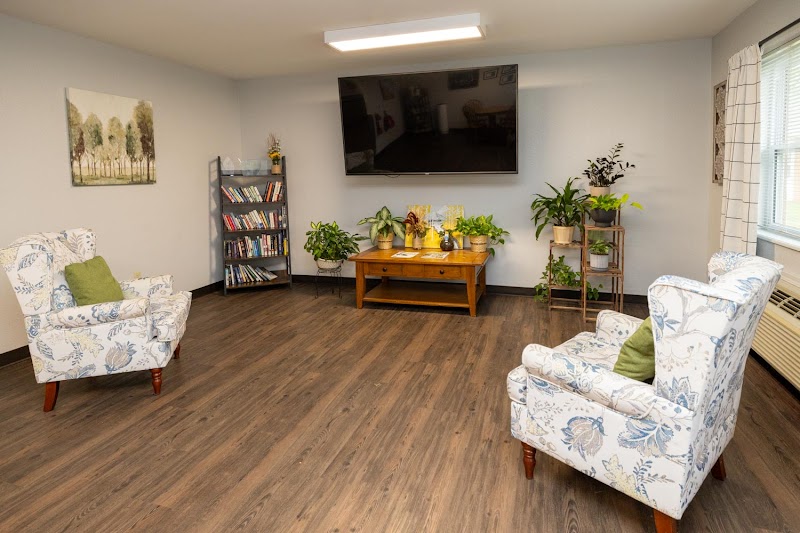
How is Rock Creek Of Ottawa Staffed?

CMS rates ROCK CREEK OF OTTAWA's staffing level at 2 out of 5 stars, which is below average compared to other nursing homes. Staff turnover is 63%, which is 17 percentage points above the Kansas average of 46%. High turnover can affect care consistency as new staff learn residents' individual needs.

What Have Inspectors Found at Rock Creek Of Ottawa?

State health inspectors documented 27 deficiencies at ROCK CREEK OF OTTAWA during 2021 to 2025. These included: 27 with potential for harm.
Who Owns and Operates Rock Creek Of Ottawa?

ROCK CREEK OF OTTAWA is owned by a for-profit company. For-profit facilities operate as businesses with obligations to shareholders or private owners. The facility is operated by THE ENSIGN GROUP, a chain that manages multiple nursing homes. With 75 certified beds and approximately 67 residents (about 89% occupancy), it is a smaller facility located in OTTAWA, Kansas.
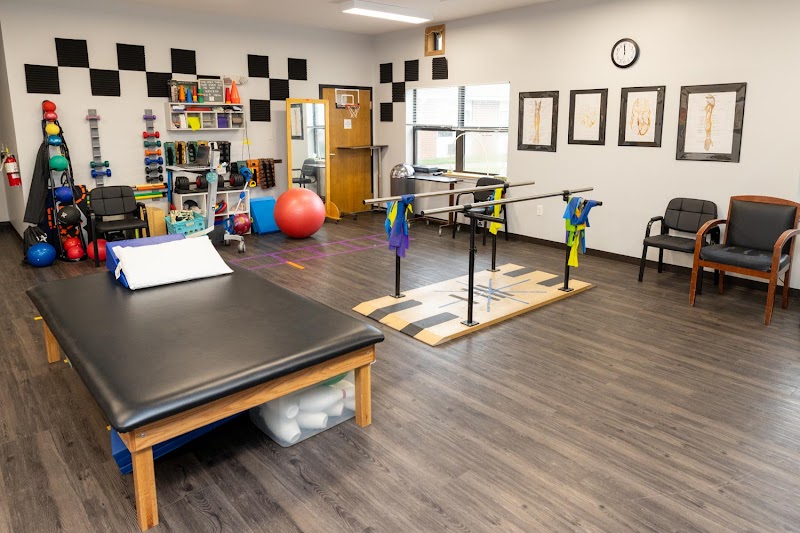
How Does Rock Creek Of Ottawa Compare to Other Kansas Nursing Homes?

Compared to the 100 nursing homes in Kansas, ROCK CREEK OF OTTAWA's overall rating (3 stars) is above the state average of 2.9, staff turnover (63%) is significantly higher than the state average of 46%, and health inspection rating (3 stars) is at the national benchmark.

What Should Families Ask When Visiting Rock Creek Of Ottawa?

Based on this facility's data, families visiting should ask: "How do you ensure continuity of care given staff turnover, and what is your staff retention strategy?" "Can you walk me through typical staffing levels on day, evening, and night shifts?" "Can I visit during a mealtime to observe dining assistance and food quality?" "How do you handle medical emergencies, and what is your hospital transfer rate?" These questions are particularly relevant given the facility's high staff turnover rate and the below-average staffing rating.

Is Rock Creek Of Ottawa Safe?

Based on CMS inspection data, ROCK CREEK OF OTTAWA has a clean safety record: no substantiated abuse findings (meaning no confirmed cases of resident harm), no Immediate Jeopardy citations (the most serious violation level indicating risk of serious injury or death), and is not on the Special Focus Facility watch list (a federal program monitoring the lowest-performing 1% of nursing homes). The facility has a 3-star overall rating and ranks #1 of 100 nursing homes in Kansas. While no facility is perfect, families should still ask about staff-to-resident ratios and recent inspection results during their visit.

Do Nurses at Rock Creek Of Ottawa Stick Around?

Staff turnover at ROCK CREEK OF OTTAWA is high. At 63%, the facility is 17 percentage points above the Kansas average of 46%. High turnover means new staff may not know residents' individual needs, medications, or preferences. It can also be disorienting for residents, especially those with dementia who rely on familiar faces. Families should ask: What is causing the turnover? What retention programs are in place? How do you ensure care continuity during staff transitions?

Was Rock Creek Of Ottawa Ever Fined?

ROCK CREEK OF OTTAWA has no federal fines on record. CMS issues fines when nursing homes fail to meet care standards or don't correct problems found during inspections. The absence of fines suggests the facility has either maintained compliance or corrected any issues before penalties were assessed. This is a positive indicator, though families should still review recent inspection reports for the full picture.

Is Rock Creek Of Ottawa on Any Federal Watch List?

ROCK CREEK OF OTTAWA is not on any federal watch list. The most significant is the Special Focus Facility (SFF) program, which identifies the bottom 1% of nursing homes nationally based on persistent, serious quality problems. Not being on this list means the facility has avoided the pattern of deficiencies that triggers enhanced federal oversight. This is a positive indicator, though families should still review the facility's inspection history directly.