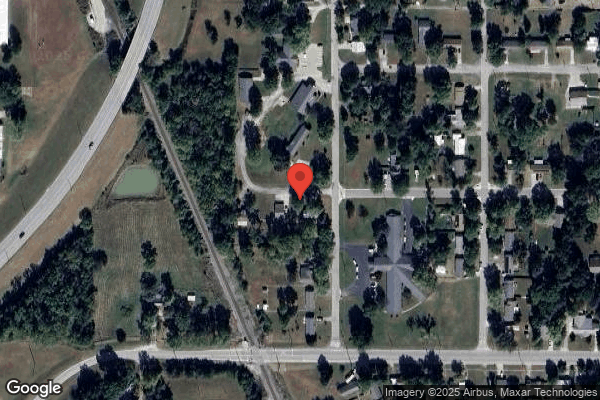
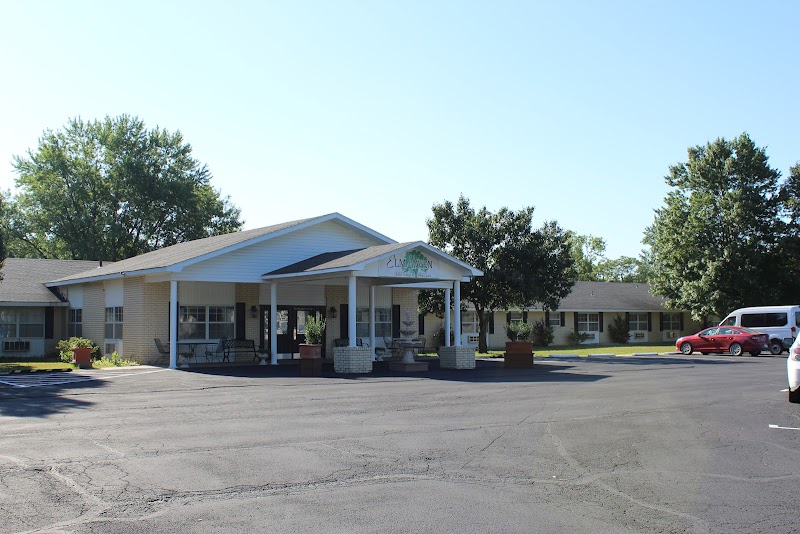
ELMHAVEN EAST

1400 S 15TH STREET, PARSONS, KS 67357 (620) 421-1430
For profit - Individual 45 Beds Independent Data: November 2025 3 Immediate Jeopardy citations
Trust Grade
0/100
#246 of 295 in KS
Last Inspection: April 2025

Within standard 12-15 month inspection cycle. Federal law requires annual inspections.

Overview

Elmhaven East in Parsons, Kansas has received a Trust Grade of F, indicating poor performance with significant concerns about care quality. Ranking #246 out of 295 in the state means they are in the bottom half of Kansas facilities, and #4 out of 4 in Labette County shows that only lower options are available locally. The trend is worsening, with issues increasing from 11 in 2023 to 12 by 2025. While staffing has a good rating of 4/5 stars with more RN coverage than 96% of facilities, the turnover rate is concerning at 66%, which is significantly higher than the state average. The facility has accumulated $53,504 in fines, indicating compliance problems that are higher than 89% of Kansas facilities. Specific incidents of concern include a failure to respond to troubling behavior from a licensed nurse, leaving residents potentially unsafe, and neglect in monitoring a resident's critical health changes, such as not notifying a physician about significant drops in urinary output and difficulty breathing, which could have serious consequences. Overall, Elmhaven East shows both staffing strengths but serious care deficiencies that families should carefully consider.

Trust Score
F
0/100
In Kansas
#246/295
Bottom 17%
Safety Record
High Risk
Review needed
Inspections
Getting Worse
11 → 12 violations
Staff Stability
⚠ Watch
66% turnover. Above average. Higher turnover means staff may not know residents' routines.
Penalties
○ Average
$53,504 in fines. Higher than 54% of Kansas facilities. Some compliance issues.
Skilled Nurses
✓ Good
Each resident gets 76 minutes of Registered Nurse (RN) attention daily — more than 97% of Kansas nursing homes. RNs are the most trained staff who catch health problems before they become serious.
Violations
⚠ Watch
38 deficiencies on record. Higher than average. Multiple issues found across inspections.
★☆☆☆☆
1.0
Overall Rating
★★★★☆
4.0
Staff Levels
★★★★☆
4.0
Care Quality
★☆☆☆☆
1.0
Inspection Score
Stable
2023: 11 issues
2025: 12 issues

The Good

  • 4-Star Staffing Rating · Above-average nurse staffing levels
  • 4-Star Quality Measures · Strong clinical quality outcomes
  • Full Sprinkler Coverage · Fire safety systems throughout facility
  • No fines on record

Facility shows strength in staffing levels, quality measures, fire safety.

The Bad

1-Star Overall Rating

Below Kansas average (2.9)

Significant quality concerns identified by CMS

Staff Turnover: 66%

20pts above Kansas avg (46%)

Frequent staff changes - ask about care continuity

Federal Fines: $53,504

Above median ($33,413)

Moderate penalties - review what triggered them

Staff turnover is elevated (66%)

18 points above Kansas average of 48%

The Ugly 38 deficiencies on record

3 life-threatening 1 actual harm
Apr 2025 12 deficiencies
CONCERN (D) 📢 Someone Reported This

A family member, employee, or ombudsman was alarmed enough to file a formal complaint

Potential for Harm - no one hurt, but risky conditions existed

Resident Rights (Tag F0550)

Could have caused harm · This affected 1 resident

**NOTE- TERMS IN BRACKETS HAVE BEEN EDITED TO PROTECT CONFIDENTIALITY** The facility reported a census of 30 residents with 14 residents sampled, including three residents reviewed for dignity. Based ...

Read full inspector narrative →
**NOTE- TERMS IN BRACKETS HAVE BEEN EDITED TO PROTECT CONFIDENTIALITY** The facility reported a census of 30 residents with 14 residents sampled, including three residents reviewed for dignity. Based on observation, interview, and record review, the facility failed to show respect and dignity to one Resident (R)4, when two staff members entered her room during cares. This placed the resident at risk for impaired dignity and embarrassment. Findings included: - Review of R4's Electronic Medical Record (EMR) revealed a diagnosis of multiple sclerosis (MS- progressive disease of the nerve fibers of the brain and spinal cord). The Annual Minimum Data Set (MDS), dated [DATE], documented the resident had a Brief Interview for Mental Status (BIMS) score of 15, indicating intact cognition. She was dependent on staff for rolling side to side in bed, toileting, and wheelchair mobility. The Urinary Incontinence/Indwelling Catheter Care Area Assessment (CAA), dated 02/25/25, triggered but lacked an analysis of findings. The Quarterly MDS, dated 12/03/24, documented the resident had a BIMS score of 15. She was dependent on staff for rolling side to side in bed, toileting, and wheelchair mobility. R4's Care Plan revised 04/17/25, revealed the resident was dependent on two staff for bed mobility and dependent on one staff for toileting. On 04/22/25 at 08:26 AM, Certified Nurse Aide (CNA) N and Certified Medication Aide (CMA) R were doing morning cares with the resident. The resident laid on top of the bed, uncovered, while staff were providing peri-care. The privacy curtain in the room was not pulled around the resident's bed. CNA M knocked on the resident's door to which CNA N responded, resident care. At that time, CNA M opened the door to the resident's room and spoke to the staff, with the door open, leaving the resident visible to residents or staff in the hall. On 04/22/25 at 08:30 AM, CMA R stated staff should not enter a resident's room while cares were being done. On 04/22/25 at 10:01 AM, CNA N stated staff should not enter a resident's room while cares were being done. On 04/22/25 at 11:17 AM, Administrative Nurse D stated it was the expectation for staff to not enter a resident's room while the resident received cares. The facility policy for Promoting/Maintaining Resident Dignity, revised 12/18/24, included: The facility shall protect and promote resident's rights and treat each resident with respect and dignity while maintaining the resident's privacy.
CONCERN (D) 📢 Someone Reported This

A family member, employee, or ombudsman was alarmed enough to file a formal complaint

Potential for Harm - no one hurt, but risky conditions existed

Deficiency F0578 (Tag F0578)

Could have caused harm · This affected 1 resident

The facility reported a census of 30 residents with 14 residents sampled. Based on observation, interview, and record review, the facility failed to verify Resident (R) 10's advanced directives (a leg...

Read full inspector narrative →
The facility reported a census of 30 residents with 14 residents sampled. Based on observation, interview, and record review, the facility failed to verify Resident (R) 10's advanced directives (a legal document in which a person specifies what actions should be taken for their health, which may or may not include a do not resuscitate [DNR-decision whether, or not, to withhold medical intervention in the event the resident's heart stops] order). Additionally, the facility failed to ensure R10's DNR was signed by the resident. This deficient practice had the potential to lead to uncommunicated needs specifically to end-of-life care. Findings included: - Review of the Electronic Health Record (EHR) for R10 included diagnoses of Parkinson's disease (a progressive neurodegenerative disorder that primarily affects the central nervous system, leading to both motor and non-motor symptoms), atherosclerotic heart disease of native coronary artery (a condition where plaque builds up inside the coronary arteries, which are the blood vessels that supply oxygen-rich blood to the heart), unspecified epilepsy (a person is known to have epilepsy but the specific type [focal, generalized, etc.] is not known or can't be determined), heart failure (a condition where the heart cannot pump enough blood to meet the body's needs, leading to fluid buildup in the lungs, legs, and other areas), essential hypertension (persistent elevated blood pressure with no identifiable cause The Significant Change Minimum Data Set (MDS) dated 03/21/25 documented a Brief Interview of Mental Status (BIMS) of 14, which indicated intact cognition. The Quarterly Change Minimum Data Set (MDS) dated 01/10/25 documented a Brief Interview of Mental Status (BIMS) of 14, which indicated intact cognition. R10's Care Plan documented on 03/21/25 that hospice care started, and the primary care physician had given a terminal diagnosis and estimated life expectancy of less than six months. R10' Care Plan documented on 03/21/25 that R10 wished to remain a DNR. A look back review of R10's EHR revealed a hospice certificate of terminal illness, dated 03/21/25, and listed R10 as full code. A look back review of the Physician Orders revealed an order for DNR, the date on the DNR was unreadable R10's EHR Home screen documented R10's code status (full code or DNR) as DNR. R10's EHR, under the scanned documents section, revealed a Do-Not-Resuscitate Directive signed by the physician, dated 02/24/23. The directive was not signed by the resident or representative. During an interview on 04/21/25 at 11:38 AM, R10 reported that she wished to be a DNR. During an interview on 04/21/25 at 01:56 PM, Administrative Nurse D reported that the DNR, dated 02/24/23, in the EHR was not signed by the resident and should have been. During an interview on 04/21/25 at 02:24 PM, Licensed Nurse (LN) G stated that the EMR lists the code status of the residents and that R10's code status listed her as DNR. LN G then reviewed R10's DNR and reported that it was not signed by R10. On 08/15/24 at 02:24 PM, Administrative Nurse D stated that if a discrepancy between the DNR order and the full code order was present, the expectation was for staff to honor the advanced directives that had the most recent date. The facility did not provide a policy for Advanced Directives.
CONCERN (D) 📢 Someone Reported This

A family member, employee, or ombudsman was alarmed enough to file a formal complaint

Potential for Harm - no one hurt, but risky conditions existed

Notification of Changes (Tag F0580)

Could have caused harm · This affected 1 resident

The facility identified a census of 30 residents, with 14 residents sampled, including five residents reviewed for unnecessary medications. Based on record review, interview, and observation, the faci...

Read full inspector narrative →
The facility identified a census of 30 residents, with 14 residents sampled, including five residents reviewed for unnecessary medications. Based on record review, interview, and observation, the facility failed to notify the physician when Resident (R) 8 had a weight gain in 24 hours while on a diuretic (a class of medications used to promote the formation of urine and prevent fluid accumulation). This placed R8 at risk for delayed physician involvement and treatment options. Findings included: - R8's Electronic Medical Record (EMR) documented a diagnosis of congestive heart failure (CHF-a condition with low heart output and the body becomes congested with fluid). The 08/22/24 admission Minimum Data Set (MDS) documented a Brief Interview for Mental Status (BIMS) of 15, indicating intact cognition. The MDS recorded R8 weighed 289 pounds and took a diuretic. The 08/22/24 Urinary Incontinence and Indwelling Catheter Care Area Assessment (CAA) documented R8 took a diuretic medication. The 02/20/25 Quarterly MDS documented a Brief Interview for Mental Status (BIMS) of 15, indicating intact cognition. The MDS recorded R8 weighed 286 pounds and took a diuretic. R8's Care Plan documented R8's weight was monitored daily due to being on a diuretic. R8's EMR under the Physician Orders documented an order for daily weight due to being on a diuretic, dated 01/04/24. R8's EMR under the Physician Orders documented an order for furosemide (diuretic) 20 milligrams daily, dated 12/28/23 R8's EMR from 01/01/25 through 04/01/25, revealed the resident gained weight on the following dates: On 01/21/25, R8 gained seven pounds from the previous day. On 01/26/25, R8 gained four pounds from the previous day. On 02/10/25, R8 gained 5.6 pounds from the previous day. On 02/15/25, R8 gained four pounds from the previous day. On 03/31/25, R8 gained four pounds from the previous day. R8's EMR lacked documentation of physician notification for the above dates with weight gain noted. During an observation on 04/23/25 at 09:02 AM, R8 sat in her wheelchair in the dining area. She had some swelling in her legs. She reported that sometimes the swelling was worse. She was wearing support hose and reported she wore them to keep the swelling down. During an observation on 04/21/25 at 08:22 AM, staff assisted R8 to get dressed, then assisted her to sit up on the side of the bed and transfer with a sit to stand lift. R8 was short of breath with the activity but recovered quickly once in the chair. During an interview on 04/22/25 at 04:38 PM, Licensed Nurse (LN) H stated that Administrative Nurse E tracked the weights and called the doctor except on the weekends, and then the nurse on duty did it. During an interview on 04/22/25 at 04:40 PM, Administrative Nurse E stated that the nurse on duty should call the doctor, following the order; or if the order does not have parameters, they should use their nursing judgment and call if the resident has a three-pound weight gain in a day. Administrative Nurse E said the nurse should have called the doctor for those weights. During an interview on 04/23/25 09:58 AM, Administrative Nurse D stated that the nurse should notify the doctor according to the parameters in the order. Administrative Nurse B said if there were no parameters ordered, she would reweigh the resident and notify the doctor if there was a 3-5 pound weight gain. The facility did not have a policy related to notifying a provider of weight changes for a resident with CHF and on a diuretic.
CONCERN (D) 📢 Someone Reported This

A family member, employee, or ombudsman was alarmed enough to file a formal complaint

Potential for Harm - no one hurt, but risky conditions existed

Assessment Accuracy (Tag F0641)

Could have caused harm · This affected 1 resident

The facility reported a census of 30 residents with 14 residents selected for review. Based on observation, interview, and record review, the facility failed to complete the Minimum Data Set for Resid...

Read full inspector narrative →
The facility reported a census of 30 residents with 14 residents selected for review. Based on observation, interview, and record review, the facility failed to complete the Minimum Data Set for Resident (R) 7 within the required timeframes. This placed the resident at risk for unidenitfied care needs and inadequate plan of care. Findings included: - R7's Electronic Medical Record (EMR) documented a diagnosis of schizoaffective disorder (a mental illness characterized by symptoms of both schizophrenia (like hallucinations and delusions) and a mood disorder (like bipolar disorder or depression), panic disorder [episodic paroxysmal anxiety], irritability and anger, seizure disorder (violent involuntary series of contractions of a group of muscles), post-traumatic stress disorder (PTSD- mental disorder characterized by an acute emotional response to a traumatic event or situation involving severe environmental stress), anxiety (class of medications that calm and relax people), insomnia (inability to sleep), and depressive disorder (major mood disorder which causes persistent feelings of sadness). The 10/08/24 admission Minimum Data Set (MDS) documented R7 had a Brief Interview for Mental Status (BIMS) of nine, indicating moderate cognitive decline, and a PHQ-9 severity score of one indicating no depression. R7 had no behaviors documented. R7 took an antidepressant (a class of medications used to treat mood disorders), and an anticonvulsant (medication used to prevent seizures) on a routine basis. The 10/08/24 Psychotropic Drug Use Care Area Assessment (CAA) documented R7 was admitted on an antidepressant medication. R7 had no adverse effects with these medications but had four falls since the last review. The 01/06/25 Quaterly MDS documented a BIMS of nine. PHQ-9 score of one. R7 had no behaviors documented and took and antidepressant and an anticonvulsant. The 03/18/25 Quarterly MDS was not completed. R7's Care Plan documented she received antidepressant medication observe for side effects initiated on 10/08/23. R7's plan directed staff to encourage her to verbalize her thoughts to a trusted staff member and assist R7 to identify and implement effective coping skills, initiated on 10/08/23. Those medications had Black Box Warnings (BBW- highest safety-related warning that medications can have assigned by the Food and Drug Administration). During an observation on 04/21/25 at 10:21 AM, R7 was in bed with her eyes closed. R7 was not aroused when staff talked in the room or called her name. Staff reported that she slept a lot. During an interview on 04/23/25 at 09:58 AM, Administrative Nurse D stated she expected the MDS and CAAs to be completed accurately. The Resident Assessment Instrument (RAI- is a comprehensive, standardized tool used in long-term care facilities to assess residents, guide care planning, and monitor quality of care.) documented a quarterly assessment must be completed every 92 days.
CONCERN (D) 📢 Someone Reported This

A family member, employee, or ombudsman was alarmed enough to file a formal complaint

Potential for Harm - no one hurt, but risky conditions existed

Deficiency F0655 (Tag F0655)

Could have caused harm · This affected 1 resident

The facility identified a census of 30 residents. The sample included 14 residents with one sampled for catheter (a flexible tube inserted through a narrow opening into a body cavity, particularly the...

Read full inspector narrative →
The facility identified a census of 30 residents. The sample included 14 residents with one sampled for catheter (a flexible tube inserted through a narrow opening into a body cavity, particularly the bladder, for removing fluid). Based on observation, interview, and record review, the facility failed to address catheter care on Resident (R) 83's baseline care plan. This deficient practice had the risk for adverse outcomes and complications for R83 due to uncommunicated care needs. Findings: - R83's Electronic Medical Record (EMR) documented a diagnosis of neuromuscular dysfunction of the bladder (the muscles that control the flow of urine out of the body do not relax and prevent the bladder from fully emptying). The 04/14/25 admission Minimum Data Set (MDS), documented a Brief Interview for Mental Status (BIMS) of 11, indicating moderately impaired cognition. The MDS recorded R83 required assistance from staff with activities of daily living (ADLs) and had a catheter. The 04/14/25 Urinary Incontinence and Indwelling Catheter Care Area Assessment (CAA) R83 had a diagnosis of neurogenic bladder. She was unable to bear weight to access the toilet. The CAA noted the catheter was put in while she was in the hospital. R83's Baseline Care Plan, dated 04/09/25, documented R83 will have her wounds assessed and pain addressed. R83's Baseline Care Plan lacked documentation that R83 had a catheter or instructions for catheter care. R83's EMR under the Orders tab documented the following orders: Foley catheter with dependent drainage for neurogenic bladder and to prevent skin breakdown started on 04/14/2025. On 04/22/25 at 08:22 AM, R83 laid in bed with her catheter bag hanging on the side of her bed. The catheter bag had dark red urine. On 04/22/25 at 08:50 AM, Certified Medication Aide (CMA) R reported that R83 always had red, dark urine. On 04/23/25 at 09:16 AM, Certified Medication Aide (CMA) T reported that the staff look up information on how to care for the residents by looking on the matrix. On 04/23/25 at 09:48 AM, Administrative Nurse E stated the catheter care should be on the Baseline Care Plan that is completed on admission. On 04/23/25 at 09:58 AM, Administrative Nurse D stated that the Baseline Care Plan should have included catheter care. The facility policy for 48-hour Care Plan, undated, noted the facility will develop and implement a baseline care plan for each resident to meet their immediate care needs.
CONCERN (D) 📢 Someone Reported This

A family member, employee, or ombudsman was alarmed enough to file a formal complaint

Potential for Harm - no one hurt, but risky conditions existed

ADL Care (Tag F0677)

Could have caused harm · This affected 1 resident

**NOTE- TERMS IN BRACKETS HAVE BEEN EDITED TO PROTECT CONFIDENTIALITY** The facility reported a census of 30 residents with 14 residents sampled, including two residents reviewed for activities of dai...

Read full inspector narrative →
**NOTE- TERMS IN BRACKETS HAVE BEEN EDITED TO PROTECT CONFIDENTIALITY** The facility reported a census of 30 residents with 14 residents sampled, including two residents reviewed for activities of daily living (ADL). Based on observation, interview, and record review, the facility failed to recognize, assess, and implement interventions consistent with Resident (R)26's current level and/or mode of assistance required for transfers. This placed the resident at risk for injury and further ADL decline. Findings included: - R26's Electronic Medical Record (EMR) revealed a diagnosis of cerebrovascular accident (CVA-sudden death of brain cells due to lack of oxygen caused by impaired blood flow to the brain by blockage or rupture of an artery to the brain). The Annual Minimum Data Set (MDS), dated [DATE], documented the resident had a Brief Interview for Mental Status (BIMS) score of 15, indicating intact cognition. She required substantial to maximal assistance of staff for transfers and had an impairment on one side of her lower extremity (LE). The Functional Abilities Care Area Assessment (CAA), and the Fall CAA, dated 01/29/25, triggered but lacked an analysis of findings. The Quarterly MDS, dated 11/01/24, documented the resident had a BIMS score of 15. She had an impairment in her range of motion (ROM) on one side of her upper extremity (UE) and LE. R26's Care Plan for ADL, revised 01/29/25, instructed staff the resident had a CVA affecting her right side. Staff were to ensure the resident's feet were flat on the floor during the transfer and she required substantial assistance of one staff for transferring. Review of the resident's EMR lacked staff documentation of the assistance required to transfer the resident. On 04/22/25 at 09:50 AM, Certified Nurse Aide (CNA) N and CNA O transferred the resident from her wheelchair to her recliner in her room. Staff utilized a gait belt and transferred the resident with total assist of both staff. The resident was unable to bear weight on either leg during the transfer and her feet were not flat on the floor. On 04/22/25 at 08:30 AM, CNA O stated the resident could bear weight at times, but not always. CNA O confirmed the resident's feet were not flat on the floor during the transfer. On 04/22/25 at 08:30 AM, CNA N stated the resident could bear weight at times, but it depended on the day. On 04/22/25 at 09:59 AM, Administrative Nurse D stated a resident should be able to bear weight during a transfer. The facility policy for ADLs was not available.
CONCERN (D) 📢 Someone Reported This

A family member, employee, or ombudsman was alarmed enough to file a formal complaint

Potential for Harm - no one hurt, but risky conditions existed

Deficiency F0688 (Tag F0688)

Could have caused harm · This affected 1 resident

**NOTE- TERMS IN BRACKETS HAVE BEEN EDITED TO PROTECT CONFIDENTIALITY** The facility reported a census of 30 residents with 14 residents sampled, including four residents reviewed for positioning and ...

Read full inspector narrative →
**NOTE- TERMS IN BRACKETS HAVE BEEN EDITED TO PROTECT CONFIDENTIALITY** The facility reported a census of 30 residents with 14 residents sampled, including four residents reviewed for positioning and range of motion (ROM). Based on observation, interview and record review, the facility failed to perform restorative cares for Residents (R)4, R26, and R16 and failed to properly position R4 while in her Geri-chair (a specialized wheelchair). Findings included: - R4's Electronic Medical Record (EMR) revealed a diagnosis of multiple sclerosis (MS- progressive disease of the nerve fibers of the brain and spinal cord). The Annual Minimum Data Set (MDS), dated [DATE], documented the resident had a Brief Interview for Mental Status (BIMS) score of 15, indicating intact cognition. She had a limitation in functional ROM on both sides of her lower extremities and was dependent on staff for transfers and wheelchair mobility. The resident did not receive restorative cares during the assessment period. The Functional Ability Care Area Assessment (CAA), dated 02/25/25, triggered but lacked an analysis of findings. The Quarterly MDS, dated 12/03/24, documented the resident had a BIMS score of 15. She had a limitation in ROM to her bilateral lower extremities and was dependent on staff for transfers and wheelchair mobility. The resident did not receive restorative cares during the assessment period. R4's Care Plan revised 04/17/25 instructed staff the resident received restorative care with active range of motion to her bilateral upper extremities (UE) for 20 repetitions in a pain-free range, six to seven days per week for 15 minutes, to maintain her current functional capacity as well as flexion (bending) and extension (straightening) of the resident's shoulders, elbows and arms, six to seven days per week for 15 minutes, to maintain her current functional capacity. Review of the resident's EMR from February 1, 2025, through 04/22/25, revealed restorative cares had not been completed with the resident. On 04/22/25 at 08:26 AM, Certified Nurse Aide (CNA) N and Certified Medication Aide (CMA) R entered the resident's room to perform cares. The resident bilateral lower extremities were contracted in an abnormal manner and her UE had no limitation in ROM. CNA N and CMA R transferred the resident from her bed to her Geri-chair and took her to the dining room for breakfast. Once at the dining room table, staff sat the Geri-chair up from a reclining position to set the resident at the dining table. The resident's bilateral feet dangled above the dining room floor by several inches and had no support. On 04/22/25 at 09:19 AM, the resident's feet continued to dangle above the dining room floor as she sat in her Geri-chair. On 04/22/25 at 09:50 AM, CNA O stated restorative cares were documented in the computer every time they were done. CNA O stated she was unaware the resident's feet dangled above the floor while her Geri-chair was in a sitting position. On 04/22/25 at 10:01 AM, CNA N stated she did not know the resident's feet did not have support when the Geri-chair was put up into the upright position for meals. CNA N stated the restorative cares are done by the restorative person and that CNAs did not do restorative cares. On 04/22/25 at 11:17 AM, Administrative Nurse D stated the restorative cares had not been getting done. Administrative Nurse D confirmed the resident's feet needed some type of support while her Geri-chair was in an upright sitting position at the dining room table. The facility policy for Wheelchair Positioning, implemented 12/18/24, included: All wheelchair users will be positioned appropriately to support optimal posture, functional mobility, comfort, and skin integrity. The facility policy for Restorative Nursing Programs, revised 01/06/25, included: The facility shall provide maintenance and restorative services designed to maintain or improve a resident's abilities to the highest practicable level. - Review of R26's Electronic Medical Record (EMR) revealed a diagnosis of cerebrovascular accident (CVA-sudden death of brain cells due to lack of oxygen caused by impaired blood flow to the brain by blockage or rupture of an artery to the brain). The Annual Minimum Data Set (MDS), dated [DATE], documented the resident had a Brief Interview for Mental Status (BIMS) score of 15, indicating intact cognition. She had no functional limitation in range of motion (ROM) and required substantial to maximal staff assistance with transfers; she did not ambulate during the assessment period. The resident did not receive restorative care during the assessment period. The Functional Abilities Care Area Assessment (CAA), dated 01/29/25, triggered but lacked an analysis of findings. The Quarterly MDS, dated 11/01/24, documented the resident had a BIMS score of 15. She had a limitation in ROM on one side of her lower extremity and required substantial to maximal staff assistance with transfers. The resident did not ambulate during the assessment period. She received passive range of motion (PROM) and active range of motion (AROM) two days of assessment period. R26's Care Plan revised 01/29/25 instructed staff the resident was on a restorative nursing program and to perform AROM with her lower extremitiees for 20 repetitions in a pain-free range, six to seven days per week for 15 minutes. Staff were instructed to complete upper extremity exercises with the resident with one-pound weights with her left arm for 10 repetitions each for shoulder and elbow flexion (bend) and flexion (straighten), for 15 minutes, six to seven days per week. Review of the resident's EMR from 02/01/25 through 04/22/25, revealed the resident received restorative cares for 12 days in February, eight days in March and one day in April. No other restorative cares were documented. On 04/22/25 at 09:50 AM, Certified Nurse Aide (CNA) N and CNA O transferred the resident from her wheelchair to her recliner in her room. Staff utilized a gait belt and transferred the resident with total assist of both staff. The resident was unable to bear weight on either leg during the transfer. On 04/22/25 at 09:50 AM, CNA O stated the resident was to receive daily restorative cares but was not getting it daily. On 04/22/25 at 09:59 AM, Administrative Nurse D stated restorative cares would be documented in the computer. Administrative Nurse D confirmed the facility was not getting the restorative cares done at this time. The facility policy for Restorative Nursing Programs, revised 01/06/25, included: The facility shall provide maintenance and restorative services designed to maintain or improve a resident's abilities to the highest practicable level. - Review of R16's Electronic Medical Record (EMR) revealed a diagnosis of multiple sclerosis (MS- progressive disease of the nerve fibers of the brain and spinal cord). The admission Minimum Data Set (MDS), dated [DATE], documented the resident had a Brief Interview for Mental Status (BIMS) score of 11, indicating moderate cognitive impairment. She had no limitation in range of motion (ROM) and did not receive restorative care during the assessment period. The Functional Abilities Care Area Assessment (CAA), dated 04/14/24, triggered but lacked an analysis of findings. The Quarterly MDS, dated 01/13/25, documented the resident had a BIMS score of 15, indicating intact cognition. She had no impairment in ROM and did not receive restorative care during the assessment period. R16's Care Plan revised 01/15/25 instructed staff to complete upper extremity ) exercises with the resident with one-pound weights with her left arm for 10 repetitions each for shoulder and elbow flexion (bend) and flexion (straighten), for 15 minutes, six to seven days per week. Review of the resident's EMR revealed she had not received restorative cares. On 04/22/25 at 09:50 AM, Certified Nurse Aide (can) O stated the resident was to receive daily restorative cares but was not getting it daily. On 04/22/25 at 09:59 AM, Administrative Nurse D stated restorative cares would be documented in the computer. Administrative Nurse D confirmed the facility was not getting the restorative cares done at this time. The facility policy for Restorative Nursing Programs, revised 01/06/25, included: The facility shall provide maintenance and restorative services designed to maintain or improve a resident's abilities to the highest practicable level.
CONCERN (D) 📢 Someone Reported This

A family member, employee, or ombudsman was alarmed enough to file a formal complaint

Potential for Harm - no one hurt, but risky conditions existed

Medication Errors (Tag F0758)

Could have caused harm · This affected 1 resident

The facility reported a census of 30 residents with 14 residents selected for review which included five residents reviewed for unnecessary medications. Based on observation, interview, and record rev...

Read full inspector narrative →
The facility reported a census of 30 residents with 14 residents selected for review which included five residents reviewed for unnecessary medications. Based on observation, interview, and record review, the facility failed to properly inform families of the risks and benefits associated with psychotropic (alters mood or thoughts) medications for Resident (R) 8 and R7. It also failed to properly monitor for adverse reactions and behaviors related to an antipsychotic medication (class of medications used to treat major mental conditions which cause a break from reality) for R8. These deficient practices placed the affected residents at risk for adverse effects associated with the use of psychotropic medications. Findings: - R8's Electronic Medical Record (EMR) documented a diagnosis of anxiety (class of medications that calm and relax people), insomnia (inability to sleep), unspecified psychosis (any major mental disorder characterized by a gross impairment in reality perception), major depressive disorder (major mood disorder which causes persistent feelings of sadness), and bipolar disorder (major mental illness that caused people to have episodes of severe high and low moods). The 08/22/24 admission Minimum Data Set (MDS) documented R8 had a Brief Interview for Mental Status (BIMS) of 15, indicating intact cognition, and a PHQ-9 severity score of zero indicating no depression. R8 had no behaviors documented. R8 took an antianxiety (class of medications that calm and relax people), and antidepressant (class of medications used to treat mood disorders) on a routine basis. The 08/22/24 Psychotropic Drug Use Care Area Assessment (CAA) documented R8 was admitted on an antianxiety medication and two antidepressants. R8 had no adverse effects with these medications. R8 cried very easily when she did not get her way. The 02/20/2025 Quarterly MDS documented a BIMS of 15 and a PHQ-9 score of zero indicating no depression. R8 had no behaviors and took antianxiety and antidepressant medications. R8's Care Plan documented she received antidepressant medication for her diagnosis of depression and bipolar disorder. The plan noted R8 took Trazodone, duloxetine, and clonazepam dated 04/14/16. The plan directed staff to assess and record the effectiveness of the drug treatment. The plan directed staff to monitor and report signs of sedation, hypotension (low blood pressure), or anticholinergic symptoms (dry mouth, constipation, urinary retention, blurred vision, dilated pupils, and increased heart rate) initiated on 04/14/16 . Those medications had Black Box Warnings (BBW- highest safety-related warning that medications can have assigned by the Food and Drug Administration). R8's Care Plan lacked information regarding her Latuda (an antipsychotic medication) and lacked nonpharmacological interventions for behaviors. R8's Physicians orders documented an order for clonazepam one milligram (mg), give one capsule by mouth three times a day, date ordered 03/13/25. R8's Physicians orders documented an order for duloxetine 60mg, give one capsule by mouth once a day, date ordered 03/13/25. R8's Physicians orders documented an order for trazodone 100mg, give two capsules by mouth at bedtime, date ordered 04/22/25. R8's Physicians orders documented an order for Latuda 40mg, give half a tab daily at supper, date ordered 03/06/25. R8's Physicians Orders listed the BBW for clonazepam, duloxetine, and Trazodone. R8's Physicians Orders did not address the BBW for Latuda. R8's Progress Notes lacked documentation of monitoring of adverse reactions related to the start of Latuda. During an observation on 04/21/25 at 08:22 AM, R8 was tearful as staff assisted her to dress and transfer. R8 wanted only one staff to help her, but she required two staff. The staff comforted her and explained that there needed to be two staff. She eventually settled down. During an interview on 04/23/25 at 09:35 AM, Licensed Nurse (LN) H stated that when she received a new order for psychotropic medication, she notified the family and the pharmacy of the order, put the order in the computer, and documented it. During an interview on 04/23/25 at 09:48 AM, Administrative Nurse E reported that the facility put all psychotropic medications on the care plan and the Latuda should have been on the care plan, and they should have been monitoring. During an interview on 04/23/25 at 09:58 AM, Administrative Nurse E stated that they missed putting Latuda on the care plan. They review the orders from the day before in the morning meeting and add the BBW and monitoring at that time. The facility's Psychotropic Medications, Monitoring Policy dated 08/30/2017, documented the purpose was to ensure residents are free from unnecessary medications. Nonpharmacological interventions are always attempted first to reduce behavior. Target behaviors will be identified and implemented in the care plan with interventions. - R7's Electronic Medical Record (EMR) documented a diagnosis of schizoaffective disorder (a mental illness characterized by symptoms of both schizophrenia (like hallucinations and delusions) and a mood disorder (like bipolar disorder or depression), panic disorder [episodic paroxysmal anxiety], irritability and anger, seizure disorder (violent involuntary series of contractions of a group of muscles), post-traumatic stress disorder (PTSD- mental disorder characterized by an acute emotional response to a traumatic event or situation involving severe environmental stress), anxiety (class of medications that calm and relax people), insomnia (inability to sleep), and depressive disorder (major mood disorder which causes persistent feelings of sadness). The 10/08/24 admission Minimum Data Set (MDS) documented R7 had a Brief Interview for Mental Status (BIMS) of nine, indicating moderate cognitive decline, and a PHQ-9 severity score of one indicating no depression. R7 had no behaviors documented. R7 took an antidepressant (class of medications used to treat mood disorders), and an anticonvulsant (medication used to prevent seizures) on a routine basis. The 10/08/24 Psychotropic Drug Use Care Area Assessment (CAA) documented R7 was admitted on an antidepressant medication. R7 had no adverse effects with these medications but had four falls since the last review. The 01/06/25 Quarterly MDS documented a BIMS of nine. PHQ-9 score of one. R7 had no behaviors documented and took and antidepressant and an anticonvulsant. The 03/18/25 Quarterly MDS was not completed. R7's Care Plan documented she received antidepressant medication observe for side effects initiated on 10/08/23. R7's plan directed staff to encourage her to verbalize her thoughts to a trusted staff member and assist R7 to identify and implement effective coping skills, initiated on 10/08/23. Those medications had Black Box Warnings (BBW- highest safety-related warning that medications can have assigned by the Food and Drug Administration). R7's Physicians orders documented an order for citalopram 20 milligrams (mg), give one tablet once a day, date ordered 03/04/25. During an observation on 04/21/25 at 10:21 AM, R7 was in bed with her eyes closed. R7 was not aroused when staff talked in the room or called her name. Staff reported that she slept a lot. During an interview on 04/23/25 at 09:35 AM, Licensed Nurse (LN) H stated that when she received a new order for psychotropic medication, she notified the family and the pharmacy of the order, put the order in the computer and documented it. During an interview on 04/23/25 at 09:48 AM, Administrative Nurse E reported that the facility completed a consent form informing the family or the resident about the risks and benefits with side effects on antipsychotic medications. During an interview on 04/23/25 at 09:58 AM, Administrative Nurse D confirmed that the facility completed a consent form informing the family or the resident about the risks and benefits with side effects on antipsychotic medications, but not on other psychotropic medications. The facility's Psychotropic Medications, Monitoring Policy dated 08/30/2017, documented the purpose was to ensure residents are free from unnecessary medications and to assure that residents are fully informed of the medications they are prescribed.
CONCERN (D) 📢 Someone Reported This

A family member, employee, or ombudsman was alarmed enough to file a formal complaint

Potential for Harm - no one hurt, but risky conditions existed

Infection Control (Tag F0880)

Could have caused harm · This affected 1 resident

The facility reported a census of 30 residents. The sample included 14 residents. Based on interviews, record reviews, and observation, the facility staff failed to implement adequate and acceptable i...

Read full inspector narrative →
The facility reported a census of 30 residents. The sample included 14 residents. Based on interviews, record reviews, and observation, the facility staff failed to implement adequate and acceptable infection control practices for Resident (R) 15 whose oxygen tubing was allowed to drag the floor as he wheeled himself through the facility. This deficient practice placed the resident at risk of infections. Findings included: - During an observation on 04/21/25 at 08:30 AM, R15 sat in the dining room in his wheelchair wearing an oxygen nasal cannula (a device that delivers extra oxygen through a tube and into your nose). R15's oxygen tubing was wrapped around part of his wheelchair and dragging on the floor. During an observation on 04/21/25 at 10:13 AM, R15 was wearing continuous oxygen, and his oxygen tubing was tangled on his wheelchair axle and dragging on the floor as he wheeled himself down the hall. During an observation on 04/21/25 at 01:31 PM, R15 was sat in his room watching TV and his oxygen tubing was on the floor under his wheelchair. During an observation on 04/22/25 at 08:15 AM, R15 was in the dining room, sitting in his wheelchair and his oxygen tubing draped over his wheelchair axle and rested on the floor. During an interview on 04/22/25 at 08:24 AM, Licensed Nurse (LN) G reported that R15's oxygen tubing should not have been dragging on the floor, it should have been stored in the black pouch on the back of his wheelchair. During an interview on 04/22/25 at 08:28 AM, Administrative Staff A stated that R15's excess oxygen tubing should have been secured in the pocket on the back of his wheelchair. During an interview on 04/22/25 at 08:32 AM, Administrative Nurse D reported that R15's oxygen tubing should not have been draped over the wheelchair axles or dragging on the floor. During an interview on 04/22/25 at 08:58 AM, Certified Nurse Aide (CNA) P reported that oxygen tubing should not have been dragging the ground or have been wrapped around the wheelchair, tubing should have been placed in the wheelchair pocket. The facility's policy titled Oxygen Administration, dated 12/18/24, failed to document the storage and management of oxygen-delivering devices to prevent contamination or infection.
CONCERN (E) 📢 Someone Reported This

A family member, employee, or ombudsman was alarmed enough to file a formal complaint

Potential for Harm - no one hurt, but risky conditions existed

Comprehensive Assessments (Tag F0636)

Could have caused harm · This affected multiple residents

**NOTE- TERMS IN BRACKETS HAVE BEEN EDITED TO PROTECT CONFIDENTIALITY** The facility had a census of 30 residents. The sample included 14 residents. Based on record review and interview, the facility ...

Read full inspector narrative →
**NOTE- TERMS IN BRACKETS HAVE BEEN EDITED TO PROTECT CONFIDENTIALITY** The facility had a census of 30 residents. The sample included 14 residents. Based on record review and interview, the facility failed to complete the comprehensive Minimum Data Set Assessment (MDS) for three sampled residents, Resident (R)4, R16, R26, R15, R30, and R22 when staff failed to ensure the triggered Care Area Assessments (CAA) were completed as required. This placed the residents at risk for unmet care needs and inaccurate assessments. Findings included: - Review of R4's Electronic Medical Record (EMR) recorded a quarterly MDS, dated [DATE]. R4's EMR recorded a comprehensive MDS, dated [DATE], which lacked completion of the triggered CAAs, as required. Review of R16's EMR recorded a quarterly MDS, dated [DATE]. R16's EMR recorded a comprehensive MDS, dated [DATE], which lacked completion of the triggered CAA, as required. Review of R26's EMR recorded a quarterly MDS, dated [DATE]. R26's EMR recorded a comprehensive MDS, dated [DATE], which lacked completion of the triggered CAA, as required. Review of R15's EMR recorded a quarterly MDS, dated [DATE]. R5's EMR recorded a comprehensive MDS, dated [DATE], which lacked completion of the triggered CAA, as required. Review of R30's EMR recorded a significant change MDS, dated [DATE], which lacked completion of the triggered CAA, as required. Review of R22's EMR recorded a quarterly MDS, dated [DATE]. R22's EMR recorded a comprehensive MDS, dated [DATE], which lacked completion of the triggered CAA, as required. The facility follows the Resident Assessment Instrument (RAI) in accurate completion of the MDSs.
CONCERN (F)

Potential for Harm - no one hurt, but risky conditions existed

Deficiency F0727 (Tag F0727)

Could have caused harm · This affected most or all residents

The facility reported a census of 30 residents. Based on observation, interview, and record review, the facility failed to have Registered Nurse (RN) coverage for at least eight consecutive hours as r...

Read full inspector narrative →
The facility reported a census of 30 residents. Based on observation, interview, and record review, the facility failed to have Registered Nurse (RN) coverage for at least eight consecutive hours as required. This placed the residents in the facility at risk for unsupervised nursing care and services. Findings included: - Review of the facility's Daily Staff Posting from 05/01/24 through 07/30/24, revealed the facility did not have the required eight consecutive hours of RN coverage, as required, on 05/05/24, 06/02/24, 06/16/24, 07/13/24, 07/14/24, 07/20/24, 07/21/24, 07/27/24, and 07/28/24. On 04/23/25 at 08:17 AM, Administrative Nurse E was unable to verify the facility had an RN for eight consecutive hours on the mentioned dates. The facility did not provide a policy for having an RN on duty for at least eight consecutive hours every 24 hours.
MINOR (C) 📢 Someone Reported This

A family member, employee, or ombudsman was alarmed enough to file a formal complaint

Minor Issue - procedural, no safety impact

Staffing Information (Tag F0732)

Minor procedural issue · This affected most or all residents

Findings included: - Review of the facility's Daily Staffing Sheets, for the past 30 days, revealed the actual hours worked had not been completed on the daily staffing sheets. On 04/23/25 at 08:17 AM...

Read full inspector narrative →
Findings included: - Review of the facility's Daily Staffing Sheets, for the past 30 days, revealed the actual hours worked had not been completed on the daily staffing sheets. On 04/23/25 at 08:17 AM, Administrative Nurse E stated she was unaware the daily staff postings needed to include the actual hours worked. The facility policy for Posting Direct Care Daily Staffing Numbers, revised July 2016, included: The facility shall post, on a daily basis for each shift, the number of nursing personnel responsible for providing direct care to residents, including the actual time worked during that shift for each category.
Aug 2023 10 deficiencies
CONCERN (D)

Potential for Harm - no one hurt, but risky conditions existed

Comprehensive Assessments (Tag F0636)

Could have caused harm · This affected 1 resident

**NOTE- TERMS IN BRACKETS HAVE BEEN EDITED TO PROTECT CONFIDENTIALITY** The facility reported a census of 35 residents with 14 residents selected for review. Based on interview and record review, the ...

Read full inspector narrative →
**NOTE- TERMS IN BRACKETS HAVE BEEN EDITED TO PROTECT CONFIDENTIALITY** The facility reported a census of 35 residents with 14 residents selected for review. Based on interview and record review, the facility failed to fully complete comprehensive Minimum Data Set (MDS) assessment Section V Care Area Assessment Summary (CAA) for Resident (R)19 and R 10 to include an analysis and rationale for care planning decisions. This placed these residents at risk for not accurately reflecting each resident's status and needs to develop an individualized comprehensive plan of care. Findings included: - Review of Resident (R)19's Physician Order Sheet, dated 06/30/23, revealed diagnoses that included Alzheimer's (progressive mental deterioration characterized by confusion and memory failure), hemiplegia (paralysis on one side of the body,) and chronic pain. The Annual Minimum Data Set (MDS), dated [DATE], assessed the resident with a Brief Interview for Mental Status (BIMS) score of three, which indicated severe cognitive deficit. The resident had delusions (untrue persistent belief or perception held by a person although evidence shows it was untrue). The resident required extensive assistance of one staff for bed mobility, transfer, dressing, and eating. The resident was dependent of staff for toilet use and personal hygiene. The resident was on scheduled pain medications and received antianxiety (class of medications that calm and relax people with excessive anxiety, nervousness, or tension). The resident had a life expectancy of six months and was on hospice services. R19's Section V CAA was not completed. The Resident Assessment Instrument Manual version 3.0 states, the CAA process provides a framework for guiding the review of triggered areas, and clarification of a resident's functional status and related causes of impairments. It also provides a basis for additional assessment of potential issues, including related risk factors. The assessment of the causes and contributing factors gives the interdisciplinary team (IDT) additional information to help them develop a comprehensive plan of care. On 08/09/23 at 10:45 AM, Administrative Nurse F confirmed staff should complete the CAAs with in the allowed time frame (seven days), and then complete the Care Plan. The facility's Policy and Procedure for MDS Assessments, dated 12/07/17, instructed staff to complete the CAAs within seven days of completion of the MDS. The facility failed to complete comprehensive MDS Section V CAA for this resident, which placed the resident at risk for not accurately reflecting the resident's status and needs, to develop an individualized comprehensive plan of care. - Review of Resident (R)10's Physician Order Sheet, dated 07/05/23, revealed diagnoses included atrial flutter (rapid, irregular heartbeat), and cerebral vascular accident (CVA is a sudden death of brain cells due to lack of oxygen caused by impaired blood flow to the brain by blockage or rupture of an artery to the brain). The Annual Minimum Data Set (MDS), dated [DATE], assessed the resident's Brief Interview for Mental Status (BIMS) score of 11, that indicated the resident had moderate impairment in cognition. The resident received seven days of an anticoagulant (class of medications that reduce coagulation of the blood, prolonging the clotting time [blood thinners]) and diuretic medication to promote the formation and excretion of urine) during the seven-day look-back period. R19's Section V CAA was not completed. The Resident Assessment Instrument Manual version 3.0 states, the CAA process provides a framework for guiding the review of triggered areas, and clarification of a resident's functional status and related causes of impairments. It also provides a basis for additional assessment of potential issues, including related risk factors. The assessment of the causes and contributing factors gives the interdisciplinary team (IDT) additional information to help them develop a comprehensive plan of care. On 08/09/23 at 10:45 AM, Administrative Nurse F confirmed staff should complete the CAAs with in the allowed time frame (seven days), and then complete the Care Plan. The facility's Policy and Procedure for MDS Assessments, dated 12/07/17, instructed staff to complete the CAAs within seven days of completion of the MDS. The facility failed to complete comprehensive MDS Section V CAA for this resident, which placed the resident at risk for not accurately reflecting the resident's status and needs, to develop an individualized comprehensive plan of care.
CONCERN (D)

Potential for Harm - no one hurt, but risky conditions existed

Deficiency F0637 (Tag F0637)

Could have caused harm · This affected 1 resident

**NOTE- TERMS IN BRACKETS HAVE BEEN EDITED TO PROTECT CONFIDENTIALITY** The facility reported a census of 35 residents with 14 residents selected for review. Based on observation, interview and record...

Read full inspector narrative →
**NOTE- TERMS IN BRACKETS HAVE BEEN EDITED TO PROTECT CONFIDENTIALITY** The facility reported a census of 35 residents with 14 residents selected for review. Based on observation, interview and record review, the facility failed to complete a significant change comprehensive assessment for one selected Resident (R)19, when this resident discharged from hospice services, as required to ensure accurate needed cares provided. Findings included: - Review of Resident (R)19's Physician Order Sheet, dated 06/30/23, revealed diagnoses included Alzheimer's (progressive mental deterioration characterized by confusion and memory failure), hemiplegia (paralysis on one side of the body), and chronic pain. The Annual Minimum Data Set (MDS), dated [DATE], assessed the resident with a Brief Interview for Mental Status (BIMS) score of three, which indicated severe cognitive deficit. The resident had delusions (untrue persistent belief or perception held by a person although evidence shows it was untrue). The resident required extensive assistance of one staff for bed mobility, transfer, dressing, and eating. The resident was dependent of staff for toilet use and personal hygiene. The resident was on scheduled pain medications and received antianxiety (class of medications that calm and relax people with excessive anxiety, nervousness, or tension). The resident had a life expectancy of six months and was on hospice services. The resident discharged from hospice services on 06/23/23 and remained in the facility. On 08/09/23 at 10:45 AM, Administrative Nurse F confirmed staff should compete a Significant Change Minimum Data Set (MDS) within 14 days after the resident discharged from hospice services. The Policy and Procedure for MDS Assessments dated 12/07/17, instructed staff to complete the significant change MDS within 14 days of the assessment reference date. The facility failed to complete a significant change comprehensive assessment for R19, when this resident discharged from hospice services, as required to ensure accurate needed cares provided.
CONCERN (D)

Potential for Harm - no one hurt, but risky conditions existed

Pressure Ulcer Prevention (Tag F0686)

Could have caused harm · This affected 1 resident

**NOTE- TERMS IN BRACKETS HAVE BEEN EDITED TO PROTECT CONFIDENTIALITY** The facility reported a census of 35 residents with 14 residents selected for review, which included three residents reviewed fo...

Read full inspector narrative →
**NOTE- TERMS IN BRACKETS HAVE BEEN EDITED TO PROTECT CONFIDENTIALITY** The facility reported a census of 35 residents with 14 residents selected for review, which included three residents reviewed for pressure ulcers. Based on observation, interview, and record review, the facility failed to ensure staff provided increased nutritional support, alternative pressure relieving measures, and sanitary dressing changes for one Resident (R)5 following surgical debridement (removal of dead tissue) of her stage four pressure ulcers (full thickness tissue loss with exposed bone, tendon or muscle. Slough [dead tissue, usually cream or yellow in color] or eschar [dead tissue] may be present on some parts of the wound bed. Often includes undermining and tunneling). Findings included: - Review of Resident (R)5's Physician Order Sheet, dated 07/01/23, revealed diagnoses included multiple sclerosis (progressive disease of the nerve fibers of the brain and spinal cord) and epilepsy (brain disorder characterized by repeated seizures). The Annual Minimum Data Set (MDS), dated [DATE], assessed the resident with a Brief Interview for Mental Status (BIMS) score of 15 which indicated intact cognition. The resident had no impairment in her upper extremities and bilateral impairment in range of motion in her lower extremities. The resident had one stage one pressure ulcer (intact skin with non-blanchable redness of a localized area usually over a bony prominence) and one stage three pressure ulcer (full thickness tissue loss. Subcutaneous fat may be visible but bone, tendon or muscle is not exposed) with pressure reducing device for her bed, chair and was on a turn and reposition schedule. The Pressure Ulcer Care Area Assessment (CAA), dated 03/02/23, assessed the resident admitted with pressure areas on her right foot and coccyx (small triangular bone at the base of the spine). The resident had limited mobility and was dependent of staff for repositioning. The resident had a cushion in her chair and a pressure relieving devise on her bed. The Care Plan, revised 06/08/23, instructed staff to elevate the resident heels and use heel protectors as the resident allowed. The resident refused to wear the heel protectors at times. The resident had a pressure relieving mattress and a cushion in her chair. The care plan instructed staff to encourage the resident to lie down after meals, but the resident was frequently non-compliant. The care plan instructed staff to use pillows between the resident's knees and bony prominence's to avoid contact as the resident allows. On 08/07/23. the resident signed a Risk verse Benefit statement regarding refusal to wear pressure relieving boots. A Registered Dietician note, dated 03/02/23, documented the resident's pressure ulcers improved, with no added interventions indicated. On 04/20/23, the physician ordered a regular diet for the resident. The Medication Administration Record/Treatment Administration Record revealed the following orders: Multivitamin with folic acid, 400 micrograms, daily, ordered 02/17/23. Vitamin C, 500 milligrams (mg), daily, ordered 03/13/23. Zinc 50 mg, daily, ordered 03/14/23. Review of the medical record revealed the resident's pressure wounds were surgically debrided on 04/17/23. The resident returned to the facility on [DATE]. On 07/13/23, the physician instructed staff to soak gauze in Dakin's (a type of bleach and water solution) solution, pack into the ischial (posterior hip area) and sacral (lower spine) wounds, and cover with gauze and ABD (a thick gauze pad) pad, and secure daily. Observation, on 08/09/23 at 12:55 PM, revealed the resident outside smoking. Observation, on 08/09/23 at 03:55 PM, revealed the resident positioned in bed. The resident stated she wanted to get back up and smoke, but agreed to have her wound dressing changed. The resident stated she did not like the heel protectors and would not wear them. The resident was able to turn herself in bed and hold herself in a side lying position with the use of the siderail. Observation revealed Licensed Nurse (LN) G removed the dressing from the resident's sacral and ischial wounds. The ischial (posterior hip area) wound had granulation (new formed) tissue and slough (thick fibrous/necrotic tissue) and the wound had approximately five by three centimeters (cm) with a depth of 0.3 cm. The sacral (area of the lower spine) wound was approximately 4.5 by 1.3 cm with a depth of 0.5 cm, the wound had granulation tissue and slough. LN G placed the packaged dressings directly on the resident's bedside table, without a barrier beneath them. LN G opened the package of a gauze pad and placed it directly on top of the wrapper. Then she obtained a bottle of normal saline and poured it onto the gauze, which soaked through the wrapper and onto the table. LN G stated she could not find the Dakin's solution for moistening the gauze to pack the wound so would use normal saline instead. Upon further questioning, LN G decided to look again for the Dakin's solution and found it. LN G proceeded with wetting the gauze pads with the Dakin's solution, which soaked through the packaging onto the table. LN G then obtained unsantized scissors from her uniform pocket and cut an ABD (a type of thick gauze dressing) pad in half, and applied the dressing pad to the sacral wound. LN G covered the ischial wound with an ABD pad. Observation, on 08/09/23 at 04:45 PM, revealed Administrative Nurse E, discussed the use of the pressure relieving boots with the resident. The resident stated she did not like them and wanted to wear house slippers. Questioning of Administrative Nurse E, regarding the alternative pressure relieving boots, Administrative Nurse E obtained the alternative pressure relieving devices for both feet and placed them on the resident's feet. The resident expressed satisfaction with these devices. Interview, on 08/10/23 at 09:14 AM, Administrative Nurse F revealed she would expect staff to provide a sanitary dressing change. Interview, on 08/10/23 at 10:24 AM, Administrative Nurse E confirmed the registered dietician did not reassess the resident, since the worsening of the resident's pressure ulcers and subsequent debridement surgery, to determine if the resident required additional nutritional needs to heal the pressure ulcers. Administrative Nurse E stated she did not know if the staff offered alternative pressure relieving devices for the resident's feet. The facility's undated policy for Dressing Changes, instructed staff to create a clean field with paper or disposable draping, and prevent infection and spread of infection. The facility's undated policy for Pressure Ulcer Prevention and Care Of, instructed staff to utilize heel and elbow protectors. Staff are to notify the Registered Dietician of residents with wounds, to evaluate the resident's nutritional status and make recommendations. The facility failed to ensure staff provided sanitary dressing change, failed to have alternative measures for pressure relieving devices for this resident's feet, and failed to have a re-evaluation by the Registered Dietician following surgical debridement of this resident's pressure ulcers to promote optimal healing and prevention of pressure ulcers.
CONCERN (D)

Potential for Harm - no one hurt, but risky conditions existed

Accident Prevention (Tag F0689)

Could have caused harm · This affected 1 resident

**NOTE- TERMS IN BRACKETS HAVE BEEN EDITED TO PROTECT CONFIDENTIALITY** The facility reported a census of 35 residents with 14 residents selected for review, that included three residents reviewed for...

Read full inspector narrative →
**NOTE- TERMS IN BRACKETS HAVE BEEN EDITED TO PROTECT CONFIDENTIALITY** The facility reported a census of 35 residents with 14 residents selected for review, that included three residents reviewed for accidents. Based on observation, interview, and record review, the facility failed to ensure staff provided safe wheelchair transport to prevent accidents for one Resident (R)28, of the three selected residents. Findings included: - Review of Resident (R)28's Physician Order Sheet, revealed a diagnosis of malignant (cancerous) brain tumor. The admission Minimum Data Set (MDS), dated [DATE], assessed the resident with a Brief Interview for Mental Status (BIMS) score of 14, which indicated intact cognitive status. The resident required extensive assistance of staff for locomotion. The resident had no impairment in functional range of motion in the upper or lower extremities. The resident utilized a walker or wheelchair for mobility. The ADL (Activity of Daily Living) Functional/Rehabilitation Potential Care Area Assessment (CAA), dated 07/13/23, assessed the resident's impairment to perform ADL's was due to blurred vision and impaired balance. The resident was at risk for falls. The Care Plan dated 07/17/23, instructed staff the resident required staff assistance with ambulating with a walker and a gait belt. The resident required maximum assistance with her wheelchair. The resident required extensive assistance of one staff for dressing. Observation, on 08/08/23 at 02:13 PM, revealed the resident sat in her wheelchair at the front common area. The resident had socks on. but lacked shoes. The resident's wheelchair lacked foot pedals, and Certified Nurse Aide (CNA) R transported the resident to her room. The resident's feet skimmed along on the floor while staff propelled her. Observation, on 08/09/23 at 10:30 AM, revealed the resident sat in her wheelchair with her feet placed on the foot pedals. CNA M transported the resident to the bathroom. CNA M placed the gait belt on the resident and assisted her to transfer onto the toilet. The resident displayed impulsiveness and unsteadiness with the transfer. CNA M stated the resident would benefit from the foot pedals as she had difficulty holding her feet off the ground, and the resident could not propel herself in the wheelchair. Observation on 08/10/23 at 12:50 PM, revealed CNA O transported the resident in her wheelchair to her room. The wheelchair lacked foot pedals and the resident's feet skimmed along on the floor. CNA O stated the resident did have foot pedals for her wheelchair, but the staff member did not know where they were. CNA O located them in the resident's closet, but did not attach them to the wheelchair. CNA O assisted the resident to the toilet, then transported her back to the common area, again without the use of the foot pedals. Interview, on 08/10/23 at 01:00 PM, with Administrative Staff A, revealed she would expect staff to safely transport residents in wheelchairs by attaching the foot pedals. The facility's undated policy for Wheelchair, Use Of, instructed staff to not remove the footrests unless the resident used their feet on the floor to enable mobility. The facility failed to ensure staff safely transported this resident in her wheelchair with the use of foot pedals to prevent accidents.
CONCERN (D)

Potential for Harm - no one hurt, but risky conditions existed

Drug Regimen Review (Tag F0756)

Could have caused harm · This affected 1 resident

**NOTE- TERMS IN BRACKETS HAVE BEEN EDITED TO PROTECT CONFIDENTIALITY** The facility reported a census of 35 residents with six residents reviewed for unnecessary medications. Based on observation, in...

Read full inspector narrative →
**NOTE- TERMS IN BRACKETS HAVE BEEN EDITED TO PROTECT CONFIDENTIALITY** The facility reported a census of 35 residents with six residents reviewed for unnecessary medications. Based on observation, interview, and record review, the facility consulting pharmacist failed to identify the facility failure to monitor the effectiveness of warfarin (a blood thinner medication) for one Resident (R)10, of the six reviewed residents. Findings included: - Review of Resident (R)10's Physician Order Sheet, dated 07/05/23, revealed diagnoses included atrial flutter (rapid, irregular heartbeat) and cerebral vascular accident (CVA, sudden death of brain cells due to lack of oxygen caused by impaired blood flow to the brain by blockage or rupture of an artery to the brain). The Annual Minimum Data Set (MDS), dated [DATE], assessed the resident's Brief Interview for Mental Status (BIMS) score of 11, that indicated moderate impairment in cognition. The resident received seven days of an anticoagulant (medication commonly known as blood thinners, used to prolong clotting time) and diuretic (medications to promote the formation and excretion of urine) during the seven-day look-back period. The Annual MDS lacked completion of the Care Area Assessment (CAA). The Quarterly MDS, dated 06/02/23, assessed the resident with a BIMS score of 15, indicating intact cognition. The resident received seven days of insulin, anticoagulant, and diuretic medications during the seven days look back period. The Care Plan, revised 06/02/23, instructed staff the resident took warfarin and the physician ordered protime levels (blood test to measure how long it takes a clot to form in the blood). Staff were to monitor the resident for bruising/bleeding. Staff were to monitor laboratory reports and notify the physician promptly of results, and evaluate medications and diet for adverse interactions. The physician orders included: 1. Warfarin, 2.5 milligram (mg) on Mondays and Thursdays, for atrial flutter, ordered 02/14/23. 2. Warfarin, 5 mg, on Sundays, Tuesdays, Wednesdays, Fridays, and Saturdays for atrial flutter, ordered 02/14/23. Review of the electronic medical record revealed a protime/INR (international normalized ratio a calculation based on the protime used to determine the effectiveness of medications given to prevent blood clots), dated 02/28/23, at which time the physician issued no change in instructions for the administration of warfarin. Observation, on 08/08/23 at 10:00 AM, revealed the resident sat in her wheelchair in the dining room. The resident confirmed she took a blood thinner for her heart and had no visible bruises. Interview, on 08/10/23 at 02:22 PM, with Administrative Nurse F, confirmed the lack of medication monitoring with a protime/INR test since 02/28/23. Administrative Nurse F stated the resident changed physicians at that time, and no physician ordered a follow up protime/INR. Administrative Nurse F contacted the physician who ordered a protime/INR. Interview, on 08/11/23 at 10:30 AM, with Pharmacy Consultant staff GG, confirmed the facility lacked obtaining a protime/INR test to monitor the Warfarin medication, since 02/28/23, and would expect monitoring for long term use at least every three months. The facility failed to provide a policy for monitoring of Warfarin medications with a protime/INR testing level. The facility pharmacist failed to identify the facility failure to obtain adequate monitoring for the effectiveness of this resident's warfarin therapy to prevent adverse effects for the treatment of atrial flutter.
CONCERN (D)

Potential for Harm - no one hurt, but risky conditions existed

Deficiency F0757 (Tag F0757)

Could have caused harm · This affected 1 resident

**NOTE- TERMS IN BRACKETS HAVE BEEN EDITED TO PROTECT CONFIDENTIALITY** The facility reported a census of 35 residents with 14 residents selected for review, that included six residents reviewed for u...

Read full inspector narrative →
**NOTE- TERMS IN BRACKETS HAVE BEEN EDITED TO PROTECT CONFIDENTIALITY** The facility reported a census of 35 residents with 14 residents selected for review, that included six residents reviewed for unnecessary medications. Based on observation, interview, and record review, the facility failed to ensure staff monitored the warfarin (a blood thinner medication) for one Resident (R)10, to prevent adverse reactions. Findings included: - Review of Resident (R)10's Physician Order Sheet, dated 07/05/23, revealed diagnoses included atrial flutter (rapid, irregular heartbeat) and cerebral vascular accident (CVA, sudden death of brain cells due to lack of oxygen caused by impaired blood flow to the brain by blockage or rupture of an artery to the brain). The Annual Minimum Data Set (MDS), dated [DATE], assessed the resident Brief Interview for Mental Status (BIMS) score of 11, that indicated moderate impairment in cognition. The resident received seven days of an anticoagulant (medication commonly known as a blood thinner, to prolong the clotting time) and diuretic (medication to promote the formation and excretion of urine) during the seven-day look-back period. This MDS lacked the completion of the Care Area Assessment (CAA). The Quarterly MDS, dated 06/02/23, assessed the resident with a BIMS score of 15, indicating intact cognition. The resident received seven days of insulin, anticoagulant, and diuretic medications during the seven days look back period. The Care Plan, revised 06/02/23, instructed staff the resident received warfarin and the physician ordered protime levels (blood test to measure how long it takes a clot to form in the blood). Staff were to monitor the resident for bruising/bleeding. Staff were to monitor laboratory reports and notify the physician promptly of the results, and evaluate medications and diet for adverse interactions. The physician's orders included: 1. Warfarin, 2.5 milligram (mg), on Mondays and Thursdays, for atrial flutter, ordered 02/14/23. 2. Warfarin, 5 mg, on Sundays, Tuesdays, Wednesdays, Fridays, and Saturdays, for atrial flutter, ordered 02/14/23. Review of the electronic medical record revealed a protime/INR (international normalized ratio a calculation based on the protime used to determine the effectiveness of medications given to prevent blood clots,) dated 02/28/23, at which time the physician issued no change in instructions for the administration of warfarin. Observation, on 08/08/23 at 10:00 AM, revealed the resident sat in her wheelchair in the dining room. The resident confirmed she took a blood thinner for her heart and she had no visible bruises. Interview, on 08/10/23 at 02:22 PM, Administrative Nurse F confirmed the lack of a protime/INR since 02/28/23. Administrative Nurse F stated the resident changed physicians at that time, and no physician ordered a follow up protime/INR. Administrative Nurse F contacted the physician who ordered a protime/INR. Interview, on 08/11/23 at 10:30 AM, Pharmacy Consultant staff GG confirmed the lack of a protime/INR since 02/28/23, and would expect monitoring for long term use at least every three months. The facility failed to provide a policy for monitoring of protime/INR. The facility failed to ensure staff monitored this resident's warfarin medication levels to ensure adequate treatment of atrial flutter and no adverse reactions.
CONCERN (D)

Potential for Harm - no one hurt, but risky conditions existed

Deficiency F0760 (Tag F0760)

Could have caused harm · This affected 1 resident

The facility reported a census of 35 residents with 14 residents selected for review, that included six residents for review of unnecessary medications. Based on observation, interview, and record rev...

Read full inspector narrative →
The facility reported a census of 35 residents with 14 residents selected for review, that included six residents for review of unnecessary medications. Based on observation, interview, and record review, the facility failed to ensure staff followed physician orders for insulin (a medication used to lower blood sugar) administration for one Resident (R)2. Findings included: - Review of Resident (R)2's Physician Order Sheet, dated 07/03/23, revealed diagnosis of diabetes (when the body cannot use glucose, not enough insulin made, or the body cannot respond to the insulin). The Care Plan, revised 06/08/23, instructed staff to administer medications as ordered by the physician and obtain blood glucose levels as ordered by the physician. On 02/16/23, the physician instructed staff to administer the following sliding scale insulin (dose of insulin base on blood sugar results) to the resident. Novolog sliding scale insulin, three times a day, before meals: If the resident's blood sugar was less than 70 mg/dL (milligrams per deciliter), inform the provider. If the resident's blood sugar was 70 to 139, give 0 units. If the resident's blood sugar was 140 to 180, give 2 units. If the resident's blood sugar was 181 to 240, give 3 units. If the resident's blood sugar was 241 to 300. give 4 units. If the resident's blood sugar was 301 to 350, give 6 units. If the resident's blood sugar was 351 to 400, give 8 units. If the resident's blood sugar was greater than 400, give 10 units and call the provider. Staff were to repeat the blood sugar in 30 minutes and continue to repeat 10 units of Novolog, repeat the blood sugar, and administration of 10 units of Novolog until the blood sugar were less than 300 mg/dL. Observation, on 08/09/23 at 08:13 AM, revealed Licensed Nurse G obtained R2's blood glucose level registered as 114 mg/dL. LN G stated the resident should receive 3 units of Novolog per the sliding scale. LN G stated the nurses use a form titled Day Shift Nursing information to obtain blood sugars and administer insulin, which she reconciled with the physician orders. LN G showed this surveyor the Day Shift Nursing information sheet, undated, that listed the 07:00 AM to 08:00 AM accuchecks for diabetic residents, that documented the insulin type and the number of units to administer. The entry for R2 indicated SS (sliding scale) insulin 70/30 (a combination of short acting and intermediate acting insulin) When questioned. LN G requested an order check. LN G stated she always administered 3 units of Novolog to the resident in the morning. LN G reviewed the physician orders and confirmed that the blood sugar of 114 did not require insulin. Furthermore, the entry on the Day Shift Nursing form indicated (incorrect insulin)70/30 insulin, but the sliding scale indicated Novolog (physician ordered insulin). Interview, on 08/09/23 at 09:00 AM, Administrative Nurse D revealed she expected nurses to update the Day Shift Nursing sheet as orders changed. Administrative Nurse D confirmed R2's entry on the sheet for 70/30 insulin was incorrect. Administrative Nurse D stated nurses need to use the electronic medical record Medication Administration Record for accurate insulin administration. Interview on 08/09/23 at 09:13 AM, LN G revealed she obtained a follow up blood sugar from the resident after she ate breakfast, and the blood sugar was 142 mg/dL. The facility's undated policy for Blood Sugar Monitoring, instructed staff to document the insulin based on the sliding scale. The facility failed to ensure staff followed physician orders for insulin (a medication used to lower blood sugar) administration for this resident that required insulin.
CONCERN (D)

Potential for Harm - no one hurt, but risky conditions existed

Infection Control (Tag F0880)

Could have caused harm · This affected 1 resident

**NOTE- TERMS IN BRACKETS HAVE BEEN EDITED TO PROTECT CONFIDENTIALITY** The facility reported a census of 35 residents with 14 residents sampled, that included two residents reviewed for bowel and bla...

Read full inspector narrative →
**NOTE- TERMS IN BRACKETS HAVE BEEN EDITED TO PROTECT CONFIDENTIALITY** The facility reported a census of 35 residents with 14 residents sampled, that included two residents reviewed for bowel and bladder. Based on observation, interview, and record review, the facility failed to maintain an effective infection control program with the failure to provide appropriate urinary catheter care to prevent urinary tract infections (UTI) for the two reviewed dependent Residents, (R)8 and R 20. Findings included: - The Physician Order Sheet (POS), dated 06/30/23, documented Resident (R)8 had a diagnosis of neuromuscular dysfunction of the bladder (condition where the muscles and nerves which control the bladder do not work properly due to illness or injury). The admission Minimum Data Set (MDS), dated [DATE], documented the resident had a Brief Interview for Mental Status (BIMS) score of 15, indicating intact cognition. He required total assistance of one staff for toilet use and had an indwelling urinary catheter (catheter drains urine from your bladder into a bag outside your body). The Urinary Incontinence and Indwelling Catheter Care Area Assessment (CAA), dated 07/23/22, documented the resident had a suprapubic catheter (a device inserted into the bladder through the abdomen to drain urine). The Quarterly MDS, dated 04/20/23, documented the resident had a BIMS score of 15, indicating intact cognition. He required total assistance of one staff for toileting and had an indwelling urinary catheter. The care plan for urinary function, revised 07/28/22, instructed staff to avoid kinks in the catheter tubing and to keep the system closed as much as possible. On 08/09/23 at 11:33 AM, Certified Nurse Aide (CNA) N entered the resident's room to empty his urinary catheter collection bag. CNA N unhooked the drainage nozzle from the securement device on the collection bag, wiped the tip of the nozzle with an alcohol swab and drained 950 cubic centimeters (cc's) of straw-colored urine into a urinal. After draining the urine into the urinal, CNA N reconnected the nozzle into the securement device on the catheter collection bag, without cleansing the nozzle with an alcohol swab. On 08/09/23 at 02:26 PM, CNA N stated the nozzle should not come into contact with the inside of the urinal at any time while draining urine from the collection bag. CNA N confirmed she had used the same alcohol swab to wipe the nozzle before draining the urine and after draining the urine but had used both sides of the alcohol swab. On 08/10/23 at 11:26 AM, Administrative Nurse D stated the expectation was for staff to use a new, clean alcohol swab to cleanse the nozzle before reconnecting to the securement device on the urinary catheter collection bag. The facility's undated policy for Care of an Elder Using a Urinary Drainage Bag, included to use strict clean technique used by team members when draining urine from a urinary drainage bag. Unclamp the drainage port and clean with an alcohol swab, then drain the urine into a labeled and dated measuring container. Clean the port with an alcohol swab prior to replacing it back into the securement device on the urinary drainage bag. The facility failed to maintain an effective infection control program with failure to provide appropriate urinary catheter care to prevent urinary tract infections for this dependent resident. - The Physician Order Sheet (POS), dated 07/03/23, documented Resident (R)20 had a diagnosis of neuromuscular dysfunction of the bladder (condition where the muscles and nerves which control the bladder do not work properly due to illness or injury). The admission Minimum Data Set (MDS), dated [DATE], documented the resident had a Brief Interview for Mental Status (BIMS) score of 15, indicating intact cognition. He required total assistance of one staff for toileting and had an indwelling urinary catheter (catheter drains urine from your bladder into a bag outside your body). The Urinary Incontinence and Indwelling Catheter Care Area Assessment (CAA), dated 10/18/22, documented the resident required extensive assistance of one staff for toileting. The Quarterly MDS, dated 04/20/23, documented the resident had a BIMS score of 15, indicating intact cognition. He required total assistance of one staff for toileting and had an indwelling urinary catheter. The urinary function care plan, revised 07/28/23, instructed staff the resident required total assistance with toileting. On 08/09/23 at 02:26 PM, Certified Nurse Aide (CNA) N entered the resident's room to empty the urinary catheter collection bag. CNA N unhooked the drainage nozzle from the securement device on the collection bag, wiped the tip of the nozzle with an alcohol swab and drained 475 cc's of straw-colored urine into a urinal, with the nozzle coming into direct contact with the inside of the used urinal on multiple occasions. After draining the urine into the urinal, CNA N wiped the tip of the nozzle with the same alcohol swab and reconnected the nozzle into the securement device on the catheter collection bag. On 08/09/23 at 02:26 PM, CNA N stated the nozzle should not come into contact with the inside of the urinal at any time while draining urine from the collection bag. CNA N confirmed she had used the same alcohol swab to wipe the nozzle before draining the urine and after draining the urine but had used both sides of the alcohol swab. On 08/10/23 at 11:26 AM, Administrative Nurse D stated the nozzle of the catheter tubing should not come into contact with the inside of the urinal. Administrative Nurse D confirmed staff should not use the same alcohol swab when cleansing the nozzle tip before and after draining urine into the urinal. The expectation was for staff to use a new, clean alcohol swab each time. The facility's undated policy for Care of an Elder Using a Urinary Drainage Bag, included to use strict clean technique used by team members when draining urine from a urinary drainage bag. Unclamp the drainage port and clean with an alcohol swab, then drain the urine into a labeled and dated measuring container. Clean the port with an alcohol swab prior to replacing it back into the securement device on the urinary drainage bag. The facility failed to maintain an effective infection control program with failure to provide appropriate urinary catheter care to prevent urinary tract infections for this dependent resident.
CONCERN (E)

Potential for Harm - no one hurt, but risky conditions existed

Deficiency F0657 (Tag F0657)

Could have caused harm · This affected multiple residents

**NOTE- TERMS IN BRACKETS HAVE BEEN EDITED TO PROTECT CONFIDENTIALITY** - The Physician Order Sheet (POS), dated 07/03/23, documented Resident (R)20 had a diagnosis of paraplegia (paralysis characteri...

Read full inspector narrative →
**NOTE- TERMS IN BRACKETS HAVE BEEN EDITED TO PROTECT CONFIDENTIALITY** - The Physician Order Sheet (POS), dated 07/03/23, documented Resident (R)20 had a diagnosis of paraplegia (paralysis characterized by motor or sensory loss in the lower limbs and trunk). The admission Minimum Data Set (MDS), dated [DATE], documented the resident had a Brief Interview for Mental Status (BIMS) score of 15, indicating intact cognition. He required total assistance of two staff for bed mobility, transfers, and dressing. He had impairment in range of motion (ROM) to his bilateral (both sides) lower extremities. The resident did not receive restorative care during the assessment period. The Activities of Daily Living (ADL) Functional/Rehabilitation Potential Care Area Assessment (CAA), dated 10/05/23, documented the resident required extensive to total assistance of one to two staff for most ADLs. The Quarterly MDS, dated 04/20/23, documented the resident had a BIMS score of 15, indicating intact cognition. He required extensive assistance of two staff for bed mobility and dressing and total assistance of two staff for transfers. He had impairment in range of motion to his bilateral lower extremities. The resident did not receive restorative care during the assessment period. The care plan, revised 07/28/23, lacked staff instruction for restorative cares. Review of the POS, dated 07/03/23, revealed a physician's order instructing staff to provide the resident with five sets of bilateral ankle dorsiflexion (the act of bending backwards) and extension (to lengthen) for thirty seconds every day, ordered on 06/09/23. Review of the facility's Restorative Flowsheet documentation of restorative cares completed, revealed the resident did not receive restorative cares in the months of July 2023 or August 2023. On 08/09/23 at 08:35 AM, Certified Nurse Aide (CNA) M stated she had not been able to complete restorative cares due to needing to work on the floor instead of completing restorative cares. On 08/10/23 at 11:26 AM, Administrative Nurse D stated restorative plans should be included on the care plan. Most nurses were able to update the care plans. The facility policy for Restorative Nursing Care Plans, undated, included: It is the policy of this facility to provide an individualized, interdisciplinary plan of care for all elders that is appropriate to the elder's needs, strengths, limitations and goals based on initial, and continual needs of the elder. The facility failed to review and revise the care plan with this dependent resident's restorative plan. - Review of Resident (R)11's electronic medical record (EMR) revealed a diagnosis of Parkinson's disease (slowly progressive neurologic disorder characterized by resting tremor, rolling of the fingers, masklike faces, shuffling gait, muscle rigidity and weakness). The Annual Minimum Data Set (MDS), dated [DATE], documented the resident had a Brief Interview for Mental Status (BIMS) score of 15, indicating intact cognition. He required total assistance of two staff for bed mobility and dressing and extensive assistance of two staff for transfers. He had impairment in range of motion (ROM) on one side of his upper and lower extremities. The resident did not receive restorative care during the assessment period. The Activities of Daily Living (ADL) Functional/Rehabilitation Potential Care Area Assessment (CAA), dated 05/13/23, documented the resident had right sided hemiplegia (paralysis of one side of the body) and required staff assistance with ADLs. The Quarterly MDS, dated 02/12/23, documented the resident had a BIMS score of 15, indicating intact cognition. He required total assistance of two staff for bed mobility, transfers, dressing, and toileting. He had impairment in range of motion (ROM) on one side of his upper and lower extremities. The resident did not receive restorative care during) the assessment period. The care plan lacked staff instruction for restorative cares. Review of the resident's EMR revealed a physician's order, which included instructions to the staff to provide the resident with three sets of hamstrings stretches to bilateral (both sides) of the lower extremities for 15 seconds, three times per day, ordered on 09/07/21. Review of the facility's Restorative Flowsheet documentation of restorative cares completed, revealed the resident did not receive restorative cares in the months of July 2023 or August 2023. On 08/09/23 at 08:35 AM, Certified Nurse Aide (CNA) M stated she had not been able to complete restorative cares due to needing to work on the floor instead of completing restorative cares. On 08/10/23 at 11:26 AM, Administrative Nurse D stated restorative plans should be included on the care plan. Most nurses are able to update the care plans. The facility policy for Restorative Nursing Care Plans, undated, included: It is the policy of this facility to provide an individualized, interdisciplinary plan of care for all elders that is appropriate to the elder's needs, strengths, limitations and goals based on initial, and continual needs of the elder. The facility failed to review and revise the care plan with this dependent resident's restorative plan. The facility reported a census of 35 residents with 14 residents selected for review. Based on observation, interview, and record review, the facility failed to review and revise the care plan for three Residents (R) 20, R28 and R11 for restorative services, and one resident, R5 for nutritional needs after surgical wound debridement (removal of dead tissue). Findings included: - Review of Resident (R)5's Physician Order Sheet, dated 07/01/23, revealed diagnoses included multiple sclerosis (progressive disease of the nerve fibers of the brain and spinal cord) and epilepsy (brain disorder characterized by repeated seizures). The Annual Minimum Data Set (MDS), dated [DATE], assessed the resident with a Brief Interview for Mental Status (BIMS) score of 15, that indicated intact cognition. The resident had no impairment in her upper extremities and she had bilateral (both) impairment in range of motion in her lower extremities. The resident had one stage one and one stage three pressure ulcers (bedsores are injuries to the skin and underlying tissue resulting from prolonged pressure on the skin). She used a pressure reducing device for her bed and chair, and was on a turn and reposition schedule. The Pressure Ulcer Care Area Assessment (CAA), dated 03/02/23, assessed the resident admitted with pressure areas on her right foot and coccyx (small triangular bone at the base of the spine). The resident had limited mobility and was dependent of staff for repositioning. The resident had a cushion in her chair and required a pressure relieving devise on her bed. The Care Plan, revised 06/08/23, instructed staff to elevate the resident heels and use heel protectors as the resident allowed, due to the resident refused to wear heel protectors at times. The resident had a pressure relieving mattress and a cushion in her chair. The care plan instructed staff to encourage the resident to lie down after meals, but the resident was frequently non-compliant with laying down. The care plan instructed staff to use pillows between the resident's knees and bony prominence's to avoid contact as the resident allows. On 08/07/23, the resident signed a Risk verse Benefit statement regarding refusal to wear any pressure relieving boots. A Registered Dietician note, dated 03/02/23, reported the wounds improved, and lacked additional interventions for the pressure ulcers. Review of the physicians order, revealed the resident had a regular diet, ordered 04/20/23. The Medication Administration Record/Treatment Administration Record revealed the following orders: Multivitamin with folic acid 400 micrograms, daily, as supplement, ordered 02/17/23. Vitamin C, 500 milligrams (mg), daily, ordered 03/13/23. Zinc 50 mg daily, ordered 03/14/23. Review of the medical record revealed the resident's pressure wounds were surgically debrided on 04/17/23. The resident returned to the facility on [DATE]. Interview, on 08/10/23 at 10:24 AM with Administrative Nurse E, confirmed the registered dietician did not reassess the resident, since the worsening of the resident's pressure ulcers and then subsequent debridement surgery, to determine if the resident required additional nutritional needs to heal the pressure ulcers. In addition, staff did not revise the care plan to include nutritional interventions. The facility's undated policy for Care Plans, Comprehensive Person-Centered, instructed the interdisciplinary team to review and update the care plan when there was a significant change in the resident's condition, if a resident readmitted to the facility from a hospital stay, or desired outcome was not met. The facility failed to review and revise this resident's care plan to include added nutritional interventions after worsening and then surgical debridement of pressure ulcers to ensure optimal healing. - Review of Resident (R)28's Physician Order Sheet, undated, revealed a diagnosis of malignant (cancerous) brain tumor. The admission Minimum Data Set (MDS), dated [DATE], assessed the resident with a Brief Interview for Mental Status (BIMS) score of 14, that indicated intact cognitive status. The resident required extensive assistance with locomotion and had no impairment in functional range of motion in the upper or lower extremities. The resident utilized a walker or wheelchair for mobility. The Activity of Daily Living (ADL)/ Functional/Rehabilitation Potential Care Area Assessment (CAA), dated 07/13/23, assessed the resident's impairment to performance of ADL was due to blurred vision and impaired balance. The resident was at risk for falls. The Care Plan dated 07/17/23, instructed staff the resident required assistance with ambulating with a walker and a gait belt. The resident required maximum assistance with her wheelchair. The resident required extensive assistance of one staff for dressing. The resident required two staff assistance to assist with showering, one staff assistance for balance, and one staff assistance for dressing. The care plan lacked restorative services. Observation, on 08/08/23 at 02:13 PM, revealed the resident sat in her wheelchair at the front common area. The resident had socks on, however, lacked shoes. The resident's wheelchair lacked foot pedals, and Certified Nurse Aide (CNA) R transported the resident to her room in her wheelchair, as the resident's feet skimmed along on the floor. Observation, on 08/09/23 at 10:30 AM, revealed the resident sat in her wheelchair with her feet placed on the wheelchair foot pedals. CNA M transported the resident to the bathroom. CNA M placed the gait belt on the resident and assisted her to transfer onto the toilet. The resident displayed impulsiveness and unsteadiness with the transfer. CNA M stated the resident benefited from the foot pedals as she had difficulty holding her feet off the ground and could not propel herself in the wheelchair. CNA M stated the resident did not have a therapy evaluation for restorative services and did not know what services the resident required. Observation on 08/10/23 at 12:50 PM, revealed CNA O transported the resident in her wheelchair to her room. CNA O stated, at that time, that the resident did not propel herself in her wheelchair. The wheelchair lacked foot pedals and the resident's feet skimmed along on the floor, with the resident unable to hold her feet up. Interview, on 08/9/23 at 04:00 PM, Administrative Nurse D stated the resident had a fall in which the resident lost her balance, and two staff now assist the resident with showers. The resident did not have a restorative program. The facility policy Care Plans, Comprehensive Person-Centered, undated, instructed the interdisciplinary team to review and update the care plan when there has been a significant change in the resident's condition, readmitted to the facility from a hospital stay or desired outcome was not met. The facility failed to review and revise this resident's care plan to include restorative services to ensure staff provided services to the resident to maintain/improve balance and strength.
CONCERN (E)

Potential for Harm - no one hurt, but risky conditions existed

Deficiency F0688 (Tag F0688)

Could have caused harm · This affected multiple residents

**NOTE- TERMS IN BRACKETS HAVE BEEN EDITED TO PROTECT CONFIDENTIALITY** The facility reported a census of 35 residents with 14 residents sampled, that included six residents reviewed for range of moti...

Read full inspector narrative →
**NOTE- TERMS IN BRACKETS HAVE BEEN EDITED TO PROTECT CONFIDENTIALITY** The facility reported a census of 35 residents with 14 residents sampled, that included six residents reviewed for range of motion (ROM). Based on observation, interview, and record review, the facility failed to provide restorative services to maintain, improve, or prevent avoidable decline in ROM and mobility for four Residents (R)1, R 11, R 20, and R 28, of the six residents reviewed. Findings included: - The Physician Order Sheet (POS) dated 06/29/23, documented Resident (R)1 had a diagnosis of Alzheimer's disease (progressive mental deterioration characterized by confusion and memory failure). The Annual Minimum Data Set (MDS), dated [DATE], documented the resident had a Brief Interview for Mental Status (BIMS) score of two, that indicated severe cognitive impairment. She required total assistance of two staff for bed mobility, transfers, dressing, and toilet use. She had impairment in range of motion (ROM) on both sides of her lower extremities. She received active range of motion (AROM) and passive range of motion (PROM) one day of the assessment period. The Activities of Daily Living (ADL) Functional/Rehabilitation Potential Care Area Assessment (CAA), dated 01/12/23, did not trigger for further review. The Quarterly MDS, dated 07/14/23, documented the resident had a BIMS score of six, that indicated severe cognitive impairment. She required total assistance of two staff for bed mobility and transfers. She had impaired ROM on both sides of her lower extremities and she received no restorative services. The restorative care plan, revised 07/20/23, instructed staff to perform two sets of AROM on each muscle group of the bilateral (both sides) lower extremities for 10 repetitions each, six to seven days a week. Review of the facility's Restorative Flowsheet documentation of restorative cares completed, revealed the resident received restorative care on only 17 of the 31 days of July 2023 and only two of the eight days in August 2023. On 08/09/23 at 08:35 AM, Certified Nurse Aide (CNA) M stated she had not been able to complete restorative cares due to needing to work on the floor instead of completing restorative cares. On 08/10/23 at 11:26 AM, Administrative Nurse D stated the facility was currently working on revamping the restorative program. The restorative programs needed to be reviewed and ensure they were still appropriate for each resident. The restorative aides were most often used to work the floor instead of completing restorative cares. The facility's undated policy for Range of Motion (ROM) Exercises, included the facility staff would assure that each elder who entered the facility without a limited range of motion did not experience a reduction in range of motion unless the elder's clinical condition demonstrated that a reduction in range of motion was unavoidable and an elder with a limited range of motion received appropriate treatment and services to increase range of motion and/or to prevent further decrease in range of motion. The facility failed to provide restorative services to maintain, improve, or prevent avoidable decline in ROM and mobility for this dependent resident. - Review of Resident (R)11's electronic medical record (EMR) revealed a diagnosis of Parkinson's disease (slowly progressive neurological disorder characterized by resting tremor, rolling of the fingers, masklike faces, shuffling gait, muscle rigidity and weakness). The Annual Minimum Data Set (MDS), dated [DATE], documented the resident had a Brief Interview for Mental Status (BIMS) score of 15, indicating intact cognition. He required total assistance of two staff for bed mobility and dressing, and required extensive assistance of two staff for transfers. He had impairment in range of motion (ROM) on one side of his upper and lower extremities. The resident did not receive restorative care during the assessment period. The Activities of Daily Living (ADL) Functional/Rehabilitation Potential Care Area Assessment (CAA), dated 05/13/23, documented the resident had right sided hemiplegia (paralysis of one side of the body) and required staff assistance with ADL's. The Quarterly MDS, dated 02/12/23, documented the resident had a BIMS score of 15, indicating intact cognition. He required total assistance of two staff for bed mobility, transfers, dressing, and toileting. He had impairment in range of motion (ROM) on one side of his upper and lower extremities. The resident did not receive restorative care during) the assessment period. The care plan lacked staff instruction for restorative cares. Review of the resident's EMR revealed a physician's order, which included instructions to the staff to provide the resident with three sets of hamstrings stretches to bilateral (both sides) lower extremities for 15 seconds, three times per day, ordered on 09/07/21. Review of the facility's Restorative Flowsheet documentation of restorative cares completed, revealed the resident did not receive restorative cares in the months of July 2023 or August 2023. On 08/09/23 at 08:35 AM, Certified Nurse Aide (CNA) M stated she had not been able to complete restorative cares due to needing to work on the floor instead of completing restorative cares. On 08/10/23 at 11:26 AM, Administrative Nurse D stated the facility was currently working on revamping the restorative program. The restorative programs needed to be reviewed and ensure they were still appropriate for each resident. The restorative aides were most often used to work the floor instead of completing restorative cares, at this time. The facility's undated policy for Range of Motion (ROM) Exercises, included the facility staff would assure that each elder who entered the facility without a limited range of motion did not experience a reduction in range of motion unless the elder's clinical condition demonstrated that a reduction in range of motion was unavoidable and an elder with a limited range of motion received appropriate treatment and services to increase range of motion and/or to prevent further decrease in range of motion. The facility failed to provide restorative services to maintain, improve, or prevent avoidable decline in ROM and mobility for this dependent resident. - The Physician Order Sheet (POS), dated 07/03/23, documented Resident (R)20 had a diagnosis of paraplegia (paralysis characterized by motor or sensory loss in the lower limbs and trunk). The admission Minimum Data Set (MDS), dated [DATE], documented the resident had a Brief Interview for Mental Status (BIMS) score of 15, indicating intact cognition. He required total assistance of two staff for bed mobility, transfers, and dressing. He had impairment in range of motion (ROM) to his bilateral (both sides) lower extremities. The resident did not receive restorative care during the assessment period. The Activities of Daily Living (ADL) Functional/Rehabilitation Potential Care Area Assessment (CAA), dated 10/05/23, documented the resident required extensive to total assistance of one to two staff for most ADL's. The Quarterly MDS, dated 04/20/23, documented the resident had a BIMS score of 15, indicating intact cognition. He required extensive assistance of two staff for bed mobility and dressing. He required total assistance of two staff for transfers. He had impairment in range of motion to his bilateral lower extremities. The resident did not receive restorative care during the assessment period. The care plan, revised 07/28/23, lacked staff instruction for restorative cares. Review of the POS, dated 07/03/23, revealed a physician's order instructing staff to provide the resident with five sets of bilateral ankle dorsiflexion (the act of bending backwards) and extension (to lengthen), for thirty seconds, every day, ordered on 06/09/23. Review of the facility's Restorative Flowsheet documentation of restorative cares completed, revealed the resident did not receive restorative cares in the months of July 2023 or August 2023. On 08/09/23 at 08:35 AM, Certified Nurse Aide (CNA) M stated she had not been able to complete restorative cares due to needing to work on the floor instead of completing restorative cares. On 08/10/23 at 11:26 AM, Administrative Nurse D stated the facility was currently working on revamping the restorative program. The restorative programs needed to be reviewed and ensure they were still appropriate for each resident. The restorative aides were most often used to work the floor instead of completing restorative cares, at this time. The facility's undated policy for Range of Motion (ROM) Exercises, included the facility staff would assure that each elder who entered the facility without a limited range of motion did not experience a reduction in range of motion unless the elder's clinical condition demonstrated that a reduction in range of motion was unavoidable and an elder with a limited range of motion received appropriate treatment and services to increase range of motion and/or to prevent further decrease in range of motion. The facility failed to provide restorative services to maintain, improve or prevent avoidable decline in ROM and mobility for this dependent resident. - Review of Resident (R)28's Physician Order Sheet, revealed a diagnosis of malignant (cancerous) brain tumor. The admission Minimum Data Set (MDS), dated [DATE], assessed the resident with a Brief Interview for Mental Status (BIMS) score of 14, that indicated intact cognitive status. The resident required extensive assistance of staff with locomotion. The resident had no impairment in functional range of motion in the upper or lower extremities. The resident utilized a walker or wheelchair for mobility. The ADL (Activity of Daily Living) Functional/Rehabilitation Potential Care Area Assessment (CAA), dated 07/13/23, assessed the resident had impairment to perform ADL's due to blurred vision and impaired balance. The resident was at risk for falls. The Care Plan dated 07/17/23, instructed staff the resident required assistance with ambulating with a walker and gait belt. The resident required maximum assistance of staff with her wheelchair. The resident required extensive assistance of one staff for dressing. The resident required two staff for bathing. One staff was to assist with balance, while the second staff member assisted with dressing. Observation, on 08/08/23 at 02:13 PM, revealed the resident sat in her wheelchair at the front common area. The resident had socks on. but lacked shoes. The resident's wheelchair lacked foot pedals, and Certified Nurse Aide (CNA) R transported the resident in her wheelchair to her room. During the transport, the resident's feet skimmed along on the floor. Observation, on 08/09/23 at 10:30 AM, revealed the resident sat in her wheelchair with her feet placed on the foot pedals. CNA M transported the resident to the bathroom in her wheelchair. CNA M placed the gait belt on the resident and assisted her to transfer onto the toilet. The resident displayed impulsiveness and unsteadiness with the transfer. CNA M stated the resident did not have a restorative program and needed therapy to evaluate her to determine her needs. Interview, on 08/9/23 at 04:00 PM, Administrative Nurse D stated the resident had a fall in which the resident lost her balance, and two staff now were required to assist the resident with showers. The resident did not have a restorative program. The facility's undated policy for Range of Motion (ROM) Exercises, included the facility staff would assure that each elder who entered the facility without a limited range of motion did not experience reduction in range of motion unless the elder's clinical condition demonstrated that a reduction in range of motion was unavoidable, and an elder with a limited range of motion received appropriate treatment and services to increase range of motion and/or to prevent further decrease in range of motion. The facility failed to provide a restorative program to address the resident's balance and mobility strengths to maintain or improve this resident's ability.
May 2023 1 deficiency 1 IJ (1 facility-wide)
CRITICAL (L) 📢 Someone Reported This

A family member, employee, or ombudsman was alarmed enough to file a formal complaint

Immediate Jeopardy (IJ) - the most serious Medicare violation

Free from Abuse/Neglect (Tag F0600)

Someone could have died · This affected most or all residents

⚠️ Facility-wide issue

**NOTE- TERMS IN BRACKETS HAVE BEEN EDITED TO PROTECT CONFIDENTIALITY** The facility reported a census of 31 residents. Based on interview and record review, the facility failed to ensure residents re...

Read full inspector narrative →
**NOTE- TERMS IN BRACKETS HAVE BEEN EDITED TO PROTECT CONFIDENTIALITY** The facility reported a census of 31 residents. Based on interview and record review, the facility failed to ensure residents remained free from neglect when administrative staff did not respond timely to the report of inappropriate/concerning behavior of a Licensed Nurse, on duty from 06:00 PM on 05/03/23 to 06:00 AM on 05/04/23. A Nurse Aide on duty witnessed the erratic behaviors of Licensed Nurse (LN) G and text messaged the on-call Administrative Nurse D on 05/03/23 at 11:10 PM to report she felt the residents were not safe with LN G, and reported LN G was talking to herself, laughing, grunting, and kicked over a trash can. Administrative Nurse D responded back with a text message encouraging her to write up a statement of what she saw and heard, and Administrative Nurse D would talk to administrative staff in a morning meeting on 05/04/23. Administrative Nurse D did not investigate the allegation of LN G's erratic behavior further on 05/03/23; therefore, LN G remained on duty as the only LN in the facility, to provide LN care/oversight for all of the residents. On 05/04/23 at 04:32 AM, Housekeeping Staff U entered the facility, noticed the concerning/erratic behavior of LN G, and texted Administrative Nurse F at 05:15 AM. Over an hour later (06:32 AM), Administrative Nurse F responded to the text, and arrived at the facility on 05/04/23 at 07:00 AM. The facility conducted a urine drug screening of LN G, which was positive for numerous controlled medications which included: methamphetamines, morphine, oxycodone, amphetamine, and methadone. The facility conducted a controlled medication count and identified three different narcotic medications (eight tablets total) missing from three different residents: Resident (R)1, R2, and R3. Furthermore, LN G delegated/instructed the Nurse Aide in Training to administer pain medication to R1 on 05/03/23 at 11:30 PM (a task that was outside of the scope of practice for a Nurse Aide). Additionally, LN G failed to document the medication administration in the Medication Administration Record and failed to complete physician ordered treatments for R1, while on duty. This deficient practice placed all residents under the care of LN G in immediate jeopardy for neglect. Findings included: - The facility nursing department schedule dated 04/29/23-05/14/23 revealed: 1. Licensed Nurse (LN) G scheduled 05/03/23 at 06:00 PM. 2. Certified Medication Aide (CMA) S scheduled for medications for the day shift (lacked time of shift) for 05/03/23. 3. CMA R scheduled on 05/03/23 at 02:00 PM. 4. Nurse Aide in Training (NAT) M scheduled on 05/03/23 at 10:00 PM. 5. Certified Nurse Aide (CNA) N scheduled on 05/03/23 at 10:00 PM. The facility Complaint Investigation Witness Statement of Facts dated 05/04/23 revealed CMA R counted controlled medications with CMA S on 05/03/23 at 05:15 PM and the count was correct, and again counted on 05/03/23 at 11:00 PM with LN G and the count was correct. The facility Complaint Investigation Witness Statement of Facts dated 05/04/23 by NAT M revealed on 05/03/23 at 11:30 PM LN G gave NAT M two white, long pills to give to R1 and said it was his pain medication. NAT M took the pills to R1 and watched him take them. The statement revealed LN G was acting out of her mind and was dancing around and talking to herself one minute and the next minute screaming at herself and the next thing she knew LN G was crying. Housekeeping Staff (HS) U arrived at 05:00 AM as LN G got off the phone and LN G ran over to housekeeping Staff U and almost knocked her over and asked if Administrative Nurse D was still on call for the week. NAT M's statement then revealed the next thing she knew LN G was laying on the floor in a vacant resident room talking to herself and clipboard. LN G was standing over the bed holding the clip board to her face screaming at it then started dancing and acting out more and that is when the day shift showed up and took over from there. The statement lacked evidence any of LN G's behaviors were reported to the facility administrative staff prior to when HS U arrived to the facility the morning of 05/04/23. The Complaint Investigation Witness Statement of Facts dated 05/04/23 by HS U revealed upon arrival to the facility on [DATE] at 04:32 AM, LN G came from around the nurses' station and tried to hug HS U, who almost fell over. LN G was bobbing her head up and down and slurring her words. At 05:10 AM LN G stated she was going to check on the resident in room (a vacant room of the facility) and HS U told her no resident resided in that room. When HS U entered that room, LN G was on the floor with the clipboard from the nurse's station that had the daily schedule on it. LN G acted like she was talking on the telephone with the clipboard. HS U asked if she was okay, and LN G did not respond. LN G began banging her head up and down pulling her hair. At that time, HS U heard her name called by NAT M, who asked HS U to tell LN G that R1 needed his pain medicine. When informed of this, LN G responded with slurred words and stated, no he did not need the pain medicine. HS U told NAT M of LN G's response, then exited the room. HS U then sent a text message to Administrative Nurse F at 05:15 AM, asking Administrative Nurse F to call her if she was awake. At 05:19 AM HS U called Consultant Staff GG and left a voicemail, while NAT M called Administrative Staff A to tell her of the situation. HS U then got her cleaning cart and started cleaning around the nurse's station. LN G came out of the vacant resident room and sat down at the nurse's station and the chair almost fell over. LN G then picked up the phone and acted like she was talking on it then dropped the headset. HS U picked it up and hung it back up, and LN G got up and went out the back door, and acted like she was looking for something in the trunk of her car. At 06:32 AM Administrative Staff F called HS U, who informed her of everything. Administrative Staff F told HS U she was getting ready and not to let LN G leave when the day shift nurse (LN H) arrived to take over. The Complaint Investigation Witness Statement of Facts dated 05/04/23 by Administrative Nurse D revealed when she got up that morning, she had a text message from HS U to call her. Administrative Nurse D called HS U, who said there was a problem with the charge nurse LN G on duty, she was not acting right. Administrative Nurse D said she would get dressed and get there as soon as she could and asked if anyone else had been called. HS U said NAT M called Administrative Nurse E with no answer and Administrative Staff A, who supposedly said it was the medication she was on. Administrative Nurse F arrived at the facility, clocked in at 07:00 AM, and noted LN G sat at the nurse's station mumbling and slurring her words and making jerky, erratic movements. Administrative Nurse F got a drug testing cup and asked LN G to come to the employee bathroom and provide a witnessed urine sample. Administrative Nurse F asked CMA S when she arrived at 07:44 AM to do a shift change count of controlled medication with the charge nurse or CMA. After a few minutes, CMA S stated there were two hydrocodone (controlled narcotic analgesic used to treat moderate to severe pain) missing on one medication card and one on another medication card for R3, and one oxycodone unaccounted for on a medication card for R2 and R1. Administrative Nurse F informed Administrative Nurse E via text message, while LN G continued to sit on the toilet until 08:50 AM when Administrative Nurse E arrived and took over trying to obtain the urine specimen. Administrative Nurse E handed Administrative Nurse F the urine specimen which was positive for numerous controlled medications. While Administrative Nurse E questioned LN G about unaccounted medications on the narcotic shift change count, LN G was sobbing and continuing with her slurred and mumbled words and her erratic, jerky movements. LN G was difficult to understand and started getting really loud and upset. The Complaint Investigation Witness Statement of Facts by Administrative Nurse E, dated 05/04/23, revealed she arrived to work at approximately 08:50 AM after receiving a message from Administrative Nurse D that when she arrived to work, she believed LN G was impaired and requested a urine drug test from her. LN G was in the employee bathroom with the door cracked open and sobbing loudly. After the collection of the urine sample, Administrative Nurse E asked LN G to come to the nursing office, due to reports of missing medications from the morning count. LN G's behavior was very erratic, not normal for her, lots of twisting type/jerky motions, slurred speech, profuse sweating Administrative Nurse E noted LN G did not sit in the chair for long and she ended up sitting/lying on the office floor. Administrative Nurse E attempted to ask questions to learn the locations of the missing medications, however, LN G was unable to carry on a coherent conversation. LN G did stated she had asked NAT M to walk and give R1 his oxycodone the night before, however, NAT M reported the pills she gave were white and long. The Complaint Investigation Witness Statement of Facts dated 05/04/23 by Administrative Nurse D revealed when arriving to work at approximately 09:00 AM she observed Administrative Nurse F and Administrative Nurse E standing outside of the employee restroom and Administrative Nurse E talked to LN G through the crack in the door. Administrative Nurse D overheard LN G crying from the restroom. After an undetermined amount of time, Administrative Nurse D, Administrative Nurse F, and LN G entered the office shared by Administrative D and Administrative E. LN G was sobbing and her body movements were a combination of jerking and swaying she was constantly moving her mouth her words were slightly slurred and she had difficulty verballing sentences fluidly. CMA S brought the medication cart to the office and Administrative Nurse E and CMA S counted the narcotics. Following the count, Administrative Nurse E asked LN G questions about last night's med pass and which resident's received pain medication. LNG sat on the floor crying and moving around, rocking back and forth, rubbing her head, moving legs, and sobbing. At approximately 09:30 AM Administrative Nurse E told Administrative Nurse D to call the police. After stepping out of the office to make the call, Administrative Nurse D returned to the office and LN G was still on the floor crying and moving around. When monitoring her after Administrative Nurse E stepped out of the office, LN G was moving around on the floor, at times sitting crossed legged and rocking back and forth, and at times she was lying down curled up in a semi-fetal position, rolling back and forth and noted at one point LN G turned over on her stomach as she continued to cry, her legs moving. Several times LN G made the comment she made a mistake and stated I can't believe I did that stupid [expletive]. I know better and the sad part is I like working here. The police officers arrived, spoke with LN G, exited the room with Administrative Nurse E for several minutes while LN G continued her crying, restless, non-stop moving behavior throughout the entire time. When the police officers re-entered the room, they read LN G her rights, asked her to stand, then handcuffed and arrested her. The statement lacked if any of the facility staff had notified her, at any time while on call, of LN G's abnormal behavior. Review of R1'sMedications Administration History dated 05/01-05/08/23, for acetaminophen (Tylenol - an analgesic), 500 milligrams (mg), give two tabs, orally, every six hours, as needed for pain, lacked documentation the staff administered the medication at any time on 05/03-05/04/23. R1's Medications Administration History dated 05/01-05/08/23, lacked documentation LN G administered oxycodone (a controlled narcotic for treatment of moderate to severe pain) at any time on 05/03/23 and on 05/04/23. R1's Individual Resident's Controlled Substance Record dated 04/03/23 through 05/04/23, for oxycodone, 5 mg, revealed a signature by LN G, which was larger than other signatures on the page, lacked a date, the time had a 2 that had a line through it and a dash and a five under the time column, the amount given was illegible, and eight for the number of tablets remaining. The corrected count on 05/04/23 at 09:00 AM on the form was change to seven tabs from eight, indicating one tab not accounted for. R1's Licensed Medication Administration Record (MAR) dated 05/01/23 through 05/08/23 lacked any signature verifying the completion of the physician order for 05/03/23 at 09:30 PM to empty the urinary catheter every shift. R1's Treatment Administration Record (TAR), dated 05/01-05/08/23, lacked any signatures verifying the completion of the following physician order treatments: 1. On 05/03/23 at 06:00 PM through 11:00 PM, check heels and toes every morning and every bedtime. 2. On 05/03/23 at 09:00 PM through 05/04/23 06:00 AM, moisturize feet and legs every bedtime. 3. On 05/03/23 at 06:00 PM through 05/04/23 06:00 AM, flush the supra pubic catheter (urinary catheter inserted into the bladder through the skin) with 30 milliliters (ml), of normal saline, twice daily, and as needed. 4. On 05/03/23 at 08:00 PM, triamcinolone (used to treat skin conditions) cream, 0.025%, 60-gram cream, topical, administer a thin layer to his face, for seborrheic dermatitis (skin condition that causes scaly patches and red skin). R3's Medications Administration History dated 05/01-05/08/23 revealed staff did not administer the as needed hydrocodone/acetaminophen (Lortab) tablet, 7.5/325 mg, as needed, at least four hours apart from scheduled Lortab, for low back pain on 05/03/23 and 05/04/23. R3's Individual Resident's Controlled Count Substance Record dated 04/05/23 through 05/04/23, for Lortab, 7.5/325 mg, twice daily and PRN, revealed a corrected count on 05/04/23 at 09:00 AM for zero tabs remaining instead of one, indicating one tab not accounted for. The sheet lacked signature for 05/03/23 through 05/04/23 by LN G of removing any of the medication from the controlled medication card. R3's Individual Resident's Controlled Count Substance Record dated 04/05/23 through 05/04/23, for Lortab, 7.5/325 mg, twice daily and PRN revealed a corrected count on 05/04/23 at 09:00 AM for 28 tabs instead of 30, indicating two tabs not accounted for. R2's Medication Administration History dated 05/01-05/08/23, for oxycodone/acetaminophen, 5/325 mg, every six hours, revealed lack of documentation to verify LN G administered the medication at the scheduled time of 12:00 AM on 05/04/23. The dose scheduled on 05/04/23 at 06:00 AM included notation by Administrative Nurse E the staff did not administer the medication, due to being unsure if resident received. R2 possibly missed two doses of her scheduled pain medication. R2's pain rating was at a level 7 (on the zero to 10 pain scale, with a zero being no pain and a ten being the worst pain) for the 05/03/23 06:00 PM dose, and when she received the scheduled dose for 12:00 PM on 05/04/23, she rated her pain as a 10. R2's Individual Resident's Controlled Count Substance Record dated 03/24/23 through 05/04/23, for oxycodone/acetaminophen, 5/325mg, revealed an entry following the 05/03/23 at 06:00 PM line of six tabs remaining, with a date of 05/03/23 with what appeared to be a 4 written over the day of the month three, the time column was illegible, five tablets remaining, and a signature by LN G, which did not match a previous signature of hers on 04/29/23. On 05/04/23 at 09:00 AM the count was corrected from five to three tabs, indicating two tabs were not accounted for. On 05/08/23 at 12:09 PM CNA N stated he was on duty for the 05/03/23 10:00 PM shift to 05/04/23 at 06:00 AM with NAT M and LN G. CNA N stated when he arrived to shift LN G was acting strange, shaking her head, walking around and talking. CNA N stated he had worked with LN G a couple of times before and thought she was strange and did not think anything about it. As the shift progressed LN G was shaking, talking a lot, like she was drunk and did not know what was going on at the time. HS U arrived and talked to them about LN G's behavior. CNA N stated he was just trying to do his job, while NAT M and HS U tried to call someone about LN G. CNA M stated LN G acted weirder as the night went on. He heard her talk to herself quite a bit and noted she was brushing her hair weird. CNA M stated he left his shift right after 06:00 AM when he was relieved by the day shift. CNA N stated he did not attempt to notify anyone of LN G's behavior, he was busy doing his job. On 05/08/23 at 12:23 PM NAT M stated she worked with LN G before 05/03/23 and she was always off but had never acted the way she did when NAT M worked on 05/03/23 from 10:00 PM to 05/04/23 06:00 AM. NAT M stated when she arrived for duty at 10:00 PM, LN G sat at the nurses desk and looked really drowsy. NAT M stated LN G was dancing around, screaming and crying at a clipboard, jumping around during the shift. NAT M stated on 05/03/23 at 11:30 PM she told LN G that R1 wanted pain medication, LN G got the medicine out and gave NAT M two, white, long, pills to take to R1. NAT M stated she thought since the nurse asked me to take it to them it was okay. NAT M stated around midnight she asked Administrative Nurse D about LN G's behavior, stating that LN G was acting strange and did not know if could work with her or not because of the way she [LN G] was acting. Administrative Nurse D told NAT M to write down what LN G was doing, give it to her, and stated that they had a meeting that day and she would let everyone know what was going on. NAT M stated first she tried to call Administrative Staff D, who was on-call but did not answer, so she sent her a text message. On 05/04/23 at 05:30 AM the behavior of LN G got really bad and she contacted Administrative Staff A on 05/04/23 at 05:50 AM, who responded stating the day nurse should be coming any minute, and by then, the day shift arrived and contacted people. NAT M stated someone contacted Administrative Nurse F around 05:30 AM. NAT M stated she got off work at 06:00 AM on 05/04/23. Between 05:30 AM and when NAT M left, LN G was in an empty resident room and stated she needed to check on a guy in that room. On 05/08/23 at 12:38 PM LN H stated he worked the day shift on 05/03/23 and when LN G arrived for her shift for that night LN G was a bit antsy, not really too abnormal, nothing outrageous and LN H said some days she was like that and some days not. LN H said he arrived on 05/04/23 after CNA O came to his house, knocked on his door and stated he was really needed to relieve this nurse, she is really out there. LN H stated he did not touch the medication cart when he arrived, as it was taken over by CMA S and Administrative Nurse F. R2 was in extra pain that day, it was also a rainy day, and she hurts more at those times and we could not tell if she (R2) had got the medications or not, so we had to wait until her scheduled time. LN H stated R2's pain level did get back down to normal that day and stated R2 was alert and oriented. On 05/08/23 at 12:49 PM HS U stated when she arrived to the facility at 04:32 AM on 05/04/23, LN Gt came around the desk and about knocked her over. HS U stated LN G had a lot of body jerky motions and her mouth would move around and she would say I feel really weird. At 05:10 AM LN G stated she was going to check on the resident in a room (which was empty) and HS U told LN G nobody was in that room. HS U stated LN G was banging her head on the clipboard and the side of the bed and her words were slurred. HS U stated she texted Administrative Nurse Fat 05:15 AM and asked if she could call. Then she attempted to reach Consultant Staff U with no response, while NAT M called Administrative Staff A. HS U stated Administrative Staff U called back at 06:32 AM, and she told her how LN G was acting. She said Administrative Nurse F asked her to not let LN G leave the building. On 05/08/23 at 01:12 PM R1 stated NAT M brought him medicine last week and said it was Tylenol, which was long and white. R1 stated the oxycodone he took was real small and white. R1 stated the LN did not perform an assessment of his pain location, or level of his pain. He told NAT M the location and level and depending on the level affected which medication they brought him or how many pills. R1 stated his pain level was at an 8 out of 10 last week, and the Tylenol really did not help. R1 stated he did not see a nurse at all that night, even though he had asked for his catheter flush to be done before he went to sleep, and nobody showed up to do it, and said thankfully, [he] did not have problems with the catheter that night. On 05/08/23 at 02:06 PM Administrative Nurse D stated she was the on-call nurse last week, so if someone were to call-in she would help find coverage, or if the nurse had a question or a problem they could call and she would help them. Administrative Nurse D confirmed (by checking her phone) on 05/03/23 at 11:10 PM she received a text message from NAT M which said I can't do this job with this woman, if you seen her right now you would see what I am talking about, there are no way these residents are safe with her up here, talking to herself and laughing, grunting, kicked over the trash can. Administrative Nurse D stated she knew a lot of times LN G would listen to books on tape while she worked and responded back to NAT M she would talk to Administrative Staff A, Administrative Nurse E, and Consultant Staff HH in the meeting tomorrow, thanked her for saying something, and encouraged her to write up a statement of everything she saw and heard. Administrative Nurse D stated she received another text from NAT M at 11:00 AM on 05/04/23 noting things got way worse last night into this morning. Administrative Nurse D stated she did not feel the need to check on LN G when she received the text message, as she knew LN G had a lot of quirks and NAT M had the tendency to exaggerate significantly. Administrative Nurse D stated she questioned NAT M on why she did not call when LN G's behavior became more erratic, as she would have gone to the facility. NAT M told her it did not get worse until about 05:00 AM. However, Administrative Nurse D stated CMA T called at 05:50 AM on 05/04/23 and she did not wake up. Administrative Nurse D stated LN G had called her at 06:25 AM to report LN H was not at work yet, and said LN G did not sound different on the phone, and said LN G had always had a little bit of movements with her mouth, so her speech was different Administrative Nurse D stated she let Administrative Nurse E know NAT M texted about LN H's behaviors, and when she arrived at work that morning, she was surprised at how LN G acted compared to how she was on the phone earlier that morning. On 05/08/23 at 02:23 PM Administrative Nurse F stated Housekeeping Staff U sent a text on 05/04/23 at 05:30 AM, however, she did not know about the text until 06:32 AM and called to see what was going on. Administrative Nurse F stated she got ready, clocked in at 07:00 AM, and when she arrived LN G sat in a chair at the nurse's station and CMA P was in the vicinity keeping an eye on her. When LN G saw her come down the hallway from the front doors, LN G threw her arms up, her mouth was wide open, and she said Hi really loud and had exaggerated arm movements. Administrative Nurse F stated she then opened the door to Administrative E's office, sat down her bag, grabbed a drug test, and had LN G come with her to the bathroom, meanwhile, she stood outside the door with it cracked open for two hours, awaiting the urine drug sample from LN G. Administrative Nurse F stated when CMA R arrived for duty, she requested a medication count with LN H or CMA T, and CMA R returned and stated five pills were unaccounted for. On 05/08/23 at 03:19 PM Administrative Nurse E stated if she had received the text message from NAT M that Administrative Nurse D did, regarding the behavior of LN G, she would have come up here. Then, Administrative Nurse D stated if anyone other than NAT M had texted her the concern about LN G's behavior, she would have come in and NAT M overexaggerates, but not this time. The facility policy Abuse updated 10/25/22 revealed any alleged violation involving abuse, neglect, exportation (exploitation), or mistreatment including injuries of unknown source and misappropriation of resident property shall be reported immediately to the Administrator and the Director of Nursing. The facility staff failed to report the neglectful situation immediately to the Administrator and the Director of Nursing. The identified noncompliance placed all residents of the facility at risk for the likelihood of a serious adverse outcome when the facility allowed an suspectedly impaired Licensed Nurse to remain on duty as the charge nurse and administer all cares, treatments, and assessments for all residents from 05/03/23 at 11:10 PM (when staff alerted the concern with the Licensed Nurse's erratic behavior) until 05/04/23 at 07:00 AM when the staff removed the Licensed Nurse from the floor. The Licensed Nurse was on duty for seven hours and 50 minutes after the staff first reported the erratic behavior until another Licensed Nurse arrived at the facility to take over. On 05/09/23 at 10:00 AM Administrative Staff A was informed the residents of the facility were in immediate jeopardy and provided the Immediate Jeopardy template for failure to prevent a period of neglect when the Administrative Nurse did not respond timely to the report of inappropriate/concerning behavior of a Licensed Nurse, who worked on 05/03/23 from 06:00 PM until 05/04/23 at 07:00 AM and exhibited erratic behavior while on duty. The facility provided a plan for removal of the immediacy on 05/09/23 at 04:34 PM, accepted on 05/09/23 at 04:38 PM, which included the following corrective measure on to be completed by 05/09/23 at 10:00 PM. 1. LN G was relieved from duty on 05/04/23 at 07:06 AM. 2. Revised Emergent Notification to Administrative Staff policy to include facility staff not text but to call the Administrator/Director of Nursing/Assistant Director of Nursing/Nurse on call with issues related to resident's safety, completed 05/09/23 at 10:00 AM. 3. Notified the Medical Director on 05/09/23 at 11:14 AM for QAPI meeting to discuss findings and plan of correction, completed 05/09/23 at 12:02 PM. 4. In servicing began on 05/04/23 at 02:10 PM related to topics of Abuse and facility reporting and on 05/09/23 at 12:00 PM on updated Emergent Notification to Administrative Staff policy and procedure, will be completed 05/09/23 by 10:00 PM. The surveyor verified the implementation of the above corrective actions onsite on 05/11/23 at 11:51 AM and the deficient practice remained at a F scope and severity.
Nov 2022 5 deficiencies 2 IJ
CRITICAL (J) 📢 Someone Reported This

A family member, employee, or ombudsman was alarmed enough to file a formal complaint

Immediate Jeopardy (IJ) - the most serious Medicare violation

Free from Abuse/Neglect (Tag F0600)

Someone could have died · This affected 1 resident

**NOTE- TERMS IN BRACKETS HAVE BEEN EDITED TO PROTECT CONFIDENTIALITY** The facility reported a census of 36 residents, with 10 residents selected for review, including two residents reviewed for negl...

Read full inspector narrative →
**NOTE- TERMS IN BRACKETS HAVE BEEN EDITED TO PROTECT CONFIDENTIALITY** The facility reported a census of 36 residents, with 10 residents selected for review, including two residents reviewed for neglect. Based on observation, interview, and record review, the facility failed to conduct a thorough assessment of one Resident (R)1 with a change in condition. The facility failed to notify the physician when R1 did not have an increase in urinary output following an increase in physician ordered diuretic medication (medication to promote the formation and excretion of urine) on [DATE]. The facility failed to notify the physician on [DATE] when the resident lacked urinary output for greater than 24 hour and complained of difficulty breathing. On [DATE] the facility further failed to provide ongoing assessments of R1 by a licensed nurse after the resident had complaints of difficulty breathing, and inability to obtain oxygen saturation level (the percentage of oxygen in the blood), when the resident had coolness of his hands and arms after application of a warm blanket, and after application of oxygen for over four hours from 01:15 PM to approximately 05:52 PM. The facility provided cardio-pulmonary resuscitation (CPR- the manual application of chest compressions and ventilation to patients in cardiac arrest) when staff found the resident unresponsive until medical emergency services (EMS) arrived. The resident died on [DATE] at 06:38 PM. The lack of ongoing assessments and monitoring placed all residents in the facility in immediate jeopardy. Findings included: - The Face Sheet for Resident (R)1 included diagnoses of congestive heart failure (CHF- a condition with low heart output and the body becomes congested with fluid), edema (swelling resulting from an excessive accumulation of fluid in the body tissues), lymphedema (tissue swelling as a result of blockage in the lymphatic system), cirrhosis (chronic degenerative disease of the liver) without ascites (excess abdominal fluid), infection and inflammatory reaction due to indwelling urethral catheter (tube inserted into the bladder to drain urine), and benign prostatic hyperplasia (BPH - non-cancerous enlargement of the prostate which can lead to interference with urine flow, urinary frequency and urinary tract infections) with lower urinary tract symptoms. The Orders tab for R1 included these orders, however lacked an order for oxygen: 1. Flomax (medication used to treat BPH, 0.4 milligrams (mg), by mouth, daily for BPH with lower urinary tract systems, ordered on [DATE]. 2. Spironolactone (medication used to treat fluid retention), 100 mg, by mouth, once a day, for edema, ordered on [DATE]. 3. Torsemide (medication used to treat fluid retention caused by CHF, kidney failure, or liver disease), 20 mg, by mouth, twice a day, at 07:00 AM and 02:00 PM, must take seven hours apart, for edema, ordered on [DATE]. 4. Urinary catheter, size 16 French, change every 30 days, on the first of the month, ordered on [DATE], for urinary tract infection (UTI). 5. Chart catheter output, every shift, three times a day, for infection and inflammatory reaction due to indwelling catheter, ordered on [DATE]. 6. Flush urinary catheter, as needed for clogging due to sediment, for urinary tract infection, ordered on [DATE]. 7. Sodium chloride, one gram, by mouth, once a day, ordered on [DATE]. The admission Minimum Data Set dated [DATE], revealed R1 admitted to the facility on [DATE]. He had clear speech, could make himself understood, and could understand others. He had a Brief Interview of Mental Status (BIMS) score of 14, indicating intact cognition. R1 did not have any behavior symptoms or rejection of care. He required extensive assistance of two or more staff for bed mobility and was dependent of two or more staff for transfers and toilet use. R1 had an indwelling catheter in place, sepsis (systemic infection), and a history of a urinary tract infection (UTI) in the past 30 days. He received a diuretic medication seven days and an antibiotic two days of the seven-day assessment period. The Activities of Daily Living (ADL's) Functional/Rehabilitation Potential Care Area Assessment (CAA) dated [DATE], revealed R1 required extensive to total assistance with ADL's and had several co-morbidities that made it difficult for him to do much. The Urinary Incontinence and Indwelling Catheter CAA dated [DATE], revealed R1 had a catheter, admitted with diagnosis of UTI, and was on an antibiotic (medication to fight bacterial infections). The Dehydration/Fluid Maintenance CAA dated [DATE], revealed R1 was aware of his own thirst, could grasp a cup and get his own drink, was on a 2,000 milliliter (ml) fluid restriction, and required two diuretics (medication to promote the formation and excretion of urine): spironolactone and torsemide. The Care Plan dated [DATE], revealed R1 required total assistance from two or more staff for toileting. The care plan lacked notification to staff that R1 had an indwelling catheter and/or management of the catheter, lacked presence of edema, and lacked medications used to treat edema. The Progress Notes dated [DATE] at 10:44 AM, revealed Consultant Physician Extender GG was at the facility, saw R1, and gave verbal orders for therapy to assess him for lymphedema wraps and if the resident did not qualify, apply ACE (all cotton elastic) wraps in the am and take them off at HS (hour of sleep) . increase torsemide (medication to promote the formation and excretion of urine) to 40 milligrams (mg), twice daily, for five days, then decrease back to 20 mg daily. The physician Progress Notes dated [DATE], revealed this was an annual wellness visit. R1 reported to Consultant GG Physician Extender that he felt well, they discussed his full code status (when the heart stopped beating and/or breathing stopped, all resuscitation procedures were to be provided to keep the person alive) and risks/benefits, and R1 wished to remain with a full code status. The nursing staff reported progression of lower extremity edema and felt he would benefit from a medication adjustment at this time. During exam, the resident had no shortness of breath, his lung sounds were clear, his abdomen was soft and nontender, and he had bilateral (both) lower extremity edema at 3+ (five to six millimeters of depression to skin when pressed with a rebound time of 10-30 seconds). He received spironolactone (medication to promote the formation and excretion of urine), 100 mg, by mouth, every morning, and torsemide, 20 mg, by mouth twice daily. The Progress note included to increase the torsemide to 40 mg, by mouth, twice daily, for five days, then resume 20 mg, by mouth twice daily, for CHF. The Medication Administration Record (MAR) dated 11/01-[DATE], revealed R1 received torsemide, 40 mg, by mouth on [DATE] at 05:00 PM dosing time, [DATE] at 08:00 AM dosing time, [DATE], he refused the 05:00 PM dose, received both doses on [DATE] and [DATE]. On [DATE] he received the 08:00 AM dose, but did not receive the dose at 05:00 PM Due to condition documented at 04:10 PM by Certified Medication Aide (CMA) S. The Urine Output log revealed on [DATE] at 05:26 AM, R1 had 100 ml of urine output. On [DATE] at 10:31 PM, he had 100 ml of output. On [DATE] at 05:13 AM, zero output, [DATE] at 05:30 AM, he had 100 ml output. The urine output tracking log lacked documentation of output again until [DATE] at 06:14 AM, for a total of 13 hours and 14 minutes. The Urine output revealed on [DATE] at 06:14 AM, R1 had 100 ml of urine output. The Progress Note dated [DATE] at 05:19 PM, revealed another nurse changed R1's catheter and had output noted at that time. However, the note lacked the amount of urine output with the catheter insertion. The Progress Note dated [DATE] at 09:24 AM, revealed the off-going charge nurse reported to Administrative Nurse E that R1's catheter was changed [DATE] and since that time there had been minimal output. Administrative Nurse E assessed R1 for urine output and Noted urine in catheter tubing. Administrative Nurse E flushed the catheter and met no resistance. The note lacked the amount of fluid returned after flushing the catheter. The Urine Output log revealed on [DATE] at 01:53 PM, R1 had 100 ml of urine output. The Progress Note dated [DATE] at 05:20 PM, revealed R1 complained of penile pain related to the catheter and stated it felt like the catheter was partially out. Administrative Nurse E noted there was urine in the tubing and flushed the catheter without difficulty. R1 continued to complain of pain. Administrative Nurse E removed the urinary catheter and inserted a new catheter and there was no urine output with the insertion of a new catheter. When Administrative Nurse E inflated the urinary catheter balloon (located at the tip of the catheter behind the drainage eyelets, inflated after a urinary catheter is properly placed to help keep the tubing seated in the bladder) R1 complained of pain. The note included Administrative Nurse E would monitor R1 for urine output and complaints of pain. The Urine output log revealed no further urine output documented from [DATE] at 01:53 PM until [DATE] at 01:44 AM, which was documented as zero urinary output. The facility documented zero urinary output again at 04:39 AM. The Progress Note dated [DATE] at 04:40 AM revealed R1 had no urine output since the catheter had been changed and he denied discomfort. Administrative E flushed the catheter without difficulty and was unable to palpate for bladder distention due to size of abdomen. The Progress Note dated [DATE] at 11:07 AM, revealed Administrative Nurse D was asked to check on R1 by Licensed Nurse (LN) G who was the charge nurse. The note revealed R1 complained of not feeling good but did not elaborate and was not wanting to talk, which was not unusual for him. Administrative Nurse D assessed his lungs to be clear, did not appear to be short of breath, did not appear to be in distress, and was unable to obtain his oxygen saturation measurement on his fingers or his earlobe. Staff applied warm packs and an extra blanket to attempt to warm his fingers, without success. The assessment lacked any measurement of vital signs (blood pressure, pulse, respirations, temperature), lacked further head to toe assessment including assessment of urinary function, and lacked physician notification. The Progress Note date [DATE] at 01:20 PM, revealed after evaluating the resident again, staff requested to send the resident to the emergency room (ER) and noted R1's hands and arms were cool to touch despite warming attempts and now stated he was short of breath although he did not appear to be. Staff were unable to measure the resident's oxygen saturation level and notified family. R1's lungs remained clear, and the resident's oxygen was at three liters-per-minute. The family member attempted to call R1's cell phone, but R1 was unable to speak to the family member, so Administrative Nurse D spoke with the family member and the family member wished not to call EMS and to elevate the head of R1's bed instead. R1 was agreeable to this and the staff elevated the head of his bed. The note lacked measurement of vital signs and physician notification. The Urine output log revealed on [DATE] at 02:20 PM the resident had zero urinary output. R1 lacked urinary output from [DATE] at 01:53 PM through [DATE] at 02:20 PM, a time span greater than 24 hours. The facility further failed to notify R10's physician during this time. Review of the facility's video footage for [DATE], along with Administrative Staff F, revealed an unidentified staff member carrying an oxygen bottle to R1's room at 01:01 PM, Administrative Nurse D exited R1's room at 01:15 PM, and no further licensed nurses entered his room until approximately 05:52 PM (over 4.5 hours later) when LN G and LN H entered the room. The video footage had intervals of skipping from 20 seconds to several minutes during the time frame reviewed. The Progress Notes lacked any further assessment of the resident until documentation at 06:38 PM, which revealed LN G and LN H were notified R1's vital signs has ceased. LN G and LN H performed assessments and a Certified Nurse Aid (CNA) start CPR. EMS notified and came to the facility and confirmed the resident's vital signs had ceased. During an interview on [DATE] at 11:27 AM, LN G stated R1 passed away during change of shift on [DATE]. LN G stated he was the off-duty nurse at that time and called 911, while CMA S and LN H (the on-coming nurse), and was not sure if there was anyone else, that performed CPR. LN G stated R1 reported to him he could not breathe during his shift. Administrative Nurse D and LN G checked R1's oxygen saturation, but R1's hands were cold, and they could not get them warm enough to get an accurate reading, so Administrative Nurse D took over. R1's lungs were clear and Administrative Nurse D reported those findings to a family member and had asked if staff could send R1 out to ER, but the family member wanted to hold off and have him re-evaluated in a little bit. LN G stated the family member never called back. LN G stated around 05:15-05:30 PM, the staff turned R1, he wanted a drink at that time, and then around 06:15 PM the staff went to deliver R1's hall tray and found him unresponsive. LN G stated R1 had a catheter and the staff monitored output, the aides would document the output every shift and the nurses would document it as well. The aides would empty the catheter bags once a shift towards the end of their shift and LN G stated he could not recall if R1 had a change in his urinary output that day. On [DATE] at 01:24 PM, R1's family member stated on [DATE] at approximately 02:00 PM or 2:30 PM, the facility was to call him back in an hour after staff assessed the resident. The family member stated he never heard anything back and assumed everything was okay. The family stated the facility reported the resident complained of chest pain and difficulty breathing, but his lungs sounded good, and he appeared to be breathing fine. Staff informed the family member that the resident's hands were to too cold to get an oxygen saturation reading. There was not a sense of urgency when talking to the facility about his condition and he did not realize that going to the hospital was recommended. The facility was going to sit the resident up and call the family back in an hour. The family member stated he did not receive a call until the facility's nurse called to say the resident had passed away. On [DATE] at 08:54 AM, LN H stated she worked on [DATE], then was off duty until [DATE] for the 06:00 PM shift. LN H stated she did not notice any abnormal swelling on [DATE] and Consultant Physician Extender GG had seen R1 on [DATE]. LN H stated she was trying to see if R1's catheter situation had been addressed and low output was normal for him around 100-300 ml per shift. R1 would drink water during her shift and the CNA's would empty the catheter. The catheters were emptied as needed, but at least once a shift at the end of the shift. LN H stated she was getting report from LN G when one of the CNA's said R1 was not breathing, so her and LN G went to assess R1, and he lacked vital signs. LN G went to check his record while CPR was started by CMA S and EMS contacted. Compressions continued until EMS took over. LN H stated she was not aware of any difficulty with compressions because at that point she was at the desk and LN G was assisting. LN G called 911 and notified a family member. On [DATE] at 10:28 AM, Administrative Nurse E stated she recalled R1 having no urinary output and did not recall if the physician was notified or not. After checking documentation, Administrative Nurse E stated she did not notify the doctor and assumed the day shift would do so as she would not notify the physician in the middle of the night for that reason, and passed it on in report to LN G. Administrative Nurse E stated R1's output fluctuated between 300-600 ml but did not specify per shift or day, the charge nurse monitored output, and confirmed his output from 11/05-[DATE] was not appropriate with the increase in the torsemide on [DATE], and Consultant Physician Extender GG should have been notified. On [DATE] at 11:16 AM, Administrative Nurse D stated the nurses were responsible for monitoring urinary output and the CNA's emptied and reported the amount to the charge nurse. Administrative Nurse D stated she would expect the nurse to notify the physician if there was little or no urinary output present and would expect an increase in output with administration of Torsemide. Administrative Nurse D stated she was under the impression someone notified the physician of low urine output. Administrative Nurse D reported on [DATE], LN G was the charge nurse and at approximately 11:07 AM asked her to go look at R1 as he could not get R1's oxygen saturation, his hands were cold, he did not feel good, and R1 would not talk to LN G, so she went down to his room to assess him. R1 had on oxygen when she went to assess him, his lungs were clear, no shortness of breath, his hands were really cold, so she did warm packs and warm blankets on his hands and arms to try and warm them up. R1 would not talk to her, and she was not able to get a measurement of his oxygen saturation. Administrative Nurse D stated she contacted Consultant Physician Extender GG around noonish and was told he could be sent to ER if we needed to, but the whole time R1 did not want to go. Administrative Nurse D stated she went back around 01:20 PM and his hands and arms were cold and he refused to go to ER so she then called the family member who stated if R1 did not want to go do not make him, but try to raise the head of the bed to see if that helps, and did not believe when she talked to the family member she specifically said they had an order to send R1 to the ER. Administrative Nurse D stated she was not aware that R1 lacked urinary output and did not talk to the physician extender about urinary output, and stated she was in and out of the room that afternoon to check on R1 until she left, which was usually around 04:00 PM. Administrative Nurse D stated LN G should have checked his vital signs and would expect staff to document vital signs. On [DATE] at 01:14 PM, Consultant Physician Extender GG reported on her visit on [DATE], R1 had more swelling in his legs, so she increased the diuretic, and the staff had reported his edema was gradually increasing, and staff elevated his legs. Consultant Physician Extender GG stated she expected an increase in urinary output with the increase in the diuretic and should have been notified of lack of increase in the urine output and lack of urine output, as that was a problem. Consultant Physician Extender GG stated the facility should have made her aware of any urinary output less than 30 ml in an hour. Consultant Physician Extender GG stated she was not aware of R1's change of condition on [DATE]. If staff would have notified the physician extender, she would have given the order to send him to the ER. On [DATE] at 01:47 PM, CMA R stated CNAs emptied the catheters at least once on an eight-hour shift, and some nurses wanted the output documented in the electronic record and some wanted it on a piece of paper so they could see it and document the output themselves. CMA R stated staff should report to the nurse if there was lack of urine output or change in the urine color. On [DATE] at 02:51 PM CNA M reported she recalled on [DATE], R1 had 100 ml of urine output the whole shift. He liked tea, and she made him a big mug and he drank all of what was in the mug. On [DATE], she could feel fluid when rolling R1 and holding him over, it was leaving indentions where she would touch his leg and told the nurse. She reported the resident had the same edema on [DATE]. CNA M stated R1 was breathing okay on [DATE] and he would change the level of the head of the bed and liked it lower, but not flat. She did not notice any increase in his abdominal swelling however, his scrotum was swollen too, so she arranged the catheter tubing to see if that would improve urinary output and placed his legs on a pillow to elevate his legs. On [DATE] at 03:10 PM, CNA O stated on [DATE] she came in at 02:00 PM and when exiting another resident room, she glanced at R1 and noticed his head of bed was straight up and thought that was weird as he never liked to sit up straight. The resident had an oxygen concentrator in the room, which was new. CNA O offered him a drink as his mouth was really dry and R1 shook his head no. He was trying to talk and seemed like he was trying to catch his breath. The resident's nasal cannula was off, and staff placed the resident's oxygen nasal cannula back on him. CNA O stated she did not tell the nurse at that time as she felt the nurse was probably already aware since R1 had oxygen in place. CNA O stated his hand was cold and had noticed before that day his edema was real bad. CNA O stated when staff would roll R1 over and hold him, fingerprints would stay in his skin and be that way for quite some time to his legs and his back. CNA O stated on [DATE] or [DATE], he was hardly having any urinary output and it was a little bloody and she reported she notified the nurse. CNA O stated his output was around 100 ml, but he was still drinking the same amount as usual. On [DATE] at 04:14 PM, CMA S stated on [DATE], R1 took his morning medication, but not his afternoon ones, because he was very out of it that afternoon and had a hard time breathing. He was on oxygen. CMA S stated she prepared his afternoon medications, she was having a hard time understanding what he was saying, and his voice was raspy and stated this was not normal for him at all. CMA S stated she told LN G he was having a hard time breathing and then talked to Administrative Nurse D, and asked if anyone had been called as she did not think he was doing well and Administrative Nurse D told her she had called a family member and there was a little decline, and R1 did not want to go to the hospital so the family member said to respect his wishes and do not send him. CMA S stated that was probably around noon. CMA S stated she saw him again around 04:00 PM to 05:00 PM, and R1 was coherent and said thank you but could not get any other words out, and he did not take his medications at that time. CMA S stated while she was counting medications with the nurse, a staff member reported R1 was unresponsive. CMA S stated she started CPR and when she gave the first compression it sounded like water like he was completely full of fluid. CMA S stated she provided CPR until EMS arrived and took over. CMA S stated the week before she had emptied R1's catheter and his urine had been cloudy and thick, like sediment and pus and stated she had reported that to the charge nurse. The facility's policy for Edema dated [DATE], revealed the current primary care provider would be notified immediately of any shortness of breath, difficulty breathing, or chest pain as these can be signs of pulmonary edema, which requires prompt treatment. The staff were to notify the primary care provider of any new or worsening signs and symptoms of edema and follow recommendations. The facility policy PCP (primary care physician) Notification of Change dated [DATE] included to observe and report significant change in condition and included to monitor resident's condition frequently until stable. The facility failed to conduct a thorough assessment of R1 with a change in condition. The facility failed to notify the physician when R1 did not have an increase in urinary output following an increase in physician ordered diuretic medication on [DATE]. The facility failed to notify the physician on [DATE] when the resident lacked urinary output for greater than 24 hour and complained of difficulty breathing. On [DATE] the facility further failed to provide ongoing assessments of R1 by a licensed nurse after the resident had complaints of difficulty breathing, and inability to obtain oxygen saturation level, when the resident had coolness of his hands and arms after application of a warm blanket, and after application of oxygen for over four hours from 01:15 PM to approximately 05:52 PM. The facility provided CPR when staff found the resident unresponsive until medical emergency services (EMS) arrived. The resident died on [DATE] at 06:38 PM. The lack of ongoing assessments and monitoring placed all residents in the facility in immediate jeopardy. On [DATE] at 01:55 PM, Administrative Staff A was informed the residents were in immediate jeopardy and was provided the Immediate Jeopardy Template for failure to conduct a thorough assessment with a change in condition, failure to notify physician with little and lack of output following an increase in diuretic medication, and failure to provide further ongoing assessments of R1 after his complaint of difficulty breathing and inability to measure his oxygen saturation level. The facility removed the immediate jeopardy on [DATE] at 06:30 PM when they completed the following: 1. The physician and/or nurse practitioner or physician's assistant will be notified of significant changes in a resident's condition. If after hours, call their cell phone. If no answer, call the hospital and ask the operator to page the physician and/or nurse practitioner or physician's assistant or the alternate physician that is taking call for the resident's primary care provider. 2. If a resident experiences any significant change and they are not on Hospice Palliative Care, or skilled End of Life, the resident will be automatically sent to the ER. admission packet will be modified for new admissions to state that fact. All current residents will receive and sign an addendum to the admission Agreement. 3. All staff will be in-serviced and trained on the change of practice. Immediate in-service will start on [DATE] and be completed on [DATE]. Completion of staff in-service was [DATE] at 06:30 PM 4. The daily skilled charting observation form in Matrix had been updated to include change of condition charting, which includes the mandatory inclusion of vital signs, PCP notification, and urinary output. This will go into effect immediately and will include any skilled resident or any resident that has had a change in condition. 5. A focused QAPI meeting addressing the finding was held with Administrator, Director of Nursing and Medical Director in attendance on [DATE] The facility provided an acceptable plan for removal of the immediate jeopardy on [DATE] at 06:00 PM. the survey team validated the immediate jeopardy was removed on [DATE] at 06:30 PM following the facility's implementation of the plan for removal of the immediate jeopardy. This deficient practice remained at a scope and severity of J (a situation in which immediate corrective action is necessary because of the likeliness to cause serious injury, harm, impairment, or death) and was lowered to a scope and severity of G (isolated with actual harm) following the removal of the immediate jeopardy.
CRITICAL (J) 📢 Someone Reported This

A family member, employee, or ombudsman was alarmed enough to file a formal complaint

Immediate Jeopardy (IJ) - the most serious Medicare violation

Deficiency F0726 (Tag F0726)

Someone could have died · This affected 1 resident

**NOTE- TERMS IN BRACKETS HAVE BEEN EDITED TO PROTECT CONFIDENTIALITY** The facility reported a census of 36 residents, with 10 residents selected for review. Based on observation, interview, and reco...

Read full inspector narrative →
**NOTE- TERMS IN BRACKETS HAVE BEEN EDITED TO PROTECT CONFIDENTIALITY** The facility reported a census of 36 residents, with 10 residents selected for review. Based on observation, interview, and record review, the facility failed to conduct a thorough assessment of one Resident (R)1 with a change in condition. The facility failed to notify the physician when R1 did not have an increase in urinary output following an increase in physician ordered diuretic medication (medication to promote the formation and excretion of urine) on [DATE]. The facility failed to notify the physician on [DATE] when the resident lacked urinary output for greater than 24 hour and complained of difficulty breathing. On [DATE] the facility further failed to provide ongoing assessments of R1 by a licensed nurse after the resident had complaints of difficulty breathing, and inability to obtain oxygen saturation level (the percentage of oxygen in the blood), when the resident had coolness of his hands and arms after application of a warm blanket, and after application of oxygen for over four hours from 01:15 PM to approximately 05:52 PM. The facility provided cardio-pulmonary resuscitation (CPR- the manual application of chest compressions and ventilations to patients in cardiac arrest) when staff found the resident unresponsive until medical emergency services (EMS) arrived. The resident died on [DATE] at 06:38 PM. The lack of ongoing assessments and monitoring placed all residents in the facility in immediate jeopardy. Findings included: - The Face Sheet for Resident (R)1 included diagnoses of congestive heart failure (CHF- a condition with low heart output and the body becomes congested with fluid), edema (swelling resulting from an excessive accumulation of fluid in the body tissues), lymphedema (tissue swelling as a result of blockage in the lymphatic system), cirrhosis (chronic degenerative disease of the liver) without ascites (excess abdominal fluid), infection and inflammatory reaction due to indwelling urethral catheter (tube inserted into the bladder to drain urine), and benign prostatic hyperplasia (BPH - non-cancerous enlargement of the prostate which can lead to interference with urine flow, urinary frequency and urinary tract infections) with lower urinary tract symptoms. The Orders tab for R1 included these orders, however lacked an order for oxygen: 1. Flomax (medication used to treat BPH, 0.4 milligrams (mg), by mouth, daily for BPH with lower urinary tract systems, ordered on [DATE]. 2. Spironolactone (medication used to treat fluid retention), 100 mg, by mouth, once a day, for edema, ordered on [DATE]. 3. Torsemide (medication used to treat fluid retention caused by CHF, kidney failure, or liver disease), 20 mg, by mouth, twice a day, at 07:00 AM and 02:00 PM, must take seven hours apart, for edema, ordered on [DATE]. 4. Urinary catheter, size 16 French, change every 30 days, on the first of the month, ordered on [DATE], for urinary tract infection (UTI). 5. Chart catheter output, every shift, three times a day, for infection and inflammatory reaction due to indwelling catheter, ordered on [DATE]. 6. Flush urinary catheter, as needed for clogging due to sediment, for urinary tract infection, ordered on [DATE]. 7. Sodium chloride, one gram, by mouth, once a day, ordered on [DATE]. The admission Minimum Data Set dated [DATE], revealed R1 admitted to the facility on [DATE]. He had clear speech, could make himself understood, and could understand others. He had a Brief Interview of Mental Status (BIMS) score of 14, indicating intact cognition. R1 did not have any behavior symptoms or rejection of care. He required extensive assistance of two or more staff for bed mobility and was dependent of two or more staff for transfers and toilet use. R1 had an indwelling catheter in place, sepsis (systemic infection), and a history of a urinary tract infection (UTI) in the past 30 days. He received a diuretic medication seven days and an antibiotic two days of the seven-day assessment period. The Activities of Daily Living (ADL's) Functional/Rehabilitation Potential Care Area Assessment (CAA) dated [DATE], revealed R1 required extensive to total assistance with ADL's and had several co-morbidities that made it difficult for him to do much. The Urinary Incontinence and Indwelling Catheter CAA dated [DATE], revealed R1 had a catheter, admitted with diagnosis of UTI, and was on an antibiotic (medication to fight bacterial infections). The Dehydration/Fluid Maintenance CAA dated [DATE], revealed R1 was aware of his own thirst, could grasp a cup and get his own drink, was on a 2,000 milliliter (ml) fluid restriction, and required two diuretics (medication to promote the formation and excretion of urine): spironolactone and torsemide. The Care Plan dated [DATE], revealed R1 required total assistance from two or more staff for toileting. The care plan lacked notification to staff that R1 had an indwelling catheter and/or management of the catheter, lacked presence of edema, and lacked medications used to treat edema. The Progress Notes dated [DATE] at 10:44 AM, revealed Consultant Physician Extender GG was at the facility, saw R1, and gave verbal orders for therapy to assess him for lymphedema wraps and if the resident did not qualify, apply ACE (all cotton elastic) wraps in the am and take them off at HS (hour of sleep) . increase torsemide (medication to promote the formation and excretion of urine) to 40 milligrams (mg), twice daily, for five days, then decrease back to 20 mg daily. The physician Progress Notes dated [DATE], revealed this was an annual wellness visit. R1 reported to Consultant GG Physician Extender that he felt well, they discussed his full code status (when the heart stopped beating and/or breathing stopped, all resuscitation procedures were to be provided to keep the person alive) and risks/benefits, and R1 wished to remain with a full code status. The nursing staff reported progression of lower extremity edema and felt he would benefit from a medication adjustment at this time. During exam, the resident had no shortness of breath, his lung sounds were clear, his abdomen was soft and nontender, and he had bilateral (both) lower extremity edema at 3+ (five to six millimeters of depression to skin when pressed with a rebound time of 10-30 seconds). He received spironolactone (medication to promote the formation and excretion of urine), 100 mg, by mouth, every morning, and torsemide, 20 mg, by mouth twice daily. The Progress note included to increase the torsemide to 40 mg, by mouth, twice daily, for five days, then resume 20 mg, by mouth twice daily, for CHF. The Medication Administration Record (MAR) dated 11/01-[DATE], revealed R1 received torsemide, 40 mg, by mouth on [DATE] at 05:00 PM dosing time, [DATE] at 08:00 AM dosing time, [DATE], he refused the 05:00 PM dose, received both doses on [DATE] and [DATE]. On [DATE] he received the 08:00 AM dose, but did not receive the dose at 05:00 PM Due to condition documented at 04:10 PM by Certified Medication Aide (CMA) S. The Urine Output log revealed on [DATE] at 05:26 AM, R1 had 100 ml of urine output. On [DATE] at 10:31 PM, he had 100 ml of output. On [DATE] at 05:13 AM, zero output, [DATE] at 05:30 AM, he had 100 ml output. The urine output tracking log lacked documentation of output again until [DATE] at 06:14 AM, for a total of 13 hours and 14 minutes. The Urine output revealed on [DATE] at 06:14 AM, R1 had 100 ml of urine output. The Progress Note dated [DATE] at 05:19 PM, revealed another nurse changed R1's catheter and had output noted at that time. However, the note lacked the amount of urine output with the catheter insertion. The Progress Note dated [DATE] at 09:24 AM, revealed the off-going charge nurse reported to Administrative Nurse E that R1's catheter was changed [DATE] and since that time there had been minimal output. Administrative Nurse E assessed R1 for urine output and Noted urine in catheter tubing. Administrative Nurse E flushed the catheter and met no resistance. The note lacked the amount of fluid returned after flushing the catheter. The Urine Output log revealed on [DATE] at 01:53 PM, R1 had 100 ml of urine output. The Progress Note dated [DATE] at 05:20 PM, revealed R1 complained of penile pain related to the catheter and stated it felt like the catheter was partially out. Administrative Nurse E noted there was urine in the tubing and flushed the catheter without difficulty. R1 continued to complain of pain. Administrative Nurse E removed the urinary catheter and inserted a new catheter and there was no urine output with the insertion of a new catheter. When Administrative Nurse E inflated the urinary catheter balloon (located at the tip of the catheter behind the drainage eyelets, inflated after a urinary catheter is properly placed to help keep the tubing seated in the bladder) R1 complained of pain. The note included Administrative Nurse E would monitor R1 for urine output and complaints of pain. The Urine output log revealed no further urine output documented from [DATE] at 01:53 PM until [DATE] at 01:44 AM, which was documented as zero urinary output. The facility documented zero urinary output again at 04:39 AM. The Progress Note dated [DATE] at 04:40 AM revealed R1 had no urine output since the catheter had been changed and he denied discomfort. Administrative E flushed the catheter without difficulty and was unable to palpate for bladder distention due to size of abdomen. The Progress Note dated [DATE] at 11:07 AM, revealed Administrative Nurse D was asked to check on R1 by Licensed Nurse (LN) G who was the charge nurse. The note revealed R1 complained of not feeling good but did not elaborate and was not wanting to talk, which was not unusual for him. Administrative Nurse D assessed his lungs to be clear, did not appear to be short of breath, did not appear to be in distress, and was unable to obtain his oxygen saturation measurement on his fingers or his earlobe. Staff applied warm packs and an extra blanket to attempt to warm his fingers, without success. The assessment lacked any measurement of vital signs (blood pressure, pulse, respirations, temperature), lacked further head to toe assessment including assessment of urinary function, and lacked physician notification. The Progress Note date [DATE] at 01:20 PM, revealed after evaluating the resident again, staff requested to send the resident to the emergency room (ER) and noted R1's hands and arms were cool to touch despite warming attempts and now stated he was short of breath although he did not appear to be. Staff were unable to measure the resident's oxygen saturation level and notified family. R1's lungs remained clear, and the resident's oxygen was at three liters-per-minute. The family member attempted to call R1's cell phone, but R1 was unable to speak to the family member, so Administrative Nurse D spoke with the family member and the family member wished not to call EMS and to elevate the head of R1's bed instead. R1 was agreeable to this and the staff elevated the head of his bed. The note lacked measurement of vital signs and physician notification. The Urine output log revealed on [DATE] at 02:20 PM the resident had zero urinary output. R1 lacked urinary output from [DATE] at 01:53 PM through [DATE] at 02:20 PM, a time span greater than 24 hours. The facility further failed to notify R10's physician during this time. Review of the facility's video footage for [DATE], along with Administrative Staff F, revealed an unidentified staff member carrying an oxygen bottle to R1's room at 01:01 PM, Administrative Nurse D exited R1's room at 01:15 PM, and no further licensed nurses entered his room until approximately 05:52 PM (over 4.5 hours later) when LN G and LN H entered the room. The video footage had intervals of skipping from 20 seconds to several minutes during the time frame reviewed. The Progress Notes lacked any further assessment of the resident until documentation at 06:38 PM, which revealed LN G and LN H were notified R1's vital signs has ceased. LN G and LN H performed assessments and a Certified Nurse Aid (CNA) start CPR. EMS notified and came to the facility and confirmed the resident's vital signs had ceased. During an interview on [DATE] at 11:27 AM, LN G stated R1 passed away during change of shift on [DATE]. LN G stated he was the off-duty nurse at that time and called 911, while CMA S and LN H (the on-coming nurse), and was not sure if there was anyone else, that performed CPR. LN G stated R1 reported to him he could not breathe during his shift. Administrative Nurse D and LN G checked R1's oxygen saturation, but R1's hands were cold, and they could not get them warm enough to get an accurate reading, so Administrative Nurse D took over. R1's lungs were clear and Administrative Nurse D reported those findings to a family member and had asked if staff could send R1 out to ER, but the family member wanted to hold off and have him re-evaluated in a little bit. LN G stated the family member never called back. LN G stated around 05:15-05:30 PM, the staff turned R1, he wanted a drink at that time, and then around 06:15 PM the staff went to deliver R1's hall tray and found him unresponsive. LN G stated R1 had a catheter and the staff monitored output, the aides would document the output every shift and the nurses would document it as well. The aides would empty the catheter bags once a shift towards the end of their shift and LN G stated he could not recall if R1 had a change in his urinary output that day. On [DATE] at 01:24 PM, R1's family member stated on [DATE] at approximately 02:00 PM or 2:30 PM, the facility was to call him back in an hour after staff assessed the resident. The family member stated he never heard anything back and assumed everything was okay. The family stated the facility reported the resident complained of chest pain and difficulty breathing, but his lungs sounded good, and he appeared to be breathing fine. Staff informed the family member that the resident's hands were to too cold to get an oxygen saturation reading. There was not a sense of urgency when talking to the facility about his condition and he did not realize that going to the hospital was recommended. The facility was going to sit the resident up and call the family back in an hour. The family member stated he did not receive a call until the facility's nurse called to say the resident had passed away. On [DATE] at 08:54 AM, LN H stated she worked on [DATE], then was off duty until [DATE] for the 06:00 PM shift. LN H stated she did not notice any abnormal swelling on [DATE] and Consultant Physician Extender GG had seen R1 on [DATE]. LN H stated she was trying to see if R1's catheter situation had been addressed and low output was normal for him around 100-300 ml per shift. R1 would drink water during her shift and the CNA's would empty the catheter. The catheters were emptied as needed, but at least once a shift at the end of the shift. LN H stated she was getting report from LN G when one of the CNA's said R1 was not breathing, so her and LN G went to assess R1, and he lacked vital signs. LN G went to check his record while CPR was started by CMA S and EMS contacted. Compressions continued until EMS took over. LN H stated she was not aware of any difficulty with compressions because at that point she was at the desk and LN G was assisting. LN G called 911 and notified a family member. On [DATE] at 10:28 AM, Administrative Nurse E stated she recalled R1 having no urinary output and did not recall if the physician was notified or not. After checking documentation, Administrative Nurse E stated she did not notify the doctor and assumed the day shift would do so as she would not notify the physician in the middle of the night for that reason, and passed it on in report to LN G. Administrative Nurse E stated R1's output fluctuated between 300-600 ml but did not specify per shift or day, the charge nurse monitored output, and confirmed his output from 11/05-[DATE] was not appropriate with the increase in the torsemide on [DATE], and Consultant Physician Extender GG should have been notified. On [DATE] at 11:16 AM, Administrative Nurse D stated the nurses were responsible for monitoring urinary output and the CNA's emptied and reported the amount to the charge nurse. Administrative Nurse D stated she would expect the nurse to notify the physician if there was little or no urinary output present and would expect an increase in output with administration of Torsemide. Administrative Nurse D stated she was under the impression someone notified the physician of low urine output. Administrative Nurse D reported on [DATE], LN G was the charge nurse and at approximately 11:07 AM asked her to go look at R1 as he could not get R1's oxygen saturation, his hands were cold, he did not feel good, and R1 would not talk to LN G, so she went down to his room to assess him. R1 had on oxygen when she went to assess him, his lungs were clear, no shortness of breath, his hands were really cold, so she did warm packs and warm blankets on his hands and arms to try and warm them up. R1 would not talk to her, and she was not able to get a measurement of his oxygen saturation. Administrative Nurse D stated she contacted Consultant Physician Extender GG around noonish and was told he could be sent to ER if we needed to, but the whole time R1 did not want to go. Administrative Nurse D stated she went back around 01:20 PM and his hands and arms were cold and he refused to go to ER so she then called the family member who stated if R1 did not want to go do not make him, but try to raise the head of the bed to see if that helps, and did not believe when she talked to the family member she specifically said they had an order to send R1 to the ER. Administrative Nurse D stated she was not aware that R1 lacked urinary output and did not talk to the physician extender about urinary output, and stated she was in and out of the room that afternoon to check on R1 until she left, which was usually around 04:00 PM. Administrative Nurse D stated LN G should have checked his vital signs and would expect staff to document vital signs. On [DATE] at 01:14 PM, Consultant Physician Extender GG reported on her visit on [DATE], R1 had more swelling in his legs, so she increased the diuretic, and the staff had reported his edema was gradually increasing, and staff elevated his legs. Consultant Physician Extender GG stated she expected an increase in urinary output with the increase in the diuretic and should have been notified of lack of increase in the urine output and lack of urine output, as that was a problem. Consultant Physician Extender GG stated the facility should have made her aware of any urinary output less than 30 ml in an hour. Consultant Physician Extender GG stated she was not aware of R1's change of condition on [DATE]. If staff would have notified the physician extender, she would have given the order to send him to the ER. On [DATE] at 01:47 PM, CMA R stated CNAs emptied the catheters at least once on an eight-hour shift, and some nurses wanted the output documented in the electronic record and some wanted it on a piece of paper so they could see it and document the output themselves. CMA R stated staff should report to the nurse if there was lack of urine output or change in the urine color. On [DATE] at 02:51 PM CNA M reported she recalled on [DATE], R1 had 100 ml of urine output the whole shift. He liked tea, and she made him a big mug and he drank all of what was in the mug. On [DATE], she could feel fluid when rolling R1 and holding him over, it was leaving indentions where she would touch his leg and told the nurse. She reported the resident had the same edema on [DATE]. CNA M stated R1 was breathing okay on [DATE] and he would change the level of the head of the bed and liked it lower, but not flat. She did not notice any increase in his abdominal swelling however, his scrotum was swollen too, so she arranged the catheter tubing to see if that would improve urinary output and placed his legs on a pillow to elevate his legs. On [DATE] at 03:10 PM, CNA O stated on [DATE] she came in at 02:00 PM and when exiting another resident room, she glanced at R1 and noticed his head of bed was straight up and thought that was weird as he never liked to sit up straight. The resident had an oxygen concentrator in the room, which was new. CNA O offered him a drink as his mouth was really dry and R1 shook his head no. He was trying to talk and seemed like he was trying to catch his breath. The resident's nasal cannula was off, and staff placed the resident's oxygen nasal cannula back on him. CNA O stated she did not tell the nurse at that time as she felt the nurse was probably already aware since R1 had oxygen in place. CNA O stated his hand was cold and had noticed before that day his edema was real bad. CNA O stated when staff would roll R1 over and hold him, fingerprints would stay in his skin and be that way for quite some time to his legs and his back. CNA O stated on [DATE] or [DATE], he was hardly having any urinary output and it was a little bloody and she reported she notified the nurse. CNA O stated his output was around 100 ml, but he was still drinking the same amount as usual. On [DATE] at 04:14 PM, CMA S stated on [DATE], R1 took his morning medication, but not his afternoon ones, because he was very out of it that afternoon and had a hard time breathing. He was on oxygen. CMA S stated she prepared his afternoon medications, she was having a hard time understanding what he was saying, and his voice was raspy and stated this was not normal for him at all. CMA S stated she told LN G he was having a hard time breathing and then talked to Administrative Nurse D, and asked if anyone had been called as she did not think he was doing well and Administrative Nurse D told her she had called a family member and there was a little decline, and R1 did not want to go to the hospital so the family member said to respect his wishes and do not send him. CMA S stated that was probably around noon. CMA S stated she saw him again around 04:00 PM to 05:00 PM, and R1 was coherent and said thank you but could not get any other words out, and he did not take his medications at that time. CMA S stated while she was counting medications with the nurse, a staff member reported R1 was unresponsive. CMA S stated she started CPR and when she gave the first compression it sounded like water like he was completely full of fluid. CMA S stated she provided CPR until EMS arrived and took over. CMA S stated the week before she had emptied R1's catheter and his urine had been cloudy and thick, like sediment and pus and stated she had reported that to the charge nurse. The facility's policy for Edema dated [DATE], revealed the current primary care provider would be notified immediately of any shortness of breath, difficulty breathing, or chest pain as these can be signs of pulmonary edema, which requires prompt treatment. The staff were to notify the primary care provider of any new or worsening signs and symptoms of edema and follow recommendations. The facility policy PCP (primary care physician) Notification of Change dated [DATE] included to observe and report significant change in condition and included to monitor resident's condition frequently until stable. The facility failed to conduct a thorough assessment of R1 with a change in condition. The facility failed to notify the physician when R1 did not have an increase in urinary output following an increase in physician ordered diuretic medication on [DATE]. The facility failed to notify the physician on [DATE] when the resident lacked urinary output for greater than 24 hour and complained of difficulty breathing. On [DATE] the facility further failed to provide ongoing assessments of R1 by a licensed nurse after the resident had complaints of difficulty breathing, and inability to obtain oxygen saturation level, when the resident had coolness of his hands and arms after application of a warm blanket, and after application of oxygen for over four hours from 01:15 PM to approximately 05:52 PM. The facility provided CPR when staff found the resident unresponsive until medical emergency services (EMS) arrived. The resident died on [DATE] at 06:38 PM. The lack of ongoing assessments and monitoring placed all residents in the facility in immediate jeopardy. On [DATE] at 01:55 PM, Administrative Staff A was informed the residents were in immediate jeopardy and was provided the Immediate Jeopardy Template for failure to conduct a thorough assessment with a change in condition, failure to notify physician with little and lack of output following an increase in diuretic medication, and failure to provide further ongoing assessments of R1 after his complaint of difficulty breathing and inability to measure his oxygen saturation level. The facility removed the immediate jeopardy on [DATE] at 06:30 PM when they completed the following: 1. The physician and/or nurse practitioner or physician's assistant will be notified of significant changes in a resident's condition. If after hours, call their cell phone. If no answer, call the hospital and ask the operator to page the physician and/or nurse practitioner or physician's assistant or the alternate physician that is taking call for the resident's primary care provider. 2. If a resident experiences any significant change and they are not on Hospice Palliative Care, or skilled End of Life, the resident will be automatically sent to the ER. admission packet will be modified for new admissions to state that fact. All current residents will receive and sign an addendum to the admission Agreement. 3. All staff will be in-serviced and trained on the change of practice. Immediate in-service will start on [DATE] and be completed on [DATE]. Completion of staff in-service was [DATE] at 06:30 PM 4. The daily skilled charting observation form in Matrix had been updated to include change of condition charting, which includes the mandatory inclusion of vital signs, PCP notification, and urinary output. This will go into effect immediately and will include any skilled resident or any resident that has had a change in condition. 5. A focused QAPI meeting addressing the finding was held with Administrator, Director of Nursing and Medical Director in attendance on [DATE] The facility provided an acceptable plan for removal of the immediate jeopardy on [DATE] at 06:00 PM. the survey team validated the immediate jeopardy was removed on [DATE] at 06:30 PM following the facility's implementation of the plan for removal of the immediate jeopardy. This deficient practice remained at a scope and severity of J (a situation in which immediate corrective action is necessary because of the likeliness to cause serious injury, harm, impairment, or death) and was lowered to a scope and severity of G (isolated with actual harm) following the removal of the immediate jeopardy.
CONCERN (D) 📢 Someone Reported This

A family member, employee, or ombudsman was alarmed enough to file a formal complaint

Potential for Harm - no one hurt, but risky conditions existed

Comprehensive Care Plan (Tag F0656)

Could have caused harm · This affected 1 resident

**NOTE- TERMS IN BRACKETS HAVE BEEN EDITED TO PROTECT CONFIDENTIALITY** The facility reported a census of 26 residents with 10 selected for review. Based on observation, interview, and record review, ...

Read full inspector narrative →
**NOTE- TERMS IN BRACKETS HAVE BEEN EDITED TO PROTECT CONFIDENTIALITY** The facility reported a census of 26 residents with 10 selected for review. Based on observation, interview, and record review, the facility failed to develop a comprehensive care plan to direct staff of care for two of the residents in the sample, Resident (R)1 for presence and management of catheter, edema, and medications to treat edema and for R2 for use of nebulizer treatments, storage, and cleaning. Findings included: - The Face Sheet for Resident (R)2 included diagnoses of chronic obstructive pulmonary disease (COPD - progressive and irreversible condition characterized by diminished lung capacity and difficulty or discomfort in breathing), dependence of supplemental oxygen, and asthma (disorder of narrowed airways that caused wheezing and shortness of breath). The admission Minimum Data Set (MDS) dated [DATE], assessed R2 with a Brief Interview of Mental Status (BIMS) score of 12, indicating moderate cognitive impairment and the resident required the use of oxygen. The Care Plan dated 09/22/22, revealed R2 could have supplemental oxygen and the staff were to change the nasal cannula once a week on Saturdays. The care plan lacked management of her nebulizer (device which changes liquid medication into a mist easily inhaled into the lungs) machine and kit. The Orders tab for R2 included an order for Ipratropium-albuterol (combination medication used to treat COPD) solution, for nebulization, 0.5 milligrams (mg) -3 mg (2.5 mg base)/3 milliliters (mL) give 3 mL, inhalation, four times a day, for COPD, ordered 09/26/22. On 11/15/22 at 03:43 PM, observed R2 sitting in her room in the recliner with her oxygen in place per nasal cannula connected to the oxygen concentrator. On the bedside table were two nebulizer machines, one had a mask connected to the tubing and connected to the machine and one had a mouthpiece connected to the tubing and connected to the machine. Both medication chambers had condensation in the cup, the mask stored with direct contact with a gait belt and the mouthpiece laid with direct contact with a book. The nebulizer kits lacked a date. On 11/15/22 at 03:45 PM, R2 stated she thought she received nebulizer treatment four times a day. On 11/16/22 at 09:15 AM, LN H stated she did not give nebulizer treatments on her shift currently, but after staff administer a treatment, staff should soak the mask or mouthpiece in a vinegar and water solution and kept in the treatment room until the next use. There was a container to store them in and they are allowed to air dry. Staff should clean the nebulizer chambers after each use. On 11/16/22 at 03:55 PM, observation revealed two nebulizer machines stored on the top of the bedside table with the tubing connected to the machine that entered into the top drawer. R2 gave permission for the drawer to be opened. Certified Nurse Aide (CNA) M opened the drawer, observed one tubing connected to a mask and the other connected to a mouthpiece, both with condensation in the medication chamber, and both stored in a plastic bag. On 11/16/22 at 04:53 PM Administrative Nurse F stated that Administrative Nurse D and Administrative Nurse E do the care plans. On 11/29/22 at 01:02 PM Administrative Nurse D stated R2's nebulizer treatment and management of should be on the care plan. On 11/17/22 at 12:31 PM, Administrative Nurse D stated after staff administer a nebulizer treatment, the kit should be rinsed and then returned to a bag for storage. Administrative Nurse D did not think the facility policy specified if the kit should be disconnected or not when stored. The facility's policy for Nebulizer Storage dated 06/06/22, revealed the nebulizer kit should be replaced weekly. The policy lacked instructions for storage or cleaning after nebulizer treatment administration. The facility failed to provide a policy for care plans. The facility failed to develop a comprehensive care plan to include R10's use of nebulizer treatments for management of her COPD. - The Face Sheet for Resident (R)1 included diagnoses of congestive heart failure (CHF- a condition with low heart output and the body becomes congested with fluid), edema (swelling resulting from an excessive accumulation of fluid in the body tissues), lymphedema (tissue swelling as a result of blockage in the lymphatic system), cirrhosis (chronic degenerative disease of the liver) without ascites (excess abdominal fluid), infection and inflammatory reaction due to indwelling urethral catheter (tube inserted into the bladder to drain urine), and benign prostatic hyperplasia (BPH - non-cancerous enlargement of the prostate which can lead to interference with urine flow, urinary frequency and urinary tract infections) with lower urinary tract symptoms. The admission Minimum Data Set dated 09/07/22, revealed R1 admitted to the facility on [DATE]. He had clear speech, could make himself understood, and could understand others. He had a Brief Interview of Mental Status (BIMS) score of 14, indicating intact cognition. R1 did not have any behavior symptoms or rejection of care. He required extensive assistance of two or more staff for bed mobility and was dependent of two or more staff for transfers and toilet use. R1 had an indwelling catheter in place, sepsis (systemic infection), and a history of a urinary tract infection (UTI) in the past 30 days. He received a diuretic medication seven days and an antibiotic two days of the seven-day assessment period. The Activities of Daily Living (ADL's) Functional/Rehabilitation Potential Care Area Assessment (CAA) dated 09/07/22, revealed R1 required extensive to total assistance with ADL's and had several co-morbidities that made it difficult for him to do much. The Urinary Incontinence and Indwelling Catheter CAA dated 09/07/22, revealed R1 had a catheter, admitted with diagnosis of UTI, and was on an antibiotic (medication to fight bacterial infections). The Dehydration/Fluid Maintenance CAA dated 09/07/22, revealed R1 was aware of his own thirst, could grasp a cup and get his own drink, was on a 2,000 milliliter (ml) fluid restriction, and required two diuretics (medication to promote the formation and excretion of urine): spironolactone and torsemide. The Care Plan dated 08/30/22, revealed R1 required total assistance from two or more staff for toileting. The care plan lacked notification to staff that R1 had an indwelling catheter and/or management of the catheter, lacked presence of edema, and lacked medications used to treat urinary and edema conditions. The Orders tab for R1 included these orders, however lacked an order for oxygen: 1. Flomax (medication used to treat BPH, 0.4 milligrams (mg), by mouth, daily for BPH with lower urinary tract systems, ordered on 10/11/22. 2. Spironolactone (medication used to treat fluid retention), 100 mg, by mouth, once a day, for edema, ordered on 08/25/22. 3. Torsemide (medication used to treat fluid retention caused by CHF, kidney failure, or liver disease), 20 mg, by mouth, twice a day, at 07:00 AM and 02:00 PM, must take seven hours apart, for edema, ordered on 11/08/22. 4. Urinary catheter, size 16 French, change every 30 days, on the first of the month, ordered on 08/27/22, for urinary tract infection (UTI). 5. Chart catheter output, every shift, three times a day, for infection and inflammatory reaction due to indwelling catheter, ordered on 09/23/22. 6. Flush urinary catheter, as needed for clogging due to sediment, for urinary tract infection, ordered on 10/10/22. 7. Sodium chloride, one gram, by mouth, once a day, ordered on 10/05/22. On 11/16/22 at 04:53 PM, Administrative Nurse F stated that Administrative Nurse D and Administrative Nurse E complete the care plans. On 11/17/22 at 12:31 PM, Administrative Nurse D stated R1's urinary catheter, edema, and medications to treat conditions should have been on his care plan. The facility failed to provide a policy for care plans. The facility failed to develop a comprehensive care plan for R1 to include his presence of a urinary catheter, edema, and medications and/or treatments used to treat the conditions to direct the staff in providing care.
CONCERN (E) 📢 Someone Reported This

A family member, employee, or ombudsman was alarmed enough to file a formal complaint

Potential for Harm - no one hurt, but risky conditions existed

Respiratory Care (Tag F0695)

Could have caused harm · This affected multiple residents

**NOTE- TERMS IN BRACKETS HAVE BEEN EDITED TO PROTECT CONFIDENTIALITY** The facility reported a census of 36 residents with 10 selected for review, including five residents reviewed for respiratory se...

Read full inspector narrative →
**NOTE- TERMS IN BRACKETS HAVE BEEN EDITED TO PROTECT CONFIDENTIALITY** The facility reported a census of 36 residents with 10 selected for review, including five residents reviewed for respiratory services. Based on observation, interview, and record review, the facility failed to provide appropriate respiratory services for five of the residents, Resident (R)2, R4, R6, R8, and R10. This practice increased the risk of these five residents developing a respiratory infection. Findings included: - The Face Sheet for Resident (R)2 included diagnoses of chronic obstructive pulmonary disease (COPD - progressive and irreversible condition characterized by diminished lung capacity and difficulty or discomfort in breathing), dependence of supplemental oxygen, and asthma (disorder of narrowed airways that caused wheezing and shortness of breath). The admission Minimum Data Set (MDS) dated [DATE], assessed R2 with a Brief Interview of Mental Status (BIMS) score of 12, indicating moderate cognitive impairment and the resident required the use of oxygen. The Care Plan dated 09/22/22, revealed R2 could have supplemental oxygen and the staff were to change the nasal cannula once a week on Saturdays. The care plan lacked management of her nebulizer (device which changes liquid medication into a mist easily inhaled into the lungs) machine and kit. The Orders tab included these orders: 1. Ipratropium-albuterol (combination medication used to treat COPD) solution, for nebulization, 0.5 milligrams (mg) -3 mg (2.5 mg base)/3 milliliters (mL) give 3 mL, inhalation, four times a day, for COPD, ordered 09/26/22. 2. Change the nasal cannula every Saturday on the 06:00 PM to 06:00 AM shift, ordered on 11/15/22. 3. Change the oxygen bottle the first of every month on the 06:00 PM to 06:00 AM shift, ordered on 11/15/22. On 11/15/22 at 08:10 AM, observed R2 sitting at the dining room table with oxygen in place per nasal cannula, connected to a portable bottle. The tubing lacked a date. On 11/15/22 at 11:52 AM, Licensed Nurse (LN) G stated the night shift should change out oxygen tubing and the humidifier bottles weekly and should date the tubing and bottle when changed. On 11/15/22 at 01:03 PM, Certified Medication Aide (CMA) T stated the night shift nurse should change the oxygen tubing and should fill the humidifier bottles. On 11/15/22 at 02:59 PM, Administrative Nurse D stated staff should date the distilled water jugs when opened, nasal cannulas should be dated when changed weekly, and humidifier bottles were to be changed every 30 days. On 11/15/22 at 03:43 PM, observed R2 sitting in her room in the recliner with her oxygen in place per nasal cannula connected to the oxygen concentrator. The humidifier bottle on the oxygen concentrator had a date of 11/01/22 on a sticker. The nasal cannula tubing connected to the portable bottle now had a date of 11/13/22 on it. On the bedside table were two nebulizer machines, one had a mask connected to the tubing and connected to the machine and one had a mouthpiece connected to the tubing and connected to the machine. Both medication chambers had condensation in the cup, the mask stored with direct contact with a gait belt and the mouthpiece laid with direct contact with a book. The nebulizer kits lacked a date. The distilled water jug, stored on top of the dresser, lacked an open date and had less than half of the water left in the jug. On 11/15/22 at 03:45 PM, R2 stated she thought she received nebulizer treatment four times a day. On 11/16/22 at 09:15 AM, LN H stated the night nurse should change the oxygen tubing weekly and date the tubing when changed. The bottles of distilled water jugs should be dated when opened. The humidifier bottles should be changed weekly and dated. LN H stated she did not give nebulizer treatments on her shift currently, but after staff administer a treatment, staff should soak the mask or mouthpiece in a vinegar and water solution and kept in the treatment room until the next use. There was a container to store them in and they are allowed to air dry. Staff should clean the nebulizer chambers after each use. On 11/16/22 at 03:55 PM, observation revealed two nebulizer machines stored on the top of the bedside table with the tubing connected to the machine that entered into the top drawer. R2 gave permission for the drawer to be opened. Certified Nurse Aide (CNA) M opened the drawer, observed one tubing connected to a mask and the other connected to a mouthpiece, both with condensation in the medication chamber, and both stored in a plastic bag. On 11/16/22 at 10:58 AM, Administrative Nurse E stated she labeled the nasal cannula tubing and humidifier bottles on 11/15/22 because They did not have a label and verified she had not changed the humidifier bottles out on 11/01/22. On 11/17/22 at 12:31 PM, Administrative Nurse D stated after staff administer a nebulizer treatment, the kit should be rinsed and then returned to a bag for storage. Administrative Nurse D did not think the facility policy specified if the kit should be disconnected or not when stored. The facility's policy for Tap Water versus Distilled Water versus Filtered Water versus Purified Water dated 01/13/, revealed when opening a bottle of distilled water, put the date of the opening on the bottle and discard any bottle after a 30-day open date. If an undated bottle found, discard and replace with a newly opened, dated, bottle. The facility's policy for Administration of Oxygen dated 01/05/22, revealed the oxygen mask or cannula should be changed every week and the humidifying jar should be changed monthly. The policy lacked if items should be dated when changed. The facility's policy for Nebulizer Storage dated 06/06/22, revealed the nebulizer kit should be replaced weekly. The policy lacked instructions for storage or cleaning after nebulizer treatment administration. The facility failed to change and date this resident's nasal cannula tubing when changed, failed to clean and store the nebulizer kit after use, and failed to date the bottle of distilled water when opened, increasing the risk of R2 developing a respiratory infection. - The Face Sheet included diagnoses for Resident (R)4 included morbid obesity with alveolar (tiny air sacs in the lungs where the blood and the lungs exchange oxygen and carbon dioxide) hypoventilation (breathing at abnormally slow rate resulting in increased amount of carbon dioxide in the blood), chronic obstructive pulmonary disease (COPD - progressive and irreversible condition characterized by diminished lung capacity and difficulty or discomfort in breathing), chronic respiratory failure with hypoxia (inadequate supply of oxygen), and other forms of dyspnea (difficulty breathing). The Annual Minimum Data Set (MDS) dated [DATE] for R4 revealed a Brief Interview of Mental Status (BIMS) score of 11, indicating moderate cognitive impairment and required the use of oxygen. The Quarterly MDS dated 08/31/22 for R4 revealed a BIMS score of 13 indicating intact cognition and required the use of oxygen therapy. The Care Plan dated 08/08/22 revealed R4 may have supplemental oxygen and staff were to change the humidifier bottle on the first day of every month and change the nasal cannula weekly on Saturdays. The Orders tab included orders for R4, dated 07/25/16, for the staff to change the humidified oxygen bottle monthly on the first and change the oxygen nasal cannula on Saturdays between 06:00 PM and 06:00 AM. An additional order dated 06/07/19, revealed the staff may administer supplemental oxygen to keep oxygen saturation levels above 92 percent. On 11/15/22 at 09:01 AM, observed R4 resting on her bed, the oxygen nasal cannula dated 11/13/22, and the nasal cannula prongs in direct contact with the floor. The concentrator lacked a storage bag and the humidifier bottle on the concentrator lacked a date. On 11/15/22 at 09:02 AM, R4 stated she could take her oxygen on and off herself, and there was not a place to store the tubing when not in use that she was aware of. On 11/15/22 at 11:52 AM, Licensed Nurse (LN) G stated the night shift should change out the resident's oxygen tubing and the humidifier bottles weekly, and date the tubing and bottle when changed. On 11/15/22 at 01:03 PM, Certified Medication Aide (CMA) T stated the night shift nurse should change the oxygen tubing and fill the humidifier bottles. On 11/15/22 at 02:21 PM, observed the oxygen humidifier bottle with a sticker dated 11/01/22 on it. The nasal cannula remained in direct contact with the floor and continued with the date of 11/13/22. On 11/15/22 at 02:59 PM Administrative Nurse D stated the humidifier bottles were to be changed every 30 days and dated when changed. Administrative D stated she was not aware of anyone adding dated stickers on humidifier bottles today. On 11/15/22 at 04:41 PM, Administrative D stated if staff found an oxygen nasal cannula on the floor, it should be thrown away and a new one obtained. On 11/16/22 at 08:08 AM, observation revealed an undated plastic bag taped to the oxygen concentrator. The oxygen nasal cannula tubing dated 11/13/22 was on the overbed table looped around a water mug. On 11/16/22 at 09:15 AM, LN H stated the night nurse should change the oxygen tubing weekly and date the tubing when staff change it. Humidifier bottles are to be changed weekly and dated. On 11/16/22 at 10:58 AM, Administrative Nurse E stated she labeled nasal cannula tubing and humidifier bottles on 11/15/22 because They did not have a label and she verified she had not changed the humidifier bottles out on 11/01/22. The facility's policy for Administration of Oxygen dated 01/05/22 revealed the oxygen mask of cannula should be changed every week and the humidifying jar should be changed monthly. The policy lacked if items should be dated when changed. The facility failed to date the oxygen humidifier bottle, failed to obtain a new nasal cannula when it was in direct contact with the floor, increasing the risk of R4 developing a respiratory infection. - The Face Sheet for Resident (R)6 included diagnoses of sleep apnea (disorder of sleep characterized by periods without respirations) and heart failure (the heart muscle is unable to pump enough blood to meet the body's need for blood and oxygen). The Annual Minimum Data Set (MDS) dated [DATE], assessed R6 with a Brief Interview of Mental Status (BIMS) score of 11, indicating moderate cognitive impairment and required the use of oxygen. The Quarterly MDS dated 09/10/22 assessed R6 with a BIMS score of 12, indicating moderate cognitive impairment and continued to require the use of oxygen. The Care Plan dated 09/15/22, revealed R6 required oxygen therapy and staff were to change the water bottle on the concentrator on the first of every month and date the bottle and change the nasal cannula tubing weekly and label with the date and time. The staff were to administer oxygen at two liters per minute to keep her oxygen saturation levels above 90 percent. The Orders tab for R6 included an order dated 06/26/21 to administer oxygen continuously at two liters per minute, to keep oxygen saturation level above 90 percent. In addition, the order on 07/01/22, revealed to change the water bottle on the concentrator the first of every month and write the date on the bottle. On 11/15/22 at 10:14 AM, observed R6 resting on her bed with her oxygen in place at three liters per minute per nasal cannula with the tubing dated 11/13. The humidifier bottle lacked a date. On 11/15/22 at 11:52 AM, Licensed Nurse (LN) G stated the night shift should change out oxygen tubing and the humidifier bottles weekly, and date the tubing and bottle when changed. On 11/15/22 at 02:29 PM, observation of R6's humidifier bottle revealed a sticker on the bottle dated 11/01/22. On 11/15/22 at 02:59 PM, Administrative Nurse D stated the humidifier bottles were to be changed every 30 days and dated when changed. Administrative D stated she was not aware of anyone adding dated stickers on humidifier bottles today. On 11/16/22 at 09:15 AM, LN H stated the night nurse should change the oxygen tubing weekly and date the tubing when changed. The humidifier bottles are to be changed weekly and dated. On 11/16/22 at 10:58 AM, Administrative Nurse E stated she labeled the nasal cannula tubing and humidifier bottles on 11/15/22 because They did not have a label and she verified she had not changed the humidifier bottles out on 11/01/22. The facility's policy for Administration of Oxygen dated 01/05/22, revealed the oxygen mask of cannula should be changed every week and the humidifying jar should be changed monthly. The policy lacked if items should be dated when changed. The facility failed to date R6's humidifier bottle when changed, increasing the risk for respiratory infections. - The Face Sheet for Resident (R)8 included diagnoses of chronic obstructive pulmonary disease (COPD - progressive and irreversible condition characterized by diminished lung capacity and difficulty or discomfort in breathing) and obstructive sleep apnea (inability to breath normally because of intermittent airflow blockage during sleep). The admission Minimum Data Set (MDS) dated [DATE], assessed R8 with a Brief Interview of Mental Status (BIMS) score of 14, indicating intact cognition. He did not require oxygen or use of a continuous positive air pressure (CPAP - mild air pressure to keep breathing airways open while sleeping) machine. The Quarterly MDS dated 11/02/22 assessed R8 with a BIMS score of 15 indicating intact cognition and required the use of oxygen. The Care Plan dated 11/08/22, for R8 lacked management of COPD and sleep apnea and lacked use of oxygen or a CPAP machine. The Orders tab for R8 included an order dated 07/21/21 for oxygen at two liters, via nasal cannula, for shortness of breath, as needed. The orders lacked the use or care of a CPAP machine. On 11/15/22 at 02:37 PM, R8 stated he did not use oxygen but used a CPAP machine, which he got around the end of September 2022. R8 stated he must remind the staff to add distilled water to it, and reported the staff do not clean the machine, water chamber, or the mask and tubing, and he does not have a place to store the kit when not in use, just the case the machine came in. R8 stated the tank had to be filled about every other night. On 11/15/22 at 02:38 PM, observed the distilled water jug stored on the bedside table and lacked an open date. The CPAP machine was on the overbed table, and the hose and mask were connected to the machine. The mask stored directly on the overbed table and had white flakes in it. On 11/15/22 at 02:59 PM, Administrative Staff D stated staff should clean the CPAP mask and tubing weekly, change the tubing monthly, and stored in a cloth bag when not in use. Staff should date the bottle of distilled water when opened. On 11/16/22 at 09:15 AM, Licensed Nurse (LN) H stated the distilled water jug should be dated when opened. LN G stated she did not know about cleaning the mask or tubing, they did not Soak them or anything and believed they just order a new mask. LN G stated she thought R8 had a container to put his CPAP mask in when not in use. On 11/17/22 at 03:25 PM, Administrative Staff D stated there was not an order for R8 for the CPAP and there should be, as he uses it every night. The facility's policy for CPAP Policy and Procedure, dated 04/05/22, revealed the care of the equipment included to store dry mask as directed and change the tubing monthly to promote infection control and document the application and removal of the CPAP for each use and document weekly cleaning. The facility failed to obtain order for CPAP use, failed to clean, store, and change tubing, failed to date the distilled water jug when opened, increasing the risk of R8 developing a respiratory infection. - The Face Sheet for Resident (R)10, included a diagnosis of asthma (disorder of narrowed airways that caused wheezing and shortness of breath). The admission Minimum Data Set (MDS) dated [DATE], assessed R10 with a Brief Interview of Mental Status (BIMS) score of eight, indicating moderate cognitive impairment and required the use of oxygen. The Quarterly MDS dated 09/01/22, assessed R10 with a BIMS score of seven, indicating severe cognitive impairment and required the use of oxygen. The Care Plan dated 09/08/02 revealed R10 required the use of oxygen at times and the staff were to change and label the oxygen tubing every Thursday and store the oxygen tubing in a plastic bag when not being used. The Orders tab for R10 included oxygen at two to four liters to keep oxygen saturation levels above 90 percent and to help decrease shortness of breath, may be use as needed, on 05/20/22. An additional order, dated 09/09/22, instructed staff to change and label the oxygen every Thursday, the tubing must be labeled and stored in a plastic bag when not being used. On 11/15/22 at 03:08 PM, Certified Nurse Aide (CNA) P observed removing oxygen tubing from between R10's linens on the bed to place on the resident. On 11/15/22 at 03:09 PM, CNA P stated R10 will take the oxygen off and put it Wherever. There was not a place or bag to store the oxygen tubing when not in use. On 11/15/22 at 03:10 PM, observed R10 stand up and ambulate to the bathroom doorway, however, her oxygen tubing was not long enough for her to enter the bathroom and she attempted to remove the oxygen tubing. The tubing got caught on her eyeglasses, so she removed her eyeglasses and was able to get the tubing free, which then landed on the floor. The prongs of the nasal cannula had direct contact with the floor. R10 walked away then went back and picked up the oxygen tubing off the floor, then let it go and the tubing landed back on the floor with the nasal cannula nose prongs in direct contact with the floor. On 11/15/22 at 03:12 PM, CNA P entered room, picked up the oxygen tubing, placed the tubing on the bed, and shut off the oxygen concentrator. On 11/15/22 at 03:17 PM, CNA P stated she got a new bag for R10's oxygen tubing because she was not sure where R10 had put hers. On 11/15/22 at 03:18 PM, observed CNA P attach a cloth bag to the oxygen concentrator, then coiled up the oxygen tubing that had been previously in contact with the floor and placed the tubing in the cloth bag. On 11/15/22 at 04:41 PM, Administrative Nurse D stated if an oxygen nasal cannula is on the floor, it should be thrown away and a new one obtained. On 11/16/22 at 09:15 AM, Licensed Nurse (LN) H stated if an oxygen nasal cannula was found on the floor is should be thrown away and staff should obtain a new one. The facility's policy for Administration of Oxygen dated 01/05/22, lacked instruction to staff for when the nasal cannula of the oxygen tubing had contact with the floor or other unsanitary surfaces. The facility failed to replace the oxygen nasal cannula tubing after having direct contact with unsanitary surfaces, increasing the risk of R10 developing a respiratory infection.
CONCERN (F) 📢 Someone Reported This

A family member, employee, or ombudsman was alarmed enough to file a formal complaint

Potential for Harm - no one hurt, but risky conditions existed

Infection Control (Tag F0880)

Could have caused harm · This affected most or all residents

The facility reported a census of 36 residents. Based on observation, interview, and record review, the facility failed to perform hand hygiene during dressing changes of pressure ulcers (localized in...

Read full inspector narrative →
The facility reported a census of 36 residents. Based on observation, interview, and record review, the facility failed to perform hand hygiene during dressing changes of pressure ulcers (localized injury to the skin and/or underlying tissue usually over a bony prominence, as a result of pressure, or pressure in combination with shear and/or friction) for two residents, Resident (R)5 and R7, to reduce transmission of infections to the residents in the facility. Findings included: - On 11/15/22 at 10:58 AM, observation of wound care for Resident (R)7 revealed LN G washed his hands and applied gloves, removed the soiled dressing, removed his gloves and applied a new pair of gloves without performing hand hygiene. LN G then cleansed the pressure ulcer, patted the area dry, removed the gloves and applied a new pair of gloves without performing hand hygiene. LN G then applied the new dressing to the pressure ulcer, removed gloves, applied a new pair without performing hand hygiene, then changed the resident's brief. Administrative Nurse E was in attendance during the procedure. On 11/15/22 at 11:23 AM LN G stated hand hygiene should be performed between glove changes. On 11/16/22 at 02:22 PM, observation of wound care for R5 revealed Administrative Nurse E perform hand hygiene, applied gloves, removed the soiled dressing, staff removed her gloves, and applied a new pair without performing hand hygiene. Administrative Nurse E then applied the new dressing with medicated ointment, removed her gloves, did not perform hand hygiene, and applied a new pair of gloves, then applied an additional dressing to the pressure area. Administrative Nurse E then removed the gloves, and applied a new pair without performing hand hygiene, then removed a dressing to a suprapubic catheter insertion site, removed her gloves, and applied a new pair without performing hand hygiene. This practice continued during cleansing and application of a new dressing. On 11/17/22 at 12:31 PM, Administrative Nurse D stated when removing gloves during wound care, the staff do not need to perform hand hygiene with each glove removal. On 11/17/22 at 02:15 PM, Administrative Nurse F stated staff should perform hand hygiene either by washing their hands or use alcohol gel after each glove removal. The facility's policy for Dressing Changes Policy and Procedure dated 04/05/22, instructs staff to wash hands and dry thoroughly and apply the first set of gloves. Remove the soiled dressing from the wound site and discard in a plastic bag along with gloves. Apply the second pair of gloves and prepare to cleanse the wound with prescribed solution and gauze. Change gloves and obtain dry gauze and pat dry. Apply any topical ointments that may be ordered with a sterile cotton tipped applicator. Apply a clean dressing and secure with tape or gauze wrap. Remove gloves and discard all unused supplies in plastic bag. Write the date of the dressing change and initials. Wash hands and dry thoroughly and exit room. The policy lacked instructions to perform hand hygiene after every glove removal. The Centers for Disease Control (CDC) and Prevention guidelines include Healthcare personnel should use an alcohol-based hand rub or wash with soap and water for the following clinical indications: 1. Immediately before touching a patient. 2. Before performing an aseptic task (e.g., placing an indwelling device) or handling invasive medical devices. 3. Before moving from work on a soiled body site to a clean body site on the same patient. 4. After touching a patient or the patient's immediate environment. 5. After contact with blood, body fluids, or contaminated surfaces. 6. Immediately after glove removal. The facility failed to ensure hand hygiene performed after glove removal during dressing changes that increased the risk of infection to R5 and R7's pressure ulcers.
Dec 2021 10 deficiencies 1 Harm
SERIOUS (G)

Actual Harm - a resident was hurt due to facility failures

Deficiency F0697 (Tag F0697)

A resident was harmed · This affected 1 resident

**NOTE- TERMS IN BRACKETS HAVE BEEN EDITED TO PROTECT CONFIDENTIALITY** The facility reported a census of 30 residents, with 14 residents sampled including three residents reviewed for pain. Based on ...

Read full inspector narrative →
**NOTE- TERMS IN BRACKETS HAVE BEEN EDITED TO PROTECT CONFIDENTIALITY** The facility reported a census of 30 residents, with 14 residents sampled including three residents reviewed for pain. Based on observation, interview, and record review, the facility failed to implement effective pain management for one Resident (R)21, with moderate to severe pain, related to the facility not having access to the resident's pain medication for two days. Findings included: - The Physician Order Sheet (POS), dated 11/20/21, documented Resident (R)21 had diagnoses of neuropathy (disease or dysfunction of one or more peripheral nerves, typically causing numbness or weakness), osteoarthritis of the knee (degenerative changes to one or many joints characterized by swelling and pain) and low back pain. The admission Minimum Data Set (MDS), dated [DATE], documented the resident had a Brief Interview for Mental Status (BIMS) score of 15, indicating the resident was cognitively intact. The resident received pain medications, as needed (PRN). The resident reported having frequent pain which had made it difficult for her to sleep at night and had limited her day to day activities. She reported the worse pain over the past five days was a six out of ten on the pain scale. The Pain Care Area Assessment, dated 10/18/21, documented the resident had reported pain as almost constant or frequent with the verbal description of her pain being moderate to very severe. The Care Plan, updated 12/01/21, lacked staff instruction for the resident's pain. A Physician Order in the Electronic Medical Record EMR, revealed an order for hydrocodone (an opioid used to treat pain)-acetaminophen (an analgesic drug used to relieve mild or chronic pain), 5-325 milligrams (mg) by mouth (po) every six hours PRN for low back pain, ordered 11/24/21. The Medication Administration Record (MAR), for December 2021, provided by the facility, revealed the resident received the hydrocodone-acetaminophen pain medication three to four times daily, until 12/18/21 when the pain medication was not available, for pain with ranges of 6/10, on the 1-10 pain scale. Staff administered the pain medication on 12/17/21 at 02:35 PM, for pain rated 10/10. She did not receive the medication again until 12/20/21 at 02:05 PM for pain rated 9/10, due to the facility not having the pain medication available for the resident. The resident's Pain Assessment for Saturday, 12/18/21 ranged from 0-2 on the 1-10 pain scale. The resident's Pain Assessment for Sunday, 12/19/21 ranged from 0-8 on the 1-10 pain scale, however, the resident's pain medication was not available. On 12/16/21 at 08:30 AM, the resident sat in her wheelchair in her room. She had facial grimacing and vocal complaints of pain in her knees and shoulders. On 12/16/21 at 02:31 PM, the resident remained in her wheelchair in her room. Resident with slow movements of her arms due to pain in her shoulders. She had facial grimacing and vocal complaints of pain. On 12/20/21 at 10:06 AM, the resident stated she had pain in her joints, wrist, shoulders and knees, caused by arthritis. She had a pain medication which she should be able to have every six hours, but she had to ask for the medication and it was not always available to her. The medication had not been available over the weekend and she'd had a lot of pain. Resident stated she had spent much of the weekend in bed, crying from the pain. The staff did give her Tylenol, but it did not help much. The resident stated her pain over the weekend was an 8/10. On 12/20/21 at 10:18 AM, Certified Nurse Aide (CNA) N stated, the resident had a lot of pain, which was not always controlled. On 12/20/21 at 03:15 PM, CNA M stated, the resident would cry at times due to the pain in her legs. The resident had been crying from pain over the weekend and she didn't have her pain medications. The resident had been in a lot of pain. On 12/21/21 at 09:39 AM, Certified Medication Aide (CMA) R stated, she would reorder medications when they were getting low, like when there are only 6-7 pills left. The resident used her pain medications often. They were reordered on the 15th, but they did not come in. Over the weekend, the pain medication was not available for the resident. The hydrocodone-acetaminophen did not come in until Monday afternoon. The resident only received acetaminophen over the weekend. On 12/21/21 at 10:49 AM, CMA O stated, the resident ran out of the hydrocodone-acetaminophen on Friday (12/17/21). CMA O stated, she tried to get the medication on Saturday, but the pharmacy was waiting on a prescription from the doctor. The resident was in pain and tearful over the weekend. She needed her pain medication and it was not available. On 12/21/21 at 09:00 AM, Licensed Nurse (LN) I stated, CMAs were responsible for reordering pain medications. The CMAs were to monitor and ensure the delivery of the medication. The resident ran out of the pain medication on Friday (12/17/21). On 12/21/21 at 11:12 AM, LN G stated, the resident did not have her pain medication on Saturday or Sunday. LN G stated she called the pharmacy on Saturday and was told they were waiting on a prescription. Over the weekend, staff administered acetaminophen for her pain. On 12/21/21 at 10:07 AM, Administrative Nurse D stated, the CMAs were to order the pain medications from the pharmacy. The CMAs should then monitor to ensure the medication arrived to the facility. The facility lacked a policy for pain control. The facility failed to have access to this resident's PRN hydrocodone, causing her to experience severe pain and tearfulness.
CONCERN (D)

Potential for Harm - no one hurt, but risky conditions existed

Safe Environment (Tag F0584)

Could have caused harm · This affected 1 resident

The facility reported a census of 30 residents with 14 residents sampled. Based on interview, record review, and observation, the facility failed to ensure one Resident (R)7 had hot, running water in ...

Read full inspector narrative →
The facility reported a census of 30 residents with 14 residents sampled. Based on interview, record review, and observation, the facility failed to ensure one Resident (R)7 had hot, running water in her personal bathroom. Findings included: - On 12/16/21 at 07:46 AM, the resident's hot water facet in her private bathroom ran for approximately five minutes. The temperature (temp) of the hot water was 56 degrees Fahrenheit. On 12/21/21 at 07:55 AM, during an environmental tour with Maintenance staff U, the hot water temp in the resident's private bathroom was 45 degrees Fahrenheit. On 12/21/21 at 07:55 AM, Maintenance staff U stated the hot water temp in resident areas needed to be between 98-110 degrees Fahrenheit. The water temp of 45 degrees Fahrenheit was not an appropriate hot water temperature. On 12/21/21 at 07:59 AM, Maintenance staff V stated he checks the hot water temps in random resident rooms monthly. He was unable to say when this resident's hot water temperature had last been checked. On 12/15/21 at 02:57 PM, a resident representative stated the resident did not have hot water in her bathroom. On 12/21/21 at 08:03 AM, the resident stated the water in her bathroom did not get hot. The facility policy for Water Temperatures, undated, included: The facility will ensure that proper water temperatures are available. The facility failed to ensure this resident had hot, running water in her personal bathroom.
CONCERN (D)

Potential for Harm - no one hurt, but risky conditions existed

Comprehensive Care Plan (Tag F0656)

Could have caused harm · This affected 1 resident

**NOTE- TERMS IN BRACKETS HAVE BEEN EDITED TO PROTECT CONFIDENTIALITY** - The Physician Order Sheet (POS), dated 11/20/21, documented Resident (R)21 had diagnoses of neuropathy (disease or dysfunction...

Read full inspector narrative →
**NOTE- TERMS IN BRACKETS HAVE BEEN EDITED TO PROTECT CONFIDENTIALITY** - The Physician Order Sheet (POS), dated 11/20/21, documented Resident (R)21 had diagnoses of neuropathy (disease or dysfunction of one or more peripheral nerves, typically causing numbness or weakness), osteoarthritis of the knee (degenerative changes to one or many joints characterized by swelling and pain) and low back pain. The admission Minimum Data Set (MDS), dated [DATE], documented the resident had a Brief Interview for Mental Status (BIMS) score of 15, indicating the resident was cognitively intact. The resident received pain medications, as needed (PRN). The resident reported having frequent pain which had made it difficult for her to sleep at night and had limited her day to day activities. She reported the worse pain over the past five days was a six out of ten on the pain scale. The Pain Care Area Assessment, dated 10/18/21, documented the resident had reported pain as almost constant or frequent with the verbal description of her pain being moderate to very severe. The Care Plan, updated 12/01/21, lacked staff instruction for the resident's pain. A Physician Order in the Electronic Medical Record EMR, revealed an order for hydrocodone (an opioid used to treat pain)-acetaminophen (an analgesic drug used to relieve mild or chronic pain), 5-325 milligrams (mg) by mouth (po) every six hours PRN for low back pain, ordered 11/24/21. The Medication Administration Record (MAR), for December 2021, provided by the facility, revealed the resident received the hydrocodone-acetaminophen pain medication three to four times daily, until 12/18/21 when the pain medication was not available, for pain with ranges of 6/10, on the 1-10 pain scale. Staff administered the pain medication on 12/17/21 at 02:35 PM, for pain rated 10/10. The resident's Pain Assessment for Saturday, 12/18/21 ranged from 0-2 on the 1-10 pain scale. On 12/16/21 at 08:30 AM, the resident sat in her wheelchair in her room. She had facial grimacing and vocal complaints of pain in her knees and shoulders. On 12/16/21 at 02:31 PM, the resident remained in her wheelchair in her room. Resident with slow movements of her arms due to pain in her shoulders. She had facial grimacing and vocal complaints of pain. On 12/20/21 at 10:06 AM, the resident stated she had pain in her joints, wrist, shoulders and knees, caused by arthritis. She had a pain medication which she should be able to have every six hours, but she had to ask for the medication and it was not always available to her. The medication had not been available over the weekend and she'd had a lot of pain. On 12/20/21 at 10:18 AM, Certified Nurse Aide (CNA) N stated, the resident had a lot of pain, which was not always controlled. On 12/20/21 at 03:15 PM, CNA M stated, the resident would cry at times due to the pain in her legs. The resident had been crying from pain over the weekend and she didn't have her pain medications. The resident had been in a lot of pain. On 12/21/21 at 09:39 AM, Certified Medication Aide (CMA) R stated, the resident used her pain medications often. On 12/21/21 at 10:49 AM, CMA O stated, the resident had pain and was tearful over the weekend. On 12/21/21 at 09:00 AM, Licensed Nurse (LN) I stated, the resident takes her PRN pain medication on a regular basis. She has a lot of pain in her shoulders and legs. On 12/21/21 at 10:34 AM, Administrative Nurse D stated, the resident's care plan lacked interventions for pain control. The resident has a lot of pain and it should have been included on her comprehensive care plan and was not. The facility policy for Resident Care Plan, dated 09/04/19, included: Specific problems such as pain management, should be listed on the care plan with care to be provided for the problem unless covered under standards of care. The facility failed to complete an individualized comprehensive care plan for this dependent resident who experienced pain. - Review of the resident's electronic medical record (EMR) included the following diagnoses: mild intellectual disabilities (a disability that affects the acquisition of knowledge and skills) and left knee replacement (a replacement surgery for joints done by realigning the joint or replacing it with a prosthetic one). The admission Minimum Data Set (MDS), dated [DATE], documented the resident had a Brief Interview for Mental Status (BIMS) score of 14, indicating intact cognition. The resident required extensive assistance with toilet use of one staff and limited assistance of one staff for transfers. Her balance was not steady and she was only able to stabilize with staff assistance. She used a walker and had no falls since admission. The Falls Care Area Assessment (CAA), dated 09/30/21, documented the resident had a history of falls at home. The comprehensive care plan, dated 10/20/21, lacked staff instruction on preventing falls for this resident with a history of falls. The care plan, updated 12/14/21, instructed staff that the resident was at risk for falling related to non-compliance with safety precautions. Staff were to teach the resident safety measures such as non-skid socks at all times. Review of the resident's EMR, revealed a fall assessment, dated 09/17/21, which placed the resident at a moderate risk for falls. No other fall assessments were available. Review of the Fall Scene Investigation Report, dated 12/09/21, provided by the facility, and review of the EMR, under the progress notes, included: On 12/09/21, the resident had an unwitnessed fall in her bathroom. The resident attempted to transfer herself to the toilet and slipped in urine on the floor, causing her to fall. The resident hit her head on the sink and reported pain at a 10:10 on a 1-10 pain scale. The facility transferred the resident to the emergency room for evaluation and the resident later returned to the facility. The resident's only injury was a hematoma (collection of blood trapped in the tissues of the skin or in an organ, resulting from trauma) to the parietal region of her head. The intervention for the fall was to complete a urinalysis (examination of urine) and non-skid socks at all times. On 12/16/21 at 01:13 PM, the resident played BINGO in the dining room. The resident wore appropriate footwear. On 12/20/21 at 08:13 AM, the resident propelled herself in her wheelchair, wearing appropriate footwear. On 12/21/21 at 08:40 AM, Administrative Nurse D stated, the comprehensive care plan should have included staff instruction for preventing falls for this resident since she had a history of falls, but did not. The facility policy for Resident Care Plan, dated 09/04/19, included: Specific problems such as falls, should be listed on the care plan with care to be provided for the problem unless covered under standards of care. The facility failed to complete an individualized comprehensive care plan for this dependent resident who experiences pain. The facility reported a census of 30 resident with 14 selected for review. Based on observation, interview and record review, the facility failed to develop comprehensive care plans for three residents. Resident (R)12 for behaviors, and use of Seroquel (an antipsychotic medication), resident R 21 for pain and R 131 for fall interventions. Findings included: - Review of Resident (R)12's Physician Order Sheet, dated 09/22/21, revealed diagnoses included Alzheimer disease (progressive mental deterioration characterized by confusion and memory failure), dementia (progressive mental disorder characterized by failing memory, confusion), major depressive disorder major mood disorder,) and hemiplegia (paralysis of one side of the body.) The Quarterly Minimum Data Set (MDS), dated [DATE], assessed the resident had severely impaired cognitive function, verbal behaviors directed toward others one to three days of the seven day look back period and other behavioral symptoms daily. The resident received seven days of antianxiety and antidepressant medications during the seven day look back period. The Cognitive Loss/Dementia Care Area Assessment (CAA), dated 06/17/21, assessed the resident could carry on a conversation and answer questions, but responses were not always accurate. The Psychotropic Drug Use CAA, dated 06/17/21, assessed the resident received antianxiety and antidepressant medications. The Care Plan, reviewed 11/30/21, instructed staff to monitor the resident for psychosocial changes cause by situational stressors and provide a calm reassuring environment. Staff instructed to allow the resident to express feelings as needed. The resident was calm most of the time but calls out Hey often and staff report behaviors increased. The Care Plan lacked interventions for the administration of Seroquel (an antipsychotic medication.) and resident specific interventions for behaviors. Review of the Physician Order Sheet, dated 09/22/21, included the following medications: Order on 06/04/21, Quetiapine (an antipsychotic medication), 50 milligram (mg) daily for major mood disorder. Interview, on 12/21/21 at 01:30 PM with Administrative Nurse D, revealed she would expect a care plan for the use of Quetiapine and behaviors. Administrative Nurse D stated the charge nurse or MDS nurse could develop/update the care plan as needed. The facility policy Resident Care Plan, dated 09/04/2019, instructed staff to develop review and revise the resident's comprehensive plan of care as a result of the comprehensive assessment. Staff instructed to set appropriate goals and resident outcomes. The facility failed to provide a comprehensive plan of care for this resident's use of Quetiapine and behavior management to enhance the resident's sense of well-being.
CONCERN (D)

Potential for Harm - no one hurt, but risky conditions existed

Deficiency F0657 (Tag F0657)

Could have caused harm · This affected 1 resident

**NOTE- TERMS IN BRACKETS HAVE BEEN EDITED TO PROTECT CONFIDENTIALITY** - Review of Resident (R) 8's Physician Order Sheet, dated 5/21/2021, revealed diagnoses included paranoid schizophrenia (a chron...

Read full inspector narrative →
**NOTE- TERMS IN BRACKETS HAVE BEEN EDITED TO PROTECT CONFIDENTIALITY** - Review of Resident (R) 8's Physician Order Sheet, dated 5/21/2021, revealed diagnoses included paranoid schizophrenia (a chronic brain disorder that includes delusions, hallucinations, disorganized speech, trouble with thinking and lack of motivation), epileptic seizures (a sudden, uncontrolled electrical disturbance in the brain. It can cause changes in your behavior, movements or feelings, and in levels of consciousness), and need for assistance with personal care. The Quarterly Minimum Data Set (MDS), dated [DATE], assessed the resident required extensive assistance of two to transfer, toilet, personal hygiene, and dressing. He had one fall since admission at time of the Quarterly Assessment. His Brief Interview for Mental Status (BIMS) scored him at a 13, that indicated cognitively intact. The Falls Care Area Assessment (CAA), dated 06/06/21, assessed the resident at moderate risk for falls and the resident required assistance with transfers and bed mobility. The ADL (Activities of Daily Living) Functional/Rehabilitation Potential Care Area Assessment (CAA), dated 06/06/21, assessed the resident as needing assistance with all activities of daily living except eating. The Care Plan, dated 09/09/2021, instructed staff to assist the resident with transfers and mobility with an assist of 1 person for transfers. The resident identified at a fall risk with a diagnosis of epileptic seizures. After a fall on 06/18/2021, an intervention instructed staff to not keep the walker in the room for fall safety reasons. The care plan failed to guide staff on how to prevent falls when the resident attempted to self-transfer resulting in falls on 12/14/21. Review of the Fall Scene Investigation Report, dated 11/13/21, documented the resident sustained an unwitnessed fall while he attempted to transfer himself from the wheelchair to the bed. This fall lacked an intervention. The resident sustained a fall on 12/14/21 in his room, while he attempted to transfer himself from the wheelchair to the bed. The intervention for this fall was to give the resident verbal reminders not to ambulate/transfer without assistance. Observation, on 12/21/2021 at 09:00 AM, revealed Certified Nurse Aide (CNA) N and O, transferred the resident from his wheelchair to his bed. The resident had shoes on his feet and bore full weight on both feet. The resident was able to pivot and follow staff instructions to be placed into the bed. Interview, on 12/20/21 at 10:00 AM, with CNA N, reported the resident used his bedside rails with both hands to help with transfers. Interview, on 12/20/21 at 03:00 PM with Licensed Nurse (LN) I, revealed the resident attempted to transfer himself from the wheelchair to his bed at the time of the last two falls. LN I stated the resident could push himself up on the wheelchair handles, however, he was unable to push himself into a standing position. The facility policy Fall and Fall Prevention Policy, updated 08/29/2018, instructed staff to immediately implement fall intervention and update the care plan, investigate the cause or reason for the fall and place in the fall prevention program. The facility failed to revise the care plan related to this resident's falls. The facility reported a census of 30 residents with 14 selected for review. Based on observation, interview and record review, the facility failed to review and revise the plan of care for two residents, Resident (R)12 and R 8 for fall interventions. Findings included: - Review of Resident (R)12's Physician Order Sheet, dated 09/22/21, revealed diagnoses included Alzheimer disease (progressive mental deterioration characterized by confusion and memory failure), dementia (progressive mental disorder characterized by failing memory, confusion), major depressive disorder major mood disorder,) and hemiplegia (paralysis of one side of the body.) The Quarterly Minimum Data Set (MDS), dated [DATE], assessed the resident had severely impaired cognitive function. The resident required extensive assistance of two to transfer and toilet and had impairment in functional range of motion on one side of the upper and lower extremity. The Falls Care Area Assessment (CAA), dated 06/17/21, assessed the resident at high risk for falls and the resident required a low bed and fall mat. The Care Plan, dated 11/30/21, instructed staff to observe the resident frequently and place in a supervised area when out of bed, increasing supervision during times of increased anxiety. The resident identified as a fall risk with limitation on her right side due to a previous stroke. After a fall on 08/31/21, an intervention included to get the resident out of bed when restless. An intervention dated 10/24/21 instructed staff to position the resident in her broda (a type of chair with wheels) chair except when in bed. The care plan lacked an intervention for a fall sustained on 10/20/21. Review of the Fall Scene Investigation Report, dated 10/20/21, documented the resident sustained an unwitnessed fall while sitting in her wheelchair in the hallway. This fall lacked an intervention. The resident sustained a fall 10/24/21 while sitting in her wheelchair in the hallway. The intervention at that time was to use a broda chair at all times when not in bed. Observation, on 12/21/21 at 11:24 AM, revealed Certified Nurse Aide (CNA) M and O, transferred the resident from her broda chair to the toilet. The resident did not have shoes or nonskid sock on and when staff instructed the resident to stand, her feet slid. Staff pivoted the resident onto the toilet. Interview, with CNA O, at that time, stated the resident should have shoes or nonskid sock on when up in her chair. Interview, on 12/21/21 at 01:30 PM, with Administrative Nurse D, revealed she would expect the charge nurse to update the plan of care with interventions after a resident fall. The facility policy Fall and Fall Prevention Policy, updated 08/29/2018, instructed staff to immediately implement fall intervention and update the care plan, investigate the cause or reason for the fall and place in the fall prevention program. The facility failed to provide a fall intervention after a fall 10/20/21 and the resident sustained a similar fall on 10/24/21.
CONCERN (D)

Potential for Harm - no one hurt, but risky conditions existed

ADL Care (Tag F0677)

Could have caused harm · This affected 1 resident

**NOTE- TERMS IN BRACKETS HAVE BEEN EDITED TO PROTECT CONFIDENTIALITY** - Review of Resident (R) 8's Physician Order Sheet, dated 05/21/2021, revealed diagnoses that included paranoid schizophrenia (a...

Read full inspector narrative →
**NOTE- TERMS IN BRACKETS HAVE BEEN EDITED TO PROTECT CONFIDENTIALITY** - Review of Resident (R) 8's Physician Order Sheet, dated 05/21/2021, revealed diagnoses that included paranoid schizophrenia (a chronic brain disorder that includes delusions, hallucinations, disorganized speech, trouble with thinking and lack of motivation), epileptic seizures (a sudden, uncontrolled electrical disturbance in the brain. It can cause changes in your behavior, movements or feelings, and in levels of consciousness), and need for assistance with personal care. The Quarterly Minimum Data Set (MDS), dated [DATE], assessed the resident required extensive assistance of two to transfer, toilet, personal hygiene, and dressing. His Brief Interview for Mental Status (BIMS) scored him at a 13, that indicated the resident as cognitively intact. The ADL (Activities of Daily Living) Functional/Rehabilitation Potential Care Area Assessment (CAA), dated 06/06/21, assessed the resident as needing assistance with all activities of daily living except eating. The Care Plan, dated 09/09/21, instructed staff the resident required assist of one staff for activities of daily living including dressing, personal hygiene, toileting, and bathing. Observation, on 12/15/2021 at 02:49 PM, revealed the resident with an unshaven face with several days of growth. In addition, the resident's fingernails had unknown substance under his nails. Observation, on 12/16/21 at 01:45 PM, revealed the resident resting in bed after his shower, appeared clean shaven, however, his fingernails remained to have debris underneath his nails. Interview with staff CNA, O, on 12/16/2021 at 01:50 PM, stated she alternates with trimming his nails and shaving the beard on alternate shower days as the resident would allow. The facility policy Shaving the Resident undated, instructed staff to remove facial hair and improve the resident's appearance and morale. The facility failed to provide the resident with adequate grooming services as indicated by resident's unshaven appearance and dirty fingernails. The facility reported a census of 30 residents with 14 residents sampled, including nine residents reviewed for Activities of Daily Living (ADLS). Based on observation, interview, and record review, the facility failed to ensure three Residents (R)4, R 8 and R 129, had appropriate grooming needs met, regarding facial shaving. Findings included: - Review of Resident (R)129's electronic medical record EMR, included the following diagnoses: cancer related pain, congestive heart failure (CHF-a condition when the heart and the body become congested with fluid), and weakness. The admission Minimum Data Set (MDS), dated [DATE], documented the resident had a Brief Interview for Mental Status (BIMS) score of zero, indicating severely impaired cognition. He required total assistance of one staff for personal hygiene. The Activities of Daily Living (ADL) Functional/Rehabilitation Care Area Assessment (CAA), dated 12/06/21, did not trigger. The care plan, dated 12/01/21, instructed staff the resident preferred to have his shower at any time of the day, however the care plan lacked guidance to the resident's shaving preference. Review of the resident's bath sheets, provided by the facility, revealed the resident had the appropriate amount of bathing opportunities. However, the bathsheets did not indicate if the resident had been shaven. On 12/16/21 at 11:36 AM, the resident rested in bed while in his room. The resident's face was unshaven. On 12/20/21 at 08:49 AM, Certified Nurse Aide (CNA) M, entered the resident's room to get him up for the day. The resident continued to have long facial hair. On 12/16/21 at 11:45 AM, the resident stated he was usually clean shaven before coming to the facility. He preferred to be clean shaven. On 12/16/21 at 11:36 AM, CNA P stated the resident required total care. Staff showered him twice weekly and staff should shave him on his shower days and whenever the resident wanted to be shaven. On 12/20/21 at 08:49 AM, CNA M stated staff would shave residents on their shower days. CNA was unsure of when the resident's shower days were. On 12/20/21 at 01:43 PM, Licensed Nurse (LN) I stated, residents were to be shaven on their shower days. LN I confirmed the resident needed to have his face shaven. On 12/16/21 at 11:54 AM, Administrative Nurse D stated, residents should be shaven on their shower days and as needed (PRN). The facility policy for Shaving the Resident, undated, included: The purpose of removing the resident's facial hair was to improve the resident's appearance and morale. The facility failed to ensure this dependent resident had his grooming needs met. - Review of Resident (R)4's Physician Order Sheet, dated 08/21/21, revealed diagnoses included cerebral infarction (stroke), Parkinson's disease (slowly progressive neurologic disorder characterized by resting tremor, rolling of the fingers, masklike faces, shuffling gait, muscle rigidity and weakness) and schizophrenia (psychotic disorder characterized by gross distortion of reality, disturbances of language and communication and fragmentation of thought.) The Quarterly Minimum Data Set (MDS), dated [DATE], assessed the resident had moderate cognitive impairment, and was dependent on staff for bathing, required limited assistance for personal hygiene, and had impairment in functional range of motion in the upper and lower extremity on one side. The ADL (Activity of Daily Living) Functional/Rehabilitation Potential Care Area Assessment (CAA,) dated 06/01/21, assessed the resident had a stroke in the past with right sided hemiplegia (paralysis of one side of the body)and needed assistance with ADLs, with the exception of eating, as the resident could feed himself with set up assistance. The Care Plan, dated 09/10/21, instructed staff the resident took showers/baths twice a week, and required extensive assistance of one staff for personal hygiene and bathing. Observation, on 12/15/21 at 01:41 PM, revealed the resident seated in his wheelchair in the common lobby area. The resident had several days growth of facial hair. The resident stated he preferred to be shaven, but did not know when his last bath occurred. The resident's right arm and right leg was flaccid (weak, soft and flabby.) Observation, on 12/20/21 at 09:00 AM, revealed the resident positioned in bed. The resident had several days growth of facial hair. Interview, on 12/20/21 at 10:18 AM, with Certified Nurse Aide (CNA) O, revealed staff provided bathing opportunities to the resident in the evenings on Mondays and Thursdays. CNA O stated the resident frequently refused change positions out of his wheelchair but was cooperative with bathing. Interview, on 12/20/21 at 02:00PM, with Certified Nurse Aide (CNA) N revealed she usually shaved the residents with an electric razor,but had not been working recently. Interview, on 12/20/21 at 02:16 PM, with CNA Q, revealed the resident was cooperative with cares, but did not know when the resident received bathing opportunities. Interview, on 12/20/21 at 12:21 PM with Licensed Nurse I, revealed the resident preferred to sit alone in the lobby area and was cooperative with staff for cares. Interview, on 12/21/21 at 01:30 PM, with Administrative Nursing Staff D, revealed she would expect staff to provide shaving opportunities to the residents that wanted them, and the resident could be resistive to position changes but did not know of resistance to bathing/shaving. The facility policy Shaving the Resident undated, instructed staff to remove facial hair and improve the resident's appearance and morale. The facility failed to provide shaving assistance for this resident who required assistance with personal hygiene to maintain grooming as per his preference.
CONCERN (D)

Potential for Harm - no one hurt, but risky conditions existed

Accident Prevention (Tag F0689)

Could have caused harm · This affected 1 resident

**NOTE- TERMS IN BRACKETS HAVE BEEN EDITED TO PROTECT CONFIDENTIALITY** - Review of Resident (R) 8's Physician Order Sheet, dated 5/21/2021 revealed diagnoses included paranoid schizophrenia (a chroni...

Read full inspector narrative →
**NOTE- TERMS IN BRACKETS HAVE BEEN EDITED TO PROTECT CONFIDENTIALITY** - Review of Resident (R) 8's Physician Order Sheet, dated 5/21/2021 revealed diagnoses included paranoid schizophrenia (a chronic brain disorder that includes delusions, hallucinations, disorganized speech, trouble with thinking and lack of motivation), major depressive disorder (abnormal emotional state characterized by exaggerated feelings of sadness, worthlessness and emptiness), epileptic seizures (a sudden, uncontrolled electrical disturbance in the brain. It can cause changes in your behavior, movements or feelings, and in levels of consciousness), and need for assistance with personal care. The Quarterly Minimum Data Set (MDS), dated [DATE], assessed the resident required extensive assistance of two to transfer, toilet, personal hygiene, and dressing. He had one fall since admission at time of the Quarterly Assessment. His Brief Interview for Mental Status (BIMS) scored him at a 13, that indicated cognitively intact. The Falls Care Area Assessment (CAA), dated 06/06/21, assessed the resident at moderate risk for falls and the resident required assistance with transfers and bed mobility. The ADL (Activities of Daily Living) Functional/Rehabilitation Potential Care Area Assessment (CAA), dated 06/06/21, assessed the resident as needing assistance with all activities of daily living except eating. The Care Plan, dated 09/09/2021, instructed staff to assist the resident with transfers and mobility with an assist of 1 person for transfers. The resident identified at a fall risk with a diagnosis of epileptic seizures. After a fall on 06/18/2021, an intervention instructed staff to not keep the walker in the room for fall safety reasons. The care plan lacked an intervention for a fall sustained on 11/13/21. Review of the Fall Scene Investigation Report, dated 11/13/21, documented the resident sustained an unwitnessed fall while he attempted to transfer himself from the wheelchair to the bed. This fall lacked an intervention. The resident sustained a fall on 12/14/21 in his room, while he attempted to transfer himself from the wheelchair to the bed. The intervention for this fall was to give the resident verbal reminders not to ambulate/transfer without assistance. Observation, on 12/21/2021 at 09:00 AM, revealed Certified Nurse Aide (CNA) N and O, transferred the resident from his wheelchair to his bed. The resident had shoes on his feet and bore full weight on both feet. The resident was able to pivot and follow staff instructions to be placed into the bed. Interview, on 12/20/21 at 10:00 AM, with CNA N, reported the resident used his bedside rails with both hands to help with transfers. Interview, on 12/20/21 at 03:00 PM with Licensed Nurse (LN) I, revealed the resident attempted to transfer himself from the wheelchair to his bed at the time of the last two falls. LN I stated the resident could push himself up on the wheelchair handles, however, he was unable to push himself into a standing position. The facility policy Fall and Fall Prevention Policy, updated 08/29/2018, instructed staff to immediately implement fall intervention and update the care plan, investigate the cause or reason for the fall and place in the fall prevention program. The facility failed to provide a fall intervention after a fall on 11/13/21 and the resident sustained a similar fall on 12/14/21. - Review of the resident's electronic medical record (EMR) included the following diagnoses: mild intellectual disabilities (a disability that affects the acquisition of knowledge and skills) and left knee replacement (a replacement surgery for joints done by realigning the joint or replacing it with a prosthetic one). The admission Minimum Data Set (MDS), dated [DATE], documented the resident had a Brief Interview for Mental Status (BIMS) score of 14, indicating intact cognition. The resident required extensive assistance with toilet use of one staff and limited assistance of one staff for transfers. Her balance was not steady and she was only able to stabilize with staff assistance. She used a walker and had no falls since admission. The Falls Care Area Assessment (CAA), dated 09/30/21, documented the resident had a history of falls at home. The care plan, dated 10/20/21, lacked staff instruction on preventing falls for this resident with a history of falls. The care plan, updated 12/14/21, instructed staff that the resident was at risk for falling related to non-compliance with safety precautions. Staff were to teach the resident safety measures such as non-skid socks at all times. Review of the resident's EMR, revealed a fall assessment, dated 09/17/21, which placed the resident at a moderate risk for falls. No other fall assessments were available. Review of the Fall Scene Investigation Report, dated 12/09/21, provided by the facility, and review of the EMR, under the progress notes, included: On 12/09/21, the resident had an unwitnessed fall in her bathroom. The resident attempted to transfer herself to the toilet and slipped in urine on the floor, causing her to fall. The resident hit her head on the sink and reported pain at a 10:10 on a 1-10 pain scale. The facility transferred the resident to the emergency room for evaluation and the resident later returned to the facility. The resident's only injury was a hematoma (collection of blood trapped in the tissues of the skin or in an organ, resulting from trauma) to the parietal region of her head. The intervention for the fall was to complete a urinalysis (examination of urine) and non-skid socks at all times. On 12/16/21 at 01:13 PM, the resident played BINGO in the dining room. The resident wore appropriate footwear. On 12/20/21 at 08:13 AM, the resident propelled herself in her wheelchair, wearing appropriate footwear. On 12/21/21 at 08:30 AM, Certified Nurse Aide (CNA) N assisted the resident to transfer from her wheelchair to the toilet. CNA N used extensive assistance of one staff and the use of a gait belt for the transfer. The resident was able to bear weight and pivot during the transfer. On 12/15/21 at 03:01 PM, the resident stated, she had fallen in her bathroom and hit her head. She had gotten up to go to the bathroom without asking for staff assistance. The resident stated she now used the call light when needing to go to the bathroom. On 12/20/21 at 03:15 PM, CNA M stated, the resident's fall interventions are to have fall mats next to her bed and to assist her with her activities of daily living (ADLS). On 12/20/21 at 01:43 PM, Licensed Nurse (LN) I stated, when a resident falls the nurse will do an assessment. An intervention should be initiated immediately, but that does not always happen. On 12/21/21 at 08:40 AM, Administrative Nurse D stated, the facility did not initiate an immediate intervention following the fall. The care plan should have included staff instruction for preventing falls for this resident since she had a history of falls, but did not. The facility policy for Fall and Fall Prevention, updated 08/29/18, included: If a resident falls, the nurse should immediately implement an appropriate fall intervention. The facility failed to implement an appropriate fall intervention following this resident's fall. The facility reported a census of 30 residents with 14 selected for review, which included three residents reviewed for falls. Based on observation, interview and record review, the facility failed to safely transfer one resident (R)12 and failed to provide appropriate fall interventions for three residents R12, R 131 and R 8. Findings included: - Review of resident (R)12's Physician Order Sheet, dated 09/22/21, revealed diagnoses included Alzheimer disease (progressive mental deterioration characterized by confusion and memory failure), dementia (progressive mental disorder characterized by failing memory, confusion), major depressive disorder major mood disorder,) and hemiplegia (paralysis of one side of the body.) The Quarterly Minimum Data Set (MDS), dated [DATE], assessed the resident had severely impaired cognitive function. The resident required extensive assistance of two to transfer and toilet and had impairment in functional range of motion on one side of the upper and lower extremity. The Falls Care Area Assessment (CAA), dated 06/17/21, assessed the resident at high risk for falls and the resident required a low bed and fall mat. The Care Plan, dated 11/30/21, instructed staff to observe the resident frequently and place in a supervised area when out of bed, increasing supervision during times of increased anxiety. The resident identified as a fall risk with limitation on her right side due to a previous stroke. After a fall on 08/31/21, an intervention included to get the resident out of bed when restless. An intervention dated 10/24/21 instructed staff to position the resident in her broda (a type of chair with wheels) chair except when in bed. Review of the Fall Scene Investigation Report, dated 10/20/21, documented the resident sustained an unwitnessed fall while sitting in her wheelchair in the hallway. This fall lacked an intervention. The resident sustained a fall 10/24/21 while sitting in her wheelchair in the hallway. The intervention at that time was to use a broda chair at all times when not in bed. Observation, on 12/21/21 at 11:24 AM, revealed Certified Nurse Aide (CNA) M and O, transferred the resident from her broda chair to the toilet. The resident did not have shoes or nonskid sock on and when staff instructed the resident to stand, her feet slid. Staff pivoted the resident onto the toilet. Interview, with CNA O, at that time, stated the resident should have shoes or nonskid sock on when up in her chair. Interview, on 12/21/21 at 12:00 PM, with Administrative Nurse D, revealed she would expect staff to provide safe transfers with no slip footwear in place. The facility policy Fall and Fall Prevention Policy, updated 08/29/2018, instructed staff to immediately implement fall intervention and update the care plan, investigate the cause or reason for the fall and place in the fall prevention program. The facility failed to ensure safe transfer for this resident with right sided weakness and failed to provide a fall intervention after a fall 10/20/21 and the resident sustained a similar fall on 10/24/21.
CONCERN (D)

Potential for Harm - no one hurt, but risky conditions existed

Deficiency F0744 (Tag F0744)

Could have caused harm · This affected 1 resident

**NOTE- TERMS IN BRACKETS HAVE BEEN EDITED TO PROTECT CONFIDENTIALITY** The facility reported a census of 30 residents with 14 selected for review and included one resident reviewed for dementia care....

Read full inspector narrative →
**NOTE- TERMS IN BRACKETS HAVE BEEN EDITED TO PROTECT CONFIDENTIALITY** The facility reported a census of 30 residents with 14 selected for review and included one resident reviewed for dementia care. Based on observation, interview and record review, the facility failed to provide dementia care to one resident (R)12. Findings included: - Review of resident (R)12's Physician Order Sheet, dated 09/22/21, revealed diagnoses included Alzheimer disease (progressive mental deterioration characterized by confusion and memory failure), dementia (progressive mental disorder characterized by failing memory, confusion), major depressive disorder major mood disorder,) and hemiplegia (paralysis of one side of the body.) The Quarterly Minimum Data Set (MDS), dated [DATE], assessed the resident had severely impaired cognitive function, verbal behaviors directed toward others one to three days of the seven day look back period and other behavioral symptoms daily. The Cognitive Loss/Dementia Care Area Assessment (CAA), dated 06/17/21, assessed the resident could carry on a conversation and answer questions, but responses were not always accurate. The Psychotropic Drug Use CAA, dated 06/17/21, assessed the resident received antianxiety and antidepressant medications. The Care Plan, reviewed 11/30/21, instructed staff to monitor the resident for psychosocial changes cause by situational stressors and provide a calm reassuring environment. Staff instructed to allow the resident to express feelings as needed. The resident was calm most of the time but calls out hey often and staff report behaviors increased. A Nurses' Note, dated 12/15/21, documented the resident exhibited anxious and attention seeking behaviors, yelled at staff requesting staff to Come here. The note indicated one on one effective but staff unable to remain continuously. Redirection unsuccessful. The resident denied pain or discomfort. A Nurse's Note, dated 12/16/21 revealed Hospice Physician Order, for Alprazolam (a medication used for anxiety) one mg(milligram), every eight hours for anxiety, discontinue Clonazepam (a medication for panic disorders) and Oxycodone (a narcotic pain medication.). Review of the December 2021 Medication Administration Record (MAR) revealed a category for behaviors of yelling and becoming angry, with interventions for staff to utilize. This record lacked recording of behaviors or interventions through 12/21/21. Intermittent 15 minute observations, on 12/15/21 at 01:00PM to 03:30 PM, revealed the resident seated in a broda chair (a type of wheeled chair) in front of the nurse's station. The resident yelled Hey continuously at passing staff, residents and visitors. The resident had no diversional activity. Observation, on 12/16/21 at 08:30 AM, revealed the resident seated at the common dining table, feeding self-breakfast, yelling out Hey intermittently. Interview, on 12/16/21 at 11:00 AM, with unsampled resident (R)15, in the dining room, revealed the resident frequently disrupts the meals in the dining room with her yelling out. Observation, on 12/16/21 at 11:47 AM, revealed Licensed Nurse J assisted the resident with her noon meal. The resident did not yell out during this time. Interview, on 12/16/21 at 12:20 PM with LN J, revealed the resident had behaviors and staff utilized one on one for redirection, but the resident had a limited attention span. Observation, on 12/16/21 at 03:40 PM, revealed the resident seated in her broda chair, in front of the nurse's station, yelling Hey to staff, residents and visitors the resident had no diversional activity. Observation on 12/20/21 at 09:11 AM, revealed the resident sat in the common dining area feeding self-breakfast, yelling out hey to staff occasionally. Interview, on 12/20/21 at 10:16 AM, with Certified Nurse Aide (CNA) O, revealed the resident prefers one on one interaction and usually calmed down for a while. Observation, on 12/20/21 at 10:56 AM, revealed the resident participated in a group activity of balloon toss with encouragement. Interview, on 12/20/21 at 12:25 PM, with Licensed Nurse I, revealed the resident yelled repeatedly and would sometimes fold washcloths as an activity. LN, I stated the hospice physician changed her anxiety medication to Alprazolam every eight hours(on 12/16/21), but there was a mix-up with the pharmacy and it did not arrive. (first dose administered 12/21/21). Observation, on 12/20/21 at 02:04 PM, revealed the resident satin the dining room stacking colored popsicle sticks, occasionally yelling Hey to passing staff. Interview on 12/20/21 at 02:15 PM, with Social Service Staff X, revealed staff take the resident out to smoke or the resident will sit with her in her office. Staff X stated the resident started yelling after her stroke. Staff X stated she did not know if the resident had any favorite activities, but she did like to smoke. Interview, on 12/21/21 at 11:05 AM, with Certified Medication Aide (CMA) R, revealed she did not document the resident's behaviors on the MAR as she thought her yelling out was attention seeking. CMA R stated the resident's husband use to come in daily to see the resident, but he passed away recently, and she was probably lonely. Interview, on 12/21/21 at 12:00 PM, with Administrative Nurse D, confirmed the resident yelled out frequently and staff attempt one on one interventions. The facility policy Behavior Monitoring, dated 09/04/2019, instructed staff the behavior that was identified for the individual resident would be assessed every shift if that behavior occurred. Specific non-pharmacological approaches would be listed. The behavior frequency, intensity, approaches used, and effectiveness of the approaches would be documented in this section. The facility failed to monitor this resident's behaviors and develop individualized interventions to enhance this resident's wellbeing.
CONCERN (E)

Potential for Harm - no one hurt, but risky conditions existed

Deficiency F0730 (Tag F0730)

Could have caused harm · This affected multiple residents

The facility reported a census of 30 residents. Based on interview and record review, the facility failed to provide direct care staff annual evaluations for two of the five staff reviewed to determin...

Read full inspector narrative →
The facility reported a census of 30 residents. Based on interview and record review, the facility failed to provide direct care staff annual evaluations for two of the five staff reviewed to determine strengths and weaknesses in providing resident care and lacked a system to ensure staff received 12 hours of education annually for five of the five residents reviewed as required. Findings included: - Review of five Staff Performance Evaluation, revealed evaluations completed for Certified Nurse Aide (CNA) MM, Certified Medication Aide (CMA) R, and CMA/CNA PP, however CNA OO and CMA/CNA NN lacked evaluation. Review of the Competency Checklist revealed CMA R completed five hours of education, CNA PP completed five hours of education. CNA OO, NN and MM lacked education hours. Interview, on 12/21/21 at 11:40 AM, with Administrative Staff A, revealed the facility has sign in sheets for in services, throughout the year, but did not have the individual staff hours totaled for pertinent educational attendance. Interview, on 12/21/21 at 11:50 AM, with Administrative Nurse D, revealed the she had recently developed a system for determining individual staff attendance at in services to determine attainment of the 12 hours of completed education pertinent to the direct care staff's strengths and weaknesses. The facility failed to provide a policy for staff evaluations and 12-hour educational requirements. The facility failed to ensure direct care staff received annual evaluations to determine strengths and weaknesses to guide 12 hour of educational opportunities and failed to ensure staff completed 12 hours of education annually as required.
CONCERN (F)

Potential for Harm - no one hurt, but risky conditions existed

Infection Control (Tag F0880)

Could have caused harm · This affected most or all residents

The facility reported a census of 30 residents. The facility identified two residents quarantined on isolation precautions for new admission status. Based on observation, interview and record review, ...

Read full inspector narrative →
The facility reported a census of 30 residents. The facility identified two residents quarantined on isolation precautions for new admission status. Based on observation, interview and record review, the facility failed to ensure the water temperature in the laundry remained a minimum of 160 degrees Fahrenheit to ensure sanitary laundry processing for the residents of the facility. - Observation, on 12/16/2021 at 09:08 AM, revealed a temperature log in the laundry room with undated monthly temperature logs. The temperature log recorded the temperature 161- 163 degrees Fahrenheit (F) range from January 2021 through November 2021. Staff failed to record a temperature from 12/01/21 thru 12/16/21. Interview, on 12/16/2021 at 09:08 AM, with laundry staff W, stated that the maintenance supervisor U, obtains the water temperature directly from water line to the non-commercial washing machine. Interview, on 12/16/21 at 09:08 AM with laundry staff W reported the facility used non-commercial laundry detergent and bleach or color fast bleach with hot water on a normal wash setting for laundry processing. Observation, on 12/20/21 at 12:20 PM revealed maintenance staff U obtained the water temperature from the hot water line that supplied the noncommercial washing machine. The temperature fluctuated from 110-151 degrees Fahrenheit range. The hot water heater was set at 180 degrees Fahrenheit per staff U. The water temperature failed to reach the required 160 degrees Fahrenheit to process the resident's laundry. Interview, on 12/20/21 at 01:30 PM, with maintenance staff U, stated the power went out two nights ago and the hot water heater needed to be reset. The backup generator did not reset it. Staff U stated the water heater was set at 142 degrees Fahrenheit and had not been re-set to 182 degrees Fahrenheit. The water temperature in the washing machines had not been heating to 160 degrees Fahrenheit for two days. The facility's policy, undated, revealed To ensure proper water temperature, each hot water tank would be checked every month during rounds for safety issues. During this check, we (the facility) would assure that proper temperatures are in operation. Procedures of the policy included water for wash cycle would be maintained at 160 degrees Fahrenheit during the wash cycle. The facility failed to ensure infection prevention due to failing to ensure the water temperature in the laundry remained at least 160 degrees Fahrenheit to ensure sanitary laundry processing for the residents of the facility, that included the two residents in isolation precautions.
MINOR (C)

Minor Issue - procedural, no safety impact

Staffing Information (Tag F0732)

Minor procedural issue · This affected most or all residents

The facility reported a census of 30 residents. Based on observation, interview and record review, the facility failed to display accurate, publicly assessable, and identifiable staffing information, ...

Read full inspector narrative →
The facility reported a census of 30 residents. Based on observation, interview and record review, the facility failed to display accurate, publicly assessable, and identifiable staffing information, on a daily basis, on a Daily Nurse Staffing with actual hours worked as required, for the 30 residents that reside in the facility. Findings included: - Review of the Daily Staff Postings for October 2021, November 2021 and December 2021, revealed lack of completion of the actual hours worked for the following dates: October 2021: 17th, 18th, 21st, 22nd, 23rd, 24th, 25th, 26th, 28th, 29th,30th and 31st. November 2021: 1st, 2nd, 3rd, 4th, 7th, 8th, 9th, 10th, 11th, 14th, 15th, 19th, 20th, 23th, 24th, 27th, 28th and 29th. December 2021: 2nd, 3rd, 4th, 5th, 7th, 8th, 11th, 12th, and 13th. Observation, on 12/15/21 at 01:00 PM, revealed Daily Staff Posting dated 12/14/21 on the nurses 'desk. Observation, on 12/21/21 at 8:17 AM, , revealed the Daily Staff Posting for 12/20/21 in place on the nurses' desk. Interview, on 12/21/21 at 08:17 AM, with Licensed Nurse (LN) I, revealed the night shift charge nurse filled in the daily staff postings. Interview, on 12/21/21 at 12:15 PM, with Administrative Nurse D, revealed she thought the night shift charge nurse filled out the Daily Staff Posting sheets for the next day, but she was uncertain who totaled the actual hours worked on the sheets. The facility failed to provide a policy for daily nurse staffing sheets. The facility failed to complete the daily nurse staffing sheets with actual hours worked as required, for the residents of the facility.
Understanding Severity Codes (click to expand)
Life-Threatening (Immediate Jeopardy)
J - Isolated K - Pattern L - Widespread
Actual Harm
G - Isolated H - Pattern I - Widespread
Potential for Harm
D - Isolated E - Pattern F - Widespread
No Harm (Minor)
A - Isolated B - Pattern C - Widespread

Questions to Ask on Your Visit

  • "What changes have you made since the serious inspection findings?"
  • "Why is there high staff turnover? How do you retain staff?"
  • "Can I speak with families of current residents?"
  • "What's your RN coverage like on weekends and overnight?"

Our Honest Assessment

Strengths
  • • Licensed and certified facility. Meets minimum state requirements.
Concerns
  • • Multiple safety concerns identified: 3 life-threatening violation(s), 1 harm violation(s), $53,504 in fines, Payment denial on record. Review inspection reports carefully.
  • • 38 deficiencies on record, including 3 critical (life-threatening) violations. These warrant careful review before choosing this facility.
  • • $53,504 in fines. Extremely high, among the most fined facilities in Kansas. Major compliance failures.
  • • Grade F (0/100). Below average facility with significant concerns.
Bottom line: This facility has 3 Immediate Jeopardy findings. Serious concerns require careful evaluation.

About This Facility

What is Elmhaven East's CMS Rating?

CMS assigns ELMHAVEN EAST an overall rating of 1 out of 5 stars, which is considered much below average nationally. Within Kansas, this rating places the facility higher than 0% of the state's 100 nursing homes. A rating at this level reflects concerns identified through health inspections, staffing assessments, or quality measures that families should carefully consider.

How is Elmhaven East Staffed?

CMS rates ELMHAVEN EAST's staffing level at 4 out of 5 stars, which is above average compared to other nursing homes. Staff turnover is 66%, which is 20 percentage points above the Kansas average of 46%. High turnover can affect care consistency as new staff learn residents' individual needs.

What Have Inspectors Found at Elmhaven East?

State health inspectors documented 38 deficiencies at ELMHAVEN EAST during 2021 to 2025. These included: 3 Immediate Jeopardy (the most serious level, indicating potential for serious harm or death), 1 that caused actual resident harm, 32 with potential for harm, and 2 minor or isolated issues. Immediate Jeopardy findings are rare and represent the most serious regulatory concerns. They require immediate corrective action.

Who Owns and Operates Elmhaven East?

ELMHAVEN EAST is owned by a for-profit company. For-profit facilities operate as businesses with obligations to shareholders or private owners. The facility operates independently rather than as part of a larger chain. With 45 certified beds and approximately 29 residents (about 64% occupancy), it is a smaller facility located in PARSONS, Kansas.

How Does Elmhaven East Compare to Other Kansas Nursing Homes?

Compared to the 100 nursing homes in Kansas, ELMHAVEN EAST's overall rating (1 stars) is below the state average of 2.9, staff turnover (66%) is significantly higher than the state average of 46%, and health inspection rating (1 stars) is much below the national benchmark.

What Should Families Ask When Visiting Elmhaven East?

Based on this facility's data, families visiting should ask: "What changes have been made since the serious inspection findings, and how are you preventing similar issues?" "How do you ensure continuity of care given staff turnover, and what is your staff retention strategy?" "Can I visit during a mealtime to observe dining assistance and food quality?" "How do you handle medical emergencies, and what is your hospital transfer rate?" These questions are particularly relevant given the facility's Immediate Jeopardy citations and the facility's high staff turnover rate.

Is Elmhaven East Safe?

Based on CMS inspection data, ELMHAVEN EAST has documented safety concerns. Inspectors have issued 3 Immediate Jeopardy citations (the most serious violation level indicating risk of serious injury or death). The facility has a 1-star overall rating and ranks #100 of 100 nursing homes in Kansas. Families considering this facility should ask detailed questions about what corrective actions have been taken since these incidents.

Do Nurses at Elmhaven East Stick Around?

Staff turnover at ELMHAVEN EAST is high. At 66%, the facility is 20 percentage points above the Kansas average of 46%. High turnover means new staff may not know residents' individual needs, medications, or preferences. It can also be disorienting for residents, especially those with dementia who rely on familiar faces. Families should ask: What is causing the turnover? What retention programs are in place? How do you ensure care continuity during staff transitions?

Was Elmhaven East Ever Fined?

ELMHAVEN EAST has been fined $53,504 across 1 penalty action. This is above the Kansas average of $33,614. Fines in this range indicate compliance issues significant enough for CMS to impose meaningful financial consequences. Common causes include delayed correction of deficiencies, repeat violations, or care failures affecting resident safety. Families should ask facility leadership what changes have been made since these penalties.

Is Elmhaven East on Any Federal Watch List?

ELMHAVEN EAST is not on any federal watch list. The most significant is the Special Focus Facility (SFF) program, which identifies the bottom 1% of nursing homes nationally based on persistent, serious quality problems. Not being on this list means the facility has avoided the pattern of deficiencies that triggers enhanced federal oversight. This is a positive indicator, though families should still review the facility's inspection history directly.