GOOD SAMARITAN SOCIETY - PARSONS
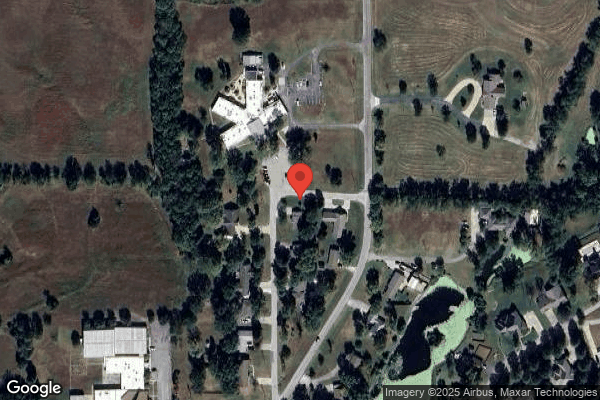
709 LEAWOOD AVENUE, PARSONS, KS 67357 (620) 421-1110
Non profit - Church related 45 Beds GOOD SAMARITAN SOCIETY Data: November 2025
Trust Grade
90/100
#17 of 295 in KS
Last Inspection: April 2025

Within standard 12-15 month inspection cycle. Federal law requires annual inspections.

Overview

Good Samaritan Society - Parsons has received a Trust Grade of A, indicating it is an excellent facility that is highly recommended. It ranks #17 out of 295 nursing homes in Kansas, placing it in the top half, and is the best option among the four facilities in Labette County. The facility's trend is stable, with the same number of issues reported in 2023 and 2025, indicating no worsening conditions. Staffing is a strong point, boasting a 5/5 star rating with a low turnover rate of 23%, which is significantly better than the state average. However, there have been some concerning incidents, including a serious case where a resident fell and fractured her hip due to a failure to implement fall prevention measures, as well as issues with maintaining sanitary conditions in the kitchen and strong odors in certain resident areas, which highlight the need for improvement in environmental care.

Trust Score
A
90/100
In Kansas
#17/295
Top 5%
Safety Record
Moderate
Needs review
Inspections
Holding Steady
4 → 4 violations
Staff Stability
✓ Good
23% annual turnover. Excellent stability, 25 points below Kansas's 48% average. Staff who stay learn residents' needs.
Penalties
✓ Good
No fines on record. Clean compliance history, better than most Kansas facilities.
Skilled Nurses
✓ Good
Each resident gets 60 minutes of Registered Nurse (RN) attention daily — more than 97% of Kansas nursing homes. RNs are the most trained staff who catch health problems before they become serious.
Violations
⚠ Watch
11 deficiencies on record. Higher than average. Multiple issues found across inspections.
★★★★★
5.0
Overall Rating
★★★★★
5.0
Staff Levels
★★☆☆☆
2.0
Care Quality
★★★★☆
4.0
Inspection Score
Stable
2023: 4 issues
2025: 4 issues

The Good

  • 5-Star Staffing Rating · Excellent nurse staffing levels
  • Low Staff Turnover (23%) · Staff stability means consistent care
  • Full Sprinkler Coverage · Fire safety systems throughout facility
  • No fines on record
  • Staff turnover is low (23%)

    25 points below Kansas average of 48%

Facility shows strength in staffing levels, staff retention, fire safety.

The Bad

Chain: GOOD SAMARITAN SOCIETY

Part of a multi-facility chain

Ask about local staffing decisions and management

The Ugly 11 deficiencies on record

1 actual harm
Apr 2025 4 deficiencies
CONCERN (D)

Potential for Harm - no one hurt, but risky conditions existed

ADL Care (Tag F0677)

Could have caused harm · This affected 1 resident

**NOTE- TERMS IN BRACKETS HAVE BEEN EDITED TO PROTECT CONFIDENTIALITY** The facility reported a census of 33 residents with 13 residents sampled, including one resident reviewed for activities of dail...

Read full inspector narrative →
**NOTE- TERMS IN BRACKETS HAVE BEEN EDITED TO PROTECT CONFIDENTIALITY** The facility reported a census of 33 residents with 13 residents sampled, including one resident reviewed for activities of daily living (ADLS). Based on observation, interview, and record review, the facility failed to provide personal hygiene cares for the one sampled resident, Resident (R)11, when staff failed to provide facial shaving. This placed the resident at risk impaired dignity and poor hygiene. Findings included: - R11's Electronic Medical Record (EMR) revealed a diagnosis of depression (a mood disorder that causes a persistent feeling of sadness and loss of interest). The Annual Minimum Data Set (MDS), dated [DATE], documented the resident had a Brief Interview for Mental Status (BIMS) status of 13, indicating intact cognition. She used a walker and a wheelchair for mobility and was independent with personal hygiene. The Functional Abilities Care Area Assessment (CAA), dated 07/02/24, documented the resident required staff assistance with activities of daily living (ADL) at times. The Quarterly MDS, dated 04/01/25, documented the resident had a BIMS score of 15, indicating intact cognition. She used a walker for mobility and was independent with personal hygiene. R11's Care Plan' revised 04/10/25 instructed staff the resident was independent with ADL except for showers and shaving. On 04/07/25 at 12:03 PM, R11 sat in her recliner in her room watching TV. She had long facial hair visible. On 04/08/25 at 07:27 AM, R11 sat in her recliner in her room watching TV. R11 continued to have long facial hair present. On 04/07/25 at 12:03 PM, R11 stated she would like to have her facial hair shaved, but the staff do not shave her. On 04/08/25 at 12:03 PM, Certified Nurse Aide (CNA) M stated R11 required assistance with showering and shaving. CNA M stated the resident did not refuse cares. On 04/08/25 at 12:09 PM, Licensed Nurse (LN) G stated the resident received two showers per week and that staff would shave residents on their shower days. On 04/09/25 at 10:07 AM, Administrative Nurse D stated the facility expected staff to shave residents on their shower days. The facility policy for Shaving, revised 10/15/24, included that the purpose of the policy was to promote positive self-image and well-being.
CONCERN (D)

Potential for Harm - no one hurt, but risky conditions existed

Deficiency F0679 (Tag F0679)

Could have caused harm · This affected 1 resident

**NOTE- TERMS IN BRACKETS HAVE BEEN EDITED TO PROTECT CONFIDENTIALITY** The facility reported a census of 33 residents with 13 residents sampled, including one resident reviewed for activities. Based ...

Read full inspector narrative →
**NOTE- TERMS IN BRACKETS HAVE BEEN EDITED TO PROTECT CONFIDENTIALITY** The facility reported a census of 33 residents with 13 residents sampled, including one resident reviewed for activities. Based on observation, interviews, and record review the facility failed to implement an ongoing, resident-centered activity program that met his interests and preferences for Resident (R) 33. This placed the resident at risk for decreased quality of life. Findings included: - A review of R33's Electronic Medical Record (EMR) revealed a diagnosis of depression (a mood disorder that causes a persistent feeling of sadness and loss of interest). The Annual Minimum Data Set (MDS), dated [DATE], documented the resident had a Brief Interview for Mental Status (BIMS) score of 15, indicating intact cognition. The MDS recorded R33 found if very important to keep up with the news, participate in his favorite activities and to go outside during nice weather; he was dependent on staff for chair to bed to chair transfers and utilized a wheelchair for mobility. The Activity Care Area Assessment (CAA), dated 09/12/24, did not trigger. The Quarterly MDS, dated 03/11/25, documented R33 had a BIMS score of 15, indicating intact cognition. He was dependent on staff for chair to bed to chair transfers and utilized a wheelchair for mobility. R33's Care Plan revised 03/20/25 instructed staff the resident had a diagnosis of depression. The plan directed activity staff would have one-on-one interactions with the resident to discuss his feelings relative to his unhappiness, losses, and anger. The plan instructed staff the resident had some independent interests and enjoyed conversations with family, friends, and staff. R33's EMR revealed an Activity Interest data Collection Tool, dated 09/11/24, which documented the resident's activity participation preferences included both individual and group activities. He enjoyed attending church and belonged to a local political party and had been a state representative in past years. R33's EMR, from 03/10/25 through 04/06/25, revealed the resident received the activity of Spiritual on multiple occasions. On 04/07/25 at 11:50 AM, R33 sat in his wheelchair in his room watching videos on his personal computer. On 04/08/25 at 08:17 AM, R33 sat in his wheelchair in the dining room eating breakfast. Activity Staff Z read from the facility's Daily Chronicle to the residents present. On 04/07/25 at 10:47 AM R33's representative stated the activities offered by the facility did not meet the resident's interests. The representative stated it was very important for the resident to attend his own church on Sundays and he would like to participate in outside activities offered in the community. The resident's family member stated she had been told by staff that the facility was unable to transport him to activities away from the facility. On 04/07/25 at 11:50 AM, R33 stated he enjoyed getting out and would like to attend community political events as well as attend church with his wife on Sundays. On 04/08/25 at 06:05 AM, Certified Nurse Aide (CNA) P stated the resident really enjoyed talking about politics. On 04/08/25 at 08:25 AM, Activity Staff Z stated each one-on-one activity should last about 15-20 minutes. Activity Staff Z stated the activity of Spiritual documented in the resident's EMR was one sentence that she read from the Daily Chronicle each morning in the dining room. Activity Staff Z confirmed there were no one-on-ones documented in the resident's EMR and she was unaware the resident wanted to attend community activities outside of the facility. On 04/08/25 at 12:03 PM, CNA M stated that R33 did not normally participate in the facility activities because he was not interested in the offered activities. CNA M stated the resident enjoyed talking about politics. On 04/08/25 at 12:09 PM, Licensed Nurse (LN) G stated R33 was very social and enjoyed visiting with others about politics. On 04/09/25 at 09:01 AM, Administrative Nurse D stated the facility could transport residents to any activity they wanted to attend outside of the facility. On 04/09/25 at 09:05 AM, Administrative Staff A stated the facility could transport residents to activities outside of the facility. The facility did not provide a policy for activities.
CONCERN (D)

Potential for Harm - no one hurt, but risky conditions existed

Quality of Care (Tag F0684)

Could have caused harm · This affected 1 resident

**NOTE- TERMS IN BRACKETS HAVE BEEN EDITED TO PROTECT CONFIDENTIALITY** - R9's Electronic Medical Record (EMR) revealed diagnoses, which included: congestive heart failure (CHF-a condition with low he...

Read full inspector narrative →
**NOTE- TERMS IN BRACKETS HAVE BEEN EDITED TO PROTECT CONFIDENTIALITY** - R9's Electronic Medical Record (EMR) revealed diagnoses, which included: congestive heart failure (CHF-a condition with low heart output and the body becomes congested with fluid), atrial fibrillation (A-fib-rapid- irregular heartbeat), and chronic obstructive pulmonary disease (COPD- progressive and irreversible condition characterized by diminished lung capacity and difficulty or discomfort in breathing). The Significant Change Minimum Data Set (MDS), dated [DATE], documented the resident had a Brief Interview for Mental Status (BIMS) score of 15, indicating intact cognition. He had no rejection of care and experienced shortness of breath (SOB) with exertion. He did not receive a diuretic medication (drugs that increase urine production, helping the body get rid of excess fluid and salt, which can be used to treat conditions like high blood pressure and edema). The resident utilized oxygen during the assessment period. The Functional Abilities Care Area Assessment (CAA), dated 10/15/24, documented the resident required varying staff assistance with activities of daily living (ADL). The Quarterly MDS, dated 01/14/25, documented the resident had a BIMS score of 15, indicating intact cognition. He did not receive diuretic medication, and the resident utilized oxygen during the assessment period. R9's Care Plan revised 01/22/25, lacked staff instruction regarding the use of as needed (PRN) Lasix (a diuretic medication) use. Review of R9's EMR, revealed the following physician's order: Lasix, 40 milligrams (mg), by mouth every 24 hours, PRN, for fluid gain. Administer every day (QD) for a weight gain more than two pounds (lbs.) in one day or a five lb. gain in one week, ordered 10/04/24. R9's Medication Administration Record (MAR) for October, November and December 2024 and January, February, March, and April 1st through the 6th, 2025, revealed the resident did not receive the PRN Lasix medication. R9's EMR revealed the resident's weights were taken daily in October 2024, then changed to monthly in November 2024. R9's weights remained stable from 172.5 lbs. to 174.6 lbs. through February 2025. Staff documented his weight on 03/04/25 to be 190.8 lbs. and on 04/02/25 his weight was documented at 195.6 pounds. Staff did not administer the PRN Lasix medication. R9's EMR, on 03/05/25, staff notified the physician of the resident's weight gain of 18 lbs. and informed the physician the resident had no edema (swelling resulting from an excessive accumulation of fluid in the body tissues) or SOB. Staff were instructed to continue monitoring the resident. On 04/08/25 at 07:07 AM, R9 rested in bed with his feet and legs uncovered. R9 lacked edema in his lower extremities and had no SOB. On 04/08/25 at 12:09 PM, Licensed Nurse (LN) G stated staff weighed the resident monthly. LN G was unaware the resident had a PRN order for Lasix related to weight gain and confirmed staff should weigh the resident daily. On 04/09/25 at 10:07 AM, Administrative Nurse D stated the resident's weight gain was due to him eating better. Administrative Nurse D confirmed staff should have weighed the resident daily due to the physician's order and had not. The facility policy for Physician Orders, revised 04/06/25, included: Physician's orders are obtained to provide quality, individualized care for each resident. The facility identified a census of 33 residents, with 13 residents sampled, including two residents reviewed for quality of care. Based on record review, interview, and observation, the facility failed to ensure adequate disease management and monitoring for Resident (R) 21 when staff failed to monitor weight and notify the provider of weight fluctuations related to R21's heart failure. The facility additionally failed to do daily weights and administer Lasix (a diuretic medication used to promote the excretion of urine to decrease swelling and fluid accumulation) as needed (PRN) for R9. These deficient practices placed the affected residents at risk for decreased quality of care and related health complications. Findings included: - R21's Electronic Medical Record (EMR) documented R21 had a pertinent diagnosis of congestive heart failure (CHF-a condition with low heart output and the body becomes congested with fluid). R21's admission Minimum Data Set (MDS), dated [DATE], documented the resident had a Brief Interview for Mental Status (BIMS) score of 15, indicating intact cognition. He took diuretics and required oxygen. R21's Care Plan dated 03/04/25 documented that R21 had edema (swelling resulting from an excessive accumulation of fluid in the body tissues) to the lower legs related to heart failure and instructed staff to elevate his legs when resting and apply support hose. R21's EMR recorded a Physician Order, dated 03/04/25, for daily weights starting on 03/04/25. R21's EMR, reviewed for the timeframe from 03/04/25 through 04/08/25, revealed on 03/06/25 R21 gained 4.1 pounds from the previous day. R21's EMR lacked documentation of physician notification. A Progress Note on 03/06/25 documented R21's oxygen level was down to 86 % on five liters of supplemental oxygen. The note recorded R21 reported feeling short of air but did not want to go to the hospital. The recorded staff elevated the head of R21's bed to 90 degrees per his request and his oxygen level eventually rose to 92%. R21's EMR lacked evidence staff weighed R21 on 03/07/25. On 03/24/25, R21's EMR recorded a weight gain of 7.4 pounds from the previous day. R21's EMR lacked evidence of physician notification. A Progress Note dated 03/28/25 at 01:59 AM documented R21 had increased edema to both legs with the right being worse than the left. The note documented the nurse explained to R21 that the edema was related to the resident's CHF and encouraged R21 to wear his compression hose, and to sit in the recliner so that he could elevate his legs. A Progress Note dated 03/28/25 at 09:19 AM documented staff sent a fax notifying the provider of R21's significant edema without significant weight gain and sent weights as well. A Progress Note dated 03/28/25 at 01:52 PM documented the provider increased R21's Lasix from one time a day to two times a day. On 04/04/25 R21's EMR recorded a weight gain of 5.4 pounds from the previous day. R21's EMR lacked documentation of physician notification. On 04/06/25, R21's EMR recorded a weight gain of 5.6 pounds from the previous day. R21's EMR lacked documentation of physician notification. A Progress Note dated 04/06/25 at 09:01 PM documented R21 reported chest pain and pressure. His oxygen level was 88% on room air; staff called 911 for emergency transport to the hospital. On 04/07/25, R21's EMR recorded R21 gained pounds from the previous day. A Progress Note dated 04/07/25 at 09:20 AM documented staff sent a fax to the physician notifying him that R21 had increased, weeping edema in the legs, weight gain, and an emergency room visit. The note recorded R21 had a 3.4-pound weight increase in 24 hours. The note documented R21 received Lasix twice daily and spironolactone (a diuretic) once daily; staff requested wraps since R21's swelling prevented the compression hose application, During an observation on 04/07/25 at 12:33 PM, R21 sat in his wheelchair. His feet were on the floor, and he had edema on his legs and feet. During an interview on 04/09/25 at 09:27 AM, Licensed Nurse (LN) H stated that the physician should be notified if the resident has a weight increase of 3 pounds or more in 24 hours. LN H said she tried to obtain the weights herself since she did not trust the accuracy of other staff members. She stated when she returns from her days off, she looks at the weights and strikes out the weights that don't appear to be correct. LN H verified she struck out the weight taken on 03/06/25 on 03/10/25; the weights taken on 03/16/25, 03/20/25, 03/21/25, 03/22/25,03/23/25 were crossed out on 03/25/25 and the weights taken on 03/26/25 and 03/27/25 were crossed out on 03/27/25. LN H said she faxed the provider on Monday but has not heard back yet. During an interview on 04/09/25 at 10:18 AM, Administrative Nurse D stated that a person with daily weights for CHF should have an order with parameters to notify the provider of weight gain and said staff would notify according to the doctor's order. She said she would investigate why R21 did not have parameters on when to notify the provider. She said that a nurse should never strike out a weight that was put in by another nurse and said education would be provided to the nursing staff. During an interview on 04/09/25 at 02:40 PM, Administrative Nurse D stated that without an order they would follow the expectation to notify the physician if there was a weight gain of three pounds in a day or five pounds within a week. The facility's Standing Orders for weights for a resident with CHF documented they were to weight the resident daily for 14 days then two times a week after that. Notify the provider if there was a weight gain of 2.5 pounds within 48 hours or five pounds above the admission weight.
CONCERN (F)

Potential for Harm - no one hurt, but risky conditions existed

Food Safety (Tag F0812)

Could have caused harm · This affected most or all residents

The facility reported a census of 33 residents. Based on observation, record review, and interview, the facility failed to prepare and serve food under sanitary conditions, to the residents of the fac...

Read full inspector narrative →
The facility reported a census of 33 residents. Based on observation, record review, and interview, the facility failed to prepare and serve food under sanitary conditions, to the residents of the facility. This placed the residents at risk for food-borne bacteria. Findings included: - During an initial tour of the resident kitchenette on 04/09/24 at 08:30 AM, the following areas of concern were noted in the kitchen: 1. The kick plate on one of the ovens had broken off and was resting on the floor. 2. Two preparation tables had food debris on the bottom shelf. 3. Three storage racks in the dry storage room had multiple areas of missing protective coating and multiple areas of rust. 4. The stationary can opener had food debris dried onto the sharp area that would enter the can. 5. The trash can by the hand-washing sink lacked an accessible trashcan. 6. The trash can by the ice machine lacked a lid. 7. A three-tiered, wheeled cart used to transport clean dishes from the dishwashing area to their storage areas contained a build-up of food debris on all three tiers. On 04/09/25 at 08:30 AM, Dietary Staff BB confirmed the areas of concern were in need of cleaning, repair, or replacement. The facility policy for Cleaning Schedule--Food and Nutrition Services revised 11/21/24, included the facility shall provide guidelines to employees for proper cleaning of the kitchen and immobile equipment. Staff shall check each equipment item in the kitchen for cleanliness and ensure that it is in good condition. The kitchen ceiling will be checked daily for cobwebs, dust, or dirt that could fall into food. The staff shall clean and sanitize carts at the beginning of the morning and at least every four hours throughout the day.
Jun 2023 4 deficiencies 1 Harm
SERIOUS (G) 📢 Someone Reported This

A family member, employee, or ombudsman was alarmed enough to file a formal complaint

Actual Harm - a resident was hurt due to facility failures

Accident Prevention (Tag F0689)

A resident was harmed · This affected 1 resident

**NOTE- TERMS IN BRACKETS HAVE BEEN EDITED TO PROTECT CONFIDENTIALITY** The facility reported a census of 42 residents with 14 sampled, including six residents reviewed for accidents. Based on observa...

Read full inspector narrative →
**NOTE- TERMS IN BRACKETS HAVE BEEN EDITED TO PROTECT CONFIDENTIALITY** The facility reported a census of 42 residents with 14 sampled, including six residents reviewed for accidents. Based on observation, interview and record review the facility failed to ensure care planned fall prevention interventions were in place for Resident (R)32, with a history of falls, when staff failed to ensure the floor alarm was turned on, and R32 fell in her room and fractured (broken bone) her left hip. Findings included: - Review of R32's Electronic Medical Record (EMR) revealed diagnoses which included: osteoarthritis (degenerative changes to one or many joints characterized by swelling and pain) weakness (lacking strength) and dementia (progressive mental disorder characterized by failing memory, and confusion). The 01/12/23 admission Minimum Data Set (MDS) documented the resident had a Brief Interview for Mental Status (BIMS) score of 14, indicating intact cognition. She required limited assistance of one staff for walking in her room, transfers, and dressing. She required extensive assistance of one staff for toileting. Her balance was unstable, and she was only able to stabilize with staff assistance. She had impairment in functional range of motion (ROM) on one side of her upper extremity and she used a walker and wheelchair for mobility. The 01/12/23 Activity for Daily Living (ADL) Functional/Rehabilitation Potential Care Area Assessment (CAA) documented R32 had a self-care deficit related to a history of falls before admission. The 01/12/23 Falls CAA documented R32 had a fall in the facility since admission. The resident did not always wait for staff assistance and would attempt to get up on her own. Her balance was not always stable. The 04/11/23 Quarterly MDS documented R32 had a BIMS score of 10, indicating moderate cognitive impairment. She required extensive assistance of one staff for toileting and supervision with walking in her room and corridor. She had limited ROM on one side of her upper extremity. She had two or more non-injury falls, one fall with injury (except major), and one fall with major injury since the prior assessment. The resident's balance was unsteady, and could only stabilize with staff assistance. The Fall Care Plan, revised 03/25/23, instructed staff to encourage the resident to wear appropriate footwear while ambulating or mobilizing in her wheelchair. Staff were to ensure the resident had her floor alarm next to her bed or in front of her chair to alert staff of the resident's movement and to assist the staff in monitoring the resident's movements. Review of the resident's EMR revealed fall assessments dated: 04/11/23, 03/23/23, 02/28/23 and 01/06/23, each placed the resident at a high risk for falls. Review of the resident's progress notes in the EMR revealed on 04/11/23 staff discovered the resident on the floor laying on her left side. The resident's chair was next to her bed with the floor alarm next to the chair, not sounding. The resident's walker was next to the dresser, out of reach, which was the normal for this resident. She wore appropriate footwear, had her glasses on, and the call light was on, at the time of the fall. The resident reported severe pain to her left hip. Staff assisted the resident up off the floor and onto her bed, with the use of a full-body lift and assistance of three staff. Staff called the Emergency Medical Technicians (EMT) to transport the resident to the hospital emergency room (ER) for evaluation and treatment. Review of the resident's progress notes in the EMR, revealed the resident was admitted to the hospital on [DATE] for a left intertrochanteric (between the bony protrusions of the thigh bone) reverse obliquity (the fracture line runs from the lesser trochanter to the small bony prominence that projects from the back and inner part of the thigh bone) proximally (center to the body) to the greater trochanter (projection at the top and outside of the thighbone) distally (away from the center of the body), exiting the lateral femoral cortex (one of the two projections on the lower extremity of the thighbone) below the vastus ridge (muscle in the front part of the thigh that helps straighten the leg) hip fracture which was repaired using open reduction internal fixation (ORIF). Review of the call light system revealed the resident initiated her call light at 09:36 PM (on 04/11/23) and turned off 09:39 PM (when staff entered her room and found her on the floor). On 06/27/23 at 07:21 AM, Certified Nurse Aide (CNA) N assisted the resident to ambulate from her bathroom to her wheelchair in her room with extensive assistance and the use of the gait (manner or style of walking) belt. The resident's gait was slow and steady. She required prompting and cueing to ambulate and to sit down into her wheelchair. On 06/27/23 at 07:21 AM, CNA N stated the resident required assistance with ambulation since she fractured her hip. CNA N said the floor alarm was no longer in use for the resident. On 06/27/23 at 02:13 PM, CNA M stated she was working the evening the resident fell. CNA M stated she had not ensured the resident's floor alarm was functioning that shift. CNA M stated she entered the resident's room on 04/11/23 in response to the resident's call light and discovered her on the floor with her head against the dresser and her back against the wall with her legs somewhat bent. Staff got the resident up from the floor with the full-body lift and put her on top of her bed. The EMTs came and transported the resident to the hospital. The resident had a fractured hip. On 06/28/23 at 05:51 AM, Licensed Nurse (LN) I stated the evening the resident fell and fractured her hip, the staff had not checked to ensure the floor alarm was turned on. If the alarm had been turned on, the staff would have heard the alarm sound and maybe gotten to the resident's room before she fell. The call light had been on for three minutes before the CNA got into the room and turned the light off and found the resident on the floor. EMTs transferred the resident to the hospital, and she returned to the facility a few days later. On 06/28/23 at 09:00 AM, Administrative Nurse D stated staff did not know the resident's floor alarm was not turned on before the resident's fall. The staff working that shift confirmed they had not checked the alarm before the resident fell. If the alarm had been turned on and sounded, the staff may have been able to get to the resident before she fell. The facility policy for Fall Prevention and Management, revised 03/29/23, included: It was the obligation of the facility to provide the safest environment possible for residents entrusted to their care. The facility failed to follow this resident's care planned fall interventions, by the failure to ensure the fall alarm was turned on, and R32 fell and fractured her hip.
CONCERN (D)

Potential for Harm - no one hurt, but risky conditions existed

Deficiency F0760 (Tag F0760)

Could have caused harm · This affected 1 resident

**NOTE- TERMS IN BRACKETS HAVE BEEN EDITED TO PROTECT CONFIDENTIALITY** The facility reported a census of 42 residents with 14 selected for review which included six residents reviewed for unnecessary...

Read full inspector narrative →
**NOTE- TERMS IN BRACKETS HAVE BEEN EDITED TO PROTECT CONFIDENTIALITY** The facility reported a census of 42 residents with 14 selected for review which included six residents reviewed for unnecessary medications. Based on observation, interview and record review, the facility failed to ensure one Resident (R)30 of the six residents received medications (to treat/prevent seizures) through her percutaneous (passing through the skin) endoscopic gastrostomy (a method used to view the inside of the stomach to place a tube used for administering medications and liquid nutrition) PEG as ordered by the physician. Findings included: - Review of Resident (R) 30's Physician Order Sheet, dated 03/23/23 revealed diagnoses included subarachnoid hemorrhage (bleeding in the brain), hemiplegia (paralysis of one side of the body), hemiparesis (muscular weakness of one half of the body), seizure disorder (violent involuntary series of contractions of a group of muscles), and critical illness myopathy (a muscle disorder of the limbs and respiratory muscles). The Significant Change Minimum Data Set (MDS), dated [DATE], assessed the resident with severe cognitive impairment. The resident was dependent on staff for activities of daily living (ADL) and received greater than 51% of total calories through her PEG tube. The resident received seven days of antidepressant medication. The Nutritional Status Care Area Assessment (CAA), dated 05/09/23, assessed the resident had a feeding tube with the potential for nutritional problems due to not responding to oral intake. The Care Plan, reviewed 05/19/23, instructed staff the resident had a seizure disorder. The resident required tube feedings due to the inability to swallow and received nothing by mouth. The resident was administered platelet and antidepressant medications. Review of the Physician's Orders, dated 05/02/23 revealed the following orders: 1. Instructed the staff to flush the resident's PEG tube with 30 cubic centimeters (cc) of water before medications, 5 cc between medications and 30 cc after all medications and to document the total number of cc administered. Staff were also instructed to check for tube placement before initiation of formula and medication. 2. instructed staff to administer levetiracetam 1000 milligrams (mg), enterally (through the feeding tube directly into the stomach,) twice a day, for seizures. 3. Instructed to administer lactulose 10 grams (gm,) per 15 milliliters(ml,) 30 ml, enterally, twice a day, for constipation. 4. Instructed staff to administer Pepcid 40 mg, enterally, twice a day, for gastric reflux. 5. Instructed staff to administer fludrocortisone (a steroid medication used to treat deficiency of steroids due to multiple causes) 0.1 mg, enterally, twice a day for deficiency. 6. Instructed staff to administer artificial tears 1 percent (%), each eye, four times a day. Further physician orders, dated 05/03/23 included the following: 1. Instructed staff to administer fluoxetine hydrochloride (HCL) 40 mg, enterally one time a day, for depression. 2. Instructed staff to administer Plavix 75 mg, enterally, daily, for hemiplegia from stroke. 3. Instructed staff to administer amantadine hydrochloride (HCL) 100 mg enterally in the morning for critical illness myopathy. Review of the Medication Administration Record, (MAR) and Treatment Administration Record (TAR) dated June 2023 revealed a failure of staff to administer the resident the following physician ordered medications by the nursing staff: On 06/13/23 the morning doses of amantadine HCL 100 mg, fluoxetine HCL 40 mg, and Plavix 75 mg. In addition, the lack of administration of the morning doses, on 06/13/23 and 06/14/23, of fludrocortisone 0.1 mg, lactulose 30 ml, levetiracetam 1000 mg (medication treat/prevent seizures), Pepcid 40 mg, and two doses (06:30 am and 12:00 pm) each day of artificial tears 1% one drops each eye. Interview, on 06/28/23 at 09:48 AM, with Licensed Nurse (LN) G, confirmed the lack of administration of medications on 06/13/23 an 06/14/23 to the resident as she did not know the resident received the medications through her PEG tube. LN G stated she did administer the resident's tube feeding formula, but she was new to the facility and not familiar with the electronic medical record triggers for the administration of medications through the PEG tube. Interview, on 06/28/23 at 10:30 AM, with Administrative Nurse D, revealed at the time of the medication error, the facility had one resident with a PEG tube. Administrative Nurse D stated LN G was a new nurse to the facility, and she did not realize her responsibility to administer medications as well as the tube feeding to the resident. The facility policy Medication: Tube Administration, reviewed 03/02/23, instructed staff to verify physician orders to administer medications through a gastric tube in a safe and appropriate manner. The facility failed to ensure licensed nursing staff administered this resident with seizure disorder and critical illness myopathy's medications through her gastric tube as ordered by the physician to ensure optimal level of wellness.
CONCERN (E) 📢 Someone Reported This

A family member, employee, or ombudsman was alarmed enough to file a formal complaint

Potential for Harm - no one hurt, but risky conditions existed

Safe Environment (Tag F0584)

Could have caused harm · This affected multiple residents

The facility reported a census of 42 residents. Based on observation and interview the facility failed to provide a clean, comfortable, and homelike environment for the residents and visitors on one r...

Read full inspector narrative →
The facility reported a census of 42 residents. Based on observation and interview the facility failed to provide a clean, comfortable, and homelike environment for the residents and visitors on one resident hallway. Findings included: - Observation, on 06/26/23 at 08:00 AM, revealed a strong urine odor from the open doorway of a resident room on Hallway 2. The urine odor permeated into the hallway and to the end of the hall, which contained two other resident rooms. Both residents in these two rooms had severe cognitive deficits and could not voice displeasure in the strong foul odor. Observation, on 06/27/23 at 09:19 AM, revealed housekeeping staff V, about to clean the resident room where the foul odor came from. The room contained a strong urine odor which permeated into the hallway and the family room across the hall when the door was opened. Housekeeping Staff V stated the resident was frequently incontinent of urine and urinated on the floor in her bed, about in the room, and bathroom. Observation at that time revealed two dry pads upon the resident's bed and the bottom sheet contained a large yellow ring extending up under the pillows on the head of the bed. Housekeeping staff V removed the linen from the bed and sprayed the overlay mattress and pillows with a bleach solution and stated she did not wipe the areas off but let the bleach solution dry on the surfaces. Interview, on 06/28/23 at 08:29 AM, with Administrative Staff D, revealed staff cleaned the resident's room on 06/27/23, and confirmed that the room continued to smell of the foul urine. The resident's clothing also contained a urine odor. The urine odor permeated into the hallway when the door opened. Administrative Staff D stated staff tried multiple interventions to minimize the urinary incontinence and used bleach mixture to combat the strong urine odor. Administrative Staff D stated she recommended possibly an air purifier. The facility policy Managing Odors, reviewed 04/14/23, instructed staff the primary method of controlling odors was to ensure a thorough and systematical cleaning program that addressed the material that causes malodors. Staff instructed to mitigate the introduction of offensive odors and work to remove the intrusion of offensive odors in the building. The facility failed to ensure the environment remained free of strong offensive foul odors as much as possible when the odors became extensive beyond the scope of normal cleaning methods to ensure the health, cleanliness and homelike environment for the residents and visitors on that hallway of the facility.
CONCERN (E)

Potential for Harm - no one hurt, but risky conditions existed

Infection Control (Tag F0880)

Could have caused harm · This affected multiple residents

The facility reported a census of 42 residents. Based on observation, interview and record review, the facility failed to maintain a safe, sanitary, and comfortable environment to prevent the developm...

Read full inspector narrative →
The facility reported a census of 42 residents. Based on observation, interview and record review, the facility failed to maintain a safe, sanitary, and comfortable environment to prevent the development and transmission of communicable infections, regarding not properly cleaning three communal combs and brushes in the beauty shop. Findings included: - An environmental tour of the facility on 06/26/23 at 11:30 AM, with Housekeeping/Maintenance staff U revealed the following items/areas of concern with infection control, in the facility beauty shop: 1. The facility beauty shop contained three unlabeled combs with various colored hairs, lying on the counter. 2. The sink of the beauty shop had scaling and debris on the insides. 3. The counter surfaces had a build-up layer of dust over it. On 06/26/23 at 11:30 AM, Housekeeping/Maintenance staff U stated the area did not look good. The facility had a checklist for the cleaning of the beauty shop, but staff had not cleaned the area for a while. On 06/28/23 at 02:45 PM, Administrative Nurse D stated the facility had several hairdressers coming into work on different residents in the facility beauty shop. Administrative Nurse D stated the visiting hairdressers were not cleaning the beauty shop appropriately. The facility policy for, Barber/Beauty Shops, revised 12/19/22, included: All equipment used in the beauty shop will be sanitized between each resident use. The beauty shop area will be cleaned on a regular schedule. The facility failed to maintain a sanitary beauty shop area to ensure prevention of the development and transmission of communicable infections for the residents of the facility who utilized the beauty shop.
Dec 2021 3 deficiencies
CONCERN (D)

Potential for Harm - no one hurt, but risky conditions existed

Quality of Care (Tag F0684)

Could have caused harm · This affected 1 resident

**NOTE- TERMS IN BRACKETS HAVE BEEN EDITED TO PROTECT CONFIDENTIALITY** The facility reported a census of 47 residents with 15 selected for review. The sample included one resident for skin conditions...

Read full inspector narrative →
**NOTE- TERMS IN BRACKETS HAVE BEEN EDITED TO PROTECT CONFIDENTIALITY** The facility reported a census of 47 residents with 15 selected for review. The sample included one resident for skin conditions. Based on observation, interview, and record review, the facility failed to ensure Resident (R)26 received treatment and care in accordance with professional standards of practice, related to skin tears. Findings included: - Review of the resident's (R) 26's undated Physician Orders, revealed diagnoses which included dementia (progressive mental disorder characterized by failing memory, confusion), Pick's disease (a kind of dementia similar to Alzheimer's but far less common. It affects parts of the brain that control emotions, behavior, personality, and language), anxiety disorder (mental or emotional reaction characterized by apprehension, uncertainty and irrational fear), restlessness, and agitation. The Annual Minimum Data Set (MDS) dated [DATE], documentation included the Brief Interview for Mental Status (BIMS) score of 12, which indicated moderate cognitive impairment. The resident was independent for bed mobility, transfers, walking, locomotion, toilet use, personal hygiene, and bathing. His balance during transition was not steady but he was able to stabilize without staff assistance. He had no functional limitation in range of motion. He used a walker as a mobility assistive device. The resident was not at risk for pressure ulcers. He received treatment of applications of ointments/medications other than to feet. The Care Area Assessment (CAA), for Cognitive Loss/Dementia and ADL(activities of daily living) Functional/Rehabilitation Potential, dated 11/08/21, documented he was independent with all ADL's except for supervision with his showers. The care Plan, dated 11/10/21, directed staff to monitor/document/report to health care provider as needed any signs or symptoms of causative factors or trauma. On 12/12/2021 at 05:12 PM, the Health Status Note, documentation included the resident had a skin tear to his right elbow, which the nurse dressed with telfa (nonstick dressing) and kerlix (gauze type material) after cleansing with wound with wound cleanser. The documentation lacked a wound assessment to include the measurements or description of the wound characteristics. The facility lacked evidence of follow-up to determine cause or contributing factors related to the development of the wound. On 12/13/2021 at 08:56 AM, the Health Status Note Text, included documentation that the resident had a skin tear on his right elbow, and the nurse cleaned the skin tear with wound cleanser, applied triple antibiotic ointment and applied a dressing to his wound on his right elbow. The documentation lacked a wound assessment to include measurements or a description of the wound characteristics. The facility lacked evidence of follow-up to determine cause or contributing factors related to the development of the wound. On 12/14/2021, two days after the first documentation related to the right elbow skin tear, revealed the Communication/Visit with Physician Note Text, documentation included the nurse found a dressing to the resident's right elbow and right forearm. There was drainage on the dressing. The nurse asked the resident what he had done. He stated, I can't remember but it was a couple days ago. The nurse revealed there was not an order for wound care for this resident. She removed the dressing to his right forearm and noted that resident had a skin tear that was approximately 1.5 centimeter (cm.) by 1.5 cm, circular skin tear with dried skin to the wound bed, and was unable to approximate (close) the area as the wound was dried out. There was dark dried brown drainage on the dressing. The nurse cleaned with wound cleanser, applied adaptic (non-adhering dressing) and secured with a foam pad. Documentation revealed staff would change the dressing every other day until resolved and as needed. Staff removed the dressing to the resident's right elbow and revealed a skin tear that was approximately 1.0 cm by 1.5 cm with dried skin to his elbow. Staff was unable to approximate the skin, and the wound had dark brown drainage with some yellow drainage. The old dressing was slightly moist. Staff cleansed the wound with wound cleanser, applied Adaptic and a foam dressing. Staff would change the dressing every other day and as needed and monitor both skin tears for signs of infection and notify physician if signs of infection occur. The was the first documented evidence of wound assessment and obtaining a physician order since the skin tears were first identified on 12/12/21. On 12/15/21 at 03:07 PM, the resident had a bandage on his right lower arm, dated 12/15/21. Upon inquiry the resident reported he did not know how he hurt his arm. On 12/21/21 at 12:40 PM, Licensed Nurse (LN) G measured the wounds on his right elbow that measured 1.5 centimeters (CM) by 1.0 CM, and his lower right forearm radius that measured 1.0 CM by 1.9 CM. Both wounds were covered with raised scab areas. A small amount of redness was around his right elbow skin tear. On 12/20/21 at 03:37 PM, Certified Nurse Aide (CNA) M reported when a resident received a skin tear, the nurse should check the resident's skin. She stated she did not know what happened to the resident's arm. On 12/20/21 at 04:04 PM, Certified Medication Aide (CMA), stated nurses' assess the resident's skin when staff report an injury. The nurse would try to determine what caused the skin tear and put interventions in place to prevent further injury. New interventions are to be on the care plan and in a communication book. She stated she did not know what happened to the resident's arm. On 12/21/21 at 10:03 AM, LN G reported the protocol for follow-up on a skin tear included the nurse should assess the wound, try to determine the cause and initiate a new intervention to prevent further injury/trauma. The wound assessment should include measurements and wound characteristics. She stated that she noted the resident had dressings/bandages on his arm when she returned to work on 12/14/21. The resident did not know what happened, but it was there for several days. She verified there was not any previous documentation of assessment nor order for treatment of the resident's skin tears to his right elbow. LN G stated she initiated a treatment and assessed the wound at that time. Additionally, she stated the facility did not monitor skin conditions other than pressure ulcers on a routine basis. LN G confirmed the staff that identified the wound on 12/12/21 did not follow protocol for assessment, order initiation, and follow-up. On 12/27/21 at 10:28 AM, Administrative Nurse D stated she did not know about the skin tears on the resident or the origin of the skin tears. She stated she expected staff to follow the facility protocol when a resident received a skin tear. Administrative Nurse D stated nurses' should assess the wound including measurements and wound characteristics and document the findings in an incident note. Administrative nursing staff should be notified when identifying a new skin tear identified and an investigation initiated into the causes to attempt to prevent further skin tears. She confirmed the facility lacked a system for monitoring effectiveness of wound care and the nurse did not follow the facility protocol when identifying the new skin tear on 12/12/21. The facility policy for Skin Tear Treatment and Prevention, dated 04/23/21, documentation included the purpose of the policy included to identify and treat skin tears as soon as possible, promote early wound healing, and to prevent further destruction of skin or infection. The procedure directed staff to note the location, size (measure) and shape of the skin tear. If unable to approximate edges, staff should apply skin barrier wipe to peri-wound and allow to dry. Apply hydrogel dressing to area and secure with a bandage roll. Change every three day and /or as needed for leakage or soiling. The facility failed to provide treatment and care in accordance with professional standards of practice, related to skin tears for the resident.
CONCERN (E)

Potential for Harm - no one hurt, but risky conditions existed

Safe Environment (Tag F0584)

Could have caused harm · This affected multiple residents

The facility reported a census of 47 residents. Based on observation, interview and record review, the facility failed to provide housekeeping and/or maintenance services to maintain an orderly, sanit...

Read full inspector narrative →
The facility reported a census of 47 residents. Based on observation, interview and record review, the facility failed to provide housekeeping and/or maintenance services to maintain an orderly, sanitary, and comfortable environment in the beauty shop for the residents of the facility. Findings included: - Environmental Tour on 12/16/21 at 11:59 AM, with Administrative Staff A revealed the following concerns: 1. The filter on the hair dryer had a dusty fuzzy build-up. 2. There was loose hair around the parameter of the room throughout the Beauty Shop. 3. The sink contained loose hair remnants. 4. A rolling cart had a dust build-up. On 12/16/21 at 11:59 AM, Administrative Staff A confirmed the above findings and stated she was not aware of who was responsible for cleaning the beauty shop. The facility's policy for Barber/Beauty Shops, dated 12/02/21, revealed all equipment would be sanitized at the time of use. The purpose was to ensure the barber/beauty shop provided sanitary and safe service for residents. The facility failed to provide housekeeping and/or maintenance services to maintain an orderly, sanitary, and comfortable environment in the beauty shop for the residents of the facility.
CONCERN (E)

Potential for Harm - no one hurt, but risky conditions existed

Deficiency F0688 (Tag F0688)

Could have caused harm · This affected multiple residents

The facility reported a census of 47 residents and the facility identified 35 residents with restorative services programs which included range of motion and ambulation. Based on record review and int...

Read full inspector narrative →
The facility reported a census of 47 residents and the facility identified 35 residents with restorative services programs which included range of motion and ambulation. Based on record review and interview, the facility failed to provide restorative nursing services to these 35 residents, which included Resident (R)13, as well as the other 34 residents, to maintain their range of motion and/or ambulation ability. Findings included: - On 12/15/21 at 02:37 PM, a confidential resident interview with Resident (R)13, revealed the facility had not provided restorative nursing programs for active range of motion or ambulation during the last month. She stated she went to group exercise in the mornings where she raised her arms, but that was a waste of time. The resident reported she asked if she could walk short distances and was told no by an unidentified facility staff. She stated later she was told the Restorative Aide could walk her around the circle. She reported the restorative aide had not offered to walk with her since that discussion a month ago. The resident stated she wanted to walk. She did not want to ride the bicycle Nu-Step or to attend the group exercises for her arms in the morning. The resident stated and demonstrated she could do those exercises herself in her room. She reported the staff helped her to the bathroom using a wheelchair. They do not have staff to provide restorative program consistently. The restorative aide got pulled to transportation and also had to work on the floor as a Certified Nurse Aide (CNA), when staff called in sick. On 12/20/21 at 03:37 PM, CNA M stated she was unaware which residents were on a restorative nursing program. She reported the Restorative Aide (RA) walked some residents to the dining room sometimes but the RA often worked the floor as a CNA and filled in for transportation. Every resident is invited to the group exercises in the morning at 10:00 AM, and it is a scheduled activity. Ten to twelve residents attend and two staff which include the Activity Director (AD) who is also a CNA. They do exercises like arm raises to music. Some residents participate while some just like to socialize. On 12/20/21 at 04:04 PM, Certified Medication Aide (CMA) reported R 13, was on a restorative program but was unaware if the resident still received those restorative services. The RA provided restorative services, however, she usually was pulled to the floor to fill in and work when short or staff call in sick. She also gets pulled to provide transportation. On 12/21/21 at 10:03 AM, Licensed Nurse (LN) stated Resident (R)13 was a very high risk for falls and had multiple falls due to impulse control issues and balance issues. She refused walk to dine program because she eats in her room. She refused to attend group exercises, she walks looking at the floor, had a stroke before admission to the facility, and the resident leans to the left. The majority of the time the facility does not have a restorative aide. The RA fills in for Transportation or she works the hall as a CNA. Restorative Nursing Services are Very hit and miss. On 12/27/21 at 10:28 AM at 03:42 PM, Administrative Nurse D verified that due to the restorative aide being pulled to work with direct cares for the residents, and providing transportation for appointments, the facility did not provide consistent Restorative Nursing Program as needed. The restorative aide was pulled then to work on the floor. Nurse D provided a list of residents and their restorative programs and identified 35 residents. She stated the restorative nursing programs recommendation were usually made through therapy at the end of therapy services. Administrative Nurse D confirmed there was not a RA today and she was scheduled to work night shift as a CNA next week. The facility lacked a policy and procedure, for Restorative & Functional Maintenance Program, which addressed how to determine the extent to which the resident received nursing restorative of functional maintenance programs ,to focus on achieving and maintaining optimal physical, mental, and psychosocial well-being, in accordance with the comprehensive assessment (MDS) and the care plan. The facility failed to ensure needed restorative services programs for at least 35 residents identified, and any others that may currently need the services, to maintain range of motion and ambulation abilities.
Understanding Severity Codes (click to expand)
Life-Threatening (Immediate Jeopardy)
J - Isolated K - Pattern L - Widespread
Actual Harm
G - Isolated H - Pattern I - Widespread
Potential for Harm
D - Isolated E - Pattern F - Widespread
No Harm (Minor)
A - Isolated B - Pattern C - Widespread

Questions to Ask on Your Visit

  • "Can I speak with families of current residents?"
  • "What's your RN coverage like on weekends and overnight?"

Our Honest Assessment

Strengths
  • • Grade A (90/100). Above average facility, better than most options in Kansas.
  • • No fines on record. Clean compliance history, better than most Kansas facilities.
  • • 23% annual turnover. Excellent stability, 25 points below Kansas's 48% average. Staff who stay learn residents' needs.
Concerns
  • • 11 deficiencies on record, including 1 serious (caused harm) violation. Ask about corrective actions taken.
Bottom line: Generally positive indicators. Standard due diligence and a personal visit recommended.

About This Facility

What is Good Samaritan Society - Parsons's CMS Rating?

CMS assigns GOOD SAMARITAN SOCIETY - PARSONS an overall rating of 5 out of 5 stars, which is considered much above average nationally. Within Kansas, this rating places the facility higher than 99% of the state's 100 nursing homes. This rating reflects solid performance across the metrics CMS uses to evaluate nursing home quality.

How is Good Samaritan Society - Parsons Staffed?

CMS rates GOOD SAMARITAN SOCIETY - PARSONS's staffing level at 5 out of 5 stars, which is much above average compared to other nursing homes. Staff turnover is 23%, compared to the Kansas average of 46%. This relatively stable workforce can support continuity of care.

What Have Inspectors Found at Good Samaritan Society - Parsons?

State health inspectors documented 11 deficiencies at GOOD SAMARITAN SOCIETY - PARSONS during 2021 to 2025. These included: 1 that caused actual resident harm and 10 with potential for harm. Deficiencies causing actual harm indicate documented cases where residents experienced negative health consequences.

Who Owns and Operates Good Samaritan Society - Parsons?

GOOD SAMARITAN SOCIETY - PARSONS is owned by a non-profit organization. Non-profit facilities reinvest revenue into operations rather than distributing to shareholders. The facility is operated by GOOD SAMARITAN SOCIETY, a chain that manages multiple nursing homes. With 45 certified beds and approximately 34 residents (about 76% occupancy), it is a smaller facility located in PARSONS, Kansas.

How Does Good Samaritan Society - Parsons Compare to Other Kansas Nursing Homes?

Compared to the 100 nursing homes in Kansas, GOOD SAMARITAN SOCIETY - PARSONS's overall rating (5 stars) is above the state average of 2.9, staff turnover (23%) is significantly lower than the state average of 46%, and health inspection rating (4 stars) is above the national benchmark.

What Should Families Ask When Visiting Good Samaritan Society - Parsons?

Based on this facility's data, families visiting should ask: "Can I visit during a mealtime to observe dining assistance and food quality?" "How do you handle medical emergencies, and what is your hospital transfer rate?" "Can I speak with family members of current residents about their experience?"

Is Good Samaritan Society - Parsons Safe?

Based on CMS inspection data, GOOD SAMARITAN SOCIETY - PARSONS has a clean safety record: no substantiated abuse findings (meaning no confirmed cases of resident harm), no Immediate Jeopardy citations (the most serious violation level indicating risk of serious injury or death), and is not on the Special Focus Facility watch list (a federal program monitoring the lowest-performing 1% of nursing homes). The facility has a 5-star overall rating and ranks #1 of 100 nursing homes in Kansas. While no facility is perfect, families should still ask about staff-to-resident ratios and recent inspection results during their visit.

Do Nurses at Good Samaritan Society - Parsons Stick Around?

Staff at GOOD SAMARITAN SOCIETY - PARSONS tend to stick around. With a turnover rate of 23%, the facility is 23 percentage points below the Kansas average of 46%. Low turnover is a positive sign. It means caregivers have time to learn each resident's needs, medications, and personal preferences. Consistent staff also notice subtle changes in a resident's condition more quickly. Registered Nurse turnover is also low at 12%, meaning experienced RNs are available to handle complex medical needs.

Was Good Samaritan Society - Parsons Ever Fined?

GOOD SAMARITAN SOCIETY - PARSONS has no federal fines on record. CMS issues fines when nursing homes fail to meet care standards or don't correct problems found during inspections. The absence of fines suggests the facility has either maintained compliance or corrected any issues before penalties were assessed. This is a positive indicator, though families should still review recent inspection reports for the full picture.

Is Good Samaritan Society - Parsons on Any Federal Watch List?

GOOD SAMARITAN SOCIETY - PARSONS is not on any federal watch list. The most significant is the Special Focus Facility (SFF) program, which identifies the bottom 1% of nursing homes nationally based on persistent, serious quality problems. Not being on this list means the facility has avoided the pattern of deficiencies that triggers enhanced federal oversight. This is a positive indicator, though families should still review the facility's inspection history directly.