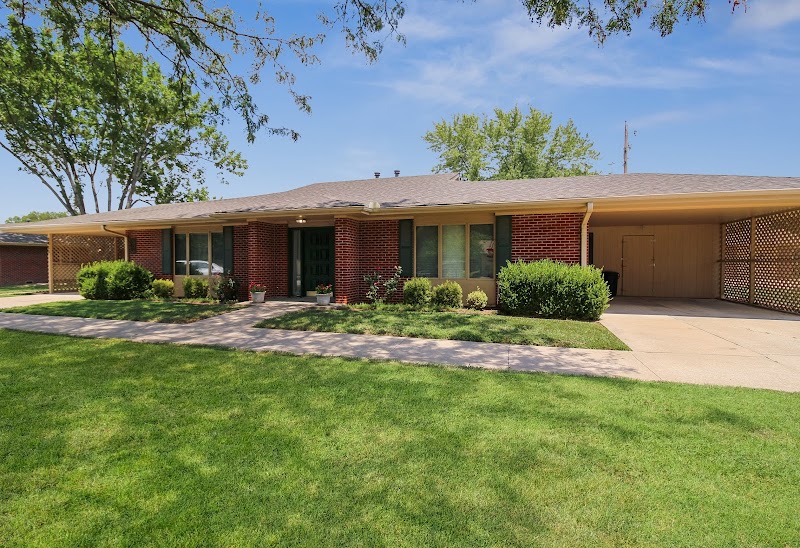
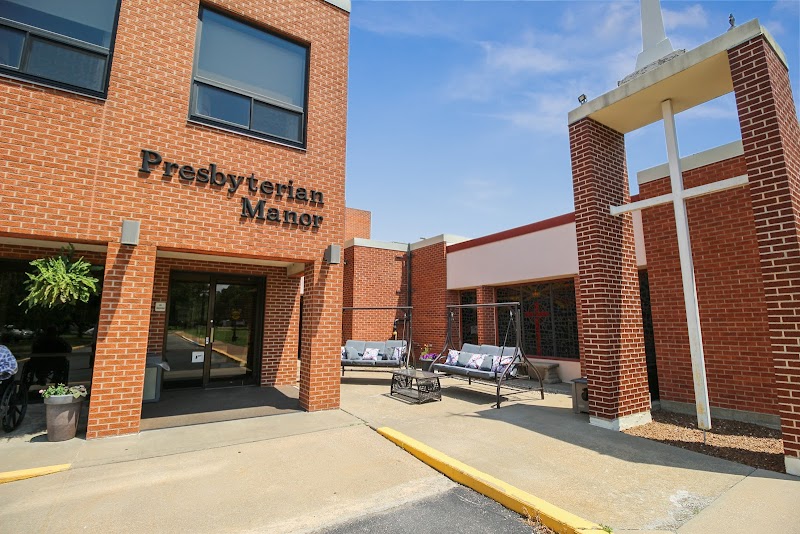
PARSONS PRESBYTERIAN MANOR

3501 DIRR AVENUE, PARSONS, KS 67357 (620) 421-1450
Non profit - Corporation 43 Beds PRESBYTERIAN MANORS OF MID-AMERICA Data: November 2025 1 Immediate Jeopardy citation
Trust Grade
23/100
#215 of 295 in KS
Last Inspection: September 2024

Within standard 12-15 month inspection cycle. Federal law requires annual inspections.

Overview

Parsons Presbyterian Manor has received a Trust Grade of F, indicating poor performance with significant concerns. It ranks #215 out of 295 facilities in Kansas, placing it in the bottom half, and #3 out of 4 in Labette County, meaning only one local option is rated higher. While the facility's trend is improving, with issues decreasing from 8 in 2022 to 7 in 2024, the staffing turnover rate is concerning at 61%, which is higher than the state average of 48%. The facility has also incurred $31,450 in fines, which is more than 82% of other Kansas facilities, suggesting ongoing compliance issues. Notably, a critical incident involved a medication error where a resident received the wrong medications, leading to life-threatening hypotension, and there have been serious concerns about timely interventions for pressure ulcers and inadequate pain management for residents. Despite these weaknesses, the facility does have good RN coverage, exceeding 77% of Kansas facilities, which can help catch issues that other staff may overlook.

Trust Score
F
23/100
In Kansas
#215/295
Bottom 28%
Safety Record
High Risk
Review needed
Inspections
Getting Better
8 → 7 violations
Staff Stability
⚠ Watch
61% turnover. Above average. Higher turnover means staff may not know residents' routines.
Penalties
✓ Good
$31,450 in fines. Lower than most Kansas facilities. Relatively clean record.
Skilled Nurses
✓ Good
Each resident gets 61 minutes of Registered Nurse (RN) attention daily — more than 97% of Kansas nursing homes. RNs are the most trained staff who catch health problems before they become serious.
Violations
⚠ Watch
20 deficiencies on record. Higher than average. Multiple issues found across inspections.
★★☆☆☆
2.0
Overall Rating
★★★★☆
4.0
Staff Levels
★☆☆☆☆
1.0
Care Quality
★★★☆☆
3.0
Inspection Score
Stable
2022: 8 issues
2024: 7 issues

The Good

  • 4-Star Staffing Rating · Above-average nurse staffing levels
  • Full Sprinkler Coverage · Fire safety systems throughout facility
  • No fines on record

Facility shows strength in staffing levels, fire safety.

The Bad

2-Star Overall Rating

Below Kansas average (2.9)

Below average - review inspection findings carefully

Staff Turnover: 61%

15pts above Kansas avg (46%)

Frequent staff changes - ask about care continuity

Federal Fines: $31,450

Below median ($33,413)

Moderate penalties - review what triggered them

Chain: PRESBYTERIAN MANORS OF MID-AMERICA

Part of a multi-facility chain

Ask about local staffing decisions and management

Staff turnover is elevated (61%)

13 points above Kansas average of 48%

The Ugly 20 deficiencies on record

1 life-threatening 2 actual harm
Oct 2024 1 deficiency 1 IJ
CRITICAL (J) 📢 Someone Reported This

A family member, employee, or ombudsman was alarmed enough to file a formal complaint

Immediate Jeopardy (IJ) - the most serious Medicare violation

Deficiency F0760 (Tag F0760)

Someone could have died · This affected 1 resident

**NOTE- TERMS IN BRACKETS HAVE BEEN EDITED TO PROTECT CONFIDENTIALITY** The facility reported a census of 29 residents. The sample included three residents reviewed for medications. Based on observati...

Read full inspector narrative →
**NOTE- TERMS IN BRACKETS HAVE BEEN EDITED TO PROTECT CONFIDENTIALITY** The facility reported a census of 29 residents. The sample included three residents reviewed for medications. Based on observation, interview, and record review, the facility failed to prevent the significant medication error of cognitively impaired Resident (R) 1. On 09/12/24 Certified Medication Aide (CMA) R incorrectly administered another resident's (R2's) medications to R1, which included Crestor (anti-hyperlipidemic) 20 milligram (mg) and Coreg (anti-hypertensive) 25 mg, as well as R1's scheduled mirtazapine (anti-depressant) 15 mg. The health care provider advised (HCP) to transport the resident to the Emergency Department (ED) via Emergency Medical Services (EMS) due to R1's life-threatening hypotension (low blood pressure) which occurred within an hour and a half hour of the medication error. While waiting for the facility van to arrive at the front of the facility to take R1 to the ED, R1 began to tremor (shaking or trembling movement), and her eyes rolled in different directions. The nursing staff assisted the resident to the floor from the wheelchair and called EMS. The resident had very shallow breathes and did not respond to her name when called for a short period. She eventually began to speak with nursing staff. EMS arrived to transport the resident to the ED at 08:20 PM. Findings included: - R1's Physician Order sheet (POS), dated 10/01/24, revealed R1 admitted on [DATE] with the following diagnoses: hypertension (elevated blood pressure) and edema (swelling resulting from an excessive accumulation of fluid in the body tissues). The 04/12/24 admission Minimum Data Set (MDS), documented the resident had a severely impaired cognition, with a Brief Interview for Mental Status score of nine. R1 required a manual wheelchair, propelled by staff, for mobility device due to weakness and reduce mobility. The resident required substantial assistance by nursing staff for Activities of Daily Living (ADL). The resident was able to feed herself with supervision. The ADL [Activities of Daily Living] Functional/Rehabilitation Protentional Care Area Assessment (CAA) dated 04/26/24 revealed the resident required substantial to maximum assistance for dressing, bathing, grooming/hygiene, and bed mobility. The resident required total assistance from two staff during transfers, toileting, and shower transfers. Mobility was maintained through use of a wheelchair with total assistance from staff. The resident was non ambulatory, and she was afraid of standing and bearing weight. Resident was able to feed herself with supervision provided. The 10/12/24 Quarterly MDS, documented the resident had severely impaired cognition, with a BIMS score of five. The resident was dependent on nursing for ADLs. The resident was able to feed herself with supervision. Mobility was maintained through use of a wheelchair with total assistance from staff. R1's Care Plan, dated 10/22/24, instructed staff that R1 had short-term memory problems, impaired decision making due to natural aging process, consult with primary care provider (PCP) due to cognitive deficits. R1 required total assistance with her wheelchair and touch assistance with ADLs. The resident was able to feed herself with supervision. A Nursing Note dated 09/12/24, revealed nursing staff monitored R1's vital signs and condition due to a staff member passing medications which resulted in a medication error, as a precautionary measure for the resident. R1 received the following medications on 09/12/24: R1's Electronic Medication Administration Records (EMAR) included Mirtazapine (antidepressant), start 6/28/24, Mirtazapine 15 mg tablet administer one tablet by mouth once daily for appetite stimulation. This medication was schedule at 05:01 PM - 09:00 PM. and R2's Electronic Medication Administration Records (EMAR) reflects the following orders: Coreg 25 mg tablet [Carvedilol] (anti-hypertensive) start date 8/30/24, administer by mouth one table twice a day for atherosclerotic heart disease; hold for BP less than 100/60 or Pulse less than 60. This medication was schedule at 05:01 PM - 09:00 PM. Crestor 20 mg tablet [Rosuvastatin], (ant-hyperlipidemic) start date 3/22/23, administer between 05:01 - 09:00 pm, administer one tablet by mouth on time daily for hyperlipidemia. This medication was schedule at 05:01 PM - 09:00 PM. Reviewed R1's systolic average pressure, from 09/01/24 - 09/11/24; documented 109-142 mmHg. Reviewed R1's diastolic average pressure, from 09/01/24 - 09/11/24; documented 55-73 mmHg. Review of License Nurse (LN) H witness statement, dated 09/12/24, documented she obtained R1's vital signs at approximately 09:30 PM. R1's blood pressure was 82/45 mmHg. LN H verified using a different cuff and the resident's blood pressure was 75/37 mmHg. The health care provider was notified and advised to send the resident to the ED. Observed that the resident was limp in the transportation wheelchair and not responding. The resident was transferred to the floor, with shallow breathing. She began to respond by saying her name and rubbing her. Staff called 911 and she was transported to ED by EMS. Review of a Nursing Note dated 09/12/24 at 06:01 PM documented the medication error occurred at the supper meal when CMA R administered R2's medications to R1. The medications were: Crestor 20 mg and Coreg 25 mg. R1's vital signs were stable at time of the medication error. R1's blood pressure was 158/74 mmHg, and her heart rate was 87 (beats per minute). The staff notified R1's HCP and her Durable Power of Attorney (DPOA). The HCP advised staff to monitor R1's vital signs every two hours for 12 hours. Review of Nursing Note dated 09/12/24 at 09:49 PM documented R1's blood pressure had decreased in one and a half hours, dropping from 158/74 mmHg to 82/45 mmHg, to 72/37 mmHg. The staff notified the resident's HCP who advised LN G to send the resident to the ED by EMS due to life threatening hypotension. Nursing staff transferred the resident into her wheelchair to transport her to the ED. While waiting for the facility van to move around to the front of the facility, nursing staff advised LN G that R1 was shaking, and her eyes went in different directions. LN G immediately assisted nursing staff to lower R1 to the floor and called 911. The resident had very shallow breathing and was not responding when staff called her name for a short period of time. The resident began to respond to her name as EMS arrived. EMS transported her to the ED at 08:20 PM. During an interview on 10/29/24 at 11:27 AM, R2 reported she was doing well and had received her medications without concern. During an interview on 10/29/24 at 12:09 PM Certified Medication Aide (CMA) R reported on 09/12/24 she was working the medication cart from 03:00 PM to 07:00 PM on the second floor. CMA R reported she should not have passed medication that shift due to excessive fatigue and needed to splash water in her eyes during the shift due to fatigue. During the 05:00 PM to 07:00 PM medication pass, CMA R reported she reviewed R2's medications and prepared to administer the medications. R1 and R2 sat together at the dining table on the second floor. At approximately 05:45 PM, CMA R reported she administered R2's medications to R1. CMA R reported she realized the medication error and immediately obtained R1's vital signs and immediately advised LN G of the medication error after obtaining R1's vital signs and CMA R continued to pass medications until her shift ended at 07:00 PM. During an interview on 10/29/24 at 03:34 PM Licensed Nurse (LN) G reported that she had not had concerns previously related to CMA R passing mediations. LN G reported she had not noticed on 09/12/24 that CMA R appeared to be very exhausted. She did not report to me after the incident that she was tired, and splashed water in her eyes. LN G said CMA R appeared very upset about the incident. At approximately 05:45 PM, CMA R advised she had administered R2's Crestor 20 mg and Coreg 25 mg medication to R1, along with R1's scheduled mirtazapine 15 mg. LN G reported she immediately notified R1's health care provider of the medication error and R1's vital signs were stable. The HCP wanted R1's vital signs monitored every two hours. R1 had an adverse event at approximately 07:30 PM in which her blood began to decrease to 82/45 mmHg and then to 75/37 mmHg. R1's HCP was advised of the adverse event and gave the order to transport the resident to the ED via EMS due to the substantial decrease in blood pressure within an hour and a half. LN G requested the nursing staff to transfer the resident into the wheelchair to transport to the ED. While waiting for a nursing staff member to drive the facility van to the front of the facility, R1 began to tremor (shaking or trembling movement) and her eyes rolled in different directions. The nursing staff assisted the resident to the floor from the wheelchair and called 911. The resident had very shallow breaths and did not respond to her name when called, for a short period. She eventually began to speak with nursing staff. EMS arrived to transport the resident to the ED at 08:20 PM. During an interview on 10/29/24 at 11:00 AM, CMA S reported a residents' medication must be verified with the residents EMAR and Physician Order Sheet (POS) and following the medications seven rights of administration. CMA S reported that if staff were unable to verify who the resident was, the staff should verify with the resident's picture as well as with another staff member who worked closely with the residents. She reported she did receive education related to Administration of Medication and Competency Skills Checklist prior to the following shift she worked. During an interview on 10/29/24 at 02:12 PM Certified Nurse Aide (CNA) R reported she was advised the residents eyes had rolled to back of her head and nursing staff needed assistance. She reported she then assisted the nursing staff to transfer R1 to the floor and laid R1 on her side. LN G advised CNA R to call 911 and EMS arrived shortly after. During an interview on 10/29/24 at 02:22 PM Certified Nurse Aide (CNA) N reported while she sat with R1, she observed the residents' eyes roll and R1 went limp in the transportation wheelchair. The staff transferred R1 to the floor and called 911. During an interview on 10/29/24 at 04:32 PM CNA M reported she noticed the nursing staff assisted the resident to the floor, and she begun to assist the nursing staff due to the resident was in distress. EMS did show up during that time and transferred the resident to the ED. During an interview on 10/29/24 at 05:10 PM Administrative Staff A reported she arrived at the facility at approximately 07:00 PM to begin the investigation. CMA R had been checked off on passing medications previously. Administrative Staff A had not heard concerns with CMA R that she was fatigued or that she was covering for another staff member. Administrative Staff A reported she was advised by LN G that CMA R had administered R2's medications to R1, and R1 had an adverse effected and was transferred to the ED by EMS per HCP orders. The resident admitted with hypotension. CMA R was immediately removed from the medication cart and suspended at 07:00 PM. During an interview on 10/29/24 at 05:20 PM, Administrative Nurse D confirmed she expected the nursing staff to always advise Administrative Staff if a nursing staff member was covering a shift for another nursing staff member for Administrative Staff approval. Administrative Nurse D also reported if the LN, CMA, or CNA were too tired to work a shift, he/she should always advise the administrative staff prior to working the shift and should not work the shift. Administrative Nurse D stated CMA R had not reported she was very tired and needed to splash water on her face during her shift. Administrative Nurse D said had she or any other staff reported those concerns or witnessed it, the facility expected staff to report the behaviors and CMA R would not have passed medications. The facility failed to prevent the significant medication error of dependent and cognitively impaired R1 on 09/12/24 when Certified Medication Aide (CMA) R incorrectly administered another resident's (R2's) medications which included the following: Crestor 20 mg and Coreg mg 25 MG, as well as R1's scheduled mirtazapine 15 mg. R1 suffered life threatening hypotension and required EMS transfer to the ED. The immediate jeopardy was determined to first exist on 09/12/24 at 05:50 PM, when Certified Medication Aide (CMA) R incorrectly administered another resident's medications to R1. The surveyor verified the facility identified and implemented corrective actions completed on 09/16/24 when the facility completed the following: 1. On 09/12/24 at 07:00 PM, the facility suspended CMA R. 2. Licensed Nurses (LN) and Certified Medication Aides (CMA) were provided education on 09/12/24 at 07:00 PM through 09/16/24 at 09:16 AM related to Medication Administration. 3. Licensed Nurse (LN) and Certified Medication Aides (CMA) completed a Medication Administration check-off observed by Administrative Nurse A on 09/12/24 at 07:00 PM through 09/16/24 at 09:16 AM. Due to corrective actions the facility completed prior to the onsite visit, the deficient practice was deemed past non-compliance and exited at a J scope and severity.
Sept 2024 6 deficiencies
CONCERN (D) 📢 Someone Reported This

A family member, employee, or ombudsman was alarmed enough to file a formal complaint

Potential for Harm - no one hurt, but risky conditions existed

Report Alleged Abuse (Tag F0609)

Could have caused harm · This affected 1 resident

The facility reported a census of 28 residents with 13 residents sampled, which included one resident sampled for abuse. Based on observation, interview, and record review, the facility staff failed t...

Read full inspector narrative →
The facility reported a census of 28 residents with 13 residents sampled, which included one resident sampled for abuse. Based on observation, interview, and record review, the facility staff failed to report an allegation of staff to resident, verbal abuse (the use of oral, language that willfully includes disparaging and derogatory terms to residents or within their hearing distance regardless of their age ability to comprehend, or disability) related to calling Resident (R)4 lazy in the presence of another resident. Findings included: - Review of Resident (R)4's Physician Orders, dated 08/01/24, documentation included diagnoses of diabetes (DM-when the body cannot use glucose, not enough insulin made or the body cannot respond to the insulin), heart failure, depression (a mood disorder that causes a persistent feeling of sadness and loss of interest), morbid obesity (severely overweight), chronic obstructive pulmonary disease (COPD- progressive and irreversible condition characterized by diminished lung capacity and difficulty or discomfort in breathing), osteoarthritis (degenerative changes to one or many joints characterized by swelling and pain), anxiety disorder (mental or emotional reaction characterized by apprehension, uncertainty and irrational fear), and supplemental oxygen dependence. The Annual Minimum Data Set (MDS)dated 03/09/24, revealed the resident had a Brief Interview for Mental Status (BIMS) score of 15, indicating cognitively intact. He did not demonstrate any behaviors, mood indicators, nor depression indicators. He required staff assistance and supervision for activities of daily living (ADLs) which included transfers and wheeling his wheelchair. He was 69 inches (five foot nine inches tall) and weighed 353 pounds (lb). The resident received as needed (prn) pain medication and reported almost constant pain rated 08/10. He received medications which included anti-anxiety (medications used to treat mental or emotional reaction characterized by apprehension, uncertainty, and irrational fear), antidepressants (medications used to treat depression), opioids (medication/controlled substance used to treat pain), and diuretics, (medications to promote the formation and excretion of urine). The resident received restorative nursing program for active range of motion and walking for two days of the look back period. The Quarterly MDS dated 06/08/24, documented change from the above assessment included the resident weight as 372 lbs. The Care Plan (CP) dated 06/20/24, directed staff the resident had left knee pain and received pain medication twice a day. R4 had a new wheelchair with foot pedals. He was pleasant, cooperative , and participated in exercise, activities, and restorative nursing program and required staff assistance with his ADLs. Review of the facility self-report to the State agency dated 07/08/24, revealed on 06/29/24, Certified Medication Aide (CMA) R and Certified Nurse's aide (CNA) N witnessed CNA O verbally insult R4 while in the dining room in the presence of other residents. The event described included CNA O propelled R4 to his room, CNA O was yelling at him, calling him names, such as lazy and telling him he could do it himself. CNA O exclaimed she did not care if she got wrote up again. The investigation documentation revealed CNA N did not report the incident to facility staff until she gave the facility her resignation on 07/08/24. She identified CMA R as a witness to the event. The facility suspended CNA O pending investigation upon having knowledge of the event. The administration interviewed CMA R who confirmed the above findings. All facility staff completed training regarding Abuse Neglect, and Exploitation as of 07/11/24. CNA O was terminated related to failure to respond to previous counseling by the facility. CMA R's witness statement, dated 07/08/24, documented R4 wanted staff assistance to his room. CMA R asked CNA O to take R4 to his room. CNA O responded that R4 could push himself to his room. CNA O approached R4, yelling and calling him names such as lazy and told R4 he could do it himself. CNA O assisted R4 out of the dining room. CNA O's witness statement, dated 08/08/24, documented I do not recall that weekend. Sorry. On 09/10/24 at 11:10 AM, R 4 stated he had been a resident for three years. He reported he felt safe, and he had no worries about his care. The resident stated he did not recall ever being abused or mistreated and had not seen any other resident abused or mistreated. On 09/10/24 at 11:56 AM, Certified Nurse Aide (CNA) M provided the resident with incontinence care which included peri-care, applied a new incontinence brief, and changed his wet clothes. On 09/11/24 at 08:33 AM, R4 sat in a wheelchair while CNA M propelled the resident to his room. He thanked CMA M for her help and stated the staff sometime tell him he should roll his own wheelchair, but he would get tired. On 09/12/24 at 01:24 PM, CMA R confirmed the above findings with the exception of the date of the event. She stated the event described occurred on 06/29/24 verses 06/23/24. She stated on the morning of 06/29/24, she was passing her medications and R4 asked for assistance to return to his room. CMA R reported she was holding medications and she saw that CNA O was available to assist R4. CNA O verbally insulted R4 in the dining room in the presence of other residents. The event described included CNA O yelled the resident was lazy and she did not care if she got written up again. He could push himself to his room. Additionally, CNA O continued to call the resident names such as lazy when she assisted the resident in the wheelchair to his room. Approximately 10 other residents were in the dining area at the time, and they appeared to be shocked and were talking amongst themselves. CNA N heard what happened and talked to her about it and CMA R thought CNA N reported the event to the facility management. CMA R stated she should have stopped CNA O and reported the event to her charge nurse at the time. On 09/12/24 at 02:24 PM, Administrative Staff A confirmed the above findings and agreed facility staff failed to report the allegation of verbal abuse at the time it occurred as they should have. She reported when she was informed, CNA O was immediately suspended pending investigation. Administrative Staff A was told about the verbal abuse on 07/08/24, nine days afterwards. Staff should have reported the event at the time it occurred so immediate action could have been taken to protect the residents. The facility policy ANE: Abuse Prevention, intervention, Reporting and Investigation-Staff Treatment of Residents, dated 03/04/24, documentation included it is the responsibility of employees to promptly report to community management any occurrence or suspected occurrence of neglect or resident abuse. Verbal/Written abuse is defined as the use of oral, written, or gestured language that willfully includes disparaging a derogatory term to residents within their hearing distance regardless of their age ability to comprehend, or disability. The facility staff failed to report an allegation of staff to resident, verbal abuse to this resident. The deficient practice was deemed past non -compliance when the facility completed the following: On 07/08/24, the facility conducted staff interviews with the identified staff present during the alleged verbal abuse. (CNA O, CMA R, and CNA N). On 07/08/24, the facility staff notified R 4's Durable Power of Attorney (DPOA)/representative of the allegation of verbal abuse. On 07/08/24, upon notification of allegation of verbal abuse, the facility suspended the alleged perpetrator, CNA O, pending investigation. CNA N resigned. CMA R received Teachable Moment training regarding reporting abuse immediately, as the first step of disciplinary action due to her failure to report an allegation of verbal abuse immediately. On 07/08/24, the facility interviewed R 4 who had no recall of the above event of verbal abuse on 06/29/24. On 07/08/24, the facility interviewed three additional residents that reported they felt safe at the facility and got the help they needed when they asked the staff for help. On 07/08/24, the facility initiated all staff education/training regarding abuse neglect and exploitation, which included immediate reporting of allegations of abuse, and completed the re-education and training for all staff on 07/11/24. On 07/11/24, the facility terminated CNA O following the investigation, related to her lack of response to prior counseling regarding her tone of voice. The facility plans for monitoring effectiveness of corrective action plan through Quality Assurance Performance Improvement (QAPI) Risk Committee quarterly meeting. The onsite surveyor verified the implementation of the above actions on 09/12/24 and the deficient practice remained at a D scope and severity.
CONCERN (D) 📢 Someone Reported This

A family member, employee, or ombudsman was alarmed enough to file a formal complaint

Potential for Harm - no one hurt, but risky conditions existed

Quality of Care (Tag F0684)

Could have caused harm · This affected 1 resident

**NOTE- TERMS IN BRACKETS HAVE BEEN EDITED TO PROTECT CONFIDENTIALITY** The facility reported a census of 28 residents, with 13 residents sampled which included three residents reviewed for accidents....

Read full inspector narrative →
**NOTE- TERMS IN BRACKETS HAVE BEEN EDITED TO PROTECT CONFIDENTIALITY** The facility reported a census of 28 residents, with 13 residents sampled which included three residents reviewed for accidents. Based on observation, interview, and record review, the facility failed to complete a thorough investigation to determine causes and contributing factors related to a skin tear and failed to implement appropriate immediate interventions to prevent further skin tear for Resident (R)18. Findings included: - Review of Resident (R)18's Physician Orders, dated 08/01/24, documentation included diagnoses of dementia (progressive mental disorder characterized by failing memory, confusion) with psychotic disturbances (gross impairment in reality perception), dizziness, and hypertension (high blood pressure). The Significant Change in Status Minimum Data Set, (MDS), dated [DATE], documented a Brief Interview for Mental Status (BIMS) score of two, indicating severe cognitive impairment. He exhibited continuous altered level of consciousness and fluctuating disorganized thinking. The resident had no functional limitation in range of motion in his upper or lower extremities. He required maximum/substantial assistance of staff for transfers, toilet use, and personal hygiene. The Falls Care Area Assessments (CAA) dated 06/13/24, documented the resident at risk for falls but he would call and wait on staff to arrive. The Care Plan, (CP) dated 6/20/24, directed the staff the resident had self-care deficit. He required total assistance with repositioning and transfers. The resident had poor safety awareness, was impulsive, would attempt to get up on his own, and became easily annoyed and agitated if staff attempted to assist him if he did not want to be assisted. R18 was at risk for skin impairment such as skin tears and staff should apply long sleeves and pants to protect his extremities. Review of the Interdisciplinary Team Notes,(IDT) dated 09/07/24 at 11:48 AM, documentation included the staff discovered a C shaped skin tear with dried blood on the back of the resident's right hand between the thumb and his forefinger. The administered treatment included cleaning the area with wound cleanser, applied skin prep, applied seven steri-strips (wound closures), applied folded and secured with paper tape for protection. The documentation lacked identification of cause or contributing factors related to the skin tear or an immediate intervention to prevent further injury. On 09/10/24 at 10:49 AM, the resident sat in a high back reclining chair. His left arm was bent at his elbow with his left hand cupped beneath his right elbow. The top of his right-hand had a bordered foam dressing in place, dated 9/10/24, On inquiry, R18 stated he did not know what happened to his hand. On 09/11/24 at 09:00 AM, the resident sat in a high back reclining chair rubbing his right shoulder with his left hand. The back of his right hand had seven steri-strips visible without a covering for protection. Observation revealed there was dried blood on top of his hand. There was no bordered foam dressing in place. On 09/11/24 at 09:47 AM, Licensed Nurse (LN) E reported the resident wheeled himself down the hall and would hit his hand against the wall and the doorway. She stated the skin tear happened over the weekend. LN E reviewed the resident's electronic medical record and confirmed the lack of an order related to R18's right hand skin tear. She stated the facility had standing orders for skin tears. LN cleaned the skin tear with wound cleaner an verified the placement of seven steri-strips, and the wound measured 3.7 centimeters (cm) by 0.5 cm by 0.1 cm. R18's right hand had a blue-black discolored area around the approximated wound edges. LN E stated she did not know the immediate intervention implemented by the facility to prevent further skin tears. On 09/11/24 11:25 AM, Administrative Nurse D confirmed the resident's hand skin tear lacked a thorough investigation to determine the cause or contributing factors as well as lacked an immediate intervention to prevent further injuries for dependent R 18. The facility lacked a policy to address the root cause analysis for skin tears to determine the causes and contributing factors and implementation of an immediate intervention to prevent further injury. The facility failed to complete a thorough investigation to determine causes and contributing factors related to a skin tear and failed to implement appropriate immediate interventions to prevent further skin tear for Resident (R)18.
CONCERN (D)

Potential for Harm - no one hurt, but risky conditions existed

Pressure Ulcer Prevention (Tag F0686)

Could have caused harm · This affected 1 resident

**NOTE- TERMS IN BRACKETS HAVE BEEN EDITED TO PROTECT CONFIDENTIALITY** The facility reported a census of 28 residents with 13 selected for review, which included four residents reviewed for pressure ...

Read full inspector narrative →
**NOTE- TERMS IN BRACKETS HAVE BEEN EDITED TO PROTECT CONFIDENTIALITY** The facility reported a census of 28 residents with 13 selected for review, which included four residents reviewed for pressure ulcers. Based on observation, interview, and record review, the facility failed to ensure pressure relieving device was in working order for one Resident (R)21, of the four residents reviewed for pressure ulcers. Findings included: - Review of Resident (R)21's medical record revealed diagnoses that included diabetes (when the body cannot use glucose, not enough insulin made or the body cannot respond to the insulin), polyneuropathy (disorder of many of the nerves outside of the brain and spinal cord), venous ulcers (sores due to poor circulation), and stage two pressure ulcer (partial thickness skin loss into but no deeper than the dermis including intact or ruptured blisters). The admission Minimum Data Set (MDS), dated [DATE], assessed the resident with a Brief Interview for Mental Status (BIMS) score of 15, which indicated normal cognitive function. The resident required partial/moderate assistance for transfers. The resident had no impairment in range of motion in his upper or lower extremities. The resident had no pressure ulcers. The Pressure Ulcer Care Area Assessment (CAA), dated 03/12/24, assessed the resident not at risk for pressure ulcer development. The Five Day admission MDS dated 04/03/24, assessed the resident with a BIMS of 14, which indicated normal cognitive function. R21 had no impairment of upper or lower extremities. The resident assessed as not at risk for pressure ulcer development and had no pressure ulcers. The resident had two venous ulcers (wounds caused by poor circulation). The Quarterly MDS dated 06/08/24, assessed the resident with a BIMS score of 14, with one stage two pressure ulcer, and two venous stasis ulcers. The resident had a pressure reducing device for his chair and bed and received pressure ulcer care. The resident required supervision for standing and transfers. The Care Plan updated 06/20/24 instructed staff to ensure a low air loss mattress was on the resident's bed and a cushion in his chair. An update to the care plan dated 07/12/24, instructed staff to cleanse the open area to R21's right and left buttocks with wound cleanser and apply a foam dressing every three days. Staff instructed to encourage and assist the resident to reposition every two hours. The Additional Orders from wound care, dated 09/05/24, instructed the facility to provide a roho (a type of pressure relieving cushion that utilizes flowing air cubes that adjust to meet individual contouring needs to decrease pressure) type of cushion to any surface the resident sat on. Staff were to cleanse the sacral pressure ulcer with wound cleanser and apply a sacral (large triangular bone between the two hip bones) dressing every three days. Observation, on 09/10/24 at 10:34 AM, revealed the resident seated in his recliner. The resident sat on two cushions. The resident stated he has a sore area on his bottom, and the two cushions help relieve the discomfort of the sore area. Observation, on 09/11/24 at 01:48 PM, revealed Administrative Nurse E prepared to provide a dressing change to R21's sacral pressure ulcer. The resident sat in his recliner and stood up as requested. The cushion in the recliner contained multiple areas of malfunctioning air cells and were deflated. Administrative Nurse E stated staff did not report the deflated cushion to her and proceeded to remove the cushion for reinflation and placed a foam cushion in the resident's recliner. Administrative Nurse E removed the foam dressing and noted the wound as pink in color and measured the area as 0.3 by 1.2 centimeter (cm) and 0.4 by 0.3 cm. Administrative Nurse E cleansed the resident's sacral wounds with wound cleanser and applied a foam dressing to the resident's sacrum. Administrative Nurse E stated the wound care provider managed the resident's vascular and this pressure ulcer. The facility policy Therapeutic Support Surface revise 09/05/24, instructed staff positioning techniques, devised and chair seat cushions should be considered for resident who are in the sitting position. The facility failed to monitor the status of R21's roho cushion to ensure optimal functioning to provide pressure reduction for this resident's stage two sacral pressure ulcer.
CONCERN (D)

Potential for Harm - no one hurt, but risky conditions existed

Accident Prevention (Tag F0689)

Could have caused harm · This affected 1 resident

**NOTE- TERMS IN BRACKETS HAVE BEEN EDITED TO PROTECT CONFIDENTIALITY** The facility reported a census of 28 residents, with 13 residents sampled which included three residents reviewed for accidents....

Read full inspector narrative →
**NOTE- TERMS IN BRACKETS HAVE BEEN EDITED TO PROTECT CONFIDENTIALITY** The facility reported a census of 28 residents, with 13 residents sampled which included three residents reviewed for accidents. Based on observation, interview, and record review, the facility failed to complete a safe transfer for dependent (R)18 using a sit to stand lift related to the lack of use of the sling's safety belt to ensure the resident's safe transfer. Finding included: - Review of Resident (R)18's Physician Orders, dated 08/01/24, documentation included diagnoses of dementia (progressive mental disorder characterized by failing memory, confusion) with psychotic disturbances (gross impairment in reality perception), dizziness, and hypertension (high blood pressure). The Significant Change in Status Minimum Data Set, (MDS), dated [DATE], documented a Brief Interview for Mental Status (BIMS) score of two, indicating severe cognitive impairment. He exhibited continuous altered level of consciousness and fluctuating disorganized thinking. The resident had no functional limitation in range of motion in his upper or lower extremities. He required maximum/substantial assistance of staff for transfers, toilet use, and personal hygiene. The Falls Care Area Assessments (CAA) dated 06/13/24, documented the resident at risk for falls but he would call and wait on staff to arrive. He required assistance of two staff members for transfers using a sit to stand lift. The Care Plan, (CP) dated 6/20/24, directed the staff the resident had self-care deficit. He required total assistance with repositioning and transfers. The resident had poor safety awareness, was impulsive, would attempt to get up on his own, and became easily annoyed and agitated if staff attempted to assist him if he did not want to be assisted. Two staff should use a sit to stand lift for all transfers. At times staff should use a full body lift when he was not feeling well. On 09/11/24 at 09:25 AM, Administrative Nurse D propelled the resident in his wheelchair to his room. She requested Certified Nurse Aide (CNA) Q and CNA P to check the resident for incontinence and to provide care if needed. Staff reported the resident required the use of the sit to stand lift and two direct care staff to transfer the resident. They positioned the sling beneath the residents back and hooked it to the lift. Staff failed to secure the safety belt prior to lifting the resident from the chair with the lift. Upon inquiry, they reported the safety belt was broken and was not able to secure the Velcro around the resident. Staff reported the lift was broken for over a week, but they continued to use it. Furthermore, they stated they had not reported the safety belt as broken. On 09/11/24 at 09:47 AM, Licensed Nurse (LN) E, reported staff should report any equipment that needed repair to the maintenance department prior to using the equipment. She confirmed the safety belt should be used to ensure the safety of the resident. On 09/11/24 11:25 AM, Administrative Nurse D stated the safety belt should be used when transferring residents using the sit to stand lift for transfers to prevent injury of the resident and confirmed the lift for the resident had not been reported as broken by the staff until today. The facility policy titled Equipment -Maintenance, Repair, and Cleaning, dated 10/11/21, documentation included equipment in need of repair is communicated to environmental services department. The facility policy Lifting & Transferring Residents, dated 10/25/23, documentation included the facility will provide a safe work environment for resident care by providing the use of safety materials, equipment, and training designed to prevent injury. The facility failed complete a safe transfer for dependent (R)18 using a sit to stand lift related to the lack of use of the sling's safety belt to ensure the resident's safe transfer.
CONCERN (F)

Potential for Harm - no one hurt, but risky conditions existed

Garbage Disposal (Tag F0814)

Could have caused harm · This affected most or all residents

The facility reported a census of 28 residents. Based on observation, interview, and record review, the facility failed to maintain and/or dispose of garbage and refuse properly in a sanitary conditio...

Read full inspector narrative →
The facility reported a census of 28 residents. Based on observation, interview, and record review, the facility failed to maintain and/or dispose of garbage and refuse properly in a sanitary condition to prevent the harborage and feeding of pests. Findings included: - On 09/10/24 at 10:13 AM, initial tour with Dietary Staff BB revealed two of four compartments dumpster open with exposed trash and garbage. Additionally, discarded building supplies surrounded the dumpster with grass grown over the edges. Dietary Staff BB confirmed the above findings. She reported the facility staff should dispose of garbage and trash in a closed container to prevent harboring of pests and rodents from nesting around the facility. Dietary Staff BB stated the staff facility used the dumpsters and they should keep all compartment lid closed to contain the garbage and trash when placed in the dumpster. On 09/12/24 at 11:15 AM, during environmental tour with Housekeeping and Maintenance Director U and Consultant GG, revealed the trash dumpster lacked one lid which exposed trash and garbage. The building materials and overgrown grass that surrounded the dumpster remained as noted above. He reported the trash company replaced the dumpster approximately two weeks ago and agreed the dumpster compartment lids should be closed to maintain and/or dispose of garbage and refuse in a sanitary condition. The facility lacked a policy to address garbage and refuse disposal and containment. The facility failed to maintain and/or dispose of garbage and refuse properly in a sanitary condition to prevent the harborage and feeding of pests.
CONCERN (F)

Potential for Harm - no one hurt, but risky conditions existed

Staffing Data (Tag F0851)

Could have caused harm · This affected most or all residents

The facility reported a census of 28 residents. Based on interview and record review, the facility failed to electronically submit to Centers for Medicare and Medicaid Services (CMS) with complete and...

Read full inspector narrative →
The facility reported a census of 28 residents. Based on interview and record review, the facility failed to electronically submit to Centers for Medicare and Medicaid Services (CMS) with complete and accurate direct staffing information, based on payroll and other verifiable and auditable data in a uniform format according to specifications established by CMS (i.e. Payroll Base Journal (PBJ), related to licensed nursing staffing information, when the facility failed to accurately report 24 hour per day Licensed Nurse coverage on 12 dates between 07/01/23 and 09/30/23 and 10 dates between 01/01/24 and 03/31/24. Findings Included: - Review of the Payroll Base Journal (PBJ) Staffing Data Report for Fiscal year (FY), Quarter 4, 2023 (07/01/23 and 09/30/23) revealed a lack of License Nurse (LN) for 24 hours/seven days a week 24 hour/day on the following dates: On 07/01/23 , Saturday (SA), On 07/02/23, Sunday (SU), On 07/15/23, SA, On 07/22/23, SA, On 07/23/23, SU, On 08/12/23, SA, On 08/13/23, SU, On 08/19/23, SA, On 08/20/23, SU, On 09/03/23, SU On 09/23/23, SA, and On 09/24/23, SU. Review of the Payroll Base Journal (PBJ) Staffing Data Report for Fiscal year (FY), Quarter 2, 2024 (01/01/24 and 03/31/24) revealed a lack of License Nurse (LN) for 24 hours/seven days a week 24 hour/day on the following dates: On 02/17/24, SA, On 02/18/24, SU, On 02/24/24, SA, On 02/25/24, SU, On 03/02/24, SA, On 03/03/24 SU, On 03/09/24, SA, On 03/10/24, SU, On 03/16/24, SA, and On 03/17/24, SU. On 09/12/24 at 01:41 PM, interview with Administrative Staff A revealed as far as she knew, the PBJ was submitted correctly and stated the licensed nursed that worked on weekend do not leave the facility or take a lunch break and the facility had 24-hour licensed nurse coverage. The facility policy for PBJ Reporting Procedure, undated, instructed staff report to PBJ hours to CMS on a quarterly basis and must include the download from Time Tracker (an electronic method to record time worked by staff) to include agency staff. The facility failed to electronically submit to Centers for Medicare and Medicaid Services (CMS) with complete and accurate direct staffing information, based on payroll and other verifiable and auditable data in a uniform format according to specifications established by CMS (i.e., Payroll Base Journal (PBJ), related to licensed nursing staffing information when the facility failed to accurately report 24 hour per day Licensed Nurse coverage on 12 dates between 07/01/23 and 09/30/23 and 10 dates between 01/01/24 and 03/31/24.
Dec 2022 8 deficiencies 1 Harm
SERIOUS (G)

Actual Harm - a resident was hurt due to facility failures

Pressure Ulcer Prevention (Tag F0686)

A resident was harmed · This affected 1 resident

**NOTE- TERMS IN BRACKETS HAVE BEEN EDITED TO PROTECT CONFIDENTIALITY** The facility reported a census of 25 residents with 14 selected for review, which included two residents reviewed for pressure u...

Read full inspector narrative →
**NOTE- TERMS IN BRACKETS HAVE BEEN EDITED TO PROTECT CONFIDENTIALITY** The facility reported a census of 25 residents with 14 selected for review, which included two residents reviewed for pressure ulcers (localized injury to the skin and/or underlying tissue usually over a bony prominence, as a result of pressure, or pressure in combination with shear and/or friction). Based on observation, interview, and record review, the facility failed to ensure Resident (R)76 and R4 received timely interventions for pressure ulcer prevention, which resulted in R76's development of an unstageable pressure ulcer (unable to determine depth of the ulcer due to overlying slough (dead tissue usually yellow or white) or eschar (dried dead tissue). Findings included: - Review of Resident (R)76's Physician Order Sheet, dated 12/09/22, included diagnoses of femur (thigh bone) fracture, Alzheimer's disease (progressive mental deterioration characterized by confusion and memory failure), anxiety, and arteriosclerotic (blood vessel hardening and narrowing) heart disease. The resident admitted to the facility on [DATE]. The admission Minimum Data Set (MDS,) dated 12/09/22, assessed the resident with severe cognitive deficits and noted R76 required extensive assistance of two staff for bed mobility and transfer. The resident had impairment in functional range of motion on one side of the lower extremity. The resident was at risk for pressure ulcer development and had one stage two pressure ulcer (a shallow ulceration with a red base) that were not present upon admission. The Pressure Ulcer Care Area Assessment (CAA), dated 12/14/22, assessed the resident had impaired skin integrity due to left hip surgery with surgical incision. The resident had a deep tissue pressure injury to his left heel that measured 5 by 5 centimeters (cm). The resident required off- loading of feet when in bed and required extensive assistance with repositioning. The admission Nursing Screen and Care Plan, dated 12/02/22, instructed staff the resident required maximum assistance in bed for repositioning. This care plan documented the resident was at risk for pressure ulcers due to surgery. The resident had a left hip incision but lacked assessment of the resident's heels. This care plan lacked interventions for pressure relieving/reducing mattress, pressure relieving cushions to chair/wheelchair, heel protectors, or a repositioning program. The Care Plan, dated 12/16/22 (after the resident developed a pressure ulcer), instructed staff to provide the following measures: 1. 12/08/22, Off -load heels and apply KerraFoam (absorbent foam dressing) dressing to the left heel and change every third day and provide air mattress. 2. 12/15/22, Heel protectors to both heels and a multi-podus (pressure relieving device) boot to the left foot. 3. 12/16/22, The resident required extensive assistance to reposition and staff encouraged to reposition R76 routinely. Staff instructed to off-load his heels when he was in bed or in a chair. Staff instructed to monitor the heel pressure ulcer for signs of edema (swelling), erythema (redness), bogginess (sponge like soft tissue due to fluid), or drainage. A Physical Therapy Note, dated 12/08/22, documented during a therapy session the resident had dried blood on his bed and left foot sock. Therapy staff removed the sock and noted an open wound on the resident's left heel. A Nurse's Note dated 12/08/22 at 11:51 AM, documented the resident had a deep tissue pressure injury (DTPI) to his left heel which measured 5cm by 5cm, with minimal drainage noted. The staff applied KerraFoam and were to change the KerraFoam every three days and as needed for soiling, and to offload his feet while in bed. The Skin Evaluation Record dated 12/08/22, documented the resident had a DTPI to his left heel which measured 5 cm by 5 cm, with minimal drainage with a treatment of a KerraFoam dressing, every three days. The Skin Evaluation Record, dated 12/12/22, documented the left heel worsened and the treatment changed to apply the KerraFoam dressing daily until improvement and minimal drainage. The wound measurements recorded the area as 5 cm by 5 cm, with no exudate (drainage). The Skin Evaluation Record, dated 12/12/22, documented the left heel worsened and the treatment changed to apply the KerraFoam dressing daily until improvement and minimal drainage. The wound measurements recorded the area as 5 cm by 5 cm, with no exudate (drainage). A Physician's Order, dated 12/13/22, instructed staff to consult wound care. A Physician's Order, dated 12/15/22, instructed staff to administer Pro-Stat Advanced Wound Care (protein supplement formulated to promote wound healing) 17 gram-100 kilocalorie per 30 milliliter twice a day, and a multivitamin with minerals daily for wound healing. A Physician's Order, dated 12/15/22, instructed staff to cleanse the wound with normal saline, moisturize the surrounding skin and apply Santyl (ointment that removes dead skin and aides in wound healing) ointment 60 gram (gm), daily to the wound base and cover with non-adhesive dressing, and wrap with gauze. The Physician's Note faxed 12/15/22, described the wound as a 4.3 cm by 5 cm by 0.5 cm, unstageable pressure ulcer. A Physician's Order, dated 12/16/22, instructed staff to administer Zinc gluconate 50 milligrams (mg) daily and Vitamin C 500 mg, daily, for wound healing. The order further instructed the staff to monitor the heel pressure ulcer for signs of edema, erythema, bogginess, or drainage. The Skin Evaluation Record, dated 12/19/22, documented the left heel ulcer measurements as 5 cm by 5 cm, with small amount of yellow brown drainage. Observation on 12/15/22 at 08:00 AM, revealed the resident positioned in bed with the multi-podus boot on the floor beside the resident's bed. The resident had bilateral heel protectors on. The resident's wheelchair lacked a cushion. Observation on 12/20/22 at 07:52 AM, revealed Licensed Nurse (LN) H prepared to provide a dressing change to the resident's left foot. The resident's multi-podus boot was on the floor and Administrative Nurse F noted the boot lacked one of the straps to secure the boot. The resident wore blue heel protectors. LN H did not sanitize the surface of a table, used to place the dressing items on, before placing paper towels on the table surface. LN H removed the gauze wrap and non-adherent dressing. The wound bed contained black eschar(dead tissue), approximately 5 cm by 5cm, with yellow brown drainage noted on the removed dressing. LN H cleansed the wound with normal saline, applied Santyl to the wound bed, applied the non-adhesive dressing, applied gauze, and a protective foam heel protective cup, then wrapped the foot with gauze and applied the heel protector. The resident stated the area was tender. Interview on 12/15/22 at 02:46 PM, with LN G, revealed she did not know when the resident developed the heel pressure ulcer, but the resident went to wound care for treatment today. Interview on 12/20/22 at 09:37 AM with LN H, revealed she thought the resident had the pressure ulcer when he first admitted , but LN H did not remember. LN H stated the resident was cooperative with cares. Interview on 12/20/22 at 10:30 AM with Certified Medication Aide (CMA) R, revealed the staff were supposed to off load the resident's heels with a rolled blanket and blue heel protectors, CMA R but did not know when the interventions started. Interview on 12/20/22 at 11:58 AM with Administrative Nurse F, revealed she thought the resident had the left heel DTPI when he admitted to the facility, but the admission assessment lacked identification of the DTPI. Administrative Nurse F stated she noted the DTPI on 12/08/22 and instructed staff to off load the resident's heels and apply KerraFoam every three days and as needed. Administrative Nurse F stated the wound had worsened when she assessed it on 12/12/22 and at that time they consulted wound care. Interview on 12/20/22 at 12:02 PM, with Administrative Nurse E, revealed she expected the admitting nurse to put interventions in place on the admission Nursing Screen and Care Plan, and confirmed the lack of pressure relieving interventions upon admission for R76. Interview on 12/20/22 at 12:09 PM, with Consulting Medical Staff HH, revealed she expected pressure relieving interventions in place upon admission to help prevent DTPI development. The facility policy Skin Integrity: Pressure Ulcer/Injury Prevention, Nursing Intervention and Wound Treatment, revised 08/30/22, instructed staff to evaluate skin integrity and tissue tolerance, implement preventative measures as indicated and treat skin breakdown. Risk factors should be reviewed along with possible causes and a determination made to what extent the factors can be modified. Staff instructed to use heel protectors, multi-podus boots or pillows to support heels and reduce shearing effect. Consider suspending or floating heals using lower extremity positioning devices. The facility failed to ensure pressure relieving interventions were in place for R76, a resident at risk for pressure ulcer development, who developed an unstageable pressure ulcer to his left heel.
CONCERN (D)

Potential for Harm - no one hurt, but risky conditions existed

Deficiency F0655 (Tag F0655)

Could have caused harm · This affected 1 resident

**NOTE- TERMS IN BRACKETS HAVE BEEN EDITED TO PROTECT CONFIDENTIALITY** The facility reported a census of 26 residents with 14 selected for review. Based on observation, interview and record review, t...

Read full inspector narrative →
**NOTE- TERMS IN BRACKETS HAVE BEEN EDITED TO PROTECT CONFIDENTIALITY** The facility reported a census of 26 residents with 14 selected for review. Based on observation, interview and record review, the facility failed to ensure the development of a Baseline Care Plan for two of the 14 residents (R) R4 and 76 for pressure ulcer preventive interventions. Findings included: - Review of Resident (R)76's Physician Order Sheet, dated 12/09/22, included diagnoses of femur (thigh bone) fracture, Alzheimer's disease (progressive mental deterioration characterized by confusion and memory failure), anxiety, and arteriosclerotic (blood vessel hardening and narrowing) heart disease. The resident admitted to the facility on [DATE]. The admission Minimum Data Set (MDS,) dated 12/09/22, assessed the resident with severe cognitive deficits and noted R76 required extensive assistance of two staff for bed mobility and transfer. The resident had impairment in functional range of motion on one side of the lower extremity. The resident was at risk for pressure ulcer development and had one stage two pressure ulcer (a shallow ulceration with a red base) that were not present upon admission. The Pressure Ulcer Care Area Assessment (CAA), dated 12/14/22, assessed the resident had impaired skin integrity due to left hip surgery with surgical incision. The resident had a deep tissue pressure injury to his left heel that measured 5 by 5 centimeters (cm). The resident required off- loading of feet when in bed and required extensive assistance with repositioning. The admission Nursing Screen and Care Plan, dated 12/02/22, instructed staff the resident required maximum assistance in bed for repositioning. This care plan documented the resident was at risk for pressure ulcers due to surgery. The resident had a left hip incision but lacked assessment of the resident's heels. This care plan lacked interventions for pressure relieving/reducing mattress, pressure relieving cushions to chair/wheelchair, heel protectors, or a repositioning program. The Care Plan, dated 12/16/22 (after the resident developed a pressure ulcer), instructed staff to provide the following measures: 1. 12/08/22, Off -load heels and apply Kerra Foam (absorbent foam dressing) dressing to the left heel and change every third day and provide air mattress. 2. 12/15/22, Heel protectors to both heels and a multi-podus (pressure relieving device) boot to the left foot. 3. 12/16/22, The resident required extensive assistance to reposition, and staff encouraged to reposition R76 routinely. Staff instructed to off-load his heels when he was in bed or in a chair. Staff instructed to monitor the heel pressure ulcer for signs of edema (swelling), erythema (redness), bogginess (sponge like soft tissue due to fluid), or drainage. A Physical Therapy Note, dated 12/08/22, documented during a therapy session the resident had dried blood on his bed and left foot sock. Therapy staff removed the sock and noted an open wound on the resident's left heel. Observation on 12/15/22 at 08:00 AM, revealed the resident positioned in bed with the multi-podus boot on the floor beside the resident's bed. The resident had bilateral heel protectors on. The resident's wheelchair lacked a cushion. Interview on 12/15/22 at 02:46 PM, with LN G, revealed she did not know when the resident developed the heel pressure ulcer, but the resident went to wound care for treatment today. Interview on 12/20/22 at 09:37 AM with LN H, revealed she thought the resident had the pressure ulcer when he first admitted , but LN H did not remember. LN H stated the resident was cooperative with cares. Interview on 12/20/22 at 10:30 AM with Certified Medication Aide (CMA) R, revealed the staff were supposed to off load the resident's heels with a rolled blanket and blue heel protectors, CMA R but did not know when the interventions started. Interview on 12/20/22 at 11:58 AM with Administrative Nurse F, revealed she thought the resident had the left heel DTPI when he admitted to the facility, but the admission assessment lacked identification of the DTPI. Administrative Nurse F stated she noted the DTPI on 12/08/22 and instructed staff to off load the resident's heels and apply Kerra Foam every three days and as needed. Administrative Nurse F stated the wound had worsened when she assessed it on 12/12/22 and at that time they consulted wound care. Interview, on 12/20/22 at 12:15 PM, with Administrative Nurse E, revealed the admitting nurse was responsible for initiating and completing the admission Nursing Screen and Care Plan. The facility policy Admission/Readmission, dated 05/16/22, instructed staff that licensed staff initiated the Base Line Care Plan and discusses it with the nursing assistants and team leaders. To assure continuity, the charge nurse reviews the Base Line Care Plan, and serves as coordinator of the plan. Staff instructed to revise the Resident Plan of Care as needed. The facility failed to ensure the Base Line Care Plan,/ admission Nursing Screen and Care Plan for this resident requiring extensive assistance for bed mobility included interventions for preventive measures for pressure ulcer development. - Review of Resident (R)4's Physician Order Sheet, dated 12/12/22, revealed diagnoses included fracture acetabulum (part of hip) and fractured pelvis. The resident admitted to the facility on [DATE]. The admission Minimum Data Set (MDS), dated [DATE], assessed the resident with normal cognitive function. The resident required extensive assistance of two staff for bed mobility and had impairment in functional range of motion on one side of the lower extremity. The Pressure Ulcer Care Area Assessment (CAA), dated 11/28/22, assessed the resident was at high risk for pressure injuries and had an air mattress on his bed and a chair pad in his recliner to relieve pressure. Staff to elevate his heels with pillows. The admission Nursing Screen and Care Plan, dated 11/22/22, assessed the resident at risk for pressure ulcer development due to hip surgery. This care plan lacked interventions for pressure relieving devices to the resident's bed, chair, wheelchair, repositioning, and other preventive measures. Staff added an intervention of a pressure relieving mattress on 11/28/22 and a Roho (a type of seating cushion designed to distribute weight evenly) cushion to the resident's recliner on 12/20/22. The Care Plan, dated 12/16/22, instructed staff the resident had a recent pressure ulcer develop on his buttocks. The resident required extensive assistance of two staff for transfers and repositioning. The resident had an air mattress on his bed with positioning bars for assistance with turning. The Skin Evaluation Record dated 12/06/22, assess the resident with a quarter -sized open area to his left buttocks, and classified it as friction, sheer or a pressure ulcer with lack of measurements color or presence of drainage. Staff cleansed the area with normal saline and applied Kerra Foam (a type of dressing that absorbs drainage) with instruction to change every three days and as needed. Interview, on 12/15/22 at 10:31 AM, with the resident, revealed the resident preferred to sleep in his recliner. The resident stated the air mattress on the bed was uncomfortable and would like it removed from the bed. Interview, on 12/20/22 at 09:36 AM with Licensed Nurse (LN) H, revealed the resident did spend a lot of time in his recliner and required two staff to assist with repositioning. LN H did not know if staff tried a different air mattress as the resident did not like the one presently on his bed. Observation, on 12.20/22 at 10:00 AM, revealed the resident positioned in his recliner. Certified Medication Aide R emptied the resident's partially filled urinal that was positioned on his overbed table. LN H placed the wound cleanser and cup of gauze sponges directly on the resident's overbed table without first sanitizing the area. Administrative Nurse F assisted the resident to stand. LN H removed the dressing from the resident's right buttocks and cleansed the area with normal saline spray. Observation revealed pink/white open area approximately 0.5 centimeter(cm) in length by 0.25 cm in width with pink tissue surrounding the area. LN H patted the area dry and applied the Kerra Foam dressing. Interview, on 12/20/22 at 10:36 AM with Licensed Nurse (LN) H, revealed the resident did spend a lot of time in his recliner and required two staff to assist with repositioning. LN H did not know if staff tried a different air mattress as the resident did not like the one presently on his bed. LN H stated the over bed table should be sanitized prior to placing the dressing supplies on a paper towel. Interview, on 12/20/22 with Certified Medication Aide (CMA) R, revealed the resident did not lay in bed but preferred his recliner. The resident required extensive assistance of two staff to reposition in his recliner and for toileting needs. Interview, on 12/20/22 at 09:44 AM, with Administrative Nurse D, revealed the resident did not sleep in his bed at home. The resident preferred to sleep in his recliner. The resident required assistance to reposition. Administrative Nurse D stated she would expect staff to assess the resident's positioning preferences and care plan accordingly. Interview, on 12/20/22 at 12:15 PM, with Administrative Nurse E, revealed the admitting nurse was responsible for initiating and completing the admission Nursing Screen and Care Plan. The facility policy Admission/Readmission, dated 05/16/22, instructed staff that licensed staff initiated the Base Line Car Plan and discusses it with the nursing assistants and team leaders. To assure continuity, the charge nurse reviews the Base Line Care Plan, and serves as coordinator of the plan. Staff instructed to revise the Resident Plan of Care as needed. The facility failed to ensure the Base Line Care Plan,/ admission Nursing Screen and Care Plan for this resident requiring extensive assistance for bed mobility included interventions for preventive measures for pressure ulcer development.
CONCERN (D)

Potential for Harm - no one hurt, but risky conditions existed

ADL Care (Tag F0677)

Could have caused harm · This affected 1 resident

**NOTE- TERMS IN BRACKETS HAVE BEEN EDITED TO PROTECT CONFIDENTIALITY** The facility reported a census of 26 residents with 14 selected for review which included two residents reviewed for Activities ...

Read full inspector narrative →
**NOTE- TERMS IN BRACKETS HAVE BEEN EDITED TO PROTECT CONFIDENTIALITY** The facility reported a census of 26 residents with 14 selected for review which included two residents reviewed for Activities of Daily Living (ADL). Based on observation, interview and record review, the facility failed to offer bathing and grooming opportunities to one of the two residents (R)76 reviewed for ADLs. Findings included: - Review of Resident (R)76's Physician Order Sheet, dated 12/09/22, included diagnoses of femur (thigh bone) fracture, Alzheimer's disease (progressive mental deterioration characterized by confusion and memory failure), anxiety, and arteriosclerotic (blood vessel hardening and narrowing) heart disease. The resident admitted to the facility on [DATE]. The admission Minimum Data Set (MDS,) dated 12/09/22, assessed the resident with severe cognitive deficits and noted R76 required extensive assistance of two staff for bed mobility and transfer. The resident had impairment in functional range of motion on one side of the lower e extremity. The resident required extensive assistance for bathing. The ADL (Activity of Daily Living) Functional/Rehabilitation Potential Care Area Assessment (CAA), dated 12/14/22, assessed the resident had decreased physical functioning, weakness and required extensive assistance for bed mobility, transfers, grooming, toileting, and bathing. The admission Nursing Screen and Care Plan, dated 12/02/22, instructed staff the resident required maximum assistance in bed for repositioning. This care plan documented the resident required extensive assistance of two staff for bed bath and one-person assistance for personal hygiene. The Care Plan, dated 12/16/22, instructed staff the required extensive assistance for bathing (showers) on Monday and Thursday daytime. The resident required extensive assistance with dressing and grooming. Observation, on 12/15/22 at 10:30 AM, revealed the resident positioned in his bed. The resident had several days' worth of facial hair. Observation, on 12/20/22 at 07:42 AM, revealed the resident seated in his wheelchair in his room. The resident continued with several days' worth of facial hair and felt his face and stated he was due for a shave. Interview, on 12/20/22 at 11:00 AM, with Certified Medication Aide R, revealed she thought the resident received showers on day turn but did not know what day. Interview, on 12/20/22 at 12:11 PM, with Administrative Nurse D, revealed the resident received a bath on 12/08/22, refused on 12/15/22 and was due on 12/19/22 but did not receive one. The facility policy Admission/Readmission updated 05/16/22, instructed staff to review the plan of care and discuss the resident's needs.
CONCERN (D)

Potential for Harm - no one hurt, but risky conditions existed

Quality of Care (Tag F0684)

Could have caused harm · This affected 1 resident

**NOTE- TERMS IN BRACKETS HAVE BEEN EDITED TO PROTECT CONFIDENTIALITY** The facility reported a census of 26 residents, with 14 residents sampled. Based on observations, interviews, and record review,...

Read full inspector narrative →
**NOTE- TERMS IN BRACKETS HAVE BEEN EDITED TO PROTECT CONFIDENTIALITY** The facility reported a census of 26 residents, with 14 residents sampled. Based on observations, interviews, and record review, the facility failed to ensure that one sampled Resident (81), received care and services in accordance with professional standards of practice, when the facility waited over 13 days to implement the physician ordered neurostimulator (an implanted device that sends low levels of electricity directly into the spinal cord to relieve pain), following surgery to the resident. Findings included: - Resident (R) 81 admitted to the facility on [DATE] with diagnoses that included surgery aftercare of the nervous system, adjustment of the neurostimulator (an implanted device that sends low levels of electricity directly into the spinal cord to relieve pain), and low back pain. The admission Minimum Data Set (MDS), dated [DATE], revealed a brief interview of mental status (BIMS) of 14, that indicated intact cognition. The Pain Care Area Assessment (CAA), dated 12/14/22, revealed the resident had back pain and had prior neurological (involvement of nerves) surgeries for pain relief. The resident had a neurostimulator device placement for management of nerve pain. She recently had surgery for reversal/adjustment of a malfunctioned electrode. In addition, the CAA documented the resident had surgery of the nervous system and had mechanical complication of an implanted neurostimulator of the spinal cord electrical lead removal. She had impaired mobility related to unsteadiness, pain, fatigue, and decreased activity tolerance. Review of the admission nursing screen and care plan dated 12/07/2022, revealed the resident's pain was lumbar/sacral spinal stenosis (degenerative condition of the spine that could cause weakness and loss of use of extremities) and the resident's pain was constant and interfered with her sleep and Activity of daily living (ADL) participation. Furthermore, on 12/09/22, the baseline care plan indicated she returned from surgery related to her neurostimulator. The physician's orders included Physical therapy (PT) to address the pain stimulator, to advise on charging instructions and level progression, dated 12/07/22. Review of the Physical Therapy PT Evaluation and Plan of Treatment, dated 12/12/22, revealed the resident had a decline in functional strength, endurance, mobility, activity tolerance and balance due to issues with the implanted stimulator and chronic pain. The resident had placement of spinal cord stimulator on 11/30/22. She continued to experience lower left extremity pain and hospitalized for a revision of failed surgery with identified lead malfunction. The resident continued to experience pain and admitted to the facility due to loss of functional independence with increased need of assistant. Review of the Physical therapy Treatment Encounter notes from 12/08/22 thru 12/19/22, revealed on 12/14/2022 (eight days after the physician's order), staff discussed her pain stimulator. The resident was unsure if the device was turned on. PT staff consulted with nursing staff, and they were unaware if the resident's stimulator was turned on. The record revealed PT staff should obtain orders from the surgeon on specific parameters to begin resident education and to set the device (neurostimulator) up appropriately. The record revealed the plan for the PT next visit was to address the pain stimulator. On 12/15/2022 at 10:00 AM, the resident reported she admitted to the facility for strengthening so she could return home. She reported she had an implant for pain and had to have a lead repaired on 12/09/2022. She reported she had constant low back pain rated seven on a 1-10 pain scale. When asked what treatments were being done for pain, she indicated she had pain medication and the stimulator device for pain but stated, nobody knows how to use the stimulator. PT should check on it today. The resident indicated the battery/ remote of the stimulator stored on her dresser and nursing staff or therapy staff had not touched the remote. On 12/15/2022 at 02:30 PM, the resident sat in her recliner. She reported pain in her lower back at scale of six/ on a 1-10 scale. She reported physical therapy had not been in yet and no one still knows how to use the pain stimulator. On 12/19/22 at 09:08 AM, the resident sat in her recliner chair, and rested quietly with her eyes closed. On 12/15/2022 at 02:45 PM, licensed nurse (LN)G, reported PT should take care of the stimulator, however PT was not in the facility and PT was not going to be in on 12/15/22. On 12/19/2022 at 09:12 AM, LN H reported she was unaware if the pain neurostimulator device functioned properly and stated, she wanted to check on her chart to see what happened since she worked with her last week. She reported she was not familiar with the neurostimulator. On 12/19/2022 at 09:32 AM, consultant GG stated OT (occupational therapy) saw her on 12/07/22, and PT saw her the next day (12/08/22). She had a follow-up appointment with her orthopedic surgeon but lacked instructions to operate the stimulator or what settings to use. On 12/19/2022 at 12:31 PM, approximately three hours later, LN H reported she had not looked at the resident's chart and had not followed-up with the resident or the surgeon related to the neurostimulator. On 12/19/2022 at 01:08 PM, LN H reported she sent a fax communication to the resident's surgeon, to request perimeters for the neurostimulator device. (a total of 13 days after the physician's order date). On 12/19/2022 at 01:30 PM, administrative nurse D was aware the resident's neurostimulator was not being utilized. She thought nursing staff may have sent communication to the surgeon, however, she was unable to provide documentation for attempts to communicate with the surgeon related to the neurostimulator settings. On 12/20/2022 at 09:42 AM, the resident reported her pain level was on a scale of six (one to 10 scale). Staff informed the resident that the surgeon would send one of his staff members to the facility to instruct staff how to use the settings. The facility's policy for Pain management revised 10/12/22 included, optimal use of pain control measure depends on education and cooperation between members of the health care team and should consist of appropriate and individualized nonpharmacologic comfort measures with pain medication management in addition as needed. The facility failed to ensure this resident received care and services in accordance with professional standards of practice, when the facility waited over 13 days to implement the physician ordered neurostimulator (an implanted device that sends low levels of electricity directly into the spinal cord to relieve pain), following surgery to the resident.
CONCERN (D)

Potential for Harm - no one hurt, but risky conditions existed

Deficiency F0688 (Tag F0688)

Could have caused harm · This affected 1 resident

**NOTE- TERMS IN BRACKETS HAVE BEEN EDITED TO PROTECT CONFIDENTIALITY** The facility reported a census of 26 residents with 14 residents sampled, including two residents reviewed for restorative servi...

Read full inspector narrative →
**NOTE- TERMS IN BRACKETS HAVE BEEN EDITED TO PROTECT CONFIDENTIALITY** The facility reported a census of 26 residents with 14 residents sampled, including two residents reviewed for restorative services. Based on observation, interview, and record review, the facility failed to provide restorative services for one of the two sampled, Resident (R)14 to maintain or prevent decline in range of motion (ROM) ability. Findings included: - Review of Resident (R)14's electronic medical record (EMR) revealed a diagnosis of post-polio syndrome (a group of potentially disabling signs and symptoms that appear decades after the initial polio illness). The annual Minimum Data Set (MDS), dated [DATE], documented the resident had a Brief Interview for Mental Status (BIMS) score of 15, indicating intact cognition. She required total assistance of one staff for locomotion on the unit with the use of her wheelchair. She received passive range of motion (ROM) one day and active ROM of the assessment period. The Activity of Daily Living (ADL) Functional/Rehabilitation Potential Care Area Assessment (CAA), dated 06/11/22, documented the resident had limitation in ROM of her upper and lower extremities. The quarterly MDS, dated 09/10/22, documented the resident had a BIMS score of 15, indicating intact cognition. She required extensive assistance of one staff for locomotion on the unit with the use of her wheelchair. She received no restorative cares during the assessment period. The restorative care plan, revised 11/07/22, instructed staff to perform active ROM to both ankles, knee flexion (the action of bending) and extension (stretching), hip flexion and abductions (the movement of a limb or other part away from the midline of the body) for 2 sets of ten repetitions each. Review of the resident's EMR from 12/01/22 through 12/19/22, revealed no documented restorative cares. On 12/15/22 at 10:00 AM, the resident sat in her wheelchair in her room. The resident was unable to fully straighten her left leg. On 12/19/22 at 07:54 AM, Certified Medication Aide (CMA) R assisted the resident with getting her ready for the day. The resident was unable to fully straighten her left leg. On 12/15/22 at 10:00 AM, the resident stated she was unable to fully straighten her left leg. The resident stated the leg felt better when staff worked with her on stretching her muscles, but staff no longer did exercises with her. On 12/19/22 at 07:54 AM, CMA R stated staff no longer did restorative care with the resident. On 12/20/22 at 10:14 AM, Certified Nurse Aide (CNA) M stated she was responsible for doing restorative care with the resident. CNA M stated she had only done passive ROM with the resident a couple of times and restorative care was not done with the resident on a regular basis. On 12/20/22 at 09:45 AM, Administrative Nurse E stated restorative cares were to be done to residents on a daily basis. On 12/20/22 at 09:56 AM, Administrative Nurse D stated it was the expectation that staff do restorative cares for the resident on a daily basis. The facility policy for Nursing Restorative Care Program, revised 10/11/21, included: Through effective rehabilitation/restorative, the staff assists the resident to do for him/herself rather than doing everything for the resident. The resident is to be encouraged to use their abilities; no matter how limited they may be so that the resident can attain his or her maximum functional potential. The facility failed to complete restorative cares for this dependent resident on a routine basis.
CONCERN (D)

Potential for Harm - no one hurt, but risky conditions existed

Incontinence Care (Tag F0690)

Could have caused harm · This affected 1 resident

**NOTE- TERMS IN BRACKETS HAVE BEEN EDITED TO PROTECT CONFIDENTIALITY** The facility reported a census of 26 residents with 14 residents sampled, that included two residents sampled for urinary cathet...

Read full inspector narrative →
**NOTE- TERMS IN BRACKETS HAVE BEEN EDITED TO PROTECT CONFIDENTIALITY** The facility reported a census of 26 residents with 14 residents sampled, that included two residents sampled for urinary catheter care. Based on observations, interviews, and record review, the facility failed to provide appropriate and sufficient services, treatment, and care based upon current standards of practice to ensure that Resident (R) 176 received appropriate treatment and services to prevent urinary tract infections to the extent possible. Findings included: - Resident (R) 176 admitted to the facility on [DATE] with a diagnosis of urinary retention (lack of ability to urinate and empty the bladder). The entry tracking record for the Minimum Data Set, dated [DATE], documented the resident entered from an acute hospital. Review of the admission Nursing Screen and Care Plan dated 12/12/22, revealed the resident was incontinent of urine and had an indwelling urinary catheter (a tube inserted into the bladder to drain urine into a collection bag) and required extensive assistance with perineal care. The physician's hospital discharge orders included follow-up in one to two weeks for urinary retention and catheter removal. On 12/15/22 at 08:50 AM, revealed the resident sat in his recliner. His urine collection bag hung uncovered from the side of a small trash can and the bottom of the collection bag touched the floor. On 12/15/22 at 02:53 PM, revealed the resident sat in his recliner. His urine collection bag hung uncovered from the side of a small trash can and the bottom of the collection bag touched the floor. On 12/19/22 at 12:40 PM, revealed the resident sat in his recliner. His urine collection bag was in a covered bag, however, the whole bag laid directly on the floor. On 12/15/22 at 09:09 AM, Licensed Nurse (LN) G reported staff should not store indwelling urinary catheter collection bags on the sides of the resident's trash can. Staff should not keep catheter bags directly on the floor. On 12/19/22 at 01:00 PM, Administrative Nurse D reported her expectation for indwelling urinary catheter collection bags is for staff to cover the collection bag with a dignity bag and the bag should not touch the floor. Review of the facility's policy titled Urinary Catheter Care revised on 10/08/21 revealed, The collection bag must be off the floor to prevent infection. The facility failed to provide appropriate and sufficient services, treatment, and care based upon current standards of practice to ensure that the resident received appropriate treatment and services to prevent urinary tract infections to the extent possible.
CONCERN (D)

Potential for Harm - no one hurt, but risky conditions existed

Medication Errors (Tag F0758)

Could have caused harm · This affected 1 resident

**NOTE- TERMS IN BRACKETS HAVE BEEN EDITED TO PROTECT CONFIDENTIALITY** The facility reported a census of 26 residents with 14 selected for review, which included five residents reviewed for unnecessa...

Read full inspector narrative →
**NOTE- TERMS IN BRACKETS HAVE BEEN EDITED TO PROTECT CONFIDENTIALITY** The facility reported a census of 26 residents with 14 selected for review, which included five residents reviewed for unnecessary medications. Based on observation, interview and record review, the facility failed to ensure two of the five residents reviewed were monitored for extrapyramidal (abnormal involuntary body movements caused by medications) symptoms for Resident (R) 12 and R 76. Findings included: - Review of Resident (R)12's Physician Order Sheet, dated 12/01/22, revealed diagnoses included arteriosclerotic (hardening and thickening of the blood vessels) heart disease, depression (abnormal emotional state characterized by exaggerated feelings of sadness, worthlessness, and emptiness) and nausea. The Significant Change Minimum Data Set (MDS), dated [DATE], assessed the resident with severe cognitive impairment, and received one day of antipsychotics and seven days of antidepressant medications during the seven-day look-back period. The Psychotropic Drug Use Care Area Assessment (CAA), dated 09/22/22, assessed the resident was on end of life services through hospice due to continued decline. The resident received Haldol (an antipsychotic medication) gel to her inner wrist for nausea. The Care Plan, revised 12/17/22, assessed the resident received Ativan (an antianxiety medication) for seizures and Haldol topical gel for nausea and vomiting. The Physician's Order, dated 10/1/22, instructed staff to administer Haldol gel 0.5milliliter (ml) to the resident's inner wrist, daily at hour of sleep, for nausea/vomiting. The Physician's Order, dated 12/17/22, instructed staff to administer Haldol gel 0.5 ml, every four hours to her inner wrist as needed for nausea/vomiting for 14 days. The medical record lacked an assessment for extrapyramidal symptoms. Observation, on 12/20/22 at 10:30 AM, revealed the resident seated in her wheelchair in her room. The resident did not respond verbally to questions. No abnormal movements noted. Interview, on 12/20/22 at 11:30 AM, with Administrative Nurse D, confirmed lack of assessment for extrapyramidal symptoms. Administrative Nurse D stated the resident received Haldol gel for nausea/vomiting and did not realize she would need an assessment for the extrapyramidal movements. Administrative Nurse D stated the facility utilized an Abnormal Involuntary Movement Scale (AIMS) assessment. The facility policy Health Risk Screenings, revised 04/11/2019, instructed staff the health risk screening are tools which included AIMS, were used to develop an appropriate plan of care. The facility did not provide a policy for the frequency of the AIMS for residents administered antipsychotic medications. The facility failed to assess this resident receiving antipsychotic medications for extrapyramidal movements as required. - Review of Resident (R)76's Physician Order Sheet, dated 12/09/22, included diagnoses of femur (thigh bone) fracture, Alzheimer's disease (progressive mental deterioration characterized by confusion and memory failure), anxiety, and arteriosclerotic (blood vessel hardening and narrowing) heart disease and major depressive disorder (major mood disorder). The resident admitted to the facility on [DATE]. The admission Minimum Data Set (MDS,) dated 12/09/22, assessed the resident with severe cognitive deficits and noted R76 required extensive assistance of two staff for bed mobility and transfer. The resident received four days of antipsychotic medications during the seven-day look-back period. The Cognitive Loss Care Area Assessment (CAA), dated 12/14/22, assessed the resident cognitive loss and dementia but could make his needs known. The admission Nursing Screen and Care Plan, dated 12/02/22, lacked documentation the resident received antipsychotic medications. The Care Plan, dated 12/16/22, instructed staff the resident could make his needs known, but had memory issues and could become agitated. The Physician's Order, dated 12/03/22, instructed staff to administer Ziprasidone (an antipsychotic medication), 20 milligrams (mg), daily for major depressive disorder. Review of the medical record revealed staff completed an Abnormal Involuntary Movement Scale (AIMS), on 12/19/22, 17 days after admission. Observation, on 12/19/22 at 08:12 AM, revealed Consulting therapy staff GG, assisted the resident to transfer from his bed to chair. The resident followed commands and did not display abnormal movements, although he displayed anxiousness with the transfer. Interview, on 12/20/22 at 11:30 AM, with Administrative Nurse D, confirmed staff completed the AIMS assessment 17 days after admission. Administrative Nurse D stated the facility utilized an Abnormal Involuntary Movement Scale (AIMS) assessment. The facility policy Health Risk Screenings, revised 04/11/2019, instructed staff the health risk screening are tools which included AIMS, were used to develop an appropriate plan of care. The facility did not provide a policy for the frequency of the AIMS for residents administered antipsychotic medications. The facility failed to assess this resident receiving antipsychotic medications for extrapyramidal movements as required.
CONCERN (E)

Potential for Harm - no one hurt, but risky conditions existed

Deficiency F0730 (Tag F0730)

Could have caused harm · This affected multiple residents

The facility reported a census of 26 residents. Based on interview and record review the facility failed to complete an annual performance review at least once every 12 months for five of five Certifi...

Read full inspector narrative →
The facility reported a census of 26 residents. Based on interview and record review the facility failed to complete an annual performance review at least once every 12 months for five of five Certified Nurse Aides (CNA) and Certified Medication Aides (CMA) reviewed, including CNA O, P and CNA Q and CMA T and RR. Findings included: - Review of these five employee personnel files, revealed the following concerns: 1. Certified Nurse Aide (CNA) O, hired 07/02/21, lacked an annual performance review in his personnel file. 2. CNA P, hired 07/28/21, lacked an annual performance review in her personnel file. 3. CNA Q, hired 08/02/21, lacked an annual performance review in her personnel file. 4. Certified Medication Aide (CMA) T, hired 02/14/17, lacked an annual performance review in her personnel file. 5. CMA RR, hired 07/27/21, lacked an annual performance review in her personnel file. The facility policy for Performance Evaluations, undated, included: Employees may receive performance evaluations annually based on the anniversary date. On 12/20/22 at 12:51 PM, Administrative Staff C stated the annual performance reviews were not completed in a timely manner. The facility failed to complete annual performance reviews for these three CNAs and two CMAs, who had been employed for over one year to ensure quality of cares to the residents.
Jun 2021 5 deficiencies 1 Harm
SERIOUS (G)

Actual Harm - a resident was hurt due to facility failures

Deficiency F0697 (Tag F0697)

A resident was harmed · This affected 1 resident

**NOTE- TERMS IN BRACKETS HAVE BEEN EDITED TO PROTECT CONFIDENTIALITY** The facility reported a census of 28 residents. The sample of 15 residents included one resident reviewed for pain management. B...

Read full inspector narrative →
**NOTE- TERMS IN BRACKETS HAVE BEEN EDITED TO PROTECT CONFIDENTIALITY** The facility reported a census of 28 residents. The sample of 15 residents included one resident reviewed for pain management. Based on observation, interview, and record review the facility failed to provide adequate pain management for the Resident (R) 26, when staff failed to administer scheduled pain medication on four occasions due to the unavailability of the physician ordered medication when staff failed to reorder the medication from the pharmacy. The resident stated she had pain at a level worse than a 10 (out of a scale of 0-10, with 10 being the worst) over the weekend due to the lack of scheduled pain medication. Findings included: - Review of R26's Physician Orders, dated 06/01/21, revealed diagnoses which included type 2 diabetes mellitus (when the body cannot use glucose, not enough insulin made or the body cannot respond to the insulin), osteoarthritis (OA degenerative changes to one or many joints characterized by swelling and pain), and age related osteoporosis (abnormal loss of bone density and deterioration of bone tissue with an increased fracture risk). The Annual Minimum Data Set (MDS), dated [DATE], documentation included a Brief Interview for Mental Status (BIMS) score of 14, which indicated intact cognition. She required extensive staff assistance with activities of daily living (ADLs). She received scheduled and as needed (PRN) pain medication and reported almost constant pain rated as 10/10 during the lookback period. She reported the pain made sleeping difficult. She received opioids for seven days of the look back period. She did not receive non-medication pain interventions. The Quarterly MDS, dated 05/29/21, documented the following changes, which included she did not receive prn pain medication, while she continued to receive scheduled pain medication. She reported almost constant pain rated at 10/10, which interfered with her day to day activities and sleep. She received opioids for seven days of the look back period. The Pain Care Area Assessment (CAA) and ADL Functional/Rehabilitation Potential CAA, dated 12/03/20, respectively documented during the resident's pain assessment she stated she had constant pain which interfered with her sleep and kept her awake. She rated her worse pain at a10 out of10. She reported she had pain at her toes, joints, and left shoulder. She received scheduled and prn pain medications including Tramadol 50 milligrams (mg) scheduled three times a day and Tylenol/Acetaminophen 325 mg PRN, which she received three days within a seven-day period. Additionally, she received a scheduled pain medication, Hydrocodone 5mg /Acetaminophen 325 mg at 02:00 AM, per her request. She stated the narcotic analgesic was effective when given in conjunction with the acetaminophen. Her diagnoses included OA, osteoporosis, anxiety, depression, edema (swelling) and pain. She required extensive assistance of staff for bed mobility, transfers, grooming, dressing, and toileting. She maintained mobility through the use of a wheelchair within her room. The resident had a self-care deficit due to decreased physical functioning, limited mobility, knee weakness/pain, limitation of range of motion (ROM) to her left shoulder, and chronic pain. Review of the most recent Pain Screen, dated 03/31/21 at 09:39 AM, documentation revealed the resident reported daily pain located at bilateral legs, hips, and her head. She reported her pain was relieved by Tramadol, Tylenol, and Hydrocodone. The Care Plan (CP), dated 03/05/21, directed staff the resident experienced impaired memory recall with a BIMS of 12, which indicated moderate cognitive impairment. She was able to still make decisions about her care. The resident required extensive assistance of staff with her ADLs due to weakness, decreased physical functioning, impaired mobility, chronic arthritic joint pain at her knees, right shoulder, and chronic toe pain rated on a scale of 8 to10 out of10. The resident reported her tolerable pain level as a 6 out of10. She preferred not to be awakened during the night, because it was hard for her to get back to sleep. She requested staff only wake her through the night to give her 02:00 AM pain medication (hydrocodone 5/325). The resident reported 02:00 AM as the time she experienced the most pain. She used lamb's wool between her left first and second toes. She reported frequent to constant arthritic joint pain for which medication treatment included Tylenol, Tramadol, and Hydrocodone. She preferred to rest in the bed when experiencing pain and reported she had frequent to constant pain in her back, joints, toes, right shoulder, and left knee. The CP directed staff that she always experienced pain and staff should offer non-pharmacological interventions such as exercise, listening to audio books (Bible), and/or warm towels to the affected areas. Review of the Interdisciplinary Notes, (IDN) dated 06/15/21 at 11:09 AM, documented the resident returned from a doctor's appointment with new orders, which included anulcer (an open sore on an external or internal surface of the body, caused by a break in the skin that fails to heal) with tophaceous gout (a chronic form of gout whereby nodular masses of uric acid crystals are deposited in the soft tissues f the body), extruding (forced out) from a bunion (deformity of the joint) on the left foot. Staff were to administer daily dressings with Bactroban (antibiotic ointment) and gauze. Keep her in socks and prevent pressure from the bed as sheets or shoe on the foot. Follow-up appointment in one week. The IDN, dated 06/17/21 at 06:46 PM, documented the resident continued to complain of pain related to the wound on the left side of her foot. The staff notified the physician of the pain and of a new rash going up the left leg. The leg was warm to touch and had two to three plus pitting edema. The Physician Orders, dated 06/01/21, documented the following medication orders for treatment of pain: 1. Tramadol 50 mg by mouth, three times a day with food, for pain, start date 09/17/19, scheduled for administration at 08:00 AM, 04:00 PM, and 08:00 PM. 2. Hydrocodone 5 mg/acetaminophen 325 mg, one tablet at hour of sleep for pain, start date 05/20/20, scheduled at 02:00 AM. 3. Hydrocodone 5 mg/acetaminophen 325 mg, one tablet every six hours as needed (PRN) for pain, start date11/26/19. 4. Tylenol 325 mg, give two tablets PRN for pain, start date 04/13/20. The Medication Administration Record (MAR), dated 06/01/21 through 06/22/21, documentation revealed the following concerns: 1. Tramadol 50 mg, by mouth, three times a day scheduled for 08:00PM, was not administered on 6/19/21 and 6/20/21, due to not being available from the pharmacy. 2. Tramadol 50 mg, by mouth, three times a day scheduled for 04:00PM, was not administered on 06/20/21, due to not being available from the pharmacy. 3. Tramadol 50 mg, by mouth, three times a day scheduled for 08:00 AM, was not administered on 06/20/21, due to not being available from the pharmacy. 4. Tramadol 50 mg, by mouth, three times a day scheduled for 08:00 AM dose was not administered on 06/21/21 until11:00 AM, after staff contacted the pharmacy and made them aware of the unavailability of the resident's scheduled Tramadol medication since the last dose Saturday on 06/19/2021 at 04:10 PM. Further review of the MAR from 06/01/21 through 06/22/21 revealed the resident received Hydrocodone 5 mg/acetaminophen 325 mg, on 06/19/21 at 07:57 PM and 06/21/21 at 10:10 AM. The resident did not receive her PRN Tylenol 325 mg from 06/19/21 through 06/21/2021. The Individual Narcotic Record, for Tramadol, revealed staff administered the last dose of scheduled Tramadol on 06/19/21 at 04:10 PM. The resident did not receive her scheduled Tramadol from the 06/19/21 08:00 PM dose, until the 06/21/21 10:10 AM dose, which resulted in 4 missed doses of her pain medication over a 36-hour period. The IDN, dated 06/21/21 at 05:30 PM revealed a fax communication to the physician that documented the resident was currently out of Tramadol. The pharmacy was waiting on the physician approval for refill of the medication. Received a new order from the physician to continue current medication regimen until follow-up visit on 06/29/21. The pharmacy delivered the Tramadol medication to the facility at approximately11:00 AM on 06/21/21. The scheduled 08:00 AM dose of Tramadol was then given to the resident. The IDN lacked evidence staff monitored the resident's level of pain during this time period. On 06/16/21 at 08:37 AM, the resident sat in the chair with a bandage to her left foot. The resident reported her foot hurt bad since her appointment with the foot doctor (06/15/21). She stated the doctor dug around in her foot to get the infection out and it still hurt badly. Additionally, she stated her right knee was crippled from walking to compensate for her other knee hurting, her back, and her shoulder hurt. The resident stated, the only joints that don't hurt when I move are my neck and right hip. She stated she took medication for pain, but the Tylenol does not help. She reported she received some pain medication earlier. The resident stated she was supposed to receive scheduled pain medication at 08:00 AM, 04:00PM, and 08:00PM and she received hydrocodone at 02:00 AM. She explained she did not get her 08:00AM pain medication until 10:00 AM this day. On 06/16/21 at 04:07 PM, Certified Nurse Aide (CNA) N stated the staff did not put a shoe on the resident's foot and used a foot cradle to keep the covers off of her left foot. She occasionally complained about pain. When she complained they reported to the Certified Medication Aide (CMA) or the nurse. CNA N stated she assumed the CMA or nurse went back to see if the pain medication was effective. On 6/17/21 at 10:58 AM, Licensed Nurse (LN) F reported the resident had a skin condition related to sebaceous (relating to oil or fat) gout and had a bunion on her left foot for 30 years. On 06/17/21 at 02:05 PM, LN E, removed the dressing on the resident's left foot and revealed an open wound at the junction of the left great toe to the foot. The resident refused measurements of the wound; however, the open area appeared approximately 2.0 centimeters (cm) in length by 2.0 cm width by 0.2 cm deep. Her left lower leg was edematous. The open area was red and edematous with white tissue present (slough). LN H reported the resident was diagnosed with some type of gout resulting in the wound. On 06/21/21 at 09:02 AM the resident sat in her wheelchair with her bandaged foot on the floor. She tearfully reported, the bunion on her left foot hurt terrible. She stated she told the staff she was in pain, but they had not brought her 08:00 AM pain medication yet. The resident stated she had a new diagnosis of gout and they had not given her anything for it. On 06/21/21 at 09:15 AM, the resident made CMA S aware of her pain. CMA S informed the resident she would give her the scheduled (for 08:00 AM) Tramadol, pain medication. On 06/21/21 at 09:31 AM, CMA S stated the resident received Tramadol 50 mg three times daily for pain as well as a Hydrocodone 5/325 mg at 02:15 AM. While preparing the medications in applesauce, CMA S noted the resident did not have any Tramadol. She checked the overflow and there was not any Tramadol in the overflow stock. She explained the emergency kit did not have pain medications available. CMA S checked the MAR and reported the resident had not received her scheduled Tramadol since her 04:00 PM dose on Saturday 06/19/21. She explained the resident had orders for Tylenol that could be given between her routine medication and she had an order for Hydrocodone PRN as well. CMA S stated she would check with the nurse to see what she wanted her to do. CMA S proceeded to administer the other scheduled medications to the resident stating Here are your morning medications. She did not inform the resident that her medications did not include her scheduled Tramadol, nor did she ask the resident about her pain. CMA S documented Tramadol as not available. On 06/21/21 at 09:57 AM, CMA S informed LN E the resident was out of Tramadol since Saturday. LN H instructed CMA S to call the pharmacy. CMA S informed LN E the resident complained of pain. LN H instructed CMA S to give the resident her PRN Hydrocodone. LN E did not go and assess the resident's pain level. On 06/21/21 at 12:53 PM, LN I stated she just learned of the resident's bunion and associated open area today. She reported the resident was diagnosed with gout. Upon review of the resident's clinical record, LN I verified the wound at the left great toe and foot measurements dated 06/18/21 as 1.3 cm x 1.0 depth of 0.2 cm. The resident reported pain and received a scheduled and PRN pain medication, which included Tramadol three times a day, Hydrocodone 5/325 mg PRN (last dose 01:10 AM 06/21/21 and 06/19/21 at 7:57 PM), and Tylenol 325 mg, 2 tabs PRN (last administered on 06/17/21). LN I stated The resident did not receive her Tramadol on Saturday at 08:00PM, and on Sunday at 08:00AM, 04:00PM or 08:00 PM. LN I verified the documentation noted the resident requested Hydrocodone for painon 6/19/21 at 07:57AM. On 06/21/21 at 04:53 PM, the resident stated the new physician diagnosed me with gout, but I have not received any new medications for gout. On inquiry, she tearfully stated, My pain last night and this morning was worse than a ten. It was the worst pain I have ever had. I have been in so much pain I am confused for the first time this morning. When I woke up, I did not know if it was day or night. I don't get my medicine like I am supposed to. I try not to complain to anyone. I am in here to be taken care of. I am 94 and I cannot take care of myself. She stated my pain, right now is not more than a three since they gave me two medications for pain. On 06/22/21 at 11:57 AM, Administrative Nurse D, stated she expected staff to document the reason for administering a PRN medication and to document the effectiveness within an hour of administration. She expected the CMAs to report to the charge nurse if the resident's medication was not available and to notify the on-call nurse if staff could not provide the medication. There was a pharmacist on call 24/7. Pain medications were not available in the emergency kit. She stated she would expect the pharmacy to deliver medications within the day of notification of the need. Administrative Nurse D reported she was not made aware of the concerns regarding the unavailability of pain medication for this resident prior to the survey. She stated the staff should complete a pain assessment/pain scale for a resident who received PRN pain medication, but not with scheduled pain medications. On 06/23/21 at 12:02 PM, Consultant Physician HH, stated he had just taken over the care of the resident and he was not informed the resident did not receive her prescribed pain medications during the time frame as noted above. He stated the staff should notify him of the lack of medication administration and the need for a refill. Consultant HH verified he did not get a refill request or notification of unmanaged pain over the weekend of 06/19/21 through 06/21/21. Additionally, he stated he would expect staff to provide PRN medication as ordered to control pain and assess for effectiveness of the medication. The facility policy for Pain Management, dated 06/10/2019, documentation included each resident would be screened at regular intervals to determine whether symptoms of pain or discomfort were present and to clarify the cause(s), severity, and location of the pain. Residents experiencing pain would be monitored for effectiveness of treatment. Staff would review the Matrix Care Pain Screen quarterly, with any significant change or more often if necessary and consider the resident's tolerance for pain and resident's beliefs related to pain. The facility failed to provide adequate pain management, as prescribed by the physician, when facility staff failed to ensure the availability of scheduled pain medication. The resident went for at least 36 hours without administration of her scheduled pain medication. The resident experienced severe pain, worse than a 10, during this time.
CONCERN (D)

Potential for Harm - no one hurt, but risky conditions existed

Deficiency F0757 (Tag F0757)

Could have caused harm · This affected 1 resident

The facility reported a census of 28 residents with 15 selected for review including six residents reviewed for unnecessary medications. Based on record review and interview, the facility failed to en...

Read full inspector narrative →
The facility reported a census of 28 residents with 15 selected for review including six residents reviewed for unnecessary medications. Based on record review and interview, the facility failed to ensure two of the six residents reviewed remained free of necessary medications when the facility staff failed to follow up on effectiveness of as needed medications for Resident (R)10 and R12. Findings included: - Review of resident's (R)10's Physician Orders, dated 01/23/2021, revealed diagnoses which included Parkinson's disease (slowly progressive neurologic disorder characterized by resting tremor, rolling of the fingers, masklike faces, shuffling gait, muscle rigidity and weakness) , syncope (dizziness) and collapse, hypertension (high blood pressure), diabetes mellitus (when the body cannot use glucose, not enough insulin made or the body cannot respond to the insulin) with diabetic neuropathy (disease or dysfunction of one or more peripheral nerves, typically causing numbness and/or weakness), Alzheimer's disease (progressive mental deterioration characterized by confusion and memory failure), gastroesophageal reflux disease , hypothyroidism (condition characterized by decreased activity of the thyroid gland), The care plan (CP), dated 5/10/21, directed staff to monitor for medication effectiveness and document. The Physician Orders, dated 06/1/21, documented medication orders which included the following: 1. Tylenol Extra Strength 50milligrms (mg.) tablet, give one tablet by mouth every four hours as needed for pain, ordered 04/08/20. 2. Bisacodyl 5 mg tablet delayed release one tablet by mouth every three days as needed for constipation, ordered 04/08/20. 3. Tylenol 325 mg tablets give two tablets by mouth every six hours as needed for pain, ordered 01/26/20. 4. Tramadol 50 mg tablet give ½ tablet by mouth every 12 hours as needed for pain, ordered 03/31/21. The resident's Medication Administration Record (MAR), dated 04/01/2021 through 06/21/21, documentation revealed the following medications lacked follow-up for effectiveness of the administered as needed medication: 1. Tylenol Extra Strength 50milligrms (mg) tablet, give one tablet by mouth every four hours as needed for pain, 04/21/21, 04/24/21, 05/24/21 2. Bisacodyl 5 mg tablet delayed release one tablet by mouth every three days as needed for constipation, 4/21/21. 3. Tylenol 325 mg tablets give two tablets by mouth every six hours as needed for pain, on 04/10/21 for two doses, 04/21/21, 04/29/21, 05/21/21, 05/23/1, 05/28/21, 05/30/21, 06/4/21, and 06/14/21, 4. Tramadol 50 mg tablet give ½ tablet by mouth every 12 hours as needed for pain, 4/01/21, 04/3/21, 04/26/21, 05/06/21, 05/16/21 for three doses,0 5/17/21, 06/03/21, 06/09/21, 06/11/21 On 06/17/21 at 04:02 PM, the resident sat in her recliner reading the paper and having an appropriate conversation with her daughter. The resident was alert and oriented. She had some tremors of her hands and arm, consistent with Parkinson's disease. On 06/17/21 at 12:53 PM, Certified Medication Aide (CMA) T the CMA should document the effectiveness on the MAR within an hour of giving prn medications. The CMA should let the nurse know if the resident has not had any relief when giving prn medications as well as the nurse should assess for the effectiveness of medications and document on the MAR. On 06/17/21 at 03:35 PM, Certified Nurse Aide (CNA) N, reported the resident occasionally reported anxiety and pain. She shakes because of her Parkinson's, and she gets scared. The staff sit with her and she calms down. She will tell the CMA when she is ready for her pills. The resident turns her call light on and ask for the nurse. The nurse will assess the resident and may give her medication. CNA N stated, I assume the CMA or Nurse comes back and checks on the resident when they get something for pain or anxiety. We let the CMA or nurse know If the resident reports pain, anxiety, or constipation. On 06/21/21 at 12:33 PM, Licensed Nurse (LN) E stated the resident the CMAs who give medication to the resident should notify the nurse if the resident needs a prn medication. The nurse will direct the CMA what to give and then the effectiveness should be monitored within the hour. The CMAs and/ or the nurse should document the effectiveness of prn medications in the MAR. On 06/22/2021 at 11: 57 AM, Administrative Nurse D stated the CMAs are to report to the charge nurse the resident's request or need for a prn medication. Then she expected the nurse to assess the resident and direct the CMA on the administration of medication. In follow-up to the administration of the medication she expected the CMA and/or the nurse to document the effectiveness of the medication on the MAR. The facility policy Medication Administration, dated 04/27/21, documentation included the authorized staff administering medications are required to document in the electronic medication administration record (EMAR) results achieved and any situation that requires monitoring. The facility failed to provide adequate monitoring of the effectiveness of prn medications to ensure the resident was free from unnecessary drugs. - Review of resident (R)12's Physician Orders, dated 06/01/21, revealed diagnoses which included anemia (low blood iron content, hypertension (high blood pressure), constipation, seasonal allergies, and, pain, The Physician Orders, dated 06/1/21, documented medication orders which included the following: 1. Loratadine 10 milligrams (mg.) one tablet, by mouth, once daily, as needed (prn) for seasonal allergies, ordered 03/14/19. 2. Bisacodyl 5 mg tablet, delayed release, by mouth, once daily prn, for constipation, ordered 03/14/19. 3. MiraLAX 17 grams/dose of oral powder, by mouth, once daily, prn 4. Tylenol Extra Strength 500 mg tablet, one tablet by mouth every eight hours, prn for pain, ordered 04/15/21 The resident's Medication Administration Record (MAR), dated 04/01/2021 through 06/21/21, documentation revealed the following medications lacked follow-up for effectiveness of the administered as needed medication: 1. Loratadine 10 milligrams (mg) tablet by mouth once daily as needed (prn) for seasonal allergies, on 05/03/21 for two doses. 2.Bisac odyl 5 mg tablet, delayed release, by mouth, daily, for constipation on 04/16/21, 3. MiraLAX 17 grams/dose of oral powder, by mouth, once daily, prn on 04/22/21, and 06/15/21 4. Tylenol Extra Strength 500 mg tablet, one tablet by mouth every eight hours, prn for pain, on 04/15/21, On 06/16/21 at 11:09 AM, the resident sat in the chair watching television. On inquiry she stated she was not aware of any problems with her medications or not receiving her medications. The staff give me my medication and she relied on staff for medication accuracy. On 06/21/21 at 09:04 AM, Certified medication Aide S, administered the resident's morning medications and the resident took the medications without questions. On 06/17/21 at 12:53 PM, Certified Medication Aide (CMA) T reported the CMA should document the effectiveness on the MAR within an hour of giving prn medications. The CMA should let the nurse know if the resident has not had any relief when giving prn medications as well as the nurse should assess for the effectiveness of medications and document on the MAR. On 06/17/21 at 03:35 PM, Certified Nurse Aide (CNA) N, reported the resident occasionally reported pain. The nurse will assess the resident and may give her medication. CNA N stated, I assume the CMA or Nurse comes back and checks on the resident when they get something for pain. We let the CMA or nurse know If the resident reports painor constipation. On 06/21/21 at 12:33 PM, Licensed Nurse (LN) E stated CMAs who give medication to the resident should notify the nurse if the resident needs a prn medication. The nurse will direct the CMA what to give and then the effectiveness should be monitored within the hour. The CMAs and/ or the nurse should document the effectiveness of prn medications in the MAR. On 06/22/2021 at 11: 57 AM, Administrative Nurse D stated the CMAs are to report to the charge nurse the resident's request or need for a prn medication. Then she expected the nurse to assess the resident and direct the CMA on the administration of medication. In follow-up to the administration of the medication she expected the CMA and/or the nurse to document the effectiveness of the medication on the MAR. The facility policy Medication Administration, dated 04/27/21, documentation included the authorized staff administering medications are required to document in the electronic medication administration record (EMAR) results achieved and any situation that requires monitoring. The facility failed to provide adequate monitoring of the effectiveness of prn medications to ensure the resident was free from unnecessary drugs.
CONCERN (D)

Potential for Harm - no one hurt, but risky conditions existed

Medication Errors (Tag F0758)

Could have caused harm · This affected 1 resident

The facility reported a census of 28 residents with 15 selected for review including six residents reviewed for medications. Based on observation, record review, and interview, the facility failed to ...

Read full inspector narrative →
The facility reported a census of 28 residents with 15 selected for review including six residents reviewed for medications. Based on observation, record review, and interview, the facility failed to monitor the reason for administration and the effectiveness of Resident (R)20 and R10's antianxiety medication. Findings included: - The Physician Orders, dated 05/04/21, for Resident (R)20, included diagnoses of dementia (memory loss) and anxiety disorder. The Significant Change Minimum Data Set (MDS), assessed her with having short and long term memory problems, severely impaired decision making, and no behaviors, wandering, or rejection of care. She received an antianxiety medication for seven days. The Quarterly MDS, dated 04/10/21, revealed no changes in her cognition or antianxiety use, but had physical and verbal behaviors for one to three days and wandered four to six days. The Psychotropic Drug Use Care Area Assessment (CAA), dated 10/15/20, revealed R20 had diagnoses of dementia and anxiety and received an antianxiety medication for seven days of the lookback period. The Behavioral Symptoms CAA, dated 10/15/20, revealed R20 had severe dementia, occasionally wanders in her wheelchair, and redirect her with conversation, snack, or activity. The Care Plan, dated 05/18/21, revealed that R20 took multiple medications and was at risk for side effects including Ativan (antianxiety medication), and when combined with the antidepressant medication she takes it places her at risk for falls. The antianxiety medication had a black box warning (a medication that can have serious side effects such as injury or death). A Physician Order, dated 08/16/20 included Ativan, 0.5 milligrams (mg), by mouth, twice daily, for anxiety and Ativan, 0.5 mg, by mouth every day, as needed for anxiety. The pharmacy reviewed R20's medication regimen on these dates and had no recommendations: 09/15/20, 10/09/20, 11/17/20, 12/11/20, 01/15/21, 03/11/21, 04/09/21, 05/14/21, and 06/11/21. On 02/11/21, the pharmacist recommended to consider if a gradual dose reduction was appropriate for Ativan, Celexa (antidepressant medication), and Seroquel (antipsychotic medication). The note failed to address the lack of monitoring of effectiveness of the as needed Ativan. The Interdisciplinary Note, dated 02/26/21, revealed a facility nurse assisted R20 with a telehealth appointment, discussed pending pharmacy recommendations, and received orders to discontinue the Seroquel and continue with the Ativan and Celexa as R20 remained stable with no adverse reaction. The Medication Administration Record (MAR), dated 05/2021 and 06/2021, revealed R20 received an as needed dose of Ativan on these dates: 1. On 05/02/21, for restlessness and documented the medication was ineffective. 2. On 05/03/21, documentation lacked reason for giving and if effective. 3. On 05/27/21, documentation indicated the medication was given per the nurse and lacked reason administered and the effectiveness of the medication. 4. On 05/30/21, documentation lacked reason for giving and if effective. 5. On 06/12/21, documentation lacked reason for giving and if effective. On 06/21/21 at 08:39AM, R20 stood from a chair in the room where others were dining for breakfast, staff offered to get her coffee, R20 then sat back down. On 06/21/21 at 01:03 PM, Certified Nurse Aide (CNA) M stated that she gets anxious and staff approach her later if she was resisting cares. The staff offer snacks, she liked sweets, and coffee, and that was effective when she had anxiety. On 06/21/21 at 03:03 PM, Certified Medication Aide (CMA) R stated that when administering an as needed antianxiety, the staff are to document the reason why it was given and document later the effectiveness. On 06/21/21 at 03:41 PM, Licensed Nurse (LN) R stated that the CMA's document on effectiveness of as needed medications, and the CMA's would pass on to the nurse if an as needed medication was ineffective. On 06/21/21 at 04:22 PM, Administrative Nurse G stated that the pharmacist reviews the medication regimen at the beginning of every month and when there was an irregularity, she does a pharmacy recommendation. Administrative Nurse G sends the recommendations to the physician to review, sign, and return. The facility policy Medication Administration, dated 04/27/21, documentation included the authorized staff administering medications are required to document in the electronic medication administration record (EMAR) results achieved and any situation that requires monitoring. The facility failed to ensure staff monitored the behaviors associated with the administration of the antianxiety medication and staff followed up on the effectiveness of the administered medications. - Review of resident's (R)10's Physician Orders, dated 01/23/2021, revealed diagnoses which included Parkinson's disease (slowly progressive neurologic disorder characterized by resting tremor, rolling of the fingers, masklike faces, shuffling gait, muscle rigidity and weakness) , syncope (dizziness) and collapse, hypertension (high blood pressure), diabetes mellitus (when the body cannot use glucose, not enough insulin made or the body cannot respond to the insulin) with diabetic neuropathy (disease or dysfunction of one or more peripheral nerves, typically causing numbness and/or weakness), Alzheimer's disease (progressive mental deterioration characterized by confusion and memory failure), gastroesophageal reflux disease, hypothyroidism (condition characterized by decreased activity of the thyroid gland). The care plan (CP), dated 5/10/21, directed staff to monitor for medication effectiveness and document. The Physician Orders, dated 06/1/21, documented medication orders for Alprazolam (an antianxiety medication) 0.25, milligram (mg) tablet by mouth, daily for anxiety as needed, ordered 12/20/20. The resident's Medication Administration Record (MAR), dated 04/01/2021 through 06/21/21, documentation revealed the medications lacked monitoring and follow-up for effectiveness of the administered prn for anxiety medication on the following dates: 04/02/21, 04/05/21, 04/10/21, 04/15/21, 04/16/21, 04/21/21, 04/23/21 for two doses, 04/30/21, 05/03/21,05/04/21, 05/06/21, 05/09/21, 05/17/21, 05/22/21, 05/23/21, 06/06/21, 06/09/21, and 06/11/21 (19 doses). On 06/17/21 at 04:02 PM, the resident sat in her recliner reading the paper and having an appropriate conversation with her daughter. The resident was alert and oriented. She had some tremors of her hands and arm, consistent with Parkinson's disease. On 06/17/21 at 12:53 PM, Certified Medication Aide (CMA) T reported the resident took a lot of medications throughout the day. CMA T reported the CMA should document the effectiveness on the MAR within an hour of giving prn medications. The CMA should let the nurse know if the resident has not had any relief when giving prn medications as well as the nurse should assess for the effectiveness of medications and document on the MAR. On 06/17/21 at 03:35 PM, Certified Nurse Aide (CNA) N, reported the resident occasionally reported anxiety and pain. She shakes because of her Parkinson's, and she gets scared. The staff sit with her and she calms down. She will tell the CMA when she is ready for her pills. The resident turns her call light on and ask for the nurse. The nurse will assess the resident and may give her medication. CNA N stated, I assume the CMA or Nurse comes back and checks on the resident when they get something for pain or anxiety. We let the CMA or nurse know If the resident reports pain, anxiety, or constipation. On 06/21/21 at 12:33 PM, Licensed Nurse (LN) E stated the resident takes a lot of medications due to multiple comorbidities. The CMAs who give medication to the resident should notify the nurse if the resident needs a prn medication. The nurse will direct the CMA what to give and then the effectiveness should be monitored within the hour. The CMAs and/ or the nurse should document the effectiveness of prn medications in the MAR. On 06/22/2021 at 11: 57 AM, Administrative Nurse D stated the CMAs are to report to the charge nurse the resident's request or need for a prn medication. Then she expected the nurse to assess the resident and direct the CMA on the administration of medication. In follow-up to the administration of the medication she expected the CMA and/or the nurse to document the effectiveness of the medication on the MAR. The facility policy Medication Administration, dated 04/27/21, documentation included the authorized staff administering medications are required to document in the electronic medication administration record (EMAR) results achieved and any situation that requires monitoring. The facility failed to provide adequate monitoring of the effectiveness of prn psychotropic medications to ensure the resident was free from unnecessary drugs.
CONCERN (E)

Potential for Harm - no one hurt, but risky conditions existed

Pharmacy Services (Tag F0755)

Could have caused harm · This affected multiple residents

**NOTE- TERMS IN BRACKETS HAVE BEEN EDITED TO PROTECT CONFIDENTIALITY** The facility reported a census of 28 residents. The sample of 15 residents included six residents reviewed for unnecessary medic...

Read full inspector narrative →
**NOTE- TERMS IN BRACKETS HAVE BEEN EDITED TO PROTECT CONFIDENTIALITY** The facility reported a census of 28 residents. The sample of 15 residents included six residents reviewed for unnecessary medications. Based on observations, interviews, and record review, the facility failed to ensure the accurate acquiring, receiving, dispensing, and administering of multiple medications as ordered by the physician for four of the six residents reviewed, Resident (R) 8, R26, R10, and R12. Findings included: - Physician Orders, dated 05/04/21, for Resident (R)8, included a diagnosis of dementia. The admission Minimum Data Set (MDS), dated [DATE], assessed R8 with short and long term memory problems and severely impaired decision making. She required extensive assistance of two or more staff for toilet use, was frequently incontinent of bowel, and constipation was not present. The Quarterly MDS, dated 04/17/21, revealed no changes from the admission assessment except R8 was always continent of bowels. The Care Plan, dated 04/29/21, indicated that R20 received Lactulose (medication used to treat constipation), bisacodyl (medication used to treat constipation), and Miralax (medication used to treat constipation) to treat her constipation. The staff were to monitor for side effects such as nausea, vomiting, anorexia, abdominal cramps, diarrhea, flatulence, abdominal distention, and belching. The Physician Orders, dated 05/04/21, included the following orders: 1. On 07/10/20, Lactulose, 10 grams per 15 milliliters (mL), by mouth, administer 15mL, twice daily for constipation. 2. On 07/30/20, bisacodyl, five milligrams (mg), by mouth, every day, for constipation, for no bowel movement (BM) in three days. 3. On 12/28/20, Miralax, 17 grams, powder, by mouth, every three days, as needed for constipation. The daily charting in the electronic medical record, for bowel functioning, for 04/10-04/14/21, revealed R8 lacked having a BM (five days). On 04/15/21, R8 had a medium hard BM on the evening shift. There were no further BM's documented until 04/18/21 which was an extra-large, hard BM. Furthermore, the record revealed that every BM R8 had on the day shift during the month of April (eight total) were documented as having a hard consistency. She had no BM's on the night shift, and her only BM on evening shift was the one that occurred on 04/18/21. R8 lacked a BM from 04/27-04/30/21 (five days). The Medication Administration Record (MAR), dated 04/2021, revealed that the facility administered bisacodyl as needed on 04/13/21, the facility failed to follow-up on effectiveness. On 04/14/21, the facility administered bisacodyl as needed for no BM for nine days. The facility failed to document effectiveness. The MAR, for 04/2021, lacked documentation that the staff administered the as needed Miralax for constipation every three days. The facility failed to provide medication as ordered when R8 did not have a BM for three days. The daily charting, in the electronic medical record, for bowel functioning, for 05/13-05/18/21, revealed R8 lacked having a BM (six days). On 05/31-06/04/21, she lacked having a BM (five days) and again on 06/08-06/13/21 (six days). The MAR, dated 05/2021, revealed that the facility failed to administer bisacodyl as needed for constipation for the month of May. The MAR, dated 06/2021, revealed that the failed to administer bisacodyl when R8 lacked having a BM from 05/21-06/04/21. The staff administered bisacodyl on 06/13/21, the sixth day that R8 went without having a BM. The facility failed to administer the bisacodyl when R8 went 3 days without having a BM. On 06/21/21 at 01:16 PM, Certified Nurse Aide (CNA) M stated she was not aware of R8 having any constipation problems. On 06/21/21 at 03:03 PM, Certified Medication Aide (CMA) R, stated that the nurse gives the day shift a bowel sheet that lists residents that have not had a BM for three days. The day shift will go thru and see if they have a laxative on their list of medications. Usually, bisacodyl was given first, if they did not have an order for that, then the doctor would be notified to get a standing order if they did not have one. CMA R reported that on her shift, she would ask the residents if they had a BM for the day and put the effectiveness of the medication in the MAR. At the end of the shift, CMA R would check for residents with no BM's again, and then pass that on to the night nurse. CMA R was not aware of R8 having any constipation problems, she took her Lactulose, and did not refuse it. On 06/21/21 at 03:41 PM, Licensed Nurse (LN) G stated that the day shift passes on to her if someone is on the bowel list, which includes residents that have not had a BM in three days. The day shift informs of what they gave the resident and it is monitored to see if it was effective. If the resident has no effect from what was given for their constipation, then that would be passed on to the night shift. LN G was not aware of R8 having any constipation problems. On 06/21/21 at 04:12 PM, Administrative Nurse D stated that there was a report that the staff printed from the electronic medical record system that listed residents without a medium or large BM for the past three days. The day shift nurse prints out the report and gives it to the day shift CMA, and after discussion, the CMA would administer any necessary interventions, depending on the resident, such as prune juice, a bisacodyl tab, or a bisacodyl suppository, depending on the resident's orders. The staff would document in the MAR when the medication was given. If after the third day without a BM and interventions were unsuccessful, a bowel assessment would be done and documented in the interdisciplinary notes, and if needed would discuss with the doctor the next intervention. The facility policy, Bowel Elimination, revised 05/2019, revealed if the resident has physician orders in regard to bowel elimination concerns, the licensed nurse will implement these orders. If there is no response to this treatment within the time frame identified, a follow up assessment would be completed prior to notifying the physician. The licensed nurse would complete documentation of all assessments or evaluations, treatments, response to treatment, and communication with the physician. The facility failed to administer medication as ordered by the physician for the resident's constipation. - Review of resident's (R)'26's Physician Orders, dated 06/01/21, revealed diagnoses which included type 2 diabetes mellitus (when the body cannot use glucose, not enough insulin made or the body cannot respond to the insulin), osteoarthritis (OA, degenerative changes to one or many joints characterized by swelling and pain), and age related osteoporosis (abnormal loss of bone density and deterioration of bone tissue with an increased fracture risk). The care plan (CP), dated 03/05/21, directed staff to give medications as ordered. The Physician Orders, dated 06/1/21, documented medications orders which included the following: 1. Spironolactone, 25 milligram (mg) tablet, by mouth, once daily, for peripheral edema, ordered 10/20/15. 2. Tramadol 50 mg tablet, one tablet by mouth three times daily for pain, ordered 11/30/18. The resident's Medication Administration Records (MAR), dated 04/01/2021 through 06/21/21, documentation revealed the following medications were not administered as ordered. The MAR documentation revealed the medications were not available as follows: 1. Spironolactone, 25 milligram (mg) tablet, by mouth, once daily, for peripheral edema, on 05/07/21 and 06/01/21. 2. Tramadol 50 mg tablet, one tablet by mouth three times daily for pain, on 06/19/21 at 08:00 PM, 6/20/21 three doses, at 08:00 AM, 04:00PM, and 08:00 PM. On 06/17/21 at 03:35 PM, Certified Nurse Aide (CNA) N, reported On 06/21/21 at 12:33 AM, Licensed Nurse (LN) E stated. The CMAs who give medication to the resident should notify the nurse if medications are not available. The nurse should notify the pharmacy and/or the doctor to make sure the residents get the medication they need. The pharmacy delivers medications daily and for emergencies if needed. On 06/22/2021 at 11: 57 AM, Administrative Nurse D stated she expected the CMAs report to the charge nurse if the resident's medication is not available and to notify the on call nurse if cannot provide the medication There is a pharmacist on call 24/7 We have an emergency box. She expected the pharmacy to deliver medications the same day they are notified of the unavailability of medication. I would expect the turnaround in receiving medications to be the same day. She stated she was not made aware of the concern with medications not being administered due to not being available. The facility policy for Medication Administration, dated 04/27/21, documentation included If medications is ordered but not present staff should notify the charge nurse, check pharmacy delivery sheet for listing, notify pharmacy to request emergency dose, notify the physician, and retrieve the dose immediately The facility failed to ensure the accurate acquiring, receiving, dispensing, and administering of multiple medications over several days for the resident. The facility failed to ensure the accurate acquiring, receiving, dispensing, and administering of multiple medications over several days for the resident. - Review of resident's (R)'10's Physician Orders, dated 01/23/2021, revealed diagnoses which included Parkinson's disease (slowly progressive neurological disorder characterized by resting tremor, rolling of the fingers, masklike faces, shuffling gait, muscle rigidity and weakness) , syncope (dizziness) and collapse, hypertension (high blood pressure), diabetes mellitus (DM-when the body cannot use glucose, not enough insulin made or the body cannot respond to the insulin) with diabetic neuropathy (disease or dysfunction of one or more peripheral nerves, typically causing numbness and/or weakness), Alzheimer's disease (progressive mental deterioration characterized by confusion and memory failure), gastroesophageal reflux disease , hypothyroidism (condition characterized by decreased activity of the thyroid gland). The care plan (CP), dated 5/10/21, directed staff to give medications as ordered. The Physician Orders, dated 06/1/21, documented medications orders which included the following: 1. Levemir Flex Touch U-100 insulin 100unit/milliliters (ml), give 17 units, subcutaneous, at bedtime, for DM, ordered 10/07/2020. 2. Levothyroxine, 50 micrograms (mcg) tablet, by mouth, daily, for hypothyroidism. Ordered 01/17/20. 3. Carbidopa 25 milligram (mg.) tablet, by mouth, four times a day, for Parkinson's disease, ordered 01/17/20. 4. Pantoprazole 40 mg. tablet, delayed release tablet, daily, by mouth, for gastroesophageal reflux, ordered 01/17/20. 5. Memantine 10 mg, twice daily, by mouth for Alzheimer's disease, ordered 01/17/21. 6. Folic Acid, 1 mg, by mouth, daily, for vitamin replacement, ordered 01/17/20. 7. Vitamin D3, 5000unit tablet, daily, by mouth for vitamin replacement, ordered 01/17/20. The resident's Medication Administration Records (MAR), dated 04/01/2021 through 06/21/21, documentation revealed the following medications were not administered as ordered. The MAR documentation revealed the medications were not available as follows: 1. Levemir Flex Touch U-100 insulin 100unit/ml give 17 units subcutaneous at bedtime for diabetes mellitus , on 04/04/21. 2. Levothyroxine 50 mcg tablet by mouth daily for hypothyroidism on 05/11/21. 3. Carbidopa 25 mg tablet by mouth four times a day for Parkinson's disease, on 5/8/21, and 05/24/21 at the noon dose (2 doses). 4. Pantoprazole 40 mg. tablet delayed release daily for gastroesophageal reflux, on 06/2/21 through 06/07/21 (six doses). 5. Memantine 10 mg. twice daily for Alzheimer's disease, on 06/02/21 through 06/08/21 (seven doses). 6. Folic Acid 1 mg. by mouth daily for vitamin replacement, on 06/2/21 through 06/07/21 (six doses). 7. Vitamin D3 5,000unit tablet daily for vitamin replacement, not available 06/14/21. On 06/17/21 at 04:02 PM, the resident sat in her recliner reading the paper and having an appropriate conversation with her daughter. The resident was alert and oriented. She had some tremors of her hands and arm, consistent with Parkinson's disease. She stated she went through an adjustment period when she first admitted to the facility. On 06/17/21 at 12:53 PM, Certified Medication Aide (CMA) T reported CMAs should let the nurse know if medications are not available and the nurse will follow-up. If meds are not administered the CMA should document the reason on the MAR. On 06/17/21 at 03:35 PM, Certified Nurse Aide (CNA) N, reported the resident occasionally reported anxiety and pain. She shakes because of her Parkinson's, and she gets scared. The staff sit with her and she calms down. She will tell me to tell the med aide she is ready for her pills. She will turn her light on and tell you she needs the nurse the nurse will assess and may give her medication On 06/21/21 at 12:33 AM, Licensed Nurse (LN) E stated the resident takes a lot of medications due to multiple comorbidities. The CMAs who give medication to the resident should notify the nurse if medications are not available. The nurse should notify the pharmacy and/or the doctor to make sure the residents get the medication they need. The pharmacy delivers medications daily and for emergencies if needed. On 06/22/2021 at 11: 57 AM, Administrative Nurse D stated she CMAs are to report to the charge nurse if the resident's medication is not available and to notify the on call nurse if cannot provide the medication There is a pharmacist on call 24/7 We have an emergency box. She expected the pharmacy to deliver medications the same day they are notified of the unavailability of medication. I would expect the turnaround in receiving medications to be the same day. She stated she was not made aware of the concern with medications not being administered due to not being available. The facility policy for Medication Administration, dated 04/27/21, documentation included If medications is ordered but not present staff should notify the charge nurse, check pharmacy delivery sheetfor listing, notify pharmacy to request emergency dose, notify the physician, and retrieve the dose immediately The facility failed to ensure the accurate acquiring, receiving, dispensing, and administering of multiple medications over several days for the resident. The facility failed to ensure the accurate acquiring, receiving, dispensing, and administering of multiple medications over several days for the resident. - Review of Resident (R)12's Physician Orders, dated 06/01/21, documentation revealed diagnoses which included anemia (low blood iron content, hypertension (high blood pressure), and, pain, The care plan (CP), dated 05/14/21, directed staff to administer medications as ordered. The resident's Physician Orders, dated 06/01/21 Revealed the following orders: 1. Hydrocodone 5 mg-acetaminophen 325 milligrams (mg.), one tablet, by mouth, twice daily, before a meal and at bedtime, for pain, ordered 03/14/19. 2. Ferrous Sulfate 325 mg, one table, by mouth, daily for anemia, ordered 03/14/19. 3. Diltiazem capsule, 240 mg. delayed release (CD), one capsule, by mouth, daily, for hypertension, ordered 03/14/19. The resident's Medication Administration Records (MAR), dated 05/01/2021 through 06/21/21, documentation revealed the following medications were not administered as ordered. The MAR documentation revealed the medications were not available as follows: 1. Hydrocodone 5 mg-acetaminophen 325 milligrams (mg), one tablet, by mouth, twice daily, before a meal and at bedtime, for pain, on 05/05/21, 05/06/21, and 05/07/21. (four doses) 2. Ferrous Sulfate 325 mg, one tablet, by mouth, daily for anemia, on 05/30/21 and 06/05/21. 3. Diltiazem capsule, 240 mg. delayed release (CD), one capsule, by mouth, daily, for hypertension, 05/20/21, 06/10/21, 6/12/21, and 06/13/21. (4 doses) On 06/16/21 at 11:09 AM, the resident sat in the chair watching television. On inquiry she stated She was not aware of any problems with her medications or not receiving her medications. The staff give me my medication And she relyed on staff for medication accuracy. On 06/21/21 at 09:04 AM, Certified medication Aide S, administered the resident's morning medications which included Hydrocodone 5 mg. 1 tablet, Ferrous Sulfate 325 mg. 1 tablet, and Diltiazem 240 mg. The resident took the medications without questions. On 06/17/21 at 09:04 AM, Certified Medication Aide (CMA) S verified the medications were administered in accordance with the physician orders. She reported the CMA should let the nurse know if medications are not available and the nurse will follow-up. If meds are not administered the CMA should document the reason on the MAR. On 06/21/21 at 12:33 AM, Licensed Nurse (LN) E stated the CMAs give medication to the resident. The CMA should notify the nurse if medications are not available. The nurse should notify the pharmacy and/or the doctor to make sure the residents get the medication as ordered. The pharmacy delivers meds daily and for emergencies if needed. On 06/22/2021 at 11: 57 AM, Administrative Nurse D stated she expected CMAs to report to the charge nurse if the resident's medication was not available and to notify the on call nurse if staff cannot provide the medication There is a pharmacist on call 24/7 and the facility has an emergency box. She expected the pharmacy to deliver medications the same day they are notified of the unavailability of medication. She would expect the turnaround in receiving medications to be the same day. She stated she was not made aware of the concern with medications not being administered due to not being available. The facility policy for Medication Administration, dated 04/27/21, documentation included If medications is ordered but not present staff should notify the charge nurse, check pharmacy delivery sheetfor listing, notify pharmacy to request emergency dose, notify the physician, and retrieve the dose immediately The facility failed to ensure the accurate acquiring, receiving, dispensing, and administering of multiple medications over several days for the resident. The facility failed to ensure the accurate acquiring, receiving, dispensing, and administering of multiple medications over several days for the resident.
CONCERN (E)

Potential for Harm - no one hurt, but risky conditions existed

Drug Regimen Review (Tag F0756)

Could have caused harm · This affected multiple residents

- The Physician Orders, dated 05/04/21, for Resident (R)20, included diagnoses of dementia (progressive mental disorder characterized by failing memory, confusion) and anxiety (mental or emotional rea...

Read full inspector narrative →
- The Physician Orders, dated 05/04/21, for Resident (R)20, included diagnoses of dementia (progressive mental disorder characterized by failing memory, confusion) and anxiety (mental or emotional reaction characterized by apprehension, uncertainty and irrational fear) disorder. The Care Plan, dated 05/18/21, revealed that R20 took multiple medications and was at risk for side effects including Ativan (antianxiety medication), and when combined with the antidepressant medication she takes it placed her at risk for falls. The antianxiety medication had a black box warning (a medication that can have serious side effects such as injury or death). A physician order, dated 08/16/20, included Ativan, 0.5 milligrams (mg), by mouth, twice daily, for anxiety and Ativan, 0.5 mg, by mouth every day, as needed for anxiety. The as needed order for Ativan lacked a stop date. The pharmacy reviewed R20's medication regimen on these dates and had no recommendations: 09/15/20, 10/09/20, 11/17/20, 12/11/20, 01/15/21, 03/11/21, 04/09/21, 05/14/21, and 06/11/21. On 02/11/21, the pharmacist recommended to consider if a gradual dose reduction was appropriate for Ativan, Celexa (antidepressant medication), and Seroquel (antipsychotic medication). The note failed to address the lack of a stop date for the Ativan ordered as needed. The Interdisciplinary Note, dated 02/26/21, revealed a facility nurse assisted R20 with a telehealth appointment, discussed pending pharmacy recommendations, and received orders to discontinue the Seroquel and continue with the Ativan and Celexa as R20 remained stable with no adverse reaction. The Medication Administration Record (MAR), dated 05/2021 and 06/2021, revealed R20 received an as needed dose of Ativan on these dates: 1. On 05/02/21, for restlessness and documented the medication was ineffective. 2. On 05/03/21, documentation lacked reason for giving and if effective. 3. On 05/27/21, documentation indicated the medication was given per the nurse and lacked reason administered and the effectiveness of the medication. 4. On 05/30/21, documentation lacked reason for giving and if effective. 5. On 06/12/21, documentation lacked reason for giving and if effective. The pharmacist failed to identify the lack of monitoring for the effectiveness of the as needed administration of Ativan to R20. On 06/21/21 at 08:39 AM, R20 stood from a chair in the room where others were dining for breakfast, staff offered to get her coffee, R20 then sat back down. On 06/21/21 at 01:03 PM, Certified Nurse Aide (CNA) M stated that she gets anxious and staff approach her later if she was resisting cares. The staff offer snacks, she liked sweets, and coffee, and that was effective when she had anxiety. On 06/21/21 at 03:03 PM, Certified Medication Aide (CMA) R stated that when administering an as needed antianxiety medication, the staff are to document the reason why it was given and document later the effectiveness. On 06/21/21 at 03:41 PM, Licensed Nurse (LN) R stated that she did not know if as needed antianxiety medications required a stop date, she does not have a role in regards to the pharmacy reviews, the CMA's document on effectiveness of as needed medications, and the CMA's would pass on to the nurse if an as needed medication was ineffective. On 06/21/21 at 04:22 PM, Administrative Nurse G stated that the pharmacist reviews the medication regimen at the beginning of every month and when there was an irregularity, she does a pharmacy recommendation. Administrative Nurse G sends the recommendations to the physician to review, sign, and return. Attempted to reach pharmacy consultant staff GG by email on 06/21/21 and 06/22/21 and by phone on 06/22/21 for interview. Pharmacy staff on duty reported the pharmacist was not available for interview. The facility policy Drug Regimen Review, (DRR) revised 06/10/19, indicated that a drug regimen review was completed monthly by a licensed pharmacist. The consultant pharmacist will conduct DRR's to identify irregularities and to identify clinically significant risks and/or actual potential adverse consequences which may result from or be associated with medications. The pharmacist then documents any irregularities, significant risks or actual/potential adverse consequences in the report. The facility failed to ensure the pharmacist's monthly drug regimen reviews identified irregularities including the lack of a stop date for the as needed antianxiety medication and also the lack of documentation for the reason staff administered the medication and the follow up of the ffectiveness of the medicaiton. The facility reported a census of 28 residents with 15 residents included in the sample, including six residents reviewed for unnecessary medications. Based on record review and interviews, the facility failed to ensure the consultant pharmacist identified irregularities during completion of the monthly drug regimen reviews including unavailability of medications for administration and lack of monitoring the effectiveness after administration of as needed medications for four of the six residents reviewed, Resident (R) 10, R12, R26, and R20. Findings included: - Review of resident (R) 10's Physician Orders, dated 01/23/2021, revealed diagnoses which included Parkinson's disease (slowly progressive neurologic disorder characterized by resting tremor, rolling of the fingers, masklike faces, shuffling gait, muscle rigidity and weakness) , syncope (dizziness) and collapse, hypertension (high blood pressure), diabetes mellitus (when the body cannot use glucose, not enough insulin made or the body cannot respond to the insulin) with diabetic neuropathy (disease or dysfunction of one or more peripheral nerves, typically causing numbness and/or weakness), Alzheimer's disease (progressive mental deterioration characterized by confusion and memory failure), gastroesophageal reflux disease , hypothyroidism (condition characterized by decreased activity of the thyroid gland), The care plan (CP), dated 5/10/21, directed staff to administer medications as ordered and monitor for medication effectiveness and side effects. The Physician Orders, dated 06/1/21, documented medications orders which included the following: 1. Levemir Flex Touch U-100 insulin 100unit/milliliters (ml), give 17 units, subcutaneous, at bedtime, for diabetes mellitus (DM), ordered 10/07/2020. 2. Levothyroxine, 50 micrograms (mcg) tablet, by mouth, daily, for hypothyroidism. Ordered 01/17/20. 3. Carbidopa 25 milligram (mg.) tablet, by mouth, four times a day, for Parkinson's disease, ordered 01/17/20. 4. Pantoprazole 40 mg. tablet, delayed release tablet, daily, by mouth, for gastroesophageal reflux, ordered 01/17/20. 5. Memantine 10 mg. twice daily, by mouth for Alzheimer's disease, ordered 01/17/21. 6. Folic Acid, 1 mg. by mouth, daily, for vitamin replacement, ordered 01/17/20. 7. Vitamin D3, 5000 units tablet, daily, by mouth for vitamin replacement, ordered 01/17/20. 8. Tylenol Extra Strength 50milligrms (mg.) tablet, give one tablet by mouth every four hours as needed for pain, ordered 04/08/20. 9. Bisacodyl 5 mg tablet delayed release one tablet by mouth every three days as needed for constipation, ordered 04/08/20. 10. Tylenol 325 mg tablets give two tablets by mouth every six hours as needed for pain, ordered 01/26/20. 11. Tramadol 50 mg tablet give ½ tablet by mouth every 12 hours as needed for pain, ordered 03/31/21. The resident's Medication Administration Record (MAR), dated 04/01/2021 through 06/21/21, documentation revealed staff failed to administer the following medications as ordered. The MAR documentation revealed the medications were not available as follows: 1. Levemir Flex Touch U-100 insulin 100unit/ml give 17 units subcutaneous at bedtime for diabetes mellitu, on 04/04/21. 2. Levothyroxine 50 mcg tablet by mouth daily for hypothyroidism on 05/11/21. 3. Carbidopa 25 mg tablet by mouth four times a day for Parkinson's disease, on 5/8/21, and 05/24/21 at the noon dose (2 doses). 4. Pantoprazole 40 mg. tablet delayed release daily for gastroesophageal reflux, on 06/2/21 through 06/07/21 (six doses). 5. Memantine 10 mg. twice daily for Alzheimer's disease, on 06/02/21 through 06/08/21 (seven doses). 6. Folic Acid 1 mg. by mouth daily for vitamin replacement, on 06/2/21 through 06/07/21 (six doses). 7. Vitamin D3 5,000unit tablet daily for vitamin replacement, not available 06/14/21. Additionally, the resident's Medication Administration Record (MAR), dated 04/01/2021 through 06/21/21, documentation revealed the following medications lacked follow-up for effectiveness following administration of the as needed medications: 1. Tylenol Extra Strength 50milligrms (mg) tablet, give one tablet by mouth every four hours as needed for pain, 04/21/21, 04/24/21, and 05/24/21. 2. Bisacodyl 5 mg tablet delayed release one tablet by mouth every three days as needed for constipation, 4/21/21. 3. Tylenol 325 mg tablets give two tablets by mouth every six hours as needed for pain, on 04/10/21 for two doses, 04/21/21, 04/29/21, 05/21/21, 05/23/1, 05/28/21, 05/30/21, 06/4/21, and 06/14/21, 4. Tramadol 50 mg tablet give ½ tablet by mouth every 12 hours as needed for pain, 4/01/21, 04/3/21, 04/26/21, 05/06/21, 05/16/21 for three doses,0 5/17/21, 06/03/21, 06/09/21, and 06/11/21. Review of the pharmacist's monthly medication regiment reviews for the time frame of 04/1/21 through 06/21/21, revealed the pharmacist failed to identify and/or address the facility's failure to administer medications, due to the unavailability of medications, and the facility's failure to monitor medications for their side effects and/or effectiveness of multiple medications. On 06/17/21 at 12:53 PM, Certified Medication Aide (CMA) T reported the resident took a lot of medications throughout the day. CMA T reported the CMA should notify the nurse if medications were not available for administration and should document the medication as unavailable on the MAR. When the Staff administered PRN medications the effectiveness and/or side effects should be checked and documented within the hour of administration. The CMA should let the nurse know if the resident has not had any relief when giving prn medications as well as the nurse should assess for the effectiveness of medications and document on the MAR. On 06/21/21 at 12:33 PM, Licensed Nurse (LN) E stated CMAs should notify the nurse if prescribed medications were not available. the CMA should notify the nurse of the need for PRN medications and the nurse and/or CMA should assess the resident for the effectiveness of the medication within an hour of administration On 06/22/2021 at 11: 57 AM, Administrative Nurse D stated CMAs are to report to the charge nurse if the resident's medication are not available and to notify the on call nurse if the CMA cannot provide the medication There is a pharmacist on call 24/7. We have an emergency box. She expected the pharmacy to deliver medications the same day they are notified of the unavailability of medication. She would expect the turnaround in receiving medications to be the same day. She stated she was not made aware of the concern with medications not being administered due to not being available. Attempts to reach pharmacy consultant staff GG by e-mail on 06/21/21 and 06/22/21 and by phone on 06/22/21, resulted in the pharmacist not available for interview. The facility policy Drug Regimen Review, revised 06/10/19, indicated that a drug regimen review is completed monthly by a licensed pharmacist. The consultant pharmacist will conduct DRR's to identify irregularities and to identify clinically significant risks and/or actual potential adverse consequences which may result from or be associated with medications. Any irregularities, significant risks or actual/potential adverse consequences should be identified in the report. The pharmacist's monthly drug regimen reviews for R 10 failed to identify irregularities in the resident's monthly regimen reviews which included the lack of available medications which resulted in multiple prescribed medications not administered and the lack of monitoring of effectiveness of PRN medications for the resident. - Review of Resident (R)12's Physician Orders, dated 06/01/21, documentation revealed diagnoses which included anemia (low blood iron content, hypertension (high blood pressure), and, pain. The care plan (CP), dated 05/14/21, directed staff to administer medications as ordered and monitor for effectiveness and side effects of medications. The Physician Orders, dated 06/1/21, documented medications orders which included the following: 1. Hydrocodone 5 mg-acetaminophen 325 milligrams (mg.), one tablet, by mouth, twice daily, before a meal and at bedtime, for pain, ordered 03/14/19. 2. Ferrous Sulfate 325 mg, one table, by mouth, daily for anemia, ordered 03/14/19. 3. Diltiazem capsule, 240 mg. delayed release (CD), one capsule, by mouth, daily, for hypertension, ordered 03/14/19. 4. Loratadine 10 mg. one tablet by mouth once daily as needed (prn) for seasonal allergies, ordered 03/14/19. 5. Bisacodyl 5 mg tablet, delayed release, by mouth, once daily prn, for constipation, ordered 03/14/19. 6. MiraLAX 17 grams/dose of oral powder, by mouth, once daily, prn 7. Tylenol Extra Strength 500 mg tablet, one tablet by mouth every eight hours, prn for pain, ordered 04/15/21. The resident's Medication Administration Record (MAR), dated 04/01/2021 through 06/21/21, documentation revealed staff failed to administer the following medications as ordered. The MAR documentation revealed the medications were not available as follows: 1. Hydrocodone 5 mg-acetaminophen 325 milligrams (mg), one tablet, by mouth, twice daily, before a meal and at bedtime, for pain, on 05/05/21, 05/06/21, and 05/07/21. (four doses). 2. Ferrous Sulfate 325 mg, one tablet, by mouth, daily for anemia, on 05/30/21 and 06/05/21. 3. Diltiazem capsule, 240 mg. delayed release (CD), one capsule, by mouth, daily, for hypertension, 05/20/21, 06/10/21, 6/12/21, and 06/13/21. (4 doses). Additionally, the resident's Medication Administration Record (MAR), dated 04/01/2021 through 06/21/21, documentation revealed the following medications lacked follow-up for effectiveness of the administered as needed medication: 1. Loratadine 10 milligrams (mg) tablet by mouth once daily as needed (prn) for seasonal allergies, on 05/03/21 for two doses. 2. Bisacodyl 5 mg tablet, delayed release, by mouth, daily, for constipation on 04/16/21. 3. MiraLAX 17 grams/dose of oral powder, by mouth, once daily, prn on 04/22/21, and 06/15/21. Review of the pharmacist's monthly medication regiment reviews for the time frame of 04/1/21 through 06/21/21, revealed the pharmacist failed to identify and/or address the facility's failure to administer medications, due to the unavailability of medications, or the facility's failure to monitor medications for their side effects and/or effectiveness of multiple medications. On 06/17/21 at 12:53 PM, Certified Medication Aide (CMA) T reported the resident took a lot of medications throughout the day. CMA T reported the CMA should notify the nurse if medications were not available for administration and should document the medication as unavailable on the MAR. When the Staff administered PRN medications the effectiveness and/or side effects should be checked and documented within the hour of administration. The CMA should let the nurse know of the resident has not had any relief when giving prn medications as well as the nurse should assess for the effectiveness of medications and document on the MAR. On 06/21/21 at 12:33 PM, Licensed Nurse (LN) E stated the CMA should notify the nurse if prescribed medications were not available. The CMA should notify the nurse of the need for PRN medications and the nurse and/or CMA should assess the resident for the effectiveness of the medication within an hour of administration. On 06/22/2021 at 11: 57 AM, Administrative Nurse D stated CMAs are to report to the charge nurse if the resident's medication is not available and to notify the on call nurse if cannot provide the medication There is a pharmacist on call 24/7 We have an emergency box. She expected the pharmacy to deliver medications the same day they are notified of the unavailability of medication. She would expect the turnaround in receiving medications to be the same day. She stated she was not made aware of the concern with medications not being administered due to not being available. Attempts to reach pharmacy consultant staff GG by e-mail on 06/21/21 and 06/22/21 and by phone on 06/22/21, resulted in the pharmacist not available for interview. The facility policy Drug Regimen Review, revised 06/10/19, indicated that a drug regimen review is completed monthly by a licensed pharmacist. The consultant pharmacist will conduct DRR's to identify irregularities and to identify clinically significant risks and/or actual potential adverse consequences which may result from or be associated with medications. Any irregularities, significant risks or actual/potential adverse consequences should be identified in the report. The pharmacist's monthly drug regimen reviews for R 12 failed to identify irregularities in the resident's monthly regimen reviews which included the lack of available medications which resulted in multiple prescribed medications not administered and the lack of monitoring of effectiveness of PRN medications for the resident. - Review of Resident (R) 26's Physician Orders, dated 06/01/21, revealed diagnoses which included type 2 diabetes mellitus (when the body cannot use glucose, not enough insulin made or the body cannot respond to the insulin), osteoarthritis (OA, degenerative changes to one or many joints characterized by swelling and pain), and age related osteoporosis (abnormal loss of bone density and deterioration of bone tissue with an increased fracture risk). The care plan (CP), dated 03/05/21, directed staff to administer medications as ordered, monitor for medication effectiveness and side effects. The pharmacist was to review the resident's medications for irregularities, report irregularities, and make recommendations and the facility was to follow-up on the monthly medication regimen review and recommendations made by the pharmacist. The Physician Orders, dated 06/01/21, documented medications orders which included the following: 1. Spironolactone, 25 milligram (mg) tablet, by mouth, once daily, for peripheral edema, ordered 10/20/15. 2. Tramadol 50 mg tablet, one tablet by mouth three times daily for pain, ordered 11/30/18. 3. Hydrocodone 5 mg-acetaminophen 325 mg, give one tab, by mouth, every six hours, as needed for breakthrough pain, ordered 05/28/21. The resident's Medication Administration Records (MAR), dated 04/01/2021 through 06/21/21, documentation revealed the following medications were not administered as ordered. The MAR documentation revealed the medications were not available as follows: 1. Spironolactone, 25 milligram (mg) tablet, by mouth, once daily, for peripheral edema, on 05/07/21 and 06/01/21. 2. Tramadol 50 mg tablet, one tablet by mouth three times daily for pain, on 06/19/21 at 08:00 PM, 6/20/21 three doses, at 08:00 AM, 04:00PM, and 08:00 PM. On 06/17/21 at 03:35 PM, Certified Nurse Aide (CNA) N, reported Additionally, the resident's Medication Administration Record (MAR), dated 04/01/2021 through 06/21/21, documentation revealed the following medications lacked follow-up for effectiveness of the administered as needed medication: 1. Tramadol 50 mg tablet, one tablet by mouth three times daily for pain, on 06/19 for two doses, 06/20/21 for three doses, 2. Hydrocodone 5 mg with acetaminophen 325 mg give one tab by mouth every six hours as needed for breakthrough pain, on 4/16/21 for 2 doses, and on 06/22/21. Review of the pharmacist's monthly medication regiment reviews for the time frame of 04/1/21 through 06/21/21, revealed the pharmacist failed to identify and/or address the facility's failure to administer medications, due to the unavailability of medications, nor the facility's failure to monitor medications for their side effects and/or effectiveness of multiple medications. On 06/17/21 at 12:53 PM, Certified Medication Aide (CMA) T stated the CMA should notify the nurse if medications were not available for administration and should document the medication as unavailable on the MAR. When the Staff administered PRN medications the effectiveness and/or side effects should be checked and documented within the hour of administration. The CMA should let the nurse know of the resident has not had any relief when giving prn medications as well as the nurse should assess for the effectiveness of medications and document on the MAR. On 06/21/21 at 12:33 AM, Licensed Nurse (LN) E stated the CMA who give medications to the resident should notify the nurse if medications are not available. The nurse should notify the pharmacy and/or the doctor to make sure the residents get the medication they need. The pharmacy delivers medications daily and for emergencies if needed. She stated the CMA should notify the nurse of the need for PRN medications and the nurse and/or CMA should assess the resident for the effectiveness of the medication within an hour of administration On 06/22/2021 at 11: 57 AM, Administrative Nurse D stated she CMAs should report to the charge nurse if the resident's medication is not available. The facility has an emergency box with some stock medications. The nurse should notify the on-call nurse if she cannot provide the medication. There is a pharmacist on call 24/7. She expected the pharmacy to deliver medications the same day they are notified of the unavailability of medication. She stated she was not made aware of the concern with medications not being administered due to not being available nor was she made aware of the lack of monitoring and documentation of effectiveness of medications by the pharmacist. Attempted to reach pharmacy consultant staff GG by e-mail on 06/21/21 and 06/22/21 and by phone on 06/22/21, resulted in the pharmacist not available for interview. The facility policy Drug Regimen Review, revised 06/10/19, indicated that a drug regimen review is completed monthly by a licensed pharmacist. The consultant pharmacist will conduct DRR's to identify irregularities and to identify clinically significant risks and/or actual potential adverse consequences which may result from or be associated with medications. Any irregularities, significant risks or actual/potential adverse consequences should be identified in the report. The pharmacist's monthly drug regimen reviews for R 26 failed to identify irregularities in the resident's monthly regimen reviews which included the lack of available medications which resulted in multiple prescribed medications not administered and the lack of monitoring of effectiveness of PRN medications for the resident.
Understanding Severity Codes (click to expand)
Life-Threatening (Immediate Jeopardy)
J - Isolated K - Pattern L - Widespread
Actual Harm
G - Isolated H - Pattern I - Widespread
Potential for Harm
D - Isolated E - Pattern F - Widespread
No Harm (Minor)
A - Isolated B - Pattern C - Widespread

Questions to Ask on Your Visit

  • "What changes have you made since the serious inspection findings?"
  • "Why is there high staff turnover? How do you retain staff?"
  • "Can I speak with families of current residents?"
  • "What's your RN coverage like on weekends and overnight?"

Our Honest Assessment

Strengths
  • • Licensed and certified facility. Meets minimum state requirements.
Concerns
  • • Multiple safety concerns identified: 1 life-threatening violation(s), 2 harm violation(s), $31,450 in fines. Review inspection reports carefully.
  • • 20 deficiencies on record, including 1 critical (life-threatening) violation. These warrant careful review before choosing this facility.
  • • $31,450 in fines. Higher than 94% of Kansas facilities, suggesting repeated compliance issues.
  • • Grade F (23/100). Below average facility with significant concerns.
Bottom line: Trust Score of 23/100 indicates significant concerns. Thoroughly evaluate alternatives.

About This Facility

What is Parsons Presbyterian Manor's CMS Rating?

CMS assigns PARSONS PRESBYTERIAN MANOR an overall rating of 2 out of 5 stars, which is considered below average nationally. Within Kansas, this rating places the facility higher than 0% of the state's 100 nursing homes. A rating at this level reflects concerns identified through health inspections, staffing assessments, or quality measures that families should carefully consider.

How is Parsons Presbyterian Manor Staffed?

CMS rates PARSONS PRESBYTERIAN MANOR's staffing level at 4 out of 5 stars, which is above average compared to other nursing homes. Staff turnover is 61%, which is 15 percentage points above the Kansas average of 46%. High turnover can affect care consistency as new staff learn residents' individual needs.

What Have Inspectors Found at Parsons Presbyterian Manor?

State health inspectors documented 20 deficiencies at PARSONS PRESBYTERIAN MANOR during 2021 to 2024. These included: 1 Immediate Jeopardy (the most serious level, indicating potential for serious harm or death), 2 that caused actual resident harm, and 17 with potential for harm. Immediate Jeopardy findings are rare and represent the most serious regulatory concerns. They require immediate corrective action.

Who Owns and Operates Parsons Presbyterian Manor?

PARSONS PRESBYTERIAN MANOR is owned by a non-profit organization. Non-profit facilities reinvest revenue into operations rather than distributing to shareholders. The facility is operated by PRESBYTERIAN MANORS OF MID-AMERICA, a chain that manages multiple nursing homes. With 43 certified beds and approximately 29 residents (about 67% occupancy), it is a smaller facility located in PARSONS, Kansas.

How Does Parsons Presbyterian Manor Compare to Other Kansas Nursing Homes?

Compared to the 100 nursing homes in Kansas, PARSONS PRESBYTERIAN MANOR's overall rating (2 stars) is below the state average of 2.9, staff turnover (61%) is significantly higher than the state average of 46%, and health inspection rating (3 stars) is at the national benchmark.

What Should Families Ask When Visiting Parsons Presbyterian Manor?

Based on this facility's data, families visiting should ask: "What changes have been made since the serious inspection findings, and how are you preventing similar issues?" "How do you ensure continuity of care given staff turnover, and what is your staff retention strategy?" "Can I visit during a mealtime to observe dining assistance and food quality?" "How do you handle medical emergencies, and what is your hospital transfer rate?" These questions are particularly relevant given the facility's Immediate Jeopardy citations and the facility's high staff turnover rate.

Is Parsons Presbyterian Manor Safe?

Based on CMS inspection data, PARSONS PRESBYTERIAN MANOR has documented safety concerns. Inspectors have issued 1 Immediate Jeopardy citation (the most serious violation level indicating risk of serious injury or death). The facility has a 2-star overall rating and ranks #100 of 100 nursing homes in Kansas. Families considering this facility should ask detailed questions about what corrective actions have been taken since these incidents.

Do Nurses at Parsons Presbyterian Manor Stick Around?

Staff turnover at PARSONS PRESBYTERIAN MANOR is high. At 61%, the facility is 15 percentage points above the Kansas average of 46%. High turnover means new staff may not know residents' individual needs, medications, or preferences. It can also be disorienting for residents, especially those with dementia who rely on familiar faces. Families should ask: What is causing the turnover? What retention programs are in place? How do you ensure care continuity during staff transitions?

Was Parsons Presbyterian Manor Ever Fined?

PARSONS PRESBYTERIAN MANOR has been fined $31,450 across 2 penalty actions. This is below the Kansas average of $33,393. While any fine indicates a compliance issue, fines under $50,000 are relatively common and typically reflect isolated problems that were subsequently corrected. Families should ask what specific issues led to these fines and confirm they've been resolved.

Is Parsons Presbyterian Manor on Any Federal Watch List?

PARSONS PRESBYTERIAN MANOR is not on any federal watch list. The most significant is the Special Focus Facility (SFF) program, which identifies the bottom 1% of nursing homes nationally based on persistent, serious quality problems. Not being on this list means the facility has avoided the pattern of deficiencies that triggers enhanced federal oversight. This is a positive indicator, though families should still review the facility's inspection history directly.