ROSSVILLE HEALTHCARE & REHAB CENTER
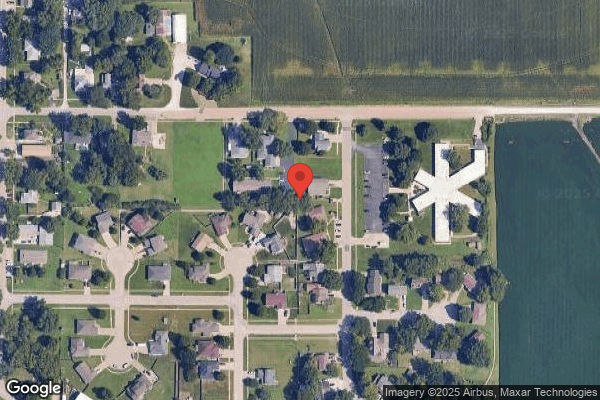
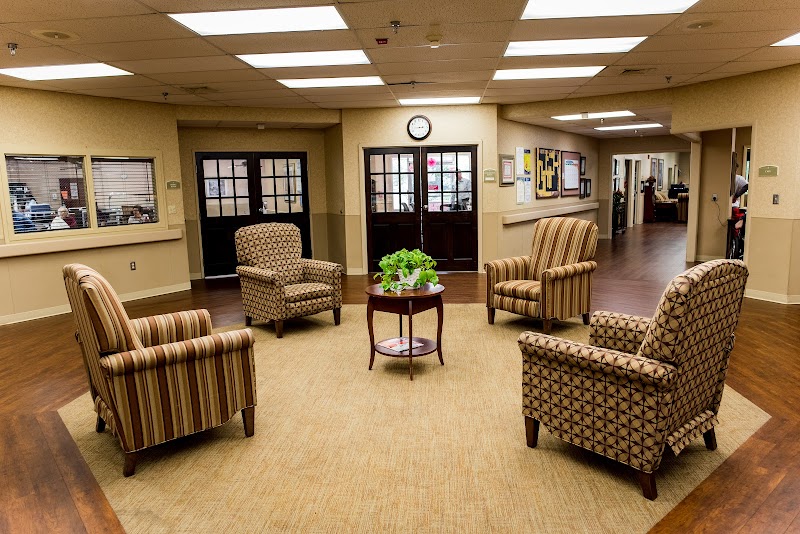
600 PERRY, ROSSVILLE, KS 66533 (785) 584-6104
For profit - Limited Liability company 81 Beds RECOVER-CARE HEALTHCARE Data: November 2025 1 Immediate Jeopardy citation
Trust Grade
0/100
#280 of 295 in KS
Last Inspection: April 2025

Within standard 12-15 month inspection cycle. Federal law requires annual inspections.

Overview

Rossville Healthcare & Rehab Center has received a Trust Grade of F, indicating significant concerns about the quality of care provided. Ranking #280 out of 295 facilities in Kansas places it in the bottom half of nursing homes in the state, and #13 out of 15 in Shawnee County suggests only one local option is better. The facility's situation is worsening, with reported issues increasing from 3 in 2024 to 21 in 2025. Staffing is below average, earning 2 out of 5 stars, and while turnover is lower than the state average at 44%, the overall RN coverage is concerning as it is less than 86% of Kansas facilities, meaning residents may not receive the level of monitoring they need. Additionally, the facility has incurred fines totaling $79,034, which is higher than 86% of Kansas facilities and raises red flags about compliance with regulations. Specific incidents of concern include a critical finding where a resident with severe cognitive impairment, who was dependent on staff for assistance, had multiple falls, highlighting a risk for further injury. Another serious incident involved a resident who fell while being lowered from a wheelchair due to staff negligence, resulting in a serious head injury that required hospitalization. These events emphasize the need for improved safety protocols and staff training. Overall, while the nursing home has some staffing stability, the numerous serious deficiencies and poor trust rating warrant careful consideration for families researching care options for their loved ones.

Trust Score
F
0/100
In Kansas
#280/295
Bottom 6%
Safety Record
High Risk
Review needed
Inspections
Getting Worse
3 → 21 violations
Staff Stability
○ Average
44% turnover. Near Kansas's 48% average. Typical for the industry.
Penalties
✓ Good
$79,034 in fines. Lower than most Kansas facilities. Relatively clean record.
Skilled Nurses
⚠ Watch
Each resident gets only 22 minutes of Registered Nurse (RN) attention daily — below average for Kansas. Fewer RN minutes means fewer trained eyes watching for problems.
Violations
⚠ Watch
57 deficiencies on record. Higher than average. Multiple issues found across inspections.
★☆☆☆☆
1.0
Overall Rating
★★☆☆☆
2.0
Staff Levels
★★☆☆☆
2.0
Care Quality
★☆☆☆☆
1.0
Inspection Score
Stable
2024: 3 issues
2025: 21 issues

The Good

  • Full Sprinkler Coverage · Fire safety systems throughout facility
  • No fines on record
  • Staff turnover below average (44%)

    4 points below Kansas average of 48%

Facility shows strength in fire safety.

The Bad

1-Star Overall Rating

Below Kansas average (2.9)

Significant quality concerns identified by CMS

Staff Turnover: 44%

Near Kansas avg (46%)

Typical for the industry

Federal Fines: $79,034

Well above median ($33,413)

Moderate penalties - review what triggered them

Chain: RECOVER-CARE HEALTHCARE

Part of a multi-facility chain

Ask about local staffing decisions and management

The Ugly 57 deficiencies on record

1 life-threatening 4 actual harm
Apr 2025 21 deficiencies 1 IJ (1 affecting multiple)
CRITICAL (K)

Immediate Jeopardy (IJ) - the most serious Medicare violation

Accident Prevention (Tag F0689)

Someone could have died · This affected multiple residents

- R69's Electronic Medical Record (EMR) from the Diagnosis tab documented diagnoses of dementia (a progressive mental disorder characterized by failing memory and confusion), muscle wasting and atroph...

Read full inspector narrative →
- R69's Electronic Medical Record (EMR) from the Diagnosis tab documented diagnoses of dementia (a progressive mental disorder characterized by failing memory and confusion), muscle wasting and atrophy multiple sites (wasting or decrease in size of a part of the body), communication deficit, repeated falls, and muscle weakness. The Significant Change Minimum Data Set (MDS) dated 03/10/25 documented a Brief Interview of Mental Status (BIMS) score of six which indicated severely impaired cognition. The MDS documented R69 was dependent on staff assistance for lower extremity dressing and bathing. She required partial to moderate staff assistance with transfers. The MDS documented R69 had two non-injury falls since the last MDS. R69's Falls Care Area Assessment (CAA) dated 03/14/25 documented she had recent falls and continued to be at risk for further falls related to her confusion and poor safety awareness. R69's Care Plan, dated 07/17/24, documented staff would anticipate and meet her needs. The plan of care documented staff would ensure her call light was within reach, also encourage her to call for assistance as needed, and respond promptly to all requests. The plan of care documented staff would monitor trends in falls or the increased number of falls to rule out acute illness or mental changes. The plan of care initiated on 09/09/24 and revised 02/24/25 documented staff provided a sign in her room to remind R6 to wear appropriate footwear or non-skid socks when walking. The plan of care initiated on 10/15/24 and last revised on 02/24/25 documented staff placed a sign in R69 room to remind her to call for assistance. The plan of care dated 12/23/24 documented a Dycem (non-slip mat used for stabilization and gripping to prevent slipping) would be applied to her recliner, and grip strips were applied to the floor in front of her recliner. The plan of care dated 01/02/25 documented on12/31/24, grip strips were applied in front of R69's bed. The plan of care initiated on 01/08/25, last revised on 03/06/25 documented on 01/05/25 staff removed the riser from her recliner and discussed with her family about purchasing a new recliner that was safer for R69. The plan of care dated 01/16/25 documented on 01/14/25 the family was going to look into purchasing a smaller recliner to promote safety for R69. The plan of care initiated on 02/04/25, last revised on 03/06/25 documented on 02/03/25. Dietary staff would serve R69 first at mealtime. The plan of care dated 02/24/25 documented on 02/21/25 the staff would provide cups with lids for R69. The plan of care dated 02/28/25 documented on 02/27/25, a medication review would be completed. The plan of care dated 03/12/25, documented on 03/09/25, bright tape was applied to R69's brakes as a visual cue. The plan of care dated 03/27/25, documented on 03/26/25, staff would obtain orthostatic (measurements of blood pressure and pulse taken with the patient in the supine, sitting, and standing positions to assess low blood pressure and possible blood pooling in the lower extremities resulting in dizziness) blood pressures x 72 hours. The plan of care dated 04/01/25 documented on 03/28/25 a request for labs and a medication review was placed by the physician. Review of R69's EMR under Progress Notes tab revealed a General Note dated 02/22/25 at 05:12 AM, documented R69 had a non-injury fall. The facility was unable to provide an investigation with a root cause analysis of the fall upon request. On 02/28/2025 at 06:30 AM, a General Note documented R69 had a non-injury fall. The facility was unable to provide an investigation with a root cause analysis of the fall upon request. On 04/02/25 at 07:40 PM, an interact Situation, Background, Assessment, and Recommendation (SBAR) was documented for a fall evaluation was completed. The facility was unable to provide an investigation with a root cause analysis of the fall upon request. The facility was unable to provide evidence a medication review was completed for the fall intervention on 02/27/25 and 03/28/25 upon request. R69's EMR under the Assessment tab revealed the following: Morse Fall Scale was completed on 12/18/24, post fall documented R69 was a high fall risk for falling. On 12/23/24, a Morse Fall Scale was completed post fall documented R69 was a high fall risk for falling. On 12/31/24, a Morse Fall Scale was completed post fall documented R69 was a high fall risk for falling. On 01/08/25, a Morse Fall Scale was completed post fall documented R69 was a high fall risk for falling. On 01/15/25, a Morse Fall Scale was completed on admission, documenting R69 was a high fall risk for falling. On 02/03/25, a Morse Fall Scale was completed post Post-fall documented R69 was a high fall risk for falling. On 02/22/25, a Morse Fall Scale was completed on admission, documenting R69 was a high fall risk for falling. On 02/28/25, a Morse Fall Scale was completed post fall documented R69 was a high fall risk for falling. On 03/06/25, a Morse Fall Scale was completed for a significant change documented R69 was a high fall risk for falling. On 03/10/25, a Morse Fall Scale was completed post fall documented R69 was a high fall risk for falling. On 04/02/25, a Morse Fall Scale was completed post fall documented R69 was a high fall risk for falling. On 04/22/25 at 07:07 AM, R69 was asleep on her bed. R69's room lacked a sign that reminded her to use her call light for assistance. R69's room also lacked a sign to remind her to wear appropriate footwear. On 04/22/25 at 07:55 AM, R69 was pushed in her wheelchair as her feet drug along the floor from the common area into the dining room by Certified Nurse Aide (CNA) OO. R69's wheelchair lacked bright tape on her wheelchair brakes. On 04/23/25 at 12:20 PM, CNA MM stated the staff would communicate in the report of any new changes made for any of the residents. CNA MM stated the fall interventions could be found on the resident's care plan or on the Kardex (a nursing tool that gives a brief overview of the care needs of each resident). CNA MM stated she was not usually responsible for ensuring a resident's fall interventions were in place on a regular basis. On 04/23/25 at 12:35 PM, Licensed Nurse (LN) G stated that nursing usually double-checks to ensure all of a resident's fall interventions were in place. LN G stated that new fall interventions were communicated during report and could be found on the resident's care plan or on the Kardex. On 04/23/25 at 01:01 PM, Administrative Nurse D stated that the MDS coordinator tracks the fall interventions for each resident to ensure they have the interventions in place. Administrative Nurse D stated that each fall was reviewed by the interdisciplinary team (IDT) would review each fall and determine the root cause analysis. Administrative Nurse D stated that the IDT would review the interventions that the resident had in place. Administrative Nurse D stated she was not sure if the falls on 02/22/25, 02/28/25, and 04/02/25 were not investigated. The facility's Fall Risk Assessment policy, dated 02/01/20, documented it was the policy of the facility to ensure the facility provides an environment that was free from accident hazards over which the facility had control and provided supervision and assistive devices to each resident to prevent avoidable accidents. Monitor the effectiveness of the care plan interventions and modify the interventions as necessary, in accordance with current standards of practice. The facility's Fall Prevention Program policy, dated 02/01/20, documented each resident would be assessed for the risks of falling and would receive care and services in accordance with the level of risk to minimize the likelihood of falls. When any resident experiences a fall, the facility would: a. Assess the resident. b. Complete a post-fall assessment. c. Complete an incident report. d. Notify the physician and family. e. Review the resident's care plan and update as indicated. f. Document all assessments and actions. g. Obtain witness statements in the case of injury. The facility reported a census of 74 residents, with 19 residents sampled. Based on observation, interview, and record review, the facility failed to ensure a safe care environment related to environmental hazards. On 04/21/25 at 07:15 AM, an inspection of the facility's open kitchenette area off the main entry revealed the kitchenette's oven/stove top power shut-off was not activated. An inspection of the electric oven/stove top revealed working stove top burners and oven, and the counter to the left of the oven revealed a working bread toaster. On 04/21/25 at 07:30 AM, an inspection of the 200-hallway revealed an unlocked maintenance closet which contained 15 bottles of disinfectant cleaner. On 04/21/25, an inspection of the secured memory care unit revealed cognitively impaired Resident (R) 24 going through an unlocked cabinet next to the television area, which contained a half-gallon jug of bleach and disinfectant spray. The facility failed to secure potentially hazardous materials and equipment, which placed 11 cognitively impaired/independently mobile residents on the main unit and four cognitively impaired/independently mobile residents on the memory care unit in immediate jeopardy. The facility additionally failed to implement effective fall interventions for R69. This deficient practice placed R69 at risk for falls and accidents. Findings Included: - On 04/21/25 at 07:15 AM, an inspection of the facility's open kitchenette area off the main entry revealed the kitchenette's oven/stove top power shut-off was not activated. Further inspection of the electric oven/stove top revealed working stove top burners and oven. An inspection of the counter to the left of the oven revealed a working bread toaster. On 04/21/25 at 07:30 AM, a walkthrough of the facility revealed the entry door to the maintenance office on the 200 hallway was unlocked. An inspection of the office revealed 15 bottles of assorted disinfectant cleaners, which contained the warning, Keep out of reach of children, hazardous to humans, can cause eye irritation, harmful if swallowed. On 04/21/25 at 07:20 AM, Administrator A verified the oven was functioning and stated the oven had a shut-off switch. She stated she did not know where the switch was and needed to call maintenance. At 07:23 AM, she received a text from maintenance noting the switch was in the cabinet above the oven. At 07:25 AM, the switch was located and shut off. She stated she was not sure how long the switch was turned on, but said residents were not supposed to have access to the oven or burners. She also unplugged the toaster and relocated it to a cabinet. She stated the residents should not have access to the potentially hazardous material or equipment. On 04/21/25 at 10:00 AM, Certified Nurse Aide (CNA) O stated cleaning products were to be stored in locked cabinets out of residents' reach. On 04/21/25 at 10:05 AM, Licensed Nurse (LN) H stated hazardous materials and cleaning products were to be locked up and out of residents' reach. She stated the residents were not allowed to use the stove, but were not sure if the stove had an electrical shut-off switch to prevent the residents from accidentally turning the burner or oven on. She stated that only the activities and maintenance staff used the oven. She stated that direct care staff had no training or in-service on how to shut the power off. On 04/21/25 at 10:30 AM, Activity Staff Z stated that only activities and maintenance staff had keys to the power shut-off cabinet. She stated that she was not sure the last time the stove was used. She stated that direct care staff were not trained on how to shut off the power to the oven/stovetop. On 04/21/25 at 10:40 AM, Maintenance Staff U stated the last time he remembered the stove being used was on Friday (04/18/25). He stated he was not sure how or why the power was left on to the oven/stovetop. The facility's Accidents and Supervision policy (undated) indicated the facility would ensure a safe care environment for all residents. The policy indicated the facility would identify all potential hazards and risks. The policy indicated the facility would provide preventative interventions and supervision to minimize the risks. - The Medical Diagnosis section within R24's Electronic Medical Records (EMR) noted diagnoses of autism spectrum disorder (ASD - a condition related to brain development that impacts how a person perceives and socializes with others, causing problems in social interaction and communication), dysphagia (difficulty swallowing), major depressive disorder (major mood disorder), and anxiety disorder (mental or emotional reaction characterized by apprehension, uncertainty, and irrational fear). R24's Quarterly Minimum Data Set (MDS) completed 03/28/25 revealed a Brief Interview for Mental Status (BIMS) score of zero, indicating severe cognitive impairment. The MDS noted he required substantial to maximal staff assistance with bathing, toileting, transfers, dressing, and personal hygiene. The MDS noted he had verbal and physically aggressive behaviors. The MDS noted he had no upper or lower extremity impairments. The MDS noted he could ambulate without the use of assistive devices. R24's Functional Abilities Care Area Assessment (CAA) completed 09/08/24 indicated he required moderate to substantial assistance with his activities of daily living (ADL). The CAA noted he had poor safety awareness and was at risk for falls. R24's Cognitive Loss CAA completed 09/08/24 indicated he had both cognitive loss and dementia. The CAA noted staff were to monitor for acute mental status changes and communicate in short, simple sentences to allow him to understand. R24's Care Plan initiated on 04/19/23 indicated he resided in the memory care unit due to his autism diagnosis. The plan noted he wandered on the secure unit regularly. The plan instructed staff to provide him with structured activities to keep him engaged. The plan noted he required staff assistance with bathing, toileting, oral hygiene, dressing, and personal hygiene. The plan noted he could independently transfer and ambulate. The plan noted he had impaired cognition and thought processes. The plan noted he had a history of rummaging through closets and needed staff supervision. On 04/21/25 at 07:12 AM, a walkthrough of the Memory Care Unit was completed. An inspection of the television area revealed R24 standing next to the wall cabinet to the right of the televisions. R24 opened the far-right cabinet and rummaged around the shelves. R24 closed the closet door and moved to the far-right side closet. He continued rummaging through the closet, pulled out a fan, then closed the door. Staff were across the room at the nurse's carts but provided no supervision during this incident. Inspection of the closet revealed a one-gallon jug of bleach and Lysol disinfectant stored on the shelves he was rummaging in. The products contained the warning, Keep out of reach of children, hazardous to humans, can cause eye irritation, harmful if swallowed. On 04/21/25 at 07:25 AM, Administrative Staff A stated that the staff were expected to secure areas and equipment that contained potentially hazardous materials to prevent exposure to the residents. On 04/21/25 at 10:00 AM, Certified Nurse's Aide (CNA) O stated cleaning products were to be stored in locked cabinets out of residents' reach. On 04/21/25 at 10:35 AM, Licensed Nurse (LN) G stated that the storage closets were to be always locked. LN G stated that cleaning products should never be stored in the residents' common areas. The facility's Accidents and Supervision policy (undated) indicated the facility would ensure a safe care environment for all residents. The policy indicated the facility would identify all potential hazards and risks. The policy indicated the facility would provide preventative interventions and supervision to minimize the risks. On 04/21/25 at 01:04 PM, Administrative Staff A was provided a copy of the Immediate Jeopardy [IJ] Template and was informed of the IJ. On 04/21/25 at 03:45 PM, the facility provided an acceptable immediacy removal plan, which included the following: On 04/21/25 at 07:25 AM, the power shutoff switch was activated, and the cabinet was locked. On 04/21/25 at 07:25 AM, the maintenance office was locked. The keypad was reprogrammed to the entry door for the maintenance office. On 04/21/25 at 07:25 AM, the pop-up toaster was unplugged and moved to a cabinet. On 04/21/25 at 07:25 AM, the chemicals were removed from the closet in the Memory Care Unit. On 04/21/25 at 07:30 AM, maintenance completed full facility safety rounds. On 04/21/25, education was provided to staff about safe chemical use and storage. Implementation of the corrective actions were verified onsite on 04/21/25 at 03:50 PM. The deficient practice remained at the scope and severity of E (pattern, potential harm) after the removal of the immediacy.
CONCERN (D)

Potential for Harm - no one hurt, but risky conditions existed

Resident Rights (Tag F0550)

Could have caused harm · This affected 1 resident

The facility identified a census of 74 residents. The sample included 19 residents, with three reviewed for dignity. Based on observation, interview, and record review, the facility failed to provide ...

Read full inspector narrative →
The facility identified a census of 74 residents. The sample included 19 residents, with three reviewed for dignity. Based on observation, interview, and record review, the facility failed to provide a dignified care environment for Resident (R) 59 during meals. This deficient practice placed the resident at risk for impaired dignity and quality of life. Findings Included: - The Medical Diagnosis section within R59's Electronic Medical Records (EMR) included diagnoses of aphasia (difficulty speaking), dementia (a progressive mental disorder characterized by failing memory and confusion), and hypertension (high blood pressure). R59's admission Minimum Data Set (MDS) noted a Brief Interview for Mental Status (BIMS) score of seven indicating severe cognitive impairment. The MDS noted she was dependent on staff assistance for transfers, toileting, oral hygiene, bathing, dressing, and bed mobility. The MDS noted she required set-up assistance with her meals. The MDS noted no recent weight loss or swallowing disorders. R59's Functional Abilities Care Area Assessment (CAA) completed 03/20/25 indicated she was totally dependent on staff assistance for all care due to her cognitive impairment and weakness. R59's Nutritional Status CAA completed 03/20/25 indicated she was at risk for nutritional impairment related to her medical diagnoses. The CAA noted she was on a regular diet and required set-up assistance from staff. R59's Care Plan initiated 03/15/25 indicated she was dependent on staff assistance for all her activities of daily living (ADL). The plan noted she had cognitive impairment and memory loss. The plan instructed staff to provide supervision, cueing (verbal guidance), and reorientation. The plan noted she preferred a quiet environment during mealtimes. The plan noted she required maximum assistance at times during meals and instructed staff to ensure she was not pocketing her food. On 04/22/25 at 07:30 AM, staff attempted several times to feed R59 while standing over her during breakfast. On 04/22/25 at 12:27 PM, staff attempted to assist R59 with eating her meals while standing over her. R59 ate a small portion of her meal during lunch. On 04/23/25 at 12:19 PM, Certified Nurse's Aide (CNA) MM stated staff were to sit next to the resident during mealtimes to provide assistance. She stated staff were not to stand over the residents while providing meal assistance. On 04/23/25 at 01:06 PM, Administrative Nurse D stated staff were expected to sit next to the residents during meal assistance and should never stand over them while feeding them. The facility's Dementia Care policy revised 12/2024 indicated the facility was to ensure a safe, supportive, and dignified care environment for residents to attain the highest level of practicable well-being.
CONCERN (D)

Potential for Harm - no one hurt, but risky conditions existed

Deficiency F0583 (Tag F0583)

Could have caused harm · This affected 1 resident

The facility identified a census of 74 residents. The sample included 19 residents. Based on observation, record review, and interview, the facility failed to ensure staff secured and protected the pr...

Read full inspector narrative →
The facility identified a census of 74 residents. The sample included 19 residents. Based on observation, record review, and interview, the facility failed to ensure staff secured and protected the privacy and confidentiality of Resident (R) 2's medical record. This placed this resident at risk for impaired right to confidentiality. Findings included: - An observation on 04/22/25 at 01:50 PM revealed that facility staff left R2's point of care (POC) information of the Electronic Medical Record (EMR) open and visible on the nurse aide's wall kiosk monitor. On 04/23/25 at 11:45 AM, Certified Nurse Aide (CNA) NN stated that the aides should never leave a resident's POC information open and visible on the wall monitor screen. On 04/23/25 at 12:33 PM, Licensed Nurse (LN) G stated the aides should not be leaving resident information pulled up and visible on the wall screen monitor. On 04:23/25 at 01:02 PM, Administrative Nurse D stated she would expect any nursing staff to lock any screen, either on the laptop or on the wall kiosk, after they had completed charting. The facility policy Promoting/Maintaining Resident Dignity dated 01/2020 documented it was the practice of the facility to protect and promote resident rights and treat each resident with respect and dignity as well as care for each resident in a manner and in an environment, that maintained or enhanced a resident's quality of life by recognizing each resident's individuality. Staff were expected to maintain resident privacy.
CONCERN (D)

Potential for Harm - no one hurt, but risky conditions existed

Deficiency F0657 (Tag F0657)

Could have caused harm · This affected 1 resident

The facility identified a census of 74 residents. The sample included 19 residents, with three sampled residents reviewed for nutrition and hydration. Based on observation, record review, and intervie...

Read full inspector narrative →
The facility identified a census of 74 residents. The sample included 19 residents, with three sampled residents reviewed for nutrition and hydration. Based on observation, record review, and interview, the facility failed to ensure Resident (R) 37 was positioned appropriately in his Broda chair (specialized wheelchair with the ability to tilt and recline) while being assisted by staff with eating at meals. This placed R37 at risk of swallowing complications and possible aspiration (inhaling liquid or food into the lungs) of food. Findings included: - R37's Electronic Medical Record (EMR) documented diagnoses of dementia (a progressive mental disorder characterized by failing memory and confusion), major depressive disorder (major mood disorder that causes persistent feelings of sadness), Parkinson's disease (a slowly progressive neurologic disorder characterized by resting tremors, rolling of the fingers, masklike faces, shuffling gait, muscle rigidity, and weakness), hemiplegia and hemiparesis (weakness and paralysis on one side of the body) following a cerebral infarction (stroke), and respiratory failure (the inability of the lungs to adequately exchange gases). R37's admission Minimum Data Set (MDS) dated 01/21/25 documented a Brief Interview for Mental Status (BIMS) was unable to be completed due to his rarely or never being understood. R37 had severely impaired cognitive skills for daily decision making. R37 was dependent on staff for activities of daily living (ADL) and used a wheelchair for mobility. R37 showed signs or symptoms of coughing or choking during meals or when swallowing medications. R37 required a feeding tube (administration of nutritionally balanced liquefied foods or nutrients through a tube) to aid in nutritional intake. R37's Nutritional Status and Tube Feeding Care Area Assessment (CAA) dated 01/23/25 documented R37 was receiving skilled services. R37 was dependent with cares, he was incontinent of bowel and bladder, and at risk for falls due to weakness. R37 received nothing by mouth (NPO) and was dependent on tube feeding for nutrition and was at risk for dehydration due to infection and dependent on bolus for hydration. R37 was at risk for impaired skin and had wounds on hands and at the peg site. R37's Care Plan revised on 03/11/25, directed staff he was dependent on tube feeding and water flushes. See MD orders for current feeding orders. Staff were directed he was on an NPO diet. Staff was directed that R37 received percutaneous endoscope gastrostomy tube (PEG - a tube inserted through the wall of the abdomen directly into the stomach) feedings of TwoCal HN (a nutritionally complete, high-calorie formula designed to meet the increased protein and calorie needs of metabolically stressed residents) 220 milliliters (ml.) bolus with 125 ml water before and after each bolus feeding. Staff were directed R37 needed the head of the bed elevated 45 degrees during and thirty minutes after tube feeding. Staff were directed to increase the head of the bed during feedings. R37's care plan had an intervention revised on 04/21/25 that directed staff he was on a regular general diet, with mechanical soft textures-ground meats, thin liquids consistency, nosey cups, and he needed max assistance. Staff were directed he receive peg tube feedings of TwoCal HN 220 ml. bolus with 125 ml. water before and after each bolus feeding. R37's care plan lacked revised interventions that included direction for his current nutrition/eating order that included a mechanical soft diet with max assistance, and for the resident to be in an upright position in the wheelchair. R37's Order Summary Report documented a physician's diet order dated 01/15/25 for enteral feed order every shift, and check placement every shift. Check for residual (checking and managing the amount of fluid remaining in the stomach after a period of enteral feeding, often through a feeding tube) every shift. Contact the physician if residual exceeds 50 ml. R37's Order Summary Report documented a physician's diet order dated 03/03/25 for a regular type of diet, with a mechanical soft texture, and regular consistency. Max assist, upright in wheelchair. Mechanical soft/ground meats; a slow rate of intake; thin liquids; small sips, with nose cups; remain upright 30 minutes post intake; continue tube feeding as the primary nutrition/hydration. R37's Order Summary Report documented a physician's diet order dated 04/12/25 for enteral feed order four times daily, Nutren 2.0 (a ready-to-use, calorically dense liquid nutrition supplement used for complete or supplemental nutrition support, especially for individuals with high caloric requirements or severe fluid restriction) 250 ml. If the resident eats 50 percent (%) or less of meals. Water flush with 30 ml before and 30 ml after bolus. This order lacked route directions. On 04/22/25 at 08:35 AM, R37 was observed reclined back in his Broda chair while being assisted to eat breakfast by Activities Z, who was also a certified nurse aide (CNA). On 04/23/25 at 08:25 AM, R37 was observed reclined back at a degree of about 45 degrees in his Broda chair while being assisted with eating. The unidentified staff member repositioned R37's Broda chair after she realized R37 was not in an appropriate position. On 04/23/25 at 09:15 AM, CNA NN stated R37's diet had recently changed to being able to eat regular ground food with assistance. CNA NN stated she could not say for certain if R37's care plan had an intervention for R37's new diet. On 04/23/25 at 12:33 PM, Licensed Nurse (LN) G stated R37 had been on enteral tube feeding for some time and had recently been advanced to a mechanical soft diet and an enteral feeding bolus. LN G stated R37 should be seated in an upright position when he was being assisted with eating his meals. On 04/23/25 at 01:05 PM, Administrative Nurse D stated that the nurses or the MDS coordinator were responsible for ensuring that care plans got updated to reflect any new interventions that should be placed to direct staff on R37's change in his diet from NPO to a regular mechanical soft diet. The facility policy Care Plan Revisions Upon Status Change, dated 01/02/20, documented that the comprehensive care plan would be reviewed and revised as necessary when a resident experienced a status change. Upon identification of a change in status, the nurse would notify the MDS Coordinator. The MDS Coordinator and the interdisciplinary team would discuss the resident's condition and collaborate on intervention options. The care plan would be updated with the new or modified interventions. Staff involved in the care of the resident would report the resident's response to new or modified interventions. Care plans would be modified as needed by the MDS Coordinator or other designated staff member.
CONCERN (D)

Potential for Harm - no one hurt, but risky conditions existed

ADL Care (Tag F0677)

Could have caused harm · This affected 1 resident

**NOTE- TERMS IN BRACKETS HAVE BEEN EDITED TO PROTECT CONFIDENTIALITY** - R6's Electronic Medical Record (EMR) from the Diagnosis tab documented diagnoses of epilepsy (brain disorder characterized by ...

Read full inspector narrative →
**NOTE- TERMS IN BRACKETS HAVE BEEN EDITED TO PROTECT CONFIDENTIALITY** - R6's Electronic Medical Record (EMR) from the Diagnosis tab documented diagnoses of epilepsy (brain disorder characterized by repeated seizures), dysphagia (swallowing difficulty), and dementia (a progressive mental disorder characterized by failing memory and confusion). The Annual Minimum Data Set (MDS) dated [DATE] documented a Brief Interview of Mental Status (BIMS) score of zero, which indicated severely impaired cognition. The MDS documented R6 required substantial to maximum staff assistance for bed mobility. The MDS documented R6 was dependent on staff assistance for transfers and with his activities of daily living (ADL). The MDS documented R6 was at risk for the development of pressure ulcers. The MDS documented staff placed pressure-reducing devices on his bed and in his chair. The Quarterly MDS dated 02/19/25 documented a BIMS score of zero, which indicated severely impaired cognition. The MDS documented that R6 was dependent on staff assistance with eating, bathing, transfers, personal hygiene, and mobility. The MDS documented R6 was at risk of developing pressure ulcers. R6's Functional Abilities (Self-Care and Mobility) Care Area Assessment (CAA) dated 08/05/24 documented he was dependent on staff assistance with ADLs. R6's Care Plan, dated 12/28/23, documented he was dependent on staff assistance with eating. On 04/21/25 at 08:04 AM, R6 sat in his Broda chair (specialized wheelchair with the ability to tilt and recline) in the dining room. R6 sat with his breakfast on a bedside table across his lap, and no staff sat and offered assistance or encouraged him during breakfast. On 04/22/25 at 8:10 AM, R6 sat in the dining room in his Broda chair with his breakfast on the bedside table across his lap. R6 had difficulty scooping his pureed diet (modified diet which food is blended into a pudding-like consistency for individuals with chewing or swallowing difficulty) onto his spoon. Certified Nurse Aide (CNA) M sat next to R6 and offered no assistance during breakfast. On 04/23/25 at 08:49 AM, R6 sat in his Broda chair in the dining room without staff, with his breakfast on the bedside table across his lab, as he attempted to eat his breakfast. On 04/23/25 at 12:20 PM, CNA MM stated the level of assistance required for their ADLs would be listed on their care plan or on the Kardex (nursing tool that gives a brief overview of the care needs of each resident). CNA MM stated that staff could also ask the nurse or another staff member. On 04/23/25 at 12:35 PM, Licensed Nurse (LN) G stated staff were able to review the care plan or Kardex to find the level of assistance required to provide care. LN G stated that the nurses could make changes in the care plan if needed. On 04/23/25 at 01:01 PM, Administrative Nurse D stated she expected staff to review the resident's care plan or the Kardex to know what level of assistance was needed during meals. Administrative Nurse D stated she would expect staff to assist a resident with meals if needed. The facility's undated policy Activities of Daily Living (ADL) documented that the facility would, based on the resident's comprehensive assessment and consistent with the resident's needs and choices, ensure a resident's abilities in ADLs do not deteriorate unless deterioration was unavoidable. A resident who was unable to carry out activities of daily living would receive the necessary services to maintain good nutrition, grooming, and personal and oral hygiene. The facility would identify resident triggers through the Care Area Assessment (CAA) process to assess causal factors for decline, potential decline, or lack of improvement. The facility identified a census of 74 residents. The sample included 19 residents, with two residents reviewed for dignity. Based on observation, record review, and interviews, the facility failed to ensure Resident (R) 10's footrest was down on her wheelchair and her feet had appropriate footwear, and further failed to ensure R6 was provided with assistance while eating. This defiant practice placed R10 and R6 at risk of impaired activities of daily living (ADL) and unmet care needs. Findings included: - R10's Electronic Medical Record (EMR) from the Diagnosis tab documented diagnoses of hypertension (high blood pressure), anemia (an inadequate number of healthy red blood cells to carry adequate oxygen to body tissues), Alzheimer's disease (progressive mental deterioration characterized by confusion and memory failure), diabetes mellitus (DM - when the body cannot use glucose, not enough insulin is made, or the body cannot respond to the insulin), hyperlipidemia (condition of elevated blood lipid levels), anxiety (mental or emotional reaction characterized by apprehension, uncertainty, and irrational fear), congestive heart failure (CHF - a condition with low heart output and the body becomes congested with fluid), muscle weakness, major depressive disorder (major mood disorder that causes persistent feelings of sadness), pain, contracture (abnormal permanent fixation of a joint or muscle), and dysphagia (swallowing difficulty). The Quarterly Minimum Data Set (MDS) dated [DATE] documented a Brief Interview of Mental Status (BIMS) score of zero, which indicated severely impaired cognition. The MDS documented that R10 was rarely or never understood. The MDS documented R10 was impaired on both sides of her body. The MDS documented R10 required supervising or touching for eating and was dependent on staff for dressing, toileting, and oral hygiene. R10's Functional Abilities (Self-Care) Mobility Care Area Assessment (CAA) dated 09/19/24 documented R10 resides in long-term care due to her diagnosis of Alzheimer's, CHF, and depression. The documented R10 requires substantial to maximal assistance for care, R10 was incontinent of bowel and bladder, and has a history of physical outbursts, but no occurrences this quarter. The CAA documented R10 was at risk of falls due to weakness. R10's Care Plan dated 01/26/2025 documented R10 had a recliner back wheelchair with head support and bilateral lower extremities (BLE) foot support with leg rests and saddle cushion when she was out of bed to assist with positioning and ADL functions. R10's plan of care documented she was dependent on the assistance of staff with ADLs related to impaired cognition, mobility, putting on and taking off footwear. R10's plan of care documented staff were to ensure R10 was wearing appropriate footwear. On 04/21/25 at 07:23 AM, R10 was pushed to the Common Area by staff. R10 was in her wheelchair, she had no socks on, and the footrest was not pulled down on her chair. R10's legs and feet were dangling off the chair, uncovered. On 04/23/25 at 12:09 PM, Certified Medication Aide (CNA) MM stated she had access to the resident's care plan through the Kardex (nursing tool that gives a brief overview of the care needs of each resident). CNA stated all residents should have footwear on unless the resident could tell you they did not want to wear footwear. On 04/23/25 at 12:33 PM, Licensed Nurse (LN)G stated it was the CNA's duty to ensure each resident was fully dressed and had the devices they needed before coming out to the dining area. On 04/23/25 at 01:01 PM, Administrative Nurse D stated it was the resident's preference if they would like to wear socks or shoes. She stated that if a resident kicked when staff were applying socks, the staff may not put the socks on the resident. Administrative Nurse D stated if the resident needed something specific, the nurses and aides would find the information in the resident's care plan. The facility's undated policy Activities of Daily Living (ADLs) documented that the facility would, based on the resident's comprehensive assessment and consistent with the resident's needs and choices, ensure a resident's abilities in ADLs do not deteriorate unless deterioration is unavoidable. A resident who was unable to carry out activities of daily living would receive the necessary services to maintain good nutrition, grooming, and personal and oral hygiene. The facility would identify resident triggers through the Care Area Assessment (CAA) process to assess causal factors for decline, potential decline, or lack of improvement.
CONCERN (D)

Potential for Harm - no one hurt, but risky conditions existed

Pressure Ulcer Prevention (Tag F0686)

Could have caused harm · This affected 1 resident

**NOTE- TERMS IN BRACKETS HAVE BEEN EDITED TO PROTECT CONFIDENTIALITY** The facility identified a census of 74 residents. The sample included 19 residents, with five residents reviewed for pressure ul...

Read full inspector narrative →
**NOTE- TERMS IN BRACKETS HAVE BEEN EDITED TO PROTECT CONFIDENTIALITY** The facility identified a census of 74 residents. The sample included 19 residents, with five residents reviewed for pressure ulcers (localized injury to the skin and/or underlying tissue usually over a bony prominence, because of pressure, or pressure in combination with shear and/or friction). Based on observation, record review, and interviews, the facility failed to ensure pressure-reducing devices were in place for Resident (R) 6 and R10, who were at risk for the development of pressure ulcers. This deficient practice placed R6 and R10 at risk for complications related to skin breakdown. Findings included: - R6's Electronic Medical Record (EMR) from the Diagnosis tab documented diagnoses of epilepsy (brain disorder characterized by repeated seizures), dysphagia (swallowing difficulty), and dementia (a progressive mental disorder characterized by failing memory and confusion). The Annual Minimum Data Set (MDS) dated 08/01/24 documented a Brief Interview of Mental Status (BIMS) score of zero, which indicated severely impaired cognition. The MDS documented R6 required substantial to maximum staff assistance for bed mobility. The MDS documented R6 was dependent on staff assistance for transfers and with his activities of daily living (ADL). The MDS documented R6 was at risk for the development of pressure ulcers. The MDS documented staff had placed pressure-reducing devices on his bed and in his chair. The Quarterly MDS dated 02/19/25 documented a BIMS score of zero, which indicated severely impaired cognition. The MDS documented that R6 was dependent on staff assistance with eating, bathing, transfers, personal hygiene, and mobility. The MDS documented R6 was at risk of developing pressure ulcers. R6's Pressure Ulcers Care Area Assessment (CAA) dated 08/05/24 documented he was at risk for skin impairment related to incontinence and diagnoses. R6's Care Plan, last revised on 01/31/25, documented staff would encourage him to offload his bilateral lower extremities (BLE) while in bed. R6's EMR under the Orders tab revealed the following physician orders: Ensure pressure ankle foot orthotic boot (PRAFO - special boot which keeps the ankle and foot aligned to treat muscle weakness and imbalance) boots are in place on bilateral lower extremities every shift for wound care dated 08/26/23. On 04/21/25 at 08:04 AM, R6 sat in his Broda chair (specialized wheelchair with the ability to tilt and recline) in the dining room. R6 sat with his breakfast on a bedside table across his lap, and no staff sat and offered assistance or encouraged him during breakfast. No PRAFO boots were in place on R6 BLE. On 04/22/25 at 8:10 AM, R6 sat in the dining room in his Broda chair with his breakfast on the bedside table across his lap. R6 had difficulty scooping his pureed diet (modified diet which food is blended into pudding-like consistency for individuals with chewing or swallowing difficulty) onto his spoon. Certified Nurse Aide (CNA) M sat next to R6 and offered no assistance during breakfast. No PRAFO boots were in place on R6 BLE. On 04/22/25 at 02:55 PM, R6 laid asleep on his right side on his bed in the lowest position with his BLE resting directly on the mattress. On 04/23/25 at 08:49 AM, R6 sat in his Broda chair in the dining room without staff with his breakfast on the bedside table across his lab, as he attempted to eat his breakfast. No PRAFO boots were in place on R6 BLE. On 04/23/24 at 09:08 AM, Administrative Nurse D stated she was unable to find the evidence that R6's PRAFO boots had been applied to his BLE. Administrative Nurse D stated the order had been entered into R6's EMR, stating no documentation was required. On 04/23/25 at 12:09 PM, Certified Nurse's Aide (CNA) MM stated that all nursing staff have access to the care plan. CNA MM stated that if a resident's heels were to be floated or the resident was to have boots, the nurse would let staff know, or she would find that information in the Kardex (a nursing tool that gives a brief overview of the care needs of each resident). On 04/23/25 at 12:33 PM, Licensed Nurse (LN) G stated if a resident required their heels floated or should have on foam boots, this information would either be on the Kardex for the CNAs to apply or the Treatment Assessment Record (TAR), and nursing would follow up to ensure the boots were placed before signing the task was done. On 04/23/24 at 01:01 PM, Administrative Nurse D stated the care plan should reflect that a resident needed heels floated or boots. She stated staff were expected to ensure all treatments were in place. The facility's Pressure Injury Prevention and Management policy, dated 01/01/20, documented the facility was committed to the prevention of avoidable pressure injuries and promoting the healing of existing pressure injuries. - R10's Electronic Medical Record (EMR) from the Diagnosis tab documented diagnoses of hypertension (high blood pressure), anemia (an inadequate number of healthy red blood cells to carry adequate oxygen to body tissues), Alzheimer's disease (progressive mental deterioration characterized by confusion and memory failure), diabetes mellitus (DM - when the body cannot use glucose, not enough insulin is made, or the body cannot respond to the insulin), hyperlipidemia (condition of elevated blood lipid levels), anxiety (mental or emotional reaction characterized by apprehension, uncertainty, and irrational fear), congestive heart failure (CHF - a condition with low heart output and the body becomes congested with fluid), muscle weakness, major depressive disorder (major mood disorder that causes persistent feelings of sadness), pain, contracture (abnormal permanent fixation of a joint or muscle), and dysphagia (swallowing difficulty). The Quarterly Minimum Data Set (MDS) dated [DATE] documented a Brief Interview of Mental Status (BIMS) score of zero, which indicated severely impaired cognition. The MDS documented that R10 was rarely or never understood. The MDS documented R10 was impaired on both sides of her body. The MDS documented R10 required supervising or touching for eating and was dependent on staff for dressing, toileting, and oral hygiene. The Pressure Ulcer/Injury Care Area Assessment (CAA) dated 09/19/24 documented R10 resided in long-term care due to a diagnosis of Alzheimer's, CHF, DM, and Depression. The CAA documented R10 required Substantial to maximal assistance for care, she was incontinent of bowel and bladder. The CAA documented R10 was at risk for impaired skin due to incontinence and immobility. R10's Care Plan dated 04/11/25 documented R10 was at risk for alteration in skin integrity related to incontinence and impaired mobility. R10's plan of care documented R10 used a foam mattress, heels would be floated in bed as tolerated, and the staff were to follow facility protocols for the treatment of injury. R10's plan of care documented treatment to the left heel, nursing was to see the Treatment Assessment Record TAR. R10's Braden Scale for Prediction Pressure Sore Risk dated 03/16/25 documented a score of 13, indicating a moderate risk for pressure ulcers. R10's EMR under Assessments under the Skin, Wound Evaluation tab dated 04/08/25 documented a blister (fluid-filled sack), pink or red, intact, unbroken skin, appears healed. A note in the assessment documented a verbal reminder provided to nursing staff to assist the resident in wearing pressure relief ankle foot orthosis (PRAFO) boots. R10's physician's orders under the Orders tab revealed the following orders: Left Heel: cleanse with wound cleanser, apply skin prep, and allow to dry completely. Leave open to air every shift for wound care dated 04/09/25. On 04/22/25 at 12:21 PM, R10 laid on her bed, R10's heels were not floated. R10's boots were laid under the hand sink; the boots were not on R10's feet. On 04/23/25 at 12:09 PM, Certified Nurse's Aide (CNA) MM stated that all nursing staff have access to the care plan. CNA MM stated that if a resident's heels were to be floated or the resident was to have boots, the nurse would let staff know, or she would find that information in the Kardex (a nursing tool that gives a brief overview of the care needs of each resident). On 04/23/25 at 12:33 PM, Licensed Nurse (LN) G stated if a resident required their heels floated or should have on foam boots, this information would either be on the Kardex for the CNAs to apply or the Treatment Assessment Record (TAR), and nursing would follow up to ensure the boots were placed before signing the task was done. On 04/23/24 at 01:01 PM, Administrative Nurse D stated the care plan should reflect that a resident needed heels floated or boots. She stated staff were expected to ensure all treatments were in place. The facility's Pressure Injury Prevention and Management policy, dated 01/01/20, documented the facility was committed to the prevention of avoidable pressure injuries and promoting the healing of existing pressure injuries.
CONCERN (D)

Potential for Harm - no one hurt, but risky conditions existed

Deficiency F0688 (Tag F0688)

Could have caused harm · This affected 1 resident

**NOTE- TERMS IN BRACKETS HAVE BEEN EDITED TO PROTECT CONFIDENTIALITY** The facility identified a census of 74 residents. The sample included 19 residents, with two residents reviewed for positioning ...

Read full inspector narrative →
**NOTE- TERMS IN BRACKETS HAVE BEEN EDITED TO PROTECT CONFIDENTIALITY** The facility identified a census of 74 residents. The sample included 19 residents, with two residents reviewed for positioning and mobility. Based on observation, record review, and interviews, the facility failed to ensure Resident (R) 10's resting splint and R41's cockup splint were applied for contractures (abnormal permanent fixation of a joint or muscle) and dysphagia (swallowing difficulty). This deficient practice placed the resident at risk for discomfort and decreased range of motion (ROM - the full movement potential of a joint, usually its range of flexion and extension). Findings included: - R10's Electronic Medical Record (EMR) from the Diagnosis tab documented diagnoses of hypertension (high blood pressure), anemia (an inadequate number of healthy red blood cells to carry adequate oxygen to body tissues), Alzheimer's disease (progressive mental deterioration characterized by confusion and memory failure), diabetes mellitus (DM - when the body cannot use glucose, not enough insulin is made, or the body cannot respond to the insulin), hyperlipidemia (condition of elevated blood lipid levels), anxiety (mental or emotional reaction characterized by apprehension, uncertainty, and irrational fear), congestive heart failure (CHF - a condition with low heart output and the body becomes congested with fluid), muscle weakness, major depressive disorder (major mood disorder that causes persistent feelings of sadness), pain, and contracture. The Quarterly Minimum Data Set (MDS) dated [DATE] documented a Brief Interview of Mental Status (BIMS) score of zero, which indicated severely impaired cognition. The MDS documented that R10 was rarely or never understood. The MDS documented R10 was impaired on both sides of her body. The MDS documented R10 required supervising or touching for eating and was dependent on staff for dressing, toileting, and oral hygiene. R10's Functional Abilities (Self-Care) Mobility Care Area Assessment (CAA) dated 09/19/24 documented R10 resided in long-term care due to her diagnoses of Alzheimer's, CHF, and depression. The CAA documented R10 required substantial to maximal assistance for care, R10 was incontinent of bowel and bladder, and has a history of physical outbursts, but no occurrences that quarter. The CAA documented R10 was at risk of falls due to weakness. R10's Care Plan dated 08/29/24 documented Occupational Therapy (OT) recommended R10 use a right upper extremity (RUE) resting hand splint and left-hand glove for up to six hours in the daytime. Staff were to take off the splint at night and were to check R10's skin during self-care daily. R10's plan of care on 01/24/23 documented R10 had an alteration in musculoskeletal status related to contracture of the right hand and fingers. R10's plan of care documented her mobility would be maintained without worsening of contractures with the use of palm protectors by the review date. R10's plan of care documented her mobility would be maintained without worsening of contractures with the use of palm protectors. R10's medical record under Task documented Restorative Nursing Program (RNP): BUE modified resting hand splints for 4-6 hours as tolerated daily; rolls as an alternative as needed. Dates from 04/17/25-04/29/25 were marked with an X. R10's medical record under Restorative Monthly Progress Note documented the last progress note dated 11/19/24. R10's physician's orders under the Orders tab revealed the following orders: OT recommends for the patient to use a recliner back wheelchair with head support and bilateral lower extremity (BLE) foot support with leg rests; saddle cushion when out of bed to assist with positioning /ADL functional ability dated 03/14/25. OT recommends for patient use BUE-modified resting hand splints to both hands 4-6 hrs a day as tolerated; off for skin checks, with passive range of motion during application of splints during self-care tasks, may use bilateral hand rolls as an alternative when orthotics were not being used, dated 03/14/25. Ensure bilateral resting hand splints were in place every shift for contractures dated 02/05/25. Monitor skin integrity under bilateral resting hand splints every shift, dated 01/31/25. On 04/21/25 at 07:23 AM, R10 sat in her room in her wheelchair in the commons area. R10's right hand was closed and held next to her chest. R10's left hand was closed and laid on her leg. R10 did not have resting splints on her hands or bilateral hand rolls. On 04/22/25 at 01:19 PM, R10 sat in her wheelchair in the commons area. R10 was moving her right and left wrists in a waving motion. R10's right and left hands were closed. R10 did not have resting splints on hands or bilateral hand rolls. On 04/23/25 at 09:55 AM, R10 sat in the commons area elevated back in her wheelchair. R10's arms were curled to her chest. R10's left and right hands were closed. R10 did not have resting splints to the hands or bilateral hand rolls. On 04/23/25 at 12:09 PM, Certified Nurse's Aide (CNA) MM stated that if a resident needed a splint or hand rolls, therapy would apply the splints. CNA MM was unsure when restorative therapy was done. On 04/23/25 at 12:33 PM, Licensed Nurse (LN) G stated therapy would let nursing know what splints or devices a resident would need, and how often the splint should be used. LN G stated she did not know if nursing or the CNAs applied splints. On 04/23/25 at 01:01 PM, Administrative Nurse D stated the facility was revamping the restorative program. Administrative Nurse D stated that what staff or restorative aides were to do to help with residents' contractures would be found in the care plan. She stated the restorative charts under the task tab. The facility's Restorative Nursing Programs policy, dated 10/14/24, documented the facility would provide maintenance and restorative services designed to maintain and improve a resident's abilities to the highest practicable level. - R41's Electronic Medical Record (EMR) from the Diagnosis tab documented diagnoses of muscle weakness, contracture (abnormal permanent fixation of a joint or muscle), hypercholesterolemia (greater than normal amounts of cholesterol in the blood), cognitive function and awareness weakness, dementia (a progressive mental disorder characterized by failing memory and confusion), protein-calorie malnutrition (not enough protein or food to support the body), and dysphagia (swallowing difficulty). The Quarterly Minimum Data Set (MDS) for R41, dated 10/17/24, recorded a Brief Interview for Mental Status (BIMS) score of zero, which indicated severely impaired cognition. The MDS documented R41 had an impairment on one side of her body. The MDS documented R41 was impaired on both sides of her body. The MDS documented R41 required substantial to maximum assistance from staff for eating, and was dependent on staff for toileting, dressing, and bathing. R41's Functional Abilities (Self-Care) Care Area Assessment (CAA) dated 12/23/24 documented R41 was admitted to hospice for malnutrition. The CAA documented R41 had contractures, dysphasia, and dementia. The CAA documented R41 was dependent with care, incontinent of bowel and bladder, and was at risk for falls related to weakness and poor safety awareness. The CAA documented R41 received pain medication for general pain and contractures. R41's Care Plan dated 01/30/23 documented R41 had an alteration in musculoskeletal status related to contracture left wrist, left knee, and left ankle. The plan of care for R41 documented staff were to encourage, supervise, and assist with her supportive device of a cockup splint (supportive splint) for wrist. The plan of care documented staff were to anticipate and meet R41's needs and ensure her call light was within her reach. R41 EMR revealed a restorative progress note dated 09/10/24, documented staff were to encourage R10 to complete self-feeding and drinking tasks with setup and verbal cues for techniques and encouragement. On 04/21/25 at 08:35 AM, R41 sat in the dining room in her Broda chair (specialized wheelchair with the ability to tilt and recline) upright. R41's hands were closed. R41 was picking up drinks with her fingers. R41's left hand and wrist were curled to her chest, and her hand was closed. R41 did not have her cockup splint on her hand. On 04/22/25 at 07:17 AM, R41 sat in her Broda chair in the commons area. R41's left hand and wrist were curled, and her left hand and wrist were curled up toward her chest, and her hand was closed. On 04/23/25 at 12:09 PM, Certified Nurse's Aide (CNA) MM stated that if a resident needed a splint or hand rolls, therapy would apply the splints. CNA MM was unsure when restorative therapy was done. On 04/23/25 at 12:33 PM, Licensed Nurse (LN) G stated therapy would let nursing know what splints or devices a resident would need, and how often the splint should be used. LN G stated she did not know if nursing or the CNAs applied splints. On 04/23/25 at 01:01 PM, Administrative Nurse D stated the facility was revamping the restorative program. Administrative Nurse D stated that what staff or restorative aides were to do to help with residents' contractures would be found in the care plan. She stated restorative charts under the task tab. The facility's Restorative Nursing Programs policy, dated 10/14/24, documented the facility would provide maintenance and restorative services designed to maintain and improve a resident's abilities to the highest practicable level.
CONCERN (D)

Potential for Harm - no one hurt, but risky conditions existed

Deficiency F0692 (Tag F0692)

Could have caused harm · This affected 1 resident

The facility identified a census of 74 residents. The sample included 19 residents, with three sampled residents reviewed for nutrition and hydration. Based on observation, record review, and intervie...

Read full inspector narrative →
The facility identified a census of 74 residents. The sample included 19 residents, with three sampled residents reviewed for nutrition and hydration. Based on observation, record review, and interview, the facility failed to ensure Resident (R) 37 was positioned appropriately in his Broda chair (specialized wheelchair with the ability to tilt and recline) while being assisted by staff with eating at meals. This placed R37 at risk of swallowing complications and possible aspiration (inhaling liquid or food into the lungs) of food. Findings included: - R37's Electronic Medical Record (EMR) documented diagnoses of dementia (a progressive mental disorder characterized by failing memory and confusion), major depressive disorder (major mood disorder that causes persistent feelings of sadness), Parkinson's disease (a slowly progressive neurologic disorder characterized by resting tremors, rolling of the fingers, masklike faces, shuffling gait, muscle rigidity, and weakness), hemiplegia and hemiparesis (weakness and paralysis on one side of the body) following a cerebral infarction (stroke), and respiratory failure (the inability of the lungs to adequately exchange gases). R37's admission Minimum Data Set (MDS) dated 01/21/25 documented a Brief Interview for Mental Status (BIMS) was unable to be completed due to his rarely or never being understood. R37 had severely impaired cognitive skills for daily decision making. R37 was dependent on staff for activities of daily living (ADL) and used a wheelchair for mobility. R37 showed signs or symptoms of coughing or choking during meals or when swallowing medications. R37 required a feeding tube (administration of nutritionally balanced liquefied foods or nutrients through a tube) to aid in nutritional intake. R37's Nutritional Status and Tube Feeding Care Area Assessment (CAA) dated 01/23/25 documented R37 was receiving skilled services. R37 was dependent on cares, he was incontinent of bowel and bladder, and at risk for falls due to weakness. R37 received nothing by mouth (NPO) and was dependent on tube feeding for nutrition and was at risk for dehydration due to infection and dependent on bolus for hydration. R37 was risk for impaired skin and has wounds on hands and at peg site. R37's Care Plan revised on 03/11/25, directed staff he was dependent on tube feeding and water flushes. See MD orders for current feeding orders. Staff were directed he was on an NPO diet. Staff was directed that R37 received percutaneous endoscope gastrostomy tube (PEG - a tube inserted through the wall of the abdomen directly into the stomach) feedings of TwoCal HN (a nutritionally complete, high-calorie formula designed to meet the increased protein and calorie needs of metabolically stressed residents) 220 milliliters (ml.) bolus with 125 ml water before and after each bolus feeding. Staff were directed R37 needed the head of the bed elevated 45 degrees during and thirty minutes after tube feeding. Staff were directed to increase head of bed during feedings. R37's care plan had an intervention revised on 04/21/25 that directed staff he was on a regular general diet, with mechanical soft textures-ground meats, thin liquids consistency, nosey cups, and he needed max assistance. Staff were directed he received peg tube feedings of TwoCal HN 220 ml. bolus with 125 ml. water before and after each bolus feeding. R37's Order Summary Report documented a physician's diet order dated 01/15/25 for an enteral feed order, every shift, check placement every shift. Check for residual (checking and managing the amount of fluid remaining in the stomach after a period of enteral feeding, often through a feeding tube) every shift. Contact the physician if residual exceeds 50 ml. R37's Order Summary Report documented a physician's diet order dated 03/03/25 for a regular diet, with a mechanical soft texture, and regular consistency. Max assistance, upright in wheelchair. Mechanical soft/ground meats; a slow rate of intake; thin liquids; small sips, with nose cups; remain upright 30 minutes post intake; continue tube feeding as the primary nutrition/hydration. R37's Order Summary Report documented a physician's diet order dated 04/12/25 for enteral feed order four times daily, Nutren 2.0 (a ready-to-use, calorically dense liquid nutrition supplement used for complete or supplemental nutrition support, especially for individuals with high caloric requirements or severe fluid restriction) 250 ml. If the resident eats 50 percent (%) or less of meals. Water flush with 30 ml before and 30 ml after bolus. This order lacked route directions. On 04/22/25 at 08:35 AM, R37 was observed reclined back in his Broda chair while being assisted to eat breakfast by Activities Z, who was also a certified nurse aide (CNA). On 04/23/25 at 08:25 AM, R37 was observed reclined back at a degree of about 45 degrees in his Broda chair while being assisted with eating. The unidentified staff member repositioned R37's Broda chair after she realized R37 was not in an appropriate position. On 04/23/25 at 09:15 AM, CNA NN stated R37's diet had recently changed to being able to eat regular ground food with assistance. CNA NN stated R37 should be positioned in a straight up position in his Broda chair while being assisted to eat a meal to reduce the risk of choking or aspirating (inhaling liquid or food into the lungs) his food. On 04/23/25 at 12:33 PM, Licensed Nurse (LN) G stated R37 had been on enteral tube feeding for some time and had recently been advanced to a mechanical soft diet and an enteral feeding bolus. LN G stated R37 should be seated in an upright position when he was being assisted with eating his meals. On 04/23/25 at 01:05 PM, Administrative Nurse D stated she expected staff to have R37 positioned in an upright position in his Broda chair while assisted with eating. Administrative Nurse D stated he could be reclined slightly but should still be more upright to avoid aspirating or choking on the food. The facility policy The Dining Experience: Staff Role dated 2020, documented staff members would strive to enhance the residents' quality of life while serving meals that meet nutritional needs, offer choices, be served with dignity, and consider the person-centered care plan. Staff would offer personal attention to each resident and monitor the resident's satisfaction and food intake. Staff would be sure the resident was positioned appropriately at the table.
CONCERN (D)

Potential for Harm - no one hurt, but risky conditions existed

Respiratory Care (Tag F0695)

Could have caused harm · This affected 1 resident

**NOTE- TERMS IN BRACKETS HAVE BEEN EDITED TO PROTECT CONFIDENTIALITY** The facility identified a census of 74 residents. The sample included 18 residents, with one resident reviewed for respiratory c...

Read full inspector narrative →
**NOTE- TERMS IN BRACKETS HAVE BEEN EDITED TO PROTECT CONFIDENTIALITY** The facility identified a census of 74 residents. The sample included 18 residents, with one resident reviewed for respiratory care. Based on observation, record review, and interviews, the facility failed to ensure Resident (R) 13's continuous positive airway pressure (CPAP - a ventilation device that blows a gentle stream of air into the nose to keep the airway open during sleep) was stored in a sanitary manner. This placed R13 at an increased risk for respiratory infection and complications. Findings included: - R13's Electronic Medical Record (EMR) from the Diagnosis tab documented diagnoses of personal history of nicotine dependence, major depressive disorder (major mood disorder that causes persistent feelings of sadness), bipolar disorder (a major mental illness that causes people to have episodes of severe high and low moods), kidney failure, hypertension (high blood pressure), congestive heart failure (CHF - a condition with low heart output and the body becomes congested with fluid), anxiety (mental or emotional reaction characterized by apprehension, uncertainty, and irrational fear), insomnia (inability to sleep), difficulty walking, lack of coordination, chronic obstructive pulmonary disease (COPD - a progressive and irreversible condition characterized by diminished lung capacity and difficulty or discomfort in breathing), falls, overactive bladder, schizophrenia (a mental disorder characterized by gross distortion of reality, disturbances of language and communication, and fragmentation of thought), Parkinson's disease (a slowly progressive neurologic disorder characterized by resting tremors, rolling of the fingers, masklike faces, shuffling gait, muscle rigidity, weakness), and respiratory failure (a condition where the lungs struggle to transfer enough oxygen into the blood or remove enough carbon dioxide, leading to low oxygen levels or high carbon dioxide levels in the body). The Annual Minimum Data Set (MDS) dated [DATE] documented a Brief Interview of Mental Status (BIMS) score of 15, which indicated intact cognition. The MDS documented R13 required set up and clean up for eating, and was dependent on staff for oral hygiene, toileting, bathing, and dressing. The MDS documented R13 required oxygen therapy and a non-evasive mechanical ventilator during the observation. R13's Functional Abilities (Self-Care) Mobility Care Area Assessment (CAA) dated 02/19/25 documented R13 resided in a long-term care facility. Her diagnoses were respiratory failure, COPD, Parkinson's, DM, Schizophrenia, dysphagia, anxiety, and depression. The CAA documented R13 needed maximum to dependent assistance with care and used a wheelchair for her primary mode of transportation. The CAA documented R13 had a urinary catheter (a tube inserted into the bladder to drain the urine into a collection bag) due to urinary retention and incontinence of bowel. The CAA documented R13 had a history of falls due to Parkinson's disease. R13's Care Plan dated 06/22/23 documented staff were to encourage R13 to wear her CPAP as ordered. Staff were to monitor for changes in oxygenation status and keep the physician informed. R13 was to utilize cushioned padding on tubing as indicated. R13's plan of care dated 04/06/23, documented R13 required oxygen therapy. The plan of care dated 03/02/23 documented staff were to change the 0xygen (02) tubing and rinse the filter weekly. R13's EMR under the Orders tab documented the following physician orders: Auto CPAP every night shift dated 06/27/23. Clean CPAP mask and tubing on Saturdays, every day shift dated 08/06/23. Check CPAP water level nightly, every night shift related to COPD dated 08/06/23. On 04/21/25 at 08:10 AM, R13 laid in her bed. R13's CPAP mask and tubing laid on the floor between her bed and the wall. R13's CPAP was not stored in a sanitary manner. On 04/23/25 at 12:09 PM, Certified Nurse's Aide (CNA) MM stated that all respiratory equipment should be in a bag with a date. CNA MM stated that some of the residents have their own bags for their CPAPs, and the mask and tubing should be in their bags. On 04/23/25 at 12:33 PM, Licensed Nurse (LN) G stated that a resident's CPAP should be stored in a bag with a date. LN G stated that the CPC should be stored in the bag when not in use. On 04/23/25 at 01:01 PM, Administrative Nurse D stated that the bags for respiratory equipment should be changed weekly. She stated that all residents should have a bag for respiratory equipment when not in use. Administrative Nurse D stated that all nursing staff were responsible for ensuring that respiratory equipment was stored in a sanitary manner. The facility's CPAP/BiPAP Cleaning policy, dated 05/24, documented the facility was to clean the CPAP equipment in accordance with the current guidelines and manufacturer recommendations to prevent the occurrence or spread of infection.
CONCERN (D)

Potential for Harm - no one hurt, but risky conditions existed

Deficiency F0744 (Tag F0744)

Could have caused harm · This affected 1 resident

**NOTE- TERMS IN BRACKETS HAVE BEEN EDITED TO PROTECT CONFIDENTIALITY** The facility identified a census of 74 residents. The sample included 19 residents. Based on observation, record review, and int...

Read full inspector narrative →
**NOTE- TERMS IN BRACKETS HAVE BEEN EDITED TO PROTECT CONFIDENTIALITY** The facility identified a census of 74 residents. The sample included 19 residents. Based on observation, record review, and interview, the facility failed to ensure staff provided the necessary person-centered activities and interventions to address Resident (R) 37's dementia (a progressive mental disorder characterized by failing memory, confusion) diagnosis. This deficient practice placed R37 at risk of ineffective treatment and decreased quality of care. Findings included: - R37's Electronic Medical Record (EMR) documented diagnoses of dementia, major depressive disorder (major mood disorder that causes persistent feelings of sadness), Parkinson's disease (a slowly progressive neurologic disorder characterized by resting tremors, rolling of the fingers, masklike faces, shuffling gait, muscle rigidity, and weakness), and bipolar disorder (a major mental illness that causes people to have episodes of severe high and low moods). R37's admission Minimum Data Set (MDS) dated 01/21/25 documented a Brief Interview for Mental Status (BIMS) was unable to be completed due to his rarely or never being understood. R37 had severely impaired cognitive skills for daily decision making. R37 was dependent on staff for activities of daily living (ADL) and used a wheelchair for mobility. R37 required a feeding tube (administration of nutritionally balanced liquefied foods or nutrients through a tube) to aid in nutritional intake. R37 received an antipsychotic (a class of medications used to treat major mental conditions that cause a break from reality) on a routine basis. R37's Cognitive Loss/Dementia Care Area Assessment (CAA) dated 01/23/25 documented he had an actual cognitive deficit related to the dementia process. R37 resided on the memory care unit. Staff were to monitor him for signs and symptoms of acute mental status changes to help treat the underlying condition. Staff were to communicate using short and simple sentences to allow adequate time for R37 to understand others and for him to communicate his needs. Staff were to approach him in a calm and non-threatening manner to help the resident feel calm and unhurried. BIMS were to be completed quarterly and as needed to help monitor for trends in cognition. R37's Care Plan, revised on 03/11/25, directed staff to use his preferred name. Staff were directed to identify themselves at each interaction and face the resident when speaking, and make eye contact. Staff were directed to reduce any distractions (turn off the TV, radio, and close his door). Staff were directed R37 understood consistent, simple, directive sentences. Staff were directed to provide the resident with necessary cues and stop and return if he was agitated. R37's care plan lacked person-centered activities and services to direct staff for his dementia care needs. On 04/22/25 at 02:31 PM, R37 laid in his bed. R37's bed was in a low position, and he was hollering inaudible words in his native Cantonese language. No staff were present in R37's room. On 04/23/25 at 08:51 AM, Certified Nurse Aide (C NA) NN stated she did have access to the care plan and [NAME] (nursing tool that gives a brief overview of the care needs of each resident). CNA NN stated she would expect R37 to have a dementia care area on the care plan to help direct staff with care needed specifically for dementia. CNA NN stated staff would try to do activities with R37 one-on-one, but he was not able to participate. On 04/23/25 at 12:33 PM, Licensed Nurse (LN) G stated she would expect any resident with a diagnosis of dementia to have person-centered care to direct staff with the needed interventions specific to that resident. LN G could not state a reason why R37 did not have a dementia care plan since he was on the memory unit. On 04/23/25 at 01:02 PM, Administrative Nurse D stated all residents with dementia should have person-centered dementia care plans and interventions. Administrative Nurse D stated that residents, especially a resident like R37, who was on the memory unit, should have very specific interventions to assist staff with his care when he had behaviors or activities specific to him. Administrative Nurse D could not state why R37 did not have person-centered dementia interventions in place. The facility's Dementia Care policy, dated 12/11/24, documented it was the policy of this facility to provide the appropriate treatment and services to every resident who displayed signs of or was diagnosed with dementia, to meet his or her highest practicable physical, mental, and psychosocial well-being. The facility would assess, develop, and implement care plans through an interdisciplinary team (IDT) approach that included the resident, their family, and representative, to the extent possible. The care plan interventions would be related to each resident's individual symptomology and rate of dementia progression, with the result being noted improvement or maintenance of the expected stable rate of decline associated with dementia and dementia-like illnesses. Care and services would be person-centered and reflect everyone's goals while maximizing the resident's dignity, autonomy, privacy, socialization, independence, choice, and safety. Individualized, non-pharmacological approaches to care would be utilized, to include meaningful activities aimed at enhancing the resident's well-being.
CONCERN (D)

Potential for Harm - no one hurt, but risky conditions existed

Drug Regimen Review (Tag F0756)

Could have caused harm · This affected 1 resident

The facility identified a census of 74. The sample included 19 residents, with five sample residents reviewed for unnecessary medications. Based on observation, record review, and interview, the facil...

Read full inspector narrative →
The facility identified a census of 74. The sample included 19 residents, with five sample residents reviewed for unnecessary medications. Based on observation, record review, and interview, the facility failed to ensure the Consultant Pharmacist (CP) identified and reported when Resident (R) 2, R37, and R67 antipsychotic (a class of medications used to treat major mental conditions that cause a break from reality) medication lacked a Centers for Medicare and Medicaid (CMS) approved indication for use. These deficient practices placed R2, R37, and R67 at risk of unnecessary medication administration and related complications. Findings included: - R2's Electronic Medical Record (EMR) documented diagnoses of dementia (a progressive mental disorder characterized by failing memory and confusion) with behavioral disturbance, mood disorder (category of mental health problems, feelings of sadness, helplessness, guilt, and wanting to die were more intense and persistent than what may normally be felt from time to time), major depressive disorder (major mood disorder that causes persistent feelings of sadness), and diabetes mellitus (DM - when the body cannot use glucose, not enough insulin is made, or the body cannot respond to the insulin). R2's Significant Change Minimum Data Set (MDS) dated 08/13/24 documented she had a Brief Interview for Mental Status (BIMS) score of four, which indicated severely impaired cognition. R2 required moderate to maximal assistance from staff for her activities of daily living (ADL) functions. R2 required the use of a wheelchair to assist with mobility. R2 received an antipsychotic, an antianxiety (a class of medications that calm and relax people), and an antidepressant (a class of medications used to treat mood disorders) medication on a routine basis. R2's Psychotropic Drug Use Care Area Assessment (CAA) documented she required substantial to maximal assist and was occasionally to frequently incontinent of bowel and bladder. R2 was at risk for falls due to weakness, was on a therapeutic diet. R2 was at risk for impaired skin due to incontinence. R2 received Zoloft (an antidepressant) for depression, and Zyprexa (an antipsychotic medication) for dementia with behaviors. Monitor R2 or medication side effects. R2's Psychotropic Medications Care Plan, revised on 04/03/25, directed staff to administer medications as ordered by the physician and monitor for side effects and effectiveness. Staff were directed to consult with the pharmacy and physician to consider a dosage reduction when indicated at least quarterly. Staff were directed to discuss with the physician and family about the ongoing need for the use of the medication. Staff were directed to review behaviors and interventions, alternative therapies attempted, and their effectiveness as per facility policy. R2's Orders tab of the EMR documented a physician's order dated 03/26/24 for Olanzapine (an antipsychotic medication) disintegrating tablet to give 2.5 milligrams (mg) by mouth at bedtime for mood disorder. This order was discontinued on 06/27/24. This order lacked an appropriate CMS indication for use for a resident diagnosed with dementia. R2's Orders tab of the EMR documented a physician's order dated 06/27/24 for Olanzapine oral disintegrating tablet, give 2.5 mg by mouth two times a day for mood. This order was discontinued on 07/07/24. This order lacked an appropriate CMS indication for use for a resident diagnosed with dementia. R2's Orders tab of the EMR documented a physician's order dated 07/07/24 for Olanzapine oral disintegrating tablet, give 2.5 mg by mouth at bedtime for mood disorder. This order was discontinued on 07/29/24. This order lacked an appropriate CMS indication for use for a resident diagnosed with dementia. R2's Orders tab of the EMR documented a physician's order dated 07/29/24 for Olanzapine -oral disintegrating tablet, give 2.5 mg by mouth two times a day for mood. This order was discontinued on 08/04/24. This order lacked an appropriate CMS indication for use for a resident diagnosed with dementia. R2's Orders tab of the EMR documented a physician's order dated 08/04/24 for Olanzapine oral disintegrating tablet, give 2.5 mg by mouth two times a day for mood disorder. This order was discontinued on 09/06/24. This order lacked an appropriate CMS indication for use for a resident diagnosed with dementia. R2's Orders tab of the EMR documented a physician's order dated 09/06/24 for Olanzapine oral disintegrating tablet, give 2.5 mg by mouth two times a day for mood. This order was discontinued on 01/21/25. This order lacked an appropriate CMS indication for use for a resident diagnosed with dementia. R2's Orders tab of the EMR documented a physician's order dated 01/21/25 for Zyprexa (an antipsychotic medication) (Olanzapine) 5 mg to give 5 mg by mouth two times a day related to unspecified dementia. This order was discontinued on 01/25/25. This order lacked an appropriate CMS indication for use for a resident diagnosed with dementia. R2's Orders tab of the EMR documented a physician's order dated 01/25/25 for Zyprexa oral tablet 5 mg (Olanzapine) to give 2.5 mg by mouth two times a day related to mood disorder. This order lacked an appropriate CMS indication for use for a resident diagnosed with dementia. Upon review of the CP Monthly Regimen Review (MRR) from January 2024 through March 2025 revealed the lack of the CP identifying and reporting of the inappropriate indication for use of R2's olanzapine (Zyprexa). On 04/23/25 at 09:15 AM, R2 sat in her wheelchair at the dining table. R2 spoke to the staff and told them she was ready to go back to her room. On 04/23/25 at 12:32 PM, Licensed Nurse (LN) G stated that just the diagnosis of mood itself was not an appropriate indication for use of an antipsychotic medication. LN G stated she would expect the CP to report the need for an appropriate diagnosis for Zyprexa. On 04/23/25 at 01:02 PM, Administrative Nurse D stated the interdisciplinary team (IDT) had been working with the pharmacist and the physician to get them to cut back on the antipsychotic medications and work on making sure the residents had the required diagnosis and CMS approved indication for use. Administrative Nurse D stated that mood and dementia diagnosis were not an approved indication for use of Zyprexa. The facility's Medication Regimen Review policy, implemented 01/2020, noted a drug regimen review will be completed for each resident at least once a month by a licensed pharmacist. The policy indicated the CP will provide recommendations and report irregular findings to the facility no later than 72 hours after the review. - R37's Electronic Medical Record (EMR) documented diagnoses of dementia (a progressive mental disorder characterized by failing memory and confusion), major depressive disorder (major mood disorder that causes persistent feelings of sadness), Parkinson's disease (a slowly progressive neurologic disorder characterized by resting tremors, rolling of the fingers, masklike faces, shuffling gait, muscle rigidity, and weakness), and bipolar disorder (a major mental illness that causes people to have episodes of severe high and low moods). R37's admission Minimum Data Set (MDS) dated 01/21/25 documented a Brief Interview for Mental Status (BIMS) was unable to be completed due to his rarely or never being understood. R37 had severely impaired cognitive skills for daily decision making. R37 was dependent on staff for activities of daily living (ADL) and used a wheelchair for mobility. R37 received an antipsychotic on a routine basis. R37's Psychotropic Drug Use Care Area Assessment (CAA) dated 01/23/25 documented he was dependent on staff with care, was incontinent of bowel/bladder, and was at risk for falls due to weakness. R37 was nothing by mouth (NPO) and dependent on tube feeding (administration of nutritionally balanced liquefied foods or nutrients through a tube) for nutrition and was at risk for dehydration due to infection. R37 was at risk for impaired skin and had wounds. R37 received Seroquel (an antipsychotic medication) for mood stabilization due to bipolar. R37's Psychotropic Medications Care Plan, revised on 03/11/25, directed staff to administer medications as ordered by the physician and monitor for side effects and effectiveness. Staff were to complete an Abnormal Involuntary Movement Scale (AIMS - a clinician-administered scale used to assess the severity of involuntary movements) per protocol. Staff were directed to consult with the pharmacy and MD to consider dosage reduction when clinically appropriate, at least quarterly. Staff were directed to discuss with the physician and family about the ongoing need for the use of medication. Staff were directed to review behaviors, interventions, and alternate therapies attempted for their effectiveness as per facility policy. R37's Orders tab of the EMR documented an order dated 01/16/25 for Seroquel (quetiapine)- a 25 milligram (mg) dose to give one tablet by gastrostomy tube (G-tube: tube surgically placed through an artificial opening into the stomach) every eight hours as needed for agitation for 14 days. This order was discontinued on 01/19/25. The order lacked an appropriate CMS approved indication for use of Seroquel for a resident with a diagnosis of dementia. R37's Orders tab of the EMR documented an order dated 01/16/25 for Seroquel (quetiapine) 25 mg tablet to give one tablet by G-tube every eight hours as needed for bipolar disorder. This order was completed on 01/29/25. The order lacked an appropriate CMS approved indication for use of Seroquel for a resident with a diagnosis of dementia. R37's Orders tab of the EMR documented an order dated 02/05/25 for Seroquel (quetiapine) 25 mg tablet to give one tablet by G-tube every eight hours as needed for agitation. This order was completed on 02/19/25. This order lacked an appropriate CMS indication for use for a resident diagnosed with dementia. R37's Orders tab of the EMR documented an order dated 02/19/25 for Seroquel (quetiapine) 25 mg tablet to give one tablet by G-tube every eight hours as needed for bipolar disorder. This order was completed on 03/05/25. This order lacked an appropriate CMS indication for use for a resident diagnosed with dementia. R37's Orders tab of the EMR documented an order dated 03/07/25 for Seroquel (quetiapine) 25 mg tablet to give one tablet by percutaneous endoscope gastrostomy tube (PEG-a tube inserted through the wall of the abdomen directly into the stomach) every eight hours as needed for agitation. This order was completed on 03/21/25. This order lacked an appropriate CMS indication for use for a resident diagnosed with dementia. R37's Orders tab of the EMR documented an order dated 04/11/25 for Seroquel (quetiapine) 25 mg tablet to give one tablet by mouth in the evening for bipolar disorder. This order lacked an appropriate CMS indication for use for a resident diagnosed with dementia. Upon review of the CP's Monthly Regimen Review (MRR) from January 2024 through March 2025 revealed the lack of the CP identifying and reporting of the inappropriate indication for use of R37's Seroquel. On 04/22/25 at 02:31 PM, R37 laid in his bed. R37's bed was in a low position, and he was hollering inaudible words in his native Cantonese language. On 04/23/25 at 12:32 PM, Licensed Nurse (LN) G stated that just the diagnosis of mood itself was not an appropriate indication for use of an antipsychotic medication. LN G stated that she would expect the CP to report the need for an appropriate diagnosis for Seroquel. On 04/23/25 at 01:02 PM, Administrative Nurse D stated the interdisciplinary team (IDT) had been working with the pharmacist and the physician to get them to cut back on the antipsychotic medications and work on making sure the residents had the required diagnosis and CMS approved indication for use. Administrative Nurse D stated that mood or bipolar and dementia diagnoses were not approved indications for use of Seroquel. The facility's Medication Regimen Review policy, implemented 01/2020, documented a drug regimen review would be completed for each resident, at least once a month, by a licensed pharmacist. The policy documented the CP would provide recommendations and report irregular findings to the facility, no later than 72 hours after the review.- The Medical Diagnosis section within R67'sElectronic Medical Records (EMR) included diagnoses of dementia (a progressive mental disorder characterized by failing memory and confusion), depression (a mood disorder that causes a persistent feeling of sadness and loss of interest), and hypertension (high blood pressure). R67's admission Minimum Data Set (MDS) dated 02/05/25 noted a Brief Interview for Mental Status (BIMS) score of six, indicating severe cognitive impairment. The MDS indicated he required substantial to maximal assistance with meals, oral hygiene, toileting, bathing, dressing, transfers, and bed mobility. The MDS noted she took antipsychotic medication (a class of drugs used to treat major mental conditions that cause a break from reality) on a routine basis. The MDS noted a gradual dose reduction (GDR) was not completed and was noted as clinically contraindicated. R67's Psychotropic Drug Use Area Assessment (CAA) completed 02/04/25 noted he took antipsychotic medication and was at risk for adverse effects related to his Seroquel (antipsychotic medication) taken for dementia with agitation. R67's Care Plan initiated on 01/31/25 indicated he took medications with a Black Box Warning (BBW - the highest safety-related warning that medications can have assigned by the Food and Drug Administration). The plan noted he was at risk for potential side effects. The plan instructed staff to administer his medications as ordered and report adverse effects to his medical provider. The plan noted he took psychotropic medications for behaviors. The plan instructed the facility to discuss the ongoing use of the medication with his family and medical provider. R67's EMR under Orders revealed an active order (dated 01/31/25) for staff to administer 50 milligrams (mg) of Quetiapine (Seroquel- antipsychotic medication) in the evening and 25mg of Seroquel each morning by mouth for agitation. R67's Medication Regimen Review (MMR) was completed on 03/04/25. The review indicated that R67's Seroquel medication had a non-approved indication. The Consulting Pharmacist (CP) recommended the medication indication be changed to depression or reassess R67's current indications. On 04/03/25 R67's Seroquel indication of use was changed to depression. R67's EMR under Orders revealed an active order (dated 04/03/25) for staff to administer 50 mg of Quetiapine in the evening and 25 mg of Seroquel each morning by mouth for depression. On 04/13/25, this order was discontinued for a new order. R67's EMR under Orders revealed an active order (dated 04/13/25) for staff to administer 100 mg of Quetiapine in the evening and 50 mg of Seroquel at bedtime by mouth for depression. A review of R67's EMR revealed no physician-documented rationale for the indicated use of Seroquel for dementia-related agitation or depression. The facility was unable to provide a physician-documented rationale for the indicated use of Seroquel for dementia-related agitation or depression as requested on 04/23/25. On 04/22/25 at 07:26 AM, R67 sat in the dining room of the memory care unit. R67 was agitated and yelling at the care staff, but was redirectable. On 04/23/25 at 12:33 PM, Licensed Nurse (LN) G stated antipsychotic medications were to be used with residents with behavioral issues and mental illness. She stated dementia and depression alone were not indications for the use of antipsychotic medications. She stated the pharmacy recommendations were completed monthly and reviewed by nursing staff. She stated that nursing staff were expected to verify with the medical provider if the pharmacist's recommendations conflicted with the current orders. On 04/23/25 at 01:06 PM, Administrative Nurse D stated the medical provider and pharmacist were responsible for identifying and prescribing the medications. She stated the pharmacy recommendations were sent to the facility and entered per the medical provider's guidance. The facility's Medication Regimen Review policy, implemented 01/2020, noted a drug regimen review would be completed for each resident at least once a month by a licensed pharmacist. The policy indicated the CP would provide recommendations and report irregular findings to the facility no later than 72 hours after the review.
CONCERN (D)

Potential for Harm - no one hurt, but risky conditions existed

Medication Errors (Tag F0758)

Could have caused harm · This affected 1 resident

The facility identified a census of 74. The sample included 19 residents, with five sample residents reviewed for unnecessary medications. Based on observation, record review, and interview, the facil...

Read full inspector narrative →
The facility identified a census of 74. The sample included 19 residents, with five sample residents reviewed for unnecessary medications. Based on observation, record review, and interview, the facility failed to ensure the physician provided an appropriate Centers for Medicare and Medicaid Services (CMS) indication for use of Resident (R) 2 and R67's prescribed antipsychotic (a class of medications used to treat major mental conditions that cause a break from reality) medication. The facility failed to ensure the physician provided the risk versus benefit for the continued use of antipsychotic medications. These deficient practices placed R2 and R67 at risk of unnecessary medication administration and related complications. Findings included: - R2's Electronic Medical Record (EMR) documented diagnoses of dementia (a progressive mental disorder characterized by failing memory and confusion) with behavioral disturbance, mood disorder (category of mental health problems, feelings of sadness, helplessness, guilt, and wanting to die were more intense and persistent than what may normally be felt from time to time), major depressive disorder (major mood disorder that causes persistent feelings of sadness), and diabetes mellitus (DM - when the body cannot use glucose, not enough insulin is made, or the body cannot respond to the insulin). R2's Significant Change Minimum Data Set (MDS) dated 08/13/24 documented she had a Brief Interview for Mental Status (BIMS) score of four, which indicated severely impaired cognition. R2 required moderate to maximal assistance from staff for her activities of daily living (ADL) functions. R2 required the use of a wheelchair to assist with mobility. R2 received an antipsychotic, an antianxiety (a class of medications that calm and relax people), and an antidepressant (a class of medications used to treat mood disorders) medication on a routine basis. R2's Psychotropic Drug Use Care Area Assessment (CAA) documented she required substantial to maximal assist and was occasionally to frequently incontinent of bowel and bladder. R2 was at risk for falls due to weakness and was on a therapeutic diet. R2 was at risk for impaired skin due to incontinence. R2 received Zoloft (an antidepressant) for depression, and Zyprexa (Olanzapine - an antipsychotic medication) for dementia with behaviors. Staff would monitor R2 for medication side effects. R2's Psychotropic Medications Care Plan, revised on 04/03/25, directed staff to administer medications as ordered by the physician and monitor for side effects and effectiveness. Staff were directed to consult with the pharmacy and physician to consider a dosage reduction when indicated at least quarterly. Staff were directed to discuss with the physician and family about the ongoing need for the use of the medication. Staff were directed to review behaviors and interventions, and alternative therapies attempted and their effectiveness as per facility policy. R2's Orders tab of the EMR documented a physician's order dated 03/26/24 for Olanzapine disintegrating tablet to give 2.5 milligrams (mg) by mouth at bedtime for mood disorder. This order was discontinued on 06/27/24. The order lacked an appropriate CMS approved indication for use for a resident with a diagnosis of dementia. R2's Orders tab of the EMR documented a physician's order dated 06/27/24 for Olanzapine oral disintegrating tablet, give 2.5 mg by mouth two times a day for mood. This order was discontinued on 07/07/24. The order lacked an appropriate CMS approved indication for use for a resident with a diagnosis of dementia. R2's Orders tab of the EMR documented a physician's order dated 07/07/24 for Olanzapine oral disintegrating tablet, give 2.5 mg by mouth at bedtime for mood disorder. This order was discontinued on 07/29/24. The order lacked an appropriate CMS approved indication for use for a resident with a diagnosis of dementia. R2's Orders tab of the EMR documented a physician's order dated 07/29/24 for Olanzapine - oral disintegrating tablet, give 2.5 mg by mouth two times a day for mood. This order was discontinued on 08/04/24. The order lacked an appropriate CMS approved indication for use for a resident with a diagnosis of dementia. R2's Orders tab of the EMR documented a physician's order dated 08/04/24 for Olanzapine oral disintegrating tablet, give 2.5 mg by mouth two times a day for mood disorder. This order was discontinued on 09/06/24. The order lacked an appropriate CMS approved indication for use for a resident with a diagnosis of dementia. R2's Orders tab of the EMR documented a physician's order dated 09/06/24 for Olanzapine oral disintegrating tablet, give 2.5 mg by mouth two times a day for mood. This order was discontinued on 01/21/25. The order lacked an appropriate CMS approved indication for use for a resident with a diagnosis of dementia. R2's Orders tab of the EMR documented a physician's order dated 01/21/25, Zyprexa oral tablet 5 mg (Olanzapine) to give a 5 mg tablet by mouth two times a day related to unspecified dementia. This order was discontinued on 01/25/25. The order lacked an appropriate CMS approved indication for use for a resident with a diagnosis of dementia. R2's Orders tab of the EMR documented a physician's order dated 01/25/25 for Zyprexa oral tablet 5 mg (Olanzapine) to give 2.5 mg by mouth two times a day related to mood disorder. The order lacked an appropriate CMS approved indication for use for a resident with a diagnosis of dementia. On 04/23/25 at 09:15 AM, R2 sat in her wheelchair at the dining table. R2 spoke to the staff and told them she was ready to go back to her room. On 04/23/25 at 12:32 PM, Licensed Nurse (LN) G stated that just the diagnosis of mood itself was not an appropriate indication for use of an antipsychotic medication. LN G stated she expected the physician to indicate an appropriate diagnosis for Zyprexa use. On 04/23/25 at 01:02 PM, Administrative Nurse D stated the interdisciplinary team (IDT) had been working with the physician to get them to cut back on the antipsychotic medications and work on making sure the residents had the required CMS approved indication for use and the risk versus benefit of the medication. Administrative Nurse D stated that mood and dementia diagnoses were not an approved indication for use of Zyprexa. The facility's Use of Psychotropic Drugs policy, revised 01/2020, indicated the facility was not to give psychotropics unless necessary to treat a specific condition and deemed beneficial to the resident. The policy noted the facility would identify the risks versus benefits of the medications use and utilize non-pharmacological interventions. The policy noted the facility would ensure continual medication monitoring and adjust the dosage to meet the therapeutic needs of the resident. - The Medical Diagnosis section within R67's Electronic Medical Records (EMR) included diagnoses of dementia (a progressive mental disorder characterized by failing memory and confusion), depression (a mood disorder that causes a persistent feeling of sadness and loss of interest), and hypertension (high blood pressure). R67's admission Minimum Data Set (MDS) dated 02/05/25 noted a Brief Interview for Mental Status (BIMS) score of six, indicating severe cognitive impairment. The MDS indicated he required substantial to maximal assistance with meals, oral hygiene, toileting, bathing, dressing, transfers, and bed mobility. The MDS noted she took antipsychotic medication (a class of drugs used to treat major mental conditions that cause a break from reality) on a routine basis. The MDS noted a gradual dose reduction (GDR) was not completed and was noted as clinically contraindicated. R67's Psychotropic Drug Use Area Assessment (CAA) completed 02/04/25 noted he took antipsychotic medication and was at risk for adverse effects related to his Seroquel (antipsychotic medication) taken for dementia with agitation. R67's Care Plan initiated on 01/31/25 indicated he took medications with a Black Box Warning (BBW - the highest safety-related warning that medications can have assigned by the Food and Drug Administration). The plan noted he was at risk for potential side effects. The plan instructed staff to administer his medications as ordered and report adverse effects to his medical provider. The plan noted he took psychotropic medications for behaviors. The plan instructed the facility to discuss the ongoing use of the medication with his family and medical provider. R67's EMR under Orders revealed an active order (dated 01/31/25) for staff to administer 50 milligrams (mg) of Quetiapine (Seroquel - antipsychotic medication) in the evening and 25 mg of Seroquel each morning by mouth for agitation. R67's Medication Regimen Review (MMR) was completed on 03/04/25. The review indicated that R67's Seroquel medication had a non-approved indication. The Consulting Pharmacist (CP) recommended the medication indication be changed to depression or reassessed R67's current indications. On 04/03/25, R67's Seroquel indication of use was changed to depression. R67's EMR under Orders revealed an active order (dated 04/03/25) for staff to administer 50 mg of Quetiapine in the evening and 25 mg of Seroquel each morning by mouth for depression. On 04/13/25, this order was discontinued for a new order. R67's EMR under Orders revealed an active order (dated 04/13/25) for staff to administer 100 mg of Quetiapine in the evening and 50 mg of Seroquel at bedtime by mouth for depression. A review of R67's EMR revealed no physician-documented rationale for the indicated use of Seroquel for dementia-related agitation or depression. The facility failed to provide a physician-documented rationale for the indicated use of Seroquel for dementia-related agitation or depression as requested on 04/23/25. On 04/22/25 at 07:26 AM, R67 sat in the dining room of the memory care unit. R67 was agitated and yelling at the care staff, but was redirectable. On 04/23/25 at 12:33 PM, Licensed Nurse (LN) G stated antipsychotic medications were to be used with residents with behavioral issues and mental illness. She stated dementia and depression alone were not indications for the use of antipsychotic medications. On 04/23/25 at 01:06 PM, Administrative Nurse D stated depression and dementia diagnoses were not acceptable indications for the use of antipsychotic medications. She stated the psychiatric consultant reviewed the medications routinely and recently looked at the indications for use. The facility's Use of Psychotropic Drugs policy, revised 01/2020, indicated the facility was not to give psychotropics unless necessary to treat a specific condition and deemed beneficial to the resident. The policy noted the facility would identify the risks versus benefits of the medications use and utilize non-pharmacological interventions. The policy noted the facility would ensure continual medication monitoring and adjust the dosage to meet the therapeutic needs of the resident.
CONCERN (E)

Potential for Harm - no one hurt, but risky conditions existed

Deficiency F0558 (Tag F0558)

Could have caused harm · This affected multiple residents

The facility identified a census of 74 residents. The sample included 19 residents, with four reviewed for reasonable accommodation of needs related to assistive devices. Based on observation, record ...

Read full inspector narrative →
The facility identified a census of 74 residents. The sample included 19 residents, with four reviewed for reasonable accommodation of needs related to assistive devices. Based on observation, record review, and interviews, the facility failed to ensure Residents (R) 23, R65, R10, and R281 had a way to communicate their needs due to their call lights being left out of reach. The facility additionally failed to ensure safe transport for R44, R71, and R76 due to them being pushed in their wheelchairs without foot pedals. This deficient practice placed the residents at risk for preventable accidents and injuries. Findings Included: - On 04/21/25 at 07:04 AM, an inspection of R23's bed revealed no call light within her reach. She attempted to locate the light but was unable to find it. R23's bed was pushed against the wall and her call light was on the floor underneath her bed. On 04/21/25 at 07:06 AM, R65 slept in her bed. R65's call light was on the floor underneath her bed and out of reach. On 04/21/25 at 07:07 AM, R10 rested in her bed. R10 was unable to locate her call light. R10's call light was found behind her bed. On 04/21/25 at 07:09 AM, R281 lay in his bed. He was unable to locate his call light. His call light was found on the floor at the foot of his bed. On 04/21/25 at 07:10 AM, staff pushed R44 in his wheelchair up the 200 Hall to the front commons area. R44's wheelchair lacked foot pedals, and his feet touched the ground multiple times while being pushed. On 04/22/25 at 11:36 AM, staff pushed R71 (a severely cognitively impaired resident) in his wheelchair from the 100 Hall to the dining room in the memory care unit. R71's wheelchair had no foot pedals and his feet slid on the ground during transport. On 04/22/25 at 12:05 PM, R76 (a severely cognitively impaired resident) was pushed by staff in his wheelchair from the 100 Hall to the weight scale in the television area. R76's wheelchair had no foot pedals, and his feet slid on the ground during transport. On 04/22/25 at 12:07 PM, staff pushed R71 in his wheelchair from the dining area to the main hall. R71's feet slid on the ground while being pushed. On 04/22/25 at 12:14 PM, staff pushed R71 back to the dining room in his wheelchair. R71's feet slid on the ground while being pushed. On 04/23/25 at 12:19 PM, Certified Nurse's Aide (CNA) MM stated the call lights were to be placed within reach of the residents. She stated staff were expected to ensure the residents could always use their call lights. She stated all residents had foot pedals for their wheelchairs and were to be used while being pushed. She stated the resident's feet should never drag or touch the ground while being pushed. On 04/23/25 at 12:33 PM, Licensed Nurse (LN) G stated call lights were to be placed next to the residents, and staff were expected to ensure they were always within reach. She stated that foot pedals were to be used each time staff pushed the residents. On 04/23/25 at 01:06 PM, Administrative Nurse D stated staff were expected to use foot pedals or encourage the resident to propel themselves. She stated the resident's feet should never drag while being pushed. She stated staff were expected to ensure the call lights were always within reach of the residents. The facility's Accommodation of Needs policy revised 12/2024, indicated the facility will make reasonable accommodations for each resident to include preferences, choices, and requirements in relation to each resident's physical limitations and ability to maintain independence.
CONCERN (E)

Potential for Harm - no one hurt, but risky conditions existed

Infection Control (Tag F0880)

Could have caused harm · This affected multiple residents

The facility identified a census of 74 residents. The facility identified 14 residents on Enhanced Barrier Precautions (EBP - infection control interventions designed to reduce transmission of resista...

Read full inspector narrative →
The facility identified a census of 74 residents. The facility identified 14 residents on Enhanced Barrier Precautions (EBP - infection control interventions designed to reduce transmission of resistant organisms that employ targeted gown and glove use during high contact care). Based on record review, observations, and interviews, the facility failed to ensure trash was not left on the floor, and linens, dishes, trash bags, and gloves were not left on the radiator or handrail, failed to ensure Resident (R) 22's, and R39's nasal cannula oxygen tubing was stored in a sanitary manner and failed to ensure R13's continuous positive airway pressure (CPAP - ventilation device that blows a gentle stream of air into the nose to keep the airway open during sleep) mask was stored in a sanitary manner, and further failed to ensure the Hoyer (total body mechanical lift) was sanitized after resident use. These deficient practices placed the residents at risk for infectious diseases. Findings included: - On 04/21/25 at 07:01 AM during the initial walk-through: On hall 300 a cup, gloves, and trash bags were on the handrail. A clear trash bag filled with briefs, and wipes and laid on the floor at the top of hall 200, close to the commons area. A white towel a plate with a plastic spoon and a cup were laid on the register at the end of hall 400. R22's and R39's nasal oxygen tubing was wrapped around the stationary canisters in their rooms. R22's and R39's nasal cannulas were not stored in a sanitary manner. On 04/21/25 at 08:10 AM, R13 laid in her bed. R13's CPAP mask and tubing laid on the floor between her bed and the wall. R13's CPAP was not stored in a sanitary manner. On 04/22/25 11:46 AM, R11 was transferred from her bed into her wheelchair with the assistance of the Hoyer. Certified Medication Aide (CMA) R pushed the Hoyer lift from R11's room to R6's room without cleaning the lift. On 04/23/25 at 12:09 PM, Certified Nurse's Aide (CNA) MM stated all respiratory equipment should be in a bag with a date. CNA MM stated some of the residents have their bags for their CPAPs, and the mask and tubing should be in their bags. CNA MM stated trash should not be left on the rails or the floor. On 04/23/25 at 12:33 PM, Licensed Nurse (LN) G stated residents' CPAP should be stored in a bag with a date and stored in the bag when not in use. LN G stated all respiratory equipment should be stored in a bag when not in use. She stated the facility had barrels for trash, and trash should not be left on the floor or handrails. LN G stated the CNAs can get purple top-lid sanitary wipes to wipe down equipment between residents from nursing. On 04/23/25 at 01:01 PM, Administrative Nurse D stated the bags for respiratory equipment should be changed weekly. She stated all residents should have a bag for respiratory equipment when not in use. Administrative Nurse D stated all nursing staff were responsible for ensuring respiratory equipment was stored in a sanitary manner. She stated there should never be trash bags on the floor or trash on the radiator. Administrative Nurse D stated shared equipment should be sanitized between residents, and staff know the purple top wipes could be found in the nurse's cart. The facility's Infection Prevention and Control Program undated policy documented the facility had established and maintained an infection prevention and control program designed to provide a safe, sanitary, comfortable environment, The facility would help prevent the development and transmission of communicable diseases and infections as per acceded by national standards and guidelines.
CONCERN (F)

Potential for Harm - no one hurt, but risky conditions existed

Deficiency F0730 (Tag F0730)

Could have caused harm · This affected most or all residents

The facility identified a census of 74 residents. The sample included 19 residents, and five Certified Nurse Aides (CNA) were reviewed for yearly performance evaluations and the associated in-service ...

Read full inspector narrative →
The facility identified a census of 74 residents. The sample included 19 residents, and five Certified Nurse Aides (CNA) were reviewed for yearly performance evaluations and the associated in-service training. Based on record review and interview, the facility failed to ensure that five of the five CNA staff reviewed had yearly performance evaluations completed. This placed the residents at risk for inadequate care. Findings included: - A review of the facility's staffing list revealed the following CNAs were employed with the facility for more than 12 months: CNA M was hired on 02/02/18 and had no yearly performance evaluation upon request. CNA N was hired on 04/25/22 and had no yearly performance evaluation upon request. CNA O was hired on 01/16/23 and had no yearly performance evaluation upon request. CNA P was hired on 04/07/22 and had no yearly performance evaluation upon request. CNA Q was hired on 01/19/24 and had no yearly performance evaluation upon request. On 04/23/25 at 09:08 AM, Administrative Nurse D stated that Administrative Staff A would provide the list of employees due for their yearly performance review. Administrative Nurse D stated that the department directors were responsible for completing their staff's yearly performance reviews. The facility's Evaluation Process policy, dated 12/01/19, documented it was the policy of the facility to review the work performance of employees with a formal written evaluation annually.
CONCERN (F)

Potential for Harm - no one hurt, but risky conditions existed

Food Safety (Tag F0812)

Could have caused harm · This affected most or all residents

The facility identified a census of 74 residents with one kitchen and two dining rooms. Based on observation, record review, and interviews, the facility failed to follow sanitary dietary standards re...

Read full inspector narrative →
The facility identified a census of 74 residents with one kitchen and two dining rooms. Based on observation, record review, and interviews, the facility failed to follow sanitary dietary standards related to food and equipment storage. This deficient practice placed the residents at risk related to foodborne illnesses and food safety concerns. Findings Included: - On 04/21/25 at 07:00 AM, a walkthrough of the facility's kitchen was completed: An inspection of the kitchen's reach-in freezer unit revealed 13 uncovered cups of chocolate ice cream open to the air in the freezer. The cups were unlabeled and undated. An inspection of the plate and utensil storage area revealed stacked bowls in a plastic bin facing upward. An inspection of the kitchen's reach-in refrigerator located in the dry food storage office revealed an opened, but unlabeled/undated chocolate pie. On 04/21/25 at 07:20 AM, an inspection of the open kitchenette in the main entry area revealed stains and old food debris covering the inside of the refrigerator and microwave. The kitchenette freezer contained open, but unlabeled/undated food items. On 04/22/24 at 12:18 PM, the food cart was transported to the memory care unit. Clean plates were stored on the second shelf of the cart facing upwards. On 04/21/24 at 12:15 PM, the food cart was transported to the memory care unit. Clean plates were stored on the second shelf of the cart facing upwards. On 04/23/25 at 11:34 AM, Dietary Staff BB stated staff were expected to store all the food utensils and plates downward to prevent cross-contamination. She stated all open food items were to be dated and labelled before being stored in the kitchen or kitchenettes. The facility's Food Preparation and Service revised 12/2024 stated the facility was to ensure food service employees handle kitchen food and equipment in a manner that complies with safe handling practices. The policy noted all food was to be labeled and dated. The policy noted cooking equipment would be maintained in a sanitary environment and stored in a manner to prevent contamination or soiling.
CONCERN (F)

Potential for Harm - no one hurt, but risky conditions existed

Deficiency F0838 (Tag F0838)

Could have caused harm · This affected most or all residents

The facility identified a census of 74 residents. The sample included 19 residents. Based on observations, interviews, and record reviews, the facility failed to conduct a thorough facility-wide asses...

Read full inspector narrative →
The facility identified a census of 74 residents. The sample included 19 residents. Based on observations, interviews, and record reviews, the facility failed to conduct a thorough facility-wide assessment to determine the resources necessary to care for residents competently during both day-to-day operations and emergencies. This failure affected all 74 residents residing in the facility. Findings Included: - On 04/21/25, Administrative Staff A provided a Facility Assessment updated 12/19/24. A review of the assessment revealed the following: The assessment identified the required staffing needs per day but failed to identify the specific staffing needs by shifts for the weekends and staffing needed for the specialized Memory Care Unit. On 04/21/25, a review of the facility's Payroll Based Journal (PBJ - a staffing data report) from 04/01/24 to 03/31/25 revealed excessively low weekend staffing triggered for all four quarters. On 04/24/25 at 01:30 PM, Administrative Staff A stated the facility assessment was recently updated to reflect the recent Centers for Medicare and Medicaid Services (CMS) staffing assessment requirements. She stated the facility assessment reflected the required staff hours per day, but may not have broken down the hours to reflect weekends and specialty units. She stated the reported PBJ hours were pulled from the completed facility assessment data. The facility's Facility Assessment policy, revised 06/18/24, indicated the facility would conduct and document a facility-wide assessment to determine what resources were necessary to care for the residents during day-to-day operations, including evenings, nights, and weekends.
CONCERN (F)

Potential for Harm - no one hurt, but risky conditions existed

Staffing Data (Tag F0851)

Could have caused harm · This affected most or all residents

The facility had a census of 74 residents. Based on interview and record review, the facility failed to submit complete and accurate staffing information to the federal regulatory agency through Payro...

Read full inspector narrative →
The facility had a census of 74 residents. Based on interview and record review, the facility failed to submit complete and accurate staffing information to the federal regulatory agency through Payroll Based Journaling (PBJ). This placed the residents at risk for impaired care due to unidentified staffing issues. Findings included: - The PBJ report provided by the Centers for Medicare & Medicaid Services (CMS) for Fiscal Year 2024, all four quarters indicated the facility triggered for low weekend staffing. On 04/23/25 at 01:01 PM, Administrative Nurse D stated that the weekend staffing was not low. Administrative Nurse D stated there was a call-in on the weekends at times, but staffing was not low. On 04/22/25 at 01:22 PM, Administrative Staff A stated that the information submitted was based on the payroll hours. Administrative Staff A stated the facility was not staffed lower than during the week for the direct care staff. The facility's Payroll Based Journal policy dated 12/01/19 documented it was the policy of the facility to electronically submit to Centers for Medicare & Medicaid Services (CMS) complete and accurate direct care staffing information, including information for agency and contract staff, based on payroll and other verifiable and auditable data in a uniform format according to specifications established by CMS.
CONCERN (F)

Potential for Harm - no one hurt, but risky conditions existed

Deficiency F0865 (Tag F0865)

Could have caused harm · This affected most or all residents

The facility identified a census of 45 residents. Based on observations, record reviews, and interviews, the facility failed to maintain an effective quality assessment and assurance (QAA) program to ...

Read full inspector narrative →
The facility identified a census of 45 residents. Based on observations, record reviews, and interviews, the facility failed to maintain an effective quality assessment and assurance (QAA) program to address quality deficiencies prior to the survey. This deficient practice placed the residents at risk for ineffective care. Findings Included: - The facility identified a census of 74 residents. The sample included 19 residents, with three reviewed for dignity. Based on observation, interview, and record review, the facility failed to provide a dignified care environment for Resident (R) 59 during meals. This deficient practice placed the residents at risk for impaired dignity and quality of life. (Refer to F550) The facility identified a census of 74 residents. The sample included 19 residents, with four reviewed for reasonable accommodation of needs related to assistive devices. Based on observation, record review, and interviews, the facility failed to ensure Resident (R) 23, R65, R10, and R281 had a way to communicate their needs due to their call lights being left out of reach. The facility additionally failed to ensure safe transport for R44, R71, and R76 due to them being pushed in their wheelchairs without foot pedals. This deficient practice placed the residents at risk for preventable accidents and injuries. (refer to F558) The facility identified a census of 74 residents. The sample included 19 residents. Based on observation, record review, and interview, the facility failed to ensure staff secured and protected the privacy and confidentiality of Resident (R) 2's medical record. This placed this resident at risk for impaired right to confidentiality. (Refer to F583) The facility identified a census of 74 residents. The sample included 19 residents, with three sampled residents reviewed for nutrition and hydration. Based on observation, record review, and interview, the facility failed to ensure Resident (R) 37 was positioned appropriately in his Broda chair (specialized wheelchair with the ability to tilt and recline) while being assisted by staff with eating at meals. This placed R37 at risk of swallowing complications and possible aspiration (inhaling liquid or food into the lungs) of food. (Refer to F657) The facility identified a census of 74 residents. The sample included 19 residents, with two residents reviewed for dignity. Based on observation, record review, and interviews, the facility failed to ensure R10's footrest was down on her wheelchair, her feet had appropriate footwear, and further failed to ensure R6 was provided with assistance while eating. This defiant practice placed R10 and R6 at risk of impaired activities of daily living (ADL) and unmet care needs. (refer to F677) The facility identified a census of 74 residents. The sample included 19 residents, with five residents reviewed for pressure ulcers (localized injury to the skin and/or underlying tissue usually over a bony prominence, because of pressure, or pressure in combination with shear and/or friction). Based on observation, record review, and interviews, the facility failed to ensure pressure-reducing devices were in place for Resident (R) 6 and R10, who were at risk for the development of pressure ulcers. This deficient practice placed R6 and R10 at risk for complications related to skin breakdown. (Refer to F686) The facility identified a census of 74 residents. The sample included 19 residents, with two residents reviewed for positioning and mobility. Based on observation, record review, and interviews, the facility failed to ensure Resident (R) 10's resting splint and R41's cockup splint were applied for contractures (abnormal permanent fixation of a joint or muscle), and dysphagia (swallowing difficulty). This deficient practice placed the resident at risk for discomfort and decreased range of motion (ROM - the full movement potential of a joint, usually its range of flexion and extension). (Refer to F688) The facility reported a census of 74 residents, with 19 residents sampled. Based on observation, interview, and record review, the facility failed to ensure a safe care environment related to environmental hazards. On 04/21/25 at 07:15 AM, an inspection of the facility's open kitchenette area off the main entry revealed the kitchenette's oven/stove top power shut-off was not activated. An inspection of the electric oven/stove top revealed working stove top burners and oven, and the counter to the left of the oven revealed a working bread toaster. On 04/21/25 at 07:30 AM, an inspection of the 200-hallway revealed an unlocked maintenance closet which contained 15 bottles of disinfectant cleaner. On 04/21/25, an inspection of the secured memory care unit revealed cognitively impaired Resident (R) 24 going through an unlocked cabinet next to the television area, which contained a half-gallon jug of bleach and disinfectant spray. The facility failed to secure potentially hazardous materials and equipment, which placed 11 cognitively impaired/independently mobile residents on the main unit and four cognitively impaired/independently mobile residents on the memory care unit in immediate jeopardy. The facility additionally failed to implement effective fall interventions for R69. This deficient practice placed R69 at risk for falls and accidents. (refer to F689) The facility identified a census of 74 residents. The sample included 19 residents, with three sampled residents reviewed for nutrition and hydration. Based on observation, record review, and interview, the facility failed to ensure Resident (R) 37 was positioned appropriately in his Broda chair (specialized wheelchair with the ability to tilt and recline) while being assisted by staff with eating at meals. This placed R37 at risk of swallowing complications and possible aspiration (inhaling liquid or food into the lungs) of food. (Refer to F692) The facility identified a census of 74 residents. The sample included 18 residents, with one resident reviewed for respiratory care. Based on observation, record review, and interviews, the facility failed to ensure Resident (R) 13's continuous positive airway pressure (CPAP - a ventilation device that blows a gentle stream of air into the nose to keep the airway open during sleep) was stored in a sanitary manner. This placed R13 at an increased risk for respiratory infection and complications. (Refer to F695) The facility identified a census of 74 residents. The sample included 19 residents, and five Certified Nurse Aides (CNA) were reviewed for yearly performance evaluations and the associated in-service training. Based on record review and interview, the facility failed to ensure that five of the five CNA staff reviewed had yearly performance evaluations completed. This placed the residents at risk for inadequate care. (Refer to F730) The facility identified a census of 74 residents. Based on record review and interviews, the facility failed to maintain the posted daily nurse staffing data for the required 18 months. (Refer to F732) The facility identified a census of 74 residents. The sample included 19 residents. Based on observation, record review, and interview, the facility failed to ensure staff provided the necessary person-centered activities and interventions to address Resident (R) 37's dementia (a progressive mental disorder characterized by failing memory, confusion) diagnosis. This deficient practice placed R37 at risk of ineffective treatment and decreased quality of care. (Refer to F744) The facility identified a census of 74. The sample included 19 residents, with five sample residents reviewed for unnecessary medications. Based on observation, record review, and interview, the facility failed to ensure the Consultant Pharmacist (CP) identified and reported when Resident (R) 2, R37, and R67 antipsychotic (a class of medications used to treat major mental conditions that cause a break from reality) medication lacked a Centers for Medicare and Medicaid (CMS) approved indication for use. These deficient practices placed R2, R37, and R67 at risk of unnecessary medication administration and related complications. (Refer to F756) The facility identified a census of 74. The sample included 19 residents, with five sample residents reviewed for unnecessary medications. Based on observation, record review, and interview, the facility failed to ensure the physician provided an appropriate Centers for Medicare and Medicaid Services (CMS) indication for use of Resident (R) 2 and R67's prescribed antipsychotic (a class of medications used to treat major mental conditions that cause a break from reality) medication. The facility failed to ensure the physician provided the risk versus benefit for the continued use of antipsychotic medications. These deficient practices placed R2 and R67 at risk of unnecessary medication administration and related complications. (Refer to F758) The facility identified a census of 74 residents with one kitchen and two dining rooms. Based on observation, record review, and interviews, the facility failed to follow sanitary dietary standards related to food and equipment storage. This deficient practice placed the residents at risk related to foodborne illnesses and food safety concerns. (Refer to F812) The facility identified a census of 74 residents. The sample included 19 residents. Based on observations, interviews, and record reviews, the facility failed to conduct a thorough facility-wide assessment to determine the resources necessary to care for residents competently during both day-to-day operations and emergencies. This failure affected all 74 residents residing in the facility. (Refer to F838) The facility had a census of 74 residents. Based on interview and record review, the facility failed to submit complete and accurate staffing information to the federal regulatory agency through Payroll Based Journaling (PBJ). This placed the residents at risk for impaired care due to unidentified staffing issues. (Refer to F851) The facility identified a census of 74 residents. The facility identified 14 residents on Enhanced Barrier Precautions (EBP - infection control interventions designed to reduce transmission of resistant organisms that employ targeted gown and glove use during high contact care). Based on record review, observations, and interviews, the facility failed to ensure that trash was not left on the floor, and linens, dishes, trash bags, and gloves were not left on the radiator or handrail. The facility failed to ensure Resident (R) 22's, and R39's nasal cannula oxygen tubing was stored in a sanitary manner and failed to ensure R13's continuous positive airway pressure (CPAP - ventilation device that blows a gentle stream of air into the nose to keep the airway open during sleep) mask was stored in a sanitary manner, and further failed to ensure the Hoyer (total body mechanical lift) was sanitized after resident use. These deficient practices placed the residents at risk for infectious diseases. (Refer to F880) The facility had a census of 74 residents. Five Certified Nurse Aides (CNA) were sampled for required in-service training. Based on the record review and interview, the facility failed to ensure that five of the five CNA staff reviewed had the required 12 hours of in-service education. This placed the residents at risk for decreased quality of life and/or inadequate care. (refer to F947). The faciity Quality Assurance and Performance Improvement (QAPI) policy dated October 2022 documented it was the policy of this facility to develop, implement, and maintain an effecive, comprehensive, data driven QAPI program that focused on indicators of the outcomes of care and quality of life and addresses all the care and unique services the facility provided. The QualityAssessment and Assurance (QAA) Committee shall be interdisciplinary and shall develop and implement appropriate plans of action to correct identified quality deficiencies; regularly review and analyze data, including data collected under the QAPI program and data resulting from drug regimen reviews, and act on available data to make improvements; policies and procedures for feedback, data collection systems, and monitoring. Process addressing how the committee will conduct activities necessary to identify and correct quality deficiencies. Key components of this process include, but are not limited to, the following: tracking and measuring performance, establishing goals and thresholds for performance improvements, identifying and prioritizing quality deficiencies; systematically analyzing underlying causes of systemic quality deficiencies; developing and implementing corrective action or performance improvement activities; monitoring and evaluating the effectiveness of corrective action/performance improvement activities and revising as needed; a prioritization of program activities that focus on resident safety, health outcomes, autonomy, choice and quality of care, as well as, high-risk, high-volume, or problem-prone areas as identified in the facility assessment that reflects the specific units, programs, departments and unique population the facility serves. The facility must also consider the incidence, prevalence, and severity of problems or potential problems identified. A commitment to quality assessment and performance improvement by the governing body and/or executive leaders. Process to ensure care and services delivered meet accepted standards of quality. The facility will maintain documentation and demonstrate evidence of its ongoing QAPI program. Documentation may include, but is not limited to: the written QAPI plan; systems and reports demonstrating systematic identification, reporting, investigation, analysis, and prevention of adverse events; data collection and analysis at regular intervals; documentation demonstrating the development, implementation, and evaluation of corrective actions or performance improvement activities. The plan and supporting documentation will be presented to the State Survey Agency or Federal surveyor at each annual recertification survey and upon request. The plan and supporting documentation will be presented to the Centers for Medicare & Medicaid Services (CMS) upon request.
CONCERN (F)

Potential for Harm - no one hurt, but risky conditions existed

Deficiency F0947 (Tag F0947)

Could have caused harm · This affected most or all residents

The facility had a census of 74 residents. Five Certified Nurse Aides (CNA) were sampled for required in-service training. Based on record review and interview, the facility failed to ensure that five...

Read full inspector narrative →
The facility had a census of 74 residents. Five Certified Nurse Aides (CNA) were sampled for required in-service training. Based on record review and interview, the facility failed to ensure that five of the five CNA staff reviewed had the required 12 hours of in-service education. This placed the residents at risk for decreased quality of life and/or inadequate care. Findings included: - Review of the information facility's in-service records revealed the following CNAs were employed with the facility for more than 12 months: CNA M was hired on 02/02/18 and had not completed the required in-services in the past 12 months. CNA N was hired on 04/25/22 and had not completed the required in-services in the past 12 months. CNA P was hired on 04/07/22 and had not completed the required in-services in the past 12 months. CNA O was hired on 01/16/23 and had not completed the required in-services in the past 12 months. CNA Q was hired on 01/19/24 and had not completed the required in-services in the past 12 months. On 04/23/25 at 09:08 AM, Administrative Nurse D stated it was a team effort to ensure the direct care staff received their 12-hour required in-service education. Administrative Nurse D stated that the facility had hired a clinical nursing educator to help with in-services and education. The facility failed to provide a policy related to required yearly in-services.
MINOR (C)

Minor Issue - procedural, no safety impact

Staffing Information (Tag F0732)

Minor procedural issue · This affected most or all residents

The facility identified a census of 74 residents. Based on record review and interviews, the facility failed to maintain the posted daily nurse staffing data for the required 18 months. Findings incl...

Read full inspector narrative →
The facility identified a census of 74 residents. Based on record review and interviews, the facility failed to maintain the posted daily nurse staffing data for the required 18 months. Findings included: - Review of the posted staffing sheets from 10/20/23 thru 04/20/25 revealed the facility could not provide posted staffing documentation for the following (31) days 12/22/23, 12/23/23, 12/24/23, 12/25/23, 12/26/23, 12/27/23, 12/28/23, 12/29/23, 12/30/23, 12/31/23, 01/01/24, 01/02/24, 01/03/24, 01/04/24, 01/05/24, 01/06/24, 01/07/24, 01/08/24, 01/09/24, 01/20/24, 01/21/24, 01/25/24, 01/26/24, 01/27/24, 01/28/24, 01/29/24, 01/30/24, 04/16/25, 04/18/25, 04/19/25, and 04/20/25. On 04/23/25 at 09:08 AM, Administrative Nurse D stated the facility's staff scheduler was responsible for ensuring the posted nursing hours were posted and retained as required. The facility's undated policy Nurse Staffing Posting Information documented it was the policy of the facility to make nurse staffing information readily available in a readable format to residents, staff, and visitors at any given time. Nursing schedules and posting information would be maintained in the Human Resources Department for review for a minimum of 18 months or as required by State law, whichever is greater.
Aug 2024 2 deficiencies
CONCERN (D) 📢 Someone Reported This

A family member, employee, or ombudsman was alarmed enough to file a formal complaint

Potential for Harm - no one hurt, but risky conditions existed

Free from Abuse/Neglect (Tag F0600)

Could have caused harm · This affected 1 resident

The facility identified a census of 71 residents. The sample included three residents. Based on observation, record review, and interviews, the facility failed to ensure Resident (R) 1 remained free f...

Read full inspector narrative →
The facility identified a census of 71 residents. The sample included three residents. Based on observation, record review, and interviews, the facility failed to ensure Resident (R) 1 remained free from staff to resident verbal abuse. This deficient practice placed R1 at risk for further abuse and a decline in her psychosocial well-being. Findings included: - R1's Electronic Medical Record (EMR) documented diagnoses of schizoaffective disorder (a mental disorder in which a person experiences a combination of symptoms of schizophrenia [psychotic disorder characterized by gross distortion of reality, disturbances of language and communication and fragmentation of thought]) and borderline personality disorder (a disorder characterized by disturbed and unstable interpersonal relationships and self-image along with impulsive, reckless, and often self-destructive behavior). The Annual Minimum Data Set (MDS) dated 06/04/24, documented R1's short-term and long-term memory were okay, and she made decisions regarding daily life independently. R1 had verbal behaviors directed toward others one to three days in the assessment period. The Cognitive Loss/Dementia (progressive mental disorder characterized by failing memory, confusion) Care Area Assessment (CAA) dated 06/07/24, documented R1 refused to answer any questions related to Brief Interview for Mental Status (BIMS) testing. R1 knew staff and resident names, her location, the time of day, and her way around the facility. R1 frequently rejected care and only allowed certain people to give her medications. The Behavioral Symptoms CAA dated 06/07/24, documented R1 frequently rejected care and only allowed certain people to give her medications. R1 would dislike someone suddenly and call them derogatory names and yell at them, which was not uncommon for her. R1's Care Plan, dated 06/16/20, documented R1 had a behavior problem of rejection of evaluations during assessments related to borderline personality disorder and directed staff to intervene as necessary to protect the rights and safety of others. Staff should approach and speak to R1 in a calm manner, divert R1's attention, remove R1 from the situation, and take her to an alternate location as needed. The care plan documented an intervention, revised on 10/06/21, that directed staff received education to have two staff members present when providing R1 with care and services. The care plan documented an intervention, dated 06/23/23, that directed R1 often yelled and had outbursts at other residents and staff; staff attempted to redirect R1 and allowed her time to calm down. Licensed Nurse (LN) G's Witness Statement, dated 08/13/24, documented on 08/12/24, early in the shift, she heard R1 and CNA M talking in R1's room. CNA M asked R1 how she was doing and if she needed anything. R1 responded by telling CNA M to just leave, she was making a fool out of herself. CNA M left R1's room without incident. LN G stated R1 had her light on later so she answered it and R1 requested a cup of ice. When CNA M brought R1 a cup of ice, LN G stated she heard yelling coming from R1 and CNA M. She stated R1 appeared noticeably upset after CNA M exited her room and stated CNA M threw a cup of ice. LN G observed water and ice on the floor, side table, and bed. LN G stated CNA M was upset, and stated R1 called her racial slurs. R1 and CNA M continued to call each other inappropriate names and make comments towards each other. LN G notified Administrative Nurse D and local law enforcement. The facility asked CNA M to leave the building. LN H's Witness Statement, dated 08/13/24, documented on 08/12/24 at 08:30 PM, CNA M stated that R1 referred to her in a derogatory manner. CNA M appeared very distraught as did R1. R1 stated CNA M yelled at her. LN H stated staff visualized ice cubs on R1's floor, table, and bed. LN H stated he spoke with CNA M again and she reiterated that R1 used racial slurs. CNA M went to the conference room and filled out a witness statement. LN H stated when CNA M exited the conference room, she engaged with R1 again, referred to R1 as a cracker, and raised her voice to R1. He stated R1 became extremely agitated and began yelling at CNA M and other staff. LN H stated staff asked CNA M to exit the facility to which she complied but made statements that were antagonistic and audible to R1 before finally leaving at 08:52 PM. The facility's Entity Reports and Complaint Data Collection, not dated, documented on 08/12/24 at approximately 08:00 PM, LN G heard CNA M talking to R1 in her room. CNA M asked R1 how she was doing and if she needed anything. R1 responded by telling CNA M to just leave, she was making a fool out of herself. CNA M left R1's room without any incidents. Later, R1 had her call light on and LN G answered it. R1 requested a cup of ice. When CNA M returned to R1's room with the ice, LN G heard yelling in R1's room from R1 and CNA M. LN G entered R1's room and R1 appeared noticeably upset after CNA M exited her room. R1 stated that CNA M threw the cup of ice. LN G observed water and ice on the floor, side table, and bed. Upset, CNA M stated R1 used racial slurs towards her. R1 and CNA M continued to use inappropriate names and make inappropriate comments towards each other. LN G removed CNA M from the area immediately and placed her on suspension before she left the premises. The facility notified local law enforcement who obtained a statement from R1 and took CNA M's contact information. R1's skin assessment revealed no skin conditions. CNA M resigned effective immediately. On 08/14/24 at 01:23 PM, R1 lay in her bed and watched television. She refused to discuss the incident. On 08/14/24 at 01:49 PM, CNA M was unavailable for an interview. On 08/14/24 at 02:00 PM, CNA N stated she prevented verbal abuse by de-escalating a situation. She stated it could be difficult sometimes and if she could not de-escalate a situation then she got a second person to help or witness. CNA N stated R1 did call staff names and if R1 became rude towards her, CNA N stated she remained kind to R1. On 08/14/24 at 02:09 PM, LN I stated she prevented verbal abuse with redirection of the resident or staff; if a resident or staff did not get along then she moved the staff to another hall; and she called family and administration staff to address the issue. She stated that R1 had a history of being very vocal with name-calling, throwing things, yelling, slamming her door, and refusing care. LN I stated if she heard a verbal exchange between staff and a resident, she removed the staff member and kept the resident safe. She stated she called administration immediately and a staff member stayed with the resident. On 08/14/24 at 02:19 PM, Administrative Nurse D stated on 08/12/24, she received a call from LN G who reported there had been an incident between CNA M and R1. She stated she did not receive a lot of details that night, only that words had been exchanged. Administrative Nurse D stated she advised LN G that CNA M needed to be suspended pending an investigation. She stated staff told her CNA M filled out a witness statement and left it in the conference room, but the law enforcement officer took it with him. Administrative Nurse D stated CNA M had not answered any phone calls to provide a statement to her. She stated she expected staff to disengage in tough situations and ask another staff member to trade. If staff felt a situation began escalating, they needed to ask for assistance. Administrative Nurse D stated she expected staff in the area to remove the involved staff member and protect the resident then report it to her and law enforcement. She stated staff told her CNA M and R1 called each other names and LN H reported he heard CNA M call R1 a name after R1 made comments to her. On 08/14/24 at 02:36 PM, Administrative Staff A stated she expected if staff had a challenging resident, they told the resident they needed to step away and asked if the resident needed anything. She stated she expected staff to leave a situation and not escalate it. On 08/15/24 at 12:47 PM, LN H was unavailable for an interview. On 08/15/24 at 12:48 PM, LN G was unavailable for an interview. On 08/15/24 at 01:27 PM, CNA M was unavailable for an interview. The facility's Abuse, Neglect, and Exploitation policy, not dated, directed the facility to provide protections for the health, welfare, and rights of each resident by developing and implementing written policies and procedures that prohibited and prevented abuse, neglect, exploitation, and misappropriation of resident property. The policy defined verbal abuse as the use of oral, written, or gestured communication or sounds that willfully included disparaging and derogatory terms to residents or their families, or within their hearing distance regardless of their age, ability to comprehend, or disability. The facility failed to ensure R1 remained free from verbal abuse. This deficient practice placed R1 at risk for further abuse and a decline in her psychosocial well-being.
CONCERN (F) 📢 Someone Reported This

A family member, employee, or ombudsman was alarmed enough to file a formal complaint

Potential for Harm - no one hurt, but risky conditions existed

Deficiency F0941 (Tag F0941)

Could have caused harm · This affected most or all residents

The facility identified a census of 71 residents. Based on record review and interviews, the facility failed to ensure Certified Nurse Aide (CNA) M received the required effective communication educat...

Read full inspector narrative →
The facility identified a census of 71 residents. Based on record review and interviews, the facility failed to ensure Certified Nurse Aide (CNA) M received the required effective communication education. This deficient practice placed residents at risk for impaired care. Findings included: - The facility's Entity Reports and Complaint Data Collection, not dated, documented on 08/12/24 at approximately 08:00 PM, LN G heard CNA M talking to Resident (R) 1 in her room. CNA M asked R1 how she was doing and if she needed anything. R1 responded by telling CNA M to just leave, she was making a fool out of herself. CNA M left R1's room without any incidents. Later, R1 had her call light on and LN G answered it. R1 requested a cup of ice. When CNA M returned to R1's room with the ice, LN G heard yelling in R1's room from R1 and CNA M. LN G entered R1's room and R1 appeared noticeably upset after CNA M exited her room. R1 stated that CNA M threw the cup of ice. LN G observed water and ice on the floor, side table, and bed. Upset, CNA M stated R1 used racial slurs towards her. R1 and CNA M continued to use inappropriate names and make inappropriate comments towards each other. LN G removed CNA M from the area immediately and placed her on suspension before she left the premises. The facility notified local law enforcement who obtained a statement from R1 and took CNA M's contact information. R1's skin assessment revealed no skin conditions. CNA M resigned effective immediately. Upon request, the facility was unable to provide documentation that CNA M completed education on effective communication from the facility as required. On 08/14/24 at 02:36 PM, Administrative Staff A stated that the required onboarding training included abuse, neglect, exploitation; any facility-specific items; skills checkoffs for nursing staff; resident rights; and effective communication. She stated she could not answer if the facility completed effective communication onboarding training. The facility did not provide a policy on required education including effective communication training. The facility failed to ensure CNA M received the required effective communication education. This deficient practice placed residents at risk for impaired care.
Jun 2024 1 deficiency
CONCERN (D) 📢 Someone Reported This

A family member, employee, or ombudsman was alarmed enough to file a formal complaint

Potential for Harm - no one hurt, but risky conditions existed

Transfer Notice (Tag F0623)

Could have caused harm · This affected 1 resident

**NOTE- TERMS IN BRACKETS HAVE BEEN EDITED TO PROTECT CONFIDENTIALITY** The facility identified a census of 70 residents. The sample included three residents. Based on record review and interviews, th...

Read full inspector narrative →
**NOTE- TERMS IN BRACKETS HAVE BEEN EDITED TO PROTECT CONFIDENTIALITY** The facility identified a census of 70 residents. The sample included three residents. Based on record review and interviews, the facility failed to ensure the required information was provided on an involuntary notification of discharge to Resident (R) 1 and/or his representative. This deficient practice placed R1 at risk for an inappropriate discharge and impaired resident rights. Findings included: - R1 admitted to the facility on [DATE] and discharged from the facility on 06/02/24. R1's Electronic Medical Record (EMR) documented a diagnosis of dementia (a progressive mental disorder characterized by failing memory, and confusion) with other behavioral disturbances. The admission Minimum Data Set (MDS) dated 02/26/24, documented R1 had a Brief Interview for Mental Status (BIMS) score of three which indicated severe cognitive impairment. R1 experienced delusions (untrue persistent beliefs or perceptions held by a person although evidence shows it was untrue) during the assessment period. The Quarterly MDS dated 05/28/24, documented R1 had a BIMS score of three which indicated severe cognitive impairment. R1 experienced delusions during the assessment period. R1 had physical and verbal behaviors directed towards others and wandering behavior one to three days in the assessment period, and other behavioral symptoms not directed towards others four to six days in the assessment period. The Cognitive Loss/Dementia Care Area Assessment (CAA) dated 03/01/24, documented R1 was admitted to the facility due to a progressive decline in cognition related to dementia. R1's Care Plan, dated 05/20/24, documented R1 had a behavior problem related to confusion, agitation, and delirium (sudden severe confusion, disorientation, and restlessness) and directed one-to-one observation was no longer needed because it increased R1's agitation, a sign that R1 was upset was when he went to his room and shut his door, staff were not to leave R1 unattended at any time, R1 liked to go outside with staff, staff attempted to call R1's representative if they saw any signs of R1 becoming agitated or aggressive, and if R1 was upset and redirection was not working then staff contacted R1's representative to see if he was available to come visit which calmed R1 down in the past. The Care Plan documented interventions, dated 05/21/24, that R1 enjoyed listening to jazz and rock and roll music, and staff avoided eye contact with R1 as it agitated him. The Orders tab of R1's EMR documented an order with a start date of 06/02/24 for emergency discharge due to violence against staff and arrest to protect other residents and staff who were afraid of R1. R1's EMR revealed the following: A General Note on 06/02/24 at 10:35 AM, documented that R1 hit an employee with his fist around 08:30 AM and continued to be agitated. R1 walked around, spit on people, and cursed. The police department was called and they arrived at 09:00 AM to take statements then they left. At 10:00 AM, R1 continued to be aggressive and hit a staff member who had not interacted with him. The police were called and they came to talk to R1. Police asked R1 to come with them to the next room to talk to them and he started cursing. R1 slammed a door into a wall. The police officer cuffed R1 and took him to jail. The nurse tried to call R1's representative but had to leave a message. A General Note on 06/02/24 at 10:45 AM, documented that R1 was out of the facility and was arrested for a warrant. A call was placed to the provider and an order was obtained for emergency discharge due to violence against staff and arrest to protect other residents who were fearful of R1. Upon request, the facility provided a three-page Notice of Transfer or Discharge for R1. The Notice of Transfer or Discharge documented R1 was transferred or discharged because the safety of individuals in the facility was endangered due to the clinical or behavioral status of the resident on 06/02/24. The notice did not provide the appropriate agency for R1 or his representative to contact for an appeal on the transfer or discharge. The notice documented R1 and R1's representative were notified in writing on 06/03/24. On 06/11/24, R1's representative provided the email he received from Administrative Staff B on 06/03/24 at 05:39 PM with the Notice of Transfer or Discharge. The Notice of Transfer or Discharge he received was two pages, with the second page blank. The notice did not include a statement of R1/his representative's appeal rights including the entity that receives those requests, the information for the Long-Term Care Ombudsman (LTCO), the agency responsible for the protection and advocacy of individuals with developmental disorders, and the agency responsible for the protection and advocacy of individuals with a mental disorder. On 06/11/24 at 01:25 PM, Administrative Staff B stated that R1's Notice of Transfer or Discharge was the first notice she had sent. She stated R1 was arrested on 06/02/24 and on 06/03/24, Administrative Staff A gave her the discharge notice to send to the jail and R1's representative. She stated the discharge notice had the initial discharge information and another page behind it. Administrative Staff B stated she did not pull up her email to check that the full notice was sent. On 06/11/24 at 01:36 PM, Administrative Staff A stated on 06/02/24, R1 escalated and hit staff so the police were called. She stated R1 was arrested for open warrants. Administrative Staff A stated she was instructed to use the appropriate transfer/discharge notice form for discharge for the safety of other residents. She stated the location where he was taken after the arrest was put on the notice. Administrative Staff A stated the transfer/discharge notice form was a corporate form that had the contact information for the State Agency (SA) and LTCO. She stated she hoped those were the correct agencies since the form came from corporate. Administrative Staff A stated on 06/03/24, she handed Administrative Staff B the three-page transfer/discharge notice for R1 but she was not sure if she was copied on the email. The facility's Transfer and Discharge (including Against Medical Advice [AMA]) policy, last revised 01/09/24, directed in an emergency transfer or discharge initiated by the facility for medical reasons or for the immediate safety and welfare of a resident, the facility provided a transfer notice as soon as practicable to the resident and representative and in case of discharge, notice requirements and procedures for facility-initiated discharges were followed. The facility failed to ensure the required information was provided on an involuntary notification of discharge to R1 and/or his representative. This deficient practice placed R1 at risk for an inappropriate discharge and impaired resident rights.
Dec 2023 1 deficiency 1 Harm
SERIOUS (G) 📢 Someone Reported This

A family member, employee, or ombudsman was alarmed enough to file a formal complaint

Actual Harm - a resident was hurt due to facility failures

Accident Prevention (Tag F0689)

A resident was harmed · This affected 1 resident

**NOTE- TERMS IN BRACKETS HAVE BEEN EDITED TO PROTECT CONFIDENTIALITY** The facility identified a census of 72. The sample included three residents. Based on observations, record review, and interview...

Read full inspector narrative →
**NOTE- TERMS IN BRACKETS HAVE BEEN EDITED TO PROTECT CONFIDENTIALITY** The facility identified a census of 72. The sample included three residents. Based on observations, record review, and interviews, the facility failed to ensure Resident (R) 1 remained free from preventable accidents. On 12/05/23 R1 fell forward from her wheelchair while being lowered on the facility bus lift, after staff failed to ensure the brakes were fully engaged and no staff were present on the ground monitoring the lift. This deficient practice resulted in an emergent transfer of R1 to the hospital where she was diagnosed with a subdural hematoma (SDH-serious condition, typically caused by head injury, where blood collects between the skull and the surface of the brain). This deficient practice also placed R1 at further risk for injury and pain. Findings included: - The Diagnoses tab of R1's Electronic Medical Record (EMR) documented R1 had diagnoses of traumatic subdural hemorrhage (bleeding) with loss of consciousness, fall from non-moving wheelchair, and unsteadiness on feet. The Annual Minimum Data Set (MDS) dated 05/08/23, documented R1 had a Brief Interview for Mental Status (BIMS) score of 15, which indicated intact cognition. R1 required extensive assistance with one staff for bed mobility, locomotion, dressing, and personal hygiene and extensive assistance with two staff for transfers and toileting. R1 had no falls since the last assessment. The Quarterly MDS dated 10/16/23, documented R1 had a BIMS score of 15, which indicated intact cognition. R1 used a manual wheelchair and required supervision or touching assistance to wheel 50 feet with two turns and required substantial/maximal assistance to wheel 150 feet. R1 had no falls since last assessment. The Activities of Daily Living (ADL) Functional/Rehabilitation Potential Care Area Assessment (CAA) dated 05/08/23, documented R1 required extensive assistance for care and used a wheelchair for her primary mode of transportation. The Falls CAA dated 05/08/23, documented R1 had a history of falls, had no falls that quarter, but remained at risk. R1's Care Plan dated 07/11/17, documented R1 had an ADL self-care performance deficit related to impaired mobility. The care plan directed staff provided supervision using manual wheelchair. The facility's investigative report, dated 12/11/23, documented on 12/05/23 around 01:00 PM, R1 returned to the facility from a shopping trip via the facility transport bus. Transportation W assisted residents from the bus. Once it was R1's turn, Transportation W assisted R1 onto the lift platform and began lowering the lift. When the lift platform reached the pavement, the platform gate stop lowered and R1's wheelchair began rolling off the platform onto the pavement. R1's wheelchair continued rolling until she put her feet down, causing her to fall out of her wheelchair onto the ground where she hit her left forehead. Transportation W assisted with the transfer from inside the bus using the remote and thought another staff member was standing below to assist with lowering residents on the lift. R1 was alert and oriented to person, place, time, and situation per baseline and a hematoma (a very bad bruise) was noted to her left forehead. Staff contacted Emergency medical services (EMS) and EMS transported R1 to the emergency room (ER) for evaluation and treatment. R1's representative and physician were notified. R1 admitted to the hospital and returned to the facility on [DATE] with orders for physical therapy and occupational therapy. The report documented the suspected cause of the incident was the resident unlocked her wheelchair as the lift reached the ground. In Administrative Staff B's unnotarized, undated, witness statement, Administrative Staff B stated on 12/05/23, she stood outside the front door of the facility and witnessed Transportation W lowering R1 on the lift. At that time, R1 started to roll forward, her legs got caught underneath her wheelchair, and then she fell face first onto the ground. Administrative Staff B stated she ran inside to get help and asked Activities Z to go back outside to help, but she stated she was waiting to use the restroom and that was why she came back inside. Administrative Staff B stated Transportation W said she thought someone was at the bottom of the lift to assist. In Transportation W's notarized witness statement, dated 12/05/23, Transportation W stated on 12/05/23, she loaded R1 onto the lift and told her to put her brakes on since she could not reach around R1. Transportation W stated she thought there was another person on the ground area as the lift got closer to the ground. She stated R1's wheelchair started moving and she stopped the lift, but the momentum of the wheelchair did not stop. R1 fell forward to the ground and Transportation W ran out of the bus to check on her as soon as it happened. The Trauma Services History and Physical dated 12/05/23, documented R1's computed tomography (CT scan- test that used x-ray technology to make multiple cross-sectional views of organs, bone, soft tissue, and blood vessels) scan of the head on 12/05/23 revealed a left extra-axial (outside the brain) hemorrhage. R1's CT scan of the head on 12/06/23 revealed an acute left subdural hemorrhage. On 12/13/23 at 12:57 PM, R1 sat in her wheelchair in her room. She had purple bruising on the left side of her face and a bump/hematoma on her left forehead. She stated she did not remember anything from her fall on 12/05/23, but stated she usually put her wheelchair brakes on, if asked. On 12/13/23 at 12:42 PM, Transportation W stated on 12/05/23, they returned from shopping with a van full of residents and R1 was at the back of the bus. She stated she thought there was a spotter at the bottom of the lift, and she told R1 to put her wheelchair brakes on since she could not reach around her because of her size to put the brakes on. Transportation W stated she placed R1 onto the lift and as the lift was going down, her wheelchair started moving forward. She stopped the lift but because of R1's momentum, she went through the lift gate and fell. Transportation W stated the spotter ran off to the restroom and she could not see if R1 put her wheelchair brakes on because of her size, but usually put her brakes on when told to. On 12/13/23 at 02:31 PM, Activities Z stated on 12/05/23, they returned from shopping and R1 was the third resident to come off the bus. She stated she needed to go to the restroom and told Transportation W she would be back. Activities Z stated R1 was still on the bus at that time. When she came out of the restroom, she was told to go help with R1 outside. Activities Z stated normally when unloading the bus, Transportation W was inside the bus unhooking residents and loading them onto the lift while Activities Z stood outside of the bus. She stated while unloading residents from the bus, she waited for Transportation W to put a resident on the lift then she made sure their brakes were on while they were lowered to the ground. On 12/13/23 at 02:40 PM, Maintenance U stated the proper procedure for unloading residents from the bus was unfolding the lift from the bus, unfastening the tiedowns inside on the residents, rolling the wheelchair onto the lift while making sure they were in the center of the lift, making sure the wheelchair brakes were locked, have the resident hold onto the grab bars if able, lock the safety strap across the front, then lower the lift down. He stated he always trained the bus driver to lower from the ground, not from inside the bus because if a resident accidently unlocks their brakes, then the staff could visualize that. On 12/13/23 at 02:56 PM, Administrative Nurse D stated when unloading residents from the bus, staff were expected to make sure brakes were locked and were outside the bus to visualize the whole thing. She stated Maintenance U did training with Transportation W about following manufacturer's guidelines on operating the bus lift. On 12/13/23 at 03:10 PM, Administrative Staff A stated when unloading residents from the bus, staff were to make sure the brakes were on even if the resident was able to put on their own brakes. Upon request, the facility provided the manufacturer's instructions for the Public Use Lift. The instructions direct unfold the platform, stand clear and press the unfold switch until the platform stops. The instructions directed to unload a passenger, load passenger onto the platform and lock the wheelchair brakes with the outer barrier up, then press the down switch until the entire platform reaches ground level and the outer barrier unfolds fully. The facility's Staff Vehicle Safety Policy and Procedure, revised May 2022, directed all facility passenger vehicles were used only for facility purposes and were operated only by authorized persons who meet the driver criteria in the vehicle safety program. The facility's Accidents and Supervision policy, not dated, directed the facility established and utilized a systematic approach to address resident risk and environmental hazards to minimize the likelihood of accidents. The facility failed to ensure R1 remained free from accidents, when on 12/05/23, she fell forward from her wheelchair while being lowered on the facility bus lift. This deficient practice resulted in R1 being transferred to the hospital where she was found to have a subdural hematoma. The facility completed the following corrective actions by 12/12/23: Staff were educated on driver safety along with completed competencies. An AdHoc Quality Assurance and Performance Improvement (QAPI) meeting was held on 12/11/23. The facility bus was taken in for an inspection and servicing with replacement of lift occupant belt and outer barrier screw completed on 12/12/23. This deficient practice was cited at past non-compliance. The scope and severity remain at a G.
Aug 2023 21 deficiencies 3 Harm
SERIOUS (G) 📢 Someone Reported This

A family member, employee, or ombudsman was alarmed enough to file a formal complaint

Actual Harm - a resident was hurt due to facility failures

Pressure Ulcer Prevention (Tag F0686)

A resident was harmed · This affected 1 resident

**NOTE- TERMS IN BRACKETS HAVE BEEN EDITED TO PROTECT CONFIDENTIALITY** - R38's Electronic Medical Record (EMR) documented R38 had diagnoses of absence of left leg below knee, anemia (deficiency of he...

Read full inspector narrative →
**NOTE- TERMS IN BRACKETS HAVE BEEN EDITED TO PROTECT CONFIDENTIALITY** - R38's Electronic Medical Record (EMR) documented R38 had diagnoses of absence of left leg below knee, anemia (deficiency of healthy red blood cells in blood), and diabetes mellitus (when the body cannot use glucose, not enough insulin made, or the body cannot respond to the insulin). R38's admission Minimum Data Set (MDS), dated [DATE], documented the resident had a Brief Interview of Mental Status (BIMS) score 15, which indicated intact cognition. The MDS documented R38 required extensive staff assistance with bed mobility, transfers, toilet use, dressing, and personal hygiene, limited staff assistance with locomotion on and off unit, and was independent with eating. The MDS documented R38 was at risk for pressure ulcers, had a pressure reducing device for bed, and had no pressure ulcers. R38's Pressure Ulcer Care Area Assessment (CAA), dated 07/18/23, documented R38 required extensive assistance with cares, was incontinent of bowel and bladder, had weakness, and an amputation (surgical removal of a body part). The Braden Scale (assessment tool for predicting the risk of pressure ulcers), documented a score of 14, indicating moderate risk for pressure ulcer development on both 07/14/23 and 07/27/23. R38's Skin Integrity Care Plan, dated 07/14/23, documented R38 was at risk for alterations in skin integrity related to immobility and instructed staff to educate the resident and her family and caregivers to causes of skin breakdown, including transfer/positioning requirements and the importance of taking care during ambulation, mobility, good nutrition, and frequent repositioning. The care plan instructed staff to encourage R38 to report pain that may prevent repositioning. R38's Pressure Ulcer Care Plan, initiated 08/09/23, documented R38 had a stage two (partial thickness extending past the top layer of skin to tissue underneath) pressure ulcer to her right heel. The plan instructed staff to follow the treatment plan as physician ordered; licensed nurse to perform weekly skin assessments, and wound nurse to assess R38's skin concerns weekly. The care plan lacked further interventions to prevent R38 from acquiring a right inner heel pressure ulcer such as offloading or pressure reduction boots. The Skin Assessment, dated 07/17/23, documented the resident had no pressure ulcers. The Skin Assessment, dated 07/24/23, documented the resident refused skin assessment three times that shift. Review of the clinical record lacked evidence staff completed or attempted a skin assessment after 07/24/23 until 08/06/23. The Nurse's Note, dated 08/06/2023 at 06:47 AM documented during the weekly skin assessment, the nurse noted a blistered area to R38's right inner heel approximately the size of a quarter. The skin around the area was peeling off and started to bleed when the nurse tried to measure/assess area. R38 stated that she noted the area a few days ago. The area on R38's heel was where she rested it on her wheelchair foot pedal. The note documented the nurse cleansed the area, applied an ABD (large pad to absorb drainage) pad and wrapped it with Kerlix (gauze dressing). Staff would continue this treatment daily until otherwise ordered by her physician or the wound nurse. The note documented R38 was able to put her foot on the foot pedal flat as well and the nurse educated R38 on doing this instead of placing the heel on the foot pedal. R38 verbalized understanding. The note documented the nurse floated R38's heel over a pillow in bed that night, left a physician communication form for the physician and would have wound nurse assess on next wound rounds. The note documented R38 denied pain. The Physician Order, dated 08/06/23, instructed staff to cleanse R38's right inner heel with wound cleanser, apply ABD pad and wrap with kerlix daily; check every shift for placement. The Skin/Wound Assessment, dated 08/07/23 documented the resident had an area 3.16 centimeters squared (cm2) with a stage two pressure ulcer which measured 2.41 centimeter (cm) long (L) by 1.78 cm wide (w) on R38's right medial (inner) heel. The assessment documented the pressure ulcer was acquired in the facility. The treatment directed to cleanse with wound cleanser, apply abdominal dressing (ABD) pad, wrap with kerlix and tape to secure. The assessment noted interventions implemented included cushion foam mattress, nutrition/dietary supplement, and repositioning device. On 08/21/23 at 03:15 PM, observation revealed Licensed Nurse (LN) H prepared for R38's dressing change on her right inner heel. R38's inner heel had skin peeling approximately six cm x three cm, with an open area in the middle approximately three cm by three cm, without drainage or odor. On 08/21/23 at 03:15 PM, LN H verified R38's right inner heel pressure ulcer was facility acquired and stated it was due to R38 placed her right inner heel on the foot plate of her wheelchair. On 08/22/23 at 10:12 AM, Administrative Nurse D verified R38's right inner heel was facility acquired and there should have been interventions in place to prevent the development of the pressure ulcer. Administrative Nurse D stated R38 acquired the right inner heel pressure ulcer by placing the area on her wheelchair foot plate. The facility's Pressure Injury Prevention and Management Policy, revised 01/01/20, documented the facility would establish and utilize a systematic approach for pressure injury prevention and management, including prompt assessment and treatment; intervening to stabilize, reduce or remove underlying risk factors; monitoring the impact of the interventions; and modifying the interventions as appropriate. The facility failed to implement interventions to prevent the development of a facility acquired stage two pressure ulcer for R38, who was admitted with moderate risk for developing a pressure ulcer. The facility failed to implement measures to promote healing which addressed the root cause of the facility-acquired ulcer placing the resident at risk for continued breakdown. The facility had a census of 70 residents. The sample included 21 residents of which five were reviewed for pressure ulcers (localized injury to the skin and/or underlying tissue usually over a bony prominence, as a result of pressure, or pressure in combination with shear and/or friction). Based on observation, record review and interview, the facility failed to implement interventions to prevent the development of pressure injuries and promote healing for existing pressure injuries for Resident (R)22 and R38 who developed facility acquired pressure ulcers. Findings included: - R22 's Electronic Medical Record (EMR) recorded diagnoses which included diabetes mellitus (when the body cannot use glucose), morbid obesity (being 100 pounds or more above ideal body weight), and wedge compression fracture of second lumbar vertebra (spinal bone). R22's admission Minimum Data Set (MDS) dated 03/09/23 recorded the resident had a Brief Interview for Mental Status (BIMS) score of 13, indicating intact cognition. The MDS recorded R22 required extensive assistance of two staff for bed mobility and transfers. The MDS recorded a formal assessment tool was used to predict pressure ulcer risk and R22 was at risk for pressure injuries. The MDS documented R22 had no pressure ulcers and had a pressure reducing device to her bed. The Pressure Ulcer Care Area Assessment (CAA), dated 03/13/23, documented the resident had a compression fracture of the spine and required extensive assistance, which placed her at risk for impaired skin. She had incontinence with weakness and deconditioning. The CAA documented the resident had no skin issues or pressure ulcers. R22's Quarterly MDS, dated 06/06/23, recorded the resident had a BIMS score of 13. The MDS documented R22 required extensive assistance of two staff with bed mobility and transfers. The MDS further documented the resident had one unstageable (unable to determine depth of wound due to wound bed obscured) pressure ulcer. The Braden Scale Assessment for predicting pressure ulcer risk recorded the following risk assessments: 03/03/23 documented a score of 19.0 no risk; 03/10/23 Braden score of 15.0 mild risk; 03/25/23 Braden score of 19.0 no risk, and 06/26/23 Braden score of 19.0 no risk. The ADL Care Plan, dated 03/07/23, documented the resident had limited physical mobility due to compression fractures and required extensive assist of one to two staff for bed mobility. The plan directed R22 was totally dependent of two staff for transfers with a sit to stand lift. The Skin Integrity Care Plan, dated 03/04/23, documented the resident was at risk for alterations in skin integrity related to immobility. A revision was created on 08/16/23 which recorded the resident had a venous wound (wound caused by poor circulation) and a skin tear to her left medial (inner) calf. An intervention dated 03/04/23 directed staff to educate the resident and caregiver as to causes of skin breakdown including transfer/positioning requirements, importance of taking care during ambulating/mobility, good nutrition, and frequent repositioning. The care plan documented staff would provide and monitor nutrition (03/04/23), encourage the resident to report pain which may have prevented repositioning (03/04/23) and provide skin assessments weekly by a licensed nurse (04/27/23). The Physician Order, dated 03/03/23 directed the staff to apply a pressure redistribution mattress to bed. The Wound Evaluation, dated 05/18/23, documented R22 had one open area on her left heel, which measured 2.9 centimeters (cm) by 3.7 cm with no tunneling. The evaluation recorded the area was a pressure related deep tissue injury (DTI- purple or maroon localized area of discolored intact skin or blood?filled blister due to damage of underlying soft tissue from pressure and/or shear), facility acquired. R22's Care Plan was updated on 05/24/23 and noted R22 had a stage 3 (full thickness pressure injury extending through the skin into the tissue below) pressure ulcer to her left heel. Interventions implemented at that time included follow the treatment plan as ordered (05/24/23), licensed nurse to perform weekly skin assessments (05/24/23), and wound nurse to assess and treat (05/24/23). The Wound Evaluation, dated 06/15/23, documented R22 had one open area on the left heel, measuring 6.4 cm by 3.0 cm2.9 cm. The evaluation documented the area was an unstageable pressure ulcer, facility acquired. R22's Care Plan was updated on 06/12/23 (revised on 08/20/23) which directed R22 had a foam or gel cushion in use. R22 would receive treatments as ordered (06/12/23) and staff were to encourage offloading of heels and repositioning, dated 06/12/23 (revised on 08/20/23). The Physician Order, dated 06/18/23, documented to cleanse the open area on the left heel with wound cleanser, pat dry, apply collagen (protein to aid wound healing) to wound bed, apply Derma Blue (highly absorbent vertically-wicking foam primary dressing embedded with three proven antimicrobials) cut to fit wound bed, cover with ABD (highly absorbent dressing that provides padding and protection for large wounds) pad, kerlix (woven gauze) and secure with tape. Change dressing daily until healed. Ensure resident is wearing Circaid wraps (adjustable compression wraps) after wound treatment is complete. The Wound Evaluation, dated 07/13/23, documented R22 had one open area on the left heel, measuring 5.1 cm by 2.1 cm by 3.0 cm. The evaluation documented the wound as a stage 3 pressure ulcer facility acquired. On 08/22/23 at 07:50 AM, observation revealed R22 sat in a wheelchair at the dining room table with a gauze dressing only to her left foot, and a non-slip sock partially over the foot and dressing. Continued observation revealed the resident did not have a protective boot on the foot/heel and did not have any pressure relieving cushion on the metal foot pedal. On 08/22/23 at 08:55 AM, observation revealed R22 sat in wheelchair in her room. Licensed Nurse (LN) I removed the non-slip sock and gauze dressing from R22's left foot. Continued observation revealed LN I performed the dressing change as ordered. LN I then applied a Circaid wrap to the residents lower left leg from the knee to ankle area. On 08/23/23 at 10:00 AM, Administrative Nurse D verified the resident developed the facility acquired stage three pressure ulcer on her left heel on or around 05/18/23 and verified the resident did not have pressure relieving boots or any offloading measures in place prior to the development of the ulcer. Administrative Nurse D confirmed there was a delay in implemented offloading measures after the wound was identified. The The Pressure Injury Prevention and Management, policy dated 01/01/2020, documented the facility was committed to the provision of avoidable pressure injuries and promotion of healing of existing pressure injuries. Licensed nurses would conduct a full body skin assessment on residents upon admission/re-admission and weekly for four weeks then quarterly. Findings would be documented in the medical record. Nursing assistants would inspect skin during bath and repost concerns to the nurse. Interventions would be based on specific factors identified in the risk assessment, skin assessment, and any pressure injury assessment. Evidenced based interventions for prevention would be implemented for all residents who are assessed at risk or who have a pressure injury present. The facility failed to initiate interventions to prevent the development of pressure injuries for R22, who was at risk. The facility further failed to initiate standard interventions related to relieving pressure from heel immediately when a facility quired pressure ulcer was noted. The pressure ulcer evolved from a DTI to a Stage 3 facility acquired left heel pressure ulcer for R22, placing the resident at risk for further skin breakdown.
SERIOUS (G) 📢 Someone Reported This

A family member, employee, or ombudsman was alarmed enough to file a formal complaint

Actual Harm - a resident was hurt due to facility failures

Accident Prevention (Tag F0689)

A resident was harmed · This affected 1 resident

**NOTE- TERMS IN BRACKETS HAVE BEEN EDITED TO PROTECT CONFIDENTIALITY** The facility had a census of 70 residents. The sample included 21 residents, with five reviewed for accidents. Based on observat...

Read full inspector narrative →
**NOTE- TERMS IN BRACKETS HAVE BEEN EDITED TO PROTECT CONFIDENTIALITY** The facility had a census of 70 residents. The sample included 21 residents, with five reviewed for accidents. Based on observation, record review, and interview, the facility failed to ensure Resident (R) 24 had the appropriate fall interventions when an unwitnessed fall occurred. The facility failed to collect staff statements regarding the event, failed to investigate to rule out abuse and neglect, and failed to ensure all interventions were in place. The facility failed to identify causative factors for a fall, which resulted in a subdural hematoma (serious condition, typically caused by head injury, where blood collects between the skull and the surface of the brain) for R24. Findings included: - R24's Electronic Medical Record (EMR) documented the resident had diagnoses of congestive heart failure (CHF- a condition with low heart output and the body becomes congested with fluid), diabetes mellitus type 2 (when the body cannot use glucose, not enough insulin made or the body cannot respond to the insulin), spinal stenosis (degenerative condition of the spine that could cause weakness and loss of use of extremities), fracture right femur (thigh bone), and fracture left humerus (bone of the upper arm). R24's Quarterly Minimum Data Set (MDS) dated [DATE], recorded the resident had a Brief Interview for Mental Status (BIMS) of 8, indicating moderately impaired cognition. The MDS recorded the resident required extensive assistance of two staff for bed mobility, transfer, walking in room and corridor, locomotion on and off the unit, toileting, and personal hygiene. The MDS recorded the resident was not able to stabilize without staff assistance. The Morse Fall Risk Assessment, dated 04/04/23, recorded a score of 60, which indicated R24 was at high risk for falls. The Activities of Daily Living [ADL] Care Plan, dated 03/30/23, directed two staff to assist the resident with transfers using a Hoyer (full body mechanical lift). R24 required assistance of two staff for bed mobility and assistance of one staff for grooming and hygiene. The Fall Care Plan, dated 03/30/23, directed staff to anticipate the residents needs and respond quickly to the resident's call light; provide a safe environment, with a working and reachable call light. The plan directed staff to keep R24's personal items within reach and keep his bed in the low position at night, with fall mats by the bedside when the resident was in bed. A Physician Order dated 04/10/23 directed to administer Coumadin (anticoagulant) six milligrams (mg) by mouth at bedtime for atrial fibrillation (rapid, irregular heartbeat). A Physician Order dated 04/10/23 directed to administer Coumadin 0.5 mg at bedtime for treating/preventing clots. The Nurses Note, dated 04/29/23 at 10:38 AM, documented staff found R24 prone (face down) on the floor, next to the bed at approximately 08:00 AM. R24 had not activated his call light and all personal items were within reach. The note recorded the resident rolled over the raised border of a perimeter mattress and landed with his right hand under his body. R24 had a skin tear on his right hand (fourth finger), and a nosebleed. The nurse assessed the resident and obtained vital signs, and performed a neurological assessment, and a head-to-toe assessment. According to the note, R24 was alert and oriented with no departure from his neurological baseline. His speech was clear. The note documented the resident was transferred by paramedics from the floor to a stretcher and transported to the hospital at 08:47AM. Staff notified R24's representative, the facility administrator, and R24's primary physician. R24's clinical record lacked notation regarding placement of the fall mats, and height position of R24's bed. The facility was unable to provide any investigation related to R24's fall. The facility was unable to provide staff statements or evidence abuse and/or neglect was investigated and ruled out. The facility was unable to provide evidence the incident was reported to the State Agency. The Patient Discharge referral scanned into R24's EMR documented the resident admitted to the hospital on [DATE] and discharged from the hospital to the long-term care facility on 05/04/23. R24's principal diagnosis was subdural hematoma with onset date 04/29/23. The Nurses Note, dated 05/04/23 at 04:57 PM documented the resident returned to the facility via stretcher. The note documented the resident was admitted to the facility for rehabilitation. On 08/21/23 at 12:10 PM, observation revealed the resident sat at the dining room table in a Broda (specialty chair with ability to tilt and recline) chair and ate lunch. On 08/22/23 at 03:35 PM, Administrative Nurse D stated R24's medical record documented the resident had a fall on 04/29/23 and rolled out of bed. R24 admitted to the hospital for a few days with a diagnosis of a subdural hematoma. Administrative Nurse D stated she did not work at the facility at the time and verified the facility discovered the event was not investigated or reported when the incident occurred. On 08/23/23 at 11:36 AM Consultant HH stated the facility recently discovered staff previously employed by the facility were not following the facility protocol and policy regarding investigation and/or reporting of incidents. Consultant HH verified the facility began auditing charts once the discovery was made but had not yet audited back to April therefore had not discovered the incident with R24. The facility's Fall Prevention Program policy, dated 02/01/20, documented each resident would be assessed for the risk of falling and would receive care and services in accordance with the level of risk to minimize the likely hood of falls. Upon admission, the nurse would complete a fall risk assessment along with the admission assessment to determine the resident's level of fall risk. The nurse would indicate on the 24 hours report the resident's fall risk and initiate interventions of the resident's baseline care plan, in accordance with the resident's level of care. The nurse would refer to the facility's High Risk or Low/Moderate Risk protocols when determining primary interventions. When any resident experiences a fall, the facility would assess the resident, complete a post-fall assessment, complete an incident report, notify physician and family, review the resident's care plan, and update as indicated, document tall assessments and actions. And obtain witness statements in the case of injury. The facility's Freedom from Abuse, Neglect, and Exploitation Policy and Procedure,' undated, documented it was the facility's policy to provide for the safety and dignity of all resident's by implementing proper procedures for enforcing the resident's right to be free from abuse, neglect, misappropriation of residents' right to be free from abuse, neglect, misappropriation of resident's property, and exploitation. This includes but not limited to freedom from corporal punishment, involuntary seclusion and any physical or chemical restraint not required to treat the resident's medical symptoms. The facility shall report the results of all investigations to the administrator or his or her designated representative and to other officials in accordance with State law, within 5 working days of the incident. If the alleged violation is verified, appropriate corrective action must be taken. The facility failed to ensure R24 had the appropriate fall interventions when an unwitnessed fall occurred. The facility failed to collect staff statements regarding the event, failed to investigate to rule out abuse and neglect and ensure all interventions were in place. The facility failed to identify causative factors for a fall, which resulted in a subdural hematoma for R24.
SERIOUS (G) 📢 Someone Reported This

A family member, employee, or ombudsman was alarmed enough to file a formal complaint

Actual Harm - a resident was hurt due to facility failures

Deficiency F0692 (Tag F0692)

A resident was harmed · This affected 1 resident

The facility had a census of 70 residents. The sample included 21 residents with six reviewed for nutrition. Based on observation, record review, and interview, the facility failed to follow up and im...

Read full inspector narrative →
The facility had a census of 70 residents. The sample included 21 residents with six reviewed for nutrition. Based on observation, record review, and interview, the facility failed to follow up and implement the nutritional interventions to prevent further weight loss and promote weight gain for Resident (R)6, who had a significant weight loss despite having enteral nutrition (provision of nutrients through the gastrointestinal tract when the resident cannot ingest, chew or swallow food). The facility further failed to monitor weights as ordered and failed to identify and implement interventions to address refusals and complications related to the tube feeding for R6, who had a significant weight loss of 10.9 percent in three months, and/or 7.77 percent in one month. Findings included: - R6's Electronic Medical Record (EMR) documented diagnoses of traumatic brain injury (TBI-sudden injury that causes injury to the brain,) hemiplegia (paralysis of one side of the body), hemiparesis (muscular weakness of one half of the body), epilepsy (brain disorder characterized by repeated seizure), cerebrovascular accident (CVA/stroke- sudden death of brain cells due to lack of oxygen caused by impaired blood flow to the brain by blockage or rupture of an artery to the brain), abnormal posture, and muscle weakness. R6's Quarterly Minimum Data Set dated 05/21/23, documented R6 had severely impaired cognition and required extensive assistance with two staff for bed mobility, transfers, dressing, toileting, and personal hygiene. The MDS documented R6 was 70 inches tall, weighed 147.0 pounds (lbs.) and had no significant weight loss in the last 30 days or six months. R6 received 51 percent (%) or more nutrition through parenteral or feeding tube. The Nutrition Care Area Assessment (CAA), dated 10/21/22, documented R6 was on a mechanical diet due to swallowing difficulty and required extensive assistance with eating due to weakness and due to his diagnoses of TBI, epilepsy, CVA, hemiparesis, hemiplegia, and weakness. R6's Care Plan dated 03/23/23 documented R6 required tube feeding due to a swallowing problem and nutrition deficit. The plan, revised on 03/27/23 recorded R6 was at risk related to the required tube feedings, The plan directed staff would obtain weekly weights and provide tube feeding of: Isosource 1.5 calorie (a nutritionally complete, calorically dense tube feeding formula contains fiber to help support digestive health and bowel function) 250 milliliters (ml) via J-tube five times a day with 100 ml of water pre and post medication administration as physician ordered. The plan documented R6's ideal body weight was 166 lbs., plus or minus 10 percent. R6's Care Plan dated 04/26/23, documented R6 had weight loss. On 05/24/23 the plan documented R6 as at risk for current weight loss due to nutritional status and tube feeding, Interventions dated 05/24/23 directed staff to follow jejunostomy (J-tube: tube placed through the skin of the abdomen into the midsection of the small intestine) tube feeding as ordered and the registered dietician (RD) would follow weight loss and make recommendations as needed. R6's care plan lacked interventions related to R6's grabbing at the tube or R6's behaviors to prevent staff from administering the enteral nutrition. R6's Vital Signs - Weights documented the following weights: 03/28/23 154.0 lbs. 04/24/23 148.6 lbs. 05/22/23 150.6 lbs. 06/19/23 149.0 lbs. 07/24/23 146.8 lbs. 08/07/23 141.6 lbs. 08/23/23 135.4 lbs. This indicated a total weight loss of 10.09 percent in three months from 05/22/23 to 08/23/23 and/or a significant loss of 7.77 percent in one month, from 07/24/23 to 08/23/23. The Physician Order, dated 03/24/23, directed staff to administer Isosource 1.5 calorie oral liquid nutritional supplement, 390 ml via J-tube every four hours due to severe protein-calorie malnutrition, which was discontinued on 04/14/23. The Registered Dietitian (RD) Assessment, dated 03/28/23, documented the resident currently weighed 150.4 lbs., and noted the resident had a usual body weight of 172.0 lbs. The assessment documented the resident returned from the hospital with eternal feeding orders via J-tube, orders for continuous feedings, however those were discontinued, and bolus feedings were in place. Staff were to administer Isosource 1.5 calorie and bolus 390 ml every four hours via J-tube. For a total of 2340 ml of formula, a day. RD would continue to monitor for diet and education needs. A Physicians Order dated 04/12/23 directed staff to obtain R6's weight twice weekly on Mondays and Thursday. On 04/14/23 a Weight Change Warning note by the RD documented the resident had a five percent change. The note recorded wight loss was not indicated at that time. The RD completed a consult with the director of nursing (DON) that day. The note recorded the residnet continued to choose to lay prone on floor-mat during nursing attempts to administer some bolus-feeds and nursing reported they were unable to administer some bolus-feeds due to safety-risks and/or aspiration precautions. The warning also noted, nursing reported the resident tampered with his tube and the contents of some bolus-feeds were spilled out onto the resident's stomach. The RD suspected all of those factors contributed, in part to R6's recent significant weight loss. The noted recommended if R6's behaviors were not hindering bolus-feed administrations as ordered, it would provide a total of 2340 ml/day in formula, providing 3510 calories a day and 159 grams (GM) of protein a day thereby promoting weight gain. RD suspected R6 may benefit from continuous-feeds, versus bolus-feeds to support full administrations of formula & to promote weight stabilization. The note recommended to consult to R6's physician for consideration to discontinue orders for bolus-feeds and recommend continuous-feed orders instead. The Physician Order, dated 04/18/23, directed staff to administer Isosource 1.5 calorie oral liquid nutritional supplement 100 ml via J-tube continuous nutritional supplement. Discontinued on 07/17/23. The RD Assessment, dated 07/11/23, documented the resident currently weighed 142.2 lbs. and usual body weight was 172 lbs. The assessment documented the resident went to the hospital after pulling out his J-tube and returned with a catheter tubing connected to the J-tube. Resident was then sent to another hospital and returned on 07/08/23 with a gastrostomy tube (G-tube: a tube inserted into through the belly that brings nutrition directly to the stomach.) Staff were to administer Isosource 1.5 calorie and continuous feeding via G-tube at 100 ml an hour for 20 hours for a total of 2000 ml of formula. The resident had a significant weight loss on 07/05/23 of 5.3 lbs. in one month as documented weight on 06/05/23 was 150.0 lbs. The Physician Order, dated 07/17/23, directed staff to administer Isosource 1.5 calorie oral liquid nutritional supplement, 250 ml via J-Tube five times a day for nutritional supplement. The RD recommendations dated 08/07/23 documented the resident had a significant weight loss trend established while nothing by mouth (NPO) status and enteral orders for Isosource 1.5 continued. The RD recommended changing the formula for increased calories and proteins and recommended Two-Cal (high calorie enteral feeding formula) and bolus feeding at 250 ml five times a day (same flowrate), for total of 1250 ml/formula a day and providing 2500 calories, 104 grams of proteins and 875 ml of free water from formula per day, to promote stabilization on weights as some weight gain may be desirable. RD to continue to follow. The RD Assessment, dated 08/18/23, documented the resident currently weighed 141.6 lbs. and had a usual body weight of172.0 lbs. The assessment documented NPO status continued, and weight was documented last on 08/07/23. Nursing progress notes dated 08/14/23 charted some vomiting and noted the tube feeding was being held with Zofran (anti-nausea and vomiting medication) ordered as needed. RD suggested to see her recommendation on 08/07/23. R6's clinical record lacked evidence the facility followed up on the RD's recommendations from 08/07/23 to address R6's significant weight loss. The clinical record lacked evidence the staff weighed the resident twice weekly as ordered between 08/07/23 and 08/23/23. On 08/22/23 at 10:15 AM, observation revealed the resident laid in bed with his eyes closed. License Nurse (LN) I explained to the resident she was in the room to administer his feedings and elevated the head of the bed approximately 30 degrees. Continuous observation revealed LN I administered the resident's morning medications per tube followed by a 40 ml water flush, then administered the Isosource 1.5 calorie 250 ml carton of nutritional supplement followed by 100 ml of free water. Observation of the resident throughout the medication administration revealed three times he attempted to grab at the tubing, and LN I had to redirect his hand from the tubing. On 08/24/3 at 10:00 AM, Administrative Nurse D verified the resident had a significant weight loss and had lost 18.6 lbs. in four months. Administrative Nurse D verified the RD made recommendation to change the nutritional feeds to increase the calories the resident received on 08/07/23, and said the recommendation was sent to the physician, but the facility had not received any acknowledgement or order form the physician to change the resident's nutritional supplemental feedings the RD had recommended. Administrative Nurse D verified staff should follow up and stated she would contact the doctor and get a change of nutritional supplement. The Nutrition and Hydration, policy, dated 09/09/20, documented the residents within the facility would maintain adequate parameters of nutritional and hydration status, to the extent possible, to ensure each resident was able to maintain the highest practicable level of well-being. The use of enteral feeding will not be used unless there is a valid clinical rationale, and the resident/resident representative has consent to its use. The resident his/her representative would be informed of the process and its risk and benefits prior to consent. The facility would provide nutritional and hydration services to each resident, consistent with the resident's comprehensive assessment. Recognize, evaluate, and address the needs of every resident, including but not limited to, the resident at risk or already experiencing impaired nutrition and hydration. Provide therapeutic diet considering the resident's clinical condition and preferences. The resident fed by enteral means receives the appropriate treatment and services to restore, if possible, oral eating skills and to prevent complications of enteral feeding including but not limited to aspiration pneumonia, diarrhea, vomiting, dehydration, metabolic abnormalities, and nasal pharyngeal ulcers. The documentation for nutrition and hydration services to include consent and risk vs benefits would be found in the resident's chart. The Appropriate Use of Feeding Tubes, policy dated 09/09/20, documented the facility would ensure that a resident maintains acceptable parameters of nutritional, and hydration status. A resident who is fed by enteral means receives the appropriate treatment and services to restore, if possible, oral eating skills and to prevent complications of enteral feeding. The plan of care would address the use of feeding tube, including strategies to prevent complications. The facility failed to follow up and implement the nutritional interventions to prevent further loss and promote weight gain for R6, who received complete enteral nutrition. The facility further failed to monitor weights as ordered and failed to identify and implement interventions to address refusals and complications related to the tube feeding for R6, who had a significant weight loss of 10.9 percent in three months, and/or 7.77 percent in one month.
CONCERN (D) 📢 Someone Reported This

A family member, employee, or ombudsman was alarmed enough to file a formal complaint

Potential for Harm - no one hurt, but risky conditions existed

Deficiency F0582 (Tag F0582)

Could have caused harm · This affected 1 resident

The facility had a census of 70 residents, with three reviewed for Center for Medicare and Medicaid Services (CMS) Beneficiary Liability notices. Based on record review and interview, the facility fai...

Read full inspector narrative →
The facility had a census of 70 residents, with three reviewed for Center for Medicare and Medicaid Services (CMS) Beneficiary Liability notices. Based on record review and interview, the facility failed to provide a CMS form 10055 for Resident (R) 54, R68, and R223. This placed the residents at risk for uninformed decisions regarding skilled services. Findings included: - The Medicare Advance Beneficiary Notice (ABN) form 10055 informed the beneficiaries that Medicare may not pay for future skilled therapy and did not provide an estimated cost to continue their services. The form included an option for the beneficiary to (1) receive specified services listed, and bill Medicare for an official decision on payment. I understand if Medicare does not pay, I will be responsible for payment, but can appeal to Medicare. (2) receive therapy listed, but do not bill Medicare, I am responsible for payment of services. (3) I do not want the listed services. The facility lacked documentation staff provided R54 (or their representative) the CMS form 10055 when the resident's skilled services ended 03/31/23. The resident remained in the facility. The facility lacked documentation staff provided R68 (or their representative) the CMS form 10055 when the resident's skilled services ended 07/21/23. The resident remained in the facility. The facility lacked documentation staff provided R223 (or their representative) the CMS form 10055 when the resident's skilled services ended 02/27/23. The resident remained in the facility. On 08/21/23 at 01:39 PM, Administrative Staff B stated she was responsible for providing CMS form 10055. Administrative Staff B verified R54, R68, and R223 lacked documentation they (or their representative) were provided the CMS form 10055 and stated she had recently taken over the responsibility and was unaware she was supposed to provide it to the residents. 08/21/23 at 1:30 PM, Administrative Staff A verified the facility lacked documentation they provided the form10055 and stated she could not find them. Upon request the facility failed to provide a policy regarding beneficiary notification. The facility failed to provide R54 and R68, and R223 with the CMS form 10055 which included the estimated cost for further services, placing the residents at risk for uninformed decisions regarding skilled services.
CONCERN (D) 📢 Someone Reported This

A family member, employee, or ombudsman was alarmed enough to file a formal complaint

Potential for Harm - no one hurt, but risky conditions existed

Deficiency F0604 (Tag F0604)

Could have caused harm · This affected 1 resident

**NOTE- TERMS IN BRACKETS HAVE BEEN EDITED TO PROTECT CONFIDENTIALITY** The facility had a census of 70 residents. The sample included 21 residents, with one reviewed for restraints. Based on observat...

Read full inspector narrative →
**NOTE- TERMS IN BRACKETS HAVE BEEN EDITED TO PROTECT CONFIDENTIALITY** The facility had a census of 70 residents. The sample included 21 residents, with one reviewed for restraints. Based on observation, record review, and interview, the facility failed to ensure Resident (R) 6 was free from physical restraints when they failed to ensure he could release a safety seatbelt while in his wheelchair as directed by the physician. This placed the resident at risk for complications related to physical restraints. Findings included: - R6's Electronic Medical Record (EMR) documented diagnoses of traumatic brain Injury (sudden injury that causes injury to the brain,) hemiplegia (paralysis of one side of the body,) hemiparesis (muscular weakness of one half of the body,) epilepsy (brain disorder characterized by repeated seizure,) cerebrovascular accident (CVA-stroke- sudden death of brain cells due to lack of oxygen caused by impaired blood flow to the brain by blockage or rupture of an artery to the brain), abnormal posture, muscle weakness. R6's Quarterly Minimum Data Set (MDS) dated [DATE], documented R6 had severely impaired cognition and required extensive assistance with two staff for bed mobility, transfers, dressing, toileting, and personal hygiene. The MDS documented R6 had no restraints. The Seatbelt Care Plan, dated 05/24/23, documented R6 had a high risk for falls for and risk for accidents. It directed staff to assess seatbelt for proper fit and function of the seatbelt and per protocol for continued application and safety as well as any concerns which may indicate discontinued use. R6 's Order Summary documented an order dated 04/26/23 for R6 to wear a seatbelt in the wheelchair every shift for safety. Ensure the resident releases the seatbelt every two hours and assist as needed. R6's Device Evaluation, dated 08/17/23, documented the resident had a specialty chair with defined parameters, low bed, floor mat and a self-releasing seat belt. The form documented the resident had been evaluated and found to be safe with the devices and based on clinical condition, the benefits of the device currently outweighed the risk associated with the use of the devices. On 08/21/23 at 11:45 AM, observation revealed R6 sat in his wheelchair, in the commons area with his eyes closed. He had a positioning bolster in his chair positioned on the right side and R6 leaned to the right side. R6 had a seatbelt around his waist. On 08/21/22 at 11:30 AM, observation revealed R6 sat in his wheelchair, in the commons area, and leaned to the right side. He had a seatbelt around his waist. Administrative Nurse D squatted down beside the resident and requested him to release the seatbelt three times. R6 was unable to release the belt. On 08/22/23 at 02:00 PM, Administrative Nurse D stated the resident had recently had a seizure with a decline in his condition. Administrative Nurse D verified R6 was unable to unlock his seat belt. On 08/22/23 at 3:30 PM, Occupational Therapist (OT) Q stated R6 used the seatbelt for a while and just recently had a decline in his health, after a seizure last week and one this week. OT Q stated each time R6 had a seizure it affected his right side, which became weaker with less use each time. OT Q stated R6 had hemiplegia on the left side and was losing function on the right side. OT Q stated until recently, R6 was able to release the seatbelt but verified presently he could not release it due to lack of function. OT Q verified she had thought about getting the resident into a Broda ( specialty chair with the ability to tilt and recline) chair for comfort and better positioning which would eliminate the need for the seatbelt. On 08/22/22 at 02:15 PM, Administrative Nurse D stated she did not remember how long the resident had the seatbelt and said he used it to prevent him from falling out of the wheelchair. Administrative Nurse D verified she would talk to OT and get the wheelchair and seatbelt reassessed. The facility's Restraint Free Environment policy, dated October 2018, documented each resident shall attain and maintain his/her highest practicable well-being in an environment that prohibits the use of restraints for discipline or convenience and limits restraint use to circumstances in which each resident has medical symptoms that warrant the use of restraints. The policy documented medical symptoms that warrant the use of restraints should be documented in the resident ' s medical record, including documentation that less restrictive alternatives were attempted to treat the medical symptom but were ineffective, on-going reevaluation of the need for the restraint, and the effectiveness of the restraint in treating the medical symptom. A physician ' s order alone does not sufficient to warrant the use of a physical restraint. The facility is responsible for the appropriateness of the determination to use the restraint. The facility failed to ensure R6 was free from physical restraints when staff failed to ensure R6 could release a safety seatbelt while in his wheelchair as directed by the physician. This placed the resident at risk for complications related to physical restraints.
CONCERN (D) 📢 Someone Reported This

A family member, employee, or ombudsman was alarmed enough to file a formal complaint

Potential for Harm - no one hurt, but risky conditions existed

Report Alleged Abuse (Tag F0609)

Could have caused harm · This affected 1 resident

**NOTE- TERMS IN BRACKETS HAVE BEEN EDITED TO PROTECT CONFIDENTIALITY** The facility had a census of 70 residents. The sample included 21 residents with one reviewed for abuse. Based on observation, r...

Read full inspector narrative →
**NOTE- TERMS IN BRACKETS HAVE BEEN EDITED TO PROTECT CONFIDENTIALITY** The facility had a census of 70 residents. The sample included 21 residents with one reviewed for abuse. Based on observation, record review, and interview the facility failed to ensure staff identified an unwitnessed fall resulting in a serious head injury as an allegation of potential abuse and/or neglect and report to the state agency as required. This placed the residents at risk for ongoing abuse and/or neglect. Findings included: - R24's Electronic Medical Record (EMR) documented the resident had diagnoses of congestive heart failure (CHF- a condition with low heart output and the body becomes congested with fluid), diabetes mellitus type 2 (when the body cannot use glucose, not enough insulin made or the body cannot respond to the insulin), spinal stenosis (degenerative condition of the spine that could cause weakness and loss of use of extremities), fracture right femur (thigh bone), and fracture left humerus (bone of the upper arm). R24's Quarterly Minimum Data Set (MDS) dated [DATE], recorded the resident had a Brief Interview for Mental Status (BIMS) of 8, indicating moderately impaired cognition. The MDS recorded the resident required extensive assistance of two staff for bed mobility, transfer, walking in room and corridor, locomotion on and off the unit, toileting, and personal hygiene. The MDS recorded the resident was not able to stabilize without staff assistance. The Morse Fall Risk Assessment, dated 04/04/23, recorded a score of 60, which indicated R24 was at high risk for falls. The Activities of Daily Living [ADL] Care Plan, dated 03/30/23, directed two staff to assist the resident with transfers using a Hoyer (full body mechanical lift). R24 required assistance of two staff for bed mobility and assistance of one staff for grooming and hygiene. The Fall Care Plan, dated 03/30/23, directed staff to anticipate the residents needs and respond quickly to the resident's call light; provide a safe environment, with a working and reachable call light. The plan directed staff to keep R24's personal items within reach and keep his bed in the low position at night, with fall mats by the bedside when the resident was in bed. A Physician Order dated 04/10/23 directed to administer Coumadin (anticoagulant) six milligrams (mg) by mouth at bedtime for atrial fibrillation (rapid, irregular heartbeat). A Physician Order dated 04/10/23 directed to administer Coumadin 0.5 mg at bedtime for treating/preventing clots. The Nurses Note, dated 04/29/23 at 10:38 AM, documented staff found R24 prone (face down) on the floor, next to the bed at approximately 08:00 AM. R24 had not activated his call light and all personal items were within reach. The note recorded the resident rolled over the raised border of a perimeter mattress and landed with his right hand under his body. R24 had a skin tear on his right hand (fourth finger), and a nosebleed. The nurse assessed the resident and obtained vital signs, and performed a neurological assessment, and a head-to-toe assessment. According to the note, R24 was alert and oriented with no departure from his neurological baseline. His speech was clear. The note documented the resident was transferred by paramedics from the floor to a stretcher and transported to the hospital at 08:47AM. Staff notified R24's representative, the facility administrator, and R24's primary physician. R24's clinical record lacked notation regarding placement of the fall mats, and height position of R24's bed. The facility was unable to provide any investigation related to R24's fall. The facility was unable to provide staff statements or evidence abuse and/or neglect was investigated and ruled out. The facility was unable to provide evidence the incident was reported to the State Agency. The Patient Discharge referral scanned into R24's EMR documented the resident admitted to the hospital on [DATE] and discharged from the hospital to the long-term care facility on 05/04/23. R24's principal diagnosis was subdural hematoma (serious condition, typically caused by head injury, where blood collects between the skull and the surface of the brain) with onset date 04/29/23. The Nurses Note, dated 05/04/23 at 04:57 PM documented the resident returned to the facility via stretcher. The note documented the resident was admitted to the facility for rehabilitation. On 08/21/23 at 12:10 PM, observation revealed the resident sat at the dining room table in a Broda (specialty chair with ability to tilt and recline) chair and ate lunch. On 08/22/23 at 03:35 PM, Administrative Nurse D stated R24's medical record documented the resident had a fall on 04/29/23 and rolled out of bed. R24 admitted to the hospital for a few days with a diagnosis of a subdural hematoma. Administrative Nurse D stated she did not work at the facility at the time and verified the facility discovered the event was not investigated or reported when the incident occurred. On 08/23/23 at 11:36 AM Consultant HH stated the facility recently discovered staff previously employed by the facility were not following the facility protocol and policy regarding investigation and/or reporting of incidents. Consultant HH verified the facility began auditing charts once the discovery was made but had not yet audited back to April therefore had not discovered the incident with R24. The facility's Freedom from Abuse, Neglect, and Exploitation Policy and Procedure,' undated, documented it was the facility's policy to provide for the safety and dignity of all resident's by implementing proper procedures for enforcing the resident's right to be free from abuse, neglect, misappropriation of residents' right to be free from abuse, neglect, misappropriation of resident's property, and exploitation. This includes but not limited to freedom from corporal punishment, involuntary seclusion and any physical or chemical restraint not required to treat the resident's medical symptoms. The facility shall report the results of all investigations to the administrator or his or her designated representative and to other officials in accordance with State law, within 5 working days of the incident. If the alleged violation is verified, appropriate corrective action must be taken. The facility failed to recognize an unwitnessed fall from bed resulting in a subdural hematoma and hospitalization as potential abuse or neglect and report to the state agency as required. This placed the residents at risk for ongoing abuse and/or mistreatment.
CONCERN (D)

Potential for Harm - no one hurt, but risky conditions existed

Investigate Abuse (Tag F0610)

Could have caused harm · This affected 1 resident

**NOTE- TERMS IN BRACKETS HAVE BEEN EDITED TO PROTECT CONFIDENTIALITY** The facility had a census of 70 residents. The sample included 21 residents with one reviewed for abuse. Based on observation, r...

Read full inspector narrative →
**NOTE- TERMS IN BRACKETS HAVE BEEN EDITED TO PROTECT CONFIDENTIALITY** The facility had a census of 70 residents. The sample included 21 residents with one reviewed for abuse. Based on observation, record review, and interview the facility failed to ensure staff identified an unwitnessed fall resulting in a serious head injury as an allegation of potential abuse and/or neglect and intiate an investigation as required. This placed the residents at risk for ongoing abuse and/or neglect. Findings included: - R24's Electronic Medical Record (EMR) documented the resident had diagnoses of congestive heart failure (CHF- a condition with low heart output and the body becomes congested with fluid), diabetes mellitus type 2 (when the body cannot use glucose, not enough insulin made or the body cannot respond to the insulin), spinal stenosis (degenerative condition of the spine that could cause weakness and loss of use of extremities), fracture right femur (thigh bone), and fracture left humerus (bone of the upper arm). R24's Quarterly Minimum Data Set (MDS) dated [DATE], recorded the resident had a Brief Interview for Mental Status (BIMS) of 8, indicating moderately impaired cognition. The MDS recorded the resident required extensive assistance of two staff for bed mobility, transfer, walking in room and corridor, locomotion on and off the unit, toileting, and personal hygiene. The MDS recorded the resident was not able to stabilize without staff assistance. The Morse Fall Risk Assessment, dated 04/04/23, recorded a score of 60, which indicated R24 was at high risk for falls. The Activities of Daily Living [ADL] Care Plan, dated 03/30/23, directed two staff to assist the resident with transfers using a Hoyer (full body mechanical lift). R24 required assistance of two staff for bed mobility and assistance of one staff for grooming and hygiene. The Fall Care Plan, dated 03/30/23, directed staff to anticipate the residents needs and respond quickly to the resident's call light; provide a safe environment, with a working and reachable call light. The plan directed staff to keep R24's personal items within reach and keep his bed in the low position at night, with fall mats by the bedside when the resident was in bed. A Physician Order dated 04/10/23 directed to administer Coumadin (anticoagulant) six milligrams (mg) by mouth at bedtime for atrial fibrillation (rapid, irregular heartbeat). A Physician Order dated 04/10/23 directed to administer Coumadin 0.5 mg at bedtime for treating/preventing clots. The Nurses Note, dated 04/29/23 at 10:38 AM, documented staff found R24 prone (face down) on the floor, next to the bed at approximately 08:00 AM. R24 had not activated his call light and all personal items were within reach. The note recorded the resident rolled over the raised border of a perimeter mattress and landed with his right hand under his body. R24 had a skin tear on his right hand (fourth finger), and a nosebleed. The nurse assessed the resident and obtained vital signs, and performed a neurological assessment, and a head-to-toe assessment. According to the note, R24 was alert and oriented with no departure from his neurological baseline. His speech was clear. The note documented the resident was transferred by paramedics from the floor to a stretcher and transported to the hospital at 08:47AM. Staff notified R24's representative, the facility administrator, and R24's primary physician. R24's clinical record lacked notation regarding placement of the fall mats, and height position of R24's bed. The facility was unable to provide any investigation related to R24's fall. The facility was unable to provide staff statements or evidence abuse and/or neglect was investigated and ruled out. The facility was unable to provide evidence the incident was reported to the State Agency. The Patient Discharge referral scanned into R24's EMR documented the resident admitted to the hospital on [DATE] and discharged from the hospital to the long-term care facility on 05/04/23. R24's principal diagnosis was subdural hematoma (serious condition, typically caused by head injury, where blood collects between the skull and the surface of the brain) with onset date 04/29/23. The Nurses Note, dated 05/04/23 at 04:57 PM documented the resident returned to the facility via stretcher. The note documented the resident was admitted to the facility for rehabilitation. On 08/21/23 at 12:10 PM, observation revealed the resident sat at the dining room table in a Broda (specialty chair with ability to tilt and recline) chair and ate lunch. On 08/22/23 at 03:35 PM, Administrative Nurse D stated R24's medical record documented the resident had a fall on 04/29/23 and rolled out of bed. R24 admitted to the hospital for a few days with a diagnosis of a subdural hematoma. Administrative Nurse D stated she did not work at the facility at the time and verified the facility discovered the event was not investigated or reported when the incident occurred. On 08/23/23 at 11:36 AM Consultant HH stated the facility recently discovered staff previously employed by the facility were not following the facility protocol and policy regarding investigation and/or reporting of incidents. Consultant HH verified the facility began auditing charts once the discovery was made but had not yet audited back to April therefore had not discovered the incident with R24. The facility's Freedom from Abuse, Neglect, and Exploitation Policy and Procedure,' undated, documented it was the facility's policy to provide for the safety and dignity of all resident's by implementing proper procedures for enforcing the resident's right to be free from abuse, neglect, misappropriation of residents' right to be free from abuse, neglect, misappropriation of resident's property, and exploitation. This includes but not limited to freedom from corporal punishment, involuntary seclusion and any physical or chemical restraint not required to treat the resident's medical symptoms. The facility shall report the results of all investigations to the administrator or his or her designated representative and to other officials in accordance with State law, within 5 working days of the incident. If the alleged violation is verified, appropriate corrective action must be taken. The facility failed to recognize an unwitnessed fall from bed resulting in a subdural hematoma and hospitalization as potential abuse or neglect and and intiate an investigation as required. This placed the residents at risk for ongoing abuse and/or neglect.
CONCERN (D) 📢 Someone Reported This

A family member, employee, or ombudsman was alarmed enough to file a formal complaint

Potential for Harm - no one hurt, but risky conditions existed

Deficiency F0625 (Tag F0625)

Could have caused harm · This affected 1 resident

**NOTE- TERMS IN BRACKETS HAVE BEEN EDITED TO PROTECT CONFIDENTIALITY** The facility had a census of 70 residents. The sample included 21 residents with one reviewed for hospitalization. Based on obse...

Read full inspector narrative →
**NOTE- TERMS IN BRACKETS HAVE BEEN EDITED TO PROTECT CONFIDENTIALITY** The facility had a census of 70 residents. The sample included 21 residents with one reviewed for hospitalization. Based on observation, interview and record review the facility failed to provide a Notice of Bed Hold to Resident (R) 5, or their representative, upon transfer/discharge to the hospital. This deficient practice placed R5 at risk to not be allowed to return to their same room upon discharge from the hospital. Findings included: - R5's Electronic Medical Record (EMR) documented diagnoses of anxiety disorder (mental conditions characterized by excessive fear of or apprehension about real or perceived threats), chronic pain syndrome, quadriplegia (a form of paralysis that affects all four limbs, plus the torso), epileptic seizures (neurological disorder causing an excessive surge of electrical activity in the brain), history of traumatic brain injury, cognitive communication deficit, acute respiratory failure, encephalopathy (any brain disease that alters brain function or structure), and bacterial infections. The Annual Minimum Data Set (MDS), dated [DATE], documented a Brief Interview for Mental Status (BIMS) score of 10. The MDS documented R5 required limited staff assistance for eating, and extensive assistance of staff for all other activities of daily living (ADLs). R5 had range of motion impairment (ROM) in all four extremities and received anticoagulant (blood thinning), and antibiotic (may either kill or inhibit the growth of bacteria) medications. R5's EMR documented he was hospitalized two times, on 04/26/23 to 05/04/23 and 07/02/23 to 07/10/23. R5's EMR lacked evidence a bed hold was provided for either hospitalization. On 08/17/23 at 12:20 PM, R5 independently ate the noon meal. Speech Therapy staff watched the resident eat. On 08/23/23 at 09:53 AM, Social Services Designee (SSD) X verified the facility had not provided a bed hold notice to the resident or their representative upon hospitalization both times. The facility's undated Bed Hold policy stated when a resident leaves the facility for medical or therapeutic reasons and pays the facility to hold the bed open, the facility guarantees availability of a bed upon return. The facility failed to provide a Notice of Bed Hold to R5, or their representative, upon transfer/discharge to the hospital, placing R5 at risk to not be allowed to return to their same room upon discharge from the hospital.
CONCERN (D) 📢 Someone Reported This

A family member, employee, or ombudsman was alarmed enough to file a formal complaint

Potential for Harm - no one hurt, but risky conditions existed

Deficiency F0657 (Tag F0657)

Could have caused harm · This affected 1 resident

**NOTE- TERMS IN BRACKETS HAVE BEEN EDITED TO PROTECT CONFIDENTIALITY** The facility had a census of 70 residents. The sample included 21 residents. Based on observation, record review and interview, ...

Read full inspector narrative →
**NOTE- TERMS IN BRACKETS HAVE BEEN EDITED TO PROTECT CONFIDENTIALITY** The facility had a census of 70 residents. The sample included 21 residents. Based on observation, record review and interview, the facility failed to review and revise Resident (R) 38's care plan with effective interventions to prevent the development of future pressure ulcers (localized injury to the skin and/or underlying tissue usually over a bony prominence, as a result of pressure, or pressure in combination with shear and/or friction) and promote healing for her right inner heel pressure ulcer. The facility failed to update R45's care plan after a fall and failed to update R4's care plan regarding side rails. These deficient practices placed the residents at risk for decreased quality of care due to uncommunicated care needs. Findings included: - R38's Electronic Medical Record (EMR) documented R38 had diagnoses of absence of left leg below knee, anemia (deficiency of healthy red blood cells in blood), and diabetes mellitus (when the body cannot use glucose, not enough insulin made, or the body cannot respond to the insulin). R38's admission Minimum Data Set (MDS), dated [DATE], documented the resident had a Brief Interview of Mental Status (BIMS) score 15, which indicated intact cognition. The MDS documented R38 required extensive staff assistance with bed mobility, transfers, toilet use, dressing, and personal hygiene, limited staff assistance with locomotion on and off unit, and was independent with eating. The MDS documented R38 was at risk for pressure ulcers, had a pressure reducing device for bed, and had no pressure ulcers. R38's Pressure Ulcer Care Area Assessment (CAA), dated 07/18/23, documented R38 required extensive assistance with cares, was incontinent of bowel and bladder, had weakness, and an amputation (surgical removal of a body part). The Braden Scale (assessment tool for predicting the risk of pressure ulcers), documented a score of 14, indicating moderate risk for pressure ulcer development on both 07/14/23 and 07/27/23. R38's Skin Integrity Care Plan, dated 07/14/23, documented R38 was at risk for alterations in skin integrity related to immobility and instructed staff to educate the resident and her family and caregivers to causes of skin breakdown, including transfer/positioning requirements and the importance of taking care during ambulation, mobility, good nutrition, and frequent repositioning. The care plan instructed staff to encourage R38 to report pain that may prevent repositioning. R38's Pressure Ulcer Care Plan, initiated 08/09/23, documented R38 had a stage two (partial thickness extending past the top layer of skin to tissue underneath) pressure ulcer to her right heel. The plan instructed staff to follow the treatment plan as physician ordered; licensed nurse to perform weekly skin assessments, and wound nurse to assess R38's skin concerns weekly. The care plan lacked further interventions to prevent R38 from acquiring a right inner heel pressure ulcer such as offloading or pressure reduction boots. The Skin Assessment, dated 07/17/23, documented the resident had no pressure ulcers. The Skin Assessment, dated 07/24/23, documented the resident refused skin assessment three times that shift. Review of the clinical record lacked evidence a skin assessment was attempted or completed after 07/24/23 until 08/06/23. The Nurse's Note, dated 08/06/2023 at 06:47 AM documented during the weekly skin assessment, the nurse noted a blistered area to R38's right inner heel approximately the size of a quarter. The skin around the area was peeling off and started to bleed when the nurse tried to measure/assess area. R38 stated that she noted the area a few days ago. The area on R38's heel was where she rested it on her wheelchair foot pedal. The note documented the nurse cleansed the area, applied an ABD (large pad to absorb drainage) pad and wrapped it with Kerlix (gauze dressing). Staff would continue this treatment daily until otherwise ordered by her physician or the wound nurse. The note documented R38 was able to put her foot on the foot pedal flat as well and the nurse educated R38 on doing this instead of placing the heel on the foot pedal. R38 verbalized understanding. The note documented the nurse floated R38's heel over a pillow in bed that night, left a physician communication form for the physician and would have wound nurse assess on next wound rounds. The note documented R38 denied pain. The Physician Order, dated 08/06/23, instructed staff to cleanse R38's right inner heel with wound cleanser, apply ABD pad and wrap with kerlix daily; check every shift for placement. The Skin/Wound Assessment, dated 08/07/23 documented the resident had an area 3.16 centimeters squared (cm2) with a stage two pressure ulcer which measured 2.41-centimeter (cm)long (L)x 1.78 cm wide (w) on R38's right medial (inner) heel. The assessment documented the pressure ulcer was acquired in the facility. The treatment directed to cleanse with wound cleanser, apply abdominal dressing (ABD) pad, wrap with kerlix and tape to secure. The assessment noted interventions implemented included cushion foam mattress, nutrition/dietary supplement, and repositioning device. On 08/21/23 at 03:15 PM, observation revealed Licensed Nurse (LN) H prepared for R38's dressing change on her right inner heel. R38's inner heel had skin peeling approximately six cm x three cm, with an open area in the middle approximately three cm by three cm, without drainage or odor. On 08/21/23 at 03:15 PM, LN H verified R38's right inner heel pressure ulcer was facility acquired and stated it was due to R38 placed her right inner heel on the foot plate of her wheelchair. On 08/22/23 at 10:12 AM, Administrative Nurse D verified R38's care plan lacked effective interventions to prevent the development of future pressure ulcers or promote healing for R38's right inner heel pressure ulcer. The facility's Care Plan Revisions Upon Status Change Policy, revised on 02/01/20, documented the comprehensive care plan would be reviewed and revised as necessary, when a resident experiences a status change. The facility failed to review and revise R38's care plan with interventions to prevent the development of a facility acquired pressure ulcer for R38 and promote healing for her right inner heel pressure ulcer. This placed the resident at risk for further skin breakdown due to uncommunicated care needs. - R45's Electronic Medical Record (EMR) documented she had diagnoses Alzheimer's disease (progressive mental deterioration characterized by confusion and memory failure), anxiety disorder (mental or emotional reaction characterized by apprehension, uncertainty and irrational fear), unsteadiness on feet, abnormal posture, and muscle weakness. R45's Quarterly Minimum Data Set (MDS), dated [DATE], documented R45 had a Brief Interview for Mental Status (BIMS) score of one, which indicated severely impaired cognition. The MDS documented R45 required extensive staff assistance with activities of daily living (ADLs) except supervision with eating. The MDS documented R45's balance was not steady but R45 was able to stabilize with staff assistance. R45 had lower extremity impairment on one side and used a wheelchair for mobility. The MDS documented R45 had no falls since prior assessment. R45's Fall Care Plan, revised 06/23/23, documented R45 required two staff assist with padded gait belt for transfers as needed per resident's fatigue level and participation. It directed to anticipate and meet her needs, be sure her call light was within reach and encourage her to use it for assistance and promptly respond to it. The care plan instructed staff to ensure R45 was wearing appropriate footwear when mobilizing in wheelchair. The care plan documented the interdisciplinary team would determine root cause analysis for her fall or falls with goal of preventing further falls. The care plan lacked a revision or new intervention regarding R45's fall on 05/18/23. The Incident Report, dated 05/18/23 at 10:46 AM, documented R45 staff observed her laying on the floor in front of her wheelchair on her right side. The resident was unable to give description of what she was doing. The report documented R45 was assessed for injury, and had no new bruises or skin tear. The report documented R45 initially made vocal complaints of pain but did not grimace or show any guarding when checking joints for injury. On 08/21/23 at 09:35 AM, observation revealed R45 at quietly in wheelchair with legs crossed at knees, and gripper socks on. On 08/22/23 at 03:30 PM, Administrative Nurse D verified R45's care plan was not updated after her 05/18/23 fall and lacked documentation regarding an intervention put into place for her fall. Administrative Nurse D stated staff should review and revise R45's care plan after a fall and place an intervention to prevent the fall from happening again. The facility's Care Plan Revisions Upon Status Change Policy, revised on 02/01/20, documented the comprehensive care plan would be reviewed and revised as necessary, when a resident experiences a status change. The facility failed to review and revise R45's care plan with interventions after a fall on 05/18/23 to prevent the same type of fall from happening again. This placed the resident at risk for injury from future falls due to uncommunicated care needs. - R4's Electronic Medical Record (EMR) documented diagnoses of metabolic encephalopathy (occurs when problems with your metabolism cause brain dysfunction), history of cerebral infarction (stroke), diabetes mellitus (chronic condition that affects the way the body processes blood sugar [glucose]), and muscle wasting and atrophy (gradual decline in effectiveness or vigor due to underuse or neglect). The admission Minimum Data Set (MDS), dated [DATE], documented a Brief Interview for Mental Status (BIMS) score of eight. The MDS documented R4 required extensive staff assistance for bed mobility, transfers, and toileting, had unsteady balance. The MDS documented R4 had range of motion impairment in one upper and one lower extremity, used a wheelchair and had no falls since admission. The Activities of Daily Living (ADL) Care Plan, dated 06/17/23, directed staff to provide limited assistance of one staff for bed mobility, a safe environment, and the bed in low position at night, initiated 06/29/23. The care plan lacked any mention of side rails on the bed. The Device Evaluation, dated 06/15/23 and 08/03/23, stated no devices were used. On 08/17/23 at 03:25 PM, observation revealed R4 had bed rail. Staff verified the rails and stated the rail was supplied by hospice. The facility's Care Plan Revisions Upon Status Change policy, dated 02/01/20, stated the comprehensive care plan would be reviewed and revised as needed when a resident experiences a status change. The care plan would be updated with new or modified interventions. The facility failed to revise the care plan to include the use of bed side rails for R4 when the rails were placed on his bed, placing R4 at risk to not have staff assessment of the safety of his bed side rails.
CONCERN (D) 📢 Someone Reported This

A family member, employee, or ombudsman was alarmed enough to file a formal complaint

Potential for Harm - no one hurt, but risky conditions existed

Deficiency F0698 (Tag F0698)

Could have caused harm · This affected 1 resident

The facility had a census of 70 residents. The sample included 21 residents with one reviewed for dialysis (the process of removing waste products and excess fluid from the body when the kidneys are n...

Read full inspector narrative →
The facility had a census of 70 residents. The sample included 21 residents with one reviewed for dialysis (the process of removing waste products and excess fluid from the body when the kidneys are not able to adequately filter the blood). Based on observation, record review, and interview, the facility failed to provide ongoing communication and assessment of the resident's dialysis treatment, including monitoring for Resident (R)71. This placed the resident at risk for complications and health decline. Findings included: - R71's Electronic Medical Record (EMR) documented R71 had diagnoses of end stage renal disease (kidney failure). R71's Quarterly Minimum Data Set (MDS), dated 08/10/23, recorded R71 had a Brief Interview for Mental Status (BIMS) score of 13 which indicated intact cognition. The MDS recorded he required limited assistance of one staff for bed mobility, transfers, personal hygiene, and toilet use. The MDS further recorded R71 was occasionally incontinent of urine and recorded the resident received dialysis treatment. The Dialysis Care Plan, dated 07/05/23, documented R71 received dialysis three times a week on Tuesdays, Thursdays and Saturdays. The Care Plan lacked a mode of transportation to the appointment. The Physician Order, dated 07/03/23 directed staff R71 required dialysis three times a week. R71's clinical record lacked evidence of communication and collaboration from the dialysis center to the facility for orders, guidance or direction with each appointment the resident had at the dialysis center. On 08/21/23 at 09:30 AM, observation revealed R71 sat on the side of his bed with his walker in front of him, cursing and stating he wanted the [expletive] out of the facility. Continued observation revealed the resident was dressed in a sleeper clothes and the lights were off in the room. On 08/21/23 at 03:00 PM, Administrative Nurse D verified R71 received dialysis three times a week on Tuesday, Thursdays and Saturdays, and said the facility had not sent a communication sheet with the resident with each dialysis treatment when he left the facility. Administrative Nurse D stated the facility did not receive a communication sheet from the dialysis center when R71 returned to the facility. Administrative Nurse D stated the resident occassionallly refused treatments. The facility's Hemodialysis policy, dated 01/01/20, documented the facility shall provide the necessary care and treatment, consistent with professional standards of practice, physician orders, the comprehensive person -centered care plan, and the resident's goals and preferences, to meet the special medical, nursing, mental, and psychosocial needs of residents receiving hemodialysis. The facility would assure that each resident receives care and services for the provision of hemodialysis and/or peritoneal dialysis consistent with professional standards of practice that would include: on-going assessment of the resident's condition and monitoring for complications before and after dialysis treatments received at a certified dialysis facility. The facility would coordinate and collaborate with the dialysis facility to assure that the resident's needs related to dialysis treatment are met. The policy documented there is ongoing communication and collaboration for the development and implementation of the dialysis care plan by nursing and dialysis staff. The licensed nurse would communicate to the dialysis facility via telephone communication or written format, such as dialysis communication form or other form, that would include, but not limited to timely medication administration by the nursing facility and/or dialysis facility, physician treatment orders, laboratory values, and vital signs, weights, nutritional/fluid management, dialysis treatment, dialysis adverse reactions/complications, changes or declines and any concerns related to transportation to and from dialysis. The facility failed to ensure ongoing communication and collaberation with the dialysis facility placing the resident at risk for complications and health decline.
CONCERN (D) 📢 Someone Reported This

A family member, employee, or ombudsman was alarmed enough to file a formal complaint

Potential for Harm - no one hurt, but risky conditions existed

Deficiency F0700 (Tag F0700)

Could have caused harm · This affected 1 resident

**NOTE- TERMS IN BRACKETS HAVE BEEN EDITED TO PROTECT CONFIDENTIALITY** The facility had a census of 70 residents. The sample included 21 residents, with six reviewed for side rails. Based on observat...

Read full inspector narrative →
**NOTE- TERMS IN BRACKETS HAVE BEEN EDITED TO PROTECT CONFIDENTIALITY** The facility had a census of 70 residents. The sample included 21 residents, with six reviewed for side rails. Based on observation, record review, and interview, the facility failed to assess the actual rail being used to assure safety for Resident (R)38, R5, R17, R22, R4, and R42. This placed the affected residents at risk for injury. Findings included: - R38's Electronic Medical Record (EMR) documented the resident had diagnoses cirrhosis of liver, diabetes mellitus (when the body cannot use glucose, not enough insulin made, or the body cannot respond to the insulin), absence of left leg below knee, and osteoarthritis (degenerative changes to one or many joints characterized by swelling and pain). R38's admission Minimum Data Set (MDS), dated [DATE], documented R38 had a Brief Interview for Mental Status (BIMS) 15, which indicated intact cognition. The MDS documented R38 extensive staff assistance with bed mobility and transfers. The MDS lacked documentation R38 had side rails. R38's Care Plan. dated 07/14/23, lacked a section regarding side rails. R38's Device Assessment, dated 07/14/23 at 06:29, documented R38's one-fourth side rails had been assessed and were currently being used by R38. The assessment documented the side rails were an enabling device for R38 to provide her the opportunity for safe self-positioning. The assessment documented the side rails were re-assessed quarterly and with a change in R38's condition. The assessment documented the risk verses benefits were reviewed with R38 and or responsible party. On 08/17/23 at 03:25 PM, observation revealed one-fourth side rail on the right side of R38's bed. The opening measured approximately 12.5 inches by 4 inches. On 08/17/23 at 325 PM, Administrative Staff A and Maintenance Staff (MS) U verified the bed rails had too large of openings. The facility's Proper Use of Side Rails Policy, undated, documented the facility would utilize a person-centered approach when determining the use of side rails. Alternative approaches would be attempted prior to installing a side or bed rail. If used, the facility would ensure correct installation, use, and maintenance of the rails. The facility failed to adequately assess R38's actual rail in use, placing her at risk for accident or injury. - R42's Electronic Medical Record (EMR) documented he had diagnoses of generalized muscle weakness, abnormalities of gait and mobility, pain, hemiplegia (paralysis of one side of the body) and hemiparesis (muscular weakness of one half of the body), and diabetes mellitus (when the body cannot use glucose, not enough insulin made, or the body cannot respond to the insulin). R42's Quarterly Minimum Data Set (MDS), dated [DATE], documented R42 had a Brief Interview for Mental Status (BIMS) score of 15, which indicated intact cognition. The MDS documented R42 required staff supervision with activities of daily living (ADLs) except independent with eating and did not use a bed rail. R42's Specialty Device Care Plan, dated 08/04/23, documented R42 used specialty devices to promote independence and safety. The care plan documented R42 had a one-fourth bed side rail. The care plan documented all his devices would be monitored quarterly. The Quarterly Device Evaluation, dated 07/24/23, documented R42 had one-fourth side rails for medical reason to assist him with mobility impairment. The evaluation documented R42 had no injuries or adverse outcomes related to the use of the device in the last quarter, resident did benefit from the use of the side rails, and the resident had been evaluated and found to be safe with them. The evaluation documented the benefits of the side rails outweighed the risks associated with the use of them and R42 understood the potential risks of using the side rails including, but not limited to bruising, skin tear, falls, startling/upsetting, feeling isolated, pressure injury, entrapment, strangulation, suffocation and death. On 08/17/23 at 03:25 PM, observation revealed R42 had one-fourth side rail on the right side of the bed. The opening measured approximately 3.75 inches by 16 inches. On 08/17/23 at 03:25 PM, Administrative Staff A and Maintenance Staff U verified the bed rails on R42's bed had too large of openings. The facility's Proper Use of Side Rails Policy, undated, documented the facility would utilize a person-centered approach when determining the use of side rails. Alternative approaches would be attempted prior to installing a side or bed rail. If used, the facility would ensure correct installation, use, and maintenance of the rails. The facility failed to adequately assess R42's actual rail in use, placing him at risk for accident or injury. The facility had a census of 70 residents. The sample included 21 residents, with six reviewed for side rails. Based on observation, record review, and interview, the facility failed to assess for use of side rails to assure safety for Resident (R) 22 and R4. This placed the residents at risk for accidents or complications related to side rail use. Findings included: - R22 's diagnoses included diabetes mellitus (when the body cannot use glucose), morbid obesity (being 100 pounds or more above ideal body weight), and wedge compression fracture of second lumbar vertebra. R22's Quarterly Minimum Data Set (MDS), dated [DATE], recorded the resident had a Brief Interview for Mental Status (BIMS) score of 13, indicating intact cognition. The MDS documented R22 required extensive assistance of two staff with bed mobility and transfers. The MDS lacked documentation the resident had siderails. The Specialty Devices Care Plan, dated 06/15/23 indicated R22 required the one-half side rail and to refer to therapy services as indicated for review of the devices used or need for a new device. R22's Electronic Medical Record (EMR) recorded a Device Evaluation was completed on 03/25/23 for a low bed but the facility did not assess for side rails. R22's EMR recorded a Device Evaluation was completed on 06/22/23 for a low bed and floor mats but did not assess for the side rails. R22's EMR recorded a Device Evaluation was completed on 07/05/23 for a perimeter mattress and low bed but did not assess for the side rails. R22's clinical record lacked evidence the facility assessed for safe use of a side rail until 08/21/23, two months after it was added to the care plan (06/15/23). On 08/17/23 at 03:20 PM, observation revealed a one-half side rail on the right side of R22's bed. On 08/17/23 at 10:00 AM, Administrative Staff A verified the bed rails on R22's bed. The facility's Proper Use of Side Rails policy, undated documented it is the policy of the facility to utilize a person-centered approach when determining the use of side rails. Alternative approaches are attempted prior to installing a side or bed rail, however if used, the facility would ensure correct installation, use, and maintenance of the rails. As part of the resident's comprehensive assessment, the following components will be considered when determining the resident's needs, and whether the use of side rails meet those needs. The facility will provide ongoing monitoring and supervision of side/bed rail use for effectiveness, assessment of need and determination when the side/bed rail will be discontinued. determine if the side rails is a restraint. The facility failed to adequately assess R22 for the safe use of a side rail prior to placing on R22's bed. This placed her at risk for side rail related accident or injury. - R4's Electronic Medical Record (EMR) documented diagnoses of metabolic encephalopathy (occurs when problems with your metabolism cause brain dysfunction), history of cerebral infarction (stroke), diabetes mellitus (chronic condition that affects the way the body processes blood sugar [glucose]), and muscle wasting and atrophy (gradual decline in effectiveness or vigor due to underuse or neglect). The admission Minimum Data Set (MDS), dated [DATE], documented a Brief Interview for Mental Status (BIMS) score of eight which indicated severe cognitive impairment. The MDS documented R4 required extensive staff assistance for bed mobility, transfers, and toileting, and had unsteady balance. The MDS documented R4 had range of motion impairment in one upper and one lower extremity, used a wheelchair and had no falls since admission. The Activities of Daily Living (ADL) Care Plan, dated 06/17/23, directed staff to provide limited assistance of one staff for bed mobility, a safe environment, and the bed in low position at night, initiated 06/29/23. The care plan lacked any mention of side rails on the bed. The Device Evaluation, dated 06/15/23 and 08/03/23, stated no devices were used. On 08/17/23 at 03:25 PM, observation revealed R4 had a bed rail. Staff verified the rails and stated the rail was supplied by hospice. On 08/17/23 at 03:25 PM Admsinitrative Staff A observed and verified the bed rail on R4's bed. Th facility's Proper Use of Side Rails Policy, undated, documented the facility would utilize a person-centered approach when determining the use of side rails. Alternative approaches would be attempted prior to installing a side or bed rail. If used, the facility would ensure correct installation, use, and maintenance of the rails. The facility failed to adequately assess R4 for the safe use of a side rail prior to placing on R4's bed. This placed her at risk for side rail related accident or injury.
CONCERN (D) 📢 Someone Reported This

A family member, employee, or ombudsman was alarmed enough to file a formal complaint

Potential for Harm - no one hurt, but risky conditions existed

Deficiency F0744 (Tag F0744)

Could have caused harm · This affected 1 resident

**NOTE- TERMS IN BRACKETS HAVE BEEN EDITED TO PROTECT CONFIDENTIALITY** The facility had a census of 70 residents. The sample included 21 residents with four reviewed for dementia (group of thinking a...

Read full inspector narrative →
**NOTE- TERMS IN BRACKETS HAVE BEEN EDITED TO PROTECT CONFIDENTIALITY** The facility had a census of 70 residents. The sample included 21 residents with four reviewed for dementia (group of thinking and social symptoms that interferes with daily functioning). Based on observation, interview, and record review the facility failed to provide dementia related psychosocial services to attain the residents highest practicable health and wellbeing, including initial and ongoing mental health assessment for Resident (R) 28 who initiated sexual contact with another impaired resident on the dementia unit. The facility failed to assess the resident for capacity to consent, and failed to initiate ongoing monitoring to ensure the intimate relations did not impact R28 in a negative manner, due to her inability to express her feelings as a result of dementia. This deficient practice placed R28 at risk for decreased quality of life related to unrecognized mental health needs and unidentified negative outcomes. Findings included: - R28's Electronic Medical Record documented diagnoses including vascular dementia (form of dementia caused by an impaired supply of blood to the brain). The Quarterly Minimum Data Set (MDS), dated [DATE], documented a Brief Interview for Mental Status (BIMS) score of six, indicating severe cognitive impairment. The MDS documented R28 required limited staff assistance for dressing, toileting, hygiene, supervision for all other activities of daily living (ADLs),. The MDS recorded R28 had wandering behavior daily. The Behavior Care Plan, dated 04/25/23, stated R28 had potential to show sexual behaviors related to dementia and poor impulse control. The plan directed staff to administer medications as ordered, assess and address for contributing sensory deficits, and attempt to redirect the resident when necessary. Staff were to monitor and intervene if sexually inappropriate behaviors were noted. The plan documented R28 had impaired cognitive function, impaired thought processes, confusion, and a history of wandering. The Risk for Elopement/Wandering assessment dated [DATE] stated R28 was unable to follow instructions and had a history of wandering. The Progress Note, dated 04/25/23 at 04:14 PM, documented R28 entered a male resident's room, R40, and initiated sexually inappropriate contact. Staff successfully redirected both residents. The note stated mutual consent status was unclear due to the mental status of both residents. The Progress Note, dated 04/30/23 at 08:59 AM, documented staff attempted without success to contact R28's Durable Power of Attorney (DPOA), family and R28's provider. A certified letter with return receipt was sent to both parties on 04/28/2023 asking them to contact the facility. Emails were sent as well, with no response. The Progress Note, dated 05/29/23 at 05:30 PM, documented staff discovered R28 in the room of R40 in the act of sexual behaviors. When staff redirected R28 to other activities, she became combative towards staff. Staff contacted the physician who increased R28's antidepressive medication and prescribed an antianxiety medication as needed. The Progress Note, dated 06/21/23 at 01:42 PM, documented R28 had a sexual encounter with another resident (R40) on 06/18/23, during which she lost her balance and fell while trying to get her clothes on. The Progress Note, dated 06/22/23 at 08:34 AM, documented staff found a bruise on R28's left forearm and under her left elbow that were not present the day prior. Resident stated she was unaware of how she obtained the bruising. The Social Service Assessment, dated 06/27/23 at 07:07 AM, documented R28 was pleasant during the assessment. The assessment documented R28 had a male friend who also resided on the memory care unit. She liked to sit in the common areas and people watch. She had a durable power of attorney (DPOA) who was difficult to get a hold of. R28's clinical recorded lacked evidence the facility developed or implemented a protocol to determine R28' s ability to understand and initiate sexual intimacy with other residents. The EMR further lacked any assessment of R28's mental health related to the ongoing sexual relations in an effort to identify and address any psychosocial impact and monitor for adverse outcomes. On 08/23/23 at 07:58 AM, R28 sat at a dining table while R40 sat across from her. Both residents pleasantly conversed. On 08/22/23 at 08:46 AM, Certified Medication Aide (CMA) R, who worked on the dementia unit, stated she received no specific dementia training. She stated she orientated with other staff and took notes on how to care for the residents in the dementia unit. On 08/22/23 at 03:05 PM, Licensed Nurse (LN) I and LN J both stated the facility had not provided dementia in-services or education. On 08/23/23 at 09:45 AM, Certified Nurse Aide (CNA) O stated she worked on the dementia unit for about six months, but had not received any education or training on dementia. She stated she just learned as she went, taking care of the dementia residents and what to do if they had behaviors or other psychosocial needs. On 08/23/23 at 10:08 AM, Administrative Staff A verified the facility had not provided or obtained psychosocial assessment of R28 to assess her capacity to consent or followed up on her well-being to ensure there was no development of psychosocial issues related to the intimate relationship. The facility's Dementia Care policy, dated 02/20/19, the facility would provide the appropriate treatment and services to every resident who displayed signs of or is diagnosed with dementia, to meet his or her highest practicable physical, mental, and psychosocial well-being. The policy stated all staff would be trained on dementia and dementia care practices to ensure they have the appropriate competencies and skill sets to ensure residents' safety and well-being. The facility failed to provide dementia related psychosocial services to attain R28's highest practicable health and wellbeing, including initial and ongoing assessment for related to sexual contact with another impaired resident. The facility also failed to assess initiate ongoing monitoring to ensure the intimate relations did not impact R28 in a negative manner, due to her inability to express her feelings as a result of dementia. This deficient practice placed R28 at risk for decreased quality of life related to unrecognized mental health needs and unidentified negative outcomes.
CONCERN (D) 📢 Someone Reported This

A family member, employee, or ombudsman was alarmed enough to file a formal complaint

Potential for Harm - no one hurt, but risky conditions existed

Drug Regimen Review (Tag F0756)

Could have caused harm · This affected 1 resident

**NOTE- TERMS IN BRACKETS HAVE BEEN EDITED TO PROTECT CONFIDENTIALITY** The facility had a census of 70 residents. The sample included 21 residents with six reviewed for unnecessary drugs. Based on ob...

Read full inspector narrative →
**NOTE- TERMS IN BRACKETS HAVE BEEN EDITED TO PROTECT CONFIDENTIALITY** The facility had a census of 70 residents. The sample included 21 residents with six reviewed for unnecessary drugs. Based on observation, interview, and record review the facility failed to ensure the consultant pharmacist (CP) notified the facility of Resident (R) 28's as needed (PRN) lorazepam (medication isued to treat anxious or restless mood) which lacked a stop date as required. This deficient practice placed R28 at risk for adverse side effects related to continued psychotropic (altering mood or mind) medication use beyond 14 days. Findings included: - R28's Electronic Medical Record documented diagnoses including vascular dementia (form of dementia caused by an impaired supply of blood to the brain). The Quarterly Minimum Data Set (MDS), dated [DATE], documented a Brief Interview for Mental Status (BIMS) score of six, indicating severe cognitive impairment. The MDS documented R28 required limited staff assistance for dressing, toileting, hygiene, supervision for all other activities of daily living (ADLs) and had wandering behavior daily. The Medication Care Plan, dated 04/25/2023, directed staff to administer medications as ordered, monitor for side effects and document effectiveness. The Physician Order, dated 05/29/23, directed staff to administer lorazepam, 0.5 milligrams (mg) every 12 hours PRN for agitation. The order lacked a date to stop. The CP Medication Reviews on 06/06/23, 07/06/23 and 08/07/23 all lacked notation of the lack of a stop date for the PRN lorazepam. On 08/23/23 at 07:58 AM, observation revealed R28 sat at a dining table and waited for staff to serve her breakfast. On 08/23/23 at 08:43 AM, Administrative Nurse D verified the CP had not reported as an irregularity R28's PRN lorazepam without a stop date. The facility's Use of Psychotropic Drugs policy, dated 01/01/20, stated PRN orders for psychotropic drugs shall be used only when the medication is necessary to treat a diagnosed specific condition that is documented in the clinical record and for a limited duration. If the prescriber believes it appropriate for the PRN psychotropic drug to be extended beyond 14 days, he or she shall indicate the duration of the PRN order. The facility failed to ensure the CP identified and reported R28's PRN lorazepam lacked a stop date as required, placing R28 at risk for adverse side effects related to psychotropic medication use.
CONCERN (D) 📢 Someone Reported This

A family member, employee, or ombudsman was alarmed enough to file a formal complaint

Potential for Harm - no one hurt, but risky conditions existed

Medication Errors (Tag F0758)

Could have caused harm · This affected 1 resident

**NOTE- TERMS IN BRACKETS HAVE BEEN EDITED TO PROTECT CONFIDENTIALITY** The facility had a census of 70 residents. The sample included 21 residents with six reviewed for unnecessary drugs. Based on ob...

Read full inspector narrative →
**NOTE- TERMS IN BRACKETS HAVE BEEN EDITED TO PROTECT CONFIDENTIALITY** The facility had a census of 70 residents. The sample included 21 residents with six reviewed for unnecessary drugs. Based on observation, interview, and record review the facility failed to ensure Resident (R) 28's as needed (PRN) lorazepam (medication isued to treat anxious or restless mood) had a stop date as required. This deficient practice placed R28 at risk for adverse side effects related to continued psychotropic (altering mood or mind) medication use beyond 14 days. Findings included: - R28's Electronic Medical Record documented diagnoses including vascular dementia (form of dementia caused by an impaired supply of blood to the brain). The Quarterly Minimum Data Set (MDS), dated [DATE], documented a Brief Interview for Mental Status (BIMS) score of six, indicating severe cognitive impairment. The MDS documented R28 required limited staff assistance for dressing, toileting, hygiene, supervision for all other activities of daily living (ADLs) and had wandering behavior daily. The Medication Care Plan, dated 04/25/2023, directed staff to administer medications as ordered, monitor for side effects and document effectiveness. The Physician Order, dated 05/29/23, directed staff to administer lorazepam, 0.5 milligrams (mg) every 12 hours PRN for agitation. The order lacked a date to stop. On 08/23/23 at 07:58 AM, observation revealed R28 sat at a dining table and waited for staff to serve her breakfast. On 08/23/23 at 08:43 AM, Administrative Nurse D verified PRN lorazepam should have a stop date. The facility's Use of Psychotropic Drugs policy, dated 01/01/20, stated PRN orders for psychotropic drugs shall be used only when the medication is necessary to treat a diagnosed specific condition that is documented in the clinical record and for a limited duration. If the prescriber believes it appropriate for the PRN psychotropic drug to be extended beyond 14 days, he or she shall indicate the duration of the PRN order. The facility failed to ensure R28's PRN lorazepam had a stop date as required, placing R28 at risk for adverse side effects related to psychotropic medication use.
CONCERN (D) 📢 Someone Reported This

A family member, employee, or ombudsman was alarmed enough to file a formal complaint

Potential for Harm - no one hurt, but risky conditions existed

Deficiency F0804 (Tag F0804)

Could have caused harm · This affected 1 resident

The facility had a census of 70 residents. The sample included 21 residents. Based on observation, record review and interview the facility failed to serve Resident (R) 60, on the memory unit, food at...

Read full inspector narrative →
The facility had a census of 70 residents. The sample included 21 residents. Based on observation, record review and interview the facility failed to serve Resident (R) 60, on the memory unit, food at the appropriate temperature for food safety and palatability. This placed R60 at risk for food borne illness and/or decreased intake and nourishment. Findings included: - On 08/21/23 at 12:20 PM, observation in the memory unit revealed Dietary Staff (DS) CC dished up two plates of resident food from the portable steam table, placed them uncovered on the top shelf of a metal cart, by the dining room. DS CC continued to dish up other plates for residents, then unplugged the steam table, and returned it to the kitchen. DS CC came back at 12:30 PM with covers and placed them on the two plated food items. Continued observation revealed at 12:46 PM, Certified Medication Aide (CMA) R told staff R60 was awake and asked staff to assist R60 to a wheelchair in his room. Continued observation revealed staff propelled R60 to the dining room table, and CMA R started to serve the resident the plated food. Upon request, a food temperature check of the food items was performed. DS CC checked the food items with a thermometer, which temped as follows: pork cutlets 80 degrees Fahrenheit (F), buttered noodles 90 degrees F, and mixed vegetables 90 degrees F. DS CC stated the food items were not at appropriate temperature and he would bring a new plate of food for the resident from the kitchen. DS CC left with the plate and returned with a new covered plate. On 08/23/23 at 10:26 AM, Certified Dietary Manager (CDM) BB stated if a resident was not up to eat at the time of a meal service, staff in the unit should put their plate immediately in the refrigerator, so when the resident was ready for their meal tray, staff should heat the plate to temperature of 165 degrees F. or for 30 seconds in a microwave. CDM BB said staff could also go to the kitchen to get a new plate. On 08/23/23 at 10:40 AM, Administrative Nurse D stated staff should serve residents meals at the appropriate temperatures. The facility's Food Temperatures Policy, revised 2021, documented foods sent to the units for distribution (such as meals, snacks, nourishments, oral supplements) would be transported and delivered to unit storage area to maintain temperatures at or below 41 degrees F for cold foods and at or above 135 degrees for hot foods. The facility failed to serve R60's noon meal at proper temperature. This placed the resident at risk for food borne illness and impaired palatability.
CONCERN (D) 📢 Someone Reported This

A family member, employee, or ombudsman was alarmed enough to file a formal complaint

Potential for Harm - no one hurt, but risky conditions existed

Infection Control (Tag F0880)

Could have caused harm · This affected 1 resident

**NOTE- TERMS IN BRACKETS HAVE BEEN EDITED TO PROTECT CONFIDENTIALITY** The facility had a census of 70 residents. The sample included 21 residents with one reviewed for urinary catheter (tube inserte...

Read full inspector narrative →
**NOTE- TERMS IN BRACKETS HAVE BEEN EDITED TO PROTECT CONFIDENTIALITY** The facility had a census of 70 residents. The sample included 21 residents with one reviewed for urinary catheter (tube inserted into the bladder to drain urine) care. Based on observation, interview, and record review the facility failed to practice proper infection control when providing care for Resident (R)17's urinary catheter. This deficient practice placed R17 at risk for urinary infections. Findings included: - R17's Electronic Medical Record documented diagnoses of obstructive and reflux uropathy (disorder of the urinary tract that occurs due to obstructed urinary flow and can be either structural or functional), kidney failure (condition in which the kidneys lose the ability to remove waste and balance fluids), methicillin resistant staphylococcus aureus (MRSA-infection is caused by a type of staph bacteria that's become resistant to many of the antibiotics), sepsis (life-threatening complication of an infection), and diabetes mellitus (chronic condition that affects the way the body processes blood sugar [glucose]). The Quarterly Minimum Data Set (MDS), dated [DATE], documented a Brief Interview for Mental Status (BIMS) score of 15, indicating intact cognition. The MDS documented R17 required staff supervision for eating and extensive staff assistance for all other activities of daily living (ADL). She had a urinary catheter and received antibiotic medication (agent for fighting bacterial infections) seven days of the lookback period. The Urinary Care Plan, dated 07/16/23, documented R17 had a catheter and directed staff to anchor the catheter tubing to prevent injury; provide catheter care every shift and as needed. The care plan directed staff to position the catheter bag and tubing below the level of her bladder and away from the entrance door to the room, and monitor and document intake and output as per facility policy; monitor for pain or discomfort due to the catheter. The Physician Order, dated 11/12/22, directed staff to administer Hiprex (helps to acidify the urine and maintain a low urinary pH), one gram daily for prophylaxis (prevention). On 08/23/23 at 01:20 PM, observation revealed Certified Nurse Aide (CNA) M emptied R17's urinary catheter collection bag. She donned gloves, placed a measuring container dated 08/05/23 directly on the bare floor, and emptied the bag without using anything to disinfect the port before or after draining. After checking the urine, which was slightly cloudy, she rinsed the measuring container and placed it upside down on a paper towel in the bathroom. On 08/23/23 at 01:23 PM, CNA M verified she was unsure if she should have used an alcohol wipe or something to disinfect the port. On 08/23/23 at 01:24 PM, CNA N stated she did not know if staff were to use an alcohol wipe to disinfect the catheter port when emptying the catheter bag. On 08/23/23 at 01:26 PM, Consultant Nurse HH verified staff should use an alcohol wipe to disinfect the catheter port before and after emptying the bag and should also place a paper towel or other barrier on the floor for the measuring container. The facility's Disinfection of Bedpans, Urinals, and other Urinary Devices policy, dated 09/09/20, stated urinary devices were to be handled in a manner to prevent the spread of infection. The facility failed to practice proper infection control when providing care for R17's urinary catheter, placing R17 at risk for urinary infections.
CONCERN (E) 📢 Someone Reported This

A family member, employee, or ombudsman was alarmed enough to file a formal complaint

Potential for Harm - no one hurt, but risky conditions existed

Deficiency F0761 (Tag F0761)

Could have caused harm · This affected multiple residents

- On 08/17/23 at 09:00 AM, observation of Hall 200 medication cart revealed the following: Omeprazole (antacid or used to treat low magnesium) 20 milligrams (mg) 14 tablets expired 06/2023. On 08/17/...

Read full inspector narrative →
- On 08/17/23 at 09:00 AM, observation of Hall 200 medication cart revealed the following: Omeprazole (antacid or used to treat low magnesium) 20 milligrams (mg) 14 tablets expired 06/2023. On 08/17/23 at 09:15AM, observation of the Hall 100 medication cart revealed the following: R40's Humulin R 100 (short acting insulin) vial lacked an open date and expiration date. On 08/17/23 at 09:15 AM, Certified Medication Aide (CMA) S verified the staff were to discard expired stock medications. On 08/23/23 at 09:45 AM, Administrative Nurse D verified the nurses should label and date the vials with the resident's name and discard expired vials and expired medications. The facility's Storage of Medications policy, dated 01/01/20, documented the facility shall store all medications in the medication carts or medication rooms according to the manufacture's recommendations and sufficient to ensure proper sanitation, temperature light, ventilation, moisture control, segregation, and security. The medication rooms are routinely inspected by the facility designated for discontinued, outdated, defective or deteriorated medications with worn, illegible, or missing labels. These medications are destroyed in accordance with the destruction of unused drugs policy. The facility failed to label and date R40's insulin vial, and failed to dispose of expired stock medication placing the residents at risk for ineffective medication. The facility had a census of 70 residents. Based on observation, interview, and record review the facility failed to label and date insulin (hormone that lowers the level of glucose in the blood) pens or vials for eleven residents, failed to remove expired medications from potential use, and failed to monitor refrigerator temperatures for two of two medication refrigerators. This deficient practice placed residents at risk to receive expired or ineffective medications and to receive temperature compromised medications. Findings included: - On 08/17/23 at 09:05 AM, observation of the medication cart for Hall 100 and 200 revealed the following: Two Levemir [long-acting insulin] pens and one Novolog [fast acting insulin] pen for Resident (R) 24, were all open and undated. One Aspart (rapid-acting insulin) pen and one Novolog pen for R59 were both open and undated. One Lantus (long-acting insulin), and one Novolin (intermediate acting insulin) pen for R47 were both open and undated. One Novolin pen, labeled but not dated for R22. One Lantus pen dated 06/29/23, expired 07/27/23 for R71. One Lantus pen, and one Humalog (fast acting insulin) pen, both opened and undated, for R11 One Lantus pen, dated 06/05/23, expired 07/03/23 for R51. One Victoza (injectable medication used to treat diabetes) pen, one Novolog pen, and one Basaglar (long-acting insulin) pen, all opened and undated for R15. One Lantus pen, dated 7/10/23, and one undated Lantus pen for R49. One Novolin pen, open and undated, for R40. On 08/17/23 at 09:23 AM, observation in the facility's medication storage room revealed two medication refrigerators. One refrigerator lacked a thermometer, and the Refrigerator Temperature Log documented a temperature for 08/01/23 and 08/02/23 only. The second temperature log was blank. On 08/17/23 at 09:05 AM, Licensed Nurse (LN) G verified the undated, unlabeled insulins and expired medications on the medications cart for hall one and two. On 08/17/23 at 09:23 AM, Certified Medication Aide (CMA) R verified the lack of multiple days without temperature monitoring for the two medication refrigerators. On 08/17/23 at 09:36 AM, Administrative Nurse D verified the refrigerator temperatures should be monitored and documented daily and verified staff should remove expired medications from possible use, and label and date insulins when opened. The facility's Medication Storage policy, dated 01/01/20, stated the facility would ensure all medications on the premises would be stored in the medication room or carts according to the manufacturer's recommendations and sufficient to ensure proper temperature, moisture control and security. Temperatures to be maintained within 36-46 degrees Fahrenheit(F) and recorded daily. Medication rooms were to be inspected routinely for discontinued, outdated, defective or deteriorated medications with worn, illegible or missing labels. The facility failed to date when opened insulin pens for eight residents, rfailed to remove expired medications from use, and failed to monitor refrigerator temperatures for two of two medication refrigerators. This deficient practice placed residents at risk to receive expired or ineffective medications or compromised medications.
CONCERN (F) 📢 Someone Reported This

A family member, employee, or ombudsman was alarmed enough to file a formal complaint

Potential for Harm - no one hurt, but risky conditions existed

Deficiency F0727 (Tag F0727)

Could have caused harm · This affected most or all residents

The facility had a census of 70 residents. The sample included 21 residents. Based on record review and interview, the facility failed to use the services of a registered nurse for at least eight cons...

Read full inspector narrative →
The facility had a census of 70 residents. The sample included 21 residents. Based on record review and interview, the facility failed to use the services of a registered nurse for at least eight consecutive hours a day, seven days a week, for the 70 residents who resided in the facility. This placed the facility and residents at risk for inadequate nurse guidance and assessment. Findings included: - Review of the Registered Nursing Staffing Schedule for May, June and September 2022, recorded the facility lacked a registered nurse on the following days: Three day in April (04/05/22. 04/10/22, 04/17/22) Two days in June (06/25/22, and 06/26/22) On 08/21/23 at 08:50 AM, Administrative Nurse D verified the facility did not have a registered nurse in the building or working as a charge nurse for the above documented dates. The facility's Nursing Services and Sufficient Staff policy dated 02/01/20 recorded the facility would provide sufficient staff with appropriate competencies and skill sets to assure residents safety and attain or maintain the highest practicable physical, mental and psychosocial well-being of each resident. The facility's census, acuity and diagnosis of the resident population will be considered based on the facility assessment. The policy documented the facility must use the services of a registered nurse (RN) for at least 8 consecutive hours a day, 7 days a week, and the Director of Nursing may serve as a charge nurse only when the facility has an average daily occupancy of 60 or fewer residents. The facility failed to provide a registered charge nurse for the 70 residents who resided in the facility for at least eight consecutive hours a day, seven days a week, placing the facility and residents at risk for inadequate nurse guidance and leadership.
CONCERN (F) 📢 Someone Reported This

A family member, employee, or ombudsman was alarmed enough to file a formal complaint

Potential for Harm - no one hurt, but risky conditions existed

Deficiency F0730 (Tag F0730)

Could have caused harm · This affected most or all residents

The facility had a census of 70 residents. The sample included 21 residents. Based on record review and interview, the facility failed to complete performance reviews of all nurse aides, provide regul...

Read full inspector narrative →
The facility had a census of 70 residents. The sample included 21 residents. Based on record review and interview, the facility failed to complete performance reviews of all nurse aides, provide regular in-service education based on the outcome of these reviews, and ensure all nurse aides received the required number of in-service training hours per year. Findings included: - The facility's employment records documented five nurse aides were employed at the facility for at least one year. The facility's in-service records documented all five of those nurse aides had not completed the required 12 hours of in-service training in the past year. On 08/21/23 at 10:45 AM, Administrative Staff A and Administrative Nurse D stated there was no system in place to monitor completion of in-service hours by nurse aide staff and stated they were aware of the mandatory topics for in-services. They said they were recently hired a few weeks ago and they, along with corporate office, were unable to find a system in place to monitor completion of in-service hours, and they did not find completed performance reviews of nursing staff on a regular basis. The facility's Nurse Aide Training Program dated 02/02/20, documented the facility maintains an appropriate and effective nurse aide in-service training program for the purpose of ensuring the continuing competence of the nurse aides. The policy documented each nurse aide shall be provided at least 12 hours of in-service training annually, based on his/her employment date, not calendar year. The Staff Development Coordinator shall maintain documentation of training in his/her office during the current training year and shall forward to the Human Resources Director at the completion of the training year to be maintained in the employee's personal file. The facility failed to ensure nurse aides employed at least one year received performance evaluations and completed 12 hours of required in-service education, placing the residents who resided in the facility at risk for receiving inappropriate care.
CONCERN (F) 📢 Someone Reported This

A family member, employee, or ombudsman was alarmed enough to file a formal complaint

Potential for Harm - no one hurt, but risky conditions existed

Deficiency F0882 (Tag F0882)

Could have caused harm · This affected most or all residents

The facility had a census of 70 residents. Based on record review and interview the facility failed to employ a designated, certified Infection Preventionist who was responsible for the facility's Inf...

Read full inspector narrative →
The facility had a census of 70 residents. Based on record review and interview the facility failed to employ a designated, certified Infection Preventionist who was responsible for the facility's Infection Prevention and Control Program. This placed the 70 residents of the facility at risk for lack of identification and treatment of infections. Findings included: - The facility's Infection Control Log was completed through July 2023. On 08/23/23 at 12:30 PM, Administrative Staff A verified the facility did not currently employ a certified Infection Preventionist. The facility's Infection Preventionist policy, dated 08/15/22, stated the facility would employ one or more qualified individuals responsible for implementing the facility's infection prevention and control program. The IP must be employed at least part time and the amount of time should be determined by the facility assessment to determine the resources it needs for the Infection Control Program. The IP must have the time necessary to properly assess, develop, implement, monitor, and manage the Infection Control Program, address training requirements and participate in Quality Assessment and Assurance (QAA). The facility failed to employ a certified Infection Preventionist, who was responsible for the facility's Infection Prevention and Control Program, placing the 70 residents of the facility at risk for lack of identification and treatment of infections.
CONCERN (F)

Potential for Harm - no one hurt, but risky conditions existed

Deficiency F0947 (Tag F0947)

Could have caused harm · This affected most or all residents

The facility had a census of 70 residents. The sample included 21 residents. Based on record review and interview, the facility failed to complete ensure certified nurse aides (CNA) received the requi...

Read full inspector narrative →
The facility had a census of 70 residents. The sample included 21 residents. Based on record review and interview, the facility failed to complete ensure certified nurse aides (CNA) received the required 12 hours of in-service which included dementia (a progressive mental disorder characterized by failing memory and confusion caused by a decreased blood flow to the brain) training and abuse prevention training. This deficient practice placed the residents at risk for impaired quality of care and abuse. Findings included: - The facility's in-service records documented all five CNAs reviewed had not completed the required 12 hours of in-service training which included dementia and abuse pervention in the past year. On 08/21/23 at 10:45 AM, Administrative Staff A and Administrative Nurse D stated there was no system in place to monitor completion of in-service hours by nurse aide staff and stated they were aware of the mandatory topics for in-services. They said they were recently hired a few weeks ago and they, along with corporate office, were unable to find a system in place to monitor completion of in-service hours. On 08/22/23 at 08:46 AM, Certified Medication Aide (CMA) R, who worked on the dementia unit, stated she received no specific dementia training. She stated she orientated with other staff and took notes on how to care for the residents in the dementia unit. On 08/23/23 at 09:45 AM, Certified Nurse Aide (CNA) O stated she worked on the dementia unit for about six months, but had not received any education or training on dementia. She stated she just learned as she went, taking care of the dementia residents and what to do if they had behaviors or other psychosocial needs. The facility's Nurse Aide Training Program dated 02/02/20, documented the facility maintains an appropriate and effective nurse aide in-service training program for the purpose of ensuring the continuing competence of the nurse aides. The policy documented each nurse aide shall be provided at least 12 hours of in-service training annually, based on his/her employment date, not calendar year. The Staff Development Coordinator shall maintain documentation of training in his/her office during the current training year and shall forward to the Human Resources Director at the completion of the training year to be maintained in the employee's personal file. The facility failed to complete ensure CNAs received the required 12 hours of in-service which included dementia training and abuse prevention training. This deficient practice placed the residents at risk for impaired quality of care and abuse.
Jul 2023 1 deficiency
CONCERN (E) 📢 Someone Reported This

A family member, employee, or ombudsman was alarmed enough to file a formal complaint

Potential for Harm - no one hurt, but risky conditions existed

Infection Control (Tag F0880)

Could have caused harm · This affected multiple residents

**NOTE- TERMS IN BRACKETS HAVE BEEN EDITED TO PROTECT CONFIDENTIALITY** The facility identified a census of 70 residents. Based on observations, record review, and interviews, the facility failed to e...

Read full inspector narrative →
**NOTE- TERMS IN BRACKETS HAVE BEEN EDITED TO PROTECT CONFIDENTIALITY** The facility identified a census of 70 residents. Based on observations, record review, and interviews, the facility failed to ensure staff performed appropriate hand hygiene and prevented cross contamination with shared equipment which included Hoyer lifts (total body mechanical lift used to transfer residents) and a glucometer (instrument used to calculate blood glucose). This deficient practice had the risk to spread illness and infection to all residents affected. Findings included: - On [DATE] at 10:31 AM, Licensed Nurse (LN) G donned (put on) gloves and grabbed Resident (R) 1's plastic case out of the medication cart. R1's plastic case contained an insulin (hormone that lowers the level of glucose in the blood) pen but did not have a resident-specific glucometer in it. LN G took another resident's plastic case out of the medication cart and removed the glucometer out of it to use for R1. She disinfected the glucometer with sanitizing wipes. LN G doffed (removed) her gloves and donned new ones without performing hand hygiene between then proceeded down the hall to R1's room with the glucometer and a tray of glucometer check supplies which included alcohol wipes, lancets (item used to puncture the skin to obtain a blood sample), cotton balls, and test strips. She entered R1's room, doffed her gloves and washed her hands in the sink. LN G donned new gloves and placed the glucometer on the side table without a barrier along with the supply tray. LN G readied the glucometer with a test strip then went to R1's bed where he laid and placed the glucometer on his bed beside him. She obtained his blood sugar then placed the glucometer in the tray on top of the supplies then exited R1's room. LN G placed the tray with the glucometer in it on top of the nurses' cart, doffed her gloves, then washed her hands in the sink. On [DATE] at 10:40 AM, LN G returned to the nurses' cart and pushed it down the hallway near the nurses' station. The glucometer remained in the supply tray without being disinfected. On [DATE] at 11:33 AM, LN G and Certified Nurse Aide (CNA) M entered R2's room with a Hoyer lift. On [DATE] at 11:38 AM, After comlpeting the transfer, CNA M exited R2's room with the Hoyer lift and placed it in the hallway, he did not disinfect the lift after using it with R2. CNA M walked down the hallway, no hand hygiene was observed. CNA N grabbed a Hoyer lift that was located in the Quiet Room and brought it into R3 and R4's room. On [DATE] at 11:39 AM, CNA M pushed the Hoyer lift from the hallway that was used in R2's room, into R1 and R6's room, he did not disinfect the lift before entering the room. On [DATE] at 11:42 AM, CNA N exited R3 and R4's room with the Hoyer lift and placed it in the hallway, no disinfecting of the lift was observed. She did not perform hand hygiene upon exiting the room and proceeded down the hallway, moving wheelchairs from one side of the hallway to the other. On [DATE] at 11:58 AM, CNA M exited R1 and R6's room with the Hoyer lift and pushed it down to R3 and R4's room. He did not perform hand hygiene upon exiting or disinfect the lift before he entered the room with the lift. On [DATE] at 01:30 PM, CNA M exited R2's room with the Hoyer lift and placed it in the hallway, no disinfecting of the lift was observed. On [DATE] at 04:55 PM, CNA O stated hand hygiene was performed before and after contact with residents and upon exiting rooms. She stated cross-contamination with the lifts was prevented by each resident having their own lift slings and she disinfected the remote and the hooks that the staff touched. CNA O stated she did not disinfect the lift itself after each use. On [DATE] at 05:00 PM, LN G stated hand hygiene was performed before and after all procedures, after exiting resident rooms, and after removing gloves. She stated cross-contamination with the lifts was prevented by each resident having their own slings in their rooms that were washed nightly and when soiled. LN G stated the mechanical lifts were wiped down with sanitizing wipes after each use. She stated if the same glucometer was used for different residents, the glucometer was sanitized, and cross-contamination was prevented by keeping the glucometer in the container it was in or using a barrier if needed. On [DATE] at 05:09 PM, Administrative Nurse D stated hand hygiene was performed before and after providing cares and after removing gloves. She stated cross-contamination was prevented with the mechanical lifts by using disinfecting wipes between each use and the wipes were kept at the nurses' desk and in each medication/treatment cart. Administrative Nurse D stated cross-contamination was prevented with glucometer use by disinfecting the glucometer before and after use and placing the glucometer on a clean and dry surface. She stated a resident's bed was probably not appropriate. The facility's Hand Hygiene policy, dated [DATE], directed all staff performed hand hygiene procedures to prevent the spread of infection to other personnel, residents, and visitors. The policy directed the use of gloves did not replace hand hygiene and if the task required gloves, staff performed hand hygiene prior to donning gloves and immediately after removing gloves. The facility's Cleaning and Disinfection of Resident-Care Equipment policy, dated [DATE], directed staff followed established infection control principles for cleaning and disinfecting reusable, non-critical equipment. The policy directed each user was responsible for routine cleaning and disinfection of multi-resident items after each use, particularly before use for another resident and multiple-resident use equipment was cleaned and disinfected after each use. The facility's Glucometer Disinfection policy, dated [DATE], directed the facility ensured blood glucometers were cleaned and disinfected after each use regardless of whether they were intended for single resident or multiple resident use. The facility failed to ensure staff performed appropriate hand hygiene and prevented cross contamination with shared equipment which included Hoyer lifts and a glucometer. This deficient practice had the risk to spread illness and infection to all residents affected.
Feb 2023 2 deficiencies
CONCERN (D) 📢 Someone Reported This

A family member, employee, or ombudsman was alarmed enough to file a formal complaint

Potential for Harm - no one hurt, but risky conditions existed

Deficiency F0760 (Tag F0760)

Could have caused harm · This affected 1 resident

The facility identified a census of 67 residents. The sample included three residents with two reviewed for medication administration. The facility failed to ensure Resident (R) 1 remained free of sig...

Read full inspector narrative →
The facility identified a census of 67 residents. The sample included three residents with two reviewed for medication administration. The facility failed to ensure Resident (R) 1 remained free of significant medication errors when Certified Medication Aide (CMA) R administered R2's medications incorrectly to R1. This deficient practice had the risk for adverse reactions and physical complications for R1. Findings included: - The Diagnoses tab of R1's Electronic Medical Record (EMR), documented diagnoses of hemiplegia (paralysis of one side of the body) and hemiparesis (muscular weakness of one half of the body) following cerebral infarction (sudden death of brain cells due to lack of oxygen caused by impaired blood flow to the brain by blockage or rupture of an artery to the brain) affecting right dominant side, stiffness of unspecified joint, paraplegia (paralysis characterized by motor or sensory loss in the lower limbs and trunk), major depressive disorder (major mood disorder), type two diabetes mellitus (when the body cannot use glucose, not enough insulin made or the body cannot respond to the insulin) The Annual Minimum Data Set (MDS) dated 08/10/22, documented a Brief Interview for Mental Status (BIMS) was not conducted due to R1 rarely/never understood. R1 required extensive assistance with two for bed mobility and dressing; extensive assistance with one staff for locomotion, eating, and personal hygiene; and total dependence with two staff for transfers and toileting. R1 had impairment on one side of her upper and lower extremities and did not receive any restorative care in the assessment period. R1 received antidepressant (class of medications used to treat mood disorders and relieve symptoms of depression), opioid (pain medication) medications seven days; and anticoagulant (medication used to prevent blood from thickening or clotting) medications six days in the seven-day lookback period. The Quarterly MDS dated 02/06/23, documented a BIMS was not conducted due to R1 rarely/never understood. R1 required extensive assistance with one for bed mobility, locomotion, dressing, eating, and personal hygiene; total dependence with one staff for toileting and bathing; and total dependence with two staff for transfers. R1 received antianxiety (class of medications that calm and relax people with excessive anxiety [mental or emotional reaction characterized by apprehension, uncertainty and irrational fear], nervousness, or tension), antidepressant, opioid, and anticoagulant medications seven days in the seven-day lookback period. The Activities of Daily Living (ADL) Care Area Assessment (CAA) dated 08/12/22, documented R1 required total assistance with cares using a mechanical lift. R1 received Cymbalta (antidepressant medication) for depression. The Care Plan dated 01/25/23, directed R1 required ADL assistance with all cares related to hemiplegia and hemiparesis following cerebral infarction. The Care Plan dated 01/25/23, directed R1 was at risk for potential side effects related to current medication regimen and directed staff administered medications as ordered. The Orders tab of R1's EMR revealed an order with a start date of 01/05/23 for metformin (medication used to lower blood sugar) 500 mg two times a day for diabetes, an order with a start date of 01/05/23 for baclofen (medication used to relax muscles) 10 mg three times a day for muscle spasms, an order with a start date of 01/06/23 for cholecalciferol (supplement) 1000 units in the morning for supplement, an order with a start date of 01/06/23 for cyanocobalamin (supplement) 500 micrograms (mcg) in the morning for supplement, an order with a start date of 01/06/23 for ferrous sulfate (supplement) 325 mg in the morning for supplement, an order with a start date of 01/06/23 for multivitamin (supplement) tablet every morning for supplement, an order with a start date of 01/06/23 for senna (laxative) 8.6 milligrams (mg) two tablets in the morning for bowel management, an order with a start date of 01/06/23 for Xarelto (anticoagulant medication) 10 mg in the morning for deep vein thrombosis (DVT- potentially life threatening blood clot, usually in the legs) prophylaxis, an order with a start date of 01/28/23 for potassium chloride (supplement) 10 milliequivalents (mEq) in the morning for supplement, and an order with a start date of 01/27/23 for lorazepam (antianxiety medication) 0.5 mg two times a day for anxiety. The Orders tab of R2's EMR documented an order with a start date of 01/10/19 for metoprolol (medication used to lower blood pressure and/or pulse) 12.5 mg two times a day for ventricular tachycardia (a heart rhythm problem caused by irregular electrical signals in the lower chambers [ventricles] of the heart), an order with a start date of 07/23/19 for divalproex sodium (medication used to control seizures) 125 mg three times a day related to epilepsy (brain disorder characterized by repeated seizures), an order with a start date of 03/03/22 for senna two tablets in the morning for constipation, an order with a start date of 05/10/22 for bupropion (antidepressant medication) hydrochloride (HCl) extended release 150 mg in the morning related to major depressive disorder, an order with a start date of 11/07/22 for metformin 500 mg two times a day for type two diabetes, an order with a start date of 12/22/22 for Lyrica (medication used to treat nerve damage) 200 mg three times a day related to polyneuropathies (damage to multiple peripheral nerves), an order with a start date of 12/29/22 for Lasix (medication used to help rid the body of excess fluids) 60 mg two times a day related to chronic congested heart failure (a condition with low heart output and the body becomes congested with fluid). R1's February Medication Administration Record (MAR) documented R1 received her morning medications on 02/04/23 for cholecalciferol 1000 unit, cyancobalamin 500 mcg, ferrous sulfate 325 mg, multivitamin one tablet, potassium chloride 10 mEq, senna 8.6 mg two tablets, Xarelto 10 mg, lorazepam 0.5 mg, metformin 500 mg, and baclofen 10 mg. R2's February MAR revealed the following medications as scheduled for the morning of 02/04/23 and documented as given: senna 8.6 mg two tablets, bupropion HCl 150 mg, Lasix 60 mg, metformin 500 mg, metoprolol 12.5 mg, Depakote 125 mg, and Lyrica 200 mg. The Notes tab of R1's EMR revealed an Incident Note on 02/04/23 at 01:09 PM that documented Licensed Nurse (LN) G was notified by CMA R that she realized she had given R2's medications to R1. R1 denied pain, nausea, or dizziness and stated she could not tell any difference. LN G documented she notified the provider at 01:00 PM and continued to monitor for side effects. On 02/15/23 at 12:14 PM, R1 laid in bed on her right side with her eyes closed. She appeared to be resting comfortably. On 02/15/23 at 01:07 PM, LN G stated on 02/04/23, R1 was given R2's morning medications then confirmed the medications given to R1 were senna 8.6 mg two tablets, bupropion HCl 150 mg, Lasix 60 mg, metformin 500 mg, metoprolol 12.5 mg, Depakote 125 mg, and Lyrica 200 mg. She stated she notified the doctor and R1 was monitored for adverse reactions for 24 hours after the incident. LN G stated R1 never had a change in condition. On 02/15/23 at 01:37 PM, CMA S stated to prevent medication errors, she performed the five checks and verified the resident with their picture. She stated she also asked the resident their name. CMA S stated if she made a medication error, she reported it to the nurse immediately. On 02/15/23 at 01:39 PM, LN H stated if a medication error occurred, she would find out if the resident had any allergies or received any life saving medications. She stated medication errors were prevented by completing multiple checks and verifying with the computer. On 02/15/23 at 02:14 PM, Administrative Nurse D stated R1 was given R2's morning medications on 02/04/23 and the medications were Depakote, Lasix, Lyrica, metformin, metoprolol, senna, and bupropion. She stated it was reported to her that R1 did not receive her own morning medications, but it was documented on the MAR that she had received them. The facility's Medication Errors policy, dated 01/01/20, directed medication errors were prevented by verifying right medication, dose, time of administration, resident, and right documentation. The facility failed to ensure R1 remained free of significant medication errors when CMA R administered R2's medications incorrectly to R1. This deficient practice had the risk for adverse reactions and physical complications for R1.
CONCERN (E) 📢 Someone Reported This

A family member, employee, or ombudsman was alarmed enough to file a formal complaint

Potential for Harm - no one hurt, but risky conditions existed

Infection Control (Tag F0880)

Could have caused harm · This affected multiple residents

The facility identified a census of 67 residents. Based on observations, record review, and interviews, the facility failed to ensure proper face mask usage during the COVID-19 (an acute respiratory i...

Read full inspector narrative →
The facility identified a census of 67 residents. Based on observations, record review, and interviews, the facility failed to ensure proper face mask usage during the COVID-19 (an acute respiratory illness in humans caused by coronavirus, capable of producing severe symptoms and in some cases death) pandemic. This deficient practice had the risk to spread illness to all residents. Findings included: - On 02/15/23 at 10:47 AM, Certified Nurse Aide (CNA) M walked down 200-hall without wearing a mask. On 02/15/23 at 10:48 AM, Administrative Staff B walked down 200-hall without wearing a mask. On 02/15/23 at 10:50 AM, Administrative Nurse D walked down 200-hall into the quiet room without wearing a mask. On 02/15/23 at 10:57 AM, Housekeeping V walked down 200-hall without wearing a mask. On 02/15/23 at 11:28 AM, Housekeeping V pushed the floor cleaning machine down 200-hall without wearing a mask. On 02/15/23 at 11:39 AM, Housekeeping U walked down 200-hall without wearing a mask. According to the website: https://covid.cdc.gov/covid-data-tracker/#datatracker-home, the community transmission level on 02/15/23 at 10:45 AM for the facility was high. On 02/15/23 at 01:30 PM, CNA N stated staff were wearing masks in the building and administration told them they did not have to wear one for a couple days but the facility was back in red so masks were put back on. On 02/15/23 at 01:39 PM, Licensed Nurse (LN) G stated staff were wearing masks currently in the building. On 02/15/23 at 02:14 PM, Administrative Nurse D stated corporate checked county transmission levels and notified the facility on Fridays. She stated on 02/10/23, the facility was back in red and masks were worn in red. On 02/15/23 at 02:34 PM, Administrative Staff A stated the facility was updated on 02/10/23 the community transmission level was in red. She stated the facility sent out messages on the scheduling application and staff may not have seen the communication or needed reminded. The facility's Personal Protective Equipment policy, last revised 06/01/22, directed the facility promoted appropriate use of personal protective equipment to prevent the transmission of pathogens to residents, visitors, and other staff. The facility failed to ensure proper face mask usage during the COVID-19 pandemic. This deficient practice had the risk to spread illness to all resident
Jan 2023 2 deficiencies
CONCERN (D) 📢 Someone Reported This

A family member, employee, or ombudsman was alarmed enough to file a formal complaint

Potential for Harm - no one hurt, but risky conditions existed

Comprehensive Care Plan (Tag F0656)

Could have caused harm · This affected 1 resident

**NOTE- TERMS IN BRACKETS HAVE BEEN EDITED TO PROTECT CONFIDENTIALITY** The facility identified a census of 64 residents. The sample included three residents. Based on observation, interviews, and rec...

Read full inspector narrative →
**NOTE- TERMS IN BRACKETS HAVE BEEN EDITED TO PROTECT CONFIDENTIALITY** The facility identified a census of 64 residents. The sample included three residents. Based on observation, interviews, and record reviews, the facility failed to develop a comprehensive care plan to include interventions to address activities of daily living (ADLs) and contracture (shortening and hardening of muscles, tendons, or other tissue, often leading to deformity and rigidity of joints) care for Resident (R) 1. This deficient practice had the risk for miscommunication among staff; a decline in physical, mental, and psychosocial well-being; and worsening of contractures for R1. Findings included: - R1 admitted to the facility on [DATE], discharged to the hospital 01/19/23, and readmitted to the facility on [DATE]. The Diagnoses tab of R1's Electronic Medical Record (EMR), documented diagnoses of hemiplegia (paralysis of one side of the body) and hemiparesis (muscular weakness of one half of the body) following cerebral infarction (sudden death of brain cells due to lack of oxygen caused by impaired blood flow to the brain by blockage or rupture of an artery to the brain) affecting right dominant side, stiffness of unspecified joint, paraplegia (paralysis characterized by motor or sensory loss in the lower limbs and trunk), and presence of left artificial hip joint. The Annual Minimum Data Set (MDS) dated 08/10/22, documented a Brief Interview for Mental Status (BIMS) was not conducted due to R1 rarely/never understood. R1 required extensive assistance with two for bed mobility and dressing; extensive assistance with one staff for locomotion, eating, and personal hygiene; and total dependence with two staff for transfers and toileting. R1 had impairment on one side of her upper and lower extremities and did not receive any restorative care in the assessment period. The Quarterly MDS dated 11/10/22, documented a BIMS was not conducted due to R1 rarely/never understood. R1 required extensive assistance with on staff for bed mobility, locomotion, dressing, and eating; total dependence with two staff for transfers; and total dependence with one staff for toileting. R1 had impairment on one side of her upper and lower extremities and did not receive any restorative care in the assessment period. The ADL Care Area Assessment (CAA) dated 08/12/22, documented R1 required total assistance with cares using a mechanical lift. The Care Plan dated 01/25/23, documented R1 needed ADL assistance with all cares related to hemiplegia and hemiparesis following cerebral infarction and directed R1 required two staff total dependence for bed mobility. The Care Plan dated 01/26/23, documented R1 had an alteration in musculoskeletal status related to contractures to her left hip and directed staff monitored/documented/reported signs and symptoms related to arthritis (inflammation of a joint characterized by pain, swelling, heat, redness and limitation of movement) such as joint pain, joint stiffness, decline in mobility, contracture formation, and joint shape changes. The Care Plan did not address restorative care. The facility's Investigation dated 01/25/23, documented on 01/19/23 at 05:27 AM, nursing staff were made aware of an open area in R1's left groin. At around 01:00 PM, Consultant GG went to assess R1's groin wound. As part of the assessment, Consultant GG needed to obtain a picture of the wound. Licensed Nurse (LN) G and Certified Nurse Aide (CNA) M assisted by holding R1's left leg when they heard a snapping noise. Consultant GG wanted R1 sent to the hospital for evaluation. At approximately 04:30 PM, the hospital notified the facility that R1 was admitted to the hospital with a left femur (leg bone) fracture. Corrective actions taken following the incident included therapy educating care staff on contracture management and updating R1's care plan. In a Witness Statement on 01/23/23, LN G stated R1 had a new wound to her left groin and her left leg was significantly contracted which made it difficult to assess wound. LN G and CNA M held R1's leg while Consultant GG took a picture of the wound for assessment. While holding her leg, they heard a snapping noise. LN G immediately called the ambulance to sent R1 to the hospital for evaluation. In a Witness Statement on 01/23/23, CNA M stated R1 was very contracted and unable to open her legs. As she and LN G tried to gently open R1's legs so Consultant GG could get a picture of the wound, her leg made a snapping sound. In a 'Witness Statement on 01/23/23, Consultant GG stated while assessing R1's wound to her left groin, LN G and CNA M were lifting R1's left leg to expose the wound when a popping noise was heard. The Operative Report on 01/20/23, documented R1 had a groin wound but had severe hip contractures When staff attempted to treat her groin wound, a pop was heard. R1 was found to have a periprosthetic hip fracture (a broken bone that happens around or very close to the metal and plastic parts of a hip replacement. The surgical report documented R1's bone was abnormal and incredibly soft due to severe osteoporosis, or possibly pathologic lesions. R1 had a history of tumors so bone samples were collected and sent to pathology. R1's EMR lacked evidence of any restorative care or contracture care prior to 01/19/23. On 01/30/23 at 02:05 PM, Consultant HH stated therapy decided what residents were on restorative and they gave her a form that she wrote the goals for restorative on. She stated either she or the Assistant Director of Nursing (ADON) updated the care plan with restorative care. On 01/30/23 at 02:34 PM, Administrative Nurse D stated R1 had not been on restorative care. She stated she and the ADON updated the care plans and the care plan addressed ADLs and contracture care. The facility's Comprehensive Care Plan policy, dated 02/01/20, directed the facility developed and implement a comprehensive person-centered care plan for each resident consistent with resident rights, that included measurable objectives and timeframes to meet a resident's medical, nursing, and mental, and psychosocial needs that were identified in the resident's comprehensive assessment. The policy directed the comprehensive care plan described, at a minimum, the services that were to be furnished to attain or maintain the resident's highest practicable physical, mental, and psychosocial well-being. The facility failed to develop a comprehensive care plan to include interventions to address ADLs and contracture care for R1. This deficient practice had the risk for miscommunication among staff; a decline in physical, mental, and psychosocial well-being; and worsening of contractures for R1.
CONCERN (D) 📢 Someone Reported This

A family member, employee, or ombudsman was alarmed enough to file a formal complaint

Potential for Harm - no one hurt, but risky conditions existed

Deficiency F0688 (Tag F0688)

Could have caused harm · This affected 1 resident

**NOTE- TERMS IN BRACKETS HAVE BEEN EDITED TO PROTECT CONFIDENTIALITY** The facility identified a census of 64 residents. The sample included three residents with all three reviewed for limited range ...

Read full inspector narrative →
**NOTE- TERMS IN BRACKETS HAVE BEEN EDITED TO PROTECT CONFIDENTIALITY** The facility identified a census of 64 residents. The sample included three residents with all three reviewed for limited range of motion (ROM) of extremities. Based on observation, interviews, and record reviews, the facility failed to ensure restorative care (care provided to maintain a person's highest level of physical, mental, and psychosocial function in order to prevent declines that impact quality of life) was performed for Resident (R) 1 who had a contracture (shortening and hardening of muscles, tendons, or other tissue, often leading to deformity and rigidity of joints) in her left leg. This deficient practice had the risk for a decline in functional mobility and worsening of contractures for R1. Findings included: - R1 admitted to the facility on [DATE], discharged to the hospital 01/19/23, and readmitted to the facility on [DATE]. The Diagnoses tab of R1's Electronic Medical Record (EMR), documented diagnoses of hemiplegia (paralysis of one side of the body) and hemiparesis (muscular weakness of one half of the body) following cerebral infarction (sudden death of brain cells due to lack of oxygen caused by impaired blood flow to the brain by blockage or rupture of an artery to the brain) affecting right dominant side, stiffness of unspecified joint, paraplegia (paralysis characterized by motor or sensory loss in the lower limbs and trunk), and presence of left artificial hip joint. The Annual Minimum Data Set (MDS) dated 08/10/22, documented a Brief Interview for Mental Status (BIMS) was not conducted due to R1 rarely/never understood. R1 required extensive assistance with two for bed mobility and dressing; extensive assistance with one staff for locomotion, eating, and personal hygiene; and total dependence with two staff for transfers and toileting. R1 had impairment on one side of her upper and lower extremities and did not receive any restorative care in the assessment period. The Quarterly MDS dated 11/10/22, documented a BIMS was not conducted due to R1 rarely/never understood. R1 required extensive assistance with on staff for bed mobility, locomotion, dressing, and eating; total dependence with two staff for transfers; and total dependence with one staff for toileting. R1 had impairment on one side of her upper and lower extremities and did not receive any restorative care in the assessment period. The Activities of Daily Living (ADL) Care Area Assessment (CAA) dated 08/12/22, documented R1 required total assistance with cares using a mechanical lift. The Care Plan dated 01/25/23, documented R1 needed ADL assistance with all cares related to hemiplegia and hemiparesis following cerebral infarction and directed R1 required two staff total dependence for bed mobility. The Care Plan dated 01/26/23, documented R1 had an alteration in musculoskeletal status related to contractures to her left hip and directed staff monitored/documented/reported signs and symptoms related to arthritis (inflammation of a joint characterized by pain, swelling, heat, redness and limitation of movement) such as joint pain, joint stiffness, decline in mobility, contracture formation, and joint shape changes. The Care Plan did not address restorative care. The facility's Investigation dated 01/25/23, documented on 01/19/23 at 05:27 AM, nursing staff were made aware of an open area in R1's left groin. At around 01:00 PM, Consultant GG went to assess R1's groin wound. As part of the assessment, Consultant GG needed to obtain a picture of the wound. Licensed Nurse (LN) G and Certified Nurse Aide (CNA) M assisted by holding R1's left leg when they heard a snapping noise. Consultant GG wanted R1 sent to the hospital for evaluation. At approximately 04:30 PM, the hospital notified the facility that R1 was admitted to the hospital with a left femur (leg bone) fracture. Actions taken following the incident included therapy educating care staff on contracture management and updating R1's care plan. In a Witness Statement on 01/23/23, LN G stated R1 had a new wound to her left groin and her left leg was significantly contracted which made it difficult to assess wound. LN G and CNA M held R1's leg while Consultant GG took a picture of the wound for assessment. While holding her leg, they heard a snapping noise. LN G immediately called the ambulance to sent R1 to the hospital for evaluation. In a Witness Statement on 01/23/23, CNA M stated R1 was very contracted and unable to open her legs. As she and LN G tried to gently open R1's legs so Consultant GG could get a picture of the wound, her leg made a snapping sound. In a 'Witness Statement on 01/23/23, Consultant GG stated while assessing R1's wound to her left groin, LN G and CNA M were lifting R1's left leg to expose the wound when a popping noise was heard. The Operative Report on 01/20/23, documented R1 had a groin wound but had severe hip contractures When staff attempted to treat her groin wound, a pop was heard. R1 was found to have a periprosthetic hip fracture (a broken bone that happens around or very close to the metal and plastic parts of a hip replacement. The surgical report documented R1's bone was abnormal and incredibly soft due to severe osteoporosis, or possibly pathologic lesions. R1 had a history of tumors so bone samples were collected and sent to pathology. R1's EMR lacked evidence of any restorative care or contracture care prior to 01/19/23. On 01/30/23 at 02:05 PM, Consultant HH stated therapy decided what residents were on restorative and they gave her a form that she wrote the goals for restorative on. She stated therapy screened residents every three months and she also monitored residents for restorative needs. Consultant HH stated R1 had not received restorative care and restorative care was documented in Point of Care (POC- CNA EMR documentation system). On 01/30/23 at 02:34 PM, Administrative Nurse D stated R1 had not been on restorative care. She stated she and the Assistant Director of Nursing (ADON) updated the care plans and the care plan addressed ADLs and contracture care. On 01/30/23 at 02:34 PM, Administrative Staff A stated R1 she was unable to see in R1's medical record if she was ever asked to participate in restorative care. She stated if staff noticed anyone had a contracture, they notified therapy so therapy could educate them on the proper way to treat that contracture. The facility's Restorative Nursing Programs policy, not dated, directed the facility provided maintenance and restorative services designed to maintain or improve a resident's abilities to the highest practicable level. The facility failed to ensure restorative was performed for R1 who had a contracture in her left leg. This deficient practice had the risk for a decline in functional mobility and worsening of contractures for R1.
Dec 2021 6 deficiencies
CONCERN (D)

Potential for Harm - no one hurt, but risky conditions existed

Deficiency F0660 (Tag F0660)

Could have caused harm · This affected 1 resident

**NOTE- TERMS IN BRACKETS HAVE BEEN EDITED TO PROTECT CONFIDENTIALITY** The facility had a census of 61 residents. The sample included 16 residents with one reviewed for discharge. Based on observatio...

Read full inspector narrative →
**NOTE- TERMS IN BRACKETS HAVE BEEN EDITED TO PROTECT CONFIDENTIALITY** The facility had a census of 61 residents. The sample included 16 residents with one reviewed for discharge. Based on observation, record review, and interview the facility failed to follow up on Resident (R) 23's request to be transferred to another facility closer to his guardian. Findings included: - The Annual Minimum Data Set (MDS), dated [DATE], documented the resident had a Brief Interview of Mental Status (BIMS) score 15, which indicated intact cognition. The MDS documented the resident required extensive staff assistance with bed mobility, transfers, dressing, eating, toilet use, and personal hygiene, limited staff assistance with locomotion off the unit, and supervision with locomotion on the unit. The MDS documented the resident had no discharge plan. The Discharge Care Plan, revised on 10/14/21, documented the resident expected to remain a permanent resident of the facility, the resident would have an ongoing discharge plan that provided for a safe and effective discharge should the resident and/or his guardian's current wishes on placement change over the next 90 days. The care plan documented the resident resided on the main care unit in the facility and the facility interdisciplinary team would be available to discuss his discharge needs, goals, and any barriers to discharge should the resident or his guardian's current wishes regarding placement change. Review of the Progress Notes from May 2021 to 12/08/21, revealed no documentation regarding the resident requesting to move to another facility. On 12/09/21 at 08:46 AM, observation revealed the resident seated in a wheelchair in the commons area in the middle of the facility. On 12/07/21 at 02:00 PM, R23 stated he had asked to be transferred to a facility closer to his guardian about six months ago, but had not heard anything back from Social Services Staff (SSS) X. On 12/13/21 at 10:35 AM, Licensed Nurse (LN) H stated the resident had asked her, awhile ago, what she would think if he went somewhere else to live, and she told him she would miss him. On 12/08/21 at 02:37 PM, SSS X stated the resident had requested to be transferred to another facility in May 2021, she contacted the resident's guardian by phone, and received no answer. SSD X stated she left a message for the guardian to call her, but the guardian had not returned her call. SSS X verified she had not documented the resident's request or the phone call to the guardian and she had not followed up on the resident's request. On 12/13/21 at 12:09 PM, Administrative Nurse D stated when the resident requested to be transferred to another facility and his guardian had not returned a phone call to SSS X, she would expect SSS X to follow up immediately with the resident's request. The Social Services policy, dated 08/01/19, documented the facility social worker or social service designee would assist the resident in transition of care services, which included identifying community placement options and completion process, arranging intake for home care services for residents returning home, and assist with transfer arrangements to other facilities. The facility failed to follow up on R23's request to be transferred to another facility, placing the resident at risk for impaired psychosocial well being.
CONCERN (D)

Potential for Harm - no one hurt, but risky conditions existed

ADL Care (Tag F0677)

Could have caused harm · This affected 1 resident

**NOTE- TERMS IN BRACKETS HAVE BEEN EDITED TO PROTECT CONFIDENTIALITY** The facility had a census of 61 residents. The sample included 16 residents, with five reviewed for activities of daily living (...

Read full inspector narrative →
**NOTE- TERMS IN BRACKETS HAVE BEEN EDITED TO PROTECT CONFIDENTIALITY** The facility had a census of 61 residents. The sample included 16 residents, with five reviewed for activities of daily living (ADLs). Based on observation, record review, and interview, the facility failed to provide the necessary services to maintain grooming, and personal hygiene for two sampled residents, Resident (R) 16 and R42. Findings included: - R16's Quarterly Minimum Data Set (MDS), dated [DATE], documented the resident had moderately impaired cognition and required extensive assistance of one staff for dressing, toileting and personal hygiene. The ADL Care Area Assessment (CAA), dated 07/04/21, documented the resident required extensive assistance with cares and mobility. The ADL Care Plan, dated 10/07/21, directed staff to offer the resident a choice of whirlpool and shower per individualized wishes on her bathing schedule and provide one staff assistance for bathing and hygiene. On 12/07/21 at 02:40 PM and 12/08/21 at 07:54 AM, observation revealed the resident had multiple facial hairs on her chin, approximately a quarter of an inch long. On 12/09/21 at 09:36 AM, observation revealed the resident had multiple facial hairs on her chin and around her mouth, approximately a quarter of an inch long. On 12/13/21 at 09:00 AM, observation revealed the resident had greasy hair, multiple facial hairs on her chin and mouth, approximately an inch long. On 12/09/21 at 09:36 AM, R16 stated she had a shower the day before and had asked staff to shave her but was told they did not have time. On 12/13/21 at 09:10 AM, Certified Nurse Aide (CNA) M stated she did not know when the resident's shower day was but stated during showers, the resident's hair and body was washed and if the resident needed shaved, they would shave the resident. On 12/13/21 at 12:40 PM, Administrative Nurse D stated staff should shave the resident's during showers or in the resident rooms when requested. The facility's Activities of Daily Living policy, dated 08/01/19, documented a resident who was unable to carry out activities of daily living would receive the necessary services to maintain good nutrition, grooming and personal and oral hygiene. The facility failed to ensure R16 received proper grooming, placing the resident at risk for poor hygiene. - R42's Physician's Order Sheet, dated 11/06/21, recorded diagnoses of mental developmental disability (mental problems that affect learning, decision making, and communication), obsessive-compulsion disorder (anxiety disorder characterized by recurrent and persistent thoughts that significantly interfere with the person's functioning), atopic neurodermatitis (chronic skin condition that appears as itchy rash and open sores), and bilateral lower extremity cellulitis (skin infection caused by bacteria characterized by heat, redness ands swelling). The Annual Minimum Data Set (MDS), dated [DATE], recorded R42 had a Brief Interview for Mental Status (BIMS) score of 12 (cognitively intact) with no behaviors. The MDS recorded R42 required staff supervision with dressing, extensive staff assistance with personal hygiene, and was incontinent of bowel and urine. The Activities of Daily Living (ADLS) Care Plan, dated 10/29/21, recorded R42 had impaired thought processes, difficulty making decisions and impulsive behaviors. The care plan directed staff to provide supervision and assistance with the resident's dressing, grooming and personal hygiene. On 12/07/21 at 09:40 AM (first day of survey), observation revealed R42's hair uncombed, multiple white hairs approximately one inch long on her chin, and the resident wore a gray and blue long sleeve t-shirt with numerous stains on the front. On 12/08/21 at 07:57 AM (second day of survey), observation revealed R42 continued with uncombed hair, long white hairs on her chin, and she wore the same gray and blue long sleeve t-shirt with multiple stains on the front. On 12/09/21 at 08:19 AM (third day of survey), observation revealed R42 continued with uncombed hair, long white hairs on her chin, and she wore the same gray and blue long sleeve t-shirt with multiple stains on the front. On 12/08/21 at 02:12 PM, Certified Nurse Aide (CNA) H stated staff supervised R42's dressing, grooming, and provided extensive assistance with the resident's incontinent cares. On 12/08/21 at 02:54 PM, Licensed Nurse (LN) H stated R42 had impaired decision-making skills, and staff supervised and assisted as needed with the resident's dressing, grooming and incontinent cares. On 12/13/21 at 10:12 AM, Administrative Nurse D stated R42 required staff supervision and assistance with dressing, grooming and personal hygiene, and staff should provide necessary cares to ensure R42 was well-groomed and neatly dressed. The facility's Activities of Daily Living (ADL) policy, dated 08/01/19, directed staff to assess the resident's ability to perform ADLs, and provide the necessary services to maintain good grooming and personal hygiene. The facility failed to provide adequate cares to ensure R42 was well-groomed and neatly dressed, placing the resident at risk for poor hygiene and skin problems.
CONCERN (D)

Potential for Harm - no one hurt, but risky conditions existed

Drug Regimen Review (Tag F0756)

Could have caused harm · This affected 1 resident

**NOTE- TERMS IN BRACKETS HAVE BEEN EDITED TO PROTECT CONFIDENTIALITY** The facility had a census of 61 residents. The sample included 16 residents with five reviewed for unnecessary medications. Base...

Read full inspector narrative →
**NOTE- TERMS IN BRACKETS HAVE BEEN EDITED TO PROTECT CONFIDENTIALITY** The facility had a census of 61 residents. The sample included 16 residents with five reviewed for unnecessary medications. Based on observation, record review, and interview, the facility's Consultant Pharmacist failed to report to the Director of Nursing, physician and medical director medication concerns for one of five sampled residents. Resident (R) 10's medication not held when pulses were out of physician ordered parameters. Findings included: - R10's Physician Order Sheet (POS), dated 11/04/21, documented diagnoses of atrial fibrillation (rapid, irregular heartbeat) and hypertension (high blood pressure). The Quarterly Minimum Data Set (MDS), dated [DATE], documented the resident had intact cognition and required limited assistance of one staff for bed mobility, transfers, dressing, and toileting. The assessment documented the resident received anticoagulant (medication to inhibit the clotting of blood) and diuretic (medication to promote the formation and excretion of urine). The Poly Pharmacy Care Plan, dated 11/01/21, documented the pharmacist would review the medications for duplicate medications, proper dosing, timing, frequency of administration, and review for adverse reactions and supporting diagnosis. The Physicians Order, dated 09/18/20, directed staff to administer amiodarone hcl 200 milligrams (mg), by mouth, in the morning. The staff were directed to hold the medication if the resident's heart rate was less than 60 beats per minute (bpm). The Medication Administration Record (MAR), dated August 17, 2021, documented the resident pulse was 51. The record documented the amiodarone medication was given. The Medication Administration Record (MAR), dated November 11, 2021, documented the resident's pulse was 56. The record documented the amiodarone medication was given. The Medication Administration Record (MAR), dated November 12, 2021, documented the resident pulse was 55. The record documented the amiodarone medication was given. The Medication Regimen Reviews, dated 09/14/21, 10/12/21, and 11/24/21, failed to identify pulses out of parameters and amiodarone administered. On 12/07/21 at 02:30 PM, observation revealed the resident lying in her bed watching television. On 12/13/21 at 08:41 AM, Licensed Nurse (LN) G verified the medication had been given and had not been held as physician ordered. On 12/13/21 at 12:30 PM, Administrative Nurse D stated she expected staff to follow the physician's order if the resident's pulse was out of parameters and was unaware the pharmacist had not addressed the concern. The facility's Medication Regimen Review policy, dated 01/01/20, documented the pharmacist should document either no irregularity was identified or the nature of any identified irregularities. The pharmacist should communicate any irregularities to the facility by verbal communication or written communication to the attending physician, don, or staff of any urgent needs. The facility's Consultant Pharmacist failed to report to the Director of Nursing, physician and medical director that R10's medication was not held per physician orders for out of parameter pulses, placing the resident at risk for physical decline.
CONCERN (D)

Potential for Harm - no one hurt, but risky conditions existed

Deficiency F0757 (Tag F0757)

Could have caused harm · This affected 1 resident

**NOTE- TERMS IN BRACKETS HAVE BEEN EDITED TO PROTECT CONFIDENTIALITY** The facility had a census of 61 residents. The sample included 16 residents with five reviewed for unnecessary medications. Base...

Read full inspector narrative →
**NOTE- TERMS IN BRACKETS HAVE BEEN EDITED TO PROTECT CONFIDENTIALITY** The facility had a census of 61 residents. The sample included 16 residents with five reviewed for unnecessary medications. Based on observations, record review, and interview, the facility failed to hold amiodarone hcl (a medication for heart rhythm problems) when pulses were out of parameter for one of five sampled residents, Resident (R) 10. Findings included: - R10's Physician Order Sheet (POS), dated 11/04/21, documented diagnoses of atrial fibrillation (rapid, irregular heartbeat) and hypertension (high blood pressure). The Quarterly Minimum Data Set (MDS), dated [DATE], documented the resident had intact cognition and required limited assistance of one staff for bed mobility, transfers, dressing, and toileting. The assessment documented the resident received anticoagulant (medication to inhibit the clotting of blood) and diuretic (medication to promote the formation and excretion of urine). The Black Box Warning Care Plan, dated 11/01/21, directed staff to administer medications as ordered and monitor for and intervene if any serious or life- threatening side effects, and report to the physician. The Physicians Order, dated 09/18/20, directed staff to administer amiodarone hcl 200 milligrams (mg), by mouth, in the morning. The staff were directed to hold the medication if the resident's heart rate was less than 60 beats per minute (bpm). The Medication Administration Record (MAR), dated August 17, 2021, documented the resident pulse was 51. The record documented the amiodarone medication was given. The Medication Administration Record (MAR), dated November 11, 2021, documented the resident's pulse was 56. The record documented the amiodarone medication was given. The Medication Administration Record (MAR), dated November 12, 2021, documented the resident pulse was 55. The record documented the amiodarone medication was given. On 12/07/21 at 02:30 PM, observation revealed the resident lying in her bed watching television. On 12/13/21 at 08:41 AM, Licensed Nurse (LN) G verified the medication had been given and had not been held as physician ordered. On 12/13/21 at 12:30 PM, Administrative Nurse D stated she expected staff to follow the physician's order if the resident's pulse was out of parameters. The facility's Preventing Medication Errors, policy, dated 01/01/2020, documented the facility would ensure the residents were free of any significant medication errors and when applicable, medication would be held when the resident's vital signs were outside of physicians prescribed parameters. The facility failed to hold amiodarone medication for R10's out of parameter pulses, placing the resident at risk for physical decline.
CONCERN (E)

Potential for Harm - no one hurt, but risky conditions existed

Accident Prevention (Tag F0689)

Could have caused harm · This affected multiple residents

The facility had a census of 61 residents. The sample included 16 residents. Based on observation, record review, and interview, the facility failed to provide an environment free of accident hazards ...

Read full inspector narrative →
The facility had a census of 61 residents. The sample included 16 residents. Based on observation, record review, and interview, the facility failed to provide an environment free of accident hazards when staff left chemicals in an unlocked cabinet in the activity room. Findings included: - On 12/07/21 at 08:30 AM, observation revealed the following items in an unlocked upper cabinet in the activity room: One full 4 fluid (fl) ounce (oz) bottle of green tempera paint Two full 16 fl oz bottles of red tempera paint One 1/2 full 16 fl oz bottle of blue tempera paint One 1/2 full 16 fl oz bottle of orange tempera paint One full 16 fl oz bottle of black tempera paint One 3/4 full 6 fl oz bottle of nail polish remover with vitamin e and panthenol The tempera (a water based paint that cleans up with soap and water) Material Safety Data Sheet (MSDS), dated 03/30/2007, documented if inhaled remove to uncontaminated area. Give artificial respiration if not breathing. Get immediate medical attention. If skin contact: Wash skin with soap and water for at least 15 minutes while removing contaminated clothing and shoes. Get medical attention, if needed. Thoroughly clean and dry contaminated clothing and shoes before reuse. If eye contact : Flush eyes with plenty of water for at least 15 minutes. Then get immediate medical attention. If a large amount is swallowed, get medical attention. The Swan regular polish remover MSDS, dated 09/22/15, documented the following: Wash face, hands and any exposed skin thoroughly after handling. Wear protective gloves/protective clothing/eye protection/face protection. Avoid breathing dust/fume/gas/mist/vapors/spray. Use only outdoors or in a well-ventilated area. Keep away from heat/sparks/open flames/hot surfaces. - No smoking. Keep container tightly closed. Ground/bond container and receiving equipment. Use explosion-proof electrical/ ventilating/ lighting/ equipment. Use only non-sparking tools. Take precautionary measures against static discharge. Keep cool. Wear eye/face protection. On 12/07/21 at 08:54 AM, Social Service Designee (SSS) X stated the cabinet should be locked, notified Activity Staff (AS) Z, and asked her to bring the key to the cabinet, and AS Z locked it. On 12/13/21 at 01:43 PM, Administrative Nurse D stated she would expect staff to store all chemicals per facility policy. On 12/13/21 at 02:09 PM, Administrative Staff A stated the facility had six cognitively impaired independently mobile residents who resided on the main unit of the facility. Upon request the facility failed to provide a policy regarding chemical storage. The facility failed to provide an environment free of accident hazards, when staff left chemicals in an unlocked cabinet, placing the six cognitively impaired independently mobile residents at risk for harm.
CONCERN (E)

Potential for Harm - no one hurt, but risky conditions existed

Infection Control (Tag F0880)

Could have caused harm · This affected multiple residents

- 0n 12/09/21 at 08:55 AM, observation revealed Licensed Nurse (LN) I placed the basket with lancets and glucometer (medical device that helps to measure glucose or sugar levels in the blood) directly...

Read full inspector narrative →
- 0n 12/09/21 at 08:55 AM, observation revealed Licensed Nurse (LN) I placed the basket with lancets and glucometer (medical device that helps to measure glucose or sugar levels in the blood) directly on R37's bed side table without a barrier. Further observation revealed LN I obtained the th resident's blood sugar, put the glucometer back into the basket, and went back to her medication cart. Continued observation revealed LN I did not disinfect the glucometer after use. On 12/09/21 at 09:10 AM, LN I verified she did not clean the glucometer and stated she did not know what the glucometer was cleaned with. On 12/13/21 at 12:45 PM, Administrative Nurse D stated the glucometer should be cleaned after each use with the sani- disinfecting wipes. The facility's Glucometer Disinfection policy, dated 11/01/19, documented the facility would ensure blood glucometers would be cleaned and disinfected after each use and according to manufacturer's instructions for multi resident use. The glucometers should be disinfected with a wipe pre- saturated with an Environmental Protection Agency (EPA) registered healthcare disinfectant. The facility failed to disinfect a multi resident use blood sugar glucometer, placing the residents at risk for infection. The facility had a census of 61 residents. The sample included 16 residents. Based on observation, record review, and interview, the facility failed to provide a safe, sanitary and comfortable environment to help prevent the development and transmission of communicable diseases and infections, when staff failed to change gloves during incontinent care, carried unbagged soiled lines against their clothing down the hall to the dirty utility room, and failed to disinfectant a shared glucometer (medical device that helps to measure glucose or sugar levels in the blood). Findings included: - On 12/09/21 at 09:33 AM, observation revealed Certified Nurse Aide (CNA) O and CNA P entered Resident (R) 15's room and told resident they were going to provide incontinent cares. R15 was seated in a rocking recliner, CNA P and CNA O applied gloves, placed lift belt around the resident, moved the sit to stand machine underneath the resident's feet, instructed the resident to hang on to the handles while CNA P used control to stand the resident up, and CNA O placed her hand on the back of the lift jacket. Observation revealed CNA O pulled down the resident's pants, unfastened the resident's incontinent brief, reported it was wet with urine, and handed it to CNA P who discarded it in the trash can. Further observation revealed CNA O provided perineal (cleaning the private areas) care, then with the same contaminated gloves, placed a new incontinent brief on the resident, touched the resident's clothes, sit to stand belt, pulled up the resident's pants, touched the resident's blankets, and Kleenex box. With the same soiled gloves, CNA P removed the cloth pad from the recliner, reported it was wet with urine, and threw it on the floor. Then with the same contaminated gloves, CNA P placed the lift control in his hands, lowered the resident to the recliner, removed the gait belt touching the resident's clothes, took a bag from the trash can, placed the incontinent pad in the bag, tied it up, then removed and discarded his gloves. Further observation revealed CNA O, with the same contaminated gloves, placed the resident's bedside table by her, then removed and discarded her gloves. On 12/09/21 at 09:46 AM, CNA O verified she had not changed gloves after providing perineal care and was unaware she needed to. On 12/09/21 at 09:46 AM, CNA P verified he had not changed his gloves after touching incontinent brief with urine, urine filled pad on recliner, and stated he should have changed gloves. On 12/13/21 at 12:09 PM, Administrative Nurse D stated she would expect staff to follow policy and procedure and standard of care when providing incontinent cares. The facility's Perineal Care policy, dated 09/09/20, instructed staff to change gloves if soiled and continue perineal care. The facility staff failed to change gloves after providing perineal care and touching urine filled incontinent brief and pad, placing R15 at risk for development of a communicable disease and infection. - On 12/13/21 at 10:52 AM, observation revealed CNA M carried a resident's unbagged soiled linens down the 400 hall to the dirty utility room, touching her clothes. On 12/13/21 at 10:52 AM, CNA M verified the above observation and stated the linens had urine on them. CNA M stated she normally placed them in a plastic bag, but there wasn't one in the resident's room so she took them unbagged to the dirty utility room. On 12/13/21 at 12:09 PM, Administrative Nurse D stated staff should bag resident's soiled linens before taking them to the dirty utility room. The facility's Handling Soiled Linen policy, dated 11/01/19, documented it was the policy of the facility that linens are handled, stored, processed, and transported in a safe and sanitary method to prevent the spread of infection. Linens should not be allowed to touch the uniform or floor and should be handled as little as possible, with minimum agitation to avoid contamination of air, surfaces, and persons. Used or soiled linens must be handled with gloves and may require other protective equipment and contaminated linen and laundry bags should not be held close to the body or squeezed when transporting. The facility failed to provide a sanitary and comfortable environment to help prevent the development and transmission of communicable diseases and infections, when staff carried unbagged contaminated resident linens down the 400 hall to the dirty utility room against their clothing, placing the residents at risk of developing a communicable disease and infection.
Understanding Severity Codes (click to expand)
Life-Threatening (Immediate Jeopardy)
J - Isolated K - Pattern L - Widespread
Actual Harm
G - Isolated H - Pattern I - Widespread
Potential for Harm
D - Isolated E - Pattern F - Widespread
No Harm (Minor)
A - Isolated B - Pattern C - Widespread

Questions to Ask on Your Visit

  • "What changes have you made since the serious inspection findings?"
  • "Can I speak with families of current residents?"
  • "What's your RN coverage like on weekends and overnight?"

Our Honest Assessment

Strengths
  • • 44% turnover. Below Kansas's 48% average. Good staff retention means consistent care.
Concerns
  • • Multiple safety concerns identified: 1 life-threatening violation(s), Special Focus Facility, 4 harm violation(s), $79,034 in fines. Review inspection reports carefully.
  • • 57 deficiencies on record, including 1 critical (life-threatening) violation. These warrant careful review before choosing this facility.
  • • $79,034 in fines. Extremely high, among the most fined facilities in Kansas. Major compliance failures.
  • • Grade F (0/100). Below average facility with significant concerns.
Bottom line: This facility is on CMS's Special Focus list for poor performance. Consider alternatives strongly.

About This Facility

What is Rossville Healthcare & Rehab Center's CMS Rating?

CMS assigns ROSSVILLE HEALTHCARE & REHAB CENTER an overall rating of 1 out of 5 stars, which is considered much below average nationally. Within Kansas, this rating places the facility higher than 0% of the state's 100 nursing homes. A rating at this level reflects concerns identified through health inspections, staffing assessments, or quality measures that families should carefully consider.
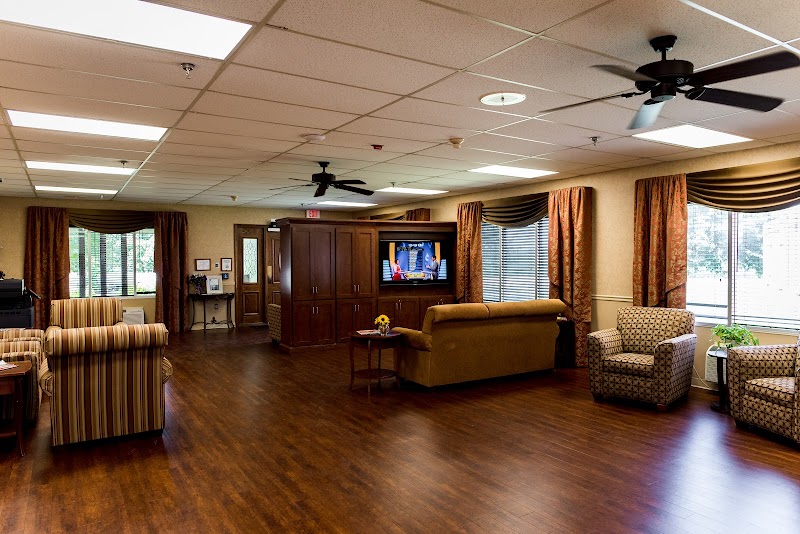
How is Rossville Healthcare & Rehab Center Staffed?

CMS rates ROSSVILLE HEALTHCARE & REHAB CENTER's staffing level at 2 out of 5 stars, which is below average compared to other nursing homes. Staff turnover is 44%, compared to the Kansas average of 46%. This relatively stable workforce can support continuity of care.

What Have Inspectors Found at Rossville Healthcare & Rehab Center?

State health inspectors documented 57 deficiencies at ROSSVILLE HEALTHCARE & REHAB CENTER during 2021 to 2025. These included: 1 Immediate Jeopardy (the most serious level, indicating potential for serious harm or death), 4 that caused actual resident harm, 51 with potential for harm, and 1 minor or isolated issues. Immediate Jeopardy findings are rare and represent the most serious regulatory concerns. They require immediate corrective action.
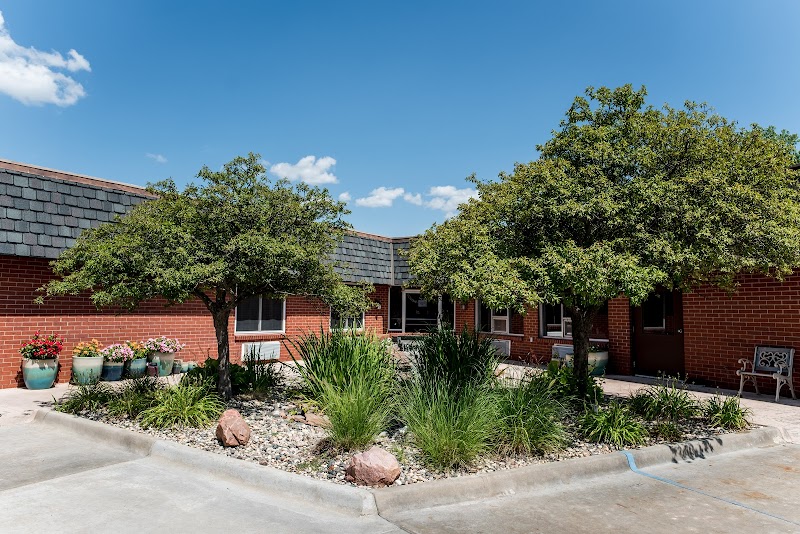
Who Owns and Operates Rossville Healthcare & Rehab Center?

ROSSVILLE HEALTHCARE & REHAB CENTER is owned by a for-profit company. For-profit facilities operate as businesses with obligations to shareholders or private owners. The facility is operated by RECOVER-CARE HEALTHCARE, a chain that manages multiple nursing homes. With 81 certified beds and approximately 74 residents (about 91% occupancy), it is a smaller facility located in ROSSVILLE, Kansas.
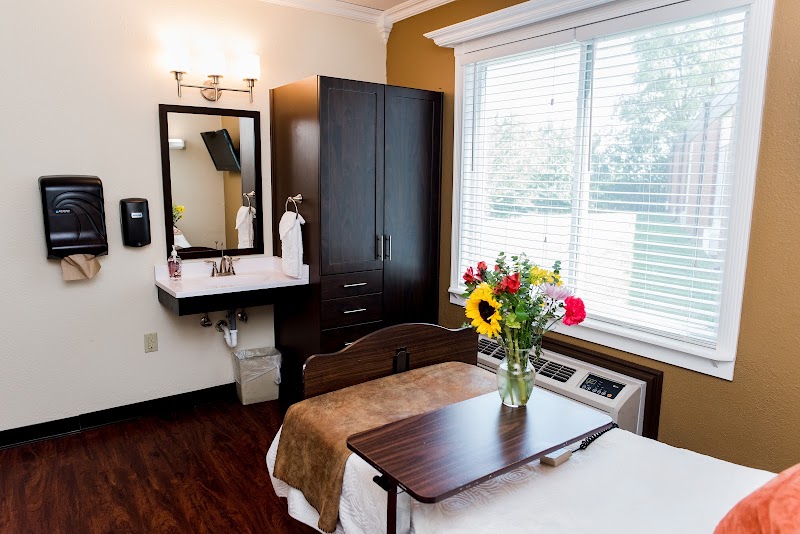
How Does Rossville Healthcare & Rehab Center Compare to Other Kansas Nursing Homes?

Compared to the 100 nursing homes in Kansas, ROSSVILLE HEALTHCARE & REHAB CENTER's overall rating (1 stars) is below the state average of 2.9, staff turnover (44%) is near the state average of 46%, and health inspection rating (1 stars) is much below the national benchmark.

What Should Families Ask When Visiting Rossville Healthcare & Rehab Center?

Based on this facility's data, families visiting should ask: "What changes have been made since the serious inspection findings, and how are you preventing similar issues?" "Can you walk me through typical staffing levels on day, evening, and night shifts?" "Can I visit during a mealtime to observe dining assistance and food quality?" "How do you handle medical emergencies, and what is your hospital transfer rate?" These questions are particularly relevant given the facility's Immediate Jeopardy citations and the below-average staffing rating.

Is Rossville Healthcare & Rehab Center Safe?

Based on CMS inspection data, ROSSVILLE HEALTHCARE & REHAB CENTER has documented safety concerns. Inspectors have issued 1 Immediate Jeopardy citation (the most serious violation level indicating risk of serious injury or death). The facility is currently on the Special Focus Facility watch list (a federal program monitoring the lowest-performing 1% of nursing homes nationwide). The facility has a 1-star overall rating and ranks #100 of 100 nursing homes in Kansas. Families considering this facility should ask detailed questions about what corrective actions have been taken since these incidents.

Do Nurses at Rossville Healthcare & Rehab Center Stick Around?

ROSSVILLE HEALTHCARE & REHAB CENTER has a staff turnover rate of 44%, which is about average for Kansas nursing homes (state average: 46%). Moderate turnover is common in nursing homes, but families should still ask about staff tenure and how the facility maintains care continuity when employees leave.

Was Rossville Healthcare & Rehab Center Ever Fined?

ROSSVILLE HEALTHCARE & REHAB CENTER has been fined $79,034 across 4 penalty actions. This is above the Kansas average of $33,869. Fines in this range indicate compliance issues significant enough for CMS to impose meaningful financial consequences. Common causes include delayed correction of deficiencies, repeat violations, or care failures affecting resident safety. Families should ask facility leadership what changes have been made since these penalties.

Is Rossville Healthcare & Rehab Center on Any Federal Watch List?

ROSSVILLE HEALTHCARE & REHAB CENTER is currently an SFF Candidate, meaning CMS has identified it as potentially qualifying for the Special Focus Facility watch list. SFF Candidates have a history of serious deficiencies but haven't yet reached the threshold for full SFF designation. The facility is being monitored more closely — if problems continue, it may be added to the official watch list. Families should ask what the facility is doing to address the issues that led to this status.