TONGANOXIE TERRACE

1010 EAST STREET, TONGANOXIE, KS 66086 (913) 369-8705
For profit - Partnership 90 Beds Independent Data: November 2025 2 Immediate Jeopardy citations
Trust Grade
24/100
#227 of 295 in KS
Last Inspection: March 2024

Within standard 12-15 month inspection cycle. Federal law requires annual inspections.

Overview

Tonganoxie Terrace has received a Trust Grade of F, which indicates significant concerns about the care provided, placing it in the bottom tier of nursing homes. With a state ranking of #227 out of 295 in Kansas, they are in the bottom half of facilities, and #3 out of 5 in Leavenworth County suggests that only two local options are perceived as better. The facility is showing an improving trend, having reduced issues from 16 in 2024 to just 3 in 2025, which is a positive sign. Staffing is average, with a 3/5 rating and a turnover rate of 53%, which is close to the state average of 48%. However, there were concerning incidents, including a failure to monitor a resident's critical blood glucose levels as ordered, which left them lethargic, and a lack of a water management program to prevent serious infections, highlighting significant areas for improvement.

Trust Score
F
24/100
In Kansas
#227/295
Bottom 24%
Safety Record
High Risk
Review needed
Inspections
Getting Better
16 → 3 violations
Staff Stability
⚠ Watch
53% turnover. Above average. Higher turnover means staff may not know residents' routines.
Penalties
✓ Good
$13,397 in fines. Lower than most Kansas facilities. Relatively clean record.
Skilled Nurses
✓ Good
Each resident gets 43 minutes of Registered Nurse (RN) attention daily — more than average for Kansas. RNs are trained to catch health problems early.
Violations
⚠ Watch
47 deficiencies on record. Higher than average. Multiple issues found across inspections.
★★☆☆☆
2.0
Overall Rating
★★★☆☆
3.0
Staff Levels
★★☆☆☆
2.0
Care Quality
★★☆☆☆
2.0
Inspection Score
Stable
2024: 16 issues
2025: 3 issues

The Good

  • Full Sprinkler Coverage · Fire safety systems throughout facility
  • No fines on record

Facility shows strength in fire safety.

The Bad

2-Star Overall Rating

Below Kansas average (2.9)

Below average - review inspection findings carefully

Staff Turnover: 53%

Near Kansas avg (46%)

Higher turnover may affect care consistency

Federal Fines: $13,397

Below median ($33,413)

Minor penalties assessed

The Ugly 47 deficiencies on record

2 life-threatening
Aug 2025 3 deficiencies
CONCERN (D) 📢 Someone Reported This

A family member, employee, or ombudsman was alarmed enough to file a formal complaint

Potential for Harm - no one hurt, but risky conditions existed

Deficiency F0627 (Tag F0627)

Could have caused harm · This affected 1 resident

**NOTE- TERMS IN BRACKETS HAVE BEEN EDITED TO PROTECT CONFIDENTIALITY** The facility identified a census of 67 residents. The sample included nine residents, with two residents reviewed for involuntar...

Read full inspector narrative →
**NOTE- TERMS IN BRACKETS HAVE BEEN EDITED TO PROTECT CONFIDENTIALITY** The facility identified a census of 67 residents. The sample included nine residents, with two residents reviewed for involuntary discharge. Based on record review and interviews, the facility failed to include the required information on an emergency discharge notice for Resident (R) 1 and on a 30-day discharge notice for R2. This deficient practice had the risk for miscommunication between the facility and resident/family, a possible missed opportunity for healthcare services, and involuntary discharge for R1 and R2.Findings included:- R1 admitted to the facility on [DATE] and discharged to the hospital on [DATE].R1's Electronic Medical Record (EMR) documented diagnoses of other Schizophrenia (a mental disorder characterized by gross distortion of reality, disturbances of language and communication, and fragmentation of thought), diffuse traumatic brain injury (TBI- an injury to the brain caused by external forces) with a loss of consciousness, affective mood disorder (category of mental health problems, feelings of sadness, helplessness, guilt, and wanting to die were more intense and persistent than what may normally be felt from time to time), and encephalopathy (a broad term for any brain disease that alters brain function or structure).The admission Minimum Data Set (MDS) dated 10/29/24, documented R1 had a Brief Interview for Mental Status (BIMS) score of nine, which indicated moderate cognitive impairment. R1 had verbal behavioral symptoms directed towards others and other behavioral symptoms not directed towards others one to three days in the assessment period. R1's overall goal was to remain in the facility with no active discharge planning.The Quarterly MDS dated 07/06/25, documented a BIMS was not conducted due to R1 being rarely/never understood. R1 had verbal behaviors directed towards others one to three days in the assessment period. R1 had no active discharge planning.The Cognitive Loss/Dementia (a progressive mental disorder characterized by failing memory and confusion) Care Area Assessment (CAA) dated 11/12/24, documented R1 became agitated easily and became verbally threatening.The Psychosocial Well-Being CAA dated 11/13/24, documented R1 had verbal outbursts of yelling and cursing at staff and peers. R1's outbursts usually occurred when his requests did not happen immediately.R1's Care Plan dated 10/23/24, documented R1 planned to remain in the facility for permanent placement. The plan directed that staff addressed concerns in a timely manner and contacted R1's responsible party for any concerns.R1's Care Plan dated 01/06/25 and revised 04/04/25, documented R1 had the ability and history of being physically aggressive with others related to anger, poor impulse control, and TBI. The plan directed staff to assess and anticipate R1's needs; the facility monitored, documented, and reported any signs of R1 posing a danger to himself and others; and R1 lived in a private room due to aggression.R1's EMR revealed the following:An Orders- Administration Note on 07/11/25 at 09:15 AM documented R1 had a non-injury fall in his room by the closet door while attempting to look inside his closet. R1 denied hitting his head and denied any injuries anywhere on his body. The staff notified the Assistant Director of Nursing (ADON), R1's family, and the provider.An Orders- Administration Note on 07/11/25 at 11:54 AM documented the facility received an order to send R1 to the emergency room (ER) to evaluate and treat for R1's complaints of not feeling well. R1 left in a wheelchair via facility transportation. R1's family was aware.A Nurses Note on 07/11/25 at 02:49 PM documented the nurse communicated clinical information to Consultant GG. Administrative Staff A communicated to Consultant GG that R1 was not able to return to the facility due to behavior indicating a potential risk to himself and others. Administrative Staff A informed Consultant GG of the situation as they were unable to adequately meet R1's needs at that time.A Social Services Note on 07/14/25 at 01:02 PM documented R1 was sent to the hospital per his request and his representative consented. Due to R1's aggression, the facility determined they could not meet R1's needs. R1 had numerous altercations with other residents resulting in police reports made to police. Administrative Staff A notified the hospital that the facility would not accept R1 back due to the above reasons.Upon request, the facility provided a Notice of Discharge dated 07/11/25 for R1. The notice documented the facility had notified R1 of the necessity to discharge immediately on 07/11/25. The notice documented the reasons for the discharge as R1's needs could not be met by the facility and the safety of other individuals was endangered. The notice listed R1's representative's address as his discharge address. The notice explained R1's right to an appeal but did not explain how to file an appeal, who would help R1 file an appeal, or the correct agency and contact information to file an appeal with. The notice listed the long-term care ombudsman's (LTCO) address and phone number but did not list the LTCO's email address. Administrative Staff A signed the notice on 07/14/25.On 08/05/25 at 12:13 PM, Administrative Staff A stated R1's representative informed him that R1 had multiple police interventions at the hospital prior to his facility admission. R1 was hitting people left and right and the facility tried to refer him to several places.On 08/06/25 at 12:23 PM, Administrative Staff A stated corporate sent the template for the discharge notices for the facility to fill out. He stated R1 wanted to go to the hospital, and Administrative Staff A told R1's representative the facility could not handle R1 anymore which she understood. He stated the facility issued a 30-day notice, but he was already out of the building. Administrative Staff A stated the information required on the notice should be in the facility's policy and the facility let the LTCO and family know.The facility's Transfer and Discharge (including against medical advice [AMA]), not dated, directed the facility provided the transfer/discharge notice to the resident and their representative in a language and manner they could understand. The policy documented the notice included all of the following information at the time it was provided: the specific reason and basis for transfer or discharge; the effective date of transfer or discharge; the specific location to which the resident was to be transferred or discharged ; an explanation of the right to appeal the transfer or discharge to the State; the name, address (mailing and email) and telephone number of the state entity which received such appeal hearing requests; information on how to obtain an appeal form; information on obtaining assistance in completing and submitting the appeal hearing request; the name, address (mailing and email) and phone number of the representative of the LTCO; and for nursing home residents with intellectual and developmental disabilities or with mental illness, the notice included the name, mailing and email addresses, and phone number of the state agency responsible for the protection and advocacy of these populations.- R2 admitted to the facility on [DATE] and discharged on 07/31/25.R2's Electronic Medical Record (EMR) documented diagnoses of major depressive disorder (major mood disorder), repeated falls, and generalized anxiety disorder (mental or emotional reaction characterized by apprehension, uncertainty, and irrational fear).The admission Minimum Data Set (MDS) dated 03/04/25, documented R2 had a Brief Interview for Mental Status (BIMS) score of 15, which indicated intact cognition. R2's overall goal was to remain in the facility, and she had no discharge plan.The Quarterly MDS dated 05/30/25, documented R2 had a BIMS score of 15, which indicated intact cognition. R2 had active discharge planning with a discharge date three or fewer months away.The Functional Abilities Care Area Assessment (CAA) dated 03/13/25, documented R2 needed assistance with functional abilities, and she reported weakness from a recent illness.R2's Care Plan, dated 07/17/25, documented R2 wished to be discharged back to the community to her own home. The plan directed the facility established a pre-discharge plan with R2 and evaluated her progress and revised the plan as needed. The plan directed staff evaluated and discussed with R2 her prognosis for independent or assisted living. The plan directed staff evaluated R2's motivation to return to the community and make arrangements with required community resources to support independence post-discharge.R2's EMR revealed the following:A Social Services Note on 07/16/25 at 12:54 PM, documented a Zoom meeting was held with R2 and her insurance care team for her return back into the community. R2's insurance care team was aware that R2 received a 30-day notice due to non-payment and the discharge date was 07/31/25. During the meeting, R2 had to be redirected at times due to accusations being made. R2 stated she was looking into a place in another town. R2's insurance care team asked if her 30-day notice could be extended, and they were informed that corporate would make that decision. R2 stated she did not have to leave if she did not want to. The insurance care team discussed possibly getting funds for a motel until an apartment was available.A Social Services Note on 07/18/25 at 02:02 PM, documented a meeting was held regarding R2's upcoming discharge. It was discussed that R2 could manage medications and was independent with her activities of daily living (ADL). The insurance care team mentioned they had roadblocks with finding placement due to R2's background and they continued to explore housing for her. R2 was resistant to receiving facility assistance and would not divulge any personal finances.A Nurses Note on 07/31/25 at 10:28 AM, documented the nurse received discharge orders to discharge home with current medications and no narcotics (pain medication).A Nurses Note on 07/31/25 at 12:46 PM, documented the staff notified Consultant GG of R2 requesting medication to be sent to the pharmacy after she self-discharged on 07/31/25. Consultant GG stated R2 could receive a seven-day supply before discharge but R2 already discharged . Consultant GG stated he could not call those medications in and R2 would have to contact an outside primary care provider to get narcotics called in.A Social Service Note on 07/31/25 at 12:51 PM, documented R2 chose to discharge to a motel in another town. Her insurance care team was unaware of her intentions. The facility transported her to the motel.Upon request, the facility provided a Notice of Discharge, dated 07/01/25, for R2. The notice documented the facility notified R2 of the necessity to discharge in 30-days on 07/31/25. The notice documented the reasons for the discharge as R2's bill for services had not been paid after reasonable and appropriate notice to pay. The notice listed R2's family's address as her discharge address. The notice explained R2's right to an appeal but did not explain how to file an appeal, who would help R2 file an appeal, or the correct agency and contact information to file an appeal with. The notice listed the long-term care ombudsman's (LTCO) address and phone number but did not list the LTCO's email address.On 08/05/25 at 01:40 PM, Administrative Staff A stated that the facility issued a 30-day notice to R2, and her insurance care team got involved. He stated the facility made efforts to place R2 in the least restrictive environment. Administrative Staff A stated R2 was independent with ADLs and was capable. He stated that when the facility went to set up appropriate discharge planning, R2 wanted to stay in the facility and not pay. He stated R2 continued to not pay her liability, and the corporate advised him to issue a 30-day discharge notice for nonpayment. Administrative Staff A stated R2 left on 07/31/25 on her own accord, and her insurance care team was unaware.On 08/06/25 at 12:23 PM, Administrative Staff A stated that corporate sent the template for the discharge notices for the facility to fill out. He stated R2's discharge notice was initiated by corporate. Administrative Staff A stated that the information required on the notice should be in the facility's policy, and the facility let the LTCO and family know.The facility's Transfer and Discharge (including against medical advice [AMA]), not dated, directed the facility to provide the transfer/discharge notice to the resident and their representative in a language and manner they could understand. The policy documented the notice included all of the following information at the time it was provided: the specific reason and basis for transfer or discharge; the effective date of transfer or discharge; the specific location to which the resident was to be transferred or discharged ; an explanation of the right to appeal the transfer or discharge to the State; the name, address (mailing and email) and telephone number of the state entity which received such appeal hearing requests; information on how to obtain an appeal form; information on obtaining assistance in completing and submitting the appeal hearing request; the name, address (mailing and email) and phone number of the representative of the LTCO; and for nursing home residents with intellectual and developmental disabilities or with mental illness, the notice included the name, mailing and email addresses, and phone number of the state agency responsible for the protection and advocacy of these populations.
CONCERN (D) 📢 Someone Reported This

A family member, employee, or ombudsman was alarmed enough to file a formal complaint

Potential for Harm - no one hurt, but risky conditions existed

Deficiency F0628 (Tag F0628)

Could have caused harm · This affected 1 resident

**NOTE- TERMS IN BRACKETS HAVE BEEN EDITED TO PROTECT CONFIDENTIALITY** The facility identified a census of 67 residents. The sample included nine residents, with three residents reviewed for discharg...

Read full inspector narrative →
**NOTE- TERMS IN BRACKETS HAVE BEEN EDITED TO PROTECT CONFIDENTIALITY** The facility identified a census of 67 residents. The sample included nine residents, with three residents reviewed for discharge. Based on record review and interviews, the facility failed to document a recapitulation of stay for Residents (R) 2, R3, and R4. This deficient practice had the risk for miscommunication of services received during the stay in the facility and if post-discharge care needs for the affected residents.Findings included:- R2 admitted to the facility on [DATE] and discharged on 07/31/25.R2's Electronic Medical Record (EMR) documented diagnoses of major depressive disorder (major mood disorder), repeated falls, and generalized anxiety disorder (mental or emotional reaction characterized by apprehension, uncertainty, and irrational fear).The admission Minimum Data Set (MDS) dated 03/04/25, documented R2 had a Brief Interview for Mental Status (BIMS) score of 15, which indicated intact cognition. R2's overall goal was to remain in the facility, and she had no discharge plan.The Quarterly MDS dated 05/30/25, documented R2 had a BIMS score of 15, which indicated intact cognition. R2 had active discharge planning with a discharge date three or fewer months away.The Functional Abilities Care Area Assessment (CAA) dated 03/13/25, documented R2 needed assistance with functional abilities, and she reported weakness from a recent illness.R2's Care Plan, dated 07/17/25, documented R2 wished to be discharged back to the community to her own home. The plan directed the facility established a pre-discharge plan with R2 and evaluated her progress and revised the plan as needed. The plan directed staff evaluated and discussed with R2 her prognosis for independent or assisted living. The plan directed staff evaluated R2's motivation to return to the community and make arrangements with required community resources to support independence post-discharge.R2's EMR revealed the following:A Social Services Note on 07/16/25 at 12:54 PM, documented a Zoom meeting was held with R2 and her insurance care team for her return back into the community. R2's insurance care team was aware that R2 received a 30-day notice due to non-payment and the discharge date was 07/31/25. During the meeting, R2 had to be redirected at times due to accusations being made. R2 stated she was looking into a place in another town. R2's insurance care team asked if her 30-day notice could be extended, and was informed that corporate would make that decision. R2 stated she did not have to leave if she did not want to. The insurance care team discussed possibly getting funds for a motel until an apartment was available.A Social Services Note on 07/18/25 at 02:02 PM, documented a meeting was held regarding R2's upcoming discharge. It was discussed that R2 was capable of managing medications and was independent with her activities of daily living (ADL). The insurance care team mentioned they had roadblocks with finding placement due to R2's background and they continued to explore housing for her. R2 was resistant to receiving facility assistance and would not divulge any personal finances.A Nurses Note on 07/31/25 at 10:28 AM, documented the nurse received discharge orders to discharge home with current medications and no narcotics (pain medication).A Nurses Note on 07/31/25 at 12:46 PM, documented the staff notified Consultant GG of R2 requesting medication to be sent to the pharmacy after she self-discharged on 07/31/25. Consultant GG stated R2 could receive a seven-day supply before discharge but R2 already discharged . Consultant GG stated he could not call those medications in and R2 would have to contact an outside primary care provider to get narcotics called in.A Social Service Note on 07/31/25 at 12:51 PM, documented R2 chose to discharge to a motel in another town. Her insurance care team was unaware of her intentions. The facility transported her to the motel.R2's EMR lacked documentation of a discharge summary including a recapitulation of stay.On 08/06/25 at 10:59 AM, Social Services X stated when a resident planned to discharge, she talked to the resident and/or their representative about setting up home health and obtaining pharmacy orders.On 08/06/25 at 11:50 AM, Licensed Nurse (LN) G stated when a resident discharged , she completed a head-to-toe assessment, completed a medication reconciliation with the resident and/or their representative, asked the resident for their designated pharmacy, and made sure the resident had a 30-day supply of medications sent to the facility or if authorized by the provider, sent the medications with the resident or their representative. She stated she documented in the discharge instructions assessment which included vital signs, any skin issues, treatments provided while they were a resident and why they were in the facility, medications and when to take them. LN G was unable to find the recapitulation of stay in the discharge instructions assessment when asked. She confirmed the assessment used for discharge instructions was titled [NAME]-Discharge Instructions- Interdiscipline. LN G stated she had not been instructed on if the facility had a separate discharge summary separate than the discharge instructions.On 08/06/25 at 12:06 PM, Administrative Nurse D stated when a resident discharged , nursing received the order for discharge and if the facility could send home the resident's medications. She stated the nurse documented a discharge summary in the assessment opened by Social Services and the nurse reviewed it with the resident and/or their representative. She stated the nurse went over the resident's medications with the resident and/or their representative and had them sign off on the discharge summary and medications. Administrative Nurse D confirmed the assessment used to document the discharge summary was titled [NAME]-Discharge Instructions- Interdiscipline and she was unable to find a recapitulation of stay in the discharge instructions. She stated a recapitulation of stay should be documented in the discharge summary note but she did not know if the nurses had been doing that. She stated most of the discharge summary was included in the discharge instructions that the resident received a copy of. Administrative Nurse D stated the discharge instructions included how much assistance was needed, any wounds or treatments that needed done, follow-up appointments, list of medications, and the facility contact information in case of questions. She stated the nurse went over the discharge instructions with the resident or their representative unless they left abruptly or against medical advice (AMA) and did not want to go over the instructions. She stated the nurse should still document their attempt at giving the discharge instructions.The facility's Discharge Summary, dated January 2025, directed the facility ensured a discharge summary was provided upon a resident's discharge which addressed the resident's discharge goals and needs, including caregiver support and referrals to local contact agencies. The policy defined a recapitulation of stay as a concise summary of the resident's stay and course of treatment in the facility. The policy directed a discharge summary included a recapitulation of the resident's stay that included but was not limited to diagnoses; course of illness/treatment or therapy; pertinent labs, radiology, and consultation results.- R3 admitted to the facility on [DATE] and discharged [DATE].R3's Electronic Medical Record (EMR) documented diagnoses of sepsis (a life-threatening systemic reaction that develops due to infections that cause inflammation throughout the entire body), generalized muscle weakness, and unsteadiness on feet.The admission Minimum Data Set (MDS) dated 06/16/25, documented R3 had a Brief Interview for Mental Status (BIMS) score of 15, which indicated intact cognition. R3 had an overall goal to discharge to the community and had active discharge planning with a discharge date three or fewer months away.The Functional Abilities Care Area Assessment (CAA) dated 06/18/25, documented R3's plan was to return home with his family after his rehab was completed.R3's Care Plan revised 06/16/25, documented R3 wished to return home when he met his goals. The plan directed that staff established a pre-discharge plan with R3, evaluated his progress, and revised his plan. The plan directed that staff made arrangements with required community resources to support R3's independence post-discharge.R3's EMR revealed the following:An [NAME]- Discharge Instructions- Interdiscipline assessment, effective 06/26/25 at 09:32 AM, documented R3 discharged home on [DATE] at 09:45 AM under the care of an organized home health service. The assessment included R3's equipment needs, therapy referrals, medications with instructions, diet, assistance with activities of daily living (ADL), education given, and skin conditions. The assessment lacked documentation of a recapitulation of R3's stay in the facility.A Discharge Summary note on 06/26/25 at 10:28 AM documented R3 discharged from the facility that date to home with home health. The facility provided discharge instructions including medication review and education to R3 and his family at bedside. R3 and his family had no questions or concerns. The facility called R3's medications to the pharmacy. The note lacked documentation of a recapitulation of R3's stay in the facility.On 08/06/25 at 10:59 AM, Social Services X stated when a resident planned to discharge, she talked to the resident and/or their representative about setting up home health and obtaining pharmacy orders.On 08/06/25 at 11:50 AM, Licensed Nurse (LN) G stated when a resident discharged , she completed a head-to-toe assessment, completed a medication reconciliation with the resident and/or their representative, asked the resident for their designated pharmacy, and made sure the resident had a 30-day supply of medications sent to the facility or if authorized by the provider, she sent the medications with the resident or their representative. She stated she documented in the discharge instructions assessment which included vital signs, any skin issues, treatments provided while they were a resident and why they were in the facility, medications and when to take them. LN G was unable to find the recapitulation of stay in the discharge instructions assessment when asked. She confirmed the assessment used for discharge instructions was titled [NAME]-Discharge Instructions- Interdiscipline. LN G stated she had not been instructed on if the facility had a separate discharge summary separate than the discharge instructions.On 08/06/25 at 12:06 PM, Administrative Nurse D stated when a resident discharged , nursing received the order for discharge and if the facility could send home the resident's medications. She stated the nurse documented a discharge summary in the assessment opened by Social Services and the nurse reviewed it with the resident and/or their representative. She stated the nurse went over the resident's medications with the resident and/or their representative and had them sign off on the discharge summary and medications. Administrative Nurse D confirmed the assessment used to document the discharge summary was titled [NAME]-Discharge Instructions- Interdiscipline and she was unable to find a recapitulation of stay in the discharge instructions. She stated a recapitulation of stay should be documented in the discharge summary note, but she did not know if the nurses had been doing that. She stated most of the discharge summary was included in the discharge instructions that the resident received a copy of. Administrative Nurse D stated the discharge instructions included how much assistance was needed, any wounds or treatments that needed done, follow-up appointments, list of medications, and the facility contact information in case of questions. She stated the nurse went over the discharge instructions with the resident or their representative unless they left abruptly or against medical advice (AMA) and did not want to go over the instructions. She stated the nurse should still document their attempt at giving the discharge instructions.The facility's Discharge Summary, dated January 2025, directed the facility ensured a discharge summary was provided upon a resident's discharge which addressed the resident's discharge goals and needs, including caregiver support and referrals to local contact agencies. The policy defined a recapitulation of stay as a concise summary of the resident's stay and course of treatment in the facility. The policy directed a discharge summary included a recapitulation of the resident's stay that included but was not limited to diagnoses; course of illness/treatment or therapy; pertinent labs, radiology, and consultation results.- R4 admitted to the facility on [DATE] and discharged [DATE].R4's Electronic Medical Record (EMR) documented diagnoses of major depressive disorder (major mood disorder), generalized muscle weakness, history of falling, and contusion (bruise) of right hip.The admission Minimum Data Set (MDS) dated 05/06/25, documented R4 had a Brief Interview for Mental Status (BIMS) score of 11, which indicated moderate cognitive impairment. R4's overall goal was to stay in the facility, and she had no active discharge planning.The Cognitive Loss/Dementia (a progressive mental disorder characterized by failing memory and confusion) Care Area Assessment (CAA) dated 05/07/25, documented R4 had respiratory problems and mood disorders that could impact cognition.R4's Care Plan dated 05/01/25, documented R4 expressed a desire to remain in the facility for permanent placement. The plan directed the facility addressed R4's concerns in a timely manner and contacted R4's responsible party for any concerns.R4's EMR revealed the following:A Social Services Note on 07/11/25 at 12:09 PM, documented R4 planned to discharge out of the facility on 07/21/25 to housing in another town. R4 chose a home health service to follow for nursing needs.An incomplete [NAME]- Discharge Instructions- Interdiscipline assessment, effective 07/14/25 at 12:38 PM, documented R4 required no equipment and had a referral for a home health nurse with the name of the home health company documented. The assessment lacked documentation of R4's discharge status, medication reconciliation, assistance level with activities of daily living (ADL), skin conditions, and a recapitulation of stay.A Social Services Note on 07/18/25 at 12:37 PM, documented R4 planned to discharge to an apartment in another town on 07/21/25. R4's family planned to pick her up and transport her.A Social Services Note on 07/21/25 at 10:46 AM, documented R4 planned to discharge that day, and she had a home health service in place for medication management.A Social Services Note on 07/21/25 at 10:49 AM, documented the facility faxed R4's medication list to her preferred pharmacy.R4's EMR lacked documentation of a discharge summary with a recapitulation of stay.On 08/06/25 at 10:59 AM, Social Services X stated when a resident planned to discharge, she talked to the resident and/or their representative about setting up home health and obtaining pharmacy orders.On 08/06/25 at 11:50 AM, Licensed Nurse (LN) G stated when a resident discharged , she completed a head-to-toe assessment, completed a medication reconciliation with the resident and/or their representative, asked the resident for their designated pharmacy, and made sure the resident had a 30-day supply of medications sent to the facility or if authorized by the provider, she sent the medications with the resident or their representative. She stated she documented in the discharge instructions assessment which included vital signs, any skin issues, treatments provided while they were a resident and why they were in the facility, medications and when to take them. LN G was unable to find the recapitulation of stay in the discharge instructions assessment when asked. She confirmed the assessment used for discharge instructions was titled [NAME]-Discharge Instructions- Interdiscipline. LN G stated she had not been instructed on if the facility had a separate discharge summary separate than the discharge instructions.On 08/06/25 at 12:06 PM, Administrative Nurse D stated when a resident discharged , nursing received the order for discharge and if the facility could send home the resident's medications. She stated the nurse documented a discharge summary in the assessment opened by Social Services and the nurse reviewed it with the resident and/or their representative. She stated the nurse went over the resident's medications with the resident and/or their representative and had them sign off on the discharge summary and medications. Administrative Nurse D confirmed the assessment used to document the discharge summary was titled [NAME]-Discharge Instructions- Interdiscipline and she was unable to find a recapitulation of stay in the discharge instructions. She stated a recapitulation of stay should be documented in the discharge summary note but she did not know if the nurses had been doing that. She stated most of the discharge summary was included in the discharge instructions that the resident received a copy of. Administrative Nurse D stated the discharge instructions included how much assistance was needed, any wounds or treatments that needed done, follow-up appointments, list of medications, and the facility contact information in case of questions. She stated the nurse went over the discharge instructions with the resident or their representative unless they left abruptly or against medical advice (AMA) and did not want to go over the instructions. She stated the nurse should still document their attempt at giving the discharge instructions.The facility's Discharge Summary, dated January 2025, directed the facility ensured a discharge summary was provided upon a resident's discharge which addressed the resident's discharge goals and needs, including caregiver support and referrals to local contact agencies. The policy defined a recapitulation of stay as a concise summary of the resident's stay and course of treatment in the facility. The policy directed a discharge summary included a recapitulation of the resident's stay that included but was not limited to diagnoses; course of illness/treatment or therapy; pertinent labs, radiology, and consultation results.
CONCERN (D) 📢 Someone Reported This

A family member, employee, or ombudsman was alarmed enough to file a formal complaint

Potential for Harm - no one hurt, but risky conditions existed

ADL Care (Tag F0677)

Could have caused harm · This affected 1 resident

The facility identified a census of 67 residents. The sample included nine residents, with three residents reviewed for bathing. Based on observations, record review, and interviews, the facility fail...

Read full inspector narrative →
The facility identified a census of 67 residents. The sample included nine residents, with three residents reviewed for bathing. Based on observations, record review, and interviews, the facility failed to provide consistent bathing for Residents (R) 5 and R6. This deficient practice had the risk of poor hygiene and decreased self-esteem and dignity for the affected residents.Findings included:- R5's Electronic Medical Record (EMR) documented diagnoses of generalized muscle weakness and unsteadiness on feet.The admission Minimum Data Set (MDS) dated 03/14/25 documented R5 had a Brief Interview for Mental Status (BIMS) score of 14, which indicated intact cognition. R5 required substantial/maximal assistance with bathing.The Quarterly MDS dated 06/04/25, documented R5 had a BIMS score of 13, which indicated intact cognition. R5 required partial/moderate assistance with bathing.The Functional Abilities Care Area Assessment (CAA) dated 03/21/25 documented R5 reported weakness to upper and lower extremities as well as decreased range of motion (ROM- the full movement potential of a joint, usually its range of flexion and extension).R5's Care Plan dated 03/14/25 documented R5 preferred female caregivers only for showers, toileting, and all cares provided due to modesty and comfort level. The plan directed staff promoted R5's preference of choice regarding her individualized care.R5's Care Plan dated 05/22/25, documented R5 had an activities of daily living (ADL) self-care performance deficit requiring minimal to extensive assistance with ADLs. The plan directed R5 required extensive assistance with bathing.The Documentation Survey Report for 05/01/25 to 08/05/25 revealed the following documentation for R5's ADL- Bathing on Tuesday and Friday task: not applicable (NA) for 19 out of 28 scheduled bathing days, resident unavailable on one out of 28 scheduled bathing days, and blank documentation for eight out of 28 scheduled bathing days.The Documentation Survey Report for 05/01/25 to 07/29/25 revealed R5 received shampoo with her shower/bath on 05/23/25, 06/03/25, and 06/17/25.On 08/05/25 at 03:57 PM, R5 sat on the side of her bed. Her hair appeared slightly greasy, and she had debris noted on her gown. R5 stated she last received a shower last week and she was not getting her showers regularly. She stated she would like more showers and would be happy with one shower a week. R5 stated not getting regular showers made her feel dirty.On 08/06/26 at 11:40 AM, Certified Nurse Aide (CNA) M stated CNAs were responsible for bathing and they had assigned bathing. She stated the CNAs struggled to get bathing done recently. CNA M stated she documented bathing on paper and in the EMR. She stated if NA was documented, it might have meant that the CNA did not get to the bathing that day or they did not know how to document the bathing. She stated if a resident refused bathing, she asked them twice and if they continued to refuse then another CNA went in to ask them before they reported it to the nurse. CNA M stated R5 preferred to bathe in the sink, and it depended on how she felt that day if she accepted bathing.On 08/06/25 at 11:50 AM, Licensed Nurse (LN) G stated CNAs were responsible for their assigned bathing and when completed, the CNA gave the nurse the shower sheet and documented in the EMR. She stated if a resident refused bathing, the CNA told the nurse and filled out the shower sheet as a refusal then the nurse attempted to get the resident to bathe. LN G stated the CNAs documented refusals in the EMR and if the documentation was blank then she thought that meant the bathing did not get done. She stated R5 voiced her concerns but R5 did not report any bathing concerns to her.On 08/06/25 at 12:06 PM, Administrative Nurse D stated CNAs completed bathing and documented in the EMR and on a shower sheet. She stated if a resident refused bathing, the CNA reapproached one more time than the nurse offered bathing. Administrative Nurse D stated NA meant not applicable and she expected no blank documentation. She stated she expected CNAs to chart showers and refusals in the EMR. Administrative Nurse D stated she expected CNAs to complete their assigned bathing. She stated she had only had one resident complain about not getting baths and that was R5.The facility's Resident Showers policy, not dated, directed the facility assisted residents with bathing to maintain proper hygiene, stimulate circulation, and help prevent skin issues as per current standards of practice. The policy directed residents were provided showers as per request or as per facility schedule protocols and based upon resident safety.- R6's Electronic Medical Record (EMR) documented diagnoses of generalized muscle weakness, unsteadiness on feet, and need for assistance with personal care.The admission Minimum Data Set (MDS) dated 04/14/25, documented R6 had a Brief Interview for Mental Status (BIMS) score of 13, which indicated intact cognition. R6 required substantial/maximal assistance with bathing.The Quarterly MDS dated 07/08/25, documented R6 had a BIMS score of 14, which indicated intact cognition. R6 required substantial/maximal assistance with bathing.The Functional Abilities Care Area Assessment (CAA) dated 04/21/25, documented R6 was at risk for falls, complications of immobility, and depression (major mood disorder) due to functional decline.R6's Care Plan revised 08/04/25, documented R6 had an activities of daily living (ADL) self-care/mobility performance deficit. The plan directed R6 required extensive to total assistance with transfers using the stand-pivot method. The plan did not address bathing assistance.The Documentation Survey Report for 05/01/25 to 08/05/25 revealed the following documentation for R6's ADL- Bathing task: shower received for nine out of 28 scheduled days, not applicable (NA) for six out of 28 scheduled bathing days, resident unavailable for four out of 28 scheduled bathing days, and blank documentation for nine out of 28 scheduled bathing days.The Documentation Survey Report for 05/01/25 to 08/05/25 revealed R6 received shampoo with her shower/bath on 05/18/25, 07/06/25, 07/17/25 and 08/04/25.On 08/05/25 at 03:45 PM, R6 sat in his wheelchair in his room and looked through his bedside table. His hair appeared greasy. R6 stated he did not get enough showers, and he wanted more.On 08/06/26 at 11:40 AM, Certified Nurse Aide (CNA) M stated CNAs were responsible for bathing and they had assigned bathing. She stated the CNAs struggled to get bathing done recently. CNA M stated she documented bathing on paper and in the EMR. She stated if NA was documented, it might have meant that the CNA did not get to the bathing that day or they did not know how to document the bathing. She stated if a resident refused bathing, she asked them twice and if they continued to refuse then another CNA went in to ask them before they reported it to the nurse.On 08/06/25 at 11:50 AM, Licensed Nurse (LN) G stated CNAs were responsible for their assigned bathing and when completed, the CNA gave the nurse the shower sheet and documented in the EMR. She stated if a resident refused bathing, the CNA told the nurse and filled out the shower sheet as a refusal then the nurse attempted to get the resident to bathe. LN G stated the CNAs documented refusals in the EMR and if the documentation was blank then she thought that meant the bathing did not get done.On 08/06/25 at 12:06 PM, Administrative Nurse D stated CNAs completed bathing and documented in the EMR and on a shower sheet. She stated if a resident refused bathing, the CNA reapproached one more time than the nurse offered bathing. Administrative Nurse D stated NA meant not applicable and she expected no blank documentation. She stated she expected CNAs to chart showers and refusals in the EMR. Administrative Nurse D stated she expected CNAs to complete their assigned bathing. She stated she had only had one resident complain about not getting baths and that was R5.The facility's Resident Showers policy, not dated, directed the facility assisted residents with bathing to maintain proper hygiene, stimulate circulation, and help prevent skin issues as per current standards of practice. The policy directed residents were provided showers as per request or as per facility schedule protocols and based upon resident safety.
Mar 2024 16 deficiencies
CONCERN (D)

Potential for Harm - no one hurt, but risky conditions existed

Report Alleged Abuse (Tag F0609)

Could have caused harm · This affected 1 resident

**NOTE- TERMS IN BRACKETS HAVE BEEN EDITED TO PROTECT CONFIDENTIALITY** The facility had a census of 85 residents. The sample included 18 residents with four reviewed for abuse. Based on observation, ...

Read full inspector narrative →
**NOTE- TERMS IN BRACKETS HAVE BEEN EDITED TO PROTECT CONFIDENTIALITY** The facility had a census of 85 residents. The sample included 18 residents with four reviewed for abuse. Based on observation, record review, and interview the facility failed to ensure staff identified injuries of unknown origin as potential allegations of abuse and report to the administrator to investigate. This placed the residents at risk for unidentified and ongoing abuse and/or mistreatment. Findings included: - R46's Electronic Medical Record (EMR) documented the resident had diagnoses of congestive heart failure (CHF - a condition with low heart output and the body becomes congested with fluid,) diabetes mellitus (when the body cannot use glucose, not enough insulin made or the body cannot respond to the insulin,) osteoporosis (abnormal loss of bone density and deterioration of bone tissue with an increased fracture risk ), dementia (progressive mental disorder characterized by failing memory, and confusion), and anxiety. R46's Quarterly Minimum Data Set (MDS) dated [DATE], recorded the resident had a Brief Interview for Mental Status (BIMS) of three indicating severely impaired cognition. The MDS recorded the resident was dependent on staff for most activities of daily living (ADLs). The MDS recorded the resident required substantial to maximum staff assistance with all transfers and used a wheelchair for mobility. R46's Fall Risk Assessment, dated 10/04/23, recorded a score of 13.0 which indicated a risk for falls. R46's Care Plan, dated 11/07/23, directed staff to utilize a pressure-reducing mattress and cushion to the wheelchair, and fold the back or remove the wheelchair leg rest before transfer. The plan directed staff to keep R46's skin clean and dry. The care plan documented the resident needed a safe environment with even floors free from spills and or clutter, glare-free light, and a working and reachable call light. The care plan instructed staff to use caution during transfers and bed mobility to prevent striking arms, legs, and hands against any sharp or hard surface The Nurses Note, dated 10/25/23 at 10:44 AM, documented R46 had a large skin tear to her right lower extremity that was bleeding. There was a skin flap present and the flap covered the entire tear. R45 had an area that measured 9.4 centimeters (cm) by 2.0 cm. Staff cleansed the area and the skin flap was approximated; a dressing was applied. R46's behavior indicated mild discomfort that subsided once the dressing was applied. Staff observed no other injuries to R46's legs. A skin assessment was completed from head to toe and noted a small healing abrasion to R46's left upper thigh. The physician and the resident's representative were notified. The Nurses Notes, dated 12/19/23 at 08:20 PM, documented R46 had a skin tear on her right lateral (outer side)calf. The area was 4.0 cm in length and the top layer of skin was peeled back and was in the shape of a triangle. Staff approximated the skin with three Steri-strips (adhesive closures) and a dry dressing R46 had no bleeding, swelling, or pain. R46's EMR lacked any investigative notes regarding the incident. The facility was unable to provide evidence an investigation was completed. On 03/20/24 at 10:10 AM, observation revealed the resident sat in the living room in a wheelchair, dressed in capri pants and anti-slip socks. Continued observation revealed the resident had her right foot off the wheelchair foot pedal. R46's bilateral lower legs revealed no skin issues or open areas. R46 had a scar from a recent skin injury to her left calf and shin area. On 03/20/24 at 10:00 AM, Administrative Nurse D stated the medical records documented the resident had a skin tear on 10/25/23 and 12/19/23 but Administrative Nurse D stated administrative staff was unaware of how the injuries occurred. Administrative Nurse D verified the facility did not investigate to try to determine the cause of the injuries. The facility's Accident and Incidents-Investigating and Reporting policy, dated July 2017, documented that all accidents or incidents involving residents, employees, visitors, and vendors occurring on the facility premises shall be investigated and reported to the administrator. The nurse supervisor, charge nurse, or supervisor would promptly initiate and document an investigation of the accident or incident. The following data would be included on the Report of Incident or Accident form: The nature of the injury or illness and the circumstances surrounding the accident or incident; the name of the witness and their accounts of the accident or incident; any corrective actions taken. The nurse supervisor, charge nurse, department director, or supervisor would complete a Report of Incident or Accident form and submit the original to the director of nursing services within 24 hours of the incident or accident. The director of nursing services shall ensure that the administrator receives a copy of the Report of Incident or Accident form for each occurrence. The report would be reviewed by the safety committee for trends related to accidents or safety hazards in the facility and to analyze individual resident vulnerabilities. The facility staff failed to identify R46's injuries of unknown origin as possible abuse, neglect, or mistreatment and report to the facility's administrator as required. This placed R46 at risk for unidentified and ongoing abuse and/or neglect
CONCERN (D)

Potential for Harm - no one hurt, but risky conditions existed

Investigate Abuse (Tag F0610)

Could have caused harm · This affected 1 resident

**NOTE- TERMS IN BRACKETS HAVE BEEN EDITED TO PROTECT CONFIDENTIALITY** The facility had a census of 85 residents. The sample included 18 residents. Based on observation, record review, and interview,...

Read full inspector narrative →
**NOTE- TERMS IN BRACKETS HAVE BEEN EDITED TO PROTECT CONFIDENTIALITY** The facility had a census of 85 residents. The sample included 18 residents. Based on observation, record review, and interview, the facility failed to investigate Resident (R)46's injuries of unknown origin to rule out possible abuse or neglect. This placed the residents at risk for unidentified and ongoing abuse or neglect. Findings included: - R46's Electronic Medical Record (EMR) documented the resident had diagnoses of congestive heart failure (CHF - a condition with low heart output and the body becomes congested with fluid,) diabetes mellitus (when the body cannot use glucose, not enough insulin made or the body cannot respond to the insulin,) osteoporosis (abnormal loss of bone density and deterioration of bone tissue with an increased fracture risk ), dementia (progressive mental disorder characterized by failing memory, and confusion), and anxiety. R46's Quarterly Minimum Data Set (MDS) dated [DATE], recorded the resident had a Brief Interview for Mental Status (BIMS) of three indicating severely impaired cognition. The MDS recorded the resident was dependent on staff for most activities of daily living (ADLs). The MDS recorded the resident required substantial to maximum staff assistance with all transfers and used a wheelchair for mobility. R46's Fall Risk Assessment, dated 10/04/23, recorded a score of 13.0 which indicated a risk for falls. R46's Care Plan, dated 11/07/23, directed staff to utilize a pressure-reducing mattress and cushion to the wheelchair, and fold the back or remove the wheelchair leg rest before transfer. The plan directed staff to keep R46's skin clean and dry. The care plan documented the resident needed a safe environment with even floors free from spills and or clutter, glare-free light, and a working and reachable call light. The care plan instructed staff to use caution during transfers and bed mobility to prevent striking arms, legs, and hands against any sharp or hard surface The Nurses Note, dated 10/25/23 at 10:44 AM, documented R46 had a large skin tear to her right lower extremity that was bleeding. There was a skin flap present and the flap covered the entire tear. R45 had an area that measured 9.4 centimeters (cm) by 2.0 cm. Staff cleansed the area and the skin flap was approximated; a dressing was applied. R46's behavior indicated mild discomfort that subsided once the dressing was applied. Staff observed no other injuries to R46's legs. A skin assessment was completed from head to toe and noted a small healing abrasion to R46's left upper thigh. The physician and the resident's representative were notified. The Nurses Notes, dated 12/19/23 at 08:20 PM, documented R46 had a skin tear on her right lateral (outer side)calf. The area was 4.0 cm in length and the top layer of skin was peeled back and was in the shape of a triangle. Staff approximated the skin with three Steri-strips (adhesive closures) and a dry dressing R46 had no bleeding, swelling, or pain. R46's EMR lacked any investigative notes regarding the incident. The facility was unable to provide evidence an investigation was completed. On 03/20/24 at 10:10 AM, observation revealed the resident sat in the living room in a wheelchair, dressed in capri pants and anti-slip socks. Continued observation revealed the resident had her right foot off the wheelchair foot pedal. R46's bilateral lower legs revealed no skin issues or open areas. R46 had a scar from a recent skin injury to her left calf and shin area. On 03/20/24 at 10:00 AM, Administrative Nurse D stated the medical records documented the resident had a skin tear on 10/25/23 and 12/19/23 but Administrative Nurse D stated administrative staff was unaware of how the injuries occurred. Administrative Nurse D verified the facility did not investigate to try to determine the cause of the injuries. The facility's Accident and Incidents-Investigating and Reporting policy, dated July 2017, documented that all accidents or incidents involving residents, employees, visitors, and vendors occurring on the facility premises shall be investigated and reported to the administrator. The nurse supervisor, charge nurse, or supervisor would promptly initiate and document an investigation of the accident or incident. The following data would be included on the Report of Incident or Accident form: The nature of the injury or illness and the circumstances surrounding the accident or incident; the name of the witness and their accounts of the accident or incident; any corrective actions taken. The nurse supervisor, charge nurse, department director, or supervisor would complete a Report of Incident or Accident form and submit the original to the director of nursing services within 24 hours of the incident or accident. The director of nursing services shall ensure that the administrator receives a copy of the Report of Incident or Accident form for each occurrence. The report would be reviewed by the safety committee for trends related to accidents or safety hazards in the facility and to analyze individual resident vulnerabilities. The facility failed to investigate R46's two injuries of unknown origin to rule out possible abuse or neglect. This placed R46 at risk for unidentified and ongoing abuse or neglect.
CONCERN (D)

Potential for Harm - no one hurt, but risky conditions existed

Comprehensive Care Plan (Tag F0656)

Could have caused harm · This affected 1 resident

**NOTE- TERMS IN BRACKETS HAVE BEEN EDITED TO PROTECT CONFIDENTIALITY** The facility had a census of 85 residents. The sample included 18 residents. Based on observation, record review, and interview ...

Read full inspector narrative →
**NOTE- TERMS IN BRACKETS HAVE BEEN EDITED TO PROTECT CONFIDENTIALITY** The facility had a census of 85 residents. The sample included 18 residents. Based on observation, record review, and interview the facility failed to develop comprehensive care plans for Resident (R)31, R77, and for R29. This placed the residents at risk for impaired care due to uncommunicated care needs. Findings included: - The Electronic Medical Record (EMR) for R31 documented diagnoses of dementia (progressive mental disorder characterized by failing memory, confusion) without behavioral disturbance, diabetes mellitus (DM-when the body cannot use glucose, not enough sepsis made, or the body cannot respond to the insulin), and hypertension (high blood pressure). The admission Minimum Data Set (MDS), dated [DATE], documented R31 had severely impaired cognition and required substantial/maximum assistance for toileting, dressing, personal hygiene, partial/moderate assistance with transfers, and mobility. R31 had no functional limitations, had one fall with injury since admission, received insulin, and antianxiety (class of medications that calm and relax people), and antidepressant (class of medications used to treat mood disorders) medication daily. R31's Fall Risk Assessments, dated 01/18/24 and 01/22/24 documented R31 was at risk for falls. R31's Care Plan, dated 01/18/24 documented R31 had diabetes mellitus but lacked any interventions or direction to staff on how to monitor for side effects from medications, signs and symptoms of hypoglycemia (lesser than normal amount of glucose in the blood) or hyperglycemia (greater than normal amount of glucose in the blood), and how to manage his diabetes. The care plan further documented R31 used a wheelchair for mobility. The plan directed staff to assess R31 for falls and distract him from wandering; R31 required assistance for ambulation. The care plan lacked interventions to prevent falls. The Physician's Order, dated 01/19/24, directed staff to administer Jardiance (improves blood sugar levels), 10 milligrams (mg) by mouth daily for diabetes mellitus type 2. The Physician's Order, dated 01/18/24, directed staff to obtain a blood sugar fasting, before meals, and at bedtime; and notify the physician if the blood sugar was below 60 milligrams (mg) per deciliter (dL) or above 250 mg/dL. This order was discontinued on 02/19/24. The Physician's Order, dated 01/28/24, directed staff to administer Lantus (insulin), 10 Units (U), subcutaneous (beneath the skin), at bedtime for diabetes mellitus type 2. This medication was discontinued on 02/07/24. The Treatment Administration Record (TAR), dated January 2024, documented 21 times out of 93 opportunities R31 had blood sugars outside the ordered parameters, and the physician was not notified. The TAR dated January 2024, documented 22 times out of 56 opportunities R31 had blood sugars outside of ordered parameters and the physician was not notified. The Fall Investigation, dated 01/22/24 at 06:19 AM, documented R31 fell in the bathroom and obtained a bump and laceration (cut) to the back of his head. The report documented R31 was confused, had a gait imbalance, and forgot to use his call light. Staff reminded him to wear nonskid socks. The Nurse's Notes, dated 02/02/24 at 01:28 PM, documented R31 fell in the bathroom when get got up unattended. The noted documented R31 had on nonskid socks but did not use his call light. The staff reminded him to call for assistance. On 03/18/24 at 09:36 AM, observation revealed R31 propelled himself into his room, stood up from his wheelchair, and transferred himself to his bed. On 03/18/24 at 12:49 PM, observation revealed R31 independently ambulated out in the hallway and staff quickly ran to assist him back to his room. On 03/20/24 at 09:00 AM, observation revealed R31 sat in his wheelchair by the nurse's station. On 03/18/24 at 08:45 AM, Administrative Nurse D stated the care plan for R31's diabetes and falls should have been completed when the care plan was developed and implemented fall interventions. The facility's Care Planning-Interdisciplinary Team policy, dated 03/22, documented the team was responsible for the development of resident care plans. The care plan is comprehensive, person-centered, and based on the resident assessments and developed by the interdisciplinary team, and the family and resident were encouraged to participate in the development and revision of the resident's care plan. The facility failed to develop a comprehensive care plan for R31 with preventative measures for falls and for interventions or directions to staff on how to manage his diabetes. This placed the resident at risk for impaired care due to uncommunicated care needs. - R77's Electronic Medical Record (EMR) for R77 documented diagnoses of vascular dementia (a progressive mental disorder characterized by failing memory and confusion caused by a decreased blood flow to the brain), depressive disorder (a mood disorder that causes a persistent feeling of sadness and loss of interest), cerebral infarction (sudden death of brain cells due to lack of oxygen caused by impaired blood flow to the brain by blockage or rupture of an artery to the brain), hemiparesis/hemiplegia (weakness and paralysis on one side of the body), epilepsy (brain disorder characterized by repeated seizures), and diabetes mellitus (DM-when the body cannot use glucose, not enough sepsis made or the body cannot respond to the insulin). The admission Minimum Data Set (MDS), dated [DATE], documented R77 had moderately impaired cognition. R77 required extensive assistance from two staff for transfers and extensive assistance from one staff for bed mobility, dressing, toileting, and personal hygiene. The MDS documented R77 felt down and depressed for 12 to 14 days during the observation period; R77 had no behaviors. The Quarterly MDS, dated 12/29/23, documented R77 had moderately impaired cognition. R77 required partial to moderate assistance with toileting, dressing, and personal hygiene. R77 required supervision with transfers, and he rejected care daily. R77's Care Plan, dated 01/18/24, initiated on 05/30/23, directed staff to administer medications as ordered, keep a consistent routine, and monitor changes in cognition. The plan directed staff to cue, reorient, and supervise R77 as needed. The update, dated 03/11/24, documented R77 urinated on the floor in his room and directed staff to assist the resident in developing more appropriate methods of coping. The plan directed staff to assist the resident in expressing his feelings appropriately, providing positive interactions, and discussing behaviors. The care plan lacked direction to staff regarding R77's mood and verbalizations of wanting to die. The Physician's Order, dated 05/28/23, directed staff to administer sertraline (an antidepressant medication), 25 milligrams (mg) by mouth daily for depression. The medication was discontinued on 01/03/24. The Nurse's Note, dated 06/11/23 at 04:38 PM, documented R77 kicked a staff member in the stomach and scratched another staff member on her side while they tried to reposition R77 and transfer him to his wheelchair after a fall. The note further documented staff notified Administrative Nurse D and a call was placed to a Geri-Psych hospital but there were no beds available. Staff were directed to work in pairs with R77. The EMR lacked evidence of follow-up with the Geri-Psych hospital for placement after the incident. The Nurse's Note, dated 08/04/23 at 06:07 AM, documented R77 refused all care during the shift. The Nurse's Note, dated 11/13/23 at 05:48 PM, documented R77 stated he wanted to die but did not have a plan to kill himself. Staff were directed to place R77 on 15-minute checks and continue to monitor. The Nurse's Note, dated 11/20/23 at 05:57 PM, documented R77 was sitting outside his room with his coat thrown on the floor. R77 stated he threw his coat on the floor because he was leaving. The note recorded all R77's clothes were on the floor. The Nurse's Note, dated 11/21/23 at 11:01 AM, documented R77 refused his medication and stated he wanted to have a seizure and die. R77 further stated that he wanted to get a gun and shoot everyone there. Staff attempted to reeducate R77 on appropriate behavior and asked if he would speak with a behavioral health nurse but R77 refused, and the physician was notified. The Nurse's Note, dated 01/08/24 at 07:10 PM, documented R77 demanded a blanket, screamed, and grabbed at the Certified Nurse Aide (CNA). The Nurse's Note, dated 02/23/24 at 04:05 AM, documented R77 stated he did not want to be there anymore, and he did not want to live on. R77 asked staff if they would send him to the hospital if he threw himself out of his wheelchair. R77 stated he would be happier if he lived under a bridge. The Nurse's Note, dated 02/24/24 at 06:12 PM, documented R77 took his mattress off the bed twice. Staff offered a psychiatric evaluation but R77 declined. The Nurse's Note, dated 03/09/24 at 10:35 AM, documented R77 urinated on the floor in his room and then stated he did it because he could. The Nurse's Note, dated 03/09/24 at 04:51 PM, documented R77 stated he was on a hunger strike because he wanted to die, R77 refused incontinence briefs and continued to urinate all over his room to make staff mad. The Nurse's Note, dated 03/11/24 at 11:03 AM, documented paperwork was faxed to a Geri-Psych hospital for possible admission. The Nurse's Note, dated 03/12/24 at 05:44 AM, documented R77 complained of pain but refused pain medication and stated, I am not taking that, I want to die, don't you understand that? The Nurse's Note, dated 03/12/24 at 12:15 PM, documented R77 continued to refuse medications and stated, I want to die but did not have a plan for self-harm. The Nurse's Note, dated 03/17/24 at 07:30 AM, documented R77 stated staff paralyzed him with medication. R77 said he wanted to die and R77's physician directed staff to place the resident on 15-minute suicide checks. At 02:37 PM, the physician came to the facility to check on R77, and at 06:00 PM, directed staff to check on R77 hourly. On 03/14/24 at 12:30 PM, observation revealed R77 on his bed with his head hung down. When asked about his life before his admission to the facility, R77 stated that he was struck by lightning and had to be resuscitated. R77 stated he wished he had not been resuscitated because he wanted to die. R77 made several statements that he wanted to die and said he would talk to someone about his feelings. On 03/14/24 at 12:40 PM, Social Service X stated R77 had not been struck by lightning, but he often told people that and stated that R77 liked to be in control. When informed of R77's statements regarding wanting to die, Social Service X stated that the Geri Psych hospital did not accept R77 as a patient due to R77's payor source. Social Service X went on to say there were no plans to seek other alternatives for R77 relating to his mood and desire to die. Social Service X stated that R77 was asked to see a therapist, but the resident refused. Social Service X stated she was able to get R77 to sign a consent to see a therapist and said she would try to contact R77's representative to inform him of the consent. On 03/18/24 at 09:01 AM, CNA O stated R77 had behaviors. CNA O said R77 would urinate on the floor and scream at staff; staff had to redirect him. CNA O further stated that she would tell the nurse when R77 had behaviors. On 03/20/24 at 09:30 AM, Licensed Nurse (LN) G stated there was a notice posted at the nurse's station since 03/15/24 that noted if R77 mentioned he wanted to die, staff were to place him on 15-minute safety checks and contact the physician if he refused his medications or fell. LN G further stated that R77 did not like to use his call light and said R77 would put himself on the floor when he had behaviors. LN G stated R77 did not participate in activities but would come out to eat in the dining room at times. On 03/20/24 at 09:45 AM, Administrative Nurse D stated she did not know what happened the previous weekend when R77 was placed on suicide watch but went on to say she knew R77 often made statements that he wanted to die. Administrative Nurse D stated she did not know why the facility had not tried other interventions for R77 when he declined to talk to a therapist. Administrative Nurse D stated the physician was aware of R77's refusals of medications and provided information to support that as many of R77's medications were discontinued. On 03/20/24 at 11:22 AM, Social Services X verified there were no care-planned interventions for R77's mood. Social Services X said she did not know why the nursing staff had not implemented 15-minute safety checks when R77 expressed that he wanted to die. The facility's Care Planning-Interdisciplinary Team policy, dated 03/22, documented the team was responsible for the development of resident care plans. The care plan is comprehensive, person-centered, and based on the resident assessments and developed by the interdisciplinary team, and the family and resident were encouraged to participate in the development and revision of the resident's care plan. The facility failed to develop a care plan for dementia care and services for R77 who had behaviors and made multiple statements that he wanted to die. This placed the resident at risk for impaired care due to uncommunicated care needs. - R29's Electronic Medical Record (EMR) documented R29 was admitted to the facility on [DATE] with diagnoses of neuromuscular dysfunction of the bladder (lacks bladder control due to brain, spinal cord, or nerve problems), diabetes mellitus (DM-when the body cannot use glucose, not enough insulin made or the body cannot respond to the insulin), and pneumonia (inflammation of the lungs). The Quarterly Minimum Data Set (MDS), dated [DATE], documented a Brief Interview for Mental Status (BIMS) score of 15 indicating intact cognition. The MDS documented R29 had no behaviors. The MDS section on the assessment of activities of daily living and tobacco use was incomplete. R29's Care Plan for smoking, dated 03/05/24, four months after admission, directed staff to conduct a Smoking Safety Evaluation on admission and as needed (PRN). The plan directed staff to educate the resident on the facility's tobacco and smoking policy and orient R29 to smoking times and procedures. Staff were to ensure R29's eyeglasses were on. The 03/12/24 care plan update stated the resident required supervision while smoking and directed staff to utilize a cigarette holder and smoking apron for R29. The admission Assessment, dated 11/29/23, stated R29 did not smoke. The Nurse Progress Note, dated 12/31/23 at 03:17 PM, documented R29 informed the nurse that he needed a Band-Aid for his middle finger on his right hand because he burned it while smoking two days ago due to no feeling in his fingers. The nurse noted the burn to his middle finger was healing and she applied ointment along with a Band-Aid. The note stated the nurse notified the physician's office and no new orders were received. The Smoking Assessment, dated 03/05/24, documented R29 smoked cigarettes daily and could independently light smoking materials safely. The assessment stated R29 followed policy and had no unsafe behavior related to smoking. The assessment documented R29 was safe to smoke unsupervised. The Nurse Progress Note, dated 03/12/24 at 10:50 AM, documented that staff reported R29 had burned his finger while smoking recently and noted R29 had a small circular scab on the top of his middle finger. R29 stated he did not feel when his cigarettes burned down and touched his skin. Staff educated the resident on safety precautions when smoking and he agreed to use a cigarette extender when smoking. The note stated the wound to his finger was cleansed and triple antibiotic ointment (TAO) was applied. Staff notified the physician. The Weekly Skin Assessment, dated 03/12/24 and 3/14/24 lacked information regarding the burn on R29's middle finger. The Smoking Safety Assessment, dated 03/14/24, documented R29 had burned skin, clothing, and furniture. The resident required supervision and a fire-resistant apron while smoking. On 03/18/24 at 03:03 PM, observation revealed R29 sat in his wheelchair outside, smoking with staff present. He wore a smoking apron. On 03/13/24 at 07:46 AM, R29 stated staff stayed with him while he smoked. On 03/18/24 at 01:35 PM, Administrative Nurse D verified no further assessment of skin after R29 burned his fingers smoking. Administrative Nurse D verified staff did not assess R29 for safe smoking practices after staff documented R29 burned his fingers smoking on 12/31/23. On 03/18/24 at 02:27 PM, Licensed Nurse (LN) G verified staff should have performed a smoking assessment when R29 started smoking at the facility. He stated the facility was in the process of getting an adapter for his cigarettes and staff always accompanied residents when they went out to smoke. LN G stated he expected to see the burned fingers on the skin assessment. The facility's Smoking Policy, dated 2017, stated the resident would be evaluated on admission to determine if he or she was a smoker, the ability to smoke safely with or without supervision, and concerns would be noted on the care plan. The facility's Comprehensive Person-Centered Care Plan policy, dated 2022, stated the comprehensive care plan would be developed within seven days of the MDS and no more than 21 days after admission. The care plan interventions would be derived from a thorough analysis of information gathered and chosen after careful consideration of the resident's problem areas, their causes, and relevant clinical decision-making. The facility failed to initiate a comprehensive care plan R29 for smoking when R29 began smoking at the facility and immediately after a smoking-related incident. This placed R29 at risk for unsafe smoking related to uncommunicated care needs.
CONCERN (D)

Potential for Harm - no one hurt, but risky conditions existed

Deficiency F0657 (Tag F0657)

Could have caused harm · This affected 1 resident

**NOTE- TERMS IN BRACKETS HAVE BEEN EDITED TO PROTECT CONFIDENTIALITY** - R46's Electronic Medical Record (EMR) documented the resident had diagnoses of congestive heart failure (CHF - a condition wit...

Read full inspector narrative →
**NOTE- TERMS IN BRACKETS HAVE BEEN EDITED TO PROTECT CONFIDENTIALITY** - R46's Electronic Medical Record (EMR) documented the resident had diagnoses of congestive heart failure (CHF - a condition with low heart output and the body becomes congested with fluid), diabetes mellitus (DM-when the body cannot use glucose, not enough insulin made or the body cannot respond to the insulin,) osteoporosis (abnormal loss of bone density and deterioration of bone tissue with an increased fracture risk), dementia (progressive mental disorder characterized by failing memory, confusion), and anxiety. R46's Quarterly Minimum Data Set (MDS) dated [DATE], recorded the resident had a Brief Interview for Mental Status (BIMS) of three indicating severely impaired cognition. The MDS recorded the resident was dependent on staff for most activities of daily living (ADLs). The MDS recorded the resident required substantial to maximum staff assistance with all transfers and used a wheelchair for mobility. The Fall Risk Assessment, dated 10/04/23, recorded a score of 13.0 which indicated at risk for falls. R46's Care Plan, dated 11/07/23, directed staff to utilize a pressure-reducing mattress and cushion to the wheelchair, and fold the back or remove the wheelchair leg rest before transfer. The plan directed staff to keep R46's skin clean and dry. The care plan instructed staff to provide substantial to maximum assistance with toilet hygiene, rolling left to right, sitting to lying, and lying to sitting position. The care plan documented the resident needed a safe environment with even floors free from spills and or clutter, glare-free light, and a working and reachable call light. The care plan instructed staff to use caution during transfers and bed mobility to prevent striking arms, legs, and hands against any sharp or hard surface. The care plan lacked evidence interventions were added to prevent further skin injuries after a skin tear on 12/19/23. The Nurses Note, dated 10/25/23 at 10:44 AM, documented R46 had a large skin tear to her right lower extremity that was bleeding. There was a skin flap present, and the flap covered the entire tear. R45 had an area that measured 9.4 centimeters (cm) by 2.0 cm. Staff cleansed the area and the skin flap was approximated, and a dressing was applied. R46's behavior indicated mild discomfort that subsided once the dressing was applied. Staff observed no other injuries to R46's legs. A skin assessment was completed from head to toe and noted a small healing abrasion to R46's left upper thigh. The physician and the resident's representative were notified. The Nurses Notes, dated 12/19/23 at 08:20 PM, documented R46 was noted to have a skin tear on her right lateral calf, and the top layer of skin was peeled back. The area was 4.0 cm in length and the top layer of skin peeled back and was in the shape of a triangle. Staff approximated the skin with three Steri strips (adhesive closures) and a dry dressing applied. Staff then elevated R46's feet with pillows and a wedge. No bleeding, swelling, or pain was noted. R46's EMR lacked any investigative notes regarding the incident including witness statements, root cause, or investigation. On 03/20/24 at 10:10 AM, observation revealed the resident sat in the living room in a wheelchair, dressed in capri pants and anti-slip socks. Continued observation revealed the resident had her right foot off the wheelchair foot pedal. R46's bilateral lower legs revealed no skin issues or open areas; however, she had a scar from a recent skin injury to her left calf and shin area. On 03/20/24 at 10:00 AM, Administrative Nurse D stated the medical records documented the resident had a skin tear on 10/25/23 and 12/19/23 but Administrative Nurse D was unaware of how the injuries occurred. Administrative Nurse D verified the facility did not investigate when the incidents occurred. The Care Planning policy, dated March 2022, documented the facility's interdisciplinary team would develop the resident's care plan. The comprehensive, person-centered care plans are based on resident assessments and developed by an interdisciplinary team. The interdisciplinary team consists of the resident physician, registered nurse, and nurse assistant responsible for the resident, a member of the food and nutrition services, the resident and the resident's representative, other staff as appropriate or necessary to meet the needs of the resident, or as requested by the resident. The facility failed to review or revise the care plan with interventions that addressed the causative factor to prevent further skin tears for R46, placing R46 at risk for injuries related to uncommunicated care needs. The facility had a census of 85 residents. The sample included 18 residents. Based on observation, interview, and record review the facility failed to review and revise the care plan with interventions to address Resident (R) 30's pain and R46's skin tears. This deficient practice placed R30 and R46 for impaired care due to uncommunicated care needs. Findings included: - R30's Electronic Medical Record (EMR) documented diagnoses of alcohol dependence, chronic pain in the right shoulder, and dorsalgia (physical discomfort occurring anywhere on the spine or back). The Quarterly Minimum Data Set (MDS), dated [DATE], documented a Brief Interview for Mental Status (BIMS) score of 13, indicating intact cognition. R30 had no rejection of care behavior. The MDS documented R30 had no range of motion (ROM) impairment, used a wheelchair, and required partial moderate assistance for bathing. The MDS documented R30 received scheduled and as-needed (PRN) pain management but no non-medication pain relief for almost constant severe pain which interfered with his sleep and activities. R30 received opioid (narcotic) medication during the observation period. R30's Care Plan dated 01/08/24, lacked staff direction for non-medication pain relief measures. The Nurse Progress Note, dated 12/25/23 at 04:06 PM, stated R30 received PRN pain medications three times that shift, but the resident reported his pain never ended. R30's Medication Administration Record (MAR) documented staff administered his oxycodone (narcotic pain medication) up to six times in 24 hours. The Nurse Progress Note, dated 02/29/24 at 01:56 AM, stated R30's pain was increasing or staying the same, without relief. The note documented other possible relief measures that should be implemented. R30 watched the clock and went out and sat by the medication cart looking at the nurse. The note stated R30 would not ask for any medication but would become more and more upset if the nurse did not get him his medication and R30 would not be distracted. On 03/13/24 at 09:54 AM, observation revealed R30 lay in bed in a dark room. He stated he had constant pain in his right shoulder and hip from fractures due to falls when he was working. He stated he received oxycodone, but the pain control was not good. R30 stated staff have not offered heat or cold therapy or alternative pain interventions. On 03/18/24 at 02:12 PM, Licensed Nurse (LN) G stated other non-medication pain relief interventions could include a restorative program if the resident allowed. LN G said R30's pain level never strayed from a 10 (zero to 10 pain scale where zero is no pain and 10 is the worst pain imaginable). LN G stated the physician would not schedule pain medication for R30. On 03/20/24 at 09:27 AM, Administrative Nurse D stated staff should review the care plan to implement other alternatives to reduce pain such as offering a warm pack or checking with the activity department for aromatherapy or music to attempt to relieve R30's pain, and then document the attempts. The facility's Care Planning policy, dated 2022, stated the staff would encourage the resident and/or their family to participate in the development and revision of the care plan. The facility failed to review and revise the care plan for R30's pain management, placing R30 at risk for impaired care due to uncommunicated care needs.
CONCERN (D)

Potential for Harm - no one hurt, but risky conditions existed

ADL Care (Tag F0677)

Could have caused harm · This affected 1 resident

**NOTE- TERMS IN BRACKETS HAVE BEEN EDITED TO PROTECT CONFIDENTIALITY** The facility had a census of 85 residents. The sample included 18 residents with five residents reviewed for activities of daily...

Read full inspector narrative →
**NOTE- TERMS IN BRACKETS HAVE BEEN EDITED TO PROTECT CONFIDENTIALITY** The facility had a census of 85 residents. The sample included 18 residents with five residents reviewed for activities of daily living (ADLs). Based on observation, record review, and interview the facility failed to provide necessary services to maintain good personal hygiene including bathing for Resident (R) 4, R41, and R30. This placed the residents at risk for impaired health and decreased psychosocial well-being. Findings included: - R4's Electronic Medical Record (EMR) recorded diagnoses of Alzheimer's (progressive mental deterioration characterized by confusion and memory failure), major depressive disorder (major mood disorder which causes persistent feelings of sadness), congestive heart failure (CHF-a condition with low heart output and the body becomes congested with fluid), and atrial fibrillation (rapid, irregular heartbeat). R4's Quarterly Minimum Data Set (MDS), dated [DATE] recorded R4 had a Brief Interview for Mental Status (BIMS) score of three, which indicated severely impaired cognition. The MDS recorded R4 required substantial to maximum assistance of staff for most activities of daily living including bathing. R4's Care Plan, dated 11/09/23 indicated R4 required extensive staff assistance with transfers and ADL care. R4's bathing/shower task documentation revealed the resident was scheduled to have a shower or bath twice a week on Tuesdays and Fridays. The January 2024 bathing report documented the resident refused showers/baths on the following dates with no follow-up or documentation the resident was reapproached later or on another shift. 01/23/24 01/26/24 01/30/24 The January 2024 report lacked evidence the resident received a shower or bath that month. The February 2024 bathing report documented the resident received a shower on the following days: 02/23/24 02/027/24 The resident refused showers/baths on the following dates with no follow-up or documentation the resident was reapproached later or on another shift. 02/02/24 02/06/24 02/13/24 02/17/24 The March 2024 bathing report documented the resident refused showers/baths on the following dates with no follow-up or documentation the resident was reapproached later or on another shift. 03/01/24 03/08/24 03/12/24 03/15/24 On 03/14/24 at 08:35 AM, observation revealed R4 lying in bed dressed in street clothes. Her hair was uncombed and appeared greasy. On 03/20/24 at 09:15 AM, Administrative Nurse D verified the residents had scheduled bath/shower days twice a week. Administrative Nurse D said the aides documented bathing in the EMR but the facility did use shower sheets as well. Administrative Nurse D verified the resident's EMR and shower sheets lacked evidence the resident received her two showers a week. The facility's Bath, Shower and Tub policy, dated February 2018, documented the facility would ensure a resident was clean, provide comfort to the resident, and observe the condition of the resident's skin. The staff would document the date and time the shower or tub bath was performed, the name of the individual who assisted, all assessment data obtained during the shower or tub bath, the resident's refusal of the procedure, the reason why, and the intervention taken, including the signature and title of the person recording the data. The policy recorded the staff would notify the supervisor if the resident refused the shower or tub bath. The facility failed to provide the necessary care and bathing services for R4, placing the resident at risk for impaired health. - R41's Electronic Medical Record (EMR) recorded diagnoses of bilateral above the knee amputations (surgical removal of a body part), diabetes mellitus (DM-when the body cannot use glucose, not enough insulin made, or the body cannot respond to the insulin), dementia (a progressive mental disorder characterized by failing memory, and confusion) and anxiety. R41's Quarterly Minimum Data Set (MDS), dated [DATE] recorded R41 had a Brief Interview for Mental Status (BIMS) score of six, which indicated severely impaired cognition. The MDS recorded R41 was dependent on staff for most activities of daily living including bathing. R41's Care Plan, dated 11/07/23 indicated R41 required extensive assistance from one staff with transfers and ADL care. R41's bathing and shower task documentation revealed the resident was scheduled to have a shower or bath twice a week on Mondays and Thursdays. The January 2024 bathing report documented the resident refused showers or baths on the following days with no follow-up or documentation the resident was reapproached later or on another shift: 01/11/24 01/18/24 01/25/24 The January 2024 bathing report documented the resident received a shower on the following days: 01/01/24 01/04/24 01/08/24 01/15/24 01/28/24 (13 days with no shower or bath) The February 2024 bathing report documented the resident refused showers or baths on the following days with no follow-up or documentation the resident was reapproached later or on another shift: 02/08/24 02/15/24 02/19/24 02/22/24 02/29/24 The February 2024 bathing report documented the resident received a shower on the following days: 02/04/24 02/25/24 (20 days with no shower or bath) The March bathing report documented the resident refused showers or baths on the following days with no follow-up or documentation the resident was reapproached later or on another shift: 03/05/24 03/17/24 03/14/24 03/18/24 (21 days with no shower or bath) The March 2024 bathing report documented the resident had not received a shower in March. On 03/13/24 at 11:50 AM, observation revealed R41 sat in a wheelchair in the dining room eating lunch. The resident had a long gray beard that appeared uncombed. On 03/20/24 at 09:15 AM, Administrative Nurse D verified the residents had scheduled bath/shower days twice a week. Administrative Nurse D said the aides documented bathing in the EMR but the facility did use shower sheets as well. Administrative Nurse D verified the resident's EMR and shower sheets lacked evidence the resident received his two showers a week. The facility's Bath, Shower and Tub policy, dated February 2018, documented the facility would ensure a resident was clean, provide comfort to the resident, and observe the condition of the resident's skin. The staff would document the date and time the shower or tub bath was performed, the name of the individual who assisted, all assessment data obtained during the shower or tub bath, the resident's refusal of the procedure, the reason why, and the intervention taken, including the signature and title of the person recording the data. The policy recorded the staff would notify the supervisor if the resident refused the shower or tub-bath The facility failed to provide the necessary care and bathing services for R41, placing the resident at risk for impaired health and well-being. - R30's Electronic Medical Record (EMR) documented diagnoses of chronic pain in the right shoulder and dorsalgia (physical discomfort occurring anywhere on the spine or back). The Quarterly Minimum Data Set (MDS), dated [DATE], documented a Brief Interview for Mental Status (BIMS) score of 13, indicating intact cognition. R30 had no rejection of care behavior. The MDS documented R30 had no range of motion (ROM) impairment, used a wheelchair, and required partial moderate assistance for bathing. R30's Care Plan dated 01/08/24 stated R30 had a functional ability deficit related to weakness, limited mobility, and pain. The care plan directed staff to provide a sponge bath when a full bath or shower cannot be tolerated; R30 had a history of consistently refusing to shower, but staff were to continue to offer and encourage the resident to take showers. R30 required partial to moderate assistance with showers or bathing. R30's February and March 2024 shower paperwork documented all showers had been refused and staff documented they asked him several times. The nurse signed the papers. R30's clinical record, including the shower sheets, lacked evidence the staff reapproached the resident at different times or offered alternative hygiene options when R30 refused bathing. On 03/13/24 at 09:54 AM, observation revealed R30 lay in bed, and the room was dark. R30 stated showers had to be taken before 02:00 PM, or staff would not provide one until his next scheduled shower day. He stated he had diarrhea and stomach cramps at times and missed his showers quite often due to that. On 03/18/24 at 01:49 PM, Certified Nurse Aide (CNA) O stated she did not offer showers as the facility had shower aides. On 03/18/24 at 10:30 AM, CNA P (shower aide) stated the male residents were offered showers on Mondays and Thursdays. She stated the other CNAs were to provide showers in the evenings or weekends. She stated she had not offered moist bath wipes to the resident. On 03/18/24 at 10:30 AM, CNA Q, a shower aide, stated R30 would agree to take his shower, and then refuse. She stated the shower aide shift ended at 02:00 PM. CNA Q said the shower aides informed the regular staff of any showers that still needed to be done and the information was to be passed on to evening shift staff. On 03/18/24 at 212 PM, Licensed Nurse (LN) G stated staff should offer bed baths, bath wipes, or shampoo caps to residents for alternative bathing options. On 03/20/24 at 09:27 AM, Administrative Nurse D stated staff should offer a warm pack of bath wipes if residents refused a shower. Administrative Nurse D verified there was no documentation that alternative bathing options were offered by staff. The facility's Bath, Shower and Tub policy, dated February 2018, documented the facility would ensure a resident was clean, provide comfort to the resident, and observe the condition of the resident's skin. The staff would document the date and time the shower or tub bath was performed, the name of the individual who assisted, all assessment data obtained during the shower or tub bath, the resident's refusal of the procedure, the reason why, and the intervention taken, including the signature and title of the person recording the data. The policy recorded the staff would notify the supervisor if the resident refused the shower or tub bath. The facility failed to provide the necessary care and bathing services for R30 including offering alternatives or evening bathing opportunities. This placed the resident at risk for impaired health.
CONCERN (D)

Potential for Harm - no one hurt, but risky conditions existed

Incontinence Care (Tag F0690)

Could have caused harm · This affected 1 resident

**NOTE- TERMS IN BRACKETS HAVE BEEN EDITED TO PROTECT CONFIDENTIALITY** The facility had a census of 85 residents. The sample included 18 residents with five reviewed for urinary catheter (insertion o...

Read full inspector narrative →
**NOTE- TERMS IN BRACKETS HAVE BEEN EDITED TO PROTECT CONFIDENTIALITY** The facility had a census of 85 residents. The sample included 18 residents with five reviewed for urinary catheter (insertion of a catheter into the bladder to drain the urine into a collection bag) or urinary tract infection (UTI-an infection in any part of the urinary system). Based on observation, interview, and record review the facility failed to provide care and services to prevent potential infection of the urinary system for Resident (R) 29 and R17 during care for their urinary catheters and failed to promote dignity with a privacy bag. This deficient practice placed R29 and R17 at risk for urinary infections and other catheter-related complications. Findings included: - R29's Electronic Medical Record (EMR) documented diagnoses of neuromuscular dysfunction of the bladder (lacks of bladder control due to brain, spinal cord, or nerve problems), diabetes mellitus (DM-when the body cannot use glucose, not enough insulin made or the body cannot respond to the insulin), urinary tract infection (UTI-an infection in any part of the urinary system) and pneumonia (inflammation of the lungs). The Quarterly Minimum Data Set (MDS), dated [DATE], documented a Brief Interview for Mental Status (BIMS) score of 15 indicating intact cognition. The MDS documented R29 had no behaviors and the current assessment of activities of daily living was incomplete. The MDS documented R29 had a urinary catheter and received antibiotic medication. R29's Catheter Care Plan, dated 02/01/24, directed staff to apply a catheter strap to prevent pulling on the catheter, adjust as needed, and observe skin for indentations. The plan directed staff to keep the Foley tubing free of kinks and avoid tension on the urinary meatus. Staff were to change the Foley catheter and drainage bag per physician orders and empty the urine drainage bag every shift; notify the charge nurse if less than 300 cubic centimeters (CC) of urine in eight hours. The plan directed staff to maintain the drainage bag below the level of the bladder and provide catheter care with soap and water every shift; monitor for signs of UTI. Staff were to perform bladder assessments upon admission, quarterly, and as needed (PRN). The Physician Order, dated 12/01/23, directed staff to provide urinary catheter care every shift and document output. The Progress Note, dated 01/01/24 at 10:32 PM, documented R29 was having bloody urine and it was noted that there was no output in the Foley bag or the tubing. The note stated R29 had an order to change the indwelling catheter on that date. Staff attempted to change the urinary catheter and had no urine return. While removing the catheter, blood began to flow so staff notified the on-call provider and were advised to send R29 to the emergency room. R29 was transferred to via emergency services (EMS) and returned from the emergency room (ER) later by EMS. A new catheter was placed at the ER. R29's Urine Culture, dated 01/09/24, documented R29 had an infection. The Nurse Progress Note, dated 01/28/24 at 02:00 PM, stated the physician saw R29 and ordered R29 sent to the hospital due to low-grade fever in the last few evenings to rule out UTI. On 03/13/24 at 10:23 AM, observation revealed R29 lay in bed, and his urinary catheter bag, lacking a privacy cover, was on the floor. On 03/18/24 at 01:22 PM, observation revealed Certified Nurse Aide (CNA) N emptied R29's urinary catheter. She set a measuring canister on the bare, visibly soiled floor. She then wiped the catheter bag port with a moist wipe (no disinfectant) and began to drain the urine. During draining, the port end touched inside of the used canister, which was dated 03/16/24. After draining the bag, she used a moist wipe (with no disinfectant) on the port, rinsed the measuring canister with water, then wiped the inside and outside of it. CNA N did not place the drainage bag in a privacy bag. On 03/13/24 at 07:46 AM, R29 stated the urinary catheter bag was on the floor frequently. On 03/13/24 at 10:23 AM, Certified Medication Aide (CMA) T verified the catheter bag should not be allowed on the floor and stated R29 finished antibiotic treatments for a UTI recently. On 03/18/24 at 01:30 PM, Licensed Nurse (LN) G stated staff should not allow the urinary catheter bag to lie on the floor and said staff should put the catheter bag in a privacy bag. He stated staff should place a clean barrier on the floor when draining the urine collection bag. LN G said staff should use a cleaning wipe or alcohol pad on the port and confirmed staff were to change the measuring canister weekly and PRN. On 03/18/24 at 01:35 PM, Administrative Nurse D verified staff should not allow the urinary catheter bag to lie on the floor and said staff should put the catheter bag in a privacy bag. Administrative Nurse D said staff should place a clean barrier on the floor when draining the catheter bag and use an alcohol wipe on the port. Administrative Nurse D confirmed staff was to change the measuring canister weekly and PRN. The facility's Catheter Care, Urinary policy, dated 2014, directed staff to maintain an accurate record of the daily output, keep the tubing free of kinks, and always position the drainage bag lower than the bladder. Staff were to maintain a clean technique when handling or manipulating the catheter, tubing, or drainage bag. Staff was to ensure the catheter tubing and drainage bag were kept off the floor, empty the drainage bag at least every eight hours, and prevent contact of the drainage spigot with the nonsterile collection canister. The facility failed to ensure appropriate care and services for R29's urinary catheter care bag when staff failed to use appropriate infection control practices when storing and handling the drainage bag and did not place it in a privacy bag. This placed the resident at risk for catheter related complications. - R17's Electronic Medical Record (EMR) documented diagnoses of diabetes mellitus (DM-when the body cannot use glucose, not enough insulin made or the body cannot respond to the insulin), obstructive and reflux uropathy (disorder of the urinary tract due to obstructed urinary flow), paraplegia (paralysis characterized by motor or sensory loss in the lower limbs and trunk), and urinary tract infection (UTI-an infection in any part of the urinary system). The Quarterly Minimum Data Set (MDS), dated [DATE], documented a Brief Interview for Mental Status (BIMS) score of 15 indicating intact cognition. The MDS documented R17 required staff assistance for dressing, bathing, and toileting. R17 had no rejection of care behaviors. The MDS documented R17 had a urinary catheter and urostomy. R17's Care Plan, dated 02/14/24, stated the resident had an indwelling catheter related to a neurogenic bladder (dysfunction of the urinary bladder caused by a lesion of the nervous system) and a right nephrostomy tube (an artificial opening created between the kidney and the skin which allows for the urinary diversion). The care plan stated the resident had a 16 French catheter with a 10 cubic centimeter (cc) balloon and directed staff to position the catheter bag and tubing below the level of the bladder and away from the entrance room door. The care plan directed staff to check tubing for kinks during care each shift, monitor and document intake and output as per facility policy, monitor and document for pain or discomfort due to the catheter, and monitor for signs of UTI. The Physician Order, dated 01/23/24, directed staff to provide a Foley catheter, size 16 French, 10 milliliter (ml) balloon, for neurogenic bladder due to kidney failure. The Physician Note, dated 03/11/24, stated the urine culture showed Escherichia coli E-coli:(bacteria commonly found in the lower intestine that had a potential for causing infections in the urinary tract with inadequate incontinence care) and Proteus mirabilis (bacteria). The physician documented R17 had a neurogenic bladder with an indwelling catheter, and he ordered antibiotic medication intravenously (IV-administered directly into the bloodstream via a vein) every 12 hours for 10 days. On 03/13/24 at 03:47 PM, and 03/14/24 at 07:32 AM, an observation revealed R17 in bed with a urinary catheter drainage bag hung on the side of her bed with no privacy bag. R17's urine was visible from the hall. On 03/14/24 at 02:45 PM, observation revealed R17 in bed with a urinary catheter drainage bag hung on the side of her bed with no privacy bag; urine was visible from the hall. Observation revealed Certified Medication Aide (CMA) S placed a measuring container on R17's bare floor, provided urinary catheter care, and then emptied the Foley bag of 800 milliliters (ml) of yellow urine. She did not disinfect the port. CMA S emptied and rinsed the measuring canister and did not change gloves or wash her hands before she handled and emptied the nephrostomy bag of 50 ml yellow urine. CMA S did not disinfect the nephrostomy port. On 03/18/24 at 11:28 AM, observation revealed Certified Nurse Aide (CNA) M donned gloves, set a measuring container (dated 3/10) on R17's bare floor, and emptied urine from the Foley bag. Without changing gloves or washing her hands, CNA M emptied the nephrostomy bag. CNA M rinsed the measuring canister with water and wiped the inside and out with a paper towel. She did not place the catheter bag into a privacy bag before leaving the room. On 03/18/24 at 12:20 PM, Administrative Nurse E stated staff should place the Foley bag in a privacy bag. Administrative Nurse E said staff should not place the canister on the bare floor, and staff should change gloves and wash hands between emptying the Foley and the nephrostomy bags. She stated staff should use an alcohol wipe on the port. On 03/20/24 at 09:27 AM, Administrative Nurse D verified staff should place the Foley bag in a privacy bag and staff should not place the canister on the bare floor. Administrative Nurse D said staff should change gloves and wash hands between the Foley and the nephrostomy bags and should use an alcohol wipe on the port. The facility's Catheter Care, Urinary policy, dated 2014, directed staff to maintain an accurate record of the daily output, keep the tubing free of kinks, and always position the drainage bag lower than the bladder. Staff were to maintain a clean technique when handling or manipulating the catheter, tubing, or drainage bag. Staff were to ensure the catheter tubing and drainage bag were kept off the floor, empty the drainage bag at least every eight hours, and prevent contact of the drainage spigot with the nonsterile collection container. The facility failed to provide appropriate catheter care and services practices when handling the urinary catheter bag. This placed R17 at increased risk for infection and other catheter-related complications.
CONCERN (D)

Potential for Harm - no one hurt, but risky conditions existed

Deficiency F0697 (Tag F0697)

Could have caused harm · This affected 1 resident

**NOTE- TERMS IN BRACKETS HAVE BEEN EDITED TO PROTECT CONFIDENTIALITY** The facility had a census of 85 residents. The sample included 18 residents with one reviewed for pain. Based on observation, in...

Read full inspector narrative →
**NOTE- TERMS IN BRACKETS HAVE BEEN EDITED TO PROTECT CONFIDENTIALITY** The facility had a census of 85 residents. The sample included 18 residents with one reviewed for pain. Based on observation, interview, and record review the facility failed to provide non-medicinal pain relief measures and promote effective pain management for Resident (R) 30, who experienced almost constant severe pain. This deficient practice placed R30 at risk for ongoing severe pain and impaired quality of life. Findings included: - R30's Electronic Medical Record (EMR) documented diagnoses of alcohol dependence, chronic pain in the right shoulder, and dorsalgia (physical discomfort occurring anywhere on the spine or back). The Quarterly Minimum Data Set (MDS), dated [DATE], documented a Brief Interview for Mental Status (BIMS) score of 13, indicating intact cognition. R30- had no rejection of care behavior. The MDS documented R30 had no range of motion (ROM) impairment, used a wheelchair, and required partial moderate assistance for bathing. The MDS documented R30 received scheduled and as-needed (PRN) pain management but no non-medication pain relief for almost constant severe pain which interfered with his sleep and activities. R30 received opioid (narcotic) medication during the observation period. R30's Care Plan dated 01/08/24 stated R30 had a functional ability deficit related to weakness, limited mobility, and pain with a history of pathological (broken bone caused by disease) spinal fracture. The care plan stated R30 had chronic pain and directed staff to administer analgesia (pain relief) per orders and give one-half hour before treatments or care. The care plan directed staff to evaluate the effectiveness of pain interventions, review for compliance, alleviating of symptoms, dosing schedules, resident satisfaction with results, impact on functional ability, and impact on cognition. The care plan directed staff to notify the physician if interventions were unsuccessful or if the resident's complaint was a significant change from his past experiences of pain. The plan directed staff to observe and report changes in usual routine, sleep patterns, decrease in functional abilities, withdrawal, or resistance to care related to pain or discomfort. The care plan lacked staff direction for non-medication pain relief measures. The Physician Order, dated 10/03/2023, directed staff to administer Tylenol 1000 milligrams (mg), three times per day for pain. The Physician Order, dated 12/30/23, directed staff to administer oxycodone (narcotic for moderate to severe pain) 10 mg every four hours PRN. The Nurse Progress Note, dated 12/25/23 at 04:06 PM, stated R30 received PRN pain medications three times that shift, but the resident reported his pain never ended. R30's Medication Administration Record (MAR) documented staff administered his oxycodone up to six times in 24 hours. The Nurse Progress Note, dated 02/29/24 at 01:56 AM, stated R30's pain was increasing or staying the same, without relief. The note documented other possible relief measures should be implemented. R30 watched the clock and went out and sat by the medication cart looking at the nurse. The note stated R30 would not ask for any medication but would become more and more upset if the nurse did not get him his medication and R30 would not be distracted. R30's EMR lacked evidence staff consistently offered and attempted non-pharmocological interventions to treat pain. On 03/13/24 at 09:54 AM, observation revealed R30 lay in bed in a dark room. He stated he had constant pain in his right shoulder and hip from fractures due to falls when he was working. He stated he received oxycodone, but the pain control was not good. R30 stated staff have not offered heat or cold therapy or alternative pain interventions. On 03/18/24 at 01:49 PM, Certified Nurse Aide (CNA) O stated the resident always says he is in pain, so she tells the nurse because he says he only wants a pain pill. On 03/18/24 at 02:12 PM, Licensed Nurse (LN) G stated other non-medication pain relief interventions could include a restorative program if the resident allowed. LN G said R30's pain level never strayed from a 10 (zero to 10 pain scale where zero is no pain and 10 is the worst pain imaginable). LN G stated the physician would not schedule pain medication for R30. On 03/20/24 at 09:27 AM, Administrative Nurse D stated staff should offer a warm pack or check with the activity department for aromatherapy or music to attempt to relieve R30's pain and then document the attempts. The facility's Pain-Clinical Protocol policy, dated 2018, stated the physician and staff would review diagnoses and conditions that commonly cause pain to identify residents who have pain or are at risk of having pain. The review would include any treatments the resident was currently receiving for pain, including complementary and non-medication treatments. The staff and physician would evaluate how pain was affecting the resident's mood, activities of daily living, sleep, and quality of life, as well as how pain may be contributing to complications such as social isolation. With input from the resident, the physician and staff would establish goals for pain treatment and the physician would order appropriate non-medication and medication interventions to address the resident's pain. Staff would provide the elements of a comforting environment and appropriate physical and complementary interventions; for example, local heat or ice, repositioning, massage, and the opportunity to talk about chronic pain. If there were more than occasional analgesic requests, the physician would consider changing to regular administration of at least one analgesic with another for PRN use for breakthrough pain, increasing the regular dose, and or adding non-medication measures. The facility failed to provide non-medicinal pain relief measures and promote effective pain management for R30, who experienced almost constant severe pain. This deficient practice placed R30 at risk for ongoing severe pain and impaired quality of life.
CONCERN (D)

Potential for Harm - no one hurt, but risky conditions existed

Deficiency F0744 (Tag F0744)

Could have caused harm · This affected 1 resident

**NOTE- TERMS IN BRACKETS HAVE BEEN EDITED TO PROTECT CONFIDENTIALITY** The facility had a census of 85 residents. The sample included 18 residents with two reviewed for dementia (progressive mental d...

Read full inspector narrative →
**NOTE- TERMS IN BRACKETS HAVE BEEN EDITED TO PROTECT CONFIDENTIALITY** The facility had a census of 85 residents. The sample included 18 residents with two reviewed for dementia (progressive mental deterioration characterized by confusion and memory failure) care. Based on observation, record review, and interview, the facility failed to provide the necessary dementia care and services to attain or maintain the highest level of practicable physical, mental, and psychosocial well-being for Resident (R)26 and R77. This placed the residents at risk for decreased quality of life. Findings included: - The Electronic Medical Record (EMR) for R26 recorded diagnoses of mild cognitive impairment (problems with a person's ability to think, learn, remember, use judgment, and make decisions). cognitive communication deficit (an impairment in organization, sequencing, attention, memory, planning, problem-solving, and safety awareness), and cerebral infarction (sudden death of brain cells due to lack of oxygen caused by impaired blood flow to the brain by blockage or rupture of an artery to the brain). The admission Minimum Data Set (MDS), dated [DATE], documented R26 had severely impaired cognition and required extensive assistance from one staff for bed mobility, dressing, toileting, and limited assistance from one staff for transfers and personal hygiene. R26 had no falls. The Quarterly MDS, dated 12/08/23, documented R26 had severely impaired cognition, and required substantial/maximum assistance for toileting, mobility, transfers, toileting, and lower dressing. The MDS documented R26 had no behaviors. R26's Care Plan, dated 03/12/24, documented R26 had cognitive impairment with poor safety awareness and decision-making abilities. The care plan lacked further mention of her cognitive impairment including interventions related to her behaviors. The Physician's Order, dated 04/20/23, directed staff to administer Lexapro (an antidepressant medication used to treat mood disorders), 10 milligrams (mg) by mouth daily for depression. The medication was discontinued on 11/06/23. The Physician's Order, dated 06/28/23, directed staff to administer Ativan (an antianxiety medication used to calm and relax people), 0.5 mg by mouth every four hours as needed for agitation. The medication was discontinued on 08/03/23. The Physician's Order, dated 11/07/23, directed staff to administer Celexa, (an antidepressant) medication 5 mg by mouth daily for depression. The medication was discontinued on 12/05/23. The Physician's Order, dated 12/08/23, directed staff to administer Seroquel (antipsychotic- medications used to treat major mental conditions that cause a break from reality), 25 mg by mouth every four hours as needed for anxiety. The medication was discontinued on 12/08/23. The Nurse's Note, dated 06/28/23 at 09:30 PM, documented R26 displayed aggressiveness. R26 hit, bit, kicked, and pushed furniture around. R26 tried to run over people with her wheelchair. The note further documented R26 hollered and screamed at staff. R26 tried to pull her roommate out of bed. Staff tried to put R26 to bed without success. Staff received an order for Ativan, but R26 refused. R26's clinical record lacked evidence the facility investigated the incident to identify potential triggers or causative factors related to R26's incident with her roommate. R26's clinical record lacked evidence the facility identified and implemented interventions related to R26's behavior. On 03/13/24 at 11:03 AM, observation revealed R26 sat in her wheelchair and propelled herself out of a resident's room. R26 attempted to go into another resident's room, and she was told to not come in. Staff redirected her. On 03/14/24 at 02:45 PM, Administrative Nurse D stated she had not investigated the incident between R26 and her roommate and should have followed up on the incident. On 03/18/24 at 01:20 PM, Certified Nurse Aide (CNA) O stated R26 did not have a lot of behaviors. CNA O said R26 hollered out a lot but did not get physical. On 03/20/24 at 09:30 AM, Licensed Nurse (LN) G stated that he had not seen any behaviors with R26 and said the resident usually stayed around the nurse's station. LN G did not know if R26 had behaviors at night. The facility's Behavioral Health Services policy, undated, documented the facility would provide and residents would receive behavioral health services as needed to attain or maintain the highest practicable physical, mental, and psychosocial well-being in accordance with the comprehensive assessment and plan of care. The policy further documented that behavioral health services are provided to residents as needed as part of the interdisciplinary, person-centered approach to care. The facility failed to provide person-centered interventions to address agitation and behaviors for R26, who tried to pull her roommate out of bed when she was agitated. This placed the residents at risk for abuse and decreased quality of life. - R77's Electronic Medical Record (EMR) for R77 documented diagnoses of vascular dementia (a progressive mental disorder characterized by failing memory and confusion caused by a decreased blood flow to the brain), depressive disorder (a mood disorder that causes a persistent feeling of sadness and loss of interest), cerebral infarction (sudden death of brain cells due to lack of oxygen caused by impaired blood flow to the brain by blockage or rupture of an artery to the brain), hemiparesis/hemiplegia (weakness and paralysis on one side of the body), epilepsy (brain disorder characterized by repeated seizures), and diabetes mellitus (DM-when the body cannot use glucose, not enough sepsis made or the body cannot respond to the insulin). The admission Minimum Data Set (MDS), dated [DATE], documented R77 had moderately impaired cognition. R77 required extensive assistance from two staff for transfers and extensive assistance from one staff for bed mobility, dressing, toileting, and personal hygiene. The MDS documented R77 felt down and depressed for 12 to 14 days during the observation period; R77 had no behaviors. The Quarterly MDS, dated 12/29/23, documented R77 had moderately impaired cognition. R77 required partial to moderate assistance with toileting, dressing, and personal hygiene. R77 required supervision with transfers, and he rejected care daily. R77's Care Plan, dated 01/18/24, initiated on 05/30/23, directed staff to administer medications as ordered, keep a consistent routine, and monitor changes in cognition. The plan directed staff to cue, reorient, and supervise R77 as needed. The update, dated 03/11/24, documented R77 urinated on the floor in his room and directed staff to assist the resident in developing more appropriate methods of coping. The plan directed staff to assist the resident in expressing his feelings appropriately, provide positive interactions, and discuss behaviors. The care plan lacked direction to staff regarding R77's mood and verbalizations of wanting to die. The Physician's Order, dated 05/28/23, directed staff to administer sertraline (an antidepressant medication), 25 milligrams (mg) by mouth daily for depression. The medication was discontinued on 01/03/24. The Nurse's Note, dated 06/11/23 at 04:38 PM, documented R77 kicked a staff member in the stomach and scratched another staff member on her side while they tried to reposition R77 and transfer him to his wheelchair after a fall. The note further documented staff notified Administrative Nurse D and a call was placed to a Geri-Psych hospital but there were no beds available. Staff were directed to work in pairs with R77. The EMR lacked evidence of follow-up with the Geri-Psych hospital for placement after the incident. The Nurse's Note, dated 08/04/23 at 06:07 AM, documented R77 refused all care during the shift. The Nurse's Note, dated 11/13/23 at 05:48 PM, documented R77 stated he wanted to die but did not have a plan to kill himself. Staff were directed to place R77 on 15-minute checks and continue to monitor. The Nurse's Note, dated 11/20/23 at 05:57 PM, documented R77 sat outside his room with his coat thrown on the floor. R77 stated he threw his coat on the floor because he was leaving. The note recorded all R77's clothes were on the floor. The Nurse's Note, dated 11/21/23 at 11:01 AM, documented R77 refused his medication and stated he wanted to have a seizure and die. R77 further stated that he wanted to get a gun and shoot everyone there. Staff attempted to reeducate R77 on appropriate behavior and asked if he would speak with a behavioral health nurse but R77 refused, and the physician was notified. The Nurse's Note, dated 01/08/24 at 07:10 PM, documented R77 demanded a blanket, screamed, and grabbed at the Certified Nurse Aide (CNA). The Nurse's Note, dated 02/23/24 at 04:05 AM, documented R77 stated he did not want to be there anymore, and he did not want to live on. R77 asked staff if they would send him to the hospital if he threw himself out of his wheelchair. R77 stated he would be happier if he lived under a bridge. The Nurse's Note, dated 02/24/24 at 06:12 PM, documented R77 took his mattress off the bed twice. Staff offered a psychiatric evaluation but R77 declined. The Nurse's Note, dated 03/09/24 at 10:35 AM, documented R77 urinated on the floor in his room and then stated he did it because he could. The Nurse's Note, dated 03/09/24 at 04:51 PM, documented R77 stated he was on a hunger strike because he wanted to die, R77 refused incontinence briefs and continued to urinate all over his room to make staff mad. The Nurse's Note, dated 03/11/24 at 11:03 AM, documented paperwork was faxed to a Geri-Psych hospital for possible admission. The Nurse's Note, dated 03/12/24 at 05:44 AM, documented R77 complained of pain but refused pain medication and stated, I am not taking that, I want to die, don't you understand that? The Nurse's Note, dated 03/12/24 at 12:15 PM, documented R77 continued to refuse medications and stated, I want to die but did not have a plan for self-harm. The Nurse's Note, dated 03/17/24 at 07:30 AM, documented R77 stated staff paralyzed him with medication. R77 said he wanted to die and R77's physician directed staff to place the resident on 15-minute suicide checks. At 02:37 PM, the physician came to the facility to check on R77, and at 06:00 PM, directed staff to check on R77 hourly. On 03/14/24 at 12:30 PM, observation revealed R77 on his bed with his head hung down. When asked about his life before his admission to the facility, R77 stated that he was struck by lightning and had to be resuscitated. R77 stated he wished he had not been resuscitated because he wanted to die. R77 made several statements that he wanted to die and said he would talk to someone about his feelings. On 03/14/24 at 12:40 PM, Social Service X stated R77 had not been struck by lightning, but he often told people that and stated that R77 liked to be in control. When informed of R77's statements regarding wanting to die, Social Service X stated that the Geri Psych hospital did not accept R77 as a patient due to R77's payor source. Social Service X went on to say there were no plans to seek other alternatives for R77 relating to his mood and desire to die. Social Service X stated that R77 was asked to see a therapist, but the resident refused. Social Service X stated she was able to get R77 to sign a consent to see a therapist and said she would try to contact R77's representative to inform him of the consent. On 03/18/24 at 09:01 AM, CNA O stated R77 had behaviors. CNA O said R77 would urinate on the floor and scream at staff; staff had to redirect him. CNA O further stated that she would tell the nurse when R77 had behaviors. On 03/20/24 at 09:30 AM, Licensed Nurse (LN) G stated there was a notice posted at the nurse's station since 03/15/24 that noted if R77 mentioned he wanted to die, staff were to place him on 15-minute safety checks and contact the physician if he refused his medications or fell. LN G further stated that R77 did not like to use his call light and said R77 would put himself on the floor when he had behaviors. LN G stated R77 did not participate in activities but would come out to eat in the dining room at times. On 03/20/24 at 09:45 AM, Administrative Nurse D stated she did not know what happened the previous weekend when R77 was placed on suicide watch but went on to say she knew R77 often made statements that he wanted to die. Administrative Nurse D stated she did not know why the facility had not tried other interventions for R77 when he declined to talk to a therapist. Administrative Nurse D stated the physician was aware of R77's refusals of medications and provided information to support that as many of R77's medications were discontinued. On 03/20/24 at 11:22 AM, Social Services X verified there were no care-planned interventions for R77's mood. Social Services X said she did not know why the nursing staff had not implemented 15-minute safety checks when R77 expressed that he wanted to die. The facility's Behavioral Health Services policy, undated, documented the facility would provide and residents would receive behavioral health services as needed to attain or maintain the highest practicable physical, mental, and psychosocial well-being in accordance with the comprehensive assessment and plan of care. The policy further documented that behavioral health services are provided to residents as needed as part of the interdisciplinary, person-centered approach to care. The facility failed to provide person-centered interventions to address mood and behaviors for R77 who had dementia and made multiple statements that he wanted to die. This placed the resident at risk for abuse and decreased quality of life.
CONCERN (D)

Potential for Harm - no one hurt, but risky conditions existed

Deficiency F0757 (Tag F0757)

Could have caused harm · This affected 1 resident

**NOTE- TERMS IN BRACKETS HAVE BEEN EDITED TO PROTECT CONFIDENTIALITY** The facility had a census of 85 residents. The sample included 18 residents, with eight reviewed for unnecessary medication. Bas...

Read full inspector narrative →
**NOTE- TERMS IN BRACKETS HAVE BEEN EDITED TO PROTECT CONFIDENTIALITY** The facility had a census of 85 residents. The sample included 18 residents, with eight reviewed for unnecessary medication. Based on observation, record review, and interview, the facility failed to notify the physician of blood sugars outside of ordered parameters for Resident (R) 31 and further failed to monitor R31's blood pressure before administration of medication for high blood pressure. The facility failed to hold blood pressure medication and insulin (medication that lowers the level of glucose [a type of sugar] in the blood) when the medication was out of the physician-ordered parameters for R6. This placed the residents at risk for adverse effects related to medication. Findings included: - The Electronic Medical Record (EMR) for R31 documented diagnoses of dementia (progressive mental disorder characterized by failing memory, confusion) without behavioral disturbance, diabetes mellitus (DM-when the body cannot use glucose, not enough sepsis made, or the body cannot respond to the insulin), and hypertension (high blood pressure). The admission Minimum Data Set (MDS), dated [DATE], documented R31 had severely impaired cognition and required substantial/maximum assistance for toileting, dressing, personal hygiene, partial/moderate assistance with transfers, and mobility. R31 received insulin, antianxiety (a class of medications that calm and relax people), and antidepressant (a class of medications used to treat mood disorders) medication daily. R31's Care Plan, dated 01/18/24 documented R31 had diabetes mellitus but lacked any interventions or direction to staff on how to monitor for side effects from medications, signs and symptoms of hypoglycemia (lesser than normal amount of glucose in the blood) or hyperglycemia (greater than normal amount of glucose in the blood), and how to manage his diabetes. The care plan lacked any interventions or direction to staff on how to administer and monitor for side effects from medications related to hypertension. The Physician's Order, dated 01/18/24, directed staff to obtain a blood sugar fasting, before meals, and at bedtime; and notify the physician if the blood sugar was below 60 milligrams (mg) per deciliter (dL) or above 250 mg/dL. This order was discontinued on 02/19/24. The Physician's Order, dated 01/19/24, directed staff to administer Jardiance (improves blood sugar levels), 10 milligrams (mg) by mouth daily for diabetes mellitus type 2. The Physician's Order, dated 01/19/24, directed staff to administer lisinopril (treats high blood pressure}, 5 mg by mouth daily; hold if his systolic blood pressure (SBP-the top number that measures the force the heart exerts on the walls of the arteries each time it beat) was less than (<) 110 millimeters of mercury (mmHg). The Physician's Order, dated 01/28/24, directed staff to administer Lantus (insulin), 10 Units (U), subcutaneous (beneath the skin), at bedtime for diabetes mellitus type 2. This medication was discontinued on 02/07/24. R31's Treatment Administration Record (TAR), dated January 2024, documented 21 times out of 93 opportunities R31 had blood sugars outside the ordered parameters, and the physician was not notified as ordered. R31's TAR dated February 2024, documented 22 times out of 56 opportunities R31 had blood sugars outside of ordered parameters and the physician was not notified as ordered. R31's EMR lacked documentation the staff obtained R31's blood pressure before administering the lisinopril medication for 78 administrations since the start of the medication. On 03/20/24 at 09:00 AM, observation revealed R31 sat in his wheelchair by the nurse's station. On 03/18/24 at 08:45 AM, Administrative Nurse D stated the care plan for R31's diabetes should have been completed when the care plan was developed. Administrative Nurse D verified the blood sugars outside of the ordered parameters that were not reported to the physician. Administrative Nurse D verified the staff had not obtained R31's blood pressure before the administration of R31's blood pressure medication. On 03/20/24 at 09:30 AM, Licensed Nurse (LN) G stated that he had only started working at the facility in February and said the physician should be notified when a blood sugar was out of the parameters. The facility's Diabetes-Clinical Protocol,' dated 02/20 documented that the Physician would order desired parameters for monitoring and reporting information related to blood sugar management. The staff would incorporate such parameters into the Medication Administration Record and care plan and staff would identify and report issues that may affect, or be affected by, a patient's diabetes and diabetes management such as foot infections, skin ulceration, increased thirst, or hypoglycemia. The facility's Administering Medications policy, dated 2019, stated medications would be administered by prescriber orders. Medication errors would be documented, reported, and reviewed by the Quality Assurance Program Improvement Committee. The individual administering the medication would check the label three times to ensure the right resident, right medications, right dosage, right time, and right method of administration before giving the medication. The vital sign information would be checked or verified for each resident before administering medications. If a drug was withheld the individual would initial and circle the MAR space provided for that drug and dose. The facility failed to notify the physician of R31's out-of-parameter blood sugars as ordered and failed to monitor blood pressure before administration of medications. This placed the resident at risk for adverse medication effects.- R6's Electronic Medical Record (EMR) documented diagnoses of hypertension (HTN-elevated blood pressure), and diabetes mellitus (DM-when the body cannot use glucose (sugar), not enough insulin is made, or the body cannot respond to the insulin). The 5-Day Minimum Data Set (MDS), dated [DATE], documented a Brief Interview for Mental Status (BIMS) score of 13 indicating intact cognition. The MDS documented R6 was independent for most activities of daily living. The MDS documented R6 received insulin (hormone that lowers the level of glucose in the blood), diuretic (medication to promote the formation and excretion of urine), and hypoglycemic medications (drugs used to decrease glucose levels in the blood) during the observation period. R6's Care Plan, dated 12/28/23, directed staff to administer medications as ordered and monitor for side effects and effectiveness. The Physician Orders, dated 12/27/23, directed staff to administer the following: Hydralazine (medication used to treat high blood pressure), 50 milligrams (mg), twice daily, for HTN. Hold (do not give) if systolic blood pressure (SBP- top number, the force your heart exerts on the walls of your arteries each time it beats) was less than 110 millimeters of mercury (mm/Hg. Cozaar (medication used to treat high blood pressure) 25 mg twice daily for HTN. Hold if SBP is less than 110 mmHg. Metoprolol ER (extended-release medication used to treat high blood pressure) 100 mg, twice daily for HTN. Hold if SBP is less than 110 mmHg. R6's Medication Administration Record (MAR) documented R6's SBP was less than 110 mmHg on the following dates: February 2024 on 2/3, 2/4, 2/7, 2/9,2/14, 2/20, 2/21. March 2024 on 3/2, 3/6, 3/7, 3/8, and 3/9. R6's MAR for February and March 2024 documented that staff administered Hydralazine five times in February and March when the physician's order stated to hold it. R6's MAR for February and March 2024 documented that staff administered Cozaar eight times in February and March when the physician order stated to hold it. R6's MAR for February and March 2024 documented staff administered metoprolol five times in February and March 2024 when the physician order stated to hold it. The Physician Order, dated 01/29/24, directed staff to administer Humalog (fast-acting insulin), 25 units before meals for diabetes mellitus and hold if the finger stick blood sugar (FSBS) was less than 110 milligrams per deciliter (mg/dL). R6's MAR for February and March 2024 documented staff administered the Humalog when R6's FSBS was less than 110 mg/dL 10 times, on the following dates in February and March on 2/3, 2/7, 2/17, 2/20, 2/23, 2/25, 2/26, 2/27 and 3/10, 3/12. On 03/20/24 at 08:45 AM, observation revealed Certified Medication Aide (CMA) RR administered medications to R6 including hydralazine 50 mg, Cozaar 25 mg, and metoprolol 100 mg. CMA RR obtained a blood pressure first with a wrist cuff. She stated R6's blood pressure was low, so she took it again and obtained a blood pressure of 83/32 mmHg and a pulse of 65 beats per minute. CMA RR held the Cozaar, metoprolol, and hydralazine. On 03/20/24 at 11:35 AM, Administrative Nurse D verified staff should have held the insulin as ordered when the blood sugar was less than 110 mg/dL. Administrative Nurse D also verified staff should have held the three blood pressure medications as ordered when R6's SBP was less than 110 mmHg. The facility's Administering Medications policy, dated 2019, stated medications would be administered by prescriber orders. Medication errors would be documented, reported, and reviewed by the Quality Assurance Program Improvement Committee. The individual administering the medication would check the label three times to ensure the right resident, right medications, right dosage, right time, and right method of administration before giving the medication. The vital sign information would be checked or verified for each resident before administering medications. If a drug was withheld the individual would initial and circle the MAR space provided for that drug and dose. The facility failed to administer or hold medications as the physician ordered, placing R6 at risk for unintended medication adverse effects.
CONCERN (D)

Potential for Harm - no one hurt, but risky conditions existed

Medication Errors (Tag F0758)

Could have caused harm · This affected 1 resident

**NOTE- TERMS IN BRACKETS HAVE BEEN EDITED TO PROTECT CONFIDENTIALITY** The facility had a census of 85 residents. The sample included 18 residents, with eight reviewed for unnecessary medications. Ba...

Read full inspector narrative →
**NOTE- TERMS IN BRACKETS HAVE BEEN EDITED TO PROTECT CONFIDENTIALITY** The facility had a census of 85 residents. The sample included 18 residents, with eight reviewed for unnecessary medications. Based on observations, interviews, and record review, the facility failed to ensure an appropriate indication, or a documented physician rationale which included the unsuccessful attempts for nonpharmacological symptom management and risk versus benefits for the continued use of Resident (R)4's antipsychotic (a medication used to treat any major mental disorder characterized by a gross impairment testing) medication. This placed R4 at risk for unintended effects related to psychotropic (alters mood or thought) drug medications. Findings include: - R4's Electronic Medical Record (EMR) recorded diagnoses of Alzheimer's (progressive mental deterioration characterized by confusion and memory failure), major depressive disorder (major mood disorder which causes persistent feelings of sadness), congestive heart failure (CHF-a condition with low heart output and the body becomes congested with fluid), and atrial fibrillation (rapid, irregular heartbeat). R4's Quarterly Minimum Data Set (MDS), dated [DATE] recorded R4 had a Brief Interview for Mental Status (BIMS) score of three, which indicated severely impaired cognition. The MDS recorded R4 required substantial to maximum assistance of staff for most activities of daily living including bathing. The MDS recorded the resident received antipsychotic medication during the observation period. The Psychotropic Drug Use Care Area Assessment (CAA), dated 08/03/23, recorded R4 had dementia, and was alert and able to make needs known. R4 had a history of depression and received medications for the diagnosis that were monitored monthly by the pharmacist. R4's Care Plan, dated 11/07/23 recorded R4 received antipsychotic medication and staff monitored for side effects and effectiveness. The care plan documented the resident received a Black Box Warning (BBW-highest safety-related warning) medication and had nursing considerations that need to be monitored. The Physician's Order, initial order date 09/13/22, directed the staff to administer Seroquel (antipsychotic) 25 milligrams (mg), 12.5 mg tablet twice daily for a diagnosis of Alzheimer's. R4's EMR lacked a documented physician rationale which included unsuccessful attempts for nonpharmacological symptom management and risk versus benefits for the continued Seroquel use. On 03/14/24 at 08:35 AM, observation revealed the resident lay in bed with the head of the bed elevated 45 degrees. Continued observation revealed Certified Medication Aide (CMA) RR administered the resident's morning medication which included Seroquel. R4 spit out the medication except for the Seroquel, Eliquis (blood thinner), and folic acid (vitamin). On 03/20/24 at 10:10 AM, Administrative Nurse D verified the resident received Seroquel, an antipsychotic medication, with a diagnosis of Alzheimer's which was an inappropriate indication for the medication. The facility's Antipsychotic Medication Use policy, dated December 2016, recorded antipsychotic medication may be considered for residents with dementia but only after medical, physical, functional, psychological, emotional psychiatric, social, and environmental causes of behavioral symptoms have been identified and addressed. Residents who are admitted from the community or transferred from a hospital and who are already receiving antipsychotic medications will be evaluated for appropriateness and indications for use. The facility failed to ensure R4 did not receive antipsychotic medication without an appropriate indication or the required physician documentation for its use placing R4 at risk for adverse medication side effects.
CONCERN (D)

Potential for Harm - no one hurt, but risky conditions existed

Deficiency F0760 (Tag F0760)

Could have caused harm · This affected 1 resident

**NOTE- TERMS IN BRACKETS HAVE BEEN EDITED TO PROTECT CONFIDENTIALITY** The facility had a census of 85 residents. The sample included 18 residents with eight reviewed for unnecessary medications. Bas...

Read full inspector narrative →
**NOTE- TERMS IN BRACKETS HAVE BEEN EDITED TO PROTECT CONFIDENTIALITY** The facility had a census of 85 residents. The sample included 18 residents with eight reviewed for unnecessary medications. Based on observation, record review, and interview, the facility failed to prevent significant medication errors for Resident (R) 15. This deficient practice placed the resident at risk for adverse medication reactions and physical decline. Findings included: - R15's Electronic Medical Record (EMR) recorded diagnoses of end-stage renal disease (ESRD-a terminal disease of the kidneys), hypertension (high blood pressure), diabetes mellitus (DM-when the body cannot use glucose, not enough sepsis made or the body cannot respond to the insulin), hypotension (low blood pressure), and heart failure (a condition with low heart output and the body becomes congested with fluid). The Quarterly Minimum Data Set (MDS), dated [DATE], documented R15 had moderately impaired cognition and required substantial/maximum assistance for toileting, showering, and personal hygiene. R15 required supervision for transfers. R15 did not ambulate. R15 was on dialysis (a procedure where impurities or wastes were removed from the blood). R15 received anticoagulant (decreases the blood's ability to clot) medication daily. R15's Medicare 5-Day MDS, dated 01/09/24, documented R15 had moderately impaired cognition and required supervision for ambulation and toileting. R15 was independent for mobility, and transfers, and was on dialysis. R15 received an anticoagulant and diuretic (medication to promote the formation and excretion of urine) medication daily. R15's Care Plan, dated 12/13/23, initiated on 09/25/23, directed staff to encourage adequate fluid intake and a healthy diet. Staff were to give medications as ordered, monitor for side effects, and obtain diagnostic work as ordered. The Physician's Order, dated 11/13/23, directed staff to administer midodrine (treats low blood pressure), 10 milligrams (mg), by mouth, three times a day and hold if his systolic blood pressure (SBP-the top number that measures the force the heart exerts on the walls of the arteries each time it beat) was greater than (>) 110 millimeters of mercury (mmHg). The medication was discontinued on 03/20/24. R15's Medication Administration Record (MAR), dated January 2024, documented 29 times out of 93 opportunities R15 received the midodrine medication when his blood pressure was above the ordered parameters. R15's MAR dated February 2024 documented 39 times out of 87 opportunities R15 received the midodrine medication when his blood pressure was above the ordered parameters. R15's MAR dated March 2024, documented six times out of 60 opportunities R15 received the midodrine medication when his blood pressure was above the ordered parameters. The Physician's Order, dated 01/27/24, directed staff to administer metoprolol (treats high blood pressure) 25 mg twice per day; hold if the SBP was less than (<) 110 mmHg. R15's MAR dated February 2024 documented one time out of 62 opportunities R15 received the metoprolol medication when his blood pressure was below the ordered parameters. R15's MAR dated March 2024, documented two times out of 40 opportunities R15 received the metoprolol medication when his blood pressure was below the ordered parameters. On 03/14/24 at 07:32 AM, observation revealed R15 watched television in his room. On 03/14/24 at 11:15 AM, Administrative Nurse D stated the medications should have been held when the blood pressures were outside of the ordered parameters. Administrative Nurse D said the pharmacist sent a recommendation in February documenting the errors of the medications and a nurse provided education to the staff that made the errors. On 03/18/24, at 09:26 AM, Certified Medication Aide (CMA) R stated she received education regarding the medication errors and when the medications should be held but she said she still did not understand what the < or > symbols meant so she did not know for sure when to hold the medication. On 03/20/24 at 09:30 AM, Licensed Nurse (LN) G stated in a perfect world the CMA would tell him when the blood pressure was out of parameters but that did not always happen. LN G said when R15 went to dialysis, he looked at the vitals section in the EMR but not specifically in the MAR, so he would not know if R15's blood pressure was out of parameters for the medication. On 03/20/24 at 09:30 AM, Administrative Nurse D stated she re-educated the staff members about the medication errors but had not performed a medication administration competency on any of the staff who had made the errors. Administrative Nurse D stated staff members should have reached out to her if they did not understand the order. The facility's Adverse Consequences and Medication Errors policy, dated 04/14, documented the facility staff monitored residents taking certain combinations of medications for possible adverse consequences and/or the need to modify the dose of one or more medications. The prescriber documented why or how these medications' benefits outweigh the risks in the resident's clinical record, In the event of a significant medication-related error or adverse consequence, immediate action was taken, as necessary, to protect the resident's safety and welfare. The QAPI (Quality Assurance and Performance Improvement) committee would conduct root cause analysis of medication administration errors to determine the source of errors, implement process improvement steps, and compare results over time to determine that system improvements are effective in reducing errors. The facility failed to keep R15 free from significant medication errors when staff failed to hold the medication when R15's blood pressures were out of physician-ordered parameters. This placed R15 at risk of adverse effects related to medication errors.
CONCERN (E)

Potential for Harm - no one hurt, but risky conditions existed

Accident Prevention (Tag F0689)

Could have caused harm · This affected multiple residents

**NOTE- TERMS IN BRACKETS HAVE BEEN EDITED TO PROTECT CONFIDENTIALITY** - The Electronic Medical Record (EMR) for R31 documented diagnoses of dementia (progressive mental disorder characterized by fai...

Read full inspector narrative →
**NOTE- TERMS IN BRACKETS HAVE BEEN EDITED TO PROTECT CONFIDENTIALITY** - The Electronic Medical Record (EMR) for R31 documented diagnoses of dementia (progressive mental disorder characterized by failing memory, confusion) without behavioral disturbance, diabetes mellitus (DM-when the body cannot use glucose, not enough sepsis made or the body cannot respond to the insulin), and hypertension (high blood pressure). The admission Minimum Data Set (MDS), dated [DATE], documented R31 had severely impaired cognition. R31 required substantial/maximum assistance for toileting, dressing, and personal hygiene. R31 required partial/moderate assistance with transfers and mobility. R31 had no functional limitations and had one fall with injury since admission. R31's Fall Risk Assessments, dated 01/18/24 and 01/22/24 documented R31 was at risk for falls. R31's Care Plan, dated 01/18/24, documented R31 used a wheelchair for mobility. The plan directed staff to assess R31 for falls and distract him from wandering; R31 required assistance for ambulation. The care plan lacked interventions to prevent falls. The Fall Investigation, dated 01/22/24 at 06:19 AM, documented R31 fell in the bathroom and obtained a bump the size of a golf ball and a laceration (cut) to the back of his head. The report documented R31 was confused, had a gait imbalance, and forgot to use his call light. Staff reminded him to wear nonskid socks. The Nurse's Notes, dated 02/02/24 at 01:28 PM, documented R31 fell in the bathroom when get got up unattended. The noted documented R31 had on nonskid socks but did not use his call light. The staff reminded him to call for assistance. On 03/18/24 at 09:36 AM, observation revealed R31 propelled himself into his room, stood up from his wheelchair, and transferred himself to his bed. On 03/18/24 at 12:49 PM, observation revealed R31 independently ambulated out in the hallway and staff quickly ran to assist him back to his room. On 03/18/24 at 08:45 AM, Administrative Nurse D stated there was not a fall investigation completed for R31's fall on 02/02/24 and verified the resident did not have care-planned interventions in place to prevent falls. On 03/18/24 at 10:00 AM, Certified Nurse Aide (CNA) O stated R31 liked to transfer without staff assistance and staff encouraged him to call for assistance. On 03/20/24 at 09:30 AM, Licensed Nurse (LN) G stated R31 required one staff assistance for transfers and was a stand-by assist for ambulation. LN G stated R31 fell because he did not use his call light to wait for assistance. The facility's Falls and Fall Risk, Managing policy, dated 03/18, documented the staff would identify interventions related to the resident's specific risks and causes to try to prevent the resident from falling and try to minimize complications from falling. The staff, with the input of the attending physician, would implement a resident-centered fall prevention plan to reduce the specific risk factor(s) of falls for each resident at risk or with a history of falls. If a systematic evaluation of a resident's fall risk identifies several possible interventions, the staff may choose to prioritize interventions (i.e., to try one or a few at a time, rather than many at once). If interventions have been successful in preventing falling, staff would continue the interventions or reconsider whether these measures are still needed if a problem that required the intervention had been resolved. If the resident continued to fall, staff would re-evaluate the situation and whether it was appropriate to continue or change current interventions. As needed, the attending physician would help the staff reconsider possible causes that may not previously have been identified. The facility failed to identify and implement resident-centered interventions to prevent falls for cognitively impaired R31. This placed the resident at risk for further falls. - R41's Electronic Medical Record (EMR) recorded diagnoses of bilateral above the knee amputations (surgical removal of a body part), diabetes mellitus (DM-when the body cannot use glucose, not enough insulin made, or the body cannot respond to the insulin), dementia (a progressive mental disorder characterized by failing memory, confusion) and anxiety. R41's Quarterly Minimum Data Set (MDS), dated [DATE] recorded R41 had a Brief Interview for Mental Status (BIMS) score of six, which indicated severely impaired cognition. The MDS recorded R41 was dependent on staff for most activities of daily living (ADL) including bathing. The MDS documented R41 used a wheelchair for mobility. The MDS lacked documentation that the resident smoked. R41's Care Plan, dated 11/07/23 indicated R41 required extensive assistance from one staff with transfers and ADL care. The care plan documented R41 smoked, and the facility would keep smoking materials in a secured location. The plan directed staff instructed R41 about the facility policy on smoking, location, times, and safety concerns. The Smoking Safe Risk Assessment dated 11/13/21, documented the resident had awareness and orientation including the ability to understand the facility's safe smoking policy. The assessment documented no concern regarding the potential for causing injury to self or others from smoking in unauthorized areas or careless use of smoking material. The assessment recorded the resident had minimal problems with mobility and manual dexterity and required supervision with smoking. The assessment documented the resident smoked one pack of cigarettes a day. R41's clinical record lacked evidence of further assessment for safe smoking practices and policy since the 11/13/21 assessment. On 3/14/24 at 2:45 PM observation revealed R41 dressed in street clothes sitting in a wheelchair in front of the South nurse's station. R41 awaited staff to take him out to the patio to smoke. Continued observation revealed staff got the resident's cigarettes and lighters from the locked nurses' medication room and took R41 outside. Staff provided R41 with his cigarettes and assisted him with lighting the cigarettes. On 03/20/24 at 10:00 AM, Administrative Nurse D verified that R41 smoked. Administrative Nurse D stated R41 would go outside approximately four times a day at designated times with staff present. Administrative Nurse D verified the last facility smoking assessment that was completed for the resident was on 11/13/21 and said the facility should complete one at least every quarter. The Smoking Assessment policy, dated July 2017, documented the facility would establish and maintain safe resident smoking practices. The resident would be evaluated on admission to determine if he or she is a smoker. If the resident is a smoker, the evaluation would include the current level of tobacco consumption, method of tobacco consumption, desire to quit smoking, and ability to smoke safely with or without supervision (per a completed Safe Smoking Evaluation). The staff shall consult with the attending physician and the director of nursing services to determine if safety restrictions need to be placed on a resident's smoking privileges based on the Safe Smoking Evaluation. The resident's ability to smoke would be re-evaluated quarterly, upon a significant change (physical or cognitive) and as determined by the staff. The facility failed to promote a safe environment free from accident hazards for R41 when the facility failed to assess R41's ability to smoke safely. This placed the resident at risk for preventable accidents and related injury. - R46's Electronic Medical Record (EMR) documented the resident had diagnoses of congestive heart failure (CHF - a condition with low heart output and the body becomes congested with fluid,) diabetes mellitus Type 2 (when the body cannot use glucose, not enough insulin made or the body cannot respond to the insulin,) osteoporosis (abnormal loss of bone density and deterioration of bone tissue with an increased fracture risk ), dementia (progressive mental disorder characterized by failing memory, confusion), and anxiety. R46's Quarterly Minimum Data Set (MDS) dated [DATE], recorded the resident had a Brief Interview for Mental Status (BIMS) of three indicating severely impaired cognition. The MDS recorded the resident was dependent on staff for most activities of daily living (ADLs). The MDS recorded the resident required substantial to maximum staff assistance with all transfers and used a wheelchair for mobility. The Fall Risk Assessment, dated 10/04/23, recorded a score of 13.0 which indicated a risk for falls. R46's Care Plan, dated 11/07/23, directed staff to utilize a pressure-reducing mattress and cushion to the wheelchair, and fold the back or remove the wheelchair leg rest before transfer. The plan directed staff to keep R46's skin clean and dry. The care plan instructed staff to provide substantial to maximum assistance with toilet hygiene, rolling left to right, sitting to lying, and lying to sitting position. The care plan documented the resident needed a safe environment with even floors free from spills and or clutter, glare-free light, and a working and reachable call light. The care plan instructed staff to use caution during transfers and bed mobility to prevent striking arms, legs, and hands against any sharp or hard surface. The Nurses Note, dated 10/25/23 at 10:44 AM, documented that R46 had a large skin tear to her right lower extremity that was bleeding. There was a skin flap present, and the flap covered the entire tear. R45 had an area that measured 9.4 centimeters (cm) by 2.0 cm. Staff cleansed the area and the skin flap was approximated, and a dressing was applied. R46's behavior indicated mild discomfort that subsided once the dressing was applied. Staff observed no other injuries to R46's legs. A skin assessment was completed from head to toe and noted a small healing abrasion to R46's left upper thigh. The physician and the resident's representative were notified. The Nurses Notes, dated 12/19/23 at 08:20 PM, documented that R46 had a skin tear on her right lateral calf. The area was 4.0 cm in length and the top layer of skin peeled back and was in the shape of a triangle. Staff approximated the skin with three Steri-strips (adhesive closures) and a dry dressing applied. Staff then elevated R46's feet with pillows and a wedge. No bleeding, swelling, or pain was noted. R46's EMR lacked any investigative notes regarding the incident including witness statements, root cause, or investigation. On 03/20/24 at 10:10 AM, observation revealed the resident sat in the living room in a wheelchair, dressed in capri pants and anti-slip socks. Continued observation revealed the resident had her right foot off the wheelchair foot pedal. R46's bilateral lower legs revealed no skin issues or open areas. She had a scar from a recent skin injury to her left calf and shin area. On 03/20/24 at 10:00 AM, Administrative Nurse D stated the medical records documented the resident had a skin tear on 10/25/23 and 12/19/23 but Administrative Nurse D was unaware of how the injuries occurred. Administrative Nurse D verified the facility did not investigate, how the injuries incidents occurred. The facility's Accident and Incidents-Investigating and Reporting policy, dated July 2017, documented that all accidents or incidents involving residents, employees, visitors, and vendors occurring on the facility premises shall be investigated and reported to the administrator. The nurse supervisor, charge nurse, or supervisor would promptly initiate and document an investigation of the accident or incident. The following data would be included on the Report of Incident or Accident form: The date and time the accident or incident took place. The nature of the injury or illness. The circumstances surrounding the accident or incident. Where the accident or incident took place. The name of the witness and their accounts of the accident or incident. The injured person's account of the accident or incident. The time the injured person's attending physician was notified, as well as the time the physician responded and his or her instructions. The date and time the injured person's family was notified and by whom. The condition of the injured person, including his or her vital signs. The disposition of the injured. Any corrective action is taken. Follow-up information. Other pertinent data as necessary or required, and The signature and title of the person completing the report. The nurse supervisor, charge nurse, department director, or supervisor would complete a Report of Incident or Accident form and submit the original to the director of nursing services within 24 hours of the incident or accident. The director of nursing services shall ensure that the administrator receives a copy of the Report of Incident or Accident form for each occurrence. The Incident or Accident report would be reviewed by the safety committee for trends related to accident or safety hazards in the facility and to analyze and individual resident vulnerabilities. The facility failed to thoroughly investigate causative factors and develop and implement interventions to reduce or prevent accidents resulting in skin tears for R46, which placed her at increased risk for further injuries. The facility had a census of 85 residents. The sample included 18 residents with five reviewed for accidents. Based on observation, interview, and record review the facility failed to ensure an environment free from preventable accident hazards for Resident (R) 29 who burned his fingers his fingers while smoking. The facility further failed to assess R41 for the ability to smoke safely and failed to provide interventions to prevent injuries and falls for R46 and R31. These deficient practices placed the residents at risk for injuries related to accidents. Findings included: - R29's Electronic Medical Record (EMR) documented R29 admitted to the facility 11/29/23 with diagnoses of neuromuscular dysfunction of bladder (lacks bladder control due to brain, spinal cord, or nerve problems), diabetes mellitus (DM-when the body cannot use glucose, not enough insulin made or the body cannot respond to the insulin), and pneumonia (inflammation of the lungs). The Quarterly Minimum Data Set (MDS), dated [DATE], documented a Brief Interview for Mental Status (BIMS) score of 15 indicating intact cognition. The MDS documented R29 had no behaviors. The MDS section on assessment of activities of daily living and tobacco use was incomplete. R29's Care Plan for smoking, dated 03/05/24, four months after admission, directed staff to conduct a Smoking Safety Evaluation on admission and as needed (PRN). The plan directed staff to educate the resident on the facility's tobacco and smoking policy and orient R29 to smoking times and procedures. Staff were to ensure R29's eyeglasses were on. The 03/12/24 care plan update stated the resident required supervision while smoking and directed staff to utilize a cigarette holder and smoking apron for R29. The admission Assessment, dated 11/29/23, stated R29 did not smoke. The Nurse Progress Note, dated 12/31/23 at 03:17 PM, documented R29 informed the nurse that he needed a Band-Aid for his middle finger on his right hand because he burned it while smoking two days ago due to no feeling in his fingers. The nurse noted the burn to his middle finger was healing and she applied ointment along with a Band-Aid. The note stated the nurse notified the physician's office and no new orders were received. The Smoking Assessment, dated 03/05/24, documented R29 smoked cigarettes daily and could independently light smoking materials safely. The assessment stated R29 followed policy and had no unsafe or hazardous behavior related to smoking. The assessment documented R29 was safe to smoke unsupervised. The Nurse Progress Note, dated 03/12/24 at 10:50 AM, documented staff reported R29 had burned his finger while smoking recently and noted R29 had a small circular scab to the top of his middle finger. R29 stated he did not feel when his cigarettes burned down and touched his skin. Staff educated the resident on safety precautions when smoking and he agreed to use a cigarette extender when smoking. The note stated the wound to his finger was cleansed and triple antibiotic ointment (TAO) applied. Staff notified the physician. The Weekly Skin Assessment, dated 03/12/24 and 3/14/24 lacked information regarding the burn on R29's middle finger. The Smoking Safety Assessment, dated 03/14/24, documented R29 had burned skin. The resident required supervision and a fire-resistant apron while smoking. On 03/18/24 at 03:03 PM, observation revealed R29 sat in his wheelchair outside, smoking with staff present. He wore a smoking apron. On 03/13/24 at 07:46 AM, R29 stated staff stay with him while he smoked. On 03/18/24 at 01:35 PM, Administrative Nurse D verified no further assessment of skin after R29 burned his fingers smoking. Administrative Nurse D verified staff did not assess R29 for safe smoking practices after staff documented R29 burned his fingers smoking on 12/31/23. On 03/18/24 at 02:27 PM, Licensed Nurse (LN) G verified staff should have performed a smoking assessment when R29 started smoking at the facility. He stated the facility was in the process of getting an adapter for his cigarettes and staff always accompanied residents when they went out to smoke. LN G stated he expected to see the burned fingers on the skin assessment. The facility's Smoking Policy, dated 2017, stated prior to and upon admission, residents would be informed of the facility smoking policy, including designated areas, and the extent to which the facility could accommodate their smoking preferences. The policy stated the resident would be evaluated on admission to determine if he or she was a smoker, the current level of tobacco consumption, method, and the ability to smoke safely with or without supervision. The resident's ability to smoke safely would be re-evaluated quarterly, with a significant change, and as determined by staff. Any smoking related privileges, restrictions, and concerns would be noted on the care plan and all personnel caring for the resident would be alerted to those issues. The facility failed to prevent smoking related accidents for R29 after he burned his fingers while smoking. Staff failed to assess R29 for safety while smoking or implement preventive actions to prevent future burns. This placed R29 at risk for injuries and pain related to burns.
CONCERN (E)

Potential for Harm - no one hurt, but risky conditions existed

Drug Regimen Review (Tag F0756)

Could have caused harm · This affected multiple residents

**NOTE- TERMS IN BRACKETS HAVE BEEN EDITED TO PROTECT CONFIDENTIALITY** The facility had a census of 85 residents. The sample included 18 residents, with eight reviewed for unnecessary medications. Ba...

Read full inspector narrative →
**NOTE- TERMS IN BRACKETS HAVE BEEN EDITED TO PROTECT CONFIDENTIALITY** The facility had a census of 85 residents. The sample included 18 residents, with eight reviewed for unnecessary medications. Based on observation, record review, and interview, the Consultant Pharmacist (CP) failed to identify and report medications administered outside of physician-ordered parameters for Resident (R) 15, R31, and R6 and failed to identify and report an inappropriate indication for Seroquel (an antipsychotic medication used to treat severe mental disorders) for R4. This placed the residents at risk for adverse side effects, physical decline, and unnecessary medications. Findings included: - R15's Electronic Medical Record (EMR) recorded diagnoses of end-stage renal disease (ESRD-a terminal disease of the kidneys), hypertension (high blood pressure), diabetes mellitus (DM-when the body cannot use glucose, not enough sepsis made or the body cannot respond to the insulin), hypotension (low blood pressure), and heart failure (a condition with low heart output and the body becomes congested with fluid). The Quarterly Minimum Data Set (MDS), dated [DATE], documented R15 had moderately impaired cognition and required substantial/maximum assistance for toileting, showering, and personal hygiene. R15 required supervision for transfers. R15 did not ambulate. R15 was on dialysis (a procedure where impurities or wastes were removed from the blood). R15 received anticoagulant (decreases the blood's ability to clot) medication daily. R15's Medicare 5-Day MDS, dated 01/09/24, documented R15 had moderately impaired cognition and required supervision for ambulation and toileting. R15 was independent for mobility, and transfers, and was on dialysis. R15 received an anticoagulant and diuretic (medication to promote the formation and excretion of urine) medication daily. R15's Care Plan, dated 12/13/23, initiated on 09/25/23, directed staff to encourage adequate fluid intake and a healthy diet. Staff was to give medications as ordered, monitor for side effects, and obtain diagnostic work as ordered. The Physician's Order, dated 11/13/23, directed staff to administer midodrine (treats low blood pressure), 10 milligrams (mg), by mouth, three times a day and hold if his systolic blood pressure (SBP-the top number that measures the force the heart exerts on the walls of the arteries each time it beat) was greater than (> ) 110 millimeters of mercury (mmHg). The medication was discontinued on 03/20/24. The Medication Administration Record (MAR), dated January 2024, documented 29 times out of 93 opportunities R15 received the midodrine medication when his blood pressure was above the ordered parameters. The Pharmacist Review dated 01/25/24 recommended the facility obtain hold parameters for metoprolol but lacked recommendations regarding staff not holding the midodrine medication when the blood pressures were out of parameter. On 03/14/24 at 07:32 AM, observation revealed R15 watched television in his room. On 03/14/24 at 11:15 AM, Administrative Nurse D stated the medications should have been held when they were out of parameters. Administrative Nurse D said the pharmacist sent a recommendation in February documenting the errors of the medications and a nurse provided education to the staff that made the errors. On 03/18/24, at 09:26 AM, Certified Medication Aide (CMA) R stated she received education regarding the medication error and when the medication should be held but she did not understand what the < or > symbols meant so she did not know for certain when to hold the medication. On 03/20/24 at 09:30 AM, Licensed Nurse (LN) G stated in a perfect world the CMA would tell him when the blood pressure was out of parameters but that did not always happen. LN G said when R15 went to dialysis, he looked at the vitals section in the EMR but not specifically in the MAR, so he would not know if R15's blood pressure was out of parameters for the medication. On 03/20/24 at 09:30 AM, Administrative Nurse D stated the pharmacist had notified the facility at the end of February that some errors were occurring with R15's blood pressure medication but had not mentioned anything prior. The facility's Medication Regimen Reviews policy, dated 05/19, documented the consultant pharmacist performed a medication regimen review (MRR) for every resident in the facility who received medication. The goal of the MRR was to promote positive outcomes while minimizing adverse consequences and potential risks associated with medications. The MRR involves a thorough review of the resident's medical record to prevent, identify, report, and resolve medication-related problems, medication errors, and other irregularities, for example: incorrect medications, administration times, dosage forms, or other medication errors, including those related to documentation. The facility failed to ensure the CP identified and reported to the facility that staff were not holding blood pressure medication when the blood pressure was out of parameters. This placed the resident at risk for medication complications. - The Electronic Medical Record (EMR) for R31 documented diagnoses of dementia (progressive mental disorder characterized by failing memory, confusion) without behavioral disturbance, diabetes mellitus (DM-when the body cannot use glucose, not enough sepsis made, or the body cannot respond to the insulin), and hypertension (high blood pressure). The admission Minimum Data Set (MDS), dated [DATE], documented R31 had severely impaired cognition and required substantial/maximum assistance for toileting, dressing, and personal hygiene. R31 required partial/moderate assistance with transfers and mobility. R31 received insulin (a hormone that lowers the level of glucose in the blood), antianxiety (a class of medications that calm and relax people), and antidepressant (a class of medications used to treat mood disorders) medication daily. R31's Care Plan, dated 01/18/24 directed staff to administer R31's antidepressant and antianxiety medication as ordered, educate the resident and family about the risks of the medication, and monitor for adverse side effects. The care plan lacked any interventions or direction to staff on how to administer and monitor for side effects from medications related to hypertension. The Physician's Order, dated 01/19/24, directed staff to administer lisinopril (treats high blood pressure}, 5 milligrams (mg), by mouth, daily and hold if his systolic blood pressure (SBP-the top number that measures the force the heart exerts on the walls of the arteries each time it beat) was less than (<) 110 millimeters of mercury (mmHg). R31's EMR lacked documentation the staff obtained R31's blood pressure before administering the lisinopril medication for 78 administrations since the start of the medication. The Pharmacist Review, dated 01/18/24 and 02/28/24, documented no recommendations. On 03/18/24 at 09:36 AM, observation revealed R31 propelled himself into his room, stood up from his wheelchair, and transferred himself to his bed. On 03/18/24 at 08:45 AM, Administrative Nurse D verified the staff had not obtained R31's blood pressure before the administration of R31's blood pressure medication and did not understand why the pharmacist had not identified this. The facility's Medication Regimen Reviews policy, dated 05/19, documented the consultant pharmacist performed a medication regimen review (MRR) for every resident in the facility who received medication. The goal of the MRR was to promote positive outcomes while minimizing adverse consequences and potential risks associated with medications. The MRR involves a thorough review of the resident's medical record to prevent, identify, report, and resolve medication-related problems, medication errors, and other irregularities, for example: incorrect medications, administration times, dosage forms, or other medication errors, including those related to documentation. The facility failed to ensure the CP identified and reported that staff were not monitoring R31's blood pressure before the administration of a blood pressure medication as ordered. This placed the resident at risk for medication complications. - R4's Electronic Medical Record (EMR) recorded diagnoses of Alzheimer's (progressive mental deterioration characterized by confusion and memory failure), major depressive disorder (major mood disorder which causes persistent feelings of sadness), congestive heart failure (CHF-a condition with low heart output and the body becomes congested with fluid), and atrial fibrillation (rapid, irregular heartbeat). R4's Quarterly Minimum Data Set (MDS), dated [DATE] recorded R4 had a Brief Interview for Mental Status (BIMS) score of three, which indicated severely impaired cognition. The MDS recorded R4 required substantial to maximum assistance of staff for most activities of daily living including bathing. The MDS recorded the resident received antipsychotic medication during the observation period. The Psychotropic Drug Use Care Area Assessment (CAA), dated 08/03/23, recorded R4 had dementia, and was alert and able to make needs known. R4 had a history of depression and received medications for the diagnosis that were monitored monthly by the pharmacist. R4's Care Plan, dated 11/07/23 recorded that R4 received antipsychotic medication and staff monitored for side effects and effectiveness. The care plan documented the resident received a Black Box Warning (BBW-highest safety-related warning) medication and had nursing considerations that need to be monitored. The Physician's Order, initial order date 09/13/22, directed the staff to administer Seroquel (antipsychotic) 25 milligrams (mg), 12.5 mg tablet twice daily for a diagnosis of Alzheimer's. R4's EMR lacked a documented physician rationale which included unsuccessful attempts for nonpharmacological symptom management and risk versus benefits for the continued Seroquel use. The CP's monthly reviews for R4 on 04/26/23, 05/26/23, 06/28/23, 07/28/23, 08/28/23, 09/29/23, 10/27/23, 11/27/23, 12/21/23, 01/27/24, and 02/28/24 lacked a recommendation for an appropriate indication for the continued use of Seroquel. The CP's monthly review for R4 revealed on 08/28/23, the pharmacist documented the resident received Seroquel 12.5 mg and recommended that the physician consider a dose reduction; the physician declined. On 03/14/24 at 08:35 AM, observation revealed the resident lay in bed with the head of the bed elevated 45 degrees. Continued observation revealed Certified Medication Aide (CMA) RR administered the resident's morning medication which included Seroquel. R4 spit out the medication except for the Seroquel, Eliquis (blood thinner), and folic acid (vitamin). On 03/20/24 at 10:10 AM, Administrative Nurse D verified the resident received Seroquel with a diagnosis of Alzheimer's which was an inappropriate indication for the medication. Administrative Nurse D verified the pharmacist had sent monthly reviews to the facility for concerns. The facility's Pharmacist Services-Role of the Consulting Pharmacist dated April 2019 recorded the drug regimen of each resident is reviewed at least once a month by a licensed pharmacist and includes a review of the resident's medical chart. The pharmacist would inform to the facility leadership about potential or actual problems related to any aspect of medications and pharmacy services, including medication irregularities, and pertinent resident-specific documentation in the medical record, as indicated. The facility failed to ensure the CP identified and reported the inappropriate indication for the continued use of Seroquel. This placed the resident at risk for unnecessary antipsychotic medication with side effects. - R6's Electronic Medical Record (EMR) documented diagnoses of hypertension (HTN-elevated blood pressure), and diabetes mellitus (DM-when the body cannot use glucose (sugar), not enough insulin is made, or the body cannot respond to the insulin). The 5-Day Minimum Data Set (MDS), dated [DATE], documented a Brief Interview for Mental Status (BIMS) score of 13 indicating intact cognition. The MDS documented R6 was independent for most activities of daily living. The MDS documented R6 received insulin (hormone that lowers the level of glucose in the blood), diuretic (medication to promote the formation and excretion of urine), and hypoglycemic medications (drugs used to decrease glucose levels in the blood) during the observation period. R6's Care Plan, dated 12/28/23, directed staff to administer medications as ordered and monitor for side effects and effectiveness. The Physician Orders, dated 12/27/23, directed staff to administer the following: Hydralazine (medication used to treat high blood pressure), 50 milligrams (mg), twice daily, for HTN. Hold (do not give) if systolic blood pressure (SBP- top number, the force your heart exerts on the walls of your arteries each time it beats) was less than 110 millimeters of mercury (mm/Hg. Cozaar (medication used to treat high blood pressure) 25 mg twice daily for HTN. Hold if SBP is less than 110 mmHg. Metoprolol ER (extended-release medication used to treat high blood pressure) 100 mg, twice daily for HTN. Hold if SBP is less than 110 mmHg. R6's Medication Administration Record (MAR) documented R6's SBP was less than 110 mmHg on the following dates: February 2024 on 2/3, 2/4, 2/7, 2/9,2/14, 2/20, 2/21. March 2024 on 3/2, 3/6, 3/7, 3/8, and 3/9. R6's MAR for February and March 2024 documented that staff administered Hydralazine five times in February and March when the physician's order stated to hold it. R6's MAR for February and March 2024 documented that staff administered Cozaar eight times in February and March when the physician order stated to hold it. R6's MAR for February and March 2024 documented staff administered metoprolol five times in February and March 2024 when the physician order stated to hold it. The Physician Order, dated 01/29/24, directed staff to administer Humalog (fast-acting insulin), 25 units before meals for diabetes mellitus and hold if the finger stick blood sugar (FSBS) was less than 110 milligrams per deciliter (mg/dL). R6's MAR for February and March 2024 documented staff administered the Humalog when R6's FSBS was less than 110 mg/dL 10 times, on the following dates in February and March on 2/3, 2/7, 2/17, 2/20, 2/23, 2/25, 2/26, 2/27 and 3/10, 3/12. The Consultant Pharmacist Drug Regimen Review, dated 02/28/24 lacked notation that medications were administered when vital signs were less than physician-ordered parameters. On 03/20/24 at 08:45 AM, observation revealed Certified Medication Aide (CMA) RR administered medications to R6 including hydralazine 50 mg, Cozaar 25 mg, and metoprolol 100 mg. CMA RR obtained a blood pressure first with a wrist cuff. She stated R6's blood pressure was low, so she took it again and obtained a blood pressure of 83/32 mmHg and a pulse of 65 beats per minute. CMA RR held the Cozaar, metoprolol, and hydralazine. On 03/20/24 at 11:35 AM, Administrative Nurse D verified the CP had not noted the staff administration of blood pressure medications and insulin when the physician ordered it to be held. The facility's Medication Regimen Reviews policy, dated 05/19, documented the consultant pharmacist performed a medication regimen review (MRR) for every resident in the facility who received medication. The goal of the MRR was to promote positive outcomes while minimizing adverse consequences and potential risks associated with medications. The MRR involves a thorough review of the resident's medical record to prevent, identify, report, and resolve medication-related problems, medication errors, and other irregularities, for example: incorrect medications, administration times, dosage forms, or other medication errors, including those related to documentation. The facility's CP failed to identify and report the administration of blood pressure medications and insulin when the physician ordered it to be held. This placed R6 at risk for adverse medication effects.
CONCERN (E)

Potential for Harm - no one hurt, but risky conditions existed

Deficiency F0761 (Tag F0761)

Could have caused harm · This affected multiple residents

The facility had a census of 85 residents. The sample included 18 residents. Based on observation, interview, and record review, the facility failed to date Resident(R)34 and R13's insulin (a hormone ...

Read full inspector narrative →
The facility had a census of 85 residents. The sample included 18 residents. Based on observation, interview, and record review, the facility failed to date Resident(R)34 and R13's insulin (a hormone that allows cells throughout the body to uptake glucose) flex pen when opened and failed to discard R38's insulin flex pen when outdated. This deficient practice placed the affected residents at risk for ineffective medications. Findings included: - On 03/13/24 at 08:25 AM, observation of the facility's 300 and 400 medication carts revealed the following: R34's Humalog (fast-acting insulin) flex pen lacked an open date and discard date. R13's Humalog lacked an open and discard date. R38's Lantus (long-acting insulin) vial had an opened date of 02/06/24 (discard date of 03/05/24). On 03/20/24 at 09:00 AM, Administrative Nurse D verified the nurses were to date the insulin when opened and discard the outdated insulin. Administrative Nurse D said the night nurse should check the carts for expired medications and every nurse that administered medications should review the insulin to be sure the medication was not outdated. Medlineplus.gov directs open, unrefrigerated Humalog pens can be used within 28 days; after that time, they must be discarded; Unrefrigerated vials or pens of Lantus can be used within 28 days but after that time they must be discarded. The facility's Insulin Administration policy dated September 2014, documented the type of insulin, dosage requirements, strength, and method of administration must be verified before administration, to ensure that it corresponds with the order on the medication sheet and the physician's order. The nurse would check the expiration date if drawing from an opened multi-dose vial. If opening a new vial, record the expiration date and time on the vial (follow manufacturer recommendations for expiration after opening). The facility failed to date R34 and R13's insulin with the date opened and discard date and failed to discard R38's outdated insulin vial. This placed the residents at risk for ineffective medications.
CONCERN (F)

Potential for Harm - no one hurt, but risky conditions existed

Infection Control (Tag F0880)

Could have caused harm · This affected most or all residents

The facility had a census of 85 residents. Based on observation, record review, and interview, the facility failed to implement a water management program for Legionella disease (Legionella is a bacte...

Read full inspector narrative →
The facility had a census of 85 residents. Based on observation, record review, and interview, the facility failed to implement a water management program for Legionella disease (Legionella is a bacterium spread through mist, such as air-conditioning units in large buildings. Adults over the age of 50 and people with weak immune systems, chronic lung disease, or heavy tobacco use are most at risk of developing pneumonia caused by legionella). The facility further failed to ensure adequate infection control practices related to catheter (a tube inserted into the bladder to drain urine) care. These deficient practices placed the residents at increased risk for transmission of infectious diseases. Findings included: - On 03/20/24 at 02:39 PM, Maintenance Staff U and Administrative Staff A reported they were not aware of a required water management program to prevent waterborne pathogens (organisms causing disease) and verified the facility had no current program. The facility's Water Management Plan policy, dated 04/01/22, documented the intent and content of this policy as one component of compliance for Skilled Nursing Facilities that the facility must establish and maintain an infection prevention and control program designed to provide a safe, sanitary, and comfortable environment and help to prevent the development of and transmission of communicable diseases. The Centers for Medicare and Medicaid Services (CMS) requires Nursing Home Operators to develop a Water Management Program to Reduce Legionella Growth and Spread in Buildings. The facility failed to implement a water management program to manage waterborne pathogens placing the residents who resided in the facility at risk of contracting Legionella pneumonia. - On 03/14/24 at 02:45 PM, observation revealed Resident(R)17 in bed with a urinary catheter drainage bag hung on the side of her bed with no privacy bag; urine was visible from the hall. Observation revealed Certified Medication Aide (CMA) S placed a measuring container on R17's bare floor, provided urinary catheter care, and then emptied the Foley bag of 800 milliliters (ml) of yellow urine. She did not disinfect the port. CMA S emptied and rinsed the measuring container and did not change gloves or wash her hands before she handled and emptied the nephrostomy (an artificial opening created between the kidney and the skin which allows for the urinary diversion) bag of 50 ml yellow urine. CMA S did not disinfect the nephrostomy port. On 03/18/24 at 11:28 AM, observation revealed Certified Nurse Aide (CNA) M donned gloves, set a measuring container (dated 3/10) on R17's bare floor, and emptied urine from the Foley bag. Without changing gloves or washing her hands, CNA M emptied the nephrostomy bag. CNA M rinsed the measuring container with water and wiped the inside and out with a paper towel. She did not place the catheter bag into a privacy bag before leaving the room. On 03/18/24 at 01:22 PM, observation revealed CNA N emptied R29's urinary catheter. She set a measuring container on the bare, visibly soiled floor. She then wiped the catheter bag port with a moist wipe (no disinfectant) and began to drain the urine. During draining, the port end touched inside of the used canister, which was dated 03/16/24. After draining the bag, she used a moist wipe (with no disinfectant) on the port, rinsed the measuring container with water, then wiped the inside and outside of it. CNA N did not place the drainage bag in a privacy bag. On 03/13/24 at 07:46 AM, R29 stated the urinary catheter bag was on the floor frequently. On 03/13/24 at 10:23 AM, Certified Medication Aide (CMA) T verified the catheter bag should not be allowed on the floor and stated R29 finished antibiotic treatments for a urinary tract infection recently. On 03/18/24 at 01:30 PM, Licensed Nurse (LN) G stated staff should not allow the urinary catheter bag to lie on the floor and said staff should put the catheter bag in a privacy bag. He stated staff should place a clean barrier on the floor when draining the urine collection bag. LN G said staff should use a cleaning wipe or alcohol pad on the port and confirmed staff were to change the measuring canisters weekly and as needed. On 03/18/24 at 12:20 PM, Administrative Nurse E stated staff should place the Foley bag in a privacy bag. Administrative Nurse E said staff should not place the canister on the bare floor, and staff should change gloves and wash hands between emptying the Foley and the nephrostomy bags. She stated staff should use an alcohol wipe on the port. On 03/18/24 at 01:35 PM, Administrative Nurse D verified staff should not allow the urinary catheter bag to lie on the floor and said staff should put the catheter bag in a privacy bag. Administrative Nurse D said staff should place a clean barrier on the floor when draining the catheter bag and use an alcohol wipe on the port. On 03/20/24 at 09:27 AM, Administrative Nurse D verified staff should not place the canister on the bare floor. Administrative Nurse D said staff should change gloves and wash hands between the Foley and the nephrostomy bags and should use an alcohol wipe on the port. The facility's Catheter Care, Urinary policy, dated 2014, directed staff to maintain an accurate record of the daily output, keep the tubing free of kinks, and always position the drainage bag lower than the bladder. Staff were to maintain a clean technique when handling or manipulating the catheter, tubing, or drainage bag. Staff were to ensure the catheter tubing and drainage bag were kept off the floor, empty the drainage bag at least every eight hours, and prevent contact of the drainage spigot with the nonsterile collection container. The facility failed to provide appropriate infection control practices when handling R17's urinary catheter and nephrostomy bag and R29's urinary catheter bag. This placed R17 and R29 at increased risk for infection.
CONCERN (F)

Potential for Harm - no one hurt, but risky conditions existed

Deficiency F0947 (Tag F0947)

Could have caused harm · This affected most or all residents

The facility had a census of 85 residents, with 18 residents included in the sample. Five nurse aide staff were reviewed for the required training. Based on observation, record review, and interview, ...

Read full inspector narrative →
The facility had a census of 85 residents, with 18 residents included in the sample. Five nurse aide staff were reviewed for the required training. Based on observation, record review, and interview, the facility failed to provide the required 12 hours of in-service education for Certified Medication Aide (CMA) R, CMA RR, and CMA SS. This deficient practice placed the residents at risk of receiving impaired care. Findings included: - A review of the facility's 12-hour annual in-service documentation revealed CMA R, CMA RR, CMA SS, and CNA P lacked documentation of the required 12 hours of in-service education. On 03/20/24 at 10:34 AM, Administrative Nurse D stated she served the role of Director of Nursing since 11/2023. Administrative Nurse D stated she should have a skills fair for in-service and competency assessment related to nursing care. Administrative Nurse D verified the lack of evidence the sampled CNA staff had the required 12 hours of in-service. The facility's Competency of Nursing Staff policy, undated, documented all nursing staff must meet the specific competency requirements of their respective licensure and certification requirements defined by state law. In addition, licensed nurses and nursing assistants employed by the facility will participate in facility-specific competencies and skill sets deemed necessary to care for the needs of residents, as identified through resident assessments and described in the plans of care. Facility and resident-specific competency evaluations will be conducted upon hire, annually, and as deemed necessary. Competency demonstration will be evaluated based on the staff member's ability to use and integrate knowledge and skills obtained in training, which will be evaluated by staff already deemed competent in that skill or knowledge. The facility failed to provide the required 12 hours of in-service for CNA staff. This deficient practice placed residents at risk of receiving impaired care.
Aug 2023 1 deficiency 1 IJ
CRITICAL (J) 📢 Someone Reported This

A family member, employee, or ombudsman was alarmed enough to file a formal complaint

Immediate Jeopardy (IJ) - the most serious Medicare violation

Quality of Care (Tag F0684)

Someone could have died · This affected 1 resident

**NOTE- TERMS IN BRACKETS HAVE BEEN EDITED TO PROTECT CONFIDENTIALITY** The facility identified a census of 71 residents. Based on record review, interview, and observation, the facility failed to ens...

Read full inspector narrative →
**NOTE- TERMS IN BRACKETS HAVE BEEN EDITED TO PROTECT CONFIDENTIALITY** The facility identified a census of 71 residents. Based on record review, interview, and observation, the facility failed to ensure staff implemented care and treatment consistent with standards of care when staff failed to follow a physician order to assess Resident (R) 1's blood glucose levels four times daily. The facility failed to ensure staff transcribed and performed physician ordered blood glucose checks for R1. On [DATE] R1 readmitted to the facility as an emergency admission. Licensed Nurse (LN) I called the emergency room (ER) physician for order clarification and received orders for a Accu-checks (use of a handheld machine to test blood sugar levels) four times daily for seven days. LN H entered the Accu-check order into the Electronic Medical Record (EMR) incorrectly. As a result, staff did not perform the Accu-checks. On [DATE] staff found R1 lethargic and unable to follow commands. Staff checked a blood glucose level, and it was 21 milliliters to deciliters (mL/dL) (blood sugar below 70 mg/dL is considered low). Staff administered glucose and called 911. When Emergency Medical Services (EMS) arrived, R1's blood glucose measured Lo. R1 was transported by ambulance to the local hospital. During the transport, R1, who also had atrial fibrillation (rapid, irregular heartbeat), experienced cardiac arrest in the ambulance and required cardiopulmonary resuscitation (CPR). She expired upon arriving to the hospital. The facility failure to follow the physician's orders to assess R1's blood glucose levels resulted in an acute episode of severe hypoglycemia (less than normal amount of sugar in the blood) which placed R1 in immediate jeopardy. Findings included: - R1's EMR documented under the Diagnoses tab included the following diagnoses: congestive heart failure (CHF - a condition with low heart output and the body becomes congested with fluid), diabetes mellitus two (when the body cannot use glucose, not enough insulin made or the body cannot respond to the insulin), hypertension (high blood pressure), anxiety (mental or emotional reaction characterized by apprehension, uncertainty and irrational fear), and chronic obstructive pulmonary disease (COPD- progressive and irreversible condition characterized by diminished lung capacity and difficulty or discomfort in breathing). The Entry Minimum Data Set (MDS) dated [DATE] documented R1 admitted to the facility on [DATE]. The Discharge MDS dated [DATE] documented R1 discharged from the facility on [DATE]. The Entry MDS dated [DATE] documented R1 readmitted to the facility on [DATE]. The Discharge MDS dated [DATE] documented R1 discharged from the facility on [DATE]. Review of R1's admission Packet with the re-admitting orders dated [DATE] documented the following orders: Amoxicillin-clavulanate (antibiotic) 875-125 milligrams (mg) per tablet take one tablet by mouth two times a day for seven days. Aspirin (nonsteroidal anti-inflammatory drug used to reduce pain, fever, and/or inflammation) 81 mg take one tablet by mouth daily for 30 days. Atorvastatin (medication to lower cholesterol) 20 mg tablet take one tablet by mouth nightly for 30 days. Duloxetine (medication used to treat major mood disorders or chronic pain) 60 mg take one capsule 60 mg total by mouth daily for 30 days. Lasix (medication which increases urination and relieves excess fluid from the body) 40 mg tablet take one tablet by mouth two times a day for 30 days. The Nurses Note dated [DATE] at 02:02 PM documented LN I spoke with the ER physician and received emergency admission orders and clarified R1's medications. The physician ordered warfarin (blood thinner) five mg to be given daily and Accu-checks four times a day for seven days. Review of the Orders tab in the EMR in the order category of Diagnostic revealed an an order entered on [DATE] at 02:27 PM for Accu-checks twice daily as a standard diagnostic (other) order which did not populate to the Medication Administration Record (MAR) or the Treatment Administration Record (TAR). Review of R1's Vitals tab in the EMR revealed one blood sugar, checked on [DATE] at 02:05 AM, which was recorded as 21 mg/dL. The EMR lacked further documentation of any blood sugar being checked or documented. The Nurses Note dated [DATE] at 02:10 AM documented staff identified R1 was lethargic and unable to follow commands. R1's blood glucose was 21 ml/dL. Staff administered R1 glucose gel by mouth. Staff provided R1 with a protein drink, which was ineffective at raising R1's blood glucose level. LN H's notarized Witness Statement dated [DATE] documented R1 admitted and discharged out of the facility with her family after a couple of days. LN H documented the facility was contacted a few days later for readmission from the emergency room. The facility accepted, and R1's discharge orders were sent via email. Another set of orders arrived with R1. LN H recalled the orders did not match when auditing the admission. LN I placed a call for clarifications. The ER physician returned the call and clarified the warfarin order and also said R1's blood sugars could be checked in house for a week to try to establish a baseline. LN H documented on the night shift of [DATE] - [DATE], R1 was found very lethargic. LN K took R1's Accu-check and R1's blood sugar was very low. LN K attempted to raise R1's blood sugar with glucose and a protein drink but R1's blood glucose was not rising enough. LN K called the physician who ordered to transfer R1 to the ER. EMS arrived, took R1's blood sugar and got a 'LO' reading. R1 was transferred to the hospital. LN H received an update from the ER that R1 went into atrial fibrillation on the way to the hospital and coded (cardiac arrest). R1 was pronounced dead in the ER at the hospital. On [DATE] at 11:25 AM Administrative Staff A stated administrative staff reviewed R1's chart and noted the orders for R1's Accu-check were improperly entered into the chart. R1's Accu-check orders were entered into the diagnosis section on the EMR which would not trigger for the nurses to look at it. On [DATE] at 12:20 PM LN G stated that the facility had no checklist to turn in related to admissions. LN G further stated she hoped there was a second nurse that reviewed the medications orders that were entered into the chart, but she could not state it happened for sure. On [DATE] at 01:31 PM LN H stated R1 admitted to the facility for rehabilitation but R1's family decided to take R1 home. R1 then required to be readmitted through an emergency admission. LN H revealed that R1 had several discharge orders at the facility and none of the orders matched. LN H revealed that LN J initially placed the admission orders for R1 into the computer and LN H and LN I audited the admission orders. LN H revealed that LN H and LN I compared the orders, and nothing matched. LN H stated that the ER physician was contacted for clarification on R1's orders. LN I took the orders and placed it in a nursing note, and LN H entered the clarified orders into the EMR incorrectly. LN H stated that LN H and LN I came up with doing an in-house blood sugar to get a base line for R1. LN H stated that previously, R1's diabetes was managed with R1's diet. On [DATE] at 03:25 PM LN J recalled that she only put in a section of R1's orders and that LN H and LN I assisted with the other orders. LN J revealed that she thought LN H and LN I completed the pharmacy orders. On [DATE] at 09:15 AM LN G revealed the current admission process was a work in progress. LN G further revealed that in the past, orders were entered and once completed, placed in the medical records inbox. LN G stated the admission packet sat there until medical records scanned it into the EMR. LN G revealed the packet could be there for a while. On [DATE] at 09:35 AM Certified Nurse Aide (CNA) M stated she found R1, who seemed off The morning of [DATE]. CNA M stated that R1 was very pale. CNA M stated she located LN K and informed LN K that R1 needed to be checked. CNA M revealed that she could not recall any nurses checking R1's blood sugar prior to that incident. CNA M further revealed that she believed R1 was not a diabetic. On [DATE] at 10:03 AM LN K stated that CNA M asked her if R1 was a diabetic, because R1 did not look right, and LN K might want to check R1's blood sugar. LN K stated she knew R1 was a diabetic and recalled that she checked R1's blood sugar previously and entered it into the Vitals tab but could not explain why R1 had only on blood sugar entered in the Vitals tab. LN K further stated that when R1 readmitted to the facility that there were no orders for monitoring R1's blood sugar. LN K revealed she was told R1 would have a trial monitoring R1's blood sugar, but when LN K looked in the MAR/TAR the order did not show up, so LN K thought the trial had ended. The facility's Reconciliation of Medications on Admission revised [DATE] documented the purpose of this procedure was to ensure medication safety by accurately accounting for the resident's medications, routes, and dosages upon admission or readmission to the facility. Medication reconciliation is the process of comparing pre-discharge medications to post-discharge medications by creating an accurate list of both prescription and over the counter medications for the purpose of preventing unintended changes or omissions at transition points in care. The policy directed staff to review the list carefully to determine if there were any discrepancies or conflicts. The facility failure to follow the physician's orders to assess R1's blood glucose levels resulted in an acute episode of severe hypoglycemia, which placed R1 in immediate jeopardy. The following corrections were completed on [DATE]: All residents with a diabetes diagnosis had their orders reviewed for Accu-check orders and ensured all orders were accurate and up to date. All nurses received training related to inputting orders into the EMR correctly. The facility discussed the issue in their Quality Assurance and Performance Improvement meeting. All corrective measures were completed prior to the onsite survey therefore the citation was issued as past noncompliance and existed at the scope and severity of J.
May 2023 1 deficiency
CONCERN (D) 📢 Someone Reported This

A family member, employee, or ombudsman was alarmed enough to file a formal complaint

Potential for Harm - no one hurt, but risky conditions existed

Accident Prevention (Tag F0689)

Could have caused harm · This affected 1 resident

**NOTE- TERMS IN BRACKETS HAVE BEEN EDITED TO PROTECT CONFIDENTIALITY** The facility identified a census of 72 residents. The sample included three residents reviewed for elopement (when a cognitive i...

Read full inspector narrative →
**NOTE- TERMS IN BRACKETS HAVE BEEN EDITED TO PROTECT CONFIDENTIALITY** The facility identified a census of 72 residents. The sample included three residents reviewed for elopement (when a cognitive impaired resident with little or poor safety awareness exits the facility without staff knowledge). Based on observation, record review, and interview, the facility failed to provide adequate supervision to prevent an elopement for Resident (R) 1 and R2, who were both cognitively impaired, and at risk for elopement. On 05/02/23 at approximately 06:00 PM R1 pushed the Panic Bar (15 second delay) on the East main entry door and exited the building. Maintenance Staff U found R1 outside on the entry sidewalk (he had not stepped down off the curb onto the driveway) when she was getting ready to enter the building. Two days later, on 05/04/23 at approximately 06:20 PM, R2 exited the facility from the same East main entrance door that led outside to the facility driveway. R2 wore a Wander Guard bracelet (a bracelet worn to trigger alarms and locking monitored doors to prevent wander-prone residents from leaving unattended) but the Wander Guard alarm system did not sound whenR2 exited the building, following a vendor outside of the building after the vendor had unlocked the front door using the security code. R2 was found outside by certified nurse aide (CNA) N who was getting ready to leave the facility parking lot after her shift. CNA N called the facility and spoke with CNA O telling her that R2 was outside down the hill in the driveway. The facility failed to provide the required supervision to prevent R1 and R2 from leaving the facility without staff knowledge or supervision. The facility further failed to provide consistent checks and oversight which resulted in the facility's failure to identify R1 and R2's absence until notified by staff of the elopement. This deficient practice placed R1 and R2 at risk for potential harm and injury. Findings included: - R1's Electronic Medical Record (EMR), under Diagnoses tab recorded diagnoses of vascular dementia (problems with reasoning, planning, judgment, memory and other thought processes caused by brain damage from impaired blood flow to your brain) and intracerebral hemorrhage (a condition where a blood clot is formed within the brain). The Annual Minimum Data Set (MDS) for R1 dated 05/11/22 documented a Brief Interview for Mental Status (BIMS) score of eight, which indicated moderately impaired cognition. R1 was independent with transfers, walking in the room, walking on the unit, locomotion off of the unit, and required supervision for walking in corridor and locomotion on the unit. R1 used a walker to assist with ambulation. R1 did not exhibit wandering behavior but had a wander/elopement alarm used daily. R1 had a history of a fall prior to admission. The Quarterly MDS dated 03/17/23 for R1 documented a BIMS score of five, which indicated severely impaired cognition. R1 required supervision for transfers, walking and locomotion; and extensive assistance of one to two staff for his Activities of Daily Living (ADL). R1 did not display wandering behavior but had a wander/elopement alarm used daily. R1 had a history of one fall since the previous assessment. The ADL Care Area Assessment (CAA) dated 05/22/22 documented R1 was alert and able to make needs known. He was a recent admit from the hospital after a fall at home and had an alteration in cognition and a BIMS score of eight. His family was involved in care and assisted with decision making. R1 wore a wander guard for safety and ambulated independently with a walker. R1 was independent with ADL and required verbal cues and redirection as needed. R1 was currently working with skilled therapy for strengthening. R1 frequently stated he needed to leave to 'go to work.' The Elopement Risk Care Plan initiated 06/02/22 directed staff to identify patterns of wandering and intervene as appropriate. Staff were directed to provide structured activities: toileting, walking inside and outside, reorientation strategies including signs, pictures and memory boxes. A wander guard was in place on the resident's right wrist. The Care Plan lacked staff direction for monitoring/placement or checking of the wander guard. The Risk for Falls Care Plan revised on 08/03/22 directed staff to add weight to the walker. A fall mat was provided to R1. Staff were directed to be sure R1's call light was within reach and encourage the resident to use it for assistance as needed. R1 needed prompt response to all requests for assistance. Staff were to ensure R1 had a safe environment with even floors, free from spills and clutter; adequate, glare-free light; a working and reachable call light, the bed in low position at night; side rails as ordered, handrails on walls, and personal items within reach. The Wandering Risk Scale assessment dated [DATE] documented a score of nine which indicated a high risk for wandering/elopement. The Quarterly Elopement Assessment dated 11/01/22 documented R1 was at risk for elopement (no score to evaluate severity of the risk for elopement). The Quarterly Elopement Assessment dated 01/30/23 documented R1 was at risk for elopement (no score was assessed to evaluate the severity of the risk for elopement). R1's Medication Administration Record/Treatment Administration Record (MAR/TAR) for May 2023 documented an order dated 09/22/22 for the Wander-Guard and the staff were to check placement two times daily for elopement risk. This order was discontinued on 05/05/23 when R1 discharged from the facility. R1's Medication Administration Record/Treatment Administration Record (MAR/TAR) for May 2023 documented an order dated 05/05/23 (after incident date of 05/02/23) for Wander-Guard alert system to check placement and function every shift for elopement risk. The Facility Report Incident (FRI) called into the Kansas Department for Aging and Disability Services (KDADS) regarding the elopement incident on 05/02/23 by Administrative Staff A, documented: At approximately 06:00 PM on 05/02/23, R1 exited the front entry (East facing) of the facility. R1 ambulated with assistance of a roller walker with a slow gait/shuffle. At approximately 06:03 PM Maintenance Staff U approached the front entry of the building when she encountered R1 standing on the front porch. R1 had not stepped off the porch. R1 was fully clothed, the temperature was 66 degrees Fahrenheit, and R1 was standing under the awning. A Notarized Witness Statement dated 05/03/23 for Maintenance Staff U documented: At around 06:00 PM she was leaving her office for the day, located in the front hallway. The door alarm to the front door was sounding when she got to the door, there was an agency nurse who was exiting the building as well. They both exited the building and she went out to the right of the building saw R1 standing with his walker just a short distance from the front door by a chair (had not reached to the curb). Maintenance Staff U asked R1 to have a seat in the chair and to please stay seated while she went to get a nurse or aide. Maintenance Staff U kept her eyes on R1 the whole time. At that time Licensed Nurse (LN) H came around the corner and Maintenance Staff U got LN H's attention to come assist with R1. R1 was very cooperative. Maintenance Staff U then went to the north hall to notify LN K LN H and R1 walked to the north hall to talk to LN K. A Notarized Witness Statement dated 05/03/23 from LN G documented: LN G was leaving the building for the day when Maintenance Staff U told her to get LN K. LN G told nursing staff on the north side that LN K was needed. Maintenance Staff U told LN G a resident had escaped. LN G and Maintenance Staff U walked outside to find R1 sitting on a black chair directly outside of the main doors on the sidewalk. LN K followed behind. R1 did not appear to be in distress. LN G had already clocked out for the day and R1 had two staff members present with him. The Progress Notes lacked an entry by staff regarding this incident on 05/02/23. Administrative Nurse D provided 15 Minute Behavior Monitoring Check Sheet for R1 for the days of 05/03/23, 05/04/23, and 05/05/23 until the resident discharged to another facility at 09:00AM. Administrative Nurse D provided 15 Minute Behavior Monitoring Check Sheet monitoring the front door (Lobby) dated 05/04/23 and 05/05/23. On 05/08/23 at 11:00AM the surveyor and Maintenance Staff U walked about the facility testing the WanderGuard alarm system with a wander-guard bracelet. Upon checking two doors on the north side of the building and two doors on the south side of the building it was revealed the WanderGuard alarm system did not engage/alert until after the wander-guard bracelet broke the plane of the door threshold and not before. On 05/08/23 at 11:10 AM Maintenance Staff U stated the WanderGuard system alarm was functional but was not alarming when it should, when the bracelet was within a few feet of the system. Maintenance Staff U stated she would have to call the system representative and find out how to reset the system so it would alarm before the bracelet broke the plane of the door. On 05/08/23 at 12:26 PM CNA M stated the aides were given a printed list each day of all the resident's and the care level they required for cares. CNA M stated she worked with R1 before he discharged . CNA M stated R1 was on 15-minute watches and then was changed to being one-on-one with a staff member, after the incident. R1 did wear a WanderGuard bracelet but she was not positive who checked the placement or how often it was checked. On 05/08/23 at 12:30 PM LN G stated R1 had a WanderGuard bracelet on his wrist. LN G stated R1 eloped on 05/02/23 and was on 15-minute watches until 05/04/23 when he was changed to one-on-one with one staff. R1 ha displayed increased behaviors during the time he eloped and the days after, until his discharge on [DATE]. On 05/08/23 at 09:45 AM Administrative Nurse D stated R1 wore a WanderGuard on his wrist the staff should have checked at least once each shift. Administrative Nurse D stated maintenance performed daily checks with a remote, to check the WanderGuard system. Administrative Nurse D stated a staff meeting was held on 05/04/23 for elopement reeducation and a drill. On 05/08/23 at 09:50 AM Administrative Staff A stated each door was checked each day for the regular alarm and the WanderGuard alarm by maintenance staff. Administrative Staff A held a QAPI meeting on 05/04/23 and 05/05/23 for Elopement. Administrative Staff A stated on 05/05/23 a WanderGuard vendor came and inspected the system on the doors and connected magnetic switches to the WanderGuard. Administrative Staff A stated the WanderGuard alarm did sound as it should when R1 exited the building. The door alarm did sound to alert staff the front door had been opened. The facility policy QAPI: Elopement Check List dated 09/2022 Included to the checking of all doors for functionality, check them the same day of the event, check functionality of all WanderGuard equipment, placement, and regular checks and document. The monitoring of functionality should be entered in the EMR daily and to test the WanderGuard system to the manufacturer's recommendations. The facility failed to ensure to provide adequate supervision to prevent an elopement for R1 who was cognitively impaired, and at risk for elopement when R1 on 05/02/23 when he exited the building without the WanderGuard system engaging and alarming. The facility further failed to provide the required supervision to prevent R1 from exiting the building without staff knowledge or supervision. The facility further failed to provide consistent checks and oversight which resulted in the facility's failure to identify R1 absence until notified by staff of the elopement. This deficient practice placed R1at risk for potential harm and injury. - R2's Electronic Medical Record (EMR), recorded diagnoses of dementia with agitation (progressive mental disorder characterized by failing memory, confusion, and aggression toward other people) and altered mental status (to describe various disorders of mental functioning ranging from slight confusion to coma). The Annual Minimum Data Set (MDS) and associated Care Area Assessment had not been completed. Only the Entry MDS dated 04/25/23 was available. Under the Assessment tab R2's Brief Interview for Mental Status (BIMS) assessment dated [DATE] documented R2 had a BIMS score of three, which indicated severely impaired cognition. The Elopement Risk Care Plan initiated 04/26/23 for R2 directed staff to disguise exits by covering door knobs and handles and tape the floor. Staff were directed to distract the resident from wandering by offering pleasant diversions, structured activities, food, conversation, television or books. Staff were to identify patterns of wandering and intervene as appropriate. Staff were to monitor R2 for fatigue. Staff informed of Wander Alert- WanderGuard alert system with an expiration date of 02/06/24, and the resident wore the bracelet on his left wrist and left ankle. Under Assessment tab of R2's EMR listed a Wandering assessment dated [DATE] with a score of 11, which indicated a high risk for elopement. Under Assessment tab of R2's EMR listed an admission Observation Assessment dated 04/25/23 that documented R2 was alert and oriented to person, place, time, and situation. R2 was independent with activities of daily living (ADL) and mobility (ambulated without assistive device). A Nurse Progress Note dated 05/04/23 at 07:00 PM for R2 documented she was notified at approximately 06:25 PM that R2 was found outside the facility in the south parking lot at approximately 06:16 PM. The weather was 57 degrees Fahrenheit (F) outside. R2 was dressed appropriately with a coat and ball cap. R2's Medication Administration Report/Treatment Administration Report (MAR/TAR) for May 2023 lacked an order for the staff to check placement and function of the Wander Guard. until 05/06/23 (two days after incident). A Facility Reported Incident called in by Administrative Staff A to the Kansas Department for Aging and Disability Services (KDADS) hotline on 05/05/23 at 07:51 AM documented R2 exited the building from the front entry (East facing) at approximately 06:05 PM on 05/04/23. R2 had apparently exited while a vendor delivered a bed. R2 was located near the parking lot approximately 60 yards from the front entry and returned to the facility without incident. An assessment was completed without any injuries noted. The front entry was not being monitored 24 hours a day seven days a week and a technician was requested to troubleshoot the front entry WanderGuard/Alarms from a previous incident. A Notarized Witness Statement dated 05/04/23 by Licensed Nurse (LN) I documented: Ask Certified Nurse Aide (CNA) LL to do one-on-one with R2 and next thing she knew CNA LL was not with R2. At that time LN I asked CNA N to watch R2 one-on-one and did so, until approximately 05:30PM. At that time CNA N took R2 to CNA P in the dining room to sit and have coffee with her until the next shift arrived. When 2nd shift arrived, LN I told the oncoming nurse R2 was exit seeking and was trying to get out with another resident's husband. Staff had told that resident's spouse not to assist R2 out of the building. R2 had been one-on-one all day until the evening shift, due to staffing. LN I left at around 06:22 PM R2 was seen in his room by LN I on her way out of the building. A Notarized Witness Statement dated 05/04/23 by CNA P documented: She was watching R2 in the dining room from 06:00 PM to 06:15 PM. Then CNA Q came to the dining room and asked if she supposed to watch R2. CNA P said yes. CNA P then went to the nursing station. We all came to the nursing station. Then LN J night shift nurse told CNA Q she needed to watch R1 not R2. When CNA P came to the front, she opened the door to the vendor with a bed coming inside. CNA P said CNA O went to the front door but did not know why. Before CNA P clocked out she heard the door alarm. CNA P went back around the corner then she saw CNA N, R1, and LN J checking his Wander Guard. Then CNA P went back to clock out at 06:30 PM. A Notarized Witness Statement dated 05/04/23 by CNA Q documented: She got to work at 06:00 PM and was doing a one-on-one intended for R1 but went to go watch R2 because she thought R1 had already discharged from the facility. CNA Q took over for CNA P with R2 in the dining room and started walking with R2 when LN I told her she was doing R1's one-on-one. CNA Q then asked what to do with R2 and LN I said just leave him and go to R1 since nobody was on scheduled with R2. R2 eloped at about 06:15 PM when he followed out the vendor. A 05/04/23 Notarized Witness Statement from CNA O documented: Around 6:20 PM the facility phone rang it was employee CNA N calling to tell her to come to the parking lot and that R2 was outside walking down the hill in the parking lot. R2 had not made it out to the street yet. CNA O ran out there to help get him back inside the building. CNA N and herself got R2 back inside safely. R2 kept saying that someone called him and told him to walk outside. A 'Notarized Witness Statement dated 05/05/23 by CNA LL stated she was informed that morning (05/05/23) that a resident had gotten out after she had clocked out. The last person CNA LL knew watching R2 was CNA P in the dining room after CNA O arrived to accept the hall. A Notarized Witness Statement dated 05/04/23 by LN J documented: At approximately 06:30 PM it was reported to this nurse that R2 was found outside in the parking lot (Southside) at approximately 06:15 PM. Weather was 57 degrees F and cloudy, and R2 was dressed appropriately. R2 denied pain and no skin issues were noted. On 05/08/23 at 11:30 PM the surveyor and Administrative Staff A walked outside the facility's east facing main entrance to where R2 was found by a staff member on 05/04/23. Upon the exit of the building there was a sidewalk approximately four feet wide with a stepdown (approximately 4 to 6 inches) curb to the driveway that headed south and east. We walked about 15 steps down the driveway to a sidewalk that led to the south parking lot and another driveway. There was a step up (approximately 4-6 inches) to the sidewalk. It was noted to be approximately 125 to 130 steps from the building near the end of the south driveway near East Street. The south driveway had a decline (approximately 40 degree) on the way to the street. On 05/08/22 at 12:26 PM CNA M stated they had worked with R2 a few times. CNA M stated staff received a report/sheet daily that listed the level of care each resident needed. R2 was independent with walking and did wear a wander guard bracelet on his wrist. CNA M stated during the day R2 did walk about the unit independently but had never tried to elope before, not in a wandering way. On 05/08/23 at 12:30 PM LN G stated she was the nurse that placed R2's wander-guard on at his admission on [DATE]. LN G stated initially the bracelet was on his ankle, but then placed on his wrist. R2 has not wanted to be here at the facility and he had stated many times that he just wanted to be at home. R2 had not displayed any behavior of trying to elope. LN G stated R2 did walk about the unit/building a lot throughout the day and was alert and oriented during the daytime. LN G stated she could not say about his behaviors in the evening. The facility policy QAPI: Elopement Check List last revised 11/2021, and effective 9/2022 documented: Check that all doors function and they have been being checked, check them same day of event. Check that all wander equipment is functioning and that has been being checked for placement, check them the same day of event. Document: the monitoring of placement should be entered in Point Click Care (PCC) each shift. Monitoring of functionality should be entered in PCC daily. Test the wander system to manufacturer's recommendations. The facility failed to provide adequate supervision to prevent an elopement of R2 who was cognitively impaired and a risk for elopement. The facility failed to ensure the WanderGuard system was functioning appropriately to alarm staff when R2 approached the sensor on 05/04/23 and exited east entrance/exit to the building after a vendor was leaving the building. R2 eloped the building and was found outside several minutes later down the driveway. This deficient practice placed R2 at risk for potential harm and injury.
Sept 2022 21 deficiencies
CONCERN (D)

Potential for Harm - no one hurt, but risky conditions existed

Deficiency F0582 (Tag F0582)

Could have caused harm · This affected 1 resident

The facility had a census of 68 residents. The sample included 21 residents. Based on record review and interview, the facility failed to provide three sampled residents, Resident (R) 39, R49 and R320...

Read full inspector narrative →
The facility had a census of 68 residents. The sample included 21 residents. Based on record review and interview, the facility failed to provide three sampled residents, Resident (R) 39, R49 and R320 (or their representative) the completed Skilled Nursing Facility Advanced Beneficiary Notices (ABN) form 10055, (CMS) Centers for Medicare and Medicare Services. This placed the residents at risk to make uninformed decisions about their skilled care Findings included: - The Medicare ABN form 10055 informed the beneficiary that Medicare may not pay for future skilled therapy services. The form included an option for the beneficiary to receive specific services listed, and bill Medicare for an official decision on payment. The form stated 1) I understand if Medicare does not pay, I will be responsible for payment, but can make an appeal to Medicare, (2) receive therapy listed, but do not bill Medicare, I am responsible for payment for services, (3) I do not want the listed services. The facility lacked documentation staff provided R39, or her representative, the completed form 10055 which included the estimated cost documentation for the services to be able to make an informed choice whether or not the resident wanted to receive the items or services, knowing he/she may have to pay out of pocket. The resident's skilled nursing services ended on 05/26/22. The facility lacked documentation staff provided R49, form 10055, which the estimated cost documentation for the services to be able to make an informed choice whether or not the resident wanted to receive the items or services, knowing he/she may have to pay out of pocket. The resident's skilled nursing services ended on 03/03/22. The facility lacked documentation staff provided R320, form 10055, which the estimated cost documentation for the services to be able to make an informed choice whether or not the resident wanted to receive the items or services, knowing he/she may have to pay out of pocket. The resident's skilled nursing services ended on 04/05/22. On 09/06/2019 at 10:30 AM, Administrative Nurse F verified the form she provided the resident and/or their representative lacked documentation regarding the care, reason Medicare may not pay, and estimated cost. The facility's Beneficiary Notices policy, dated August 2022, documented a Medicare beneficiary has the right to have Medicare make the decision to determine if skilled services would not be covered by Medicare. The processed available are the expedited appeals process and the standard appeals process. The expedited appeals process is intended to keep Medicare-covered services continuing, without interruption. The facility failed to provide R39, R49, and R320, or their representatives, the completed ABN 10055 form, which contained the estimated cost of services, when the residents discharged from skilled care. This placed them at risk to make uninformed decisions about their skilled care
CONCERN (D)

Potential for Harm - no one hurt, but risky conditions existed

Comprehensive Care Plan (Tag F0656)

Could have caused harm · This affected 1 resident

**NOTE- TERMS IN BRACKETS HAVE BEEN EDITED TO PROTECT CONFIDENTIALITY** The facility had a census of 68 residents. The sample included 21 residents. Based on observation, record review, and interview,...

Read full inspector narrative →
**NOTE- TERMS IN BRACKETS HAVE BEEN EDITED TO PROTECT CONFIDENTIALITY** The facility had a census of 68 residents. The sample included 21 residents. Based on observation, record review, and interview, the facility failed to develop a care plan for Activities of Daily Living (ADLs) for Resident (R) 47. This placed the resident at risk for unmet care needs. Findings included: - The Electronic Medical Record (EMR) for R47 listed diagnoses of epilepsy (a neurological disorder marked by sudden recurrent episodes of sensory disturbance, loss of consciousness, or convulsions, associated with abnormal electrical activity in the brain), type 2 diabetes mellitus (when the body cannot use glucose, not enough insulin made or the body cannot respond to the insulin), and acquired absence of left leg below the knee (one or more limbs are surgically removed). The admission 5 -day Medicare Minimum Data Set, (MDS), dated [DATE], documented R47 had intact cognition and was dependent upon two staff for transfers. R47 required extensive assistance of two staff for bed mobility, dressing, toileting, and personal hygiene. The MDS further documented R47 had unsteady balance, lower impairment on one side, and non- injury falls. The MDS documented R47 required set up assistance with supervision for eating. R47's Care Plan lacked direction or interventions which directed staff how much assistance R47 required with ADLs. On 08/31/22 at 10:00 AM, observation revealed R47 sat in his wheelchair. His shirt was stained with dried food. Further observation revealed his left leg sleeve for his prothesis (an artificial body part) had large stains all over it. On 09/06/22 at 10:25 AM, observation revealed R47 sat in his wheelchair with a lift sling (a flexible strap or belt used to support or raise a weight) underneath him. Further observation revealed Certified Nurse Aide (CNA) N and CNA O attached the sling to the full mechanical lift (used to assist with transfers and movement of individuals who require support for mobility) and raised R47 out of his wheelchair and lowered him onto his bed. On 09/07/22 at 09:44 AM, CNA M stated staff used a lift to transfer the resident and therapy started to work with him to transfer with a slide board. On 09/07/22 at 10:35 AM, Administrative Nurse F verified she had not developed an ADL care plan for R47. On 09/07/22 at 11:18 AM, Administrative Nurse D stated the resident should have an ADL care plan so staff know how to care for him. The facility's Comprehensive Assessment policy, dated August 2022, documented information derived from the comprehensive assessment enabled the staff to plan care that allowed the resident to reach his/or her highest practicable level of functioning. The facility failed to develop a comprehensive care plan for R47's ADLs. This placed him at risk for unmet needs
CONCERN (D)

Potential for Harm - no one hurt, but risky conditions existed

Deficiency F0657 (Tag F0657)

Could have caused harm · This affected 1 resident

**NOTE- TERMS IN BRACKETS HAVE BEEN EDITED TO PROTECT CONFIDENTIALITY** - -The Medical Diagnosis section within R15's Electronic Medical Records (EMR) included diagnoses of hypertension (high blood pr...

Read full inspector narrative →
**NOTE- TERMS IN BRACKETS HAVE BEEN EDITED TO PROTECT CONFIDENTIALITY** - -The Medical Diagnosis section within R15's Electronic Medical Records (EMR) included diagnoses of hypertension (high blood pressure), chronic obstructive pulmonary disease (COPD - progressive and irreversible condition characterized by diminished lung capacity and difficulty or discomfort in breathing), old myocardial infarction (heart attack), and amyotrophic lateral sclerosis (ALS-a nervous system disease that weakens muscle and impacts physical function, also known as [NAME] Gehring's disease). The Significant Change Minimum Data Set (MDS), dated [DATE], documented R15 had intact cognition, required supervision of one staff with activities of daily living and set up help only for eating and bathing did not occur. R15 was not steady but able to stabilize without staff assistance with balance and transition, had functional range of motion impairment of upper extremities, used a wheelchair for mobility, was occasionally incontinent of urine and always continent of bowel. R15 had two or more falls with injury since the last assessment. The annual Care Area Assessments (CAA), dated 05/19/22, documents R15 required minimal to extensive assistance with adl's, fed self, needed assistance with lowering pants when using the restroom which placed R15 at risk for urinary incontinence, urinary accidents, and falls. R15 had been diagnosed with ALS and was losing the use of both arms. The CAA further documented to proceed with plan of care for self-care deficit to prevent incontinence and falls. R15 does not like to ask for help and will encourage to reach out for help. The ADL Care Plan, dated 07/07/22, documented R15 had self-care performance deficit related to severe bilateral weakness and increased generalized pain and newly diagnosed with ALS. R15 required partial to moderate assistance with toilet hygiene, chair to bed and bed to chair transfers. The Fall Care Plan documented R15 was at risk for falls related to poor trunk control and limited use of bilateral upper extremities, recently diagnoses with ALS. The care plan directed staff to keep call light in reach and encourage R15 to use it for assistance as needed, encourage to wear tennis shoes while ambulating to the bathroom, follow facility fall protocol. The care plan further directed staff to review information on past falls and attempt to determine cause of falls, record possible root cause, to alter or remove any potential causes if possible. The Fall-Initial Occurrence Note and Progress Notes recorded the in the following falls: 11/04/21 at 12:00 PM R15 had a witnessed fall in the shower room, while in being assisted in the shower. R15 stated his knees gave out while drying off. A mild abrasion to both knees was recorded. Intervention to increase monitoring as appropriate. 11/13/21 at 07:15 AM R15 was found on the floor next to his bed. He reported his mattress was misaligned and he was trying to fix it. R15 has small cut and contusion to top left side of head and was found to be incontinent. The intervention was to secure mattress to the bed frame but was not added to the care plan. (The incident lacked investigation.) 11/14/22 at 05:45 AM R15's roommate alerted nurse R15 was on the floor in his bathroom. R15 reported he stood to pull up his pants and lost his balance. (The incident lacked an investigation.) 01/29/22 at 07:00 PM R15 had fall, and sustained a reddish-purple bruise. The recorded lacked where R15 fell or how. The record lacked interventions to prevent further falls and an investigation. 03/29/22 at 06:59 PM R15 had a fall in the bathroom. R15's roommate reported R15 hit his face on the wall. R15 sustained a contusion (bleeding under the skin due to trauma of any kind) to the right eyebrow. R15 reported he lost his balance as he got up from the toilet. Intervention was to increase monitoring and call for assistance with going to the bathroom, which was already in place prior to the event. 06/05/22 at 08:24 PM R15's roommate notified nurse R15 was on the floor. R15 reported his legs got shaky and his roommate helped him to the floor. The record lacked intervention to prevent further falls. 07/14/22 at 07:30 PM R15 had a fall in the bathroom which was witnessed by his roommate. The record lacked interventions to prevent further falls. The record lacked interventions to prevent further falls. 09/03/22 at 01:00 PM R15 fell in the bathroom. His shoestrings were not tied. Intervention to tie shoestrings but was not added to the care plan. 09/05/22 at 09:45 AM R15 fell. Physician notified and medication change implemented. 09/07/22 at 11:30 AM observation revealed R15 during transfer to his wheelchair. Unidentified staff member left the room to obtain a gait belt for transfer. R15 asked his roommate to assist him into his wheelchair. The roommate assisted R15 by standing and pivoting R15 into his wheelchair before staff returned with a gait belt. On 09/07/22 at 08:20 AM Certified Nurse Aide (CNA) Q reported R15 needed assistance for dressing. R15 had a urinal and wore briefs and he used the bathroom. She stated R15 had not rejected cares when she offered. On 09/01/22 at 11:00 AM Licensed Nurse (LN) I stated after a resident fell, the nurse it to enter the information in the electronic charting system. The system triggered a risk management report and communication goes to department leaders. An intervention is to be initiated to prevent further falls. On 08/07/22 at 12:10 PM Administrative Nurse D verified R15 had falls and the care plan lacked new interventions because the resident had not wanted to participate in therapy or call for assistance. The facility's Fall and Fall Risk Managing, policy dated 05/2022, documented based on previous evaluations and current data, the staff will identify interventions related to the resident's specific risks and causes to try to prevent the resident from falling and to try to minimize complications from falling. The Interdisciplinary team will attempt to identify appropriate interventions to reduce the risk from falling. If a systematic evaluation of a resident's fall risk identified several possible interventions, the staff may choose to prioritize interventions. The facility failed to revise R15's care plan with interventions to prevent falls, placing the resident at risk of further falls and injury. The facility had a census of 68 residents. The sample included 21 residents of which three were reviewed for falls and behaviors. Based on observation, record review, and interview, the facility failed to revise Resident (R)30's care plan for medication refusals and failed to place resident centered interventions to prevent falls on the care plan for R47 and R15. This placed the residents at risk for physical and mental injury due to unmet care needs. Findings included: - The Electronic Medical Record (EMR) for R30 had diagnoses of lupus (a chronic, inflammatory, connective tissue disease that can affect the joints and many organs), epilepsy (a neurological disorder marked by sudden recurrent episodes of sensory disturbance, loss of consciousness, or convulsions, associated with abnormal electrical activity in the brain), anoxic brain damage (caused by lack of oxygen to the brain), encephalopathy (any diffuse disease of the brain that alters brain function or structure), anxiety (mental or emotional reaction characterized by apprehension, uncertainty and irrational fear), and depression (abnormal emotional state characterized by exaggerated feelings of sadness, worthlessness, emptiness, and hopelessness). R30's Quarterly Minimum Data Set (MDS), dated [DATE], documented R30 had long and short-term memory problems with modified independence for decision making skills and required extensive assistance of one staff for bed mobility, dressing, toileting, and personal hygiene. The MDS further documented R30 did not received any medications during the seven day look back period. The Care Plan, dated 07/12/22, directed staff to administer antidepressant (class of medications used to treat mood disorders and relieve symptoms of depression) as ordered by the physician and educate the resident/family/caregivers about risks, benefits and the side effects of antidepressant medications given. The care plan lacked documentation R30 refused her medications. The Physician Order dated 04/05/22 directed staff to administer aspirin, enteric coated (EC), 81 milligrams (mg), daily. The EMR documented R30 refused the medication as follows: April 2022 - six of 30 opportunities May 2022 - 19 of 31 opportunities June 2022 - 25 of 30 opportunities July 2022 - 29 of 31 opportunities August 2022 - 22 of 31 opportunities The Physician Order, dated 04/05/22, directed staff to administer duloxetine hci (an antidepressant medication), 30 mg, give three caplets daily. The EMR documented R30 refused the medication as follows: April 2022 - six of 30 opportunities May 2022 - 19 of 31 opportunities June 2022 - 25 of 30 opportunities July 2022 - 29 of 31 opportunities August 2022 - 22 of 31 opportunities The Physician Order, dated 04/05/22, directed staff to administer hydroxychloroquine (an immunosuppressive medication to treat lupus), 200 mg, daily. The EMR documented R30 refused the medication as follows: April 2022 - six of 30 opportunities May 2022 - 19 of 31 opportunities June 2022 - 25 of 30 opportunities July 2022 - 29 of 31 opportunities August 2022 - 22 of 31 opportunities The Physician Order, dated 08/24/22, directed staff to change the administration time of the aspirin EC 81 milligrams (mg), from the morning time to the evening. The EMR documented R30 refused the medication as follows: August 2022 - 7 of 7 opportunities September 2022 - four of four opportunities On 08/31/22 at 04:15 PM, observation revealed R30 laid in bed and declined to participate in an interview. On 09/07/22 at 09:00 AM, Licensed Nurse (LN) H stated they had her medication switched to the evening time because they thought she would take the medication, but she continued to refuse. LN H furthers stated she was unsure if the physician was aware as administration staff would have the documentation if the physician had been notified. LN H stated R30 liked to play games and pretended that she could not talk or walk and staff attempt to coax her into taking her medication. On 09/07/22 at 10:35 AM, Administrative Nurse F verified she had not revised the care plan with R30's medication refusal. Upon request, a policy for Care Plan revision was not provided from the facility. The facility failed to revise R30's care plan regarding her medication refusal. This placed the resident at risk for decline. - The Electronic Medical Record (EMR) for R47 listed diagnoses of epilepsy (a neurological disorder marked by sudden recurrent episodes of sensory disturbance, loss of consciousness, or convulsions, associated with abnormal electrical activity in the brain), type 2 diabetes mellitus (when the body cannot use glucose, not enough insulin made or the body cannot respond to the insulin), and acquired absence of left leg below the knee (one or more limbs are surgically removed). The admission 5 -day Medicare Minimum Data Set, (MDS), dated [DATE], documented R47 had intact cognition and was dependent upon two staff for transfers. R47 required extensive assistance of two staff for bed mobility, dressing, toileting, and personal hygiene. The MDS further documented R47 had unsteady balance, lower impairment on one side, and non- injury falls. The Fall Risk Assessments, dated 07/23/22, 07/26/22, 08/05/22, noted R47 at risk for falls. The assessment completed on 08/24/22, recorded R47 was not at risk for falls. The Fall Care Plan, dated 07/18/22, directed staff to anticipate and meet R47's needs; be sure his call light was within reach and encourage R47 to call for assistance as needed; wear appropriate footwear when ambulating; physical and occupational therapy evaluate and treat, and follow facility fall protocol. The Fall Investigation, dated 07/21/22 at 05:00 AM, documented staff found R47 on his hands and knees on the floor; he had rolled out of his bed. The investigation documented the fall was unwitnessed and R47 did not receive an injury. The clinical record lacked documentation of a resident centered intervention was put into place to prevent further falls. The Fall Investigation, dated 08/05/22 at 12:00 PM, documented R47 had a witness fall out of his wheelchair. The investigation further documented R47 slid out of his wheelchair. The clinical record lacked documentation of a resident centered intervention was put into place to prevent further falls. The Nurse's Note, dated 08/26/22 at 02:30 PM, documented staff discovered R47 on the floor, leaned against his wheelchair. The note further documented R47 slid out of his wheelchair and did not receive an injury. The clinical record lacked documentation a resident centered intervention was put into place to prevent falls and lacked documentation an investigation was completed for the fall. On 09/06/22 at 10:25 AM, observation revealed R47 sat in his wheelchair with a lift sling (a flexible strap or belt used to support or raise a weight) underneath him. Further observation revealed Certified Nurse Aide (CNA) N and CNA O attached the sling to the full mechanical lift (used to assist with transfers and movement of individuals who require support for mobility) and raised R47 out of his wheelchair and lowered him onto his bed. On 09/07/22 at 08:26 AM, Licensed Nurse (LN) G stated most of R47's falls were when he first came to the facility. LN G stated she did not know why R47 had falls out of his bed and wheelchair. On 09/07/22 at 09:44 AM, CNA M stated staff used a lift to transfer the resident and therapy started to work with him to transfer with a slide board. CNA M further stated she was not aware the resident had any falls. On 09/07/22 at 10:35 AM, Administrative Nurse F verified she had not updated the care plan with interventions after R47 had falls. On 9/07/22 at 11:18 AM, Administrative Nurse D stated there should have been new interventions implemented for R47 after his falls. Upon request, a policy for Care Plan revision was not provided from the facility. The facility failed to revise R47's care plan with resident centered interventions to prevent falls placing the resident at risk for further falls and injury.
CONCERN (D)

Potential for Harm - no one hurt, but risky conditions existed

Deficiency F0676 (Tag F0676)

Could have caused harm · This affected 1 resident

**NOTE- TERMS IN BRACKETS HAVE BEEN EDITED TO PROTECT CONFIDENTIALITY** The facility had a census of 68 resident. The sample included 21 residents. Based on observation, record review and interview, t...

Read full inspector narrative →
**NOTE- TERMS IN BRACKETS HAVE BEEN EDITED TO PROTECT CONFIDENTIALITY** The facility had a census of 68 resident. The sample included 21 residents. Based on observation, record review and interview, the facility failed to provide staff support to assist and maintain activities of daily living for Resident (R) 15, which placed the resident at risk for decline and injury. Finding included: -The Medical Diagnosis section within R15's Electronic Medical Records (EMR) included diagnoses of hypertension, chronic obstructive pulmonary disease (COPD - progressive and irreversible condition characterized by diminished lung capacity and difficulty or discomfort in breathing), old myocardial infarction (heart attack), post-traumatic stress disorder (PTSD- psychiatric disorder characterized by an acute emotional response to a traumatic event or situation involving severe environmental stress, such as natural disaster, military combat, serious automobile accident, airplane crash or physical torture), amyotrophic lateral sclerosis (ALS-a nervous system disease that weakens muscle and impacts physical function, also known as [NAME] Gehring's disease), cervical disc disorder (disease can cause radiating pain, numbness and weakness in shoulders, arm and hands), major depressive disorder (abnormal emotional state characterized by exaggerated feelings of sadness, worthlessness, emptiness and hopelessness). The Significant Change Minimum Data Set (MDS), dated [DATE], documented R15 had intact cognition, required supervision of one staff with activities of daily living and set up help only for eating; bathing did not occur. R15 was not steady but able to stabilize without staff assistance with balance and transition, had functional range of motion impairment of upper extremities, and used a wheelchair for mobility. R15 was occasionally incontinent of urine and always continent of bowel. R15 had two or more falls with injury since last assessment. The MDS further documented R15 weighed 132 pounds (lbs.), had no swallowing disorder and had no nutritional approaches. The Care Area Assessments (CAA), dated 05/19/22, documents R15 required minimal to extensive assistance with adl's, fed self, needed assistance with lowering pants when using the restroom which placed R15 at risk for urinary incontinence, urinary accidents, and falls. R15 had been diagnoses with ALS and was losing the use of both arms. The CAA further documented to proceed with plan of care for self-care deficit to prevent incontinence and falls. R15 did not like to ask for help and staff would encourage to reach out for help. The ADL Care Plan, dated 07/07/22, documented R15 had a self-care performance deficit related to severe bilateral weakness and increased generalized pain and newly diagnosed with ALS. R15 required partial to moderate assistance with toilet hygiene, chair to bed, and bed to chair transfers. The Nutritional Care Plan, dated 07/07/22 documented R15 had potential nutritional problem related to intake. The Care Plan further documented weight loss on 01/03/22, 02/13/22, and 03/08/22. The plan documented the resident would benefit from staff assistance and refused modalities for eating and refused supplements. R15 would drink chocolate milk and asked to receive only foods he could stab with a fork; he received finger foods. The Progress Note, dated 11/21/21 at 00:12 AM, documented the nurse was notified by another resident that R15 was on the floor in the bathroom. The Progress Note, dated 03/29/22 at 06:59 PM, documented R15's roommate notified the nurse that R15 hit his face on the wall of the bathroom. The Progress Note, dated 06/05/22 at 09:24 PM, documented R15's roommate notified the nurse that R15 was on the floor. R15 stated his legs got shaky and his roommate helped lower him to the floor. The Progress Note, dated 07/07/22, documented the Interdisciplinary Team (IDT) met with R15 to review his plan of care. The Dietary Manager went over finger food items that he preferred. Listed was sausage/pancake on a stick, fried or scrambled eggs, corn dogs if cooked in oven and not held in a steam table, French fries and tater tots. R15 reported he was unable to eat any meat attached to the bone, example pork chops and chicken. IDT discussed R15 had only four teeth on the bottom and that he had lost his upper denture. R15 used a built-up fork to eat with. R15's index finger and middle finger on his right hand were contracted at the proximal (closest) end and interfered with his grip. R15's left arm has more movement than his right, therefore, he used his left arm to pull his right arm/hand to his mouth to eat and smoke. On 09/01/22 at 08:20 AM, observation revealed R15 had a breakfast meal in a divided Styrofoam container. He had plastic silverware. R15 stated the meals were never hot enough and it was the same old menu. R15 stated he had not chosen from an alternate menu because he had been told the facility did not have the things on the alternative menu he would choose. On 09/06/22 at 01:30 PM, observation revealed staff took R15's meal tray into his room. Upon entering the room, R15's roommate was observed assisting R15 from a laying position to a sitting position on the edge of the bed. R15's roommate then placed the overbed table with the meal in front of him and also placed both R15's arms on the table. R15 then took his left arm/hand to move his right hand to grip the fork. R15 had two barbeque meatballs (not cut up into smaller pieces) and a single serving of cheesy mashed potatoes. R15 struggled to grip the fork and take a bit of food, due to the contracture of his fingers. He chose to try the potatoes and reported they were barely warm. R15 reported he had built up silverware in his drawer. On 09/07/22 at 11:30 AM observation revealed a nursing staff member entered the R15's room to obtain weight. R15 laid in his bed. The staff member assisted the resident to a seated position with the wheelchair chair next to the bed. The staff member did not have a gait belt, so she left the room to obtain one. While the staff member was gone, the resident's roommate came out of the bathroom at that time and R15 asked the roommate to assist him into the wheelchair. The roommate then assisted the resident into a standing position and R15 pivoted into the wheelchair. The staff member then returned to the room. The staff member did not remind or instruct R15's roommate about assisting R15. R15 wheeled himself backward in the hallway into the dining room to where the scale was for weighing. On 09/07/22 at 08:20 AM, Certified Nurse Aide (CNA) Q reported R15 took his meals in his room. CNA Q stated staff take his tray into his room and removed the cover. CNA Q reported R15's roommate would set up the tray for the resident and help if R15 needed anything else done. CNA Q stated R15 had not declined any staff offers to help him with activities of daily living. On 09/07/22 at 12:19 PM Administrative Nurse D verified R15 had weight loss, struggled to eat, and ate in his room. She stated R15 would not allow staff to help him eat but verified his roommate did assist with setting up the meal tray. She verified it was the nursing staff's responsibility to assist the resident with eating, not the roommates. On 09/06/22 at 02:22 PM Dietary Consultant GG verified R15 had weight loss and confirmed she had not observed R15's ability to eat. Consultant GG stated she would request occupational therapy to assist the resident in ability to eat. On 09/07/22 at 08:20 AM Certified Nurse Aide (CNA)Q reported staff assisted the resident to get dressed and R15 used a urinal and went to the bathroom on his own. CNA Q stated R15 preferred to eat in his room. CNA Q confirmed that though staff take R15's meal trays to him, staff only removed the lid and then R15's roommate helped R15 set up for the meal. CNA Q also reported R15 had not rejected care offers from her. On 09/07/22 at 12:10 PM Administrative Nurse D verified R15's roommate was not appropriate to assist R15 with ADL cares. The facility's Quality of Live-Activities of Daily Living policy, dated 05/2022, documented residents whom are unable to care carry out activities of daily living receive the necessary care and services to maintain good nutrition, grooming, and personal hygiene. The community environment and staff behaviors are directed toward assisting the resident in maintaining and/or achieving independent functioning, dignity and well-being. The facility failed to provide assistance and support to maintain activities of daily living for R15 which placed the resident at risk for decline and injury.
CONCERN (D)

Potential for Harm - no one hurt, but risky conditions existed

Quality of Care (Tag F0684)

Could have caused harm · This affected 1 resident

**NOTE- TERMS IN BRACKETS HAVE BEEN EDITED TO PROTECT CONFIDENTIALITY** The facility identified a census of 68. The sample included 21 residents with two residents reviewed for quality of care. Based ...

Read full inspector narrative →
**NOTE- TERMS IN BRACKETS HAVE BEEN EDITED TO PROTECT CONFIDENTIALITY** The facility identified a census of 68. The sample included 21 residents with two residents reviewed for quality of care. Based on observation, interviews and record review the facility failed to ensure staff provided assessment, ongoing monitoring and physician involvement for Resident (R) 59 who had an unresponsive episode and R47 who had seizure activity. This placed the residents at increased risk for physical complication, unidentified adverse outcomes, and delayed treatment. Findings Included: - R59's Medical Diagnosis section within the Electronic Medical Record (EMR) included diagnoses of bipolar disorder (major mental illness that caused people to have episodes of severe high and low moods) with psychotic(any major mental disorder characterized by a gross impairment in reality testing) features, anxiety disorder (mental or emotional reaction characterized by apprehension, uncertainty and irrational fear), chronic obstructive pulmonary disease (COPD - progressive and irreversible condition characterized by diminished lung capacity and difficulty or discomfort in breathing), history of falling, pain in right knee, dementia (progressive mental disorder characterized by failing memory, confusion), seizures (violent involuntary series of contractions of a group of muscles), schizoaffective disorder (psychotic disorder characterized by gross distortion of reality, disturbances of language and communication and fragmentation of thought), bipolar type, gastro-esophageal reflux disease (esophageal reflux- backflow of stomach contents to the esophagus), diverticulitis of intestine (inflammation of the diverticulum, in the colon, which caused pain and disturbance in bowel function), hemiplegia (paralysis of one side of the body )and hemiparesis (muscular weakness of one half of the body) following a nontraumatic subarachnoid hemorrhage (result of blood vessel bursting in the subarachnoid space, area just outside the brain, and this area fills with blood) affecting left non-dominant side. The Annual Minimum Data Set (MDS), dated [DATE], documented R59 had moderately impaired cognition, no signs or symptoms of psychosis, and exhibited no behaviors. R59 required extensive to total dependence of one or two staff for activities of daily living, and bathing had not occurred during the 14-day look back period. R59 was always incontinent of urine and bowel. The MDS further documented the resident received insulin (hormone used to treat blood glucose levels) and an antidepressant (class of medication used to treat mood disorder) daily, five days of a diuretic (class of medication used to promote formation and excretion of urine), and three days of an opioid (narcotic pain relief). The Care Area Assessment (CAA), dated 08/16/22, documented R59 required extensive assistance with activities of daily living, used a mechanical lift for transfers, had left hemiplegia and received psychotropic (altering mood or thought) medication daily which placed her at risk for adverse reaction. The Care Plan, dated 07/15/22, directed staff to monitor/document/report any adverse side effects such as nausea, vomiting, dizziness, and fatigue, and targeted behaviors for use of psychotropic medications as prescribed by a physician. The Care Plan documented R59 required extensive assistance of two staff with bathing, transfers, and mobility. The Progress Note dated 08/02/22 at 09:30 PM documented R59 became ill while taking a shower. R59 had a large bowel movement, at which time she felt she would vomit. R59 soon became unresponsive. Staff gave R59 a sternal rub (painful stimuli applied to the breastbone applied to a person who is not alert and does not respond to verbal stimuli) and R59 became alert and then began to vomit. R59 had a blood sugar reading of 178 milligrams/deciliter (mg/dL), a blood pressure of 111/52 millimeters per Mercury (mmHg), a pulse of 69, respirations of 20 breaths per minute, temperature of 97.8 degrees and an oxygen saturation of 99 percent (%). The progress note further documented R59 had a seizure disorder, but the episode resembled a vasovagal (sudden drop in heart rate and blood pressure leading to fainting) response. The medical record documentation lacked evidence of physician notification of R59's unresponsiveness. The medical record further lacked follow up assessment or evidence of on-going monitoring after R59's unresponsive episode until 08/03/22 at 06:12 PM when staff assessed R59's blood pressure as 104/55 mmHg. No further action was taken. On 09/01/22 at 11:24 AM, observation revealed R59 remained in bed and staff entered her room to tell her what time it was. On 09/07/22 at 12:10 PM Administrative Nurse D, stated she was not aware of the unresponsive episode of R59 on 08/02/22. She verified the nurse on duty should have notified the physician of the episode. The facility's Guidelines for Notifying Physicians of Clinical Problems policy, dated 05/2022, documented the charge nurse or supervisor should contact the attending physician at any time if they feel a clinical situation requires immediate discussion and management. Immediate notification problem of sudden loss of consciousness and seizure activity. The facility failed to ensure staff provided assessment, ongoing monitoring and physician involvement for R59 after an unresponsive episode. This placed R59 at increased risk for physical complication, unidentified adverse outcomes, and delayed treatment. - The Electronic Medical Record (EMR) for R47 listed diagnoses of epilepsy (a neurological disorder marked by sudden recurrent episodes of sensory disturbance, loss of consciousness, or convulsions, associated with abnormal electrical activity in the brain), type 2 diabetes mellitus (when the body cannot use glucose, not enough insulin made or the body cannot respond to the insulin), and acquired absence of left leg below the knee (one or more limbs are surgically removed). The admission 5 -day Medicare Minimum Data Set, (MDS), dated [DATE], documented R47 had intact cognition and was dependent upon two staff for transfers. R47 required extensive assistance of two staff for bed mobility, dressing, toileting, and personal hygiene. The Care Plan, dated 07/18/22, documented R47 was at risk for seizures and directed staff to administer and monitor for side effects of medications as ordered, monitor laboratory values for therapeutic levels on seizure medications to the physician, notify the physician of any seizure activity, and monitor status post seizure and present significant assessment data to physician. The Physician Order, dated 07/18/22, directed staff to administer Keppra, (a seizure medication), 250 milligrams (mg), twice a day. The Nurse's Note, dated 08/20/22 at 01:01 PM, documented R47 told staff he was not feeling well before lunch. R47's blood sugar and vital signs were stable. The note further documented R47 had a history of seizures and when the nurse arrived in his room, R47 was unresponsive. The note documented after 15 minutes, R47 woke up and said his wife's name. The note recorded R47 wanted staff to contact his wife and ask her to come to the facility. The EMR lacked documentation further assessments were completed and lacked documentation the physician was notified of the resident's unresponsiveness. The Nurse's Note, dated 08/21/22 at 02:18 AM, documented the nurse was advised at 01:50 AM R47 was having a seizure. Upon assessment R47 was unresponsive, and his respirations were shallow. The note further documented R47's vital signs were obtained and Emergency Medical Services (EMS) was contacted. The resident left the facility at approximately 02:10 AM. On 09/07/22 at 01:00 PM, observation revealed R47 sat in his wheelchair in his room. On 09/07/22 at 08:26 AM, Licensed Nurse (LN) G RN stated R47 had a history of seizures and had a recent hospitalization for seizures. LN G verified staff had not completed further assessments for R47 after his unresponsiveness and verified the physician had not been notified. On 09/07/22 at 11:18 AM, Administrative Nurse D stated she reviewed the documentation and verified staff had not completed any further assessments on the resident. Administrative Nurse D stated there should be assessments each shift after the incident and the physician should have been notified. Upon request a policy for resident assessment was not provided by the facility. The facility failed to assess and provide on-going monitoring and physician involvement for R47 after he had an episode of unresponsiveness. This placed the resident at risk for further decline.
CONCERN (D)

Potential for Harm - no one hurt, but risky conditions existed

Accident Prevention (Tag F0689)

Could have caused harm · This affected 1 resident

**NOTE- TERMS IN BRACKETS HAVE BEEN EDITED TO PROTECT CONFIDENTIALITY** The facility had a census of 68 residents. The sample included 21 residents. Based on observation, record review, and interview,...

Read full inspector narrative →
**NOTE- TERMS IN BRACKETS HAVE BEEN EDITED TO PROTECT CONFIDENTIALITY** The facility had a census of 68 residents. The sample included 21 residents. Based on observation, record review, and interview, the facility failed to investigate a root cause analysis to prevent falls for two of four residents reviewed for falls, Resident (R) 15 and R47. This deficient practice placed the resident at risk for further falls and injury. Findings included: - -The Medical Diagnosis section withing R15's Electronic Medical Records (EMR) included diagnoses of hypertension (high blood pressure), chronic obstructive pulmonary disease (COPD - progressive and irreversible condition characterized by diminished lung capacity and difficulty or discomfort in breathing), old myocardial infarction (heart attack), and amyotrophic lateral sclerosis (ALS-a nervous system disease that weakens muscle and impacts physical function, also known as [NAME] Gehring's disease). The Significant Change Minimum Data Set (MDS), dated [DATE], documented R15 had intact cognition, required supervision of one staff with activities of daily living and set up help only for eating and bathing did not occur. R15 was not steady but able to stabilize without staff assistance with balance and transition, had functional range of motion impairment of upper extremities, used a wheelchair for mobility, was occasionally incontinent of urine and always continent of bowel. R15 had two or more falls with injury since the last assessment. The annual Care Area Assessments (CAA), dated 05/19/22, documents R15 required minimal to extensive assistance with adl's, fed self, needed assistance with lowering pants when using the restroom which placed R15 at risk for urinary incontinence, urinary accidents, and falls. R15 had been diagnosed with ALS and was losing the use of both arms. The CAA further documented to proceed with plan of care for self-care deficit to prevent incontinence and falls. R15 does not like to ask for help and will encourage to reach out for help. The ADL Care Plan, dated 07/07/22, documented R15 had self-care performance deficit related to severe bilateral weakness and increased generalized pain and newly diagnosed with ALS. R15 required partial to moderate assistance with toilet hygiene, chair to bed and bed to chair transfers. The Fall Care Plan documented R15 at risk for falls related to poor trunk control and limited use of bilateral upper extremities, recently diagnoses with ALS. The care plan directed staff to keep call light in reach and encourage R15 to use it for assistance as needed, encourage to wear tennis shoes while ambulating to the bathroom, follow facility fall protocol. The care plan further directed staff to review information on past falls and attempt to determine cause of falls, record possible root cause, to alter or remove any potential causes if possible. The Fall-Initial Occurrence Note and Progress Notes recorded the in the following falls: 11/04/21 at 12:00 PM R15 had a witnessed fall in the shower room, while in being assisted in the shower. R15 stated his knees gave out while drying off. A mild abrasion to both knees was recorded. Intervention to increase monitor as appropriate. 11/13/21 at 07:15 AM R15 was found on the floor next to his bed. He reported his mattress was misaligned and he was trying to fix it. R15 has small cut and contusion to top left side of head and was found to be incontinent. The intervention was to secure mattress to the bed frame. The incident lacked investigation. 11/14/22 at 05:45 AM R15's roommate alerted nurse the resident was on the floor in their bathroom. R15 reported he stood to pull up his pants and lost his balance. The record lacked intervention to prevent further falls. The incident lacked an investigation. 11/20/22 at 06:30 PM R15's roommate alerted resident was on the floor in the bathroom. R15 reported he went to the bathroom, stood to pull up his pants and lost his balance. R15 sustained a skin tear to his left elbow. Intervention to educate resident to use call light to call for assistance. The incident lacked investigation. 01/29/22 at 07:00 PM R15 had fall, sustained a reddish-purple bruise. The recorded lacked where R15 fell or how. The record lacked interventions to prevent further falls and an investigation. 03/29/22 at 06:59 PM R15 had a fall in the bathroom. R15's roommate reported R15 hit his face on the wall. R15 sustained a contusion to right eyebrow. R15 reported he lost is balance as he got up from the toilet. Intervention was to increase monitoring and call for assistance with going to the bathroom. Fall investigation lacked new intervention to prevent further falls. 05/01/22 at 05:45 AM R15 had unwitnessed fall in his room. R15 reported walking back from the bathroom and fell into his chair and rolled to the floor. He had slipped out of his slippers. R15 sustained skin tear to right elbow and hand. Intervention to have resident wear tennis shoes. 06/05/22 at 08:24 PM R15's roommate notified nurse the resident was on the floor. R15 reported his legs got shaky and his roommate helped him to the floor. The record lacked intervention to prevent further falls. 07/14/22 at 07:30 PM R15 had fall in the bathroom which had been witnessed fall by his roommate. The record lacked interventions to prevent further falls. The record lacked interventions to prevent further falls. 09/03/22 at 01:00 PM R15 had fall in the bathroom and his shoestrings not tied. Intervention to tie shoestrings was not added to the care plan. 09/05/22 at 09:45 AM R15 had fall. Physician notified and medication change implemented. 09/07/22 at 11:30 AM observation revealed R15 during transfer to his wheelchair. Unidentified staff member left the room to obtain a gait belt for transfer. R15 asked his roommate to assist him into his wheelchair. The roommate assisted R15 by standing and pivoting R15 into his wheelchair before staff returned with a gait belt. On 09/07/22 at 08:20 AM Certified Nurse Aide (CNA) Q reported R15 needed assistance for dressing. R15 had a urinal and wore briefs and he used the bathroom. She stated R15 had not rejected cares when she offered. On 09/01/22 at 11:00 AM Licensed Nurse (LN) I stated after a resident fell, the nurse it to enter the information in the electronic charting system. The system triggers a risk management report and communication goes to department leaders. An intervention is to be initiated to prevent further falls. On 08/07/22 at 12:10 PM Administrative Nurse D verified R15 had falls and the care plan and lacked new interventions because the resident had not wanted to participate in therapy or call for assistance. The facility's Fall and Fall Risk Managing, policy dated 05/2022, documented based on previous evaluations and current data, the staff will identify interventions related to the resident's specific risks and causes to try to prevent the resident from falling and to try to minimize complications from falling. The Interdisciplinary team will attempt to identify appropriate interventions to reduce the risk from falling. If a systematic evaluation of a resident's fall risk identified several possible interventions, the staff may choose to prioritize interventions. The facility failed to investigate falls and identify and implement interventions to prevent R15 falls, placing the resident at risk of further falls and injury. - The Electronic Medical Record (EMR) for R47 listed diagnoses of epilepsy (a neurological disorder marked by sudden recurrent episodes of sensory disturbance, loss of consciousness, or convulsions, associated with abnormal electrical activity in the brain), type 2 diabetes mellitus (when the body cannot use glucose, not enough insulin made or the body cannot respond to the insulin), and acquired absence of left leg below the knee (one or more limbs are surgically removed). The admission 5 -day Medicare Minimum Data Set, (MDS), dated [DATE], documented R47 had intact cognition and was dependent upon two staff for transfers. R47 required extensive assistance of two staff for bed mobility, dressing, toileting, and personal hygiene. The MDS further documented R47 had unsteady balance, lower impairment on one side, and non- injury falls. The Fall Risk Assessments, dated 07/23/22, 07/26/22, 08/05/22, noted R47 at risk for falls. The assessment completed on 08/24/22, recorded R47 was not at risk for falls. The Fall Care Plan, dated 07/18/22, directed staff to anticipate and meet R47's needs; be sure his call light was within reach and encourage R47 to call for assistance as needed; wear appropriate footwear when ambulating; physical and occupational therapy evaluate and treat, and follow facility fall protocol. The Fall Investigation, dated 07/21/22 at 05:00AM, documented staff found R47 on his hands and knees on the floor; he had rolled out of his bed. The investigation documented the fall was unwitnessed and R47 did not receive an injury. The clinical record lacked documentation of a resident centered intervention was put into place to prevent further falls. The Fall Investigation, dated 07/23/22 at 06:35 AM, documented R47 was found on the floor by his bed. R47 stated he tried to sit up on the side of the bed unattended and slipped on to the floor. The investigation documented the fall was unwitnessed and he did not receive any injury. The clinical record lacked documentation of a resident centered intervention was put into place to prevent further falls. The Fall Investigation, dated 08/05/22 at 12:00 PM, documented R47 had a witness fall out of his wheelchair. The investigation further documented R47 slid out of his wheelchair. The clinical record lacked documentation of a resident centered intervention was put into place to prevent further falls. The Nurse's Note, dated 08/26/22 at 02:30 PM, documented staff discovered R47 on the floor, leaned against his wheelchair. The note further documented R47 slid out of his wheelchair and did not receive an injury. The clinical record lacked documentation a resident centered intervention was put into place to prevent falls and lacked documentation an investigation was completed for the fall. On 09/06/22 at 10:25 AM, observation revealed R47 sat in his wheelchair with a lift sling (a flexible strap or belt used to support or raise a weight) underneath him. Further observation revealed Certified Nurse Aide (CNA) N and CNA O attached the sling to the full mechanical lift (used to assist with transfers and movement of individuals who require support for mobility) and raised R47 out of his wheelchair and lowered him onto his bed. On 09/07/22 at 08:26 AM, Licensed Nurse (LN) G stated most of R47's falls were when he first came to the facility. LN G stated she did not know why R47 had falls out of his bed and wheelchair. On 09/07/22 at 09:44 AM, CNA M stated staff use a lift to transfer the resident and therapy started to work with him to transfer with a slide board. CNA M further stated she was not aware the resident had any falls. On 9/07/22 at 11:18 AM, Administrative Nurse D stated there should have been new interventions implemented for R47 after his falls. Administrative Nurse D and stated she had not been informed of R47's fall on 08/26/22 because an agency nurse was working at that time and did not complete the required paperwork. The facility Falls and Fall Risk policy, dated November 2017, documented based on previous evaluations and current data, the staff would identify interventions related to the resident's specific risks and causes to prevent the resident from falling and try to minimize complications from falls. The policy further documented, the team would attempt to identify appropriate interventions to reduce the risk of falls and if a systematic evaluation of a resident's fall risk identified several possible interventions, the staff may choose to prioritize interventions. The facility failed to investigate falls and identify and implement meaningful, resident centered interventions for R47, who had multiple falls, placing the resident at risk for further falls.
CONCERN (D)

Potential for Harm - no one hurt, but risky conditions existed

Deficiency F0692 (Tag F0692)

Could have caused harm · This affected 1 resident

**NOTE- TERMS IN BRACKETS HAVE BEEN EDITED TO PROTECT CONFIDENTIALITY** The facility had a census of 68 residents. The sample included 21 residents with six residents reviewed for nutritional status. ...

Read full inspector narrative →
**NOTE- TERMS IN BRACKETS HAVE BEEN EDITED TO PROTECT CONFIDENTIALITY** The facility had a census of 68 residents. The sample included 21 residents with six residents reviewed for nutritional status. Based on observation, record review, and interview, the facility failed to monitor, address and ensure interventions and assistance was provided to prevent a continued weight loss for Resident (R) 15, who required assistance with eating. This placed R15 at risk for continued unintentional weight loss and impaired nutritional status. Finding included: -The Medical Diagnosis section withing R15's Electronic Medical Records (EMR) included diagnoses of hypertension, chronic obstructive pulmonary disease (COPD - progressive and irreversible condition characterized by diminished lung capacity and difficulty or discomfort in breathing), old myocardial infarction (heart attack), post-traumatic stress disorder (PTSD- psychiatric disorder characterized by an acute emotional response to a traumatic event or situation involving severe environmental stress, such as natural disaster, military combat, serious automobile accident, airplane crash or physical torture), amyotrophic lateral sclerosis (ALS-a nervous system disease that weakens muscle and impacts physical function, also known as [NAME] Gehring's disease), cervical disc disorder (disease can cause radiating pain, numbness and weakness in shoulders, arm and hands), major depressive disorder (abnormal emotional state characterized by exaggerated feelings of sadness, worthlessness, emptiness and hopelessness). The Significant Change Minimum Data Set (MDS), dated [DATE], documented R15 had intact cognition, required supervision of one staff with activities of daily living and set up help only for eating; bathing did not occur. R15 was not steady but able to stabilize without staff assistance with balance and transition, had functional range of motion impairment of upper extremities, and used a wheelchair for mobility. R15 was occasionally incontinent of urine and always continent of bowel. R15 had two or more falls with injury since last assessment. The MDS further documented R15 weighed 132 pounds (lbs.), no swallowing disorder and had no nutritional approaches. The Care Area Assessments (CAA), dated 05/19/22, documents R15 required minimal to extensive assistance with adl's, fed self, needed assistance with lowering pants when using the restroom which placed R15 at risk for urinary incontinence, urinary accidents, and falls. R15 had been diagnosed with ALS and was losing the use of both arms. The CAA further documented to proceed with plan of care for self-care deficit to prevent incontinence and falls. R15 did not like to ask for help and staff would encourage to reach out for help. The ADL Care Plan, dated 07/07/22, documented R15 had a self-care performance deficit related to severe bilateral weakness and increased generalized pain and newly diagnosed with ALS. R15 required partial to moderate assistance with toilet hygiene, chair to bed, and bed to chair transfers. The Nutritional Care Plan, dated 07/07/22 documented R15 had potential nutritional problem related to intake. The Care Plan further documented weight loss on 01/03/22, 02/13/22, and 03/08/22. The plan documented the resident would benefit from staff assistance and refused modalities for eating and refused supplements. R15 would drink chocolate milk and asked for only foods he could stab with a fork; he received finger foods. The plan of care directed staff to offer double portion of mashed potatoes and gravy with meals, and double portion of meatloaf when available. The care plan further directed staff to monitor, report as needed any signs or symptoms of dysphagia (difficulty swallowing), pocketing, choking, coughing, drooling, making several attempts to swallow and refusal to eat; the Registered Dietician (RD) would monitor weight, labs, wound healing, and nutritional status monthly or as needed. The Nutrition Progress Note, dated 01/13/22, documented supplement intake two times a day, current weight 137 pounds (lbs.), slow weight loss noted; recommended 60 milliliters (ml) of Med Pass ( high calorie liquid supplement) 2.0 twice a day. The Nutrition Progress Note, dated 02/13/22, documented a current weight 130 lbs., a significant weight loss in six months, recommended to discontinue Med Pass and provide Carnation Instant Breakfast (CIB) drink at each meal. The Nutrition Progress Note, dated 03/08/22, documented a current weight of 134 lbs. a weight loss in 6 months, stable for the current month, R15 was diagnosed with ALS. He received CIB with meals, no recommendations as weight stable for one month. The medical record lacked further Nutrition Progress Notes. The Progress Note, dated 07/07/22, documented the Interdisciplinary Team (IDT) met with R15 to review his plan of care. The Dietary Manager went over finger food items that he preferred. Listed was sausage/pancake on a stick, fried or scrambled eggs, corn dogs if cooked in oven and not held in a steam table, French fries and tater tots. R15 reported he could not eat any meat attached to the bone, example pork chops and chickent. IDT discussed R15 had only four teeth on the bottom and that he had lost his upper denture. R15 used a built-up fork to eat with. R15's index finger and middle finger on his right hand were contracted at the proximal (closest) end and interfered with his grip. R15's left arm had more movement than his right, therefore, he used his left arm to pull his right arm/hand to his mouth to eat and smoke. On 09/07/22 R15 weighed 126.6 lbs. a 4.48 percent (%) loss in three months and a 6.10 % loss in six months. On 09/01/22 at 08:20 AM, observation revealed R15 had a breakfast meal in a divided Styrofoam container. He had plastic silverware. R15 stated the meals were never hot enough and it was the same old menu. R15 stated he had not chosen from an alternate menu because he had been told the facility did not have the things on the alternative menu he would choose. On 09/06/22 at 01:30 PM, observation revealed staff took R15's meal tray into his room. Upon entering the room, R15's roommate was observed assisting R15 from a laying position to a sitting position on the edge of the bed. R15's roommate then placed the overbed table with the meal in front of him and also placed both R15's arms on the table. R15 then took his left arm/hand to move his right hand to grip the fork. R15 had two barbeque meatballs (not cut up into smaller pieces) and a single serving of cheesy mashed potatoes. R15 struggled to grip the fork and take a bit of food, due to the contracture of his fingers. He chose to try the potatoes and reported they were barely warm. R15 reported he had built up silverware in his drawer. On 09/07/22 at 08:20 AM, Certified Nurse Aide (CNA) Q reported R15 took his meals in his room. CNA Q stated staff take his tray into his room and removed the cover. CNA Q reported R15's roommate would set up the tray for the resident and help if R15 needed anything else done. CNA Q stated R15 had not declined any staff offers to help him with activities of daily living. On 09/07/22 at 12:19 PM Administrative Nurse D verified R15 had weight loss, struggled to eat, and ate in his room. She stated R15 would not allow staff to help him eat but verified his roommate did assist with setting up the meal tray. She verified it was the nursing staff's responsibility to assist the resident with eating, not the roommates. On 09/06/22 at 02:22 PM Dietary Consultant GG verified R15 had weight loss and confirmed she had not observed R15's ability to eat. Consultant GG stated she would request occupational therapy to assist the resident in ability to eat. The facility's Weight Assessment and Interventions policy, dated 07/2022, documented the Registered Dietician will review the weight record on the month to follow individuals weight trends over time. Interventions for undesirable weight change shall be based on careful consideration of resident's choice and preferences, the nutrition and hydration needs, functional factors that may inhibit independent eating, environmental factors, chewing and swallowing abnormalities and the need for diet modifications, medications, supplement and end of life decisions. The facility failed to monitor, address and ensure interventions and assistance was provided to prevent a continued weight loss for R15, who required assistance with eating and had unintentional weight loss. This placed R15 at risk for continued weight loss and impaired nutritional status.
CONCERN (D)

Potential for Harm - no one hurt, but risky conditions existed

Deficiency F0698 (Tag F0698)

Could have caused harm · This affected 1 resident

**NOTE- TERMS IN BRACKETS HAVE BEEN EDITED TO PROTECT CONFIDENTIALITY** The facility had a census of 68 residents. The sample included 21 residents, with one reviewed for dialysis (process of removing...

Read full inspector narrative →
**NOTE- TERMS IN BRACKETS HAVE BEEN EDITED TO PROTECT CONFIDENTIALITY** The facility had a census of 68 residents. The sample included 21 residents, with one reviewed for dialysis (process of removing excess water, solutes, and toxins from the blood in people whose kidneys can no longer perform these functions naturally). Based on observation, record review, and interview, the facility failed to perform physical assessments on Resident (R) 23, after his return from dialysis. This placed the resident at increased risk for unidentified complications related to dialysis or delay in treatment. Findings included: - The Electronic Medical Record (EMR) for R23 documented diagnoses of type 2 diabetes mellitus (when the body cannot use glucose, not enough insulin made or the body cannot respond to the insulin), anxiety (mental or emotional reaction characterized by apprehension, uncertainty and irrational fear), end stage renal disease (kidneys cease functioning on a permanent basis), and celiac disease (the small intestine is hypersensitive to gluten [a mixture of two proteins] leading to difficulty in digesting food). R23's admission Minimum Data Set (MDS), dated [DATE], documented R23 had intact cognition and required extensive assistance with bed mobility, transfers, dressing, and personal hygiene. The MDS further documented R23 received dialysis treatment. The Dialysis Care Plan, dated 07/15/22, directed staff to monitor laboratory reports and report to the physician as needed, monitor vital signs (clinical measurements that indicate the state of a resident's essential body functions) and notify the physician of significant abnormalities, monitor/document/report any signs and symptoms of infection to access site, and monitor for changes in level of consciousness, skin turgor (the skin's ability to change shape and return to normal), heart and lung sounds. The EMR documented R23's first day of dialysis was 06/24/22 and he would receive dialysis three days per week. The Dialysis Communication Form to be completed upon return from dialysis with R23's vital signs, vascular condition, mental status, and sense of wellbeing lacked documentation on nine of 15 opportunities R23 went to dialysis; only eight were completed. On 08/31/22 at 11:00 AM, observation revealed R23 in his wheelchair getting ready for lunch. On 09/07/22 at 09:00 AM, Licensed Nurse (LN) H stated R23 has dialysis three per week and when he returned, staff complete a dialysis communication form which they turned into medical records. On 09/07/22 at 09:45 AM, Certified Nurse Aide (CNA) P stated R23 had dialysis three times a week on Monday, Wednesday, and Friday in the afternoons. CNA P further stated R23 had lunch and usually took an afternoon snack with him. On 09/07/22 at 11:35 AM, Administrative Nurse D stated she was aware of the missed assessments and felt the problem was R23 left during dayshift and returned on evening shift and at times, the communication form was not sent with the resident for dialysis to complete their portion of the form and so there would not be a form for the facility nurse to fill out when he returned. Administrative Nurse D further stated she was in the process of trying to get his time changed so he would return on the same shift he left on. The facility's End Stage Renal Disease, Documentation Pre and Post Dialysis policy, dated July 2017, documented a resident with ESRD receiving dialysis would be standard, documenting vital signs and weights upon return. The facility failed to perform a post-dialysis assessment for R23 upon return from his dialysis appointment, placing the resident at risk for unidentified medical complications.
CONCERN (D)

Potential for Harm - no one hurt, but risky conditions existed

Deficiency F0740 (Tag F0740)

Could have caused harm · This affected 1 resident

**NOTE- TERMS IN BRACKETS HAVE BEEN EDITED TO PROTECT CONFIDENTIALITY** The facility had a census of 68 residents. The sample included 21 residents with three reviewed for behavioral and/or emotional ...

Read full inspector narrative →
**NOTE- TERMS IN BRACKETS HAVE BEEN EDITED TO PROTECT CONFIDENTIALITY** The facility had a census of 68 residents. The sample included 21 residents with three reviewed for behavioral and/or emotional status. Based on observation, record review, and interview, the facility failed to provide the necessary behavioral health care and services to attain or maintain the highest practicable physical, mental, and psychosocial well-being for Resident (R)30. This placed the resident at risk for unaddressed and ongoing behavioral health issues and impaired psychosocial wellbeing. Findingls inlcuded: - The Electronic Medical Record (EMR) for R30 had diagnoses of lupus (a chronic, inflammatory, connective tissue disease that can affect the joints and many organs), epilepsy (a neurological disorder marked by sudden recurrent episodes of sensory disturbance, loss of consciousness, or convulsions, associated with abnormal electrical activity in the brain), anoxic brain damage (caused by lack of oxygen to the brain), encephalopathy (any diffuse disease of the brain that alters brain function or structure), anxiety (mental or emotional reaction characterized by apprehension, uncertainty and irrational fear), and depression (abnormal emotional state characterized by exaggerated feelings of sadness, worthlessness, emptiness, and hopelessness). R30's Quarterly Minimum Data Set (MDS), dated [DATE], documented R30 had long and short-term memory problems with modified independence for decision making skills and required extensive assistance of one staff for bed mobility, dressing, toileting, and personal hygiene. The MDs further documented R30 did not received any medications during the seven day look back period. The Care Plan, dated 07/12/22, directed staff to administer antidepressant (class of medications used to treat mood disorders and relieve symptoms of depression) as ordered by the physician and educate the resident/family/caregivers about risks, benefits and the side effects of antidepressant medications given. The care plan lacked documentation R30 refused her medications. The Physician Order dated 04/05/22 directed staff to administer aspirin, enteric coated (EC), 81 milligrams (mg), daily. The EMR documented R30 refused the medication as follows: April 2022 - six of 30 opportunities May 2022 - 19 of 31 opportunities June 2022 - 25 of 30 opportunities July 2022 - 29 of 31 opportunities August 2022 - 22 of 31 opportunities The Physician Order, dated 04/05/22, directed staff to administer duloxetine hci (an antidepressant medication), 30 mg, give three caplets daily. The EMR documented R30 refused the medication as follows: April 2022 - six of 30 opportunities May 2022 - 19 of 31 opportunities June 2022 - 25 of 30 opportunities July 2022 - 29 of 31 opportunities August 2022 - 22 of 31 opportunities The Physician Order, dated 04/05/22, directed staff to administer hydroxychloroquine (an immunosuppressive medication to treat lupus), 200 mg, daily. The EMR documented R30 refused the medication as follows: April 2022 - six of 30 opportunities May 2022 - 19 of 31 opportunities June 2022 - 25 of 30 opportunities July 2022 - 29 of 31 opportunities August 2022 - 22 of 31 opportunities The Physician Order, dated 08/24/22, directed staff to change the administration time of the aspirin EC 81 milligrams (mg), from the morning time to the evening. The EMR documented R30 refused the medication as follows: August 2022 - 7 of 7 opportunities September 2022 - four of four opportunities The EMR lacked evidence of R30's behaviors, physician involvement with regards to refusals of mood medications and lacked evidence of a psychological referral. On 08/31/22 at 04:15 PM, observation revealed R30 laid in bed and declined to participate in an interview. On 09/07/22 at 09:00 AM, Licensed Nurse (LN) H stated they had her medication switched to the evening time because they thought she would take the medication, but she continued to refuse. LN H stated R30 pretended that she could not talk or walk and staff attempted to coax her into taking her medication and allowing ADL assistance. On 09/07/22 at 09:15 AM, Administrative Nurse D stated she was unable to find documentation that the physician had been notified regarding the resident's refusal to take medication and stated he should have been notified. On 09/07/22 at 10:55 AM, Social Service X stated she had tried to talk to R30 about rejecting cares multiple times and R30 will not talk or respond to her. Social Services X had not taken any further action related to R30's mood or behaviors. The facility Behavior Assessment and Monitoring policy, dated February 2014, documented problematic behavior would be identified and managed appropriately and the resident would have minimal complications associated with the management of problematic behaviors. The facility failed to provide the necessary behavioral health care and services to attain or maintain the highest practicable physical, mental, and psychosocial well-being for cognitively impaired R30 who refused to take her medication and refused to talk, this placed R30 at risk for physical and psychosocial decline.
CONCERN (D)

Potential for Harm - no one hurt, but risky conditions existed

Pharmacy Services (Tag F0755)

Could have caused harm · This affected 1 resident

**NOTE- TERMS IN BRACKETS HAVE BEEN EDITED TO PROTECT CONFIDENTIALITY** The facility had a census of 68 residents. The sample included 21 residents, with one reviewed for medication availability. Base...

Read full inspector narrative →
**NOTE- TERMS IN BRACKETS HAVE BEEN EDITED TO PROTECT CONFIDENTIALITY** The facility had a census of 68 residents. The sample included 21 residents, with one reviewed for medication availability. Based on record review and interview, the facility failed to ensure availability of physician ordered medications for Resident (R)321. This placed the resident at risk for ineffective medication regimen and physical decline. Findings included: - R321's Physician Order sheet, dated 03/19/22 documented diagnoses chronic obstructive pulmonary disease (COPD-progressive and irreversible condition characterized by diminished lung capacity and difficulty or discomfort in breathing), sepsis (a systemic reaction that develops when the chemicals in the immune system release into the blood stream to fight an infections which cause inflammation throughout the entire body instead. Severe cases of sepsis can lead to the medical emergency, septic shock,) bipolar disorder (major mental illness that caused people to have episodes of severe high and low moods), peritoneal abscess (tissue that lines the abdominal wall and pelvic cavity that containing pus and surrounded by inflamed tissue), morbid obesity, and right hip pain. R321's admission Minimum Data Set (MDS), dated [DATE], recorded the resident had a Brief Interview for Mental Status (BIMS) score of 15, indicating intact cognition and received an antipsychotic (medication used to treat psychosis), antidepressant ( medication used to treat mood disorders), antibiotic medication seven days of the assessment, and antianxiety (medication used to treat anxiety) medication five days of the assessment period. The Medication Care Plan, dated 04/06/22, recorded R321 received lamotrigine (antiseizure medication) for seizures and was at risk for injury due to seizure activity; staff would administer and monitor for side effects of medications as ordered. The care plan recorded the resident had hypertension (high blood pressure) and received atenolol (antihypertensive medication); staff would monitor for side effects and increased heart rate. The care plan recorded the resident had a peritoneal (abdominal cavity) abscess and received an antibiotic per a peripherally inserted central catheter (PICC- line inserted into the vein in order to inject medications directly into the blood stream) inserted in her left arm and staff would monitor for sign and symptoms of infection redness, warmth, edema, and drainage. The care plan recorded the resident had bipolar diagnosis and received psychotropic (alerts mood or thought) medication and staff would monitor for any adverse reactions and monitor for targeted behaviors. The care plan recorded the resident had altered respiratory status with shortness of breath and recent pneumonia (lung infection) and staff would have the resident pace and schedule activities providing adequate rest periods. The Physician's Order dated 03/19/22 directed staff to administer Topiramate (anticonvulsant) tablet 25 (mg) milligrams, three tablets one time a day. Review of the Medication Treatment Record (MAR) revealed the following dates the facility did not have the medication available to administer to the resident on 03/19/22 at 08:00 AM, and 3/20/22 at 08:00 AM. The Physician's Order dated 03/19/22 directed staff to administer entapenem sodium (antibiotic) reconstituted one (gm) gram, use one gram intravenous (into the vein) every 24 hours for pelvic abscess. Review of the MAR revealed the following date the facility did not have the medications available to administer to the resident on 03/19/22 at 08:00 AM. The Physician's Order dated 03/19/22 directed staff to administer diclofenac potassium (anti-inflammatory) tablet 50 mg, one tablet two times a day for pain and discomfort. Review of the MAR revealed the following dates the facility did not have the medication available to the resident on 03/19/22 at 08:00 PM, and 03/20/22 at 08:00 AM. The Physician's Order dated 03/19/22 directed staff to administer lamotrigine (anticonvulsant) tablet 100 mg, one tablet at bedtime for seizure disorder. Review of the MAR revealed the following date the facility did not have the medications available to the resident on 03/20/22 at 08:00 PM. The Physician's Order dated 03/19/22 directed staff to administer atenolol (antihypertensive) tablet 25 mg, one tablet at bedtime for hypertension. Review of the MAR revealed the following date the facility did not have the medications available to the resident on 03/20/22 at 08:00 PM. The Physician's Order dated 03/19/22 directed staff to administer Anoro Ellipta (respiratory dilator/inhalant) aerosol powder breath activated 62.5 -25 mg/ inhalation. Review of the MAR revealed the following date the facility did not have the medication available to the residenton 03/20/22 at 10:00 AM. The Physician's Order dated 03/19/22 directed staff to administer Flovent HFA (corticosteroid) aerosol 110 (mcg) micrograms, two puffs inhale orally, two times a day for shortness of breath. Review of the MAR revealed the following dates the facility did not have the medication available on 03/19/22 at 04:00 PM, 03/20/22 at 08:00 AM, and 04:00 PM. The Physician's Order dated 03/19/22 directed staff to administer fluxamine maleate (antidepressant) tablet 100mg, one tablet a day for depression. Review of the MAR revealed the following dates the facility did not have the medication availableon 03/20/22 at 10:00 AM. The resident discharged from the facility on 03/21/22. On 09/07/22 at 09:00 AM, Administrative Nurse D verified the resident had an order for the above medications and the facility staff did not administer the medications as ordered due to nonavailabilty of the medication. Administrative Nurse D verified the resident was admitted to the facility 03/19/22, however the resident had a prior order to be admitted on [DATE]. The resident came from the hospital and did not arrive until 03/19/22. Administrative Nurse D reviewed the lack of medication administration for R321 and determined after she contacted the pharmacy the medications had originally been ordered for 03/17/22 then cancelled when the resident did not admit to the facility. Apparently when the resident was admitted on [DATE], some of the medications were not ordered. Administrative Nurse D verified the pharmacy delivered medications two times a day to the facility and verified the facility staff failed to order the medication when R321 entered the facility on 03/19/22. The facility's Medication Orders and Receipt Record policy, dated May 2022 documented the facility shall document all medications that it orders and receives. Medications should be ordered in advance, based on the dispensing pharmacy's required lead time. Emergency medications ordered/received shall also be entered onto the medication order and receipt record. The facility failed to ensure availability of physician ordered medications for R321, placing the resident at risk for ineffective medication management and health complications.
CONCERN (D)

Potential for Harm - no one hurt, but risky conditions existed

Deficiency F0757 (Tag F0757)

Could have caused harm · This affected 1 resident

**NOTE- TERMS IN BRACKETS HAVE BEEN EDITED TO PROTECT CONFIDENTIALITY** The facility at a census of 68 residents. The sample included 21 residents with five residents reviewed for unnecessary medicati...

Read full inspector narrative →
**NOTE- TERMS IN BRACKETS HAVE BEEN EDITED TO PROTECT CONFIDENTIALITY** The facility at a census of 68 residents. The sample included 21 residents with five residents reviewed for unnecessary medication. Based on observation, record review, and interview, the facility failed to ensure Resident (R) 59 consistently received medications as ordered by the physician and failed to follow up on consistent refusal of physician ordered medications for R30. This placed the residents at increased risk for ineffective medication therapy. Findings included: - R59's Medical Diagnosis section within the Electronic Medical Record (EMR) included diagnoses of bipolar disorder (major mental illness that caused people to have episodes of severe high and low moods) with psychotic(any major mental disorder characterized by a gross impairment in reality testing) features, anxiety disorder (mental or emotional reaction characterized by apprehension, uncertainty and irrational fear), chronic obstructive pulmonary disease (COPD- progressive and irreversible condition characterized by diminished lung capacity and difficulty or discomfort in breathing), history of falling, pain in right knee, dementia (progressive mental disorder characterized by failing memory, confusion), seizures (violent involuntary series of contractions of a group of muscles), schizoaffective disorder (psychotic disorder characterized by gross distortion of reality, disturbances of language and communication and fragmentation of thought), bipolar type, gastro-esophageal reflux disease (esophageal reflux- backflow of stomach contents to the esophagus), diverticulitis of intestine (inflammation of the diverticulum, in the colon, which caused pain and disturbance in bowel function), hemiplegia (paralysis of one side of the body )and hemiparesis (muscular weakness of one half of the body) following a nontraumatic subarachnoid hemorrhage (result of blood vessel bursting in the subarachnoid space, area just outside the brain, and this area fills with blood) affecting left non-dominant side. The Annual Minimum Data Set (MDS), dated [DATE], documented R59 had moderately impaired cognition, no signs or symptoms of psychosis, and exhibited no behaviors. R59 required extensive to total dependence of one or two staff for activities of daily living, and bathing had not occurred during the 14-day look back period. R59 was always incontinent of urine and bowel. The MDS further documented the resident received insulin (hormone used to treat blood glucose levels) and an antidepressant (class of medication used to treat mood disorder) daily, five days of a diuretic (class of medication used to promote formation and excretion of urine), and three days of an opioid (narcotic pain relief). The Care Area Assessment (CAA), dated 08/16/22, documented R59 was at risk for adverse reaction of psychotropic medication use. The Care Plan, dated 07/15/22, documented R59 received antianxiety and antidepressant medications. The care plan directed staff to administer medications as ordered by the physician and monitor side effects and effectiveness. On 05/22/22 the physician ordered: Metoprolol (medication used to lower blood pressure and/or pulse) 25 mg by mouth two times a day related to hypertension. Lasix (diuretic) 40 mg by mouth daily related to hypertension. Upon review of the Medication Administration Record (MAR) for July 2022, R59 lacked documentation of administered due to R59's refusal or sleeping, Lasix 40 mg daily dose nine out of 31 days, and Metoprolol 25 mg morning dose 14 out of 31 days, and Metoprolol 25 mg evening dose 18 out of 31 days . Upon review of the MAR for August 2022, R59 lacked documentation of administration of Lasix 30 mg daily dose 12 out of 31 days, and Metoprolol 25 mg morning dose 14 out of 31 days and Metoprolol 35 mg dose 12 out of 31 days. On 09/01/22 at 11:24 AM, observation revealed R59 remained in bed and staff entered her room to tell her what time it was. On 09/07/22 at 11:16 AM Certified Medication Aide (CMA) S stated the resident had been coded on the MAR for refusing the medication or was sleeping. CMA S stated CMAs were to notify the nurse if the resident did not receive scheduled medications. CMA S reported the resident did not like getting up for the day until around 11:00 AM. On 09/07/22 at 11:36 AM Licensed Nurse G reported she was told by the CMA's if the resident had not received their medications. She reported she had not been aware of the number of times R 59 had not taken medications. The facility's Administering Medications, dated 05/2022 documented medications shall be administered in a safe and timely manner, and as prescribed. Medications must be administered in accordance with the orders, including any required time frame. The facility failed administer R59's medications as ordered, placing the resident at risk for physical decline and unnecessary medication use or side effects. - The Electronic Medical Record (EMR) for R30 had diagnoses of lupus (a chronic, inflammatory, connective tissue disease that can affect the joints and many organs), epilepsy (a neurological disorder marked by sudden recurrent episodes of sensory disturbance, loss of consciousness, or convulsions, associated with abnormal electrical activity in the brain), anoxic brain damage (caused by lack of oxygen to the brain), encephalopathy (any diffuse disease of the brain that alters brain function or structure), anxiety (mental or emotional reaction characterized by apprehension, uncertainty and irrational fear), and depression (abnormal emotional state characterized by exaggerated feelings of sadness, worthlessness, emptiness, and hopelessness). R30's Quarterly Minimum Data Set (MDS), dated [DATE], documented R30 had long and short-term memory problems with modified independence for decision making skills and required extensive assistance of one staff for bed mobility, dressing, toileting, and personal hygiene. The MDS further documented R30 did not receive any medications during the seven day look back period. The Care Plan, dated 07/12/22, directed staff to administer medications as ordered and to monitor/document for side effects and effectiveness. The care plan lacked documentation R30 refused her medications. The Physician Order dated 04/05/22 directed staff to administer aspirin, enteric coated (EC), 81 milligrams (mg), daily. The EMR documented R30 refused the medication as follows: April 2022 - six of 30 opportunities May 2022 - 19 of 31 opportunities June 2022 - 25 of 30 opportunities July 2022 - 29 of 31 opportunities August 2022 - 22 of 31 opportunities The Physician Order, dated 04/05/22, directed staff to administer hydroxychloroquine (an immunosuppressive medication to treat lupus), 200 mg, daily. The EMR documented R30 refused the medication as follows: April 2022 - six of 30 opportunities May 2022 - 19 of 31 opportunities June 2022 - 25 of 30 opportunities July 2022 - 29 of 31 opportunities August 2022 - 22 of 31 opportunities The Physician Order, dated 08/24/22, directed staff to change the administration time of the aspirin EC 81 milligrams (mg), from the morning time to the evening. The EMR documented R30 refused the medication as follows: August 2022 - 7 of 7 opportunities September 2022 - four of four opportunities The EMR lacked documentation of education and facility follow up regarding risks related to refusal of the medication. On 08/31/22 at 04:15 PM, observation revealed R30 laid in bed and declined to participate in an interview. On 09/07/22 at 09:00 AM, Licensed Nurse (LN) H stated they had her medication switched to the evening time because they thought she would take the medication, but she continued to refuse. LN H further stated she was unsure if the physician was aware as administration staff would have the documentation if the physician had been notified. LN H stated R30 pretended that she could not talk or walk and staff attempted to coax her into taking her medication. On 09/07/22 at 09:15 AM, Administrative Nurse D stated she was unable to find documentation that the physician had been notified regarding the resident's refusal to take medication and stated he should have been notified. The facility's Unnecessary Drugs, Psychotropic Use policy, dated November 2017, documented an unnecessary drug was any drug used in excessive dose, including duplicate therapy or for excessive duration, or without adequate monitoring or without adequate indications for its use or in the presence of adverse consequences which indicate the dose should be reduced or discontinued or any combination of the resident above. The policy further documented if the resident refused the treatment, then the team, including the physician, should inform the resident about the risks for refusal and discuss appropriate alternatives, such as offering the medication at a different time, in another dosage form, or an alternative medication or non-pharmacological approach if available, and document in the clinical record. The facility failed to follow up, including physician involvement and education, for ongoing medication refusals by cognitively impaired R30, who had multiple days of medication refusal. This placed the resident at risk for unnecessary medications or adverse outcomes.
CONCERN (D)

Potential for Harm - no one hurt, but risky conditions existed

Medication Errors (Tag F0758)

Could have caused harm · This affected 1 resident

**NOTE- TERMS IN BRACKETS HAVE BEEN EDITED TO PROTECT CONFIDENTIALITY** - R59's Medical Diagnosis section within the Electronic Medical Record (EMR) included diagnoses of bipolar disorder (major menta...

Read full inspector narrative →
**NOTE- TERMS IN BRACKETS HAVE BEEN EDITED TO PROTECT CONFIDENTIALITY** - R59's Medical Diagnosis section within the Electronic Medical Record (EMR) included diagnoses of bipolar disorder (major mental illness that caused people to have episodes of severe high and low moods) with psychotic(any major mental disorder characterized by a gross impairment in reality testing) features, anxiety disorder (mental or emotional reaction characterized by apprehension, uncertainty and irrational fear), chronic obstructive pulmonary disease ((COPD) - progressive and irreversible condition characterized by diminished lung capacity and difficulty or discomfort in breathing), history of falling, pain in right knee, dementia (progressive mental disorder characterized by failing memory, confusion), seizures (violent involuntary series of contractions of a group of muscles), schizoaffective disorder (psychotic disorder characterized by gross distortion of reality, disturbances of language and communication and fragmentation of thought), bipolar type, gastro-esophageal reflux disease (esophageal reflux- backflow of stomach contents to the esophagus), diverticulitis of intestine (inflammation of the diverticulum, in the colon, which caused pain and disturbance in bowel function), hemiplegia (paralysis of one side of the body )and hemiparesis (muscular weakness of one half of the body) following a nontraumatic subarachnoid hemorrhage (result of blood vessel bursting in the subarachnoid space, area just outside the brain, and this area fills with blood) affecting left non-dominant side. The Annual Minimum Data Set (MDS), dated [DATE], documented R59 had moderately impaired cognition, no signs or symptoms of psychosis, and exhibited no behaviors. R59 required extensive to total dependence of one or two staff for activities of daily living, and bathing had not occurred during the 14-day look back period. R59 was always incontinent of urine and bowel. The MDS further documented the resident received insulin (hormone used to treat blood glucose levels) and an antidepressant (class of medication used to treat mood disorder) daily, five days of a diuretic (class of medication used to promote formation and excretion of urine), and three days of an opioid (narcotic pain relief). The Care Area Assessment (CAA), dated 08/16/22, documented R59 required extensive assistance with activities of daily living, used a mechanical lift for transfers, had left hemiplegia and received psychotropic medication daily which placed her at risk for adverse reaction. The Care Plan, dated 07/15/22, directed staff to monitor/document/report any adverse side effects and targeted behaviors for use of psychotropic medications as prescribed by a physician. On 05/22/22 the Physician ordered: Buspirone (antianxiety medication) 5 milligrams (mg) by mouth daily related to major depressive disorder. Escitalopram (antidepressant) 15 mg by mouth daily related to major depressive disorder. Trazodone (antidepressant) 50 mg by mouth daily related to depression. On 08/22/22 the Physician ordered Zyprexa (antipsychotic) 5 mg by mouth daily and 2.5 mg as needed every four hours related psychosis. The EMR lacked evidence of monitoring of side effects and behavior monitoring for the use of buspirone, escitalopram, Trazodone, and Zyprexa. On 09/01/22 at 11:24 AM, observation revealed R59 had remained in bed and staff entered her room to tell her what time it was. On 09/07/22 at 11:36 AM Licensed Nurse (LN) G reported monitoring of side effects and behaviors were found in the EMR. LN G verified R59's EMR lacked monitoring of side effect and behaviors. The facility's Unnecessary Drugs, Psychotropic Use, policy dated 05/2022 documented a psychotropic drug is any drug that affects brain activities associated with mental processes and behavior. Residents only receive antipsychotic and psychotropic medications when necessary to treat specific conditions for which are indicated and effective and will not be used for discipline or convenience of the staff. The policy further directs to record and document an individual's target symptom including the number of episodes of behavior be shift in the clinical record for anti-depressants, anti-anxiety meds and anti-psychotics. The facility failed to ensure staff monitored for side effects and behaviors related to the use of psychotropic medications including and antipsychotic for R59. This placed the resident at risk for unnecessary psychotropic medication administration. - The Electronic Medical Record (EMR) for R30 had diagnoses of lupus (a chronic, inflammatory, connective tissue disease that can affect the joints and many organs), epilepsy (a neurological disorder marked by sudden recurrent episodes of sensory disturbance, loss of consciousness, or convulsions, associated with abnormal electrical activity in the brain), anoxic brain damage (caused by lack of oxygen to the brain), encephalopathy (any diffuse disease of the brain that alters brain function or structure), anxiety (mental or emotional reaction characterized by apprehension, uncertainty and irrational fear), and depression (abnormal emotional state characterized by exaggerated feelings of sadness, worthlessness, emptiness, and hopelessness). R30's Quarterly Minimum Data Set (MDS), dated [DATE], documented R30 had long and short-term memory problems with modified independence for decision making skills and required extensive assistance of one staff for bed mobility, dressing, toileting, and personal hygiene. The MDS further documented R30 did not received any medications during the seven day look back period. The Care Plan, dated 07/12/22, directed staff to administer antidepressant (class of medications used to treat mood disorders and relieve symptoms of depression) as ordered by the physician and educate the resident/family/caregivers about risks, benefits and the side effects of antidepressant medications given. The care plan lacked documentation R30 refused her medications. The Physician Order, dated 04/05/22, directed staff to administer duloxetine hci (an antidepressant medication), 30 mg, give three caplets daily. The EMR documented R30 refused the medication as follws: April 2022 - six of 30 opportunities May 2022 - 19 of 31 opportunities June 2022 - 25 of 30 opportunities July 2022 - 29 of 31 opportunities August 2022 - 22 of 31 opportunities The Physician Order, dated 04/05/22, directed staff to change the administration time of the duloxetine hci, 30 mg, give 3 caplets from the morning to the evening time. The EMR documented R30 refused the medication as follows: August 2022 - 7 of 7 opportunities September 2022 - four of four opportunities The EMR lacked documentation of education and facility follow up regarding risks related to refusal of the medication. On 08/31/22 at 04:15 PM, observation revealed R30 laid in bed and declined to participate in an interview. On 09/07/22 at 09:00 AM, Licensed Nurse (LN) H stated they had her medication switched to the evening time because they thought she would take the medication, but she continued to refuse. LN H furthers stated she was unsure if the physician was aware as administration staff would have the documentation if the physician had been notified. LN H stated R30 liked to play games and pretended that she could not talk or walk and staff attempt to coax her into taking her medication. On 09/07/22 at 09:15 AM, Administrative Nurse D stated she was unable to find documentation that the physician had been notified regarding the resident's refusal to take medication and stated he should have been notified. The facility's Unnecessary Drugs, Psychotropic Use policy, documented residents would only receive antipsychotic and psychotropic medications when necessary to treat specific conditions for which they are indicated and effective and would not be used for discipline or convenience of the staff. The policy further documented, if the resident refused the treatment, then the team, including the physician, should inform the resident about the risks for refusal and discuss appropriate alternatives, such as offering the medication at a different time, in another dosage form, or an alternative medication or non-pharmacological approach if available, and document in the clinical record. The facility failed to follow up, including physician involvement and education, for ongoing psychotropic medication refusals by R30, who had multiple days of medication refusal. This placed the resident at risk for unnecessary medications or adverse outcomes. The facility had a census of 68 residents. The sample included 21 residents, with five reviewed for unnecessary medications. Based on observations, record review, and interview, the facility failed to ensure an appropriate diagnosis for Resident (R)8's Seroquel (an antipsychotic -medication used to treat any major mental disorder characterized by a gross impairment in reality testing), failed to report to ther physician multiple refusals of R30's psychotropic (altering mood or though) medication and failed to monitor behaviors for R59 who received multiple psychotropic medication including an antipsychotic. This placed the residents at increased risk for negative side effects related to medications and unnecessary psychotropic medication use. Findings include: - R8's Physician's Order Sheet, dated 08/01/22, recorded diagnoses of Alzheimer's disease (progressive mental deterioration characterized by confusion and memory failure,) dementia with behavioral disturbance (progressive mental disorder characterized by failing memory, confusion,) anxiety (mental or emotional reaction characterized by apprehension, uncertainty and irrational fear,) and major depressive disorder (major mood disorder.) R8's Annual Change Minimum Data Set (MDS), dated [DATE], recorded the resident had severely impaired cognition. The MDS recorded R8 had verbal behavioral symptoms and required extensive assistance with ADLs. The MDS documented the resident received antipsychotic and antianxiety medications seven days of the look back period. The Psychotropic Care Area Assessment (CAA), dated 08/25/22, documented the resident received Seroquel and staff monitored for side effects; the medication would be reviewed by the physician and the pharmacist. The Psychotropic Care Plan, dated 08/06/22 documented the resident received Seroquel due to impulse behavior. The care plan directed staff to monitor and document and adverse reactions of the medication and monitor and record targeted behavior symptoms such as pacing, wandering, violence/aggression towards staff and document. The Physician's Order, ordered 09/27/21, directed the staff to administer Seroquel 25 milligrams (mg), twice daily for a diagnosis of Alzheimer's, impulse disorder and anxiety. On 09/07/22 at 10:00 AM, observation revealed R8 laid in bed on his back with eyes closed and bed in low position. On 09/06/22 at 01:00 PM, Administrative Nurse D verified the diagnosis of Alzheimer's for the use of R8's Seroquel was inappropriate. The facility's Unnecessary Drugs, Psychotropic Use, policy, dated 05/22, documented residents will only receive antipsychotic and psychotropic medications when necessary to treat specific conditions for which they are indicated and effective and will not be used for discipline or convenience of the staff. All physician orders for antipsychotic medications will be clear and accurate and will include an appropriate diagnosis, condition or indication for use. Record and document an individuals targeted symptom(s) including the number of episodes of behavior by shift in the clinical record for anti-depressants, anti-anxiety, and anti-psychotic medications. The facility failed to ensure R8 did not receive antipsychotic medication Seroquel without an appropriate diagnosis or clinical justification for its use, placing at risk for adverse side effects related to the use of Seroquel.
CONCERN (E)

Potential for Harm - no one hurt, but risky conditions existed

Notification of Changes (Tag F0580)

Could have caused harm · This affected multiple residents

**NOTE- TERMS IN BRACKETS HAVE BEEN EDITED TO PROTECT CONFIDENTIALITY** - R59's Medical Diagnosis section within the Electronic Medical Record (EMR) included diagnoses of bipolar disorder (major menta...

Read full inspector narrative →
**NOTE- TERMS IN BRACKETS HAVE BEEN EDITED TO PROTECT CONFIDENTIALITY** - R59's Medical Diagnosis section within the Electronic Medical Record (EMR) included diagnoses of bipolar disorder (major mental illness that caused people to have episodes of severe high and low moods) with psychotic (any major mental disorder characterized by a gross impairment in reality testing) features, anxiety disorder (mental or emotional reaction characterized by apprehension, uncertainty and irrational fear), chronic obstructive pulmonary disease (COPD- progressive and irreversible condition characterized by diminished lung capacity and difficulty or discomfort in breathing), history of falling, pain in right knee, dementia (progressive mental disorder characterized by failing memory, confusion), seizures (violent involuntary series of contractions of a group of muscles), schizoaffective disorder (psychotic disorder characterized by gross distortion of reality, disturbances of language and communication and fragmentation of thought), bipolar type, gastro-esophageal reflux disease (esophageal reflux- backflow of stomach contents to the esophagus), diverticulitis of intestine (inflammation of the diverticulum, in the colon, which caused pain and disturbance in bowel function), hemiplegia (paralysis of one side of the body ) and hemiparesis (muscular weakness of one half of the body) following a nontraumatic subarachnoid hemorrhage (result of blood vessel bursting in the subarachnoid space, area just outside the brain, and this area fills with blood) affecting left non-dominant side. The Annual Minimum Data Set (MDS), dated [DATE], documented R59 had moderately impaired cognition, no signs or symptoms of psychosis, and exhibited no behaviors. R59 required extensive to total dependence of one or two staff for activities of daily living, bathing had not occurred during the 14-day look back period. R59 was always incontinent of urine and bowel. The Care Area Assessment (CAA), dated 08/16/22, documented R59 required extensive assistance with activities of daily living, used a mechanical lift for transfers, had left hemiplegia and received psychotropic medication (medications which alter mood or thoughts) daily which placed her at risk for adverse reaction. The Care Plan, dated 07/15/22, directed staff to monitor/document/report any adverse side effects and targeted behaviors for use of psychotropic medications as prescribed by a physician. The Care Plan documented R59 required extensive assistance of two staff with bathing, transfers, and mobility. On 05/22/22 the Physician ordered: Buspirone (used to treat anxiety) 5 mg by mouth daily related to major depressive disorder. Escitalopram (used to treat depression)15 mg by mouth daily related to major depressive disorder. Trazodone ( antidepressant used to treat depression or insomnia) 50 mg by mouth daily related to depression. Metoprolol (medications used to lower blood pressure or pulse)25 mg by mouth two times a day related to hypertension. Keppra ( medication used to treat seizures) 500 mg by mouth every 12 hours related to seizures. Lasix (diuretic-used to promote the formation and excretion of urine) 40 mg by mouth daily related to hypertension. The Progress Note dated 08/02/22 at 09:30 PM documented R59 became ill while taking a shower. She had a large bowel movement and at which time she felt she would vomit. R59 soon became unresponsive. Staff gave a sternal rub (painful stimuli applied to the breastbone applied to a person who is not alert and does not respond to verbal stimuli) and R59 became alert and began to vomit. R59 had a blood sugar reading of 178 milligrams/deciliter (mg/dL), a blood pressure of 111/52 millimeters per Mercury (mmHg), pulse of 69, respiration of 20 breaths per minute, temperature of 97.8 degrees and an oxygen saturation of 99 percent (%). The progress note further documented R59 had seizure disorder, but the episode resembled a vasovagal response (sudden drop in heart rate and blood pressure leading to fainting). R59's medical record lacked evidence of physician notification of R59's unresponsivene episode. The medical record also lacked follow up assessment of R59's unresponsive episode until 08/03/22 at 06:12 PM. On 09/01/22 at 11:24 AM, observation revealed R59 remained in bed and staff entered her room to tell her what time it was. On 09/07/22 at 12:10 PM Administrative Nurse D stated she was not aware of the unresponsive episode of R59 on 08/02/22. She verified the nurse on duty should have notified the physician of the episode. The facility's Guidelines for Notifying Physicians of Clinical Problems policy, dated 05/2022, documented the charge nurse or supervisor should contact the attending physician at any time if they feel a clinical situation requires immediate discussion and management. Immediate notification problem of sudden loss of consciousness and seizure activity. The facility failed to notify the physician of R59's unresponsive episode on 08/02/22 while in the shower room, which placed the resident at risk for undetected or lack of treatment needs. The facility had a census of 68 residents. The sample included 21 residents. Based on observation, record review, and interview, the facility failed to notify the physician for Resident (R) 30, who had multiple days of refusing her medications for several months; R47, who had a history of seizures (a sudden, uncontrolled electrical disturbance in the brain) and had an unresponsive episode; R37, who had a history of sexual behavior and had an alleged incident with another resident, and R59, who had an unresponsive episode in the shower. This placed the resident's at risk for further physical, emotional, and mental decline. Findings included: - The Electronic Medical Record (EMR) for R30 had diagnoses of lupus (a chronic, inflammatory, connective tissue disease that can affect the joints and many organs), epilepsy (a neurological disorder marked by sudden recurrent episodes of sensory disturbance, loss of consciousness, or convulsions, associated with abnormal electrical activity in the brain), anoxic brain damage (caused by lack of oxygen to the brain), encephalopathy (any diffuse disease of the brain that alters brain function or structure), anxiety (mental or emotional reaction characterized by apprehension, uncertainty and irrational fear), and depression (abnormal emotional state characterized by exaggerated feelings of sadness, worthlessness, emptiness, and hopelessness). R30's Quarterly Minimum Data Set (MDS), dated [DATE], documented R30 had long and short-term memory problems with modified independence for decision making skills and required extensive assistance of one staff for bed mobility, dressing, toileting, and personal hygiene. The MDS further documented R30 did not receive any medications during the seven day look back period. The Care Plan, dated 07/12/22, directed staff to administer antidepressant (class of medications used to treat mood disorders and relieve symptoms of depression) as ordered by the physician and educate the resident/family/caregivers about risks, benefits and the side effects of antidepressant medications given. The care plan lacked staff direction if R30 refused her medications. The Physician Order dated 04/05/22 directed staff to administer aspirin, enteric coated (EC), 81 milligrams (mg), daily. The EMR documented R30 refused the medication as follows: April 2022 - six of 30 opportunities May 2022 - 19 of 31 opportunities June 2022 - 25 of 30 opportunities July 2022 - 29 of 31 opportunities August 2022 - 22 of 31 opportunities The Physician Order, dated 04/05/22, directed staff to administer duloxetine hci (an antidepressant medication), 30 mg, give three caplets daily. The EMR documented R30 refused the medication as follows: April 2022 - six of 30 opportunities May 2022 - 19 of 31 opportunities June 2022 - 25 of 30 opportunities July 2022 - 29 of 31 opportunities August 2022 - 22 of 31 opportunities The Physician Order, dated 04/05/22, directed staff to administer hydroxychloroquine (an immunosuppressive medication to treat lupus), 200 mg, daily. The EMR documented R30 refused the medication as follows: April 2022 - six of 30 opportunities May 2022 - 19 of 31 opportunities June 2022 - 25 of 30 opportunities July 2022 - 29 of 31 opportunities August 2022 - 22 of 31 opportunities The Physician Order, dated 08/24/22, directed staff to change the administration time of the aspirin EC 81 milligrams (mg), from the morning time to the evening. The EMR documented R30 refused the medication as follows: August 2022 - 7 of 7 opportunities September 2022 - four of four opportunities The EMR lacked evidence of physician notification of the refusals. On 08/31/22 at 04:15 PM, observation revealed R30 laid in bed and declined to participate in an interview. On 09/07/22 at 09:00 AM, Licensed Nurse (LN) H stated facility staff had R30's medication switched to the evening time because staff thought R30 would take the medication more consistently. LN H said R30 continued to refuse. LN H further stated she was unsure if the physician was aware because administrative staff kept the documentation if the physician had been notified. On 09/07/22 at 09:15 AM, Administrative Nurse D stated she was unable to find documentation that the physician was notified regarding R30's refusal to take medication. Administrative Nurse D stated the physician should have been notified. The facility's Change in a Resident's Condition or Status policy, dated November 2017, documented the facility staff should promptly notify the resident, his or her attending physician, and resident representative for the need to alter the resident's medical treatment significantly, and if there is a significant change in the resident's physical, mental, or psychosocial status, including a deterioration in health, mental, or psychosocial status in either life threatening conditions or clinical complications. The facility failed to notify R30's physician of multiple days of medication refusal. This placed the resident at risk for physical and mental decline. - The Electronic Medical Record (EMR) for R47 listed diagnoses of epilepsy (a neurological disorder marked by sudden recurrent episodes of sensory disturbance, loss of consciousness, or convulsions, associated with abnormal electrical activity in the brain), type 2 diabetes mellitus (when the body cannot use glucose, not enough insulin made or the body cannot respond to the insulin), and acquired absence of left leg below the knee (one or more limbs are surgically removed). The admission 5-day Medicare Minimum Data Set, (MDS), dated [DATE], documented R47 had intact cognition and was dependent upon two staff for transfers. R47 required extensive assistance of two staff for bed mobility, dressing, toileting, and personal hygiene. The Care Plan, dated 07/18/22, documented R47 was at risk for seizures and directed staff to administer and monitor for side effects of medications as ordered, monitor laboratory values for therapeutic levels on seizure medications to the physician, notify the physician of any seizure activity, and monitor status post seizure and present significant assessment data to physician. The Physician Order, dated 07/18/22, directed staff to administer Keppra, (a seizure medication), 250 milligrams (mg), twice a day. The Nurse's Note, dated 08/20/22 at 01:01 PM, documented R47 told staff he was not feeling well before lunch. R47's blood sugar and vital signs were stable. The note further documented R47 had a history of seizures and when the nurse arrived in his room, R47 was unresponsive. The note documented after 15 minutes, R47 woke up and said his wife's name. The note recorded R47 wanted staff to contact his wife and ask her to come to the facility. The EMR lacked documentation further assessments were completed and lacked documentation the physician was notified of the resident's unresponsive episode. The Nurse's Note, dated 08/21/22 at 02:18 AM, documented the nurse was advised at 01:50 AM R47 was having a seizure. Upon assessment R47 was unresponsive, and his respirations were shallow. The note further documented R47's vital signs were obtained and Emergency Medical Services (EMS) was contacted. The resident left the facility at approximately 02:10 AM. On 09/07/22 at 01:00 PM, observation revealed R47 sat in his wheelchair in his room. On 09/07/22 at 08:26 AM, Licensed Nurse (LN) G stated R47 had a history of seizures and had a recent hospitalization for seizures. LN G verified staff had not completed further assessments for R47 after his unresponsiveness and verified the physician was not notified. On 09/07/22 at 11:18 AM, Administrative Nurse D stated she reviewed the documentation and verified staff had not completed any further assessments on the resident. Administrative Nurse D stated there should be assessments each shift after the incident and the physician should have been notified. The facility's Change in a Resident's Condition or Status policy, dated November 2017, documented the facility staff should promptly notify the resident, his or her attending physician, and resident representative for the need to alter the resident's medical treatment significantly, and if there is a significant change in the resident's physical, mental, or psychosocial status, including a deterioration in health, mental, or psychosocial status in either life threatening conditions or clinical complications. The facility failed to notify R47's physician when R47 had an unresponsive episode. This placed the resident at risk for further physical decline. - R37's Physician Order Sheet, dated 08/01/22, revealed diagnosis of anxiety (mental or emotional reaction characterized by apprehension, uncertainty and irrational fear,) aphasia (condition with disordered or absent language,) and cerebrovascular accident (CVA-sudden death of brain cells due to lack of oxygen caused by impaired blood flow to the brain by blockage or rupture of an artery to the brain.) The Quarterly Minimum Data Set, (MDS), dated [DATE], documented the resident had a Brief Interview for Mental Status (BIMS) score of eight, indicating mildly impaired cognition. The MDS documented the resident with a mood score of twelve indicating mild depression. The Care Plan, dated 05/04/22, lacked any documentation regarding the resident's mood or behaviors until 09/04/22. The Nurses Notes, dated 07/18/22 at 02:00 PM, documented the nurse was informed by two Certified Nurse Aide (CNA) the resident grabbed personal areas of their bodies. The nurse communicated to the resident regarding personal boundaries, and suggested cares in pairs. The clinical record lacked documentation of physician and social service notification. The clinical record lacked evidence staff followed up with R37 to identify and address any new psychosocial needs or concerns. The Nurses Notes, dated 08/24/22 at 07:35 AM, documented the resident inappropriately patted the nurse's buttocks. Education was provided with the resident, though he did not verbally state that he understood the education and that the behavior was inappropriate. The clinical record lacked documentation of physician and social service notification. The clinical record lacked evidence staff followed up with R37 to identify and address any new psychosocial needs or concerns. The Nurses Notes, dated 09/04/22 at 07:30 PM, documented a CNA reported to the nurse R37 grabbed a female resident's crotch (genital area). On 09/06/22 at 01:20 PM, observation revealed R37 walked down the main hall with a CNA walking beside him. The resident was dressed in sweatpants, t-shirt and slippers. His hair was uncombed and he had an unkempt beard. Continued observation revealed the resident had a wander guard (bracelet type alarm to alert staff if resident tried to leave facility through alamrmed doors) on his right wrist. On 09/06/22 at 1:10 PM, Administrative Nurse D stated the resident had an incident over the weekend where he touched a female's private parts but continued to say R37 had not had any incidents or display of behaviors before. Administrative Nurse D verified staff had not brought R37's previous sexual behaviors towards staff to her attention and she was not aware of the incidents Administrative Nurse D verified the physician had not been notified of the behaviors prior to the last incident on 9/05/22. The facility's Change in a Resident's Condition or Status policy, dated November 2017, documented the facility staff should promptly notify the resident, his or her attending physician, and resident representative for the need to alter the resident's medical treatment significantly, and if there is a significant change in the resident's physical, mental, or psychosocial status, including a deterioration in health, mental, or psychosocial status in either life threatening conditions or clinical complications. The facility failed to notify the physician about R37's behaviors placing the resident at risk for untreated phsycial and psychosocial needs.
CONCERN (E)

Potential for Harm - no one hurt, but risky conditions existed

ADL Care (Tag F0677)

Could have caused harm · This affected multiple residents

**NOTE- TERMS IN BRACKETS HAVE BEEN EDITED TO PROTECT CONFIDENTIALITY** - R67's Electronic Medical record (EMR) recorded diagnoses of osteoarthritis, hypertension (high blood pressure) and dementia (p...

Read full inspector narrative →
**NOTE- TERMS IN BRACKETS HAVE BEEN EDITED TO PROTECT CONFIDENTIALITY** - R67's Electronic Medical record (EMR) recorded diagnoses of osteoarthritis, hypertension (high blood pressure) and dementia (progressive mental disorder characterized by failing memory, confusion) with behavior disturbance and urinary retention. The Annual Minimum Data Set (MDS) dated 07/29/22 documented R67 had a Brief Interview for Mental Status score of three which indicated severely impaired cognition. R67 required extensive to total assistance of one to two staff members for activities of daily living (ADL's) except transfer, which she was totally dependent upon staff, and eating for which she required supervision. The MDS recorded R67 required assistance from two staff for bathing. R67's Care Plan documented R67 was at risk for ADL self-care performance deficit related to confusion, impaired balance, dementia and osteoarthritis. The Care Plan further documented R67 required physical help with showering two times a week. The June 2022 Bath/Shower Report and EMR Bathing Task Report documented R67 had not received a bath between the following dates of 06/14/22, to 6/24/22 (nine days between showers). The July 2022 Bath/Shower Report and EMR Bathing Task Report documented R67 had not received a bath between the following dates of 07/06/22 to 07/16/22 (nine days between showers). The August 2022 Bath/Shower Report and EMR Bathing Task Report documented R67 had not received a bath between the following dates of 08/20/22 to 08/31/22 (10 days between showers). On 09/06/22 at 11:46 AM, staff brought R67 to the dining room in her wheelchair with a mechanical lift sling under her. R67 stated she needed to go to the bathroom; staff stopped and talked with her briefly but did not take her to the bathroom. She was dressed in a pink long sleeve shirt, grey pants, gripper socks and no shoes. On 09/07/22 at 09:30 AM, Certified Nurse Aide (CNA) P stated if a resident refused showers, she would ask again later and if the resident still refused, she would write refused on the bath sheet and document the refusal in the computer. On 09/07/22 at 10:35 AM, Licensed Nurse (LN) H stated she had designed her own bath sheets, and sheets and assigned each CNA specific residents to give showers too. On 09/07/22 at 11:35 AM, Administrative Nurse D stated she had been having difficulty with getting agency staff to document showers in the computer, so she had staff documents showers on bath sheets and in the computer. The facility's Quality of Life policy, dated November 2017, documented the community environment and staff behaviors are directed toward assisting the resident in maintaining and/or achieving independent functioning, dignity and wellbeing. Residents who are unable to carry out activities of daily living received the necessary care and services to maintain good nutrition, grooming, and personal and oral hygiene. The facility failed to provide consistent bathing to R67, placing the resident at risk for poor hygiene. -The Medical Diagnosis section withing R15's Electronic Medical Records (EMR) included diagnoses of hypertension (high blood pressure), chronic obstructive pulmonary disease (COPD - progressive and irreversible condition characterized by diminished lung capacity and difficulty or discomfort in breathing), old myocardial infarction (heart attack), and amyotrophic lateral sclerosis (ALS-a nervous system disease that weakens muscle and impacts physical function, also known as [NAME] Gehring's disease). The Significant Change Minimum Data Set (MDS), dated [DATE], documented R15 had intact cognition, required supervision of one staff with activities of daily living and set up help only for eating and bathing did not occur. The annual Care Area Assessments (CAA), dated 05/19/22, documents R15 required minimal to extensive assistance with adl's, fed self, needed assistance with lowering pants when using the restroom which placed R15 at risk for urinary incontinence, urinary accidents, and falls. R15 had been diagnoses with ALS and is losing the use of both arms. The CAA further documented to proceed with plan of care for self-care deficit to prevent incontinence and falls. R15 did not like to ask for help and was encouraged to reach out for help. The ADL Care Plan, dated 07/07/22, documented R15 had self-care performance deficit related to severe bilateral weakness and increased generalized pain and newly diagnosed with ALS. R15 required partial to moderate assistance with toilet hygiene, chair to bed and bed to chair transfers. The care plan lacked specific preference of date, time, or type of bath for R15. The June /July2022 Bath/Shower Report and EMR Bathing Task Report documented R15 had not received a bath between the following dates of 06/06/22 to 07/15/22 (39 days between showers). The August 2022 Bath/Shower Report and EMR Bathing Task Report documented R15 had not received a bath between the following dates of 08/01 to 08/15/22 (13 days between showers) and 08/15/22 to 08/25/22 (10 days). On 09/07/22 at 11:30 AM an unidentified nursing staff member obtained R15's weight. She placed the wheelchair next to the bed and helped R15 sit up; she then reported she needed to go get a gait belt and left the room. R15's roommate came out of the bathroom and R15 asked his roommate to assist him into the wheelchair. On 09/07/22 at 09:30 AM, Certified Nurse Aide (CNA) P stated if a resident refused showers, she would ask again later and if the resident s till refused, she would write refused on the bath sheet and document the refusal in the computer. On 09/07/22 at 10:35 AM, Licensed Nurse (LN) H stated she had designed her own bath sheets, and sheets and assigned each CNA specific residents to give showers too. On 09/07/22 at 11:35 AM, Administrative Nurse D stated she had been having difficulty with getting agency staff to document showers in the computer, so she had staff documents showers on bath sheets and in the computer. The facility's Quality of Life policy, dated November 2017, documented the community environment and staff behaviors are directed toward assisting the resident in maintaining and/or achieving independent functioning, dignity and wellbeing. Residents who are unable to carry out activities of daily living received the necessary care and services to maintain good nutrition, grooming, and personal and oral hygiene. The facility failed to provide consistent bathing to R15, placing the resident at risk for poor hygiene. - The Electronic Medical Record (EMR) for R19 documented diagnoses of type 2 diabetes mellitus (when the body cannot use glucose, not enough insulin made or the body cannot respond to the insulin), acute diastolic congestive heart failure (a condition where the lower left chamber of the heart is not able to fill properly with blood during the diastolic phase, reducing the amount of blood pumped out to the body), and dysphagia (difficulty or discomfort in swallowing). R19's Quarterly Minimum Data Set (MDS), dated [DATE], documented R19 had intact cognition and required extensive assistance of two staff for bed mobility, transfers, dressing, and personal hygiene. The MDS further documented bathing did not occur during the lookback period The Care Plan, dated 06/22/22, directed staff to provide showers two times a week and as needed, trim and clean nails on bath day and as needed, avoid scrubbing, and pat dry sensitive skin. The Bath/Shower Report and EMR Bathing Task Report for July 2022 documented R19 had requested showers twice a week and documented the resident had not received a bath or shower during the following days: 07/05/22 - 07/13/22 (9 days) 07/15/22 - 07/24/22 (10 days) On 09/06/22 at 09:00 AM, observation revealed R19 with greasy and disheveled hair. On 0/07/22 at 09:30 AM, Certified Nurse Aide (CNA) P stated she was unsure if R19 refused showers. CNA P further stated if a resident refused showers, she would ask again later and if the resident still refused, she would write refused on the bath sheet and document the refusal in the computer. On 09/07/22 at 10:35 AM, Licensed Nurse (LN) H stated R19 usually did not refuse his showers. LN H stated she designed her own bath sheets and assigned each CNA specific residents to give showers too. On 09/07/22 at 11:35 AM, Administrative Nurse D stated she had been having difficulty getting agency staff to document showers in the computer, so she had staff document showers on bath sheets and in the computer. The facility's Quality of Life policy, dated November 2017, documented the community environment and staff behaviors are directed toward assisting the resident in maintaining and/or achieving independent functioning, dignity and wellbeing. Residents who are unable to carry out activities of daily living received the necessary care and services to maintain good nutrition, grooming, and personal and oral hygiene. The facility failed to provide consistent bathing to R19, placing the resident at risk for poor hygiene. - The Electronic Medical Record (EMR) for R23 documented diagnoses of type 2 diabetes mellitus (when the body cannot use glucose, not enough insulin made or the body cannot respond to the insulin), anxiety (mental or emotional reaction characterized by apprehension, uncertainty and irrational fear), end stage renal disease (kidneys cease functioning on a permanent basis), and celiac disease (the small intestine is hypersensitive to gluten [a mixture of two proteins] leading to difficulty in digesting food). R23's admission Minimum Data Set (MDS), dated [DATE], documented R23 had intact cognition and required extensive assistance with bed mobility, transfers, dressing, and personal hygiene. The MDS further documented bathing did not occur during the lookback period. The Care Plan, dated 06/11/22, directed staff to avoid scrubbing and pat dry sensitive skin, check nail length and trim and clean on bath day and as necessary. The Bath/Shower Report and EMR Bathing Task Report for June 2022, documented R23 had not received a bath or shower during the following days: 06/17/22 - 06/30/22 (14 days) The Bath/Shower Report and EMR Bathing Task Report for July 2022, documented R23 had not received a bath or shower during the following days: 07/01/22 - 07/08/22 (8 days) 07/22/22 - 07/31/22 The Bath/Shower Report and EMR Bathing Task Report for August 2022, documented R23 had not received a bath or shower during the following days: 08/01/22 - 08/03/22 (13 days) 08/05/22 - 08/21/22 (16 days) 08/26/22 - 08/31/22 The Bath/Shower Report and EMR Bathing Task Report for September 2022, documented R23 had not received a bath or shower during the following days: 09/01/22 - 09/05/22 (11 days) On 08/31/22 at 11:00 AM, observation revealed R23 dressed to go to dialysis in shorts and had on a ball cap. On 0/07/22 at 09:30 AM, Certified Nurse Aide (CNA) P stated R23 did not usually refuse his showers on Sundays. CNA P further stated if he would, she would ask again later and if he still refused, she would write refused on the bath sheet and document the refusal in the computer. On 09/07/22 at 10:35 AM, Licensed Nurse (LN) H stated R23 usually did not refuse his showers. LN H stated she had designed her own bath sheets, and assigned each CNA specific residents to give showers too. On 09/07/22 at 11:35 AM, Administrative Nurse D stated she had been having difficulty getting agency staff to document showers in the computer, so she had staff document showers on bath sheets and in the computer. The facility's Quality of Life policy, dated November 2017, documented the community environment and staff behaviors are directed toward assisting the resident in maintaining and/or achieving independent functioning, dignity and wellbeing. Residents who are unable to carry out activities of daily living received the necessary care and services to maintain good nutrition, grooming, and personal and oral hygiene. The facility failed to provide consistent bathing to R23, placing the resident at risk for poor hygiene. - The Electronic Medical Record (EMR) for R30 had diagnoses of lupus (a chronic, inflammatory, connective tissue disease that can affect the joints and many organs), epilepsy (a neurological disorder marked by sudden recurrent episodes of sensory disturbance, loss of consciousness, or convulsions, associated with abnormal electrical activity in the brain), anoxic brain damage (caused by lack of oxygen to the brain), encephalopathy (any diffuse disease of the brain that alters brain function or structure), anxiety (mental or emotional reaction characterized by apprehension, uncertainty and irrational fear), and depression (abnormal emotional state characterized by exaggerated feelings of sadness, worthlessness, emptiness, and hopelessness). R30's Quarterly Minimum Data Set (MDS), dated [DATE], documented R30 had long and short-term memory problems with modified independence for decision making skills and required extensive assistance of one staff for bed mobility, dressing, toileting, and personal hygiene. The MDS further documented R30 was dependent upon one staff for bathing. The Care Plan, dated 04/20/22, directed staff to avoid scrubbing and pat dry sensitive skin, check nail length and trim and clean on bath day and as necessary, provide sponge bath when a full bath or shower cannot be tolerated, and R30 required bathing assistance by one to two staff, two times per week. The Bath/Shower Report and EMR Bathing Task Report for June 2022 documented R30 had requested showers twice a week and documented the resident had not received a bath or shower during the following days: 06/17/22- 06/26/22 (10 days) The Bath/Shower Report and EMR Bathing Task Report for July 2022 documented R30 had requested showers twice a week and documented the resident had not received a bath or shower during the following days: 07/03/22 - 07/13/22 (10 days) 07/20/22 - 07/31/22 (12 days) The Bath/Shower Report and EMR Bathing Task Report for August 2022 documented R30 had requested showers twice a week and documented the resident had not received a bath or shower during the following days: 08/15/22 - 08/30/22 (16 days) On 09/06/22 at 10:00 AM, observation revealed R30 laid in bed and watched television. On 0/07/22 at 09:30 AM, Certified Nurse Aide (CNA) P stated R30 refused cares and required a lot of encouragement from staff. CNA P further stated if R30 refused, she would ask again later and if R30 still refused, she would write refused on the bath sheet and document the refusal in the computer. On 09/07/22 at 10:35 AM, Licensed Nurse (LN) H stated R30 had certain staff she would allow her to give her a bath and required a lot of coaxing to get her to take a shower. LN H further stated she had designed her own bath sheets and assigned each CNA specific residents to give showers too. On 09/07/22 at 11:35 AM, Administrative Nurse D stated she had been having difficulty getting agency staff to document showers in the computer, so she had staff document showers on bath sheets and in the computer. The facility's Quality of Life policy, dated November 2017, documented the community environment and staff behaviors are directed toward assisting the resident in maintaining and/or achieving independent functioning, dignity and wellbeing. Residents who are unable to carry out activities of daily living received the necessary care and services to maintain good nutrition, grooming, and personal and oral hygiene. The facility failed to provide consistent bathing to R30, placing the resident at risk for poor hygiene. The facility had a census of 68 residents. The sample included 21 residents with eight residents reviewed for activities of daily living (ADL's). Based on observation, record review, and interview, the facility failed to provide necessary services to maintain good personal hygiene, including bathing for seven of the eight residents reviewed for ADLs, Resident (R)8, R55, R19, R23, R30, R67 and R15. This placed the residents at risk for poor personal hygiene. Findings included: - R8's Physician's Order Sheet, dated 08/01/22, recorded diagnoses of Alzheimer's disease (progressive mental deterioration characterized by confusion and memory failure,) dementia with behavioral disturbance (progressive mental disorder characterized by failing memory, confusion,) anxiety (mental or emotional reaction characterized by apprehension, uncertainty and irrational fear,) and major depressive disorder (major mood disorder.) R8's Annual Change Minimum Data Set (MDS), dated [DATE], recorded the resident had severely impaired cognition. The MDS recorded R8 required total assistance of two staff with toilet use, bathing and personal hygiene. The ADL Care Plan, dated 08/12/22, recorded R8 directed one staff to assist the resident assistance with hygienic cares. The ADL Care Plan recorded the resident had the potential to be resistive to cares due to anxiety, and dementia. The resident refused showers on a regular basis, and directed staff offer the resident a bed bath if she refused a shower. The ADL care plan documented if the resident resisted ADLs, reassure her, leave and return 5-10 minutes later and try again; provide consistency in care to promote comfort with ADLs, including caregivers and routine. The electronic health records Bathing task documented R8 was scheduled for a bath/shower on Tuesdays and Fridays. The June Bath/shower Report and the electronic health records Bathing task documented R8 did not received a shower/bath for the entire month of June. (30 days) The July Bath/shower Report and the electronic health records Bathing task documented R8 received a shower/bath on the following days: 07/22/22 (no shower/bath for 20 days.) The August Bath/shower Report and the electronic health records Bathing task documented R8 received a shower/bath on the following days: 08/12/22 (18 days) 08/26/22 (13 days) The September Bath/shower Report and the electronic health records Bathing task documented R8 received a shower/bath on the following days: 09/02/22 (6 days) 09/06/22. On 09/01/22 at 12:50 PM, observation revealed R8 sat up in bed approximately 30 degrees, and ate her lunch. Continued observation of the resident revealed R8 had dirty, uncombed hair. On 09/08/22 at 11:30 AM, Administrative Nurse D verified the residents had scheduled bath/shower days and the aides documented in the electronic health records and they have paper shower sheets when the resident received a shower/bath. Administrative Nurse D stated the resident was resistive with cares and was physically and verbally aggressive to staff; however, if a bath was not documented it was not completed. The facility's Activities of Daily Living policy, dated May 2022, documented the community environment and staff behaviors are directed toward assisting the resident in maintaining and/or achieving independent functioning, dignity and well-being. Residents who are unable to carry out activities of daily living receive the necessary care and services to maintain good nutrition, grooming, and personal and oral hygiene. If a resident refuses care and treatment which may contribute to a decline, then complete and informed and/or educate the resident or responsible party of the benefit and risk of not accepting such interventions. Document such in the record, including the interventions identified in the care plan and place to minimize functional loss that were refused. Document substitute interventions that were tried with consent of refusal and attempt to find the underlying cause of the refusal if related to depression, behavioral or dementia. The facility failed to provide the necessary care and bathing services for R8, placing the resident at risk for poor hygiene, and skin breakdown. - R55's Physician's Order Sheet, dated 08/03/22, recorded a diagnosis of osteoarthritis (degenerative changes to one or many joints characterized by swelling and pain,) major depressive disorder (major mood disorder,) Alzheimer's disease (progressive mental deterioration characterized by confusion and memory failure,) and dementia without behavioral disturbance (progressive mental disorder characterized by failing memory, confusion.) R55's Quarterly Minimum Data Set (MDS), dated [DATE], recorded the resident had moderately impaired cognition. The MDS recorded R55 required extensive assistance of one staff with toilet use, bathing and personal hygiene. The MDS recorded bathing activity did not occur for the resident in the seven day look back period. The ADL Care Plan, dated 08/03/22, directed one staff to assist the resident with showers twice a week and as necessary. The ADL Care Plan directed the staff to provide a sponge bath when a full bath or shower cannot be tolerated. The electronic health records Bathing task documented R55 was scheduled for a bath/shower on Wednesdays and Saturdays. The June Bath/shower Report and the electronic health records Bathing task documented R55 did not received a shower/bath for the entire month of June. (30 days) The July Bath/shower Report and the electronic health records Bathing task documented R55 received a shower/bath on the following days: 07/16/22 (no shower/bath for 14 days) 07/27/22 (no shower/bath for 10 days) 07/30/22 The August Bath/shower Report and the electronic health records Bathing task documented R55 did not received a shower/bath for the entire month. (31 days) The September Bath/shower Report and the electronic health records Bathing task documented R55 received a shower/bath on the following days: 09/03/22 On 09/01/22 at 11:30 AM, observation revealed R55 sat in a wheelchair with eyes closed. Continued observation revealed the resident had uncombed hair. On 09/08/22 at 11:30 AM, Administrative Nurse D verified the residents had scheduled bath/shower days and the aides documented in the electronic health records and they have paper shower sheets when the resident received a shower/bath. Administrative Nurse D stated if a bath was not documented it was not completed. The facility's Activities of Daily Living policy, dated May 2022, documented the community environment and staff behaviors are directed toward assisting the resident in maintaining and/or achieving independent functioning, dignity and well-being. Residents who, are unable to carry out activities of daily living receive the necessary care and services to maintain good nutrition, grooming, and personal and oral hygiene. If a resident refuses care and treatment which may contribute to a decline, then complete and informed and/or educate the resident or responsible party of the benefit and risk of not accepting such interventions. Document such in the record, including the interventions identified in the care plan and place to minimize functional loss that were refused. Document substitute interventions that were tried with consent of refusal and attempt to find the underlying cause of the refusal if related to depression, behavioral or dementia. The facility failed to provide the necessary care and bathing services for R55, placing the resident at risk for poor hygiene, and skin breakdown
CONCERN (E)

Potential for Harm - no one hurt, but risky conditions existed

Deficiency F0761 (Tag F0761)

Could have caused harm · This affected multiple residents

**NOTE- TERMS IN BRACKETS HAVE BEEN EDITED TO PROTECT CONFIDENTIALITY** The facility had a census of 68 residents. The sample included 21 residents. Based on observation, record review, and interview,...

Read full inspector narrative →
**NOTE- TERMS IN BRACKETS HAVE BEEN EDITED TO PROTECT CONFIDENTIALITY** The facility had a census of 68 residents. The sample included 21 residents. Based on observation, record review, and interview, the facility failed to properly date and store insulin pens (medications used to treat a chronic condition that affected the way the body processed blood sugar) label, and failed to store drugs and biologicals at a safe room temperature in the south hall medication room. This deficient practice had the risk of physical complications and ineffective treatment for affected residents. Findings included: - On [DATE] at 08:35 AM Certified Medication Aide (CMA) R unlocked the medication room. The medication room temperature was warm, and the handwashing sink did not work. The August Refrigerator, Freezer and Room Temperature Log recorded only five days of 31 days of room temperature which read of 80 degrees Fahrenheit (F) and refrigerator temperature reading of 39 degrees F. On [DATE] at 08:45 AM Licensed Nurse (LN) G was present at the south hall treatment cart when observation revealed insulin pens lacked documentation of date opened or expired for Resident (R) 269, R20, R59, R44, R56, R54, and R47. On [DATE] at 08:45 AM LN G verified the insulin pens should be dated with an open date and expiration date when the pens where put into use. The facility's Refrigerator, Freezer and Room Temperature Log instructed staff to record temperatures daily, notify supervisor immediately if temperatures are out of parameters. Room parameter of greater than 70 degrees F, refrigerator greater than 40 degrees F. Upon request the facility failed to provide a medication storage policy. The facility failed to store, label, and dispense medications and biologicals at safe room temperature and failed to date opened insulin pen, which placed the residents at risk of physical complications and ineffective treatment.
CONCERN (E)

Potential for Harm - no one hurt, but risky conditions existed

Deficiency F0883 (Tag F0883)

Could have caused harm · This affected multiple residents

The facility had a census of 68 residents. The sample included 21 residents of which five where reviewed for immunization status. Based on record review and interview the facility failed to offer and ...

Read full inspector narrative →
The facility had a census of 68 residents. The sample included 21 residents of which five where reviewed for immunization status. Based on record review and interview the facility failed to offer and provide and/or obtain informed refusals for Influenza and Pneumococcal vaccinations for Resident (R) 15, R25, R39, R67 and R47. This placed the affected residents increased risk for illness and infection. Findings included: - R15's clinical record lacked evidence the pneumococcal vaccine was offered, or an informed refusal was obtained. R25's clinical record lacked evidence the pneumococcal vaccine was offered, or an informed refusal was obtained. R39's clinical record lacked evidence the pneumococcal vaccine was offered, or an informed refusal was obtained. R67's clinical record lacked evidence the pneumococcal vaccine was offered or an informed refusal was obtained. R47's clinical record lacked documentation of influenza history and lacked evidence the pneumococcal vaccine was offered, or an informed refusal was obtained. On 09/06/22 at 04:12 PM Administrative Nurse D stated the residents were offered the influenza and pneumococcal immunization. The facility's General Immunization of Residents, Including COVID-19 policy, dated 06/2022, documented if vaccinations are refused the refusal shall be documented in the medical record. The facility failed to offer and provide and/or obtain informed refusals for influenza and pneumococcal vaccinations for R15, R25, R39, R67 and R47. This placed the affected residents increased risk for illness and infection.
CONCERN (E)

Potential for Harm - no one hurt, but risky conditions existed

Deficiency F0887 (Tag F0887)

Could have caused harm · This affected multiple residents

The facility identified a census of 68 residents. The sample included 21 residents with five residents reviewed for COVID-19 (an acute respiratory illness in humans caused by coronavirus, capable of p...

Read full inspector narrative →
The facility identified a census of 68 residents. The sample included 21 residents with five residents reviewed for COVID-19 (an acute respiratory illness in humans caused by coronavirus, capable of producing severe symptoms and in some cases death) vaccination review. Based on record reviews and interviews, the facility failed to offer and administer or obtain a signed declination for the COVID-19 booster vaccination for Resident (R) 15, R25, R39, R67 and R47. This deficient practice placed the residents at increased risk for unwarranted complications related to COVID-19 and the risk to spread illness and infection to the residents. Findings included: -Resident (R) 15 clinical record lacked evidence of an offer and/or informed refusal for COVID-19 second primary dose and second booster documentation. R25's clinical record lacked evidence of an offer and/or informed refusal for COVID-19 second booster. R39's clinical record lacked evidence of an offer and/or informed refusal for COVID-19 primary and second COVID-19 booster. R67's clinical record lacked evidence of an offer and/or informed refusal for COVID-19 second booster. R47's clinical record lacked evidence of an offer and/or informed refusal for second COVID-19 booster. On 09/06/22 at 04:12 PM Administrative Nurse D stated the residents are offered the Influenza, Pneumococcal, and COVID-19 immunization and one booster. Administrative Nurse E reported the facility's management company informed staff the residents were not required to obtain a second booster. The facility's General Immunization of Residents, Including COVID-19 policy, dated 06/2022, documented if vaccinations are refused the refusal shall be documented in the medical record. The up to date guidelines for COVID-19 for initial series of two doses, then one booster at least five months after second dose primary series and second booster at least four months after first booster. The facility failed to provide education, offer and/or record informed refusals for the COVID-19 booster vaccinations placing the residents at increased risk of illness and infection.
CONCERN (F)

Potential for Harm - no one hurt, but risky conditions existed

Food Safety (Tag F0812)

Could have caused harm · This affected most or all residents

**NOTE- TERMS IN BRACKETS HAVE BEEN EDITED TO PROTECT CONFIDENTIALITY** The facility had a census of 68 resident. The sample included 21 residents. Based on observation, record review, and interview, ...

Read full inspector narrative →
**NOTE- TERMS IN BRACKETS HAVE BEEN EDITED TO PROTECT CONFIDENTIALITY** The facility had a census of 68 resident. The sample included 21 residents. Based on observation, record review, and interview, the facility failed to prepare and serve food in a sanitary condition for the 68 residents who resided in the facility and received meals from the facility kitchen, placing them at risk for food borne illness. Findings included: - On 08/31/22 at 08:35 AM during the initial tour of the kitchen observations revealed the following: The steam table water pans had brown water, food debris and brown sediment on the bottom and around the inside edges of the pan. The large silver refrigerator temperature log for August 2022 lacked documentation for 10 days out of 31 days of the month. The large silver freezer temperature log for August 2022 lacked documentation for 10 days out of 31 days of the month. The overhead fluorescent lights had dead bugs. The kitchen ice machine had a sticker on the front that read Ice machine monthly cleaning. The sticker had staff initials for January and March only. On 09/06/22 at 11:00 AM, during meal service observations revealed: The steam table water pans continued with brown water, food debris and brown sediment on the bottom and around the inside edges of the pan. Observation revealed a note which stated R219 needed his meal tray by 11:30 AM as he had an appointment. Further observation revealed at 11:40 AM, a Certified Nurse Aide (CNA) came to the kitchen and asked for the resident's tray and Dietary Staff BB stated he would get it ready. At 11:50 AM, another CNA came to the kitchen to check on R219's tray and dietary staff prepared R219's Sloppy [NAME] sandwich, cheesy mashed potatoes, and corn, and sent the tray out at 12:00 PM without checking the temperature of the food. Review of the Meal Production Sheet, dated August 2022 lacked meal temperatures for the following: Breakfast : 4 of 31 opportunities lacked meal temperatures Lunch: 13 of 31 opportunities lacked meal temperatures Supper: 31 of 31 opportunities lacked meal temperatures Review of the Meal Production Sheet, dated September 2022 lacked meal temperatures for the following: Supper: 5 of 6 opportunities lacked meal temperatures. On 09/06/22 at 12:15 PM, Consultant GG stated the steam table pans were cleaned every evening and verified the steam table was not clean and would have dietary staff make sure it was cleaned that evening. Consultant GG verified the missing temperatures for the meal services in August and September, as well as the missing refrigerator and freezer temperatures. Consultant GG stated the Certified Dietary Manager was new and she will give the dietary staff a different form to document meal temperatures so that they do not get forgotten. On 09/06/22 at 04:30 PM, Administrative Staff A stated he would make sure the water pans for the steam table were cleaned. The facility's Food Safety Requirements policy, dated February 2021, documented the community would procure food from approved sources or those considered satisfactory by federal, state and local authorities. The policy further documented refrigerated foods must be stored at or below 41 degrees Fahrenheit unless otherwise specified by law. Functioning of the refrigeration and food temperatures would be monitored at designated intervals throughout the day by the Food Service Manager or designee and documented according to state-specific requirements. The facility's Sanitation policy, dated November 2017, documented all kitchens, kitchen areas and dining areas shall be kept clean, free from litter and rubbish and protected from rodents, roaches, flies and other insects. Equipment, food contact surfaces and utensils shall be washed to remove or completely loosen soils by using the manual or mechanical means necessary and sanitized using hot water and/or chemical sanitizing solutions. Ice machines and ice storage containers would be drained, cleaned and sanitized per manufacturer's instructions and facility policy. The Food Services Manager would be responsible for scheduling staff for regular cleaning of kitchen and dining areas, Food service staff would be trained to maintain cleanliness throughout their work areas during all tasks, and to clean after each task before proceeding to the next assignment. The facility failed to prepare and serve, food under sanitary conditions for 68 residents who received meals prepared in the facility kitchen, placing the residents at risk for food borne illness.
CONCERN (F)

Potential for Harm - no one hurt, but risky conditions existed

Deficiency F0868 (Tag F0868)

Could have caused harm · This affected most or all residents

The facility had a census of 68 residents. The sample included 21 residents. Based on observation, record review and interview the facility failed to ensure their (QAA) Quality Assessment and Assuranc...

Read full inspector narrative →
The facility had a census of 68 residents. The sample included 21 residents. Based on observation, record review and interview the facility failed to ensure their (QAA) Quality Assessment and Assurance Committee adequately identified deficient areas of practice and to develop and implement appropriate plans of action to correct the deficient practices for the 68 residents residing in the facility. Findings included: Based on observation, record review and interview, the facility failed to notify the physician with a change in the resident behavior/mood, a resident refusing medication, and unresponsive episode. Refer to 550. Based on observation, record review and interview, the facility failed to provide the resident the choice to continue with Medicare skilled services. Refer to 582. Based on observation, record review and interview, the facility failed to thoroughly investigate post unwitnessed resident falls. Refer to 610. Based on observation, record review and interview, the facility failed to develop a comprehensive care plan for a resident that had displayed behaviors in the past before an incident with another resident, and a resident that required additional activities of daily living (ADL) assistance. Refer to 656. Based on observation, record review and interview, the facility failed to review and revise the plan of care for residents who refused medications, lack of bathing, and update with new fall interventions. Refer to 657. Based on observation, record review and interview, the facility failed to provide a dependent resident ADL assistance with transfers and eating. Refer to 677. Based on observation, record review and interview, the facility failed to provide the necessary care and services for a resident dependent on staff assistance for ADLs. Refer to 677. Based on observation, record review and interview, the facility failed to provide resident assessment following an unresponsive episode. Refer to 684. Based on observation, record review and interview, the facility failed to provide interventions after falls. Refer to 689. Based on observation, record review and interview, the facility failed to provide interventions after a slow, insidious weight loss. Refer to 692. Based on observation, record review and interview, the facility failed to provide assessment to a resident post dialysis treatment when he returned to the facility. Refer to 698. Based on observation, record review and interview, the facility failed to provide behavioral health services to resident with mood and behaviors. Refer to 740. Based on observation, record review and interview, the facility failed to provide medication for two days after the resident's admission to the facility. Refer to 755. Based on observation, record review and interview, the facility consult pharmacist failed to identify the facility staff lacked medication side effect monitoring. Refer to 756. Based on observation, record review and interview, the facility failed to monitor side effects of a resident on psychotropic (alters mood or thought) medications. Refer to 757. Based on observation, record review and interview, the facility failed to ensure appropriate diagnoses for residents, who received antipsychotic (class of medications used to treat severe mental disprders) medications. Refer to 758. Based on observation, record review and interview, the facility failed to ensure medications were properly stored and labeled. Refer to 761. Based on observation, record review and interview, the facility failed to store, prepare and serve in the kitchen. Refer to 812. Based on observation, record review and interview, the facility failed to follow the infection control program, lacked donning and doffing of personal protective equipment in an isolation room, and failed to properly clean an isolation room. Refer to 880. Based on observation, record review and interview, the facility failed to hire a Qualified Infection Preventionist. Refer to 882. Based on observation, record review and interview, the facility failed to provide residents with current, influenza, pneumococcal and Covid 19 immunization boosters Refer to 883 and 887. On 09/07/22 at 1:30 PM, Administrative Staff A stated the QAA meetings were held monthly and are to include the medical director. Administrative Nurse D verified the Medical Director would not attend every meeting but signed off on the meeting minutes. The facility failed to identify, develop and implement appropriate plans of action to have an effective quality assurance program that identified and addressed the above issues involving multiple concerns, placing the 68 resident who reside in the facility at risk for mental, physical, and psychosocial decline.
CONCERN (F)

Potential for Harm - no one hurt, but risky conditions existed

Infection Control (Tag F0880)

Could have caused harm · This affected most or all residents

The facility had a census of 68 residents. Based on observation, record review and interview the facility failed to adhere to infection control policies during an outbreak of COVID-19 (highly contagio...

Read full inspector narrative →
The facility had a census of 68 residents. Based on observation, record review and interview the facility failed to adhere to infection control policies during an outbreak of COVID-19 (highly contagious, potentially life-threatening respiratory virus), which placed the resident and staff at risk for possible exposure of respiratory illness. Findings included: - On 09/01/22 at 12:17 PM observation reveal Dietary Staff (DS) DD observed delivering meals to Droplet Isolation room of a COVID-19 positive resident. A sign was posted on the door giving instructions on PPE use (gown, gloves, face/eye protection, KN95 mask and shoe covers). The room also had a plastic tote with PPE supplies place outside the room doorway. DS DD entered the room only wearing a KN95 mask. DS DD exited the room and returned to the kitchen area. DS DD verified she had not worn full PPE in the COVID-19 isolation room and was not aware she had to. Administrative Staff A escorted DS out of area explaining isolation precautions. On 09/06/22 at 02:30 PM observation revealed Housekeeper U clean a COVID-19 droplet isolation room. Housekeeper U placed gloves on, gown, shoe covers, and face shield. She proceeded to clean the room. During the process Housekeeper U had exited the room with full PPE on to retrieve cleaning supplies from the cleaning cart place outside the door in the hallway. Housekeeper U wiped the door handles and call light with appropriate disinfectant products throughout the process. She failed to wipe surface of the over bed table and dresser stating the resident had meal trays sitting on them. Housekeeper U swept the room with a bristled brush broom and swept contents into a dustpan she replaced the broom and dustpan to the cart outside of room. She then cleaned the bathroom Housekeeper had not changed gloves throughout the process of cleaning the bathroom and room. Housekeeper U reported she had not been instructed to sanitize the cleaning equipment (broom, dustpan, cleansing sanitizing bottles when she had finished using them and returning them to the cart or leaving the room with PPE on. On 09/07/22 at 08:02 AM observation revealed Licensed Nurse (LN) J administered medication in a COVID-19 droplet isolation resident room wearing only a KN95 mask. LN J stated she was training and had been told the resident was coming off of isolation. LN J verified the door had a droplet isolation sign with instructions for wearing appropriate PPE and a tote with PPE outside the door. LN G reported she thought the resident was going to be off of isolation today but had no notification to discontinue droplet isolation for that resident. LN G verified staff should continue wearing droplet precautions in the room. The facility's Quarantine, policy, dated 05/2022, documented the facility will protect the health and well being of our residents and staff during infections disease outbreaks. Only personnel employed by the facility, support agencies, members of the resident's immediate family and supply vendors will have access to the facility during quarantine, unless otherwise authorized by the Administrator. The facility failed to adhere to infection control standards and policies related to infection control in order to mitigate the transmission of COVID-19 which placed the residents at increased risk for possible exposure of COVID-19 and other infectious illness.
CONCERN (F)

Potential for Harm - no one hurt, but risky conditions existed

Deficiency F0882 (Tag F0882)

Could have caused harm · This affected most or all residents

The facility had a census of 68 residents. Based on interview and record review, the facility failed to ensure the staff person designated as the Infection Preventionist (IP) who was responsible for t...

Read full inspector narrative →
The facility had a census of 68 residents. Based on interview and record review, the facility failed to ensure the staff person designated as the Infection Preventionist (IP) who was responsible for the facility's Infection Prevention and Control Program (IPCP) completed the specialized training in infection prevention and control. Findings included: -On 08/31/22 upon initial entrance of the facility for recertification survey, Administrative Staff A identified Administrative Nurse E as the IP. On 09/06/22 at 04:12 PM Administrative Nurse E reported she lacked certification as an Infection Preventionist. On 09/09/22 the facility provided certificates of completion of some modules ( one through four) of Infection Preventionist training by Administrative Staff A but did not include all modules required for certification. The facility's Infection Control Preventionist policy, dated 08/2022, documented individual (s) as the infection preventionist who are responsible for the facility Infection Control program. The Infection Control Preventionist is to have completed specialized training in infection prevention and control. The facility failed to ensure the person designated as the Infection Preventionist completed the required certification training, placing the residents at increased risk of infections.
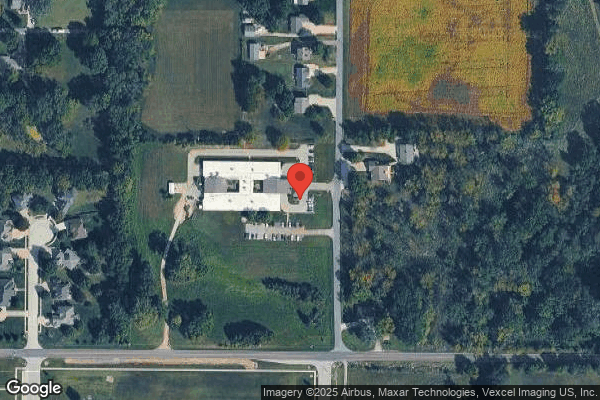
Mar 2021 5 deficiencies 1 IJ
CRITICAL (J)

Immediate Jeopardy (IJ) - the most serious Medicare violation

Deficiency F0757 (Tag F0757)

Someone could have died · This affected 1 resident

**NOTE- TERMS IN BRACKETS HAVE BEEN EDITED TO PROTECT CONFIDENTIALITY** The facility had a census of 55 residents. The sample included 17 residents, with eight residents reviewed for unnecessary medic...

Read full inspector narrative →
**NOTE- TERMS IN BRACKETS HAVE BEEN EDITED TO PROTECT CONFIDENTIALITY** The facility had a census of 55 residents. The sample included 17 residents, with eight residents reviewed for unnecessary medication. Based on interview and record review, the facility failed to adequately monitor the efficacy of Coumadin (blood thinning drug) for Resident (R) 40 who the hospital admitted with a critically high International Normalized Ratio (INR) (a laboratory measurement used to determine the effects of oral anticoagulants, blood thinners) which lead to the resident's hospitalization for a critically low hemoglobin (substance that allows for the transport of oxygen throughout the body), placing the resident in immediate jeopardy (IJ). Findings included: - R40's admission Minimum Data Set (MDS), dated [DATE], documented the resident had intact cognition with a Brief Interview for Mental Status (BIMS) score of 13. The MDS documented the resident required supervision for eating and extensive assistance of two staff for all other Activities of Daily Living (ADLs), The MDS documented the resident received scheduled and as needed (PRN) pain medication, had recent surgery, and received anticoagulant medication seven days of the look back period. The Anticoagulant Care Plan, dated 01/11/21, directed staff to administer anticoagulant medication as ordered, monitor for side effects and effectiveness, obtain labs as ordered, and report abnormal results to the physician. The care plan further documented the Black Box Warning (BBW) for Coumadin stated the drug can cause major or fatal bleeding, and directed staff to perform regular monitoring of INR on all treated patients. A care plan revision dated 01/26/21, directed staff to monitor, document, and report any adverse reactions of anticoagulant therapy. The Physician Order, dated 01/12/21, directed staff to administer Coumadin, 4 milligrams (mg) daily. The medication was held 01/15/21 to 01/18/21 and discontinued. The Physician Order, dated 01/19/21, directed staff to administer Coumadin, 3 mg daily, and discontinued 01/21/21. The January 2021 Medication Administration Record lacked documentation staff administered Coumadin 01/22/21 through 01/25/21 (4 days), and the medical record lacked a physician order for that time period. The Physician Order, dated 01/26/21, directed staff to administer Coumadin, 2 mg daily. The INR lab results, dated 01/28/21, documented an INR of 1.2, which measured below therapeutic range (blood concentration usually expected to achieve the desired result), (2.0-3.0) for this resident. The Physician Order, dated 01/28/21, directed staff to administer Coumadin, 4 mg daily, and redraw an INR on Monday, 02/01/21. The INR lab results, dated 02/01/21, documented an INR of 2.5. The Medical Record lacked further INR test results. The Progress Note, dated 03/07/21 at 07:10 AM, documented R40 had emesis (vomit) with a dime size blood clot, and blood pressure of 130/105 (higher than normal). The nurse notified the physician and received an order to send the resident to the emergency room (ER). The Progress Note, dated 03/07/21 at 09:55 AM, documented the hospital admitted R40 for a critically low hemoglobin. On 03/11/21 at 08:50 AM, Administrative Nurse D verified the facility had not obtained INR tests for R40 twice per week, as the physician ordered. Administrative Nurse D stated she was unaware the lab discontinued the INR lab tests after 02/01/21 and verified staff had not noted the lack of INR lab tests from 01/28/21 to 03/07/21. On 03/15/21 at 10:40 AM, Consultant (C) GG, the resident's physician, stated he expected staff to obtain the INR level every Monday and Thursday for his patients that received Coumadin, especially when the patient required a higher dose. C GG stated he received an INR test result 03/02/21, but no further INR tests. C GG verified the facility had not informed him of the lack of INR testing. The facility's undated Administration Procedures for All Medication policy documented staff were to check for vital signs or other tests to be done prior to medication administration and monitor for side effects or adverse drug reactions. Upon request, the facility did not provide a policy for Labwork. The facility failed to follow up to ensure physician ordered labwork was completed for R40 to monitor the levels of blood thinner in her blood, placing the resident in immediate jeopardy when no lab monitoring was completed for 35 days, and the resident required hospitalization. On 03/11/21 at 03:46 PM, Administrative Staff A and Administrative Nurse D were provided the IJ template and notified the facility's failure to monitor the effectiveness of R40's Coumadin, as ordered by the physician, which placed R40 in immediate jeopardy. The facility presented an acceptable plan for removal of the immediate jeopardy on 03/11/21 at 06:15 PM, which included the following: All residents receiving Coumadin would be audited to ensure PT/INR labs were completed as ordered and reported to the physician. All licensed nursing staff would be educated before their next scheduled shift regarding Coumadin administration, PT/INR requirement and Coumadin management and tracking form. Training initiated 03/11/21. The DON or designee would monitor Coumadin management form weekly to ensure compliance. A Coumadin Management form was implemented 03/09/21 for residents receiving Coumadin. A surveyor validated the removal of the immediate jeopardy on 03/15/21 at 10:30 AM. The deficient practice remained at a G scope and severity, following the removal of the immediate jeopardy.
CONCERN (D)

Potential for Harm - no one hurt, but risky conditions existed

Deficiency F0582 (Tag F0582)

Could have caused harm · This affected 1 resident

The facility had a census of 55 residents. The sample included 17 residents, with three reviewed for Medicare Liability Notices. Based on record review and interview, the facility failed to provide th...

Read full inspector narrative →
The facility had a census of 55 residents. The sample included 17 residents, with three reviewed for Medicare Liability Notices. Based on record review and interview, the facility failed to provide the resident (or their representative) the Skilled Nursing Facility Advance Beneficiary Notice of Non-coverage (SNFABN), Center for Medicare and Medicaid Services (CMS) form 10055 for Resident (R) 5, R10, and R42. Findings included: - Review of CMS form 10123 documented R5's last covered Medicare Skilled Services ended 11/26/20, form documented conversation with resident's representative but lacked date of conversation. The medical record lacked CMS form 10055. Review of CMS form 10123 documented R10's last covered Medicare Skilled Services ended 11/25/20 and was signed 11/23/20. The medical record lacked CMS form 10055. Review of CMS form 10123 documented R42's last covered Medicare Skilled Services ended 01/22/21 and was signed 01/19/21. The medical record lacked CMS form 10055. On 03/09/21 at 12:01 PM, Administrative Staff A stated the facility used the Beneficiary Notice Guidelines, dated 2018 but had not provided CMS form 10055 to the resident or representative. On 03/09/21 at 03:21 PM, Administrative Nurse E verified she had not provided the resident (or their representative) with CMS form 10055. The Beneficiary Notice Guidelines policy, dated 12/31/11, documented the facility would provide the resident the Skilled Nursing Facility Advance Beneficiary Notice form 10055, and the Notice of Medicare Non-Coverage form 10123, at the end of Part A Skilled Care if the resident planned to stay in the facility. The SNFABN provides information to residents/beneficiaries so that they can decide if they wish to continue receiving the skilled services that may not be paid for by Medicare and assume financial responsibility. If the SNF provides the beneficiary with SNFABN, form CMS-10055, the facility has met its obligation to inform the beneficiary of his or her potential liability for payment and related standard claim appeal rights. Issuing the Notice to Medicare Provider Non-coverage (NOMNC), form CMS-10123, to a beneficiary only conveys notice to the beneficiary of his or her right to an expedited review of a service termination and does not fulfill the facility's obligation to advise the beneficiary of potential liability for payment. A facility must still issue the SNFABN to address liability for payment. The facility failed to provide the resident (or their representative) SNFABN form 10055 when discharged from skilled services for R5, R10, and R42, placing the residents at risk to make uninformed decisions for their skilled services.
CONCERN (D)

Potential for Harm - no one hurt, but risky conditions existed

Quality of Care (Tag F0684)

Could have caused harm · This affected 1 resident

**NOTE- TERMS IN BRACKETS HAVE BEEN EDITED TO PROTECT CONFIDENTIALITY** The facility had a census of 55 residents. The sample included 17 residents, with three reviewed for skin issues. Based on obser...

Read full inspector narrative →
**NOTE- TERMS IN BRACKETS HAVE BEEN EDITED TO PROTECT CONFIDENTIALITY** The facility had a census of 55 residents. The sample included 17 residents, with three reviewed for skin issues. Based on observation, interview, and record review, the facility failed to assess one of three residents, Resident (R) 6's skin injury in a timely manner after the resident spilled hot coffee on his leg. Findings included: - R6's Quarterly Minimum Data Set (MDS), dated [DATE], documented the resident cognitively intact with a Brief Interview for Mental Status (BIMS) score of 15. The resident required limited staff assistance for transfers, supervision for eating, toileting, dressing, bed mobility, and hygiene. The MDS documented no pressure ulcer or skin issue. The Care Plan, dated 12/18/20, documented the resident independent with toileting, oral care, and personal hygiene, and required supervision with bed mobility, dressing, and eating. The Skin Care Plan, dated 05/08/18, directed staff to avoid shearing, use a lift sheet for repositioning the resident, keep skin clean and dry, and apply lotion on dry skin. The care plan revision dated 01/30/19, directed licensed nurses to perform a weekly skin assessment. The Progress Note, dated 02/17/21 at 08:50 AM, documented staff reported to the nurse resident R6 spilled hot coffee on himself. The nurse assessed his skin and noted a quarter size reddened area on the right upper inner thigh. The resident denied pain at touch, but stated it felt tender to touch. The note documented the nurse continued to monitor for any change to the resident's skin integrity . The medical record lacked further assessment of the burn area for the next week, 02/18/21 through 02/23/21. The Progress Note, dated 02/24/21 at 05:53 PM, documented a reddened and blistered area to R6's right thigh from spilling hot coffee. The nurse noted the area measured 3.7 centimeters (cm) by 2.6 cm and notified the physician. The Physician's Order, dated 02/25/21, directed staff to apply Silvadene Cream 1% (Silver sulfadiazine (SSD) - topical antibiotic used in partial thickness and full thickness burns to prevent infection) to the right thigh topically at bedtime for six days, cleanse area, and apply SSD to blister areas only. The Progress Note, dated 03/08/21 at 07:42 PM, documented the resident had treatable wounds or skin concerns present with no changes in skin integrity and wound dressing changed per treatment orders. The progress note lacked wound assessment including measurement or characteristics of the wound. The Progress Note, dated 03/09/21 at 07:02 AM, documented a skin concern observed to right front thigh and the area remained red, non-blanchable, non-tender, and skin intact. The Progress Note, dated 03/09/21 at 08:10 PM, documented the nurse assessed the resident's skin, the previously noted blister healed, and received orders to maintain skin integrity. The Physician Order, dated 03/09/21 directed staff to apply skin prep to the front of the right upper thigh and cover with bordered dressing to prevent friction and skin tear. The Progress Note, dated 03/10/21 at 05:07 PM, documented the area to right thigh opened and physician ordered a new treatment. The Physician Order, dated 03/11/21, directed staff to apply Silvadene cream 1% to R6's right thigh topically at bedtime. On 03/10/21 at 11:12 AM, observation revealed Licensed Nurse (LN) G checked the resident's right thigh injury. LN G cleansed the area and revealed an approximately 1 cm by 0.7 cm area with yellowish tissue inside a larger area of reddened skin approximately 2.5 cm by 1.2 cm. Further observation revealed another small area, measuring 0.4 cm by 0.2 cm of darker red inside the larger area. LN G verified the burn was not healed. The resident stated staff did not replace the dressing yesterday when they removed it. LN G applied Silvadene ointment and bordered gauze to cover. On 03/08/21 at 02:46 PM, R6 stated he spilled coffee on his right thigh and it took two days to develop into a blister. On 03/09/21 at 12:23 PM, LN H stated the resident's skin assessment was done on shower days, Mondays, and Thursdays. LN H verified the resident had a coffee burn wound. On 03/11/21 at 02:37 PM, Administrative Nurse F verified she expected staff to assess the burn area on the resident's leg more than weekly and document if the resident refused to allow the nurse to assess the area. Upon request, the facility did not provide a Skin Assessment policy. The facility failed to assess R6's right thigh coffee burn in a timely manner, placing the resident at risk for further skin breakdown and infection.
CONCERN (D)

Potential for Harm - no one hurt, but risky conditions existed

Drug Regimen Review (Tag F0756)

Could have caused harm · This affected 1 resident

**NOTE- TERMS IN BRACKETS HAVE BEEN EDITED TO PROTECT CONFIDENTIALITY** The facility had a census of 55 residents. The sample included 17 residents, with eight residents reviewed for unnecessary medic...

Read full inspector narrative →
**NOTE- TERMS IN BRACKETS HAVE BEEN EDITED TO PROTECT CONFIDENTIALITY** The facility had a census of 55 residents. The sample included 17 residents, with eight residents reviewed for unnecessary medication. Based on interview and record review, the pharmacist consultant failed to identify the facility lacked lab work to monitor the efficacy of Coumadin (blood thinning drug) for Resident (R) 40 who admitted to the hospital with a critically high International Normalized Ratio (INR) (laboratory measurement used to determine the effects of oral anticoagulants, blood thinners). Findings included: - R40's admission Minimum Data Set (MDS), dated [DATE], documented the resident had intact cognition with a Brief Interview for Mental Status (BIMS) score of 13. The MDS documented the resident required supervision for eating and extensive assistance of two staff for all other Activities of Daily Living (ADLs). The MDS documented the resident received scheduled and as needed (PRN) pain medication, had recent surgery, and received anticoagulant medication seven days of the look back period. The Anticoagulant Care Plan, dated 01/11/21, directed staff to administer anticoagulant medication as ordered, monitor for side effects and effectiveness, obtain labs as ordered, and report abnormal results to the physician. The care plan further documented the Black Box Warning (BBW) for Coumadin stated the drug can cause major or fatal bleeding, and directed staff to perform regular monitoring of INR on all treated patients. A care plan revision dated 01/26/21, directed staff to monitor, document, and report any adverse reactions of anticoagulant therapy. The Physician Order, dated 01/12/21, directed staff to administer Coumadin, 4 milligrams (mg) daily. The medication was held 01/15/21 to 01/18/21 and discontinued. The Physician Order, dated 01/19/21, directed staff to administer Coumadin, 3 mg daily, and discontinued 01/21/21. The January 2021 Medication Administration Record lacked documentation staff administered Coumadin 01/22/21 through 01/25/21 (4 days), and the medical record lacked a physician order for that time period. The Physician Order, dated 01/26/21, directed staff to administer Coumadin, 2 mg daily. The INR lab results, dated 01/28/21, documented an INR of 1.2, which measured below therapeutic range (blood concentration usually expected to achieve the desired result), (2.0-3.0) for this resident. The Physician Order, dated 01/28/21, directed staff to administer Coumadin, 4 mg daily. The INR lab results, dated 02/01/21, documented an INR of 2.5. The Medical Record lacked further INR test results. The Progress Note, dated 03/07/21 at 07:10 AM, documented R40 had emesis (vomit) with a dime size blood clot, and blood pressure of 130/105 (higher than normal). The nurse notified the physician and received an order to send the resident to the emergency room (ER). The Progress Note, dated 03/07/21 at 09:55 AM, documented the hospital admitted R40 for a critically low hemoglobin (substance that allows for the transport of oxygen throughout the body). The Pharmacy Review, dated 02/25/21, revealed no documentation regarding the missing INRs. On 03/11/21 at 08:50 AM, Administrative Nurse D verified the facility had not obtained INR tests for R40 twice per week, as physician ordered. Administrative Nurse D stated she was unaware the lab discontinued the INR lab tests after 02/01/21, and verified staff had not noted the lack of INR lab tests from 01/28/21 to 03/07/21. Administrative Nurse D verified the facility pharmacist had not noted the lack of INRs with the review on 02/25/21 and stated she made a new form to track INR labs for Coumadin use. Administrative Nurse D stated she or the ADON would be the staff tracking the lab work, so no training was completed. On 03/11/21 at 12:58 PM, Consultant Pharmacist HH (last reviewed record 02/25/21) verified she had no access to labs at that time. She stated if a resident received Coumadin she would expect an INR to be done at least once monthly, and weekly with dosage changes. The facility's undated Provider Pharmacy Requirements policy documented the consultant pharmacist agreed to maintain a medication profile on each resident that included all medications and facility information such as diagnoses, condition, allergies, diet, and any other pertinent information. The facility's Consultant Pharmacist failed to identify the facility lacked lab work to monitor the efficacy of Coumadin for R40 with pertinent information, such as lab work, to identify the lack of lab work to monitor the effects of the Coumadin therapy, placing the resident at risk for bleeding.
CONCERN (F)

Potential for Harm - no one hurt, but risky conditions existed

Deficiency F0868 (Tag F0868)

Could have caused harm · This affected most or all residents

The facility had a census of 55 residents. Based on observation, interview, and record review the facility failed to maintain a Quality Assessment and Assurance Committee (QA&A) that met quarterly and...

Read full inspector narrative →
The facility had a census of 55 residents. Based on observation, interview, and record review the facility failed to maintain a Quality Assessment and Assurance Committee (QA&A) that met quarterly and had the required membership in attendance. Finding included: - The facility provided QA&A committee attendance roster for 01/14/20 in which the medical director had been present. The medical director next attended a QA&A on 10/08/21 . The facility only provided documentation for two quarters of the four required in the past year. On 03/09/21 at 03:41 PM, Administrative Staff A verified the facility held quarterly meetings but the medical director did not attend the QA&A meetings quarterly. The facility failed to maintain a QA&A committee that met with the required membership in attendance quarterly, placing the residents at risk for lack of quality care.
Understanding Severity Codes (click to expand)
Life-Threatening (Immediate Jeopardy)
J - Isolated K - Pattern L - Widespread
Actual Harm
G - Isolated H - Pattern I - Widespread
Potential for Harm
D - Isolated E - Pattern F - Widespread
No Harm (Minor)
A - Isolated B - Pattern C - Widespread

Questions to Ask on Your Visit

  • "What changes have you made since the serious inspection findings?"
  • "Can I speak with families of current residents?"
  • "What's your RN coverage like on weekends and overnight?"

Our Honest Assessment

Strengths
  • • Licensed and certified facility. Meets minimum state requirements.
Concerns
  • • Multiple safety concerns identified: 2 life-threatening violation(s). Review inspection reports carefully.
  • • 47 deficiencies on record, including 2 critical (life-threatening) violations. These warrant careful review before choosing this facility.
  • • $13,397 in fines. Above average for Kansas. Some compliance problems on record.
  • • Grade F (24/100). Below average facility with significant concerns.
Bottom line: Trust Score of 24/100 indicates significant concerns. Thoroughly evaluate alternatives.

About This Facility

What is Tonganoxie Terrace's CMS Rating?

CMS assigns TONGANOXIE TERRACE an overall rating of 2 out of 5 stars, which is considered below average nationally. Within Kansas, this rating places the facility higher than 0% of the state's 100 nursing homes. A rating at this level reflects concerns identified through health inspections, staffing assessments, or quality measures that families should carefully consider.

How is Tonganoxie Terrace Staffed?

CMS rates TONGANOXIE TERRACE's staffing level at 3 out of 5 stars, which is average compared to other nursing homes. Staff turnover is 53%, compared to the Kansas average of 46%.

What Have Inspectors Found at Tonganoxie Terrace?

State health inspectors documented 47 deficiencies at TONGANOXIE TERRACE during 2021 to 2025. These included: 2 Immediate Jeopardy (the most serious level, indicating potential for serious harm or death) and 45 with potential for harm. Immediate Jeopardy findings are rare and represent the most serious regulatory concerns. They require immediate corrective action.

Who Owns and Operates Tonganoxie Terrace?

TONGANOXIE TERRACE is owned by a for-profit company. For-profit facilities operate as businesses with obligations to shareholders or private owners. The facility operates independently rather than as part of a larger chain. With 90 certified beds and approximately 72 residents (about 80% occupancy), it is a smaller facility located in TONGANOXIE, Kansas.

How Does Tonganoxie Terrace Compare to Other Kansas Nursing Homes?

Compared to the 100 nursing homes in Kansas, TONGANOXIE TERRACE's overall rating (2 stars) is below the state average of 2.9, staff turnover (53%) is near the state average of 46%, and health inspection rating (2 stars) is below the national benchmark.

What Should Families Ask When Visiting Tonganoxie Terrace?

Based on this facility's data, families visiting should ask: "What changes have been made since the serious inspection findings, and how are you preventing similar issues?" "Can I visit during a mealtime to observe dining assistance and food quality?" "How do you handle medical emergencies, and what is your hospital transfer rate?" "Can I speak with family members of current residents about their experience?" These questions are particularly relevant given the facility's Immediate Jeopardy citations.

Is Tonganoxie Terrace Safe?

Based on CMS inspection data, TONGANOXIE TERRACE has documented safety concerns. Inspectors have issued 2 Immediate Jeopardy citations (the most serious violation level indicating risk of serious injury or death). The facility has a 2-star overall rating and ranks #100 of 100 nursing homes in Kansas. Families considering this facility should ask detailed questions about what corrective actions have been taken since these incidents.

Do Nurses at Tonganoxie Terrace Stick Around?

TONGANOXIE TERRACE has a staff turnover rate of 53%, which is 7 percentage points above the Kansas average of 46%. Moderate turnover is common in nursing homes, but families should still ask about staff tenure and how the facility maintains care continuity when employees leave.

Was Tonganoxie Terrace Ever Fined?

TONGANOXIE TERRACE has been fined $13,397 across 1 penalty action. This is below the Kansas average of $33,213. While any fine indicates a compliance issue, fines under $50,000 are relatively common and typically reflect isolated problems that were subsequently corrected. Families should ask what specific issues led to these fines and confirm they've been resolved.

Is Tonganoxie Terrace on Any Federal Watch List?

TONGANOXIE TERRACE is not on any federal watch list. The most significant is the Special Focus Facility (SFF) program, which identifies the bottom 1% of nursing homes nationally based on persistent, serious quality problems. Not being on this list means the facility has avoided the pattern of deficiencies that triggers enhanced federal oversight. This is a positive indicator, though families should still review the facility's inspection history directly.