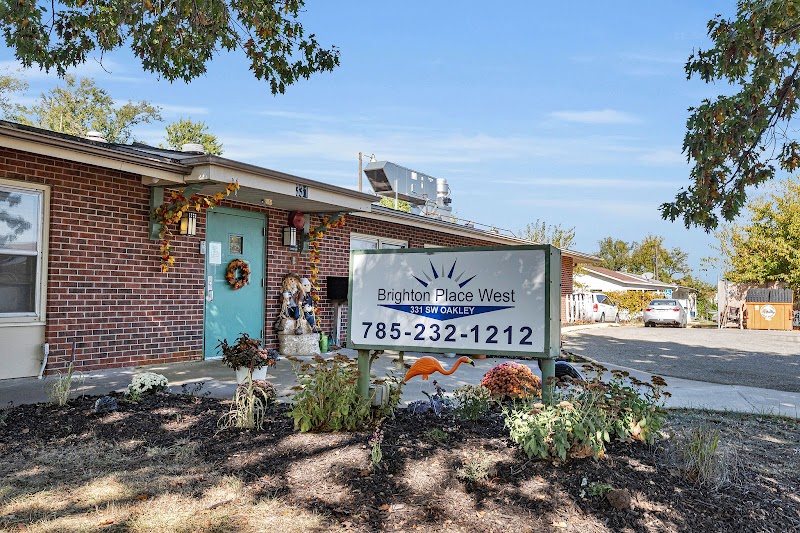
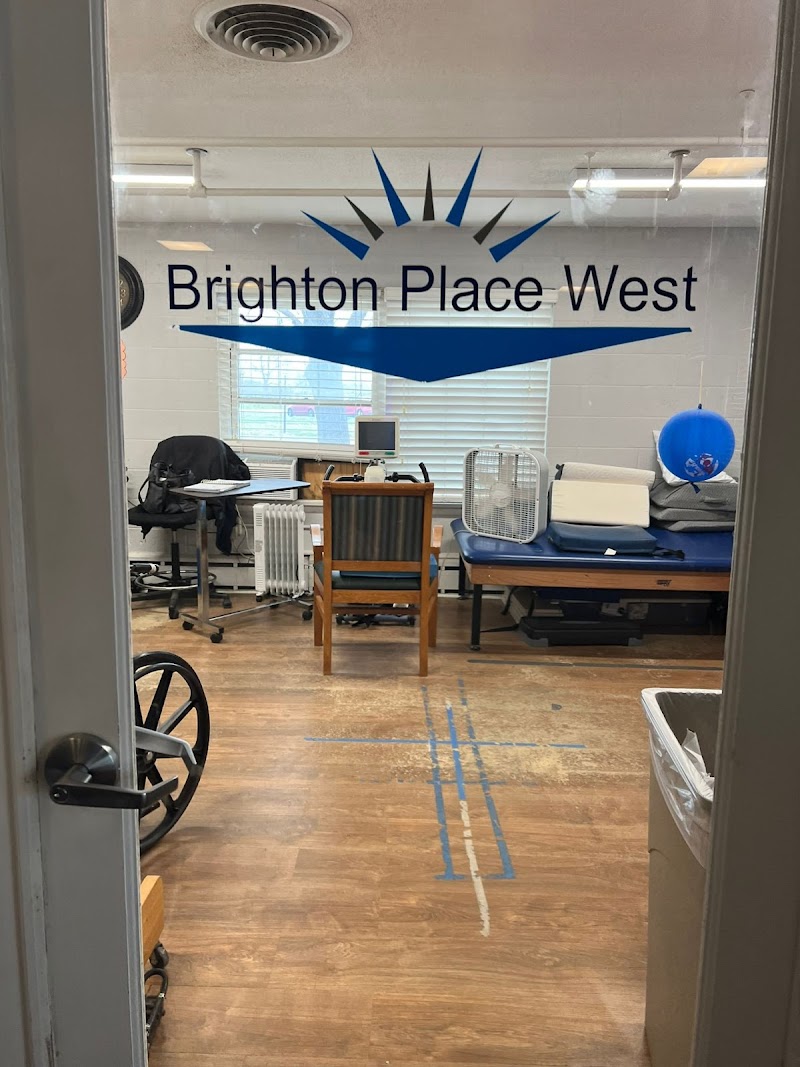
BRIGHTON PLACE WEST

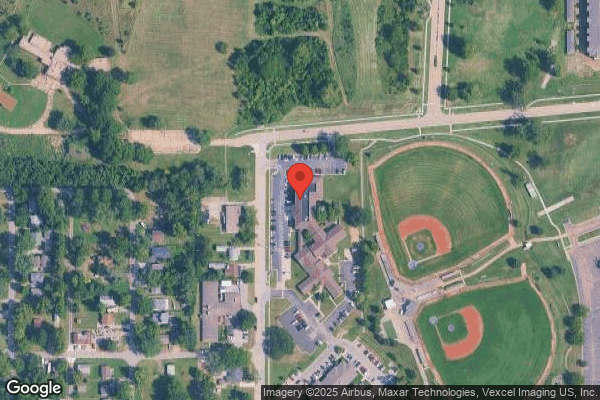
331 SW OAKLEY STREET, TOPEKA, KS 66606 (785) 232-1212
For profit - Corporation 50 Beds RECOVER-CARE HEALTHCARE Data: November 2025 1 Immediate Jeopardy citation
Trust Grade
41/100
#111 of 295 in KS
Last Inspection: October 2024

Within standard 12-15 month inspection cycle. Federal law requires annual inspections.

Overview

Brighton Place West has a Trust Grade of D, indicating below-average performance with some concerns. It ranks #111 out of 295 facilities in Kansas, placing it in the top half, but it is #7 out of 15 in Shawnee County, meaning only a few local options are better. The facility is currently improving, with issues decreasing from four in 2024 to just one in 2025. Staffing is a weakness, rated at 2 out of 5 stars, with a high turnover rate of 60%, significantly above the Kansas average of 48%. However, it does have good RN coverage, exceeding 96% of state facilities, which is important as RNs can catch issues that other staff might miss. There have been specific concerns noted in recent inspections. A critical finding involved a resident with severe mental health needs who did not receive the necessary behavioral care, leading to increased erratic behavior. Another serious issue was a significant medication error that resulted in a resident experiencing distressing hallucinations. Additionally, there were hygiene concerns in the kitchen, with food not being stored properly, which poses a risk of foodborne illnesses. Overall, while the facility shows some potential for improvement in care, families should be aware of the serious issues that have been reported.

Trust Score
D
41/100
In Kansas
#111/295
Top 37%
Safety Record
High Risk
Review needed
Inspections
Getting Better
4 → 1 violations
Staff Stability
⚠ Watch
60% turnover. Above average. Higher turnover means staff may not know residents' routines.
Penalties
⚠ Watch
$15,076 in fines. Higher than 83% of Kansas facilities, suggesting repeated compliance issues.
Skilled Nurses
✓ Good
Each resident gets 42 minutes of Registered Nurse (RN) attention daily — more than average for Kansas. RNs are trained to catch health problems early.
Violations
⚠ Watch
20 deficiencies on record. Higher than average. Multiple issues found across inspections.
★★★☆☆
3.0
Overall Rating
★★☆☆☆
2.0
Staff Levels
★★★★★
5.0
Care Quality
★★☆☆☆
2.0
Inspection Score
Stable
2024: 4 issues
2025: 1 issues

The Good

  • 5-Star Quality Measures · Strong clinical quality outcomes
  • Full Sprinkler Coverage · Fire safety systems throughout facility
  • No fines on record

Facility shows strength in quality measures, fire safety.

The Bad

3-Star Overall Rating

Near Kansas average (2.9)

Meets federal standards, typical of most facilities

Staff Turnover: 60%

14pts above Kansas avg (46%)

Frequent staff changes - ask about care continuity

Federal Fines: $15,076

Below median ($33,413)

Minor penalties assessed

Chain: RECOVER-CARE HEALTHCARE

Part of a multi-facility chain

Ask about local staffing decisions and management

Staff turnover is elevated (60%)

12 points above Kansas average of 48%

The Ugly 20 deficiencies on record

1 life-threatening 1 actual harm
Aug 2025 1 deficiency 1 IJ
CRITICAL (J) 📢 Someone Reported This

A family member, employee, or ombudsman was alarmed enough to file a formal complaint

Immediate Jeopardy (IJ) - the most serious Medicare violation

Deficiency F0740 (Tag F0740)

Someone could have died · This affected 1 resident

**NOTE- TERMS IN BRACKETS HAVE BEEN EDITED TO PROTECT CONFIDENTIALITY** The facility identified a census of 50 residents. The sample included three residents. Based on observation, record review, and ...

Read full inspector narrative →
**NOTE- TERMS IN BRACKETS HAVE BEEN EDITED TO PROTECT CONFIDENTIALITY** The facility identified a census of 50 residents. The sample included three residents. Based on observation, record review, and interview, the facility failed to provide the necessary behavioral care and services for Resident (R) 1, who had moderate cognitive impairment as well as schizophrenia (mental disorder characterized by gross distortion of reality, disturbances of language and communication and fragmentation of thought), depression (a mood disorder that causes a persistent feeling of sadness and loss of interest), and a history of violence and substance abuse. On 07/07/25, R1 began refusing to take his mental health medications and demonstrated increased behaviors. On 07/10/25, around 11:06 AM, the Social Worker spoke with R1's parental guardian, who shared concerns with R1's history of medication noncompliance, erratic behaviors, and history of substance abuse. At around 03:58 PM, after asking Administrative Nurse D and Administrative Nurse E a question, R1 began kicking the door, stating he wanted to leave the facility, and made threats to kill the staff. The staff provided R1 with an Against Medical Advice (AMA) form (a document signed by a patient who is choosing to leave a healthcare facility against their physician's recommendation), which R1 signed, and allowed R1 to leave the facility. The staff did not involve R1's physician, guardians, emergency services, or law enforcement in an attempt to de-escalate or address the mental health crisis. R1 was gone from the facility, with his whereabouts unknown, for seven days before law enforcement picked him up for attempting to procure alcohol without payment and for erratic behaviors. R1 admitted to the acute hospital with sunburn and dehydration. The facility's failure to provide adequate and appropriate services, including physician and guardian involvement to treat a behavioral health crisis, placed R1 in immediate jeopardy. Findings included: - R2's Electronic Medical Record (EMR) documented diagnoses of need for assistance with personal care, difficulty in walking, muscle wasting and atrophy (wasting or decrease in size of a part of the body), and age-related physical debility. The admission Minimum Data Set (MDS) dated [DATE] documented a Brief Interview for Mental Status (BIMS) score of nine, which indicated moderate cognitive impairment. The MDS documented R1 required supervision or touching assistance for hygiene, showers or bathing, dressing, and moving from seated to standing position. The MDS documented R1 required supervision or touching assistance for chair or bed, shower or tub, and toilet transfers. The MDS further documented R1 required supervision or touching assistance for walking. The MDS documented R1 required partial or moderate assistance for car transfers, picking up objects, and going up curbs and steps. The Cognitive Loss / Dementia Care Area Assessment (CAA), dated 07/03/25, directed staff to monitor for signs and symptoms of acute mental status changes to help treat the underlying condition.The Falls CAA, dated 07/03/25, directed staff to anticipate and meet R1's care needs so R1 did not attempt to unsafely perform Activities of Daily Living (ADL) cares without staff assistance. R1's Care Plan revealed the following with their initiated dates:06/27/25, R1 needed assistance with ADLs related to schizophrenia and weakness from recent hospitalization. 07/06/25, R1 had impaired cognitive function or dementia, or impaired thought processes related to psychotropic (alters mood or thought) drug use. 07/06/25, directed staff to monitor, document, and report any changes in cognitive function, specifically changes in decision-making ability, memory, recall, general awareness, difficulty expressing self, difficulty understanding others, level of consciousness, and mental status. 07/06/25, R1 was at risk for falls related to impaired mobility. 07/07/25, R1 would work to express and manage his emotions and behaviors. 07/07/25, directed staff to encourage R1 to discuss feelings and monitor his progression or decompensation for continued stabilization.R1's Guardianship documents, dated 01/26/22, recorded By clear and convincing evidence, [R1] is an adult with impairments and lacks the capacity to meet essential needs for physical health, safety or welfare, should not be permitted to make any decisions which affect his person, and the Co-Guardians herein appointed shall be possessed of all the powers and duties of a Guardian as set out in K.S.A. $59-3075 and the Letters of Guardianship to be issued herein shall so state. An Acute Care admission Psychiatric Evaluation dated 05/28/25, recorded R1 had diagnoses of schizophrenia and schizoaffective disorder, bipolar type (a condition that combines symptoms of schizophrenia and bipolar disorder [major mental illness that causes people to have episodes of severe high and low moods]). The document further recorded the hospital requested screening due to R1's behaviors and R1 not stabilizing. The document recorded R1 had not cleared the signs and symptoms of psychosis (any major mental disorder characterized by a gross impairment in reality perception) since 05/01/25. The document recorded R1 repeatedly physically attacked staff and peers; R1 was irritable, delusional, and had not taken medication consistently; R1's parents were his guardians. R1's Kansas Preadmission Screening and Resident Review (PASRR) dated 06/24/25, documented R1 had a history of substance use. The PASRR recommended the following specialized services for R1: community psychiatric support and treatment, crisis services, substance use services, behavioral support services, peer support, and case management.R1's Medication Administration Record (MAR) dated 07/01/25 through 07/31/25, documented R1 refused the following five medications: 1. Divalproex Sodium (medication used to treat bipolar disorder) 500 milligrams (mg), give one tablet two times a day, for hallucinations and delusions. R1 refused the evening dose on 07/07/25, the morning and evening doses on 07/08/25 and 07/09/25, and the morning dose 07/10/25. 2. Haloperidol (medication used to treat various psychiatric and behavioral disorders) 10 mg, give two tablets by mouth two times a day, for schizophrenia. R1 refused the evening dose on 07/07/25, the morning and evening doses on 07/08/25 and 07/09/25, and the morning dose on 07/10/25. 3. Oxcarbazepine (medication used to treat bipolar disorder) 300 mg, give one tablet two times a day, for mood stabilizer. R1 refused the evening dose on 07/07/25, morning and evening doses on 07/08/25 and 07/09/25, and the morning dose on 07/10/25.4. Ziprasidone (medication used to treat schizophrenia) give 80 mg, twice a day, related to schizophrenia. R1 refused the evening dose on 07/07/25, the morning and evening doses on 07/08/25 and 07/09/25, and the morning dose on 07/10/25.5. Buspirone (Buspar) 30 mg, give one tablet by mouth three times a day, for pacing and agitation related to anxiety disorder. R1 refused morning and mid-day dose on 07/10/25.On 07/07/25 at 11:26 AM, a Social Service Note documented R1 approached the Social Worker and insisted staff did not meet with him for an assessment. After a while, he was able to recall meeting with the Social Worker. R1 was asked, What can we help you with at this time? and he responded that he continued to have hallucinations and demanded a change in his medications (would like his Buspar and Haldol increased). The Social Worker informed him it would be passed along to the nurse, and he replied angrily, You need to just call my mom. R1 was supported and reassured that the Social Worker would follow up with the proper staff about his concerns. R1's EMR lacked evidence of follow-up from the social worker. On 07/07/25 at 04:19 PM, a Nurse's Note documented R1 refused all evening medications except Risperdal (medication used to treat schizophrenia). The note documented notifications were sent to R1's doctor and the Advanced Practice Registered Nurse (APRN).On 07/07/25 at 10:30 PM, an Administration Note documented R1 refused all medications but Buspar 30 MG and documented a notification to the charge nurse. On 07/08/25 at 10:19 PM, an Administration Note documented R1 refused all medications except Buspar and documented a notification to the charge nurse. On 07/09/25 at 09:43 AM, a Behavior Note documented R1 was heard yelling at and cursing at staff members this morning about not wanting to take his medications. R1 struck a door with no apparent injury to himself. Staff told R1 to take his medications, and then he could go out to smoke. R1 went inside, and when he went back out, he lied to staff about taking his medications to get a cigarette, as R1 still had not taken medications. On 07/09/25 at 09:56 AM, a Behavior Note documented the nurse heard a huge boom sound. When the nurse got up to investigate, R1 was coming back into the building after punching the outside patio door. The nurse asked the resident what the issue was, and R1 stated, I will talk to you about it in a minute after I get my meds. The note documented the nurse approached and informed the staff it was policy the resident be medication compliant before going out for a smoke break. The staff told the nurse R1 lied about taking his medications before he smoked. R1 then approached the nurse and asked if he could speak again. R1 was agitated and said he was not getting enough nicotine, and he needed extra smoke breaks or a nicotine patch. The nurse informed R1 that smoke breaks were at certain times, per facility policy. R1 asked about a nicotine patch and the nurse told R1 he would not be able to smoke with a nicotine patch. R1 became more agitated and said he wanted to beat up every nurse in the facility because they were all worthless. The nurse asked R1 if he would take his medications. R1 was still extremely agitated and said he would take Buspar, but he would not take any other medications because he was not schizophrenic. The note documented R1 then told the nurse to get his Buspar because the staff were making his anxiety high. A medication aide approached R1 to provide medication and R1 became rude and spiteful with the medication aide and said, Shut up and do your job, or you will get hurt. R1 picked out his Buspar and cursed at the medication aide. R1 walked away from the medication cart, swinging his fists in the air with a fast, long-stride pace in the hallway and gave evil looks at the other residents that were walking around him. The nurse also visualized R1 talking to unseen others and muttering under his breath. The nurse let R1 have some personal space for about 20 minutes and then went out to the patio and tried to educate the importance of taking his physician-prescribed medications. R1 then laughed sinisterly and stated again he was not mentally ill and only had an anxiety problem that everybody was making worse, and he just wanted to hurt people. The note documented R1, then walked off the patio into the facility, only to come into the office doorway. The note documented R1 wanted to apologize, and then his mood swung again to being rude and hateful. The staff offered an injection of anxiety medication, to help R1 relax, and he refused.On 07/09/25 at 09:54 PM, an Administration Note documented R1 refused all medications except Buspar, and documented notification to the charge nurse. On 07/09/25 at 11:11 PM, a Behavior Note documented R1 refused all medications except Buspar on the 02:00 PM to 10:00 PM shift, after three attempts to offer medications. The note documented notification to the physician. The EMR lacked evidence of follow-up after the physician notification. On 07/10/25 at 10:09 AM, a Behavior Note documented the nurse asked R1 if he wanted to switch to a different room, but R1 kept ignoring the nurse and walked away. When the nurse once again attempted to get R1's attention to ask, R1 told the nurse writer to shut up, not to talk, and just work. The note documented R1 further told the nurse that was what he paid them for, and then walked away.On 07/10/25 at 10:15 AM, a Behavior Note documented R1 was pacing in the hallway, talking to himself and other residents. The note documented R1 told others to wake up and made expletive remarks insulting their appearance. The note documented R1 made expletive remarks about staff, stated he was in charge and to watch those fingers or he would cut another one off, asking staff which one they wanted to lose.On 07/10/25 at 10:30 AM, a Behavior Note documented multiple staff members reported R1 was verbally aggressive towards them, calling them names, and using slurs.On 07/10/25 at 10:30 AM, a Nurse's Note documented speaking with the psychiatric provider about R1's behaviors and refusal of medications, and was awaiting further orders. The EMR lacked evidence of follow-up related to the note. On 07/10/25 at 11:06 AM, a Social Services Note documented the Social Worker made contact with R1's mother and Guardian and provided her with copies of the admission paperwork as requested. R1's mother expressed concerns about feeling pressured by a previous psychiatric hospital's Social Worker. The note documented R1's mother felt this other social worker rushed to discharge R1 and found placement prior to R1 being stabilized, especially since R1 had been non-compliant with his medications. R1's mother reported she dealt with R1's mental state and aggression since he was the age of 12 and reported feeling fearful of R1 due to his erratic behaviors. The note further documented R1's mother inquired about the steps that would need to be taken if R1 returned to the psychiatric hospital or was discharged from the facility. R1's mother reported R1 did not have access to a home he previously rented. R1's mother reported concerns about his substance use, concerns when R1 was unstable, and reported that R1 only agreed to come to the facility due to his ability to smoke cigarettes. On 07/10/25 at 03:45 PM, a Behavior Note documented R1 continued to have escalating behaviors and delusions throughout the shift. Staff were unable to redirect R1 as staff intervention caused further escalation of behaviors. R1 continued to be verbally abusive and intimidating towards staff, cursing and using slurs, threatening violence, and making delusional statements. On 07/10/25 at 03:58 PM, a Behavior Note documented R1 knocked on the door to the office of the Administrative Nurse D and Administrative Nurse E. The nurse answered the door, and the resident asked what they were doing. The nurse told the resident they were working. R1 asked why the staff were wasting his time. The nurse tried to close the door, and R1 pushed on the door trying to get in. The nurse got the door closed, and R1 started kicking the door multiple times, threatening bodily harm. After kicking stopped, the nurses opened the door and saw R1 down the hallway putting his middle finger up in the air. R1 cursed and said he wanted to get out of the facility, and if the staff did not let him out, he was going to kill everyone. The staff informed R1 he would have to sign out AMA if he wanted to leave. R1 told the staff to give him the paper. The staff returned his two packs of cigarettes and lighter. R1 signed AMA paperwork, and the staff let R1 leave.A Request for Discharge Against Medical Advice dated 07/10/25, recorded I hereby request to be discharged from the facility. I have been fully informed by my physician and the facility of the consequences of this action and understand that it is against my best medical interest to be discharged from the facility. I have further been fully informed by my physician, health care providers, and the facility of the risks inherent in the discharge from the facility against medical advice and they have explained the alternatives to me. After considering the alternatives, the risks involved, and the prognosis of my condition, I have requested that I be discharged from the facility, and I understand that it is against medical advice from my physician and the facility. The document further recorded Furthermore, my family members and next of kin have had an opportunity to discuss this matter with R1's provider and the representative of the facility and have been advised and are fully aware of the risks and dangers to my health if I am discharged from the facility. I understand the full import of this declaration and I am emotionally and mentally competent to make this declaration. The document was signed by R1 on 07/10/25. The document contained no other signatures. On 07/10/25 at 04:03 PM, a Nurse's Note documented R1 discharged AMA at 03:55 PM on 07/10/25 and was released from the facility. The staff notified R1's mother, psychiatric provider, and primary care provider. On 07/10/25 at 04:06 PM, a Social Service Note documented R1 left the facility against staff advice due to his altered mental status, delusional thoughts, hallucinations, refusing medications, and becoming increasingly more verbally aggressive. The Social Worker completed an Adult Protective Services (APS) report.On 07/10/25 at 04:15 PM a Communication - with Family, Next of Kin (NOK), Power of Attorney (POA) note documented staff spoke to R1's mother regarding R1 leaving the facility AMA. R1's mother understood R1 was being aggressive with staff, other residents, and chose to sign out against medical advice. R1's mother indicated this was R1's pattern. R1 stopped taking his medication and quickly became paranoid and aggressive. R1's mother also indicated she felt the previous psychiatric hospital discharged R1 before he was stable on his medication. The staff spoke to R1's mother about the facility's obligation to call APS and make a report that R1 was no longer at the facility, he signed out AMA and was having unmedicated mental health issues. R1's mother indicated she would come to the facility to pick up his property and his money within the next 30 days. The Social Worker notified APS. On 08/28/25 at 09:19 AM, R1's Representative stated she thought the facility called her to let her know R1 stopped taking his medications, but she was unsure if it was the day before R1 left AMA or the day he left. R1's Representative stated they told her R1 had not taken his medications for four days. R1's Representative stated her understanding was, for R1 to stay in the facility, he had to be medication compliant and thought he would be sent back to the state psychiatric hospital if he was not. R1's Representative stated the facility staff told her they would have a team meeting and would call her back, but she never heard back from them. R1's Representative stated that around 04:00 PM on 07/10/25, staff called to tell her R1 was no longer in the facility. R1's Representative stated she thought that meant R1 was sent back to the state hospital, but then staff told her R1 was let out of the building. R1's Representative stated she did not understand how this could happen at a locked facility, and she believed the facility let R1 go because R1 was too much trouble. She stated the facility did not call her to let her know about his behaviors or demanding to leave on 07/10/25. R1's Representative stated she did not understand how R1 could have signed himself out because she is R1's legal guardian. R1's Representative stated she spoke to the facility administrator and told her if R1 were to return to the facility, to call her. R1's Representative further stated she later found out R1 had returned to the facility the next day to pick up some cigarettes, but the facility did not contact her as requested. R1's Representative stated the administrator told her, after R1 had come and gone, that R1 came back to pick up his cigarettes the following day. R1's Representative stated the administrator told her she forgot to call when R1 came back. R1's Representative stated R1 was out in the community for about a week before the police picked him up and took him to a local hospital. She stated R1 was not from the area, did not know where he was, had no identification with him, and no phone. R1's Representative stated the police told her R1 was found walking down the middle of a freeway after he left AMA. The police told R1 he could not do that and was let go. She stated R1's second encounter with police was when R1 was kicked out of a bar after taking alcohol he could not pay for. R1's Representative stated the third time she was able to get a missing person report, the police found R1 and brought him to a local hospital. R1's Representative stated he was dehydrated and had a sunburn when he was picked up and taken to the hospital. R1's Representative stated she did not give permission for R1 to leave the facility and would not have given them permission to let him go AMA. R1's Representative stated there was no way R1 was ready to transition to the community, as he was not tracking well and was not compliant with his medications. On 08/27/25 at 01:49 PM, Administrative Staff A stated R1 was admitted to the facility from a psychiatric facility to stabilize on his medications. Administrative Staff A stated R1 took his medications initially, but started refusing to take them, became aggressive, and started hitting walls. Administrative Staff A stated R1 was being aggressive and stated he wanted out of the facility, so staff discussed the AMA paperwork with R1. Administrative Staff A stated staff attempted to explain to R1 that the doctor thought he needed to stay, but R1 wanted to leave, and staff could not hold him down. She stated R1 should have been taking his medications, but staff could not force him to take them. Administrative Staff A stated she believed staff contacted R1's guardian right after R1 left the facility and was unsure if anyone had contacted the guardian prior to R1 leaving AMA. Administrative Staff A stated that no one came to pick R1 up from the facility, he just left on his own. She reported R1 came back the next day to get his cigarettes but was not sure where he went after. She stated she was told R1 eventually ended up at a local hospital. Administrative Staff A stated staff told R1's guardian that R1 had refused his medications at one point during his stay, because the guardian went down to talk to R1 to get him to take them. Administrative Staff A further stated that beyond that one time, she was unable to recall if staff had updated the guardian of the refusals in the days prior to R1 leaving AMA. Administrative Staff A stated staff did not contact law enforcement when R1 wanted to leave AMA. On 08/28/25 at 10:25 AM, Administrative Nurse E stated he was at the facility the day R1 left AMA. Administrative Nurse E stated he could not remember how many days R1 was in the facility, but stated R1 was not compliant with taking his medications. Administrative Nurse E stated R1 tried to intimidate other residents and staff by cursing and calling them names. Administrative Nurse E stated R1 would refuse as-needed medications when offered and would become more agitated. Administrative Nurse E stated in the days leading up to 07/10/25, he was unsure if there were any new orders from the doctor when staff reported R1 was not taking his medications. Administrative Nurse E stated on 07/10/25, Administrative Nurse E was in a meeting with Administrative Nurse D, and R1 came to the door and asked what they were doing. Administrative Nurse E stated he told R1 they were working, and R1 became more agitated and threatened the staff. Administrative Nurse E stated he attempted to close the door, and R1 began kicking it several times. Administrative Nurse E stated when he opened the door up R1 was down the hall yelling that he wanted to leave the facility. Administrative Nurse E stated Administrative Staff A informed him he could sign out AMA. Administrative Nurse E said R1 did sign out AMA and was let out of the facility. He stated he was not sure if the guardian was contacted before or after, as he did not make those phone calls, but he was told the family was contacted. Administrative Nurse E stated the resident came back the next day to get his cigarettes, and the resident told him he slept outside behind a gas station. Administrative Nurse E stated staff went back inside, and when they came out again, R1 was walking down the street. Administrative Nurse E stated that if things were done by the book, then no, R1 should not have signed himself out due to having a guardian. Administrative Nurse E stated maybe the police should have been called, but R1 was so agitated all staff and residents were afraid of him. Administrative Nurse E stated when R1 signed out, there was no stopping him. Administrative Nurse E stated the staff probably should have called the guardian first.On 08/28/25 at 10:50 AM, Administrative Nurse D stated she was in the office the day R1 left AMA on 07/10/25. Administrative Nurse D stated R1 paced the halls and made threats to staff. Administrative Nurse D stated R1 continued to escalate and asked them, What are you going to do? Administrative Nurse D stated that Administrative Nurse E got up to shut the door, and R1 began kicking it repeatedly. Administrative Nurse D stated that when they finally came out of the room, R1 was down the hall talking to Administrative Staff A. She stated she could not hear all of the conversation, but wanted to stay away as Administrative Nurse E and herself were the targets of R1's aggression at that time, and she did not want to make it worse. Administrative Nurse D stated R1 was given AMA paperwork, signed out, and left the facility. Administrative Nurse D stated the guardian was called after R1 left the facility. Administrative Nurse D stated they were trying to make the environment safe first and then tried to follow the correct steps. Administrative Nurse D stated she knew staff had talked to the family prior, but it was not charted. Administrative Nurse D stated the guardian was not upset that day when they made contact, and R1 came back the next day. Administrative Nurse D stated she knows the policy, and if a resident has a guardian, and the guardian says the resident cannot leave, then they have to deal with them. Administrative Nurse D stated if a resident had a guardian, they had to notify them before they are allowed to leave. Administrative Nurse D stated looking back, the policy was not followed. Administrative Nurse D stated she had never been that scared, and at some point, they have to protect the other residents and staff. Administrative Nurse D stated when staff contacted the physician about R1 not taking his medications, she believed the provider had not seen R1 yet, and the response was to continue to encourage R1 to take his medications. Administrative Nurse D stated they could have contacted law enforcement when R1 became aggressive, but they did not have a good history with the local police department, they often took a long time to show up, and had a history of not doing anything. Administrative Nurse D stated that it all happened so fast, but they should have called the police. On 08/28/25 at 11:00 AM, Administrative Staff A stated on 07/10/25, R1 was aggressive, threatening staff, and kicking the door. Administrative Staff A stated R1 was yelling that he wanted out and they could not keep him at the facility. Administrative Staff A stated she knew R1 had a guardian, but if R1 refused to stay, she would have the nurse read the AMA document to R1, explain it, and let him sign out. Administrative Staff A stated after R1 signed, they let him out the door. Administrative Staff A stated they called the guardian, the provider, and made a report to APS after R1 left AMA. Administrative Staff A stated R1 came back the next morning to pick up his cigarettes. Administrative Staff A stated she told R1's guardian he said he would be back the next day, and the guardian just said Okay. Administrative Staff A stated the guardian did not ask Administrative Staff A to call her the next day if R1 came back to the facility. Administrative Staff A stated the guardian understood the resident was being aggressive, and the guardian said R1 had been that way for a while. Administrative Staff A stated they have called the police at times when residents became aggressive, but because of the mental illness, the police just talk to them and leave. She stated the police would not take them away, and they could not press charges. Administrative Staff A stated she was not aware they needed to contact the guardian first before a resident left AMA. Administrative Staff A stated she knew they had to contact the guardian if they left, she just did not know it had to be before the person left. She stated based on the wording in R1's guardianship papers, R1 should not have been able to sign himself out. The facility's undated Transfer and Discharge (Including AMA) policy, documented AMA only applied when a resident expressed their wishes to be discharged earlier than outlined in the care plan. These situations did not apply if the facility offered to discharge a resident to a location that did not meet their health and or safety needs, and the resident agreed. The resident and family/legal representative should be informed of the risks involved, the benefits of staying at the facility, and the alternative to both. Under no circumstances would the facility force, pressure, or intimidate a resident into leaving AMA. The physician should be notified of the intended AMA discharge and be encouraged to speak with the resident to encourage them to stay at the facility. Documentation of this notification should be entered in the nurse's notes by the nursing department. The social services designee should document any discussion held with the resident/family in the social service program notes, if present, notify Adult Protective Services (APS), or other entity as appropriate, if self-neglect is suspected, and document accordingly. On 08/28/25 at 03:15 PM, Administrative Staff A was provided the IJ template and notified the facility's failure to provide adequate and appropriate services, including physician and guardian involvement to treat a behavioral health crisis, placed R1 in immediate jeopardy.The facility submitted an acceptable IJ removal plan on 08/28/25, which included the following: 1. Administrative Nurse D re-educated staff that administered medication on facility Notification of Changes policy to include notification to physician and guardian/responsible party upon refusal of medications.2. The facility began an audit process for refusal of medications for appropriate notifications to the physician and guardian/responsible party daily for 4 weeks, starting on 08/28/25.3. The Regional Nurse Consultant re-educated IDT and professional nursing staff on facility Transfer and Discharge policy including Against Medical Advice Process.4. The Regional [NAME] President and/or Regional Nurse Consultant would be notified prior to any resident leaving Against Medical Advice to ensure facility processes were followed, starting 08/28/25.On 08/28/25 at 04:41 PM, the surveyor verified the above corrective actions were implemented. The scope and severity remained at G to reflect the serious adverse outcome, including dehydration and exposure.
Oct 2024 4 deficiencies 1 Harm
SERIOUS (G) 📢 Someone Reported This

A family member, employee, or ombudsman was alarmed enough to file a formal complaint

Actual Harm - a resident was hurt due to facility failures

Deficiency F0760 (Tag F0760)

A resident was harmed · This affected 1 resident

The facility identified a census of 48 residents. The sample included 13 residents with five residents reviewed for significant medication errors. Based on record review, observation, and interview, t...

Read full inspector narrative →
The facility identified a census of 48 residents. The sample included 13 residents with five residents reviewed for significant medication errors. Based on record review, observation, and interview, the facility failed to ensure Resident (R) 21 remained free of significant medication errors. On 12/28/24 the facility received an order from R21's psychiatric provider to discontinue Clozaril (an antipsychotic medication used to treat major mental conditions that cause a break from reality) 25 milligrams (mg) in the morning. Licensed Nurse (LN) G discontinued both the 25 mg dose of Clozaril scheduled in the morning and the 500 mg dose of Clozaril at bedtime creating an abrupt discontinuation of the medication. This deficient practice resulted in increased auditory and visual hallucinations (sensing things while awake that appear to be real, but the mind created) for R21, which caused her significant psychosocial distress. Findings include: - R21's Electronic Medical Record (EMR) documented R21 had diagnoses of disorganized schizophrenia (a mental disorder characterized by gross distortion of reality, disturbances of language and communication, and fragmentation of thought), extrapyramidal and movement disorder (movement disorders as a result of taking certain medications), and hypertension (high blood pressure). The Quarterly Minimum Data Set (MDS), dated 07/15/24, documented R21 had a Brief Interview for Mental Status (BIMS) score of 15 which indicated intact cognition. The MDS documented R21 had indicators of psychosis (any major mental disorder characterized by a gross impairment in reality perception) including delusions (untrue persistent belief or perception held by a person although evidence shows it was untrue) but no hallucinations. The MDS documented R21 took antipsychotic medication during her stay at the facility. The Cognitive Loss/Dementia Care Area Assessment (CAA), dated 04/14/24, documented staff were to monitor for signs and symptoms of acute mental status changes to treat underlying conditions. The CAA documented staff were to use short simple sentences and allow adequate time for R21 to understand and communicate her needs. The CAA directed staff to approach R21 in a non-threatening manner to help R21 feel calm and unhurried. The Psychotropic Drug Use CAA, dated 04/14/24, documented psychotropic (altering mood or thought) medications would be addressed in R21's plan of care. The CAA directed staff to monitor for any adverse side effects of medication usage to help prevent or minimize risks of the current medication regimen. The CAA directed staff to administer medications as ordered to help prevent any side complications. R21's Care Plan directed staff R21 had a diagnosis of schizophrenia and this illness was first documented when she was a teen. R21 had many psychiatric hospitalizations over the years and had been in facilities for years. The care plan documented R21 had poor insight, depression, agitation, hallucinations, and delusions. The care plan directed staff to monitor R21 for acute major changes in her cognition. The care plan documented R21 was on Clozaril and staff were to administer medications as ordered, and to obtain monthly complete blood counts (CBC-blood laboratory test). The Prescriber Order Note, dated 12/28/23, directed staff to discontinue R21's Clozaril 25 mg every day and to keep the night dose as ordered, 500 mg every night, for the diagnosis of schizophrenia. The Psychiatric Consultation Progress Note, dated 12/28/23, documented R21 was seen on a routine basis to reduce the risk of decompensation of her psychiatric stability. The plan documented that R21's morning dose of Clozaril would be discontinued. The note directed staff to monitor for any return of behaviors and to monitor R21 closely for any changes in her psychiatric stability. The Behavioral Monitoring Note, dated 12/20/24, documented R21 had occasional pacing in the hallway. The Behavioral Monitoring Note, dated 12/22/24, documented R21 had no behaviors. The Order Note, dated 12/28/24, documented the facility received an order to discontinue R21's morning dose of Clozaril. The December Medication Administration Record, dated December 2023, documented R21's Clozaril 25 mg daily in the morning and Clozaril 500 mg at bedtime were discontinued on 12/28/23. The Medication Review Report, dated 12/31/23 and signed by the physician, documented that R21's Clozaril 25 mg was discontinued on 12/28/23 and R21's Clozaril 500 mg was discontinued on 12/28/24. The Behavior Note, dated 12/31/24, documented R21 maintained a persistent delusion that the nurse was giving her injections. The nurse told R21 the nurse had never given R21 an injection besides her flu shot. R21 called the nurse a liar. The Behavioral Monitoring Note, documented that R21 was not acting her usual self. When spoken to, R21 would stare blankly and not talk. R21 was hanging out at the front door, walked out the first door, and had to be re-directed back inside. R21 would not eat her meals. An order was received to obtain a stat (immediate) complete metabolic panel (CMP-laboratory blood test)and a urine sample, start Seroquel (antipsychotic medication) 25 mg every night, and give Ativan (antianxiety medication) every six hours as needed for fourteen days. The Behavioral Monitoring Note, dated 01/06/24, documented R21 yelled out for Mommy, pounded her fists on the walls, ran out the front door, sobbed, yelled, and stayed awake for hours and would not sit down or lay down. The Order Note, dated 01/06/24, documented to restart Clozaril 25 mg every evening. The eAdmin Record - Hour of Administration Level Note, dated 01/07/24, documented R21 was on one-to-one. R21 was more cooperative with care. R21 cried out often, refused to eat, and drank small amounts of water. The eInteract SBAR Summary for Providers Note, dated 01/07/24, documented R21 had a change in condition: abdominal pain, altered mental status, fluid and food intake decreased or unable to eat or drink adequate amounts, and functional decline. R21 was documented as talking less, being tired weak, and confused. R21 had the following medication changes in the past week: restarted Clozaril 25 mg and Seroquel 25 mg at bedtime. Nursing observations included that R21 was nonverbal. R21 yelled out when touched. R21 was weak and unable to support her body weight without assistance. R21 had difficulty standing and transferring. R21's abdomen was distended and firm. R21 did not have any intake, refused her medication, and would not open her mouth. Staff received a new order received to send R21 to the emergency room. The Hospital Nurse's Note, dated 01/11/24, documented that R21 remained confused, hallucinated, and was restless and agitated. The noted documented R21 was confused, disoriented times four, and unable to follow commands; she had poor safety awareness, and poor attention and concentration. R21 responded to auditory hallucinations and made irrelevant and incomprehensible statements. The psychiatric review documented R21 had anxiety, concentration difficulties, delusions, disorientation, hallucinations, and memory difficulties. The note documented R21's cognition was impaired due to psychosis. R21 remained psychotic but unfortunately due to medical conditions, R21 was not tolerating antipsychotics well. The plan documented to try to titrate up the dose of Seroquel to help control psychosis and mood. The History and Physical, dated 01/11/24, documented R21 admitted to the hospital with altered mental status (lethargy, hallucinations). R21 was found to have a urinary tract infection. Initially, there had been concern for a small bowel obstruction, but R21 was negative for obstruction or ileus (obstruction of the intestines, caused by immobility of the bowel). The Discharge Summary, dated 01/11/24, documented R21 discharged from the hospital on Clozaril 75 mg at bedtime and Seroquel 25 mg at bedtime. The Interdisciplinary Team Note, dated 01/11/24 documented R21 and R21's responsible party attended her care plan meeting. The note documented R21 had not had any medication changes that quarter and was stable on her medications. The Progress Note, dated 01/11/24, documented R21 admitted back to the facility from the hospital. The Behavior Note, dated 01/11/24, documented R21 was found in her bed crying with a torn gift bag wrapped around her hand and pieces thrown all over the bed and floor. R21 pulled the call light up around her neck, cried, and stated she needed to go see her angel. Staff took the call light away from R21 and tried to calm R21 down. The charge nurse was notified and stated she would look into an as-needed medication to give R21. Staff remained in the room to monitor R21 until the charge nurse could check on medication. The Nurse's Note, dated 01/12/24, documented R21 was unable to hold her posture upright when in her wheelchair. R21 leaned back in the wheelchair with her bilateral lower extremities straight out. R21 is unable to follow directions. R21 was assisted from the wheelchair to the bed by two staff. The Nurse's Note, dated 01/12/24, documented R21's psychiatric provider was notified of the change of dose of Clozaril from the hospital. Staff received a new order to keep R21's Clozaril at the previous dose of 500 mg at bedtime. The Psychiatric Order Note, dated 01/23/24, documented the provider had received a message from the facility regarding R21. Staff reported R21 was out of control, removing her clothes, and spitting out her pills and meals on her wheelchair since returning from the hospital. The note documented that while at the hospital, R21's Clozaril was decreased from 500 mg to 175 mg and Seroquel was increased to three times a day when R21 was previously only on Seroquel at bedtime. The note documented the plan for R21 was to return to the previous dosing of Clozaril and Seroquel and start Ativan to be given every four hours as needed. The orders directed staff to discontinue all (current) Seroquel, start Seroquel 25 mg at bedtime, discontinue all (current} Clozaril, start Clozaril 500 mg at bedtime, and start Ativan 2 mg every four hours as needed for anxiety and agitation. On 10/15/24 at 10:30 AM, R21 lay in her bed in pajamas. R21 had a flat affect. On 10/15/24 at 10:30 AM, R21 stated she did not remember being sick or having any medication changes at the end of December and the beginning of January. R21 did not want to talk. On 10/15/24 at 11:30 AM, Administrative Nurse D stated she realized the facility had a problem with medication orders that were connected together in the EMR in October and put in a Performance Improvement Plan (PIP) to go through all of the orders and ensure that orders that were connected together, were separated into separate orders, so if one was changed or discontinued the other order would not be affected. Administrative Nurse D stated R21's Clozaril orders should not have been connected together, but rather two separate orders should have been placed in the EMR; one for Clozaril 25 mg in the morning and one order for Clozaril 500 mg at bedtime. When LN G discontinued the 25 mg dose of Clozaril the EMR discontinued both orders. Administrative Nurse D stated part of the problem was LN G was an agency nurse and did not know the resident and her routine and the medication aides at the time were agency and did not realize R21 normally took 500 mg of Clozaril every night. Administrative Nurse D stated in the review of medications that were connected, R21's Clozaril dose had been missed. On 10/15/24 at 02:30 PM, LN H stated he had been in a nursing meeting when R21's Clozaril dose was brought up as being discontinued and he immediately knew something was wrong because R21 required Clozaril 500 mg for psychiatric stability. LN H stated as soon as the meeting was over he reviewed R21's medications and realized she was not on Clozaril 500 mg and contacted the psychiatric provider immediately to get the Clozaril 500 mg restarted. LN H stated R21 did have a decline after the Clozaril was discontinued. The facility's Use of Psychotropic Drugs Policy, dated 01/01/20, documented that residents are not given psychotropic drugs unless the medication is necessary to treat a specific condition, as diagnosed and documented in the clinical record and the medication is beneficial to the resident as demonstrated by monitoring and documentation of the resident's response to the medications. A psychotropic drug is any medication that affects brain activities associated with mental processes and behavior. The indications for initiating, withdrawing, or withholding medications, as well as the use of non-pharmacological approaches, will be determined by assessing the resident's underlying condition, current signs, symptoms, expressions, preferences, and goals for treatment, and identifying underlying causes. The attending physician will assume leadership in medication management by developing, monitoring, and modifying the medication regime in collaboration with residents, their families, and/or representatives, other professionals, and the interdisciplinary team. Residents who receive psychotropic medications shall receive gradual dose reductions. The facility failed to ensure R21 remained free of significant medication errors. This deficient practice caused R21 significant psychosocial harm as evidenced by R21 having increased auditory and visual hallucinations that caused her significant distress.
CONCERN (D) 📢 Someone Reported This

A family member, employee, or ombudsman was alarmed enough to file a formal complaint

Potential for Harm - no one hurt, but risky conditions existed

Deficiency F0576 (Tag F0576)

Could have caused harm · This affected 1 resident

The facility had a census of 48 residents. The sample included 13 residents. Based on record review and interview the facility failed to deliver mail to facility residents on Saturdays. Findings inclu...

Read full inspector narrative →
The facility had a census of 48 residents. The sample included 13 residents. Based on record review and interview the facility failed to deliver mail to facility residents on Saturdays. Findings included: - On 10/14/24 at 01:00 PM during the resident council meeting, a resident verbalized there was no mail delivery on Saturdays. On 10/14/24 at 02:00 PM, Administrative Staff verified the Activity Director would get the mail during the week from the mailbox in front of the facility, then deliver to the residents. Administrative Staff A verified the key to the mailbox was kept in the Activity Directors office and said there was another key kept in the medication cart. Administrative Staff A verified that on the weekends the medication aide would get the mail and deliver the residents' personal mail and the business mail would be kept in the office. Administrative Staff said that Certified Medication Aides knew they were to get the mail on Saturdays. On 10/14/24 at 02:15 PM, Certified Medication Aide (CMA) R looked through both the facility medication carts, and the medication room, and could not find the mailbox key. CMA R said he was unaware that the CMAs were supposed to get the mail and deliver it to the residents on Saturdays. On 10/14/24 at 2:25 PM, Administrative Staff A verified the mailbox key was not in the medication carts and stated she would have to do some in-servicing to the weekend staff regarding the mail. The facility's Resident Right to Privacy in Communication, dated 08/08/2019 documented residents are to have a right to privacy in communications with entities within and external to the facility. The policy documented they would honor the resident's right to privacy in written communication including the right to send and promptly receive mail unopened. Promptly means delivery of mail or other material to the resident within 24 hours of delivery by the postal service (including a post office box) and delivery of outgoing mail to the postal service within 24 hours, except when there is no regularly scheduled postal delivery and pick-up service. The facility failed to deliver mail to the residents in the facility on Saturday.
CONCERN (D) 📢 Someone Reported This

A family member, employee, or ombudsman was alarmed enough to file a formal complaint

Potential for Harm - no one hurt, but risky conditions existed

Transfer Notice (Tag F0623)

Could have caused harm · This affected 1 resident

**NOTE- TERMS IN BRACKETS HAVE BEEN EDITED TO PROTECT CONFIDENTIALITY** - R20's Electronic Medical Record (EMR) documented that R20 had a diagnosis of overactive bladder (a condition that causes sudde...

Read full inspector narrative →
**NOTE- TERMS IN BRACKETS HAVE BEEN EDITED TO PROTECT CONFIDENTIALITY** - R20's Electronic Medical Record (EMR) documented that R20 had a diagnosis of overactive bladder (a condition that causes sudden urges to urinate that may be hard to control). R20's Quarterly Minimum Data Set (MDS), dated [DATE], documented that R20 had a Brief Interview of Mental Status (BIMS) score of 15, which indicated intact cognition. The MDS documented R20 required staff supervision for toileting hygiene. R20's Care Plan, revised 10/01/24-, documented R20 was independent with toileting. The Progress Note, dated 12/23/23 at 04:15 PM, documented R20 was admitted to the hospital. A review of R20's clinical record lacked evidence that the resident or representative was provided written notice when she was transferred to the hospital or of notification to the Office of the Long-Term Care Ombudsman (LTCO-a public official who works to resolve resident issues in nursing facilities) of R20's discharge. On 10/14/24 at 12:30 PM, observation revealed that R20 sat in a wheelchair by the medication cart and visited with staff. On 10/15/24 at 01:03 PM, Social Service X stated he was responsible for providing the bed hold policy to residents but was unaware he was supposed to provide notice when a resident was transferred to the hospital. Social Service X stated nursing was responsible for providing written notice to the resident or his representative when R20 was transferred to the hospital. On 10/15/24 at 01:03 PM, Licensed Nurse (LN) I stated nursing notifies the resident's representative by phone but does not give them a written notice when a resident is transferred to the hospital. On 10/17/24 at 10:00 AM, Administrative Nurse D verified the facility had not provided written notice to the resident or their representative which included the reason for the discharge when R20 was transferred to the hospital. The facility's undated Bed Hold Policy, documented at the time of transfer for hospitalization or therapeutic leave, the facility would provide to the resident or representative written notice that specifies the duration of the bed hold policy and addresses information explaining the return of the resident to the next available bed. The facility failed to provide R20 or his representative with written notice regarding R20's facility-initiated transfer to the hospital and did not notify the LTCO. This placed the resident and/or her representative at risk of uninformed care choices and impaired rights. The facility had a census of 48 residents. The sample included 13 residents with three reviewed for discharge. Based on observation, interview, and record review the facility failed to provide written notice for facility-initiated transfers for Residents (R) 22, R23, and R20 or their representative when they were transferred to the hospital. The facility also failed to notify the Office of the Long-Term Care Ombudsman (LTCO-a public official who works to resolve resident issues in nursing facilities) of R22, R23, and R20's discharge. This placed the residents at risk of uninformed care choices. Findings included: - R22's Electronic Medical Record documented diagnoses of anxiety disorder (mental or emotional disorder characterized by apprehension, uncertainty, and irrational fear), diabetes mellitus (DM-when the body cannot use glucose, not enough insulin is made, or the body cannot respond to insulin), and hypertension (elevated blood pressure). The Quarterly Minimum Data Set (MDS), dated [DATE], documented a Brief Interview for Mental Status (BIMS) score of 15, indicating intact cognition. The MDS documented R22 required supervision for activities of daily living. R22's Care Plan dated 09/08/24 directed staff to observe the resident daily for safety. The plan recorded the resident was taking anti-anxiety medications which are associated with an increased risk of confusion, loss of balance, and cognitive impairment and increase the risk of falls. The Progress Note, dated 05/07/24 at 09:22 AM, documented R22 ambulated with an unsteady gait and staff helped R22 to a chair. R22 was drooling and unable to form a sentence and when asked to smile his right side drooped a bit. The physician ordered staff to send R22 to the emergency room. The Progress Note, dated 05/08/24 at 06:43 PM, documented R22 returned from the hospital. R22's medical record lacked documentation of written notice to R22 or his representative. On 10/14/24 at 04:15 PM, observation revealed R22 sat in a chair at the dining table reading a book with his walker beside him. On 10/15/24 at 10:55 AM, Social Services X verified he had not sent any discharge notices to the state ombudsman office. He stated he was not aware the mental health facilities were to send the notices. On 10/17/24 at 10:00 AM, Administrative Nurse D verified the facility had not provided written notice to the resident or their representative of the reason for the discharge. The facility's undated Bed Hold Policy, documented at the time of transfer for hospitalization or therapeutic leave, the facility would provide to the resident or representative written notice that specifies the duration of the bed hold policy and addresses information explaining the return of the resident to the next available bed. The facility failed to provide written notice of a facility-initiated transfer to R22 or their representative when they were transferred to the hospital and also failed to notify the Office of the Long-Term Care Ombudsman of the discharge. This placed R22 at risk of uninformed care choices and impaired resident rights. - R23's Electronic Medical Record documented diagnoses of urinary tract infection (UTI-an infection in any part of the urinary system), schizoaffective (a mental disorder characterized by gross distortion of reality, disturbances of language and communication, and fragmentation of thought), chronic respiratory failure with hypoxia (inadequate supply of oxygen), and hypertension (HTN-elevated blood pressure). The Quarterly Minimum Data Set (MDS), dated [DATE], documented a Brief Interview for Mental Status (BIMS) score of 99, indicating severely impaired cognition. The MDS documented R23 required supervision with some activities of daily living. The Progress Note, dated 09/25/24 at 05:37 PM, documented R23 was seen by her nurse practitioner and new orders included Rocephin (antibiotic), 1 milligram (mg) for UTI and continued Macrobid (antibiotic) as ordered. The Progress Note, dated 09/25/24 at 09:29 PM, documented a change in R23's condition and the physician ordered staff to send R23 to the hospital. On 10/15/24 at 10:02 AM, observation revealed R23 ambulated to the dining room and received a chocolate supplement drink. R23 poured it into the trash and went outside to sit. On 10/15/24 at 10:55 AM, Social Service X verified he had not sent any discharge notices to the state ombudsman office. He stated he was not aware the mental health facilities were supposed to send the notices. On 10/17/24 at 10:00 AM, Administrative Nurse D verified the facility had not provided written notice to the resident or their representative of the reason for the discharge. The facility's undated Bed Hold Policy, documented at the time of transfer for hospitalization or therapeutic leave, the facility would provide to the resident or representative written notice that specifies the duration of the bed hold policy and addresses information explaining the return of the resident to the next available bed. The facility failed to provide written notice of a facility initiated transfer to R23 or their representative when they were transferred to the hospital and failed to notify the Office of the Long-Term Care Ombudsman of the discharge. This placed R23 at risk of uninformed care choices and impaired rights.
CONCERN (F) 📢 Someone Reported This

A family member, employee, or ombudsman was alarmed enough to file a formal complaint

Potential for Harm - no one hurt, but risky conditions existed

Food Safety (Tag F0812)

Could have caused harm · This affected most or all residents

The facility had a census of 48 residents. The sample included 13 residents. Based on observation, record review, and interview the facility failed to prepare, store, distribute, and serve food under ...

Read full inspector narrative →
The facility had a census of 48 residents. The sample included 13 residents. Based on observation, record review, and interview the facility failed to prepare, store, distribute, and serve food under sanitary conditions for the 48 residents in the facility, who received their meals from the kitchen. This placed the residents at risk of foodborne illness. Findings included: - On 10/14/24 at 8:00 AM, during the initial tour, observations revealed the following: The refrigerator had an opened, undated half-full 2.5 pounds container of deli turkey meat, an undated peanut butter sandwich, and two plastic bags of shredded lettuce dated 09/29/24 (15 days). Observation revealed five 12-inch by three-foot fluorescent lights located above the food preparation area. Two of the plastic light covers had a brownish substance in the cover, one florescent light fixture was pulled down and not adhered to the ceiling, and three florescent light covers were cracked. One four feet by three feet ceiling mounted air conditioning unit, located on the exterior wall/ceiling of the kitchen blew air directly across the food preparation area. The air vent grills, water and condensation pipes were covered with a brown greasy substance and a gray fuzzy substance. On 10/14/24 at 12:30 PM, Dietary Staff (DS) BB verified the undated food in the refrigerator, the overhead fluorescent light fixtures with the brownish substance in the covers, the cracked covers and the fixture separating from the ceiling as well as the dirty air conditioner. DS BB verified the facility did not presently have any maintenance department staff and they would be the ones to complete any task that requires climbing a ladder. The facility's Kitchen Preventative Maintenance policy, dated 10/25/2019, documented that the facility would maintain a schedule of maintenance services to ensure that the building, grounds, and equipment are maintained in a safe and operable manner. The facility failed to prepare, store, distribute and serve food under sanitary conditions for the 48 residents residing in the facility, who received meals from the kitchen.
May 2023 12 deficiencies
CONCERN (D)

Potential for Harm - no one hurt, but risky conditions existed

Resident Rights (Tag F0550)

Could have caused harm · This affected 1 resident

The facility identified a census of 49 residents. The sample included 13 residents with two reviewed for dignity. Based on observation, record review, and interviews, the facility failed to ensure Res...

Read full inspector narrative →
The facility identified a census of 49 residents. The sample included 13 residents with two reviewed for dignity. Based on observation, record review, and interviews, the facility failed to ensure Resident (R) 33 and R41 were treated in a dignified manner. This deficient practice placed the residents at risk for decreased psychosocial well-being. Findings included: - On 05/11/23 at 09:00AM R41 was assisted to the smoking area by staff. Upon opening the exit door to the smoking area, a staff member yelled out, Make sure [R41] is not wet, he was wet this morning. The staff member pushing R41 yelled back, No, he's not wet. I just checked him. On 05/11/23 at 12:30PM R33 had an incontinent episode during lunch and sat down on the couch in front of the visitor's restroom. An unidentified staff walked up to R33 and made her get out off the couch. The staff member stated loudly Why did you sit on the couch if you know your pants were wet? as other residents were eating lunch within ten feet of R33. The staff member removed the seat cushion and told R33 to go to her room and wait for assistance. On 05/15/23 at 04:02 PM Certified Nurse Aide (CNA) M stated that she would ask the resident to come with her and take them to their room before asking if they needed to use the bathroom or to check them for incontinence. CNA M stated that it would not be okay to ask a resident if they were incontinent in front of others. On 05/15/23 at 04:44 PM Administrative Nurse D stated that staff should not discuss a residents' incontinence in front of others. The facility's Promoting/Maintaining Resident Dignity policy dated 01/01/20, directed staff to speak respectfully to residents and avoid discussions about residents that may be overheard. The facility failed to ensure R33 and R41 were treated in a dignified manner. This deficient practice placed the residents at risk for decreased psychosocial well-being.
CONCERN (D)

Potential for Harm - no one hurt, but risky conditions existed

Deficiency F0582 (Tag F0582)

Could have caused harm · This affected 1 resident

The facility identified a census of 49 residents with 13 residents included in the sample. Based on interview and record review the facility failed to issue CMS (Center for Medicare/Medicaid Services)...

Read full inspector narrative →
The facility identified a census of 49 residents with 13 residents included in the sample. Based on interview and record review the facility failed to issue CMS (Center for Medicare/Medicaid Services) Skilled Nursing Facility Advance Beneficiary Notification (SNF ABN) form 10055 (the form used to notify Medicare A participants of potential financial liability when a Medicare Part A episode ends) and Notification of Medicare Non-Coverage (NOMNC- the form used to notify Medicare A participants of their rights to appeal and the last covered date of service) form 10123 which contained the required information for Resident (R) 32 and R99. This failure placed the residents at risk for decreased autonomy and impaired right to appeal. Findings included: - Review of R32's Electronic Medical Record (EMR) documented the Medicare Part A episode began on 02/02/23 and ended on 04/08/23. R32 remained in the facility for custodial care. The facility did not issue the SNF ABN 10055 to R32. Review of R99's EMR documented the Medicare Part A episode began on 01/31/23 and ended on 02/14/23. R99 remained in the facility for custodial care. The facility did not issue the NOMNC 10123 to R99. On 05/15/23 at 03:12 PM Administrative Staff B stated she was new to the position, and she did not know both forms were required to be given to the residents. Administrative Staff B stated she did not have the missing forms for R32 and R99. The facility's Advance Beneficiary Notices policy dated 11/01/19 documented that the facility shall inform Medicare beneficiaries of his or her potential liability for payment. The policy further documented that the NOMNC form 10123 shall be issued to the resident/representative when Medicare covered service(s) are ending, no matter if the resident is leaving the facility or remaining in the facility. The facility failed to issue the SNF ABN form 10055 and the NOMNC form 10123, which contained the required information for R32 and R99. This failure placed the resident at risk for decreased autonomy and impaired right to appeal.
CONCERN (D)

Potential for Harm - no one hurt, but risky conditions existed

Transfer Notice (Tag F0623)

Could have caused harm · This affected 1 resident

**NOTE- TERMS IN BRACKETS HAVE BEEN EDITED TO PROTECT CONFIDENTIALITY** The facility identified a census of 49. The sample included 13 residents. Based on observation, record review and interview, the...

Read full inspector narrative →
**NOTE- TERMS IN BRACKETS HAVE BEEN EDITED TO PROTECT CONFIDENTIALITY** The facility identified a census of 49. The sample included 13 residents. Based on observation, record review and interview, the facility failed to provide written notice of transfer with the required information to Resident (R)32 and/or to their family/durable power of attorney (DPOA- legal document that named a person to make healthcare decisions when the resident was no longer able to) in a practicable amount of time. This deficient practice had the risk of miscommunication between facility and resident/family and possible missed opportunity for healthcare service for R32. Findings included: - The Electronic Medical Record (EMR) for R32 documented diagnoses of schizophrenia (psychotic disorder characterized by gross distortion of reality, disturbances of language and communication and fragmentation of thought), and neuromuscular dysfunction of bladder (dysfunction of the urinary bladder caused by a lesion of the nervous system). The Significant Change Minimum Data Set (MDS) dated [DATE], documented R32 had a Brief Interview for Mental Status (BIMS) score of eight which indicates moderately impaired cognition. The Care Plan with an intervention dated 04/10/23, directed staff to review R32's living will, ensure it is followed and involve R32's family in discussion. A Nurses' Note dated 01/28/23 at 10:01 AM documented that R32 was lethargic, weak, and diaphoretic (sweaty). R32's primary care provider (PCP) was notified of R32's condition and orders were received for Rocephin (antibiotic- medication that inhibits or destroys microorganism that cause infections) injection, Tylenol and directed staff to continue to monitor. A Nurses' Note dated 01/28/23 at 03:02 PM documented that R32 became more alert for a few hours after receiving the Rocephin injection, but again became weak, lethargic, and unable to hold his head up or sit in his wheelchair. R32's PCP was notified, and order was received to send him to the emergency room for evaluation. A General Nursing Note dated 01/30/23 at 08:52 PM documented that R32 was admitted to the hospital. R32's clinical record lacked evidence the facility provided a written notification of transfer/discharge which contained the required information to R32 or representative. On 05/15/23 at 01:04 PM R32 slept on his bed. On 05/15/23 at 04:33 PM Licensed Nurse (LN) G stated she would call their family/DPOA to notify them of the resident's transfer/ admission to the hospital. LN G stated she had never sent a written notification. On 05/15/23 at 04:45 PM Administrative Nurse D stated the charge nurse would notify the family or DPOA by phone, the facility did not send written notification of transfer/admission to the hospital. The facility's undated Discharge Summary and Plan of Care policy documented that discharge planning process is in place which addresses each resident's discharge goals and needs, including caregiver support and referral to local contact agencies. The facility failed to provide written notice of transfer with the required information to R32 and/or to their representative in a practicable amount of time. This deficient practice had the risk of miscommunication between facility and resident/family and possible missed opportunity for healthcare service for R32.
CONCERN (D)

Potential for Harm - no one hurt, but risky conditions existed

Quality of Care (Tag F0684)

Could have caused harm · This affected 1 resident

**NOTE- TERMS IN BRACKETS HAVE BEEN EDITED TO PROTECT CONFIDENTIALITY** The facility identified a census of 49 residents. The sample included 13 residents with one resident reviewed for quality of car...

Read full inspector narrative →
**NOTE- TERMS IN BRACKETS HAVE BEEN EDITED TO PROTECT CONFIDENTIALITY** The facility identified a census of 49 residents. The sample included 13 residents with one resident reviewed for quality of care. Based on observation, record review, and interviews, the facility failed to implement a physician order for daily weights to monitor for congestive heart failure (CHF-a condition with low heart output and the body becomes congested with fluid) for Resident (R) 29. This deficient practice placed R29 at risk of delayed treatment and untreated illness. Findings included: - R29's Electronic Medical Record (EMR) from the Diagnoses tab documented diagnoses of hypertension (elevated blood pressure), edema (swelling resulting from an excessive accumulation of fluid in the body tissues), congestive heart failure, and atrial fibrillation (rapid, irregular heartbeat). The Minimum Data Set (MDS) dated [DATE] documented a Brief Interview of Mental Status (BIMS) score of 14 which indicated intact cognition. The MDS documented that R29 required set up assistance for activities of daily living (ADLs). The MDS documented R29 had received anticoagulant (class of medications used to prevent the formation of blood clots) and diuretic (medication to promote the formation and excretion of urine) for seven days during the look back period. The Quarterly MDS dated 04/22/23 documented a BIMS score of 15 which indicated intact cognition. The MDS documented that R29 required set up assistance for ADLs. The MDS documented R29 received anticoagulant and diuretic medication for seven days during the look back period. R29's Psychotropic Drug Use Care Area Assessment (CAA) dated 02/02/23 documented staff would monitor for any adverse side effects of medication usage to help prevent or minimize risks of current medication regimen. Staff would administer medications as ordered to help prevent any side effect complications. R29's Care Plan dated 04/04/22 documented staff would observe/document/report as needed any changes in lung sounds, edema and changes in weight. Review of the EMR under Orders tab revealed physician orders: Daily weight on day shift for CHF dated 04/21/23. Review of the EMR under Treatment Administrative Record (TAR) reviewed from 04/22/23 to 05/09/23 (17 days) lacked documentation on 04/26/23 and 04/27/23. The clinical record lacked documentation of refusal and/or physician notification. On 05/15/23 at 02:56 PM R29 sat in the wheelchair in her room and looked outside her window. On 05/15/23 at 04:03 PM Certified Nurse Aide (CNA) M stated everyone worked together to do the weights. CNA M stated she had never worked a dayshift and was not sure how the daily weight was communicated to the day shit. On 05/15/23 at 04:33 PM Licensed Nurse (LN) G stated she usually grabbed the resident in the morning on their way to breakfast and weighed them unless they refused. LN G stated R29 did not usually refuse. On 05/15/23 at 04:45 PM Administrative Nurse D stated she expected the nursing staff to follow the physician orders. The facility's Provision of Quality Care policy dated 02/01/20 documented based on the comprehensive assessments, the facility would ensure that residents received treatment and care by qualified persons in accordance with professional standards of practice, the comprehensive person centered care plans, and the residents' choices. Each resident would be provided care and services to attain or maintain his/her highest practicable physical, mental, and psychosocial well-being. The facility failed to follow a physician order for daily weights to monitor weight gain for CHF for R29. This deficient practice placed R29 at risk of adverse side effects for unnecessary medication or complications related to CHF.
CONCERN (D)

Potential for Harm - no one hurt, but risky conditions existed

Accident Prevention (Tag F0689)

Could have caused harm · This affected 1 resident

The facility had a census of 49 residents. The sample included 13 residents with four residents reviewed for accidents. Based on observation, record review and interview, the facility failed to ensure...

Read full inspector narrative →
The facility had a census of 49 residents. The sample included 13 residents with four residents reviewed for accidents. Based on observation, record review and interview, the facility failed to ensure chemicals were stored in a safe, secure manner. This deficient practice placed three cognitively impaired independently mobile residents at risk for preventable accidents and injuries. Findings Included: - On 05/10/2023 at 07:04AM an inspection of the facility revealed the laundry room door (right side) was propped open by a hanger. The room contained two bottles of disinfectant spray and a bottle of lemon scented furniture polish with the warning Caution- Keep Out of Reach for Children label indicating a poison ingestion risk. On 05/16/23 at 04:15PM Certified Nurse's Aide (CNA) M stated the laundry room should always be locked. She stated staff should not be leaving the door unsecured or allowing residents inside the room. On 05/15/23 at 04:35PM Licensed Nurse (LN) G reported staff should never prop or leave the laundry room unsecured. She reported that room had tools and chemicals stored they could injure or harm themselves or others. She reported frequently checked the doors during rounds to ensure it was secured. On 05/15/23 at 04:44PM Administrative Nurse D stated staff were expected to ensure the door always remained locked. She stated resident should never have access to chemicals due to safety concerns. A review of the facility's policy revised 11/2017 indicated the facility must ensure the residnet's safety. The policy indicated staff must ensure all hazards within the enviriment are idnetified and assessed to prevent accidents or injuries. The facility failed to ensure chemicals were stored in a safe, secure manner. This deficient practice placed three cognitively impaired independently mobile residents at risk for preventable accidents and injuries.
CONCERN (D)

Potential for Harm - no one hurt, but risky conditions existed

Drug Regimen Review (Tag F0756)

Could have caused harm · This affected 1 resident

**NOTE- TERMS IN BRACKETS HAVE BEEN EDITED TO PROTECT CONFIDENTIALITY** The facility identified a census of 49 residents. The sample included 13 residents with five residents reviewed for unnecessary ...

Read full inspector narrative →
**NOTE- TERMS IN BRACKETS HAVE BEEN EDITED TO PROTECT CONFIDENTIALITY** The facility identified a census of 49 residents. The sample included 13 residents with five residents reviewed for unnecessary medications. Based on observation, record review, and interviews, the facility failed to ensure the Consultant Pharmacist (CP) identified and reported irregularities for monitoring hypertensive medication (class of medication used to treat high blood pressure) for Resident (R) 33 for failure to monitor heart rate and R29 for failure to administer as needed antihypertensive medication as ordered. This deficient practice had the potential of unnecessary medication administration thus leading to possible harmful side effects or harmful consequences. Findings included: - R33's Electronic Medical Record (EMR) from the Diagnoses tab documented diagnoses of edema (swelling resulting from an excessive accumulation of fluid in the body tissues) and hypertension (elevated blood pressure). The Annual Minimum Data Set (MDS) dated [DATE] documented a Brief Interview of Mental Status (BIMS) score of 15 which indicated intact cognition. The MDS documented that R33 required supervision and set up assistance for activities of daily living (ADLs). The MDS documented R33 had received insulin (medication to regulate blood sugar), diuretic (medication to promote the formation and excretion of urine) for seven days and opioid (a class of medication used to treat pain) for four days during the look back period. The Quarterly MDS dated 04/12/23 documented a BIMS score of 15 which indicated intact cognition. The MDS documented that R33 required limited assistance of one staff member for ADLs. The MDS documented R33 had received insulin, diuretic medication for seven days and opioid medication for four days during the look back period. R33's Psychotropic Drug Use Care Area Assessment (CAA) dated 01/17/23 documented staff would monitor for any adverse side effects of medication usage to help prevent or minimize risks of current medication regimen. Staff would administer medications as ordered to help prevent any side effect complications. R33's Care Plan dated 08/15/22 documented staff would administer medication as ordered, observe for any side effects, and notify the physician as needed. Review of the EMR under Orders tab revealed physician orders: Losartan potassium (antihypertensive) oral tablet 50 milligrams (mg) give 50mg by mouth in the evening for hypertension. Hold if systolic blood pressure (SBP-relating to the phase of the heartbeat when the heart muscle contracts and pumps blood from the chambers into the arteries) less (<) than 100 millimeters of mercury (mmHg). and/or heart rate < 60 beats dated 02/17/23. Review of the Medication Administration Record (MAR) from 02/18/23 to 05/09/23 (81 days) lacked documentation of heart rate for losartan administration as physician ordered. Review of the Monthly Medication Review (MMR) from February 2023 to April 2023 lacked notification of the failure to obtain heart rate monitoring for antihypertensive medication as ordered by the physician. On 05/10/23 at 11:29 AM R33 walked down the south hallway with a walker, using a slow steady gait. On 05/15/23 at 04:33 PM Licensed Nurse (LN) G stated once the MMR were reviewed by the physicians, she makes the changes if any new orders were given. LN G stated once the new orders were entered into the resident's clinical record the MMR were sent to medical records where they were scanned into the residents EMR under the Miscellaneous tab. LN G stated the medication aides were good at notification to the nurse if a medication order lacked a blood pressure or heart rate for monitoring. On 05/15/23 at 04:45 PM Administrative Nurse D stated the MMRs were emailed to the assistant director of nursing. On 05/15/23 at 05:02 PM Administrative Nurse E stated the MMRs were emailed to her by the CP. Administrative Nurse E stated she had the physicians review the MMR's and once they have been returned, the charge nurse made the changes in the resident's clinical record. Administrative Nurse E stated once the charge nurse noted the new orders the MMRs were sent to medical records to be scanned into the resident's EMR. On 05//16/23 at 12:40 PM CP GG stated he reviewed the clinical record of each resident monthly and emailed the recommendations monthly to the facility. CP GG stated he would make a recommendation for the facility to follow the physician order to monitor the heart rate as ordered. The facility's Medication Regimen Review dated 01/01/20 documented the drug regimen of each resident would be reviewed at least once a month by a licensed pharmacist and includes a review of the resident's medical chart. The facility staff would act upon all recommendations according to procedures for addressing medication regimen review irregularities. The facility failed to ensure the CP identified and reported irregularities for monitoring hypertensive medication R33 who had hypertension, for failure to monitor physician ordered heart rate. This deficient practice had the potential of unnecessary medication administration thus leading to possible harmful side effects or harmful consequences. - R29's Electronic Medical Record (EMR) from the Diagnoses tab documented diagnoses of hypertension (elevated blood pressure), edema (swelling resulting from an excessive accumulation of fluid in the body tissues), congestive heart failure (CHF - a condition with low heart output and the body becomes congested with fluid), and atrial fibrillation (rapid, irregular heartbeat). The Minimum Data Set (MDS) dated [DATE] documented a Brief Interview of Mental Status (BIMS) score of 14 which indicated intact cognition. The MDS documented that R29 required set up assistance for activities of daily living (ADLs). The MDS documented R29 had received anticoagulant (class of medications used to prevent the formation of blood clots) and diuretic (medication to promote the formation and excretion of urine) for seven days during the look back period. The Quarterly MDS dated 04/22/23 documented a BIMS score of 15 which indicated intact cognition. The MDS documented that R29 required set up assistance for ADLs. The MDS documented R29 had received anticoagulant and diuretic medication for seven days during the look back period. R29's Psychotropic Drug Use Care Area Assessment (CAA) dated 02/02/23 documented staff would monitor for any adverse side effects of medication usage to help prevent or minimize risks of current medication regimen. Staff would administer medications as ordered to help prevent any side effect complications. R29's Care Plan dated 06/13/22 documented staff would administer medication as ordered, observe for any side effects, and notify the physician as needed. Review of the EMR under Orders tab revealed physician orders: Clonidine tablet (antihypertensive) 0.1 milligram (mg) give one tablet by mouth as needed for hypertension. Give for systolic blood pressure (SBP-relating to the phase of the heartbeat when the heart muscle contracts and pumps blood from the chambers into the arteries) greater (>) than 160 millimeters of mercury (mmHg) or > than diastolic blood pressure (DBP-minimum level of blood pressure measured between contractions of the heart; the bottom number of a blood pressure reading) 100mmHg. Recheck blood pressure in 30 minutes and if not decreasing then call physician for instructions dated 08/25/22 and then discontinued 03/21/23. Review of the Medication Administration Record (MAR) from 01/28/23 to 02/23/23 (27 days) revealed as needed clonidine was not administered on the following three dates 01/28/23, 02/04/23, and 02/19/23. The clinical record lacked documentation of physician notification of elevated blood pressure. Review of the Monthly Medication Review (MMR) from February 2023 to April 2023 lacked evidence the CP identified the as needed antihypertensive medication order was not followed. On 05/15/23 at 02:56 PM R29 sat in the wheelchair in her room and looked outside her window. On 05/15/23 at 04:33 PM Licensed Nurse (LN) G stated once the MMR were reviewed by the physicians, she makes the changes if any new orders were given. LN G stated once the new orders were entered into the resident's clinical record the MMR were sent to medical records where they were scanned into the residents EMR under the Miscellaneous tab. LN G stated the medication aides were good at notification to the nurse if a medication order lacked a blood pressure or heart rate for monitoring. On 05/15/23 at 04:45 PM Administrative Nurse D stated the MMRs were emailed to the assistant director of nursing. On 05/15/23 at 05:02 PM Administrative Nurse E stated the MMRs were emailed to her by the CP. Administrative Nurse E stated she had the physicians review the MMR's and once they have been returned, the charge nurse made the changes in the resident's clinical record. Administrative Nurse E stated once the charge nurse noted the new orders the MMRs were sent to medical records to be scanned into the resident's EMR. On 05/16/23 at 12:40 PM CP GG stated he reviewed the clinical record of each resident monthly and emailed the recommendations to the facility. CP GG stated he would make a recommendation for the as needed antihypertensive medication should be administered as ordered when blood pressure was outside the ordered parameters. The facility's Medication Regimen Review dated 01/01/20 documented the drug regimen of each resident would be reviewed at least once a month by a licensed pharmacist and includes a review of the resident's medical chart. The facility staff would act upon all recommendations according to procedures for addressing medication regimen review irregularities. The facility failed to ensure the CP identified and reported the failure to administer physician ordered as needed antihypertensive medication for R29. This deficient practice had the potential of unnecessary medication administration thus leading to possible harmful side effects or harmful consequences.
CONCERN (D)

Potential for Harm - no one hurt, but risky conditions existed

Deficiency F0757 (Tag F0757)

Could have caused harm · This affected 1 resident

**NOTE- TERMS IN BRACKETS HAVE BEEN EDITED TO PROTECT CONFIDENTIALITY** The facility identified a census of 49 residents. The sample included 13 residents with five residents reviewed for unnecessary ...

Read full inspector narrative →
**NOTE- TERMS IN BRACKETS HAVE BEEN EDITED TO PROTECT CONFIDENTIALITY** The facility identified a census of 49 residents. The sample included 13 residents with five residents reviewed for unnecessary medications. Based on observation, record review, and interviews, the facility failed to follow a physician order for monitoring of hypertensive medication (class of medication used to treat high blood pressure) for Resident (R) 33 for failure to monitor heart rate and R29 for failure to administer as needed antihypertensive medication as ordered. This deficient practice had the potential of unnecessary medication administration thus leading to possible harmful side effects or harmful consequences. Findings included: - R33's Electronic Medical Record (EMR) from the Diagnoses tab documented diagnoses of edema (swelling resulting from an excessive accumulation of fluid in the body tissues) and hypertension (elevated blood pressure). The Annual Minimum Data Set (MDS) dated [DATE] documented a Brief Interview of Mental Status (BIMS) score of 15 which indicated intact cognition. The MDS documented that R33 required supervision and set up assistance for activities of daily living (ADLs). The MDS documented R33 had received insulin (medication to regulate blood sugar), diuretic (medication to promote the formation and excretion of urine) for seven days and opioid (a class of medication used to treat pain) for four days during the look back period. The Quarterly MDS dated 04/12/23 documented a BIMS score of 15 which indicated intact cognition. The MDS documented that R33 required limited assistance of one staff member for ADLs. The MDS documented R33 had received insulin, diuretic medication for seven days and opioid medication for four days during the look back period. R33's Psychotropic Drug Use Care Area Assessment (CAA) dated 01/17/23 documented staff would monitor for any adverse side effects of medication usage to help prevent or minimize risks of current medication regimen. Staff would administer medications as ordered to help prevent any side effect complications. R33's Care Plan dated 08/15/22 documented staff would administer medication as ordered, observe for any side effects, and notify the physician as needed. Review of the EMR under Orders tab revealed physician orders: Losartan potassium (antihypertensive) oral tablet 50 milligrams (mg) give 50mg by mouth in the evening for hypertension. Hold if systolic blood pressure (SBP-relating to the phase of the heartbeat when the heart muscle contracts and pumps blood from the chambers into the arteries) less (<) than 100 millimeters of mercury (mmHg). and/or heart rate < 60 beats dated 02/17/23. Review of the Medication Administration Record (MAR) from 02/18/23 to 05/09/23 (81 days) lacked documentation of heart rate for losartan administration as physician ordered. On 05/10/23 at 11:29 AM R33 walked down the south hallway with a walker, using a slow steady gait. On 05/15/23 at 04:33 PM Licensed Nurse (LN) G stated the medication aides were good at notification to the nurse if a medication order lacked a blood pressure or heart rate for monitoring. On 05/15/23 at 04:45 PM Administrative Nurse D stated she excepted the nursing staff to follow the physician orders for medication administration. On 05/15/23 at 05:02 PM Administrative Nurse E stated she would not usually follow physician orders if the nurse had signed off. The facility was unable to provide a policy related to medication administration. The facility failed to follow a physician order for monitoring hypertensive medication for R33 who had hypertension, for failure to monitor heart rate. This deficient practice had the potential of unnecessary medication administration thus leading to possible harmful side effects or harmful consequences. - R29's Electronic Medical Record (EMR) from the Diagnoses tab documented diagnoses of hypertension (elevated blood pressure), edema (swelling resulting from an excessive accumulation of fluid in the body tissues), congestive heart failure (CHF - a condition with low heart output and the body becomes congested with fluid), and atrial fibrillation (rapid, irregular heartbeat). The Minimum Data Set (MDS) dated [DATE] documented a Brief Interview of Mental Status (BIMS) score of 14 which indicated intact cognition. The MDS documented that R29 required set up assistance for activities of daily living (ADLs). The MDS documented R29 had received anticoagulant (class of medications used to prevent the formation of blood clots) and diuretic (medication to promote the formation and excretion of urine) for seven days during the look back period. The Quarterly MDS dated 04/22/23 documented a BIMS score of 15 which indicated intact cognition. The MDS documented that R29 required set up assistance for ADLs. The MDS documented R29 had received anticoagulant and diuretic medication for seven days during the look back period. R29's Psychotropic Drug Use Care Area Assessment (CAA) dated 02/02/23 documented staff would monitor for any adverse side effects of medication usage to help prevent or minimize risks of current medication regimen. Staff would administer medications as ordered to help prevent any side effect complications. R29's Care Plan dated 06/13/22 documented staff would administer medication as ordered, observe for any side effects, and notify the physician as needed. Review of the EMR under Orders tab revealed physician orders: Clonidine tablet (antihypertensive) 0.1 milligram (mg) give one tablet by mouth as needed for hypertension. Give for systolic blood pressure (SBP-relating to the phase of the heartbeat when the heart muscle contracts and pumps blood from the chambers into the arteries) greater (>) than 160 millimeters of mercury (mmHg) or > than diastolic blood pressure (DBP-minimum level of blood pressure measured between contractions of the heart; the bottom number of a blood pressure reading) 100mmHg. Recheck blood pressure in 30 minutes and if not decreasing then call physician for instructions dated 08/25/22 and then discontinued 03/21/23. Review of the Medication Administration Record (MAR) from 01/28/23 to 02/23/23 (27 days) revealed as needed clonidine was not administered on the following three dates 01/28/23, 02/04/23, and 02/19/23. The clinical record lacked documentation of physician notification of elevated blood pressure. On 05/15/23 at 02:56 PM R29 sat in the wheelchair in her room and looked outside her window. On 05/15/23 at 04:33 PM Licensed Nurse (LN) G stated the medication aides were good at notification to the nurse if a resident's vital signs were outside the physician ordered parameters or elevated. On 05/15/23 at 04:45 PM Administrative Nurse D stated she excepted the nursing staff to follow the physician orders for medication administration. On 05/15/23 at 05:02 PM Administrative Nurse E stated she would not usually follow physician orders if the nurse had signed off. The facility was unable to provide a policy related to medication administration. The facility failed to ensure the physician ordered as needed antihypertensive medication was administered as ordered for R29. This deficient practice had the potential of unnecessary medication administration thus leading to possible harmful side effects or harmful consequences.
CONCERN (E)

Potential for Harm - no one hurt, but risky conditions existed

Deficiency F0679 (Tag F0679)

Could have caused harm · This affected multiple residents

The facility identified a census of 49 residents. The sample include 13 residents. Based on record review and interviews, the facility failed to provide activities consistently on Saturdays. This defi...

Read full inspector narrative →
The facility identified a census of 49 residents. The sample include 13 residents. Based on record review and interviews, the facility failed to provide activities consistently on Saturdays. This deficient practice placed the affected residents at risk for decreased psychosocial wellbeing. Findings Included: - A review of the facility's Activity Calendar on Saturdays for April and May of 2023 revealed that on 4/1, 4/8, 4/15, 4/22, 4/29, 5/6, 5/13, 5/20, and 5/27 the schedule remained the same (10:00AM - Coloring, 01:30PM-Quiet Time, 03:00PM-Puzzles, and 06:00PM- Nightly News). On 05/11/23 at 11:01AM, Resident Council members reported the activities coordinator worked Sunday through Thursday. The council reported activities would often be missed on Saturdays due to low staffing. The council reported staff were busy and often not able to hold groups some weekends. On 05/15/23 at 04:15PM Administrative Staff B stated she was the activity director until July 2022 and transition to another role in the facility. She stated Activity Coordinator (AC) Z took over activities. She stated that AC Z trained with her before assuming the role but was not certified. She stated staff should be providing activities scheduled on the calendars. On 05/15/23 at 04:41PM Licensed Nurse G reported that activities on Saturdays often get missed due to staff being too busy. She stated direct care staff would try and sit with the residents at times to run groups but sometimes would not happen. A review of the facility's Activities implemented 08/2019 indicated the facility will provide ongoing activities to support residents in the choice of activities. The policy indicated scheduled activities are posted and encouraged for all residents. The policy lacked documentation related to training or certification requirements for the AC. The facility failed to provide activities consistently on Saturdays. This deficient practice placed the affected residents at risk for decreased psychosocial wellbeing
CONCERN (E)

Potential for Harm - no one hurt, but risky conditions existed

Deficiency F0680 (Tag F0680)

Could have caused harm · This affected multiple residents

The facility identified a census of 49 residents. The sample include 14 residents. Based on observation, record review, and interviews, the facility failed to provide a certified activity professional...

Read full inspector narrative →
The facility identified a census of 49 residents. The sample include 14 residents. Based on observation, record review, and interviews, the facility failed to provide a certified activity professional. This deficient practice placed the affected residents at risk for decreased psychosocial wellbeing. Findings Included: - Upon request, the facility was unable to provide evidence the Activity Coordinator was certified. On 05/11/23 at 02:20PM Administrative Staff A stated that Activity Coordinator (AC) Z was on vacation, but the staff were covering the activities for the week. She stated she forgot that AC Z was not certified to provide activity. She stated the facility had not had a certified activities coordinator since October 2022. On 05/15/23 at 04:15PM Administrative Staff B stated she was the activity director until July 2022 and transition to another role in the facility. She stated Activity Coordinator (AC) Z took over activities. She stated that AC Z trained with her before assuming the role but was not certified. She stated staff should be providing activities scheduled on the calendars. A review of the facility's Activities policy implemented 08/2019 indicated the facility will provide ongoing activities to support residents in the choice of activities. The policy indicated scheduled activities are posted and encouraged for all residents. The policy lacked documentation related to training or certification requirements for the AC. The facility failed to provide a certified activity professional. This deficient practice placed the affected residents at risk for decreased psychosocial wellbeing.
CONCERN (E)

Potential for Harm - no one hurt, but risky conditions existed

Deficiency F0883 (Tag F0883)

Could have caused harm · This affected multiple residents

The facility identified a census of 49 residents. The sample included 13 residents. Based on record review, and interviews, the facility failed to obtain pneumococcal (pneumonia infection that inflame...

Read full inspector narrative →
The facility identified a census of 49 residents. The sample included 13 residents. Based on record review, and interviews, the facility failed to obtain pneumococcal (pneumonia infection that inflames air sacs in one or both lungs which may fill with fluid) vaccination consents, declinations, or administration information for Residents (R)10, R29, R9 and R27. This deficient practice placed the residents at increased risk for pneumonia, and related complications. Findings included: - Review of the Electronic Medical Record (EMR) for R10, R29, R9 and R27 revealed the clinical record lacked documentation indicating the residents listed had been offered, consented, refused, or had received the pneumonia vaccination. On 05/15/23 at 04:22 PM Licensed Nurse (LN) G stated that residents are not usually offered or asked about past immunizations at the time of admission. LN G stated she thought it was social services responsibility to ask the resident about current immunization status. On 05/15/23 at 04:44 PM Administrative Nurse D stated that assistant director of nursing assisted her with tracking resident immunizations and offers residents the opportunity to sign a consent or declination for immunizations. On 05/15/23 at 05:02 PM Administrative Nurse E stated questions about immunization was on the admission checklist for the admitting nurse to ask at the time off admission. The facility's Pneumococcal Vaccine (Series) policy dated 11/01/19, documented that it is the facilities policy to offer their residents, staff, and volunteer workers immunization against pneumococcal disease in accordance with the Centers for Disease Control and Prevention (CDC) guidelines and recommendations. The facility failed to provide pneumococcal vaccinations and or informed refusals for R10, R29, R9 and R27. This deficient practice placed the residents at risk for complications related to pneumonia.
CONCERN (F)

Potential for Harm - no one hurt, but risky conditions existed

Deficiency F0725 (Tag F0725)

Could have caused harm · This affected most or all residents

The facility identified a census of 49 residents. The sample included 13 residents. Based on record review and interviews, the facility failed to ensure sufficient Licensed Nurse (LN) coverage and ade...

Read full inspector narrative →
The facility identified a census of 49 residents. The sample included 13 residents. Based on record review and interviews, the facility failed to ensure sufficient Licensed Nurse (LN) coverage and adequate weekend staffing. This placed the facility residents at risk for a decline and inadequate resident cares being completed. Findings included: - A review of the Facility Assessment dated 04/28/23 indicated the facility should have a one LN, one Certified Medication Aide (CMA), and three Certified Nurse's Aides (CNA) for morning (06:00AM to 02:00PM) and day (02:00PM to 10:00PM) shifts. The assessment indicated the facility needed one LN and two CNAs for night shift (10:00PM to 06:00AM). The assessment indicated the facility will provide recreational activities from a certified activity coordinator. A review of the facility's Payroll-Based Journal (PBJ -Staffing Data Report) from 01/01/22 through 12/31/22 indicated the facility failed to have 24/7 licensed nurse coverage in the facility for 1/1, 1/2, 1/3, 1/8, 1/9, 1/15, 1/16, 1/22, 1/23, 1/29, 1/30, 2/2, 2/5, 2/12, 2/13, 2/19, 2/20, 2/26, 2/27, 3/5, 3/19, 3/26, 4/2, 4/3, 4/9, 4/10, 4/16, 4/17, 4/23, 4/24, 5/7, 5/8, 5/14, 5/15, 5/21, 5/22, 5/28, 5/29, 5/30, 6/4, 6/5, 6/11, 6/12, 6/19, 6/25, 6/26, 7/2, 7/3, 7/10, 7/17, 7/23, 7/24, 7/29, 8/6, 8/7, 8/9, 8/13, 8/14, 9/4, 9/5, 9/6, 9/7, 9/9, 9/10, 9/17, 9/18, 9/22, 9/23, 9/24, 9/25, 10/1, 10/16, 11/19, 11/20, 12/4, 12/10, 12/11, 12/17, 12/18, 12/25, and 12/26. The PBJ Report indicated the facility triggered for excessively low weekend staffing (submitted weekend staffing data was excessively low) for Fiscal Year (FY) Quarter Two 2022 (January 1, 2022 - March 31, 2022), FY Quarter Three 2022 (April 1, 2022 - June 30, 2022), FY Quarter Four 2022(July 1, 2022 - September 30, 2022), and FY Quarter One 2023 (October 1, 2022 to December 31, 2022). A review of the provided documentation revealed staff coverage (nursing and direct care staff) between 01/01/22 and 07/31/22 (53 reported dates) could not be verified due to lack of facility documentation. The review could not rule out sufficient staffing concerns related to excessively low weekend staffing or licensed nurse coverage. On 05/11/23 at 11:01AM, Resident Council members reported the activities coordinator worked Sunday through Thursday. The council reported activities would often be missed on Saturdays due to not having an activities person and staff too busy to complete activity groups and personal pass mail. (Refer to F576 and F679) On 05/11/23 at 02:20PM Administrative Staff A stated that Activity Coordinator (AC) Z was on vacation, but the staff were covering the activities for the week. She stated she forgot that AC Z was not certified to provide activity. She stated the facility had not had a certified activities coordinator since October 2022. (Refer to F680) On 05/15/23 at 04:41PM Licensed Nurse G reported that activities on Saturdays often get missed due to staff being too busy. She stated direct care staff would try and sit with the residents at times to run groups but sometimes would not happen due to staff being too busy to hold the groups. On 05/15/23 at 04:45PM Administrative Staff A provided the facility's working schedules for 08/2022 - 01/2023 but could not access the schedules for 01/2022 to 07/2022 due to the facility's recent ownership changeover. Administrative Staff A reported she would continue to contact the previous company to retrieve the records needed for review. . On 05/15/23 at 04:45PM Administrative Nurse D reported the facility utilized working schedules with the company's previous ownership and agency staff to support the care staff. She reported Administrative Nurse E and herself would come in to assist call-offs, low staffing, or add extra support to the facility. She reported Administrative Staff B would come in sometimes on her days off to complete activities. The facility did not provide a policy related to staffing as requested on 05/16/2023. The facility failed to ensure sufficient licensed nurse coverage and adequate weekend staffing. This placed the facility residents at risk for a decline and inadequate resident cares being completed.
MINOR (C)

Minor Issue - procedural, no safety impact

Deficiency F0576 (Tag F0576)

Minor procedural issue · This affected most or all residents

The facility identified a census of 49 residents. The sample include 13 residents. Based on observation, record review, and interviews, the facility failed to provide a system to ensure mail was consi...

Read full inspector narrative →
The facility identified a census of 49 residents. The sample include 13 residents. Based on observation, record review, and interviews, the facility failed to provide a system to ensure mail was consistently delivered on Saturdays for the residents. This deficient practice placed 49 residents at risk for decreased psychosocial wellbeing. Findings Included: - On 05/11/23 at 11:01AM, Resident Council members reported the facility often would not pass mail on Saturdays due to staff were not aware they were supposed to check the mailboxes and hand it out. The council reported mail would often be locked up until the following Monday. On 05/16/23 at 04:15PM Administrative Staff B stated mail should be collected on Saturdays by the charge nurse and secured in the administrative office until delivery to the residents. She stated the charge nurses should have a key to the mailbox. She stated direct care staff should have passed it out to the residents. On 05/15/23 at 04:41PM Licensed Nurse G reported mail delivery would often be inconsistent due to some nurses not having access to the mailboxes. She reported that some weekends she was not able to unlock the area the mail was locked up. She stated staff received no specific instructions on who was responsible for passing the mail on Saturdays. A review of the facility's Resident Rights policy revised 08/2019 indicated the facility will respect and maintian the services offered by the facility to maintain indepednence and communication with outside services. The facility failed to provide a system to ensure mail was consistently delivered on Saturdays for the residents. This deficient practice placed 49 residents at risk for decreased psychosocial wellbeing.
Dec 2021 3 deficiencies
CONCERN (D)

Potential for Harm - no one hurt, but risky conditions existed

Drug Regimen Review (Tag F0756)

Could have caused harm · This affected 1 resident

**NOTE- TERMS IN BRACKETS HAVE BEEN EDITED TO PROTECT CONFIDENTIALITY** Findings Include: -The electronic medical record review (EMR) documented the following diagnoses for R10: hypothyroidism (condi...

Read full inspector narrative →
**NOTE- TERMS IN BRACKETS HAVE BEEN EDITED TO PROTECT CONFIDENTIALITY** Findings Include: -The electronic medical record review (EMR) documented the following diagnoses for R10: hypothyroidism (condition characterized by decreased activity of the thyroid gland), delirium (sudden severe confusion, disorientation and restlessness), chronic kidney disease (gradual loss of kidney function), hypertension (elevated blood pressure), vascular dementia with behaviors (progressive mental disorder characterized by failing memory, confusion), type-two diabetes mellitus (when the body cannot use glucose, not enough insulin made or the body cannot respond to the insulin), schizoaffective disorder(psychotic disorder characterized by gross distortion of reality, disturbances of language and communication and fragmentation of thought), and Parkinson's disease (slowly progressive neurologic disorder characterized by resting tremor, rolling of the fingers, masklike faces, shuffling gait, muscle rigidity and weakness). R10's Quarterly Minimum Data Set (MDS) dated [DATE] documented a Brief Interview for Mental Status (BIMS) score of 15 indicating intact cognition. The Care Area Assessment (CAA) dated 07/08/2021 triggered for R10 included: psychotropic drug use related to medication compliance, side effects monitored by using the Abnormal Involuntary Movement Scale (AIMS), delirium monitoring, independence performing activities of daily living (ADL's), and management of aggression related to cognitive loss while allowing him to makes his own decision directed towards his daily routines. A review of R10's Care Plan dated 8/5/2019 indicated a Black Box Warning for R10's prescribed propranolol documented side effect risks for severe angina (chest pain), myocardial infarction (heart attack), and arrhythmias (abnormal heart rhythms) after abrupt discontinuation of the medication. The Care Plan directed R10's hypertensive medications should be administered as ordered. A review of the Medication Administration Report (MAR) indicated an order for 10 milligrams (mg) propranolol hydrochloride to be administered by mouth at 08:00 AM and 08:00 PM daily for tachycardia (rapid heartbeat greater than 100 beats per minute). The order stated to hold the medication if the heart rate was below 60 beats per minute. The ordered was started on 02/11/2021. A review of the Drug Regimen Review (DRR) provided by the facility on 11/30/2021 recommended that pulse readings for propranolol be charted. The pharmacist noted this in his reports for March, June, October, and November of 2021. A review of the resident's MAR revealed that the charting for the pulse readings had not been completed from February through November 2021. On 11/29/2021 at 09:15 AM R10 rested in his bed watching television. He reported feeling good with no concerns or complaints. He reported that he is taking his medication and insulin. The client appeared calm and comfortable. No concerns or issues observed. On 12/01/2021 at 02:10 PM in an interview with Licenses Nurse (LN) G, she stated that parameters are documented on hypertensive medications and should be indicated in the orders for what parameters should be followed. She said usually the medication aides were very good about following the orders. On 12/01/2021 at 02:30 PM in an interview with Administrative Nurse D, she stated that the pharmacy review reports should be reviewed by the physician and responses sent back to the pharmacy. She stated that the review reports should be in the charts for nursing staff to review. A review of the facilities Medication Administration Policy dated 06/2008 indicated that medications should be administered in accordance with the written physician's orders. Irregularities or discrepancies that are found should be reported to the physician. If applicable and/or prescribed, take vital signs or tests prior to administration of the doses. A review of the facilities Drug Regimen Review dated 6/27/2012 noted the individual reviews communicated to the prescriber shall remain on the clinical record for at least three months after the prescriber review, so it is easily accessible to other disciplines. If a time acute issue is found during the drug regimen review that should be addressed prior submission of the report, the information shall be relayed verbally directly to the Director of Nursing, appropriate nurse, or prescriber. The facility failed to implement and/or acknowledge the pharmacy recommendations to chart R10's twice a day pulse parameter for his propranolol medication for the months of February through October 2021. This deficient practice placed the resident at risk for ineffective treatment and unnecessary complications. The facility identified a census of 43 residents. The sample included 14 residents, with five residents reviewed for unnecessary medication. Based on observation, record review, and interviews, the facility failed to ensure the Consultant Pharmacist (CP) recommendations were acknowledged and/or followed up for Resident (R) 20 and R10. This deficit practice had the potential for unnecessary medication use and possible unwarranted side effects. Findings included: - R20's electronic medical record (EMR) from the Diagnoses tab documented diagnoses of hypertension (elevated blood pressure) and atrial fibrillation (rapid, irregular heartbeat). The Annual Minimum Data Set (MDS) dated [DATE] documented a Brief Interview of Mental Status (BIMS) score of 15 which indicated intact cognition. The MDS documented that R20 was independent with her activities of daily living (ADL's). The MDS documented R20 had received antipsychotic medication (class of medications used to treat psychosis (any major mental disorder characterized by a gross impairment in reality testing) and other mental emotional conditions), antidepressant medication (class of medications used to treat mood disorders and relieve symptoms of depression ( abnormal emotional state characterized by exaggerated feelings of sadness, worthlessness and emptiness), for seven days and opioid medication (a class of medication used to treat pain) for one day during look back period. The Quarterly MDS dated 10/11/21 documented a BIMS score of 13 which indicated intact cognition. The MDS documented that R20 was independent with her ADL's. The MDS documented R20 had received antipsychotic medication, antidepressant medication, anticoagulant medication (class of medications used to prevent the formation of blood clots), diuretic medication (medication to promote the formation and excretion of urine), for seven days and opioid medication for two days. R20's Psychotropic Drug Use Care Area Assessment (CAA) dated 01/22/21 documented that received antipsychotic and antidepressant medication. She was followed by the pharmacy. R20 's Care Plan dated 02/17/16 documented to give hypertensive medication (class of medication used to treat hypertension as ordered and observe for any side effects as orthostatic hypotension (blood pressure dropping with change of position) and tachycardia (rapid heartbeat greater than 100 beats per minute) and the effectiveness of the medication. Review of the EMR under Orders tab documented: Lisinopril (antihypertensive medication) 10 milligrams (mg) one tablet by mouth in the morning for hypertension. Hold medication if systolic blood pressure ( SBP) is less (<) 100mmHg or diastolic blood pressure (DBP < 50mmHg dated 10/08/19. Metoprolol tartrate (antihypertensive) tablet 25mg, give one tablet by mouth in the morning for hypertension. Hold medication for heart rate < 55 beats and /or SBP , 100mmgh and/or DBP < 50mmHg dated 06/21/19. Metoprolol tartrate tablet 25mg, give two tablets by mouth at bedtime for hypertension. Hold medication for heart rate < 55 beats and /or SBP , 100mmgh and/or DBP < 50mmHg dated 06/21/19. Review of November 2021 Medication Administration Record (MAR) revealed heart for the bedtime hypertensive was not monitored from November 1,2021 thru November 30,2021. Review of the Monthly Medication Review (MMR) reviewed November 2020 through October 2021 revealed the CP made a recommendation to monitor the heart rate for the hypertensive medication given at bedtime: December 2020; January 2021; March 2021; June 2021; August 2021 and October 2021. On 11/30/21 at 08:42 AM R20 sat on chair at the nurses station as the Certified Medication Aide (CMA) administrated her morning medication. No behavior noted . On 12/1/2021 at 02:10 PM in an interview with Licenses Nurse (LN) G, she stated that parameters are documented on hypertensive medications and should be indicated in the orders for what parameters should be followed. She said usually the medication aides are very good about following that. On 12/1/2021 at 02:30 PM in an interview, Administrative Nurse D stated that the pharmacy review reports should be review by the physician and responses sent back to the pharmacy. She stated that the review reports should be in the charts for nursing staff to review. On 12/02/21 at 02:37 PM in an interview, CP GG stated when a pharmacy recommendation had not been addressed from the previous month, he allowed another month for the facility to address the recommendation. CP GG stated if the recommendation was not addressed he would readdress the recommendation that following month. CP GG stated if the facility was monitoring the vital signs for medication administration in some way and no abnormal vital sign monitoring was noted, he would consider that to be a major concern, for the facility not monitoring R20 pulse on the bedtime administration pf her hypertensive medication. A review of the facilities Medication Administration Policy dated 06/2008 indicated that medications should be administered in accordance with the written physician's orders. Irregularities or discrepancies that are found should be reported to the physician. If applicable and/or prescribed, take vital signs or tests prior to administration of the doses. A review of the facilities Drug Regimen Review dated 6/27/2012 noted the individual reviews communicated to the prescribe shall remain on the clinical record for at least three months after the prescribe review, so it is easily accessible to other disciplines. If a time acute issue is found during the drug regimen review that should be addressed prior submission of the report, the information shall be relayed verbally directly to the Director of Nursing, appropriate nurse, or prescribe. The facility failed to ensure CP recommendations had been addressed for R20 's hypertensive medication. This deficit practice placed her risk of adverse side effects of hypotension and tachycardia.
CONCERN (E)

Potential for Harm - no one hurt, but risky conditions existed

Safe Environment (Tag F0584)

Could have caused harm · This affected multiple residents

**NOTE- TERMS IN BRACKETS HAVE BEEN EDITED TO PROTECT CONFIDENTIALITY** The facility identified a census of 43 residents. The sample included 14 residents. Based on observation and interviews, the fac...

Read full inspector narrative →
**NOTE- TERMS IN BRACKETS HAVE BEEN EDITED TO PROTECT CONFIDENTIALITY** The facility identified a census of 43 residents. The sample included 14 residents. Based on observation and interviews, the facility failed to provide a home like environment in the facility. This increased the risk for an institutionalized experience for affected residents. Findings included: - On 11/29/21 at 07:57 AM during initial tour of the facility, staff used the overhead intercom system to page residents and staff to the phone and/or activities. The women's hallway had empty carts, soiled linen carts, a fan, a beauty shop chair, mechanical lift, and an empty wheelchair along the hallway. On 11/29/21 at 09:23 AM, during an interview with R93, the floor next to her bed was scuffed and damaged so that the wooden floor material underneath was exposed. R93 stated that the floor was like that when she arrived to the facility on [DATE]. On 11/29/21 at 03:23 PM soiled linen carts, fan, a beauty shop chair, and empty cart remain in the women's hallway. On 11/30/21 at 07:05 AM soiled linen carts, a fan, a beauty shop chair, mechanical lift, empty wheelchair, and empty cart remained in the women's hallway. On 11/30/21 at 11:48 AM phone call for nurse was announced on the overhead intercom system during lunch. On 11/30/21 at 03:26 PM phone call for a resident was announced on overheard intercom system. On 11/30/21 at 04:12 PM soiled linen carts, a fan, a beauty shop chair, mechanical lift, and empty cart remain in the women's hallway. On 12/01/21 at 07:14 AM soiled linen carts, fan, a beauty shop chair, mechanical lift, an empty wheelchair, and empty cart, remained in the women's hallway. On 12/01/21 at 09:01 AM phone call for a resident was announced on overheard intercom system. On 12/01/21 at 10:30 AM phone call for nurse was announced on the overhead intercom system. On 12/01/21 at 10:52 AM phone call for a resident was announced on overheard intercom system -. On 12/01/21 at 11:36 AM phone call for nurse was announced on the overhead intercom system. On 12/01/21 at 02:24 PM soiled linen carts, fan, a beauty shop chair, mechanical lift, an empty wheelchair, and empty cart remained in the women's hallway. On 12/01/21 at 01:33 PM in an interview, Certified Nurse's Aide (CNA) M stated if anything needed repaired, staff filled out a work order form. The maintenance director picked up the work order forms from the desk. Staff also informed the maintence director verbally if they saw him. CNA M stated she was not aware of any policies or reasons related to overhead intercom system related to hours of use or type of use. On 12/01/21 at 01:42 PM in an interview, Licensed Nurse (LN) G stated staff report items that needed repair or replaced by filling a work order form. LN G stated R93's flooring was damaged from a recliner that had been in that room from a previous resident. LN G stated there was not any set times the intercom system was restricted to try to allow for resident comfort. On 12/01/21 at 01:54 PM in an interview, Administrative Nurse D stated workorders have been repaired pretty quickly. Administrative Nurse D stated she was sure maintence director was aware of the floor, since he did all the room transfers. Administrative Nurse D stated that she was not aware of a policy or procedure related to the approved use of the overhead intercom system. On 12/01/21at 02:11 PM in an interview, Maintenance Director V stated he was aware of R93's scuffed floor. He had received a work order and was a list to be repaired, he tracked the workorders of the date received the order and date it was completed. The facility did not provide a policy related to environment. The facility failed to provide a homelike environment for the 43 residents living at the facility a clean and homelike environment which placed the resident at risk for impaired health and wellness.
CONCERN (E)

Potential for Harm - no one hurt, but risky conditions existed

Infection Control (Tag F0880)

Could have caused harm · This affected multiple residents

The facility identified a census of 43 residents. Based on observation, record review, and interview, the facility failed to ensure laundry staff failed to cover clothing racks when transporting clean...

Read full inspector narrative →
The facility identified a census of 43 residents. Based on observation, record review, and interview, the facility failed to ensure laundry staff failed to cover clothing racks when transporting clean linen/clothing through the facility as to prevent the spread of infection, and failed to ensure that facility staff measured and recorded water temperatures for the washing machine. This placed residents at risk of contaminants on clothing, and at risk for infection due to laundry not being laundered at appropriate water temperatures to clean and disinfect clothing. Finding included: - Observation on 11/29/21 at 12:12 PM showed a laundry staff member pushed an uncovered portable wheeled clothing rack with clean residents' clothing down the hallways to be delivered to each resident. Observation on 11/30/21 at 12:49 PM showed laundry staff member pushed an uncovered portable wheeled clothing rack with clean residents' clothing down the hallways to be delivered to each resident. On 12/01/21 maintenance staff failed to provide water temperature logs for the washing machine. In an interview of Housekeeping/Laundry Staff U on 12/01/21 at 08:00 AM, she stated that she was a new employee and was not certain if the clothing racks should be covered when they are taken out of the laundry area to be delivered to residents' rooms. She stated she would guess that the rack should be covered with a sheet or something. In an interview with Maintenance Staff V on 12/01/21 at 08:23 AM, he stated that he had worked at the facility for two years and was not aware that the facility should check and record the water temperature on the wash cycle. In an interview with Housekeeping Manager W, on 12/01/21 at 10:09 AM, she stated that clean laundry should be on a covered rack when being stored or transported from the laundry area to the resident's rooms. Administration had been made aware of that specific rack not having a cover and they were working on resolving that issue. Housekeeping Manager W stated there should be daily water temperature logs for the washer. The facility policy The Laundry Process Infection Control: Disinfection in the Laundry Process revised 1/30/13 documented: Most detergent and bleach cycles call for 140 to 160 degrees Fahrenheit (F), which is far above the comfort zone for bacteria. In addition to the water temperature in the wash cycles, the temperature in the dryers provides substantial sanitization. Laundry that is being washed in water temperatures above 160 degrees F must be washed for a minimum of 25 minutes, and wash in water temperatures below 160 degrees F must have 125 parts per million of chemical dispersed. The facility failed to ensure that the wheeled rack with the residents clean clothing items were transported from the laundry room area to the resident's rooms had a covering over it. The facility failed to maintain and document water temperature logs for the washing machine. These deficient practices placed the residents at risk for the potential for exposure to harmful contaminants during transfer, and at risk for micro-organism growth when there was no record of water temperatures to ensure a proper temperature was reached during laundering.
Understanding Severity Codes (click to expand)
Life-Threatening (Immediate Jeopardy)
J - Isolated K - Pattern L - Widespread
Actual Harm
G - Isolated H - Pattern I - Widespread
Potential for Harm
D - Isolated E - Pattern F - Widespread
No Harm (Minor)
A - Isolated B - Pattern C - Widespread

Questions to Ask on Your Visit

  • "What changes have you made since the serious inspection findings?"
  • "Why is there high staff turnover? How do you retain staff?"
  • "Can I speak with families of current residents?"
  • "What's your RN coverage like on weekends and overnight?"

Our Honest Assessment

Strengths
  • • Licensed and certified facility. Meets minimum state requirements.
Concerns
  • • Multiple safety concerns identified: 1 life-threatening violation(s), 1 harm violation(s), Payment denial on record. Review inspection reports carefully.
  • • 20 deficiencies on record, including 1 critical (life-threatening) violation. These warrant careful review before choosing this facility.
  • • $15,076 in fines. Above average for Kansas. Some compliance problems on record.
  • • Grade D (41/100). Below average facility with significant concerns.
Bottom line: Trust Score of 41/100 indicates significant concerns. Thoroughly evaluate alternatives.

About This Facility

What is Brighton Place West's CMS Rating?

CMS assigns BRIGHTON PLACE WEST an overall rating of 3 out of 5 stars, which is considered average nationally. Within Kansas, this rating places the facility higher than 99% of the state's 100 nursing homes. This mid-range rating indicates the facility meets federal standards but may have areas for improvement.

How is Brighton Place West Staffed?

CMS rates BRIGHTON PLACE WEST's staffing level at 2 out of 5 stars, which is below average compared to other nursing homes. Staff turnover is 60%, which is 14 percentage points above the Kansas average of 46%. High turnover can affect care consistency as new staff learn residents' individual needs.

What Have Inspectors Found at Brighton Place West?

State health inspectors documented 20 deficiencies at BRIGHTON PLACE WEST during 2021 to 2025. These included: 1 Immediate Jeopardy (the most serious level, indicating potential for serious harm or death), 1 that caused actual resident harm, 17 with potential for harm, and 1 minor or isolated issues. Immediate Jeopardy findings are rare and represent the most serious regulatory concerns. They require immediate corrective action.

Who Owns and Operates Brighton Place West?

BRIGHTON PLACE WEST is owned by a for-profit company. For-profit facilities operate as businesses with obligations to shareholders or private owners. The facility is operated by RECOVER-CARE HEALTHCARE, a chain that manages multiple nursing homes. With 50 certified beds and approximately 49 residents (about 98% occupancy), it is a smaller facility located in TOPEKA, Kansas.

How Does Brighton Place West Compare to Other Kansas Nursing Homes?

Compared to the 100 nursing homes in Kansas, BRIGHTON PLACE WEST's overall rating (3 stars) is above the state average of 2.9, staff turnover (60%) is significantly higher than the state average of 46%, and health inspection rating (2 stars) is below the national benchmark.

What Should Families Ask When Visiting Brighton Place West?

Based on this facility's data, families visiting should ask: "What changes have been made since the serious inspection findings, and how are you preventing similar issues?" "How do you ensure continuity of care given staff turnover, and what is your staff retention strategy?" "Can you walk me through typical staffing levels on day, evening, and night shifts?" "Can I visit during a mealtime to observe dining assistance and food quality?" These questions are particularly relevant given the facility's Immediate Jeopardy citations, the facility's high staff turnover rate, and the below-average staffing rating.

Is Brighton Place West Safe?

Based on CMS inspection data, BRIGHTON PLACE WEST has documented safety concerns. Inspectors have issued 1 Immediate Jeopardy citation (the most serious violation level indicating risk of serious injury or death). The facility has a 3-star overall rating and ranks #1 of 100 nursing homes in Kansas. Families considering this facility should ask detailed questions about what corrective actions have been taken since these incidents.

Do Nurses at Brighton Place West Stick Around?

Staff turnover at BRIGHTON PLACE WEST is high. At 60%, the facility is 14 percentage points above the Kansas average of 46%. High turnover means new staff may not know residents' individual needs, medications, or preferences. It can also be disorienting for residents, especially those with dementia who rely on familiar faces. Families should ask: What is causing the turnover? What retention programs are in place? How do you ensure care continuity during staff transitions?

Was Brighton Place West Ever Fined?

BRIGHTON PLACE WEST has been fined $15,076 across 1 penalty action. This is below the Kansas average of $33,230. While any fine indicates a compliance issue, fines under $50,000 are relatively common and typically reflect isolated problems that were subsequently corrected. Families should ask what specific issues led to these fines and confirm they've been resolved.

Is Brighton Place West on Any Federal Watch List?

BRIGHTON PLACE WEST is not on any federal watch list. The most significant is the Special Focus Facility (SFF) program, which identifies the bottom 1% of nursing homes nationally based on persistent, serious quality problems. Not being on this list means the facility has avoided the pattern of deficiencies that triggers enhanced federal oversight. This is a positive indicator, though families should still review the facility's inspection history directly.