COUNTRYSIDE HEALTH CENTER
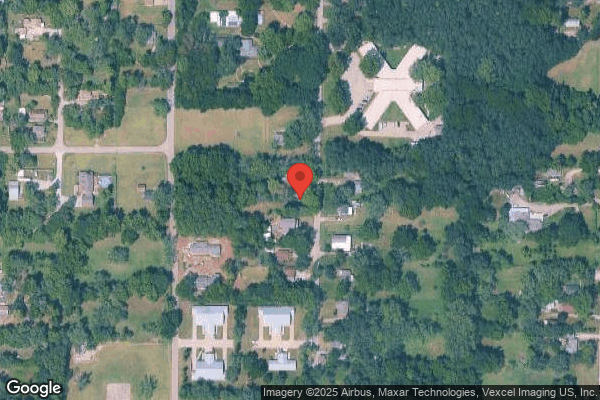
440 SE WOODLAND AVENUE, TOPEKA, KS 66607 (785) 234-6147
For profit - Corporation 97 Beds Independent Data: November 2025
Trust Grade
75/100
#58 of 295 in KS
Last Inspection: April 2025

Within standard 12-15 month inspection cycle. Federal law requires annual inspections.

Overview

Countryside Health Center in Topeka, Kansas, has a Trust Grade of B, indicating it is a good choice among nursing homes. It ranks #58 out of 295 facilities in the state, placing it in the top half, and #4 out of 15 in Shawnee County, meaning only three local options are better. Unfortunately, the facility is worsening, with issues increasing from 6 in 2023 to 9 in 2025. Staffing is a concern, rated at 2/5 stars, but the turnover rate of 37% is below the state average of 48%, suggesting some consistency. While there have been no fines, which is positive, recent inspections revealed critical gaps, such as a failure to conduct yearly performance evaluations for several staff members and inadequate weekend staffing levels, raising concerns about the quality of care residents may receive.

Trust Score
B
75/100
In Kansas
#58/295
Top 19%
Safety Record
Low Risk
No red flags
Inspections
Getting Worse
6 → 9 violations
Staff Stability
○ Average
37% turnover. Near Kansas's 48% average. Typical for the industry.
Penalties
✓ Good
No fines on record. Clean compliance history, better than most Kansas facilities.
Skilled Nurses
⚠ Watch
Each resident gets only 19 minutes of Registered Nurse (RN) attention daily — below average for Kansas. Fewer RN minutes means fewer trained eyes watching for problems.
Violations
⚠ Watch
16 deficiencies on record. Higher than average. Multiple issues found across inspections.
★★★★☆
4.0
Overall Rating
★★☆☆☆
2.0
Staff Levels
★★★★★
5.0
Care Quality
★★★☆☆
3.0
Inspection Score
Stable
2023: 6 issues
2025: 9 issues

The Good

  • 5-Star Quality Measures · Strong clinical quality outcomes
  • Full Sprinkler Coverage · Fire safety systems throughout facility
  • No fines on record
  • Staff turnover below average (37%)

    11 points below Kansas average of 48%

Facility shows strength in quality measures, fire safety.

The Bad

Staff Turnover: 37%

Near Kansas avg (46%)

Typical for the industry

The Ugly 16 deficiencies on record

Apr 2025 9 deficiencies
CONCERN (D)

Potential for Harm - no one hurt, but risky conditions existed

Comprehensive Care Plan (Tag F0656)

Could have caused harm · This affected 1 resident

The facility identified a census of 95 residents. The sample included 19 residents. Based on observation, record review, and interview, the facility failed to develop a plan of care, and implement ski...

Read full inspector narrative →
The facility identified a census of 95 residents. The sample included 19 residents. Based on observation, record review, and interview, the facility failed to develop a plan of care, and implement skin care interventions for Resident (R) 36, who developed at Stage 2 (partial-thickness skin loss into but no deeper than the dermis including intact or ruptured blisters) pressure ulcer (localized injury to the skin and/or underlying tissue usually over a bony prominence, as a result of pressure, or pressure in combination with shear and/or friction). This deficient practice placed R36 at risk for pain, complications, and possible infection associated with pressure ulcers. Findings included: - R36's Electronic Medical Record (EMR) documented diagnoses of type 2 diabetes mellitus (DM - when the body cannot use glucose, not enough insulin is made, or the body cannot respond to the insulin), seborrheic dermatitis (chronic skin condition characterized by inflammation and scaling), schizoaffective disorder (a mental disorder characterized by gross distortion of reality, disturbances of language and communication, and fragmentation of thought), and chronic obstructive pulmonary disease (COPD - a progressive and irreversible condition characterized by diminished lung capacity and difficulty or discomfort in breathing). R36's admission Minimum Data Set (MDS) dated 09/25/24 documented a Brief Interview for Mental Status (BIMS) of 14, which indicated intact cognition. R36 was independent with most functional abilities and required set-up for eating, showering, oral hygiene, and personal hygiene. R36 was at risk for pressure ulcer development. A formal assessment, the Braden Scale (a risk assessment tool used to predict the risk of developing pressure injuries), was used. R36 had a pressure-reducing device for his bed. R36's Pressure Ulcer/Injury Care Area Assessment (CAA) dated 10/04/24 documented he had the potential to develop altered skin integrity and pressure ulcers/injuries related to his diabetes diagnosis. R36's Care Plan initiated on 09/19/24 directed staff that he was independent with most of his activities of daily living (ADL) care, and was able to ask for assistance as needed. R36's care plan lacked a care area for skin care and pressure ulcer prevention. The care plan was not revised with interventions after the development of his Stage 2 pressure ulcer. R36's Orders tab of the EMR documented a physician's order dated 04/16/25 for Blastx (a wound gel, intended for the management of various wounds) with collagen (protein-derived wound treatment used to promote wound healing) every day shift for the wound on the right upper buttock. Cleanse the right upper buttock wounds with cleanser, apply Blastx with collagen, and cover with a foam dressing. Monitor the dressing each shift. R36's EMR documented in the Orders tab a physician's phone order dated 04/21/25 for active liquid protein two times a day for the wound. Given 30 ml and discontinue when wounds heal. R36's Braden Scale for Predicting Pressure Sore Risk assessment, dated 04/04/24, documented a risk score of 20, which indicated a low risk of pressure ulcer development. R36's Weekly Wound Assessment in the EMR dated 04/15/25 documented the first observation of a pressure wound, Stage 2, to the upper right buttock proximal (nearer to a point of reference or attachment) on the torso. The area was pink and moist with scant drainage. The wound measured 1.2 centimeters (cm) in length by 0.3 cm in width, and 0.1 cm in depth. The physician and the resident's representative were notified. A new order placed to cleanse the wound, apply Blastx with collagen, cover with a foam dressing, and change daily. R36's Progress Notes tab of the EMR documented a Communication Note dated 04/14/25 at 08:38 PM, that during the evening treatments, two open areas were located on the right buttocks near the intergluteal cleft (groove that lies between the two gluteal (pertaining to the buttocks or buttocks muscles) regions). The area was cleansed with wound cleanser, patted dry, and an Opti foam (a soft, absorbent foam dressing) dressing was applied. On 04/15/25 at 03:28 PM the Skin/Wound Note under the Progress Notes tab of the EMR documented that it had been noted R36 had two open areas on his upper right buttock. R36's family member was contacted and informed of the areas. A pressure-relieving cushion was placed in his recliner, and he was educated on hygiene and to ask for assistance with peri care after he has a bowel movement. On 04/16/25at 03:12 PM the Nutrition/Dietary Note, under the Progress Notes, in the EMR documented the dietitian had been notified of the two open areas to the right upper buttock. It might be beneficial to offer Pro-stat (a ready-to-drink concentrated liquid protein supplement) 30 milliliters (ml) twice daily until the areas healed. On 04/29/25 at 11:50 AM, R36 sat in the dining room with other residents waiting for lunch. On 04/30/25 at 11:25 AM, Certified Nurse Aide (CNA) O stated that a resident should have something on the care plan regarding skin care and wound prevention. CNA O stated she would report any new skin concerns to the nurse when noticed during bathing. CNA O stated R36 should have something on his care plan about his wound care, but could not say for certain that it did. On 04/30/25 at 11:40 AM, Licensed Nurse (LN) G stated that R36's care plan should have had an intervention in place for generic skin care to prevent wound development. LN G stated R36's care plan should have been updated with interventions after he developed the pressure area. On 04/30/25 at 12:17 PM, Administrative Nurse E stated that each resident should have a care area that addressed the skin and have interventions in place to decrease the chance of a pressure area developing. Administrative Nurse E stated R36's care plan should have been updated to reflect interventions to prevent further pressure ulcer development. The facility's Wound Assessment, Prevention and Treatment policy, dated 11/28/17, documented a resident who entered the facility without pressure ulcers would not develop them unless the individual's clinical condition demonstrated that they were unavoidable. Residents would be evaluated and monitored to prevent the development of pressure ulcers and promote rapid healing of any pressure ulcers that were present. Pressure ulcer risk prevention would be accomplished by completion of the Braden Pressure Ulcer Risk Assessment; identifying and evaluating the risk factors and changes in resident condition; identifying and evaluating factors that can be removed or modified; implementing individualized interventions to attempt to stabilize, reduce or remove underlying risk factors; and monitoring the impact of the interventions for effectiveness and modifying them as appropriate. A comprehensive, individualized care plan would be developed to address the prevention of the development of pressure ulcers, management of risk factors, and treatment strategies for residents with pressure ulcers. The strategies would be developed through collaboration between the resident, his/her representative, the physician, the dietitian, and the clinical staff.
CONCERN (D)

Potential for Harm - no one hurt, but risky conditions existed

Pressure Ulcer Prevention (Tag F0686)

Could have caused harm · This affected 1 resident

The facility identified a census of 95 residents. The sample included 19 residents. Based on observation, record review, and interview, the facility failed to recognize or address the potential for de...

Read full inspector narrative →
The facility identified a census of 95 residents. The sample included 19 residents. Based on observation, record review, and interview, the facility failed to recognize or address the potential for developing a pressure ulcer. The facility failed to identify the risks, develop a plan of care, and implement interventions when Resident (R) 36 developed at Stage 2 (partial-thickness skin loss into but no deeper than the dermis including intact or ruptured blisters) pressure ulcer (localized injury to the skin and/or underlying tissue usually over a bony prominence, as a result of pressure, or pressure in combination with shear and/or friction). This deficient practice placed R36 at risk for pain, complications, and possible infection associated with pressure ulcers. Findings included: - R36's Electronic Medical Record (EMR) documented diagnoses of type 2 diabetes mellitus (DM - when the body cannot use glucose, not enough insulin is made, or the body cannot respond to the insulin), seborrheic dermatitis (chronic skin condition characterized by inflammation and scaling), schizoaffective disorder (a mental disorder characterized by gross distortion of reality, disturbances of language and communication, and fragmentation of thought), and chronic obstructive pulmonary disease (COPD - a progressive and irreversible condition characterized by diminished lung capacity and difficulty or discomfort in breathing). R36's admission Minimum Data Set (MDS) dated 09/25/24 documented a Brief Interview for Mental Status (BIMS) of 14, which indicated intact cognition. R36 was independent with most functional abilities and required set-up for eating, showering, oral hygiene, and personal hygiene. R36 was at risk for pressure ulcer development. A formal assessment, the Braden Scale (a risk assessment tool used to predict the risk of developing pressure injuries), was used. R36 had a pressure-reducing device for his bed. R36's Pressure Ulcer/Injury Care Area Assessment (CAA) dated 10/04/24 documented he had the potential to develop altered skin integrity and pressure ulcers/injuries related to his diabetes diagnosis. R36's Care Plan was initiated on 09/19/24, directed staff that he was independent with most of his activities of daily living (ADL) care, and was able to ask for assistance as needed. R36's care plan lacked a care area for skin care and pressure ulcer prevention. R36's Orders tab of the EMR documented a physician's order dated 04/16/25 for Blastx (a wound gel, intended for the management of various wounds) with collagen (protein-derived wound treatment used to promote wound healing) every day shift for the wound on the right upper buttock. Cleanse the right upper buttock wounds with cleanser, apply Blastx with collagen, and cover with a foam dressing. Monitor the dressing each shift. R36's EMR documented in the Orders tab a physician's phone order dated 04/21/25 for active liquid protein two times a day for the wound. Given 30 ml and discontinue when wounds heal. R36's Braden Scale for Predicting Pressure Sore Risk assessment, dated 04/04/24, documented a risk score of 20, which indicated a low risk of pressure ulcer development. R36's Weekly Wound Assessment in the EMR dated 04/15/25 documented the first observation of a pressure wound, Stage 2, to the upper right buttock proximal to the torso. The area was pink and moist with scant drainage. The wound measured 1.2 centimeters (cm) in length by 0.3 cm in width, and 0.1 cm in depth. The physician and the resident's representative were notified. A new order placed to cleanse the wound, apply Blastx with collagen, cover with a foam dressing, and change daily. R36's Progress Notes tab of the EMR documented a Communication Note dated 04/14/25 at 08:38 PM, that during the evening treatments, two open areas were located on the right buttocks near the intergluteal cleft (groove that lies between the two gluteal regions). The area was cleansed with wound cleanser, patted dry, and an Opti foam (a soft, absorbent foam dressing) dressing was applied. On 04/15/25 at 03:28 PM the Skin/Wound Note, under the Progress Notes, tab of the EMR, documented that it had been noted R36 had two open areas on his upper right buttock. R36's son was contacted and informed of the areas. A pressure-relieving cushion was placed in his recliner, and he was educated on hygiene and to ask for assistance with peri care after he has a bowel movement. On 04/16/25at 03:12 PM the Nutrition/Dietary Note, under the Progress Notes, in the EMR documented the dietitian had been notified of the two open areas to the right upper buttock. It might be beneficial to offer Pro-stat (a ready-to-drink concentrated liquid protein supplement) 30 milliliters (ml) twice daily until the areas heal. On 04/29/25 at 11:50 AM, R36 sat in the dining room with other residents waiting for lunch. On 04/30/25 at 11:25 AM, Certified Nurse Aide (CNA) O stated that a resident should have something on the care plan regarding skin care and wound prevention. CNA O stated she would report any new skin concerns to the nurse when noticed during bathing. CNA O stated R36 should have something on his care plan about his wound care, but could not say for certain that it did. On 04/30/25 at 11:40 AM, Licensed Nurse (LN) G stated that R36's care plan should have had an intervention in place for generic skin care to prevent wound development. LN G stated R36's care plan should have been updated with interventions after he developed the pressure area. On 04/30/25 at 12:17 PM, Administrative Nurse E stated that all residents got a weekly skin check. Administrative Nurse E stated that the aides looked over the resident's skin during bathing and should be reporting any new skin issues. Administrative Nurse E stated that each resident should have a care area that addressed the skin and have interventions in place to decrease the chance of a pressure area developing. Administrative Nurse E stated R36's care plan should have been updated to reflect interventions for further pressure ulcer development. The facility's Wound Assessment, Prevention and Treatment policy, dated 11/28/17, documented a resident who entered the facility without pressure ulcers would not develop them unless the individual's clinical condition demonstrated that they were unavoidable. Residents would be evaluated and monitored to prevent the development of pressure ulcers and promote rapid healing of any pressure ulcers that were present. Pressure ulcer risk prevention would be accomplished by completion of the Braden Pressure Ulcer Risk Assessment; identifying and evaluating the risk factors and changes in resident condition; identifying and evaluating factors that can be removed or modified; implementing individualized interventions to attempt to stabilize, reduce or remove underlying risk factors; and monitoring the impact of the interventions for effectiveness and modifying them as appropriate. A comprehensive, individualized care plan would be developed to address the prevention of the development of pressure ulcers, management of risk factors, and treatment strategies for residents with pressure ulcers. The strategies would be developed through collaboration between the resident, his/her representative, the physician, the dietitian, and the clinical staff.
CONCERN (D)

Potential for Harm - no one hurt, but risky conditions existed

Deficiency F0699 (Tag F0699)

Could have caused harm · This affected 1 resident

**NOTE- TERMS IN BRACKETS HAVE BEEN EDITED TO PROTECT CONFIDENTIALITY** - R10's Electronic Medical Record (EMR) recorded diagnoses of schizoaffective (a mental disorder characterized by gross distorti...

Read full inspector narrative →
**NOTE- TERMS IN BRACKETS HAVE BEEN EDITED TO PROTECT CONFIDENTIALITY** - R10's Electronic Medical Record (EMR) recorded diagnoses of schizoaffective (a mental disorder characterized by gross distortion of reality, disturbances of language, and communication, and fragmentation of thought) disorder, bipolar disorder (a major mental illness that causes people to have episodes of severe high and low moods), and posttraumatic stress disorder (PTSD - a mental disorder characterized by an acute emotional response to a traumatic event or situation involving severe environmental stress). R10's Annual Minimum Data Set (MDS) dated 06/27/24 documented a Brief Interview for Mental Status (BIMS) score of 15, which indicated intact cognition. R10 was independent with his functional abilities and activities of daily living (ADL). R10 had a diagnosis of PTSD. R10's Psychotropic Drug Use Care Area Assessment (CAA) dated 06/28/25 documented he took psychotropic (alters mood or thought) medications to manage his moods and behaviors related to his mental health disorders. R10 would be care planned for the management of psychotropic medications as per order and standards of practice. R10's Psychosocial Care Plan was revised on 11/16/22, directed staff that he had a history of PTSD but had not suffered from many side effects lately. Staff were directed that he could be easily startled or feel detached from others. Staff were directed that if he displayed any of those symptoms or did not seem himself, to talk to him to see if he needed help coping. R10's care plan lacked staff direction that addressed his triggers or interventions to prevent further re-traumatization. R10's EMR Assessments tab documented Primary Care PTSD Screen- V2 completed on 10/27/21, 10/27/22, 10/23/23, and 11/12/24. These assessments lacked the specific trauma or possible triggers for R10. On 04/29/25 at 10:26 PM, R10 and a couple other male residents met to talk about resident council. R10 had no behaviors noted. On 04/30/25 at 11:40 AM, Licensed Nurse (LN) G stated that R10's care plan should reflect the cause of his PTSD and what might trigger it, so staff would be aware and monitor him for possible re-traumatization. On 04/30/25 at 12:19 PM, Administrative Nurse E stated that staff should be made aware of what R10's trauma was and possible triggers that could cause re-traumatization. Administrative Nurse E stated R10's care plan would be updated to reflect that information. The facility policy Trauma Informed Care was updated 11/09/21 and documented that the facility would ensure residents who were trauma survivors received culturally competent, trauma-informed care, accounting for the resident's experiences and preferences. Trauma-informed care recognized the effects of physical, psychological, and emotional trauma on the overall well-being of residents. Trauma could result from a variety of experiences that may occur at any time throughout the resident's lifetime. A screening would be completed on residents to identify any potential experiences that may impact care needs. The Post-Traumatic Stress Disorder (PTSD) Screening would be completed during the lookback period for the admission, significant change, and annual MDS. The facility identified a census of 96 residents. The sample included 19 residents, with four residents reviewed for trauma-informed care (treatment or care directed to prevent re-experiencing or reducing the effects of traumatic events). Based on observation, record review, and interviews, the facility failed to identify trauma-based triggers related to Residents (R) 45's and R10 post-traumatic stress disorder (PTSD - a mental disorder characterized by an acute emotional response to a traumatic event or situation involving severe environmental stress) and failed to implement individualized interventions to prevent re-traumatization. These deficient practices placed R45 and R10 at risk for decreased psychosocial well-being and ineffective treatment. Findings included: - R45's Electronic Medical Record (EMR) from the Diagnosis tab documented diagnoses hypertension (high blood pressure), anxiety (mental or emotional reaction characterized by apprehension, uncertainty, and irrational fear), nicotine dependence on cigarettes, posttraumatic stress disorder (PTSD- a mental disorder characterized by an acute emotional response to a traumatic event or situation involving severe environmental stress), schizoaffective (a mental disorder characterized by gross distortion of reality, disturbances of language and communication, and fragmentation of thought), bipolar disorder (a major mental illness that causes people to have episodes of severe high and low moods), and insomnia (inability to sleep). The Quarterly Minimum Data Set (MDS) dated [DATE] documented a Brief Interview of Mental Status (BIMS) score of 15, which indicated intact cognition. The MDS documented R45 had an active diagnosis of PTSD. The MDS documented R45 had delusions (misconceptions or beliefs that are firmly held, contrary to reality). The MDS documented R2 had received antipsychotic (a class of medications used to treat major mental conditions that cause a break from reality), antianxiety (a class of drugs that calm and relax people), antidepressant (a class of medications used to treat mood disorders), and a hypnotic (a class of medications used to induce sleep). R45's Psychosocial Wellbeing Care Area Assessment (CAA) dated 05/27/24 documented R45 was a new admit to the facility. The CAA documented R45 would be encouraged to put up personal belongings and items in her room. The CAA documented R45 would be encouraged to participate in activities and meals to meet and begin to form friendships. R45's Care Plan dated 05/23/2024 documented R45 would manage her symptoms of anxiety to be able to function in day-to-day situations. The plan of care documented R45 would no longer have control over all aspects of my life. Staff were to include R45 and her guardian in all care planning and decision-making. The plan of care documented R45 would keep her routine the same to help me manage her anxiety. R45's plan of care documented she took medication for my anxiety, staff were to monitor my medication for effectiveness, side effects, and adverse reactions. The plan of care for R45 documented if she began to show signs of anxiety, such as having trouble going to sleep, decreased appetite, weight loss, crying, increased agitation, and disruptive behavior, staff were directed to notify the physician. The plan of care lacked what trauma had caused her PTSD or what might have caused her to be retraumatized. The plan of care lacked personalized interventions to assist her with coping with her PTSD. R45's EMR under the Assessment tab revealed the following: Primary Care PTSD Screen dated 05/20/24 documented no PTSD issues reported. On 04/28/25 at 08:22 AM, R45 sat in her chair in her room, looking at her hats. On 04/28/25 at 08:25 AM, R45 stated she did have some things in her past she worried about, but her sisters have had more to worry about. On 04/30/25 at 11:25 AM, Certified Nurse Aide (CNA) O stated that if a resident had PTSD, she would know what the triggers are, either by asking her nurse or looking in the resident's care plan. CNA O stated she had access to the Kardex (a nursing tool that gives a brief overview of the care needs of each resident). On 04/30/25 at 11:40 AM, Licensed Nurse (LN) G stated residents with a diagnosis of PTSD have a care plan, which states what their triggers were and what the staff should do to deescalate those triggers. LN G stated that all nursing staff have access to the plan of care. On 04/30/25 at 12:17 PM, Administrative Nurse E stated that with most of the residents who had PTSD, the staff communicated by word of mouth. Administrative Nurse E stated she expected the care plan to address triggers for residents with PTSD. The facility's Trauma Informed Care policy, undated, documented the facility would ensure residents who were trauma survivors receive culturally competent, trauma-informed care, accounting for the resident's experiences and preferences. Trauma-informed care recognizes the effects of physical, psychological, and emotional trauma on the overall well-being of residents. Trauma can result from a variety of experiences that may occur at any time throughout the resident's lifetime.
CONCERN (E)

Potential for Harm - no one hurt, but risky conditions existed

Deficiency F0678 (Tag F0678)

Could have caused harm · This affected multiple residents

**NOTE- TERMS IN BRACKETS HAVE BEEN EDITED TO PROTECT CONFIDENTIALITY** The facility reported a census of 95 residents. The facility identified 85 residents who had requested to be full code (term use...

Read full inspector narrative →
**NOTE- TERMS IN BRACKETS HAVE BEEN EDITED TO PROTECT CONFIDENTIALITY** The facility reported a census of 95 residents. The facility identified 85 residents who had requested to be full code (term used to indicate the desire to receive resuscitative measures in the event of cardiac arrest). Based on interview and record review, the facility failed to establish and maintain a system to ensure nursing staff maintained current cardiopulmonary resuscitation (CPR - a life-saving medical procedure that consists of chest compressions to allow oxygenated blood to circulate to vital organs, such as the brain and heart and artificial ventilation) certification for healthcare providers. This deficient practice placed these residents who desired CPR if needed at risk for inadequate resuscitative measures. Findings included: - On [DATE] at 12:32 PM, CPR verification wass requested for the following dates and shifts: day shift on [DATE] and [DATE], evening shift on [DATE] and [DATE], and night shift on [DATE] and [DATE]. The facility was unable to provide verification of CPR certification for staff members on the evening and night shifts as requested. On [DATE] at 02:35 PM, Administrative Staff A stated he was unable to locate CPR certification for staff who had worked on the dates of the evening and night shifts that were requested. Administrative Staff A stated the facility did not have a system in place to track staff CPR certification. The facility's Cardo-Pulmonary Resuscitation (CPR) policy, last revised [DATE], documented that emergency basic life support would be provided when needed, including cardio-pulmonary resuscitation (CPR) in accordance with physician orders and the resident's advance directives. Basic life support and cardio-pulmonary resuscitation would be initiated for any resident whose advance directive indicates them to be a full code. This would be continued until the arrival of emergency medical personnel.
CONCERN (E)

Potential for Harm - no one hurt, but risky conditions existed

Deficiency F0761 (Tag F0761)

Could have caused harm · This affected multiple residents

The facility identified a census of 95 residents. The sample included 19 residents, with two medication rooms. Based on observation, record review, and interviews, the facility failed to properly labe...

Read full inspector narrative →
The facility identified a census of 95 residents. The sample included 19 residents, with two medication rooms. Based on observation, record review, and interviews, the facility failed to properly label and store medications in the medication room, and further failed to secure medication carts containing residents' insulin (a hormone that lowers the level of glucose in the blood) pens and needles. This placed the residents at risk for adverse outcomes or ineffective medication regimens. Findings included: - On 04/28/25 at 07:05 AM, a medication cart sitting in the dining room was unlocked, and the medication cart had an insulin pen laid on top of the cart. The medication cart had a box that included an insulin pen, needles, and a glucose monitor in a plastic box. The medication cart revealed several residents' insulin pens and needles. On 04/30/25 at 8:15 AM, the medication refrigerator contained an opened, undated vial of tuberculin test serum(method of determining whether a person is infected ). On 04/30/25 at 10:55 AM, the medication cart in the commons area was unsecured. Administrative Nurse E secured the medication cart. On 04/28/25 at 07:07 AM, Licensed Nurse (LN) H stated medication carts should never be left unattended. She stated insulin pens and needles should be locked in the cart when staff are not within eyesight of the medication cart. On 04/30/25 at 12:17 PM, Administrative Nurse E stated medication carts should be locked and never left unattended. She stated it is the policy of the facility to keep keys on person at all times, and keep carts locked. The facility's Storage of Medication and Biologicals dated 03/11 documented medications and biologicals were stored safely, securely, and properly, following manufacturer's recommendations or those of the supplier. The medication supply was accessible only to licensed nursing personnel, pharmacy personnel, or staff members lawfully authorized to administer medications.
CONCERN (E)

Potential for Harm - no one hurt, but risky conditions existed

Infection Control (Tag F0880)

Could have caused harm · This affected multiple residents

The facility identified a census of 95 residents. The facility identified three residents on Enhanced Barrier Precautions (EBP - infection control interventions designed to reduce transmission of resi...

Read full inspector narrative →
The facility identified a census of 95 residents. The facility identified three residents on Enhanced Barrier Precautions (EBP - infection control interventions designed to reduce transmission of resistant organisms that employ targeted gown and glove use during high contact care). Based on record reviews, observations, and interviews, the facility failed to implement signage or indicators within the physical environment to alert staff and visitors of the required EBP and personal protective equipment (PPE) for Resident (R) 36 and R52. The facility additionally failed to cover linens in the hallways and further failed to ensure the dirty laundry sorting area was equipped with a gown and mask. This defiant practice placed the residents at risk of infectious diseases. Findings included: - On 04/28/25 at 07:15 AM, an inspection of R36's room revealed no EBP indicator signage to inform visitors or staff. On 04/28/25 at 07:15 AM, an inspection of R52's room revealed no EBP indicator signage to inform visitors or staff. On 04/28/25 at 7:42 AM, Laundry Staff U pushed a cart of blankets down Hall B; the cart was not covered. On 04/30/25 at 08:10 AM, a tour of the laundry room revealed no PPE to sort dirty laundry. On 04/30/25 at 08:15 AM, Laundry Staff U stated he had not been at the facility very long. He stated he was unaware he would need PPE to sort dirty laundry. Laundry Staff U stated he did know he needed to have the linen covered in the hallways. He stated the smaller carts did not have covers, and he uses a sheet to cover the linens when in the hallway. On 04/30/25 at 11:25 AM, Certified Nurse's Aide (CNA) O stated she would ask the charge nurse who was on EHB (enhanced barrier) and what PPE should be worn. On 04/30/25 at 11:40 AM, Licensed Nurse (LN) G stated that any resident with an open wound should have EHB precautions. She stated that there would usually be an orange dot by the resident's name card on the door if the resident was on EHB precautions. On 04/30/25 at 12:17 PM, Administrative Nurse E stated the resident's room would have an orange dot on the resident's name plate outside the room. She stated it was through the training of staff that the staff would know what PPE staff were required to wear during resident tasks. Administrative Nurse E stated there was no signage inside the resident's room. The facility's Infection Tracking and Trending policy, dated 11/17, documented an infection control program would be utilized to investigate, control, and prevent infections in the facility. The facility's infection prevention and control program prevents, identifies, investigates, and controls infections and communicable diseases for all residents and staff, providing services under a contractual agreement and following accepted national standards.
CONCERN (F)

Potential for Harm - no one hurt, but risky conditions existed

Deficiency F0730 (Tag F0730)

Could have caused harm · This affected most or all residents

The facility identified a census of 95 residents. The sample included 19 residents, two Certified Nurse Aides (CNA), and three Certified Medication Aides (CMA) were reviewed for yearly performance eva...

Read full inspector narrative →
The facility identified a census of 95 residents. The sample included 19 residents, two Certified Nurse Aides (CNA), and three Certified Medication Aides (CMA) were reviewed for yearly performance evaluations and the associated in-service training. Based on record review and interview, the facility failed to ensure five of the two CNAs and three CMA staff reviewed had yearly performance evaluations completed. This placed the residents at risk for inadequate care. Findings included: - A review of the facility's staffing list revealed the following CNAs and CMAs were employed with the facility for more than 12 months: CMA T, hired on 04/18/18, had no yearly performance evaluation upon request. CMA S, hired on 11/27/20, had no yearly performance evaluation upon request. CNA M, hired on 01/21/23, had no yearly performance evaluation upon request. CMA R, hired on 01/08/24, had no yearly performance evaluation upon request. CNA N, hired on 03/25/24, had no yearly performance evaluation upon request. On 04/29/25 at 10:12 AM, Administrative Staff A stated the employee's supervisor was responsible for completing the yearly performance review. Administrative Staff A stated that the facility completed the employees' yearly performance reviews in November. Administrative Staff A stated that the five nursing staff had not received a yearly performance review in the past 12 months. The facility was unable to provide a policy related required yearly performance reviews.
CONCERN (F)

Potential for Harm - no one hurt, but risky conditions existed

Deficiency F0838 (Tag F0838)

Could have caused harm · This affected most or all residents

The facility identified a census of 95 residents. The sample included 19 residents. Based on observations, interviews, and record reviews, the facility failed to conduct a thorough facility-wide asses...

Read full inspector narrative →
The facility identified a census of 95 residents. The sample included 19 residents. Based on observations, interviews, and record reviews, the facility failed to conduct a thorough facility-wide assessment to determine the resources necessary to care for residents competently during day-to-day operations and emergencies. This failure affected all 95 residents residing in the facility. Findings included: - On 04/28/25, Administrative Nurse D provided a Facility Assessment updated 01/30/25. A review of the assessment revealed the following: The assessment identified the required staffing needs per day but failed to identify the specific staffing needs by shifts for the weekends. On 04/29/25, a review of the facility's Payroll Based Journaling (PBJ - Staffing Data Report) from 04/01/24 to 03/31/25 revealed excessively low weekend staffing triggered on all four quarters. On 04/30/25 at 08:41 AM, Administrator A stated the nursing hours were set by the corporate office, and the assessment was recently updated to reflect the hours needed for days and nights. He stated the assessment did not differentiate between the weekdays and the weekends. He stated weekends were staffed differently from the normal nursing hours due to the increased staff presence during the weekdays. He stated the facility put a program in place to ensure consistent staff hours on the weekends to prevent staffing shortages. The facility's Facility Assessment policy, revised 06/2018, indicated the facility would conduct and document a facility-wide assessment to determine what resources were necessary to care for the residents during day-to-day operations and emergencies.
CONCERN (F)

Potential for Harm - no one hurt, but risky conditions existed

Staffing Data (Tag F0851)

Could have caused harm · This affected most or all residents

The facility had a census of 95 residents. Based on interview and record review, the facility failed to submit complete and accurate staffing information to the federal regulatory agency through Payro...

Read full inspector narrative →
The facility had a census of 95 residents. Based on interview and record review, the facility failed to submit complete and accurate staffing information to the federal regulatory agency through Payroll Based Journaling (PBJ - Staffing Data Report). This placed the residents at risk for impaired care due to unidentified staffing issues. Findings included: - The PBJ report provided by the Centers for Medicare & Medicaid Services (CMS) for Fiscal Year 2024, all four quarters indicated the facility triggered for excessively low weekend staffing. On 04/29/25 at 09:10 PM, Administrative Nurse D stated that the weekend staffing was not low. Administrative Nurse D stated that the level of weekend staffing was the same as during the week for direct care staff. Administrative Nurse D stated there must be an error in the reporting of the hours. The facility's Competent and Sufficient Staffing policy, dated 09/2024, documented direct care staffing information was submitted to the payroll-based journal (PBJ) system on the schedule specified by the Centers for Medicare & Medicaid Services (CMS), but no less than once a quarter.
Aug 2023 6 deficiencies
CONCERN (D)

Potential for Harm - no one hurt, but risky conditions existed

Resident Rights (Tag F0550)

Could have caused harm · This affected 1 resident

**NOTE- TERMS IN BRACKETS HAVE BEEN EDITED TO PROTECT CONFIDENTIALITY** The facility had a census of 87 residents. The sample included 18 residents of which Resident (R) 14 was reviewed for dignity. B...

Read full inspector narrative →
**NOTE- TERMS IN BRACKETS HAVE BEEN EDITED TO PROTECT CONFIDENTIALITY** The facility had a census of 87 residents. The sample included 18 residents of which Resident (R) 14 was reviewed for dignity. Based on observation, record review and interview the facility failed to promote dignity for R14 who had a urinary catheter (a tube in the bladder to drain urine). This placed the resident at risk for embarrassment and an undignified experience. Findings included: - R14's Electronic Medical Record (EMR) documented he had diagnoses of kidney failure (severe failure of kidneys to function), neurogenic bladder (lack of bladder control due to a disease process), and schizophrenia (serious mental condition). R14's Significant Change Minimum Data Set (MDS), dated [DATE], documented the resident had a urinary catheter. The urinary catheter Care Area Assessment (CAA), dated 07/20/23, documented the resident had end stage kidney failure and neurogenic bladder and required the use of a urinary catheter. The updated Urinary Catheter care plan, dated 07/12/23, instructed staff to cover the urinary drainage bag with a cover. On 08/09/23 at 1:00PM, observation revealed R14 sat in a wheelchair in the front lobby. Further observation revealed the uncovered urinary drainage bag attached to the side of the wheelchair with urine visible in the bag. On 08/10/23 at 11:15AM, observation revealed R14 sat in a wheelchair on C hallway. Further observation revealed the uncovered urinary drainage bag attached to the side of the wheelchair, with urine visible in the bag. On 08/14/23 at 02:10PM, observation revealed R14 sat in a wheelchair coming in from the outside patio. Further observation revealed the uncovered urinary drainage bag attached to the side of the wheelchair with urine visible in the bag. On 08/14/23 at 02:15PM, Licensed Nurse (LN) H verified the urinary drainage bag uncovered on the side R14's wheelchair. LN H verified the bag should be in a cover. On 08/15/23 at 09:00AM, Administrative Nurse D verified R14's urinary drainage bag should be in a covered bag. The facility's Dignity Resident Rights policy, dated 04/27/18, stated residents' have a right to a dignified existence. The facility's Catheter Care policy, dated 04/27/18, stated residents' with a urinary catheter are to have the urinary bag covered when up and when in bed to provide dignity. The facility failed to cover the urinary drainage bag for R14, placing the resident at risk for embarrassment and an undignified experience.
CONCERN (D)

Potential for Harm - no one hurt, but risky conditions existed

Deficiency F0625 (Tag F0625)

Could have caused harm · This affected 1 resident

**NOTE- TERMS IN BRACKETS HAVE BEEN EDITED TO PROTECT CONFIDENTIALITY** The facility had a census of 87 residents. The sample included 18 residents with one reviewed for hospitalization. Based on obse...

Read full inspector narrative →
**NOTE- TERMS IN BRACKETS HAVE BEEN EDITED TO PROTECT CONFIDENTIALITY** The facility had a census of 87 residents. The sample included 18 residents with one reviewed for hospitalization. Based on observation, interview, and record review the facility failed to provide a written notice of bed hold for Resident (R) 11 when he was hospitalized . This placed the resident at risk of being unable to return to the facility and in his prior room. Findings included: - R11's Electronic Medical Record documented diagnoses of heart disease and high blood pressure. The Annual Minimum Data Set (MDS), dated [DATE], documented a Brief Interview for Mental Status (BIMS) score of 15, indicating intact cognition. The MDS documented R11 was independent with most activities of daily living and received pain medication. The Cardiac Care Plan, dated 07/08/23 directed staff to provide cardiac and respiratory medications or treatments as ordered, including Nitrostat (a medication that dilates blood vessels) for chest pain, as prescribed by his physician and observe for medication effectiveness. The Progress Note, dated 06/10/23 at 06:16 AM, documented staff notified the physician of R11's continued complaint of chest pain and requested to R11 to the emergency room (ER). The EMR documented R11 was hospitalized from [DATE] to 06/12/23 due to chest pain. R11's clinical record lacked evidence the facility gave R11 a bed hold form as required. On 08/15/23 at 07:35 AM, observation revealed Certified Medication Aide (CMA) R knocked on R11's door, took his pulse and administered medications. R11 took them whole, in applesauce, without problems. On 08/15/23 at 08:59 AM, Administrative Nurse D stated she thought the resident was only out for observation not in-patient hospitalization and verified the facility had not provided the resident a bed hold notice. The facility's Bed Hold Notice policy, dated 11/28/17, stated a written notice which specified the duration of the bed hold policy would be provided at the time of the transfer of a resident for hospitalization or therapeutic leave. The policy stated Medicaid allows up to 10 days per confinement for reservation of a bed when a nursing facility resident leaves and is admitted to an acute care facility. The facility failed to provide a written notice of bed hold for R11 when he was hospitalized , placing R11 at risk to not be placed in his prior room.
CONCERN (D)

Potential for Harm - no one hurt, but risky conditions existed

Deficiency F0849 (Tag F0849)

Could have caused harm · This affected 1 resident

**NOTE- TERMS IN BRACKETS HAVE BEEN EDITED TO PROTECT CONFIDENTIALITY** The facility had a census of 87 residents. The sample included 18 residents with Resident (R) 14 reviewed for Hospice services. ...

Read full inspector narrative →
**NOTE- TERMS IN BRACKETS HAVE BEEN EDITED TO PROTECT CONFIDENTIALITY** The facility had a census of 87 residents. The sample included 18 residents with Resident (R) 14 reviewed for Hospice services. Based on observation, record review and interview, the facility failed to ensure R14 had a hospice plan of care in place and available for facility staff direction on hospice provided care. This deficient practice placed R14 at risk for unmet hospice care/services and a decline in his well-being. Findings included: - R14's Electronic Medical Record (EMR) documented he had diagnoses of kidney failure (severe failure of kidneys to function), neurogenic bladder (lack of bladder control due to a disease process), and schizophrenia (serious mental condition). R14's Significant Change Minimum Data Set(MDS), dated [DATE], documented the resident received hospice services. Review of the EMR documented hospice services for end stage kidney failure started 07/13/23. Further review of the EMR lacked a facility hospice care plan which contained the hospice contact information, frequency of visits, supplies provided, and medications covered. On 08/10/23 at 11:15AM, observation revealed R14 seated in a wheelchair in the front lobby. On 08/10/23 at 12:45PM, Administrative Nurse E verified R14 lacked a facility hospice care plan. On 08/15/23 at 08:10AM, Administrative Nurse D verified R14 lacked a facility hospice care plan for coordination of hospice services. The facility's Hospice/End of Life policy, dated 11/2017, stated the facility will collaborate with hospice on a plan of care to be developed jointly between the hospice and facility. The facility failed to coordinate Hospcie cares for R14 who received hospice services. This deficient practice placed R14 at risk for unmet hospice care/services and a decline in his well-being.
CONCERN (E)

Potential for Harm - no one hurt, but risky conditions existed

Deficiency F0761 (Tag F0761)

Could have caused harm · This affected multiple residents

The facility had a census of 87 residents. The sample included 18 residents. Based on observation, interview, and record review, the facility failed to label Resident(R)41, R53, R65, R72, R55 and R56s...

Read full inspector narrative →
The facility had a census of 87 residents. The sample included 18 residents. Based on observation, interview, and record review, the facility failed to label Resident(R)41, R53, R65, R72, R55 and R56s' insulin (hormone which allows cells throughout the body to uptake glucose) flex pens and non-insulin flex pens with the date opened and expiration date and failed to discard expired stock medication on one medication cart. These deficient practices placed the affected resident at risk for ineffective medications. Findings included: - On 08/09/23 at 08:30 AM, observation of Hall D medication cart revealed the following: Magnesium Oxide (antacid or used to treat low magnesium) 400 milligrams (mg) 100 tablets expired 06/2023. On 08/09/23 at 09:15AM, observation of the Hall A and B treatment cart revealed the following: R41's Ozempic (insulin medication used to help the body make and release insulin) flex pen lacked an open date and expiration date. R53's Victozia (non-insulin injection used to lower blood sugar) flex pen lacked an open date and expiration date. R65's Novolog (rapid acting insulin) flex pen lacked an open date and expiration date. R72's Levemir (long-acting insulin) flex pen lacked an open date and expiration date. R55's Novolog lacked an open date and expiration date. R56's Novolog flex pen lacked an open date and expiration date. On 08/09/23 at 09:45 AM, Licensed Nurse (LN) G verified the nurses were to date the flex pens when opened and discard the expired insulin and discard expired medications. On 08/10/23 at 8:45 AM, Administrative Nurse D verified the nurses should label and date the flex pens with the resident's name and discard expired pens and discard expired medications. The facility's Storage of Medications policy, undated, documented the facility shall store all drugs and biologicals in a safe, secure, and orderly manner. The facility shall discard outdated, contaminated, or deteriorated medications. The facility failed to label, and date the resident's flex pens, with date opened and expiration dates and failed to dispose of expired medication placing the residents at risk for ineffective medication.
CONCERN (F)

Potential for Harm - no one hurt, but risky conditions existed

Deficiency F0727 (Tag F0727)

Could have caused harm · This affected most or all residents

The facility had a census of 87 residents. The sample included 18 residents. Based on record review, and interview, the facility failed to use the services of a registered nurse (RN) for at least eigh...

Read full inspector narrative →
The facility had a census of 87 residents. The sample included 18 residents. Based on record review, and interview, the facility failed to use the services of a registered nurse (RN) for at least eight consecutive hours a day, seven days a week, for the 87 residents who resided in the facility. This placed the facility and residents at risk for inadequate nurse guidance and decreased quality of care. Findings included: - Review of the Registered Nursing Staffing Schedule for May, June and September 2022, recorded the facility lacked a RN for eight consecutive hours on the following dates: 05/22/22, 05/30/22, 06/04/22, 06/05/22, 06/18/22, 06/19/22 and 09/05/22. On 08/10/23 at 08:50 AM, Administrative Nurse D verified the facility did not have a RN in the building or working as a charge nurse for the above documented dates. The facility's Nursing Services policy, dated 04/17/18 recorded the facility would provide nursing services to maintain resident safety and attain or maintain the highest practicable physical, mental, and psychological well-being of each resident. The policy recorded a registered nurse (RN) would be present in the facility for 8 consecutive hours a day. The facility failed to provide a RN for the 87 residents who resided in the facility for at least eight consecutive hours a day, seven days a week, placing the facility and residents at risk for inadequate nurse guidance and decreased quality of care.
CONCERN (F)

Potential for Harm - no one hurt, but risky conditions existed

Deficiency F0801 (Tag F0801)

Could have caused harm · This affected most or all residents

The facility had a census of 87 residents. Based on observation, interview, and record review the facility failed to employ a full time certified dietary manager for the 87 residents who resided in th...

Read full inspector narrative →
The facility had a census of 87 residents. Based on observation, interview, and record review the facility failed to employ a full time certified dietary manager for the 87 residents who resided in the facility and received meals from the facility kitchen. This deficient practice placed the 87 residents at risk for receiving inadequate nutrition. Findings included: - On 08/09/23 at 08:32 AM, observation revealed Dietary Staff (DS) BB supervising staff in the kitchen. DS BB stated the facility did not have a Dietary Manager and the administrator and director of nursing supervised the dietary department. On 08/14/23 at 09:34 AM, Administrative Staff A verified the facility did not have a certified dietary manager since the last one quit. He stated the Registered Dietician, who checked the kitchen, came to the facility monthly and the director of nursing placed the food orders with vendors. The facility's Director of Dining Services Roles and Responsibilities policy, dated 04/03/20, stated the Director of Dining Services meets one of the following requirements: is a qualified dietician; is a certified dietary manager; or has an associate's or higher degree in food service management from an accredited institution of higher learning. The Director of Dining Services is a full-time employee and responsible for the day-to-day functions of the dining services. The facility failed to employ a full time certified dietary manager for the 87 residents who resided in the facility and received meals from the facility kitchen, placing the 87 residents at risk for receiving inadequate nutrition.
Jan 2022 1 deficiency
CONCERN (D)

Potential for Harm - no one hurt, but risky conditions existed

ADL Care (Tag F0677)

Could have caused harm · This affected 1 resident

**NOTE- TERMS IN BRACKETS HAVE BEEN EDITED TO PROTECT CONFIDENTIALITY** The facility had a census of 87 residents. The sample included 18 residents. Based on observation, record review, and interview,...

Read full inspector narrative →
**NOTE- TERMS IN BRACKETS HAVE BEEN EDITED TO PROTECT CONFIDENTIALITY** The facility had a census of 87 residents. The sample included 18 residents. Based on observation, record review, and interview, the facility failed to provide the necessary services to maintain activities of daily living (ADLs) for two sampled residents, Resident (R)71 and R78. This placed the residents at risk for poor hygiene and decline in ADLs. Findings included: - R71's Physician Order Sheet (POS), dated 12/06/21, documented diagnoses of hemiplegia (paralysis of one side of the body) and hemiparesis (muscular weakness of one half of the body) following a cerebral infarction (stroke - sudden death of brain cells due to lack of oxygen caused by impaired blood flow to the brain by blockage or rupture of an artery to the brain) affecting right dominant side, restlessness and agitation (feeling of aggravation or restlessness brought on by a provocation or a medical condition), and dementia (progressive mental disorder characterized by failing memory, confusion) with behavioral disturbance. The Annual Minimum Data Set (MDS), dated [DATE], documented the resident had moderately impaired cognition, wandering, and required extensive assistance of one staff for transfers, dressing, personal hygiene, and bathing. The resident had range of motion impairment to upper and lower extremities of one side and used a wheelchair for mobility. The MDS further documented it was very important for R71 to choose between a bath, shower, bed bath, or sponge bath. The ADL Care Area Assessment (CAA), dated 12/13/21, documented the resident had hemiplegia related to a stroke and had ADL deficits which required assistance of staff. The Care Plan, dated 12/22/21, documented R71 had hemiplegia affecting his dominant side, needed assistance with most ADL cares, needed increased toileting plan to include before and after meals or every two to three hours while awake due to receiving a diuretic (medication to promote the formation and excretion of urine). The Care Plan documented R71 required assistance for cutting up food, used large handled utensils, and directed staff to provide non-medication pain relief measures such as positioning and warm shower. The resident's bathing choice was Monday, Wednesday, and Friday. The Restorative Progress Note dated 01/04/22, documented R71 required limited to extensive assistance with ADL's, wore adult incontinence briefs, and was checked and changed every two hours and as needed. The MDS Progress Note dated 12/10/21, documented R71 had a history of stroke with dominant side hemiplegia, had a toileting program by staff upon waking, before and after meals, and at bedtime. The note further documented the resident's regular diet was served on a divided plate with large handled utensils and he ate at the restorative table for monitoring and assistance with cutting his foods. The note also documented the need of one staff for personal hygiene, dressing, and showering. Review of the Bathing Record for R71 revealed the resident had no recorded bathing from 11/01/21 until (resident refused on 11/05/21) 11/17/21 (17 days). Further review of December 21 through January 10, 22 lacked documentation the resident had received or refused bathing (54 days). On 01/05/21 at 08:34 AM, observation revealed R71 sat in the dining room, in a wheelchair, and received medications from the nurse. On 01/05/21 at 11:52 AM, observation revealed the resident remained in the dining room, and had not been removed or offered toileting assistance. Meal service had started and he waited to be served his noon meal. On 01/05/21 at 12:42 PM R71 received his meal in a divided plate with large handled utensils. The plate contained a meat stuffed green pepper. R71 stabbed the meal item with a fork, and ate the meat off the fork, getting food on his beard. R71 tried to wipe his beard/face with his right hand by lifting the impaired right hand with his left hand. Observation revealed staff did not offer or assist R71 with cutting the meat and pepper into bite size pieces. On 01/05/21 at 02:04 PM, continued observation revealed the resident had remained in the dining room and staff took the resident from the dining room to his room for toileting. The resident had not been offered toileting for over six hours. On 01/10/21 at 12:43 PM R71 sat in the dining room at the usual restorative table. Staff served him manicotti (large pasta noodle stuffed with cheeses) on a divided plate. R71 was provided regular utensils, not large handled as directed in his plan of care. Observation revealed a long piece of noodle hung from R71's mouth as he ate since staff had not cut the meal item into bite size pieces. On 01/10/22 at 01:01 PM, Certified Medication Aide (CMA) S stated staff charted the baths in the electronic record. CMA S reported refusals should be recorded in the electronic record also. On 01/10/22 at 01:55 PM, Administrative Nurse D stated R71 should have been toileted per his plan of care. Administrative Nurse D further stated staff should have cut R71's food into bite size pieces, and provided large handled silverware. Administrative Nurse D said staff should bathe the resident per his bathing preferences. Administrative Nurse D verified the lack of documentation R71 had received bathing between 11/17/21 to 01/10/22. The facility's Activities of Daily Living policy, dated 04/27/18, recorded the facility will provide care and services based on the comprehensive assessment of the resident and consistent with his/her needs or choices for the following activities of daily living: Hygiene, bathing, dressing, grooming, elimination, and toileting. The policy further recorded residents who are not able to carry out activities of daily living and are dependent on staff will receive the necessary services to maintain good nutrition, grooming and personal hygiene. The facility failed to provide R71 with consistent bathing, toileting, and eating assistance which placed the resident at risk for further decline in ADLs. - The Electronic Medical Record (EMR) for R78 recorded diagnoses of type 2 diabetes mellitus (when the body cannot use glucose, not enough insulin made or the body cannot respond to the insulin), cognitive impairment (when a person has trouble remembering, or making decisions that affect their everyday life), and schizophrenia (psychotic disorder characterized by gross distortion of reality, disturbances of language and communication and fragmentation of thought). R78's Quarterly Minimum Data Set (MDS), dated [DATE], documented the resident had moderately impaired cognition, required supervision with one staff assistance for personal hygiene, and dependent upon one staff for bathing. The Activities of Daily Living (ADL) Care Area Assessment (CAA), dated 09/16/21, documented R78 was mostly independent for ADL care, however, he had days when he required supervision or limited assistance to complete a task. The ADL Care Plan, dated 12/28/21, documented R78 required assistance of one staff member for nail care and shaving, had diabetes and required a licensed nurse or podiatrist (a person who treats the feet and their ailments) to perform nail care. On 01/04/21 at 10:56 AM, observation revealed R78 sat in the commons area without shoes and socks. Further observation revealed R78's toenails were longer than the end of his toes, thick, and brown in color. On 01/05/21 at 09:05 AM, observation revealed R78 with Certified Nurse Aide (CNA) M and R78 stated his shoes were making his big toe hurt. Continued observation revealed CNA M did not take off the resident's shoe to see if there was injury to the resident's toe nor did CNA M tell a nurse the resident complained his toe hurt. On 01/05/21 at 01:40 PM observation revealed R78's fingernails were longer than the tips of his fingers, jagged, and had brown debris under them. On 01/05/22 at 01:49 PM, R78 stated he had not had nail care in a very long time and didn't know if his toenails were causing his shoes to be too little and hurt his feet. On 01/05/22 at 09:30 AM, CNA M verified she had not taken the resident's shoes off to check to see if his big toe was red and verified she did not tell a nurse the resident's toes were hurting. On 01/05/22 at 01:49 PM, Licensed Nurse (LN) G stated the podiatrist had not been at the facility in a long time and stated all nurses can do the resident's nail care, they just are busy and do not have time because the resident's toenails are thick and hard to cut. On 01/06/22 at 09:37 AM, Administrative Nurse D stated the facility had a nurse that provided all the resident's nail care and would look into getting R78's fingernails and toenails cut. Administrative Nurse D further stated the nurse would look at the resident's toes to make sure there was not any injury. The facility's Activities of Daily Living policy, dated 04/27/18, documented the facility would provide the necessary care and services to ensure a resident's abilities in the activities of daily living did not diminish unless circumstances of the individuals clinical condition demonstrated such diminution and was unavoidable. The policy further stated, residents would be given appropriate treatment and services to maintain or improve his/her ability to carry out the activities of daily living and any resident who was unable to carry out activities of daily living and are dependent on staff would receive the necessary care and services to maintain good nutrition, grooming, personal and oral hygiene. The facility failed to provide nail care for R78, placing him at risk for poor hygiene.
Understanding Severity Codes (click to expand)
Life-Threatening (Immediate Jeopardy)
J - Isolated K - Pattern L - Widespread
Actual Harm
G - Isolated H - Pattern I - Widespread
Potential for Harm
D - Isolated E - Pattern F - Widespread
No Harm (Minor)
A - Isolated B - Pattern C - Widespread

Questions to Ask on Your Visit

  • "Can I speak with families of current residents?"
  • "What's your RN coverage like on weekends and overnight?"

Our Honest Assessment

Strengths
  • • No major safety red flags. No abuse findings, life-threatening violations, or SFF status.
  • • No fines on record. Clean compliance history, better than most Kansas facilities.
  • • 37% turnover. Below Kansas's 48% average. Good staff retention means consistent care.
Concerns
  • • 16 deficiencies on record. Higher than average. Multiple issues found across inspections.
Bottom line: Generally positive indicators. Standard due diligence and a personal visit recommended.

About This Facility

What is Countryside's CMS Rating?

CMS assigns COUNTRYSIDE HEALTH CENTER an overall rating of 4 out of 5 stars, which is considered above average nationally. Within Kansas, this rating places the facility higher than 99% of the state's 100 nursing homes. This rating reflects solid performance across the metrics CMS uses to evaluate nursing home quality.

How is Countryside Staffed?

CMS rates COUNTRYSIDE HEALTH CENTER's staffing level at 2 out of 5 stars, which is below average compared to other nursing homes. Staff turnover is 37%, compared to the Kansas average of 46%. This relatively stable workforce can support continuity of care.

What Have Inspectors Found at Countryside?

State health inspectors documented 16 deficiencies at COUNTRYSIDE HEALTH CENTER during 2022 to 2025. These included: 16 with potential for harm.

Who Owns and Operates Countryside?

COUNTRYSIDE HEALTH CENTER is owned by a for-profit company. For-profit facilities operate as businesses with obligations to shareholders or private owners. The facility operates independently rather than as part of a larger chain. With 97 certified beds and approximately 94 residents (about 97% occupancy), it is a smaller facility located in TOPEKA, Kansas.

How Does Countryside Compare to Other Kansas Nursing Homes?

Compared to the 100 nursing homes in Kansas, COUNTRYSIDE HEALTH CENTER's overall rating (4 stars) is above the state average of 2.9, staff turnover (37%) is near the state average of 46%, and health inspection rating (3 stars) is at the national benchmark.

What Should Families Ask When Visiting Countryside?

Based on this facility's data, families visiting should ask: "Can you walk me through typical staffing levels on day, evening, and night shifts?" "Can I visit during a mealtime to observe dining assistance and food quality?" "How do you handle medical emergencies, and what is your hospital transfer rate?" "Can I speak with family members of current residents about their experience?" These questions are particularly relevant given the below-average staffing rating.

Is Countryside Safe?

Based on CMS inspection data, COUNTRYSIDE HEALTH CENTER has a clean safety record: no substantiated abuse findings (meaning no confirmed cases of resident harm), no Immediate Jeopardy citations (the most serious violation level indicating risk of serious injury or death), and is not on the Special Focus Facility watch list (a federal program monitoring the lowest-performing 1% of nursing homes). The facility has a 4-star overall rating and ranks #1 of 100 nursing homes in Kansas. While no facility is perfect, families should still ask about staff-to-resident ratios and recent inspection results during their visit.

Do Nurses at Countryside Stick Around?

COUNTRYSIDE HEALTH CENTER has a staff turnover rate of 37%, which is about average for Kansas nursing homes (state average: 46%). Moderate turnover is common in nursing homes, but families should still ask about staff tenure and how the facility maintains care continuity when employees leave.

Was Countryside Ever Fined?

COUNTRYSIDE HEALTH CENTER has no federal fines on record. CMS issues fines when nursing homes fail to meet care standards or don't correct problems found during inspections. The absence of fines suggests the facility has either maintained compliance or corrected any issues before penalties were assessed. This is a positive indicator, though families should still review recent inspection reports for the full picture.

Is Countryside on Any Federal Watch List?

COUNTRYSIDE HEALTH CENTER is not on any federal watch list. The most significant is the Special Focus Facility (SFF) program, which identifies the bottom 1% of nursing homes nationally based on persistent, serious quality problems. Not being on this list means the facility has avoided the pattern of deficiencies that triggers enhanced federal oversight. This is a positive indicator, though families should still review the facility's inspection history directly.