LEGACY ON 10TH AVENUE
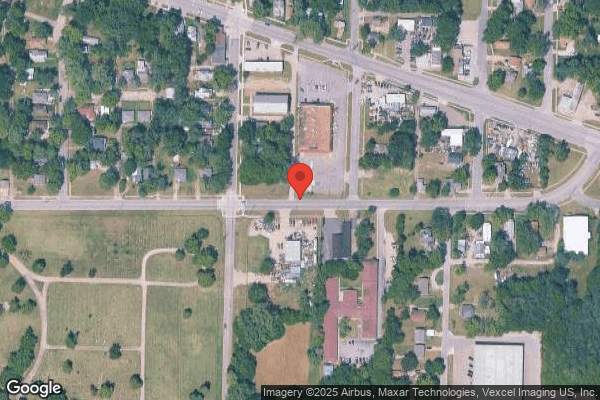
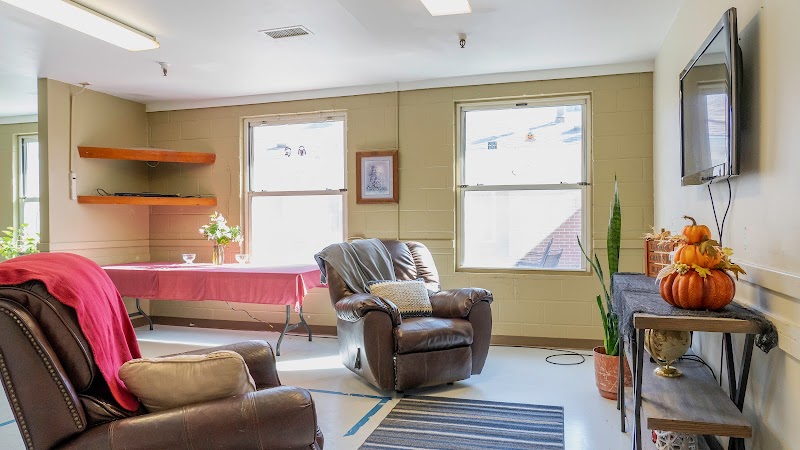
2015 SE 10TH AVENUE, TOPEKA, KS 66607 (785) 233-8918
For profit - Limited Liability company 60 Beds CORNERSTONE GROUP HOLDINGS Data: November 2025 3 Immediate Jeopardy citations
Trust Grade
0/100
#258 of 295 in KS
Last Inspection: October 2024

Within standard 12-15 month inspection cycle. Federal law requires annual inspections.

Overview

Legacy on 10th Avenue has received a Trust Grade of F, indicating significant concerns about the facility's operations and care quality. Ranked #258 out of 295 in Kansas and #10 out of 15 in Shawnee County, it is in the bottom half of local options, suggesting limited choices for families. The facility is showing signs of improvement, reducing issues from 20 in 2024 to just 1 in 2025. Staffing is rated average with a 3/5 star score and a turnover rate of 45%, which is slightly better than the state average. However, the facility has been fined $103,737, which is concerning and indicates compliance issues, and it has less RN coverage than 91% of Kansas facilities, potentially impacting resident care. Specific incidents of note include a serious altercation between two residents, where one resident struck another with a cane and caused severe bruising. Additionally, there was a failure to maintain safe water temperatures, with water reaching dangerously high levels that could scald residents. While there are some strengths in staffing stability, the facility's critical incidents and overall low ratings present significant risks for families considering this option for their loved ones.

Trust Score
F
0/100
In Kansas
#258/295
Bottom 13%
Safety Record
High Risk
Review needed
Inspections
Getting Better
20 → 1 violations
Staff Stability
⚠ Watch
45% turnover. Above average. Higher turnover means staff may not know residents' routines.
Penalties
✓ Good
$103,737 in fines. Lower than most Kansas facilities. Relatively clean record.
Skilled Nurses
⚠ Watch
Each resident gets only 17 minutes of Registered Nurse (RN) attention daily — below average for Kansas. Fewer RN minutes means fewer trained eyes watching for problems.
Violations
⚠ Watch
46 deficiencies on record. Higher than average. Multiple issues found across inspections.
★☆☆☆☆
1.0
Overall Rating
★★★☆☆
3.0
Staff Levels
★★☆☆☆
2.0
Care Quality
★☆☆☆☆
1.0
Inspection Score
Stable
2024: 20 issues
2025: 1 issues

The Good

  • Full Sprinkler Coverage · Fire safety systems throughout facility
  • No fines on record

Facility shows strength in fire safety.

The Bad

1-Star Overall Rating

Below Kansas average (2.9)

Significant quality concerns identified by CMS

Staff Turnover: 45%

Near Kansas avg (46%)

Higher turnover may affect care consistency

Federal Fines: $103,737

Well above median ($33,413)

Significant penalties indicating serious issues

Chain: CORNERSTONE GROUP HOLDINGS

Part of a multi-facility chain

Ask about local staffing decisions and management

The Ugly 46 deficiencies on record

3 life-threatening
Jul 2025 1 deficiency
CONCERN (D) 📢 Someone Reported This

A family member, employee, or ombudsman was alarmed enough to file a formal complaint

Potential for Harm - no one hurt, but risky conditions existed

Accident Prevention (Tag F0689)

Could have caused harm · This affected 1 resident

**NOTE- TERMS IN BRACKETS HAVE BEEN EDITED TO PROTECT CONFIDENTIALITY** The facility identified a census of 53 residents. The sample included five residents reviewed for accidents and falls. Based on ...

Read full inspector narrative →
**NOTE- TERMS IN BRACKETS HAVE BEEN EDITED TO PROTECT CONFIDENTIALITY** The facility identified a census of 53 residents. The sample included five residents reviewed for accidents and falls. Based on observation, record review, and interview, the facility failed to ensure that staff placed and secured Resident (R) 1's wheelchair and the safety belt properly used in the facility's transportation van prior to engaging the vehicle to drive. This resulted in R1's wheelchair overturning, and R1 fell from his wheelchair. This placed R1 at risk of injury and likely harm.Findings included:- R1's Electronic Medical Record (EMR) recorded diagnoses of bipolar disorder (a major mental illness that causes people to have episodes of severe high and low moods), schizoaffective disorder (a mental disorder characterized by gross distortion of reality, disturbances of language and communication, and fragmentation of thought), sensorineural hearing loss (hearing loss caused by damage to the inner ear or the nerve from the ear to the brain), muscle wasting and atrophy (the decrease in muscle mass and strength), and diabetes mellitus (DM - when the body cannot use glucose, not enough insulin is made, or the body cannot respond to the insulin).R1's Annual Minimum Data Set (MDS) dated [DATE] documented he had a Brief Interview for Mental Status (BIMS) score of 15, which indicated intact cognition. R1 had functional limitation in range of motion with impairment on both sides of his lower extremities. R1 required the use of a wheelchair to assist with mobility. R1 required partial to moderate assistance from staff for his activities of daily living (ADL). R1 had not had any falls since the prior assessment.R1's Falls Care Area Assessment (CAA) dated 05/31/25 documented R1 had a history of falls due to unsteady gait and impaired mobility in his legs. R1 did frequently self-transfer without help but needed limited assistance. R1 used a wheelchair for mobility. R1 took an antidepressant (a class of medications used to treat mood disorders) and antianxiety (a class of medications that calm and relax people) medication, which placed him at risk for a fall.R1's Care Plan, last revised on 05/27/25, directed staff he was at high risk for falls, and he used a wheelchair for mobility independently. R1's Care Plan directed staff to provide limited to extensive assistance with transfers as he would often self-transfer without safety awareness. R1's Care Plan lacked staff direction regarding wheelchair safety during transportation in the facility van.R1's Fall Risk assessment dated [DATE] in the EMR documented he was a high risk for falls. R1's fall risk score was a 10.R1's Nursing Progress Note in the EMR dated 07/01/25 at 10:13 AM documented R1 reported to this nurse that he had a fall yesterday on the bus and was now having pain and swelling in his left hand. This nurse notified the provider, and an order was received for an X-ray.A Complaint Investigation Witness Statement of Facts Before the Kansas Department for Aging and Disability Services form completed by Activity Z on 07/01/25 documented she had R1 buckled in (in the transportation van) and when she turned a corner, R1's wheelchair fell over to the side. Activity Z then pulled the vehicle over to a different parking lot and stopped. Activity Z then got R1 out of his wheelchair and lifted him back up into the chair. Activity Z documented R1 was over on the left side of the bus, and she had to bring the seat belt from the right side of the bus over to buckle R1 in due to R1 being adamant about sitting on the left side of the bus.On 07/02/25 at 07:58 AM Nursing Progress Note in the EMR documented the X-ray result was received with no acute findings, and results sent to the provider for review.On 07/02/25 at 08:02 AM Nursing Progress Note in the EMR documented R1 was seen by his provider, and new orders were received. R1's electronic Medication Administration Record (MAR) was updated.On 07/02/25 at 10:29 AM Nursing Progress Note in the EMR documented a late entry note. The interdisciplinary team (IDT) reviewed the incident and the intervention at that time was education and training was provided to the transport drivers on securing wheelchair in van. R1 care plan was updated.A facility Off Boarding Form signed by Administrative Staff A and dated 07/01/25 documented an involuntary termination of Activity X for failure to notify the administrator or Director of Nursing of a resident fall.A Facility Self-Report form, dated 07/07/25, completed by Administrative Staff A documented an incident occurred on 06/30/25. Administrative Nurse D was informed by R1 that he had a fall in the facility van on 06/30/25, at approximately 12:50 PM during a transport to an appointment. Activity X stated that she was leaving the parking lot of the provider's office when a turn caused R1's wheelchair to overturn. Activity X stated that R1 was secured by the seatbelt, and all wheelchair tie downs were in place and functional at the time of the fall. Activity X has been terminated as the result of the completion of an internal investigation. The internal investigation discovered that R1's wheelchair was secured, but not in the appropriate placement in the van. Activity X stated she thought she was honoring the R1's resident's rights when he refused to move, and she did the best she could with securing R1's wheelchair in the place that he chose to sit.On 07/07/25 at 11:12 AM, R1 sat in his wheelchair in the hallway. R1 stated the accident was not the driver's fault. R1 stated he wanted to sit on the left side of the van and the driver made sure he was seat belted in.On 07/07/25 at 12:16 PM, Administrative Nurse D stated R1 came to her stating that his left hand was hurting. Administrative Nurse D looked at R1's hand and noticed it was swollen and bruised, so she asked R1 what had happened. Administrative Nurse D stated that was when R1 told her that he had a fall in the facility van yesterday when returning from his appointment. Administrative Nurse D stated R1 had told her that Activity X knew about the fall. Administrative Nurse D stated she then called the provider to notify of the fall and the pain in R1's hand, and an X-ray was ordered. Administrative Nurse D stated she then notified Administrative Staff A, and the investigation was begun by Administrative Staff A.On 07/07/25 at 12:20 PM, Administrative Staff A stated on 07/01/25 after being notified of the incident, she called Activity X to find out what had happened. Administrative Staff A stated Activity X had told her that Activity X had transported two residents to appointments. Administrative Staff A stated Activity X had said she had dropped R2 at his appointment. R1 still remained in the van and had asked R1 to move his wheelchair over, but he refused. Activity X continued to state she had strapped him in, but had to pull the seat belt strap from one side of the van to the other to secure R1 in. Administrative Staff A stated Activity X had stated she had thought that all four of the hooks for the wheelchair had been secured, but must not have been, which resulted in the wheelchair tipping sideways and R1 fall from the wheelchair, after she had made a quick turn. Administrative Staff A stated she did a reenactment in the van to show what happened. Administrative Staff A stated the van was checked daily for all seat belts and wheelchair hooks and latches worked appropriately prior to being driven. Administrative Staff A stated Activity X was immediately suspended pending the investigation and was subsequently terminated for not following the facility van protocol and properly securing R1 in the van before transportation in the van.The facility's Motor Vehicles policy, revised in October 2021, documented: If driving for facility business purposes is a condition of employment, the employee must always fulfill the requirements of this policy. Each employee was under a duty to notify his/her supervisor of any occurrence which may alter the employee's ability to fulfill such requirements. If driving for facility business purposes was not a condition of employment, such driving was merely an incidental function of that employee's position rather than an essential function. An employee who drives any car for facility business purposes must exercise due diligence in so doing. The employee must comply with all traffic laws. Such failure to comply with traffic laws could result in disciplinary action. An employee must inform his/her department director of any damage, theft, or accident, regardless of how minor, involving any car being used for facility business purposes. Such information must be relayed within 48 hours after the incident occurred. Employees and their passengers who were driving/riding in a car on facility business purposes must wear seat belts at all times in which the car was being operated.The facility completed corrective actions by 07/02/25 that included education to staff who were vehicle drivers on Motor Vehicle Policy, Van Safety Checklist, competency checklist, presented video demonstration on how to properly secure wheelchairs during transport, and staff demonstrated competency prior to the onsite survey therefore the deficient practice was deemed past noncompliance and remained at the scope and severity of a D to represent the isolated risk to R1.
Oct 2024 17 deficiencies
CONCERN (D) 📢 Someone Reported This

A family member, employee, or ombudsman was alarmed enough to file a formal complaint

Potential for Harm - no one hurt, but risky conditions existed

Deficiency F0553 (Tag F0553)

Could have caused harm · This affected 1 resident

**NOTE- TERMS IN BRACKETS HAVE BEEN EDITED TO PROTECT CONFIDENTIALITY** The facility had a census of 55 residents. The sample included 15 residents. Based on observation, record review, and interview,...

Read full inspector narrative →
**NOTE- TERMS IN BRACKETS HAVE BEEN EDITED TO PROTECT CONFIDENTIALITY** The facility had a census of 55 residents. The sample included 15 residents. Based on observation, record review, and interview, the facility failed to include Resident (R) 50's representative in the development and planning of the resident's care plan, which placed R50 at risk of impaired care and decreased autonomy. Findings Included: - R50's Electronic Medical Record (EMR) from the Diagnoses tab documented diagnoses of diabetes mellitus (when the body cannot use glucose, not enough insulin is made, or the body cannot respond to the insulin), congestive heart failure (CHF-a condition with low heart output and the body becomes congested with fluid), depressive disorder (a mood disorder that causes a persistent feeling of sadness and loss of interest), dysphagia (swallowing difficulty) following cerebral infarction (stroke - the sudden death of brain cells due to lack of oxygen caused by impaired blood flow to the brain by blockage or rupture of an artery to the brain), kidney disease (a condition in which the kidneys stop working and are not able to remove waste and extra water from the blood or keep chemicals in balance), urinary retention (lack of ability to urinate and empty the bladder), and aphasia (condition with disordered or absent language function). The Annual Minimum Data Set (MDS) dated [DATE] documented a Brief Interview of Mental Status (BIMS) score of zero which indicated severely impaired cognition. The MDS documented R50 was dependent on staff for eating, showering, and personal hygiene. R50's Communications Care Area Assessment (CAA) dated 09/19/24 documented that R50 usually understands others. R50 had minimal difficulty with hearing patterns; R50 can hear if the speaker slows down and has his attention. R50's Care Plan revised 09/18/23, documented R50 has a diagnosis of aphasia and was hard of hearing. R50's plan of care documented that the staff was to announce themselves upon entering his room and to explain to R50 what the staff was doing while in his room and while providing care. R50's EMR documented a care conference on 06/19/24. The EMR lacked documentation R50 or his representative was invited to the care conferences on 03/21/24 and 10/03/24. On 10/07/24 at 07:35 AM R50 lay on his bed. R50 had his head covered up with his blanket. On 10/07/24 at 09:23 AM R50's representative stated she had only been invited to one care plan conference. She stated she desired to attend each care conference. On 10/09/24 at 01:04 PM, Administrative Nurse D stated the Social Service Designee had been scheduling and conducting care conferences. She stated she was unsure how or who was invited to the care conference. The facility's Care Planning Interdisciplinary Team policy documented the facility's care planning and Interdisciplinary Team was responsible for the development of an individualized comprehensive care plan for each resident. The resident, the resident's family, and the resident's legal representative or surrogate are encouraged to participate in the development of and revisions to the resident's care plan. Every effort would be made to schedule care plan meetings and the best time of the day for the resident's family. The mechanics of how the Interdisciplinary Team meets its responsibilities in the development of the interdisciplinary care plan were at the discretion of the Care Planning Committee. The facility failed to include R50's family representative in the development and planning of the resident's care plan placing the resident at risk for impaired care and decreased autonomy.
CONCERN (D) 📢 Someone Reported This

A family member, employee, or ombudsman was alarmed enough to file a formal complaint

Potential for Harm - no one hurt, but risky conditions existed

Deficiency F0558 (Tag F0558)

Could have caused harm · This affected 1 resident

**NOTE- TERMS IN BRACKETS HAVE BEEN EDITED TO PROTECT CONFIDENTIALITY** The facility identified a census of 55 residents. The sample included 15 residents. One resident was sampled for reasonable acco...

Read full inspector narrative →
**NOTE- TERMS IN BRACKETS HAVE BEEN EDITED TO PROTECT CONFIDENTIALITY** The facility identified a census of 55 residents. The sample included 15 residents. One resident was sampled for reasonable accommodations of resident needs. Based on observation, record review, and interview, the facility failed to ensure Resident (R)50's call light was within his reach. This deficient practice left R50 vulnerable to unmet care needs due to the inability to call for staff assistance. Findings Included: - R50's Electronic Medical Record (EMR) from the Diagnoses tab documented diagnoses of s diabetes mellitus (DM-when the body cannot use glucose, not enough insulin is made, or the body cannot respond to the insulin), congestive heart failure (CHF-a condition with low heart output and the body becomes congested with fluid), depressive disorder (a mood disorder that causes a persistent feeling of sadness and loss of interest), dysphagia (swallowing difficulty) following cerebral infarction (stroke - the sudden death of brain cells due to lack of oxygen caused by impaired blood flow to the brain by blockage or rupture of an artery to the brain), kidney disease (a condition in which the kidneys stop working and are not able to remove waste and extra water from the blood or keep chemicals in balance), urinary retention (lack of ability to urinate and empty the bladder), and aphasia (condition with disordered or absent language function). The Annual Minimum Data Set (MDS) dated [DATE] documented a Brief Interview of Mental Status (BIMS) score of zero which indicated severely impaired cognition. The MDS documented R50 was dependent on staff for eating, showering, and personal hygiene. R50's Communications Care Area Assessment (CAA) dated 09/19/24 documented that R50 usually understands others. R50 had minimal difficulty with hearing patterns; R50 can hear if the speaker slows down and has his attention. R50's Care Plan dated 03/25/24 documented R50 was at risk for falls related to confusion, poor communication, and comprehension. R50's plan of care documented staff was to ensure R50's call light was within his reach and encourage him to use the pancake light. R50's plan of care documented that staff were to respond promptly to all requests for assistance. On 10/07/24 at 07:35 AM, R50 lay in his bed, on his back. His call light was on the floor on the right side. The call light was out of R50's reach. On 10/09/24 at 12:14 PM Licensed Nurse (LN)G stated call lights should be within the resident's reach. On 10/09/24 at 12:32 PM, Certified Nurse's Aide (CNA) P stated residents should be able to reach their call light, and staff should let the resident know where the call light was placed. On 10/09/24 at 01:04 PM Administrative Nurse D stated call lights should always be on the resident or beside the resident. The facility's Accommodation of Needs policy documents the facility's environment and staff behaviors are directed toward assisting the resident in maintaining and/or achieving safe independent functioning, dignity, and well-being. The facility failed to ensure R50's call light was within his reach. This deficient practice left R50 vulnerable to unmet care needs.
CONCERN (D) 📢 Someone Reported This

A family member, employee, or ombudsman was alarmed enough to file a formal complaint

Potential for Harm - no one hurt, but risky conditions existed

Notification of Changes (Tag F0580)

Could have caused harm · This affected 1 resident

**NOTE- TERMS IN BRACKETS HAVE BEEN EDITED TO PROTECT CONFIDENTIALITY** The facility identified a census of 55 residents. The sample included 15 residents with one reviewed for notification of changes...

Read full inspector narrative →
**NOTE- TERMS IN BRACKETS HAVE BEEN EDITED TO PROTECT CONFIDENTIALITY** The facility identified a census of 55 residents. The sample included 15 residents with one reviewed for notification of changes. Based on observation, record review, and interviews, the facility failed to notify Resident (R)50's representative of changes related to falls. This deficient practice placed R50 at risk for uninformed treatment or care decisions. Findings included: - R50's Electronic Medical Record (EMR) from the Diagnoses tab documented diagnoses of s diabetes mellitus (DM-when the body cannot use glucose, not enough insulin is made, or the body cannot respond to the insulin), congestive heart failure (CHF-a condition with low heart output and the body becomes congested with fluid), depressive disorder (a mood disorder that causes a persistent feeling of sadness and loss of interest), dysphagia (swallowing difficulty) following cerebral infarction (stroke - the sudden death of brain cells due to lack of oxygen caused by impaired blood flow to the brain by blockage or rupture of an artery to the brain), kidney disease (a condition in which the kidneys stop working and are not able to remove waste and extra water from the blood or keep chemicals in balance), urinary retention (lack of ability to urinate and empty the bladder), and aphasia (condition with disordered or absent language function). The Annual Minimum Data Set (MDS) dated [DATE] documented a Brief Interview of Mental Status (BIMS) score of zero which indicated severely impaired cognition. The MDS documented R50 was dependent on staff for eating, showering, and personal hygiene. R50's Communications Care Area Assessment (CAA) dated 09/19/24 documented that R50 usually understands others. R50 had minimal difficulty with hearing patterns; R50 can hear if the speaker slows down and has his attention. R50's Care Plan dated 03/25/24 documented R50 was at risk for falls related to confusion, poor communication, and comprehension. R50's plan of care documented staff was to ensure R50's call light was within his reach and encourage him to use the pancake light. R50's plan of care documented that staff were to respond promptly to all requests for assistance. R50's EMR under Nursing Notes dated 06/26/24 documented R50 had a fall with possible injury and was sent to the hospital. The note indicated R50's legal representative was notified. R50's EMR under Nursing Notes dated 10/03/24 documented R50 had a non-injury fall. The EMR lacked documentation R50's representative was notified. R50's EMR under Nursing Notes dated 10/08/24 documented that R50 had a non-injury fall. The EMR lacked documentation R50's representative was notified. On 10/07/24 at 07:35 AM R50 lay on his bed. R50 had his head covered up with his blanket. On 10/08/24 at 09:42 AM R50 was reclined in his Broda chair (specialized wheelchair with the ability to tilt and recline), in the commons area. On 10/07/24 at 09:23 AM R50's representative stated she had only been notified of one fall. On 10/09/24 at 12:14 PM, Licensed Nurse (LN) G stated the resident's guardian or representative should be called if there were changes in the resident's condition including falls, or anytime the facility had a concern with the resident. On 10/09/24 at 01:37 PM Administrative Nurse D stated she was unsure if the resident's representatives or guardians were always called. Administrative Nurse D stated the legal guardian or representative should be called and informed of any changes in condition. The facility's Change in Residents Condition or Status policy documents that the facility shall promptly notify the resident, his or her attending physician, and representative (sponsor) of changes in the resident's medical and mental condition and or status (changes in level of care, billing/payments, resident rights, etc.). The facility failed to notify R50's representative of changes related to falls. This deficient practice placed R50 at risk for uninformed treatment decisions.
CONCERN (D) 📢 Someone Reported This

A family member, employee, or ombudsman was alarmed enough to file a formal complaint

Potential for Harm - no one hurt, but risky conditions existed

Drug Regimen Review (Tag F0756)

Could have caused harm · This affected 1 resident

The facility identified a census of 55 residents. The sample included 15 residents with five reviewed for unnecessary medications. Based on observations, interviews, and record review, the facility fa...

Read full inspector narrative →
The facility identified a census of 55 residents. The sample included 15 residents with five reviewed for unnecessary medications. Based on observations, interviews, and record review, the facility failed to ensure the Consulting Pharmacist (CP) identified and reported the inappropriate indication or lack of diagnosis for Resident (R)4's Risperdal (antipsychotic medication used to treat major mental conditions that cause a break from reality). This deficient practice placed R4 at risk for unnecessary medications and side effects. Findings Included: - The Medical Diagnosis section within R4's Electronic Medical Records (EMR) included diagnoses of altered mental status, epilepsy (brain disorder characterized by repeated seizures), hemiparesis/hemiplegia (weakness and paralysis on one side of the body), cerebral infarction (stroke - sudden death of brain cells due to lack of oxygen caused by impaired blood flow to the brain by blockage or rupture of an artery to the brain), and heart failure. R4's Significant Change Minimum Data Set (MDS) completed 09/12/24 noted a Brief Interview for Mental Status (BIMS) score of 14 indicating intact cognition. The MDS indicated bilateral lower extremity impairment. The MDS noted she was dependent on staff assistance for dressing, bed mobility, personal hygiene, bathing, and transfers. The MDS indicated she took antipsychotic (a class of medications used to treat major mental conditions that cause a break from reality) medications on a routine basis. The MDS indicated she had no observed behaviors since her last assessment. R4's Psychotropic Drug Use Care Area Assessment (CAA) completed 10/05/24 indicated she took Risperdal related to her diagnosis of bipolar disorder (a major mental illness that causes people to have episodes of severe high and low moods). The CAA instructed staff to monitor her for side effects related to her medication use. R4's Care Plan initiated 06/19/24 indicated she received psychotropic medications related to her behavioral management. The plan instructed staff to monitor her for adverse effects and behaviors of wandering, aggression, disrobing, delusions (untrue persistent belief or perception held by a person although evidence shows it was untrue), and hallucinations (sensing things while awake that appear to be real, but the mind created). R4's EMR under Physician Orders revealed an active order to administer 0.5 milligrams (mg) of Risperdal at bedtime dated 08/13/24 for antipsychotic. R4's EMR under the Medication Administration Report (MAR) also noted she took the Risperdal medication for antipsychotics. R4's EMR under Miscellaneous revealed a Pharmacy Monthly Medication Review completed on 09/27/24 that indicated R4 readmitted with the medication and reminded the medical provider to attempt a gradual dose reduction (GDR) at least twice within the first year of the medication administration. The Consulting Pharmacist did not identify the inappropriate indication listed for the Risperdal. On 10/07/24 at 11:01 AM, R4 laid in bed on a low air loss mattress. On 10/09/24 at 10:34 AM Licensed Nurse (LN) G stated antipsychotic medication needed to be used for only the approved diagnoses. He stated antipsychotic was not a diagnosis or indication to take a medication. On 10/09/24 at 01:05 AM Administrative Nurse D stated antipsychotic medication needed to be used for only approved diagnoses and indications. She stated antipsychotic was not an acceptable indication for medication use. The facility's Psychotropic Medication Monitoring 09/2024 indicated the facility will make every effort to ensure compliance with state and federal regulations related to the use of psychotropic medications. The policy noted the facility will ensure all medications have the appropriate use and indications, monitoring, and going evaluations for usage. The facility failed to ensure the CP identified and reported the lack of a diagnosis and/or the inappropriate indication for R4 's Risperdal. This deficient practice placed R4 at risk for unnecessary medications and side effects.
CONCERN (D) 📢 Someone Reported This

A family member, employee, or ombudsman was alarmed enough to file a formal complaint

Potential for Harm - no one hurt, but risky conditions existed

Medication Errors (Tag F0758)

Could have caused harm · This affected 1 resident

**NOTE- TERMS IN BRACKETS HAVE BEEN EDITED TO PROTECT CONFIDENTIALITY** - The Medical Diagnosis section within R4's Electronic Medical Records (EMR) included diagnoses of altered mental status, epilep...

Read full inspector narrative →
**NOTE- TERMS IN BRACKETS HAVE BEEN EDITED TO PROTECT CONFIDENTIALITY** - The Medical Diagnosis section within R4's Electronic Medical Records (EMR) included diagnoses of altered mental status, epilepsy (brain disorder characterized by repeated seizures), hemiparesis/hemiplegia (weakness and paralysis on one side of the body), cerebral infarction (stroke - sudden death of brain cells due to lack of oxygen caused by impaired blood flow to the brain by blockage or rupture of an artery to the brain), and heart failure. R4's Significant Change Minimum Data Set (MDS) completed 09/12/24 noted a Brief Interview for Mental Status (BIMS) score of 14 indicating intact cognition. The MDS indicated bilateral lower extremity impairment. The MDS noted she was dependent on staff assistance for dressing, bed mobility, personal hygiene, bathing, and transfers. The MDS indicated she took antipsychotic (a class of medications used to treat major mental conditions that cause a break from reality) medications on a routine basis. The MDS indicated she had no observed behaviors since her last assessment. R4's Psychotropic Drug Use Care Area Assessment (CAA) completed 10/05/24 indicated she took Risperdal related to her diagnosis of bipolar disorder (a major mental illness that causes people to have episodes of severe high and low moods). The CAA instructed staff to monitor her for side effects related to her medication use. R4's Care Plan initiated 06/19/24 indicated she received psychotropic medications related to her behavioral management. The plan instructed staff to monitor her for adverse effects and behaviors of wandering, aggression, disrobing, delusions (untrue persistent belief or perception held by a person although evidence shows it was untrue), and hallucinations (sensing things while awake that appear to be real, but the mind created). R4's EMR under Physician Orders revealed an active order to administer 0.5 milligrams (mg) of Risperdal at bedtime dated 08/13/24 for antipsychotic. R4's EMR under the Medication Administration Report (MAR) also noted she took the Risperdal medication for antipsychotics. R4's EMR under Miscellaneous revealed a Pharmacy Monthly Medication Review completed on 09/27/24 that indicated R4 readmitted with the medication and reminded the medical provider to attempt a gradual dose reduction (GDR) at least twice within the first year of the medication administration. The Consulting Pharmacist did not identify the inappropriate indication listed for the Risperdal. On 10/07/24 at 11:01 AM, R4 laid in bed on a low air loss mattress. On 10/09/24 at 10:34 AM Licensed Nurse (LN) G stated antipsychotic medication needed to be used for only the approved diagnoses. He stated antipsychotic was not a diagnosis or indication to take a medication. On 10/09/24 at 01:05 AM Administrative Nurse D stated antipsychotic medication needed to be used for only approved diagnoses and indications. She stated antipsychotic was not an acceptable indication for medication use. The facility's Psychotropic Medication Monitoring 09/2024 indicated the facility will make every effort to ensure compliance with state and federal regulations related to the use of psychotropic medications. The policy noted the facility will ensure all medications have the appropriate use and indications, monitoring, and going evaluations for usage. The facility failed to ensure R4 's Risperdal medication had an appropriate CMS-accepted indication for use. This deficient practice placed R4 at risk for unnecessary medications and side effects. The facility identified a census of 55 residents. The sample included 15 residents with five residents reviewed for unnecessary medications. Based on observation, record review, and interviews, the facility failed to obtain the physician-ordered test to monitor for side effects related to the use of psychotropic (alters mood or thought) medication for Resident (R) 21. The facility also failed to ensure R4 had a Center for Medicare and Medicaid Services (CMS) approved indication or appropriate diagnosis for the use of an antipsychotic (a class of medications used to treat major mental conditions that cause a break from reality). These deficient practices placed the residents at risk for adverse medication effects and unnecessary medications. Findings Included: - R21's Electronic Medical Record (EMR) from the Diagnoses tab documented diagnoses of anxiety (mental or emotional reaction characterized by apprehension, uncertainty, and irrational fear), depression (a mood disorder that causes a persistent feeling of sadness and loss of interest), and hypertension (HTN-elevated blood pressure). The Significant Change Minimum Data Set (MDS) dated [DATE] documented a Brief Interview of Mental Status (BIMS) score of eight which indicated moderately impaired cognition. The MDS documented R21 received diuretic (a medication to promote the formation and excretion of urine) medication, antidepressant (a class of medications used to treat mood disorders) medication, antianxiety (a class of medications that calm and relax people) medication, and antipsychotic medication during the observation period. The MDS lacked evidence a drug regimen review was completed. The Quarterly MDS dated 09/12/24 documented a BIMS score of five which indicated severely impaired cognition. The MDS documented that R21 received a hypnotic (a class of medications used to induce sleep), diuretic, antianxiety, and antidepressant medication during the observation period. The MDS lacked evidence a drug regimen review was completed. R21's Psychotropic Drug Use Care Area Assessment (CAA) dated 03/20/24 documented his medication would be addressed on the plan of care. R21's Care Plan dated 10/01/19 documented that staff would administer his medication as ordered and monitor for side effects along for effectiveness. R21's EMR under the Orders tab revealed the following physician order: Electrocardiogram (EKG-records the electrical activity of the heart) every three months (February, May, August, and November) related to psychotropic medication use dated 10/22/22. A review of R21's EMR lacked evidence of EKG results for November 2023 and August 2024. The facility was unable to provide evidence of the above test results. On 10/09/24 at 09:04 AM R21 sat in his wheelchair at the dining room table and drank coffee. On 10/09/24 at 01:05 PM, Administrative Nurse D stated she was unable to find results for R21's EKGs. Administrative Nurse D stated she had clarified the physician order, and the EKG order should have been discontinued when R21 was admitted to hospice services. The facility's Psychotropic Medication Monitoring policy last revised 09/2024 documented the facility would use and administer psychotropic medications appropriately working with the interdisciplinary team to ensure the appropriate use, evaluation, and monitoring. The facility failed to obtain physician-ordered EKG testing for R21 to monitor his psychotropic medication use. This deficient practice placed R21 at risk for adverse medication effects and unnecessary medications.
CONCERN (D) 📢 Someone Reported This

A family member, employee, or ombudsman was alarmed enough to file a formal complaint

Potential for Harm - no one hurt, but risky conditions existed

Deficiency F0849 (Tag F0849)

Could have caused harm · This affected 1 resident

**NOTE- TERMS IN BRACKETS HAVE BEEN EDITED TO PROTECT CONFIDENTIALITY** The facility identified a census of 55 residents. The sample included 15 residents with three residents reviewed for hospice (a ...

Read full inspector narrative →
**NOTE- TERMS IN BRACKETS HAVE BEEN EDITED TO PROTECT CONFIDENTIALITY** The facility identified a census of 55 residents. The sample included 15 residents with three residents reviewed for hospice (a type of health care that focuses on the terminally ill patient's pain and symptoms and attending to their emotional and spiritual needs at the end of life) services. Based on observation, record review, and interview, the facility failed to ensure a collaborated plan of care, which coordinated care and services provided by the facility with the care and services provided by hospice, was developed and available for Resident (R)51. This deficient practice created a risk for missed or delayed services and impaired care for R51. Findings Included: - R51's Electronic Medical Record (EMR) from the Diagnoses tab documented diagnoses of diabetes mellitus (when the body cannot use glucose, not enough insulin is made, or the body cannot respond to the insulin), atrial fibrillation (rapid, irregular heartbeat), cirrhosis (chronic degenerative disease of the liver), chronic obstructive pulmonary disease (COPD- a progressive and irreversible condition characterized by diminished lung capacity and difficulty or discomfort in breathing), hypertension (HTN-elevated blood pressure), dysphagia (swallowing difficulty), and congestive heart failure (CHF-a condition with low heart output and the body becomes congested with fluid). The Quarterly Minimum Data Set (MDS) dated [DATE] documented that R51 had a Brief Interview for Mental Status (BIMS) score of 13, which indicated cognitively intact cognition. The MDS documented that R51 had impairment on one side of his body. The MDS documented that R51 received hospice services during the observation period. R51's Functional Abilities Care Area Assessment (CAA) dated 06/18/24 documented R51 had a recent hospital stay. R51 was now admitted to hospice. The CAA documented R50 has had a recent decline due to his heart disease. R51's Care Plan dated 06/17/24 documented R51 had a terminal prognosis related to end-stage heart failure. R51's dignity and autonomy would be maintained at the highest level through the review date. R51's plan of care documented staff was to adjust the provision of activities of daily living (ADLS) to compensate for the resident's changing abilities. R51's plan of care documented that staff were to encourage participation to the extent the resident wished to participate, observe R51 closely for signs of pain, administer pain medications as ordered, and notify the physician immediately if there was breakthrough pain. The plan lacked information regarding the frequency of hospice staff visits and the medications, equipment, and supplies covered and provided by hospice. A review of the hospice-provided communication binder revealed that R51 was admitted to hospice services on 06/14/24. On 10/07/24 at 08:25 AM, R51 sat in his doorway in his wheelchair. His head was laid on his lap. On 10/08/24 at 10:21 AM R51 was in his wheelchair waiting to go outside to smoke. On 10/09/24 at 12:32 PM, Certified Nursing Aide (CNA)P stated the hospice provider would let the staff know when the hospice staff would return. CNA P was unsure what hospice provided for R51, he stated he was sure he could find the information in the [NAME] (a nursing tool that gives a brief overview of the care needs of each resident). On 10/09/24 at 01:05 PM Administrated Nurse D stated the facility should have collaberated R51's care with hospcie and the medication, supplies, and when the hospice staff would be in the facility should be care planned. The facility's Hospice Program policy documented hospice services were available to residents at the end of life. The facility had an agreement in place with at least one hospice provider to ensure that residents who wish to participate in a hospice program may do so. The facility failed to ensure collaboration between the facility and the hospice provider for R51's end-of-life care. This deficient practice created a risk for missed or delayed services and impaired care for R51.
CONCERN (E) 📢 Someone Reported This

A family member, employee, or ombudsman was alarmed enough to file a formal complaint

Potential for Harm - no one hurt, but risky conditions existed

Deficiency F0567 (Tag F0567)

Could have caused harm · This affected multiple residents

The facility identified a census of 55 residents. The facility identified 29 residents with facility-managed trust accounts. Based on observation, record review, and interviews, the facility failed to...

Read full inspector narrative →
The facility identified a census of 55 residents. The facility identified 29 residents with facility-managed trust accounts. Based on observation, record review, and interviews, the facility failed to ensure residents had same-day access to their funds for amounts less than $100.00. This deficient practice placed 29 residents at risk for decreased psychosocial well-being and impaired rights. Findings Included: - A review of the facility's Resident Funds accounts revealed 29 residents had active trust accounts with the facility. On 10/07/24 at 07:05 AM an inspection of the central hallway door revealed a sign that read Bank open 3pm to 5pm on Monday through Fridays. On 10/07/24 at 02:20 PM Resident (R)31 sat outside the business office. R31 reported he was waiting for the bank to open so he could get some money out of his account. He stated he could only access the money from 03:00 PM through 05:00 PM. He stated he could not access money on weekends or after hours. On 10/08/24 at 01:30 PM, Resident Council members R10, R29, and R15 reported the facility's bank was only open on Mondays through Fridays for two hours. R15 stated Administrative Staff B oversaw the money transactions and only worked weekdays. He stated the residents could not access their money outside of the listed hours on the business office door or at all on weekends. R10 stated the facility used to have a cashbox left with the nurses but the facility did away with it a year ago. All three residents stated they wanted access to their money more often than just a few hours a week. On 10/09/24 at 12:02 PM Administrative Staff B stated she was the only staff that could access the resident funds. She stated the facility only allowed residents access to their funds for the listed hours of Monday through Friday between 03:00PMa and 05:00 PM. She stated she could change the hours under certain circumstances, but the funds were only available for limited hours and not every day. She stated the nurses and direct care staff did not have access to give the residents their funds when the facility's bank was closed. A review of the facility's Resident Funds policy (undated) indicated the facility would provide a means to protect the residents' funds. The policy indicated the facility would provide quarterly statements and have access to manage his/her funds in a safe/confidential manner. The facility failed to ensure residents had same-day access to their funds for amounts less than $100.00. This deficient practice placed 29 residents at risk for decreased psychosocial well-being.
CONCERN (E) 📢 Someone Reported This

A family member, employee, or ombudsman was alarmed enough to file a formal complaint

Potential for Harm - no one hurt, but risky conditions existed

Safe Environment (Tag F0584)

Could have caused harm · This affected multiple residents

The facility identified a census of 55 residents. The sample included 15 residents. Based on observation, record review, and interviews, the facility failed to promote a sanitary, homelike environment...

Read full inspector narrative →
The facility identified a census of 55 residents. The sample included 15 residents. Based on observation, record review, and interviews, the facility failed to promote a sanitary, homelike environment. This deficient practice had the potential for decreased psychosocial well-being and impaired safety and comfort for the affected residents. Findings Included: - On 10/07/24 at 07:00 AM upon entrance to the facility a strong urine odor was evident in the west and central hallways. On 10/07/24 at 07:03 AM an inspection of the dining hall area revealed multiple food trays with the previous evening's partially eaten taco and sloppy joe meals on a kitchen transport cart. Several flies were observed landing on the food. An inspection of the dining hall revealed flies in the area of the exposed food and trays. On 10/08/24 at 07:05 AM an inspection of the dining hall revealed old food and dirty plates left out from the previous evening's dinner across from the vending machine. Flies were present in the dining room and vending machine area. On 10/08/24 at 09:54 AM an inspection of the dining room revealed dried food particles and residue on the floor throughout the dining room. On 10/08/24 at 10:25 AM Resident (R) 2 slept in her wheelchair in the dining room. Multiple flies continued to land on her as she slept at the table. On 10/08/24 at 12:30 PM, numerous residents swatted flies away from their meals as they ate their meals in the dining room. On 10/08/24 at 01:34 PM, the Resident Council members acknowledged the fly issues. The council stated the facility had issues with flies. The council stated the dining room patio doors were continually left open and food was left out which increased the number of flies in the facility. On 10/10/24 at 01:30 PM Administrative staff A stated the facility was working with a pest control company to eliminate the flies that enter the facility. She stated food should not be left out for long periods of time and that staff were expected to clean. She stated the facility was older and staff was working to improve its condition. The facility's Quality Life-Homelike Environment policy indicates the residents are to be provided with a safe, clean, comfortable, and homelike environment and encouraged to use their personal belongings to the extent possible. The policy noted was expected to provide person-centered care that emphasizes the residents ' comfort, independence, and personal needs and preferences. The facility failed to promote a sanitary, homelike environment. This deficient practice had the potential for decreased psychosocial well-being and impaired safety and comfort for the affected residents.
CONCERN (E) 📢 Someone Reported This

A family member, employee, or ombudsman was alarmed enough to file a formal complaint

Potential for Harm - no one hurt, but risky conditions existed

Grievances (Tag F0585)

Could have caused harm · This affected multiple residents

The facility identified a census of 55 residents. The sample included 15 residents. Based on observation, record review, and interviews, the facility failed to implement a system to allow residents an...

Read full inspector narrative →
The facility identified a census of 55 residents. The sample included 15 residents. Based on observation, record review, and interviews, the facility failed to implement a system to allow residents and their representatives to file grievances anonymously. This deficient practice placed the residents at risk for decreased psychosocial well-being and unresolved grievances and concerns. Findings Included- - On 10/07/24 at 08:10 AM an inspection of the facility revealed no designated grievance drop boxes or system available in the areas accessible to the residents and visitors of the facility. On 10/08/24 at 01:21 PM, the Resident Council members reported they were not aware that the facility provided a way to complete anonymous grievances. The council reported they must take the grievance to a staff member. The Resident Council stated the staff does help the residents fill out grievances, and the staff would slide the grievance under the door of the administrator's office, or just give the grievance to the administrator. On 10/09/24 at 12:14 PM, Licensed Nurse (LN) G stated the residents give their grievances to any staff member, and staff would ensure the grievance was delivered to the administrator. On 10/09/24 at 01:04 PM, Administrator Nurse D stated the facility did not have an anonymous reporting system for grievances. She stated the residents give their grievances to a staff member or an administrative person. The facility's Grievence, Complaining, and Filing policy documents that residents and their representatives have the right to file grievances, either orally or in writing, to the facility staff or the agency-designated person. The Administrator and staff will make prompt efforts to resolve grievances to the satisfaction of the resident and representative. The facility failed to implement a system to allow residents and/or their representatives to file grievances anonymously within the facility. This deficient practice placed the residents at risk for decreased psychosocial well-being and unresolved grievances.
CONCERN (E) 📢 Someone Reported This

A family member, employee, or ombudsman was alarmed enough to file a formal complaint

Potential for Harm - no one hurt, but risky conditions existed

Deficiency F0679 (Tag F0679)

Could have caused harm · This affected multiple residents

The facility identified a census of 55 residents. The sample included 15 residents. Based on observation, record review, and interviews, the facility failed to provide consistent activities for the re...

Read full inspector narrative →
The facility identified a census of 55 residents. The sample included 15 residents. Based on observation, record review, and interviews, the facility failed to provide consistent activities for the residents. This deficient practice placed the affected residents at risk for decreased psychosocial well-being, isolation, and boredom. Findings Included: - An inspection of the September 2024 activity calendar indicated the residents were to have four scheduled staff-led activities throughout the day for each day. The calendar indicated staff-led activities would be held on or around 08:00 AM-0900 AM, 10:00 AM-11:00 AM, 01:00-02:00 PM, and 06:00-0700 PM with varied events like coffee chat, crafts, social hours, Bingo, and trivia. Observation on 10/08/24 from 07:00 AM through 05:00 PM revealed no staff-led morning or afternoon activities were observed for the residents. Observation on 10/07/24 at 07:00 AM a walkthrough of the facility revealed September 2024 activity calendars still posted through the facility. Observation on 10/08/24 from 07:00 AM through 05:00 PM revealed no staff-led morning or afternoon activities were observed for the residents. On 10/08/24 at 01:34 PM, Resident Council members reported the activities coordinator was let go three weeks ago. The council reported the facility held some groups every now and then, but activities groups were inconsistent. The council reported office staff attempted to hold groups throughout the weekdays, but weekend activities were not often held. The council reported the facility also had a box with coloring pages, games, and crafts the residents could complete on their own over the weekends. On 09/07/24 at 08:45 AM Administrative Nurse D stated the facility's Activity Director was recently let go and didn't currently have anyone to fill the role. On 09/09/24 at 12:15 PM Licensed Nurse (LN) G stated the AC left about three weeks prior. He stated the front office tried to hold staff-led activities, but it was often inconsistent on the weekends. He stated the facility put out coloring pages and games for the residents to engage in as well. The facility's Activities policy revised 10/2022 indicated the facility would provide activities designed to support the needs of each resident's emotional, social, physical, and psycho-social well-being. The policy indicates the facility will employ a qualified staff member to ensure the program meets the required needs of the residents. The facility failed to provide consistent activities for the residents. This deficient practice placed the affected residents at risk for decreased psychosocial well-being, isolation, and boredom.
CONCERN (E) 📢 Someone Reported This

A family member, employee, or ombudsman was alarmed enough to file a formal complaint

Potential for Harm - no one hurt, but risky conditions existed

Deficiency F0680 (Tag F0680)

Could have caused harm · This affected multiple residents

The facility identified a census of 55 residents. The sample included 15 residents. Based on observation, record review, and interviews, the facility failed to provide a certified activity professiona...

Read full inspector narrative →
The facility identified a census of 55 residents. The sample included 15 residents. Based on observation, record review, and interviews, the facility failed to provide a certified activity professional to direct the activities program in the facility. This deficient practice placed the affected residents at risk for impaired quality of life. (refer to F679) Findings Included: - An inspection of the September 2024 activity calendar indicated the residents were to have four scheduled staff-led activities throughout the day for each day. The calendar indicated staff-led activities would be held on or around 08:00 AM-0900 AM, 10:00 AM-11:00 AM, 01:00-02:00 PM, and 06:00-0700 PM with varied events like coffee chat, crafts, social hours, Bingo, and trivia. The facility was unable to provide evidence for an activity coordinator as requested on 10/07/24. Observation on 10/08/24 from 07:00 AM through 05:00 PM revealed no staff-led morning or afternoon activities were observed for the residents. Observation on 10/07/24 at 07:00 AM a walkthrough of the facility revealed September 2024 activity calendars still posted through the facility. Observation on 10/08/24 from 07:00 AM through 05:00 PM revealed no staff-led morning or afternoon activities were observed for the residents. On 10/08/24 at 01:34 PM, Resident Council members reported the activities coordinator was let go three weeks ago. The council reported the facility held some groups every now and then, but activities groups were inconsistent. The council reported office staff attempted to hold groups throughout the weekdays, but weekend activities were not often held. The council reported the facility also had a box with coloring pages, games, and crafts the residents could complete on their own over the weekends. On 09/07/24 at 08:45 AM Administrative Nurse D stated the facility's Activity Director was recently let go and the facility didn't currently have anyone to fill the role. On 09/09/24 at 12:15 PM Licensed Nurse (LN) G stated the Activity Director left about three weeks prior to the survey. He stated the front office tried to organize staff-led activities, but it was often inconsistent on the weekends. He stated the facility put out coloring pages and games for the residents to engage in as well. The facility's Activities policy revised 10/2022 indicated the facility would provide activities designed to support the needs of each resident's emotional, social, physical, and psycho-social well-being. The policy indicates the facility will employ a qualified staff member to ensure the program meets the required needs of the residents. The facility failed to provide a certified activity professional to lead the facility activities program. This deficient practice placed the affected residents at risk for impaired quality of life.
CONCERN (E) 📢 Someone Reported This

A family member, employee, or ombudsman was alarmed enough to file a formal complaint

Potential for Harm - no one hurt, but risky conditions existed

Accident Prevention (Tag F0689)

Could have caused harm · This affected multiple residents

**NOTE- TERMS IN BRACKETS HAVE BEEN EDITED TO PROTECT CONFIDENTIALITY** The facility identified a census of 55 residents. The sample included 15 residents with four reviewed for accidents. Based on ob...

Read full inspector narrative →
**NOTE- TERMS IN BRACKETS HAVE BEEN EDITED TO PROTECT CONFIDENTIALITY** The facility identified a census of 55 residents. The sample included 15 residents with four reviewed for accidents. Based on observation, record review, and interview the facility failed to secure potentially hazardous equipment, oxygen tanks, and chemicals in a safe, locked area, and out of reach of eleven cognitively impaired independently mobile residents. This placed the affected residents at risk for preventable accidents and injuries. Findings Included: - On 10/07/24 at 07:05 AM a walkthrough of the facility was completed and revealed the following: An unsecured oxygen storage room contained 40 pressurized supplemental oxygen cylinders in the storage rack. The central and west hallways revealed unsecured furnace closets. The west hallway also had multiple bottles of bleach wipes stored in a storage room (room [ROOM NUMBER]) with the door propped open. The bottle contained the warning, Keep out of reach of children, hazardous to humans can cause eye irritation, harmful if swallowed. The central hallway revealed an unsecured cleaning closet with two multipurpose floor cleaners. The bottles contained the warning, Keep out of reach of children, hazardous to humans can cause eye irritation, harmful if swallowed. The east hallway revealed an unsecured beauty shop. A bottle of super-strength bleach sat on top of the vanity table. The bottle contained the warning, Keep out of reach of children, hazardous to humans can cause eye irritation, harmful if swallowed. The room also contained an open high-voltage electrical panel. On 10/09/24 at 10:45 AM Licensed Nurse (LN) G stated oxygen should be locked at all times and the facility was working to put an electronic lock on the oxygen storage room. On 10/09/24 at 11:43 AM Administrative Nurse D stated potentially hazardous chemicals and equipment should be secured and locked out of reach from the residents. The facility's Accident- Storage Areas policy revised 10/2024 indicated the facility will ensure the safe storage of potentially hazardous materials. The policy indicated materials and equipment will remain in locked and staff control areas at all times. The facility failed to secure potentially hazardous equipment, oxygen tanks, and chemicals in a safe, locked area, and out of reach of eleven cognitively impaired independently mobile residents. This placed the affected residents at risk for preventable accidents and injuries.
CONCERN (E) 📢 Someone Reported This

A family member, employee, or ombudsman was alarmed enough to file a formal complaint

Potential for Harm - no one hurt, but risky conditions existed

Infection Control (Tag F0880)

Could have caused harm · This affected multiple residents

The facility identified a census of 55 residents. The facility failed to ensure staff performed adequate hand hygiene, ensure respiratory equipment was stored in a sanitary manner, and further failed ...

Read full inspector narrative →
The facility identified a census of 55 residents. The facility failed to ensure staff performed adequate hand hygiene, ensure respiratory equipment was stored in a sanitary manner, and further failed to ensure linens were stored in a sanitary manner. These deficient practices placed the residents at risk for infectious diseases. Findings included: - An initial walkthrough of the facility was completed on 10/07/24 at 07:34 AM. R30's nebulizer mask laid directly on his bedside table. The mask was not in a sanitary container. On 10/07/24 at 07:54 AM during the initial tour, a high-back wheelchair in the south hallway revealed unbagged oxygen tubing coiled around the back arm of the wheelchair. On 10/07/24 at 01:34 PM, an inspection of the west hall revealed a storage room with clean linen next to a soiled linen bin. The clean linen cover was left open next to the soiled bin. On 10/08/24 at 09:16 AM Certified Nurse's Aide (CNA) M and CNA O donned gloves, without performing hand hygiene first. CNA M pushed R50 into his room, and the CNAs used a Hoyer (total body mechanical lift) to place R50 in bed. CNA M held R50's suprapubic catheter (urinary bladder catheter inserted through the abdomen into the bladder) tubing during the transfer. CNA M and CNA O rolled R50 left to right removing the sling from underneath the resident. CNA M checked R50's brief and placed the call light within the resident's reach. CNA O and CNA M removed their gloves and placed the gloves in a trash container. Booth CNA 0 and CNA M did not perform hand hygiene after removing the gloves or upon leaving the resident's room. On 10/09/24 at 12:14 PM, Licensed Nurse (LN) G stated nebulizer mask and oxygen tubing should be placed in a bag and dated when not in use. He stated hand hygiene should be performed when entering or existing resident rooms, and always after resident care. LN G stated he was unsure how laundry was stored. On 10/09/24 at 12:32 PM, CNA P stated nebulizers and oxygen should be stored in a bag when not in use. He stated staff should wash their hands all the time, before going into residents' rooms and leaving the residents' room, going to the bathroom, and after residents' care. CNA P stated dirty and clean laundry should not be stored together. On 10/09/24 at 01:04 PM, Administrative Nurse D stated clean laundry should always be covered. She stated all respiratory equipment should be bagged if not in use, the nebulizer mask was to be rinsed after each use and nasal cannulas were changed weekly. Administrative nurse D stated that staff should do hand hygiene before entering a resident's room, during a resident's care, leaving a resident's room, and any time their hands are soiled. The facility's Hand Hygiene policy documented the facility considers hand hygiene the primary means to prevent the spread of infections. All personnel shall be trained and regularly in-serviced on the importance of hand hygiene in preventing the transmission of healthcare-associated infections. The facility's Nebulizer Treatment policy was implemented to ensure the safe and effective delivery of medication or moisture to the trachea, bronchi, and/or lungs. Upon provider order, nebulizer treatments will be administered by nursing staff as directed using proper technique and universal precautions. The facility failed to ensure staff performed adequate hand hygiene, ensure respiratory equipment was stored in a sanitary manner, and further failed to ensure linens were stored in a sanitary manner. These deficient practices placed the residents at risk for infectious diseases.
CONCERN (E) 📢 Someone Reported This

A family member, employee, or ombudsman was alarmed enough to file a formal complaint

Potential for Harm - no one hurt, but risky conditions existed

Deficiency F0925 (Tag F0925)

Could have caused harm · This affected multiple residents

The facility identified a census of 55 residents. The sample included 15 residents. Based on record reviews, interviews, and observations, the facility failed to provide effective pest control to ensu...

Read full inspector narrative →
The facility identified a census of 55 residents. The sample included 15 residents. Based on record reviews, interviews, and observations, the facility failed to provide effective pest control to ensure the facility was free from pests. This placed the residents at increased risk for impaired comfort and disease. Findings Included: - A review of the facility's pest control Service Inspection Report revealed an inspection was completed on 10/07/24 at 09:00 AM and indicated Dietary Staff BB reported no pest concerns. The report noted fly bait traps were placed around the dining and vending machine areas. Observation on 10/07/24 at 07:00 AM of the dining hall area revealed multiple food trays with the previous evening's exposed and partially eaten taco and sloppy joe meals on a kitchen transport cart. There were several flies observed landing on the food. Further observation of the dining hall revealed flies in the area of the exposed food and trays. Observation on 10/08/24 at 07:05 AM of the dining hall revealed old food and dirty plates left out from the previous evening's dinner across from the vending machine. There were more flies present in the dining room and vending machine area. Observation on 10/08/24 at 10:25 AM revealed Resident (R)2 slept in her wheelchair in the dining room. Multiple flies landed on her as she slept at the table. Observation on 10/08/24 at 11:50 AM revealed R2 slept at the dining room table. At 12:05 PM R2's food sat in front of her on the table as she slept. Her food remained on the table uncovered until Licensed Nurse (LN) G entered the dining hall at 12:21 PM and woke her up. Multiple flies landed on and around her plate as she slept. LN G cued R2 and assisted her with her meal set-up. Observation on 10/08/24 at 12:30 PM revealed numerous residents swatted flies away from their meals as they ate their meals in the dining room. During an interview on 10/09/24 at 12:02 PM, Dietary Staff BB stated old food and dirty dishes should never be left out overnight. She stated the trash should be stored in closed containers and dishes should be washed. but said the trash area had no place to dispose of the old food and used dishes. During an interview on 10/09/24 at 01:05 PM Administrative Nurse D stated food and dirty dishes should never be left out after meals. She stated staff were expected to throw out the old food and rinse the dishes off before putting them in the turn-in bin. The facility did not provide a policy for pest control. The facility failed to provide effective pest control to ensure the facility was free from pests. This placed the residents at increased risk for impaired comfort and disease.
CONCERN (F) 📢 Someone Reported This

A family member, employee, or ombudsman was alarmed enough to file a formal complaint

Potential for Harm - no one hurt, but risky conditions existed

Deficiency F0838 (Tag F0838)

Could have caused harm · This affected most or all residents

The facility identified a census of 55 residents. The sample included 15 residents. Based on interviews and record reviews, the facility failed to conduct a thorough facility-wide assessment to determ...

Read full inspector narrative →
The facility identified a census of 55 residents. The sample included 15 residents. Based on interviews and record reviews, the facility failed to conduct a thorough facility-wide assessment to determine the resources necessary to care for residents competently during both day-to-day operations and emergencies. This placed all residents in the facility at risk for unidentified care needs and inadequate care. Findings Included: - On 10/08/24 at 08:00 AM an inspection of the Facility Assessment dated 08/06/24 provided by the facility revealed the following: The assessment lacked information stating the specific staffing needed for each unit including nights and weekends and lacked the number of Registered Nurses (RN), Licensed Nurses (LPN/LVN), Certified Medication Aides (CMA), and Certified Nurse Aides (CNA) needed for each unit. The assessment lacked an informed contingency plan for events that did not require activation of the facility's emergency plan but had the potential to impact resident care. The assessment lacked a plan to maximize recruitment and retention of direct care staff. On 10/09/24 at 01:20 PM Administrative Staff A noted she reviewed the updated requirements from the Centers for Medicare and Medicaid Services (CMS) related to facility assessments but some of the information may not be attached to the facility's documentation. The facility's Facility Assessment policy revised 07/2024 indicated the assessment will be completed annually to provide a detailed review of the services, care, equipment, and staffing needs related to patient care. The facility failed to conduct a thorough facility-wide assessment to determine what resources were necessary to care for residents competently during both day-to-day operations and emergencies. This placed all residents in the facility at risk for unidentified care needs and inadequate care.
MINOR (C) 📢 Someone Reported This

A family member, employee, or ombudsman was alarmed enough to file a formal complaint

Minor Issue - procedural, no safety impact

Deficiency F0576 (Tag F0576)

Minor procedural issue · This affected most or all residents

The facility identified a census of 55 residents. The sample included 15 residents. Based on interviews, the facility failed to provide mail delivery on Saturdays. Findings included: - On 10/08/24 at...

Read full inspector narrative →
The facility identified a census of 55 residents. The sample included 15 residents. Based on interviews, the facility failed to provide mail delivery on Saturdays. Findings included: - On 10/08/24 at 01:22 PM the Resident Council members reported that the facility did not provide mail services for the residents on Saturdays. The council reported the mail was stored over the weekend and distributed the following Monday. They stated that the weekend activity staff that used to pass the mail was no longer working at the facility. On 10/09/24 at 12:32 PM, Certified Nurse Aide (CNA) P stated he was unsure if the mail was passed out to the residents on Saturdays. On 10/09/24 at 01:04 PM Administrative Nurse D stated the mail used to be passed out by the activities staff. She stated that the staff member was no longer with the facility. Administrative D said she was unsure if the residents were getting mail delivered on Saturdays. The facilities did not provide a policy for residents' right to have mail delivery on Saturdays. The facility failed to provide mail delivery on Saturdays.
MINOR (C) 📢 Someone Reported This

A family member, employee, or ombudsman was alarmed enough to file a formal complaint

Minor Issue - procedural, no safety impact

Staffing Information (Tag F0732)

Minor procedural issue · This affected most or all residents

The facility reported a census of 55 residents. The sample included 15 residents. Based on observation, record review and interviews, the facility failed to maintain 18 months of daily posted nurse ho...

Read full inspector narrative →
The facility reported a census of 55 residents. The sample included 15 residents. Based on observation, record review and interviews, the facility failed to maintain 18 months of daily posted nurse hours as required. Findings Included: - On 10/07/24 at 07:02 AM an inspection of all unit's nursing stations revealed the required daily posted staffing sheets posted on each unit. A review of the facility's Daily Posted Staffing from 05/01/23 to 10/07/24 was completed. The review revealed missing daily posted staffing sheets from 05/01/23 through 11/30/23. On 09/08/24 at 09:01 AM Administrative Nurse D stated she was only able to find the posted staffing sheet from December 2023 to the present due to the previous management team not filing them. A review of the facility's Staffing policy revised 08/2022 indicated that staffing hours must be maintained for facility records for a minimum of 18 months. The policy indicated the records must be made available upon request. The facility failed to retain the daily posted nursing staffing data for the 18 months as required.
Jun 2024 2 deficiencies
CONCERN (D) 📢 Someone Reported This

A family member, employee, or ombudsman was alarmed enough to file a formal complaint

Potential for Harm - no one hurt, but risky conditions existed

Transfer Notice (Tag F0623)

Could have caused harm · This affected 1 resident

**NOTE- TERMS IN BRACKETS HAVE BEEN EDITED TO PROTECT CONFIDENTIALITY** The facility identified a census of 53 residents. The sample included three residents. Based on observation, record review, and ...

Read full inspector narrative →
**NOTE- TERMS IN BRACKETS HAVE BEEN EDITED TO PROTECT CONFIDENTIALITY** The facility identified a census of 53 residents. The sample included three residents. Based on observation, record review, and interviews, the facility failed to provide a written notification of transfer to Resident (R) 1 or his representative. This deficient practice had the risk for miscommunication between the facility and resident/representative and possible missed opportunities for healthcare services. Findings included: - R1 admitted to the facility on [DATE], discharged to the hospital on [DATE], and readmitted to the facility on [DATE]. The Diagnoses tab of R1's Electronic Medical Record (EMR) documented diagnoses for dementia (progressive mental disorder characterized by failing memory, confusion) and bipolar disorder (major mental illness that caused people to have episodes of severe high and low moods). The admission Minimum Data Set (MDS) dated 05/23/24, documented R1 had a Brief Interview for Mental Status (BIMS) score of 11 which indicated moderate cognitive impairment. R1 had no behaviors in the assessment period. The Cognitive Loss/Dementia Care Area Assessment (CAA) dated 05/28/24, documented R1 had dementia and a decreased ability to make self-understood. R1's Care Plan, dated 05/22/24, documented R1 had a self-care deficit in bathing, dressing, and eating. The plan directed staff encouraged R1 to participate in planning day-to-day care, encouraged R1 to discuss feelings about self-care deficit, evaluated R1's ability to perform activities of daily living (ADLs), and maintained consistent schedule with R1's daily routine. R1's EMR revealed a Nursing Progress Note on 06/11/24 at 11:30 AM that documented R1 was pacing and showed signs of agitation and anxiety while voicing he would have liked to leave. There were staff placed with R1 immediately for safety concerns. R1 was seen by the provider and an order was given to send to the hospital for increased agitation and aggression. R1's representative was aware, and report was called to the hospital. R1 was transported by Emergency Medical Services (EMS). Upon request, the facility provided a Movement Notification to the Contracting Officer Representative form, dated 06/13/24, that documented R1 was admitted to the hospital for behavioral symptoms on 06/11/24 at 11:45 AM. The form documented a bed hold was requested for two days. Upon request, the facility was unable to provide a written notification of transfer for R1's facility-initiated transfer on 06/11/24. On 06/18/24 at 12:16 PM, R1 laid in his bed, facing the wall. On 06/18/24 at 11:51 AM, Administrative Staff B stated when a resident transferred to the hospital, staff called their representative and notified them where the resident was going and why they were transferring. She stated staff did not send a written notification of transfer to the resident or their representative. On 06/18/24 at 12:21 PM, Social Services X stated she did not fill out any forms for transfers including a written notification of transfer. On 06/18/24 at 12:42 PM, Licensed Nurse (LN) G stated he called the resident's family or guardian when a resident was sent to the hospital. He stated he did not fill out or send a written notification of transfer. On 06/20/24 at 11:10 AM, Administrative Nurse D was unavailable for interview. The facility's Transfer or Discharge, Emergency policy, revised October 2021, directed if it become necessary to make an emergency transfer or discharge of a resident to a hospital or other related institution, the facility implemented the following procedures: notification to the resident's physician, notification to the receiving facility, preparation of the resident for transfer, preparation of a transfer form to send with the resident, notification to the representative, assistance in obtaining transportation, and other procedures as necessary. The policy did not address written notification of transfers in facility-initiated transfers. The facility failed to provide a written notification of transfer to R1 or his representative. This deficient practice had the risk for miscommunication between the facility and resident/representative and possible missed opportunities for healthcare services.
CONCERN (D) 📢 Someone Reported This

A family member, employee, or ombudsman was alarmed enough to file a formal complaint

Potential for Harm - no one hurt, but risky conditions existed

Deficiency F0625 (Tag F0625)

Could have caused harm · This affected 1 resident

**NOTE- TERMS IN BRACKETS HAVE BEEN EDITED TO PROTECT CONFIDENTIALITY** The facility identified a census of 53 residents. The sample included three residents. Based on observation, record review, and ...

Read full inspector narrative →
**NOTE- TERMS IN BRACKETS HAVE BEEN EDITED TO PROTECT CONFIDENTIALITY** The facility identified a census of 53 residents. The sample included three residents. Based on observation, record review, and interviews, the facility failed to provide a bed hold policy notice to Resident (R) 1 or his representative when he was transferred to the hospital. This deficient practice had the risk of impaired ability to return to the facility and to the previous room for R1. Findings included: - R1 admitted to the facility on [DATE], discharged to the hospital on [DATE], and readmitted to the facility on [DATE]. The Diagnoses tab of R1's Electronic Medical Record (EMR) documented diagnoses for dementia (progressive mental disorder characterized by failing memory, confusion) and bipolar disorder (major mental illness that caused people to have episodes of severe high and low moods). The admission Minimum Data Set (MDS) dated 05/23/24, documented R1 had a Brief Interview for Mental Status (BIMS) score of 11 which indicated moderate cognitive impairment. R1 had no behaviors in the assessment period. The Cognitive Loss/Dementia Care Area Assessment (CAA) dated 05/28/24, documented R1 had dementia and a decreased ability to make self-understood. R1's Care Plan, dated 05/22/24, documented R1 had a self-care deficit in bathing, dressing, and eating. The plan directed staff encouraged R1 to participate in planning day-to-day care, encouraged R1 to discuss feelings about self-care deficit, evaluated R1's ability to perform activities of daily living (ADLs), and maintained consistent schedule with R1's daily routine. R1's EMR revealed a Nursing Progress Note on 06/11/24 at 11:30 AM that documented R1 was pacing and showed signs of agitation and anxiety while voicing he would have liked to leave. There were staff placed with R1 immediately for safety concerns. R1 was seen by the provider and an order was given to send to the hospital for increased agitation and aggression. R1's representative was aware, and report was called to the hospital. R1 was transported by Emergency Medical Services (EMS). Upon request, the facility provided a Movement Notification to the Contracting Officer Representative form, dated 06/13/24, that documented R1 was admitted to the hospital for behavioral symptoms on 06/11/24 at 11:45 AM. The form documented a bed hold was requested for two days. Upon request, the facility was unable to provide a bed hold notice to R1 or his representative for R1's facility-initiated transfer on 06/11/24. On 06/18/24 at 12:16 PM, R1 laid in his bed, facing the wall. On 06/18/24 at 11:51 AM, Administrative Staff B stated when a resident transferred to the hospital, staff called their representative and notified them where the resident was going and why they were transferring. On 06/18/24 at 12:19 PM, Administrative Staff A stated the Movement Notification to the Contracting Officer Representative form was the form used for bed hold notice. She stated the form was sent to the hospital within 4 hours. On 06/18/24 at 12:21 PM, Social Services X stated she did not fill out any forms for transfers, but she knew there was a movement form that was sent to the hospital that the facility completed if the resident was admitted . On 06/18/24 at 12:42 PM, Licensed Nurse (LN) G stated he called the resident's family or guardian when a resident was sent to the hospital. He stated a bed hold policy was supposed to be filled out but that probably did not happen as much as it should. LN G stated every resident sent out, received a bed hold notice and generally the social worker sent the notice to the family. On 06/20/24 at 11:10 AM, Administrative Nurse D was unavailable for interview. The facility's Bed-Holds and Returns policy, revised October 2021, directed that prior to or at the time of the resident's transfer, the facility gave written information to the resident and their representative that explained in detail: the rights and limitations of the resident regarding bed-holds, the reserve bed payment policy as indicated by the state plan, the facility per diem required to hold a bed, the details of the transfer, and a copy of the bed hold agreement. The facility failed to provide a bed hold policy notice to R1 or his representative when he was transferred to the hospital. This deficient practice had the risk of impaired ability to return to the facility and to the previous room for R1.
Apr 2024 1 deficiency
CONCERN (E) 📢 Someone Reported This

A family member, employee, or ombudsman was alarmed enough to file a formal complaint

Potential for Harm - no one hurt, but risky conditions existed

Pharmacy Services (Tag F0755)

Could have caused harm · This affected multiple residents

The facility identified a census of 54 residents. Based on observation, record review and interview the facility failed to ensure an accurate and consistent reconciliation of all controlled substances...

Read full inspector narrative →
The facility identified a census of 54 residents. Based on observation, record review and interview the facility failed to ensure an accurate and consistent reconciliation of all controlled substances on the medication carts. This placed the residents at risk for misappropriation and ineffective medication regimens. Findings included: - A review of the facility's Licensed Nurse: As Needed (PRN) Narcotic Count Sheet dated April 2024 revealed that 17 out of 88 opportunities the narcotic reconciliation was not performed on Medication Cart A and 52 out of 88 opportunities the reconciliation was not completed on Medication Cart B. A review of the facility's Scheduled Narcot [sic] Count Sheet dated April 2024 revealed 34 opportunities out of 132 opportunities the narcotic reconciliation was not completed on Medication Cart C, and 22 opportunities out of 132 opportunities a reconciliation was not completed on Medication Cart D. Review of the facility's Shift to Shift Sheet Med Count East/West Station two pages, ranging in dates from 04/08/24 through 04/23/24, had the following dates documented with only one signature representing staff completing the narcotic reconciliation for the entire day: 04/12/24, 04/14/24, 04/17/24, and 04/18/24. There was no reconciliation documentation for 04/10/24, 04/13/24, 04/16/24, or 04/21/24 indicating oncoming or off-going shifts reconciled the number of cards located in the narcotic medication lock box on Medication Cart A. Review of the facility's Shift to Shift Sheet Med Count East/West Station four pages, ranging in date from 04/08/24 to 04/23/24, had the following dates which documented only one staff signature for reconciliation for the entire day: 04/10/24, 04/11/24, 04/12/24, 04/13/24, 04/14/24, 04/18/24, and 04/19/24. Review of the facility's Shift to Shift Med Count [NAME] Sheets three pages, ranging in dates from 04/01/24 to 04/23/24, recorded the following dates had only one staff signature for reconciliation for the entire day: 04/03/24, 04/06/24, 04/07/24, 04/08/24, 04/13/24, 04/14/24, 04/16/24, 04/17/24, 04/18/24, 04/20/24, and 04/21/24. There were no signatures or indications that oncoming or off-going shifts documented the number of cards located in the narcotic medication lock box on Medication Cart C. A review of the facility's Shift to Shift Sheet Med Count East/West Sheets which consisted of three pages, ranging in dates from 04/10/24 to 04/23/24, had only one staff signature for reconciliation for the entire day: 04/18/24, 04/20/24, and 04/21/24. On 04/13/24 and 04/14/24 there were no signatures or indications that oncoming or off-going shifts documented the number of cards located in the narcotic medication lock box on Medication Cart D. On 04/23/24 at 02:25 PM Certified Medication Aide (CMA) R stated that she counted the cart with the staff that was on shift before CMA R took over Medication Cart C and accepted the keys. CMA R further stated staff had been trained recently and was told to count at shift change, this meant the number of carts and the number of pills per card. On 04/23/24 at 02:30 PM, Licensed Nurse (LN) H stated that she did not sign both signature sheets, she only signed the sheets for counting the number of cards located in the cart and signed off on that sheet. LN H stated she never signed the Scheduled Narcot Count Sheet or the Licensed Nurse: PRN Narcotic Count Sheet. On 04/23/24 at 02:33 PM, CMA S stated he had received training for signing the narcotic count sheets when taking over his medication cart and when going off shift. When CMA S was asked if the narcotic count sheet should have already had his signature or initials, CMA S stated that it should, and he must have forgotten and observation revealed he proceeded to sign the oncoming shift opportunity and the off-going shift opportunity at that time. When CMA S was asked if that was appropriate, he stated he did it that way, so he did not forget to sign it when he got done. CMA S then stated that practice was not the appropriate way to perform the narcotic counts. On 04/23/24 at 02:35 PM LN G stated staff were supposed to count the narcotics at the beginning and end of shift change and then sign the log sheets. On 04/23/24 at 03:02 PM Administrative Nurse D stated that she expected the staff to count the number of cards and the pills on the cards and sign both pages in the narcotic count books. Administrative Nurse D stated staff were not to sign the sheets for the beginning and the end of the shift at once, but separately when staff counted coming on and then counted going off. Administrative D revealed she had just done training with staff for signing for the controlled medications when the staff took over the medication cart. Administrative Nurse D stated that the staff needed more demonstration training on counting the narcotics and that she and Administrative Nurse E would have to do that soon. The facility's Controlled Substance policy revised in October 2021 documented that only authorized licensed nursing and/or pharmacy personnel have access to controlled drugs maintained on the premises. The document directed staff that at the end of the shift worked the controlled medications were counted and the LN or CMA coming on duty and the LN or CMA going off duty determined the count together. Based on observation, record review and interview the facility failed to ensure an accurate and consistent reconciliation of all controlled substances on the medication carts. This placed the residents at risk for misappropriation and ineffective medication regimens.
Oct 2023 2 deficiencies
CONCERN (D) 📢 Someone Reported This

A family member, employee, or ombudsman was alarmed enough to file a formal complaint

Potential for Harm - no one hurt, but risky conditions existed

Incontinence Care (Tag F0690)

Could have caused harm · This affected 1 resident

**NOTE- TERMS IN BRACKETS HAVE BEEN EDITED TO PROTECT CONFIDENTIALITY** The facility identified a census of 52 residents. The sample included three residents reviewed for urinary catheter (flexible tu...

Read full inspector narrative →
**NOTE- TERMS IN BRACKETS HAVE BEEN EDITED TO PROTECT CONFIDENTIALITY** The facility identified a census of 52 residents. The sample included three residents reviewed for urinary catheter (flexible tubing inserted through a narrow opening into a body cavity, particularly the bladder, for removing fluid) care. Based on record review, interview, and observation, the facility failed to ensure Resident (R)1, who had an indwelling catheter, had a physician order for the catheter which included the diagnosis or indication for the indwelling catheter. This placed the resident at risk for catheter related complications. Findings included: - R1's Electronic Medical Record (EMR) under the Diagnosis tab documented diagnoses of multiple sclerosis (MS- progressive disease of the nerve fibers of the brain and spinal cord), neuromuscular dysfunction of bladder (a problem in which a person lacks bladder control due to a brain, spinal cord, or nerve condition), and weakness. The admission Minimum Data Set (MDS) dated [DATE] documented a Brief Interview for Mental Status (BIMS) score of 15 which indicated intact cognition. R1 had an indwelling catheter. The Care Area Assessment (CAA) for Urinary Incontinence dated 09/29/23 triggered but lacked documentation. R1's Care Plan initiated 09/27/23 lacked mention and direction for the catheter and catheter related cares. R1's Physician Orders lacked an order for the indwelling catheter. The admission Summary Note dated 09/27/23 at 05:56 PM documented R1 had an indwelling foley catheter. The Nursing Note dated 10/06/23 at 11:30 PM documented R1 had her catheter changed while at the emergency room. The Nursing Progress Note dated 10/20/23 at 01:30 AM documented R1 felt the urge to urinate despite the foley catheter in place. R1's Progress Notes in the EMR lacked further documentation related to R1's catheter. On 10/25/23 at 01:30 PM Licensed Nurse (LN) G stated residents with a catheter should have an order and the cares should show up on the treatment administration record. LN G further stated that she was not sure how a new nurse or agency nurse would know that a resident had a catheter and whether or not cares were needed. On 10/25/23 at 04:24 PM LN H confirmed that R1 lacked physician orders for R1's catheter. LN H stated R1 should of have an order to have the catheter, why R1 needed the catheter, what size the catheter should be and how often the catheter should be changed. LN H further stated when there is no order in the chart for a resident that has a catheter, the physician should be called to get an order and what ever else the physician feels is needed for the catheter. On 10/25/23 at 04:38 PM Administrative Nurse D confirmed that a resident with a catheter should have an order and that R1 lacked an order for the catheter. The facility's Urinary Continence and Incontinence - Assessment and Management policy revised October 2021 documented indwelling urinary catheters will be used sparingly, for appropriate indications only. The policy directed that the physician would identify situation in which an indwelling urethral or suprapubic catheter are indicated and would document why other alternatives are not feasible. The facility failed to ensure R1 had a physician's order which included the reason or indication for the indwelling catheter. This placed R1 at risk for catheter related complications.
CONCERN (D) 📢 Someone Reported This

A family member, employee, or ombudsman was alarmed enough to file a formal complaint

Potential for Harm - no one hurt, but risky conditions existed

Deficiency F0691 (Tag F0691)

Could have caused harm · This affected 1 resident

**NOTE- TERMS IN BRACKETS HAVE BEEN EDITED TO PROTECT CONFIDENTIALITY** The facility identified a census of 52 residents. The sample included three residents reviewed for urinary catheter (flexible tu...

Read full inspector narrative →
**NOTE- TERMS IN BRACKETS HAVE BEEN EDITED TO PROTECT CONFIDENTIALITY** The facility identified a census of 52 residents. The sample included three residents reviewed for urinary catheter (flexible tubing inserted through a narrow opening into a body cavity, particularly the bladder, for removing fluid) care. Based on record review, interview, and observation, the facility failed to ensure Resident (R)2 received appropriate treatment and services related to her nephrostomy (an artificial opening created between the kidney and the skin which allows for the urinary diversion) catheter. This placed R2 at risk for complications related to her nephrostomy catheter. Findings included: - R2's Electronic Medical Record (EMR) under the Diagnosis tab documented diagnoses of displacement of nephrostomy catheter, and chronic kidney disease. The admission Minimum Data Set (MDS) dated [DATE] documented a Brief Interview for Mental Status (BIMS) score of 12 which indicated intact cognition. R2 required set or clean-up assistance with the shower, toileting hygiene, upper and lower body dressing. R2 required partial to moderate assistance of one staff member for toilet transfer, sit to stand transfers. R2 was documented to have an indwelling catheter, and an ostomy (surgical opening from an area inside the body to the outside). The Care Area Assessment (CAA) for Urinary Incontinence dated 09/13/23 documented R2 had nephrostomy tubes and a urostomy (diversion of urine away from a diseased or defective bladder through a surgically created opening, or stoma, on the skin) related to kidney injury. R2's Care Plan for nephrostomy tubes care initiated 09/05/23 directed staff to cleanse insertion sites to nephrostomy tubes as ordered and apply dressing as ordered. The plan directed staff to monitor for drainage at sites and to notify the physician as needed. It further directed staff to monitor for signs and symptoms of infection, elevated temperature, increased pain to the area, increased drainage with foul odor, and increased redness to sites and to notify the physician if noted. The admission Note dated 08/31/23 at 02:01 PM R2 arrived at the facility with a surgical site to abdominal area and urostomy tube present with conduit. The Nursing Progress Note dated 09/01/23 at 01:43 PM documented a treatment to nephrostomy drains per order along with surgical wound site per orders. The Nursing Progress Note dated 09/02/23 at 01:03 AM documented nephrostomy and urostomy drained yellow urine. The Nursing Progress Note dated 09/06/23 at 03:39 PM documented R2's physician ordered labs and continued plan of ostomy care and orders. The Physician Orders noted the following: Drain urostomy and both nephrology tubes ever shift on urostomy start date 09/16/23. Put triple antibiotic ointment on insertion site of nephrostomy tubes, apply thin layer every day. Cleanse the area with soap and water prior to the triple antibiotic ointment. Cover with drain sponge, one time a day for hygiene start date 10/11/23 discontinued 10/14/23. Wound culture and sensitivity of nephrostomy stoma left side in the evening for redness, drainage for one day start date 10/09/23. R2's Physician Orders lacked care orders prior to 09/16/23 and review of the EMR lacked evidence that any cares were provided prior to 10/08/23. The Administration Note dated 10/08/23 at 07:57 PM documented R2's dressing was changed to bilateral nephrostomy sites. R2's skin around the nephrostomy tubes was painful and had redness noted with a small amount of yellow drainage. On 10/25/23 at 02:20 PM R2 sat in her room on a chair watching television. R2 appeared clean, well groomed, and in good spirits. On 10/25/23 at 04:24 PM LN H stated that R2 lacked orders to provide nephrostomy and/or urostomy cares for R2. LN H stated staff spoke with the Nurse Practitioner and R2 now had orders in place. LN H stated R2 should have had orders for the care of the nephrostomy sooner. LN H revealed that he had cared for nephrostomy tubes prior to R2. LN H further revealed it was not until R2 had redness and drainage at the sites that orders were sought and received related to the nephrostomy tubes. The facility's Urinary Continence and Incontinence - Assessment and Management policy revised October 2021 documented indwelling urinary catheters will be used sparingly, for appropriate indications only. The policy directed that if an indwelling catheter was needed, staff would monitor for and report complications such as evidence of a symptomatic infection. The facility failed to ensure R2 received appropriate treatment and services related to her nephrostomy catheter. This placed R2 at risk for complications related to her nephrostomy catheter.
Oct 2023 1 deficiency
CONCERN (D) 📢 Someone Reported This

A family member, employee, or ombudsman was alarmed enough to file a formal complaint

Potential for Harm - no one hurt, but risky conditions existed

Transfer Notice (Tag F0623)

Could have caused harm · This affected 1 resident

The facility identified a census of 55 residents. The sample included three residents with one reviewed for transfer and discharge. Based on record review and interview, the facility failed to provide...

Read full inspector narrative →
The facility identified a census of 55 residents. The sample included three residents with one reviewed for transfer and discharge. Based on record review and interview, the facility failed to provide written notice of discharge for Resident (R)1's immediate involuntary discharge. This placed the resident at risk for impaired rights. Findings included: - R1's Electronic Medical Record (EMR), under the Diagnosis tab, recorded diagnoses of schizoaffective disorder (mental health disorder that is marked by a combination of schizophrenia symptoms, such as hallucinations or delusions, and mood disorder symptoms), anxiety (mental or emotional reaction characterized by apprehension, uncertainty and irrational fear) disorder, and bipolar disorder (major mental illness that caused people to have episodes of severe high and low moods). The Annual MDS dated 08/13/23 documented a BIMS score of 14 which indicated intact cognition. R1 required no supervision or physical help with all activities of daily living (ADL) but required set up help for personal hygiene. The MDS recorded R1 had no behaviors. The Care Area Assessment (CAA) dated 08/13/23 did not trigger for behaviors. The Discharge Care Plan revised on 09/12/23 documented R1 planned to stay long term, but R1 and her guardian would be asked about returning to the community on annual care plans. R1's guardian preferred R1 to stay in the facility. The Social Service Note dated 09/15/23 at 11:00 PM documented R1's guardian was notified and discussed R1's behavioral and mental health status. R1's guardian was encouraged to contact the jail to request a mental health screen. The guardian was informed that R1 was not allowed back to the facility due to aggressive behaviors. The Behavior Note dated 09/16/23 at 03:03 AM documented an incident which occurred around 08:00 PM on 09/15/23. R1 sat in the dining room and Social Service X and two police officers talked with R1. R1 stood and up to walk away. R1 turned, pointed at Social Service X, and stated Social Service X lied. An unidentified police officer put his arm up to keep R1 from hurting anyone. R1 then assaulted the unidentified police officer. R1 was handcuffed, and escorted to jail. On 10/02/23 at 01:35 PM Social Services X stated that she verbally informed R1 and R1's guardian that R1 was not allowed back at the facility and documented that in the chart. Social Services X further stated she did not provide R1 anything written as R1 left against medical advice (AMA). On 10/02/23 at 02:10 PM Administrative Staff A stated she had not dealt with a resident being arrested before and was not sure how things like this were handled. The facility's policy Transfer or Discharge Notice revised October 2021 documented the resident and/or representative (sponsor) would be notified in writing of the reason for transfer or discharge and the effective date of the transfer or discharge. The facility failed to provide R1 and/or her representative with written notice of discharge as soon as practical when the facility determined the resident was unsafe to return to the facility after getting out of jail for an assault.
Jul 2023 3 deficiencies 2 IJ (1 affecting multiple)
CRITICAL (J) 📢 Someone Reported This

A family member, employee, or ombudsman was alarmed enough to file a formal complaint

Immediate Jeopardy (IJ) - the most serious Medicare violation

Free from Abuse/Neglect (Tag F0600)

Someone could have died · This affected 1 resident

**NOTE- TERMS IN BRACKETS HAVE BEEN EDITED TO PROTECT CONFIDENTIALITY** The facility identified a census of 54 residents. The sample included four residents reviewed for abuse. Based on observation, i...

Read full inspector narrative →
**NOTE- TERMS IN BRACKETS HAVE BEEN EDITED TO PROTECT CONFIDENTIALITY** The facility identified a census of 54 residents. The sample included four residents reviewed for abuse. Based on observation, interview, and record review, the facility failed to ensure residents remained free from abuse when independently ambulatory Resident (R) 1 took the keys to R2's electric wheelchair, struck R2 with a cane, and tipped R2 over and out of the wheelchair. On 07/04/23, R1, who had a history of hitting other residents, approached R2 while both residents were outside unsupervised. R1 claimed R2 tried to run him over, and R1 forcibly took the keys to the wheelchair. R1 then picked up R2's cane and began striking R2 in the face and head with the cane. The altercation caused R2's wheelchair to tip over and R2 landed on the ground. Both residents then grappled for the cane while on the ground. As a result, R2 sustained severe bruising to his face around his eyes and multiple hematomas to R2's face around and above the left eye, on top of the head, as well as skin tears to his left arm and hand. The facility failure to prevent R1 from abusing R2 placed R2 in immediate jeopardy. Findings included: - R1's Electronic Medical Record (EMR), under the Diagnosis tab recorded diagnoses of mental disorder (clinically significant disturbance in an individual's cognition, emotional regulation, or behavior), schizoaffective disorder (mental health disorder that is marked by a combination of schizophrenia symptoms, such as hallucinations or delusions, and mood disorder symptoms), and signs and symptoms involving cognitive functions and awareness. R1's Annual Minimum Data Set (MDS) dated [DATE] documented a Brief Interview of Mental Status (BIMS) score of 14, which indicated intact cognition. The MDS recorded R1 required supervision with setup help for bed mobility, transfers, walk in room and corridor, locomotion on and off the unit, eating, and personal hygiene. R1 required supervision of one staff member physical assistance with dressing and toilet use. R1 was tired or had little energy two to six days during the look back period. The MDS recorded R1 had no behaviors. R1's Quarterly MDS dated 05/29/23 documented a BIMS score of 15 which indicated intact cognition. The MDS recorded R1 required supervision with setup help for bed mobility, transfers, walk in room and corridor, locomotion on the unit, eating, dressing, and personal hygiene. R1 required supervision of one staff member physical assistance with toilet use. The MDS recorded R1 was independent with no setup help needed for locomotion off the unit. The MDS recorded R1 had no behaviors. The Activities of Daily Living (ADL) Care Area Assessment (CAA) dated 11/26/22 documented R1 ambulated with a walker and completed most of his cares independently. The Mood CAA dated 11/26/22 documented R1 scored for depression (abnormal emotional state characterized by exaggerated feelings of sadness, worthlessness, and emptiness) with signs and symptoms during the interview for moods. The Behaviors CAA did not trigger. R1's Mood Care Plan intervention initiated 01/20/20 directed staff to intervene before agitation escalated, remove from distress, engage calmly in conversation, and offer alternatives. The intervention dated 09/15/22 documented R1 and an unidentified resident had an altercation which resulted in R1, and the unidentified resident, hit each other. Another intervention dated 03/13/23 documented R1 hit another resident in the face and staff were directed to keep them away from each other for 24 hours. The unidentified resident, that R1 hit, agreed to move rooms. The Nursing Note dated 05/06/23 at 03:00 PM documented R1 was in the cafeteria and physically struck R5. Review of the video revealed R1 followed R5 to the trash cans; there was a verbal altercation which then resulted in R1 hitting/striking R5 multiple times. The Behavior Note dated 05/07/23 at 05:18 PM documented R1 had been calm with no agitation toward other residents. The note further documented R1 believed he did the right thing (defending himself) by hitting another unidentified resident. The Social Services Note dated 05/08/23 at 03:24 PM documented R1 had an altercation with an unidentified resident and R1 was encouraged to stay away from the unidentified resident involved. R1 was encouraged to yell for staff rather than striking out. The Alert Note dated 05/13/23 at 02:08 AM documented R1 hit an unidentified resident in the eye. The Nursing Note dated 07/05/23 at 12:34 AM documented R1 and R2 were on the ground grappling with a cane that belonged to R2. R1 incurred a superficial tear, two abrasions on the top of his scalp and three skin tears to the right arm. The undated Witness Statement, provided by R1, transcribed by Administrative Nurse D, recorded R1 stated he took R2's scooter key because R2 attempted to run over R1. R1 was hit with the cane first by R2, then R1 took the cane and hit R2 with it. R1 pushed R2 backwards and broke R2's scooter and ended up on the ground. The undated Witness Statement, provided by R2, transcribed by Administrative Nurse D, documented R1 grabbed R2's keys, and turned off R2's wheelchair. R1 then took R2's cane and hit R2 in the face and arms, and then pulled R2 out of his wheelchair. R2 hit R1 back in self-defense. Another resident (R3) went and got help. The undated Witness Statement, provided by R3, transcribed by Administrative Nurse D, recorded R1 went outside and started to fight with R2. R1 hit R2 first and then R2 hit back. R3 went and got the nurse after R1 and R2 ended up on the ground. On 07/10/23 at 01:25 PM R2 sat in his wheelchair with a blood-tinged sclera (white of the eye) of the left eye, dark black to deep purple bruising and swelling approximately 1.5 inches around the outside of the eye. R2 had a 3-inch raised area above the left eyebrow with a lighter maroon to a deep purple area encircling the raised area. R2 had kerlix (gauze wrap) wrapped on his left forearm and a one inch squared bordered gauze to the top of R2's left hand. R2 confirmed he had pain related to his injuries. On 07/10/23 at 01:26 PM R2 stated R1 came outside and found him out front and stated, Let's fight. R2 stated that R1 pulled the key out of R2's electric scooter and would not give it back and pushed R2. R2 revealed he told R1 not to touch him. R2 further revealed R1 grabbed R2's cane and started hitting him with it. R1 pushed R2 and ended up breaking R2's wheelchair seat and then R1 and R2 fell to the ground. R2 stated R3, a resident that sat with R2 outside before and when this occurred alerted nursing staff to get R1 and R2 apart and off the ground. R2 stated R1 walked around and bullied other residents. He stated he felt stalked by R1 and said other residents felt the same way. R2 stated he was uncertain the facility would protect him or do anything about R1 bullying and stalking. R2 stated he was also really worried about the other residents in the facility. On 07/10/23 at 01:38 PM R1 laid in his bed. Observation revealed a bruised area under his right eye in the shape of a triangle and a maroon to grey bruise above the bridge of his nose approximately 0.5 centimeters (cm) in width and approximately 2.0 cm in length. R1 stated he was outside for a walk and came upon R2. R1 denied he was specifically looking for R2. On 07/10/23 at 01:45 PM Certified Medication Aide (CMA) R stated R1 and R2 were now kept separated and there were no other precautions in place. CMA R stated she was told about the event after she noted the bruising on R2's face and asked staff what happened. On 07/10/23 at 01:48 PM Certified Nurse Aide (CNA) M stated R1 hit other residents in the past, but R2 had no history of that kind of behaviors. CNA M revealed she had not learned about the event in report, but later, after she noted bruising on R2 and asked about it, she was informed of the incident. On 07/10/23 at 02:38 PM Administrative Nurse D stated it was weird that R1 was even out front, because he typically never went out front. Administrative Nurse D stated R1 and R2 lived on different sides of the building, and they have been told to stay on their sides of the building. She said R1 and R2 were monitored to make sure they stayed on opposite sides of the building. She said staff followed the policy related to the event. She stated the residents were outside and did not require oversight or staff supervision. She confirmed the area of the occurrence was at the end of the garage, outside of the view of staff. On 07/10/23 at 03:16 PM CNA N stated R1 was very aggressive and had a history of going after residents in wheelchairs. On 07/10/23 at 05:16 PM Administrative Staff A stated the police were called and R1 and R2 had the chance to press charges; both choose not to. The facility's policy Resident-to-Resident altercations revised [DATE] documented facility staff will monitor residents for aggressive/inappropriate behavior towards other residents, family members, visitors, or to the staff. Occurrences of such incidents shall be promptly reported to the Nurse Supervisor, DON, and to the Administrator. Make any necessary changes in the care plan approaches to any or all the involved individuals. The facility failed to ensure residents remained free from abuse when R1 took the keys to R2's electric wheelchair, struck R2 with a cane, and tipped R2 over and out of the wheelchair. R2 sustained physical injuries to his face, and pain because of the abuse, as well as the psychosocial impact which included R2's worry for his safety and that of his friends. This placed R2 in immediate jeopardy. The facility completed the following corrective actions to address the immediacy: R1 was placed on 1:1 at 05:20 PM on 07/10/23. R1 will remain on 1:1 until transferred out for care, discharged from facility or until medical intervention was placed. All staff were educated on recognizing signs and symptoms of abuse, neglect, and exploitation. Staff were educated on facility policy for abuse and resident to resident altercation. Staff were educated on abuse investigation reporting policy and protection of residents during abuse investigations. A licensed social worker met with R1 to discuss possible treatment options and discharge planning. Resident care plans were reviewed and updated with appropriate intervention to address aggression. Implementation of the corrective actions and removal of the immediacy was verified onsite by the surveyor on 07/11/23. The scope and severity remained at the level of G to reflect the physical and psychosocial harm to R2.
CRITICAL (K) 📢 Someone Reported This

A family member, employee, or ombudsman was alarmed enough to file a formal complaint

Immediate Jeopardy (IJ) - the most serious Medicare violation

Investigate Abuse (Tag F0610)

Someone could have died · This affected multiple residents

**NOTE- TERMS IN BRACKETS HAVE BEEN EDITED TO PROTECT CONFIDENTIALITY** The facility identified a census of 54 residents. The sample included four residents reviewed for abuse. Based on observation, i...

Read full inspector narrative →
**NOTE- TERMS IN BRACKETS HAVE BEEN EDITED TO PROTECT CONFIDENTIALITY** The facility identified a census of 54 residents. The sample included four residents reviewed for abuse. Based on observation, interview, and record review, the facility failed to protect residents from further abuse during the investigation after independently ambulatory Resident (R) 1 took the keys to R2's electric wheelchair, struck R2 with a cane, and tipped R2 over and out of the wheelchair. On 07/04/23, R1, who had a history of hitting other residents, approached R2 while both residents were outside unsupervised. R1 claimed R2 tried to run him over, and forcibly took the keys to the wheelchair. R1 then picked up R2's cane and began striking R2 in the face and head with the cane. The altercation caused R2's wheelchair to tip over and R2 landed on the ground. Both residents then grappled for the cane while on the ground. As a result, R2 sustained severe bruising to his face around his eyes and multiple hematomas to R2's face around and above the left eye, on top of the head, as well as skin tears to his left arm and hand. After the event, the facility offered R1 anger management which he declined, and staff monitored to ensure R1 and R2 remained on opposite sides of the building but placed no further interventions to prevent a reoccurrence, or abuse to other vulnerable residents. The facility failure placed the residents in immediate jeopardy. Findings included: - R1's Electronic Medical Record (EMR), under the Diagnosis tab recorded diagnoses of mental disorder (clinically significant disturbance in an individual's cognition, emotional regulation, or behavior), schizoaffective disorder (mental health disorder that is marked by a combination of schizophrenia symptoms, such as hallucinations or delusions, and mood disorder symptoms), and signs and symptoms involving cognitive functions and awareness. R1's Annual Minimum Data Set (MDS) dated [DATE] documented a Brief Interview of Mental Status (BIMS) score of 14, which indicated intact cognition. The MDS recorded R1 required supervision with setup help for bed mobility, transfers, walk in room and corridor, locomotion on and off the unit, eating, and personal hygiene. R1 required supervision of one staff member physical assistance with dressing and toilet use. R1 was tired or had little energy two to six days during the look back period. The MDS recorded R1 had no behaviors. R1's Quarterly MDS dated 05/29/23 documented a BIMS score of 15 which indicated intact cognition. The MDS recorded R1 required supervision with setup help for bed mobility, transfers, walk in room and corridor, locomotion on the unit, eating, dressing, and personal hygiene. R1 required supervision of one staff member physical assistance with toilet use. The MDS recorded R1 was independent with no setup help needed for locomotion off the unit. The MDS recorded R1 had no behaviors. The Activities of Daily Living (ADL) Care Area Assessment (CAA) dated 11/26/22 documented R1 ambulated with a walker and completed most of his cares independently. The Mood CAA dated 11/26/22 documented R1 scored for depression (abnormal emotional state characterized by exaggerated feelings of sadness, worthlessness, and emptiness) with signs and symptoms during the interview for moods. The Behaviors CAA did not trigger. R1's Mood Care Plan intervention initiated 01/20/20 directed staff to intervene before agitation escalated, remove from distress, engage calmly in conversation, and offer alternatives. The intervention dated 09/15/22 documented R1 and an unidentified resident had an altercation which resulted in R1, and the unidentified resident, hit each other. Another intervention dated 03/13/23 documented R1 hit another resident in the face and staff were directed to keep them away from each other for 24 hours. The unidentified resident, that R1 hit, agreed to move rooms. The Nursing Note dated 05/06/23 at 03:00 PM documented R1 was in the cafeteria and physically struck R5. Review of the video revealed R1 followed R5 to the trash cans; there was a verbal altercation which then resulted in R1 hitting/striking R5 multiple times. The Behavior Note dated 05/07/23 at 05:18 PM documented R1 had been calm with no agitation toward other residents. The note further documented R1 believed he did the right thing (defending himself) by hitting another unidentified resident. The Social Services Note dated 05/08/23 at 03:24 PM documented R1 had an altercation with an unidentified resident and R1 was encouraged to stay away from the unidentified resident involved. R1 was encouraged to yell for staff rather than striking out. The Alert Note dated 05/13/23 at 02:08 AM documented R1 hit an unidentified resident in the eye. The Nursing Note dated 07/05/23 at 12:34 AM documented R1 and R2 were on the ground grappling with a cane that belonged to R2. R1 incurred a superficial tear, two abrasions on the top of his scalp and three skin tears to the right arm. The undated Witness Statement, provided by R1, transcribed by Administrative Nurse D, recorded R1 stated he took R2's scooter key because R2 attempted to run over R1. R1 was hit with the cane first by R2, then R1 took the cane and hit R2 with it. R1 pushed R2 backwards and broke R2's scooter and ended up on the ground. The undated Witness Statement, provided by R2, transcribed by Administrative Nurse D, documented R1 grabbed R2's keys, and turned off R2's wheelchair. R1 then took R2's cane and hit R2 in the face and arms, and then pulled R2 out of his wheelchair. R2 hit R1 back in self-defense. Another resident (R3) went and got help. The undated Witness Statement, provided by R3, transcribed by Administrative Nurse D, recorded R1 went outside and started to fight with R2. R1 hit R2 first and then R2 hit back. R3 went and got the nurse after R1 and R2 ended up on the ground. On 07/10/23 at 01:25 PM R2 sat in his wheelchair with a blood-tinged sclera (white of the eye) of the left eye, dark black to deep purple bruising and swelling approximately 1.5 inches around the outside of the eye. R2 had a 3-inch raised area above the left eyebrow with a lighter maroon to a deep purple area encircling the raised area. R2 had kerlix (gauze wrap) wrapped on his left forearm and a one inch squared bordered gauze to the top of R2's left hand. R2 confirmed he had pain related to his injuries. On 07/10/23 at 01:26 PM R2 stated R1 came outside and found him out front and stated, Let's fight. R2 stated that R1 pulled the key out of R2's electric scooter and would not give it back and pushed R2. R2 revealed he told R1 not to touch him. R2 further revealed R1 grabbed R2's cane and started hitting him with it. R1 pushed R2 and ended up breaking R2's wheelchair seat and then R1 and R2 fell to the ground. R2 stated R3, a resident that sat with R2 outside before and when this occurred alerted nursing staff to get R1 and R2 apart and off the ground. R2 stated R1 walked around and bullied other residents. He stated he felt stalked by R1 and said other residents felt the same way. R2 stated he was uncertain the facility would protect him or do anything about R1 bullying and stalking. R2 stated he was also really worried about the other residents in the facility. On 07/10/23 at 01:38 PM R1 laid in his bed. Observation revealed a bruised area under his right eye in the shape of a triangle and a maroon to grey bruise above the bridge of his nose approximately 0.5 centimeters (cm) in width and approximately 2.0 cm in length. R1 stated he was outside for a walk and came upon R2. R1 denied he was specifically looking for R2. On 07/10/23 at 01:45 PM Certified Medication Aide (CMA) R stated R1 and R2 were now kept separated and there were no other precautions in place. CMA R stated she was told about the event after she noted the bruising on R2's face and asked staff what happened. On 07/10/23 at 01:48 PM Certified Nurse Aide (CNA) M stated R1 hit other residents in the past, but R2 had no history of that kind of behaviors. CNA M revealed she had not learned about the event in report, but later, after she noted bruising on R2 and asked about it, she was informed of the incident. On 07/10/23 at 02:38 PM Administrative Nurse D stated R1 and R2 lived on different sides of the building, and they have been told to stay on their sides of the building. She said R1 and R2 were monitored to make sure they stayed on opposite sides of the building. She said staff followed the policy related to the event. On 07/10/23 at 03:16 PM CNA N stated R1 was very aggressive and had a history of going after residents in wheelchairs. The facility's policy Protection of Residents During Abuse Investigations revised October 2021 documented the facility would protect residents from harm, reprisal, discrimination, or coercion during investigations of abuse allegations. The facility failed to take immediate actions to ensure staff identified and implemented immediate and appropriate protective measures to prevent abuse. This placed residents in immediate jeopardy The facility completed the following corrective actions to address the immediacy: R1 was placed on 1:1 at 05:20 PM on 07/10/23. R1 will remain on 1:1 until transferred out for care, discharged from facility or until medical intervention was placed. All staff were educated on recognizing signs and symptoms of abuse, neglect, and exploitation. Staff were educated on facility policy for abuse and resident to resident altercation. Staff were educated on abuse investigation reporting policy and protection of residents during abuse investigations. A licensed social worker met with R1 to discuss possible treatment options and discharge planning. Resident care plans were reviewed and updated with appropriate intervention to address aggression. Implementation of the corrective actions and removal of the immediacy was verified onsite by the surveyor on 07/11/23. The scope and severity remained at the level of E to reflect the risk to R2 and other wheelchair bound residents.
CONCERN (D) 📢 Someone Reported This

A family member, employee, or ombudsman was alarmed enough to file a formal complaint

Potential for Harm - no one hurt, but risky conditions existed

Deficiency F0699 (Tag F0699)

Could have caused harm · This affected 1 resident

**NOTE- TERMS IN BRACKETS HAVE BEEN EDITED TO PROTECT CONFIDENTIALITY** The facility identified a census of 54 residents. The sample included four residents reviewed for post-traumatic stress disorder...

Read full inspector narrative →
**NOTE- TERMS IN BRACKETS HAVE BEEN EDITED TO PROTECT CONFIDENTIALITY** The facility identified a census of 54 residents. The sample included four residents reviewed for post-traumatic stress disorder (PTSD-psychiatric disorder characterized by an acute emotional response to a traumatic event or situation involving severe environmental stress, such as natural disaster, military combat, serious automobile accident, airplane crash or physical torture). Based on observation, record review, and interview, the facility failed to ensure Resident (R) 1 received trauma-informed care to eliminate or mitigate triggers that may cause re-traumatization of the resident which placed the resident at risk for unidentified and unmet mental health care needs. Findings included: - R1's Electronic Medical Record (EMR), under the Diagnosis tab recorded diagnoses of mental disorder (clinically significant disturbance in an individual's cognition, emotional regulation, or behavior), schizoaffective disorder (mental health disorder that is marked by a combination of schizophrenia symptoms, such as hallucinations or delusions, and mood disorder symptoms), and signs and symptoms involving cognitive functions and awareness. R1's Annual Minimum Data Set (MDS) dated [DATE] documented a Brief Interview of Mental Status (BIMS) score of 14, which indicated intact cognition. The MDS recorded R1 required supervision with setup help for bed mobility, transfers, walk in room and corridor, locomotion on and off the unit, eating, and personal hygiene. R1 required supervision of one staff member physical assistance with dressing and toilet use. R1 was tired or had little energy two to six days during the look back period. The MDS recorded R1 had no behaviors. R1's Quarterly MDS dated 05/29/23 documented a BIMS score of 15 which indicated intact cognition. The MDS recorded R1 required supervision with setup help for bed mobility, transfers, walk in room and corridor, locomotion on the unit, eating, dressing, and personal hygiene. R1 required supervision of one staff member physical assistance with toilet use. The MDS recorded R1 was independent with no setup help needed for locomotion off the unit. The MDS recorded R1 had no behaviors. The Activities of Daily Living (ADL) Care Area Assessment (CAA) dated 11/26/22 documented R1 ambulated with a walker and completed most of his cares independently. The Mood CAA dated 11/26/22 documented R1 scored for depression (abnormal emotional state characterized by exaggerated feelings of sadness, worthlessness, and emptiness) with signs and symptoms during the interview for moods. The Behaviors CAA did not trigger. The admission Packet for R1 included a Nursing Home Summary Sheet which indicated the resident served 30 years in the armed forces. The packet included a P.T.S.D/Trauma Assessment Tool which was not completed. The Moods Care Plan intervention initiated 01/20/20 directed staff to intervene before agitation escalated, remove from distress, engage calmly in conversation, and offer alternatives. The intervention dated 09/15/22 documented R1 and an unidentified resident had an altercation which resulted in R1 and the unidentified resident hit each other. Another intervention dated 03/13/23 documented R1 hit another resident in the face and staff were directed to keep them away from each other for 24 hours. The unidentified resident that R1 hit agreed to move rooms. The Physician's Order, dated 02/06/23 directed staff to administer Lexapro (medication used to treat depression) 10 milligrams (mg) by mouth daily related to schizoaffective disorder. The Behavior Note dated 04/01/23 at 01:33 PM documented R1 reported he felt staff were not doing their job. R1 was very angry that staff did not agree with R1's take on the situation. The Behavior Note dated 04/14/23 at 06:13 PM documented R1 sat in front of an unidentified residents room yelling at staff that staff needed to go into the unidentified residents room. R1 was asked to sit in the dining room and was noted to run R1's walker into nursing staff. R1 was upset and left yelling that staff were not doing their jobs. The Nursing Note dated 05/06/23 at 03:00 PM documented R1 was in the cafeteria and physically struck R5. Review of the video revealed R1 followed R5 to the trash cans; there was a verbal altercation which then resulted in R1 hitting/striking R5 multiple times. The Behavior Note dated 05/07/23 at 05:18 PM documented R1 had been calm with no agitation toward other residents. The note further documented R1 believed he did the right thing (defending himself) by hitting another unidentified resident. The Social Services Note dated 05/08/23 at 03:24 PM documented R1 had an altercation with an unidentified resident and R1 was encouraged to stay away from the unidentified resident involved. R1 was encouraged to yell for staff rather than striking out. The Health Status Note dated 05/09/23 at 03:31 PM documented medication discontinued due to increase in negative behaviors. The Health Status Note dated 05/11/23 at 02:05 PM documented R1 felt like the unidentified nurse made him feel like he was drug seeking and that was why R1 stuck the medication under his tongue to upset the unidentified nurse. The Alert Note dated 05/13/23 at 02:08 AM documented R1 hit an unidentified resident in the eye. The Administration Note dated 05/19/23 at 09:58 PM documented R1 was easily agitated by certain unidentified staff member and frequently criticized the unidentified staff members movements and work at the facility. The Nursing Note dated 07/05/23 at 12:34 AM documented R1 and R2 were on the ground, while grappling with a cane that belonged to R2. R1 had incurred a superficial tear and two abrasions on the top of his scalp and three skin tears to R1's right arm. Review of R1's clinical record lacked evidence the facility assessed for trauma/PTSD. On 07/11/23 at 11:10 AM R1 ambulated with his four wheeled walker in the hallway towards the dining room. R1 was well groomed and dressed appropriately. R1 appeared in a pleasant mood. CNA O ambulated behind R1 in the same direction. On 07/10/23 at 03:16 PM CNA N stated that R1 was aggressive and had a history of going after residents in wheelchairs the most. R1 had hit CNA N in the past. On 07/11/23 at 11:40 AM CNA O stated that residents that had behaviors needed to be de-escalated. CNA O revealed he would try to redirect or distract the resident that was having any type of behaviors to attempt to prevent anything from happening. On 07/11/23 at 12:45 PM Administrative Nurse D stated that the trauma assessments were probably not all completed due to Administrative Nurse D's workload. Administrative Nurse D further stated that if a resident had an obvious post-traumatic stress disorder concern, the care plan reflected the way to handle that residents' behaviors, but if a resident lacked obvious signs for behaviors that care plan most likely lacked interventions. The facility's policy Trauma Informed Care revised October 2021 documented to guide staff in appropriate and compassionate care specific to individuals who have experienced trauma. The policy further documented as part of the comprehensive assessment, identify history of trauma or interpersonal violence when possible. Identifying past trauma or adverse experiences may involve record review or the use of screening tools. It directed to reduce or eliminate unnecessary stimuli (noise, lighting, unwanted or sudden physical contact, etc). The facility failed to ensure R1 received trauma informed care and services for his mental health needs. This placed the resident at risk for unidentified and unmet mental health care needs.
Apr 2023 14 deficiencies 1 IJ
CRITICAL (J) 📢 Someone Reported This

A family member, employee, or ombudsman was alarmed enough to file a formal complaint

Immediate Jeopardy (IJ) - the most serious Medicare violation

Accident Prevention (Tag F0689)

Someone could have died · This affected 1 resident

The facility had a census of 54 residents. The sample included 21 residents. Based on observation, interview, and record review the facility failed to ensure an environment free from accident hazards ...

Read full inspector narrative →
The facility had a census of 54 residents. The sample included 21 residents. Based on observation, interview, and record review the facility failed to ensure an environment free from accident hazards when the facility failed to consistently monitor water temperatures in areas with resident access and failed to ensure the water in Resident (R) 55's bathroom remained at a safe temperature. On 04/18/23 at 10:50 AM, R55 reported an unidentified staff complained to him the water from R55's bathroom sink had scalded the staff. Upon assessment, the temperature of the sink water measured at 143.5 degrees Fahrenheit (F) which was 23 degrees above a safe bathing temperature. At 11:10 AM, Administrative Staff A rechecked the water temperature and verified it was 141 degrees F at that time, which was too hot, per Administrative Staff C. This failure placed R55 in immediate jeopardy. The facility further failed to ensure safe water temperatures in resident rooms when hot water temperatures were above acceptable bathing temperatures at 125-138 degrees F. This placed the affected 12 other residents and placed the residents at risk for burns. Findings included: - On 04/18/23, upon request for the monthly water temperature logs, the facility could only provide water temperature testing for April 2023 (done on 04/12/23), which included 40 resident rooms and included the rooms found to have unsafe temperatures. The log documented a range of temperatures from 106 degrees F to 111 degrees F. Administrative Nurse E reported the facility lost any other documentation of water testing. On 04/18/23 at 10:50 AM, assessment of water temperatures for the sinks in residents' rooms, related to a complaint called into the state agency, revealed the following temperatures: R55's room measured 143.5 degrees F. R51 and R46's shared room measured 135 degrees F. R31 and 44's shared room measured 135 degrees F. On 04/18/23 at 11:10 AM, Administrative Staff C verified the water temperatures with a facility thermometer. Administrative Staff C obtained the following sink water temperatures: R55's room measured 141 degrees F. R51 and R46's shared room measured 133 degrees F. R31 and R44's shared room measured 138 degrees F. On 04/18/23 at 11:14 AM, Administrative Staff C verified the water was too hot and went to the water system and attempted to adjust it. On 04/18/23 at 11:15 AM, an assessment of other resident room sink water temperatures were performed to ascertain the extent of the problem. The following sink water temperatures were found: R26 and R36's shared room measured 138.7 degrees F. R17's room measured 137.7 degrees F. R11's room measured 125 degrees F. R15's room measured 132 degrees F. R32 and R20's shared room measured 134 degrees F. On 04/18/23 at 11:25 AM, assessment of the water temperature in the shower room on the east hall revealed a water temperature of 126 degrees F. On 04/18/23 at 12:56 PM, water temperatures in the affected rooms (listed previously) were assessed again and all measured less than 115 degrees F. On 04/10/23 at 05:10 PM, Administrative Nurse E stated staff used the computer system or paper tickets to report maintenance issues. She stated staff were recently in-serviced on how to report issues. On 04/18/23 at 10:50 AM, R55 stated a staff member complained the water scalded her in the past. He stated he did not use the sink. On 04/18/23 at 11:00 AM, Certified Nurse Aide (CNA) M stated she did not know of the water being too hot in any resident rooms. On 04/18/23 at 03:25 PM, Administrative Staff C and Administrative Nurse E verified the facility adjusted the water temperatures to a lower temperature. The facility's Safety of Water Temperatures policy dated 08/11/21, documented tap water in the facility shall be kept within a temperature range to prevent scalding of residents. Water heaters that service resident rooms, bathrooms, common areas, and tub/shower areas shall be set to temperatures of no more than 120 degrees F or the maximum allowable temperature per state regulation. Maintenance staff is responsible for checking thermostats and temperature controls in the facility and recording these checks in a maintenance log. Maintenance staff shall conduct periodic tap water temperature checks and record the water temperatures in a safety log. If at any time water temperatures feel excessive to the touch (i.e., hot enough to be painful or cause reddening of the skin after removal of the hand from the water), staff will report this finding to the immediate supervisor. The Centers for Medicare and Medicaid (CMS) State Operations Manual (SOM) recorded temperatures at 124 degrees F can cause a third-degree burn ( serious burn which affects the outer layer of skin as well as the entire layer beneath and requires immediate medical attention) in three minutes of exposure; temperatures at 127 degrees F can cause third degree burn with one minute of exposure; temperatures at 133 degrees F can cause third-degree burn in 15 seconds of exposure, and water temperatures at 140 degrees F can cause a third-degree burn in five seconds of exposure. The facility failed to ensure the environment remained free of accidents when unsafe hot water temperatures were found in the handwashing sink in R55's room, placing R55 in immediate jeopardy related to potential burns from the hot water. Unacceptably hot water was also found in 12 other resident rooms placing the 12 affected residents at risk for hot water related burns and/or injuries. On 04/18/23 the facility implemented the following corrective measures: 1. The facility administrative staff immediately adjusted hot water temperatures to be below 120 degrees F. 2. Facility consulted plumping professionals to come onsite and evaluate the hot water heaters. 3. Staff received education on safe, acceptable, water temperatures. 4. The facility contracted with a local professional to install additional thermometers to the facility hot water tanks. 5. The facility placed locks on the doors to the hot water heater on the Northeast unit. After removal of the immediacy, the deficient practice remained at the scope and severity of E.
CONCERN (D) 📢 Someone Reported This

A family member, employee, or ombudsman was alarmed enough to file a formal complaint

Potential for Harm - no one hurt, but risky conditions existed

Resident Rights (Tag F0550)

Could have caused harm · This affected 1 resident

The facility had a census of 54 residents. The sample included 21 residents. Based on observation, record review, and interview, the facility failed to promote care in a manner to maintain and enhance...

Read full inspector narrative →
The facility had a census of 54 residents. The sample included 21 residents. Based on observation, record review, and interview, the facility failed to promote care in a manner to maintain and enhance dignity and respect, when staff administered insulin (a medication used to regulate blood sugar levels) to Resident (R)30 at the [NAME] medication cart, in the hallway, with other residents in full view of the procedure. Findings included: - On 04/10/23 at 10:50 AM, observation revealed R30 pulled his shirt up and Licensed Nurse (LN) G injected an insulin injection subcutaneous (applied under the skin) into R30's abdomen while other residents were in the hallway in full view of the insulin injection. On 04/18/23 at 09:40 AM, Administrative Nurse D stated she expected the nurse to take the resident to the medication room or the resident's room or another private area to administer their insulin. The facility's Quality of Life-Dignity policy, dated October 2021, documented each resident would be cared for in a manner that promotes and enhances his or her sense of well-being, level of satisfaction with life, feeling of self-worth and self-esteem. The policy documented the residents would be treated with dignity and respect at all times, and staff would promote, maintain and protect resident privacy, including bodily privacy during assistance with personal care and during treatment procedures. The facility failed to promote care for R30 in a manner to maintain and enhance dignity and respect, placing the residents at risk for an undignified experience.
CONCERN (D)

Potential for Harm - no one hurt, but risky conditions existed

Deficiency F0582 (Tag F0582)

Could have caused harm · This affected 1 resident

The facility had a census of 54 residents. The sample included 21 residents. Based on record review and interview, the facility failed to provide Resident (R)20 , or their representative, the complete...

Read full inspector narrative →
The facility had a census of 54 residents. The sample included 21 residents. Based on record review and interview, the facility failed to provide Resident (R)20 , or their representative, the completed Skilled Nursing Facility Advanced Beneficiary Notices (ABN) form 10055, and the completed Notice of Medicare Non-Coverage Form (NOMNC) Centers for Medicare and Medicare Services (CMS) form 10123, and failed to provide R7's legal guardian the 10055 and the 10123 form to sign until two days after the services ended. This placed the resident, or their representatives at risk to make uninformed decisions about their skilled services and at risk to incur charges if exercising their right to appeal. Findings included: - The Medicare ABN form 10055 informed the beneficiary that Medicare may not pay for future skilled therapy services. The form included an option for the beneficiary to receive specific services listed, and bill Medicare for an official decision on payment. The form stated 1) I understand if Medicare does not pay, I will be responsible for payment, but can make an appeal to Medicare, (2) receive therapy listed, but do not bill Medicare, I am responsible for payment for services, (3) I do not want the listed services. The CMS Form 10123 informed the beneficiary that Medicare may not pay for future skilled therapy. The form included options for the beneficiary to receive specific services listed, and bill Medicare for a decision on payment. The facility failed to provide R20 the completed forms 10055, and form 10123, knowing she may have to pay out of pocket. The resident's skilled services ended on 01/31/23. The facility staff provided R7, or her representative, form 10055 and 10123 two days after her skilled services ended on 11/03/22. On 04/11/23 at 11:00 AM, Administrative Staff B verified the facility had not provided R20 the resident and/or their representative the CMS form 10055 or CMS form 10023 and failed to provide R7 the 10055 and 10123 forms in a timely manner. The facility's Medicare Denial Notice policy, undated, recorded individuals eligible for services under the Medicare program, either through traditional Medicare or through their Medicare Advantage Plan, would be provided information that would assist them in receiving appropriate covered services. The policy recorded if the stay is covered, the resident and/or legal representative would be provided a Skilled Nursing Facility Advanced Beneficiary Notice and Notice of Medicare Non-Coverage at the time the facility determines that Medicare coverage would be ending and would be informed of the reasons the facility had determined the stay would no longer be covered along with information on the resident's appeal rights. The policy recorded residents would be responsible for paying any non-covered services provided during the appeal process if the third-party reviewing organization determines the denial of coverage was appropriate. The facility failed to provide R20 or their representatives, the completed 10055 or 10123 form when discharged from skilled care and failed to provide R7's legal guardian the 10055 and the 10123 forms in a timely manner, which placed them at risk to make uninformed decisions about their services and continuation of their skilled services.
CONCERN (D)

Potential for Harm - no one hurt, but risky conditions existed

Deficiency F0657 (Tag F0657)

Could have caused harm · This affected 1 resident

**NOTE- TERMS IN BRACKETS HAVE BEEN EDITED TO PROTECT CONFIDENTIALITY** The facility had a census of 54 residents. The sample included 21 residents, with seven reviewed for side rails. Based on observ...

Read full inspector narrative →
**NOTE- TERMS IN BRACKETS HAVE BEEN EDITED TO PROTECT CONFIDENTIALITY** The facility had a census of 54 residents. The sample included 21 residents, with seven reviewed for side rails. Based on observation, record review, and interview the facility failed to update Resident (R)27's care plan for the safe use of a side rail, placing him at risk for accident or injury. Findings included: - R27's diagnoses included cerebral vascular accident (CVA-sudden death of brain cells due to lack of oxygen caused by impaired blood flow to the brain by blockage or rupture of an artery to the brain), hemiplegia ( paralysis of one side of the body), hemiparesis (muscular weakness of one half of the body), and dementia (progressive mental disorder characterized by failing memory, confusion). R27's Quarterly Minimum Data Set (MDS), dated [DATE], recorded the resident had a Brief Interview for Mental Status (BIMS) score of seven, indicating severely impaired cognition. The MDS documented R27 required extensive assistance of one staff with bed mobility and transfers. The MDS lacked documentation the resident had siderails. The Activities of Daily Living (ADLs) Care Plan, dated 12/12/22 indicated R27 required extensive staff assistance with most ADLs due to CVA and hemiplegia. The Care Plan lacked indication of the use of a side rail to assist with repositioning in bed. R27's electronic medical record lacked a side rail assessment and documentation in the care plan the resident required sire rails. On 04/10/22 at 02:00 PM, observation revealed R27 laid in bed with his eyes closed. There was an S shaped side rail on the left side of the bed. On 04/10 /23 at 02:30 PM, observation revealed a S shaped side rail on the outer left side of the bed. The upper opening measured approximately 12 inches long by 12 inches wide and the rail was attached to a piece of board that was affixed to the bed frame and was able to move back and forth. On 4/10/23 at 04:30 PM, Administrative Staff A verified the bed rails on R27's bed had too large of openings and were not securely attached to the bed frame of the bed. On 04/18/23 at 09:30 AM, Administrative Nurse D verified R27's medical record lacked a care plan and a side rail assessment for safety of the rails. The facility's Care Plan, Comprehensive Person-Centered policy, dated December 2016, recorded a comprehensive, person-centered care plan that included measurable objectives and timetables to meet the resident's physical, psychosocial and functional needs is developed and implemented for each resident. The care plan interventions are derived from a thorough analysis of the information gathered as part of a comprehensive assessment. The comprehensive care plan would describe the services that are to be furnished to attain or maintain the residents highest practicable physical, mental, and psychosocial [NAME]-being. The facility's Bed Safety policy, dated October 2021, recorded the facility shall strive to provide a safe sleeping environment for the resident. The policy recorded the resident's sleeping environment shall be assessed by the interdisciplinary team, considering the resident's safety., medical conditions, comfort, and freedom of movement, as well as input from the resident and family regarding previous sleeping habits and bed environment. To try and prevent death/injuries from the beds and related equipment (including the frame, mattress, side rails, headboard, footboard, and bed accessories). The facility would ensure the bed rails are properly installed using the manufacturer's instructions and other pertinent safety guidance to ensure proper fit and identify additional safety measures for residents who have been identified as having a higher than usual risk for injury including entrapment. If side rails are used there should be an interdisciplinary assessment of the resident or the resident's legal representative prior to their use. Side rails may be used if assessment and consultation with the Attending Physician has determined that they are needed to help manage a medical symptom or condition, or to help the resident repositioned or move in bed and transfer, and no other reasonable alternatives can be identified. The facility failed to update R27's care plan for the safe use of a side rail, placing him at risk for accident or injury.
CONCERN (D)

Potential for Harm - no one hurt, but risky conditions existed

Deficiency F0692 (Tag F0692)

Could have caused harm · This affected 1 resident

**NOTE- TERMS IN BRACKETS HAVE BEEN EDITED TO PROTECT CONFIDENTIALITY** The facility had a census of 54 residents. The sample included 21 residents, with five reviewed for nutrition. Based on observat...

Read full inspector narrative →
**NOTE- TERMS IN BRACKETS HAVE BEEN EDITED TO PROTECT CONFIDENTIALITY** The facility had a census of 54 residents. The sample included 21 residents, with five reviewed for nutrition. Based on observation, interview, and record review the facility failed to provide adequate supervision and assistance for Resident (R) 28 who had problems with swallowing and staff were to monitor while eating due to risk of aspiration (when food, liquid, or other material enters a person's airway and eventually the lungs by accident). This deficient practice placed R28 at risk for serious health issues such as pneumonia or malnutrition. Findings included: - R28's Electronic Medical Record documented diagnoses of dementia (group of thinking and social symptoms that interferes with daily functioning), cerebral infarction (stroke), protein-calorie malnutrition (nutritional status in which reduced availability of nutrients leads to changes in body), and pneumonia (lung inflammation caused by bacterial or viral infection). The admission Minimum Data Set (MDS), dated [DATE], documented R28 had short- and long-term memory problems with moderately impaired decision-making skill. The MDS documented R28 required limited assistance for eating, and extensive staff assistance for hygiene, dressing, locomotion, transfers, and toileting. The MDS documented R28 had range of motion impairment in one upper and one lower extremity, weighed 155pounds, held food in her mouth, experienced a loss of liquids or solids from her mouth and coughing or choking during meals or medication pass. The MDS documented R28 received diuretics (medication used to promote formation and excretion of urine), antibiotics (medication used to treat bacterial infections), and oxygen therapy. The Suspected Infectious Process Care Plan, dated 02/27/23, stated R28 had pneumonia related to a stroke affecting swallowing. The care plan directed staff to monitor swallowing and eating difficulties at mealtimes and medication passes. The Nutrition Care Plan, dated 02/27/23, stated R28 was at nutritional risk due to receiving a pureed (all the foods have a soft, pudding-like consistency) diet and a swallowing problem related to a stroke. The care plan directed staff to ensure R28 was up for meals and directed staff to monitor her while eating due to the risk of aspiration. Staff were to monitor for shortness of breath, choking, labored respirations, lung congestion and report any signs of choking, coughing, drooling, or holding food in her mouth. The care plan directed staff to provide a pureed diet with nectar thick liquids. The care plan directed staff to provide one staff member to assist R28 with eating and to obtain a weekly weight. The Treatment Administration Record (TAR) stated R28 was to be up for meals and staff were to monitor her while eating due to risk of aspiration with meals, started 03/08/2023 and checked as done through 04/10/23. The Electronic Medical Record documented R28's weight as follows: 02/27/23 155.0 pounds (lbs.) 03/01/23 156.6 lbs. 03/08/23 no weight documented 03/15/23 no weight documented 03/21/23 155.0 lbs. 03/28/23 155.0 lbs. 04/07/23 142.0 lbs. (8.39% loss in 10 days) 04/08/23 144.0 lbs. 04/15/23 no weight documented Per surveyor request a weight obtained on 04/18/23 was 133.0 lbs. which indicated a 7.64% further loss in the past 10 days. The Nutrition Assessment, dated 03/04/23, documented the Registered Dietician (RD) directed staff to monitor weight weekly for at least four weeks, and staff to assist with all food and fluid intake. The RD wrote R28 had potential for weight change due to Lasix (diuretic), dementia, and missing teeth. The RD documented R28 was playing with a straw in her beverage and not feeding herself at the noon meal. The Physician Order, dated 03/08/23, directed staff to ensure R28 was up for meals and staff were to monitor her while eating due to a risk of aspiration, provide a regular diet, pureed texture, nectar consistency. The Progress Note, dated 04/07/23, documented R28 continued to receive antibiotics for pneumonia. The Dietary Note, dated 04/10/23, documented R28 had lost 10 pounds since admission. Staff assisted her to eat. The note stated dietary staff would make the RD aware and attached weights for review. The Nutrition Note, dated 04/11/23, documented the RD noted the weight loss and stated R28 had been on diuretic medication, had dysphagia (swallowing problems), and received a pureed diet with nectar thick fluids. The RD recommended staff provide a supplement, nectar thick, twice daily, and may use Glucerna (snack replacement that helps manage blood sugar), house shakes or another supplement as the resident tolerated. The RD recommended to control blood sugars with medication, and do not restrict R28's diet. The RD directed staff to assist with all food and fluid intake, add thickened Glucerna, two cans a day, for weight loss. The Physician Order, dated 04/11/23, directed staff to provide R28 two cans daily of thickened Glucerna. The Progress Note, dated 04/13/23, documented staff noted R28 eating too quickly and taking big bites. The note stated around 02:00 PM, it was reported to the nurse that R28 was pocketing food and would not swallow but drank a supplemental shake without difficulty. This resident required nursing assistance at breakfast. The Patient at Risk (PAR) Note, dated 04/14/23, documented R28 had a chest X-ray that exhibited improving and has heart failure so the physician added a diuretic which may increase weight loss. She had been eating too fast and pocketing her food even when staff were assisting, so she was at risk for aspiration. The RD recommended adding Glucerna. The plan was to obtain weekly weights, follow up lab, add nectar thick Glucerna, assistance with eating, and follow up chest x-ray. The facility ordered adaptative equipment for better eating. The Physician Order, dated 04/15/23, directed staff to offer R28 fluids every hour while awake. On 04/11/23 at 12:10 PM, observation revealed R28 sat in her wheelchair at a dining table with no staff in the dining room. Another resident sat across the dining table from R28 and talked to her. R28 had five bowls of pureed food on a tray in front of her. She held a spoonful of food and stuck her other thumb in the bowl. R28 also had an almost empty cup of red thickened liquid. Continued observation revealed at 12:39 PM, agency Certified Nurse Aide (CNA) N went to R28's table, stirred the bowls, and assisted R28 with a bite. On 04/11/23 at 12:52 PM, CNA N took R28 to the nurse and reported the resident had vomited at the dining table. The CNA brought moist wipes and cleaned R28's hands and shirt front. At 12:57 PM, Licensed Nurse (LN) H told the CNA staff they needed to stay with R28 when she was eating. On 04/11/23 at 12:39 PM, Certified Nurse Aide (CNA) N stated R28 does fair feeding herself and she did not know if staff were supposed to assist her with meals. On 04/17/23 at 11:25 AM, CNA M stated if R28 starts eating too fast, she would start coughing; R28 tried to put more food in her mouth before she had finished the prior bite. CNA M said staff were to sit with R28 during meals. On 04/17/23 at 03:45 PM, Administrative Nurse D verified staff were to sit with R28 during meals as she will eat too fast. On 04/18/23 at 08:20 AM, Consultant GG stated she was aware the resident had recently lost weight and had recommended to use supplement on 4/11/23. She stated the resident was on diuretics related to heart issues. On 04/18/23 at 09:00 AM, Administrative Nurse D verified R28 had significant weight loss in the last 18 days. Administrative Nurse D stated the facility had started Glucerna shakes per the dietician recommendation of last week (04/11/23). The facility's Assistance with Meals policy, dated October 2021, stated residents shall receive assistance with meals in a manner that meets the individual needs of each resident. Staff will serve resident trays and will help residents who require assistance with eating. The facility failed to provide adequate supervision and assistance for R28 who required staff monitoring while eating and had a recent weight loss, placing R28 at risk for serious health issues such as pneumonia or malnutrition.
CONCERN (D)

Potential for Harm - no one hurt, but risky conditions existed

Deficiency F0726 (Tag F0726)

Could have caused harm · This affected 1 resident

The facility had a census of 54 residents. The sample included 21 residents. Based on observation, interview and record review, the facility failed to provide a licensed nurse with adequate competency...

Read full inspector narrative →
The facility had a census of 54 residents. The sample included 21 residents. Based on observation, interview and record review, the facility failed to provide a licensed nurse with adequate competency and skills to safely administer medications. This placed Resident (R)39 at risk for medications errors. Findings included: - On 04/10/23 at 10:55 AM, observation revealed a plastic medication cup on R39's bedside table with numerous pills in the cup. Continued observation revealed R39 was out of the room, however R35, his roommate, was sitting up on the edge of the bed. Surveyor proceeded to find Licensed Nurse (LN) G, the charge nurse, and asked him about the medications in R39's room. LN G stated he would have to ask Certified Medication Aide (CMA) R who administered the medications to the residents that morning. CMA R went to R39's room, looked at the cup of pills and stated she had administered the resident his morning medications and observed him take all of the medications. She said she was unsure what medications were in the cup on the bedside table. CMA R took the medication cup to the medication cart and identified the pills as follows: 1) Lisinopril (lowers blood pressure) 2.5 milligram (mg) three tablets 2) Fluoxetine (antidepressant) HCL 20 mg one tablet 3) Fluoxetine HCL 10 mg one tablet 4) Vitamin D 25 mg two tablets Review of R39s Medication Administration Record (MAR) recorded revealed the medications were R39's morning medications. On 04/10/23 at 11:05 AM, CMA R verified this was not the correct way to administer medications to R39 and he was not care planned to have them left at the bedside and stated apparently, they were left from the day before morning pass 24 hour ago. CMA R notified Administrative Nurse D and discarded the medications. On 04/10/23 at 09:30 AM, Administrative Nurse D verified R39 was not to have pills left on his bedside table and there was only one resident in the building who is care planned to have pills safely left in their room. Administrative Nurse D verified she had completed an investigation and was not able to identify exactly what day the pills were left unattended in the resident's room. The facility's Competency of Nursing Staff policy, dated October 2021, stated Licensed nurses employed by the facility will participate in a facility specific competency based on staff development and training. The facility staff will be trained on specific competency related to activities within their scope of practice. The facility failed to staff possessed the adequate competency and skills to safely administer medications for R39. This placed the resident at risk for medication errors.
CONCERN (D)

Potential for Harm - no one hurt, but risky conditions existed

Deficiency F0757 (Tag F0757)

Could have caused harm · This affected 1 resident

**NOTE- TERMS IN BRACKETS HAVE BEEN EDITED TO PROTECT CONFIDENTIALITY** The facility had a census of 54 residents. The sample included 21 residents, with five reviewed for unnecessary drugs. Based on ...

Read full inspector narrative →
**NOTE- TERMS IN BRACKETS HAVE BEEN EDITED TO PROTECT CONFIDENTIALITY** The facility had a census of 54 residents. The sample included 21 residents, with five reviewed for unnecessary drugs. Based on observation, interview, and record review the facility failed to ensure blood pressures were monitored for Resident (R) 28 who received four medications which included instructions when to hold (not administer) the medication. This deficient practice placed R28 at risk for unnecessary medications and adverse effects. Findings included: - R28's Electronic Medical Record documented diagnoses of congestive heart failure (CHF-chronic condition in which the heart doesn't pump blood as well as it should), dementia (group of thinking and social symptoms that interferes with daily functioning), cardiomyopathy (disease of heart muscle, this condition makes it hard for the heart to deliver blood to the body), cerebral infarction (stroke), protein-calorie malnutrition (nutritional status in which reduced availability of nutrients leads to changes in body), coronary atherosclerosis (build-up of fats, cholesterol, and other substances in and on the artery walls), and pneumonia (lung inflammation caused by bacterial or viral infection). The admission Minimum Data Set (MDS), dated [DATE], documented R28 had short- and long-term memory problems with moderately impaired decision-making skill. The MDS documented R28 required limited assistance for eating, and extensive staff assistance for hygiene, dressing, locomotion, transfers, and toileting. The MDS documented R28 had range of motion impairment in one upper and one lower extremity, weighed 155pounds, held food in her mouth, experienced a loss of liquids or solids from her mouth and coughing or choking during meals or medication pass. The MDS documented R28 received diuretics (medication used to promote formation and excretion of urine), antibiotics ( medication used to treat bacterial infections), and oxygen therapy. The Suspected Infectious Process Care Plan, dated 02/27/23, stated R28 had pneumonia related to a stroke affecting swallowing. The care plan directed staff to monitor swallowing and eating difficulties at mealtimes and medication passes. The Medication Care Plan, dated 02/27/23, stated all medication needed to be crushed and given in nectar thickened liquid and or pureed texture food. The care plan directed staff to monitor, document, and report as needed any signs or symptoms of CHF, malnutrition, or adverse drug reactions. The Physician Order, dated 02/27/23, directed staff to administer the following: Lisinopril (antihypertensive drug), five milligrams (mg) daily for hypertension and hold if the blood pressure was less than (<) 110/60 millimeters (mm) of Mercury (Hg) or a heart rate < 60. Hydralazine (antihypertensive drug), 25 mg, three times daily, and hold if the systolic blood pressure (SBP-indicates how much pressure your blood is exerting against your artery walls when the heart beats) was <100 or the pulse <55. The Physician Order, dated 03/16/23, directed staff to administer: Clonidine (antihypertensive drug), 0.1 mg, twice daily if SBP >160 or the diastolic blood pressure (DBP) >90; call the physician if not decreased below parameters in one hour post administration. Revised 4/18/23- Hold if systolic B/P less than 110 OR diastolic BP less than 60. Coreg (drug to treat high blood pressure and heart failure), 12.5 mg twice daily, hold if SBP <110 or DBP <60. Review of the Medication Administration Record (MAR) revealed staff had not documented blood pressure and pulse to check whether to hold the four blood pressure medications five of 10 days in April 2023. On 04/17/23 at 10:42 AM, observation revealed R28 in her wheelchair in the east commons area, shoes on, feet on footrests, and no oxygen on. On 04/18/23 at 09:20 AM, Certified Medication Aide (CMA) S verified the order on the MAR for clonidine was confusing. CMA S stated she only administered the clonidine when the blood pressure was >160 systolic. She verified other staff had given the clonidine when the SBP was under 160 and verified the missing blood pressure documentation. On 04/18/23 at 09:23 AM, Licensed Nurse (LN) H stated the clonidine order should be administered as needed (PRN) and not given unless the SBP >160. She verified the medication had been given numerous times with the SBP <160. She stated other resident's clonidine medications were in the nurse cart as she had to verify the blood pressure before giving clonidine. Unsure why it was with the medications the CMA administers. She stated nurses or administrative nurses enter medication orders into the system. On 04/18/23 at 09:43 AM, Administrative Nurse D stated R28's clonidine was to be administered twice daily, not PRN, and staff should hold the clonidine if the SBP <160. Administrative Nurse D verified staff had not re-checked R28 blood pressure on April 3, 5, and 7 when R28's SBP was >160. Administrative Nurse D then reviewed the physician orders of 3/23/23 which stated hold clonidine for SBP <110 or DBP <60. Administrative Nurse D verified staff had placed incorrect parameter information on the MAR. Administrative Nurse D verified the missing documentation for blood pressures and pulse four times in March and eight times in April. The facility's Documentation of medication Administration policy, dated October 2021, stated a Nurse or CMA shall document all medications administered to each resident on their MAR. The policy stated staff would document why a medication was withheld, not administered, or refused, and the resident's response to the medication. The facility failed to ensure blood pressures were monitored routinely for R28 who received four medications which included instructions when to hold the medication, placing R28 at risk for unnecessary medications.
CONCERN (D) 📢 Someone Reported This

A family member, employee, or ombudsman was alarmed enough to file a formal complaint

Potential for Harm - no one hurt, but risky conditions existed

Deficiency F0804 (Tag F0804)

Could have caused harm · This affected 1 resident

The facility had a census of 54 residents. The sample included 21 residents. Based on observation, record review and interview, the facility failed to correctly prepare a pureed diet for Resident (R)2...

Read full inspector narrative →
The facility had a census of 54 residents. The sample included 21 residents. Based on observation, record review and interview, the facility failed to correctly prepare a pureed diet for Resident (R)28. This placed the resident at risk for inadequate nutrition. Findings included: - On 04/11/22 at 11:35 AM, observation revealed Dietary Staff (DS) BB prepared one pureed diet. Dietary Staff BB placed one serving of turkey in a food blender with an unmeasured amount of turkey juice. DS BB stated the juice was approximately two ounces. She then blended to the pureed texture and emptied the pureed turkey onto a plate. DS BB placed one serving of corn bread dressing, which she said was about half a cup, in a food blender, added an unmeasured amount of turkey broth to the pureed texture, then emptied the cornbread dressing onto a plate. Dietary Staff BB placed one serving of green bean casserole in a food blender, added an unmeasured amount of turkey broth, identified by DS BB as approximately two ounces, then blended to a pureed texture. DS BB placed one serving of hominy with the unmeasured hominy juice included in a food blender, then blended to the pureed texture. Staff pureed the carrot cake prior to the observation. DS BB stated she placed approximately one-half cup of milk with a two inch by two-inch piece of cake and blended to the pureed texture. On 04/17/23 at 11:35 AM, Dietary Staff BB stated she was aware she needed to follow a pureed recipe however she did not have a paper copy available and did use the amounts stated above. Dietary Staff BB printed off a copy of the correct recipes with the correct amount of liquid and ingredients to the desired pureed texture. On 04/17/23 at 09:10 AM, Consultant GG verified the dietary staff were expected to use a pureed recipe when preparing a pureed diet at the facility. Consultant GG verified the amount of the food and ingredients should be followed to achieve the correct nutritional food value. The facility's Therapeutic Diets policy, dated October 2022, recorded therapeutic diets are prescribed by the Attending Physician to support the resident's treatment and plan of care and in accordance with his or her goals and preference. The policy recorded if a mechanically altered diet is ordered, the provider would specify the texture modification. The facility failed to prepare a pureed diet using professional standards to maintain nutritive and palatable value for R28. The placed the residents at risk for inadequate nutrition.
CONCERN (E) 📢 Someone Reported This

A family member, employee, or ombudsman was alarmed enough to file a formal complaint

Potential for Harm - no one hurt, but risky conditions existed

Safe Environment (Tag F0584)

Could have caused harm · This affected multiple residents

**NOTE- TERMS IN BRACKETS HAVE BEEN EDITED TO PROTECT CONFIDENTIALITY** The facility had census of 54 residents. The sample included 21 residents. Based on observation, record review, and interview th...

Read full inspector narrative →
**NOTE- TERMS IN BRACKETS HAVE BEEN EDITED TO PROTECT CONFIDENTIALITY** The facility had census of 54 residents. The sample included 21 residents. Based on observation, record review, and interview the facility failed to provide a safe, clean comfortable and homelike environment in one of three halls in the facility and failed to provide hot water temperatures at an appropriate, comfortable temperature. This placed the residents at risk for an unsanitary, non-homelike, and uncomfortable environment. Findings included: - On [DATE] at 11:00 AM, observation revealed Resident (R)11's room floor was sticky with blackish grime. On [DATE] at 02:40 PM, observation revealed the following findings: R4's bathroom mopboard had black discoloration and there was a open package of incontinent briefs on the floor. R50's bathroom had an open package of incontinent briefs on the floor and a small hole in the wall with crumbles of the inner wall on the floor. R4's room had dried, red liquid on the floor by the wall on the other side of his room by the B bed where his former roommate, now deceased , had resided. There was a partially dried tea-colored puddle behind his wheelchair. On [DATE] at 02:47 PM, R22 stated staff only cleaned her room floor three times a week and there were little fly bugs around the coffee pot. On [DATE] at 03:40 PM, Maintenance Staff (MS) U verified the above findings and stated he was unaware of the problems. MS U stated when staff noticed an environmental issue, staff were supposed to report it through the Technology Enhanced Learning (TELS) reporting system which would come directly to his phone so he could go fix it. On [DATE] at 11:10 AM, observation revealed the following cold temperature readings coming from hot water faucets in resident rooms : R34's room measured 64 degrees Fahrenheit (F) R28's roommeasured 64 degrees F R8's room measured 64 degrees F R213's room measured 68.2 degrees F R37's room measured 68 degrees F R23's room measured 69.2 degrees F. R23 stated her hot water had been cold for a long time, she didn't know what the problem was, but she had reported to MS U. R50's room measured 69.2 degrees F. R50 stated her hot water was always cold, staff were trying to figure out why but could not find the problem On [DATE] at 11:45 AM, Administrative Staff C verified the hot water temperature in R213's room at 64 degrees F and stated it was too cold; he had a plumber coming to facility to find the problem. The facilty policy Environment-General Clean and Maintenance of Resident Policy, revised [DATE], documented the staff of the facility would provide a safe, clean, comfortable and homelike environment, allowing each resident to use his/her personal belonging as much as possible. Areas used by resident would be kept clean and free of offensive odors. The facility's Water Temperature Safety Policy, revised [DATE], documented water heaters that service resident room, bathrooms, common areas, and tub/shower areas should be set to temperatures of no more than 120 degrees F or the maximum allowable temperature per state regulation. Maintenance staff should conduct periodic tap water temperature checks and record the water temperatures in a safety log. The policy lacked documentation regarding hot water temperatures below 98 degrees F. The facility failed to provide a safe, clean, comfortable and homelike environment in one of three halls of the facility. This placed the residents who resided in this hall at risk for uncomfortable, unsanitary, and non-homelike environment.
CONCERN (E)

Potential for Harm - no one hurt, but risky conditions existed

Deficiency F0700 (Tag F0700)

Could have caused harm · This affected multiple residents

**NOTE- TERMS IN BRACKETS HAVE BEEN EDITED TO PROTECT CONFIDENTIALITY** The facility had a census of 54 residents. The sample included 21 residents, with seven reviewed for side rails. Based on observ...

Read full inspector narrative →
**NOTE- TERMS IN BRACKETS HAVE BEEN EDITED TO PROTECT CONFIDENTIALITY** The facility had a census of 54 residents. The sample included 21 residents, with seven reviewed for side rails. Based on observation, record review, and interview the facility failed to educate and obtain consent for the use of a side rail and/or assessment for the safe use of side rails for for Resident (R) 7, R15, R23, R2, R16, R51 and R27. This placed the residents at risk for side rail related injuries. Findings included: - R7's Electronic Medical Record (EMR) documented the resident had diagnoses of age-related physical debility, muscle wasting, muscle weakness, lack of coordination, and cerebral infarction (sudden death of brain cells due to lack of oxygen caused by impaired blood flow to the brain by blockage or rupture of an artery to the brain). R7's Quarterly Minimum Data Set (MDS) dated [DATE], documented R7 had short and long term memory problems and moderately impaired cognition. The MDS documented R7 required extensive staff assistance with bed mobility and transfers. The MDS lacked documentation the resident had side rails. R7's Turn Bar Care Plan, revised 03/18/23, documented R7 had a turn bar on the left side of her bed for mobility and balance when sitting, and usage of the bar promoted independence in mobility while in the bed. The care plan documented the bar was applied to R7's bed for mobility, assistance in turning side to side, to hold self to one side, and to support herself. R7's Activity of Daily Living (ADLs) Care Plan, revised 03/18/23, documented R7 required limited assistance for bed mobility and transfers. The Side Rail Assessment, dated 03/10/23, documented R7 required one staff assistance for transfers, had moderately impaired cognition, the turn bar would assist the resident with bed mobility and transfers. The assessment documented staff would obtain a consent from the resident or her legal representative to apply the device. R7's Clinical Record lacked a consent form regarding R7 or her legal representative consenting to the placement of the turn bar. On 04/10/23 at 12:07 PM, observation revealed a grab bar on the left hand side of R7's bed with a gap of approximately 12 inch (in) in long by 12 in wide. On 04/10/23 at 04:50 PM, Administrative Staff A verified the above finding of a gap which exceeded the safety sizes and stated he would take care of it. On 04/10/23 at 05:10 PM, Administrative Nurse E verified the above finding and stated R7 used the bed rail. Administrative Nurse E said staff would put a temporary fix in place and order the proper attachment for the bed rail gap. The facility's Bed Safety Policy. revised October 2021, documented the following: To try to prevent deaths/injuries from residents beds and related equipment (including the frame, mattress, side rails, headboard, footboard, and bed accessories), the facility would promote the following approaches: Inspection by maintenance staff of all beds and related equipment as part of our regular bed safety program to identify risks and problems including potential entrapment risks; Review that gaps within the bed system are within the dimensions established by the FDA (Note: The review shall consider situations that could be caused by the resident's weight, movement or bed position.); Ensure that when bed system components are worn and need to be replaced, components meet manufacturer specifications; Ensure that bed side rails are properly installed using the manufacturer's instructions and other pertinent safety guidance to ensure proper fit (e.g., avoid bowing, ensure proper distance from the headboard and footboard, etc.); and Identify additional safety measures for residents who have been identified as having a higher than usual risk for injury including entrapment (e.g., altered mental status, restlessness, etc.). The staff would obtain consent for the use of side rails from the resident or the resident's legal representative prior to their use. The facility failed to obtain the R7's or her resident representative's consent for the use of a side rail. This placed the resident at risk for side rail related complication - R15's Electronic Medical Record (EMR) documented the resident had diagnoses of cerebrovascular disease (sudden death of brain cells due to lack of oxygen caused by impaired blood flow to the brain by blockage or rupture of an artery to the brain), Parkinson's disease (slowly progressive neurologic disorder characterized by resting tremor, rolling of the fingers, masklike faces, shuffling gait, muscle rigidity and weakness), lack of coordination , muscle wasting and atrophy (wasting or decrease in size of a part of the body), and age-related physical weakness . R15's Quarterly Minimum Data Set (MDS), dated [DATE], documented the resident had a Brief Interview of Mental Status (BIMS) score of eight, which indicated moderately impaired cognition. The MDS documented R15 required limited staff assistance with bed mobility and supervision with transfers. The MDS lacked documentation R15 had bed rails. R15's Grab Bar Care Plan, revised 03/07/23, documented R15 had left grab bars on his bed to help with mobility and turn onto his left side. The care plan documented the use of the grab bar promoted independence in mobility while in the bed, hold self to one side, and support oneself. R15's Activitys of daily Living (ADL) Care Plan, revised on 03/07/23, documented R15 required extensive staff assistance with bed mobility and transfers . R15's clinical record lacked a consent form regarding R15 or his legal representative consenting to the placement of the turn bar or completion of a side rail assessment. On 04/10/22 at 02:00PM, observation revealed the resident had a grab bar on his bed with the gap approximately 12 inch (in) long by 12 in wide. On 04/10/23 at 04:50 PM, Administrative Staff A verified the above finding of a gap which exceeded the safety sizes and stated he would take care of it. On 04/10/23 at 05:10 PM, Administrative Nurse E verified the above finding and stated R15 used the bed rail. Administrative Nurse E said staff would put a temporary fix in place and order the proper attachment for the bed rail gap. The facility's Bed Safety Policy. revised October 2021, documented the following: To try to prevent deaths/injuries from residents beds and related equipment (including the frame, mattress, side rails, headboard, footboard, and bed accessories), the facility would promote the following approaches: Inspection by maintenance staff of all beds and related equipment as part of our regular bed safety program to identify risks and problems including potential entrapment risks; Review that gaps within the bed system are within the dimensions established by the FDA (Note: The review shall consider situations that could be caused by the resident's weight, movement or bed position.); Ensure that when bed system components are worn and need to be replaced, components meet manufacturer specifications; Ensure that bed side rails are properly installed using the manufacturer's instructions and other pertinent safety guidance to ensure proper fit (e.g., avoid bowing, ensure proper distance from the headboard and footboard, etc.); and Identify additional safety measures for residents who have been identified as having a higher than usual risk for injury including entrapment (e.g., altered mental status, restlessness, etc.). The staff would obtain consent for the use of side rails from the resident or the resident's legal representative prior to their use. The facility failed to obtain R15's (or the representative's) consent for the use of a side rail. This placed the resident at risk for side rail related complication. - R23's Electronic Medical Record (EMR) documented R23 had diagnoses of muscle weakness, abnormalities of gait and mobility, age related physical weakness, and difficulty in walking. R23's Significant Change Minimum Data Set (MDS), dated [DATE], documented R23 had short- and long-term memory loss and moderately impaired cognition. The MDS documented R23 required extensive staff assistance with bed mobility and transfers. R23's Care Area Assessment, (CAA) dated 03/28/23, documented R23 required extensive staff assistance for most activities of daily living (ADLs); he had recently returned weaker from a hospital visit. R23's ADL Care Plan, revised 03/29/23, documented R23 needed extensive staff assistance with bed mobility and transfers. The care plan lacked documentation regarding the bed rail on R23's bed. R23's readmission Side Rail Assessment, dated 03/27/23, documented R23 was able to transfer with one staff assistance, grab bar would assist R23 with turning from side to side and holding self to one side. R23's clinical record lacked a consent form regarding R23 or his legal representative consenting to the placement of the turn bar. On 04/10/23 at 12:07 PM, observation revealed a grab bar on the left hand side of R23's bed with a gap of approximately 12 inch (in) in long by 12 in wide. On 04/10/23 at 04:50 PM, Administrative Staff A verified the above finding of a gap which exceeded the safety sizes and stated he would take care of it. On 04/10/23 at 05:10 PM, Administrative Nurse E verified the above finding and stated R23 used the bed rail. Administrative Nurse E said staff would put a temporary fix in place and order the proper attachment for the bed rail gap. The facility's Bed Safety Policy. revised October 2021, documented the following: To try to prevent deaths/injuries from residents beds and related equipment (including the frame, mattress, side rails, headboard, footboard, and bed accessories), the facility would promote the following approaches: Inspection by maintenance staff of all beds and related equipment as part of our regular bed safety program to identify risks and problems including potential entrapment risks; Review that gaps within the bed system are within the dimensions established by the FDA (Note: The review shall consider situations that could be caused by the resident's weight, movement or bed position.); Ensure that when bed system components are worn and need to be replaced, components meet manufacturer specifications; Ensure that bed side rails are properly installed using the manufacturer's instructions and other pertinent safety guidance to ensure proper fit (e.g., avoid bowing, ensure proper distance from the headboard and footboard, etc.); and Identify additional safety measures for residents who have been identified as having a higher than usual risk for injury including entrapment (e.g., altered mental status, restlessness, etc.). The staff would obtain consent for the use of side rails from the resident or the resident's legal representative prior to their use. The facility failed to obtain the resident or resident representative's consent for the use of a side rail. This placed the resident at risk for side rail related complication - R27's diagnoses included cerebral vascular accident (CVA-sudden death of brain cells due to lack of oxygen caused by impaired blood flow to the brain by blockage or rupture of an artery to the brain), hemiplegia ( paralysis of one side of the body), hemiparesis (muscular weakness of one half of the body), and dementia (progressive mental disorder characterized by failing memory, confusion). R27's Quarterly Minimum Data Set (MDS), dated [DATE], recorded the resident had a Brief Interview for Mental Status (BIMS) score of seven, indicating severely impaired cognition. The MDS documented R27 required extensive assistance of one staff with bed mobility and transfers. The MDS lacked documentation the resident had siderails. The Activities of Daily Living (ADLs) Care Plan, dated 12/12/22 indicated R27 required extensive staff assistance with most ADLs due to CVA and hemiplegia. The Care Plan lacked indication of the use of a side rail to assist with repositioning in bed. R27's electronic medical record lacked a side rail assessment. On 04/10/22 at 02:00 PM, observation revealed R27 laid in bed with his eyes closed. There was a S shaped side rail on the left side of the bed. On 04/10 /23 at 02:30 PM, observation revealed a S shaped side rail on the outer left side of the bed. The upper opening measured approximately 12 inches long by 12 inches wide and the rail was attached to a piece of board that was affixed to the bed frame and was able to move back and forth. On 4/10/23 at 04:30 PM, Administrative Staff A verified the bed rails on R27's bed had too large of openings and were not securely attached to the bed frame of the bed. On 04/18/23 at 09:30 AM, Administrative Nurse D verified R27's medical record lacked a side rail assessment for safety of the rails. The facility's Bed Safety policy, dated October 2021, recorded the facility shall strive to provide a safe sleeping environment for the resident. The policy recorded the resident's sleeping environment shall be assessed by the interdisciplinary team, considering the resident's safety., medical conditions, comfort, and freedom of movement, as well as input from the resident and family regarding previous sleeping habits and bed environment. To try and prevent death/injuries from the beds and related equipment (including the frame, mattress, side rails, headboard, footboard, and bed accessories). The facility would ensure the bed rails are properly installed using the manufacturer's instructions and other pertinent safety guidance to ensure proper fit and identify additional safety measures for residents who have been identified as having a higher than usual risk for injury including entrapment. If side rails are used there should be an interdisciplinary assessment of the resident or the resident's legal representative prior to their use. Side rails may be used if assessment and consultation with the Attending Physician has determined that they are needed to help manage a medical symptom or condition, or to help the resident repositioned or move in bed and transfer, and no other reasonable alternatives can be identified. The facility failed to adequately assess R27 for the safe use of a side rail, placing him at risk for accident or injury. - R2's Electronic Medical Record (EMR) documented the resident had diagnoses of left-hand contracture ( abnormal fixation of a muscle or joint) and Tourette's disorder (a disorder that involves repetitive movements or unwanted sounds that can't be easily controlled ). R2's Quarterly Minimum Data Set (MDS), dated [DATE], documented R2 had a Brief Interview for Mental Status (BIMS) score of two, which indicated severely impaired cognition. The MDS documented R2 required supervision for transfers and bed mobility. R2's Fall Care Plan, revised 04/06/23, documented R2 had a right and left bed cane for mobility in bed for safety for transferring. R2's Bed Side Rail Assessment, dated 12/23/22, was incomplete. On 04/10/23 at 03:00PM, observation revealed a large grab bar on R2's bed with a gap approximately 12inch (in) wide by 12 in long. On 04/10/23 at 5:10 PM, Administrative Nurse E verified the open area in the grab bar was larger than by 5 inches The facility's Bed Safety Policy. revised October 2021, documented the following: To try to prevent deaths/injuries from residents' beds and related equipment (including the frame, mattress, side rails, headboard, footboard, and bed accessories), the facility would promote the following approaches: Inspection by maintenance staff of all beds and related equipment as part of our regular bed safety program to identify risks and problems including potential entrapment risks; Review that gaps within the bed system are within the dimensions established by the FDA (Note: The review shall consider situations that could be caused by the resident's weight, movement or bed position.); Ensure that when bed system components are worn and need to be replaced, components meet manufacturer specifications; Ensure that bed side rails are properly installed using the manufacturer's instructions and other pertinent safety guidance to ensure proper fit (e.g., avoid bowing, ensure proper distance from the headboard and footboard, etc.); and Identify additional safety measures for residents who have been identified as having a higher than usual risk for injury including entrapment (e.g., altered mental status, restlessness, etc.). The staff would obtain consent for the use of side rails from the resident or the resident's legal representative prior to their use. The facility failed to assess R2 for safe use of a side rail. This placed the resident at risk for side rail related complication. - R16's Electronic Medical Record (EMR) documented the resident had diagnoses of Parkinson's disease (slowly progressive neurologic disorder characterized by resting tremor, rolling of the fingers, masklike faces, shuffling gait, muscle rigidity and weakness), dementia (progressive mental disorder characterized by failing memory, confusion), and chronic obstructive pulmonary disease (COPD-progressive and irreversible condition characterized by diminished lung capacity and difficulty or discomfort in breathing). R16's Quarterly Minimum Data Set (MDS), dated [DATE], documented R16 had a Brief Interview for Mental Status (BIMS) score of 12, which indicated moderate cognitive impairment. The MDS documented R16 required two staff assistance for bed mobility and transfers. R16's Parkinson's Care Plan, dated 01/24/23, documented R16 utilized a grab bar on the right side of his bed for increased independence in mobility getting in and out of bed and turning side to side. R16's Side Rail Assessment, dated 01/17/23, had not been completed. On 04/10/23 at 3:00PM, observation revealed a large loop bed rail/grab bar on R16's bed with the gap approximately 12 inch (in) long by 12 in wide. On 04/10/23 at 5:10 PM, Administrative Nurse E verified the finding above and stated it was larger than five in by 5 in. The facility's Bed Safety Policy. revised October 2021, documented the following: To try to prevent deaths/injuries from residents beds and related equipment (including the frame, mattress, side rails, headboard, footboard, and bed accessories), the facility would promote the following approaches: Inspection by maintenance staff of all beds and related equipment as part of our regular bed safety program to identify risks and problems including potential entrapment risks; Review that gaps within the bed system are within the dimensions established by the FDA (Note: The review shall consider situations that could be caused by the resident's weight, movement or bed position.); Ensure that when bed system components are worn and need to be replaced, components meet manufacturer specifications; Ensure that bed side rails are properly installed using the manufacturer's instructions and other pertinent safety guidance to ensure proper fit (e.g., avoid bowing, ensure proper distance from the headboard and footboard, etc.); and Identify additional safety measures for residents who have been identified as having a higher than usual risk for injury including entrapment (e.g., altered mental status, restlessness, etc.). The staff would obtain consent for the use of side rails from the resident or the resident's legal representative prior to their use. The facility failed to assess R16 for safe use of a side rail. This placed the resident at risk for side rail related complication. - R51's Electronic Medical Record (EMR) documented R51 had diagnoses of restless leg syndrome (a condition that causes an uncontrollable urge to move the legs, usually because of an uncomfortable sensation), asthma (disorder of narrowed airways that caused wheezing and shortness of breath), and Parkinson disease (slowly progressive neurologic disorder characterized by resting tremor, rolling of the fingers, masklike faces, shuffling gait, muscle rigidity and weakness). R51's Quarterly Minimum Data Set (MDS), dated [DATE], documented R51 had a Brief Interview for Mental Status (BIMS) score of 13, which indicated intact cognition. The MDS documented R51 was independent with all activities of daily living (ADLs). R51's Care Plan, revised 01/18/23, lacked documentation regarding a grab bar on his bed. R51's clinical record lacked a side rail assessment. On 04/10/23 at 3:00PM, observation revealed R51's bed had a large loop rail attached to the wall side of his bed with an open area approximately 12 inch (in) by 12 in. On 04/10/23 at 05:10 PM, Administrative Nurse E verified the above finding and stated R51 used the bed rail. Administrative Nurse E said staff would put a temporary fix in place and order the proper attachment for the bed rail gap. The facility's Bed Safety Policy. revised October 2021, documented the following: To try to prevent deaths/injuries from residents' beds and related equipment (including the frame, mattress, side rails, headboard, footboard, and bed accessories), the facility would promote the following approaches: Inspection by maintenance staff of all beds and related equipment as part of our regular bed safety program to identify risks and problems including potential entrapment risks; Review that gaps within the bed system are within the dimensions established by the FDA (Note: The review shall consider situations that could be caused by the resident's weight, movement or bed position.); Ensure that when bed system components are worn and need to be replaced, components meet manufacturer specifications; Ensure that bed side rails are properly installed using the manufacturer's instructions and other pertinent safety guidance to ensure proper fit (e.g., avoid bowing, ensure proper distance from the headboard and footboard, etc.); and Identify additional safety measures for residents who have been identified as having a higher than usual risk for injury including entrapment (e.g., altered mental status, restlessness, etc.). The staff would obtain consent for the use of side rails from the resident or the resident's legal representative prior to their use. The facility failed to assess R51 for safe use of a side rail. This placed the resident at risk for side rail related complication.
CONCERN (E)

Potential for Harm - no one hurt, but risky conditions existed

Deficiency F0761 (Tag F0761)

Could have caused harm · This affected multiple residents

The facility had a census of 54 residents. Based on observation, interview, and record review the facility failed to label and date (when opened) two insulin (medications used to treat high blood gluc...

Read full inspector narrative →
The facility had a census of 54 residents. Based on observation, interview, and record review the facility failed to label and date (when opened) two insulin (medications used to treat high blood glucose levels) pens and assess and document the medication refrigerator temperatures daily. This deficient practice placed two residents who received insulin at risk to receive ineffective insulin and placed residents who received refrigerated medications at risk for ineffective medication results. Findings included: - On 04/10/23 at 09:39 AM, observation of the west hall nurse medication cart revealed an undated Levemir (long-acting insulin) insulin pen for Resident (R)30 and an undated Humalog (fast acting insulin) insulin pen for R33. The west hall medication refrigerator temperature was 39 Fahrenheit (F), but the temperature log lacked several days of temperatures. On 04/10/23 at 10:49 AM, observation in the east hall medication room revealed the medication refrigerator was 43 F and the log lacked temperatures for two days in April. On 04/10/23 at 09:39 AM, Licensed Nurse (LN) G verified staff should have dated the insulin pens when opened and staff should obtain refrigerator temperature daily. 04/10/23 10:49 AM, Certified Medication Aide (CMA) S verified the lack of daily medication refrigerator temperatures. 04/18/23 10:30 AM, Administrative Nurse D stated staff were to date insulin when opened and check and document medication refrigerator temps daily. The facility's Storage of Medications policy, dated October 2021, stated drugs and biological used in the facility were to be stored in locked compartments under proper temperatures. The policy stated outdated or deteriorated drugs or biologicals were returned to the pharmacy or destroyed. The facility failed to label and date two insulin pens and assess and document the medication refrigerator temperatures daily, placing two residents who received insulin at risk to receive ineffective insulin and residents who received refrigerated medications at risk for ineffective medication results.
CONCERN (E) 📢 Someone Reported This

A family member, employee, or ombudsman was alarmed enough to file a formal complaint

Potential for Harm - no one hurt, but risky conditions existed

Deficiency F0925 (Tag F0925)

Could have caused harm · This affected multiple residents

The facility had a census of 54 residents. The sample included 21 residents. Based on observation, record review, and interview the facility failed to maintain an effective pest control program so tha...

Read full inspector narrative →
The facility had a census of 54 residents. The sample included 21 residents. Based on observation, record review, and interview the facility failed to maintain an effective pest control program so that the facility would be free of pests and rodents. This placed the 54 residents at risk for diseases and impaired comfort. Findings included: - The Pesticide Service Sheets revealed a pest control company came to the facility on the following dates to provide pest control for mice and other pests: 10/12/22, and 10/26/22 11/09/22, and 11/23/22 12/16/22 and 12/30/22 01/11/23 and 01/25/23 02/17/23 and 02/20/23 03/02/23 and 03/16/2304/03/23. The 04/03/23 Pesticide Service Sheet documented Maintenance Staff U reported no pest concerns 04/10/23 01:28 PM, Resident (R)29 stated staff never cleaned underneath his bed. R29 reported mice crawled on him at night while he was sleeping in his bedR29's representative was in the room and stated she purchased mice glue traps all the time to place around R29's room because he always had mice. R29's representative stated she brought containers in (pointed to two plastic containers), to store R29's food items underneath his bed so the mice would not get in them. R29 stated he caught five mice last week. On 04/11/23 at 09:21 AM, Housekeeping Staff (HS) V stated she usually did not pull out R29's furniture and clean behind or underneath them. HS V stated she saw mice in R29's room. On 04/17/23 at 01:48 PM, HS W stated she did not clean underneath R29's bed due to all the food; he had a lot of food underneath the bed, so she didnot pull it out and clean. HS W stated R29's had problems with mice in his room. She said she cleaned underneath other resident's beds. HS W stated R29 had not refused for her to clean underneath his bed, she justdid not do it, due to all the items underneath it. On 04/11/22 at 10:15 AM, Maintenance Staff (MS) U verified R29 had problems with mice in his room and there were mice other places in the facility periodically. MS U stated a pest control company came out twice a week and placed glue traps inside the facility and live bait traps outside the facility. MS U stated R29 was a hoarder and had a tendency to buy supplies, and store them open underneath his bed and around his room. MS U stated R29 refused to let staff clean underneath his bed most of the time. On 04/10/23 at 01:29 PM, observation revealed R29 picked up a glue trap from behind his dresser and there was a dead mouse in it. R29 tossed the glue trap into the trash can. On 04/11/23 at 09:19 AM, observation revealed R29 reached underneath his bed and pulled out a dead mouse stuck in a glue trap. R29 tossed it in the trash can. On 04/17/23 at 03:16 PM, observation revealed HS W pulled out all the food items from underneath R29's bed, swept, and mopped underneath it them placed the items back underneath his bed without a refusal from R29. On 4/18/23 at 05:50 PM, Administrative Nurse E stated the facility had a pest control company come out periodically to treat the building for mice. Administrative Nurse E said it was hard to get rid of them because R29 and other residents were hoarders and would not allow staff to throw away open food items. Administrative Nurse E stated staff had offered other residents containers to put their food item in but they refused to use them. Administrative Nurse E said she was not sure if staff offered the containers to R29. Administrative Nurse E stated the facility was an old building and it was hard to keep mice out. The facility failed to maintain an effective pest control program so the facility would be free from pests. This placed the residents at risk for diseases and impaired comfort.
CONCERN (F) 📢 Someone Reported This

A family member, employee, or ombudsman was alarmed enough to file a formal complaint

Potential for Harm - no one hurt, but risky conditions existed

Deficiency F0801 (Tag F0801)

Could have caused harm · This affected most or all residents

The facility had a census of 54 residents. The sample included 21 residents. Based on observation, record review, and interview the facility failed to provide the services of a full time certified die...

Read full inspector narrative →
The facility had a census of 54 residents. The sample included 21 residents. Based on observation, record review, and interview the facility failed to provide the services of a full time certified dietary manager for the 54 residents who resided in the facility and received their meals from the kitchen. Findings included: - On 04/10/23 at 09:40 AM, observation revealed two dietary staff in the kitchen preparing the lunch meal. On 04/10/23 at 09:45 AM, Dietary Staff BB verified she worked at the facility for a few months. She said she was enrolled in the dietary manager course. Dietary Staff BB stated one resident received a pureed (foods with soft, pudding like consistency) diet. On 04/18/23 at 09:45 AM, Administrative Nurse D verified Dietary Staff BB was not certified and was currently enrolled in the dietary manager online course. The facility' Dietician policy, dated 10/2021 documented a qualified, competent, and skilled Dietician would help oversee the food and nutrition services in the facility. The policy documented if the dietician was not employed full time (35 or more hours per week) a director of food services management would be designated. This individual would be a Certified Dietary Manager, Certified Food Service Manager, or be nationally certified in food service management and safety or have an associate's (or higher) degree in food management or hospitality. The facility failed to employee a full time certified dietary manager to evaluate residents' nutritional concerns and oversee the ordering, preparing, and storage of food for the 54 residents in the facility, who received their meals from the kitchen, placing the residents at risk for inadequate nutrition.
CONCERN (F)

Potential for Harm - no one hurt, but risky conditions existed

Infection Control (Tag F0880)

Could have caused harm · This affected most or all residents

The facility had a census of 54 residents. Based on observation, interview, and record review the facility failed to provide thorough infection control measures to prevent the spread or development of...

Read full inspector narrative →
The facility had a census of 54 residents. Based on observation, interview, and record review the facility failed to provide thorough infection control measures to prevent the spread or development of infection for the 54 residents of the facility when the facility failed to disinfect shared equipment between residents and failed to have a water management plan for Legionaires ( a serious type of pneumonia caused by legionella bacteria), and failed to ensure laundry temperatures were hot enough to kill bacteria. This deficient practice placed the 54 residents of the facility at risk for infection. Findings included: - The facility's Infection Control and Influenza policies were reviewed October 2021. The Influenza policy, dated as reviewed October 2021, and the Pneumococcal policy was dated August 2016. On 04/17/23 at 03:19 PM, observation in the facility laundry revealed Maintenance Staff U tested the laundry water temperature from the water line to the machines. He held the thermometer to the rubber hose and obtained a temperature of 158 degrees Fahrenheit (F). The facility used Pure Built detergent. Maintenance Staff U stated he could not find previous water temperature logs for the past three months. On 04/11/23 at 07:46 AM, observation revealed Licensed Nurse (LN) H used a glucometer (a device used to check blood sugar levels) to obtain a blood sample from Resident (R) 15 for a blood glucose check. LN H set the glucometer on R15's bedside table during the process. After obtaining R15's blood glucose she went directly to R10's room and set the glucometer on his nightstand. LN H did not disinfect or wipe down the glucometer between residents before obtaining a blood glucose sample from R10. On 04/11/23 at 11:08 AM, LN I obtained a blood glucose sample from R33 and then disinfected the glucometer with Micro Kill One wipes. LN I verified staff were to disinfect the glucometer between each resident. On 04/11/23 at 02:30 PM, observation revealed LN H tested CNA O for Covid (highly contagious potentially fatal respiratory virus). The CNA stated she did not feel well, but her temperature when she came into building was 98.6 F. At 02:35 PM, observation revealed CNA O walked down the central hall to the utility closet. She stated her Covid test results had not completed yet, but she had resident care to do. CNA O obtained clean linens and went back to the east hall. On 04/11/23 at 07:54 AM, LN H stated she only liked to use one of the glucometers for all her residents so she could easily re-check the glucometers for the numbers. On 04/18/23 at 02:00 PM, Administrative Staff C verified the binder with all water testing and Legionnaires testing was missing. On 04/18/23 at 02:00 PM, Administrative Nurse D verified the facility had no recording of previous laundry temperatures or chemical testing. On 04/11/23 at 02:31 PM, Administrative Nurse E stated staff should wait for the covid test results, if staff did not feel well, before providing patient care. The facility's glucometer, EVENCARE G3 Meter, manufacturer directions stated the meter should be cleaned and disinfected between each patient. The facility's Legionella Water Management Program policy, dated October 2021, stated the water management program included a detailed description and diagram of the water system in the facility, the identification of area in the water system that could encourage the growth and spread of waterborne bacteria, and the identifications of situations that could lead to Legionella growth. The policy stated the Water Management Program would be reviewed at least once yearly. The Infection Control Policies and Practices, dated October 2021, stated the policies were intended to facilitate maintenance of a safe, sanitary, and comfortable environment and to manage transmission of diseases and infections. Rapid point of care tests will be used as a primary form of testing. The facility failed to provide thorough infection control measures to prevent the spread or development of infection, placing the 54 residents of the facility at risk for infection.
Nov 2022 1 deficiency
CONCERN (E) 📢 Someone Reported This

A family member, employee, or ombudsman was alarmed enough to file a formal complaint

Potential for Harm - no one hurt, but risky conditions existed

Infection Control (Tag F0880)

Could have caused harm · This affected multiple residents

The facility identified a census of 58 residents. Based on observations, record review, and interviews, the facility failed to properly store trash and soiled linen and failed to use standard precauti...

Read full inspector narrative →
The facility identified a census of 58 residents. Based on observations, record review, and interviews, the facility failed to properly store trash and soiled linen and failed to use standard precautions during an injection administration. This deficient practice had the risk to spread illness and infection to affected residents. Findings included: - On 11/01/22 at 11:30 AM, Administrative Nurse E entered Resident (R) 1's doorway to administer an injection into his left upper arm. She cleansed the arm with an alcohol pad and administered the injection. Administrative Nurse E did not wear gloves during the injection administration. On 11/01/22 at 01:34 PM, there was a large black trash bin and a large black soiled linen bin in the hallway on the East hall. There were no lids covering the bins, the trash bin had soiled briefs and trash in it, and the soiled linen bin had soiled linens in it. There were multiple gnats observed around the bins and a strong odor coming from the bins. On 11/01/22 at 01:02 PM, R2 stated there were gnats located around the facility. On 11/01/22 at 01:04 PM, R1 stated he observed many gnats around the facility and the trash bins get placed outside his room, so the gnats went into his room. On 11/01/22 at 01:36 PM, Housekeeping U stated he was not sure why the trash and soiled linen bins were not covered, and he would try to find the lids. On 11/01/22 at 01:45 PM, Maintenance V stated he had ordered new trash bins with lids that should arrive tomorrow. On 11/01/22 at 03:09 PM, Licensed Nurse (LN) G stated the trash and soiled linen bins were supposed to be stored in the shower room and if outside the shower room, they were covered. She stated if she gave an injection, she wore gloves. On 11/01/22 at 03:58 PM, Administrative Nurse D stated trash and soiled linen bins were stored with lids on them and if a nurse gave an injection, they wore gloves. The facility's Laundry and Bedding, Soiled policy, revised October 2021, directed all used laundry was handled as potentially contaminated until it was properly bagged and labeled for appropriate processing. The policy did not address covering soiled linen and trash bins. The facility's Administering Medications policy, revised October 2021, directed medications were administered in a safe and timely manner. The policy directed staff followed established facility infection control procedures, such as handwashing and gloves, for the administration of medications. The facility's Infection Control policy, revised October 2021, directed the facility's infection control policies and practices applied equally to all personnel, consultants, contractors, residents, visitors, volunteer workers, and the general public alike. The facility failed to ensure proper storage of trash and soiled linen bins and failed to administer an injection using standard precautions. This deficient practice had the risk to spread infection to the affected residents.
Oct 2021 4 deficiencies
CONCERN (E)

Potential for Harm - no one hurt, but risky conditions existed

Safe Environment (Tag F0584)

Could have caused harm · This affected multiple residents

The facility reported a census of 58 residents. Based on observation, record review and interview, the facility failed to provide housekeeping and maintenance services to maintain a sanitary, orderly,...

Read full inspector narrative →
The facility reported a census of 58 residents. Based on observation, record review and interview, the facility failed to provide housekeeping and maintenance services to maintain a sanitary, orderly, and comfortable interior for residents in the facility, on two of three halls. Findings included: - Observations during the initial tour of the facility on 10/20/21 at 10:00 AM and an environmental tour with Administrative Staff A and Housekeeping Staff U on 10/25/21 at 10:45 AM, revealed the following areas of concern: 1. The door frames of 53 resident rooms contained chipped and missing paint. 2. Twenty-four resident rooms had broken, scuffed kick plates on the doors. 3. One resident room had a window air conditioner with the front panel missing. 4. Fifteen resident rooms had an over the bed table with dried food substances. 5. The hallways lacked cove base in several areas. 6. An electrical cover outside of the shower room on the east hall was held together with duct tape. 7. One shared resident bathroom had a heavily gouged door and cove base peeling from the bathroom wall in several areas. 8. Fifteen of the resident rooms had chipped, missing paint on the walls of the rooms. 9. The shower room on the west hall had multiple areas of chipped, missing paint. The floor had multiple missing tiles on the floor in several different areas. The grab bar in the shower curtain contained a large amount of rust. The shower curtain, surrounding the shower curtain had areas of an unidentifiable substance. 10. The soiled utility room door frame was held onto the wall with duct tape. The door contained chipped, missing paint. 11. The wall next to the soiled utility room had a large area that lacked paint. 12. The shower room on the east hall had a build- up of grime and dirt around the base of the toilet. The cove base separated from the wall around the corner of the toilet area. The toilet seat riser had rusty areas on two of the four legs. All walls of the shower room contained chipped, missing paint. The shower area had thirteen missing tiles around the drain. One wall of the shower area had a large hole. Another wall of the shower area had multiple, large cracks. The trash overflowed onto the floor. 13. Fifty-three resident rooms had floors with a heavy build-up of grime and dirt around the parameter of the floors. 14. The shower rooms on east and west hall floors had a build-up of grime and dirt around the parameter of the floors. On 10/25/21 at 10:45 AM, Administrative Staff A stated, the facility was going to focus on cleaning up the resident areas of the facility. The facility policy for Quality of Life-Homelike Environment, revised October 2021, included: Residents will be provided with a safe, clean, comfortable and homelike environment. The facility failed to provide housekeeping and maintenance services to maintain a sanitary, orderly, and comfortable interior for residents in the facility on two of the three halls.
CONCERN (E)

Potential for Harm - no one hurt, but risky conditions existed

Deficiency F0924 (Tag F0924)

Could have caused harm · This affected multiple residents

The facility reported a census of 58 residents. Based on observation, interview, and record review, the facility failed to ensure all handrails of the facility were securely attached to the wall. Find...

Read full inspector narrative →
The facility reported a census of 58 residents. Based on observation, interview, and record review, the facility failed to ensure all handrails of the facility were securely attached to the wall. Findings included: - Observations during the initial tour of the facility on 10/20/21 at 10:00 AM and an environmental tour with Administrative Staff A and Housekeeping Staff U on 10/25/21 at 10:45 AM, revealed the following areas of concern: Two handrails on the east hallway were not securely attached to the wall. On 10/25/21 at 10:45 AM, Administrative Staff A stated, she was unaware the handrails were loose. It was the expectation that the handrails be fastened securely to the wall. The facility lacked a policy for handrails. The facility failed to ensure all handrails of the facility were securely attached to the wall.
CONCERN (F)

Potential for Harm - no one hurt, but risky conditions existed

Food Safety (Tag F0812)

Could have caused harm · This affected most or all residents

The facility reported a census of 58 residents. Based on observation, interview, and record review, the facility failed to store, prepare, and serve food under sanitary conditions to the residents in ...

Read full inspector narrative →
The facility reported a census of 58 residents. Based on observation, interview, and record review, the facility failed to store, prepare, and serve food under sanitary conditions to the residents in the facility. Findings included: - During a tour of the dietary department with dietary staff BB, on 10/21/21 at 11:59 AM, revealed the following areas of concern: 1. The wall above the three-vat sink had water damage and rust around the top edges. 2. The metal rack, next to the steam table, had grime build-up on the lower shelf. 3. The convection oven had a sticky substance on top and grime build- up on the surrounding walls. 4. Two plastic ladles had stains. 5. The three plastic cutting boards (red, green, and white) had deep indentations from cutting, were worn and discolored. 6. The grille had grime build-up on the surrounding surfaces. 7. A metal shelf in the dry storage area, contained rust. 8. The freezer in the dry storage area had a build- up of dirt on the handle and in the bottom of the freezer. It also contained food debris. 9. The cabinets near the three -vat sink revealed chipped paint and food debris. 10. The industrial can opener had grime and food substance build-up. On 10/21/21 at 12:30 PM, dietary staff BB verified the areas of concerns needed cleaning. The facility policy, Sanitization, dated October 2021, documented all kitchens, kitchen area and dining areas shall be kept clean. The food services manager will be responsible for scheduling staff for regular cleaning of kitchen. The facility failed to store, prepare, distribute, and serve food under sanitary conditions for the residents of the facility.
CONCERN (F)

Potential for Harm - no one hurt, but risky conditions existed

Antibiotic Stewardship (Tag F0881)

Could have caused harm · This affected most or all residents

The facility reported a census of 53 residents. Based on interview and record review, the facility failed to ensure principles of antibiotic stewardship would be followed by nursing staff to ensure an...

Read full inspector narrative →
The facility reported a census of 53 residents. Based on interview and record review, the facility failed to ensure principles of antibiotic stewardship would be followed by nursing staff to ensure antibiotics used in a safe and effective manner to prevent unnecessary side effects of antibiotics and antibiotic resistance in an ongoing, proactive manner. Findings included: - Review of the Infection Tracking /Trending logs from January 2021 through September 2021, revealed a pharmacy Antibiotic Utilization Summary with data for compilation of adherence to antibiotic stewardship principles by percentages. A facility floor plan revealed a color-coded indication of type of infections by resident room as a means of tracking/trending the infections. The facility lacked data and tracking/trending data for the October 2021 log (when reviewed on 10/25/21.) The facility compiled a list of COVID positive residents for the month of October. Review of Resident (R)207's Medication Administration Record, for October 2021, revealed a Physician Order on 10/07/21 for Cefpodoxime (an antibiotic,) 100 mg (milligrams), twice a day and physician order on 10/16/21 for Doxycycline (an antibiotic,) 100 mg, twice a day. Interview, on 10/25/21 at 10:30 AM, with Administrative Nurse D, revealed the facility had a change in staff, and the October log may not have been completed. Administrative Nurse D stated nursing staff enter the antibiotic ordered for residents into an Infection tab in the electronic record, and can generate a report from this tab. Administrative Nurse D stated she thought the facility utilized McGeer's Criteria (a systematic guide for antibiotic use based on criteria for specific infections) for determining antibiotic stewardship but completed the criteria at the end of the month for QAPI (quality assessment performance improvement.) Administrative Nurse D stated she thought the Director of Nursing monitored the infections in the facility on an ongoing basis. The facility policy Antibiotic Stewardship-Staff and Clinical Training and Roles, revised December 2016, instructed staff with clinical oversight responsibilities to monitor resident antibiotic regimens for the Antibiotic Stewardship Program which included appropriate prescribing, monitoring and surveillance of antibiotic use and outcomes. The facility failed to proactively apply the principles of antibiotic stewardship, for the residents of the facility for October 2021 to ensure antibiotics used in a safe and effective manner to prevent unnecessary side effects of antibiotics and antibiotic resistance.
Understanding Severity Codes (click to expand)
Life-Threatening (Immediate Jeopardy)
J - Isolated K - Pattern L - Widespread
Actual Harm
G - Isolated H - Pattern I - Widespread
Potential for Harm
D - Isolated E - Pattern F - Widespread
No Harm (Minor)
A - Isolated B - Pattern C - Widespread

Questions to Ask on Your Visit

  • "What changes have you made since the serious inspection findings?"
  • "Can I speak with families of current residents?"
  • "What's your RN coverage like on weekends and overnight?"

Our Honest Assessment

Strengths
  • • Licensed and certified facility. Meets minimum state requirements.
Concerns
  • • Multiple safety concerns identified: 3 life-threatening violation(s), $103,737 in fines, Payment denial on record. Review inspection reports carefully.
  • • 46 deficiencies on record, including 3 critical (life-threatening) violations. These warrant careful review before choosing this facility.
  • • $103,737 in fines. Extremely high, among the most fined facilities in Kansas. Major compliance failures.
  • • Grade F (0/100). Below average facility with significant concerns.
Bottom line: This facility has 3 Immediate Jeopardy findings. Serious concerns require careful evaluation.

About This Facility

What is Legacy On 10Th Avenue's CMS Rating?

CMS assigns LEGACY ON 10TH AVENUE an overall rating of 1 out of 5 stars, which is considered much below average nationally. Within Kansas, this rating places the facility higher than 0% of the state's 100 nursing homes. A rating at this level reflects concerns identified through health inspections, staffing assessments, or quality measures that families should carefully consider.

How is Legacy On 10Th Avenue Staffed?

CMS rates LEGACY ON 10TH AVENUE's staffing level at 3 out of 5 stars, which is average compared to other nursing homes. Staff turnover is 45%, compared to the Kansas average of 46%. This relatively stable workforce can support continuity of care.

What Have Inspectors Found at Legacy On 10Th Avenue?

State health inspectors documented 46 deficiencies at LEGACY ON 10TH AVENUE during 2021 to 2025. These included: 3 Immediate Jeopardy (the most serious level, indicating potential for serious harm or death), 41 with potential for harm, and 2 minor or isolated issues. Immediate Jeopardy findings are rare and represent the most serious regulatory concerns. They require immediate corrective action.

Who Owns and Operates Legacy On 10Th Avenue?

LEGACY ON 10TH AVENUE is owned by a for-profit company. For-profit facilities operate as businesses with obligations to shareholders or private owners. The facility is operated by CORNERSTONE GROUP HOLDINGS, a chain that manages multiple nursing homes. With 60 certified beds and approximately 55 residents (about 92% occupancy), it is a smaller facility located in TOPEKA, Kansas.

How Does Legacy On 10Th Avenue Compare to Other Kansas Nursing Homes?

Compared to the 100 nursing homes in Kansas, LEGACY ON 10TH AVENUE's overall rating (1 stars) is below the state average of 2.9, staff turnover (45%) is near the state average of 46%, and health inspection rating (1 stars) is much below the national benchmark.

What Should Families Ask When Visiting Legacy On 10Th Avenue?

Based on this facility's data, families visiting should ask: "What changes have been made since the serious inspection findings, and how are you preventing similar issues?" "Can I visit during a mealtime to observe dining assistance and food quality?" "How do you handle medical emergencies, and what is your hospital transfer rate?" "Can I speak with family members of current residents about their experience?" These questions are particularly relevant given the facility's Immediate Jeopardy citations.

Is Legacy On 10Th Avenue Safe?

Based on CMS inspection data, LEGACY ON 10TH AVENUE has documented safety concerns. Inspectors have issued 3 Immediate Jeopardy citations (the most serious violation level indicating risk of serious injury or death). The facility has a 1-star overall rating and ranks #100 of 100 nursing homes in Kansas. Families considering this facility should ask detailed questions about what corrective actions have been taken since these incidents.

Do Nurses at Legacy On 10Th Avenue Stick Around?

LEGACY ON 10TH AVENUE has a staff turnover rate of 45%, which is about average for Kansas nursing homes (state average: 46%). Moderate turnover is common in nursing homes, but families should still ask about staff tenure and how the facility maintains care continuity when employees leave.

Was Legacy On 10Th Avenue Ever Fined?

LEGACY ON 10TH AVENUE has been fined $103,737 across 1 penalty action. This is 3.0x the Kansas average of $34,116. Fines at this level are uncommon and typically indicate a pattern of serious deficiencies, repeated violations, or failure to correct problems promptly. CMS reserves penalties of this magnitude for facilities that pose significant, documented risk to resident health or safety. Families should request specific documentation of what issues led to these fines and what systemic changes have been implemented.

Is Legacy On 10Th Avenue on Any Federal Watch List?

LEGACY ON 10TH AVENUE is not on any federal watch list. The most significant is the Special Focus Facility (SFF) program, which identifies the bottom 1% of nursing homes nationally based on persistent, serious quality problems. Not being on this list means the facility has avoided the pattern of deficiencies that triggers enhanced federal oversight. This is a positive indicator, though families should still review the facility's inspection history directly.