LEXINGTON PARK NURSING & POST ACUTE CENTER
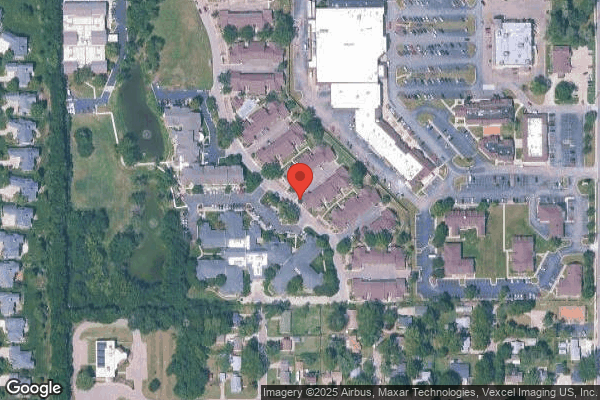
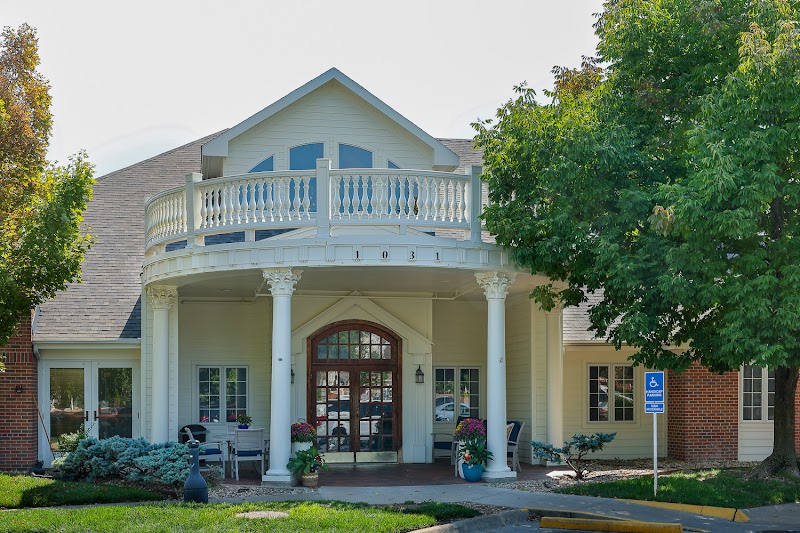
1031 SW FLEMING COURT, TOPEKA, KS 66604 (785) 440-0500
For profit - Corporation 90 Beds MIDWEST HEALTH Data: November 2025
Trust Grade
90/100
#24 of 295 in KS
Last Inspection: July 2024

Within standard 12-15 month inspection cycle. Federal law requires annual inspections.

Overview

Lexington Park Nursing & Post Acute Center has received an excellent Trust Grade of A, indicating a high level of quality care. Ranked #24 out of 295 facilities in Kansas, they are in the top half, and #3 out of 15 in Shawnee County, showing they have strong local performance. The facility is improving, with the number of reported issues decreasing from three in 2023 to two in 2024. Staffing is a key strength, achieving a perfect 5-star rating with a turnover rate of 34%, which is significantly lower than the state average of 48%. However, there have been some concerns noted, such as a nurse failing to perform proper hand hygiene during meal service, potentially increasing the risk of infections, and issues with the management of psychotropic medications for residents, which could lead to unnecessary medication use. Overall, while there are areas needing attention, the facility offers a solid level of care with a focus on improvement.

Trust Score
A
90/100
In Kansas
#24/295
Top 8%
Safety Record
Low Risk
No red flags
Inspections
Getting Better
3 → 2 violations
Staff Stability
○ Average
34% turnover. Near Kansas's 48% average. Typical for the industry.
Penalties
✓ Good
No fines on record. Clean compliance history, better than most Kansas facilities.
Skilled Nurses
○ Average
Each resident gets 41 minutes of Registered Nurse (RN) attention daily — about average for Kansas. RNs are the most trained staff who monitor for health changes.
Violations
○ Average
8 deficiencies on record. Average for a facility this size. Mostly minor or procedural issues.
★★★★★
5.0
Overall Rating
★★★★★
5.0
Staff Levels
★★★★☆
4.0
Care Quality
★★★★★
5.0
Inspection Score
Stable
2023: 3 issues
2024: 2 issues

The Good

  • 5-Star Staffing Rating · Excellent nurse staffing levels
  • 4-Star Quality Measures · Strong clinical quality outcomes
  • Full Sprinkler Coverage · Fire safety systems throughout facility
  • No fines on record
  • Staff turnover below average (34%)

    14 points below Kansas average of 48%

Facility shows strength in staffing levels, quality measures, fire safety.

The Bad

Staff Turnover: 34%

12pts below Kansas avg (46%)

Typical for the industry

Chain: MIDWEST HEALTH

Part of a multi-facility chain

Ask about local staffing decisions and management

The Ugly 8 deficiencies on record

Jul 2024 2 deficiencies
CONCERN (D) 📢 Someone Reported This

A family member, employee, or ombudsman was alarmed enough to file a formal complaint

Potential for Harm - no one hurt, but risky conditions existed

Deficiency F0625 (Tag F0625)

Could have caused harm · This affected 1 resident

**NOTE- TERMS IN BRACKETS HAVE BEEN EDITED TO PROTECT CONFIDENTIALITY** - R36's Electronic Medical Record (EMR) documented R36 had a diagnosis of congestive heart failure (CHF-a condition with low hea...

Read full inspector narrative →
**NOTE- TERMS IN BRACKETS HAVE BEEN EDITED TO PROTECT CONFIDENTIALITY** - R36's Electronic Medical Record (EMR) documented R36 had a diagnosis of congestive heart failure (CHF-a condition with low heart output and the body becomes congested with fluid), chronic obstructive pulmonary disease (COPD- a chronic inflammatory lung disease that causes obstructed airflow from the lungs) and sepsis (a life-threatening systemic reaction that develops due to infections which cause inflammation throughout the entire body). R36's Quarterly Minimum Data Set (MDS), dated [DATE], documented R36 had a Brief Interview of Mental Status (BIMS) score of six, which indicated severely impaired cognition. The MDS documented the resident required partial to moderate staff assistance with most activities of daily living (ADLs) and received oxygen therapy. R36's Care Plan, revised 07/04/24, instructed staff to monitor R36's body language and facial expressions for signs or symptoms of pain, cough, and shortness of breath. Staff were to listen to her lungs for any sounds of wetness or wheezing and notify the physician if they were heard. The Progress Note, dated 01/04/24 at 05:23 AM, documented R36 was admitted to the hospital. The Progress Note, dated 04/16/24 at 12:55 PM, documented R36 was admitted to the hospital. R36's clinical record lacked evidence the resident or representative was provided the bed hold policy when she was transferred to the hospital on [DATE] or 04/16/24. On 07/16/24 at 08:00 AM, observation revealed R36 self-propelled in a wheelchair down the hall from the dining room to her room. She wore oxygen at two liters, per nasal cannula, with no signs or symptoms of respiratory distress or pain. On 07/16/24 at 12:09 PM Administrative Staff A verified the resident or representative was not provided the facility bed hold policy when she was transferred to the hospital on [DATE] and 04/16/24. Administrative Staff A stated the social service designee was responsible for providing the bed hold policy to the resident or representative and it should have been provided. The facility's Bed-Hold Policy, revised 11/28/17, documented a written notice that specifies the duration of the bed-hold policy would be provided to the resident or resident representative upon transfer to hospital or therapeutic leave. The facility failed to provide R36 or her representative with written information regarding the facility bed hold policy when she was transferred to the hospital. This placed the resident at risk of not being permitted to return and resume residence in the nursing facility. - R73's Electronic Medical Record (EMR) documented R73 had a diagnosis of an anxiety disorder (mental or emotional reaction characterized by apprehension, uncertainty, and irrational fear), dementia (a progressive mental disorder characterized by failing memory, confusion), schizoaffective disorder (a mental disorder characterized by gross distortion of reality, disturbances of language and communication and fragmentation of thought) and bipolar disorder (major mental illness that caused people to have episodes of severe high and low moods). R73's Annual Minimum Data Set (MDS), dated [DATE], documented R73 had a Brief Interview of Mental Status (BIMS) score of 12, which indicated moderately impaired cognition. The MDS documented the resident required substantial to maximal staff assistance with most activities of daily living (ADLs) and had delusions (untrue persistent beliefs or perceptions held by a person although evidence shows it was untrue). R73's Care Plan, revised 04/11/24, documented R73 had physically and verbally aggressive behavior, had a history of paranoia and accusing others of taking her things, and instructed staff to leave her alone in a safe place if she had these behaviors. The care plan documented if the behaviors persisted despite time alone or redirection to call her representative and let her talk to him. The Progress Note, dated 05/03/24 at 02:12 PM, documented R73 was admitted to the behavioral health hospital. R73's clinical record lacked evidence the resident or representative was provided the bed hold policy when she was transferred to the hospital. On 07/16/24 at 12:09 PM Administrative Staff A verified the resident or representative was not provided the facility bed hold policy when she was transferred to the hospital. Administrative Staff A stated the social service designee was responsible for providing the bed hold policy to the resident or representative and it should have been provided. The facility's Bed-Hold Policy, revised 11/28/17, documented a written notice that specifies the duration of the bed-hold policy would be provided to the resident or resident representative upon transfer to hospital or therapeutic leave. The facility failed to provide R73 or her representative with written information regarding the facility bed hold policy when she was transferred to the hospital. This placed the resident at risk of not being permitted to return and resume residence in the nursing facility. The facility had a census of 77 residents. The sample included 19 residents. Based on observation, record review, and interview, the facility failed to provide Resident (R)45, R36, and R73 or their representative with written information regarding the facility bed hold policy when they were transferred to the hospital. This placed the resident at risk of not being permitted to return and resume residence in the nursing facility. Findings included: - R45's Electronic Medical Record (EMR) documented R45 had a diagnosis of malignant neoplasm (an abnormal mass of tissue that forms when cells grow and divide more than they should or do not die when they should) of the supraglottic (upper part of the larynx or voice box), anxiety (mental or emotional reaction characterized by apprehension, uncertainty and irrational fear), atherosclerotic heart disease (a type of disease that affects the heart or blood vessels), chronic obstructive pulmonary disease (COPD-progressive and irreversible condition characterized by diminished lung capacity and difficulty or discomfort in breathing). R45's Quarterly Minimum Data Set (MDS), dated [DATE], documented R45 had a Brief Interview of Mental Status (BIMS) score of 15, which indicated intact cognition. The MDS documented the resident required substantial to maximal staff assistance with toileting and personal hygiene. R45's Care Plan, dated 07/10/24, documented R45 had a feeding tube and would receive feeding and pleasure food; R45 would notify staff when she would like a meal or pleasure food. R45 received tube feeding through the pump as a continuous feeding overnight. R45 had an additional diet order of regular with thin liquids as tolerated. The Progress Note, dated 06/11/24 at 11:49 PM, documented R45 became short of breath and R45 stated she felt like she had something in her throat that was blocking her airway. Staff obtained the resident's oxygen levels and obtained a reading of 71% (normal 95% to 100%) on 3.5 liters of oxygen. Staff administered a breathing treatment and the resident's oxygen levels came up to 78%. Her heart rate was 116 (normal 60-100 beats per minute), and her respirations were 32 (normal 12-16 breaths per minute). The nurse practitioner was contacted, and the resident was sent to the hospital via ambulance. The Progress Note, dated 06/12/24 at 03:09 PM, documented the resident was admitted to hospital. The Progress Notes. dated 06/14/24 at 03:44 PM, documented the resident returned to the facility and was re-admitted . R45's clinical record lacked evidence the resident or representative was provided the bed hold policy when she was transferred to the hospital. On 07/16/24 at 08:10 AM, observation revealed R45 sat on the side of her bed with oxygen on per nasal cannula. Continued observation revealed License Nurse (LN) H administered 120 milliliters (ml) of water, crushed Levaquin (antibiotic) 750 milligrams, and Nutra Source Fiber (liquid nutrition) mix and followed with 120 ml of water. On 07/16/24 at 03:30 PM, Social Service X verified she had not provided the resident, or her representative with the bed hold policy when she was transferred to the hospital on [DATE]. On 07/16/24 at 04:00 PM, Administrative Staff A verified the resident had not been provided the bed hold policy when she was transferred to the hospital on [DATE]. The facility's Bed-Hold Policy, dated November 28, 2017, documented a written notice, that specifies the duration of the bed-hold policy, would be provided at the time of transfer of a resident for hospitalization or therapeutic leave. A resident whose hospitalization or therapeutic leave exceeds the bed-hold period under the State plan would return to the facility to their previous room if available or immediately upon the first availability of a bed. During the admission process, the facility would review the bed-hold policy with the resident and/or representative, The facility failed to provide R45 or her representative with written information regarding the facility bed hold policy when she was transferred to the hospital. This placed the resident at risk of not being permitted to return and resume residence in the nursing facility.
CONCERN (D) 📢 Someone Reported This

A family member, employee, or ombudsman was alarmed enough to file a formal complaint

Potential for Harm - no one hurt, but risky conditions existed

Medication Errors (Tag F0758)

Could have caused harm · This affected 1 resident

**NOTE- TERMS IN BRACKETS HAVE BEEN EDITED TO PROTECT CONFIDENTIALITY** The facility had a census of 77 residents. The sample included 19 residents with five reviewed for unnecessary medications. Base...

Read full inspector narrative →
**NOTE- TERMS IN BRACKETS HAVE BEEN EDITED TO PROTECT CONFIDENTIALITY** The facility had a census of 77 residents. The sample included 19 residents with five reviewed for unnecessary medications. Based on observation, record review, and interview, the facility failed to ensure nonpharmacological symptom management and a specified duration of use for Resident (R) 19 and R18's use of as-needed (PRN) psychotropic (alters mood or thoughts) medication. The facility further failed to ensure an appropriate indication of use or a documented physician rationale and risk versus benefits for the continued use of an antipsychotic (class of medications used to treat a mental disorder characterized by gross impairment in reality testing) and for not attempting a gradual dose reduction (GDR) for R33 and failed to ensure R18's PRN antipsychotic medication had the required 14-day stop date. This placed the residents at risk of receiving unnecessary psychotropic medications. Findings included: - R19's Electronic Medical Record (EMR) documented diagnoses of chronic kidney disease with heart failure, diabetes mellitus (DM-when the body cannot use glucose, not enough insulin made or the body cannot respond to the insulin), chronic respiratory failure, atrial fibrillation (rapid, irregular heartbeat), dependence on supplemental oxygen, anxiety (mental or emotional reaction characterized by apprehension, uncertainty, and irrational fear) disorder, vascular dementia (a progressive mental disorder characterized by failing memory and confusion caused by a decreased blood flow to the brain), and pseudobulbar affect (a condition which is characterized by an uncontrollable reaction of laughter or crying that is disproportionate to the event). R19's Quarterly Minimum Data Set (MDS), dated [DATE], documented R19 had severe cognitive impairment with no signs or symptoms of delirium (sudden severe confusion, disorientation, and restlessness), psychosis (any major mental disorder characterized by gross impairment in reality perception), or behaviors. R19 required partial/moderate assistance with functional activities such as dressing, and transfers, and substantial/maximum assistance with toileting hygiene, bathing, and bed mobility. R19 was not ambulatory. The MDS further documented R19 had a condition or chronic condition that may result in a life expectance of less than six months and received hospice care (special care to people who are near the end of life). R19 received scheduled and PRN pain medication. R19 took an antianxiety (class of medications that calm and relax people), antidepressant (class of medications used to treat mood disorders), diuretic (medication to promote the formation and excretion of urine), and received oxygen therapy. The Psychotropic Drug Use Care Area Assessment, dated 05/21/24, documented R19 received psychotropic medications and received an antidepressant and antianxiety medication. R19's Care Plan dated 05/23/24 documented R19 had mood and behavior problems, took Ativan (lorazepam- antianxiety medication) for targeted behavior of racing thoughts; Buspar (antianxiety medication) for a targeted behavior for yelling out; Cymbalta (an antidepressant) for depression and a targeted behavior of self-isolation, and Wellbutrin (antidepressant) with a target behavior of crying. The care plan directed staff to watch for side effects of medications and listed things that made the resident feel down or depressed such as missing family, and friends, and not having their own home. The care plan directed staff to help R19 feel better were calling friends and family on the phone, reading a book, and watching TV. The Physician Order, dated 12/19/23, directed staff to administer lorazepam 0.5 milligrams (mg) by mouth every four hours as needed (PRN) for anxiety related to anxiety disorder. The target behavior listed racing thoughts, and nonpharmacological interventions should be applied before administration. The Consultant Pharmacist (CP) Review, dated 01/08/24 and 06/13/24, documented R19 had an order for PRN Ativan though noted the resident was on hospice services. The CP documented that per Centers for Medicare and Medicaid Services (CMS) regulations, for PRN psychotropic use greater than 14 days, the prescriber must document a clinical rationale in the medical record for the continuance of the PRN agent and indicate the duration that the medication should be continued. The CP recommended re-evaluating the need to continue the PRN order at that time. If continued use is warranted, please provide a clinical rationale as well as the duration below. The physician's response to the CP review on 01/08/24 recorded the rationale for use was the medication was beneficial, and wrote the duration was no stop order or discontinue date. The response lacked a rationale or supporting data as to the benefit and lacked a specified duration. The physician's response to the CP review on 06/13/24 recorded that the rationale for use was hospice and lacked a specified duration of use. R19's April 2024 Electronic Medication Administrative Record (EMAR) revealed the use of PRN lorazepam 14 times that lacked documentation of nonpharmacological interventions used prior to administration. R19's May 2024 EMAR revealed the use of PRN lorazepam 14 times and lacked documentation of nonpharmacological interventions used prior to administration. R19's June 2024 EMAR revealed the use of PRN lorazepam 27 times and recorded the use of nonpharmacological interventions twice. R19's 07/01/24 to 07/15/24 EMAR revealed the use of PRN lorazepam 23 times and recorded nonpharmacological interventions only 11 times. On 07/15/24 at 02:56 PM, observation revealed staff pushed R19 to the dining room in a wheelchair for an activity involving food, drink, and music. On 07/17/24 at 08:00 AM, Certified Nurse Aide (CNA) M reported when R19 was upset, she tried to reassure her calmly, offered to lay her in bed, provided drinks, sat with her, and brought the resident to the nurse's station area. CNA M stated if interventions were not successful, the charge nurse would be notified. On 07/16/24 at 02:42 PM, Licensed Nurse (LN) H reported R19's mood and anxiety had been up and down. LN H stated the physician frequently saw R19. LN H reported R19's crying episodes had been less with the start of medication for pseudobulbar affect. LN H stated nonpharmacological interventions used for R19 would include turning on audiobooks, activity attendance if not too upset, sitting with the resident, massaging her hands, and doing her nails. LN H also reported the CNAs were good at redirecting conversations and hospice provided music therapy. On 07/17/24 at 08:00 AM, Administrative Nurse D reported the physicians made the decisions related to the use of medications. The pharmacist reviewed the resident's medical record and gave recommendations which were sent to the physician for review. Administrative Nurse D said the nurses and unit directors also reviewed the recommendations for orders. Administrative Nurse D stated nonpharmacological interventions should be attempted and documented before administration of PRN lorazepam. The facility's Unnecessary Medications policy, dated 11/28/17, documented that each resident's drug regimen must be free of unnecessary drugs. An unnecessary drug is any drug when used in excessive doses including duplicate therapy for excessive duration or without adequate monitoring or without adequate indications for this use or in the presence of adverse consequences which indicate the dose should be reduced or discontinued. The facility failed to ensure nonpharmacological symptom management and a specified duration of use for R19's PRN psychotropic antianxiety medication. This placed the resident at risk of receiving unnecessary psychotropic medication and related side effects. R33's Electronic Medical Record (EMR) recorded diagnoses of diabetes mellitus (DM-when the body cannot use glucose, not enough insulin made or the body cannot respond to the insulin), congestive heart failure (CHF-a condition with low heart output and the body becomes congested with fluid), Alzheimer's disease (progressive mental deterioration characterized by confusion and memory failure), dementia (progressive mental disorder characterized by failing memory, confusion), major depressive disorder (major mood disorder which causes persistent feelings of sadness), atrial fibrillation (rapid, irregular heartbeat) and acquired absence of left leg below knee. R33's Quarterly Minimum Data Set (MDS), dated [DATE], documented R33 had severe cognitive impairment, had no delirium (sudden severe confusion, disorientation, and restlessness), psychosis (any major mental disorder characterized by a gross impairment in reality perception) or behavioral symptoms. R33 required substantial/maximal assistance with functional abilities and mobility. The MDS further documented R33 received scheduled and PRN pain medication, an antipsychotic, anticoagulant (class of medication to prevent blood clotting), opioid (medication to treat pain), and hypoglycemic (class of medication used to reduce blood sugar). R33 received an antipsychotic on a routine basis, with no gradual dose reduction (GDR) attempt, and a physician documented that a GDR was clinically contraindicated on 03/19/24. R33's Psychotropic Drug Use Care Area Assessment, dated 11/02/23, documented R33 received an antipsychotic and antianxiety (class of medications that calm and relax people) medication. R33's Care Plan, dated 04/25/24, documented a mood and/or behavior problem. R33 received Abilify (antipsychotic) for a targeted behavior of anger and Ativan (an antianxiety medication) for a targeted behavior of pacing. The care plan further directed staff with behavior management. The Physician Order, dated 01/30/24, directed staff to administer Abilify 15 milligrams (mg) in the morning related to major depressive disorder. The Consultant Pharmacist (CP) review, dated 01/09/24, documented R33 was currently receiving Abilify 15 mg daily for depression and had a diagnosis of dementia. The CP noted that while depression was a Food and Drug Administration (FDA) approved indication for this medication (adjunctive treatment for depression), the use of antipsychotics in this patient population was strongly discouraged given the adverse side effects associated with their use. Periodic risk versus benefit assessments were recommended for continued use. The CP recommended considering a trial reduction to Abilify 10 mg at that time to ensure the lowest effective dose was being utilized and minimize the risk for adverse effects. If no changes were warranted, please provide clinical rationale. The physician responded disagree but did not provide a clinical rationale. The CP Review, dated 03/10/24, documented to consider a trial reduction to Abilify 10 mg daily at that time to ensure the lowest effective dose was being utilized and minimize the risk for adverse effects. If no changes were warranted, please provide a clinical rationale below. The physician responded disagree and noted the patient was stable but did not provide a rationale that addressed the benefits of continued use, and at the same dose, despite the risk. On 07/15/24 at 03:13 PM, observation revealed R33 sitting in the dining room enjoying a second root beer float and music-listening activity. On 07/17/24 at 07:57 AM, Administrative Nurse D stated antipsychotic medication was reviewed with the physician and the physician determined the diagnosis. Administrative Nurse D confirmed the CP had recommended a GDR and risk versus benefit documentation for the use of psychotropic medications. The facility's Unnecessary Medications policy, dated 11/28/17, documented that each resident's drug regimen must be free of unnecessary drugs. An unnecessary drug is any drug when used in excessive doses including duplicate therapy for excessive duration or without adequate monitoring or without adequate indications for this use or in the presence of adverse consequences which indicate the dose should be reduced or discontinued. The facility failed to ensure R33 who had dementia and received an antipsychotic medication had a CMS-approved indication for use and an attempted GDR or the required physician documentation. This placed the resident at risk of receiving unnecessary psychotropic medication and related complications. - R18's Electronic Medical Record (EMR) documented R18 had diagnoses of major depressive disorder (a major mood disorder that causes persistent feelings of sadness) and dementia (a progressive mental disorder characterized by failing memory, and confusion). R18's Quarterly Minimum Data Set (MDS), dated [DATE], documented R18 had a Brief Interview of Mental Status (BIMS) score of 14, which indicated intact cognition. The MDS documented that R18 received an antipsychotic, antianxiety (class of medications that calm and relax people), and antidepressant (class of medications used to treat mood disorders) medication daily during the observation period. R18's Care Plan, revised 06/20/24, documented that R18 received Ativan (antianxiety medication) and Haldol (antipsychotic medication). The care plan instructed staff to monitor R18 for signs of depression such as having trouble going to sleep or staying asleep, sleeping all the time, decreased appetite and weight loss, crying, or making statements about not wanting to go on or feeling useless. Staff were to notify the nurse and physician if R18 exhibited these behaviors. The Physician Orders, dated 08/21/23 at 02:00 PM, instructed staff to administer R18 Haldol 1 milliliter (ml) of 2 milligrams (mg) per ml liquid every eight hours PRN for nausea. The order lacked a 14-day stop date. The orders instructed staff to administer Ativan tablet, 1 mg, every four hours PRN without a stop date. On 02/27/24 the Consultant Pharmacist (CP) drug regimen reviews documented R18 currently took Haldol 1 ml of every eight hours PRN with a diagnosis of nausea but per Centers of Medicare and Medicaid Services (CMS) guidelines, only the Food and Drug Administration (FDA) approved indications for schizophrenia (a mental disorder characterized by gross distortion of reality, disturbances of language and communication and fragmentation of thought), Tourette's syndrome (condition of the nervous syndrome causing uncontrollable repetitive movements or unwanted sounds) and Huntington's disease (a rare abnormal hereditary condition characterized by progressive mental deterioration, a disabling central nervous system movement disorder) are allowed for the continued use of antipsychotics in residents with dementia. The physician responded only PRN, no change. On 06/15/24 the CP documented that R18 had an order for PRN Ativan and noted that R18 received hospice services. The CP documented that per CMS regulations for PRN psychotropics medication use greater than 14 days, the prescriber must document a clinical rationale in the medical record for the continuance of the PRN agent and indicate the duration that the medication should be continued. The physician's response did not indicate the duration and rationale for the continued use of Ativan. On 07/15/24 at 03:28 PM, observation revealed R18 sat in a recliner in her room, visited with staff in a polite voice, and had no signs or symptoms of pain. On 06/04/24 at 03:20 PM, Administrative Nurse D verified R18's Ativan lacked a stop date and stated it should have one. Administrative Nurse D verified R18's Haldol had a diagnosis of nausea and stated the resident received hospice services and their standing orders had Haldol with a diagnosis of nausea. The facility's Unnecessary Medications Policy, revised 11/28/17, documented that antipsychotic medications are indicated for the treatment of schizophrenia, Tourette's syndrome, and Huntington's disease. The use of antipsychotic medications for any other diagnosis must include physician documentation of the rationale. The facility failed to ensure a 14-day stop date as required for R18's PRN antipsychotic, Haldol. The facility further failed to place a stop date or a physician rationale for extended use with a specified duration on R18's PRN Ativan. This placed the resident at risk for unnecessary psychotropic medications.
Mar 2023 3 deficiencies
CONCERN (D)

Potential for Harm - no one hurt, but risky conditions existed

Resident Rights (Tag F0550)

Could have caused harm · This affected 1 resident

The facility had a census of 59 residents. The sample included 15 residents. Based on observation, record review, and interview, the facility failed to promote care in a manner to maintain and enhance...

Read full inspector narrative →
The facility had a census of 59 residents. The sample included 15 residents. Based on observation, record review, and interview, the facility failed to promote care in a manner to maintain and enhance dignity and respect during dining for Resident (R) 3, R12 and R20. This placed the residents at risk for an undignified dining experience. Findings included: - On 03/20/23 at 11:45AM, observation of dining service revealed R3, R12 and R20 sat in Broda chairs (a wheelchair that provides supportive positioning through a combination of tilt, recline and is adjustable) across from the 200 hallway nurse's desk. Further observation revealed staff sat on chairs beside each resident. Staff, while feeding R3, R12 and R20, discussed personal problems with each other and discussed other residents who resided on the 200 hallway while assisting the residents with their meal. On 03/21/23 at 08:20AM, observation revealed R3, R12 and R20 each sat in a Broda chairs across from the 200 hallway nurse's desk. Staff sat on chairs next to each resident. Staff, while feeding R3, R12 and R20, discussed their personal lives with each other and discussed work related topics with each other but did not engage R3, R12, or R20 in conversation during the meal. On 03/21/23 at 12:10PM, observation revealed R3, R12 and R20 each sat in Broda chairs across from the 200 hallway nurse's desk with a staff member seated beside each resident. While feeding R3, R12 and R20, staff discussed discussed personal issues with each other and discussed other residents while assisting the residents with their meal. On 03/28/23 at 10:00AM, Administrative Nurse D verified staff were to speak with the residents when feeding them and acknowledged it was a dignity concern for staff to discuss personal issues and other residents when assisting residents with their meals. The facility's undated Resident Rights policy, stated the facility staff will promote care in a manner to promote and enhance dignity and respect. The facility failed to promote care in a manner to maintain and enhance dignity and respect, when staff assisted R3, R12 and R20 with their meals and spoke to other staff during the dining instead of speaking and interacting with the residents being assisted. This placed the affected residents at risk for an undignified dining experience.
CONCERN (D)

Potential for Harm - no one hurt, but risky conditions existed

Medication Errors (Tag F0758)

Could have caused harm · This affected 1 resident

**NOTE- TERMS IN BRACKETS HAVE BEEN EDITED TO PROTECT CONFIDENTIALITY** The facility had a census of 59 residents. The sample included 15 residents with five reviewed for unnecessary medications. Base...

Read full inspector narrative →
**NOTE- TERMS IN BRACKETS HAVE BEEN EDITED TO PROTECT CONFIDENTIALITY** The facility had a census of 59 residents. The sample included 15 residents with five reviewed for unnecessary medications. Based on observation, record review, and interview the facility failed to ensure an appropriate indication, or a documented physician rationale which included the multiple unsuccessful attempts for nonpharmacological symptom management and risk versus benefits for the continued use of an antipsychotic (class of medications used to treat mental disorder characterized by a gross impairment in reality testing) for Resident (R)18, who had a diagnosis of dementia (progressive mental disorder characterized by failing memory, confusion). This placed the resident at risk for unnecessary psychotropic (alters perception, mood, consciousness, cognition, or behavior) medications and related complications. Findings included: - R18's Electronic Medical Record (EMR) documented the resident had diagnoses of dementia, anxiety disorder (mental or emotional reaction characterized by apprehension, uncertainty and irrational fear), and major depressive disorder (abnormal emotional state characterized by exaggerated feelings of sadness, worthlessness, emptiness and hopelessness). R18's admission Minimum Data Set Assessment (MDS), dated [DATE], documented R18 had a Brief Interview for Mental Status (BIMS) score of 14, which indicated intact cognition. The MDS documented R18 required extensive staff assistance with activities of daily living (ADL) except supervision with eating. The MDS documented R18 received an antianxiety (class of medications that calm and relax people with excessive anxiety, nervousness, or tension) medication for two days and an antidepressant (class of medications used to treat mood disorders and relieve symptoms of depression) medication for seven days during the seven-day lookback period. R18's Psychotropic Drug Care Area Assessment (CAA), dated 02/23/23, documented R18 had diagnoses of depression and anxiety. R18's Psychosocial Care Plan, revised 03/09/23, documented R18 received Seroquel (antipsychotic medication) for targeted behavior of yelling at staff, and instructed staff to watch R18 for side effects of her medication. The Discharge From Hospital Physician Order Sheet, dated 02/16/23, instructed staff to administer Seroquel tablet, 12.5 milligram (mg) every night for the diagnosis of major depressive disorder. The Pharmacist Recommendation, dated 03/06/23, documented the pharmacist indicated R18's diagnoses for Seroquel was an inappropriate diagnosis and recommended it be changed to an appropriate diagnosis. The recommendation asked for a gradual dose reduction of the medication and the physician replied he disagreed, and instructed he would manage R18's Seroquel dosage. The physician did not respond to the inappropriate diagnosis for Seroquel. The Physician Order Sheet, dated 03/08/23, instructed staff to administer Seroquel tablet, 12.5 milligram (mg) twice a day for the diagnosis of major depressive disorder. On 03/20/23 at 12:18 PM, observation revealed R18 in the therapy room. R18 visited politely with staff. On 03/27/23 at 02:56 PM, Administrative Nurse D verified the resident's Seroquel had an inappropriate diagnosis. The facility's Unnecessary Medications Policy, revised 11/28/17, documented antipsychotic medications are indicated for the treatment of Schizophrenia (psychotic disorder characterized by gross distortion of reality, disturbances of language and communication and fragmentation of thought) , Tourette's (neurological condition that causes unwanted, involuntary muscle movements and sounds known as tics) and Huntington's (rare abnormal hereditary condition characterized by progressive mental deterioration; a disabling central nervous system movement disorder). The facility's Drug Regimen Review Policy, revised 11/28/17, documented the pharmacist would report any irregularities to the attending physician, the facility's medical director and the director of nursing. The facility would act upon the pharmacist recommendations. The facility failed to ensure an appropriate indication, or a documented physician rationale which included the multiple unsuccessful attempts for nonpharmacological symptom management and risk versus benefits for the continued use of R18's antipsychotic medication. This placed the resident at risk for receiving an unnecessary psychotropic medication.
MINOR (C)

Minor Issue - procedural, no safety impact

Staffing Information (Tag F0732)

Minor procedural issue · This affected most or all residents

The facility had a census of 59 residents. The sample included 15 residents. Based on observation, interview, and record review, the facility failed to post the actual working hours for nursing staff ...

Read full inspector narrative →
The facility had a census of 59 residents. The sample included 15 residents. Based on observation, interview, and record review, the facility failed to post the actual working hours for nursing staff directly responsible for resident care per shift as required. Findings included: - On 03/20/23 at 08:30 AM, upon entrance into the facility, observation revealed the facility lacked a Daily Nurse Staffing Report posted in the facility. On 03/21/23 at 07:30 AM, observation revealed the facility lacked a Daily Nurse Staffing Report posted in the facility. On 03/27/23 at 08:30 AM, observation revealed the facility lacked a Daily Nurse Staffing Report posted in the facility. On 03/27/23 at 02:05 PM, Administrative Nurse D verified the facility had not posted the Daily Nurse Staffing Report on the dates documented above. Administrative Nurse D stated it was something the facility was working on. The facility's Posting Direct Care Daily Staff Numbers policy, dated November 28, 2017, recorded the facility would post the full-time equivalent number of nursing personnel responsible for providing direct care, daily for each shift. At the beginning of each shift, the number of licensed nurses (Registered Nurses and Licensed Practical Nurses) and the number of unlicensed nursing personnel (Certified Medication Aide, Certified Nurse Aide, nurse aide trainees) who provide direct care to residents would be posted using the Daily Nurse Staffing forms. The facility failed to post the daily staffing hours for the nursing personnel directly responsible for resident care per shift as required.
Oct 2021 3 deficiencies
CONCERN (D)

Potential for Harm - no one hurt, but risky conditions existed

Drug Regimen Review (Tag F0756)

Could have caused harm · This affected 1 resident

**NOTE- TERMS IN BRACKETS HAVE BEEN EDITED TO PROTECT CONFIDENTIALITY** The facility identified a census of 59 residents. The sample included 16 residents, with five residents sampled for medication r...

Read full inspector narrative →
**NOTE- TERMS IN BRACKETS HAVE BEEN EDITED TO PROTECT CONFIDENTIALITY** The facility identified a census of 59 residents. The sample included 16 residents, with five residents sampled for medication review. Based on observation, record review, and interview, the facility failed to follow the Consulting Pharmacist (CP) recommendation to notify the physician when resident (R)16's blood glucose reading was over the 300 milligrams per deciliter (mg/dl- a unit for measuring concentration of glucose in the blood) parameter. This placed R16 at risk for complications related to increased blood glucose levels. Findings included: - The electronic medical record (EMR) for R16 documented diagnoses of type II diabetes mellitus (DM- when the body cannot use glucose, not enough insulin made or the body cannot respond to the insulin) with diabetic neuropathy (a disease where nerve damage is caused by long-term high blood sugar levels), and Type II DM with diabetic peripheral angiopathy (a condition that involves damage to cells in the blood vessels caused by high levels of glucose), and Type II DM with diabetic chronic kidney disease. The Annual Minimum Data Set (MDS) dated [DATE] for R16 documented a Brief Interview for Mental Status (BIMS) score of 15 which indicated intact cognition. She required extensive assistance of two staff for activities of daily living (ADLs) and used a wheelchair for mobility. During the look back period she received injections and/or insulin (a hormone which regulates blood sugar) seven of seven days. The Quarterly MDS dated 07/30/21 documented R16 had a BIMS score of 10, which indicated moderate cognitive impairment. She required extensive assistance of two staff with her ADLs. She required the use of a wheelchair for mobility that staff propelled. She received injections and/or insulin seven of seven days during the look back period. The ADL Care Area Assessment (CAA) dated 05/21/21 documented that R16 had a BIMS of 15 and required extensive assistance of two staff with her ADLs. The Nutrition Care Plan updated 08/05/21 instructed staff to follow R16's accu-check ( a blood glucose measuring system) and insulin orders and to notify primary physician if her blood sugar was outside of the parameters. Under the Orders tab, the Orders Summary Report dated 10/11/21 documented an order for blood glucose monitoring four times a day related to type II DM with diabetic chronic kidney disease, notify physician if blood glucose was greater than 400mg/dl or less than 70 mg/dl with a start date of 04/30/21. The Orders tab documented an ordered dated 06/29/21 for Humulin R U-500 Kwik Pen (insulin) to inject 100 units subcutaneously (SQ-under the skin) four times a day related to type II DM with diabetic chronic kidney disease. Hold insulin if blood glucose was less than 110mg/dl or meal refused. Notify physician if blood glucose was greater than 300 mg/dl or less than 70mg/dl. The Medication Administration Record (MAR) and/or Treatment Administration Record (TAR) for the month of June 2021 for R16 documented blood glucose reading greater than 300mg/dl on 13 of 120 opportunities without the physician being notified. The July 2021 MAR/TAR for R16 documented blood glucose readings greater than 300mg/dl on nine of 124 opportunities without the physician being notified. The August 2021 MART/TAR for R16 documented blood glucose readings greater than 300mg/dl on 24 of 124 opportunities. The CP made nursing recommendations for the months of June, July, and August of 2021 to please ensure nursing staff are notifying the physician for blood sugar readings outside of parameters (above 300mg/dl or below 70 mg/dl) and documenting this in the chart. On 10/12/21 at 10:30 AM R16 sat in her wheelchair as staff propelled her down the hallway to the east dining room for a meeting. In an interview on 10/13/21 at 01:19 PM, Licensed Nurse (LN) J stated that typically staff go by the order for blood glucose monitoring parameters to notify the physician when R16's blood glucose reading is over 400mg/dl, because R16 typically had readings over 300mg/dl. LN j stated staff would be calling the physician all the time. LN J also stated that Administrative Nurse E received the CP's nursing recommendations and would act upon them and notify staff in their morning huddle of the recommendations. In an interview on 10/13/21 at 01:27 PM, Administrative Nurse E stated that R16's Humulin order should have that parameter to notify they physician when blood glucose level is greater than 400mg/dl or below 70mg/dl and not 300mg/dl. She stated she was the one that put the order in the MAR on 06/29/21 and the system automatically populated the parameter to 300mg/dl (that is the parameter for all other residents except for R16). R16's parameter was changed to 400mg/dl due to the fact that she often times has blood glucose readings greater than 300mg/dl and that was agreed on by her primary physician and the endocrinologist (a doctor that specializes in glands and the hormones). Administrative Nurse E stated R16's special instructions on her dashboard, stated blood glucose greater 400mg/dl or below 70 mg/dl. She further stated that she received the CP's nursing recommendations and acted upon them and then would notify staff and educate them if needed on the changes. In an interview on 10/13/21 at 02:21PM, Administrative Nurse D stated that he received the CP's recommendations and gave them to the unit managers. The unit managers reviewed them and signed off on them. If a nurse received a new order or recommendation, they entered it into the computer. The following day after the recommendations were received, they l addressed them in the morning huddle with staff and educated/reminded them they needed to remember to notify the physician when the blood glucose was out of parameters. he further stated R16 historically had a vast variance in her blood sugars. The facility policy Pharmacy Services revised April 27, 2018, documented: The facility will provide pharmaceutical services to meet the needs of each resident. The facility will obtain the services of a licensed pharmacist who provides consultation on all aspects of the provision of pharmacy services in the facility; determines that drug records are in order. The facility failed to ensure that nursing staff followed the CP's repeated recommendation that staff needed to notify the physician as ordered when R16's blood glucose readings were greater than 300mg/dl, which had the potential for unnecessary complications related to insulin usage and increased blood glucose levels.
CONCERN (D)

Potential for Harm - no one hurt, but risky conditions existed

Deficiency F0757 (Tag F0757)

Could have caused harm · This affected 1 resident

**NOTE- TERMS IN BRACKETS HAVE BEEN EDITED TO PROTECT CONFIDENTIALITY** - The Diagnoses tab of R33's Electronic Medical Record (EMR) documented diagnoses of gastroesophageal reflux disease (GERD- back...

Read full inspector narrative →
**NOTE- TERMS IN BRACKETS HAVE BEEN EDITED TO PROTECT CONFIDENTIALITY** - The Diagnoses tab of R33's Electronic Medical Record (EMR) documented diagnoses of gastroesophageal reflux disease (GERD- backflow of stomach contents to the esophagus) without esophagitis (inflammation that damages the esophagus [tube running from the throat to the stomach]), depression (abnormal emotional state characterized by exaggerated feelings of sadness, worthlessness and emptiness), and anxiety (mental or emotional reaction characterized by apprehension, uncertainty and irrational fear). The Annual Minimum Data Set (MDS) dated 03/19/21, documented R33 had a Brief Interview for Mental Status (BIMS) score 15 which indicated intact cognition. R33 received antianxiety (class of medications that calm and relax people with excessive anxiety, nervousness, or tension) medication seven days, antidepressant (class of medications used to treat mood disorders and relieve symptoms of depression) medications, and diuretic (medication to promote the formation and excretion of urine) medications seven days of the seven-day lookback period. The Quarterly MDS dated 08/27/21, documented R33 had a BIMS score of 14 which indicated intact cognition. R33 received antianxiety, antidepressant, and diuretic medications seven days of the seven-day lookback period. The Activities of Daily Living (ADL) Functional/Rehabilitation Potential Care Area Assessment (CAA) dated 08/27/21, documented R33 had a BIMS score of 15 and diagnoses of depression and anxiety. The Mood/Behavior Care Plan dated 05/21/19, directed staff to review R33's status and notify the doctor if there were any changes in order to see if medications should have been reduced. The Orders tab of R33's EMR documented a discontinued laboratory order with an order date of 02/03/21 for vitamin B12 every six months on the fourth, an active laboratory order with an order date of 02/24/21 for vitamin B12 every three months on the fourth, and an order with a start date of 02/25/21 for vitamin B12 1000 milligrams once a day for supplement. The Medication Regimen Review (MRR) in January 2021 revealed a physician's order on 02/02/21 to obtain vitamin B12 laboratory level then collect every six months. The MRR in February 2021 revealed a physician's order on 02/19/21 to recheck vitamin B12 level in 12 weeks. R33's medical record revealed a vitamin B12 level was obtained on 02/04/21. The medical record lacked evidence a vitamin B12 level was obtained as ordered in 12 weeks from 02/19/21 or six months from 02/02/21. Review of R33's Lab Administration Report for August 2021 revealed missed laboratory administration on 08/04/21. On 10/12/21 at 02:05 PM, R33 laid in bed and played on her tablet. She appeared comfortable and without signs of distress or discomfort. She stated she was doing good. On 10/13/21 at 01:56 PM, Licensed Nurse (LN) G stated pharmacy reviews were the responsibility of the Director of Nursing (DON). On 10/13/21 at 02:00 PM, Administrative Nurse D stated the charge nurse and/or unit manager were responsible for placing the physician's orders from the pharmacy reviews in the computer. The facility did not provide a policy on physician's orders. The facility failed to obtain laboratory services for R33. This deficient practice placed R33 at increased risk for unwarranted physical complications and unnecessary medication use. The facility identified a census of 59 residents. The sample included 16 residents, with five residents sampled for medication review. Based on observation, record review, and interview, the facility failed to notify the physician when resident (R)16's blood glucose reading was over the 300 milligrams per deciliter (mg/dl- a unit for measuring concentration of glucose in the blood) parameter. The facility also failed to ensure that lab was obtained as ordered for R33. This placed R16 at risk for complications related to increased blood glucose levels, and R33 at risk for possible unwarranted and unnecessary medication administration. Findings included: - The electronic medical record (EMR) for R16 documented diagnoses of type II diabetes mellitus (DM- when the body cannot use glucose, not enough insulin made or the body cannot respond to the insulin) with diabetic neuropathy (a disease where nerve damage is caused by long-term high blood sugar levels), and Type II DM with diabetic peripheral angiopathy (a condition that involves damage to cells in the blood vessels caused by high levels of glucose), and Type II DM with diabetic chronic kidney disease. The Annual Minimum Data Set (MDS) dated [DATE] for R16 documented a Brief Interview for Mental Status (BIMS) score of 15 which indicated intact cognition. She required extensive assistance of two staff for activities of daily living (ADLs) and used a wheelchair for mobility. During the look back period she received injections and/or insulin (a hormone which regulates blood sugar) seven of seven days. The Quarterly MDS dated 07/30/21 documented R16 had a BIMS score of 10, which indicated moderate cognitive impairment. She required extensive assistance of two staff with her ADLs. She required the use of a wheelchair for mobility that staff propelled. She received injections and/or insulin seven of seven days during the look back period. The ADL Care Area Assessment (CAA) dated 05/21/21 documented that R16 had a BIMS of 15 and required extensive assistance of two staff with her ADLs. The Nutrition Care Plan updated 08/05/21 instructed staff to follow R16's accu-check (a blood glucose measuring system) and insulin orders and to notify primary physician if her blood sugar was outside of the parameters. Under the Orders tab, the Orders Summary Report dated 10/11/21 documented an order for blood glucose monitoring four times a day related to type II DM with diabetic chronic kidney disease, notify physician if blood glucose was greater than 400mg/dl or less than 70 mg/dl with a start date of 04/30/21. The Orders tab documented an ordered dated 06/29/21 for Humulin R U-500 Kwik Pen (insulin) to inject 100 units subcutaneously (SQ-under the skin) four times a day related to type II DM with diabetic chronic kidney disease. Hold insulin if blood glucose was less than 110mg/dl or meal refused. Notify physician if blood glucose was greater than 300 mg/dl or less than 70mg/dl. The Medication Administration Record (MAR) and/or Treatment Administration Record a(TAR) for the month of June 2021 for R16 documented blood glucose reading greater than 300mg/dl on 13 of 120 opportunities without the physician being notified. The July 2021 MAR/TAR for R16 documented blood glucose readings greater than 300mg/dl on nine of 124 opportunities without the physician being notified. The August 2021 MART/TAR for R16 documented blood glucose readings greater than 300mg/dl on 24 of 124 opportunities. On 10/12/21 at 10:30 AM R16 sat in her wheelchair as staff propelled her down the hallway to the east dining room for a meeting. In an interview on 10/13/21 at 01:19 PM, Licensed Nurse (LN) J stated that typically staff go by the order for blood glucose monitoring parameters to notify the physician when R16's blood glucose reading is over 400mg/dl, because R16 typically had readings over 300mg/dl. LN J stated staff would be calling the physician all the time. In an interview on 10/13/21 at 01:27 PM, Administrative Nurse E stated that R16's Humulin order should have stated that parameter to notify they physician when blood glucose level was greater than 400mg/dl or below 70mg/dl and not 300mg/dl. She stated that she was the person that put the order in the MAR on 06/29/21 and the system automatically populated the parameter to 300mg/dl (that is the parameter for all other residents except for R16). R16's parameter was changed to 400mg/dl due to the fact that she often times has blood glucose readings greater than 300mg/dl and that was agreed on by her primary physician and the endocrinologist (a doctor that specializes in glands and the hormones). Administrative Nurse E stated R16's special instructions on her dashboard, stated blood glucose greater 400mg/dl or below 70 mg/dl. In an interview on 10/13/21 at 02:21PM, Administrative Nurse D stated that staff nurses input new medication orders into the MAR when they receive them, or the unit nurse manager would enter them if she had received an order. The unit managers reviewed orders the next day to make sure they were entered correctly. The nurse should remember to notify the physician when the blood glucose was out of parameters, he further stated R16 historically had a vast variance in her blood sugars. The facility policy Vital Signs Monitoring dated November 28, 2017 documented: The physician will establish parameters for all vital signs. These parameters will be placed on the TAR. When vital signs are outside the physician specified parameters, notification of the physician will be made and documented in the clinical record. The facility failed to ensure that nursing staff notified the physician as ordered when R16's blood glucose readings were greater than 300mg/dl, which had the potential for unnecessary complications related to insulin usage and increased blood glucose levels.
CONCERN (E)

Potential for Harm - no one hurt, but risky conditions existed

Infection Control (Tag F0880)

Could have caused harm · This affected multiple residents

The facility identified a census of 59 residents. Based on observations, record reviews, and interviews, the facility failed to ensure proper hand hygiene was performed during meal serving and failed ...

Read full inspector narrative →
The facility identified a census of 59 residents. Based on observations, record reviews, and interviews, the facility failed to ensure proper hand hygiene was performed during meal serving and failed to prevent cross-contamination during peri-care (involves washing the genital and rectal areas of the body or peri-area) and foley catheter (tube inserted into the bladder to drain urine into a collection bag) care for Resident (R) 206. This deficient practice increased the risk of illness and infection for all residents on the affected unit. Findings included: - On 10/11/21 at 12:06 PM, Licensed Nurse (LN) H wore gloves and pushed dining cart into the dining room. She scratched her arm then rolled silverware and wrapped food bowls and cups. LN H then pushed the dining cart onto the South unit without changing gloves and/or performing hand hygiene. LN H delivered a tray to a resident then doffed (removed) her gloves. She returned to the dining room, performed hand hygiene, touched her uniform then delivered lunch to a resident at a table. On 10/11/21 at 12:28 PM, LN H served a resident lunch, brought a dirty dish to the dirty dish cart, grabbed a clean plastic cup and got the resident water. LN H returned to the serving area and grabbed another plate to serve. No hand hygiene was observed. On 10/13/21 at 09:50 AM, LN I and Certified Nurse Aide (CNA) N entered R206's room, shut the door, then both performed hand hygiene and donned (put on) gloves. LN I lowered R206's head of the bed (HOB), raised bed to waist level, removed blankets, then rolled R206 to his right side with assistance from CNA N. LN I cleaned R206's peri-area, removed soiled brief, placed a clean brief, then put barrier cream (cream used to protect the skin) on R206's buttocks. No hand hygiene was performed after peri-care and before applying barrier cream. CNA N used right hand to help spread barrier cream, did not doff soiled glove before touching R206's thigh. LN I doffed gloves and performed hand hygiene then donned new gloves. LN I performed foley catheter care appropriately. After catheter care, LN I did not doff gloves and perform hand hygiene before she touched his blankets and pillows. LN I doffed gloves, elevated HOB, lowered bed, and placed call light within reach. LN I and CNA N performed hand hygiene. On 10/13/21 at 01:52 PM, CNA M stated hand hygiene was performed before and after each resident contact, before and after serving a meal tray, upon entering and exiting resident rooms, and after doffing gloves. She stated during peri-care, she changed her gloves and performed hand hygiene when moving from dirty to clean surfaces during the procedure. On 10/13/21 at 01:56 PM, LN G stated hand hygiene was performed before and after care, after doffing gloves, before serving trays and in between serving to different residents. She stated during peri-care, she changed gloves and performed hand hygiene after done with cleaning soiled areas and before touching clean areas. ON 10/13/21 at 02:00 PM, Administrative Nurse D stated he expected hand hygiene to be performed per the facility policy. He stated hand hygiene was performed before and after cares, after doffing dirty gloves, and before donning new gloves. He stated gloves were changed after each resident contact during meal service. He expected staff to change gloves and perform hand hygiene after cleaning a soiled area and before touching clean items. The facility's Hand Hygiene policy, dated 11/28/17, directed hand hygiene was performed before and after contact with the resident, after contact with body fluids or visibly contaminated surfaces and surfaces in the resident's environment, and after removing personal protective equipment including gloves. The facility failed to ensure proper hand hygiene was performed during meal serving and failed to prevent cross-contamination during peri-care and foley catheter care for Resident (R) 206. This deficient practice increased the risk of illness and infection for all residents on the affected unit.
Understanding Severity Codes (click to expand)
Life-Threatening (Immediate Jeopardy)
J - Isolated K - Pattern L - Widespread
Actual Harm
G - Isolated H - Pattern I - Widespread
Potential for Harm
D - Isolated E - Pattern F - Widespread
No Harm (Minor)
A - Isolated B - Pattern C - Widespread

Questions to Ask on Your Visit

  • "Can I speak with families of current residents?"
  • "What's your RN coverage like on weekends and overnight?"

Our Honest Assessment

Strengths
  • • Grade A (90/100). Above average facility, better than most options in Kansas.
  • • No major safety red flags. No abuse findings, life-threatening violations, or SFF status.
  • • No fines on record. Clean compliance history, better than most Kansas facilities.
  • • 34% turnover. Below Kansas's 48% average. Good staff retention means consistent care.
Concerns
  • • No significant concerns identified. This facility shows no red flags across CMS ratings, staff turnover, or federal penalties.
Bottom line: Generally positive indicators. Standard due diligence and a personal visit recommended.

About This Facility

What is Lexington Park Nursing & Post Acute Center's CMS Rating?

CMS assigns LEXINGTON PARK NURSING & POST ACUTE CENTER an overall rating of 5 out of 5 stars, which is considered much above average nationally. Within Kansas, this rating places the facility higher than 99% of the state's 100 nursing homes. This rating reflects solid performance across the metrics CMS uses to evaluate nursing home quality.

How is Lexington Park Nursing & Post Acute Center Staffed?

CMS rates LEXINGTON PARK NURSING & POST ACUTE CENTER's staffing level at 5 out of 5 stars, which is much above average compared to other nursing homes. Staff turnover is 34%, compared to the Kansas average of 46%. This relatively stable workforce can support continuity of care.

What Have Inspectors Found at Lexington Park Nursing & Post Acute Center?

State health inspectors documented 8 deficiencies at LEXINGTON PARK NURSING & POST ACUTE CENTER during 2021 to 2024. These included: 7 with potential for harm and 1 minor or isolated issues.
Who Owns and Operates Lexington Park Nursing & Post Acute Center?

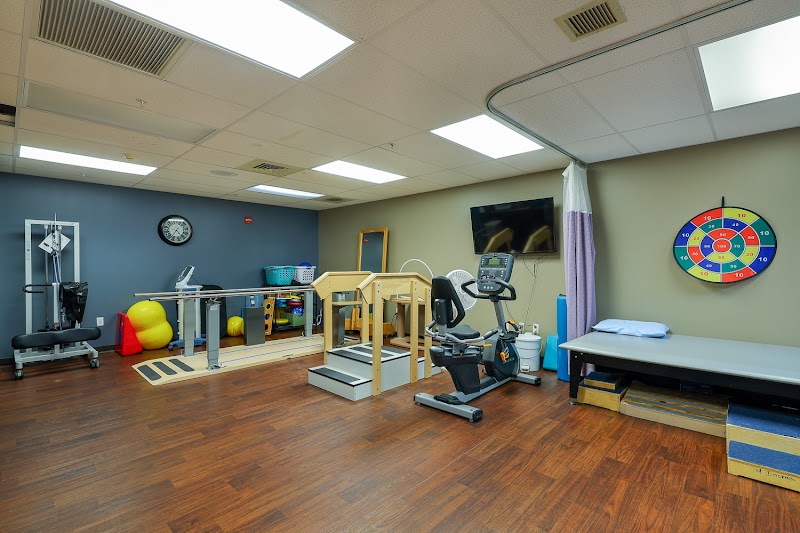
LEXINGTON PARK NURSING & POST ACUTE CENTER is owned by a for-profit company. For-profit facilities operate as businesses with obligations to shareholders or private owners. The facility is operated by MIDWEST HEALTH, a chain that manages multiple nursing homes. With 90 certified beds and approximately 78 residents (about 87% occupancy), it is a smaller facility located in TOPEKA, Kansas.
How Does Lexington Park Nursing & Post Acute Center Compare to Other Kansas Nursing Homes?

Compared to the 100 nursing homes in Kansas, LEXINGTON PARK NURSING & POST ACUTE CENTER's overall rating (5 stars) is above the state average of 2.9, staff turnover (34%) is significantly lower than the state average of 46%, and health inspection rating (5 stars) is much above the national benchmark.

What Should Families Ask When Visiting Lexington Park Nursing & Post Acute Center?

Based on this facility's data, families visiting should ask: "Can I visit during a mealtime to observe dining assistance and food quality?" "How do you handle medical emergencies, and what is your hospital transfer rate?" "Can I speak with family members of current residents about their experience?"

Is Lexington Park Nursing & Post Acute Center Safe?

Based on CMS inspection data, LEXINGTON PARK NURSING & POST ACUTE CENTER has a clean safety record: no substantiated abuse findings (meaning no confirmed cases of resident harm), no Immediate Jeopardy citations (the most serious violation level indicating risk of serious injury or death), and is not on the Special Focus Facility watch list (a federal program monitoring the lowest-performing 1% of nursing homes). The facility has a 5-star overall rating and ranks #1 of 100 nursing homes in Kansas. While no facility is perfect, families should still ask about staff-to-resident ratios and recent inspection results during their visit.

Do Nurses at Lexington Park Nursing & Post Acute Center Stick Around?

LEXINGTON PARK NURSING & POST ACUTE CENTER has a staff turnover rate of 34%, which is about average for Kansas nursing homes (state average: 46%). Moderate turnover is common in nursing homes, but families should still ask about staff tenure and how the facility maintains care continuity when employees leave.

Was Lexington Park Nursing & Post Acute Center Ever Fined?

LEXINGTON PARK NURSING & POST ACUTE CENTER has no federal fines on record. CMS issues fines when nursing homes fail to meet care standards or don't correct problems found during inspections. The absence of fines suggests the facility has either maintained compliance or corrected any issues before penalties were assessed. This is a positive indicator, though families should still review recent inspection reports for the full picture.

Is Lexington Park Nursing & Post Acute Center on Any Federal Watch List?

LEXINGTON PARK NURSING & POST ACUTE CENTER is not on any federal watch list. The most significant is the Special Focus Facility (SFF) program, which identifies the bottom 1% of nursing homes nationally based on persistent, serious quality problems. Not being on this list means the facility has avoided the pattern of deficiencies that triggers enhanced federal oversight. This is a positive indicator, though families should still review the facility's inspection history directly.