PROVIDENCE LIVING CENTER
1112 SE REPUBLICAN AVENUE, TOPEKA, KS 66607 (785) 233-0588
For profit - Corporation 78 Beds MISSION HEALTH COMMUNITIES Data: November 2025
Trust Grade
55/100
#153 of 295 in KS
Last Inspection: February 2024

Within standard 12-15 month inspection cycle. Federal law requires annual inspections.

Overview

Providence Living Center in Topeka, Kansas has received a Trust Grade of C, indicating it is average among nursing homes. Ranking #153 out of 295 facilities in Kansas places it in the bottom half, while its county rank of #8 out of 15 shows only seven local options are better. The facility is improving, with issues decreasing from 7 in 2024 to just 2 in 2025. Staffing is a significant concern, rated only 1 out of 5 stars, and has a high turnover rate of 66%, which is above the state average. While the center has not incurred any fines, it has been cited for serious concerns, including a failure to implement dietary interventions for a resident leading to significant weight loss, and not providing adequate staffing data to regulatory agencies, which could impact care quality. The facility does offer average RN coverage, which is beneficial in monitoring residents’ health. Overall, families should weigh these strengths and weaknesses carefully when considering this nursing home.

Trust Score
C
55/100
In Kansas
#153/295
Bottom 49%
Safety Record
Moderate
Needs review
Inspections
Getting Better
7 → 2 violations
Staff Stability
⚠ Watch
66% turnover. Above average. Higher turnover means staff may not know residents' routines.
Penalties
✓ Good
No fines on record. Clean compliance history, better than most Kansas facilities.
Skilled Nurses
⚠ Watch
Each resident gets only 19 minutes of Registered Nurse (RN) attention daily — below average for Kansas. Fewer RN minutes means fewer trained eyes watching for problems.
Violations
⚠ Watch
14 deficiencies on record. Higher than average. Multiple issues found across inspections.
★★★☆☆
3.0
Overall Rating
★☆☆☆☆
1.0
Staff Levels
★★★★★
5.0
Care Quality
★★★☆☆
3.0
Inspection Score
Stable
2024: 7 issues
2025: 2 issues

The Good

  • 5-Star Quality Measures · Strong clinical quality outcomes
  • Full Sprinkler Coverage · Fire safety systems throughout facility
  • No fines on record

Facility shows strength in quality measures, fire safety.

The Bad

3-Star Overall Rating

Near Kansas average (2.9)

Meets federal standards, typical of most facilities

Staff Turnover: 66%

20pts above Kansas avg (46%)

Frequent staff changes - ask about care continuity

Chain: MISSION HEALTH COMMUNITIES

Part of a multi-facility chain

Ask about local staffing decisions and management

Staff turnover is elevated (66%)

18 points above Kansas average of 48%

The Ugly 14 deficiencies on record

1 actual harm
Aug 2025 2 deficiencies
CONCERN (D) 📢 Someone Reported This

A family member, employee, or ombudsman was alarmed enough to file a formal complaint

Potential for Harm - no one hurt, but risky conditions existed

Quality of Care (Tag F0684)

Could have caused harm · This affected 1 resident

**NOTE- TERMS IN BRACKETS HAVE BEEN EDITED TO PROTECT CONFIDENTIALITY** The facility identified a census of 72 residents. The sample included three residents. Based on observation, record review, and ...

Read full inspector narrative →
**NOTE- TERMS IN BRACKETS HAVE BEEN EDITED TO PROTECT CONFIDENTIALITY** The facility identified a census of 72 residents. The sample included three residents. Based on observation, record review, and interview, the facility failed to ensure staff monitored and reported lab results to the provider as they became available in order to treat Resident (R) 1's urinary tract infection (UTI). This placed the resident at risk of ongoing pain with urination, agitation, and confusion related to delayed treatment of a UTI. Findings included:- R1's Electronic Medical Record (EMR) recorded diagnoses of hypertension (HTN-high blood pressure) and diabetes mellitus (DM- when the body cannot use glucose, not enough insulin is made, or the body cannot respond to the insulin).R1's Quarterly Minimum Data Set (MDS) dated [DATE] documented a Brief Interview for Mental Status (BIMS) score of two, indicating severe cognitive impairment. The MDS noted the resident required substantial assistance with oral hygiene, personal hygiene, and dressing. The resident was dependent on staff assistance for toileting and bathing.R1's Care Plan initiated on 09/13/21 and revised on 02/12/24 noted the resident had an activities of daily living (ADL) self-care deficit. An intervention revised 02/04/25 directed staff the resident required substantial to maximum assistance with toileting. The plan documented R1 was at risk for low potassium levels and directed staff to obtain lab and diagnostic work as ordered by the physician. The plan lacked interventions related to UTI.R1's EMR recorded a Nursing: Progress Note dated 07/14/25 at 11:56 AM that noted the provider saw R1 that day, and the resident reported she felt burning when urinating. The note documented the provider gave a verbal order for a urinalysis (UA) with culture (C&S) for 07/16/25.R1's Progress Note dated 07/15/25 at 11:00 PM documented a telehealth date of service of 07/16/25. The note documented a diagnosis code for dysuria (painful urination) and listed a plan for a UA with C&S. It noted the UA showed 3+ leukocytes (a type of white blood cell that may indicate UTI when found in urine) and stated Await C&S.R1's Urine Culture documented a collection date of 07/15/25 and a result date of 07/18/25. The report identified the organism of Escherichia coli ESBL (E. coli- a type of bacteria) and listed the antibiotics which the bacteria was sensitive to and resistant to.R1's Progress Note dated 07/21/25 at 07:00 AM noted the provider saw R1 for agitation and confusion. The provider documented the UA resulted with 3+ leukocytes, but no C&S was found. The note documented the provider requested the facility nurse check with the lab as to when the C&S would be back and with results, or if not run by the lab. The exam recorded suprapubic (body area where the bladder is located) tenderness and agitation. The note further documented the UA culture was not seen nor reported to the provider in results, as it was hooked and resulted in the already reviewed UA that was reviewed on 07/16/25 and not flagged as new lab; R1's confusion and agitation continued.R1's Encounter note dated 07/22/25 at 07:00 AM recorded a telehealth visit where the provider spoke with the facility Director of Nursing (DON) about R1's UA C&S. The UA C&S had not been seen nor reported to the provider as it was hooked to the UA that was reviewed on 07/16/25. The note documented the provider does R1 with ertapenem (an antibiotic used to treat severe infections) intravenously (IV- administered directly into the bloodstream via a vein).R1's Nursing note dated 07/22/25 at 03:16 PM documented the lab results were sent to the provider.R1's 'Physician Progress Note dated 07/22/25 at 03:57 PM documented the provider just received the results of the UA C&S showing E. coli ESBL and would start ertapenem IV; if the IV could not remain in, staff were to send R1 to the emergency room. The note documented the provider asked the DON to allow the provider to be the one to review and check off on lab results, and also to place a hard copy of the lab to place in the provider's inbox at the facility, and that abnormal labs be communicated to the provider through the chat system.R1's Nursing: Infection Note dated 07/25/25 at 10:48 PM noted R1 continued on ertepenam for a UTI and the resident remained confused.On 08/25/25 at 12:33 PM, R1 was in bed asleep.On 08/25/25 at 06:22 PM, Licensed Nurse (LN) G stated that lab results should populate in the system so providers can see the results from there; the nurse can see them there as well. She stated the nurses have communication logs they can use to track labs or keep track of labs they are waiting for. She stated the facility has an easy chat program so they can communicate with the provider through that about the labs. LN G said, regardless of the way it is communicated, if a provider is waiting for a lab, the nurses should keep an eye out for the results, even if the result did not show up in the system as a new result. LN G said if they knew a provider was waiting for a result, the nurses should check on it. She stated the nurses have communication sheets they pass on to ensure continued care between the nurses. LN G said she would notify the provider if she obtained lab results.On 08/25/25 at 06:49 PM, Administrative Staff A stated the facility used a lab that uploaded results directly into the facility's EMR system, and the results can be viewed in the EMR. She stated the UA C&S was uploaded to the system on 07/18/25 and would have been viewable in R1's EMR at that time. Administrative Staff A stated that perhaps the provider may not have known to look for the results there. She stated she was not sure if staff would have seen the C&S after the initial alert went away. Administrative Staff A said if a lab result was still pending, staff could contact the providers through the direct message system to let them know the results. The facility did not provide a policy for the timely reviewing and reporting of lab and/or diagnostic results.
CONCERN (D) 📢 Someone Reported This

A family member, employee, or ombudsman was alarmed enough to file a formal complaint

Potential for Harm - no one hurt, but risky conditions existed

Deficiency F0757 (Tag F0757)

Could have caused harm · This affected 1 resident

**NOTE- TERMS IN BRACKETS HAVE BEEN EDITED TO PROTECT CONFIDENTIALITY** The facility identified a census of 72. The sample included three residents. Based on observation, record review, and interviews...

Read full inspector narrative →
**NOTE- TERMS IN BRACKETS HAVE BEEN EDITED TO PROTECT CONFIDENTIALITY** The facility identified a census of 72. The sample included three residents. Based on observation, record review, and interviews, the facility failed to follow physician-ordered parameters regarding medication monitoring for Resident (R) 1. This placed the resident at risk for medication-related complications and adverse effects.Findings included:- R1's Electronic Medical Record (EMR) recorded diagnoses of hypertension (HTN-high blood pressure) and diabetes mellitus (DM-when the body cannot use glucose, not enough insulin is made, or the body cannot respond to the insulin).R1's Quarterly Minimum Data Set (MDS) dated [DATE] documented a Brief Interview for Mental Status (BIMS) score of two, indicating severe cognitive impairment. The MDS noted the resident required substantial assistance with oral hygiene, personal hygiene and dressing. The resident was dependent on staff assistance for toileting and bathing.R1's Care Plan initiated on 09/13/21 and revised on 01/30/24 documented the resident had hypertension and was at risk for side effects related to medication. An intervention dated 09/13/21 directed staff to give anti-hypertensive medications as ordered and monitor for side effects such as orthostatic hypotension (blood pressure drops upon standing) and increased heart rate and to monitor effectiveness.R1's Care Plan initiated on 09/13/21 and revised on 02/04/25 noted the resident had DM and was at risk for side effects related to metformin (medication used to lower blood sugar). An intervention dated 05/13/25 directed staff to administer medication as ordered by the physician and monitor for side effects.R1's EMR recorded the following orders under the Orders tab:Amlodipine besylate (medication used to treat HTN) give 10 milligrams (mg) one time daily for HTN; see hold parameters. Hold if systolic blood pressure (SBP- top number, the force your heart exerts on the walls of your arteries each time it beats) is less than 110 millimeters (mm) of Mercury (Hg), diastolic blood pressure (DBP-minimum level of blood pressure measured between contractions of the heart; the bottom number of a blood pressure reading) was less than 50 mm/HG or heart rate was less than 50 beats per minute (BPM), dated 05/12/25, discontinued on 07/11/25.Propranolol (medication used to treat HTN) 10 mg three times daily. Hold for SBP less than 110 mm/Hg, [DBP] less than 60 mm/HG, or heart rate less than 54 BPM, dated 05/15/25, discontinued 07/17/25.Propranolol 20 mg three times daily. Hold for SBP less than 110 mm/Hg, less than 60 mm/HG [did not specify DBP] or heart rate less than 54 BPM, dated 05/15/25, discontinued 07/17/25.Hydralazine (medication used to treat HTN) 25 mg twice daily for HTN; Hold for SBP less than 110 mm/Hg, DBP less than 50 mm/HG or heart rate less than 50 BPM, dated 05/15/25, discontinued on 07/17/25.Blood sugar checks daily in the early morning (AM). Hold diabetes medication if blood sugar less than 110 mg per deciliter(dL). See glimepiride hold parameters.Glimepiride (medication used to lower blood glucose) 2 mg once daily for DM. Hold if blood glucose (BG) is less than 100 mg/dL. Call for BG greater than 400 mg/dL, dated 05/15/25, discontinued on 07/11/25.Insulin aspart (a hormone that lowers the level of glucose in the blood), inject 5 units with meals for DM. Hold if blood sugar is less than 120 mg/dL or if not eating, dated 07/12/25.R1's June 2025 Medication Administration Record (MAR) revealed the amlodipine was administered outside of ordered parameters on 06/03/25 and 06/11/25. The propranolol was administered outside the ordered parameters on 06/03/25, 06/11/25, 06/17/25, and 06/28/25. The glimepiride was administered outside of ordered parameters on 06/06/25, 06/07/25, 06/12/25, 06/18/25, 06/19/25, 06/20/25, and 06/30/25.R1's July 2025 MAR and Treatment Administration Record (TAR) revealed the amlodipine was administered outside of ordered parameters on 07/06/25. The propranolol was administered outside ordered parameters on 07/06/25, 07/08/25, 07/09/25, 07/11/25, 07/14/25, and 07/15/25. The hydralazine was given outside the ordered parameters on 07/05/25. The glimepiride was administered outside of ordered parameters on 07/05/25, 07/06/25, and 07/07/25. The insulin was given outside of ordered parameters on 07/15/25 and 07/21/25.On 08/25/25 at 12:33 PM, R1 was in bed asleep.On 08/25/25 at 06:22 PM, Licensed Nurse (LN) G stated that if the vitals were outside the ordered parameters, staff should hold the medication and contact the provider; if the medication needed to be held longer, the provider would put it on hold. LN G stated staff should never give a medication outside of the ordered parameters.On 08/25/25 at 06:49 PM, Administrative Staff A stated if the results of vital signs were found to be outside of parameters, staff needed to notify the doctor to see if the doctor wanted to do as it would be up to the doctor to hold the medication or not. Administrative Staff A stated if the doctor wanted staff to give a medication outside of the ordered parameters, there should be a progress note documenting the call to the doctor and the doctor's order to go ahead and give the medication.The facility did not provide a policy related to following physician-ordered parameters for medication administration.
Feb 2024 7 deficiencies 1 Harm
SERIOUS (G)

Actual Harm - a resident was hurt due to facility failures

Deficiency F0692 (Tag F0692)

A resident was harmed · This affected 1 resident

**NOTE- TERMS IN BRACKETS HAVE BEEN EDITED TO PROTECT CONFIDENTIALITY** The facility had a census of 76 residents. The sample included 18 residents with four reviewed for nutrition. Based on observati...

Read full inspector narrative →
**NOTE- TERMS IN BRACKETS HAVE BEEN EDITED TO PROTECT CONFIDENTIALITY** The facility had a census of 76 residents. The sample included 18 residents with four reviewed for nutrition. Based on observation, record review, and interview, the facility failed to implement Registered Dietician (RD) interventions for Resident (R) 27's significant weight loss, resulting in a 12.61 % loss over three months. This also placed the resident at risk for continued weight loss. Findings Included: - R27's Electronic Medical Record (EMR) documented R27 had diagnoses of chronic pain syndrome, congestive heart failure (CHF-a condition with low heart output and the body becomes congested with fluid), cerebral infarction (stroke - sudden death of brain cells due to lack of oxygen caused by impaired blood flow to the brain by blockage or rupture of an artery to the brain) without residual deficits, chronic obstructive pulmonary disease (COPD- progressive and irreversible condition characterized by diminished lung capacity and difficulty or discomfort in breathing), schizoaffective disorder (mental disorder characterized by gross distortion of reality, disturbances of language and communication and fragmentation of thought), bipolar type (major mental illness that caused people to have episodes of severe high and low moods), major depressive disorder (major mood disorder which causes persistent feelings pf sadness), Parkinson's disease (slowly progressive neurologic disorder characterized by resting tremor, rolling of the fingers, masklike faces, shuffling gait, muscle rigidity and weakness), type 2 diabetes mellitus (DM-when the body cannot use glucose, not enough insulin made or the body cannot respond to the insulin), gastro-esophageal reflux disease (GERD-backflow of stomach contents to the esophagus), malignant (the tendency of a medical condition, especially tumors, to become progressively worse, most familiar as a characteristic of cancer) neoplasm (tumor) of left kidney and hepatitis C (inflammatory condition of the liver). The Quarterly Minimum Data Set (MDS), dated [DATE], documented R27 had intact cognition, hallucinations (sensing things while awake that appear to be real, but the mind created), and delusions (untrue persistent belief or perception held by a person although evidence shows it was untrue). R27 required setup or clean-up assistance with eating and was independently mobile. The MDS further documented R27 had no swallowing disorder, was 64 inches tall, and weighed 157 pounds (lbs.). The Nutrition Care Area Assessment (CAA), dated 03/26/23, documented R27 continued a regular diet with a good intake of meals recorded. R27's current weight showed no significant weight changes and remained above the normal body mass index (BMI) range. There were no nutrition recommendations at that time, and the facility continued with the current plan of care. R27's Care Plan dated 01/05/24, documented R27 had a potential nutritional problem related to diagnoses of schizoaffective disorder, COPD, CVA, Parkinson's disease, hepatitis C, kidney cancer, GERD, depression, and hypertension (elevated blood pressure). The care plan further documented R27 had a history of significant weight changes and refused Med-Pass (condensed calorie and protein supplement). The care plan directed staff to monitor, record, and report to the physician and RD signs and symptoms of malnutrition which included emaciation (abnormally thin or weak), muscle wasting, or a significant weight loss of three lbs. in one week, greater than five percent (%) in one month, greater than 7.5 % in three months and greater than 10% in six months. The care plan further directed staff to provide and serve supplements as ordered, monitor intake, and record every meal. The RD would evaluate and make diet change recommendations as needed. The Physician Order, dated 08/29/23, directed staff to give four ounces (oz) house supplement daily for hypoproteinemia (low protein levels). A review of R27's EMR revealed R27 was weighed monthly. R27's EMR, dated 12/07/23, recorded she weighed 157.0 lbs. ON 01/08/24, R27 weighed 149 lbs. The Physician Progress Note, dated 01/08/24, documented R27 had not been eating well or coming out of her room much. R27 stated she wanted to be quiet for a while and did not feel like talking or participating in things. The progress note further documented R27 exhibited symptoms of depressed mood. R27 had a mechanical soft diet due to dysphagia (swallowing difficulty) and ate small amounts. The note documented that psychiatry would visit with R27 on their next visit. R27's clinical record lacked evidence psychiatry visited with R27 per the physician's documentation. The RD Progress Note, dated 01/18/24, documented R27 weighed 149 lbs. which showed an eight lb. loss over the past month related to decreased intake. Staff reported R27 went through periods of not eating periodically; she remained on a regular diet with an intake of 50-75%. The note included interventions to provide food in the resident's room upon R27's request, increase her supplement to twice a day, and refer to her physician for an appetite stimulant. R27's clinical record lacked evidence the facility increased R27 's supplement to twice daily and lacked evidence the recommendation for an appetite stimulant was forwarded to the physician. R27's EMR, dated 02/01/24 recorded R27 weighed 137.2 lbs. which indicated a loss of 12.61% in three months. On 02/12/24 at 11:58 AM observation revealed R27 stood in her room next to the bed. R27 reported she was not doing well, but she was unable to verbalize what was wrong. R27 refused lunch. On 02/12/24 at 12:00 PM, Licensed Nurse (LN) H reported R27 went through cycles of not eating well and staying in her room. R27 received a nutritional supplement and R27's preferred flavor was strawberry. On 02/13/24 at 10:05 AM, Administrative Nurse D reported residents were weighed monthly unless there was a weight concern issue, then weekly weights would be obtained. The nursing and dietary department reviewed the weights, and the RD would review and make recommendations. Administrative nurse D said the RD recommendations were sent to the physician for comment and orders. Administrative Nurse D reported the RD recommendations for R27 were missed and verified she was unable to locate if the physician was notified of the significant weight loss. The facility's Weight Assessment and Intervention policy, dated 10/2023, documented the interdisciplinary team will strive to prevent, monitor, and intervene, for undesirable weight loss or gain for our residents. Each resident is weighed upon admission and monthly thereafter. The RD will review the community's Weight Record of the month to follow weight trends over time. The threshold for significant unplanned and undesired weight changes will be based on the following criteria: one month with a 5% weight change, three months with a 7.5%, and six months with 10% significant/severe. The facility failed to respond to R27's weight loss and act upon the RD's recommendation. This placed the resident at risk for complications related to a significant weight loss of 12.61% in three months.
CONCERN (D)

Potential for Harm - no one hurt, but risky conditions existed

Deficiency F0657 (Tag F0657)

Could have caused harm · This affected 1 resident

**NOTE- TERMS IN BRACKETS HAVE BEEN EDITED TO PROTECT CONFIDENTIALITY** - R76's Electronic Medical Record (EMR) documented diagnoses of schizoaffective disorder (a mental disorder characterized by gro...

Read full inspector narrative →
**NOTE- TERMS IN BRACKETS HAVE BEEN EDITED TO PROTECT CONFIDENTIALITY** - R76's Electronic Medical Record (EMR) documented diagnoses of schizoaffective disorder (a mental disorder characterized by gross distortion of reality, disturbances of language and communication, and fragmentation of thought), opioid (medication used to treat pain) dependence, post-traumatic stress disorder, and other stimulant abuse. The admission Minimum Data Set (MDS), dated [DATE], documented R72 had intact cognition, hallucinations (sensing things while awake that appear to be real, but the mind created) and delusions (untrue persistent belief or perception held by a person although evidence shows it was untrue), and had not exhibited behaviors. R72 was independent with activities of daily living and mobility. The MDS further documented R72 had medically complex conditions including schizoaffective disorder, PTSD, opioid dependence, and other stimulant abuse. R72 received as-needed pain medication and used tobacco. The MDS further documented R72 received an antipsychotic (a class of medications used to treat major mental conditions that cause a break from reality), an antianxiety (a class of medications that calm and relax people), and an antidepressant (a class of medications used to treat mood disorders). The Psychosocial Well-Being Care Area Assessment (CAA), dated 01/15/24, documented R72 was at risk for an altered psychosocial well-being related to mental illness. The CAA further documented R72 could make needs known and interacted appropriately with peers through the review. R72 was encouraged to meet with a social worker as needed. R72's Care Plan, dated 01/12/24, documented R72 had a mood problem related to admission and diagnosis of PTSD. The care plan directed staff to administer medications as ordered and to monitor/document for side effects and effectiveness. The care plan further directed staff to assist R72 to identify strengths, and positive coping skills and to reinforce these. The care plan lacked specifics related to PTSD triggers or specific interventions related to the triggers. The Social Service Psychosocial Assessment, dated 01/03/24, documented R72 had intact cognition, and the non-pharmacological interventions to utilize included arts and crafts, music, television, smoking, and bingo. On 02/08/24 at 11:45 AM, observation revealed R72 sat on her bed and wrote in a notebook. R72 reported she was upset in the morning but after she talked with the administrator about her concern, she felt the facility was working on things for her. On 02/13/24 at 08:42 AM, Licensed Nurse (LN) H reported R72 was new to the facility and staff were trying to get to know her. LN H reported she was unsure what R72's PTSD triggers were. LN stated R72 tended to stay in her room and had been anxious due to the loud and disruptive behavior of other residents. LN H stated staff had suggested the use of the basement area where it was quiet. On 02/13/24 at 11:07 AM, Social Service X reported she had not utilized a trauma-informed care assessment. Social Service X explained the assessment had nonpharmacological interventions but was not specific and did not include PTSD information. The interdisciplinary team worked on the care plan and interventions for the resident's care. On 02/13/24 at 11:47 AM, Administrative Nurse D verified the facility lacked a trauma-informed care assessment. The facility's Comprehensive Care Plans, dated 09/2023, documented an individualized comprehensive person-centered care plan that includes measurable objectives and time frames to meet the resident's medical, nursing, mental, cultural, and psychological needs is developed for each resident. Trauma-informed care is an approach to delivering care that involves understanding, recognizing, and responding to the effects of all types of trauma. A trauma-informed approach to care delivery recognizes the widespread impact, and signs and symptoms of trauma in residents, and incorporates knowledge about trauma into care plans, policies, procedures, and practices to avoid re-traumatization. The facility failed to identify and implement interventions which included trauma information to R72's Care Plan. This placed the resident at risk for impaired care due to uncommunicated care needs. The facility had a census of 76 residents. The sample included 18 residents. Based on observation, record review, and interview, the facility failed to revise the care plan with effective person-centered interventions for two residents. Resident (R) 65 to include interventions related to bolus feeding by gastrostomy tube (G-tube: a tube for introducing high-calorie fluids into the stomach and R72 who had posttraumatic stress disorder (PTSD- mental disorder characterized by an acute emotional response to a traumatic event or situation involving severe environmental stress) with no person-centered interventions to address the PTSD. This deficient practice placed the residents at risk for impaired care due to uncommunicated care needs. Findings included: - R65 's Electronic Medical Record (EMR) documented diagnoses of schizoaffective disorder (a mental disorder characterized by gross distortion of reality, disturbances of language and communication, and fragmentation of thought), dysphagia (swallowing difficulty), and muscle wasting from calorie loss due to dysphagia and movement disorder. The Quarterly Minimum Data Set (MDS), dated [DATE], documented R 65 had intact cognition. The MDS documented R 65 was dependent on staff for all activities of daily living including nutrition. The MDS documented R 65 received greater than 51% of his nutrition and fluids through a feeding tube. The Nutritional Care Area Assessment Summary (CAA), dated 6/23/23, documented the resident was at risk for weight loss due to extreme movements. R65's Care Plan, dated 10/21/23, directed staff to monitor nutrition intake and provide G-tube feedings. R65's Care Plan lacked interventions for assessing gastric contents before administration of feedings. The Physician's Order, dated 10/18/23, stated to administer Jevity 1.5 (liquid nutrition with fiber providing complete nutrition), eight ounces by feeding tube bolus feed, five times a day. Flush with 60 cubic centimeters (cc) of free water before and after administration. Check for gastric residual before each feeding. On 02/08/24 at 11:40 AM, observation revealed Licensed Nurse (LN) G used a feeding syringe and flushed R65's tube with 60 cc of water. LN G did not check for gastric residual before the feeding. LN G administered Jevity 1.5 eight ounces by gravity then flushed with 60 cc of water. On 02/08/24 at 12:15 PM, LN G stated he should have checked for gastric residual before the feeding and verified he did not check l as ordered. On 02/12/24 at 09:40 AM, Administrative Nurse D stated R65 received Jevity 1.5 gastrostomy feeding five times a day. Administrative Nurse D verified the physician's order to check for gastric residual should be done before the bolus feeding. The facility's Care and Treatment of Feeding Tubes policy, dated 01/09/24, stated feeding tubes would be utilized according to physician orders which would include the kind of feeding and its caloric value, volume, duration, mechanism of administration, and frequency of flush. Licensed nurses would monitor and check that the feeding tube is in the correct location and placement would be verified before beginning a feeding or medications. by using a syringe to aspirate gastric contents to check the feeding tube for placement. The facility's Comprehensive Care Plan policy, dated 01/09/24, documented the comprehensive care plan would be reviewed and revised by the interdisciplinary team after each comprehensive and quarterly MDS assessment. The facility failed to revise R65's care plan with person-centered interventions regarding gastric residual checks before administering feedings through R65's feeding tube. This placed the resident at risk for impaired care due to uncommunicated care needs.
CONCERN (D)

Potential for Harm - no one hurt, but risky conditions existed

Tube Feeding (Tag F0693)

Could have caused harm · This affected 1 resident

**NOTE- TERMS IN BRACKETS HAVE BEEN EDITED TO PROTECT CONFIDENTIALITY** The facility had a census of 76 residents. The sample included 18 residents. Based on observation, interview, and record review,...

Read full inspector narrative →
**NOTE- TERMS IN BRACKETS HAVE BEEN EDITED TO PROTECT CONFIDENTIALITY** The facility had a census of 76 residents. The sample included 18 residents. Based on observation, interview, and record review, the facility failed to assess gastric (stomach) contents before administering bolus feeding by gastrostomy tube (G-tube: a tube for introducing high-calorie fluids into the stomach) for Resident (R) 65. This deficient practice placed R65 at risk for aspiration (inhaling liquid or food into the lungs) and inadequate nutrition. Findings included: - R65's Electronic Medical Record (EMR) documented diagnoses of schizoaffective disorder (a mental disorder characterized by gross distortion of reality, disturbances of language and communication, and fragmentation of thought), dysphagia (swallowing difficulty), and muscle wasting from calorie loss due to dysphagia and movement disorder. The Quarterly Minimum Data Set (MDS), dated [DATE], documented R65 had intact cognition. The MDS documented R65 was dependent on staff for all activities of daily living including nutrition. The MDS documented R65 received greater than 51% of his nutrition and fluids through a feeding tube. The Nutritional Care Area Assessment Summary (CAA), dated 6/23/23, documented the resident was at risk for weight loss due to extreme movements. R65's Care Plan, dated 10/21/23, directed staff to monitor nutrition intake and provide G-tube feedings. The Physician's Order, dated 10/18/23, stated to administer Jevity 1.5 (liquid nutrition with fiber providing complete nutrition), eight ounces by feeding tube bolus feed, five times a day. Flush with 60 cubic centimeters (cc) of free water before and after administration. Check for gastric residual before each feeding. On 02/08/24 at 11:40 AM, observation revealed Licensed Nurse (LN) G used a feeding syringe and flushed R65's tube with 60 cc of water. LN G did not check for gastric residual before the feeding. LN G administered Jevity 1.5 eight ounces by gravity then flushed with 60 cc of water. On 02/08/24 at 12:15 PM, LN G stated he should have checked for gastric residual before the feeding and verified he did not check l as ordered. On 02/12/24 at 09:40 AM, Administrative Nurse D stated R65 received Jevity 1.5 gastrostomy feeding five times a day. Administrative Nurse D verified the physician's order to check for gastric residual should be done before the bolus feeding. The facility's Care and Treatment of Feeding Tubes policy, dated 01/09/24, stated feeding tubes would be utilized according to physician orders which would include the kind of feeding and its caloric value, volume, duration, mechanism of administration, and frequency of flush. Licensed nurses would monitor and check that the feeding tube is in the correct location and placement would be verified before beginning a feeding or medications. by using a syringe to aspirate gastric contents to check the feeding tube for placement. The facility failed to provide the physician-ordered gastric residual check before administering the feeding through R65's feeding tube, placing R65 at risk for aspiration and inadequate nutrition.
CONCERN (D)

Potential for Harm - no one hurt, but risky conditions existed

Deficiency F0699 (Tag F0699)

Could have caused harm · This affected 1 resident

**NOTE- TERMS IN BRACKETS HAVE BEEN EDITED TO PROTECT CONFIDENTIALITY** The facility had a census of 76 residents. The sample included 18 residents. Based on observation, record review, and interview,...

Read full inspector narrative →
**NOTE- TERMS IN BRACKETS HAVE BEEN EDITED TO PROTECT CONFIDENTIALITY** The facility had a census of 76 residents. The sample included 18 residents. Based on observation, record review, and interview, the facility failed to ensure Resident (R) 72 received trauma-informed care to eliminate or mitigate triggers that may cause re-traumatization related to a diagnosis of post-traumatic stress disorder (PTSD- mental disorder characterized by an acute emotional response to a traumatic event or situation involving severe environmental stress). This placed the resident at risk for unmet mental health care needs. Findings included: - R76's Electronic Medical Record (EMR) documented diagnoses of schizoaffective disorder (a mental disorder characterized by gross distortion of reality, disturbances of language and communication, and fragmentation of thought), opioid (medication used to treat pain) dependence, PTSD, and other stimulant abuse. The admission Minimum Data Set (MDS), dated [DATE], documented R72 had intact cognition, hallucinations (sensing things while awake that appear to be real, but the mind created) and delusions (untrue persistent belief or perception held by a person although evidence shows it was untrue), but had not exhibited behaviors. R72 was independent with activities of daily living and mobility. The MDS further documented R72 had medically complex conditions including schizoaffective disorder, PTSD, opioid dependence, and other stimulant abuse. R72 received as-needed pain medication and used tobacco. The MDS further documented R72 received an antipsychotic (a class of medications used to treat major mental conditions that cause a break from reality), an antianxiety (a class of medications that calm and relax people), and an antidepressant (a class of medications used to treat mood disorders). The Psychosocial Well-Being Care Area Assessment (CAA), dated 01/15/24, documented R72 was at risk for an altered psychosocial well-being related to mental illness. The CAA further documented R72 could make needs known and interacted appropriately with peers through the review. R72 was encouraged to meet with the social worker as needed. R72's Care Plan, dated 01/12/24, documented R72 had a mood problem related to admission and diagnosis of PTSD. The care plan directed staff to administer medications as ordered and to monitor/document for side effects and effectiveness. The care plan further directed staff to assist R72 in identifying strengths and positive coping skills and to reinforce these. The care plan lacked specifics related to PTSD triggers or specific interventions related to the triggers. The Social Service Psychosocial Assessment, dated 01/03/24, documented that R72 had intact cognition, and non-pharmacological interventions to utilize included arts and crafts, music, television, smoking, and bingo. On 02/08/24 at 11:45 AM, observation revealed R72 sat on her bed and wrote in a notebook. R72 reported she was upset in the morning but after she talked with the administrator about her concern, she felt the facility was working on things for her. On 02/13/24 at 08:42 AM, Licensed Nurse (LN) H reported R72 was new to the facility and staff were trying to get to know her. LN H reported she was unsure what R72's PTSD triggers were. LN stated R72 tended to stay in her room and had been anxious due to the loud and disruptive behavior of other residents. LN H stated staff had suggested the use of the basement area where it was quiet. On 02/13/24 at 11:07 AM, Social Service X reported she had not utilized a trauma-informed care assessment. Social Service X explained the assessment had nonpharmacological interventions but was not specific and did not include PTSD information. The interdisciplinary team worked on the care plan and interventions for the resident's care. On 02/13/24 at 11:47 AM, Administrative Nurse D verified the facility lacked a trauma-informed care assessment. The facility's Clinical Protocol: Trauma-Informed Care policy, dated 10/2022, documented that residents who are known trauma survivors will receive culturally competent, trauma-informed care in accordance with professional standards of practice and accounting for resident's experiences and preferences in order to eliminate or mitigate triggers that may cause re-traumatization. The facility failed to ensure R72 received trauma-informed care to eliminate or mitigate triggers that may cause re-traumatization of the resident which placed the resident at risk for unmet care, emotional, and psychosocial needs.
CONCERN (D)

Potential for Harm - no one hurt, but risky conditions existed

Deficiency F0849 (Tag F0849)

Could have caused harm · This affected 1 resident

**NOTE- TERMS IN BRACKETS HAVE BEEN EDITED TO PROTECT CONFIDENTIALITY** The facility had a census of 76 residents. The sample included 18 residents with one reviewed for Hospice services (a type of he...

Read full inspector narrative →
**NOTE- TERMS IN BRACKETS HAVE BEEN EDITED TO PROTECT CONFIDENTIALITY** The facility had a census of 76 residents. The sample included 18 residents with one reviewed for Hospice services (a type of health care that focuses on the terminally ill patient's pain and symptoms and attending to their emotional and spiritual needs at the end of life). Based on observation, interview, and record review the facility failed to ensure Resident (R)52 received hospice services as agreed in the hospice plan of care. This placed R52 at risk for inappropriate end-of-life care. Findings included: - R52 's Electronic Medical Record documented diagnoses of vascular dementia (a progressive mental disorder characterized by failing memory and confusion caused by a decreased blood flow to the brain), anxiety disorder, and high blood pressure. The Quarterly Minimum Data Set (MDS), dated [DATE], documented a Brief Interview for Mental Status (BIMS) score of three, indicating severe cognitive impairment. The MDS documented R52 required staff assistance with all activities of daily living and received hospice services. The facility care plan for R52, dated 11/24/23, documented R52 received hospice services since 10/02/23 and the hospice-provided supplies were listed. The care plan stated hospice staff would work with facility staff to coordinate care including Registered Nurse (RN) visits twice weekly for 12 weeks (through 1/31/23). R52's medical record revealed the following hospice nurse visits for 2023: November 2, 8, 15, 20, 29 (once weekly) December 7, 21, 29 (once weekly except none the second week) The Hospice Recertification Plan of Care, effective 12/31/23, skilled nurse one time per week for 13 weeks and three as-needed visits during the certification period. In January 2024, the hospice nurse visited on 01/03, 01/17, and 01/25 (no visit during the third week). The hospice report documented the RN was to visit the resident on 01/13/24, however the facility lacked documentation of the visit. The Hospice Agreement stated Hospice would be responsible for ensuring hospice services were furnished in a safe and effective manner by qualified personnel in accordance with the patient's Plan of Care, signed by the hospice provider and the facility 07/21/020. The Care Plan Conference, dated 02/08/24, stated R52 was receiving hospice services and attendees included R52, his family member, the facility social worker, and a facility RN. No hospice staff attended. On 02/08/24 at 09:09 AM, observation revealed R52 in a wheelchair in the TV area. He moved his wheelchair a little and looked around. On 02/13/24 at 11:03 AM, Administrative Nurse D verified the lack of hospice documentation to verify the care planned number of nurse visits for November, December, and January. On 02/13/24 at 11:07 AM, Social Services Staff X stated hospice staff did not discuss R52 with her. Social Services X stated the facility invited the hospice staff to R52's care plan meetings, but they had not come or participated via phone. The facility's Hospice Program policy, dated 04/2023, stated the facility may contract for hospice services and would identify in writing the services the Hospice would provide and address in the resident's care plan. The policy stated the facility, and the Hospice provider would discuss, plan, and obtain orders for preferences in pain control and treatment of acute illness. The facility would identify a member of the interdisciplinary team (IDT) who was responsible for working with the hospice representative to collaborate and coordinate hospice care. The facility would ensure appropriate documents were readily available and facility personnel would scan and upload hospice documents no more than five days after documents were received including the most recent hospice plan of care, physician certification, contact personnel, physician orders, and visit notes from all hospice disciplines, nurse, chaplain, social services, and volunteer. Although the Hospice provider retains the primary responsibility for the provision of hospice care and services, the facility must coordinate the care and ensure the resident receives all necessary care and services. The facility failed to ensure R52 received hospice services as agreed in the hospice plan of care, placing R52 at risk for inappropriate end-of-life care.
CONCERN (F)

Potential for Harm - no one hurt, but risky conditions existed

Deficiency F0801 (Tag F0801)

Could have caused harm · This affected most or all residents

The facility had a census of 76 residents. Based on observation, interview, and record review the facility failed to provide the services of a full-time certified dietary manager for the residents who...

Read full inspector narrative →
The facility had a census of 76 residents. Based on observation, interview, and record review the facility failed to provide the services of a full-time certified dietary manager for the residents who resided in the facility and received their meals from the kitchen, placing the residents at risk for inadequate nutrition. Findings included: - On 02/07/24 at 09:30 AM, observation revealed Dietary Staff BB overseeing staff cleaning up the kitchen after meal service. On 02/07/24 at 09:30 AM, Dietary Staff BB verified she had not completed a certified dietary management course and was currently taking those classes. On 02/13/24 at 10:07 AM, Administrative Staff A verified the facility should employ a certified dietary manager. The facility's Food Service Staffing policy, dated 10/2023, stated a Food Services Manager would oversee the production, storage, and delivery of food. If the dietician is not full-time, the facility would employ a nutritional professional to serve as the dietary manager. The person must meet one of the following qualifications: Certified dietary manager, certified food service manager, similar certification in food service management and safety from a national certifying body, an associate's degree or higher in food services management from an accredited institution of higher learning, two or more years of experience in the position of dietary manager and has completed a course of study in food safety and management by 10/01/23, or meets the state established standards. The facility failed to provide the services of a full-time certified dietary manager for the residents who resided in the facility and received their meals from the kitchen, placing the residents at risk for inadequate nutrition.
CONCERN (F)

Potential for Harm - no one hurt, but risky conditions existed

Staffing Data (Tag F0851)

Could have caused harm · This affected most or all residents

The facility had a census of 71 residents. Based on interview and record review the facility failed to submit complete and accurate staffing information to the federal regulatory agency through Payrol...

Read full inspector narrative →
The facility had a census of 71 residents. Based on interview and record review the facility failed to submit complete and accurate staffing information to the federal regulatory agency through Payroll Based Journaling (PBJ) when the facility failed to submit staffing hour data for all direct care personnel as required. This placed the residents at risk for impaired care due to unidentified staffing issues. Findings included: - The PBJ report provided by the Centers for Medicare & Medicaid Services (CMS) for Fiscal Year (FY) 2023 Quarter 1 indicated data was suppressed though the facility did not meet the reasons for suppressed data other than inaccurate data or failure to report. On 02/08/24 at 01:58 PM, Administrative Staff A verified the lack of PBJ reporting due to a change of staff responsible for the reporting. Administrative Staff A stated that the facility changed its system so reporting would meet submission criteria. The facility's Payroll-Based Journal policy, dated 09/2023, documented the community will submit payroll data in a uniform format to CMS, including staffing information for community, agency, and contracted staff. The facility failed to submit accurate information to CMS PBJ. This placed the residents at risk for impaired care due to unidentified staffing issues.
Aug 2022 4 deficiencies
CONCERN (D)

Potential for Harm - no one hurt, but risky conditions existed

Drug Regimen Review (Tag F0756)

Could have caused harm · This affected 1 resident

**NOTE- TERMS IN BRACKETS HAVE BEEN EDITED TO PROTECT CONFIDENTIALITY** - Resident (R) 42's Electronic Medical Record (EMR) documented R42 had diagnoses of anxiety disorder(mental or emotional reactio...

Read full inspector narrative →
**NOTE- TERMS IN BRACKETS HAVE BEEN EDITED TO PROTECT CONFIDENTIALITY** - Resident (R) 42's Electronic Medical Record (EMR) documented R42 had diagnoses of anxiety disorder(mental or emotional reaction characterized by apprehension, uncertainty and irrational fear) and bipolar disorder (major mental illness that caused people to have episodes of severe high and low moods). R42's Quarterly Minimum Data Set (MDS), dated [DATE], documented R42 had a Brief Interview of Mental Status score of 15, which indicated intact cognition. The MDS documented R42 required extensive staff assistance with activities of daily living except limited staff assistance with eating. The MDS documented R42 received an antianxiety (class of medications used to treat anxiety) medication for seven days during the lookback period. R42's Anxiety Care Plan, revised 06/18/22, instructed staff to administer antianxiety medications as physician ordered, monitor for side effects, notify the physician as needed (PRN)if R42 had any adverse reactions to the medication and consult with pharmacist PRN. The Physician Order Sheet, dated 05/04/22, directed staff to administer R42 lorazepam (antianxiety medication) tablet, 0.5 milligram (mg), by mouth, every two hours PRN for anxiety, with a maximum dose of 1.5 mgs daily. The order lacked a stop date. The Consultant Pharmacist Regimen Review from 05/04/22 to 07/25/22 revealed the pharmacist failed to address R42's PRN lorazepam order lacked a stop date. On 08/08/22 at 11:21 AM, observation revealed R42 sat calmly in a wheelchair in the television room off the dining room and visited with therapy staff. On 08/10/22 at 09:23 AM, Administrative Nurse D verified the pharmacist failed to address R42's PRN lorazapam order lacked a stop date. Administrative Nurse D stated she was aware the medication should have a stop date. The facility's Medication Regimen Reviews Policy, revised 11/2016, documented the consultant pharmacist should review the residents with prn psychotropic medication for a documented diagnoses specific condition, and that they are limited to 14 days and if greater than 14 days the rationale for such listed in the medical record. The facility's consultant pharmacist failed to identify, address, and report to the facility's attending physician, medical director and director of nursing R42's PRN lorazepam lacked a stop date. This placed the resident at risk for receiving an unnecessary psychotropic medication. The facility had a census of 72 residents. The sample included 18 residents with five reviewed for unnecessary medications. Based on observation, record review, and interview, the facility's consultant pharmacist failed to notify the Director of Nursing (DON), medical director, or physician of recommendations for a 14 day stop date or physician's rationale for extended use on as needed (PRN) psychotropic medications (medications used to treat mental illness, moods, behaviors) for two sampled residents, Resident (R) 1, R42, and a 14 day stop date for a PRN antipsychotic medication (class of medications used to treat psychosis and other significant mental conditions) for R45. This placed the residents at risk for unnecessary psychotropic medications and adverse side effects. Findings included: - The Physician Order Sheet, dated 08/01/22, recorded R1 had diagnoses of schizophrenia (psychotic disorder characterized by gross distortion of reality, fragmentation of thought and impaired communication), borderline personality disorder (disorder characterized by disturbed and unstable interpersonal relationships along with impulsive, reckless and often self-destructive behaviors), depression (mental health disorder characterized by persistent depressed mood, causing impairment of daily life), delusions (untrue persistent beliefs or perceptions held by a person although evidence shows it was untrue) and anxiety (mental health disorder characterized by worry and fear that interferes with daily life). The Quarterly Minimum Data Set (MDS), dated [DATE], recorded R1 had a Brief Interview for Mental Status (BIMS) score of 15 (cognitively intact) with delusions and verbal behaviors. The MDS recorded R1 was independent with all activities of daily living (ADLs) and received antianxiety medication (medications used to calm and relax people with excessive anxiety, nervousness, and tension) five days a week. The Medication Care Plan, dated 07/18/22, recorded R1 had frequent physical and verbal behaviors related to anxiety and agitation. The care plan directed staff to administer R1's medications as ordered by the physician, and monitor the medications for effectiveness, and/or adverse side effects. The Physician's Order, dated 06/28/21, directed staff to administer Ativan (antianxiety medication used to treat anxiety, agitation, and behavior problems) 0.5 milligrams (mg) every 12 hours PRN to R1 for anxiety. Review of R1's medical record lacked documentation the PRN Ativan had a 14 day stop date or physician's rationale for extended use. Review of the May 2022 Medication Administration Record (MAR), recorded staff administered prn Ativan to R1 nineteen times. Review of the June 2022 MAR, recorded staff administered prn Ativan to R1 twenty times. Review of the July 2022 MAR, recorded staff administered prn Ativan to R1 nineteen times. Review of the August 2022 MAR, recorded staff administered prn Ativan to R1 six times. The Pharmacist Medication Reviews, dated 05/04/22, 06/03/22, 07/01/22, 08/04/22, lacked documentation the pharmacist addressed the 14 day stop date or a physician's rationale for extended use for R1's PRN Ativan. On 08/08/22 at 12:13 PM, observation revealed R1 walked in and out of dining room several times and complained to two staff about other residents served meals before him. Continued observation revealed R1 sat at a dining table and made angry comments to himself about the meal service. On 08/1022 at 09:13 AM, Administrative Nurse D stated the facility's pharmacist had not addressed R1's PRN psychotropic medication without a 14 day stop date or physician's rationale for extended use. The facility's Medication Regimen Review policy, dated May 2022, directed the pharmacist to ensure appropriate stop dates on PRN psychotropic medications and report irregularities to the Director of Nursing (DON), medical director, or physician. The facility's consultant pharmacist failed to notify the Director of Nursing (DON), medical director, or physician of recommendations for a 14 day stop date or physician's rationale for extended use of a PRN psychotropic medication for R1. This placed the residents at risk for unnecessary psychotropic medications and adverse side effects. - The Physician Order Sheet, dated 08/01/22, recorded R45 had diagnoses of dementia with behaviors (persistent mental disorder marked by memory loss and impaired reasoning), traumatic brain injury (a violent injury to the head that can cause mental and physical problems), depression (mental health disorder characterized by persistent depressed mood, causing impairment of daily life), and anxiety (mental health disorder characterized by worry and fear that interferes with daily life. The Quarterly Minimum Data Set (MDS), dated [DATE], recorded R45 had a Brief Interview for Mental Status (BIMS) score of three (severe cognitive impairment) with inattention, disorganized thinking, delusions (untrue persistent belief or perception held by a person although evidence shows it untrue), hallucinations (sensing things while awake that appear real, but the mind created), physical and verbal behaviors. The MDS recorded R45 required limited staff assistance with activities of daily living (ADLs) and received scheduled antipsychotic medication seven days a week. The Medication Care Plan, dated 06/30/22, recorded R45 had frequent physical and verbal behaviors with the potential to be aggressive toward other residents and staff. The care plan directed staff to administer R45's medications as ordered by the physician, and monitor the medications for effectiveness, and/or adverse side effects. The Physician's Order, dated 04/16/22, directed staff to administer Haldol (antipsychotic medication) 5 mg milligrams (mg) every 6 hours PRN to R45 for agitation. Review of R45's medical record lacked documentation the PRN Haldol 5 mg had a 14 day stop date. Review of the May 2022 Medication Administration Record (MAR), recorded staff administered prn Haldol 5 mg to R45 on 05/19/22. Review of the August 2022 MAR recorded prn Haldol 5 mg continued to be available for staff to administer to R45 as needed. The Pharmacist Medication Reviews, dated 05/04/22, 06/03/22, 07/01/22, 08/04/22, lacked documentation the pharmacist addressed the 14 day stop date for R45's PRN Haldol. On 08/08/22 at 08:05 AM, observation revealed R45 sat at a dining table and did not interact with two other residents seated at the same table. On 08/1022 at 09:13 AM, Administrative Nurse D stated the facility's pharmacist had not addressed R45's PRN antipsychotic medication without a 14 day stop date. The facility's Medication Regimen Review policy, dated May 2022, directed the pharmacist to ensure appropriate stop dates on PRN psychotropic medications and report irregularities to the Director of Nursing (DON), medical director, or physician. The facility's consultant pharmacist failed to notify the Director of Nursing (DON), medical director, or physician of recommendations for a 14 day stop date for the use of a PRN antipsychotic medication for R45, placing the resident at risk for unnecessary psychotropic medications and adverse side effects.
CONCERN (D)

Potential for Harm - no one hurt, but risky conditions existed

Medication Errors (Tag F0758)

Could have caused harm · This affected 1 resident

**NOTE- TERMS IN BRACKETS HAVE BEEN EDITED TO PROTECT CONFIDENTIALITY** - Resident (R) 42's Electronic Medical Record (EMR) documented R42 had diagnoses of anxiety disorder(mental or emotional reactio...

Read full inspector narrative →
**NOTE- TERMS IN BRACKETS HAVE BEEN EDITED TO PROTECT CONFIDENTIALITY** - Resident (R) 42's Electronic Medical Record (EMR) documented R42 had diagnoses of anxiety disorder(mental or emotional reaction characterized by apprehension, uncertainty and irrational fear) and bipolar disorder (major mental illness that caused people to have episodes of severe high and low moods). R42's Quarterly Minimum Data Set (MDS), dated [DATE], documented R42 had a Brief Interview of Mental Status score of 15, which indicated intact cognition. The MDS documented R42 required extensive staff assistance with activities of daily living except limited staff assistance with eating. The MDS documented R42 received an antianxiety (class of medications used to treat anxiety) medication for seven days during the lookback period. R42's Anxiety Care Plan, revised 06/18/22, instructed staff to administer antianxiety medications as physician ordered, monitor for side effects, notify the physician as needed (PRN)if R42 had any adverse reactions to the medication and consult with pharmacist PRN. The Physician Order Sheet, dated 05/04/22, directed staff to administer R42 lorazepam (antianxiety medication) tablet, 0.5 milligram (mg), by mouth, every two hours PRN for anxiety, with a maximum dose of 1.5 mgs daily. The order lacked a stop date. On 08/08/22 at 11:21 AM, observation revealed R42 sat calmly in a wheelchair in the television room off the dining room and visited with therapy staff. On 08/10/22 at 09:23 AM, Administrative Nurse D verified R42's physician order for PRN lorazepam lacked a stop date. Administrative Nurse D stated she was aware the medication should have a stop date. The facility's Unnecessary Drugs, Psychotropic Use Policy, revised 11/2017, documented as needed (PRN) orders for antidepressants, hypnotics and antianxiety drugs would be limited to 14 days. This may be extended beyond the 14 days through documentation in the medical record by the practitioner as to why this should occur. The facility failed to place a stop date on R42's PRN lorazepam. This placed the resident at risk for receiving an unnecessary medication and complications. The facility had a census of 72 residents. The sample included 18 residents with five reviewed for unnecessary medications. Based on observation, record review and interview, the facility failed to ensure a 14 day stop date or physician's rationale for extended use for PRN (as needed) psychotropic medication (medications that affect a person's mental state) for two sampled residents, Residents (R) 1, and R42, and a 14 day stop date for a PRN antipsychotic medication (class of medications used to treat psychosis and other significant mental conditions) for R45. This placed the residents at risk for unnecessary psychotropic medications and adverse medication side effects. Findings included: - The Physician Order Sheet, dated 08/01/22, recorded R1 had diagnoses of schizophrenia (psychotic disorder characterized by gross distortion of reality, fragmentation of thought and impaired communication), borderline personality disorder (disorder characterized by disturbed and unstable interpersonal relationships along with impulsive, reckless and often self-destructive behaviors), depression (mental health disorder characterized by persistent depressed mood, causing impairment of daily life), delusions (untrue persistent beliefs or perceptions held by a person although evidence shows it was untrue) and anxiety (mental health disorder characterized by worry and fear that interferes with daily life). The Quarterly Minimum Data Set (MDS), dated [DATE], recorded R1 had a Brief Interview for Mental Status (BIMS) score of 15 (cognitively intact) with delusions and verbal behaviors. The MDS recorded R1 was independent with all activities of daily living (ADLs) and received antianxiety medication (medications used to calm and relax people with excessive anxiety, nervousness, and tension) five days a week. The Medication Care Plan, dated 07/18/22, recorded R1 had frequent physical and verbal behaviors related to anxiety and agitation. The care plan directed staff to administer R1's medications as ordered by the physician, and monitor the medications for effectiveness, and/or adverse side effects. The Physician's Order, dated 06/28/21, directed staff to administer Ativan (antianxiety medication used to treat anxiety, agitation, and behavior problems) 0.5 milligrams (mg) every 12 hours PRN to R1 for anxiety. Review of R1's medical record lacked documentation the PRN Ativan had a 14 day stop date or physician's rationale for extended use. Review of the May 2022 Medication Administration Record (MAR), recorded staff administered prn Ativan to R1 nineteen times. Review of the June 2022 MAR, recorded staff administered prn Ativan to R1 twenty times. Review of the July 2022 MAR, recorded staff administered prn Ativan to R1 nineteen times. Review of the August 2022 MAR, recorded staff administered prn Ativan to R1 six times. The Pharmacist Medication Reviews, dated 05/04/22, 06/03/22, 07/01/22, 08/04/22, lacked documentation the pharmacist addressed the 14 day stop date or a physician's rationale for extended use for R1's PRN Ativan. On 08/08/22 at 12:13 PM, observation revealed R1 walked in and out of dining room several times and complained to two staff about other residents served meals before him. Continued observation revealed R1 sat a dining table and made angry comments to himself about the meal service. On 08/1022 at 09:13 AM, Administrative Nurse D stated the facility had not addressed R1's PRN psychotropic medications without a 14 day stop date or physician's rationale for extended use. The facility's Psychotropic Medication policy, dated May 2022, directed staff to ensure PRN psychotropic medications had a 14 day stop date, or a physician's rationale for extended use. The facility failed to ensure a 14 day stop date or physician's rationale for extended use for R1's PRN psychotropic medications, placing the resident at risk for unnecessary psychotropic medications and adverse medication side effects. - The Physician Order Sheet, dated 08/01/22, recorded R45 had diagnoses of dementia with behaviors (persistent mental disorder marked by memory loss and impaired reasoning), traumatic brain injury (a violent injury to the head that can cause mental and physical problems), depression (mental health disorder characterized by persistent depressed mood, causing impairment of daily life), and anxiety (mental health disorder characterized by worry and fear that interferes with daily life. The Quarterly Minimum Data Set (MDS), dated [DATE], recorded R45 had a Brief Interview for Mental Status (BIMS) score of three (severe cognitive impairment) with inattention, disorganized thinking, delusions (untrue persistent belief or perception held by a person although evidence shows it untrue), hallucinations (sensing things while awake that appear real, but the mind created), physical and verbal behaviors. The MDS recorded R45 required limited staff assistance with activities of daily living (ADLs) and received scheduled antipsychotic medication seven days a week. The Medication Care Plan, dated 06/30/22, recorded R45 had frequent physical and verbal behaviors with the potential to be aggressive toward other residents and staff. The care plan directed staff to administer R45's medications as ordered by the physician, and monitor the medications for effectiveness, and/or adverse side effects. The Physician's Order, dated 04/16/22, directed staff to administer Haldol (antipsychotic medication) 5mg milligrams (mg) every 6 hours PRN to R45 for agitation. Review of R45's medical record lacked documentation the PRN Haldol had a 14 day stop date. Review of the May 2022 Medication Administration Record (MAR), recorded staff administered prn Haldol to R45 on 05/19/22. Review of the August 2022 MAR recorded prn Haldol continued to be available for staff to administer to R45 as needed. The Pharmacist Medication Reviews, dated 05/04/22, 06/03/22, 07/01/22, 08/04/22, lacked documentation the pharmacist addressed the 14 day stop date for R45's PRN Haldol. On 08/08/22 at 08:05 AM, observation revealed R45 sat at a dining table and did not interact with two other residents seated at the same table. On 08/1022 at 09:13 AM, Administrative Nurse D stated the facility had not addressed R45's PRN antipsychotic medication without a 14 day stop date. The facility's Psychotropic Medication policy, dated May 2022, directed staff to ensure PRN antianxiety medications had a 14 day stop date. The facility failed to ensure a 14 day stop date for R45's PRN antianxiety medication, placing the resident at risk for unnecessary psychotropic medications and adverse medication side effects.
CONCERN (D)

Potential for Harm - no one hurt, but risky conditions existed

Deficiency F0825 (Tag F0825)

Could have caused harm · This affected 1 resident

**NOTE- TERMS IN BRACKETS HAVE BEEN EDITED TO PROTECT CONFIDENTIALITY** The facility had a census of 72 residents. The sample included 18 residents with five reviewed for accidents/falls. Based on obs...

Read full inspector narrative →
**NOTE- TERMS IN BRACKETS HAVE BEEN EDITED TO PROTECT CONFIDENTIALITY** The facility had a census of 72 residents. The sample included 18 residents with five reviewed for accidents/falls. Based on observation, record review, and interview, the facility failed to provide occupational therapy (OT) and physical therapy (PT) services as ordered by the physician to prevent falls for one sampled resident, Resident (R) 38. This placed the resident at risk for continued falls with injuries. Findings included: - The Physician Order Sheet, dated 08/02/22, recorded R38 had diagnoses of psychosis (any major mental disorder characterized by a gross impairment in reality testing), schizophrenia (psychotic disorder characterized by a gross distortion of reality, fragmentation of thought and impaired communication), depression (mental health disorder characterized by persistent depressed mood, causing impairment of daily life), delusions (untrue persistent beliefs or perceptions held by a person although evidence shows it was untrue), anxiety (mental health disorder characterized by worry and fear that interferes with daily life) and hypertension (elevated blood pressure). The Annual Minimum Data Set (MDS), dated [DATE], recorded R38 had a Brief Interview for Mental Status (BIMS) score of 14 (cognitively intact) with hallucinations (seeing things while awake that appear to be real, but the mind created) and delusions. The MDS recorded R38 was independent with transfers, walking, and received no therapy or restorative services. The Fall Care Plan, dated 06/2222, recorded R38 had a history of falls related to medication side effects and poor safety awareness. The Fall Care Plan, directed staff to remind/educate R38 about safety interventions and to ask for staff assistance as needed. The Physician Progress Note, dated 08/01/22, recorded R38 had three recent falls related to syncope (fainting or passing out) and ordered staff to have OT and PT assess and treat the resident for weakness and falls. Review of R38's medical record lacked documentation OT and PT assessed and treated the resident for his recent falls. On 08/09/22 at 07:49 AM, observation revealed R38 walked into the dining room, sat on a dining room chair, and leaned forward with elbows on his knees and head resting on his hands for several minutes. Continued observation revealed R38 held onto the table for balance when he stood to walk out of the dining room. On 08/09/22 at 11:46 AM, observation revealed R38 danced, moon walked and twirled to a [NAME] song in the dining room. On 08/10/22 at 09:44 AM, Therapy Staff GG stated the therapy department staff were not aware of the physician's order to assess and treat R38 for recent falls. On 08/10/22 at 09:46 AM, Administrative Nurse D stated staff had not communicated the physician's order for OT and PT to assess and treat R38 for weakness and falls to the therapy department. The facility's Physician Services policy, dated May 2022, directed staff to follow physician's orders for care and treatment to maintain the resident's quality of life and physical function. The facility failed to provide OT and PT services to R38, as ordered by the physician to prevent falls, placing the resident at risk for continued falls with injuries.
CONCERN (F)

Potential for Harm - no one hurt, but risky conditions existed

Food Safety (Tag F0812)

Could have caused harm · This affected most or all residents

The facility had a census of 72 residents. The sample included 18 residents. Based on observation, record review, and interview the facility failed to distribute and serve food in accordance with prof...

Read full inspector narrative →
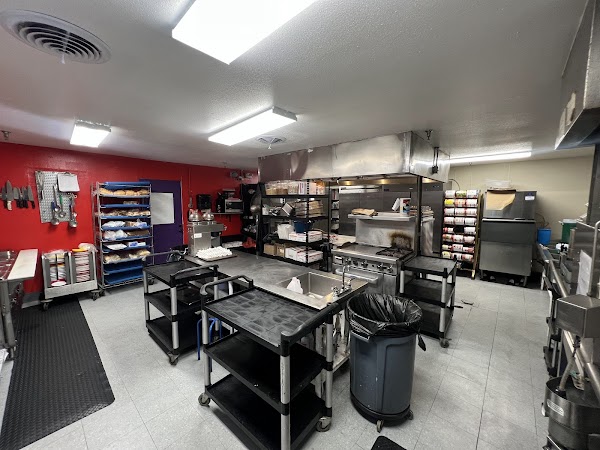
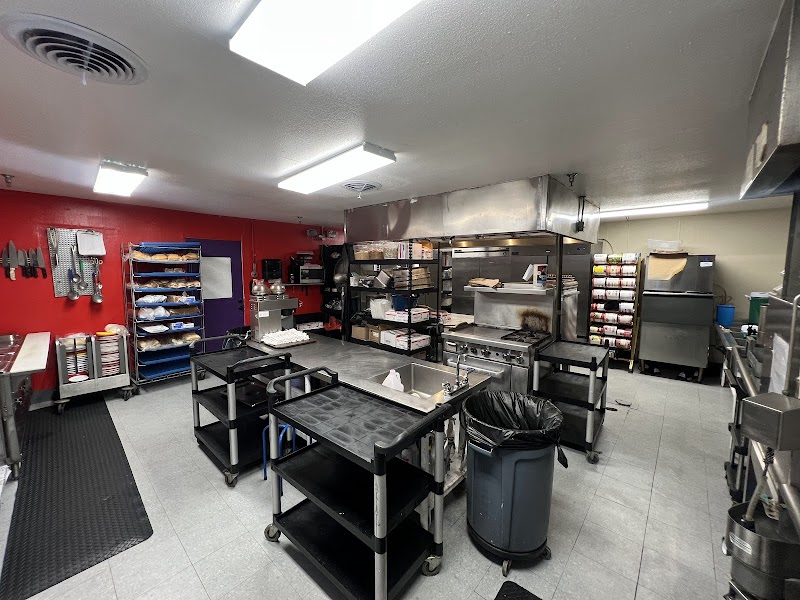
The facility had a census of 72 residents. The sample included 18 residents. Based on observation, record review, and interview the facility failed to distribute and serve food in accordance with professional standards for food service safety for the 72 residents who resided in the facility and received their food from the facility kitchen, when the facility failed to ensure clean and sanitary food prep areas, and failed to sanitize a thermometer prior to checking temperatures of different food items. This placed the 72 residents at risk for foodborne illness. Findings included: - On 08/08/22 at 11:30 AM, observation in the kitchen revealed the following: The floor fan had gray fuzzy particles on the blades and the outer screen. A ceiling vent located between the oven and the prep area counter had gray fuzzy particles. A ceiling vent located by the entrance door to the kitchen had a piece of gray duct tape approximately 2-3 inches long and 2 inches wide hanging with gray fuzzy particles. On 08/08/22 at 11:30 AM, Dietary Staff (DS) BB verified the above issues in the kitchen. On 08/08/22 at 11:50 AM, observation revealed DS CC checked the temperature of the following food items on the steam table: mechanical carrots, mashed potatoes, sloppy joe meat, tator tots, cottage cheese, without sanitizing the thermometer prior to and in-between the food items. On 08/08/22 at 11:55 AM, DS BB verified he had not disinfected the thermometer between food items and prior to taking first food item's temperature, and stated he usually used an alcohol pad, but they were unavailable at this time. Review of the kitchen dishwasher parts per million (PPM) logs and temperature logs, refrigerators and freezers temperature logs, revealed the facility lacked logs for the month of June and July 2022. On 08/08/22 09:14 AM, Administrative Staff A verified the facility lacked documentation of the above logs and stated staff were unable to locate them. The undated Cook Cleaning Check Off Sheet documented daily cleaning tasks for dietary staff to complete. The facility's Sanitization Policy, revised 11/2017, documented the food services manager would be responsible for scheduling staff for regular cleaning of kitchen and dining areas. Food service staff would be trained to maintain cleanliness throughout their work area during all tasks, and to clean after each task before proceeding to the next assignment. The facility's Food Preparation and Service Policy, revised 02/2021, documented the temperature of foods held in steam tables would be monitored by food service staff. Food preparation staff would adhere to proper hygiene and sanitary practices to prevent the spread of foodborne illness. The facility failed to prepare and serve food in accordance with professional standards for food service safety. this placed the 72 residents who resided at the facility and received food from the facility kitchen at risk for receiving a foodborne illness.
Apr 2021 1 deficiency
CONCERN (F)

Potential for Harm - no one hurt, but risky conditions existed

Food Safety (Tag F0812)

Could have caused harm · This affected most or all residents

The facility had a census of 72 residents. The sample included 19 residents. Based on observation, interview, and record review the facility failed to store, prepare, and serve food under sanitary con...

Read full inspector narrative →
The facility had a census of 72 residents. The sample included 19 residents. Based on observation, interview, and record review the facility failed to store, prepare, and serve food under sanitary conditions for the 72 residents who resided in the facility and received meals from the facility kitchen. Findings included: - On 04/14/21 at 09:20 AM, during initial tour of the kitchen, the stainless steel freezer lacked a thermometer on the inside. The lower portion of the freezer contained foods that were not frozen solid. The foods found not frozen consisted of: A bag of 30 slices of garlic bread. A bag of fried chicken parts (approximately 2 to 3 chickens). 1 box of frozen cookie dough. 2 boxes of sugar cookie dough. 1 box of danishes. 1 box of half inch diced chicken. 1 box (53 portions) of pork patties. 6 ten-inch cherry pies. 6 three-pound bags of hash brown potatoes. 4 pounds of banana cake. On 04/19/21 at 10:00 AM, Dietary Staff BB verified the foods in the lower compartment of the freezer were not frozen. Dietary Staff BB reported the freezer door had not been closed properly, which allowed the foods to thaw. The facility's Refrigerator and Freezer policy, dated December 2020, stated the facility would ensure safe refrigerator and freezer maintenance, temperatures, and sanitation. Freezer temperatures must keep frozen foods solid. The supervisor would inspect the freezers monthly for gasket condition, fan condition, presence of rust, excess condensation, and other damage and maintenance needs. Necessary repairs would be initiated immediately. Maintenance would be scheduled per manufacture guidelines. The facility failed to store, prepare, and serve food under safe temperatures for frozen foods, placing the residents at risk for food borne illness.
Understanding Severity Codes (click to expand)
Life-Threatening (Immediate Jeopardy)
J - Isolated K - Pattern L - Widespread
Actual Harm
G - Isolated H - Pattern I - Widespread
Potential for Harm
D - Isolated E - Pattern F - Widespread
No Harm (Minor)
A - Isolated B - Pattern C - Widespread

Questions to Ask on Your Visit

  • "Why is there high staff turnover? How do you retain staff?"
  • "Can I speak with families of current residents?"
  • "What's your RN coverage like on weekends and overnight?"

Our Honest Assessment

Strengths
  • • No fines on record. Clean compliance history, better than most Kansas facilities.
Concerns
  • • 14 deficiencies on record, including 1 serious (caused harm) violation. Ask about corrective actions taken.
  • • Grade C (55/100). Below average facility with significant concerns.
  • • 66% turnover. Above average. Higher turnover means staff may not know residents' routines.
Bottom line: Mixed indicators with Trust Score of 55/100. Visit in person and ask pointed questions.

About This Facility

What is Providence Living Center's CMS Rating?

CMS assigns PROVIDENCE LIVING CENTER an overall rating of 3 out of 5 stars, which is considered average nationally. Within Kansas, this rating places the facility higher than 99% of the state's 100 nursing homes. This mid-range rating indicates the facility meets federal standards but may have areas for improvement.
How is Providence Living Center Staffed?

CMS rates PROVIDENCE LIVING CENTER's staffing level at 1 out of 5 stars, which is much below average compared to other nursing homes. Staff turnover is 66%, which is 20 percentage points above the Kansas average of 46%. High turnover can affect care consistency as new staff learn residents' individual needs. RN turnover specifically is 88%, which is notably high. RNs provide skilled clinical oversight, so turnover in this role can affect medical care quality.

What Have Inspectors Found at Providence Living Center?

State health inspectors documented 14 deficiencies at PROVIDENCE LIVING CENTER during 2021 to 2025. These included: 1 that caused actual resident harm and 13 with potential for harm. Deficiencies causing actual harm indicate documented cases where residents experienced negative health consequences.
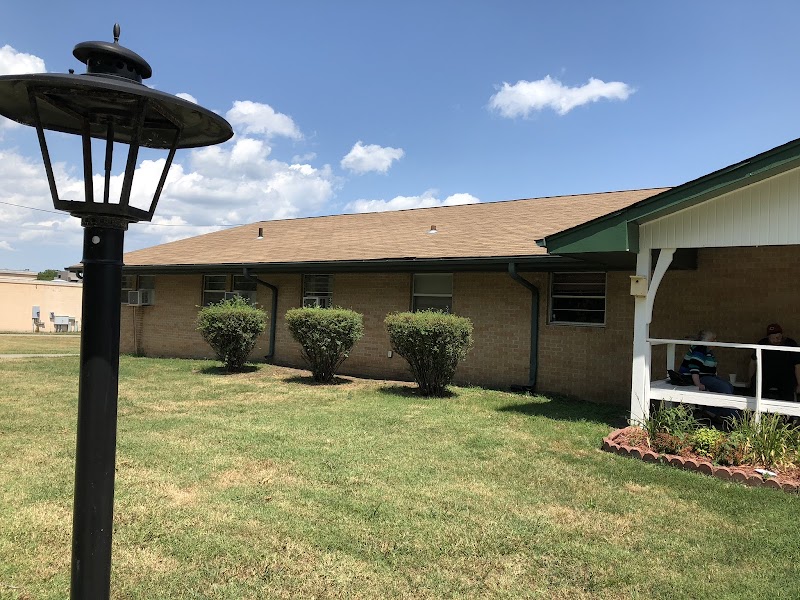
Who Owns and Operates Providence Living Center?

PROVIDENCE LIVING CENTER is owned by a for-profit company. For-profit facilities operate as businesses with obligations to shareholders or private owners. The facility is operated by MISSION HEALTH COMMUNITIES, a chain that manages multiple nursing homes. With 78 certified beds and approximately 71 residents (about 91% occupancy), it is a smaller facility located in TOPEKA, Kansas.
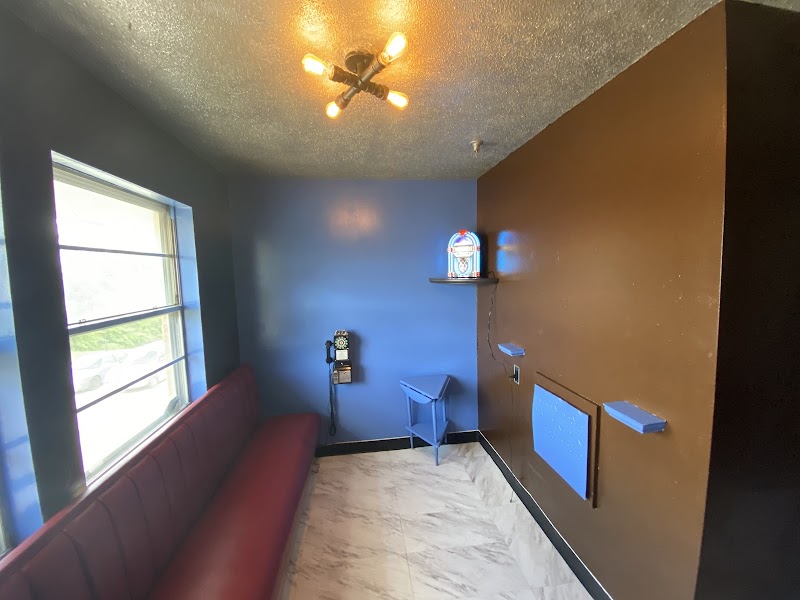
How Does Providence Living Center Compare to Other Kansas Nursing Homes?

Compared to the 100 nursing homes in Kansas, PROVIDENCE LIVING CENTER's overall rating (3 stars) is above the state average of 2.9, staff turnover (66%) is significantly higher than the state average of 46%, and health inspection rating (3 stars) is at the national benchmark.

What Should Families Ask When Visiting Providence Living Center?

Based on this facility's data, families visiting should ask: "How do you ensure continuity of care given staff turnover, and what is your staff retention strategy?" "Can you walk me through typical staffing levels on day, evening, and night shifts?" "Can I visit during a mealtime to observe dining assistance and food quality?" "How do you handle medical emergencies, and what is your hospital transfer rate?" These questions are particularly relevant given the facility's high staff turnover rate and the below-average staffing rating.

Is Providence Living Center Safe?

Based on CMS inspection data, PROVIDENCE LIVING CENTER has a clean safety record: no substantiated abuse findings (meaning no confirmed cases of resident harm), no Immediate Jeopardy citations (the most serious violation level indicating risk of serious injury or death), and is not on the Special Focus Facility watch list (a federal program monitoring the lowest-performing 1% of nursing homes). The facility has a 3-star overall rating and ranks #1 of 100 nursing homes in Kansas. While no facility is perfect, families should still ask about staff-to-resident ratios and recent inspection results during their visit.

Do Nurses at Providence Living Center Stick Around?

Staff turnover at PROVIDENCE LIVING CENTER is high. At 66%, the facility is 20 percentage points above the Kansas average of 46%. Registered Nurse turnover is particularly concerning at 88%. RNs handle complex medical decisions and coordinate care — frequent RN changes can directly impact care quality. High turnover means new staff may not know residents' individual needs, medications, or preferences. It can also be disorienting for residents, especially those with dementia who rely on familiar faces. Families should ask: What is causing the turnover? What retention programs are in place? How do you ensure care continuity during staff transitions?

Was Providence Living Center Ever Fined?

PROVIDENCE LIVING CENTER has no federal fines on record. CMS issues fines when nursing homes fail to meet care standards or don't correct problems found during inspections. The absence of fines suggests the facility has either maintained compliance or corrected any issues before penalties were assessed. This is a positive indicator, though families should still review recent inspection reports for the full picture.

Is Providence Living Center on Any Federal Watch List?

PROVIDENCE LIVING CENTER is not on any federal watch list. The most significant is the Special Focus Facility (SFF) program, which identifies the bottom 1% of nursing homes nationally based on persistent, serious quality problems. Not being on this list means the facility has avoided the pattern of deficiencies that triggers enhanced federal oversight. This is a positive indicator, though families should still review the facility's inspection history directly.