ROLLING HILLS HEALTH CENTER
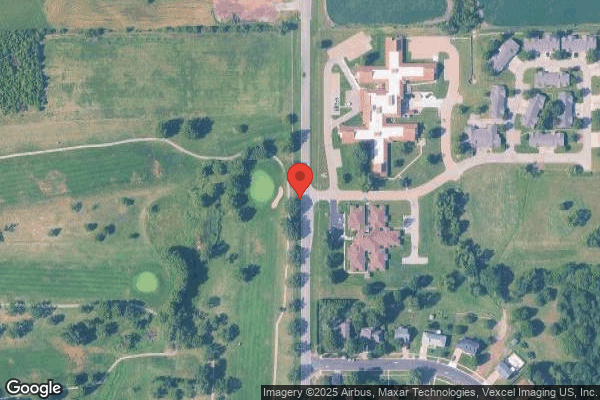
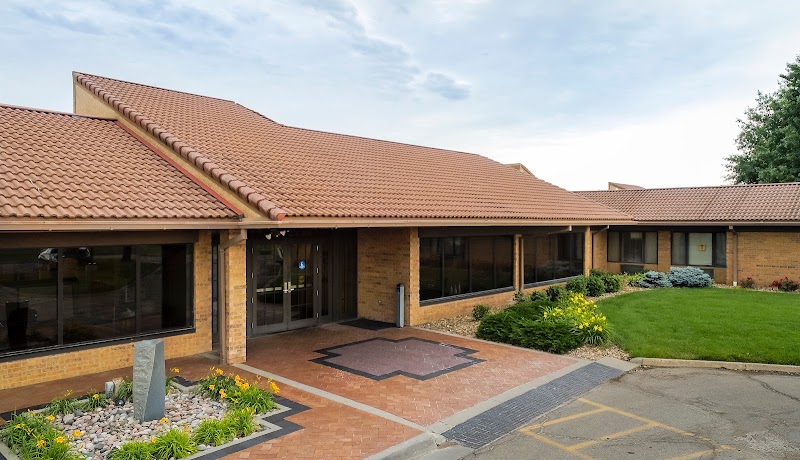
2400 SW URISH ROAD, TOPEKA, KS 66614 (785) 273-5001
For profit - Limited Liability company 70 Beds MIDWEST HEALTH Data: November 2025
Trust Grade
30/100
#279 of 295 in KS
Last Inspection: July 2025

Inspected within the last 6 months. Data reflects current conditions.

Overview

Rolling Hills Health Center has received a Trust Grade of F, indicating significant concerns and a poor overall rating. In state rankings, it is positioned at #279 out of 295 facilities in Kansas, placing it in the bottom half of nursing homes. While the facility is showing improvement in terms of issues reported, decreasing from 18 in 2024 to 11 in 2025, it still has a troubling history with 44 total issues found, including one serious incident where a resident suffered a fracture due to inadequate assistance during transfers. Staffing is a weakness, as it has a poor rating of 1 out of 5 stars and less RN coverage than 88% of Kansas facilities, which raises concerns about resident care. On a positive note, the facility has no recorded fines, suggesting compliance with regulations, but it also failed to meet basic sanitary standards in the kitchen, which could pose health risks.

Trust Score
F
30/100
In Kansas
#279/295
Bottom 6%
Safety Record
Moderate
Needs review
Inspections
Getting Better
18 → 11 violations
Staff Stability
⚠ Watch
58% turnover. Above average. Higher turnover means staff may not know residents' routines.
Penalties
✓ Good
No fines on record. Clean compliance history, better than most Kansas facilities.
Skilled Nurses
⚠ Watch
Each resident gets only 20 minutes of Registered Nurse (RN) attention daily — below average for Kansas. Fewer RN minutes means fewer trained eyes watching for problems.
Violations
⚠ Watch
44 deficiencies on record. Higher than average. Multiple issues found across inspections.
★☆☆☆☆
1.0
Overall Rating
★☆☆☆☆
1.0
Staff Levels
★★☆☆☆
2.0
Care Quality
★★☆☆☆
2.0
Inspection Score
Stable
2024: 18 issues
2025: 11 issues

The Good

  • Full Sprinkler Coverage · Fire safety systems throughout facility
  • No fines on record

Facility shows strength in fire safety.

The Bad

1-Star Overall Rating

Below Kansas average (2.9)

Significant quality concerns identified by CMS

Staff Turnover: 58%

12pts above Kansas avg (46%)

Frequent staff changes - ask about care continuity

Chain: MIDWEST HEALTH

Part of a multi-facility chain

Ask about local staffing decisions and management

Staff turnover is elevated (58%)

10 points above Kansas average of 48%

The Ugly 44 deficiencies on record

1 actual harm
Jul 2025 10 deficiencies
CONCERN (D)

Potential for Harm - no one hurt, but risky conditions existed

Deficiency F0657 (Tag F0657)

Could have caused harm · This affected 1 resident

The facility identified a census of 44 residents. The sample included 12 residents. Based on observation, record review, and interview, the facility failed to ensure that Resident (R) 27's care plan w...

Read full inspector narrative →
The facility identified a census of 44 residents. The sample included 12 residents. Based on observation, record review, and interview, the facility failed to ensure that Resident (R) 27's care plan was revised with new interventions after having falls. This placed R27 at risk for delayed care and possible injuries.Findings included:- R27's Electronic Medical Record (EMR) documented diagnoses of Alzheimer's disease (progressive mental deterioration characterized by confusion and memory failure), dementia (a progressive mental disorder characterized by failing memory and confusion) with behavioral disturbance (a range of problematic or disruptive behaviors that deviate from what is considered typical or expected for a given age, situation, or individual), and agitation (feeling of aggravation or restlessness brought on by a provocation or a medical condition).R27's Significant Change Minimum Data Set (MDS) dated 08/28/24 documented a Brief Interview for Mental Status (BIMS) score of two, which indicated severely impaired cognition. R27 required the use of a wheelchair to assist with mobility. R27 required substantial to being dependent on staff for assistance with her activities of daily living (ADL).R27's Falls Care Area Assessment (CAA) dated 09/03/24 documented R27 was at risk for falls related to the medications she received, poor cognition, incontinence, and her need for assistance with transfers and bed mobility. R27 also had poor trunk strength and required a high back wheelchair. R27 had not had any falls since the prior assessment.R27's Care Plan last revised on 06/04/25 directed staff that she required one-on-one extensive assistance for transfers. The Care Plan directed staff that R27 needed staff to reposition her when her bottom got close to the front of the wheelchair cushion or if I am leaning back in my chair for fall prevention. The Care Plan directed staff that R27 did not have wheelchair pedals on her wheelchair because she self-propelled her wheelchair. R27's Care Plan lacked new fall interventions post fall on 03/14/25 and 07/18/25.R27's Quarterly Assessment dated 03/16/25 documented R27 was at risk for falls. R27's Quarterly Assessment dated 06/09/25 documented she was at risk for falls related to her impaired mobility, incontinence, the medications she received, and her impaired cognition. Review of R27's Un-witnessed Fall or Fall with Head Injury #1644 report dated 03/14/25 documented R27 had an unwitnessed fall near the nurse's station around 02:50 PM. R27 was heard yelling for help. Staff immediately responded. R27 had been wheeling herself around the nursing station before the incident. R27 was observed to be on the floor at the head of Hall 1, in front of her wheelchair, with her buttocks on a leg rest and the underside of her right arm on the other leg rest. R27 has severe dementia and was unable to communicate what happened. Review of the facility video revealed that she removed her shoe and then leaned forward to replace the shoe without locking her wheelchair brakes. The wheelchair moved backwards while she leaned forward, causing her to fall. R27 was noted to have bruising to her right hand post-fall. R27 was oriented to person only but was confused with impaired gait balance and impaired memory. No new intervention was put in place post-fall.R27's Witnessed Fall (no head injury) #1685 report dated 07/18/25 documented the resident was found lying on the floor, in a fetal position, in the main dining room. R27 stated she was just lying on the floor and did not fall. On 07/22/25 after investigation and review of video, it was noted that the resident had a fall in the dining room. R27 was seen in her wheelchair, then she stood up, using the table as a support. R27 turned slightly to see where to sit, and while attempting to sit down, R27 missed the wheelchair and fell to the floor. No new fall intervention was put in place post-fall.On 07/27/25 at 10:15 AM, R27 sat in her wheelchair, telling staff that she was not going to go back to her room and to leave her alone. R27's wheelchair was noted to have Dycem (a non-slip mat used for stabilization and gripping to prevent slipping) in the seat and no foot pedals on the wheelchair.On 07/29/25 at 11:32 AM, Licensed Nurse (LN) G stated that after a resident had a fall an assessment was completed, and then an investigation was done. LN G stated that management staff worked together after the fall to implement a new intervention to avoid further falls. On 07/29/25 at 11:42 AM, Administrative Nurse D stated that after each fall, the staff would complete an assessment of the resident and then complete witness statements. The management team would then review the fall information and implement a new intervention to avoid future falls. The care plan should be revised with the new intervention upon completion of the fall investigation. The facility's Care Plan policy dated 03/21/24 documented the care plan should be designed to address the resident's preferences and needs to enable discharge. The care plan should be updated on an ongoing basis as the resident achieved goals and progressed towards discharge.
CONCERN (D)

Potential for Harm - no one hurt, but risky conditions existed

Pressure Ulcer Prevention (Tag F0686)

Could have caused harm · This affected 1 resident

The facility identified a census of 44 residents. The sample included 12 residents, with two reviewed for pressure ulcers (localized injury to the skin and/or underlying tissue usually over a bony pro...

Read full inspector narrative →
The facility identified a census of 44 residents. The sample included 12 residents, with two reviewed for pressure ulcers (localized injury to the skin and/or underlying tissue usually over a bony prominence, because of pressure, or pressure in combination with shear and/or friction). Based on interviews, observations, and record reviews, the facility failed to ensure Resident (R) 2's pressure-reducing interventions were implemented correctly when R2's low air-loss mattress (a specialized adjustable air mattress that reduces pressure applied to the body) was not set within her current weight range. This deficient practice placed R2 at risk for complications related to skin breakdown and pressure ulcers.Findings included:- The Medical Diagnosis section within R2's Electronic Medical Record (EMR) included diagnoses of major depressive disorder (major mood disorder), diabetes mellitus (DM- when the body cannot use glucose, not enough insulin is made, or the body cannot respond to the insulin), chronic kidney disease, and congestive heart failure (CHF- a condition with low heart output and the body becomes congested with fluid). R2's Significant Change Minimum Data Set (MDS) completed 06/30/25 noted a Brief Interview for Mental Status (BIMS) score of 14, indicating no cognitive impairment. The MDS noted she had no upper or lower extremity impairments. The MDS noted she required substantial to maximal assistance with bathing, toileting, dressing, transfers, and bed mobility. The MDS noted she had a suprapubic urinary catheter (urinary bladder catheter inserted through the abdomen into the bladder). The MDS noted R2 had a stage-one pressure ulcer (pressure wound which appears reddened, does not blanche, and may be painful but is not open). The MDS noted she had pressure-reducing devices for her bed and chair. R2's Pressure Ulcer Care Area Assessment (CAA) completed 06/18/25 indicated she had a suprapubic urinary catheter and instructed staff to monitor her catheter for infections and skin breakdown. The CAA noted she had a history of pressure-related wounds. The CAA noted that interventions were care planned to minimize the risks and complications. The CAA noted she had a potential skin break on her coccyx (area at the base of the spine). The CAA noted she had a low-air-loss mattress and bilateral heel boots to float her feet. R2's Care Plan initiated 02/18/25 indicated she was at risk of skin breakdown, pressure ulcers, falls, and infections related to her suprapubic urinary catheter. The Plan noted she required staff assistance for toileting, dressing, bathing, footwear, transfers, and bed mobility. The plan noted she had a suprapubic urinary catheter. The plan instructed staff to ensure the catheter drainage bag and tubing were secured in a privacy bag and did not to touch the floor. The plan instructed staff to provide catheter care as needed. The plan instructed staff to ensure she was repositioned every two hours, but required staff assistance to shift her weight. The plan noted she had a pressure-reducing cushion for her wheelchair and a low-air-loss mattress for her bed. The plan lacked instructions related to the required weight and comfort settings for R2's low-air-loss mattress. R2's EMR under Physicians Orders revealed an order dated 07/23/25. The order indicated she had a low air-loss mattress and instructed staff to ensure proper functioning every shift. The order lacked an indication of weight or comfort settings related to R2's needs. R2's EMR under Vitals indicated she weighed 117 pounds (lbs.) on 07/09/25. A review of the manual of low air-loss mattress manufacturers' operation (Drive Model) indicated that the mattress system was intended to reduce the incidence of pressure ulcers while optimizing comfort. The manual indicated the mattress pump's pressure levels and firmness were preset based on the weight range and comfort settings. The manual indicated that an optimal bed system assessment should be conducted on each patient by a qualified clinician or medical provider to ensure maximum safety. On 07/27/25 at 07:23 AM, R2 sat in her bed. R2 stated her bed was uncomfortable, and staff did not adjust the control panel for comfort. R2's low air-loss mattress control panel was set to 250 lbs. The mattress pump had fixed weight settings of 80lbs, 120lbs, 150lbs, 180lbs, 210lbs, 250lbs, 280lbs, 320lbs, and 350lbs. On 07/29/25 at 10:08 AM, R2 slept in her bed. Her low air-loss mattress pump remained set at 250lbs. On 07/29/25 at 10:10 AM, Licensed Nurse G stated the bed was to be set by weight and verified the mattress was set to 250lbs. She stated staff sometimes increased the weight to ensure it was inflated properly, but normally the mattresses were to be set by the resident's actual weight. On 07/29/25 at 11:45 AM, Certified Nurse's Aide (CNA) M stated the mattresses were set by weight, but the nurses usually checked them every shift. She stated that direct care staff just made sure the mattress was inflated and not flat. On 07/29/25 at 11:50 AM, Administrative Nurse D stated the low air-loss mattresses were to be set by the resident's current weight, and staff were expected to check the setting each shift. The facility's Wound Management policy (revised 11/2017) indicated that the facility would assess each resident's risk related to pressure ulcers and implement preventative interventions. The policy indicated that the effectiveness of the implemented intervention would be evaluated and reviewed.
CONCERN (D)

Potential for Harm - no one hurt, but risky conditions existed

Incontinence Care (Tag F0690)

Could have caused harm · This affected 1 resident

The facility reported a census of 44 residents. The sample included 12 residents, with two reviewed for urinary catheter care. Based on record review, interviews, and observations, the facility failed...

Read full inspector narrative →
The facility reported a census of 44 residents. The sample included 12 residents, with two reviewed for urinary catheter care. Based on record review, interviews, and observations, the facility failed to maintain Resident (R) 2's indwelling urinary catheter in a safe and sanitary manner. This deficient practice placed R2 at risk for complications related to urinary tract infections. Findings included:- The Medical Diagnosis section within R2's Electronic Medical Record (EMR) included diagnoses of major depressive disorder (major mood disorder), diabetes mellitus (DM- when the body cannot use glucose, not enough insulin is made, or the body cannot respond to the insulin), chronic kidney disease, and congestive heart failure (CHF- a condition with low heart output and the body becomes congested with fluid). R2's Significant Change Minimum Data Set (MDS) completed 06/30/25, noted a Brief Interview for Mental Status (BIMS) score of 14, indicating no cognitive impairment. The MDS noted she had no upper or lower extremity impairments. The MDS noted she required substantial to maximal assistance with bathing, toileting, dressing, transfers, and bed mobility. The MDS noted she had a suprapubic urinary catheter (urinary bladder catheter inserted through the abdomen into the bladder). The MDS noted R2 had a stage-one pressure ulcer (pressure wound which appears reddened, does not blanche, and may be painful but is not open). The MDS noted she had pressure-reducing devices for her bed and chair. R2's Urinary Incontinence Care Area Assessment (CAA) completed 06/18/25 indicated she had a suprapubic urinary catheter and instructed staff to monitor her catheter for infections and skin breakdown. The CAA noted interventions were care planned to minimize the risks and complications associated with her catheter. R2's Care Plan initiated 02/18/25 indicated she was at risk of skin breakdown, pressure ulcers, falls, and infections related to her suprapubic urinary catheter. The plan noted she required staff assistance for toileting, dressing, bathing, footwear, transfers, and bed mobility. The plan noted she had a suprapubic urinary catheter. The plan instructed staff to ensure the catheter drainage bag and tubing were secured in a privacy bag and not to touch the floor. The plan instructed staff to provide catheter care as needed. R2's EMR under Progress Notes revealed an admission Summary completed on 06/03/25 that indicated R2 was readmitted to the facility from an acute medical facility. The note revealed she was diagnosed with acute kidney injury (AKI) and a urinary tract infection (UTI).On 07/27/25 at 07:14 AM, R2 slept in her bed. R2's bed was in the low position. Her urinary catheter collection bag lay flat directly on the floor with yellow urine visible in the bag and collection tubing. On 07/27/25 at 10:24 AM, R2 sat in her bed. R2's urinary catheter collection bag remained on the floor, not hung on her bedframe. Yellow urine was visible in the collection bag and tubing. On 07/27/25 at 11:05 AM, R2's urinary catheter tubing and collection bag were hung on the bed frame with a privacy bag in place. On 07/29/25 at 10:10 AM, Licensed Nurse G stated that urinary catheter tubing and collection bags were to be placed in a privacy bag and not allowed to touch the floor. On 07/29/25 at 11:50 AM, Administrative Nurse D stated the urinary catheter collection bags were to be hung below the level of the bladder in a privacy bag and off the floor. The facility's Indwelling Urinary Catheter Management policy, issued 04/2018, indicated the facility was to ensure standards of practice were followed to ensure safe and sanitary urinary catheter care. The policy indicated staff were to ensure unobstructed urine flow within the catheter by inspecting the tubing for kinks, frequent emptying, and maintaining the catheter collection bag below the level of the resident's bladder. The policy instructed to ensure the catheter system be maintained in a sanitary manner to prevent infections.
CONCERN (D)

Potential for Harm - no one hurt, but risky conditions existed

Deficiency F0699 (Tag F0699)

Could have caused harm · This affected 1 resident

The facility identified a census of 44 residents. The sample included 12 residents, with one resident reviewed for trauma-informed care (treatment or care directed to prevent re-experiencing or reduci...

Read full inspector narrative →
The facility identified a census of 44 residents. The sample included 12 residents, with one resident reviewed for trauma-informed care (treatment or care directed to prevent re-experiencing or reducing the effects of traumatic events). Based on observation, record review, and interviews, the facility failed to identify trauma-based triggers related to Resident (R) 3's post-traumatic stress disorder (PTSD- a mental disorder characterized by an acute emotional response to a traumatic event or situation involving severe environmental stress) and failed to implement individualized interventions to prevent re-traumatization. These deficient practices placed R3 at risk for decreased psychosocial well-being and ineffective treatment.Findings included:- R3's Electronic Medical Record (EMR) from the Diagnosis tab documented diagnoses of PTSD, bipolar disorder (a major mental illness that causes people to have episodes of severe high and low moods), and schizoaffective (a mental disorder characterized by gross distortion of reality, disturbances of language and communication, and fragmentation of thought) disorder.The Significant Change Minimum Data Set (MDS) dated 07/04/25 documented a Brief Interview of Mental Status (BIMS) score of 15, which indicated intact cognition. The MDS documented R3 did not have any behaviors during the observation period.R3's Psychotropic Drug Use Care Area Assessment (CAA) dated 07/15/25 documented her current medication placed her at risk for severe adverse side effects.R3's Care Plan, dated 03/23/22 documented staff would monitor for any behaviors of seeing things that are not real and had any auditory or visual hallucinations. The plan of care documented the staff would document the behaviors or adverse side effects of her medications. The plan of care documented the staff would allow R3 to talk about her feelings when she was upset and provide her with one-on-one talks. The plan of care lacked personalized interventions to assist her with coping with her PTSD.R3‘s EMR under the Assessment tab revealed the following Primary Care PTSD Screen dated 09/20/24 documented R3 had answered yes to having nightmares or thoughts about her PTSD when she did not want to. The PTSD assessment documented R3 had answered yes, she tried hard not to think about it, or went out of her way to avoid situations that reminded her of the trauma.On 07/29/25 at 7:43 AM, R3 laid on her back on the bed and stated she was comfortable. R3's head of her bed was elevated.On 07/29/25 at 11:20 AM, Administrative Nurse F stated that social service staff would be responsible for ensuring a trauma-based assessment was completed and the resident's plan of care was updated. Administrative Nurse F stated the social services staff would be responsible for ensuring the resident with a PTSD diagnosis care plan included the type of trauma and personalized interventions to prevent re-traumatization. On 07/29/25 at 11:25 AM, Certified Nurse Aide (CNA) M stated the charge nurse would notify the nursing staff if a resident had a diagnosis of PTSD. CNA M stated she would refer to the resident information sheets that are printed by the nurses for the resident's Kardex (nursing tool that gives a brief overview of the care needs of each resident). On 07/29/25 at 11:32 AM, Licensed Nurse (LN) G stated staff could look at the resident's EMR under the assessment tab for the PTSD assessment, plan of care, or on the resident's Kardex. LN G stated she was not sure who was responsible for completing the PTSD screening and was not sure if the type of trauma or personalized interventions would be addressed in the resident's plan of care. On 07/29/25 at 11:42 AM, Administrative Nurse D stated she would expect the physicians to determine if a resident's diagnosis of PTSD was active. Administrative Nurse D stated she would expect the nurses to complete the PTSD assessment, and the MDS coordinator would be responsible to add the information to the resident's plan of care. On 07/29/25 at 11:55 AM, Social Service Staff X stated the nurses were responsible for completing the PTSD assessment. She stated she had never completed a PTSD assessment, and the MDS coordinator was responsible for ensuring it was addressed on the resident's plan of care.The facility's Trauma Informed Care policy, last updated 11/09/21, documented the facility would ensure residents who are trauma survivors received culturally competent, trauma-informed care accounting for the resident's experiences and preferences. Trauma-informed care recognized the effects of physical, psychological, and emotional trauma on the overall well-being of residents. Trauma can result from a variety of experiences that may occur at any time throughout the resident's lifetime. A screening would be completed on residents to identify any potential experiences which may impact care needs. The Posttraumatic Stress Disorder (PTSD) Screening would be completed during the lookback period for the admission, significant Change, and Annual MDS.
CONCERN (E)

Potential for Harm - no one hurt, but risky conditions existed

Deficiency F0679 (Tag F0679)

Could have caused harm · This affected multiple residents

**NOTE- TERMS IN BRACKETS HAVE BEEN EDITED TO PROTECT CONFIDENTIALITY** The facility identified a census of 44 residents. The sample included 12 residents. Based on observation, record review, and int...

Read full inspector narrative →
**NOTE- TERMS IN BRACKETS HAVE BEEN EDITED TO PROTECT CONFIDENTIALITY** The facility identified a census of 44 residents. The sample included 12 residents. Based on observation, record review, and interviews, the facility failed to provide direct, interactive activities based on resident preferences on weekends. This deficient practice placed the affected residents at risk for decreased psychosocial well-being, boredom, and isolation. Findings included:- A review of the facility's Activity Calendars for May 2024, June 2025, and July 2025 was completed. The activities calendar for each month noted the same scheduled activities for Saturdays and Sundays. The calendar noted movies, games, social hour, puzzles, and a [NAME] game. On 07/28/25 at 11:00 AM, the facility's Resident Council reported weekend activities were often non-existent. The council stated that the activities coordinator sometimes came in and completed activities, but not every weekend. The council reported that the facility's nursing care staff did not complete the scheduled activities when the activity coordinator was not in the facility on the weekend. The council reported staff would put on movies and television shows, but did not complete staff-led activities. The council reported that the residents were often bored on weekends. On 07/29/25 at 11:30 AM, Certified Nurse Aide (CNA) M stated that scheduled weekend activities often did not get completed on weekends. She stated the activities staff were not in the facility on weekends, and staff often were too busy completing resident care. She stated the facility did provide puzzles and games for the residents to complete on their own. On 07/29/25 at 11:55 AM, Licensed Nurse (LN) G stated that weekend activities were not completed. She stated staff would try to provide movies and television for the residents, but direct care staff were not available to provide staff-led activities due to the resident care needs in the building. On 07/29/25 at 12:05 PM, Activities Staff Z stated she worked Monday through Friday but would sometimes come in on weekends to provide weekend activities. She stated that direct care staff were expected to complete the activities on the day she could not come to the facility. She stated the facility also provided coloring pages, puzzles, and games for the residents to complete individually when staff were not available to provide group activities. The facility's Activities Programming policy, revised 04/2018, indicated the facility would provide activities that meet the residents' needs and interests to support their physical, mental, and psychosocial well-being.
CONCERN (E)

Potential for Harm - no one hurt, but risky conditions existed

Accident Prevention (Tag F0689)

Could have caused harm · This affected multiple residents

**NOTE- TERMS IN BRACKETS HAVE BEEN EDITED TO PROTECT CONFIDENTIALITY** The facility identified a census of 44 residents. The sample included 12 residents. Based on observation, record review, and int...

Read full inspector narrative →
**NOTE- TERMS IN BRACKETS HAVE BEEN EDITED TO PROTECT CONFIDENTIALITY** The facility identified a census of 44 residents. The sample included 12 residents. Based on observation, record review, and interview, the facility failed to provide a safe environment when cleaning chemicals and Sani-wipes (a disposable disinfecting wipe) were not securely stored out of the residents' reach. The facility failed to ensure interventions were put in place after Resident (R) 27 had a fall. This placed the residents at risk for avoidable falls and avoidable injury.Findings included:- On 07/27/25 at 10:15 AM, outside of room [ROOM NUMBER], the Hoyer (total body mechanical lift) lift had a container of Sani-Wipe disposable cloths on it that was easily removed from the lift. On 07/27/25 at 10:22 AM, in the Tuscany room, Sani-wipes above the ice machine were unsecured, and an Alpha HP multi-surface disinfectant spray bottle, with a label that stated: keep out of reach of children, was in an unsecured cabinet underneath the sink. On 07/29/25 at 11:24 AM, Certified Nurse Aide (CNA) M stated the Sani-wipes and cleaners should be stored and locked out of the resident's reach.On 07/29/25 at 11:32 AM, Licensed Nurse (LN) G stated that residents typically did not go to the Tuscany room, but chemicals/cleaners should not be stored in a cabinet that was not locked or anywhere that residents had access to.On 07/29/25 at 11:42 AM, Administrative Nurse D stated that chemicals and the wipes should not be left out where residents had access to them. Administrative Nurse D stated the Sani-wipes had been put on the lifts after COVID-19 (highly contagious respiratory virus), so staff could easily sanitize the lifts after use. Administrative Nurse D stated that the wipes were secured to the lift, but had not realized that the container could be pulled off the lift when the container was close to being empty. The facility policy Chemical and Hazardous Material Storage dated November 2018, documented that all chemicals and hazardous items would be stored in a manner as to protect residents. Ensure that chemicals and hazardous items were stored in a locked area. Ensure that all chemicals and hazardous items are stored in the designated area when not in use by staff.- R27's Electronic Medical Record (EMR) documented diagnoses of Alzheimer's disease (progressive mental deterioration characterized by confusion and memory failure), dementia (a progressive mental disorder characterized by failing memory and confusion) with behavioral disturbance (a range of problematic or disruptive behaviors that deviate from what is considered typical or expected for a given age, situation, or individual), and agitation (feeling of aggravation or restlessness brought on by a provocation or a medical condition).R27's Significant Change Minimum Data Set (MDS) dated 08/28/24 documented a Brief Interview for Mental Status (BIMS) score of two, which indicated severely impaired cognition. R27 required the use of a wheelchair to assist with mobility. R27 required substantial to dependent from staff for assistance with her activities of daily living (ADL).R27's Falls Care Area Assessment (CAA) dated 09/03/24 documented R27 was at risk for falls related to the medications she received, poor cognition, incontinence, and her need for assistance with transfers and bed mobility. R27 also had poor trunk strength and required a high-back wheelchair. R27 had not had any falls since the prior assessment.R27's Care Plan, last revised on 06/04/25, directed staff that she required one-on-one, extensive assistance for transfers. The Care Plan directed staff that R27 needed staff to reposition her when her bottom got close to the front of the wheelchair cushion or if I am leaning back in my chair for fall prevention. The Care Plan directed staff that R27 did not have wheelchair pedals on her wheelchair because she self-propelled her wheelchair. R27's Care Plan lacked new fall interventions post fall on 03/14/25 and 07/18/25.R27's Quarterly Assessment in the EMR dated 03/16/25 documented R27 was at risk for falls. R27's Quarterly Assessment in the EMR dated 06/09/25 documented she was at risk for falls related to her impaired mobility, incontinence, the medications she received and her impaired cognition. Review of R27's Un-witnessed Fall or Fall with Head Injury #1644 report dated 03/14/25 documented R27 had an unwitnessed fall near the nurse's station around 02:50 PM. R27 was heard yelling for help. Staff immediately responded. R27 had been wheeling herself around the nursing station before the incident. R27 was observed to be on the floor at the head of Hall 1, in front of her wheelchair, with her buttocks on a leg rest and the underside of her right arm on the other leg rest. R27 has severe dementia and was unable to communicate what happened. Review of the facility video revealed that she removed her shoe and then leaned forward to replace the shoe without locking her wheelchair brakes. The wheelchair moved backwards while she leaned forward, causing her to fall. R27 was noted to have bruising to her right hand post-fall. R27 was oriented to person only but was confused with impaired gait balance and impaired memory.R27's Witnessed Fall (no head injury) #1685 report dated 07/18/25 documented the resident was found lying on the floor, in a fetal position, in the main dining room. R27 stated she was just lying on the floor and did not fall. On 07/22/25, after investigation and review of the video, R27 had a fall in the dining room. R27 was seen in her wheelchair, then she stood up, using the table as a support, R27 turned slightly to see where to sit, and while attempting to sit down, R27 missed the wheelchair and fell to the floor. No new fall intervention was put in place post fall.On 07/27/25 at 10:15 AM, R27 sat in her wheelchair, telling staff that she was not going to go back to her room and to leave her alone. R27's wheelchair was noted to have Dycem (a non-slip mat used for stabilization and gripping to prevent slipping) in the seat and no foot pedals on the wheelchair.On 07/29/25 at 11:32 AM, Licensed Nurse (LN) G stated that after a resident had a fall and assessment was completed, and then an investigation was done. LN G stated that management staff worked together after the fall to implement a new intervention to avoid further falls. On 07/29/25 at 11:42 AM, Administrative Nurse D stated that after each fall, the staff would complete an assessment of the resident and then complete witness statements. The management team would then review the fall information and implement a new intervention to avoid future falls. The care plan should be revised with the new intervention upon completion of the fall investigation.The facility's Falls policy dated 04/27/18, documented that individualized care plan interventions would be developed for residents identified through assessment as being at fall risk. Those interventions would be reviewed and updated on a regular basis and if/when a fall occurred.
CONCERN (F)

Potential for Harm - no one hurt, but risky conditions existed

Deficiency F0727 (Tag F0727)

Could have caused harm · This affected most or all residents

The facility identified a census of 44 residents. Based on observation, record review, and interviews, the facility failed to provide Registered Nurse (RN) coverage for eight consecutive hours a day, ...

Read full inspector narrative →
The facility identified a census of 44 residents. Based on observation, record review, and interviews, the facility failed to provide Registered Nurse (RN) coverage for eight consecutive hours a day, seven days a week. This placed all residents who resided in the facility at risk of a lack of assessment and inappropriate care.Findings included:- The facility's April, May, June, July, August, and September 2024 nursing schedule lacked evidence of Registered Nurse coverage for eight consecutive hours a day, on the following dates: 04/06/24, 05/04/24, 06/15/24, 07/04/24, 07/20/24, and 07/27/24. The facility was unable to provide verifiable, auditable evidence of RN coverage.On 07/29/25 at 09:10 AM, Administrative Staff A stated she was unable to provide payroll documentation for RN coverage for those six days. On 07/29/25 at 11:42 AM, Administrative Nurse D stated the facility staff scheduler was responsible to ensure there was RN coverage. Administrative Nurse D stated that the weekends had been the hardest days to have RN coverage. The facility's Competent and Sufficient Staffing policy, dated November 2024, documented that the facility would provide a sufficient number of nursing staff with the skill sets and competency necessary to provide care/services for all residents in accordance with resident care plans and the Facility Assessment. A Registered Nurse provided services for at least eight consecutive hours every 24 hours, seven days a week. RNs may be scheduled more than eight hours, depending on the acuity needs of the residents.
CONCERN (F)

Potential for Harm - no one hurt, but risky conditions existed

Food Safety (Tag F0812)

Could have caused harm · This affected most or all residents

The facility identified a census of 44 residents with one kitchen and dining room. Based on observation, record review, and interviews, the facility failed to follow sanitary dietary standards related...

Read full inspector narrative →
The facility identified a census of 44 residents with one kitchen and dining room. Based on observation, record review, and interviews, the facility failed to follow sanitary dietary standards related to food storage and equipment cleaning. This deficient practice placed the residents at risk of food-borne illnesses and food safety concerns. Findings included:- On 07/27/25 at 10:00 AM, a walkthrough of the facility's kitchen was completed:An inspection of the food preparation area revealed a microwave oven. The inside of the microwave oven contained a bowl of uncovered green beans. The inside of the microwave oven had old food debris spattered on the walls of the inside surfaces. An inspection of the walk-in refrigerator unit revealed built-up dust and debris covering the blower vents. An inspection of the dry food storage area revealed two unboxed packages of napkins resting directly against the storage room wall without a barrier to keep them clean. An inspection of the dry food storage area revealed multiple syrup-based dessert sauce bottles with syrup residue caked on the lids of the bottles, placed on the dry food storage racks.An inspection of the dry food storage area revealed gnats flying and landing on the bread packages in the dry food storage room. On 07/29/25 at 08:30 AM, a walkthrough with Dietary Staff BB was completed. Dietary Staff BB removed the dessert sauce containers and stated that staff were expected to wipe them down after use. An inspection of the bread area revealed a small number of gnats flying around the bread. Dietary Staff BB stated the facility was working with pest-control services, and most of the gnats were removed the previous day. She stated kitchen staff were expected to clean all surfaces after each meal service to ensure sanitary conditions. The facility's Food Preparation and Service, revised 04/2020, stated the facility was to ensure food service employees handle kitchen food and equipment in a manner that complies with safe handling practices. The policy noted that all food was to be labeled and dated. The policy noted that cooking equipment would be maintained in a sanitary environment and stored in a manner to prevent contamination or soiling.
CONCERN (F)

Potential for Harm - no one hurt, but risky conditions existed

Infection Control (Tag F0880)

Could have caused harm · This affected most or all residents

The facility identified a census of 44 residents. The sample included 12 residents. Based on observation, record review, and interview, the facility failed to ensure Resident (R) 2's catheter (a flexi...

Read full inspector narrative →
The facility identified a census of 44 residents. The sample included 12 residents. Based on observation, record review, and interview, the facility failed to ensure Resident (R) 2's catheter (a flexible tube inserted through a narrow opening into a body cavity, particularly the bladder, for removing fluid) bag was properly hung. The facility failed to ensure R34 and R54's nasal cannula (NC- a hollow tube medical device that provides supplemental oxygen therapy to people who have lower oxygen levels) were properly stored when not in use. This placed R2, R34, and R54 residents at risk of infection development and possible respiratory and/or urinary complications.Findings included: - On 07/27/25 at 10:13 AM, R34 sat on the bed. R34's NC oxygen tubing was hanging over the walker railing, no bag noted.On 07/27/25 at 10:14 AM, R2 slept in her bed. R2's bed was in the low position. Her urinary catheter collection bag lay flat directly on the floor with yellow urine visible in the bag and collection tubing.On 07/27/25 at 11:05 AM, R2's urinary catheter tubing and collection bag were hung on the bed frame with a privacy bag in place. On 07/28/25 at 12:06 PM, R54's NC laid on the floor in her room. Administrative Nurse D picked up the NC from the floor and handed it to R54 to put on. Administrative Nurse D failed to discard the dirty NC and obtain a new one.On 07/29/25 at 08:52 AM, Administrative Nurse D, the facility's infection preventionist, stated that NC should be stored in the provided bag when not in use. Administrative Nurse D stated that catheter bags should never be on the floor, and she would expect staff to change out the bag and ensure that the bag was hung on the side of the bed with the dignity bag covering the bag. Administrative Nurse D stated yesterday that she had realized after the incident with R54's NC that she should have replaced the tubing with a new one and should not have given R54 the NC that had been lying on the floor. The facility's Catheter Drainage Bag policy, dated 11/28/17, documented if the drainage bag or drainage tubing came into contact with the floor, all areas of the bag and tubing must be cleansed with alcohol.The facility's Oxygen Safety and Management policy, dated 03/22/19, documented equipment used for oxygen administration would be replaced every two weeks. The equipment should be marked with the name of the resident and the date it was put into use. Oxygen cannulas and masks should not be allowed to come in contact with the floor or other potentially dirty surfaces. If this occurred, they should be replaced. The cannulas or masks should be stored in plastic bags to prevent contamination.
MINOR (C)

Minor Issue - procedural, no safety impact

Staffing Data (Tag F0851)

Minor procedural issue · This affected most or all residents

The facility had a census of 95 residents. Based on interview and record review, the facility failed to submit complete and accurate staffing information to the federal regulatory agency through Payro...

Read full inspector narrative →
The facility had a census of 95 residents. Based on interview and record review, the facility failed to submit complete and accurate staffing information to the federal regulatory agency through Payroll Based Journaling (PBJ). This placed the residents at risk for impaired care due to unidentified staffing issues.Findings included:- The PBJ report provided by the Centers for Medicare & Medicaid Services (CMS) for Fiscal Year 2024 for Quarter 3 and Quarter 4 indicated the facility triggered for no Registered Nurse (RN) hours for 10 days. The facility provided payroll documentation of RN coverage for 04/27/24, 05/18/24, 05/19/25, and 07/13/24.On 07/29/25 at 09:10 AM, Administrative Staff A stated she was unable to provide payroll documentation for RN coverage for those other six days. The facility's Competent and Sufficient Staffing policy dated November/2024 documented the facility would provide a sufficient number of nursing staff with the skill sets and competency necessary to provide care/services for all residents in accordance with resident care plans and the Facility Assessment. A Registered Nurse provided services for at least eight consecutive hours every 24 hours, seven days a week. RNs may be scheduled more than eight hours, depending on the acuity needs of the residents.
Jun 2025 1 deficiency 1 Harm
SERIOUS (G) 📢 Someone Reported This

A family member, employee, or ombudsman was alarmed enough to file a formal complaint

Actual Harm - a resident was hurt due to facility failures

Accident Prevention (Tag F0689)

A resident was harmed · This affected 1 resident

**NOTE- TERMS IN BRACKETS HAVE BEEN EDITED TO PROTECT CONFIDENTIALITY** The facility documented a census of 41 residents. The sample included three residents reviewed for accidents. Based on record re...

Read full inspector narrative →
**NOTE- TERMS IN BRACKETS HAVE BEEN EDITED TO PROTECT CONFIDENTIALITY** The facility documented a census of 41 residents. The sample included three residents reviewed for accidents. Based on record review and interview, the facility failed to ensure an environment free from accident hazards for Resident (R) 1, who required staff assistance and a mechanical lift for safe transfers. As a result, R1 sustained a humerus (upper arm bone) fracture. This deficient practice also placed R1 at risk for pain and impaired independence. Findings included: - The Electronic Medical Record (EMR) for R1 documented diagnoses of pleural effusion (abnormal accumulation of fluid in the lungs), chronic obstructive pulmonary disease (COPD - a progressive and irreversible condition characterized by diminished lung capacity and difficulty or discomfort in breathing), rheumatoid arthritis (chronic inflammatory disease that affected joints and other organ systems), polyosteoarthritis (joint pain or arthritis that affects five or more joints simultaneously), and age-related osteoporosis (abnormal loss of bone density and deterioration of bone tissue with an increased fracture risk). R1 had an Entry Minimum Data Set (MDS) dated [DATE] when R1 admitted to the facility. A Discharge Assessment Return Anticipated MDS dated 10/12/24, documented an unplanned discharge to the hospital. The staff interview for resident cognition revealed R1 had some cognitive difficulty in new situations. The MDS noted R1 used a wheelchair and depended on staff for propelling in the wheelchair at least 50 feet, with the ability to make two turns. The MDS documented R1 was dependent on staff for toileting hygiene. The MDS documented R1 required substantial to maximal assistance for dressing, transfers from seated-to-lying or seated-to-standing positions, and bed-to-chair transfers. The MDS further documented R1 required substantial to maximal assistance for transfers to and from the toilet and shower or tub. R1 had an Entry MDS dated [DATE] when R1 readmitted to the facility, with no BIMS completed. A Discharge Assessment Return Anticipated MDS dated [DATE] (after the incident) documented a Brief Interview for Mental Status (BIMS) score of 14, which indicated intact cognition. The MDS noted the resident had no rejection of care behaviors. R1's Baseline Care Plan dated 10/10/24, documented R1 required one-person physical assistance for transfers, toileting, dressing, and bathing. The Baseline Care Plan documented R1 used a wheelchair. R1's Care Plan, initiated and created on 10/18/24 after the incident, directed staff R1 could not reposition herself and needed a Hoyer (full-body mechanical lift) lift for transfer though R1 often declined the use of the Hoyer. The plan, dated 10/18/24, directed staff if R1 declined the Hoyer the staff should use two staff and a gait belt. R1's Care Plan Note documented R1 fell at home and had broken ribs and poor endurance due to pain. The note recorded the provider ordered medications to address the pain. The note documented a recommendation to use the sit-to-stand lift or the Hoyer due to rib pain when using the gait belt. An Occupational Therapy Daily Note with a service date of 10/15/24 documented R1 had a shower and was able to demonstrate the ability to wash and dry her hair and body with moderate assistance. R1 was able to stand from the shower bench seat and use a grab bar with moderate to maximal assistance from two staff. The note documented R1 was very fatigued after the showering task. The note further documented R1 completed a stand pivot transfer from the wheelchair to the bed with maximal assistance from two staff but was unable to take steps due to fatigue. The note documented R1 was moved to a Hoyer lift for transfers with staff assistance of two due to fatigue. A Physical Therapy Daily Note with a service date of 10/16/24, documented R1 demonstrated fair tolerance to activities on 10/16/24 with increased time and frequent rests. The note documented a recommendation for the continued use of the total body lift for transfers with nursing staff. R1's 10/16/24 Medicare A Progress Note documented R1 was alert and oriented, had an unsteady gait that required supervision, impaired balance, and weakness. The note recorded R1 required assistance with transfers. R1's Transfer to Hospital Summary note dated 10/17/24, documented staff assisted R1 to the shower with a two-person assist as R1 declined to allow the Certified Nurse Aides (CNA) to use the lift. The note documented R1 stated she had not allowed the CNAs to use a lift. R1 sat on the shower chair and needed scooted back. R1 and the CNAs stated the CNAs placed their arms under R1 ' s shoulders and assisted R1 to scoot back in the shower chair, and they all heard a popping noise and alerted the nurse. The note documented upon the nurse's assessment, R1 cried and stated her pain was rated a 10 (pain rating on a zero to 10 scale, with zero meaning no pain and 10 meaning the worst imaginable) in her right upper arm. The note further documented there appeared to be a bump between R1 ' s shoulder and her elbow and R1 ' s right arm was extremely painful but R1 denied pain anywhere else. The staff stabilized R1 ' s arm so it did not shift, in case there was a fracture. The note documented R1 was adamant she wanted to stand up to transfer and not use a lift. The note documented R1's doctor was on site, assessed R1, and asked for R1 to go to the emergency room for evaluation. R1 agreed to the transfer. The note documented staff notified R1 ' s family and Durable Power of Attorney (DPOA) and R1 was transferred to the emergency room via ambulance. The facility ' s untitled incident report #1593 dated 10/17/24 documented staff assisted R1 with her shower. Once R1 transferred to the shower chair, she needed to be scooted back in the chair so Certified Nurse Aide (CNA) M assisted R1 with scooting. The report documented during the activity, staff heard a popping noise from R1 ' s right arm. The report documented R1 declined to allow the CNAs to use a lift to transfer her and R1 told the CNAs she would stand and transfer. The report documented R1 stated she felt her right upper arm pop and then had severe pain at that time. R1 went to the hospital, and an injury was identified to R1 ' s right upper arm. The report documented the CNAs used their arms under R1 ' s arms in order to boost the resident and when the CNAs lifted R1, they heard a popping noise from R1 ' s right arm. The report documented the CNAs did not use a gait belt for the transfer and the CNAs misplaced their arms in relation to R1 ' s arm. The report documented all staff would be educated on safe transfer techniques of residents. The report further noted the facility educated the two CNAs involved in R1's transfer incident on the safe transferring of residents and the use of a gait belt unless the resident was independent at the time of the incident. CNA M ' s notarized Complaint Investigation Witness Statement dated 10/17/24, documented CNA M and CNA N went to give R1 a shower. The CNAs asked R1 multiple times how she transferred and R1 stated she did not want the full body lift or gait belt, and she could stand and pivot. The statement documented the CNAs assisted R1 to the side of the bed and R1 transferred to the shower chair. The statement noted R1 asked to be scooted back in the chair, so CNA M and CNA N placed their arms under R1 ' s arms and moved R1. They heard a pop and immediately stopped. CNA M documented she went to get the nurse and CNA N stayed with R1. CNA N ' s notarized Complaint Investigation Witness Statement dated 10/17/24, documented CNA N went into R1 ' s room to transfer her into a shower chair. Both CNA M and CNA N asked R1 if she wanted to use the gait belt because R1 refused the full-body lift, and she told the CNAs No and said she could stand and do it. CNA N ' s statement documented R1 stood up and moved into the shower chair but wanted to be moved back into the chair, so CNA N placed her forearm under one of R1's arms and CNA M put hers under the resident's other arm and moved R1 back. CNA N documented that when they moved R1 back, she heard a crack sound in R1 ' s right arm. CNA N noted she held R1 ' s arm in place until Administrative Nurse D came in and made a sling to prop R1 ' s arm up. CNA N documented staff asked R1 if she thought the staff hurt her on purpose and R1 stated no, the staff had tried to help her. Administrative Nurse D ' s notarized Complaint Investigation Witness Statement dated 10/17/24, documented Administrative Nurse D interviewed R1 following the incident. Administrative Nurse D documented R1 reported both CNA M and CNA N offered a lift transfer but R1 told CNA M and CNA N she did not want to use a lift and would stand to transfer from the bed to the wheelchair or shower chair. Administrative Nurse D noted R1 transferred to the shower chair with assistance from CNA M and CNA N with no problem. R1 stated she needed to scoot back in the shower chair and asked the CNAs to help. Administrative Nurse D documented R1 reported the CNAs put their arms under hers, then attempted to lift her, and that was when the resident felt her right arm pop and experienced pain. R1's hospital Discharge Summary dated 11/07/24 documented R1 was admitted on [DATE] with a humerus fracture. The summary noted R1 was boosted under her arms, heard a pop, and had immediate pain. An X-ray confirmed the humeral fracture. The summary noted orthopedic (bone specialists) surgery performed an open reduction and internal fixation (a surgical procedure to repair broken bones) on 10/19/24. On 06/02/25 at 01:40 PM, CNA O stated he received lift and transfer training at the time he was hired CNA O stated if a staff member made a mistake during a transfer, the facility provided education for all staff related to safe transfers as a response. CNA O stated he would never grab a resident by, or under, the arms to transfer or reposition them. CNA O stated grabbing a resident by or under the arms could cause bruising, skin tears, or other injuries. CNA O stated if a resident was supposed to use a lift but refused, he would find another way to reposition them by using a lift sling to slide the resident back into the chair, but not pull on the resident ' s body. CNA O stated staff knew how a resident transferred by viewing the care plan. CNA O also stated staff can use a lift to transfer a resident if they believe transferring the resident without a lift would be unsafe. On 06/02/25 at 02:10 PM, Licensed Nurse (LN) G stated therapy made the determination if a resident required a lift and then communicated that information to staff. LN G stated therapy did a good job of informing staff of how residents need to be transferred. LN G stated residents have (dry erase) boards in their room that also instruct staff on how the residents transfer and the information should also be on the care plan. LN G stated if a resident needed a full-body lift but refused the use of the lift or a gait belt, staff should notify the charge nurse. LN G stated staff should never grab a resident by or under their arms to transfer or reposition the resident and it was inappropriate to do so. LN G stated if staff grabbed a resident by or under their arms, it could cause dislocations, skin tears, or other injuries. On 06/02/25 at 02:43 PM, Administrative Staff A stated Administrative Nurse D was out of the facility and unavailable for an interview. Administrative Staff A said the facility provided lift and transfer training annually and if needed, additional training was provided. Administrative Staff A stated therapy also provided some training with staff when a resident transitioned from a Hoyer use to walking. She stated therapy placed signs in resident rooms with instructions on how the resident transferred. Administrative Staff A stated staff could also find information regarding how a resident transferred by reviewing the resident ' s care plan, and the CNAs also had the information on care cards they carried with them. Administrative Staff A stated that R1 refused for staff to use a gait belt or lift at the time of the occurrence. Administrative Staff A stated R1 asked to be scooted back in the chair as she was too far forward so staff each placed one arm under R1's arms, grabbed R1 ' s pants with their other hand, and attempted to slide R1 back. Administrative Staff A stated she could not confirm this action was appropriate but R1 had refused both the gait belt and Hoyer lift. The facility ' s undated Accidents and Occurrences policy documented it is the policy to ensure that each resident receives adequate supervision and assistive devices to prevent occurrences. Staff shall be trained to provide emergency care in the case of an accident. The policy documented to ensure relevant, individualized interventions have been added to the care plan, if casual factors are determined to have a potential impact on other residents, ensure system-wide interventions are implemented. The facility completed corrective actions by 01/30/25 that included education to staff on safe transfers and using the necessary equipment to facilitate safe transfers prior to the onsite survey therefore the deficient practice was deemed past noncompliance and remained at the scope and severity of a G to represent the actual, but isolated harm to R1.
Jan 2024 18 deficiencies
CONCERN (D)

Potential for Harm - no one hurt, but risky conditions existed

Deficiency F0657 (Tag F0657)

Could have caused harm · This affected 1 resident

**NOTE- TERMS IN BRACKETS HAVE BEEN EDITED TO PROTECT CONFIDENTIALITY** - R25's Electronic Medical Record (EMR) documented the resident had diagnoses of dementia (a progressive mental disorder charact...

Read full inspector narrative →
**NOTE- TERMS IN BRACKETS HAVE BEEN EDITED TO PROTECT CONFIDENTIALITY** - R25's Electronic Medical Record (EMR) documented the resident had diagnoses of dementia (a progressive mental disorder characterized by failing memory, and confusion), late-onset Alzheimer's disease (progressive mental deterioration characterized by confusion and memory failure), and anxiety (mental or emotional reaction characterized by apprehension, uncertainty and irrational fear). The Significate Change Minimum Data Set (MDS) dated [DATE] documented a Brief Interview for Mental Status (BIMS) score of 12 which indicated moderately impaired cognition. The MDS documented that R25 was dependent on two staff members for assistance with activities of daily living (ADLs). The MDS documented R25 received antipsychotic medication during the observation period. R25's Psychotropic Drug Use Care Area Assessment (CAA) dated 08/11/23 documented R25 received psychotropic medication and was at risk for adverse side effects. R25's Care Plan dated 06/17/22 documented the facility would consult with the pharmacist and physician to consider dose reduction of psychotropic medication when clinically indicated. R25's Psychosocial Care Plan, revised 06/17/22, documented R25 received Risperdal (antipsychotic), Effexor (medication used to treat depression), and Ativan (medication used to treat anxiety) for targeted behavior and instructed staff to watch R25 for side effects of his medication. R25's Care Plan lacked evidence of interventions or monitoring to address the antipsychotic drug use including direction to staff on associated side effects to monitor. The Physician's order dated 10/12/23 ordered give risperidone (Risperdal) one milligram (mg) by mouth one time a day for bipolar disorder (a major mental illness that causes people to have episodes of severe high and low moods) with psychotic features. On 01/09/24 at 11:30 PM, observation revealed R25 sat in his room in a Broda chair (special wheelchair with tilt and recline capability). R25 did not visit but watched TV while reclined in the Broda chair. On 01/11/24 at 11:32 AM Licensed Nurse (LN) H stated interventions should be care planned, to ensure staff know what interventions should happen before medications were given. On 01/11/24 at 01:31 PM Administrative Nurse D stated she was unsure of what the care plan should read for psychotropic medications, or if psychotropic medications were care planned, as she did not do care plans. The facility's Care Plan Policy, revised 11/28/17 documented a care plan would be developed for each resident that included measurable objectives to meet the resident's medical, nursing, mental, and psychosocial needs. The facility failed to revise R25's comprehensive care plan to include directions to staff regarding R25's antipsychotic medication and associated side effects and risks. This placed R25 at risk for complications related to antipsychotic medication due to uncommunicated care needs. - The Diagnoses tab of R32's Electronic Medical Record (EMR) documented diagnosis of chronic obstructive pulmonary disease (COPD- a progressive and irreversible condition characterized by diminished lung capacity and difficulty or discomfort in breathing) and diabetes mellitus (DM-when the body cannot use glucose, not enough insulin made, or the body cannot respond to the insulin). The admission Minimum Data Set (MDS) dated 10/03/23 documented R32 had a Brief Interview for Mental Status (BIMS) score of 13 which indicated intact cognition. The MDS further documented R32 was independent with activities of daily living (ADL). The Falls Care Area Assessment (CAA) dated 10/03/23, documented R32 was at risk for falls and would be care planned to minimize risk for falls. R32's Care Plan with an initiated date of 01/04/24, documented R32 had a mat on the floor next to his bed and he often preferred to lay directly on it rather than his bed because of the cooler temperatures. On 01/11/24 at 07:30 AM R32 laid in his bed and slept. No floor mats were observed next to his bed during observation. On 01/11/24 at 11:21 AM Licensed Nurse H stated R32 was previously in an isolation room due to illness and while in that room, R32 had a mat next to his bed that he could lay on. LN H stated R32 did not need the mat in his current room and that the intervention should have been taken off the care plan since the mat was no longer needed. On 01/11/24 at 12:21 PM Administrative Staff B stated the mat R32 had next to his bed was not put in place as a fall intervention. Administrative Staff B stated R32 had been sick and was moved into an isolation room. Administrative Staff B further stated R32 complained the room was hot and he used the mat next to his bed to lay on as the temperature was cooler on the floor. Administrative Staff B stated the mattress intervention should not have been placed under fall interventions on R32's care plan and should have been placed under ADLs instead. The undated facility Care Plan policy documented the care plan should be updated on an ongoing basis as the resident achieves goals and progresses toward discharge. The facility failed to revise R32's Care Plan to ensure the interventions listed matched the resident's current needs and goals. This placed the resident at risk for inappropriate care related to uncommunicated care needs.The facility identified a census of 47. The sample included 14 residents with 14 reviewed for care plan revisions. Based on observation, record review, and interviews, the facility failed to revise Resident (R)30's Care Plan to reflect his needs related to the type of wheelchair needed. The facility failed to revise R32's Care Plan to ensure the interventions listed matched the resident's current needs and goals. The facility failed to ensure R25's Care Plan was revised to address antipsychotic (a class of medications used to treat major mental conditions that cause a break from reality) medication use. This deficient practice placed R30, R32, and R25 at risk for impaired care due to uncommunicated care needs. Findings included: - The Medical Diagnosis section within R30's Electronic Medical Records (EMR) included diagnoses of hemiplegia (paralysis of one side of the body), hemiparesis (weakness and paralysis on one side of the body), Parkinson's disease (slowly progressive neurologic disorder characterized by resting tremor, rolling of the fingers, mask-like faces, shuffling gait, muscle rigidity and weakness), and dementia (progressive mental disorder characterized by failing memory, confusion). R30's Quarterly Minimum Data Set (MDS) completed 11/01/23 noted a Brief Interview for Mental Status (BIMS) score of 13 indicating mild cognitive impairment. The MDS indicated he was dependent on staff assistance for transfers, bathing, bed mobility, dressing, and toileting. The MDS indicated he used a wheelchair for mobility. R30's Activities of Daily Living (ADLs) Care Area Assessment (CAA) completed 05/30/23 indicated he required a Hoyer (full body mechanical lift) lift for transfers and utilized a high-back wheelchair for mobility. The CAA noted he required extensive staff assistance for transfers, bed mobility, toileting, bathing, and dressing. The CAA noted he used a bed cane for bed mobility. R30's Care Plan initiated on 05/30/23 indicated he was at risk for decreased mobility and falls. The plan noted he had a high-back wheelchair. The plan noted he was no longer able to propel himself and required staff assistance for mobility. On 12/18/23, R30's plan noted he had a new high-back wheelchair and was to remain seated upright to improve his trunk strength. A review of an Occupational Therapy Note dated 12/15/23 indicated continued concerns related to R30's posture and continued reclining while in his high-back wheelchair. The note indicated he had poor balance while sitting and encouraged staff to remind him to sit up straight. A review of R30's EMR revealed no documentation showing when his wheelchair was changed. On 01/10/24 at 08:00 AM R30 sat in the dining room and awaited his breakfast. R30 sat in a normal (non-high back) wheelchair at a table. R30 was slouched over in his chair as his meal arrived. R30 fed himself without issue and returned to his room to rest in his bed. R30 reported his wheelchair had been changed a few weeks ago and he preferred his old one. On 01/11/24 at 10:14 AM Certified Nurses Aid (CNA) M stated R30 had a high-back wheelchair, but his chair was changed out right after Christmas due to positioning concerns with pushing himself to the edge of the chair with his upper body. She stated she was not sure why the care plan still indicated he used a high-back wheelchair. On 01/11/24 at 09:34 AM Consultant HH stated R30's wheelchair was recently switched to a low-back wheelchair due to him pushing himself to the edge of his wheelchair by pushing his upper body in the higher backrest of the chair. She stated switching the wheelchairs was a trial to see how well he would adjust to the new chair. A review of the facility's Comprehensive Care Plan policy (undated) indicated the care plan will be updated showing the resident's individualized care needs and the level of assistance required to achieve the highest practicable level of function. The policy noted the facility will provide ongoing assessment and updated interventions to meet the needs of the residents. The facility failed to revise R30's care plan to reflect his needs related to the type of wheelchair needed. This deficient practice placed R30 at risk for impaired care due to uncommunicated care needs.
CONCERN (D)

Potential for Harm - no one hurt, but risky conditions existed

Deficiency F0676 (Tag F0676)

Could have caused harm · This affected 1 resident

**NOTE- TERMS IN BRACKETS HAVE BEEN EDITED TO PROTECT CONFIDENTIALITY** The facility identified a census of 47 residents. The sample included 14 residents with five residents reviewed for activities o...

Read full inspector narrative →
**NOTE- TERMS IN BRACKETS HAVE BEEN EDITED TO PROTECT CONFIDENTIALITY** The facility identified a census of 47 residents. The sample included 14 residents with five residents reviewed for activities of daily living (ADLs). Based on observation, record review, and interviews, the facility failed to provide the necessary assistive care and services to Resident (R) 29. This deficient practice placed the resident at risk for poor hygiene, decreased self-esteem, and impaired dignity. Findings included: - R29's Electronic Medical Record (EMR) from the Diagnoses tab documented diagnoses of hemiparesis and hemiplegia (weakness and paralysis on one side of the body) following cerebral infarction (stroke - sudden death of brain cells due to lack of oxygen caused by impaired blood flow to the brain by blockage or rupture of an artery to the brain), diabetes mellitus (DM-when the body cannot use glucose, not enough insulin made or the body cannot respond to the insulin), and depression (a mood disorder that causes a persistent feeling of sadness and loss of interest). The admission Minimum Data Set (MDS) dated [DATE] documented a Brief Interview of Mental Status (BIMS) score of 13 which indicated intact cognition. The MDS documented that R29 was dependent on staff assistance for the dressing of upper and lower extremities. The Quarterly MDS dated 12/06/23 documented a BIMS score of 15 which indicated intact cognition. The MDS documented that R29 was dependent on staff assistance for the dressing of upper and lower extremities. The MDS documented R29 had a limited range of motion on one side for both the upper and lower extremities. R29's ADL Functional/Rehabilitation Potential Care Area Assessment (CAA) dated 09/18/23 documented she required the assistance of two staff for dressing. R29's Care Plan dated 10/02/23 documented R29 required extensive assistance from two staff members for dressing. On 01/09/24 at 08:34 AM R29 laid on her back in bed. Oatmeal was observed on R29's right side of her hospital gown and face after staff removed her breakfast tray from her room. On 1/10/24 at 09:04 AM R29 laid in bed. She had cereal, along with the oatmeal stain from the previous day on the right side of her hospital gown after staff removed the breakfast tray from her room. On 01/11/24 at 08:20 AM R29 remained in bed. Observation revealed R29 still had the oatmeal from the previous two days on the right side of her hospital gown. On 01/11/24 at 08:50 AM Certified Nurse Aide (CNA) N stated staff would change R29's hospital gown after her bath. CNA N stated R29 required assistance from staff to change her clothes. On 01/11/24 at 11:22 AM Licensed Nurse (LN) H stated R29's gown should be changed when soiled, at night, and in the morning. LN H stated staff should assist her with changing her hospital gown. On 01/11/24 at 01:31 PM Administrative Nurse D stated staff should assist R29 at least daily with changing her clothes or when soiled. The facility's Activities of Daily Living policy last revised on 04/27/18 documented that the facility would provide the necessary care and services to ensure a resident's abilities in the activities of daily living did not diminish unless circumstances of the individual's clinical condition demonstrate such diminution was unavoidable. The facility would provide care and services based on the comprehensive assessment of the resident and consistent with his/her needs or choices for the following activities of daily living: Hygiene - bathing, dressing, grooming, and oral care. Residents who are unable to carry out activities of daily living and are dependent on staff would receive the necessary services to maintain good nutrition, grooming, and personal and oral hygiene. The facility failed to ensure staff assisted R29 with changing her soiled hospital gown. This deficient practice had the risk of poor hygiene, decreased self-esteem, and impaired dignity.
CONCERN (D)

Potential for Harm - no one hurt, but risky conditions existed

Quality of Care (Tag F0684)

Could have caused harm · This affected 1 resident

**NOTE- TERMS IN BRACKETS HAVE BEEN EDITED TO PROTECT CONFIDENTIALITY** The facility identified a census of 47 residents. The sample included 14 residents with five residents reviewed for activities o...

Read full inspector narrative →
**NOTE- TERMS IN BRACKETS HAVE BEEN EDITED TO PROTECT CONFIDENTIALITY** The facility identified a census of 47 residents. The sample included 14 residents with five residents reviewed for activities of daily living (ADL). Based on observation, record review, and interviews, the facility failed to ensure a compression glove was provided for Resident (R) 29's left hand. This deficient practice placed R29 at risk for increased left-hand edema, pain, and skin related difficulties. Findings included: - R29's Electronic Medical Record (EMR) from the Diagnoses tab documented diagnoses of hemiparesis and hemiplegia (weakness and paralysis on one side of the body) following cerebral infarction (stroke - sudden death of brain cells due to lack of oxygen caused by impaired blood flow to the brain by blockage or rupture of an artery to the brain), diabetes mellitus (DM-when the body cannot use glucose, not enough insulin made or the body cannot respond to the insulin), and depression (a mood disorder that causes a persistent feeling of sadness and loss of interest). The admission Minimum Data Set (MDS) dated [DATE] documented a Brief Interview of Mental Status (BIMS) score of 13 which indicated intact cognition. The MDS documented that R29 was dependent on staff assistance for the dressing of upper and lower extremities. The Quarterly MDS dated 12/06/23 documented a BIMS score of 15 which indicated intact cognition. The MDS documented that R29 was dependent on staff assistance for the dressing of upper and lower extremities. The MDS documented R29 had a limited range of motion on one side for both the upper and lower extremities. R29's ADL Functional/Rehabilitation Potential Care Area Assessment (CAA) dated 09/18/23 documented she required the assistance of two staff for dressing. R29's Care Plan dated 10/02/23 documented R29 was to wear a compression glove on her left hand during the day. It should be removed at bedtime. A review of R29's EMR lacked evidence that the compression glove was provided and placed as directed. On 01/09/24 at 08:34 AM R29 laid on her back in bed. R29's left hand was slightly swollen and lacked a compression glove. On 1/10/24 at 02:10 PM R29 laid in bed. She had no compression glove on her left hand. On 01/11/24 at 08:50 AM Certified Nurse Aide (CNA) N stated R29 might have had a compression glove when she was admitted but had not seen the glove for several months. CNA N was not sure if R29 was care planned to wear a compression glove during the day, the nurse would be responsible for the application of the compression glove. On 01/11/24 at 11:22 AM Licensed Nurse (LN) H stated R29 did not have a compression glove for her left hand. LN H stated she was not aware if R29 was care planned to wear a compression glove but if so, it should be documented on the Treatment Administration Record (TAR). On 01/11/24 at 01:31 PM Administrative Nurse D stated she was not aware that R29 was supposed to be wearing a compression glove on her left hand during the day. Administrative Nurse D stated the need for the compression glove should be on the [NAME] (a nursing tool that gives a brief overview of the care needs of each resident) for the CNAs and nurses to ensure R29 was provided the compression glove. The facility's Activities of Daily Living policy last revised on 04/27/18 documented that the facility would provide the necessary care and services to ensure a resident's abilities in the activities of daily living did not diminish unless circumstances of the individual's clinical condition demonstrate such diminution was unavoidable. The facility would provide care and services based on the comprehensive assessment of the resident and consistent with his/her needs or choices for the following activities of daily living: Hygiene - bathing, dressing, grooming, and oral care. Residents who are unable to carry out activities of daily living and are dependent on staff would receive the necessary services to maintain good nutrition, grooming, and personal and oral hygiene. The facility failed to ensure a compression glove was provided for R29's left hand. This deficient practice placed R29 at risk for increased left-hand edema, pain, and skin related difficulties.
CONCERN (D)

Potential for Harm - no one hurt, but risky conditions existed

Pressure Ulcer Prevention (Tag F0686)

Could have caused harm · This affected 1 resident

**NOTE- TERMS IN BRACKETS HAVE BEEN EDITED TO PROTECT CONFIDENTIALITY** The facility identified a census of 47 residents. The sample included 14 residents with three residents reviewed for treatment/s...

Read full inspector narrative →
**NOTE- TERMS IN BRACKETS HAVE BEEN EDITED TO PROTECT CONFIDENTIALITY** The facility identified a census of 47 residents. The sample included 14 residents with three residents reviewed for treatment/services to prevent/heal pressure ulcers (localized injury to the skin and/or underlying tissue usually over a bony prominence, because of pressure, or pressure in combination with shear and/or friction). Based on observation, record review, and interviews, the facility failed to ensure pressure-reducing measures were placed on Resident (R) 10's bilateral lower extremities and failed to ensure staff implemented appropriate infection control practices during wound care. This deficient practice placed these residents at risk of development of pressure ulcers, wound worsening, and complications related to infections. Findings included: - R10's Electronic Medical Record (EMR) from the Diagnoses tab documented diagnoses of dementia (progressive mental disorder characterized by failing memory, and confusion), Alzheimer's disease (progressive mental deterioration characterized by confusion and memory failure), and hemiparesis and hemiplegia (weakness and paralysis on one side of the body). The admission Minimum Data Set (MDS) dated [DATE] documented a Brief Interview of Mental Status (BIMS) score of eight which indicated moderately impaired cognition. The MDS documented that R10 was dependent on staff for rolling from side to side. The MDS documented R10 was at risk for pressure ulcers during the observation period. The MDS documented that a pressure-reducing device was in place in R10's chair and on her bed during the observation period. The Quarterly MDS dated 11/15/23 documented a BIMS score of six which indicated severely impaired cognition. The MDS documented that R10 was dependent on staff assistance for rolling from side to side during the observation period. The MDS documented R10 was at risk for the development of pressure ulcers and developed an unstageable pressure ulcer during the observation period. The MDS documented pressure-reducing devices were in place on R10's bed and chair and turning and repositioning were added during the observation period. R10's Pressure Ulcer Care Area Assessment (CAA) dated 09/01/23 documented R10 was free from pressure related skin impairments but was at risk for skin breakdown or development of pressure ulcers related to her impaired mobility. R10's Care Plan dated 09/29/23 documented that staff would assist R10 with repositioning about every two hours. The care plan dated 10/17/23 documented R10 was to wear bilateral heel float boots when she was in bed and staff would ensure R10 had the boots on when in bed. A review of the EMR under the Orders tab revealed the following physician orders: Wound care as needed, change the dressing as needed, cleanse right heel with wound cleanser, pat dry, and cover with PolyMem (dressing to assist with wound healing) foam dated 01/04/24. Wound care monitor dressing each shift on the right heel dated 01/04/24. Wound care one time a day for a pressure ulcer to the right heel. Cleanse right heel with wound cleanser, pat dry, and cover with PolyMem foam daily dated 01/04/24. Observation on 01/09/24 at 03:04 PM R10 laid awake on her bed. Her soft touch call light was clipped to the cord on the wall out of R10's reach. R10's bilateral heels rested directly on the mattress. On 01/11/24 at 09:49 AM Administrative Nurse D removed R10's dressing from her right heel, Administrative Nurse D placed R10's right heel directly on the pressure ankle foot orthotic boot (PRAFO-special boot which keeps the ankle and foot aligned to treat muscle weakness and imbalance). Administrative Nurse D stated R10's right heel had started to drain. Administrative Nurse D lifted R10's right heel from the PRAFO boot for the physician to evaluate the pressure ulcer on the right heel. Administrative Nurse D placed R10's undressed right heel directly back into the PRAFO boot and strapped the PRAFO boot back onto R10's right foot and ankle. On 01/11/24 at 09:58 AM Certified Nurse Aide (CNA) O and CNA P transferred R10 into bed with the assistance of a sit-to-stand lift. CNA P removed R10's PRAFO boot from the right foot and placed R10's right heel directly onto the bed. CNA P covered R10 with a blanket. On 01/11/24 at 10:04 AM CNA P stated she did not see R10's bilateral heel boots for a while. CNA P stated she placed a pillow sometimes under R10's lower extremities if the facility had any extra pillows. On 01/11/24 at 11:22 AM Licensed Nurse (LN) H stated if a resident was at risk for the development of pressure ulcers, some of the preventive measures that were started would include pressure relieving devices on the bed, in the chair, a dressing over the area, and heels elevated off the bed. LN H stated those interventions should be documented on the Treatment Administration Record (TAR). On 01/11/24 at 01:31 PM Administrative Nurse D stated she was not aware of staff being unable to find R10's bilateral float heel boots. Administrative Nurse D stated the therapy department was good about educating the nursing staff which residents needed pressure relieving boots and heels floated when in bed. The facility's Wound Assessment, Prevention, and Treatment policy last revised on 11/18/17 documented that a resident who entered the facility without pressure ulcers would not develop them unless the individual's clinical condition demonstrates that they were unavoidable. Residents would be evaluated and monitored to prevent the development of pressure ulcers and to promote rapid healing of any pressure ulcers that are present. A comprehensive, individualized care plan would be developed to address the prevention of the development of pressure ulcers, management of risk factors, and treatment strategies for residents with pressure ulcers. The strategies would be developed through collaboration between the resident, his/her representative, the physician, the dietitian, and the clinical staff. The facility failed to ensure pressure-reducing measures were placed on R10's bilateral lower extremities and ensure staff implemented appropriate infection control practices during wound care. This deficient practice placed these residents at risk of development of pressure ulcers, wound worsening, and complications related to infections.
CONCERN (D)

Potential for Harm - no one hurt, but risky conditions existed

Deficiency F0688 (Tag F0688)

Could have caused harm · This affected 1 resident

**NOTE- TERMS IN BRACKETS HAVE BEEN EDITED TO PROTECT CONFIDENTIALITY** The facility identified a census of 47 residents. The sample included 14 residents with three residents sampled for position and...

Read full inspector narrative →
**NOTE- TERMS IN BRACKETS HAVE BEEN EDITED TO PROTECT CONFIDENTIALITY** The facility identified a census of 47 residents. The sample included 14 residents with three residents sampled for position and mobility. Based on observation, record review, and interview, the facility failed to ensure Resident (R) 26's carrot (conical-shaped item used to treat contractures [abnormal permanent fixation of a joint or muscle]) was applied as directed, to prevent an avoidable reduction of range of motion (ROM) and/or mobility of his left hand. This deficient practice left R26 at risk for further decline and decreased ROM or mobility. Findings included: - The Electronic Medical Record (EMR) for R26 documented a diagnosis of diabetes mellitus (DM-when the body cannot use glucose, not enough insulin made, or the body cannot respond to the insulin) and depression (a mood disorder that causes a persistent feeling of sadness and loss of interest). The admission Minimum Data Set (MDS) dated [DATE] for R26 documented a Brief Interview for Mental Status (BIMS) score of 13 which indicated intact cognition. The MDS documented R26 required substantial/maximal assistance with toileting and dressing. The MDS documented R26 was dependent on staff assistance for showering and picking up objects. The ADL Functional / Rehabilitation Potential Care Area Assessment (CAA) dated 07/14/23 documented R26 required limited to extensive assistance with all cares and mobility. The CAA documented R26 would be care planned to assure that daily care needs were met and to promote maintenance of his current level of function. R26's Care Plan with an intervention initiated on 08/08/23 documented R26's left hand was contracted and directed staff to ensure R26's carrot was in his left hand two times a day. An Order dated 08/31/23, documented R26's carrot was to be placed in his left hand two times a day for contracture. The order further directed staff to place an orange carrot in his left hand every morning and to change to a blue carrot at bedtime. A review of R26's January 2024 Treatment Administration Record (TAR) documented R26 wore the carrot to his left hand each day and night shift from 01/01/24 through 01/11/24. The TAR lacked evidence R26 refused to use the carrot for his left hand. On 01/09/24 at 10:04 AM R26 laid in his bed with his left arm raised above his head and his left hand made a fist. There was no carrot in R26's left hand. R26's carrot was not observed in his room at that time. On 01/10/24 at 08:00 AM R26 slept in bed with his door open. R26 did not have a carrot placed in his left hand. On 01/10/24 at 11:39 AM R26 was propelled in the hallway in his wheelchair by staff. R26 held his left hand in a fist, and he did not have a carrot placed in his left hand. On 01/11/24 at 07:33 AM R26 slept in his bed. His left hand was held in a fist. R26's blue carrot was on a bedside table at the foot of his bed. No orange carrot was observed in his room. R26 did not have a carrot in his left hand. R26 stated he was not sure what happened to the orange carrot and that he had not been using the carrots during the night. Licensed Nurse (LN) H took the blue carrot from R26's bedside table, at the foot of his bed, and placed the blue carrot in R26's left hand. On 01/11/24 at 11:43 AM Certified Nurse Aide (CNA) M stated CNAs were supposed to ensure R26 had the carrot placed in his hand. CNA M stated that she knew R26 had a carrot but was unaware there were two and that they were supposed to be changed out in the morning and at night. CNA M stated therapy told her about R26 using the carrot, and that she was not able to see that information in R26's EMR. CNA M stated R26 did not refuse to use the carrot when asked; however, if he did, then CNA M stated she would have told the nurse so the refusal could have been charted. CNA M stated that there was no place for her to sign off a refusal. On 01/11/24 at 11:21 AM LN H stated CNAs ensured R26 had the carrots placed to his left hand and changed each shift. LN H stated sometimes R26 would refuse to use the carrots and it would have been documented if he refused to use them. LN H stated the carrots would have been in his hand during the day and through the night unless he refused to use them. On 01/11/24 at 01:30 PM Administrative Nurse D stated either a nurse or medication aide should have given R26 the hand carrot and documented it. Administrative Nurse D stated if R26 refused to use the carrots, the refusal should have been documented in the EMR. Administrative Nurse D further stated R26 should have had the carrot in place through the night while he slept. The facility did not provide a policy on the prevention of a decline in range of motion. The facility failed to ensure R26's carrot was applied as directed, to prevent an avoidable reduction of ROM and/or mobility of his left hand. This deficient practice left R26 at risk for further decline and decreased ROM or mobility.
CONCERN (D)

Potential for Harm - no one hurt, but risky conditions existed

Accident Prevention (Tag F0689)

Could have caused harm · This affected 1 resident

**NOTE- TERMS IN BRACKETS HAVE BEEN EDITED TO PROTECT CONFIDENTIALITY** The facility identified a census of 47 residents. The sample included 14 residents with three reviewed for accidents/falls. Base...

Read full inspector narrative →
**NOTE- TERMS IN BRACKETS HAVE BEEN EDITED TO PROTECT CONFIDENTIALITY** The facility identified a census of 47 residents. The sample included 14 residents with three reviewed for accidents/falls. Based on record review, interviews, and observations, the facility failed to ensure Resident (R) 41's non-slip floor strips remained in place next to her bed per her care plan. The facility further failed to ensure R10 had her call light within reach. This deficient practice placed the residents at risk for preventable falls and injuries. Findings included: - The Medical Diagnosis section within R41's Electronic Medical Records (EMR) included diagnoses of hemiplegia (paralysis of one side of the body), hemiparesis (weakness and paralysis on one side of the body), cerebrovascular accident (stroke- sudden death of brain cells due to lack of oxygen caused by impaired blood flow to the brain by blockage or rupture of an artery to the brain), bipolar disorder (major mental illness that caused people to have episodes of severe high and low moods), insomnia (inability to sleep), dysfunction of the bladder, and left tibia fracture (bone break of the lower leg). R41's Quarterly Minimum Data Set (MDS) completed 11/29/23 noted a Brief Interview for Mental Status (BIMS) score of 13 indicating mild cognitive impairment. The MDS indicated she had impairment in her range of motion to one side of both her upper and lower extremities. The MDS indicated she was dependent on staff for transfers and used a wheelchair for mobility. The MDS indicated she had a fracture related to a fall before her admission. R41's Falls Care Area Assessment (CAA) completed 09/15/23 indicated she was at risk for falls related to her medical diagnoses, impulsivity, and behaviors. The CAA noted she had behaviors related to self-transferring. The CAA noted she required extensive assistance from staff for toileting, bed mobility, transfers, dressing, and bathing. R41's Care Plan initiated on 09/01/22 indicated she had left-sided weakness from her stroke and was at risk for decreased mobility and falls. The plan indicated she required a Hoyer (full body mechanical lift) lift and two staff for all transfers. The plan noted R41 reported, she had no desire to stop experiencing falls and she wanted what she wants, when she wanted it, and will not ask for staff assistance. The plan noted she insisted on transferring herself without staff assistance. The plan indicated she had a Dycem (non-slip pad) placed in her wheelchair to prevent slipping from her wheelchair. The plan noted she had non-slip strips placed on her floor in front of her bed and toilet to provide traction during transfers on 02/07/23. On 01/10/24 at 10:02 AM R41 sat in her wheelchair facing her refrigerator in her room. R41 had a hard cast on her left lower leg. R41 reported she fell and fractured her ankle transferring herself. An inspection of R41's room revealed a call bell next to the bed and a non-slip Dycem mat in her wheelchair. Her bathroom had assistive bars and non-slip strips around her toilet. Her bed lacked non-slip strips on the right side and the left side's strips were directly underneath her bed. R41 reported her bed may have been moved over the strips. On 01/11/23 at 09:50 AM Certified Nurses Aid (CNA) stated R41 had a non-slip strip on both sides of her bed to prevent her falls. She stated R41 had a habit of spilling her drinks on the floor and the strips may have peeled off. She stated R41 had a history of self-transferring without staff assistance and needed the strips to prevent her from slipping out of her chair when she stood up. On 01/11/23 at 10:07 AM Licensed Nurse (LN) H stated all staff had access to the care plan and could review each resident's interventions. She stated R41 had a history of falling. On 01/11/23 at 01:22 PM Administrative Nurse D stated staff were expected to review each resident's care plans and ensure the preventative interventions were in place. She stated all staff had access to the care plans for review of each resident's fall interventions. The Facility's Accidents/Falls policy revised 04/2018 indicated the facility will implement interventions to reduce the risks of falls by identifying hazards related to each resident's environment, physical limitations, cognitive impairments, and physical abilities to prevent potential accidents and falls. The facility failed to ensure R41's non-slip floor strips remained in place next to her bed. This deficient practice placed R41 at risk for preventable falls and injuries.- R10's Electronic Medical Record (EMR) from the Diagnoses tab documented diagnoses of dementia (progressive mental disorder characterized by failing memory, and confusion), Alzheimer's disease (progressive mental deterioration characterized by confusion and memory failure), and hemiparesis and hemiplegia (weakness and paralysis on one side of the body). The admission Minimum Data Set (MDS) dated [DATE] documented a Brief Interview of Mental Status (BIMS) score of eight which indicated moderately impaired cognition. The Quarterly MDS dated 11/15/23 documented a BIMS score of six which indicated severely impaired cognition. R10's Falls Care Area Assessment (CAA) dated 09/01/23 documented she was at risk of falls related to her impaired physical mobility. R10's Care Plan dated 09/29/23 documented that staff would place R10's call light within her reach whenever she was in her room. Observation on 01/09/24 at 03:04 PM R10 laid awake on her bed. Her soft touch call light was clipped to the cord on the wall out of R10's reach. R10's bilateral heels rested directly on the mattress. On 01/11/24 at 11:22 AM Licensed Nurse (LN) H stated R10's call light should always be within reach and placed on her abdomen or chest. On 01/11/24 at 11:42 AM Certified Nurse Aide (CNA) M stated R10's call light should be within reach to prevent a possible fall. On 01/11/24 at 01:31 PM Administrative Nurse D stated R10's call light should never be pinned to the wall and always be within her reach when she was in her room. The facility's Falls policy last revised on 04/27/18 documented the facility would implement systems to reduce the risk of falls based on resident assessment. Individualized care plan interventions would be developed for residents identified through assessment as being a fall risk. Those interventions would be reviewed and updated on a regular basis and if/when a fall occurs. The facility failed to ensure the soft touch call light was within R10's reach when she was in the room. This deficient practice placed R10 at risk of falls.
CONCERN (D)

Potential for Harm - no one hurt, but risky conditions existed

Incontinence Care (Tag F0690)

Could have caused harm · This affected 1 resident

The facility identified a census of 47 residents. The sample included 14 residents with three residents reviewed for urinary catheters (a flexible tube inserted through a narrow opening into a body ca...

Read full inspector narrative →
The facility identified a census of 47 residents. The sample included 14 residents with three residents reviewed for urinary catheters (a flexible tube inserted through a narrow opening into a body cavity, particularly the bladder, for removing fluid). Based on record review, observations, and interviews, the facility failed to provide catheter care that met the standards of practice when staff failed to securely anchor Resident (R) 2's suprapubic (inserted through the abdomen into the bladder) catheter tubing to his abdomen. This placed R2 at risk for catheter dislodgement and potential injury. Findings included: - The Diagnoses tab of R2's Electronic Medical Record (EMR) documented the diagnosis of benign prostatic hyperplasia (BPH-non-cancerous enlargement of the prostate which can lead to interference with urine flow, urinary frequency, and urinary tract infections), retention of urine, restlessness and agitation, and Alzheimer's disease (progressive mental deterioration characterized by confusion and memory failure). The Significant Change Minimum Data Set (MDS) dated 11/27/23, documented R2 had a Brief Interview for Mental Status (BIMS) score of nine which indicated moderate cognitive impairment. The MDS documented R2 had an indwelling catheter. The Urinary Incontinence and Indwelling Catheter Care Area Assessment (CAA) dated 11/27/23, documented R2 had an indwelling catheter and due to impaired cognition, he required supervision and occasional assistance with managing his catheter. R2's Care Plan with an initiated date of 04/25/23, documented that R2 had a suprapubic catheter. An intervention initiated on 04/25/23, directed staff to discourage R2 from handling his catheter bag and raising it up above his bladder. An intervention initiated on 04/27/23, directed staff to encourage R2 to wear his catheter in a leg bag during the day even though he may refuse to wear it. An intervention initiated on 09/05/23 documented R2 was unable to follow catheter protocol and that R2 would pull his bag above his bladder and carry his bag with him. On 01/09/24 at 09:05 AM R2 came out of his room with his catheter bag hanging out of the back of his pants and the bag on the floor. R2 sat in his wheelchair and drug his catheter bag down part of the hallway before he picked the bag up and carried it with him in his wheelchair. On 01/10/24 at 01:06 PM Licensed Nurse (LN) H performed wound and catheter care for R2. During observation, there was no anchor for R2's suprapubic catheter to secure his catheter tubing in place. R2's catheter tubing hung freely from his abdomen without any way for it to be further secured to his body. On 01/11/24 at 11:21 AM LN H stated R2 did not have an order for an anchor with his suprapubic catheter because it was a newly placed catheter. LN H stated R2 had the catheter placed about a week ago and because there was not an order for an anchor or securement device, one was not placed. LN H stated she was concerned R2 would undo the anchor if he had one. On 01/11/24 at 01:30 PM Administrative Nurse D stated R2 should have had an anchor for his suprapubic catheter. Administrative Nurse D further stated R2 was at risk for his catheter being pulled out due to not having an anchor in place to secure it. The facility did not provide a policy on catheter care. The facility failed to secure or anchor R2's suprapubic catheter to his abdomen. This placed R2 at risk for catheter dislodgement and potential injury.
CONCERN (D)

Potential for Harm - no one hurt, but risky conditions existed

Deficiency F0692 (Tag F0692)

Could have caused harm · This affected 1 resident

The facility identified a census of 47 residents. The sample included 14 residents. Based on observation, record review, and interview, the facility failed to ensure R4 was provided physician-ordered ...

Read full inspector narrative →
The facility identified a census of 47 residents. The sample included 14 residents. Based on observation, record review, and interview, the facility failed to ensure R4 was provided physician-ordered supplemental shakes and/or failed to monitor intake for the supplement. This placed R4 at risk of additional weight loss and related complications. Findings included: - The electronic medical record (EMR) for R4 documented diagnosis of hypertension (HTN-elevated blood pressure), gastroesophageal reflux disease (GERD-backflow of stomach contents to the esophagus), diabetes mellitus (DM-when the body cannot use glucose, not enough insulin made or the body cannot respond to the insulin), and obesity (excessive body fat). The Annual Minimum Data Set (MDS) dated 05/31/23 for R4 documented a Brief Interview for Mental Status (BIMS) score of eight which indicated a moderately impaired cognition. R4 required set-up assistance from staff for eating. R4 was substantial/maximal to dependent on staff for functional abilities. R4 was not on a physician prescribed weight-gain regimen. R4's Quarterly MDS dated 11/29/23 documented a BIMS score of six which indicated severely impaired cognition. R4 required staff set-up for eating. R4 was dependent on staff for functional abilities. R4 had issues with coughing or choking during meals or swallowing medications. R4 had a weight loss of five percent or more in the last month or a loss of 10 percent or more in the last six months and was not on a physician-prescribed weight-loss plan. R4 received a mechanically altered diet. R4's Nutrition Care Plan created on 06/16/22 directed staff that R4 was able to eat independently with set-up help. Staff was directed that R4 needed to eat in the main dining room, so she had staff supervision. Staff was directed to monitor R4's weight as ordered and notify her doctor if significant (greater than three pounds in a day or greater than five pounds in a week) gains or losses. The staff was directed to serve the diet that the doctor had ordered and provide healthy choices for snacks. R4's weights in the Vitals tab of the EMR for R4 noted a weight on 10/06/23 of 221.6 pounds. The documented weight for R4 on 11/09/23 was 180 pounds, which was an 18.47% loss from the previous month. The Order Summary Report for R4 lacked an order for weights. R4's EMR recorded a Physician's Order dated 11/21/23 for a liquid house supplement (house shake) of four ounces twice daily. A Nutrition/Dietary Note in R4's EMR dated 11/21/23 at 10:54 AM noted a weight loss from October to November and a reweight was obtained and the current weight was 181 pounds which showed a loss of 18.3% during the month of October (40.6 pounds). The note recorded the nursing staff stated R4's clothes were slightly looser; however, no significant change was noted in her intake. R4 wheeled herself throughout the facility and ate well at meals. The note documented that the accuracy of the weights was questionable. The note recorded a recommendation to add a four-ounce house shake twice a day to the supplement intakes, monitor weight weekly, and plan to have nursing evaluate weight accuracy. A review of R4's Treatment Administration Record (TAR) and Tasks for the months of November and December 2023 and January 2024 lacked evidence the supplemental shakes were provided and /or intake monitored. On 01/10/24 at 08:24 AM, R4 sat in her wheelchair, at the dining table eating breakfast. A supplemental shake was not observed on the table with R4's plate and drinks. On 01/11/24 at 11:22 AM Licensed Nurse (LN) H stated R4 had an order for supplemental house shakes and should be receiving them twice a day. LN H stated the kitchen/dietary staff provided the shakes for R4, but verified there was no documentation of the shake being provided nor the intake monitored. On 01/11/24 at 11:43 AM Certified Nurse Aide (CNA) M stated the kitchen/dietary provided the shakes for residents that had orders for them. CNA M stated the aides would hand the shakes out to the residents. CNA M stated she believed R4 still received a supplemental shake daily, but the aides did not document anywhere in the tasks when it was provided or how much R4 drank. On 01/11/24 at 01:31 PM Administrative Nurse D stated the facility scale was broken at one point and had since been replaced, so it was uncertain if R4's weights had been inaccurate before her noted weight loss. Administrative Nurse D stated R4 was on supplemental shakes but verified that it was not documented in the clinical record. Administrative Nurse D stated that the kitchen staff did send the shakes up with the meals at mealtime, but the amount consumed was not tracked. The facility's Weight Loss Prevention policy revised 01/13/17 documented: Residents with poor or declining nutritional intake, weight loss, and/or pressure ulcers (localized injury to the skin and/or underlying tissue usually over a bony prominence, as a result of pressure, or pressure in combination with shear and/or friction) would have nutritional interventions added as needed and the Registered Dietician should be consulted. Interventions should be added according to resident preference. Fortified foods were recommended before ordering supplements if possible. House shakes could be offered for those residents who consumed very little. House shakes were offered if preferred by the resident. The facility failed to ensure R4 was provided the physician ordered supplemental shakes and/or failed to monitor intake for nutritional supplements. This placed R4 at risk of additional weight loss and related complications.
CONCERN (D)

Potential for Harm - no one hurt, but risky conditions existed

Drug Regimen Review (Tag F0756)

Could have caused harm · This affected 1 resident

The facility identified a census of 47 residents. The sample included 14 residents with five residents reviewed for unnecessary medications. Based on observation, record review, and interviews, the fa...

Read full inspector narrative →
The facility identified a census of 47 residents. The sample included 14 residents with five residents reviewed for unnecessary medications. Based on observation, record review, and interviews, the facility failed to ensure the Consultant Pharmacist (CP) identified and reported Resident (R)23's PRN (given as needed) Ativan (antianxiety medication that calms and relaxes people with excessive anxiety, nervousness, or tension) medication lacked a 14 day stop date or specified duration with rationale. This deficient practice placed the resident at risk for ineffective treatment and unnecessary side effects. Findings included: - The Medical Diagnosis section within R23's Electronic Medical Records (EMR) included diagnoses of major depressive disorder (major mood disorder), anxiety disorder (mental or emotional reaction characterized by apprehension, uncertainty, and irrational fear), acute kidney failure, dementia (progressive mental disorder characterized by failing memory, confusion), and multiple sclerosis (MS- progressive disease of the nerve fibers of the brain and spinal cord). R23's Significant Change Minimum Data Set (MDS) completed 11/22/23 noted a Brief Interview for Mental Status (BIMS) score of 14 indicating mild cognitive impairment. The MDS indicated she was on hospice services (comfort care provided to terminally ill residents). The MDS indicated she took psychotropic medications (alters mood or thought) for depression (a mood disorder that causes a persistent feeling of sadness and loss of interest) and anxiety. The MDS indicated she took antianxiety medication. R23's Psychotropic Medication Care Area Assessment (CAA) completed 12/11/23 indicated she had a diagnosis of depression and anxiety. The CAA noted she took 0.5 milligrams(mg) of Ativan PRN (as needed) every eight hours. The CAA noted she was at risk for sedation, lethargy, increased confusion, falls, and weight changes. R23's Care Plan initiated 03/01/22 indicated she was at risk for increased mood/behaviors. The plan instructed staff to monitor for changes in mood, frustration with cares, isolation, increased depression, and decreased activity. The plan indicated she took medications with Black Box Warning (BBW- highest safety-related warning that medications can have assigned by the Food and Drug Administration) and instructed staff to monitor her for the indicated side effects. The plan indicated she started hospice services on 11/17/23 and was to be provided with medications and measures to maintain her comfort. A review of R23's EMR under Physician Orders revealed a medication order (started 11/23/23) for staff to give 0.5mg of Ativan every eight hours as needed for anxiety. The order instructed staff to provide non-pharmacological interventions before medication administration. The order lacked a stop date. A review of R23's EMR under Physician Note indicated R23 was taking Ativan 0.5mg by mouth PRN every eight hours due to fluctuating needs with no end date due to her hospice status. The review indicated frequent administration of the PRN medication. A review of R23's Consultant Pharmacist's Medication Regimen Review (MRR) for 11/2023 and 12/2023 lacked identification/recommendation for R23's PRN Ativan order. The facility was unable to provide documentation showing the intended duration for R23's Ativan medication as requested on 01/11/24. On 01/10/24 at 11:03 AM R23 lay in her bed and watched television. She reported she would often refuse medications but had no concerns. On 01/11/24 at 11:22 AM Licensed Nurse (LN) G stated all PRN psychotropic medications should have a 14-day stop date. On 01/11/24 at 01:31 PM Administrative Nurse D stated the pharmacy reviews come monthly and are sent to the medical provider for review. Once the review was completed by the medical provider the recommendation was put in by nursing. She stated all PRN psychotropic medications should have 14-day stop dates. On 01/16/24 at 11:34 AM CP GG reported monthly reviews were completed for all residents. CP GG reported that R23's medication was started by hospice services related to anxiety but was not sure of the missing stop date or needed duration. A review of the facility's Psychotropic Drug Use policy dated revised 11/2017 indicated all psychotropic medication, including antianxiety, were to be closely monitored for appropriate usage, side effects, and behavioral monitoring. The policy indicated the facility and pharmacy will review each resident's medications and provide ongoing recommendations. The policy lacked guidance related to durations and required PRN stop dates. The facility to ensure the CP identified and reported R23's PRN Ativan lacked a stop date. This deficient practice placed the resident at risk for ineffective treatment and unnecessary side effects.
CONCERN (D)

Potential for Harm - no one hurt, but risky conditions existed

Medication Errors (Tag F0758)

Could have caused harm · This affected 1 resident

The facility identified a census of 47 residents. The sample included 14 residents with five residents reviewed for unnecessary medications. Based on observation, record review, and interviews, the fa...

Read full inspector narrative →
The facility identified a census of 47 residents. The sample included 14 residents with five residents reviewed for unnecessary medications. Based on observation, record review, and interviews, the facility failed to provide a 14-day stop date or intended duration of therapy, and rationale for extended use related to Resident (R)23's PRN (given as needed) Ativan (antianxiety medication that calms and relaxes people with excessive anxiety, nervousness, or tension) medication. This deficient practice placed the resident at risk for ineffective treatment and unnecessary side effects. Findings included: - The Medical Diagnosis section within R23's Electronic Medical Records (EMR) included diagnoses of major depressive disorder (major mood disorder), anxiety disorder (mental or emotional reaction characterized by apprehension, uncertainty, and irrational fear), acute kidney failure, dementia (progressive mental disorder characterized by failing memory, confusion), and multiple sclerosis (MS- progressive disease of the nerve fibers of the brain and spinal cord). R23's Significant Change Minimum Data Set (MDS) completed 11/22/23 noted a Brief Interview for Mental Status (BIMS) score of 14 indicating mild cognitive impairment. The MDS indicated she was on hospice services (comfort care provided to terminally ill residents). The MDS indicated she took psychotropic medications (alters mood or thought) for depression (a mood disorder that causes a persistent feeling of sadness and loss of interest) and anxiety. The MDS indicated she took antianxiety medication. R23's Psychotropic Medication Care Area Assessment (CAA) completed 12/11/23 indicated she had a diagnosis of depression and anxiety. The CAA noted she took 0.5 milligrams(mg) of Ativan PRN (as needed) every eight hours. The CAA noted she was at risk for sedation, lethargy, increased confusion, falls, and weight changes. R23's Care Plan initiated 03/01/22 indicated she was at risk for increased mood/behaviors. The plan instructed staff to monitor for changes in mood, frustration with cares, isolation, increased depression, and decreased activity. The plan indicated she took medications with Black Box Warning (BBW- highest safety-related warning that medications can have assigned by the Food and Drug Administration) and instructed staff to monitor her for the indicated side effects. The plan indicated she started hospice services on 11/17/23 and was to be provided with medications and measures to maintain her comfort. A review of R23's EMR under Physician Orders revealed a medication order (started 11/23/23) for staff to give 0.5mg of Ativan every eight hours as needed for anxiety. The order instructed staff to provide non-pharmacological interventions before medication administration. The order lacked a stop date. A review of R23's EMR under Physician Note indicated R23 was taking Ativan 0.5mg by mouth PRN every eight hours due to fluctuating needs with no end date due to her hospice status. The review indicated frequent administration of the PRN medication. A review of R23's Consultant Pharmacist's Medication Regimen Review (MRR) for 11/2023 and 12/2023 lacked identification/recommendation for R23's PRN Ativan order. The facility was unable to provide documentation showing the intended duration for R23's Ativan medication as requested on 01/11/24. On 01/10/24 at 11:03 AM R23 lay in her bed and watched television. She reported she would often refuse medications but had no concerns. On 01/11/24 at 11:22 AM Licensed Nurse (LN) G stated all PRN psychotropic medications should have a 14-day stop date. On 01/11/24 at 01:31 PM Administrative Nurse D stated R23 was on hospice and was not sure if her Ativan needed a specific duration due to her care needs. A review of the facility's Psychotropic Drug Use policy dated revised 11/2017 indicated all psychotropic medication, including antianxiety, were to be closely monitored for appropriate usage, side effects, and behavioral monitoring. The policy indicated the facility and pharmacy will review each resident's medications and provide ongoing recommendations. The policy lacked guidance related to durations and required PRN stop dates. The facility failed to provide a 14-day stop date or intended duration of therapy and rationale for extended use of R23's PRN Ativan medication. This deficient practice placed the residents at risk for unnecessary side effects.
CONCERN (D)

Potential for Harm - no one hurt, but risky conditions existed

Unnecessary Medications (Tag F0759)

Could have caused harm · This affected 1 resident

The facility identified a census of 47 residents. The sample included 14 residents. Based on observation, record review, and interview, the facility failed to ensure the medication error rate did not ...

Read full inspector narrative →
The facility identified a census of 47 residents. The sample included 14 residents. Based on observation, record review, and interview, the facility failed to ensure the medication error rate did not exceed five percent (%) when staff failed to ensure Resident (R)23's Keppra (a medication used to treat violent involuntary series of contractions of a group of muscles- seizures) was administered as ordered. The facility failed to ensure the insulin (a hormone that lowers the level of glucose in the blood) pen was appropriately primed before insulin administration to R32 and R6. This resulted in a medication error rate of 8.82%. Findings included: - On 01/10/24 at 09:27 AM during medication administration for R23, Certified Medication Aide (CMA) R did not administer R23's physician-ordered Keppra 500 milligram tablet as it was unavailable. On 01/11/24 at 07:20 AM Licensed Nurse (LN) H prepared to administer R32's Novolog insulin. LN H screwed a new needle onto the insulin pen. LN H dialed the ordered 13 units on the pen dial but failed to prime the pen before the administration of the insulin. On 01/11/24 at 07:28 AM LN G prepared R6's Novolog pen for administration of the insulin. LN G opened a new insulin needle and screwed it onto the top of R6's Novolog insulin pen, LN G then turned the dial on the pen to 20 units. LN G gathered the insulin pen, and an alcohol wipe knocked on R6's door, and announced to the resident he was there to give his insulin. LN G lifted R6's shirt, opened the alcohol wipe package, removed the wipe, wiped R6's right abdomen area with the wipe, then inserted the insulin needle pen into the abdomen and administered the 20 units without priming the insulin pen. LN G removed the needle from R6's abdomen, removed the needle from the pen, and disposed in the hazardous waste container. On 01/10/24 at 09:30 AM CMA R stated the medication aides were responsible for letting the nurse know when a medication was low and needed to be ordered so the nurse could call the pharmacy to get the medication ordered. On 01/11/24 at 07:35 AM LN G stated he had never primed the needle before the administration of insulin and was not certain what the facility policy stated regarding priming of the pen. On 01/11/24 at 01:31 PM Administrative Nurse D stated staff nurses were educated on the proper way to prime the insulin pen before administration. Administrative Nurse D stated she would have a stand-up meeting with the nurses again to re-educate them on priming the pen before injection. Administrative Nurse D stated nurses and medication aides had a sheet that the stickers from the medication cards went on when a medication was low so it could be ordered before the medication ran out. Administrative Nurse D stated there should be no reason for R23's Keppra to not be available unless it had been on hold. Administrative Nurse D stated staff nurses should be charting in the Medication Administration Record (MAR) when a medication was not available, document a note, and notify the physician as well. The facility did not provide a policy for medication administration or medication errors. The facility failed to ensure the medication error rate was less than five percent. This placed the residents at risk for avoidable medication complications.
CONCERN (E)

Potential for Harm - no one hurt, but risky conditions existed

Resident Rights (Tag F0550)

Could have caused harm · This affected multiple residents

The facility identified a census of 47 residents. The sample included 14 residents. Based on observation, record review, and interviews, the facility failed to ensure a dignified dining experience for...

Read full inspector narrative →
The facility identified a census of 47 residents. The sample included 14 residents. Based on observation, record review, and interviews, the facility failed to ensure a dignified dining experience for the residents who chose to eat in their rooms when the facility provided plastic silverware with the room trays. This deficient practice placed residents at risk for an undignified and unenjoyable dining experience. Findings included: - Observation during the initial tour on 01/09/24 at 08:34 AM room trays were served with plastic silverware. On 01/10/24 at 08:19 AM Resident (R)29 stated she always received plastic silverware and had never been offered regular silverware with a napkin at meals. Observation revealed she had plastic silverware on her breakfast tray. On 01/10/24 at 11:38 AM Dietary Staff BB stated the decision to send plastic silverware on the room trays was related to the loss of regular silverware, then not having enough silverware available, and the dietary budget. Dietary Staff BB stated the nursing staff offered the residents regular silverware when room trays were delivered. On 01/11/24 at 11:42 AM Certified Nurse Aide (CNA) M stated plastic silverware was the only silverware delivered with the room trays. CNA M stated it was her understanding the facility did not have enough regular silverware at one time. On 01/11/24 at 12:09 PM Administrative Staff A stated she just learned that the residents received plastic silverware on their room trays. The facilities were unable to provide a policy related to dignity. The facility failed to ensure a dignified dining experience for the residents who chose to eat in their rooms by only providing plastic silverware. This deficient practice placed residents at risk for an undignified and unenjoyable dining experience.
CONCERN (E)

Potential for Harm - no one hurt, but risky conditions existed

Safe Environment (Tag F0584)

Could have caused harm · This affected multiple residents

**NOTE- TERMS IN BRACKETS HAVE BEEN EDITED TO PROTECT CONFIDENTIALITY** The facility identified a census of 47 residents. The sample included 14 residents. Based on observation, record review, and int...

Read full inspector narrative →
**NOTE- TERMS IN BRACKETS HAVE BEEN EDITED TO PROTECT CONFIDENTIALITY** The facility identified a census of 47 residents. The sample included 14 residents. Based on observation, record review, and interview, the facility failed to ensure the residents were provided a safe, clean, comfortable, and homelike environment. This placed the residents at risk for decreased psychosocial well-being and impaired safety and comfort for the affected residents. Findings included: - On 01/09/24 at 07:40 AM there was a dirty towel and washcloth draped over the handrail outside of room [ROOM NUMBER]. On 01/09/24 at 07:45 AM, room [ROOM NUMBER] had a large area of the wall (the size of a dinner plate) that was missing paint and was scratched/torn up. On 01/09/24 at 07:47 AM, a strong urine odor was noted from the hall outside of R1's room. Upon walking into R1's room, it was noted her clothing had a strong urine smell as well as the bed linens. On 01/09/24 at 08:00 AM an inspection of the facility's main hall revealed the wall next to the elevator had a large hole (large enough for a fist to fit through), containing exposed wiring, above the elevator's control button. On 01/09/24 at 10:04 AM R32's room had a large discolored and sticky area on the floor next to his bed. There were smashed food particles in the carpet that R32 stated was food, from last night's dinner. On 01/09/24 at 08:43 AM the 211-222 hallway had large brown/black colored water stains on two panels on the ceiling. On 01/09/24 at 08:43 AM down the 211-222 hallway, several small holes were noted in the carpet. On 01/09/24 at 08:58 AM the door and wall above the door in room [ROOM NUMBER] had brown spots that appeared as if something was splashed across the door. On 0/10/24 at 11:23 AM in the main television sitting area, three cloth upholstered armchairs smelled of urine. On 01/11/24 at 11:22 AM Licensed Nurse (LN) H stated that housekeeping cleaned the rooms daily. LN H stated if there was equipment or something in a room that was noted to need repair a work order was sent to maintenance to have it fixed. On 01/11/24 at 11:43 AM Certified Nurse Aide (CNA) M stated a work order would need to be submitted to maintenance when something needed to be repaired. On 01/11/23 at 01:31 PM Administrative Nurse D stated resident rooms did get cleaned daily. Administrative Nurse D stated some of the rooms needed some deep cleaning and those areas would be addressed. Administrative Nurse D stated the facility was awaiting some renovations inside the building soon. On 01/11/24 at 02:57 PM Administrative Staff A stated that the entire building was going to be renovated. Administrative Staff A stated the facility was awaiting the permits and approval for the massive renovations. Administrative Staff A stated the facility had just received an odorizing machine two days ago. Administrative Staff A was aware of the hole in the wall beside the elevator that had since been covered. The Housekeeping and Maintenance Services policy revised 01/13/17 documented: The facility would provide housekeeping and maintenance services to maintain a safe, clean, comfortable, and homelike environment while allowing the resident to use his/her personal belongings to the extent possible. Housekeeping and maintenance services would be provided to maintain a sanitary, orderly, and comfortable interior. This included adequate and comfortable lighting, comfortable and safe temperature levels, comfortable sound levels, and a homelike environment. The facility failed to ensure residents were provided a safe, clean, comfortable, and homelike environment. This placed the residents at risk for decreased psychosocial well-being and impaired safety and comfort for the affected residents.
CONCERN (E)

Potential for Harm - no one hurt, but risky conditions existed

Infection Control (Tag F0880)

Could have caused harm · This affected multiple residents

The facility identified a census of 47 residents. The sample included 14 residents. The facility identified two influenza (highly contagious viral infection) positive residents. Based on record review...

Read full inspector narrative →
The facility identified a census of 47 residents. The sample included 14 residents. The facility identified two influenza (highly contagious viral infection) positive residents. Based on record review, observations, and interviews, the facility failed to ensure infection prevention standards were followed related to disinfecting shared equipment, urinary catheter care, laundry services, and wound treatment practices. This deficient practice placed the residents at risk for infectious diseases. Findings included: - On 01/09/24 at 07:23 AM a bag of soiled linen was on the floor in Resident (R)30's room. On 01/09/24 at 09:09 AM Certified Nurse Aid (CNA) M and CNA O transferred R23 from her Broda chair (specialized wheelchair with the ability to tilt and recline) to her bed via Hoyer lift (total body mechanical lift). While transferring R23 to the bed, staff placed the Foley catheter (a tube inserted into the bladder to drain urine into a collection bag) collection bag directly on her bed with the urine in the tube backflowing into her body as they adjusted R23's positioning in her bed. Staff then placed R23's catheter bag off the side of her bed. Staff failed to complete hand hygiene or change gloves while handling the catheter bag or repositioning R23. On 01/09/24 at 10:04 AM an inspection of R32's room revealed his urinary collection bag on the floor. On 01/11/24 at 07:28 AM Licensed Nurse (LN) G prepped a glucometer before testing R6's blood glucose. LN G failed to put a barrier under the glucometer before it was placed on the medication cart. LN G then utilized the glucometer to test R6's blood glucose without cleaning the equipment. On 01/11/24 at 07:38 AM LN H prepped a glucometer before testing R32's blood glucose. LN H placed the glucometer down on a visibly soiled side table. LN H failed to sanitize the glucometer before testing R32's blood glucose. On 01/11/24 at 09:49 AM Administrative Nurse D removed R10's dressing from her right heel, Administrative Nurse D placed R10's right heel directly on the pressure ankle foot orthotic boot (PRAFO-special boot which keeps the ankle and foot aligned to treat muscle weakness and imbalance). Administrative Nurse D stated R10's right heel had started to drain. Administrative Nurse D lifted R10's right heel from the PRAFO boot for the physician to evaluate the pressure ulcer on the right heel. Administrative Nurse D placed R10's undressed right heel directly back into the PRAFO boot and strapped the PRAFO boot back onto R10's right foot and ankle. On 01/11/24 at 09:58 AM CNA O and CNA P transferred R10 into bed with the assistance of a sit-to-stand lift. CNA P removed R10's PRAFO boot from the right foot and placed R10's right heel directly onto the bed. CNA P covered R10 with a blanket. CNA O pushed the sit-to-stand lift from the room into the hallway. CNA P returned and wiped the handles of the sit-to-stand lift off with a disinfecting wipe but failed to wipe the multiple-use sling with the disinfection wipe. On 01/11/24 at 11:03 AM an inspection of the laundry room revealed no gloves or face shield personal protective equipment available in the laundry room. An inspection of the facility's three clothes dryers revealed heavy lint buildup in the machine's lint traps. Housekeeping Staff U stated the lint traps were changed out daily and staff had to go to the maintenance office for gloves and personal protective equipment (PPE). He stated laundry should be transported covered and nothing should be placed directly on the floor. On 01/11/24 at 11:21 AM, CNA M stated catheter bags should be hung on the bedside or wheelchair. She stated the tubing and equipment should never touch the floor or soiled surfaces to prevent infections. She stated soiled linens and clothing should be placed in bags and taken directly to the laundry room. On 01/11/24 at 12:05 PM, LN H stated that shared equipment should sanitized before and after use on the residents. She stated catheter bags should be hung securely on the bed in a manner to prevent contamination. On 01/11/24 at 01:45 Administrative Nurse D stated she expected staff to handle medical equipment and care for the residents in a sanitary manner that prevents infections. She stated hand hygiene and PPE must be donned to prevent the spread of infections throughout the facility. She stated barriers must be placed to prevent cross-contamination when providing care to residents. A review of the facility's Housekeeping policy revised 04/2018 indicated the facility would provide services in a sanitary, safe, and temperature-controlled environment. The policy indicated linen would be handled and transported in a sanitary manner that prevents contamination of the environment and linen. noted that PPE is to create a barrier between the employee and hazards in the workplace. A review of the Wound Care policy 11/2017 indicated the facility will provide wound care in a manner that promotes healing and prevents infections. The facility's Infection Prevention and Control policy indicated staff must follow sanitary precautions to ensure resident safety during care. The policy indicated staff was to utilize hand hygiene and wear PPE to prevent the spreading of contagious illnesses/infections throughout the care environment. The policy noted medical equipment must be clean and maintained in a manner that reduces exposure to pathogens (infectious agents) and environmental hazards. The facility failed to ensure infection prevention standards were followed related to shared equipment, urinary catheter care, laundry services, and wound treatment practices. This deficient practice placed the residents at risk for infectious diseases.
CONCERN (F)

Potential for Harm - no one hurt, but risky conditions existed

Deficiency F0727 (Tag F0727)

Could have caused harm · This affected most or all residents

The facility identified a census of 47 residents. Based on record review and interview, the facility failed to provide a Registered Nurse (RN) for at least eight consecutive hours, seven days a week. ...

Read full inspector narrative →
The facility identified a census of 47 residents. Based on record review and interview, the facility failed to provide a Registered Nurse (RN) for at least eight consecutive hours, seven days a week. This placed all residents in the facility at risk for decreased quality of care. Findings included: - RN coverage for 2023 was reviewed and the following dates lacked evidence that the facility had RN coverage for eight consecutive hours for a 24-hour period: 01/08/23, 02/04/23, 02/05/23, 04/01/23,04/08/23, 04/15/23, 05/06/23, 05/07/23, 05/13/23, 05/20/23, 05/28/23, 06/04/23, 06/11/23, 06/18/23, 07/01/23, 07/15/23, 07/16/23, 07/22/23, 07/29/23, 07/30/23, 08/12/23, 08/13/23, 08/19/23, 08/20/23, 08/26/23 08/30/23, 10/29/23, 11/26/23, 12/10/23 and 12/24/23. The facility was unable to provide evidence of eight consecutive hours of RN coverage for the above dates. On 01/11/24 at 02:57 PM, an interview was conducted with Administrative Staff A and Consultant Staff II. Consultant Staff II returned a list of the above dates and stated the facility did not have RN coverage for those dates. Administrative Staff A confirmed that the facility did not have RN coverage for the above-listed dates. The facility did not provide a policy for Registered Nursing services. The facility failed to provide an RN for at least eight consecutive hours, seven days a week. This placed all residents in the facility at risk for decreased quality of care.
CONCERN (F)

Potential for Harm - no one hurt, but risky conditions existed

Deficiency F0730 (Tag F0730)

Could have caused harm · This affected most or all residents

The facility had a census of 47 residents. The sample included 14 residents and five Certified Nurse Aides (CNA) reviewed for performance evaluations and required in-service training. Based on record ...

Read full inspector narrative →
The facility had a census of 47 residents. The sample included 14 residents and five Certified Nurse Aides (CNA) reviewed for performance evaluations and required in-service training. Based on record review and interview, the facility failed to ensure five of the five CNA staff reviewed had the required yearly performance evaluations completed. This placed the residents at risk for inadequate care. Findings included: - A review of the facility's performance evaluation records revealed the following: CNA N, hired 01/11/22, no yearly performance evaluations were provided upon request. CNA Q, hired 06/23/20, no yearly performance evaluations were provided upon request. CNA LL, hired 07/12/16, no yearly performance evaluations were provided upon request. CNA MM, hired 11/16/21, no yearly performance evaluations were provided upon request. CNA NN, hired 03/02/22, no yearly performance evaluations were provided upon request. On 01/10/24 at 02:36 PM Administrative Staff A stated the facility did not do yearly performance evaluations for the employees. Administrative Staff A stated if there was an issue with a staff member then it would have been addressed at the time, but they did not otherwise do yearly performance evaluations. The facility did not provide a policy related to yearly performance evaluations. The facility failed to ensure five of the five CNA staff reviewed had the required yearly performance evaluations completed. This placed the residents at risk for inadequate care.
CONCERN (F)

Potential for Harm - no one hurt, but risky conditions existed

Deficiency F0801 (Tag F0801)

Could have caused harm · This affected most or all residents

The facility identified a census of 47 residents. The facility failed to provide the services of a full-time certified dietary manager for the 47 residents who resided in the facility and received the...

Read full inspector narrative →
The facility identified a census of 47 residents. The facility failed to provide the services of a full-time certified dietary manager for the 47 residents who resided in the facility and received their meals from the kitchen. This placed the residents at risk for inadequate nutrition. Findings included: - On 01/09/24 at 07:26 AM during the initial tour of the kitchen, Dietary Staff BB stated she completed the test to become a Certified Dietary Manager (CDM) but had not passed the test. On 01/10/24 at 11:19 AM Dietary Staff BB stated the Registered Dietician (RD) came to the facility at least every other week or weekly. On 01/11/24 at 12:09 PM Administrative Staff A stated the facility was without a CDM since August of 2022. Administrative Staff A verified the RD did come at least every other week or weekly to the facility. The facility's The Director of Dining Services Roles and Responsibilities policy dated 04/03/20 documented the Director of Dining Services supervised the day-to-day functions of the dining services department and maintained compliance with state and federal regulations. The Director of Dining Services received scheduled consultation and supervision by a qualified dietitian. The Director of Dining Services was an individual who met one of the following requirements: Was a qualified dietitian. Was a certified dietary manager. A food service manager who has an associate's or higher degree in food service management or hospitality, if the course study includes food service or restaurant management, from an accredited institution of higher learning. The Director of Dining Services was a full-time employee and was responsible for the day-to-day functions of the Dining Services Department. This individual worked closely with a registered dietitian to provide quality nutritional care and dining services for residents. The facility failed to employ a full-time certified dietary manager to evaluate residents' nutritional concerns and oversee the ordering, preparing, and storage of food for the 47 residents in the facility, placing the residents at risk for inadequate nutrition.
CONCERN (F)

Potential for Harm - no one hurt, but risky conditions existed

Food Safety (Tag F0812)

Could have caused harm · This affected most or all residents

The facility identified a census of 47 residents. The facility had one kitchen and one kitchenette. Based on observation, record review, and interviews, the facility failed to ensure proper transporta...

Read full inspector narrative →
The facility identified a census of 47 residents. The facility had one kitchen and one kitchenette. Based on observation, record review, and interviews, the facility failed to ensure proper transportation of food items from the kitchen to the kitchenette. The facility also failed to ensure that food items were properly stored in a safe and sanitary manner after the original sealed package had been opened, and the food items were not placed in a sealed container/storage bag with the proper labeling and date. This placed all residents who ate food from the facility at risk for food-borne illness. Findings included: - During the initial tour on 01/09/24 at 07:26 AM a package of unlabeled ham and cheese was found in the refrigerator. Observation on 01/10/24 at 11:16 AM Dietary Staff CC wore gloves as she prepared a grilled cheese sandwich. She reached into her pocket with her gloved hands to remove her phone. Dietary Staff CC then placed her phone back into her pocket and continued to prepare the grilled cheese sandwich with her soiled gloves. On 01/10/24 at 11:35 AM, Dietary Staff CC gathered food items into her arms and held the items against her shirt to relocate items to the kitchenette. On 01/10/24 at 11:40 AM Dietary Staff BB stated staff should always have a hairnet on when in the kitchen food preparation area. Dietary Staff BB stated staff should always wash their hands and dispose of their gloves if they touch anything other than food. Dietary Staff BB stated all food opened and removed from its original packaging should always be relabeled with the name of the item and the date it was opened. The facility's Food Storage policy last revised on 04/06/20 documented that food would be stored on shelves in a clean, dry area, free from contaminants. Food would be stored at appropriate temperatures and using appropriate methods to ensure the highest level of food safety. Staff would label all food items. The label must include the name of the food and the date it was opened or prepared, or the date it should be sold, consumed, or discarded. The Facility's Guidelines for Dining Services Staff Fundamentals to Prevent Food Borne Illness policy last revised on 04/27/20 documented that dirty hands or gloves spread germs/bacteria. Hands and fingernails should be washed thoroughly using the correct procedure that includes soap and warm water before work, after using the toilet and any time they are soiled, after handling raw foods, between work tasks, and any time the employee leaves and re-enters the kitchen. Gloves are used only one time, are the right size, and are changed anytime they become soiled and between tasks. Gloves are treated like a food contact surface. Gloves are used anytime ready-to-eat foods must be touched by a hand and are changed if they encounter an unclean surface, door, or piece of equipment. A bare hand is never used to touch ready-to-eat foods. Proper handwashing should occur before putting on gloves and after removing gloves. The facility failed to ensure a safe food preparation and servicing area These deficient practices placed residents at risk for contamination and food-borne illness.
Jul 2023 2 deficiencies
CONCERN (D) 📢 Someone Reported This

A family member, employee, or ombudsman was alarmed enough to file a formal complaint

Potential for Harm - no one hurt, but risky conditions existed

Accident Prevention (Tag F0689)

Could have caused harm · This affected 1 resident

The facility identified a census of 44 residents. The sample include six residents reviewed for accidents. Based on observation, record review, and interviews, the facility failed to ensure Resident (...

Read full inspector narrative →
The facility identified a census of 44 residents. The sample include six residents reviewed for accidents. Based on observation, record review, and interviews, the facility failed to ensure Resident (R)1's remained free from preventable accidents. This deficient practice placed the resident at risk for preventable accidents and related injuries. Findings Included: - The Medical Diagnosis section within R1's Electronic Medical Records (EMR) included diagnoses of dementia (progressive mental disorder characterized by failing memory, confusion), cerebral infarction (stroke - sudden death of brain cells due to lack of oxygen caused by impaired blood flow to the brain by blockage or rupture of an artery to the brain) dyskinesia (in ability to execute voluntary movements), morbid obesity (severely overweight), obstructive sleep apnea (disorder of sleep characterized by periods without respirations), osteoarthritis (degenerative changes to one or many joints characterized by swelling and pain), epilepsy (brain disorder characterized by repeated seizures), and contractures (abnormal permanent fixation of a joint). R1's Quarterly Minimum Data Set (MDS) completed 05/31/23 indicated a Brief Interview for Mental Status (BIMS) score of 15 indicating intact cognition. The MDS indicated she required extensive assistance from two staff for bed mobility. The MDS indicated she required total assistance from two staff for transfers, personal hygiene, bathing, and toileting. The MDS indicated she used a wheelchair for mobility. R1's Activities of Daily Living (ADLs) Care Area Assessment (CAA) completed 09/06/22 indicated she required extensive to total assistance with all ADL cares and mobility due to her medical diagnoses. The CAA noted she was at risk for falls, injuries, skin breakdown, unmet needs, and decline of mood related to her physical limitations. R1's Falls CAA indicated she transferred with a Hoyer Lift (total body mechanical lift used to transfer residents) and unable to maintain a balance while sitting. The CAA noted she used a high-back wheelchair to prevent sliding or falling. R1's Care Plan created 12/29/20 indicated she required assistance from two staff for all daily cares. The plan noted she required a full body lift for all transfers due to weakness (11/01/21). The plan indicated she used pressure reducing devices in her bed and wheelchair (12/29/22). The plan indicated she had a perimeter mattress to prevent her from rolling out of bed (09/16/22). On 06/29/23 R1's plan indicated she was provided a wider bed to prevent her from hitting her extremities on the bed cane. R1's Bed Mobility Device assessment completed on 05/25/23 indicated she had a bed cane device attached to her bed for mobility to promote independence with bed mobility. The assessment indicated she was transferred with a full body sling and the device did not hinder or prevent her movement. The Facility Reported Incident report completed on 06/26/23 indicated R1's left hand and wrist were injured while being rolled onto her side by staff. The report indicated her hand and wrist hit the bed rail while being turned by staff. The report indicated multiple staff witnessed R1's arm make contact with the bed rail due to the beds size. Certified Nurse's Aide (CNA) M stated in the report it was difficult to control R1's body during repositioning and at times her body pressed against the side rail. The report indicated R1 had bruising around her left-hand knuckles but the resident denied pain. The Witness Statement completed on 06/28/23 by CNA N indicated he saw R1's hand hit the side rail during the incident. CNA N stated that when R1 was repositioned in bed, she hit the side rails. The Witness Statement completed on 06/28/23 by CNA O indicated R1's hands were always by the side rails and always get smashed up against them. CNA O noted R1 needed a different bed. The Witness Statement completed on 06/28/23 by CNA P noted R1's hands got caught between herself and the bed rail when being changed or transferred. On 07/06/23 at 11:45AM R1 was in her bed watching television. R1's bed had a perimeter mattress. R1 had padded quarter side rails towards the head of her bed. R1 reported that she recently injured her hand while being transferred by staff. She stated her left hand still hurt from hitting the side rail. R1's left hand had bruising around the knuckles and back of the hand. R1 reported her bed was recently changed because the old bed was smaller and harder to be repositioned. On 07/06/23 at 12:30PM CNA M stated she attempted to reposition R1 on 6/26/23 and while rolling R1 to her side with another staff member, R1's hand flopped over and struck the side rail. CNA M stated R1 required frequent repositioning and staff had to roll R1 multiple times during each care encounter because R1 reported she felt squeezed from the bed and rails. CNA M stated R1 could not assist during bed mobility due to her medical diagnoses and staff continually adjusted her away from the rails. She stated she worked with R1 since 05/17/23 and repeatedly saw staff struggle with R1's bed being too small for repositioning. She stated R1's injury would not have happened if R1 had a bigger bed. On 07/06/23 at 12:50PM Consultant GG indicated R1 was totally dependent on staff for all cares and could not lift or roll herself. She stated R1 bed was recently changed to a bariatric bed that fits her better. Consultant GG was not sure if a bed rail assessment was completed for the new side rails. On 07/06/23 at 01:05PM Administrative Nurse D reported R1's bed had recently been changed to provide her with a more room to maneuver her during transfers. She stated R1 required a perimeter mattress and cane rail. A review of the facility's Occurrences policy revised 04/2018 indicated the facility will assess each resident's treatment, medications, and environment to reduce the risk of hazards and preventable injuries. The plan indicated the facility will include unsafe conditions, diagnoses, balance disorders, cognitive impairment, and other relatable factors when providing interventions to prevent occurrences. The facility failed to ensure R1's remained free from preventable accidents. This deficient practice placed the residents at risk for preventable accidents and related injuries.
CONCERN (D) 📢 Someone Reported This

A family member, employee, or ombudsman was alarmed enough to file a formal complaint

Potential for Harm - no one hurt, but risky conditions existed

Deficiency F0700 (Tag F0700)

Could have caused harm · This affected 1 resident

The facility identified a census of 44 residents. The sample included six residents with four reviewed for bed rails. Based of observation, record review, and interviews, the facility failed to assess...

Read full inspector narrative →
The facility identified a census of 44 residents. The sample included six residents with four reviewed for bed rails. Based of observation, record review, and interviews, the facility failed to assess Resident (R)1 for safe use and need for quarter-rail bed rails. This deficient practice placed R1 at risk for preventable injuries and accidents. Findings Included: - The Medical Diagnosis section within R1's Electronic Medical Records (EMR) included diagnoses of dementia (progressive mental disorder characterized by failing memory, confusion), cerebral infarction (stroke - sudden death of brain cells due to lack of oxygen caused by impaired blood flow to the brain by blockage or rupture of an artery to the brain) dyskinesia (in ability to execute voluntary movements), morbid obesity (severely overweight), obstructive sleep apnea (disorder of sleep characterized by periods without respirations), osteoarthritis (degenerative changes to one or many joints characterized by swelling and pain), epilepsy (brain disorder characterized by repeated seizures), and contractures (abnormal permanent fixation of a joint). R1's Quarterly Minimum Data Set (MDS) completed 05/31/23 indicated a Brief Interview for Mental Status (BIMS) score of 15 indicating intact cognition. The MDS indicated she required extensive assistance from two staff for bed mobility. The MDS indicated she required total assistance from two staff for transfers, personal hygiene, bathing, and toileting. The MDS indicated she used a wheelchair for mobility. R1's Activities of Daily Living (ADLs) Care Area Assessment (CAA) completed 09/06/22 indicated she required extensive to total assistance with all ADL cares and mobility due to her medical diagnoses. The CAA noted she was at risk for falls, injuries, skin breakdown, unmet needs, and decline of mood related to her physical limitations. R1's Falls CAA indicated she transferred with a Hoyer (total body mechanical lift used to transfer residents) and was unable to maintain a balance while sitting. The CAA noted she used a high-back wheelchair to prevent sliding or falling. R1's Care Plan created 12/29/20 indicated she required assistance from two staff for all daily cares. The plan noted she required a full body lift for all transfers due to weakness (11/01/21). The plan indicated she used pressure reducing devices in her bed and wheelchair (12/29/22). The device indicated she had a perimeter mattress to prevent her from rolling out of bed (09/16/22). On 06/29/23 R1's plan indicated she was provided a wider bed to prevent her from hitting her extremities on the bed cane. The plan did not mention use of one-quarter padded side rails. A review of a Bed Mobility Device assessment completed on 05/25/23 indicated R1 had a bed cane device attached to her bed for mobility to promote independence with bed mobility. The assessment indicated she was transferred with a full body sling and the device did not hinder or prevent her movement. The Facility Reported Incident report completed on 06/26/23 indicated R1's left hand and wrist were injured while being rolled onto her side by staff. The report indicated her hand and wrist hit the bed rail while being turned by staff. The report indicated multiple staff witnessed R1's arm make contact with the bed rail due to the beds size. Certified Nurse's Aide (CNA) M stated in the report it was difficult to control R1's body during repositioning and at times her body pressed against the side rail. The report indicated R1 had bruising around her left-hand knuckles but the resident denied pain. The Witness Statement completed on 06/28/23 by CNA N indicated he saw R1's hand hit the side rail during the incident. CNA N stated that when R1 was repositioned in bed, she hit the side rails. The Witness Statement completed on 06/28/23 by CNA O indicated R1's hands were always by the side rails and always get smashed up against them. CNA O noted R1 needed a different bed. The Witness Statement completed on 06/28/23 by CNA P noted R1's hands got caught between herself and the bed rail when being changed or transferred. R1's clinical record lacked an updated assessment/evaluation for the safe use of the new padded quarter side rails after her bed and bed cane were changed on 06/29/23. On 07/06/23 at 11:45AM R1 was in her bed watching television. R1 had padded quarter side rails at the head of her bed. R1 reported that she recently injured her hand while being transferred by staff. She stated her left hand still hurt from hitting the side rail. R1's left hand had bruising around the knuckles and back of the hand. R1 reported her bed was recently changed and the bed canes were replaced with padded rails. On 07/06/23 at 12:30PM CNA M stated she R1's old bed rails were the small cane type rails. She stated R1 got her hands and arm stuck in the railing on her old bed. On 07/06/23 at 12:50PM Consultant GG indicated R1 was totally dependent staff for all cares and could not lift herself. She stated R1's bed was recently changed to a bariatric bed that fits her better. Consultant GG was not sure if assessment was completed for the new side rails. On 07/06/23 at 01:05PM Administrative Nurse D reported R1's bed had recently been changed to provide her with a more room to maneuver her during transfers. She stated R1 required a perimeter mattress and cane rails, but the new padded bed rails must have come with her new bed. She stated all bed rails were evaluated upon installation. A review of the facility's Bed Mobility Device policy revised 11/28/17 revealed all residents were evaluated for the need for bed mobility devices. The policy directed the assessment form would be completed prior to utilization of any such device. The facility failed to assess R1's new bed rails for safe use and necessity. This deficient practice placed R1 at risk for preventable injuries and accidents.
Jul 2022 13 deficiencies
CONCERN (D)

Potential for Harm - no one hurt, but risky conditions existed

Deficiency F0657 (Tag F0657)

Could have caused harm · This affected 1 resident

**NOTE- TERMS IN BRACKETS HAVE BEEN EDITED TO PROTECT CONFIDENTIALITY** The facility identified a census of 41 residents. The sample included 12 residents with 12 residents reviewed for care plan. Bas...

Read full inspector narrative →
**NOTE- TERMS IN BRACKETS HAVE BEEN EDITED TO PROTECT CONFIDENTIALITY** The facility identified a census of 41 residents. The sample included 12 residents with 12 residents reviewed for care plan. Based on observation, record review, and interviews, the facility failed to revise the care plan to include resident-centered fall interventions for R21. This placed her at risk of future falls and uncommunicated care needs. Findings included: - R21's electronic medical record (EMR) from the Diagnoses tab documented diagnoses of dementia (progressive mental disorder characterized by failing memory, confusion) and anxiety (mental or emotional reaction characterized by apprehension, uncertainty and irrational fear). The admission Minimum Data Set (MDS) dated [DATE] documented a Brief Interview of Mental Status (BIMS) score of eight which indicated moderately impaired cognition. The MDS documented that R21 required extensive assistance of two staff members for activities of daily living (ADL's). The MDS documented R21 had no falls since admission. R21's Falls Care Area Assessment (CAA) dated 06/07/22 documented she was at increased risk for falls and not always aware of her limitation related to safety. R21 required staff assistance for transfers, bed mobility, and locomotion on the unit. Staff would anticipate R21's needs and assist her with ADL's as needed. R21's Care Plan dated 06/16/22 directed staff to reposition her when R21 sat on the edge of the wheelchair. The Care Plan lacked further fall interventions to prevent falls. Review of the Fall Investigation revealed: 06/05/22 at 04:20 PM R21 had an unwitnessed fall in her room. On 06/16/22 the investigation was updated to reflect R21 worked with physical therapy for strengthening and nursing staff would ambulate R21 multiple times a day. 06/08/22 at 04:49 PM R21 had an unwitnessed fall in the dining room, R21 stated she slid out of her wheelchair while she passed a piece of cake to another resident. On 06/16/22 the investigation was updated to reflect staff should intervene and reposition as needed. 07/08/22 at 04:17 PM R21 had an unwitnessed fall in the dining room. She hit her head during the fall. On 07/13/22 the investigation was updated to reflect staff were to redirect and remind R21 when she was anxious about family not coming to visit to prevent R21 from falling and getting hurt. Observation on 07/13/22 at 08:47 AM revealed R21 sat in a wheelchair without a pressure reducing cushion at the dining room table. Her hair was uncombed as she ate her breakfast. On 07/14/22 at 01:15 PM Certified Nurse's Aide (CNA) M stated staff would be notified of new fall interventions for a resident's fall by the charge nurse in report. CNA M stated staff were able to review the care plans. CNA M stated R21's current fall interventions directed staff to keep R21's bed in the lowest position, place fall mats on the floor next to the bed and to offer R21 to lay down in bed if sleepy. On 07/14/22 at 02:24 PM Licensed Nurse (LN) G stated after a resident fell, the nurse on duty would start a fall investigation, and care plan a new intervention to prevent future falls. LN G stated the administrative staff would review the fall investigation and implement a new intervention if needed. LN G stated fall interventions in place for R21 directed staff were not to leave R21 unattended, and to meet R21's needs. On 07/14/22 at 02:44 PM Administrative Nurse E stated Administrative Nurse D was responsible for updating the fall interventions onto the care plan. Administrative Nurse E stated new fall interventions were also verbally communicated to the staff. He further acknowledged R21 had a BIMS of eight, which indicated reminders were probably not an effective intervention because R21 was unable to remember instructions. The facility's Care Plan policy dated November 28, 2017 documented the comprehensive care should reflect individualized problems, goals, and interventions based on a resident's preferences and wishes. The facility failed to ensure R21's Care Plan was updated with appropriate, resident-centered interventions to prevent future falls for R21. This placed R21 at increased risk for injury related to falls.
CONCERN (D)

Potential for Harm - no one hurt, but risky conditions existed

ADL Care (Tag F0677)

Could have caused harm · This affected 1 resident

**NOTE- TERMS IN BRACKETS HAVE BEEN EDITED TO PROTECT CONFIDENTIALITY** The facility identified a census of 41 residents. The sample included 12 residents with five residents reviewed for bathing. Bas...

Read full inspector narrative →
**NOTE- TERMS IN BRACKETS HAVE BEEN EDITED TO PROTECT CONFIDENTIALITY** The facility identified a census of 41 residents. The sample included 12 residents with five residents reviewed for bathing. Based on observation, record review, and interviews, the facility failed to ensure bathing and personal hygiene was provided for Resident (R) 21 and R8 who required assistance from staff to complete the care. This deficient practice placed R21 and R8 at risk for potential skin breakdown and/or complications from not maintaining good personal hygiene and bathing practices. Findings included: - R21's electronic medical record (EMR) from the Diagnoses tab documented diagnoses of dementia (progressive mental disorder characterized by failing memory, confusion) and anxiety (mental or emotional reaction characterized by apprehension, uncertainty and irrational fear). The admission Minimum Data Set (MDS) dated [DATE] documented a Brief Interview of Mental Status (BIMS) score of eight which indicated moderately impaired cognition. The MDS documented that R21 required extensive assistance of two staff members for activities of daily living (ADL's). The MDS documented bathing activity did not occur for R21 during the look back period. R21's Urinary Incontinence and Indwelling Catheter Care Area Assessment (CAA) dated 06/07/22 documented she required staff assistance for transfers and peri-care. R21's Care Plan dated 06/07/22 documented nursing staff would help her arrange bath/shower; she preferred a shower a couple times a week. Review of the EMR under Documentation Survey Reports tab for bathing, reviewed from 05/27/22 to 07/11/22 (46 days), revealed R21 received two baths/showers (06/28/22 and 07/05/22). The Bathing task was documented Not Applicable six occasions on the following dates: 05/31/22, 06/07/22, 06/08/22, 06/14/22, 06/21/22, and 06/22/22. Resident Refused was recorded one time on 05/31/22. On 07/13/22 08:47 AM R21 sat in a wheelchair at the dining room table. Her hair was uncombed as she ate her breakfast. On 07/14/22 at 01: 59 PM in an interview, Certified Nurse's Aide (CNA) M stated the staff check a binder every shift at the nurse's desk that had the resident bath list. CNA M stated each resident was asked on admission about their preference for bath/shower. CNA M stated she had never bathed R21. On 07/14/22 at 02:24 PM in an interview, Licensed Nurse (LN) G stated she was not sure if R21 refused her bath/shower because her bath time was in the evening time, and LN G did not work on that shift. LN G stated the residents were asked on admission for their preference for bathing. On 07/14/22 at 02:44 PM in an interview, Administrative Nurse E stated upon admission, new residents were asked their bathing preference by the admitting nurse and then the resident's preference was placed under tasks in the electronic point of care (POC) chart. Administrative Nurse E stated the nursing staff checked the POC every shift for the baths that were scheduled for that shift. Administrative Nurse E stated if a bath/shower was not completed on the scheduled shift, staff passed that information on in report to offer again. On 07/14/22 at 03:55 PM in an interview, CNA Q stated R21 refused her shower at times and staff would reproach R21 several times a shift. CNA O stated staff could usually convince R21 to take her bath, The facility Bath and Shower policy dated 11/28/17 documented the person that gave the bath was to document the date, day of type wee, type of the bath and/or hair care given, and signature on the touch screen which ensured documentation was included in the resident's EMR. The facility failed to ensure a shower/bath was provided for R21, who required assistance with ADL's, which had the potential to cause skin breakdown and/or skin complications due to poor personal hygiene and impaired psychosocial wellbeing. - R8's electronic medical record (EMR) from the Diagnoses tab documented diagnoses of Alzheimer's disease (progressive mental deterioration characterized by confusion and memory failure), anxiety (mental or emotional reaction characterized by apprehension, uncertainty and irrational fear), depression (abnormal emotional state characterized by exaggerated feelings of sadness, worthlessness and emptiness), and dementia (progressive mental disorder characterized by failing memory, confusion). The Significant Change Minimum Data Set (MDS) dated [DATE] documented a Brief Interview of Mental Status (BIMS) score of one which indicated severely impaired cognition. The MDS documented that R8 required supervision of one staff members assistance for activities of daily living (ADL's). The MDS documented R8 required supervision and one staff member assistance for bathing activity during the look back period. R8's Falls Care Area Assessment (CAA) dated 05/06/22 documented she had a decline in the ability to be independent with her mobility and self-care. R8 required supervision and had an unsteady gait. R8's Care Plan dated 05/06/22 documented she preferred a shower a couple times a week and nursing staff would help R8 arrange her bathing. Review of the EMR under Documentation Survey Reports tab for bathing reviewed from 04/01/22 to 07/11/22 (102 days) revealed R8 received six baths/showers (04/07/22, 04/14/22, 06/06/22, 06/07/22, 06/09/22, and 06/23/22). The Bathing task was documented Not Applicable six occasions on the following dates: 04/01/22, 04/02/22, 05/24/22, 05/31/22, 06/28/22, and 06/30/22. Resident Refused was documented seven occasions on the following dates: 04/05/22, 04/12/22, 04/26/22, 06/02/22, 06/14/22, 07/05/22, and 07/08/22 On 07/12/22 at 01:03 PM R8 sat on the bed, no behaviors were noted. On 07/14/22 at 01: 59 PM in an interview, Certified Nurse's Aide (CNA) M stated the staff check a binder every shift at the nurse's desk that has resident bath list. CNA M stated each resident was asked on admission what their preference for bath/shower. CNA M stated she had never bathed R8. On 07/14/22 at 02:24 PM in an interview, Licensed Nurse (LN) G stated she was not sure if R8 refused her bath/shower because her bath time was in the evening time and LN G did not work on that shift. LN G stated the residents were asked on admission for their preference for bathing. On 07/14/22 at 02:44 PM in an interview, Administrative Nurse E stated upon admission, new residents were asked their bathing preference by the admitting nurse and then the resident's preference was placed under tasks in the electronic point of care (POC) chart. Administrative Nurse E stated the nursing staff checked the POC every shift for the baths that were scheduled for that shift. Administrative Nurse E stated if a bath/shower was not completed on the scheduled shift, staff passed that information on in report to offer again. On 07/14/22 at 03:55 PM in an interview, CNA O stated R8 hardly ever refused her shower. The facility Bath and Shower policy dated 11/28/17 documented the person that gave the bath was to document the date, day of type wee, type of the bath and/or hair care given, and signature on the touch screen which ensured documentation was included in the resident's EMR. The facility failed to ensure a shower/bath was provided for R8, who required assistance with ADL's, which had the potential to cause skin breakdown and/or skin complications due to poor personal hygiene and impaired psychosocial wellbeing.
CONCERN (D)

Potential for Harm - no one hurt, but risky conditions existed

Quality of Care (Tag F0684)

Could have caused harm · This affected 1 resident

**NOTE- TERMS IN BRACKETS HAVE BEEN EDITED TO PROTECT CONFIDENTIALITY** The facility identified a census of 41 residents. The sample included 12 residents with four residents reviewed for quality of c...

Read full inspector narrative →
**NOTE- TERMS IN BRACKETS HAVE BEEN EDITED TO PROTECT CONFIDENTIALITY** The facility identified a census of 41 residents. The sample included 12 residents with four residents reviewed for quality of care. Based on observation, record review, and interviews, the facility failed to implement a physician order for daily weights to monitor for congestive heart failure (CHF-a condition with low heart output and the body becomes congested with fluid) for Resident (R) 9 and failed to follow up and/or implement a physician order for hospice services for R8. This deficient practice placed these residents at risk of delayed treatment and untreated illness. Findings included: - R9's electronic medical record (EMR) from the Diagnoses tab documented diagnoses of CHF. The admission Minimum Data Set (MDS) dated [DATE] documented a Brief Interview of Mental Status (BIMS) score of 13 which indicated intact cognition. The MDS documented that R9 required extensive assistance of two staff members for activities of daily living (ADL's). The MDS documented R9 received diuretic medication (medication to promote the formation and excretion of urine) for four days during the look back period. R9's Urinary Incontinence and Indwelling Catheter Care Area Assessment (CAA) dated 05/16/22 documented she had orders for diuretic medication which increased urgency and frequency to toilet. R9's Care Plan dated 05/16/22 documented she received a diuretic medication and directed staff to monitor for any adverse reactions, then to notify the physician if any were identified. Review of the EMR under Orders tab revealed physician orders: Metolazone (diuretic) tablet 2.5 milligrams (mg) give 2.5 mg by mouth one time a day for CHF dated 06/23/22. Lasix (diuretic) tablet 20 mg give 20mg by mouth one time a day for CHF, give with lasix 40mg to total 60mg dated 07/07/22. Lasix (diuretic) tablet 40mg give 40 mg by mouth one time a day for CHF, give with lasix 20mg to total 60mg dated 07/07/22. Weigh daily per physician orders every day shift for CHF; call physician if greater than two-pound weight gain in two days dated 07/07/22. Review of the EMR under Treatment Administrative Record (TAR)and Vitals reviewed from 07/08/22 through 07/13/22 (6 days) R9's weight was obtained only once on 07/10/22. On 07/12/22 at 12:31 PM R9 sat in a wheelchair next to the bed with the bedside table directly over her lap. No lower extremity edema was noted. On 07/14/22 at 01:55 PM in an interview, Certified Nurse's Aide (CNA) M stated the staff knew which residents were a daily, weekly, or monthly weight from a list located at the nurse's station. CNA M stated the staff would check the sheet every shift. CNA M stated that the staff would report the weight to the nurse. On 07/14/22 at 02:24 PM in an interview, Licensed Nurse (LN) G stated she oversaw the weight monitoring. LN G stated the charge nurse on the floor updated the list of daily weights. On 07/14/22 at 02:44 PM in an interview, Administrative Nurse E stated he expected the charge nurse on duty to follow the physician order and weigh the resident daily, and to notify the physician as needed. The facility failed to provide a policy related to quality of care. The facility failed to follow a physician order for daily weights to monitor weight gain for CHF for R9. This deficient practice placed R9 at increased risk of adverse side effects for complications related to CHF. - R8's electronic medical record (EMR) from the Diagnoses tab documented diagnoses of Alzheimer's disease (progressive mental deterioration characterized by confusion and memory failure), anxiety (mental or emotional reaction characterized by apprehension, uncertainty and irrational fear), depression (abnormal emotional state characterized by exaggerated feelings of sadness, worthlessness and emptiness), and dementia (progressive mental disorder characterized by failing memory, confusion). The Significate Change Minimum Data Set (MDS) dated [DATE] documented a Brief Interview of Mental Status (BIMS) score of one which indicated severely impaired cognition. The MDS documented that R8 required supervision of one staff members assistance for activities of daily living (ADL's). The MDS documented R8 received antianxiety medication (class of medications that calm and relax people with excessive anxiety, nervousness, or tension) for seven days and antidepressant medication (class of medications used to treat mood disorders and relieve symptoms of depression) for three days during the look back period. R8's Cognitive Loss Care Area Assessment (CAA) dated 05/06/22 documented a BIMS score of one which indicated a severely impaired cognition. R8 received antidepressant medication; she had a diagnosis of Alzheimer's disease. R8 had the behavior of wandering at times and not participating in activities; she preferred to stay in her room and sleep. R8's Care Plan lacked documentation related to the hospice referral. Review of a Physician Orderdated 05/17/22 documented hospice to evaluate and treat as indicated for R8. Review of the EMR under the Progress Notes tab documented on 05/20/22 at 08:32 AM per physician recommendation R8 was admitted to hospice of family's choice. Review of Medication Monthly Review completed by the Consultant Pharmacist (CP) and signed by the physician dated 06/01/22 documented the CP recommended a dose reduction for antipsychotics medication (class of medications used to treat psychosis (any major mental disorder characterized by a gross impairment testing) and other mental emotional conditions). CP noted R8 was on hospice services. The physician declined the reduction related to R8 was on hospice services. R8's clinical record lacked further documentation related to hospice services. The record lacked evidence the facility discussed with R8 or her designated representative regarding delaying hospice services, treatment options or choices regarding hospice services. The recroded lacked a hospice evaluation. R8's clinical record lacked evidence R8's physician was notified that R8 was never placed on hospice services. On 07/12/22 at 01:03 PM R8 sat on the bed, no behaviors noted. On 07/13/22 at 11: 45 AM Social Services X stated R8 had a health decline and her family agreed to have hospice services involved in R8's care. Social Services X stated R8's health had improved, and the family chose to wait for hospice services. On 07/14/22 at 08:34 AM R8's Durable Power of Attorney (DPOA) for health care stated the facility suggested hospice services for R8 in May 2022. DPOA stated he had not heard anything more concerning hospice services since then. DPOA stated he was not sure how hospice services worked, or what was needed to proceed forward. On 07/14/22 at 09:11 AM Social Services X stated the facility did not have a contract with the hospice company the family chose for R8 at that time. Social Services X stated R8's health had improved, and her family decided to wait on a hospice evaluation. Social Services X stated she was not sure if the physician had been notified of the family's decision to wait on the hospice evaluation and confirmed that was not documented in the clinical record. The facility failed to provide a policy related to quality of care. The facility failed to follow a physician order and DPOA preference for a hospice evaluation and treatment for R8. This deficient practice placed R8 at risk of decreased quality of life and increased discomfort by delaying hospice services.
CONCERN (D)

Potential for Harm - no one hurt, but risky conditions existed

Pressure Ulcer Prevention (Tag F0686)

Could have caused harm · This affected 1 resident

**NOTE- TERMS IN BRACKETS HAVE BEEN EDITED TO PROTECT CONFIDENTIALITY** The facility identified a census of 41 residents. The sample included 12 residents with two reviewed for the prevention of press...

Read full inspector narrative →
**NOTE- TERMS IN BRACKETS HAVE BEEN EDITED TO PROTECT CONFIDENTIALITY** The facility identified a census of 41 residents. The sample included 12 residents with two reviewed for the prevention of pressure ulcer (injuries to the skin and underlying tissue, primarily caused by prolonged pressure on the skin). Based on observation, record review, and interviews, the facility failed to implement interventions to prevent pressure injuries for Residents (R)39 and R21. This deficient practice placed the residents at increased risk for skin breakdown. Findings Included: - The Medical Diagnosis section within R39's Electronic Medical Records (EMR) included diagnoses of cerebral palsy (progressive disorder of movement, muscle tone or posture caused by injury or abnormal development in the immature brain, most often before birth), epilepsy (brain disorder characterized by repeated seizures), retention of urine (lack of ability to urinate and empty the bladder), neuromuscular bladder dysfunction (dysfunction of the urinary bladder caused by a lesion of the nervous system), ileostomy (surgical formation of an opening through which fecal matter emptied), Foley catheter (tube inserted into the bladder to drain urine into a collection bag) and gastroparesis (delayed emptying of the contents of the stomach leading to nausea and vomiting). R39's Quarterly Minimum Data Set (MDS) dated 06/29/22 noted a Brief Interview for Mental Status (BIMS) score of 99 indicating that the test was not completed due to his severe impairment. The MDS noted that he required extensive assistance from two staff for bed mobility, transfers, locomotion, dressing, personal hygiene, and toileting. The MDS noted that he had no pressure ulcers but was at risk. The MDS noted interventions of pressure reducing chair and bed devices but noted that he was not on a turning or repositioning program. The MDS noted that R39 was receiving hospice services and indicated that he had no history of falls. R39's Pressure Ulcer Care Area Assessment (CAA) dated 10/21/21 noted that he was a high risk for skin breakdown related to immobility, cognitive loss, medications, indwelling catheter (tube inserted into the bladder to drain urine), and altered nutritional intake. The CAA noted that pressure reducing devices were implemented to prevent skin breakdown. R39's Care Plan revised 01/25/22 noted that he was at risk for skin breakdown. The plan indicated staff should keep his skin dry and clean, use a low air-loss mattress, and ensure adequate nutritional intake. The Care Plan directed staff to place a pillow in between R39's legs and ankles to prevent friction, and reposition him every two hours. On 07/13/22 at 07:03 AM R39 slept in his room. An inspection of his sleeping area revealed that his bed was in the low position. The left side of his bed was missing the care planned floor mat to prevent injuries from falls. He had a support pillow in between his legs and knees. His body leaned to the right with his feet floated on a pad hanging off the right side of the bed. Continued observation between 07:03 AM through 10:10 AM revealed that he remained in the same position without staff repositioning to prevent skin breakdown. On 07/13/22 at 07:40 AM Certified Nurse Aid (CNA) O stated that staff checked on R39 every two hours or as needed for cares. She noted that staff should be ensuring that the residents are safe and comfortable during each two-hour check. On 07/13/22 at 08:05 AM with Licensed Nurse (LN) H stated that R39's care planned interventions should be passed down each shift to the staff from the nurses who know the resident's needs. She noted that the direct care staff should be repositioning R39 a minimum of every two hours to prevent bed sores and skin breakdown. On 07/14/22 at 02:47 PM in an interview with Administrative Nurse E, he stated that staff should be checking on the residents each time they enter the room for hazards and concerns. He stated that staff should also be checking that the care planned interventions for each resident were being followed. A review of the facility's Wound Assessment, Prevention, and Treatment policy revised 11/2017 indicated that pressure ulcer risk prevention will be accomplished by completion of the Braden Pressure Ulcer Risk Assessment, identifying risk factors, implementing individualized interventions, and monitoring the impact of the interventions. The facility failed to reposition R39 to prevent skin breakdown. This deficient practice placed the resident at increased risk for pressure injuries. - R21's Electronic Medical Record (EMR) from the Diagnoses tab documented diagnoses of dementia (progressive mental disorder characterized by failing memory, confusion) and anxiety (mental or emotional reaction characterized by apprehension, uncertainty and irrational fear). The admission Minimum Data Set (MDS) dated [DATE] documented a Brief Interview of Mental Status (BIMS) score of eight which indicated moderately impaired cognition. The MDS documented that R21 required extensive assistance of two staff members for activities of daily living (ADL's). The MDS documented bathing activity did not occur for R21 during the look back period. The MDS documented a pressure reducing device was placed in R21's wheelchair for skin prevention. R21's Pressure Ulcer Care Area Assessment (CAA) dated 06/07/22 documented she was at risk for skin breakdown and had a pressure reducing cushion in wheelchair. R21's Care Plan dated 06/07/22 directed staff to place a pressure reducing cushion in the wheelchair to prevent skin breakdown. On 07/13/22 08:47 AM R21 sat in a wheelchair without a pressure reducing cushion at the dining room table. Her hair was uncombed as she ate her breakfast. On 07/14/22 at 10:00 AM Certified Nurse's Aide (CNA) P stated R21 did not have a pressure reducing cushion in the wheelchair. CNA P stated the cushion was sent to the laundry to be cleaned after R21's last fall on 07/08/22 because the cushion was soiled. On 07/14/22 at 01:55 PM Certified Nurse's Aide (CNA) M stated all residents in wheelchairs should have a pressure reducing cushion and should be repositioned at least every two hours. CNA M stated if the pressure reducing cushion was missing, she would notify the charge nurse or therapy for a replacement. On 07/14/22 at 02:24 PM Licensed Nurse (LN) G stated every resident should have a pressure reducing cushion in their wheelchair to prevent skin breakdown. LN G stated nursing staff should locate a replacement cushion if R21's cushion was sent to the laundry. On 07/14/22 at 02:44 PM Administrative Nurse E stated all residents should have a pressure reducing cushion in their wheelchairs and nursing staff were responsible to ensure that there was a cushion in the wheelchairs. Administrative Nurse E stated R21 had a habit of moving the cushion out of the wheelchair. The facility's Wound Assessment, Prevention and Treatment policy revised 11/28/17 documented residents would be evaluated and monitored to prevent the development of pressure ulcers and to promote rapid healing of any pressure ulcers that are present. The facility failed to ensure a pressure reducing cushion was in R21's wheelchair which placed her at increased risk of development of pressure injuries.
CONCERN (D)

Potential for Harm - no one hurt, but risky conditions existed

Accident Prevention (Tag F0689)

Could have caused harm · This affected 1 resident

**NOTE- TERMS IN BRACKETS HAVE BEEN EDITED TO PROTECT CONFIDENTIALITY** The facility identified a census of 41 residents. The sample included 12 residents with eight reviewed for falls. Based on obser...

Read full inspector narrative →
**NOTE- TERMS IN BRACKETS HAVE BEEN EDITED TO PROTECT CONFIDENTIALITY** The facility identified a census of 41 residents. The sample included 12 residents with eight reviewed for falls. Based on observation, record review, and interviews, the facility failed to implement fall interventions per the plan of care for Residents (R) 39 and failed to develop and implement resident-centered fall interventions appropriate for R21 to prevent falls. This deficient practice placed the residents at risk for falls and injuries. Findings Included: - The Medical Diagnosis section within R39's Electronic Medical Records (EMR) included diagnoses of cerebral palsy (progressive disorder of movement, muscle tone or posture caused by injury or abnormal development in the immature brain, most often before birth), epilepsy (brain disorder characterized by repeated seizures), retention of urine (lack of ability to urinate and empty the bladder), neuromuscular bladder dysfunction (dysfunction of the urinary bladder caused by a lesion of the nervous system), ileostomy (surgical formation of an opening through which fecal matter emptied), Foley catheter (tube inserted into the bladder to drain urine into a collection bag) and gastroparesis (delayed emptying of the contents of the stomach leading to nausea and vomiting). R39's Quarterly Minimum Data Set (MDS) dated 06/29/22 noted a Brief Interview for Mental Status (BIMS) score of 99 indicating that the test was not completed due to his severe impairment. The MDS noted that he required extensive assistance from two staff for bed mobility, transfers, locomotion, dressing, personal hygiene, and toileting. The MDS noted R39 had no falls since the previous assessment. A review of R39's Fall Care Area Assessment (CAA) dated 10/21/21 noted he had difficulty maintaining balance during transfer and while sitting related to his cognitive impairment, medical conditions, and medication use. The CAA noted the care plan would address his fall risks and provide interventions. R39's Care Plan revised 01/25/22 directed staff to use two staff and a mechanical lift for transfers. It directed staff R39 had a low air-loss mattress and to ensure safety rolling during cares. The Care Plan directed staff to place a mat on the floor on the left side of the bed, and position the bed in the lowest position. The plan noted that R39 should be checked for positioning every hour by staff as he has moved too close to the edge of the bed and was at risk for falling. On 07/13/22 at 07:40 AM R39 slept in his room. An inspection of his sleeping area revealed that his bed was in the low position. The left side of his bed was missing the care planned floor mat to prevent injuries from falls. On 07/14/22 R39's slept in bed. The bed was observed in the middle height position from 07:10 AM through 10:20 AM. The care planned fall mat was not on the floor to the left of his bed. On 07/13/22 at 08:05 AM with Licensed Nurse (LN) H, she stated that R39's fall interventions included his bed being in the lowest position, staff checked every two hours, and ensured that he was not positioned near the side of the bed. She stated that R39 had a fall mat on the floor but it been removed because he did not move around much due to his medical condition. LN H acknowledged the possibility that R39 may have a seizure and fall. On 07/14/22 at 02:47 PM an interview with Administrative Nurse E, he stated that R39's fall mat may have been over to the right side of the bed but stated he would check to see why it was not in place. He stated that staff should be checking on the residents each time they enter the room for hazards and concerns. He stated that staff should also be checking that the care planned interventions for each resident were being followed. A review of the facility's Falls policy revised 04/2018 noted that the facility will implement systems to reduce the risk of falls based of resident assessment. The policy noted that individual care plans will be implement through fall assessments. It noted that the interventions will be reviewed and updated on a regular basis and if a fall occurs. The facility failed to implement fall interventions per the plan of care for R39. This deficient practice placed the resident at risk for falls and injuries. - R21's electronic medical record (EMR) from the Diagnoses tab documented diagnoses of dementia (progressive mental disorder characterized by failing memory, confusion) and anxiety (mental or emotional reaction characterized by apprehension, uncertainty and irrational fear). The admission Minimum Data Set (MDS) dated [DATE] documented a Brief Interview of Mental Status (BIMS) score of eight which indicated moderately impaired cognition. The MDS documented that R21 required extensive assistance of two staff members for activities of daily living (ADL's). The MDS documented bathing activity did not occur for R21 during the look back period. The MDS documented a pressure reducing device was placed in R21's wheelchair for skin prevention. The MDS recorded R21 had no falls since admission. R21's Falls Care Area Assessment (CAA) dated 06/07/22 documented she was at increased risk for falls and not always aware of her limitation related to safety. R21 required staff assistance for transfers, bed mobility, and locomotion on the unit. Staff would anticipate R21's needs and assist her with ADL's as needed. R21's Care Plan dated 06/16/22 directed staff to reposition her when R21 sat on the edge of the wheelchair. The Care Plan lacked further interventions to prevent falls. Review of the Fall Investigation revealed: 06/05/22 at 04:20 PM R21 had an unwitnessed fall in her room. On 06/16/22 the investigation was updated to reflect R21 worked with physical therapy for strengthening and nursing staff would ambulate R21 multiple times a day. 06/08/22 at 04:49 PM R21 had an unwitnessed fall in the dining room, R21 stated she slid out of her wheelchair while she passed a piece of cake to another resident. On 06/16/22 the investigation was updated to reflect staff should intervene and reposition as needed. 07/08/22 at 04:17 PM R21 had an unwitnessed fall in the dining room. She hit her head during the fall. On 07/13/22 the investigation was updated to reflect staff were to redirect and remind R21 when she was anxious about family not coming to visit to prevent R21 from falling and getting hurt. On 07/13/22 08:47 AM R21 sat in a wheelchair without a pressure reducing cushion at the dining room table. Her hair was uncombed as she ate her breakfast. On 07/14/22 at 01:15 PM Certified Nurse's Aide (CNA) M stated staff would be notified of new fall interventions for a resident's fall by the charge nurse in report. CNA M stated staff were able to review the care plans. CNA M stated R21's fall interventions that were in place to prevent falls directed staff to keep her bed in the lowest position, fall mats on the floor next to the bed and to offer R21 to lay down in bed if sleepy. On 07/14/22 at 02:24 PM Licensed Nurse (LN) G stated after a resident fell, the nurse on duty would start a fall investigation, care plan a new intervention to prevent future falls to prevent injuries. LN G stated the administration would review the fall investigation and implement a new intervention if needed. LN G stated fall interventions for R21 directed to not to leave R21 unattended, and to meet her needs. On 07/14/22 at 02:44 PM Administrative Nurse E stated Administrative Nurse D was responsible for updating the fall interventions onto the care plan. Administrative Nurse E stated new fall interventions were communicated to the staff. He further acknowledged R21 had a BIMS of eight, which indicated reminders were probably not appropriate because R21 was unable to remember instructions. The facility's Falls policy dated April 27.2018 documented uncivilized care plan interventions would be developed for residents identified through assessment as being a fall risk. Those interventions would be reviewed and updated on a regular basis and if/ when fall occurred. The facility failed to ensure appropriate resident-centered interventions were developed and implemented to prevent future falls for R21 This placed R21 at increased risk for injury related to falls.
CONCERN (D)

Potential for Harm - no one hurt, but risky conditions existed

Deficiency F0744 (Tag F0744)

Could have caused harm · This affected 1 resident

The facility identified a census of 41 residents. The sample included 12 residents with one resident reviewed for dementia care (progressive mental disorder characterized by failing memory, confusion)...

Read full inspector narrative →
The facility identified a census of 41 residents. The sample included 12 residents with one resident reviewed for dementia care (progressive mental disorder characterized by failing memory, confusion). Based on observations, record reviews, and interviews, the facility failed to provide dementia care and services to support Resident (R)3's highest practicable level of well-being. This deficient practice placed R3 at risk for decreased quality of life and impaired well-being due related to dementia. Findings Included: - The Medical Diagnosis section within R3's Electronic Medical Records (EMR) included diagnoses of encephalopathy (inflammatory condition of the brain), Alzheimer's Disease (progressive mental deterioration characterized by confusion and memory failure), Parkinson's Disease (slowly progressive neurologic disorder characterized by resting tremor, rolling of the fingers, masklike faces, shuffling gait, muscle rigidity and weakness), anxiety disorder (mental or emotional reaction characterized by apprehension, uncertainty and irrational fear), and intermittent explosive disorder (behavioral disorder characterized by explosive outbursts of anger and violence in which one reacts out of proportion to the situation). R3's admission Minimum Data Set (MDS) noted a Brief Interview for Mental Status (BIMS) score of 99 indicating that the assessment was not completed due to his severe cognitive impairment. The MDS indicated that his speech was unclear and sometimes made himself understood to others. The MDS indicated that he had no behavioral symptoms noted. The MDS indicated that he required extensive assistance from two members for bed mobility, transfers, personal hygiene, toileting, and bathing. The MDS noted that he required extensive assistance from one staff member for locomotion for his wheelchair. A review of R3's Dementia Care Area Assessment (CAA) completed 04/20/22 noted that he had severely impaired cognition with both short and long-term memory problems with no memory recall. The CAA indicated that he had unclear speech and often grunted or made noises but was not always able to make his needs known. A review of R3's Behavioral CAA completed 04/20/22 noted that he had a history of impulsive frequent outburst behaviors. The CAA noted that R3 made frequent grunting noises and outburst if touched by others. R3's Care Plan dated 04/20/22 noted that he often got easily confused and had outbursts for no reason due to his intermittent explosive disorder. The plan noted that R3 did not like to be touched and would yell out. The care plan indicated staff were to make R3 feel safe to prevent outburst and behaviors. The care plan indicated that R3 used a wheelchair and was dependent on staff to get from place to place. The care plan indicated R3 required help from staff to get to each activity due to his immobility and impaired communication. The plan noted R3 enjoyed listening to music, pom poms games, and being invited to individualized and group activities. Observation on 07/12/22 at 12:53 PM R3 sat in the communal television area. A female resident sat to his left. The female resident grabbed the right side of R3's chair and began shaking it. R3 demonstrated a startled expression and began making grunting noises. Staff did not intervene until Licensed Nurse (LN) G moved the female peer at 01:02 PM, nine minutes later. LN G did not attempt to engage or comfort R3 during or after the encounter. On 07/12/22 at 01:04 PM R3 sat in the communal television area and placed his hands down his pants and handled his genital area in front of four other residents. This behavior continued until he stopped at 01:16 PM. Staff did not intervene. On 07/13/22 at 08:30 AM R3 sat in his Broda chair in his room, facing the wall next to the restroom in the room. He was awake and turned as if to look behind him, towards the roommate's television. On 07/13/22 at 10:15 AM, further observation revealed R3 remained in the same position, positioned facing the wall, with no entertainment or opportunity for social engagement. On 07/14/22 at 01:35 PM Certified Nurse Aid (CNA) M stated that R3 was known to be quiet and scared of others. She confirmed that R3 has had behaviors of touching his genitals and staff should move him to a private area, interact with him, or find an activity that he enjoys. She stated that staff should have attempted to comfort him and speak to him in a calm manner while he was upset to prevent his behaviors. On 07/14/22 at 02:13 PM LN G confirmed that even though R3 may get restless he often did not mind being touched by staff and peers. She stated that even though the female resident grabbed R3's wheelchair on 07/12/22, R3 did not seem upset or say anything about it. She noted that R3 enjoyed snacks, movie time, and watching others for activities. LN G noted that she could not recall the last time she had dementia training at the facility. In an interview on 07/14/22 at 02:47 PM Administrative Nurse E stated that all staff were trained and received in-service training for management of dementia residents. He stated that the facility was not cuurently able to conduct one to one or weekend activities due to facility not having an activity director. A review of the facility's provided Dementia Care policy revised 04/2018 noted that residents will receive the services to maintain their highest practicable physical, mental, and psychosocial well-being while maintaining the resident's dignity, autonomy, and safety. A review of the facility's Inservice and Education Calendar for 2022 revealed that Dementia Management had been scheduled for July but not provided yet. The facility failed to provide dementia care and services to support R3's highest practicable level of well-being. This deficient practice placed R3 at risk for decreased quality of life and impaired well-being related to dementia.
CONCERN (D)

Potential for Harm - no one hurt, but risky conditions existed

Deficiency F0757 (Tag F0757)

Could have caused harm · This affected 1 resident

**NOTE- TERMS IN BRACKETS HAVE BEEN EDITED TO PROTECT CONFIDENTIALITY** The facility identified a census of 41 residents. The sample included 12 residents with five residents reviewed for unnecessary ...

Read full inspector narrative →
**NOTE- TERMS IN BRACKETS HAVE BEEN EDITED TO PROTECT CONFIDENTIALITY** The facility identified a census of 41 residents. The sample included 12 residents with five residents reviewed for unnecessary medication. Based on observation, record review, and interviews, the facility failed to perform physician ordered weekly heart rate monitoring related to medication use. These deficient practices placed R8 at risk for side effects of unnecessary medications or complications. Findings included: - R8's electronic medical record (EMR) from the Diagnoses tab documented diagnoses of Alzheimer's disease (progressive mental deterioration characterized by confusion and memory failure), anxiety (mental or emotional reaction characterized by apprehension, uncertainty and irrational fear), depression (abnormal emotional state characterized by exaggerated feelings of sadness, worthlessness and emptiness), and dementia (progressive mental disorder characterized by failing memory, confusion). The Significant Change Minimum Data Set (MDS) dated [DATE] documented a Brief Interview of Mental Status (BIMS) score of one which indicated severely impaired cognition. The MDS documented that R8 required supervision of one staff members assistance for activities of daily living (ADL's). The MDS documented R8 received antianxiety medication (class of medications that calm and relax people with excessive anxiety, nervousness, or tension) for seven days and antidepressant medication (class of medications used to treat mood disorders and relieve symptoms of depression) for three days during the look back period. R8's Cognitive Loss Care Area Assessment (CAA) dated 05/06/22 documented a BIMS score of one which indicated a severely impaired cognition. R8 received antidepressant medication, she had a diagnosis of Alzheimer's disease. R8 had the behavior of wandering at times and not participating in activities; she preferred to stay in her room and sleep. R8's Care Plan revised 05/06/22 documented to monitor for any adverse reaction to medications. Review of the EMR under Orders tab revealed physician orders: Donepezil tablet (cholinesterase inhibitor -medication used to treat Alzheimer's disease and dementia) five milligrams (mg) give one tablet by mouth two times a day related to dementia. Check heart rate one time weekly due to risk of bradycardia (low heart rate, less than 60 beats per minute) dated 01/08/22. Review of the EMR under the Weights/Vital Sign tab reviewed from 12/05/21 through 07/09/22 (30 weeks) lacked 11 weeks of heart rate monitoring for bradycardia. On 07/12/22 at 01:03 PM R8 sat on the bed, no behaviors noted. On 07/14/22 at 02:13 PM in an interview, Certified Medication Aide (CMA) R stated she only obtained the vital signs that popped up with the medications on the Medication Administration Record (MAR). CMA R stated she had never documented vital sign results on the resident's tasks record in the chart. On 07/14/22 at 02:24 PM in an interview, Licensed Nurse (LN) G stated if an order for weekly heart rate was received, she would update the order on the MAR. On 07/14/22 at 02:45 PM in an interview, Administrative Nurse E stated weekly monitoring of a heartrate would be placed on the resident's task list and the CMA and LN would review the tasks ordered every shift. The facility failed to provide a policy related to medication monitoring. The facility failed to ensure consistent weekly heart rate monitoring to assess for bradycardia related to medication use was completed for R8. This deficient practice placed R8 at risk for potential harm and adverse consequences related to medications.
CONCERN (E)

Potential for Harm - no one hurt, but risky conditions existed

Resident Rights (Tag F0550)

Could have caused harm · This affected multiple residents

The facility identified a census of 41 residents. The sample included 12 residents with 12 reviewed for resident rights. Based on observation, record review, and interviews, the facility failed to mai...

Read full inspector narrative →
The facility identified a census of 41 residents. The sample included 12 residents with 12 reviewed for resident rights. Based on observation, record review, and interviews, the facility failed to maintain dignified care practices for Resident (R)3, R19, R20, and R25. This deficient practice placed the residents at risk unnecessary embarrassment and decreased psychosocial well-being. Findings Included: - On 07/11/22 at 09:45 AM staff transported R20 through the main television area uncovered and wearing only a loosely draped hospital gown in the facility's shower seat. On 07/11/22 at 09:10 AM staff transported R25 to his room after taking a shower. The door to the room failed to latch upon being closed and R25 was observed from the hallway sitting in the shower chair, wearing only an incontinence brief. Further observation revealed the privacy curtain was not utilized, and R25 was in full view of his roommate as well. On 07/12/22 at 12:53 PM R3 sat in the communal television area. A confused female peer sitting to his left grabbed the right side of his Broda (special wheelchair with ability to tilt and recline) chair and began shaking it. R3 appeared startled and began making grunting noises. Staff did not intervene until nine minutes later when Licensed Nurse (LN) G moved the female peer. On 07/12/22 at 01:04 PM R3 sat in the communal television area and placed his hands down his pants and handled his genital area in front of four other residents. This behavior continued until he stopped at 01:16 PM. Staff did not intervene. On 07/14/22 at 09:15 AM CNA N and CNA M prepared R25 for a shower using a Hoyer (full body mechanical sling lift) lift in his room. R25 was undressed from the waist down. Staff did not cover the residents groin area or legs upon lifting him from the bed and transferred him in full view of his roommate to the shower chair positioned in in direct view of his roommate. R25's shower chair was positioned within three feet of his roommate with no barrier or privacy curtain to protect either's privacy. On 07/14/22 at 11:00 AM R19 stated that each time staff prepare his roommate for breakfast they leave the door open which caused R19 to have to get dressed with the door open or call staff to close it. He stated that because he struggled with mobility and used a wheelchair, he could not easily close the door himself. On 07/14/22 at 01:35 PM CNA M stated that due to the room sizes and the resident's need for the Hoyer lift, it was difficult to transfer R25 in the room without going outside the area of the privacy curtain. CNA M acknowledged that R25 should have had a cloth or sheet covering his groin area during the transfer. She stated that staff could have waited until R25's roommate was out of the room to change him, or staff could have changed him in the shower room to prevent embarrassment during transport fromn shower room to bedroom. CNA M further stated R3 was known to be very quiet and scared of others. She confirmed that R3 has had behaviors which included touching/handling his genitals and staff could move him to a private area when that occured. CNA M said staff could also interact with R3, or find an activity that he enjoyed to try to prevent his behaviors. On 07/14/22 at 02:13 PM, LN G stated that all residents should be given privacy during cares and should never be exposed to other residents or uninvolved staff during hygiene and bathing care. In an interview on 07/14/22 at 02:47 PM Administrative Nurse E stated that all staff are trained and received in-service training for dignity. He stated that dignity is a right to every resident and staff should be ensuring residents are given dignified care. He stated that residents that share a room should have the privacy curtain or barrier to offer privacy, all catheter bags should have a dignity bag placed, and each residents' preferences for care should be followed. A review of the facility's provided Bathing and Showering policy revised 11/2017 noted that rights should be provided for bathing for the resident's preferences that maintains each resident's hygiene and dignity. The facility failed to maintain dignified care practices for R3, R19, R20, and R25.
CONCERN (E)

Potential for Harm - no one hurt, but risky conditions existed

Safe Environment (Tag F0584)

Could have caused harm · This affected multiple residents

The facility identified a census of 43 residents. Based on observation and interview, the facility failed to maintain a clean, safe, homelike environment when it failed to ensure unused medical equipm...

Read full inspector narrative →
The facility identified a census of 43 residents. Based on observation and interview, the facility failed to maintain a clean, safe, homelike environment when it failed to ensure unused medical equipment was stored out of resident's way and in a manner which did not impede the residents' use of personal and common space. The facility further failed to ensure the facility carpet was clean and free of stains in the residents' communal area. This deficient practice placed the residents at risk for impaired comfort and decreased homelike environment. Findings Included: - On 07/11/22 at 07:15 AM an initial walkthrough was conducted in the facility. The main television area had a very large, oblong stain on the carpet, approximately 2 feet (ft) by 2 ft The three hallways that lead to the residents' rooms had Hoyer lifts (total body mechanical lift used to transfer residents ), medications carts, and Broda chairs (specialized wheelchair with the ability to tilt and recline) stored on both sides of the hallway. The hallway that lead to the dining area had several large stains on the carpet. On 07/11/22 at 09:00 AM staff left a Hoyer Lift on R19's side of the room after using it to transfer his roommate, R25. On 07/14/22 at 08:12 AM the south hallway was blocked by a Hoyer lift and an empty Broda Chair. On 07/14/22 at 09:30 AM R30 stated that that she often had difficulty maneuvering around the chairs and the lifts left in the hallways and common areas. She further stated that the carpets were really stained where the residents watch television. In an interview on 07/14/22 at 01:53 PM with Certified Nurses Aid (CNA) M , she verified that the carpets looked really bad and stated that the facility planned to have them replaced. She stated equipment should not be left in the hallways. She said equipment should be cleaned and returned to its storage location after each use. In an interview on 07/14/22 at 03:25 PM with Administrative Staff A, he stated that the facility planned to have the carpets replaced soon. A review of the facility's Housekeeping and Maintenance policy revised 04/2018 noted that the facility will promote a safe, comfortable, and homelike environment for each resident. The facility failed to maintain a clean, safe, homelike environment when it failed to ensure unused medical equipment was stored out of residents' way, and in a manner which did not impede the residents' use of personal and common space. The facility further failed to ensure the facility carpet was clean and free of stains in resident use areas. This deficient practice placed the residents at risk for impaired comfort and decreased homelike environment.
CONCERN (E)

Potential for Harm - no one hurt, but risky conditions existed

Deficiency F0679 (Tag F0679)

Could have caused harm · This affected multiple residents

The facility had a census of 41 residents. The sample included 12 residents. Based on observation, record review, and interviews, the facility failed to provide weekend activities. This deficient prac...

Read full inspector narrative →
The facility had a census of 41 residents. The sample included 12 residents. Based on observation, record review, and interviews, the facility failed to provide weekend activities. This deficient practice placed the residents in the facility at risk for boredom and decreased socialization. Findings Included: - On 07/14/2022 at 10:41 AM during an interview with Resident (R)13 , she verbalized that the facility never offered activities on the weekends. She reported that while she did enjoy going to some of the activities throughout the week the facility never did anything on the weekends for the residents. She stated that she would like to attend Bingo or some other event if they provided it. A review of the April, May, June, and July activity calendar for 2022 revealed that activities had been scheduled for Monday thru Friday but not offered on the weekends (Saturday and Sunday). On 07/14/2022 at 02:13 PM Certified Medication Aid (CMA) R stated the facility's Activities Director left last month but staff tried to provide activities for the residents as much as they can, but not on the weekends. On 07/14/2022 at 02:47 PM Administrative Nurse E stated that the facility's Activity Director was released and the facility was currently using staff to complete group activities until a new director can be found. He noted that staff were not organizing scheduled activities groups on the weekends. A review of the facility's Activities Services revised 04/2018 noted that the facility will provide ongoing programs to support residents in their choice of activities. The policy noted that the facility will provide group and individual activities designed to meet the interest of and support the physical, mental. And psychosocial well-being of each resident. The facility failed to provide an activity program for Saturday and Sundays, placing the residents in the facility at risk for increased boredom, loneliness, and decreased socialization by not providing activities that promote self-esteem, pleasure, comfort, education, creativity, success, and independence.
CONCERN (E)

Potential for Harm - no one hurt, but risky conditions existed

Pharmacy Services (Tag F0755)

Could have caused harm · This affected multiple residents

The facility identified a census of 41 residents. The sample included 12 residents. Based on observation, record review, and interviews, the facility failed to ensure a system to promote an accurate r...

Read full inspector narrative →
The facility identified a census of 41 residents. The sample included 12 residents. Based on observation, record review, and interviews, the facility failed to ensure a system to promote an accurate reconciliation of controlled drugs at the end of daily work shifts and maintain the staff count sheets for the controlled drugs. This placed residents at risk for misappropriation of medications by staff. Findings included: - On 07/14/22 at 10:02 AM, observation on the South Unit medication cart revealed staff had not counted or signed the Controlled Drug Record flow sheet reviewed for July 2022 on 07/02/22, 07/05/22, 07/06/22, 07/07/22, and 07/12/22. On 07/14/22 at 10:00 AM, Licensed Nurse (LN) H stated two staff should count the narcotic drugs every shift and sign the Controlled Drug Record flow sheet to verify the narcotic count was completed and accurate. On 07/14/22 at 10:44 AM, Administrative Nurse E stated the facility was unable to locate the past Controlled Drug Record flow sheets to review. Administrative Nurse E stated former staff, Administrative Nurse F, had disposed of the past Controlled Drug Record flow sheets. The facility did not provide a policy related to controlled substance administration and accountability. The facility failed to ensure an accurate reconciliation of controlled drugs at the end of daily work shifts, placing residents at risk for misappropriation of medications by staff.
CONCERN (E)

Potential for Harm - no one hurt, but risky conditions existed

Food Safety (Tag F0812)

Could have caused harm · This affected multiple residents

The facility identified a census of 41 residents and one facility kitchen. Based on observation, record review, and interviews, the facility failed to maintain sanitary dining services related to equi...

Read full inspector narrative →
The facility identified a census of 41 residents and one facility kitchen. Based on observation, record review, and interviews, the facility failed to maintain sanitary dining services related to equipment cleaning, and safe food temperatures and storage during service. This deficient practice placed the residents at risk related to food borne illnesses and food safety concerns. Findings Included: - On 07/11/22 at 07:15 AM an initial walk-through of the kitchen was completed. An inspection of the dish washing area revealed the floor drain had trash and debris visible and obstructing some of the drain holes. An inspection of the ice machine revealed food and trash items under the unit. A bug was observed crawling under the ice machine. An inspection of the dry good storage area revealed an undated, opened bag of noodles. On 07/12/22 at 12:24 PM a beverage cart was transported to the main dining for lunch service containing a pitcher of ice for the resident's drinks. The metal scoop used to serve the ice was left in the ice pitcher. On 07/12/22 at 12:47 PM a gallon jug of milk sat on the cart with no refrigeration or ice to maintain the temperature at safe serving range. At 12:58 PM the milk jug temperature was tested and revealed to be 50 degrees Fahrenheit. The milk was discarded at 01:00 PM and Dietary Staff CC stated that the milk and other cold beverages were either placed on ice or blue freezer packs to keep them cold. He stated that the ice scoop was normally kept in the ice container, but the facility did have a bin to put it in when not in use. On 07/13/22 at 08:53 in an interview with Dietary Staff BB, she stated that the night shift should conduct nightly cleaning of the general areas including the floor drains. She stated that staff should be completing a thorough cleaning each week. She stated that the ice scoops should be kept in the provided storage buckets and cold drinks were to be placed on top of cooling plates. A review of the facility's Food temperatures for Serving policy revised 04/2020 indicated that dairy products must be maintained at 41 degrees Fahrenheit or below. The policy noted that during dining service cold beverages must be iced down or served in a manner that ensures proper temperatures throughout the meal services. A review of the facility's Ice Handling and Cleaning Policy revised 04/2020 noted that ice shall be handled, transported, and stored in such a manner as to be protected against contamination. The policy noted that the ice buckets and scoops shall be stored in a sanitary to ensure that the handle does not contact the ice. The facility failed to maintain sanitary dining services related to equipment cleaning, and safe food temperatures and storage during service. This deficient practice placed the residents at risk related to food borne illnesses and food safety concerns.
CONCERN (F)

Potential for Harm - no one hurt, but risky conditions existed

QAPI Program (Tag F0867)

Could have caused harm · This affected most or all residents

The facility identified a census of 41 residents. Based on observations, record reviews, and interviews, the facility failed to maintain an effective quality assessment and assurance (QAA) program to ...

Read full inspector narrative →
The facility identified a census of 41 residents. Based on observations, record reviews, and interviews, the facility failed to maintain an effective quality assessment and assurance (QAA) program to identify and develop corrective actions plans and monitor them to correct identified quality deficiencies prior to survey. This deficient practice placed the resident's at risk for ineffective care. Findings Included: - The facility failed to maintain dignified care practices for Residents (R)3, R19, R20 and R25. (Refer to F550) The facility failed to ensure bathing and personal hygiene was provided for R21 and R8 who required assistance from staff to complete the care. (Refer to F677) The facility failed to provide an activity program for Saturday and Sundays, placing the residents in the facility at risk for increased boredom, loneliness, and decreased socialization by not providing activities that promote self-esteem, pleasure, comfort, education, creativity, success, and independence. (Refer to F679) The facility failed to implement a physician order for daily weights to monitor for congestive heart failure for R9 and a physician order for hospice services for R8. (Refer to F684) The facility failed to follow care planned interventions to prevent skin breakdown for R39 and R21. (Refer to F686). The facility failed to follow implemented fall interventions per the plan of care for R39 and failed to identify and implement appropriate resident-centered fall interventions for R21. (Refer to F689) The facility failed to ensure an accurate reconciliation of controlled drugs at the end of daily work shifts and maintain the staff count sheets for the controlled drugs. (Refer to F755) The facility failed to maintain sanitary dining services related to equipment cleaning, and safe food temperatures and storage during service. (Refer to F812) On 07/14/22 at 03:21 PM Administrative Staff A stated that he recently had become responsible for the facility and noted that many of the Quality Assurance and Performance Improvement (QAPI) documents were missing from the QAPI book. He was not able to provide any documentation for review related to identified facility concerns. A review of the facility's Quality Assurance and Performance Improvement plan effective 06/2022 noted that the facility will complete performance improvement projects with concentrated effort for a particular identified problem or a facility wide basis. The plan stated PIP's will be used to examine and improve care in areas that the facility had identified needing attention. The plan noted that the PIP's will be continuously documented to include overall goals, appropriate measures, root cause analysis findings, interventions, and overall conclusions. The facility failed to identify and develop corrective action plans for potential quality deficiencies through the QAPI plan to correct identified quality issues. This deficient practice placed the resident's at risk for ineffective care.
Understanding Severity Codes (click to expand)
Life-Threatening (Immediate Jeopardy)
J - Isolated K - Pattern L - Widespread
Actual Harm
G - Isolated H - Pattern I - Widespread
Potential for Harm
D - Isolated E - Pattern F - Widespread
No Harm (Minor)
A - Isolated B - Pattern C - Widespread

Questions to Ask on Your Visit

  • "Why is there high staff turnover? How do you retain staff?"
  • "Can I speak with families of current residents?"
  • "What's your RN coverage like on weekends and overnight?"

Our Honest Assessment

Strengths
  • • No fines on record. Clean compliance history, better than most Kansas facilities.
Concerns
  • • 44 deficiencies on record, including 1 serious (caused harm) violation. Ask about corrective actions taken.
  • • Grade F (30/100). Below average facility with significant concerns.
  • • 58% turnover. Above average. Higher turnover means staff may not know residents' routines.
Bottom line: Trust Score of 30/100 indicates significant concerns. Thoroughly evaluate alternatives.

About This Facility

What is Rolling Hills's CMS Rating?

CMS assigns ROLLING HILLS HEALTH CENTER an overall rating of 1 out of 5 stars, which is considered much below average nationally. Within Kansas, this rating places the facility higher than 0% of the state's 100 nursing homes. A rating at this level reflects concerns identified through health inspections, staffing assessments, or quality measures that families should carefully consider.
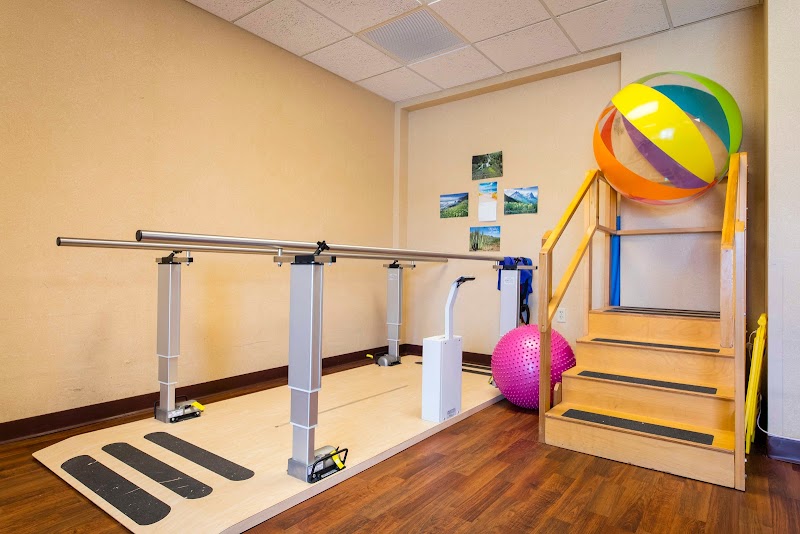
How is Rolling Hills Staffed?

CMS rates ROLLING HILLS HEALTH CENTER's staffing level at 1 out of 5 stars, which is much below average compared to other nursing homes. Staff turnover is 58%, which is 12 percentage points above the Kansas average of 46%. High turnover can affect care consistency as new staff learn residents' individual needs.

What Have Inspectors Found at Rolling Hills?

State health inspectors documented 44 deficiencies at ROLLING HILLS HEALTH CENTER during 2022 to 2025. These included: 1 that caused actual resident harm, 42 with potential for harm, and 1 minor or isolated issues. Deficiencies causing actual harm indicate documented cases where residents experienced negative health consequences.
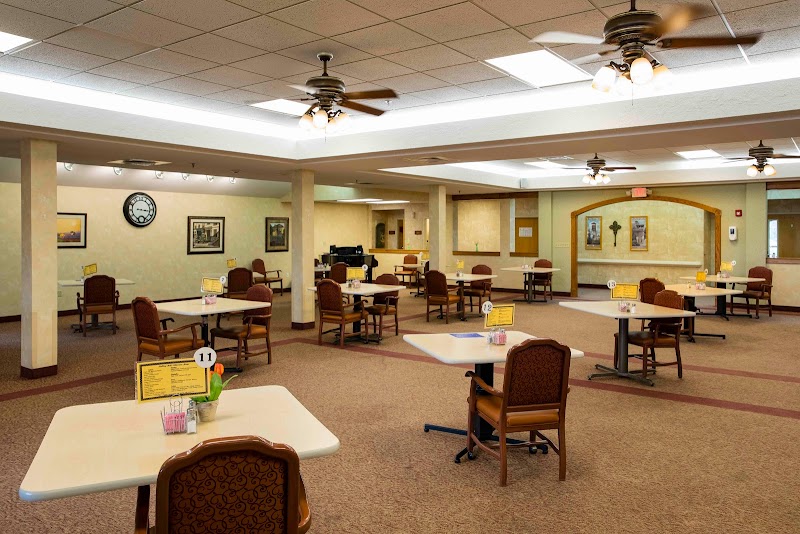
Who Owns and Operates Rolling Hills?

ROLLING HILLS HEALTH CENTER is owned by a for-profit company. For-profit facilities operate as businesses with obligations to shareholders or private owners. The facility is operated by MIDWEST HEALTH, a chain that manages multiple nursing homes. With 70 certified beds and approximately 44 residents (about 63% occupancy), it is a smaller facility located in TOPEKA, Kansas.
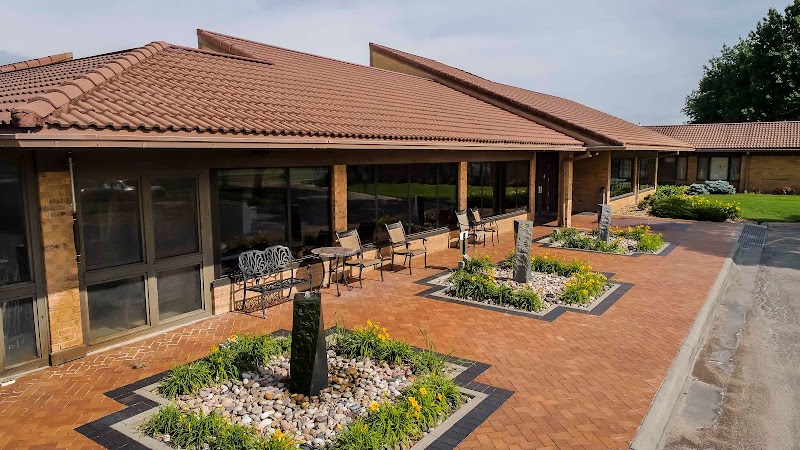
How Does Rolling Hills Compare to Other Kansas Nursing Homes?

Compared to the 100 nursing homes in Kansas, ROLLING HILLS HEALTH CENTER's overall rating (1 stars) is below the state average of 2.9, staff turnover (58%) is significantly higher than the state average of 46%, and health inspection rating (2 stars) is below the national benchmark.

What Should Families Ask When Visiting Rolling Hills?

Based on this facility's data, families visiting should ask: "How do you ensure continuity of care given staff turnover, and what is your staff retention strategy?" "Can you walk me through typical staffing levels on day, evening, and night shifts?" "Can I visit during a mealtime to observe dining assistance and food quality?" "How do you handle medical emergencies, and what is your hospital transfer rate?" These questions are particularly relevant given the facility's high staff turnover rate and the below-average staffing rating.

Is Rolling Hills Safe?

Based on CMS inspection data, ROLLING HILLS HEALTH CENTER has a clean safety record: no substantiated abuse findings (meaning no confirmed cases of resident harm), no Immediate Jeopardy citations (the most serious violation level indicating risk of serious injury or death), and is not on the Special Focus Facility watch list (a federal program monitoring the lowest-performing 1% of nursing homes). The facility has a 1-star overall rating and ranks #100 of 100 nursing homes in Kansas. While no facility is perfect, families should still ask about staff-to-resident ratios and recent inspection results during their visit.

Do Nurses at Rolling Hills Stick Around?

Staff turnover at ROLLING HILLS HEALTH CENTER is high. At 58%, the facility is 12 percentage points above the Kansas average of 46%. High turnover means new staff may not know residents' individual needs, medications, or preferences. It can also be disorienting for residents, especially those with dementia who rely on familiar faces. Families should ask: What is causing the turnover? What retention programs are in place? How do you ensure care continuity during staff transitions?

Was Rolling Hills Ever Fined?

ROLLING HILLS HEALTH CENTER has no federal fines on record. CMS issues fines when nursing homes fail to meet care standards or don't correct problems found during inspections. The absence of fines suggests the facility has either maintained compliance or corrected any issues before penalties were assessed. This is a positive indicator, though families should still review recent inspection reports for the full picture.

Is Rolling Hills on Any Federal Watch List?

ROLLING HILLS HEALTH CENTER is not on any federal watch list. The most significant is the Special Focus Facility (SFF) program, which identifies the bottom 1% of nursing homes nationally based on persistent, serious quality problems. Not being on this list means the facility has avoided the pattern of deficiencies that triggers enhanced federal oversight. This is a positive indicator, though families should still review the facility's inspection history directly.