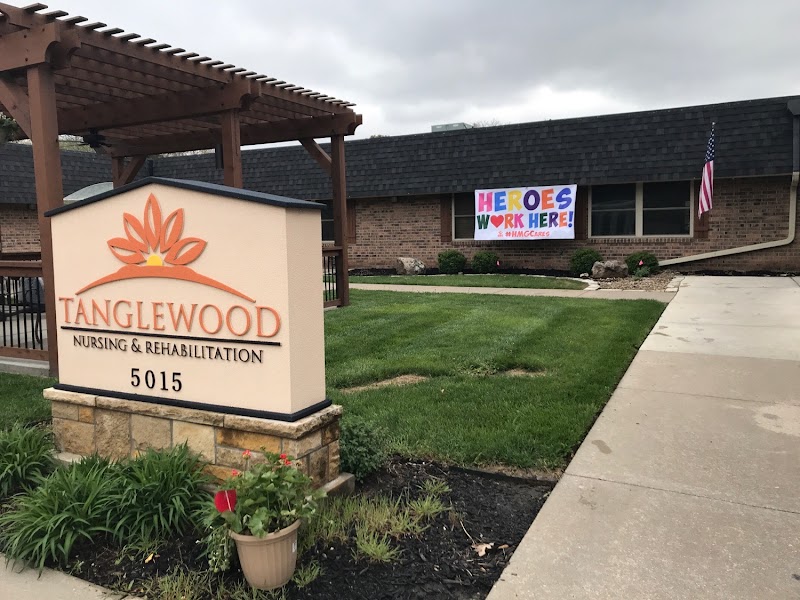
TANGLEWOOD NURSING & REHABILITATION

5015 SW 28TH STREET, TOPEKA, KS 66614 (785) 273-0886
For profit - Corporation 54 Beds HMG HEALTHCARE Data: November 2025 2 Immediate Jeopardy citations
Trust Grade
0/100
#289 of 295 in KS
Last Inspection: October 2024

Within standard 12-15 month inspection cycle. Federal law requires annual inspections.

Overview

Tanglewood Nursing & Rehabilitation has received a Trust Grade of F, indicating poor performance with significant concerns about care quality. In the state of Kansas, they rank #289 out of 295 facilities, placing them in the bottom half, and #14 out of 15 in Shawnee County, meaning only one local facility is rated higher. The situation is worsening, with the number of reported issues increasing from 15 in 2023 to 26 in 2024. Staffing is a major concern, with a low rating of 1 out of 5 stars and a turnover rate of 90%, which is much higher than the state average. They have also incurred $235,251 in fines, suggesting a high level of compliance issues. Specific incidents highlight serious problems: residents were found to be extremely cold due to inadequate heating, and one resident did not receive critical seizure medication, resulting in a seizure. Additionally, a resident fell and fractured their femur because fall prevention measures were not properly implemented. While there are some good quality measures in place, the overall picture indicates significant weaknesses that families should consider carefully.

Trust Score
F
0/100
In Kansas
#289/295
Bottom 3%
Safety Record
High Risk
Review needed
Inspections
Getting Worse
15 → 26 violations
Staff Stability
⚠ Watch
90% turnover. Very high, 42 points above average. Constant new faces learning your loved one's needs.
Penalties
○ Average
$235,251 in fines. Higher than 63% of Kansas facilities. Some compliance issues.
Skilled Nurses
⚠ Watch
Each resident gets only 23 minutes of Registered Nurse (RN) attention daily — below average for Kansas. Fewer RN minutes means fewer trained eyes watching for problems.
Violations
⚠ Watch
46 deficiencies on record. Higher than average. Multiple issues found across inspections.
★☆☆☆☆
1.0
Overall Rating
★☆☆☆☆
1.0
Staff Levels
★★★★☆
4.0
Care Quality
★☆☆☆☆
1.0
Inspection Score
Stable
2023: 15 issues
2024: 26 issues

The Good

  • 4-Star Quality Measures · Strong clinical quality outcomes
  • Full Sprinkler Coverage · Fire safety systems throughout facility
  • No fines on record

Facility shows strength in quality measures, fire safety.

The Bad

1-Star Overall Rating

Below Kansas average (2.9)

Significant quality concerns identified by CMS

Staff Turnover: 90%

43pts above Kansas avg (46%)

Frequent staff changes - ask about care continuity

Federal Fines: $235,251

Well above median ($33,413)

Significant penalties indicating serious issues

Chain: HMG HEALTHCARE

Part of a multi-facility chain

Ask about local staffing decisions and management

Staff turnover is very high (90%)

42 points above Kansas average of 48%

The Ugly 46 deficiencies on record

2 life-threatening 1 actual harm
Oct 2024 25 deficiencies 1 IJ (1 affecting multiple)
CRITICAL (K) 📢 Someone Reported This

A family member, employee, or ombudsman was alarmed enough to file a formal complaint

Immediate Jeopardy (IJ) - the most serious Medicare violation

Safe Environment (Tag F0584)

Someone could have died · This affected multiple residents

The facility identified a census of 46 residents. The sample included 15 residents. Based on observation, record review, and interviews, the facility failed to maintain safe and comfortable temperatur...

Read full inspector narrative →
The facility identified a census of 46 residents. The sample included 15 residents. Based on observation, record review, and interviews, the facility failed to maintain safe and comfortable temperature levels for residents in the facility. On 11/22/24, Administrative Staff B received reports that one of the halls was cold. Administrative Staff B arranged for a maintenance company to assess the problem and a part was required for repair. The part was set to come in on 11/26/24. The facility supplied extra blankets and residents wore their coats inside but reported being extremely cold and experiencing physical discomfort over the weekend and on 11/25/24. On 11/26/24 around 10:00 AM, surveyor observation revealed temperatures on one hall as low as 46.9 degrees Fahrenheit (F.) Multiple temperatures were assessed between 10:10 AM and 10:15 AM with temperatures measuring in the mid to high 40s and low 50's. Multiple residents reported feeling very cold and were unable to go about daily activities due to the cold. No additional heat was provided from 11/22/24 through 12:00 PM on 11/26/24. This failure placed all affected residents in immediate jeopardy. Findings included: - During the initial tour of the facility on 11/26/24 the survey team noted the hall referred to as Long Hall was colder than the rest of the facility. The exit door had a rolled blanket at the base of the door. Both staff and residents reported cold temperatures in the hall. On 11/26/24 at 08:15 AM, Resident (R) 2 sat in his recliner with two blankets pulled up around his neck, and cool air blowing from the ceiling vent. R2 stated he was cold and wished the facility would get the heating fixed. R2 reported his room had been cold for two weeks. On 11/26/24 at 08:33 AM, R1 greeted the surveyor in the hallway as he came from the dining room. R1 reported his room had been cold for two weeks, and stated, You ought to try living with the temperature so cold, and indicated discomfort with the room temperature. R1 stated he reported the room temperature to the maintenance personnel, but the maintenance personnel's employment at the facility ended on 11/15/24. On 11/26/24 at 08:35 AM, R3 rested in bed with blankets pulled up to his neck and stated he was cold. On 11/26/24 at 09:15 AM, R4 sat on her bed watching TV while wearing a jacket. R4 reported her room had been cold for two weeks and she felt ill due to the room being so cold. R4 reported she told numerous staff about the room temperature. R2 also stated the staff used the outside door next to her room which let cold air into the building. On 11/26/24 at 09:45 AM, R5 lay in bed with a winter coat and comforter on. When asked if R5 was cold, she nodded yes. On 11/26/24 at 09:50 AM, R6 reported her room temperature was cold. On 11/26/24 at 09:55 AM, R7 stated she reported her room was cold and the facility did not have enough blankets. R7 stated she remained in bed because it was warmer than sitting in her wheelchair. R7 stated the facility staff reported the heating would be fixed that day. On 11/26/24 at 10:10 AM, the following room temperatures were obtained: R1 and R2's shared room was 46.9 degrees F. R4 and R20's shared room was 48.6 degrees F. R8 and R14's shared room was 49.2 degrees F. R9 and R10's shared room was 54.9 degrees F. R11 and R12's shared room was 55.2 degrees F. On 11/26/24 at 10:15 AM the following room temperatures were obtained: R13 and R21's shared room was 52.7 degrees F. R17 and R22's shared room was 60 degrees F. On 11/26/24 at 12:00 PM, the following temperatures were obtained: R5 and R15's shared room was 60 degrees F. R6 and R7's shared room was 59 degrees F. R23 and R24's shared room was 60 degrees F. The Weather Underground documented the following temperatures from 11/22/24 through 11/26/24 during the timeframes no additional heating was provided by the facility: On 11/22/24, the low was 25 degrees F at 06:00 AM and the high was 49 degrees F at 04:00 PM. On 11/23/24, the low was 28 degrees F at 03:00 PM and the high was 61 degrees F at 03:00 PM. On 11/24/24, the high was 66 degrees F at 04:00 PM and the low was 43 degrees F at 11:50 PM. On 11/25/24, the high was 43 degrees F at 03:30 PM and the low was 22 degrees F at 11:50 PM. On 11/26/24, the temperature was 23 degrees F at 08:00 AM and 36 degrees F at 10:00 AM. On 11/26/24 at 09:20 AM, Certified Medication Aide (CMA) R stated the residents of Long Hall reported being cold. CMA R stated someone came and looked at the heating on 11/22/24 and she thought the heat was scheduled to be repaired today. CMA R reported staff provided the residents with double blankets and left their room doors open to the hallway for warmth. CMA R said staff encouraged the residents to sit near the center of the facility for the warmer temperatures. On 11/26/24 at 10:05 AM, Licensed Nurse (LN) G stated the facility had enough blankets to give extra to the residents who wanted one. LN G stated she heard about the cold temperatures inside the facility at the end of the previous week. On 11/26/24 at 10:20 AM, Administrative Staff B stated the staff reported that Long Hall was cooler than the other halls and she contacted a company to come out and check the problem on Friday, 11/22/24. Administrative Staff B said the contracted company ordered a part and the part would arrive, and the heating problem would be repaired on 11/26/24. Administrative Staff B measured some room temperatures with the surveyor. Administrative Staff B verified the room temperatures in R8 and R14's shared room as 53.7 degrees F, R4 and R20's shared room was 48.6 degrees F, R1 and R2's shared room was 46.9 degrees F, and R13 and R21's shared room was 53.7 degrees F. Administrative Staff B stated the room temperatures were alarming and that she would contact the repair company to have them come and fix the problem as soon as possible. She added that she thought the company would be at the facility by noon that day. The facility's Quality of Life-Homelike Environment policy, dated 10/2009, directed the facility to provide residents with a safe, clean, comfortable, and homelike environment. The policy directed the facility staff and management to maximize, to the extent possible, the characteristics of the facility that reflected a personalized, homelike setting which included comfortable temperatures. On 11/26/24 at 01:03 PM, Administrative Staff B received a copy of the Immediate Jeopardy [IJ] template and was informed of the facility's failure to maintain the appropriate required temperatures to ensure a safe and comfortable environment placed the affected residents in IJ. On 11/26/24 at 04:16 PM, the facility submitted an acceptable plan for corrective actions to remove the immediacy. The plan documented the following actions: The facility purchased safe-touch space heaters to provide additional heat. Staff were assigned to monitor the space heaters continuously. The facility audited the number of available blankets and purchased additional blankets to ensure availability to any resident who wanted or needed one. Ambient temperatures were assessed hourly until the temperature reached 71 degrees F. Staff interviewed residents every hour to assess resident comfort and provide additional blankets until residents expressed comfort. The part for the heater was ordered on 11/22/24 and expected to arrive at the facility on 11/27/24. The corrective actions and subsequent temperatures were verified onsite. After the removal of the immediacy, the deficient practice remained at the scope and severity of H to represent the actual physical discomfort as well as the psychosocial impact for the residents unable to self-identify or express their feelings.
SERIOUS (G) 📢 Someone Reported This

A family member, employee, or ombudsman was alarmed enough to file a formal complaint

Actual Harm - a resident was hurt due to facility failures

Accident Prevention (Tag F0689)

A resident was harmed · This affected 1 resident

**NOTE- TERMS IN BRACKETS HAVE BEEN EDITED TO PROTECT CONFIDENTIALITY** The facility had a census of 49 residents. The sample included 13 residents of which seven were reviewed for accidents. Based on...

Read full inspector narrative →
**NOTE- TERMS IN BRACKETS HAVE BEEN EDITED TO PROTECT CONFIDENTIALITY** The facility had a census of 49 residents. The sample included 13 residents of which seven were reviewed for accidents. Based on observation, record review, and interview, the facility failed to ensure fall prevention interventions, including a floor mat, were utilized for Resident (R) 45. R45 subsequently had a fall, which resulted in a right femur non-displaced femoral (thigh bone) neck fracture. The facility further failed to ensure R17's WanderGuard (a bracelet that helps monitor residents who are at risk of wandering) was in place and functioning. These deficient practices placed the resident at risk of accidents and related injuries. Finding included: - R45's Electronic Medical Record (EMR) documented diagnoses of acute respiratory failure with hypoxia (inadequate supply of oxygen), congestive heart failure (CHF-a condition with low heart output and the body becomes congested with fluid), altered mental status, chronic obstructive pulmonary disease (COPD- a progressive and irreversible condition characterized by diminished lung capacity and difficulty or discomfort in breathing), anxiety disorder (mental or emotional reaction characterized by apprehension, uncertainty, and irrational fear), other mechanical complication of cystostomy catheter (urinary bladder catheter inserted through the abdomen into the bladder), urinary tract infection, obstructive and reflux uropathy (disorder or urinary tract), a disorder of bone density and structure, muscle weakness, and lack of coordination. The Quarterly Minimum Data Set (MDS), dated [DATE], documented R45 had intact cognition, exhibited no delirium (sudden severe confusion, disorientation, and restlessness), psychosis (any major mental disorder characterized by a gross impairment in reality perception), or behaviors. R45 was dependent on staff for toileting hygiene, bathing, lower body dressing, and putting on and taking off footwear. R45 required partial/moderate assistance with upper body dressing, and substantial/maximal assistance with personal hygiene, bed mobility, standing, and transfers. The MDS further documented R45 had an indwelling catheter and was always incontinent of bowel. R45 received as needed pain medication and had pain that occasionally affected sleep, day-to-day activities, and therapy. R45 had shortness of breath with exertion and lying flat, had oxygen therapy, a non-invasive mechanical ventilator, and speech, occupational, physical, and respiratory therapy. R45 had surgical wound care and received an antidepressant (a class of medications used to treat mood disorders), diuretic (medication to promote the formation and excretion of urine), and opioid (medication used to treat pain) medications in the look back period. R45's Care Plan, dated 07/08/24, documented R45 was at risk for falls related to incontinence. The care plan directed staff to anticipate and meet R45's needs and be sure her call light was within reach. The plan encouraged the resident to use the call light for assistance as needed, directed staff to respond promptly to all requests for assistance, and ensure a safe environment with floors free from spills and clutter, ensure adequate light, ensure the bed in a low position, and ensure personal items were within reach. The Progress Note, dated 07/21/24 at 10:18 AM, documented at 06:15 AM, R45 was yelling and found on her left side, next to her low bed, with her oxygen off. She had blood all over her face and on the ground. It looked like she hit her face on the oxygen concentrator. A towel was placed on the resident's face and vital signs were assessed. Staff called 911 and sent R45 to the hospital. The note further documented that R45's responsible party was notified and the representative asked that a thick pad be placed on the floor. R45's Care Plan documented R45 had a fall on 07/21/24, which resulted in an emergency room transfer for a laceration to the bridge of her nose and required five sutures. The Progress Note dated 07/29/24 at 07:02 PM, documented on 07/27/24 at approximately 06:00 AM, R45 was yelling to get up. The staff informed the resident that help was not available at that time, and they would get more help and then assist the resident to get up. Staff observed R45 scooting onto the floor mat (mattress). The note further documented the writer thought the mattress was care planned but was told it was not. R45's Care Plan documented R45 had a noninjury fall on 07/29/24. A revision dated 07/29/24 directed staff that R45's preference was to get up early in the morning. The Progress Note, dated 08/30/24 at 04:32 AM, documented at approximately 04:00 AM R45 was heard yelling for help. The resident was found lying on her right side. Staff assisted the resident back to bed. Staff notified the responsible party, the Director of Nursing, and the resident's physician. The Progress Note dated 08/30/24 at 08:53 AM, documented staff called R45's responsible party regarding the representative's concerns, and the representative was upset that R45 had fallen from bed. Facility staff assured R45's responsible party the facility would be looking into the fall and placing interventions to prevent future falls and injuries. The Progress Note dated 08/30/24 at 03:06 PM, documented X-ray results showing a right femur non-displaced femoral (thigh bone) neck fracture with angulation at the fracture site. Staff notified the physician and received orders to send R45 to the hospital. On 08/30/24 a Teachable Moment form was used to educate staff to follow the resident's plan of care and fall prevention interventions. The form documented that R45 had a fall, and the fall mat was not in place, leaving a large chance for preventable injuries. A report was made to the State Agency and the facility initiated an investigation into the fall. R45's Care Plan dated 08/30/24, documented R45 fell on [DATE] and the facility provided an in-service to staff to educate them on the need to follow all safety interventions. The care plan further documented the facility changed the fall mat out for a regular mattress next to the bed to reduce the distance if R45 crawled out of bed. The Progress Note dated 09/03/24 at 01:50 PM, documented the facility changed out the resident's fall mat for a full-size mattress, which would decrease the distance that R45 would fall from bed as the facility could not keep R45 from attempting to get up. R45's responsible party stated understanding of the new intervention and agreed with the choice. The Progress Note dated 09/04/24 at 01:42 PM documented R45 readmitted to the facility with a diagnosis of a right hip fracture, R45 was weight bearing as tolerated, and had a surgical incision to the right thigh with nine staples and pain management in place. On 10/15/24 at 02:04 PM an observation revealed R45 sat in her room in a wheelchair. A mattress leaned up against the wall. R45 was working with yarn and a crochet hook. Certified Nurse Aide (CNA) N reported R45 did not lay down during the day, due to breathing issues. CNA N stated the mattress in the room against the wall was to be placed by the bed if the resident wanted to lie down. CNA N reported that R45 was usually up in the wheelchair when she arrived at work in the mornings. On 10/15/24 at 03:31 PM Administrative Staff A reported the facility completed a root cause analysis related to R45's falls, which resulted in the use of a full-sized mattress next to the bed and ensuring the bed was in a low position when the resident was in bed. Administrative Staff A stated staff received in-service regarding safety measures, which needed to be present and implemented. Administrative Staff A provided an investigation for the incident reported to the State Agency. The facility's Fall Clinical Protocol, dated 04/2007, documented as part of the initial assessment, the physician will help identify individuals with a history of falls and risk factors for subsequent falling. The staff will document risk factors for falling in the resident's record and discuss the resident's fall risk. For an individual who has fallen, staff will attempt to define possible causes within 24 hours of the fall. The staff and physician will identify pertinent interventions to try to prevent subsequent falls and to address the risks of serious consequences of falling. If interventions have been successful in preventing falls, the staff will continue with current approaches or reconsider whether these measures are still needed if the problem that required the intervention has been resolved. The facility failed to implement safety interventions for R45 related to falls. Subsequently, R45 fell which resulted in a femoral fracture. This also placed the resident at risk for future falls and injuries. - The Electronic Medical Record (EMR) for R17 documented diagnoses of heart disease, a need or assistance with personal care, heart failure, atrial fibrillation (rapid, irregular heartbeat), and dementia without behavioral disturbance (a progressive mental disorder characterized by failing memory and confusion). The Medicare 5-Day Minimum Data Set (MDS), dated [DATE], documented R17 had severely impaired cognition. R17 required substantial assistance with bathing, partial assistance with toileting, and partial assistance with toileting and dressing. R17 received supervision with mobility, transfers, and ambulation. R17 had no behaviors or wandering and had no alarms. The Quarterly MDS, dated 10/03/24, documented R17 had severely impaired cognition. R17 required substantial assistance with bathing, partial assistance with toileting, and supervision with toileting and dressing. The MDS documented R17 was independent with mobility, transfers, and ambulation. R17 had no behaviors or wandering and had no alarms. The Elopement Risk Assessments, dated 04/01/24, 06/07/24, and 09/07/24, documented R17 was at risk for elopement. R17's Care Plan, dated 09/27/24 and initiated on 06/07/24, documented R17 was an elopement risk and wanderer due to his dementia and directed staff to distract R17 from wandering by offering structured activities, food, conversation, television, and books. R17 was provided with a WanderGuard (a bracelet that helps monitor residents who are at risk of wandering) alert bracelet. The Physician's Order, dated 06/07/24, directed staff to check R17's WanderGuard for proper functioning daily, check for proper placement on the right wrist every shift, and replace the WanderGuard as needed upon expiration or not working properly. A review of the R17's Treatment Administration Record TAR including the October 2024 TAR showed staff documented they assessed R17's WanderGuard for placement and function every shift. The Nurses Notes, dated 10/09/2 at 04:26 AM, documented R17 refused to go to sleep and continued to set off door alarms. R17 walked up and down hallways unsafely and was combative with staff. On 10/15/24 at 08:41 AM, observation revealed R17 sat in his recliner taking his medication. Further observation revealed R17 did not have a WanderGuard alert bracelet on. Certified Medication Aide (CMA) R verified R17 did not have a WanderGuard bracelet on and stated she did not know what happened to it. On 10/15/24 at 09:00 AM, Administrative Nurse D stated that R17's family had requested the bracelet be taken off but Administrative Nurse D could not provide documentation for the request. She stated she would have another WanderGuard bracelet put on the resident. On 10/15/24 at 02:30 PM, Licensed Nurse (LN) G stated staff checked R17's WanderGuard every shift for placement. LN G did not know how long R17 had not had his WanderGuard on. The facility's Problematic Behavior Management policy dated 12/08, documented as part of the initial assessment, the staff and physician would identify individuals with a history of impaired cognition, problematic behavior, or mental illness. Nursing staff would document the nature, duration, and associated features of any changes over time in behavior, cognition, or mood and notify the physician. The facility failed to ensure R17's WanderGuard was in place and functioning. These deficient practices placed the resident at risk of accidents and related injuries.
CONCERN (D) 📢 Someone Reported This

A family member, employee, or ombudsman was alarmed enough to file a formal complaint

Potential for Harm - no one hurt, but risky conditions existed

Transfer Requirements (Tag F0622)

Could have caused harm · This affected 1 resident

**NOTE- TERMS IN BRACKETS HAVE BEEN EDITED TO PROTECT CONFIDENTIALITY** The facility identified a census of 49 residents. The sample included 13 residents with three sampled residents reviewed for hos...

Read full inspector narrative →
**NOTE- TERMS IN BRACKETS HAVE BEEN EDITED TO PROTECT CONFIDENTIALITY** The facility identified a census of 49 residents. The sample included 13 residents with three sampled residents reviewed for hospitalization. Based on observation, record review, and interviews, the facility failed to ensure that Resident (R) 7's transfer or discharge was documented in the resident ' s medical record and appropriate information was communicated to the receiving healthcare institution or provider. This placed R7 at risk for delayed treatment and impaired continuity of care. Findings included: - The electronic medical record (EMR) for R7 documented diagnosis of cerebral infarction (stroke - sudden death of brain cells due to lack of oxygen caused by impaired blood flow to the brain by blockage or rupture of an artery to the brain), respiratory failure (a condition where your blood does not have enough oxygen), dysphagia (swallowing difficulty), aspiration pneumonia (an inflammatory condition of the lungs caused by inhaling foreign material or vomit), and chronic obstructive pulmonary disease (COPD- a progressive and irreversible condition characterized by diminished lung capacity and difficulty or discomfort in breathing). R7's Discharge MDS dated [DATE] documented an unplanned discharge to an acute hospital with a return anticipated. R7's Entry MDS dated [DATE] documented a reentry after a short-term acute hospital stay. R7's Significant Change Minimum Data Set (MDS), dated [DATE], documented a Brief Interview for Mental Status (BIMS) score of five, which indicated severely impaired cognition. R7 had a swallowing disorder and required a feeding tube for nutrition. R7 was at risk of pressure ulcers (localized injury to the skin and/or underlying tissue usually over a bony prominence, as a result of pressure, or pressure in combination with shear and/or friction). R7's Nutritional Care Area Assessment (CAA) dated 10/01/24 documented he had a potential nutrition risk related to a medical history of cerebral infarction, dysphagia, and COPD and received nothing by mouth (NPO); he was dependent on enteral nutrition support to meet all estimated nutrient needs. R7's Care Plan documented a resolved care area dated 02/06/24 directing staff to provide written instruction as required to ensure care continuity post-discharge. The care plan last revised on 10/14/24 lacked staff direction regarding discharge. A review of R7's Progress Notes from 05/21/24 revealed he was sent out to the hospital after a coughing episode after attempting to swallow food. R7's Progress Reports reviewed from 09/13/24 to 09/19/24 lacked any documentation related to R7 ' s change in status and transfer to an acute hospital. R7's clinical record tab lacked any change of condition assessment related to R7's change of condition on 09/13/24 including physician notification, mode of transport, and destimation. The record lacked evidence the appropriate health information was communicated to the receiving provider or healthcare destination. A late entry Physician Progress Note dated 09/24/24 at 10:05 AM documented that R7 was admitted to the hospital on [DATE] after a seizure. R7 had bitten his tongue. R7 had a full seizure in the emergency room. R7 was discharged back to the facility on [DATE]. On 10/15/24 at 09:00 AM R7 lay on his bed with his blanket over his head. On 10/17/24 at 09:15 PM Administrative Nurse D stated that the nurses initiate the discharges and should complete a discharge summary in the EMR. Administrative Nurse D stated that she expected nursing staff to document any change in the condition of a resident including when a resident would need to be sent to the hospital. The facility did not provide a policy related to discharge preparation. The facility failed to ensure that R7's transfer or discharge was documented in the resident ' s medical record and appropriate information was communicated to the receiving healthcare institution or provider. This placed R7 at risk for delayed treatment and impaired continuity of care.
CONCERN (D) 📢 Someone Reported This

A family member, employee, or ombudsman was alarmed enough to file a formal complaint

Potential for Harm - no one hurt, but risky conditions existed

Transfer Notice (Tag F0623)

Could have caused harm · This affected 1 resident

**NOTE- TERMS IN BRACKETS HAVE BEEN EDITED TO PROTECT CONFIDENTIALITY** The facility identified a census of 49 residents. The sample included 13 residents with three sampled residents reviewed for hos...

Read full inspector narrative →
**NOTE- TERMS IN BRACKETS HAVE BEEN EDITED TO PROTECT CONFIDENTIALITY** The facility identified a census of 49 residents. The sample included 13 residents with three sampled residents reviewed for hospitalization. Based on observation, record review, and interviews, the facility failed to provide written notification of transfer to Resident (R) 33 and R44 or their representatives for their facility-initiated transfers. This deficient practice had the risk of miscommunication between the facility and resident/family and impaired rights for R33 and R44. Findings included: - R33's Electronic Medical Record (EMR) documented diagnoses of fibromyalgia (condition of musculoskeletal pain, spasms, stiffness, fatigue, and severe sleep disturbance), epilepsy (brain disorder characterized by repeated seizures), hypertension (HTN-elevated blood pressure), diabetes mellitus (DM-when the body cannot use glucose, not enough insulin is made, or the body cannot respond to the insulin), chronic respiratory failure with hypoxia (inadequate supply of oxygen), major depressive disorder (major mood disorder that causes persistent feelings of sadness), muscle wasting and atrophy, need for assistance with personal care, unsteady on feet and peripheral vascular disease (PVD- slow and progressive circulation disorder causing narrowing, blockage, or spasms in a blood vessel). The Minimum Data Set (MDS), dated [DATE], documented a quarterly assessment and a discharge from the facility, with a return anticipated. The MDS, dated [DATE], documented an entry into the facility. The MDS, dated [DATE], documented a discharge with a return anticipated. The MDS, dated [DATE], documented an entry into the facility. The MDS, dated [DATE], documented a discharge with a return anticipated. The MDS, dated [DATE], documented an entry into the facility. The Progress Note dated 07/10/24 at 09:01 PM, documented a change in R33's condition. The primary care provider ordered the resident to be sent to the emergency room for evaluation and treatment. The Progress Note dated 07/12/24 at 01:55 PM documented R33 returned to the facility. The Progress Note dated 07/20/24 at 09:42 PM documented a change in R33's condition. The primary care provider ordered the resident to be sent to the emergency room for evaluation and treatment. The Progress Note dated 07/24/24 at 02:45 PM, documented R33 returned to the facility. The Progress Note dated 07/29/24 at 05:35 PM, documented R33 seen by the practitioner and was sent to the emergency room at a different hospital. The Admit/Readmit Screener, dated 08/02/24, recorded R33 readmitted to the facility. R33's clinical record lacked evidence the resident was provided a written notice when she was transferred to the hospital. The facility was unable to provide evidence as requested. On 10/15/24 at 09:44 AM, R33 was observed going outside to smoke with a jacket on. R33 was able to get in and out of the door unassisted. On 10/17/24 at 10:00 AM Administrative Staff A stated that the facility did provide the Notice of Transfer/Discharge form to the ombudsman and the resident ' s representative would be called to be notified of the transfer, but the notice of transfer was not mailed to the representative that she was aware of. The facility's readmission to the Facility policy, dated 11/28/17, documented that residents who have been discharged to the hospital or for therapeutic leave will be given priority in readmission to the facility. At the time of transfer for hospitalization or therapeutic leave, the facility will provide to the resident or the resident representative written notice specifying the duration of the bed-hold policy, and the opportunity to pay the bed-hold if allowed by the State Plan. At the time of admission, the resident or the resident representative will be provided with the facility's bed hold policy. The facility will provide the second notice of bed-hold at the time of transfer, or in cases of emergency transfer, within 24 hours. The facility will document the attempts to reach the resident's representative in situations where unable to notify the resident or representative. The facility notice will provide information that explains the duration of the bed-hold and the bed-hold payment policy. Also, the notice will include permitting the return of residents to the next available bed. The facility failed to provide the resident or resident representative written notification of the facility-initiated transfer. This placed R33 at risk of impaired rights. - The Electronic Medical Record (EMR) for R44 documented diagnoses of hypertension (high blood pressure), diabetes mellitus (DM-when the body cannot use glucose, not enough insulin is made, or the body cannot respond to the insulin), urinary tract infection (UTI-an infection in any part of the urinary system), and lymphedema (swelling caused by accumulation of lymph fluid). The Medicare 5-Day Minimum Data Set (MDS), dated [DATE], documented R44 had intact cognition and required substantial assistance from staff for eating, toileting, bathing, mobility, and transfers. R44 received insulin (medications used to help reduce the amount of sugar present in the blood) and diuretic (a medication to promote the formation and excretion of urine) medications. R44's Care Plan, dated 09/05/24, documented that R44 had the potential for fluid volume deficit and directed staff to instruct R44 and their family on the importance of fluid intake, monitor weight as ordered, observe urine output for signs of dehydration and strong odor. The care plan directed staff to check for incontinence during rounds, assist R44 as needed with the use of a bedpan, check and change with rounds, and establish voiding patterns. The care plan directed staff to obtain an Accu-check (blood glucose monitoring test) with sliding scale coverage as ordered, administer diabetes medication as physician ordered, dietary consult for nutritional regimen, and discuss with R44 the importance of compliance with dietary restrictions. The Progress Notes, dated 10/14/24 at 02:33 PM, documented that R44 was admitted to the hospital due to vomiting coffee grounds. R44's clinical record lacked evidence the resident was provided a written notice when she was transferred to the hospital. On 10/14/24 at 08:40 AM, observation revealed R44 was in bed and had a plastic bag on her lap, R44 stated she was nauseated and had vomited multiple days. R44 stated she had been given medication for the nausea and had thought that it was from the weight loss injections she had been given. R44 started to vomit into the plastic bag and this Surveyor went and got the nurse. On 10/17/24 at 10:00 AM Administrative Staff A stated that the facility did provide the Notice of Transfer/Discharge form to the ombudsman and the resident ' s representative would be called to be notified of the transfer, but the notice of transfer was not mailed to the representative that she was aware of. The facility's readmission to the Facility policy, dated 11/28/17, documented that residents who have been discharged to the hospital or for therapeutic leave will be given priority in readmission to the facility. At the time of transfer for hospitalization or therapeutic leave, the facility will provide to the resident or the resident representative written notice specifying the duration of the bed-hold policy, and the opportunity to pay the bed-hold if allowed by the State Plan. At the time of admission, the resident or the resident representative will be provided with the facility's bed hold policy. The facility will provide the second notice of bed-hold at the time of transfer, or in cases of emergency transfer, within 24 hours. The facility will document the attempts to reach the resident's representative in situations where unable to notify the resident or representative. The facility notice will provide information that explains the duration of the bed-hold and the bed-hold payment policy. Also, the notice will include permitting the return of residents to the next available bed. The facility failed to provide the resident or resident representative written notification of the facility-initiated transfer. This placed R44 at risk of impaired rights.
CONCERN (D) 📢 Someone Reported This

A family member, employee, or ombudsman was alarmed enough to file a formal complaint

Potential for Harm - no one hurt, but risky conditions existed

Deficiency F0625 (Tag F0625)

Could have caused harm · This affected 1 resident

**NOTE- TERMS IN BRACKETS HAVE BEEN EDITED TO PROTECT CONFIDENTIALITY** The facility had a census of 49 residents. The sample included 13 residents of which three residents were reviewed for transfer ...

Read full inspector narrative →
**NOTE- TERMS IN BRACKETS HAVE BEEN EDITED TO PROTECT CONFIDENTIALITY** The facility had a census of 49 residents. The sample included 13 residents of which three residents were reviewed for transfer and/or discharge. Based on record review and interview, the facility failed to provide Resident (R) 33 and R44 with the appropriate bed hold policy as required. This placed the residents at risk of being uninformed of bed-hold requirements. Findings included: - R33's Electronic Medical Record (EMR) documented diagnoses of fibromyalgia (condition of musculoskeletal pain, spasms, stiffness, fatigue, and severe sleep disturbance), epilepsy (brain disorder characterized by repeated seizures), hypertension (HTN-elevated blood pressure), diabetes mellitus (DM-when the body cannot use glucose, not enough insulin is made, or the body cannot respond to the insulin), chronic respiratory failure with hypoxia (inadequate supply of oxygen), major depressive disorder (major mood disorder that causes persistent feelings of sadness), muscle wasting and atrophy, need for assistance with personal care, unsteady on feet and peripheral vascular disease (PVD- slow and progressive circulation disorder causing narrowing, blockage, or spasms in a blood vessel). The Minimum Data Set (MDS), dated [DATE], documented a quarterly assessment and a discharge from the facility, with a return anticipated. The MDS, dated [DATE], documented an entry into the facility. The MDS, dated [DATE], documented a discharge with a return anticipated. The MDS, dated [DATE], documented an entry into the facility. The MDS, dated [DATE], documented a discharge with a return anticipated. The MDS, dated [DATE], documented an entry into the facility. The Progress Note dated 07/10/24 at 09:01 PM, documented a change in R33's condition. The primary care provider ordered the resident to be sent to the emergency room for evaluation and treatment. The Progress Note dated 07/12/24 at 01:55 PM documented R33 returned to the facility. The Progress Note dated 07/20/24 at 09:42 PM documented a change in R33's condition. The primary care provider ordered the resident to be sent to the emergency room for evaluation and treatment. The Progress Note dated 07/24/24 at 02:45 PM, documented R33 returned to the facility. The Progress Note dated 07/29/24 at 05:35 PM, documented R33 seen by the practitioner and was sent to the emergency room at a different hospital. The Admit/Readmit Screener, dated 08/02/24, recorded R33 readmitted to the facility. R33's clinical record lacked evidence the resident and/or representative received a copy of the bed hold notice at the time of transfer or discharge. The facility was unable to provide evidence as requested. On 10/15/24 at 09:44 AM, R33 was observed going outside to smoke with a jacket on. R33 was able to get in and out of the door unassisted. On 10/15/24 at 02:00 PM, Administrative Staff A stated that R33's representative was called related to the discharge of the resident at each discharge. Admin Staff A verified the facility had not provided the bed hold notice to R33's representative. The facility's readmission to the Facility policy, dated 11/28/17, documented that residents who have been discharged to the hospital or for therapeutic leave will be given priority in readmission to the facility. At the time of transfer for hospitalization or therapeutic leave, the facility will provide to the resident or the resident representative written notice specifying the duration of the bed-hold policy, and the opportunity to pay the bed-hold if allowed by the State Plan. At the time of admission, the resident or the resident representative will be provided with the facility's bed hold policy. The facility will provide the second notice of bed-hold at the time of transfer, or in cases of emergency transfer, within 24 hours. The facility will document the attempts to reach the resident's representative in situations where unable to notify the resident or representative. The facility notice will provide information that explains the duration of the bed-hold and the bed-hold payment policy. Also, the notice will include permitting the return of residents to the next available bed. The facility failed to provide R33 with a bed-hold policy which placed the resident at risk of being uninformed choices and impaired ability to return to the same room. - The Electronic Medical Record (EMR) for R44 documented diagnoses of hypertension (high blood pressure), diabetes mellitus (DM-when the body cannot use glucose, not enough insulin is made, or the body cannot respond to the insulin), urinary tract infection (UTI-an infection in any part of the urinary system), and lymphedema (swelling caused by accumulation of lymph fluid). The Medicare 5-Day Minimum Data Set (MDS), dated [DATE], documented R44 had intact cognition and required substantial assistance from staff for eating, toileting, bathing, mobility, and transfers. R44 received insulin (medications used to help reduce the amount of sugar present in the blood) and diuretic (a medication to promote the formation and excretion of urine) medications. R44's Care Plan, dated 09/05/24, documented that R44 had the potential for fluid volume deficit and directed staff to instruct R44 and their family on the importance of fluid intake, monitor weight as ordered, observe urine output for signs of dehydration and strong odor. The care plan directed staff to check for incontinence during rounds, assist R44 as needed with the use of a bedpan, check and change with rounds, and establish voiding patterns. The care plan directed staff to obtain an Accu-check (blood glucose monitoring test) with sliding scale coverage as ordered, administer diabetes medication as physician ordered, dietary consult for nutritional regimen, and discuss with R44 the importance of compliance with dietary restrictions. The Progress Notes, dated 10/14/24 at 02:33 PM, documented that R44 was admitted to the hospital due to vomiting coffee grounds. R44's clinical record lacked evidence the resident and/or representative received a copy of the bed hold notice at the time of transfer or discharge. The facility was unable to provide evidence as requested. On 10/14/24 at 08:40 AM, observation revealed R44 was in bed and had a plastic bag on her lap, R44 stated she was nauseated and had vomited multiple days. R44 stated she had been given medication for the nausea and had thought that it was from the weight loss injections she had been given. R44 started to vomit into the plastic bag and this Surveyor went and got the nurse. On 10/15/24 at 02:20 PM, Administrative Staff A stated she had not discussed bed hold with the family but would call them at some point, fill out discharge paperwork, and put it into R44's file. The facility's readmission to the Facility policy, dated 11/28/17, documented that residents who have been discharged to the hospital or for therapeutic leave will be given priority in readmission to the facility. At the time of transfer for hospitalization or therapeutic leave, the facility will provide to the resident or the resident representative written notice specifying the duration of the bed-hold policy, and the opportunity to pay the bed-hold if allowed by the State Plan. At the time of admission, the resident or the resident representative will be provided with the facility's bed hold policy. The facility will provide the second notice of bed-hold at the time of transfer, or in cases of emergency transfer, within 24 hours. The facility will document the attempts to reach the resident's representative in situations where unable to notify the resident or representative. The facility notice will provide information that explains the duration of the bed-hold and the bed-hold payment policy. Also, the notice will include permitting the return of residents to the next available bed. The facility failed to provide R44 with a bed hold notice which specifies the duration of the bed hold when she was transferred to the hospital. This placed R44 at risk of not being permitted to return and resume residence in the facility.
CONCERN (D) 📢 Someone Reported This

A family member, employee, or ombudsman was alarmed enough to file a formal complaint

Potential for Harm - no one hurt, but risky conditions existed

Assessment Accuracy (Tag F0641)

Could have caused harm · This affected 1 resident

**NOTE- TERMS IN BRACKETS HAVE BEEN EDITED TO PROTECT CONFIDENTIALITY** The facility had a census of 49 residents. The sample included 13 residents. Based on observation, record review, and interview,...

Read full inspector narrative →
**NOTE- TERMS IN BRACKETS HAVE BEEN EDITED TO PROTECT CONFIDENTIALITY** The facility had a census of 49 residents. The sample included 13 residents. Based on observation, record review, and interview, the facility failed to accurately assess and document that Resident (R) 30 had a terminal condition on the Minimum Data Set (MDS) assessment. This placed the resident at risk for an inaccurate care plan and unmet care needs. Findings included: - The Electronic Medical Record (EMR) for R30 documented diagnoses of stomach cancer, depressive disorder (a mood disorder that causes a persistent feeling of sadness and loss of interest), heart failure, and hypertension (high blood pressure). The admission Minimum Data Set (MDS), dated [DATE], documented R30 had intact cognition and required set-up assistance with toileting, and upper body dressing. R30 was independent with personal hygiene, mobility, transfers, and ambulation. The MDS noted R30 had no behaviors and received antipsychotic (a class of medications used to treat major mental conditions that cause a break from reality), and antianxiety (a class of medications that calm and relax people) medication. The assessment lacked documentation R30 had a terminal condition and was on hospice (specialized care that mainly aims to provide comfort and dignity to the patients, by providing physical comfort and emotional, social, and spiritual support for people nearing the end of life) services. R30's Care Plan, dated 08/14/24, initiated on 09/10/24, documented R30 had a terminal prognosis related to gastric (stomach) cancer and directed staff to consult with the physician to have hospice care for R30. The care plan documented encouraged R30 to express feelings, listen with non-judgmental acceptance, observe for signs of pain, administer pain medications as ordered, and notify the physician immediately if there was breakthrough pain. Staff were to refer to a psychiatric or psychologist consult if needed, review R30's living will and ensure it was followed, and work with the hospice team to ensure the resident's spiritual, emotional, intellectual, physical, and social needs were met. The Nurse's Note, dated 08/19/24 at 08:32 PM, documented R30 was evaluated and admitted into hospice services. On 104/24 at 02:41 PM, observation revealed R30 sat in his wheelchair and had his head lying on his bed. On 10/17/24 at 12:1 PM, Administrative Nurse D stated MDS assessments were completed offsite. Administrative Nurse D said she would pass on the information to the person completing the MDS that R30 received hospice services and that it should have been on the MDS assessment. The facility's Resident Assessment Instruments policy, dated 12/10, documented a comprehensive assessment of a resident's needs shall be made within fourteen (14) days of the resident's admission. The Assessment Coordinator was responsible for ensuring that the Interdisciplinary Assessment Team conducts timely resident assessments and reviews according to the following schedule. The purpose of the assessment was to describe the resident's capability to perform daily life functions and to identify significant impairments in functional capacity. Information derived from the comprehensive assessments helped the staff to plan care that allowed the resident to reach his/her highest practicable level of functioning. The facility failed to accurately assess and record R30's terminal condition on his 08/26/24 comprehensive MDS. This placed the resident at risk for an inaccurate care plan and unmet care needs.
CONCERN (D) 📢 Someone Reported This

A family member, employee, or ombudsman was alarmed enough to file a formal complaint

Potential for Harm - no one hurt, but risky conditions existed

Pressure Ulcer Prevention (Tag F0686)

Could have caused harm · This affected 1 resident

**NOTE- TERMS IN BRACKETS HAVE BEEN EDITED TO PROTECT CONFIDENTIALITY** The facility identified a census of 49 residents. The sample included 13 residents with two residents reviewed for treatment of ...

Read full inspector narrative →
**NOTE- TERMS IN BRACKETS HAVE BEEN EDITED TO PROTECT CONFIDENTIALITY** The facility identified a census of 49 residents. The sample included 13 residents with two residents reviewed for treatment of pressure ulcers (localized injury to the skin and/or underlying tissue usually over a bony prominence, as a result of pressure, or pressure in combination with shear and/or friction). Based on observation, record review, and interview, the facility failed to ensure Resident (R) 7 received appropriate prompt treatment to promote healing and prevent worsening of a Stage 2 (partial-thickness skin loss into but no deeper than the dermis including intact or ruptured blisters) pressure ulcers. The facility also failed to ensure R43 had nutritional measures and a pressure reducing device for her wheelchair in place. This placed R7 and R43 at risk for delayed healing and or increased risk for pressure ulcers. Findings included: - The electronic medical record (EMR) for R7 documented diagnosis of cerebral infarction (stroke - sudden death of brain cells due to lack of oxygen caused by impaired blood flow to the brain by blockage or rupture of an artery to the brain), respiratory failure (a condition where your blood does not have enough oxygen), dysphagia (swallowing difficulty), aspiration pneumonia (an inflammatory condition of the lungs caused by inhaling foreign material or vomit), Stage 2 pressure wound, and chronic obstructive pulmonary disease (COPD- a progressive and irreversible condition characterized by diminished lung capacity and difficulty or discomfort in breathing). R7's Entry Minimum Data Set (MDS) dated 09/19/24 documented a reentry after a short-term acute hospital stay. R7's Significant Change MDS, dated [DATE], documented a Brief Interview for Mental Status (BIMS) score of five, which indicated severely impaired cognition. R7 had a swallowing disorder and required a feeding tube for nutrition. R7 was at risk of pressure ulcers. R7's Significant Change MDS lacked documentation that R7 had a Stage 2 pressure ulcer. R7's Nutritional Care Area Assessment (CAA) dated 10/01/24 documented he had a potential nutrition risk related to a medical history of cerebral infarction, dysphagia, and COPD and received nothing by mouth (NPO); he was dependent on enteral nutrition support to meet all estimated nutrient needs. R7's Care Plan last revised on 10/14/24 documented he had the potential for pressure ulcer development and directed staff to do weekly skin assessments. Staff was directed to assist with turning and repositioning during rounds. R7 had a Stage 2 pressure injury to the left buttock. Staff was directed to administer treatments as ordered and monitor their effectiveness. Staff was directed to document wound appearance, color, wound healing, wound size, and stage. Staff was directed to provide a pressure relieving device in his bed. A Physician Progress Note dated 09/24/24 documented R7 was seen for re-admit after hospitalization. R7 was admitted to the hospital on [DATE] after a seizure (violent involuntary series of contractions of a group of muscles). He had a diagnosis of a pressure injury of the right heel, left buttock, and sacral (large triangular bone/area between the two hip bones) region Stage 2 that was added on 09/17/24. R7 was discharged back to the facility on [DATE]. A physical exam of the skin revealed R7's skin was warm and dry but did not include further documentation or examination of R7's sacral wound. A Weekly Skin Review Report dated 09/28/24 documented four Stage 2 pressure wounds to R7's left buttock. Wound One measured 1.2 centimeters (cm) in length by 1.0 cm in width; Wound Two measured 2.2 cm in length by a 1.5 cm width; Wound Three measured 0.7 cm in length by 0.3 cm in width; and Wound Four measured 0.4 cm length by 0.1 cm width. The wound beds were red with scant exudate (a fluid that leaks out of body vessels and tissues). A pressure-relieving device was in place (low air loss mattress). The primary provider and resident's responsible party were notified. A Physician Progress Note dated 10/03/24 documented R7 was seen for a new wound, R7 had a coccyx (tailbone the last bone at the base of your spine) wound that staff found yesterday. R7 also has a new wound on his right heel. Examination revealed a shallow ulcer in the coccyx, and the wound bed was beefy red. The diagnosis and orders for this visit include Stage 2 pressure ulcer of the coccyx region. The plan is to clean the coccyx wound with wound cleanser and apply zinc oxide twice daily and as needed. Under the Orders tab of the EMR documented a physician order dated 10/03/24 for wound healing to clean with normal saline and apply zinc twice daily. R7's EMR lacked documentation for a wound treatment before the 10/03/24 order. On 10/15/24 at 01:30 PM, R7 lay on his bed with the cover over his head as staff entered his room and prepared him for his wound treatment. On 10/17/24 at 11:46 PM Administrative Nurse E stated via telephone that after R7 returned from the hospital she believed they got him the low air loss mattress and she believed a foam dressing was put in place. Administrative Nurse D stated she was not sure why there was a delay in R7 being treated for his pressure wounds after his return from the hospital. Administrative Nurse D stated that R7's physician had orders in place, and she assessed the wound weekly. The Prevention of Pressure Ulcers policy documented that once a pressure ulcer develops it could be extremely difficult to heal. Pressure ulcers are a serious skin condition for the resident. The facility should have a system to ensure assessments are timely and appropriate and changes in condition are recognized, evaluated, and reported to the practitioner, physician, and family, and addressed. The facility failed to monitor and treat R7's Stage 2 pressure ulcer to his left buttocks promptly which resulted in a delay of treatment. This placed R7 at risk for complications related to skin breakdown and pressure ulcers. - The Electronic Medical Record (EMR) for R43 documented diagnoses of traumatic brain injury (TBI-an injury to the brain caused by external forces), delusional disorder (untrue persistent belief or perception held by a person although evidence shows it was untrue), abnormalities of gait and mobility, mood disorder (category of mental health problems, feelings of sadness, helplessness, guilt, and wanting to die were more intense and persistent than what may normally be felt from time to time) and localized edema (swelling resulting from an excessive accumulation of fluid in the body tissues). The admission Minimum Data Set (MDS), dated [DATE], documented R43 had moderately impaired cognition. R43 was dependent on staff for toileting, bathing, dressing, and personal hygiene and required substantial assistance for mobility and transfers. The MDS documented R43 had functional impairment on both lower extremities. R43 had an unhealed Stage 2 (partial-thickness skin loss into but no deeper than the dermis including intact or ruptured blisters) pressure ulcer and had a pressure relieving device for her chair and received pressure ulcer dressings. The Braden Scale Assessment, (a formal assessment for predicting pressure ulcer risk) dated 10/01/24 documented that R43 was at low risk for breakdown. The assessments dated 10/08/24 and 10/15/24 documented R43 had no risk for skin breakdown. R43's Interim Care Plan, dated 10/01/24, directed staff to provide R43 with a pressure device for her bed and chair, inspect her skin according to facility protocol, treat the pressure ulcer according to the physician's orders, and document. R43's Care Plan, dated 10/14/24, documented R43 had a Stage 2 pressure injury to her right buttock (either of the two round fleshy parts that form the lower rear area of a human trunk) and directed staff to administer treatment as ordered and monitor effectiveness. The plan directed staff to check for incontinence during rounds and provide care as needed, document wound appearance, color, wound healing, signs and symptoms of infection, and wound size. The care plan directed staff to keep the bed as flat as tolerated to reduce shear, notify the family of any new area of skin breakdown, notify the nurse of any new areas of breakdown, obtain lab and diagnostic work as ordered, and report the results to the physician and follow-up as needed. Staff were to provide wound healing supplements as ordered, refer to the dietician to follow recommendations, and serve R43's diet as ordered. The Physician's Order, dated 10/01/24, directed staff to cleanse the wound to the right buttock with wound cleanser, pat it dry with a 4 x 4 gauze pad, apply Medihoney (medical-grade honey used to aid wound healing) to the wound bed, nickel thick, and cover with a dry dressing every three days on day shift. This order was discontinued on 10/10/24. The Physician's Order, dated 10/10/24, directed staff to cleanse the wound to the right buttock with wound cleanser, pat it dry with a 4 x 4, apply Medihoney to the wound bed, nickel thick, and cover with a dry dressing every Monday, Wednesday, and Friday. The Weekly Skin Review, dated 10/01/24, documented R43 had a Stage 2 pressure injury on her right buttock that measured 4.1 centimeters (cm) x 6.2 cm x 0.1 cm. The Weekly Skin Review, dated 10/10/24, documented R43 had a Stage 2 pressure injury on her right buttock that measured 4.1 cm x 6.2 cm x 0.1 cm. The wound had 100 percent (%) slough (dead tissue, usually cream or yellow), had shown no improvement, and documented an appointment with the wound clinic would be scheduled. The Nurse's Note, dated 10/16/24, documented R43's right buttock wound measured 3.3 cm x 2.6 cm x less than 0.1 cm and documented the wound was yellow-greenish in color. R43's clinical record lacked evidence there the Registered Dietician evaluated R43's nutritional status to promote wound healing. On 10/14/24 at 02:44 PM, observation revealed that R43's room contained a bed and no other chair or recliner. R43 sat in her wheelchair in her room. Observation revealed there was no cushion in her wheelchair. On 10/15/24 at 09:00 AM, observation revealed R43 sat in her wheelchair in her room with no cushion in her wheelchair. On 10/15/24 at 09:16 AM, Certified Nurse Aide (CNA) O pushed R43 into the bathroom, donned clean gloves but not a gown, assisted R43 to stand up, and pulled down R43's pants. CNA O pulled off part of the dressing that was on R43's right buttock wound. The wound bed was yellow, with redness to the skin surrounding the wound and there was no drainage apparent. On 10/17/24 at 08:25 AM, CNA M stated R43 sat in her wheelchair most of the time. CNA M did not remember R43 ever having had a cushion in her wheelchair. On 10/15/24 at 10:29 AM, Administrative Nurse D stated R43 should have a cushion in her wheelchair and verified R43 had not had a nutritional assessment completed with recommendations from the Registered Dietician. Administrative Nurse D verified there were no supplements for wound healing ordered for R43. Administrative Nurse D stated she would contact the physician and dietician to obtain orders for R43. The facility's Prevention of Pressure Ulcers policy, dated 03/2005, directed staff to review the resident's care plan to assess for any special needs of the resident and see the policy and procedure for specific tasks such as bathing, incontinence care, and repositioning. Pressure ulcers are often made worse by continual pressure, heat, moisture, irritating substances on the resident's skin (i.e., perspiration, feces, urine, wound discharge, soap residue, etc.), decline in nutrition and hydration status, acute illness and/or decline in the resident's physical and/or mental condition. Once a pressure ulcer develops, it can be extremely difficult to heal. Pressure ulcers are a serious skin condition for the resident. The facility should have a system/procedure to ensure assessments are timely and appropriate and changes in condition are recognized, evaluated, reported to the practitioner, physician, and family, and addressed. Identify risk factors for pressure ulcer development, for a person in a chair change position at least every hour, and use foam, gel, or air cushion as indicated to relieve pressure. The Dietitian would assess nutrition and hydration and make recommendations based on the individual resident's assessment. The facility failed to provide a pressure-reducing wheelchair cushion and nutritional support to promote healing for R43 who had a Stage 2 pressure ulcer upon admission. This placed R43 at risk for further breakdown and delayed healing.
CONCERN (D) 📢 Someone Reported This

A family member, employee, or ombudsman was alarmed enough to file a formal complaint

Potential for Harm - no one hurt, but risky conditions existed

Incontinence Care (Tag F0690)

Could have caused harm · This affected 1 resident

**NOTE- TERMS IN BRACKETS HAVE BEEN EDITED TO PROTECT CONFIDENTIALITY** The facility had a census of 49 residents. The sample included 13 residents. Based on observation, record review, and interview,...

Read full inspector narrative →
**NOTE- TERMS IN BRACKETS HAVE BEEN EDITED TO PROTECT CONFIDENTIALITY** The facility had a census of 49 residents. The sample included 13 residents. Based on observation, record review, and interview, the facility failed to provide Resident (R) 45 with sanitary indwelling urinary catheter (tube placed in the bladder to drain urine into a collection bag) care. This placed the resident at risk for urinary tract infections (UTI-an infection in any part of the urinary system) and other catheter-related complications. Findings included: - R45's Electronic Medical Record (EMR) documented diagnoses of acute respiratory failure with hypoxia (inadequate supply of oxygen), congestive heart failure (CHF-a condition with low heart output and the body becomes congested with fluid), altered mental status, chronic obstructive pulmonary disease (COPD- a progressive and irreversible condition characterized by diminished lung capacity and difficulty or discomfort in breathing), anxiety disorder (mental or emotional reaction characterized by apprehension, uncertainty, and irrational fear), other mechanical complication of cystostomy catheter (urinary bladder catheter inserted through the abdomen into the bladder), urinary tract infection, obstructive and reflux uropathy (disorder or urinary tract), a disorder of bone density and structure, muscle weakness, and lack of coordination. The Quarterly Minimum Data Set (MDS), dated [DATE], documented R45 had intact cognition, exhibited no delirium (sudden severe confusion, disorientation, and restlessness), psychosis (any major mental disorder characterized by a gross impairment in reality perception), or behaviors. R45 was dependent on toileting hygiene, bathing, lower body dressing, and putting on and taking off footwear. R45 required partial/moderate assistance with upper body dressing, and substantial/maximal assistance with personal hygiene, bed mobility, standing, and transfers. The MDS further documented R45 had an indwelling catheter and was always incontinent of bowel. R45 received as-needed pain medication and had pain that occasionally affected sleep, day-to-day activities, and therapy. R45 had shortness of breath with exertion and lying flat, had oxygen therapy, a non-invasive mechanical ventilator, and speech, occupational, physical, and respiratory therapy. R45 had surgical wound care and received an antidepressant (a class of medications used to treat mood disorders), diuretic (medication to promote the formation and excretion of urine), and opioid (medication used to treat pain). R45's Care Plan dated 07/08/24, documented an indwelling catheter for obstructive uropathy. The plan directed staff to change the catheter as ordered, check for patency and urinary output each shift, observe for pain and discomfort due to the catheter, observe and report signs and symptoms to the physician, and position the catheter bag and tubing below the level of the bladder. The Physician Orders dated 09/04/24, documented R45 had an indwelling catheter size 16 French (FR) with 10 cubic centimeters (cc) balloon to bedside drainage; provide catheter care every shift and as needed, and record catheter output every shift. The Progress Note dated 09/25/24 at 10:49 PM, documented the nurse placed a urinary catheter which remained in place, and draining. R45 had no concerns, complaints, pain, or discomfort at that time. The Progress Note dated 10/07/24 at 02:18 PM, documented that R45's family member thought R45 may had a UTI and the physician was notified. The Progress Note dated 10/10/24 at 01:28 PM, documented R45 was seen by the physician who ordered phenazopyridine (a medication used to relieve symptoms caused by UTIs) 200 milligrams (mg) three times a day for three days and Gemtesa 75 mg (a medication used to treat overactive bladder) daily. On 10/15/24 at 02:04 PM, observation revealed Certified Nurse Aide (CNA) N providing catheter emptying task. CNA N explained to R45 that she was going to empty the catheter bag. CNA N placed gloves on and retrieved the measuring cylinder from the bathroom, gathered an incontinent wipe from a package on the overbed table, unhooked the drainage bag from the underside of the resident's wheelchair, drained the collection bag, wiped the drainage spicket with an incontinent wipe, then laid the drainage bag directly on the floor, smoothed it out flat, then placed the drainage back to the underside of the wheelchair. On 10/17/24 at 09:04 AM Licensed Nurse (LN) H stated CNA N should not have placed the catheter bag directly on the floor. On 10/17/24 at 03:00 PM, Administrative Nurse D reported catheter bags should not be laid directly on the ground. The facility's Urinary Catheter Care dated 03/31/16, documented the purpose of this procedure is to prevent catheter-associated urinary tract infections. Use standard precautions when handling or manipulating the drainage system. Be sure the catheter tubing and drainage bag are kept off the floor. The facility failed to provide R45 with sanitary indwelling urinary catheter care which placed the resident at risk for urinary tract infections.
CONCERN (D) 📢 Someone Reported This

A family member, employee, or ombudsman was alarmed enough to file a formal complaint

Potential for Harm - no one hurt, but risky conditions existed

Tube Feeding (Tag F0693)

Could have caused harm · This affected 1 resident

**NOTE- TERMS IN BRACKETS HAVE BEEN EDITED TO PROTECT CONFIDENTIALITY** The facility identified a census of 49 residents. The sample included 13 residents with one resident reviewed for enteral feedin...

Read full inspector narrative →
**NOTE- TERMS IN BRACKETS HAVE BEEN EDITED TO PROTECT CONFIDENTIALITY** The facility identified a census of 49 residents. The sample included 13 residents with one resident reviewed for enteral feeding (administration of nutritionally balanced liquefied foods or nutrients through a tube) management. Based on observation, record review, and interview the facility failed to ensure that Resident (R) 7 had a flush order for pre and post-bolus (a method of tube feeding that involves giving a patient a large amount of liquid formula through a feeding tube all at once) via gastrostomy tube (G-tube: tube surgically placed through an artificial opening into the stomach). This placed R7 at risk of G-tube complications and adverse reactions including dehydration (not enough fluids) and fluid overload. Findings included: - The electronic medical record (EMR) for R7 documented diagnosis of cerebral infarction (stroke - sudden death of brain cells due to lack of oxygen caused by impaired blood flow to the brain by blockage or rupture of an artery to the brain), respiratory failure (a condition where your blood does not have enough oxygen), dysphagia (swallowing difficulty), aspiration pneumonia (an inflammatory condition of the lungs caused by inhaling foreign material or vomit), and chronic obstructive pulmonary disease (COPD- a progressive and irreversible condition characterized by diminished lung capacity and difficulty or discomfort in breathing). R7's Significant Change Minimum Data Set (MDS), dated [DATE], documented a Brief Interview for Mental Status (BIMS) score of five, which indicated severely impaired cognition. R7 had a swallowing disorder and required a feeding tube for nutrition. R7 was at risk of pressure ulcers (localized injury to the skin and/or underlying tissue usually over a bony prominence, as a result of pressure, or pressure in combination with shear and/or friction). R7's Nutritional Care Area Assessment (CAA) dated 10/01/24 documented he had a potential nutrition risk related to a medical history of cerebral infarction, dysphagia, and COPD and received nothing by mouth (NPO); he was dependent on enteral nutrition support to meet all estimated nutrient needs. R7's Care Plan last revised 08/08/24, directed staff to flush the G-tube with 150 cubic centimeters (cc) of water before and after feedings four times a day for water flush. R7's Orders tab of the EMR documented an order dated 05/08/24 for a G-tube flush with 150 cc of water four times a day. This order was discontinued on 09/19/24. R7's Order Summary Report documented an order dated 09/19/24 for a bolus of Glucerna (a nutritional supplement with low carbohydrate content) 1.5 to give 250 milliliters (ml) one time a day for supplement. R7's Order Summary Report documented an order dated 09/19/24 for G-tube a bolus of Glucerna 1.5 to give 250 ml two times a day for a supplement. R7's Order Summary Report documented an order dated 09/19/24 for G-tube a bolus of Glucerna 1.5 to give 250 ml at bedtime for a supplement. R7's Order Summary Report documented an order dated 09/19/24 for G-tube flush with 250 ml of water every day and night shift for a supplement. R7's Order Summary Report documented an order dated 09/19/24 for G-tube flush with 30 ml of water before and after meds and flush with 10 cc of water between each medication. R7's Orders tab lacked an order specifying the amount for G-tube flush prior to and after administration of the Glucerna bolus. On 10/15/24 at 01:30 PM, R7 lay on his bed. Licensed Nurse (LN) G knocked on his door and announced herself and stated she was going to be giving him his Glucerna. LN G flushed R7's G-tube with 150 ml of water prior to pouring the Glucerna into the syringe attached to the G-tube. LN G then poured the bolus of Glucerna into the syringe until all was emptied through the tube. LN G then poured an additional 30 cc of water into the tube to flush. On 10/15/24 at 01:45 PM LN G stated that R7's orders say to flush with 30 ccs of water before and after medications so she just assumed that was the amount that was to be used to flush the G-tube when giving the Glucerna. On 10/17/24 at 08:15 AM Administrative Nurse D stated that R7's G-tube should be flushed with 150 ml of water prior to and after his bolus of Glucerna. Administrative Nurse D stated the prior order must have been omitted upon his return from the hospital on [DATE]. The undated Enteral Nutrition policy documented that fluids to be provided beyond free fluid in the product would be calculated by the dietitian and referred to the physician for an order. The dietitian would recommend bolus fluid flushes, with consideration of the fluid content of the feeding product, resident weight, diagnosis, fluid, electrolyte, and nutritional status. The facility failed to ensure R7 had an order for a flush prior to and after administration of his enteral bolus feeding. This placed R7 at risk of G-tube complications and adverse effects including dehydration or fluid overload.
CONCERN (D) 📢 Someone Reported This

A family member, employee, or ombudsman was alarmed enough to file a formal complaint

Potential for Harm - no one hurt, but risky conditions existed

Respiratory Care (Tag F0695)

Could have caused harm · This affected 1 resident

**NOTE- TERMS IN BRACKETS HAVE BEEN EDITED TO PROTECT CONFIDENTIALITY** - The electronic medical record (EMR) for R7 documented diagnosis of cerebral infarction (stroke - sudden death of brain cells d...

Read full inspector narrative →
**NOTE- TERMS IN BRACKETS HAVE BEEN EDITED TO PROTECT CONFIDENTIALITY** - The electronic medical record (EMR) for R7 documented diagnosis of cerebral infarction (stroke - sudden death of brain cells due to lack of oxygen caused by impaired blood flow to the brain by blockage or rupture of an artery to the brain), respiratory failure (a condition where your blood does not have enough oxygen), dysphagia (swallowing difficulty), aspiration pneumonia (an inflammatory condition of the lungs caused by inhaling foreign material or vomit), and chronic obstructive pulmonary disease (COPD- a progressive and irreversible condition characterized by diminished lung capacity and difficulty or discomfort in breathing). R7's Significant Change Minimum Data Set (MDS), dated [DATE], documented a Brief Interview for Mental Status (BIMS) score of five, which indicated severely impaired cognition. R7 required moderate to maximal staff assistance with his functional abilities. R7 had a swallowing disorder and required a feeding tube for nutrition. R7 was at risk of pressure ulcers (localized injury to the skin and/or underlying tissue usually over a bony prominence, as a result of pressure, or pressure in combination with shear and/or friction). The MDS lacked documentation that R7 was on oxygen therapy. R7's Nutritional Care Area Assessment (CAA) dated 10/01/24 documented he had a potential nutrition risk related to a medical history of cerebral infarction, dysphagia, and COPD and received nothing by mouth (NPO); he was dependent on enteral nutrition support to meet all estimated nutrient needs. R7's Care Plan last revised on 10/14/24 directed staff to give nebulizer (a device that changes liquid medication into a mist easily inhaled into the lungs) treatment and oxygen therapy as ordered. The care plan lacked staff direction for care and storage of the nebulizer and oxygen therapy equipment. A review of R7's Order Summary Report dated 10/17/24 revealed an order dated 09/19/24 for albuterol sulfate (a class of medication used to prevent and treat wheezing and shortness of breath caused by breathing problems inhalation nebulization solution one vial four times a day for shortness of air. R7's Order Summary Report lacked a physician's order for oxygen therapy. R7's Treatment Administration Record (TAR) lacked directions for staff to clean or change the nebulizer and oxygen tubing and how frequently. On 10/15/24 at 01:30 PM R7's laid in bed, his nebulizer mask and tubing laid on top of the table stand. The nebulizer tubing was dated 10/05/24. R7's supplemental oxygen machine was turned on and his nasal cannula (a device that delivers extra oxygen through a tube and into your nose) was lying on his bed. On 10/15/24 at 01:40 PM, Licensed Nurse (LN) G stated the tubing and mask should be placed in a plastic bag when not in use. LN G stated she believed that the tubing was changed out weekly on Sundays by the night shift staff. On 10/17/24 at 08:15 AM Administrative Nurse D stated all residents that received oxygen should have a physician's order for use. Administrative Nurse D stated the new masks and tubing should be changed out every Sunday night by staff. Administrative Nurse D stated the tubing and masks or cannulas should be stored in a dated bag when not in use. The Oxygen Administration policy documented: Verify that there was a physician's order for this procedure. Review the physician's order for facility protocol for oxygen administration. Document the following information in the resident's medical record: the date and time, the rate of oxygen flow, the route, and the rationale. The facility failed to ensure R7 had a physician's order in place for supplemental oxygen use. The facility failed to ensure staff appropriately changed, stored, and labeled R7's nebulizer mask, oxygen tubing, and cannula when not in use. This placed R7 at risk of respiratory complications and infection. - R45's Electronic Medical Record (EMR) documented diagnoses of acute respiratory failure with hypoxia (inadequate supply of oxygen), congestive heart failure (CHF-a condition with low heart output and the body becomes congested with fluid), altered mental status, chronic obstructive pulmonary disease (COPD- a progressive and irreversible condition characterized by diminished lung capacity and difficulty or discomfort in breathing), anxiety disorder (mental or emotional reaction characterized by apprehension, uncertainty, and irrational fear), other mechanical complication of cystostomy catheter (urinary bladder catheter inserted through the abdomen into the bladder), urinary tract infection, obstructive and reflux uropathy (disorder or urinary tract), a disorder of bone density and structure, muscle weakness, and lack of coordination. The Quarterly Minimum Data Set (MDS), dated [DATE], documented R45 had intact cognition, exhibited no delirium (sudden severe confusion, disorientation, and restlessness), psychosis (any major mental disorder characterized by a gross impairment in reality perception), or behaviors. R45 was dependent on toileting hygiene, bathing, lower body dressing, and putting on and taking off footwear. R45 required partial/moderate assistance with upper body dressing, and substantial/maximal assistance with personal hygiene, bed mobility, standing, and transfers. The MDS further documented R45 had an indwelling catheter and was always incontinent of bowel. R45 received as-needed pain medication and had pain that occasionally affected sleep, day-to-day activities, and therapy. R45 had shortness of breath with exertion and lying flat, had oxygen therapy, a non-invasive mechanical ventilator, and speech, occupational, physical, and respiratory therapy. R45 had surgical wound care and received an antidepressant (a class of medications used to treat mood disorders), diuretic (medication to promote the formation and excretion of urine), and opioid (medication used to treat pain). R45's Care Plan, dated 10/14/24, documented that R45 had oxygen therapy related to ineffective gas exchange. The plan noted that R45 removed the oxygen and continuous positive airway pressure (CPAP- ventilation device that blows a gentle stream of air into the nose to keep the airway open during sleep)at times, and at times did not want nebulizer treatments. The plan directed staff to observe R45 for signs and symptoms of respiratory distress and report to the physician. The oxygen setting for oxygen via nasal cannula/mask was at three liters continuously. The Physician Order, dated 09/08/24, directed staff to clean and label the bilevel positive airway pressure (BiPAP- a noninvasive ventilator that helps to breathe) and nebulizer masks, nasal cannula, tubing, filters, and water canisters weekly. On 10/15/24 at 11:32 AM, observation revealed R45 was not in her room, though the oxygen concentrator was on and set at two litters. The tubing was draped over the concentrator and the nasal cannula was lying on the floor behind the concentrator without a date or label. The nebulizer treatment equipment stored in a clear plastic bag had a date of 10/05/25. The CPAP mask and tubing lying on the bedside table were not covered and also lacked a date label. On 10/17/24 at 07:56 AM, observation revealed R45 in the dining room eating her meal. She wore oxygen per nasal cannula and had an oxygen canister on the back of the wheelchair. Observation of the R45's room revealed the oxygen tubing was draped over the top of the bed, over the pillow, and the nasal cannula lay on the bed. The date label remained 10/05/24. On 10/15/24 at 03:00 PM, Administrative Nurse D stated the oxygen tubing should be stored in a bag while not in use. Administrative Nurse D verified the oxygen equipment should be changed and labeled on a weekly basis. The facility's Oxygen Administration policy, dated 03/2004, lacked instructions related to changing and maintaining infection control practices of the oxygen and other equipment used. The facility failed to maintain, change, and label respiratory equipment for R45 which placed the resident at risk for respiratory infections. The facility had a census of 49 residents. The sample included 13 residents, with three reviewed for respiratory care. Based on observation, record review, and interview, the facility failed to ensure Resident (R) 30 had physician orders for oxygen therapy and failed to provide direction to staff for the cleaning, storage, and dispensing of oxygen. The facility failed to ensure R7 had a physician's order for his oxygen and further failed to store R7's and R45's respiratory equipment in a sanitary manner. This placed the residents at risk for increased respiratory infections and other related complications. Findings included: - The Electronic Medical Record (EMR) for R30 documented diagnoses of stomach cancer, depressive disorder (a mood disorder that causes a persistent feeling of sadness and loss of interest), heart failure, hypertension (high blood pressure), and chronic obstructive pulmonary disease (COPD- a progressive and irreversible condition characterized by diminished lung capacity and difficulty or discomfort in breathing). The admission Minimum Data Set (MDS), dated [DATE], documented R30 had intact cognition and required set-up assistance with toileting, and upper body dressing. R30 was independent with personal hygiene, mobility, transfers, and ambulation The MDS noted R30 had shortness of breath with exertion, resting, lying flat, and was on oxygen. R30's Care Plan, dated 08/14/24, documented R30 had oxygen therapy and directed staff to administer oxygen via nasal cannula at two liters continuously; observe for respiratory distress, and report to the physician as needed. R30's EMR lacked a physician order for the oxygen use. On 10/15/24 at 07:45 AM, observation revealed that R30's oxygen tubing and cannula were wrapped around an oxygen tank, unbagged. On 10/15/24 at 08:35 AM, R30 stated he used his oxygen every night and sometimes during the day. R30 stated when he used it during the day, he used an oxygen tank if he was out of his room. On 10/17/24 at 08:00 AM, observation revealed R30's oxygen tubing and cannula were wrapped around the back of the oxygen concentrator unbagged. On 10/15/24 at 08:52 AM, Administrative Nurse D verified R30 did not have a doctor's order for oxygen use. Administrative Nurse D said that when not in use, oxygen tubing and cannula are to be stored in a bag. On 10/17/24 at 08:28 AM, Certified Nurse Aide (CNA) M stated R30 wore his oxygen off and on, and stated when he did not have it on, the tubing should be stored in a bag. On 10/17/24 at 10:05 AM, Licensed Nurse (LN) H stated she did not think he used his oxygen but the tubing and cannula should be stored in a bag when not in use. The facility's Oxygen Use policy, dated 03/04, documented, for safe oxygen administration, verified that there was a physician's order for oxygen use, and reviewed the care plan for any special needs of the resident. Check the tubing connected to the oxygen cylinder to ensure that it is free of kinks, and turn on the oxygen. Unless otherwise ordered, start the flow of oxygen at the rate of 2 to 3 liters per minute. The facility failed to obtain physician orders prior to administering R30's supplemental oxygen and failed to store the oxygen tubing and cannula in a sanitary manner when not in use. This placed the resident at risk for respiratory complications and physical decline.
CONCERN (D) 📢 Someone Reported This

A family member, employee, or ombudsman was alarmed enough to file a formal complaint

Potential for Harm - no one hurt, but risky conditions existed

Deficiency F0697 (Tag F0697)

Could have caused harm · This affected 1 resident

The facility identified a census of 49 residents. The sample included 13 residents with Resident (R) 19 reviewed for pain management. Based on observation, record review, and interview, the facility f...

Read full inspector narrative →
The facility identified a census of 49 residents. The sample included 13 residents with Resident (R) 19 reviewed for pain management. Based on observation, record review, and interview, the facility failed to ensure R19 had her physician ordered Norco (a combination pain medication of opioid pain reliever hydrocodone and non-opioid pain reliever acetaminophen) medication available for administration as scheduled for pain management, which resulted in R19 missing a scheduled dialysis (a procedure where impurities or wastes are removed from the blood) appointment. This placed R19 at risk of complications related to unmanaged pain. Findings included: - R19's Electronic Medical Record (EMR) documented diagnosis of hypertension (HTN- elevated blood pressure), end-stage renal disease (ESRD-a terminal disease of the kidneys), and type 2 diabetes mellitus (DM-when the body cannot use glucose, not enough insulin is made, or the body cannot respond to the insulin). R19's Annual Minimum Data Set (MDS) dated 07/05/24 documented a Brief Interview for Mental Status (BIMS) score of 15 which indicated intact cognition. R19 utilized a wheelchair for mobility and required moderate to maximal assistance from staff for functional abilities. R19 took pain medications for pain management. R19 was on dialysis. R19's Skin Care Area Assessment (CAA) dated 07/07/24 documented she had the potential for pressure ulcer (localized injury to the skin and/or underlying tissue usually over a bony prominence, as result of pressure, or pressure in combination with shear and/or friction) development related to immobility, incontinence, and ESRD. R19's Care Plan last revised on 07/07/24 directed staff to administer medications as directed. R19's Orders tab of the EMR documented a physician's order dated 09/17/24 for Norco tablet 10-325 milligrams (mg) one tablet by mouth three times daily for pain. A review of R19's October 2024 Medication Administration Record (MAR) revealed on 10/13/24 at 11:00 PM the Norco was unavailable for administration. On 10/15/24 at 08:03 AM R19 stated that she had missed her dialysis appointment yesterday (10/14/24) due to her being in pain and that her Norco pain medication had not been available for almost 24 hours. R19 stated she did not receive her Norco on Sunday 10/13/24 at 05:00 PM or at 11:00 PM. R19 stated the nurse had told her that the Norco had been ordered before the weekend but had not been received yet. On 10/15/24 at 08:05 AM Licensed Nurse (LN) G stated that the facility had ordered R19's pain medication, but it had not been received by the pharmacy until last night. LN G stated the facility did have an emergency kit, but as an agency nurse, she did not have access to the kit. On 10/17/24 at 08:15 AM Administrative Nurse D stated that the facility had been having some issues with the pharmacy service saying they had not received a refill request so there had been a delay. Administrative Nurse D stated that the medication aides and nurses have all been educated on ensuring that pain medication was sent for refill request five days prior to running out. Administrative Nurse D stated that the facility also had an emergency kit for medications in the medication room, the nurse or medication aide would just have to call her or the assistant director of nursing (ADON) when a medication was needed. The Pain - Clinical Protocol policy documented: The physician and staff will identify individuals who have pain or who are at risk for having pain. This included a review of each person's known diagnoses and conditions that commonly cause or predispose to pain; It also included a review of any treatments that the resident currently was receiving for pain, including complementary (non-pharmacologic) treatments. The nursing staff would assess each individual for pain upon admission to the facility, at the quarterly review, whenever there was a significant change in condition, and when there was an onset of new pain or worsening of existing pain. The staff and physician would identify the nature and severity of the pain. Staff will assess pain using a consistent approach and a standardized pain assessment instrument appropriate to the resident's cognitive level. The staff would observe the resident (during rest and movement) for evidence of pain. The facility failed to ensure R19 had her physician-ordered Norco available for administration as scheduled for pain management, which resulted in unmanaged pain. This placed R19 at risk of complications related to unmanaged pain.
CONCERN (D) 📢 Someone Reported This

A family member, employee, or ombudsman was alarmed enough to file a formal complaint

Potential for Harm - no one hurt, but risky conditions existed

Deficiency F0698 (Tag F0698)

Could have caused harm · This affected 1 resident

The facility identified a census of 49 residents. The sample included 13 residents with one resident reviewed for dialysis for dialysis (a procedure where impurities or wastes were removed from the bl...

Read full inspector narrative →
The facility identified a census of 49 residents. The sample included 13 residents with one resident reviewed for dialysis for dialysis (a procedure where impurities or wastes were removed from the blood). Based on observation, record review, and interview, the facility failed to ensure ongoing communication and collaboration with the dialysis facility regarding dialysis care and services regarding Resident (R) 19's health status with each procedure. This deficient practice placed R19 at risk for complications related to dialysis. Findings included: - R19's Electronic Medical Record (EMR) documented diagnosis of hypertension (HTN- elevated blood pressure), end-stage renal disease (ESRD-a terminal disease of the kidneys), and type 2 diabetes mellitus (DM-when the body cannot use glucose, not enough insulin is made, or the body cannot respond to the insulin). R19's Annual Minimum Data Set (MDS) dated 07/05/24 documented a Brief Interview for Mental Status (BIMS) score of 15 which indicated intact cognition. R19 utilized a wheelchair for mobility and required moderate to maximal assistance from staff for functional abilities. R19 took pain medications for pain management. R19 was on dialysis. R19's Skin Care Area Assessment (CAA) dated 07/07/24 documented she had the potential for pressure ulcer (localized injury to the skin and/or underlying tissue usually over a bony prominence, as result of pressure, or pressure in combination with shear and/or friction) development related to immobility, incontinence, and ESRD. R19's Care Plan last revised on 07/07/24 directed staff to ensure R19 goes to dialysis as scheduled on Monday, Wednesday, and Friday. The staff was directed to educate the resident on the importance of dialysis and provide educational material if needed. R19's Orders tab of the EMR documented an order dated 07/19/24 for dialysis three times a week on Monday, Wednesday, and Friday. Chair time is at 06:40 AM. A review of R19's Dialysis Communication Sheets revealed the facility lacked sheets from 03/25/24 to 08/21/24. On 10/15/24 at 08:03 AM R19 sat on her bed in her room. R19 stated she missed her dialysis appointment due to being in quite a bit of pain. R19 stated that the facility would send the communication sheet with her to her dialysis appointment, but she did not always return with the paper. On 10/15/24 at 08:05 AM Licensed Nurse (LN) G stated that the dialysis communication sheet was completed by facility staff prior to R19 being taken to dialysis. LN G stated the communication sheet was sent with R19 on her scheduled day, but the sheet did not always come back with the resident. LN G stated she had not ever called the dialysis clinic to request the communication sheet or the health information when the sheet had not come back with R19. On 10/17/24 at 10:15 AM Administrative Nurse D provided all the dialysis sheets she could find. Administrative Nurse D stated the facility had not had a medical records person for a while so the dialysis sheets that had not been scanned yet could be waiting to be scanned in. Administrative Nurse D stated that the nurse should be obtaining vital signs and completing the communication sheets prior to R19 going for her scheduled appointments. Administrative Nurse D stated that staff nurses should be calling the dialysis clinic to have them fax the sheet to the facility. The End-Stage Renal Disease, Care of a Resident policy documented the following. Agreements between this facility and the contracted ESRD facility included all aspects of how the resident's care would be managed including how the care plan would be developed and implemented; and how information would be exchanged between the facilities. The resident's comprehensive care plan would reflect the resident's needs related to ESRD and dialysis care. The facility failed to ensure ongoing communication and collaboration with the dialysis facility regarding dialysis care and services regarding R19's health status with each procedure. This deficient practice placed R19 at risk for complications related to dialysis.
CONCERN (D) 📢 Someone Reported This

A family member, employee, or ombudsman was alarmed enough to file a formal complaint

Potential for Harm - no one hurt, but risky conditions existed

Deficiency F0742 (Tag F0742)

Could have caused harm · This affected 1 resident

**NOTE- TERMS IN BRACKETS HAVE BEEN EDITED TO PROTECT CONFIDENTIALITY** The facility had a census of 49 residents. The sample included 13 residents, with six reviewed for behaviors. Based on observati...

Read full inspector narrative →
**NOTE- TERMS IN BRACKETS HAVE BEEN EDITED TO PROTECT CONFIDENTIALITY** The facility had a census of 49 residents. The sample included 13 residents, with six reviewed for behaviors. Based on observation, record review, and interview, the facility failed to immediately involve the physician and provide supportive mental health services to attain Resident (R) 30's highest practicable mental and psychosocial well-being after he made statements of self-harm. This placed the resident at risk for unmet mental health care needs and related complications. Findings included: - The Electronic Medical Record (EMR) for R30 documented diagnoses of stomach cancer, depressive disorder (a mood disorder that causes a persistent feeling of sadness and loss of interest), heart failure, hypertension (high blood pressure), and chronic obstructive pulmonary disease (COPD- a progressive and irreversible condition characterized by diminished lung capacity and difficulty or discomfort in breathing). The admission Minimum Data Set (MDS), dated [DATE], documented R30 had intact cognition. He required set-up assistance with toileting and upper body dressing. R30 was independent with personal hygiene, mobility, transfers, and ambulation. The MDS noted R30 had no behaviors and received an antipsychotic (a class of medications used to treat major mental conditions that cause a break from reality), and an antianxiety (a class of medications that calm and relax people) medication. R30's Care Plan, dated 08/14/24, directed staff to administer medications as ordered, document signs and symptoms of depression, negative mood, and comments, and report to the nurse. The care plan directed staff to observe and document suicidal ideation, agitation, and attention-seeking behaviors. The care plan lacked documentation of interventions to address R30's self-harm statements. The Physician's Order, dated 08/30/24, directed staff to administer Effexor XR (an antidepressant), 75 milligrams (mg), by mouth, in the morning, for depression. The Physician's Order, dated 10/15/24, directed staff to administer lorazepam (antianxiety medication), two mg/milliliters(ml), or 0.25 ml every two hours, as needed, for anxiety or shortness of breath. The Nurse's Note, dated 10/05/24 at 09:09 PM, documented R30 voiced to himself and staff that he wanted to leave and kill himself. R30 stated he was depressed and that he had nothing to live for anymore and just wanted to die. Staff observed R30 go outside and lay on some rocks. Staff were able to talk to R30 and assist him back into the facility; hospice was notified. R30 stated he was in pain and staff administered his oxycodone and as needed lorazepam. R30 was provided his call light and staff would monitor. The EMR lacked documentation that R30's physician was notified and lacked documentation of staff monitoring after he made self-harm statements. On 10/14/24 at 02:41 PM, observation revealed R30 sat in his wheelchair in his room with his head lying on the bed. On 10/17/24 at 08:28 AM, Certified Nurse Aide (CNA) M stated that R30 was on hospice. CNA M stated R30 always said he would like to go home but had not heard that the resident wanted to harm himself. On 10/17/24 at 10:05 AM, Licensed Nurse (LN) H stated R30 did tell staff he wanted to harm himself but since then he has been pretty upbeat and has come out of his room to smoke. On 10/17/24 at 11:45 AM, Administrative Nurse D stated R30 did state he wanted to harm himself and hospice staff did come talk with him. Administrative Staff D stated a form was usually filled out to document when staff are monitoring. Administrative Nurse D stated she was unable to see that anything was filled out and said she did not see that the physician had been notified of the self-harm statements. The facility's Suicide Threats policy, dated 12/07, documented, that residents' suicide threats shall be taken seriously and addressed appropriately. Staff shall report any dent threats of suicide immediately to the nurse supervisor or charge nurse. The nurse shall immediately assess the situation and shall notify the charge nurse supervisor and Director of Nursing Services of that threat. The nurse supervisor would assess the resident notify the physician and responsible party and seek further direction from the physician. If the resident stayed in the facility, the staff would monitor the resident's mood, and behavior and update the care plan accordingly until a physician has determined that a risk of suicide does not appear to be present. Staff shall document details of the situation objectively in the resident's medical record. The facility failed to immediately involve the physician and provide supportive services to attain the highest practicable mental and psychosocial well-being for R30, who made statements of self-harm. This placed the resident at risk for unmet mental health care needs.
CONCERN (D) 📢 Someone Reported This

A family member, employee, or ombudsman was alarmed enough to file a formal complaint

Potential for Harm - no one hurt, but risky conditions existed

Drug Regimen Review (Tag F0756)

Could have caused harm · This affected 1 resident

**NOTE- TERMS IN BRACKETS HAVE BEEN EDITED TO PROTECT CONFIDENTIALITY** The facility had a census of 49 residents. The sample included 13 residents, with six reviewed for unnecessary medications. Base...

Read full inspector narrative →
**NOTE- TERMS IN BRACKETS HAVE BEEN EDITED TO PROTECT CONFIDENTIALITY** The facility had a census of 49 residents. The sample included 13 residents, with six reviewed for unnecessary medications. Based on observation, record review, and interview, the facility failed to ensure the Consultant Pharmacist (CP) identified and reported that staff failed to follow the physician's orders to administer insulin (medications used to help reduce the amount of sugar present in the blood) to Resident (R) 44. This placed the resident at risk for physical decline and an ineffective medication regimen. Findings included: - The Electronic Medical Record (EMR) for R44 documented diagnoses of hypertension (high blood pressure), diabetes mellitus (DM-when the body cannot use glucose, not enough insulin is made, or the body cannot respond to the insulin), urinary tract infection (UTI-an infection in any part of the urinary system), and lymphedema (swelling caused by accumulation of lymph fluid). The Medicare 5-Day Minimum Data Set (MDS), dated [DATE], documented R44 had intact cognition and required substantial assistance from staff for eating, toileting, bathing, mobility, and transfers. The assessment revealed R44 received insulin and a diuretic (a medication to promote the formation and excretion of urine) medications. R44's Care Plan, dated 09/03/25, directed staff to administer diabetes medication as ordered, obtain a dietary consultation for nutritional regimen, and discuss with R44 the importance of compliance with dietary restrictions. The plan directed to observe for hypoglycemia (low blood sugar) and obtain Accu-checks (blood glucose monitoring test) with a sliding scale as ordered. The Physician's Order, dated 08/30/24, directed staff to administer insulin apart (fast-acting insulin), six units (U), subcutaneous (SQ) (beneath the skin), before meals, for DM. The Physician's Order, dated 08/30/23, directed staff to administer insulin glargine (a long-acting insulin), 25 U, SQ, at bedtime, for DM. The September 2024 Medication Administration Record (MAR) lacked documentation R44 received the insulin aspart on the following days: 09/10/24 at 08:00 PM 09/11/24 at 08:00 PM 09/20/24 at 08:00 PM The September 2024 MAR lacked documentation R44 received the insulin glargine on the following days: 09/10/24 at 04:30 PM 09/12/24 at 04:30 PM R44's Medication Regimen Review for the month of October 2024 lacked evidence the CP identified and reported R44 had not been administered the insulin as ordered. On 10/4/24 at 01:20 PM, observation revealed R44 lay in bed with her eyes closed. On 10/17/24 at 12:45 PM, Administrative Nurse D stated she had not been informed by the CP that R44 had not received her physician-ordered insulin. The facility's Pharmacy Services - Role of the Consultant Pharmacist policy, dated 04/07, documented the facility hall obtain and retain the services of a Consultant Pharmacist, who shall provide evidence of current licensure and appropriate training to provide those services. The Consultant Pharmacist would help identify and evaluate medication-related issues, identify pertinent resources and references about medications and their proper use and monitoring in the population, and help the nursing staff evaluate and optimize their medication administration and documentation processes. The Consultant Pharmacist would provide appropriate communication of information to prescribers and facility leadership about potential or actual problems related to any aspect of medications and pharmacy services, including medication irregularities, and pertinent resident-specific documentation in the medical record. The facility failed to ensure the CP identified and reported that staff failed to follow the physician's orders to administer insulin to R44. This placed the resident at risk for physical decline and an ineffective medication regimen.
CONCERN (D) 📢 Someone Reported This

A family member, employee, or ombudsman was alarmed enough to file a formal complaint

Potential for Harm - no one hurt, but risky conditions existed

Deficiency F0757 (Tag F0757)

Could have caused harm · This affected 1 resident

**NOTE- TERMS IN BRACKETS HAVE BEEN EDITED TO PROTECT CONFIDENTIALITY** The facility identified a census of 49 residents. The sample included 13 residents with six sampled residents reviewed for unnec...

Read full inspector narrative →
**NOTE- TERMS IN BRACKETS HAVE BEEN EDITED TO PROTECT CONFIDENTIALITY** The facility identified a census of 49 residents. The sample included 13 residents with six sampled residents reviewed for unnecessary medications. Based on observation, record review, and interview, the facility failed to ensure Resident (R) 19's as-needed antihypertensive (a class of medication used to treat high blood pressure) medication hydralazine was given per physician-ordered parameters. The facility failed to ensure R44's insulin (a hormone that lowers the level of glucose in the blood) was administered as directed. This placed these residents at risk of medication-related complications and possible adverse reactions. Findings included: - R19's Electronic Medical Record (EMR) documented diagnosis of hypertension (HTN- elevated blood pressure), end-stage renal disease (ESRD-a terminal disease of the kidneys), and type 2 diabetes mellitus (DM-when the body cannot use glucose, not enough insulin is made, or the body cannot respond to the insulin). R19's Annual Minimum Data Set (MDS) dated 07/05/24 documented a Brief Interview for Mental Status (BIMS) score of 15 which indicated intact cognition. R19 utilized a wheelchair for mobility and required moderate to maximal assistance from staff for functional abilities. R19 took pain medications for pain management. R19 was on dialysis (a procedure where impurities or wastes are removed from the blood). R19's Skin Care Area Assessment (CAA) dated 07/07/24 documented she had the potential for pressure ulcer (localized injury to the skin and/or underlying tissue usually over a bony prominence, as result of pressure, or pressure in combination with shear and/or friction) development related to immobility, incontinence, and ESRD. R19's Care Plan last revised on 07/07/24 directed staff to administer medications as directed. R19's Orders tab of the EMR documented an order dated 02/26/24 for hydralazine 25 milligrams (mg) tablet to be given every six hours as needed for elevated blood pressure. This order was discontinued on 07/17/24. R19's Orders tab of the EMR documented an order dated 07/21/24 for hydralazine 25mg tablet to be given as needed (PRN) for HTN for systolic blood pressure (SBP- top number, the force your heart exerts on the walls of your arteries each time it beats) greater than 160 millimeters of mercury (mmHg) This order was discontinued on 09/05/24. A review of R19's July 2024 Medication Administration Record (MAR) lacked evidence she received her physician-ordered PRN hydralazine on four opportunities for a SBP greater than 160 mm/Hg. A review of R9's August 2024 MAR lacked evidence she received her physician-ordered PRN hydralazine on 43 of 124 opportunities for a SBP greater than 160 mm/Hg. On 10/15/24 at 10:15 AM R19 sat on her bed talking with her son. R19 stated sometimes she did not get her medications as she should. On 10/17/24 at 07:45 AM Licensed Nurse (LN) H stated all medications should be given per the physician's orders. LN H could not say for certain why R19 had not been given her PRN hydralazine as ordered but said R19 should have received the medication if her SBP was over 160 mmHg. On 10/17/24 at 07:57 AM Administrative Nurse D stated that all medications should be given as per the order. Administrative Nurse D stated she could not state a reason why R19's hydralazine had not been given as it should have been. Administrative Nurse D stated the physician had been trying to get R19's blood pressure lower and had prescribed some new medications to get her blood pressure lowered. The facility policy Administering Oral Medication documented: Verify that there is a physician's medication order for this procedure. Perform any pre-administration assessments. The facility failed to ensure staff administered R19's PRN hydralazine as the physician ordered when her SBP reading was greater than 160 mmHg. This placed R19 at risk of complications and adverse reactions. - The Electronic Medical Record (EMR) for R44 documented diagnoses of hypertension (high blood pressure), diabetes mellitus (DM-when the body cannot use glucose, not enough insulin is made, or the body cannot respond to the insulin), urinary tract infection (UTI-an infection in any part of the urinary system), and lymphedema (swelling caused by accumulation of lymph fluid). The Medicare 5-Day Minimum Data Set (MDS), dated [DATE], documented R44 had intact cognition and required substantial assistance from staff for eating, toileting, bathing, mobility, and transfers. The assessment revealed R44 received insulin and hypoglycemia (a group of medications used to help reduce the amount of sugar present in the blood) and diuretic (a medication to promote the formation and excretion of urine) medications. R44's Care Plan, dated 09/03/25, directed staff to administer diabetes medication as ordered, obtain a dietary consultation for nutritional regimen, and discuss with R44 the importance of compliance with dietary restrictions. The plan directed to observe for hypoglycemia (low blood sugar) and obtain Accu-checks (blood glucose monitoring test) with a sliding scale as ordered. The Physician's Order, dated 08/30/24, directed staff to administer insulin apart (fast-acting insulin), six units (U), subcutaneous (SQ) (beneath the skin), before meals, for DM. The Physician's Order, dated 08/30/23, directed staff to administer insulin glargine (a long-acting insulin), 25 U, SQ, at bedtime, for DM. The September 2024 Medication Administration Record (MAR) lacked documentation R44 received the insulin aspart on the following days: 09/10/24 at 08:00 PM 09/11/24 at 08:00 PM 09/20/24 at 08:00 PM The September 2024 MAR lacked documentation R44 received the insulin glargine on the following days: 09/10/24 at 04:30 PM 09/12/24 at 04:30 PM On 10/4/24 at 01:20 PM, observation revealed R44 in bed with her eyes closed. On 10/17/24 at 10:00 AM, Licensed Nurse (LN) H stated that if the MAR had blank spaces in it, it meant the medication was not given. LN H said staff were supposed to write a progress note as to why the medication was not given. On 10/17/24 at 12:45 PM, Administrative Nurse D stated that if the insulin was not given, there should be a progress note for the reason the insulin was not administered. The facility's Administering Medications policy, dated 12/12, documented that medications should be administered in a safe and timely manner, and as prescribed. If a drug is withheld, refused, or given at a time other than the scheduled time, the individual administering the medication shall initial and circle the MAR space provided for that drug and dose. The individual administering the medication must initial the resident's MAR on the appropriate line after giving each medication and before administering the next one. The facility failed to administer insulin as ordered to R44. This placed the resident at risk for physical decline.
CONCERN (D) 📢 Someone Reported This

A family member, employee, or ombudsman was alarmed enough to file a formal complaint

Potential for Harm - no one hurt, but risky conditions existed

Deficiency F0804 (Tag F0804)

Could have caused harm · This affected 1 resident

The facility had a census of 49 residents. The sample included 13 residents. Based on observation, record review, and interview, the facility failed to hold food at a safe temperature for Resident (R)...

Read full inspector narrative →
The facility had a census of 49 residents. The sample included 13 residents. Based on observation, record review, and interview, the facility failed to hold food at a safe temperature for Resident (R) 36's room tray. This placed the resident at risk for foodborne illness. Findings included: - R36's Electronic Medical Record (EMR) documented diagnoses of diabetes mellitus (DM-when the body cannot use glucose, not enough insulin is made, or the body cannot respond to the insulin), hypertension (HTN-elevated blood pressure), chronic obstructive pulmonary disease (COPD- a progressive and irreversible condition characterized by diminished lung capacity and difficulty or discomfort in breathing), atrial heart) flutter, muscle weakness, and need for assistance with personal care. The Quarterly Minimum Data Set, dated 10/03/24, documented R36 had intact cognition, no delirium (sudden severe confusion, disorientation, and restlessness), psychosis (any major mental disorder characterized by gross impairment in reality perception), or exhibited behaviors. R36 had no functional range of motion impairment, used a wheelchair, required setup or clean-up assistance with eating, and weighed 258 pounds. The MDS further documented that R36 received insulin (a hormone that lowers the level of glucose in the blood) and opioids (medication used to treat pain). R36's Care Plan dated 10/14/24, documented that R36 had potential for weight loss related to edentulous (without natural teeth). The plan directed staff to assess for and provide food preferences, provide and serve diet as ordered, and report to the nurse when 50 percent (%) of meals are not eaten. The Physician Order, dated 06/25/24, directed staff to serve a regular diet, regular texture, and regular consistency. The Nutritional Assessment dated 07/02/24, documented R36 had a regular diet order, no known food allergies, required set-up assistance for meals, and was able to self-select menu. On 10/14/24 at 12:50 PM, R36 was observed sitting in his room, in a motorized wheelchair, with a meal tray on an overbed table. He was feeding himself. He stated the food was cold when the room tray was delivered. R36 reported he did order off the alternative menu, but did not get the alternative selection. On 10/15/24 at 08:30 AM, upon request, Dietary Staff BB measured the temperatures of the food on the room tray just removed from the insulated cart The food was on a plate with an insulated cover. Dietary Staff BB's temperature reading for the fried eggs was 97.7 degrees Fahrenheit (F) and the cream of wheat temperature reading was 139 F. Dietary Staff BB reported the temperatures should have been above 145 F. Dietary Staff BB allowed Certified Nurse Aide (CNA) M to take the meal tray to R36's room. Upon inquiry regarding the safety of consuming foods at below-holding temperatures, Dietary Staff BB instructed CNA M to remove the tray from the resident's room and said a new plate would be fixed for R36. CNA M went to R36's room, and R36 became very agitated and yelled at staff not to take his meal. Staff attempted to educate the resident, but he declined and told staff to leave his room, using foul language and throwing his hands in the air. The staff left the room tray with the resident and exited the room. On 10/17/24 at 09:04 AM, Licensed Nurse (LN) H reported R36 had complained about cold food, but thought it had improved over the past 30 days. On 10/17/24 at 11:30 AM, Administrative Nurse D verified the residents should be served food at safe temperatures. The facility's Food Preparation and Service, dated 12/2008, documented that food service employees shall prepare and serve food in a manner that complies with safe food handling practices. The danger one for food temperatures is between 41 degrees and 135 degrees Fahrenheit. This temperature range promotes the rapid growth of pathogenic microorganisms that cause foodborne illness. The facility failed to maintain safe food temperatures for R36's room tray. This placed the resident at risk of foodborne illness.
CONCERN (D) 📢 Someone Reported This

A family member, employee, or ombudsman was alarmed enough to file a formal complaint

Potential for Harm - no one hurt, but risky conditions existed

Deficiency F0805 (Tag F0805)

Could have caused harm · This affected 1 resident

**NOTE- TERMS IN BRACKETS HAVE BEEN EDITED TO PROTECT CONFIDENTIALITY** The facility had a census of 49 residents. The sample included 13 residents. Based on observation, record review, and interview,...

Read full inspector narrative →
**NOTE- TERMS IN BRACKETS HAVE BEEN EDITED TO PROTECT CONFIDENTIALITY** The facility had a census of 49 residents. The sample included 13 residents. Based on observation, record review, and interview, the facility failed to ensure Resident (R) 37 received thickened liquids per his orders. This placed R37 at risk of complications of aspiration (inhaling liquid or food into the lungs). Findings included: - R37 Electronic Medical Record (EMR) documented diagnosis of hypertension (HTN-elevated blood pressure), alcohol abuse, tobacco use, delirium (sudden severe confusion, disorientation, and restlessness) due to known physiological conditions, vascular dementia (a progressive mental disorder characterized by failing memory and confusion caused by a decreased blood flow to the brain), cerebral aneurysm (weakening area in an artery), cerebral infarction (stroke - sudden death of brain cells due to lack of oxygen caused by impaired blood flow to the brain by blockage or rupture of an artery to the brain), and abnormalities of gait and mobility. The Quarterly Minimum Data Set (MDS), dated [DATE], documented that R37 had severe cognitive impairment, delusions, and rejected care behaviors which occurred one to three days of the look-back period and wandered four to six days of the look-back period. R37 required setup or clean-up assistance with eating and oral hygiene. The MDS further documented that R37 had a swallowing disorder of holding food in the mouth or cheek or residual food in the mouth after meals, coughed or choking during meals or when taking medications, and was on a mechanically altered diet. R37's Care Plan, dated 07/17/24, documented R37's potential for a fluid deficit related to diet. The care plan directed staff to ensure R37 had access to type and consistency fluids (nectar thickened) whenever possible and ensure all beverages complied with diet and fluid restrictions and consistency requirements. The Referral/Screen to Rehab. Services dated 03/07/24, documented R37 had changes in self-feeding and /or swallowing status of coughing, choking, or complaining of pain or discomfort during meals or when swallowing. The staff requested an order from the physician for speech therapy. The Referral/Screen to Rehab. Services dated 03/20/24, documented a recent change in activities of daily living (ADL), gait status, and recent falls. R37 required increased assistance with transfers, bed mobility, wheelchair mobility, gait, dressing, and grooming hygiene. There was a new onset of weakness due to illness/hospitalization. The staff requested an order from the physician for all therapy services. Upon request, the facility failed to provide speech therapy evaluation or treatment. The facility provided physical therapy treatment notes. The Physician Order, dated 03/26/24, documented R37's diet order included nectar consistency liquids. The Physician Order dated 07/17/24 documented there should not be a water pitcher at R37's bedside. The Progress Note dated 03/26/24, documented that staff noticed R37 to be coughing during meals drinking fluids, and having a runny nose. R37's diet was downgraded to mechanical soft with nectar-thickened liquids and speech to evaluate. The Physician Progress Note dated 08/19/24, documented R37 was not interested in physical or occupational therapy for his post-stroke symptoms. On 10/17/24 at 07:40 AM observation revealed R37 sat in the dining room. Activity Staff Z provided R37 with a glass of thin-liquid cranberry juice, which R37 promptly drank. Activity Staff Z initially stated R37 did not have thickened liquid, but then returned to report he had been mistaken and verified he gave R37 regular liquid though R37 should have received thickened liquids. On 10/17/24 at 08:28 AM, Administrative Nurse D verified R37's diet order for thickened liquids. Upon request, the facility did not provide a policy related to thickened liquids. The facility failed to provide R37 with nectar-thick liquids per his orders. This placed the resident at risk of complications related to aspiration of liquids.
CONCERN (E) 📢 Someone Reported This

A family member, employee, or ombudsman was alarmed enough to file a formal complaint

Potential for Harm - no one hurt, but risky conditions existed

ADL Care (Tag F0677)

Could have caused harm · This affected multiple residents

**NOTE- TERMS IN BRACKETS HAVE BEEN EDITED TO PROTECT CONFIDENTIALITY** - R45's Electronic Medical Record (EMR) documented diagnoses of acute respiratory failure with hypoxia (inadequate supply of oxy...

Read full inspector narrative →
**NOTE- TERMS IN BRACKETS HAVE BEEN EDITED TO PROTECT CONFIDENTIALITY** - R45's Electronic Medical Record (EMR) documented diagnoses of acute respiratory failure with hypoxia (inadequate supply of oxygen), congestive heart failure (CHF-a condition with low heart output and the body becomes congested with fluid), altered mental status, chronic obstructive pulmonary disease (COPD- a progressive and irreversible condition characterized by diminished lung capacity and difficulty or discomfort in breathing), anxiety disorder (mental or emotional reaction characterized by apprehension, uncertainty, and irrational fear), other mechanical complication of cystostomy catheter (urinary bladder catheter inserted through the abdomen into the bladder), urinary tract infection, obstructive and reflux uropathy (disorder or urinary tract), a disorder of bone density and structure, muscle weakness, and lack of coordination. The Quarterly Minimum Data Set (MDS), dated [DATE], documented R45 had intact cognition, exhibited no delirium (sudden severe confusion, disorientation, and restlessness), psychosis (any major mental disorder characterized by a gross impairment in reality perception), or behaviors. R45 was dependent on toileting hygiene, bathing, lower body dressing, and putting on and taking off footwear. R45 required partial/moderate assistance with upper body dressing, and substantial/maximal assistance with personal hygiene, bed mobility, standing, and transfers. The MDS further documented R45 had an indwelling catheter and was always incontinent of bowel. R45 received as-needed pain medication and had pain that occasionally affected sleep, day-to-day activities, and therapy. R45 had shortness of breath with exertion and lying flat, had oxygen therapy, a non-invasive mechanical ventilator, and speech, occupational, physical, and respiratory therapy. R45 had surgical wound care and received an antidepressant (a class of medications used to treat mood disorders), diuretic (medication to promote the formation and excretion of urine), and opioid (medication used to treat pain). R45's Care Plan dated 09/05/24, documented the resident exhibited activities of daily living (ADL) self-care performance deficit and required assistance of substantial to maximal assistance due to limited mobility. The plan documented that R45 required substantial to maximal assistance of one staff for bathing, toileting, and transfers. The Progress Note dated 09/07/24 at 01:42 PM, documented that R45 had been readmitted to the facility with a diagnosis of right hip fracture, weight bearing as tolerated; R45 used a wheelchair for mobility propelled by staff. A review of R45's EMR revealed R45 had not received bathing for a 27-day period between September 2024 and October 15, 2024. On 10/15/24 at 02:04 PM, observation revealed R45 sat in a wheelchair in her room, working with yarn and a crochet hook. Certified Nurse Aide (CNA) N was present in the room and reported this to be the third day she worked at the facility; she said she was not aware of the bathing schedule for R45. On 10/17/24 at 02:55 PM, Administrative Nurse D reported staffing a bath aide to complete bathing and the facility had been documenting bathes on paper to monitor bathing schedules, but the bathing records had been thrown away and not recorded in the EMR. Administrative Nurse D stated residents should be bathed more frequently than every 27 days. The facility's Shower/Tub Bath policy, dated 10/09, documented that staff are to promote cleanliness, provide comfort to the resident, and observe the condition of the skin. After a resident received his or her shower, staff document the date and time the shower/tub was performed, who assisted the resident with the shower/bath, and if there were any reddened areas or sores. If the resident refused the shower/tub bath, staff document the reasons why and what interventions were initiated, Staff notify the supervisor, and report any other information in accordance with facility policy and professional standards taken. The facility filed to provide R45 assistance with bathing, which placed the resident at risk for poor hygiene. The facility had a census of 49 residents. The sample had 13 residents, with four reviewed for bathing. Based on observation record review, and interview, the facility failed to provide consistent bathing for fResident (R) 17, R24, R44, and R45. This placed the residents at risk for poor hygiene and related complications. Findings included: - The Electronic Medical Record (EMR) for R17 documented diagnoses of heart disease, a need or assistance with personal care, heart failure, atrial fibrillation (rapid, irregular heartbeat), and dementia without behavioral disturbance (a progressive mental disorder characterized by failing memory and confusion). The Medicare 5-Day Minimum Data Set (MDS), dated [DATE], documented R17 had severely impaired cognition. R17 required substantial assistance with bathing, partial assistance with toileting, and partial assistance with toileting and dressing. The Quarterly MDS, dated 10/03/24, documented R17 had severely impaired cognition and required substantial assistance with bathing. R17's Care Plan, dated 09/27/24 and initiated on 04/12/24, documented that R17 required supervision assistance of one staff member for bathing, and directed staff to provide a bath per schedule, allow the resident time to complete tasks, and praise him for all his efforts made. The August 2024 Bathing Record documented R17 requested showers on Monday and Thursday dayshift and documented R17 had not received a bath or shower the following days: 08/01/14- 08/14/24 (14 days) 08/23/24- 08/31/24 (9 days) The EMR documented R17 refused a shower on 08/05/24, 08/26/24, and 08/29/24. The October 2024 Bathing Record documented R17 requested showers on Monday and Thursday dayshift and documented R17 had not received a bath or shower the following days: 10/01/24- 10/17/24 (17 days) The EMR documented R17 refused a shower on 10/03/24 and 10/10/24. On 10/15/25 at 08:41 AM, observation revealed R17 was unshaven and had dried liquid stains on his jeans. On 10/17/24 at 08:26 AM, Certified Nurse Aide (CNA) M stated when R17 refused his bath, staff documented the refusals on a shower sheet that was given to the Director of Nursing. CNA M stated that sometimes it took two staff to give R17 a shower. On 10/17/24 at 09:30 AM Licensed Nurse (LN) H stated R17 did refuse showers but staff tried to offer at different times and days. On 10/17/24 at 11:45 AM, Administrative Staff A stated the facility did use shower sheets along with documentation in the EMR but the shower sheets have been thrown away. The facility's Shower/Tub Bath policy, dated 10/09, documented that staff are to promote cleanliness, provide comfort to the resident, and observe the condition of the skin. After a resident received his or her shower, staff document the date and time the shower/tub was performed, who assisted the resident with the shower/bath, and if there were any reddened areas or sores. If the resident refused the shower/tub bath, staff document the reasons why and what interventions were initiated, Staff notify the supervisor, and report any other information in accordance with facility policy and professional standards taken. The facility failed to provide R17 with consistent bathing. This placed him at risk for poor hygiene. - The Electronic Medical Record (EMR) for R24 documented diagnoses of diabetes mellitus (DM-when the body cannot use glucose, not enough insulin is made, or the body cannot respond to the insulin) type 2, hypertension (high blood pressure), and atrial fibrillation (rapid, irregular heartbeat). The Quarterly Minimum Data Set (MDS), dated [DATE], documented R24 had intact cognition. R24 required partial assistance with showers. R24's Care Plan, dated 08/29/24 and initiated on 11/24/23, documented R24 required limited staff participation with bathing. Staff were to inspect her skin for open areas and redness, assist the resident with clothing, and stand by assistance with transfers. The August 2024 Bathing Record documented R24 requested showers on Tuesday and Friday dayshift and documented R24 had not received a bath or shower the following days: 08/01/24- 08/26/24 (26 days) The EMR documented R24 refused a shower on 08/02/24, 08/06/24, and 08/20/24. The September 2024 Bathing Record documented R24 requested showers on Tuesday and Friday dayshift and documented R24 had not received a bath or shower the following days: 09/11/24- 09/30/24 (20 days) The EMR documented R24 refused a shower on 09/13/24, 09/17/24, and 09/20/24. The October 2024 Bathing Record documented R24 requested showers on Tuesday and Friday dayshift and documented R24 had not received a bath or shower the following days: 10/09/24-09/17/24 (9 days) On 10/14/24 at 10:50 AM, observation revealed R24's hair was disheveled and greasy. On 10/17/24 at 08:26 AM, Certified Nurse Aide (CNA) M stated if R24 refused her showers, staff documented the refusals on a shower sheet that was given to the Director of Nursing. On 10/17/24 at 09:30 AM, Licensed Nurse (LN) H stated she was unsure whether R24 refused her showers but if she did, staff would inform the charge nurse and document it on the shower sheet which was turned in to administration. On 10/17/24 at 11:45 AM, Administrative Staff A stated the facility did use shower sheets along with documentation in the EMR but the shower sheets have been thrown away. The facility's Shower/Tub Bath policy, dated 10/09, documented that staff are to promote cleanliness, provide comfort to the resident, and observe the condition of the skin. After a resident received his or her shower, staff document the date and time the shower/tub was performed, who assisted the resident with the shower/bath, and if there were any reddened areas or sores. If the resident refused the shower/tub bath, staff document the reasons why and what interventions were initiated, Staff notify the supervisor, and report any other information in accordance with facility policy and professional standards taken. The facility failed to provide R24 with consistent bathing. This placed her at risk for poor hygiene. - The Electronic Medical Record (EMR) for R44 documented diagnoses of hypertension (high blood pressure), diabetes mellitus (DM-when the body cannot use glucose, not enough insulin is made, or the body cannot respond to the insulin), urinary tract infection (UTI-an infection in any part of the urinary system), and lymphedema (swelling caused by accumulation of lymph fluid). The Medicare 5-Day Minimum Data Set (MDS), dated [DATE], documented R44 had intact cognition. R44 required substantial assistance from staff for eating, toileting, bathing, mobility, and transfers. R44's Care Plan, dated 09/05/24, directed staff to assist R44 with bathing and provide her bath as scheduled. The care plan directed staff to provide assistance with dressing and getting garments from the closet or drawer and praise residents for all efforts made. The September 2024 Bathing Record documented R44 received daily bed baths and documented R44 had not received a bed bath or shower the following days: 09/22/24- 09/30/24 (9 days) The EMR lacked documentation R44 refused any baths or showers. The October 2024 Bathing Record documented R44 received bed baths and documented R44 had not received a bed bath or shower the following days: 10/03/24- 10/09/24 (7 days) The EMR lacked documentation R44 refused any baths or showers. On 10/14/24 at 08:40 AM, observation revealed R44 sat up in bed, and her hair was disheveled. R44 reported she was nauseated and had vomited several times in the past few days. On 10/17/24 at 08:55 AM, Certified Nurse Aide (CNA) M stated R44 did not refuse the bed bath or shower and she could decide which one she wanted. On 10/17/24 at 09:30 AM Licensed Nurse (LN) H stated she was unsure if R44 refused her showers but if she did, staff would inform the charge nurse and document it on the shower sheet which was turned in to administration. On 10/17/24 at 11:45 AM, Administrative Staff A stated the facility did use shower sheets along with documentation in the EMR but the shower sheets have been thrown away. The facility's Shower/Tub Bath policy, dated 10/09, documented that staff are to promote cleanliness, provide comfort to the resident, and observe the condition of the skin. After a resident received his or her shower, staff document the date and time the shower/tub was performed, who assisted the resident with the shower/bath, and if there were any reddened areas or sores. If the resident refused the shower/tub bath, staff document the reasons why and what interventions were initiated, Staff notify the supervisor, and report any other information in accordance with facility policy and professional standards taken. The facility failed to provide R44 with consistent bathing. This placed her at risk for poor hygiene.
CONCERN (E) 📢 Someone Reported This

A family member, employee, or ombudsman was alarmed enough to file a formal complaint

Potential for Harm - no one hurt, but risky conditions existed

Pharmacy Services (Tag F0755)

Could have caused harm · This affected multiple residents

The facility identified a census of 49 residents. The sample included 13 residents. Based on observation, record review, and interview, the facility failed to ensure accurate reconciliation of control...

Read full inspector narrative →
The facility identified a census of 49 residents. The sample included 13 residents. Based on observation, record review, and interview, the facility failed to ensure accurate reconciliation of controlled medications (substances that have an accepted medical use, and have a potential for abuse, ranging from low to high, and may also lead to physical or psychological dependence) was completed. This placed residents at risk of medication misappropriation and diversion. Findings included: - A review of the Tanglewood Narcotics Shift Count Sheet from 08/01/24 to 10/15/24 revealed 44 missed opportunities for staff signature verifying completion of the narcotic reconciliation by the on-coming and off-going nurse. On 10/15/24 at 08:03 AM Licensed Nurse (LN) G stated the narcotics shift count sheet should be signed by the on-coming and the off-going nurse at each shift after the count has been completed. On 10/17/24 at 08:15 AM Administrative Nurse D stated she expected the nurses at the end of their shift and the on-coming nurse to each sign the narcotic sign-off sheet after the count of the narcotics and exchanging of the medication cart keys each shift. Administrative Nurse D stated she would re-educate the nurses to ensure this was completed each shift. The Controlled Substances policy documented Only authorized licensed nursing and/or pharmacy personnel shall have access to Schedule II controlled drugs maintained on premises. The Director of Nursing Services will identify staff members who are authorized to handle controlled substances. Controlled substances must be counted upon delivery. The nurse receiving the medication, along with the person delivering the medication, must count the controlled substances together. Both individuals must sign the designated controlled substance record. If the count is correct, an individual resident-controlled substance record must be made for each resident who will be receiving a controlled substance. Controlled substances must be stored in the medication room in a locked container, separate from containers for any non-controlled medications. This container must remain locked at all times, except when it is accessed to obtain medications for residents. The charge nurse on duty would maintain the keys to controlled substance containers. The Director of Nursing Services (DON) would maintain a set of backup keys for all medication storage areas including keys to controlled substance containers. Unless otherwise instructed by the DON, when a resident refuses a non-unit dose medication (or it is not given), or a resident receives partial tablets or single dose ampules (or it is not given), the medication shall be destroyed (witnessed by 2 Licensed Nurses) and may not be returned to the container. Nursing staff must count controlled medications at the end of each shift. The nurse coming on duty and the nurse going off duty must make the count together. They must document and report any discrepancies to the DON. The facility failed to ensure accurate reconciliation of controlled medications was completed consistently. This placed residents at risk of medication misappropriation and diversion.
CONCERN (E) 📢 Someone Reported This

A family member, employee, or ombudsman was alarmed enough to file a formal complaint

Potential for Harm - no one hurt, but risky conditions existed

Infection Control (Tag F0880)

Could have caused harm · This affected multiple residents

The facility had a census of 49 residents. The sample included 13 residents. Based on observation, record review, and interview, the facility failed to implement Enhanced Barrier Precautions (EBP-infe...

Read full inspector narrative →
The facility had a census of 49 residents. The sample included 13 residents. Based on observation, record review, and interview, the facility failed to implement Enhanced Barrier Precautions (EBP-infection control interventions designed to reduce transmission of resistant organisms which employ targeted gown and glove use during high contact care) for Resident (R) 45's indwelling catheter (a flexible tube inserted through a narrow opening into a body cavity, particularly the bladder, for removing fluid), R7's gastrostomy tube (G-tube: tube surgically placed through an artificial opening into the stomach) care, and R43's wound care. The facility failed to ensure R33's eye medication was administered using adequate infection control standards and failed to ensure R7's oxygen equipment was changed and stored in a sanitary manner. This placed the residents at risk for infectious processes. Findings included: - On 10/14/24 at 02:44 PM, observation revealed R43's door to her room had a personal protective equipment (PPE- gowns, face shields, and/or eyeglasses/goggles, and gloves) caddy hanging on it that only had face masks in it; there were no gowns in her room. On 10/15/24 at 07:45 AM, observation revealed that R30's oxygen tubing and cannula were wrapped around an oxygen tank, unbagged. On 10/15/24 at 08:30 AM, observation revealed R43's PPE caddy on her door had masks and gloves but no gowns. On 10/15/24 at 09:16 AM, Certified Nurse Aide (CNA) O pushed R43 into the bathroom, donned clean gloves but not a gown, assisted R43 to stand up, and pulled down R43's pants. CNA O pulled off part of the dressing that was on R43's right buttock wound. The wound bed was yellow, with redness to the skin surrounding the wound and there was no drainage apparent. On 10/15/24 at 01:30 PM, R7 lay on his bed. Licensed Nurse (LN) G knocked on his door and announced herself and stated she was going to be giving him his Glucerna. LN G donned gloves but no gown and flushed R7's G-tube with 150 ml of water prior to pouring the Glucerna into the syringe attached to the G-tube. LN G then poured the bolus of Glucerna into the syringe until all was emptied through the tube. LN G then poured an additional 30 cc of water into the tube to flush. LN G said she was unsure if R7 required EBP. On 10/15/24 at 02:04 PM, observation revealed CNA N emptying R45's catheter. R45's room lacked signage for EBP. CNA N explained to R45 that she was going to empty the catheter bag. CNA N placed gloves on and retrieved the measuring cylinder from the bathroom, gathered an incontinent wipe from a package on the overbed table, unhooked the drainage bag from the underside of the resident's wheelchair, drained the collection bag, wiped the drainage spicket with an incontinent wipe, then laid the drainage bag directly on the floor, smoothed it out flat, then placed the drainage back to the underside of the wheelchair. CNA N did not wear a gown during the procedure. On 10/17/24 at 08:00 AM, observation revealed R30's oxygen tubing and cannula were wrapped around the back of the oxygen concentrator unbagged. On 10/17/24 at 09:07 AM, observation revealed Certified Medication Aide (CMA) S administering eye drops to R33. CMA S verified the medication order with the electronic record, retrieved the medication from the medication cart, entered R33's room, and announced she would administer the resident's eye drop. CMA S did not place gloves on her hands, instructed R33 to look upwards and CMA S rested her hand on the forehead of R33 while administering a drop of medication into R33's right eye. CMA S stated it was her usual practice not to use gloves when administering eye drops for R33. On 10/17/24 at 08:25 AM, CNA M stated she thought R43 had something on her door that had gowns, gloves, and masks to wear when staff assisted R43 but did not know why. She stated R30 wore his oxygen off and on and stated when he did not have it on, the tubing should be stored in a bag. On 10/15/24 at 08:52 AM, Administrative Nurse D said that when not in use, oxygen tubing and cannula are to be stored in a bag. On 10/17/24 at 09:04 AM Licensed Nurse (LN) H stated CNA N should not have placed the catheter bag directly on the floor. LN H also verified that R45 should be on EBP related to the indwelling catheter and should wear a gown and gloves during catheter care. LN H verified that R45 did not have signage or a supply of PPE available in the room or near the room. On 10/17/24 at 09:56 AM, LN H stated R43 was on EBP due to her pressure ulcer and staff wear gowns and gloves when staff provide care. On 10/17/24 at 11:00 AM, Administrative Nurse D stated staff should wear gloves when administering eye drops. On 1/17/24 at 12:15 PM, Administrative Nurse D stated that R43's door caddy should have had the necessary PPE for staff to use when providing care and that the care plan should have her EBP status on it. On 10/17/24 at 03:00 PM, Administrative Nurse D reported catheter bags should not be laid directly on the ground and that staff should implement EBP during care for residents with catheters. The facility's Enhanced Barrier Precautions policy, dated 04/01/24, documented that Enhanced Barrier Precautions are used in conjunction with standard precautions and expand the use of PPE to donning of gown and gloves during high-contact resident care activities that provide opportunities for transfer of multi-drug resistant organism (MDRO)'s to staff hands and clothing. EBP is indicated for residents with wounds and/or indwelling medical devices even if the resident is not known to be infected or colonized with an MDRO. Facilities should ensure PPE and alcohol-based hand rubs are readily accessible to staff. The facility's Oxygen Use policy, dated 03/04, documented, for safe oxygen administration, verified that there was a physician's order for oxygen use, and reviewed the care plan for any special needs of the resident. Check the tubing connected to the oxygen cylinder to ensure that it is free of kinks and turn on the oxygen. Unless otherwise ordered, start the flow of oxygen at the rate of 2 to 3 liters per minute. The facility's Instillation of Eye Drops policy, dated 01/2014, directed staff to put on gloves, administer the eye drops, remove gloves, and discard them into a designated container. The facility failed to ensure staff followed EBP for three residents, and failed to use standard infection control practices during eye drop administration and for sanitary storage of respiratory tubing. This placed the resident sat risk for increased infections.
CONCERN (F) 📢 Someone Reported This

A family member, employee, or ombudsman was alarmed enough to file a formal complaint

Potential for Harm - no one hurt, but risky conditions existed

Deficiency F0727 (Tag F0727)

Could have caused harm · This affected most or all residents

The facility had a census of 49 residents. The sample included 13 residents. Based on observation, interview, and record review, the facility failed to provide Registered Nurse (RN) coverage eight con...

Read full inspector narrative →
The facility had a census of 49 residents. The sample included 13 residents. Based on observation, interview, and record review, the facility failed to provide Registered Nurse (RN) coverage eight consecutive hours a day, seven days a week. This placed all residents who reside at the facility at risk of decreased quality of care. Findings included: - The Payroll-Based Journal [PBJ-a required detail of staffing information submitted by nursing homes) provided by the Centers for Medicare and Medicaid Services (CMS) documented the facility lacked RN eight-hour coverage for the following months: July 2023- five days August 2023- six days September 2023- two days October 2023- five days November 2023- two days December 2023- five days January 2024- seven days February 2024- four days April 2024- seventeen days May 2024- four days On 10/15/24 at 10:00 AM, Administrative Staff A reviewed the dates provided and verified the facility lacked RN eight-hour coverage for those dates. Upon request a policy for staffing was not provided by the facility. The facility failed to provide RN coverage eight consecutive hours a day, seven days a week. This placed all residents who reside at the facility at risk of decreased quality of care.
CONCERN (F) 📢 Someone Reported This

A family member, employee, or ombudsman was alarmed enough to file a formal complaint

Potential for Harm - no one hurt, but risky conditions existed

Deficiency F0801 (Tag F0801)

Could have caused harm · This affected most or all residents

The facility identified a census of 49 residents. The facility had one main kitchen and one main dining area. Based on observation, record review, and interview the facility failed to ensure the direc...

Read full inspector narrative →
The facility identified a census of 49 residents. The facility had one main kitchen and one main dining area. Based on observation, record review, and interview the facility failed to ensure the director of food and nutrition services had the required qualifications of a certified dietary manager (CDM). This placed residents at risk for unmet dietary and nutritional needs. Findings included: - On 10/14/24 at 08:16 AM Dietary BB stated she had not taken her test to get her dietary manager certification, but she had begun her courses to get the certification. Dietary BB stated that Administrative Staff A did have a CDM certification. Dietary BB stated that the registered dietician came to the facility twice a month to review the resident's diets. On 10/15/24 at 12:27 PM Administrative Staff A stated she had a CDM certification but did not actively use it. Administrative Staff stated Dietary BB had been taking the courses to get certified and was overseen by the dietician who came to the facility twice monthly. The Food Services Manager policy documented: The daily functions of the Food Services Department are under the supervision of a qualified Food Services Manager. The Food Services Manager is a qualified supervisor licensed by this state and is knowledgeable and trained in food procurement storage, handling, preparation, and delivery. The Food Services Manager was responsible for the daily functions of the Food Services Department in accordance with the facility ' s department policies and procedures. Additional responsibilities of the Food Services Manager included supervision, training, and scheduling of kitchen supervisors; and assisting the dietitian and the nursing services department. The facility failed to ensure the director of food and nutrition services had the required qualifications of a CDM. This placed residents at risk for unmet dietary and nutritional needs.
CONCERN (F) 📢 Someone Reported This

A family member, employee, or ombudsman was alarmed enough to file a formal complaint

Potential for Harm - no one hurt, but risky conditions existed

Food Safety (Tag F0812)

Could have caused harm · This affected most or all residents

The facility identified a census of 49 residents. The facility had one main kitchen. Based on observation and interview, the facility failed to ensure staff stored food items in accordance with the pr...

Read full inspector narrative →
The facility identified a census of 49 residents. The facility had one main kitchen. Based on observation and interview, the facility failed to ensure staff stored food items in accordance with the professional standards for food service safety. This placed residents at risk of foodborne illness and cross-contamination (the transfer of harmful substances to food). Findings included: - Upon the initial tour of the main kitchen on 10/14/24 at 08:16 AM observation in the refrigerator revealed a block of cheese wrapped in plastic wrap that lacked a label or a date. There was a sealed bag of ham slices with no label or date. There were several brown-tinged towels on the floor under the stove. In the dry storage room, there were opened bags of potato chips, tortilla chips, and gravy mix that were not in a sealed and labeled bag. Dietary Staff BB stated on 10/14/24 at 08:25 AM that the food items all should be placed in a sealed bag and then labeled and dated. Dietary BB stated she had been working hard on training staff to ensure that any time a food was opened it must be placed in a sealed bag and labeled and dated. The Food Receiving and Storage policy revised in December 2008 documented that dry foods that are stored in bins will be removed from their original packaging, labeled, and dated (use by date). Such foods will be rotated using a first in - first out system. All foods stored in the refrigerator or freezer will be covered, labeled, and dated (use by date). Refrigerated foods will be stored in such a way that promotes adequate air circulation around food storage containers. Refrigerators/walk-ins will not be overcrowded. The facility failed to ensure dietary staff stored food items in accordance with the professional standards for food service safety. This placed residents at risk of foodborne illness and cross-contamination.
CONCERN (F) 📢 Someone Reported This

A family member, employee, or ombudsman was alarmed enough to file a formal complaint

Potential for Harm - no one hurt, but risky conditions existed

Staffing Data (Tag F0851)

Could have caused harm · This affected most or all residents

The facility had a census of 49 residents. Based on interviews and record review, the facility failed to submit complete and accurate staffing information through Payroll-Based Journaling (PBJ) as req...

Read full inspector narrative →
The facility had a census of 49 residents. Based on interviews and record review, the facility failed to submit complete and accurate staffing information through Payroll-Based Journaling (PBJ) as required. This deficient practice placed the residents at risk for unidentified and ongoing inadequate staffing. Findings included: - The PBJ report provided by the Centers for Medicare & Medicaid Services (CMS) for Fiscal Year (FY) 2024 Quarter (Q) 2 indicated no licensed nurse coverage on eight days. The PBJ for FY 2024 Q2 recorded no licensed nurse coverage on the following dates: 02/11/24, 02/17/24, 02/24/24, 03/09/24, 03/16/24, 03/24/24, 03/30/24 and 03/31/24. Review of the facility licensed nurse payroll data for the dates listed above revealed a licensed nurse was on duty for 24 hours a day seven days a week. On 10/15/24 at 10:00 AM, Administrative Staff A stated the information for the PBJ was submitted from someone off campus and the error was probably due to agency staff not accounted for. Administrative Staff A stated there was always a licensed nurse in the building and that there were more registered nurses than there used to be. Upon request a policy for Payroll-Based Journal was not provided by the facility. The facility failed to submit accurate PBJ data which placed the residents at risk for unidentified and ongoing inadequate staffing.
MINOR (C) 📢 Someone Reported This

A family member, employee, or ombudsman was alarmed enough to file a formal complaint

Minor Issue - procedural, no safety impact

Room Equipment (Tag F0908)

Minor procedural issue · This affected most or all residents

The facility identified a census of 49 residents. The facility identified one main kitchen. Based on observation, record review, and interview, the facility failed to ensure the kitchen ' s stand-up f...

Read full inspector narrative →
The facility identified a census of 49 residents. The facility identified one main kitchen. Based on observation, record review, and interview, the facility failed to ensure the kitchen ' s stand-up freezer and plate warmer were in safe operating condition. Findings included: - The initial tour of the kitchen on 10/14/24 at 08:16 AM revealed a stand-up freezer that was not in working condition. The plate warmer located by the stove was unplugged and no plates were present in it. On 10/14/24 at 08:25 AM Dietary BB stated the stand-up freezer had not worked since 09/04/24 and had not been replaced yet. Dietary BB stated she had plugged in the plate warmer last week and it sparked and smelled of smoke, so she unplugged it and notified maintenance and Administrative Staff A immediately. Dietary BB stated a new one had been ordered and should arrive late this week or early next week. On 10/15/24 at 12:28 PM Administrative Staff A stated she was aware that the freezer was not working and would make sure it was removed by the end of the week. Administrative Staff A stated a new plate warmer had been ordered and should arrive by the end of the week or early next week. The facility was unable to provide a policy regarding proper kitchen equipment maintenance. The facility failed to ensure the kitchen ' s stand-up freezer and plate warmer were in safe operating condition.
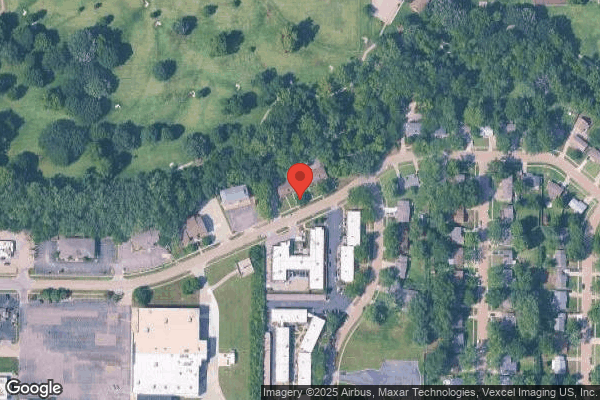
Jun 2024 1 deficiency 1 IJ
CRITICAL (J) 📢 Someone Reported This

A family member, employee, or ombudsman was alarmed enough to file a formal complaint

Immediate Jeopardy (IJ) - the most serious Medicare violation

Quality of Care (Tag F0684)

Someone could have died · This affected 1 resident

**NOTE- TERMS IN BRACKETS HAVE BEEN EDITED TO PROTECT CONFIDENTIALITY** The facility identified a census of 43 residents. The sample included five residents. Based on record review and interviews, the...

Read full inspector narrative →
**NOTE- TERMS IN BRACKETS HAVE BEEN EDITED TO PROTECT CONFIDENTIALITY** The facility identified a census of 43 residents. The sample included five residents. Based on record review and interviews, the facility failed to ensure Resident (R) 1 received care consistent with the standards of practice when staff failed to notify and obtain physician involvement regarding R1's multiple medication refusals including medications used to control seizures (violent involuntary series of contractions of a group of muscles). R1 refused all morning doses for his twice-daily Keppra (medication used to treat seizures) from [DATE] through [DATE]. R1's clinical record lacked evidence the staff reported the refusals to the physician for medical evaluation. On [DATE] at 04:02 PM, R1 sat in the dining room, talking to staff, when his legs began to shake and extend outward. He received Ativan (medication used to treat seizures and anxiety [mental or emotional reaction characterized by apprehension, uncertainty, and irrational fear]) 0.5 milligrams (mg) orally at 04:05 PM. At 04:07 PM, his full body stiffened, and staff took him to his room and assisted him into bed. At 04:10 PM, Consultant GG arrived at the facility and ordered an Ativan 2 mg injection for the seizure, which staff administered At 04:15 PM, staff administered an Ativan 4 mg injection for the ongoing seizure. At 04:16 PM, staff called Emergency Medical Services (EMS) and administered another dose of Ativan 2 mg via injection for the seizure. EMS arrived and transported R1 to the hospital. R1 admitted to the hospital and later died on [DATE]. The facility's failure to provide nursing care within the standards of practice including notification and involvement for medical oversight for repeated and ongoing seizure medication refusals placed R1 in immediate jeopardy. Findings included: - R1's clinical record documented a diagnosis of seizures and anxiety disorder. The Annual Minimum Data Set (MDS) dated [DATE], documented R1 had a Brief Interview for Mental Status (BIMS) score of five which indicated severe cognitive impairment. R1 had wandering behavior that occurred one to three days in the assessment period. R1 was independent with transfers; required set-up or clean-up assistance with eating, toileting hygiene, upper and lower body dressing, and putting on/taking off shoes; required supervision with oral hygiene; and required partial to moderate assistance with bathing and personal hygiene. R1's Care Plan dated [DATE], documented R1 had a seizure disorder and directed staff to administer seizure medications as ordered by the doctor, notify the nurse immediately if seizure activity occurred, and obtained labs as ordered and reported results to the doctor. The Orders tab of R1's EMR documented an order with a start date of [DATE] for Keppra 1000 mg 1.5 tablets two times a day for seizures. Review of R1's Medication Administration Record (MAR) for [DATE] to [DATE] revealed R1 refused his Keppra medication the following scheduled morning doses: [DATE], [DATE], [DATE], [DATE], [DATE], [DATE], [DATE], [DATE], [DATE], [DATE], [DATE], [DATE], [DATE], [DATE], [DATE], [DATE], [DATE], [DATE], and [DATE]. R1's MAR documented he spit out meds for his morning Keppra dose on [DATE] and [DATE]. R1's clinical record lacked evidence that staff notified the physician of R1's Keppra refusals from [DATE] to [DATE]. R1's clinical record revealed a progress note from Consultant GG for [DATE] that documented R1 was seen for a seizure. Nursing staff reported R1 was having tremors around 04:00 PM and he was given oral Ativan 0.5 mg. R1 went into full status epilepticus (a seizure that occurs continuously for much longer than usual or seizures that occur in quick succession with no time between the seizures for the person to recover) and Consultant GG gave an order for a 2 mg Ativan injection with no change in his seizure. The Ativan was repeated every 15 minutes until R1 was transferred to the emergency room by ambulance. Upon request, the facility provided Emergency Department (ED) Provider Notes for R1. The ED Provider Notes, dated [DATE], documented R1 presented from a nursing facility with concerns of seizures for the last hour and 15 minutes. R1's seizure activity apparently started around 04:00 PM. He was treated with oral lorazepam (Ativan) as well as lorazepam injections without improvement to seizure-like activity. EMS arrived at the facility and R1 continued to have seizure-like activity. EMS gave 4 mg intravenous (through a vein) lorazepam then phoned in indicating a code red patient was coming into the ED. Upon R1's arrival to the ED, he was nonresponsive and not responding to pain or verbal stimuli. The decision was made to intubate (tube inserted into a trachea [wind pipe] to assist with breathing) R1. On [DATE] at 12:56 PM, Certified Medication Aide (CMA) R stated if a resident refused a medication, she tried three more times then asked the nurse to try. She stated if a medication was refused a couple of days in a row, she let the nurse know. On [DATE] at 12:58 PM, Licensed Nurse (LN) G stated if a resident refused a medication, she tried to give it again, but it was their right to refuse. She stated the physician was notified daily if a resident refused medications or the provider was notified when they did rounds on Thursdays. LN G stated the physician notification was documented in medication notes which showed up with the progress notes. She stated she had not received any notification from any CMAs that R1 refused his Keppra medication. LN G stated she expected CMAs to notify the nurse if the resident refused any medications. On [DATE] at 01:09 PM, Administrative Nurse D stated on [DATE], R1 was in the dining room for an activity before dinner when she heard staff yelled for help; R1 looked like he was having a seizure. She stated the right side of R1's body was jerking but he was still talking. Consultant GG came in and ordered Ativan then staff took R1 to his room where he started seizing again and kept seizing. Administrative Nurse D stated Consultant GG ordered more Ativan for R1 and told staff to send him to the ER. She stated the Ativan was not working but when the ambulance arrived, R1 stopped presenting as seizing at that point and he left with EMS. Administrative Nurse D stated nobody had reported to her that R1 refused his Keppra and R1 did have a history of seizures. She stated she did not review R1's MAR. Administrative Nurse D stated if a resident refused a medication, staff were to let the nurse know so the nurse could notify the physician. She expected the nurse to notify the physician after every missed dose and the physician notification should be documented in the progress notes. After reviewing R1's [DATE] MAR,, Administrative Nurse D stated the missed morning doses of Keppra were not good. On [DATE] at 01:20 PM, CMA S stated R1 constantly refused his medications and if he refused medications, she told the nurse and charted it. She stated she charted it by using the refused option in the MAR and sometimes she put the nurse notification in the notes. CMA S stated she followed up with the nurse if a resident missed a couple of doses. She stated she did not remember the period of [DATE] to [DATE] and if R1 refused his Keppra. On [DATE] at 02:55 PM, Administrative Staff A stated she expected the CMA to notify the nurse if a resident refused a medication and for the nurse to notify the physician then chart the notification in the progress notes. On [DATE] at 03:00 PM, Consultant GG stated on [DATE] she came into the facility and was asked for an order for Ativan. She stated she went to R1's room within five minutes and he was still seizing. She stated she told staff to call 911. Consultant GG stated Ativan was given every 15 minutes, but the seizure did not stop. She stated she had been told several times on and off that R1 refused medications, but she was not aware that he had not taken his Keppra from [DATE] to [DATE]. Consultant GG stated she was usually notified of refused medications and if a resident refused two doses, she expected to be notified. The facility's Change in a Resident's Condition or Status, dated [DATE], directed the nurse notified the resident's attending physician or physician on call when there had been a refusal of treatment or medications. The policy directed the nurse recorded in the resident's medical record information related to changes in the resident's medical or mental condition or status. The facility failed to ensure R1 received care consistent with the standards of practice when staff failed to notify and obtain physician involvement regarding R1's multiple medication refusals including medications used to control seizures. R1 refused all morning doses for his twice-daily Keppra from [DATE] through [DATE]. R1's clinical record lacked evidence the staff reported the refusals to the physician for medical evaluation. On [DATE], R1 experienced a seizure that required medical intervention including emergency transportation to the hospital for evaluation. He was transferred to another hospital where he was admitted and died on [DATE]. The facility's failure to provide nursing care within the standards of practice including notification and involvement for medical oversight for repeated and ongoing seizure medication refusals placed R1 in immediate jeopardy. On [DATE] at 03:15 PM, Administrative Staff A received a copy of the Immediate Jeopardy Template and was informed of the facility failure to notify and obtain physician involvement regarding R1's multiple medication refusals for Keppra leading up to a seizure on [DATE], that required emergent medical intervention and admission to the hospital, placed R1 in immediate jeopardy. On [DATE], the facility completed the following corrective actions: The facility educated the CMA and nurses in the facility on medication refusals and notifications following medication refusals. The facility completed an audit of all missed medications for [DATE] and the physician was notified during the Ad Hoc Quality Assurance and Performance Improvement (QAPI) meeting on [DATE]. The surveyor verified removal of the immediacy on [DATE] at 04:49 PM. The deficient practice remained at the scope and severity of a G.
Apr 2023 14 deficiencies
CONCERN (D)

Potential for Harm - no one hurt, but risky conditions existed

Resident Rights (Tag F0550)

Could have caused harm · This affected 1 resident

**NOTE- TERMS IN BRACKETS HAVE BEEN EDITED TO PROTECT CONFIDENTIALITY** The facility had a census of 44 residents. The sample included 14 residents, with one reviewed for dignity. Based on observation...

Read full inspector narrative →
**NOTE- TERMS IN BRACKETS HAVE BEEN EDITED TO PROTECT CONFIDENTIALITY** The facility had a census of 44 residents. The sample included 14 residents, with one reviewed for dignity. Based on observation, record review, and interview, the facility failed to promote care in a manner to maintain and enhance dignity and respect for one sampled resident, Resident (R) 18, who was unnecessarily exposed. This placed the resident at risk for undignified care and services. Findings included: - The Electronic Medical Record (EMR) for R18 documented diagnoses of dementia with behavioral disturbance (progressive mental disorder characterized by failing memory), anxiety (mental or emotional reaction characterized by apprehension, uncertainty and irrational fear), Parkinson's disease (slowly progressive neurologic disorder characterized by resting tremor, rolling of the fingers, masklike faces, shuffling gait, muscle rigidity and weakness), and bipolar disorder (major mental illness that caused people to have episodes of severe high and low moods. R18's Quarterly Minimum Data Set (MDS), dated [DATE], documented R18 had severely impaired cognition and required extensive assistance of two staff for bed mobility, dressing, toileting, and extensive assistance and one staff for personal hygiene. The MDS further documented R18 had upper functional impairment on one side. The Care Plan, dated 03/20/23, directed staff to provide extensive assistance of two staff for repositioning in bed, provide extensive assistance with dressing, oral care, personal hygiene, and bathing. On 04/17/23 at 10:49 AM, observation revealed R18's door to her room was open and R18 laid in bed uncovered. Further observation revealed R18's sweatpants were down mid-thigh, and R18's incontinence brief was visible from the hall. Continued observation revealed staff took R18's roommate to the bathroom but did not cover R18. On 04/17/23 at 10:49 AM, Certified Nurse Aide P stated the reason R18's pants were down was because night shift got the resident partially dressed so when dayshift staff did cares on the resident, staff did not have to take down R18's pants if she had soiled her brief. CNA P stated R18 did not want to get up for breakfast and that R18's incontinence brief was not soiled. CNA P verified R18's sweat pants should have been pulled up. On 04/18/23 at 11:12 AM, Administrative Nurse D stated she thought R18 received her morning cares and did not understand why R18's pants were not pulled up as they should have been. The facility's Dignity policy, dated August 2009, documented staff shall promote, maintain and protect resident privacy, including bodily privacy during assistance with personal care and during treatment procedures, and each resident shall be cared for in a manner that promoted and enhanced quality of life, dignity, respect and individuality. The facility failed to promote care in a manner to maintain and enhance dignity and respect for R18, who was unnecessarily uncovered, exposing her incontinence brief. This placed the resident at risk for undignified care and services.
CONCERN (D)

Potential for Harm - no one hurt, but risky conditions existed

Deficiency F0561 (Tag F0561)

Could have caused harm · This affected 1 resident

**NOTE- TERMS IN BRACKETS HAVE BEEN EDITED TO PROTECT CONFIDENTIALITY** The facility had a census of 44 residents. The sample included 14 residents. Based on observation, record review and interview t...

Read full inspector narrative →
**NOTE- TERMS IN BRACKETS HAVE BEEN EDITED TO PROTECT CONFIDENTIALITY** The facility had a census of 44 residents. The sample included 14 residents. Based on observation, record review and interview the facility failed to honor Resident (R) 8's preference to receive two showers a week. This deficient practice placed R8 at risk for decreased self-determination and impaired psychosocial well-being. Findings included: - The Medical Diagnosis section within R8's Electronic Medical Record included diagnoses of rheumatoid factor of multiple sites (chronic inflammatory disease that affected joints and other organ systems), unspecified dislocation of right hip, cervicalgia (pain in or around the spice beneath the head), reduced mobility, muscle wasting and atrophy, weakness, difficulty in walking, depression (abnormal emotional state characterized by exaggerated feelings of sadness, worthlessness, emptiness and hopelessness), and need for assistance with personal care. The Quarterly Minimum Data Set (MDS), dated [DATE], documented R8 had intact cognition, had not exhibited behaviors, required physical help of one person with bathing, was not steady but able to stabilize without staff assistance. The MDS further documented R8 routinely received an antidepressant (medication to treat depression) and diuretic (medication to promote the formation and excretion of urine). The Activity of Daily Living (ADL) Care Area Assessment (CAA), dated 10/20/22, documented R8 ADL were impaired due to diagnosis of weakness and had comorbidities (two or more medical conditions or diseases). The ADL Care Plan, initiated 10/07/22, documented R8 had an ADL self-care performance deficit related to limited mobility. R8 ambulated independently with a walker, required one staff participation with bathing. On 04/17/23 at 10:48 AM, R8 reported she received at least one shower a week but would like a shower two times a week. R8 reported when the bath aide was pulled to work the floor, she did not receive the second shower for the week. On 04/18/23 at 10:15 AM Certified Nurse Aide (CNA) OO stated the residents were scheduled two showers a week. CNA OO reported she had been pulled to work the floor and if the facility was not able to find a replacement for the bath aide position, the residents had not received two showers that week. On 04/18/23 at 10:40 AM Administrative Nurse D stated the bath aide rarely got pulled to the floor and stated the bath aide not telling the full truth. Administrative Nurse D said at times, R8 would refuse showers Upon request the facility failed to provide a resident preference policy. The facility failed to honor R8's preference of receiving two showers a week which placed the resident at risk for decreased self-determination and impaired psychosocial well-being.
CONCERN (D)

Potential for Harm - no one hurt, but risky conditions existed

Deficiency F0583 (Tag F0583)

Could have caused harm · This affected 1 resident

The facility had a census of 44 residents. The sample included 14 residents. Based on observation, record review and interview, the facility failed keep Resident (R) 23's protected health information ...

Read full inspector narrative →
The facility had a census of 44 residents. The sample included 14 residents. Based on observation, record review and interview, the facility failed keep Resident (R) 23's protected health information (PHI) private on a medication cart parked in the hallway next to the nurse's station, placing the affected resident at risk for impaired privacy. Finds included: - On 04/10/23 at 07:29 AM observation revealed a medication cart parked across from the nurse's station with a laptop computer sitting on the top; there were no staff present. The laptop computer screen had R23's PHI on the screen visible to all who passed by the medication cart. The information visualized included R23's date of birth , allergy information, code status, and medications. On 04/10/23 at 07:32 AM Certified Medication Aide (CMA) R approached the cart and reported the laptop screen should not have been visible. CMA R said it should be closed when not attended. On 04/18/23 at 10:40 AM Administrative Nurse D verified the medication cart laptop computer screen should be closed or information hidden as not to reveal PHI. The facility's Computer Terminal/Workstation policy dated 04/2014, documented computer terminal and workstations will be positioned/shielded to ensure to protected PHI. The facility information is to be protected from public view or unauthorized access. Insofar as practical/feasible, computer terminals/workstations will be positioned or shielded so that screens are not visible to the public or to unauthorized staff. A user may not leave his/her workstation or terminal unattended unless the terminal screen is cleared, and user is logged off. The facility failed to keep maintain R23's privacy regarding PHI. This placed the resident at risk for impaired privacy.
CONCERN (D)

Potential for Harm - no one hurt, but risky conditions existed

Report Alleged Abuse (Tag F0609)

Could have caused harm · This affected 1 resident

**NOTE- TERMS IN BRACKETS HAVE BEEN EDITED TO PROTECT CONFIDENTIALITY** The facility had a census of 44 residents. The sample included 14 residents. Based on observation, record review, and interview,...

Read full inspector narrative →
**NOTE- TERMS IN BRACKETS HAVE BEEN EDITED TO PROTECT CONFIDENTIALITY** The facility had a census of 44 residents. The sample included 14 residents. Based on observation, record review, and interview, the facility failed to report to the state agency a resident-to-resident altercation between two sampled residents, R29 and R22. This placed the resident's at risk for further injury and unidentified abuse or mistreatment. Findings included: - The Electronic Medical Record (EMR) for R29 documented diagnoses of vascular dementia with behavioral disturbances (caused by impaired supply of the brain), traumatic brain injury (caused by an outside force, usually a violent blow to the head), assistance with personal cares, bipolar disorder (a disorder associated with episodes of mood swings ranging from depressive lows to manic highs), depression (abnormal emotional state characterized by exaggerated feelings of sadness) and schizophrenia (a serious mental condition involving a breakdown on the relation between thought, emotion, and behavior). R29's Quarterly Minimum Data Set (MDS), dated [DATE], documented R29 had moderately impaired cognition and required extensive assistance of one staff for toileting and personal hygiene, and limited assistance of one staff for bed mobility, transfers, and dressing, The MDS further documented R29 received antipsychotic (medication used to manage mental illness) and antidepressant (a medication used to treat depression) medication and had no behaviors. The Care Plan, dated 02/13/23, directed staff to administer R29's medication as ordered and observe/document for side effects, monitor and document his behavior of yelling out, encourage and allow open expression of feelings, social services as needed, documented a summary of each episode of behavior, and remove him from public area when behavior was disruptive and unacceptable. R29's EMR lacked evidence of a resident-to-resident altercation with R22 on 04/10/23. Upon request, the facility was unable to provide an investigation related to the resident-to-resident abuse and failed to provide evidence the resident-to-resident abuse was reported to the state agency. On 04/10/23 at 11:52 AM observation revealed R22 wandered in the dining room. R22 approached R29, who was seated at a table. R22 brushed against R29; both residents yelled out and R29 stuck R22 in the right arm. R22 then struck R29 in the arm. Activity Staff Z separated the residents and placed R22 at another table. Activity Staff Z reported that resident to resident altercations were reported to the nursing staff. Activity Staff Z stated the Administrative Nurse D and Administrative Nurse E were sitting in the office and witnessed what had happened between R22 and R29. On 04/17/23 at 01:14 PM, Administrative Nurse D stated she does not do any of the reporting to the state agency, the administrator did that, On 04/18/23 at 11:30 AM, Administrative Staff A stated he usually reported any incidents after an investigation was completed and waited to get direction from the corporate office. Administrative Staff said hehad not done so with this incident because he was told that there was not any contact between the two residents. The facility's Resident to Resident Altercation policy, dated 12/2016, documented all altercations, including those that may represent resident to resident abuse, shall be investigated and reported to the Nursing Supervisor, the Director of Nursing Service and the Administrator. If two residents are involved in an altercation, staff will report findings and corrective measures to appropriate agency as outlined in the facility's abuse reporting policy. The facility failed to report the resident to resident altercation between R22 and R29, who struck one another in the dining room on 4/10/23, which placed the residents at risk for further altercations and injury.
CONCERN (D)

Potential for Harm - no one hurt, but risky conditions existed

Investigate Abuse (Tag F0610)

Could have caused harm · This affected 1 resident

**NOTE- TERMS IN BRACKETS HAVE BEEN EDITED TO PROTECT CONFIDENTIALITY** - The Medical Diagnosis section within R22's Electronic Medical Record (EMR) included diagnoses of personal history of traumatic...

Read full inspector narrative →
**NOTE- TERMS IN BRACKETS HAVE BEEN EDITED TO PROTECT CONFIDENTIALITY** - The Medical Diagnosis section within R22's Electronic Medical Record (EMR) included diagnoses of personal history of traumatic brain injury, aphasia (condition with disordered or absent language function), receptive-expressive language disorder, bipolar disorder (major mental illness that caused people to have episodes of severe high and low moods), major depressive disorder (abnormal emotional state characterized by exaggerated feelings of sadness, worthlessness, emptiness and hopelessness), lack of coordination, urinary incontinence, Alzheimer's disease (progressive mental deterioration characterized by confusion and memory failure), dementia (progressive mental disorder characterized by failing memory, and confusion)severe with other behavioral disturbance and anxiety(mental or emotional reaction characterized by apprehension, uncertainty and irrational fear) disorder. The Quarterly Minimum Data Set (MDS), dated [DATE], documented R22 had severe cognitive impairment, and wandering occurred daily. He required extensive assistance of one staff for activities of daily living (ADL). R22 was always incontinent of urine and bowel and had loss of liquids/solids from mouth when eating and drinking. The MDS further documented R22 received an antipsychotic (class of medications used to treat severe mental conditions) and an antianxiety medication (medications used to relive excessive stress and/or worry) on a routine basis. The Behavior Care Plan, dated 02/01/23, recorded R22 demonstrated ineffective coping, agitation and yelling at others. R22 was aggressive and resistive to cares, had a history of picking up random items from the nurses' station, and TV room. R22 wanders and rummages in other resident rooms and attempts to grab food items. The care plan directed staff to give him an item or task in an attempt to distract, and to redirect when R22 attempted to enter other resident rooms. The Progress Note, date 03/30/22 at 11:16 AM, documented a referral had been made to a mental health medication management service. R22's EMR lacked docuemntation of the resident-to-resident altercation with R29 which occured on 04/10/23. Upon request, the facility was unable to provide an investigation related to the residnet-to-residnet situation and failed to provide evidence the residnet to resident abuse was reported to the state agency. On 04/10/23 at 11:52 AM observation revealed R22 wandered in the dining room. R22 approached R29, who was seated at a table. R22 brushed against R29; both residents yelled out and R29 stuck R22 in the right arm. R22 then struck R29 in the arm. Activity Staff Z separated the residents and placed R22 at another table. Activity Staff Z reported that resident to resident altercations were reported to the nursing staff. Activity Staff Z stated the Administrative Nurse D and Administrative Nurse E were sitting in the office and witnessed what had happened between R22 and R29. On 04/17/23 at 01:14 PM, Administrative Nurse D stated she heard hollering between R22 and R29 on 04/10/23, but she did not witness the resident-to-resident contact. Administrative Nurse D stated R22 and R29 had brushed against each other. When asked about the resident-to-resident situation where the resident struck each other on 04/10/23, Administrative Nurse D stated she had been notified of the physical altercation between the two residents. On 04/18/23 at 11:35 AM Administrative Staff A reported he reported incidents for investigation and reporting to the state agency with the guidance from the facility cooperation, and he had not been made aware of the resident to resident altercation. The facility's Resident to Resident Altercation policy, dated 12/2016, documented all altercations, including those that may represent resident to resident abuse, shall be investigated and reported to the Nursing Supervisor, the Director of Nursing Service and the Administrator. If two residents are involved in an altercation, staff will report findings and corrective measures to appropriate agency as outlined in the facility's abuse reporting policy. The facility failed to investigate the resident to resident altercation between R22 and R29, who struck one another in the dining room on 4/10/23, which placed the residents at risk for further altercations and injury. The facility had a census of 44 residents. The sample included 14 residents. Based on observation, record review, and interview, the facility failed to investigate a fall for Resident (R) 17, who fell during transport to dialysis (the process of removing excess water, solutes, and toxins from the blood in people whose kidneys can no longer perform these functions), and the facility failed to investigate a resident-to-resident altercation between two sampled residents, R29 and R22. This placed the resident's at risk for further injury and unidentified abuse or mistreatment. Findings included: - The Electronic Medical Record (EMR) for R17 documented diagnoses of hemiplegia (paralysis of partial or total body function on one side of the body) and hemiparesis (one-sided weakness but without complete paralysis) following a cerebral infarction (disrupted blood flow to the brain due to problems with blood vessels that supply it) affecting left dominant side, dysphagia (difficulty swallowing), end stage renal disease (kidney failure), diabetes mellitus type 2 (the body either doesn't; produce enough insulin or it resists insulin), and abnormal posture (abnormal positions of the body). R17's Medicare 5-Day Minimum Data Set (MDS), dated [DATE], documented R17 had severely impaired cognition and required extensive assistance of one staff for bed mobility, transfers, dressing, toileting, personal hygiene; R17 did not ambulate. The MDS further documented R17 had unsteady balance, had no functional impairment, and had two or more falls since admission or prior assessment. R17 was on dialysis. The Quarterly MDS, dated 03/08/23, documented R17 had moderately impaired cognition and required extensive assistance of one staff for bed mobility, transfers, dressing, toileting, personal hygiene; R17 did not ambulate. The MDS further documented R17 had unsteady balance, upper functional impairment on one side, had one fall with injury since prior assessment. R17 was on dialysis. The Fall Risk Assessments, dated 01/29/22, 02/25/22, 03/09/22, documented R17 was a high risk for falls. R17's Care Plan, dated 01/14/22, directed staff to add Dycem (non-slip material used to hold objects in place) to her wheelchair. An update, dated 01/23/22, directed staff to place a contour cushion in R17's wheelchair. An update, dated 02/28/22, directed therapy to evaluate the resident. An update, dated 03/16/22, directed staff to place the resident in the passenger seat with a seatbelt during transports on the transportation bus. The Physician Order, dated 01/11/22, directed staff to administer Humalog (insulin used to lower blood glucose levels), two units twice a day with a blood sugar check at 07:30 AM and 11:30 AM. This was discontinued on 02/24/22. The Physician Order, dated 02/24/22, directed staff to administer Humalog, five units, three times a day, with blood sugar checks at 08:00 AM, 12:00 PM, and 04:00 PM. The February 2022 Medication Administration Record lacked documentation a blood sugar check was completed at 08:00 AM on 02/25/22. The Nurses Note, dated 02/25/22 at 10:40 AM, documented R17 slid out of her wheelchair when she was being rolled off the van lift by a private transport company. The note further documented the transport driver assisted R17 back into her chair, and R17 stated she had not hit her head. The note documented the facility contacted R17's dialysis company and was informed R17 was confused and was being sent to the emergency room. The emergency room Report, dated 02/25/22, documented R17 presented with a low blood sugar of 111 and received intravenous (administered directly into the blood stream through a vein) dextrose (a form of simple sugar) and glucose (used to treat low blood sugar) which improved her blood sugar level to 187. R17's EMR lacked evidence or documentation an investigation was completed by the facility to determine the cause of the fall or to identify intervention aimed to prevent further occurrences. A Nurses Note, dated 03/15/22 at 06:45 PM, documented R17 returned to the facility from the emergency room without any new orders. On 04/11/23 at 03:38 PM, observation revealed Certified Nurse Aide (CNA) PP pushed R17 down the sidewalk towards the transportation van. Further observation revealed, the wheels on the wheelchair caught a crack in the sidewalk and R17 lurched forward and almost fell out of the wheelchair. Continued observation revealed CNA PP lowered the lift gate and took the resident into the bus. On 04/17/22 at 12:30 PM, Administrative Nurse D stated she did not investigate the fall on 02/25/22 because it happened off campus with the transport company. Administrative Nurse D further stated she did call the dialysis company and talked to the charge nurse about what happened but did not complete a formal investigation. The facility Falls-Clinical Protocol, dated September 2012, documented staff document risk factors for falling in the resident's record and discuss the resident's fall risk. The physician would identify medial conditions affecting fall risk and the risk for significant complications of falls. The staff would evaluate, and documents falls that occurred. For the resident who has fallen, staff would attempt to define possible causes within 24 hours of the fall and if the fall was unclear, the physician would review the situation and help identify contributing factors. The facility failed to investigate a fall related to R17's medical condition during a private transport to dialysis. This placed the resident at risk for further falls and injury.
CONCERN (D)

Potential for Harm - no one hurt, but risky conditions existed

Deficiency F0657 (Tag F0657)

Could have caused harm · This affected 1 resident

**NOTE- TERMS IN BRACKETS HAVE BEEN EDITED TO PROTECT CONFIDENTIALITY** The facility had a census of 44 residents. The sample included 14 residents. Based on observation, record review, and interview,...

Read full inspector narrative →
**NOTE- TERMS IN BRACKETS HAVE BEEN EDITED TO PROTECT CONFIDENTIALITY** The facility had a census of 44 residents. The sample included 14 residents. Based on observation, record review, and interview, the facility failed to review and revise Resident (R)8's care plan treatment for her fractured arm, and for R26's edema (swelling) monitoring and discontinuation of wrap treatment, which placed the residents at risk for inappropriate care or unmet care needs. Findings included: -The Medical Diagnosis section within R8's Electronic Medical Record included diagnoses of rheumatoid factor of multiple sites (chronic inflammatory disease that affected joints and other organ systems), unspecified dislocation of right hip, cervicalgia (pain in or around the spice beneath the head), reduced mobility, muscle wasting and atrophy, weakness, difficulty in walking, depression (abnormal emotional state characterized by exaggerated feelings of sadness, worthlessness, emptiness and hopelessness), and need for assistance with personal care. The Quarterly Minimum Data Set (MDS), dated [DATE], documented R8 had intact cognition, had not exhibited behaviors, required physical help of one person with bathing, was not steady but able to stabilize without staff assistance. The MDS further documented R8 routinely received an antidepressant (medication to treat depression) and diuretic (medication to promote the formation and excretion of urine). The Fall of Daily Living (ADL) Care Area Assessment (CAA), dated 10/20/22, documented R8 ADL were impaired due to diagnosis of weakness and had comorbidities (two or more medical conditions or diseases). The Fall Care Plan, initiated on 10/07/22, documented R8 at risk for falls related to unsteady gait. The care plan documented R8 was full weight bearing, to respond promptly to all request for assistance, to ensure R8 wore appropriate footwear when ambulated, and used walker when independently while in room and stand by assistance when ambulating out of room. R8's plan of care lacked direction regarding R8's non weight bearing status to her left arm and the need for an immobilizer at all times except during showers. The Progress Note dated 03/21/23 at 02:58 PM, documented R8 returned from a physician appointment with new orders of non- weight bearing (NWB) in left shoulder, to keep immobilizer on at all times, but may remove for showering. The Progress Note, dated 03/21/23 at 03:37 PM, documented R8 reported while at a doctor's office, an x-ray result revealed a fracture to her left arm/elbow. R8 reported on 03/17/23 she lost her balance and bumped her left arm on her bedside table. R8 returned to the facility with an immobilizer on and order to increase pain medication and had a follow up appointment on 03/30/23. On 04/17/23 at 10:48 AM, observation revealed R8 sat in her recliner in her room. R8 wore a black immobilizer to her left arm and reported continued pain, but staff provided her with pain medication. On 04/18/23 at 10:40 AM, Administrative Nurse D verified the care plan lacked problem and interventions for R8's fractured left arm. The facility's Comprehensive Assessments and the Care Delivery Process policy, revised on 12/2016, documented care planning and the care delivery process involving and analyzing information, choosing and initiated interventions, and then monitoring results and adjusting interventions. The facility failed to care plan R8's fractured left arm which placed the resident at risk for inappropriate care, unmet care needs, and further injuries. - The Electronic Medical Record (EMR) for R26 documented diagnoses of edema, hemiplegia (paralysis of partial or total body function on one side of the body) and hemiparesis (one-sided weakness but without complete paralysis) following a cerebral infarction (disrupted blood flow to the brain due to problems with blood vessels that supply it) affecting left dominant side, dysphagia (difficulty swallowing), apraxia (inability to perform particular purposive actions, as a result of brain damage), seizures (a neurological disorder marked by sudden recurrent episodes of sensory disturbance, loss of consciousness, or convulsions, associated with abnormal electrical activity in the brain), and hypertension (high blood pressure). R26's Quarterly Minimum Data Set (MDS), dated [DATE], documented R26 had intact cognition but had difficulty with new situations, R26 was dependent upon two staff for transfers, and required extensive assistance of two staff for bed mobility, dressing, and extensive assistance of one staff for toileting, locomotion, and personal hygiene. The MDS further documented R26 had upper and lower functional impairment on both sides and received a diuretic medication (treats fluid retention and swelling). The Care Plan, dated 01/31/, documented R26 used a Broda chair (positioning chair) for mobility which staff propelled. The care plan documented R26 was on diuretic therapy for her edema and directed staff to administer medication as ordered, apply 2ply wraps per doctor's order, observe for possible side effects every shift, and report any pertinent lab results to the physician The care plan lacked direction to staff on when to elevate the residents legs when in the Broda chair and the care plan had not resolved the 2 ply wraps that were discontinued on The Physician Order, dated 04/19/22, directed staff to administer hydrochlorothiazide (hctz-a diuretic medication), 25 milligrams (mg), by mouth, in the morning, for edema. The Physician Order, dated 08/12/22, directed staff to monitor for edema every shift, using the following scale: 1=mild, 2=moderate, 3=moderately severe, and 4=severe, every day and night shift. The Physician Order, dated 01/27/23, directed staff to apply 2-ply wraps on Monday, Wednesday, and Fridays, to R17's legs, on dayshift for edema. The order was discontinued on 03/24/23. The Physician Order, dated 03/26/23, directed staff to administer Lasix (a diuretic medication), 40 mg, by mouth, in the morning, for edema The Medication Administration Record for March 2023 documented R26's edema was moderate to moderately severe. The Medication Administration Record for April 2023 documented R26's edema was moderate to moderately severe. On 04/10/23 at 10:36 AM, observation revealed R26 sat in her Broda chair with her footrest down, and her legs dangling. Her ankles were noticeably edematous. On 04/10/23 at 03:19 PM, observation revealed, R26 in her Broda chair with footrest down, and her legs dangling. Her ankles were noticeably edematous. On 04/11/23 at 07:38 AM, observation revealed, R26 in her Broda chair with footrest down, and her legs dangling. Her ankles were noticeably edematous. On 04/11/23 at 10:00 AM, observation revealed, R26 in her Broda chair with footrest down, and her legs dangling. Her ankles were noticeably edematous. On 04/17/23 at 08:37 AM, observation revealed, R26 in her Broda chair with footrest down, and her legs dangling. Her ankles were noticeably edematous. On 04/17/23 at 10:48 AM, observation revealed, R26 in her Broda chair with footrest down, and her legs dangling. Her ankles were noticeably edematous. Certified Nurse Aide (CNA) P pulled down R26's socks and verified her legs and ankles were edematous as indentions from the slipper socks were apparent on both legs, but the left leg was worse. On 04/17/23 at 10:48 AM, CNA P stated staff do elevate R26's legs but the resident did not like them elevated. CNA P further stated they tried to get R26 to lay back in the Broda chair but R26 would [NAME] herself forward when she did not want it that way. On 04/18/23 at 08:32 AM, Licensed Nurse (LN) N stated staff documented R26's edema each shift and encouraged R26 to lay down. LN N said that even though R26 was partially nonverbal, she could tell staff that she did not want her feet and legs elevated. LN N stated the nurses were able to document in the resident's care plans and verified that the plan of care lacked evidence of the resident's refusal to have the footrest elevated on her Broda chair. LM N verified the 2-ply wrap was still on the care plan even though it had been discontinued. On 04/18/23 at 11:12 AM, Administrative Nurse D stated R26 recently had her wraps for her legs discontinued because R26 did not like them; she verified that staff should document when the resident refused to have her feet elevated and the care plan should be updated to reflect the changes and any refusal of care related to her edema. The facility's Comprehensive Assessments and the Care Delivery Process policy, dated December 2016, documented care planning and the care delivery process involve collecting and analyzing information, choosing and initiating interventions, monitoring results and adjusting interventions. Comprehensive assessments are conducted and coordinated by a registered nurse with appropriate participation other health professionals. Completed assessments are maintained for a minimum of 15 months and these assessments are used to develop, review, and revise the resident's comprehensive care plans. The facility failed to revise R26's care plan with directives related to her preferences to not have the footrest elevated on her Broda chair. This placed the resident at risk for inappropriate care and/or unmet care needs related to her edema.
CONCERN (D)

Potential for Harm - no one hurt, but risky conditions existed

Quality of Care (Tag F0684)

Could have caused harm · This affected 1 resident

**NOTE- TERMS IN BRACKETS HAVE BEEN EDITED TO PROTECT CONFIDENTIALITY** The facility had a census of 44 residents. The sample included 14 residents, with one reviewed for edema (swelling). Based on ob...

Read full inspector narrative →
**NOTE- TERMS IN BRACKETS HAVE BEEN EDITED TO PROTECT CONFIDENTIALITY** The facility had a census of 44 residents. The sample included 14 residents, with one reviewed for edema (swelling). Based on observation, record review, and interview, the facility failed to apply the standards of practice as related to dependent edema when staff failed to elevate Resident (R)26's legs to decrease the edema in her legs. This placed the resident at risk for complications related to edema. Findings included: - The Electronic Medical Record (EMR) for R26 documented diagnoses of edema, hemiplegia (paralysis of partial or total body function on one side of the body) and hemiparesis (one-sided weakness but without complete paralysis) following a cerebral infarction (disrupted blood flow to the brain due to problems with blood vessels that supply it) affecting left dominant side, dysphagia (difficulty swallowing), apraxia (inability to perform particular purposive actions, as a result of brain damage), seizures (a neurological disorder marked by sudden recurrent episodes of sensory disturbance, loss of consciousness, or convulsions, associated with abnormal electrical activity in the brain), and hypertension (high blood pressure). R26's Quarterly Minimum Data Set (MDS), dated [DATE], documented R26 had intact cognition but had difficulty with new situations, R26 was dependent upon two staff for transfers, and required extensive assistance of two staff for bed mobility, dressing, and extensive assistance of one staff for toileting, locomotion, and personal hygiene. The MDS further documented R26 had upper and lower functional impairment on both sides and received a diuretic medication (treats fluid retention and swelling). The Care Plan, dated 01/31/, documented R26 used a Broda chair (positioning chair) for mobility which staff propelled. The care plan documented R26 was on diuretic therapy for her edema and directed staff to administer medication as ordered, apply 2ply wraps per doctor's order, observe for possible side effects every shift, and report any pertinent lab results to the physician The care plan lacked direction to staff on when to elevate the residents legs when in the Broda chair. The Physician Order, dated 04/19/22, directed staff to administer hydrochlorothiazide (hctz-a diuretic medication), 25 milligrams (mg), by mouth, in the morning, for edema. The Physician Order, dated 08/12/22, directed staff to monitor for edema every shift, using the following scale: 1=mild, 2=moderate, 3=moderately severe, and 4=severe, every day and night shift. The Physician Order, dated 01/27/23, directed staff to apply 2-ply wraps on Monday, Wednesday, and Fridays, to R17's legs, on dayshift for edema. The order was discontinued on 03/24/23. The Physician Order, dated 03/26/23, directed staff to administer Lasix (a diuretic medication), 40 mg, by mouth, in the morning, for edema The Medication Administration Record for March 2023 documented R26's edema was moderate to moderately severe. The Medication Administration Record for April 2023 documented R26's edema was moderate to moderately severe. On 04/10/23 at 10:36 AM, observation revealed R26 sat in her Broda chair with her footrest down, and her legs dangling. Her ankles were noticeably edematous. On 04/10/23 at 03:19 PM, observation revealed, R26 in her Broda chair with footrest down, and her legs dangling. Her ankles were noticeably edematous. On 04/11/23 at 07:38 AM, observation revealed, R26 in her Broda chair with footrest down, and her legs dangling. Her ankles were noticeably edematous. On 04/11/23 at 10:00 AM, observation revealed, R26 in her Broda chair with footrest down, and her legs dangling. Her ankles were noticeably edematous. On 04/17/23 at 08:37 AM, observation revealed, R26 in her Broda chair with footrest down, and her legs dangling. Her ankles were noticeably edematous. On 04/17/23 at 10:48 AM, observation revealed, R26 in her Broda chair with footrest down, and her legs dangling. Her ankles were noticeably edematous. Certified Nurse Aide (CNA) P pulled down R26's socks and verified her legs and ankles were edematous as indentions from the slipper socks were apparent on both legs, but the left leg was worse. On 04/17/23 at 10:48 AM, CNA P stated staff do elevate R26's legs but the resident did not like them elevated. CNA P further stated they tried to get R26 to lay back in the Broda chair but R26 would [NAME] herself forward when she did not want it that way. On 04/18/23 at 08:32 AM, Licensed Nurse (LN) N stated staff documented R26's edema each shift and encouraged R26 to lay down. LN N said that even though R26 was partially nonverbal, she could tell staff that she did not want her feet and legs elevated. LN N stated the nurses were able to document in the resident's care plans and verified that the plan of care lacked evidence of the resident's refusal to have the foot rest elevated on her Broda chair. LM N verified the 2-ply wrap was still on the care plan even though it had been discontinued. On 04/18/23 at 11:12 AM, Administrative Nurse D stated R26 recently had her wraps for her legs discontinued because R26 did not like them; she verified that staff should document when the resident refused to have her feet elevated. The facility's Repositioning policy, dated May 2011, documented the policy provided guidelines for the evaluation of resident repositioning needs, to aid in the development of an individualized care plan for repositioning, to promote comfort for all bed or chair bound residents and to prevent skin breakdown, prompted circulation and provide pressure relief. The policy further documented for chair bound residents, to assist the resident to changed his or her position an notify the supervisor if the resident refused. The facility failed to ensure R26's legs were elevated per standards of practice related to treatment of dependent edema to prevent increased swelling in R26's legs. This placed the resident at risk for further complications related to edema.
CONCERN (D)

Potential for Harm - no one hurt, but risky conditions existed

Accident Prevention (Tag F0689)

Could have caused harm · This affected 1 resident

**NOTE- TERMS IN BRACKETS HAVE BEEN EDITED TO PROTECT CONFIDENTIALITY** The facility had a census of 44 residents. The sample included 14 residents. Based on observation, record review and interview, ...

Read full inspector narrative →
**NOTE- TERMS IN BRACKETS HAVE BEEN EDITED TO PROTECT CONFIDENTIALITY** The facility had a census of 44 residents. The sample included 14 residents. Based on observation, record review and interview, the facility failed to identify and implement interventions to prevent falls for Resident(R) 8 and the facility further failed to investigate R17's fall during transport and failed to ensure R17's was safely secured during transportation. These deficient practices placed the residents at risk for injuries related to falls and avoidable accidents. Findings included: - The Medical Diagnosis section within R8's Electronic Medical Record included diagnoses of rheumatoid factor of multiple sites (chronic inflammatory disease that affected joints and other organ systems), unspecified dislocation of right hip, cervicalgia (pain in or around the spice beneath the head), reduced mobility, muscle wasting and atrophy, weakness, difficulty in walking, depression (abnormal emotional state characterized by exaggerated feelings of sadness, worthlessness, emptiness and hopelessness), and need for assistance with personal care. The Quarterly Minimum Data Set (MDS), dated [DATE], documented R8 had intact cognition, had not exhibited behaviors, required physical help of one person with bathing, and was not steady but able to stabilize without staff assistance. The MDS further documented R8 routinely received an antidepressant (medication to treat depression) and diuretic (medication to promote the formation and excretion of urine). The Activities of Daily Living (ADL) Care Area Assessment (CAA), dated 10/20/22, documented R8 ADL were impaired due to diagnosis of weakness, and she had comorbidities (two or more medical conditions or diseases). The Fall Care Plan, initiated on 10/07/22, documented R8 was at risk for falls related to unsteady gait. The care plan documented R8 was full weight bearing and directed staff to respond promptly to all request for assistance; ensure R8 wore appropriate footwear when ambulated. The care plan directed staff to ensure R8 used a walker when independently walking while in her room and to provide stand by assistance when R8 ambulated out of room. The Progress Note dated 03/21/23 at 03:37 PM, documented R8 reported while at a doctor's office, an x-ray of R8 result revealed a fracture to her left arm/elbow. R8 stated that on 03/17/23 she lost her balance and bumped her left arm on her bedside table. R8 returned to the facility with an immobilizer on and order to increase pain medication and had a follow up appointment on 03/30/23. The Progress Note, dated 03/21/23 at 02:58 PM, documented R8 returned from a physician appointment with new orders of non-weight bearing (NWB) in left shoulder. The order directed to keep immobilizer on at all times but may remove for showering. The medical record lacked further information related to utilizing immobilizer. On 04/17/23 at 10:48 AM, observation revealed R8 sat in her recliner in her room. She wore a black immobilizer to her left arm and reported continued pain, but stated staff provided her with pain medication. On 04/17/23 at 01:20 PM Administrative Nurse D reported there had been an investigation on the fall that occurred on 03/17/23 but she was unsure what interventions were put in place. Administrative Nurse D reported R8 had terrible arthritis and was independent with a walker. On 04/17/23 at 02:50 PM Administrative Nurse D stated R8 reported she bumped the table, when she lost her balance. The facility's Falls-Clinical Protocol policy, revised date 09/2012, documented staff would document risk factors for falls in the resident's record and discuss the resident's falls risk. Falls often have medical causes. The staff will evaluate, and document falls that occur while the individual is in the facility. The facility failed to identify and investigate the occurrence related to R8's fracture of left arm, which placed the resident at risk for ongoing falls and injuries. - The Electronic Medical Record (EMR) for R17 documented diagnoses of hemiplegia (paralysis of partial or total body function on one side of the body) and hemiparesis (one-sided weakness but without complete paralysis) following a cerebral infarction (disrupted blood flow to the brain due to problems with blood vessels that supply it) affecting left dominant side, dysphagia (difficulty swallowing), end stage renal disease (kidney failure), diabetes mellitus type 2 (the body either doesn't; produce enough insulin or it resists insulin), and abnormal posture (abnormal positions of the body). R17's Medicare 5-Day Minimum Data Set (MDS), dated [DATE], documented R17 had severely impaired cognition and required extensive assistance of one staff for bed mobility, transfers, dressing, toileting, personal hygiene; R17 did not ambulate. The MDS further documented R17 had unsteady balance, had no functional impairment, and had two or more falls since admission or prior assessment. R17 was on dialysis (the process of removing excess water, solutes, and toxins from the blood in people whose kidneys can no longer perform these functions). The Quarterly MDS, dated 03/08/23, documented R17 had moderately impaired cognition and required extensive assistance of one staff for bed mobility, transfers, dressing, toileting, personal hygiene; R17 did not ambulate. The MDS further documented R17 had unsteady balance, upper functional impairment on one side, had one i fall with injury since prior assessment. R17 was on dialysis. The Fall Risk Assessments, dated 01/29/22, 02/25/22, 03/09/22, documented R17 was a high risk for falls. The Care Plan, dated 01/14/22, directed staff to add Dycem (non-slip material used to hold objects in place) to her wheelchair. An update, dated 01/23/22, directed staff to place a contour cushion in R17's wheelchair. An update, dated 02/28/22, directed therapy to evaluate the resident. An update, dated 03/16/22, directed staff to place the resident in the passenger seat with a seatbelt during transports on the transportation bus. The Physician Order, dated 01/11/22, directed staff to administer Humalog (insulin used to lower blood glucose levels), two units twice a day with a blood sugar check at 07:30 AM and 11:30 AM. This was discontinued on 02/24/22. The Physician Order, dated 02/24/22, directed staff to administer Humalog, five units, three times a day, with blood sugar checks at 08:00 AM, 12:00 PM, and 04:00 PM. The February 2022 Medication Administration Record lacked documentation a blood sugar check was completed at 08:00 AM on 02/25/22. The Nurses Note, dated 02/25/22 at 10:40 AM, documented R17 slid out of her wheelchair when she was being rolled off the van lift by a private transport company. The note further documented the transport driver assisted R17 back into her chair, and R17 stated she had not hit her head. The note documented the facility contacted R17's dialysis company and was informed R17 was confused, and was being sent to the emergency room. The emergency room Report, dated 02/25/22, documented R17 presented with a low blood sugar of 111 and received intravenous (administered directly into the blood stream through a vein) dextrose (a form of simple sugar) and glucose (used to treat low blood sugar) which improved her blood sugar level to 187. R17's EMR lacked evidence or documentation an investigation was completed by the facility to determine the cause of the fall or to identify intervention aimed to prevent further occurrences. A Nurses Note, dated 03/15/22 at 06:45 PM, documented R17 returned to the facility from the emergency room without any new orders. A Fall Investigation, dated 03/16/22 at 02:30 PM, documented the facility transportation transported R17 from dialysis to the facility when a car in front of the transportation van made an abrupt stop. As the facility driver applied the brakes on the van, he heard a noise in the back and observed R17 on the floor of the van in a semi-seated position. The investigation further documented the seat belt was still in place on the chair and the resident stated I slid out. The investigation documented the driver pulled over and assisted the resident back into her chair, adjusted and secured the seat belt, and made sure the chair belt anchors were properly secured. The driver returned with the resident to the facility where R17 was assessed and had a scratch on the bridge of her nose and an abrasion on her forehead. d R17 was taken to the emergency room for evaluation. The investigation root cause analysis documented R17 had poor truck control and weakness related to post dialysis and recommended R17 sit in the passenger seat during transports. On 04/11/23 at 03:38 PM, observation revealed Certified Nurse Aide (CNA) PP pushed R17 down the sidewalk towards the transportation van Further observation revealed, the wheels on the wheelchair caught a crack in the sidewalk and R17 lurched forward and almost fell out of the wheelchair. Continued observation revealed CNA PP lowered the lift gate and took the resident into the bus. On 04/17/22 at 12:30 PM, Administrative Nurse D stated she did not investigate the fall on 2/25/22 because it happened off campus with the transport company. Administrative Nurse D further stated she did call the dialysis company and talked to the charge nurse about what happened but did not complete a formal investigation. On 04/18/22 at 10:20 AM, CNA PP stated he had only been doing the transports for two weeks when R17 slid out of the wheelchair. CNA PP stated, when he put the seat belt over R17 in her chair, he missed a step with the seat belt strap and the belt anchor on the floor of the bus so R17 was not secure in the wheelchair. CNA PP stated he had been trained prior to the incident and had to demonstrate how to correctly strap in the resident prior to becoming the transport person. CNA PP stated he was in serviced after the incident and he has not had any other incidents since. On 04/18/22 at 12:30 PM, Administrative Nurse D stated she had not been aware the resident was not properly secured while in the transport bus and stated CNA PP had been reeducated after the incident but has the facility had not completed any other checks o audits on CNA PP to ensure he was buckling in residents correctly prior to transport. The facility Falls-Clinical Protocol, dated September 2012, documented staff document risk factors for falling in the resident's record and discuss the resident's fall risk. The physician would identify medial conditions affecting fall risk and the risk for significant complications of falls. The staff would evaluate and documents falls that occurred. For the resident who has fallen, staff would attempt to define possible causes within 24 hours of the fall and if the fall was unclear, the physician would review the situation and help identify contributing factors. The facility's Van Driver Orientation Checklist undated, documented instruct and review resident lifting and transfer to wheelchair procedures for proficiency to avoid injury. The trainer must instruct and observe return demonstration by employee on the correct procedure for securing a wheel-chair resident and ambulatory resident in the van. Instruct and return demonstrate proficiency of securing a wheelchair and required use of a shoulder/waist seatbelt for a wheelchair. The facility failed to investigate a fall related to R17's medical condition during a private transport to dialysis and on a seperate occassion, failed to properly secure R17 during transport, which caused a fall out of her wheelchair. This placed the resident at risk for further falls and injury.
CONCERN (D)

Potential for Harm - no one hurt, but risky conditions existed

Deficiency F0757 (Tag F0757)

Could have caused harm · This affected 1 resident

**NOTE- TERMS IN BRACKETS HAVE BEEN EDITED TO PROTECT CONFIDENTIALITY** The facility had a census of 44 residents. The sample included 14 residents, with five reviewed for unnecessary medications. Bas...

Read full inspector narrative →
**NOTE- TERMS IN BRACKETS HAVE BEEN EDITED TO PROTECT CONFIDENTIALITY** The facility had a census of 44 residents. The sample included 14 residents, with five reviewed for unnecessary medications. Based on observation, record review, and interview, the facility failed to obtain physician ordered blood sugars for one sampled resident, Resident (R) 17, who received insulin (medication used to treat high blood glucose). This placed the resident at risk for complications related to high or low blood sugars. Findings included: - The Electronic Medical Record (EMR) for R17 documented diagnoses of hemiplegia (paralysis of partial or total body function on one side of the body) and hemiparesis (one-sided weakness but without complete paralysis) following a cerebral infarction (disrupted blood flow to the brain due to problems with blood vessels that supply it) affecting left dominant side, dysphagia (difficulty swallowing), end stage renal disease (kidney failure), diabetes mellitus type 2 (the body either doesn't; produce enough insulin or it resists insulin), and abnormal posture (abnormal positions of the body). R17's Quarterly Minimum Data Set (MDS), dated [DATE], documented R17 had moderately impaired cognition and required extensive assistance of one staff for bed mobility, transfers, dressing, toileting, personal hygiene; R17 did not ambulate. R17 was on dialysis (the process of removing excess water, solutes, and toxins from the blood in people whose kidneys can no longer perform these functions). The Care Plan, dated 02/01/23, directed staff to administer diabetes medication as physician ordered, observe for signs and symptoms of hypoglycemia (low blood sugar and hyperglycemia (high blood sugar), and discuss the importance of compliance with dietary restrictions. The Physician Order, dated 01/11/22, directed staff to administer Humalog (insulin used to lower blood glucose levels), two units twice a day with a blood sugar check at 07:30 AM and 11:30 AM. This was discontinued on 02/24/22. The Physician Order, dated 02/24/22, directed staff to administer Humalog, five units, three times a day, with blood sugar checks at 08:00 AM, 12:00 PM, and 04:00 PM. The February 2022 Medication Administration Record lacked documentation a blood sugar check was completed at 08:00 AM on 02/25/22. The Nurses Note, dated 02/25/22 at 10:40 AM, documented R17 slid out of her wheelchair when she was being rolled off the van lift by a private transport company. The note further documented the transport driver assisted R17 back into her chair, and R17 stated she had not hit her head. The note documented the facility contacted R17's dialysis company and was informed R17 was confused and was being sent to the emergency room. The emergency room Report, dated 02/25/22, documented R17 presented with a low blood sugar of 111 and received intravenous (administered directly into the blood stream through a vein) dextrose (a form of simple sugar) and glucose (used to treat low blood sugar) which improved her blood sugar level to 187. A Nurses Note, dated 03/15/22 at 06:45 PM, documented R17 returned to the facility from the emergency room without any new orders. On 04/11/23 at 07:41 AM, observation revealed R17 sat in the dining room eating breakfast. On 04/17/22 at 04:26 PM, Administrative Nurse F stated she was the nurse on duty on 02/25/22 and had taken R17's blood sugar that morning before dialysis but she did not document it because the insulin order changed on 02/24/22 and did not populate correctly and did not have a place to document the blood sugar. When asked by this surveyor why she didn't document the blood sugar reading in nurse's notes, she stated she had been in a hurry to get the resident off to dialysis. On 04/18/23 at 11:12 AM, Administrative Nurse D stated Administrative Nurse F should have made sure she documented R17's blood sugar prior to leaving for dialysis. A policy for blood sugar monitoring was not provided by the facility. The facility failed to obtain a physician ordered blood sugar for R17, which placed the resident at risk for complications related to her diabetes mellitus type 2.
CONCERN (E)

Potential for Harm - no one hurt, but risky conditions existed

Grievances (Tag F0585)

Could have caused harm · This affected multiple residents

The facility had a census of 44 residents. The sample included 14 residents. Based on observation, record review, and interview, the facility failed to follow-up or resolve resident grievances, placin...

Read full inspector narrative →
The facility had a census of 44 residents. The sample included 14 residents. Based on observation, record review, and interview, the facility failed to follow-up or resolve resident grievances, placing the residents at risk for unresolved concerns leading to decreased quality of life. Findings included: - On 04/11/23 at 10:00 AM, during private discussion with the residents of the resident council, residents verbalized an ongoing concern regarding not receiving baths or showers. Council members verbalized no resolution from the facility regarding the council's grievance. Review of the resident council meeting minutes for past year, revealed on 02/21/23 and 03/21/23, resident council expressed grievances regarding not receiving baths or showers. The council minutes lacked documentation of the facility's action or follow up with the council to resolve resident grievances. Review of the facility's grievance log lacked documentation of grievances verbalized by the council. Onsite observations for the duration of the survey revealed residents who appeared unclean, with unwashed hair, unshaven, and /or soiled clothing and/or residents with complaints regarding bathing. (Refer to F561 and F677) On 04/17/23 at 09:20 AM, Administrative Staff A stated resident council grievances were reviewed in daily department head meetings. Administrative Staff A stated he expected follow up on resident council grievances and said the facility should respond back to the council with resolution of the grievance. Administrative Staff A verified the facility had not responded to the resident council regarding grievances of not receiving baths or showers as scheduled. The facility's Grievance Policy, dated 04/2017, stated Residents may present any concerns they have through a grievance resolution procedure. This facility attempts to resolve promptly all concerns. Residents have the right to receive prompt efforts by management. Grievances are to be followed up on and response provided to the individual or group with the resolution of the concern. The facility's Resident Council, policy dated 12/2008, stated the residents shall meet once a month to discuss any problems they may had and the facility will work towards alleviating these grievances. The facility failed to respond to resident council grievances, placing the residents in the facility at risk for unresolved issues leading to decreased quality of life.
CONCERN (E)

Potential for Harm - no one hurt, but risky conditions existed

ADL Care (Tag F0677)

Could have caused harm · This affected multiple residents

**NOTE- TERMS IN BRACKETS HAVE BEEN EDITED TO PROTECT CONFIDENTIALITY** -The Medical Diagnosis section within R22's Electronic Medical Record (EMR) included diagnoses of personal history of traumatic ...

Read full inspector narrative →
**NOTE- TERMS IN BRACKETS HAVE BEEN EDITED TO PROTECT CONFIDENTIALITY** -The Medical Diagnosis section within R22's Electronic Medical Record (EMR) included diagnoses of personal history of traumatic brain injury, aphasia (condition with disordered or absent language function), receptive-expressive language disorder, bipolar disorder (major mental illness that caused people to have episodes of severe high and low moods), major depressive disorder (abnormal emotional state characterized by exaggerated feelings of sadness, worthlessness, emptiness and hopelessness), lack of coordination, urinary incontinence, Alzheimer's disease (progressive mental deterioration characterized by confusion and memory failure), dementia (progressive mental disorder characterized by failing memory, and confusion)severe with other behavioral disturbance and anxiety(mental or emotional reaction characterized by apprehension, uncertainty and irrational fear) disorder. The Quarterly Minimum Data Set (MDS), dated [DATE], documented R22 have severe cognitive impairment, wandering occurred daily, required extensive assistance of one staff for activities of daily living (ADLs). R22 was always incontinent of urine and bowel and had loss of liquids/solids from mouth when eating and drinking. The MDS further documented R22 received an antipsychotic (class of medications used to treat severe mental conditions) and an antianxiety medication (medications used to relive excessive stress and/or worry) on a routine basis. The Significant Change Care Area Assessment (CAA), dated 01/27/23, documented R22 had cognitive loss/dementia and psychotropic (medications used to alter mood or thought) drug use had been due to the diagnosis of weakness and comorbidities. The ADL Self Care Plan, dated 02/01/23, documented R22 had an ADL self-care performance deficit related to impaired balance and limited mobility. The care plan documented R22 required one staff with bathing twice a week. The care plan did not address shaving the resident. The Bathing Record Review revealed R22 had not had facial hair shaved the month of February and March 2023 on bath days, nor between baths. On 04/11/23 at 08:02 AM observation revealed R22 in the dining room for breakfast. He was unshaven and disheveled and wore very soiled yellow gripper socks. On 04/17/23 at 10:56 AM observation revealed R22 roaming the hallways in his wheelchair. He had thick facial hair. R22 drooled and had secretions on his red shirt. R22was also carrying around a yellow sweatshirt on a hanger and tube of lotion in his hands. On 04/11/23 at 08:57 AM Certified Nurse Aide (CNA) N reported R22 was resistive to cares first things in the morning and was cooperative with cares other times of the day. Observation revealed the resident responded to the CNA's yes and no questions and cooperated with a brief and shirt change. On 04/18/23 at 10:15 AM CNA OO reported R22 was able to answer yes and no by nodding to questions, pick out the cloths he wanted to wear, and was cooperative during showers. She said she had not shaved R22 recently, due to an electric razor was missing. CNA OO verified R22 could be shaved with shaving cream and disposable razor. On 04/18/23 at 10:40 AM Administrative Nurse D stated R22 had behaviors and refused to let someone shave him. Administrative Nurse D stated if R22 would allow someone to shave him, R22 should be shaved. Upon request the facility did not provide a personal hygiene policy. The facility's Dignity policy, dated 08/2009, stated residents will be cared for in a manner that enhances quality of life. The facility failed to shave R22 during ADL care and showers. This placed the resident risk unmet grooming and hygiene needs. The facility had a census of 44 residents. The sample included 14 residents, with eight reviewed for activities of daily living (ADLs). Based on observation, record review, and interview, the facility failed to provide consistent bathing services as care planned for four sampled residents, Resident (R) 27, R29, R2, and R22. This placed the residents at risk for poor hygiene. Findings included: - The Electronic Medical Record (EMR) for R27 documented diagnoses of dementia (progressive mental disorder characterized by failing memory), depression (abnormal emotional state characterized by exaggerated feelings of sadness), and dysphagia (difficulty swallowing). R27's Annual Minimum Data Set (MDS), dated [DATE], documented R27 had severely impaired cognition and required extensive assistance of bed mobility, transfers, dressing, toileting, and personal hygiene. The assessment further documented R27 received extensive assistance of one staff for bathing. The Care Plan, dated 04/10/23, documented R27 required extensive assistance of one staff for bathing and assist with bathing twice a week. The February 2023 Bathing Report documented R27 requested showers or baths on Tuesday and Friday and lacked documentation R27 received the requested two showers. The EMR lacked documentation R27 refused her bath or shower. The March 2023 Bathing Report documented R27 requested showers or baths on Tuesday and Friday and lacked documentation R27 received the requested two showers. The EMR lacked documentation R27 refused her bath or showers. On 04/10/23 at 10:00 AM, observation revealed R27 in the hallway by the dining room. Her sweatshirt and pants had multiple dried stains. R27's bangs were pulled back with a hair band, and the back of her hair was uncombed. On 04/17/23 at 08:35 AM, observation revealed R27's bangs pulled back with a hair band. Her hair was greasy, and the back of her hair was uncombed. On 04/18/23 at 08:39 AM, Licensed Nurse (LN) G stated R27 did refuse cares and would tell the bath aide she didn't want a bath at times. LN G stated that most of the time, R27 would take a shower. On 04/18/23 at 10:15 AM, Certified Nurse Aide (CNA) OO, stated the residents were able to pick the two days a week they wanted a bath or shower. CNA OO stated she was pulled to work the floor as a CNA and if the facility could not find someone to do the showers, the showers did not get done. On 04/18/23 at 11:12 AM, Administrative Nurse D stated she expected staff to make sure the residents were clean and groomed. The facility's Shower, Tub Bath policy, dated October 2010, documented the policy promotes cleanliness, provides comfort to the resident and observation of the resident's skin. The policy further documented, if a resident refused, notify the supervisor, and report any other information in accordance with facility policy and professional standards of practice. The facility failed to provide R27 bathing services as care planned, placing the resident at risk for poor hygiene. - The Electronic Medical Record (EMR) for R29 documented diagnoses of vascular dementia with behavioral disturbances (caused by impaired supply of the brain), traumatic brain injury (caused by an outside force, usually a violent blow to the head), assistance with personal cares, bipolar disorder (a disorder associated with episodes of mood swings ranging from depressive lows to manic highs), and depression (abnormal emotional state characterized by exaggerated feelings of sadness). R29's Quarterly Minimum Data Set (MDS), dated [DATE], documented R29 had moderately impaired cognition and required extensive assistance of one staff for toileting and personal hygiene, and limited assistance of one staff for bed mobility, transfers, and dressing, The MDS further documented R29 required extensive assistance of one staff for bathing. The Care Plan, dated 02/13/23, documented R29 required extensive assistance of one staff for bathing and assist with bathing twice a week. The January 2023 Bathing Report documented R29 requested baths or showers on Tuesday and Friday and lacked documentation R29 received the requested two showers a week. The EMR lacked documentation R29 refused his bath or showers. The February 2023 Bathing Report documented R29 requested baths or showers on Tuesday and Friday and lacked documentation R29 received the requested two showers a week. The EMR lacked documentation R29 refused his bath or showers. The March 2023 Bathing Report documented R29 requested baths or showers on Tuesday and Friday and lacked documentation R29 received the requested two showers a week. The EMR lacked documentation R29 refused his bath or showers. On 04/10/23 at 11:49 AM, observation revealed R29's hair was matted and tangled on the back of his head. On 04/11/23 at 07:42 AM, observation revealed R29's hair still matted and tangled on the back of his head. On 04/18/23 at 07:52 AM, observation revealed R29's hair continued to be matted and tangled on the back of his head. On 04/18/23 at 08:44 AM, Licensed Nurse (LN) G stated R29 did not refuse his baths and staff assisted him but staff tried to encourage R29 to do things for himself. On 04/18/23 at 10:15 AM, Certified Nurse Aide (CNA) OO, stated the residents were able to pick the two days a week they wanted a bath or shower. CNA OO and stated she has been pulled was pulled to work the floor as a CNA and if the facility could not find someone to do the showers, the showers did not get done. On 04/18/23 at 11:12 AM, Administrative Nurse D stated she expected staff to make sure the residents were clean and groomed. The facility's Shower, Tub Bath policy, dated October 2010, documented the policy promotes cleanliness, provides comfort to the resident and observation of the resident's skin. The policy further documented, if a resident refused, notify the supervisor, and report any other information in accordance with facility policy and professional standards of practice. The facility failed to provide R29 bathing services as care planned, placing the resident at risk for poor hygiene.- The Electronic Medical Record (EMR) documented Resident (R) 2 had diagnoses of hypertension (high blood pressure), congestive heart failure (a condition with low heart output and the body becomes congested with fluid), chronic pain (persistent pain that lasts weeks to years and may be caused by inflammation or dysfunctional nerves), dementia (a group of thinking and social symptoms that interferes with daily functioning) and psychotic disturbance (mental disorders that cause abnormal thinking and perceptions). The Quarterly Minimum Data Set (MDS), dated 03/27/23, documented the resident had a Brief Interview for Mental Status (BIMS) score of three which indicated severely impaired cognition. The MDS documented R2 required limited assistance with transfers, dressing, personal hygiene and grooming. The Care Area Assessment Summary (CAA) for activities of daily living (ADL), dated 04/12/22, documented the resident required verbal cueing from staff and assistance with personal care and hygiene. The ADL Care Plan, dated 0327/23, documented the resident required assistance and verbal cues to complete ADLs. The care plan directed staff to wash R2's hair two times a week with shower, apply clean clothes daily and assist with changing clothes as needed, keep R2's eye glass lens clean. On 04/10/23 at 10:50 AM, observation revealed R2 sat on a dining chair in the dining room, with greasy and uncombed hair, no shoes, yellow gripper socks with dark black substance on socks. R2's eye glass lens whad a white cloudy substance smeared on both lens. On 04/10/23 at 01:30 PM, observation revealed R2 ambulated with a front wheeled walker down the main hallway. Further observation revealed R2 wore yellow gripper socks with dark black substance, and eye glasses with cloudy wipe substance smeared on lens. On 04/11/23 at 08:15 AM, observation revealed R2 sat on a dining room chair in the dining room. Further observation revealed the resident had dark brown crusty substance surrounding her mouth, eye glasses with cloudy substance smeared on lens, fingernails jagged with brown dried substance on nails, and wore yellow gripper socks with black substance on both socks. 0n 04/17/23 at 9:30 AM, observation revealed R2 sat on a chair in her room. Further observation revealed brown crusty substance on the front of her red shirt. Her eye glasses had a cloudy substance smeared on lens, and she wore yellow gripper socks with black substance on both socks. On 04/18/23 at 11:10 AM, observation revealed R2 sat on a dining chair in the dining room. R2 wore a red shirt with dried brown substance on front of shirt, had jagged fingernails, eye glasses with cloudy substance on lens, and wore yellow gripper socks with black substance on both socks. On 04/17/23 at 11:25 AM, Certified Nurse Aide (CNA) M verified direct care staff have a [NAME] sheet (tool which outlines the resident care needs) to use to know what care each resident was to receive. CNA M verified R2 required assistance from staff with dressing, grooming and they were to clean her glasses when needed. On 04/17/23 at 01:30 PM, CNA Q verified R2's hair needed combed, her clothes needed changed, and her glasses lens should be cleaned. On 04/18/23 at 10:20 AM,CNA OO verified R2's hair needed washed, fingernails needed trimmed, gripper socks should be changed and her eye glass lens needed cleaned. 04/18/23 10:50 AM, Licensed Nurse (LN) G verified R2 required assistance with changing clothing, trimming fingernails, washing her hair, and changing her socks. On 04/18/23 11:10 AM, Administrative Nurse D verified she expected staff to assist R 2 with all ADLs as needed. Upon request the facility did not provide a personal hygiene, Activities of Daily Living policy. The facility's Dignity policy, dated 08/2009, stated residents will be cared for in a manner that enhances quality of life. The facility failed to provide adequate assistance for R2 for personal hygiene, changing of clothing and cleaning of her eyeglasses, placing the resident at risk for poor hygiene and undignified quality of life.
CONCERN (E)

Potential for Harm - no one hurt, but risky conditions existed

Pharmacy Services (Tag F0755)

Could have caused harm · This affected multiple residents

The facility had a census of 44 residents. The sample included 14 residents. Based on observation, record review and interview the facility failed to ensure a consistent reconciliation of narcotic med...

Read full inspector narrative →
The facility had a census of 44 residents. The sample included 14 residents. Based on observation, record review and interview the facility failed to ensure a consistent reconciliation of narcotic medications between shifts. This deficient practice placed created the risk for misappropriation and/or drug diversion. Findings included: - On 04/10/23 at 01:30PM, the Narcotic Count Sheet on the narcotic medication cart lacked evidence of reconciliation of narcotics. The following documentation was missing from the facility's Narcotic Count Sheet: 04/07/23 6 AM - 2 PM shift, No signature for oncoming nurse 04/07/23 2 PM- 10 PM shift, No signature for off-going nurse 04/08/23 6 AM - 2 PM shift, No signature for oncoming nurse 04/08/23 2 PM - 10 PM shift, No signature for oncoming nurse 04/08/23 10 PM- 6 AM shift, No signature for off-going nurse 04/09/23 6 AM - 2 PM shift, No signature for oncoming nurse 04/09/23 2 PM - 10 PM shift, No signature for off-going nurse On 04/10/23 at 01:40 PM, Licensed Nurse (LN) G verified the missing documentation on the narcotic reconciliation count sheet. On 04/10/23 at 01:50 PM, Administrative Nurse D verified the missing documentation for the reconciliation of the narcotic medications. Administrative Nurse D she expected the licensed nurses to complete a reconciliation of narcotic medications between shifts and to document on the Narcotic Count Sheet. The facility's policy for Controlled Substances dated 12/2012, stated the facility shall comply with all laws and regulations and other requirements related to handling, storage, disposal and documentation of schedule two and other controlled substances. Nursing staff must count controlled medication at the end of each shift. The nurse/certified medication aide coming on duty and the nurse/certified medication aide going off duty must make the reconciliation together. They must document and report any discrepancies to the Director of Nursing. The facility failed to consistently reconcile narcotic medications, placing the residents at risk for misappropriation and/or drug diversion.
CONCERN (F)

Potential for Harm - no one hurt, but risky conditions existed

Deficiency F0727 (Tag F0727)

Could have caused harm · This affected most or all residents

The facility had a census of 44 residents. Based on observation, record review, and interview, the facility failed to provide Registered Nurse (RN) coverage eight consecutive hours a day, seven days a...

Read full inspector narrative →
The facility had a census of 44 residents. Based on observation, record review, and interview, the facility failed to provide Registered Nurse (RN) coverage eight consecutive hours a day, seven days a week placing all residents who reside in the facility at risk of lack of assessments and inappropriate care. Findings included: - Upon review of Payroll Based Journal (PBJ-a required detailed information submitted by nursing homes of staffing required from Centers of Medicare an Medicaid Services [CMS]) RN eight-hour coverage on 07/09/22, 07/10/22, 07/23/22, 07/24/22, 08/06/22, 08/07/22, 08/20/22, 08/21/22, 09/03/22, 09/04/22, 09/10/22, 09/11/22, 09/17/22, 10/01/22, 10/02/22, 10/15/22, 10/22/22, 11/05/22, 11/06/22, 11/19/22, 11/20/22, 12/03/22, 12/17/22, 12/18/22, 12/22/22, 12/26/22, and 12/27/22. On 04/17/23 at 09:42 AM, Administrative Staff A stated the Director of Nursing worked the opposite weekends or whenever the RN needed off to cover the shift. Administrative Staff A further stated there was not documentation to verify her hours as she does not clock in. Upon request, a policy for RN coverage was not provided by the facility. The facility failed to provide Registered Nurse coverage eight consecutive hours a day, seven days a week, placing the residents who resided in the facility at risk of lack of assessment and inappropriate care.
CONCERN (F)

Potential for Harm - no one hurt, but risky conditions existed

Infection Control (Tag F0880)

Could have caused harm · This affected most or all residents

The facility had a census of 44 residents. The sample included 14 residents with no COVID (an acute respiratory illness capable of producing severe respiratory complications) positive residents identi...

Read full inspector narrative →
The facility had a census of 44 residents. The sample included 14 residents with no COVID (an acute respiratory illness capable of producing severe respiratory complications) positive residents identified. Based on observation, record review and interview the facility respond to the high county transmission rates for COVID when the facility failed to ensure facility vendors wore masks in the facility to protect and prevent COVID transmission for the 44 residents residing in the facility. Findings included: - On 04/10/23 at 08:30AM, upon entrance into the facility signage on the front door stated, Shawnee County Community Transmission Levels are HIGH a mask is required. On 04/10/23 at 09:40 AM, observation revealed a vendor in facility on the main hallway. Further observation revealed the vendor pulling a small cart down the hallway. The vendor was not wearing a mask. On 04/10/23 at 09:50 AM, observation revealed Administrative Nurse D spoke with the vendor. On 04/10/23 at 11:00 AM, the vendor stated he was in the facility to repair a medication cart. He verified he checked in at the front desk upon entrance and no one told him he needed to wear a mask. On 04/10/23 at 11:10 AM, Administrative Nurse D verified the vendor was not wearing a mask and stated she just assumed the vendor could not read the sign on the front door. Administrative Nurse D then went and obtained a mask and handed the mask to the vendor and asked him to put it on. On 04/10/23 at 11:15 AM, Administrative Nurse E, the Infection Preventionist (IP), verified all vendors should wear a mask when in the facility when the county transmission was high. The Centers for Disease Control and Prevention (CDC) COVID Data Tracker (https://covid.cdc.gov/covid-data-tracker) documented Shawnee county transmission rate on 04/10/23 as High. The facility's policy, Visitation Guidance for Face Coverings dated 09/27/22 stated if community transmission is high everyone in a healthcare setting should wear a face covering. The facility failed to ensure vendors in the facility wore masks while the county transmission rate was high to prevent COVID transmission and infection, placing the 44 residents residing in the facility at risk for COVID infection.
Jan 2023 1 deficiency
CONCERN (D) 📢 Someone Reported This

A family member, employee, or ombudsman was alarmed enough to file a formal complaint

Potential for Harm - no one hurt, but risky conditions existed

Pressure Ulcer Prevention (Tag F0686)

Could have caused harm · This affected 1 resident

**NOTE- TERMS IN BRACKETS HAVE BEEN EDITED TO PROTECT CONFIDENTIALITY** The facility identified a census of 47 residents. The sample included three residents reviewed for pressure ulcers (localized in...

Read full inspector narrative →
**NOTE- TERMS IN BRACKETS HAVE BEEN EDITED TO PROTECT CONFIDENTIALITY** The facility identified a census of 47 residents. The sample included three residents reviewed for pressure ulcers (localized injury to the skin and/or underlying tissue usually over a bony prominence, as a result of pressure, or pressure in combination with shear and/or friction). Based on record review, observation, and interview, the facility failed to consistently assess Resident (R)1's skin until after development of a stage two (pressure injury which expands into deeper layers of the skin). This placed the resident at risk for pressure injuries and related complications. Findings included: - R1's Electronic Medical Record (EMR), under the Diagnosis tab listed diagnoses of difficulty in walking, dementia (progressive mental disorder characterized by failing memory, confusion), muscle weakness, need for assistance with personal care, cognitive communication deficit, and abnormal posture. The admission Minimum Data Set (MDS) dated [DATE] documented a Brief Interview for Mental Status (BIMS) score of eight which indicated moderately impaired cognition. R1's MDS recorded R1 required extensive assistance of two staff members for activities of daily living (ADL) including bed mobility, transfers, dressing, and bathing. R1 was documented at risk of developing pressure ulcers and had a pressure reducing device for his chair and applications of ointments/medications other than to his feet. The ADL Functional Care Area Assessment (CAA) dated 02/15/22 documented R1 required extensive assistance with all cares. The ADL Care Plan revised 02/17/22 directed staff to provide extensive assistance of two staff with repositioning. The Braden Scale for Predicting Pressure Sore Risk assessment dated [DATE] and 02/15/22 documented a low risk for pressure ulcer development. The Pressure Ulcer CAA dated 02/15/22 documented R1 was at risk for skin breakdown related to immobility and he required extensive assistance with repositioning and incontinent care. The Skin Breakdown Care Plan initiated 02/17/22 directed staff to notify the nurse immediately of any signs of skin breakdown: redness, blisters, bruises, and discoloration noted during bath or daily care. The care plan further recorded an intervention initiated on 02/17/22 which directed staff to provide assistance with turning and repositioning during rounds. A low air loss mattress was added to R1's bed on 02/24/22. On 03/17/22, staff were directed to apply nystatin (antifungal) powder to abdominal folds topically two times a day for gaulding (chafing or irritation). The care plan revision dated 04/08/22 directed staff to provide treatment to right and left heels as ordered, monitor weekly, document, and notify primary care physician with significant changes. The Wound-Buttocks Care Plan initiated on 02/24/22 directed staff to administer treatments as ordered and monitor effectiveness, assist with turning and repositioning during rounds, check for incontinence during rounds and provide care as needed to keep R1 clean and dry; and notify the nurse immediately of any new areas of skin breakdown: redness, blisters, bruises, discoloration noted during bathing or daily care. Staff were further directed to document wound appearance, color, wound healing, signs and symptoms of infection, wound size and stage, and report to the medical director as needed any changes in skin status. R1's medical record lacked evidence of routine nursing assessment results from admission until 02/22/22. The Braden Scale for Predicting Pressure Sore Risk assessment dated [DATE] documented a score of 13.0 which indicated moderate risk. Review of the Wound Log documented R1 had eight centimeter (cm) in length by 5 cm in width shearing on his left buttocks with no drainage first identified on 02/22/22. R1 had a 2 cm left skin split on top of coccyx (tailbone area) with no drainage first identified on 02/22/22. R1 had a 3.7 cm in length by 3 cm in width area on his right buttock with no drainage first identified on 02/22/22. The Physician orders dated 02/23/22 (discontinued on 02/24/22) documented an order to monitor and record the location of wound: pain code intervention, drainage, general appearance, surrounding skin every day and night shift. It included a treatment order to cleanse area to left buttocks with wound cleanser of choice and pat dry. Apply moisture barrier cream every day and night shift and as needed if R1 became soiled. The Weekly Skin Integrity Review assessment dated [DATE] documented R1's skin was intact and he had a mild red area. The Physician's Progress Notes dated 02/24/22 documented R1 had a stage two pressure ulcer on his buttocks. R1's Physician's Orders recorded the following orders dated 02/24/22 (all were discontinued on 03/01/22): Document and monitor location of wound left buttock: pain code intervention, drainage, general appearance, surrounding skin every day shift and as needed. Treatment order: cleanse area to left buttocks with wound cleanser of choice and pat dry, apply hydrocolloid (moisture retentive dressing which contains a gel-forming agent). Document and monitor location of wound: sacrum, pain code intervention, drainage, general appearance, surrounding skin every day shift every three days. and as needed. Treatment order: cleanse area with wound cleanser of choice pat dry apply hydrocolloid dressing and change three times a week. Document and monitor location of wound: right buttocks, drainage, general appearance, surrounding skin every day shift and as needed every three days treatment order: cleanse area with wound cleanser of choice pat dry apply hydrocolloid dressing. Change three times a week. R1's Physician's Order recorded the following orders dated 03/01/22 (all were discontinued on 03/07/22): Document and monitor location of wound: left buttocks, pain code intervention, drainage, general appearance, surrounding skin every day shift and as needed treatment order: cleanse area to left buttocks with wound cleanser of choice and pat dry, apply hydrocolloid dressing. R1's Physician's Orders recorded the following orders dated 03/07/22 (all were discontinued on 03/23/22) Document and monitor location of wound: left buttocks, pain code intervention, drainage, general appearance, surrounding skin every day shift every three days. Treatment order: cleanse area to left buttock with wound cleanser of choice and pat dry, apply hydrocolloid dressing. Document and monitor location of wound: left buttocks, pain code intervention, drainage, general appearance, surrounding skin every 24 hours as needed treatment order: cleanse area to left buttocks with wound cleanser of choice, pat dry, apply hydrocolloid dressing The Weekly Skin Integrity Review assessment dated [DATE] documented R1's skin was intact. The Skin/Wound Note dated 03/11/22 at 09:17 AM documented the area to R1's buttocks and coccyx resolved but the treatment would stay in place for seven days for protection. The physician and R1's durable power of attorney were notified. The Weekly Skin Integrity Review assessment dated [DATE], documented R1's skin intact. The Weekly Skin Integrity Review assessment dated [DATE], documented R1's skin intact. The Weekly Skin Integrity Review assessment dated [DATE], documented R1's skin intact. R1's April Treatment Administration record (TAR) revealed on 04/05/22, the buttocks wound was noted as red, with no drainage, no pain, surrounding skin was normal. R1's TAR recorded on 04/08/22, the buttocks wound was red, the buttocks wound was noted as red, with no drainage, no pain, surrounding skin was normal. A Health Status Note dated 04/08/22 at 01:15 PM documented R1's skin was dry. R1's feet were assessed and observed a 3 cm in length by 5 cm in width non-blanchable pressure area to the right heel and observed a 4 cm in length by 4 cm in width pressure area to the left heel. Staff notified the physician and received an order to apply a hydrocolloid dressing to both heels and change every three days and as needed if the dressing became loose or soiled. The Weekly Skin Integrity Review assessment dated [DATE], locked 04/08/22, documented treatment in place, offloading on R1's left heel, pressure area 4 cm by 4 cm, unstageable. A 04/08/22 Health Status Note at 01:03 PM documented staff notified R1's representative of R1's change of condition or decline of health, and left a message to call facility The note recorded staff spoke to R1's representative who stated he just wanted the facility to continue monitoring R1 and update him of any decline. R1's representative told staff he would come that day and visit. A 04/08/22 Health Status Note at 01:20 PM recorded R1 was sent to the hospital for a change in condition and at 03:49 PM R1's representative picked up R1's belongings from the facility. Observation on 01/04/23 of photographs of R1's buttocks wound taken in the hospital the morning of 04/09/22 revealed what appeared to be a stage two pressure injury to right and left buttocks, with dried flaking skin visible and white crust from residual barrier cream. The surrounding skin appeared dark red and/or purple. On 01/04/23 at 01:23 PM Certified Nurse Aide (CNA) M stated that if there was a concern with a residents skin that was found during bathing or cares it would be reported to a charge nurse. CNA M further stated she could recall R1 but could not remember any concerns with R1's skin. CNA M revealed that she looked at the care plan for a resident to know how to provide cares for that resident. On 01/04/23 at 01:30 PM Licensed Nurse (LN) G stated if she was alerted to a skin concern for a resident, she would go and measure the area, call the primary care physician for any orders, document the noted skin concern, notify the facility wound nurse, Administrative Nurse D, and the residents representative. LN G said when a resident admitted to the facility, whether new or a readmission, the skin needed to be assessed. On 01/04/23 at 03:18 PM Administrative Nurse D stated that weekly skin assessments were completed, and skin concerns were documented in the progress notes. Administrative Nurse D revealed that she had taken over the wounds and was doing the documentation. Administrative Nurse D further stated that R1 had a spot on his bottom and that it was not open. Administrative Nurse D stated hydrocolloid was put on that area for preventative measures. She also reported when staff noted a concern on R1's skin, he a received a low air loss mattress supplement. Administrative Nurse D stated that Consultant GG was wrong, and she did not know why Consultant GG put that there was a stage two pressure ulcer on R1's buttocks. The facility's Wound Care policy revised October 2010 documented the purpose of this procedure was to provide guidelines for the care of wounds to promote healing. The policy directed staff to verify that there was a physicians order for the procedure, review the care plan to assess for any special needs for the resident, and then assemble the equipment and supplies needed. The policy directed staff that upon completion of wound care the following information should be recorded in the resident's medical record: 1. The type of wound care given. 2. The date and time the wound care was given. 3. The position in which the resident was placed. 4. The name and title of the individual performing the wound care. 5. Any change in the resident's condition. 6. All assessment data (i.e., wound bed color, size drainage, etc.) obtained when inspecting the wound. 7. How the resident tolerated the procedure. 8. Any problems or complaints made by the resident related to the procedure. 9. If the resident refused the treatment and the reason (s) why. 10. The signature and title of the person recording the data. The facility failed to consistently assess R1's skin until after development of a stage two pressure ulcer. This placed the resident at risk for pressure injuries and related complications.
Dec 2021 5 deficiencies
CONCERN (D)

Potential for Harm - no one hurt, but risky conditions existed

Deficiency F0661 (Tag F0661)

Could have caused harm · This affected 1 resident

The facility identified a census of 45 residents. The sample included 14 residents, with three residents reviewed for discharge. Based on record review and interviews, the facility failed to document ...

Read full inspector narrative →
The facility identified a census of 45 residents. The sample included 14 residents, with three residents reviewed for discharge. Based on record review and interviews, the facility failed to document a recapitulation of the facility stay upon discharge from the facility for Resident (R) 45. This placed R45 at risk for impaired continuum of care. Findings included: - R45's electronic medical record (EMR) from the Diagnoses tab documented diagnoses of multiple fractured ribs (broken bones), and hypertension (elevated blood pressure). No Minimum Data Set (MDS) was completed during R45's stay at the facility. No Care Area Assessment (CAA) was completed during R45's stay at the facility. R45's Care Plan dated 11/19/21 documented staff supervised R45 during activities as needed. Review of the EMR under Progress Notes tab documented on 11/19/21 at 01:47 PM R45 discharged home with current medication and treatment. R45 was to receive home health services with physical therapy, speech therapy and occupational therapy. She left by private vehicle accompanied by her spouse and son. All of R45's personal items were removed from the facility. On 12/08/21 at 03:14 PM in an interview, Licensed Nurse (LN) G stated she obtained the physician orders for discharge, which included therapy if needed, medication, and treatment orders. LN G stated she documented in the progress notes at the time of discharge how they left the facility and what was sent with resident at the time of discharge. On 12/08/21 at 03:40 PM in an interview, Administrative Nurse D stated the social worker would start the discharge process for the resident and would complete the recapitulation of the residents stay. Administrative Nurse D stated nursing would obtain the physician orders needed for the discharge such as medication, treatment, therapy and the order to discharge. Administrative Nurse D stated nursing would document in the progress note when the resident discharged . The facility did not provide a policy related to discharge. The facility failed to document a recapitulation for R45's stay at the facility after her discharge to the community. This placed R45 at risk for impaired continuum of care.
CONCERN (D)

Potential for Harm - no one hurt, but risky conditions existed

Accident Prevention (Tag F0689)

Could have caused harm · This affected 1 resident

**NOTE- TERMS IN BRACKETS HAVE BEEN EDITED TO PROTECT CONFIDENTIALITY** The facility reported a census of 45 residents. The sample included 14 with one reviewed for accidents. Based on observations, i...

Read full inspector narrative →
**NOTE- TERMS IN BRACKETS HAVE BEEN EDITED TO PROTECT CONFIDENTIALITY** The facility reported a census of 45 residents. The sample included 14 with one reviewed for accidents. Based on observations, interviews, and record reviews, the facility failed to assess and remove hazards in the resident's environment resulting in a fall. This deficient practice placed the resident at increased risk for future injuries related to accidents and /or hazards. Findings included: - The electronic medical record review (EMR) documented the following diagnosis for R39: major depressive disorder (major mood disorder), type two diabetes (when the body cannot use glucose, not enough insulin made or the body cannot respond to the insulin), diverticulitis of small intestine (inflammation of the diverticulum, in the colon, which caused pain and disturbance in bowel function), hyperlipidemia (condition of elevated blood lipid levels), Parkinson's Disease (slowly progressive neurologic disorder characterized by resting tremor, rolling of the fingers, masklike faces, shuffling gait, muscle rigidity and weakness), pneumonia (inflammation of the lungs), muscle weakness, difficulty walking, insomnia (inability to sleep), and chronic obstructive pulmonary disease (COPD- progressive and irreversible condition characterized by diminished lung capacity and difficulty or discomfort in breathing). A review of R39's Annual Minimum Data Set (MDS) dated [DATE] documented a Brief Interview for Mental Status (BIMS) score of 14 indicating intact cognition. The MDS reported he needed minimal assistance with activities of daily living (ADL's) but required supervision with bathing. R39 used a cane for mobility. The Care Area Assessment completed 11/18/2021 triggered R39 for ADL functional/rehabilitation potential related to him needing assistance setting up with cares. Psychosocial well-being was triggered related to his little interest in activities, poor appetite lack of energy, and trouble concentrating. Nutritional status was triggered due to the resident diabetes diagnosis. The resident struggles to maintain his dietary needs. A review of R39's Care Plan under Falls initiated 08/08/2021 indicated fall interventions to ensure a safe environment. The plan stated that floors be even and free from spills or clutter, adequate light, bed in low position, and personal items within reach. A review of the EMR under assessments indicated that a Fall Investigation Report had been completed for a fall that occurred on 10/30/2021. The report indicated that R39 was attempting to use the restroom and slipped in urine on the floor. The report indicated a complaint of right hip pain with internal rotation. The intervention listed was to clean up the urine. A review of EMR under Progress Notes on 10/30/2021 at 09:36 PM indicated that R36 approached his assigned nurse and reported that he had slipped in his roommate's urine while attempting to use the restroom. He reported he landed on his right hip and buttock. The nurse documented that R39 had a slight internal rotation of his right foot and was limping. R39 was sent to the local hospital for evaluation. In the EHR under Health Status Note on 11/30/2021 at 11:00 PM indicated that R39 was admitted to the local acute care hospital for COPD exacerbation (increase severity of his breathing condition) and low oxygen levels. No fractures or physical injuries were reported on the report. On 12/06/2021 at 08:30 AM in an interview with R36, he stated that he feels that some staff do not respond to his request fast enough. The resident would not clarify the facts at the time of the interview but asked this surveyor to return the next day. On 12/07/2021 at 11:00 AM R39 stated that he reported that his roommate urinates all over the shared restroom and staff are slow to clean it up. R39 reported this caused him to fall once and he fears he will fall many more times if it is not taken care of. An inspection of the floor revealed stains on the floor surrounding the toilet and a sticky texture on the floor. On 12/08/2021 at 09:00AM a reinspection of the restroom was completed to find the floors were very sticky and some stains remained visible. An interview completed on 12/08/2021 at 02:24 PM with Certified Nurses Aid (CNA) D stated that she was unaware of R39's complaints regarding his restroom needing cleaned. CNA D reported that the rooms are cleaned daily and deep cleaned every week. She reported that staff should be checking the restrooms each shift. CNA D was aware of R39's recent fall but was not working that shift. She reported that the resident's care plans are reviewed daily along with the ADL needs of each resident. An interview completed on 12/08/2021 at 03:15 PM with Licensed Nurse (LN) G stated that she heard of complaints from R39 regarding urine in his restroom but has not witnessed it. She reported that staff should check the restrooms each shift. The rooms are cleaned daily by house keeping services and if an issue was observed it would have been reported to the nurse. A review of the facilities Fall Policy revised 12/2007 stated staff will identify interventions related to the resident's specific risks and causes to try to prevent the resident from falling and to try to minimize complications from falling. The policy states staff will implement relevant interventions or indicate why the current approach remains relevant. The facility failed to inspect the resident's living environment for hazards as outlined in R39's care plan resulting in the him slipping on urine and falling on his right hip and buttock. This deficient practice placed the resident at increased risk for future injuries related to accidents and hazards.
CONCERN (D)

Potential for Harm - no one hurt, but risky conditions existed

Deficiency F0698 (Tag F0698)

Could have caused harm · This affected 1 resident

**NOTE- TERMS IN BRACKETS HAVE BEEN EDITED TO PROTECT CONFIDENTIALITY** The facility identified a census of 45 residents. The sample included 14 residents, with one resident reviewed for hemodialysis ...

Read full inspector narrative →
**NOTE- TERMS IN BRACKETS HAVE BEEN EDITED TO PROTECT CONFIDENTIALITY** The facility identified a census of 45 residents. The sample included 14 residents, with one resident reviewed for hemodialysis (procedure using a machine to remove excess water, solutes, and toxins from the blood in people whose kidneys can no longer perform these functions naturally). Based on observation, record review, and interviews, the facility failed to retain communication sheets which included information from the dialysis provider for Resident (R) 40, which had the potential for unwarranted and unidentified physical complications related to dialysis. Findings included: - R40's electronic medical record (EMR) from the Diagnoses tab documented diagnoses of hypertension (elevated blood pressure), diabetes mellitus (when the body cannot use glucose, not enough insulin made or the body cannot respond to the insulin), end stage (a terminal disease because of irreversible damage to vital tissues or organs) renal disease (inability of the kidneys to excrete wastes, concentrate urine and conserve electrolytes),and depression (abnormal emotional state characterized by exaggerated feelings of sadness, worthlessness and emptiness). The admission Minimum Data Set (MDS) dated [DATE] documented a Brief Interview of Mental Status (BIMS) score of 15 which indicated intact cognition. The MDS documented that R40 required extensive assistance of two staff members for activities of daily living (ADL's). The MDS documented R40 had received dialysis during the look back period. The Quarterly MDS dated 11/19/21 documented a BIMS score of 15 which indicated intact cognition. The MDS documented that R40 required extensive assistance of two staff members for ADL's. The MDS documented that R30 had received dialysis during the look back period. R40's Urinary Incontinence and Indwelling Catheter Care Area Assessment (CAA) dated 09/20/21 documented he had received dialysis, was incontinent related to his mobility and required extensive assistance of two staff members with his incontinence needs. R40's Care Plan dated 09/10/21 documented staff obtained vital signs prior and upon return from dialysis on Tuesday, Thursday and Saturday. Review of the EMR under Orders tab revealed: Monitor graft or fistula (abnormal passage from an internal organ to the body surface or between two internal organs) for thrill a fine vibration felt which reflects the blood flow by a dialysis resident's shunt) and bruit (blowing or swishing sound heard which reflects the blood flow with a dialysis resident's shunt) every shift dated 11/12/21. Monitor dialysis catheter (a flexible tube inserted through a narrow opening into a body cavity, particularly the bladder, for removing fluid) and dressing for signs/symptoms of infection every shift dated 11/12/21. Dialysis access location: left arm, no needle stick or blood pressure taken in affected extremity dated 11/12/21. Obtain and document vital signs prior to resident leaving for dialysis in the morning on Tuesday, Friday and Saturday dated 11/13/21. Obtain and document vital signs upon resident return to the facility from dialysis in the afternoon on Tuesday, Friday and Saturday dated 11/13/21. May change dressing to dialysis access site if soiled with excess drainage as needed (PRN) and notify physician dated 11/12/21. The Dialysis Resident Communication Report Form used by facility included two sections: vital signs before dialysis, thrill, bruit, edema, lung sounds, any concerns and section for dialysis facility to complete. The Dialysis Resident Communication Report Form reviewed for R40 from 09/07/21 through 12/07/21 revealed the following dates had partial completion of the communication form with no vital signs and/or assessment documented upon return to facility from dialysis: 11/13/21, 11/20/21, and 12/02/21; 12/07/21. The following dates were dialysis dates the resident attended but facility unable to provide communication form for: 09/09/21; 09/11/21, 09/14/21, 09/21/21, 09/25/21, 09/28/21, 09/30/21; 10/05/21, 11/23/21, and 11/27/21. The clinical record lacked documentation of communication received from dialysis facility. On 12/07/21 at 10:47 AM R40 was propelled in wheelchair with foot pedals on wheelchair by facility transportation staff to facility van for dialysis appointment. On 12/08/21 at 02:40 PM in an interview, Certified Nurse Aide (CNA) M stated she helped R40 ready for dialysis by making sure he had his sack lunch, communication sheet and snack was in his dialysis bag. CNA M stated she made sure R40 was in his wheelchair and ready for the transportation staff. On 12/08/21 at 03:14 PM in an interview, Licensed Nurse (LN) G stated prior to R40 leaving for dialysis, she obtained his vital signs, assessed the thrill and bruit and filled out the dialysis communication sheet to be sent with R40. LN G stated she would call the dialysis facility if the communication sheet did not return with R40 and request the communication sheet to be faxed. On 12/08/21 at 04:30 PM in an interview, Administrative Nurse D stated she would expect the nursing staff to call the dialysis facility and request the communication sheet to be faxed back to the nursing facility. The facility Care of a Resident with End-Stage Renal Disease policy with revision date September 2010 documented an agreement between the nursing facility and the dialysis facility would include how the information would be exchanged between the facilities. The facility failed to retain dialysis communication sheets for R40 which had the potential for adverse outcomes and unwarranted physical complications related to dialysis
CONCERN (E)

Potential for Harm - no one hurt, but risky conditions existed

ADL Care (Tag F0677)

Could have caused harm · This affected multiple residents

**NOTE- TERMS IN BRACKETS HAVE BEEN EDITED TO PROTECT CONFIDENTIALITY** -The electronic medical record review (EMR) documented the following diagnosis for R22: hypothyroidism (condition characterized ...

Read full inspector narrative →
**NOTE- TERMS IN BRACKETS HAVE BEEN EDITED TO PROTECT CONFIDENTIALITY** -The electronic medical record review (EMR) documented the following diagnosis for R22: hypothyroidism (condition characterized by decreased activity of the thyroid gland), type two diabetes mellitus (when the body cannot use glucose, not enough insulin made or the body cannot respond to the insulin), acute kidney failure (damage to the kidneys), major depressive disorder (major mood disorder), difficulty walking, abnormal posture, hypertension (high blood pressure), and altered mental status (abnormal state of thoughts). A review of R22's Annual Minimum Data Set (MDS) dated [DATE] documented a Brief Interview for Mental Status (BIMS) score of three indicating severe cognitive impairment. R22 required limited staff assistant for mobility, eating, dressing, and bed transfers. The updated Care Area Assessment (CAA) dated 10/29/2021 indicated triggers for cognitive loss/dementia related to R22's dementia diagnosis and his impaired memory deficit, communication was triggered due to his refusal to use hearing devices, urinary incontinence for occasional occurrences, and falls. A review of R22's Care Plan under Bathing revised 01/08/21 indicated that R22 required extensive staff assistance with bathing. He needed supervision while performing personal hygiene. He received his showers twice a week and as needed. He notified staff if he wanted his hair washed. Due to his memory deficit, R22 needed encouragement and reminders to perform activities. A review of the facilities Bath schedule indicated that R22 wanted his bath every Wednesday and Saturday. Review of the Look Back Report between 09/01/21 and 12/08/21 (98 days revealed) R22 received 16 shower/baths (9/1/21,9/2/21, 9/3/21,9/4/21, 9/6/21, 9/7/21, 9/9/21, 9/23/21, 10/6/21, 10/13/21, 11/3/21, 11/6/21, 11/10/21, 11/13/21, 11/17/21, 12/8/21), and refused once (11/24/21). Bathing task was documented No (Not Performed) on 15 occasions (9/5/21, 9/8/21, 9/10/21, 9/13/21, 9/16/21, 9/20/21, 10/4/21, 10/16/21, 10/20/21, 10/27/21, 10/30/21, 11/24/21, 11/27/21, 12/1/21, 12/4/21) Observation of R22 on 12/6/2021 at 08:00 AM revealed the resident remained in his bed through breakfast. At 11:40 AM the resident awoke to eat his lunch. He did not appear to complete his morning hygiene. The resident was observed wearing the same clothing he was sleeping in. On 12/07/2021 R22 was up at 08:10 AM. He consumed his breakfast. He wore different clothing but did not receive a shower the previous evening. His hair appeared greasy and unwashed. On 12/08/21 R22 received a shower and appeared clean. An interview completed on 12/08/2021 at 02:24 PM with Certified Nurses Aid (CNA) D stated that resident receive their bath according to their bath schedule. The schedule is posted by the Assistant Director of Nursing (ADON) and the nurses are responsible for assigning the baths to the Certified Nursing Aids (CNA). An interview completed on 12/08/2021 at 03:15 PM with Licensed Nurse (LN) G stated the CNA's complete the baths according to the schedule. If a resident refuses the nurse will attempt to convince them. After three attempts the resident will be schedule for another shift or day. The baths are documented in the resident chart. The facility policy Shower/Tub Bath revised October 2010 documented: The purpose of this procedure was to promote cleanliness, provide comfort to the resident and to observe the condition of the resident's skin. The following information should be recorded on the resident's ADL record and/or in the resident's medical record: 1. The date and time the shower tub/bath was performed; 2. The name and title of the individual who assisted the resident with the shower/tub bath; 3. All assessment data obtained during the shower/tub bath; 4. How the resident tolerated the shower/tub bath; 5. If the resident refused the shower/tub bath, the reason why and the intervention taken; 6. The signature and title of the person recording the data. Reporting: 1. Notify the supervisor if the resident refuses the shower/tub bath; 2. Notify the physician of any skin areas that may need to be treated; 3. Report other information in accordance with facility policy and professional standards of practice. The facility failed to ensure a shower/bath was provided for R22, who required extensive assistance with bathing, which had the potential to cause skin breakdown and/or skin complications due to poor personal hygiene and impaired psychosocial wellbeing. - The electronic medical record review (EMR) documented the following diagnosis for R37: major depressive disorder (major mood disorder), anxiety disorder (mental or emotional reaction characterized by apprehension, uncertainty and irrational fear), hypertension (high blood pressure), hypothyroidism (condition characterized by hyperactivity of the thyroid gland), difficulty walking, abnormal posture, pneumonia (inflammation of the lungs), end stage heart failure, and gastro-esophageal reflux disease (GERD- backflow of stomach contents to the esophagus) A review of R37's Quarterly Minimum Data Set (MDS) dated [DATE] documented a Brief Interview for Mental Status (BIMS) score of three indicating severe cognitive impairment. A Significant Change MDS dated 08/24/2021 recorded a BIMS score of three. The MDS noted that she required extensive assistance with mobility, bed transferring, bathing, and personal hygiene. She required minimal staff assistance for eating and activities. A review of the Care Area Assessment (CAA) from the 08/24/21 MDS triggered R37 for cognitive loss/dementia related to her memory deficit for dementia, occasional urinary incontinence, and nutritional status related ten percent weight gain after being taken off hospice. A review a R37's Care Plan revised 03/24/2021 noted she required extensive assistance with bathing twice a week. She would be cleaned, well-groomed, appropriately dressed, and weight maintained. R37 required extensive assist with personal hygiene. R37 has a history of falls and required supervision while bathing. A review of the facility's Bath schedule indicated that R37 wanted her bathing every Wednesday and Saturday. Review of the Look Back Report between 09/01/21 and 12/07/21 (98 days revealed) R37 received 17 showers/baths (9/3/21, 9/4/21, 9/5/21, 9/6/21, 9/7/21, 9/9/21, 9/23/21, 10/6/21, 10/9/21, 10/20/21, 11/3/21, 11/6/21, 11/10/21, 11/13/21, 11/17/21, 11/24/21, 12/1/21), and refused twice (9/21/21, 10/30/21). Bathing task was documented No (Not Performed) on 14 occasions (9/1/21, 9/2/21, 9/8/21, 9/10/21, 9/13/21, 9/16/21, 9/20/21, 10/13/21, 10/16/21, 10/23/21, 10/27/21, 11/20/21, 11/27/21, 12/4/21). On 12/06/2021 at 08:00 AM R37 was lying in bed watching television. She smiled and appeared happy. She reported her weekly bath was given last Saturday. She appeared clean and groomed. On 12/07/2021 at 10:00 AM R37 watching television while laying in her bed. She waved hello and asked for a cookie. She appeared happy and no concerns. She appeared to be wearing new clothing. R 37's hair appeared to be combed but not recently washed. An interview completed on 12/08/2021 at 02:24 PM with Certified Nurses Aid (CNA) D stated that resident receive their bath according to their bath schedule. The schedule is posted by the Assistant Director of Nursing (ADON) and the nurses are responsible for assigning the baths to the Certified Nursing Aids (CNA). An interview completed on 12/08/2021 at 03:15 PM with Licensed Nurse (LN) G stated the CNA's complete the baths according to the schedule. If a resident refuses the nurse will attempt to convince them. After three attempts the resident will be schedule for another shift or day. The baths are documented in the resident chart. The facility policy Shower/Tub Bath revised October 2010 documented: The purpose of this procedure was to promote cleanliness, provide comfort to the resident and to observe the condition of the resident's skin. The following information should be recorded on the resident's ADL record and/or in the resident's medical record: 1. The date and time the shower tub/bath was performed; 2. The name and title of the individual who assisted the resident with the shower/tub bath; 3. All assessment data obtained during the shower/tub bath; 4. How the resident tolerated the shower/tub bath; 5. If the resident refused the shower/tub bath, the reason why and the intervention taken; 6. The signature and title of the person recording the data. Reporting: 1. Notify the supervisor if the resident refuses the shower/tub bath; 2. Notify the physician of any skin areas that may need to be treated; 3. Report other information in accordance with facility policy and professional standards of practice. The facility failed to ensure a shower/bath was provided for R37 per her preference, who required extensive assistance with bathing, which had the potential to cause skin breakdown and/or skin complications due to poor personal hygiene and impaired psychosocial wellbeing. The facility identified a census of 45 residents. The sample included 14 residents with eight residents reviewed for activities of daily living (ADLs). Based on observation, record review, and interview, the facility failed to ensure that bathing was provided for eight residents who required partial or complete assistance from staff for bathing. This deficient practice placed resident (R)8, R30, R43, R22, R37, R17, R40 and R94 at risk for potential skin breakdown and/or skin complications from not maintaining good personal hygiene and bathing practices and impaired psychosocial well-being. Findings included: - The electronic medical record (EMR) for R8 documented diagnoses of traumatic brain injury (brain dysfunction caused by a blow or jolt to the head), bipolar disorder (a major mental illness that caused people to have episodes of severe high and low moods), and psychoactive substance abuse with intoxication delirium (a condition that causes disturbances in focus and attention due to substance abuse). The Significant Change Minimum Data Set (MDS) dated 07/29/21 documented R8 had a long-term memory problem and his cognitive skills for daily decision making was severely impaired. He required extensive assistance of one to two staff for ADLs. The Quarterly MDS dated 10/04/21 documented R8 had a long-term memory problem and his cognitive skills for daily decision making was severely impaired. He required extensive assistance of one staff for ADLs. The Cognition Care Area Assessment (CAA) dated 7/29/21 documented R8 was mostly non-verbal but will make grunts to expressive mood and say an occasional word. He required cues and assistance with ADLs. The ADLs CAA did not trigger. The ADL Care Plan revised 01/06/21 documented R8 required one staff participation with bathing; twice a week per schedule. Review of the Lookback Report between 09/01/21 and 12/07/21 (98 days revealed) R8 received 15 showers/baths (9/01/21, 09/03/21, 09/17/21, 10/01/21, 10/06/21, 10/16/21, 11/03/21, 11/06/21, 11/10/21, 11/13/21, 11/22/21, 11/27/21, 12/01/21, and 12/04/21) and refused once (11/17/21). Bathing task was documented No (not performed) on 20 occasions (9/02/21, 09/04/21, 09/05/21, 09/06/21, 09/08/21, 09/09/21, 09/10/21, 09/11/21, 09/12/21, 09/13/21, 09/14/21, 09/21/21, 10/09, 10/13/21, 10/20/21, 10/27/21, 10/30/21, 11/06/21, 11/13/21, and 11/20/21. On 12/08/21 at 09:36 PM R8 sat in his wheelchair at table in tv/activity area. Staff assisted him cleaning his face and hand after eating breakfast. His hair was disheveled, and he had whisker stubble on his face. On 12/08/21 at 02:41 PM Certified Nurse Aide (CNA) M stated that the bathing schedule was made up by the Assistant Director of Nursing (ADON)Staff also have a daily list, by room numbers, the charge nurse made out of who was scheduled to get bathed that day. The CNA's are responsible for giving the baths/showers. CNA M stated if a resident refused a bath, she would talk to the nurse first, then try to go back later and ask the resident again. Residents are offered alternatives such as a bed bath. Some residents do refuse habitually and that has been care planned for them. Residents are given a choice on when they want a bath. On 12/08/21 at 03:10 PM Licensed Nurse (LN) G stated that the CNAs do the baths. A resident is asked/offered a bath three different times, after the third time they refuse that should be documented. Resident are offered alternatives (choice of bath, shower or bed bath) when asked. The charge nurse on the floor assigns baths/showers each day. The CNAs document in Point of Care when the bath was given. Baths should still be given/offered as scheduled even if the floor is shorted staffed that day. On 12/08/21 at 03:39PM Administrative Nurse D stated that the ADON puts the bathing schedule into the computer. Residents are offered a bath/shower twice weekly. If a resident refused a bath, they would be offered up to three times and a times offered by a different staff member. Residents have the right to refuse, they are offered the next day and if they still refused then that should be charted in a note in the resident's chart. Baths/showers are reviewed daily by to ensure they have been done. The facility policy Shower/Tub Bath revised October 2010 documented: The purpose of this procedure was to promote cleanliness, provide comfort to the resident and to observe the condition of the resident's skin. The following information should be recorded on the resident's ADL record and/or in the resident's medical record: 1. The date and time the shower tub/bath was performed; 2. The name and title of the individual who assisted the resident with the shower/tub bath; 3. All assessment data obtained during the shower/tub bath; 4. How the resident tolerated the shower/tub bath; 5. If the resident refused the shower/tub bath, the reason why and the intervention taken; 6. The signature and title of the person recording the data. Reporting: 1. Notify the supervisor if the resident refuses the shower/tub bath; 2. Notify the physician of any skin areas that may need to be treated; 3. Report other information in accordance with facility policy and professional standards of practice. The facility failed to ensure a shower/bath was provided for R8, who required extensive assistance with bathing, which had the potential to cause skin breakdown and/or skin complications due to poor personal hygiene and impaired psychosocial wellbeing. - The electronic medical record (EMR) for R30 documented diagnoses of psychotic disorder with delusions (a mental disorder in which a person loses touch with reality), dementia with behavioral disturbances (progressive mental disorder characterized by failing memory, confusion and mood disturbances), fracture of left and right femur, left artificial hip joint, and weakness. The Significant Change Minimum Data Set (MDS) dated 09/17/21for R30 documented a Brief Interview for Mental Status (BIMS) score of three which indicated severely impaired cognition. She required extensive assist of one staff for ADLs. The Quarterly MDS dated 11/10/21 for R30 documented a BIMS score of 99 which indicated that R30 was unable to complete the interview. She had short and long-term memory deficits. She required extensive assistance of two staff for ADLs. The Cognition Care Area Assessment (CAA) dated 09/17/21 documented R30 had a diagnosis of dementia. She had short/long term memory deficit, was able to make her basic needs known. She needed cues and reminders to complete tasks. She had a recent decline due to a fractured hip. The ADLs CAA was not triggered. The ADLs Care Plan revised on 04/06/20 documented R30 required extensive assistance of one staff for bathing and to bathe as per schedule. Review of the Lookback Report between 09/01/21 and 12/07/21 (98 days revealed) R30 received 16 showers/baths (09/02/21, 09/04/21, 09/09/21, 09/10/21, 09/14/21, 10/01/21, 10/05/21, 10/08/21, 10/12/21, 10/22/21, 10/26/21, 11/05/21, 11/09/21, 11/12/21, 11/16/21, 12/03/21), and refused once (11/05/21). Bathing task was documented No (not performed) on 10 occasions (09/01/21, 09/03/21, 09/05/21 09/06/21, 09/28/21, 10/15/21, 10/19/21, 10/29/21, 11/19/21, 11/23/21. The facility's Resident bathing schedule list documented R30'scheduled bathing days were on Tuesdays and Fridays. On 12/07/21 at 03:49 PM R30 was lying on her right side in her bed resting, bed was in low position, and call light within reach. On 12/08/21 at 02:41 PM Certified Nurse Aide (CNA) M stated that the bathing schedule was made up by the Assistant Director of Nursing (ADON). Staff also have a daily list, by room numbers, the charge nurse made out of who was scheduled to get bathed that day. The CNA's are responsible for giving the baths/showers. CNA M stated if a resident refused a bath, she would talk to the nurse first, then try to go back later and ask the resident again. Residents are offered alternatives such as a bed bath. Some residents do refuse habitually and that has been care planned for them. Residents are given a choice on when they want a bath. On 12/08/21 at 03:10 PM Licensed Nurse (LN) G stated that the CNAs do the baths. A resident is asked/offered a bath three different times, after the third time they refuse that should be documented. Resident are offered alternatives (choice of bath, shower or bed bath) when asked. The charge nurse on the floor assigns baths/showers each day. The CNAs document in Point of Care when the bath was given. Baths should still be given/offered as scheduled even if the floor is shorted staffed that day. On 12/08/21 at 03:39PM Administrative Nurse D stated that the ADON puts the bathing schedule into the computer. Residents are offered a bath/shower twice weekly. If a resident refused a bath, they would be offered up to three times and a times offered by a different staff member. Residents have the right to refuse, they are offered the next day and if they still refused then that should be charted in a note in the resident's chart. Baths/showers are reviewed daily by to ensure they have been done. The facility policy Shower/Tub Bath revised October 2010 documented: The purpose of this procedure was to promote cleanliness, provide comfort to the resident and to observe the condition of the resident's skin. The following information should be recorded on the resident's ADL record and/or in the resident's medical record: 1. The date and time the shower tub/bath was performed; 2. The name and title of the individual who assisted the resident with the shower/tub bath; 3. All assessment data obtained during the shower/tub bath; 4. How the resident tolerated the shower/tub bath; 5. If the resident refused the shower/tub bath, the reason why and the intervention taken; 6. The signature and title of the person recording the data. Reporting: 1. Notify the supervisor if the resident refuses the shower/tub bath; 2. Notify the physician of any skin areas that may need to be treated; 3. Report other information in accordance with facility policy and professional standards of practice. The facility failed to ensure a shower/bath was provided for R30, who required extensive assistance with bathing, which had the potential to cause skin breakdown and/or skin complications due to poor personal hygiene and impaired psychosocial wellbeing. - The electronic medical record (EMR) for R43 documented diagnoses of hemiplegia and hemiparesis side (the paralysis and muscle weakness of one side of the body) following cerebral infarction (stroke) affecting left non-dominant side, and frontal lobe executive function deficit (deficits in cognitive skills, personality, and social behavior). The Annual Minimum Data Set (MDS) dated 09/08/21 documented R43 was unable to complete the Brief Interview for Mental Status interview. She had both long and short-term memory problems. She had moderately impaired cognitive skills for daily decision making. She required extensive assistance of one staff for ADLs. The Quarterly MDS dated 12/01/21 documented R43 was unable to complete the Brief Interview for Mental Status interview. She had both long and short-term memory problems. She had moderately impaired cognitive skills for daily decision making. She required extensive assistance of one staff for ADLs. The ADLs Care Area Assessment (CAA) dated 09/20/21 R43 had a stroke and had hemiplegia. She required extensive assistance with cares. The ADLs Care Plan revised 01/05/21 documented: Bathing-required total assist of one staff; bathing twice a week. Review of the Lookback Report between 09/01/21 and 12/07/21 (98 days revealed) R43 received 19 showers/baths (09/01/21, 09/02/21, 09/03/21, 09/05/21, 09/06/21, 09/07/21, 09/10/21, 09/16/21, 09/23/21, 10/08/21, 10/12/21, 10/22/21, 10/26/21, 11/02/21, 11/05/21, 11/09/21, 11/12/21, 11/1/21, 12/03/21 and refused one day (09/09/21). Bathing task was documented No (not performed) on 14 occasions (09/04/21, 09/08/21, 09/09/21, 09/13/21, 09/20/21, 10/04/21, 10/05/21, 10/15/21, 10/19/21, 10/29/21, 11/19/21, 11/23/21, 11/26/21, 11/30/21, and not applicable (12/07/21). The facility's Resident bathing schedule list documented R43's scheduled bath/shower days as Tuesday and Friday. On 12/07/21 at 03:47 PM R43 sat in her wheelchair watching television in her room, splint on left hand, and a cap on her head. Her sweatshirt was soiled with food. On 12/08/21 at 02:41 PM Certified Nurse Aide (CNA) M stated that the bathing schedule was made up by the Assistant Director of Nursing (ADON). Staff also have a daily list, by room numbers, the charge nurse made out, of who was scheduled to get bathed that day. The CNA's are responsible for giving the baths/showers. CNA M stated if a resident refused a bath, she would talk to the nurse first, then try to go back later and ask the resident again. Residents are offered alternatives such as a bed bath. Some residents do refuse habitually and that has been care planned for them. Residents are given a choice on when they want a bath. On 12/08/21 at 03:10 PM Licensed Nurse (LN) G stated that the CNAs do the baths. A resident is asked/offered a bath three different times, after the third time they refuse that should be documented. Resident are offered alternatives (choice of bath, shower or bed bath) when asked. The charge nurse on the floor assigns baths/showers each day. The CNAs document in Point of Care when the bath was given. Baths should still be given/offered as scheduled even if the floor is shorted staffed that day. On 12/08/21 at 03:39PM Administrative Nurse D stated that the ADON puts the bathing schedule into the computer. Residents are offered a bath/shower twice weekly. If a resident refused a bath, they would be offered up to three times and a times offered by a different staff member. Residents have the right to refuse, they are offered the next day and if they still refused then that should be charted in a note in the resident's chart. Baths/showers are reviewed daily by to ensure they have been done. The facility policy Shower/Tub Bath revised October 2010 documented: The purpose of this procedure was to promote cleanliness, provide comfort to the resident and to observe the condition of the resident's skin. The following information should be recorded on the resident's ADL record and/or in the resident's medical record: 1. The date and time the shower tub/bath was performed; 2. The name and title of the individual who assisted the resident with the shower/tub bath; 3. All assessment data obtained during the shower/tub bath; 4. How the resident tolerated the shower/tub bath; 5. If the resident refused the shower/tub bath, the reason why and the intervention taken; 6. The signature and title of the person recording the data. Reporting: 1. Notify the supervisor if the resident refuses the shower/tub bath; 2. Notify the physician of any skin areas that may need to be treated; 3. Report other information in accordance with facility policy and professional standards of practice. The facility failed to ensure a shower/bath was provided for R43, who required extensive assistance with bathing, which had the potential to cause skin breakdown and/or skin complications due to poor personal hygiene and impaired psychosocial wellbeing. - R17's electronic medical record (EMR) from the Diagnoses tab documented diagnoses of depression (abnormal emotional state characterized by exaggerated feelings of sadness, worthlessness and emptiness), obesity (a condition of being grossly overweight), and diabetes mellitus (when the body cannot use glucose, not enough insulin made, or the body cannot respond to the insulin). The admission Minimum Data Set (MDS) dated [DATE] documented a Brief Interview of Mental Status (BIMS) score of 15 which indicated intact cognition. The MDS documented that R17 was totally dependent of two staff members for bathing during the look back period. The Quarterly MDS dated 10/13/21 documented a BIMS score of15 which indicated intact cognition. The MDS documented that R17 required physical assistance of two staff members for bathing during the look back period. R17's Activities of Daily (ADL) Functional/Rehabilitation Potential Care Area Assessment (CAA) dated 04/22/21 documented she required extensive assistance to being totally dependent upon of two staff members for ADL's R17's Care Plan dated 04/22/21 documented staff provided extensive assistance to R17 who was totally dependent upon staff with all aspects of bathing twice a week per bathing schedule. Review of the Bathing Schedule provided by the facility revealed R17's bath days were Tuesday and Friday day shift. Review of the EMR under Reports tab for bathing reviewed from 09/01/21 to 12/06/21 (96 days) revealed R17 received 21 showers/baths (09/01/21, 09/02/21, 09/03/21, 09/04/21, 09/05/21, 09/07/21, 09/10/21, 09/12/21, 09/14/21, 10/01/21, 10/05/21, 10/12/21, 10/19/21, 10/26/21, 11/02/21, 11/09/21, 11/12/21, 11/16/21, 11/23/21, 11/26/21, and 11/30/21). Bathing task was documented Activity Did Not Occur 14 occasions on the following dates: 09/06/21, 09/08/21, 09/09/21, 09/11/21, 09/13/21, 09/24/21, 09/28/21, 10/08/21, 10/15/21, 10/22/21, 10/19/21, 11/05/21, 11/19/21, and 12/03/21. On 12/06/21 at 11:16 AM R17 laid in bed on her back, head of bed was elevated, her hair was uncombed and was oily. On 12/09/21 at 01:49 PM R17 stated she felt dirty and low down when she did not receive her bath twice a week as scheduled. R17 was in bed and her hair remained oily in appearance. On 12/08/21 at 02:41 PM Certified Nurse Aide (CNA) M stated that the bathing schedule was made up by the Assistant Director of Nursing (ADON)Staff also have a daily list, by room numbers, the charge nurse made from who was scheduled to get bathed that day. The CNA's are responsible for giving the baths/showers. CNA M stated if a resident refused a bath, she would talk to the nurse first, then try to go back later and ask the resident again. Residents are offered alternatives such as a bed bath. Some residents do refuse habitually and that has been care planned for them. Residents are given a choice on when they want a bath. CNA M stated R17 refused her bath/shower if not offered by the staff she liked. On 12/08/21 at 03:10 PM Licensed Nurse (LN) G stated that the CNAs do the baths. A resident is asked/offered a bath three different times, after the third time they refuse that should be documented. Resident are offered alternatives (choice of bath, shower or bed bath) when asked. The charge nurse on the floor assigns baths/showers each day. The CNAs document in Point of Care when the bath was given. Baths should still be given/offered as scheduled even if the floor is shorted staffed that day. LN G stated R17 would only take a shower/bath for specific staff members. On 12/08/21 at 03:39PM Administrative Nurse D stated that the ADON puts the bathing schedule into the computer. Residents are offered a bath/shower twice weekly. If a resident refused a bath, they would be offered up to three times and a times offered by a different staff member. Residents have the right to refuse, they are offered the next day and if they still refused then that should be charted in a note in the resident's chart. Baths/showers are reviewed daily by to ensure they have been done. The facility policy Shower/Tub Bath revised October 2010 documented: The purpose of this procedure was to promote cleanliness, provide comfort to the resident and to observe the condition of the resident's skin. The following information should be recorded on the resident's ADL record and/or in the resident's medical record: 1. The date and time the shower tub/bath was performed; 2. The name and title of the individual who assisted the resident with the shower/tub bath; 3. All assessment data obtained during the shower/tub bath; 4. How the resident tolerated the shower/tub bath; 5. If the resident refused the shower/tub bath, the reason why and the intervention taken; 6. The signature and title of the person recording the data. Reporting: 1. Notify the supervisor if the resident refuses the shower/tub bath; 2. Notify the physician of any skin areas that may need to be treated; 3. Report other information in accordance with facility policy and professional standards of practice. The facility failed to ensure a shower/bath was provided for R17, who required extensive assistance with bathing, which had the potential to cause skin breakdown and/or skin complications due to poor personal hygiene and impaired psychosocial wellbeing. - R40's electronic medical record (EMR) from the Diagnoses tab documented diagnoses of hypertension (elevated blood pressure), diabetes mellitus (when the body cannot use glucose, not enough insulin made or the body cannot respond to the insulin), end stage (a terminal disease because of irreversible damage to vital tissues or organs) renal disease (inability of the kidneys to excrete wastes, concentrate urine and conserve electrolytes),and depression (abnormal emotional state characterized by exaggerated feelings of sadness, worthlessness and emptiness). The admission Minimum Data Set (MDS) dated [DATE] documented a Brief Interview of Mental Status (BIMS) score of 15 which indicated intact cognition. The MDS documented that R40 required extensive assistance of two staff members for activities of daily living (ADL's). The MDS documented R40 required physical assistance of two staff members for bathing during the look back period. The Quarterly MDS dated 11/19/21 documented a BIMS score of 15 which indicated intact cognition. The MDS documented that R40 required extensive assistance of two staff members for ADL's. The MDS documented that R40 required physical assistance of one staff member for bathing during the look back period. R40'sADL Functional/Rehabilitation Potential Care Area Assessment (CAA)dated 09/20/21 documented he required extensive assistance of two staff members for ADL's. R40's Care Plan dated 09/15/21 documented staff provided extensive assistance with bathing per schedule. The Care Plan documented R40 was able to assist with upper body bathing activity. Review of the Bathing Schedule provided by the facility revealed R40's bath days were Monday and Thursday day shift. Review of the EMR under Reports tab for bathing reviewed from 09/07/21 to 10/14/21 (37 days) and 11/12/21 to 12/06/21 (25 days)
CONCERN (E)

Potential for Harm - no one hurt, but risky conditions existed

Food Safety (Tag F0812)

Could have caused harm · This affected multiple residents

The facility had a census of 45 residents with one kitchen and one dining room. Based on observation, interviews, and record review, the facility failed to ensure sanitary equipment cleaning and food ...

Read full inspector narrative →
The facility had a census of 45 residents with one kitchen and one dining room. Based on observation, interviews, and record review, the facility failed to ensure sanitary equipment cleaning and food storage. This deficient practice placed residents at risk for food borne illnesses and food safety concerns. Findings Include: - During the initial inspection of the kitchen on 12/06/21 at 07:20 AM the facility's ice machine cleaning and maintenance log indicated that the last documented cleaning occurred on 09/18/2021. The machine had some brown stains on the opening area. An inspection of the freezer located inside the cooking area revealed two opened whipped topping piping bags setting directly on the bottom of the upper freezer unit. The bags were dated 12/06/2021 and contained 1/3 of the whipped topping inside them. The containers were opened, without a cover or barrier to protect the contents inside the bags. An inspection of the whipped topping containers stored in the lower refrigerator unit revealed them to be sealed and properly stored. In an interview on 12/06/21 at 07:30 AM, Dietary Staff BB stated staff are usually good at getting everything clean and stored away properly. Dietary Staff BB stated the facility was short staffed that day due to a call in from the kitchen assistant, but the manager would be in to help. In an interview on 12/06/2021 at 09:00 AM, Dietary Staff DD stated that the facility had a new maintenance man that failed to update the log for the ice machine. He reported that staff have been cleaning it weekly and that he will update the cleaning log. Dietary Staff DD reported that opened food containers should be sealed or covered to protect the food from contaminants. He removed the two whipped topping containers and discarded them. A review of the facility's Food Handling policy dated 07/2014 stated Food will be stored, prepared, handled, and served so that the risk of foodborne illness is minimized. The policy noted that all food service equipment and utensils will be sanitized according to current guidelines and manufactures' recommendations. The facilities policy also recognized that the critical factors implicated in foodborne illnesses are: Inadequate cooking and improper holding temperatures, contaminated equipment, and unsafe food sources. A review of the Daily Cleaning schedule failed to indicate what of the day of the week and shift was responsible for cleaning of the ice machine. The facility failed to ensure sanitary food storage by ensuring routine cleaning of the ice machine and improperly stored food exposed without being sealed or a barrier from contaminants. This deficient practice placed residents at risk for food borne illnesses and food safety concerns.
Understanding Severity Codes (click to expand)
Life-Threatening (Immediate Jeopardy)
J - Isolated K - Pattern L - Widespread
Actual Harm
G - Isolated H - Pattern I - Widespread
Potential for Harm
D - Isolated E - Pattern F - Widespread
No Harm (Minor)
A - Isolated B - Pattern C - Widespread

Questions to Ask on Your Visit

  • "What changes have you made since the serious inspection findings?"
  • "Why is there high staff turnover? How do you retain staff?"
  • "Can I speak with families of current residents?"
  • "What's your RN coverage like on weekends and overnight?"

Our Honest Assessment

Strengths
  • • Licensed and certified facility. Meets minimum state requirements.
Concerns
  • • Multiple safety concerns identified: 2 life-threatening violation(s), Special Focus Facility, 1 harm violation(s), $235,251 in fines, Payment denial on record. Review inspection reports carefully.
  • • 46 deficiencies on record, including 2 critical (life-threatening) violations. These warrant careful review before choosing this facility.
  • • $235,251 in fines. Extremely high, among the most fined facilities in Kansas. Major compliance failures.
  • • Grade F (0/100). Below average facility with significant concerns.
Bottom line: This facility is on CMS's Special Focus list for poor performance. Consider alternatives strongly.

About This Facility

What is Tanglewood Nursing & Rehabilitation's CMS Rating?

CMS assigns TANGLEWOOD NURSING & REHABILITATION an overall rating of 1 out of 5 stars, which is considered much below average nationally. Within Kansas, this rating places the facility higher than 0% of the state's 100 nursing homes. A rating at this level reflects concerns identified through health inspections, staffing assessments, or quality measures that families should carefully consider.

How is Tanglewood Nursing & Rehabilitation Staffed?

CMS rates TANGLEWOOD NURSING & REHABILITATION's staffing level at 1 out of 5 stars, which is much below average compared to other nursing homes. Staff turnover is 90%, which is 43 percentage points above the Kansas average of 46%. High turnover can affect care consistency as new staff learn residents' individual needs. RN turnover specifically is 86%, which is notably high. RNs provide skilled clinical oversight, so turnover in this role can affect medical care quality.

What Have Inspectors Found at Tanglewood Nursing & Rehabilitation?

State health inspectors documented 46 deficiencies at TANGLEWOOD NURSING & REHABILITATION during 2021 to 2024. These included: 2 Immediate Jeopardy (the most serious level, indicating potential for serious harm or death), 1 that caused actual resident harm, 42 with potential for harm, and 1 minor or isolated issues. Immediate Jeopardy findings are rare and represent the most serious regulatory concerns. They require immediate corrective action.

Who Owns and Operates Tanglewood Nursing & Rehabilitation?

TANGLEWOOD NURSING & REHABILITATION is owned by a for-profit company. For-profit facilities operate as businesses with obligations to shareholders or private owners. The facility is operated by HMG HEALTHCARE, a chain that manages multiple nursing homes. With 54 certified beds and approximately 47 residents (about 87% occupancy), it is a smaller facility located in TOPEKA, Kansas.

How Does Tanglewood Nursing & Rehabilitation Compare to Other Kansas Nursing Homes?

Compared to the 100 nursing homes in Kansas, TANGLEWOOD NURSING & REHABILITATION's overall rating (1 stars) is below the state average of 2.9, staff turnover (90%) is significantly higher than the state average of 46%, and health inspection rating (1 stars) is much below the national benchmark.

What Should Families Ask When Visiting Tanglewood Nursing & Rehabilitation?

Based on this facility's data, families visiting should ask: "What changes have been made since the serious inspection findings, and how are you preventing similar issues?" "How do you ensure continuity of care given staff turnover, and what is your staff retention strategy?" "Can you walk me through typical staffing levels on day, evening, and night shifts?" "Can I visit during a mealtime to observe dining assistance and food quality?" These questions are particularly relevant given the facility's Immediate Jeopardy citations, the facility's high staff turnover rate, and the below-average staffing rating.

Is Tanglewood Nursing & Rehabilitation Safe?

Based on CMS inspection data, TANGLEWOOD NURSING & REHABILITATION has documented safety concerns. Inspectors have issued 2 Immediate Jeopardy citations (the most serious violation level indicating risk of serious injury or death). The facility is currently on the Special Focus Facility watch list (a federal program monitoring the lowest-performing 1% of nursing homes nationwide). The facility has a 1-star overall rating and ranks #100 of 100 nursing homes in Kansas. Families considering this facility should ask detailed questions about what corrective actions have been taken since these incidents.

Do Nurses at Tanglewood Nursing & Rehabilitation Stick Around?

Staff turnover at TANGLEWOOD NURSING & REHABILITATION is high. At 90%, the facility is 43 percentage points above the Kansas average of 46%. Registered Nurse turnover is particularly concerning at 86%. RNs handle complex medical decisions and coordinate care — frequent RN changes can directly impact care quality. High turnover means new staff may not know residents' individual needs, medications, or preferences. It can also be disorienting for residents, especially those with dementia who rely on familiar faces. Families should ask: What is causing the turnover? What retention programs are in place? How do you ensure care continuity during staff transitions?

Was Tanglewood Nursing & Rehabilitation Ever Fined?

TANGLEWOOD NURSING & REHABILITATION has been fined $235,251 across 4 penalty actions. This is 6.6x the Kansas average of $35,431. Fines at this level are uncommon and typically indicate a pattern of serious deficiencies, repeated violations, or failure to correct problems promptly. CMS reserves penalties of this magnitude for facilities that pose significant, documented risk to resident health or safety. Families should request specific documentation of what issues led to these fines and what systemic changes have been implemented.

Is Tanglewood Nursing & Rehabilitation on Any Federal Watch List?

TANGLEWOOD NURSING & REHABILITATION is currently an SFF Candidate, meaning CMS has identified it as potentially qualifying for the Special Focus Facility watch list. SFF Candidates have a history of serious deficiencies but haven't yet reached the threshold for full SFF designation. The facility is being monitored more closely — if problems continue, it may be added to the official watch list. Families should ask what the facility is doing to address the issues that led to this status.