THE HEALTHCARE RESORT OF TOPEKA
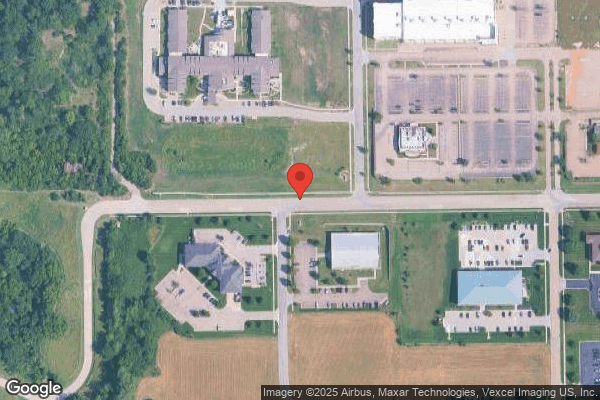
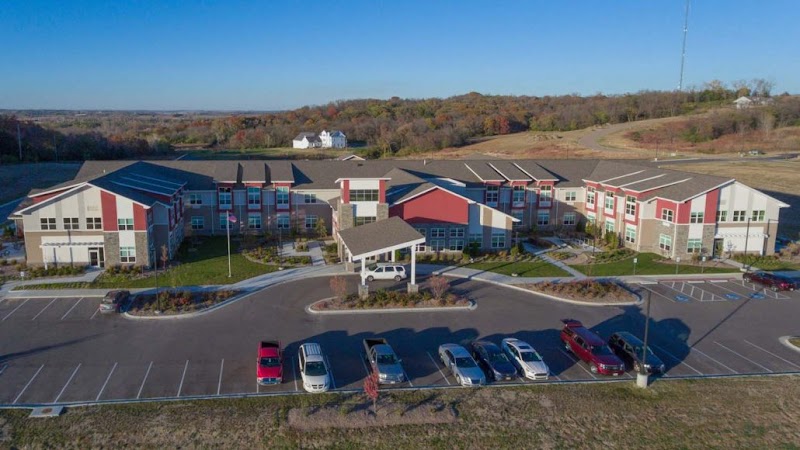
6300 SW 6TH AVENUE, TOPEKA, KS 66615 (785) 272-2124
For profit - Corporation 70 Beds THE ENSIGN GROUP Data: November 2025
Trust Grade
75/100
#95 of 295 in KS
Last Inspection: February 2024

Within standard 12-15 month inspection cycle. Federal law requires annual inspections.

Overview

The Healthcare Resort of Topeka has received a Trust Grade of B, indicating a good quality of care, but there are areas for improvement. Ranking #95 out of 295 facilities in Kansas places it in the top half, while being #6 of 15 in Shawnee County shows it has some local competition. Unfortunately, the facility is trending worse, with issues increasing from 7 in 2022 to 9 in 2024. Staffing is a relative strength, with a rating of 4 out of 5 stars and a turnover rate of 33%, which is below the state average, suggesting stable staff who are familiar with residents. However, there are concerns; for instance, staff failed to check food temperatures for pureed diets, potentially risking foodborne illnesses, and did not appropriately offer or document pneumococcal vaccinations, putting residents at risk for infections. Additionally, care practices have been criticized for lacking dignity, such as administering insulin in view of other residents.

Trust Score
B
75/100
In Kansas
#95/295
Top 32%
Safety Record
Low Risk
No red flags
Inspections
Getting Worse
7 → 9 violations
Staff Stability
○ Average
33% turnover. Near Kansas's 48% average. Typical for the industry.
Penalties
✓ Good
No fines on record. Clean compliance history, better than most Kansas facilities.
Skilled Nurses
✓ Good
Each resident gets 51 minutes of Registered Nurse (RN) attention daily — more than average for Kansas. RNs are trained to catch health problems early.
Violations
⚠ Watch
18 deficiencies on record. Higher than average. Multiple issues found across inspections.
★★★★☆
4.0
Overall Rating
★★★★☆
4.0
Staff Levels
★★★★☆
4.0
Care Quality
★★★★☆
4.0
Inspection Score
Stable
2022: 7 issues
2024: 9 issues

The Good

  • 4-Star Staffing Rating · Above-average nurse staffing levels
  • 4-Star Quality Measures · Strong clinical quality outcomes
  • Full Sprinkler Coverage · Fire safety systems throughout facility
  • No fines on record
  • Staff turnover below average (33%)

    15 points below Kansas average of 48%

Facility shows strength in staffing levels, quality measures, fire safety.

The Bad

Staff Turnover: 33%

13pts below Kansas avg (46%)

Typical for the industry

Chain: THE ENSIGN GROUP

Part of a multi-facility chain

Ask about local staffing decisions and management

The Ugly 18 deficiencies on record

Feb 2024 9 deficiencies
CONCERN (D)

Potential for Harm - no one hurt, but risky conditions existed

Resident Rights (Tag F0550)

Could have caused harm · This affected 1 resident

**NOTE- TERMS IN BRACKETS HAVE BEEN EDITED TO PROTECT CONFIDENTIALITY** The facility had a census of 70 residents. The sample included 19 residents, with one reviewed for dignity. Based on observation...

Read full inspector narrative →
**NOTE- TERMS IN BRACKETS HAVE BEEN EDITED TO PROTECT CONFIDENTIALITY** The facility had a census of 70 residents. The sample included 19 residents, with one reviewed for dignity. Based on observation, record review, and interview, the facility failed to promote care in a manner to maintain and enhance dignity and respect when staff obtained Resident (R) 41's blood sugar (measures the glucose levels in the blood) and administered insulin (a hormone that lowers the level of glucose in the blood) by the dining room, with five other residents in full view. The facility further failed to address residents with respect and dignity when staff called residents who required meal assistance feeders. This placed the residents at risk for undignified experiences and impaired psychosocial well-being. Findings included: - The Electronic Medical Record (EMR) for R41 documented diagnoses of diabetes mellitus (DM-when the body cannot use glucose, not enough sepsis made. or the body cannot respond to the insulin) type 2, dysphagia (dysphagia (swallowing difficulty), hypertension (high blood pressure), and cerebral infarction (stroke - sudden death of brain cells due to lack of oxygen caused by impaired blood flow to the brain by blockage or rupture of an artery to the brain). The Quarterly Minimum Data Set (MDS), dated [DATE], documented R41 had moderately impaired cognition and was dependent upon staff for dressing, personal hygiene, and transfers. R41 received insulin daily. R41's Care Plan, dated 12/29/23, initiated on 02/13/23, directed staff to administer diabetic medication as ordered by the physician and monitor for side effects and effectiveness. The update dated 08/01/23 directed staff to obtain blood sugar checks as ordered; monitor, document, and report to the physician signs and symptoms of hypoglycemia (less than normal amount of sugar in the blood) and hyperglycemia (greater than normal amount of glucose in the blood). The Physician's Order, dated 05/11/23, directed staff to obtain a blood glucose check before meals and at bedtime, and if less than 70 milligrams per deciliter (mg/dl), hold the insulin and notify the physician. If the blood glucose was greater than 400 mg/dl, administer ordered insulin and notify the physician for diabetes mellitus. The Physician's Order, dated 12/18/23, directed staff to administer Novolog (rapid-acting insulin), four units with meals, and hold for blood glucose less than 120 mg/dl or if not eating. On 02/12/24 at 12:15 PM, observation revealed R41, sat in her wheelchair by the dining room as Licensed Nurse (LN) G obtained her blood sugar. LN G then administered R41's insulin within view of the five residents present. On 02/12/24 at 12:15 PM, LN G stated she always checked the resident's blood sugar and administered insulin by the dining room. On 02/13/24 at 11:10 PM, Administrative Nurse D stated blood sugar checks and insulin administration should be done in the resident's room unless it was an emergency. The facility's Dignity and Respect policy, dated 10/2015, documented it was the policy of the facility that all residents would be treated with kindness, dignity, and respect and treated in a manner that maintained the privacy of their bodies. The facility failed to promote care in a manner to maintain and enhance dignity and respect when staff obtained R41's blood sugar and administered insulin in the dining room, with five other residents in full view. This placed the resident at risk for undignified care and services. - On 02/07/24 at 12:05 PM, observation of the [NAME] dining room revealed residents sat at the dining room tables and ate lunch. Continued observation revealed Dietary Staff BB asked the surveyor to relocate to a different table in the dining room because the staff needed the feeders to sit at that table so staff could assist them with their meals. Dietary Staff BB again stated the other table where the feeders normally sat was filled up, so staff needed to use the table. On 02/13/24 at 09:30 AM, Administrative Nurse D verified staff were to not call residents feeders, the term was unacceptable. Administrative Nurse D said she would speak with the staff regarding the issue. The facility's undated Resident Rights policy, dated 10/04/23, documented the residents have the right to a dignified existence, self-determination, and communication with and access to persons and services inside and outside the facility. Residents have the right to exercise their rights without interference, coercion, discrimination, or reprisal from the facility as a resident of the facility. Residents have the right to be treated with respect and dignity. The facility failed to promote care in a manner that maintained and enhanced dignity and respect, when staff called the residents that required assistance with eating feeders. This placed the residents at risk for an undignified dining and living experience.
CONCERN (D)

Potential for Harm - no one hurt, but risky conditions existed

Deficiency F0561 (Tag F0561)

Could have caused harm · This affected 1 resident

**NOTE- TERMS IN BRACKETS HAVE BEEN EDITED TO PROTECT CONFIDENTIALITY** The facility had a census of 70 residents. The sample included 19 residents, with two reviewed for choices. Based on observation...

Read full inspector narrative →
**NOTE- TERMS IN BRACKETS HAVE BEEN EDITED TO PROTECT CONFIDENTIALITY** The facility had a census of 70 residents. The sample included 19 residents, with two reviewed for choices. Based on observation, record review, and interview, the facility failed to offer Resident (R) 163 a choice of showers instead of sponge baths. This placed R163 at risk for decreased self-determination and impaired psychosocial well-being. Findings included: - The Electronic Medical Record (EMR) for R163 documented diagnoses of fracture around the internal prosthetic right knee joint (a break in the bone around the knee implant), need for assistance with personal care, weakness, heart failure, and hypertension (high blood pressure). The admission Medicare 5-Day Minimum Data Set (MDS), dated [DATE], documented R163 had severely impaired cognition and was dependent upon staff for lower body dressing, and substantial to maximum assistance with toileting, upper body dressing, mobility, and bathing. The MDS further documented it was very important for R163 to choose between a tub bath, shower, bed bath, or sponge bath. R163's Care Plan, dated 01/31/24, documented R163 required assistance with bathing and/or showering and all hygiene. The facility's Bathing Record, for January and February 2024, documented R163 received two baths per week, on dayshift Wednesday and Sunday. On 02/07/24 at 10:23 AM, R163's family member stated R163 preferred showers and did not understand why she had only received sponge baths since her admission. On 02/12/24 at 10:45 AM R163 stated staff brought in a bucket with water so she could wash herself off and further said she would like to have a shower next time. On 02/12/24 at 12:56 PM, Licensed Nurse (LN) H stated that R163 required the use of a full mechanical lift and that it was hard to get the lift into the shower room, so staff decided to give R163 sponge baths. LN H further stated R163 no longer used the full lift, but R163 continued to receive sponge baths. On 02/13/24 at 09:40 AM, Certified Nurse Aide (CNA) M verified she had never offered a shower to R163. On 02/13/24 at 09:00 AM, Administrative Nurse D stated that R163 should be asked what her preference was with bathing. Administrative Nurse D said the facility had other means to provide showers to residents who required full lifts for transfers. The facility's Bath, Shower policy, dated 05/23, documented it was the policy of the facility that residents would be able to choose when they wanted to bathe and what style of bathing the resident preferred. The facility failed to offer a choice of bathing to R163. This placed R163 at risk for decreased self-determination and impaired psychosocial well-being.
CONCERN (D)

Potential for Harm - no one hurt, but risky conditions existed

Deficiency F0582 (Tag F0582)

Could have caused harm · This affected 1 resident

The facility had a census of 70 residents. The sample included 19 residents. Based on record review and interview, the facility failed to provide Resident (R)16 and R12 or their representative, the co...

Read full inspector narrative →
The facility had a census of 70 residents. The sample included 19 residents. Based on record review and interview, the facility failed to provide Resident (R)16 and R12 or their representative, the completed Centers for Medicare and Medicaid (CMS) Skilled Nursing Facility Advanced Beneficiary Notices (ABN) Form 10055. This placed the resident at risk of uninformed decisions and costs about their skilled services. Findings included: - The Medicare ABN form 10055 informed the beneficiary that Medicare may not pay for future skilled therapy services. The form included an option for the beneficiary to receive specific services listed, and bill Medicare for an official decision on payment. The form stated 1) I understand if Medicare does not pay, I will be responsible for payment but can make an appeal to Medicare, (2) receive therapy listed, but do not bill Medicare, I am responsible for payment for services, (3) I do not want the listed services. A review of the ABN provided to R16 revealed the form lacked the estimated cost of continued service and R16 received the wrong form. R16 received the CMS-R-131 instead of CMS Form 10055. The resident's skilled services ended on 12/06/23. A review of the provided to R12 revealed the form lacked the estimated cost of continued service and R12 received the wrong form. R12 received CMS -R-131 instead of CMS Form 10055. The resident's skilled services ended on 11/27/23. On 02/13/24 at 09:30 AM, Social Services X verified she provided R16 and R12, and/or their representative, the CMS-R-131 form and failed to provide the 10055 form. Social Service X verified the form provided to the residents lacked the estimated amount of money it would cost the residents for continued services. On 02/13/24 at 09:45 AM, Administrative Nurse D verified the facility provided the CMS-R-131 form to R16 or R12, and/or their representative, and failed to provide the 10055 with the estimated amount it would cost the resident if they wished to continue services. The facility's Advance Beneficiary Notices policy, dated September 2020, recorded the facility would ensure a liability notice to Medicare beneficiaries before the Skilled Nursing Facility provides an item or service that is usually paid by Medicare, but may not be paid for in this instance because it is not medically reasonable and necessary, or custodial care. Failure to provide the ABN may result in the facility being unable to bill the beneficiary directly for the subject services. The ABN of noncoverage is used for beneficiaries in original Medicare when the facility believes that Medicare is not likely to cover the services described in the ABN. The Form CMS 10055 is used to satisfy the SNF Part A, ABN requirement. The facility failed to provide R16 and R12 or their representatives, the correct 10055 form which included an estimated cost of continued services when discharged from skilled care. This placed the residents at risk of uninformed decisions and costs about their services and the continuation of their skilled services.
CONCERN (D) 📢 Someone Reported This

A family member, employee, or ombudsman was alarmed enough to file a formal complaint

Potential for Harm - no one hurt, but risky conditions existed

Report Alleged Abuse (Tag F0609)

Could have caused harm · This affected 1 resident

**NOTE- TERMS IN BRACKETS HAVE BEEN EDITED TO PROTECT CONFIDENTIALITY** The facility had a census of 70 residents. The sample included 19 residents. Based on record review and interview, the facility ...

Read full inspector narrative →
**NOTE- TERMS IN BRACKETS HAVE BEEN EDITED TO PROTECT CONFIDENTIALITY** The facility had a census of 70 residents. The sample included 19 residents. Based on record review and interview, the facility staff failed to identify an unwitnessed fall that resulted in serious injury as a potential allegation of neglect or abuse and report immediately to the State Survey Agency (SA), when Resident (R) 172, a cognitively impaired resident, had an unwitnessed fall with injuries. This placed the resident at risk for further injury and unidentified abuse or neglect. Findings included: - R172's Electronic Medical Record (EMR) documented R 172 had diagnoses of displaced posterior arch fracture of the first cervical vertebra (broken neck), fracture of part of the neck of the left femur (thigh bone) just below the ball of the joint (at the hip), reduced mobility, and weakness, R172's admission Minimum Data Set (MDS), dated [DATE], documented the resident had a Brief Interview of Mental Status (BIMS) of eight which indicated moderate cognitive impairment. The MDS documented R172 required substantial/maximal staff assistance with most activities of daily living (ADLs) The Care Area Assessment (CAA) dated 12/10/23 documented R172 had a reduction in ADLS and needed minimal assistance from one staff and occasionally two staff. The CAA documented R172 had an increased risk for falls but had no reported falls as of that assessment. R172 reported falls before admission while at home. R172's Care Plan, revised 12/04/23, documented R172 had a fracture of her left femur and cervical spine (neck). The care plan instructed staff to anticipate and meet R172's needs, make sure her call light was within her reach, and respond promptly when it was activated. The plan directed staff to encourage the use of supportive devices (neck collar) and follow physician orders for weight-bearing status and the therapy treatment plan. The care plan instructed staff to monitor R172 for fatigue and educate her family and caregivers on the safety measures necessary to reduce the risk of falls. The care plan instructed staff to keep R172's routine consistent and try to provide consistent caregivers as much as possible to decrease confusion and report to the nurse any changes in R172's cognitive function. The facility's Incident Note, dated 12/27/23 at 01:15 PM, documented that staff heard R172 yelling. Upon entering the room staff observed R172 lying on the floor of her bathroom on her left side with the top half of her body on the floor of the shower and her lower body on the floor of the bathroom. Her back was against the wall of the shower. The note documented R172 had a shirt on and had thrown away her pants. R172 did not have her wheelchair or walker in the bathroom. The note documented R172 complained of extreme pain in her bilateral lower legs and rated the pain the highest rating using the cognitively impaired scale. The note documented R172 had swelling of her left lower leg and bruising of her left chest and left ankle. The note documented staff stabilized R172's head and neck. The facility investigation related to the fall included Fall Witness Statements from staff which documented R172 was toileted at 11:00 AM on the day of the fall and then last observed in the Dining room at 12:40 PM. The investigation did not include a resident statement or root cause analysis. The investigation lacked documentation regarding how the facility ruled out abuse and/or neglect. The Hospital Note, dated 12/27/23, documented R172 arrived at the hospital after she sustained a fall, apparently unwitnessed, when she was tried to the bathroom. R172 immediately complained of left hip pain and pelvic pain, and R172 was unable to provide a specific history due to her cognition. The note documented that R172 had an acute left femoral neck fracture. On 02/12/24 at 01:50 PM, Administrative Staff A verified the facility had not reported R172's unwitnessed fall with injuries to the SA due to the fact he interviewed the three certified nurse aides present at the time of the fall, and no staff were in the room when R172 fell. Administrative Staff A stated R172 was alert and oriented and was able to tell staff what happened. The facility's Abuse Prevention Policy, revised 06/23, documented that all alleged violations, including injuries of unknown sources and misappropriation of resident property, would be reported immediately to the administrator of the facility and to the officials in accordance with state law through established procedures. The policy documented all alleged violations would be reported to the administrator/designee immediately and thoroughly investigated. all alleged incidents of abuse, mistreatment, or neglect would be reported to the state licensing agency immediately or within 24 hours. once the incident is fully investigated the administrator or designee would notify the person making the report of the conclusions and any corrective actions implemented based on investigative findings. The facility staff failed to report R172's unwitnessed fall with injuries to the SA as required, placing her at risk for further injury and unidentified abuse or neglect.
CONCERN (D) 📢 Someone Reported This

A family member, employee, or ombudsman was alarmed enough to file a formal complaint

Potential for Harm - no one hurt, but risky conditions existed

Investigate Abuse (Tag F0610)

Could have caused harm · This affected 1 resident

**NOTE- TERMS IN BRACKETS HAVE BEEN EDITED TO PROTECT CONFIDENTIALITY** The facility had a census of 70 residents. The sample included 19 residents. Based on record review, and interview, the facility...

Read full inspector narrative →
**NOTE- TERMS IN BRACKETS HAVE BEEN EDITED TO PROTECT CONFIDENTIALITY** The facility had a census of 70 residents. The sample included 19 residents. Based on record review, and interview, the facility failed to identify an unwitnessed fall that resulted in serious injury as a potential allegation of neglect or abuse and conduct a thorough investigation, when Resident (R) 172, a cognitively impaired resident, had an unwitnessed fall with serious injuries. This placed the resident at risk for further injury and unidentified abuse or neglect. Findings included: - R172's Electronic Medical Record (EMR) documented R 172 had diagnoses of displaced posterior arch fracture of the first cervical vertebra (broken neck), fracture of part of the neck of the left femur (thigh bone) just below the ball of the joint (at the hip), reduced mobility, and weakness, R172's admission Minimum Data Set (MDS), dated [DATE], documented the resident had a Brief Interview of Mental Status (BIMS) of eight which indicated moderate cognitive impairment. The MDS documented R172 required substantial/maximal staff assistance with most activities of daily living (ADLs) The Care Area Assessment (CAA) dated 12/10/23 documented R172 had a reduction in ADLS and needed minimal assistance from one staff and occasionally two staff. The CAA documented R172 had an increased risk for falls but had no reported falls as of that assessment. R172 reported falls before admission while at home. R172's Care Plan, revised 12/04/23, documented R172 had a fracture of her left femur and cervical spine (neck). The care plan instructed staff to anticipate and meet R172's needs, make sure her call light was within her reach, and respond promptly when it was activated. The plan directed staff to encourage the use of supportive devices (neck collar) and follow physician orders for weight-bearing status and the therapy treatment plan. The care plan instructed staff to monitor R172 for fatigue and educate her family and caregivers on the safety measures necessary to reduce the risk of falls. The care plan instructed staff to keep R172's routine consistent and try to provide consistent caregivers as much as possible to decrease confusion and report to the nurse any changes in R172's cognitive function. The facility's Incident Note, dated 12/27/23 at 01:15 PM, documented that staff heard R172 yelling. Upon entering the room staff observed R172 lying on the floor of her bathroom on her left side with the top half of her body on the floor of the shower and her lower body on the floor of the bathroom. Her back was against the wall of the shower. The note documented R172 had a shirt on and had thrown away her pants. R172 did not have her wheelchair or walker in the bathroom. The note documented R172 complained of extreme pain in her bilateral lower legs and rated the pain the highest rating using the cognitively impaired scale. The note documented R172 had swelling of her left lower leg and bruising of her left chest and left ankle. The note documented staff stabilized R172's head and neck. The facility investigation related to the fall included Fall Witness Statements from staff which documented R172 was toileted at 11:00 AM on the day of the fall and then last observed in the Dining room at 12:40 PM. The investigation did not include a resident statement or root cause analysis. The investigation lacked documentation regarding how the facility ruled out abuse and/or neglect. The Hospital Note, dated 12/27/23, documented R172 arrived at the hospital after she sustained a fall, apparently unwitnessed, when she was tried to the bathroom. R172 immediately complained of left hip pain and pelvic pain, and R172 was unable to provide a specific history due to her cognition. The note documented that R172 had an acute left femoral neck fracture. On 02/12/24 at 01:50 PM, Administrative Staff A verified the facility had not reported R172's unwitnessed fall with injuries to the SA due to the fact he interviewed the three certified nurse aides present at the time of the fall, and no staff were in the room when R172 fell. Administrative Staff A stated R172 was alert and oriented and was able to tell staff what happened. The facility's Abuse Prevention Policy, revised 06/23, documented all alleged violations, including injuries of unknown sources and misappropriation of resident property would be reported immediately to the administrator of the facility and to the officials in accordance with state law through established procedures. The policy documented all alleged violations would be reported to the administrator/designee immediately and thoroughly investigated. all alleged incidents of abuse, mistreatment, or neglect would be reported to the state licensing agency immediately or within 24 hours. once the incident is fully investigated the administrator or designee would notify the person making the report of the conclusions and any corrective actions implemented based on investigative findings. The facility failed to thoroughly investigate potential abuse or neglect when R172, a cognitively impaired resident, had an unwitnessed fall with serious injuries placing her at risk for further injury and unidentified abuse or mistreatment.
CONCERN (D)

Potential for Harm - no one hurt, but risky conditions existed

Quality of Care (Tag F0684)

Could have caused harm · This affected 1 resident

**NOTE- TERMS IN BRACKETS HAVE BEEN EDITED TO PROTECT CONFIDENTIALITY** The facility had a census of 70 residents. The sample included 19 residents, with one reviewed for catheters (a tube inserted in...

Read full inspector narrative →
**NOTE- TERMS IN BRACKETS HAVE BEEN EDITED TO PROTECT CONFIDENTIALITY** The facility had a census of 70 residents. The sample included 19 residents, with one reviewed for catheters (a tube inserted into the bladder to drain urine into a collection bag). Based on observation, record review, and interview, the facility failed to notify the physician when Resident (R) 10's urine output was less than 360 milliliters (ml) in 12 hours as ordered. This placed the resident at risk for physical decline. Findings included: - The Electronic Medical Record (EMR) R10 documented diagnoses of neuromuscular dysfunction of the bladder (the muscles that control the flow of urine out of the body do not relax and prevent the bladder from fully emptying), multiple sclerosis (MS- progressive disease of the nerve fibers of the brain and spinal cord), anxiety (mental or emotional reaction characterized by apprehension, uncertainty and irrational fear) and depressive disorder (a mood disorder that causes a persistent feeling of sadness and loss of interest). The Quarterly Minimum Data Set (MDS), dated [DATE], documented R10 had intact cognition and was dependent upon staff for toileting, showers, dressing, transfers, and personal hygiene. The MDS further documented R10 had a catheter. R10's Care Plan, dated 11/21/23, initiated on 09/24/20, directed staff to irrigate (flush) the catheter with acetic acid (vinegar) and sterile water per orders. The update, dated 04/30/21, directed staff to change the suprapubic (surgically created connection between the urinary bladder and the skin used to drain urine from the bladder) catheter as ordered. The update, dated 06/15/21, directed staff to monitor, record, and report to the physician any signs of infections; and check the catheter anchor (secures and stabilizes a catheter to keep it in place). The plan directed to monitor and document intake and output per facility policy. An update, dated 03/26/23, directed staff to monitor R10's urine output and report any concerns to the physician. The Physician's Order, dated 03/28/23, directed staff to detach the catheter bag and irrigate R10's catheter every morning with five milliliters (ml) of acetic acid 0.25%, and 60 ml of sterile water. Instill into the catheter and allow to drain freely, reattach the catheter bag, and the procedure was to be done by the nurse. The physician further directed staff to clean around the catheter, apply a drainage sponge, secure it with tape, change it daily, and report any changes to the physician. The order directed staff to document urine output every shift and notify the physician if the urine output was less than 360 ml in 12 hours. R10's Treatment Administration Record (TAR), dated February 2024, documented the following outputs. 02/09/24 dayshift-70 ml 02/09/24 nightshift-70 ml The EMR lacked evidence the physician was notified of less than 360 ml of urine output that was outside of the ordered parameters. On 02/12/24 at 11:30 AM, observation revealed R10 sat in his room watching television. Further observation revealed R10 declined any survey observations of his catheter care. On 02/12/24 at 11:15 AM, Licensed Nurse (LN) G verified the urine output below 360 ml and stated the physician should have been notified as ordered. On 02/13/24 at 09:00 AM, Administrative Nurse D stated the 70 ml urine output was very low for the resident and staff should have contacted the physician. The facility's Notification, Physician or Responsible Party, policy, dated 09/18, directed staff to promptly notify the resident's physician, and//or responsible party of changes in the resident's condition and/or status. The policy further directed staff to notify the physician when there was a need to alter the resident's treatment significantly and he/she would be notified when deemed necessary or appropriate. The facility failed to notify the physician as ordered when R10's urine was out of the parameters as set by the physician. This placed the resident at risk for physical decline.
CONCERN (D)

Potential for Harm - no one hurt, but risky conditions existed

Deficiency F0761 (Tag F0761)

Could have caused harm · This affected 1 resident

**NOTE- TERMS IN BRACKETS HAVE BEEN EDITED TO PROTECT CONFIDENTIALITY** The facility had a census of 70 residents. The sample included 19 residents. Based on observation, interview, and record review,...

Read full inspector narrative →
**NOTE- TERMS IN BRACKETS HAVE BEEN EDITED TO PROTECT CONFIDENTIALITY** The facility had a census of 70 residents. The sample included 19 residents. Based on observation, interview, and record review, the facility failed to date Resident(R)20's insulin (a hormone which allows cells throughout the body to uptake glucose) flex pen when opened and failed to discard R11 and R12 insulin flex pen when outdated. This deficient practice placed the affected resident at risk for ineffective medications. Findings included: - On [DATE] at 08:40 AM, observation of the facility's [NAME] Hall treatment cart revealed the following: R20's Humulin aspart (rapid-acting insulin) flex pen lacked an open date and discard date. R11 Lantus (long-acting insulin) date opened [DATE] (expired on [DATE], 28 days.) R12 Humalog (fast-acting insulin) date opened [DATE] (expired on [DATE], 28 days) On [DATE] at 08:45 AM, Licensed Nurse (LN) I verified the nurses were to date the insulin pens when opened and discard the expired insulin. On [DATE] at 09:30 AM, Administrative Nurse D verified the nurses should label and date the insulin pens with the resident's name and discard expired pens. Medlineplus.gov directs open, unrefrigerated Lantus, insulin lispro (Humalog) and Humulin aspart pens can be used within 28 days; after that time, they must be discarded. The facility lacked a Storage of Medication policy, dated 10/2023, documented it is the policy of the facility to store all drugs and biologicals in locked compartments under proper temperature control. The medication supply is accessible only to licensed nursing personnel, pharmacy personnel, or staff members lawfully authorized to administer medications. The policy documented insulin pens are labeled with name and date opened and stored in the cart. The facility failed to label, and date the resident's flex pen, with the date opened and expiration date placing the residents at risk for ineffective medication.
CONCERN (E)

Potential for Harm - no one hurt, but risky conditions existed

Food Safety (Tag F0812)

Could have caused harm · This affected multiple residents

The facility had a census of 70 residents. The sample included 19 residents. Based on observation, record review, and interview, the facility failed to measure and record food temperatures for pureed ...

Read full inspector narrative →
The facility had a census of 70 residents. The sample included 19 residents. Based on observation, record review, and interview, the facility failed to measure and record food temperatures for pureed food items at mealtimes, placing the two residents who received a pureed diet at risk for foodborne illness. Findings included: - On 02/08/24 at 11:40 AM, during the preparation of the two pureed diets, observation revealed Dietary Staff (DS) CC prepared the pureed diet food items. DS CC placed the servings of each food item into bowls and then placed the uncovered bowls on the lid of a compartment on the steam table. At 12:20 PM, DS CC served the pureed diets to the residents without checking the food items' temperatures before serving them. The Weekly Steam Table Temperature Logs lacked documentation staff obtained pureed diet (meat, starch, and vegetables) food temperatures at mealtimes for the following days: 2023 10/01-10/17 - the East and [NAME] kitchenette pureed meal temperatures were not taken for all three meals. 10/08-10/14-the East kitchenette pureed meal temperatures were not taken for all three meals. The [NAME] Hall kitchenette was not taken one day for breakfast and five days for supper. 10/15-10/21- the East kitchenette pureed meal temperatures were not taken every day for all three meals. 10/22-10/28-the East kitchenette pureed meal temperatures were not taken for all three meals. 10/29-11/04-the East kitchenette pureed meal temperatures were not taken for all three meals. 11/5-11-the East kitchenette pureed meal temperatures were not taken for all three meals. 11/12-11/18- the East kitchenette pureed meal temperatures were not taken for all three meals. The [NAME] kitchenette was not taken for supper every day. 11/19-11/25- The East kitchenette pureed meal temperature was not taken for all three meals. The [NAME] kitchenette was not taken on one day for lunch and supper. 11/19-25-the East kitchenette pureed meal temperatures were not taken for all three meals. The [NAME] kitchenette was not taken for two days for breakfast and lunch and one day for supper. 11/26-12/2- the East kitchenette pureed meal temperatures were not taken every day for all three meals. The [NAME] kitchenette was not taken on one day for lunch and supper. 12/3-12/09- the East kitchenette pureed meal temperatures were not taken every day for all three meals. The East kitchenette was not taken one day for breakfast and two days for lunch and supper. 12/10-12/16-the East kitchenette pureed meal temperatures were not taken every day for all three meals. The [NAME] kitchenette was not taken for two days for lunch and every day for supper. 12/17-12/23-the East kitchenette pureed meal temperatures were not taken every day for all three meals. The [NAME] kitchenette temperatures were not taken for one day for lunch and four days for supper. 12/24-12/30- the East kitchenette pureed meal temperatures were not taken every day for all three meals. The [NAME] kitchenette temperatures were not taken six days for supper. 2024 01/01- 01/06- In the East kitchenette the pureed meal temperature was not taken every day for all three meals. 01/07-01/13-the East kitchenette pureed meal temperature was not taken every day for all three meals. The [NAME] kitchenette was not taken one day for breakfast, one day for lunch, and every day for supper. 01/14-01/20- the East kitchenette pureed meal temperature was not taken every day for all three meals. The [NAME] kitchenette temperatures were not taken two days for breakfast and lunch, and every day for supper. 01/21-01/27-the East kitchenette pureed meal temperature was not taken every day for all three meals. The [NAME] kitchenette temperatures were not taken two days for breakfast and lunch and every day for supper. 01/21-01/27- the East kitchenette pureed meal temperature was not taken every day for all three meals. 01/28-2/03- the East kitchenette pureed meal temperatures were not taken every day for all three meals. The [NAME] kitchenette meal temperatures were not taken five days for breakfast, six days for lunch and supper. 02/04-02/10-the East kitchenette pureed meal temperatures were not taken every day for all three meals. The [NAME] kitchenette pureed meal temperatures were not taken for two days for lunch. On 02/08/24 at 12:30 PM DS CC verified he had not checked the pureed diet food items before serving to the residents and stated he should have. On 02/08/24 at 12:45 PM, DS BB verified the lack of pureed food temperatures on the above dates and stated staff should check them before serving them to the residents. On 02/12/24 at 01:52 PM, Registered Dietician (RD) GG stated staff should measure the pureed food item temperatures before they served them to the residents. The facility's Guidelines for Food Temperatures Policy, revised 10/23, documented that food temperatures would be taken and recorded before each meal service. Food would be reheated/cooled to ensure proper serving temperatures before meal service. If there were two meal services, food temperatures would be taken before each meal service. The facility failed to obtain meal temperatures for pureed food items before meal service. This placed the residents who received pureed diets at risk for food-borne illness.
CONCERN (E)

Potential for Harm - no one hurt, but risky conditions existed

Deficiency F0883 (Tag F0883)

Could have caused harm · This affected multiple residents

The facility had a census of 70 residents. The sample included 19 residents with five residents reviewed for immunizations to include pneumococcal (a disease that refers to a range of illnesses that a...

Read full inspector narrative →
The facility had a census of 70 residents. The sample included 19 residents with five residents reviewed for immunizations to include pneumococcal (a disease that refers to a range of illnesses that affect various parts of the body and are caused by infection) vaccinations. Based on record review and interview, the facility failed to follow the latest guidance from the Centers for Disease Control and Prevention (CDC) when they failed to offer, obtain an informed declination, or a physician-documented contraindication for pneumococcal PCV20 vaccination. This deficient practice placed the residents at risk of acquiring, spreading, and experiencing complications from the pneumococcal disease. Findings included: - Review of Resident (R) 20, R17, R33, R42, and R51's clinical medical records lacked evidence of consent, informed declination, or physician-documented contraindication for the current pneumococcal vaccine PCV20. On 02/08/24 at 08:42 AM, Administrative Nurse E stated she had offered the flu and Prevnar 13 and 23 vaccines but not the PCV20. Administrative Nurse E stated the facility had not discussed the vaccine with the physician and was told by the pharmacy it was unavailable On 02/08/24 at 02:24 PM, Administration Staff A stated he discussed the PCV20 with the Medical Director and that the facility would start talking with residents and providing consent forms to families about the new vaccine. Administration Staff A further stated the vaccine would be available within the next two weeks. The facility's Prevention of infection, Immunization, Influenza, and Pneumococcal policy, dated 1/2024, documented the immunizations are to minimize the risk of residents acquiring, transmitting, or experiencing complications from influenza and pneumonia by assuring that each resident was informed about the benefits and risks of immunizations, had the opportunity to receive, unless medically contraindicated or refused or already immunized, influenza and pneumococcal vaccine. The policy further documented, that each resident was offered a pneumococcal immunization unless the immunization was medically contraindicated, or the resident had already been immunized. Before vaccination, the resident and/or resident representative would be provided information and education regarding the benefits and potential side effects of influenza and/or pneumococcal immunization, the resident and/or resident representative would be allowed to refuse immunizations, if the resident and/or resident representative consented to the vaccine the facility obtained a physician order for the resident. For residents who receive vaccination, the following information will be documented in the resident's electronic health record. if declined document the reason why the resident did not receive the influenza and/or pneumococcal immunization, administration of the influenza and/or pneumococcal vaccination would be made in accordance with current CDC recommendations at the time of vaccination. The facility failed to offer the pneumococcal PCV20 vaccinations per CDC recommendations. This deficient practice placed the residents at risk of acquiring, spreading, and experiencing complications from pneumococcal disease.
Aug 2022 7 deficiencies
CONCERN (D)

Potential for Harm - no one hurt, but risky conditions existed

Deficiency F0554 (Tag F0554)

Could have caused harm · This affected 1 resident

**NOTE- TERMS IN BRACKETS HAVE BEEN EDITED TO PROTECT CONFIDENTIALITY** The facility identified a census of 63 residents. The sample included 18 residents with one resident reviewed for self-administr...

Read full inspector narrative →
**NOTE- TERMS IN BRACKETS HAVE BEEN EDITED TO PROTECT CONFIDENTIALITY** The facility identified a census of 63 residents. The sample included 18 residents with one resident reviewed for self-administration of medications. Based on observations, interviews, and record reviews, the facility failed to assess Resident (R)116 for the ability to safely self-administrator medications. This deficient practice placed R116 at risk for medication errors and unnecessary side effects. Findings Included: - A review of R116's Electronic Medical record (EMR) revealed that she was admitted to the facility on [DATE]. The Medical Diagnosis section within R116's EMR included diagnoses of hypertension (high blood pressure), muscle weakness, type two diabetes mellitus (when the body cannot use glucose, not enough insulin made or the body cannot respond to the insulin), cholecystitis (inflammation of the gallbladder), heart failure, respiratory failure, and need for assistance with personal cares. A review of R116's EMR indicated that her Minimum Data Set (MDS) information was not available for review. A review of R116's Assessments revealed a Brief Interview for Mental Status (BIMS) score of 10 completed on 08/29/22 indicating moderate cognitive impairment. A review of R116's EMR lacked evidence an assessment was completed related to self-administration of medication for R116. R116's Care Plan created 08/27/22 noted that R116 was at risk for impaired cognitive thought processes related to impaired decision making. The plan instructed staff to keep her routine consistent and try to provide consistent care givers as much as possible to decrease confusion. A review of R116's Medication Administration Report (MAR) indicated that her morning medications on 08/29/22 had been administered. On 08/29/22 at 10:48 PM observation revealed a plastic medication cup with four white pills inside sat on R116's bedside table. On 08/29/22 at 10:48 AM R116 reported that nursing staff left her medication on the bedside table but further said she would not take the medication because she did not know what it was or what the medication did. R116's representative reported that she was not sure why the medications were left in the room or if staff expected R116 to take the medication's herself. On 08/31/22 at 01:40 PM in interview with Licensed Nurse (LN) H, she stated that medications should never be left in the resident's room unsupervised. She stated that some residents could self-administer medications but required a risk assessment to be completed for their safety. On 08/31/22 at 03:40 PM in an interview with Administrative Nurse D, she stated that if a resident desired to self-administer medications, an assessment must be completed to ensure they were safe to administer the medications themselves. She stated that R116 was not safe for self-administration of medications and that the medications should not have been left in the room. A review of the facility's Medication Administration Policy revised 01/2022 stated that all medications given will be documented in the Medication Administration Report as the medications are given only by a licensed nurse or certified medication aide. The facility failed to assess R116 for the ability to self-administrator medications safely. This deficient practice placed R116 at risk for medication errors and unnecessary side effects.
CONCERN (D)

Potential for Harm - no one hurt, but risky conditions existed

Notification of Changes (Tag F0580)

Could have caused harm · This affected 1 resident

The facility identified a census of 63 residents. The sample included 18 residents with one resident reviewed for physician notification. Based on observations, interviews, and record reviews, the fac...

Read full inspector narrative →
The facility identified a census of 63 residents. The sample included 18 residents with one resident reviewed for physician notification. Based on observations, interviews, and record reviews, the facility failed to notify Resident (R)18's physician of R18's face/head injuries obtained during an accident while being transferred with a Hoyer lift (total body mechanical lift used to transfer residents). This deficient practice placed R18 at risk for complications related to accidents and injuries. Findings Included: - The Medical Diagnosis section within R18's Electronic Medical Records (EMR) included diagnoses of hemiplegia (paralysis of one side of the body), major depressive disorder (major mood disorder), dementia (progressive mental disorder characterized by failing memory, confusion), muscle weakness, morbid obesity ), and anxiety disorder (mental or emotional reaction characterized by apprehension, uncertainty and irrational fear). R18's Quarterly Minimum Data Set (MDS) dated 06/17/22 noted a Brief Interview for Mental Status (BIMS) assessment could not be completed due to severe cognitive impairment. The MDS noted that she required extensive assistance from two staff for all transfers and bed mobility. A review of R18's Dementia Care Area Assessment (CAA) dated 12/17/21 noted a BIMS score of three at the time of assessment with a dementia diagnosis. A review of R18's Communication CAA dated 12/17/21 she had an impaired ability to make herself understood and to express ideas and wants with others. R18's Care Plan created 01/03/20 noted that she had a self-care deficit related to her activities of daily living (ADL's). The plan noted that she required two staff to transfer her with the Hoyer lift. The care plan noted that she had a risk for impaired skin integrity noted. The plan instructed staff to use caution during transfers and bed mobility to prevent injuries from sharp or hard surfaces. The care plan indicated that R18 was taking Plavix (medication used to prevent blood from clotting) and was at risk for hemophilia (disorder where blood does not clot leading to excessive bleeding). A review of a Witness Statement completed on 08/25/22 by Certified Medication Aid (CMA) R indicated that R18 was struck on the left cheekbone by the sling attachment point (metal swivel bar) during a Hoyer transfer from R18's bed to her wheelchair on 08/25/22 at 08:00 AM. The statement noted Certified Nurse Aid (CNA) M notified the charge nurse immediately of the incident. A review of a Witness Statement completed 08/25/22 by CNA M noted that while transferring R18, the Hoyer lift's arm struck R18 in the face. R18's clinical record lacked evidence the physician was notified regarding the accident related injury. On 08/30/22 at 12:05PM R18 ate her lunch in the dining area. R18's left cheek had a circular quarter sized dark blue bruise under her left eye. R18 was unable to communicate how her injury happened. On 08/31/22 at 01:20 PM Licensed Nurse (LN) G stated that she notified the nurse practitioner and the family but did not document the notifications. LN G stated that the resident's representative was contacted about the accident. On 08/31/22 at 03:54 PM Administrative Nurse D stated that both the physician and the resident representative had been notified at the time, but LN G wasn't able to document the information. She stated that she also had intended to update the information but was out those days due to an illness. A review of the facility's Notification to Physician and Responsible Party policy revised 08/2022 noted that the facility is required to promptly notify the resident, attending physician, and resident representative of any change in conditions or status. The facility failed to ensure that R18's attending physician was notified of face/head injuries from an accident during a Hoyer lift transfer. This deficient practice placed R18 at risk for complications related to accidents and injuries.
CONCERN (D)

Potential for Harm - no one hurt, but risky conditions existed

Comprehensive Care Plan (Tag F0656)

Could have caused harm · This affected 1 resident

**NOTE- TERMS IN BRACKETS HAVE BEEN EDITED TO PROTECT CONFIDENTIALITY** The facility identified a census of 63 residents. The sample included 18 residents with 18 residents reviewed for development of...

Read full inspector narrative →
**NOTE- TERMS IN BRACKETS HAVE BEEN EDITED TO PROTECT CONFIDENTIALITY** The facility identified a census of 63 residents. The sample included 18 residents with 18 residents reviewed for development of comprehensive care plans. Based on observation, record review, and interviews, the facility failed to develop a person-centered comprehensive care plans for Resident (R) 43, related to an individualized toileting program and/or bladder retraining. This deficient practice placed the resident at risk of not achieving and/or maintaining her highest practicable physical, mental, and psychosocial well-being due to unmet or uncommunicated care needs. Findings included: - R43's Electronic Medical Record (EMR) from the Diagnoses tab documented diagnoses of congestive heart failure (CHF - a condition with low heart output and the body becomes congested with fluid), hypertension (elevated blood pressure), and diabetes mellitus (when the body cannot use glucose, not enough insulin made, or the body cannot respond to the insulin). The admission Minimum Data Set (MDS) dated [DATE] documented a Brief Interview of Mental Status (BIMS) score of 13 which indicated intact cognition. The MDS documented that R43 required extensive assistance of one staff member for toileting and bed mobility, limited assistance of one staff member for transfers and dressing and limited assistance of two staff members for personal hygiene. R43's Urinary Incontinence and Indwelling Catheter Care Area Assessment (CAA) dated 08/12/22 documented R43 was incontinent of bladder and bowels and required assistance with toileting. Review of the EMR under Assessments tab revealed a Bowel and Bladder Evaluation dated 08/09/22 which documented R43was a likely candidate for bowel and bladder retraining. R43's Care Plan dated 08/10/22 documented staff was to offer restroom frequently. The Care Plan lacked resident -specific toileting schedule or interventions related to bladder retraining. R43's clinical record lacked evidence a bladder retraining program was attempted or implemented. On 08/30/22 at 12:21 PM R43 was assisted into the bathroom, R43 was not incontinent of urine. One staff member assisted her into the bathroom. On 08/29/22 at 11:23 AM R43 stated she was aware of the urge to void and had a few episodes of incontinence when she was unable to get to the bathroom in time. On 08/31/22 at 01:19 PM Licensed Nurse (LN) H stated the Bowel and Bladder Evaluation was completed by LN I and was not sure what information was reviewed for that evaluation. LN H stated she had access to the care plan and was able to make changes to the care plan if needed or would notify the director of nursing or the assistant director of nursing to make the changes to the care plan. On 08/31/22 at 01:30 PM Certified Medication Aide (CMA) R stated R43 was continent of urine most of the times she had assisted her to the bathroom. CMA R stated she was not aware of an individualized toileting schedule for R43. CMA R stated she would check R43 every two hours. CMA R stated she had access to review the resident's care plan and care information was found on the [NAME] (a medical information system used by nursing staff to communicate important information on their patients. It is a quick summary of individual patient needs that is updated at every shift change). On 08/31/22 at 02:47 PM Administrative Nurse D stated LN I completed the Bowel and Bladder Evaluation three days after a resident's admission to the facility. Administrative Nurse D stated LN I reviewed the documentation under the Tasks tab in the EMR for bowel and bladder. Administrative Nurse D stated that LN I would make a note in the progress notes and update the resident's care plan. Administrative Nurse D stated she was unable to located LN I progress note for the current evaluation for R43. The facility Comprehensive Person-Centered Care Plan policy, last revised January 2022 documented the resident's comprehensive care plan would be review and revised after each assessment. The facility failed to develop a person-centered comprehensive care plans for R43 related to an individualized toileting program and/or bladder retraining. This deficient practice placed the resident at risk of unmet or uncommunicated care needs.
CONCERN (D)

Potential for Harm - no one hurt, but risky conditions existed

Deficiency F0657 (Tag F0657)

Could have caused harm · This affected 1 resident

**NOTE- TERMS IN BRACKETS HAVE BEEN EDITED TO PROTECT CONFIDENTIALITY** The facility identified a census of 63 residents. The sample included 18 residents with two residents sampled for respiratory ca...

Read full inspector narrative →
**NOTE- TERMS IN BRACKETS HAVE BEEN EDITED TO PROTECT CONFIDENTIALITY** The facility identified a census of 63 residents. The sample included 18 residents with two residents sampled for respiratory care. Based on observation, record review and interview, the facility failed to ensure that a comprehensive person-centered care plan was implemented for R58's oxygen (O2) therapy/use. This deficient practice placed R58 at risk uncommunicated care needs related to O2 therapy. Findings included: - The electronic medical record (EMR) for R58 documented diagnoses of hypertension (elevated blood pressure), and chronic obstructive pulmonary disease (COPD-a progressive and irreversible condition characterized by diminished lung capacity and difficulty or discomfort in breathing). The Significant Change Minimum Data Set (MDS) dated [DATE] documented R58 had a Brief Interview for Mental Status (BIMS) score of 15 which indicated intact cognition. R58 required extensive assistance of two staff for all her activities of daily living (ADLs). R58 required O2 therapy. The ADL Care Area Assessment (CAA) dated 08/22/22 documented R58 admitted for COPD and was on hospice. R58 needed staff assistance with ADLs. R58 was noted with O2 use. R58's Care Plan lacked directives or intervention related to O2 use/care. Under the Orders tab, R58 had an order dated 07/22/22 to titrate (to continuously measure and adjust the balance of) O2 to keep saturation level between 88 to 92 percent (%). Under the Orders tab R58 had an order dated 07/22/22 to change O2 tubing and humidifier bottle weekly every Wednesday night shift. An initial observation on 08/29/22 at 01:56 PM revealed R58 had O2 on per nasal cannula (NC-tube which delivers oxygen through the nostrils). The tubing lacked a date to indicate when the tubing was last changed. On 08/31/22 at 10:46 AM R58 laid in bed with her O2 on. On 08/31/22 at 01:00 PM Certified Nurse Aide (CNA) M stated that the care plan for the residents should show the cares needed for the O2 therapy. The care plan was updated by the nurses. On 08/31/22 at 01:08 PM Licensed Nurse (LN) G stated that the care plan was initiated at admission and the interdisciplinary team (IDT) would update the care plan as needed. LN G was not aware that R58 lacked a care plan area for her O2. On 08/31/22 at 02:47 PM Administrative Nurse D stated that the initial care plan was completed by herself or Administrative Nurse E and was updated as needed by nursing staff. Administrative Nurse D said R58 should have a care area in her care plan for the O2 therapy but it appeared that it had been omitted. The facility policy Comprehensive Person-Centered Care Planning revised 01/22 documented: the facility interdisciplinary team (IDT) shall develop a comprehensive person-centered care plan for each resident that included measurable objectives and timeframes to meet a resident's medical, mental and psychological needs that were identified in the comprehensive assessment. The facility failed to ensure that R58's comprehensive care plan included interventions and directives for O2 therapy/care. This deficient practiced placed R58 at risk for unmet care needs related to O2 therapy.
CONCERN (D)

Potential for Harm - no one hurt, but risky conditions existed

Accident Prevention (Tag F0689)

Could have caused harm · This affected 1 resident

The facility identified a census of 63 residents. The sample included 18 residents with three residents reviewed for accidents. Based on observations, interviews, and record reviews, the facility fail...

Read full inspector narrative →
The facility identified a census of 63 residents. The sample included 18 residents with three residents reviewed for accidents. Based on observations, interviews, and record reviews, the facility failed to ensure a safe environment free from preventable accidents when staff hit Resident (R)18 in the face with the Hoyer lift (total body mechanical lift used to transfer residents) swivel bar during a transfer. This deficient practice placed R18 at risk for complications related to accidents and injuries. Findings Included: -The Medical Diagnosis section within R18's Electronic Medical Records (EMR) included diagnoses of hemiplegia (paralysis of one side of the body), major depressive disorder(major mood disorder), dementia (progressive mental disorder characterized by failing memory, confusion), muscle weakness, morbid obesity (severely overweight), and anxiety disorder (mental or emotional reaction characterized by apprehension, uncertainty and irrational fear). R18's Quarterly Minimum Data Set (MDS) dated 06/17/22 noted a Brief Interview for Mental Status (BIMS) assessment could not be completed due to severe cognitive impairment. The MDS noted that she required extensive assistance from two staff for all transfers and bed mobility. A review of R18's Dementia Care Area Assessment (CAA) dated 12/17/21 noted a BIMS score of three at the time of assessment with a dementia diagnosis. A review of R18's Communication CAA dated 12/17/21 she had an impaired ability to make herself understood and to express ideas and wants with others. R18's Care Plan created 01/03/20 noted that she had a self-care deficit related to her activities of daily living (ADL's). The plan noted that she required two staff to transfer her with the Hoyer lift. The care plan noted that she had a risk for impaired skin integrity noted. The plan instructed staff to use caution during transfers and bed mobility to prevent injuries from sharp or hard surfaces. The care plan indicated that R18 was taking Plavix (medication used to prevent blood from clotting) and was at risk for hemophilia (disorder where blood does not clot leading to excessive bleeding.) A review of a Witness Statement completed on 08/25/22 by Certified Medication Aid (CMA) R indicated that R18 was struck on the left cheekbone by the sling attachment point (metal swivel bar) during a Hoyer transfer from R18's bed to her wheelchair on 08/25/22 at 08:00 AM. The statement noted Certified Nurse Aid (CNA) M notified the charge nurse immediately of the incident. A review of a Witness Statement completed 08/25/22 by CNA M noted that while transferring R18, the Hoyer lift's arm struck R18 in the face. A review of the facility's In-Service training logs revealed that the facility recently held a Skills Fair held in 04/17/22 that included resident accidents, lifting transfers, and resident injuries. The review revealed staff involved completed the skills check-off training and received monthly online training on topics related to accident prevention, transfers, and basic care skills. On 08/30/22 at 12:05 PM R18 was observed eating her lunch in the dining area. R18's left cheek had a circular quarter sized dark blue bruise under her eye. R18 was unable to communicate how her injury happened. On 08/30/22 at 02:00 PM Certified Nurses Aide (CNA) M stated that she assisted Certified Medication Aide (CMA) R with transferring R18 to her wheelchair when the metal sling arm came forward and struck R18 in the left cheek. She stated neither staff held the sling arm while moving the machine and the arm where the sling connected struck R18 in the face while the lift was moved backwards. On 08/30/22 at 02:45 PM CMA R stated that the momentum of the sling being unhooked caused the Hoyer lift arm to swivel forward and strike R18 in the face. She stated that it was an accident and the nurse was immediately notified. She stated that staff offered a cold compress pack (ice pack) but R18 would not allow them to assist her. On 08/31/22 at 01:20 PM Licensed Nurse (LN) G stated when she arrived in R18's room the accident had already occurred and R18 was crying and refusing cares from the staff. She stated that she assessed R18 and notified Administrative Nurse D, the nurse practitioner, and R18's representative. She stated that she did enter note to monitor R18's left cheek but no documentation was completed related to R18's assessment, physician/guardian notification, or injury documentation. LN G stated that she had left work early due to being stressed out from the incident and was not able to complete the documentation. On 08/31/22 at 02:00 LN H stated that all Hoyer lift transfers required two staff members to safely move a resident between positions. She stated that if an injury occurred, she would immediately assess the resident's health and safety, notify the physician, administrative nurses, and the resident's representative. She stated that the assessments should have been documented in the EMR and an incident note created to show what happened. On 08/31/22 at 03:54PM Administrative Nurse D reported that all injuries were to be assessed and documented. She stated that all transfer with the Hoyer lift required two staff members present to ensure the resident was safely moved. She stated that all staff had recently received in-services related to transfers, accident management, and patient safety. A review of the facility's Hoyer Lift 03/2022 stated that it is the facility's responsibility to ensure all resident's that required transfers using a mechanical device by safely transferred. The policy indicated that two staff members are required to be assisting for the safety of the resident in the event of a device failure or emergency. The facility failed to safely transfer R18 from her bed to her wheelchair resulting in an injury during a Hoyer lift transfer. This deficient practice placed R18 at risk for complications related to accidents and injuries.
CONCERN (D)

Potential for Harm - no one hurt, but risky conditions existed

Incontinence Care (Tag F0690)

Could have caused harm · This affected 1 resident

**NOTE- TERMS IN BRACKETS HAVE BEEN EDITED TO PROTECT CONFIDENTIALITY** The facility identified a census of 63 residents. The sample included 18 residents. Based on observation, record review, and int...

Read full inspector narrative →
**NOTE- TERMS IN BRACKETS HAVE BEEN EDITED TO PROTECT CONFIDENTIALITY** The facility identified a census of 63 residents. The sample included 18 residents. Based on observation, record review, and interviews, the facility failed to provide an individualized toileting program for Resident (R) 43 to promote continence. This placed her at risk for increased incontinence and impaired dignity and well-being. Findings included: - R43's Electronic Medical Record (EMR) from the Diagnoses tab documented diagnoses of congestive heart failure (CHF-a condition with low heart output and the body becomes congested with fluid), hypertension (elevated blood pressure), and diabetes mellitus (when the body cannot use glucose, not enough insulin made, or the body cannot respond to the insulin). The admission Minimum Data Set (MDS) dated [DATE] documented a Brief Interview of Mental Status (BIMS) score of 13 which indicated intact cognition. The MDS documented that R43 required extensive assistance of one staff member for toileting and bed mobility, limited assistance of one staff member for transfers and dressing and limited assistance of two staff members for personal hygiene. R43's Urinary Incontinence and Indwelling Catheter Care Area Assessment (CAA) dated 08/12/22 documented R43 was incontinent of bladder and bowels and required assistance with toileting. Review of the EMR under Assessments tab revealed a Bowel and Bladder Evaluation dated 08/09/22 which documented R43 was a likely candidate for bowel and bladder retraining. R43's Care Plan dated 08/10/22 documented staff was to offer restroom frequently. The Care Plan lacked resident -specific toileting schedule or interventions related to bladder retraining. R43's clinical record lacked evidence a bladder retraining program was attempted or implemented. On 08/30/22 at 12:21 PM R43 was assisted into the bathroom, R43 was not incontinent of urine. One staff member assisted her into the bathroom. On 08/29/22 at 11:23 AM R43 stated she was aware of the urge to void and had a few episodes of incontinence when she was unable to get to the bathroom in time. On 08/31/22 at 01:19 PM Licensed Nurse (LN) H stated the Bowel and Bladder Evaluation was completed by LN I and she was not sure what information was reviewed for that evaluation. LN H stated she had access to the care plan and was able to make changes to the care plan if needed or would notify the director of nursing or the assistant director of nursing to make the changes to the care plan. On 08/31/22 at 01:30 PM Certified Medication Aide (CMA) R stated R43 was continent of urine most of the times she had assisted her to the bathroom. CMA R stated she was not aware of an individualized toileting schedule for R43. CMA R stated she would check R43 every two hours. CMA R stated she had access to review the resident's care plan and care information was found on the [NAME] (a medical information system used by nursing staff to communicate important information on their patients. It is a quick summary of individual patient needs that is updated at every shift change). On 08/31/22 at 02:47 PM Administrative Nurse D stated LN I completed the Bowel and Bladder Evaluation three days after a resident's admission to the facility. Administrative Nurse D stated LN I reviewed the documentation under the Tasks tab in the EMR for bowel and bladder. Administrative Nurse D stated that LN I would make a note in the progress notes and update the resident's care plan. Administrative Nurse D stated she was unable to locate LN I's progress note for the current evaluation for R43. The facility Bladder and Bowel Assessment and Policy policy dated February 2022 documented the assessment would be completed quarterly, and with significant change and annually with each MDS. The care plan would be updated to reflect toileting schedule or other measures employed to reduce/prevent incontinence. The facility failed to provide an individualized toileting program and/or bladder retraining for R43 to promote continence. This placed her at risk for increased incontinence and impaired dignity and well-being.
CONCERN (D)

Potential for Harm - no one hurt, but risky conditions existed

Deficiency F0726 (Tag F0726)

Could have caused harm · This affected 1 resident

The facility identified a census of 63 residents. The sample included 18 residents with 18 residents reviewed for competent nurse staffing. Based on observations, interviews, and record reviews, the f...

Read full inspector narrative →
The facility identified a census of 63 residents. The sample included 18 residents with 18 residents reviewed for competent nurse staffing. Based on observations, interviews, and record reviews, the facility failed to ensure that staff possessed the knowledge and skills necessary to ensure Resident (R)18 was assessed after an accident with a Hoyer lift (total body mechanical lift used to transfer residents) transfer. The facility additionally failed to complete follow-up assessments for R18's injury. This deficient practice placed R18 at risk for complications from accident related injuries. Findings Included: - The Medical Diagnosis section within R18's Electronic Medical Records (EMR) included diagnoses of hemiplegia (paralysis of one side of the body), major depressive disorder(major mood disorder), dementia (progressive mental disorder characterized by failing memory, confusion), muscle weakness, morbid obesity (severely overweight), and anxiety disorder (mental or emotional reaction characterized by apprehension, uncertainty and irrational fear). R18's Quarterly Minimum Data Set (MDS) dated 06/17/22 noted a Brief Interview for Mental Status (BIMS) assessment could not be completed due to severe cognitive impairment. The MDS noted that she required extensive assistance from two staff for all transfers and bed mobility. A review of R18's Dementia Care Area Assessment (CAA) dated 12/17/21 noted a BIMS score of three at the time of assessment with a dementia diagnosis. A review of R18's Communication CAA dated 12/17/21 she had an impaired ability to make herself understood and to express ideas and wants with others. R18's Care Plan created 01/03/20 noted that she had a self-care deficit related to her activities of daily living (ADL's). The plan noted that she required two staff to transfer her with the Hoyer lift. The care plan noted that she had a risk for impaired skin integrity noted. The plan instructed staff to use caution during transfers and bed mobility to prevent injuries from sharp or hard surfaces. The care plan indicated that R18 was taking Plavix (medication used to prevent blood from clotting) and was at risk for hemophilia (disorder where blood does not clot leading to excessive bleeding). A review of a Witness Statement completed on 08/25/22 by Certified Medication Aid (CMA) R indicated that R18 was struck on the left cheekbone by the sling attachment point (metal swivel bar) during a Hoyer transfer from R18's bed to her wheelchair on 08/25/22 at 08:00 AM. The statement noted Certified Nurse Aid (CNA) M notified the charge nurse immediately of the incident. A review of a Witness Statement completed 08/25/22 by CNA M noted that while transferring R18, the Hoyer lift's arm struck R18 in the face. A review of R18's clinical record revealed the last nursing assessments completed were on 08/22/22. The record lacked evidence an assessment was completed immediately after R18 was hit in the face with the Hoyer. The record further lacked evidence nursing staff assessed and monitored R18 neurological status and skin for latent injury or adverse outcomes related to the accident. R18's clinical record lacked evidence the physician was notified regarding the accident related injury. On 08/30/22 at 12:05 PM R18 ate her lunch in the dining area. R18's left cheek had a circular quarter sized dark blue bruise under her left eye. R18 was unable to communicate how her injury happened. On 08/31/22 at 01:20 PM Licensed Nurse (LN) G stated that when she arrived in R18's room the accident had already occurred and R18 was crying and refusing cares from the staff. She stated that she assessed R18 and notified Administrative Nurse D, the nurse practitioner, and R18's representative. She stated that she did enter note to monitor R18's left cheek but no documentation was completed related to R18's assessment, physician/guardian notification, or injury documentation. LN G stated that she had left work early due to being stressed out from the incident and was not able to complete the documentation. On 08/31/22 at 12:54PM Administrative Nurse D reported that upon reviewing R18's EMR, she noted that no assessment or documentation had been completed since the incident occurred on 08/25/22 but stated that the physician had been notified and they monitored R18 closely for her injuries. A review of the facility's Incident reporting and Investigations policy revised 03/2022 reported that the facility must investigate all injuries and assess residents after accidents for safety and identify interventions to prevent future interventions for safety. The policy noted all injuries must be assessed by a licensed nurse and reported to the physician. The facility failed to ensure staff assessed for injuries from an accident during a Hoyer lift transfer. The facility additionally failed to staff monitored R18's injury. This deficient practice placed R18 at risk for complications related to accidents and injuries.
Jun 2021 2 deficiencies
CONCERN (D)

Potential for Harm - no one hurt, but risky conditions existed

Deficiency F0554 (Tag F0554)

Could have caused harm · This affected 1 resident

**NOTE- TERMS IN BRACKETS HAVE BEEN EDITED TO PROTECT CONFIDENTIALITY** The facility identified a census of 61 residents. The sample included 19 residents. Based on observations, record reviews, and i...

Read full inspector narrative →
**NOTE- TERMS IN BRACKETS HAVE BEEN EDITED TO PROTECT CONFIDENTIALITY** The facility identified a census of 61 residents. The sample included 19 residents. Based on observations, record reviews, and interviews, the facility failed to ensure safe and appropriate self-administration of medication for Resident (R) 18. Findings included: - R18 admitted to facility 09/30/17. The Diagnoses tab of R18's electronic medical record (EMR) documented diagnoses of fibromyalgia (condition of musculoskeletal pain, spasms, stiffness, fatigue and severe sleep disturbance), rheumatoid arthritis (RA- chronic inflammatory disease that affected joints and other organ systems), and pain in left shoulder. The Annual Minimum Data Set (MDS) dated [DATE] documented R18 had a Brief Interview for Mental Status (BIMS) score of 15 which indicated intact cognition. R18 required extensive physical assistance with two staff with bed mobility and transfers; extensive physical assistance with one staff with dressing and personal hygiene. R18 received opioid (pain reducing medications) medications seven days of the seven-day lookback period. The Quarterly MDS dated 04/09/21 documented R18 had a BIMS score of 15 which indicated intact cognition. R18 required extensive physical assistance with two staff with bed mobility and transfers; extensive physical assistance with one staff with dressing and personal hygiene. R18 received opioid medications seven days of the seven-day lookback period. The Activities of Daily Living (ADL)/Rehabilitation Potential Care Area Assessment (CAA) dated 09/07/20 lacked an analysis of findings. The Discomfort Care Plan dated 10/01/17 documented R18 had discomfort related to RA and old left shoulder injury and documented an intervention dated 03/25/19 that R18 received Voltaren (diclofenac- topical [the surface of a part of the body] gel used to treat pain) gel for pain management. The ADLS Care Plan dated 10/01/17 documented R18 could not care for herself like she used to and she needed help to do daily cares and documented an intervention dated 01/17/20 that R18 received Refresh (eye drops used to treat dry eye symptoms) per orders. The Orders tab of R18's EMR documented an order with an order date of 02/08/21 for Voltaren gel two grams transdermally (application of medication through the skin) four times a day for should and neck pain related to fibromyalgia and an order with a start date of 02/08/21 for Refresh Optive Advanced Solution one drop in both eyes every four hours as needed for dry eyes. The EMR lacked an order for self-administration of Voltaren and Refresh eye drops. The Assessments tab of R18's EMR documented an Initial admission Record assessment on 09/30/17, 01/14/19, 02/27/20, and 02/08/21 that documented R18 had no desire for self-administration of drugs. The Treatment Administration Record documented R18 received Voltaren gel four times a day scheduled. In an observation on 05/26/21 at 09:15 AM, Voltaren gel tube and Refresh eye drops bottle noted on R18's tray table. In an observation on 05/27/21 at 09:11 AM, Voltaren gel tube and Refresh eye drops bottle noted on R18's tray table. In an observation on 05/27/21 at 04:44 PM, Voltaren gel tube and Refresh eye drops bottle noted on R18's tray table. In an observation on 06/01/21 at 01:56 PM, Voltaren gel tube on bathroom vanity and Refresh eye drops bottle on R18's tray table. R18 sat in her recliner and watched television, she appeared comfortable and without signs of distress. In an interview on 05/27/21 at 09:11 AM, R18 stated it was difficult to put the Voltaren gel on herself and she did not think she had been assessed on whether she could have administered Voltaren gel and eye drops herself. In an interview on 06/02/21 at 01:40 PM, Administrative Nurse D stated R18 did not have a self-administration of medication assessment in EMR. In an interview on 06/02/21 at 02:02 PM, Licensed Nurse (LN) G stated residents could self-administer medications if there was a doctor's order to leave at bedside and the director of nursing approved it after a self-administration of medication assessment was completed. In an interview on 06/02/21 at 02:41 PM, Administrative Nurse D stated residents could self-administer medications with a doctor's order. She stated a self-administration of medication assessment was completed by the interdisciplinary team (IDT) and care planned accordingly. She stated she was not aware of the Voltaren and Refresh eye drops in R18's room. The facility did not provide a policy for self-administration of medications. The facility failed to ensure self-administration of medications was safe and appropriate for R18. This had the risk for unnecessary medication side effects, in effective administration and self-administration errors.
CONCERN (D)

Potential for Harm - no one hurt, but risky conditions existed

Assessment Accuracy (Tag F0641)

Could have caused harm · This affected 1 resident

The facility identified a census of 61 residents. The sample included 19 residents. Based on observations, interviews, and record reviews, the facility failed to ensure accurate assessment and documen...

Read full inspector narrative →
The facility identified a census of 61 residents. The sample included 19 residents. Based on observations, interviews, and record reviews, the facility failed to ensure accurate assessment and documentation on the Minimum Data Set (MDS) for race/ethnicity for R37 and documentation of anticoagulant (medication used to prevent blood from thickening or clotting) use for R44 and R48. Findings included: - The admission MDS dated 03/24/21 documented R37's race/ethnicity as white. The Miscellaneous (Misc) tab of R37's electronic medical record revealed a History and Physical (H&P) progress note by physician on 03/19/21. The H&P documented R37 was a black gentleman. An observation on 05/27/21 at 01:14 PM revealed R37 was a black man and sat in his wheelchair in his room. R37 did not appear to be in distress and was hopeful to be discharged from facility soon. The admission MDS dated 05/13/21 documented R44 received anticoagulant medications six days in the seven-day lookback period. The Orders tab of R44's electronic medical record (EMR) documented an order with a start date of 05/08/21 for Plavix (antiplatelet- medication that prevented or inhibited platelets [component of blood involved in clotting] from adhering to each other and reduced the risk of blood clot formation) 75 milligrams (mg) in the morning for history of cerebrovascular accident (CVA [stroke] - sudden death of brain cells due to lack of oxygen caused by impaired blood flow to the brain by blockage or rupture of an artery to the brain). The admission MDS dated 05/10/21 documented R48 received anticoagulant medications six days in the seven-day lookback period. The Orders tab of R48's electronic medical record (EMR) documented an order with start date of 05/21/21 for aspirin (medication that stopped the production of certain natural substances that caused fever, pain, swelling, and blood clots) 81 milligrams (mg) in the morning for clot prevention and an order with a start date of 05/21/21 for Plavix (antiplatelet- medication that prevented or inhibited platelets [component of blood involved in clotting] from adhering to each other and reduced the risk of blood clot formation) 75 milligrams (mg) in the morning for coronary artery disease (abnormal condition that may affect the flow of oxygen to the heart). In an interview on 06/02/21 at 01:18 PM, Administrative Nurse E stated admissions department documented the race/ethnicity in the MDS but she visited the residents after admission and reviewed the demographics. She stated aspirin and Plavix were not anticoagulant medications. The facility's Resident Assessment policy, last revised 07/2018, directed the facility completed a comprehensive assessment of the resident's needs and the resident assessment was completed as directed by the state. The policy directed the nursing administration of the facility assured the completion of the resident assessment process enabled the development of an individualized comprehensive care plan for the resident. The facility failed to ensure accurate assessment and documentation of race/ethnicity for R37 and anticoagulant medications for R44 and R48. This had the risk for misidentification/miscommunication with regards to resident care and care planning needs.
Understanding Severity Codes (click to expand)
Life-Threatening (Immediate Jeopardy)
J - Isolated K - Pattern L - Widespread
Actual Harm
G - Isolated H - Pattern I - Widespread
Potential for Harm
D - Isolated E - Pattern F - Widespread
No Harm (Minor)
A - Isolated B - Pattern C - Widespread

Questions to Ask on Your Visit

  • "Can I speak with families of current residents?"
  • "What's your RN coverage like on weekends and overnight?"

Our Honest Assessment

Strengths
  • • No major safety red flags. No abuse findings, life-threatening violations, or SFF status.
  • • No fines on record. Clean compliance history, better than most Kansas facilities.
  • • 33% turnover. Below Kansas's 48% average. Good staff retention means consistent care.
Concerns
  • • 18 deficiencies on record. Higher than average. Multiple issues found across inspections.
Bottom line: Generally positive indicators. Standard due diligence and a personal visit recommended.

About This Facility

What is The Healthcare Resort Of Topeka's CMS Rating?

CMS assigns THE HEALTHCARE RESORT OF TOPEKA an overall rating of 4 out of 5 stars, which is considered above average nationally. Within Kansas, this rating places the facility higher than 99% of the state's 100 nursing homes. This rating reflects solid performance across the metrics CMS uses to evaluate nursing home quality.

How is The Healthcare Resort Of Topeka Staffed?

CMS rates THE HEALTHCARE RESORT OF TOPEKA's staffing level at 4 out of 5 stars, which is above average compared to other nursing homes. Staff turnover is 33%, compared to the Kansas average of 46%. This relatively stable workforce can support continuity of care.

What Have Inspectors Found at The Healthcare Resort Of Topeka?

State health inspectors documented 18 deficiencies at THE HEALTHCARE RESORT OF TOPEKA during 2021 to 2024. These included: 18 with potential for harm.
Who Owns and Operates The Healthcare Resort Of Topeka?

THE HEALTHCARE RESORT OF TOPEKA is owned by a for-profit company. For-profit facilities operate as businesses with obligations to shareholders or private owners. The facility is operated by THE ENSIGN GROUP, a chain that manages multiple nursing homes. With 70 certified beds and approximately 63 residents (about 90% occupancy), it is a smaller facility located in TOPEKA, Kansas.
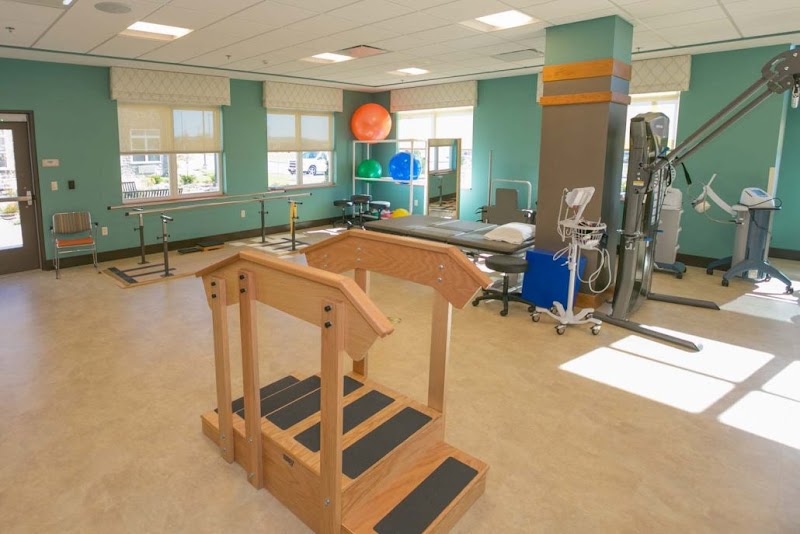
How Does The Healthcare Resort Of Topeka Compare to Other Kansas Nursing Homes?

Compared to the 100 nursing homes in Kansas, THE HEALTHCARE RESORT OF TOPEKA's overall rating (4 stars) is above the state average of 2.9, staff turnover (33%) is significantly lower than the state average of 46%, and health inspection rating (4 stars) is above the national benchmark.

What Should Families Ask When Visiting The Healthcare Resort Of Topeka?

Based on this facility's data, families visiting should ask: "Can I visit during a mealtime to observe dining assistance and food quality?" "How do you handle medical emergencies, and what is your hospital transfer rate?" "Can I speak with family members of current residents about their experience?"

Is The Healthcare Resort Of Topeka Safe?

Based on CMS inspection data, THE HEALTHCARE RESORT OF TOPEKA has a clean safety record: no substantiated abuse findings (meaning no confirmed cases of resident harm), no Immediate Jeopardy citations (the most serious violation level indicating risk of serious injury or death), and is not on the Special Focus Facility watch list (a federal program monitoring the lowest-performing 1% of nursing homes). The facility has a 4-star overall rating and ranks #1 of 100 nursing homes in Kansas. While no facility is perfect, families should still ask about staff-to-resident ratios and recent inspection results during their visit.

Do Nurses at The Healthcare Resort Of Topeka Stick Around?

THE HEALTHCARE RESORT OF TOPEKA has a staff turnover rate of 33%, which is about average for Kansas nursing homes (state average: 46%). Moderate turnover is common in nursing homes, but families should still ask about staff tenure and how the facility maintains care continuity when employees leave.

Was The Healthcare Resort Of Topeka Ever Fined?

THE HEALTHCARE RESORT OF TOPEKA has no federal fines on record. CMS issues fines when nursing homes fail to meet care standards or don't correct problems found during inspections. The absence of fines suggests the facility has either maintained compliance or corrected any issues before penalties were assessed. This is a positive indicator, though families should still review recent inspection reports for the full picture.

Is The Healthcare Resort Of Topeka on Any Federal Watch List?

THE HEALTHCARE RESORT OF TOPEKA is not on any federal watch list. The most significant is the Special Focus Facility (SFF) program, which identifies the bottom 1% of nursing homes nationally based on persistent, serious quality problems. Not being on this list means the facility has avoided the pattern of deficiencies that triggers enhanced federal oversight. This is a positive indicator, though families should still review the facility's inspection history directly.