VALLEY HEALTH CARE CENTER
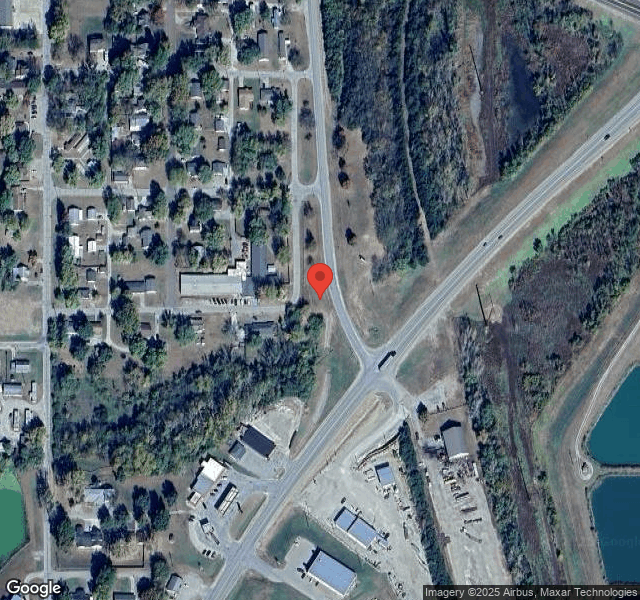
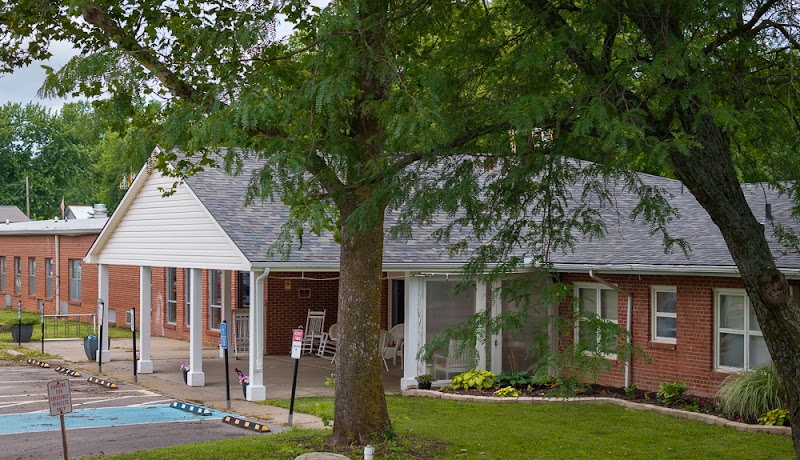
400 12TH STREET, VALLEY FALLS, KS 66088 (785) 945-3832
For profit - Partnership 40 Beds Independent Data: November 2025
Trust Grade
75/100
#98 of 295 in KS
Last Inspection: April 2025

Within standard 12-15 month inspection cycle. Federal law requires annual inspections.

Overview

Valley Health Care Center has a Trust Grade of B, which means it is a good choice for families considering nursing home options. It ranks #98 out of 295 facilities in Kansas, placing it in the top half, and is the best option among the four facilities in Jefferson County. The facility is improving, as it has reduced its reported issues from five in 2023 to four in 2025. However, it has a poor staffing rating of 1 out of 5 stars, with some reports indicating a lack of Registered Nurse (RN) coverage for at least eight hours a day, which could affect residents' care quality. On the positive side, the facility has no fines on record and a low staff turnover rate of 32%, indicating that employees tend to stay longer, which helps maintain continuity of care.

Trust Score
B
75/100
In Kansas
#98/295
Top 33%
Safety Record
Low Risk
No red flags
Inspections
Getting Better
5 → 4 violations
Staff Stability
○ Average
32% turnover. Near Kansas's 48% average. Typical for the industry.
Penalties
✓ Good
No fines on record. Clean compliance history, better than most Kansas facilities.
Skilled Nurses
○ Average
Each resident gets 35 minutes of Registered Nurse (RN) attention daily — about average for Kansas. RNs are the most trained staff who monitor for health changes.
Violations
⚠ Watch
15 deficiencies on record. Higher than average. Multiple issues found across inspections.
★★★★☆
4.0
Overall Rating
★☆☆☆☆
1.0
Staff Levels
★★★★★
5.0
Care Quality
★★★★☆
4.0
Inspection Score
Stable
2023: 5 issues
2025: 4 issues

The Good

  • 5-Star Quality Measures · Strong clinical quality outcomes
  • Full Sprinkler Coverage · Fire safety systems throughout facility
  • No fines on record
  • Staff turnover below average (32%)

    16 points below Kansas average of 48%

Facility shows strength in quality measures, fire safety.

The Bad

Staff Turnover: 32%

14pts below Kansas avg (46%)

Typical for the industry

The Ugly 15 deficiencies on record

Apr 2025 4 deficiencies
CONCERN (D)

Potential for Harm - no one hurt, but risky conditions existed

Deficiency F0699 (Tag F0699)

Could have caused harm · This affected 1 resident

**NOTE- TERMS IN BRACKETS HAVE BEEN EDITED TO PROTECT CONFIDENTIALITY** The facility identified a census of 23 residents. The sample included 13 residents, with one resident reviewed for trauma inform...

Read full inspector narrative →
**NOTE- TERMS IN BRACKETS HAVE BEEN EDITED TO PROTECT CONFIDENTIALITY** The facility identified a census of 23 residents. The sample included 13 residents, with one resident reviewed for trauma informed care (treatment or care directed to prevent re-experiencing or reducing the effects of traumatic events). Based on observation, record review, and interviews, the facility failed to identify trauma-based triggers related to Resident (R) 2's post-traumatic stress disorder (PTSD- mental disorder characterized by an acute emotional response to a traumatic event or situation involving severe environmental stress) and failed to implement individualized interventions to prevent re-traumatization. These deficient practices placed R2 at risk for decreased psychosocial well-being and ineffective treatment. Findings included: - R2's Electronic Medical Record (EMR) from the Diagnosis tab documented diagnoses of PTSD, schizoaffective (a mental disorder characterized by gross distortion of reality, disturbances of language and communication, and fragmentation of thought) and anxiety (mental or emotional reaction characterized by apprehension, uncertainty, and irrational fear). The Annual Minimum Data Set (MDS) dated [DATE] documented a Brief Interview for Mental Status (BIMS) score of 15 which indicated intact cognition. The MDS documented R2 had an active diagnosis of PTSD. The MDS documented R2 had daily behaviors that were not directed toward other residents. The MDS documented R2 had delusions (misconceptions or beliefs that are firmly held, contrary to reality) and hallucinations (perceptual experiences in the absence of real external sensory stimuli). The MDS documented R2 had received antipsychotic (a class of medications used to treat major mental conditions that cause a break from reality), antianxiety (a class of medications that calm and relax people), hypoglycemic (a class of medication used to lower blood sugar), and opioid (a class of controlled drugs used to treat pain). R2's Behavioral Symptoms Care Area Assessment (CAA), dated 03/19/25 documented she had received several psychotropic medications to help control her mood and behaviors. R2's Care Plan dated 04/15/22 documented she had a diagnosis of PTSD and the staff would complete an annual trauma-based assessment. The plan of care documented R2 had nightmares, avoided situations, felt guarded, and detached herself from activities. The plan of care dated 02/09/23 documented the staff would complete her annual trauma-based assessment. The plan of care documented the nursing staff would notify the physician of any concerns or any abnormal behaviors. The plan of care lacked what trauma had caused her PTSD or what might possibly cause her to be retraumatized. The plan of care lacked personalized interventions to assist her with coping with her PTSD. R2's EMR under the Assessment tab revealed the following Primary Care PTSD Screen dated 04/19/24 which documented R2 had answered yes to having nightmares or thoughts about her PTSD when she did not want to. The PTSD assessment documented R2 had answered she was constantly on guard, watchful, and was easily startled. On 04/07/25 at 07:14 AM R2 stood in her room with the curtains pulled closed and the room light was off, as she looked through the top drawer of her dresser. On 04/09/25 at 09:10 AM, Certified Nurse Aide (CNA) M stated he was not aware of any residents with the diagnosis of PTSD. CNA M stated a resident with PTSD would have it listed on their care plan with any events that would possibly retraumatize them. On 04/09/25 at 09:20 AM, Licensed Nurse (LN) G stated staff could look in the resident's EMR under the diagnosis tab to find out who had a PTSD diagnosis and the type of trauma and any possible events that could cause them to be retraumatized. LN G stated everyone had access to the resident's care plan and their [NAME] (nursing tool that gives a brief overview of the care needs of each resident). On 04/09/25 at 12:23 PM, Administrative Nurse D stated she expected a resident who had a diagnosis of PTSD to have a trauma-based assessment at the time of admission, annual, significant change, and as needed with any changes. The facility's Trauma Informed Care policy dated 1109/21 documented the facility would ensure residents who are trauma survivors received culturally competent, trauma-informed care accounting for the resident's experiences and preferences.
CONCERN (D)

Potential for Harm - no one hurt, but risky conditions existed

Deficiency F0757 (Tag F0757)

Could have caused harm · This affected 1 resident

The facility identified a census of 23 residents. The sample included 13 residents, including five residents reviewed for unnecessary medications. Based on observation, record review, and interview th...

Read full inspector narrative →
The facility identified a census of 23 residents. The sample included 13 residents, including five residents reviewed for unnecessary medications. Based on observation, record review, and interview the facility failed to ensure staff notified the physician when Resident (R) 11's physician ordered insulin (a hormone that lowers the level of glucose in the blood) was refused or held. This deficient practice placed R11 at risk of unnecessary medication administration and related complications. Findings included: - R11's Electronic Medical Record (EMR) documented diagnoses of type 2 diabetes mellitus (a chronic condition where the body either does not produce enough insulin or cannot effectively use the insulin it produces, leading to high blood sugar levels), schizoaffective disorder (a mental disorder characterized by gross distortion of reality, disturbances of language and communication, and fragmentation of thought), and congestive heart failure (CHF - a condition with low heart output and the body becomes congested with fluid). R11's Annual Minimum Data Set (MDS) dated 07/15/24, documented she had a Brief Interview for Mental Status (BIMS) score of 15, which indicated intact cognition. R11 was independent with most functional activities, but did require set-up and staff assistance for bathing and partial staff assistance with personal hygiene. R11 was continent of bladder and bowel. R11 received insulin injections daily, during the seven day lookback period. R11 also received an antipsychotic (a class of medications used to treat major mental conditions that cause a break from reality) and a diuretic (a medication to promote the formation and excretion of urine) medication regularly. R11's Functional Abilities Care Area assessment (CAA) dated 07/23/24 documented she was alert and able to make her needs known. R11 was mostly independent with her activities of daily living (ADL). She needed set-up help with showering, and supervision with eating. R11 needed redirection by staff and encouraging words. R11 would get anxious with her mental illness. Her level of assistance would depend on her mood and behaviors. Staff encouraged her to keep being as independent as possible, and staff helped as needed. R11's Care Plan last revised on 04/07/25 directed staff to administer her insulin as ordered by her physician. Staff were directed to monitor the resident's blood glucose as ordered by the physician and as needed. Staff were directed to notify the resident's physician if her blood sugars were not within parameters. R11's Order Summary in the EMR recorded a physician's order dated 05/11/20 for blood glucose monitoring before meals related to her type two diabetes mellitus. Staff were to notify the physician if the resident's blood glucose was greater than 350 milligrams (mg) per deciliter (dl) (a unit of measurement used in medicine to express the concentration of a substance in a fluid sample, such as blood) or below 70 mg/dl. R1's Order Summary in the EMR recorded a physician's order dated 06/04/24 for Novolog (a quick acting insulin used to lower blood sugars) solution 100 unit per milliliter (ml). Staff were to inject 55 units of the medication subcutaneously (SQ - beneath the skin) with meals for type 2 diabetes mellitus and administer within 15 minutes of the resident eating, twice daily. The order lacked parameters to hold or notify the physician. A review of R11's Medication Administration Record (MAR) from November 2024 documented 90 opportunities for the administration of her scheduled Novolog of 55 units. R11 refused the administration of her Novolog on three of 90 opportunities. Staff held R11's Novolog due to her vitals being outside of parameters for administration on three of 90 opportunities. R11's Progress Notes in the EMR from 11/01/24 to 11/30/24 lacked staff documentation that R11's physician was notified of the Novolog being held or R11's refusals. A review of R11's December 2024 MAR documented 93 opportunities for administration of her scheduled Novolog of 55 units. R11 refused administration of the Novolog on 12 of 93 opportunities and staff held R11's Novolog due to vitals being outside of parameters for administration on four of 93 opportunities. R11's Progress Notes in the EMR from 12/01/24 to 12/31/24 lacked staff documentation that R11's physician was notified of the Novolog being held or R11's refusals. A review of R11's January 2025 MAR documented 93 opportunities for administration of her scheduled Novolog of 55 units. R11 refused the administration of the Novolog on four of 93 opportunities. R11's Novolog was held due to vitals being outside of parameters for administration on four of 93 opportunities. R11's Progress Notes in the EMR from 01/01/25 to 01/31/25 lacked staff documentation R11's physician was notified of the Novolog being held or R11's refusals. A review of R11's February 2025 MAR documented 84 opportunities for the administration of her scheduled Novolog of 55 units. R11 refused the administration of the Novolog on two of 84 opportunities. R11's Novolog was held due to her vitals being outside of parameters for administration on four of 84 opportunities. R11's Progress Notes in the EMR from 02/01/25 to 02/28/25 documented a General Note dated 02/03/24 stating the primary provider's office was notified of frequent refusals of her Novolog and no new orders were received. R11's Progress Notes lacked staff documentation that R11's physician was notified of the Novolog being held or R11's refusals after 02/03/25. A review of R11's March 2025 MAR documented 93 opportunities for the administration of her scheduled Novolog of 55 units. R11 refused the administration of the Novolog on four of 93 opportunities. R11's Novolog was held due to vitals being outside of parameters for administration on three of 93 opportunities. R11's Progress Notes in the EMR from 03/01/25 to 03/31/25 lacked staff documentation that R11's physician was notified of the Novolog being held or R11's refusals. A review of R11's April 2025 MAR from 04/01/25 to 04/07/25, documented 21 opportunities for the administration of her scheduled Novolog of 55 units. R11 refused the administration of the Novolog on two of the 21 opportunities. R11's Progress Notes in the EMR from 04/01/25 to 04/07/25 lacked staff documentation that R11's physician was notified of the Novolog being refused. On 04/08/25 at 11:20 AM, R11 walked from her room to the dining room for lunch. On 04/09/25 at 11:17 AM, Licensed Nurse (LN) G stated the physician should be notified any time that R11 had refused her Novolog. LN G stated R11 did not have hold parameters for her Novolog since it was a scheduled dose amount and not a sliding scale amount. LN G stated R11's Novolog should not be held if the order did not have specific hold parameters included. On 04/09/25 at 12:23 PM, Administrative Nurse D stated R11 did have scheduled Novolog she was ordered to receive three times daily. Administrative Nurse D stated R11's Novolog was a scheduled amount and did not have hold parameters in the order. Administrative Nurse D stated any time R11 refused or if the medication was held the nurse was expected to document that the physician had been notified. The Notification of Changes policy revised 04/27/18 documented the facility would inform the resident, the resident's physician, and the resident's representative of any changes in the resident's status. The facility would immediately inform the resident, consult the physician; and notify, consistent with his or her authority, the resident representative when there was a need to alter treatment significantly (that is, a need to discontinue an existing form of treatment due to adverse consequences, or to commence a new form of treatment).
CONCERN (F)

Potential for Harm - no one hurt, but risky conditions existed

Deficiency F0727 (Tag F0727)

Could have caused harm · This affected most or all residents

The facility identified a census of 23 residents. The sample included 13 residents. Based on record review and interview, the facility failed to provide a Registered Nurse (RN) for at least eight cons...

Read full inspector narrative →
The facility identified a census of 23 residents. The sample included 13 residents. Based on record review and interview, the facility failed to provide a Registered Nurse (RN) for at least eight consecutive hours a day seven days a week. This placed the residents at risk of decreased quality of care. Findings included: - The Payroll Based Journaling (PBJ) report provided by the Centers for Medicare & Medicaid Services (CMS) for Fiscal Year (FY) 2024 quarter one, quarter two, quarter three, and quarter four indicated data was suppressed though the facility did not meet the reasons for suppressed data other than inaccurate data or failure to report. The PBJ report indicated 74 days in FY 2024, the facility did not have a registered nurse (RN) for eight consecutive hours for each 24 hours. A review of the time clock information, and payroll data revealed the facility did not have eight consecutive hours of RN coverage for all but seven days (12/09/23, 01/14/24, 01/15/24, 01/16/24, 01/21/24, 01/24/24, and 07/07/24). A review of the facility's monthly working nurses' schedule and RN clock in and clock out times from 10/01/24 to 03/31/25 revealed the facility did not have RN coverage for eight consecutive hours during each 24 hours for 44 of the 182 days. On 04/09/25 at 12:33 PM, Administrative Nurse D stated she covered as the RN on duty a lot. Administrative Nurse D stated either herself or one of the corporate float RNs covered most of the required RN hours but did not always have an RN every weekend. Administrative Nurse D stated the facility did have an ad out for the need of an RN but had not had much luck with applicants. On 04/09/25 at 12:38 PM, Administrative Staff A stated the facility had Administrative Nurse D and one corporate RN that covered the RN hours. Administrative Staff A stated the facility had an ad out in the community for an RN position but had not been able to fill the position yet. Administrative Staff A stated the facility did their best to ensure an RN on duty daily, but was not always able to cover every day, mostly on the weekends. The Competent and Sufficient Staffing policy dated September 2024 documented the facility would provide the sufficient number of nursing staff with the skill sets and competency necessary to provide care and services for all residents in accordance with resident care plans and the Facility Assessment. A licensed nurse, RN, or Licensed Practical Nurse (LPN) was designated as the charge nurse on each shift. The director of nursing (DON) may serve as the charge nurse only when the average daily occupancy of the facility was 60 or fewer residents. The RN provided services at least eight consecutive hours every 24 hours, seven days a week. RNs may be scheduled for more than eight hours depending on the acuity needs of the residents.
CONCERN (F)

Potential for Harm - no one hurt, but risky conditions existed

Staffing Data (Tag F0851)

Could have caused harm · This affected most or all residents

The facility identified a census of 23 residents. Based on interview, and record review the facility failed to submit accurate staffing information to the federal regulatory agency through Payroll Bas...

Read full inspector narrative →
The facility identified a census of 23 residents. Based on interview, and record review the facility failed to submit accurate staffing information to the federal regulatory agency through Payroll Based Journaling (PBJ), when the facility failed to submit accurate registered nurse (RN) coverage hours. Findings included: - The PBJ report provided by the Centers for Medicaid and Medicare (CMS) for Fiscal Year (FY) 2024 quarter one, quarter two, quarter three, and quarter four FY 2024 documented the following triggered areas: The quarter one PBJ documentation revealed the facility had a one-star staffing rating and documented no RN hours. The facility failed to have information for RN clock in and out times for staff hours on 10/01/23, 10/15/23, 10/28/23, 10/29/23, 11/05/23, 11/11/23, 11/12/23, 11/19/23, 11/22/23, 11/23/23, 11/24/23, 11/25/23 11/26/23, 12/03/23, 12/09/23, 12/10/23, 12/17 /23, 12/23/23, 12/24/23, 12/25/23, 12/30/23, and 12/31/23 during quarter one of FY 2024. The PBJ report provided by CMS for FY 2024 for quarter two revealed the facility had a one star staffing rating, RN hours, and noted the facility failed to have licensed nurse coverage 24 hours per day. The facility was unable to provide requested RN clock in and out times for staff hours on the following dates: 01/01/24, 01/06/24, 01/07/24, 01/14/24, 01/27/24, 01/28/24, 02/03/24, 02/04/24, 02/11/24, 02/17/24, 02/18/24, 02/25/24, 03/02/24, 03/03/24, 03/10/24, 03/16/24, 03/17/24, 03/30/24, and 03/31/24. The facility was able to provide documentation of clock in and out times for RN coverage on 01/15/24, 01/16/24, 01/20/24, 01/21/24, and 01/24/24, but that information was not submitted in the PBJ as required. The PBJ report provided by the CMS for FY 2024 quarter two revealed the facility had a one star staffing rating, RN hours, and noted the failed to have licensed nursing coverage 24 hours per day. The facility was unable to provide the requested RN clock in and out times for staff hours on the following dates: 04/07/24, 04/21/24, 04/27/24, 04/28/24, 05/11/24/24, 05/12/24, 05/19/24, 05/25/24, 05/26/24, 05/27/24, 06/08/24, 06/22/24, 06/25/24, The facility was unable to provide the requested RN clock in and out times for staff hours on the following dates: 07/04/24, 07/06/24, 07/14/24, 07/20/24, 07/21/24, 07/28/24, 08/03/24, 08/04/24, 08/11/24, 08/16/24, 08/17/24, 08/31/24, 09/02/24, and 09/19/24. The facility was able to provide punch times for RN coverage on 07/07/24 and 09/19/24, but that information was not submitted in the PBJ as required. On 04/09/25 at 12:38 PM, Administrative Staff A stated there were times when the facility had RN coverage, but did not have a way to log the hours when Administrative Nurse D and/or a corporate float RN worked so those hours were not submitted for the PBJ. The facility failed to provide a policy regarding PBJ reporting.
Jul 2023 5 deficiencies
CONCERN (D)

Potential for Harm - no one hurt, but risky conditions existed

Notification of Changes (Tag F0580)

Could have caused harm · This affected 1 resident

**NOTE- TERMS IN BRACKETS HAVE BEEN EDITED TO PROTECT CONFIDENTIALITY** The facility had a census of 30 residents. The sample included 12 residents. Based on observation, record review, and interview,...

Read full inspector narrative →
**NOTE- TERMS IN BRACKETS HAVE BEEN EDITED TO PROTECT CONFIDENTIALITY** The facility had a census of 30 residents. The sample included 12 residents. Based on observation, record review, and interview, the facility failed to report blood pressures and fasting blood sugars (a system which measures blood glucose in the body) outside of physician ordered parameters for Resident (R) 8. This placed the resident at risk for complications related to potential delay in physician involvement and/or treatment decisions. Findings included: - R8's Electronic Medical Record (EMR) recorded diagnoses of diabetes mellitus type 2 (when the body cannot use glucose, not enough insulin made, or the body cannot respond to the insulin), and elevated high blood pressure. The Annual Minimum Data Set (MDS), dated [DATE], documented intact cognition. R8 required supervision with set-up assistance for transfers and was independent with all other activities of daily living (ADL). The assessment further documented R8 received seven days of insulin (a hormone produced in the pancreas by the cells in the pancreas), an antipsychotic (a class of medication used to treat psychosis and other mental emotional conditions), and an antibiotic (medication that inhibits the growth of or destroys microorganisms). The Quarterly MDS, dated 06/26/23, documented intact cognition. R8 required supervision with set-up assistance with personal hygiene, and was independent with all other ADLs. The assessment further documented R8 received seven days of insulin, antipsychotic, and a diuretic (medication to promote the formation and excretion of urine). The Care Plan, dated 07/14/23, directed staff to monitor R8's blood glucose as ordered by the physician and as needed; monitor for signs of increased blood sugar and report any signs and symptoms to the physician. The care plan further directed staff to administer medications as ordered and report any side effects, effectiveness, and report any abnormal findings to the physician. The Physician's Order, dated 10/06/21, directed staff to notify the physician if the fasting blood glucose was over 160 mg/dl (milligrams per deciliter) or under 70 mg/dl. The Physicians' Order, dated 01/25/23, directed staff to administer Novolog (fast-acting insulin), 18 units (U), subcutaneous (under the skin) three times a day for diabetes mellitus type 2, which was discontinued on 07/07/23 The Physician's Order, dated 07/09/23, directed staff to administer Novolog, 25 U subcutaneous three times a day for diabetes mellitus type 2. The Medication Administration Record (MAR), dated May 2023, documented the following fasting blood sugars outside of the physician ordered parameters: 05/08/23-162 mg/dl 05/11/23-183 mg/dl 05/17/23-183 mg/dl 05/23/23-205 mg/dl 05/24/23-265 mg/dl 05/26/23-226 mg/dl The EMR lacked documentation the physician was notified of blood sugars listed above. The MAR dated June 2023, documented the following fasting blood sugars outside of the physician ordered parameters:: 6/12/23-98 mg/dl 6/14/23-176 mg/dl 6/23/23-188 mg/dl 6/26/23-169 mg/dl 6/29/23-172 mg/dl The EMR lacked documentation the physician was notified of the blood sugars listed above. The MAR, dated July 2023, documented the following fasting blood sugars outside of the physician ordered parameters:: 7/5/23-232 mg/dl 7/6/23-244 mg/dl 7/12/23-176 mg/dl 7/13/23-211 mg/dl 7/19/23-170 mg/dl The EMR lacked documentation the physician was notified of the blood sugars listed above. The Standing Order Special Instructions, dated 10/17/22, directed staff to notify the physician if R8's systolic blood pressure (SBP-the pressure caused by the heart contracting and pushing out the blood) was greater than 160 beats per minute (bpm) or less than 80 bpm and if R8's diastolic blood pressure (DBP-the pressure in the arteries when the heart rests between beats) was greater than 100 bpm or less than 50 bpm. The Physician's Order, dated 03/07/23, directed staff to administer Cozaar (medication for elevated blood pressure), 25 mg (milligrams) by mouth daily. The Physician's Order, dated 03/09/23, directed staff to administer Norvasc (medication for elevated blood pressure), 5 mg by mouth in the evening. R8's Vital Sign Record for January, February, and July 2023 documented the following SBP outside of ordered parameters which lacked evidence of physician notification: 01/19/23-172/86 01/24/23-178/79 01/31/23-166/82 02/07/23-169/87 02/14/23-164/80 07/01/23-165/81 On 07/26/23 at 11:35 AM, observation revealed R8 in the dining room eating lunch. On 07/26/23 at 03:00 PM, Licensed Nurse (LN) G verified the physician should have been notified of the out of parameter blood sugars and blood pressures. On 07/26/23 at 09:56 AM, Administrative Nurse D stated staff should follow the physician orders and blood sugars and blood pressures outside or ordered parameters should have been called to the physician. The facility's Clinician Notification policy, dated 11/28/17, directed staff to notify the physician on a timely basis when a need to alter treatment is required, if there was a significant change in the resident's physical, mental, or psychosocial status and if there was a decision to transfer or discharge a resident from the facility. The policy further documented, decision making regarding notification parameters for clinical signs and symptoms would be based on physician orders and physician specific parameters. The facility failed to report blood sugar and blood pressures which were outside of the physician ordered parameters for R8, placing him at risk for complications related to potential delay in physician involvement and/or treatment decisions.
CONCERN (D)

Potential for Harm - no one hurt, but risky conditions existed

Deficiency F0657 (Tag F0657)

Could have caused harm · This affected 1 resident

**NOTE- TERMS IN BRACKETS HAVE BEEN EDITED TO PROTECT CONFIDENTIALITY** The facility had a census of 31 residents. The sample included 12 residents, with 12 reviewed for bathing. Based on observation,...

Read full inspector narrative →
**NOTE- TERMS IN BRACKETS HAVE BEEN EDITED TO PROTECT CONFIDENTIALITY** The facility had a census of 31 residents. The sample included 12 residents, with 12 reviewed for bathing. Based on observation, record review, and interview, the facility failed to revise a care plan to reflect Resident (R) 20's shower refusal's and include other alternatives for personal hygiene per the resident's needs and preferences. This placed the resident at risk for poor hygiene due to uncommunicated care or behaviors. Findings included: - The Electronic Medical Record (EMR) for R20 documented diagnoses of dementia without behavior disturbance (progressive mental disorder characterized by failing memory, confusion), bipolar disorder (major mental illness that caused people to have episodes of severe high and low moods), paranoid schizophrenia (a psychotic disorder characterized by gross distortion of reality, disturbances of language and communication and fragmentation of thought), and diabetes mellitus type 2 (2 (when the body cannot use glucose, not enough insulin made, or the body cannot respond to the insulin). The Quarterly Minimum Data Set (MDS), dated [DATE], documented R20 had intact cognition and required supervision and set up assistance for personal hygiene, independent with set-up assistance with eating, and independent with all other activities of daily living (ADL) . The MDS further documented bathing did not occurred during the look back period. The Care Plan, dated 07/21/23, documented R20 preferred to take a shower during the night, every other day, and he would get the towels and supplies when he was ready to shower. The care plan directed staff to assist R20 if he asked for help as he would often ask staff permission to take a shower, shave, to toilet and documented R20's skin could get itchy. The care plan lacked documentation of interventions to employ when R20 refused showers. The May 2023 Bathing Record documented R20 refused baths or showers the following days: 05/02/23 05/05/23 05/09/23 05/12/23 05/16/23 05/19/23 05/23/23 05/26/23 05/30/23 The June 2023 Bathing Record documented R20 refused baths or showers the following days: 06/07/23 06/09/23 06/13/23 06/16/23 06/20/23 06/23/23 06/27/23 06/30/23 The July 2023 Bathing Record documented R20 refused baths or showers the following days: 07/04/23 07/08/23 07/11/23 07/15/23 07/25/23 On 07/27/23 at 09:57 AM, observation revealed R20 had on a orange shirt that had three small stains on it, and red shorts; his hair appeared clean. On 07/26/23 at 09:00 AM, Certified Nurse Aide CNA) M stated R20 used to take his showers regularly but he will at times refuse for about a week ata time. CNA M further stated staff tried to encourage the resident and provide constant reminders during the day if residnets continued to refuse. On 07/27/23 at 0930 AM, Administrative Nurse D stated staff would encourage bathing and would offer washing up at the bathroom sink if the resident did not want to take a shower. The facility's Care Plan policy, dated 11/28/17, documented the care plan should reflect individualized problems, goals, and interventions based on the resident's preferences and wishes, and would be updated on an ongoing basis as the resident achieved goals and progresses toward discharge. The facility failed to revise R20's care plan to provide staff direction or interventions related to R20's shower refusals. This placed the resident at risk for poor hygiene due to uncommunicated care needs.
CONCERN (D)

Potential for Harm - no one hurt, but risky conditions existed

Drug Regimen Review (Tag F0756)

Could have caused harm · This affected 1 resident

**NOTE- TERMS IN BRACKETS HAVE BEEN EDITED TO PROTECT CONFIDENTIALITY** The facility had a census of 30 residents. The sample included 12 residents, with five reviewed for unnecessary medications. Bas...

Read full inspector narrative →
**NOTE- TERMS IN BRACKETS HAVE BEEN EDITED TO PROTECT CONFIDENTIALITY** The facility had a census of 30 residents. The sample included 12 residents, with five reviewed for unnecessary medications. Based on observation, record review, and interview, the facility failed to ensure the Consultant Pharmacist idenitfied and reported Resident (R) R8's blood pressure and blood sugars (a system which measures blood glucose in the body) were outside of physician ordered parameters. This placed the resident at risk for physical decline. Findings included: - R8's Electronic Medical Record (EMR) recorded diagnoses of diabetes mellitus type 2 (when the body cannot use glucose, not enough insulin made, or the body cannot respond to the insulin), and elevated high blood pressure. The Annual Minimum Data Set (MDS), dated [DATE], documented intact cognition. R8 required supervision with set-up assistance for transfers and was independent with all other activities of daily living (ADL). The assessment further documented R8 received seven days of insulin (a hormone produced in the pancreas by the cells in the pancreas), an antipsychotic (a class of medication used to treat psychosis and other mental emotional conditions), and an antibiotic (medication that inhibits the growth of or destroys microorganisms). The Quarterly MDS, dated 06/26/23, documented intact cognition. R8 required supervision with set-up assistance with personal hygiene, and was independent with all other ADLs. The assessment further documented R8 received seven days of insulin, antipsychotic, and a diuretic (medication to promote the formation and excretion of urine). The Care Plan, dated 07/14/23, directed staff to monitor R8's blood glucose as ordered by the physician and as needed; monitor for signs of increased blood sugar and report any signs and symptoms to the physician. The care plan further directed staff to administer medications as ordered and report any side effects, effectiveness, and report any abnormal findings to the physician. The Physician's Order, dated 10/06/21, directed staff to notify the physician if the fasting blood glucose was over 160 mg/dl (milligrams per deciliter) or under 70 mg/dl. The Physicians' Order, dated 01/25/23, directed staff to administer Novolog (fast-acting insulin), 18 units (U), subcutaneous (under the skin) three times a day for diabetes mellitus type 2, which was discontinued on 07/07/23 The Physician's Order, dated 07/09/23, directed staff to administer Novolog, 25 U subcutaneous three times a day for diabetes mellitus type 2. The Medication Administration Record (MAR), dated May 2023, documented the following fasting blood sugars outside of the physician ordered parameters: 05/08/23-162 mg/dl 05/11/23-183 mg/dl 05/17/23-183 mg/dl 05/23/23-205 mg/dl 05/24/23-265 mg/dl 05/26/23-226 mg/dl The EMR lacked documentation the physician was notified of blood sugars listed above. The MAR dated June 2023, documented the following fasting blood sugars outside of the physician ordered parameters:: 6/12/23-98 mg/dl 6/14/23-176 mg/dl 6/23/23-188 mg/dl 6/26/23-169 mg/dl 6/29/23-172 mg/dl The EMR lacked documentation the physician was notified of the blood sugars listed above. The MAR, dated July 2023, documented the following fasting blood sugars outside of the physician ordered parameters:: 7/5/23-232 mg/dl 7/6/23-244 mg/dl 7/12/23-176 mg/dl 7/13/23-211 mg/dl 7/19/23-170 mg/dl The EMR lacked documentation the physician was notified of the blood sugars listed above. The Standing Order Special Instructions, dated 10/17/22, directed staff to notify the physician if R8's systolic blood pressure (SBP-the pressure caused by the heart contracting and pushing out the blood) was greater than 160 beats per minute (bpm) or less than 80 bpm and if R8's diastolic blood pressure (DBP-the pressure in the arteries when the heart rests between beats) was greater than 100 bpm or less than 50 bpm. The Physician's Order, dated 03/07/23, directed staff to administer Cozaar (medication for elevated blood pressure), 25 mg (milligrams) by mouth daily. The Physician's Order, dated 03/09/23, directed staff to administer Norvasc (medication for elevated blood pressure), 5 mg by mouth in the evening. R8's Vital Sign Record for January, February, and July 2023 documented the following SBP outside of ordered parameters which lacked evidence of physician notification: 01/19/23-172/86 01/24/23-178/79 01/31/23-166/82 02/07/23-169/87 02/14/23-164/80 07/01/23-165/81 On 07/26/23 at 11:35 AM, observation revealed R8 in the dining room eating lunch. On 07/26/23 at 03:00 PM, Licensed Nurse (LN) G verified the physician should have been notified of the out of parameter blood sugars and blood pressures. On 07/26/23 at 09:56 AM, Administrative Nurse D stated, staff should follow the physician orders and the out of the parameter blood sugar and blood pressures should have been called to the physician. Administrative Nurse D stated the pharmacist should inform the facility of any irregularities found during review of the residents' medical record. The facility's Drug Regimen Review policy, dated 11/28/17, documented the pharmacist would complete a review of the resident's clinical chart one time monthly and would report any irregularities to the attending physician, the facility's medical director and the director of nursing. The facility failed to ensure the Consultant Pharmacist idenitfied and reported R8's blood pressure and blood sugars (a system which measures blood glucose in the body) were outside of physician ordered parameters. This placed the resident at risk for physical decline.
CONCERN (D)

Potential for Harm - no one hurt, but risky conditions existed

Deficiency F0757 (Tag F0757)

Could have caused harm · This affected 1 resident

**NOTE- TERMS IN BRACKETS HAVE BEEN EDITED TO PROTECT CONFIDENTIALITY** The facility had a census of 31 residents. The sample included 12 residents, with five reviewed for unnecessary medications. Bas...

Read full inspector narrative →
**NOTE- TERMS IN BRACKETS HAVE BEEN EDITED TO PROTECT CONFIDENTIALITY** The facility had a census of 31 residents. The sample included 12 residents, with five reviewed for unnecessary medications. Based on observation, record review, and interview, the facility failed to ensure adequate monitoring to identify out of parameter blood pressures and fasting blood sugars (a system which measures blood glucose in the body) for Resident (R) 8. This placed the resident at risk for complications related to medications used for high blood pressure and blood sugars. Findings included: - R8's Electronic Medical Record (EMR) recorded diagnoses of diabetes mellitus type 2 (when the body cannot use glucose, not enough insulin made, or the body cannot respond to the insulin), and elevated high blood pressure. The Annual Minimum Data Set (MDS), dated [DATE], documented intact cognition. R8 required supervision with set-up assistance for transfers and was independent with all other activities of daily living (ADL). The assessment further documented R8 received seven days of insulin (a hormone produced in the pancreas by the cells in the pancreas), an antipsychotic (a class of medication used to treat psychosis and other mental emotional conditions), and an antibiotic (medication that inhibits the growth of or destroys microorganisms). The Quarterly MDS, dated 06/26/23, documented intact cognition. R8 required supervision with set-up assistance with personal hygiene, and was independent with all other ADLs. The assessment further documented R8 received seven days of insulin, antipsychotic, and a diuretic (medication to promote the formation and excretion of urine). The Care Plan, dated 07/14/23, directed staff to monitor R8's blood glucose as ordered by the physician and as needed; monitor for signs of increased blood sugar and report any signs and symptoms to the physician. The care plan further directed staff to administer medications as ordered and report any side effects, effectiveness, and report any abnormal findings to the physician. The Physician's Order, dated 10/06/21, directed staff to notify the physician if the fasting blood glucose was over 160 mg/dl (milligrams per deciliter) or under 70 mg/dl. The Physicians' Order, dated 01/25/23, directed staff to administer Novolog (fast-acting insulin), 18 units (U), subcutaneous (under the skin) three times a day for diabetes mellitus type 2, which was discontinued on 07/07/23 The Physician's Order, dated 07/09/23, directed staff to administer Novolog, 25 U subcutaneous three times a day for diabetes mellitus type 2. The Medication Administration Record (MAR), dated May 2023, documented the following fasting blood sugars outside of the physician ordered parameters: 05/08/23-162 mg/dl 05/11/23-183 mg/dl 05/17/23-183 mg/dl 05/23/23-205 mg/dl 05/24/23-265 mg/dl 05/26/23-226 mg/dl The EMR lacked documentation the physician was notified of blood sugars listed above. The MAR dated June 2023, documented the following fasting blood sugars outside of the physician ordered parameters:: 6/12/23-98 mg/dl 6/14/23-176 mg/dl 6/23/23-188 mg/dl 6/26/23-169 mg/dl 6/29/23-172 mg/dl The EMR lacked documentation the physician was notified of the blood sugars listed above. The MAR, dated July 2023, documented the following fasting blood sugars outside of the physician ordered parameters:: 7/5/23-232 mg/dl 7/6/23-244 mg/dl 7/12/23-176 mg/dl 7/13/23-211 mg/dl 7/19/23-170 mg/dl The EMR lacked documentation the physician was notified of the blood sugars listed above. The Standing Order Special Instructions, dated 10/17/22, directed staff to notify the physician if R8's systolic blood pressure (SBP-the pressure caused by the heart contracting and pushing out the blood) was greater than 160 beats per minute (bpm) or less than 80 bpm and if R8's diastolic blood pressure (DBP-the pressure in the arteries when the heart rests between beats) was greater than 100 bpm or less than 50 bpm. The Physician's Order, dated 03/07/23, directed staff to administer Cozaar (medication for elevated blood pressure), 25 mg (milligrams) by mouth daily. The Physician's Order, dated 03/09/23, directed staff to administer Norvasc (medication for elevated blood pressure), 5 mg by mouth in the evening. R8's Vital Sign Record for January, February, and July 2023 documented the following SBP outside of ordered parameters which lacked evidence of physician notification: 01/19/23-172/86 01/24/23-178/79 01/31/23-166/82 02/07/23-169/87 02/14/23-164/80 07/01/23-165/81 On 07/26/23 at 11:35 AM, observation revealed R8 in the dining room eating lunch. On 07/26/23 at 03:00 PM, Licensed Nurse (LN) G verified the physician should have been notified of the out of parameter blood sugars and blood pressures. On 07/26/23 at 09:56 AM, Administrative Nurse D stated staff should follow the physician orders and blood sugars and blood pressures outside or ordered parameters should have been called to the physician. Upon request, a policy for blood sugar and blood pressure parameters was not provided by the facility. The facility failed to ensure adequate monitoring to identify out of parameter blood pressures and fasting blood sugars for R8. This placed the resident at risk for complications related to medications used for high blood pressure and blood sugars.
CONCERN (F)

Potential for Harm - no one hurt, but risky conditions existed

Deficiency F0727 (Tag F0727)

Could have caused harm · This affected most or all residents

The facility had a census of 30 residents. Based on observation, record review, and interview, the facility failed to provide Registered Nurse (RN) coverage eight hours a day, seven days a week, placi...

Read full inspector narrative →
The facility had a census of 30 residents. Based on observation, record review, and interview, the facility failed to provide Registered Nurse (RN) coverage eight hours a day, seven days a week, placing all residents who reside at the facility at risk of lack of assessments and inappropriate care. Findings included: - Upon review of Payroll Based Journal (PBJ- a required detail information submitted by nursing homes of staffing required from the Centers of Medicare and Medicaid Services [CMS]) lacked RN eight-hour coverage for the months of May 2022, July 2022, August 2022, September 2022, October 2022, November 2022, December 2022, January 2023, February 2023, and March 2023. On 07/26/23 at 10:00 AM, Consultant GG stated she was unsure if the information on the PBJ report was correct but knew they had difficulty finding an RN to work on weekends. The facility's Nursing Service policy, dated 04/27/28, documented the facility would provide sufficient nursing staff with the appropriate competencies and skill sets to provide nursing and related services to maintain resident safety and assist resident to attain and/or maintain their highest practicable level of physical, mental, and psychosocial wellbeing. The facility failed to provide Registered Nurse coverage eight consecutive hours a day, seven days a week placing the residents who resided in the facility at risk of lack of assessment and inappropriate care.
Nov 2022 2 deficiencies
CONCERN (D) 📢 Someone Reported This

A family member, employee, or ombudsman was alarmed enough to file a formal complaint

Potential for Harm - no one hurt, but risky conditions existed

Deficiency F0553 (Tag F0553)

Could have caused harm · This affected 1 resident

**NOTE- TERMS IN BRACKETS HAVE BEEN EDITED TO PROTECT CONFIDENTIALITY** The facility identified a census of 29 residents. The sample included three residents. Based on observations, record review, and...

Read full inspector narrative →
**NOTE- TERMS IN BRACKETS HAVE BEEN EDITED TO PROTECT CONFIDENTIALITY** The facility identified a census of 29 residents. The sample included three residents. Based on observations, record review, and interviews, the facility failed to invite Resident (R) 1's legal guardian to the annual care plan meeting. This deficient practice had the risk for miscommunication and lack of inclusion in all aspects of person-centered care planning for R1 and their guardian. Findings included: - R1 admitted to the facility on [DATE]. The Diagnoses tab of R1's Electronic Medical Record (EMR) documented diagnoses of schizoaffective disorder (a mental disorder in which a person experiences a combination of symptoms of schizophrenia [psychotic disorder characterized by gross distortion of reality, disturbances of language and communication and fragmentation of thought]) bipolar type (includes episodes of mania and sometimes major depression [major mood disorder]) and borderline intellectual functioning (a cognitive impairment that applies to those who have lower than average intelligence). The Annual Minimum Data Set (MDS) dated 08/22/22, documented a Brief Interview for Mental Status (BIMS) was not assessed. R1 was independent with activities of daily living (ADLs) with setup help only for eating. The Quarterly MDS dated 11/21/22, documented a BIMS score of 13 which indicated intact cognition. R1 was independent with ADLs with setup help only for eating. The Cognitive Loss/Dementia (progressive mental disorder characterized by failing memory, confusion) Care Area Assessment (CAA) dated 08/24/22, documented R1 had borderline intellectual functioning and had trouble finding his words to voice his opinion. The Communication Care Plan dated 09/16/21, directed staff allowed R1 time to respond to staff when communicating with him. The Notes tab of R1's EMR revealed the following: A General Note on 08/20/22 at 10:36 AM documented R1 left the facility with a family member on a home pass at that time. A Communication Note on 08/24/22 at 12:36 PM documented the facility received a request of information from county jail for resident records, records were faxed to jail. A Resident Out/Return to Facility Note on 09/03/22 at 01:43 PM documented R1 returned to the facility. The Assessments tab of R1's EMR revealed a Care Plan Review and Progress Note on 09/22/22 at 03:25 PM that documented R1 had an annual care plan meeting on 09/22/22 and the assessment indicated the family was not invited. On 11/28/22 at 12:52 PM, R1 ambulated down the hallway and conversed with the surveyor. On 11/28/22 at 01:02 PM, Social Services X stated the resident was always at the care plan meetings and the guardians were always invited. On 11/28/22 at 01:14 PM, Administrative Nurse E stated the guardian was invited to the care plan meeting and R1's guardian was invited and usually attended over the phone. She stated R1 was in jail at the time when the care plan meeting was due so they did not invite the family. The facility's Care Planning policy, dated 11/28/17, directed the Director of Nursing and the interdisciplinary team (IDT) monitored care plans on an ongoing basis to ensure they reflected the current status of the resident. The IDT consisted of the attending physician, a registered nurse with a responsibility for the resident, a nurse aide with a responsibility for the resident, a member of food and nutrition services staff, the resident, the resident's representative, and other appropriate staff or professionals in disciplines as determined by the resident's needs or as requested by the resident. The facility failed to invite R1's legal guardian to the annual care plan meeting. This deficient practice had the risk for miscommunication and lack of inclusion in all aspects of person-centered care planning for R1 and their guardian.
CONCERN (D) 📢 Someone Reported This

A family member, employee, or ombudsman was alarmed enough to file a formal complaint

Potential for Harm - no one hurt, but risky conditions existed

Notification of Changes (Tag F0580)

Could have caused harm · This affected 1 resident

**NOTE- TERMS IN BRACKETS HAVE BEEN EDITED TO PROTECT CONFIDENTIALITY** The facility identified a census of 29 residents. The sample included three residents. Based on observations, record review, and...

Read full inspector narrative →
**NOTE- TERMS IN BRACKETS HAVE BEEN EDITED TO PROTECT CONFIDENTIALITY** The facility identified a census of 29 residents. The sample included three residents. Based on observations, record review, and interviews, the facility failed to notify Resident (R) 1's legal guardian of new medication orders. This deficient practice had the risk for miscommunication and delayed treatment decisions between R1, their guardian, and the facility. Findings included: - R1 admitted to the facility on [DATE]. The Diagnoses tab of R1's Electronic Medical Record (EMR) documented diagnoses of schizoaffective disorder (a mental disorder in which a person experiences a combination of symptoms of schizophrenia [psychotic disorder characterized by gross distortion of reality, disturbances of language and communication and fragmentation of thought]) bipolar type (includes episodes of mania and sometimes major depression [major mood disorder]) and borderline intellectual functioning (a cognitive impairment that applies to those who have lower than average intelligence). The Annual Minimum Data Set (MDS) dated 08/22/22, documented a Brief Interview for Mental Status (BIMS) was not assessed. R1 had delusions and hallucinations during the assessment period. R1 had verbal behaviors directed towards others one to three days and other behavioral symptoms directed towards others four to six days in the assessment period. R1 was independent with activities of daily living (ADLs) with setup help only for eating. R1 received antipsychotic (class of medications used to treat psychosis and other mental emotional conditions) medications five days in the seven-day lookback period. The Quarterly MDS dated 11/21/22, documented a BIMS score of 13 which indicated intact cognition. R1 had delusions and hallucinations in the assessment period. R1 had verbal behaviors and other behavioral symptoms one to three days in the assessment period. R1 was independent with ADLs with setup help only for eating. R1 received antipsychotic medications on a daily basis during the lookback period. The Cognitive Loss/Dementia (progressive mental disorder characterized by failing memory, confusion) Care Area Assessment (CAA) dated 08/24/22, documented R1 had borderline intellectual functioning and had trouble finding his words to voice his opinion. The Psychotropic (any drug that affects brain activities associated with mental processes and behavior) Drug Use CAA dated 08/24/22, documented R1 took psychotropic medications to help control his mood and behaviors. The Behavioral Symptoms Care Plan dated 11/15/19, documented an intervention with a start date of 09/22/22 that R1 was starting Invega (antipsychotic medication) again for auditory hallucinations and directed staff to monitor for side effects and effectiveness. The Orders tab of R1's EMR documented an order with a start date of 09/21/22 and stop date of 10/04/22 for Invega Extended Release three milligrams (mg) in the morning for schizophrenia; an order with a start date of 09/28/22 for Invega Sustenna 234 mg one time only for schizophrenia; an order with a start date of 10/05/22 for Invega Sustenna 234 mg at bedtime every 28 days for schizophrenia; and an order with a start date of 10/05/22 and stop date of 10/11/22 for lurasidone (Latuda- antipsychotic medication) hydrochloride (HCl) 60 mg in the afternoon for schizophrenia for seven days. The Notes tab of R1's EMR revealed a General Note on 09/21/22 at 01:33 AM that documented new orders received for Invega three mg for three weeks, Invega 234 mg injection on 09/28/22 and 10/05/22 then every four weeks starting on 10/05/22, Latuda 60 mg to start on 10/05/22 daily with meal for one week. Orders were updated in EMR and faxed to pharmacy, resident was aware and agreeable to new orders. R1's medical record lacked evidence R1's guardian was notified of new orders. On 11/28/22 at 12:52 PM, R1 ambulated down the hallway and conversed with the surveyor. On 11/28/22 at 12:59 PM, Licensed Nurse (LN) G stated the nurse was expected to notify the guardian on the resident's profile page for all new orders and medication changes. On 11/28/22 at 01:14 PM, Administrative Nurse E stated if the resident was their own responsible party then they were notified, if the resident had a guardian then the guardian was notified of any changes. She stated R1's guardian was notified of all changes, a lot of times staff left messages for the guardian who returned the call. Administrative Nurse E stated it was facility policy to notify the guardian of changes. The facility's Notification of Changes policy, last revised 04/27/18, directed the facility informed the resident, resident's physician, and the resident's representative of any changes in the resident's status. The facility failed to notify R1's legal guardian of new medication orders. This deficient practice had the risk for miscommunication and delayed treatment decisions between R1, their guardian, and the facility.
Jan 2022 4 deficiencies
CONCERN (E)

Potential for Harm - no one hurt, but risky conditions existed

Deficiency F0761 (Tag F0761)

Could have caused harm · This affected multiple residents

The facility had a census of 26 residents. The sample included 12 residents. Based on observation, interview, and record review the facility failed to ensure expired medications were removed from a na...

Read full inspector narrative →
The facility had a census of 26 residents. The sample included 12 residents. Based on observation, interview, and record review the facility failed to ensure expired medications were removed from a narcotic (medication used to treat moderate to severe pain and/or sleep management, and can lead to addiction) emergency kit in one medication cart. This placed the affected residents at risk for decreased or ineffective therapeutic results. Findings included: - On 01/04/22 at 09:11 AM, observation revealed the narcotic emergency kit in the medication cart contained the following expired medications: Tramadol (narcotic pain medication used for moderate to severe pain) 50 milligrams (mg), expired 10/15/21 Lortab (narcotic pain medication used for moderate to severe pain) 5 mg/325 mg, expired 10/15/21 Xanax (antianxiety medication used for agitation and anxiety) 0.25 mg, expired 10/15/21 Ambien (narcotic medication used to treat severe sleep problems) 5 mg, expired 10/15/21 On 01/04/22 at 09:11 AM, Licensed Nurse (LN) H verified the medications in the narcotic emergency kit were expired, and staff should notify the facility's pharmacist for the disposal of the expired narcotic medications. On 01/04/22 at 03:34 PM, Administrative Nurse D stated staff should monitor medication expiration dates, and remove expired medications from the medication cart to prevent administration to the residents. The facility's undated Storage of Medications and Biologicals policy documented staff should remove expired medications from stock, and dispose of expired medications according to the facility's protocol and procedures. The facility failed to ensure expired medications were removed from a narcotic emergency kit, placing residents who required those medications at risk for receiving ineffective therapeutic results.
CONCERN (F)

Potential for Harm - no one hurt, but risky conditions existed

Deficiency F0727 (Tag F0727)

Could have caused harm · This affected most or all residents

The facility had a census of 26 residents. The sample included 12 residents. Based on observation, record review, and interview, the facility failed to use the services of a registered nurse for at le...

Read full inspector narrative →
The facility had a census of 26 residents. The sample included 12 residents. Based on observation, record review, and interview, the facility failed to use the services of a registered nurse for at least eight consecutive hours a day, seven days a week, as the charge nurse for the 26 residents who resided in the facility. This placed the facility and residents at risk for inadequate nurse guidance and leadership. Findings included: - Review of the Registered Nursing Staffing Schedule for October, November, December 2021 and January 2022, recorded the facility lacked a registered nurse on the following days: Ten days in October (10/02/21, 10/03/21, 10/09/21, 10/10/21, 10/18/21, 10/19/21, 10/25/21, 10/26/21, 10/30/21, 10/31/21) Eight days in November (11/06/21, 11/07/21, 11/13/21, 11/14/21, 11/20/21, 11/21/21, 11/27/21, 11/28/21) Eight days in December (12/04/21, 12/05/21, 12/11/21, 12/12/21, 12/18/21, 12/19/21, 12/25/21, 12/26/21) Four days in January (01/01/22, 01/02/22, 01/08/22 and 01/09/22) On 01/04/22 at 08:30 AM, observation revealed 26 residents resided in the facility. On 01/06/22 at 11:00 AM, Administrative Nurse D verified the facility did not have a registered nurse in the building or working as a charge nurse for the above documented dates. The facility's Nursing Services policy, dated 04/27/18 recorded the facility would provide nursing services to maintain resident safety and attain or maintain the highest practicable physical, mental, and psychological well-being of each resident. The policy recorded a registered nurse (RN) would be present in the facility for 8 consecutive hours a day. The facility failed to provide a registered charge nurse for the 26 residents who resided in the facility for at least eight consecutive hours a day, seven days a week, when the DON was not available, placing the facility and residents at risk for inadequate nurse guidance and leadership.
CONCERN (F)

Potential for Harm - no one hurt, but risky conditions existed

Food Safety (Tag F0812)

Could have caused harm · This affected most or all residents

The facility had a census of 26 residents. Based on observation, record review, and interview the facility failed to provide a backflow device (unwanted flow of water in the reverse direction) or a tw...

Read full inspector narrative →
The facility had a census of 26 residents. Based on observation, record review, and interview the facility failed to provide a backflow device (unwanted flow of water in the reverse direction) or a two-inch air gap for the drainage system of the kitchen ice machine used by the 26 residents who resided in the facility. This placed the affected residents at risk to receive contaminated ice. Findings Included: - On 01/05/22 at 11:46 AM, observation revealed a flex drainage hose (a flexible water supply tube that connects plumbing fixtures and appliances to the plumbing system) from the back of the ice machine was inserted into a plastic drainpipe, that extended approximately 15 feet, and connected to a sink drainpipe. Continued observation revealed the ice machine drainage system had no backflow device or two-inch air gap. On 01/05/22 at 02:48 PM, Administrative Staff A verified the ice machine drainage system did not have a backflow device, or two-inch air gap to prevent possible backflow contamination into the ice supply. The facility's Ice Handling and Cleaning, policy, dated 04/27/20, directed staff to ensure the ice machine had an appropriate drainage system to prevent contamination of the ice supply. The facility failed to provide a backflow device or two-inch air gap for the drainage system of the kitchen ice machine, placing the 26 residents who resided in the facility at risk for contaminated ice.
CONCERN (F)

Potential for Harm - no one hurt, but risky conditions existed

Deficiency F0868 (Tag F0868)

Could have caused harm · This affected most or all residents

The facility had a census of 26 residents. The sample included 12 residents. Based on observation, record review and interview the facility failed to ensure their Quality Assessment and Assurance (QAA...

Read full inspector narrative →
The facility had a census of 26 residents. The sample included 12 residents. Based on observation, record review and interview the facility failed to ensure their Quality Assessment and Assurance (QAA) Committee met quarterly. This placed the 26 residents who resided in the facility at risk for lack of quality care. Findings included: - The facility provided QAA committee attendance rosters for 06/24/21 and 10/28/21 in which the medical director had been present. The facility only provided documentation for two quarters of the four required for the year 2021. On 01/10/22 at 01:30 PM, Administrative Staff A verified the QAA meetings should be held quarterly and were to include the medical director. Administrative Staff A verified the lack of quarterly meetings, stated it was hard to get the medical director to come to the facility and the medical director had not utilized computer technology to attend the meetings. Administrative Staff A verified the facility had meetings on 06/24/21 and 10/28/21. The facility's Quality Assurance and Performance Improvement policy, dated 04/27/18, documented the facility would develop, implement, and maintain an effective, comprehensive, date driven QAPI program that focuses on indicators of the outcomes of care and quality of life. The QAPI program included documentation of systems and reports demonstrating systematic identification, reporting, investigating, analysis, and prevention of adverse events. Documentation demonstrates the development, implementation, and evaluation of corrective actions or performance improvement activities. The facility failed to ensure the QAA committee met quarterly, placing the 26 residents who resided in the facility at risk for lack of quality care.
Understanding Severity Codes (click to expand)
Life-Threatening (Immediate Jeopardy)
J - Isolated K - Pattern L - Widespread
Actual Harm
G - Isolated H - Pattern I - Widespread
Potential for Harm
D - Isolated E - Pattern F - Widespread
No Harm (Minor)
A - Isolated B - Pattern C - Widespread

Questions to Ask on Your Visit

  • "Can I speak with families of current residents?"
  • "What's your RN coverage like on weekends and overnight?"

Our Honest Assessment

Strengths
  • • No major safety red flags. No abuse findings, life-threatening violations, or SFF status.
  • • No fines on record. Clean compliance history, better than most Kansas facilities.
  • • 32% turnover. Below Kansas's 48% average. Good staff retention means consistent care.
Concerns
  • • 15 deficiencies on record. Higher than average. Multiple issues found across inspections.
Bottom line: Generally positive indicators. Standard due diligence and a personal visit recommended.

About This Facility

What is Valley Health's CMS Rating?

CMS assigns VALLEY HEALTH CARE CENTER an overall rating of 4 out of 5 stars, which is considered above average nationally. Within Kansas, this rating places the facility higher than 99% of the state's 100 nursing homes. This rating reflects solid performance across the metrics CMS uses to evaluate nursing home quality.
How is Valley Health Staffed?

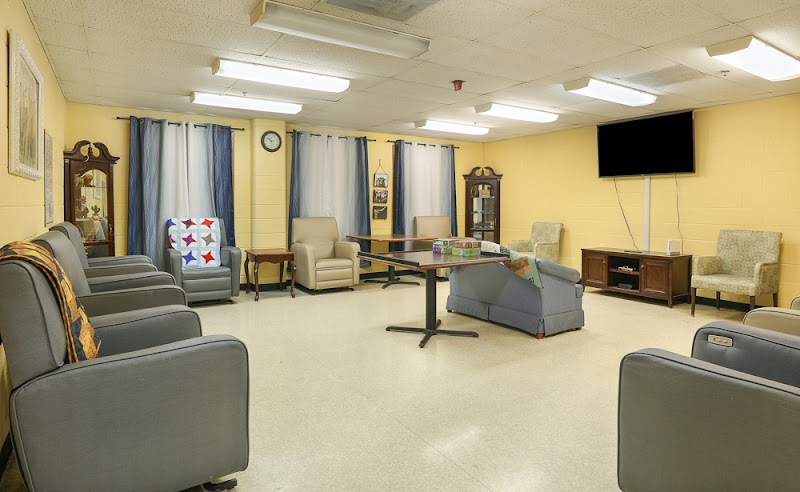
CMS rates VALLEY HEALTH CARE CENTER's staffing level at 1 out of 5 stars, which is much below average compared to other nursing homes. Staff turnover is 32%, compared to the Kansas average of 46%. This relatively stable workforce can support continuity of care.

What Have Inspectors Found at Valley Health?

State health inspectors documented 15 deficiencies at VALLEY HEALTH CARE CENTER during 2022 to 2025. These included: 15 with potential for harm.
Who Owns and Operates Valley Health?

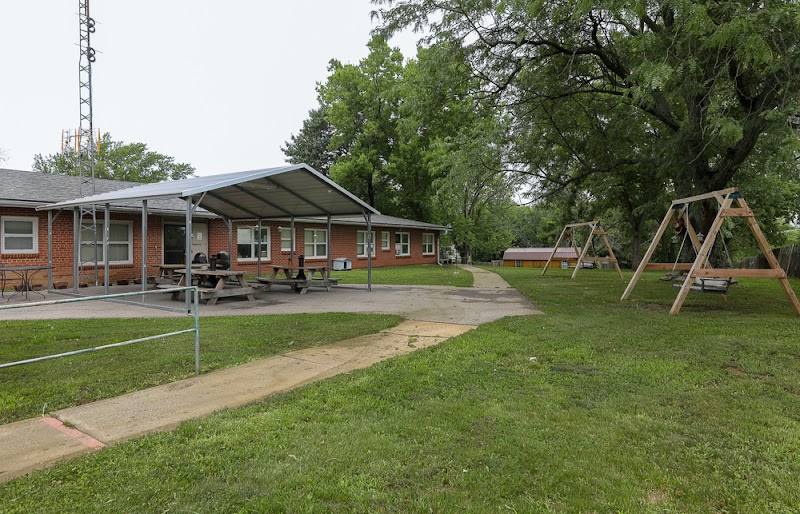
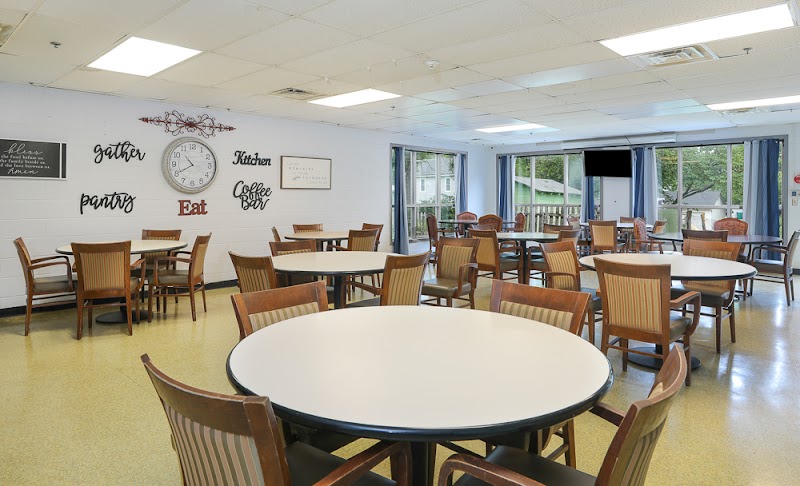
VALLEY HEALTH CARE CENTER is owned by a for-profit company. For-profit facilities operate as businesses with obligations to shareholders or private owners. The facility operates independently rather than as part of a larger chain. With 40 certified beds and approximately 22 residents (about 55% occupancy), it is a smaller facility located in VALLEY FALLS, Kansas.
How Does Valley Health Compare to Other Kansas Nursing Homes?

Compared to the 100 nursing homes in Kansas, VALLEY HEALTH CARE CENTER's overall rating (4 stars) is above the state average of 2.9, staff turnover (32%) is significantly lower than the state average of 46%, and health inspection rating (4 stars) is above the national benchmark.

What Should Families Ask When Visiting Valley Health?

Based on this facility's data, families visiting should ask: "Can you walk me through typical staffing levels on day, evening, and night shifts?" "Can I visit during a mealtime to observe dining assistance and food quality?" "How do you handle medical emergencies, and what is your hospital transfer rate?" "Can I speak with family members of current residents about their experience?" These questions are particularly relevant given the below-average staffing rating.

Is Valley Health Safe?

Based on CMS inspection data, VALLEY HEALTH CARE CENTER has a clean safety record: no substantiated abuse findings (meaning no confirmed cases of resident harm), no Immediate Jeopardy citations (the most serious violation level indicating risk of serious injury or death), and is not on the Special Focus Facility watch list (a federal program monitoring the lowest-performing 1% of nursing homes). The facility has a 4-star overall rating and ranks #1 of 100 nursing homes in Kansas. While no facility is perfect, families should still ask about staff-to-resident ratios and recent inspection results during their visit.

Do Nurses at Valley Health Stick Around?

VALLEY HEALTH CARE CENTER has a staff turnover rate of 32%, which is about average for Kansas nursing homes (state average: 46%). Moderate turnover is common in nursing homes, but families should still ask about staff tenure and how the facility maintains care continuity when employees leave.

Was Valley Health Ever Fined?

VALLEY HEALTH CARE CENTER has no federal fines on record. CMS issues fines when nursing homes fail to meet care standards or don't correct problems found during inspections. The absence of fines suggests the facility has either maintained compliance or corrected any issues before penalties were assessed. This is a positive indicator, though families should still review recent inspection reports for the full picture.

Is Valley Health on Any Federal Watch List?

VALLEY HEALTH CARE CENTER is not on any federal watch list. The most significant is the Special Focus Facility (SFF) program, which identifies the bottom 1% of nursing homes nationally based on persistent, serious quality problems. Not being on this list means the facility has avoided the pattern of deficiencies that triggers enhanced federal oversight. This is a positive indicator, though families should still review the facility's inspection history directly.