WAKEFIELD CARE AND REHAB
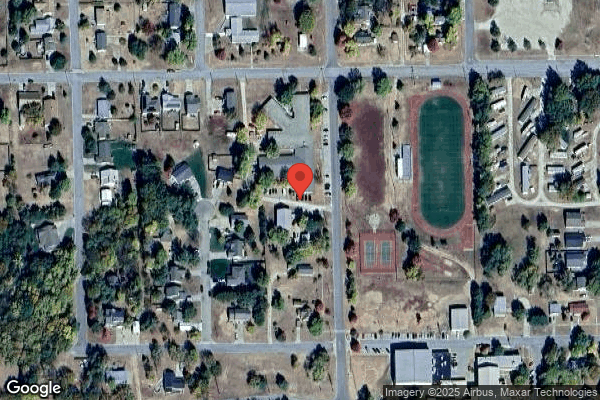

509 GROVE STREET, WAKEFIELD, KS 67487 (785) 461-5417
For profit - Limited Liability company 45 Beds MISSION HEALTH COMMUNITIES Data: November 2025 2 Immediate Jeopardy citations
Trust Grade
44/100
#100 of 295 in KS
Last Inspection: November 2023

Within standard 12-15 month inspection cycle. Federal law requires annual inspections.

Overview

Wakefield Care and Rehab has received a Trust Grade of D, which indicates below-average performance with some concerning issues. Ranking #100 out of 295 facilities in Kansas puts them in the top half, while being #2 out of 3 in Clay County means there is only one local option that is rated higher. Unfortunately, the facility's trend is worsening, with the number of issues increasing from 4 in 2022 to 6 in 2023. Staffing is a strength at this facility, with a 4 out of 5-star rating and a turnover rate of 32%, which is well below the state average. However, the facility has faced significant fines totaling $15,593, indicating some compliance problems. There are also concerning incidents reported, such as a nurse pulling a resident off the toilet out of frustration, despite the resident needing assistance, and a separate incident where a resident fell and sustained injuries because a nurse attempted to provide care without adequate support. While the facility has good RN coverage, more than 93% of Kansas facilities, these critical and serious incidents highlight serious weaknesses that families should consider.

Trust Score
D
44/100
In Kansas
#100/295
Top 33%
Safety Record
High Risk
Review needed
Inspections
Getting Worse
4 → 6 violations
Staff Stability
○ Average
32% turnover. Near Kansas's 48% average. Typical for the industry.
Penalties
✓ Good
$15,593 in fines. Lower than most Kansas facilities. Relatively clean record.
Skilled Nurses
✓ Good
Each resident gets 66 minutes of Registered Nurse (RN) attention daily — more than 97% of Kansas nursing homes. RNs are the most trained staff who catch health problems before they become serious.
Violations
⚠ Watch
15 deficiencies on record. Higher than average. Multiple issues found across inspections.
★★★★☆
4.0
Overall Rating
★★★★☆
4.0
Staff Levels
★★★★☆
4.0
Care Quality
★★★★☆
4.0
Inspection Score
Stable
2022: 4 issues
2023: 6 issues

The Good

  • 4-Star Staffing Rating · Above-average nurse staffing levels
  • 4-Star Quality Measures · Strong clinical quality outcomes
  • Full Sprinkler Coverage · Fire safety systems throughout facility
  • No fines on record
  • Staff turnover below average (32%)

    16 points below Kansas average of 48%

Facility shows strength in staffing levels, quality measures, fire safety.

The Bad

Staff Turnover: 32%

14pts below Kansas avg (46%)

Typical for the industry

Federal Fines: $15,593

Below median ($33,413)

Minor penalties assessed

Chain: MISSION HEALTH COMMUNITIES

Part of a multi-facility chain

Ask about local staffing decisions and management

The Ugly 15 deficiencies on record

2 life-threatening 1 actual harm
Nov 2023 3 deficiencies
CONCERN (D)

Potential for Harm - no one hurt, but risky conditions existed

Deficiency F0657 (Tag F0657)

Could have caused harm · This affected 1 resident

**NOTE- TERMS IN BRACKETS HAVE BEEN EDITED TO PROTECT CONFIDENTIALITY** - R39's Electronic Medical Record (EMR) documented R39 had diagnoses of anxiety (mental or emotional reaction characterized by a...

Read full inspector narrative →
**NOTE- TERMS IN BRACKETS HAVE BEEN EDITED TO PROTECT CONFIDENTIALITY** - R39's Electronic Medical Record (EMR) documented R39 had diagnoses of anxiety (mental or emotional reaction characterized by apprehension, uncertainty and irrational fear), major depressive disorder (major mood disorder which causes persistent feelings pf sadness), low back pain, and neuropathy (weakness, numbness and pain from nerve damage, usually in the hands and feet). R39's Quarterly Minimum Data Set (MDS), dated [DATE], documented R39 had a Brief Interview of Mental Status (BIMS) score of five, which indicated severe cognitive impairment. The MDS documented R39 required moderate staff assistance with personal hygiene, and toileting. R39 required set up assistance with the rest of her activities of daily living (ADLs). The MDS documented R39 received no scheduled pain or as needed pain (PRN) medications and had no indicators of pain during the observation period. R39's Care Plan, revised 08/25/23, lacked a section regarding pain management. On 11/16/23 at 08:14 AM, observation revealed R39 sat at the dining room table. R39grimaced, held her right hand on her right hip and stated to Certified Medication Aide (CMA) M it hurt. CMA M told R39 she would tell her nurse. Further observation revealed CMA M went to the nurse's station and reported to the nurse, came back to the resident and told R39 she would give R39 some pain medication when she administered the resident's other morning medications. R39 replied ok, and continued to grimace and hold her right hand on her right hip. Further observation revealed at 08:31 AM, R39 stood up from table and ambulated without assistance to the social service office, then ambulated out of the office, with her hand on her right hip. R39 grimaced and held onto Social Services X's hand. R39 reported she had pain to Social Services X's in that area and stopped walking occasionally as Social Services X's assisted her to a recliner by the nurse's station. Social Services X gave R39 a photo album. Observation revealed Social Services X's reported to CMA M that R39 had pain, and CMA M replied she would administer Tylenol to R39 with the resident's other morning pills. Further observation revealed CMA M continued to administer other residents' medications in the dining room. CMA M did not offer R39 any non-pharmacological (non-medicinal) pain interventions. R39 continued to grimace and hold her right hand on her right hip. At 08:47 AM, CMA M began placing R39's morning medications in a medication cup. R39 again asked for something for pain in her right hip, and CMA M asked R39 to sit in the recliner until she had all of R39's medications ready. At 08:55 AM (41 minutes after the initial report of pain), CMA M administered two Tylenol, 325milligram (mg), tablets to R39 with her other medications. On 11/16/23 at 09:07 AM, R39 ambulated with Licensed Nurse (LN) H in the hall to a recliner by the nurse's station with her right hand on her right hip. R39 grimaced and stated ooh, that hurts when she sat down in the recliner. LN H handed R39 a photo album and did not address R39's report of pain. On 11/16/23 at 09:19AM, R39 sat in a recliner by the nurse's station. R39 had her right hand on her right hip, and verbalized to staff she was having pain. R39 then stood up and ambulated down the hall. CMA M redirected R39 back to the recliner, and R39 again verbalized pain. Further observation revealed CMA M told R39 she needed to sit still in the recliner and give the pain medication time to work. CMA M did not ask R39 her pain level or offer non-pharmacological interventions for pain. On 11/20/23 at 09:44 AM, LN G stated if a resident reported they had pain, she would assess the pain level and immediately see what she could do to alleviate the pain. On 11/16/23 at 11:51 AM, Administrative Nurse E verified R39's care plan lacked a section regarding pain and stated it should have one. The facility's Care Plan policy, dated 09/2023, stated a care plan was developed for each resident that included measurable objectives to meet a resident's medical, nursing, mental and psychosocial needs and were consistent with the resident's desires and preferences. The care plan was to be revised, reviewed, and updated with changes in a residents care. The facility failed to update R39's care plan. This placed her at risk for inadequate care due to uncommunicated care needs. The facility had a census of 42 residents. The sample included 13 residents. Based on observation, record review, and interview, the facility failed to revise, update, and individualize the care plans for Resident (R) 27 who received insulin (a hormone to regulate blood sugar) and R39, who had pain. This deficient practice placed the residents at risk for inadequate and inappropriate care related to uncommunicated care needs. Findings included: - R27's Electronic Medical Record (EMR) documented diagnosis of diabetes mellitus (when the body cannot use glucose, not enough insulin made, or the body cannot respond to the insulin). The Quarterly Minimum Data Set (MDS) dated [DATE], documented R27 received insulin injections weekly. R27's Care Plan lacked update or revision for assessment and monitoring for hyperglycemia (high blood sugar) or hypoglycemia (low blood sugar) or for the use of the insulin. On 11/14/23 at 10:00AM, observation revealed R27 sat in his wheelchair near the nurse's desk. On 11/16/23 at 10:45AM, Administrative Nurse D verified R27 had a diagnosis of diabetes mellitus and received insulin weekly. Administrative Nurse D verified R27's care plan lacked interventions for assessment of hypo/hyperglycemia and the weekly insulin injections. The facility's Care Plan policy, dated 09/2023, stated a care plan was developed for each resident that included measurable objectives to meet a resident's medical, nursing, mental and psychosocial needs and were consistent with the resident's desires and preferences. The care plan was to be revised, reviewed, and updated with changes in a residents care. The facility failed to update R27's care plan placing him at risk for inadequate care due to uncommunicated care needs.
CONCERN (D)

Potential for Harm - no one hurt, but risky conditions existed

Deficiency F0697 (Tag F0697)

Could have caused harm · This affected 1 resident

**NOTE- TERMS IN BRACKETS HAVE BEEN EDITED TO PROTECT CONFIDENTIALITY** The facility had a census of 42 residents. The sample included 13 residents. Based on observation, record review, and interview,...

Read full inspector narrative →
**NOTE- TERMS IN BRACKETS HAVE BEEN EDITED TO PROTECT CONFIDENTIALITY** The facility had a census of 42 residents. The sample included 13 residents. Based on observation, record review, and interview, the facility failed to ensure adequate pain management was provided to Resident (R)39 when R39 reported pain in her right hip area. This placed the resident at risk for unrelieved pain. Findings included: - R39's Electronic Medical Record (EMR) documented R39 had diagnoses of anxiety (mental or emotional reaction characterized by apprehension, uncertainty and irrational fear), major depressive disorder (major mood disorder which causes persistent feelings pf sadness), low back pain, and neuropathy (weakness, numbness and pain from nerve damage, usually in the hands and feet). R39's Quarterly Minimum Data Set (MDS), dated [DATE], documented R39 had a Brief Interview of Mental Status (BIMS) score of five, which indicated severe cognitive impairment. The MDS documented R39 required moderate staff assistance with personal hygiene, and toileting. R39 required set up assistance with the rest of her activities of daily living (ADLs). The MDS documented R39 received no scheduled pain or as needed pain (PRN) medications and had no indicators of pain during the observation period. R39's Care Plan, revised 08/25/23, lacked a section regarding pain management. On 11/16/23 at 08:14 AM, observation revealed R39 sat at the dining room table. R39 grimaced, held her right hand on her right hip and stated to Certified Medication Aide (CMA) M it hurts. CMA M told R39 she would tell her nurse. Further observation revealed CMA M went to the nurse's station and reported to the nurse, came back to the resident and told R39 she would give R39 some pain medication when she administered the resident's other morning medications. R39 replied ok, and continued to grimace and hold her right hand on her right hip. Further observation revealed at 08:31 AM, R39 stood up from table and ambulated without assistance to the social service office, then ambulated out of the office, with her hand on her right hip. R39 grimaced and held onto Social Services X's hand. R39 reported she had pain to Social Services X's in that area and stopped walking occasionally as Social Services X's assisted her to a recliner by the nurse's station. Social Services X gave R39 a photo album. Observation revealed Social Services X's reported to CMA M that R39 had pain, and CMA M replied she would administer Tylenol to R39 with the resident's other morning pills. Further observation revealed CMA M continued to administer other residents' medications in the dining room. Staff did not offer R39 any non-pharmacological (non-medicinal) pain interventions. R39 continued to grimace and hold her right hand on her right hip. At 08:47 AM, CMA M began placing R39's morning medications in a medication cup. R39 again asked for something for pain in her right hip, and CMA M asked R39 to sit in the recliner until she had all of R39's medications ready. At 08:55 AM (41 minutes after the initial report of pain), CMA M administered two Tylenol, 325milligram (mg), tablets to R39 with her other medications. On 11/16/23 at 09:07 AM, R39 ambulated with Licensed Nurse (LN) H in the hall to a recliner by the nurse's station with her right hand on her right hip. R39 grimaced and stated ooh, that hurts when she sat down in the recliner. LN H handed R39 a photo album and did not address R39's report of pain. On 11/16/23 at 09:19AM, R39 sat in a recliner by the nurse's station. R39 had her right hand on her right hip, and verbalized to staff she was having pain. R39 then stood up and ambulated down the hall. CMA M redirected R39 back to the recliner, and R39 again verbalized pain. Further observation revealed CMA M told R39 she needed to sit still in the recliner and give the pain medication time to work. CMA M did not ask R39 her pain level or offer non-pharmacological interventions for pain. On 11/20/23 at 09:44 AM, LN G stated if a resident reported they had pain, she would assess the pain level and immediately see what she could do to alleviate the pain. On 11/16/23 at 11:51 AM, Administrative Nurse E stated if R39 had pain, staff should immediately look at R39's Medication Administration Record (MAR) to see if R39 had a PRN pain medication available. The facility's Pain Assessment and Management Policy, revised 10/2022, documented the pain management program was based on a facility-wide commitment to resident comfort. The policy documented pain management was a multidisciplinary care process that included the following: Assessing the potential for pain. Effectively recognizing the presence of pain. Identifying the characteristics of pain. Addressing the underlying causes of the pain. Identifying and using specific strategies for different levels and sources of pain. Monitoring for the effectiveness of interventions. Modifying approaches as necessary. The facility failed to ensure adequate pain management was provided to R39 when R39 reported right hip pain. This placed the resident at risk for unrelieved pain.
CONCERN (F)

Potential for Harm - no one hurt, but risky conditions existed

Deficiency F0801 (Tag F0801)

Could have caused harm · This affected most or all residents

The facility had a census of 42 residents. The sample included 13 residents. Based on observation, record review and interview, the facility failed to employ a certified dietary manager, placing the r...

Read full inspector narrative →
The facility had a census of 42 residents. The sample included 13 residents. Based on observation, record review and interview, the facility failed to employ a certified dietary manager, placing the residents at risk for unmet nutritional needs. Findings included: - On 11/13/23 at 08:05AM, initial observation of the kitchen revealed dietary staff prepared breakfast. On 11/13/23 at 08:15AM, Dietary Staff (DS) BB verified she was not a certified dietary manager. On 11/14/23 at 1:00PM, Administrative Staff A verified the dietary manager was not certified. The facility Food Service Staffing policy dated 10/2023, stated the facility will employ a certified dietary manager to oversee the day-to-day operation of food service to the residents. The facility failed to employ a certified dietary manager, placing the residents at risk for unmet nutritional needs.
Aug 2023 2 deficiencies 2 IJ (1 affecting multiple)
CRITICAL (J) 📢 Someone Reported This

A family member, employee, or ombudsman was alarmed enough to file a formal complaint

Immediate Jeopardy (IJ) - the most serious Medicare violation

Free from Abuse/Neglect (Tag F0600)

Someone could have died · This affected 1 resident

**NOTE- TERMS IN BRACKETS HAVE BEEN EDITED TO PROTECT CONFIDENTIALITY** The facility identified a census of 43 residents with three residents reviewed for abuse and neglect. Based on record review, ob...

Read full inspector narrative →
**NOTE- TERMS IN BRACKETS HAVE BEEN EDITED TO PROTECT CONFIDENTIALITY** The facility identified a census of 43 residents with three residents reviewed for abuse and neglect. Based on record review, observation, and interview, the facility failed to ensure residents remained free from abuse and mistreatment. On 08/14/23 at approximately 07:30 AM Certified Medication Aide (CMA) R entered Resident(R) 1's room and offered the resident a shower. R1 stated she would like a shower but requested assistance to the bathroom first. CMA R asked Licensed Nurse (LN) G to assist with toileting R1, who required extensive assistance from two staff for toileting and transfer. CMA R and LN G assisted R1 onto the toilet, CMA R stayed in the bathroom with the resident, and LN G stepped back into the resident's room. LN G then became frustrated with waiting, entered the bathroom, grabbed R1 by the arm, and by the gait belt around R1's waist and attempted to pull R1 off the toilet while stating she had other residents to take care of. R1 resisted saying she still need to void. CMA R asked LN G to leave the room. LN G proceeded to leave the bathroom and as she did, she flung R1's wheelchair out of the way and the wheelchair struck R1 in the right leg. LN G exited the room and slammed the door. This placed R1 in immediate jeopardy. Findings included: - R1's Electronic Medical Record (EMR) documented R1 had diagnoses of Huntington's disease (rare abnormal hereditary condition characterized by progressive mental deterioration; a disabling central nervous system movement disorder), anxiety disorder (mental or emotional reaction characterized by apprehension, uncertainty, and irrational fear), and major depressive disorder (major mood disorder). The Quarterly Minimum Data Set (MDS), dated 08/05/23, documented R1 had a Brief Interview for Mental Status (BIMS) score of 14, which indicated intact cognition. The MDS documented R1 required extensive assistance of two staff for all activities of daily living except for eating. The Activity of Daily Living Functional/Rehabilitation Potential Care Area Assessment (CAA), dated 10/21/22, documented R1 had a diagnosis of Huntington's disease and required extensive assistance of two staff for all activities of daily living except eating. The Huntington's Disease Care Plan, revised 05/04/23, directed staff to provide R1 with a calm approach and utilize redirection as needed. The care plan directed staff to provide R1 with active listening and implement problem solving skills when R1 was calm and able to communicate effectively and appropriately. The Performance Review, dated March 2023, documented LN G had the following areas that required improvement in her employment as a licensed nurse at the facility: LN G lost her temper too easily, LN G did not start her workdays in a positive manner, and LN G announced things to others in the open. Development actions prescribed included LN G needed a way to catch herself prior to losing her temper, LN G needed to try not to set her whole day up for failure, and LN G needed to understand not everyone needed to hear about call-ins or others short comings. The Performance Review documented LN G was occasionally disruptive and discourteous, slow to help others, exhibited less than adequate responsiveness and courteousness to patients, and would occasionally ignore problems. The Witness Statement, dated 08/15/23, documented CMA R went into R1's room. R1 told CMA R she needed to use the bathroom first. CMA R told R1 to give her a moment to try and find another staff to assist getting R1 onto the toilet. CMA R looked out into the hall and saw LN G and asked if LN G would help her to transfer R1 to the toilet. CMA R stated after she and LN G transferred R1 to the toilet, CMA R stayed in the bathroom with R1 and LN G waited in R1's room. CMA R stated after around two minutes R1 had not gone to the bathroom and LN G was getting visibly frustrated. LN G stated to R1 since she had not gone to the bathroom yet R1 needed to get off of the toilet because LN G had stuff to do. CMA R stated R1 said, No, and was upset with LN G. R1 stated she still needed to use the bathroom. CMA R stated she tried to diffuse the situation by telling R1 maybe she could try to go to the bathroom later or maybe R1 could pee in the shower, not ideal but it would be okay. R1 did not like that idea and CMA R assured R1 they could wait. LN G said, No she needs to get up now. R1 said, No. LN G then began to pull on R1's arm and the gait belt. LN G told R1 she needed to get off of the toilet in a loud frustrated voice. R1 resisted and stated, No I still need to pee. I will tell my kids. CMA R then told LN G to leave the room and CMA R would find someone else to help transfer R1 off of the toilet. LN G then proceeded to [NAME] R1's wheelchair out of her way causing the wheelchair to hit R1's right calf and knee. LN G left and slammed the door on the way out. The Facility Incident Report, dated 08/18/23, documented R1 was on her way to be showered. They were leaving R1's room and R1 stated she had to go to the restroom. CMA M and LN G helped R1 onto the stool in R1's room. R1 sat on the stool for a few minutes and did not go. LN G told her that she needed to help other residents and if R1 could not go now then she needed to get up and try again later. R1 stated she could get herself off of the toilet. LN G stated no that was not safe and LN G took R1's arm and started pulling to help her to stand up. R1 resisted and LN G became frustrated and used an inappropriate firm authoritative voice to get R1 to comply. To deescalate the situation, CMA M told LN G that she would stay with R1, and LN G could go on to the next resident. As LN G was leaving, LN G pushed the wheelchair out of her way, and it ran into the leg of R1. R1 then sat on the toilet a while longer and went to the bathroom and was then escorted to the shower room. On 08/21/23, at 09:30 AM, R1 sat at the breakfast table in her wheelchair and watched other residents and staff. R1 had spastic movements. On 08/21/23 at 09:45 AM, R1 stated LN G told her that she was going to get off of the toilet and grabbed her arm. R1 told LN G that she was not done. R1 told LN G not to treat her like that. R1 stated LN G pushed her wheelchair out of the way and the wheelchair hit her leg. R1 stated she was scared of LN G but since LN G was gone, she was sleeping much better. On 08/21/23 at 10:30 AM, CMA S stated LN G was easily frustrated and when LN G started to get frustrated LN G would get loud. CMA S stated she would pull LN G into the office and ask LN G what was going on and allow her to vent. On 08/21/23 at 10:45 AM, Administrative Nurse D stated a couple of weeks ago, LN G was voicing her frustration regarding a resident being needy in an open area of the facility where others could hear her, and Administrative Nurse D took LN G to the office and told her it was inappropriate to express her feelings about a resident's wants where anyone could hear. Administrative Nurse D reported LN G may have had some personal stressors which factored in but stated the incident was unanticipated. On 08/21/23 at 11:00 AM, Administrative Staff A stated CMA R did not report the incident until about 03:00 PM when her shift was over; CMA R stated she did not report it because she did not want to make the working relationship between her and LN G strained or uncomfortable. Administrative Staff A stated he expected all staff to report allegations of abuse and neglect to him immediately and that all staff had been re-educated on the abuse policy. On 08/21/23 at 11:30 AM, CMA R stated that LN G got frustrated easily when she was on shift and staff walked on eggshells around her. CMA R stated LN G did not act appropriately with R1 on the day of the incident. CMA R said LN G went into the bathroom and grabbed R1's arm roughly and then grabbed the gait belt and pulled R1 half-way off of the toilet trying to get R1 to stand up. CMA R stated she had to scoot R1 back onto the toilet to keep her from falling off the toilet. CMA R stated she did not report the incident with R1 and LN G until after her shift was over, then she reported it to social services at the facility. CMA R stated she knew now that the incident should have been reported immediately to protect R1 and the other residents in the facility. The facility's Abuse Prevention Program, revised August 2022, documented residents have the right to be free from abuse, neglect, misappropriation of resident property, corporal punishment, exploitation, and involuntary seclusion and any physical or chemical restraint not required to treat the resident's medical condition. The facility administration and employees are committed to protecting residents from abuse by anyone including, but not necessarily limited to: facility staff, other residents, consultants, volunteers, and staff from other agencies providing services to the residents, family members, legal guardians, surrogates, sponsors, friends, visitors, or any other individual. The facility failed to ensure residents remained free from abuse and mistreatment. This deficient practice placed R1 in immediate jeopardy. On 08/16/23 the facility completed corrective actions which included an all-staff in-service on preventing abuse, neglect and exploitation and reporting abuse. The facility provided staff training on CARES Values. The corrective actions were completed prior to the onsite survey therefore the deficient practice was cited as past noncompliance at a scope and severity of J.
CRITICAL (K) 📢 Someone Reported This

A family member, employee, or ombudsman was alarmed enough to file a formal complaint

Immediate Jeopardy (IJ) - the most serious Medicare violation

Report Alleged Abuse (Tag F0609)

Someone could have died · This affected multiple residents

**NOTE- TERMS IN BRACKETS HAVE BEEN EDITED TO PROTECT CONFIDENTIALITY** The facility identified a census of 43 residents with three residents reviewed for abuse and neglect. Based on record review, ob...

Read full inspector narrative →
**NOTE- TERMS IN BRACKETS HAVE BEEN EDITED TO PROTECT CONFIDENTIALITY** The facility identified a census of 43 residents with three residents reviewed for abuse and neglect. Based on record review, observation, and interview, the facility failed to ensure staff identified a situation of abuse and mistreatment and failed to immediately report to the facility administrator (LNHA). On 08/14/23 at approximately 07:30 AM Certified Medication Aide (CMA) R entered Resident(R) 1's room and offered the resident a shower. R1 stated she would like a shower but requested assistance to the bathroom first. CMA R asked Licensed Nurse (LN) G to assist with toileting R1, who required extensive assistance from two staff for toileting and transfer. CMA R and LN G assisted R1 onto the toilet, CMA R stayed in the bathroom with the resident, and LN G stepped back into the resident's room. LN G then became frustrated with waiting, entered the bathroom, grabbed R1 by the arm, and by the gait belt around R1's waist and attempted to pull R1 off the toilet while stating she had other residents to take care of. R1 resisted saying she still need to void. CMA R asked LN G to leave the room. LN G proceeded to leave the bathroom and as she did, she flung R1's wheelchair out of the way and the wheelchair struck R1 in the right leg. LN G exited the room and slammed the door. This placed R1 in immediate jeopardy. Findings included: - R1's Electronic Medical Record (EMR) documented R1 had diagnoses of Huntington's disease (rare abnormal hereditary condition characterized by progressive mental deterioration; a disabling central nervous system movement disorder), anxiety disorder (mental or emotional reaction characterized by apprehension, uncertainty, and irrational fear), and major depressive disorder (major mood disorder). The Quarterly Minimum Data Set (MDS), dated 08/05/23, documented R1 had a Brief Interview for Mental Status (BIMS) score of 14, which indicated intact cognition. The MDS documented R1 required extensive assistance of two staff for all activities of daily living except for eating. The Activity of Daily Living Functional/Rehabilitation Potential Care Area Assessment (CAA), dated 10/21/22, documented R1 had a diagnosis of Huntington's disease and required extensive assistance of two staff for all activities of daily living except eating. The Huntington's Disease Care Plan, revised 05/04/23, directed staff to provide R1 with a calm approach and utilize redirection as needed. The care plan directed staff to provide R1 with active listening and implement problem solving skills when R1 was calm and able to communicate effectively and appropriately. The Performance Review, dated March 2023, documented LN G had the following areas that required improvement in her employment as a licensed nurse at the facility: LN G lost her temper too easily, LN G did not start her workdays in a positive manner, and LN G announced things to others in the open. Development actions prescribed included LN G needed a way to catch herself prior to losing her temper, LN G needed to try not to set her whole day up for failure, and LN G needed to understand not everyone needed to hear about call-ins or others short comings. The Performance Review documented LN G was occasionally disruptive and discourteous, slow to help others, exhibited less than adequate responsiveness and courteousness to patients, and would occasionally ignore problems. The Witness Statement, dated 08/15/23, documented CMA R went into R1's room. R1 told CMA R she needed to use the bathroom first. CMA R told R1 to give her a moment to try and find another staff to assist getting R1 onto the toilet. CMA R looked out into the hall and saw LN G and asked if LN G would help her to transfer R1 to the toilet. CMA R stated after she and LN G transferred R1 to the toilet, CMA R stayed in the bathroom with R1 and LN G waited in R1's room. CMA R stated after around two minutes R1 had not gone to the bathroom and LN G was getting visibly frustrated. LN G stated to R1 since she had not gone to the bathroom yet R1 needed to get off of the toilet because LN G had stuff to do. CMA R stated R1 said, No, and was upset with LN G. R1 stated she still needed to use the bathroom. CMA R stated she tried to diffuse the situation by telling R1 maybe she could try to go to the bathroom later or maybe R1 could pee in the shower, not ideal but it would be okay. R1 did not like that idea and CMA R assured R1 they could wait. LN G said, No she needs to get up now. R1 said, No. LN G then began to pull on R1's arm and the gait belt. LN G told R1 she needed to get off of the toilet in a loud frustrated voice. R1 resisted and stated, No I still need to pee. I will tell my kids. CMA R then told LN G to leave the room and CMA R would find someone else to help transfer R1 off of the toilet. LN G then proceeded to [NAME] R1's wheelchair out of her way causing the wheelchair to hit R1's right calf and knee. LN G left and slammed the door on the way out. The Facility Incident Report, dated 08/18/23, documented R1 was on her way to be showered. They were leaving R1's room and R1 stated she had to go to the restroom. CMA M and LN G helped R1 onto the stool in R1's room. R1 sat on the stool for a few minutes and did not go. LN G told her that she needed to help other residents and if R1 could not go now then she needed to get up and try again later. R1 stated she could get herself off of the toilet. LN G stated no that was not safe and LN G took R1's arm and started pulling to help her to stand up. R1 resisted and LN G became frustrated and used an inappropriate firm authoritative voice to get R1 to comply. To deescalate the situation, CMA M told LN G that she would stay with R1, and LN G could go on to the next resident. As LN G was leaving, LN G pushed the wheelchair out of her way, and it ran into the leg of R1. R1 then sat on the toilet a while longer and went to the bathroom and was then escorted to the shower room. On 08/21/23, at 09:30 AM, R1 sat at the breakfast table in her wheelchair and watched other residents and staff. R1 had spastic movements. On 08/21/23 at 09:45 AM, R1 stated LN G told her that she was going to get off of the toilet and grabbed her arm. R1 told LN G that she was not done. R1 told LN G not to treat her like that. R1 stated LN G pushed her wheelchair out of the way and the wheelchair hit her leg. R1 stated she was scared of LN G but since LN G was gone, she was sleeping much better. On 08/21/23 at 10:30 AM, CMA S stated LN G was easily frustrated and when LN G started to get frustrated LN G would get loud. CMA S stated she would pull LN G into the office and ask LN G what was going on and allow her to vent. On 08/21/23 at 10:45 AM, Administrative Nurse D stated a couple of weeks ago, LN G was voicing her frustration regarding a resident being needy in an open area of the facility where others could hear her, and Administrative Nurse D took LN G to the office and told her it was inappropriate to express her feelings about a resident's wants where anyone could hear. Administrative Nurse D reported LN G may have had some personal stressors which factored in but stated the incident was unanticipated. On 08/21/23 at 11:00 AM, Administrative Staff A stated CMA R did not report the incident until about 03:00 PM when her shift was over; CMA R stated she did not report it because she did not want to make the working relationship between her and LN G strained or uncomfortable. Administrative Staff A stated he expected all staff to report allegations of abuse and neglect to him immediately and that all staff had been re-educated on the abuse policy. On 08/21/23 at 11:30 AM, CMA R stated that LN G got frustrated easily when she was on shift and staff walked on eggshells around her. CMA R stated LN G did not act appropriately with R1 on the day of the incident. CMA R said LN G went into the bathroom and grabbed R1's arm roughly and then grabbed the gait belt and pulled R1 half-way off of the toilet trying to get R1 to stand up. CMA R stated she had to scoot R1 back onto the toilet to keep her from falling off the toilet. CMA R stated she did not report the incident with R1 and LN G until after her shift was over, then she reported it to social services at the facility. CMA R stated she knew now that the incident should have been reported immediately to protect R1 and the other residents in the facility. The facility's Abuse Prevention Program, revised August 2022, documented residents have the right to be free from abuse, neglect, misappropriation of resident property, corporal punishment, exploitation, and involuntary seclusion and any physical or chemical restraint not required to treat the resident's medical condition. The facility administration and employees are committed to protecting residents from abuse by anyone including, but not necessarily limited to: facility staff, other residents, consultants, volunteers, and staff from other agencies providing services to the residents, family members, legal guardians, surrogates, sponsors, friends, visitors, or any other individual. The facility failed to ensure staff identified a situation of abuse and mistreatment and failed to immediately report to the facility administrator (LNHA). On 08/16/23 the facility completed corrective actions which included an all-staff in-service on preventing abuse, neglect and exploitation and reporting abuse. The facility provided staff training on CARES Values. The corrective actions were completed prior to the onsite survey therefore the deficient practice was cited as past noncompliance at a scope and severity of K.
Jan 2023 1 deficiency 1 Harm
SERIOUS (G) 📢 Someone Reported This

A family member, employee, or ombudsman was alarmed enough to file a formal complaint

Actual Harm - a resident was hurt due to facility failures

Accident Prevention (Tag F0689)

A resident was harmed · This affected 1 resident

The facility identified a census of 40 residents with three residents reviewed for falls. Based on record review and interview, the facility failed to provide activities of daily living (ADL) assistan...

Read full inspector narrative →
The facility identified a census of 40 residents with three residents reviewed for falls. Based on record review and interview, the facility failed to provide activities of daily living (ADL) assistance with the appropriate number of staff in order to prevent accidents for Resident (R)1. On 11/25/22 Licensed Nurse (LN) G provided incontinence care to R1 without secondary staff assistance when LN G lost her balance, let go of R1causing R1 to fall to the floor, face first. As a result, R1 sustained a laceration to her left eyebrow and a large, complicated tongue laceration, despite not having any teeth, which required suturing by a specialized physician. Findings included: - R1's Electronic Medical Record (EMR) documented R1 had diagnoses of dementia (progressive mental disorder characterized by failing memory, confusion), protein calorie malnutrition, and muscle weakness. The Quarterly Minimum Data Set (MDS), dated 10/07/22, documented R1 was severely cognitively impaired and had short- and long-term memory loss. The MDS further documented R1 was totally dependent on two staff for toileting and bathing. R1 was totally dependent on one staff for personal hygiene and locomotion on and off the unit. R1 required extensive assistance from two staff for bed mobility, transfer, and dressing. The Fall Care Area Assessment (CAA), dated 03/22/22, documented R1 was at risk for falls due to poor balance and strength during transfers and transitioning and R1 needed assistance of two staff and a full body lift. The ADL CAA did not trigger. The ADL Care Plan, revised 04/22/22, documented R1 required one to two staff for bed mobility and two staff for toileting. The Communication to Physician Note, dated 10/23/22, documented R1's dementia was continuing to cause her to decline in functioning and R1's blood pressure medication had to be held for three days. The Nursing Note, dated 11/10/22 documented R1 was oriented to herself only and staff anticipated all of her needs. The note included R1 was harder and harder to keep awake and when R1 was awake, it was difficult for her to hold her head up. Nursing noted that for the past few weeks R1 preferred to be in bed asleep rather than be out of bed, for any reason. The note documented R1's decline had become very apparent to the nursing staff. The Nursing Note, dated 11/11/22, documented R1 struggled to swallow liquids and was letting the liquids run out of her mouth or hold it in her cheeks. R1's decline was documented as being increasingly noticeable. The Nursing Note, dated 11/16/22, documented R1 had not taken in enough food to measure. R1 appeared to pocket food in her cheeks or chew the same bite for over five minutes and then refused to swallow. The staff were constantly having to wake up R1 or ask R1 to hold up her head so she could drink. The Nursing Note, dated 11/20/22 documented R1 struggled to hold her head up and was not swallowing even with verbal cues from staff. The Nursing Note, dated 11/25/22, documented a call for help was heard from R1's room. When the nurse entered R1's room, she saw LN G on the floor on her knees and R1 lying face down on the floor beside her bed with a pool of blood around her. LN G reported she had been changing R1 [providing peri-care and changing incontinence brief] by herself and had rolled R1 towards the edge of the bed. LN G then fell backwards and R1 rolled out of bed. A complete body check was performed. R1 had a deep laceration to the left side of her nose and two other areas to the left side of her head. The areas were cleansed, and pressure was applied. R1's range of motion was within normal limits. The staff notified R1's primary care physician of the fall and received orders to send R1 to the emergency room for evaluation and treatment. The emergency room Note, dated 11/25/22, documented R1 sustained a laceration to the bridge of her nose and a significant laceration to her tongue despite not having any teeth. R1 would be transferred to a higher level of care due to acute injury and the need for an Ear, Nose, and Throat (ENT) doctor to suture R1's tongue. The Hospital Physical Therapy Note, dated 11/26/22, documented R1 required total assistance of two staff for right and left rolling and was dependent for peri-cares of cleansing during the session, with extreme fatigue on exertion noted. R1 exhibited poor trunk and head control, decreased strength, decreased endurance, limited range of motion, incoordination, inability to execute purposeful movements, lack of coordination of muscle movement, poor safety awareness, decreased attention, inability to follow directions, poor balance, and impaired cognition. On 01/11/23 at 10:00 AM, Certified Medication Aide (CMA) R stated R1 required assistance of two staff for bed mobility and incontinence care because when staff rolled her, she was flaccid and had no muscle control. CMA R stated when she assisted R1 with incontinence care, there were always two staff performing the task. On 01/11/23 at 10:15 AM, Certified Nurse Aide (CNA) M stated R1 needed to have two staff assist her with incontinence care because when staff rolled R1, R1 did not have any control of her body and did not assist in any way. On 01/11/23 at 10:30 AM, CNA N stated when she assisted R1 with bed mobility or incontinence care two staff were needed to perform cares safely. On 01/11/23 at 11:00 AM, LN H stated R1 required one to two staff assistance with bed mobility and incontinence care depending on how R1 was doing each day, how awake R1 was, whether R1 could follow directions, but most of the time two staff assisted R1 for safety reasons. On 01/11/23 at 01:30 PM, Administrative Nurse D verified if LN G had used two staff to provide incontinent care to R1, R1 would not have fallen. Administrative Nurse D verified R1's MDS documented R1 required extensive assistance of two staff for bed mobility and was totally dependent on two staff for toileting. The facility's Managing Falls and Fall Risk, dated October 2022, documented staff will identify interventions related to a resident's specific risks and causes to try and prevent the resident from falling and try to minimize complications from falling. Factors that may result in a fall include but are not limited to: acute changes in condition, functional impairments, and cognitive impairment. The facility failed to provide ADL care with the appropriate number of staff in order to prevent accidents for R1 which resulted in R1 falling out of bed onto her face. As a result, she sustained injuries that required her to be transferred to a higher level of care for treatment to receive sutures in her tongue.
Apr 2022 4 deficiencies
CONCERN (D)

Potential for Harm - no one hurt, but risky conditions existed

Quality of Care (Tag F0684)

Could have caused harm · This affected 1 resident

The facility had a census of 40 residents. The sample included 13 residents with one reviewed for positioning. Based on observation, record review, and interview, the facility failed to ensure staff p...

Read full inspector narrative →
The facility had a census of 40 residents. The sample included 13 residents with one reviewed for positioning. Based on observation, record review, and interview, the facility failed to ensure staff provided the required positioning and offloading devices, and failed to ensure appropriate wheelchair positioning for Resident (R) 36. This placed R36 at increased risk for pain, contractures (fixed tightening of muscle, tendons, ligaments, or skin which prevents normal movement) and further skin breakdown. Findings included: - The electronic medical record (EMR) documented R36 had diagnoses of spastic hemiplegia affecting left dominant side (a neuromuscular condition of spasticity that resulted in the muscles on one side of the body being in a constant state of contraction), traumatic brain injury (sudden trauma to the brain), and anxiety (mental or emotional reaction characterized by apprehension, uncertainty, and irrational fear). The Quarterly Minimum Data Set, dated 03/30/22, documented R36 had moderately impaired cognition and required extensive assistance of two staff for bed mobility, dressing, personal hygiene, and dependent upon two staff for transfers and toileting. R36 had upper functional impairment on one side, lower functional impairment on both sides, had one Stage 3 pressure ulcer (full thickness skin loss potentially extending into the subcutaneous (under the skin) tissue layer), one Stage 4 pressure ulcer (a deep wound that reaches the muscles, ligaments, or even bone), and one unstageable pressure ulcer (full thickness tissue loss in which the actual depth of the ulcer cannot be seen due to dead tissue). The resident had a turning and repositioning program, pressure relieving devices for bed and chair, nutrition and hydration interventions to manage skin problems, and pressure ulcer care. The Activity of Daily Living (ADL) Care Plan, dated 03/10/22, directed staff to turn and reposition R36 every two hours and as needed, and directed two staff for assistance with bed mobility. It directed staff to place a pillow behind the residents back and between his knees; utilize one to two positioning wedges in the bed to help with off loading and promote wound healing. It further directed R36 needed blue heel protector boots to lower legs and feet at all times but R36 often refused. On 04/07/22 at 12:28 PM, observation revealed R36 sat in a Broda chair (a positioning chair), leaned to the left, with no pillow under or between his legs. Further observation revealed R36's feet had nonskid socks on and they rested against the back of the foot rest. On 04/11/22 at 12:00 PM, observation revealed R36 sat in his Broda chair and leaned to the left. R36's left arm was positioned at his side between his side and the foam cushion on the resident's left arm rest. There was no pillow behind his back or under his legs or feet. R36's knees were together, his left foot and ankle had an ace wrap and gripper socks, and the foot rest not elevated. Staff did not assist the resident with repositioning. On 04/12/22 at 01:41 PM, observation revealed R36 sat in his Broda chair in the dining room. The resident leaned to his left and his head hung over the side of his head rest, making his face look straight down. R36 had on the heel protection boots but his right leg kept falling off the foot rest and hung down unsupported. R36 did not have a pillow between his legs or behind his back. On 04/13/22 at 08:22 AM, Therapy Consultant GG stated they last saw R36 for therapy in February. The facility ordered a Broda chair for the resident when he was admitted . Therapy Consultant GG stated R36 did tend to lean to the left but if he was leaning more than he should, staff were educated to reposition him or lay him down in bed. Therapy Consultant GG stated she discussed with the facility using two to three wedge cushions to keep R36 off his left side to prevent further skin breakdown. On 04/11/22 at 03:31 PM, Certified Nurse Aide (CNA) M stated R36 was repositioned every two hours and he could be repositioned in the Broda chair. On 04/12/22 at 02:45 PM, Administrative Nurse D verified R36 should be positioned better in the Broda chair and should have a pillow between his knees. The facility's Repositioning policy, dated May 2021, documented the guidelines for the assessment of resident repositioning needs was to aid in the development of an individualized care plan for repositioning to promote comfort for all bed and chair bound residents and to prevent skin breakdown, promote circulation, and provide pressure relief for residents. The facility failed to provide the necessary cares and services to ensure appropriate wheelchair positioning, positioning devices, and off-loading for R36, placing the resident at risk for pain and further skin breakdown.
CONCERN (D)

Potential for Harm - no one hurt, but risky conditions existed

Pressure Ulcer Prevention (Tag F0686)

Could have caused harm · This affected 1 resident

The facility had a census of 40 residents. The sample included 13 residents, with four reviewed for pressure ulcers (localized injury to the skin and/or underlying tissue usually over a bony prominenc...

Read full inspector narrative →
The facility had a census of 40 residents. The sample included 13 residents, with four reviewed for pressure ulcers (localized injury to the skin and/or underlying tissue usually over a bony prominence, as a result of pressure, or pressure in combination with shear and/or friction). Based on observation, record review, and interview, the facility failed to ensure staff implemented interventions placed to promote healing and prevent worsening of a Stage 3 pressure ulcer (full thickness skin loss potentially extending into the subcutaneous tissue layer), a Stage 4 pressure ulcer (a deep wound that reaches the muscles, ligaments, or even bone), and a suspected deep tissue injury (an injury to underlying tissue below the skin's surface that results from prolonged pressure in an area of the body) for Resident (R)36. This placed the resident at risk for further skin breakdown and delayed healing. Findings included: - The electronic medical record (EMR) documented R36 had diagnoses of spastic hemiplegia affecting left dominant side (a neuromuscular condition of spasticity that resulted in the muscles on one side of the body being in a constant state of contraction), traumatic brain injury (sudden trauma to the brain), anxiety (mental or emotional reaction characterized by apprehension, uncertainty, and irrational fear), and protein-calorie malnutrition (an imbalance of nutrients from your food and drinks that are needed to keep the body healthy and functioning properly). The Quarterly MDS, dated 03/30/22, documented R36 had moderately impaired cognition and required extensive assistance of two staff for bed mobility, dressing, personal hygiene, and dependent upon two staff for transfers and toileting. R36 had upper functional impairment on one side, lower functional impairment on both sides, had one Stage 3 pressure ulcer, one Stage 4 pressure ulcer, and one unstageable pressure ulcer. The resident was provided a turning and repositioning program, pressure relieving devices for bed and chair, nutrition and hydration interventions to manage skin problems, and pressure ulcer care. The Pressure Ulcer Care Area Assessment (CAA), dated 11/24/21, documented R36 was at risk for pressure ulcers but did not have any skin breakdown at this time. The Pressure Ulcer Care Plan initiated on 12/01/21, directed staff to assess skin weekly and as needed, apply a cushion to the wheelchair. It further directed a low loss air mattress and turn and reposition every two hours and as needed. It listed an intervention dated 12/01/21 to monitor R36's palm guard/splint areas for redness every day and night shift for contracture to the left hand. R36's Care Plan recorded R36 had limited physical mobility and needed assistance due to his diagnoses of stroke, spastic hemiplegia of the left side an left upper and lower extremity contractures. It listed an intervention dated 12/01/21 which directed R36 required assistance of two staff members for bed mobility. It recorded an intervention dated 12/01/21 which directed R36 required use of a Hoyer lift (mechanical lift) and two staff member for transfers. The Care Plan listed a new intervention dated 01/19/22 which directed staff to place a pillow to R36's back and between his knees and place pressure reducing boots to both feet when R36 was in bed. The Wound Clinic Report, dated 03/11/22, directed staff to pad the wheelchair arms with padding to promote healing. The Wound Clinic Report, dated 03/18/22, directed staff to pad both arms on R36's wheelchair with padding such as pool noodles and secure the padding to keep pressure off the resident's elbows; apply Prevalon (cushioned bottom boot that floats the heel off surfaces, helping to reduce pressure) blue heel protector boots to each lower leg/foot. On 04/07/22 at 12:28 PM, observation revealed R36 seated in a Broda chair (a positioning chair), leaned to the left, no pillow under or between his legs, and a foam pad on the left arm of the Broda chair, which his left elbow rested on. Further observation revealed the resident's feet had nonskid socks on and they rested against the back of the footrest. On 04/11/22 at 08:35 AM, observation revealed R36 laid in bed, eyes closed with no Prevalon boots on the resident's feet. On 04/11/22 at 12:00 PM, observation revealed R36 in his Broda chair and he leaned to the left. R36's left arm was positioned at his side between his side and the foam cushion on the resident's left arm rest. No pillow behind his back or under his legs or feet. The resident's knees were together, and his left foot/ankle had an ace wrap on, gripper socks and footrest not elevated. Staff did not assist the resident with repositioning. On 04/11/22 at 03:05 PM, observation revealed R36 in his Broda chair, in the living room area watching television. The resident yelled for assistance and staff did not check on the resident. At 03:23 PM, R36 hollered for help and was getting anxious and continued to holler for assistance. At 03:31 PM, Certified Nurse Aide (CNA) N and CNA M took the resident to his room to lay him down in his bed. CNA M placed a lift sling under R36's right knee, CNA M lifted R36's knee up to adjust the sling and the resident said ouch, my knee popped, can I get a pain pill? CNA M told R36 she would check to see if he could get a pain pill. CNA M and CNA N had trouble adjusting the sling to be able to hook the sling to the lift. CNA M continued to pull on the sling underneath the resident which caused the resident to yell Ouch!. CNA N asked the resident if he was ok. R36 stated, No, I'm just suffering! CNA M and CNA N continued to adjust the sling until they were able to hook the sling to the lift. R36 was transferred to his bed and staff positioned the resident on his back, with his feet lying directly on the mattress, did not place the wedge cushion, nor offer the Prevalon boots before leaving R36's room. On 04/12/22 at 01:41 PM, observation revealed R36 seated in his Broda chair in the dining room. The resident leaned to his left and his head hung over the side of his head rest, making his face look straight down. R36 had on the Prevalon boots, his right leg kept falling off the footrest and would just hang down. R36 did not have a pillow between his legs or behind his back. On 04/11/22 at 03:31 PM, CNA M stated staff reposition R36 frequently and stated she did not offer the boots or the pillow under his legs because he would be getting up for supper. CNA M further stated prior to his skin breakdown, staff just repositioned him every two hours. On 04/13/22 at 08:22 AM, Therapy Consultant GG stated they had last seen R36 for therapy in February. The facility had ordered a Broda chair for the resident when he was admitted . Consultant GG stated R36 did tend to lean to the left but if he was leaning more that he should, staff were educated to reposition him or lay him down in bed. Consultant GG stated she had discussed with the facility to use 2-3 wedge cushions to keep him off the left side to prevent further breakdown. On 04/12/22 at 02:54 PM, Administrative Nurse D stated staff should offer the Prevalon boots to R36 when he was in bed and should follow the care plan to prevent further breakdown. On 04/12/22 at 03:00 PM, Wound Consultant HH stated the physician would expect the facility to follow all recommendations that were given to them from the wound clinic to prevent further breakdown. The facility's Prevention of Pressure Injuries policy, dated May 2021, documented staff identify specific risk factors, establish goals and prevention interventions with the resident, representatives and physician s input to establish goals and approaches to identify co-morbities, risk factors associated with pressure injuries. The risk factors increase with impaired mobility and decreased functional ability. The resident should be repositioned at least every two hours and more frequently as needed, use special mattress that contained foam, air, gel, or water as indication. Consider offloading pressure hourly if the head of the bed was greater than 30 degrees. The policy documented to utilize pillows or wedges to keep body prominences from touching each other, float heels when in bed and place a pillow from knee to ankle. The facility failed to provide the care planned pressure ulcer interventions for R36 to prevent skin breakdown, placing the resident at risk for further skin breakdown and delayed wound healing.
CONCERN (D)

Potential for Harm - no one hurt, but risky conditions existed

Deficiency F0697 (Tag F0697)

Could have caused harm · This affected 1 resident

**NOTE- TERMS IN BRACKETS HAVE BEEN EDITED TO PROTECT CONFIDENTIALITY** The facility had a census of 40 residents. The sample included 13 residents, with one reviewed for pain. Based on observation, r...

Read full inspector narrative →
**NOTE- TERMS IN BRACKETS HAVE BEEN EDITED TO PROTECT CONFIDENTIALITY** The facility had a census of 40 residents. The sample included 13 residents, with one reviewed for pain. Based on observation, record review, and interview, the facility failed to administer pain medication in a timely manner to Resident (R) 36, who had a Stage 3 pressure ulcer (full thickness skin loss potentially extending into the subcutaneous tissue layer), a Stage 4 pressure ulcer (a deep wound that reaches the muscles, ligaments, or even bone), and a suspected deep tissue injury (an injury to underlying tissue below the skin's surface that results from prolonged pressure in an area of the body). This placed R36 at risk for further pain and discomfort. Findings included: - The electronic medical record (EMR) documented R36 had diagnoses of spastic hemiplegia affecting left dominant side (a neuromuscular condition of spasticity that resulted in the muscles on one side of the body being in a constant state of contraction), traumatic brain injury (sudden trauma to the brain), and anxiety (mental or emotional reaction characterized by apprehension, uncertainty, and irrational fear). The Quarterly Minimum Data Set, dated 03/30/22, documented R36 had moderately impaired cognition and required extensive assistance of two staff for bed mobility, dressing, personal hygiene, and dependent upon two staff for transfers and toileting. The resident had moderate pain and received scheduled pain medication. The Pain Care Area Assessment did not trigger. The Pain Care Plan, dated 03/10/22, directed staff to administer as needed analgesics (medication that relieve different types of pain) as ordered by the physician, assess for pain every shift and as needed, and anticipate and meet R36's needs. Reposition the resident, distract with television or talking about topics of R36's choice, hold his hand, offer food and/or drinks, and rotate sites when changing the Fentanyl patch (a patch that is used to treat severe pain). The Pain Assessment,dated 02/19/22, documented R36 was at risk for pain and had severe, constant pain all over. The Physician's Order, dated 11/19/21, directed staff to administer Tylenol Extra Strength, 600 milligrams (mg) by mouth every six hours, as needed, for discomfort. The Physician's Order, dated 12/24/21, directed staff to administer tramadol, 50 mg by mouth, every 12 hours, for the diagnosis of pain. The Physician's Order, dated 01/19/22, directed staff to administer tramadol (used to treat moderate to severe pain), 50 mg by mouth, three times a day, for the diagnosis of pain. The Physician's Order, dated 01/21/22, directed staff to apply a Lidoderm patch (used to relieve nerve pain), 5%, to R36's left hip, daily, for the diagnosis of pain. The Physician's Order, dated 03/25/22, directed staff to apply a Fentanyl patch 72 hours, 25 micrograms (mcg) per hour, apply trans dermally (absorbs through the skin) every 72 hours for the diagnosis of pain The Physician's Order, dated 04/08/22, directed staff to administer cyclobenzaprine (used to treat pain and stiffness), 10 mg, one tablet three times a day, for the diagnosis of muscle spasms (involuntary contractions of a muscle). The Medication Administration Record, dated April 2022, lacked documentation R36 received the requested as needed pain medication and lacked an assessment by the nurse for pain on 04/12/22 at 03:30 PM. On 04/11/22 at 03:31 PM, observation revealed R36 sat in his Broda chair (a positioning chair). Certified Nurse Aide (CNA) M placed a lift sling under R36's right knee, CNA M lifted R36's knee up to adjust the sling and the resident said ouch, my knee popped, can I get a pain pill? CNA M told R36 she would check to see if he could get a pain pill. CNA M and CNA N had trouble adjusting the sling to be able to hook the sling to the lift. CNA M continued to pull on the sling underneath the resident which caused the resident to yell Ouch!. CNA N asked the resident if he was ok. R36 stated, No, I'm just suffering! CNA M and CNA N continued to adjust the sling until they were able to hook the sling to the lift. On 04/12/22 at 10:15 AM, observation revealed R36 lying in bed. Licensed Nurse (LN) G and Administrative Nurse E explained to R36 that they were going to do his wound care and began to position R36 for wound care. LN G started to lift R36's left arm and he hollered OW, that hurts, can I get a pain pill? Administrative Nurse E asked him if he had been given his morning medications, and he stated No! Administrative Nurse E stated the resident had pain medication available but she did not know what exact medication nor when R1 was ordered to receive it. LN G asked R36 to roll to the left and grab the positioning rail with his right hand. R36 hollered Ouch, that hurts my ankle! Administrative Nurse E asked CNA O to tell Certified Medication Aide (CMA) R that R36 requested pain medication and his water pitcher. CMA R brought in a water pitcher, pills in a small plastic cup, and a Lidoderm patch. CMA R told Administrative Nurse E where to place the patch and left the room. Administrative Nurse E asked the resident his level of pain and started to administer the medication to the resident. Administrative Nurse E stated she did not know what the medications in the cup were except that they were the resident's morning medications. R36 took the medications and LN G continued with wound care. LN G looked at R36's foot, checked capillary refill (time taken for color to return after [NAME] was applied) and began to unwrap the ace bandage to rewrap it looser. R36 hollered ouch, your hurting me! After LN G rewrapped the resident's foot, she took a slipper sock and started to put in on the resident's foot. LN G noticed it was too small to fit over his wrapped foot; R36 again yelled Ow, Ow and stated it was hurting all the way up to his knee. LN G continued to try to put the sock on R36's foot. Administrative Nurse E removed the resident's shirt to look at a healed area on R36's rear left shoulder. LN G used wound cleanser on the resident's shoulder and applied skin prep (liquid protective film or barrier) to the area. R36 laid in bed with his left leg bent and the left knee underneath his right knee. Administrative Nurse E directed LN G to apply the resident's prevalon boots (pressure relieving boots) while he was in bed. LN G applied R36's right boot, then attempted to put on the left boot while the left leg was still under the right leg. R36 yelled Ow Ow, Ow! LN G was able to reposition the resident's left leg to put on his left boot . On 04/12/22 at 10:45 AM, Administrative Nurse E stated R36 had neuropathy (dysfunction of one or more peripheral nerves, typically causing numbness or weakness) and often hollered out and they tried to be extra careful when moving him. On 04/12/22 at 11:00 AM, CMA R stated R36 received his tramadol, muscle spasm, and anxiety medications. CMA R stated she was behind on her medication administration and R36 should have received his pain medication two hours earlier. She stated she should have administered the resident's pain medication that she had prepared, and it was not standard practice to allow another staff member to administer the medications. On 04/12/22 at 02:54 PM, Administrative Nurse D stated R36 should have received his medications on time and CMA R should have administered the medications she had prepared. The facility's Pain Assessment and Management policy, dated May 2021, documented staff identify and develop interventions that are consistent with the resident's goals and needs that address the underlying causes of pain. The staff review the medication administration record to determine how often the resident received pain medication, and to what extent the administered medications relieve the resident's pain. The staff review the resident's treatment record or recent nurse's notes to identify any situations or interventions when an increase in the resident's pain may be anticipated, for example treatments such as wound care or dressing changes, turning and repositioning. The facility failed to administer pain medication in a timely to R36, who had pain during repositioning and wound care. This placed the resident at risk for further pain and discomfort.
CONCERN (D)

Potential for Harm - no one hurt, but risky conditions existed

Deficiency F0726 (Tag F0726)

Could have caused harm · This affected 1 resident

The facility had a census of 40 residents. The sample included 13 residents. Based on observation, record review, and interview, the facility failed to ensure staff possessed the appropriate competenc...

Read full inspector narrative →
The facility had a census of 40 residents. The sample included 13 residents. Based on observation, record review, and interview, the facility failed to ensure staff possessed the appropriate competencies to safely administer medications per the standards of practice when a licensed nurse administered Resident (R)36 medications without verifying the medication, route, and/or dosage. This placed the resident at risk for medication errors. Findings Included: - On 04/12/22 at 10:20 AM, observation revealed Administrative Nurse E asked Certified Nurse Aide (CNA) O to tell Certified Medication Aide (CMA) R that R36 requested pain medication and his water pitcher. CMA R brought in a water pitcher, pills in a small plastic cup, and a Lidoderm patch. CMA R told Administrative Nurse E where to place the patch and left the room. Administrative Nurse E asked the resident his level of pain and started to administer the medication to R36. Administrative Nurse E stated she did not know what the medications in the cup were except that they were the resident's morning medications. Administrative Nurse E administered the medications to R36. On 04/12/22 at 11:00 AM, CMA R stated R36 received his tramadol, muscle spasm, and anxiety medications. CMA R stated she was behind on her medication administration and R36 should have received his pain medication two hours earlier. She stated she should have administered the resident's pain medication that she had prepared, and it was not standard practice to allow another staff member to administer the medications she had prepared. On 04/12/22 at 02:54 PM, Administrative Nurse D stated R36 should have received his medications on time and CMA R should have administered the medications she had prepared. Administrative Nurse D stated Administrative Nurse E and CMA R had taken the medication administration competency test in December of 2021 and would take it again in July of 2022. On 04/13/22 at 11:15 AM, Administrative Nurse E stated she knew that she should not have administered the medications to R36 since she had not prepared the medications. On 04/13/22 at 01:00 PM, CMA S stated it was not standard practice to prepare medications and then another staff member administer the medications. On 04/13/22 at 01:05 PM, CMA T stated if she prepared the medication, she would administer the medication. On 04/13/22 at 01:15 PM, LN H stated staff are not to administer medications someone else prepared. The facility's Administering Medications policy, dated May 2021, documented the individual administering the medication must check the label three times to assure the right medication, right dosage, right time, and right route of administration before giving the medication. The facility failed to ensure staff possessed the appropriate competencies to safely administer medications per the standards of practice when a licensed nurse administered R36 medications without verifying the medication, route, and/or dosage. This placed the resident at risk for medication errors.
Oct 2020 5 deficiencies
CONCERN (D)

Potential for Harm - no one hurt, but risky conditions existed

Staffing Information (Tag F0732)

Could have caused harm · This affected 1 resident

The facility had a census of 41 residents. The sample included 12 residents. Based on observation and interview, the facility failed to display staffing information in a prominent place accessible to ...

Read full inspector narrative →
The facility had a census of 41 residents. The sample included 12 residents. Based on observation and interview, the facility failed to display staffing information in a prominent place accessible to residents and visitors when the facility posted staffing hours inside the nurse's station charting room not readily available in a readable format. Findings included: - On 09/29/20 at 10:00 AM, observation revealed no visible posting of nursing staff hours. On 09/30/20 at 10:30 AM, observation revealed no visible posting of nursing staff hours. On 10/01/20 at 10:01 AM, License Nurse (LN) G stated staffing hours were kept on a clip board in a file organizer on top of a desk inside the nurse's charting room. On 10/01/20 at 02:40 AM, Administrative Nurse D verified the staffing hours were kept in the nurse's station on a clip board inside the nurses charting room, but should be posted on the wall outside the nurse's charting room. The facility's Posting Direct Care Daily Staffing Numbers policy, dated January 2020, documented the facility will post in a prominent location (assessable to residents and visitors), on a daily basis for each shift, the number of nursing personnel responsible for providing direct care to residents. The facility failed to display daily staffing information in a readable format visible to staff and visitors, placing residents and visitors at risk for being uninformed of nursing staff hours.
CONCERN (D)

Potential for Harm - no one hurt, but risky conditions existed

Medication Errors (Tag F0758)

Could have caused harm · This affected 1 resident

**NOTE- TERMS IN BRACKETS HAVE BEEN EDITED TO PROTECT CONFIDENTIALITY** The facility had a census of 41 residents. The sample included 12 residents with six reviewed for unnecessary medications. Based...

Read full inspector narrative →
**NOTE- TERMS IN BRACKETS HAVE BEEN EDITED TO PROTECT CONFIDENTIALITY** The facility had a census of 41 residents. The sample included 12 residents with six reviewed for unnecessary medications. Based on observation, record review, and interview, the facility failed to provide an appropriate end date for one as needed (PRN) antianxiety medication (class of medications that calm and relax people with excessive mental or emotional reaction characterized by apprehension, uncertainty and irrational fear, nervousness, or tension) for one of six sampled residents, Resident (R) 87. Findings included: - R87's Quarterly Minimum Data Set (MDS), dated [DATE], documented the resident had a Brief Interview of Mental Status (BIMS) score of six, indicating severely impaired cognition. The MDS documented the resident had delusions (untrue persistent belief or perception held by a person although evidence shows it was untrue), physical and verbal behavioral symptoms directed towards others, behavioral symptoms not directed toward others, and rejection of care one to three days during the look back period. The MDS documented the resident required supervision with all activities of daily living (ADLs) except toilet use which required limited assistance. The MDS documented the resident received insulin (medication used to treat people who produce little or no insulin), antipsychotic (class of medications used to treat a major mental disorder characterized by a gross impairment in reality and other mental emotional conditions), antidepressant (class of medications used to treat mood disorders and relieve symptoms of abnormal emotional state characterized by exaggerated feelings of sadness, worthlessness and emptiness), and diuretic (medication to promote the formation and excretion of urine) medications seven days during the look back period. The Risk for Adverse Reaction Care Plan, dated 08/20/20, directed staff to administer the resident Ativan (antianxiety medication) and monitor for side effects of increased risk for falls, Central Nervous System (CNS-nerve tissues that control the activities of the body) and respiratory depression (a breathing disorder characterized by slow and ineffective breathing). The care plan documented the physician reviewed and evaluated the resident's medications. The Physician Order Sheet, dated 09/02/20, instructed staff to administer the resident Ativan, 0.5 milligrams (mg) by mouth every 12 hours, PRN for breakthrough agitation, may give twice a day. The order lacked an end date for the medication. On 09/30/20 at 09:30 AM, observation revealed the resident ambulated independently from her room to the dining room table, sat in a chair, and visited with the resident across the table. On 10/05/20 at 01:38 PM, Administrative Nurse D verified the resident's Ativan, 0.5 mg order had no end date and stated the facility used the mega rule which allowed the facility to not apply an end date to the resident's PRN Ativan. The nurse practitioner saw the resident every one to two weeks through tele medicine (the process of providing health care from a distance through technology, often using video conferencing), but could not produce documentation regarding the mega rule. The facility's Unnecessary Drugs, Psychotropic Use policy, dated January 2020, documented the facility would limit PRN orders for antianxiety drugs to 14 days. This may be extended beyond the 14 days through documentation in the medical record by the practitioner as to why this should occur. The facility failed to provide an appropriate end date for R87's PRN Ativan, placing the resident at risk for receiving unnecessary psychotropic medications.
CONCERN (D)

Potential for Harm - no one hurt, but risky conditions existed

Deficiency F0802 (Tag F0802)

Could have caused harm · This affected 1 resident

**NOTE- TERMS IN BRACKETS HAVE BEEN EDITED TO PROTECT CONFIDENTIALITY** The facility had a census of 41 residents. The sample included 12 residents with one reviewed for nutrition. Based on observatio...

Read full inspector narrative →
**NOTE- TERMS IN BRACKETS HAVE BEEN EDITED TO PROTECT CONFIDENTIALITY** The facility had a census of 41 residents. The sample included 12 residents with one reviewed for nutrition. Based on observation, record review, and interview, the facility failed to provide meals and assistance to Resident (R) 23 in a prompt and conducive manner. Findings included: - R23's Physician Order Sheet (POS) dated 09/02/20, documented the following diagnoses cerebral infarction (an area of necrotic (death of tissue in response to a disease or injury) tissue in the brain), type 2 diabetes mellitus (when the body cannot use glucose, not enough insulin made or the body cannot respond to the insulin), dementia (progressive mental disorder characterized by failing memory, confusion) with behavioral disturbance, adjustment disorder (is a group of symptoms such as feeling sad or hopeless, and physical that can occur because of having a hard time coping) with depressed mood, and anxiety disorder (mental or emotional reaction characterized by apprehension, uncertainty and irrational fear). The Significant Change Minimum Data Set (MDS), dated [DATE], documented the resident had severe cognitive impairment, required extensive assistance of one staff for eating, and loss of liquid and solids from her mouth when eating or drinking. The MDS documented the resident held food in mouth and cheeks or residual food in mouth after meals and coughed or choked during meals or swallowing medication. The MDS further documented the resident had impaired range of motion on one side of upper body, significant weight loss, and received a mechanically altered diet. The Nutritional Status Care Area Assessment (CAA), dated 09/24/20, documented R23 had a 10% weight loss, not on a prescribed weight loss regimen, and received a mechanically altered diet. The CAA documented the resident received nectar thick liquids, supplements, poor appetite, liked cranberry juice, and directed staff to try to find foods the resident would accept. The Nutritional Care Plan, dated 08/27/20, instructed staff to provide the resident a fortified pureed diet with nectar thick liquids and a supplement three time a day. The care plan further documented the resident liked diet coke, hot cereal with brown sugar, lemon and tapioca pudding, and family reported she was not a picky eater. The POS, dated 09/21/20, directed staff to provide the resident a supplement three times a day, pureed diet, and nectar thick liquids. The Nutritional Assessment, dated 09/14/20, by Consultant (C) GG, documented a loss of nine lbs. in one month and intake of 0-25% of pureed and nectar thick liquids. C GG recommended a pureed diet, increased nectar thickened liquid amounts, and increased supplement amounts. C GG further recommended speech therapy and a goal to maintain weight of 111 pounds or more. On 09/30/20 at 11:26 AM, observation revealed R23 entered the dining room with walker and two staff. At 12:03 PM, continue observation revealed the resident sat with her eyes closed at the desk in the dining room, no food or fluids present. At 12:17 PM, continued observation revealed staff woke the resident and informed her the kitchen was preparing her food, then staff brought R23 a cup of red nectar thick liquid with a sippy lid and handles on each side and unwrapped silverware . The resident picked up each piece of silverware separately and made motion as if taking a bite. At 12:21 PM, continued observation revealed staff delivered pureed food and placed it in front of the resident. Certified Medication Aide (CMA) R offered the resident a bite of pudding and R23 pushed CMA R's hand away. (55 minutes to receive the meal) On 10/01/20 at 09:22 AM, observation revealed CMA T ambulated R23 to the dining room, provided the resident with a nectar thick supplement drink and hot tea in cups with sipper lids and handles. Continued observation revealed staff encouraged the resident to drink, but did not stay to assist her. At 09:38 AM, continued observation revealed the resident sat with her eyes closed, no food provided. At 09:57 AM, continued observation revealed staff moved the resident's chair to the end of the table to adhere to social distancing of another resident seated at the table, no food provided, and staff stated to each other the kitchen had been notified of resident being in the dining room. At 10:15 AM, continued observation revealed R23 slept at the table. At 10:24 AM, continued observation revealed one staff assisted the resident to the bathroom with her walker. After toileting, staff alerted the resident had not received a breakfast meal, so staff returned R23 to the table, provided her pudding, and attempted to give the resident bites, but she did not eat and closed her eyes. At 10:44 AM, continued observation revealed staff transferred R23 to a recliner in the commons area. (62 minutes until toileted and returned to dining room) On 10/05/20 at 10:53 AM, CMA T reported R23 required assistance and encouragement of one staff with eating, and at times would try to feed herself. CMA T stated the resident had a poor appetite and received a pureed diet with nectar thick liquids. CMA T stated the resident ate better later in the day and when staff sat with her one on one in her room. On 10/05/20 at 11:09 AM, LN H reported it was difficult to get the resident to eat, the resident ate in the dining room with her back to the room of residents so she did not get distracted. On 10/05/20 at 01:31 PM Dietary Staff (DS) CC stated when R23 was brought to the dining room staff were to let dietary know she was ready for her meal. DS CC stated the residents should not have to wait 30 minutes to be served the meal or assisted to eat. On 10/05/20 at 02:30 PM, Administrative Nurse D stated the resident should be served promptly, assisted in the dining room, and a 30-minute wait was too long. The facility's Nutrition (Impaired)/ Unplanned Weight Loss Clinical Protocol policy, dated February 2020, documented residents with functional impairment most likely need some form of assistance with eating, to ensure food is served to the resident in a conducive dining. The facility failed to provide R23 meals and assistance within 45 minutes of being placed in the dining room, placing the resident at risk for poor nutrition and weight loss.
CONCERN (D)

Potential for Harm - no one hurt, but risky conditions existed

Deficiency F0804 (Tag F0804)

Could have caused harm · This affected 1 resident

The facility had a census of 41 residents. Based on observation, record review, and interview, the facility failed to provide food prepared by methods that conserved nutritive value, flavor and appear...

Read full inspector narrative →
The facility had a census of 41 residents. Based on observation, record review, and interview, the facility failed to provide food prepared by methods that conserved nutritive value, flavor and appearance for one of two residents who received pureed meals, Resident (R) 23. Findings included: - On 10/01/20 at 11:05 AM, observation during pureed food preparation revealed Dietary Staff (DS) BB, with DS CC overlooking, placed 2/3 cup of mixed vegetables into the blender, added two teaspoons (tsp) of thickener, and blended. DS BB stated the mixture was not the right consistency, added 2/3 cup of juice from the mixed vegetables in the steam table, and blended to a pudding consistency. DS BB placed the mixture onto a plate and placed it on the counter beside the steam table. Observation revealed DS BB placed 1/3 cup of ground country fried steak into the blender, added 1/3 cup of gravy, and blended. DS BB stated the mixture was not the right consistency, poured unmeasured milk into the mixture, and blended to mashed potato consistency, and placed the mixture on the plate with the pureed mixed vegetable. Further observation revealed DS BB placed a bread roll into a blender, added unmeasured milk, and blended the mixture to mashed potato consistency. DS BB placed an unmeasured amount of the mixture on the plate with the other pureed food items, leaving some of the pureed mixture in the blender. On 10/01/20 at 11:15 AM, DS BB verified the above finding, obtained a plastic-coated sheet of paper titled, Puree Recipes, this is only to be used as a back-up for recipes on production sheets, and stated she used that document. On 10/01/20 at 11:16 AM, DS CC verified DS BB had not followed a recipe and brought out a white binder, stated DS BB should have followed the pureed recipe in the binder, and measured each item she placed in the blender. On 10/01/20 at 11:17 AM, DS BB stated she was unaware the kitchen had a recipe book. The facility's Standardized Recipes policy, dated February 2020, documented standardized recipes shall be developed and used in the preparation of foods. The food services manager will maintain the recipe file and make it available to food services staff as necessary. The facility failed to follow a recipe when preparing R23's pureed meal, placing the resident at risk for impaired nutrition.
CONCERN (E)

Potential for Harm - no one hurt, but risky conditions existed

Food Safety (Tag F0812)

Could have caused harm · This affected multiple residents

The facility had a census of 41 resident. Based on observation, record review, and interview, the facility failed to use gloved hands when staff picked up food and assisted residents with eating, and ...

Read full inspector narrative →
The facility had a census of 41 resident. Based on observation, record review, and interview, the facility failed to use gloved hands when staff picked up food and assisted residents with eating, and failed to properly clean the blender between preparing different pureed (a paste or thick liquid suspension usually made from cooked food ground finely) food items. Findings included: - On 10/01/20 at 08:15 AM, observation revealed Certified Medication Aide (CMA) R sat at the counter on Resident (R) 22's left side and assisted the resident with her breakfast meal. Observation revealed CMA R stood up, ambulated to the activity director room, picked up a ponytail holder, and with ungloved hands placed his hair up into a ponytail on his head. Observation revealed CMA R returned to the dining room counter, sat in the chair to the left of R22, picked up a slice of her toast with his left ungloved hand, and gave R22 a bite. On 10/01/20 at 08:39 AM, observation revealed Licensed Nurse (LN) G propelled R22 in her wheelchair back to her food on the counter, picked up a piece of R22's toast with her ungloved hands, and placed the toast in R22's mouth. On 10/01/20 at 09:05 AM, observation revealed Certified Nurses Aide (CNA) M picked up a piece of bacon in her ungloved hand and placed the bacon up to R27's mouth. On 10/01/20 at 11:05 AM, observation revealed Dietary Staff (DS) BB placed two (1/3 cup) portions of mixed vegetables in a blender, added thickener and vegetable juice , and blended the vegetables to a pudding consistency. Observation revealed DS BB rinsed the blender lid and container in hot water several times then placed 1/3 cup of ground country fried steak, 1/3 cup of gravy, and an unmeasured amount of milk in the blender and blended to consistency of mashed potatoes. Observation revealed DS BB rinsed the blender container and lid several times with hot water then placed a roll into the blender, added unmeasured milk, and blended to a consistency of mashed potatoes, topped with unmeasured butter, and placed it on the plate with the other food items. On 10/05/20 12:18 PM, observation revealed CMA S placed her ungloved hand on R35's sandwich and cut off the crust with a butter knife in her right hand. On 10/01/20 at 11:05 AM, DS CC stated staff always rinse the blender between food items in the same way and she was unaware the blender were supposed to be sanitized between different foods. On 10/05/20 at 01:48 PM, Administrative Nurse D stated staff should not use their ungloved hands to pick up food items. The facility's Preventing Foodborne Illness-Food Handling F812 policy, dated November 2017, documented that all employees who handle, prepare, or serve food will be trained in the practices of safe food handling and preventing foodborne illness. Employees will demonstrate knowledge and competency in these practices prior to working with food or serving food to residents. All food service equipment and utensils will be sanitized according to current guidelines and manufacturer's recommendations. The facility failed to ensure dietary staff cleansed and sanitized the blender container between pureed food items and failed to ensure staff wore gloves when they assisted residents eat their food, placing the residents at risk for foodborne illness.
Understanding Severity Codes (click to expand)
Life-Threatening (Immediate Jeopardy)
J - Isolated K - Pattern L - Widespread
Actual Harm
G - Isolated H - Pattern I - Widespread
Potential for Harm
D - Isolated E - Pattern F - Widespread
No Harm (Minor)
A - Isolated B - Pattern C - Widespread

Questions to Ask on Your Visit

  • "What changes have you made since the serious inspection findings?"
  • "Can I speak with families of current residents?"
  • "What's your RN coverage like on weekends and overnight?"

Our Honest Assessment

Strengths
  • • 32% turnover. Below Kansas's 48% average. Good staff retention means consistent care.
Concerns
  • • Multiple safety concerns identified: 2 life-threatening violation(s), 1 harm violation(s), Payment denial on record. Review inspection reports carefully.
  • • 15 deficiencies on record, including 2 critical (life-threatening) violations. These warrant careful review before choosing this facility.
  • • $15,593 in fines. Above average for Kansas. Some compliance problems on record.
  • • Grade D (44/100). Below average facility with significant concerns.
Bottom line: Trust Score of 44/100 indicates significant concerns. Thoroughly evaluate alternatives.

About This Facility

What is Wakefield Care And Rehab's CMS Rating?

CMS assigns WAKEFIELD CARE AND REHAB an overall rating of 4 out of 5 stars, which is considered above average nationally. Within Kansas, this rating places the facility higher than 99% of the state's 100 nursing homes. This rating reflects solid performance across the metrics CMS uses to evaluate nursing home quality.

How is Wakefield Care And Rehab Staffed?

CMS rates WAKEFIELD CARE AND REHAB's staffing level at 4 out of 5 stars, which is above average compared to other nursing homes. Staff turnover is 32%, compared to the Kansas average of 46%. This relatively stable workforce can support continuity of care.

What Have Inspectors Found at Wakefield Care And Rehab?

State health inspectors documented 15 deficiencies at WAKEFIELD CARE AND REHAB during 2020 to 2023. These included: 2 Immediate Jeopardy (the most serious level, indicating potential for serious harm or death), 1 that caused actual resident harm, and 12 with potential for harm. Immediate Jeopardy findings are rare and represent the most serious regulatory concerns. They require immediate corrective action.

Who Owns and Operates Wakefield Care And Rehab?

WAKEFIELD CARE AND REHAB is owned by a for-profit company. For-profit facilities operate as businesses with obligations to shareholders or private owners. The facility is operated by MISSION HEALTH COMMUNITIES, a chain that manages multiple nursing homes. With 45 certified beds and approximately 41 residents (about 91% occupancy), it is a smaller facility located in WAKEFIELD, Kansas.

How Does Wakefield Care And Rehab Compare to Other Kansas Nursing Homes?

Compared to the 100 nursing homes in Kansas, WAKEFIELD CARE AND REHAB's overall rating (4 stars) is above the state average of 2.9, staff turnover (32%) is significantly lower than the state average of 46%, and health inspection rating (4 stars) is above the national benchmark.

What Should Families Ask When Visiting Wakefield Care And Rehab?

Based on this facility's data, families visiting should ask: "What changes have been made since the serious inspection findings, and how are you preventing similar issues?" "Can I visit during a mealtime to observe dining assistance and food quality?" "How do you handle medical emergencies, and what is your hospital transfer rate?" "Can I speak with family members of current residents about their experience?" These questions are particularly relevant given the facility's Immediate Jeopardy citations.

Is Wakefield Care And Rehab Safe?

Based on CMS inspection data, WAKEFIELD CARE AND REHAB has documented safety concerns. Inspectors have issued 2 Immediate Jeopardy citations (the most serious violation level indicating risk of serious injury or death). The facility has a 4-star overall rating and ranks #1 of 100 nursing homes in Kansas. Families considering this facility should ask detailed questions about what corrective actions have been taken since these incidents.

Do Nurses at Wakefield Care And Rehab Stick Around?

WAKEFIELD CARE AND REHAB has a staff turnover rate of 32%, which is about average for Kansas nursing homes (state average: 46%). Moderate turnover is common in nursing homes, but families should still ask about staff tenure and how the facility maintains care continuity when employees leave.

Was Wakefield Care And Rehab Ever Fined?

WAKEFIELD CARE AND REHAB has been fined $15,593 across 1 penalty action. This is below the Kansas average of $33,235. While any fine indicates a compliance issue, fines under $50,000 are relatively common and typically reflect isolated problems that were subsequently corrected. Families should ask what specific issues led to these fines and confirm they've been resolved.

Is Wakefield Care And Rehab on Any Federal Watch List?

WAKEFIELD CARE AND REHAB is not on any federal watch list. The most significant is the Special Focus Facility (SFF) program, which identifies the bottom 1% of nursing homes nationally based on persistent, serious quality problems. Not being on this list means the facility has avoided the pattern of deficiencies that triggers enhanced federal oversight. This is a positive indicator, though families should still review the facility's inspection history directly.