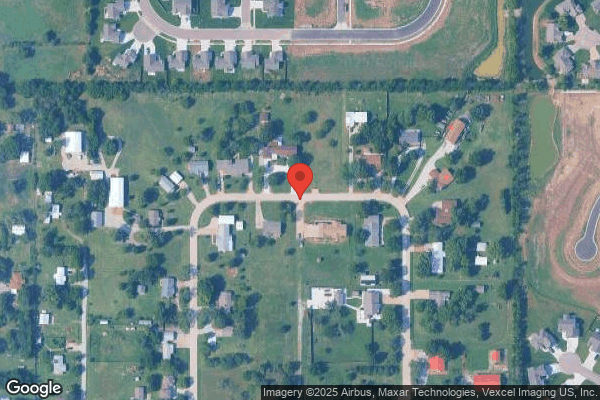
CARITAS CENTER, INC

1400 S SHERIDEN ST, WICHITA, KS 67213 (316) 942-2201
Non profit - Corporation 22 Beds Independent Data: November 2025
Trust Grade
93/100
#11 of 295 in KS
Last Inspection: April 2024

Within standard 12-15 month inspection cycle. Federal law requires annual inspections.

Overview

Caritas Center, Inc. in Wichita, Kansas has earned a Trust Grade of A, indicating it is an excellent choice for families seeking care, as it reflects high quality and reliability. The facility ranks #11 out of 295 in the state and #1 out of 29 in Sedgwick County, placing it in the top tier of options available. However, the facility's trend is worsening, with issues increasing from four in 2021 to five in 2024, indicating a need for attention. Staffing is a strength, with a perfect 5-star rating and a turnover rate of 26%, which is significantly lower than the state average of 48%, suggesting that staff members are experienced and familiar with residents. There have been no fines, which is a positive indicator of compliance, but recent inspections revealed concerns, including unsanitary food preparation areas and issues with medication administration that could pose risks to residents. Overall, while Caritas Center has strong staffing and high ratings, families should be aware of the recent concerns that need to be addressed.

Trust Score
A
93/100
In Kansas
#11/295
Top 3%
Safety Record
Low Risk
No red flags
Inspections
Getting Worse
4 → 5 violations
Staff Stability
✓ Good
26% annual turnover. Excellent stability, 22 points below Kansas's 48% average. Staff who stay learn residents' needs.
Penalties
✓ Good
No fines on record. Clean compliance history, better than most Kansas facilities.
Skilled Nurses
✓ Good
Each resident gets 74 minutes of Registered Nurse (RN) attention daily — more than 97% of Kansas nursing homes. RNs are the most trained staff who catch health problems before they become serious.
Violations
○ Average
9 deficiencies on record. Average for a facility this size. Mostly minor or procedural issues.
★★★★★
5.0
Overall Rating
★★★★★
5.0
Staff Levels
★★★★☆
4.0
Care Quality
★★★★★
5.0
Inspection Score
Stable
2021: 4 issues
2024: 5 issues

The Good

  • 5-Star Staffing Rating · Excellent nurse staffing levels
  • 4-Star Quality Measures · Strong clinical quality outcomes
  • Low Staff Turnover (26%) · Staff stability means consistent care
  • Full Sprinkler Coverage · Fire safety systems throughout facility
  • No fines on record
  • Staff turnover is low (26%)

    22 points below Kansas average of 48%

Facility shows strength in staffing levels, quality measures, staff retention, fire safety.

The Bad

No Significant Concerns Identified

This facility shows no red flags. Among Kansas's 100 nursing homes, only 1% achieve this.

The Ugly 9 deficiencies on record

Apr 2024 5 deficiencies
CONCERN (D)

Potential for Harm - no one hurt, but risky conditions existed

Quality of Care (Tag F0684)

Could have caused harm · This affected 1 resident

The facility reported a census of 18 residents with six selected for review for unnecessary medications. Based on observation, interview and record review, the facility failed to ensure staff administ...

Read full inspector narrative →
The facility reported a census of 18 residents with six selected for review for unnecessary medications. Based on observation, interview and record review, the facility failed to ensure staff administered an accurate dose of a topical (the surface area) pain medication for one Resident (R)8, of the six residents reviewed. Findings included: - Review of Resident (R)8's electronic medical record, revealed diagnoses that included osteoarthritis (degenerative changes to one or many joints characterized by swelling and pain) of both knees and after care of bilateral knee joint replacement. On 02/13/24, the physician instructed staff to administer Voltaren (a nonsteroidal anti-inflammatory medication) external gel 1% (percent) apply four grams (gm) to bilateral knees topically (on the skin) three times a day for pain. Observation, on 04/23/24 at 01:04 PM, revealed Certified Medication Aide (CMA) R prepared to administer diclofenac 1% gel to R8. CMA R placed a quarter size dollop of the medication in the palms of her gloved hands and proceeded to rub the medication onto R8's knees. Interview, on 04/23/24 at 01:15 PM, with CMA R, revealed she did not know that the medication came with a dosing card (measuring device) to accurately measure two to four grams of the medication. CMA R looked for the dosing card which she found in the box attached to the interior of the box. Interview, on 04/23/24 at 04:00 PM, with Administrative Nurse D, revealed she would educate staff on the use of the dosing card to provide accurate medication administration to ensure the full effectiveness of the medication as ordered by the physician. The facility policy Medication Orders implemented 03/18/21, instructed staff to administer medications by following the prescribed dosage/strength of the medication. The facility failed to ensure R8 received an accurate dose of this pain medication as ordered by the physician to ensure the full effectiveness for pain relief.
CONCERN (D)

Potential for Harm - no one hurt, but risky conditions existed

Medication Errors (Tag F0758)

Could have caused harm · This affected 1 resident

**NOTE- TERMS IN BRACKETS HAVE BEEN EDITED TO PROTECT CONFIDENTIALITY** The facility reported a census of 18 residents with six residents selected for review for unnecessary medications. Based on obse...

Read full inspector narrative →
**NOTE- TERMS IN BRACKETS HAVE BEEN EDITED TO PROTECT CONFIDENTIALITY** The facility reported a census of 18 residents with six residents selected for review for unnecessary medications. Based on observation, interview and record review, the facility failed to ensure as needed antianxiety medication did not exceed the 14-day reevaluation limit for one resident (R)18 of the six residents reviewed. Findings included: - Review of Resident (R)18's electronic medical record revealed diagnoses that included end stage renal disease, chronic pain, and osteoarthritis (degenerative changes to one or many joints characterized by swelling and pain) The admission Minimum Data Set (MDS), dated [DATE], assessed the resident with a Brief Interview for Mental Status (BIMS) score of 15 which indicated normal cognitive status. The resident received antianxiety (class of medications that calm and relax people with excessive anxiety, nervousness, or tension) medication. The Psychotropic Drug Use Care Area Assessment (CAA) dated 02/29/24, assessed the resident received lorazepam (an antianxiety medication) which is a high-risk medication and staff to monitor for adverse reactions. The Care Plan, reviewed 03/01/24, instructed staff the resident received lorazepam which had a black box warning (high risk classification from the Food and Drug Administration). On 02/20/24, the physician instructed staff to administer one milligram (mg) of lorazepam, every 24 hours as needed for anxiety, and may take one to two tablets at night and may self-administer. Review of the medical record lacked a physician reevaluation of the use of lorazepam beyond the 14-day limit as required. Interview, on 04/24/24 at 10:00 AM, with Administrative Nurse D, revealed she sent the physician a Medication Regimen Review Communication on 04/15/24 (55 days after the initial 14 days) and evaluated that R18 did not receive any medications that R18 would tolerate a reduction/or discontinuation. The Physician returned the document to the facility on [DATE] and changed the lorazepam to two milligrams every night. The facility policy Medication Regimen Review, dated 03/01/18, instructed staff as needed (prn) psychotropic drugs are limited to 14 days unless the attending physician or prescribing practitioner believes that it is appropriate for the prn order to be extended beyond 14 days then document their rationale in the resident's medical record and indicate the duration for the prn order. The facility failed to ensure the physician reevaluated R18's use of prn lorazepam beyond the 14-day reevaluation time frame, to ensure R18 did not receive unnecessary antianxiety medication as required to prevent adverse effects.
CONCERN (D)

Potential for Harm - no one hurt, but risky conditions existed

Infection Control (Tag F0880)

Could have caused harm · This affected 1 resident

The facility reported a census of 18 residents. Based on observation and interview, the facility failed to ensure housekeeping staff maintained proper isolation standards for transmission-based precau...

Read full inspector narrative →
The facility reported a census of 18 residents. Based on observation and interview, the facility failed to ensure housekeeping staff maintained proper isolation standards for transmission-based precautions. Findings included: - Interview, on 04/22/24 at 08:00 AM, with Administrative Nurse D, revealed four residents (R)5, R 6, R 9, and R 18 were on transmission-based precautions due to Covid infections. Observation, on 04/23/24 at 08:35 AM, revealed the housekeeping cart inside Resident (R)5's room Housekeeping Staff U and V were in Resident (R)5's room without gowns on. Housekeeping staff U stated the resident was not in the room at that time and they would spray the cart with a sanitizer upon exiting the room. The cart contained mops, sweeping and dusting equipment and other items that would require extended time for vaporized chemical to effectively sanitize. Interview, on 04/23/24 at 08:40 AM, with Administrative Nurse D, revealed R5 tested negative earlier in the morning. Administrative Nurse D stated she would expect housekeeping staff to follow transmission-based precautions to provide room cleaning and not place the housekeeping cart directly in the resident room for terminal cleaning. Interview, on 04/24/24 at 10:00 AM, with Administrative Nurse E, stated housekeeping staff may have placed the housekeeping cart in R5's room due to congestion in the hallway, but the resident tested negative for Covid earlier in the morning. The policy Novel Coronavirus Prevention and Response revised 07/30/20, instructed staff to dedicate disposable equipment when possible and clean and disinfect all other equipment used for care. The policy instructed staff to adhere to transmission-based precautions. The facility failed to ensure housekeeping staff adhered to transmission-based precautions when providing terminal cleaning to an isolation room to prevent the spread of infection.
CONCERN (D)

Potential for Harm - no one hurt, but risky conditions existed

Deficiency F0887 (Tag F0887)

Could have caused harm · This affected 1 resident

The facility reported a census of 18 residents. Based on interview and record review, the facility failed to verify residents/responsible parties were provided vaccine information/risk verses benefit ...

Read full inspector narrative →
The facility reported a census of 18 residents. Based on interview and record review, the facility failed to verify residents/responsible parties were provided vaccine information/risk verses benefit information to document informed choices for Covid vaccinations for two Resident (R) 5 and R1, of the five residents reviewed for Covid vaccinations. Findings included: - Review of Resident (R)5's electronic medical record Immunization Tab revealed lack of Covid vaccination since 09/23/22. The medical record lacked a declination for the 2023 vaccination. Interview, on 04/24/24 at 10:30 AM, with Administrative Nurse E revealed the facility did provide Covid vaccinations to the residents in October 2023, and most recently on 04/17/24. Administrative Nurse E confirmed a lack of declination for the Covid vaccination for R5 in 2023, and R5 currently had Covid infection. Administrative Nurse E thought she spoke to R5's responsible party and the responsible party decided to decline the vaccination because R5 rarely left the building. Review of Resident (R)1's electronic medical record Immunization Tab revealed lack of Covid vaccine in 2023. Interview, on 04/24/24 at 10:30 AM, with Administrative Nurse E, confirmed lack of Covid vaccination declination for 2023, and felt the resident may have been out of the facility on that day. The facility lacked a policy for vaccination declination. The facility failed to ensure documentation that residents/responsible parties received vaccine information sheets/risk verses benefits for Covid vaccinations to make informed decisions regarding their declinations/acceptance of vaccines.
CONCERN (F)

Potential for Harm - no one hurt, but risky conditions existed

Food Safety (Tag F0812)

Could have caused harm · This affected most or all residents

The facility reported a census of 18 residents. Based on observation, record review, and interview, the facility failed to prepare and serve food under sanitary conditions, to the residents of the fac...

Read full inspector narrative →
The facility reported a census of 18 residents. Based on observation, record review, and interview, the facility failed to prepare and serve food under sanitary conditions, to the residents of the facility appropriately to prevent the potential for food borne bacteria. Findings included: - During an initial tour of the resident kitchenette, on 04/23/24 at 08:29 AM, the following areas of concern were noted in the kitchenette area of healthcare: 1. The top of the microwave had a layer of dust. 2. The inside of the microwave had a heavy build-up of dried-on food. 3. One beige, plastic, rolling two-tier cart had three large, melted areas on the top tier, making it an unsanitizable surface. 4. One black, plastic, rolling three-tier cart had ground in food substances on the top tier, causing it to be discolored and all four corners of the top tier contained food debris. 5. The front of the covered, silver trash can by the hand washing sink contained dried-on food and liquid. 6. One large plastic cereal container, half full of dry cereal beneath the steam table lacked a lid. 7. The bottom of one cabinet which contained plastic serving trays, had food debris. 8. The cabinet holding the plate warmer, had a large build-up of food debris. 9. Two drawers, which held silverware, scoops, tongs, and ladles, had food debris on the bottom. On 04/24/24 at 08:03 AM, Dietary staff BB acknowledged the noted areas of concern. The facility policy for Sanitation Inspection, dated 03/01/2018, included: The Center will maintain a food service area which is clean and sanitary. The facility failed to prepare and serve food under sanitary conditions for the residents of the facility appropriately to prevent the potential for food borne bacterial.
Apr 2021 4 deficiencies
CONCERN (D)

Potential for Harm - no one hurt, but risky conditions existed

Deficiency F0582 (Tag F0582)

Could have caused harm · This affected 1 resident

**NOTE- TERMS IN BRACKETS HAVE BEEN EDITED TO PROTECT CONFIDENTIALITY** The facility census totaled 20 residents with three residents reviewed for Beneficiary Liability Protection Notices. Based on re...

Read full inspector narrative →
**NOTE- TERMS IN BRACKETS HAVE BEEN EDITED TO PROTECT CONFIDENTIALITY** The facility census totaled 20 residents with three residents reviewed for Beneficiary Liability Protection Notices. Based on record review and interview, the facility failed to provide Residents (R) 4, R16, and R10 the Skilled Nursing Facility Advanced Beneficiary Notice of Non-coverage (SNFABN), prior to their discharge from Medicare Part A Skilled Services. Findings included: - Review of the facility provided forms revealed R4 was discharged from Medicare Part A skilled services on 02/15/21, R16 was discharged [DATE], and R10 was discharged [DATE]. The forms revealed none were provided the most recent SNFABN. Interview with Administrative staff A on 04/22/21 at 03:44 PM revealed all residents were on Medicare Part A services for COVID19 (viral infection) and had signed a SNFABN upon their admission to the facility but not since they were admitted to Medicare Part A services. All three residents remained in the facility and had benefit days remaining. Review of the 03/01/18 policy entitled Advance Beneficiary Notice revealed the facility could issue either the SNFABN or one of five SNF denial letters. Review of the Form Instructions Skilled Nursing Facility Advanced Beneficiary Notice of Non-coverage (SNFABN) Form CMS-10055 (2018) per the Centers for Medicare and Medicaid Services (CMS) revealed SNFs must use the SNFABN when applicable for SNF Prospective Payment System services (Medicare Part A). The SNFABN is a CMS-approved model notice and should be replicated as closely as possible when used as a mandatory notice. Failure to use this notice or significant alterations of the SNFABN could result in the notice being invalidated and/or the SNF being held liable for the care in question. The facility failed to issue the SNFABN to R4, R10, and R16 prior to their discharge from Medicare Part A services with benefit days remaining.
CONCERN (D)

Potential for Harm - no one hurt, but risky conditions existed

Quality of Care (Tag F0684)

Could have caused harm · This affected 1 resident

The facility census totaled 20 residents with 10 residents in the sample. Based on observation, interview, and record review, the facility failed to ensure the staff documented weekly skin assessments...

Read full inspector narrative →
The facility census totaled 20 residents with 10 residents in the sample. Based on observation, interview, and record review, the facility failed to ensure the staff documented weekly skin assessments, to include the wound edges, wound bed, shape, and condition of the surrounding tissue, for Resident (R) 2's skin conditions to her left hand. Findings included: - Review of R2's pertinent diagnoses from the 04/08/21 Physicians Orders Diagnosis in the Electronic Medical Record (EMR) included a coagulation defect (alteration in blood clotting) and an unspecified infection to the skin. Review of the 08/03/20 Annual Minimum Data Set (MDS) revealed a brief interview for mental status (BIMS) not completed and noted no skin issues. Review of the 01/29/21 Quarterly MDS revealed a BIMS of 13, indicating intact cognition. The MDS further noted no skin issues for the resident. Review of the Care Plan, last revised on 04/12/21, advised staff to check R2's skin for redness, skin tears, swelling, or pressure areas during her shower and advise the nurse if any signs of breakdown. She did received anticoagulant medication (medication which inhibit blood clotting) and staff were to monitor for bruising and document weekly. They were also to monitor/document the location, size, and treatment of R2's skin injury and advise the physician if the wound did not heal or showed signs of infection. Per the Physician's Orders on 04/08/21, staff were to monitor and measure the bruise on R2's left hand on Mondays at bedtime until it was resolved. Review of the Skin/Wound Documentation forms from 04/05/21 to 04/21/21 lacked description of the bruising or wounds. Review of the Progress Notes dated 04/05/21 revealed staff changed the dressing to R2's left hand and noted blood to the dressing. Her hand remained swollen with black and blue bruising. Staff noted two blister like areas, noted as intact. The note revealed another area to her upper hand which appeared opened. The note lacked any further description of the wounds. Review of the Progress Notes dated 04/15/21 revealed R2 received an antibiotic (medication to treat bacterial infection) for cellulitis (infection of the skin) of the left hand. The note reported the hand appeared swollen and dark purple in color. The note lacked any other description of the hand. Observation on 04/20/21 at 02:52 PM revealed R2 sat in her wheelchair in her room with a gauze dressing noted to her left hand. The dressing was intact, clean, and dry. During an interview with Certified Nursing Aide (CNA) G on 04/21/21 at 12:14 PM it was revealed that R2 obtained the wound when she caught her left hand in between her electric wheelchair and the wall several weeks ago. CNA G reported the Licensed Nursing (LN) staff assessed and changed R2's dressings. Interview on 04/21/21 at 12:45 PM with LN C revealed they change the dressing on the night shift. The dressing was changed at 04:00 AM and the staff notified the physician for new orders. She reported the wound had eschar (dead tissue) on top of R2's left hand. She reported the incident occurred on 03/29/21 and R2 went to the physician's office on the next day to obtain an X-Ray which was negative. Interview with Administrative Nurse B on 04/22/21 at 10:21 AM revealed the nurses complete the wound care measurements weekly and document in the restorative notebook. She expected the nurses to measure wounds weekly and document in the appropriate places. Interview with Administrative Nurse E on 04/22/21 at 10:31 AM revealed the wound documentation was to be completed weekly on night shift. However, she could not locate documentation of measurements or description of the wound to R2's left hand in the notebooks reviewed. Review of the facility policy entitled Wound Treatment Guidelines, implemented 03/28/18, revealed treatment decisions would be made based on the etiology, characteristics, and location of the wound in addition to resident preferences. The characteristics would include the size of the wound, presence of non-viable tissue, and condition of the peri-wound tissue. The facility failed to ensure documentation for R2's wound to her left hand included the wound edges, wound bed, shape, and condition of the surrounding tissue in the weekly assessment.
CONCERN (D)

Potential for Harm - no one hurt, but risky conditions existed

Drug Regimen Review (Tag F0756)

Could have caused harm · This affected 1 resident

The facility census totaled 20 residents with five residents reviewed for medication regimen review. Based on observation, interview, and record review, the facility failed to ensure Resident (R) 12 r...

Read full inspector narrative →
The facility census totaled 20 residents with five residents reviewed for medication regimen review. Based on observation, interview, and record review, the facility failed to ensure Resident (R) 12 received a medication regime review (MRR) by a licensed pharmacist, monthly. Findings included: - Review of R12's Physician Progress Note dated 10/13/20, revealed diagnoses of cerebrovascular accident (CVA/stroke, sudden death of brain cells due to lack of oxygen caused by impaired blood flow to the brain by blockage or rupture of an artery to the brain), high blood pressure, and atrial fibrillation (rapid, irregular heartbeat). Review of the 10/13/20 admission Minimum Data Set (MDS) revealed a Brief Interview for Mental Status (BIMS) of 11, indicating moderate cognitive impairment. She received anticoagulants (blood thinning) medication all seven days of the seven-day review period. Review of the Quarterly MDS dated 01/07/21 revealed a BIMS of 14, indicating intact cognition and noted she received daily anticoagulants during the seven-day review period. Review of the 10/19/20 Nutritional Care Area Assessment (CAA) revealed R12 reported having pain during the review period, but the pain was controlled with current medication regime. She received medication to treat her diagnoses of atrial fabulation and high blood pressure. Review of the Care Plan last revised 04/12/21, revealed R12 received stool softeners routinely for the treatment of constipation. She could self-report to staff if she had difficulty having a bowel movement. She also received medications to lower her blood pressure and staff were to monitor her blood pressure daily and ensure the physician reviewed them when she was seen. Review of the Electronic Medical Records (EMR) from 10/2020 to 04/21/21 lacked documentation of a MRR by a licensed pharmacist. Review of the Recommendation Summary Report's from 01/2021 to 04/2021 lacked documentation of a MRR conducted by Consultant Staff D for R12. Observation of R12 on 04/21/21 at 12:17 PM revealed she could walk from the dining room to her room with the use of a front wheeled walker. No signs of pain noted upon presentation and she could converse with clear articulate language. During an interview with Administrative Nurse B on 04/22/21 at 01:28 PM revealed they could not find a MMR conducted for R12. She did not know what exactly happened but verified R12 did not have a monthly MRR completed. Interview with Consultant staff D on 04/22/21 at 02:04 PM revealed he had performed the initial MRR when the resident was admitted in October 2020, but he had not performed one since then. R12 had been marked as discharged in his EMR and he did not know she still resided in the facility. Review of the 03/01/18 policy entitled Medication Regimen Review revealed each resident would be reviewed at least monthly by a licensed pharmacist. The facility failed to ensure a licensed pharmacist conducted a MRR for R12.
CONCERN (D)

Potential for Harm - no one hurt, but risky conditions existed

Medication Errors (Tag F0758)

Could have caused harm · This affected 1 resident

The facility census totaled 20 residents with five residents reviewed for unnecessary medication use. Based on observation, interview, and record review, the facility failed to ensure the staff assess...

Read full inspector narrative →
The facility census totaled 20 residents with five residents reviewed for unnecessary medication use. Based on observation, interview, and record review, the facility failed to ensure the staff assessed Resident (R) 5 for Abnormal Involuntary Movement Scale (AIMS) at least every six months while taking antipsychotic medication and failed to ensure the antipsychotic medication had an appropriate diagnosis for use. Findings included: - Review of R5's pertinent diagnoses from 04/08/21 Physicians Orders Diagnosis in the Electronic Medical Record (EMR) revealed: anxiety (mental or emotional reaction characterized by apprehension, uncertainty and irrational fear), and dementia with behavioral disturbance (progressive mental disorder characterized by failing memory, confusion). Review of the 09/04/20 Significant Change Minimum Data Set (MDS) revealed a staff interview for mental status was not completed. The staff documented fluctuating disorganized thinking, noted physical and verbal behaviors occurred between four to six days, and noted R5 rejected care one to three days during the seven-day review period. R5 received antianxiety (medications used to treat anxiety) and opioids (strong pain medications) all seven days of the seven-day review period and four days of diuretic (medications to increase fluid output) medications. Review of the 02/27/21 Quarterly MDS revealed a staff assessment for mental status indicating R5 with moderate impairment for decision making. She continued with fluctuating inattention and disorganized thinking continuously present. R5 had a total severity score of six indicating mild depression. She presented with physical/other behaviors and rejection of care between four to six days of the seven-day review period. She received antianxiety and opioids all seven days, four days of diuretics, and three days of antipsychotic (class of medications used to treat psychosis and other mental emotional conditions) medications during the seven-day review period. Review of the 09/04/20 Cognitive, Behavioral, Falls, Psychotropic Care Area Assessment (CAA) revealed no concerns. Review of 12/15/20 Care Plan revealed R5 had occasionally declined taking her medications and staff were to attempt different approaches. Certified Nursing Aide (CNA) staff were to notify the Licensed Nurse (LN) if they noted agitation. She took psychoactive medication to aide with her behavior and they were reviewed by the physician routinely. Staff were to monitor for behaviors such as disrobing in public, refusing to take a bath, refusing to change out of soiled clothes, and becoming verbally aggressive. Review of the Physician Orders revealed R5 was prescribed Haldol (an antipsychotic medication) topically every four hours as needed (PRN) for dementia with behavioral disturbances. Review of 04/30/20 Abnormal Involuntary Movement Scale (AIMS) revealed completed however the EMR lacked documentation of another AIMS since the 04/30/20 date. Observation on 04/20/21 at 02:38 PM revealed R5 sat in the common area with staff present. She would interact with staff with no signs of abnormal movements noted. Interview with Administrative Nurse E on 04/22/21 at 01:06 PM revealed an AIMS needed to be completed annually and PRN. She did not know dementia with behaviors was not an approved diagnosis for the Haldol medication and if she had, she would have contacted the physician to get an order to change it. Interview on 04/21/21 at 11:52 AM with Administrative Nurse B revealed and AIMS needed to be completed every six months and PRN for residents on antipsychotic medications. Interview with Consultant Staff D on 04/22/21 at 02:00 PM revealed he expected an AIMS completed quarterly for residents on antipsychotic medications and he had identified one had not been completed for some time. He also reported the diagnosis of dementia was not an appropriate diagnosis for the antipsychotic medication. Review of policy dated 03/01/18, titled Use of Psychotropic Drugs revealed residents would not receive medications without adequate monitoring and without adequate indications for use. The facility failed to ensure R5 had an AIMS assessment completed at least every six months and failed to ensure an appropriate diagnosis for the antipsychotic medication R5 received.
Understanding Severity Codes (click to expand)
Life-Threatening (Immediate Jeopardy)
J - Isolated K - Pattern L - Widespread
Actual Harm
G - Isolated H - Pattern I - Widespread
Potential for Harm
D - Isolated E - Pattern F - Widespread
No Harm (Minor)
A - Isolated B - Pattern C - Widespread

Questions to Ask on Your Visit

  • "Can I speak with families of current residents?"
  • "What's your RN coverage like on weekends and overnight?"

Our Honest Assessment

Strengths
  • • Grade A (93/100). Above average facility, better than most options in Kansas.
  • • No major safety red flags. No abuse findings, life-threatening violations, or SFF status.
  • • No fines on record. Clean compliance history, better than most Kansas facilities.
  • • 26% annual turnover. Excellent stability, 22 points below Kansas's 48% average. Staff who stay learn residents' needs.
Concerns
  • • No significant concerns identified. This facility shows no red flags across CMS ratings, staff turnover, or federal penalties.
Bottom line: Generally positive indicators. Standard due diligence and a personal visit recommended.

About This Facility

What is Caritas Center, Inc's CMS Rating?

CMS assigns CARITAS CENTER, INC an overall rating of 5 out of 5 stars, which is considered much above average nationally. Within Kansas, this rating places the facility higher than 99% of the state's 100 nursing homes. This rating reflects solid performance across the metrics CMS uses to evaluate nursing home quality.

How is Caritas Center, Inc Staffed?

CMS rates CARITAS CENTER, INC's staffing level at 5 out of 5 stars, which is much above average compared to other nursing homes. Staff turnover is 26%, compared to the Kansas average of 46%. This relatively stable workforce can support continuity of care.

What Have Inspectors Found at Caritas Center, Inc?

State health inspectors documented 9 deficiencies at CARITAS CENTER, INC during 2021 to 2024. These included: 9 with potential for harm.

Who Owns and Operates Caritas Center, Inc?

CARITAS CENTER, INC is owned by a non-profit organization. Non-profit facilities reinvest revenue into operations rather than distributing to shareholders. The facility operates independently rather than as part of a larger chain. With 22 certified beds and approximately 16 residents (about 73% occupancy), it is a smaller facility located in WICHITA, Kansas.

How Does Caritas Center, Inc Compare to Other Kansas Nursing Homes?

Compared to the 100 nursing homes in Kansas, CARITAS CENTER, INC's overall rating (5 stars) is above the state average of 2.9, staff turnover (26%) is significantly lower than the state average of 46%, and health inspection rating (5 stars) is much above the national benchmark.

What Should Families Ask When Visiting Caritas Center, Inc?

Based on this facility's data, families visiting should ask: "Can I visit during a mealtime to observe dining assistance and food quality?" "How do you handle medical emergencies, and what is your hospital transfer rate?" "Can I speak with family members of current residents about their experience?"

Is Caritas Center, Inc Safe?

Based on CMS inspection data, CARITAS CENTER, INC has a clean safety record: no substantiated abuse findings (meaning no confirmed cases of resident harm), no Immediate Jeopardy citations (the most serious violation level indicating risk of serious injury or death), and is not on the Special Focus Facility watch list (a federal program monitoring the lowest-performing 1% of nursing homes). The facility has a 5-star overall rating and ranks #1 of 100 nursing homes in Kansas. While no facility is perfect, families should still ask about staff-to-resident ratios and recent inspection results during their visit.

Do Nurses at Caritas Center, Inc Stick Around?

Staff at CARITAS CENTER, INC tend to stick around. With a turnover rate of 26%, the facility is 20 percentage points below the Kansas average of 46%. Low turnover is a positive sign. It means caregivers have time to learn each resident's needs, medications, and personal preferences. Consistent staff also notice subtle changes in a resident's condition more quickly. Registered Nurse turnover is also low at 17%, meaning experienced RNs are available to handle complex medical needs.

Was Caritas Center, Inc Ever Fined?

CARITAS CENTER, INC has no federal fines on record. CMS issues fines when nursing homes fail to meet care standards or don't correct problems found during inspections. The absence of fines suggests the facility has either maintained compliance or corrected any issues before penalties were assessed. This is a positive indicator, though families should still review recent inspection reports for the full picture.

Is Caritas Center, Inc on Any Federal Watch List?

CARITAS CENTER, INC is not on any federal watch list. The most significant is the Special Focus Facility (SFF) program, which identifies the bottom 1% of nursing homes nationally based on persistent, serious quality problems. Not being on this list means the facility has avoided the pattern of deficiencies that triggers enhanced federal oversight. This is a positive indicator, though families should still review the facility's inspection history directly.